Some thoughts on the opening day of the test series between the West Indies and England, and a couple of NAS West Norfolk related bits.
INTRODUCTION
England’s latest test series in the West Indies is under way, and for the most part this post deals with the opening day’s play which happened yesterday.
ANDERSON SHOWS THAT
CLASS IS PERMANENT
At the age of 36, by when many bowlers of his type have retired, James Anderson showed once again just how magnificent he can be. Yesterday he bowled 24 overs and finished with figures of 4-33 in a West Indies total of 264-8. He was well backed up by Ben Stokes (3-47 from 19.2 overs – the last taken on the brink of the close, hence the over not being completed). Several of the West Indians got starts, but unless Hetmeyer (56 not out overnight) does something remarkable in company with the tail none have gone on to make really big scores, and that is why their total looks decidedly modest, especially given that they won the toss and chose to bat.
Before very long we shall see how England handle batting on this surface. I anticipate a fairly handy lead on first innings for England. For the moment however, and for the umpteenth time it is a case of “take a bow, Jimmy”.
A COUPLE OF EXTRAS
On Tuesday morning I attended an NAS West Norfolk committee meeting for the first time since becoming ill, and earlier today I typed up my notes and emailed them to the branch chair. For reasons that should not need explaining I cannot share any details of that meeting here.
Still on the NAS West Norfolk front, a lady named Claire who is a carer for the younger son of our branch chair is running in the year’s GEAR (Grand East Anglia Run) to raise funds for NAS West Norfolk. You can find her Just Giving page here, and I can assure you that every penny received by NAS West Norfolk is used to help autistic people (we spend about £15,000 per year running activities for our members and donations are our only source of income).
An optimistic account of the latest milestone in my ongoing recovery from cancer.
INTRODUCTION
This is an optimistically titled post , borrowing a metaphor from my favourite sport, based on events from today. As I hope you will observe the optimism has some justification…
A TOP UP SHOP AND GAYWOOD LIBRARY
I was running out of coffee and had already decided that I would venture to the local mini supermarket to see if I could stock up there. I decided once I had sallied forth that if I felt reasonable when leaving the shop I would do some extra walking by way of asserting my continued recovery. The purchases duly made (I also bought a couple of biros as I have something of a shortage in that department) I headed off in the general direction of Gaywood Library (smaller but also closer than the main Kings Lynn library). I selected three books from the library (restricting myself to an easily carryable number), gave myself a short restorative break by logging into one of the computers to do some stuff there and then completed the process of borrowing the books.
I walked back by way of a stretch of the Gaywood River, some meadow and the Discovery Centre, arriving back at Columbia Way at about 12:45. I was out and about for just over the hour, meaning that my total time spentg walking was about 40 minutes.
Although I am quite tired from this little excursion I am also glad that I made it, and mark it off as another staging post in the long process of recovery.
PHOTOGRAPHS
Here are the photographs from my little expedition:
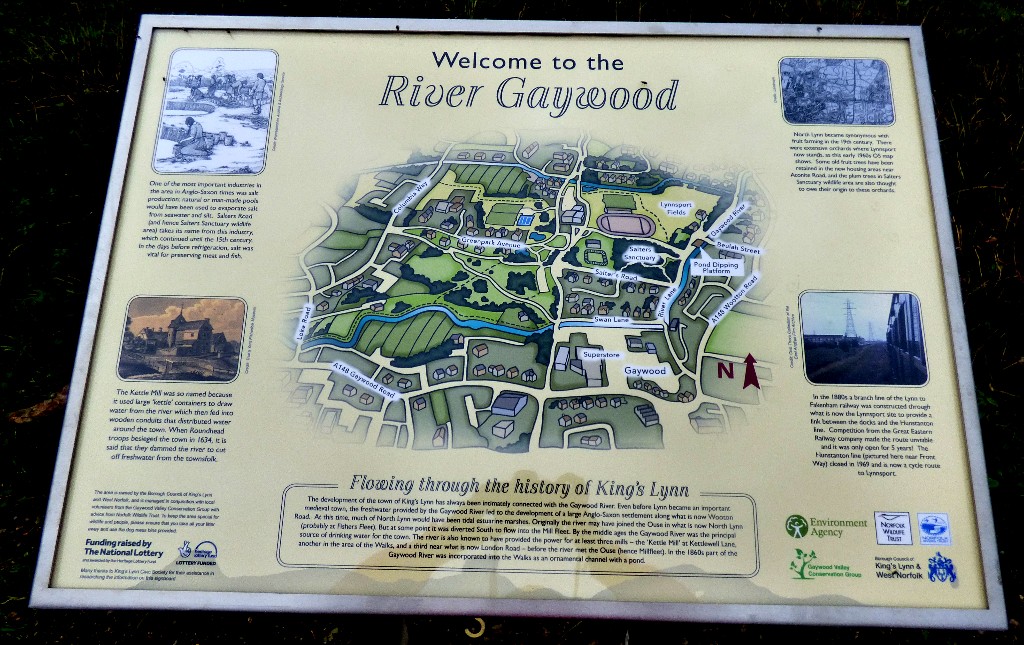
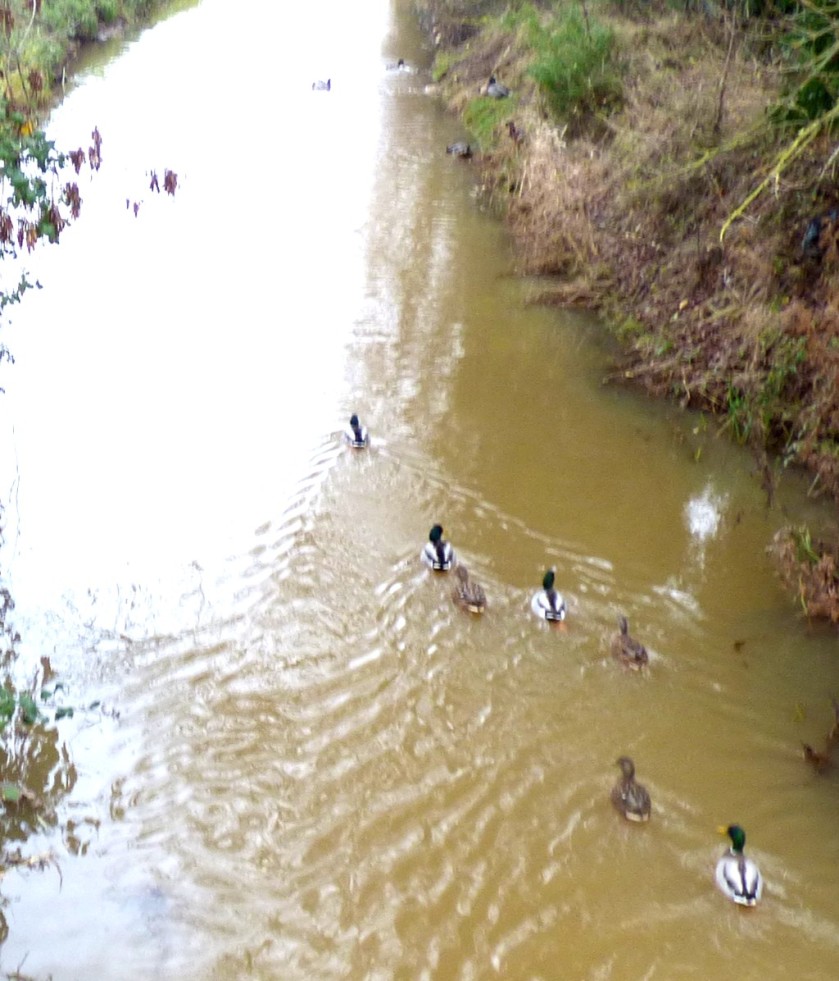
Mallards enjoying a section of the Gaywood River……and demonstrating that they can fly.Gaywood LibraryImmediately outside Gaywood LibraryMallards in formation on another section of the GaywoodThe first of three brand spanking new information boards about the Gaywood River
The Boxing Day test match at Melbourne has limped into its final day, with India needing two more wickets for a convincing and thoroughly deserved victory. India claimed an extra half hour to try to finish things today but were unable to do so.
INDIA SECOND INNINGS – 54-5 OVERNIGHT TO 106-8D
Patrick Cummins emulated Jasprit Bumrahby picking up career best test bowlinjg figures in this match (6-27 in his case). India’s declaration left Australia needing 399 to win…
AUSTRALIA SECOND INNINGS 258-8
Australia’s main batting performed like a squad of “Wattos“ – most of them got some sort of start but none went on to a significant score. Then that man Cummins showed that his abilities are not entirely restricted to bowling – he is not a genuine allrounder but his batting is definitely a cut above that of the out and out tailender – he finished the day on 61 not out, the only Aussie fifty of the match. Nathan Lyon at number ten held out for over an hour, which should have had some his supposed betters squirming as well.
Bumrah added two wickets to his first innings six, equalling a record match aggregate for an Indian paceman in Australia (Kapil Devtwice took eight in a game there andAjit Agarkar achieved the feat once). Ravindra Jadeja picked up three wickets with his left arm spin and Ishant Sharma and Mohammed Shami also struck.
India deserve to be on the brink of victory, and Cummins’ late defiance will end up enhancing the entertainment value of the match but not affecting its result.
SOME THOUGHTS ABOUT THE UPCOMING ASHES SERIES
This English season the Aussies come calling to resume the oldest grudge match in international sport. Based on their unconvincing efforts against India at home and England’s triumph in Sri Lanka I make the home side heavy favourites, probably to win with a very comfortable margin of superiority.
Looking at the match at the MCG prompted some thoughts about England’s bowling options for this series, and I have arrived at the following:
England need at least one bowler who can produce vicious pace in their squad – which means that the Norfolk born Olly Stonegets the nod from me.
James Anderson, who in the veteran stage of his career no longer has the pace but has ringcraft in spades is of course a guaranteed selection.
At least one other specialist pace bowler will be required to support the first two.
After their triumphs in Sri Lanka it is hard to look beyondRashidand Leachfor the front-line spin bowling roles at present.
If his head is in the right place Ben Stokes could be useful as back up bowler but should not be considered for a front-line bowling slot.
I am largely happy with the front-line batting for England, with Ben Foakes having made the keepers role his own and Bairstownow surely ensconced as no 3. I am not entirely happy about the continuing presence of Jennings but he did make runs in Sri Lanka and the Sutcliffe Super Radical Solution (Tammy Beaumont to be given her chance among the men) is not going be adopted any time soon.
As against this Australia are short of both form and confidence, and with the honourable exception of Usman Khawaja have no front-line batsman who is currently scoring with any consistency.
Thomas’s predicted Ashes outcome: England 4 Australia 1 (I do not believe that these Aussies are sufficiently bad as to be left winless but England look better in all departments).
PHOTOGRAPHS
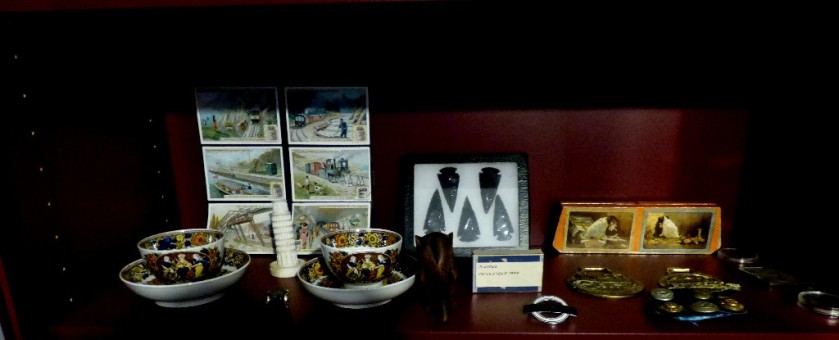
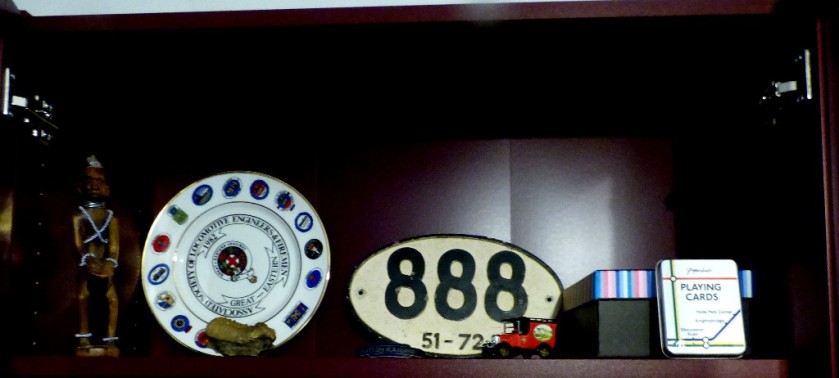
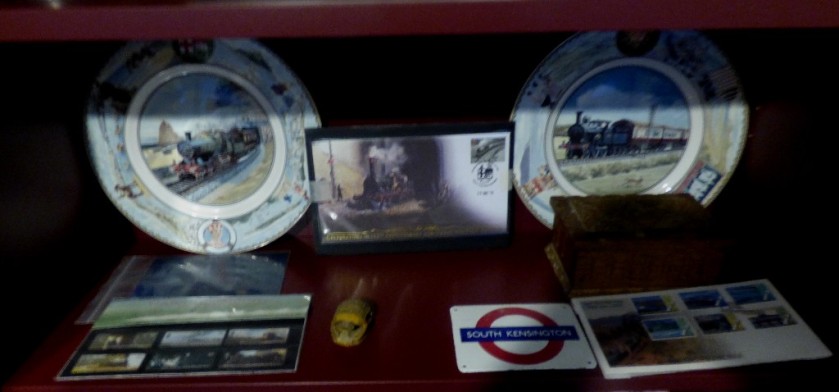
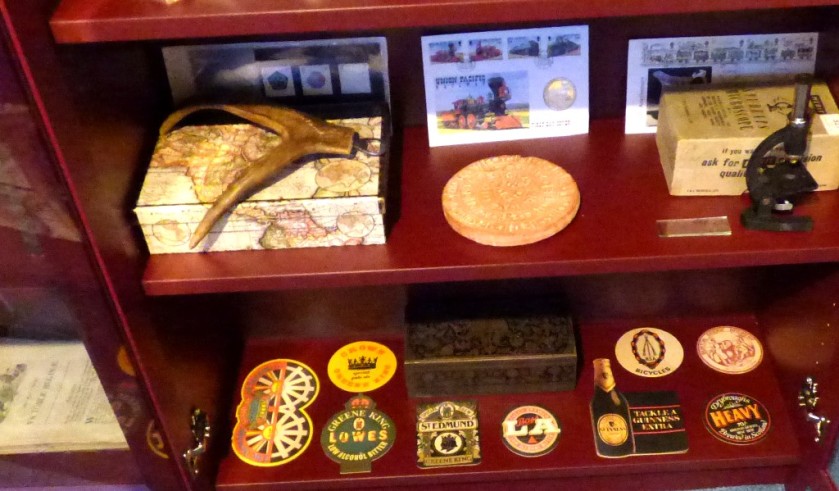
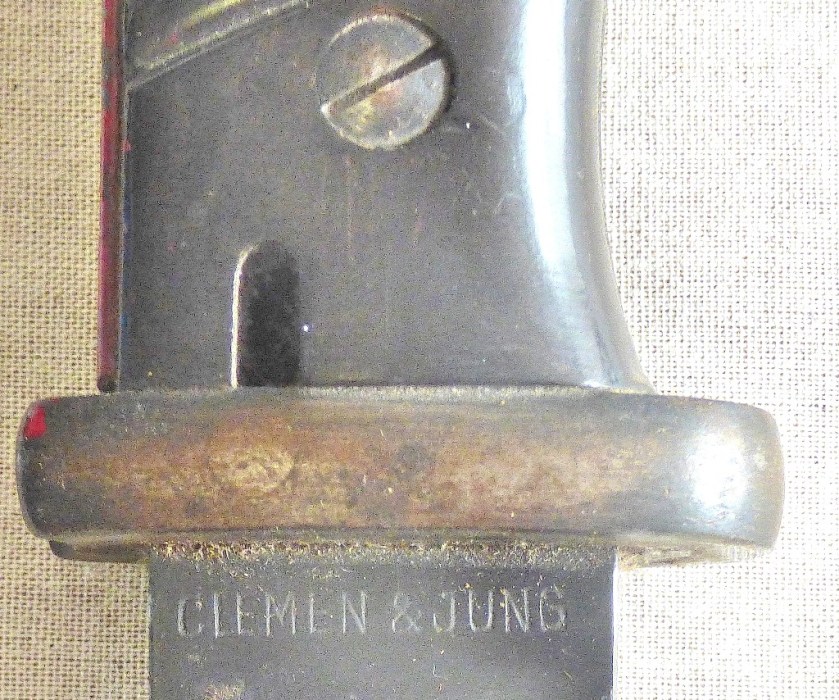
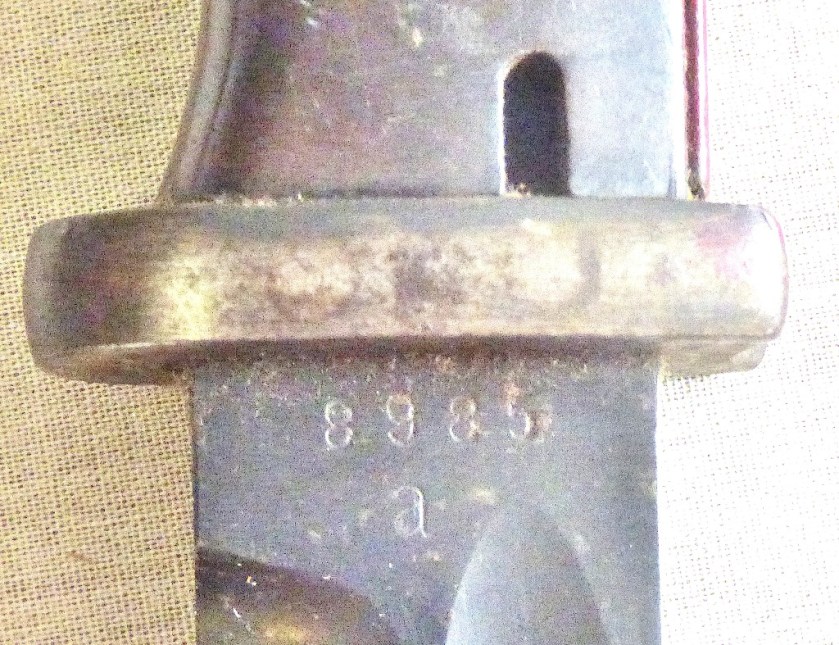
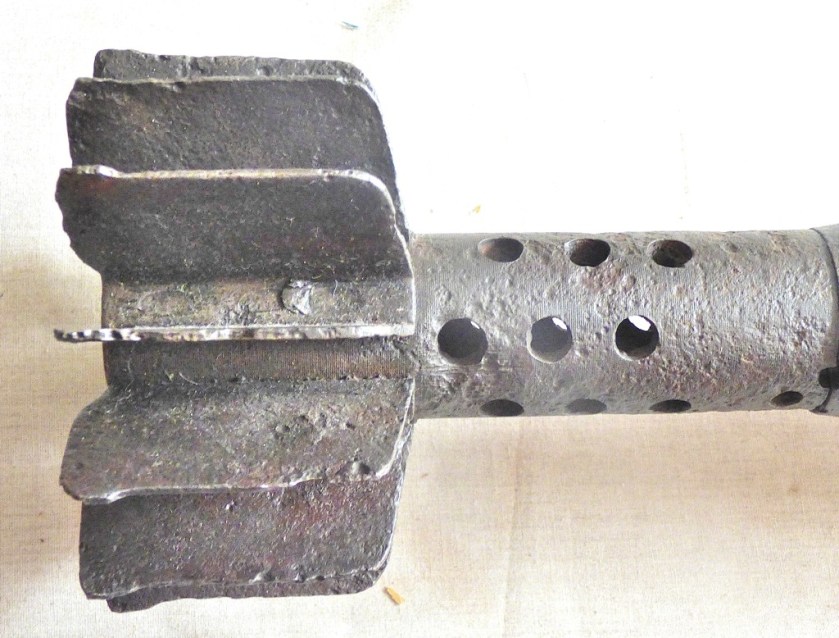
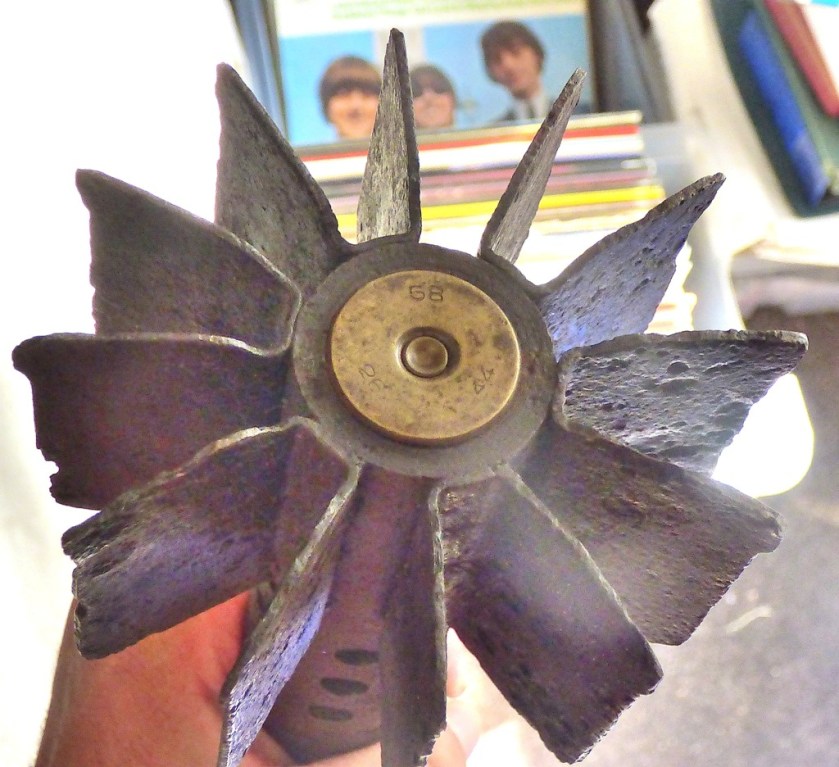
Finally for those who have reached the end of this post here are some pictures from my “Cabinet of Curiosities”:
Accounts of a meal out last night and of the state of play at the MCG (very satisfying for a Pom, who by default supports Australia’s opponents!).
INTRODUCTION
This post deals with two unrelated events – last night’s supper at The Market Bistro in King’s Lynn (another staging post in my convalescence from cancer – coping with an evening out in public, which for an autistic person can be a challenge even at the best of times) and the amazing happenings overnight UK time at the Melbourne Cricket Ground. I have some pictures as well.
SUPPER AT THE MARKET BISTRO
I intended to eat a full meal and have the one alcoholic drink I can allow myself at present. My father arrived to give me a lift there as planned at about 6:30. Then he went to collect my sister from West Lynn where she was staying, a taxi firm having her down.
The food was excellent – I ate an amuse bouche but declined the bread and butter as I had ordered two courses to which I intended to do full justice (and succeeded). My starter was a duck terrine covered by a potato cage and missing (at my specific request) the egg that should have been part of it. It was delicious, though an incongruously small portion to be served in the middle of a monster sized plate. For the main I opted for pork belly accompanied by smoked beetroot, various salad type vegetables and game chips. It was excellent in every respect, and judging from the fact that every plate at the table was clean by the time we finished so was everyone else’s. I washed the meal down with a beer that was brewed in Wisbech and was absolutely delicious (and at 5% alcohol not fiendishly strong – I rejected a couple of other options as being too strong in the circumstances).
By the time I drained the last of the beer it was just after 8:30PM and I was feeling the need for home. My father gave me a lift back, and that was the end of my activity for the day.
INDIA TAKE CONTROL AT THE MCG
Over the first two days play in the Boxing Day test match at the MCG it looked like a repeat of last year’s Ashes match at the same ground with the drop-in pitch (in spite of retaining its name the MCG is preimarily an Aussie Rules venue these days) apparently lacking any pace or life. Bowlers could not get wickets and the lack of pace meant that batsmen were scoring slowly. Going into day three the scoreboard read India 443-7D, Australia 8-0.
Suddenly things started to happen. First Jasprit Bumrah bowled magnificently to record a test best 6-33 as Australia were rock ‘n’ rolled for 151. India then decided that a lead of 292 was not quite sufficient to go for the innings win and batted a second time. Patrick Cummins proceeded to knock the top of that second innings, backed up by some nasty stuff from Josh Hazlewood (both bowlers regularly propel the ball at over 145 kilometres per hour), and India closed the day at 54-5 in their second innings, a lead of 346, and almost certainly given the difficulties of chasing big runs in the final innings a victory awaiting. Nonetheless I think Kohli was wrong not to enforce the follow on – I would have much preferred to see him go for the quick kill. In the context of test cricket I would decline to enforce the follow on only if one up in the final match of a series, which this is not. Out of some 2,500 test matches a mere three have been won by teams who were made to follow on – England did it aided by the weather at Sydney in 1894, England did it again at Headingley in 1981 when Ian Botham famously “gave it some humpty” and Bob Willis then bowled like a man possessed to take 8-43 and then there was the Kolkata match when Laxman made 281, Dravid 180, India declared their second innings at 657-7 and dismissed a demoralised Australia for 212 to win by 171 runs (yes folks, the only test team ever to have lost a test match after enforcing the follow on are the Aussies, victims on the only three occasions such a comeback happened).
PICTURES
Here are the promised pictures:
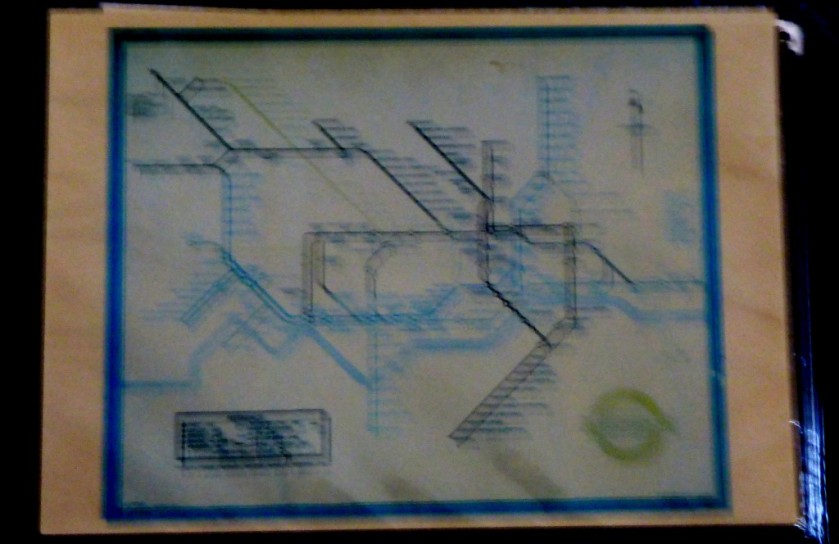
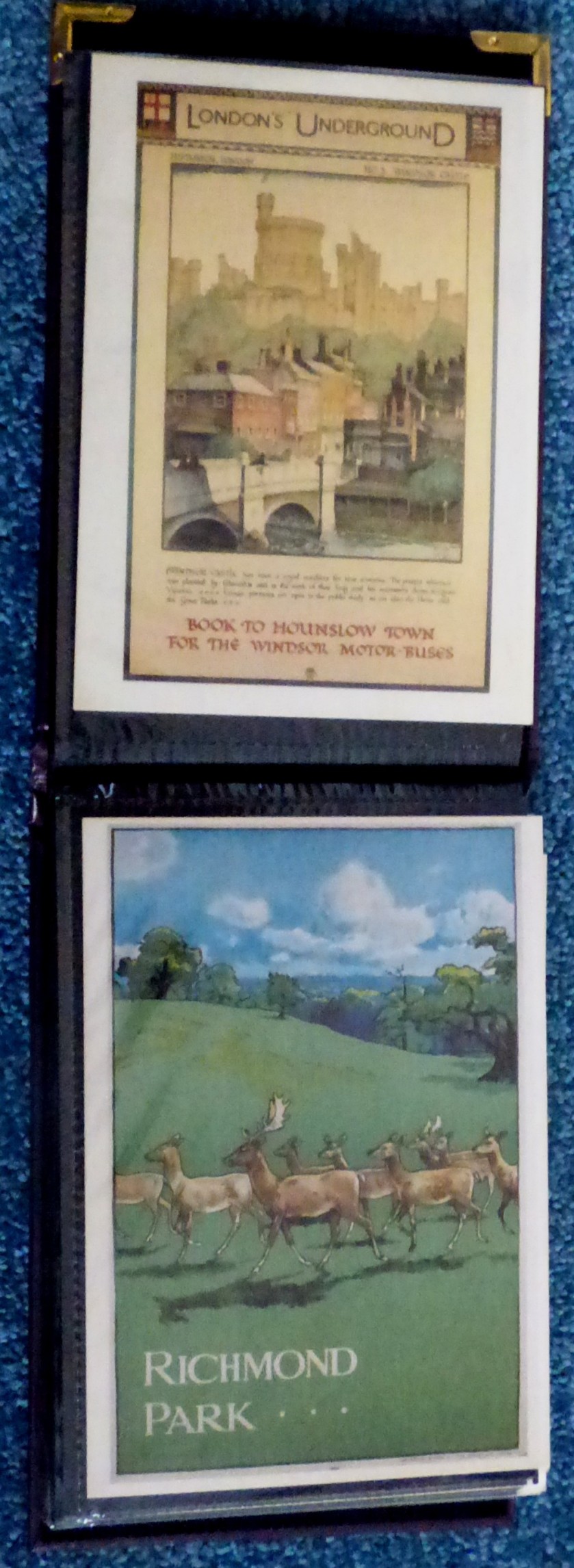
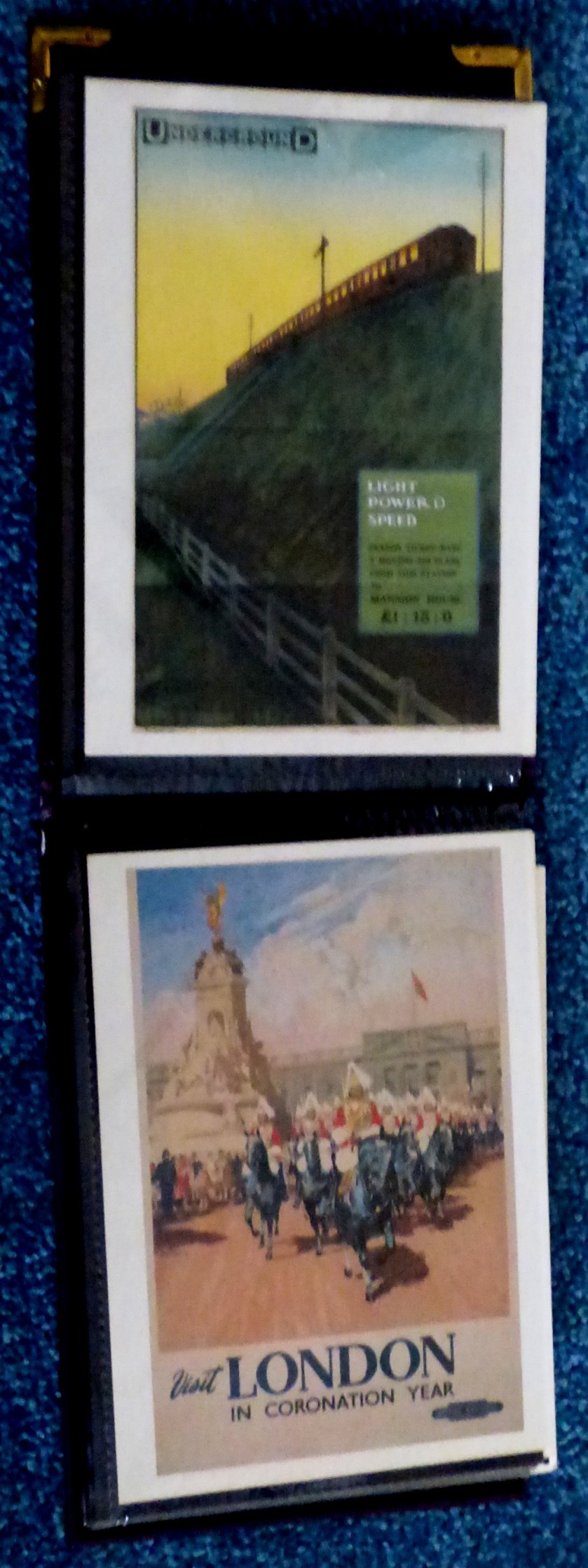
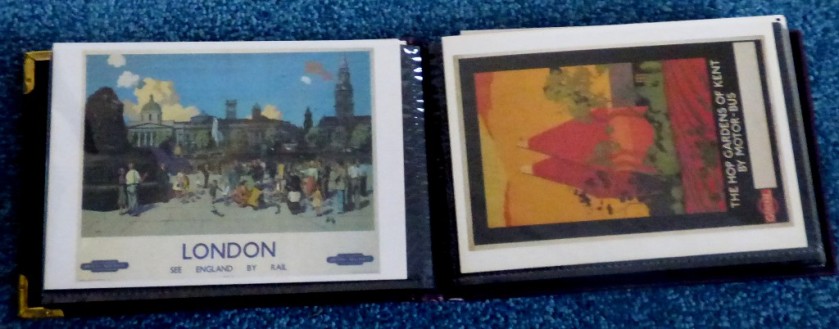
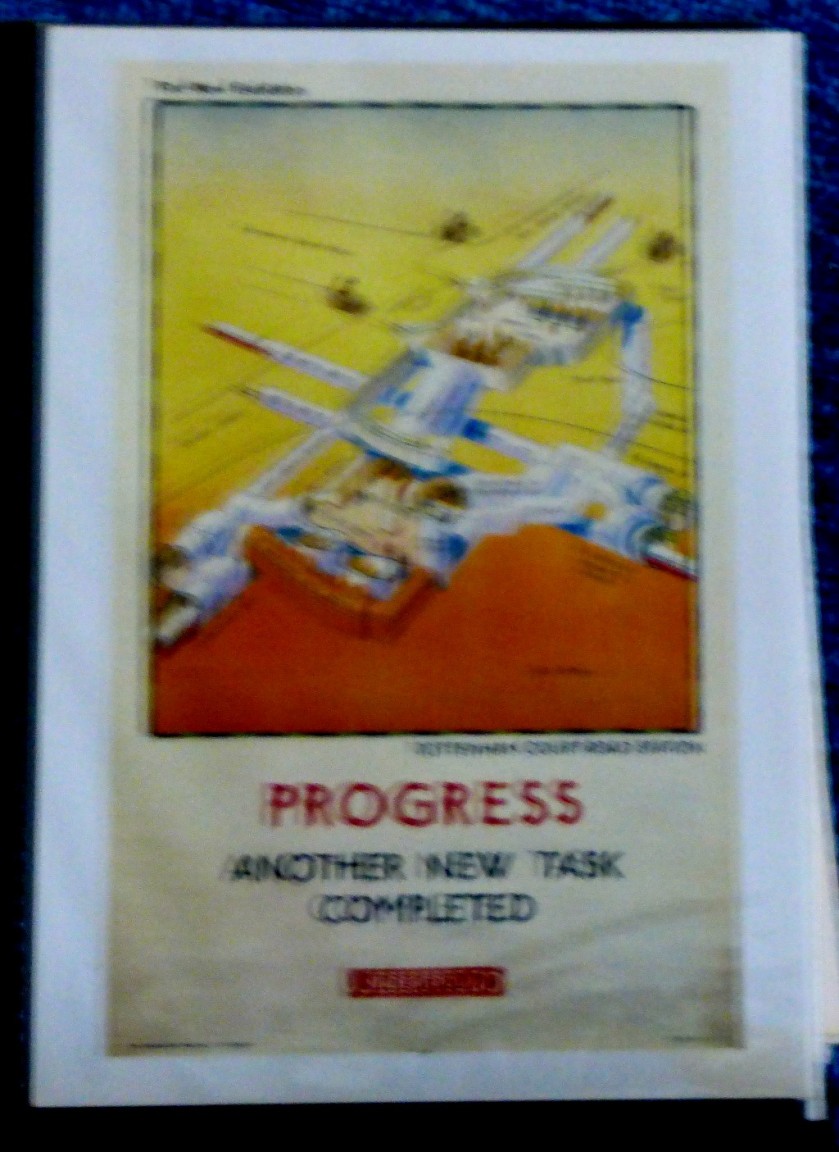
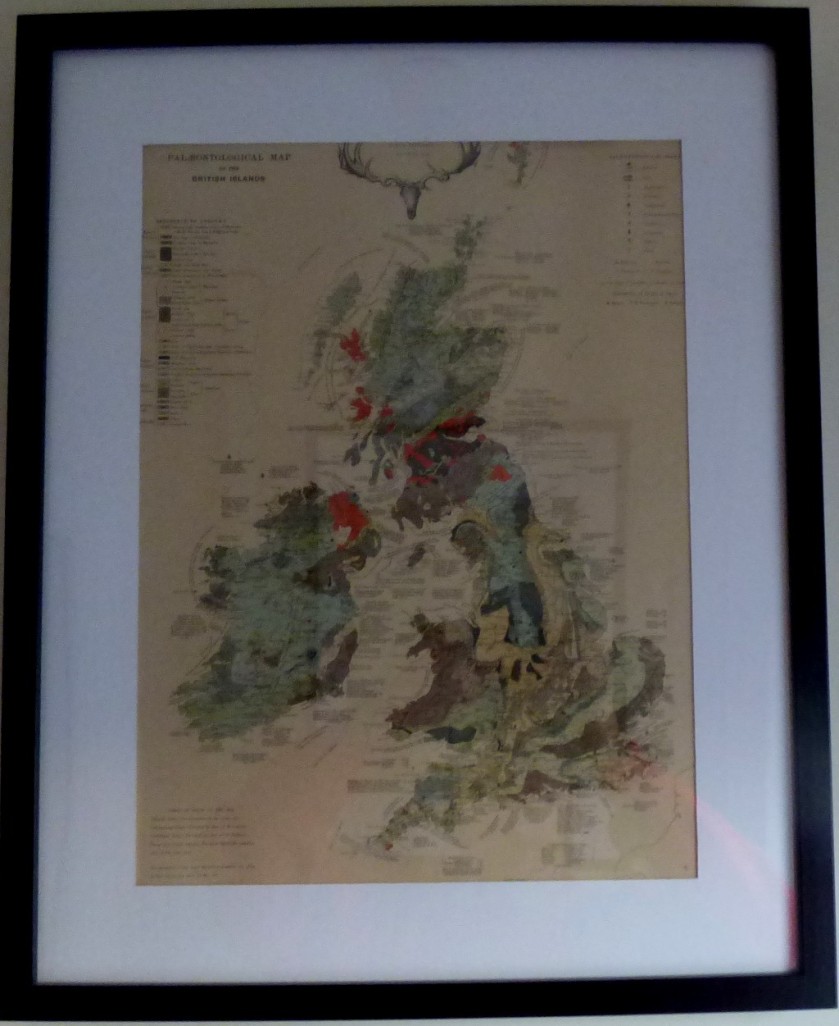
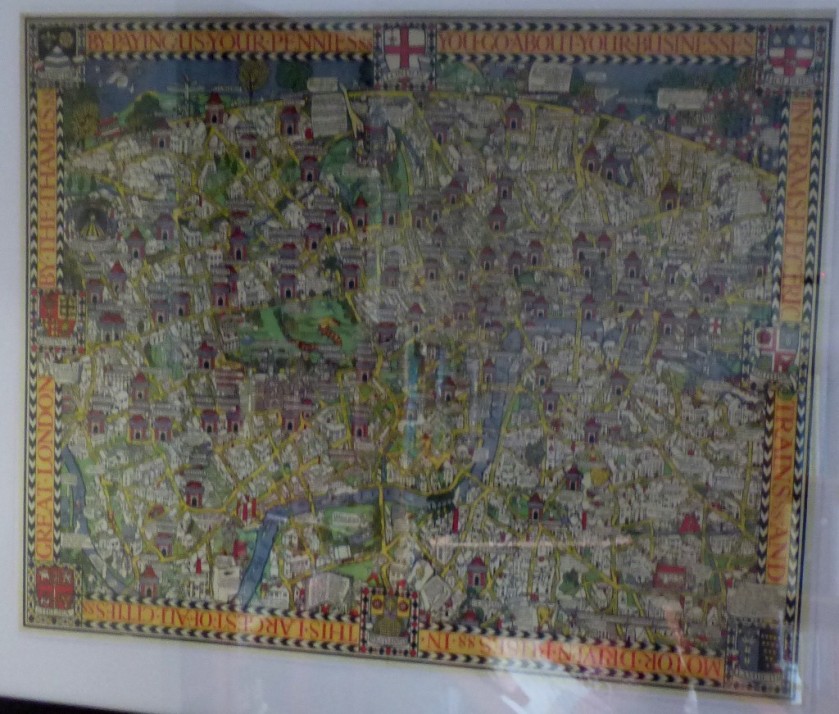
All bar one of these pictures are postcards in an album. Although this Beck mpa is faded I still felt it belonged at the front.
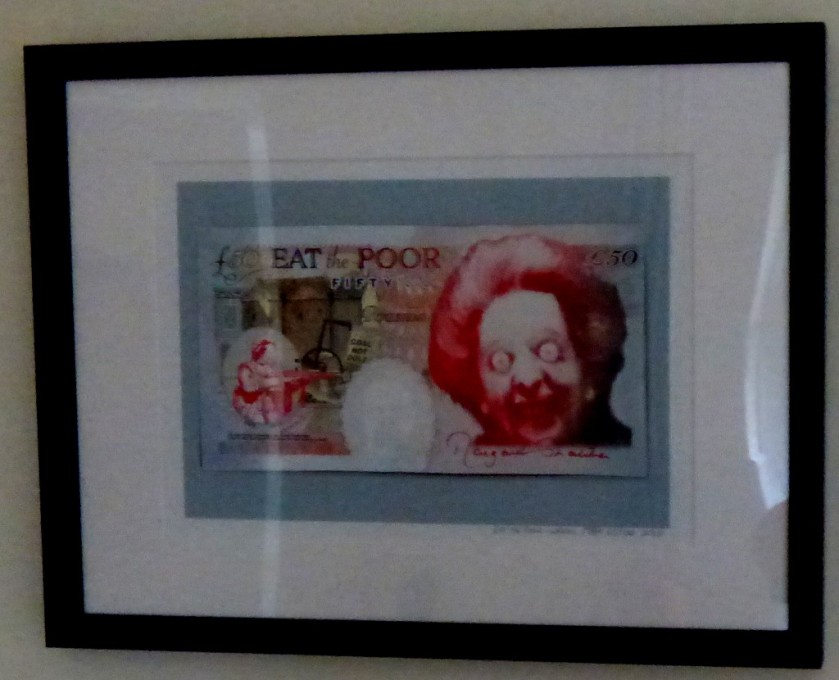
Ending the selection for the album with one about progress.A Thatcher themed £50 note (defo not legal tender!)
A brief account of my Christmas period and how I managed to enjoy it in spite of limitations imposed by current state of health.
INTRODUCTION
In this post I will tell the story of my activities since Monday, and the continuing tale of rhe improvement in my state of health and happiness. There are plenty of accompanying pictures.
MONDAY – MAINLY ADDENBROOKES
Unlike the previous Monday this day although still fairly long went basically smoothly, with my treatments running exactly as planned. I was by this stage sufficiently improved to walk around the main hospital building rather than using a wheelchair. In preparation for the day I had selected three books from my shelves, and this proved a wise choice as I read all three while at the hospital.
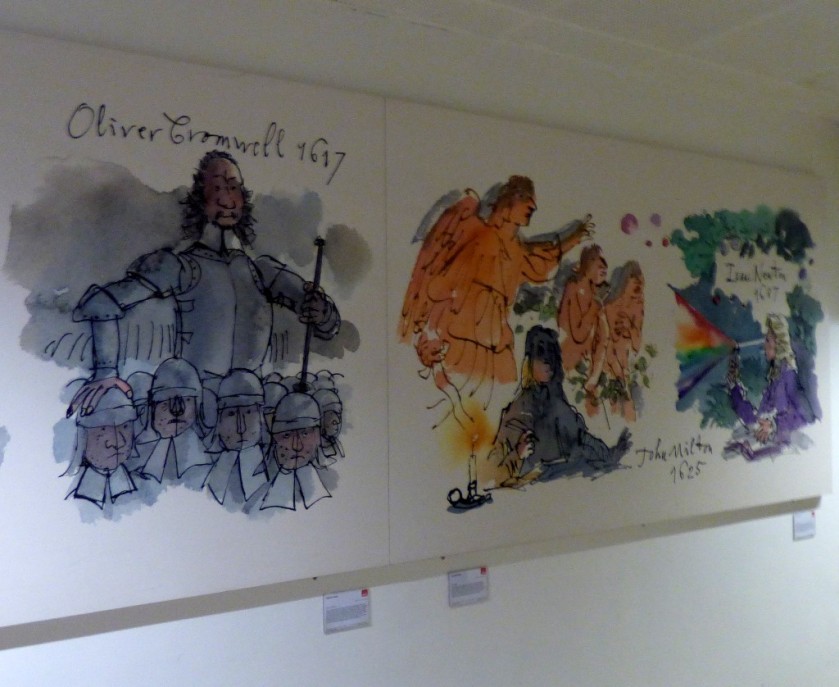
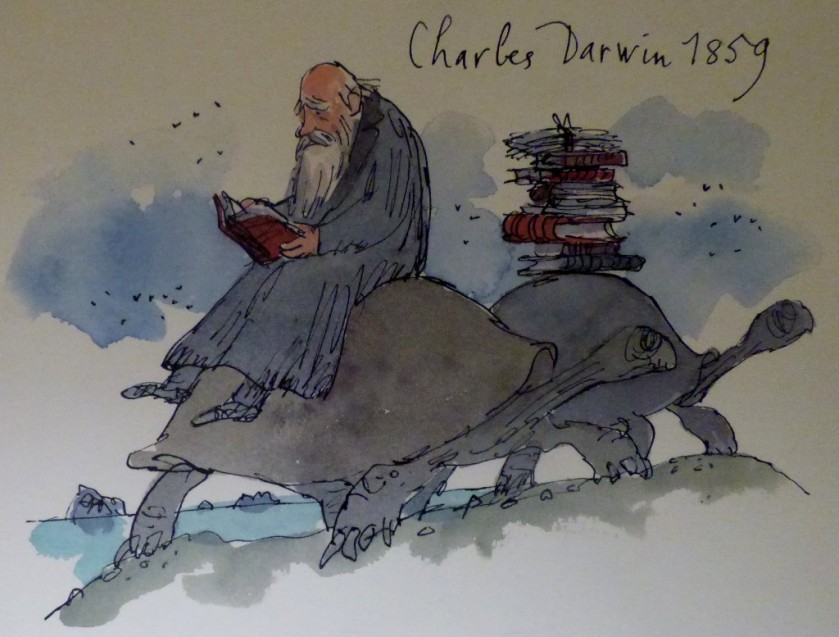
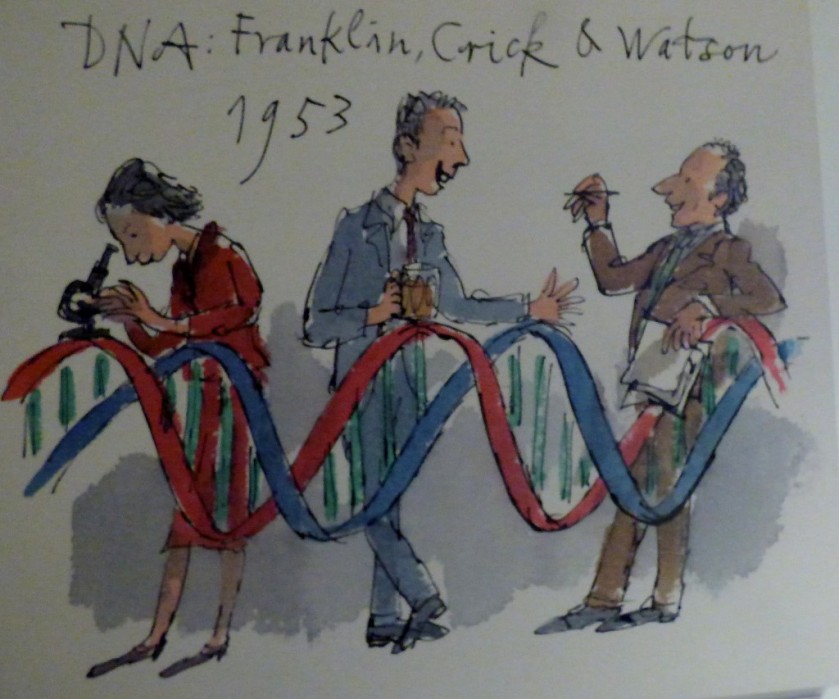
I took some photos of some of the artwork on display at Addenbrookes as well…
These displays of famous people associated with Cambridge were created by the legendary Quentin Blake who cut his teeth as Roald Dahl’s illustrator.
I am particularly glad to see Rosalind Franklin credited in this panel (something neither Watson nor Crick did at the time after being shown her work without her having been consulted)
CHRISTMAS DAY – COLUMBIA WAY AND NELSON STREET
I was not entirely sure how I would cope with Christmas Day itself. My sister arrived at my home to pick me up at about 10AM, dropped me at Nelson Street where my aunt lives and the went to wash, change and wake up my nephew (the latter being by some way the hardest task!). A cup of coffee taken in the kitchen was a good start. Managing the stairs to use the toilet (had this proved beyond me there was a downstairs flat we could have accessed) was also good news.
Lunch was excellent, and in accordance with the advice of Research Nurse Rebecca Bradley I consumed limited quantities of alcohol (one small glass of fizz and another of white wine).
After lunch we opened the presents, which went very well. The last present was unwrapped just before 4PM. At this point I decided to call it a day and get my lift home. I walked to Boal Quay car park where the car was waiting.
Here are some pictures from the first part of Christmas Day…
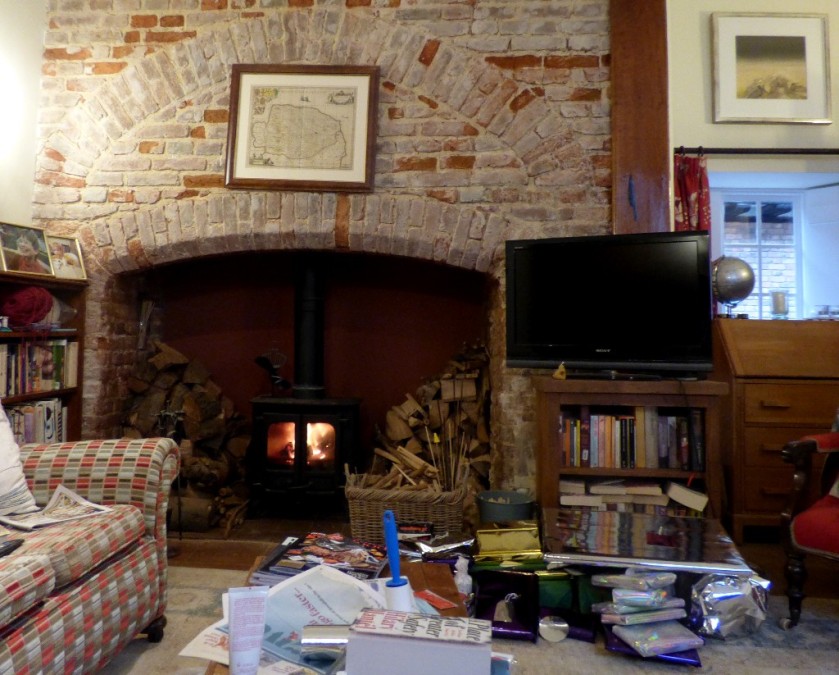
The first five pictures were taken at my bungalow in the morning.
The cup I had my coffee in at Helen’sPresents laid out.
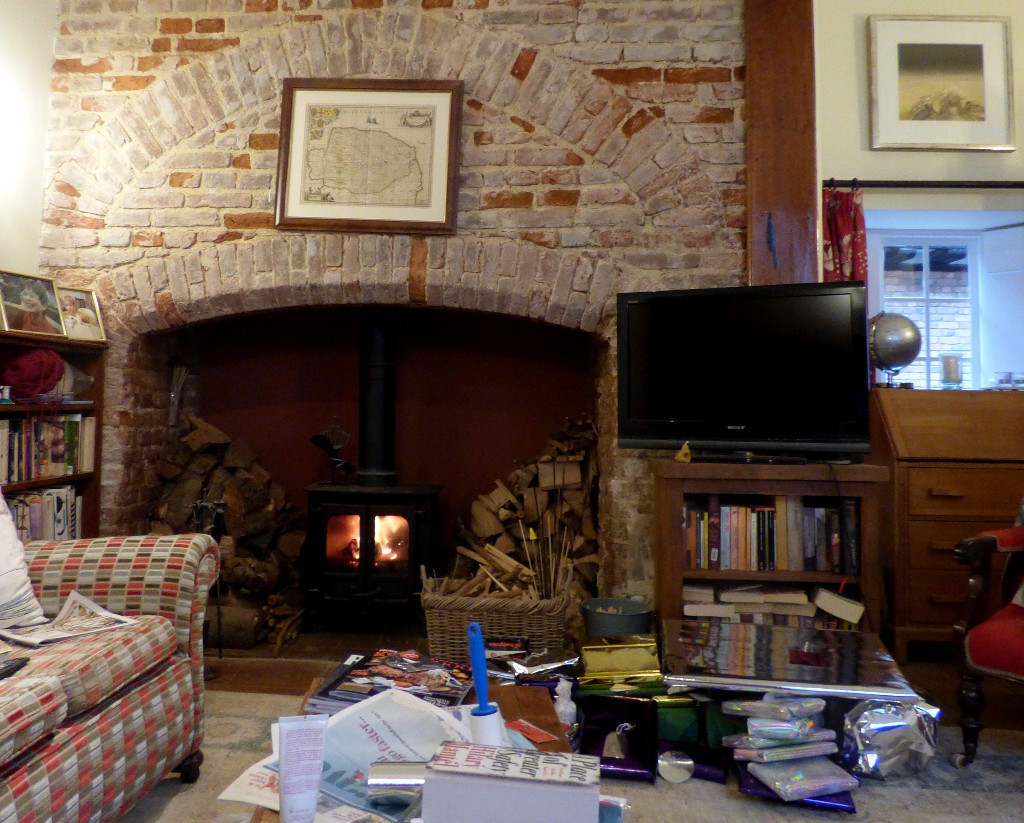
Close up shots of the woodburner (using the zoom lens)
A tiling pattern in the kitchen.Mr President put in an appearance among the presents!
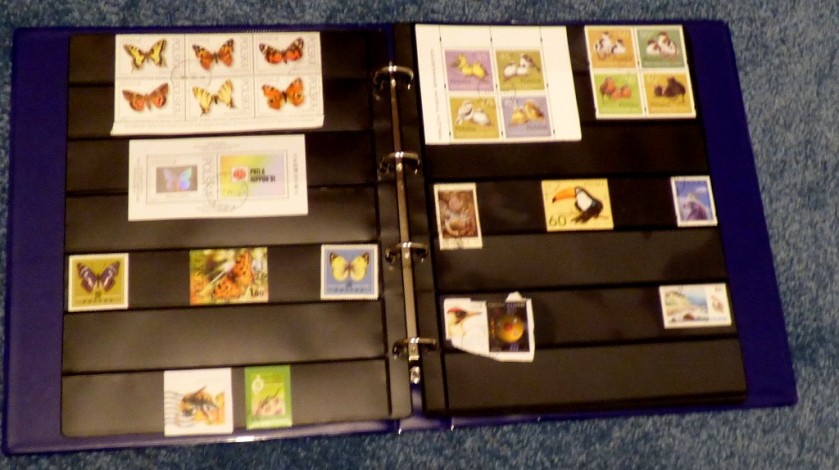
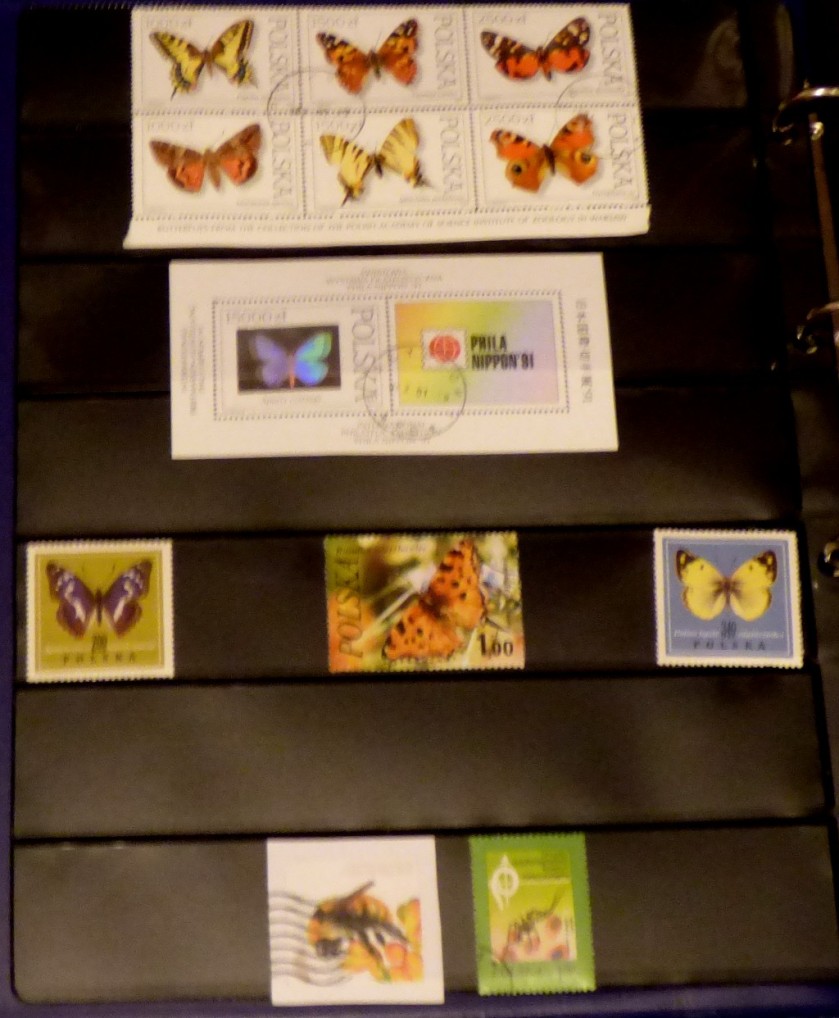
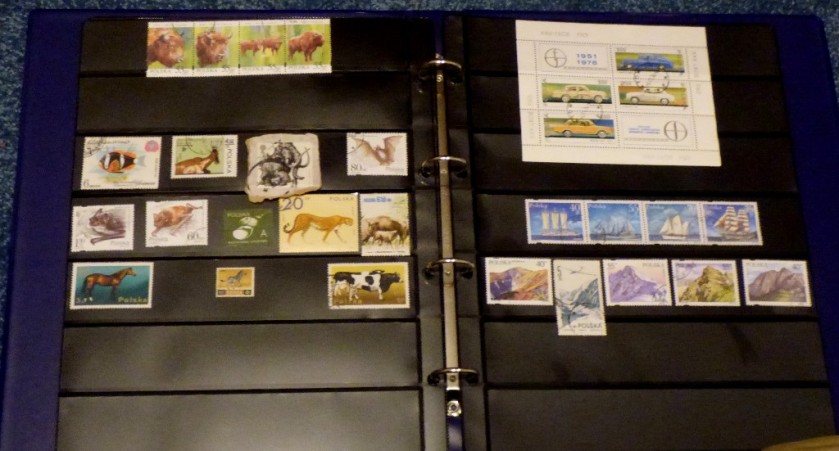
One of my presents (I had already had a lot of stuff in advance, so most of the stuff I got on the day was small) was a stamp album with a few “Hagner” style pages. I devoted a little time to displaying some of the stamps that John from Musical Keys had given me while I was in hospital, and also to selecting some postcards to go in a little display album I had for them. I have yet to photograph the postcards, but here are some stamp pictures…
Railway stamps.Insects and BirdsInsects close up.Animals, Cras, Boats and MountainsAnimals close up
Mixed stamps.
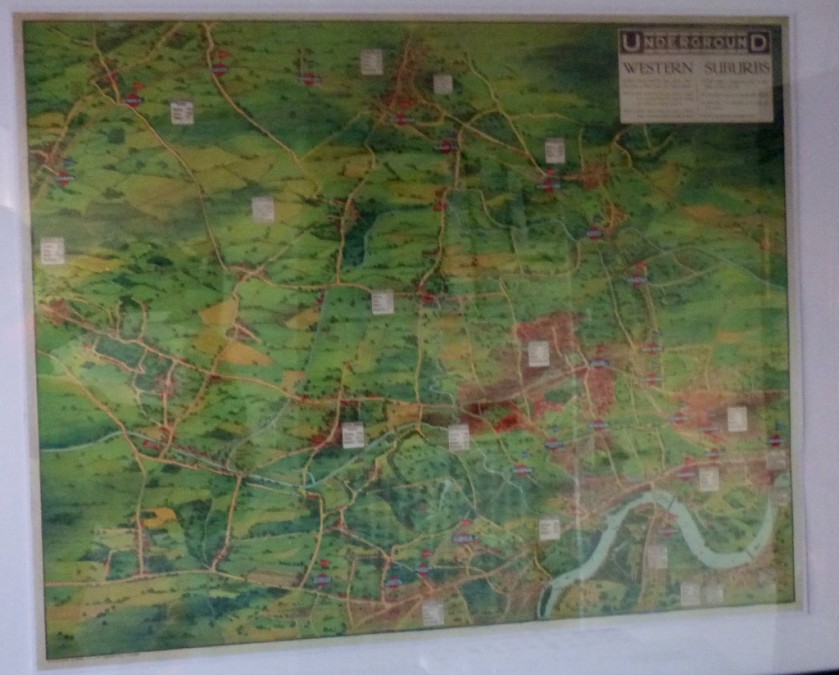
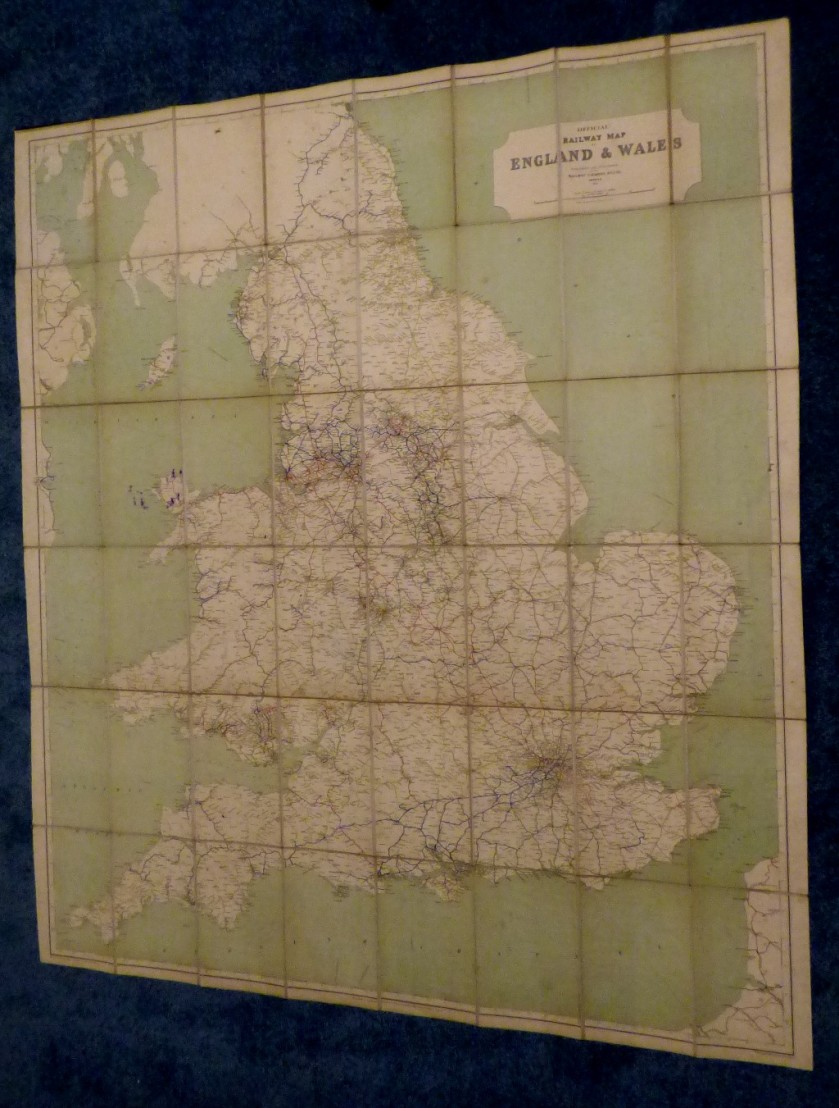
I took one more picture, of my largest railway map, spread out on the carpet:
BOXING DAY
My Boxing Day began on Australian time as I wanted to listen to the test match from the MCG. For a Pom it was a very satisfying listen as India finished day 1 strongly placed on 215-2 with Pujara and Kohli going well together. So far today is going quite well – the district nurse was happy with my temperature and blood pressure readings (the latter at 118/69 were about as good as they have been anytime in the last two months) and I although tired I am not experiencing any sort of adverse reaction to yesterday.
Final thoughts on the just concluded England v India test series.
INTRODUCTION
Jimmy Anderson just a few minutes ago rattled the stumps of Mohammad Shami to finish the England versus India series and simulataneously move ahead of Glenn McGrath and test wicket taking list to become the all time leading wicket taker among seamers. He still possibly has enough juice left to get past wrist spinner Anil Kumble (619) into third place overall but I suspect that the tallies of Warne (708) and Muralitharan (800) are too far distant for him. In the rest of this post I will summarise the series from my perspective.
MATCH BY MATCH THROUGH THE SERIES
Englandcame into this series off the back of a poor recent run in test matches (obliterated in Australia, a clear second best in New Zealand and an unconvincing drawn home series against Pakistan) but a lot of success in ODIs, which national selector Ed Smith decided to channel by means of the selections of Buttler and Rashid. India mean time were ranked no 1, a good margin clear of the rest.
MATCH 1: EDGBASTON
England led by 13 runs on first innings, which looked like meaning precisely nothing when they then began their second innings by slumping to 87-7. However, for the first but not last time in the series, India proved unable to complete the job, baulked on this occasion by Sam Curran’s first major contribution, and England eventually left India 194 to chase, which proved to be more than they could handle.
MATCH 2: LORD’S
From the moment India were all out for 107 in their first innings the fate of this match was pretty much settled. At 130-5 England were making heavy weather of their response but a maiden test century from Chris Woakes and 96 from Jonny Bairstow put the game well and truly out of India’s reach and in the event they collapsed a second time to lose by an innings and 159 runs.
MATCH 3: TRENT BRIDGE
This match was settled in the space of an hour and a half on the second day, when England facing an Indian first innings of 329 slumped from 54-0 to 128-9. Even then the last apir cobbled together 33 to reduce the deficit, but the damage had been done, and India ran out comfortable and deserving winners
MATCH 4: THE AGEAS BOWL
When England were 86-6 after winning the toss and batting it looked like the final match would be a decider. However, with Sam Curran playing a second fine innings to rescue a dreadful start England reached 246. India took a small first innings lead, but England batted better second time around and India never threatened to get close in the fourth innings. England had sealed the series with a match to spare.
MATCH 5: THE OVAL
England were playing for pride and a bit of history in this match. After Jennings had fallen cheaply to the surprise of precisely no one who had been following the series Cook and Moeen Ali looked to have stabilised things, but then a clatter of wickets reduced England to 181-7. Buttler and Rashid made it through the the close at 198-7. When Rashid was dismissed early on the second day to make it 214-8 India seemed to be in the box seat. Then in what had become a recurring theme of the series India failed to finish what they had started. Kohli, one the three best batters currently eligible for test cricket (alongside Root and Kane Williamson of New Zealand), is also one of its worst ever captains, and here he was concentrating so much on trying to prevent Buttler from getting the strike that he seemed to forget about taking wickets with the result that England’s total mushroomed to 332. India in their own first innings staged a late order revival to reduce what had looke like being a three figure deficit to a mere 40. After Jennings had gone cheaply and Moeen Ali had also not done very much Cook in his final test innings and Root joined forces. This was the partnership that placed England’s boot firmly on India’s throat, as both completed hundreds, Cook in the process becoming test cricket’s all time most prolific left hander. Both lost their wickets in successive balls, and then after a bit of bat throwing by those lower in the order England declared setting India 464 to win.
Anderson took two wickets with the new ball to draw level with McGrath, while Kohli managed to complete his series without once falling to Anderson (by instead being done first ball by Stuart Broad), at which point India were 2-3 and the 4-1 outcome looked nailed on. A thunderous partnership on the final day between Lokesh Rahul and Rishabh Pant who both made centuries (Pant’s, his first in test cricket, could almost be described as a Gilchristian effort) but England broke through, and although for a long time it looked like India might escape with a draw the prospect of defeat never really loomed. Sam Curran took the eighth and ninth wickets with the second new ball (the latter of them being Jadeja, leaving nos 10 and 11, both out and out rabbits – indeed Bumrah at no 11 may even merit the term ferret). Bumrah managed to survive the last two balls of a Curran over, which meant that Anderson had a full over at two out and out tailenders in which to make history. With the third ball of said over Anderson did the trick as mentioned in the introduction.
Curran, who by taking his late wickets here had become only the second person to record 250 runs and 10 wickets in a test series before reaching the age of 21 (the other was chap by the name of Kapil Dev who may be familiar to some of you!) was rewarded for his all-round endeavours by being named England player of the series, while scores of 71 and 147 in his international swansong saw Cook named player of the match.
This was a truly extraordinary match, leaving me to ask a question: William Shakespeare did you secretly emerge from the grave to script this?!
4-1 – FAIR OR HARSH ON INDIA?
I have written about this before (see here), but I am now going to dot the is and cross the ts. Yes, as well as their big win at Trent Bridge India had good chances in three of the other matches, including the one just concluded, but the simple fact is that far too often they could press home the advantage when they had it, and every time they had an opportunity to close out a match England did so. Therefore, I say that 4-1 is a fair reflection of the series. However, not all in the England garden is rosy – the departure of Cook and the repeated failures of Jennings mean that England need a new opening pair, and have seven test matches before the arrival in town of the oldest enemy, the Aussies, for that pair to establish themselves. Also, given the reluctance of Root to bat there and the fact that Ali while adequate seems to morph into a darker skinned version of Chris Tavare when he bats there England also have problems filling the number three slot. This uncertainty at the top has been reflected in a series of poor starts to the England innings, most of which, save at Trent Bridge, were turned around by the middle and lower orders into something at least respectable.
PHOTOGRAPHS
A few from James and Sons collector’s auction on September 26, which is now ready for viewing online.
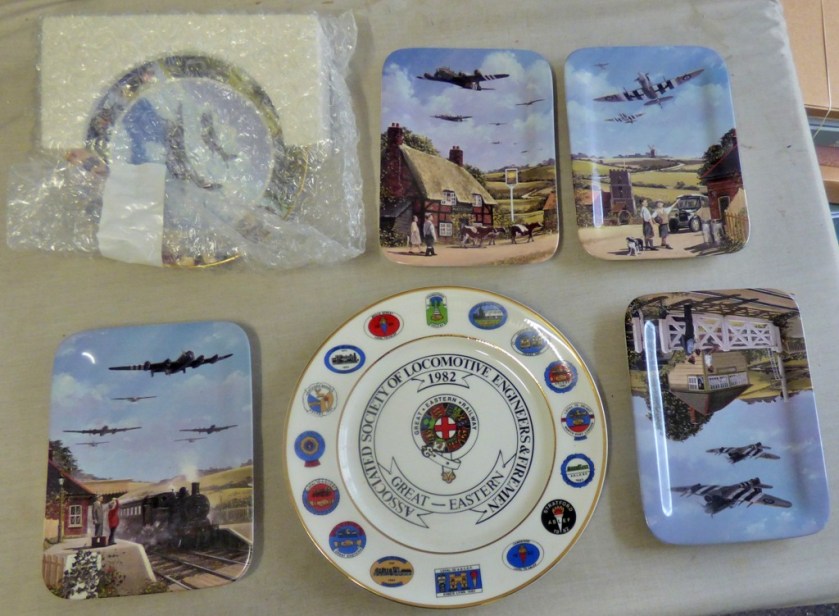
Lot 283, slightly frustrating for me……because if this ASLEF commemorative plate had been being sold as a single item I would certainly bid for it.
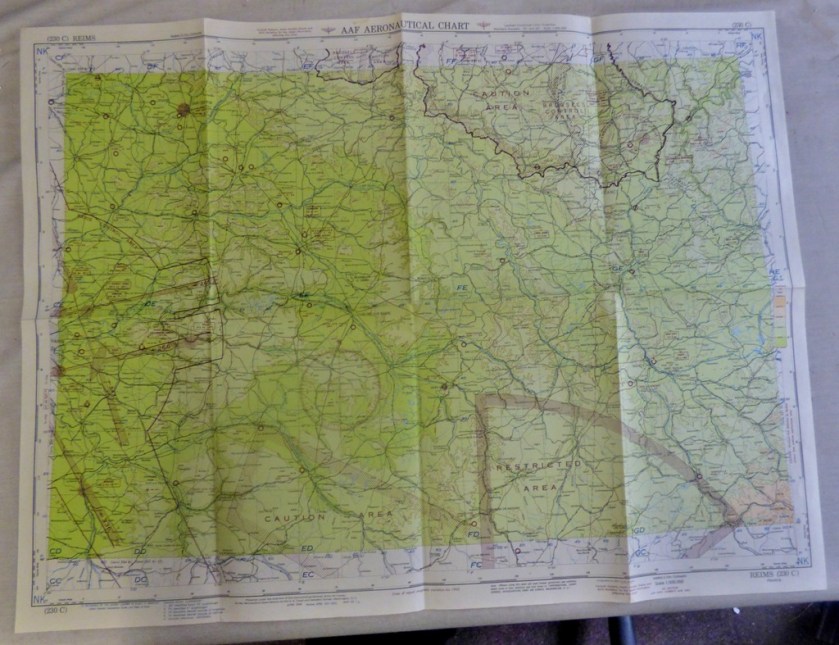
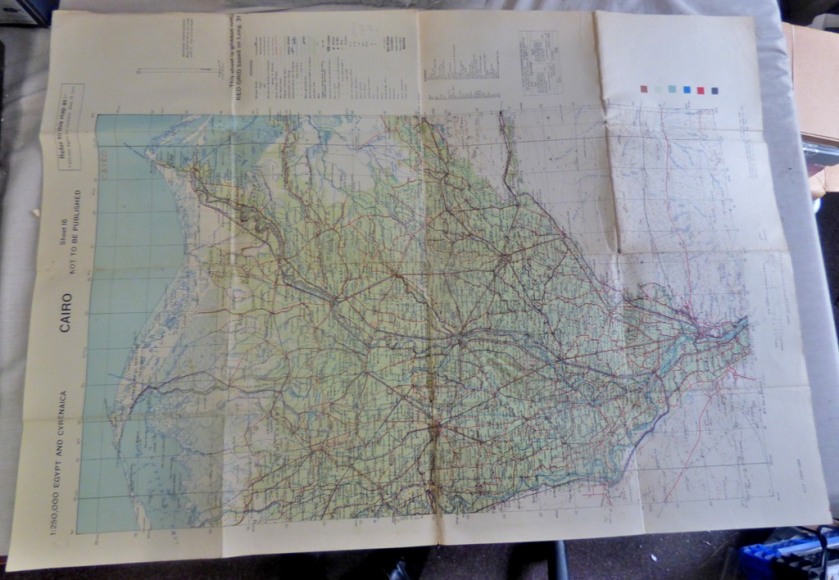
A selection of antique maps (lots 100-5 inclusive)
This picture of the Rhine is lot 110 (four images)
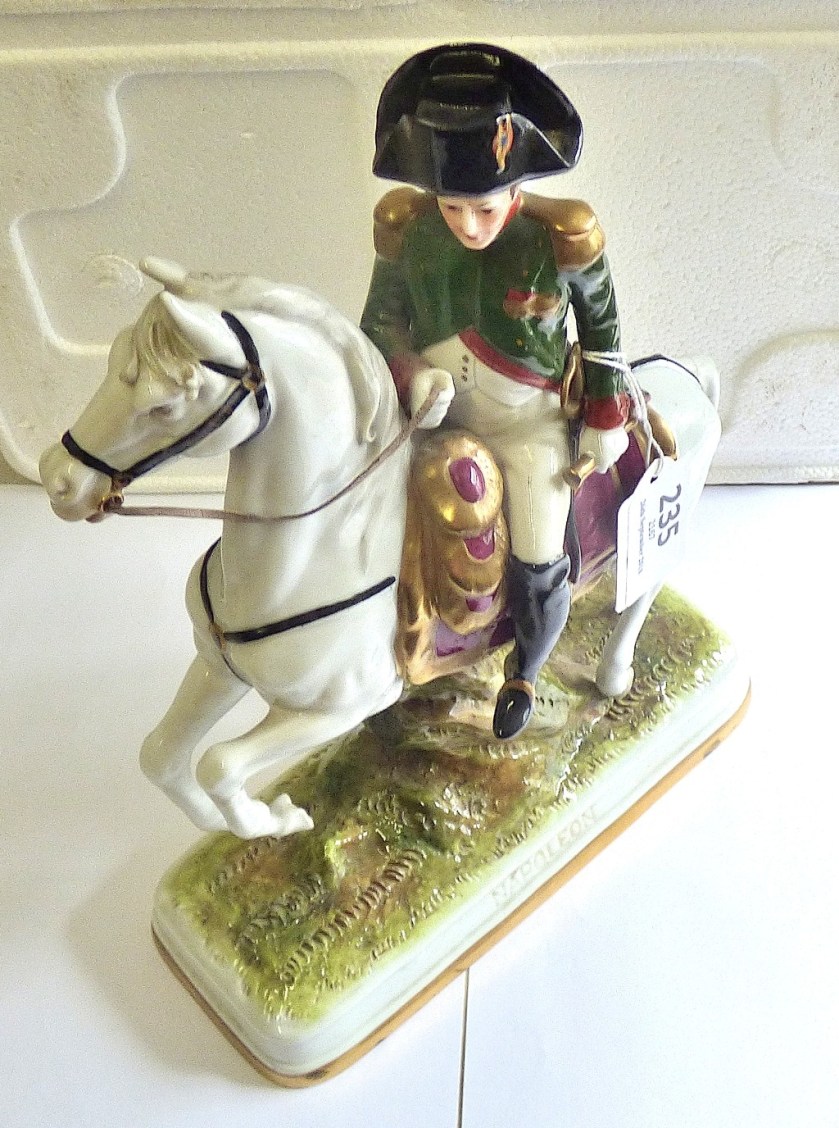
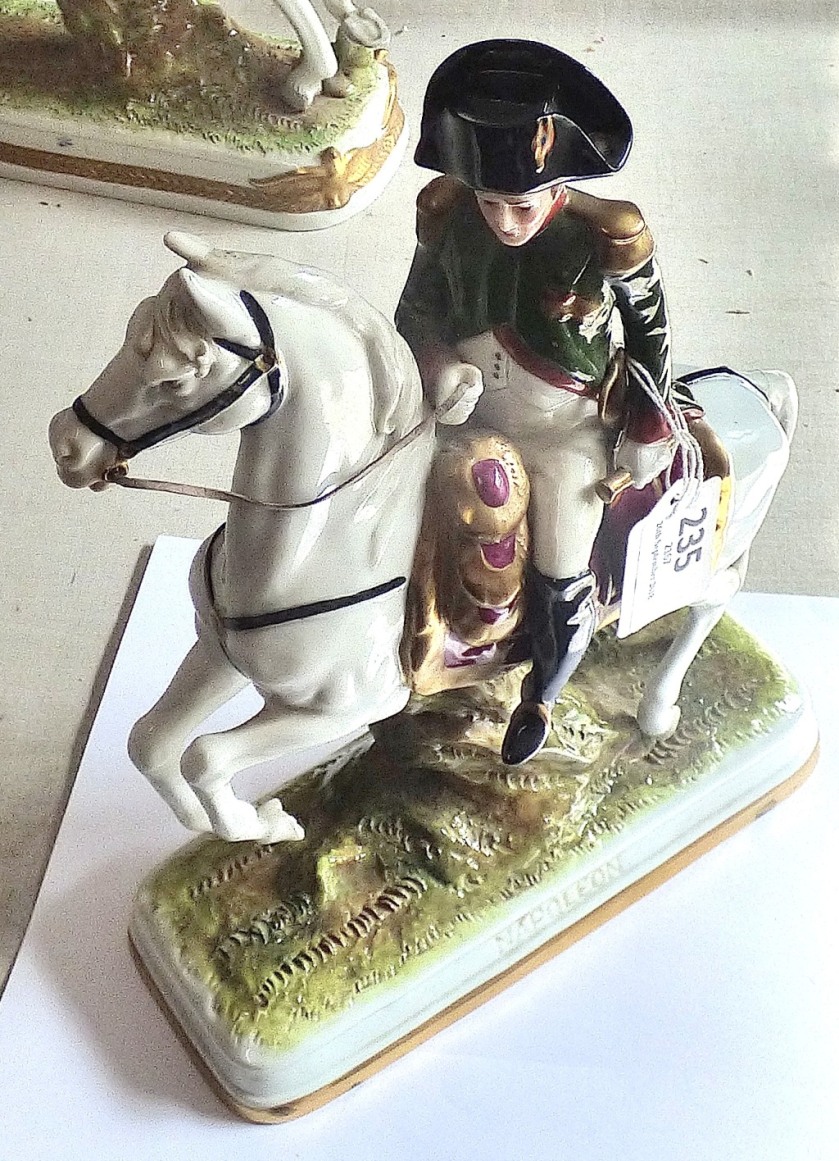
Lot 234, one of two figurines featuring leading French generals fron the Napoleonic era.
A ‘farewell to Alastair Cook’ post, with some suggestions for the future.
INTRODUCTION
As well as this current match I will be looking to the future (and inevitably back to the past).
ENGLAND IN COMPLETE COMMAND
Alastair Cook has ensured that tomorrow’s sports pages will feature one story and one story only by reaching a century in his final test innings (it is not quite a duplication of Greg Chappell’s ‘full circle’ act of scoring centuries in his first and last test innings, because Cook reached his maiden ton in the second innings of his debut match, but it is a unique bookending double for Cook because he scored a fiftty and a century on debut and has now done the same in his final test match. The hundred was brought up courtesy of Jasprit Bumrah’s KP impression – shying wildly at the stumps with no chance of a run out even if he had hit and seeing the ball race away for four overthrows, allowing Cook the rare distinction of completing his hundred with a five. Cook has just gone for 147. His aggregate of 218 in his final match is not a record – that belongs to Andy Sandham who at the age of 39 scored 325 and 50 against the West Indies at Sabina Park (in a match that was abandoned as a draw after two days were washed out and England then had to catch the boat home). For the home series against Australia England reverted to the regular opening combo of Hobbs and Sutcliffe, and as fortune would have it Sandham never played again, while second in that roll of honour is Bill Ponsford who scored 266 and 23 the Oval in 1934, helping Australia to clinch the Ashes with victory by 562 runs. Among the welter of records generated by this final innings Cook is now established as the most prolific test match left hander of all time, having moved ahead of Kumar Sanggakkara. Cook finishes with 12472 runs at 45.35 and having occupied the crease in test match cricket for just over 621 hours in the course of his career (103.5 days play = batting for the equivalent of just over 20 of his 161 test matches).
The fairytale script for the rest of this match has Anderson moving ahead of McGrath to become the leading wicket taking seamer in test cricket history, preferably with the history making wicket being that of Virat Kohli. Given the size of England’s lead and the amount of time left in the game the victory is pretty much nailed on.
THE FUTURE
Thanks to their policy of sticking with Jennings long past his sell by date England now need two new openers. I see the following options for England now:
The cowardly (and in my view indefensible) option of sticking with Jennings and recalling Stoneman so that they have an opening pair who have both played test cricket.
The “safe” option of going with one of Stoneman/ Jennings and presumably one out of Rory Burns or Nick Gubbins
Go for a complete fresh start with Burns and Gubbins both debuting at the top of the order. Preferable in my view to either 1 or 2 but hardly ideal.
The left-field option that I have mentioned in previous posts (herefor example) of giving Tammy Beaumont who has been scoring bucketloads in international cricket the opportunity to play alongisde the men and giving the other opening slot to either Burns or Gubbins.
Option 1 if taken would see me breathing fire, option 2 would be disappointing but unsurprising, I would applaud the taking of option 3, while I recognize that there is basically zero chance of option 4 being taken I would love to see it happen.
Apart from the retired Cook and the (I hope) dropped Jennings I would include the other nine from this match, Ollie Pope, Chris Woakes and Mark Wood in the touring party to Sri Lanka, add in Bess as an extra spinning option (likely to be needed in that part of the world), certainly give consideration to further beefing up the spin department with Amar Virdi, and pick top order batters Beaumont, Burns and Gubbins envisaging the first two as regular openers and Gubbins as back-up in case of injury. Certainly three genuine openers are needed, and as far as I am concerned if either Stoneman or Jennings feature the selectors will have failed in their duty. England have seven matches to develop a settled side before the Aussies come calling next year, and need to use them properly – and picking two openers who are proven failures at the highest level would not be doing that.
BACK TO THE PRESENT
While I have been writing this England have reached tea with their lead already past 400. The final session should go as follows: cram on as many runs as possible in 1st hour after tea and then declare if not all out, and then get stuck into India hoping to knock the top off their second innings before the close. Being greedy, and tomorrow being a work day, I hope Anderson gets his three to move ahead of McGrath tonight, as if he doesn’t I will almost certainly miss that historic moment.
If, as now seems likely, England win this series 4-1 will they have deserved it? Absolutely – yes India had good chances at times of four of the five matches in this series but save at Trent Bridge they could not close things out. In match 1 England were 87-7 in their second innings, only 100 to the good, but the last three wickets more than doubled their score to set a target that India could (and ultimately did) get in trouble chasing, in the second game England dominated from start to finish, while in the third India did likewise, in the fourth England were 86-6 in the first innings and recovered to reach 246, and in this match England were 181-7 and then 214-8 in the first innings before India let things slip to such an extent that England tallied 332 in the end, and since that late order revival they have been in control (although India’s tail staged a minor wag of their own to restrict the first innings advantage to a mere 40).
PHOTOGRAPHS
Here are a few photographs to finish with:
The latest addition to my aunt’s collection of pictures – a very good representation of an EmuThe artists signatureA high quality jigsaw of Oxburgh Hall, which I photographed before I had to disassemble it and replace in its box as we needed all the space on that table clear (it was Sunday supper at my aunt’s house and there were five of us there).A ceremony taking place at the main King’s Lynn war memorial.An antique bike outside a shop on Tower Street.
Some thoughts on the current test match, some mathematics, some climate change themed links and some photographs from an upcoming militgaria auction.
INTRODUCTION
Although my first and main focus in on the current test match between England and India I also have my usual assortment of other goodies.
SWITCHBACK RIDE AT THE OVAL
When England were 120-1 at one point yesterday it looked like they were making a solid if slow start. India then took control of the game, England finishing the day 198-7, with Jos Buttler looking to marshal the tail in a recovery act (the first time this millennium that an uninterrupted test match day in England has yielded less than 200 runs). When Rashid was out fairly early this morning to make it 214-8 the question was whether the Broad and Anderson could last long enough to see England to 250. Thanks to some crazy Indian tactics the final England wicket did not fall until the total had reached 332, Buttler top scorer with 87 and Broad a useful 38. Buttler was last out when it finally occurred to India that it might not be a good idea to allow him singles at will and set a field that necessitated improvisation if he wanted to farm the strike.
The “tactic” of concentrating all one’s efforts on the tailender and declining to make any effort to pressurise the senior batter is not one I have ever approved of, and today saw one of it’s many ignominious failures.
Having failed yet again Jennings now surely has one innings left to save his test career. There are seven test matches for England, six overseas and one at home against recently elevated Ireland before the Aussies come calling, and it is those matches which can be used to bed in a new opening pair (it would be a major ask for an opener to make their debut against them) – and I do not see Jennings being one half of that pair. As I was writing this paragraph Stuart Broad picked up the first Indian wicket. Those who read my previous postknow that I have my own highly unorthodox solution to the problem of who the new opening pair should be (the driver of the bus I travelled home from work on yesterday, who is a follower of this blog, commented approvingly on the controversial element of this, so I am not alone).
If, as now seems to be one of two live possibilties (a draw and overall 3-1 being the other) England end this series with the scoreline 4-1 in their favour India will have chucked this match in the first part of day 2. Virat Kohli is a great player but on all available evidence he has precisely no aptitude for captaincy. In thirty years of being an avid cricket follower I cannot recall a finer demonstration of how not to polish off an innings.
TEASERS
First up solutions to the problems I set on Wednesday (all problems in this section come by way of brilliant.org):
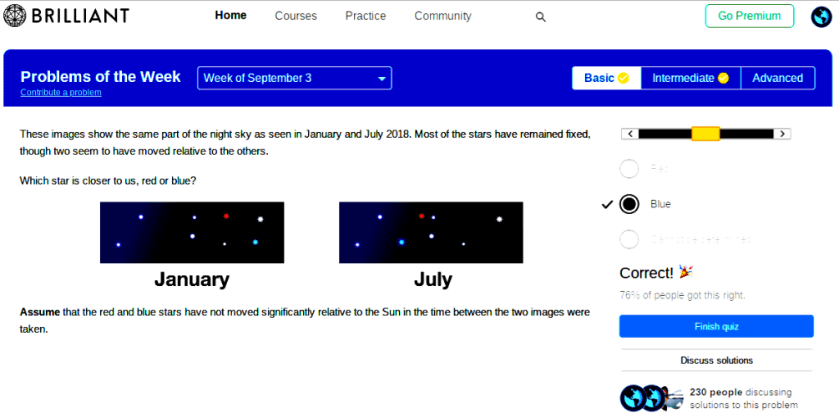
WHICH STAR IS CLOSER?
First the answer:
The blue star has changed relative position more than the red, hence it must be closer, while all the other stars are so far distant that they have not changed relative position.
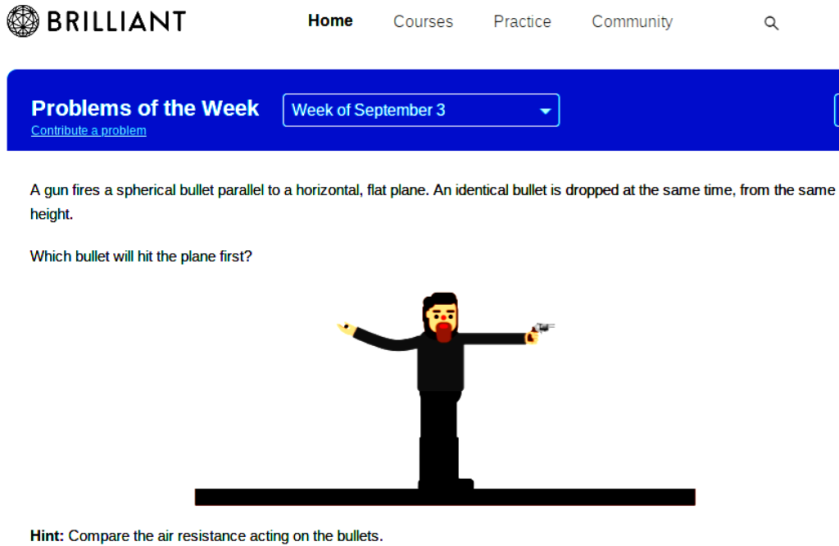
BULLETS
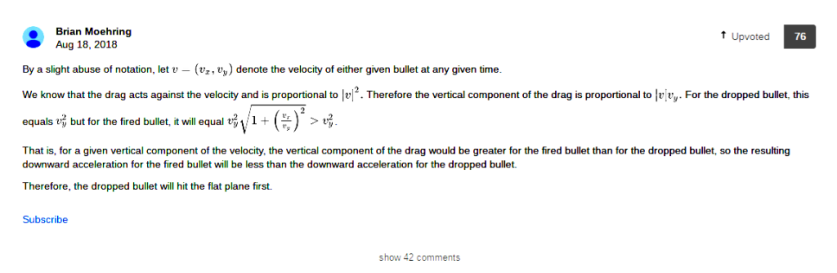
The answer:
Here is Brian Moehring’s solution:
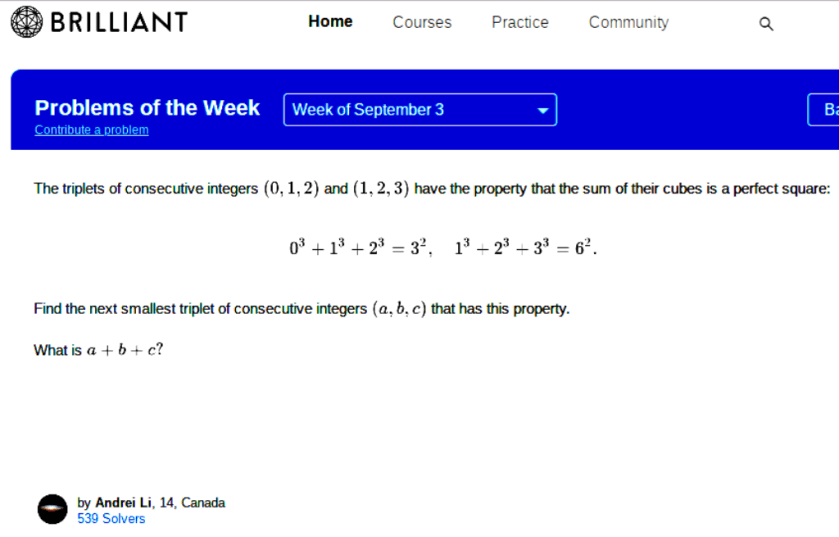
NEW PROBLEMS
Here is another problem:
LINKS
Three closely related pieces here.
Richard Murphy brings news of a campaign victory – the BBC has admitted to getting its coverage of climate change wrong and has warned people that it is not necessary to give airtime to climate change deniers for the sake of balance. Here is the end of Murphy’s pieceon this: Of course I am pleased.
Rise for Climate – this is a new source of information about actions being taken to combat climate change – feel free to visit and sign up for emails as I have.
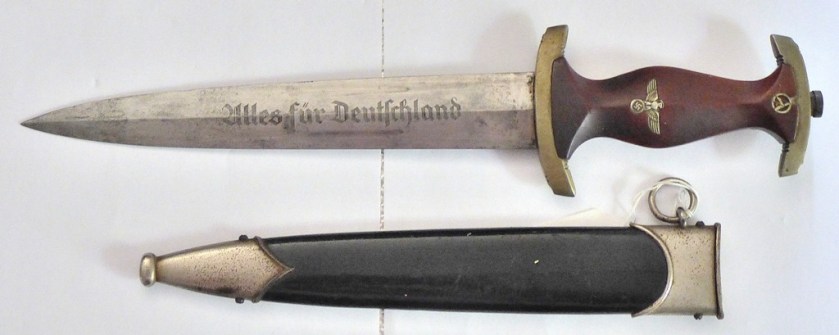
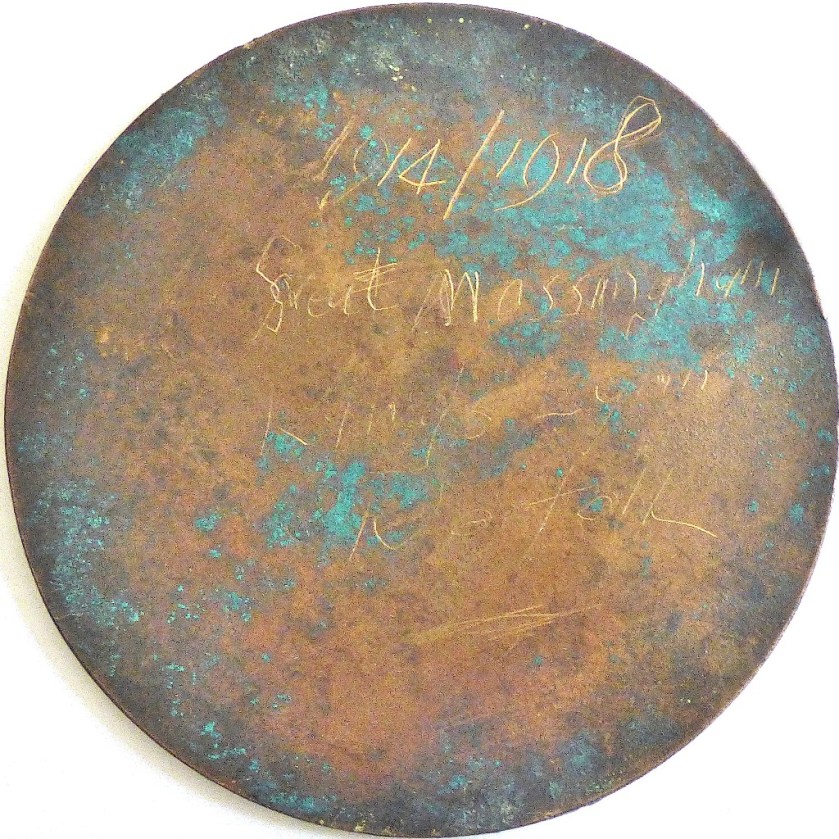
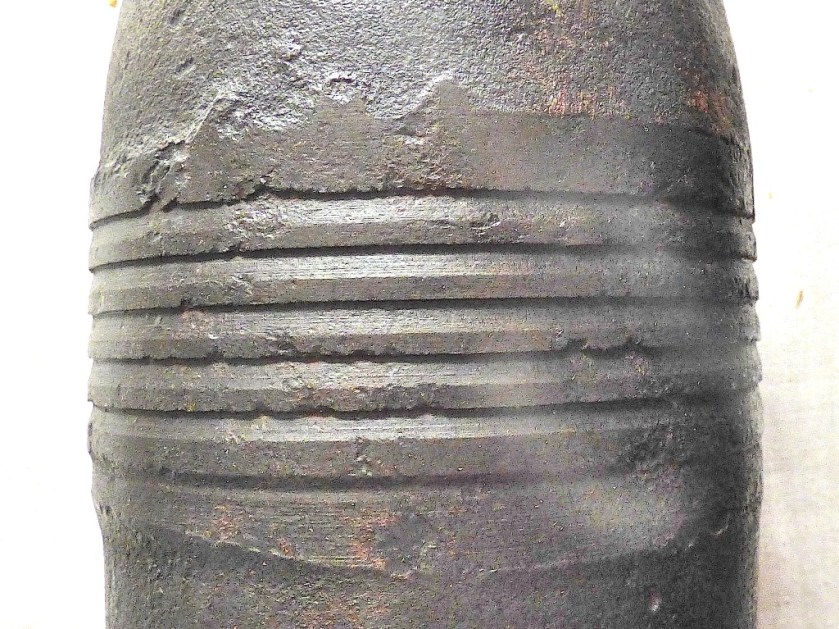
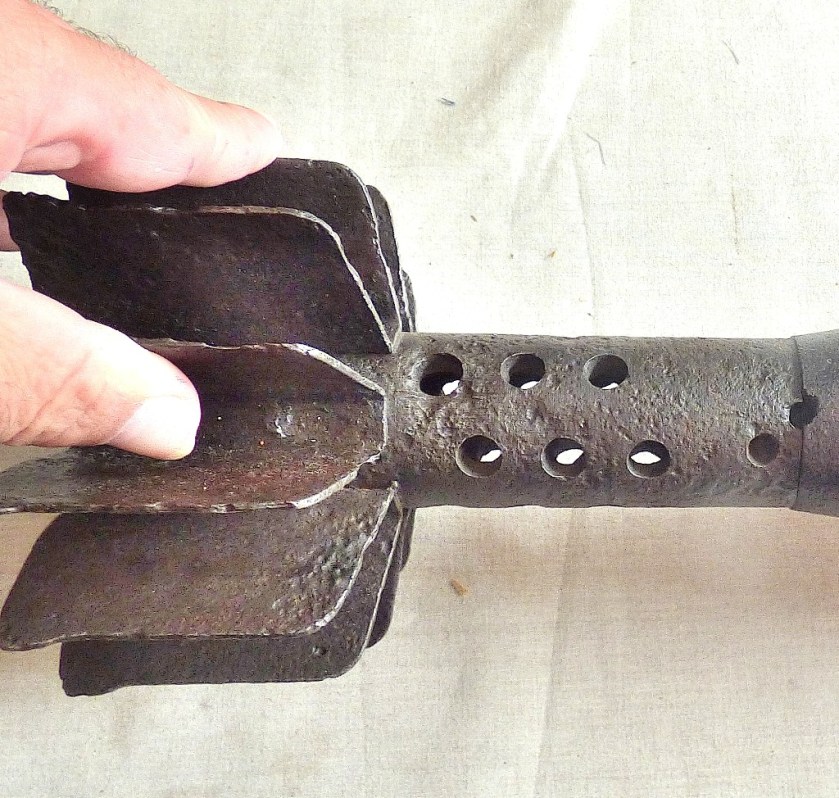
These pictures all come from our militaria sale that will be happening on September 19th. Disclaimer: one of the items pictured is a relic from one of history’s vilest regimes – I show it because it is a remarkable specimen which has already attracted large amounts of interest.
Lot 2 – this dagger is definitely genuine – and will go for a lot of money.
Lot 10, this will be on the front cover of the catalogue.Lot 51
Lot 231Lot 402Lot 406Lot 405
Lot 404
Lot 204
Lot 373Lot 372
Lot 407 – this uniform will bring the cujrtain down on the sale.
A quick report on an extraordinary series of happenings at Taunton, which ended with one of the rarest of all sporting results – a tied cricket match.
INTRODUCTION
Today’s extraordinary events in Taunton have almost certainly sealed the 2018 County Championship for Surrey, who already have a substantial lead at the top and are in complete command of their own match against Essex.
TWISTS AND TURNS IN TAUNTON
Lancashire were skittled for 99 in the first innings, to which Somerset replied with 192. In their second innings Lancashire reached 170, leaving Somerset an apparently straightforward task of scoring 78 to win the game. Then Somerset started losing wickets, and at 23-5 Lancashire looked favourites. A bit of a recovery followed, spearheaded by some sensible batting by Dominic Bess. Ay 75-8, needing three to win, it looked like Somerset were sneaking it, but then a ninth wicket fell. At 77 Jamie Overton played out a maiden to Graham Onions. Jack Leach then gave a catch off Keshav Maharaj, giving the South African spinner final innings figures of 7-37 (11-102 in the match) and ending the match in a tie. Genuine ties are very rare birds indeed – this is the first I have personally either heard or seen, and the last county championship game to end thus was in 2003, while only two test matches ever have, Australia v West Indies at Brisbane in 1960 and India versus Australia at Madras (now Chennai) in 1986. This was compulsive listening – I hope the US Open tennis coverage which gets underway shortly matches it for drama.
Somerset and Lancashire I salure for you for providing this spectacle, genuine commiserations to Somerset on the almost certain ending of their championship hopes for this season. Also congratulations to Surrey who have scarcely put a foot wrong in the four-day stuff all season and will deserve to see the championship pennant fluttering over The Oval next season. Vic Marks if you are due to be summarising in the test match it might be advisable to have something come up that prevents you from being there – certain of your colleagues, notably Mr Norcross, are likely to be unbearable.
Some thoughts on the (in)action of the England selectors this week, some mathematical teasers and a few pictures.
INTRODUCTION
A couple of days ago I wrote about England’s series win over Indiaand presented some problems and solutions. This post is on similar lines, dealing with the actual behaviour of the England selectors and my thoughts thereon.
AN OPPORTUNITY SQUANDERED
England, with the series already in the bag, had a diamond-encrusted golden opportunity to experiment with options to fill gaping holes in their top order. Cook’s announcement of his impending retirement from international cricket should have acted as an extra spur. Instead of which we see very little in the way of forward planning or of experimentation of any sort. Even with the certain knowledge that a new opener will have to come in to replace Cook the selectors persevere with the proven failure Jennings.
Three individuals who can feel more aggrieved than most by this behaviour are Rory Burns(another 90 against Essex yesterday after the latter won the toss and chose to bowl first), Dan Lawrenceand Liam Livingstone.
In view of Cook’s impending retirement I would have recognized openers at 1,2 and 3 (not a bad approach in test cricket anyway), with a view to the two other openers than forming a partnership in future matches. This is why in the previous post I mentioned Tammy Beaumont, a recognized opener who has been scoring stacks of runs recently. Batting is at least as much about timing and placement as it is about brute power, and that is why I believe (unlike in the case of fast bowling) a woman could mix it with the men even at the highest level, similarly with slow bowling and possibly wicket-keeping (for my money the best user of the gauntlets in world cricket across the board at the moment is Sarah Taylor). A number of the all-time greats of test match batting have been of diminutive stature (Bradman, Gavaskar, Tendulkar, Sehwag, Hanif Mohammad and several of the finest Sri Lankans spring to mind instantly). I am well aware that this super-radical option will not happen, but the alternatives that that leaves with are:
Two brand new openers, neither of whom have any experience of international cricket.
One new opener and one opener who has shown already that they are not actually good enough (Jennings)
Two openers who gave failed to prove themselves (presumably Jennings and a recalled Stoneman).
Of those three options, none of which massively appeal, my choice would number 1, which might end up working out well, and then the question is who to choose to open alongside Burns (whose case for selection is undisputable in the circumstances).
Having taken the “ostrich option” re their top order difficulties the only outcome from this game that could be acceptable is not merely a win to make it 4-1 for the series but a win by a massive margin. The timidity of the England selectors means that at least one and possibly two England openers will be starting their careers on overseas tours, with their first home test series being against those well known softies, the Aussies.
PROBLEMS AND SOLUTIONS
I will start as usual with answers and solutions to the previous problems (all from brilliant.org) before offering up some new problems.
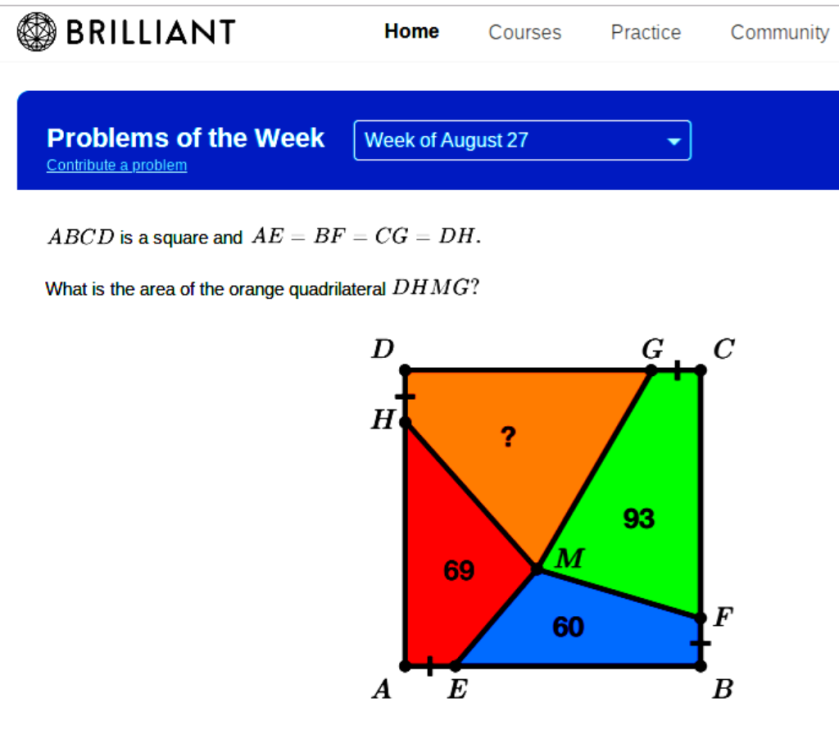
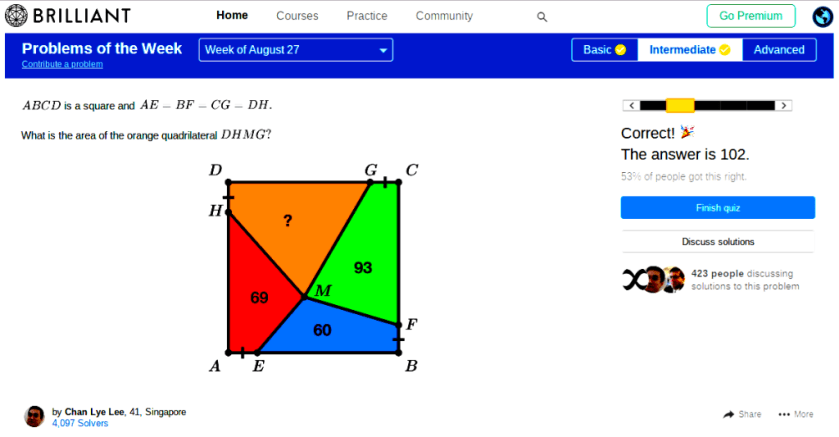
WHAT IS THE AREA OF THE QUADRILATERAL
First the answer:
The hackers solution is that there are only two really serious possibilites since the shape is a square, namely 67 (giving an area of 289 = sides 17 units long) and 102 (giving an area of 324 = sides 18 units long), and since the question gave one three tries just enter those values for the first two tries (if your first entry does not come up right). Here, courtesy of Jeremy Galvagni is an elegant genuine solution:
THE .99 STORE
First the answer:
The figure in front of the .99 part of the price can vary, so all we need to know is how many .99s add up to answer ending in .89, and the answer is 11 (11 x 99 = 1,089, so 11 x 0.99 = 10.89), and the next number of items after 11 that would give us an answer ending in .89 is 111, the lowest price total for which would be $109.89. Thus Marie purchased 11 items.
NEW PROBLEMS
First an astronomy themed problem:
Now a question that has got almost three-quarters of those who tackled in on brilliant, but is not actually difficult:



















































































 aspiblog