
All Time XIs: Alliterative

An alliterative all time XI and a large photo gallery.

This variation on a favourite theme of mine features an XI all of whom have alliterative names. I have applied all my usual criteria for selecting a side of class and balance, and the biggest omissions will be explained after I have presented the XI.

THE XI IN BATTING ORDER

  1. William Woodfull (right handed opening batter). An accumulator whose speciality was batting for long periods of time. He will combine well with the other opener.
  2. Gordon Greenidge (right handed opening batter). The Barbadian was a stroke maker by inclination but was also capable of batting for long periods when needed.
  3. Richie Richardson (right handed batter). A test average of 45 maintained over a long career gets him in.
  4. Steven Smith (right handed batter, occasional leg spinner). The best test batter of the modern era.
  5. Saud Shakeel (left handed batter, occasional leg spinner). Currently establishing himself at the highest level, having very recently scored a test double century.
  6. Mulvantrai ‘Vinoo’ Mankad (right handed batter, left arm orthodox spinner). A very fine all rounder, he reached the test double of 1,000 runs and 100 wickets in 23 matches, a record beaten only by Ian Botham (21 matches).
  7. *Frank Foster (right handed batter, left arm fast medium bowler, captain). His test averages were the right way round – 23 with the bat, 20 with the ball, and if the former figure looks on the low side for a number seven, he was also the first Warwickshire player ever to score a triple century. I have named him as captain because he also skippered Warwickshire to their maiden county championship title in 1911. The vice-captaincy would be a toss up between Woodfull and Richardson, with Smith ruled out of any sort of leadership position given how his tenure as Aussie skipper ended.
  8. +Ben Barnett (wicket keeper, left handed batter). In the era in which he played precisely one regular keeper had a test average better than his 27 – Leslie Ames of Kent and England who averaged 40 with the bat in test cricket.
  9. Malcolm Marshall (right arm fast bowler, right handed batter). One of the greatest fast bowlers ever to play the game and a useful lower order batter to boot.
  10. George Geary (right arm medium-fast bowler, right handed batter). Two Ashes winning moments on his CV and the second cheapest all-ten in FC history (10-18 for Leciestershire v Glamorgan) as well.
  11. Muthiah Muralidaran (off spinner, right handed tail end batter). 800 test wickets, and for those who point to Zimbabwe and Bangladesh among his victims, 624 of his 800 wickets came against teams other than these, and he paid 24 a piece for those wickets – his average against all teams other than Bangladesh and Zimbabwe was better than Warne’s against all comers.

This side has a powerful top five, great all rounders at six and seven, a keeper who could bat, and three great bowlers, two of whom could contribute with the bat to round out the order. Malcolm Marshall and Frank Foster with the new ball, Geary as third seamer and Muralidaran and Mankad as front line spin options is an attack that should take 20 wickets on almost any surface.

HONOURABLE MENTIONS

Colin Cowdrey is the biggest name among qualifiers that I have left out, but I wanted at least one of my front line batters to be left handed, and Shakeel was the obvious solution. Gautam Gambhir might have had an opening slot in place of Woodfull. William Mervyn Wallace of New Zealand did well in the few tests that he got to play, but he always went by ‘Merv’, a shortening of his second given name. Deandra Dottin of West Indies Women could not be accommodated in the XI, but merits an honourable mention. Ben Brown and Chris Cooke both have good county records as keeper batters, but have never been picked at the highest level, while Richie Robinson of Australia was not the keeper that his compatriot Barnett had been, though he was a finer batter – as regular readers know I prioritise keeping, and a side with Geary due to come in at 10 cannot be described as short of batting. George Giffen was a great all rounder, but given his bowling style had I picked him instead of Mankad I would have had to pick Bishan Bedi instead of Muralidaran and my contention is that Murali and Mankad would be a better spin pairing than Bedi and Giffen. George Garton, a left arm fast bowler, might have his advocates, but Foster was proven at the highest level which Garton isn’t, and also I wanted Foster as captain. Picking legendary 19th century speedster John ‘Foghorn’ Jackson over Geary would have increased the pace of the attack, but he benefitted from bowling on pitches that were often so rough that he didn’t have to do more than bowl fast and straight (he played in the era immediately before WG). Two county fast mediums deserve a mention but not a place in the XI: Brian Brain and Tim Tremlett (father of Chris, son of Maurice). Paul Parker’s batting does not justify picking him, but he would be this XIs designated fielding sub.

DISQUALIFICATIONS

Two players who would otherwise have merited consideration were disqualified for going on rebel tours of apartheid South Africa: Graham Gooch and Colin Croft.

PHOTOGRAPHS

My usual sign off…

Men’s Ashes: Climax or Anti-climax

A look at development’s in the men’s Ashes as we wait for play to get underway on day four at Old Trafford.

Today is Early Music Day at the Lynn Festival (will be blogging about this in due time), and I am making use of the long break between the first and second concerts (the second and third are basically back to back, with insufficient time between the end of one and the start of the other to come home) to keep an eye on the cricket should there be any developments at all today and to post this.

THE MEN’S ASHES – THE STORY SO FAR

Australia won the first two matches, though England had good chances in both, and could blame poor catching, especially by Bairstow behind the stumps, for the fact that they were not at least 1-1. England won a thriller at Headingley, with Harry Brook scoring a vital 75 in the final innings. That brings us to…

THE FOURTH MATCH – OLD TRAFFORD

Penultimate matches of Ashes series at Old Trafford include 1896 (2nd match of a 3 match series, Australia won by three wickets after England staged a remarkable but unavailing fightback – Ranjitsinhji on test debut conjured 154* after England were made to follow on, which meant Australia needed 125 to win, and fast bowler Tom Richardson narrowly failed to pre-empt Bob Willis’s Headingley heroics by 85 years, taking 6-76 as Australia limped over the line), 1902, when an Australian win by three runs gave them the Ashes, “Laker’s Match” of 1956, when the off spinner’s 19-90 in the match gave England victory by an innings and 170 runs and guaranteed retention of the Ashes for them, 1981, when a blazing Botham century set up victory by 103 runs which guaranteed England a series win and retention of the Ashes, and on the debit side of the ledger the bore draw of 1964 when Aussie skipper Simpson, knowing that a draw was enough for his side, literally ensured this off his own bat, occupying the crease until the third morning as Australia scored 656-8 declared (Simpson 311), England then scoring 611 to utterly kill the game.

Australia blatantly selected their side for this match with a draw in mind – they picked no specialist spinner and had two seam bowling all rounders and keeper Carey batting at number eight. England, rather than bringing in any new played had Moeen Ali officially at number three, Bairstow continuing as keeper and an 8-11 of Woakes, Wood, Broad and Anderson. England won the toss and put Australia in. The pitch proved better for batting than either side had reckoned on, and Australia’s 317, lasting just into the second day, was a definite underachievement by them. Woakes was the bowling star with five wickets. England took the bull by the horns, and it was that rarity, Crawley’s day. The Kent opener rode his luck to score a very rapid 189, backed by good performances from Ali and Root. Bairstow became the second Yorkshireman with a surname beginning with B to score 99* in a test match, as Anderson was pinned LBW before he could reach the landmark. Bairstow’s knock took a mere 81 balls, rather a contrast to the other 99* by a Yorkshire ‘B’, Boycott’s knock at Perth in the 1979-80 mini-series. England had tallied 592, a first innings advantage of 275. Wood came to the party in Australia’s second innings, claiming three wickets as Australia closed the third day on 113-4, still 162 adrift of making England bat again. There has been no play so far today, as Old Trafford’s tutelary deity, Jupiter Pluvius, has put in an appearance. There is a pitch inspection happening as I type this. The last two covers have just come off, much to the disgruntlement of the Aussies, who were hoping for today to be entirely washed out (they are looking and playing like a side who are mentally shot, and their attitude to the covers coming off is further indication of that). If the rain holds off, play will commence at 2:45PM.

PHOTOGRAPHS

Before my usual sign off, here one year on from its creation is a link to my all-time Ds XI.

Women’s Ashes Series Ends All Square

An apology, a look at the last two matches of the Women’s Ashes, a team of that series and lots of photographs.

This post focuses mainly on the women’s Ashes series which concluded yesterday evening. However, before I get into the main meat of the post there is one necessary item to attend to…

A CORRECTION

On Monday I reblogged my All Time G’s XI to coincide with the 175th anniversary of the skipper’s birth. I was guilty of inattention – the anniversary day, and the date of the original post was of course July 18th, not July 17th. I should have done a proper post on Monday and reblogged the Gs on Tuesday. Here are some of a bountiful recent harvest of photos…

THE LAST TWO MATCHES OF THE WOMENS ASHES

Australia secured retention of the Ashes by winning the penultimate ODI on Sunday by three runs. Australia posted 282, 26 of them off the final over of the innings, bowled by Lauren Bell. England fought hard in response, with Natalie Sciver-Brunt scoring a superb century. She was on strike for the final ball of the innings, off which England needed six to win or four to tie. Unfortunately she could only manage a single.

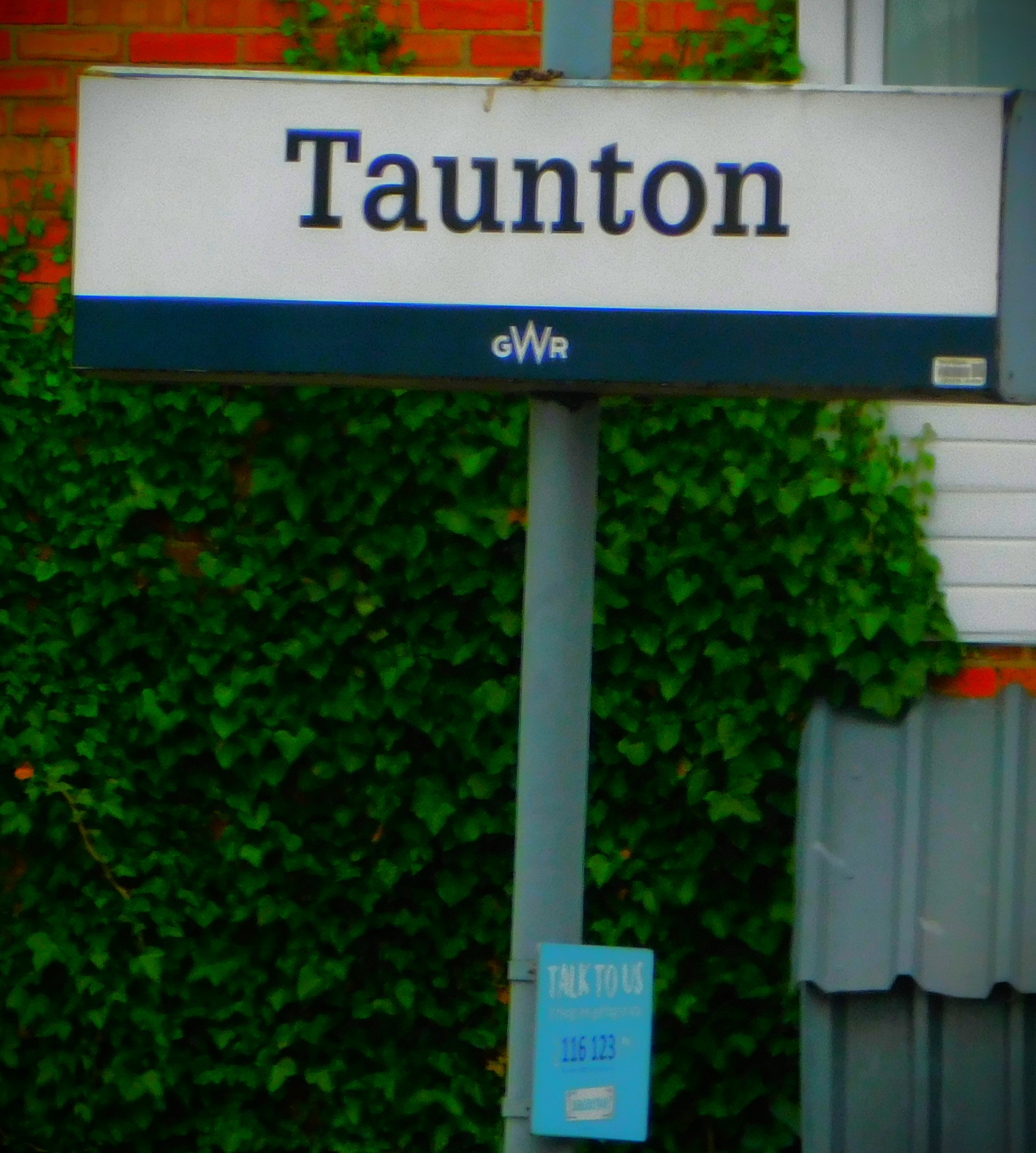
While England could no longer win the Ashes they could draw the series by winning the last match, which took place at Taunton yesterday. England batted first, and with Sciver-Brunt hammering another century, her seventh in ODIs, four of which have come against Australia they reached 285 from their 50 overs. Rain intervened after 19.2 overs of the Australian innings, and the DLS adjustment left them needing 171 of24.4 overs. They never really looked like getting them, and England eventually won by 69 runs, to level the multi-format Ashes series at 8-8. They also became the first team win an ODI series against Australia in a decade, and had won four of the seven matches overall, the 8-8 score line being caused by the test match carrying double points. Although Australia keep the Ashes it is England who are the happier side – they have a lot of very talented cricketers who now know that they can go toe to toe with Australia.

Time for a second photo gallery…

A COMPOSITE WOMENS ASHES XI

This is my team of the series:

  1. Tammy Beaumont (England, right handed opener). A double century in the test match, a major contribution in the first ODI.
  2. Beth Mooney (Australia, left handed opener). Made a lot of significant contributions in all formats.
  3. *Heather Knight (England, right handed batter, occasional off spinner, captain). Had a fine series, and given the respective resources at their disposal I would reckon that tying the series is a greater achievement for her as captain than it is for Healy.
  4. Ellyse Perry (Australia, right handed batter, right arm fast medium bowler).
  5. Natalie Sciver-Brunt (England, right handed batter, right arm medium fast bowler). Even if she had done nothing else in the series (which is far from the case), those back to back centuries in the last two matches would be enough to justify her inclusion.
  6. Annabel Sutherland (Australia, right handed batter, right arm fast medium bowler). The 137* in the test match was the highlight of her series, but she contributed with both bat and ball all the way through the series.
  7. +Amy Jones (England, wicket keeper, right handed batter). Her opposite number didn’t have a great series (perhaps the triple role of captain, keeper and opener is simply too much – Alec Stewart struggled when he had the triple role), while she did. The greatest moment of her series came last night when she pulled off a miraculous stumping off the bowling of Sciver-Brunt.
  8. Ash Gardner (Australia, off spinner, right handed batter). Her eight-for to win the test match would qualify her all on its own, but she had other moments in the limited overs matches as well.
  9. Alana King (Australia, leg spinner, right handed lower orderbatter). This one was a tough call, with Georgia Wareham the challenger. However, I refuse to fill a bowling position based on lower order runs, so King gets the nod.
  10. Sophie Ecclestone (England, left arm orthodox spinner, right handed lower order batter). A heroic effort in the test match, a good T20 series, and her bowling was crucial to England’s success in the final ODI.
  11. Kate Cross (England, right arm fast medium bowler, right handed lower order batter). With Katherine Sciver-Brunt retiring she became the de facto leader of England’s seam attack, and she did her job superbly in this series.

This side has a superb batting line up, four genuinely front line seamers (Cross, Sutherland, Perry, Sciver-Brunt), three great and contrasting spinners, a fine captain and a superb keeper.

Men’s and Women’s Ashes Series Both Well and Truly Alive

A look at a remarkable few days for the England men’s and women’s cricket teams, and two photo galleries.

The last few days have been excellent for both the England Men’s team and the England Women’s team. This post looks back at what both teams have done in that time.

THE MEN’S ASHES

England arrived at Headingley 0-2 down after two test matches, and with the Ashes currently in Australian hands that meant they needed to win all three remaining matches to take back the urn. England were ultimately set 251 to win in the final innings. They went into yesterday needing 224 with all ten wickets in hand. At various times it looked like Australia could do it, especially at 171-6, but then the largest England partnership of the match, between Brook and Woakes left England needing 21 with three wickets left, Brook falling for a splendid 75. That brought Mark Wood to the crease. With seven runs needed Carey dropped a chance offered by Wood, and that was the last sight Australia had of victory. At 3:45PM a boundary took England over the winning line with three wickets to spare. Wood, with seven wickets in the match and 40 runs in the two England innings was named Player of the Match.

Although England kept the series alive with this victory, all is not rosy in their garden. The number three position needs filling as a matter of urgency – England tried Brook in the first innings, and Ali in the second after Brook had looked like a cat on a hot tin roof batting there, and both failed. Also, Bairstow as keeper/ batter is proving disastrous – he has missed a load of chances and he has not been scoring runs since taking the gauntlets. Also Crawley twice tossed away promising starts with appalling choices of shot. Finally, Ali is not up to the task with either bat or ball. If England are to complete the miracle comeback all these issues need addressing. I would personally call up Dominic Sibley to open with Duckett (otherwise there would be two debutants in the top three, since I cannot countenance Crawley), select one of Bohannon or Abell to fill the number three shot (Bohannon has the better batting record, but Abell offers a back up seam option, which with Stokes unable to bowl could proved very useful). With Root and Stokes certain picks barring injury I would drop Bairstow to bring back Foakes as keeper, while the number eight slot either goes to Woakes if it looks like no spinner is needed or is a toss up between Rehan Ahmed and Liam Dawson if a spinner is deemed necessary. The 9,10 and 11 slots should go to Wood, Tongue and whichever of the two veterans Broad and Anderson is in better shape at the time.

PHOTOGRAPHS 1

THE WOMEN’S ASHES

The Women’s Ashes is played these days as a multi-format series, with the test match being worth four points and each other match being worth two points. England Women were in a similar position to the men’s team, having lost the test match and the first T20 match, which with Australia holding the urn meant that they also effectively needed to win every remaining game. They won both the second and third T20Is, the former being Australia’s first non-super over loss in the format since March 2021 and the latter being the first time Australia had lost two successive matches in any format since 2017 (also at England’s hands). This keeps England hopes alive going into the ODI element of the series.

The first of the two T20I victories was by only three runs, but it only became that close because with the match already settled Ellyse Perry hit the last two balls for sixes. The second was a more comfortable win for England.

PHOTOGRAPHS 2

Cornwall 2023 4: Looe

Continuing my mini-series about my long weekend in Cornwall with an account of the centrepiece of the visit, a family meal in Looe.

Welcome to the penultimate post in my series about my long weekend in Cornwall. This post deals with the main event of the weekend, although we actually visited the town of Looe twice, on the Saturday to pick up my nephew who had travelled to Cornwall with my aunt but could stay in Looe due to tghe fact that the house my aunt was staying on along with two of her sons, their wives and the two young children (one for each couple), and they had been told that only seven people could stay at the house, so he would be staying with us at Fort Picklecombe.

LOOE

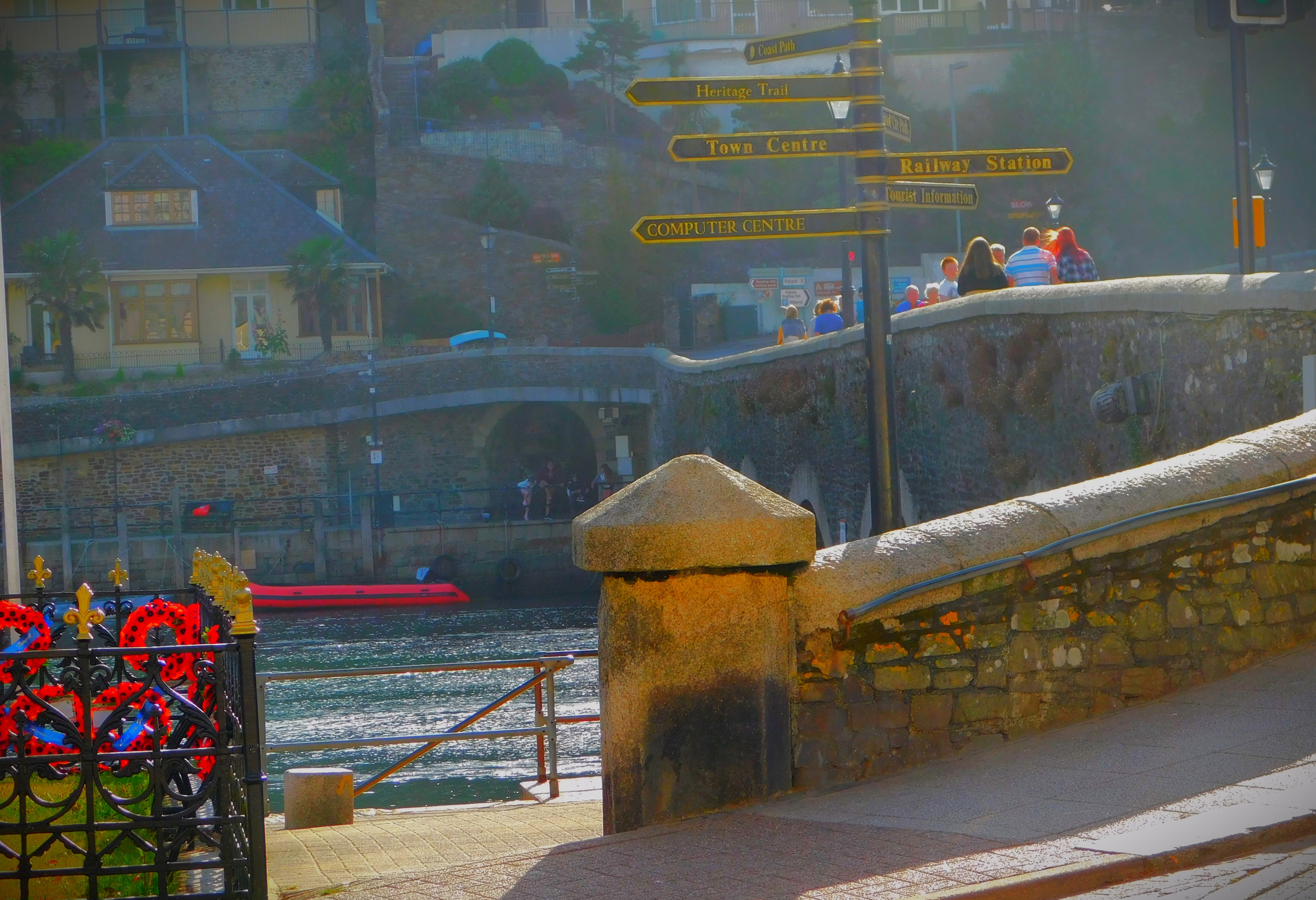
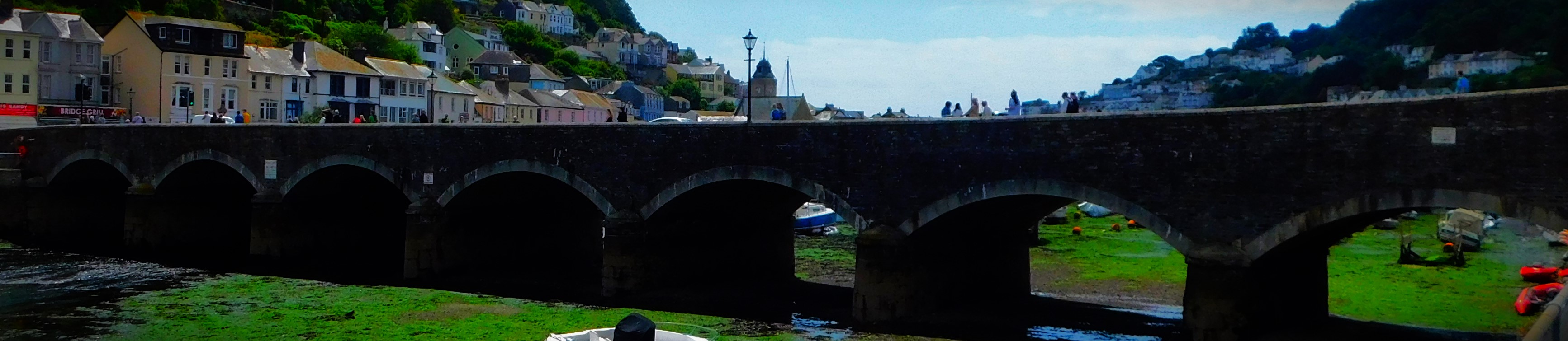
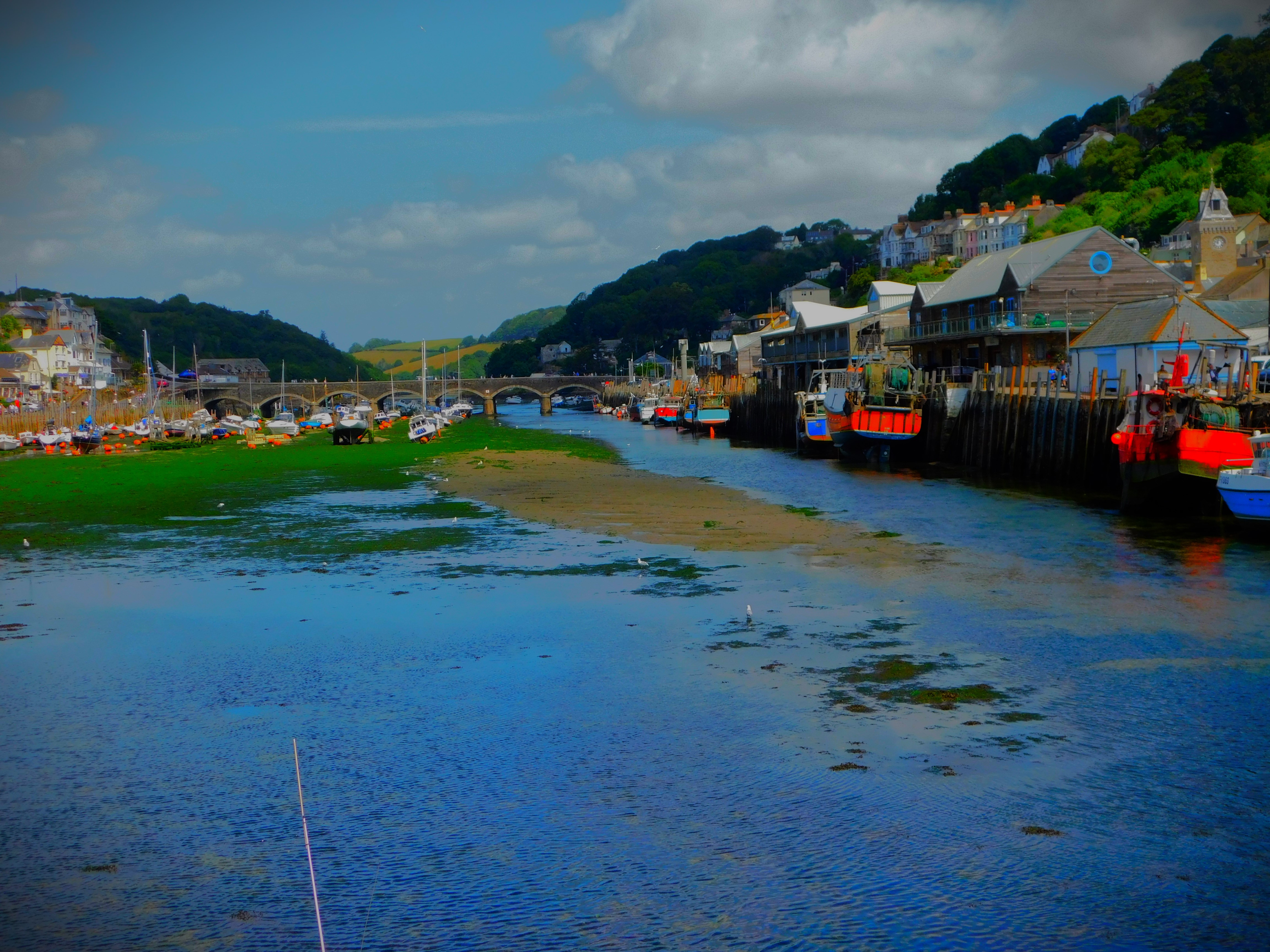
Looe straddles a river, and is divided officially into East Looe and West Looe. Before the reforms of 1832 East and West Looe were separate parliamentary constituencies and each returned two MPs, so this tiny place had four MPs, while big cities such as Birmingham and Manchester had none. The bridge – there is only one – remains a very prominent landmark.

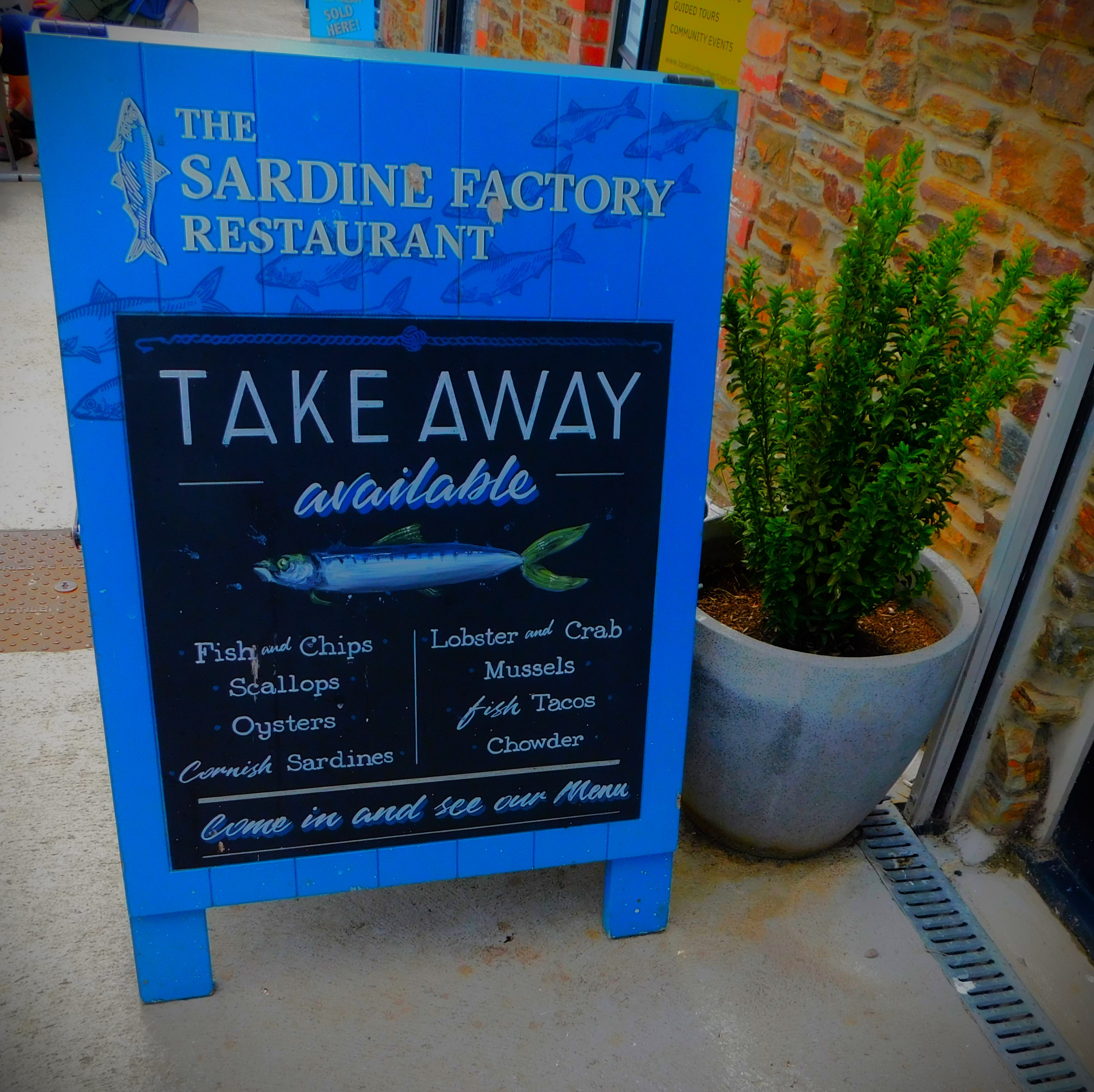
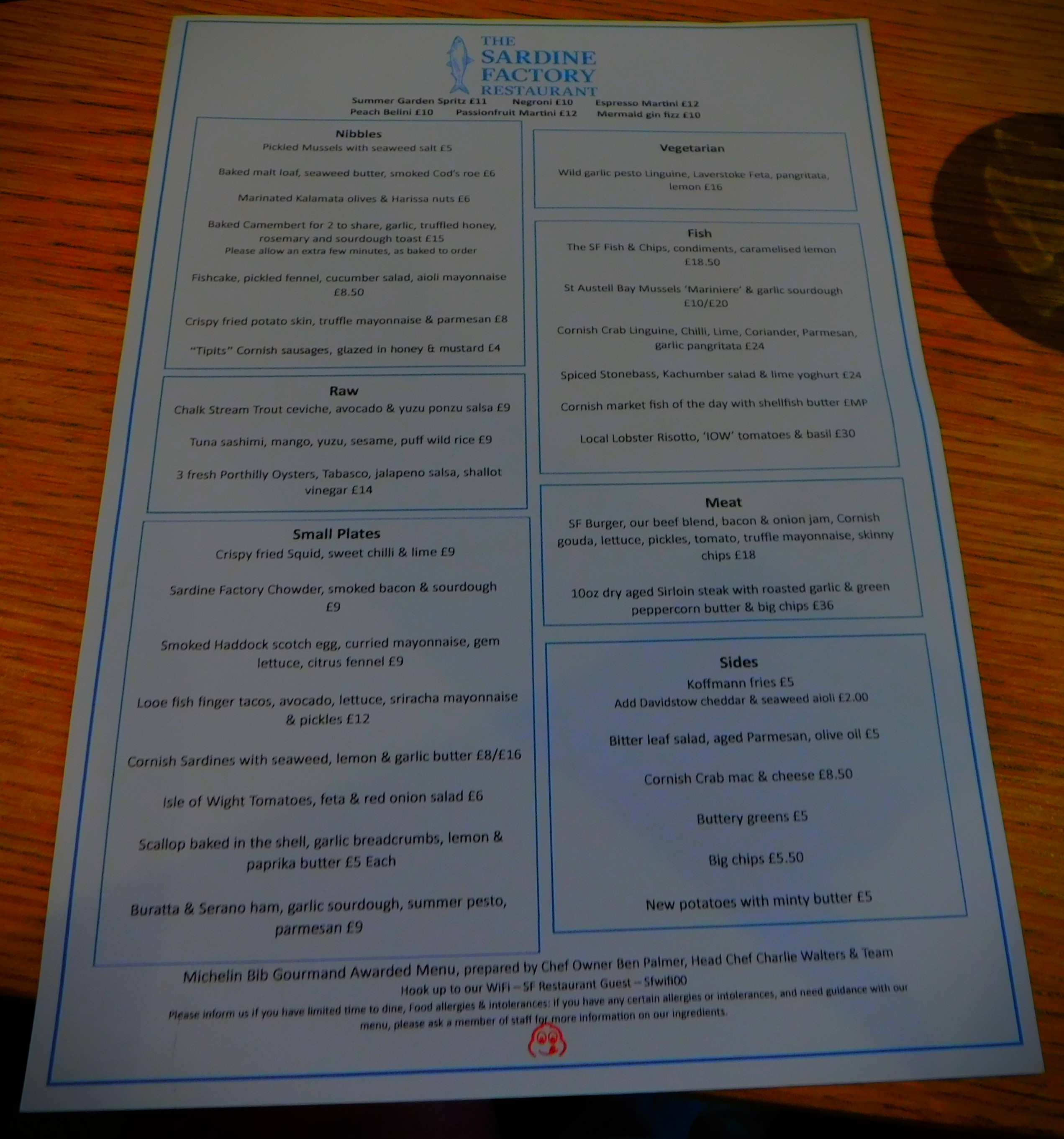
SUNDAY LUNCH

We had a table booked for 11 people at The Sardine Factory, a predominantly fish restaurant, for 12:00 on Sunday (the earliest possible booking at that establishment, arranged due to the babies daily routine – both would be having an afternoon nap immediately after the meal). We had a zoom call on the Sunday morning with various other relatives, then had to visit the allotment on the way to Looe, but we got there in good time and walked in unhurried fashion from the main car park to the restaurant, arriving a few minutes early. They opened on the dot of 12 and we were seated not much later. I found what was obviously going to be a good beer on the drinks list (it was indeed), though the food was less satisfactory at first glance (as someone who is not fond of fish I seemed limited to the burger, as the sirloin steak, which I would have liked to order, was ludicrously overpriced, causing me to rule it out. Then we were shown the specials, one of which was roast beef with all the trimmings and was priced far more sensibly than the steak. I therefore ordered that, and it was excellent.

AFTER LUNCH

While the babies were taken for their post-lunch nap my family group made a brief return to our car to pick up the pots that the plants we had transferred to the allotment that morning had been in (one at least, which I carried, was quite an expensive pot) to return them to my aunt. Then we visited the house where the others were staying for teas and coffees, which were accompanied by a home made gluten-free ginger cake. Then it was time to return to Fort Picklecombe.

PHOTOGRAPHS

My usual sign off…

Cornwall 2023 – 2: Fort Picklecombe

Continuing my mini-series about my long weekend in Cornwall with a close look at Fort Picklecombe.

I am finally in position to continue my mini-series about my long weekend in Cornwall. Between a busy Sunday, not getting home until almost 8PM on the Monday and work yesterday I have not had much opportunity for blogging. Following on from my post about the journey to Cornwall I now look at Fort Picklecombe, my base for the weekend.

AN OVER REACTION

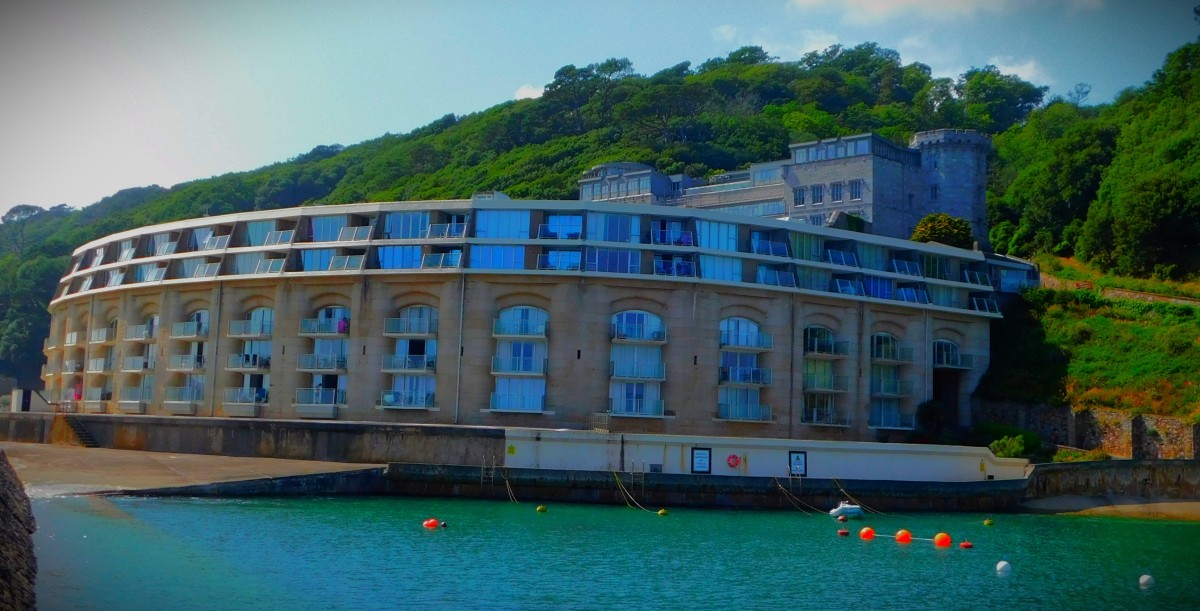
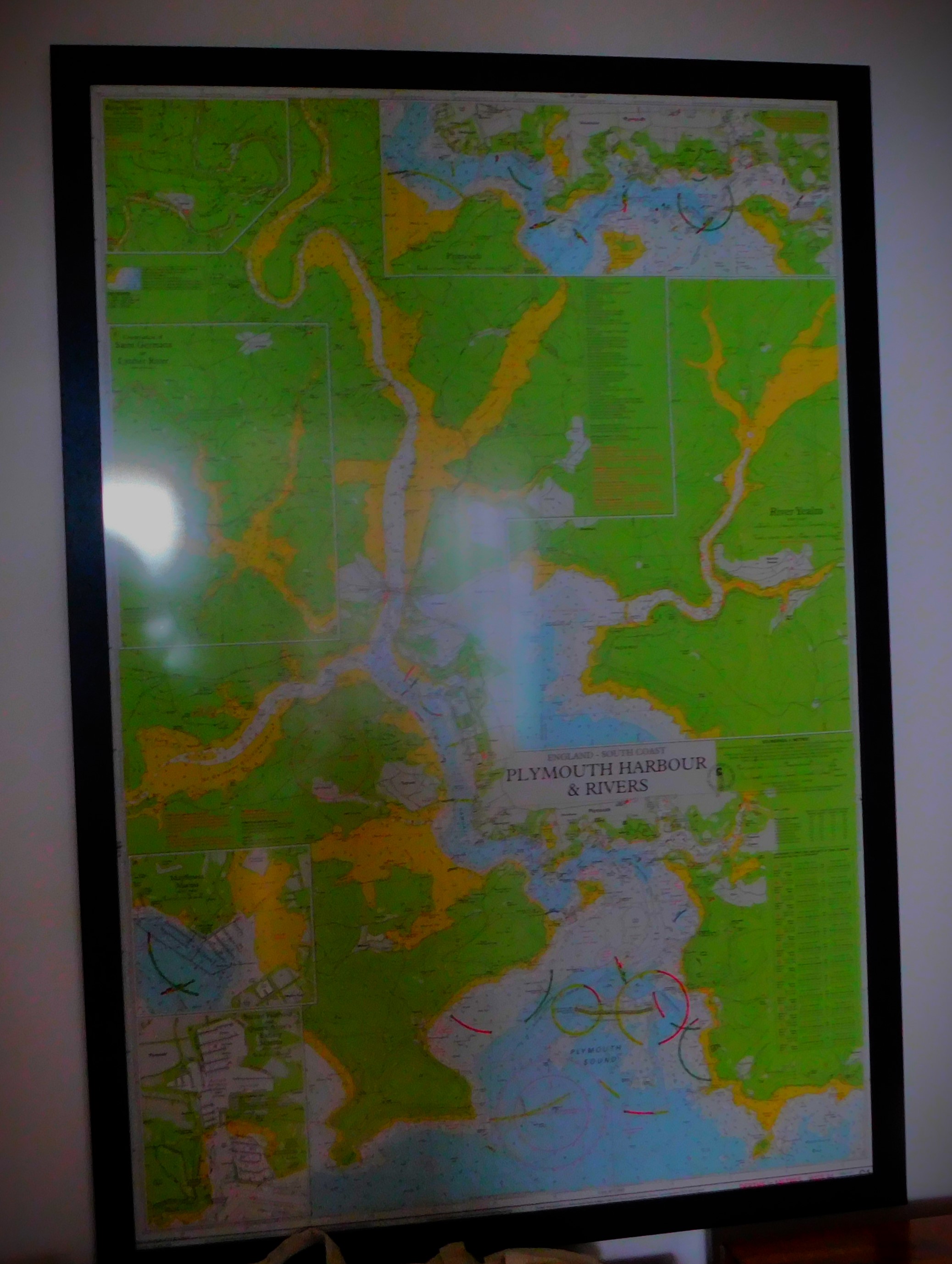
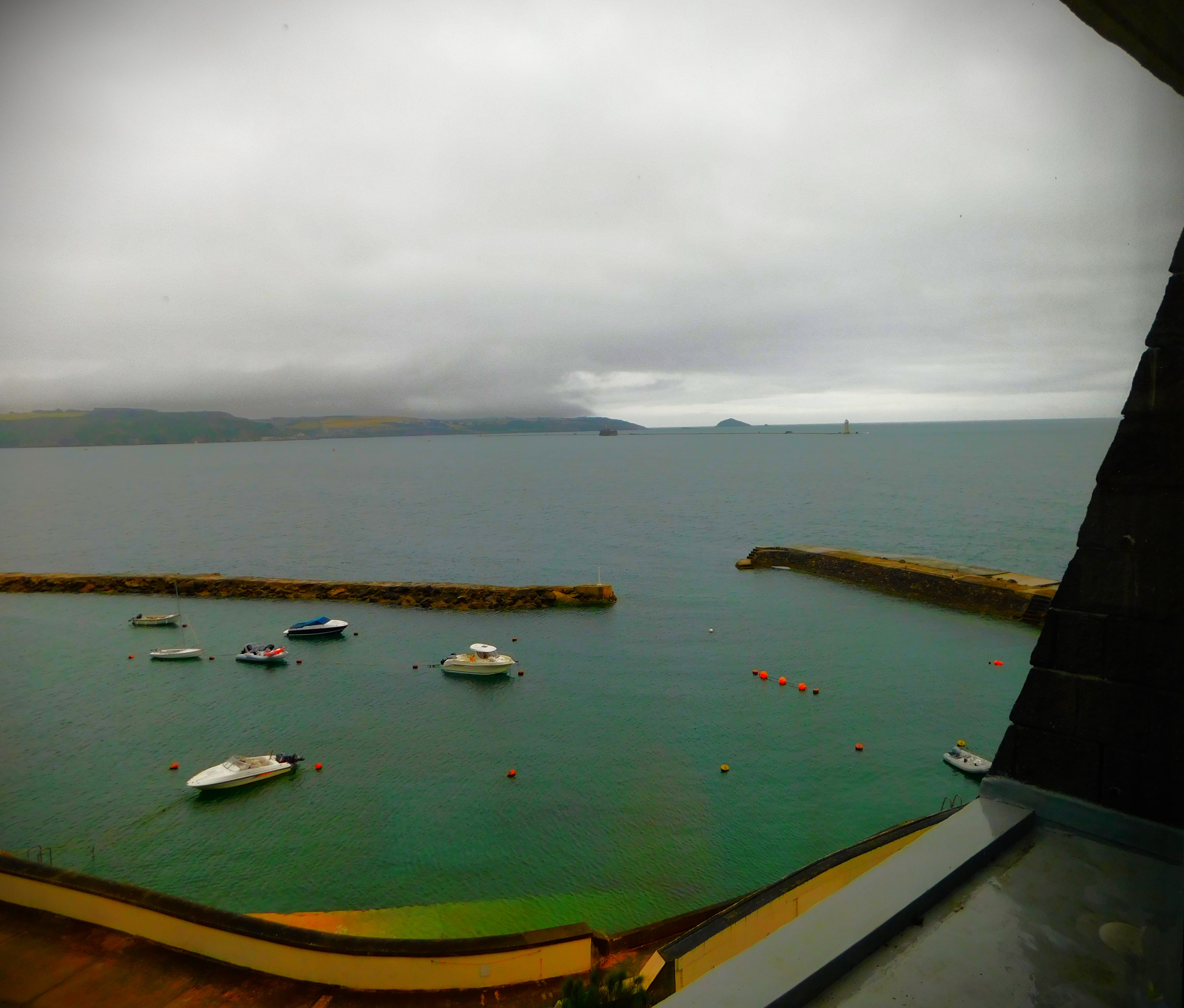
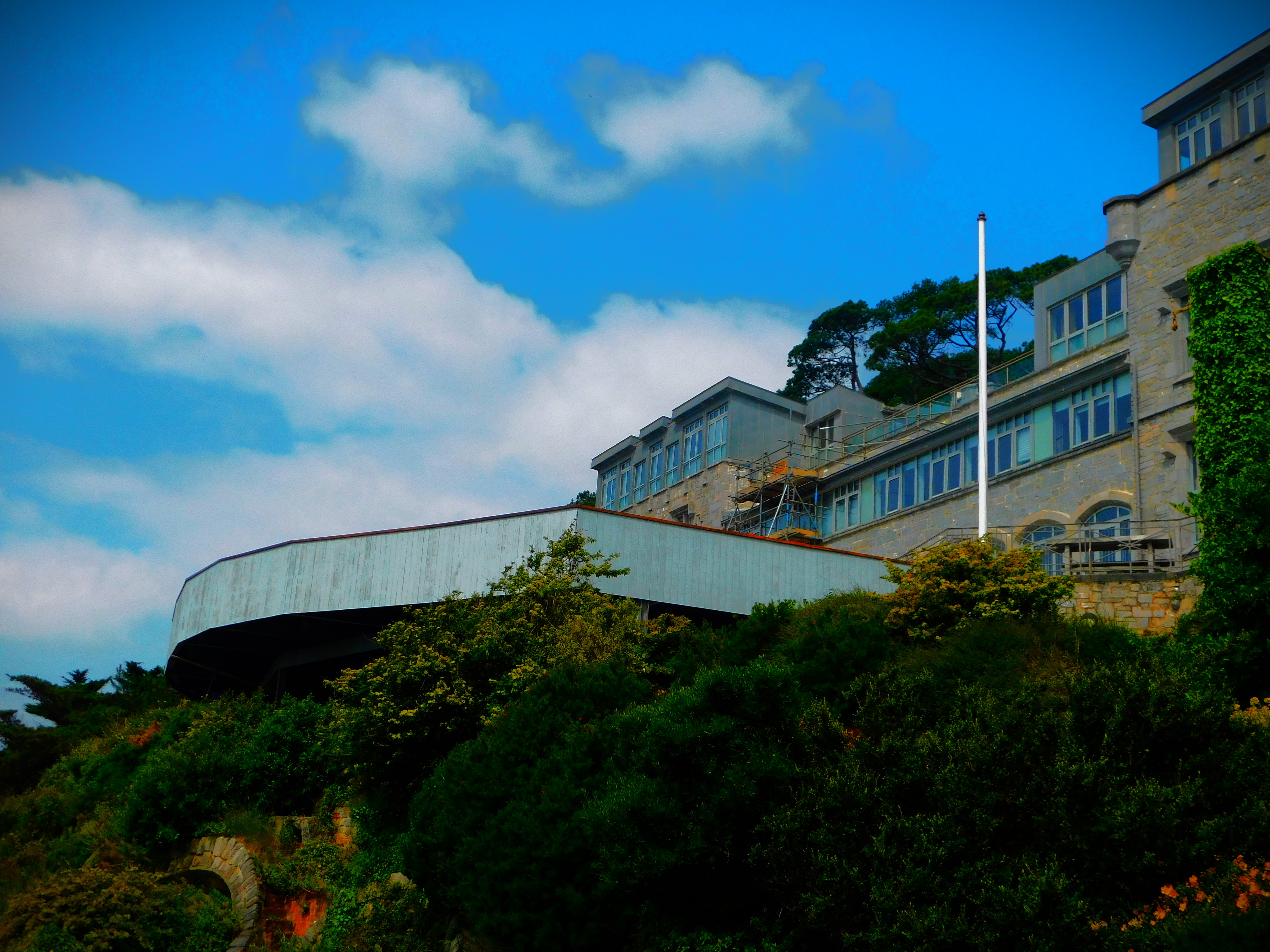
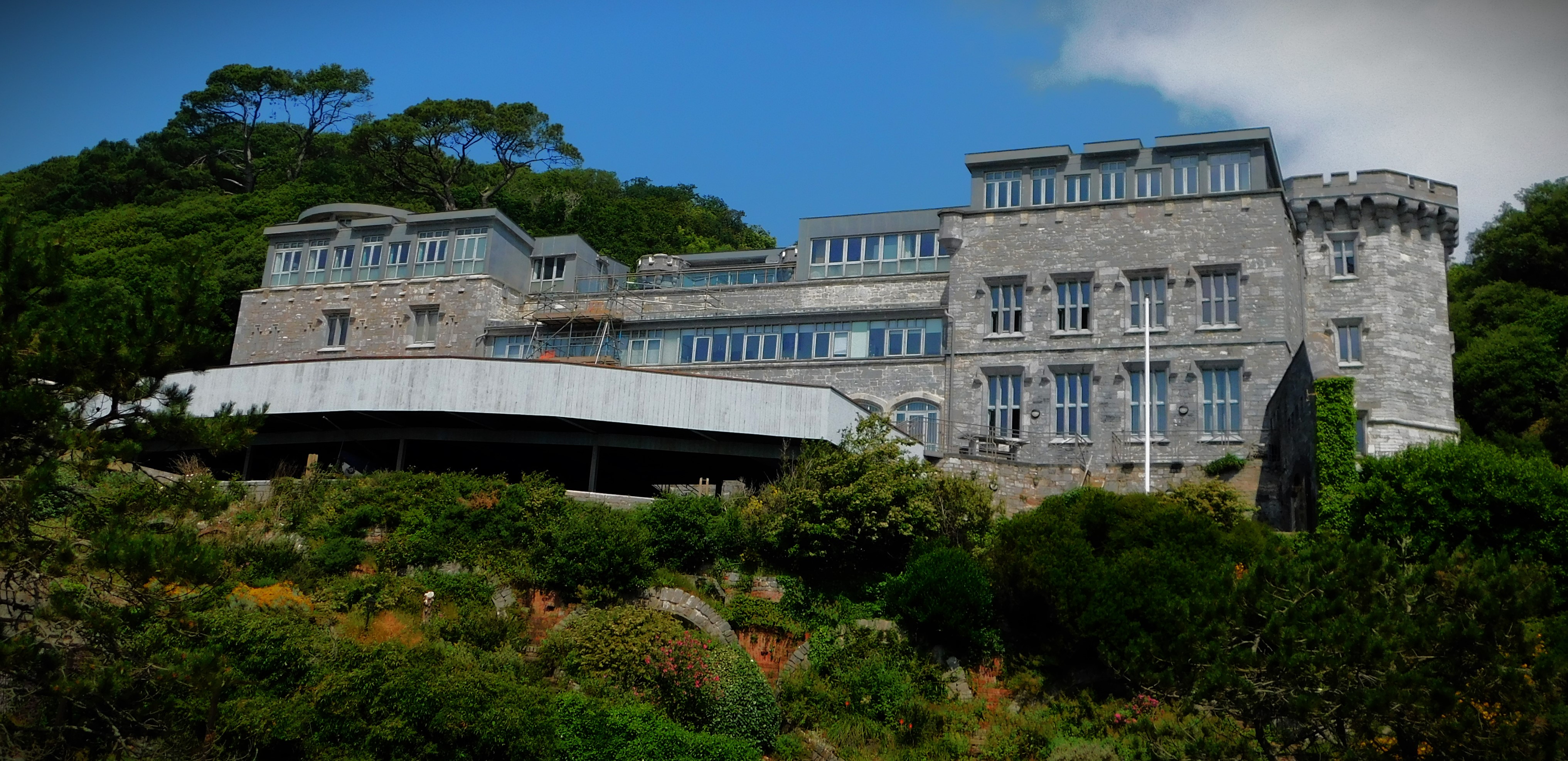
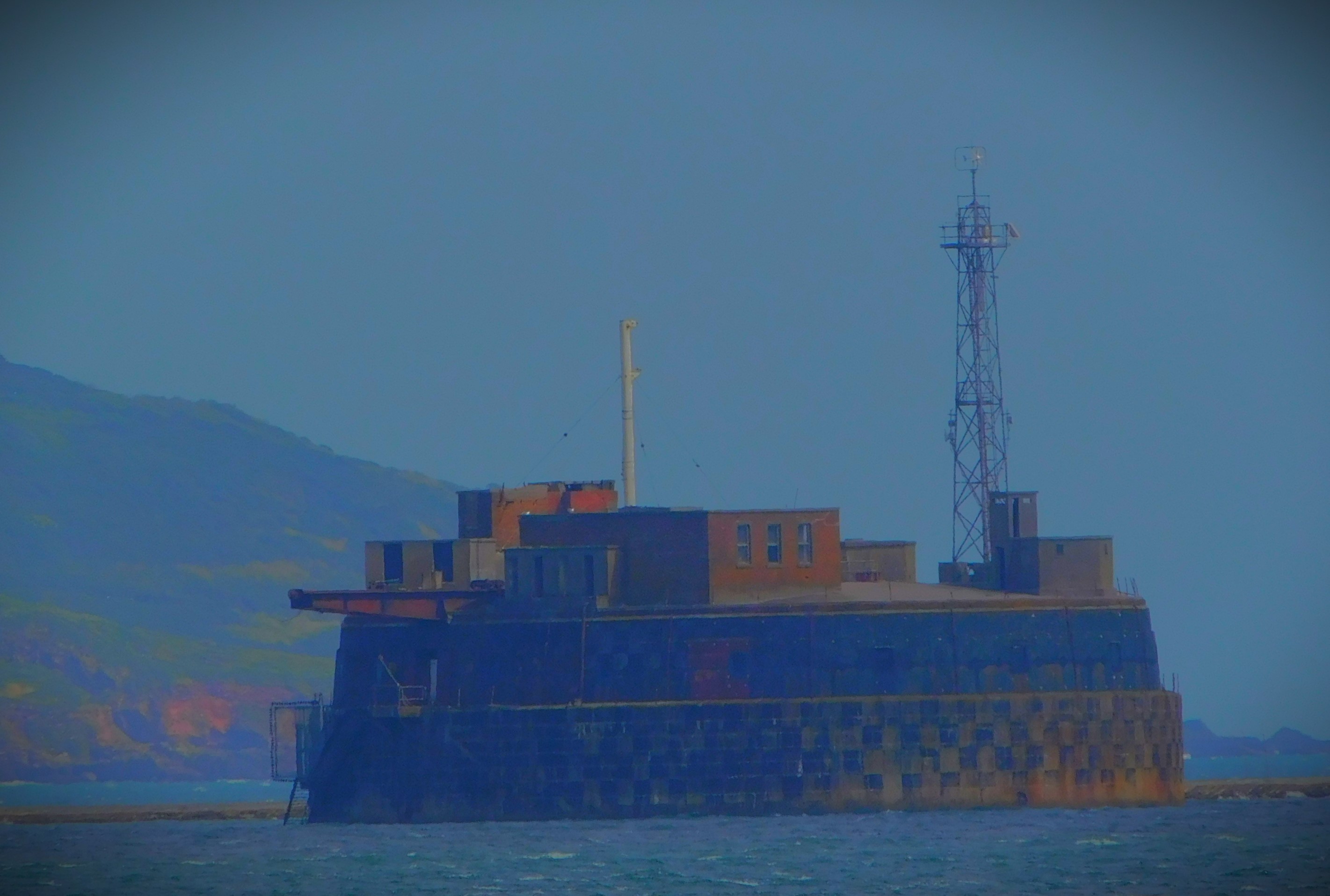
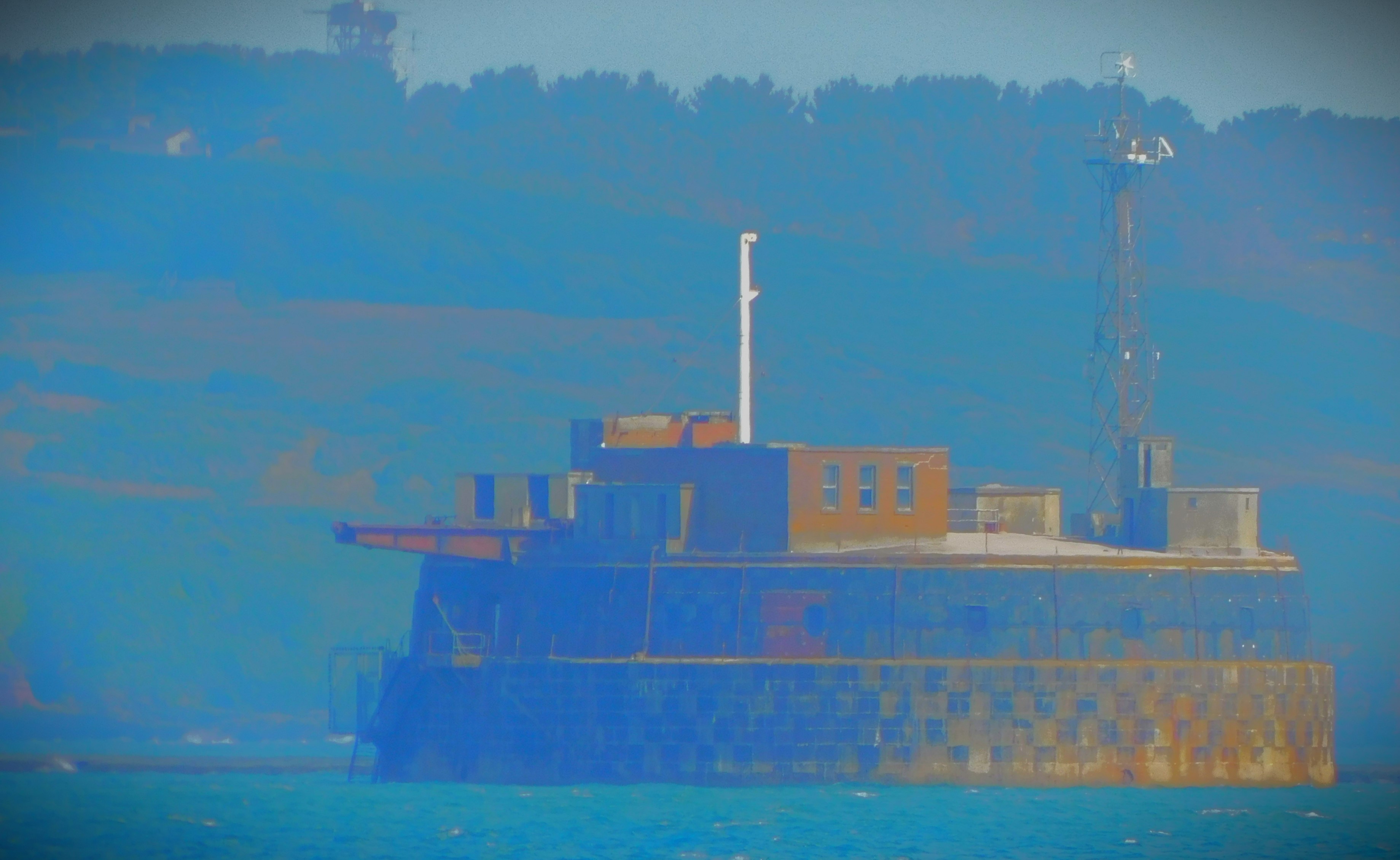
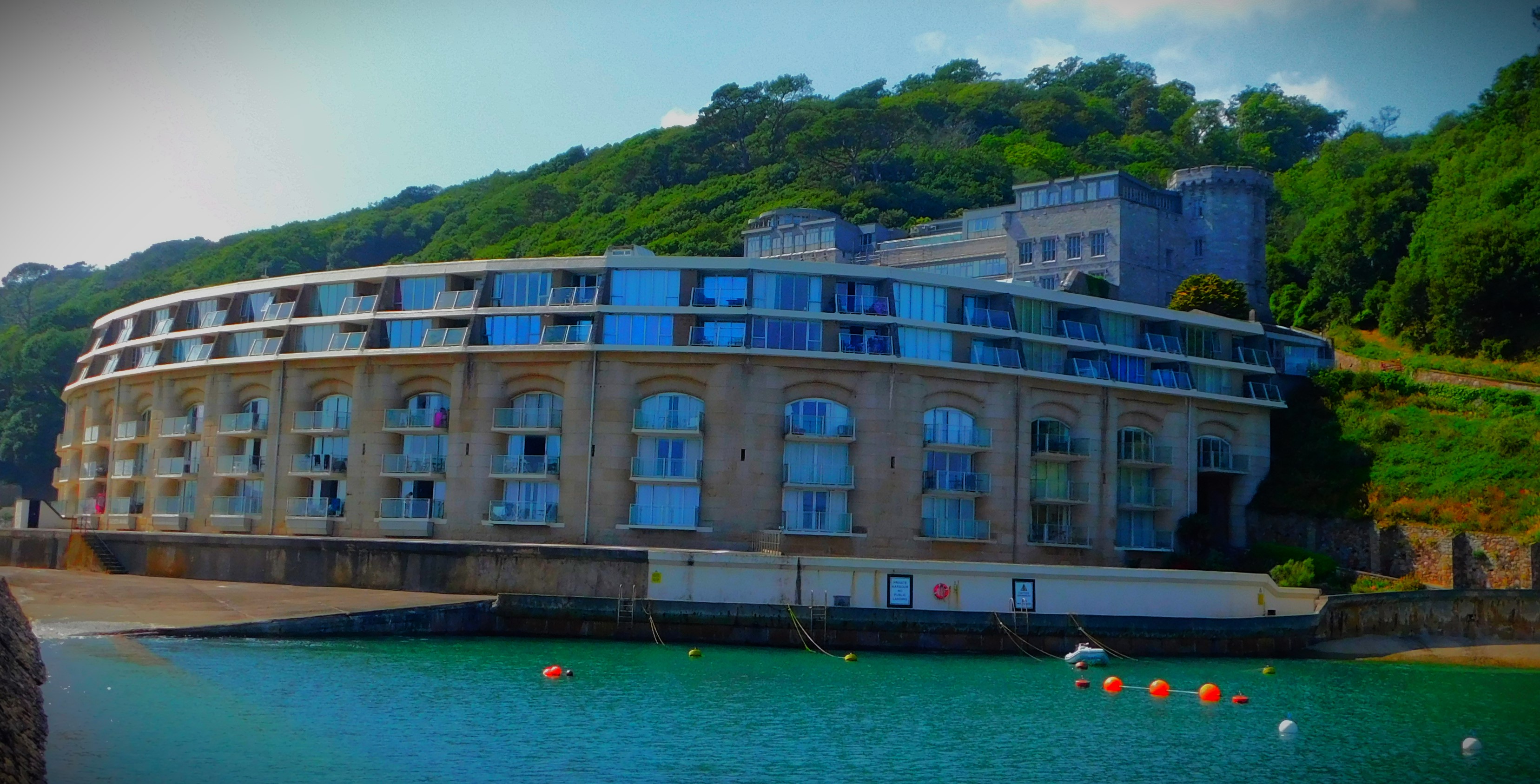
Lord Palmerston ordered the building of a number of fortifications of various kinds in southwestern England during the mid 19th century, in the mistaken belief that the French intended to invade. Fort Picklecombe was one such, and to make it even more curious the landholder only allowed it to be built if it was made to resemble Warwick Castle. These days it is home to about 100 apartments, one of which, tucked away on the fourth floor of the outer wall, with a glorious view out over the sea, is my parents home.

A CLOSER VIEW OF THE FORT

There are two complete circuits of this part of the fort available, on the third floor, and in the basement, which is also home to a carpark where everyone has a space. My parent’s flat also has a marked outside parking place where a vehicle can be left for up to 24 hours, which is readily accessible from the ground floor. The basement passages are quite narrow, and unlit until someone actually enters one (and even then the level of illumination is not great), but there is the compensating advantage that this ring of passageways is also home to the fort’s library (I did not make use of it this visit but have done in the past). The third floor walkway is much pleasanter in summer, though I can imagine it being horrible on a windy winter’s day. The lifts are among the slowest in the western world and come with recorded announcements that feature high in the ‘statement of the bleeding obvious’ category, e.g. “Fourth floor, lift going down”. What? You mean it is not going ‘up and out’?!

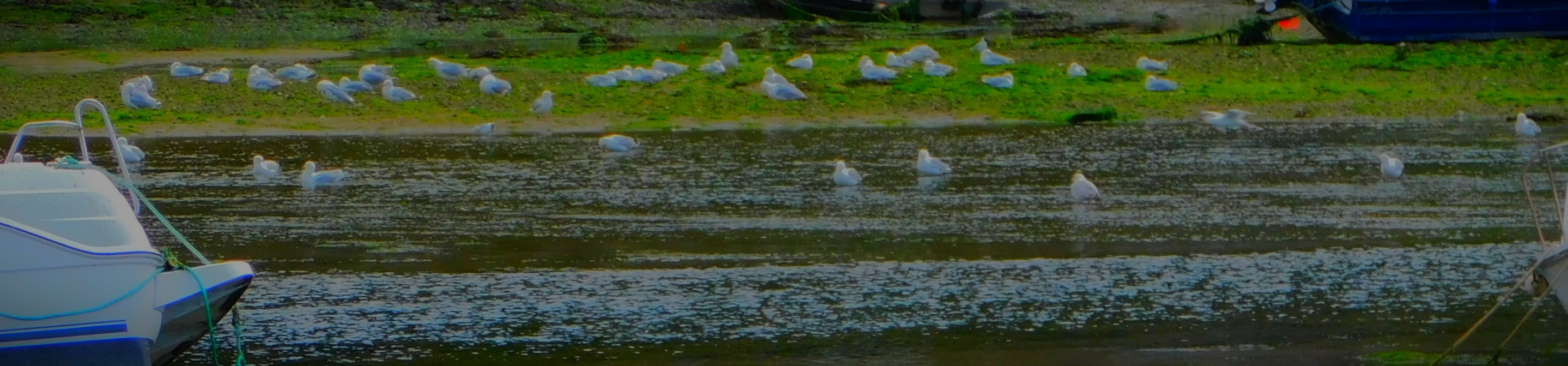
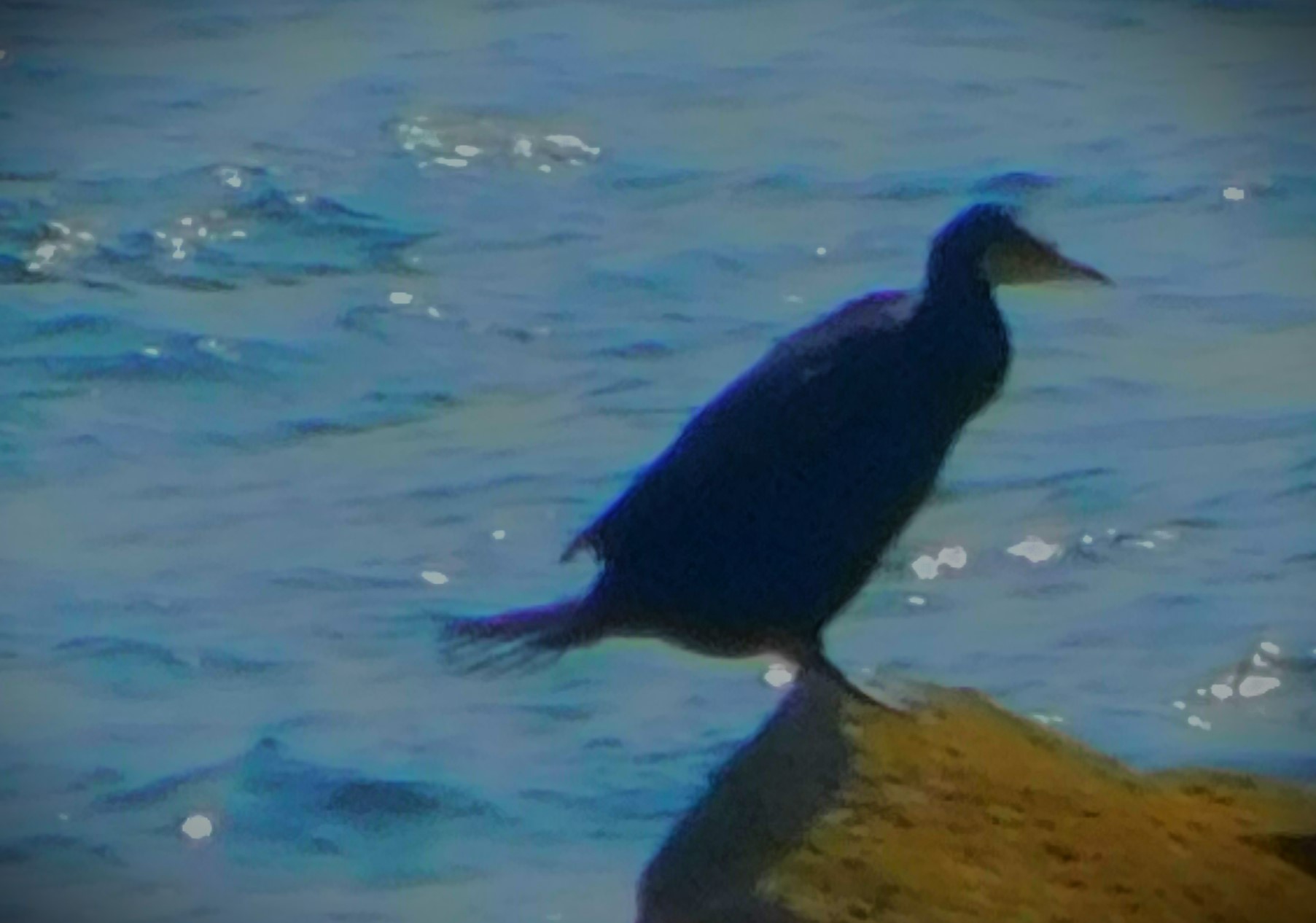
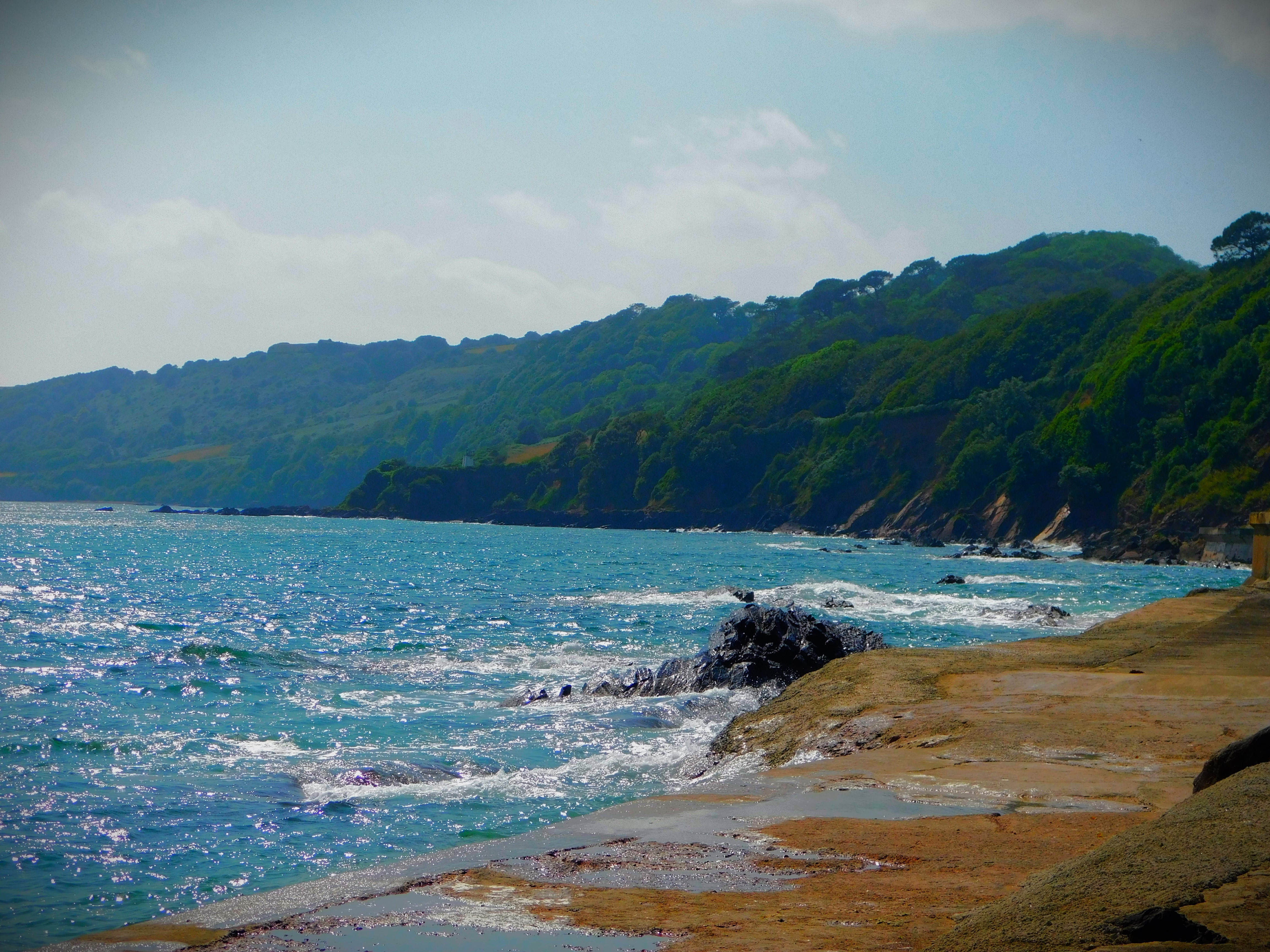
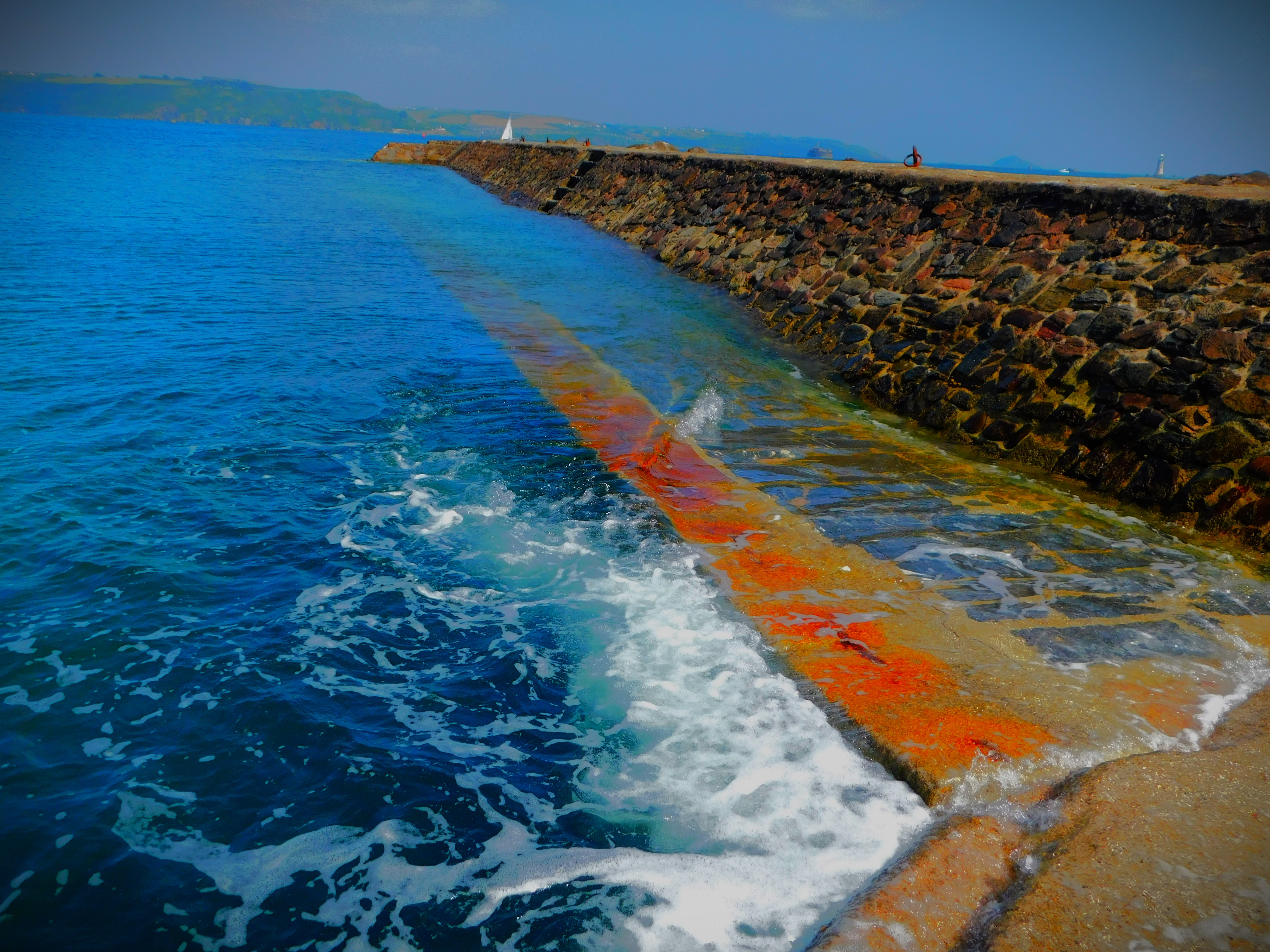
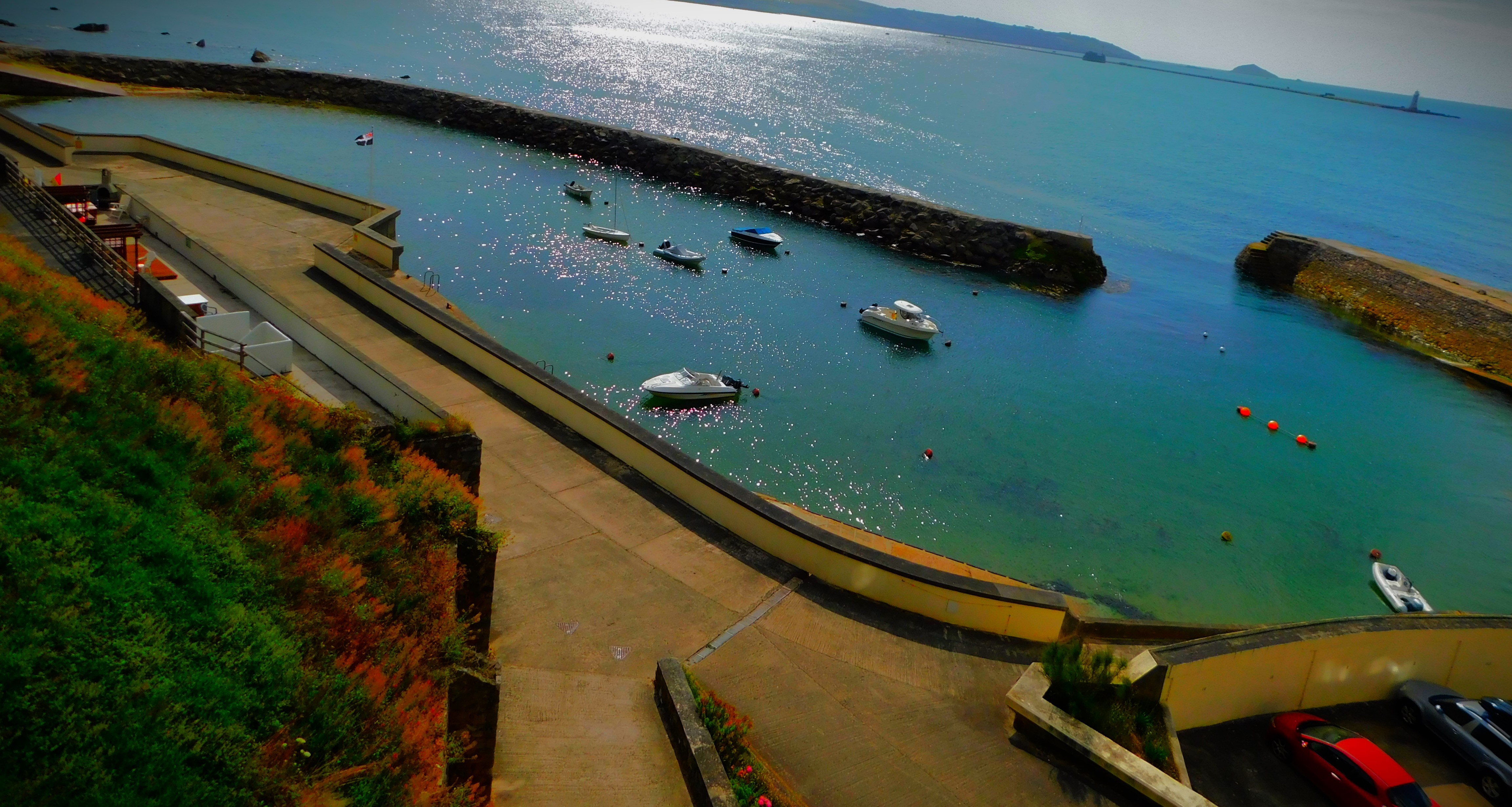
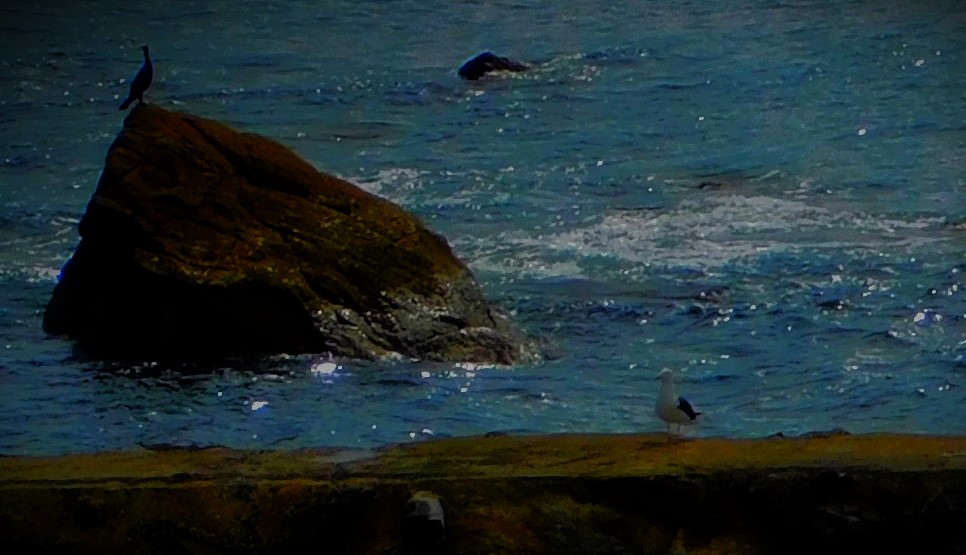
The fort has its own small harbour, and at low tide a number of rocks are exposed, and used by birds as perches. At high tide the smaller harbour wall gets a lot of water over it, while the larger one stays dry.

PHOTOGRAPHS

Here is a gallery comprised of photos taken either while in the fort or while waling around the harbour…

Cornwall 2023 1: Getting There

Starting a mini-series about a long weekend in Cornwall with an account of the journey there.

I last posted on Wednesday and this post explains why. Thursday was a work day, and then Friday was pretty much entirely given over to travel, as I was going to Cornwall for a long weekend with various relatives, while yesterday was also very busy, as today will be. However, I have time to do a blog post now, the start of a mini-series.

MY BASE FOR THE WEEKEND AND TRAVEL PLANS

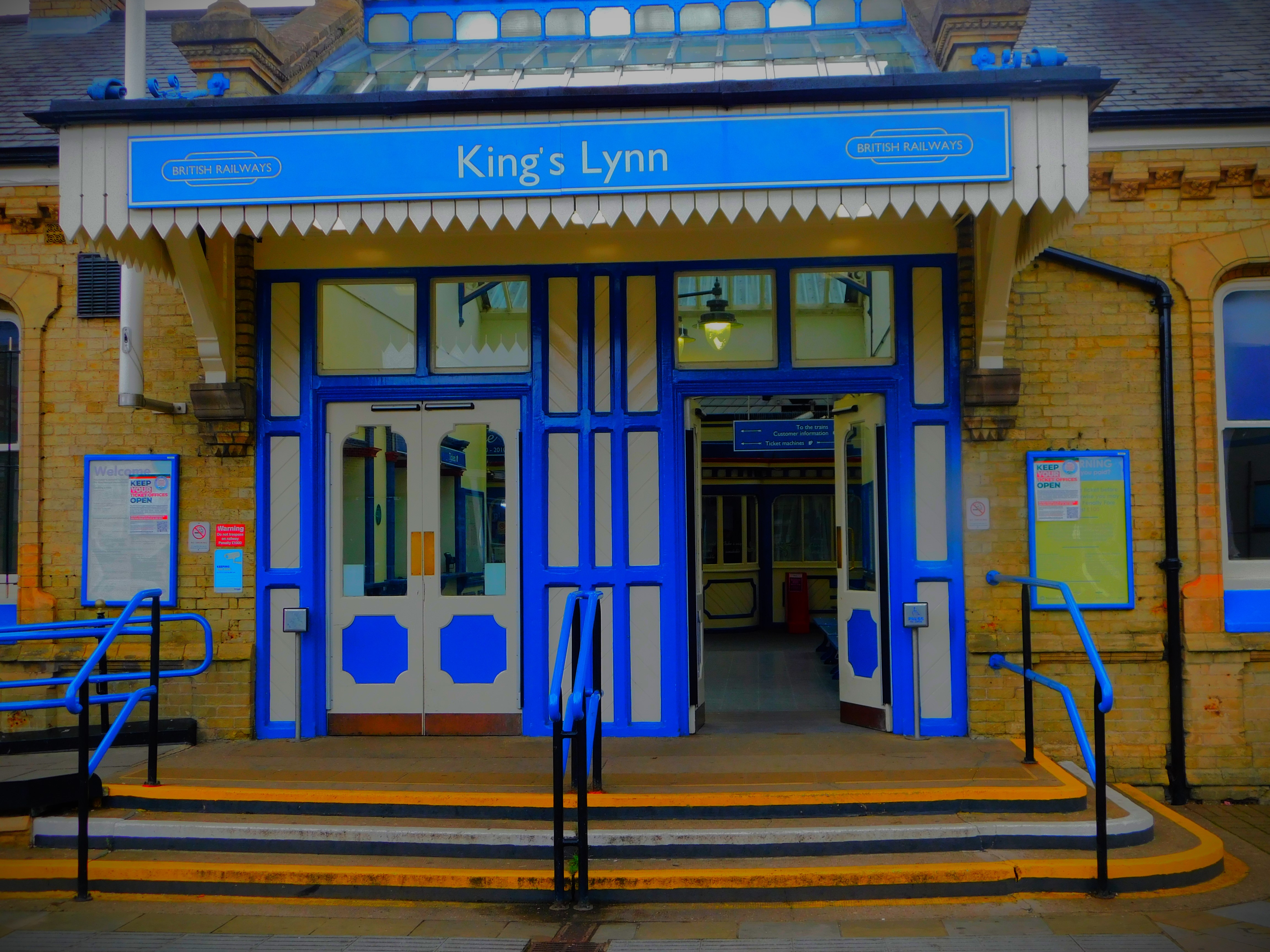
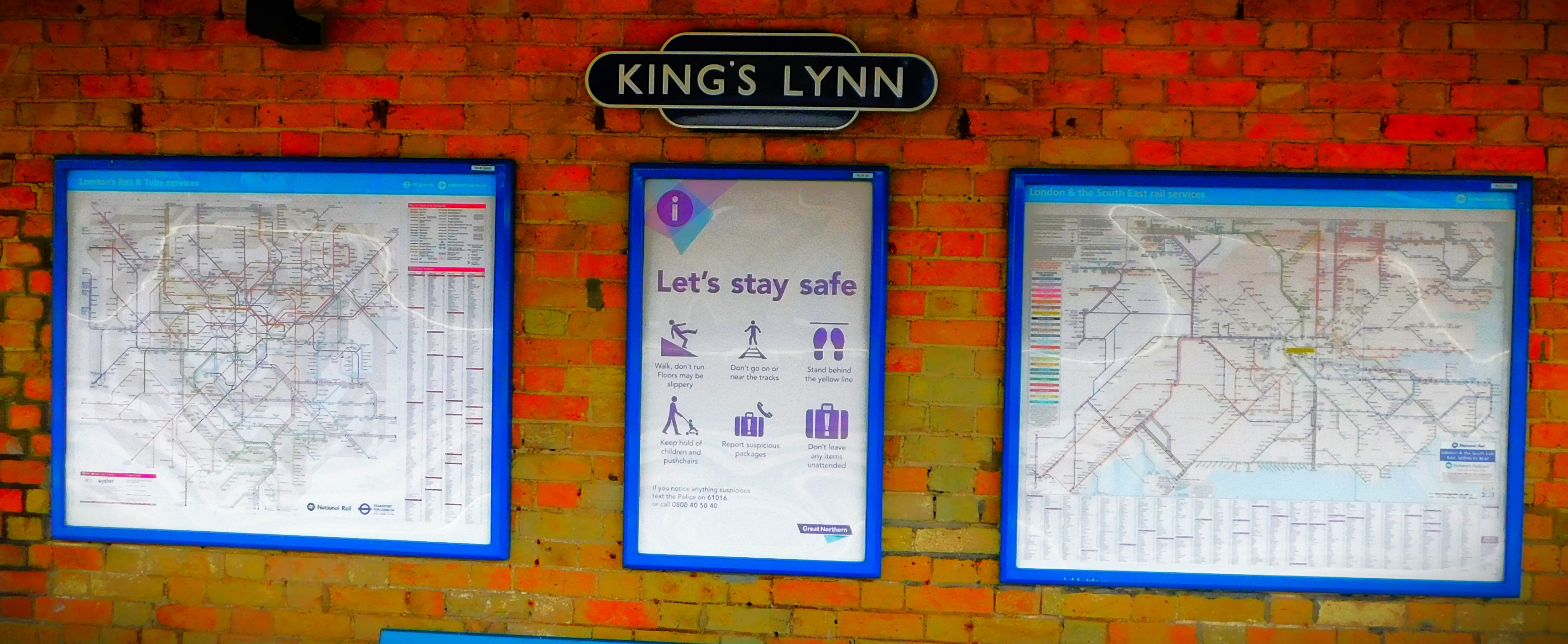
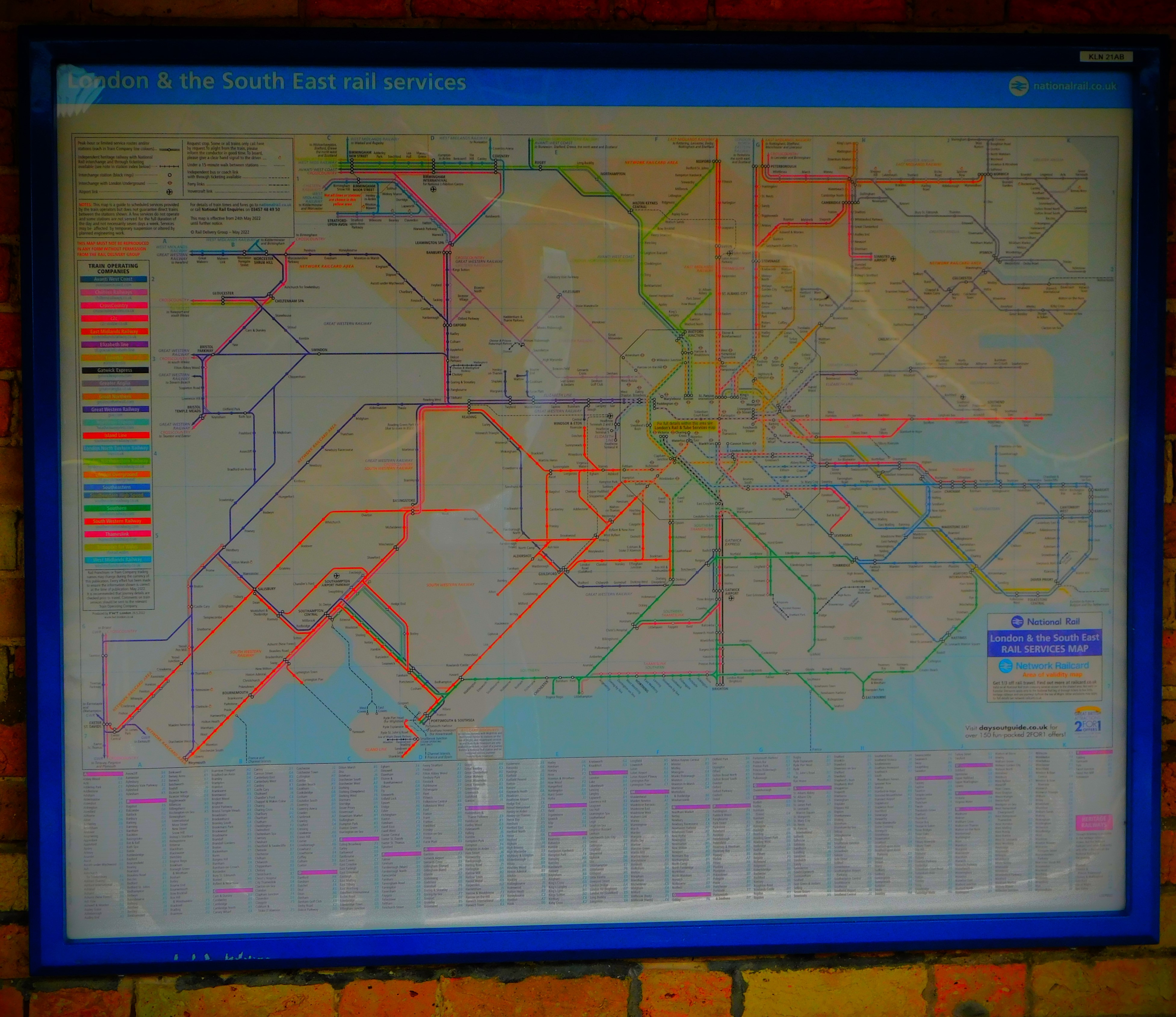
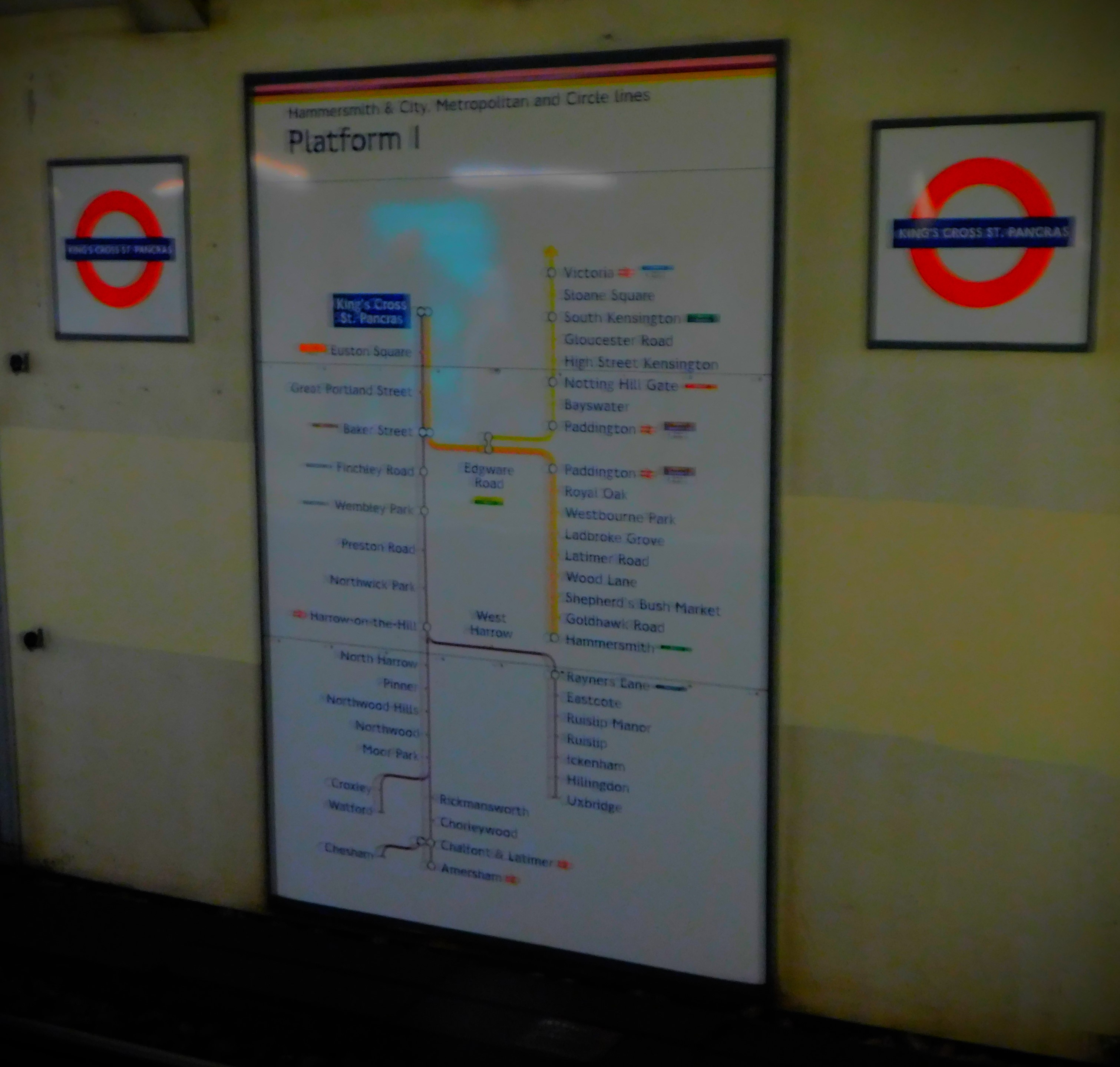
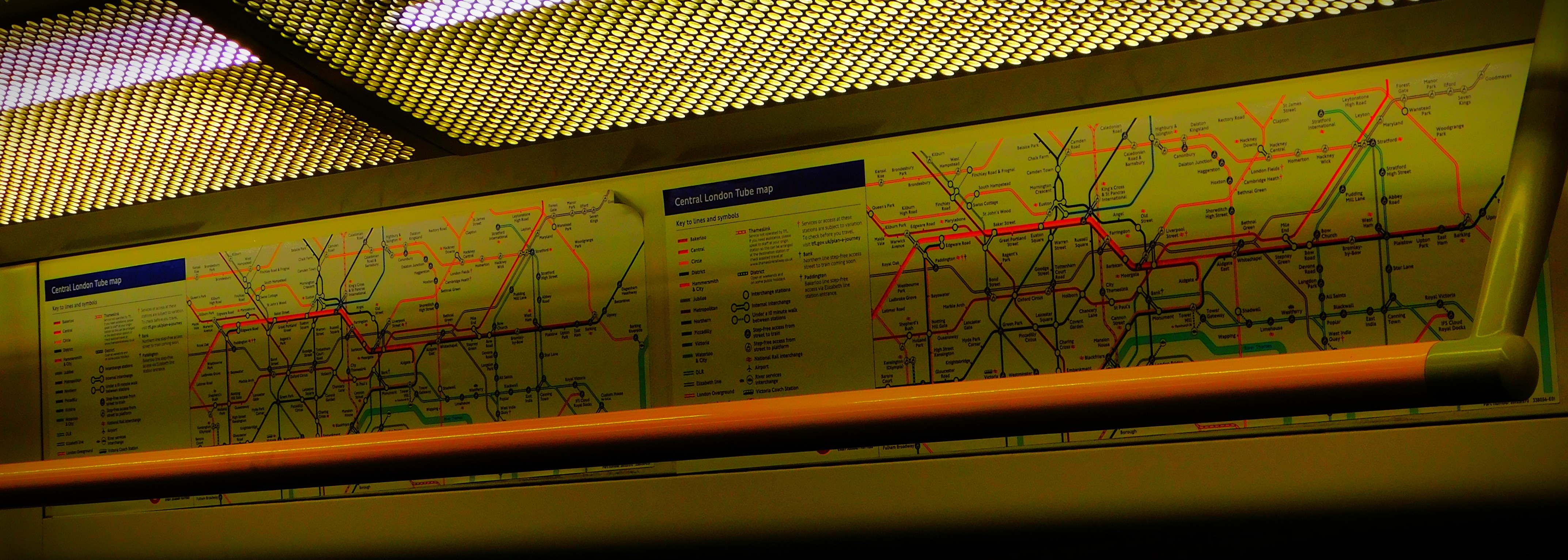
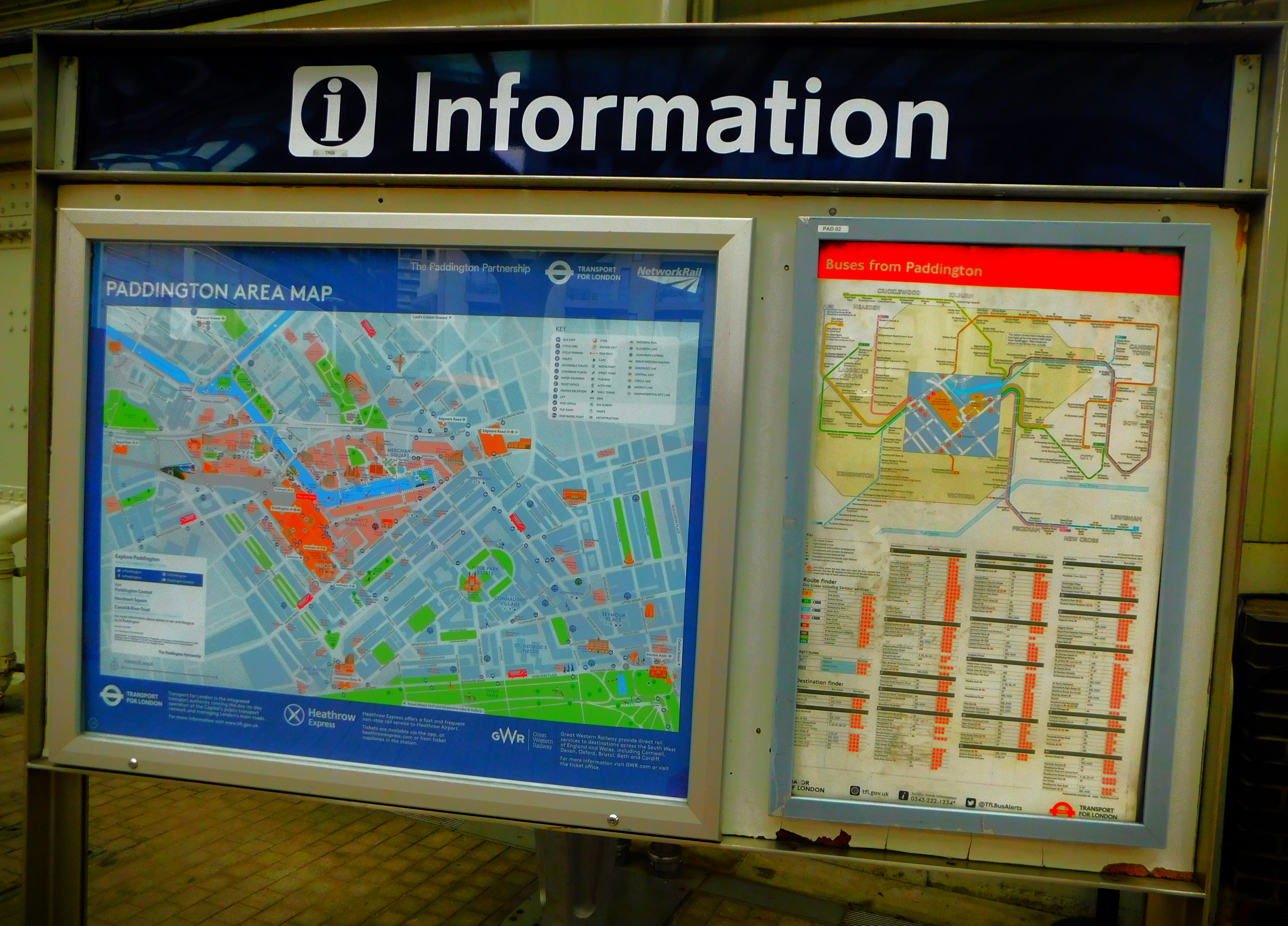
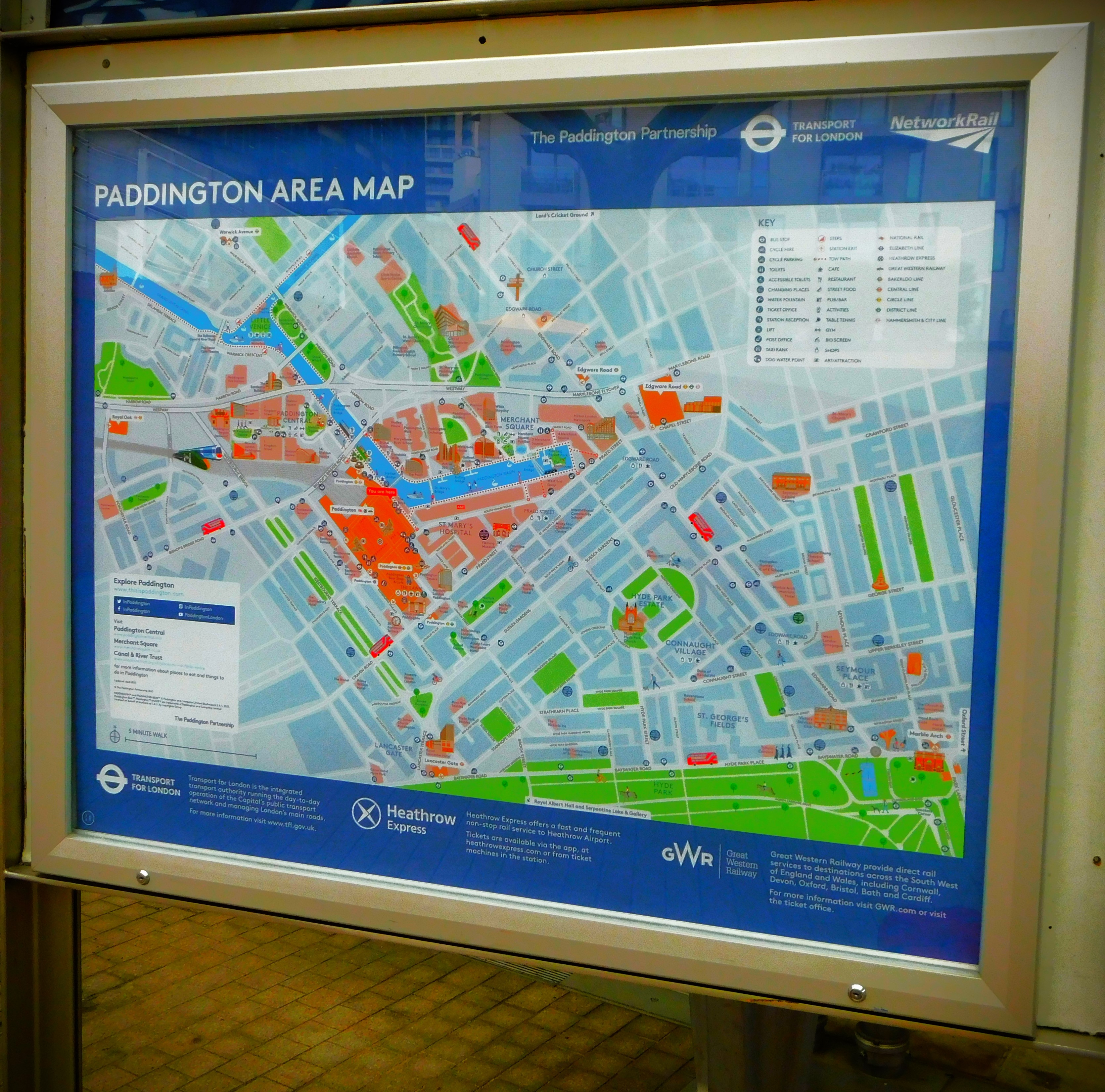
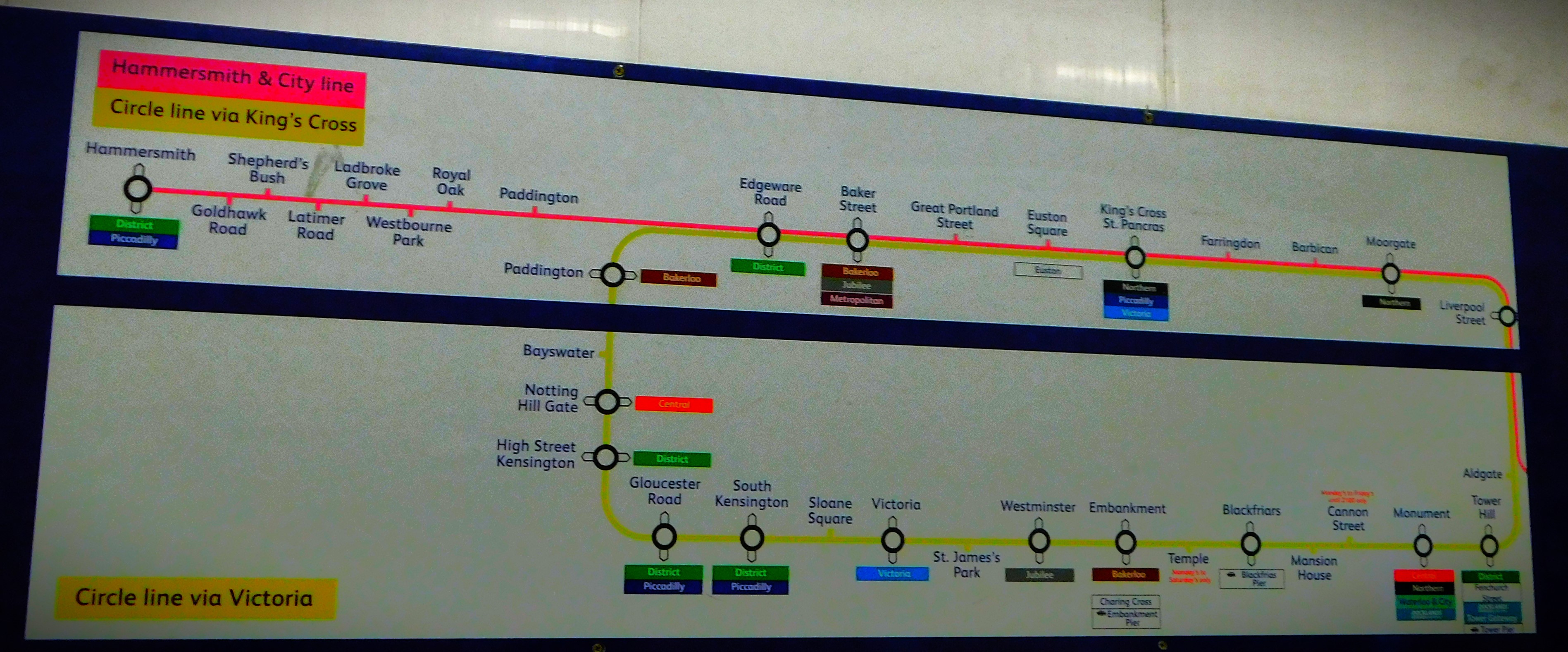
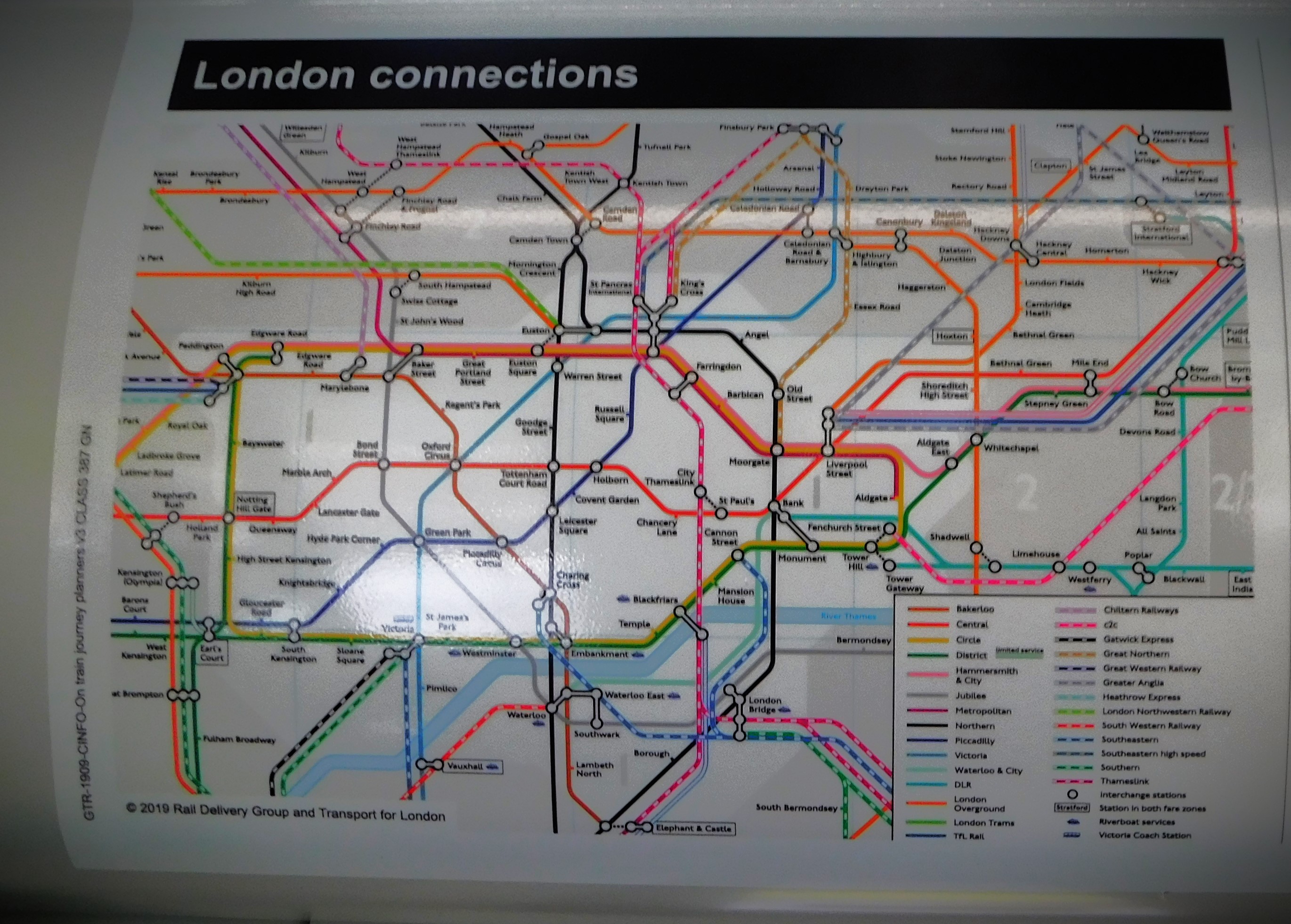
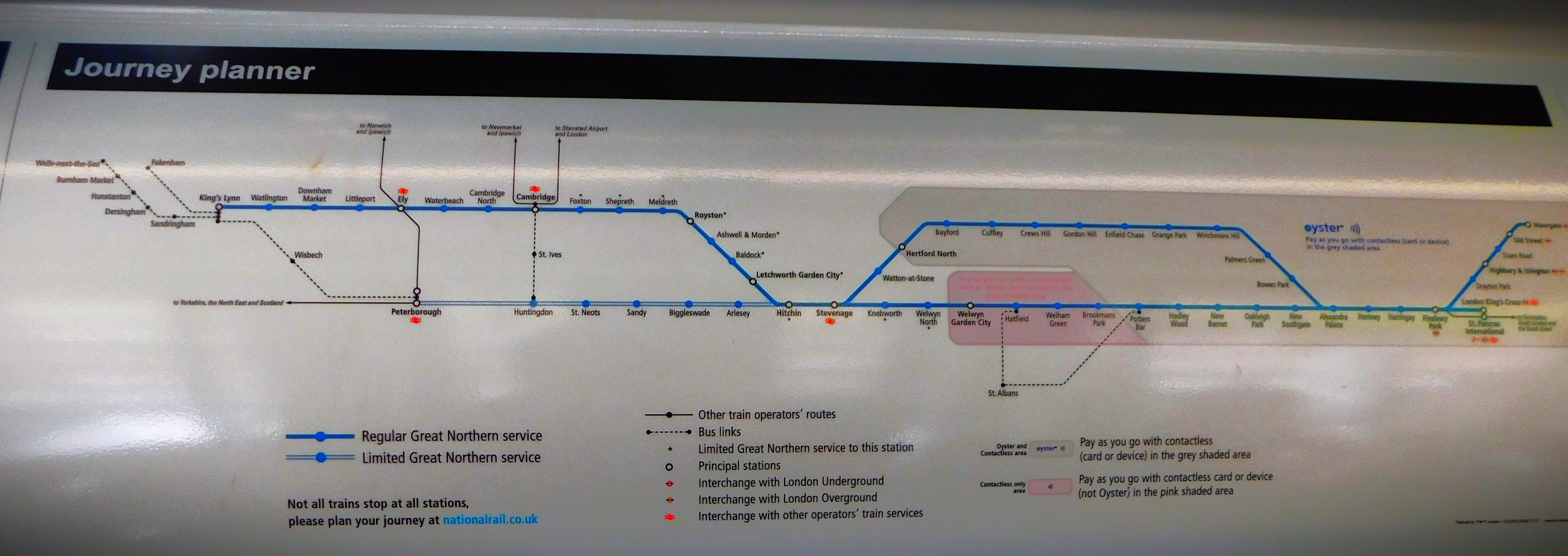
My parents live in Fort Picklecombe just on the Cornish side of the Tamar and about a mile from the village of Cawsand. I would be staying with them for the weekend so my task travel wise was to get from King’s Lynn to Plymouth from where they could pick me up. This journey is accomplished in three parts – King’s Lynn to Kings Cross, Hammersmith & City line to Paddington (NOT the Circle line – the Paddington served by that line should revert to its original name of Praed Street – it is significantly removed from the main line station, whereas the Hammersmith & City line platforms are structurally part of the main station), Paddington to Plymouth. I arranged to leave Lynn on the 09:42, connecting to the 13:03 from Paddington, which would arrive in Plymouth at 16:12.

KING’S LYNN TO LONDON

I reckoned on leaving my flat at 9AM so that I had plenty of time for the walk to the station, and I actually got away by 8:55. The train to London was a little late leaving and lost further time along the way, but with an hour and half between scheduled arrival at Kings Cross and scheduled departure from Paddington my cross London connection was never close to being in jeopardy. I arrived at Paddington with over 40 minutes to spare, and spent half of that time waiting to find out which platform I needed to get to. Then, since my designated seat was in coach A I had to walk the whole length of the platform before boarding and finding my seat.

PADDINGTON TO PLYMOUTH

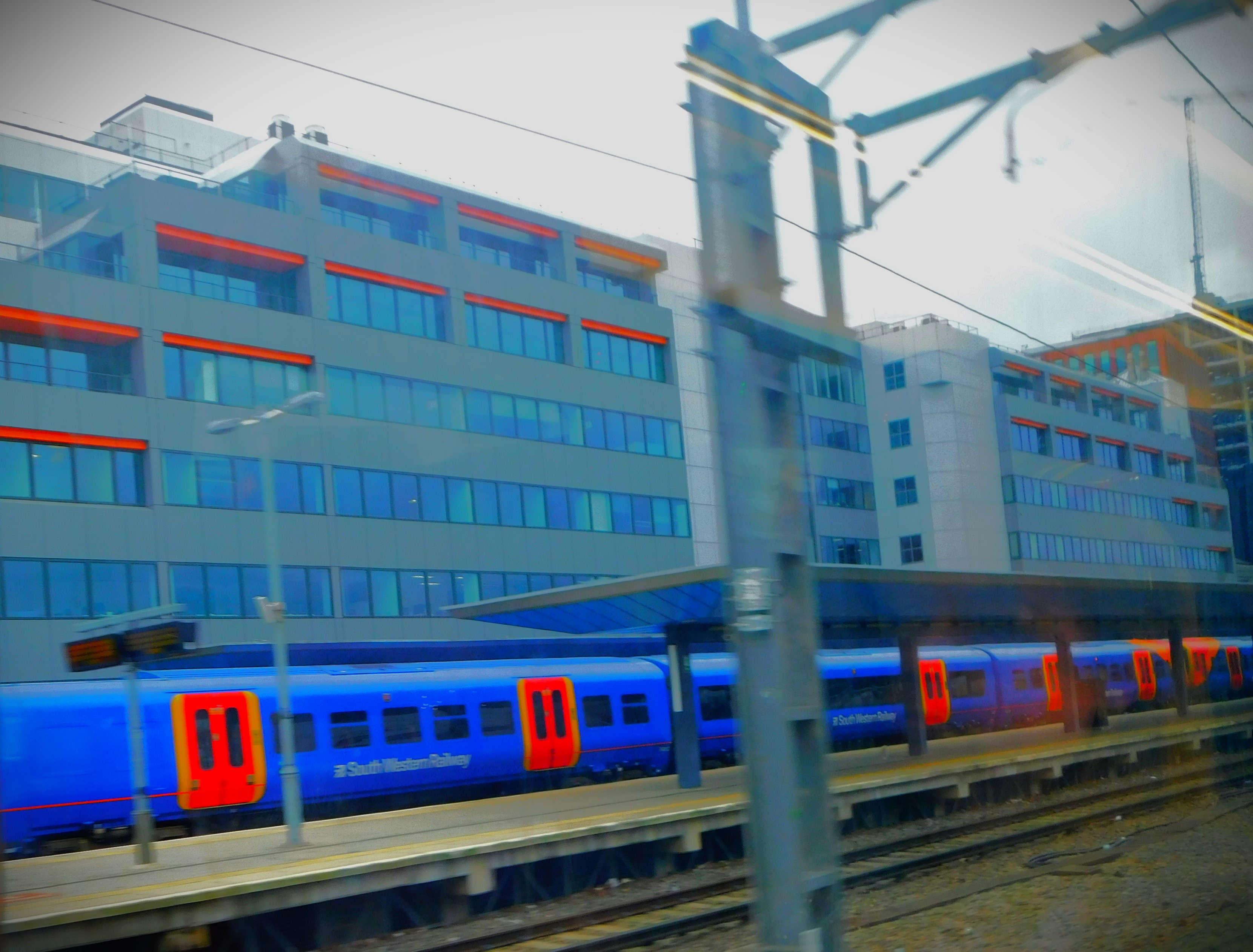
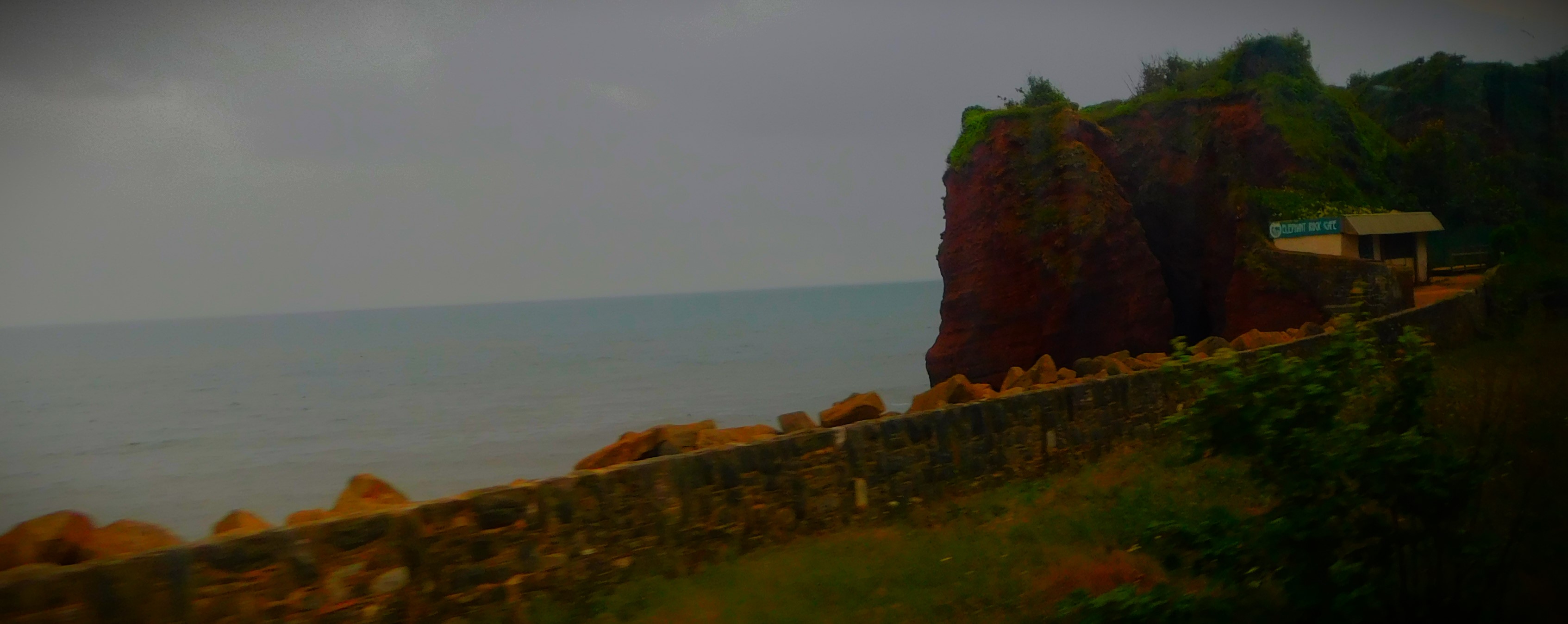
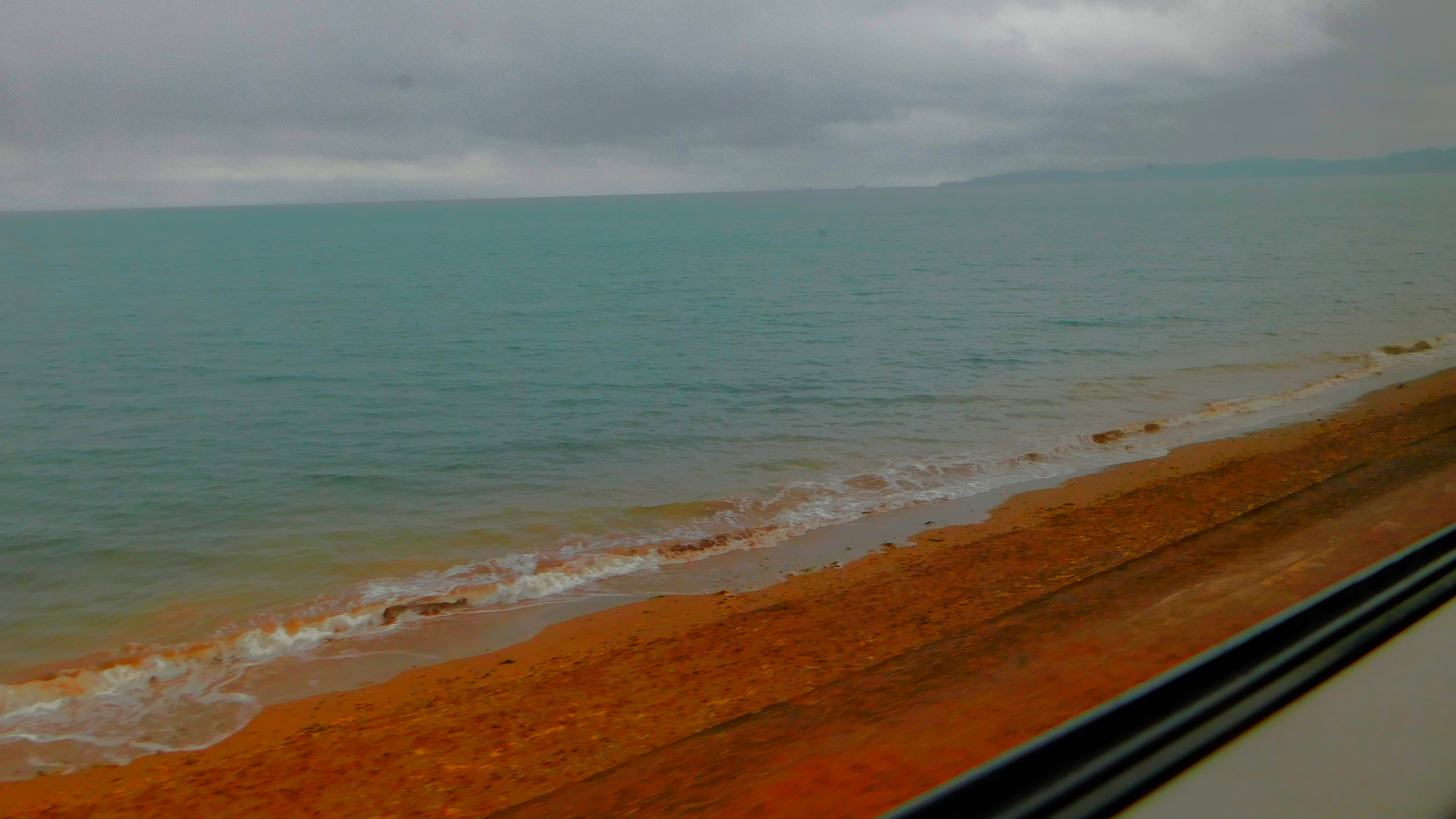
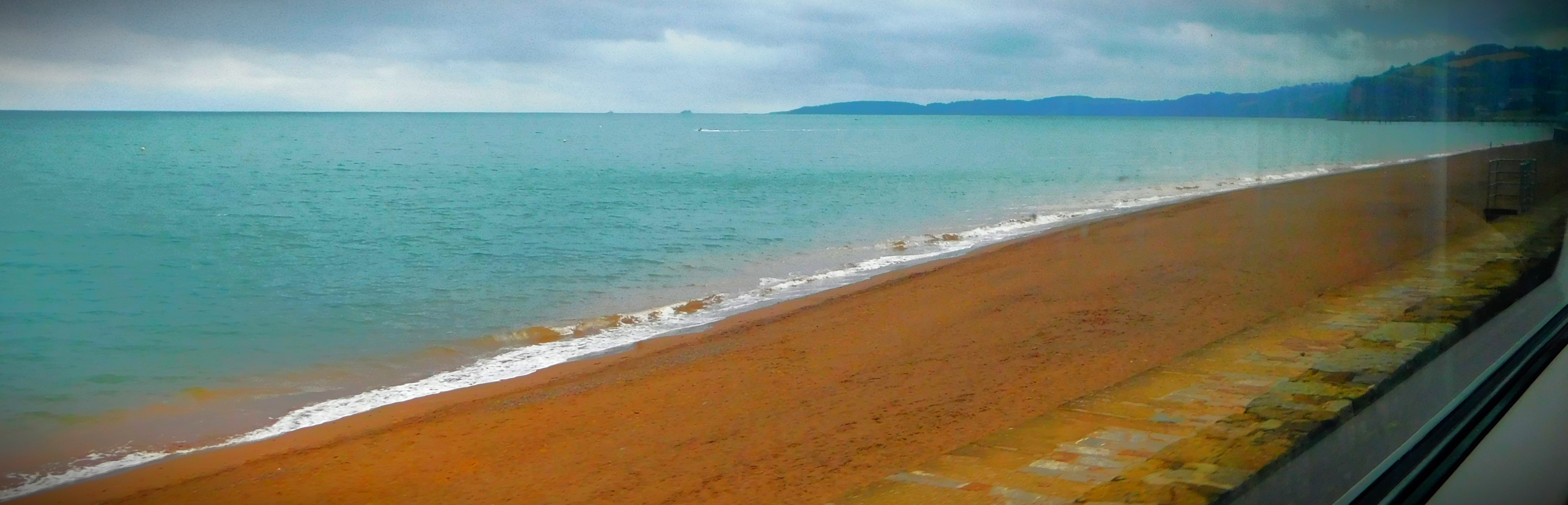
Great Western don’t have the worlds greatest reputation for punctuality, but this time the service set off precisely as scheduled, and ran pretty much exactly as per schedule all the way. This service stops at Reading, then has a long fast run to Taunton before making additional stops at Tiverton, Exeter St Davids, Newton Abbot and Totnes en route to Plymouth. There is one stunningly scenic section on this route, between Exeter and Newton Abbot, where the railway is literally right alongside the sea for most of the way.

PLYMOUTH TO FORT PICKLECOMBE

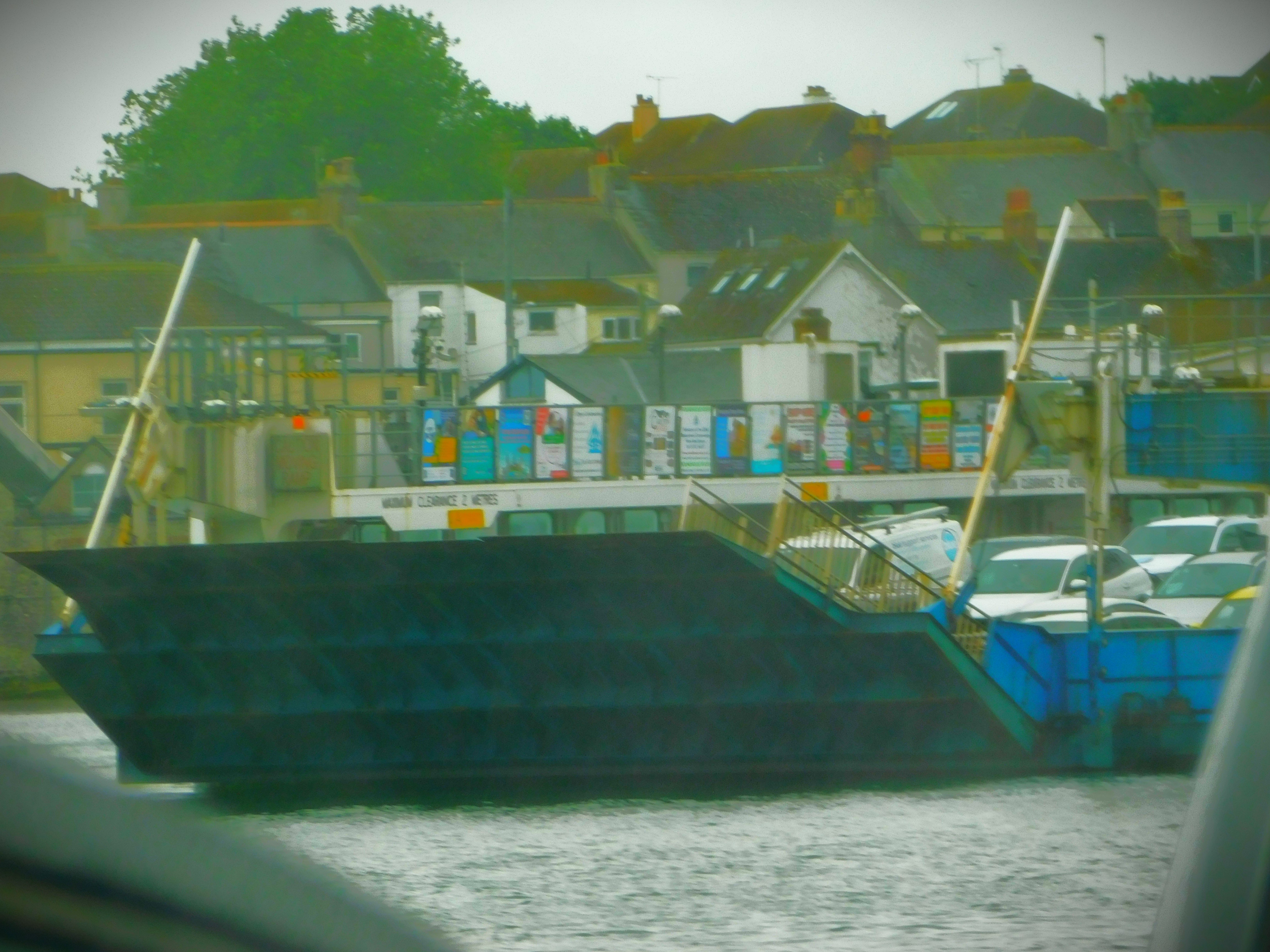
The last part of the journey was in my parents car, and included making use of the Torpoint car ferry. Although my parents car is small and not well suited to photography I did my best even on this leg of the journey.

Developments in the Ashes

A look at recent developments in the men’s and women’s Ashes and a substantial photo gallery.

It has been a few days since my last post, and a lot has happened in both the men’s and women’s ashes. This post looks at these various developments.

THE WOMEN’S ASHES

The brilliance of Tammy Beaumont (a new England women’s record score of 208 in their first innings) and Sophie Ecclestone (five wickets in each Australian innings) proved to be of no avail. England were bowled out for 178 in the final innings to lose by 89 runs, off spinner Ash Gardner taking 8-66. This is the first time in any test match, men’s or women’s that a losing side has featured both a double centurion and a taker of a 10 wicket match haul. The men’s game has provided three honourable mentions – in the tied test match between India and Australia at Chennai in 1986 Dean Jones had a double century and Greg Matthews took 10 wickets, while in England’s bottle-job at Adelaide in 2006 Collingwood scored 206 and Matthew Hoggard claimed eight wickets in the match, and finally, at the SCG in 1894 Syd Gregory scored 201 in the first innings, George Giffen had a match aggregate of over 200 runs AND claimed eight wickets in the match, and their side, Australia, lost by 10 runs.

THE MEN’S ASHES

Rehan Ahmed was added to the men’s squad in the run up to the second match of their series, which got underway at Lord’s today. In the event Ahmed was not picked, England going for an all seam attack. As was virtually dictated by this selection England put Australia in to bat, a decision that is not working out well. As I type this Australia are 181-2 with Smith and Labuschagne going well, the first named having gone past 9,000 runs in test cricket in the course of this innings. Both wickets have fallen to Josh Tongue. Broad and Anderson have had good moments but as yet no wickets, while Robinson has looked innocuous. Rehan Ahmed is on the field at present, as a substitute fielder.

PHOTOGRAPHS

My usual sign off…

Game on at Trent Bridge

A look at developments in the women’s test match at Trent Bridge and a photo gallery.

The Women’s Ashes test match at Trent Bridge is hotting up, as England bowlers get in among the wickets. This post looks at developments since yesterday.

THE REST OF YESTERDAY

During yesterday’s post I noted that Tammy Beaumont was hunting down records. She did break the Betty Snowball England record score that had stood since 1935, and she did complete her double century. She was finally last out for 208, the fifth highest score ever by a women’s test cricketer. England had tallied 463, a deficit of 10 on first innings. By the close Australia were 82-0 and it looked like they were in a very strong position.

TODAY

England bowled much better today, but Mooney and Litchfield pushed their opening stand up to 99 before the breakthrough occurred. Australia still looked in a very strong position at 178-3, but England have claimed four wickets in very quick time, and Australia are 198-7 with Alyssa Healy and Alana King batting together. For England Ecclestone has three wickets so far, giving her eight in the match, with veteran seamer Cross and young speedster Filer each claiming two scalps.

PHOTOGRAPHS

A small gallery today, but I hope a good one…

Beaumont Batting Beautifully

A look at developments in the Women’s Ashes test match and a large photo gallery.

Battle continues to rage in the Women’s Ashes test at Trent Bridge. This time yesterday I wrote about had happened up to that time (here), and now I continue the story.

THE REST OF YESTERDAY

England reached the close of yesterday on 218-2, Beaumont completing her century just before the close of play. It was a wonderful innings, and it was also historic: she became only the fourth English batter ever to score centuries in all three international formats, joining Heather Knight, Jos Buttler and Dawid Malan in this club.

TODAY SO FAR

Natalie Sciver-Brunt was England’s only casualty of the morning session, falling for 78. By lunch England were 308-3 with Beaumont 144 not out. Dunkley fell not long after the resumption, which brought Danni Wyatt to the crease for her test debut, 13 years after her white ball debut. On 152 Beaumont was given LBW, but a review showed the ball pitching outside leg stump. She is now on 164, with England 344-4. The next landmark is 168, her highest score in any form of international cricket, then Betty Snowball’s 189, the all time England record individual score, then the 201 she scored in the warm up match, then Perry’s 213* and finally if she can get there Amelia Kerr’s 232* for New Zealand v Ireland, the highest score in any form of women’s international cricket (and I think even Ms Kerr might concede that the Aussie bowling attack is a trifle more formidable than that of the emerald isle).

PHOTOGRAPHS

I have a splendid gallery for you…

While I have been preparing this post for publication England have moved past 350, and Beaumont on to 169.