A brief account of my Christmas period and how I managed to enjoy it in spite of limitations imposed by current state of health.
INTRODUCTION
In this post I will tell the story of my activities since Monday, and the continuing tale of rhe improvement in my state of health and happiness. There are plenty of accompanying pictures.
MONDAY – MAINLY ADDENBROOKES
Unlike the previous Monday this day although still fairly long went basically smoothly, with my treatments running exactly as planned. I was by this stage sufficiently improved to walk around the main hospital building rather than using a wheelchair. In preparation for the day I had selected three books from my shelves, and this proved a wise choice as I read all three while at the hospital.
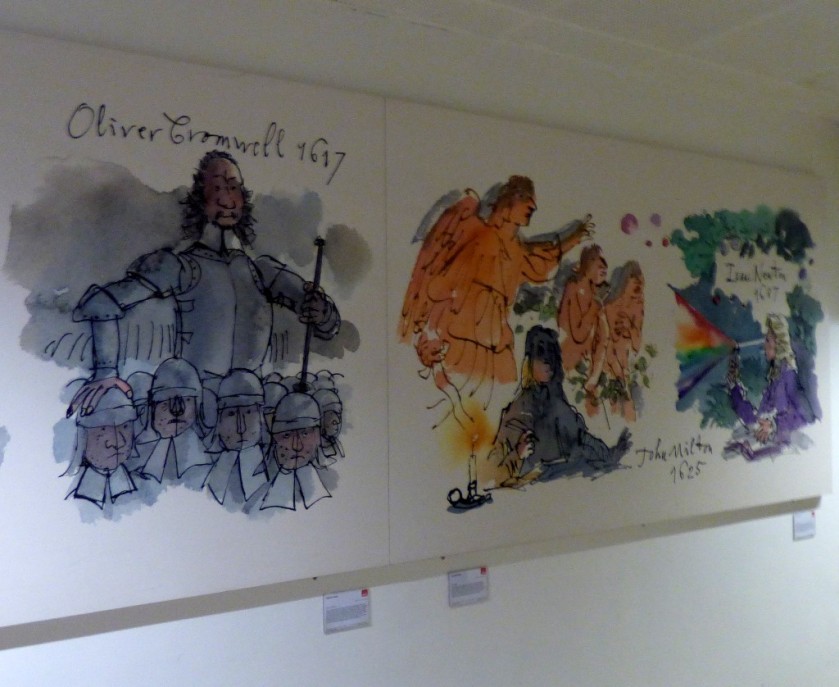
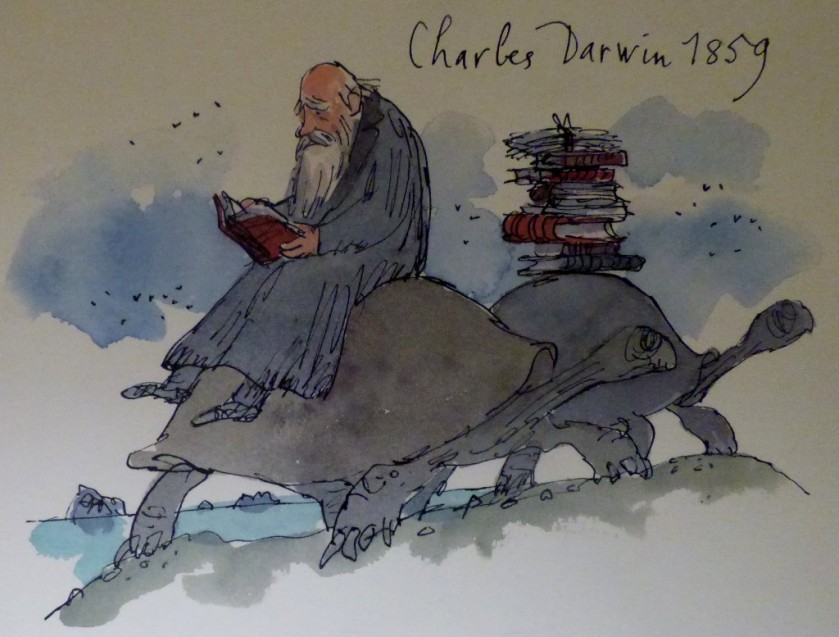
I took some photos of some of the artwork on display at Addenbrookes as well…
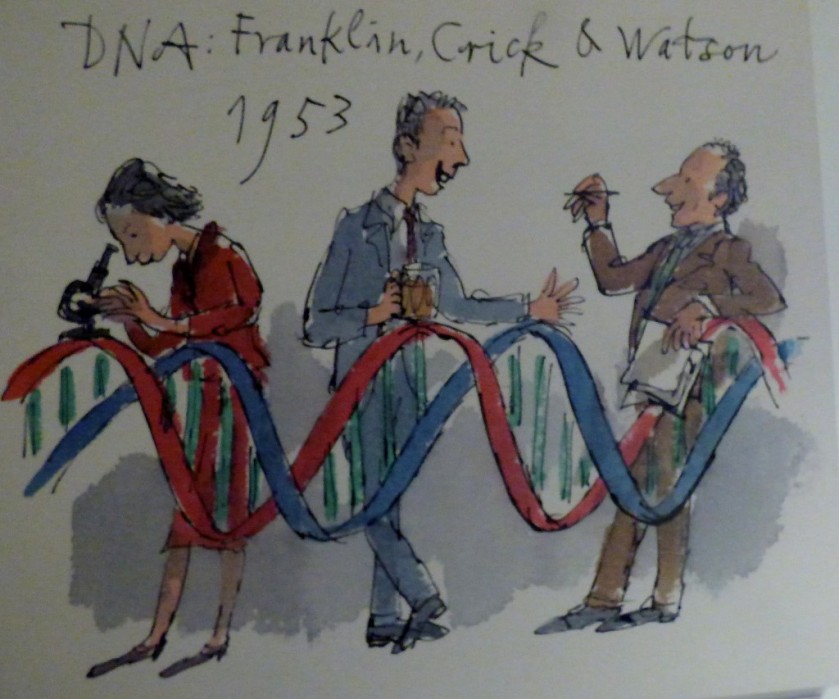
These displays of famous people associated with Cambridge were created by the legendary Quentin Blake who cut his teeth as Roald Dahl’s illustrator.
I am particularly glad to see Rosalind Franklin credited in this panel (something neither Watson nor Crick did at the time after being shown her work without her having been consulted)
CHRISTMAS DAY – COLUMBIA WAY AND NELSON STREET
I was not entirely sure how I would cope with Christmas Day itself. My sister arrived at my home to pick me up at about 10AM, dropped me at Nelson Street where my aunt lives and the went to wash, change and wake up my nephew (the latter being by some way the hardest task!). A cup of coffee taken in the kitchen was a good start. Managing the stairs to use the toilet (had this proved beyond me there was a downstairs flat we could have accessed) was also good news.
Lunch was excellent, and in accordance with the advice of Research Nurse Rebecca Bradley I consumed limited quantities of alcohol (one small glass of fizz and another of white wine).
After lunch we opened the presents, which went very well. The last present was unwrapped just before 4PM. At this point I decided to call it a day and get my lift home. I walked to Boal Quay car park where the car was waiting.
Here are some pictures from the first part of Christmas Day…
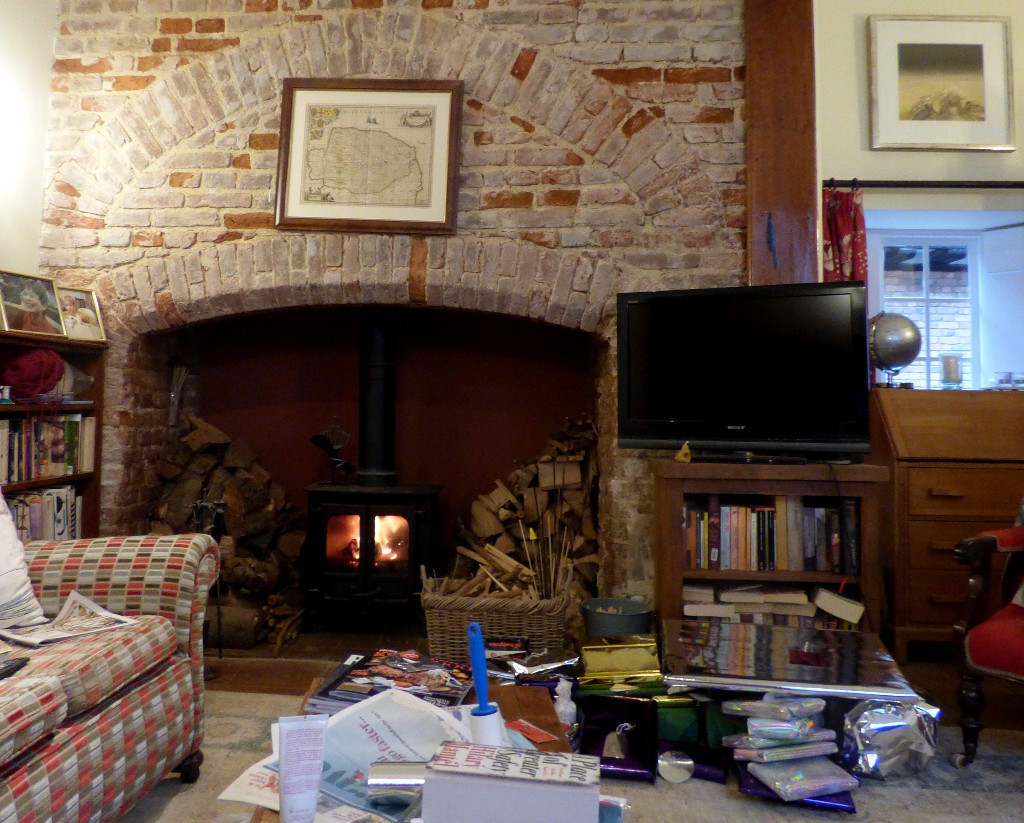
The first five pictures were taken at my bungalow in the morning.
The cup I had my coffee in at Helen’sPresents laid out.
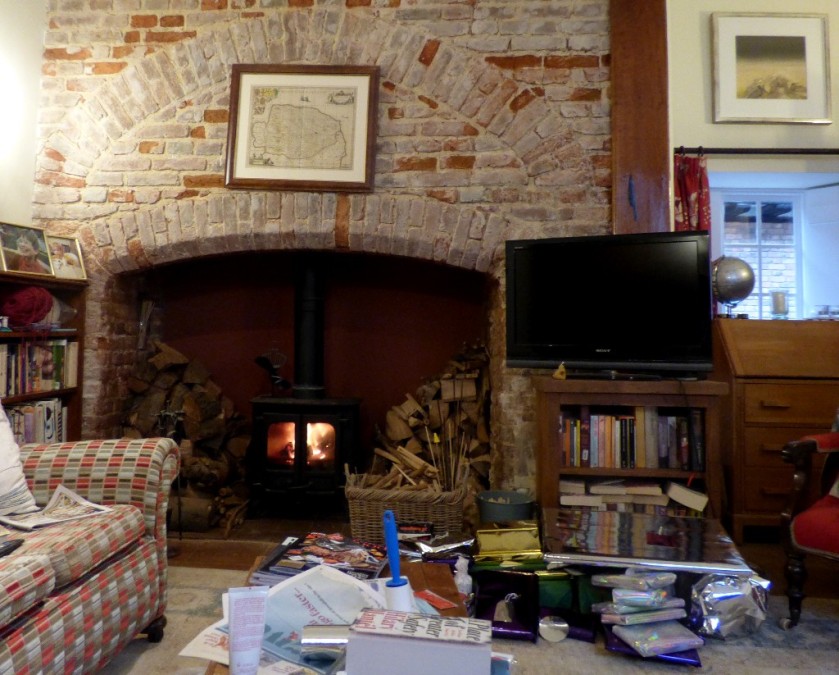
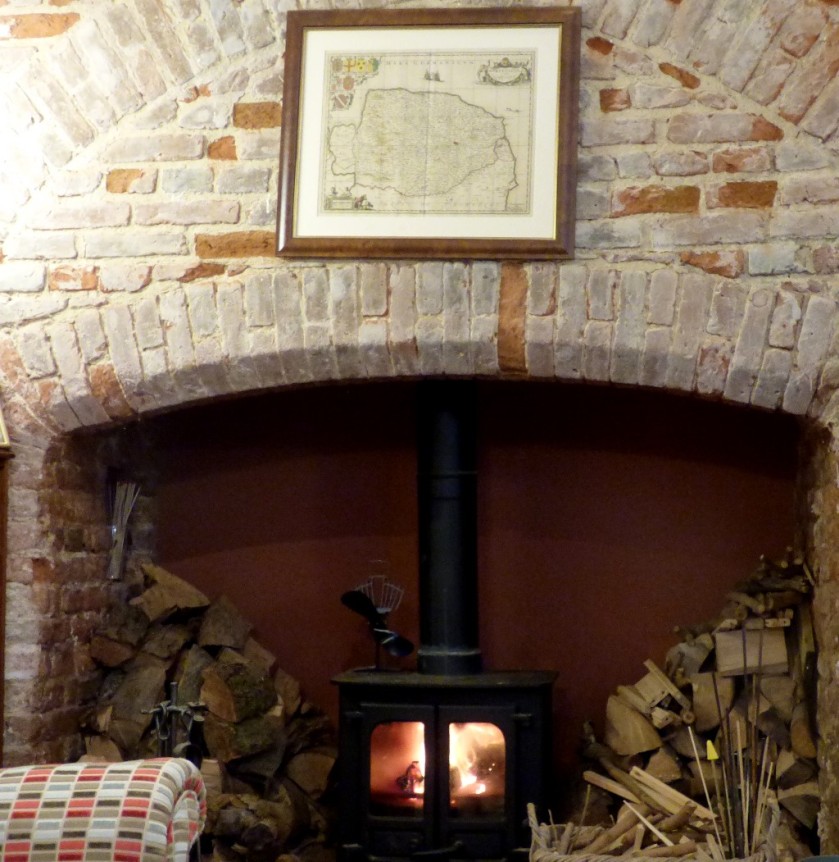
Close up shots of the woodburner (using the zoom lens)
A tiling pattern in the kitchen.Mr President put in an appearance among the presents!
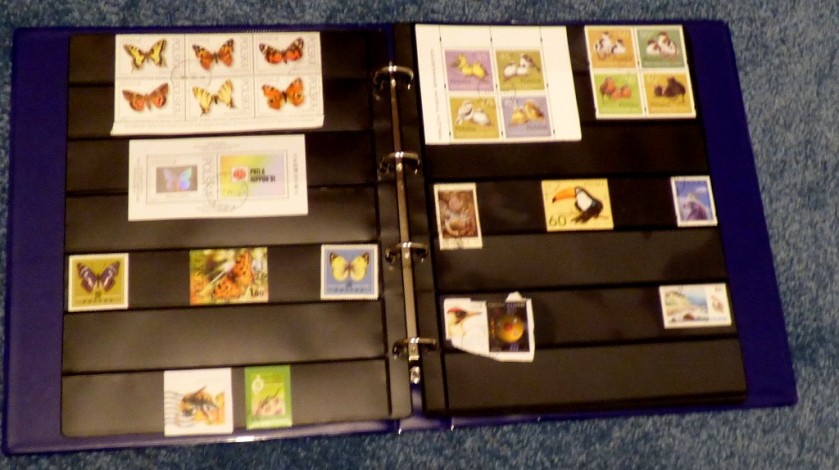
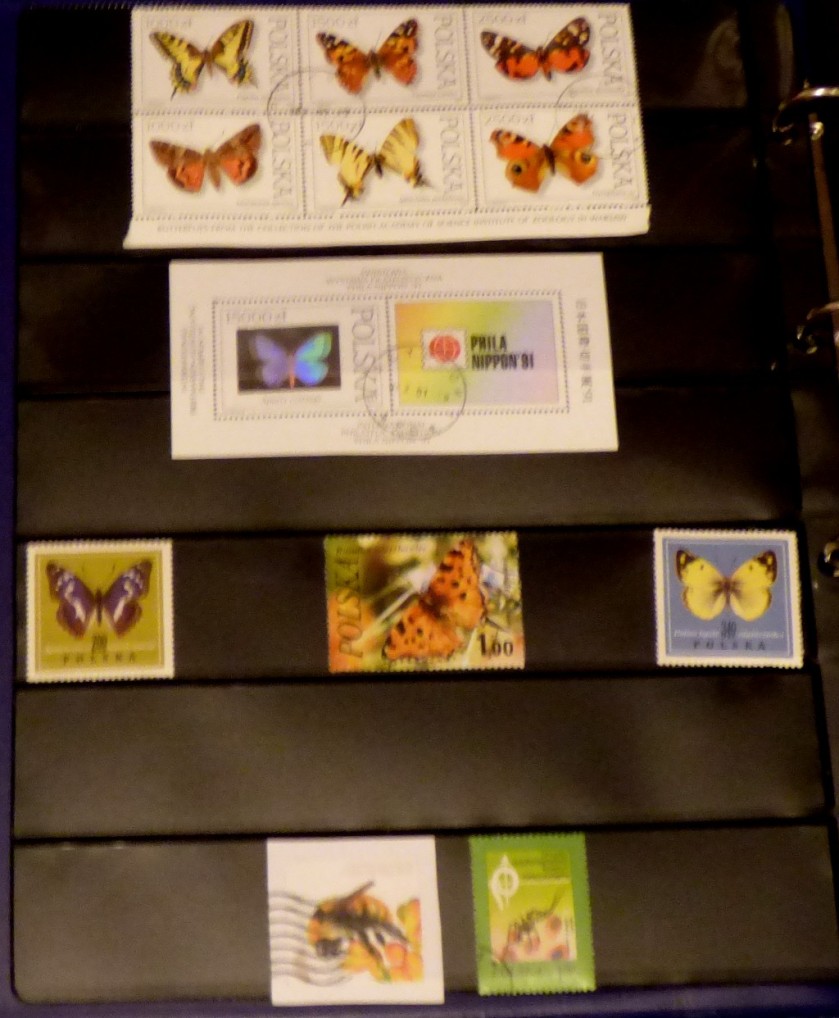
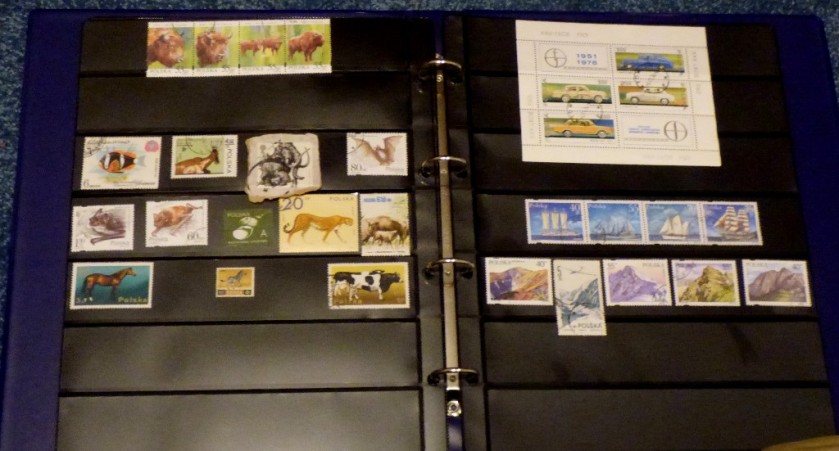
One of my presents (I had already had a lot of stuff in advance, so most of the stuff I got on the day was small) was a stamp album with a few “Hagner” style pages. I devoted a little time to displaying some of the stamps that John from Musical Keys had given me while I was in hospital, and also to selecting some postcards to go in a little display album I had for them. I have yet to photograph the postcards, but here are some stamp pictures…
Railway stamps.Insects and BirdsInsects close up.Animals, Cras, Boats and MountainsAnimals close up
Mixed stamps.
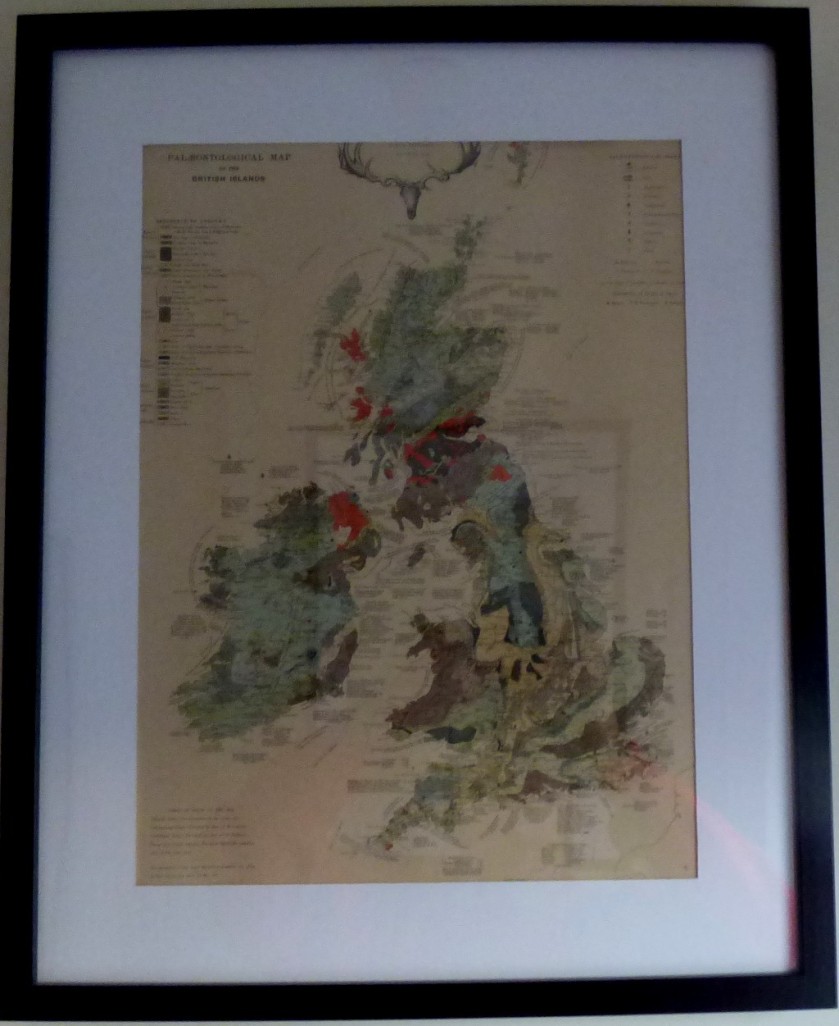
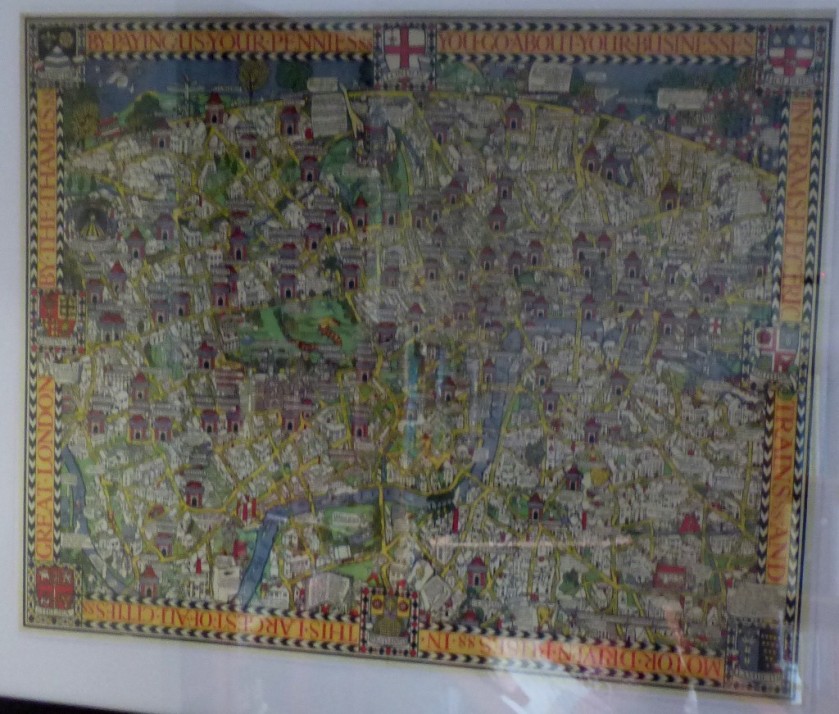
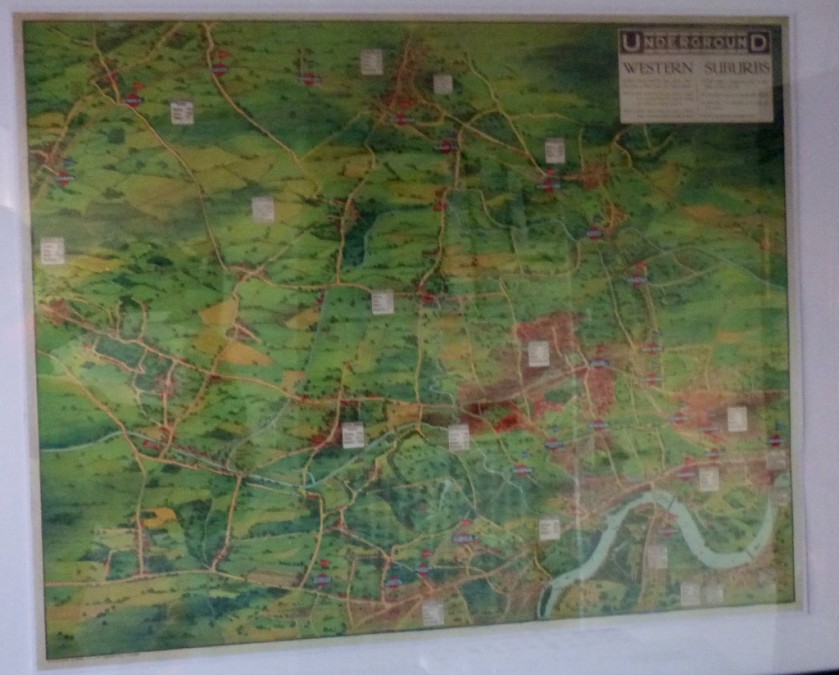
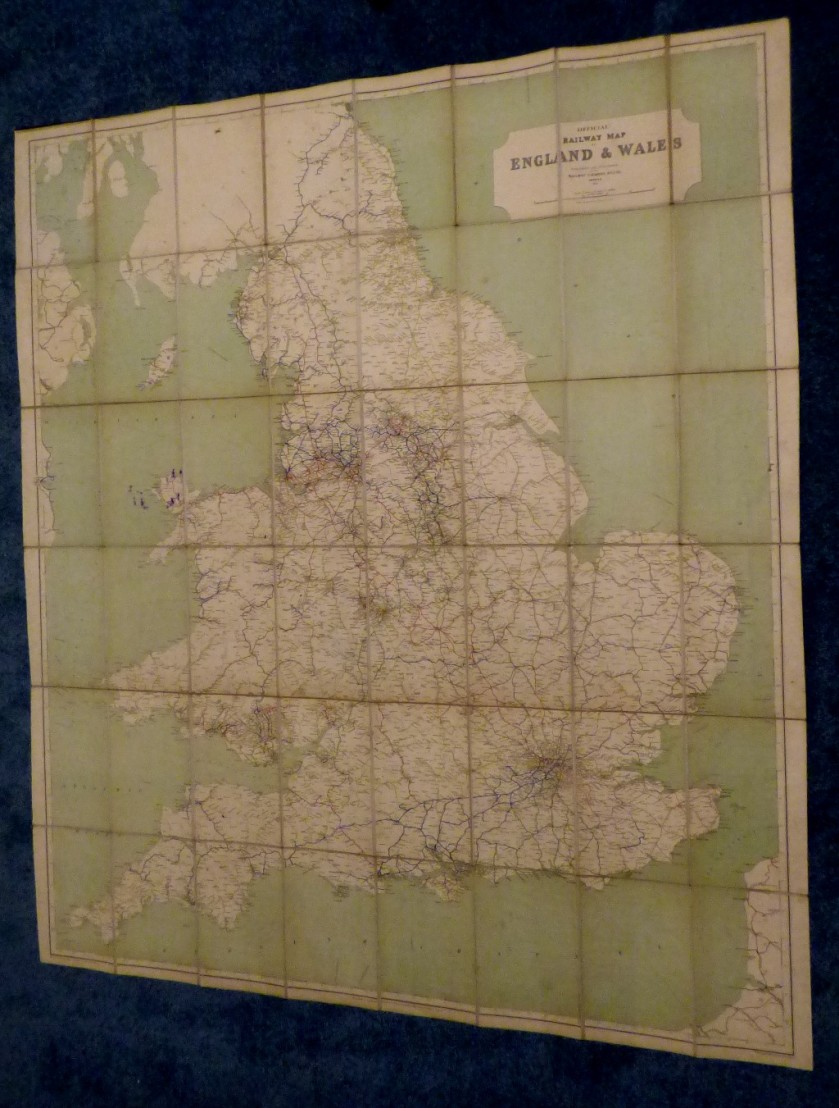
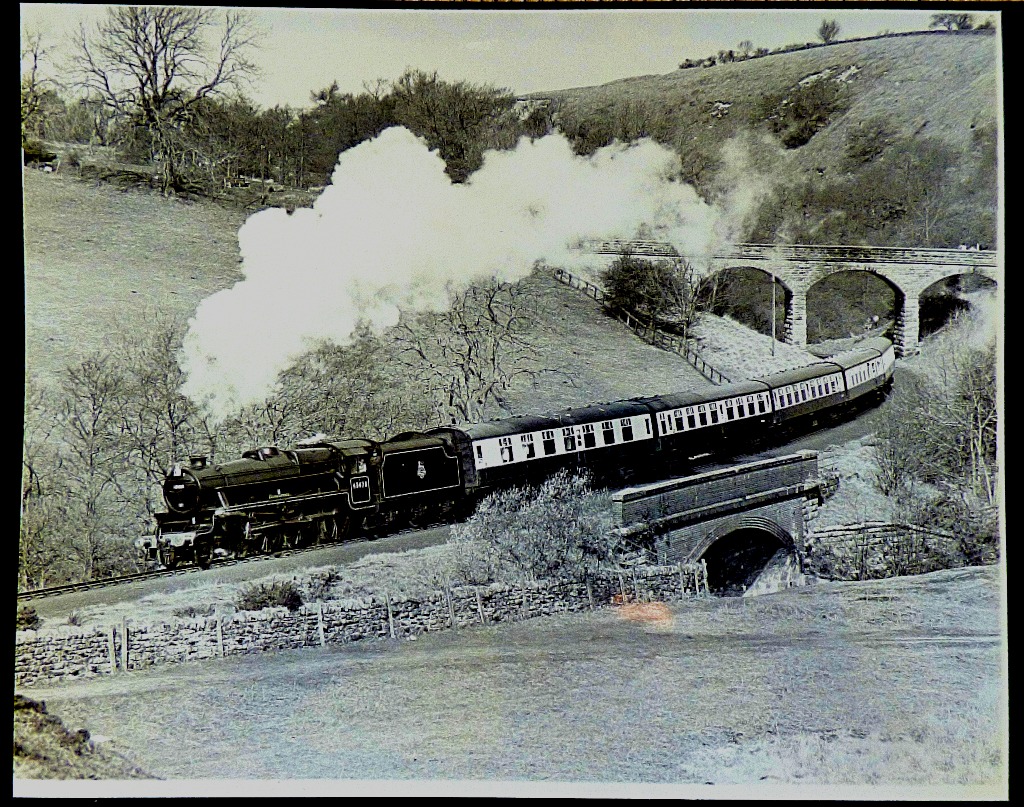
I took one more picture, of my largest railway map, spread out on the carpet:
BOXING DAY
My Boxing Day began on Australian time as I wanted to listen to the test match from the MCG. For a Pom it was a very satisfying listen as India finished day 1 strongly placed on 215-2 with Pujara and Kohli going well together. So far today is going quite well – the district nurse was happy with my temperature and blood pressure readings (the latter at 118/69 were about as good as they have been anytime in the last two months) and I although tired I am not experiencing any sort of adverse reaction to yesterday.
Final thoughts on the just concluded England v India test series.
INTRODUCTION
Jimmy Anderson just a few minutes ago rattled the stumps of Mohammad Shami to finish the England versus India series and simulataneously move ahead of Glenn McGrath and test wicket taking list to become the all time leading wicket taker among seamers. He still possibly has enough juice left to get past wrist spinner Anil Kumble (619) into third place overall but I suspect that the tallies of Warne (708) and Muralitharan (800) are too far distant for him. In the rest of this post I will summarise the series from my perspective.
MATCH BY MATCH THROUGH THE SERIES
Englandcame into this series off the back of a poor recent run in test matches (obliterated in Australia, a clear second best in New Zealand and an unconvincing drawn home series against Pakistan) but a lot of success in ODIs, which national selector Ed Smith decided to channel by means of the selections of Buttler and Rashid. India mean time were ranked no 1, a good margin clear of the rest.
MATCH 1: EDGBASTON
England led by 13 runs on first innings, which looked like meaning precisely nothing when they then began their second innings by slumping to 87-7. However, for the first but not last time in the series, India proved unable to complete the job, baulked on this occasion by Sam Curran’s first major contribution, and England eventually left India 194 to chase, which proved to be more than they could handle.
MATCH 2: LORD’S
From the moment India were all out for 107 in their first innings the fate of this match was pretty much settled. At 130-5 England were making heavy weather of their response but a maiden test century from Chris Woakes and 96 from Jonny Bairstow put the game well and truly out of India’s reach and in the event they collapsed a second time to lose by an innings and 159 runs.
MATCH 3: TRENT BRIDGE
This match was settled in the space of an hour and a half on the second day, when England facing an Indian first innings of 329 slumped from 54-0 to 128-9. Even then the last apir cobbled together 33 to reduce the deficit, but the damage had been done, and India ran out comfortable and deserving winners
MATCH 4: THE AGEAS BOWL
When England were 86-6 after winning the toss and batting it looked like the final match would be a decider. However, with Sam Curran playing a second fine innings to rescue a dreadful start England reached 246. India took a small first innings lead, but England batted better second time around and India never threatened to get close in the fourth innings. England had sealed the series with a match to spare.
MATCH 5: THE OVAL
England were playing for pride and a bit of history in this match. After Jennings had fallen cheaply to the surprise of precisely no one who had been following the series Cook and Moeen Ali looked to have stabilised things, but then a clatter of wickets reduced England to 181-7. Buttler and Rashid made it through the the close at 198-7. When Rashid was dismissed early on the second day to make it 214-8 India seemed to be in the box seat. Then in what had become a recurring theme of the series India failed to finish what they had started. Kohli, one the three best batters currently eligible for test cricket (alongside Root and Kane Williamson of New Zealand), is also one of its worst ever captains, and here he was concentrating so much on trying to prevent Buttler from getting the strike that he seemed to forget about taking wickets with the result that England’s total mushroomed to 332. India in their own first innings staged a late order revival to reduce what had looke like being a three figure deficit to a mere 40. After Jennings had gone cheaply and Moeen Ali had also not done very much Cook in his final test innings and Root joined forces. This was the partnership that placed England’s boot firmly on India’s throat, as both completed hundreds, Cook in the process becoming test cricket’s all time most prolific left hander. Both lost their wickets in successive balls, and then after a bit of bat throwing by those lower in the order England declared setting India 464 to win.
Anderson took two wickets with the new ball to draw level with McGrath, while Kohli managed to complete his series without once falling to Anderson (by instead being done first ball by Stuart Broad), at which point India were 2-3 and the 4-1 outcome looked nailed on. A thunderous partnership on the final day between Lokesh Rahul and Rishabh Pant who both made centuries (Pant’s, his first in test cricket, could almost be described as a Gilchristian effort) but England broke through, and although for a long time it looked like India might escape with a draw the prospect of defeat never really loomed. Sam Curran took the eighth and ninth wickets with the second new ball (the latter of them being Jadeja, leaving nos 10 and 11, both out and out rabbits – indeed Bumrah at no 11 may even merit the term ferret). Bumrah managed to survive the last two balls of a Curran over, which meant that Anderson had a full over at two out and out tailenders in which to make history. With the third ball of said over Anderson did the trick as mentioned in the introduction.
Curran, who by taking his late wickets here had become only the second person to record 250 runs and 10 wickets in a test series before reaching the age of 21 (the other was chap by the name of Kapil Dev who may be familiar to some of you!) was rewarded for his all-round endeavours by being named England player of the series, while scores of 71 and 147 in his international swansong saw Cook named player of the match.
This was a truly extraordinary match, leaving me to ask a question: William Shakespeare did you secretly emerge from the grave to script this?!
4-1 – FAIR OR HARSH ON INDIA?
I have written about this before (see here), but I am now going to dot the is and cross the ts. Yes, as well as their big win at Trent Bridge India had good chances in three of the other matches, including the one just concluded, but the simple fact is that far too often they could press home the advantage when they had it, and every time they had an opportunity to close out a match England did so. Therefore, I say that 4-1 is a fair reflection of the series. However, not all in the England garden is rosy – the departure of Cook and the repeated failures of Jennings mean that England need a new opening pair, and have seven test matches before the arrival in town of the oldest enemy, the Aussies, for that pair to establish themselves. Also, given the reluctance of Root to bat there and the fact that Ali while adequate seems to morph into a darker skinned version of Chris Tavare when he bats there England also have problems filling the number three slot. This uncertainty at the top has been reflected in a series of poor starts to the England innings, most of which, save at Trent Bridge, were turned around by the middle and lower orders into something at least respectable.
PHOTOGRAPHS
A few from James and Sons collector’s auction on September 26, which is now ready for viewing online.
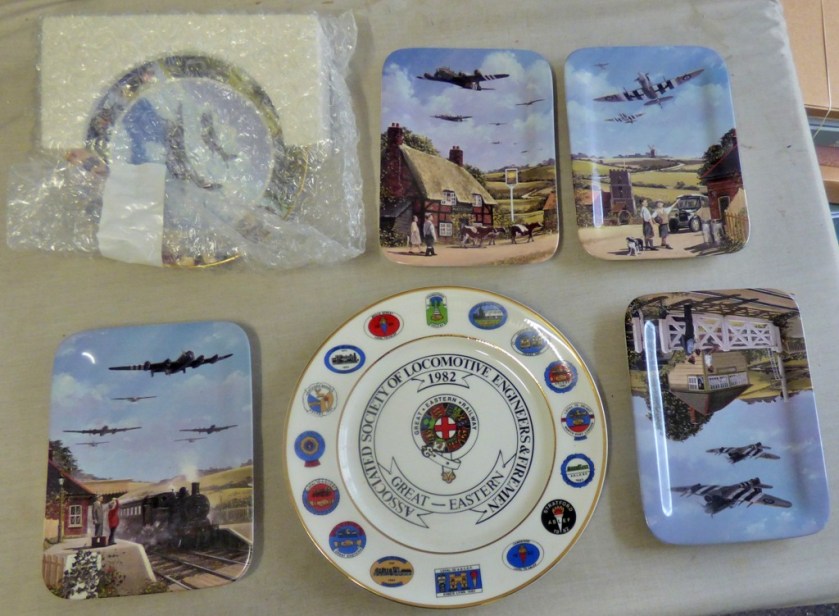
Lot 283, slightly frustrating for me……because if this ASLEF commemorative plate had been being sold as a single item I would certainly bid for it.
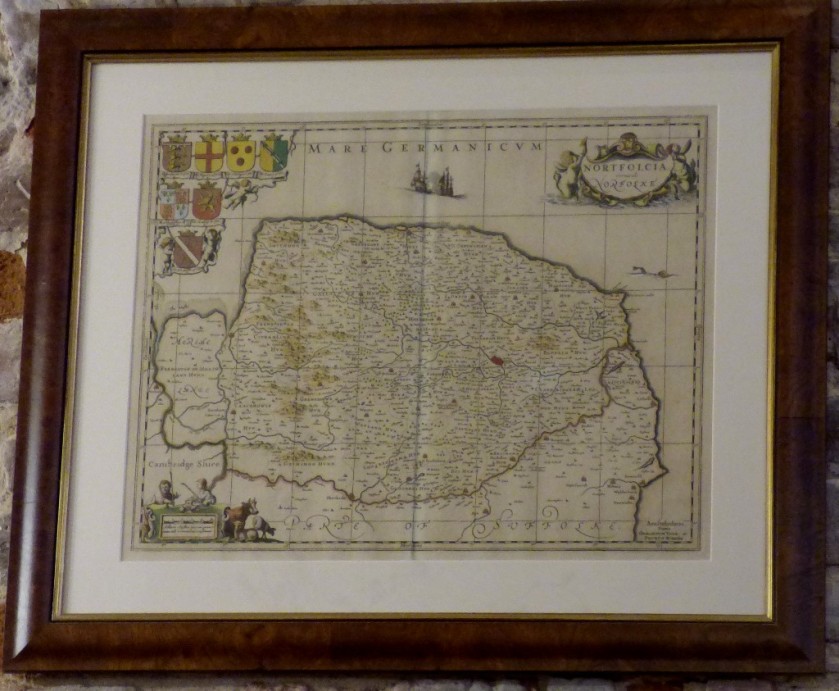
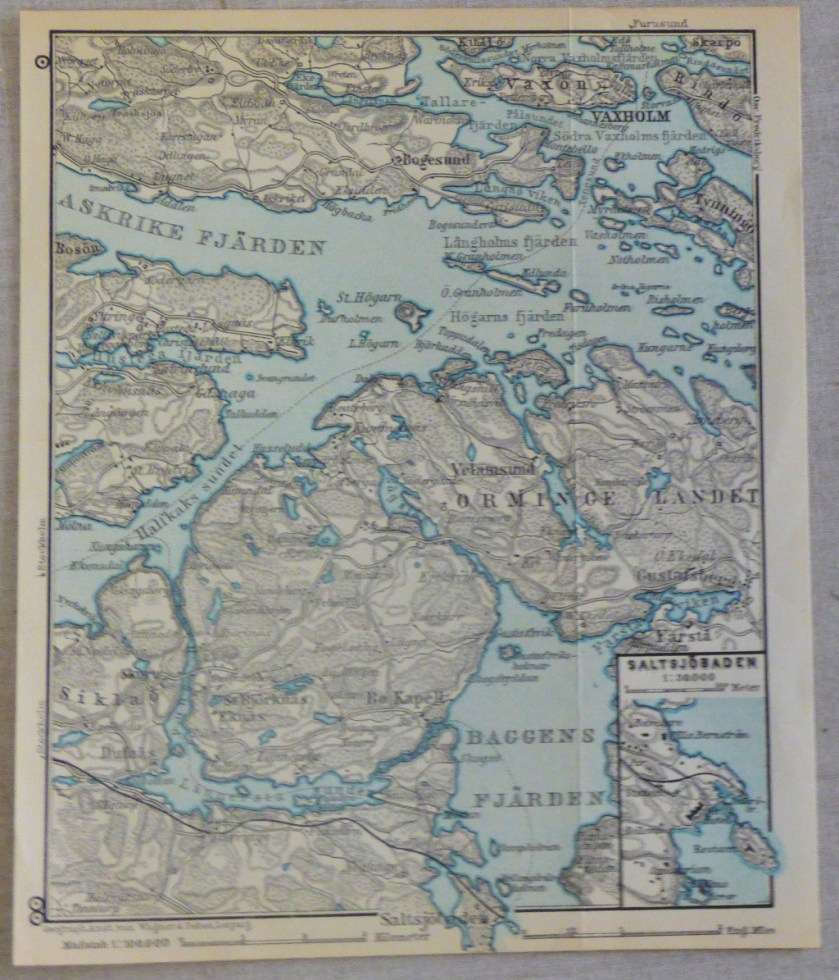
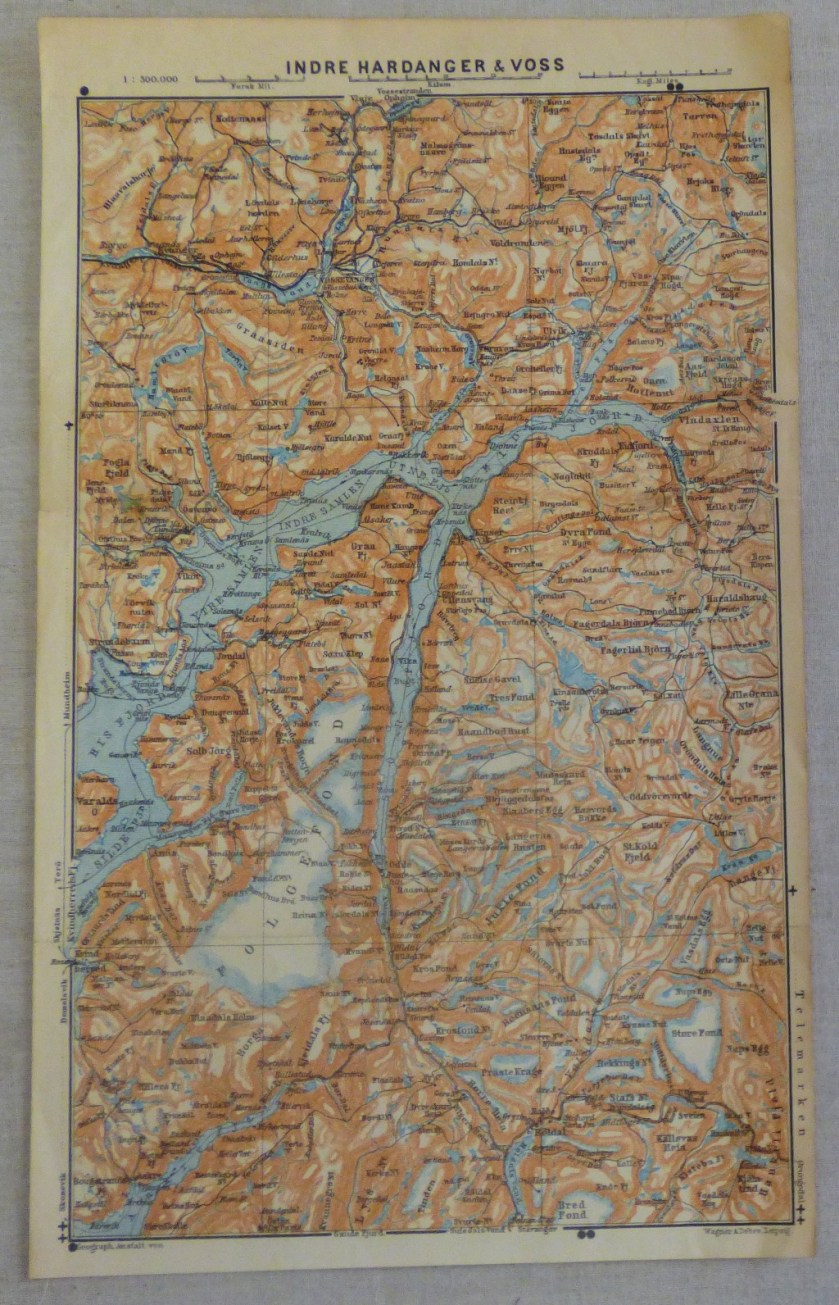
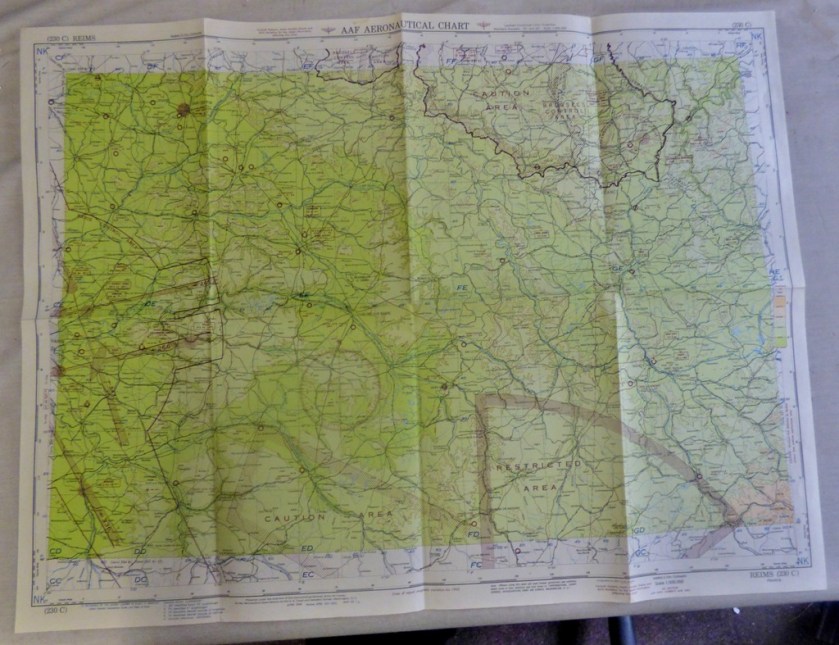
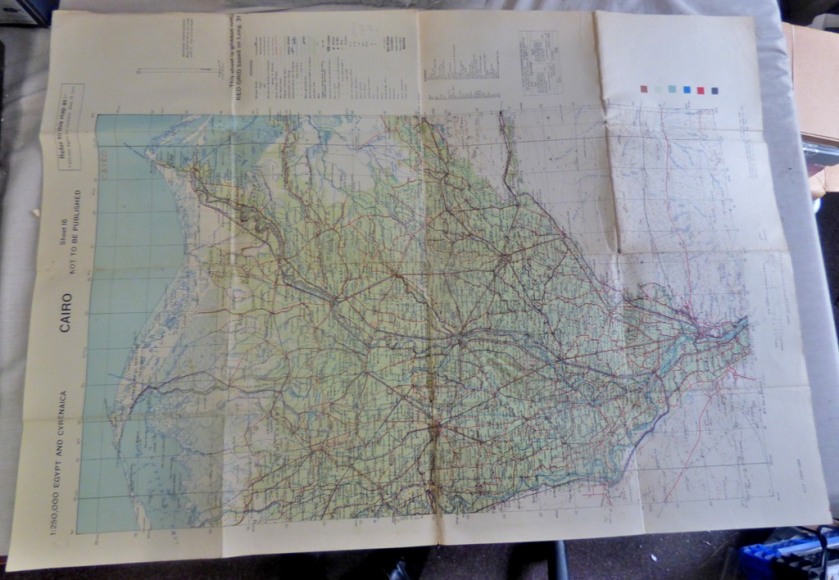
A selection of antique maps (lots 100-5 inclusive)
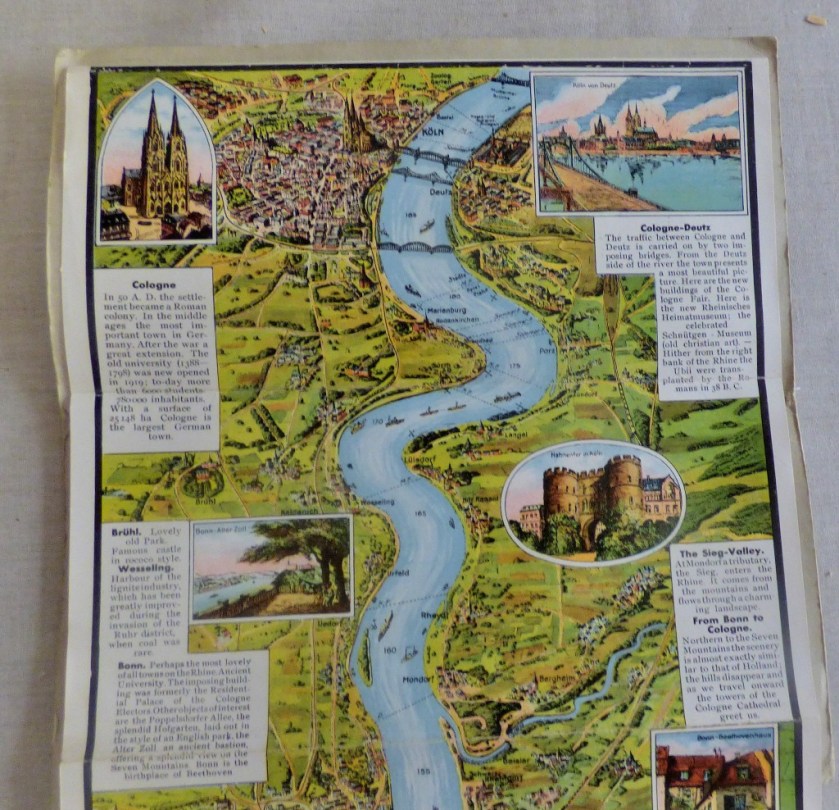
This picture of the Rhine is lot 110 (four images)
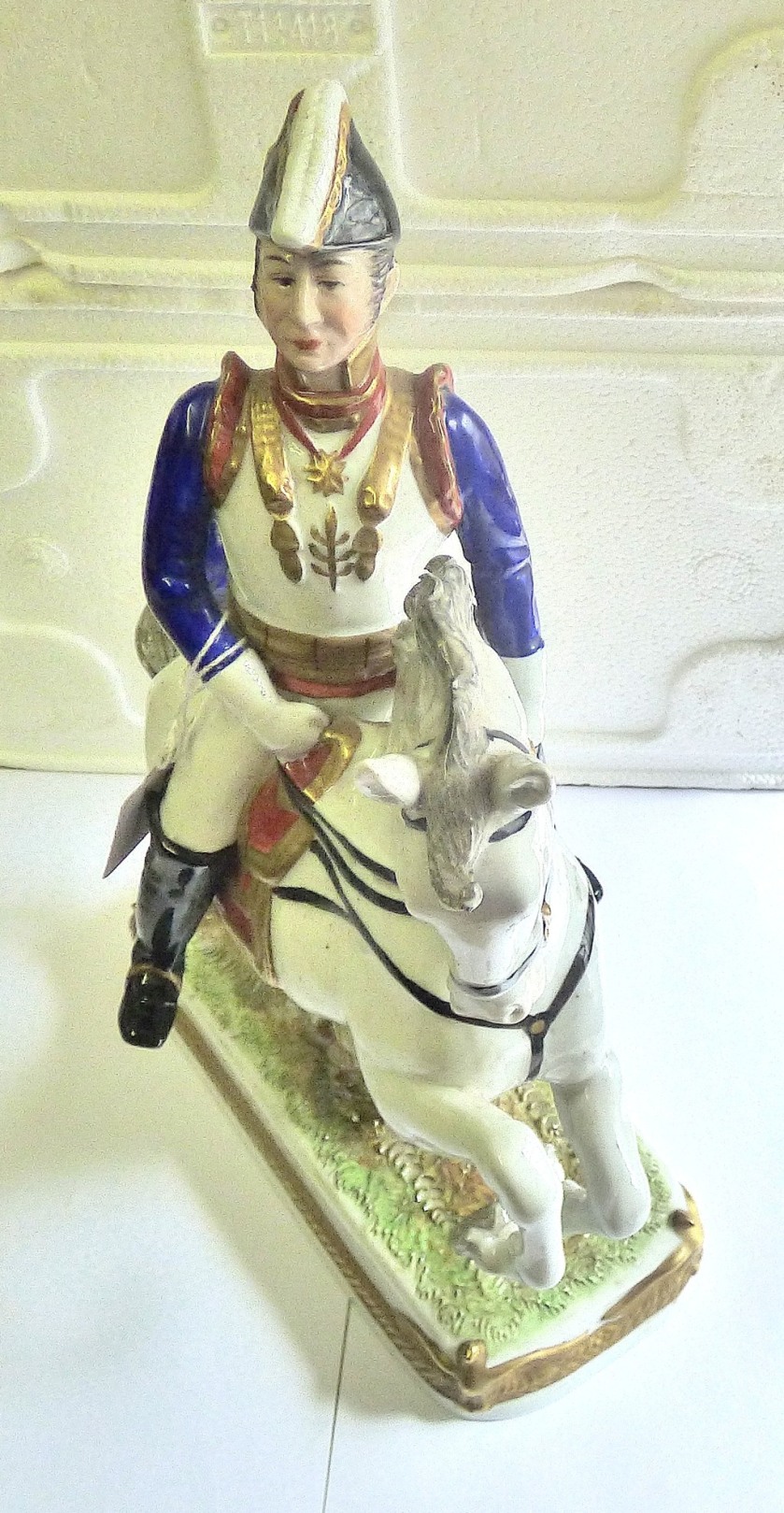
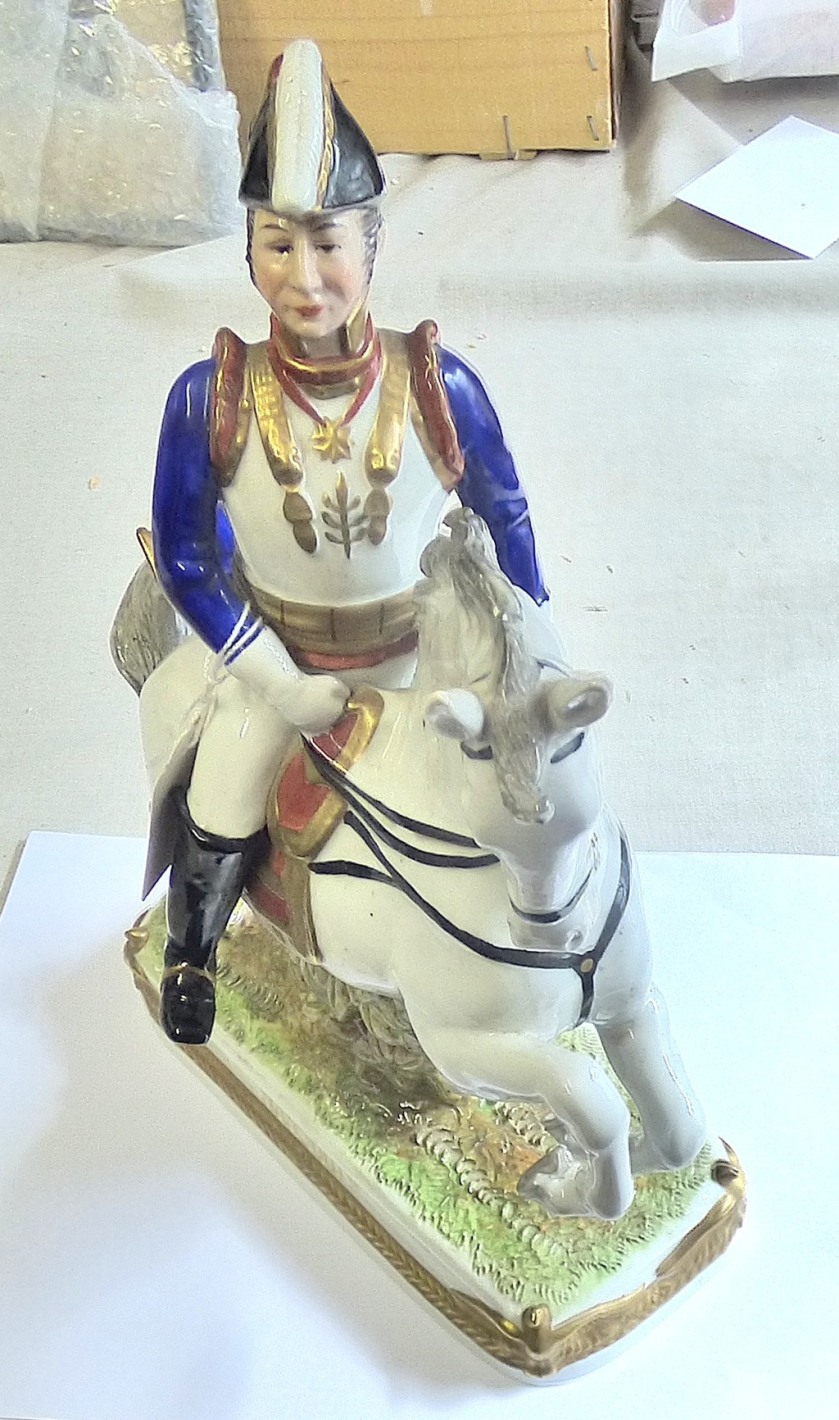
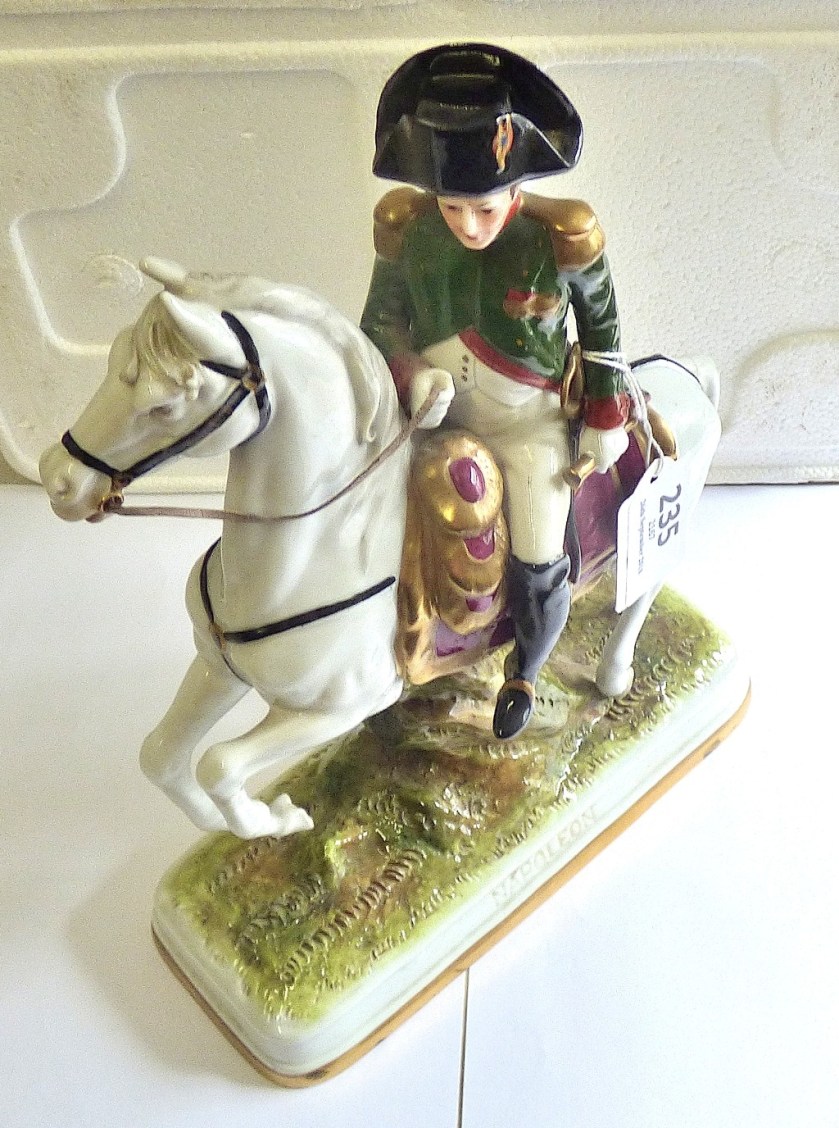
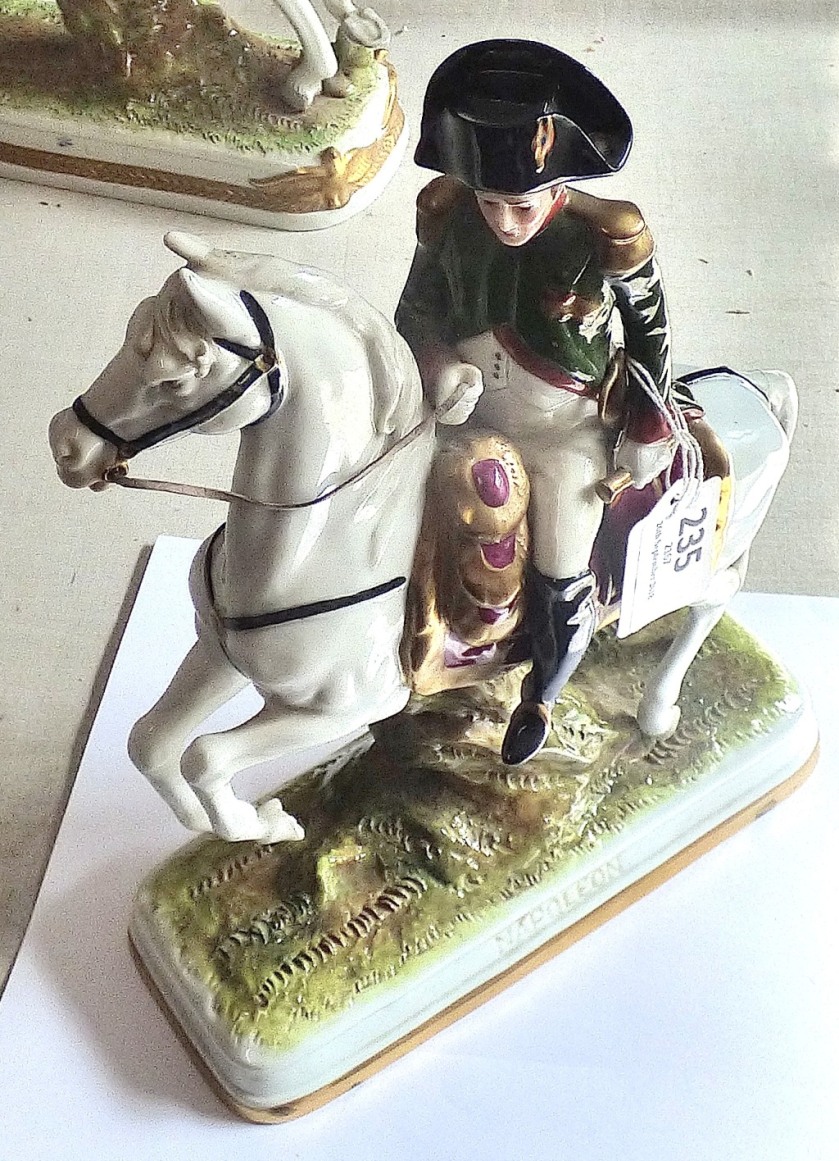
Lot 234, one of two figurines featuring leading French generals fron the Napoleonic era.
A ‘farewell to Alastair Cook’ post, with some suggestions for the future.
INTRODUCTION
As well as this current match I will be looking to the future (and inevitably back to the past).
ENGLAND IN COMPLETE COMMAND
Alastair Cook has ensured that tomorrow’s sports pages will feature one story and one story only by reaching a century in his final test innings (it is not quite a duplication of Greg Chappell’s ‘full circle’ act of scoring centuries in his first and last test innings, because Cook reached his maiden ton in the second innings of his debut match, but it is a unique bookending double for Cook because he scored a fiftty and a century on debut and has now done the same in his final test match. The hundred was brought up courtesy of Jasprit Bumrah’s KP impression – shying wildly at the stumps with no chance of a run out even if he had hit and seeing the ball race away for four overthrows, allowing Cook the rare distinction of completing his hundred with a five. Cook has just gone for 147. His aggregate of 218 in his final match is not a record – that belongs to Andy Sandham who at the age of 39 scored 325 and 50 against the West Indies at Sabina Park (in a match that was abandoned as a draw after two days were washed out and England then had to catch the boat home). For the home series against Australia England reverted to the regular opening combo of Hobbs and Sutcliffe, and as fortune would have it Sandham never played again, while second in that roll of honour is Bill Ponsford who scored 266 and 23 the Oval in 1934, helping Australia to clinch the Ashes with victory by 562 runs. Among the welter of records generated by this final innings Cook is now established as the most prolific test match left hander of all time, having moved ahead of Kumar Sanggakkara. Cook finishes with 12472 runs at 45.35 and having occupied the crease in test match cricket for just over 621 hours in the course of his career (103.5 days play = batting for the equivalent of just over 20 of his 161 test matches).
The fairytale script for the rest of this match has Anderson moving ahead of McGrath to become the leading wicket taking seamer in test cricket history, preferably with the history making wicket being that of Virat Kohli. Given the size of England’s lead and the amount of time left in the game the victory is pretty much nailed on.
THE FUTURE
Thanks to their policy of sticking with Jennings long past his sell by date England now need two new openers. I see the following options for England now:
The cowardly (and in my view indefensible) option of sticking with Jennings and recalling Stoneman so that they have an opening pair who have both played test cricket.
The “safe” option of going with one of Stoneman/ Jennings and presumably one out of Rory Burns or Nick Gubbins
Go for a complete fresh start with Burns and Gubbins both debuting at the top of the order. Preferable in my view to either 1 or 2 but hardly ideal.
The left-field option that I have mentioned in previous posts (herefor example) of giving Tammy Beaumont who has been scoring bucketloads in international cricket the opportunity to play alongisde the men and giving the other opening slot to either Burns or Gubbins.
Option 1 if taken would see me breathing fire, option 2 would be disappointing but unsurprising, I would applaud the taking of option 3, while I recognize that there is basically zero chance of option 4 being taken I would love to see it happen.
Apart from the retired Cook and the (I hope) dropped Jennings I would include the other nine from this match, Ollie Pope, Chris Woakes and Mark Wood in the touring party to Sri Lanka, add in Bess as an extra spinning option (likely to be needed in that part of the world), certainly give consideration to further beefing up the spin department with Amar Virdi, and pick top order batters Beaumont, Burns and Gubbins envisaging the first two as regular openers and Gubbins as back-up in case of injury. Certainly three genuine openers are needed, and as far as I am concerned if either Stoneman or Jennings feature the selectors will have failed in their duty. England have seven matches to develop a settled side before the Aussies come calling next year, and need to use them properly – and picking two openers who are proven failures at the highest level would not be doing that.
BACK TO THE PRESENT
While I have been writing this England have reached tea with their lead already past 400. The final session should go as follows: cram on as many runs as possible in 1st hour after tea and then declare if not all out, and then get stuck into India hoping to knock the top off their second innings before the close. Being greedy, and tomorrow being a work day, I hope Anderson gets his three to move ahead of McGrath tonight, as if he doesn’t I will almost certainly miss that historic moment.
If, as now seems likely, England win this series 4-1 will they have deserved it? Absolutely – yes India had good chances at times of four of the five matches in this series but save at Trent Bridge they could not close things out. In match 1 England were 87-7 in their second innings, only 100 to the good, but the last three wickets more than doubled their score to set a target that India could (and ultimately did) get in trouble chasing, in the second game England dominated from start to finish, while in the third India did likewise, in the fourth England were 86-6 in the first innings and recovered to reach 246, and in this match England were 181-7 and then 214-8 in the first innings before India let things slip to such an extent that England tallied 332 in the end, and since that late order revival they have been in control (although India’s tail staged a minor wag of their own to restrict the first innings advantage to a mere 40).
PHOTOGRAPHS
Here are a few photographs to finish with:
The latest addition to my aunt’s collection of pictures – a very good representation of an EmuThe artists signatureA high quality jigsaw of Oxburgh Hall, which I photographed before I had to disassemble it and replace in its box as we needed all the space on that table clear (it was Sunday supper at my aunt’s house and there were five of us there).A ceremony taking place at the main King’s Lynn war memorial.An antique bike outside a shop on Tower Street.
Some thoughts on the current test match, some mathematics, some climate change themed links and some photographs from an upcoming militgaria auction.
INTRODUCTION
Although my first and main focus in on the current test match between England and India I also have my usual assortment of other goodies.
SWITCHBACK RIDE AT THE OVAL
When England were 120-1 at one point yesterday it looked like they were making a solid if slow start. India then took control of the game, England finishing the day 198-7, with Jos Buttler looking to marshal the tail in a recovery act (the first time this millennium that an uninterrupted test match day in England has yielded less than 200 runs). When Rashid was out fairly early this morning to make it 214-8 the question was whether the Broad and Anderson could last long enough to see England to 250. Thanks to some crazy Indian tactics the final England wicket did not fall until the total had reached 332, Buttler top scorer with 87 and Broad a useful 38. Buttler was last out when it finally occurred to India that it might not be a good idea to allow him singles at will and set a field that necessitated improvisation if he wanted to farm the strike.
The “tactic” of concentrating all one’s efforts on the tailender and declining to make any effort to pressurise the senior batter is not one I have ever approved of, and today saw one of it’s many ignominious failures.
Having failed yet again Jennings now surely has one innings left to save his test career. There are seven test matches for England, six overseas and one at home against recently elevated Ireland before the Aussies come calling, and it is those matches which can be used to bed in a new opening pair (it would be a major ask for an opener to make their debut against them) – and I do not see Jennings being one half of that pair. As I was writing this paragraph Stuart Broad picked up the first Indian wicket. Those who read my previous postknow that I have my own highly unorthodox solution to the problem of who the new opening pair should be (the driver of the bus I travelled home from work on yesterday, who is a follower of this blog, commented approvingly on the controversial element of this, so I am not alone).
If, as now seems to be one of two live possibilties (a draw and overall 3-1 being the other) England end this series with the scoreline 4-1 in their favour India will have chucked this match in the first part of day 2. Virat Kohli is a great player but on all available evidence he has precisely no aptitude for captaincy. In thirty years of being an avid cricket follower I cannot recall a finer demonstration of how not to polish off an innings.
TEASERS
First up solutions to the problems I set on Wednesday (all problems in this section come by way of brilliant.org):
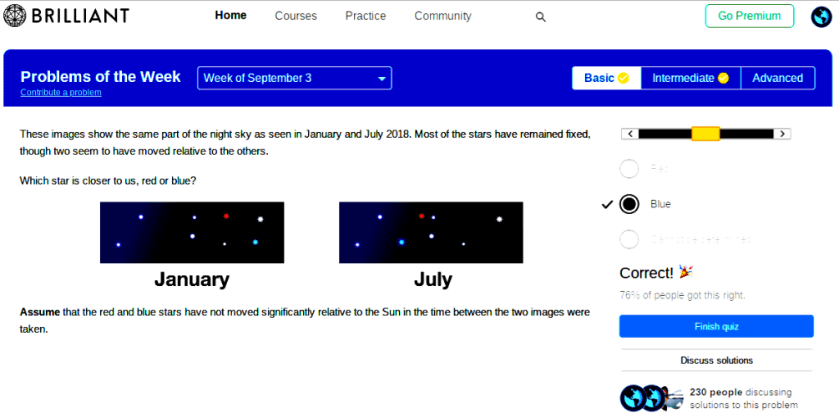
WHICH STAR IS CLOSER?
First the answer:
The blue star has changed relative position more than the red, hence it must be closer, while all the other stars are so far distant that they have not changed relative position.
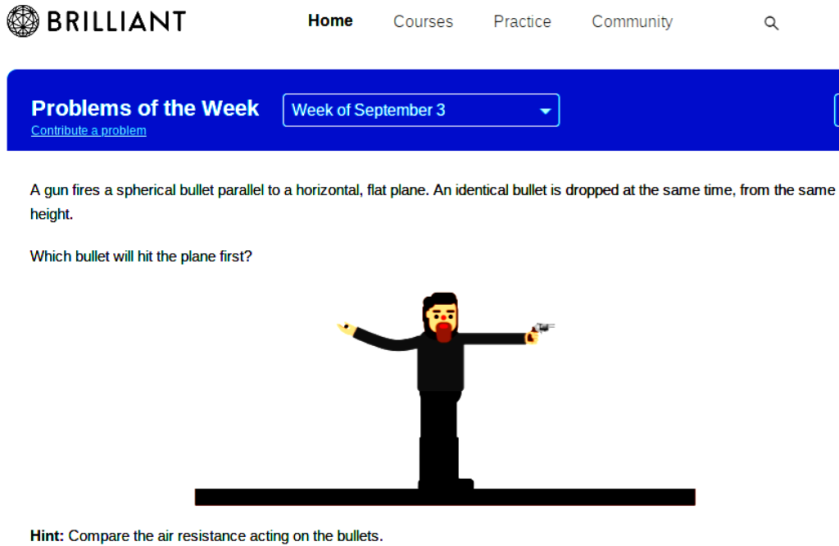
BULLETS
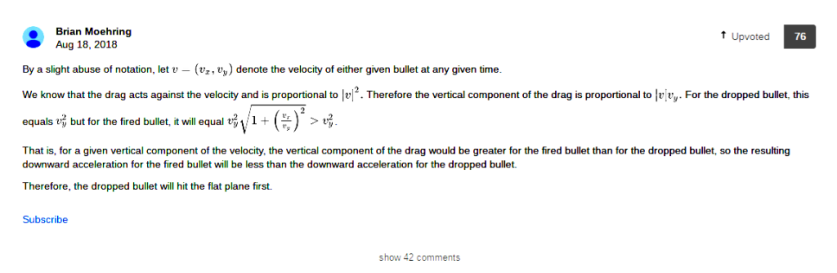
The answer:
Here is Brian Moehring’s solution:
NEW PROBLEMS
Here is another problem:
LINKS
Three closely related pieces here.
Richard Murphy brings news of a campaign victory – the BBC has admitted to getting its coverage of climate change wrong and has warned people that it is not necessary to give airtime to climate change deniers for the sake of balance. Here is the end of Murphy’s pieceon this: Of course I am pleased.
Rise for Climate – this is a new source of information about actions being taken to combat climate change – feel free to visit and sign up for emails as I have.
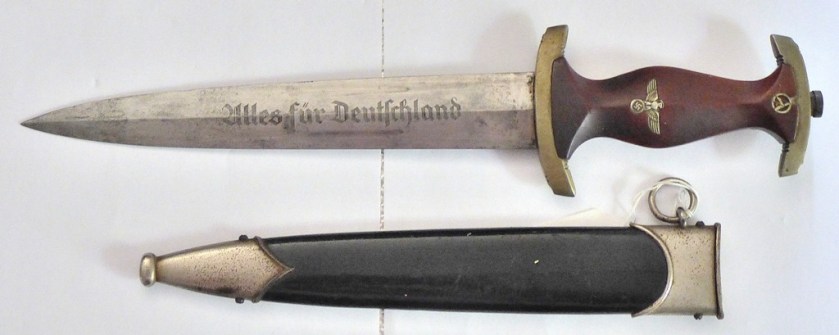
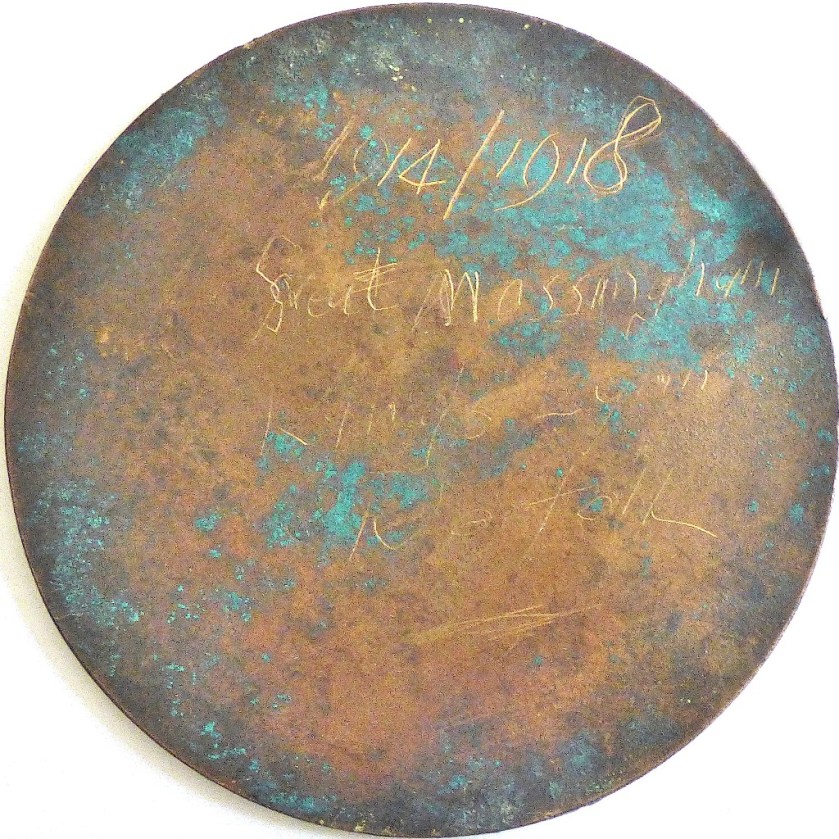
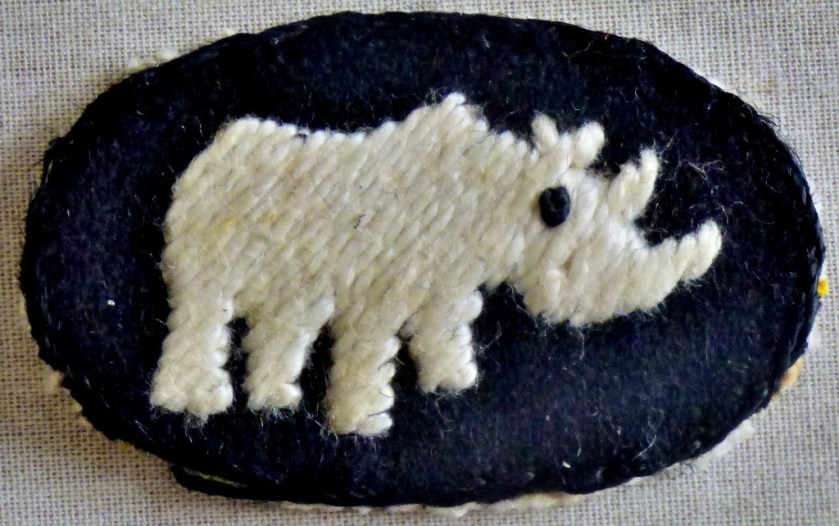
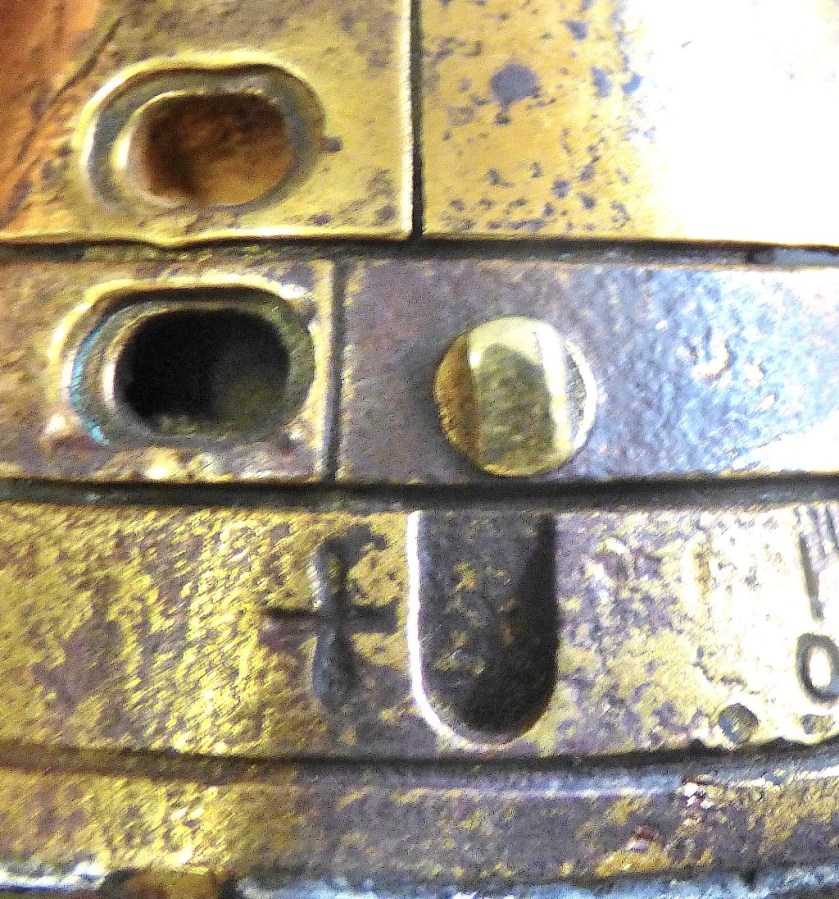
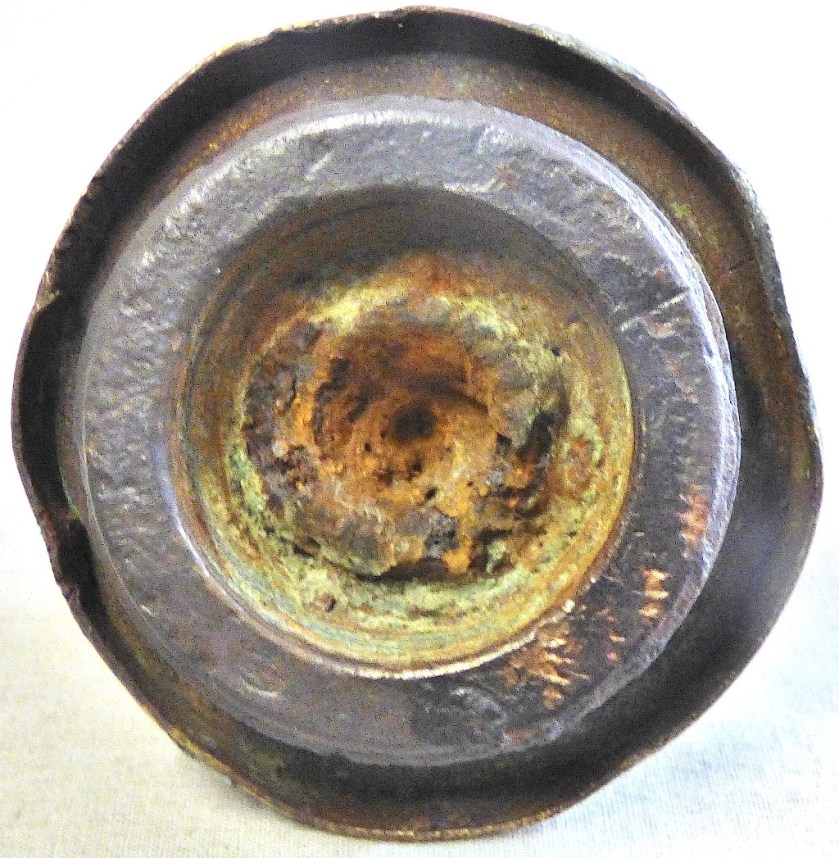
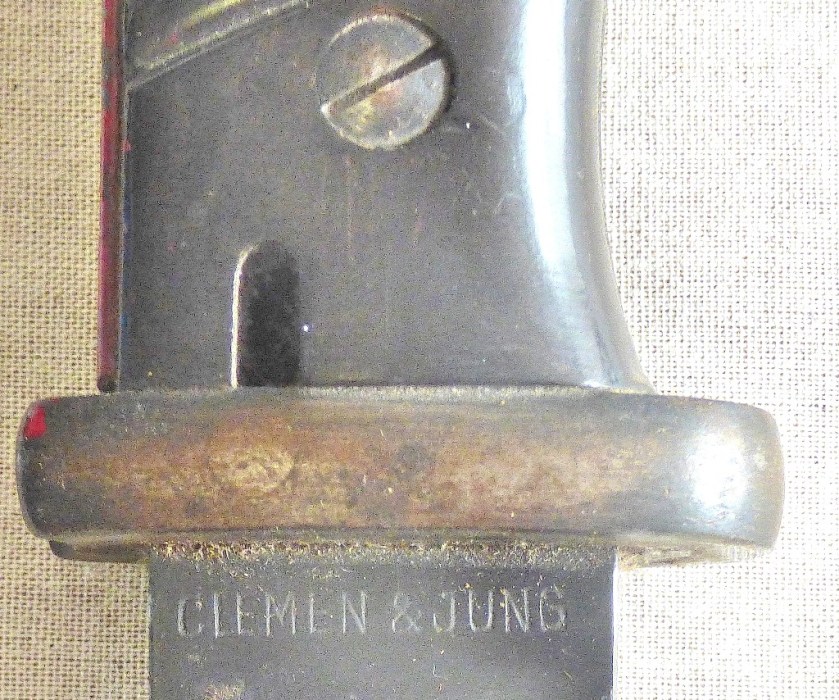
These pictures all come from our militaria sale that will be happening on September 19th. Disclaimer: one of the items pictured is a relic from one of history’s vilest regimes – I show it because it is a remarkable specimen which has already attracted large amounts of interest.
Lot 2 – this dagger is definitely genuine – and will go for a lot of money.
Lot 10, this will be on the front cover of the catalogue.Lot 51
Lot 231Lot 402Lot 406Lot 405
Lot 404
Lot 204
Lot 373Lot 372
Lot 407 – this uniform will bring the cujrtain down on the sale.
A quick report on an extraordinary series of happenings at Taunton, which ended with one of the rarest of all sporting results – a tied cricket match.
INTRODUCTION
Today’s extraordinary events in Taunton have almost certainly sealed the 2018 County Championship for Surrey, who already have a substantial lead at the top and are in complete command of their own match against Essex.
TWISTS AND TURNS IN TAUNTON
Lancashire were skittled for 99 in the first innings, to which Somerset replied with 192. In their second innings Lancashire reached 170, leaving Somerset an apparently straightforward task of scoring 78 to win the game. Then Somerset started losing wickets, and at 23-5 Lancashire looked favourites. A bit of a recovery followed, spearheaded by some sensible batting by Dominic Bess. Ay 75-8, needing three to win, it looked like Somerset were sneaking it, but then a ninth wicket fell. At 77 Jamie Overton played out a maiden to Graham Onions. Jack Leach then gave a catch off Keshav Maharaj, giving the South African spinner final innings figures of 7-37 (11-102 in the match) and ending the match in a tie. Genuine ties are very rare birds indeed – this is the first I have personally either heard or seen, and the last county championship game to end thus was in 2003, while only two test matches ever have, Australia v West Indies at Brisbane in 1960 and India versus Australia at Madras (now Chennai) in 1986. This was compulsive listening – I hope the US Open tennis coverage which gets underway shortly matches it for drama.
Somerset and Lancashire I salure for you for providing this spectacle, genuine commiserations to Somerset on the almost certain ending of their championship hopes for this season. Also congratulations to Surrey who have scarcely put a foot wrong in the four-day stuff all season and will deserve to see the championship pennant fluttering over The Oval next season. Vic Marks if you are due to be summarising in the test match it might be advisable to have something come up that prevents you from being there – certain of your colleagues, notably Mr Norcross, are likely to be unbearable.
Some thoughts on the (in)action of the England selectors this week, some mathematical teasers and a few pictures.
INTRODUCTION
A couple of days ago I wrote about England’s series win over Indiaand presented some problems and solutions. This post is on similar lines, dealing with the actual behaviour of the England selectors and my thoughts thereon.
AN OPPORTUNITY SQUANDERED
England, with the series already in the bag, had a diamond-encrusted golden opportunity to experiment with options to fill gaping holes in their top order. Cook’s announcement of his impending retirement from international cricket should have acted as an extra spur. Instead of which we see very little in the way of forward planning or of experimentation of any sort. Even with the certain knowledge that a new opener will have to come in to replace Cook the selectors persevere with the proven failure Jennings.
Three individuals who can feel more aggrieved than most by this behaviour are Rory Burns(another 90 against Essex yesterday after the latter won the toss and chose to bowl first), Dan Lawrenceand Liam Livingstone.
In view of Cook’s impending retirement I would have recognized openers at 1,2 and 3 (not a bad approach in test cricket anyway), with a view to the two other openers than forming a partnership in future matches. This is why in the previous post I mentioned Tammy Beaumont, a recognized opener who has been scoring stacks of runs recently. Batting is at least as much about timing and placement as it is about brute power, and that is why I believe (unlike in the case of fast bowling) a woman could mix it with the men even at the highest level, similarly with slow bowling and possibly wicket-keeping (for my money the best user of the gauntlets in world cricket across the board at the moment is Sarah Taylor). A number of the all-time greats of test match batting have been of diminutive stature (Bradman, Gavaskar, Tendulkar, Sehwag, Hanif Mohammad and several of the finest Sri Lankans spring to mind instantly). I am well aware that this super-radical option will not happen, but the alternatives that that leaves with are:
Two brand new openers, neither of whom have any experience of international cricket.
One new opener and one opener who has shown already that they are not actually good enough (Jennings)
Two openers who gave failed to prove themselves (presumably Jennings and a recalled Stoneman).
Of those three options, none of which massively appeal, my choice would number 1, which might end up working out well, and then the question is who to choose to open alongside Burns (whose case for selection is undisputable in the circumstances).
Having taken the “ostrich option” re their top order difficulties the only outcome from this game that could be acceptable is not merely a win to make it 4-1 for the series but a win by a massive margin. The timidity of the England selectors means that at least one and possibly two England openers will be starting their careers on overseas tours, with their first home test series being against those well known softies, the Aussies.
PROBLEMS AND SOLUTIONS
I will start as usual with answers and solutions to the previous problems (all from brilliant.org) before offering up some new problems.
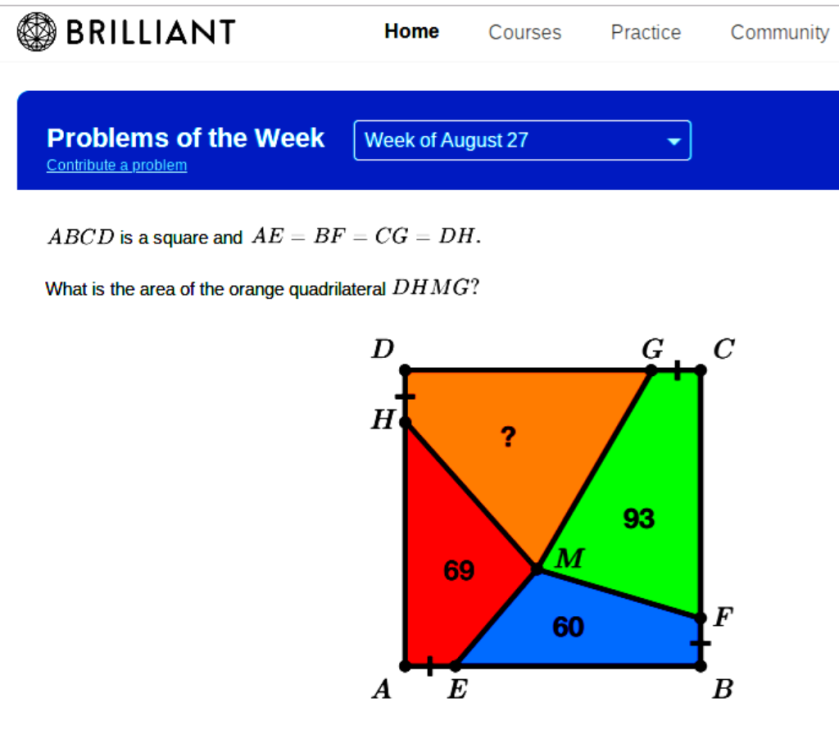
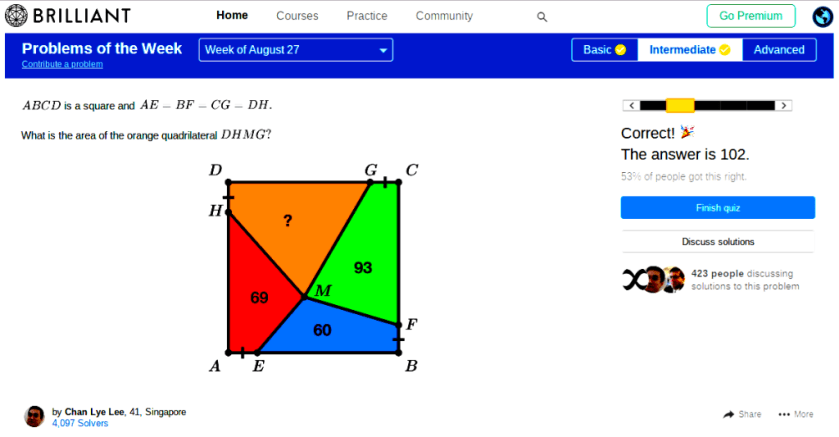
WHAT IS THE AREA OF THE QUADRILATERAL
First the answer:
The hackers solution is that there are only two really serious possibilites since the shape is a square, namely 67 (giving an area of 289 = sides 17 units long) and 102 (giving an area of 324 = sides 18 units long), and since the question gave one three tries just enter those values for the first two tries (if your first entry does not come up right). Here, courtesy of Jeremy Galvagni is an elegant genuine solution:
THE .99 STORE
First the answer:
The figure in front of the .99 part of the price can vary, so all we need to know is how many .99s add up to answer ending in .89, and the answer is 11 (11 x 99 = 1,089, so 11 x 0.99 = 10.89), and the next number of items after 11 that would give us an answer ending in .89 is 111, the lowest price total for which would be $109.89. Thus Marie purchased 11 items.
NEW PROBLEMS
First an astronomy themed problem:
Now a question that has got almost three-quarters of those who tackled in on brilliant, but is not actually difficult:
Congratulations to England on their series win, a farewell to Alastair Cook who has announced his impending retirement from international cricket, some maths problems and solutions and some photographs.
INTRODUCTION
This is going to be a long post because there is a massive story to cover concerning the cricket in addition to the match itself. I will also be including some mathematical problems and solutions and of course some of my own photographs.
ENGLAND WIN A THRILLER TO TAKE THE SERIES 3-1 WITH A MATCH TO GO
On Thursday when England stumbled to 86-6 after winning the toss and batting I was not expecting to be writing a piece of this nature. England failed to polish off the Indian first innings when they had a chance of a lead. When Stokes stuffed skipper Root (run out 48) it was 122-5 and England led by only 97. Then came another lower order fightback, and with Curran adding 46 to his first innings 78 England set India 245 to win. The match was settled while I was at the Mencap Beach Hut, Old Hunstanton on an NAS West Norfolk day out. As usual the key wicket was that of Kohli, and once he had gone India never got back into contention, Moeen Ali adding four wickets to the five he took in the first dig (he is very much a bowler who likes being at home – 91 wickets at 31 in England, 51 at 52 abroad) to help settle things. In neither innings did England’s top order deliver sufficiently (a recurring problem). Aside from Root’s 48 from his preferred no 4 slot in the second innings, the highest score from an England player in the top four was Jennings’ second innings 36. I am now going to through England player by player.
A N Cook – see next section
K K Jennings – a failure in the first innings, and in many ways a worse story in the second – an opener who gets as far as 36 should be settled in for the long haul. I believe that with the series safely won and the situation ripe for experimentation he should be dropped.
J E Root – the skipper dropped himself to no 4 in the second innings and it took a run out to get rid of him then.
J M Bairstow – he was sufficiently injured to prevent him from keeping but not apparently from batting, but if he is to play as a specialist batsman it should be at no 3.
B A Stokes – the new, responsible Stokes played well up to a point in this match but in the second innings he overdid the blocking to the point of handing the initiative to India. Also running out the skipper never looks great (save perhaps at Christchurch in 1978 when Botham, allegedly acting on instructions from vice captain Willis to do whatever was needed to up the run rate, stitched up skipper Boycott).
J C Buttler – one of only two England batsmen to have topped the 250 run mark thus far in the series (the other being the wunderkind Curran) and competent behind the stumps.
M M Ali – a useful batting effort after England’s disastrous start on day 1 and two good bowling performances. His mid-match promotion to number three (where he did recently hid a double century for Worcestershire v Yorkshire) shows how desperate England are to find a way for Root to bat at four.
S M Curran – about the only thing the youngster hasn’t done in this series is walk on water! He is establishing himself as a star player.
A U Rashid – a poor match with both bat and ball, but he is too good not be firing again soon.
S C J Broad – a solid match for the veteran new ball bowler. He has now drawn level with Sir Richard Hadlee in the all-time test wicket takers list.
J M Anderson – a quiet match for one of the all-time great swing bowlers, but even though he did not take many wickets he continued to command respect.
I will end the cricket part of this post by naming my team for The Oval.
FAREWELL ALASTAIR COOK
Alastair Cook, after 160 test matches, the last 158 in sequence (the longest unbroken run of appearances in test history, and not likely to be challenged any time soon) has announced that the last match of this series, at The Oval, will be his international swansong. This marks the end of an epoch not just for England but for test cricket – in many ways Cook is the last true test match batsman, having made his debut before T20 was a really major thing and unlike many who get seduced by the bright lights and big money at tournaments such as the IPL he abandoned short form cricket to concentrate on his test match career. His achievements in test cricket placve him firmly among the greats of the game, and I think he has timed his announcement exactly right, bowing out on his own terms (which he had more than earned the right to do) and before too many people began to ask just why he continued to be picked.
On the 2010-11 Ashes tour Alastair Cook had to most successful visit to that part of the world by anyone named Cook since Captain James called by in 1770, and the most successful by an England batsman since Hammond in 1928-9. He played three monumental innings in that series, a match saving 235 not out at the Gabba (also sometimes referred to as the ‘Gabbatoir’ on account of what often happens to visiting sides there), his 148 at Adelaide that set the stage for the Pietersen innings that put Australia right out of that game and the 189 at Sydney in the final game that ensured that the final scoreline for the series would reflect England’s dominance (a 2-2 draw would have been an utter travesty, and even 2-1 to England after a drawn final match would have looked better than Australia deserved).
I have no doubt that there will be occasions in the near future when England find themselves wishing for Cook’s cool head and fighting qualities. It will be hard to get used to an England order without the name Cook at the top of it.
From this huge cricket fan and devotee of test cricket the message is “Well done Alastair, and thanks for some fabulous memories, especially of the Aussies being humbled in their own backyards”.
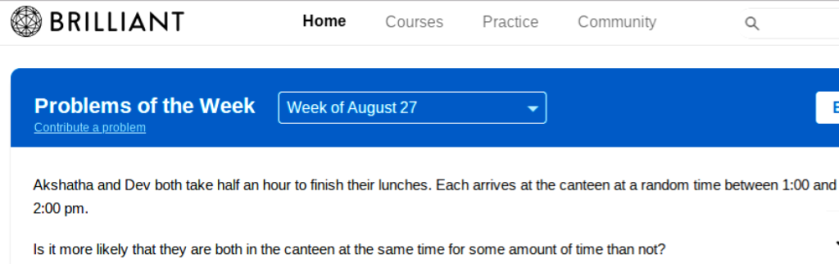
I begin with the solutions to the two problems I posed in my last post:
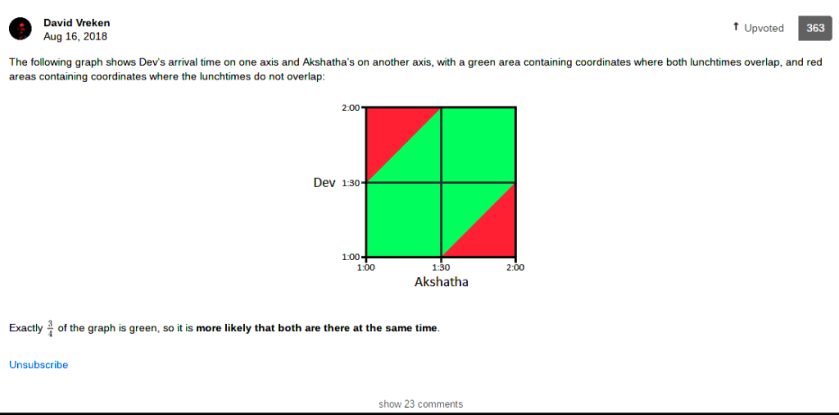
AKSHATHA AND DEV
I give you a beautiful published solution from David Vreken:
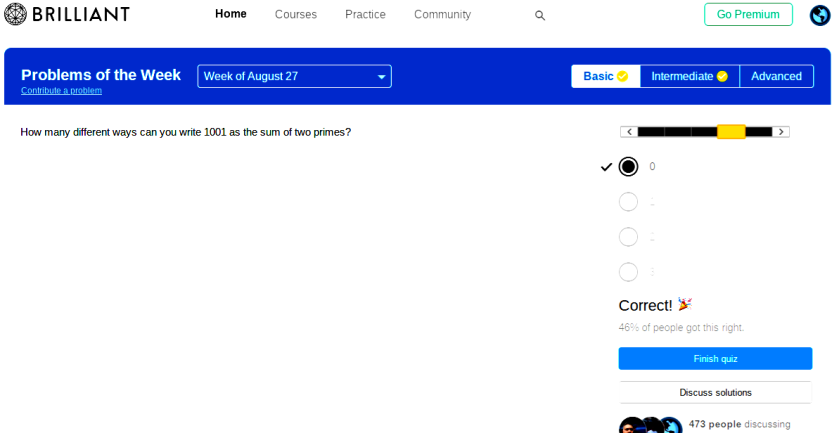
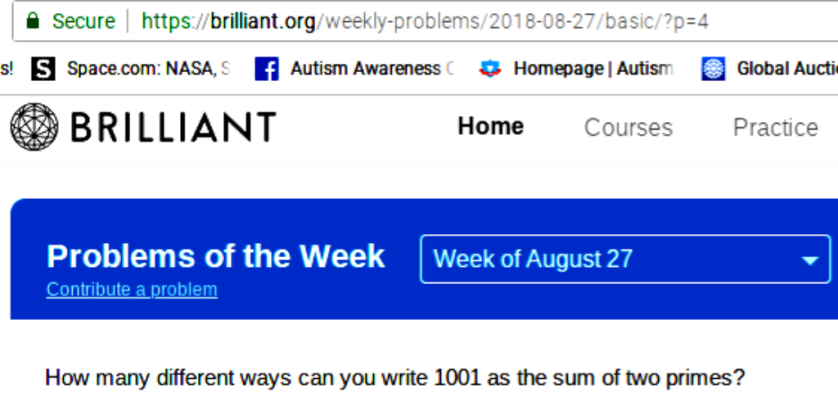
1001 PROBLEM
Here is the answer:
I published a solution to this problem, which although more than half of all solvers got it wrong is actually very easy. My solution:
1001 is odd, and the only even prime number is two.
1001 – 2 = 999, which is obviously divisible by three (full prime factorization is 3 x 3 x 3 x 37)
Negative numbers do not apply to these questions as with them no number matches the definition of a prime, but even if they did, 1,003 (1,001 – -2) is composite anyway (17 x 59).
WHAT IS THE AREA OF THE QUADRILATERAL?
This is first of two new problems from brilliant.org for you:
There are two ways to solve this one, the official method and a hack (no bonus points awarded for guessing which method I adopted!).
HOW MANY ITEMS?
Incidentally this question should not be taken as suggesting that I approve of this method of pricing – the reverse is actually the case, I think it is utterly ridiculous and very irritating.
PHOTOGRAPHS
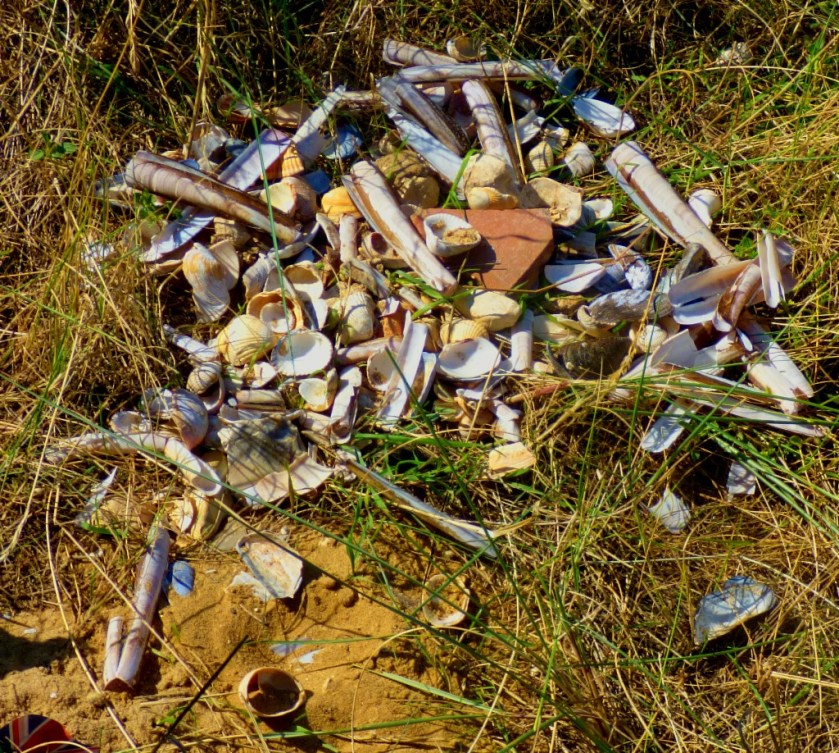
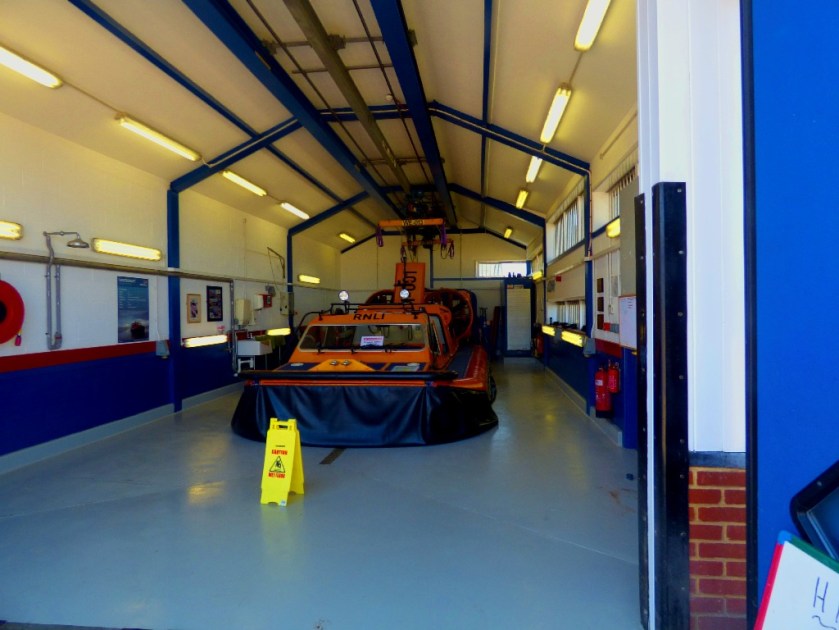
A church in North NorfolkThe new ‘Sandcruiser’ wheelchair at the beach hut.A deposit of shells
The sandcruiser in action
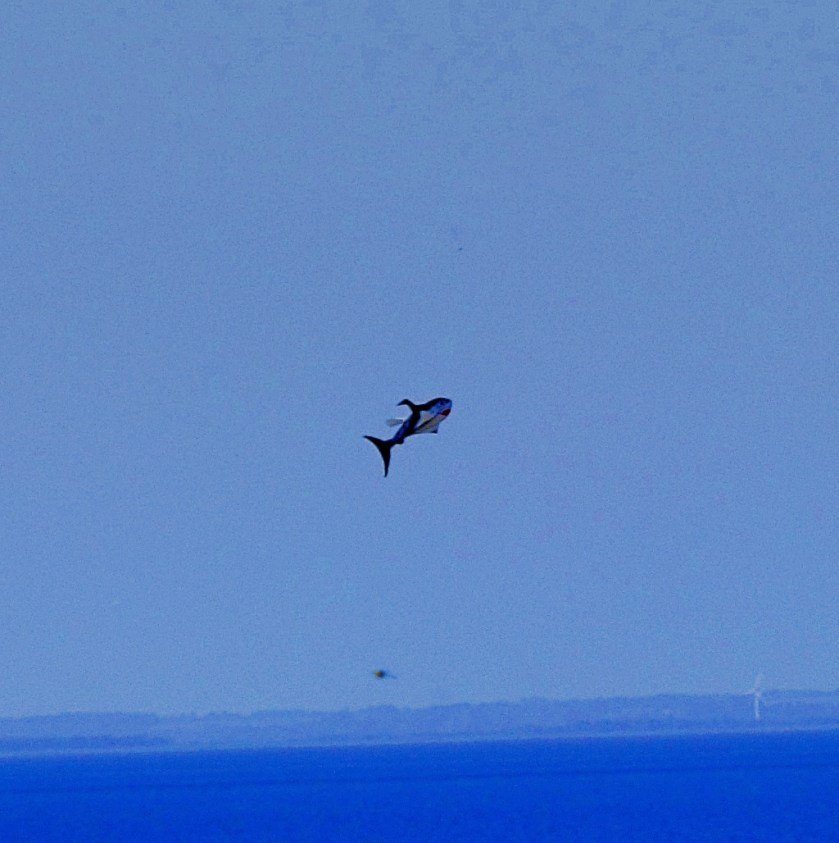
No – not a real dolphin performing a record breaking acrobatic feat – merely a flashy kite being flown in the breeze.
No
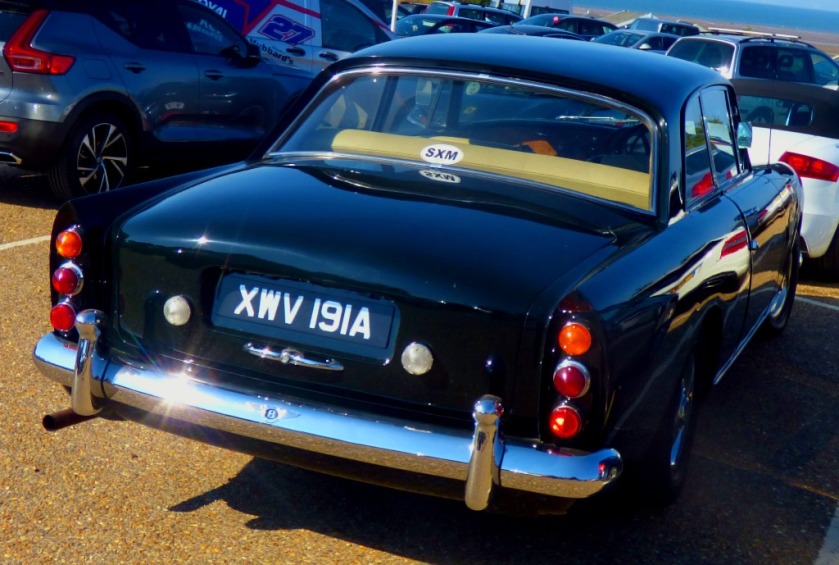
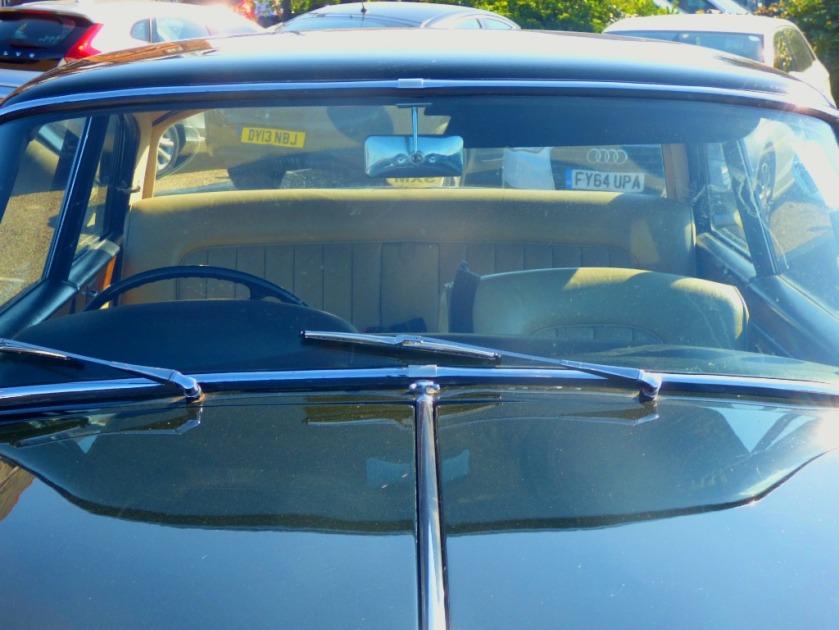
A vintage Bentley (six shots in total)
Possibly a small piece of amber with something preserved inside it.there were fish in this shballow water.
Cricket, in the course of which I make a very radical suggestion for dealing with England’s top order woes, and a few other things, including Maths and Public TGransport.
INTRODUCTION
As well as some stuff about the state of play in the current England vs India series I have a couple of mathematical problems for you and some of my own photographs at the end.
ENGLAND’S DREADFUL START
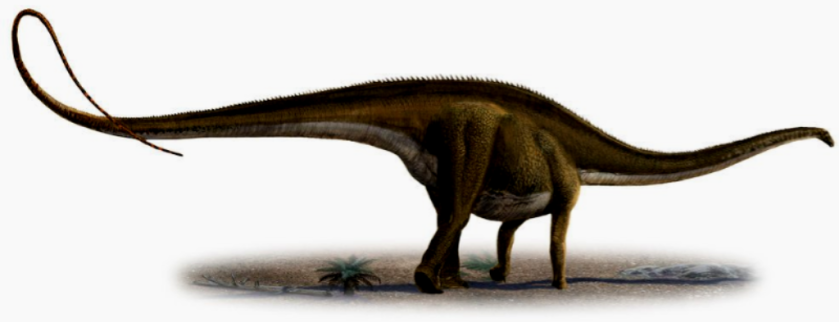
England won the toss yesterday morning before the fourth test match of the five match series against India at the Ageas Bowl, Botley Southampton. This was the last thing they managed to do right for some considerable time. At last, with the scoreboard reading a barely credible 86-6, Sam Curran, inexplicably dropped from the last test match and now returning to the fray, emerged from the pavilion. Much of the carnage was more due to good Indian bowling than bad batting, although Jennings (already on borrowed time for my money) will not want to see replays of his LBW (however good a piece of bowling it may have been padding up to one which would have uprooted the middle stump otherwise never looks good). Fortunately England’s tail managed to produce a diplodocid (see picture at end of this paragraph) proportion of the innings. Curran, making the ridiculous decision to drop him from the previous game look positively ludicrous, racked up 78 before he was last out, the total hvaing reached a semi-respectable 246.
This is why I described the contribution of the England tail as being of diplodocid proportions.
India are currently 135-2 in response. Only once in test match history has a side come back from 0-2 down to take a five match series, in 1936-7 when Australia’s comeback was fuelled by scores of 270, 212 and 169 from Don Bradman in the course of those last three matches. In 1894-5 Australia levelled the series at 2-2 after being 0-2 down but Andrew Stoddart’s England rallied to win the decider.
England’s continuing top-order woes need to be addressed if they are to avoid surrendering a series on which they seemed nto so long ago to have a vice-like grip. Rory Burns must come into the side in place of Jennings. I would also bring Pope back but place him lower in the order. brief interjection – BIG NEWS – Kohli Is Out! Also, thinking about the need for top order runs I now tender a suggestion far more radical than Rory Burns – there is one England opener who has making stacks of runs all over the place of late – the one and only Tammy Beaumont! The way they have performed thus far none of the current top order are entitled to object to that suggestion.
Yes going with two new openers would be a colossal gamble, but they could scarcely fare much worse than Cook and Jennings have in this series.
A COUPLE OF MATHEMATICAL TEASERS
Both of these, from my usual source, are very easy problems which have tripped a number of solvers up. I give them in the reverse order to which they appeared:
And
HERITAGE OPEN DAY
Heritage Open Day this year is Sunday September 16th. There will be some 60 sites open in the King’s Lynn area, and if you there on the day do make sure you visit. If you happen to visit the cellars at the Bank House between 12 noon and 2PM I will be one of the volunteers you encounter.
TWO STORIES OF BRITISH PUBLIC TRANSPORT DAFTNESS
I start this section with the more minor but also more personal of these stories. Today I made my travel arrangements to Sheffield for a cousin’s wedding. I checked bookings from King’s Lynn to Sheffield, and the cheapest ticket would have cost me £68.20. Knowing that a ‘plan B’ was available I then checked out bookings from Peterborough to Sheffield and lo and behold up came a ticket for just £38.50, which when the two bus tickets on the ExCel are added in amounts to £51 all up. In other words to have travelled by train from King’s Lynn all the way to Sheffield would have cost me 33% more than the combined bus/ train route I am actually taking. Now of course not everyone booking this journey would have known of the alternative, and I wonder how many people have been swindled in this.
My second story of public transport daftness is that The Elizabeth Line (aka Crossrail) will not now be coming into service until nearly a whole year later than planned (more here).
PHOTOGRAPHS
The pictures here are of items I purchased at our auction on Wednesday (it was reasonably successful, with a few big sales, and a lot of items finding buyers).
Lot 121 – I scanned these items rather than photographing of them.
A photograph of the item taken this morning
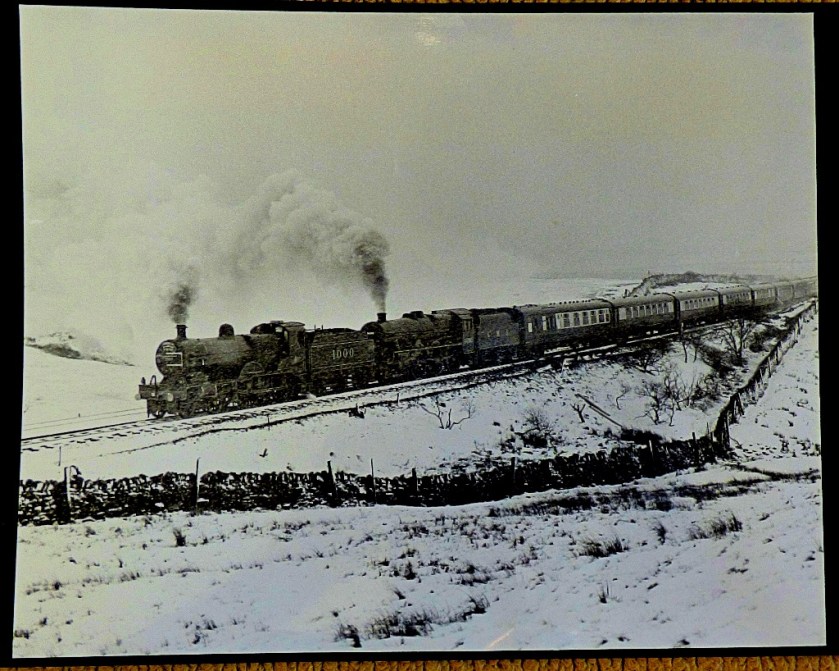
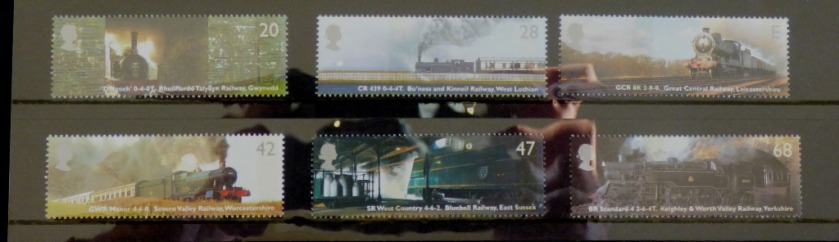
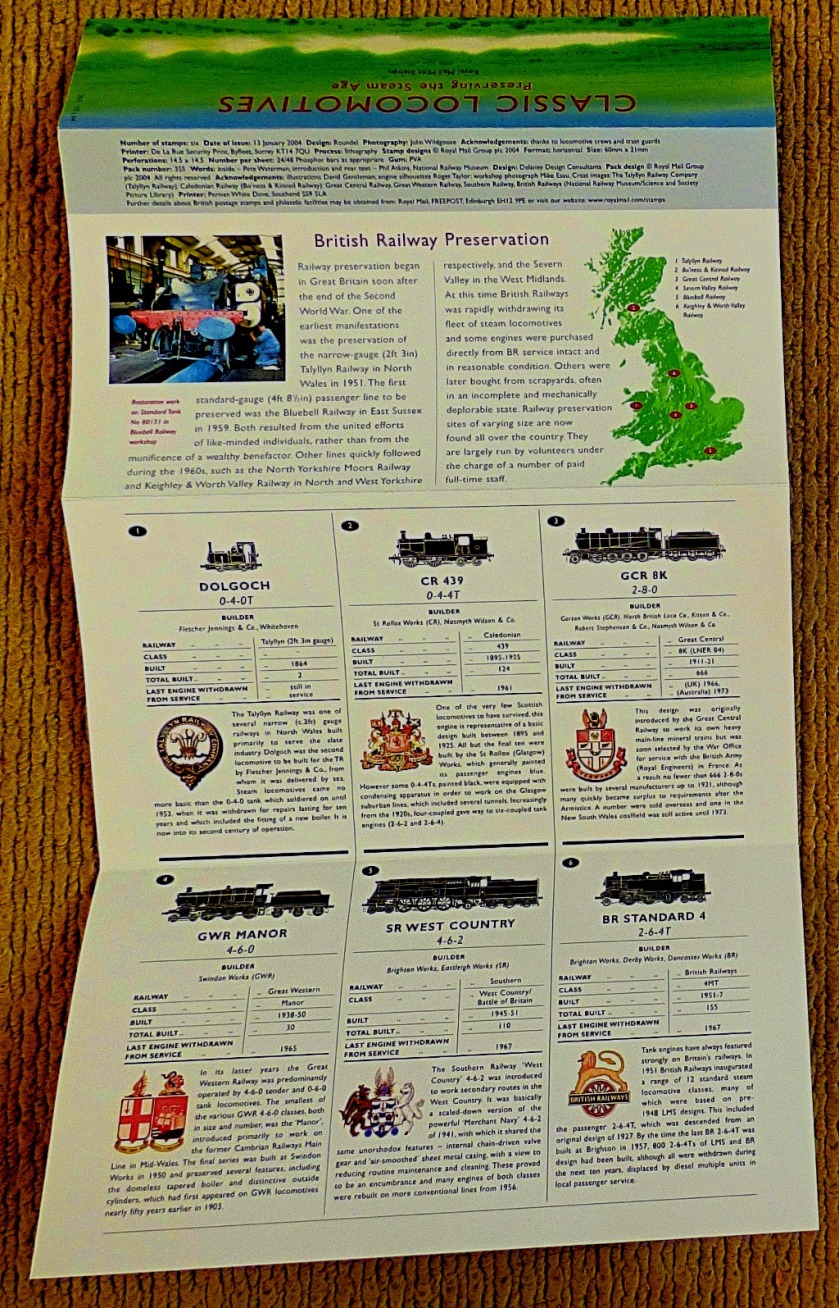
Two of the four items in this lot were of sufficient interest for me to consider bidding, the Nobel Prize cover, and the one that really settled it, the Classic Locomotives.
The main cover photographed this morning.The first of two close-ups of the stamps (the reflectivity of the protective covering makes this a challenge).
The ‘cover’ part of this item contains a lot of information when opened up (see also next picture for the other side).
An account of the first three matches of the test series between England and India plus some photographs
INTRODUCTION
I have not written about the goings on in the current England versus India Test series as yet, because I have been busy writing about other stuff. This post repairs the omission.
MATCH 1 AT EDGBASTON
This was a nail-biter of a game, with fortunes swinging constantly as it progressed. When India were 115-6 in response to England’s 287 it looked like the home side were firmly in the driving seat, but Virat Kohli marshalled the lower order to such purpose that India trailed by only 13 on first innings. When England then slumped to 87-7 in their second innings it looked settled in India’s favour, but Sam Curran played a fine innings to give England a target of 194 to defend. England took wickets consistently, but not until Kohli was finally dislodged by a Ben Stokes yorker that trapped him plumb in front to make it 141-7, leaving nos 8, 9, 10 and 11 needing to cobble together a further 53 did the home side actually look favourites. They managed only 20 of those runs, and England were one up in the series. Curran was deservedly named player of the match (Kohli’s contribution of 149 and 51 was not enough to save his side from defeat, so it would have been wrong for him have got the award).
SECOND TEST MATCH AT LORD’S
India batted first in very difficult conditions. Nevertheless, and magnificently as England’s seamers bowled in conditions made to measure for them, a tally of 107 all out looked pretty definitively inadequate. When England were 131-5 themselves it looked less so, but a monster partnership between Bairstow and Woakes (in in place of the unavailable Stokes) effectively settled the outcome of the match. Woakes completed his maiden test century, being 137 not out when England declared, while Bairstow missed adding to his own tally of such scores by a mere four. India collapsed again (130 all out this time) and England were 2-0 up in the series. Anderson became the first bowler to take 100 test wickets at Lord’s in the course of this game, and only the second ever to 100 at a single venue anywhere (the first, Muttiah Muralitharan, did so at no fewer than three different venues). Woakes’ century meant that joined the select list of cricketers to feature on batting and bowling honours boards at Lord’s (Ian Botham is there, and among overseas cricketers Keith Miller is the sole person on both boards).
THE THIRD TEST AT TRENT BRIDGE
Before this match got underway England perpetrated a blunder, setting the scene for four and little bit days in which such things would become routine, by dropping Sam Curran after two matches in which he performed excellently to make way for Ben Stokes, now cleared of all criminal charges, to return to the squad. I personally would not have selected Stokes at all, but even had a gun at the head proposition forced me to do so nothing would have induced to me to drop Curran (yeah, pull that trigger if dropping Curran is the price to pay for you not doing so!).
Perhaps feeling after the first two matches that they could bowl India out on anything England put them in after winning the toss. India tallied 329, helped by some butter-fingered English fielding. The match was won and lost in the space of an hour and a half on day two when England being 54-0 in reply to 329 became England 128-9 in reply to 329. Buttler and Anderson got the final England first innings total up to 161. In their second innings India reached 352-7 before declaring leaving England two days and a mini-session to negotiate or 521 to score. Kohli had his second century of the series, having misssed out by three in the first innings. Cook and Jennings did the first part of their mammoth task, getting England to the close without losing a wicket. Both then fell early on day four, and two more quick wickets followed, at which point Buttler and Stokes joined forces. Their partnership at least showed some belated fight, and Buttler completed his maiden test hundred, while Stokes batted for a long time in largely defensive manner. Another clatter of wickets followed the breaking of the partnership and it was only some bloody-mindedness on the part of Rashid and Anderson (who had earlier in the game become only the second bowler to record 100 wickets in test matches against India, behind Muralitharan) took the game into a fifth day.
Somewhat bizarrely the Trent Bridge authorities decided to charge £10 for admission on a day that could have lasted for one ball (actually it managed to last for 17, meaning that anyone who paid to get in did so a rate of just under 59p per delivery). At the MCG in 1982, when again the final day could have lasted one ball, but there was also an outside chance of a home victory (37 needed with one wicket left BUT at the crease with no 11 Jeff Thomson was a certain Allan Robert Border) the authorities there did not charge admission. On that earlier occasion those who took advantage of the freebie got 85 minutes of gut-wrenching tension and one of the closest finishes of all time (England won by three runs after Thomson nicked one from Botham that would have had the umpire spreading his arms had the no11 simply ignored it, Tavare palmed the ball upwards and Geoff Miller took the rebound. Here, with in excess of 200 required and nos9 and 11 together at the crease there could only be one result (the largest number of runs that a last wicket pair have ever knocked off to win a first-class match is 76 way back in the fifties). Thus England were well beaten and lead the series 2-1.
LOOKING AHEAD
England’s top four is their major current problem area. At Trent Bridge those positions were filled by:
England’s all-time leading test run scorer but also someone who has not had a decent score since the Melbourne featherbed in December.
Someone who is clearly out of his depth at this level (Jennings)
One of the three best batsmen currently eligible for test cricket (Root – Kohli and kiwi Kane Williamson are the other two) to be found anywhere in the world.
A fine young batsman who at this stage of his career is not a test match number four.
The above situation, India managing a decent first innings total and the fact that Root for once had a poor game put a lot of pressure on the middle order, and Buttler and Stokes kin the second inninsg apart, they folded under it.
My suggested squad for the fourth test is: A N Cook, R J Burns (someone with a magnificent record as an opening batsman who is probably ready for elevation to the test match ranks), B A Stokes, J E Root*, O Pope (I did not say that he is not a test match batsman, and I believe that he can be, and should be persevered with, just not as high as number four, a position he never occupies even for his county), J C Buttler+, C Woakes, S Curran, A Rashid, S C J Broad, J M Anderson. If two spinners are warranted then Bess comes in for Broad, with Curran sharing the new ball with Anderson (the latter being a change I might make anyway, having Broad as third seamer). When recovered from his injury Bairstow comes in to the squad, probably replacing Stokes at no 3, just possibly coming as opener, bringing down the curtain on Cook’s illustrious career. Some of these suggestions, especially even considering dropping Cook might be seen in certain quarters as heretical.
I still just about make England favourites for the series (after all, they are still ahead), but they need to respond better to opponents making decent totals – this not the first time in recent years that they have folded in response to a respectable but not massive total – it happened twice against South Africa last year.
PHOTOGRAPHS
For you hardy souls who have made it to the end of this post, here are some of my photos:
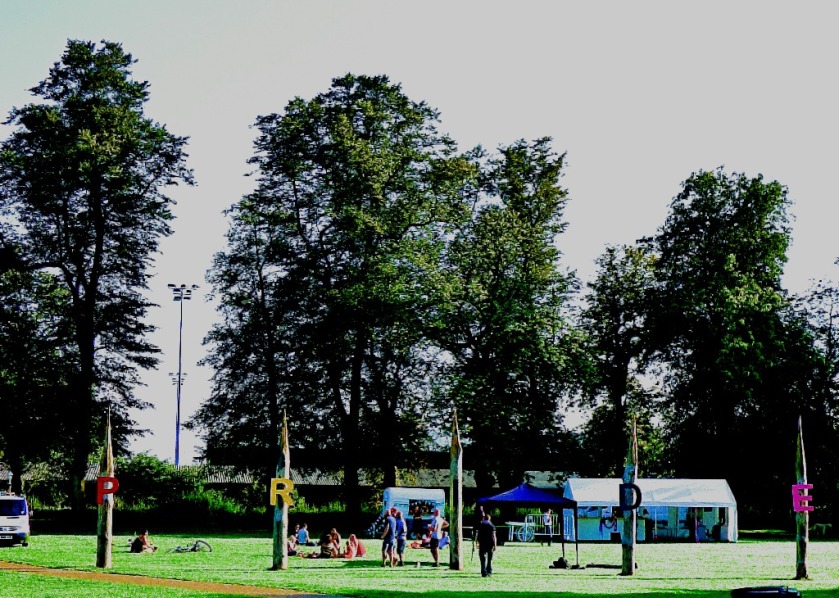
The first of a number of shots here featuring the inaugural King’s Lynn and West Norfolk Pride – I found out about the event which took place a week ago too late to take part, as I already had other commitments, one of which I was on my way to honour when I took this.
I had to photograph this muntjac from long range – as soon as they spot a human they flee.
A personal A-Z, inspired by a post on The Cornish Maid.
INTRODUCTION
This post was inspired by The Cornish Maid’spost “A-Z about Me!!!“. Like the post I have just referenced there will be one entry for each letter…
MY PERSONAL A-Z
A FOR AUTISM
I am autistic myself, and also branch secretary of NAS West Norfolk. This entry is a very appropriate starting point because it was my diagnosis and the role I then had running a support group for Asperger East Anglia that led me to create this blog.
B IS FOR BOOKS
I have always loved books, and am a very voracious reader. In addition to my own collection I am a regular user of several of Norfolk’s libraries, and yes I do use them to borrow books.
C IS FOR CRICKET
I have been an enthusiastic follower of cricket for over 3o years (my attempts at playing the game foundered on a chronic lack of talent). The fact that my employers had an auction yesterday and have another on Saturday means that I am off work today, and therefore able to listen both installments of the Women’s T20 double header. Here is the feature image from Saturday’s upcoming auction:
D IS FOR DETECTIVE STORIES
This is an extension of my love of books as a whole. I regularly borrow large quantities of detective ficition from thbe libraries. Among my very favourites are Edward Marston’s Railway Detective stories.
E IS FOR EAST RUDHAM
The village in West Norfolk where I began to rebuild my life after mental health issues had nearly destroyed me. I lived there for just over five years and was a regular visitor until my parents recently moved to Cornwall.
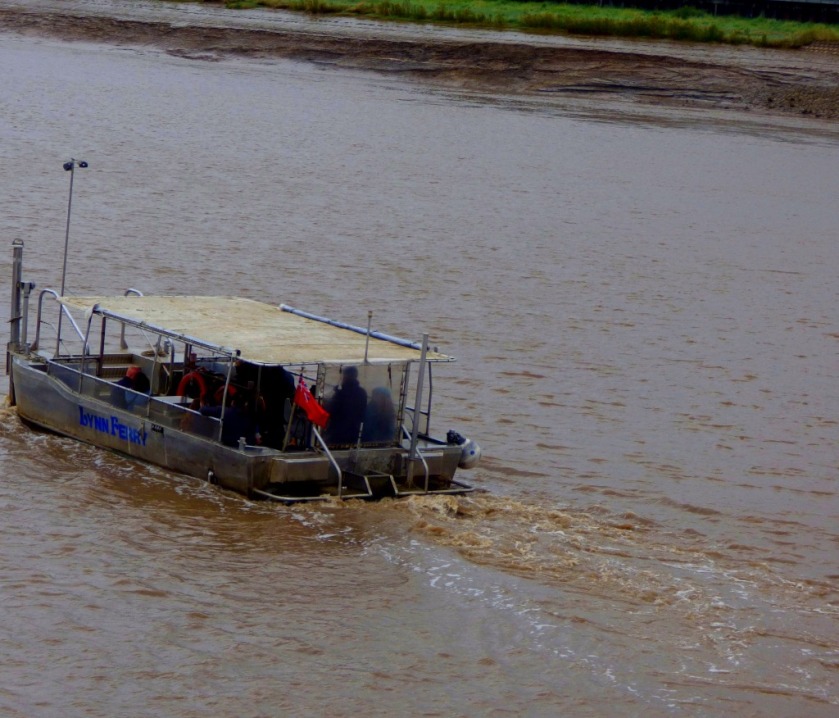
F IS FOR FERRY
I have travelled on many ferries in my lifetime, but the one I particularly think of nowadays is the Lynn Ferry which has been running for over 800 years.
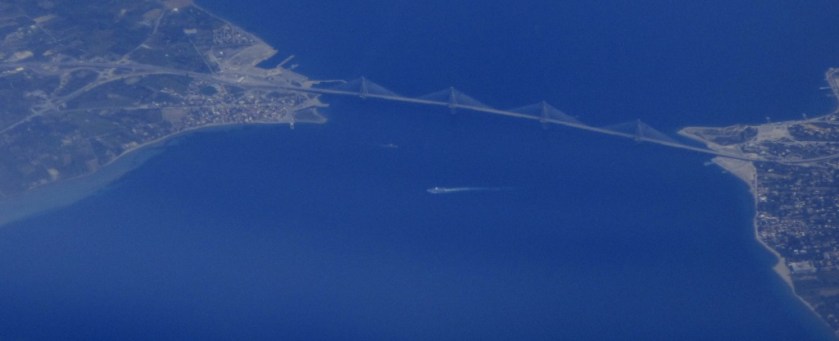
G IS FOR GREECE
I first visited Greece for a family holiday about 35 years ago and have been back mnay times. It remains a favourite holiday location. I have produced a number of posts about my most recent visit.
H IS FOR HISTORY
One of the many subjects I enjoy reading about. One of the reasons I enjoy going to Greece so much is the presence of so many historic sites.
I IS FOR IRRELIGIOUS
I have been a staunch atheist for my entire adult life. For those who take the approach that the Northern Ireland census form used to I am a “catholic atheist” – that being the specific religion that I rejected. To paraphrase Richard Dawkins most people are as atheist as me about almost every god who has ever been believed in – I just go one god further than they do.
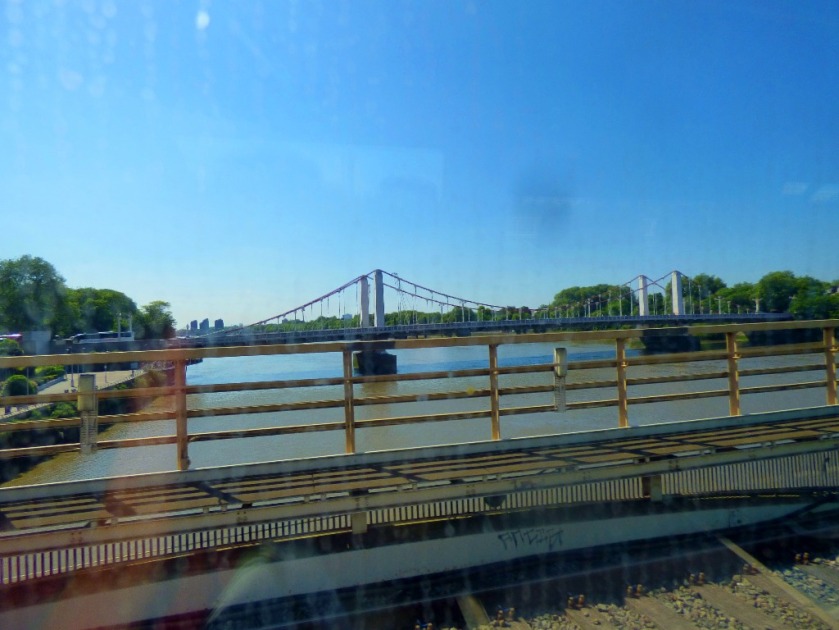
J IS FOR JOURNEYS
I love travelling, and being a lifelong non-driver am able to make good use of almost all my journeys – if the route is not familiar to me I will be observing the scenery and taking photographs, and if it is it represents reading time. K IS FOR KERNOW
Kernow is the Cornish name for Cornwall (this is the only entry in my A-Z that overlaps with The Cornish Maid’s), and although unlike the person who inspired this post I do not live there I have been there a number of times over the years and my parents have recently moved to that part of the world. It is a Cornish picture that appears on the reverse of my personal cards:
L IS FOR LONDON
I grew up in London, and still visit the place on occasion. Also, I run a London Transport themed website, www.londontu.be. I will be back in London during the latter part of next week, for Marxism 2018 which runs from Thursday to Sunday.
M IS FOR MATHEMATICS
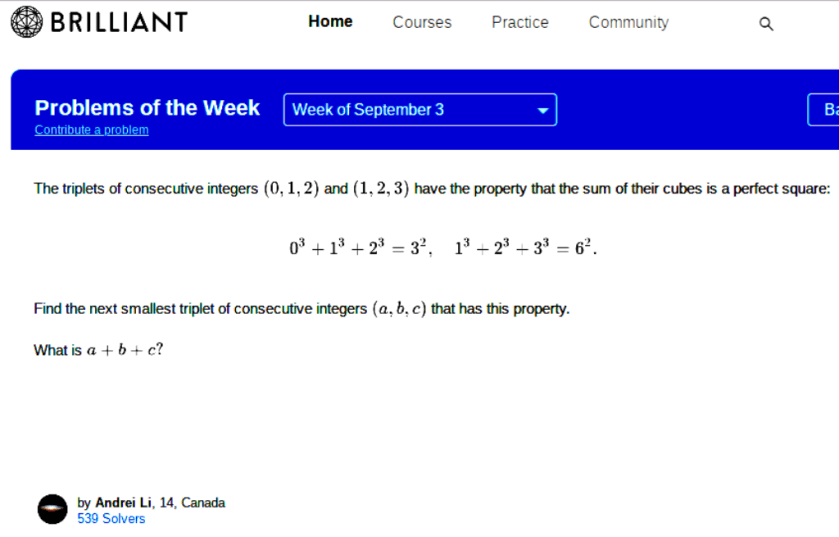
Another lifelong interest, and something that I am very good at. Here is a frecnet problem from brilliant.orgthat took my fancy:
N IS FOR NATURE
Nature has always been very important to me, and I love being out and about in nature with my camera for company. My name is often to be found among those supporting campaigns to protect nature, and as a thoroughgoing internationalist I take pride in having been the first non-Swede to sign the online petition to save Trosa nature.
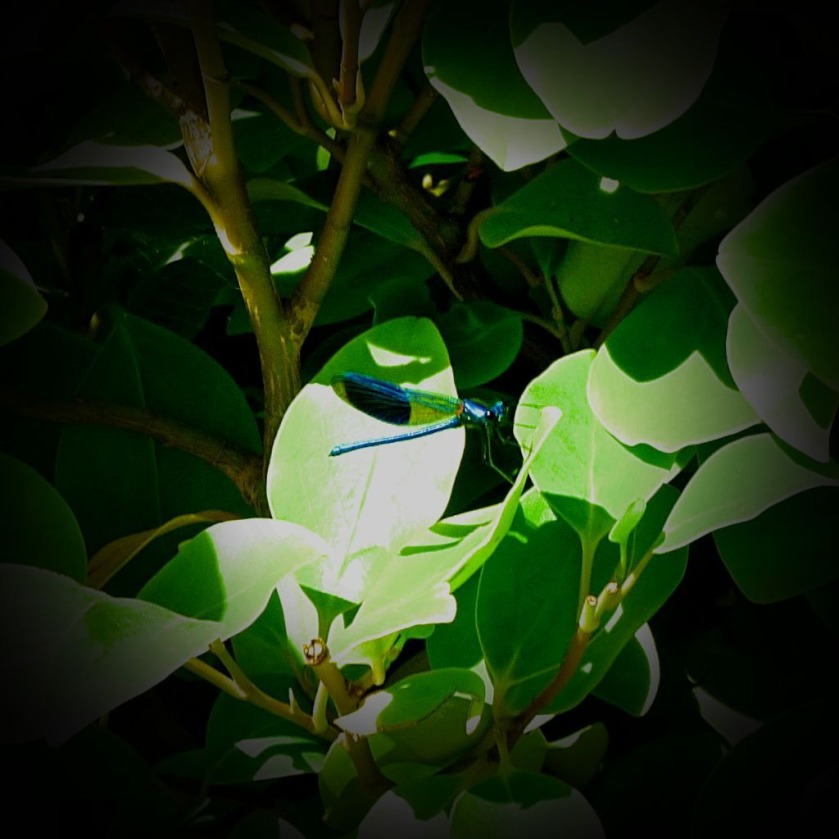
A spectacular creature, presumably some form of dragonfly.
O IS FOR OVAL
Because of their shape many cricket grounds have Oval in their name. The two with which I am most familiar are The Oval, in South London not very far from where I grew up, and served by two stations, Oval and Vauxhall; and the Adelaide Oval, which owes its name to a transplanted Surreyite who suggested it because he wanted to be reminded of home. Of the innings I have seen live at the ground the most memorable at either of these two venues was played by David Gower in 1990. England could do no better than draw the game, which as it happened was enough to give them the series. Gower made 157 in that innings, and by the time he was out the draw had long since been secured.
P IS FOR PHOTOGRAPHY
This is a hobby of mine, and also something I do at work. Here are some recent pictures:
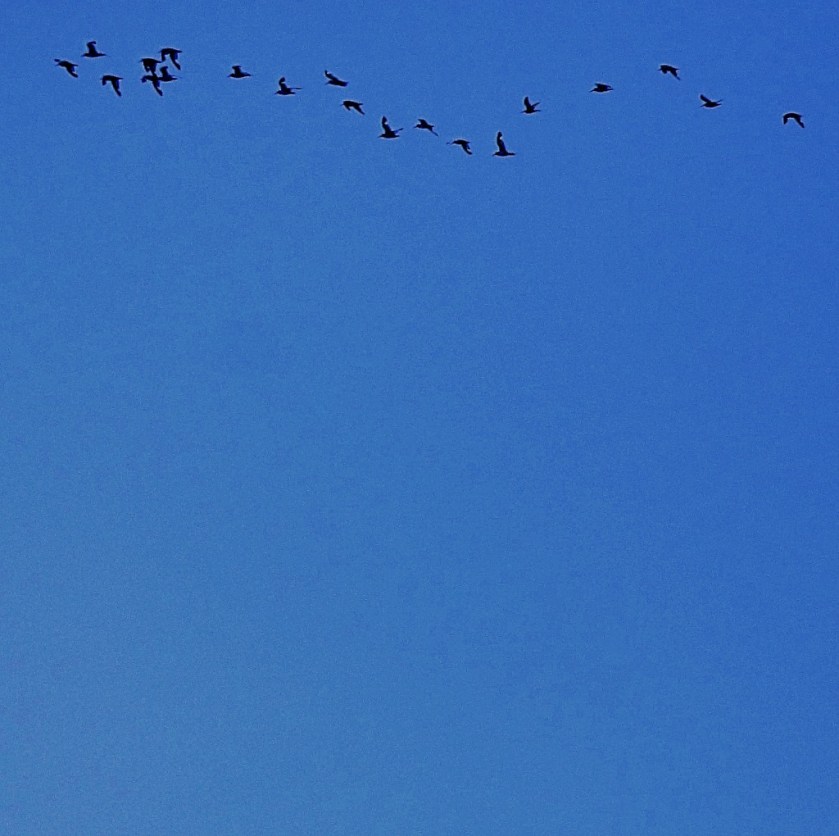
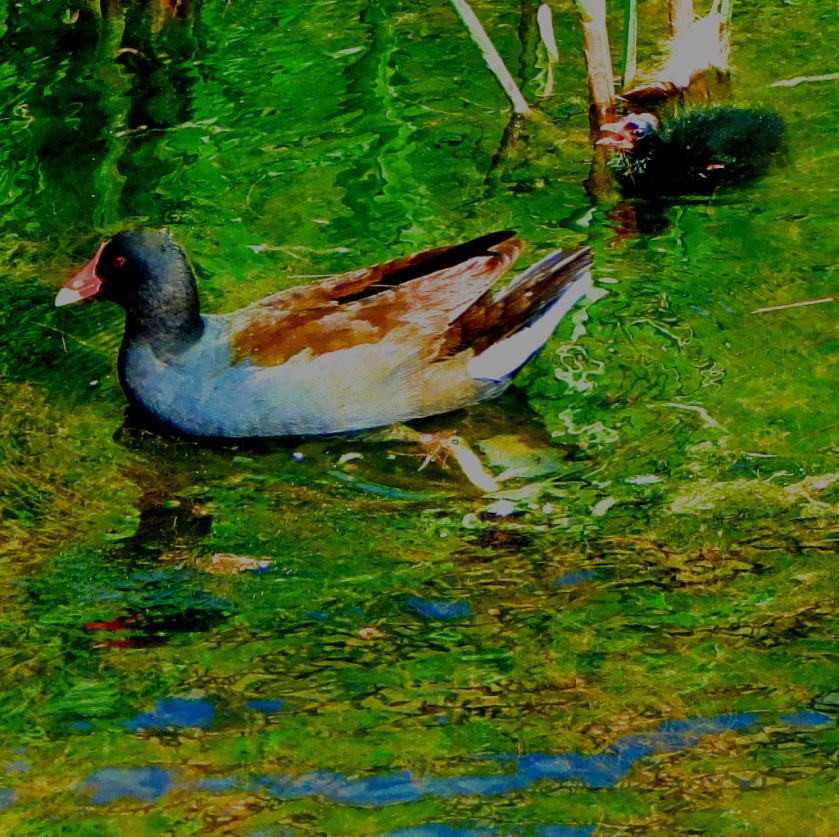
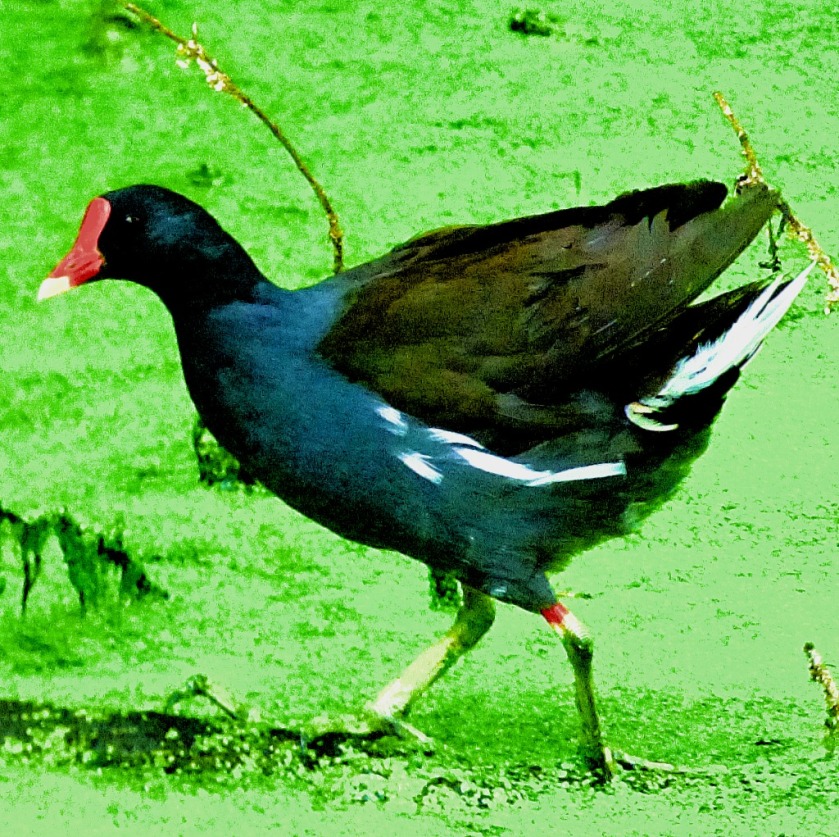
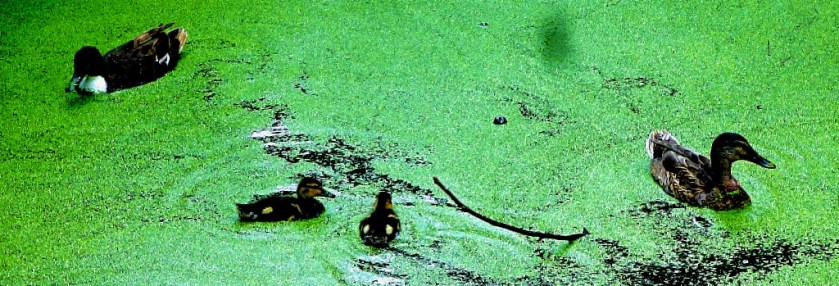
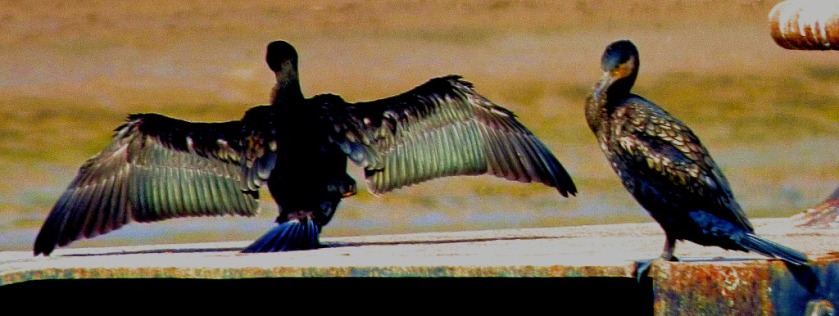
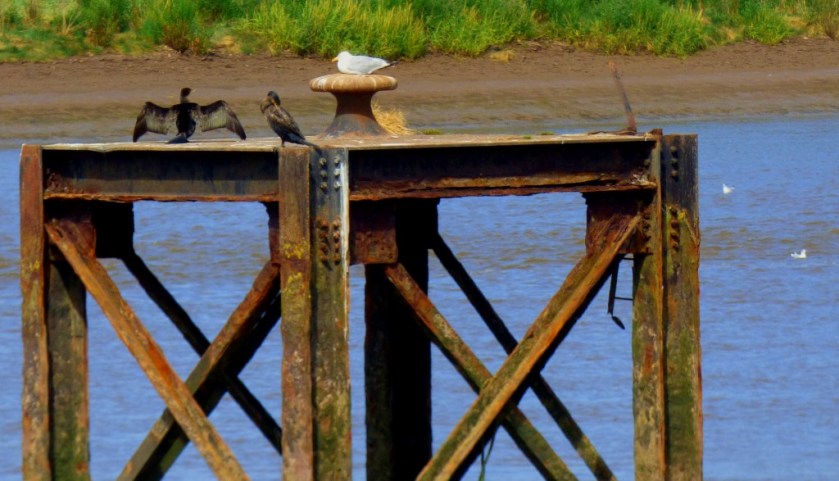
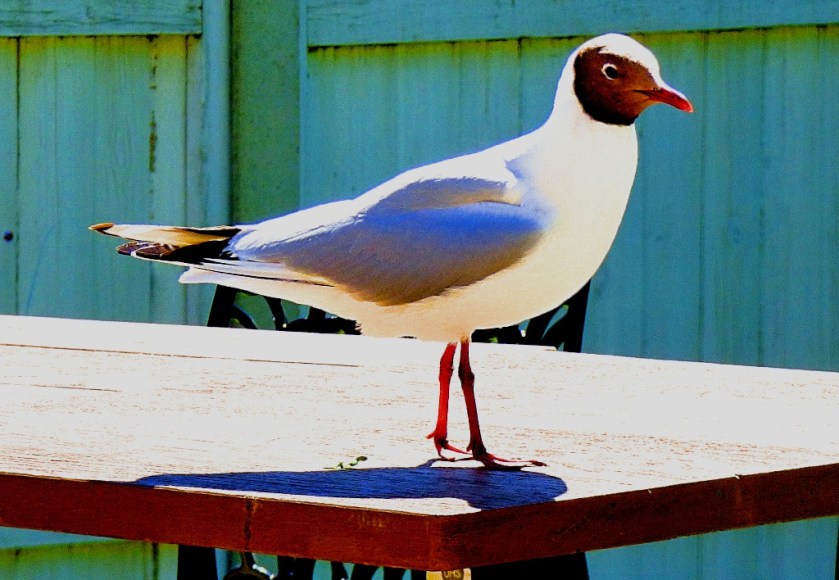
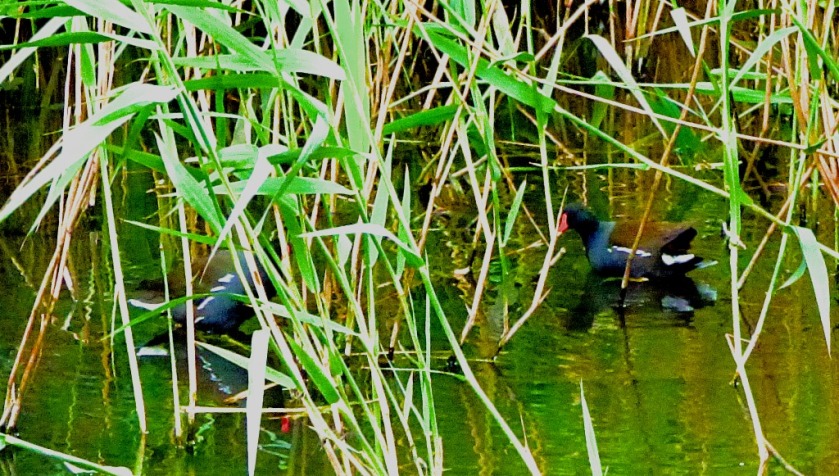
Three recent bird pictures
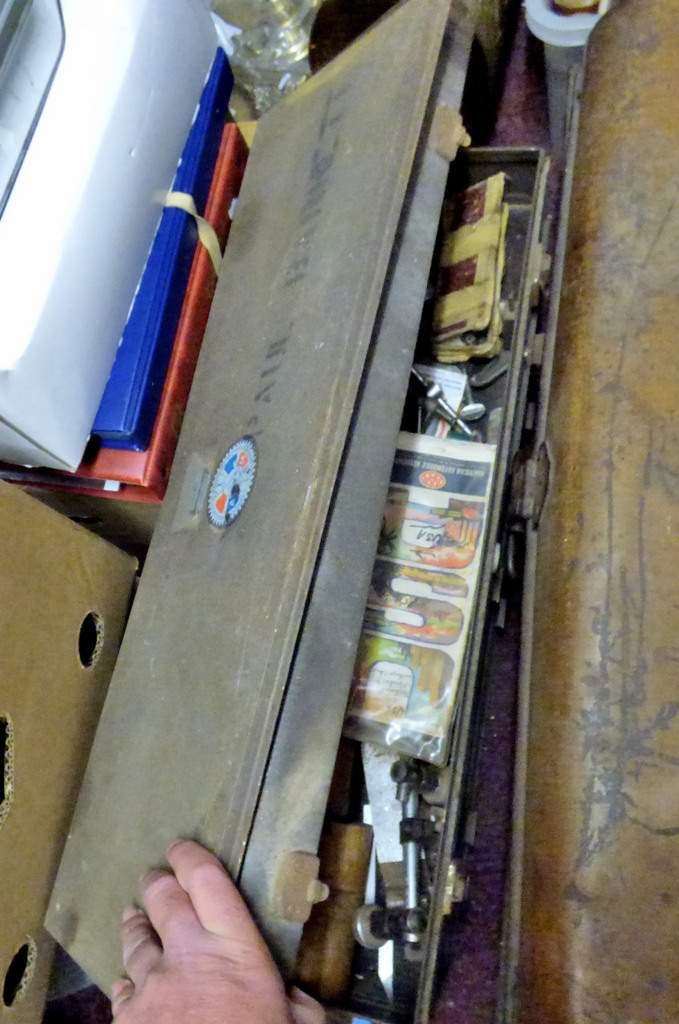
This was lot 840 at yesterday’s auction – some good tools but the box being solid iron makes for an extremely heavy item.
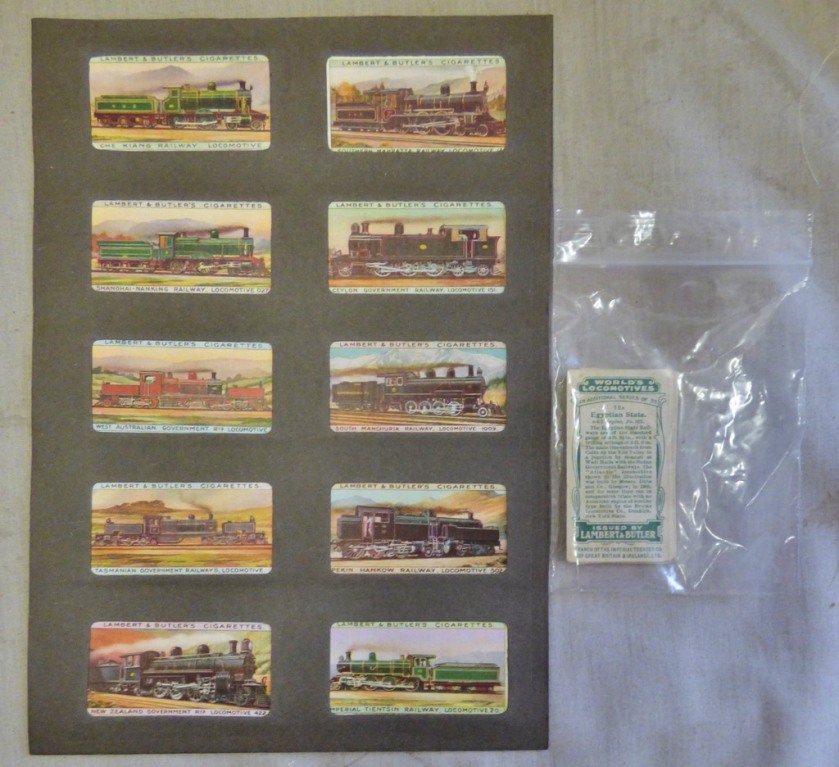
Lot 2188 in Saturday’s upcoming auction.
Q IS FOR QUIZ
With my eclectic interests and retentive memory I am pretty good at quizzes (unless they are overloaded with questions about pop music), and generally enjoy taking part.
R IS FOR RAILWAYS
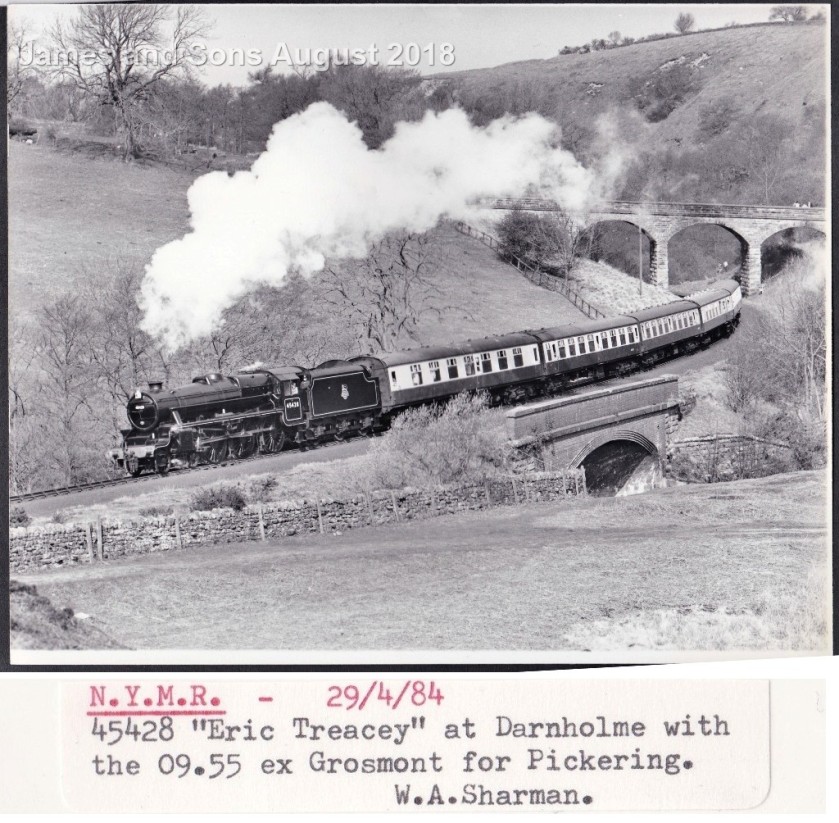
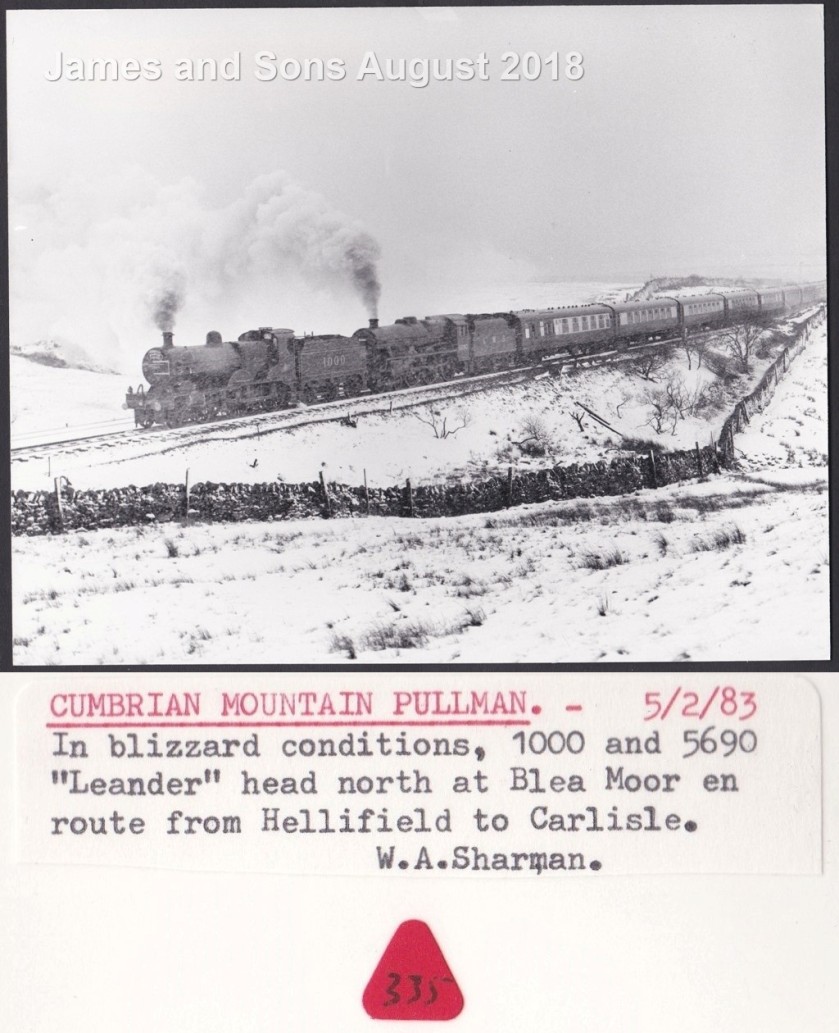
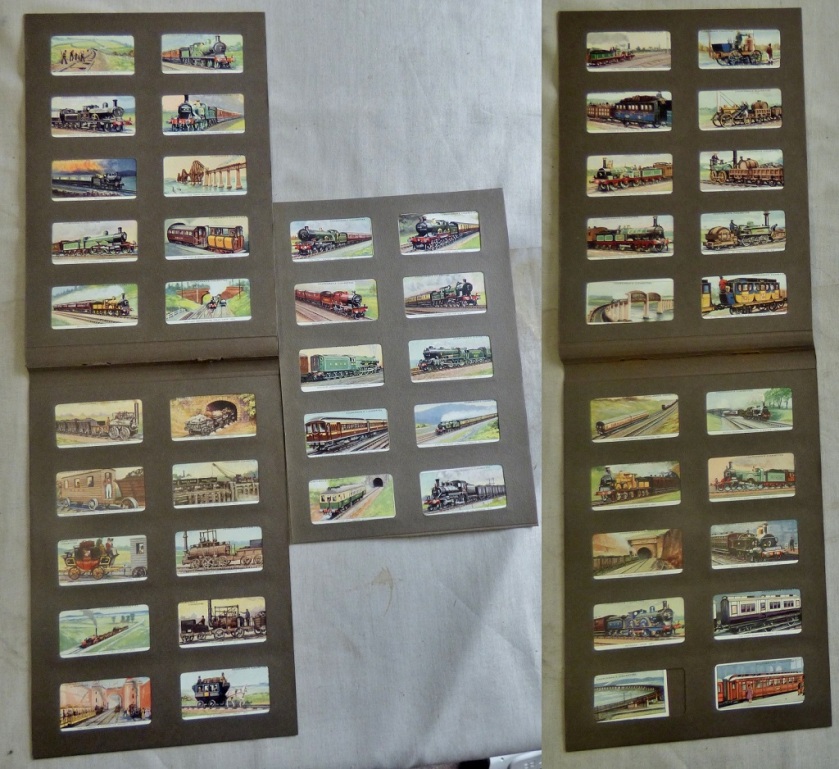
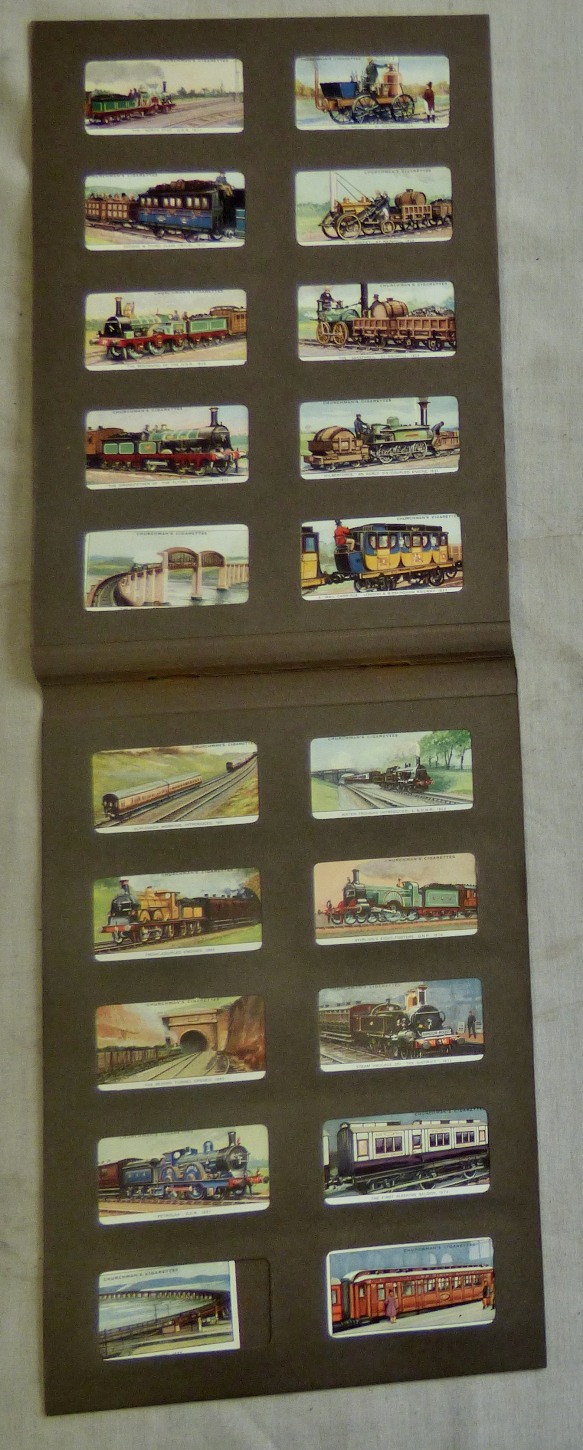
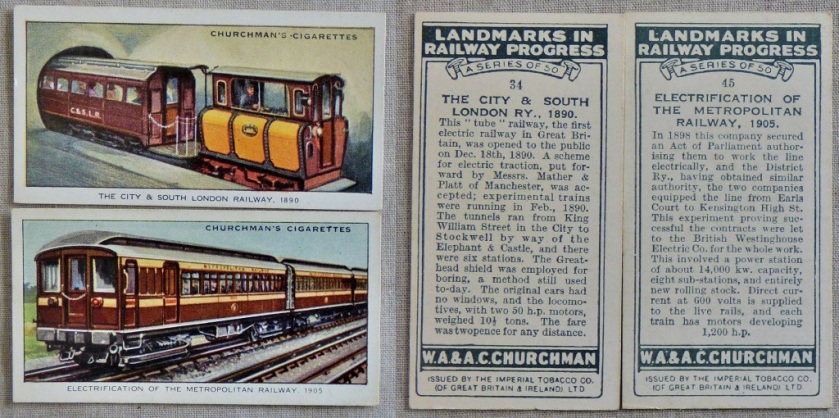
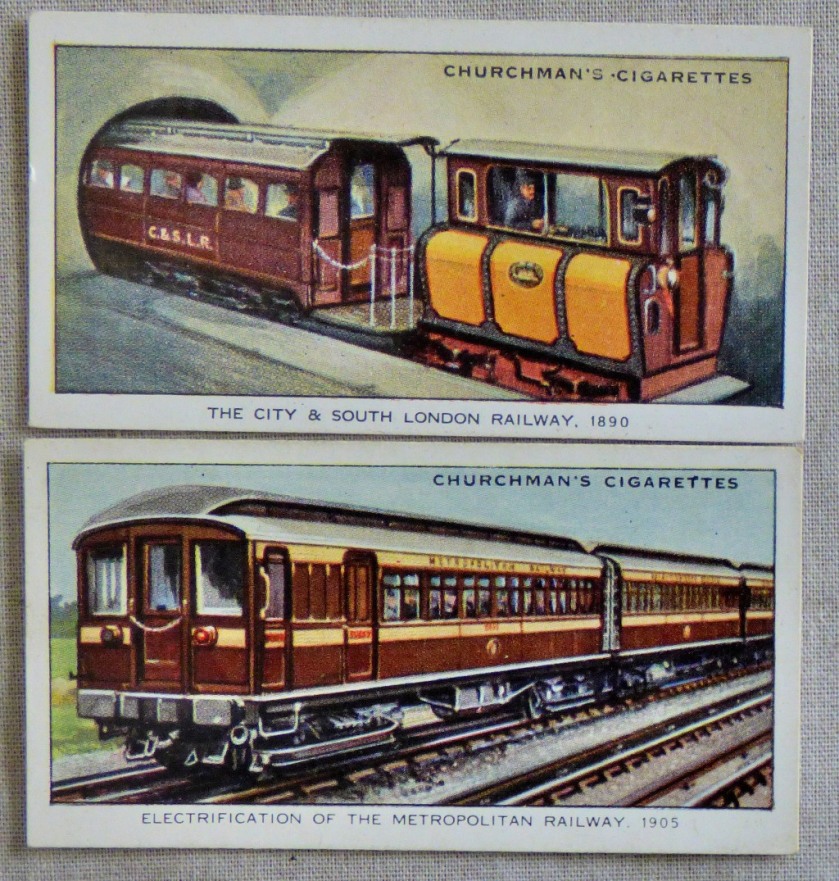
Railways are one of my special interests. I have travelled on railways in many different countries and have also built up a decent collection of railwayana. I may add to my collection on Saturday.
S IS FOR SCOTLAND AND SWEDEN
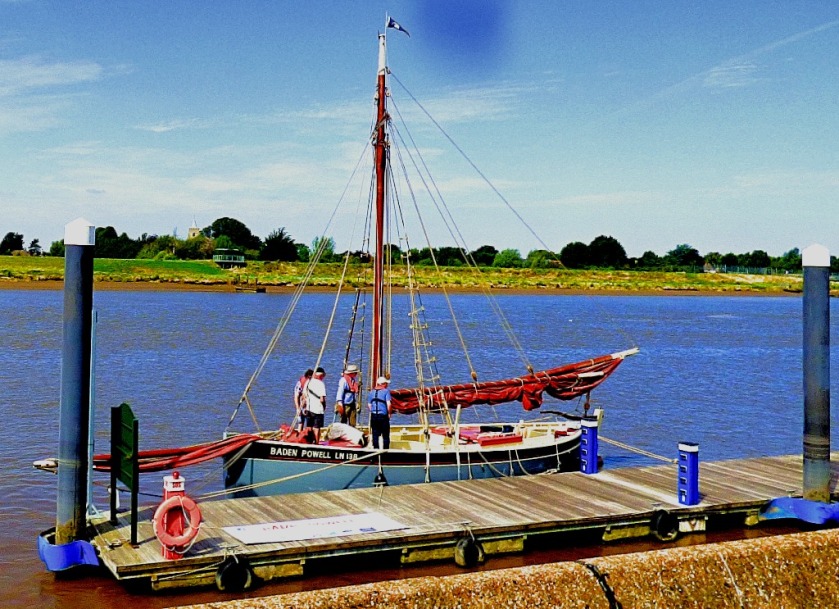
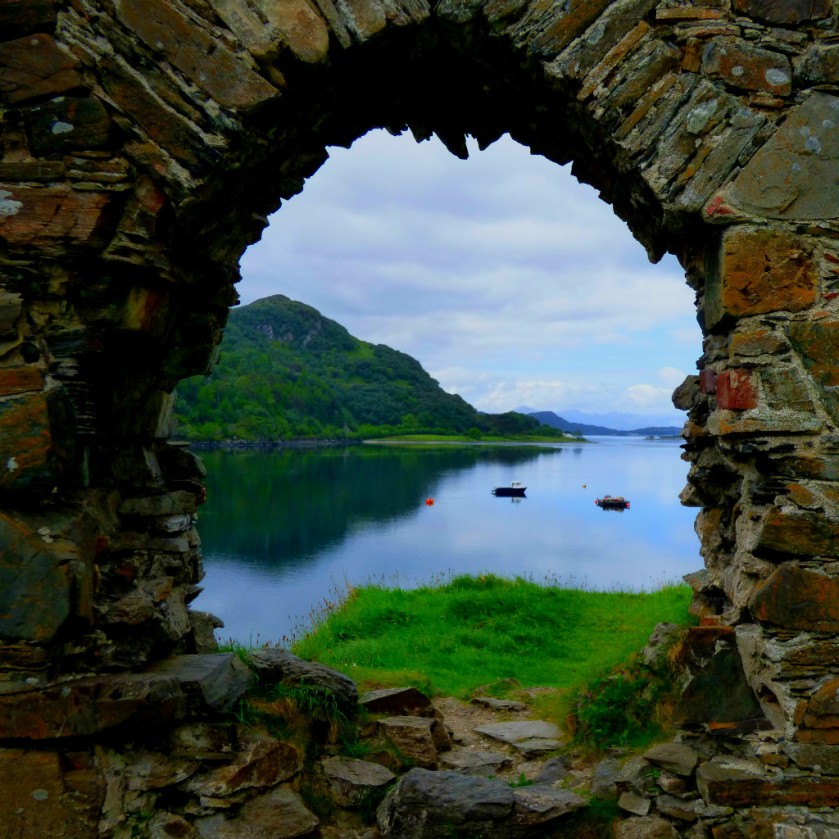
These are two of my favourite countries to visit, both very scenic. I could find no way to split them so I have decided to honour both places.I have produced a number of posts about both Sweden and Scotland. Here are a couple of pics: A view from Strome Castle, Scotland
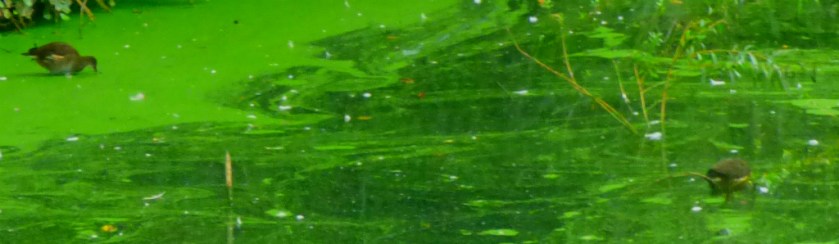
This river is in Northern Sweden.
T IS FOR T20
Yes – another cricket related entry. T20 (where each side bats for 20 overs) has been a great success since its introductiuon in 2003. However the new 100-balls per side competition is being too clever by half (and consigning the County Championship to the start and end of the season when conditions are least suitable for long form cricket).
U IS FOR UNIVERSE
I find it fascination reading theories about our universe, its possible origins and its possible place in a wider cosmos. I also find the history of how we moved from considering our planet to be at the centre of a fixed universe to recognising it as pale blue dot (hat tip to Carl Sagan who wrote a book of that title) in the immensity of the cosmos to be fascinating.
V IS FOR VARIETY
One of the things I enjoy about my current job is that there is plenty of variety there. I am firmly in the camp of those who say that variety is the spice of life.
WHY EVOLUTION IS TRUE
Jerry Coyne’s 2009 book with that title remains a firm favourite (along with his more recent Faith versus Fact), and it is also the title of a blogrun by Professor Coyne that I follow.
X IS FOR EXHORT
As I near the end of this post I exhort you to produce your own version – it is time consuming but fun. You have seen my version, and if you followed the opening link you have seen the version that inspired me to take on this challenge – now go and do likewise!
Y IS FOR YARBOROUGH
This is a bit of a cheat – it is my way of mentioning the game of Bridge which is a firm favourite of mine. A yarborough is a hand with no card higher than a nine and 4-3-3-3 distribution, and is named in honour of Lord Yarborough who had all bridge players at his house contribute a guinea to a kitty, while if someone had the misfortune to be dealt the hand that now bears his name they got 1,000 guineas (he was on to a winner – the actual odds against the hand coming up are 1827 to 1). I do not get to play very often but I am a pretty good player of the game.
Z IS FOR ZOOM
A zoom lens can be a real boon for a photographer (my current camera has a zoom capacity of up to 60X) – a little tip from experience is to not stretch the zoom lens right to its limits – leave a bit of space around whatever you are photographing (you can always crop it out during the editing process). This post was inspired by a Cornish blogger, so I end with a Cornish picture.















































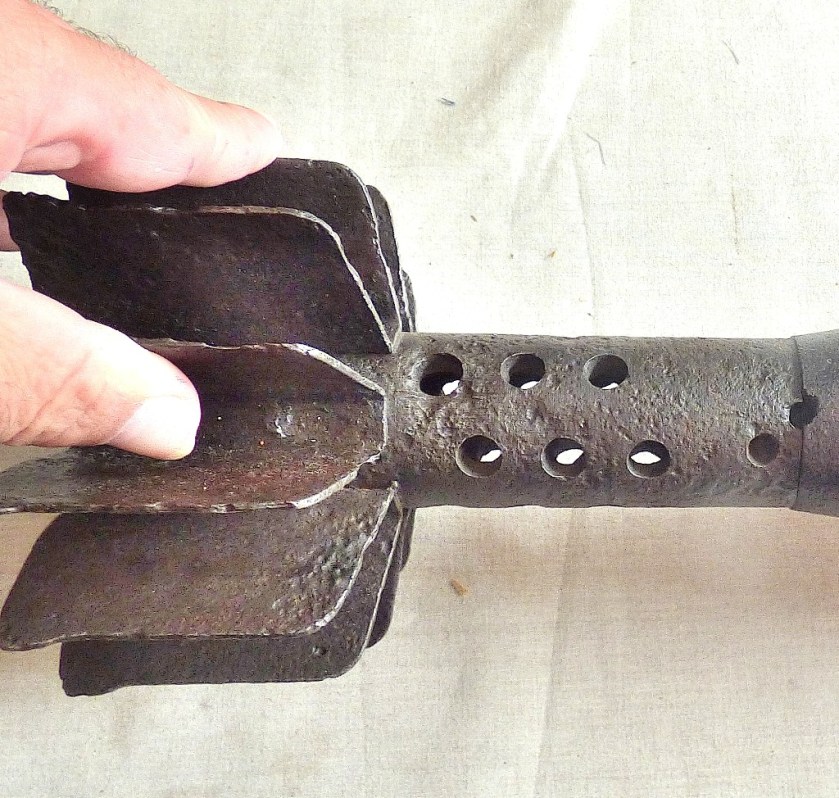

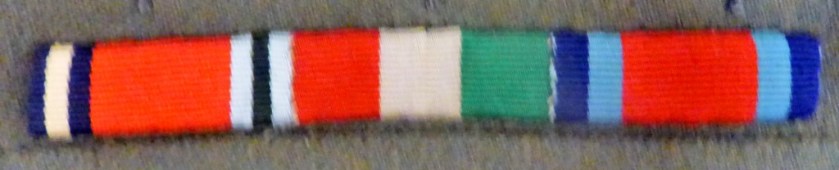










































 This river is in Northern Sweden.
 aspiblog