A mention of the biggest upset in the history of the FA Cup and a photo gallery.
The weekend just gone saw the third round of the FA Cup, football’s oldest domestic cup competition. This is the stage of the tournament at which the big beasts enter the fray, and there is always the possibility of an upset…
A TINY DAVID AND A HUGE GOLIATH
One of the early kickoffs on Saturday saw lowly Macclesfield Town, a club that only re-formed in 2020 after having gone bust, and who are still in the sixth tier of the English football pyramid entertaining Crystal Palace, the FA Cup holders, and 117 places above Macclesfield in the pyramid.
Macclesfield were inspired by that occasion, and not only took the lead, they actually went two goals clear. Crystal Palace scored one late on in the game, but their revival was too little too late, and when the final whistle went it confirmed officially the greatest shock upset in the over 150 year history of this tournament. Macclesfield Town, the lowest ranked side to have made it this far in the tournament (having come in in the second qualifying round) had successfully taken down the holders.
PHOTOGRAPHS
My usual sign off…
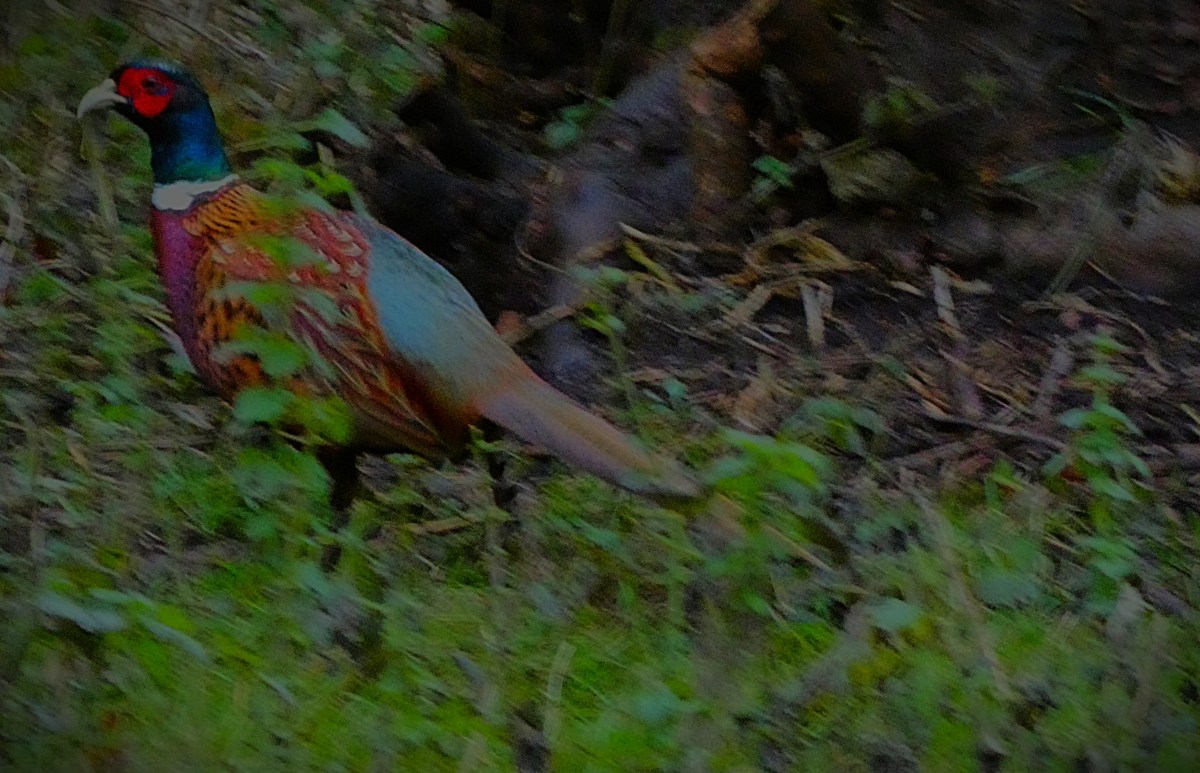
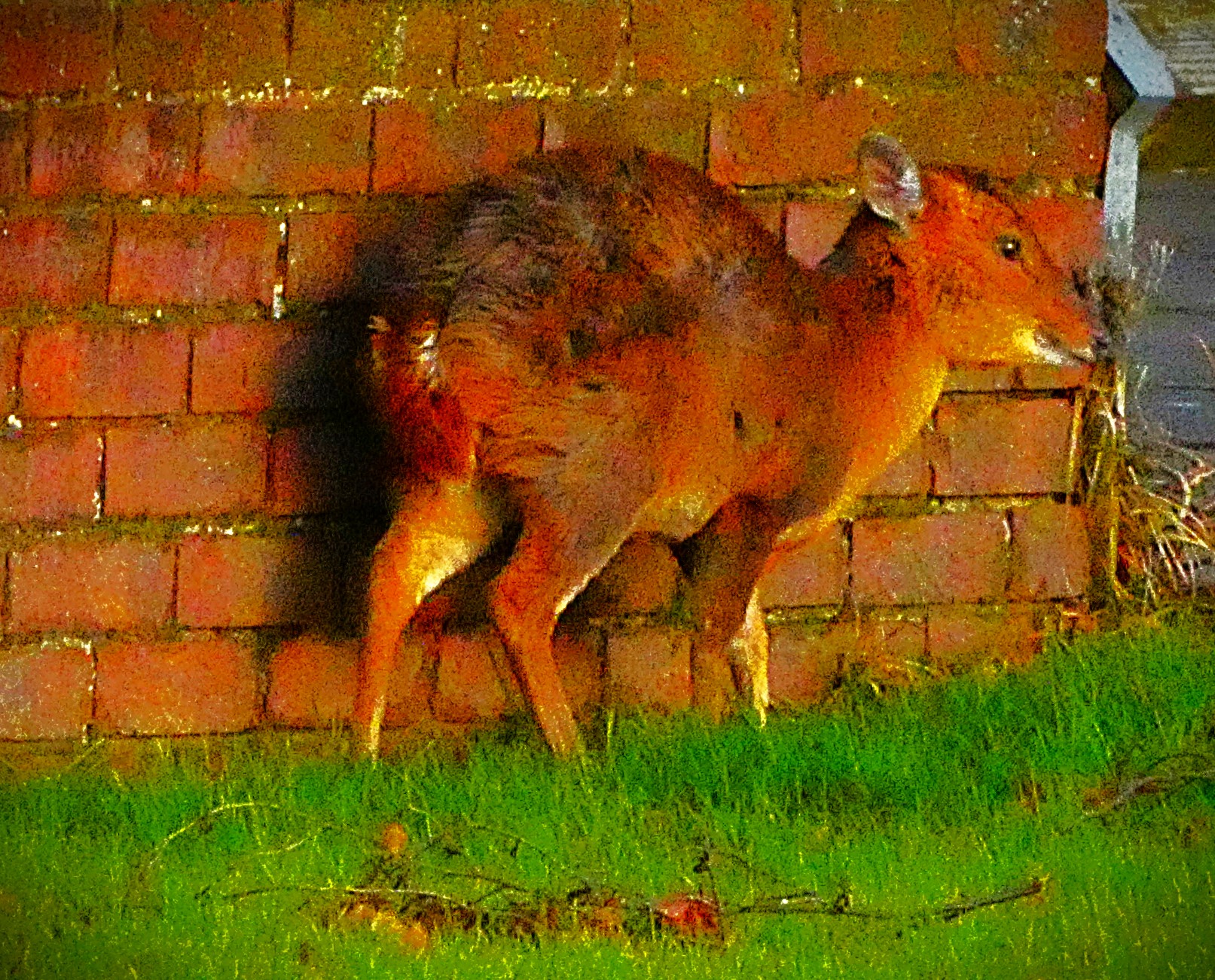
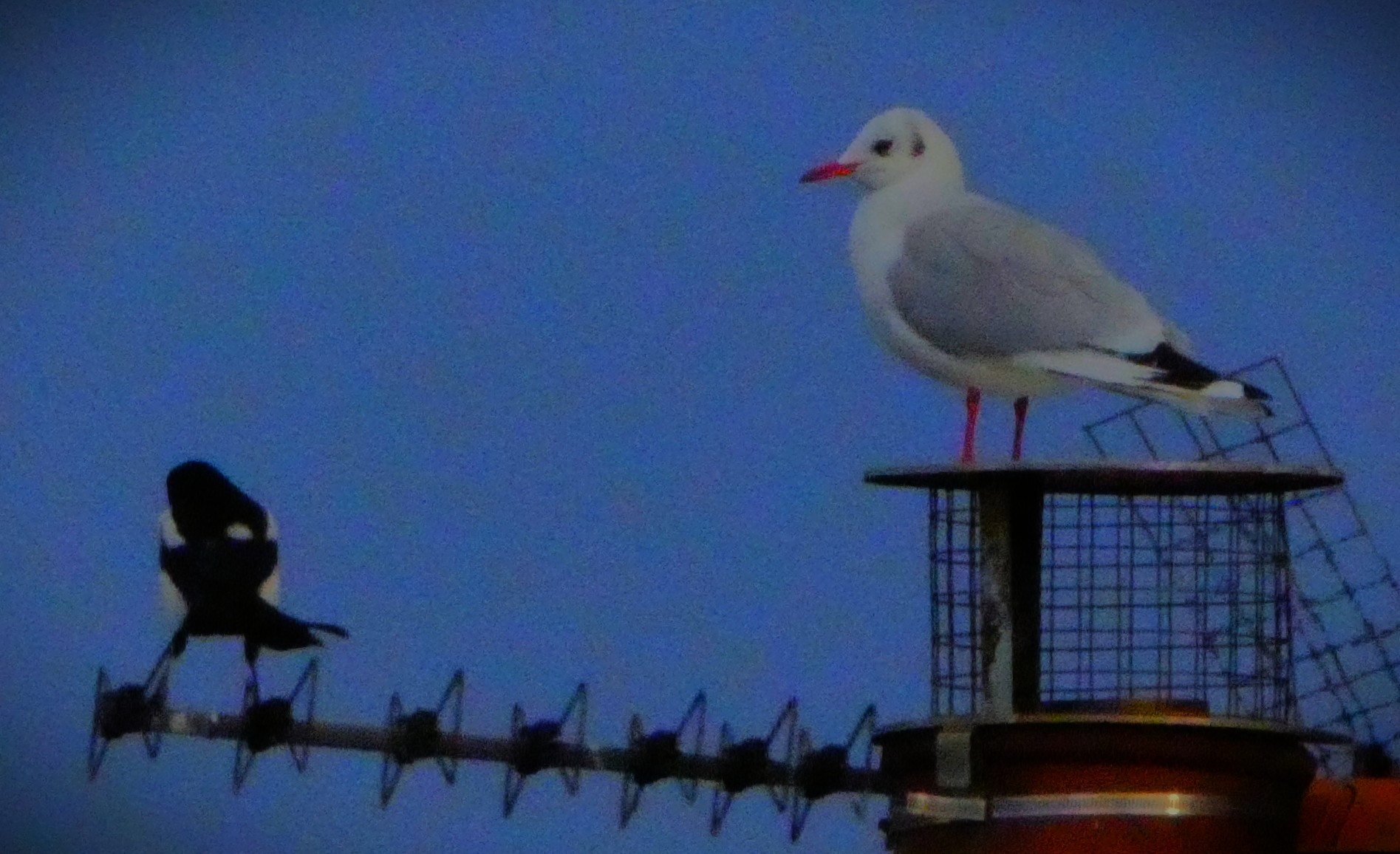
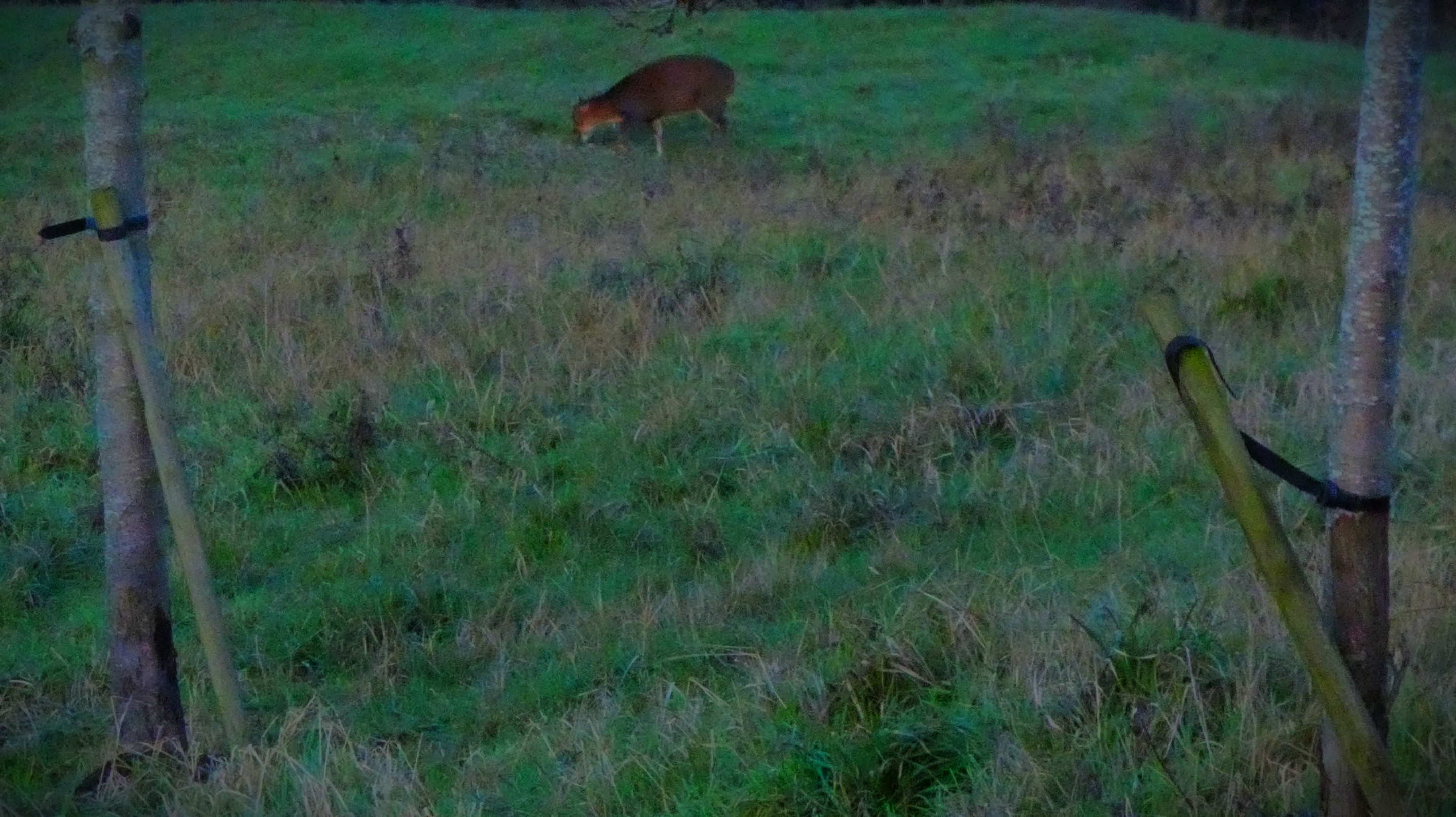
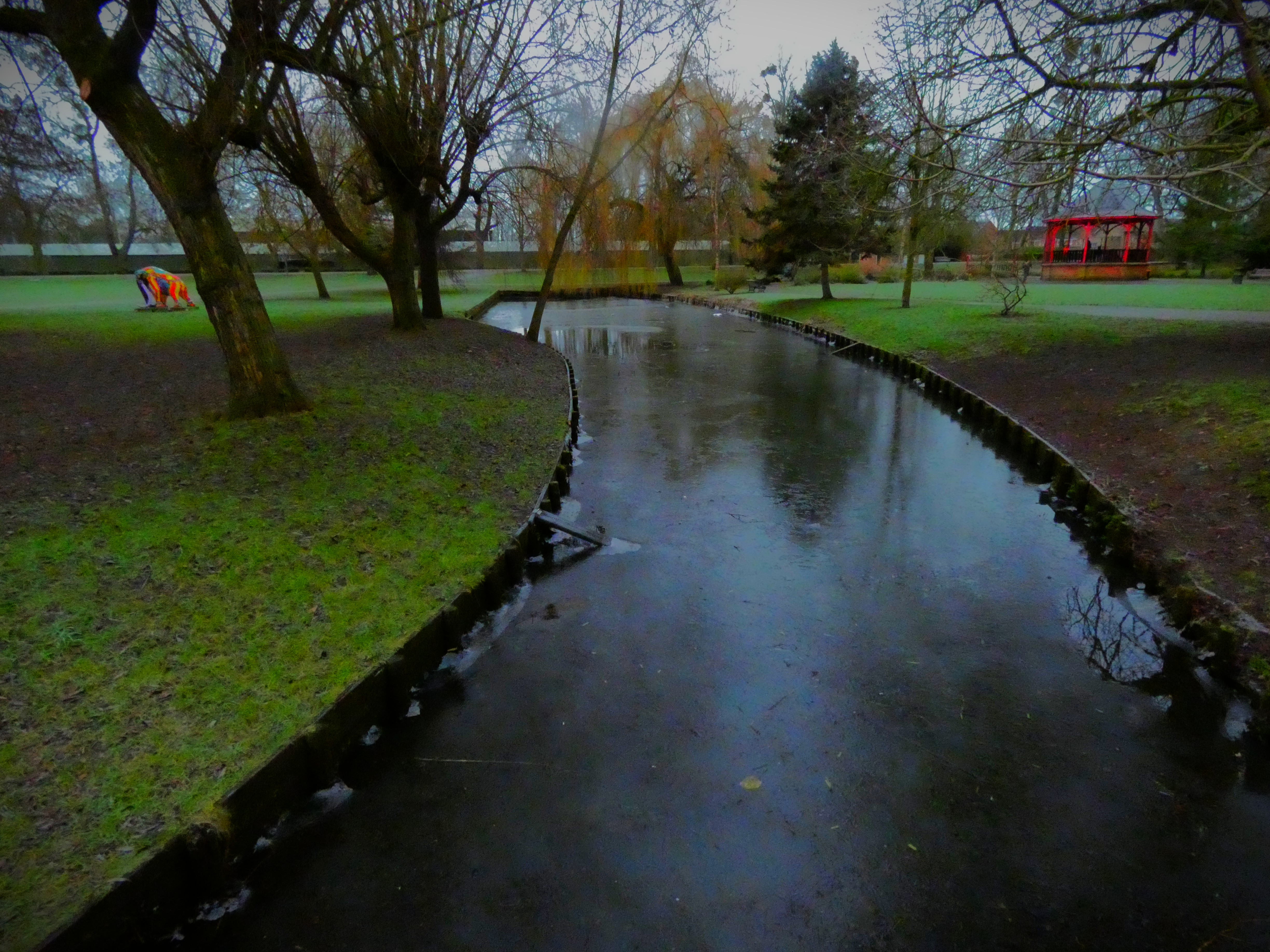
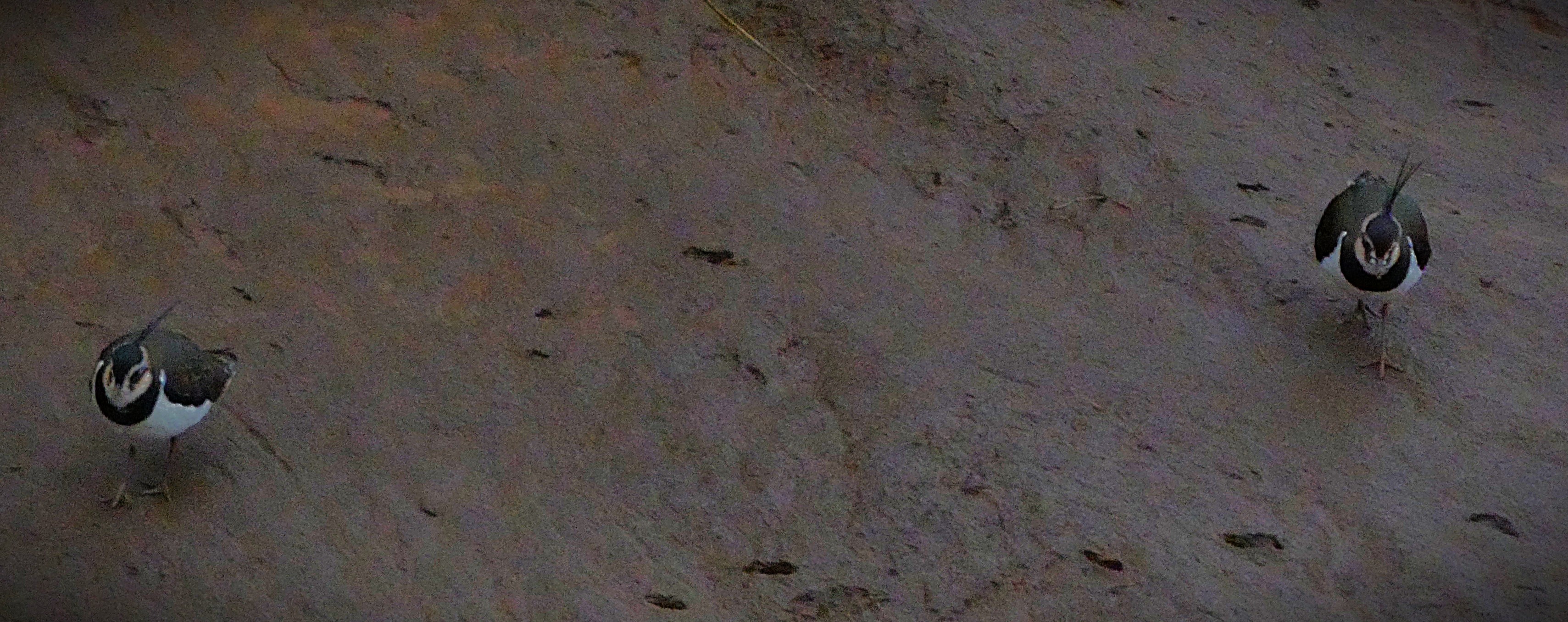
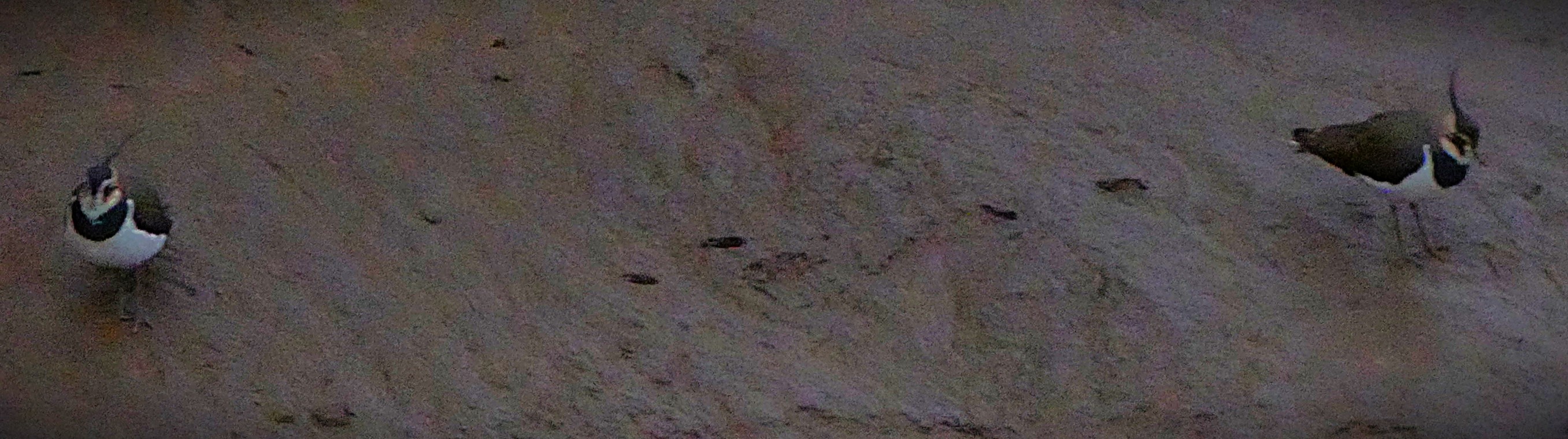
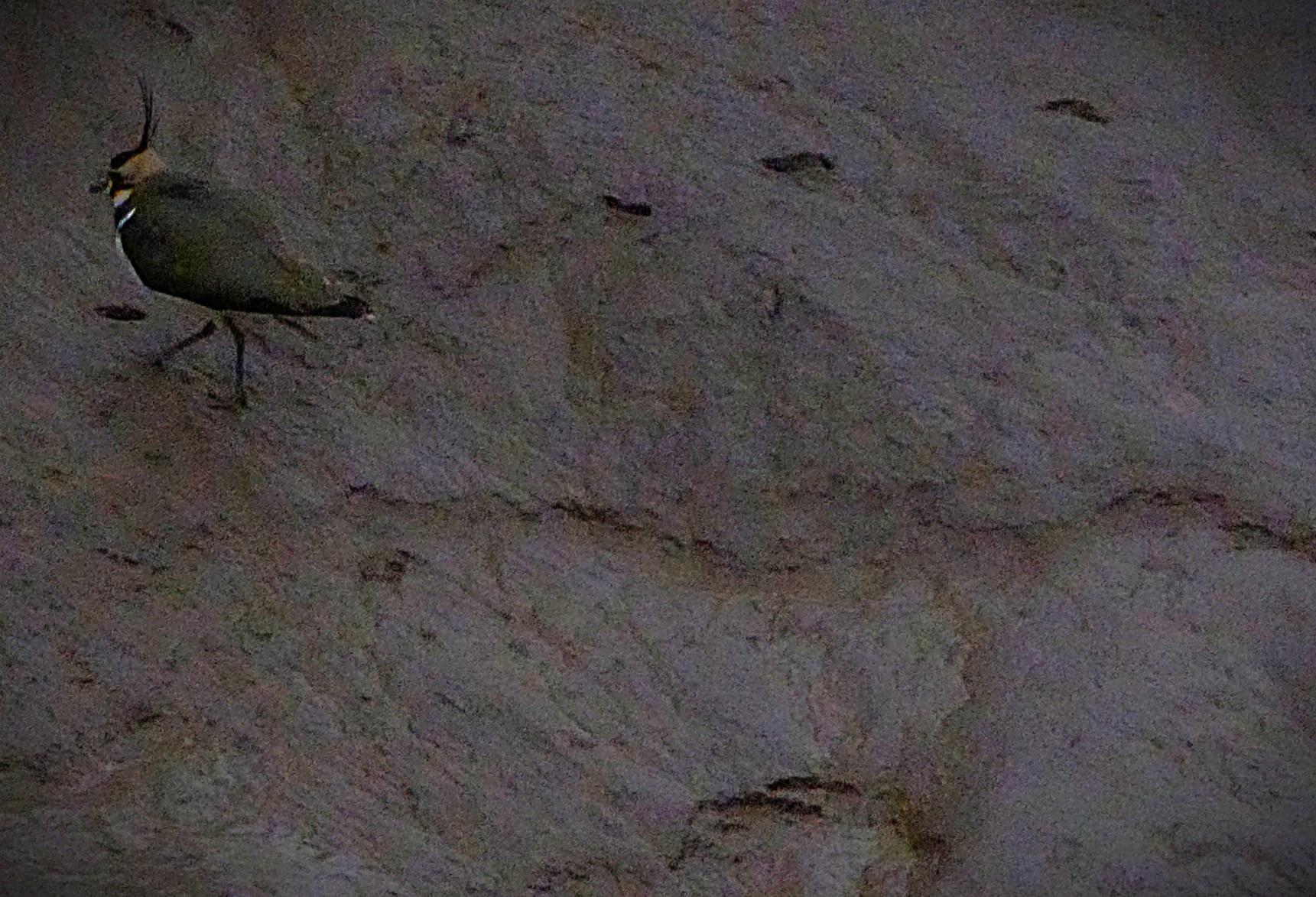
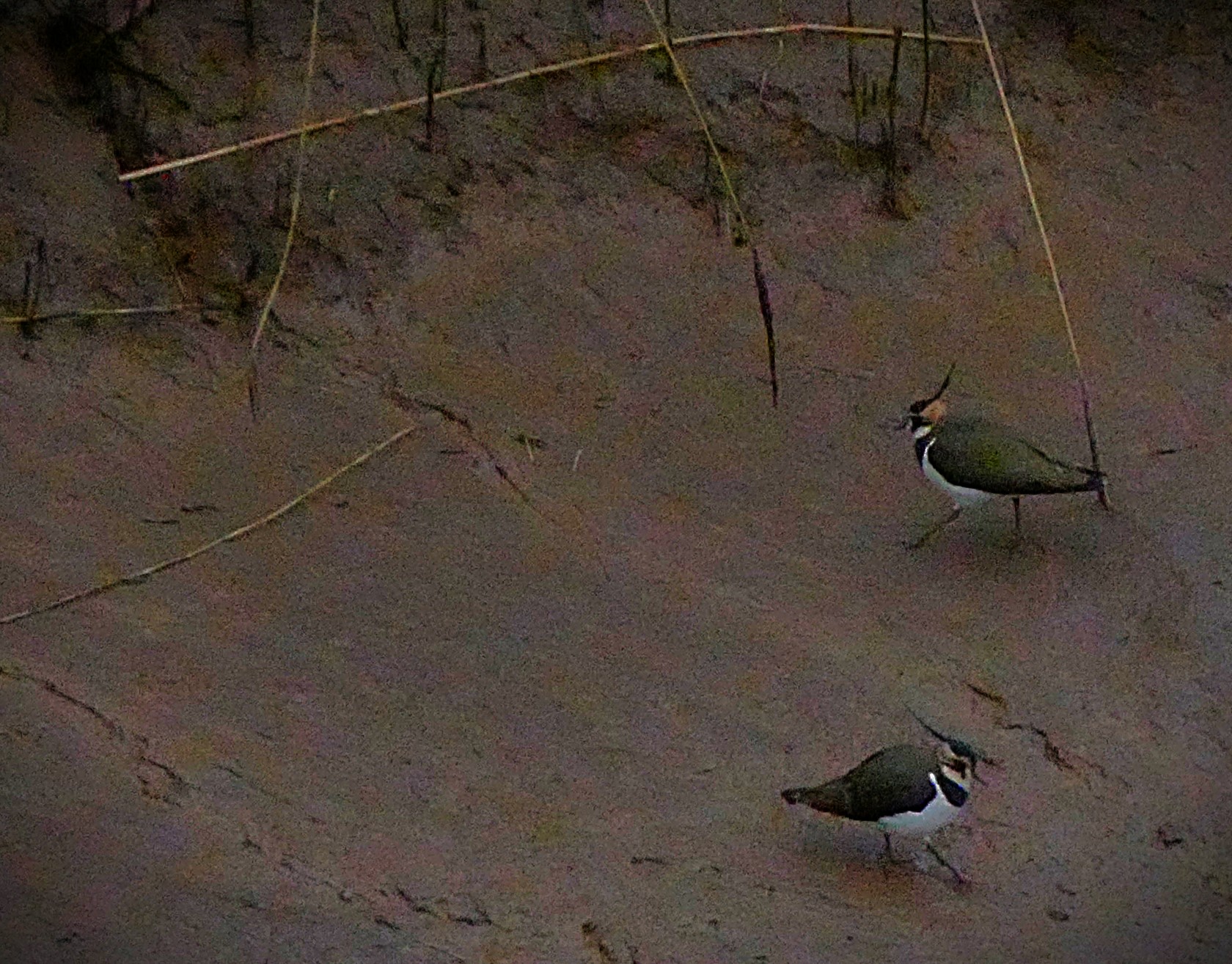
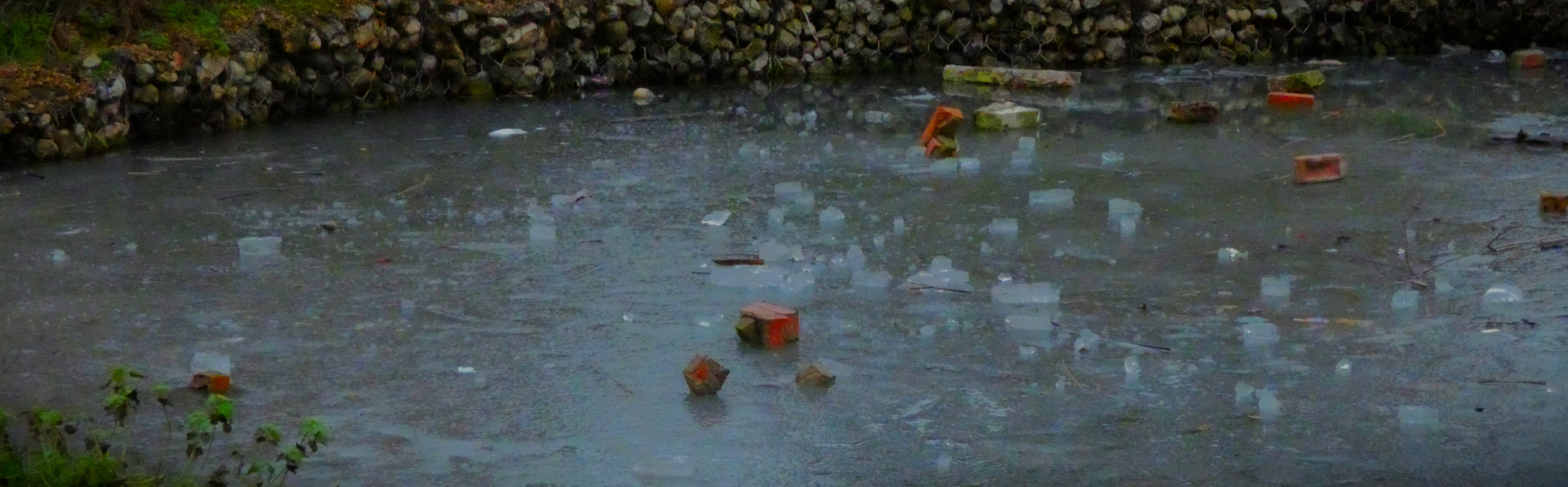
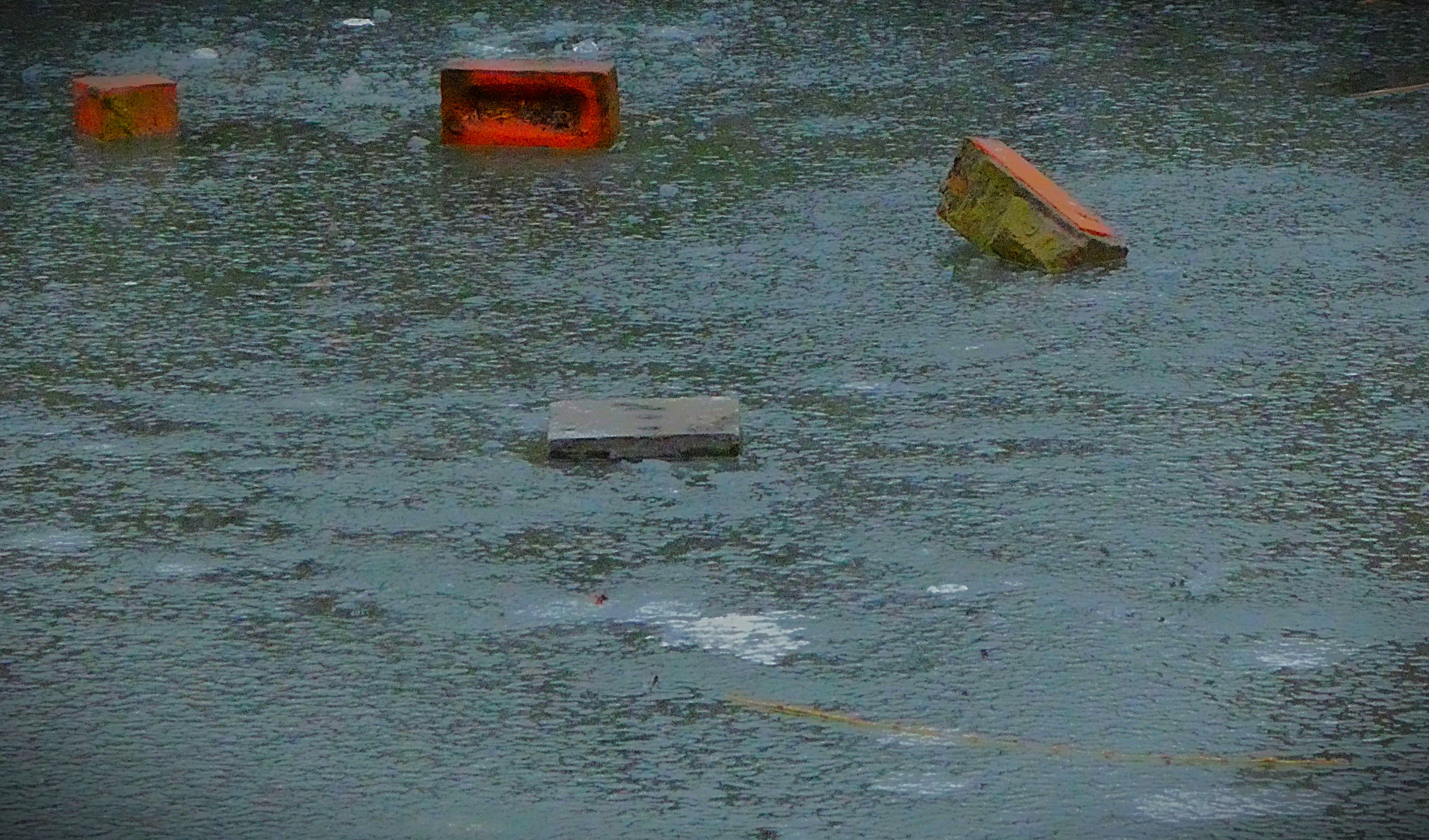
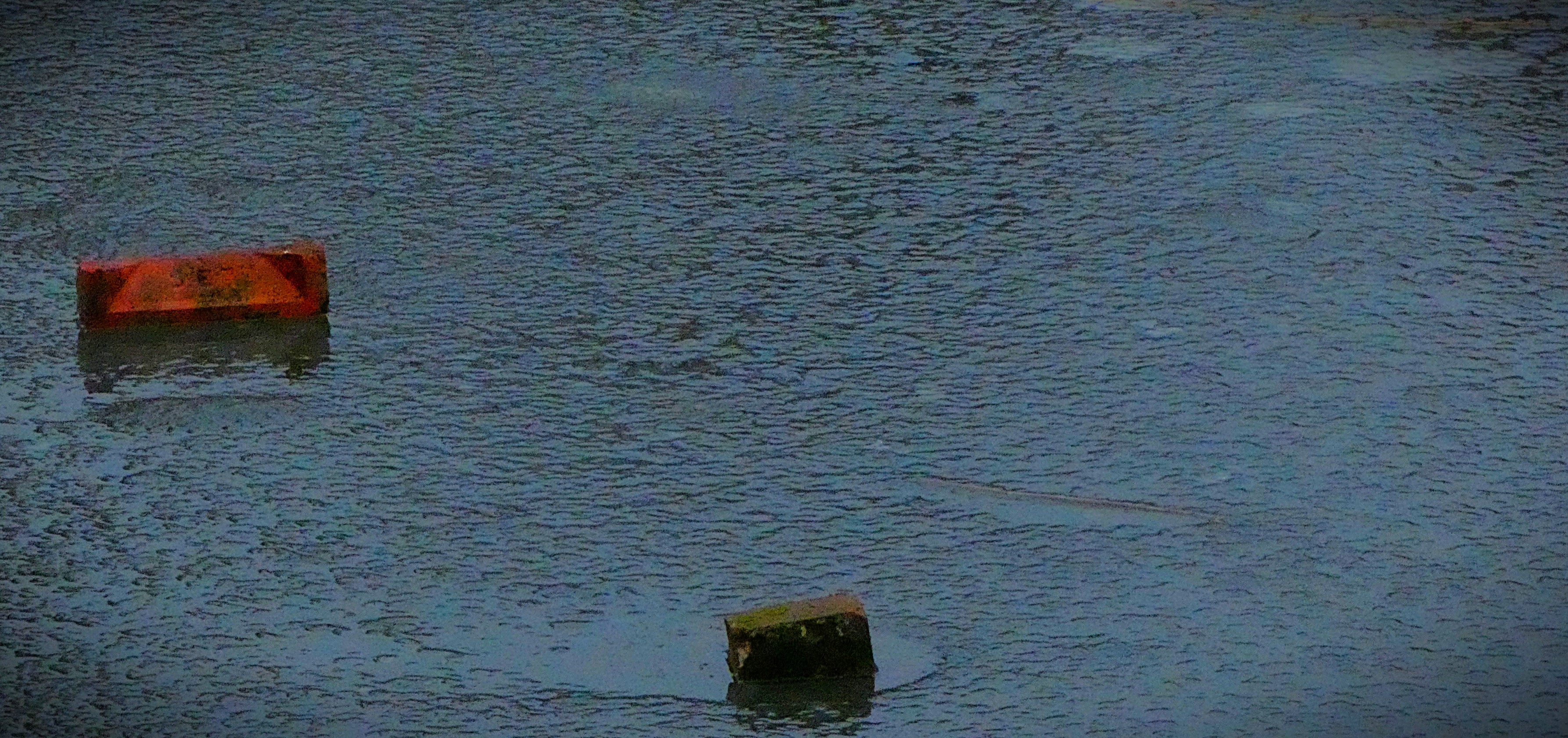
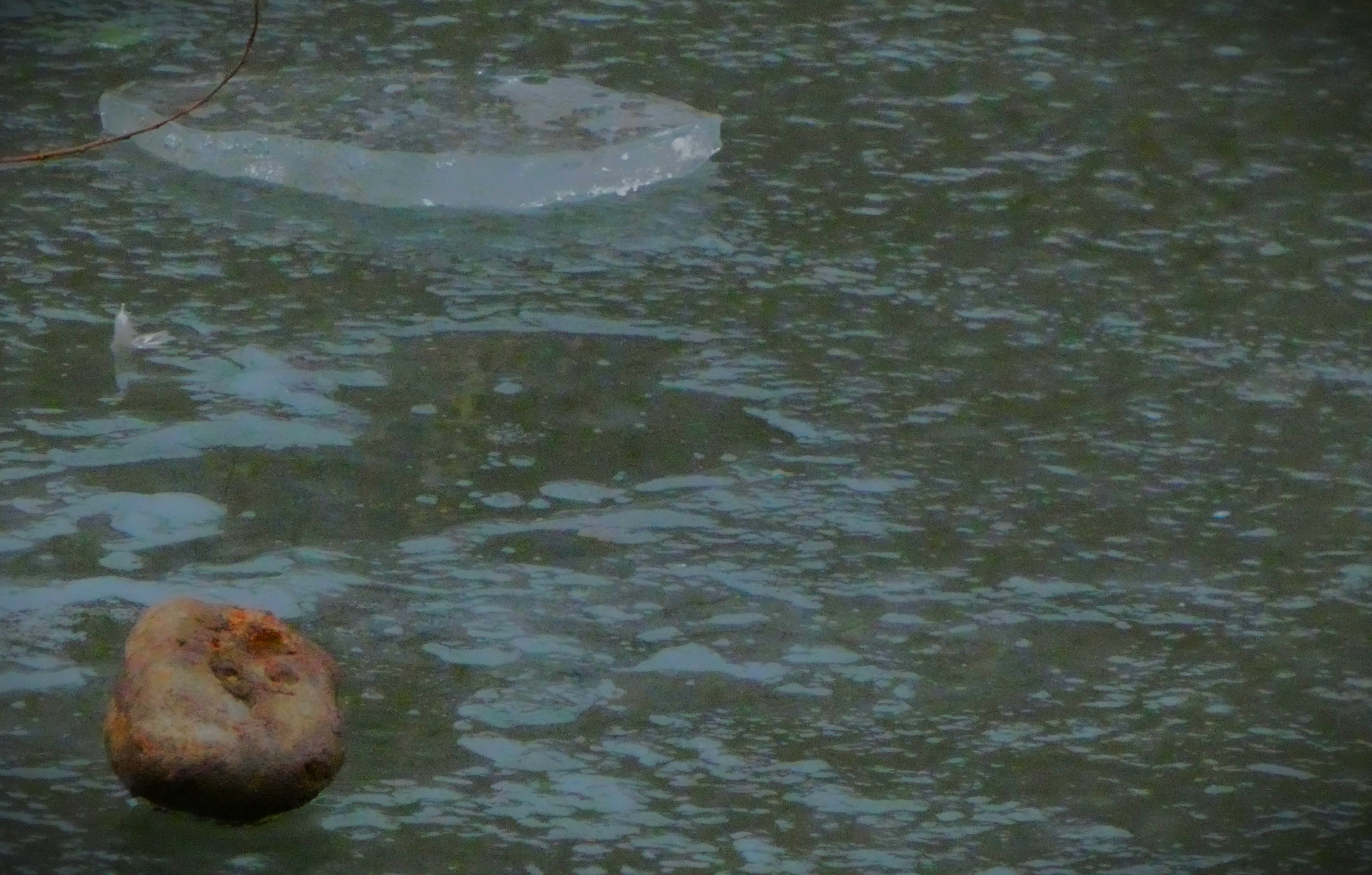
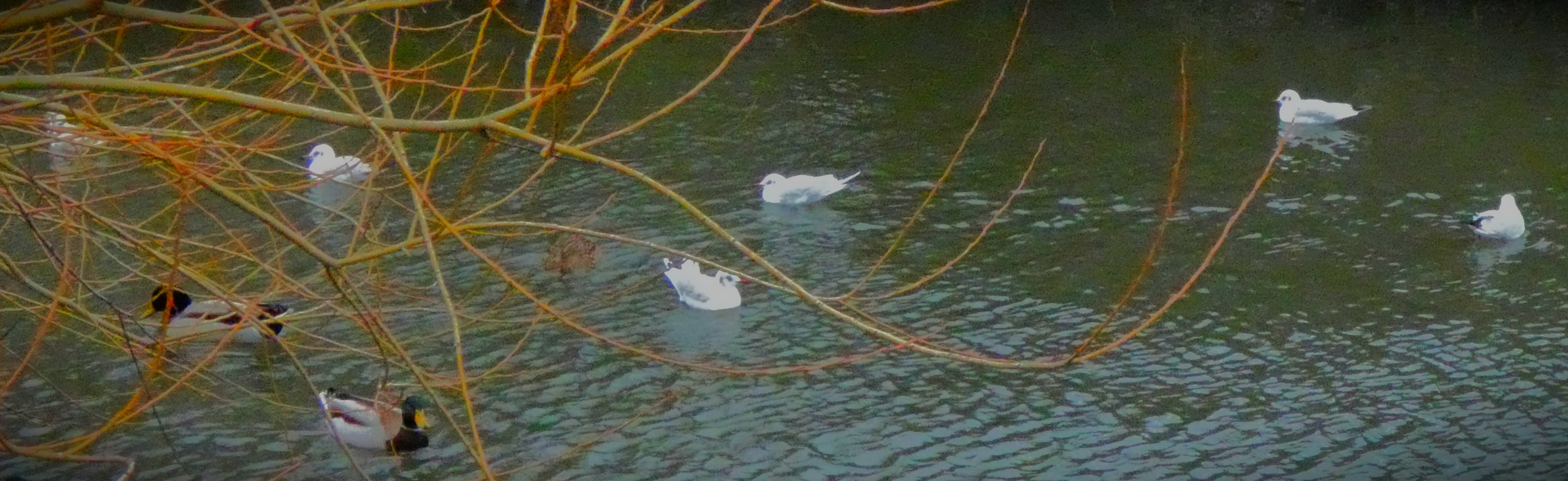
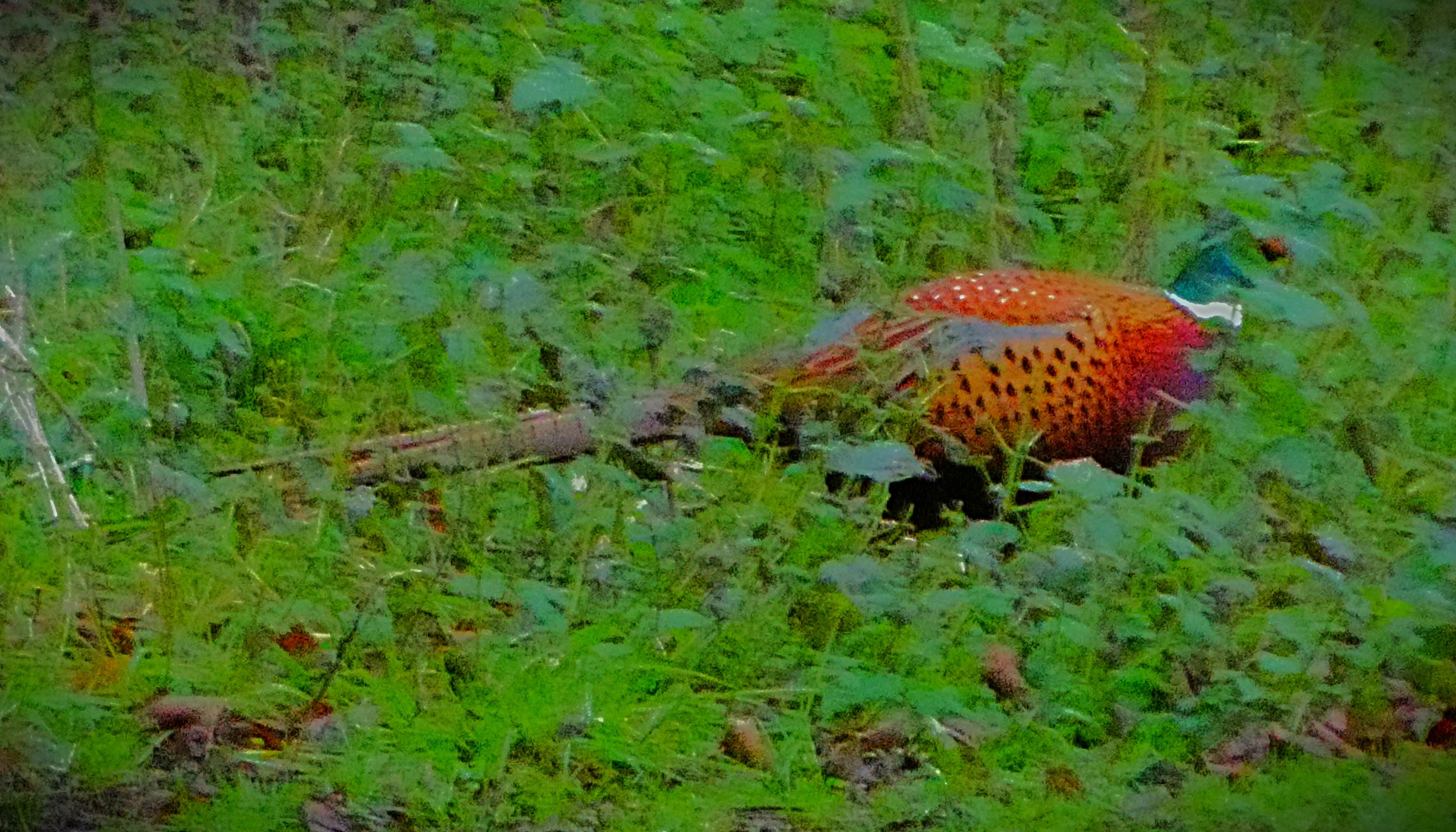
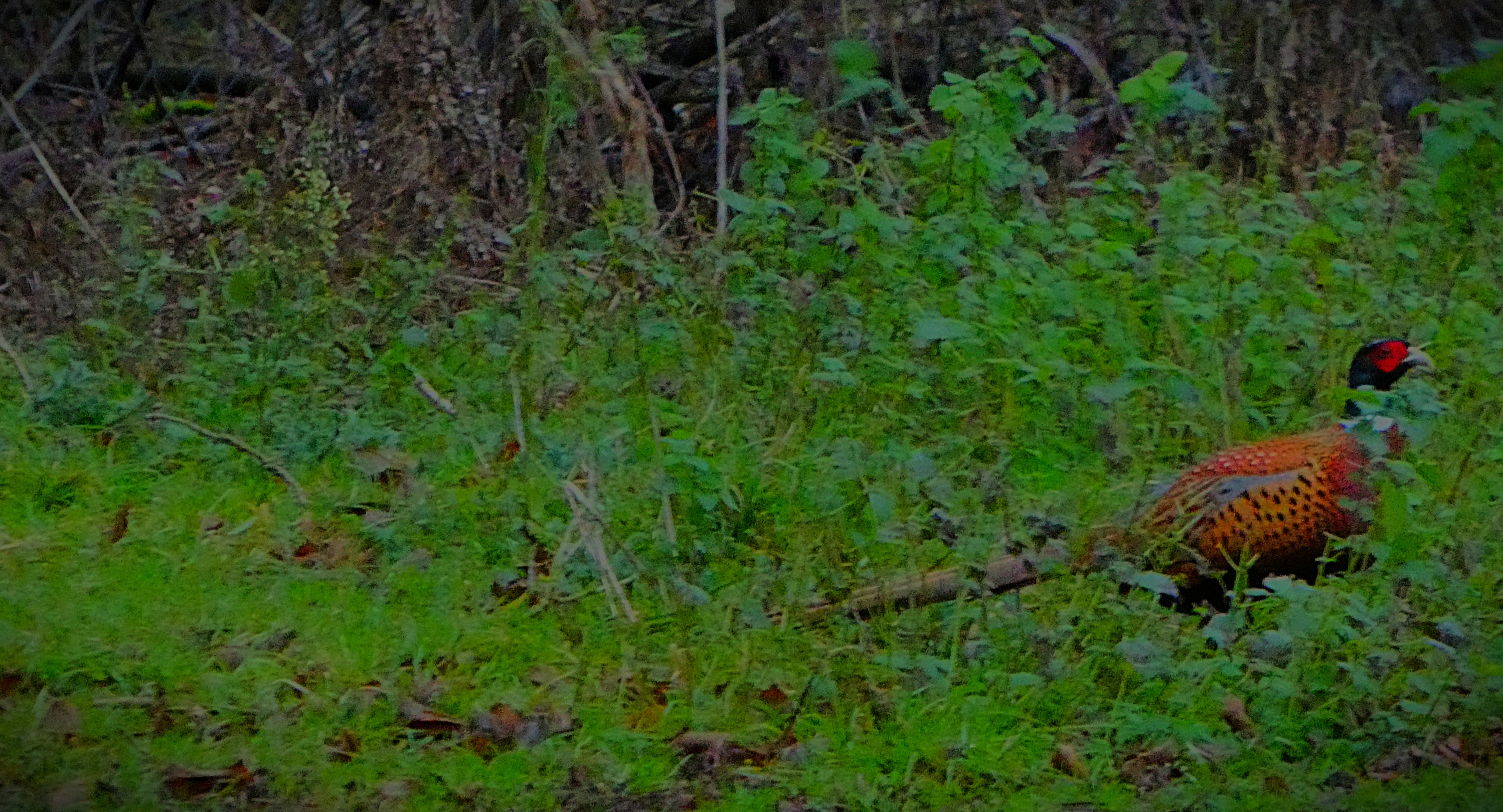
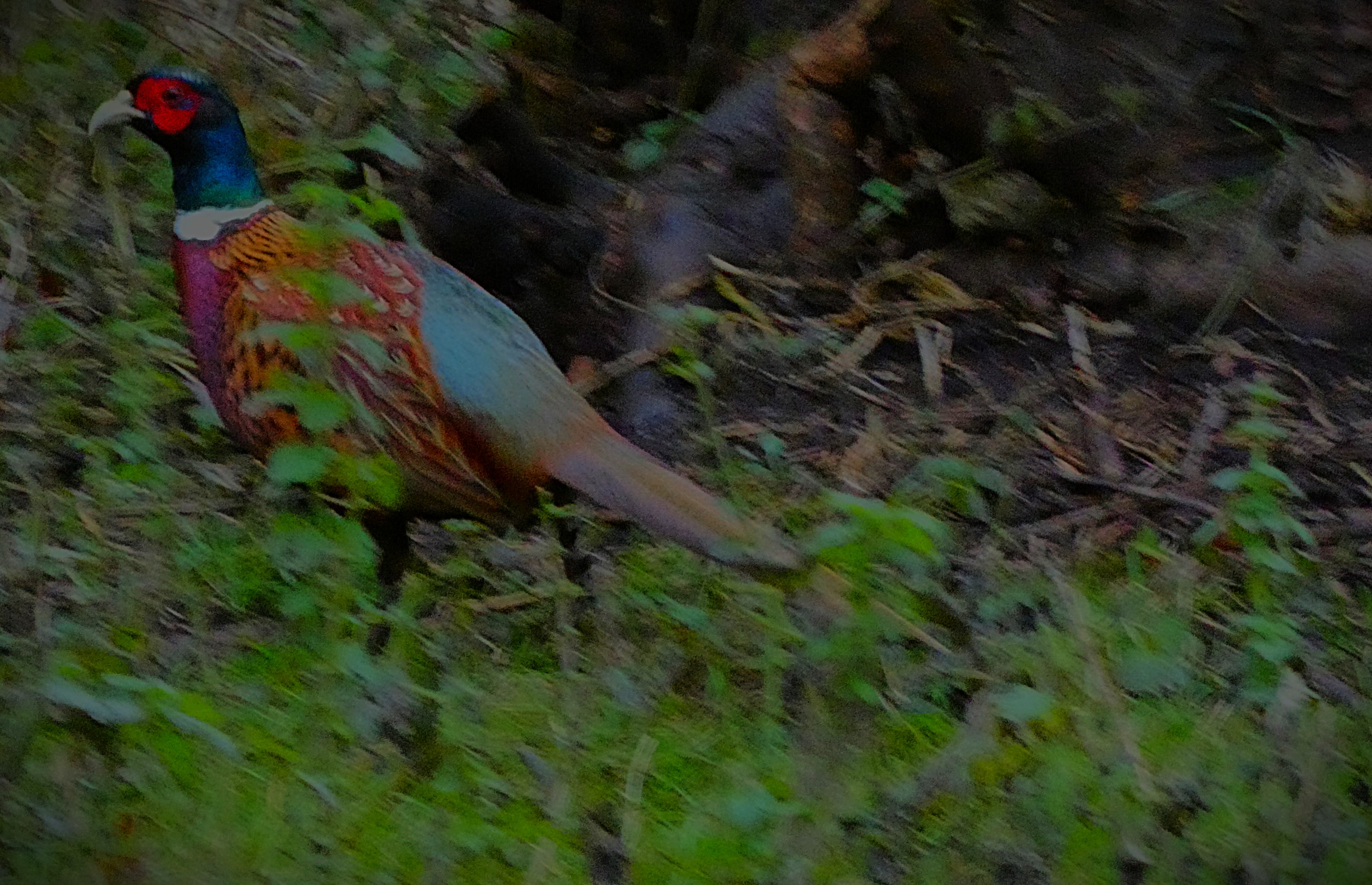
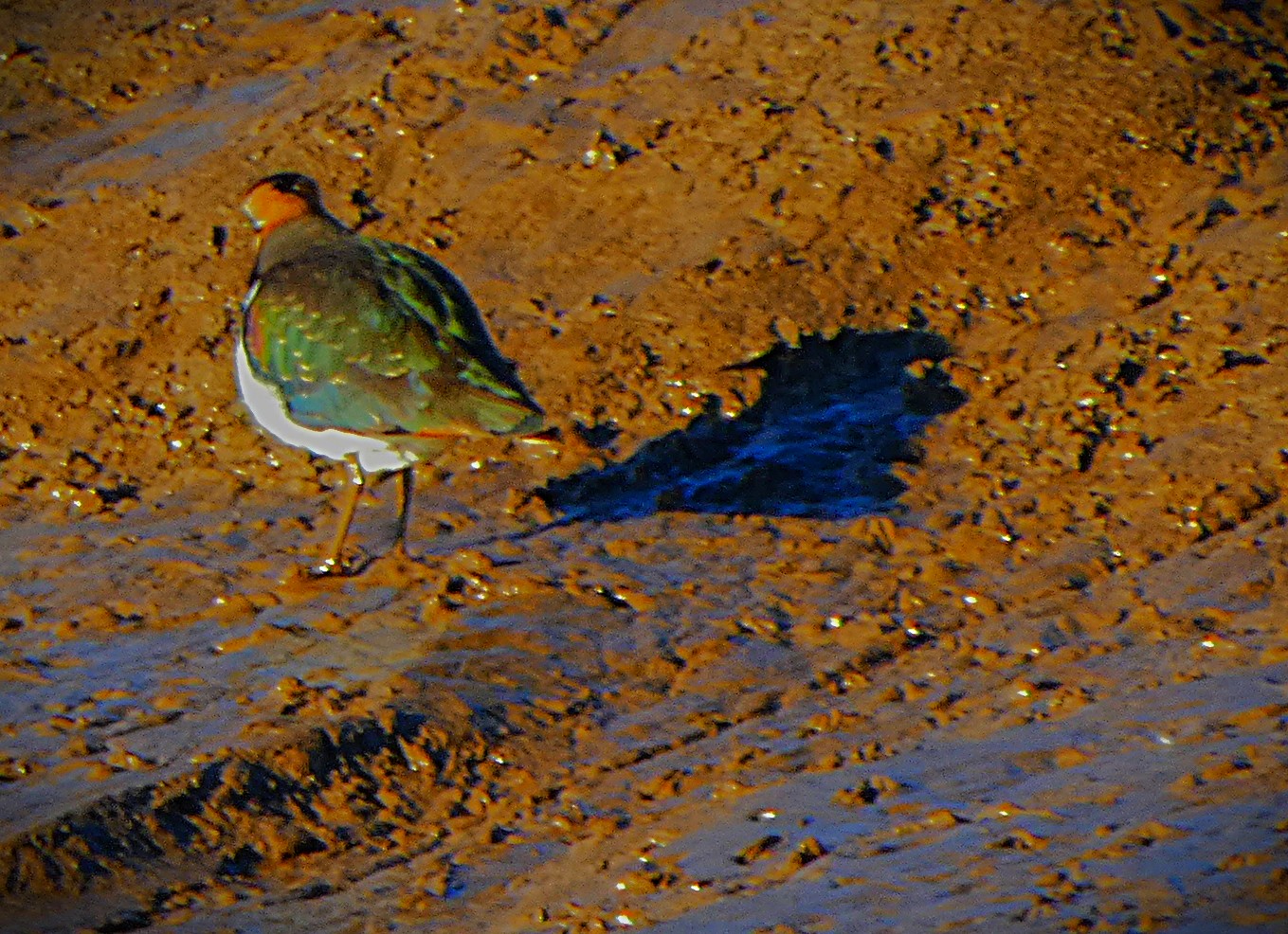
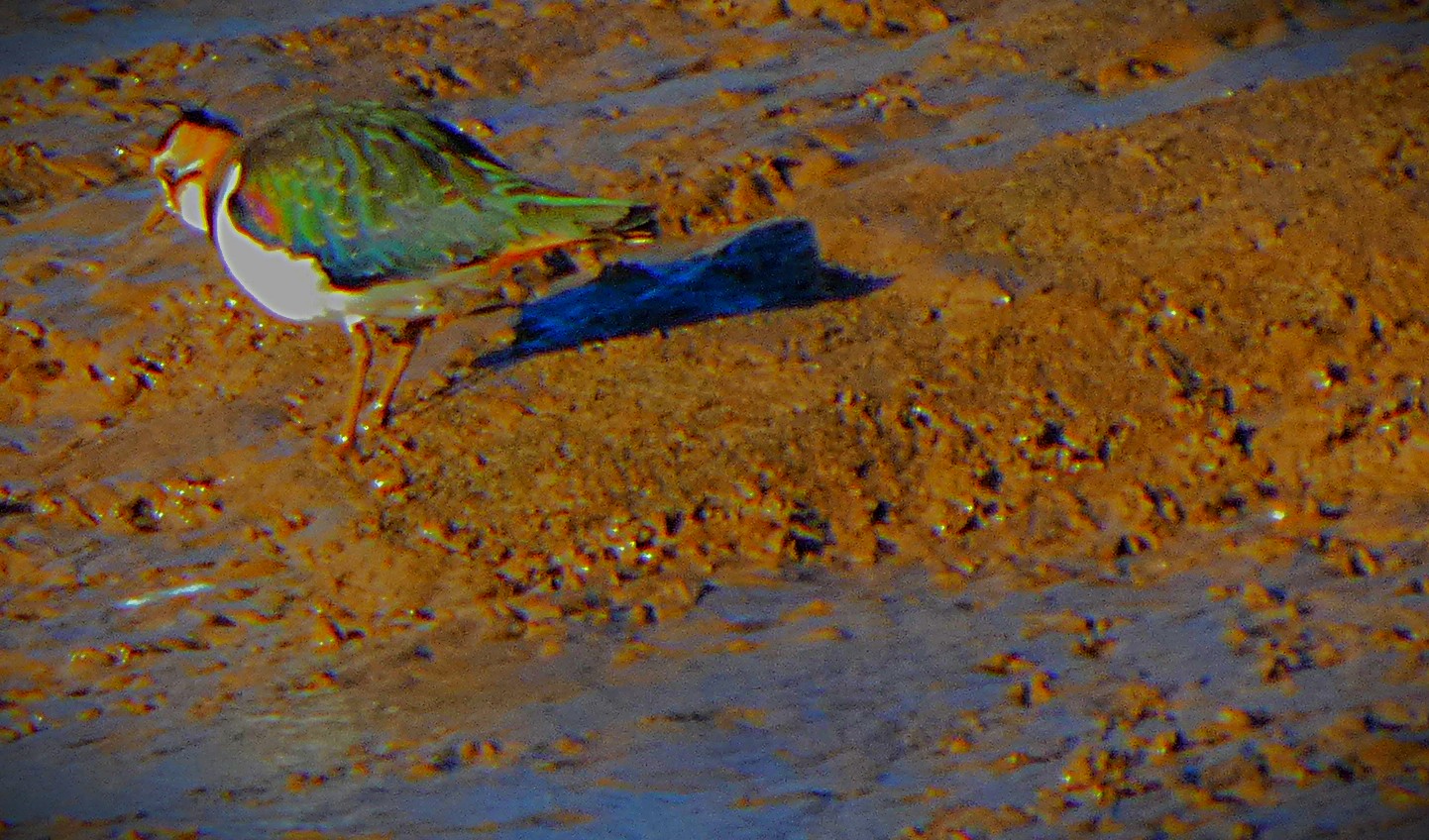
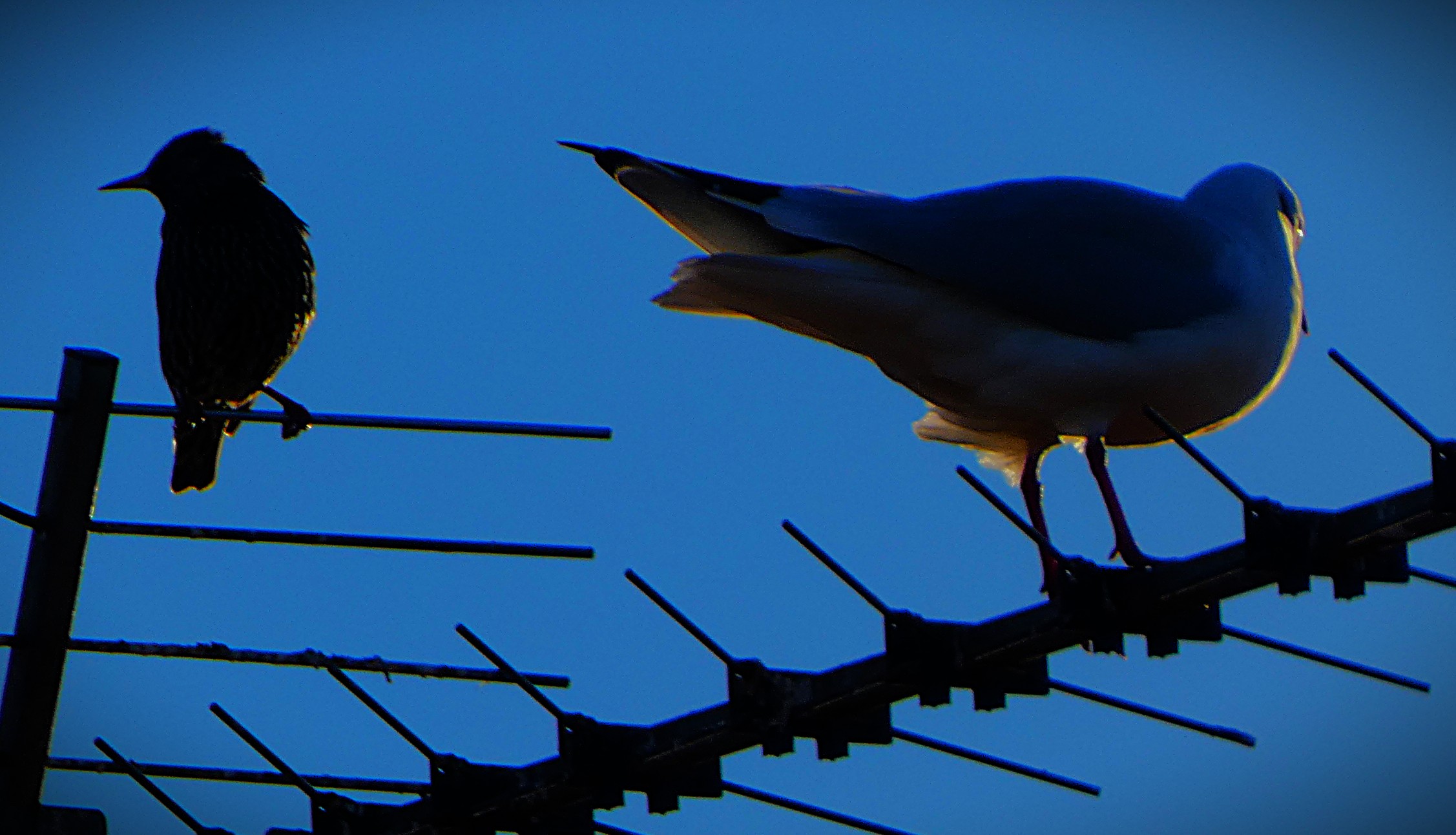
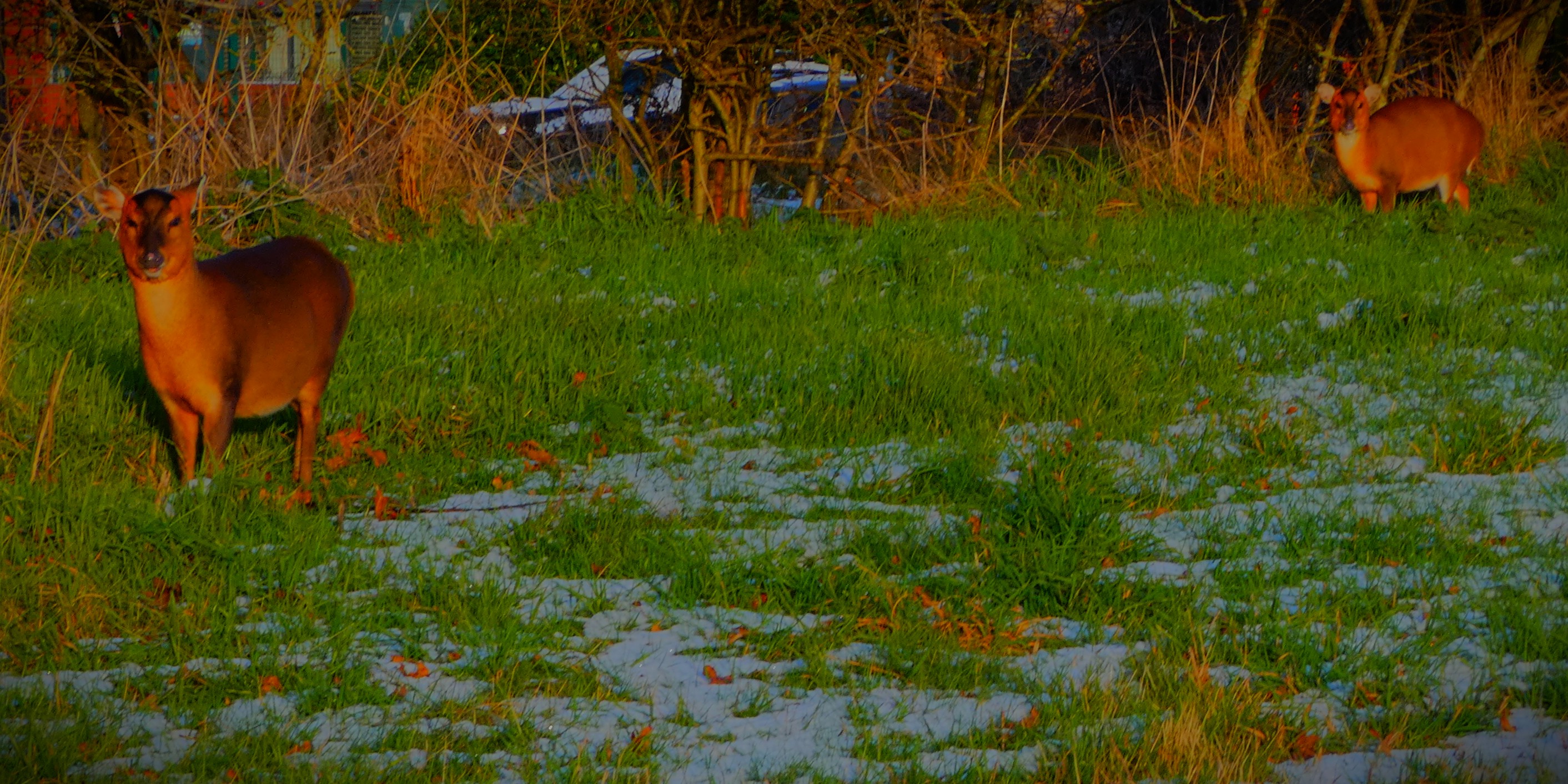
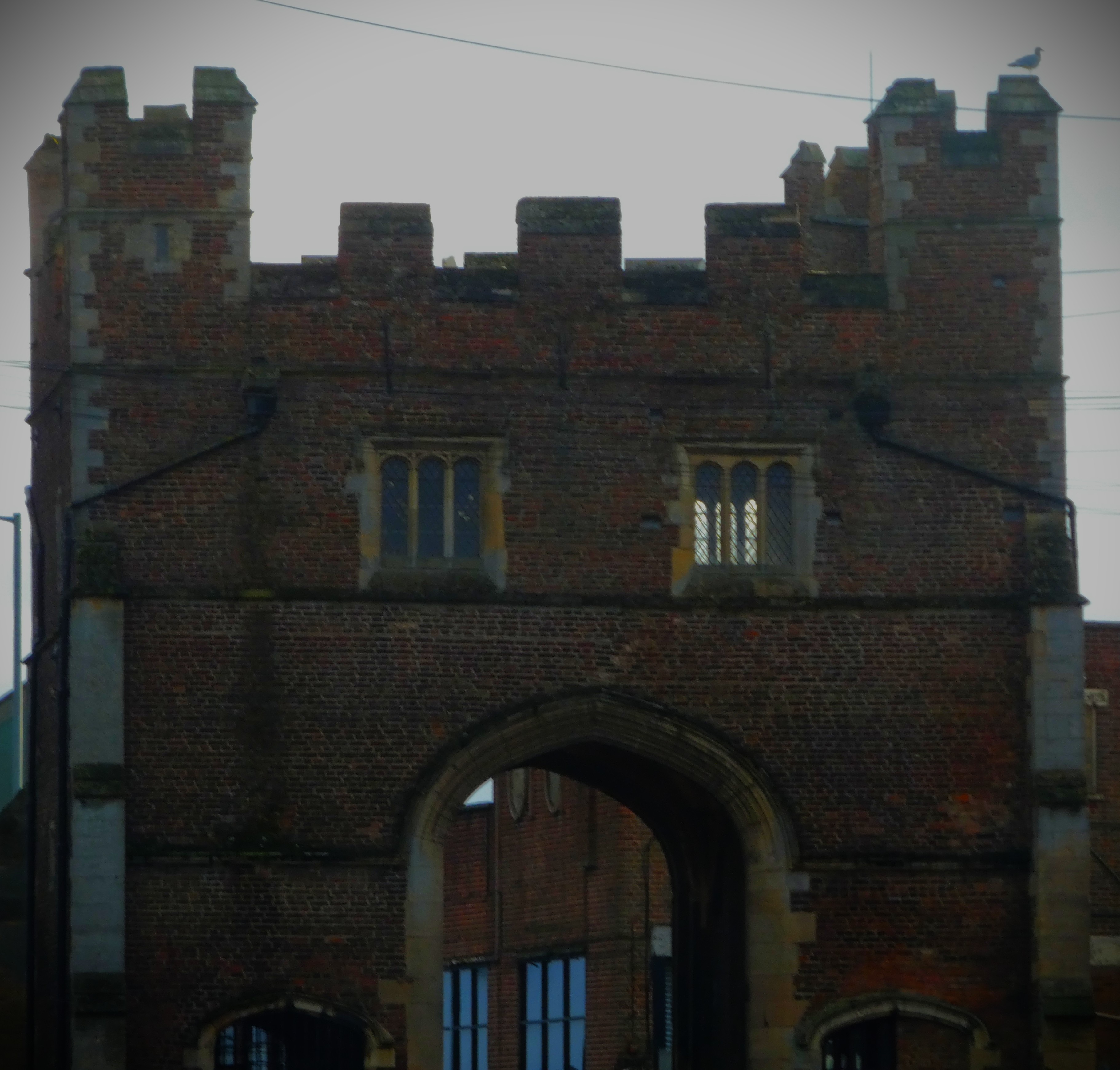
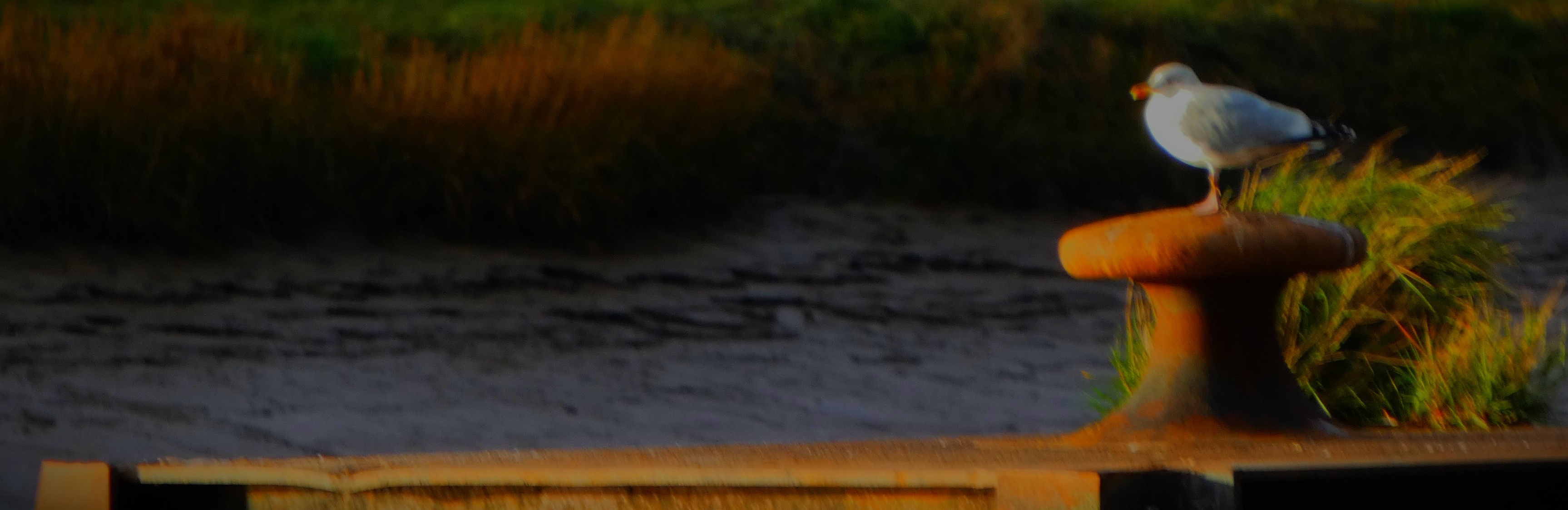
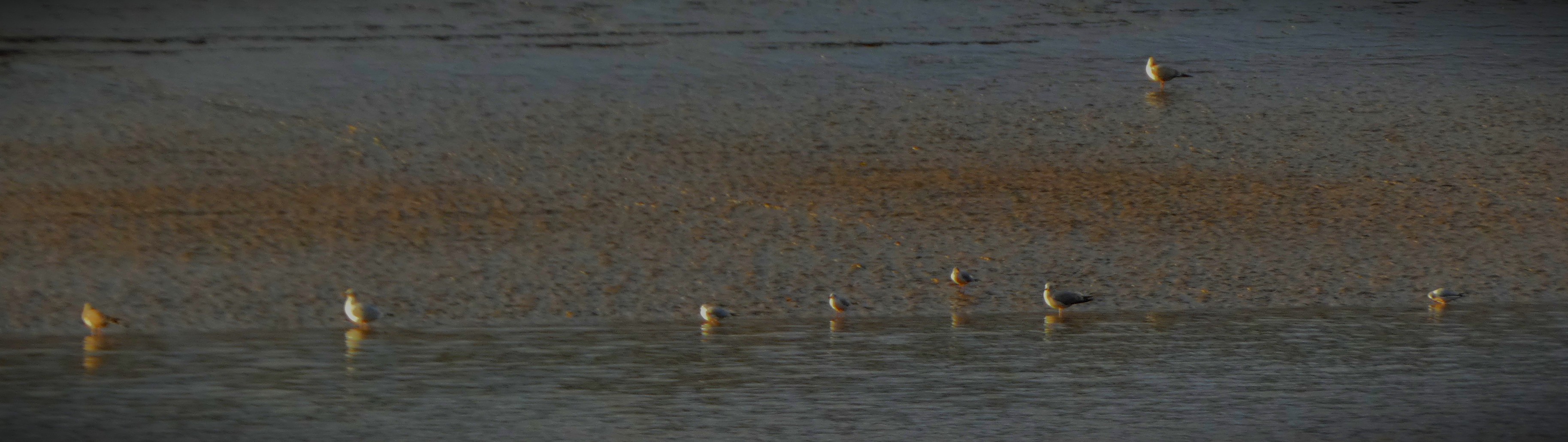
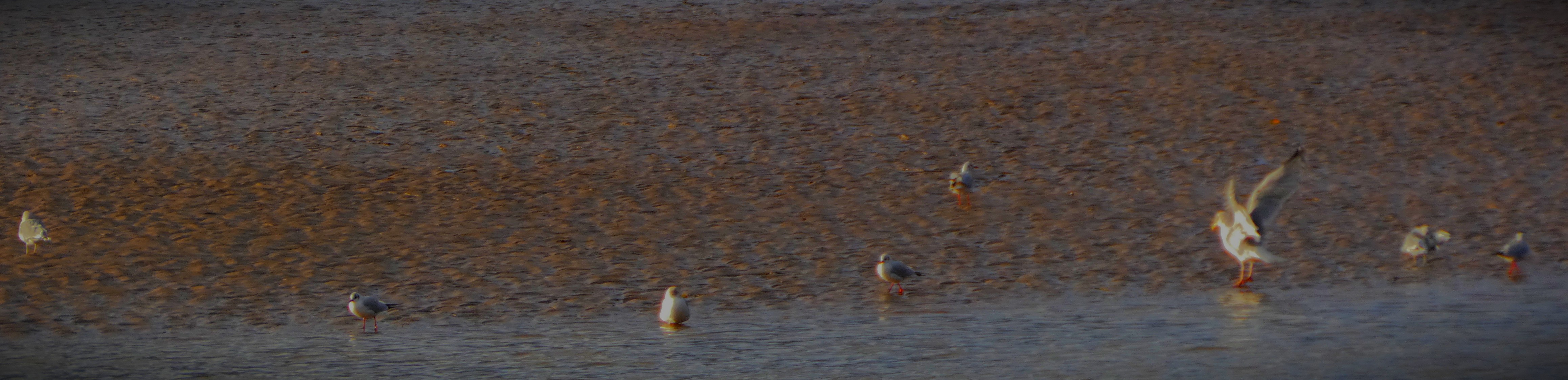
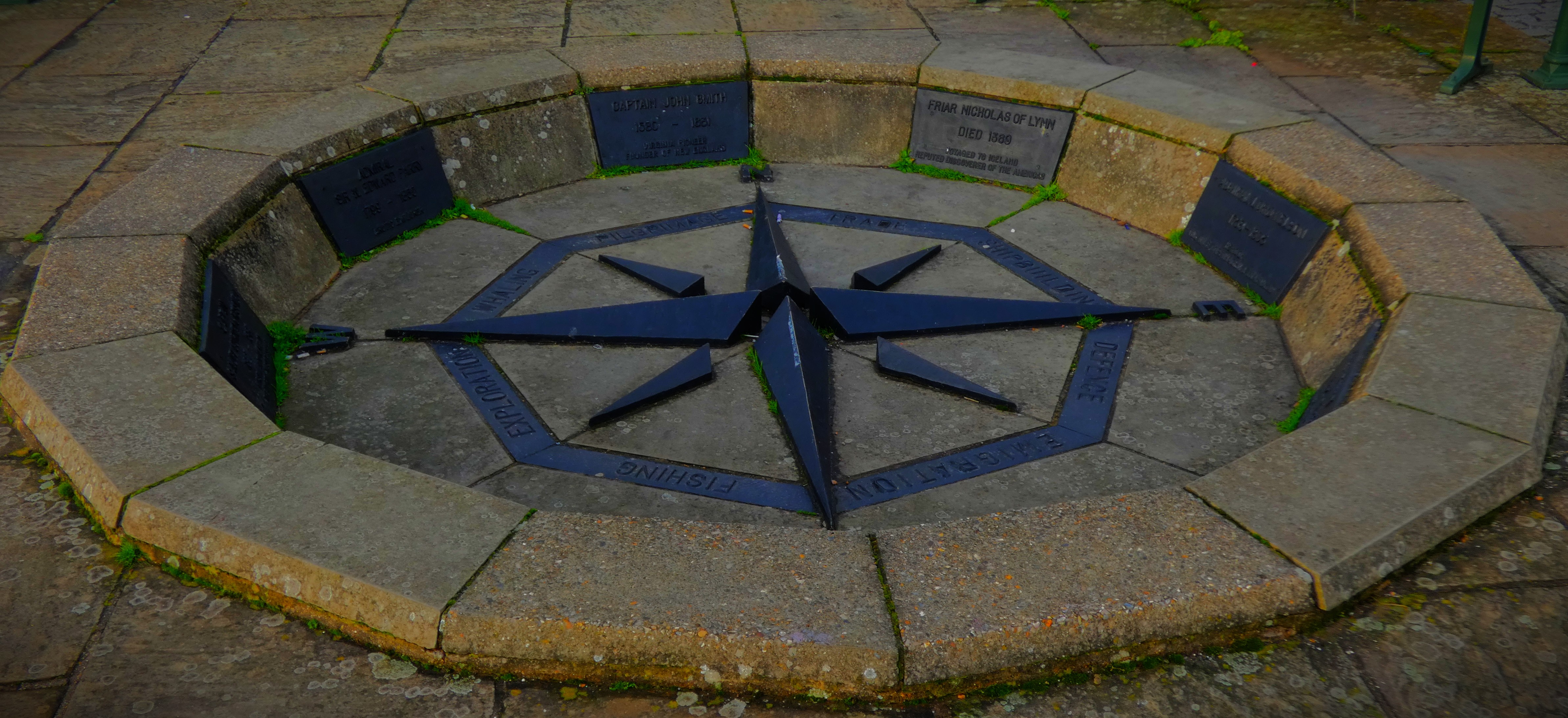
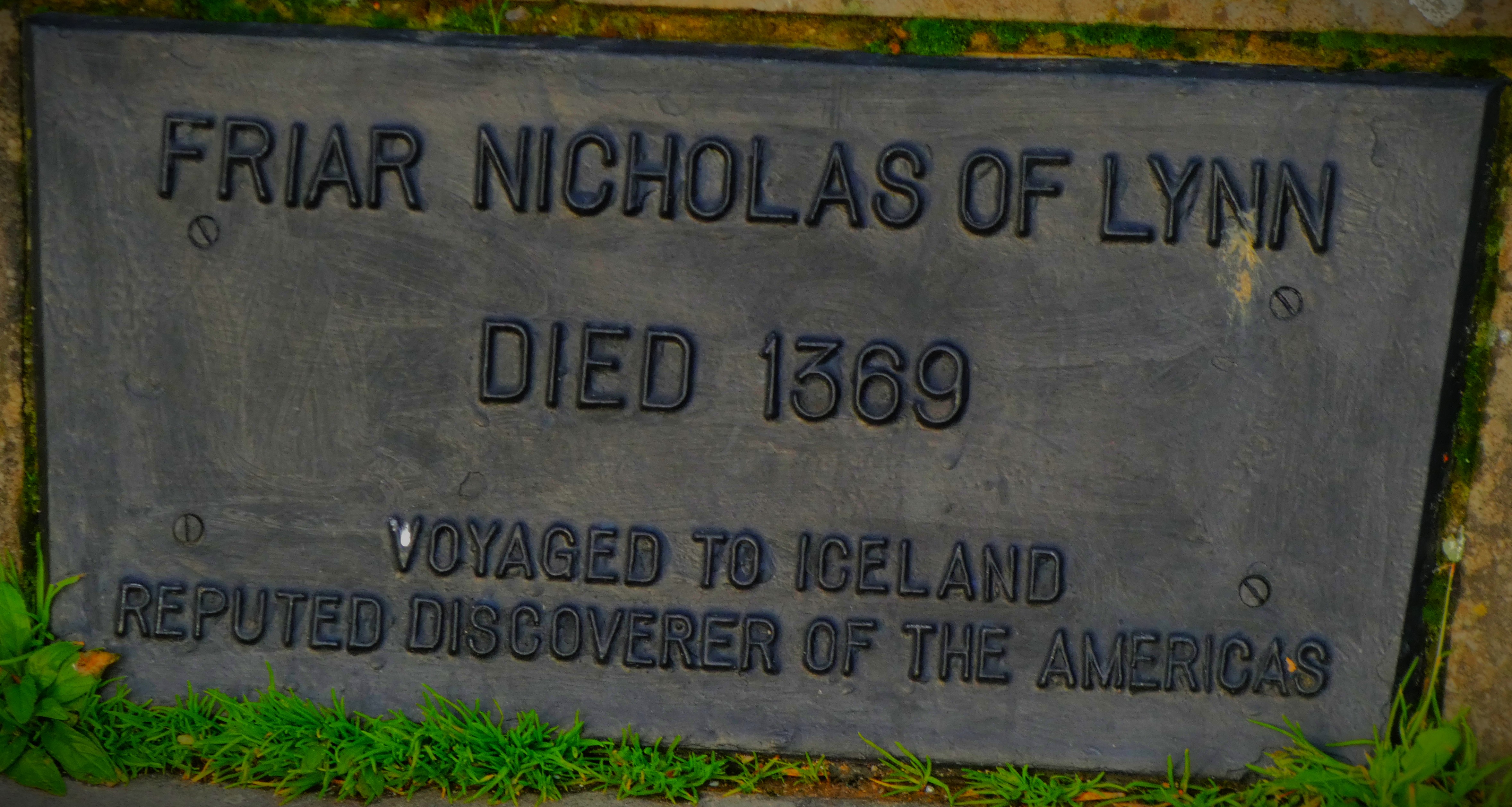
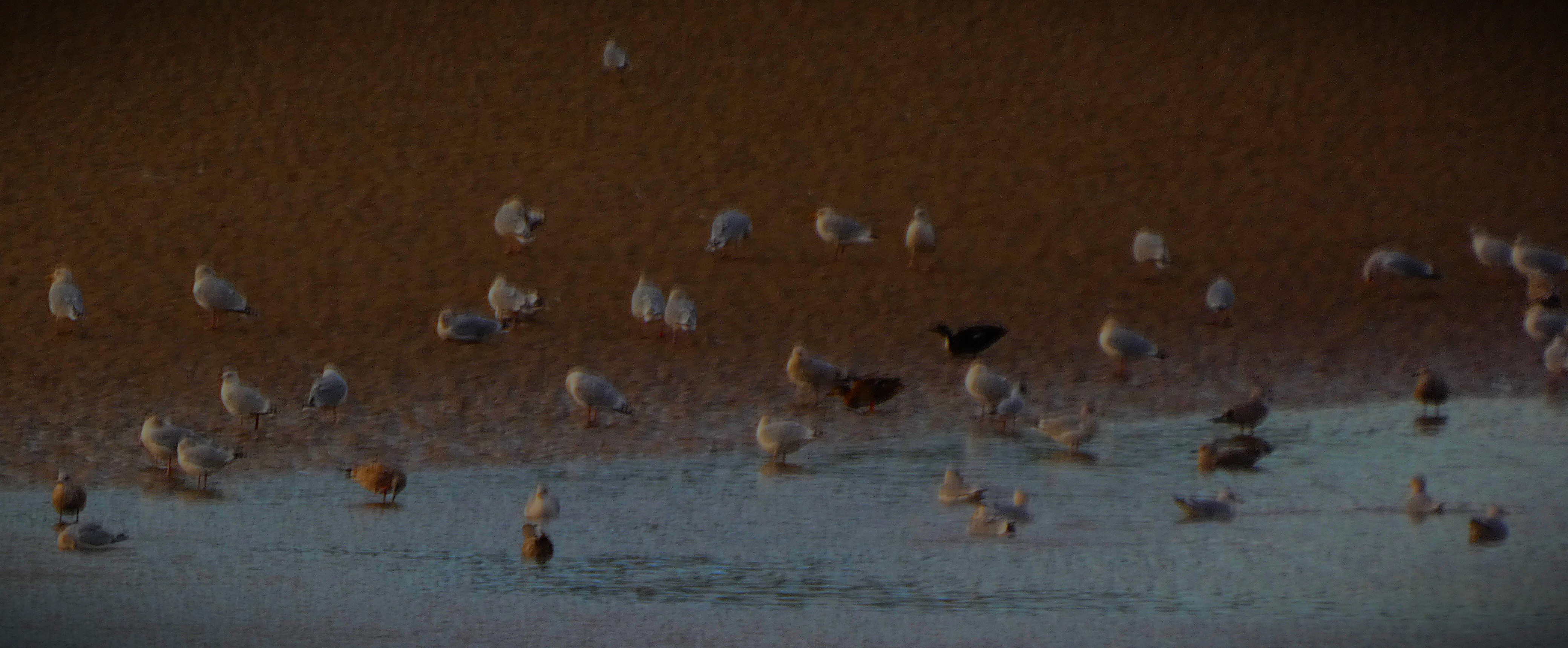
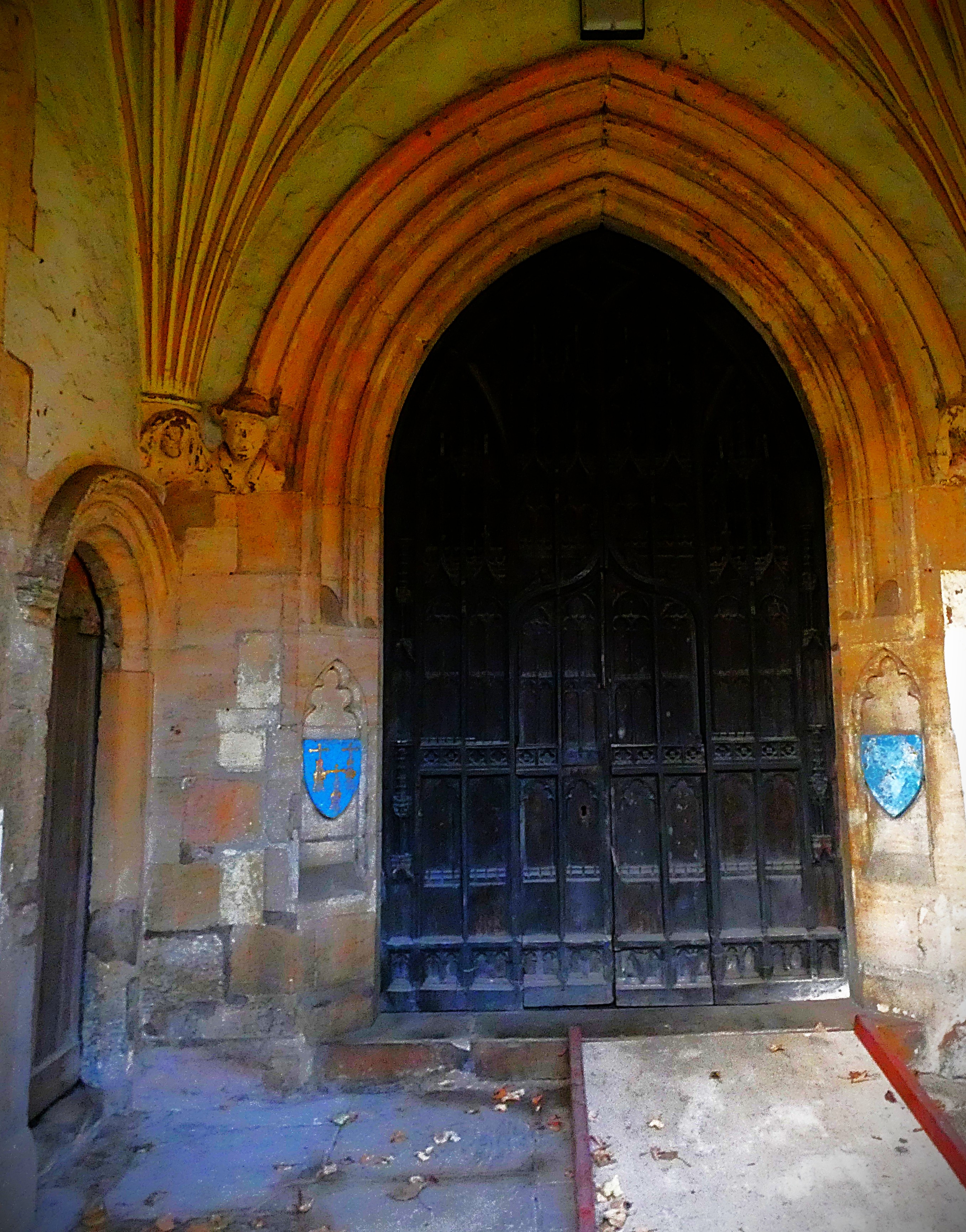
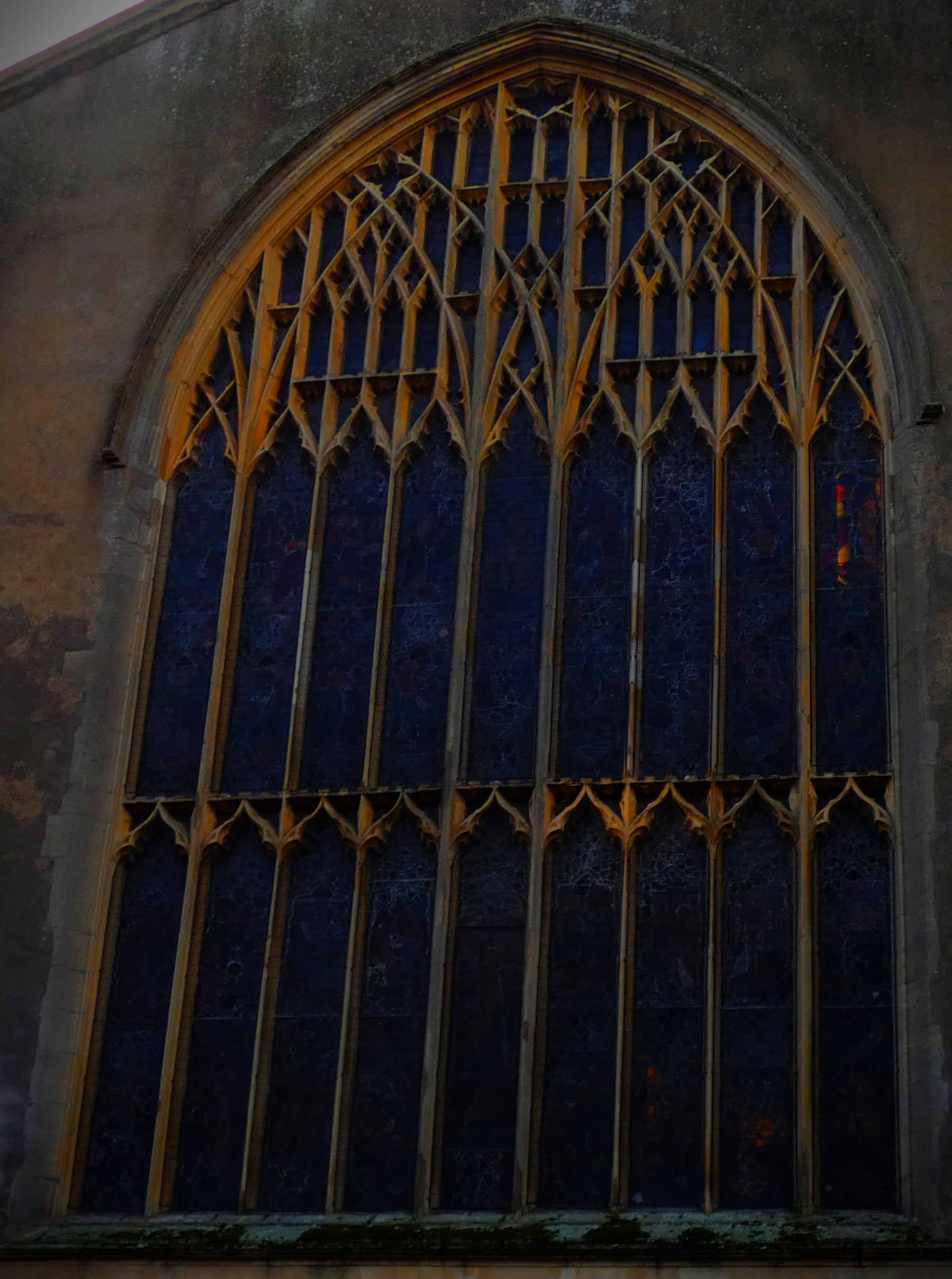
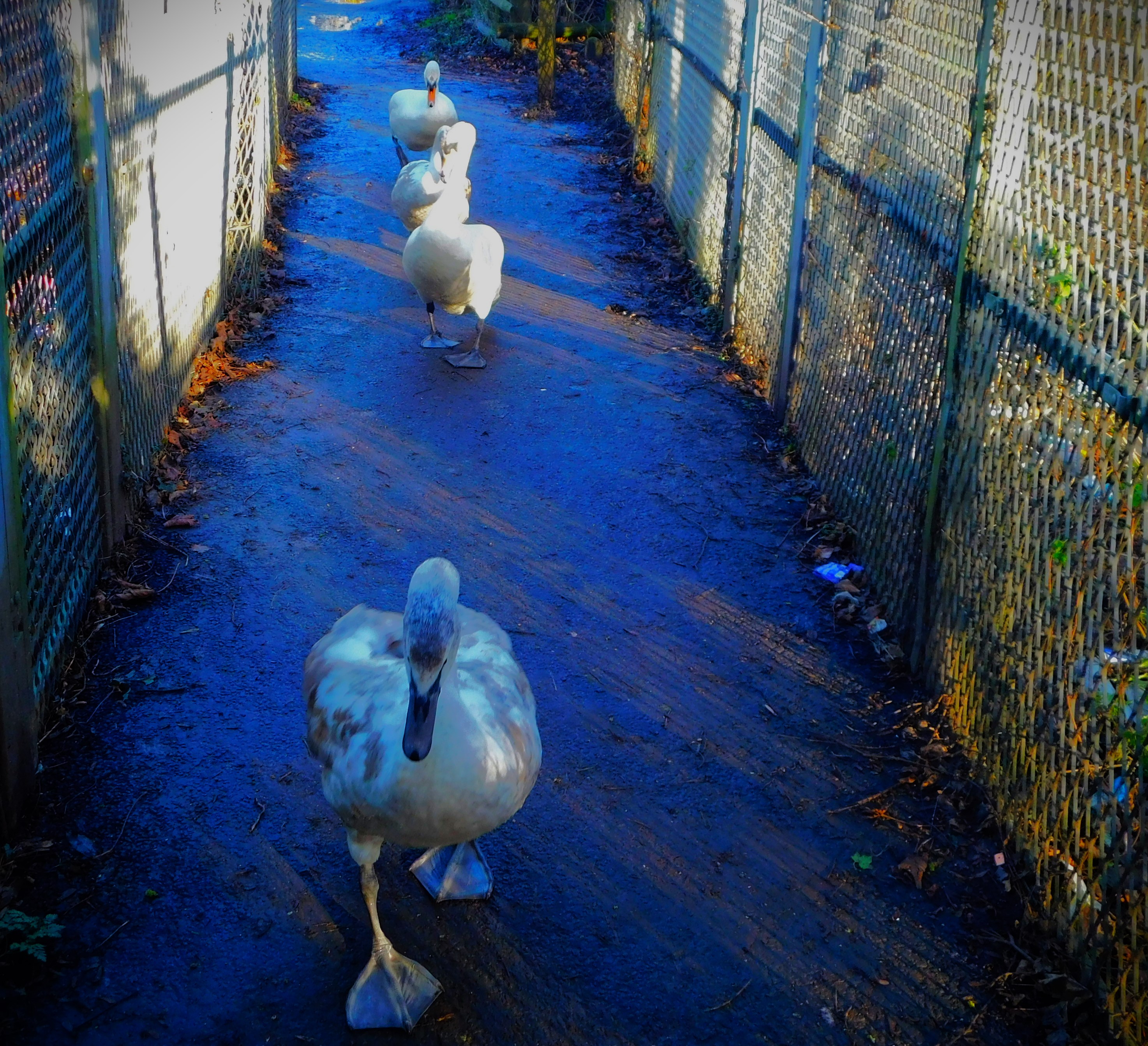
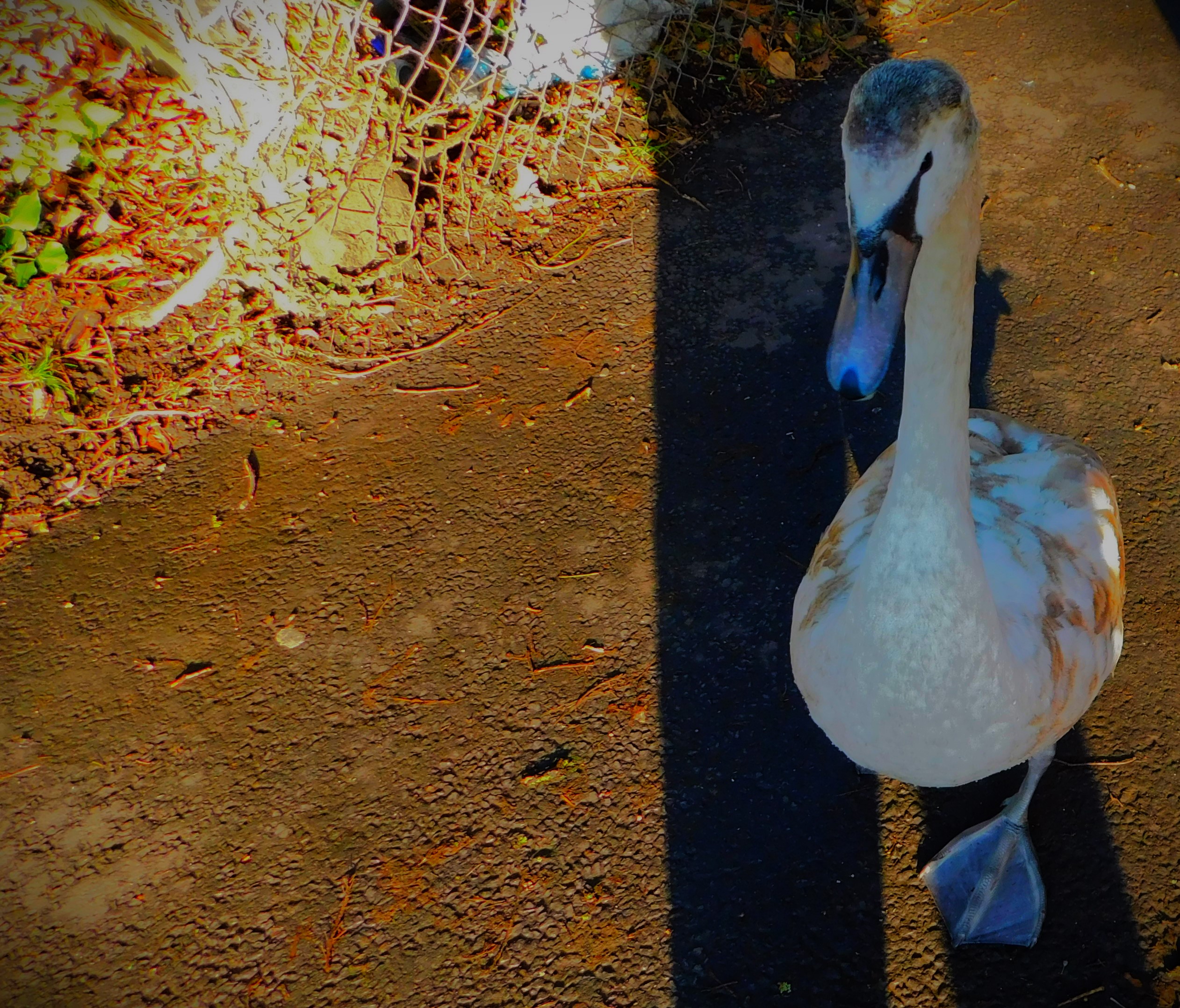
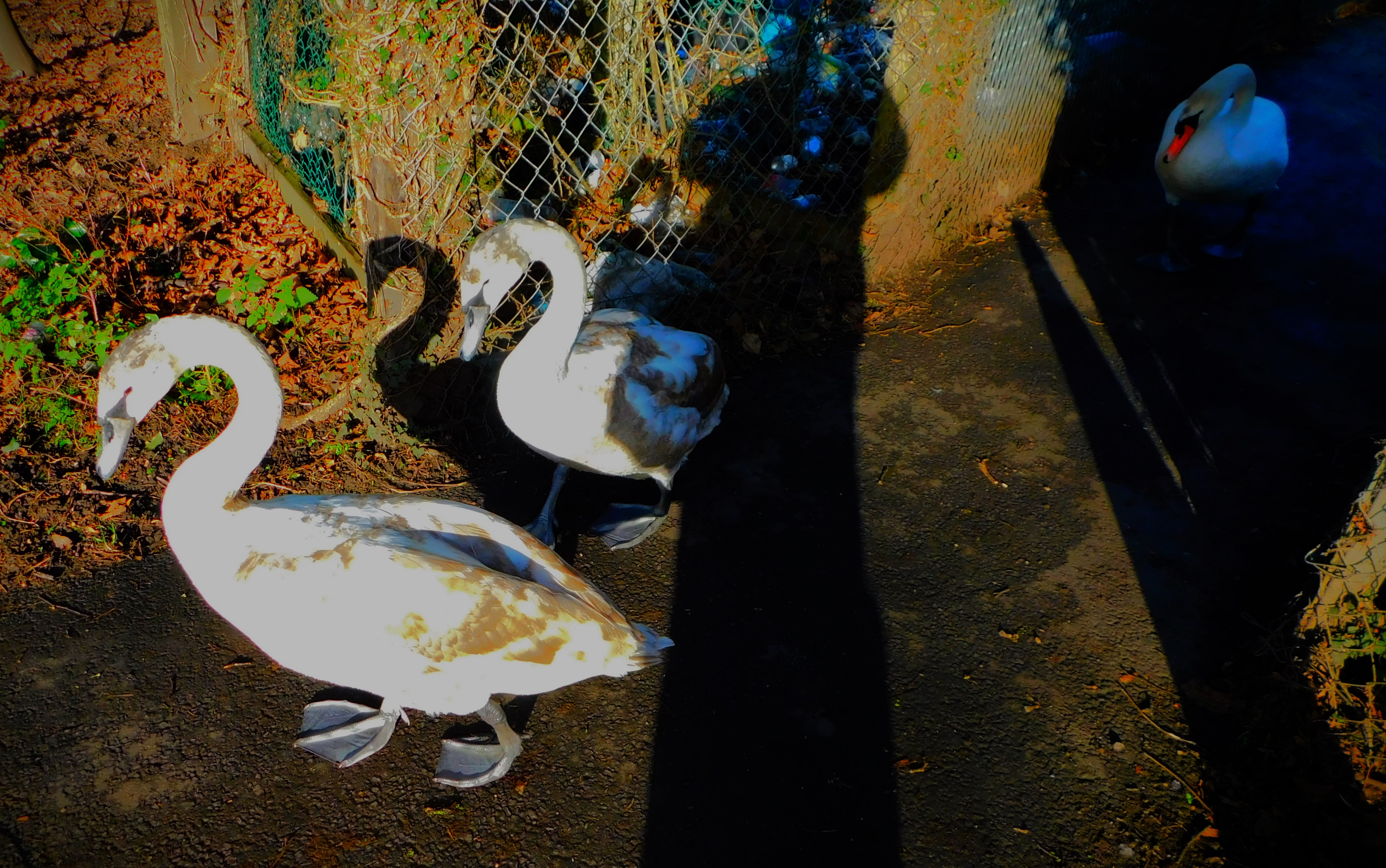
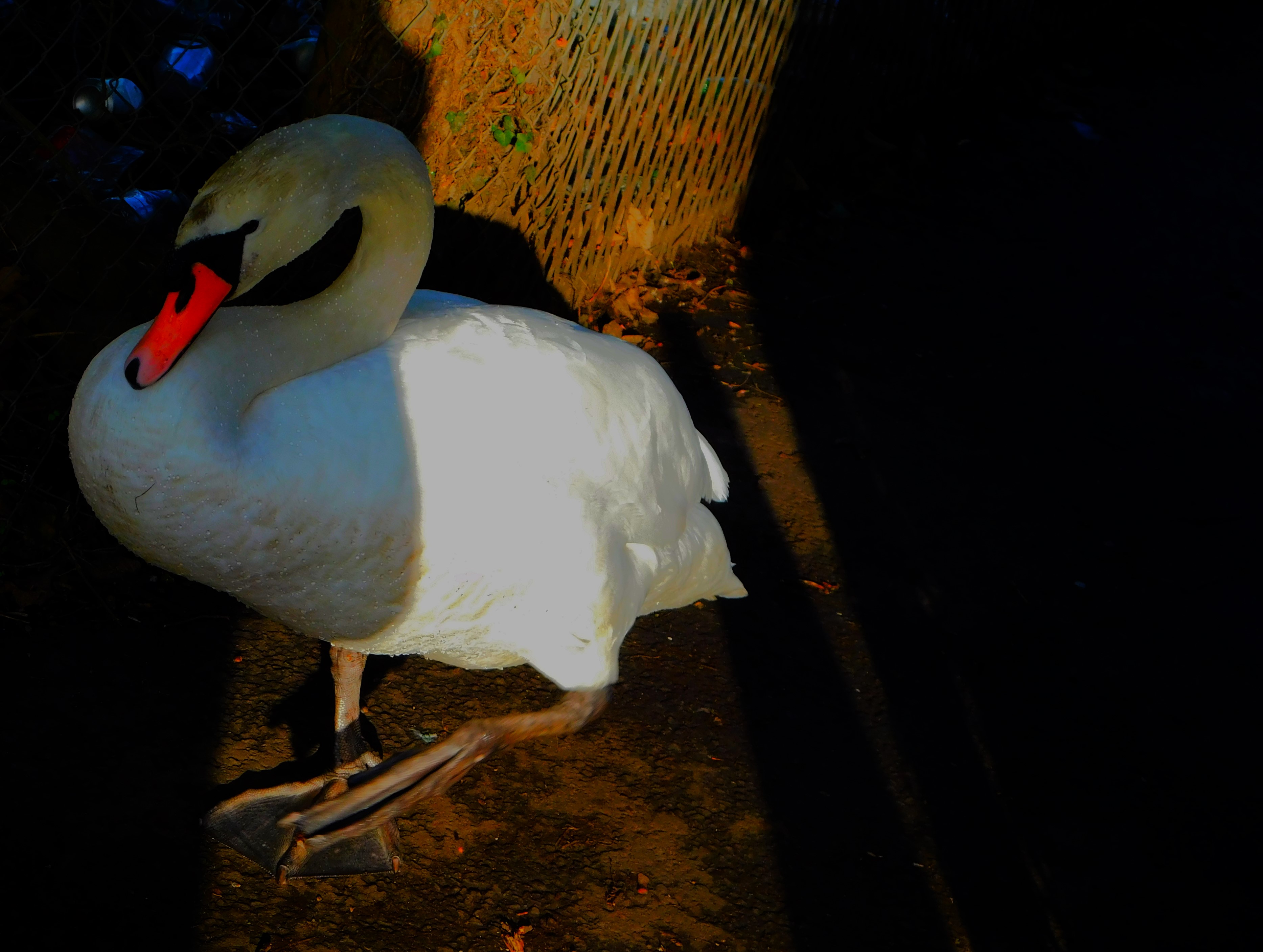
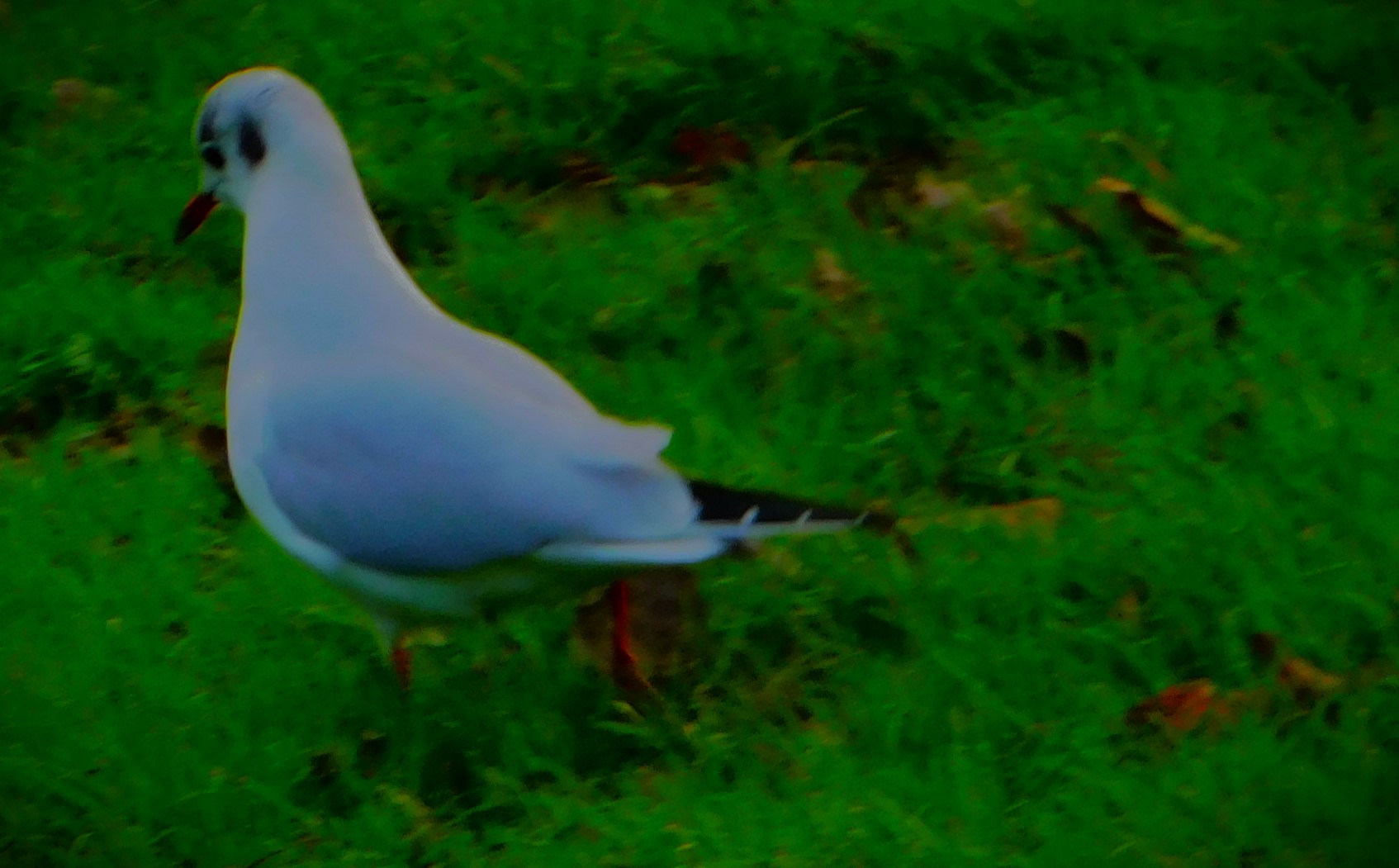
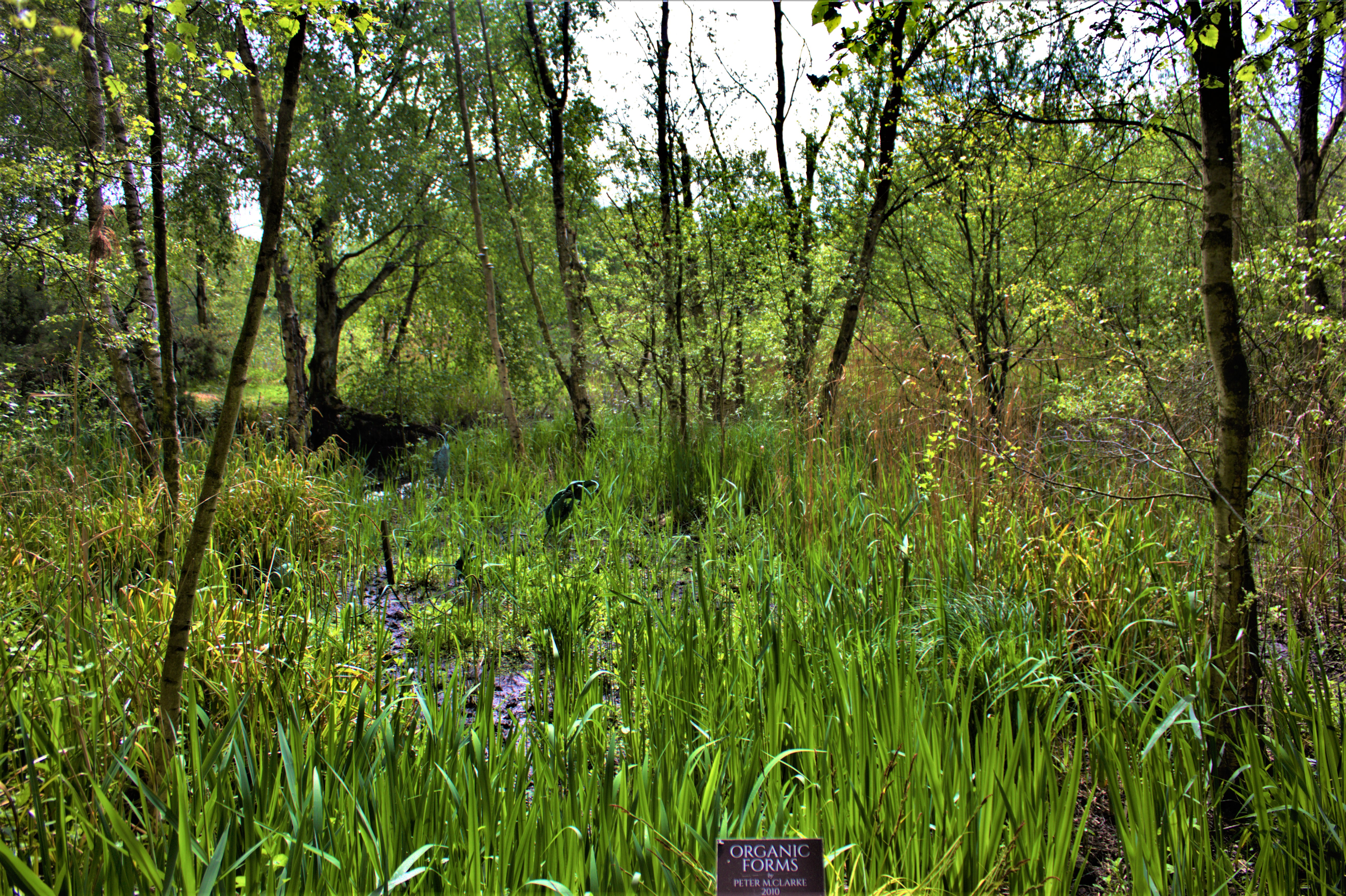
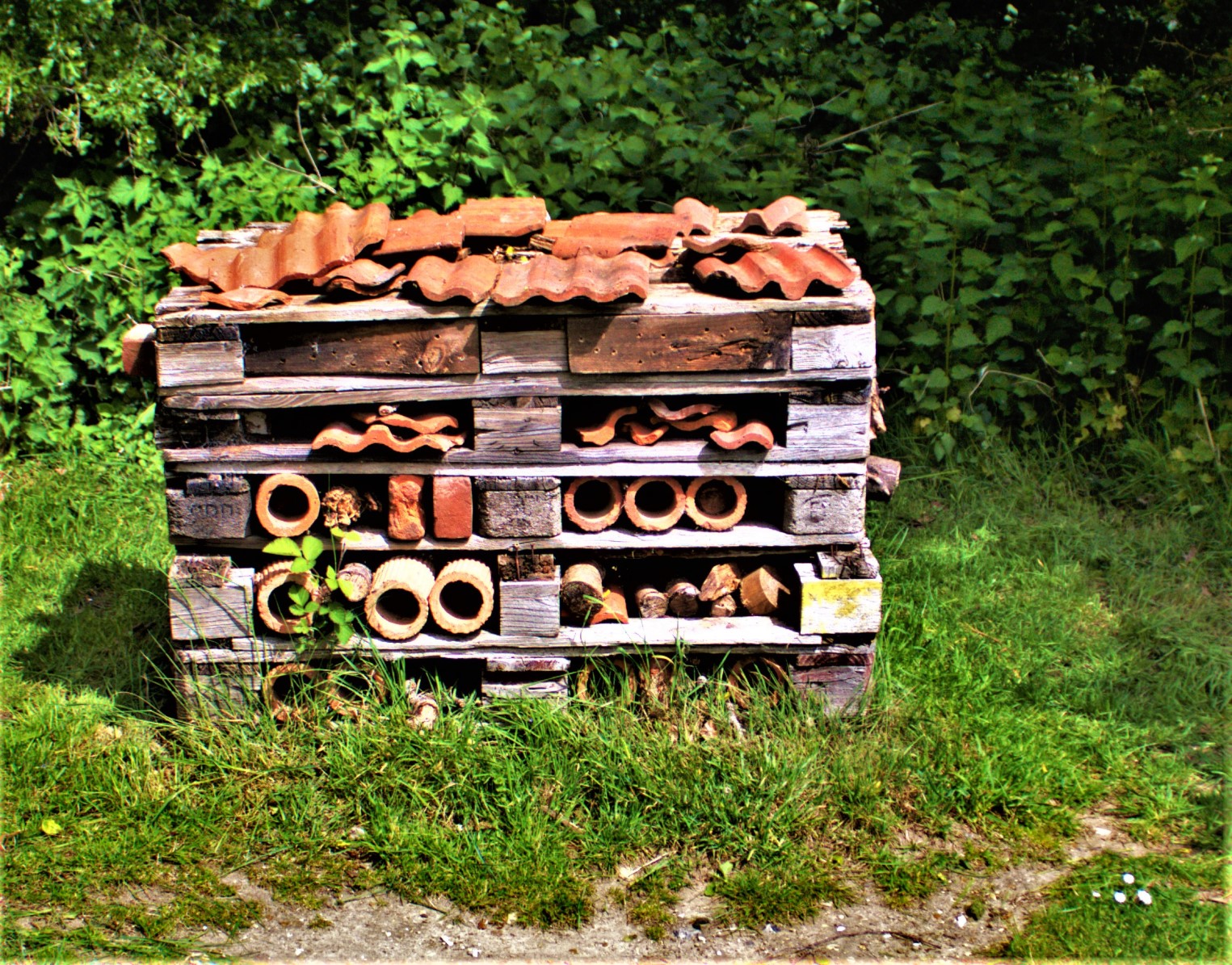
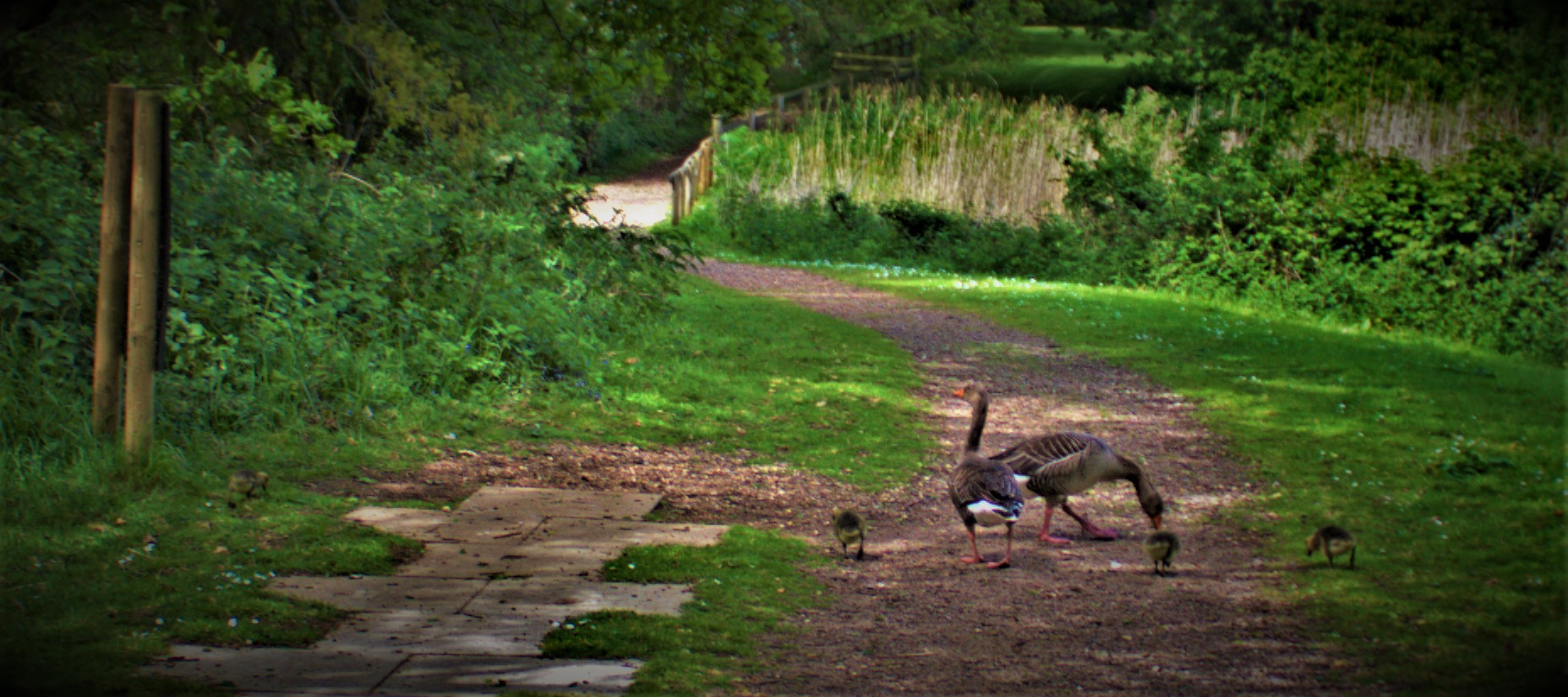
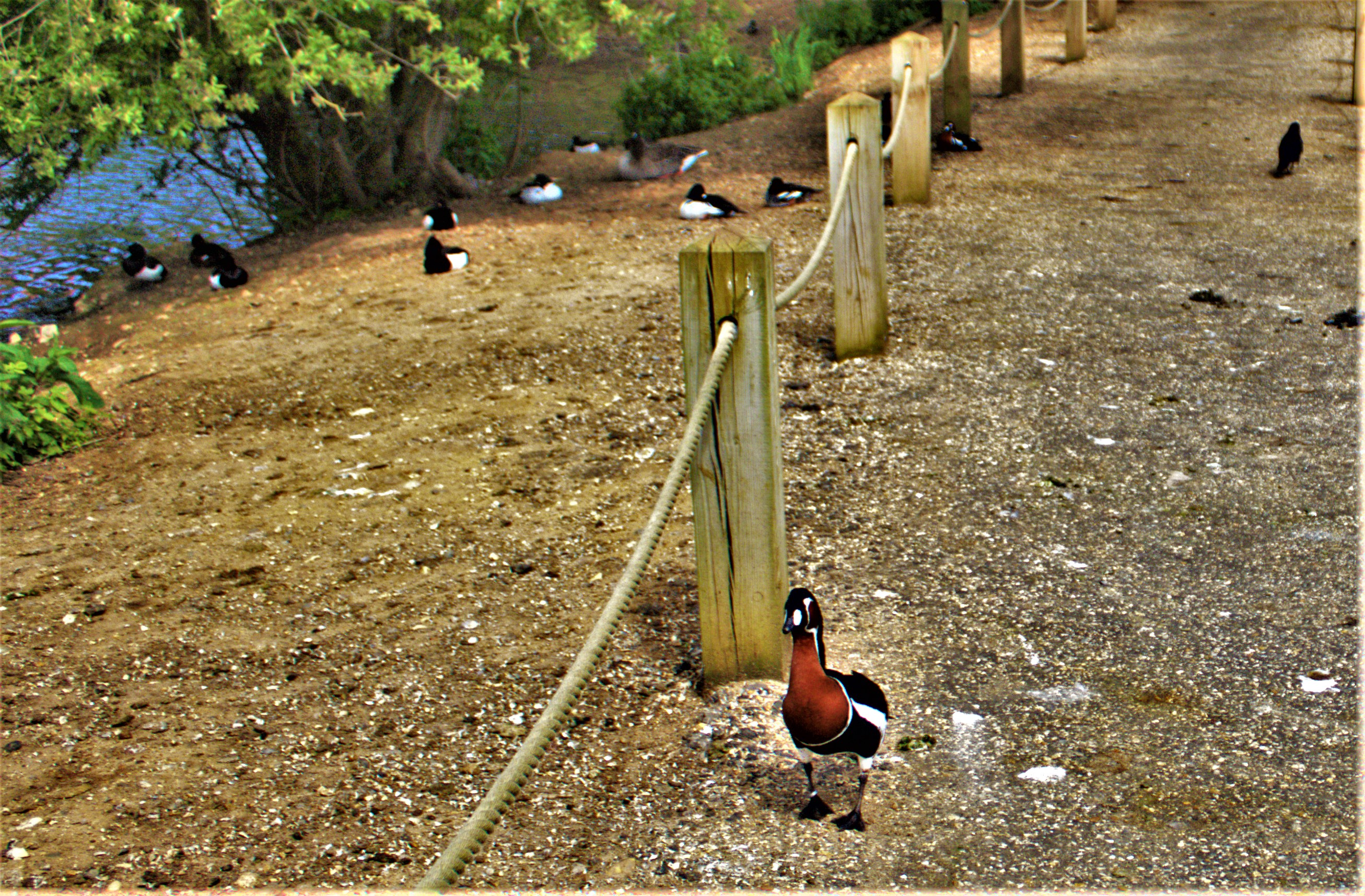
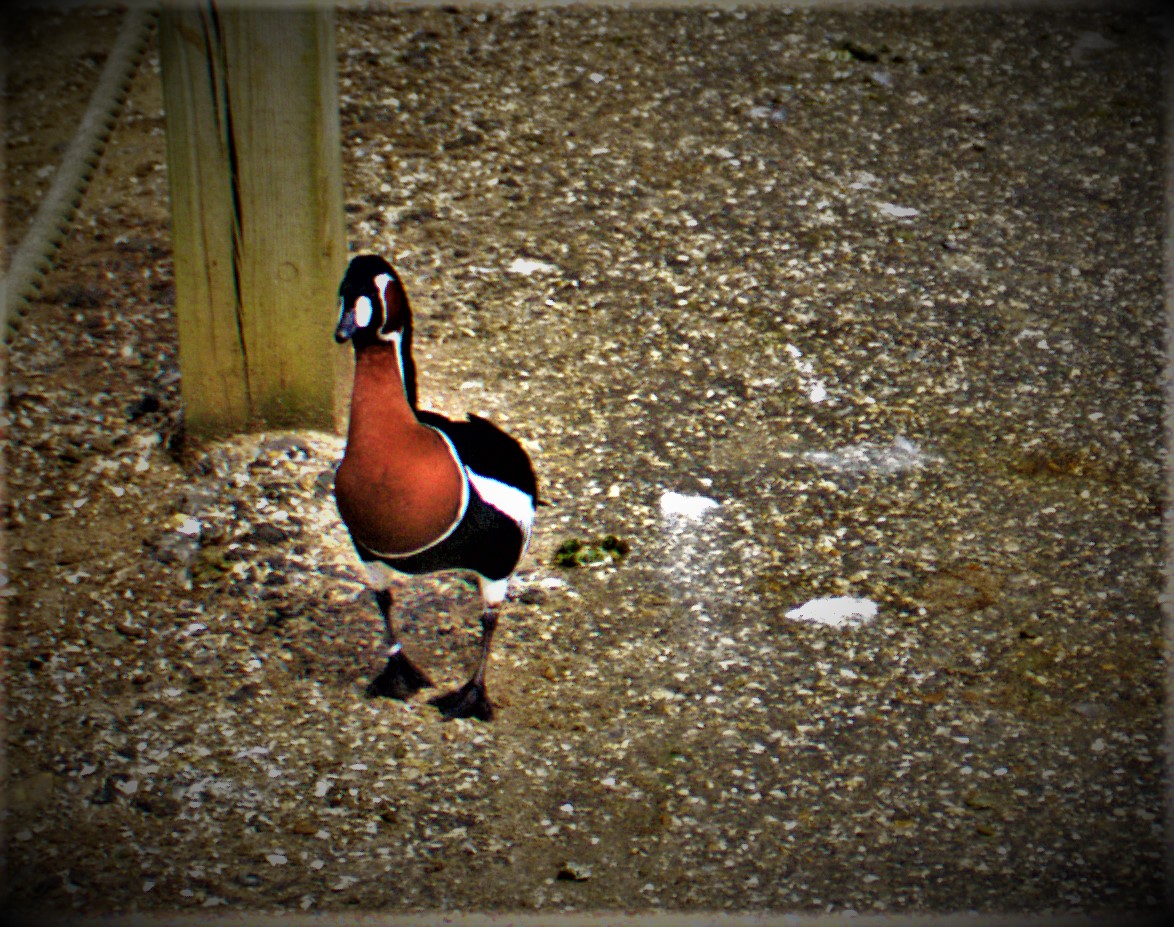
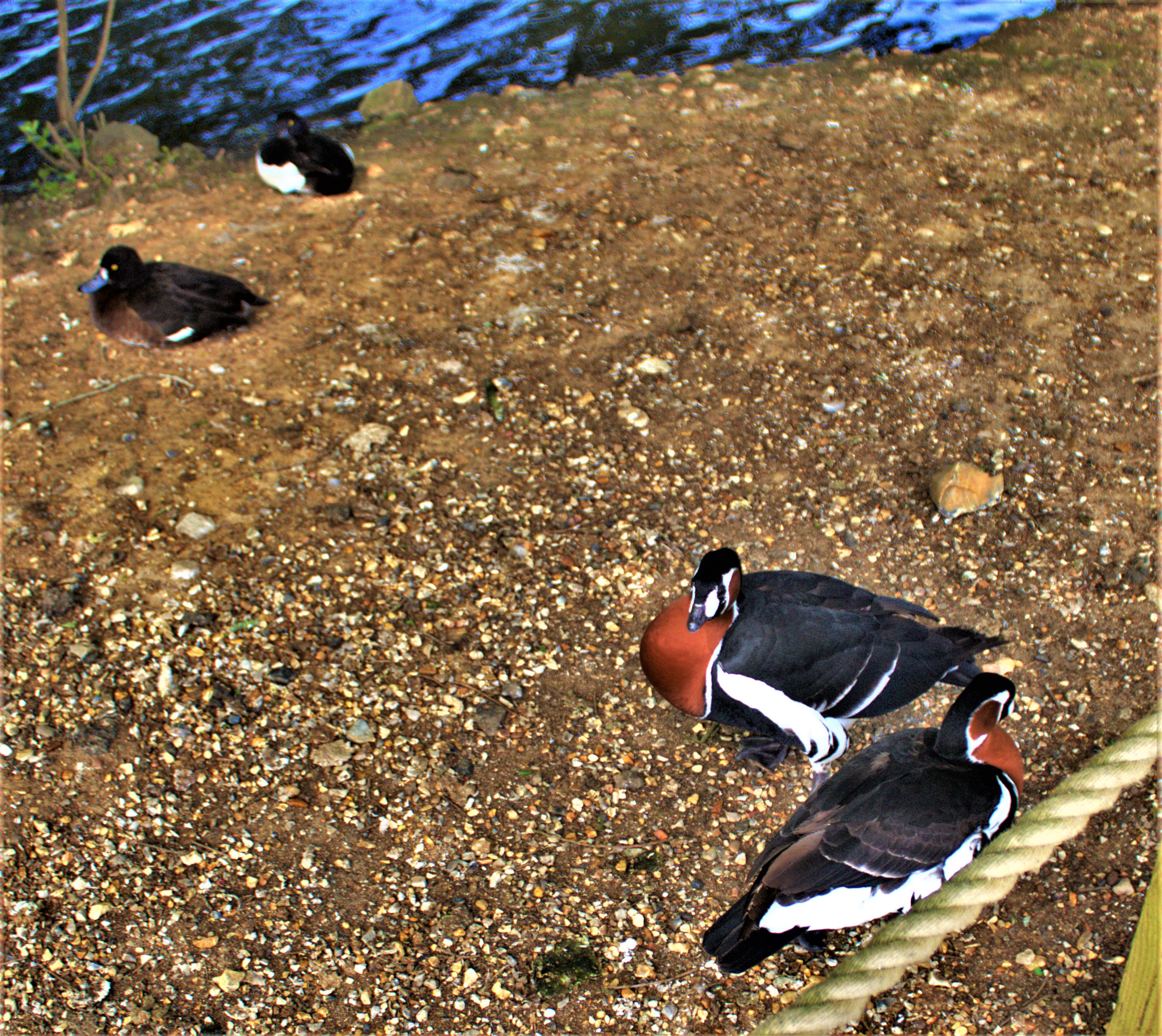
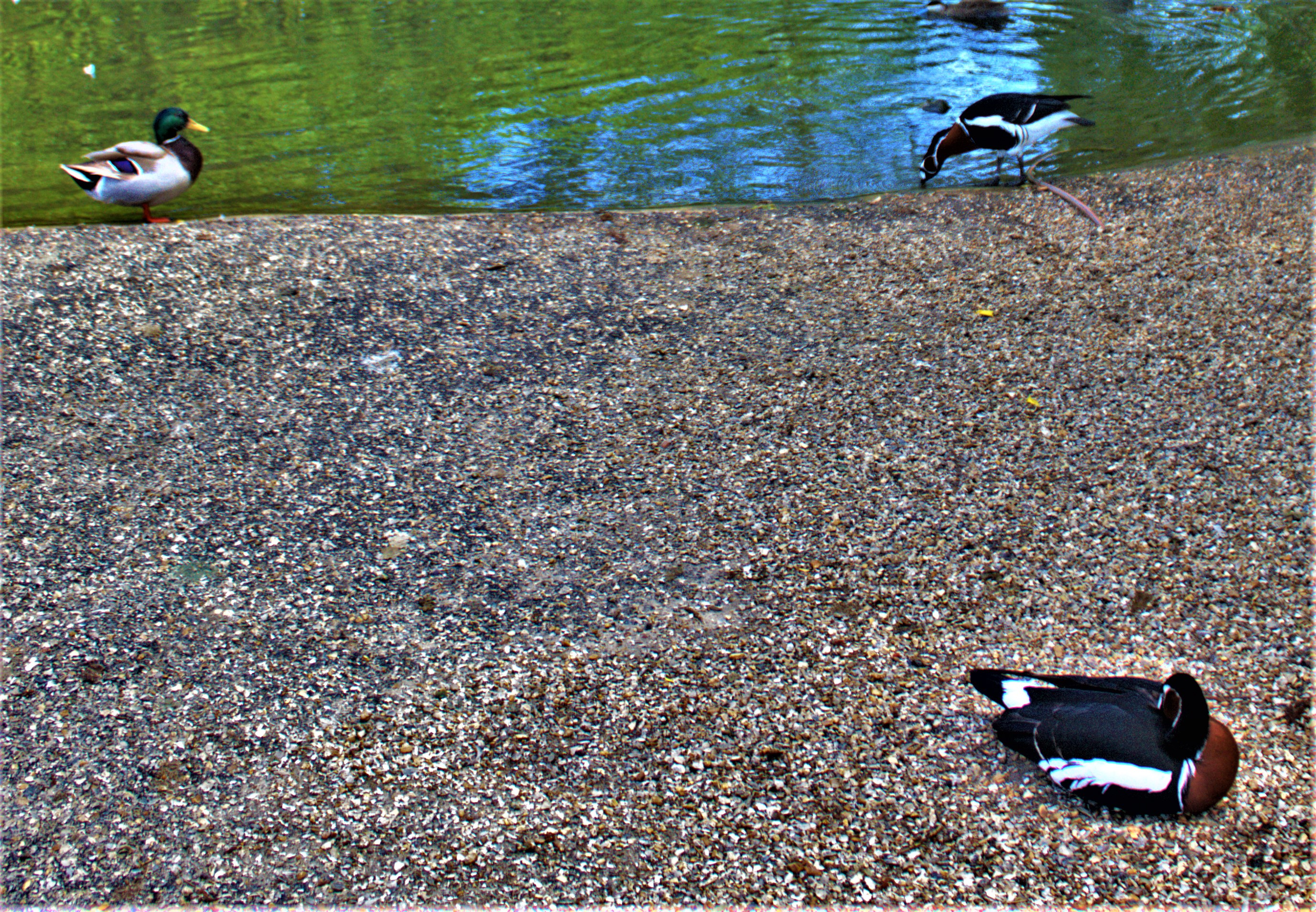
Yesterday the ponds near my home were frozen so solid that bricks were able to rest on the surface of one of them.An unusual visitor to the Kettlewell Lane woods, of which I was able to get several photographs.These last two pictures were taken today at the Nar outffall.
A look back at days two and three at the SCG and a photo gallery.
Before I get into the main meat of this post, the events of days two and three in the fifth Ashes test in Sydney I have some important news from today. On Christmas morning my computer started failing to recognize the existence of WIFI networks, and today I was finally able to take it to a friend in Fakenham who is a professional fixer of computers, and it is once again fully functioning.
AN ENGLAND INNINGS WITH A FAMILIAR PATTERN
England resumed on the second day on 211-3. For much of that second day things looked to be continuing to go their way. Although Jamie Smith suffered the daftest dismissal of the series (even in this series, where that particular field is highly contested it stood out like a sore thumb) just before lunch, slapping a long hop from part timer Marnus Labuschagne straight into deep extra cover’s hands most of the rest of the news for England was good. At 375-6 a very big total looked on, but the last four wickets tumbled for a mere nine further runs. It was still England’s best first innings effort of the series, and what made the whole pattern of this innings so familiar was that it was undergirded by a huge score from Joseph Edward Root. Root’s 160 was his second hundred of the series, and the 41st of his test career.
POOR BOWLING FROM ENGLAND
Having batted reasonably well England proceeded to bowl like drains. By the end of day two Australia were 166-2, with Travis Head in sight of his third century of the series. Matthew Potts, playing his first match since the game in Canberra against the Prime Minister’s XI, and his first first class match since the end of the English season was especially poor, conceding runs rapidly and not looking threatening.
ONE WAY TRAFFIC ON DAY THREE
Travis Head powered on to 163 in the early part of the day. By the close a much more experienced cricketer, Steve Smith, had also cruised past three figures, and Beau Webster, batting at number nine through a combination of a batter heavy original selection and the use of a night watcher the previous evening, supported him impressively in the closing stages, against a tiring bowling unit. Australia closed on 518-7, already 134 to the good, having scored 352-5 on the day. Potts had 0-141 from 25 overs, Carse had claimed three wickets but had also been very expensive. Tongue and Stokes each went at about three an over, and even part time spinners Jacks and Bethell were far less expensive than the two Durham bowlers who had shared the new ball. At their high water mark of 375-6 on the second afternoon England looked well placed, a day and a half later they have every appearance of being deep in a Kimberley diamond mine sized hole.
PHOTOGRAPHS
My usual sign off…
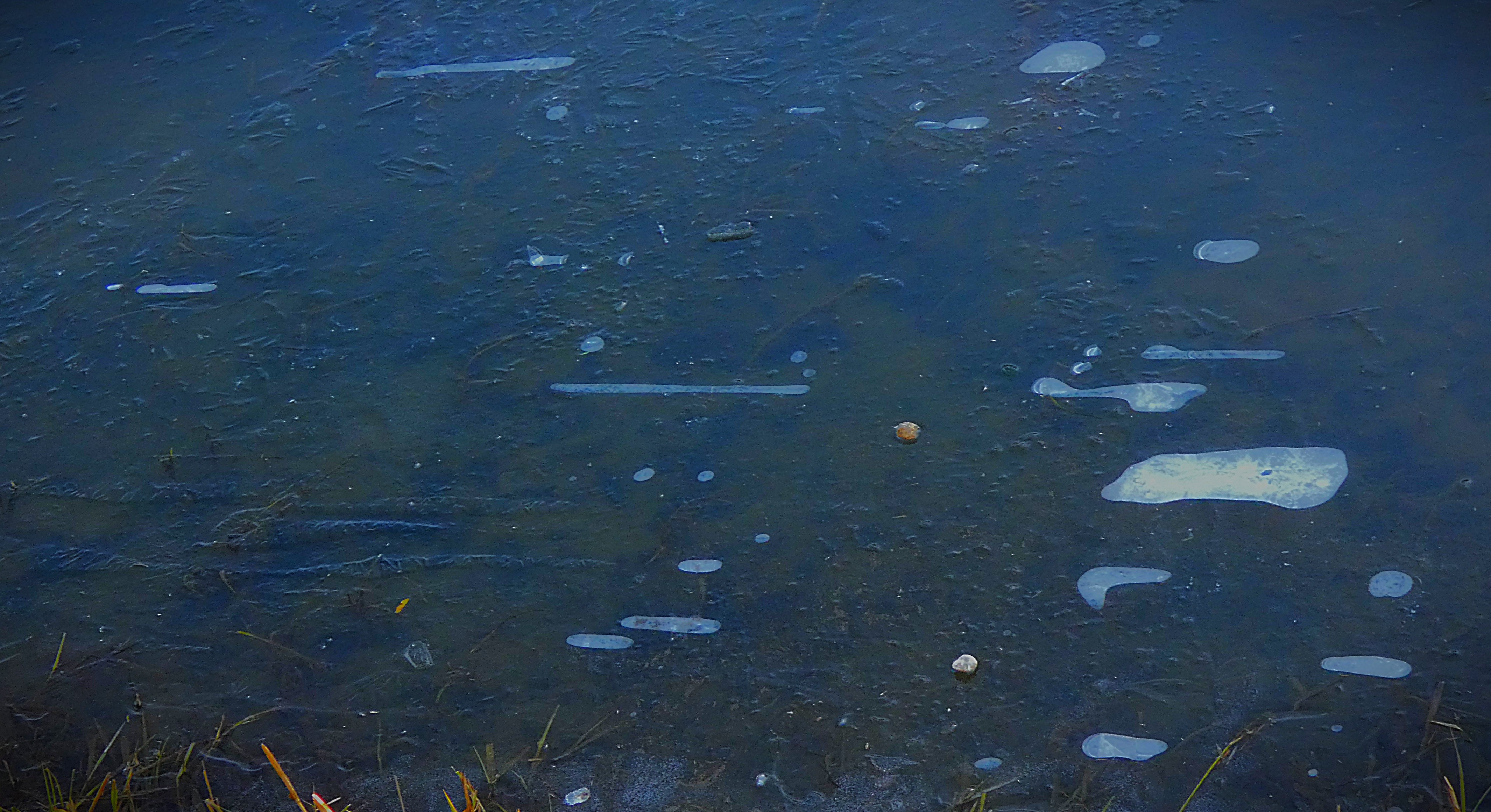
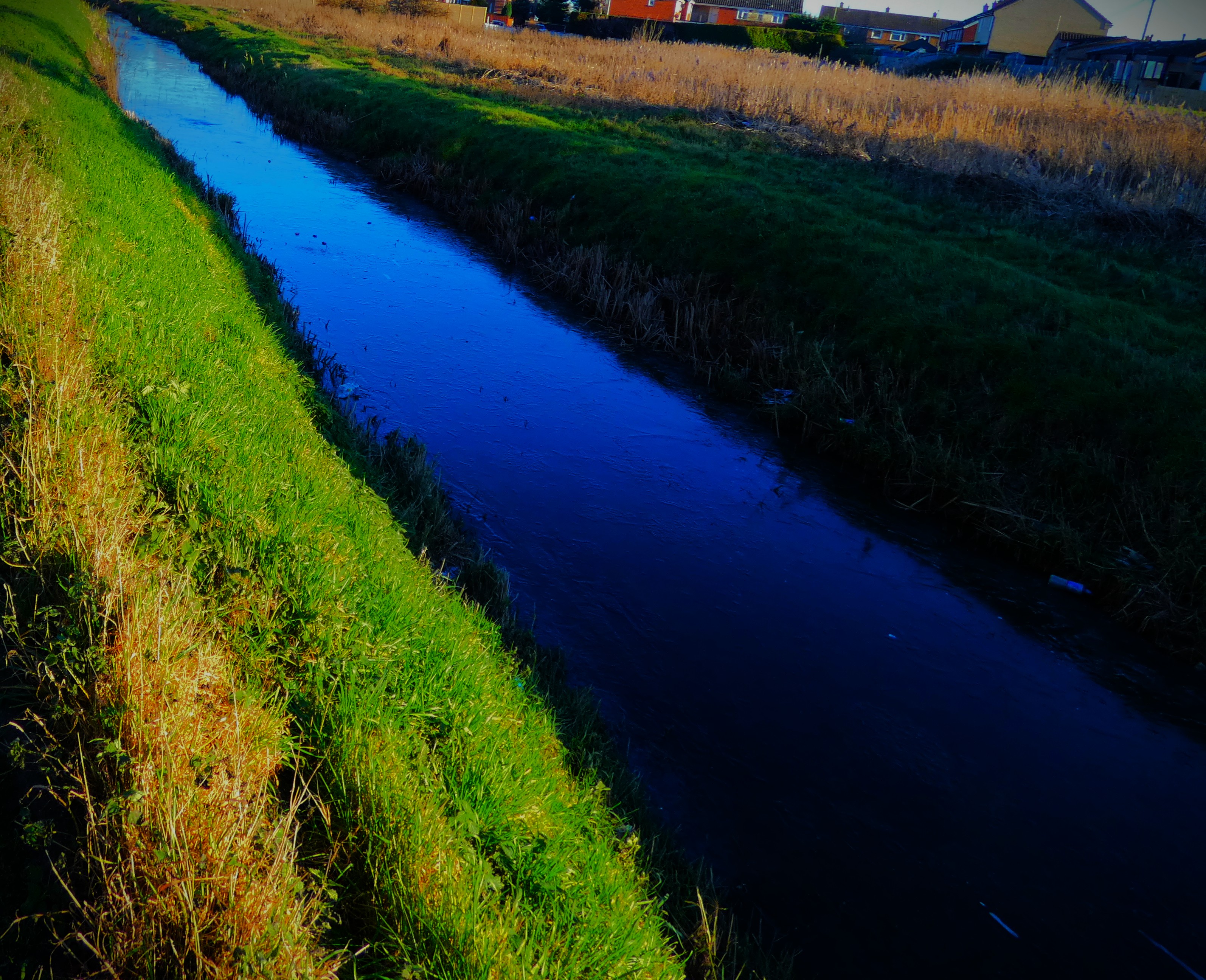
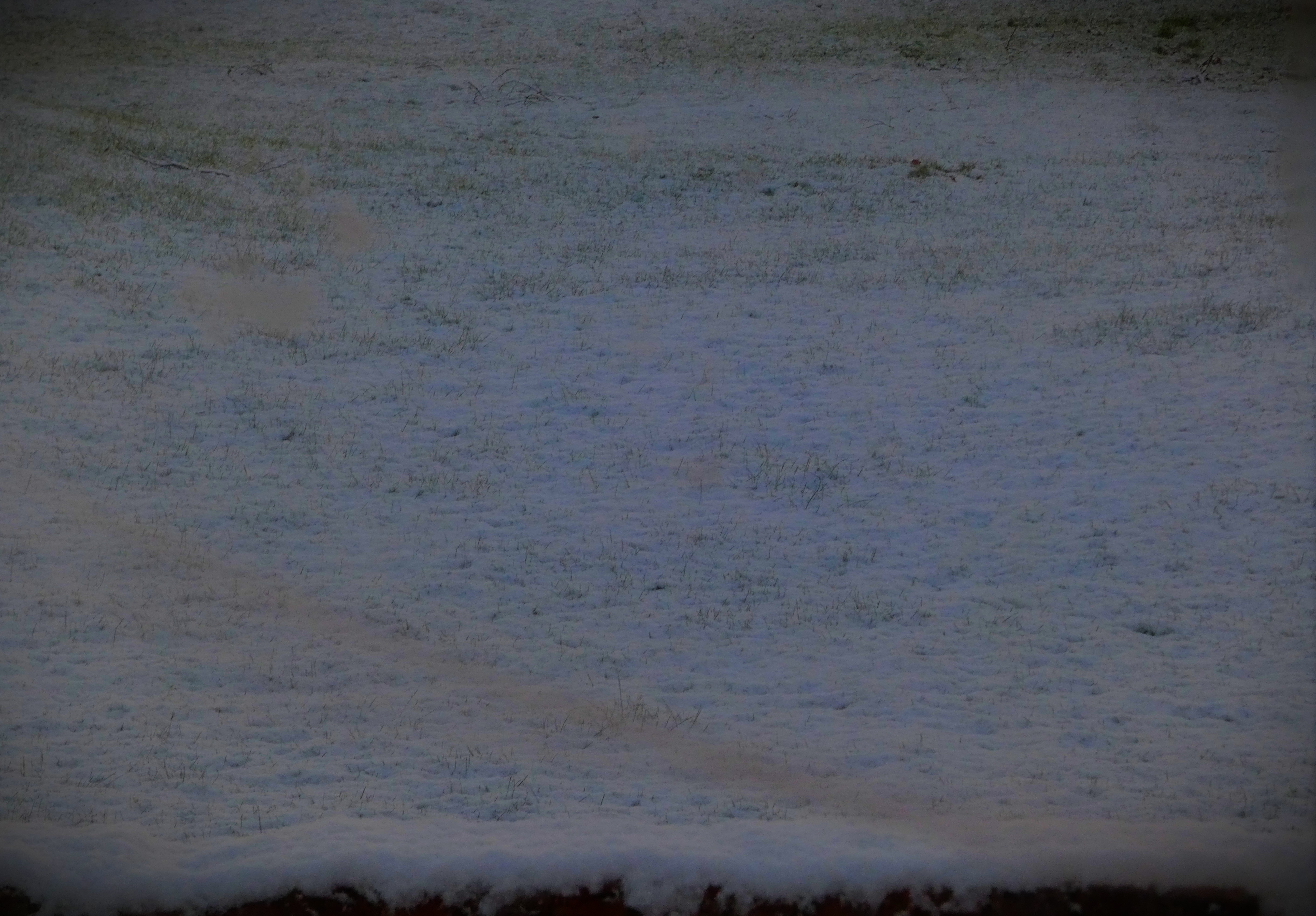
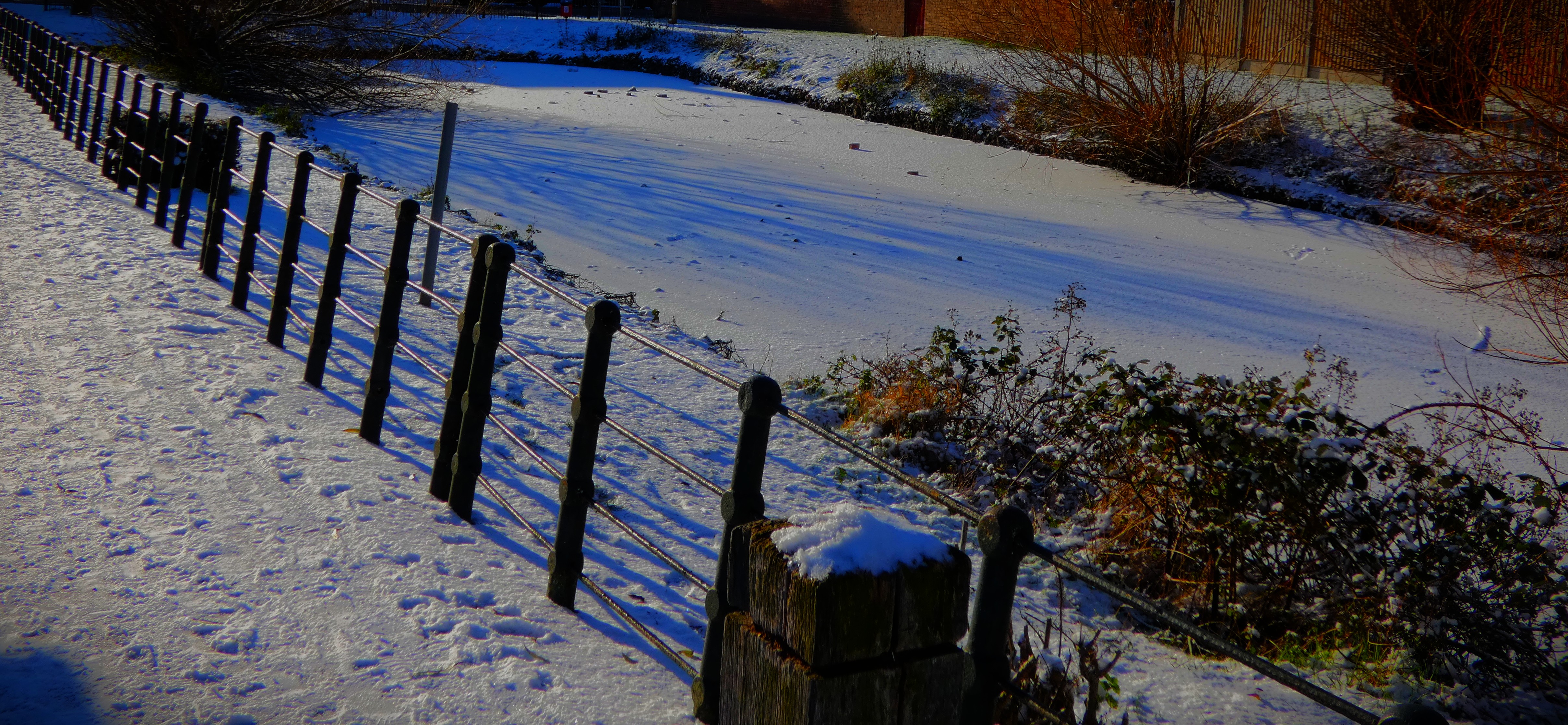
Ice on the surface of a frozen pond (lest the blue skies and evidence of sunshine fool you regarding the weather this January in England).A section of Bawsey Drain, frozen over (the faster flowing Gaywood river has not frozen over, and the Great Ouse is an even less likely candidate for doing so).This snow fell during Sunday night/ early Monday morning, and although there has been no new snow since then it has yet to disappear.A footprint (mine) in the snow.
A look back at today’s WBBL match between Brisbane Heat and Melbourne Stars, and a photo gallery.
Today in the Women’s Big Bash League Brisbane Heat played host to Melbourne Stars at Allan Border Field in a game that had been scheduled as late-night fixture (coverage starting at 9AM UK time) because it was seen as being a kind of ‘dessert’ after the main meal of day three of the test match at Perth. However, some Kamikaze batting by England and a great innings from Travis Head (go here for more) meant that there was in point of fact no day three in Perth, so this match became the main event.
THE STARS INNINGS
Melbourne Stars won the bat flip and opted to bat first. Brisbane Heat’s captain Jess Jonassen was not unhappy about this. Heat had lost all four of their games this edition, so desperately needed a win. At first they looked absolutely certain to get that win, as they tore through the Stars top and middle order, reducing the visitor’s to 44-6 at one point. At that stage South African veteran Marizanne Kapp was joined in the middle by young English bowling all rounder Danielle Gibson. They launched a spirited revival, putting on 73 together, of which Gibson’s share was precisely 30, from 24 balls, ending when Nadine de Klerk trapped her LBW. Georgia Prestwidge scored 3 (7), but such was the devastating fusillade from Kapp at the other end that the eighth wicket stand yielded 43 in 2.5 overs! This briefly opened the possibility of a Kapp century, but even batting as she was by then time was against her, the final over being already underway. In the end she finished with 93 not out from 51 balls, including nine fours and five sixes, in a Stars total of 171-8.
THE HEAT REPLY
Heat started far better than Stars had, with Grace Harris and Charli Knott putting on 50 for the first wicket, a stand that ended when Sophie Day pinned Harris LBW. Jess Jonassen now promoted herself to number three, when Georgia Redmayne would probably have been a better choice there. In the eighth over Kapp’s medium pace provided the second breakthrough, Harris being caught by Danielle Gibson to make it 56-2. Chinelle Henry looked dangerous, smashing two sixes in the space of three balls in the ninth over, but off the last ball, immediately after hitting the second of those sixes, she went big again and was superbly caught by Kapp for 13 (8) to make it 74-3. Jonassen never really looked like justifying her decision to bat at number three, and in the 12th over she was caught in the deep by Georgia Prestwidge off Day for 15 (14)to make it 92-4. Four balls and three runs later Nadine de Klerk took on McKenna and Prestwidge again got underneath it to make it 95-5. Georgia Redmayne and Lauren Winfield-Hill shared a decent partnership, but they were never up with the rate, and Redmayne’s dismissal left Heat needing 40 runs to win off just 3.1 overs. They never got remotely close, and it was only a four hit by young fast bowler Lucy Hamilton off the final ball of the match with the result long since settled that even enabled Heat to top the 150 mark. The final margin was 18 runs. Marizanne Kapp with that thunderous 93 not out, 4-0-31-2 with the ball and a superb catch was the only possible candidate for Player of the Match, and was duly so named. The Stars now sit third in the table, while Heat, after seven successive seasons of making the knockouts now know that they will not be extending their season this time.
PHOTOGRAPHS
My usual sign off…
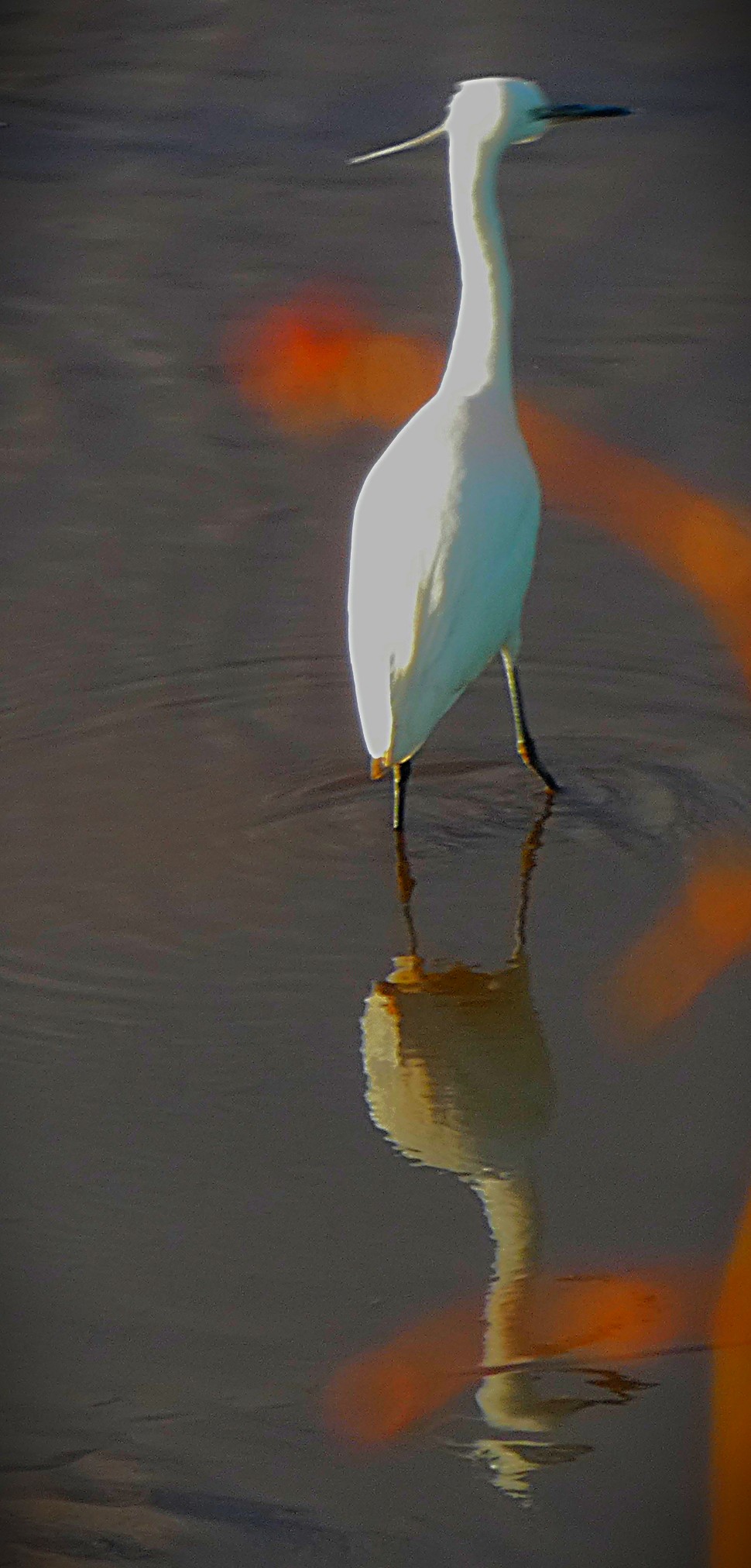
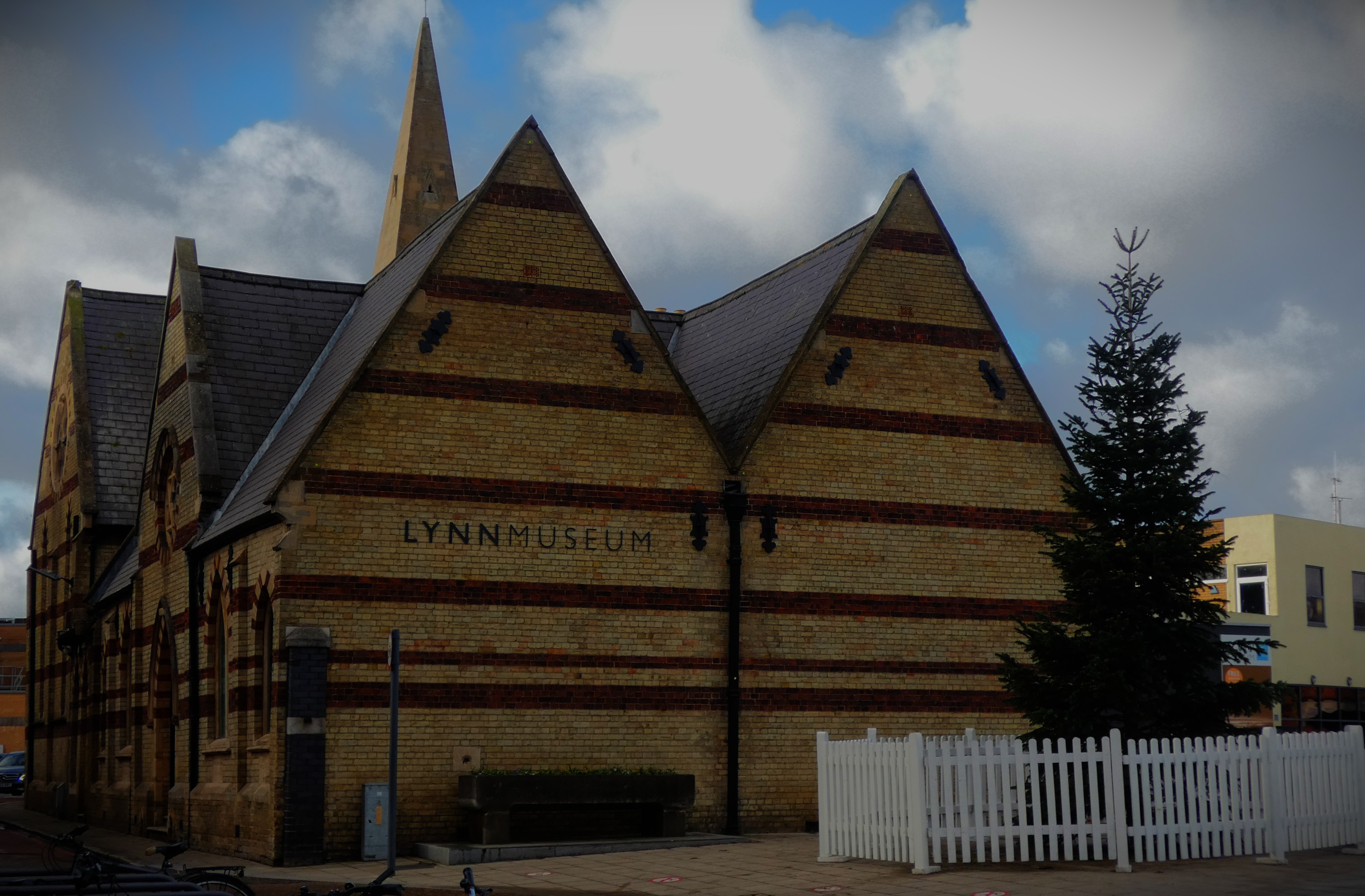
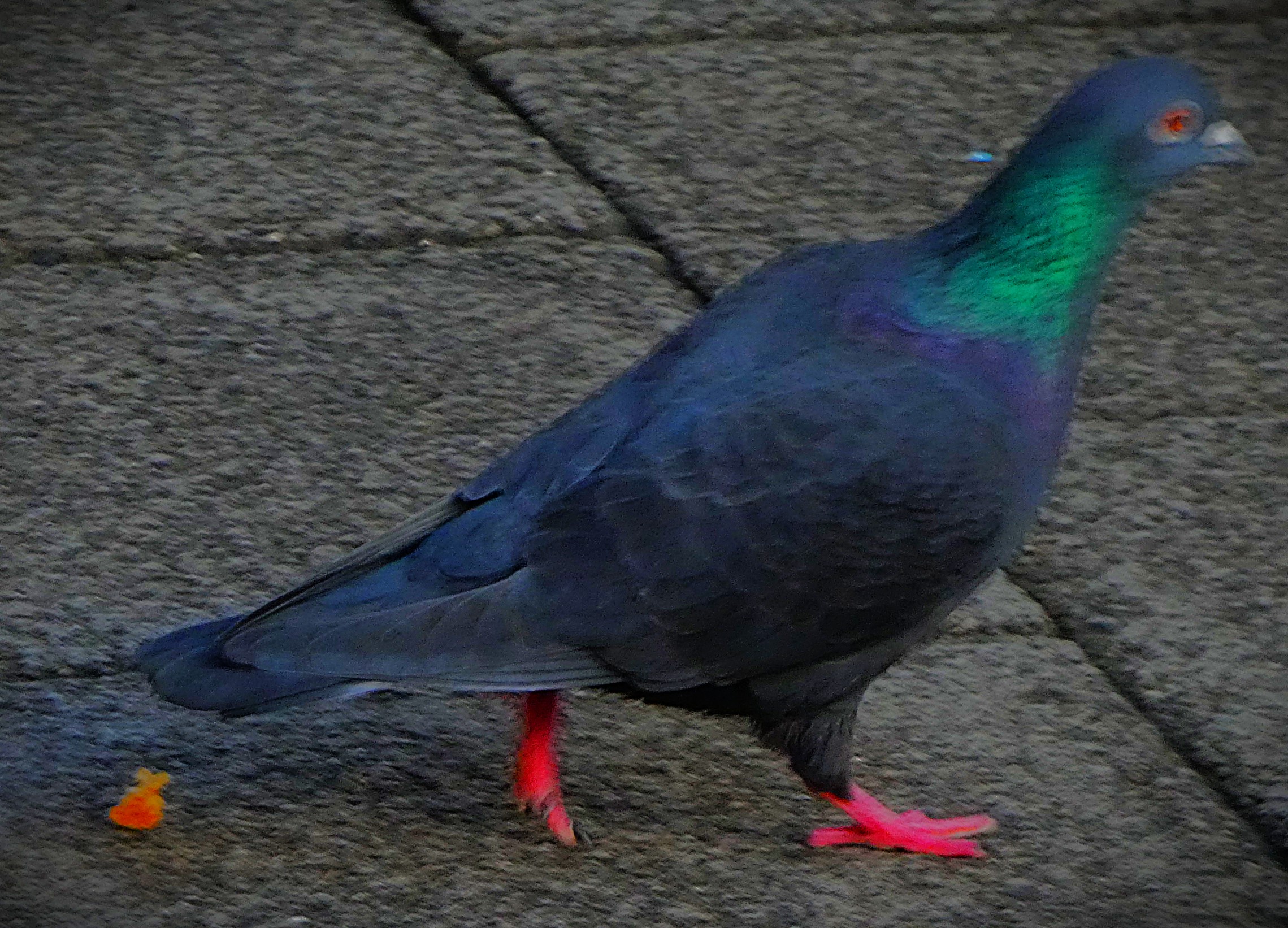
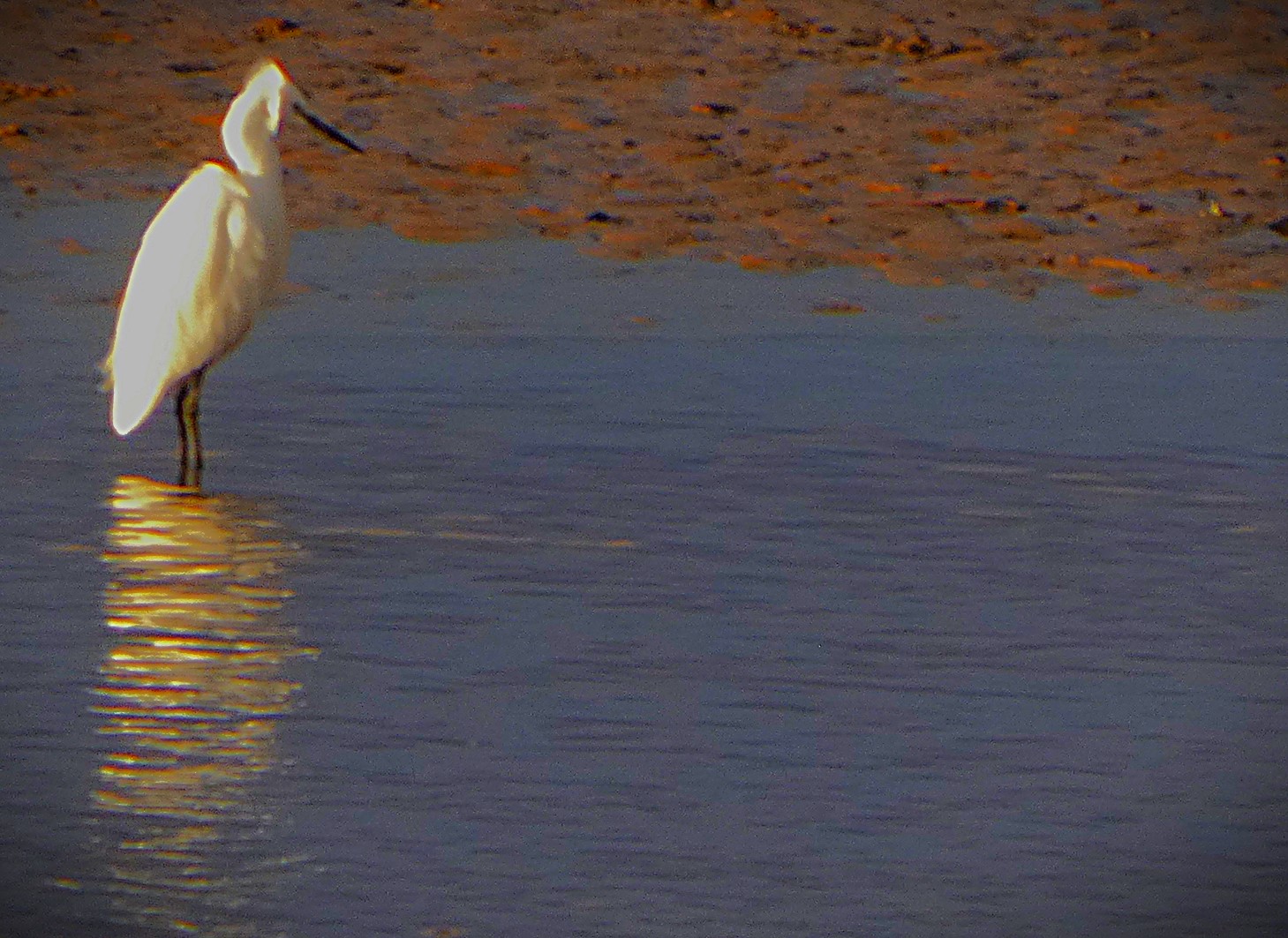
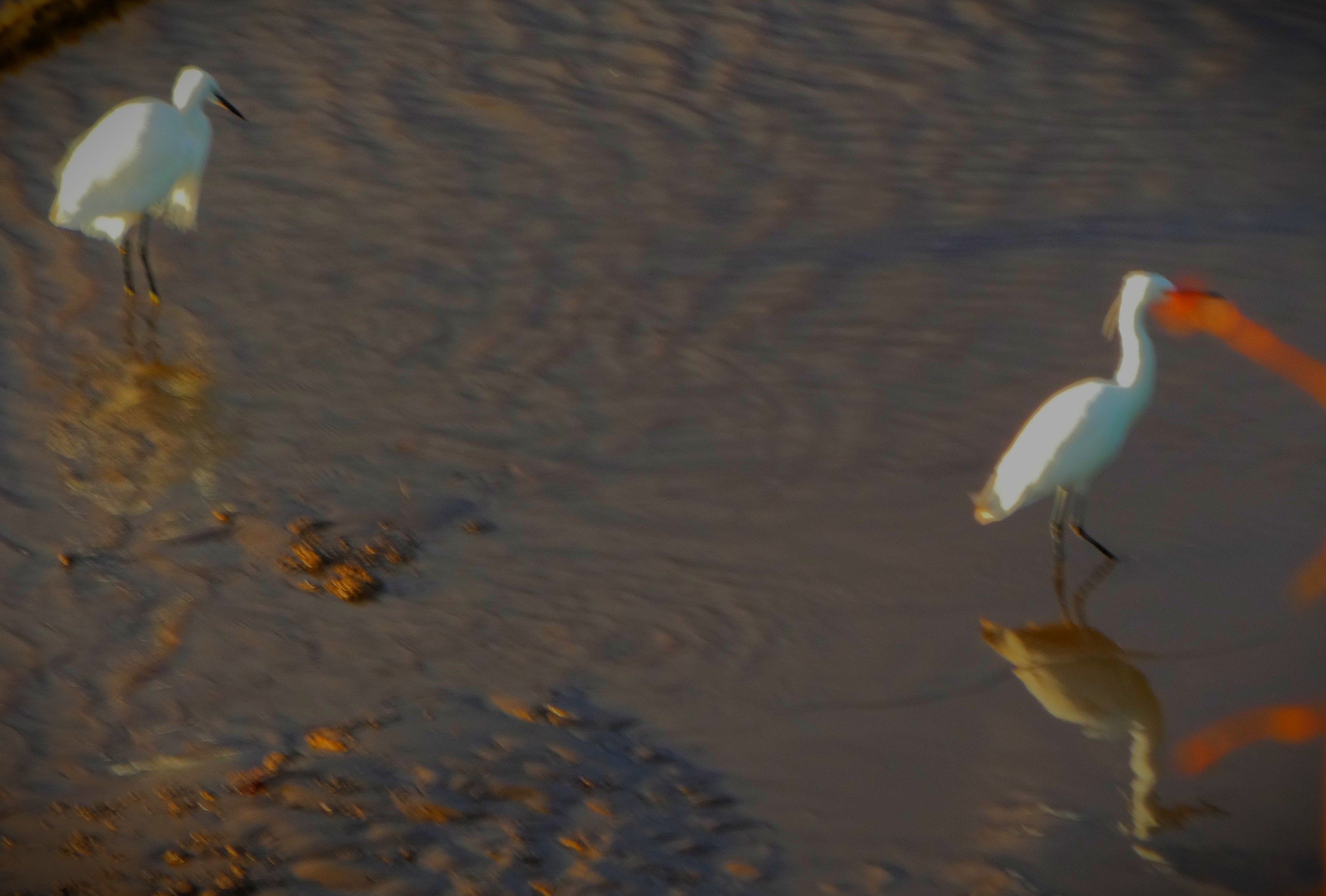
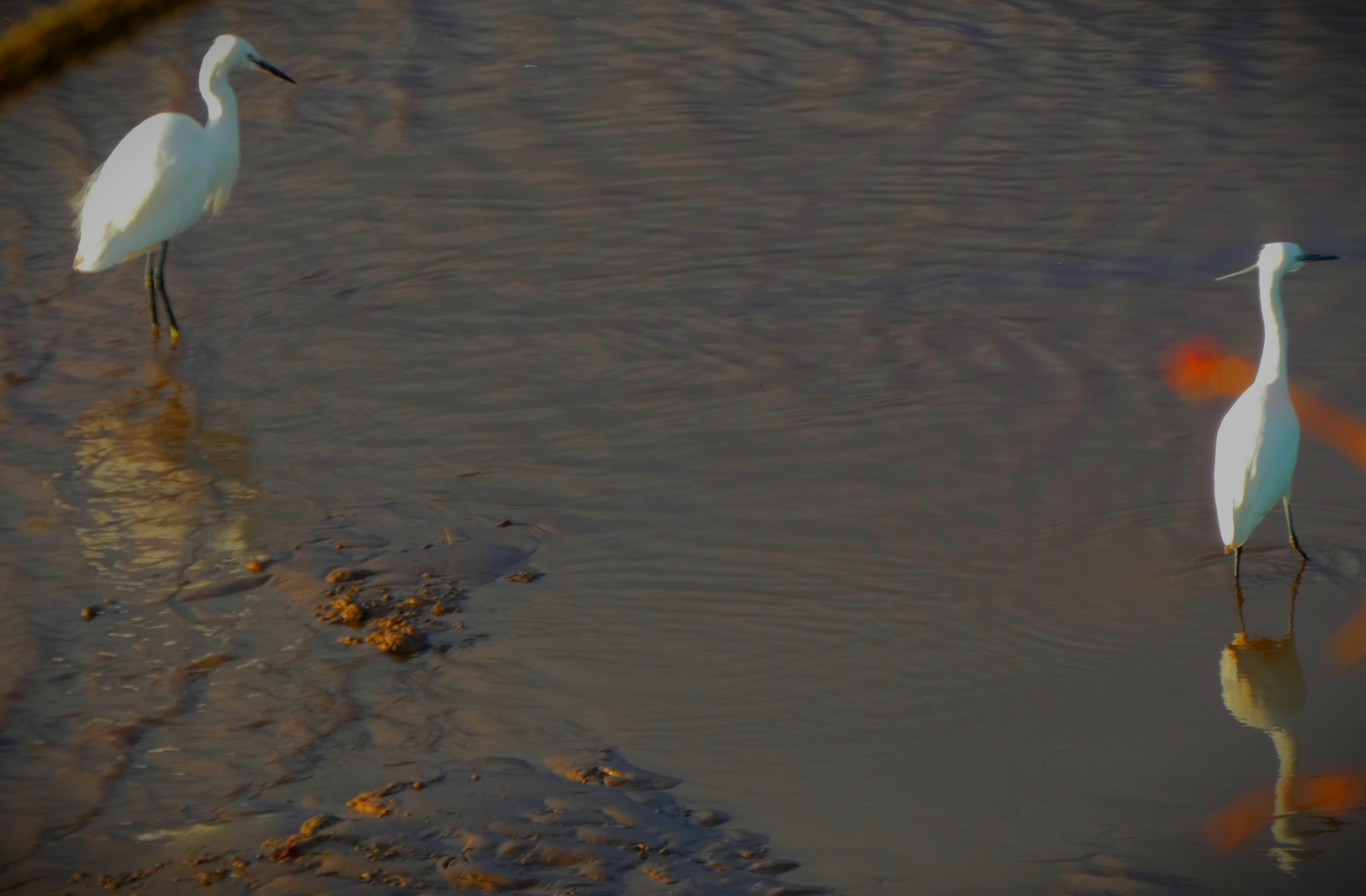
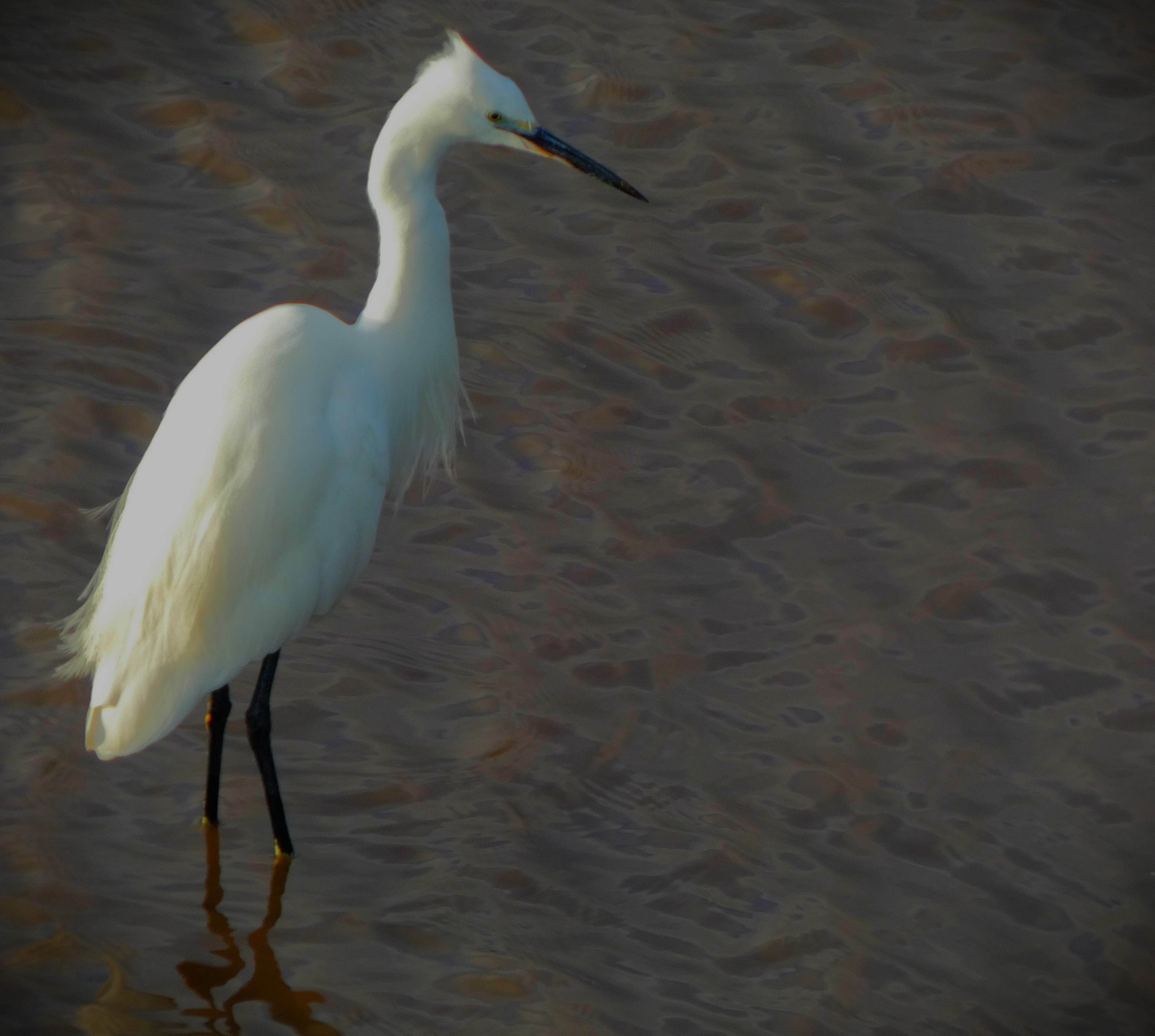
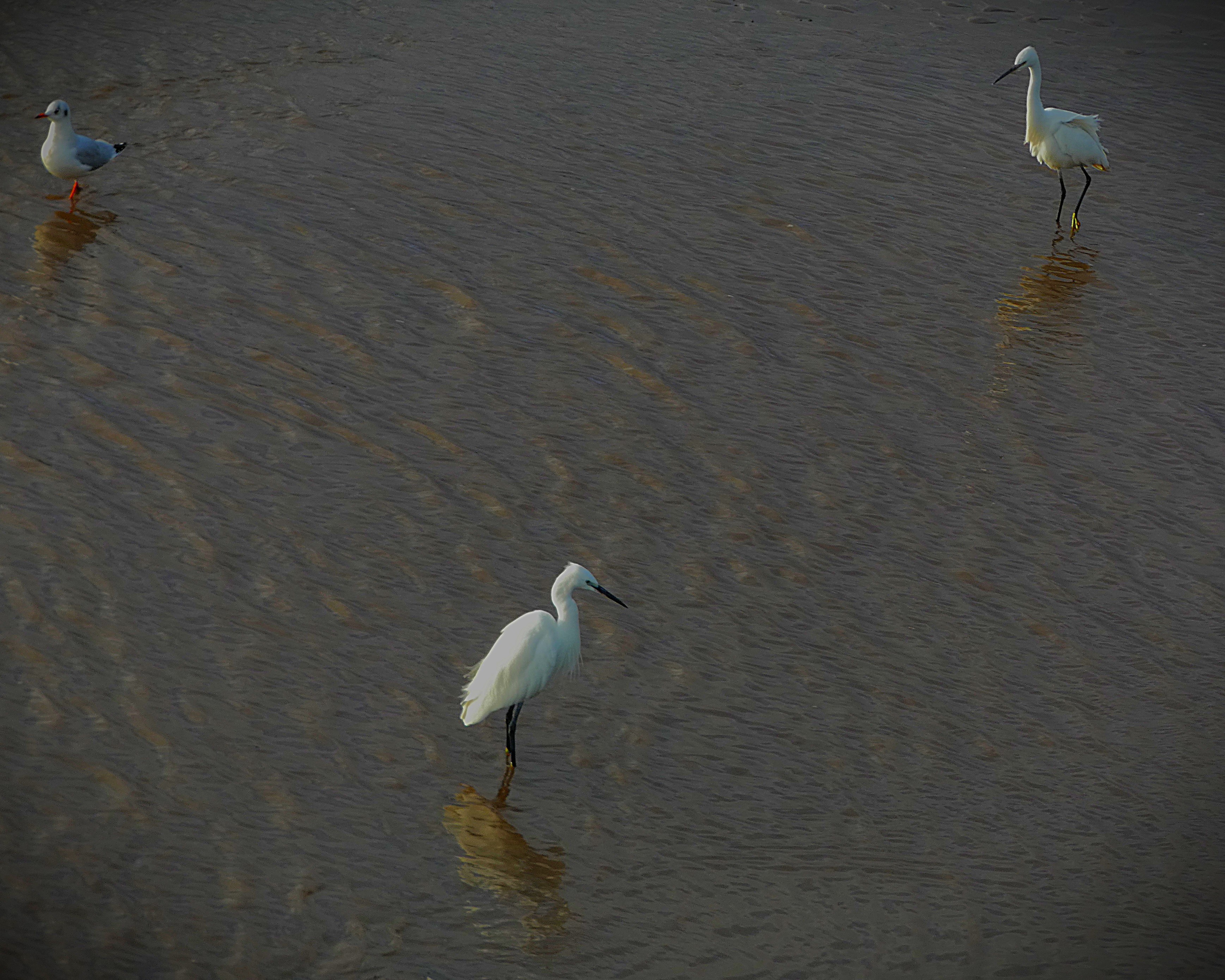
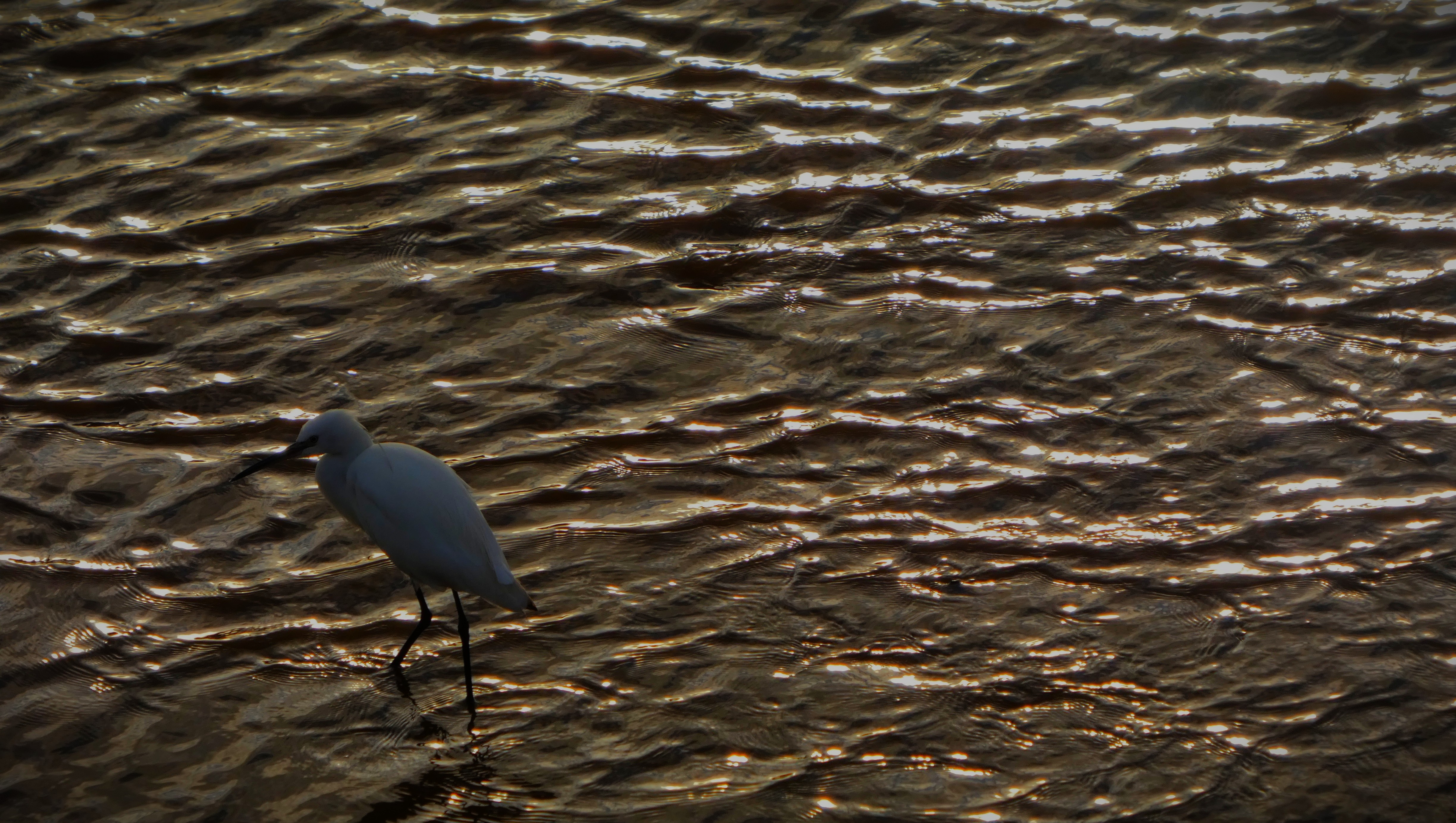
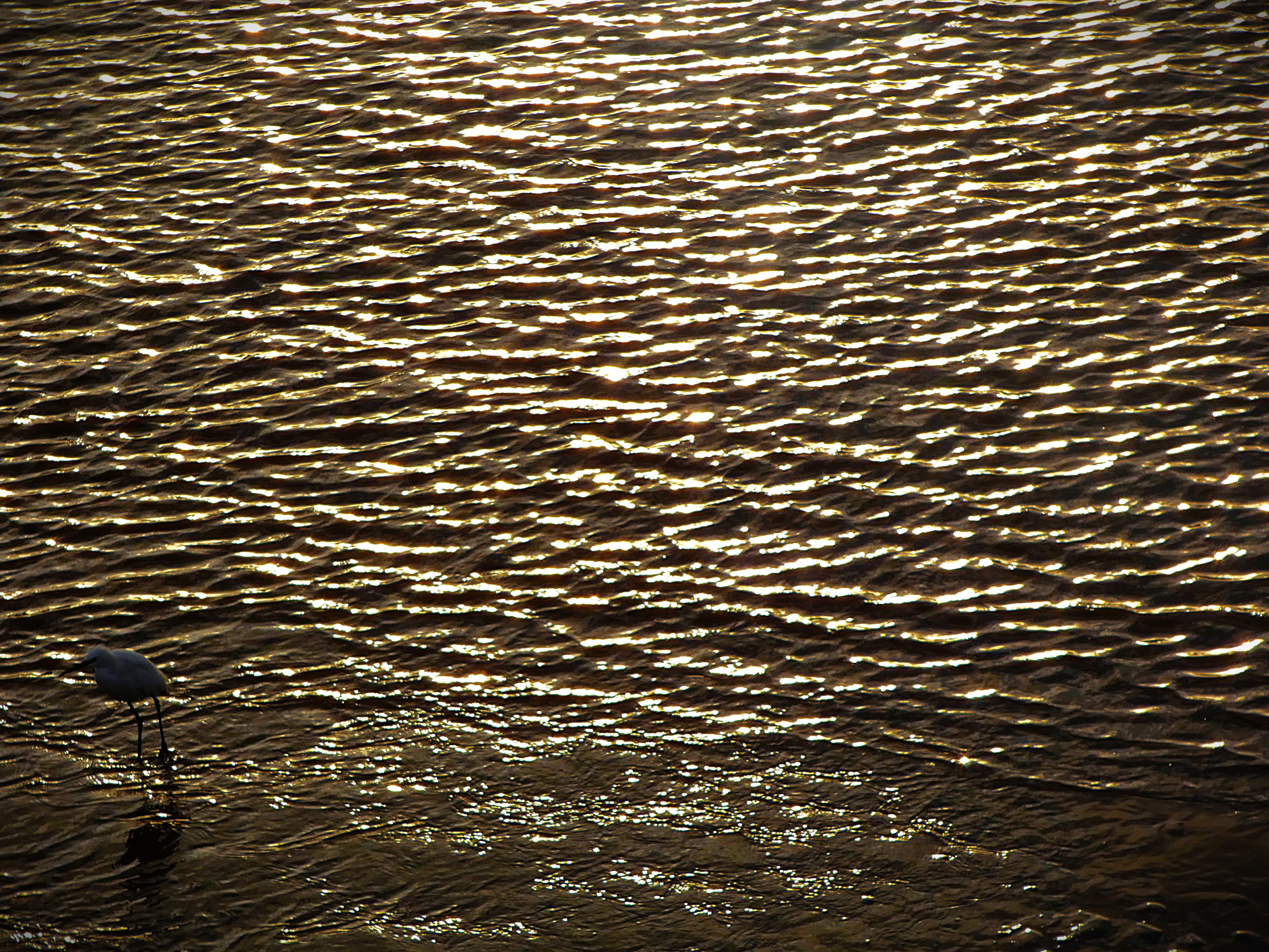
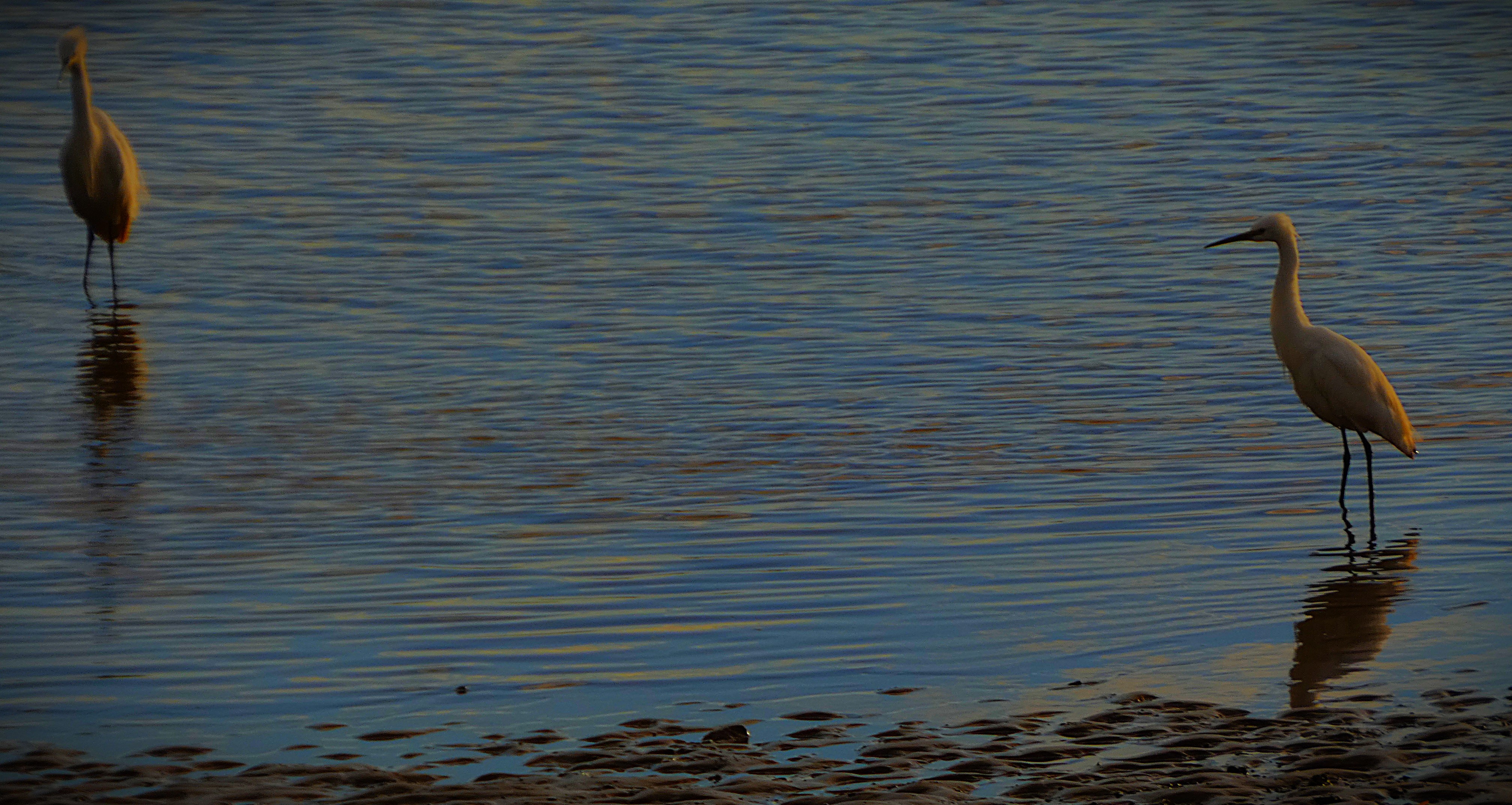
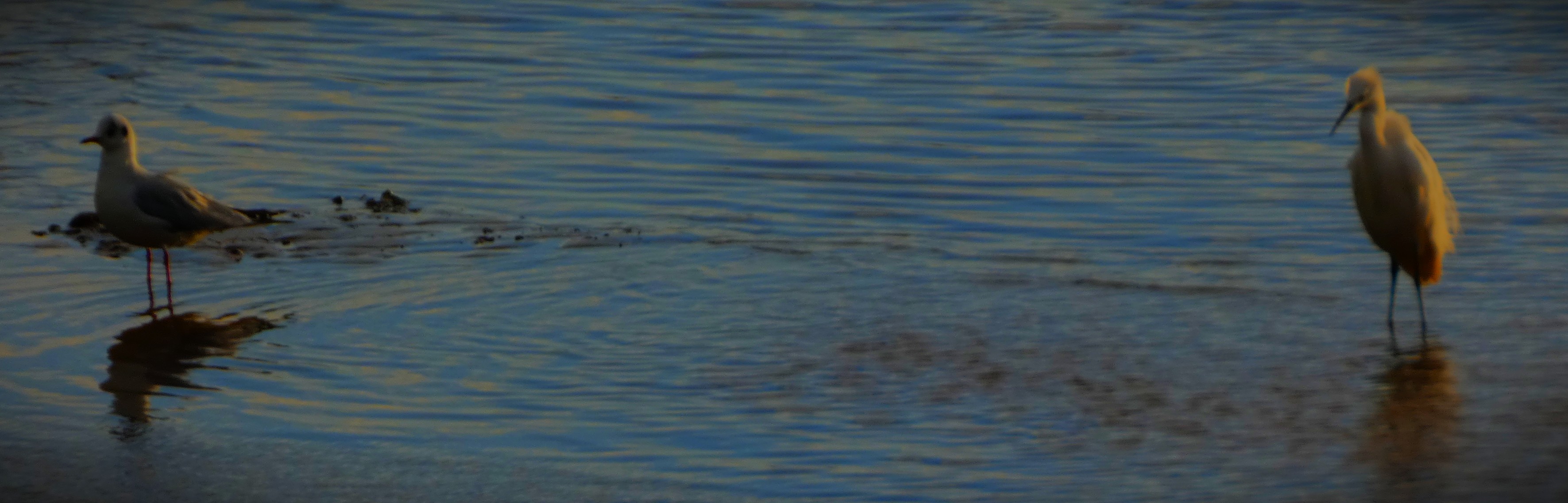
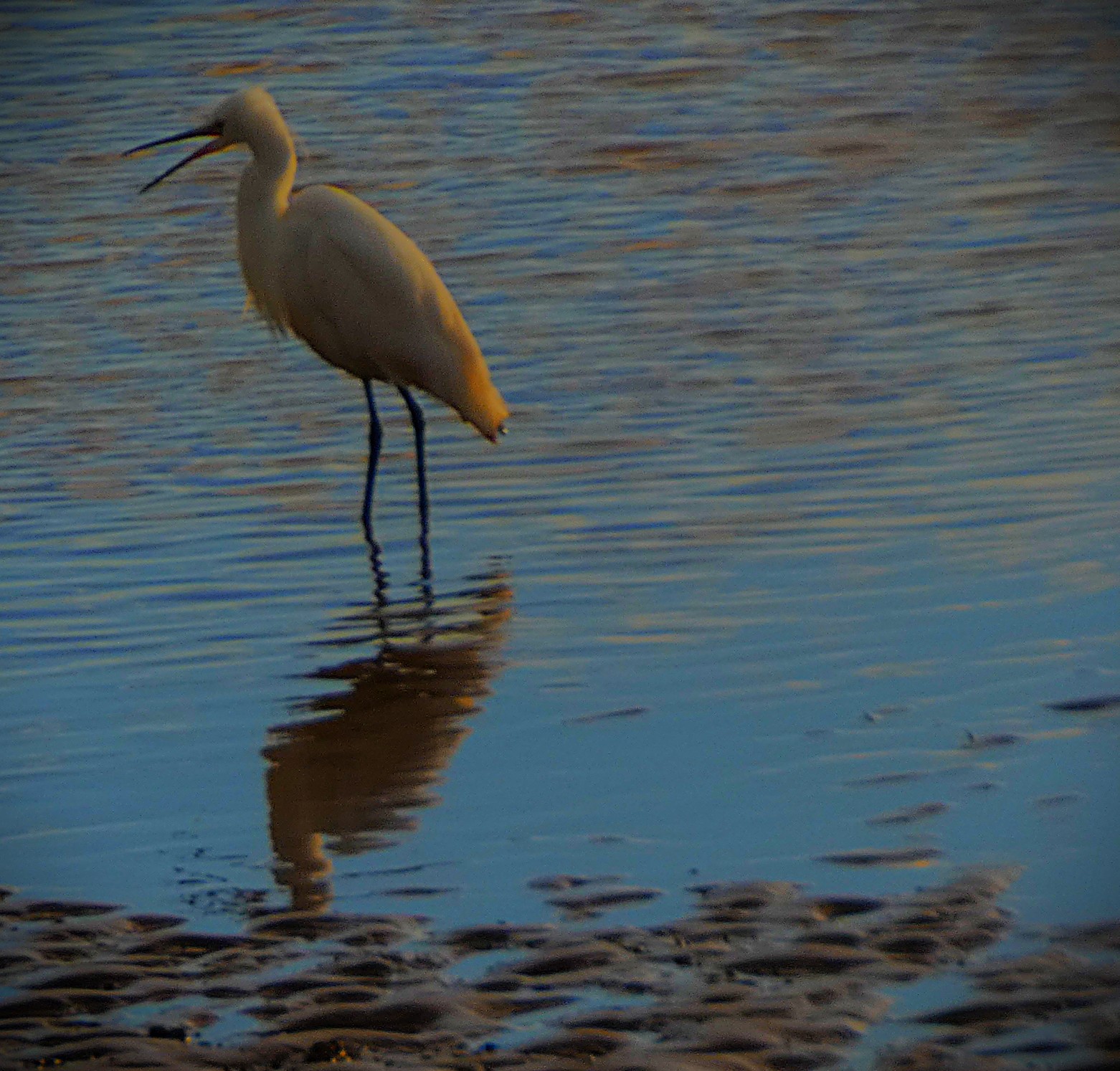
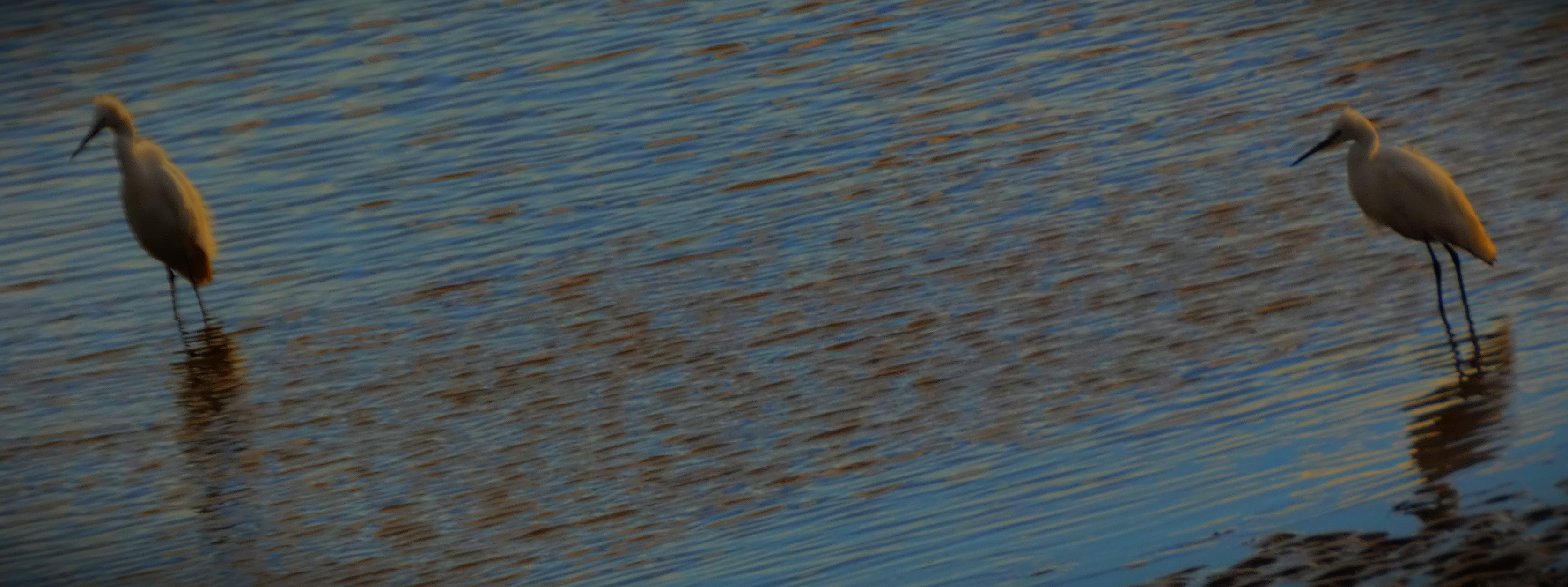
I rarely photograph pigeons but I thought this one with the distinctive green neck patch was worth making an exception for.Triangulation, ornithological style – two egrets and a gull form the corners of a triangle in the Great Ouse.The old (Custom House) and new (an art gallery/shop only a few years old) juxtaposed.A low sun shining on the Great Ouse.
Noting that the county championship is only 95 days away, by featuring Tom Soar’s career best. Also the first photo gallery of the new year.
Welcome to a new year. I have decided to make the main body of my first post of 2024 fit with the start of a new county championship season being 95 days away. I then have a photo gallery to share – today has been largely bright and sunny and I have been out and about.
TOM SOAR’S CAREER BEST
Tom Soar is not an illustrious name in the history of cricket, and fast bowling was his main occupation (323 FC wickets at 23.82 with a best of 8-38). His highest score with the bat was 95, and it came in a truly remarkable match.
Somerset had batted first and posted a total of 315, Ernie Robson top scoring with 74. Hampshire began poorly in reply and it would have been even worse for them had Somerset keeper Wickham pulled off a stumping chance against Major Robert Poore. Poore survived, which would have felt ominous to Somerset, given that at Portsmouth earlier that season he had already smashed them for two centuries in the match. Hampshire were 62-4 when Soar joined Poore. The pair put on 196 together before Soar was out for 95. Poore was now joined by another army officer, Captain Teddy Wynyard, and just over four hours this pair proceeded to hammer 411 runs, before Wynyard fell for 225. Poore was out a few balls, for precisely 300 runs more than he had scored at the time Wickham missed that stumping. Hampshire declared at 672-7, an advantage of 357. A dispirited Somerset could only manage 206 at the second time of asking and lost by an innings and 151 runs.
PHOTOGRAPHS
My usual sign off…
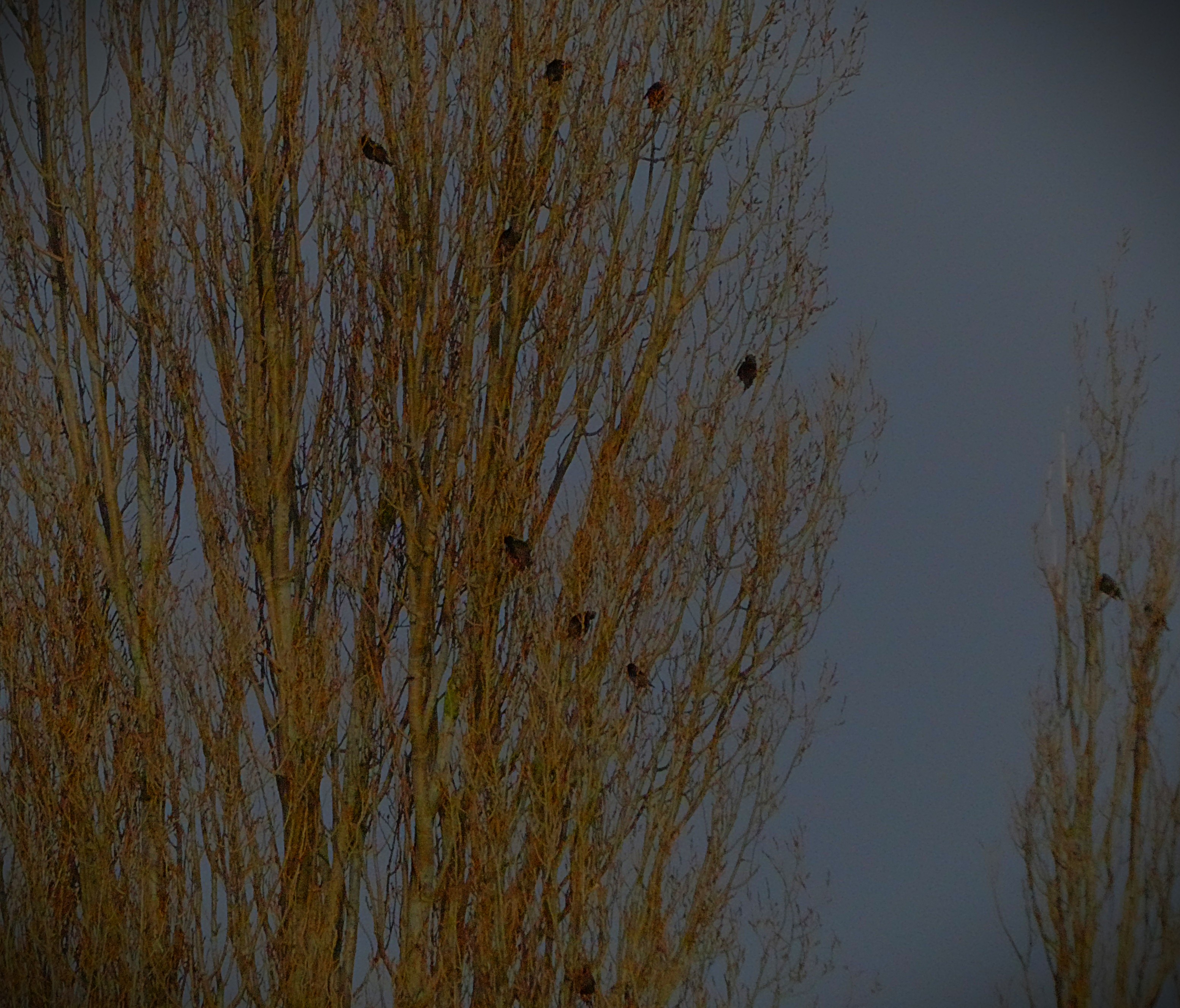
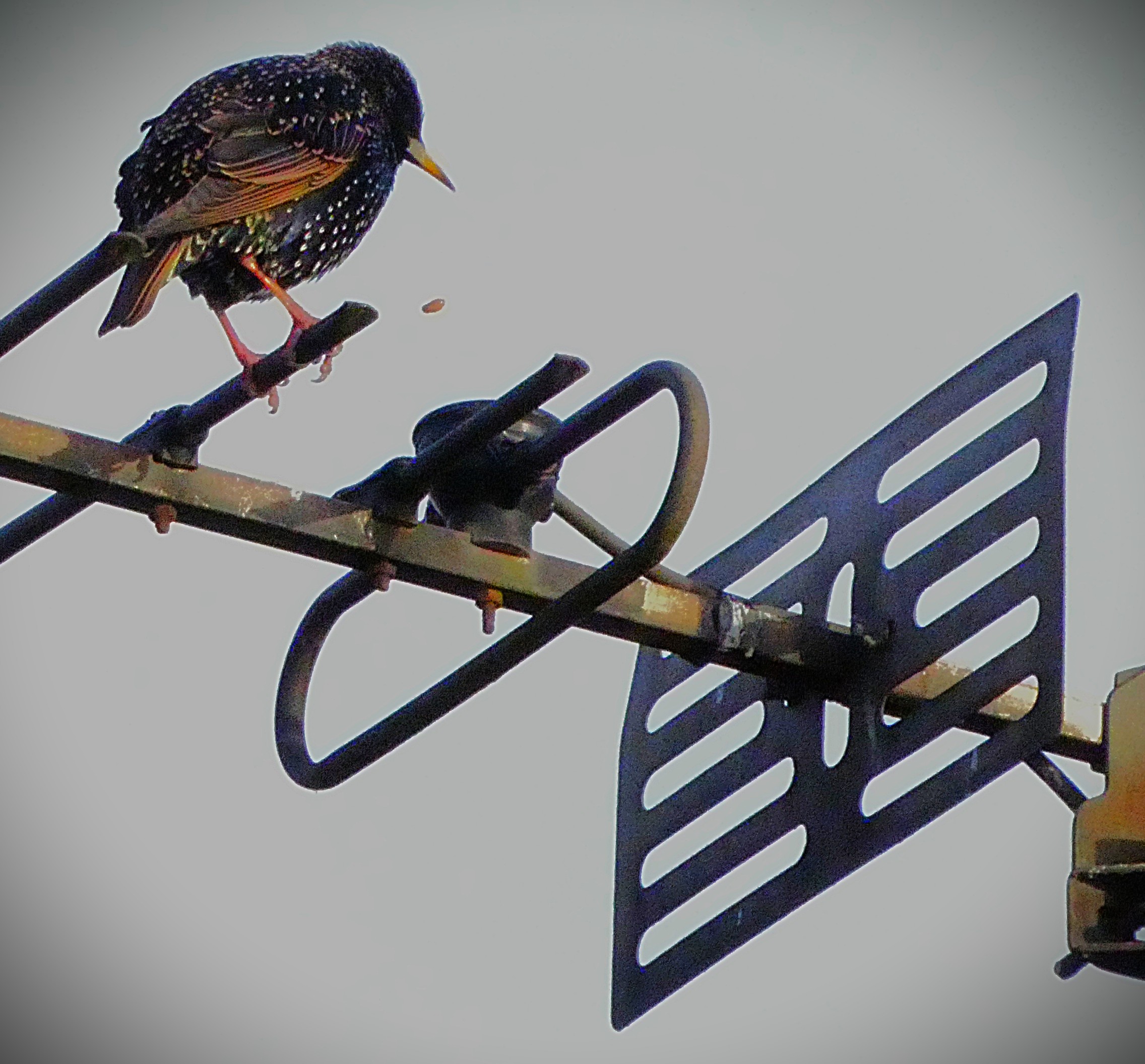
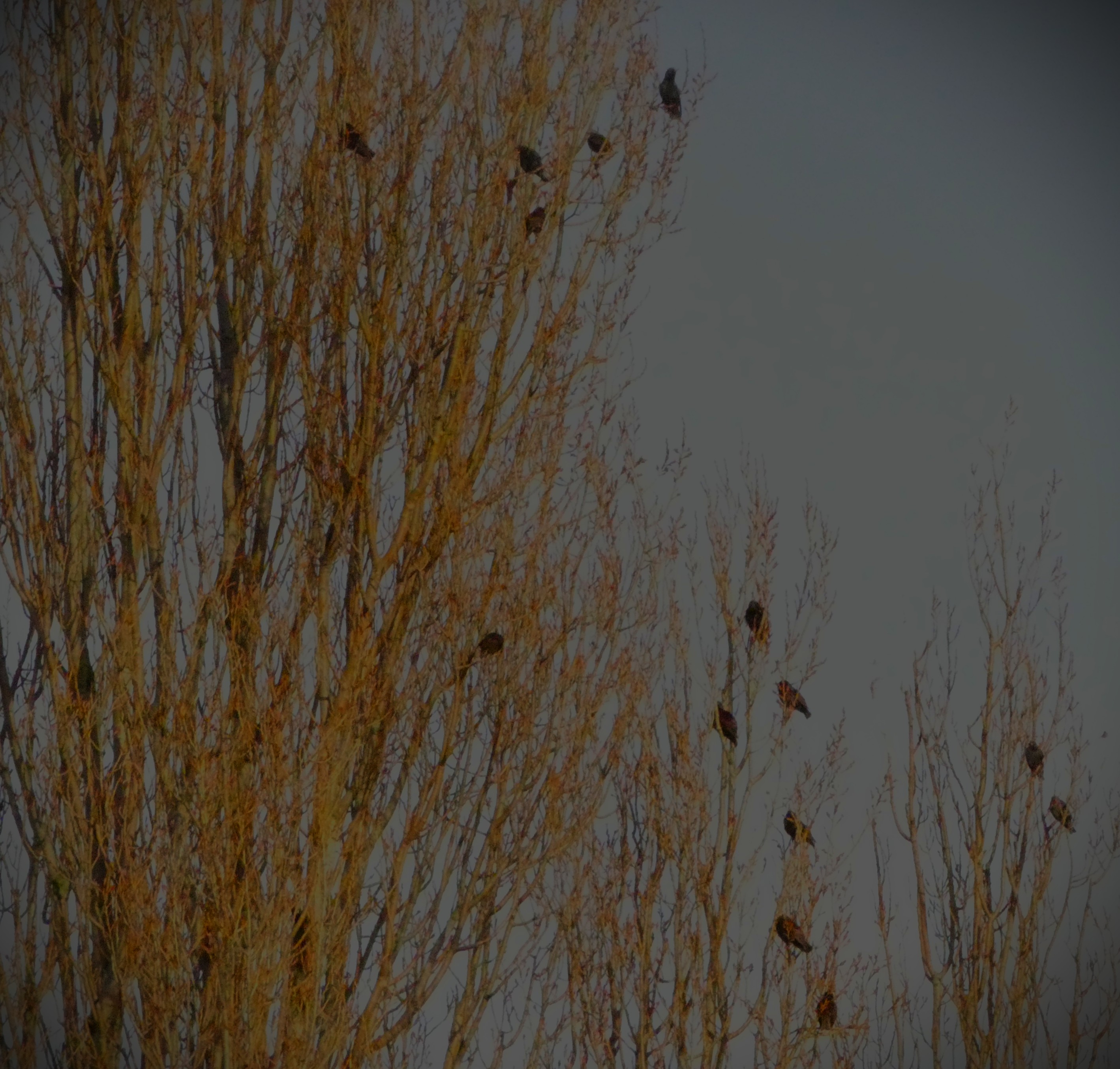
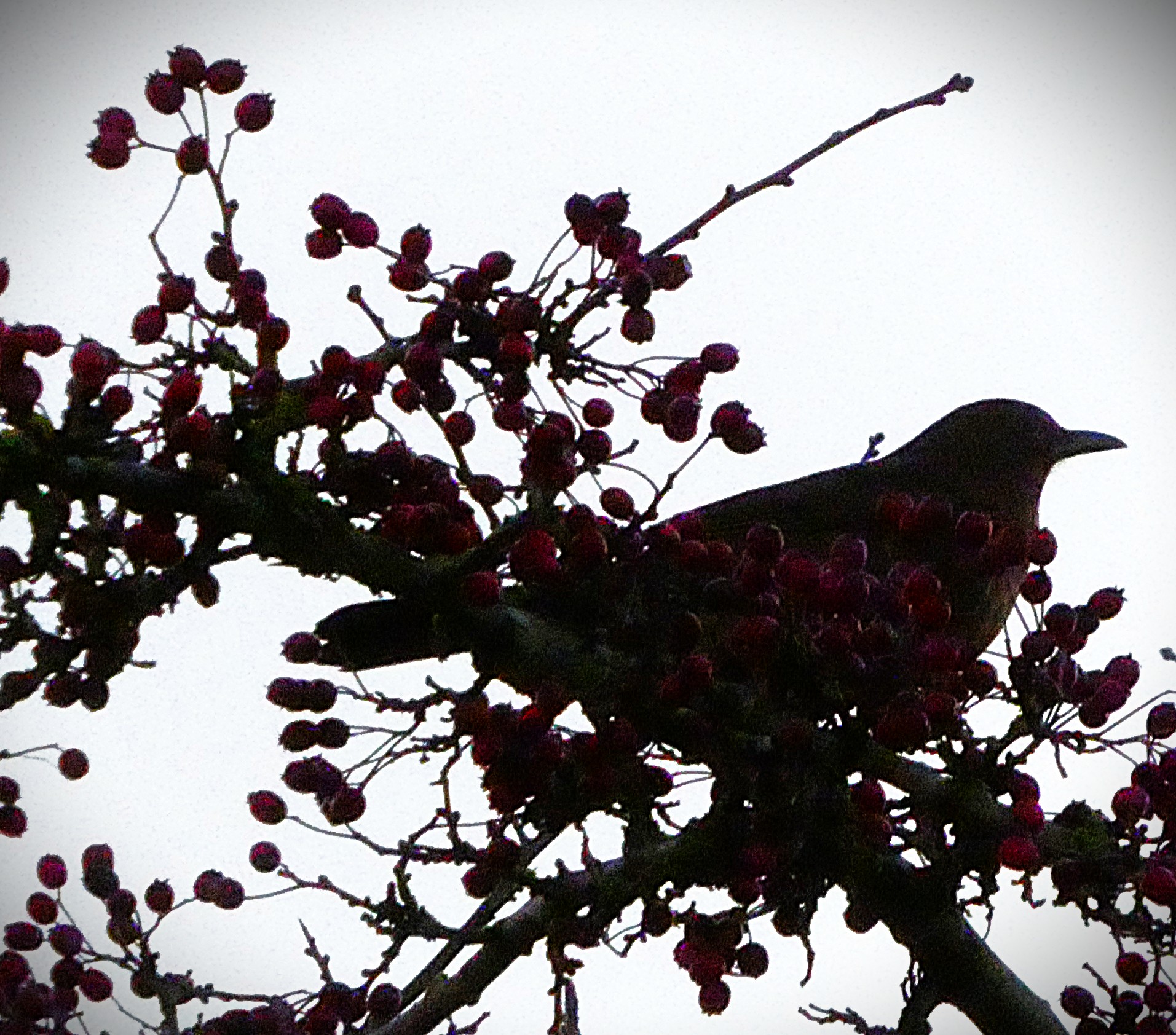
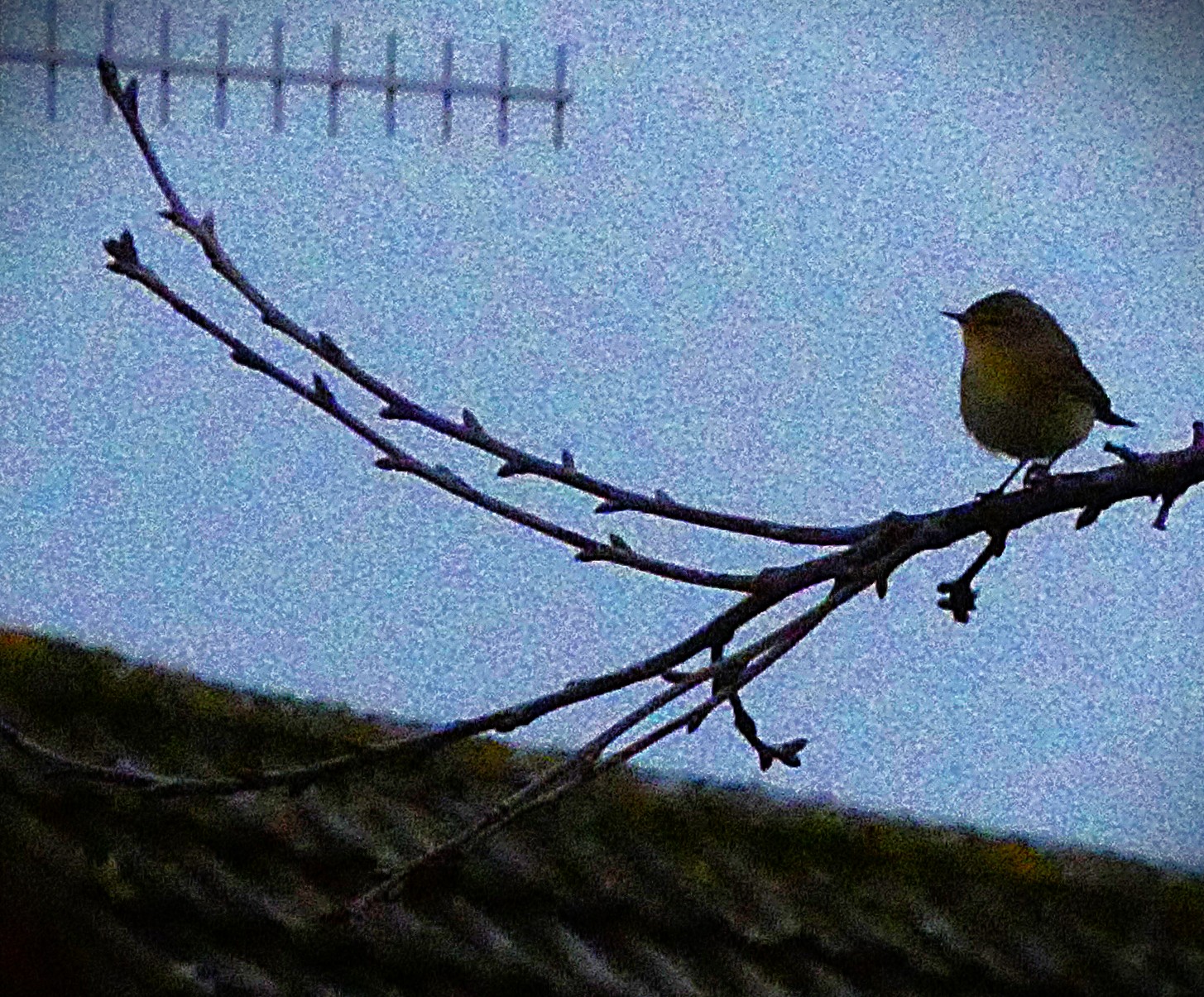
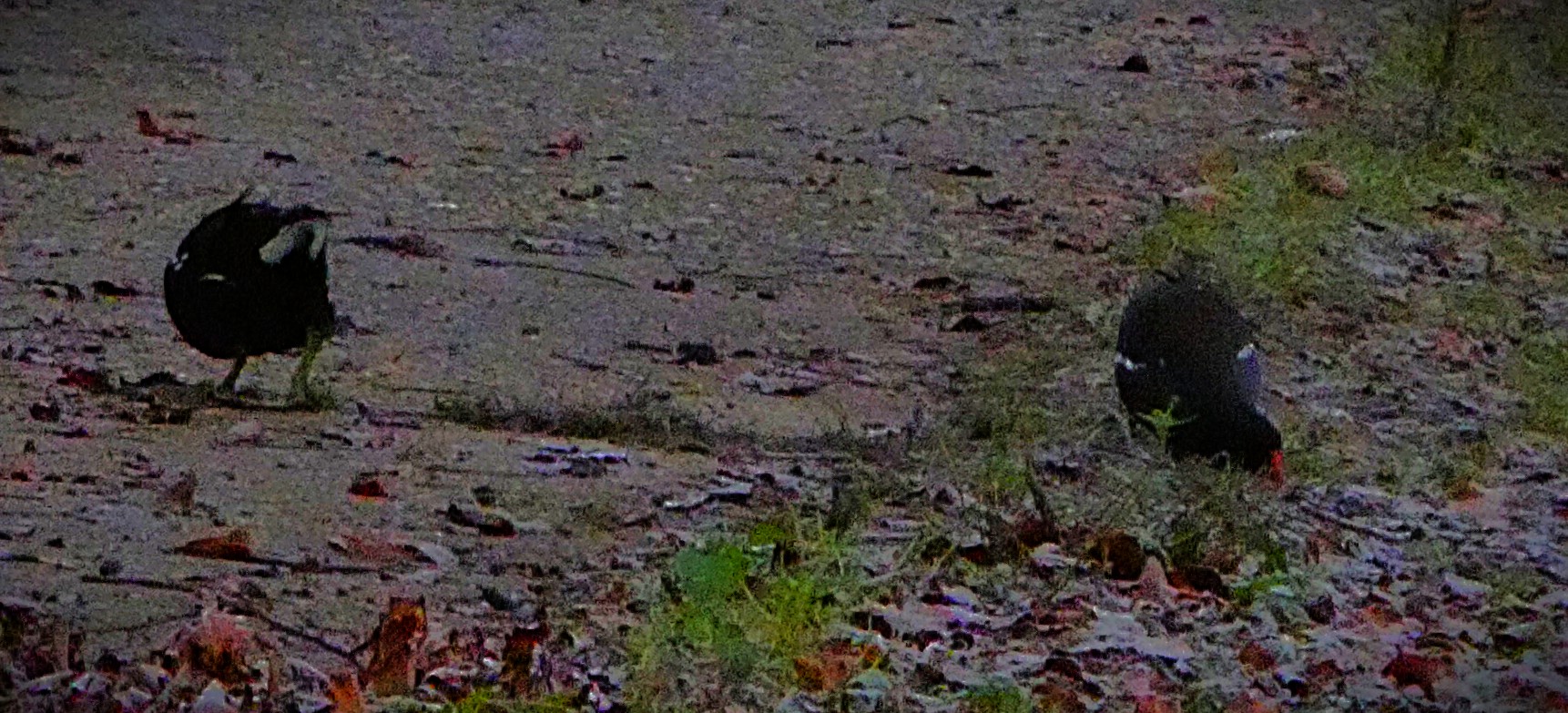
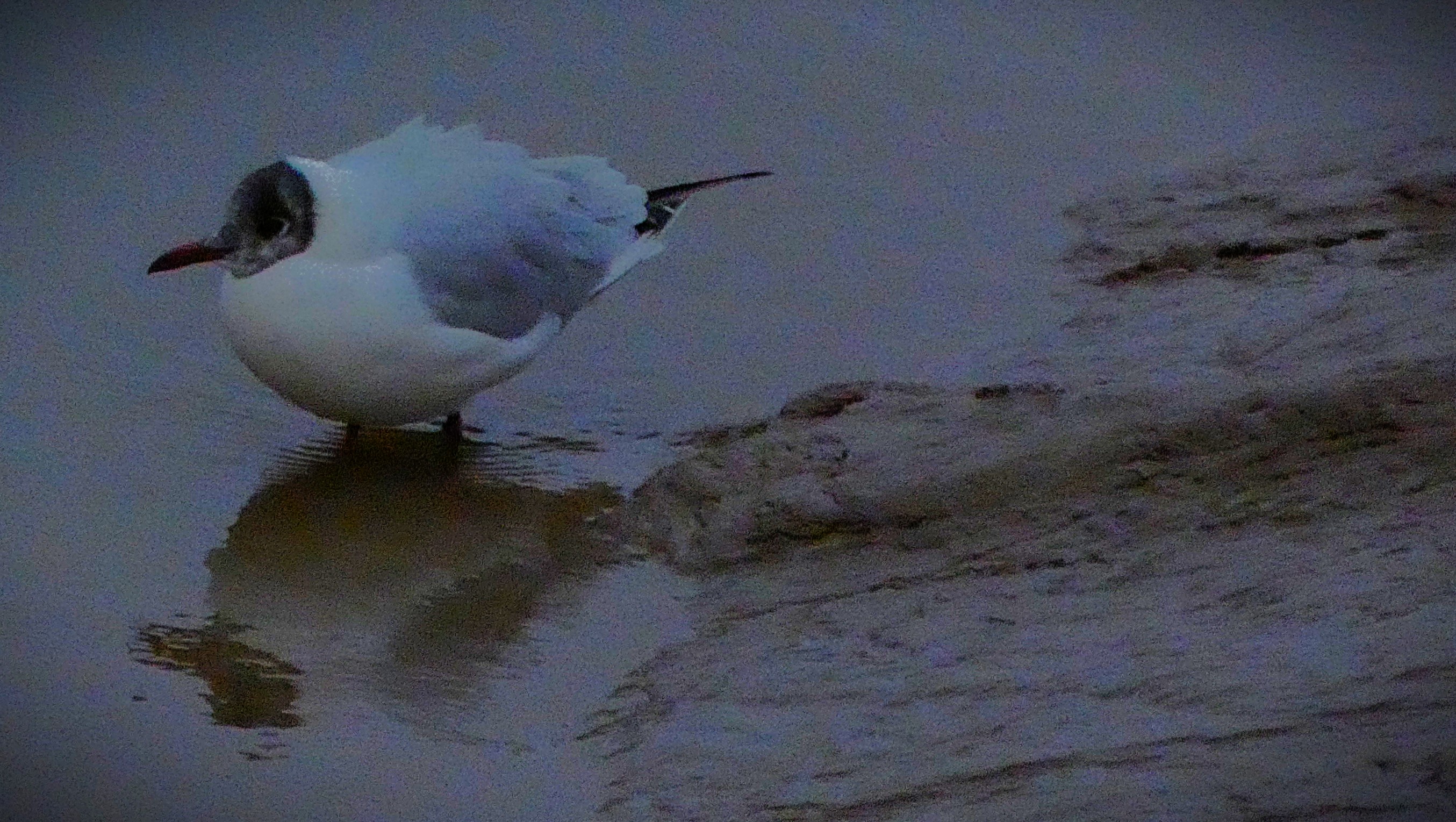
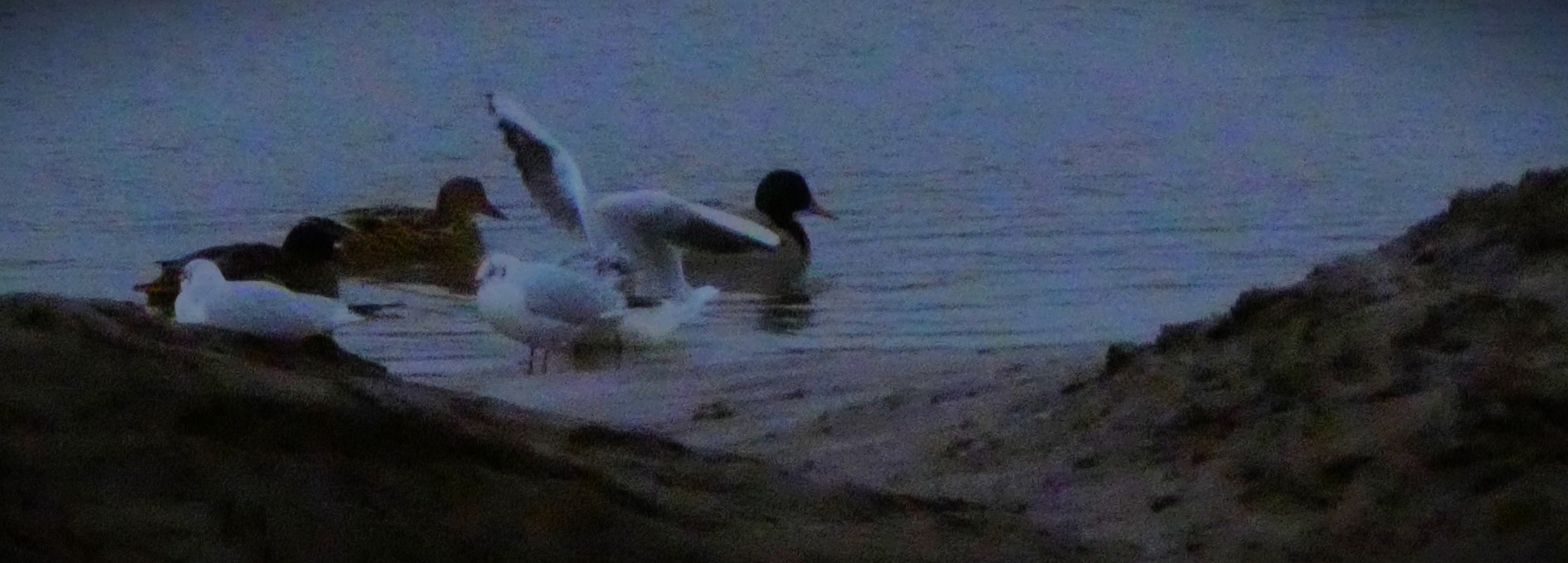
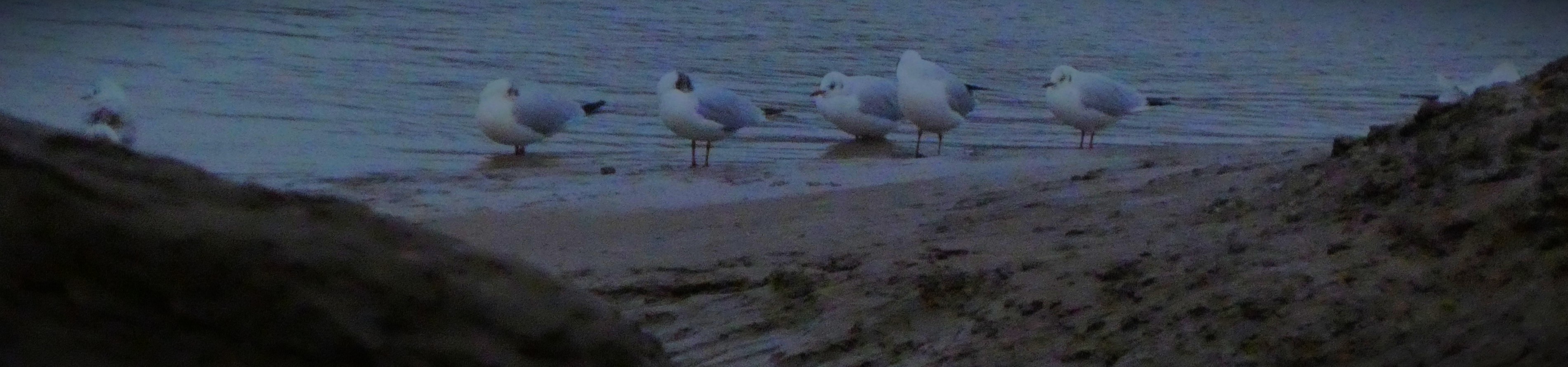
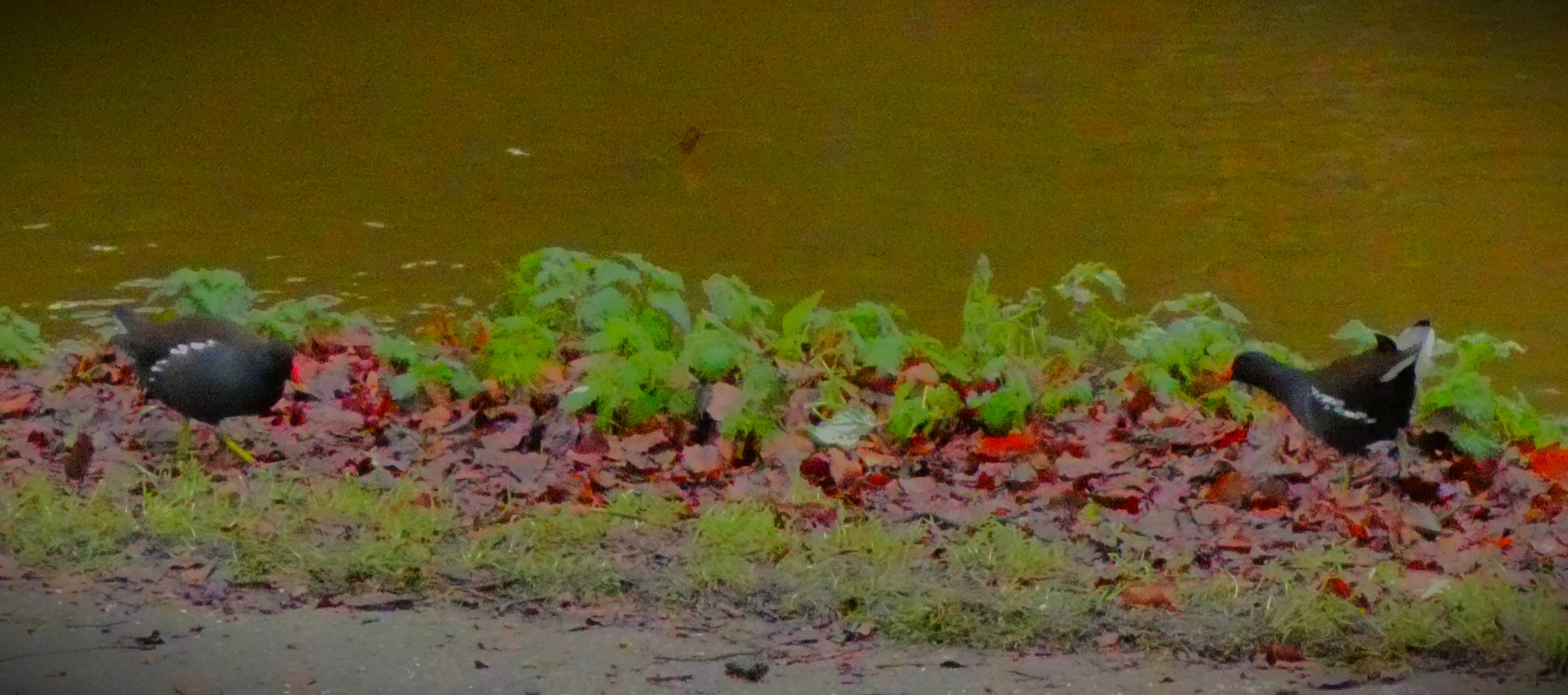
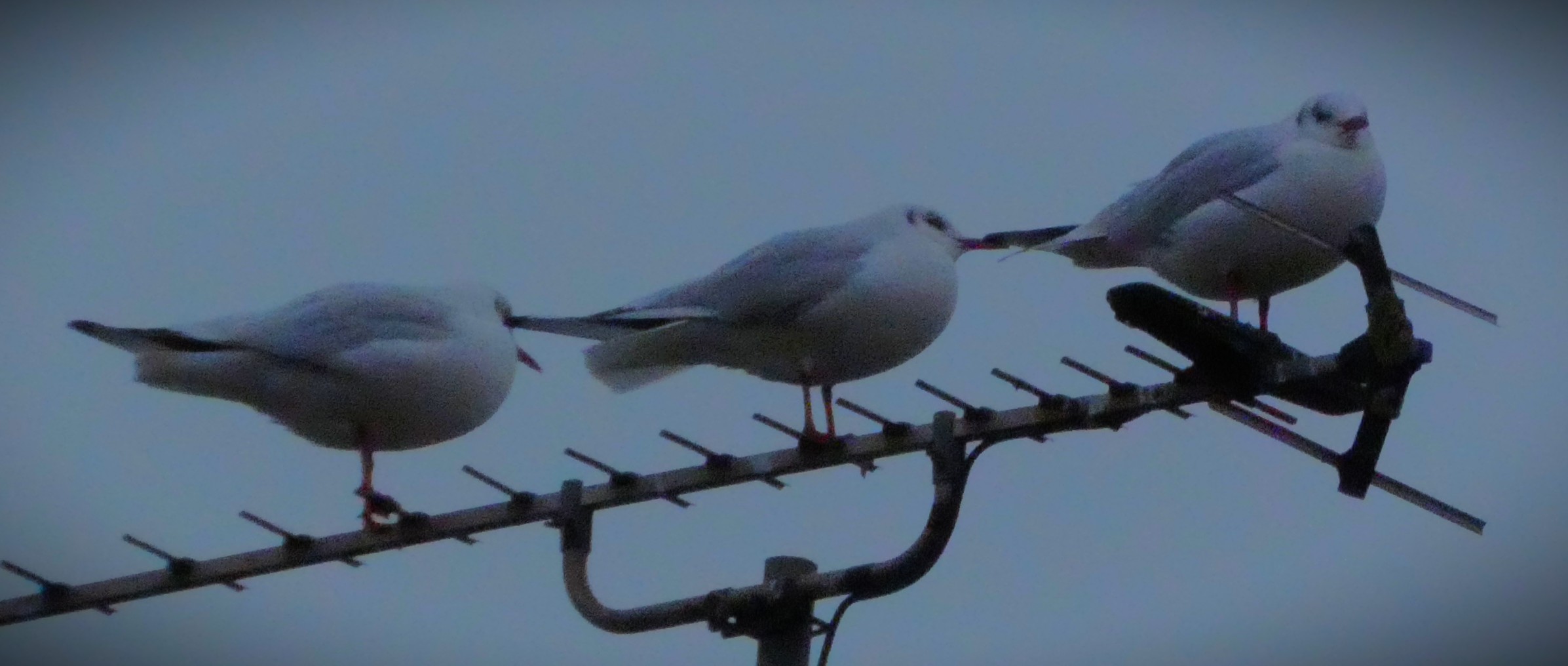
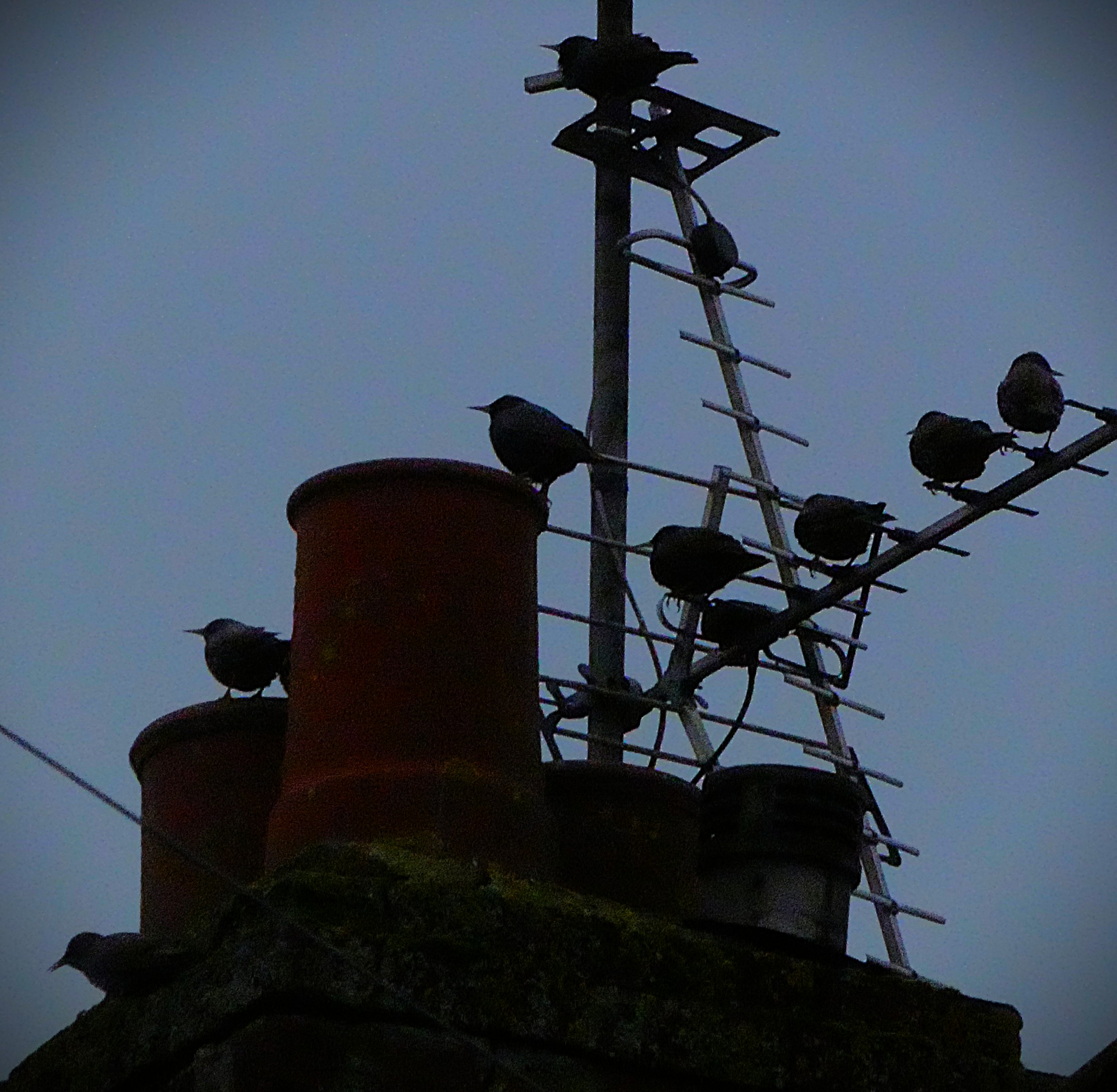
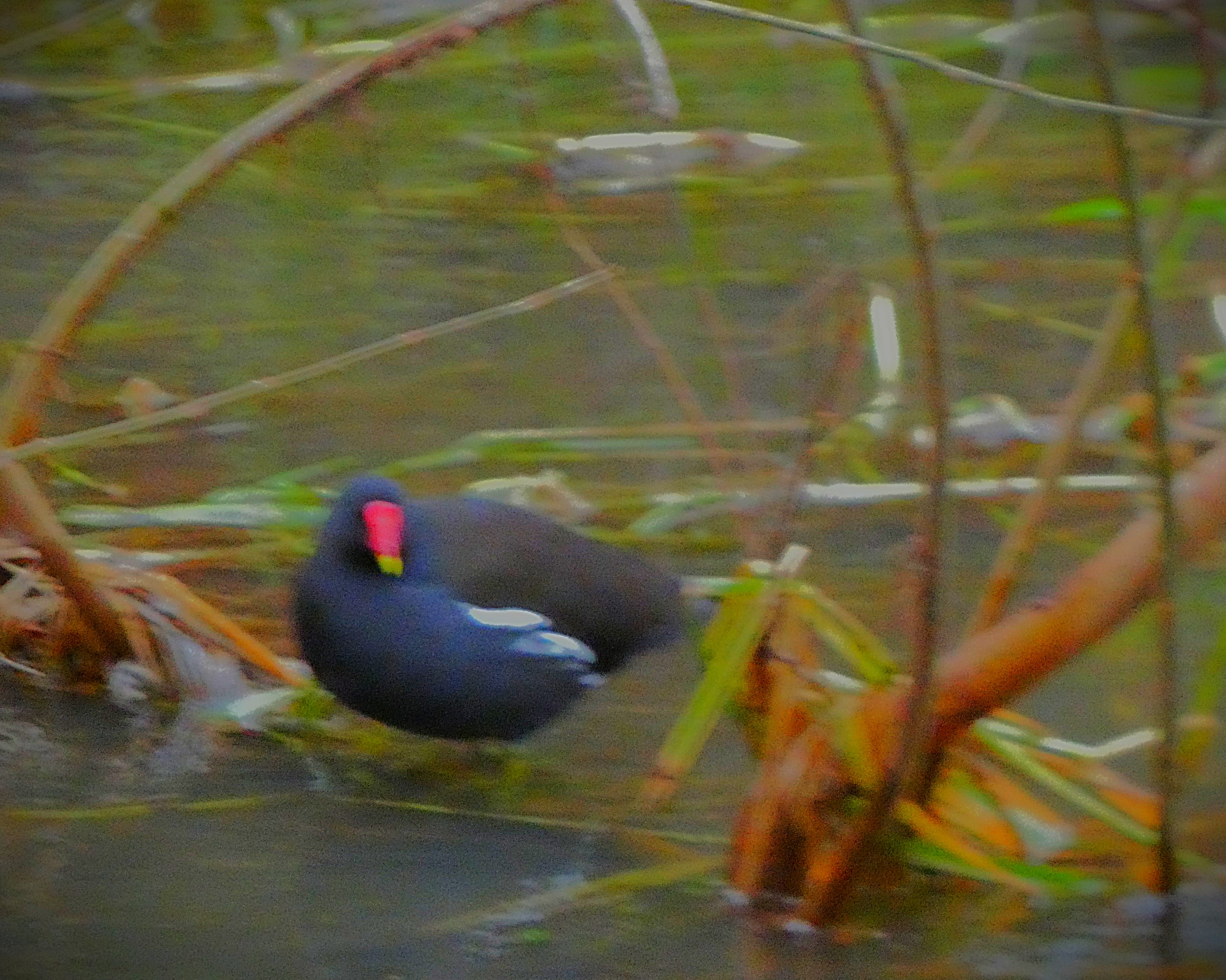
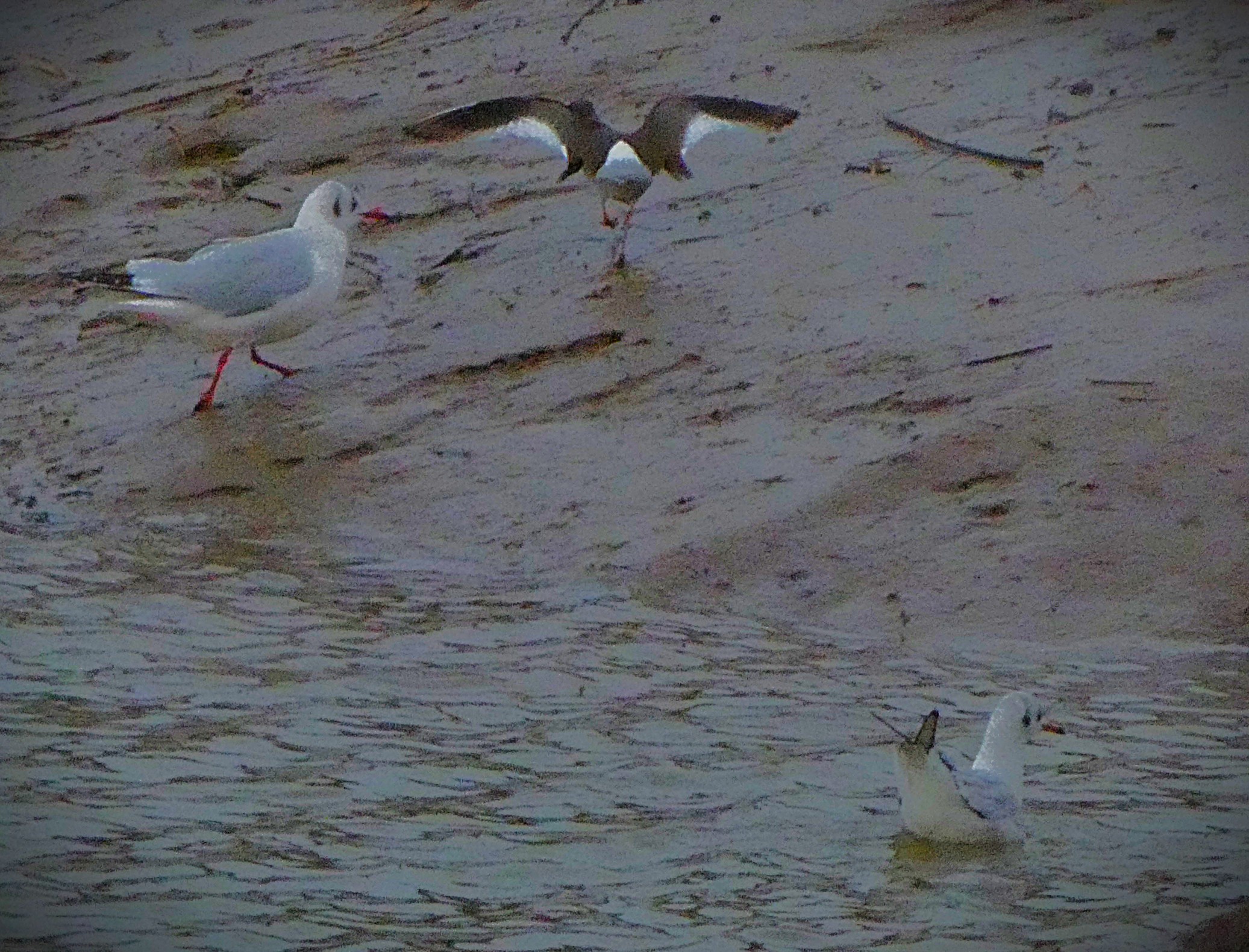
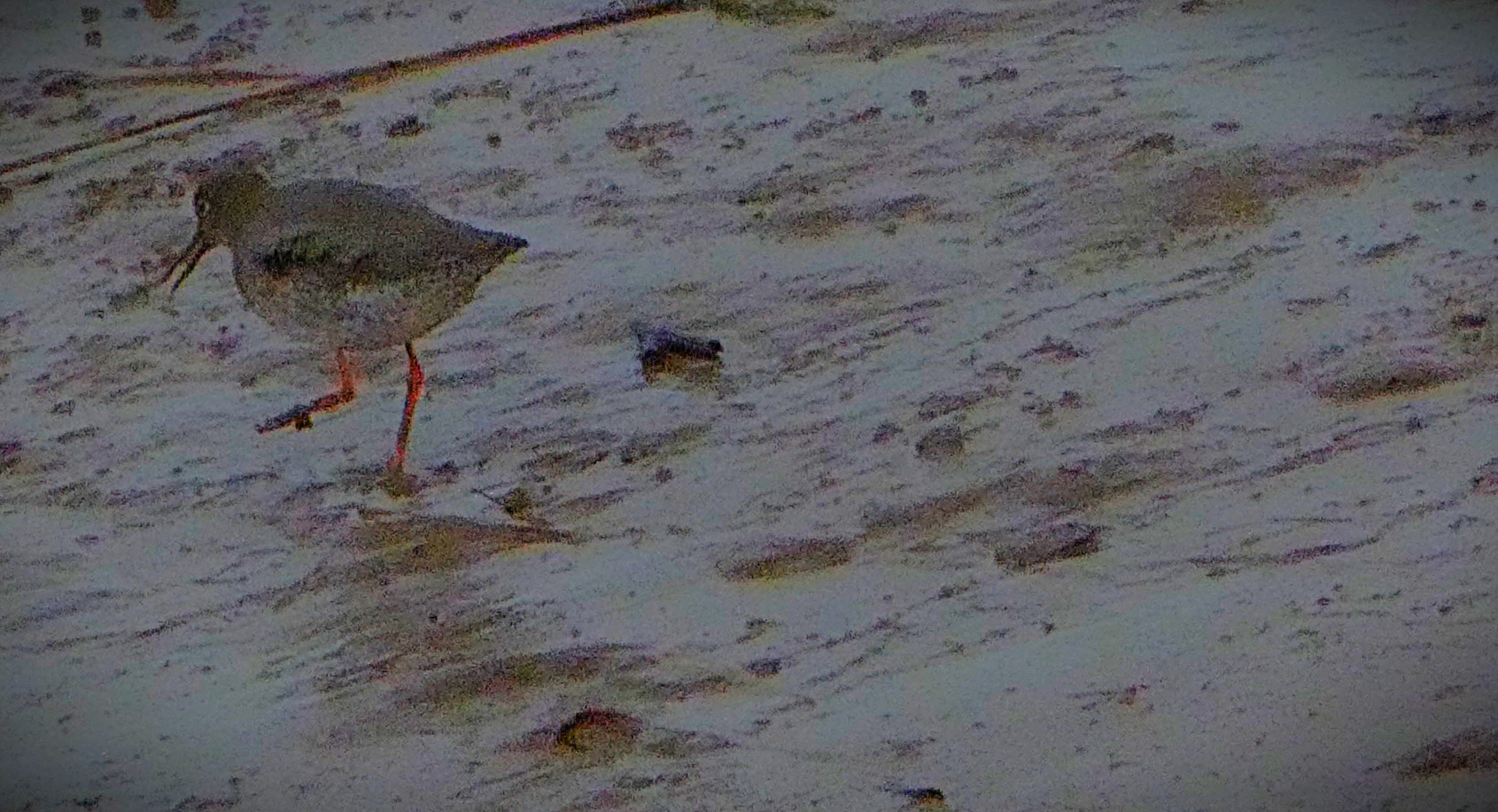
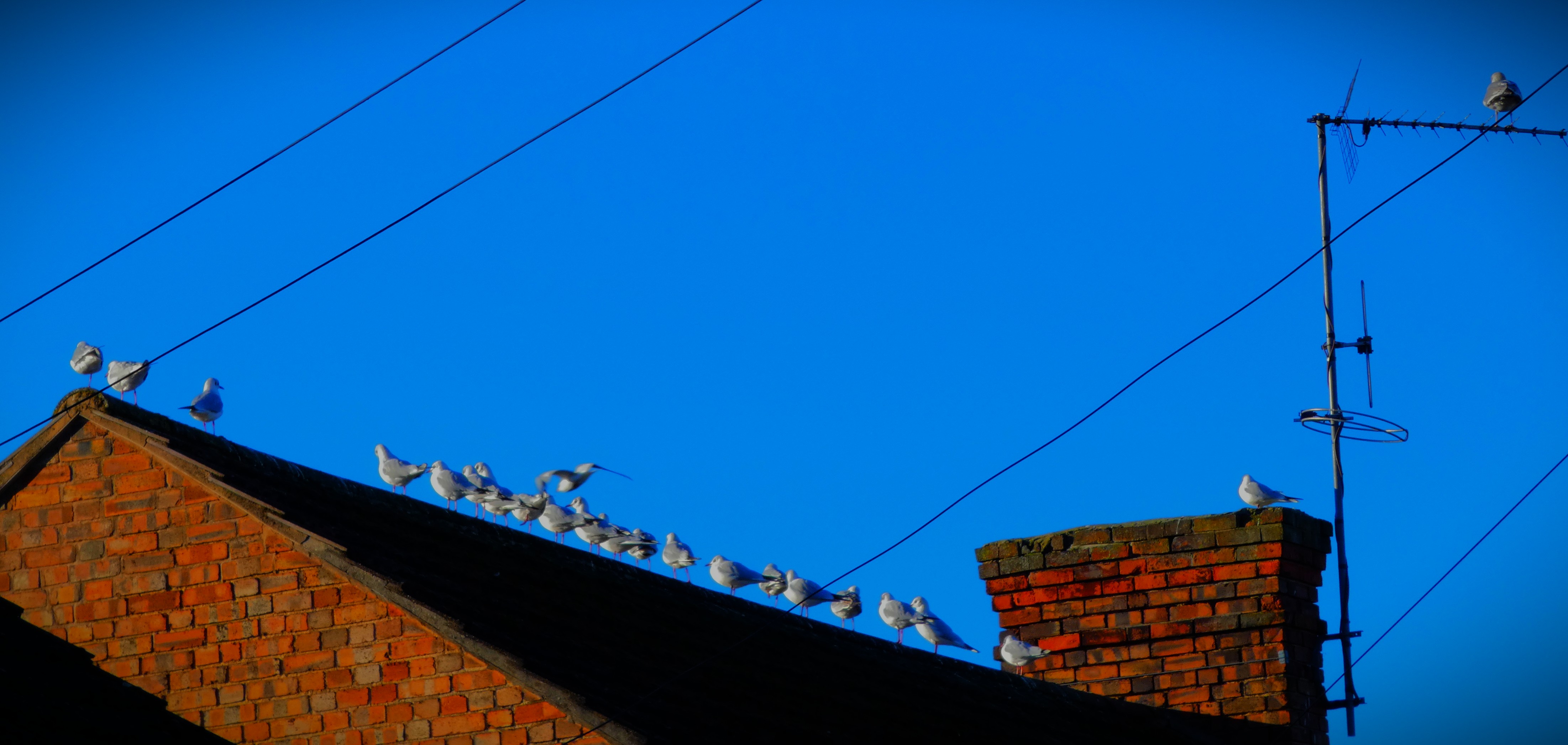
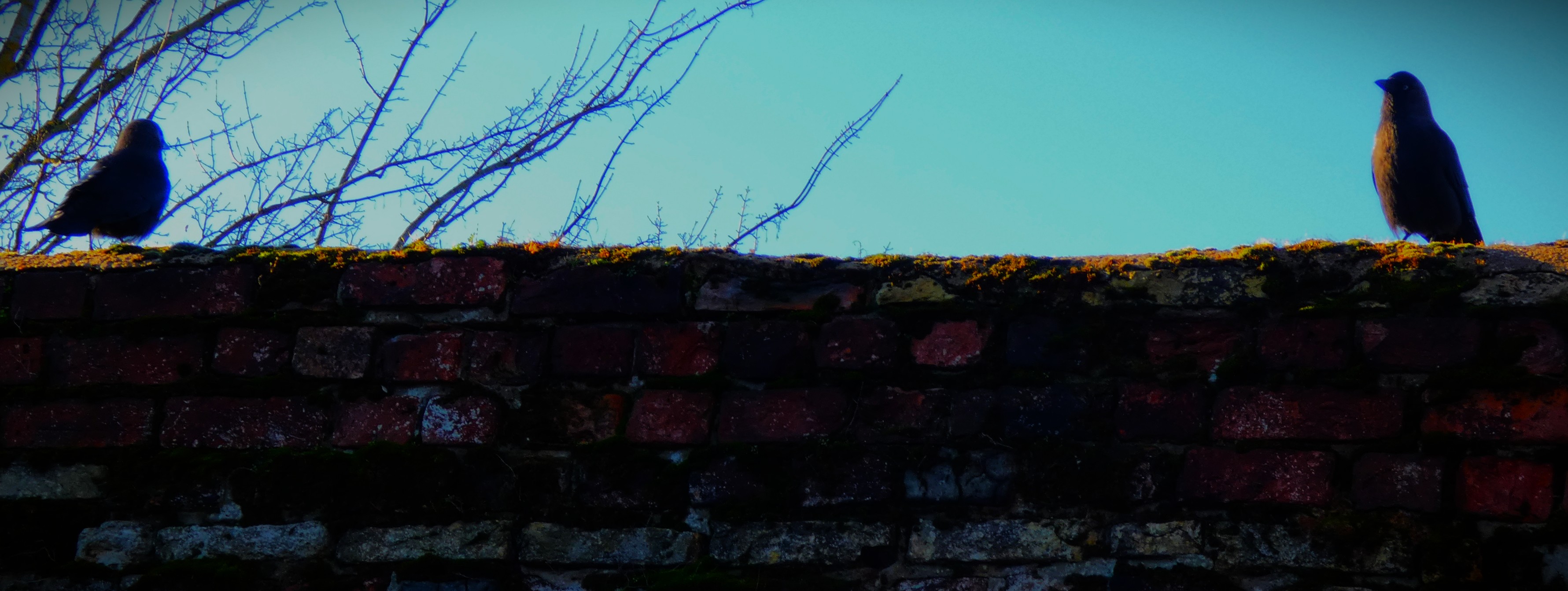
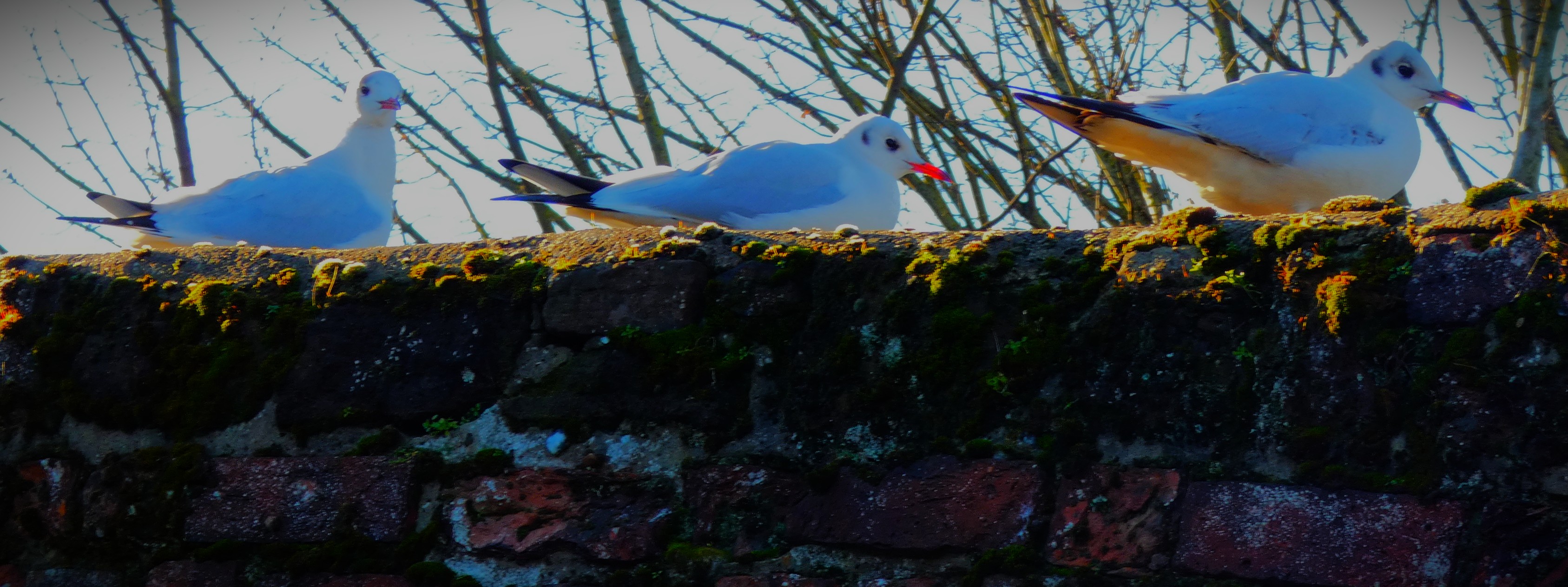
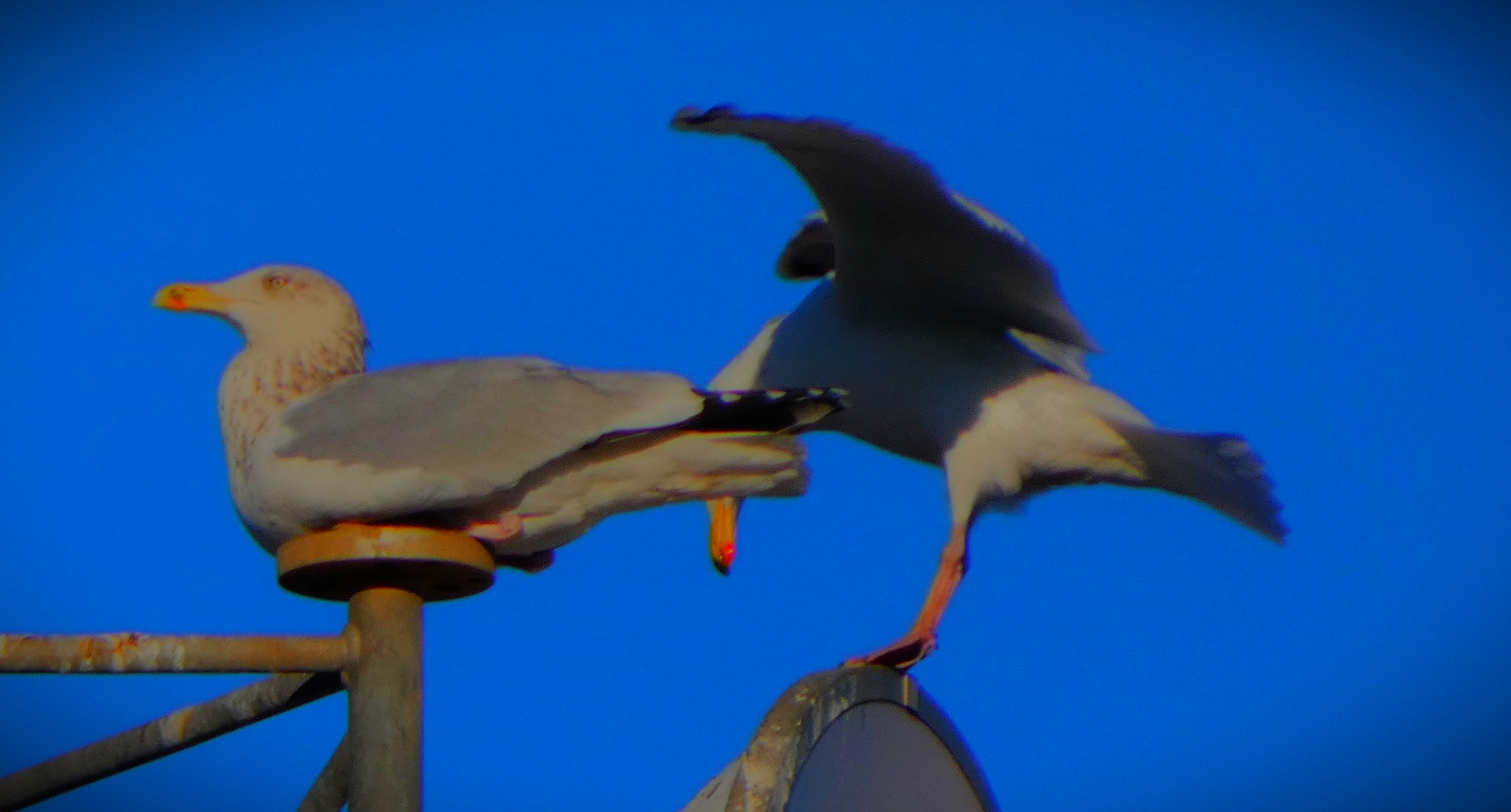
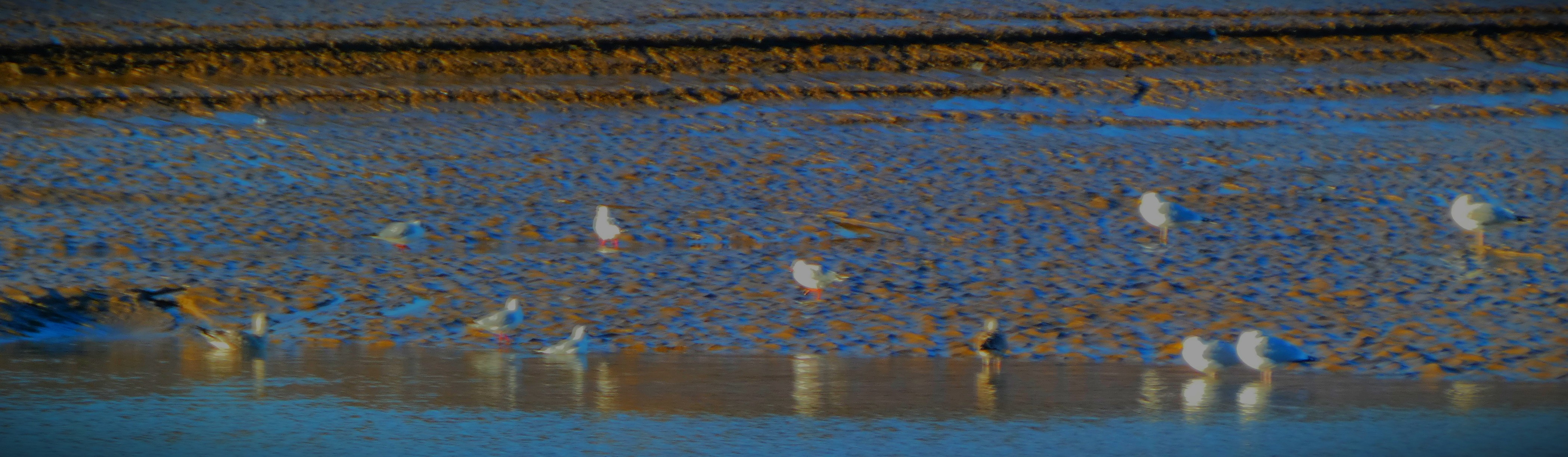
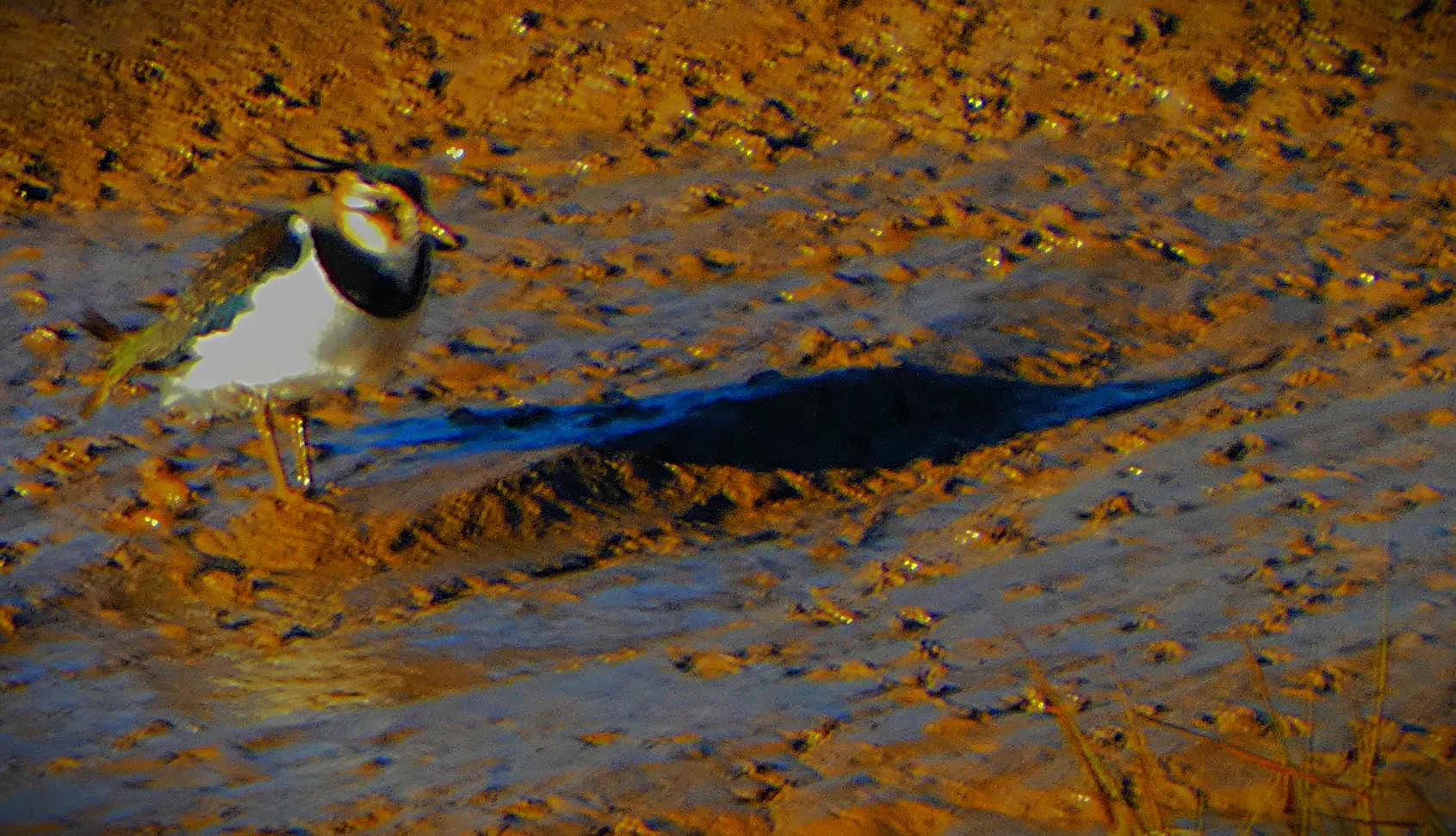
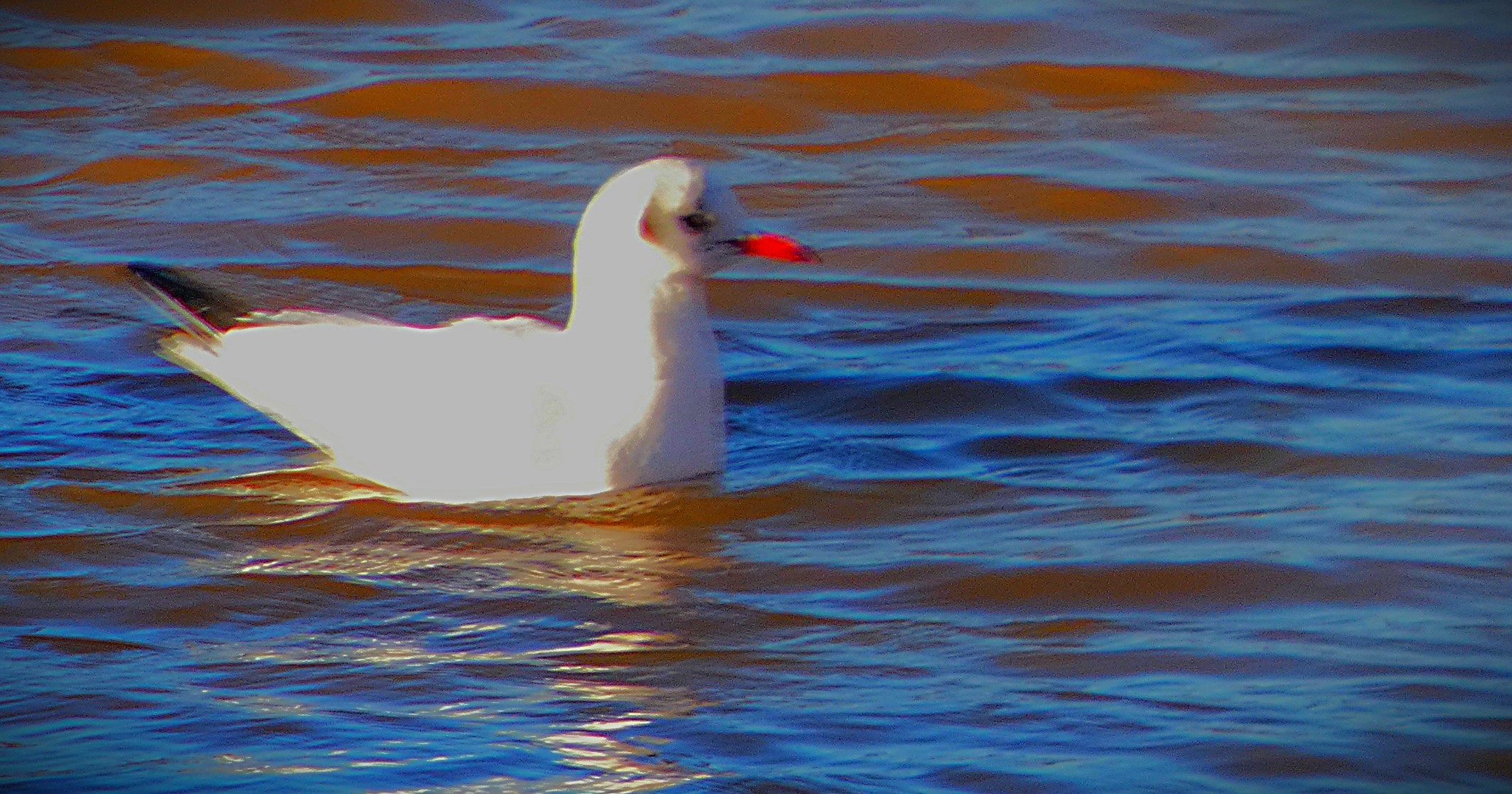
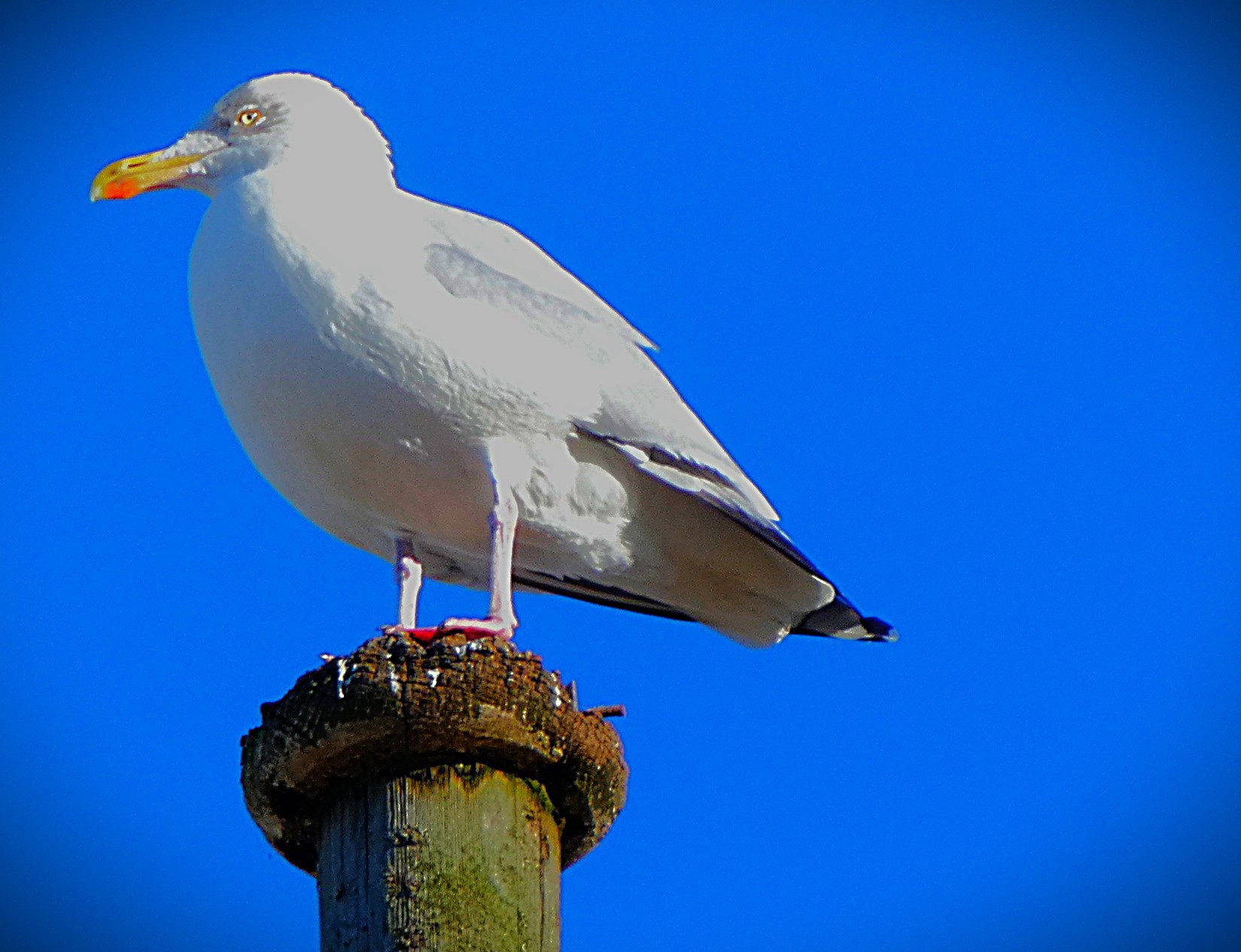
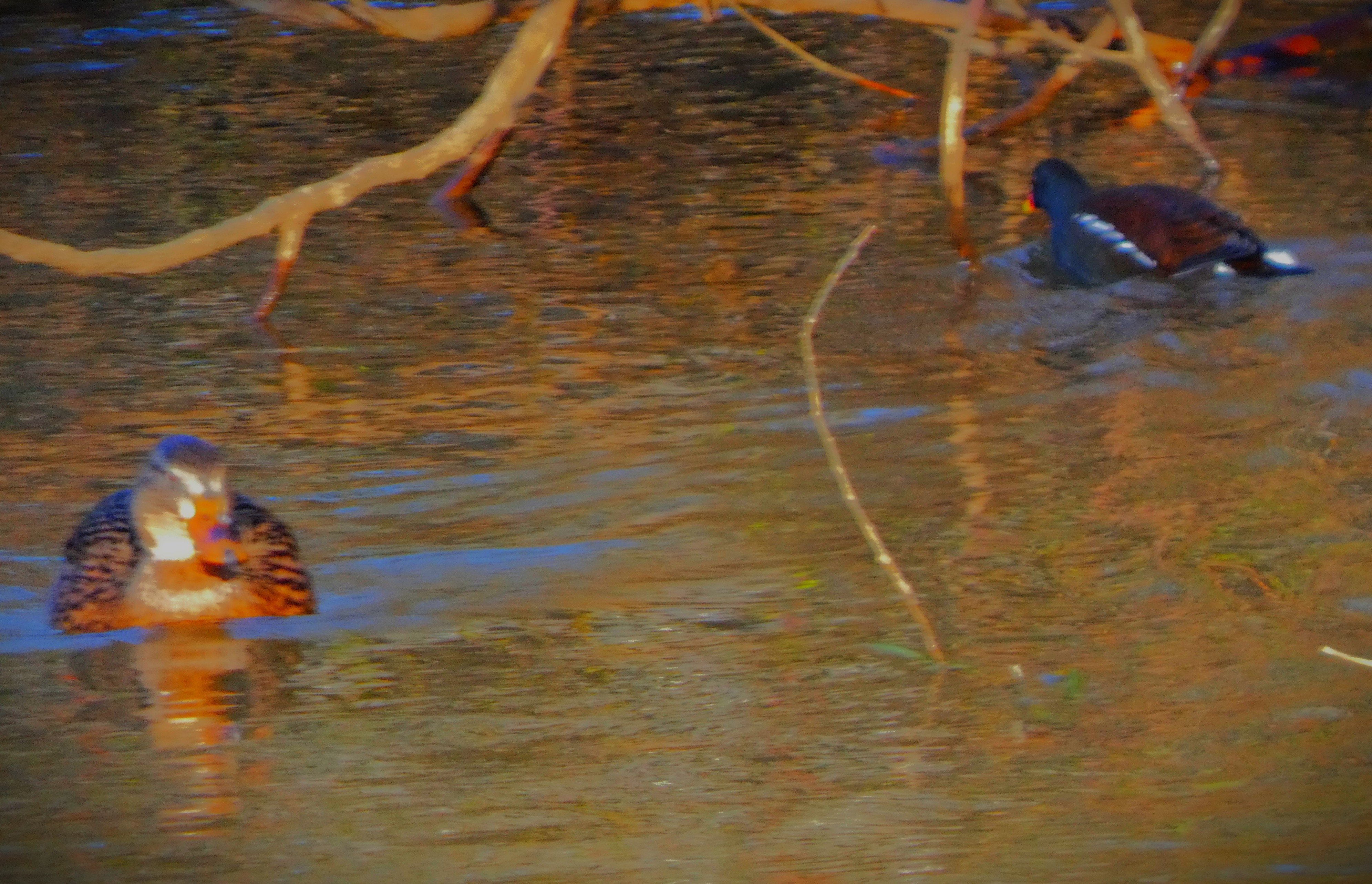
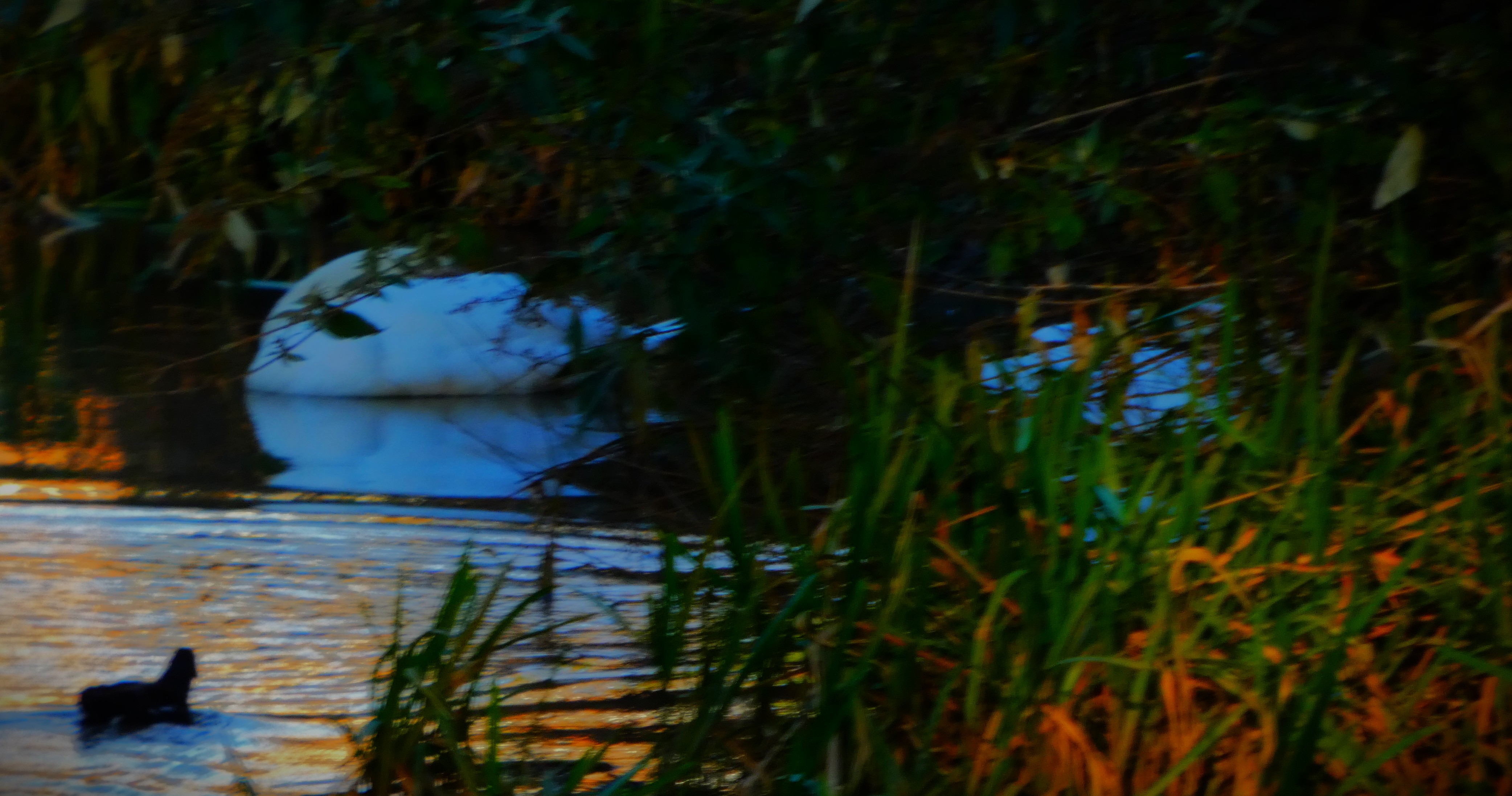
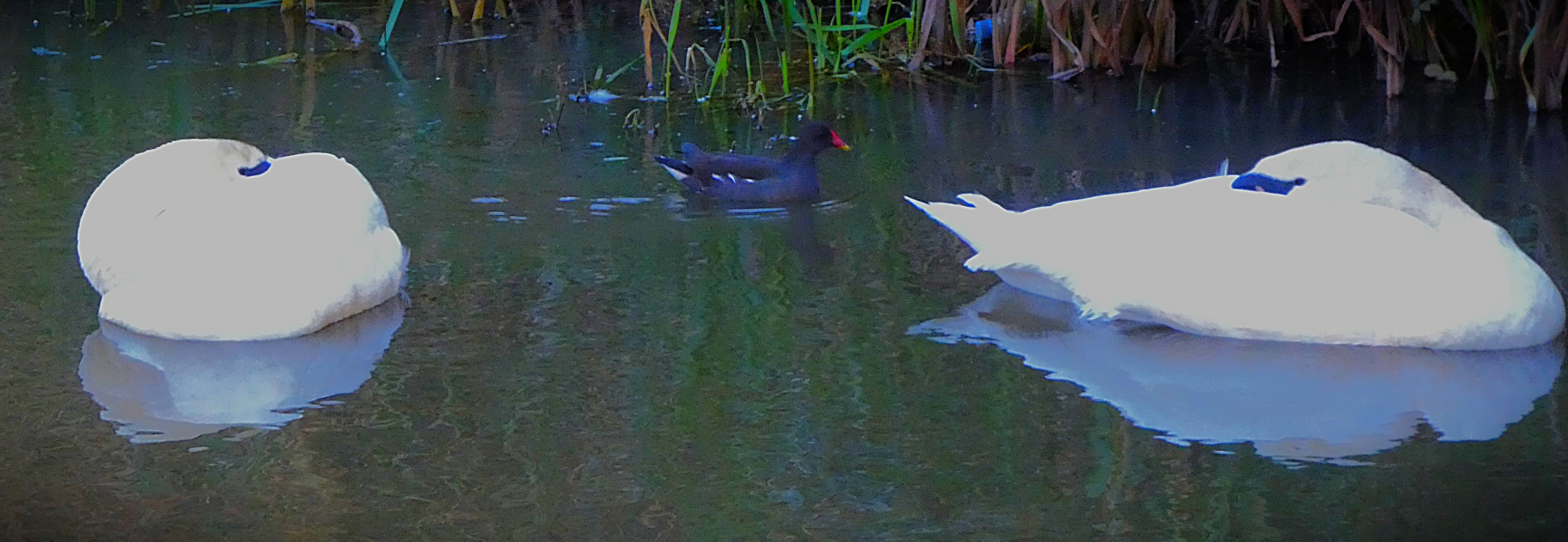
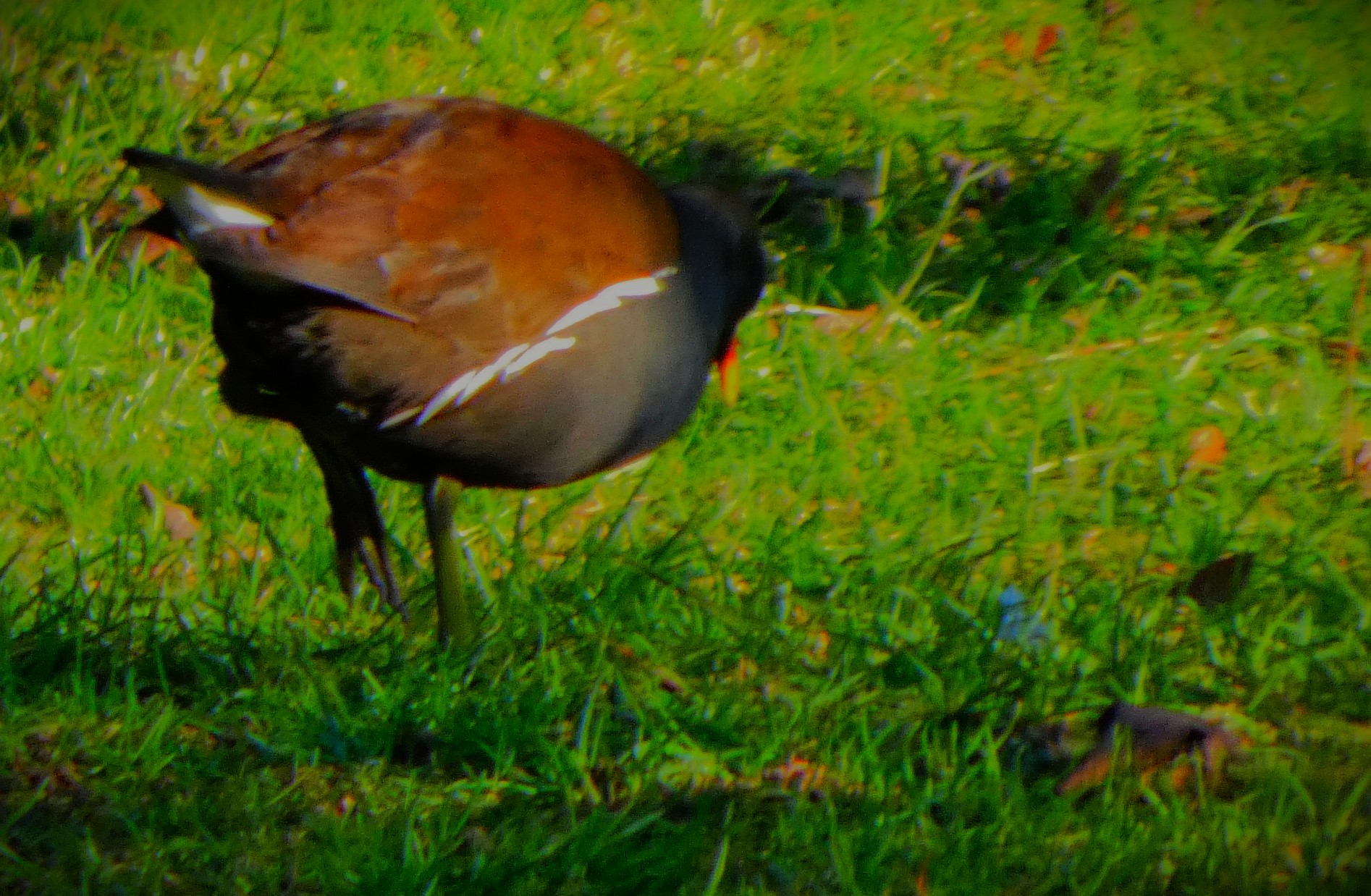
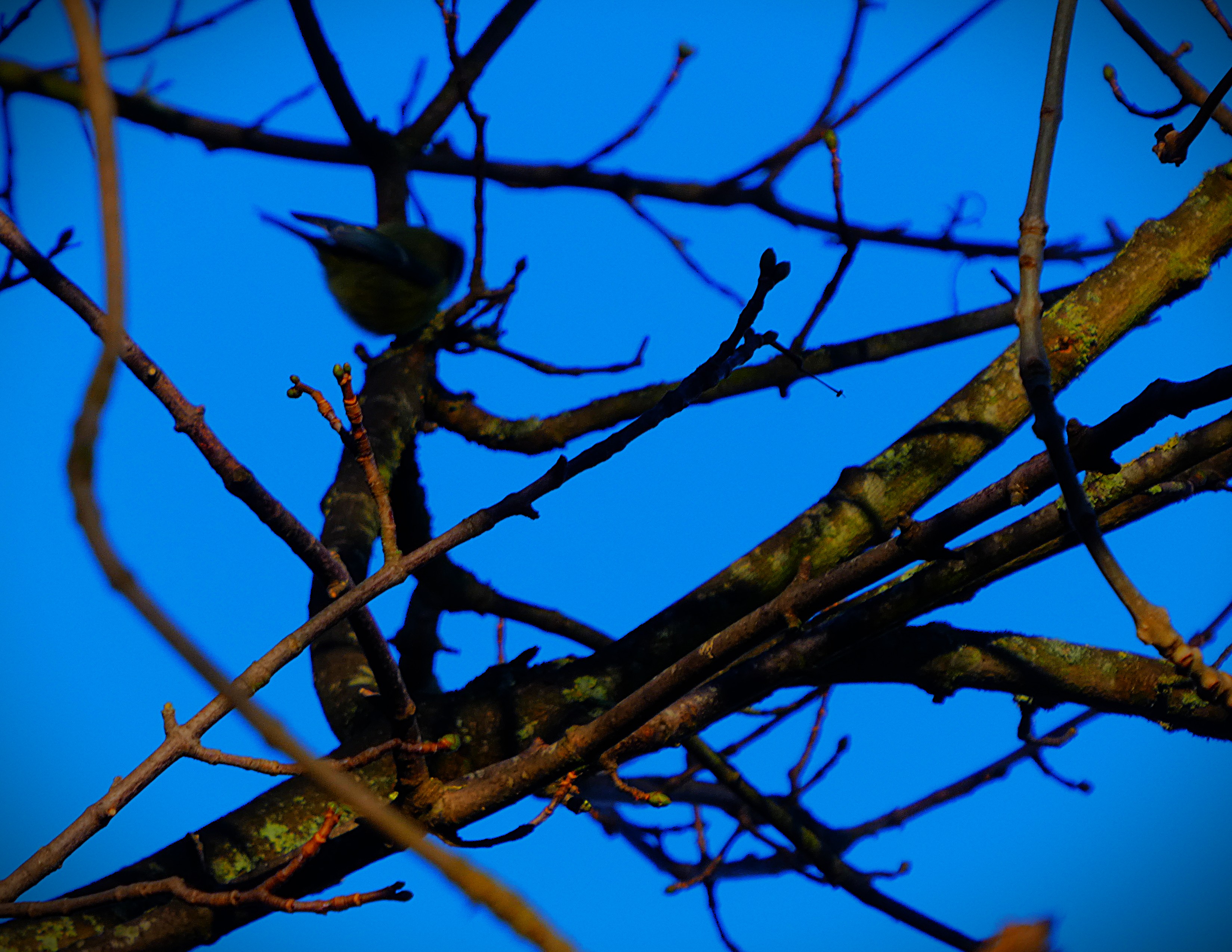
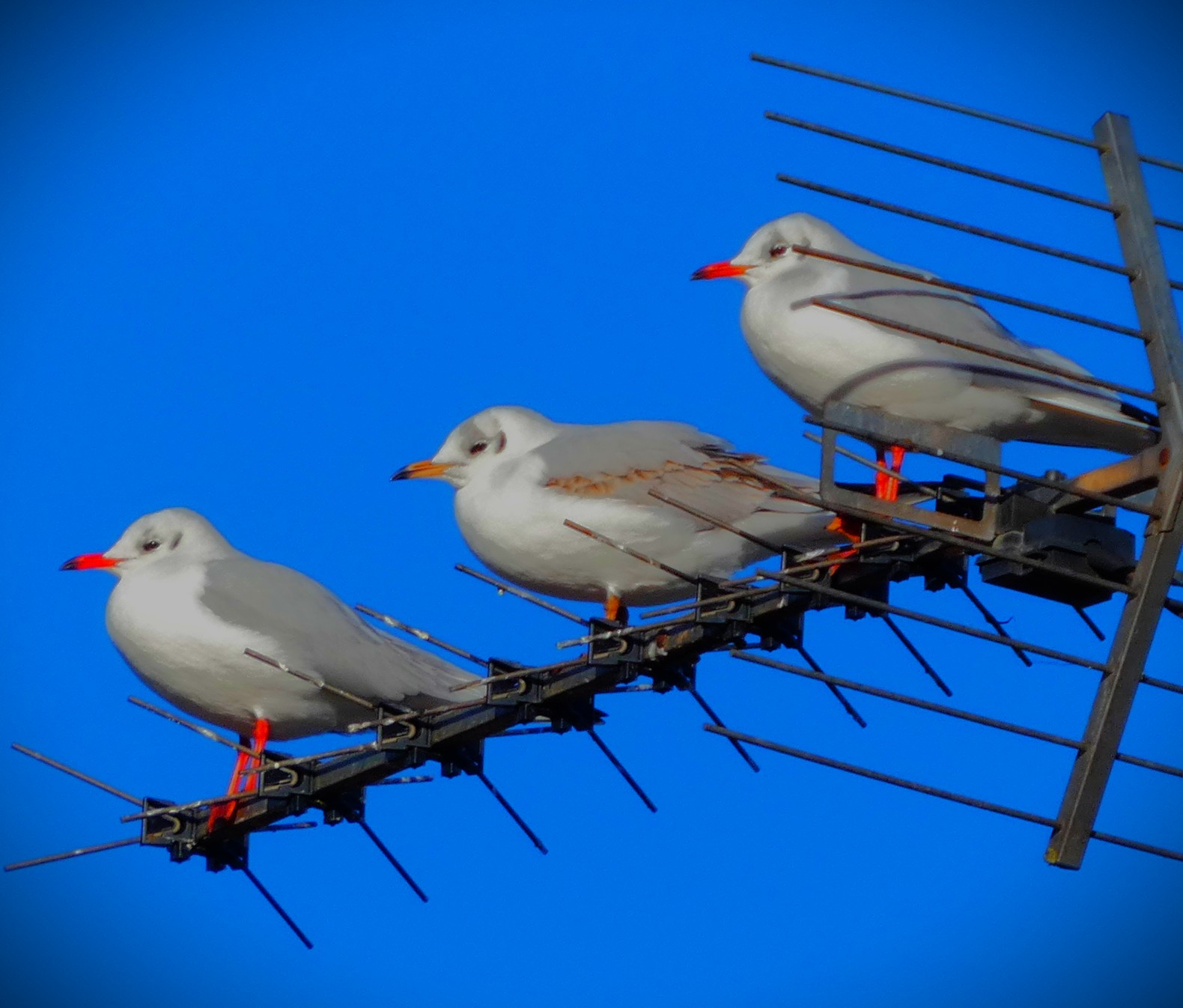
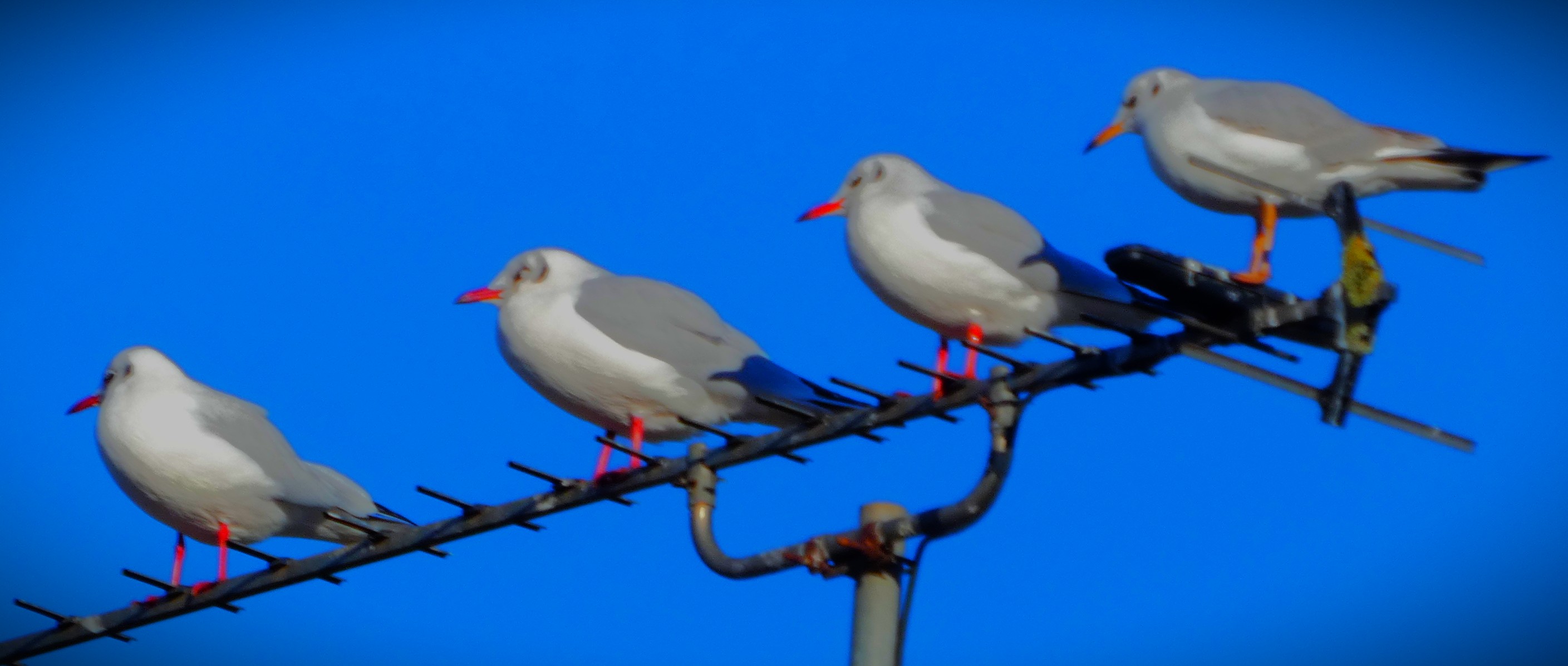
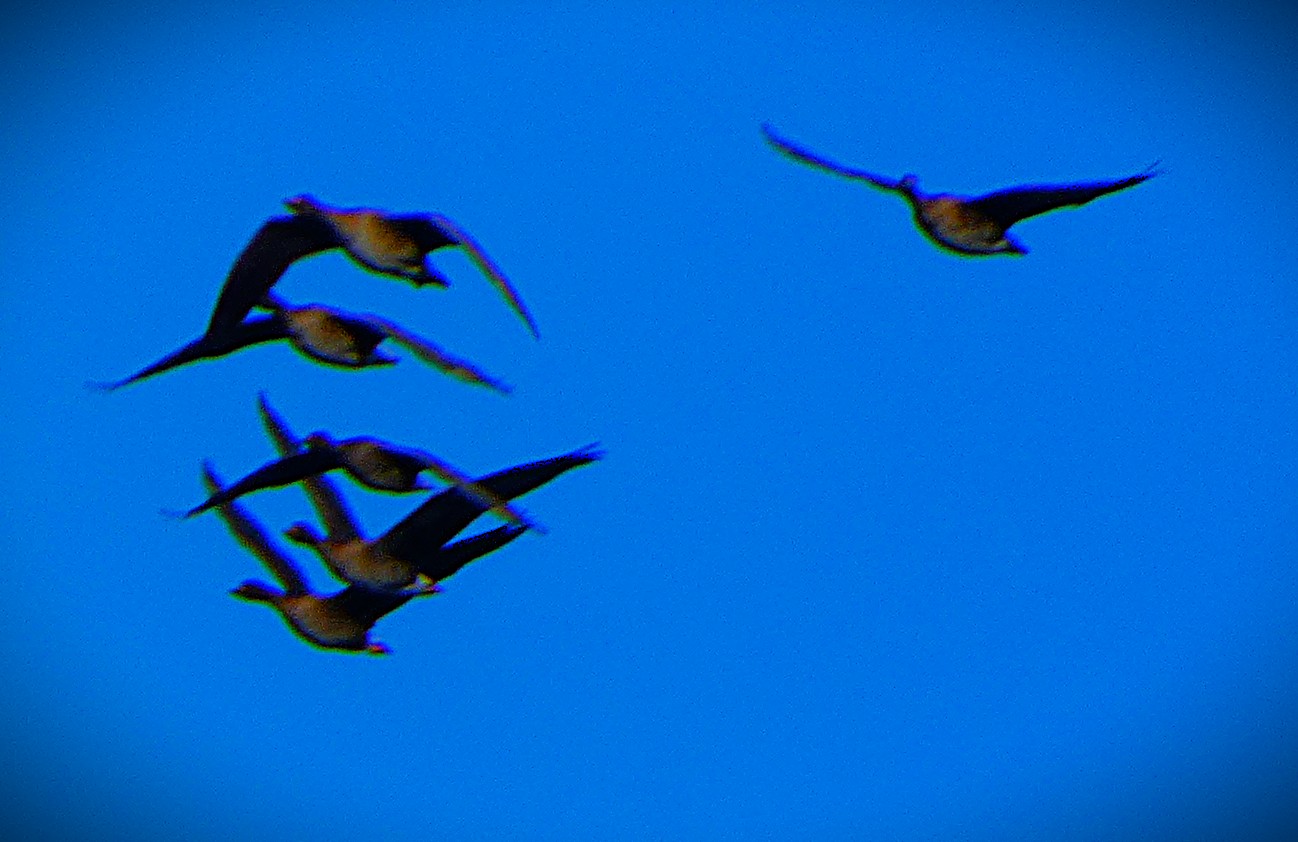
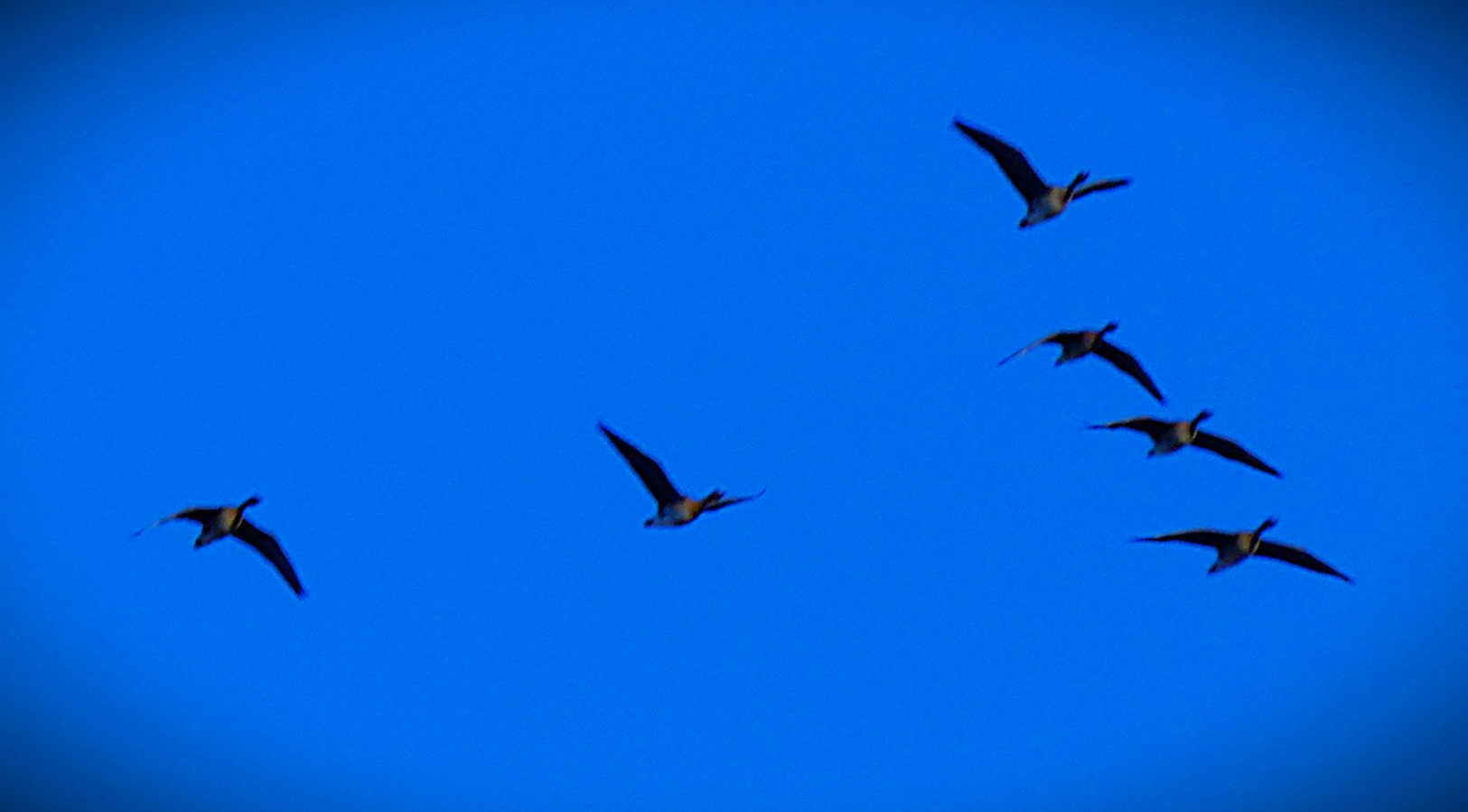
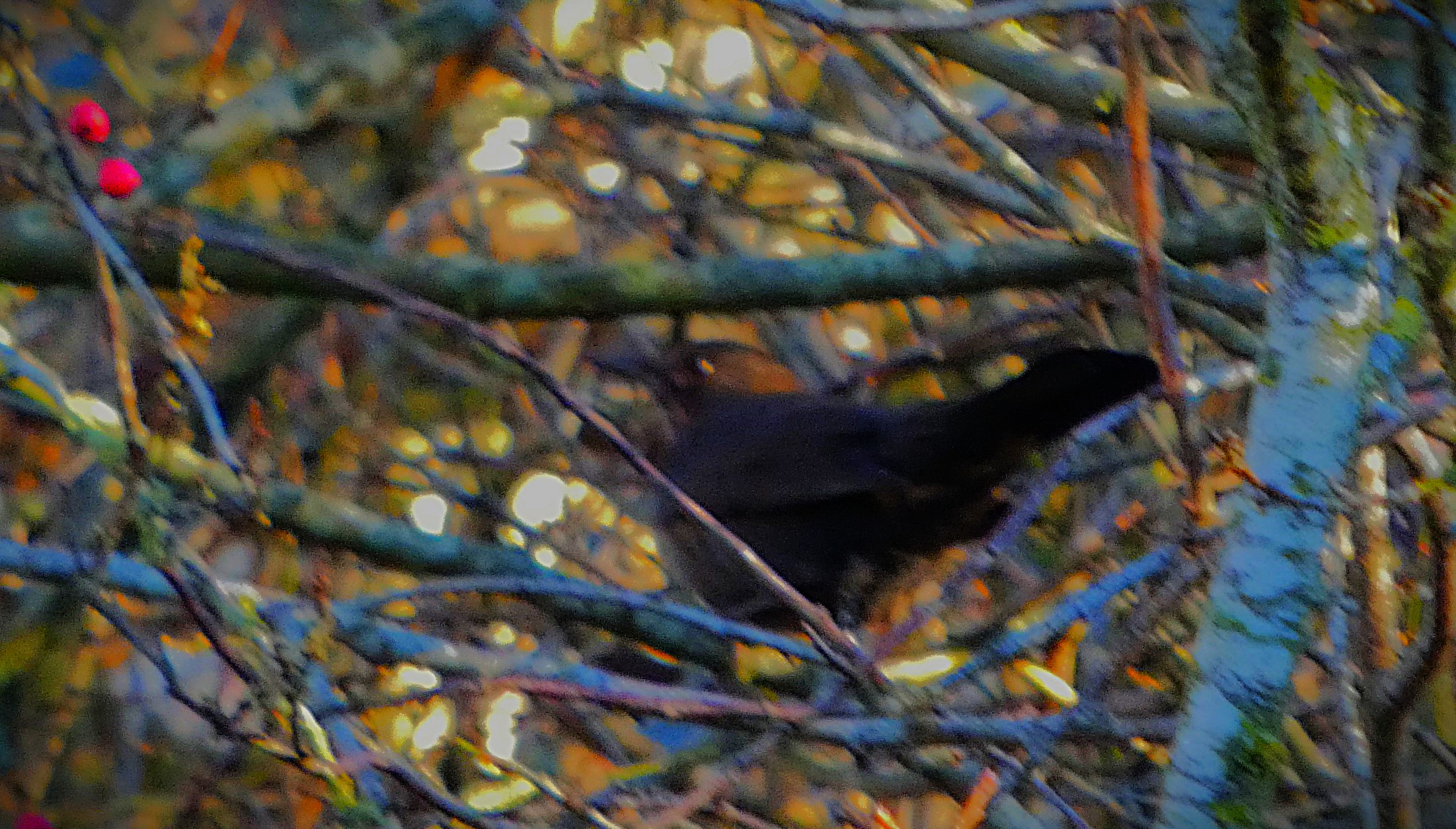
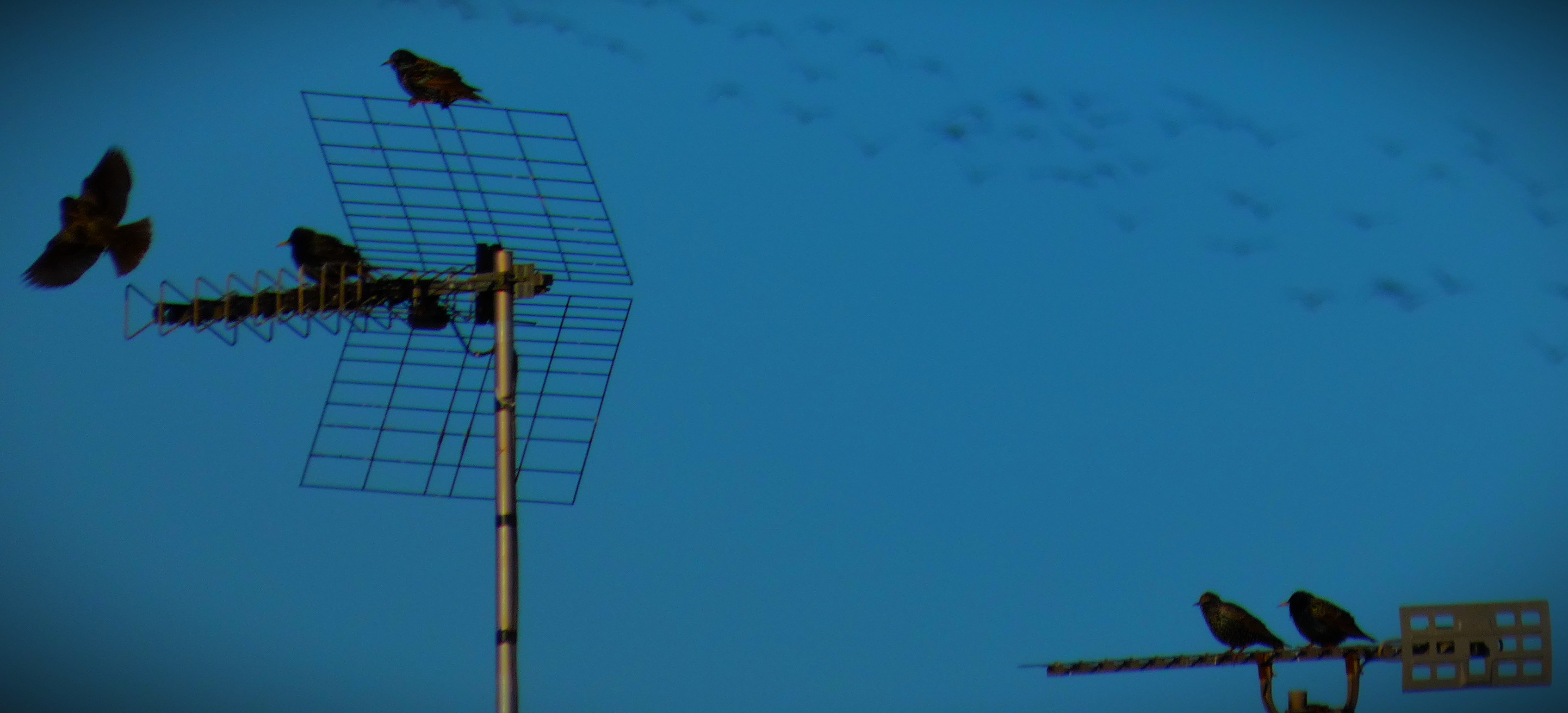
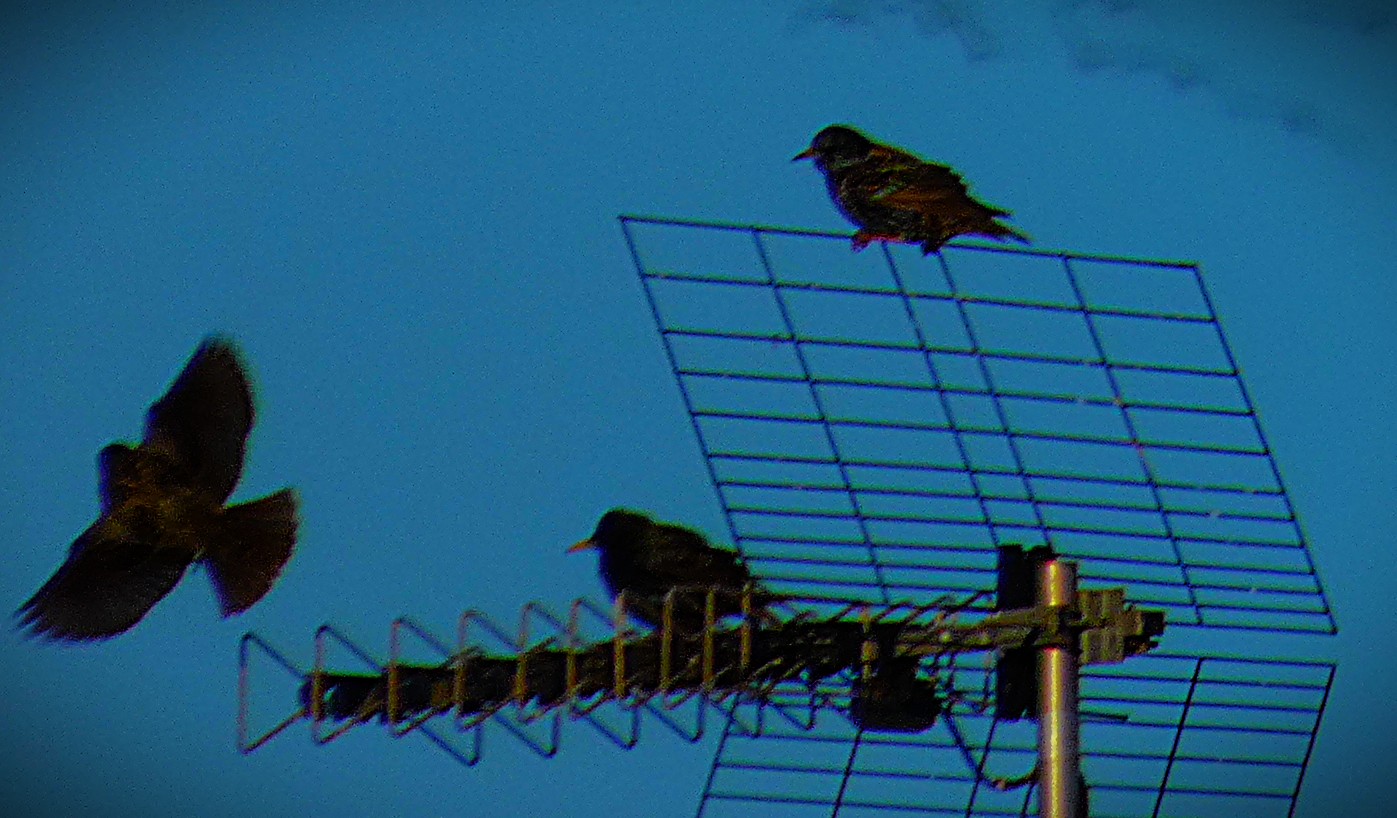
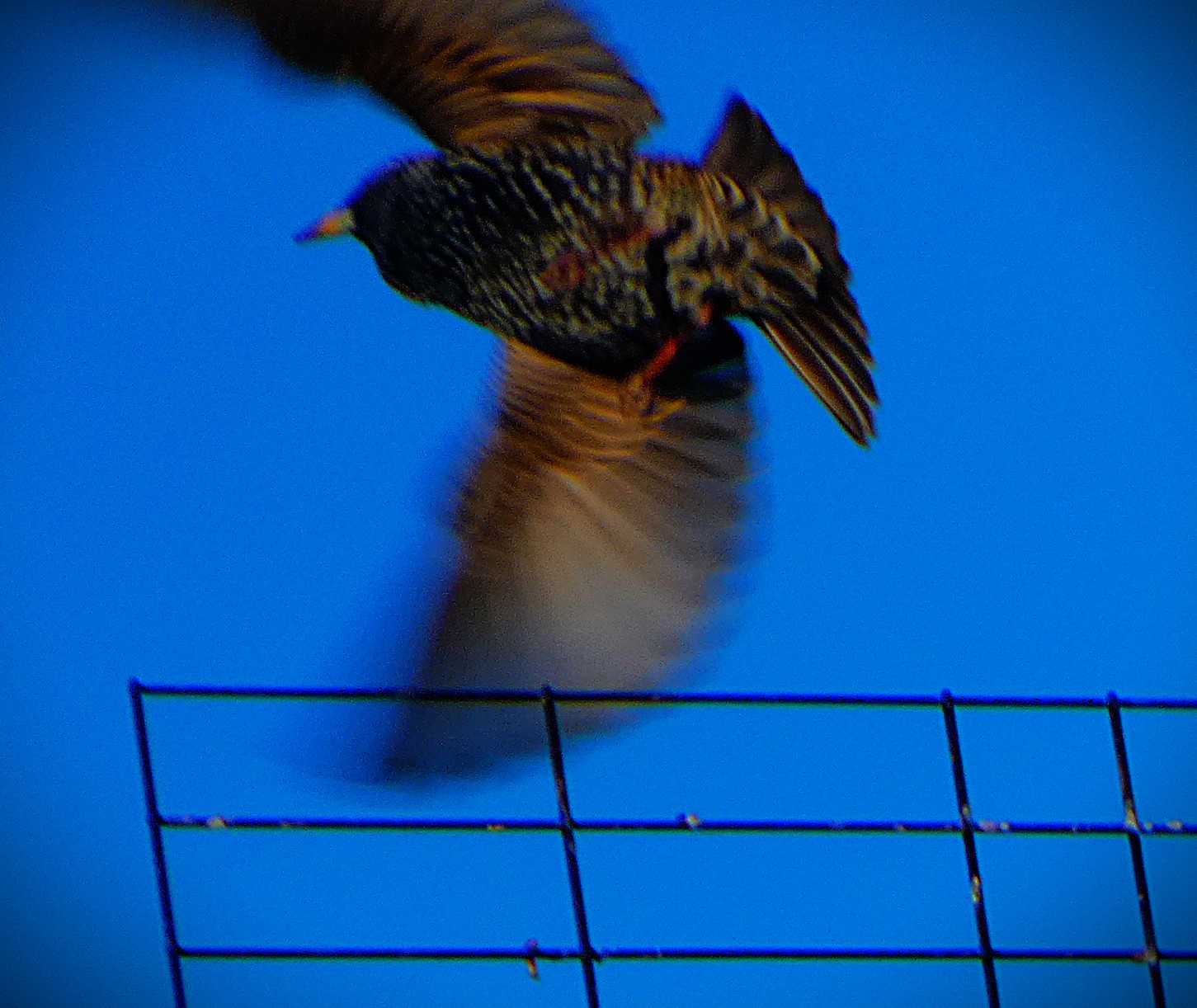
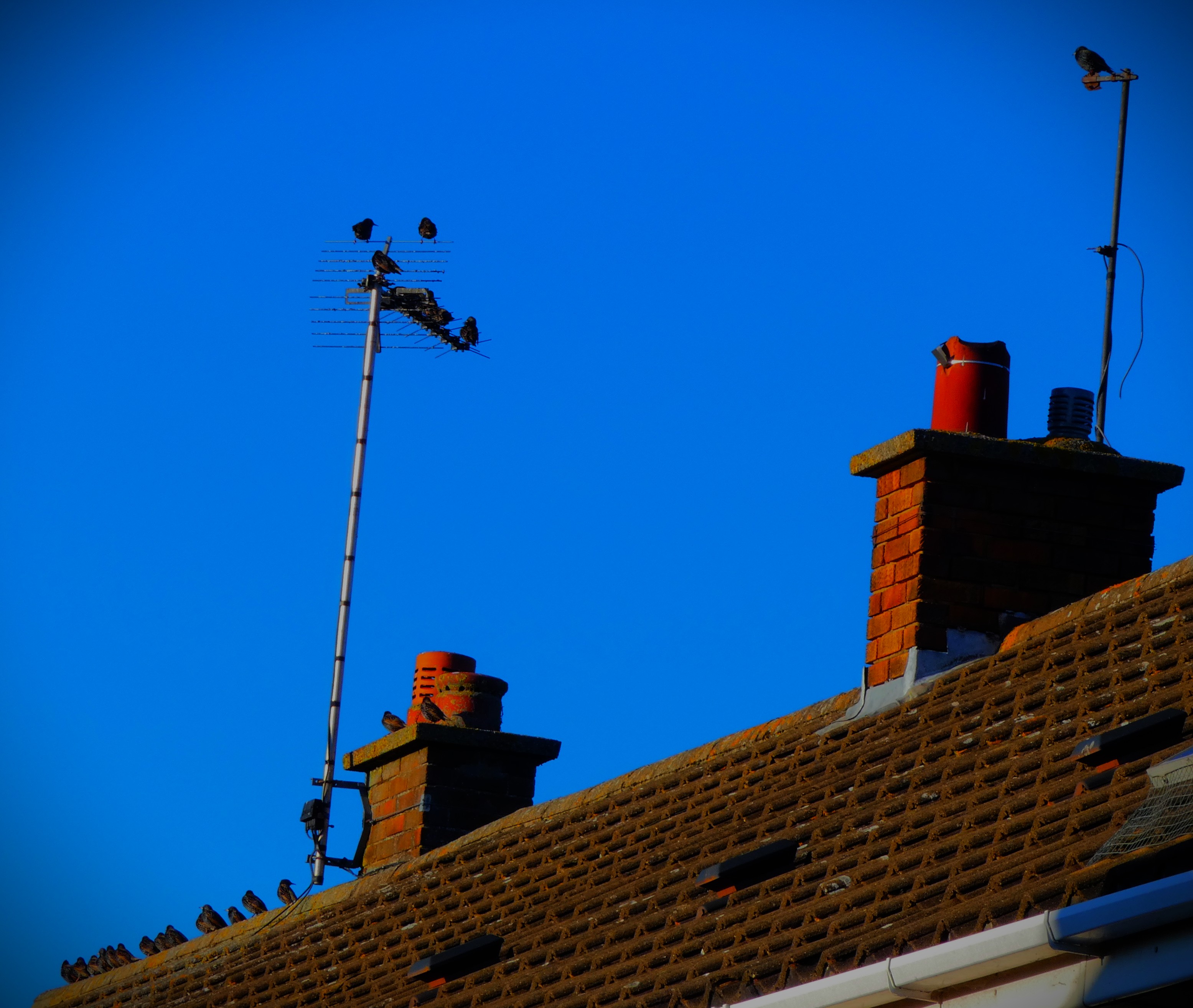
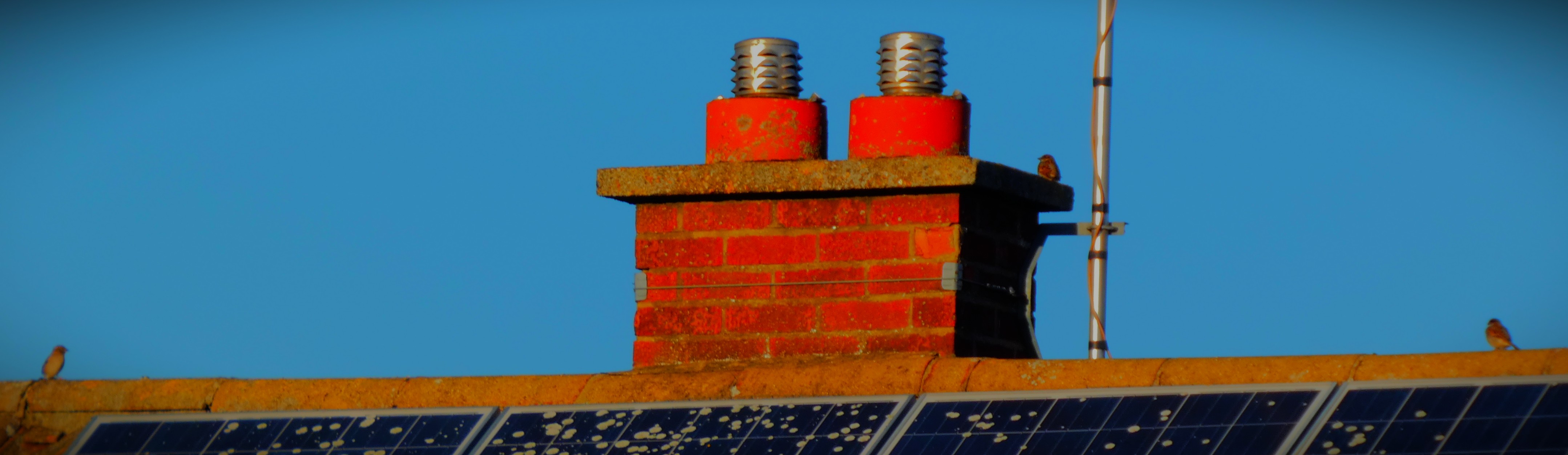
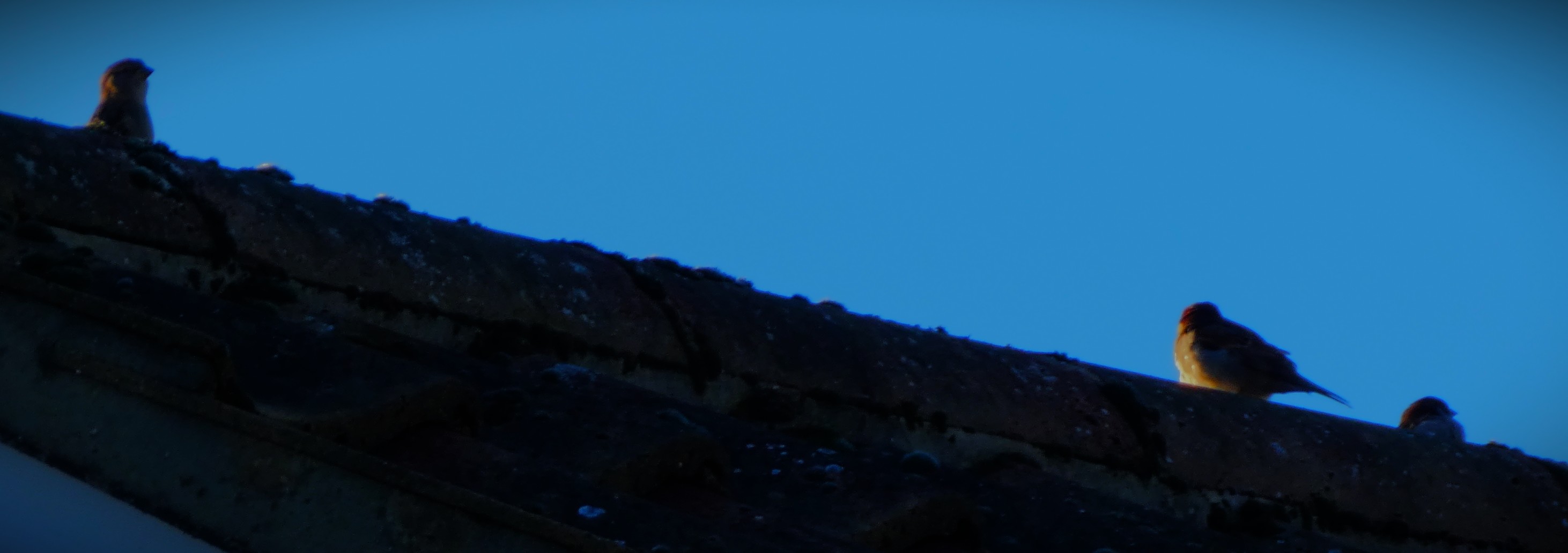
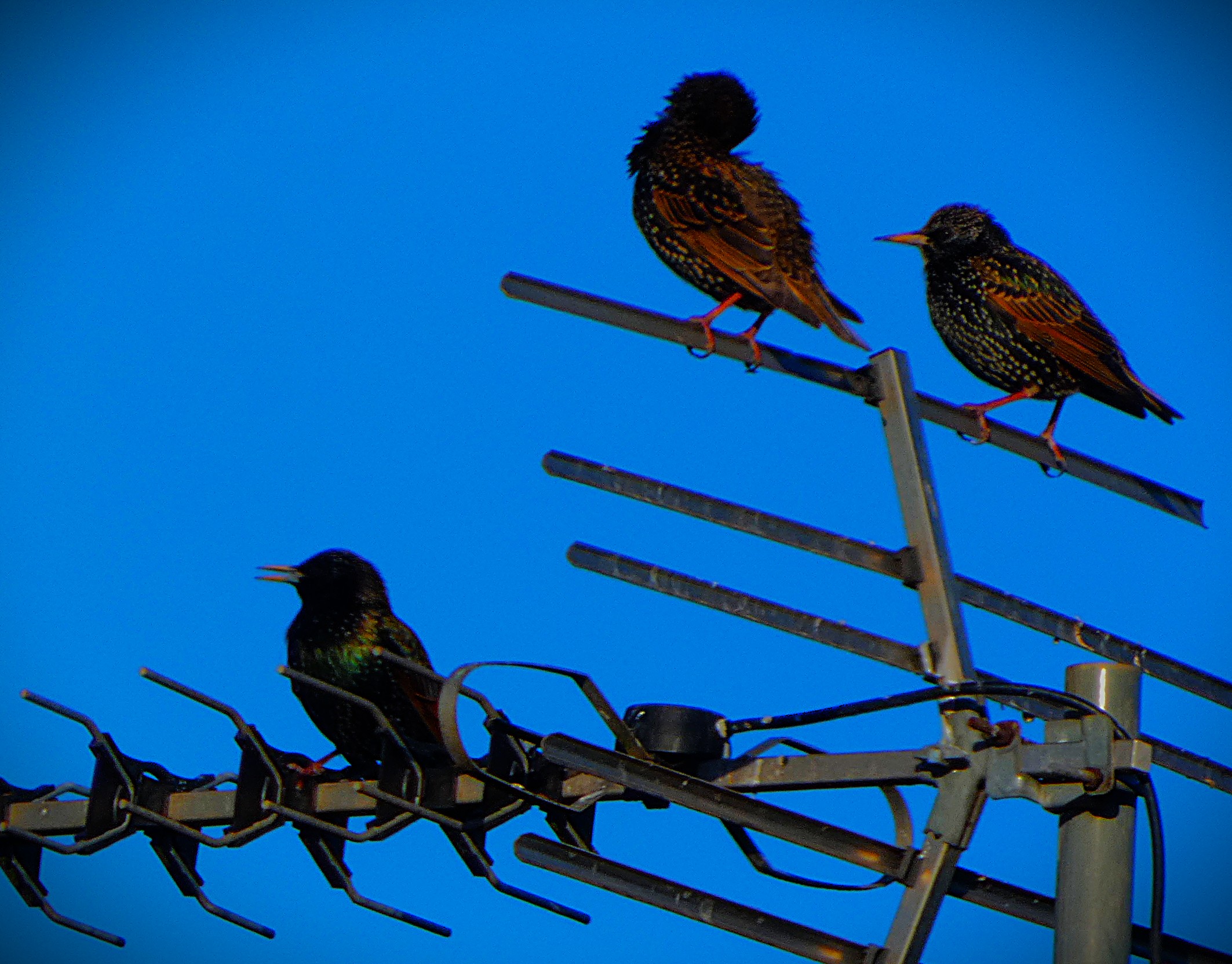
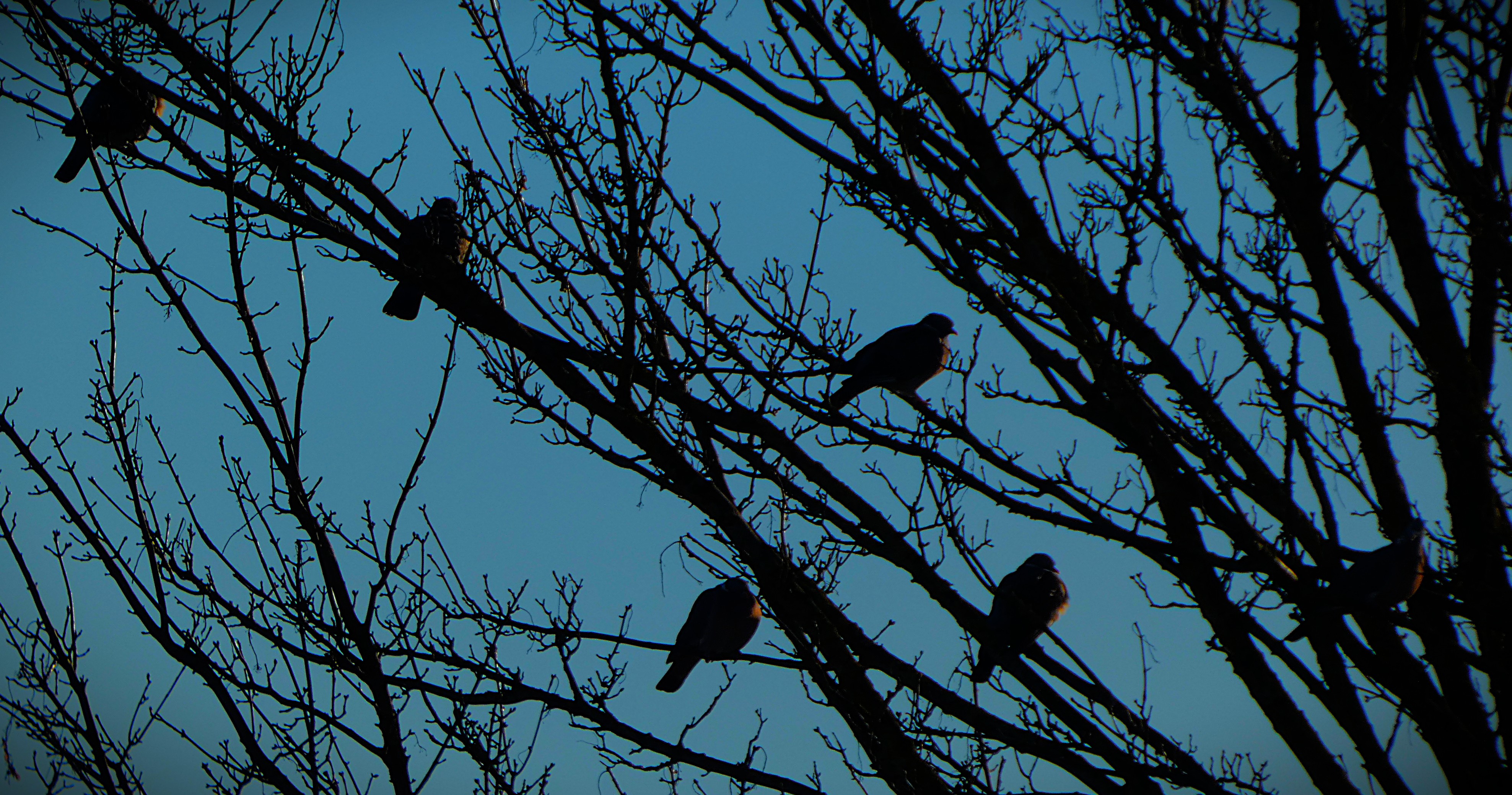
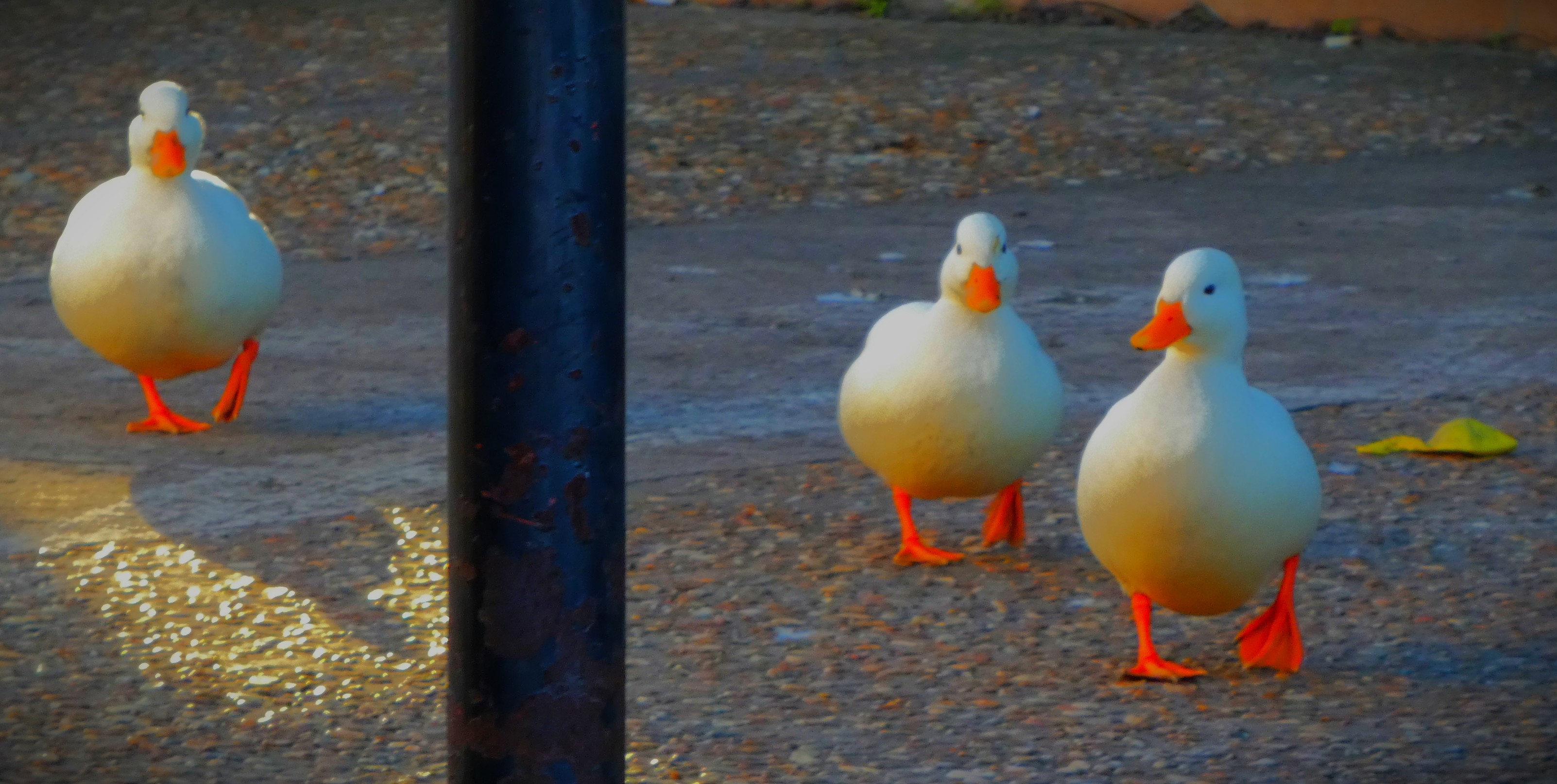
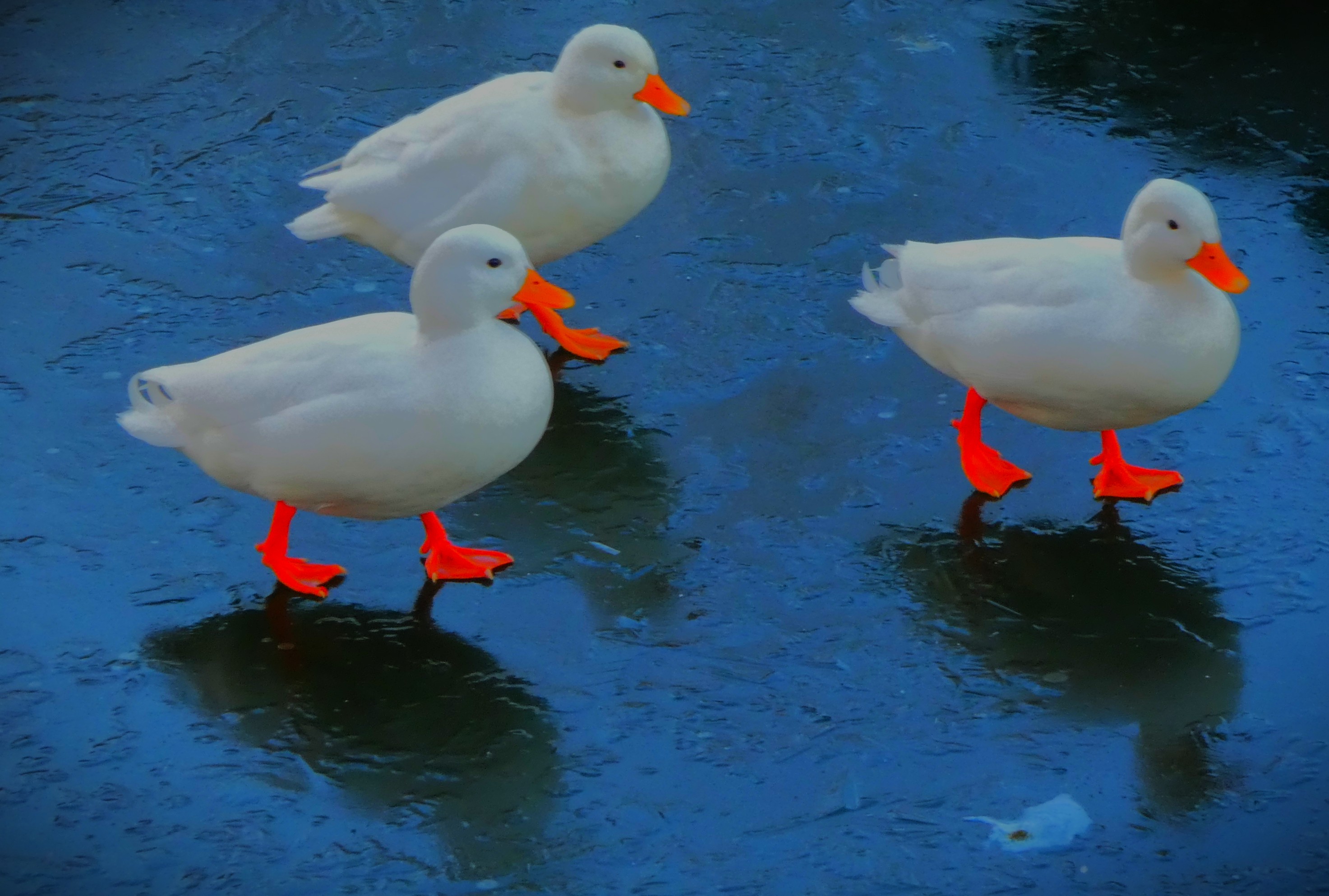
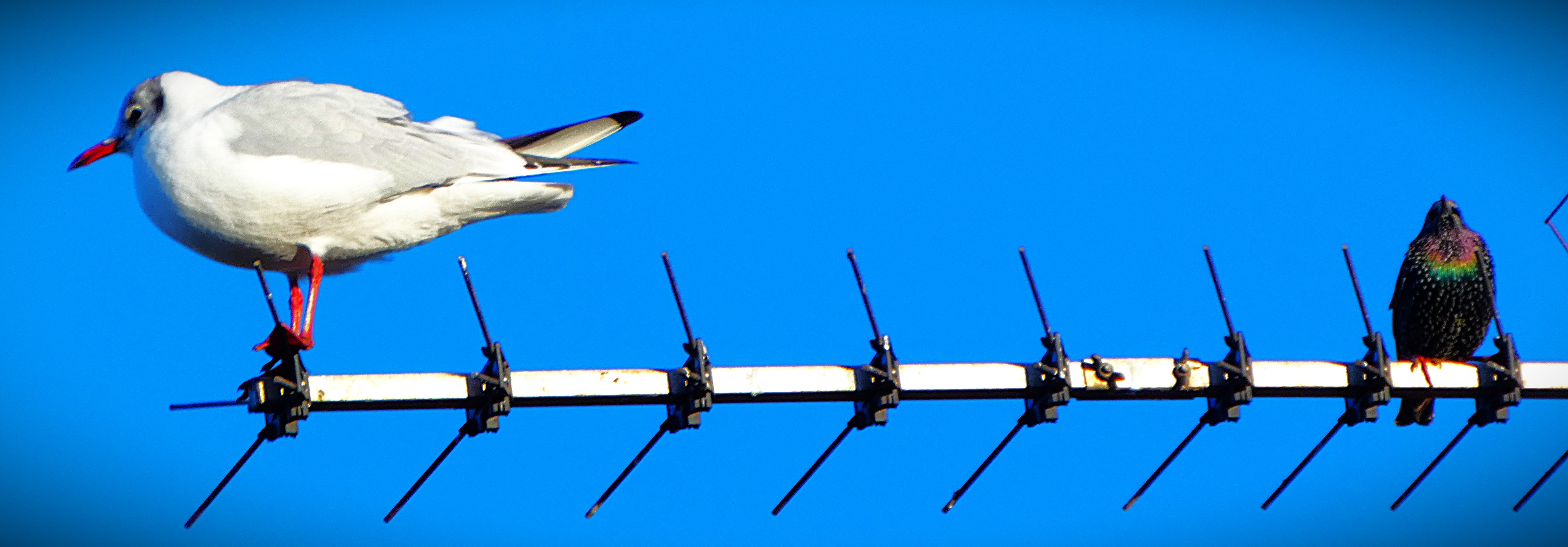
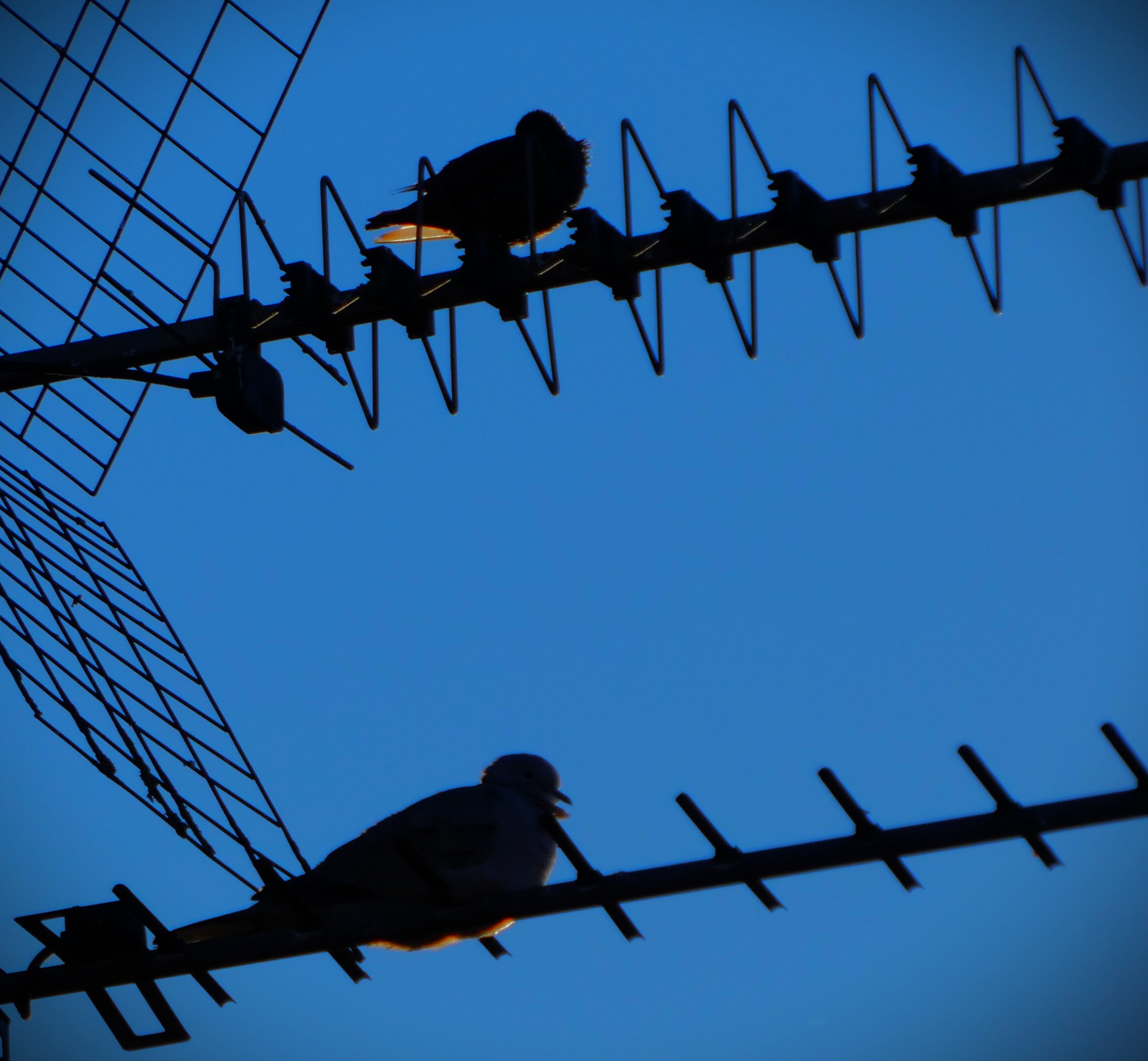
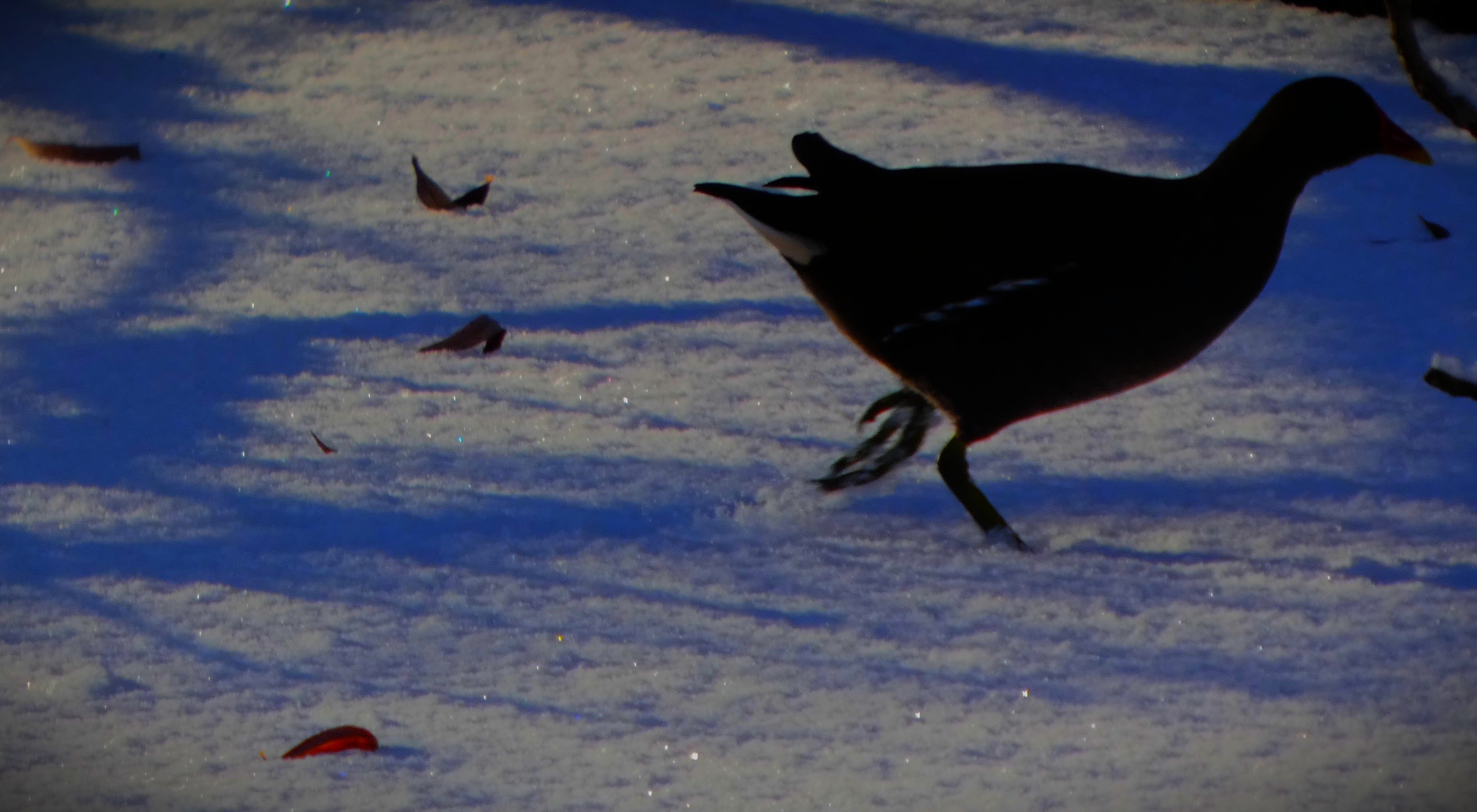
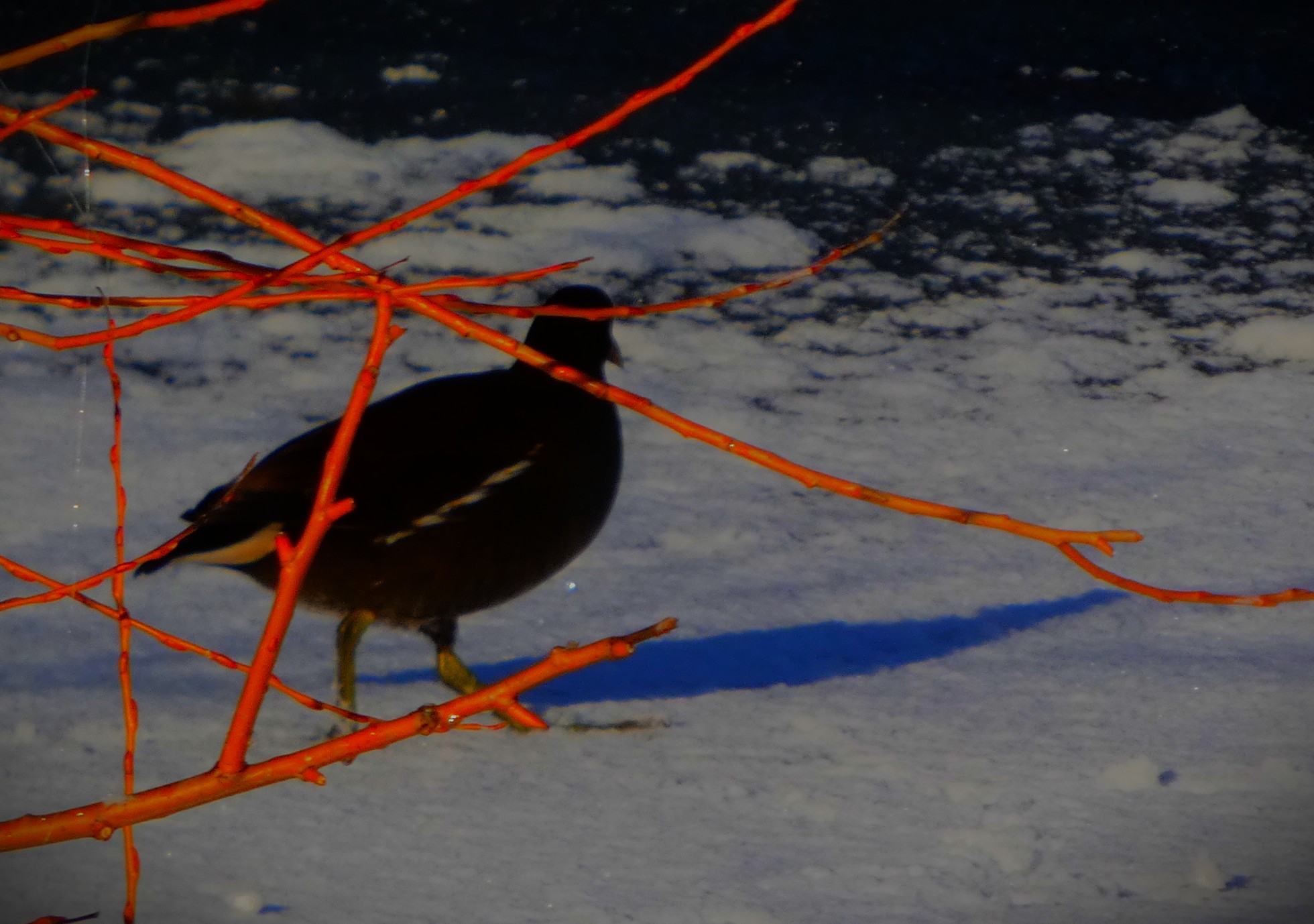
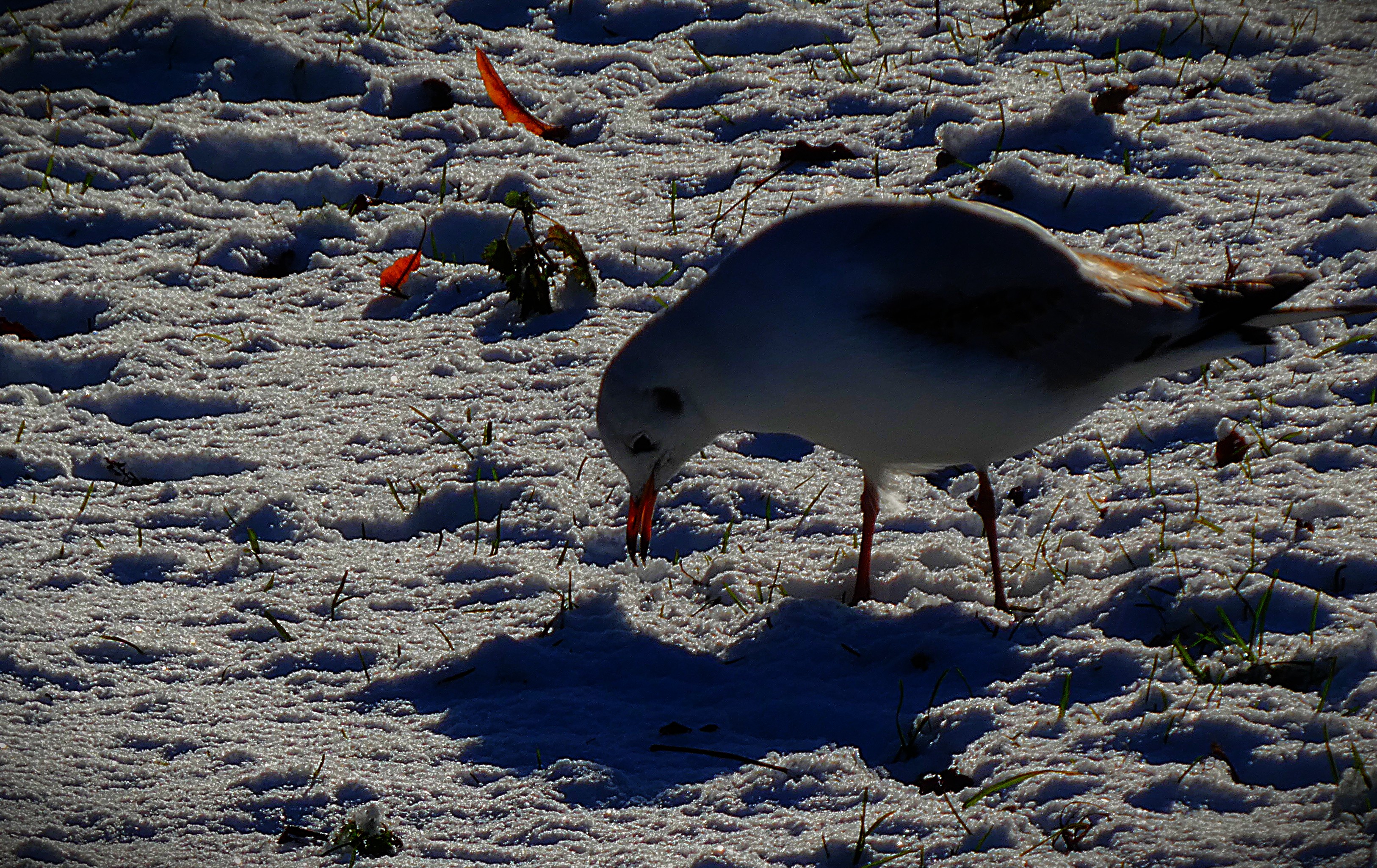
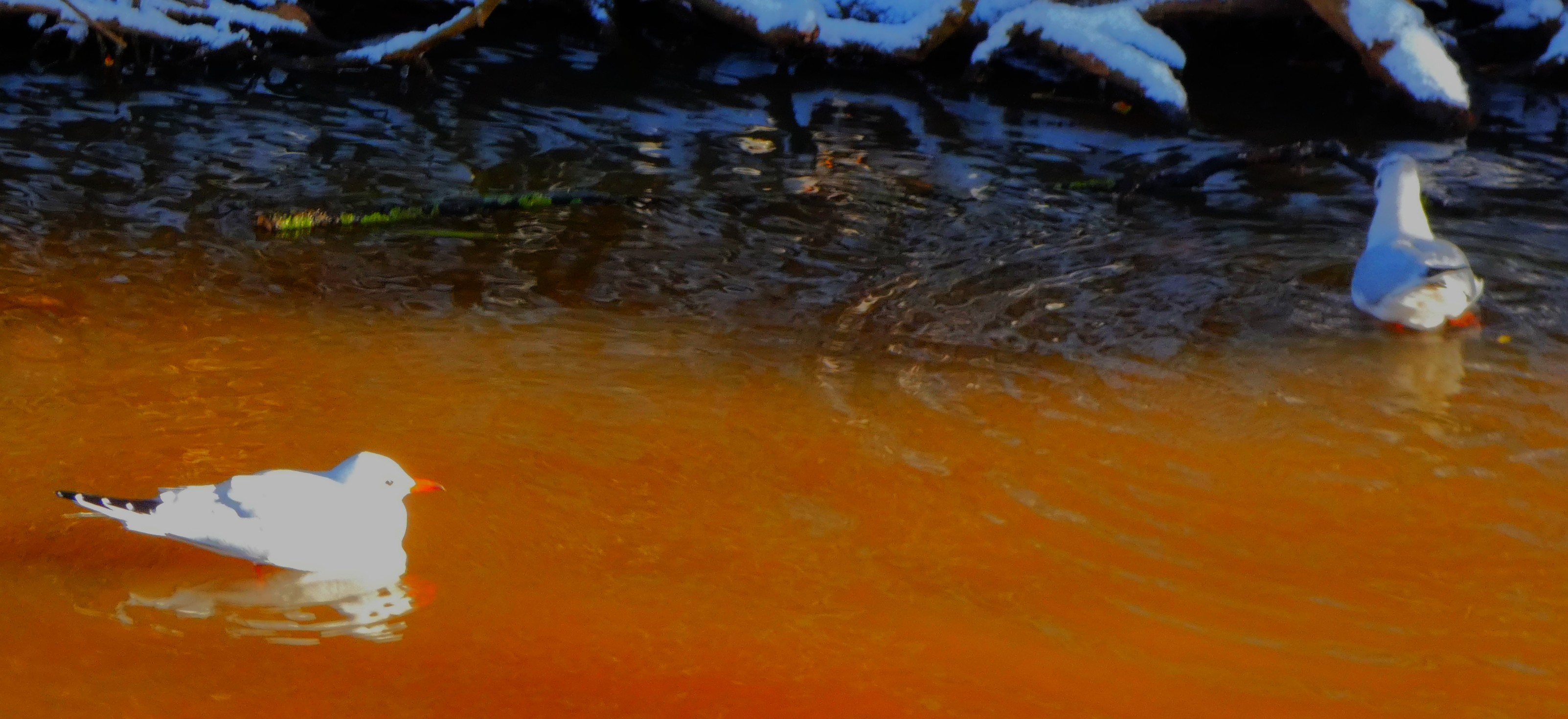
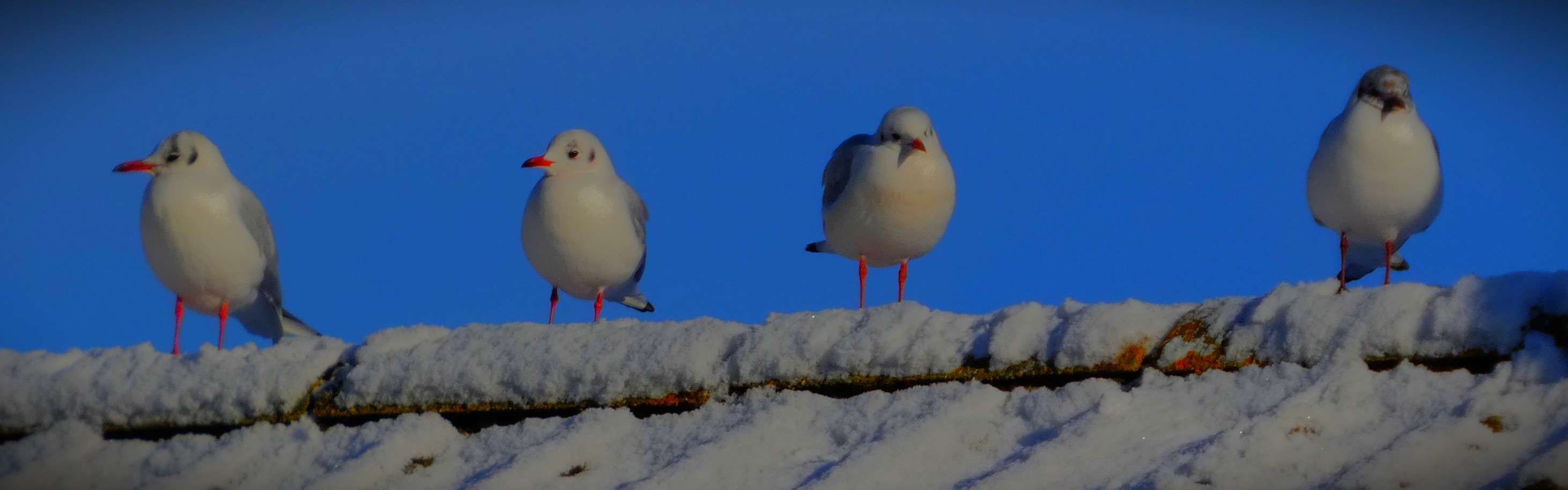
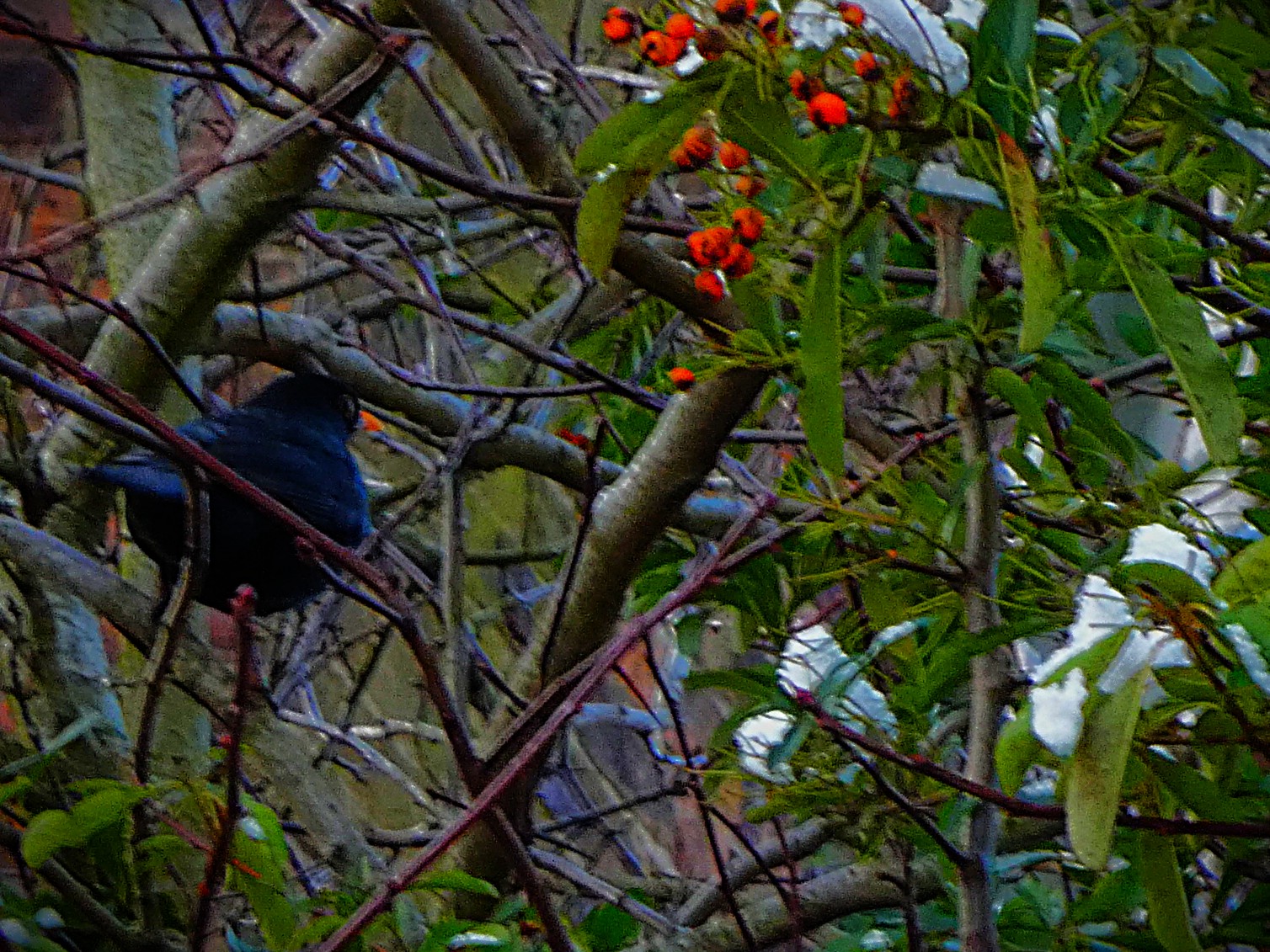
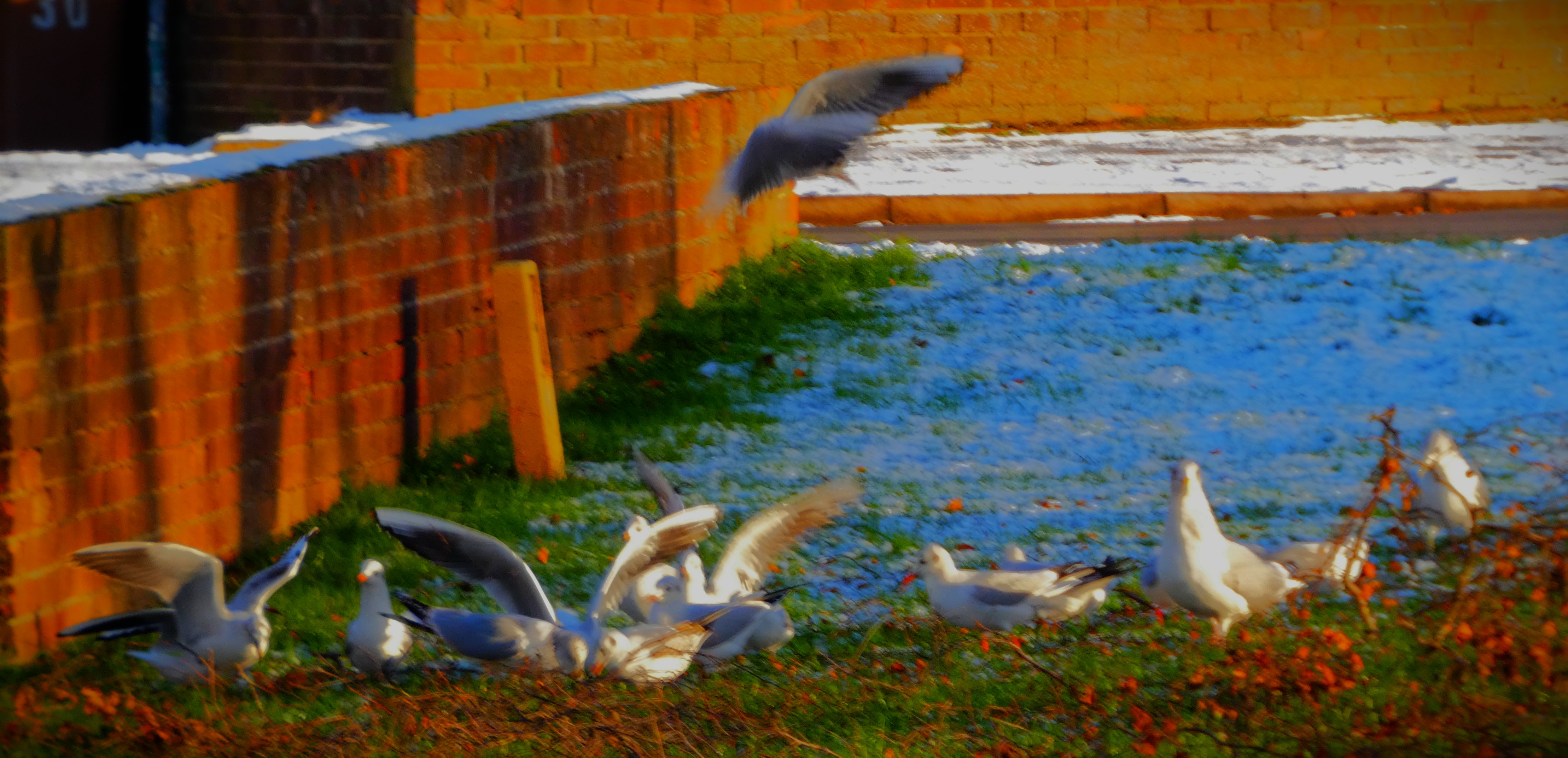
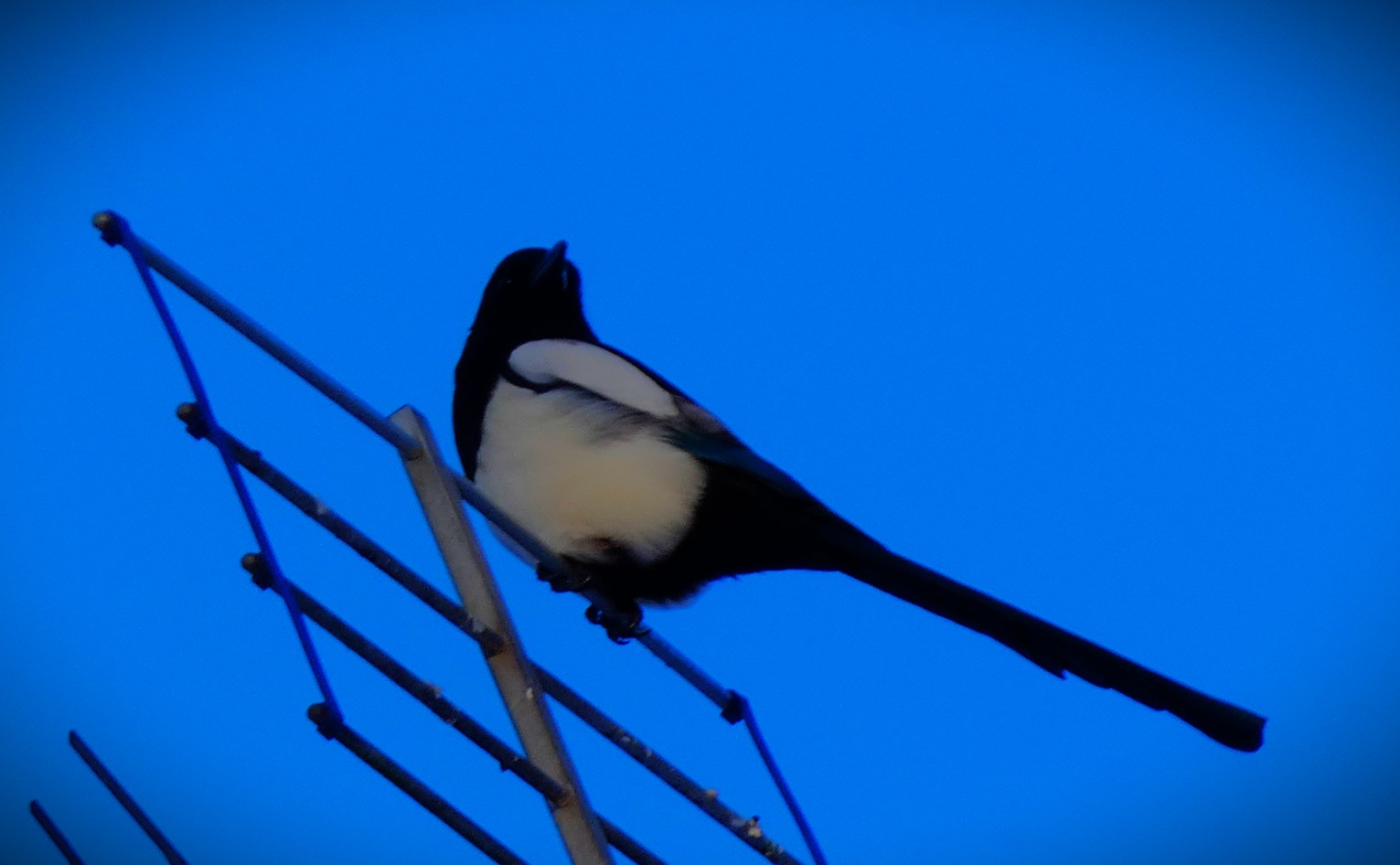
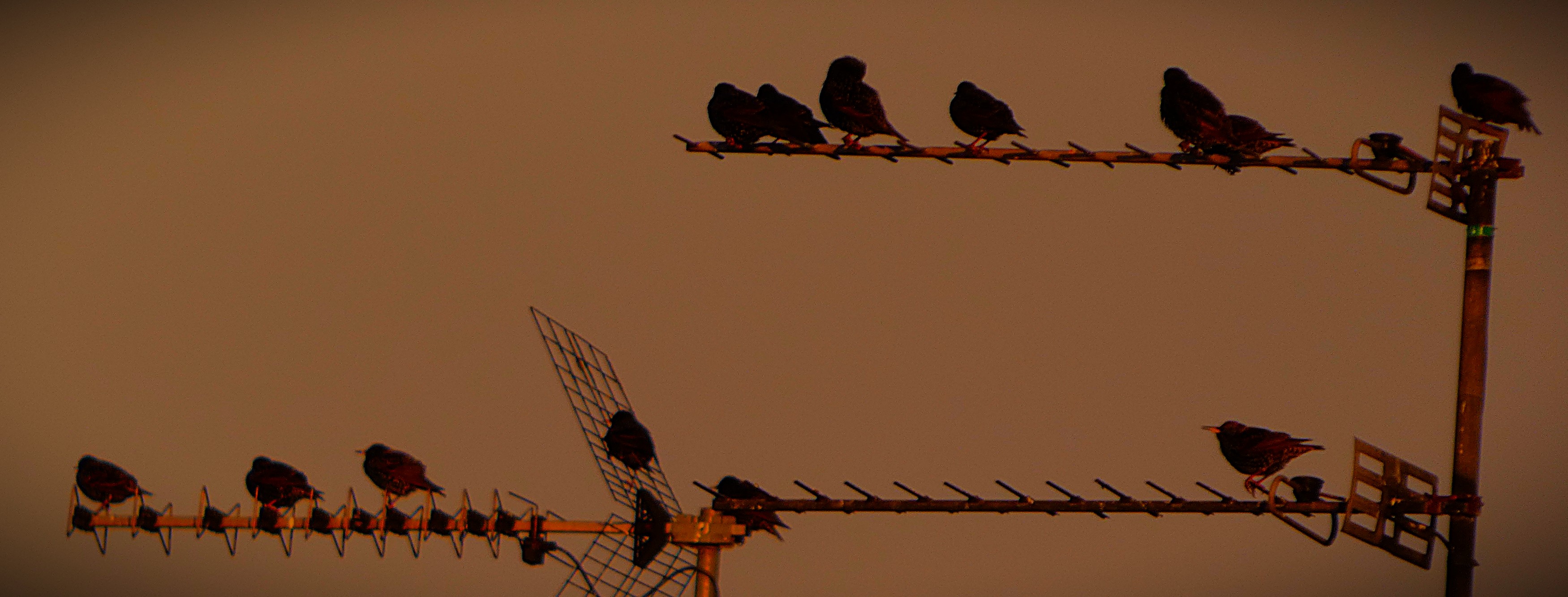
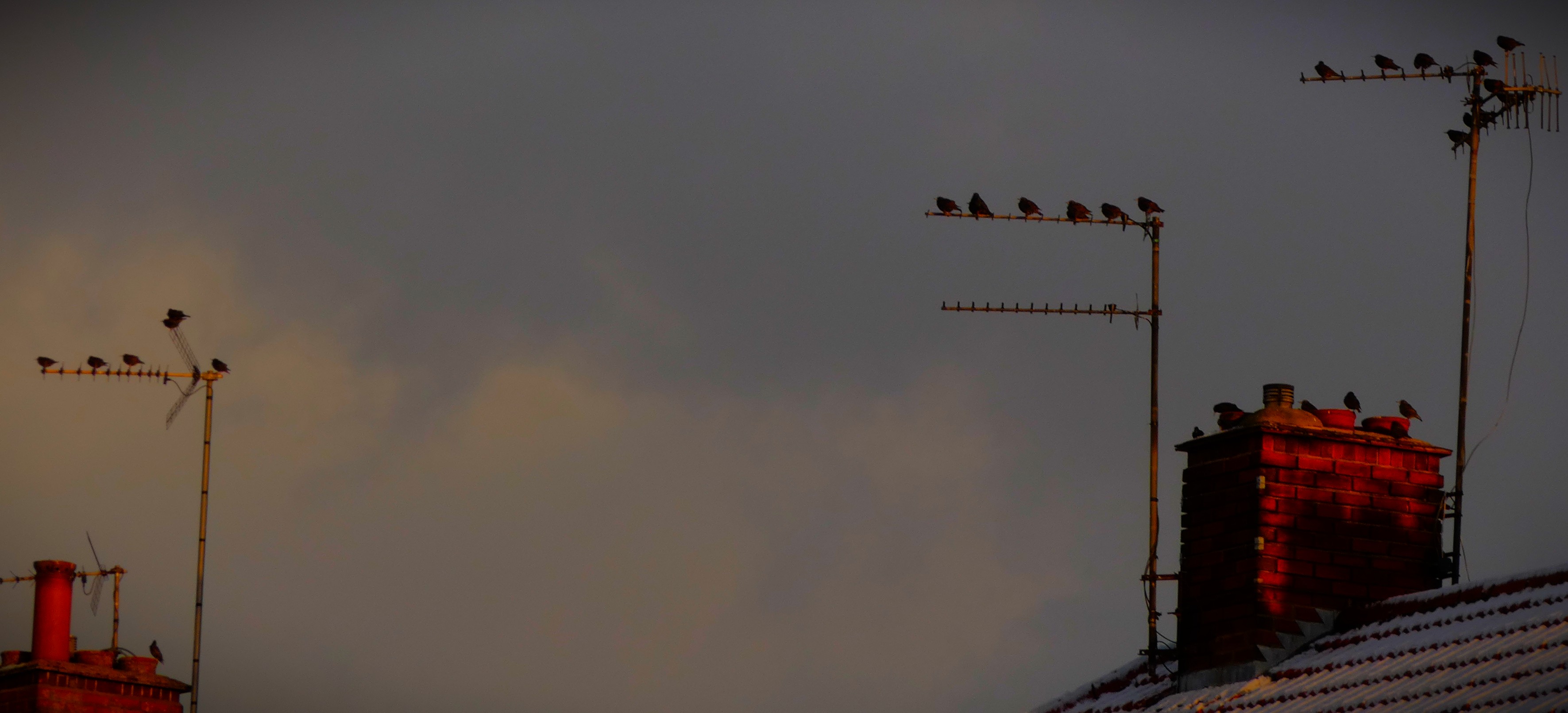
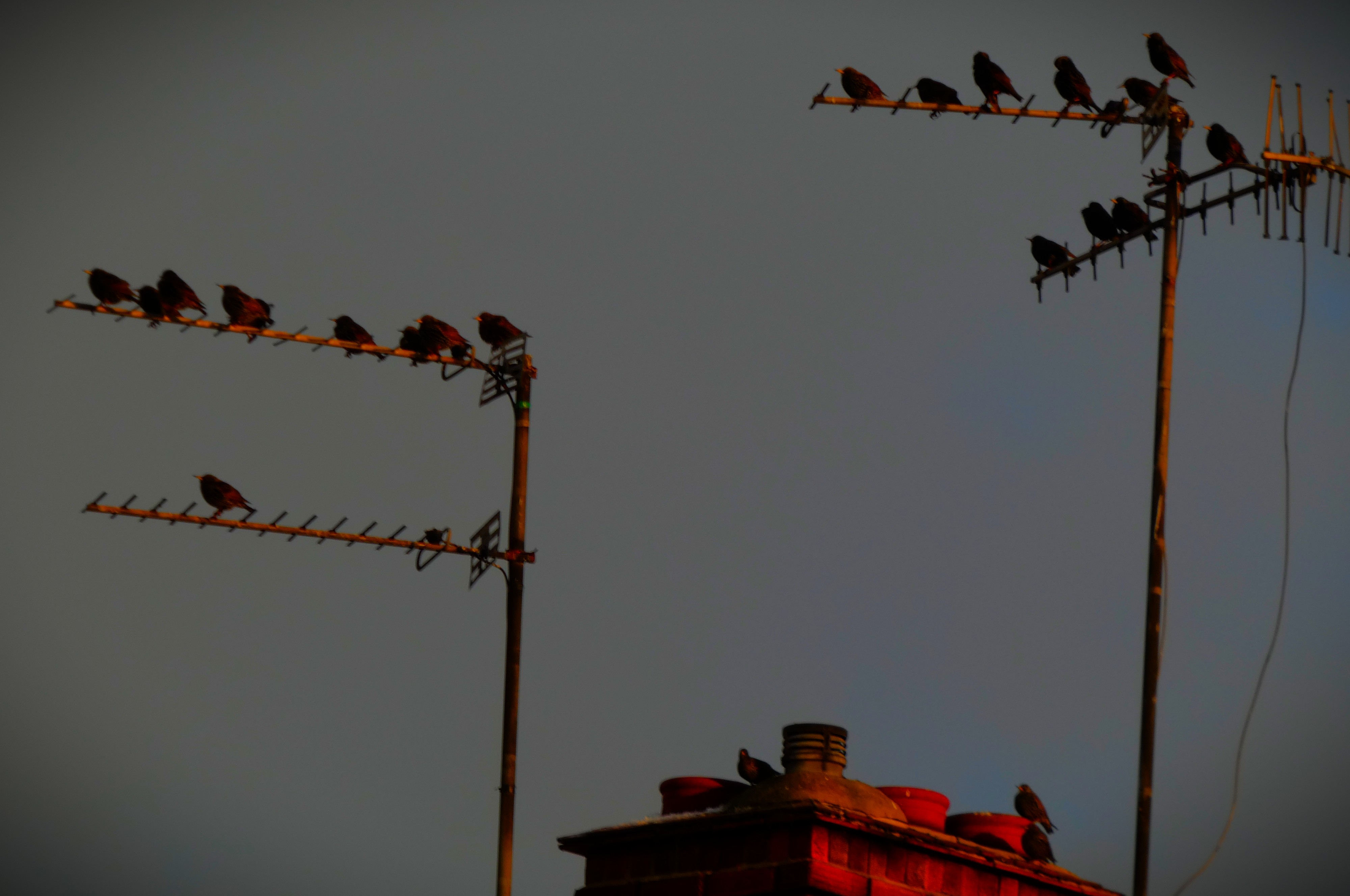
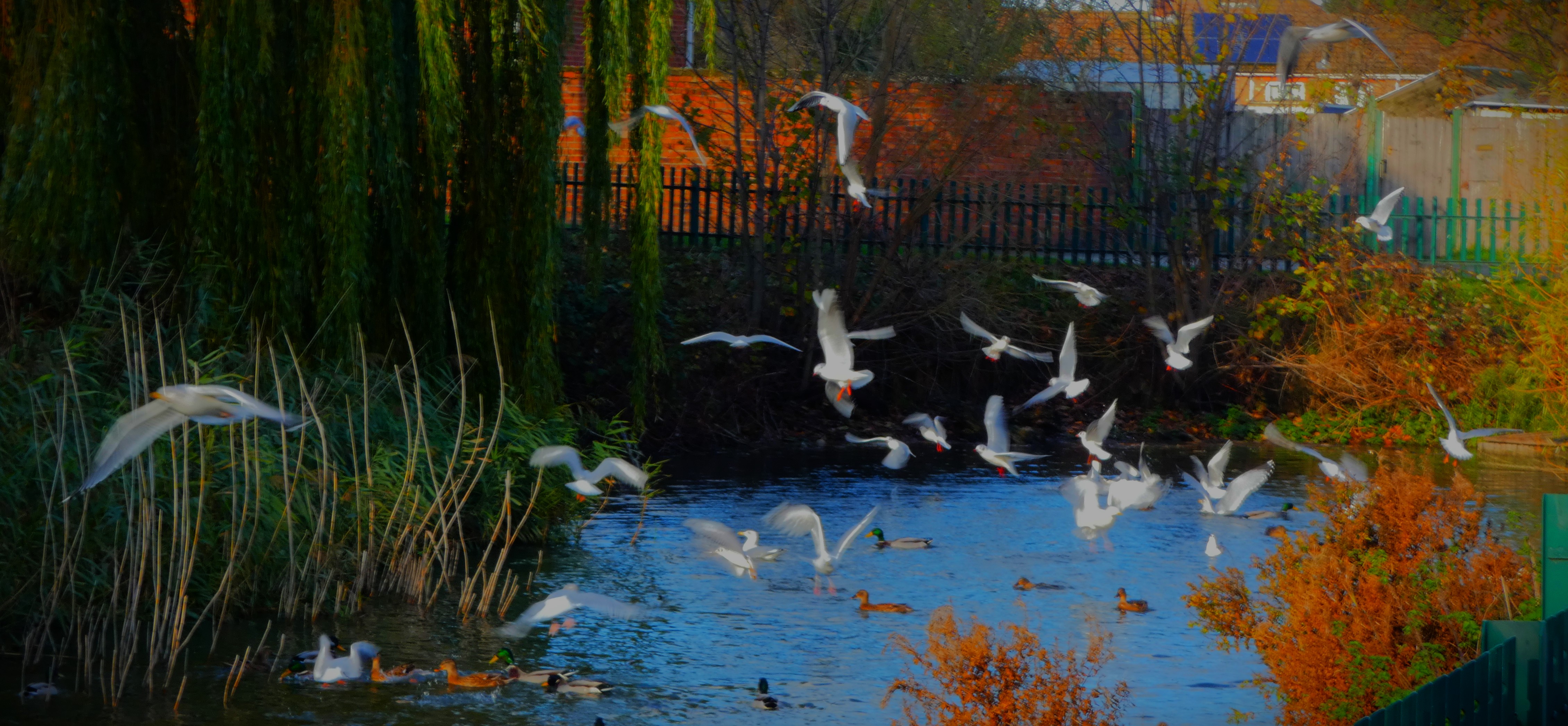
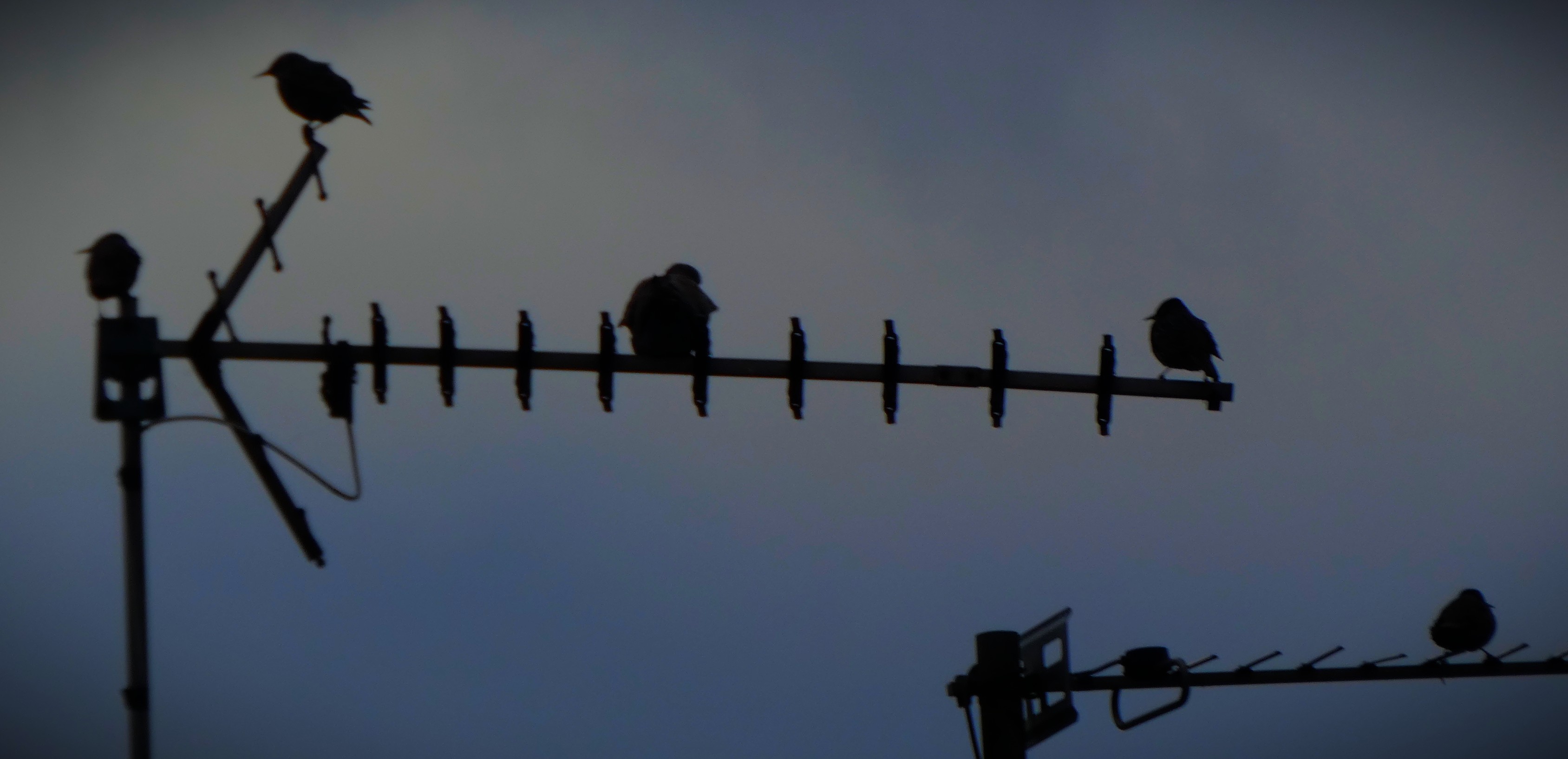
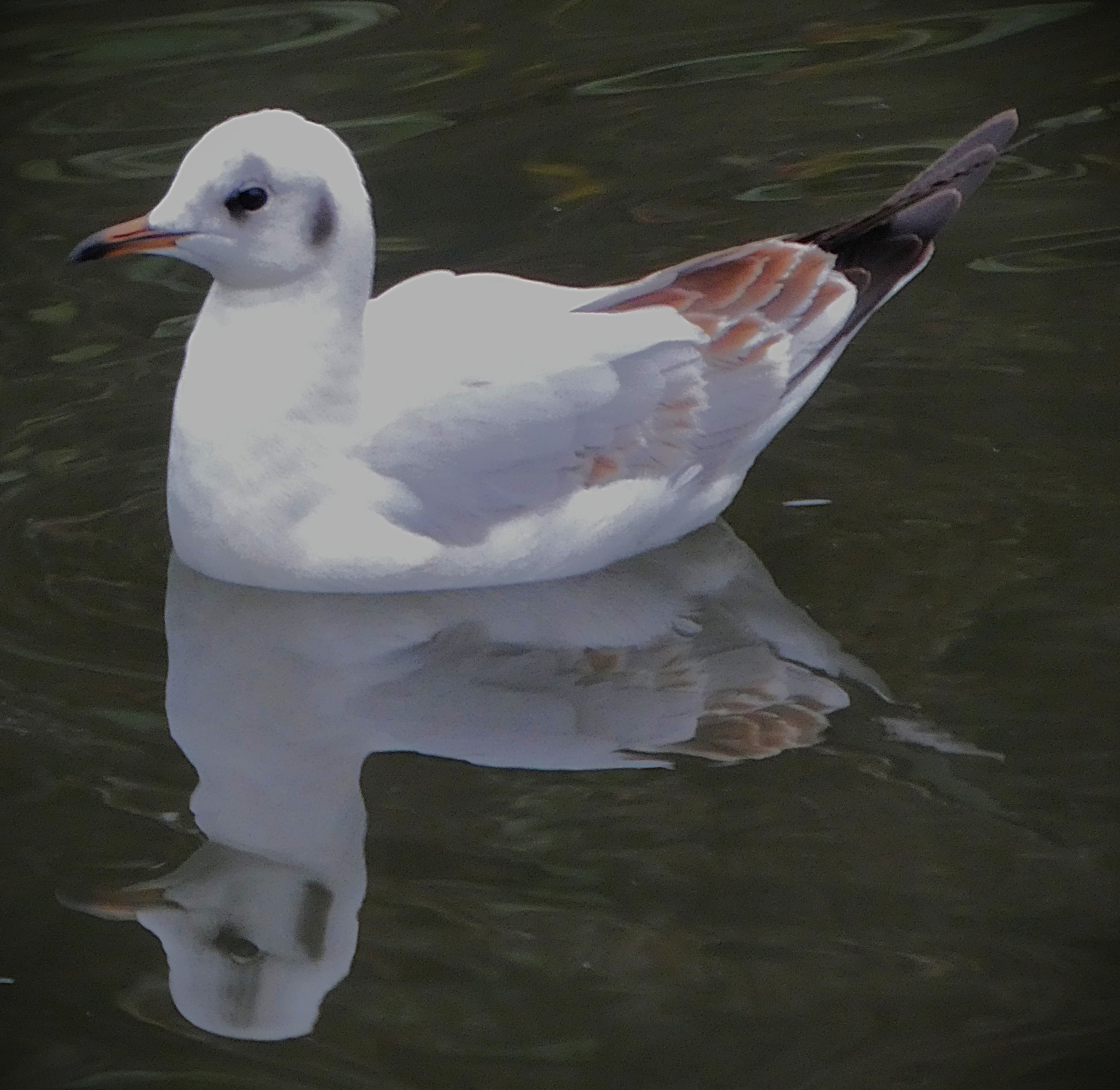
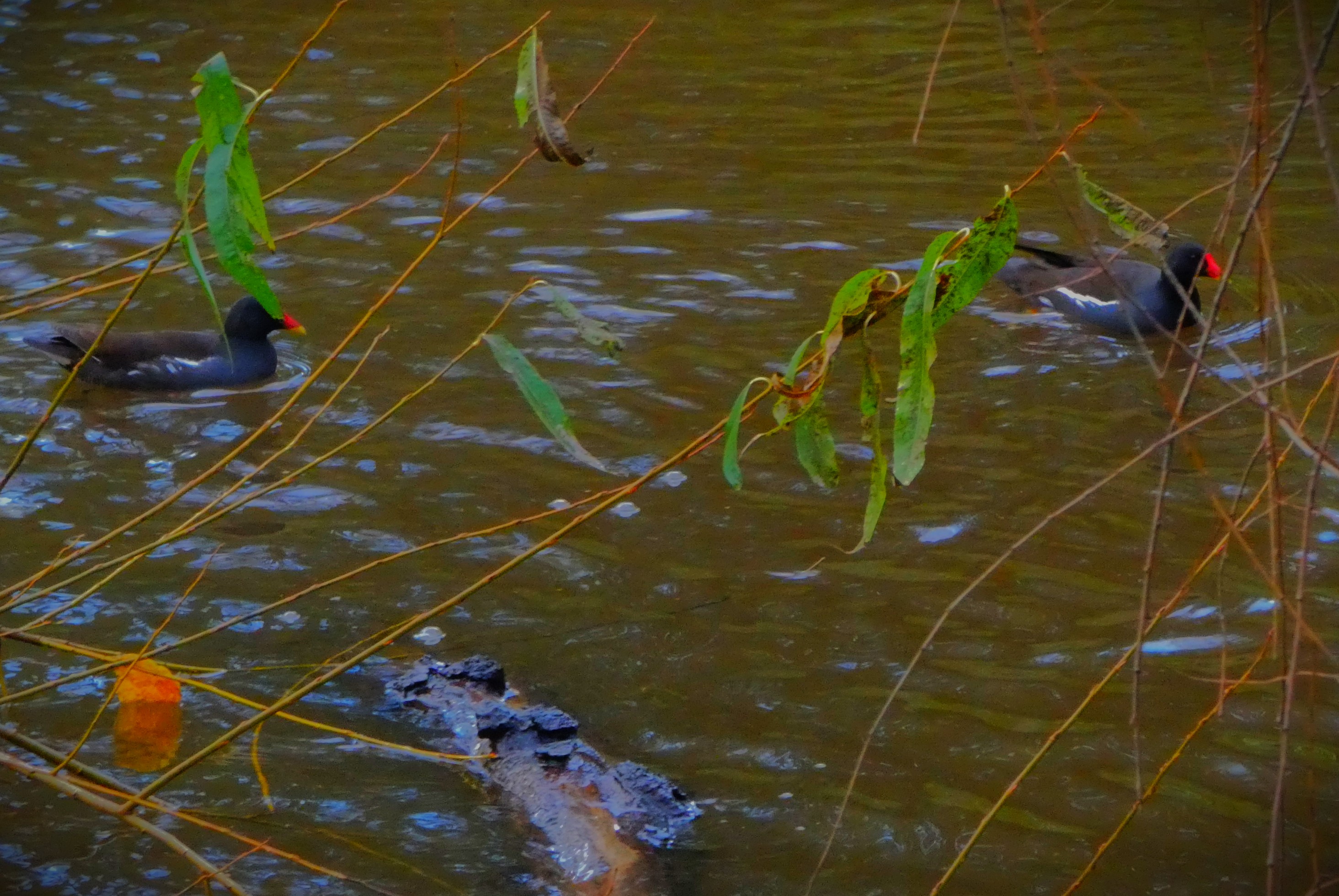
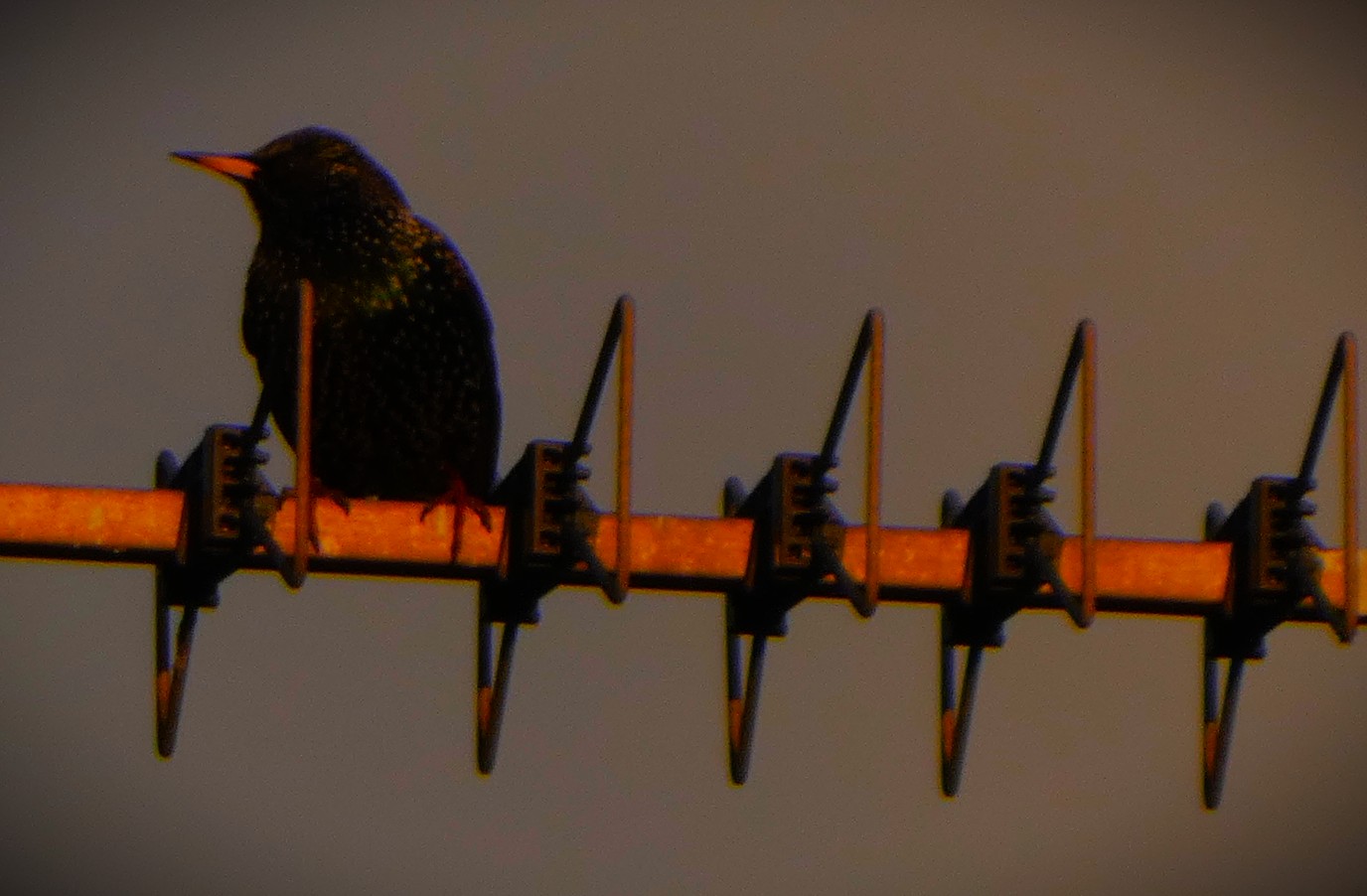
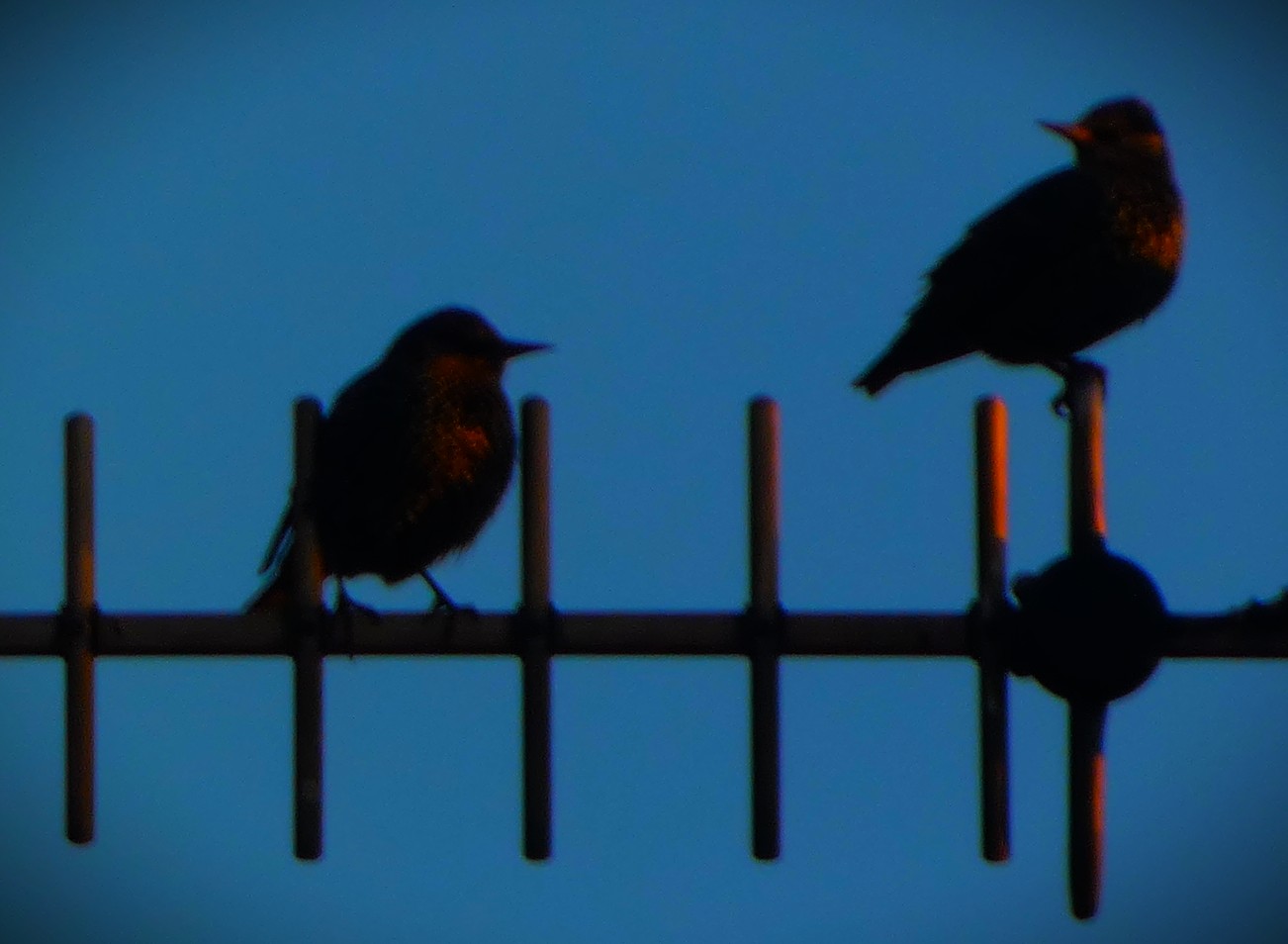
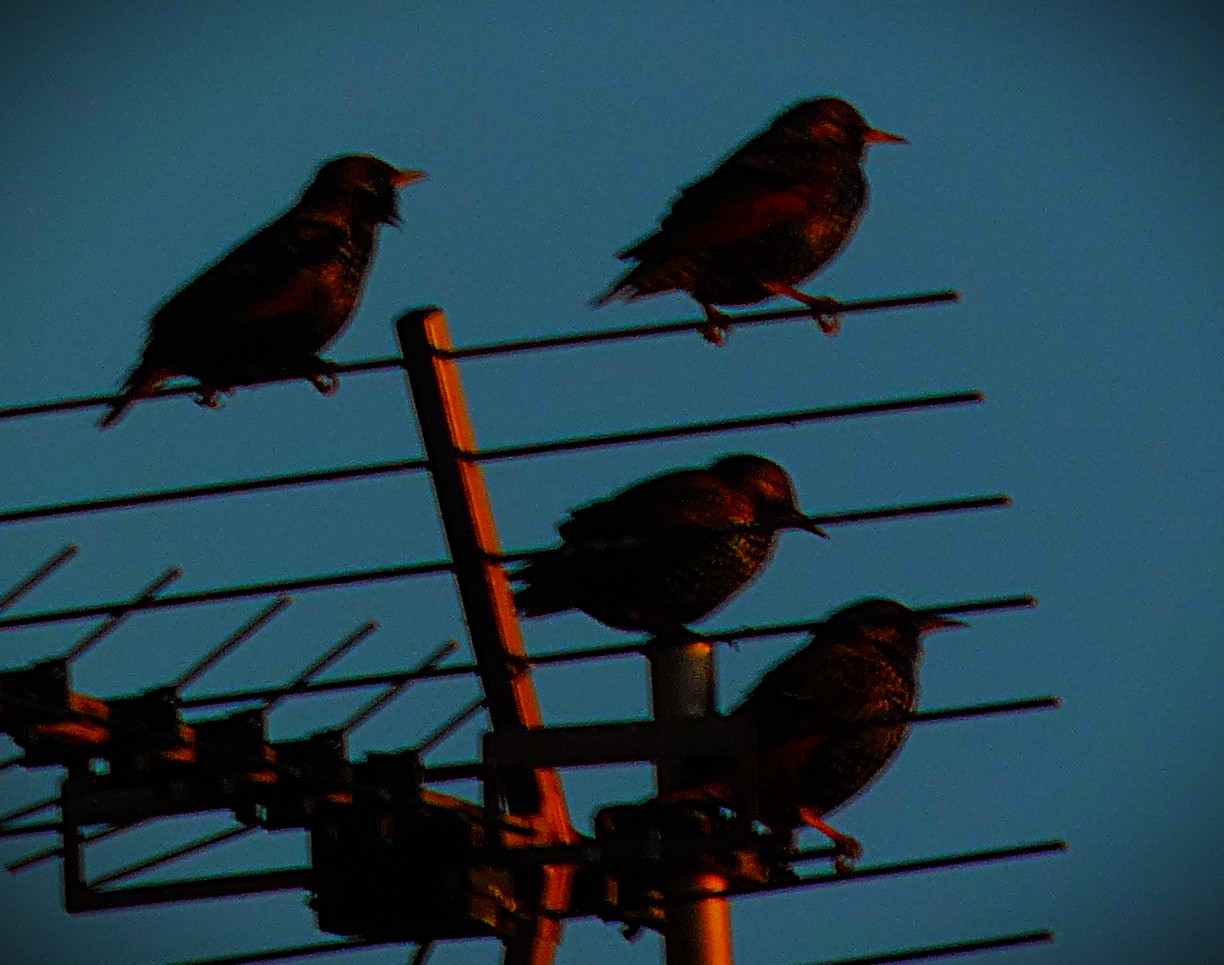
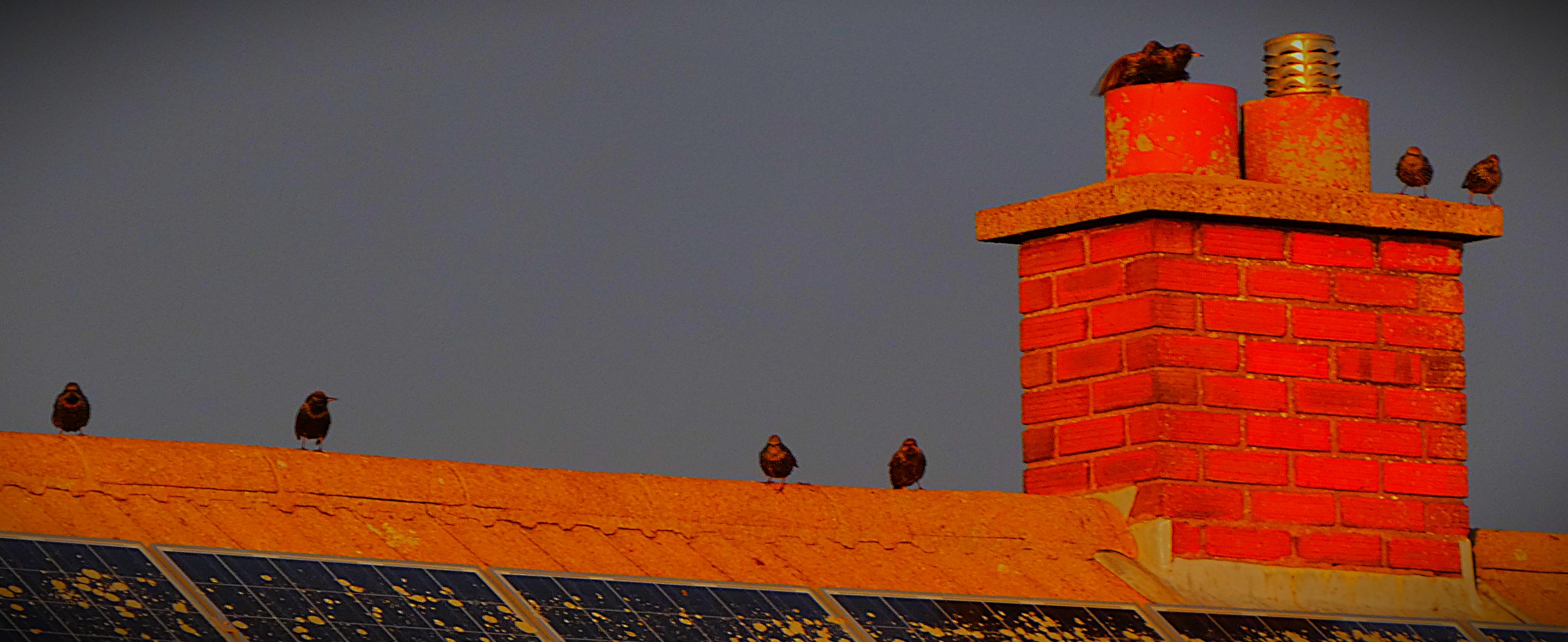
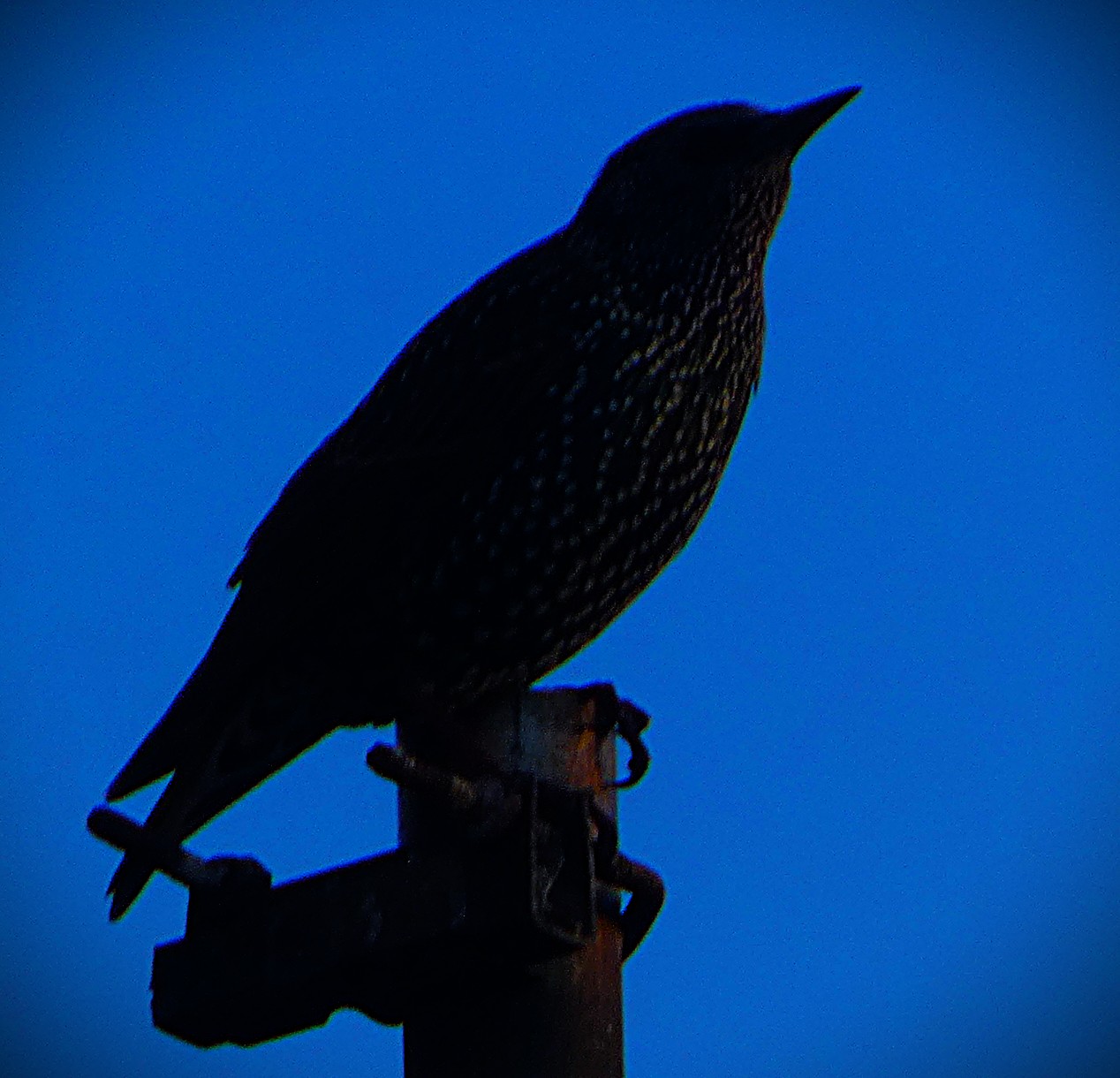
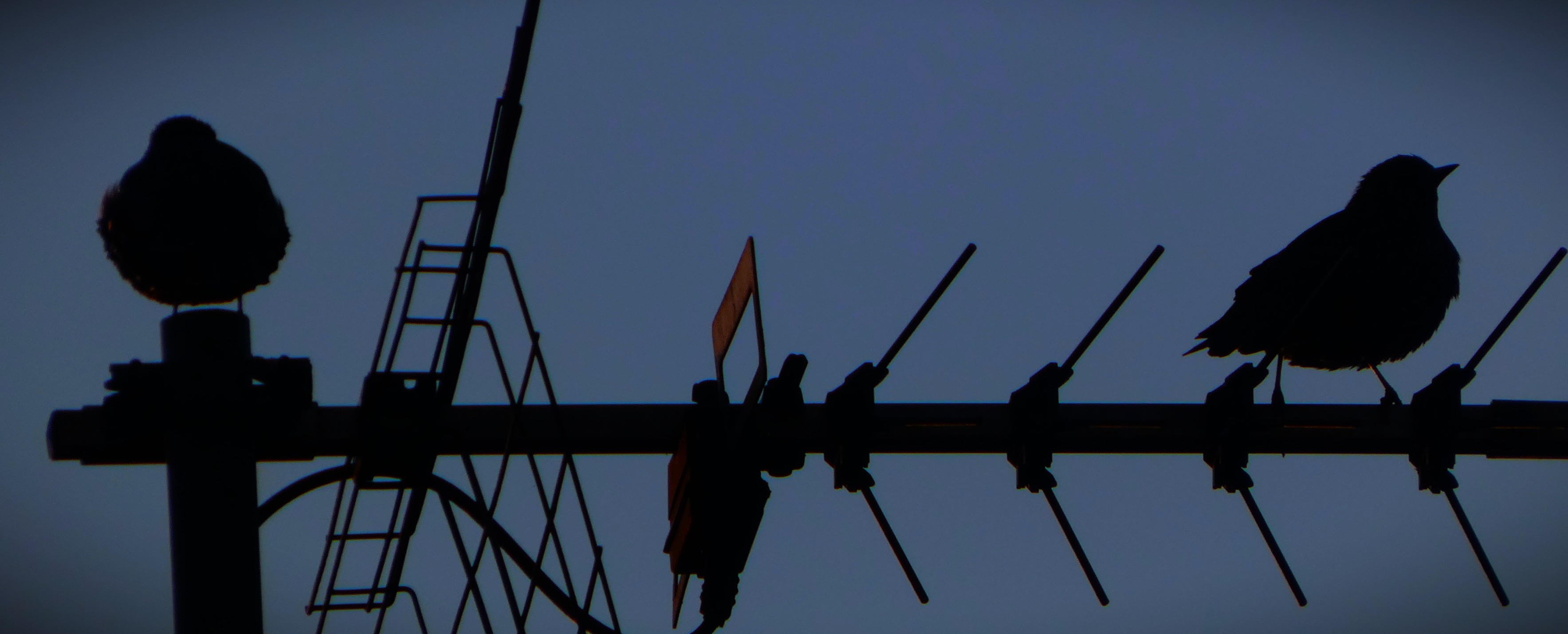
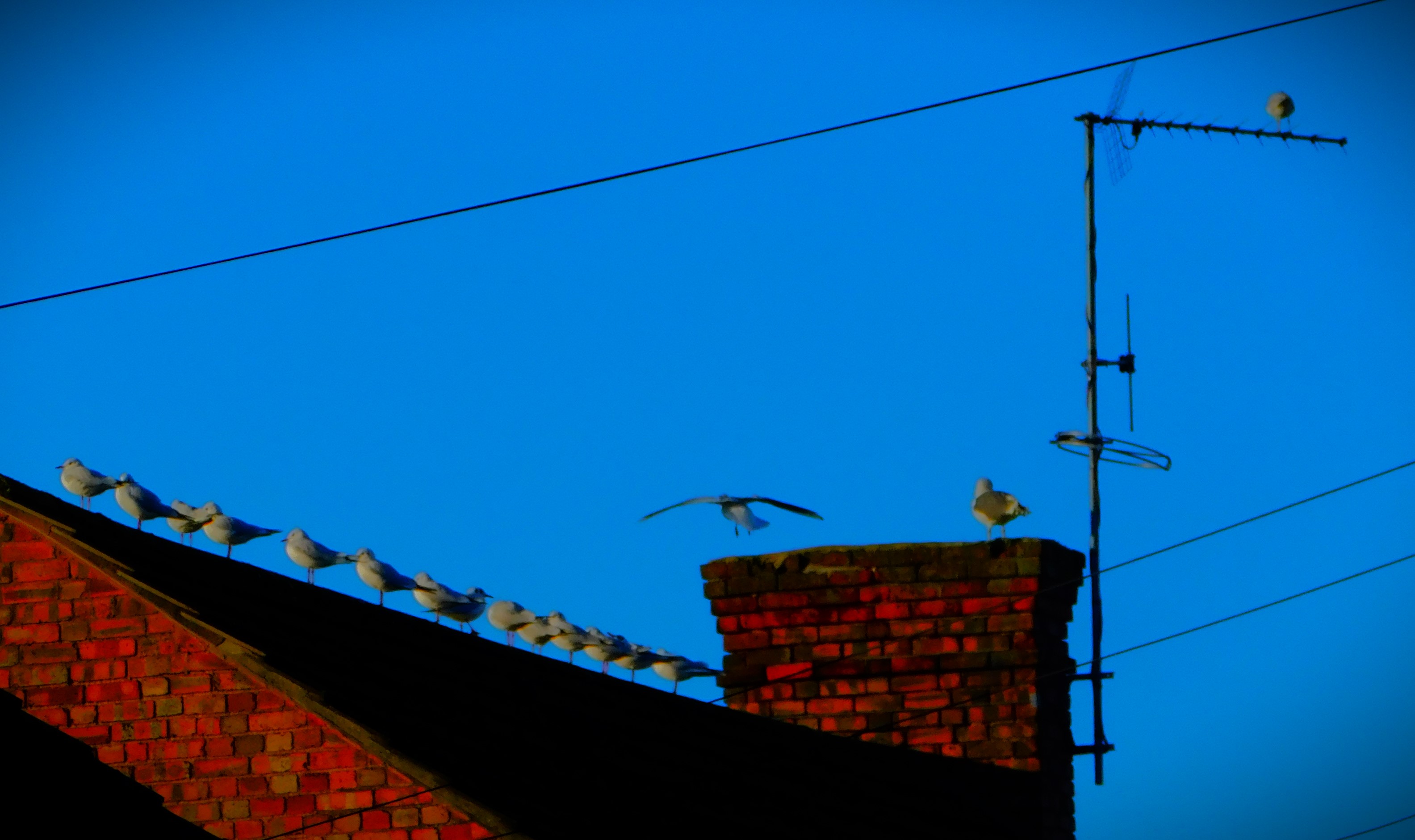
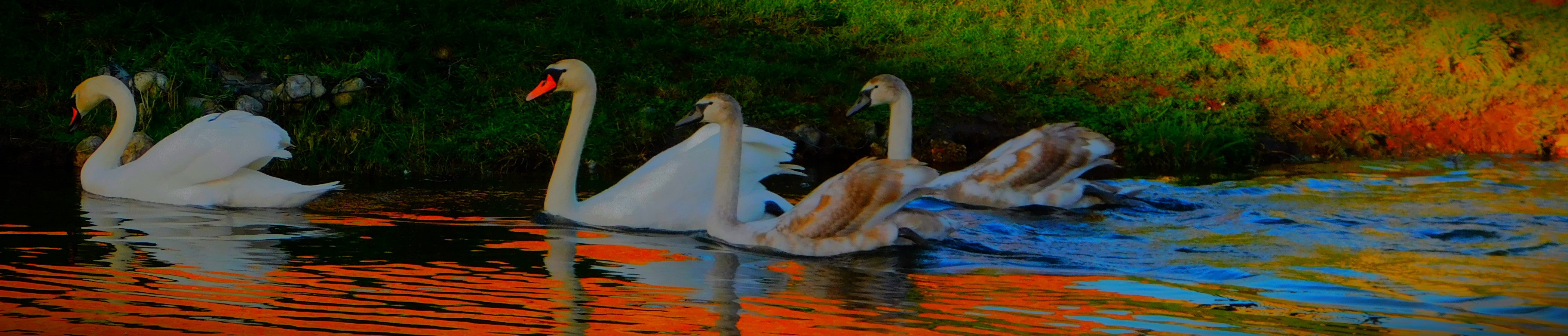
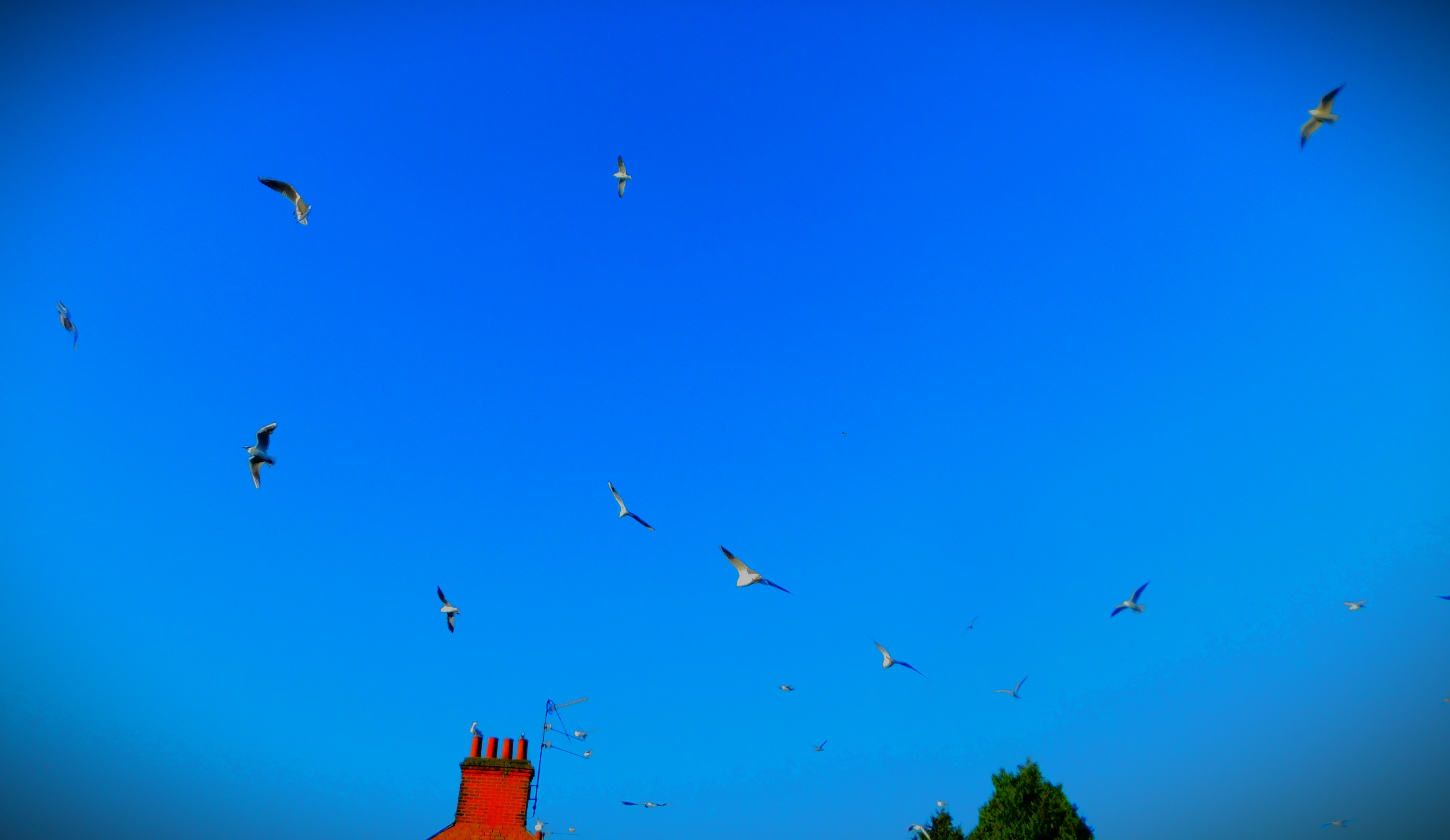
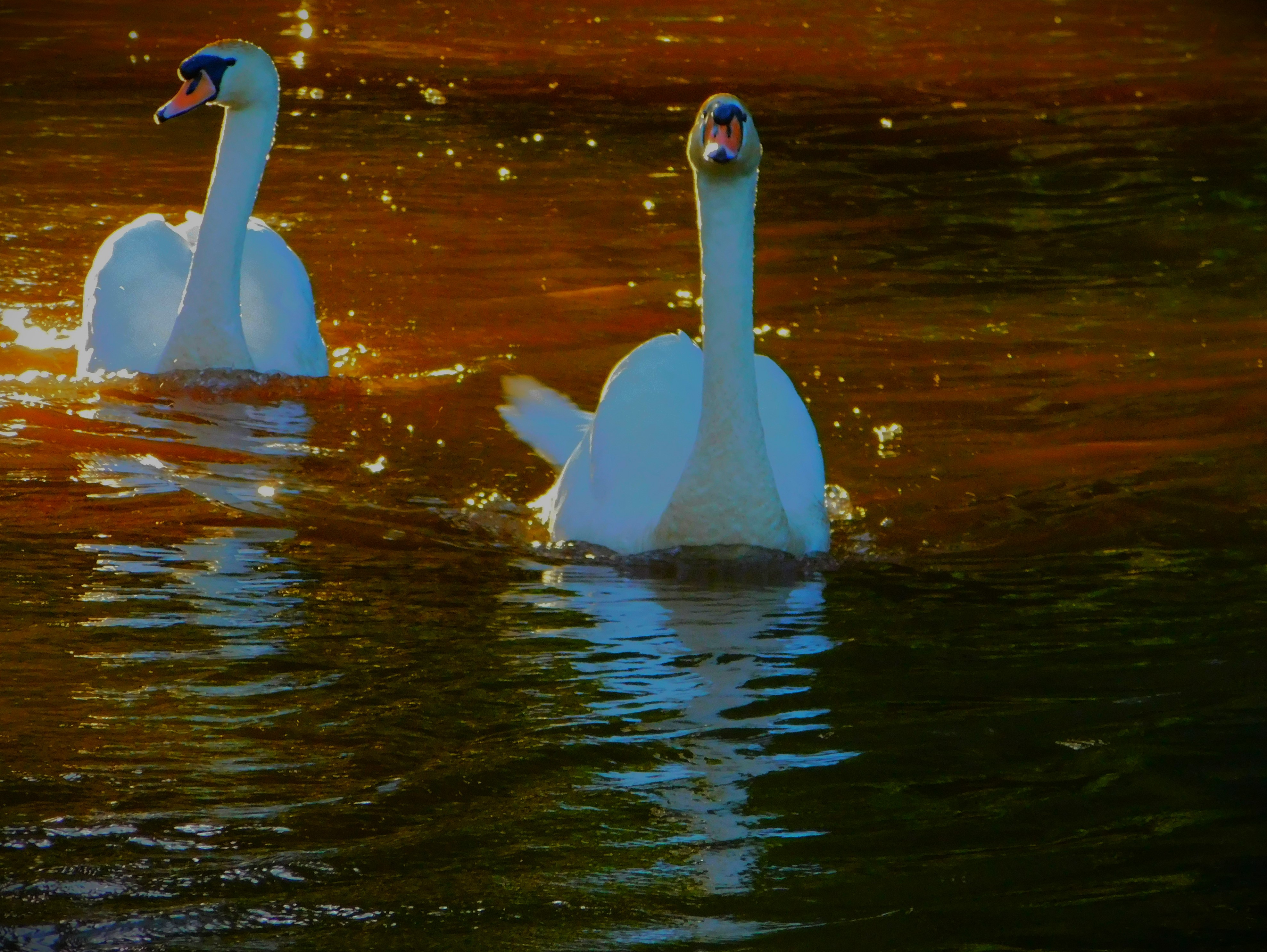
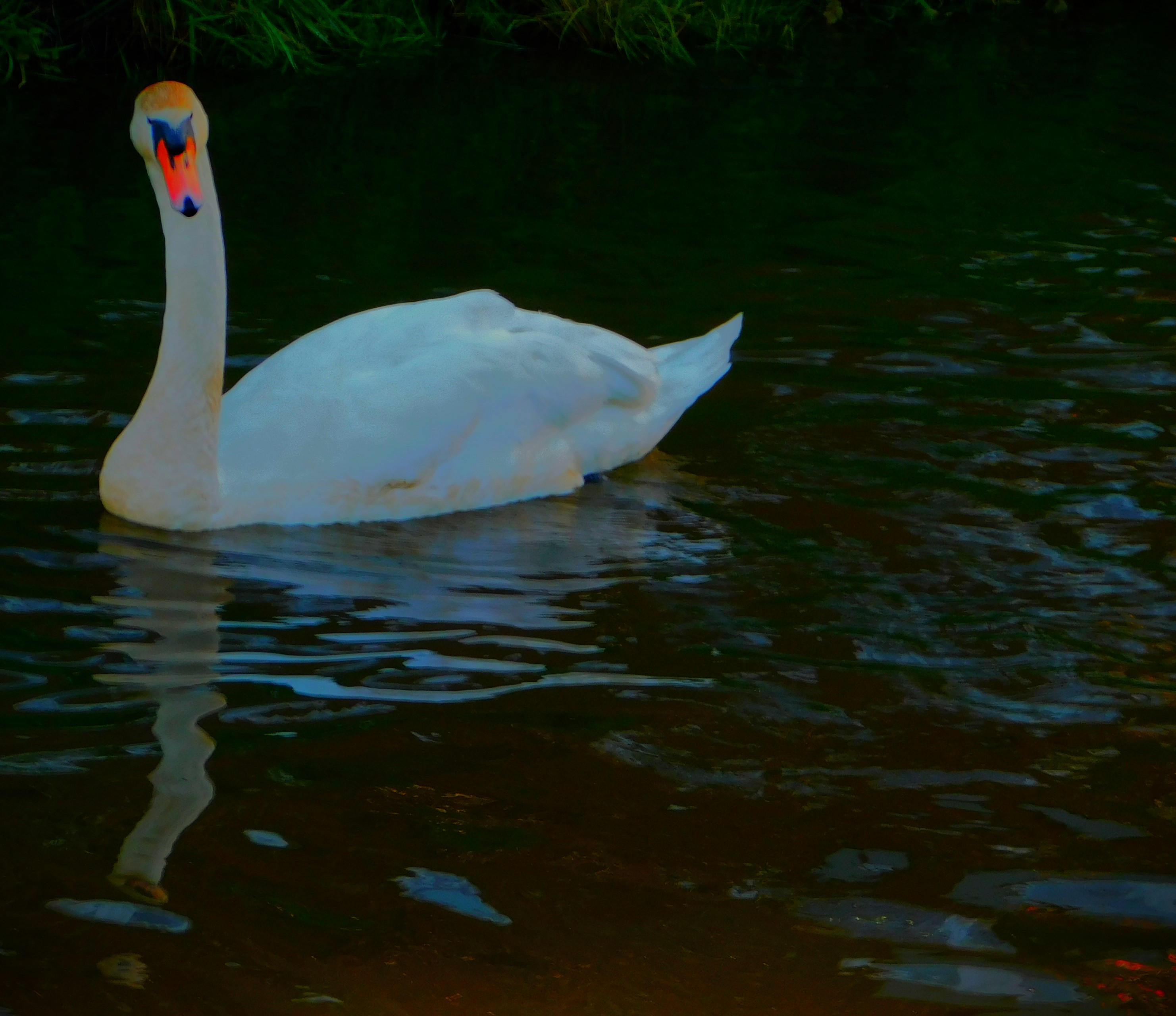
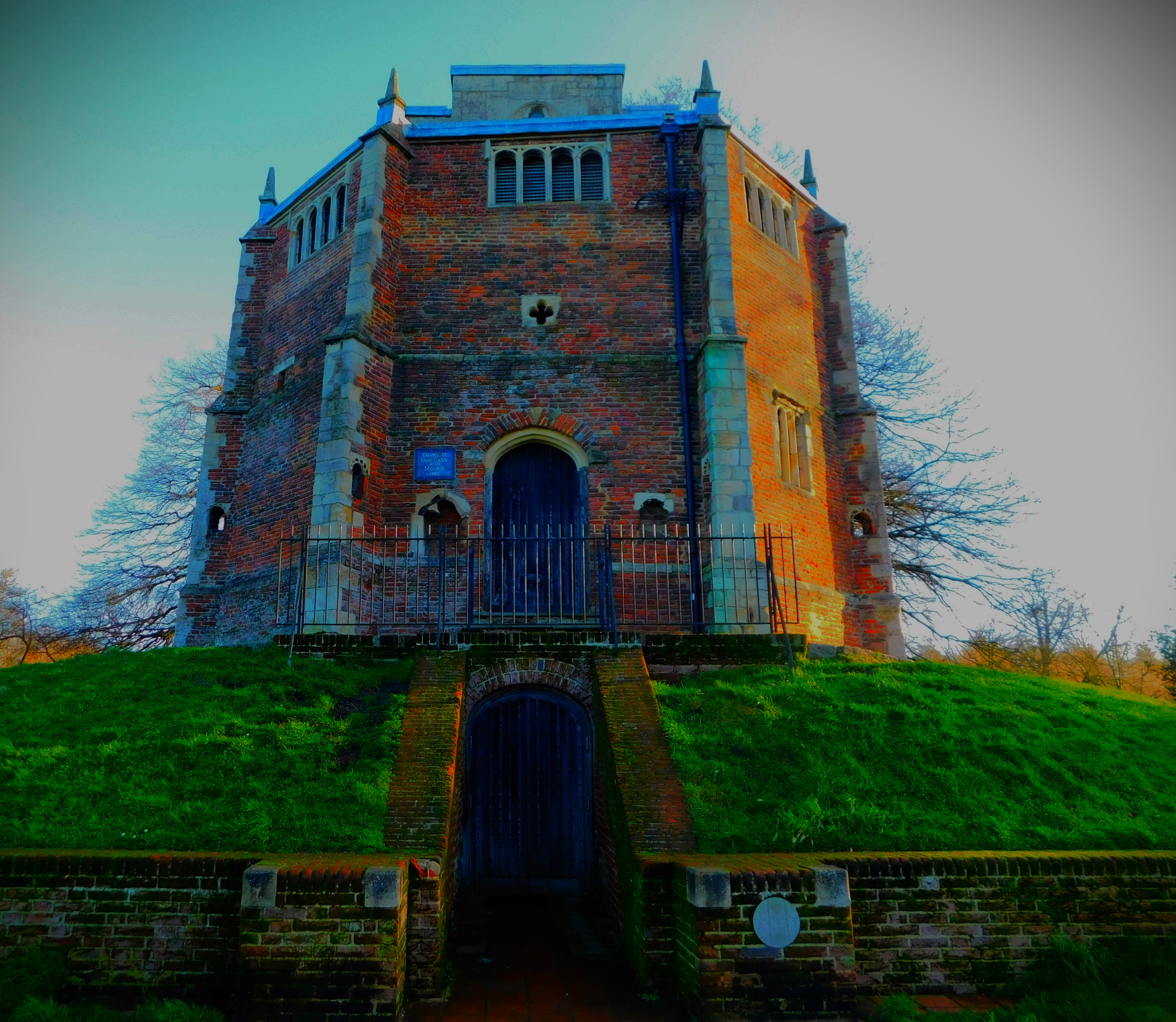
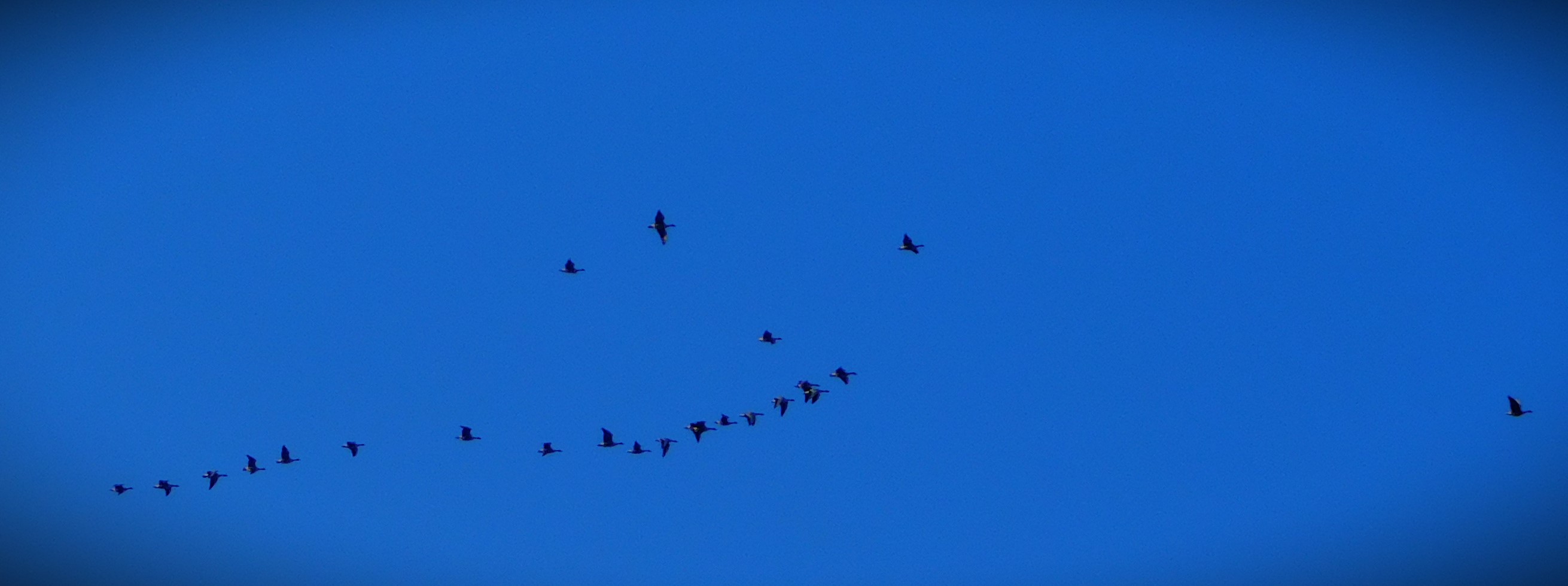
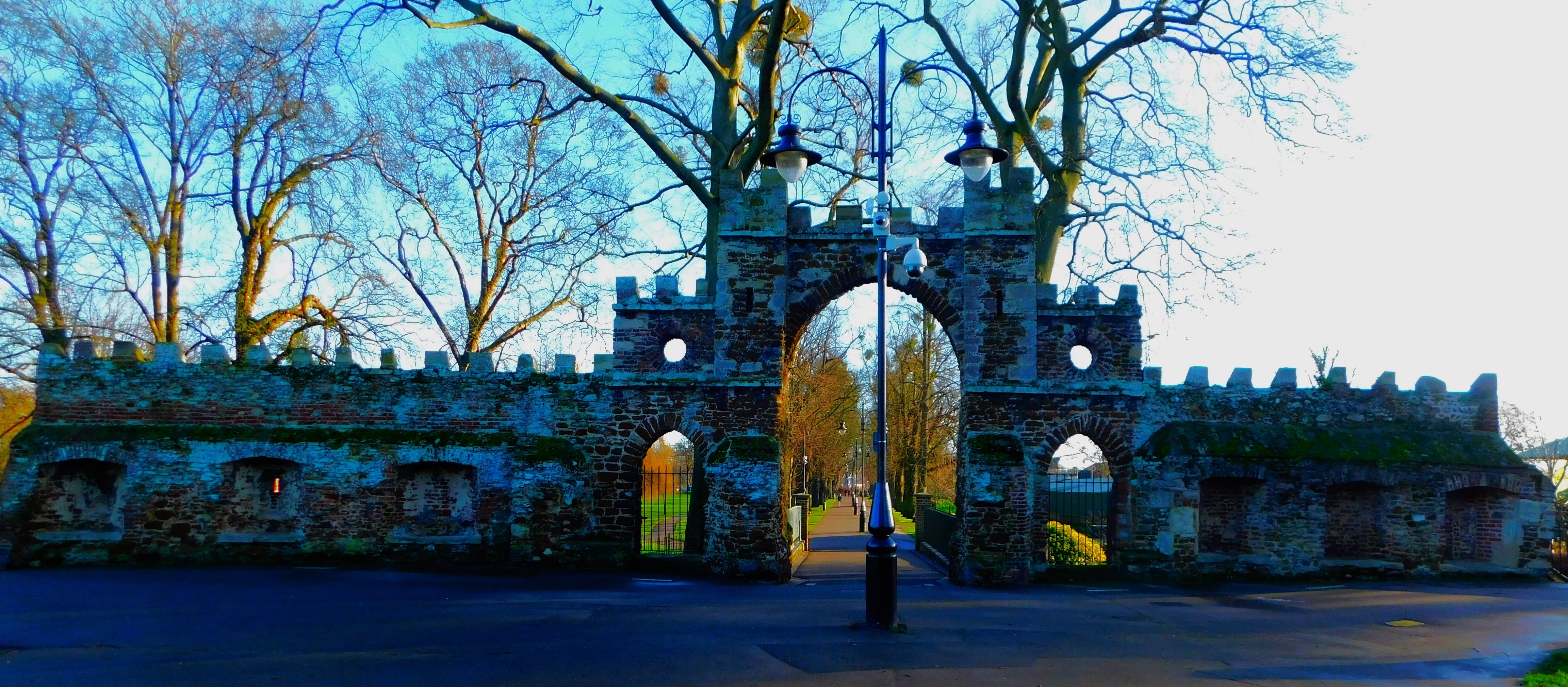
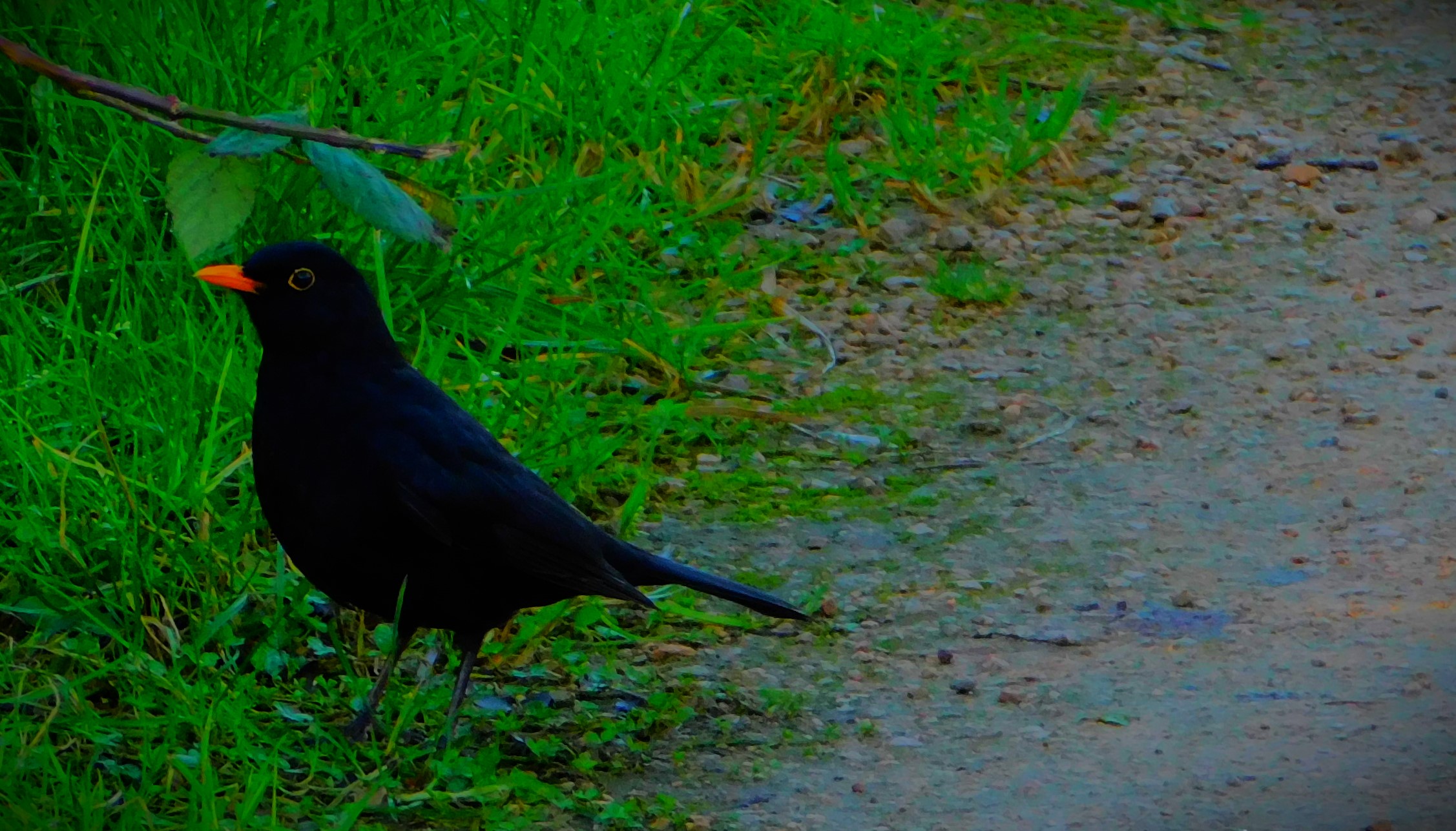
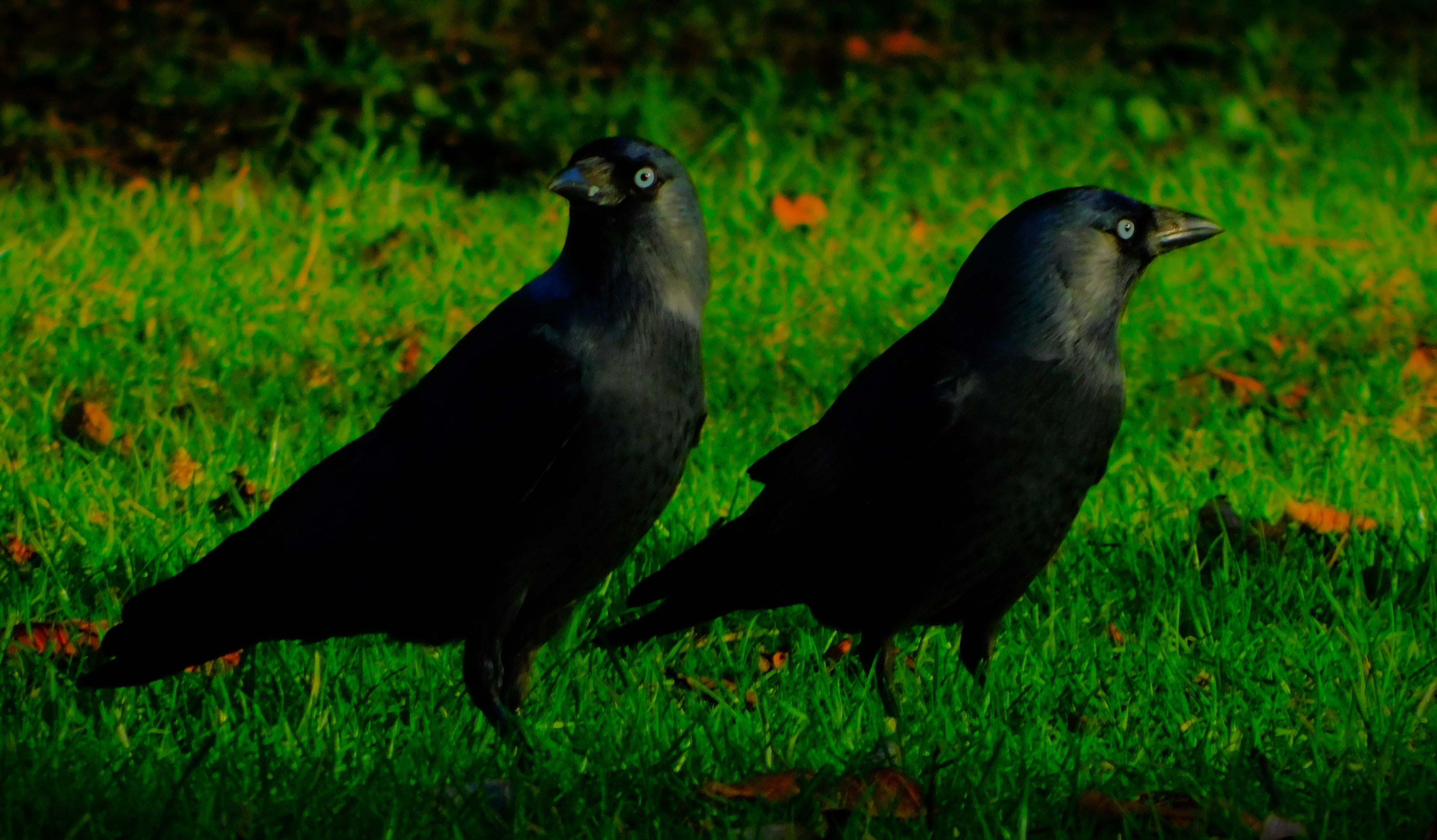
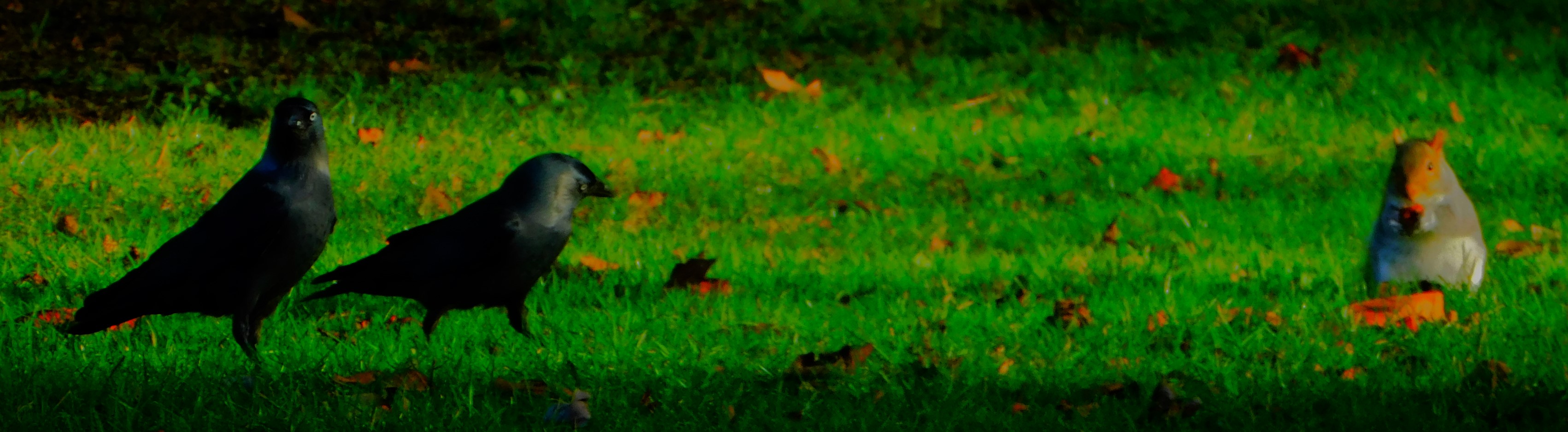
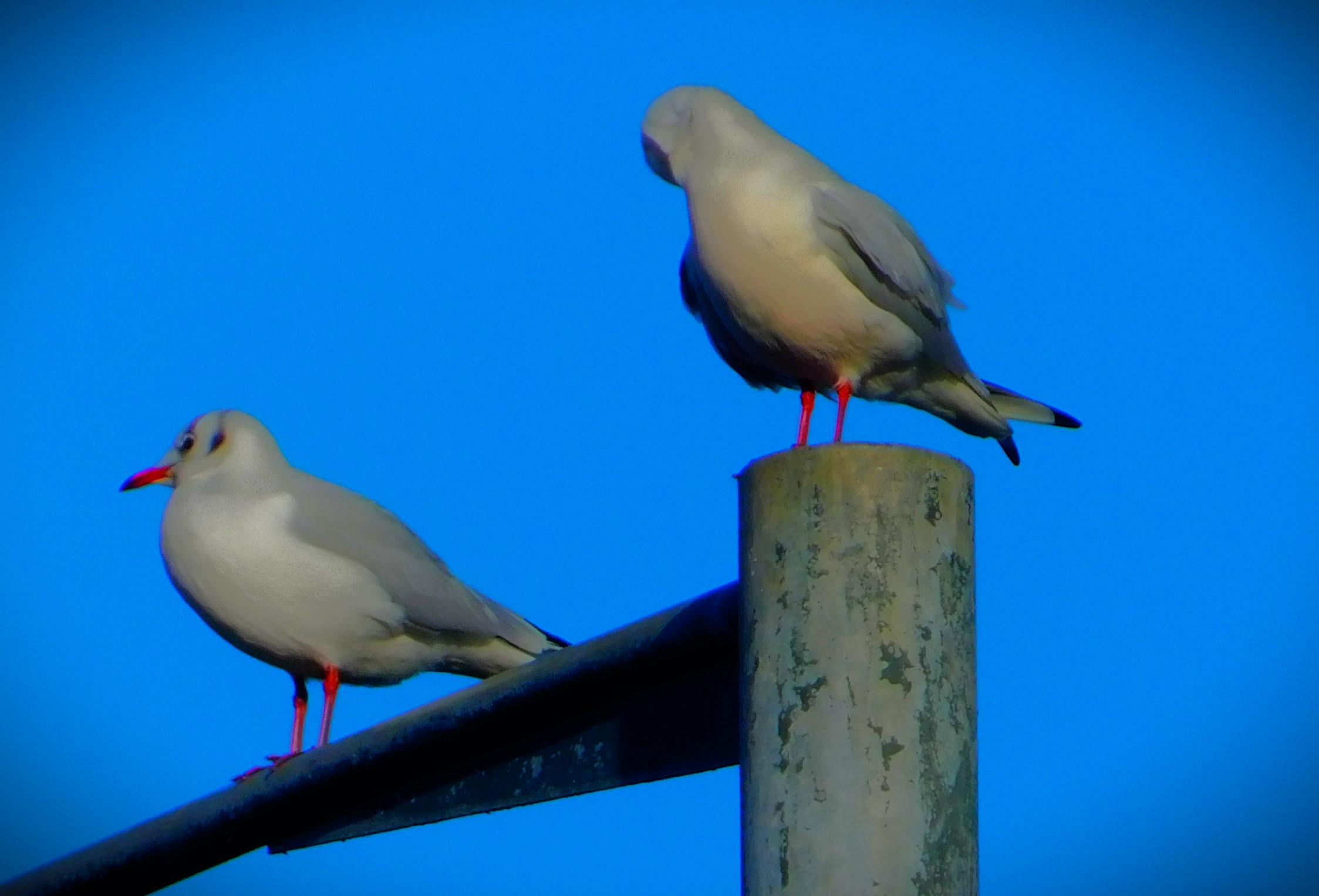
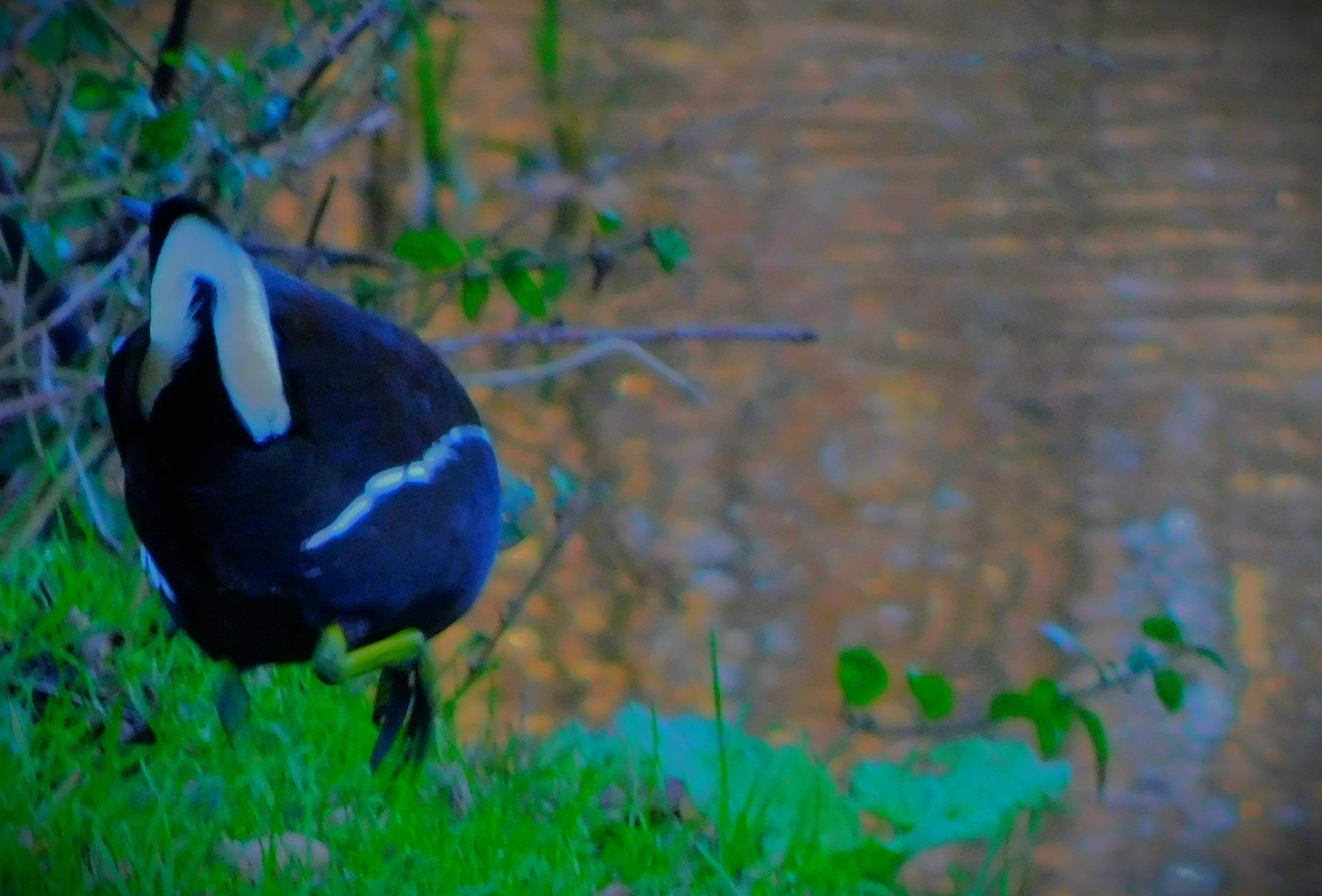
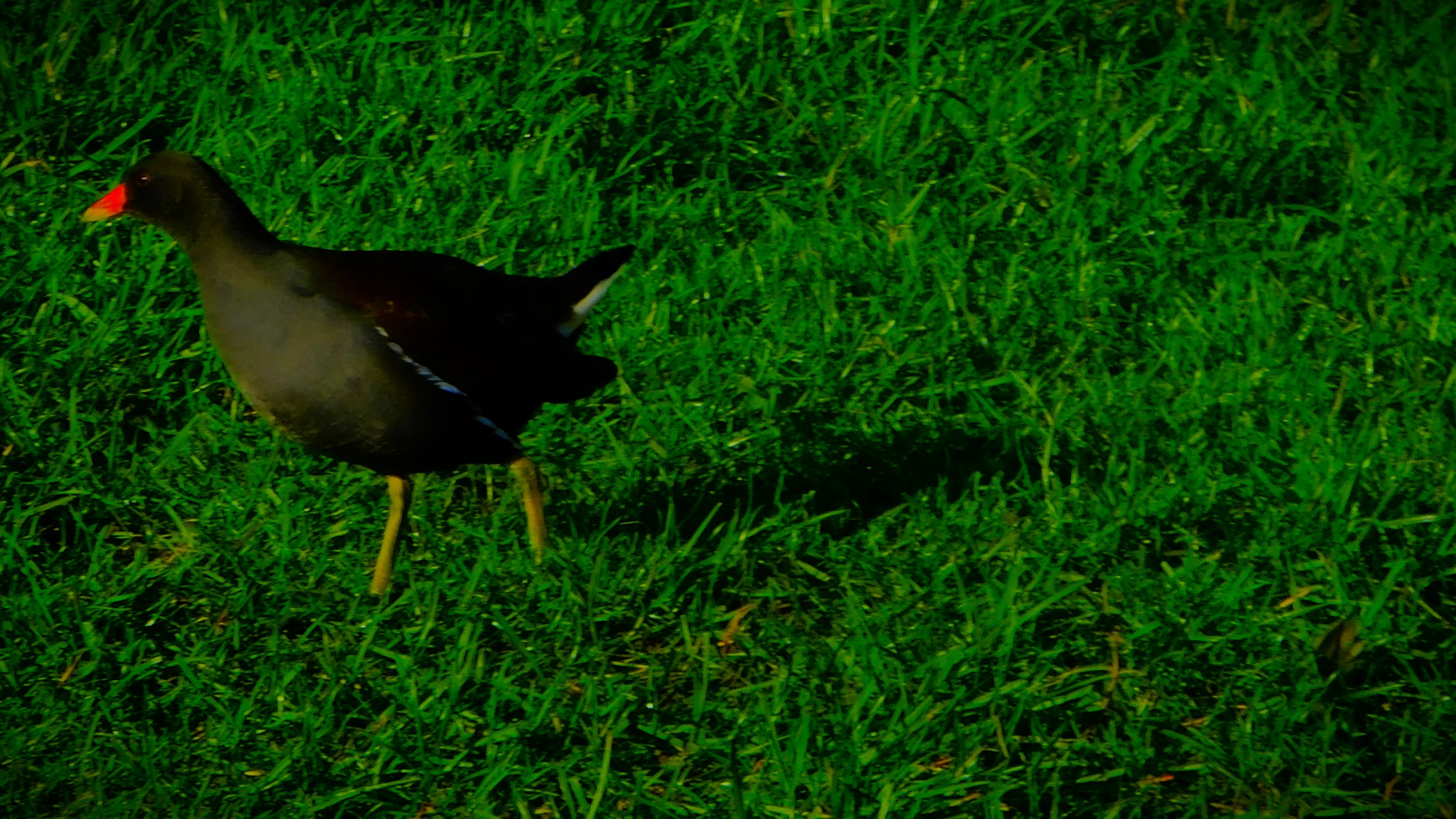
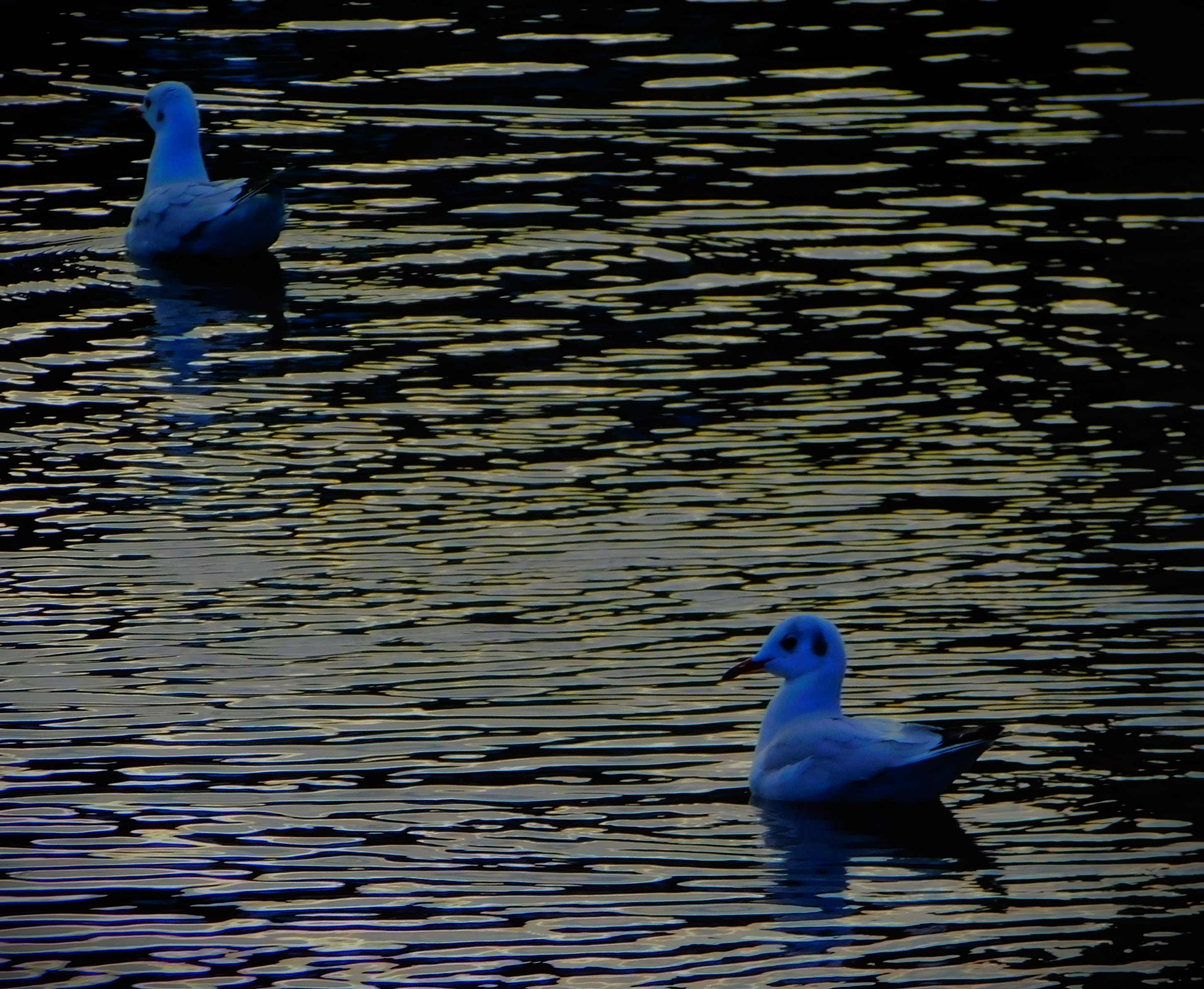
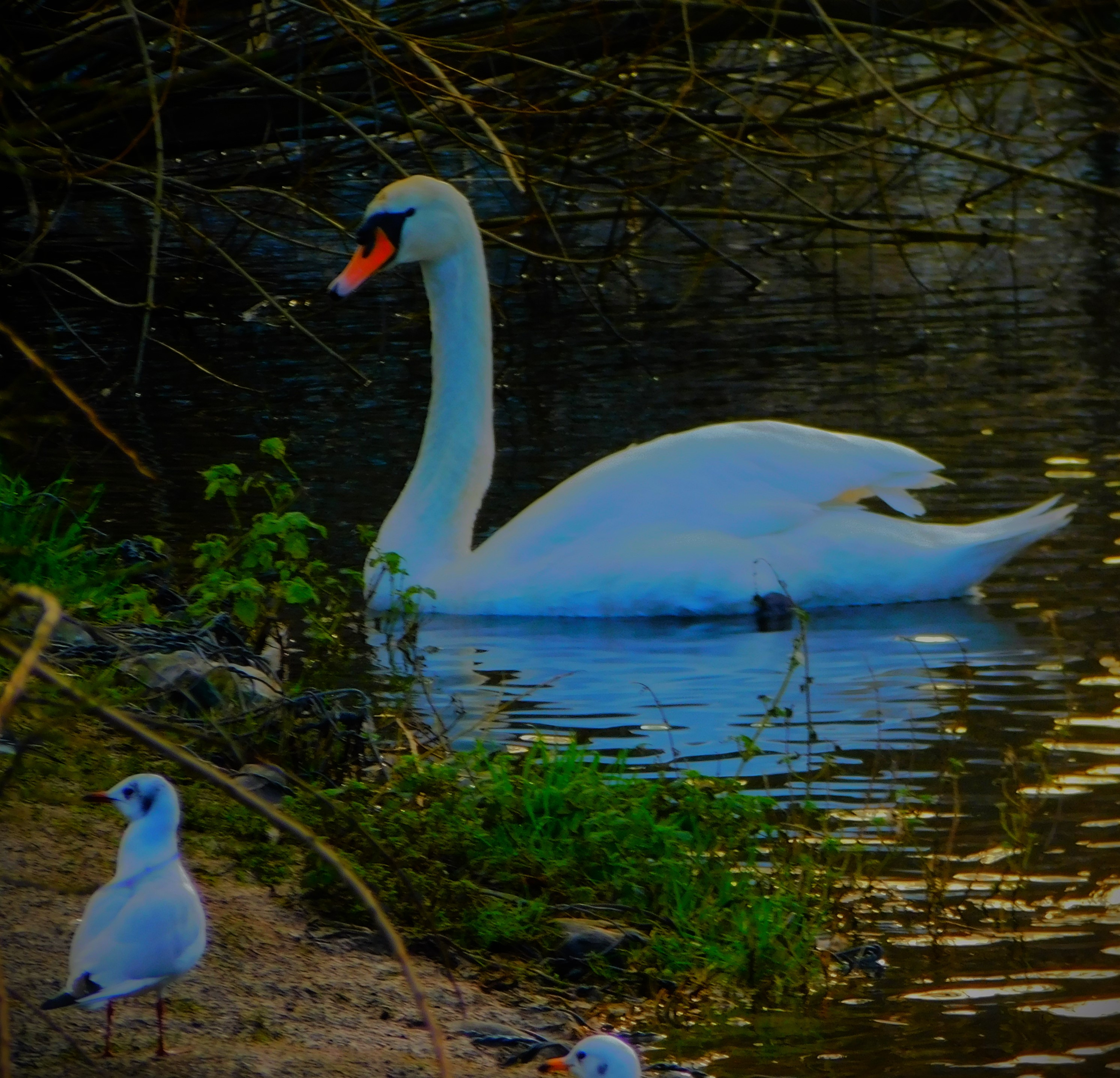
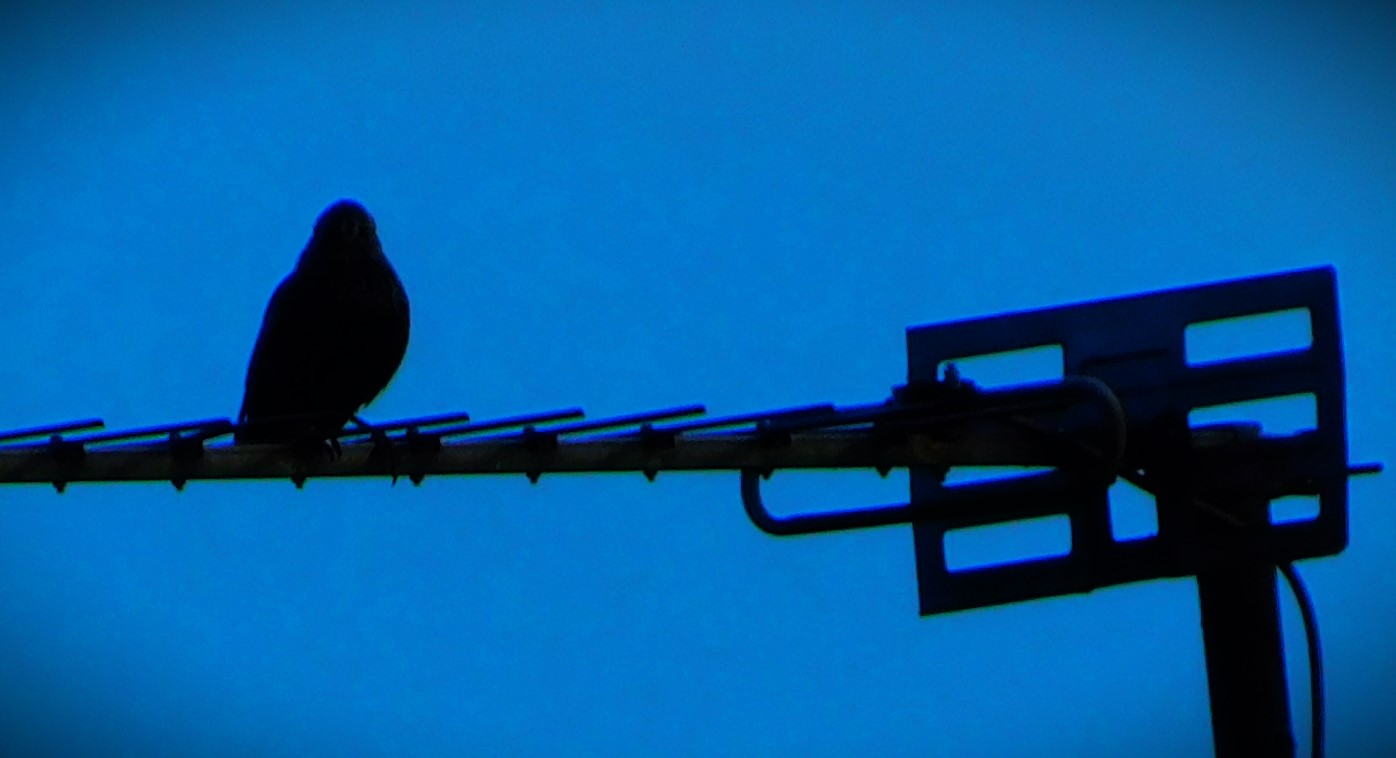
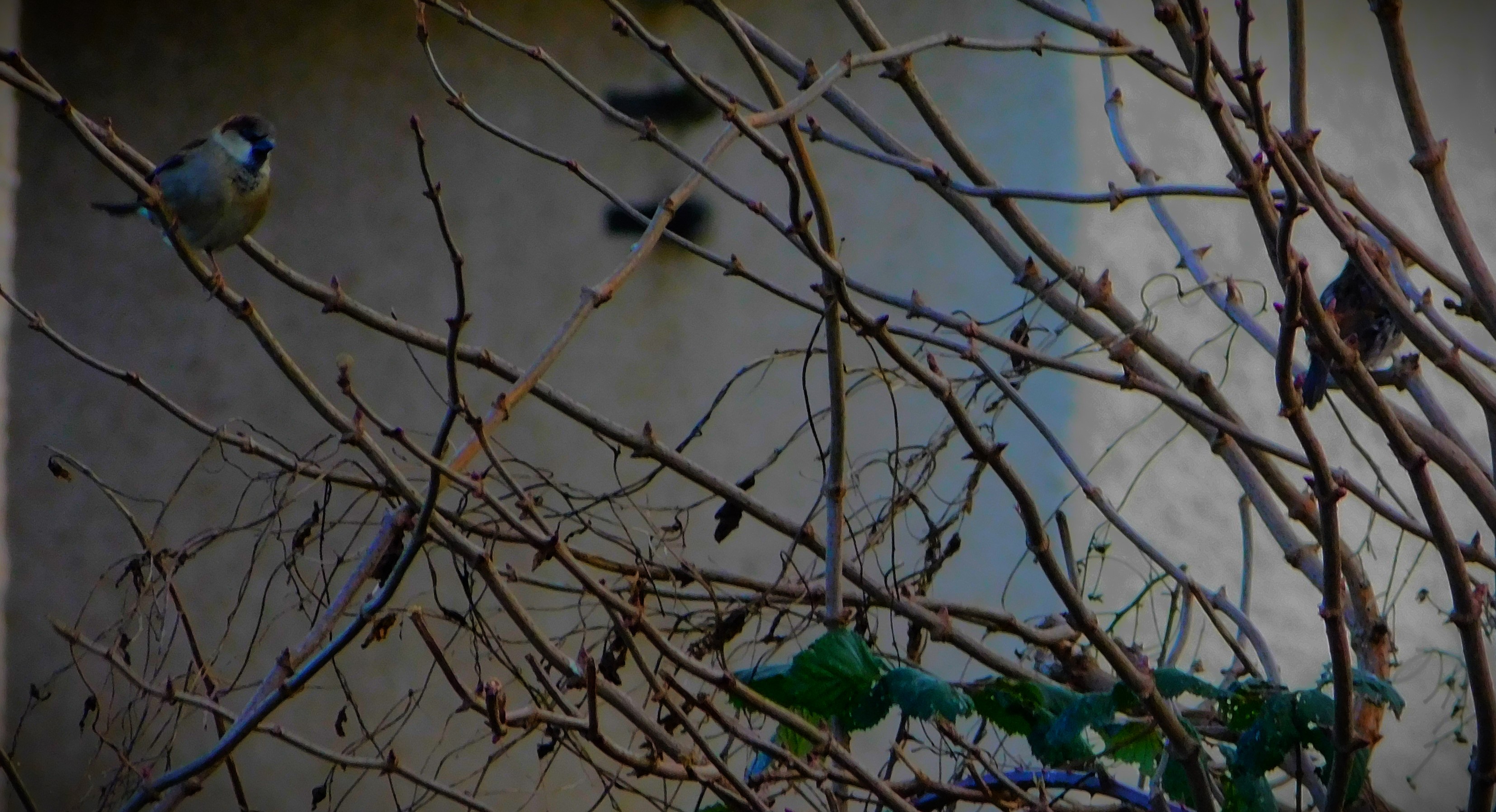
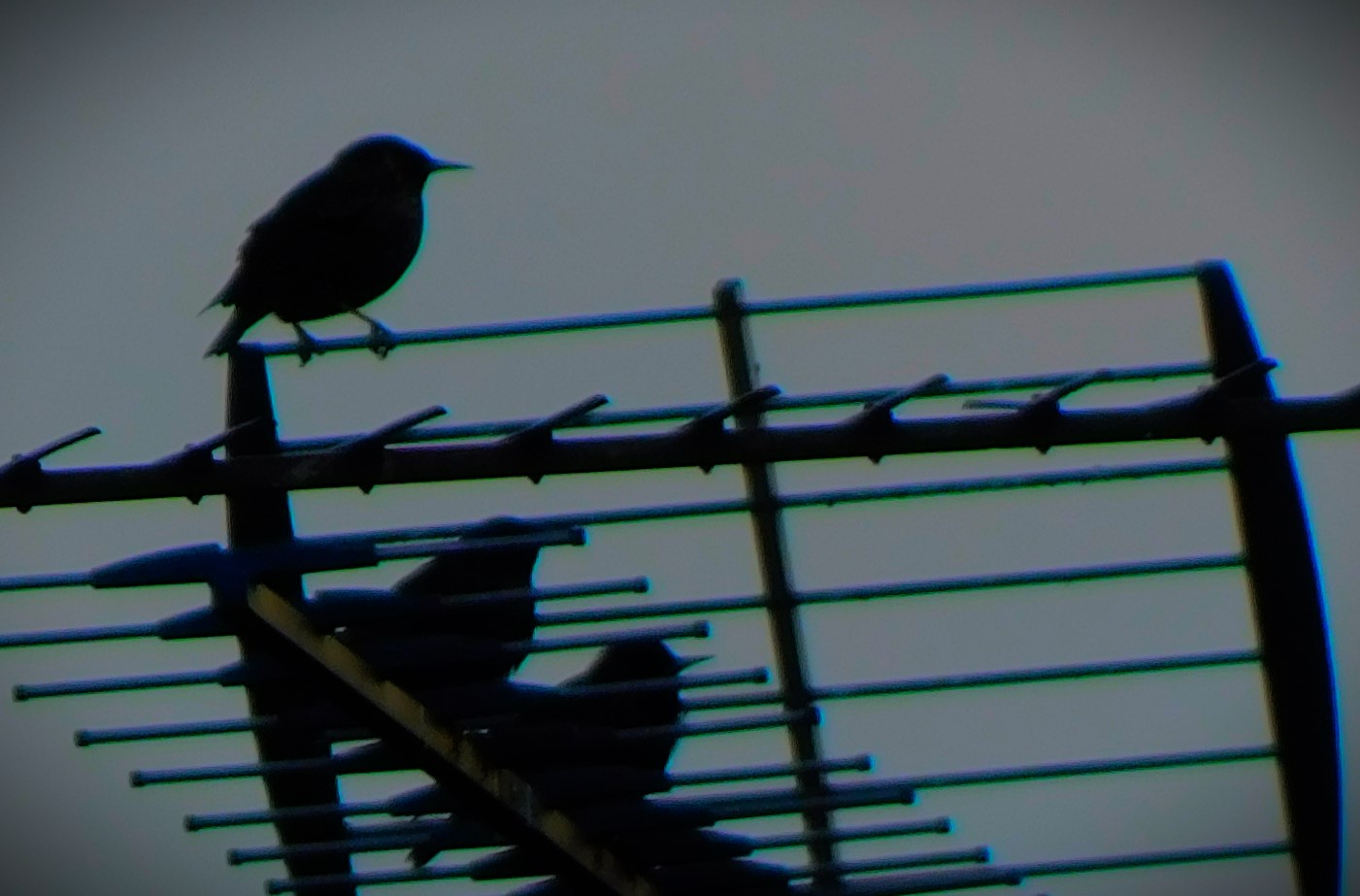
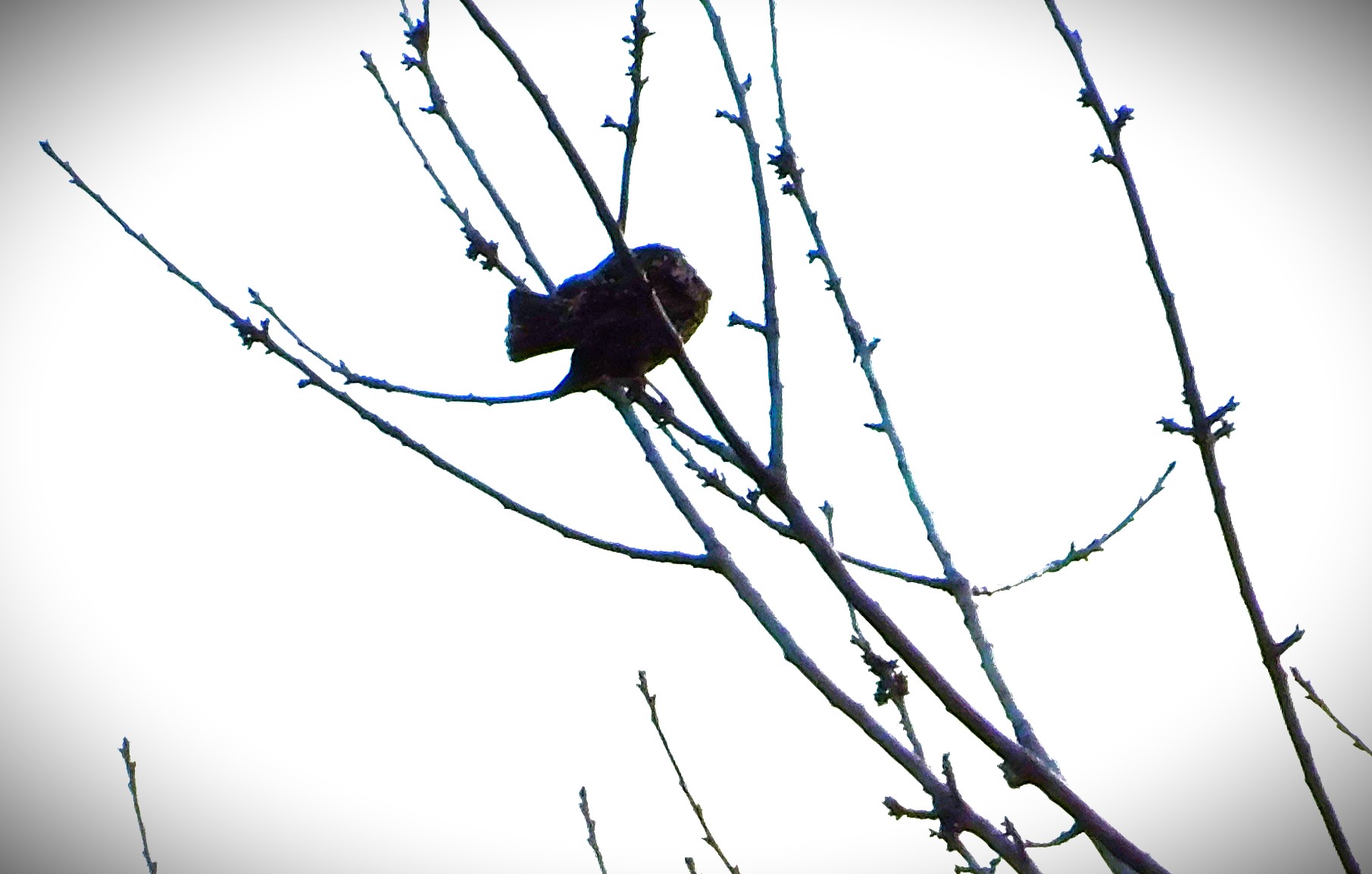
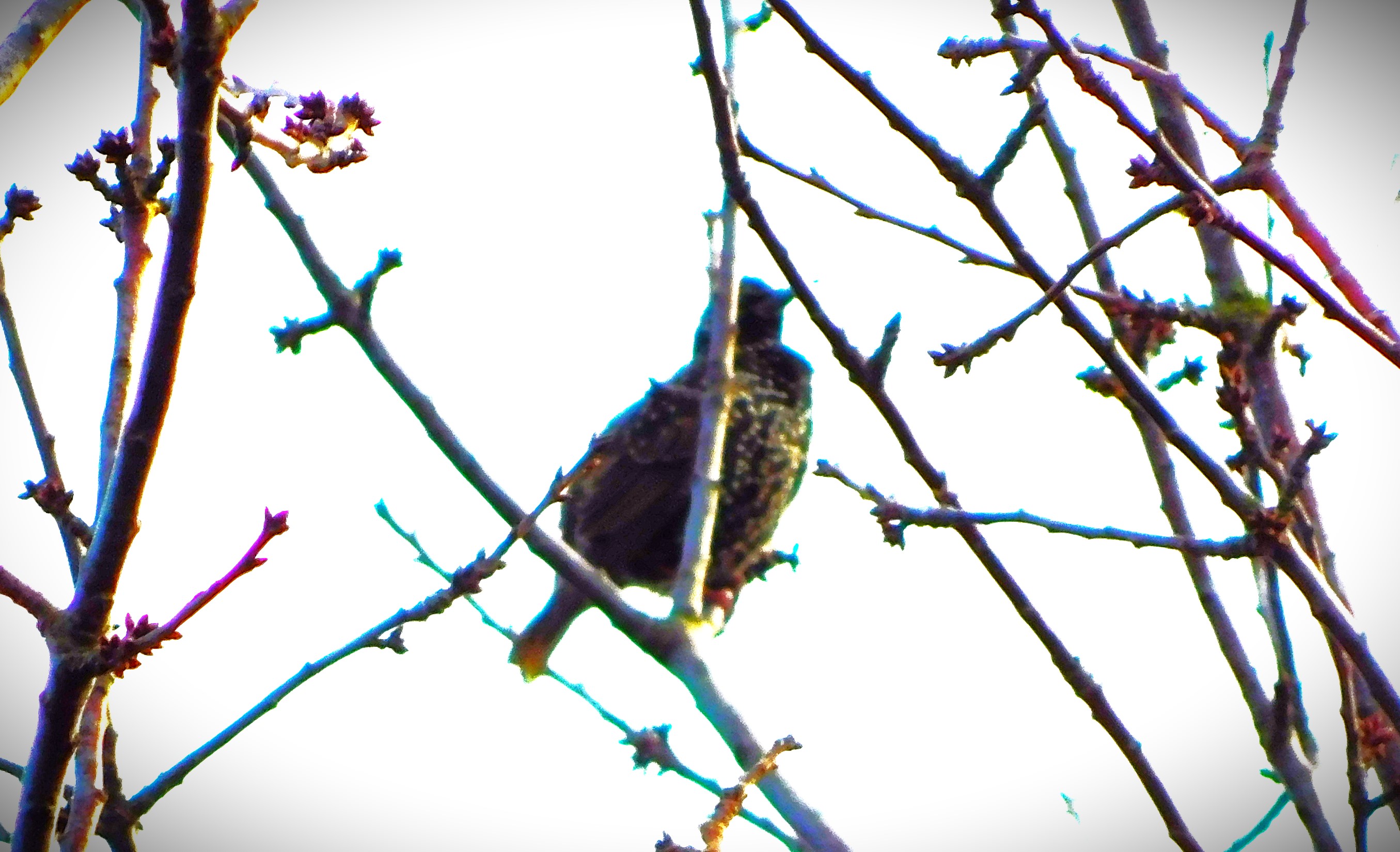
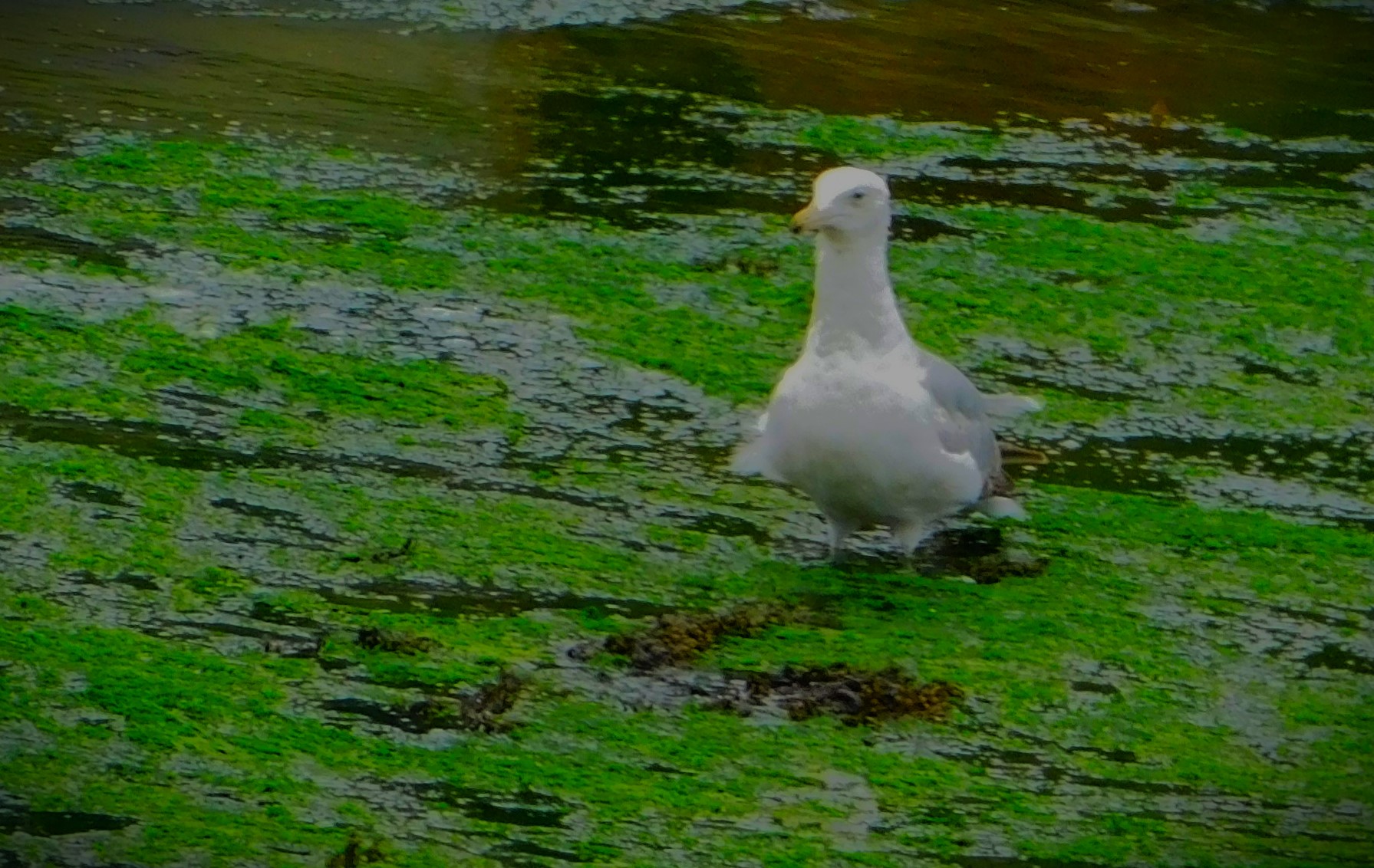
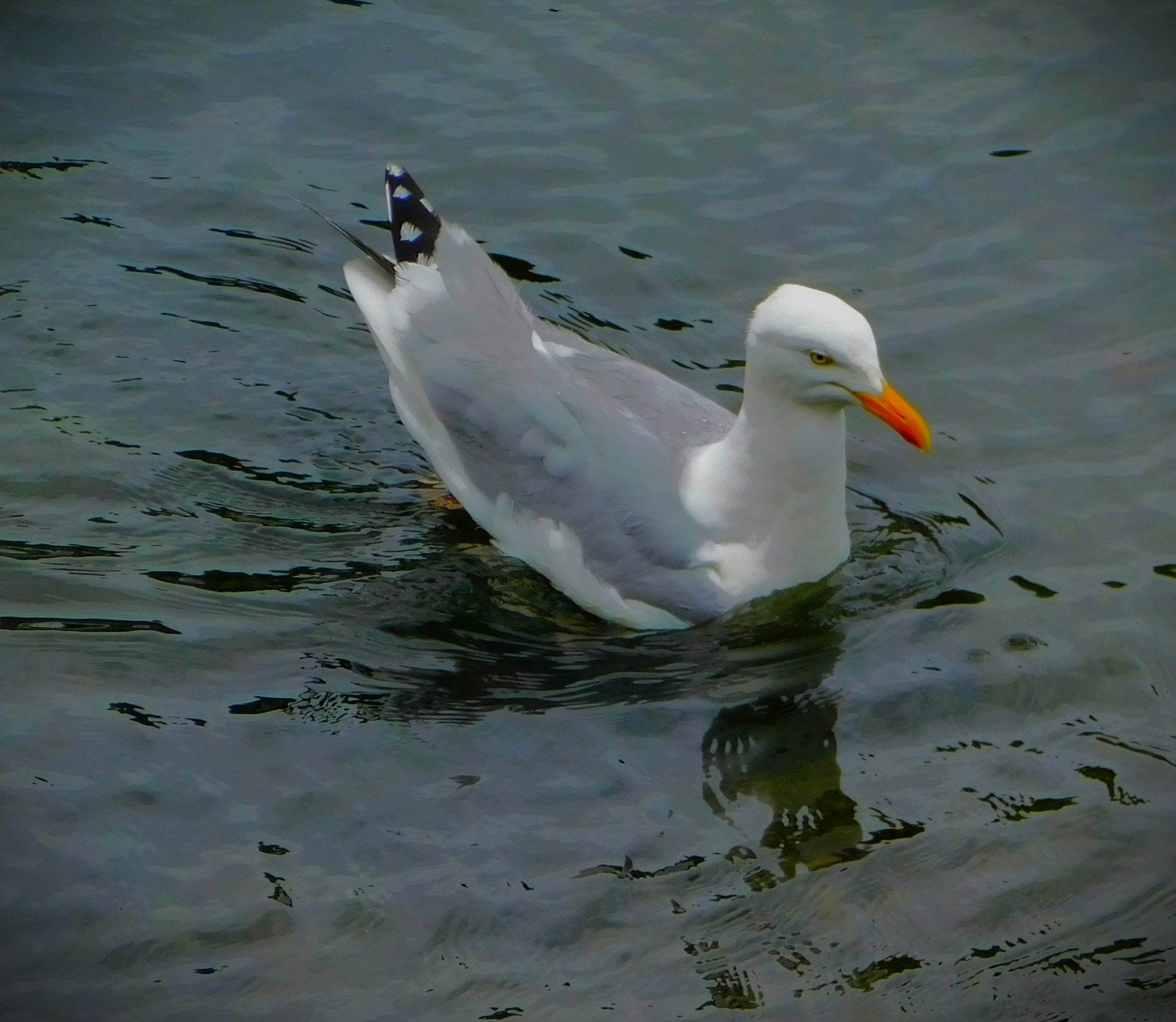
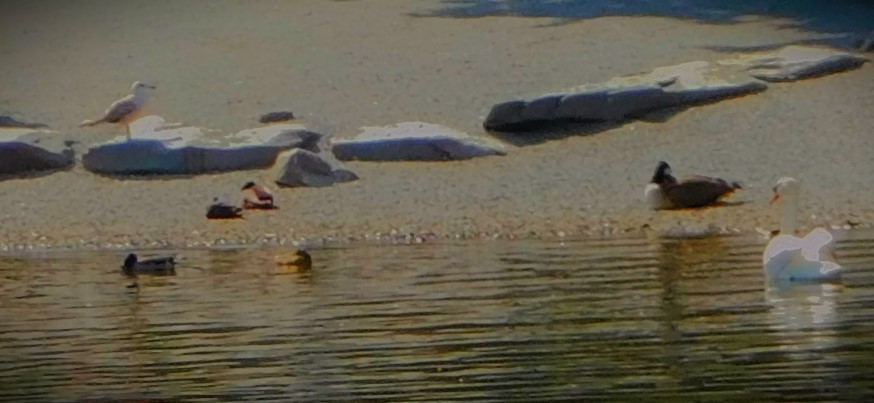
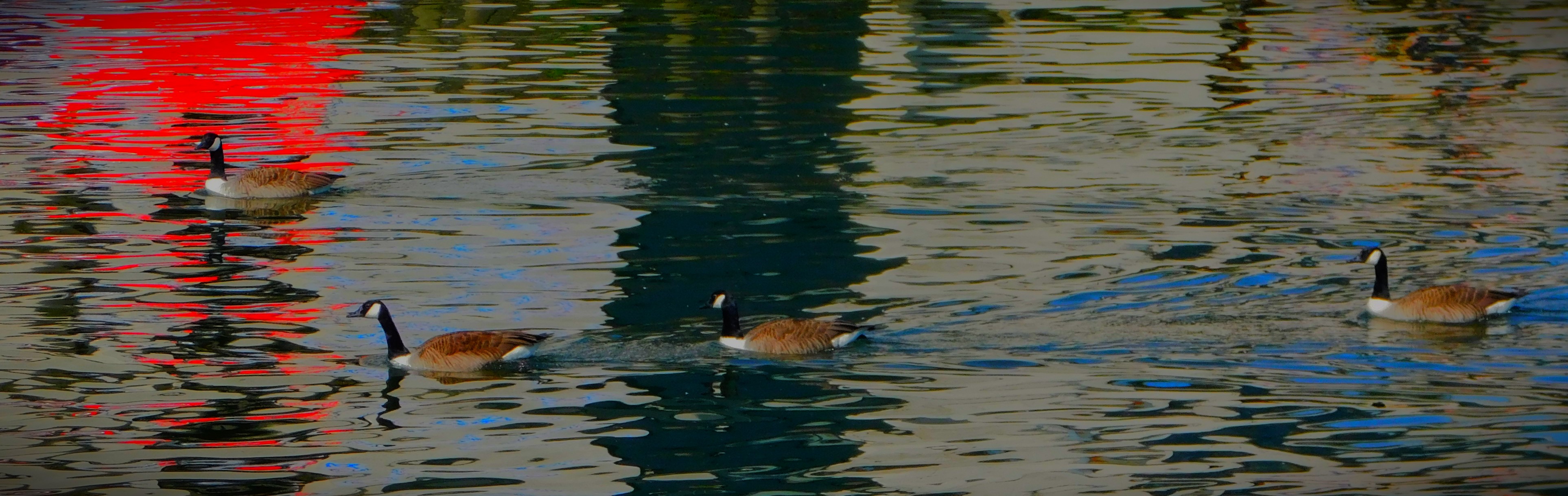
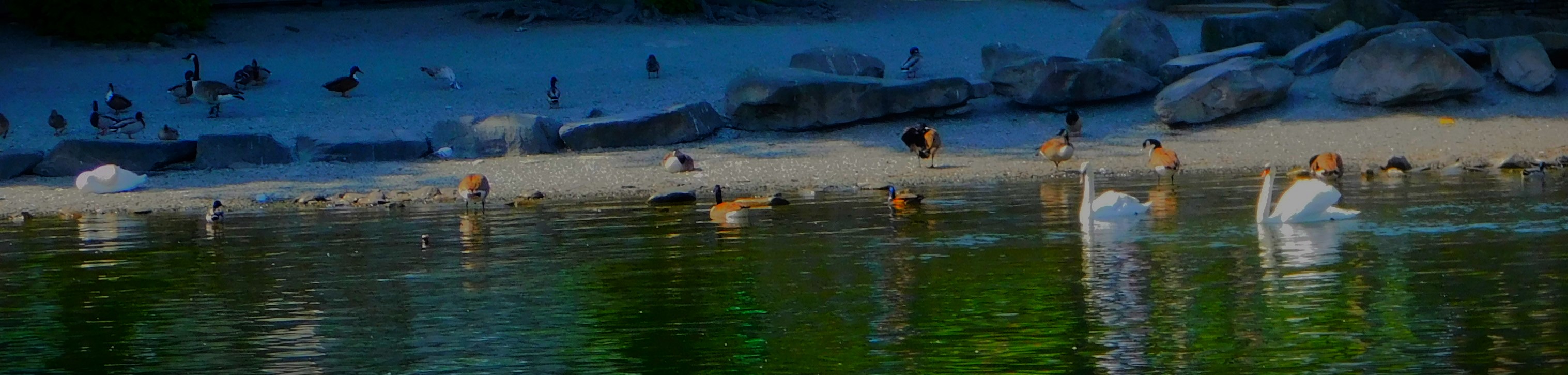
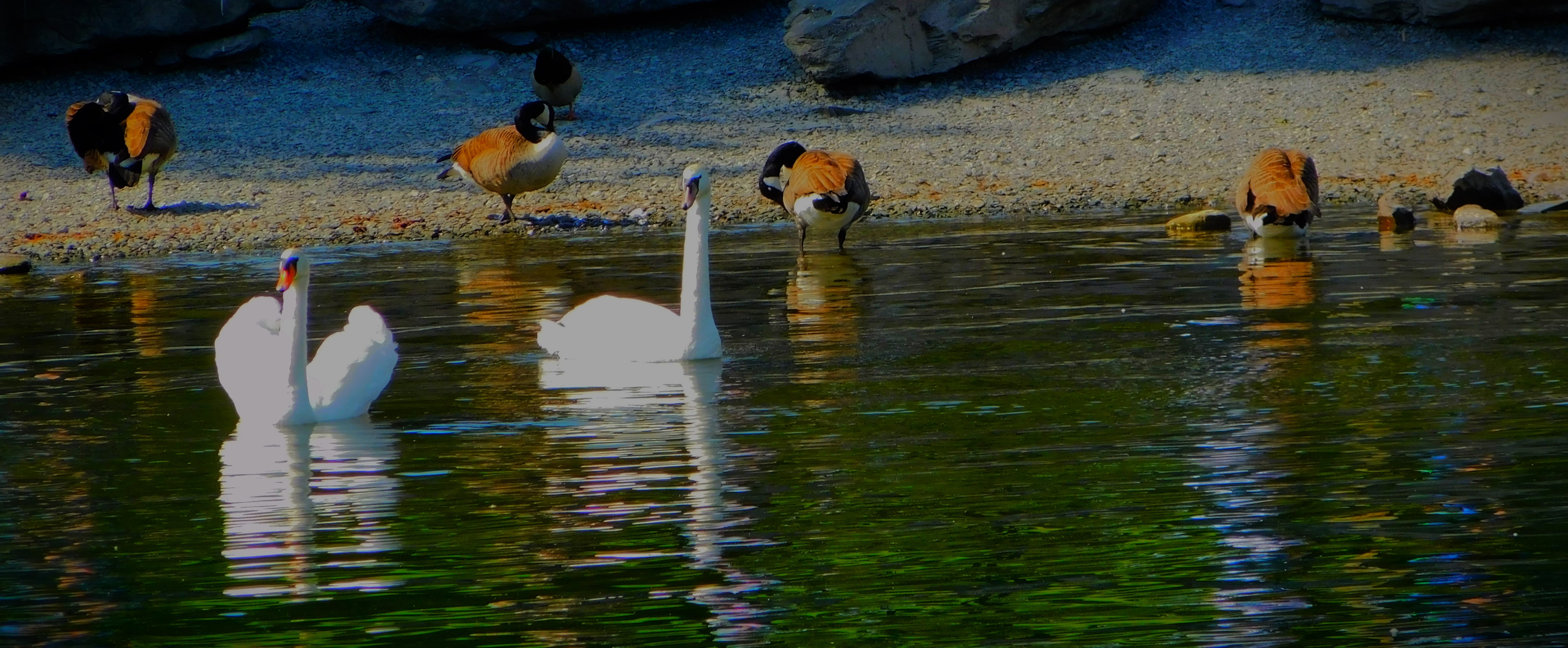
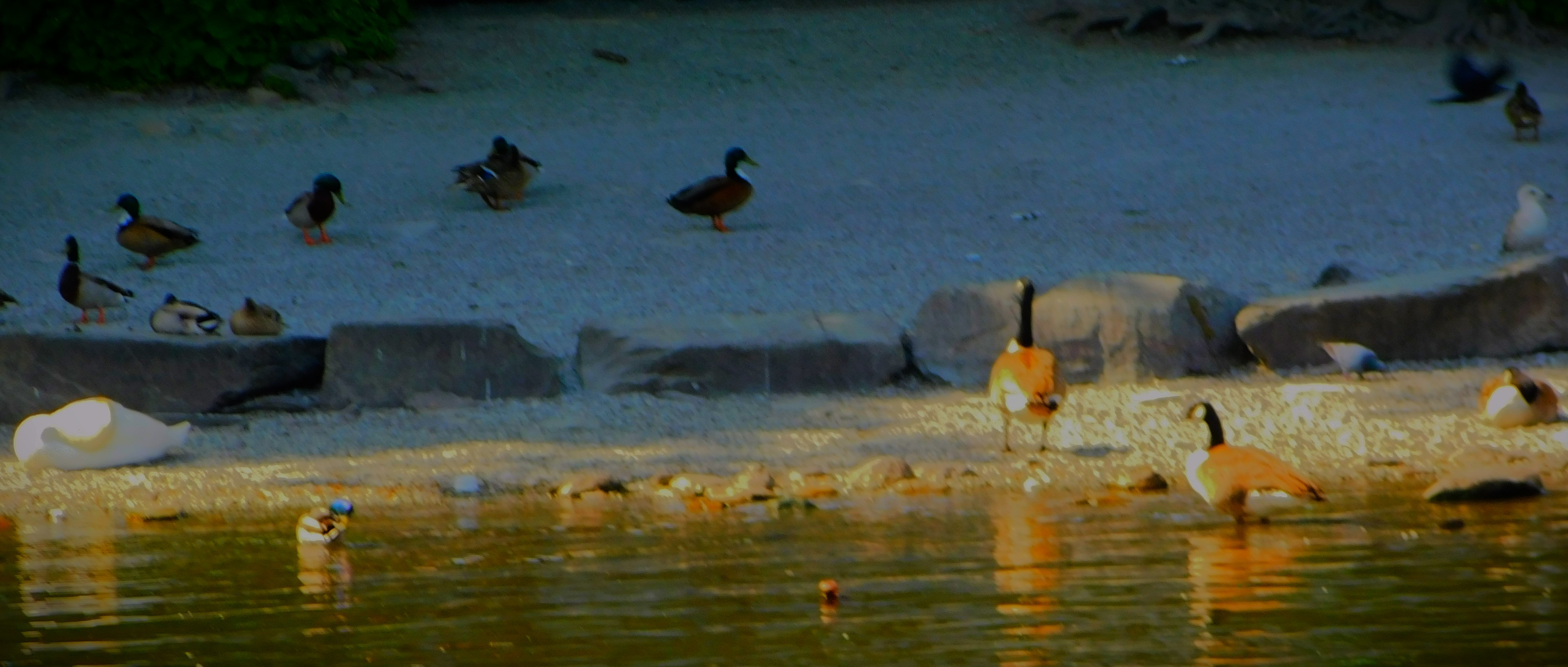
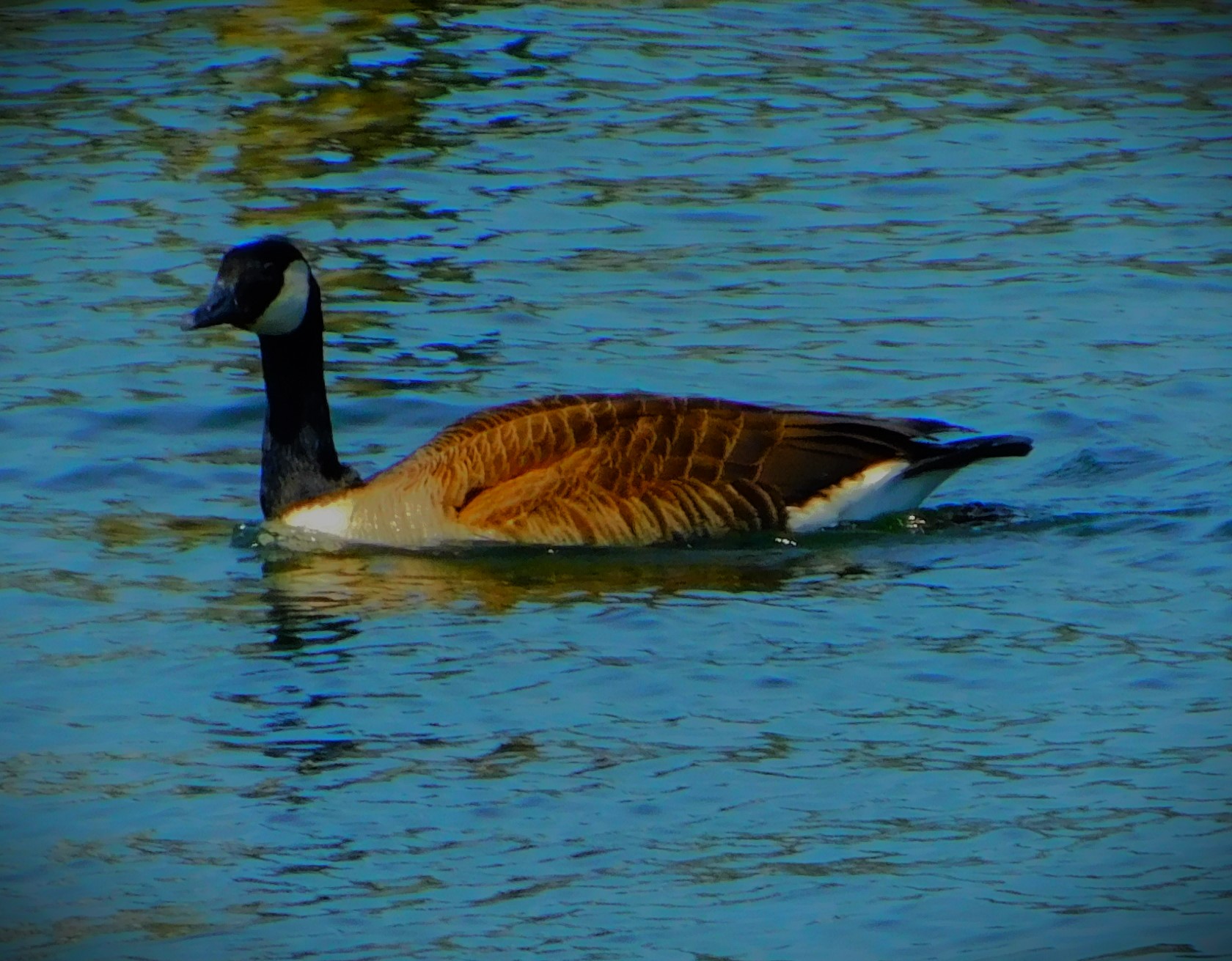
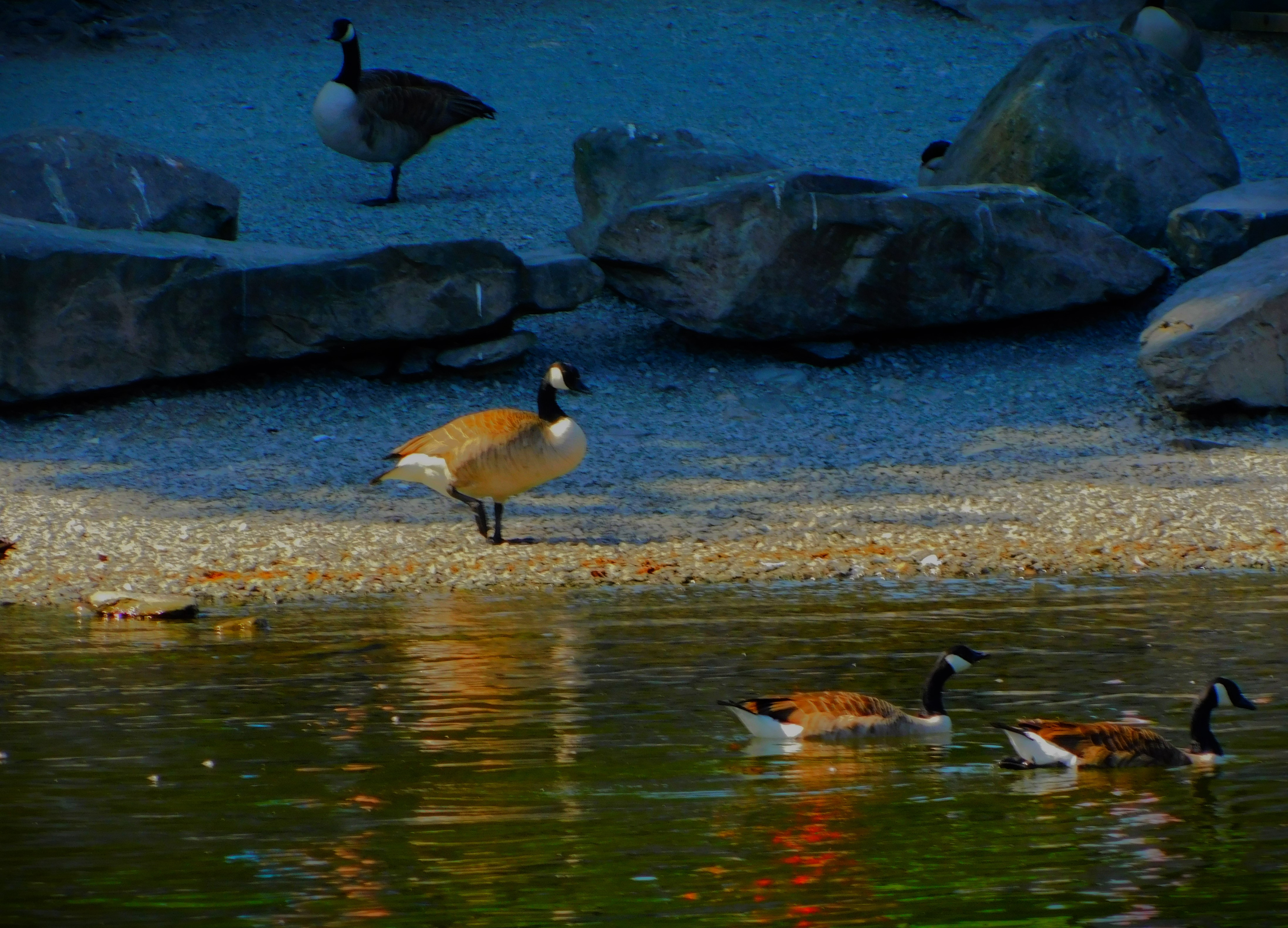
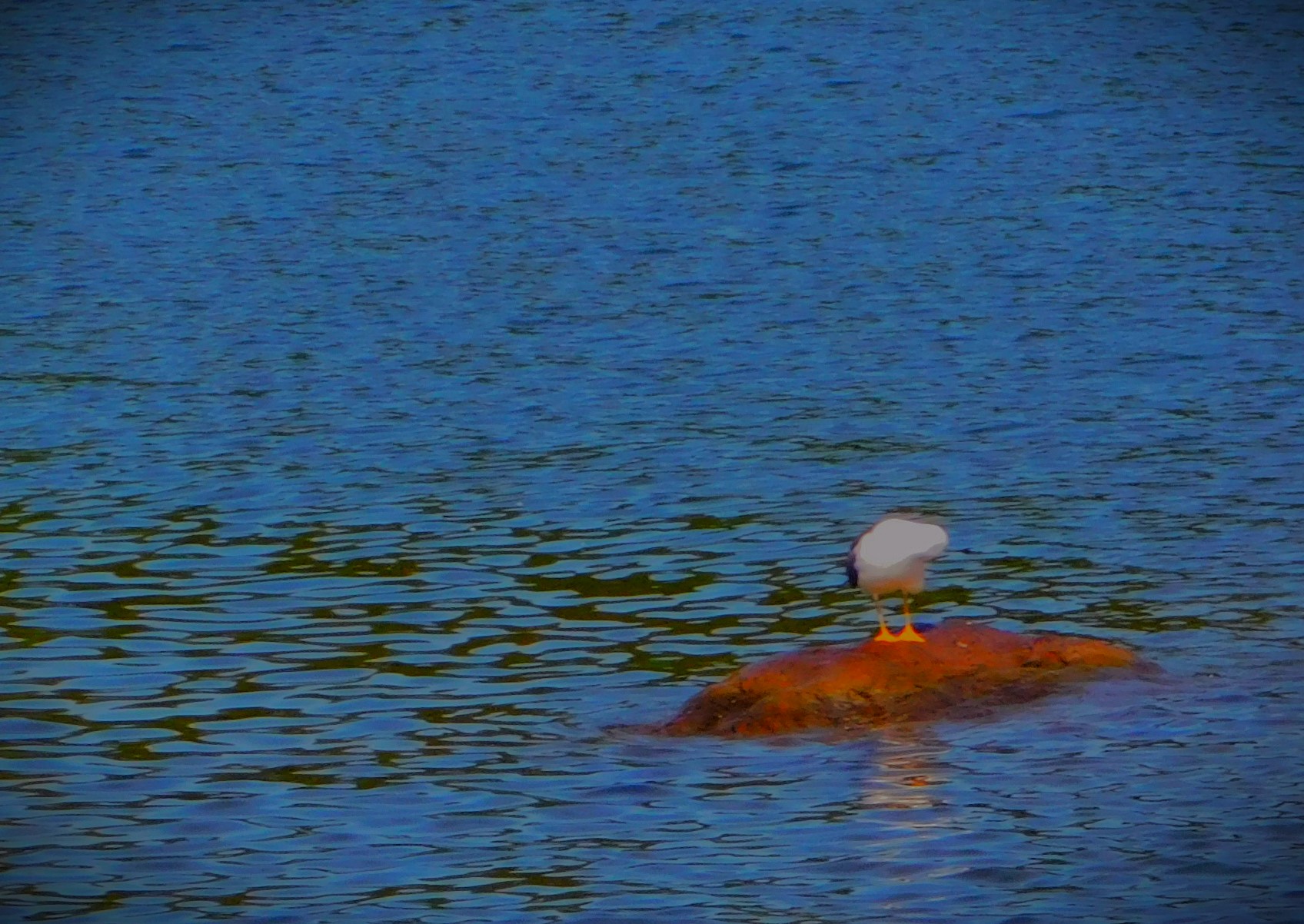
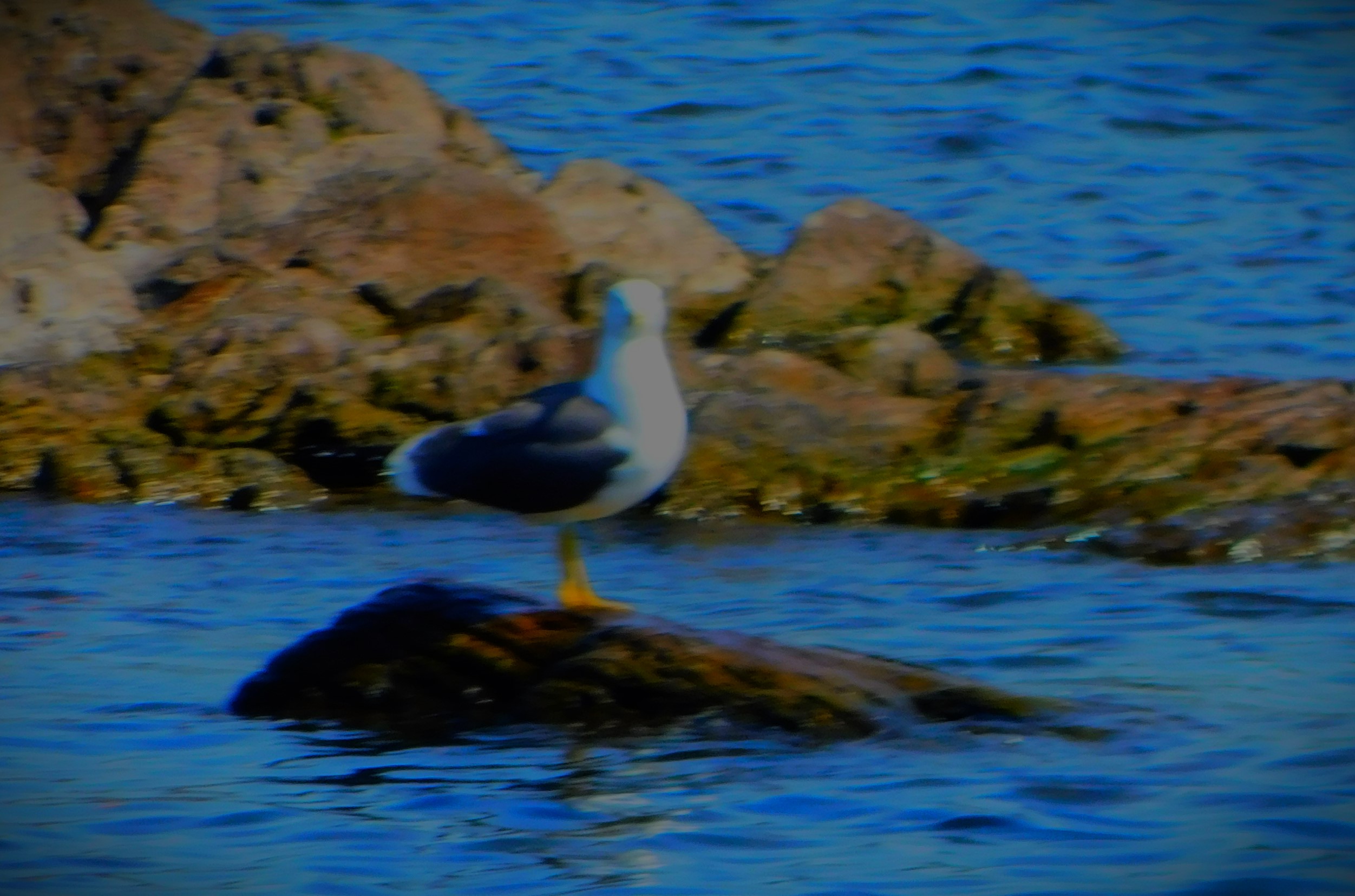
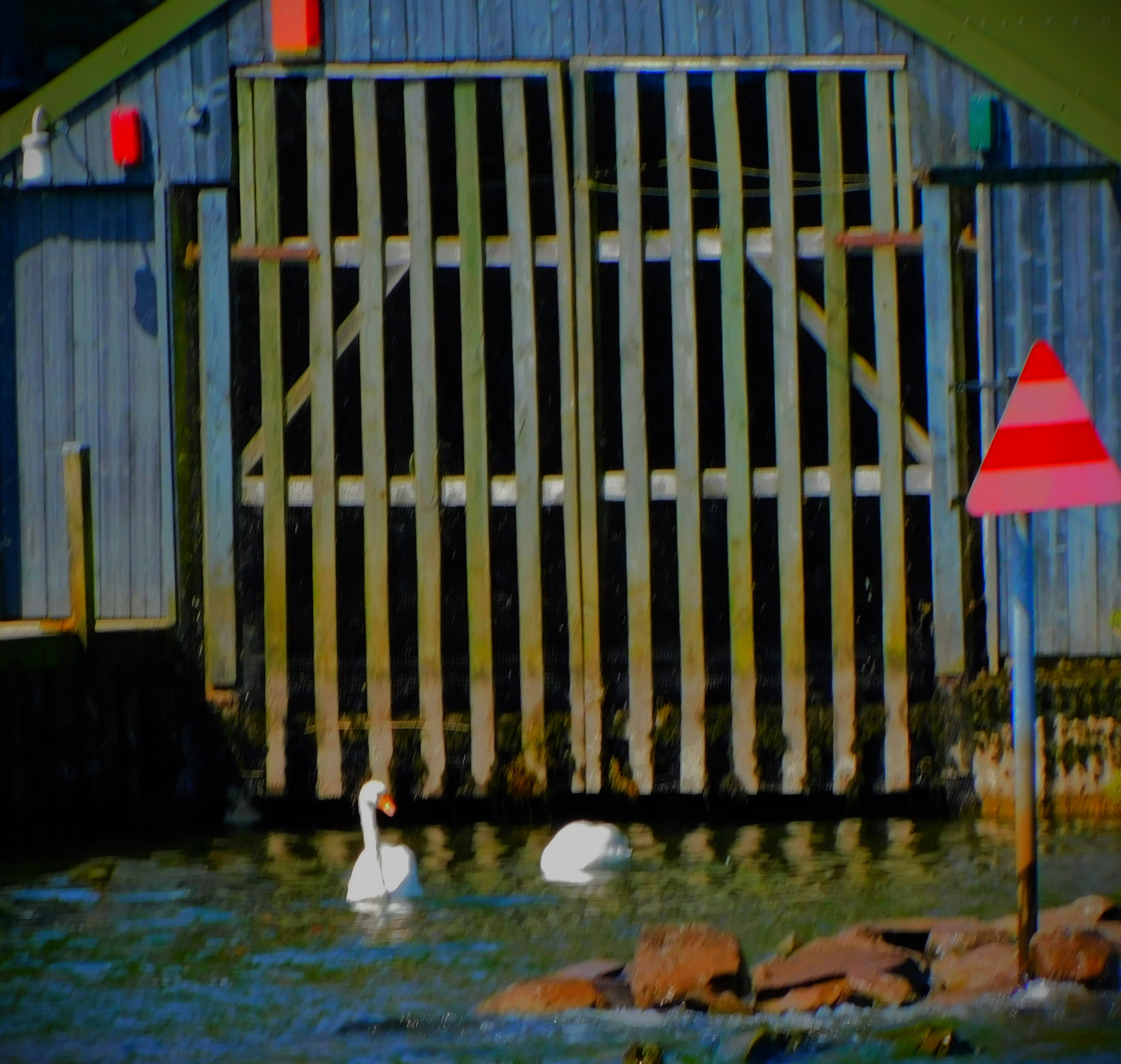
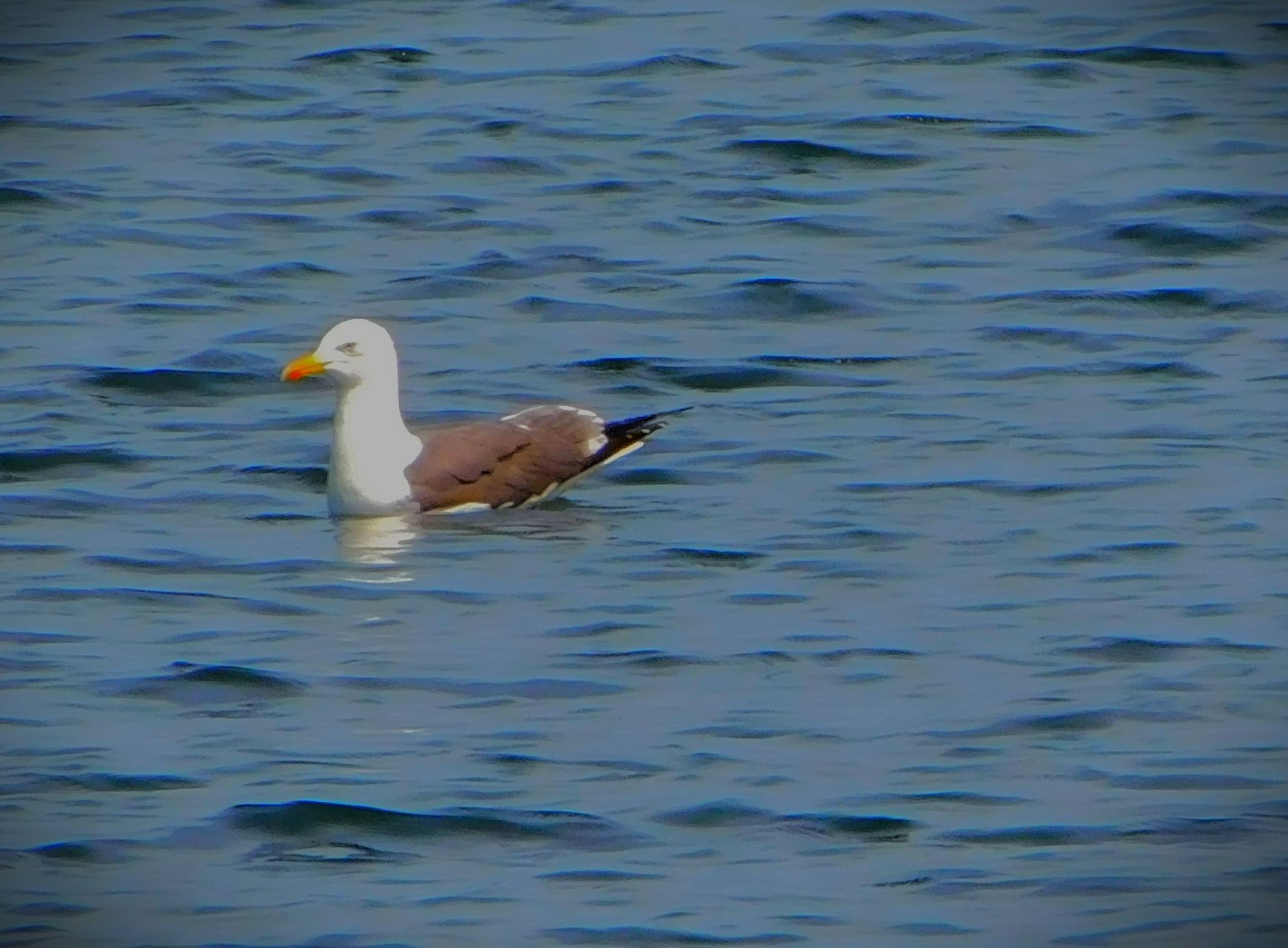
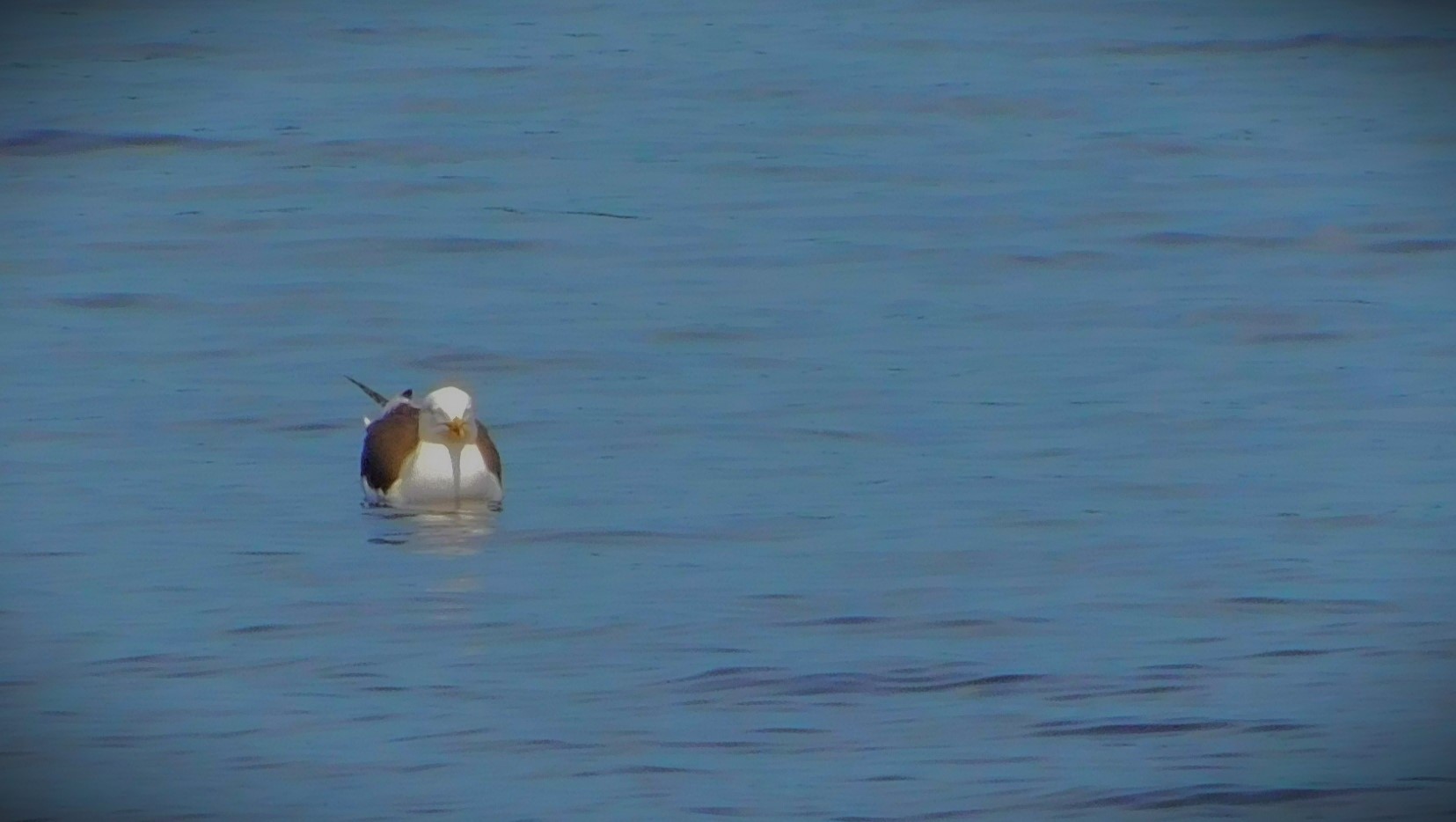
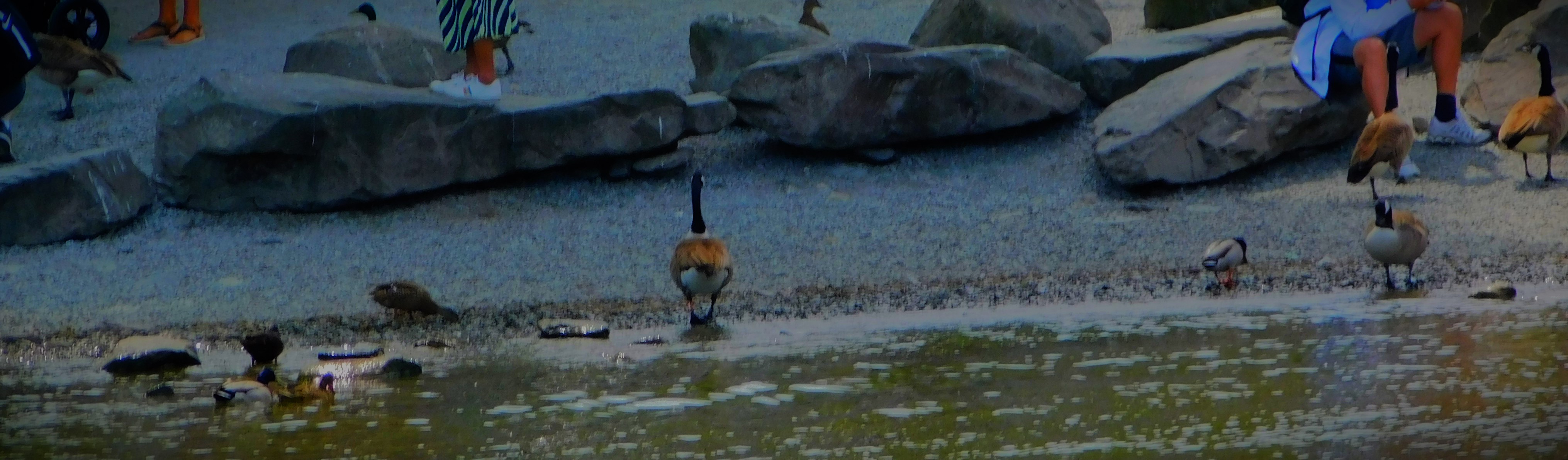
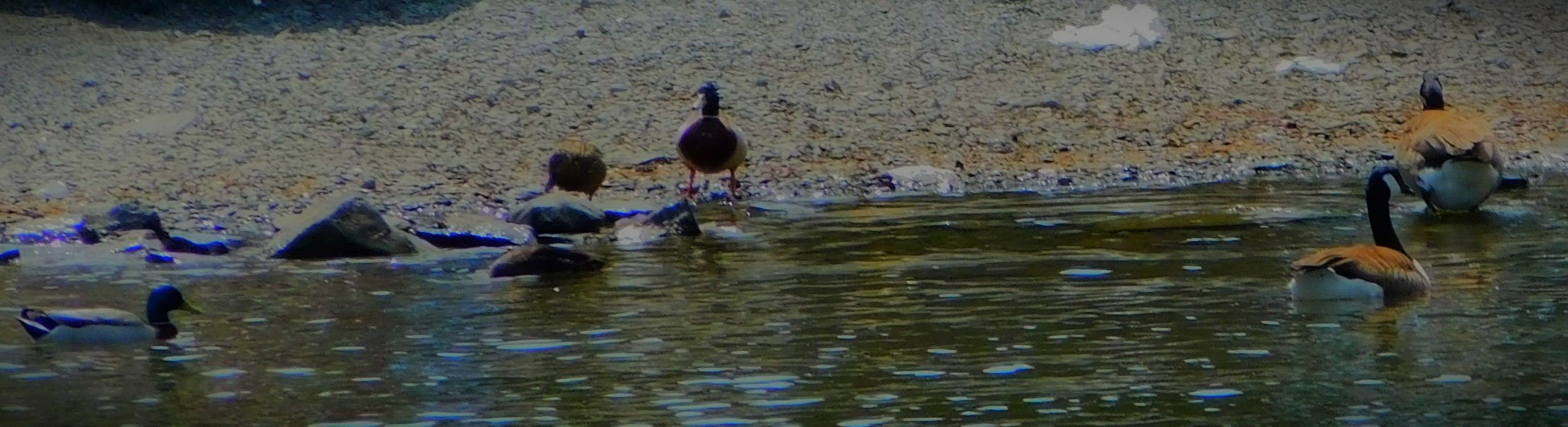
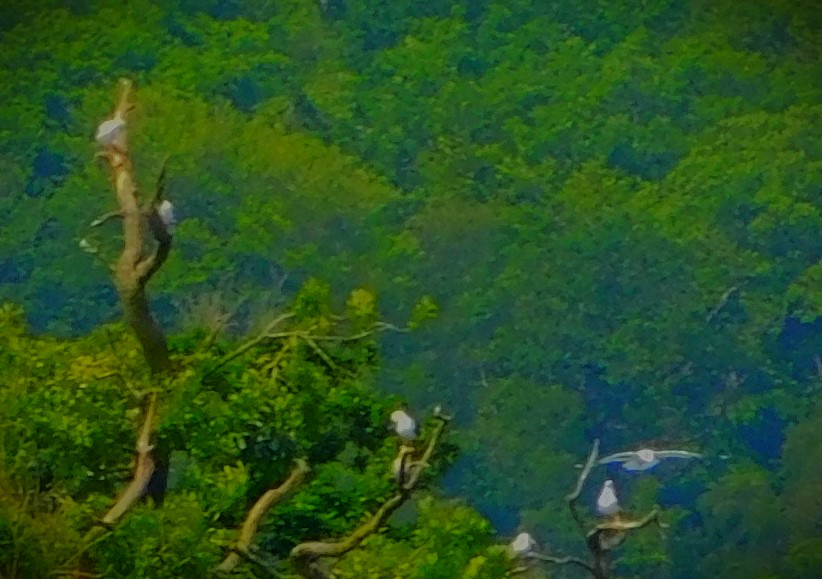
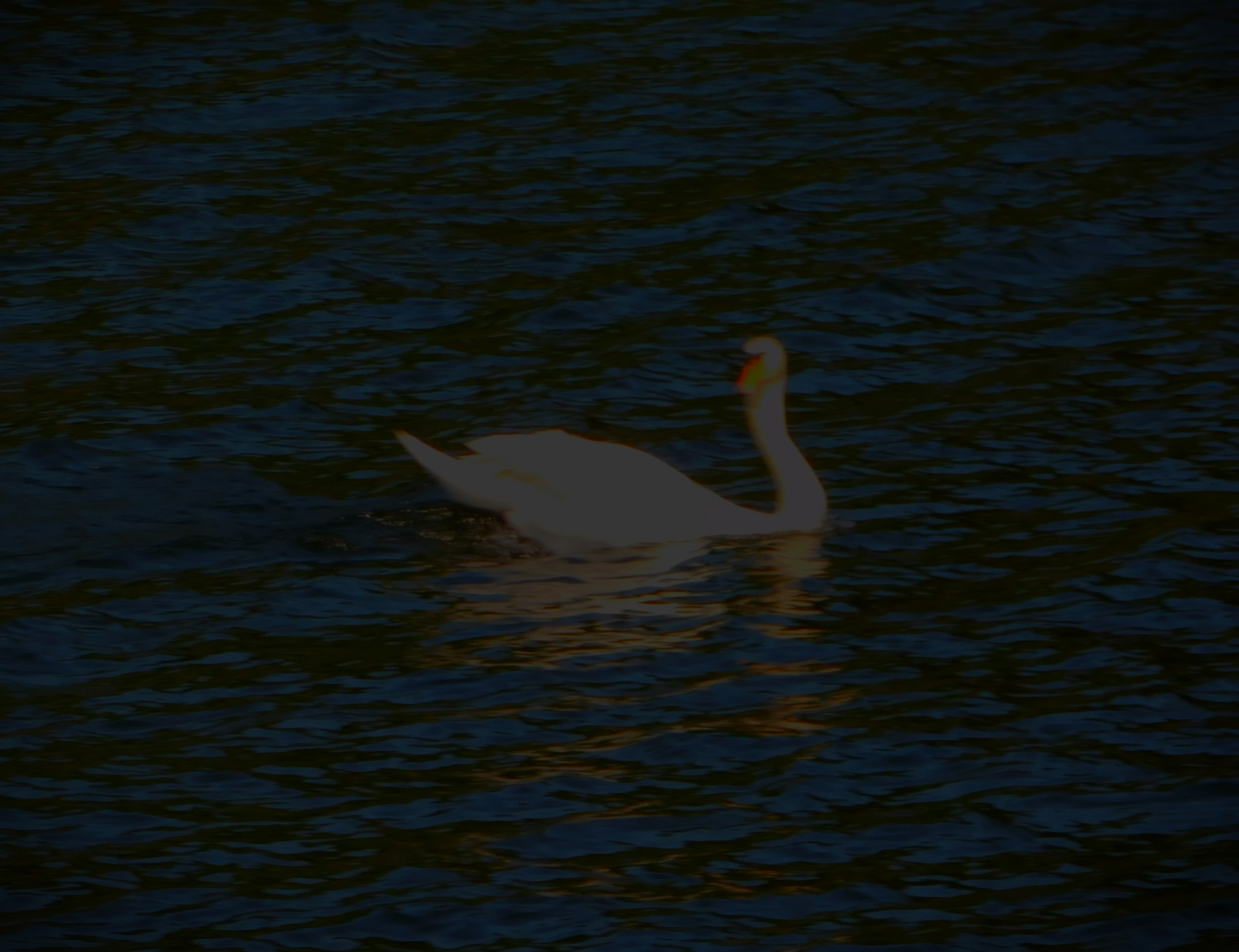
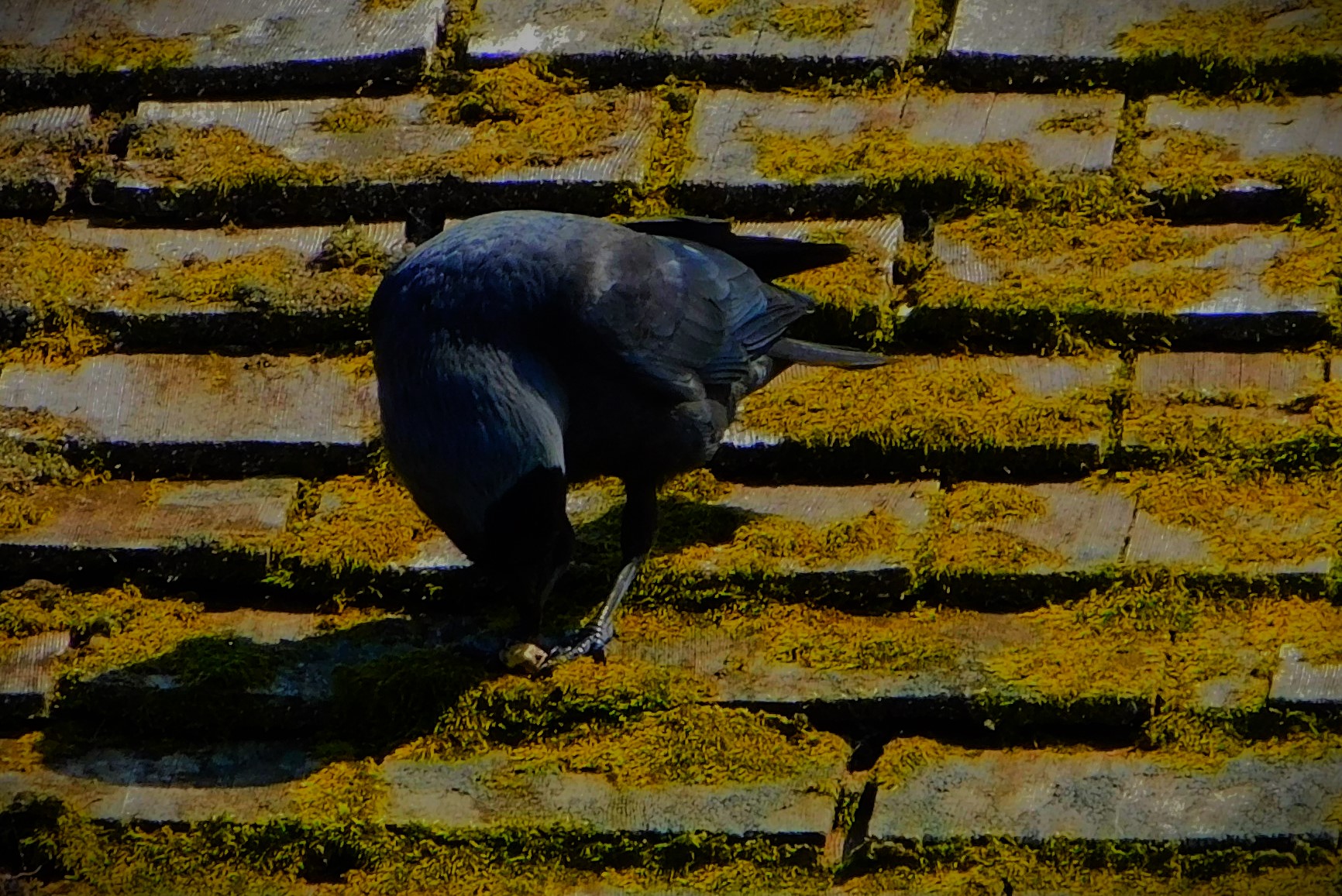
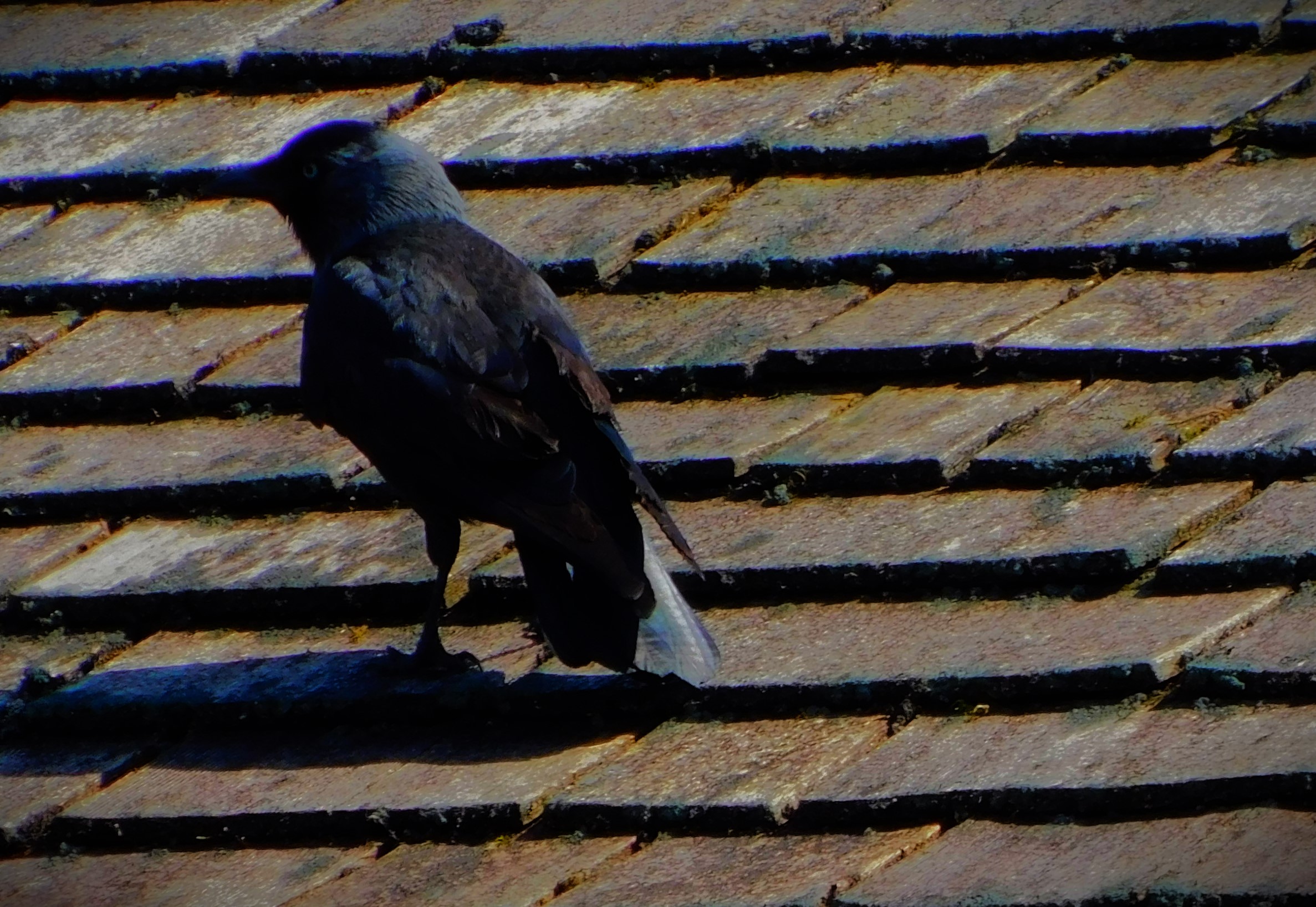
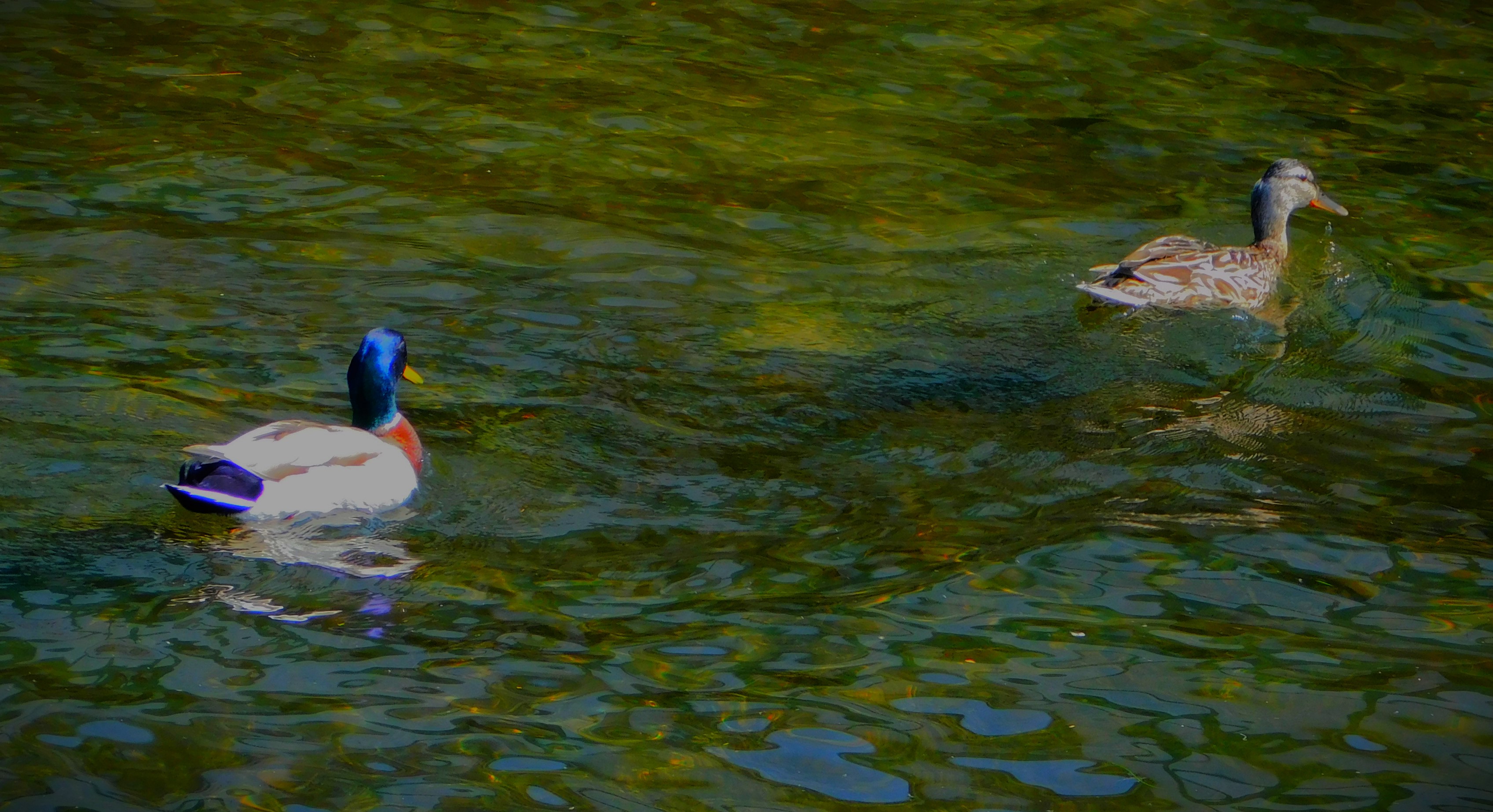
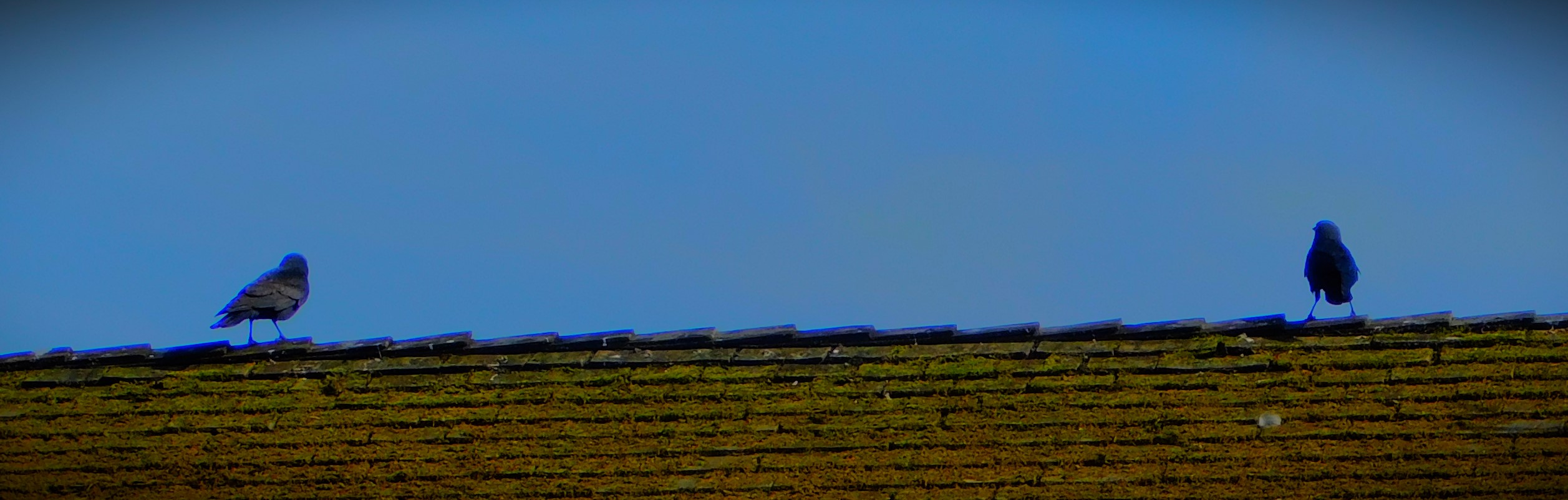
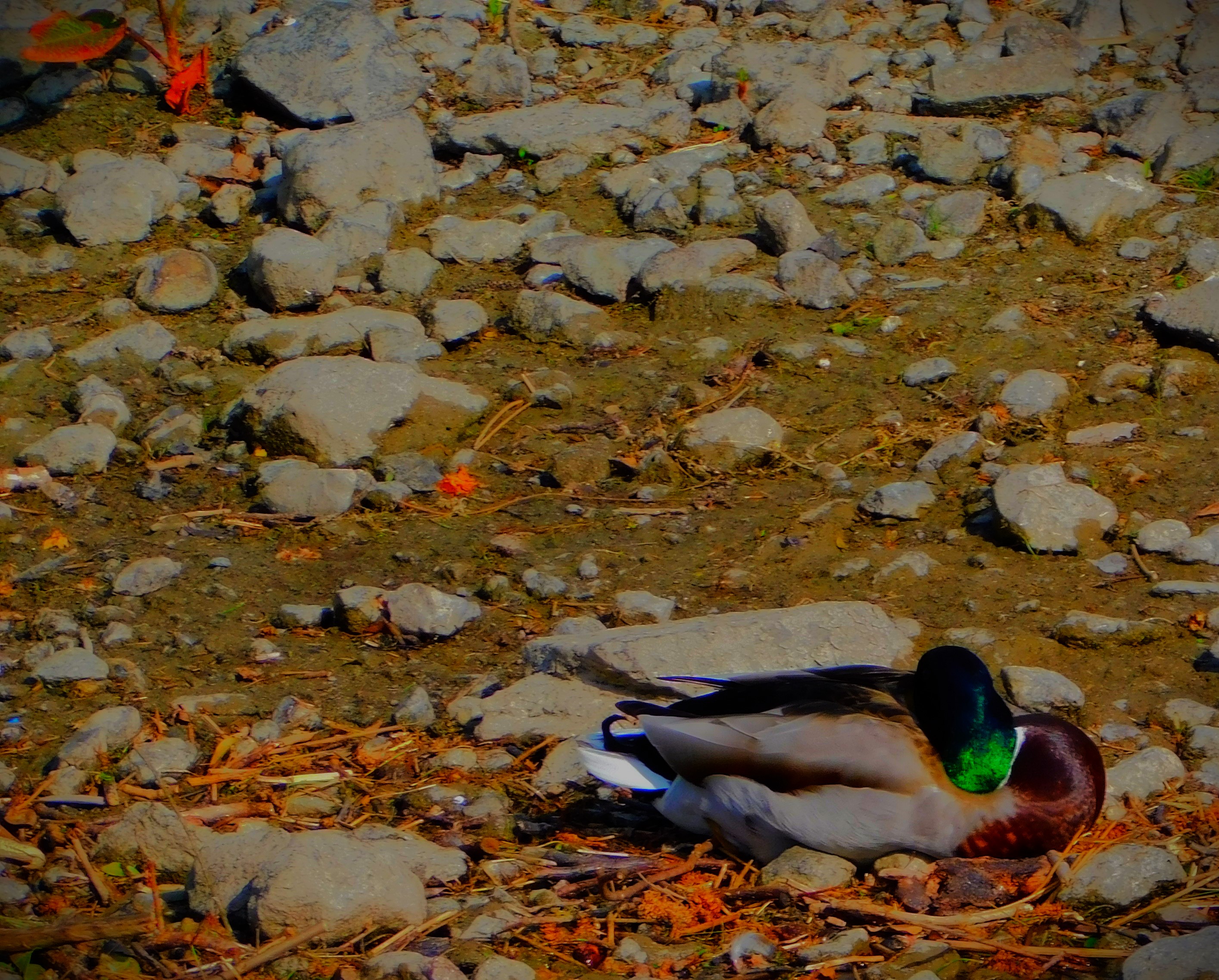
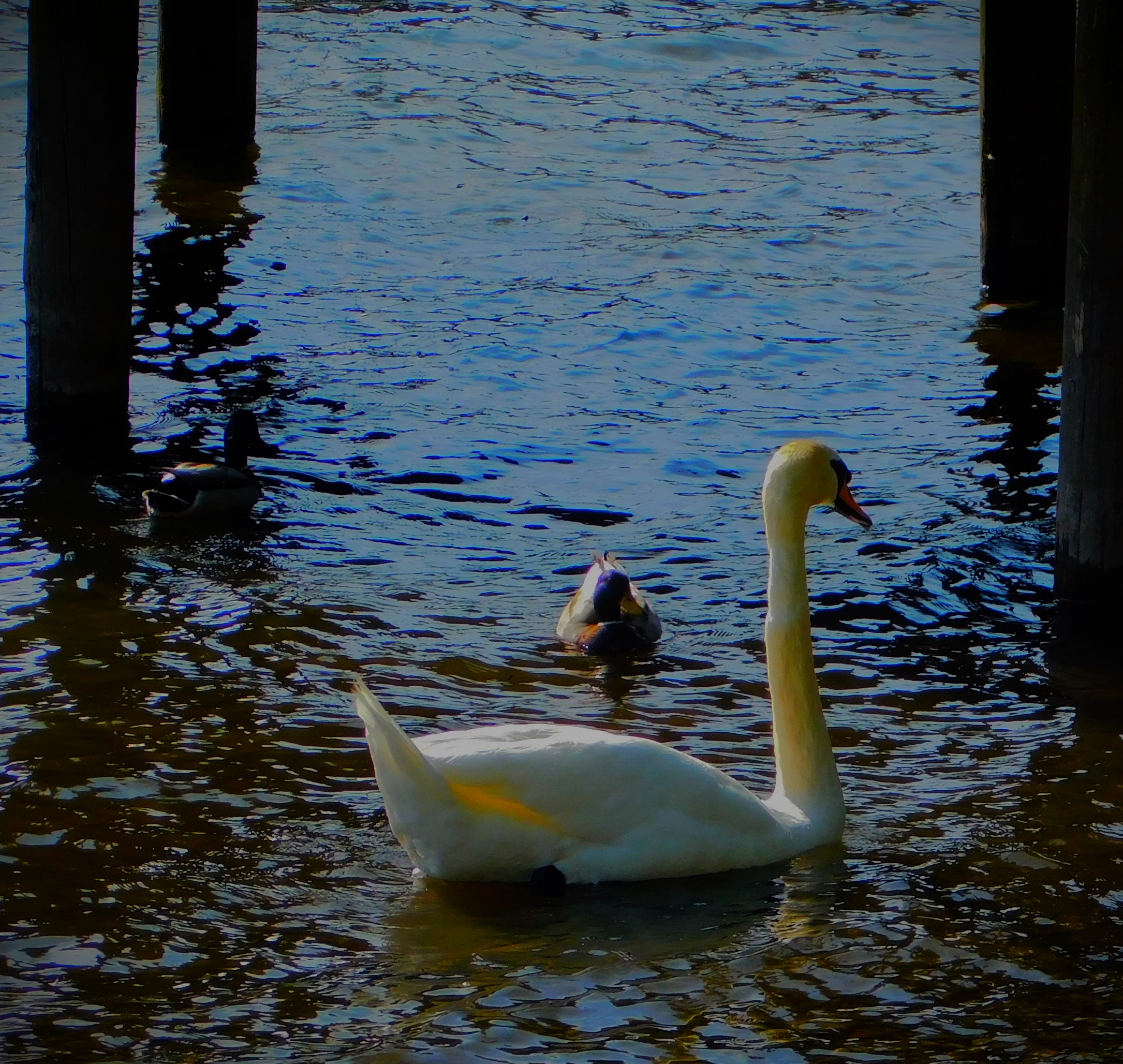
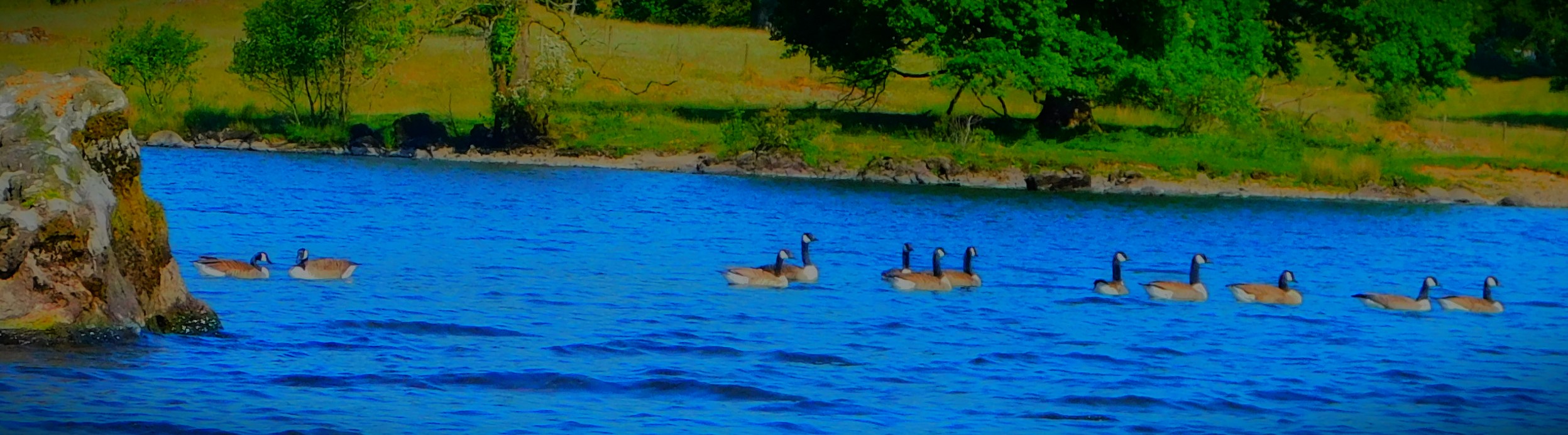
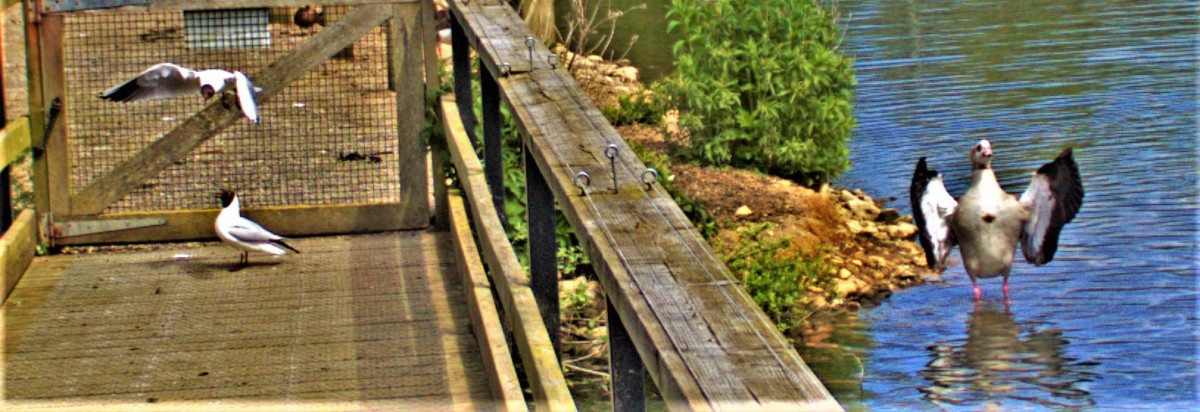
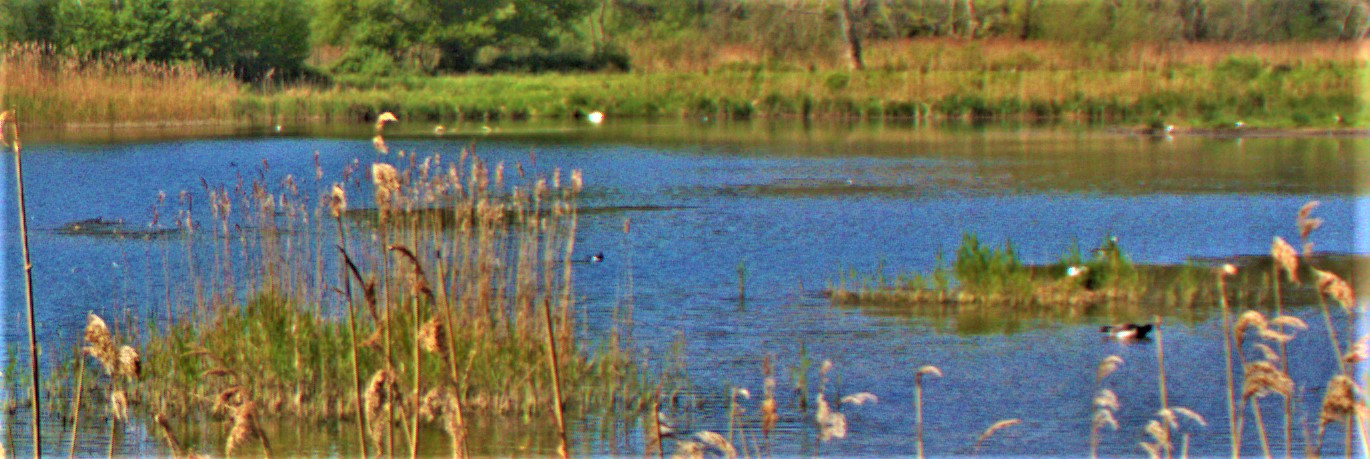
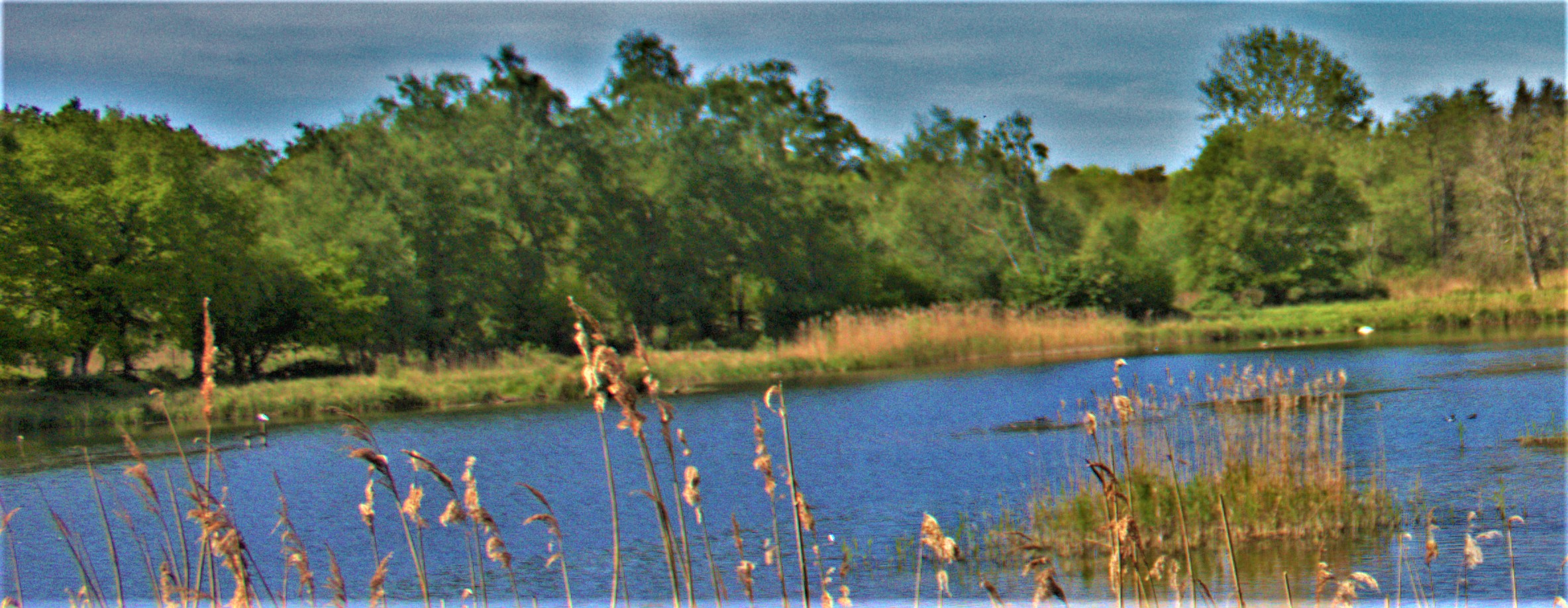
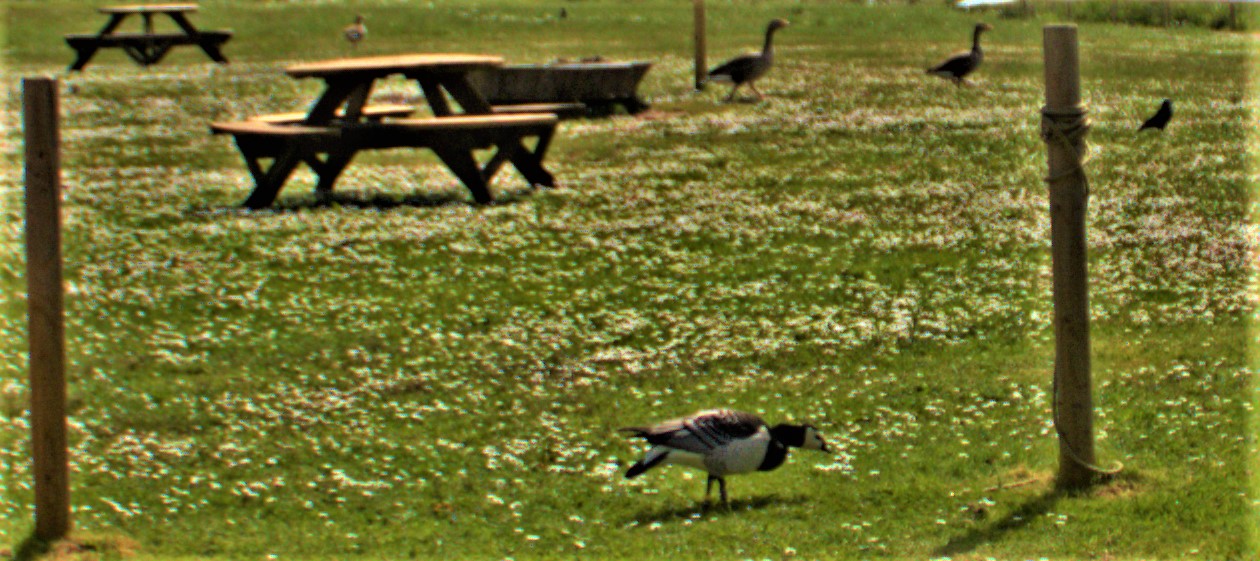
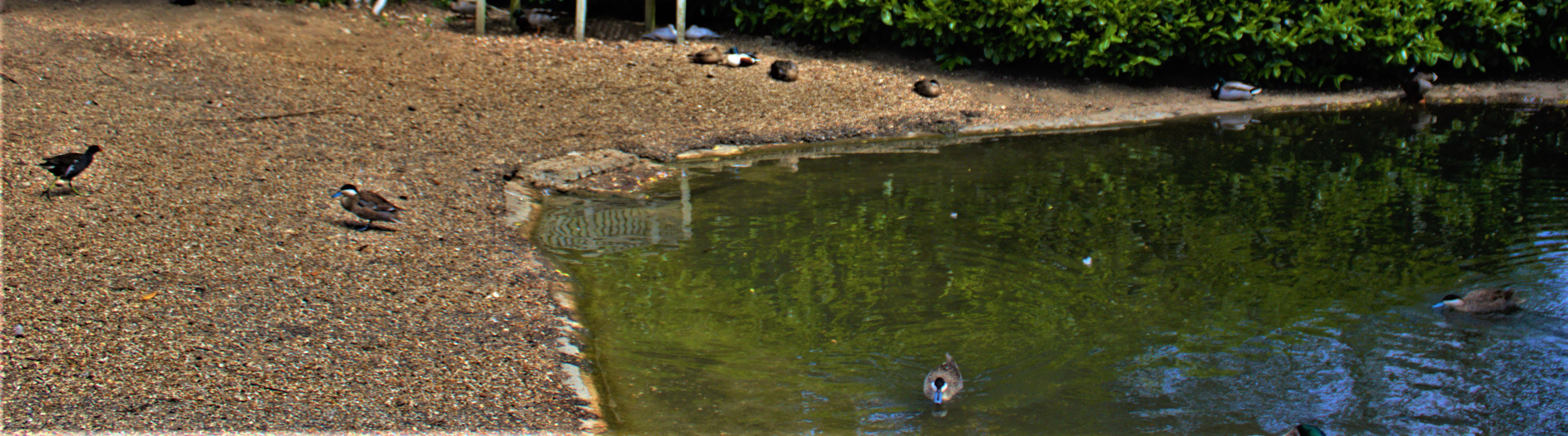
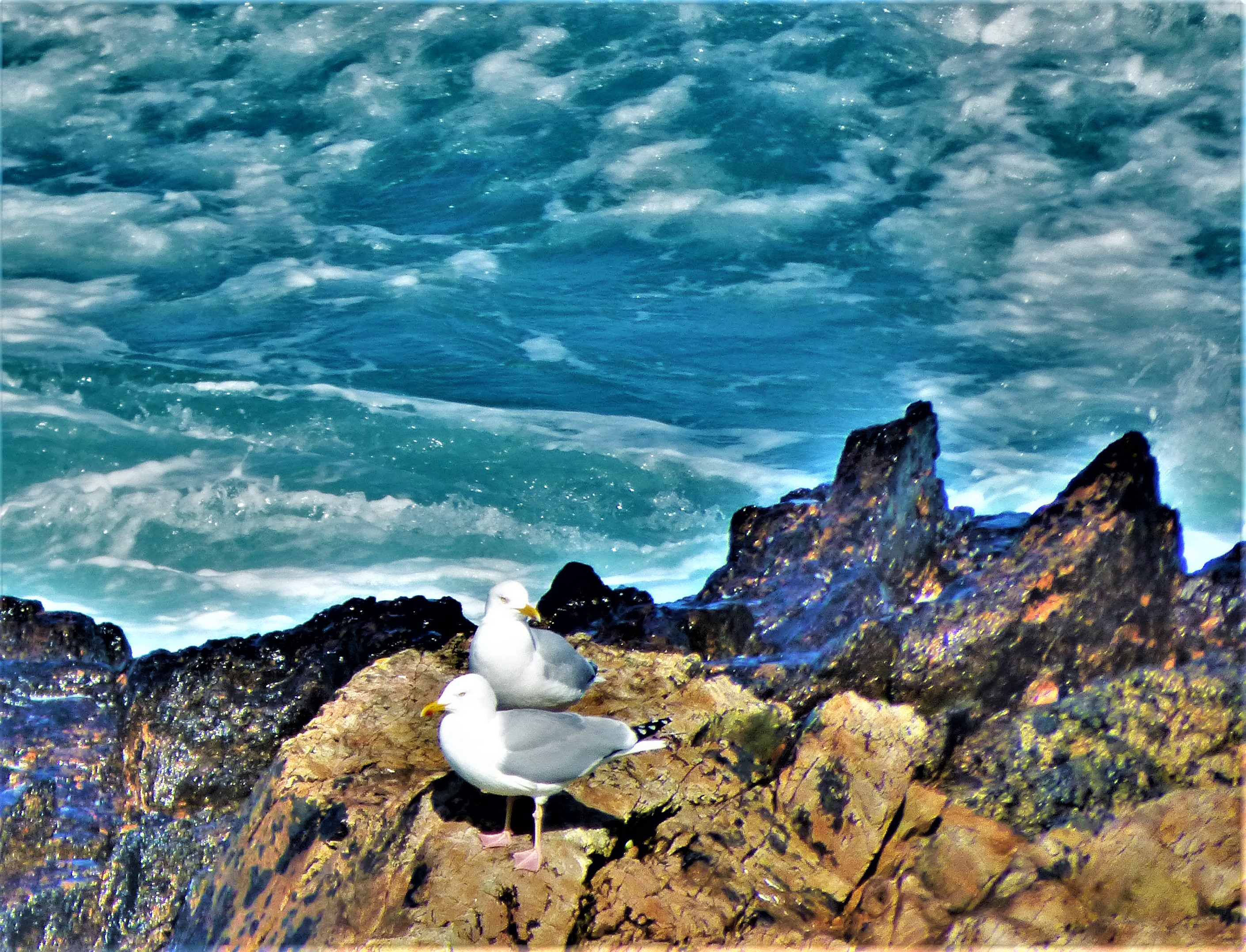
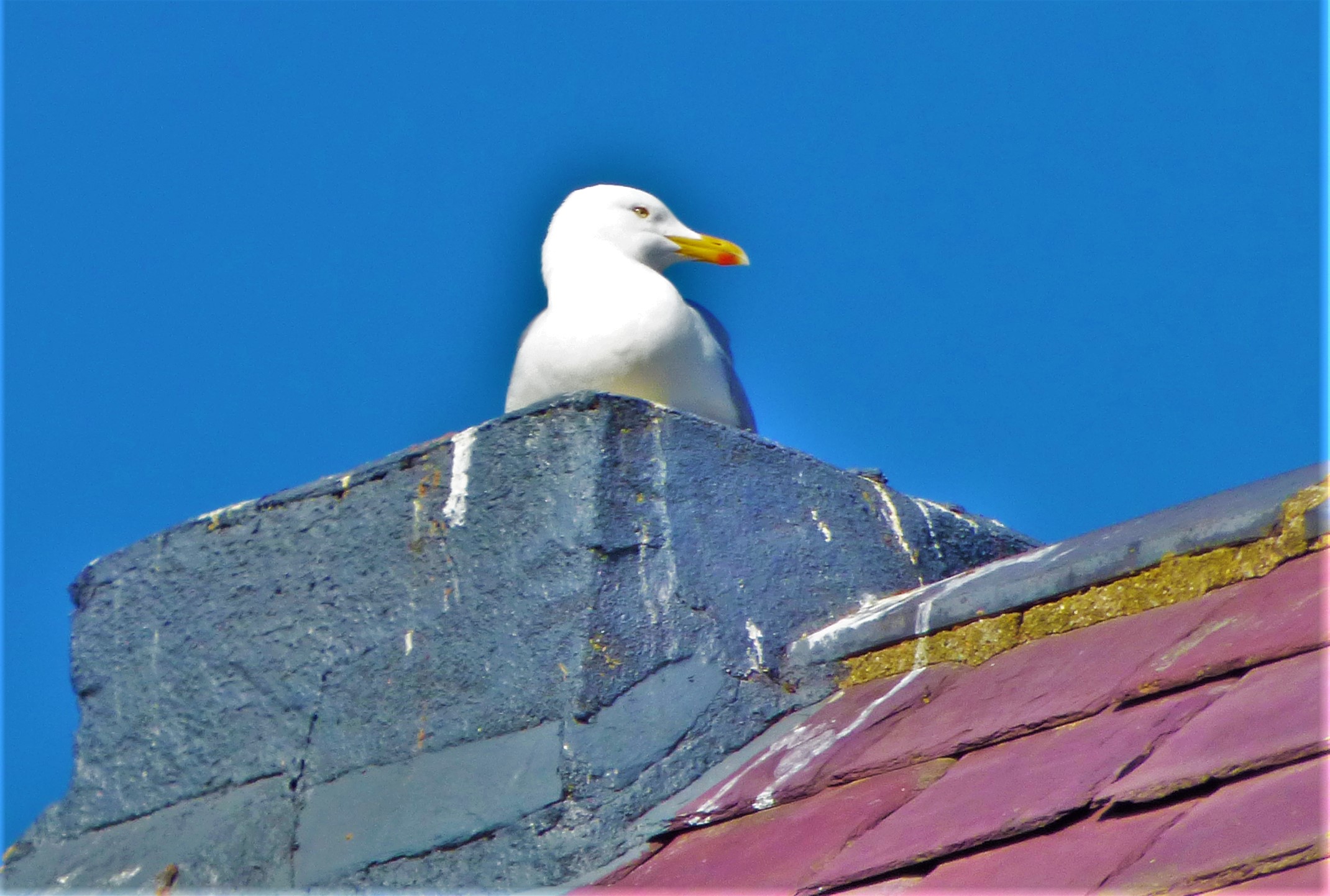
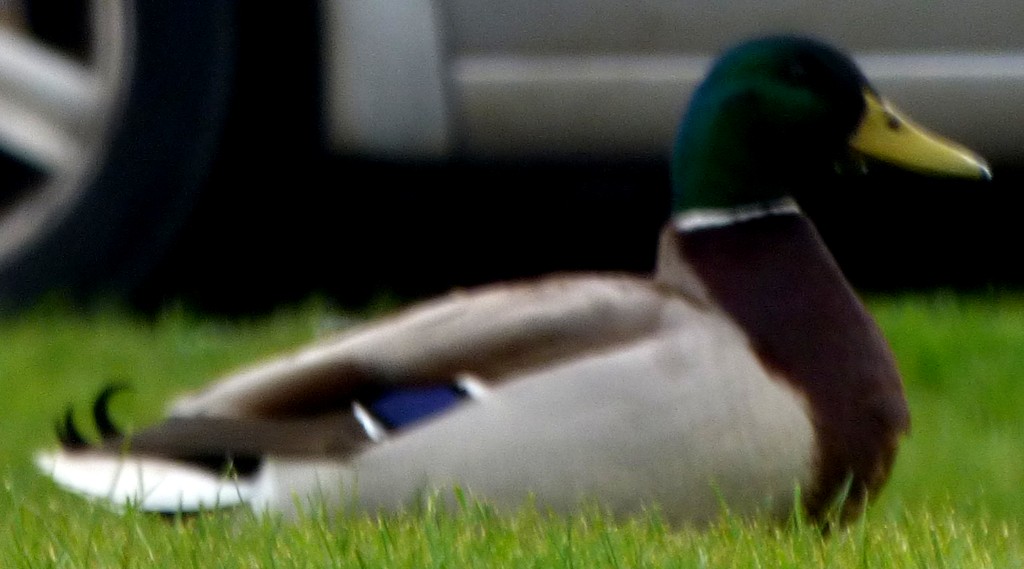
A gathering of gulls.MoorhenWhite duckSwansBlue tit.I think this was a skein of geese, going by the shapes of the birds.BlackbirdMy first starling of 2024JackdawsSparrows
Continuing my mini-series about my long weekend in Cornwall with an account of the centrepiece of the visit, a family meal in Looe.
Welcome to the penultimate post in my series about my long weekend in Cornwall. This post deals with the main event of the weekend, although we actually visited the town of Looe twice, on the Saturday to pick up my nephew who had travelled to Cornwall with my aunt but could stay in Looe due to tghe fact that the house my aunt was staying on along with two of her sons, their wives and the two young children (one for each couple), and they had been told that only seven people could stay at the house, so he would be staying with us at Fort Picklecombe.
LOOE
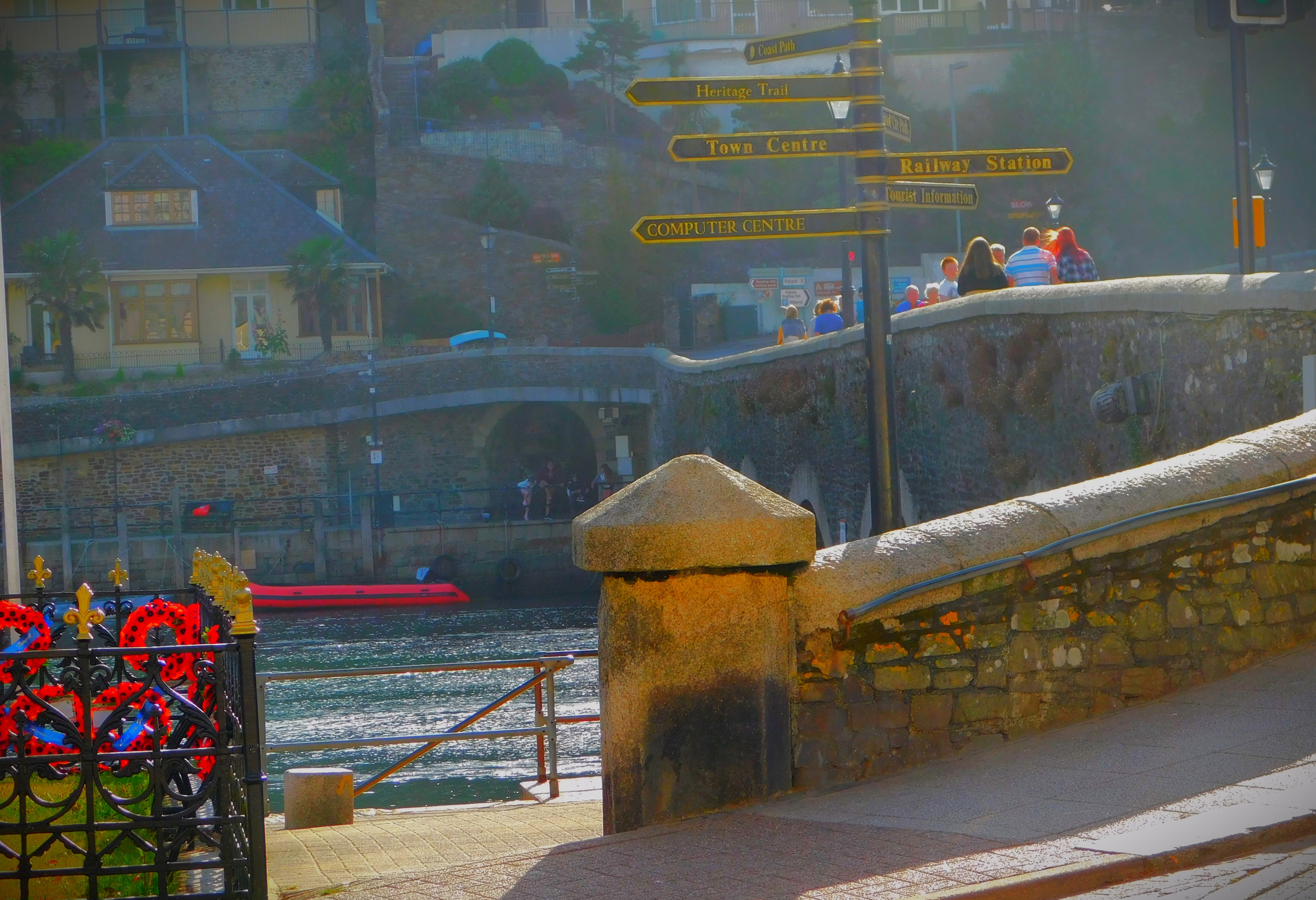
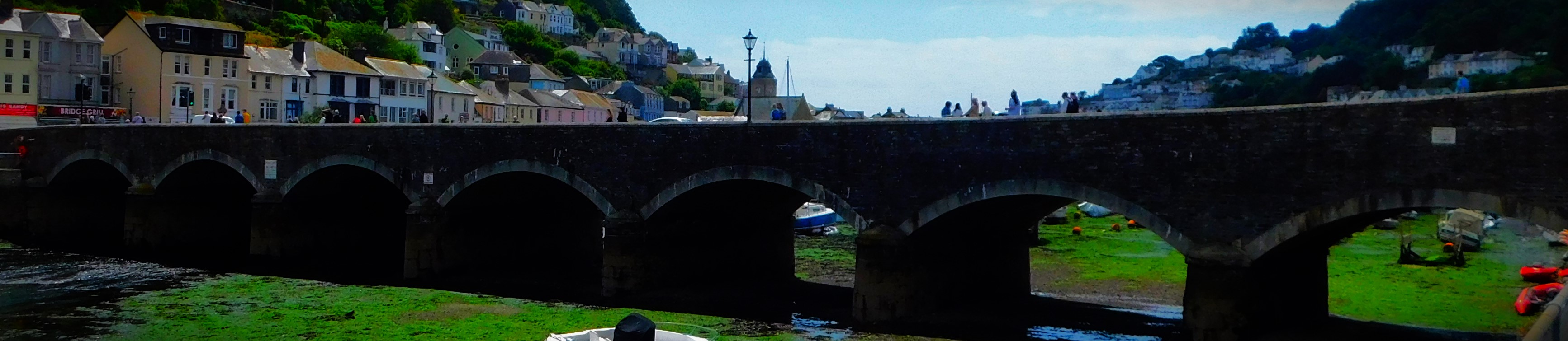
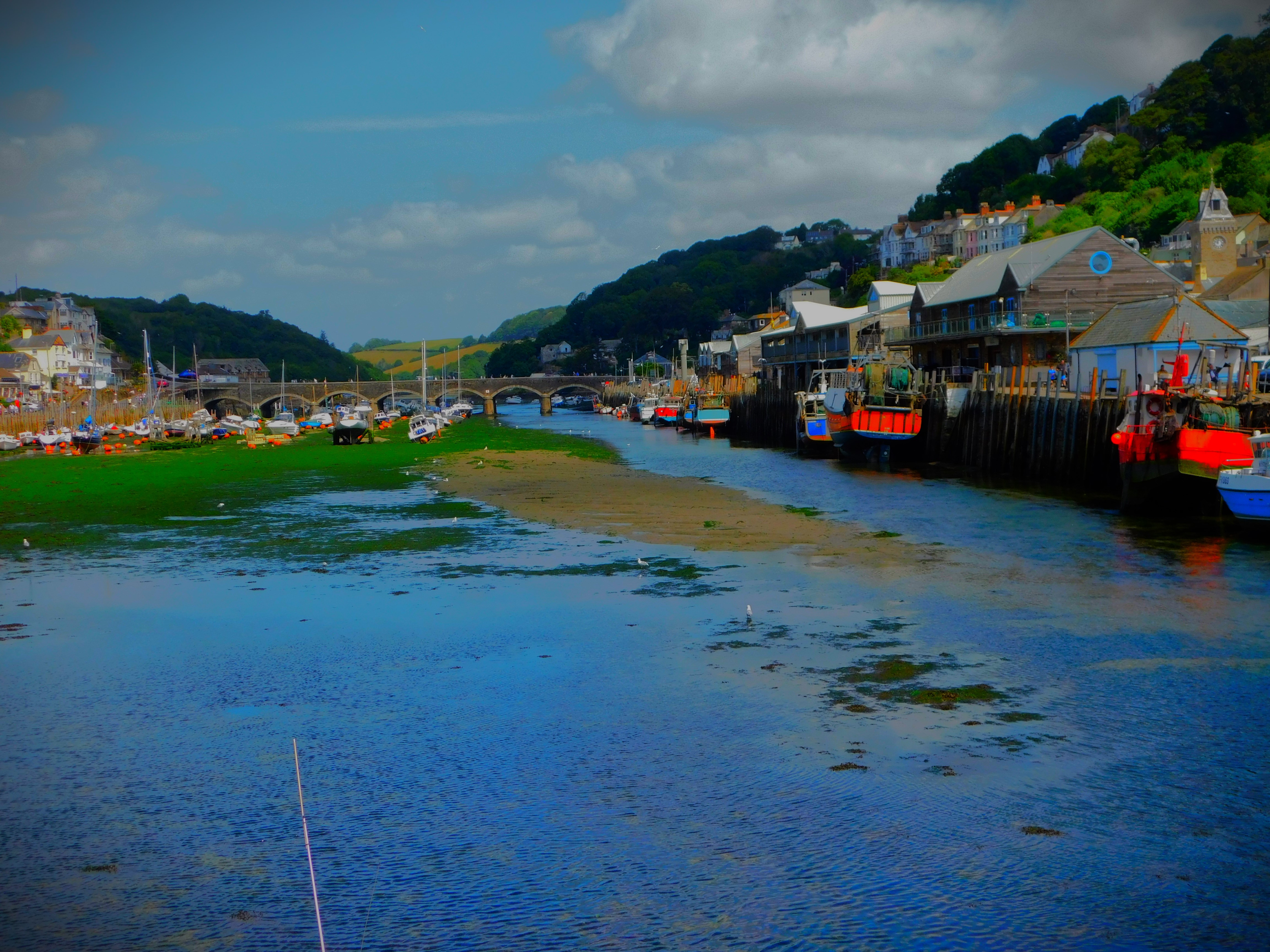
Looe straddles a river, and is divided officially into East Looe and West Looe. Before the reforms of 1832 East and West Looe were separate parliamentary constituencies and each returned two MPs, so this tiny place had four MPs, while big cities such as Birmingham and Manchester had none. The bridge – there is only one – remains a very prominent landmark.
SUNDAY LUNCH
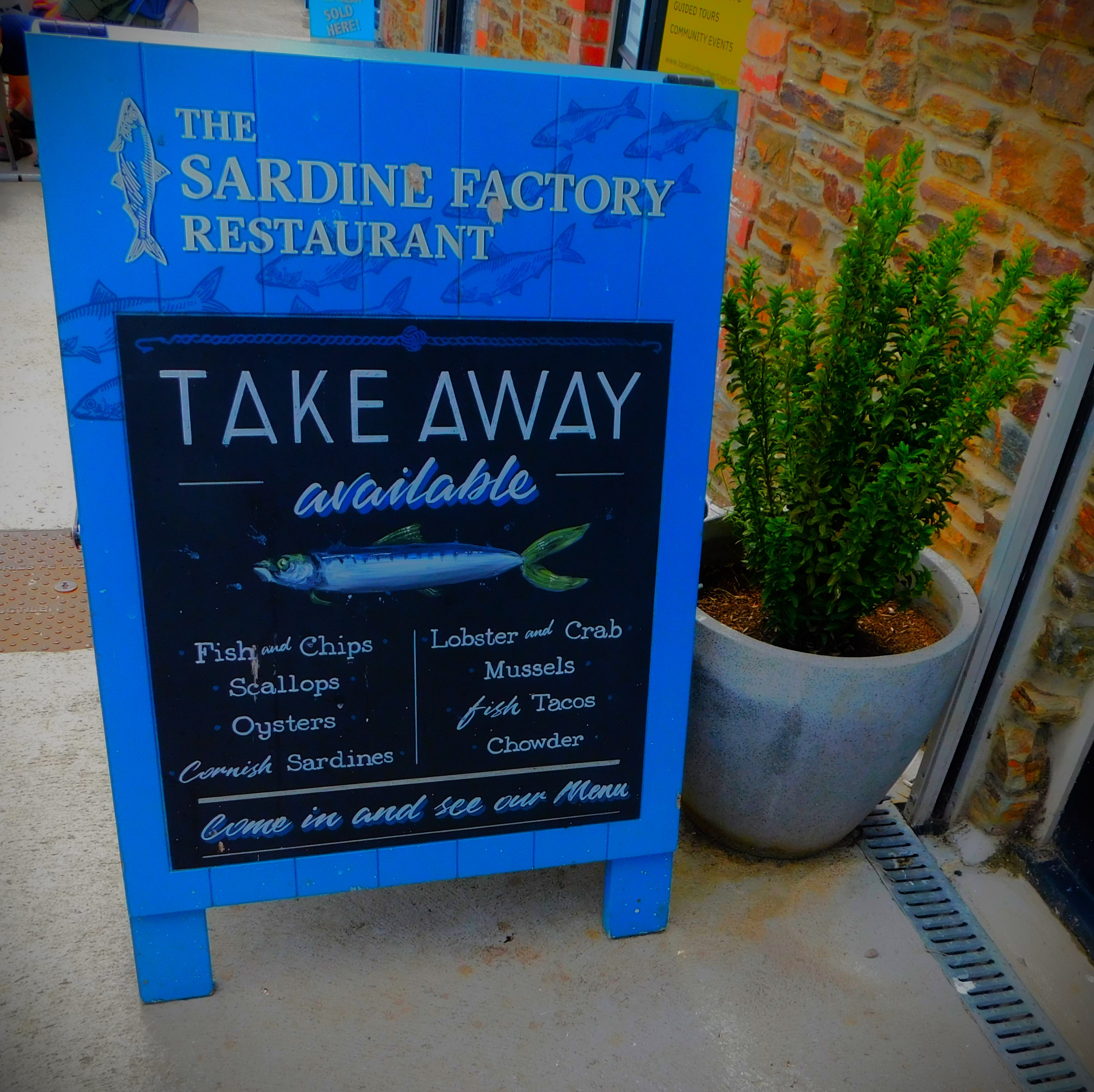
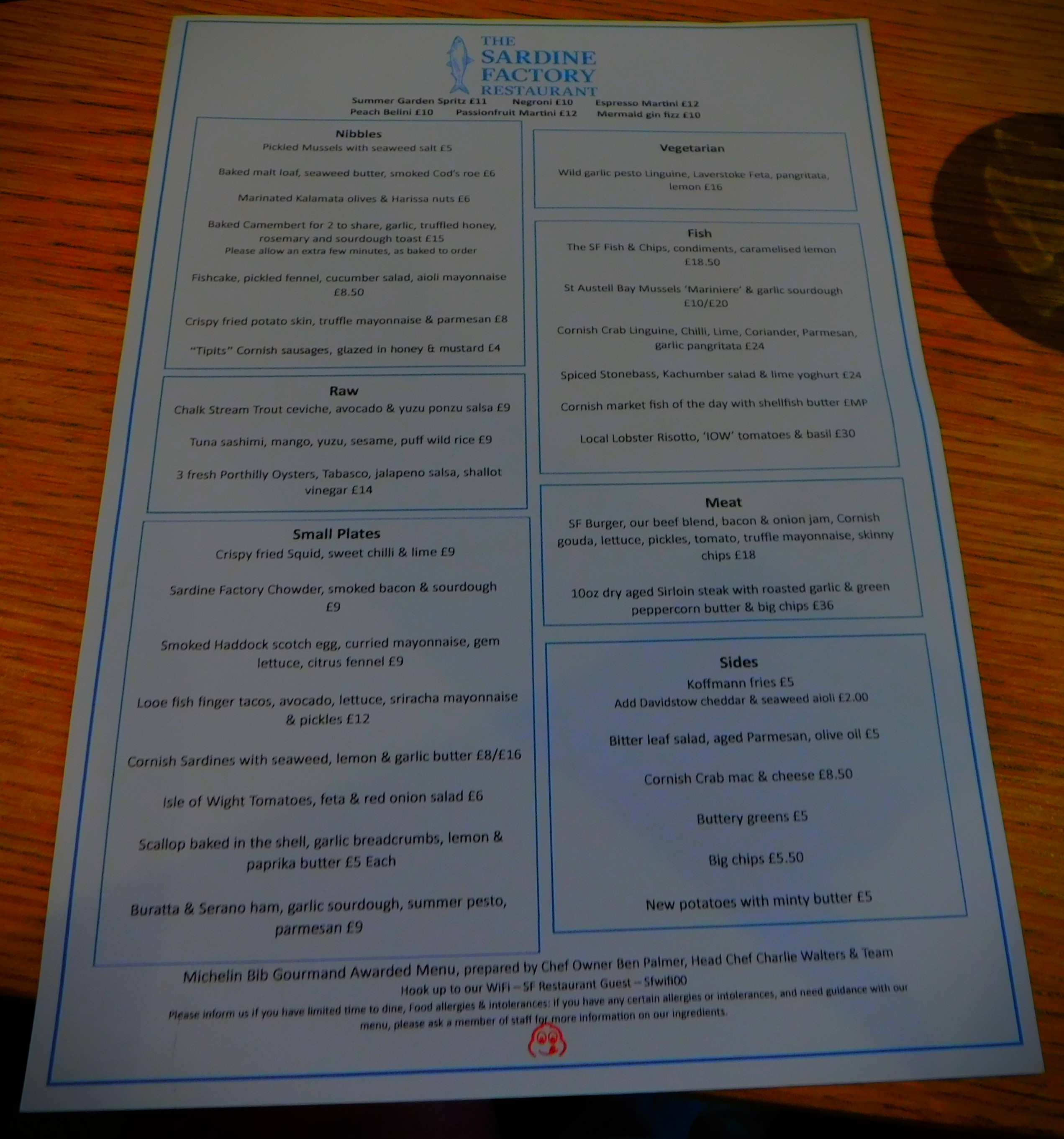
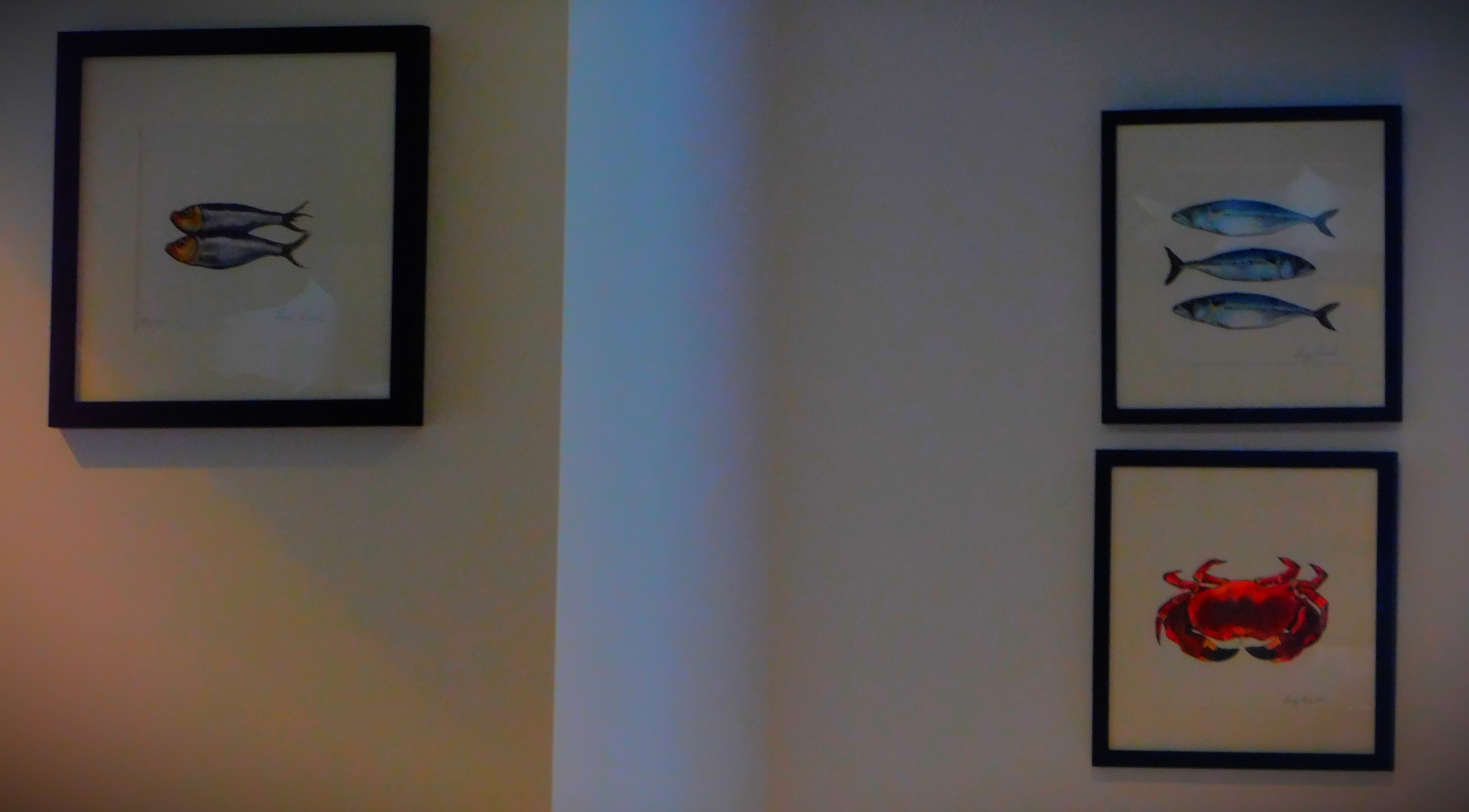
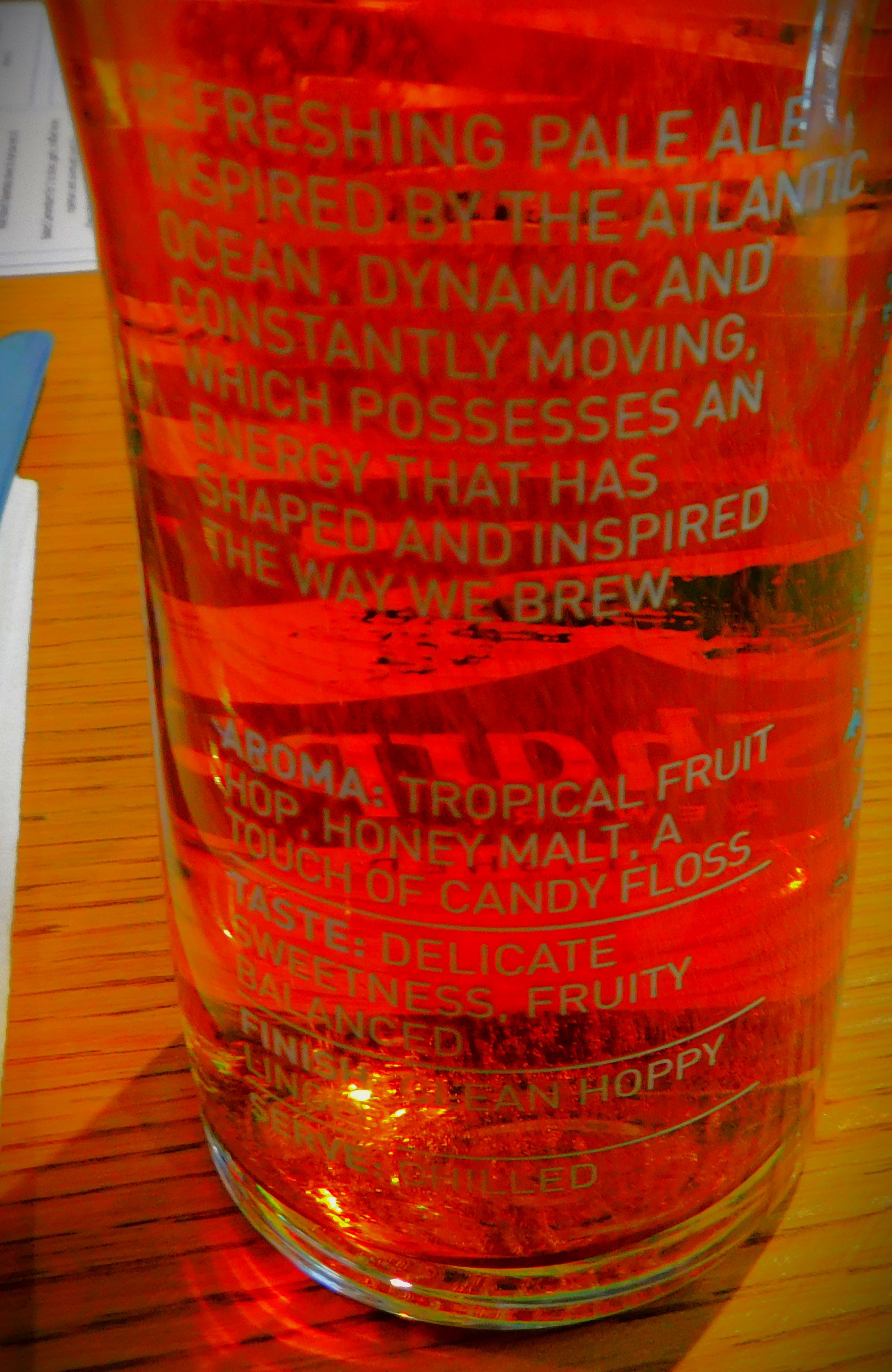
We had a table booked for 11 people at The Sardine Factory, a predominantly fish restaurant, for 12:00 on Sunday (the earliest possible booking at that establishment, arranged due to the babies daily routine – both would be having an afternoon nap immediately after the meal). We had a zoom call on the Sunday morning with various other relatives, then had to visit the allotment on the way to Looe, but we got there in good time and walked in unhurried fashion from the main car park to the restaurant, arriving a few minutes early. They opened on the dot of 12 and we were seated not much later. I found what was obviously going to be a good beer on the drinks list (it was indeed), though the food was less satisfactory at first glance (as someone who is not fond of fish I seemed limited to the burger, as the sirloin steak, which I would have liked to order, was ludicrously overpriced, causing me to rule it out. Then we were shown the specials, one of which was roast beef with all the trimmings and was priced far more sensibly than the steak. I therefore ordered that, and it was excellent.
AFTER LUNCH
While the babies were taken for their post-lunch nap my family group made a brief return to our car to pick up the pots that the plants we had transferred to the allotment that morning had been in (one at least, which I carried, was quite an expensive pot) to return them to my aunt. Then we visited the house where the others were staying for teas and coffees, which were accompanied by a home made gluten-free ginger cake. Then it was time to return to Fort Picklecombe.
PHOTOGRAPHS
My usual sign off…
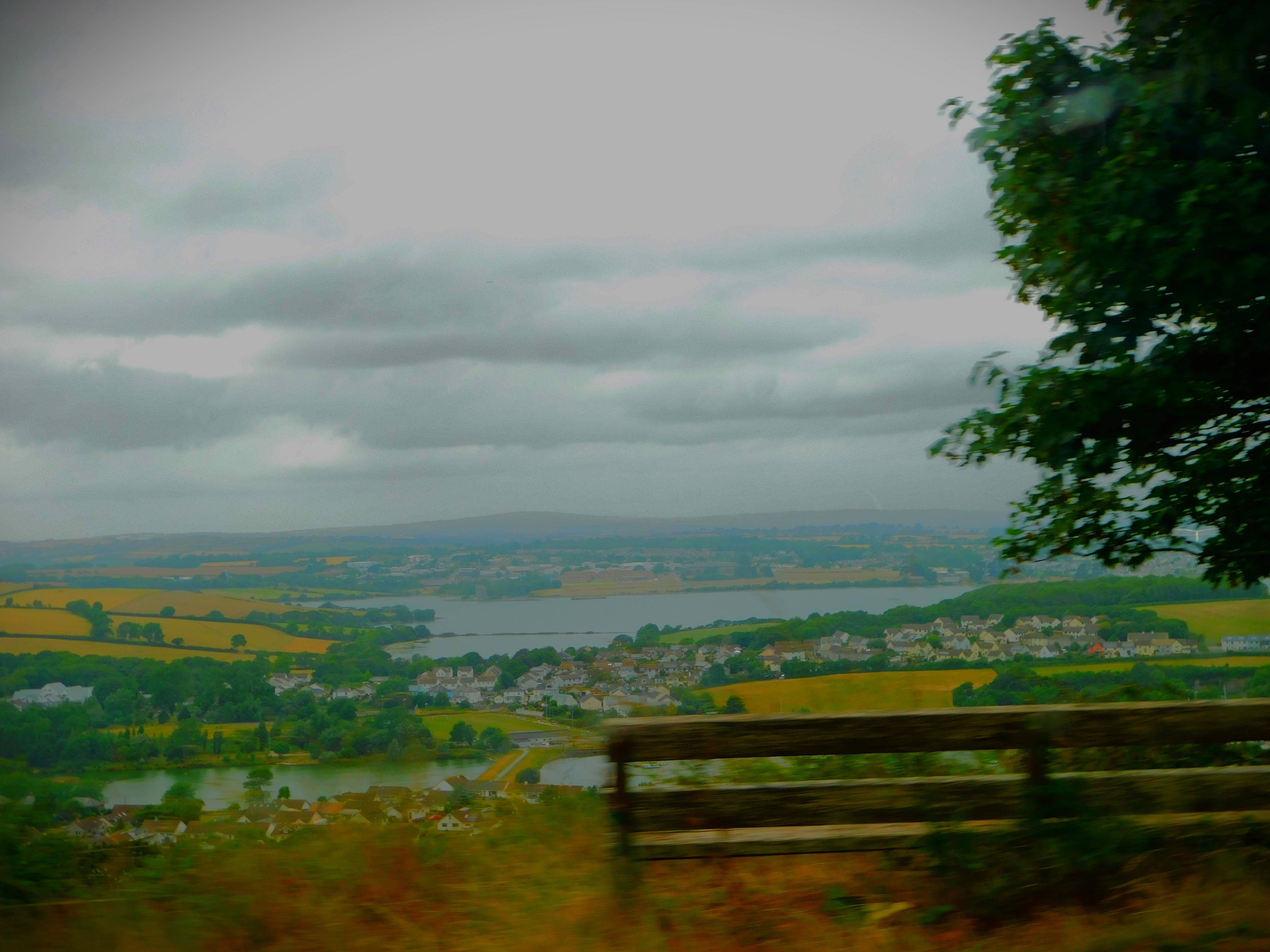
At the Sardine Factory (as you will see I took a good few pictures inside).This pic and the next two (one original edited three different ways) represent by far my best capture of the view from Maker Heights.
Continuing my mini-series about my long weekend in Cornwall with a close look at Fort Picklecombe.
I am finally in position to continue my mini-series about my long weekend in Cornwall. Between a busy Sunday, not getting home until almost 8PM on the Monday and work yesterday I have not had much opportunity for blogging. Following on from my post about the journey to Cornwall I now look at Fort Picklecombe, my base for the weekend.
AN OVER REACTION
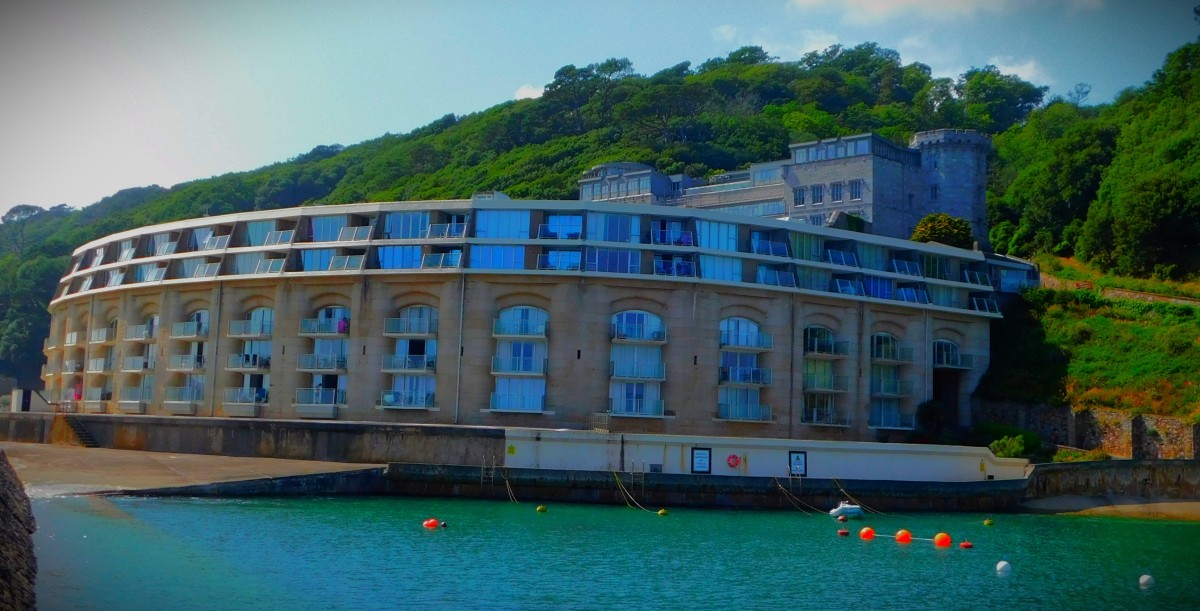
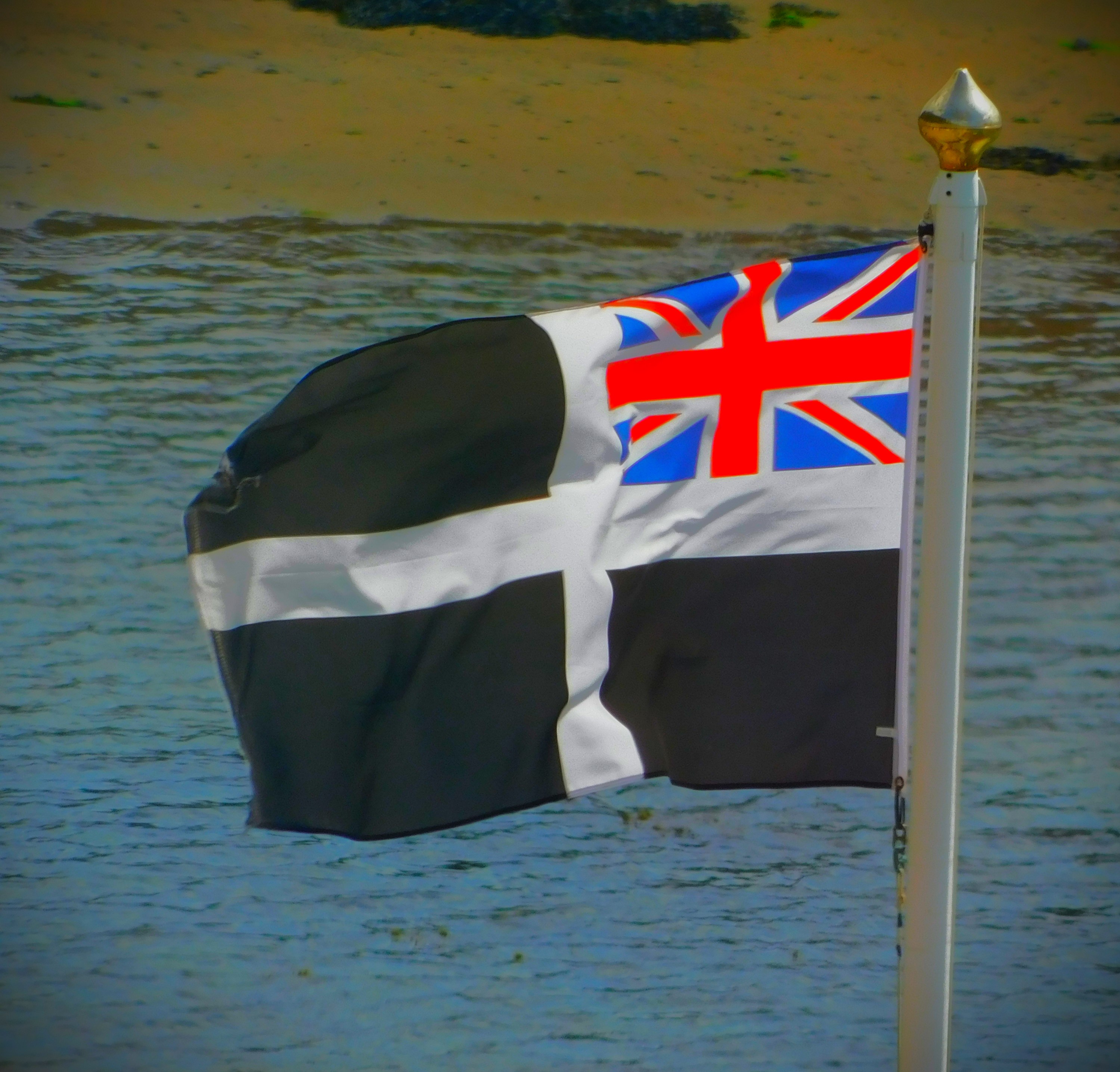
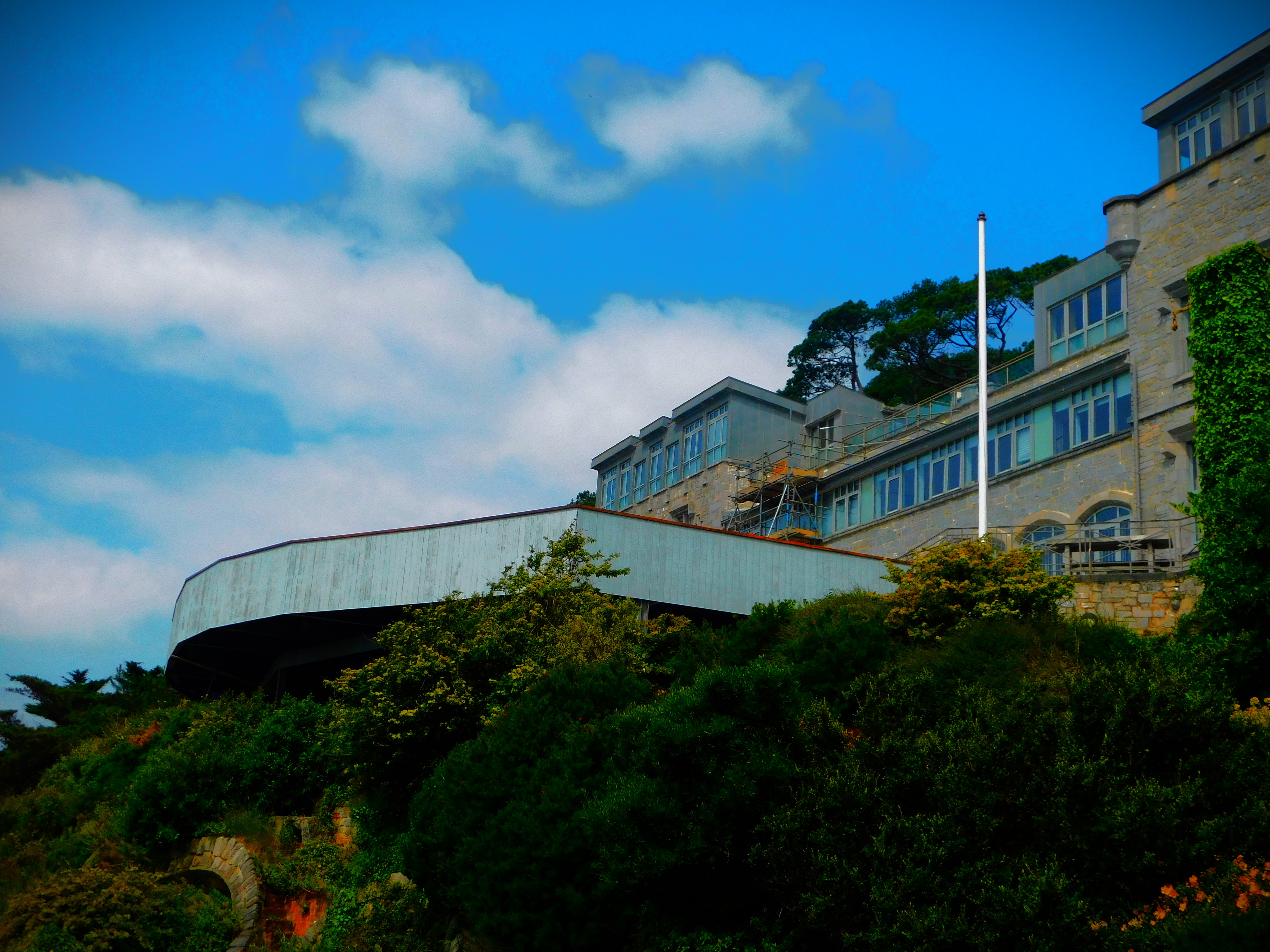
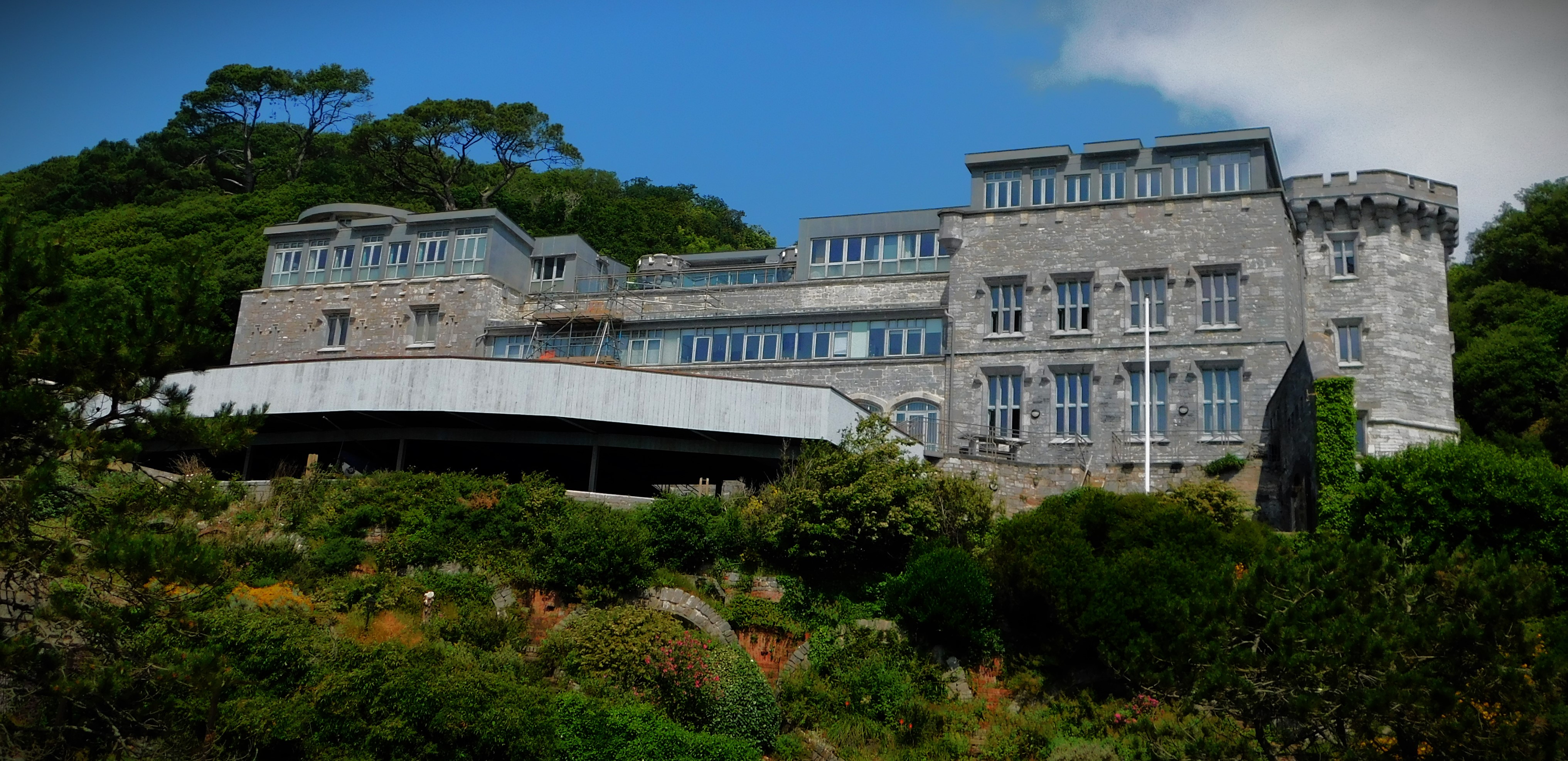
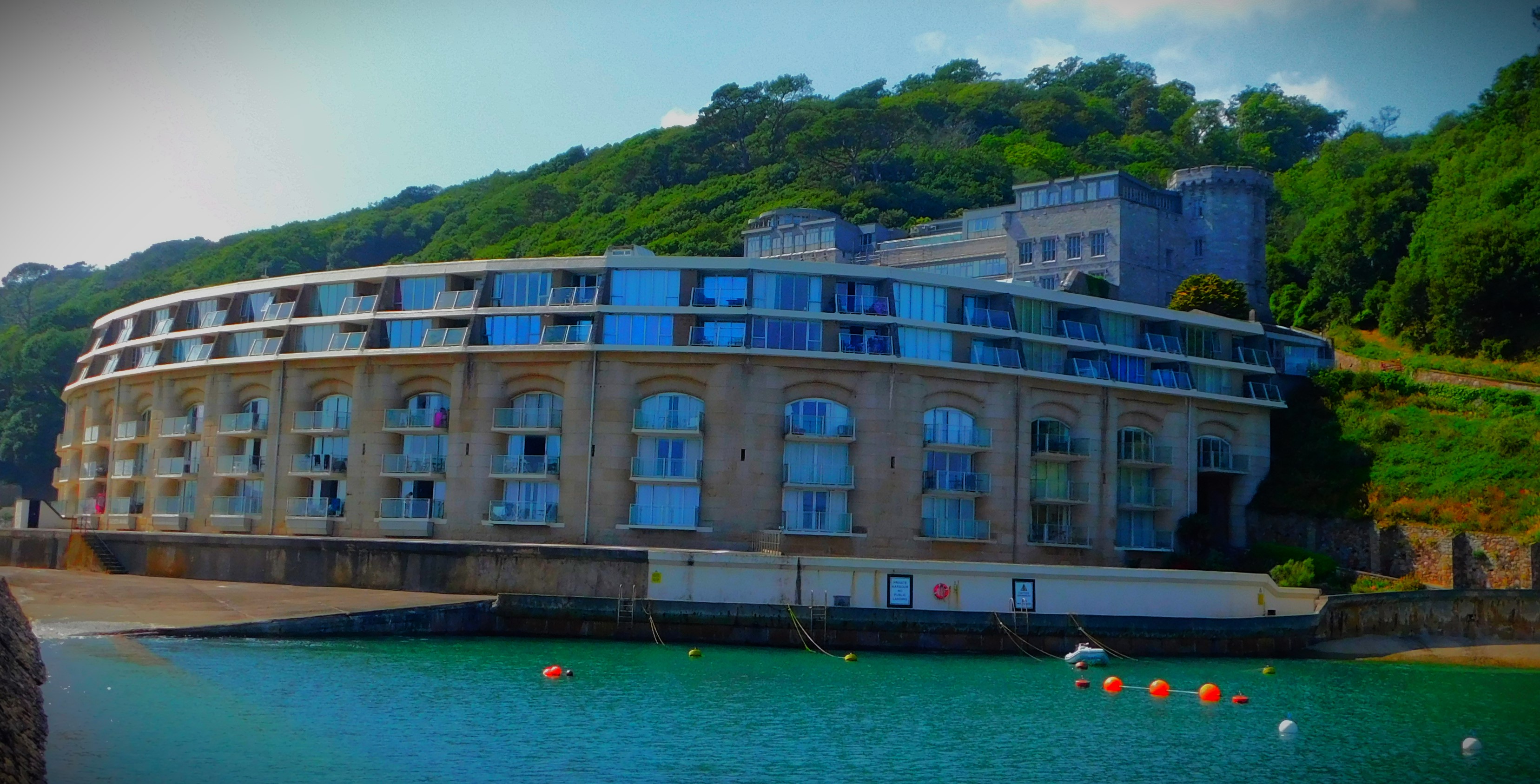
Lord Palmerston ordered the building of a number of fortifications of various kinds in southwestern England during the mid 19th century, in the mistaken belief that the French intended to invade. Fort Picklecombe was one such, and to make it even more curious the landholder only allowed it to be built if it was made to resemble Warwick Castle. These days it is home to about 100 apartments, one of which, tucked away on the fourth floor of the outer wall, with a glorious view out over the sea, is my parents home.
A CLOSER VIEW OF THE FORT
There are two complete circuits of this part of the fort available, on the third floor, and in the basement, which is also home to a carpark where everyone has a space. My parent’s flat also has a marked outside parking place where a vehicle can be left for up to 24 hours, which is readily accessible from the ground floor. The basement passages are quite narrow, and unlit until someone actually enters one (and even then the level of illumination is not great), but there is the compensating advantage that this ring of passageways is also home to the fort’s library (I did not make use of it this visit but have done in the past). The third floor walkway is much pleasanter in summer, though I can imagine it being horrible on a windy winter’s day. The lifts are among the slowest in the western world and come with recorded announcements that feature high in the ‘statement of the bleeding obvious’ category, e.g. “Fourth floor, lift going down”. What? You mean it is not going ‘up and out’?!
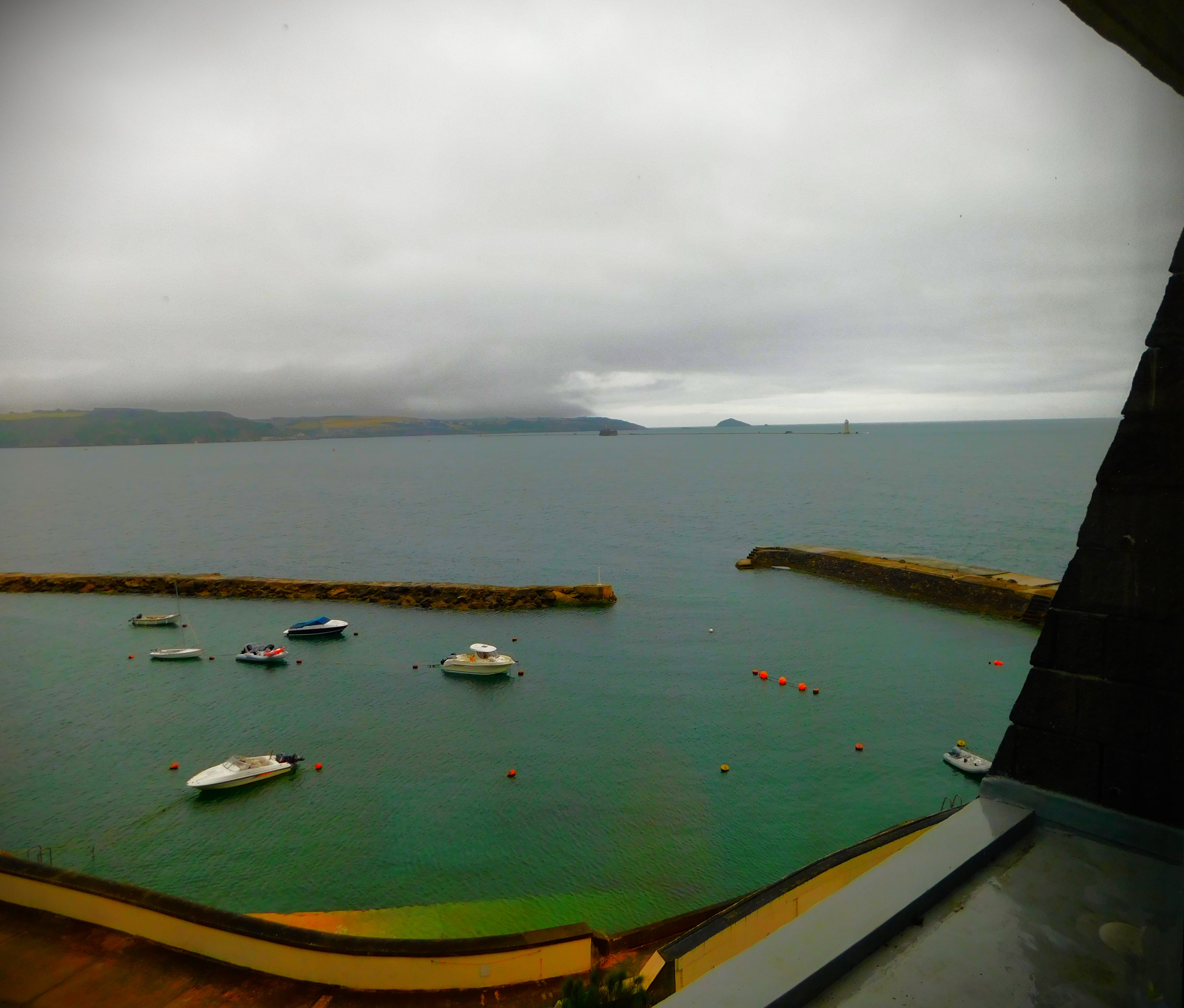
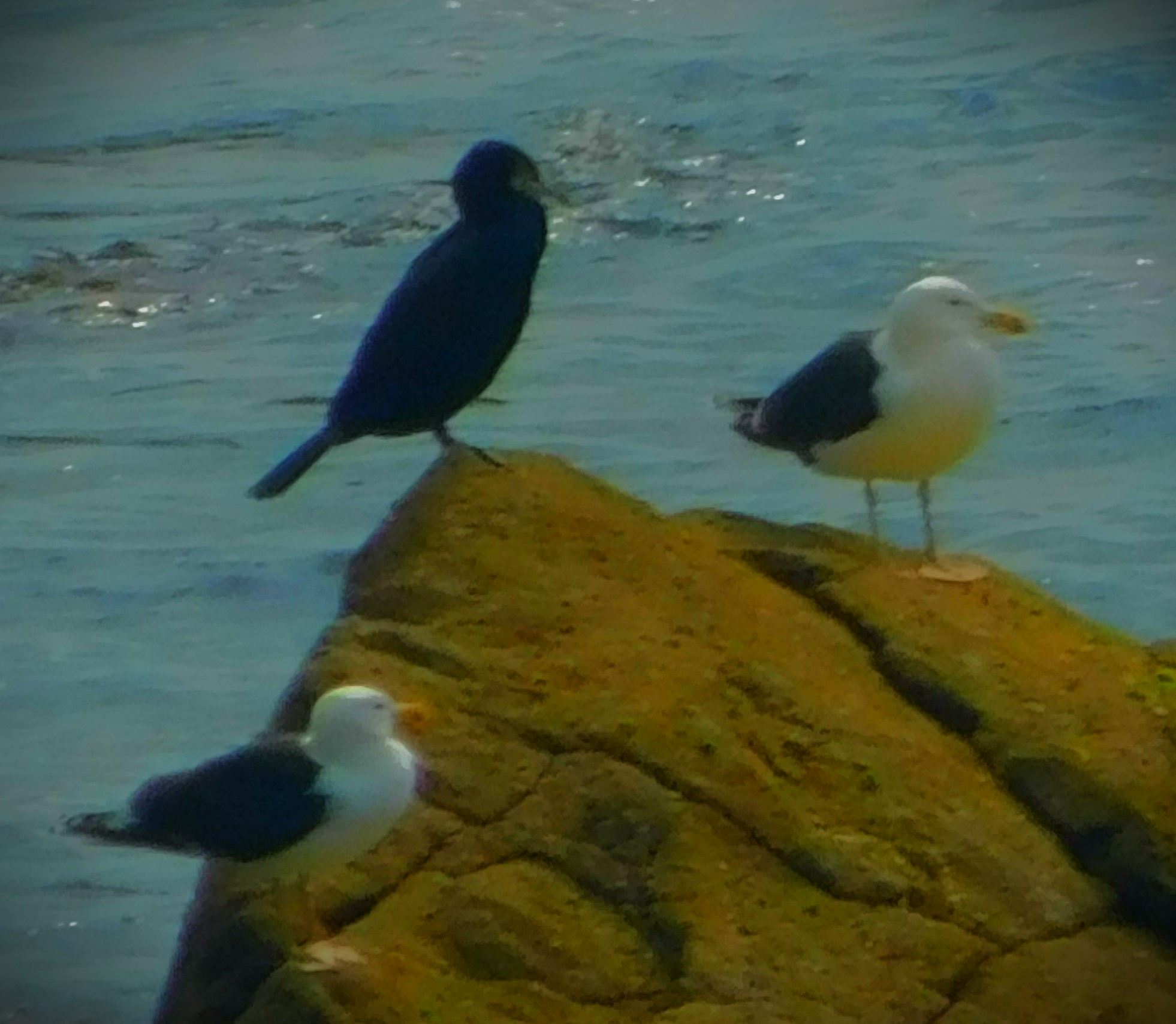
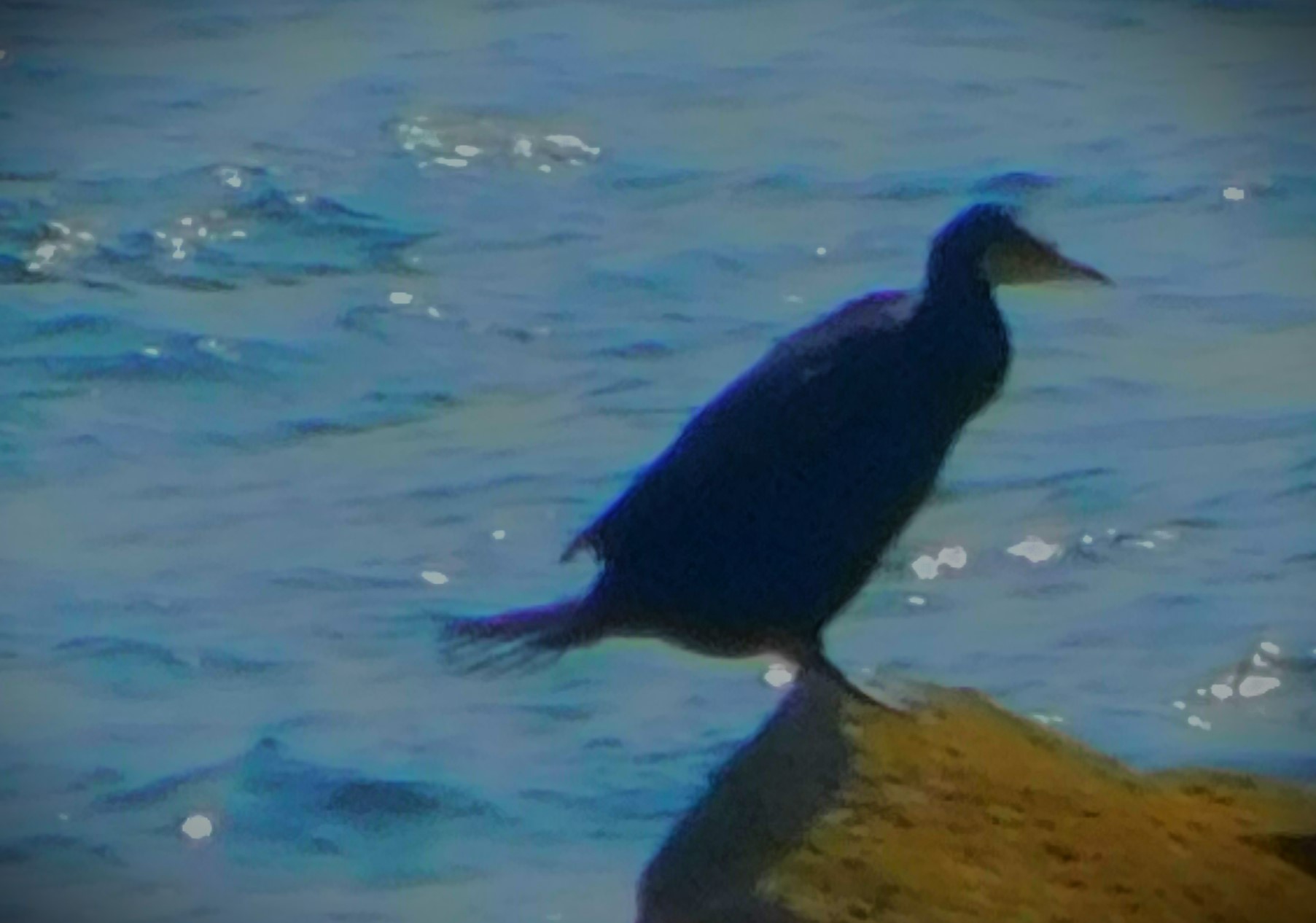
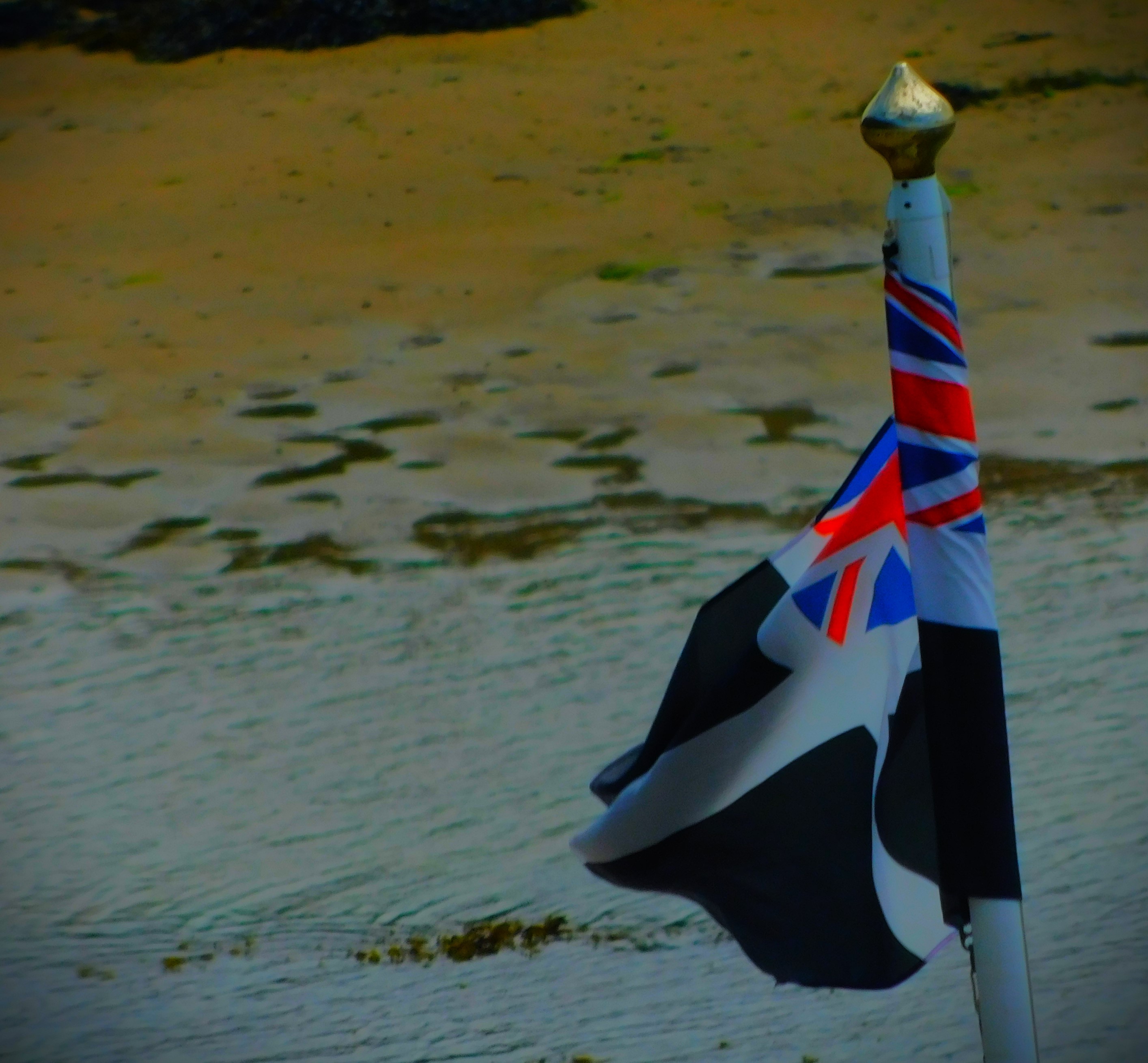
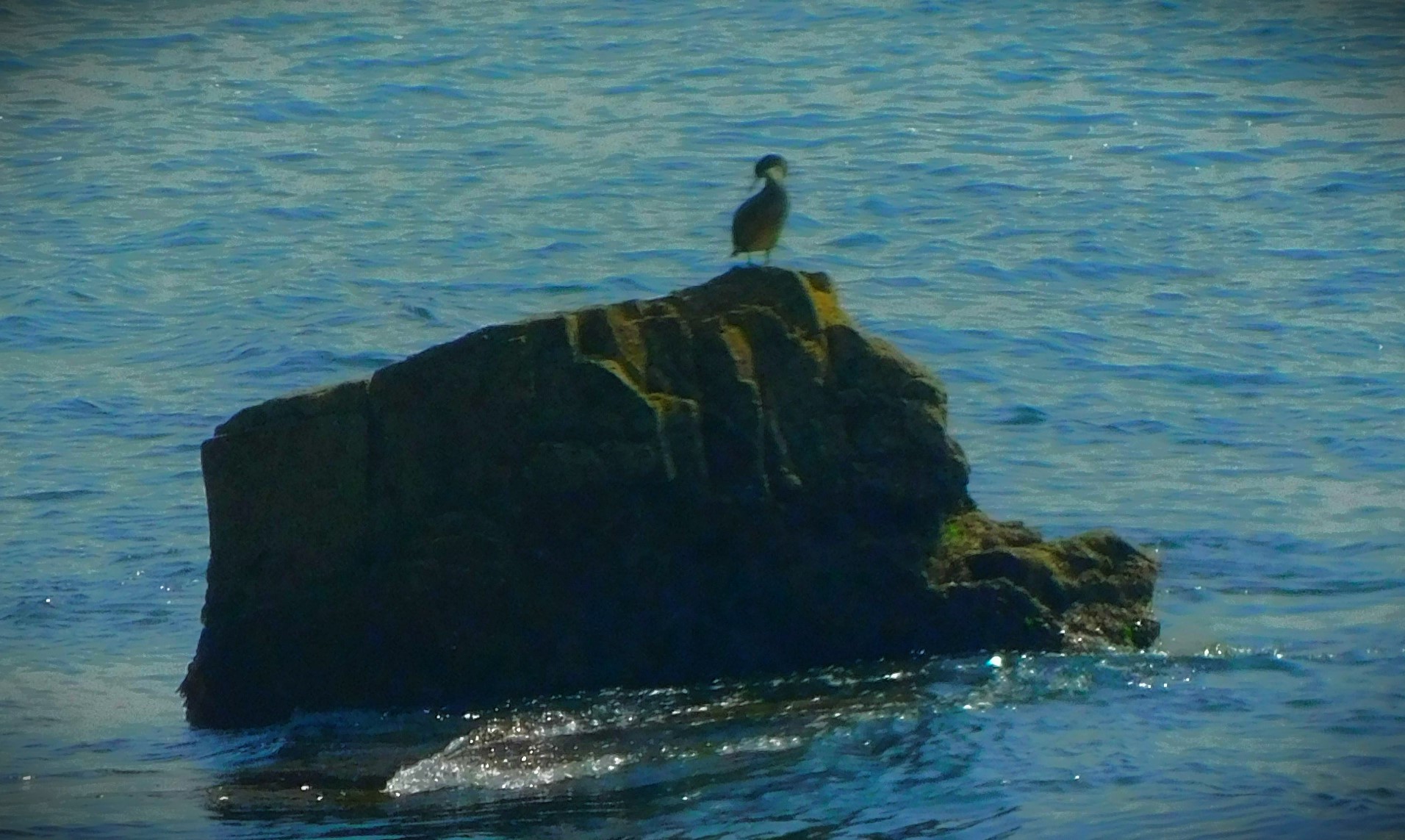
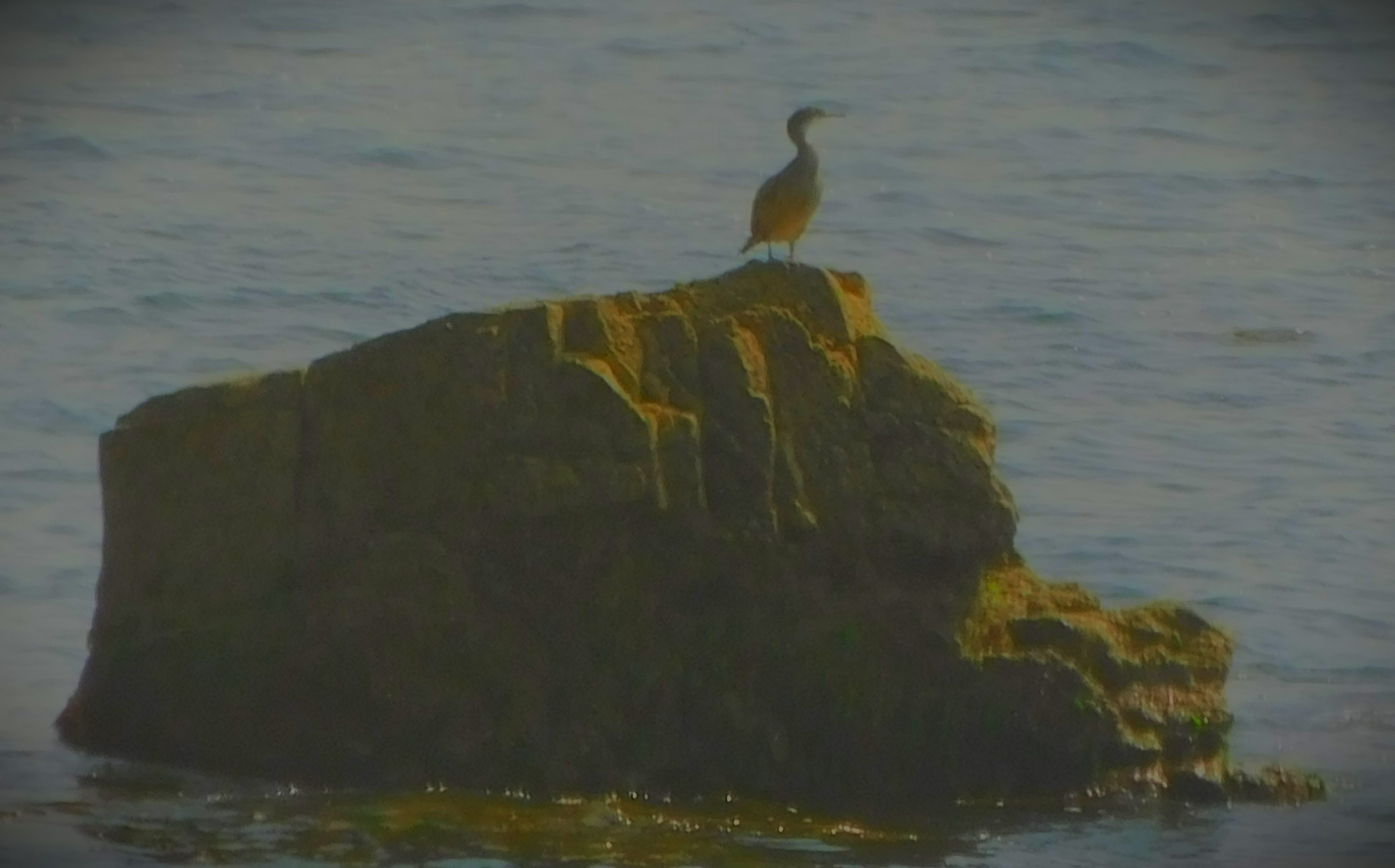
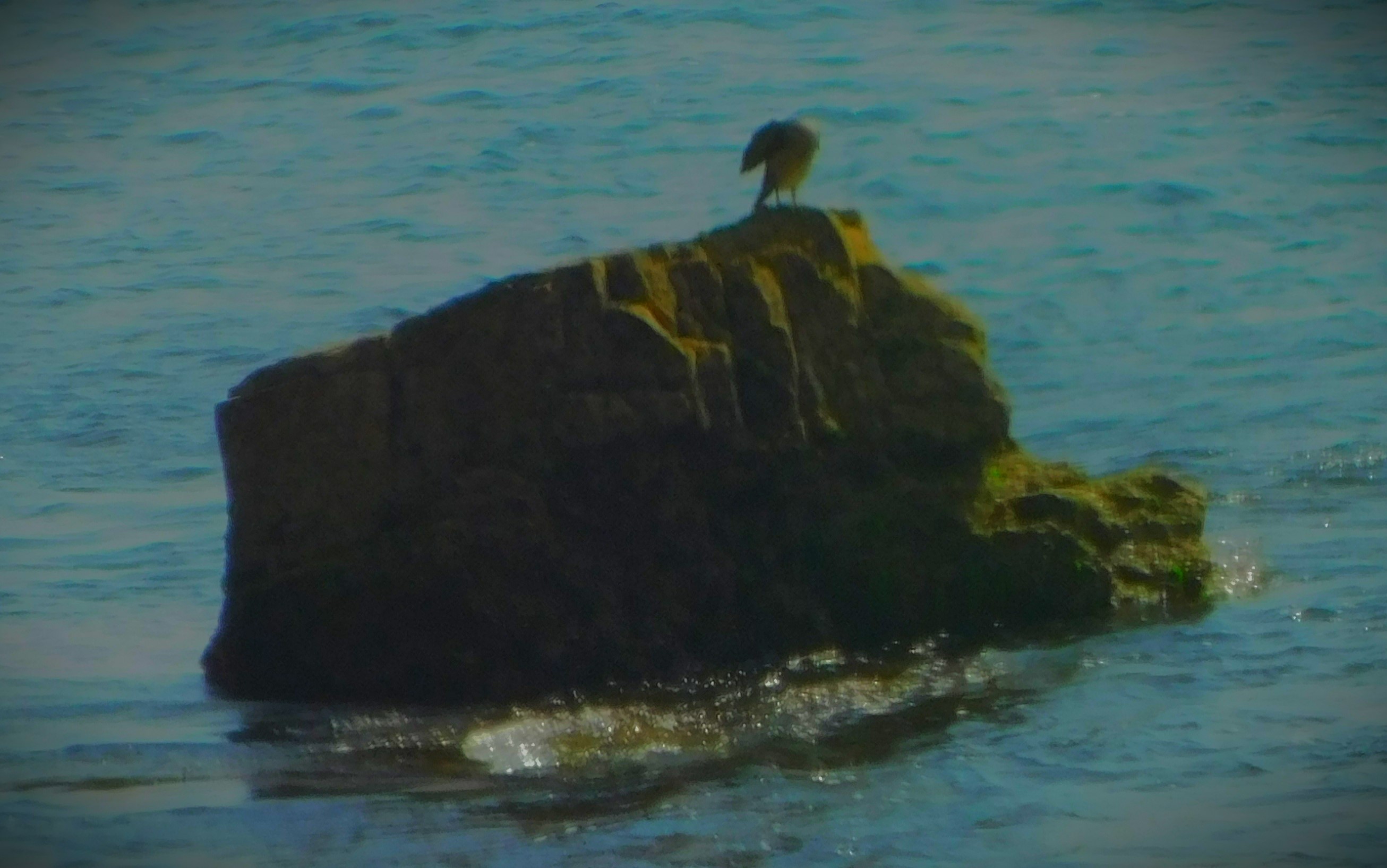
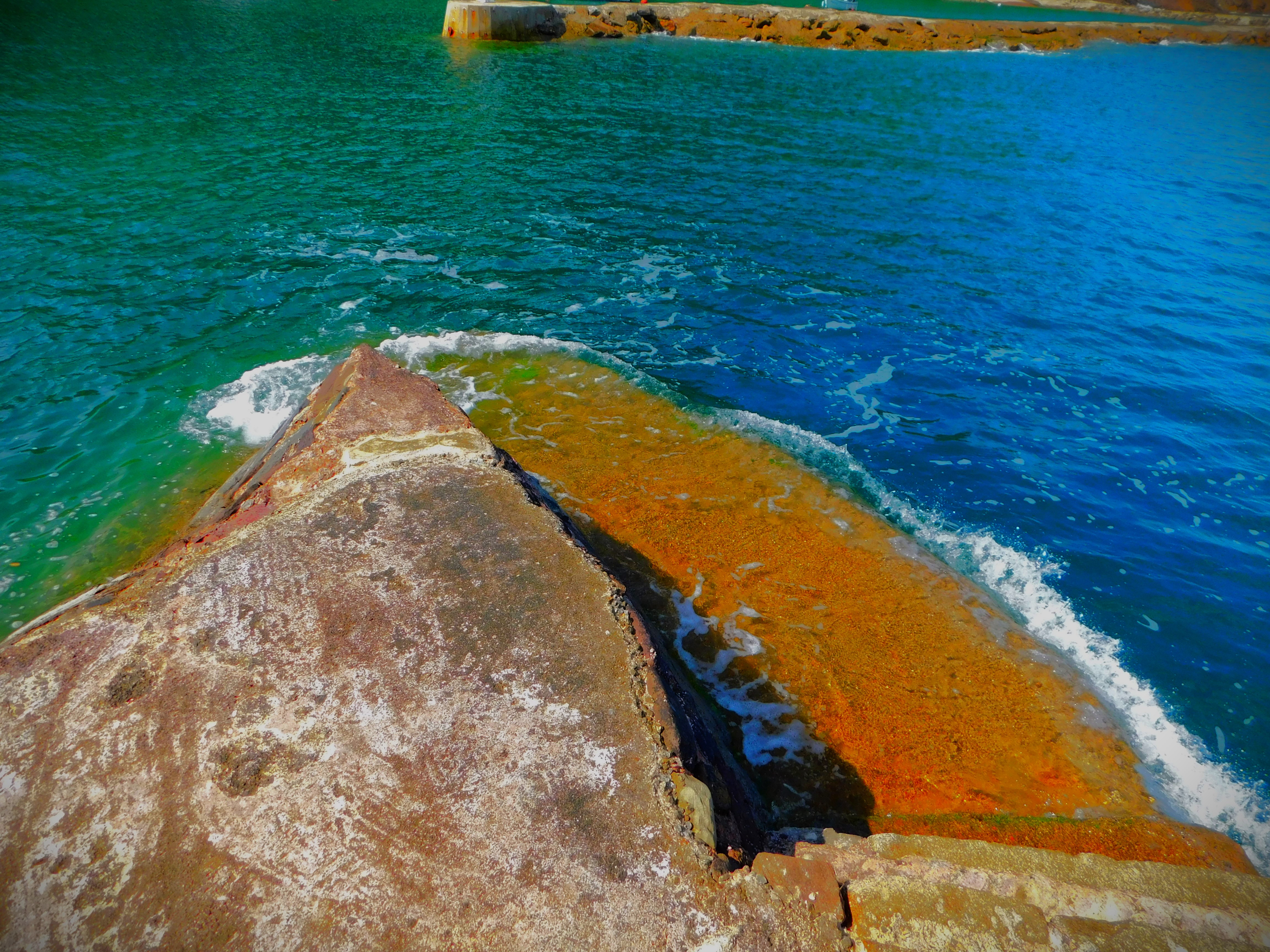
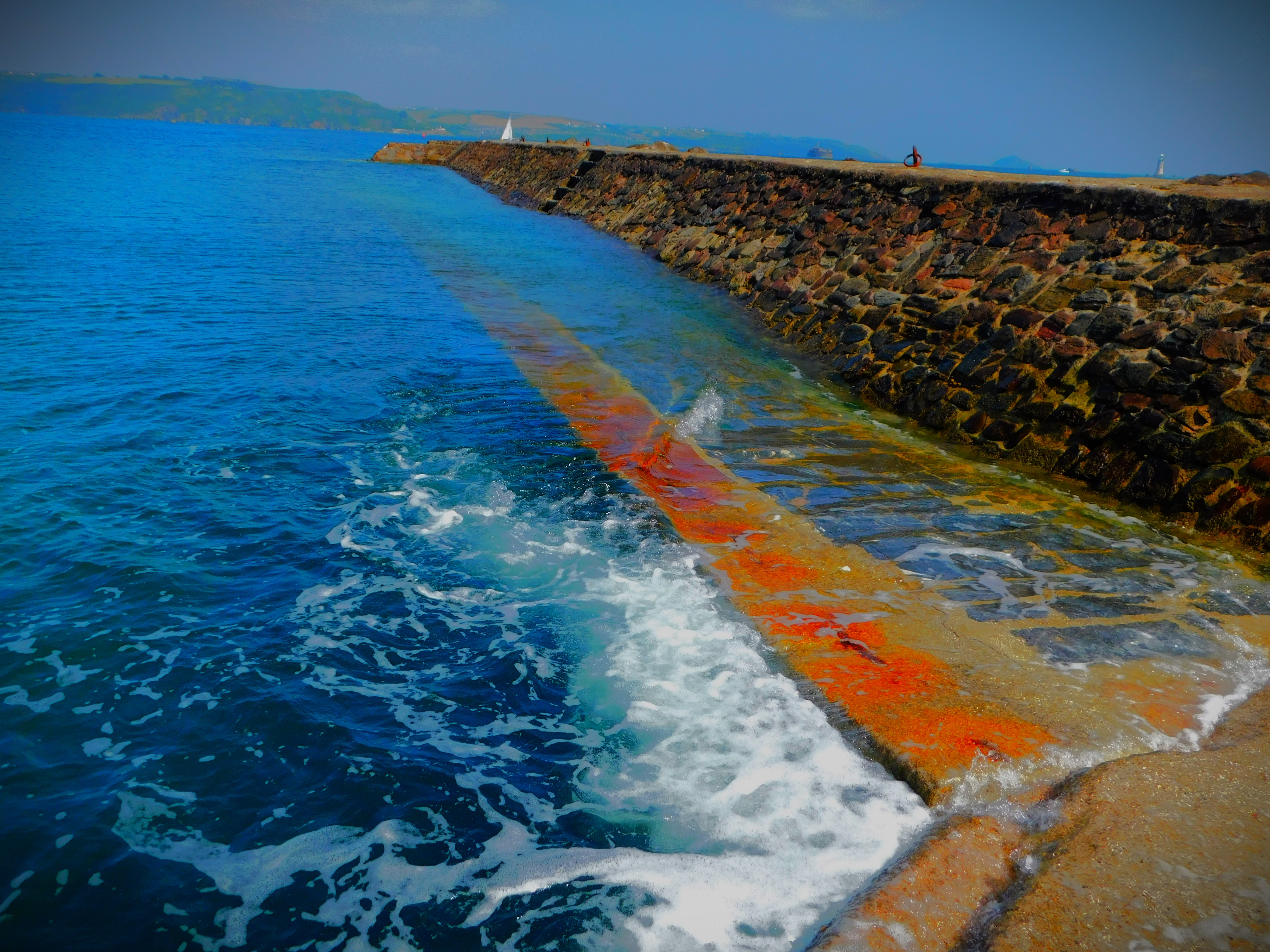
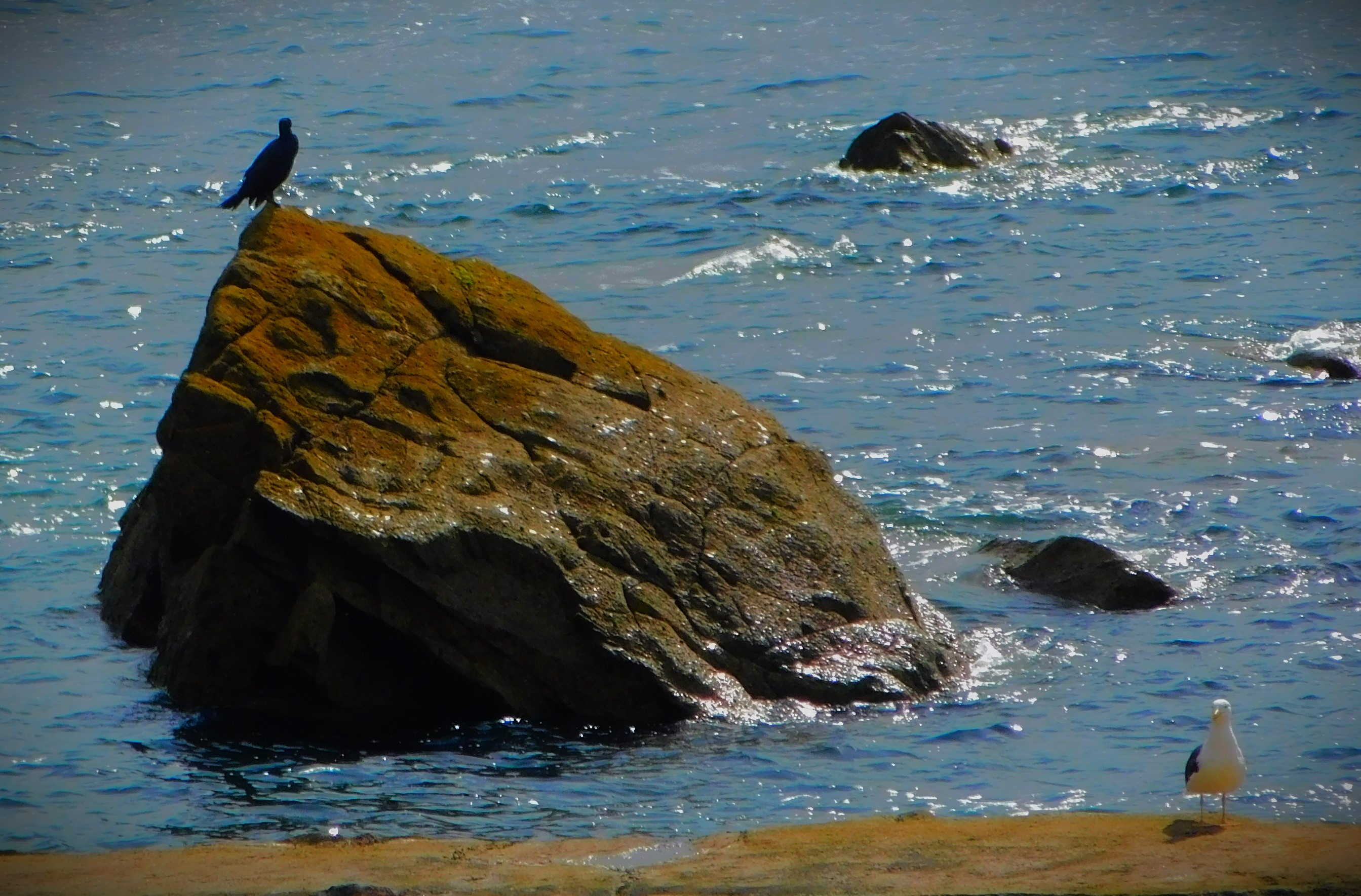
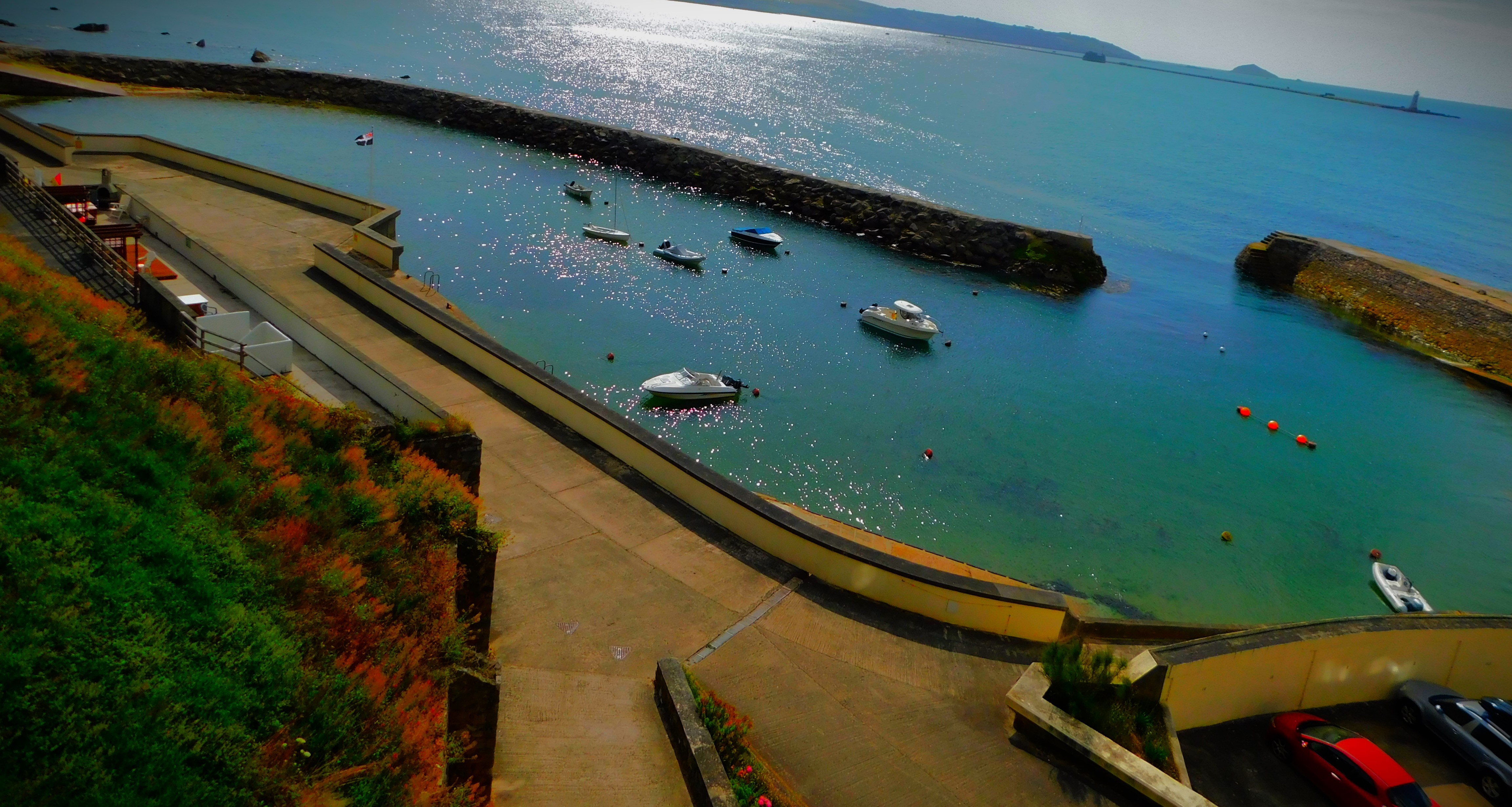
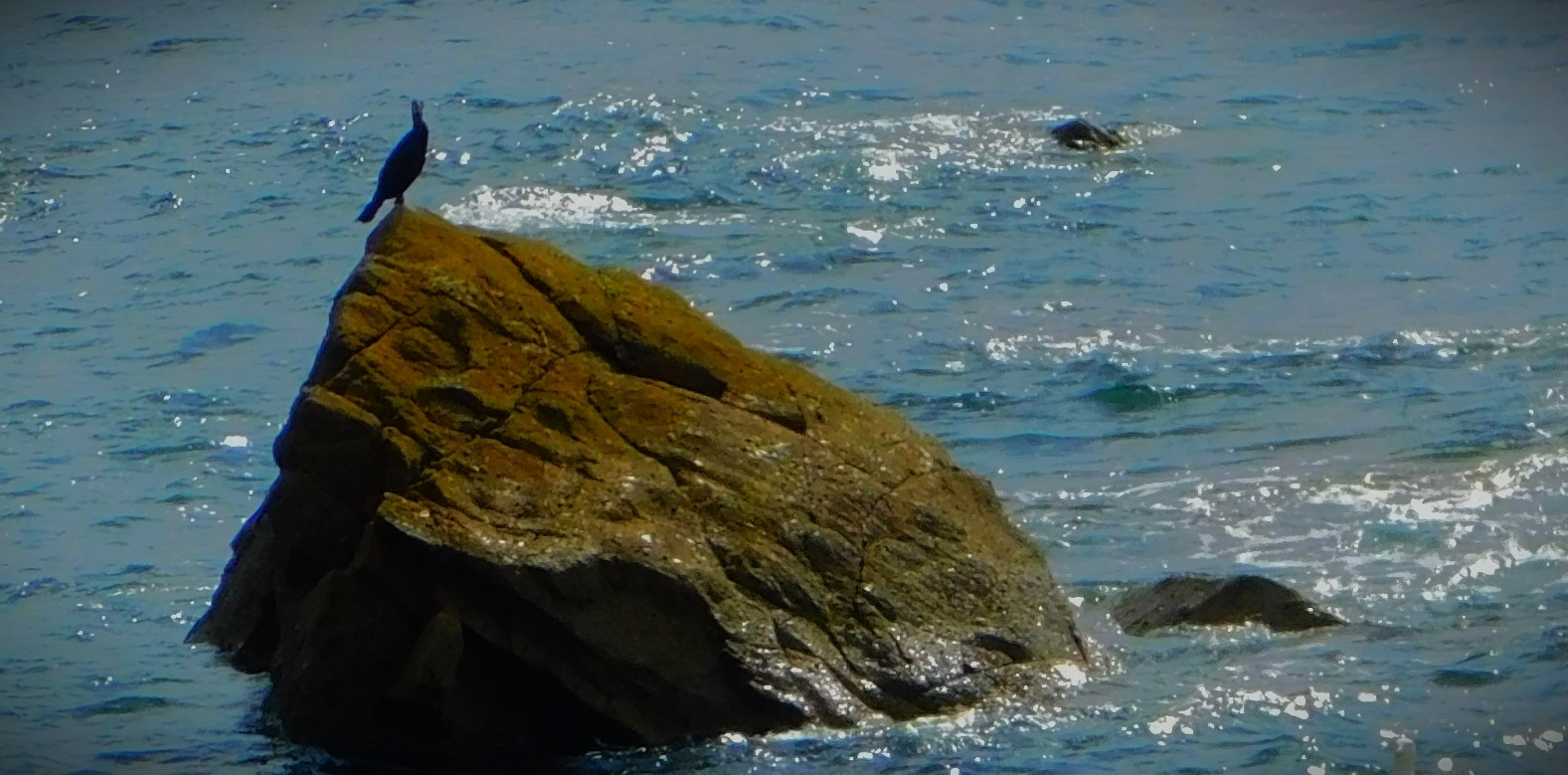
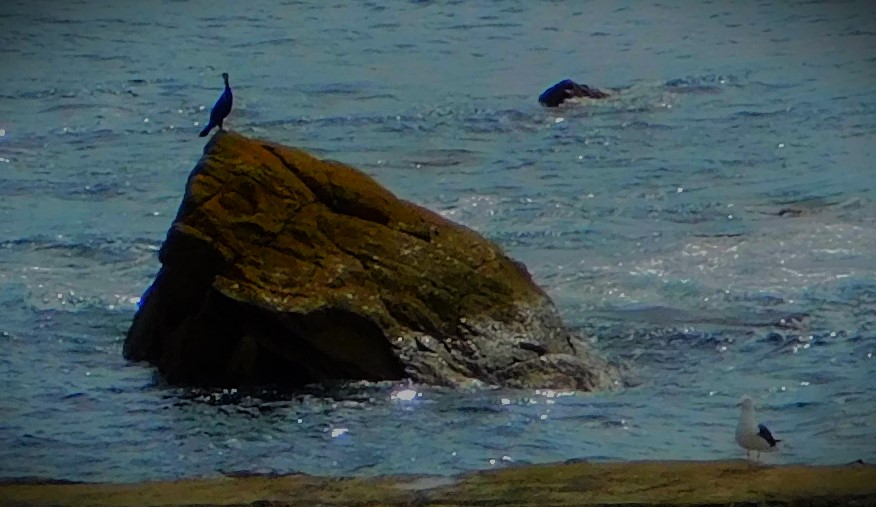
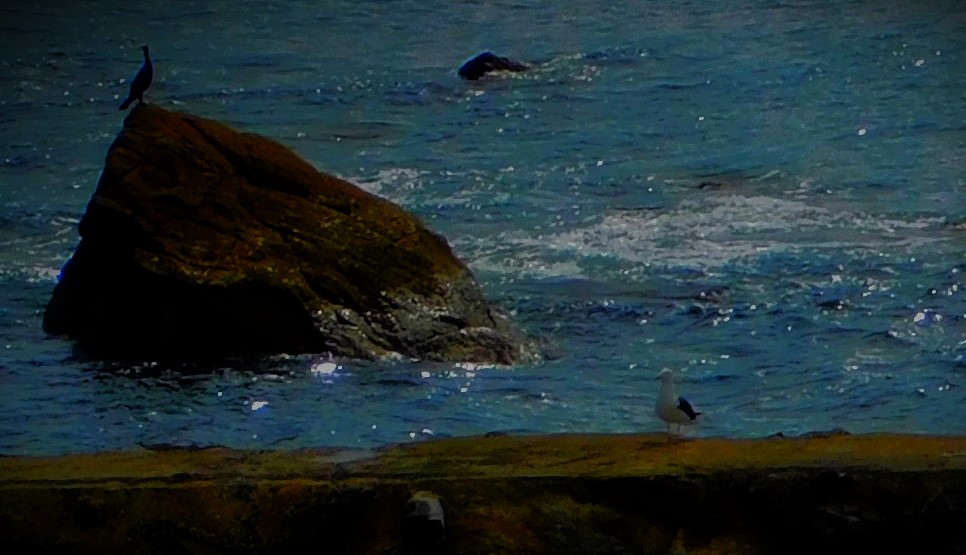
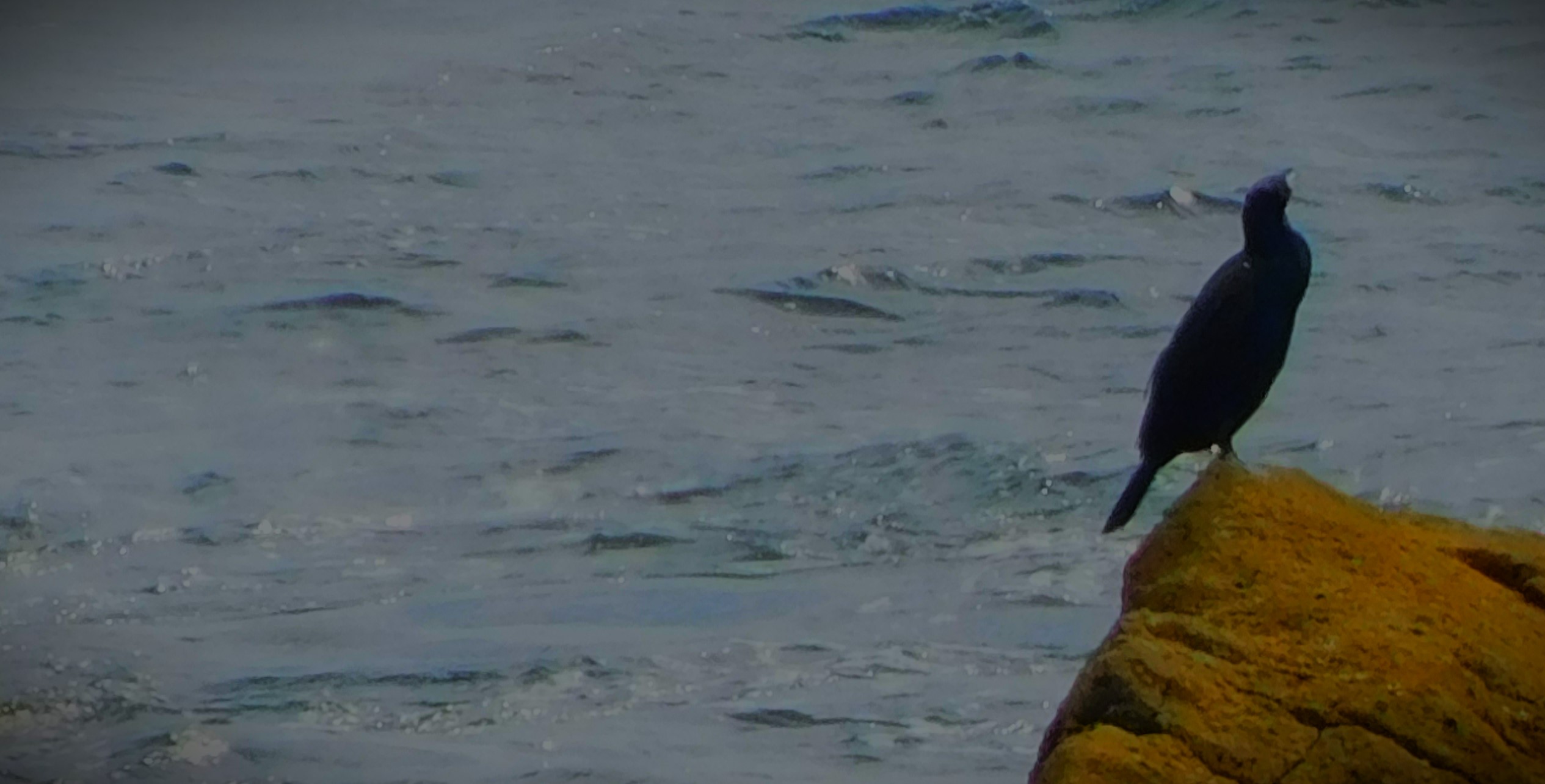
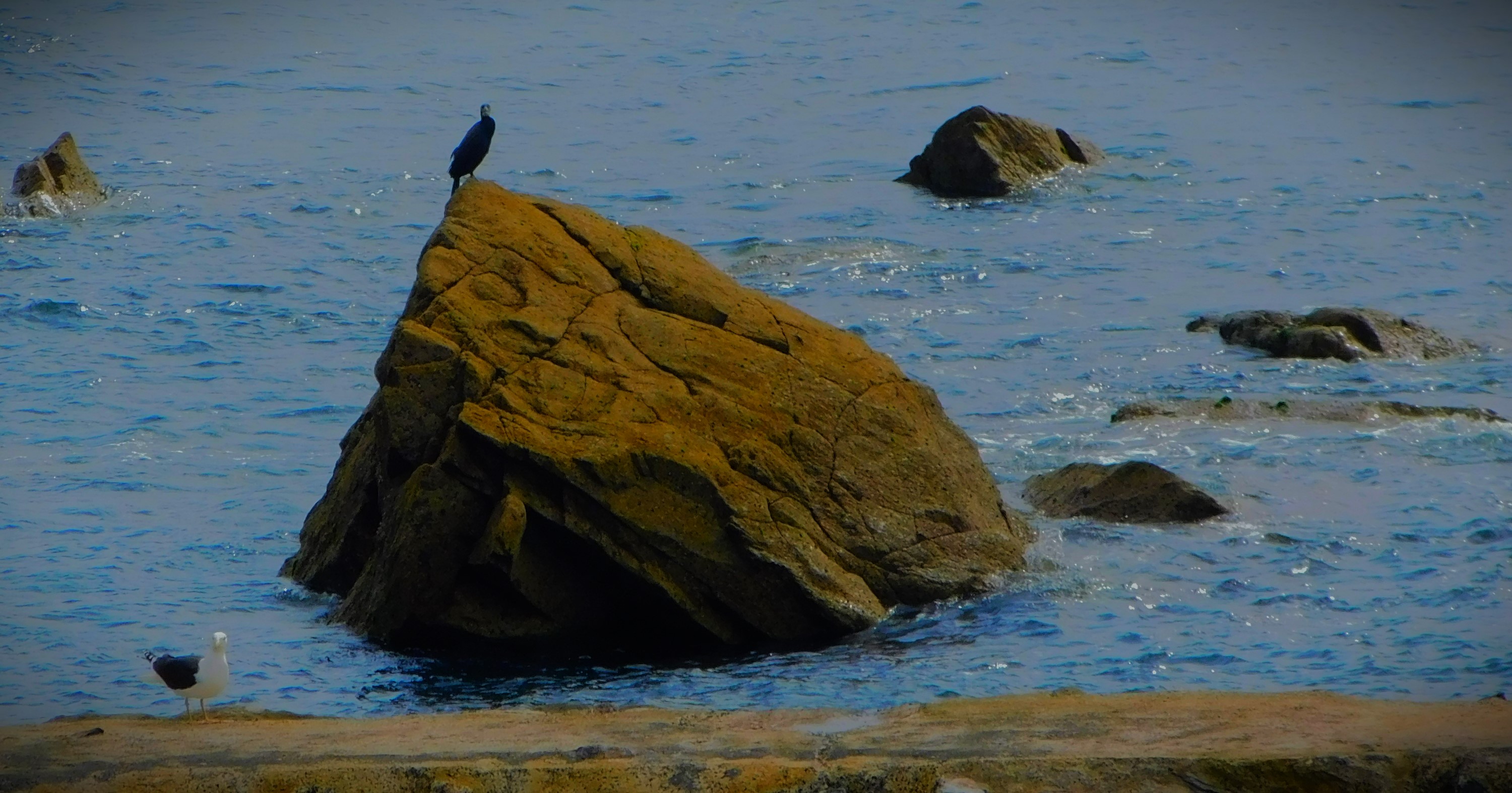
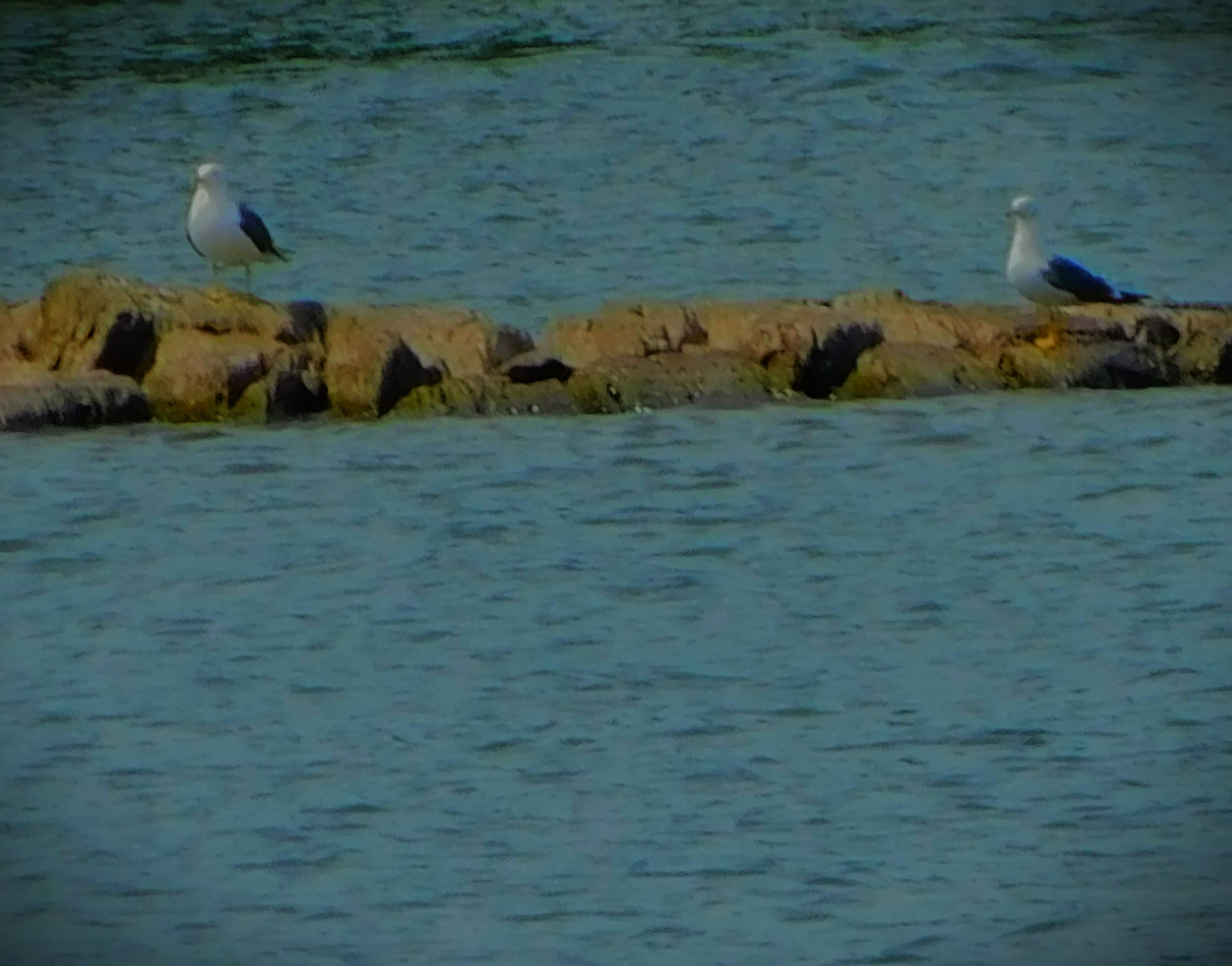
The fort has its own small harbour, and at low tide a number of rocks are exposed, and used by birds as perches. At high tide the smaller harbour wall gets a lot of water over it, while the larger one stays dry.
PHOTOGRAPHS
Here is a gallery comprised of photos taken either while in the fort or while waling around the harbour…
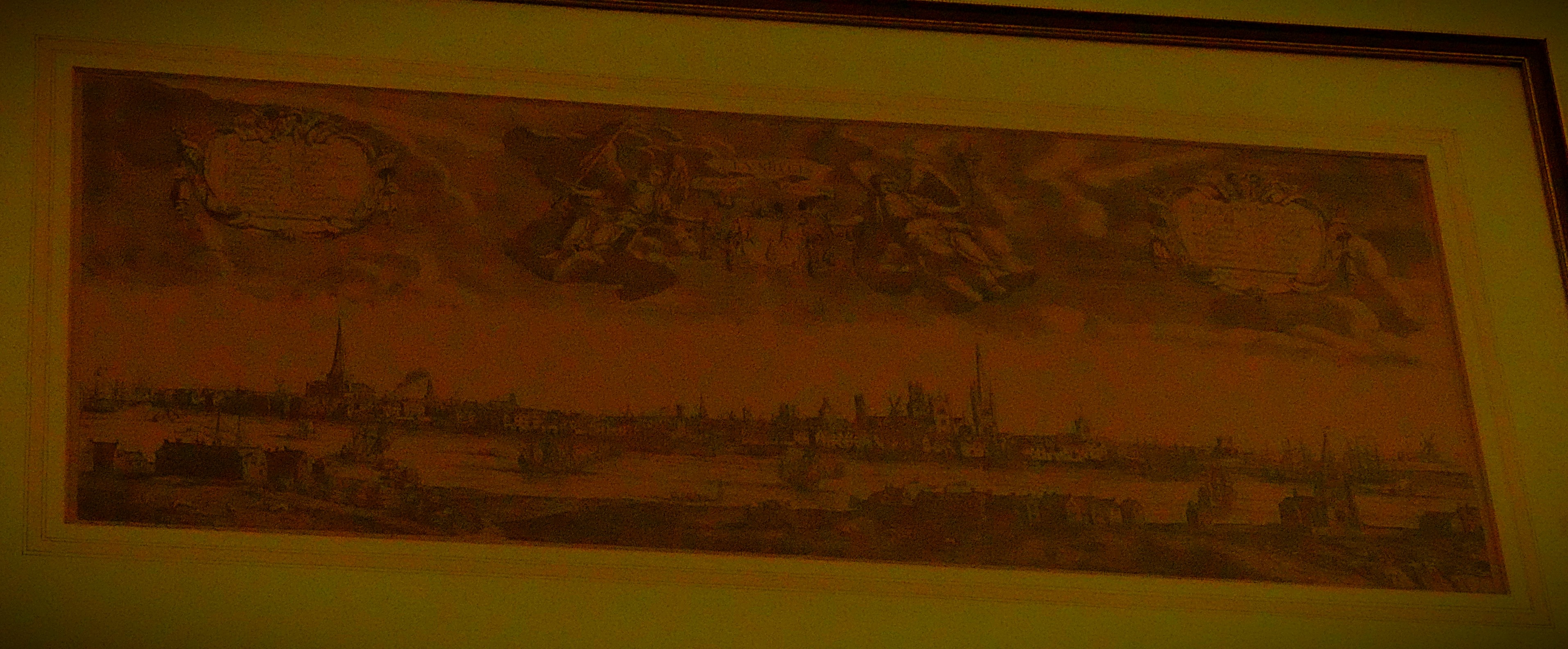
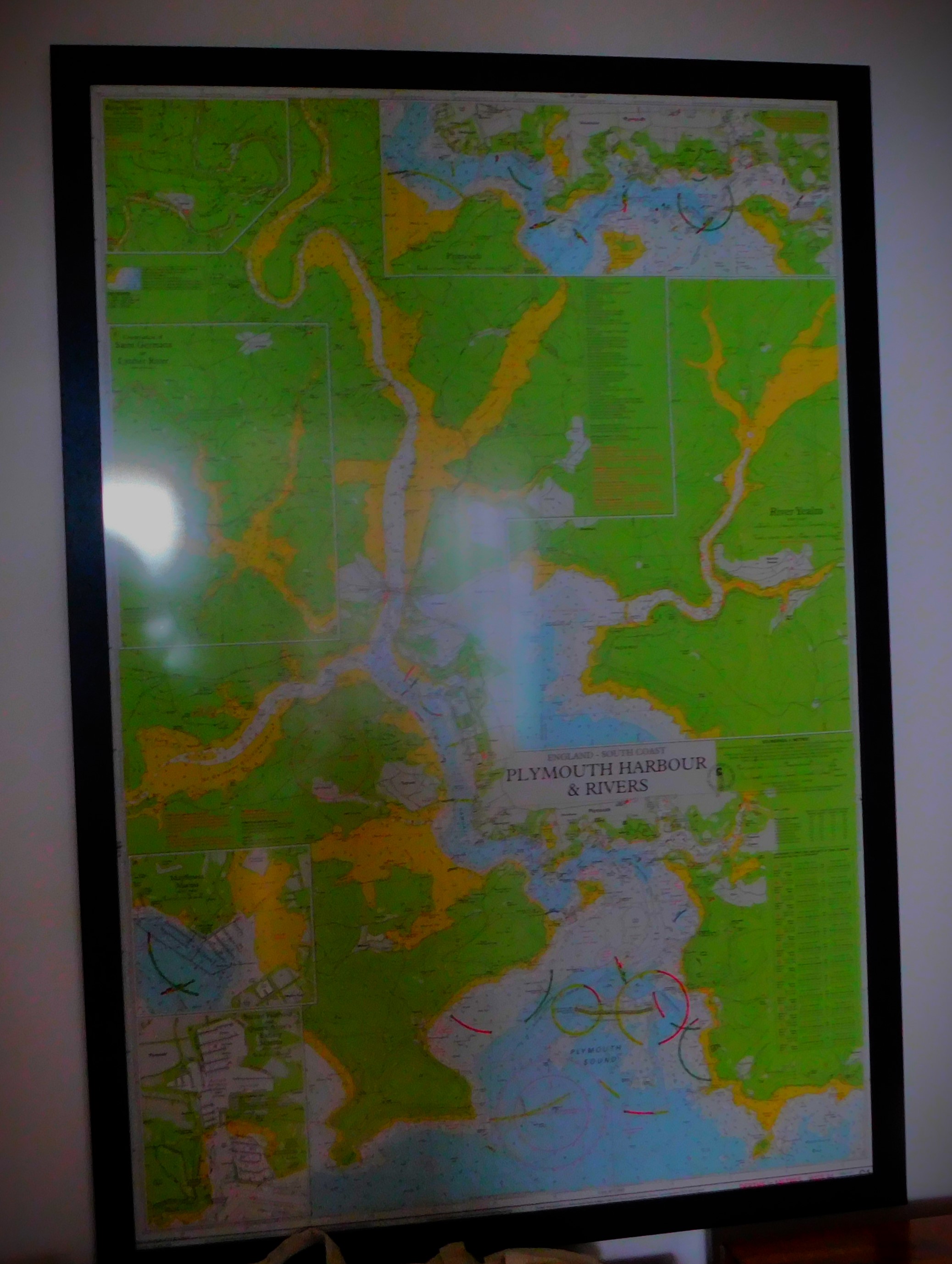
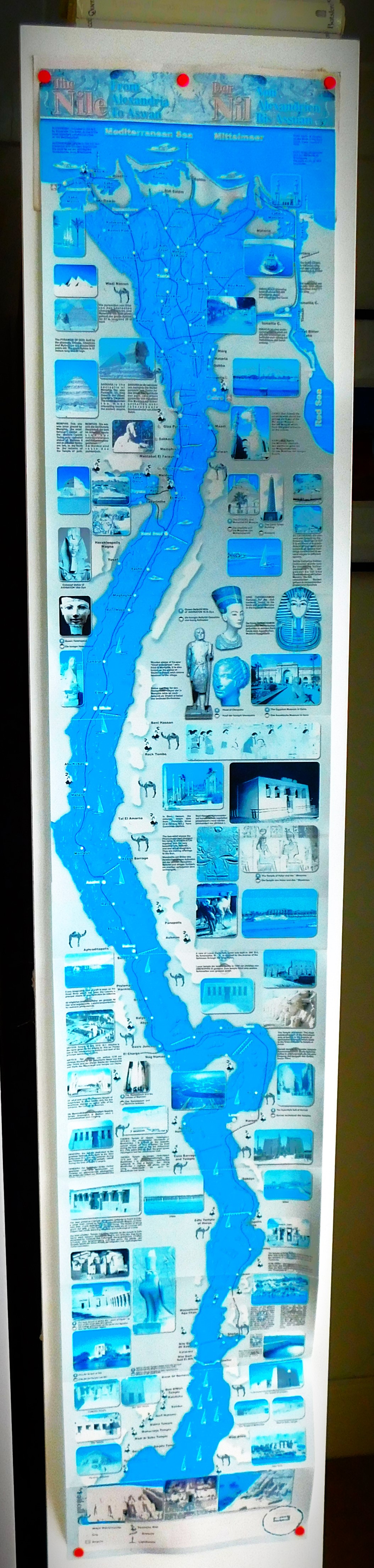
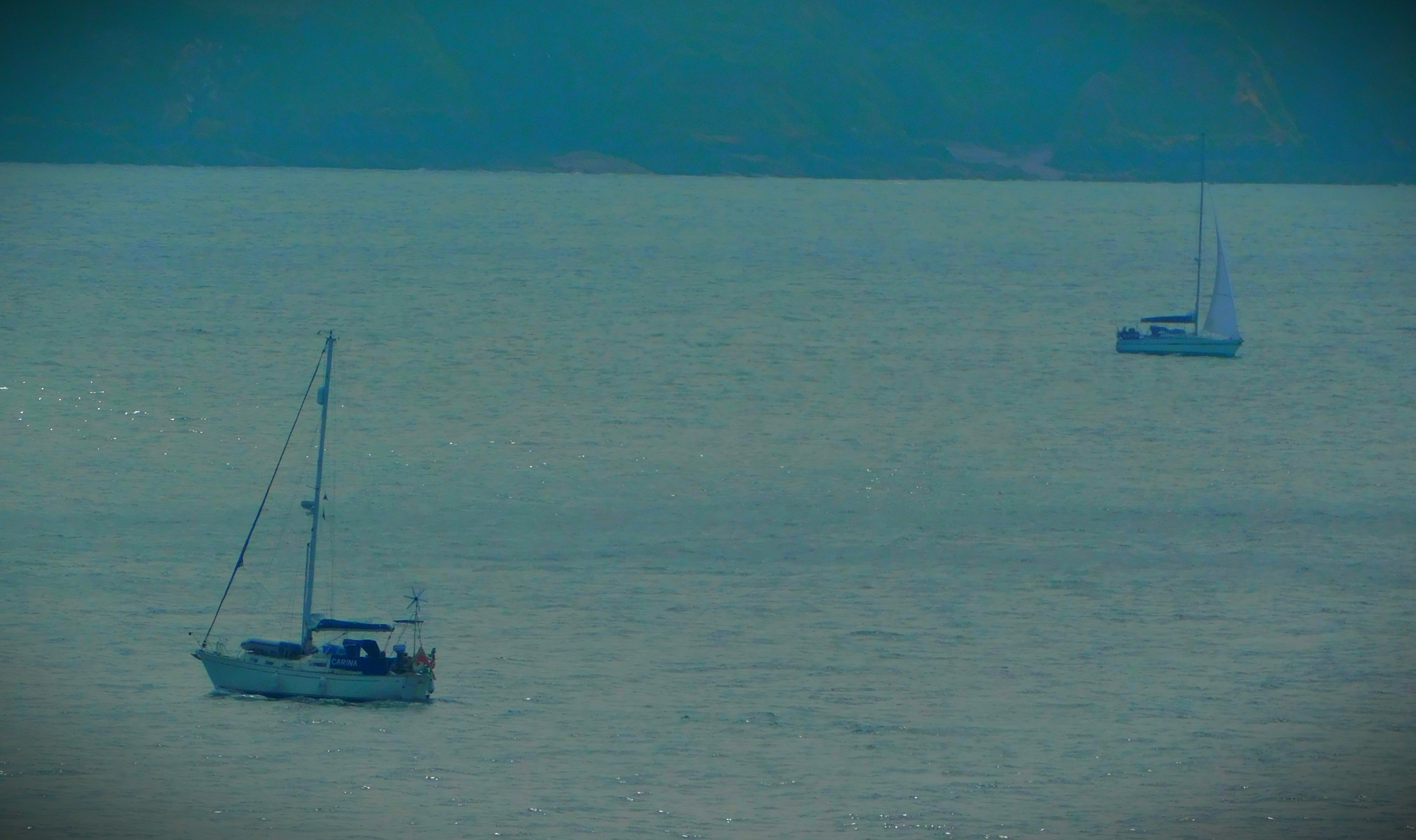
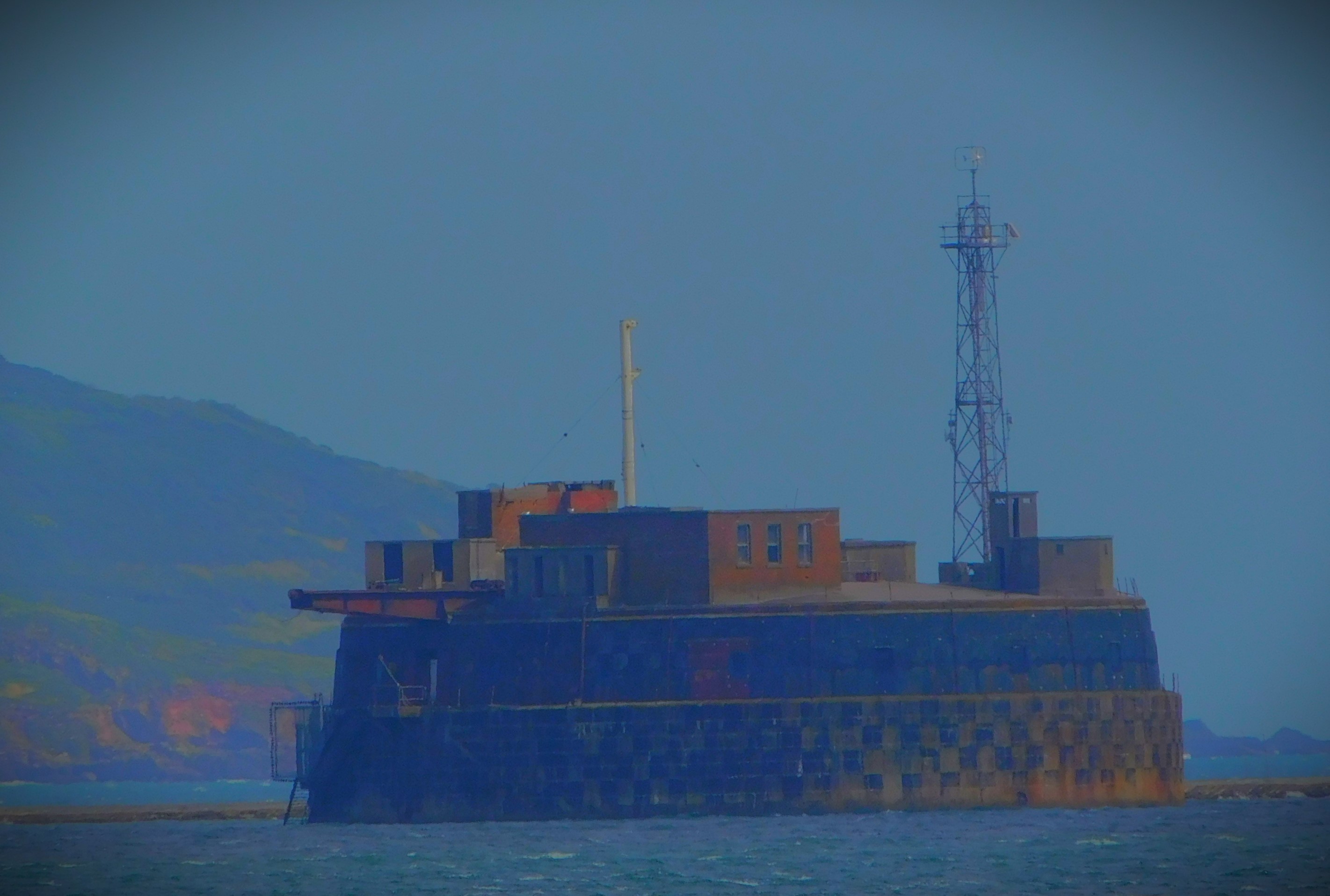
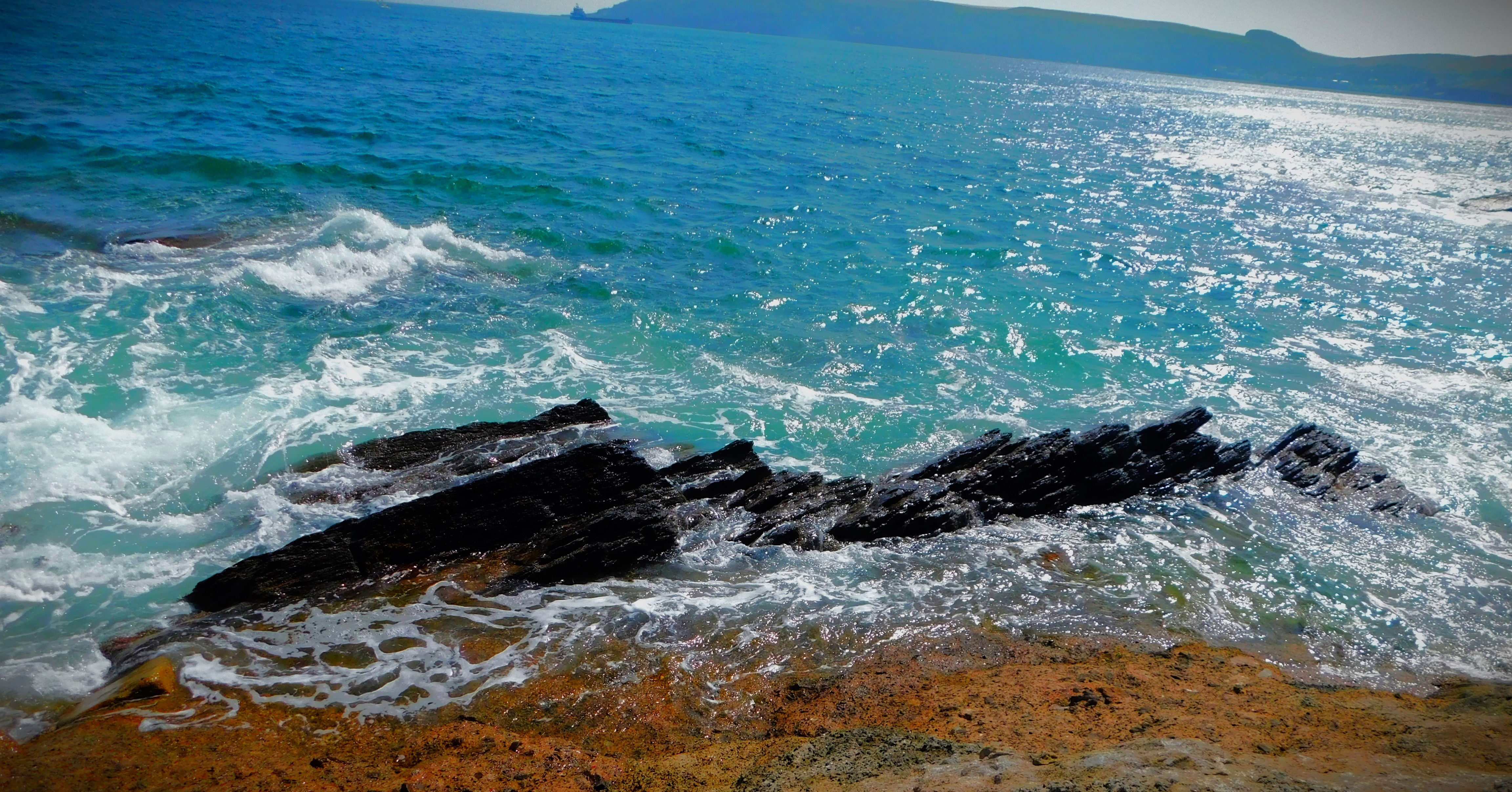
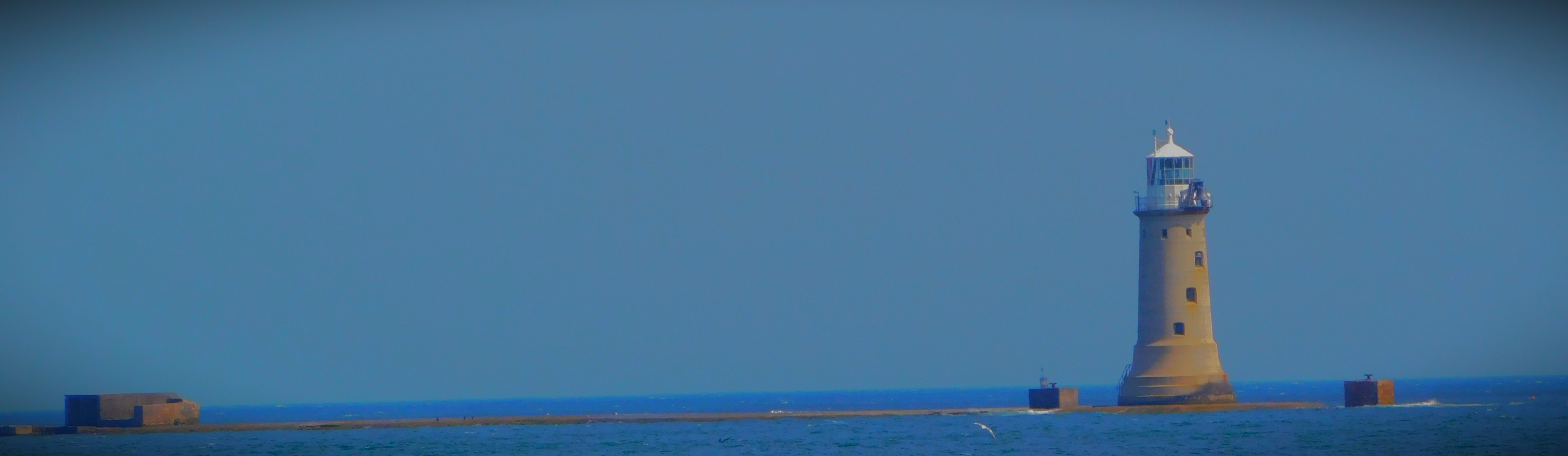
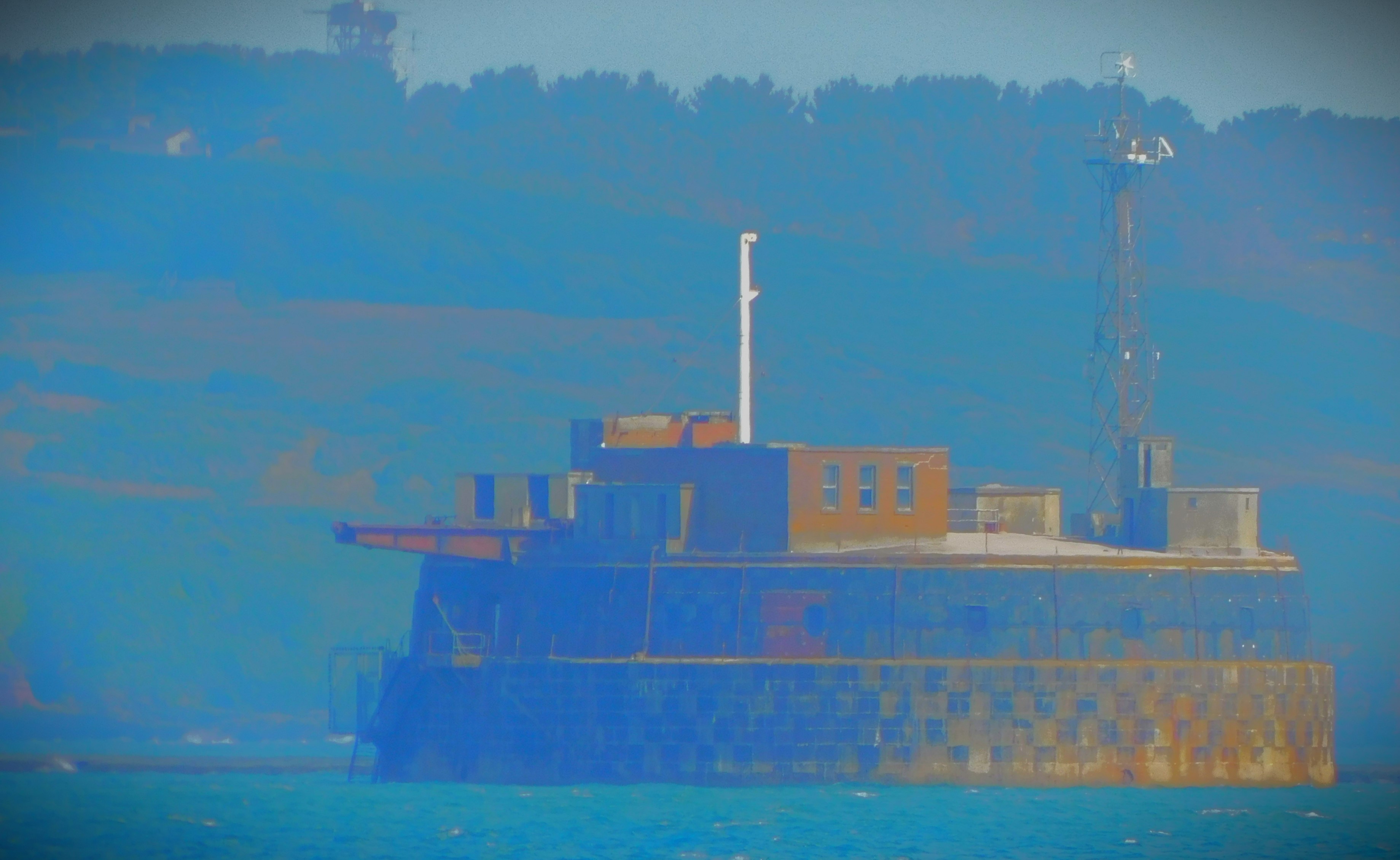
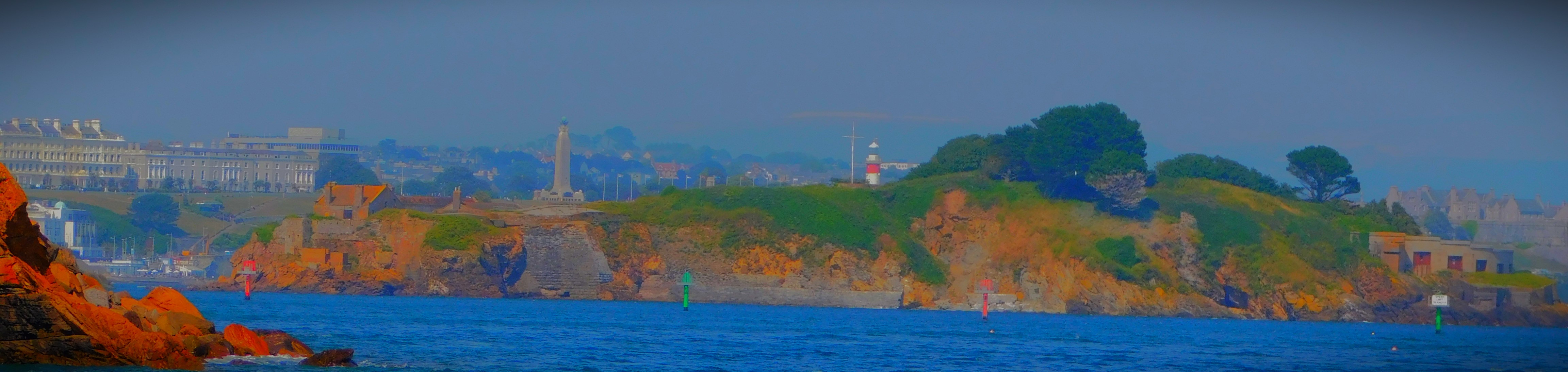
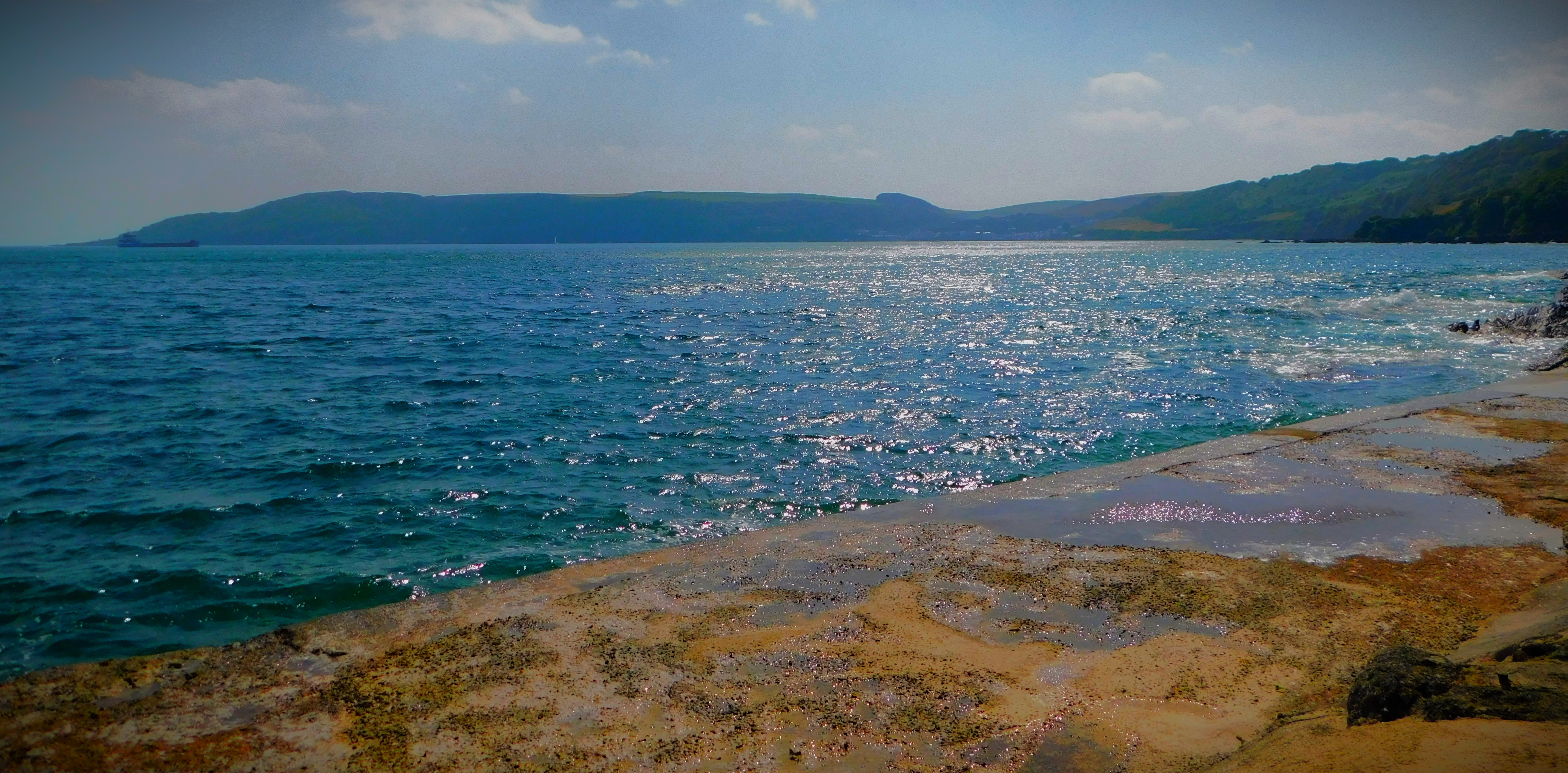
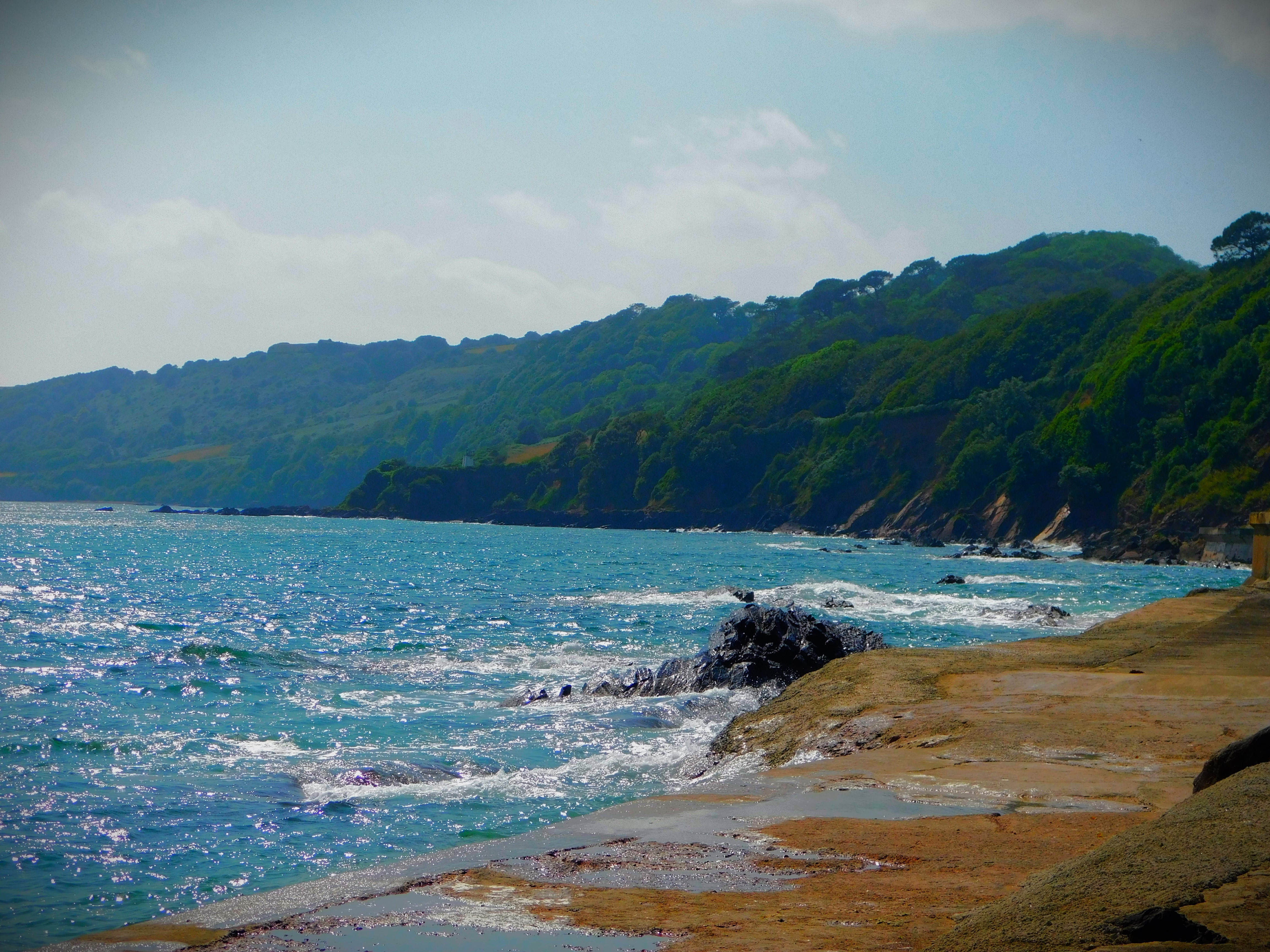
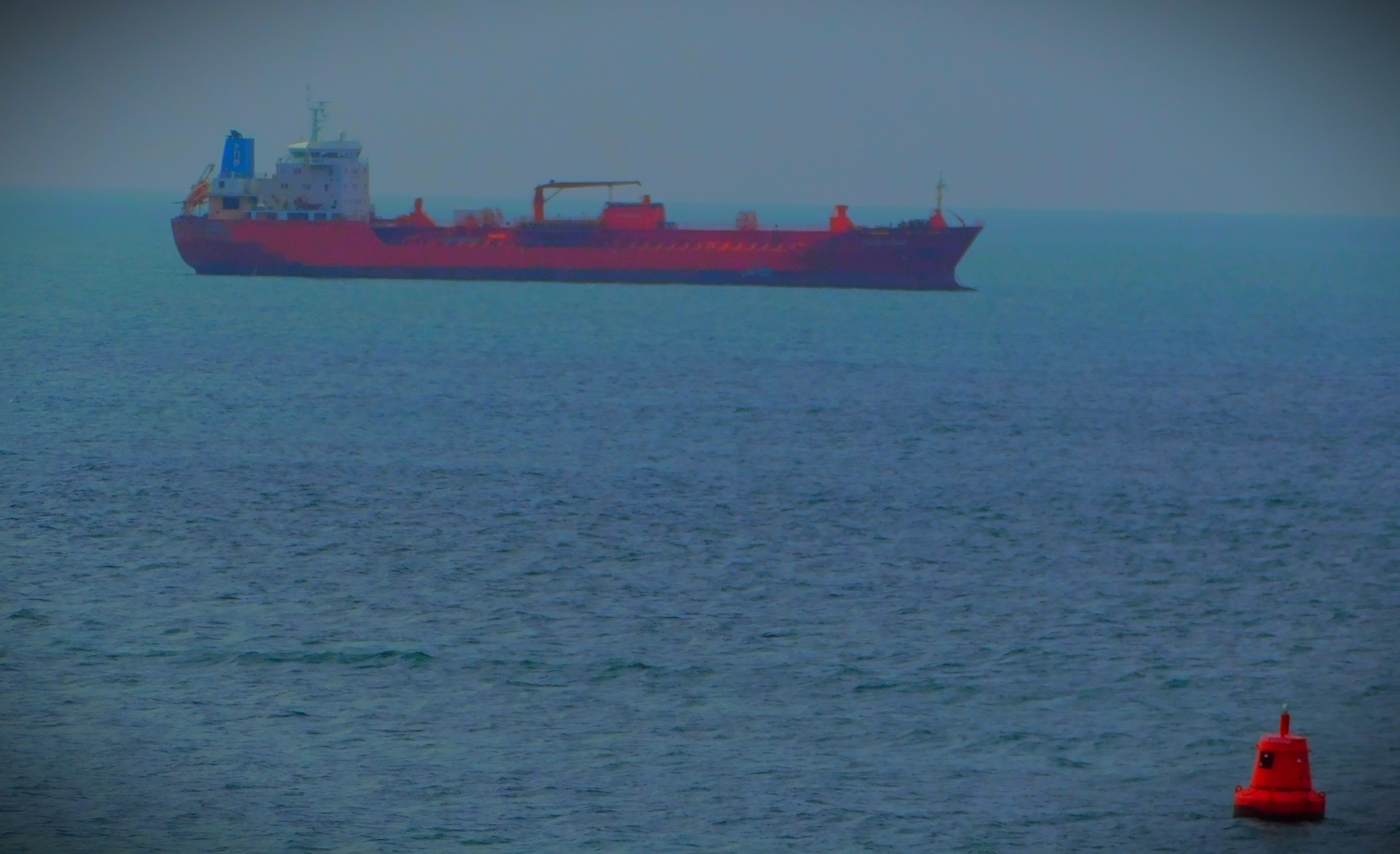
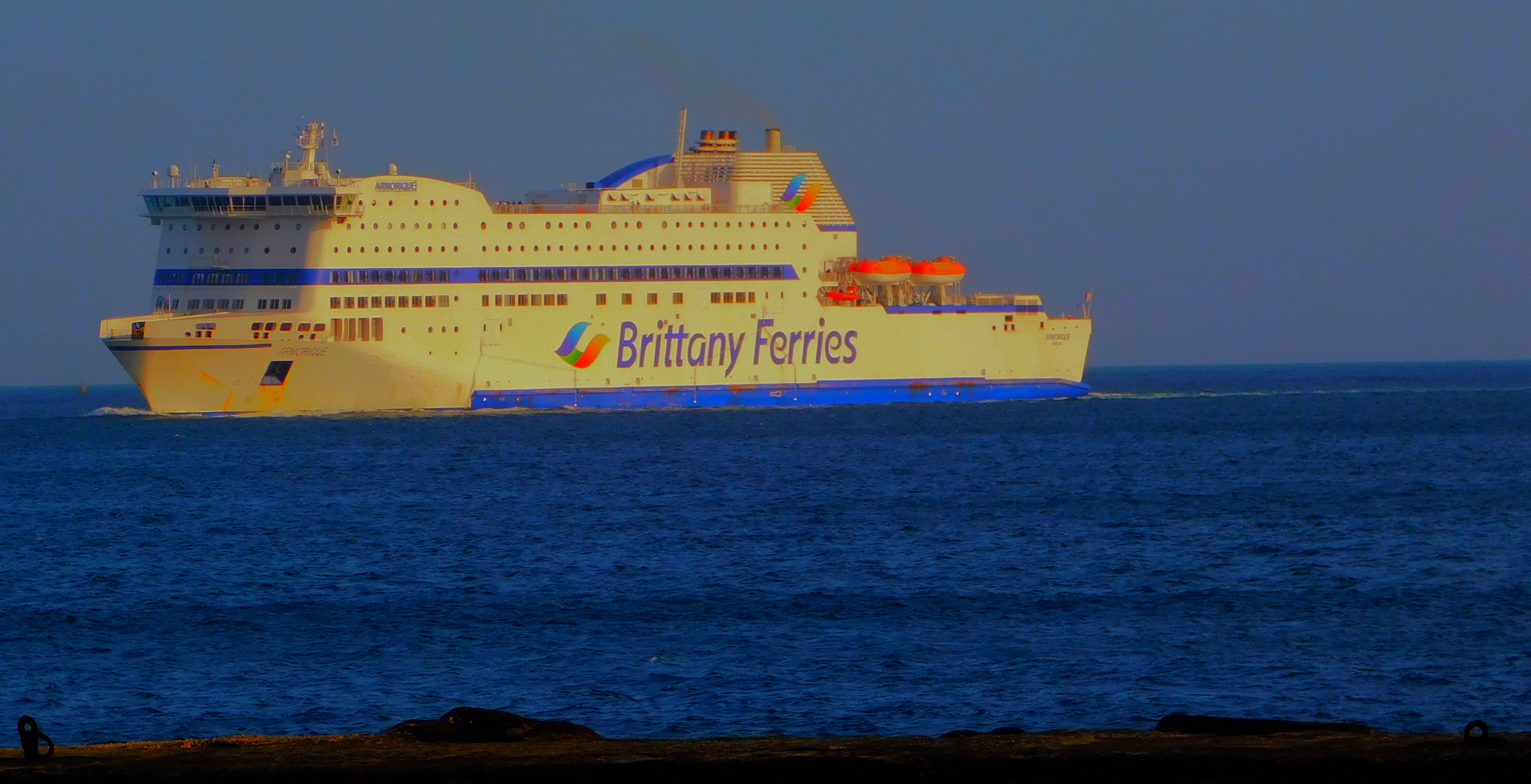
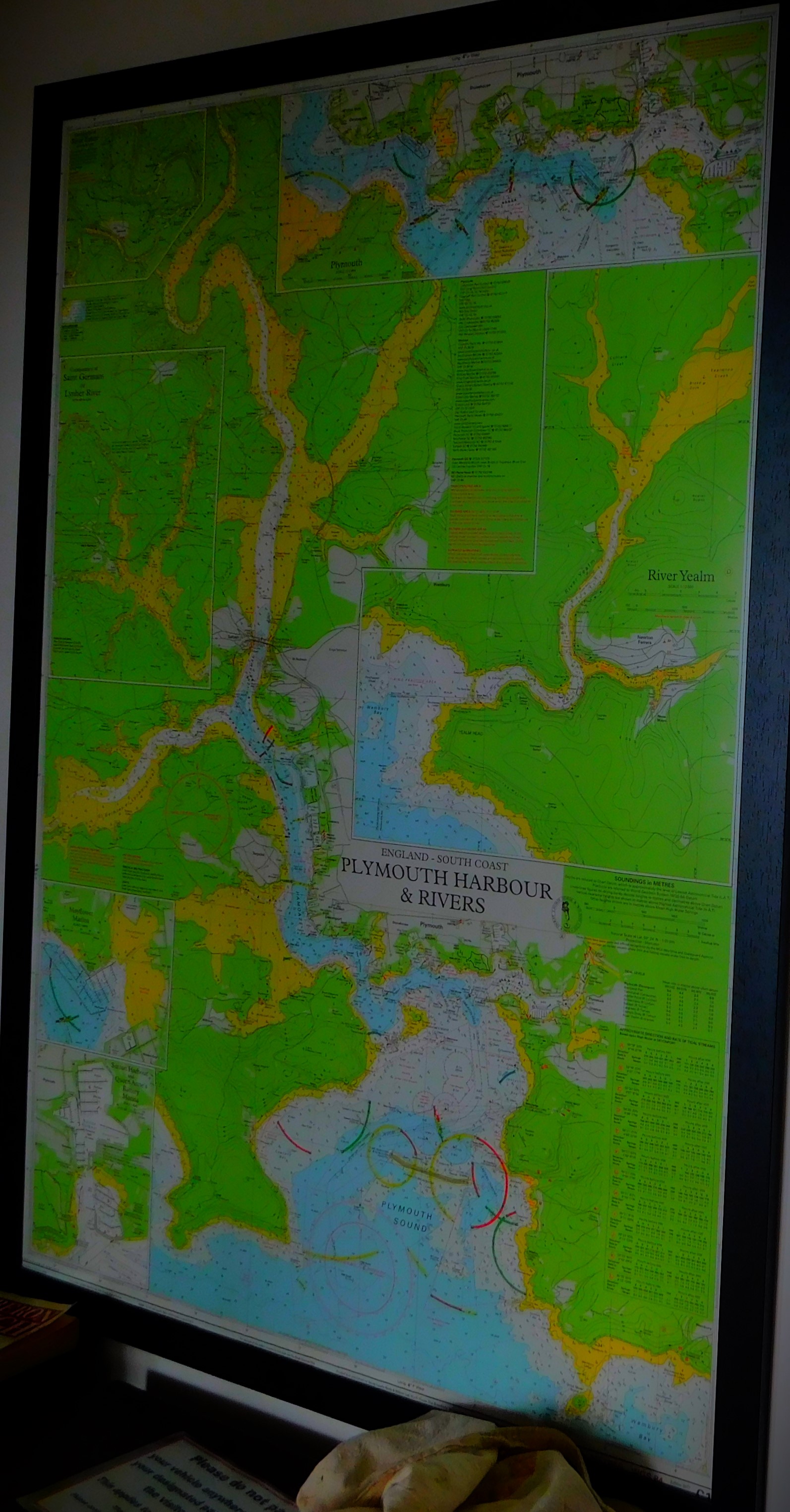
A pictorial map of the Nile between Alexandria and Aswan (Syene in ancient times).A comprehensive view of Fort Picklecombe, obtained from the larger of the two harbour walls.The end of the larger of the end of the larger of the two harbour walls – the tide was fairly high, so care was required out here.A nearly complete view of the harbour (I could not find a location from which a complete view was obtainable)A gigantic ferry on its way into Plymouth – the following day I saw one heading outwards.
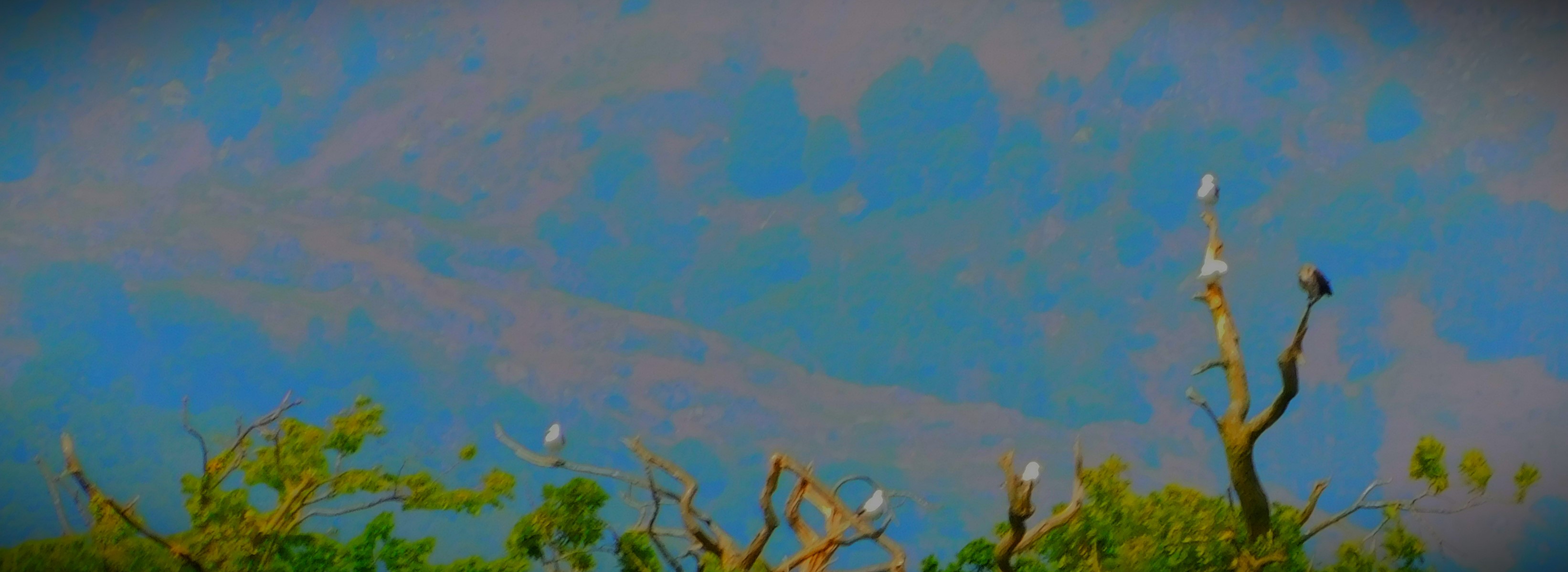
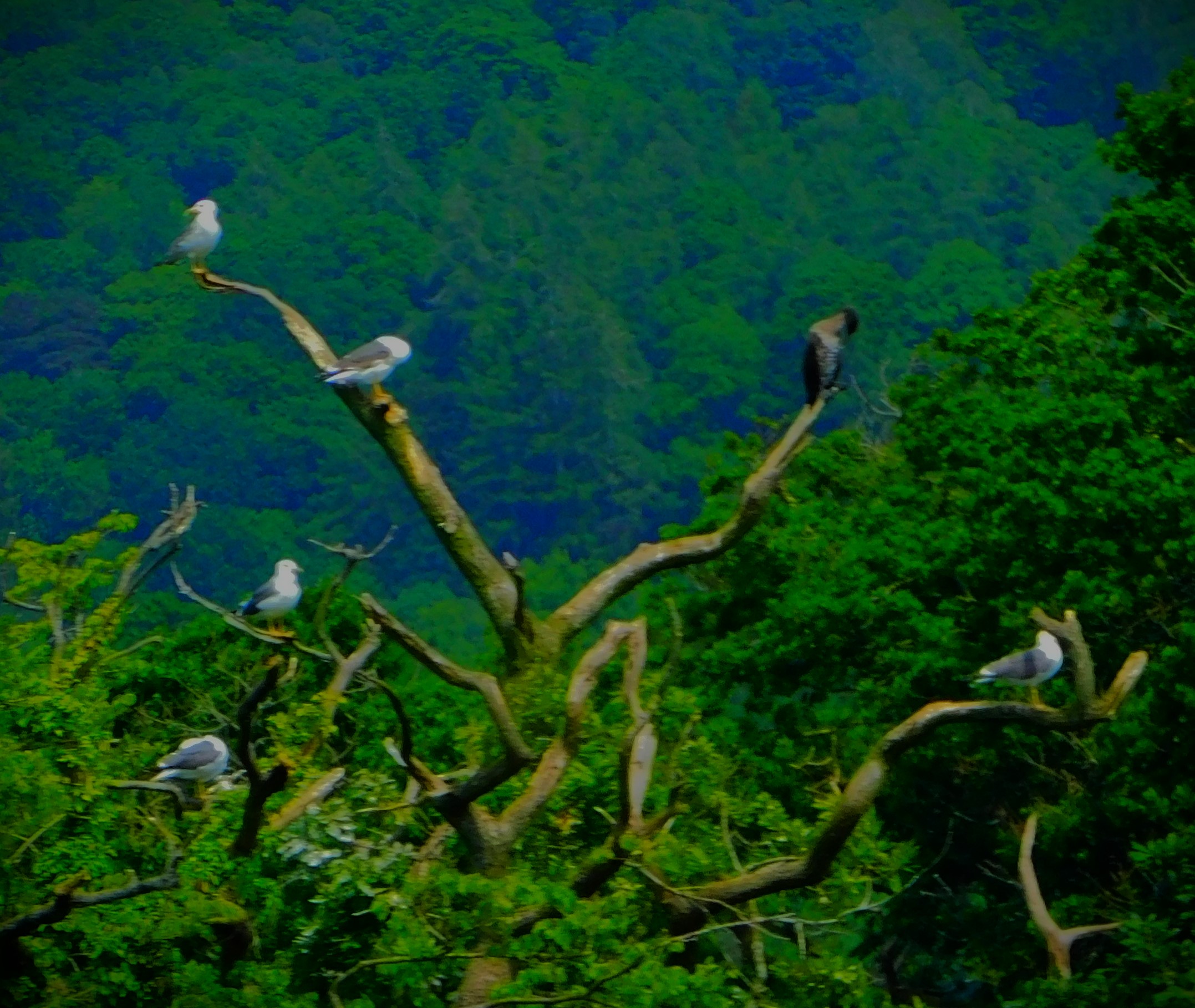
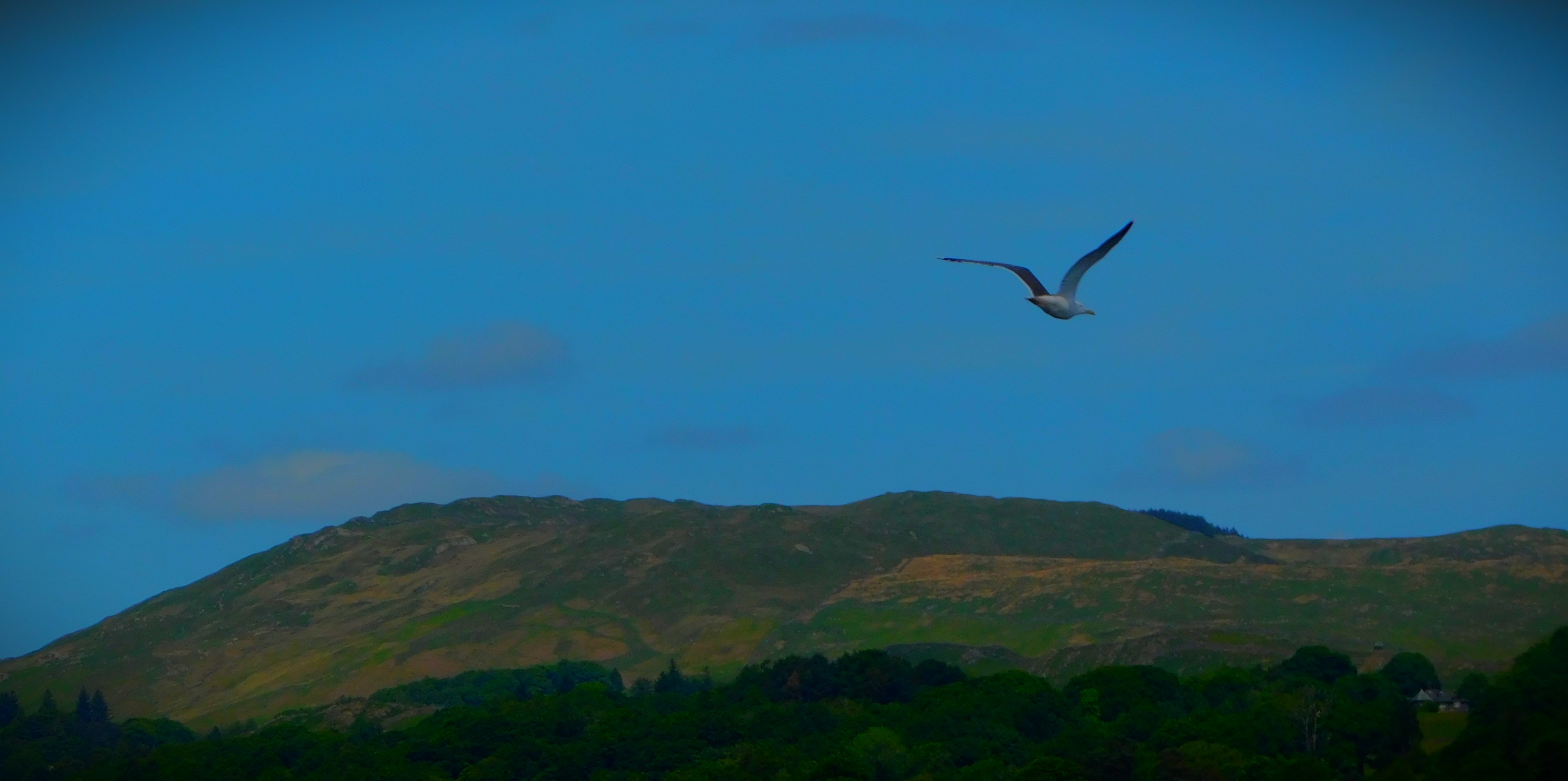
A look at the bird life in and around England’s largest lake as part of my series about my holiday in the Lake District.
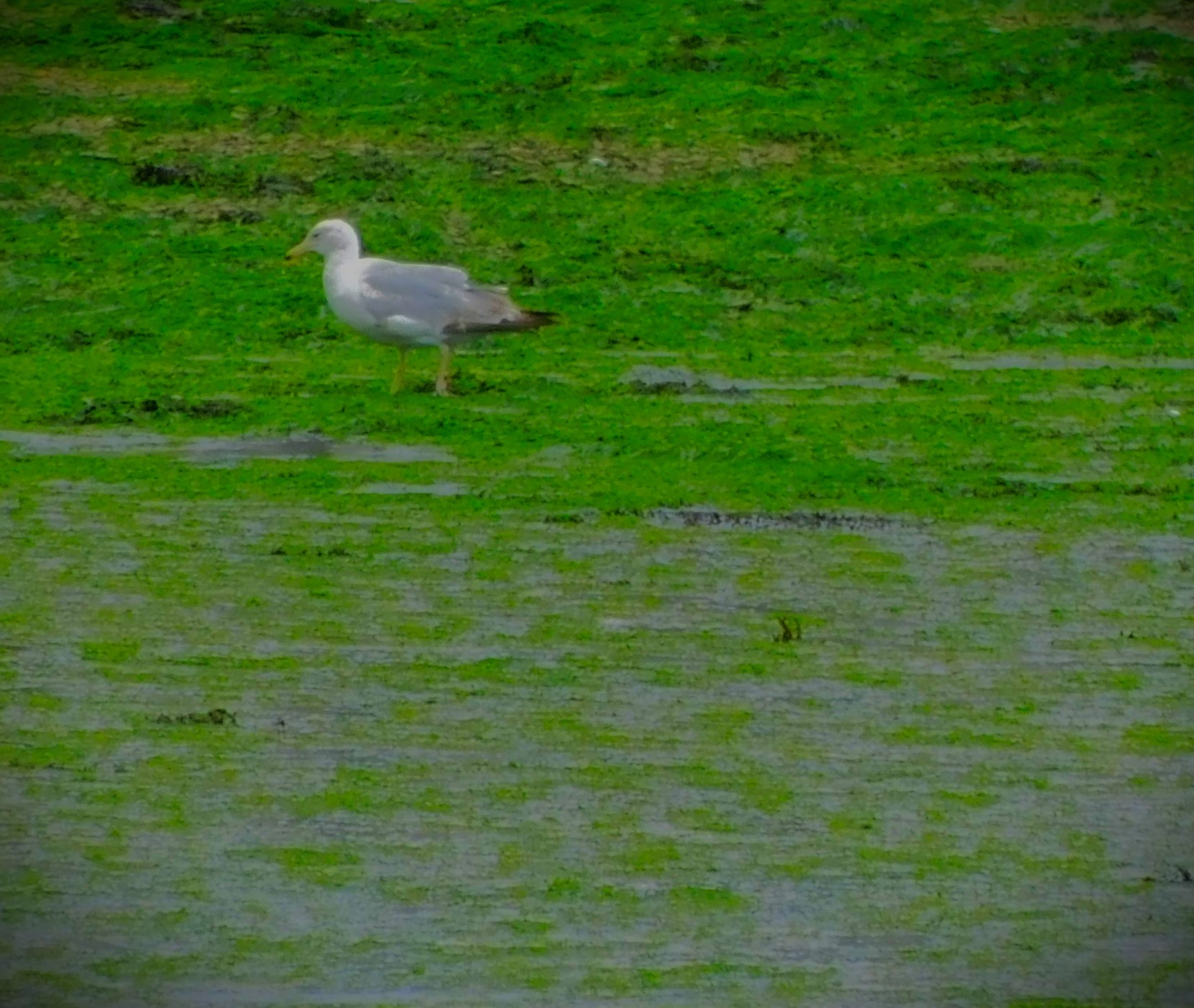
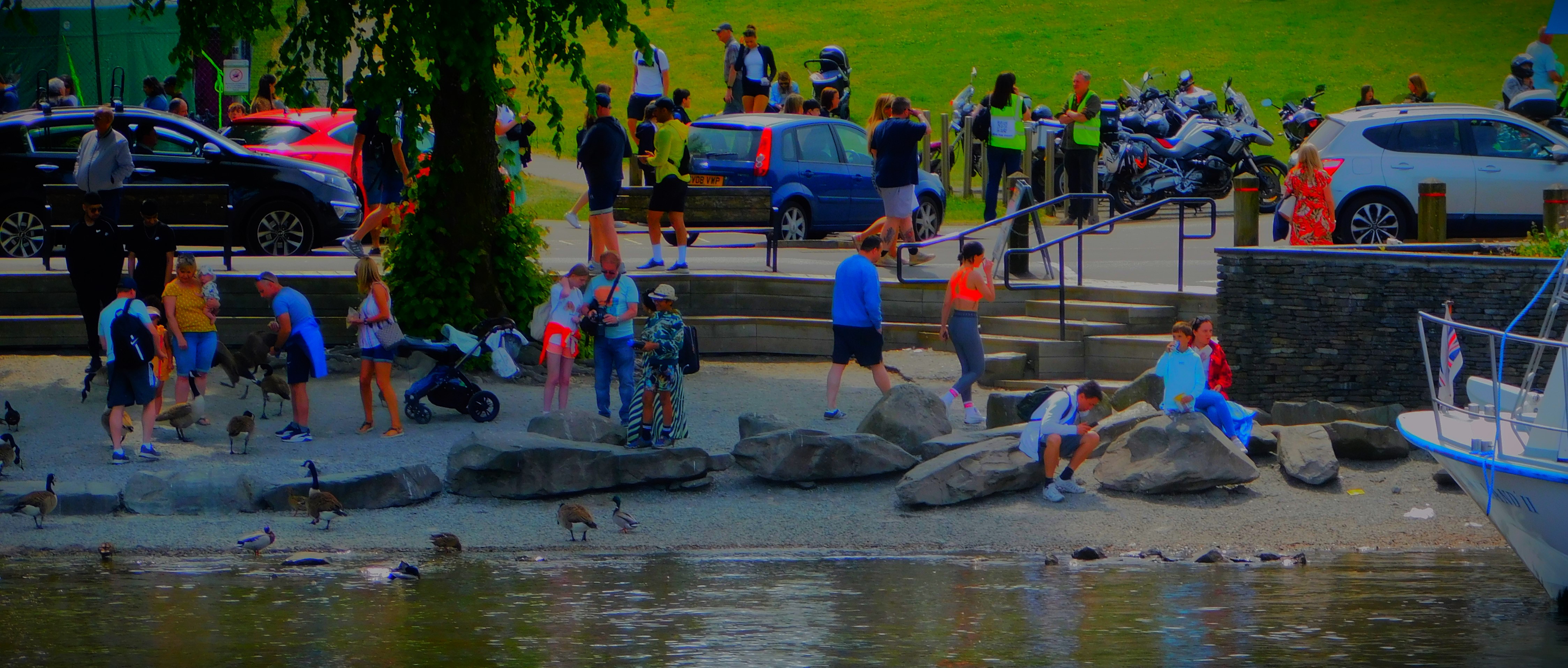
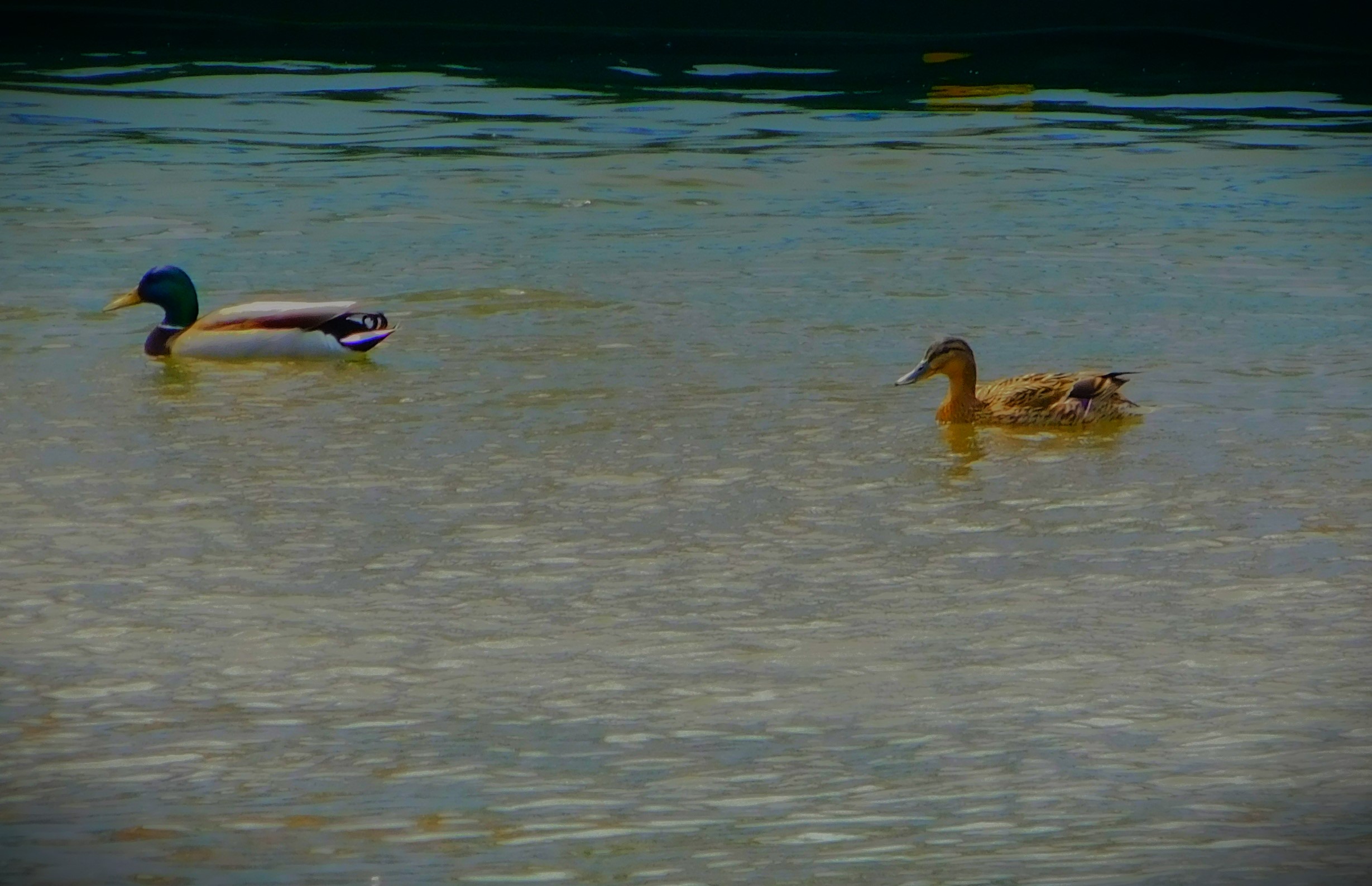
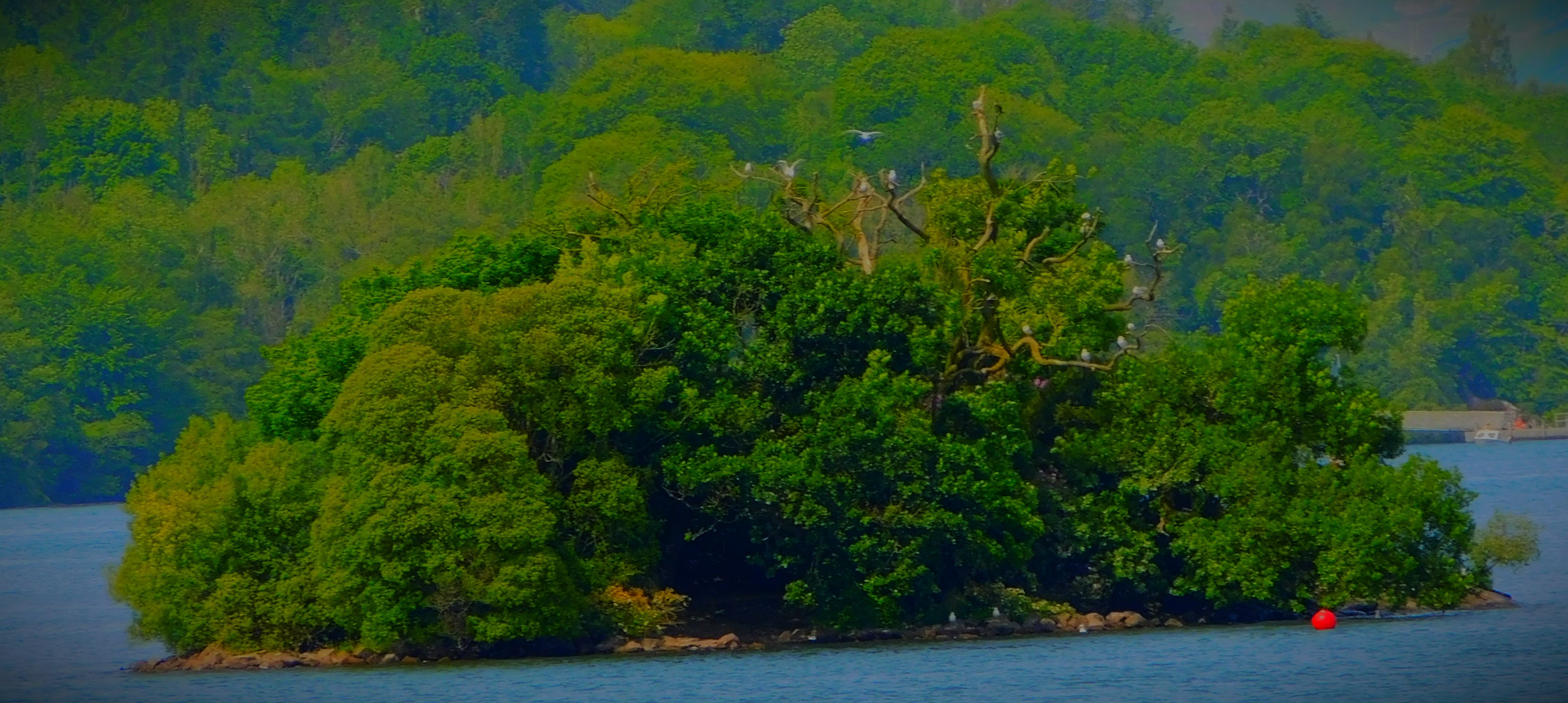
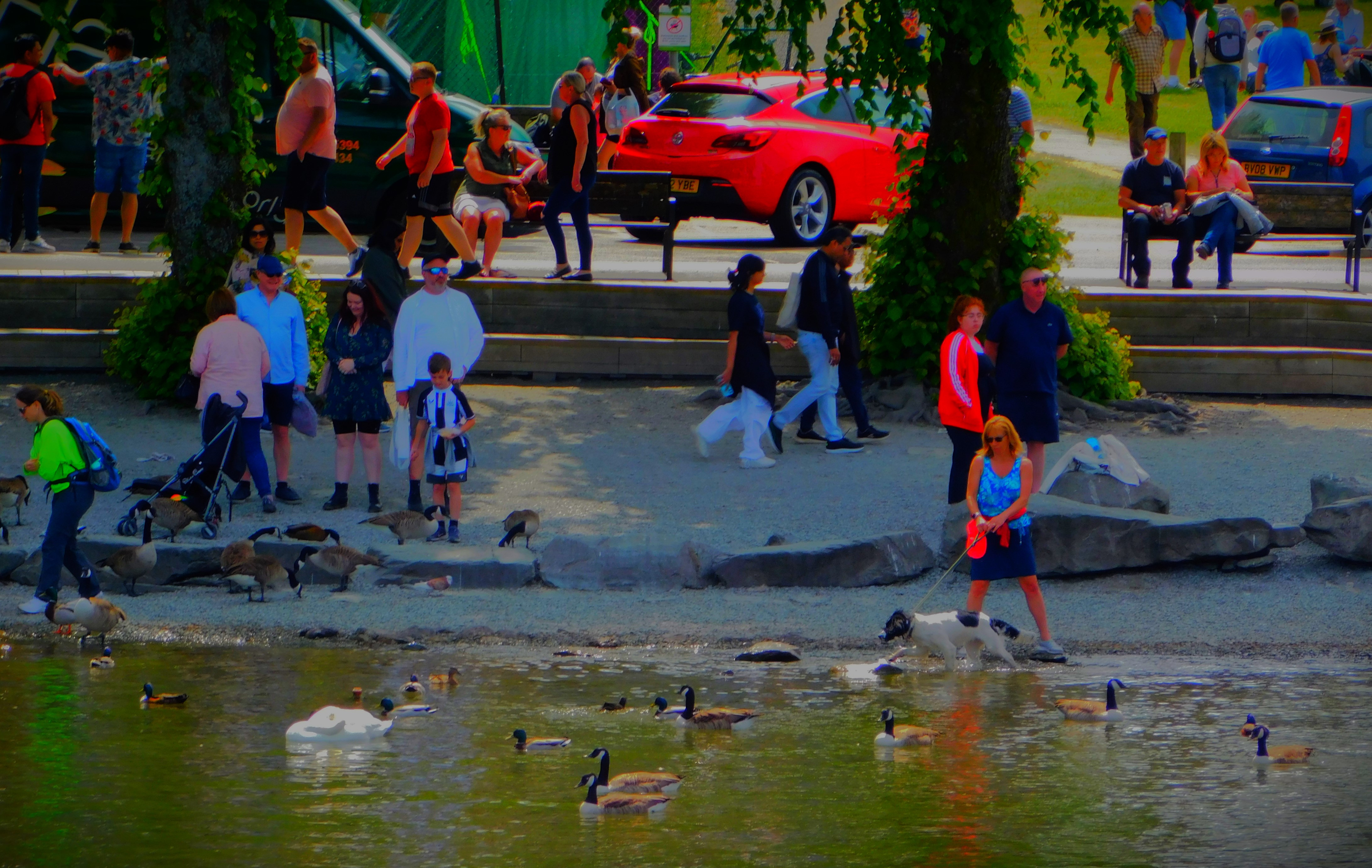
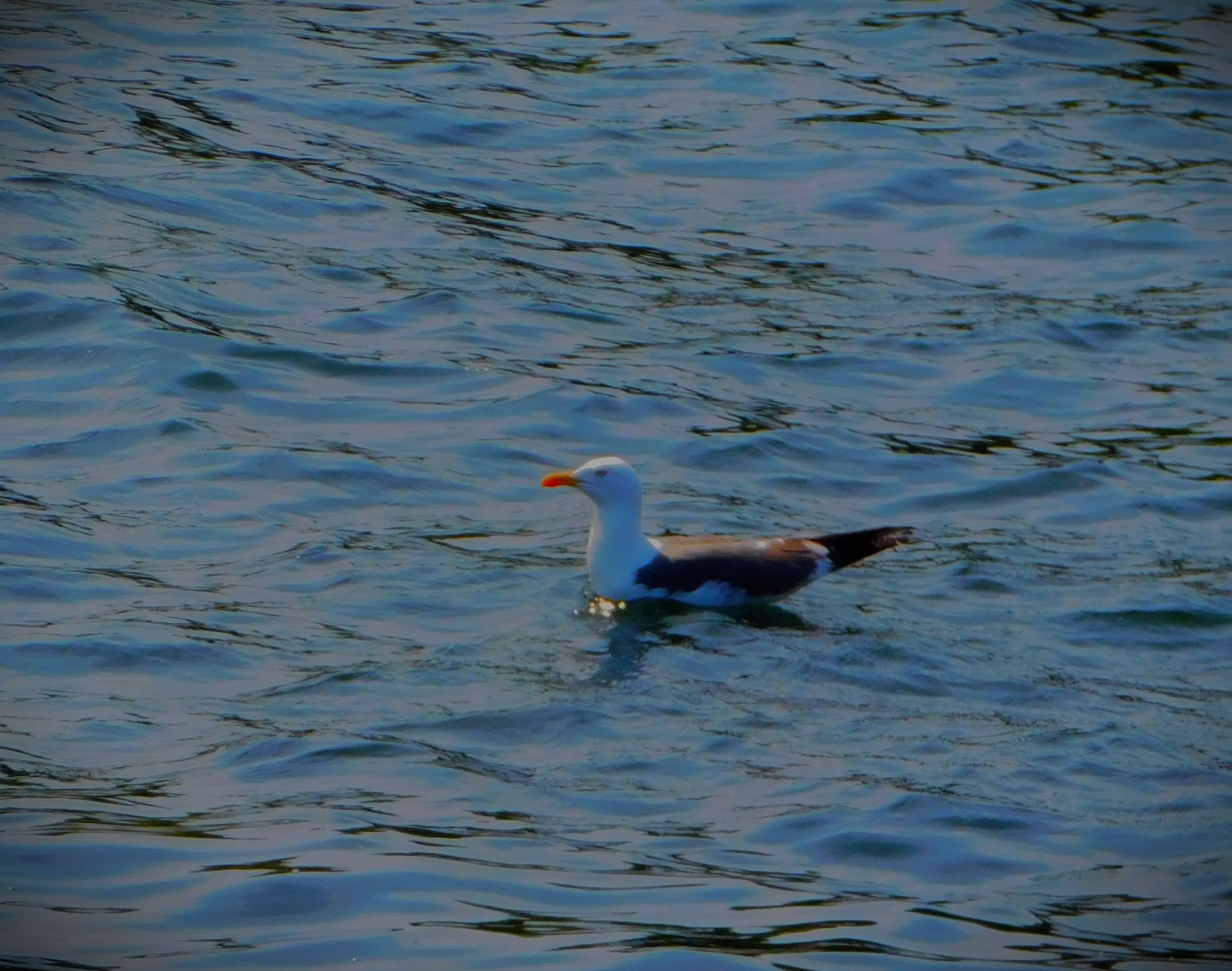
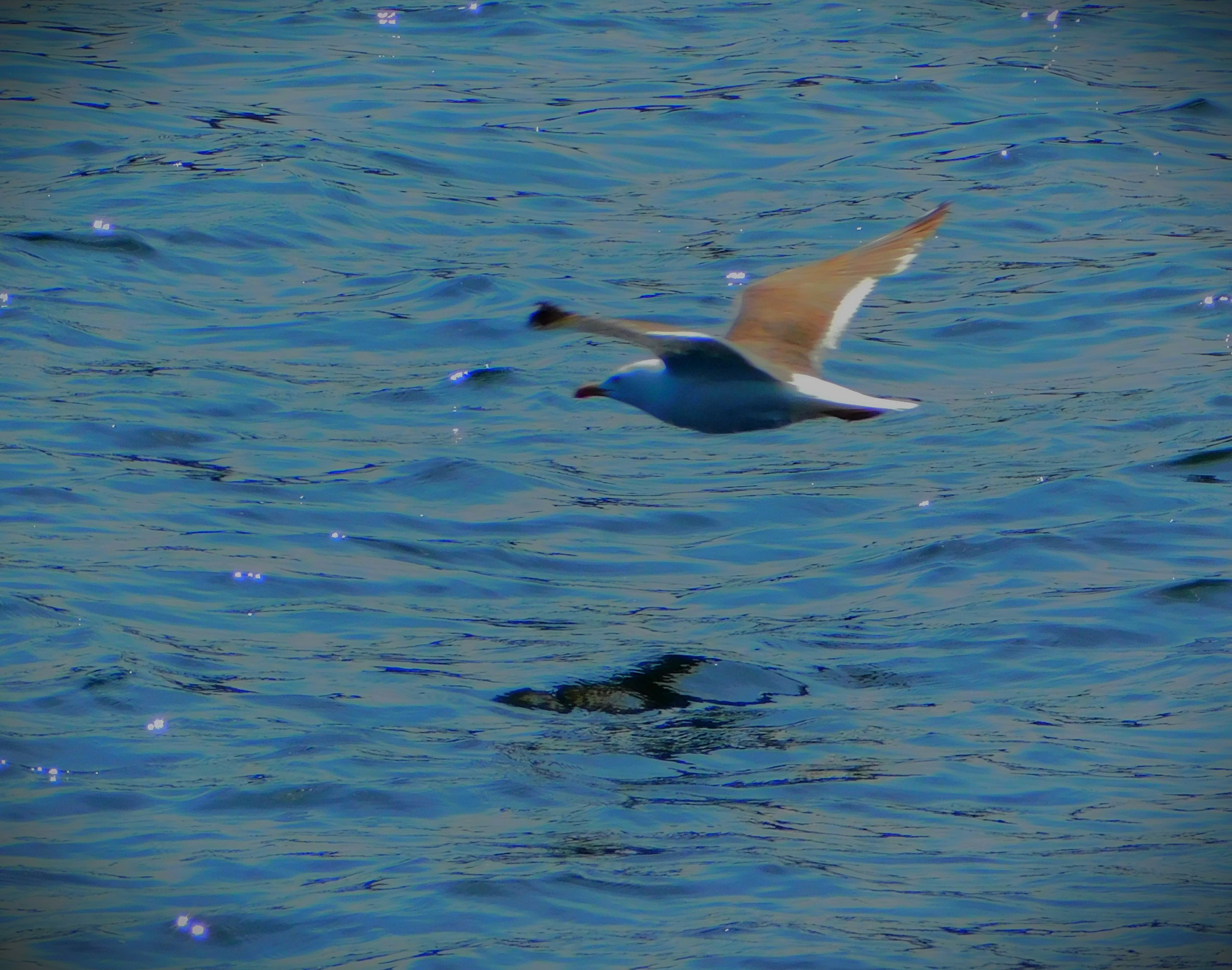
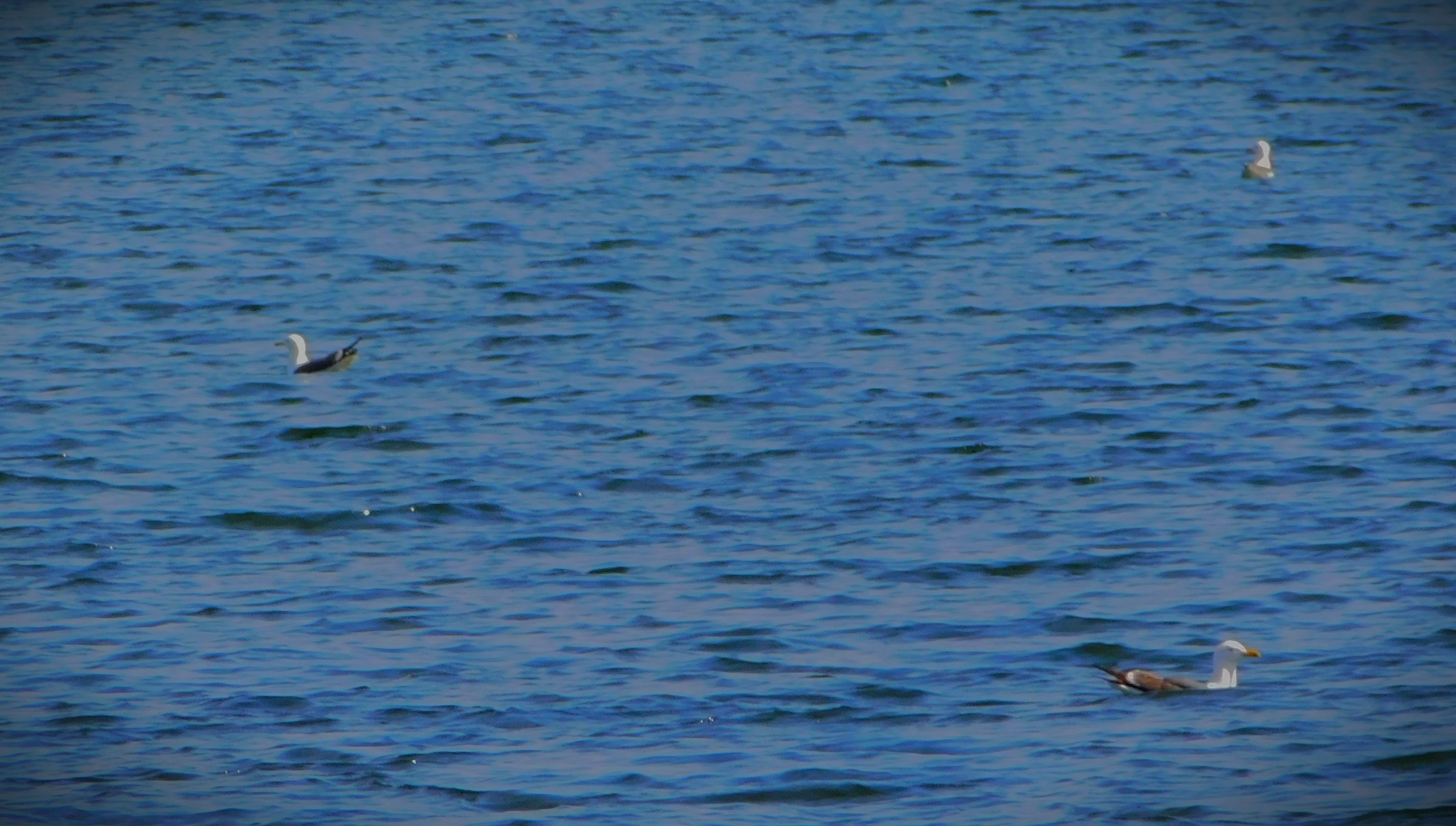
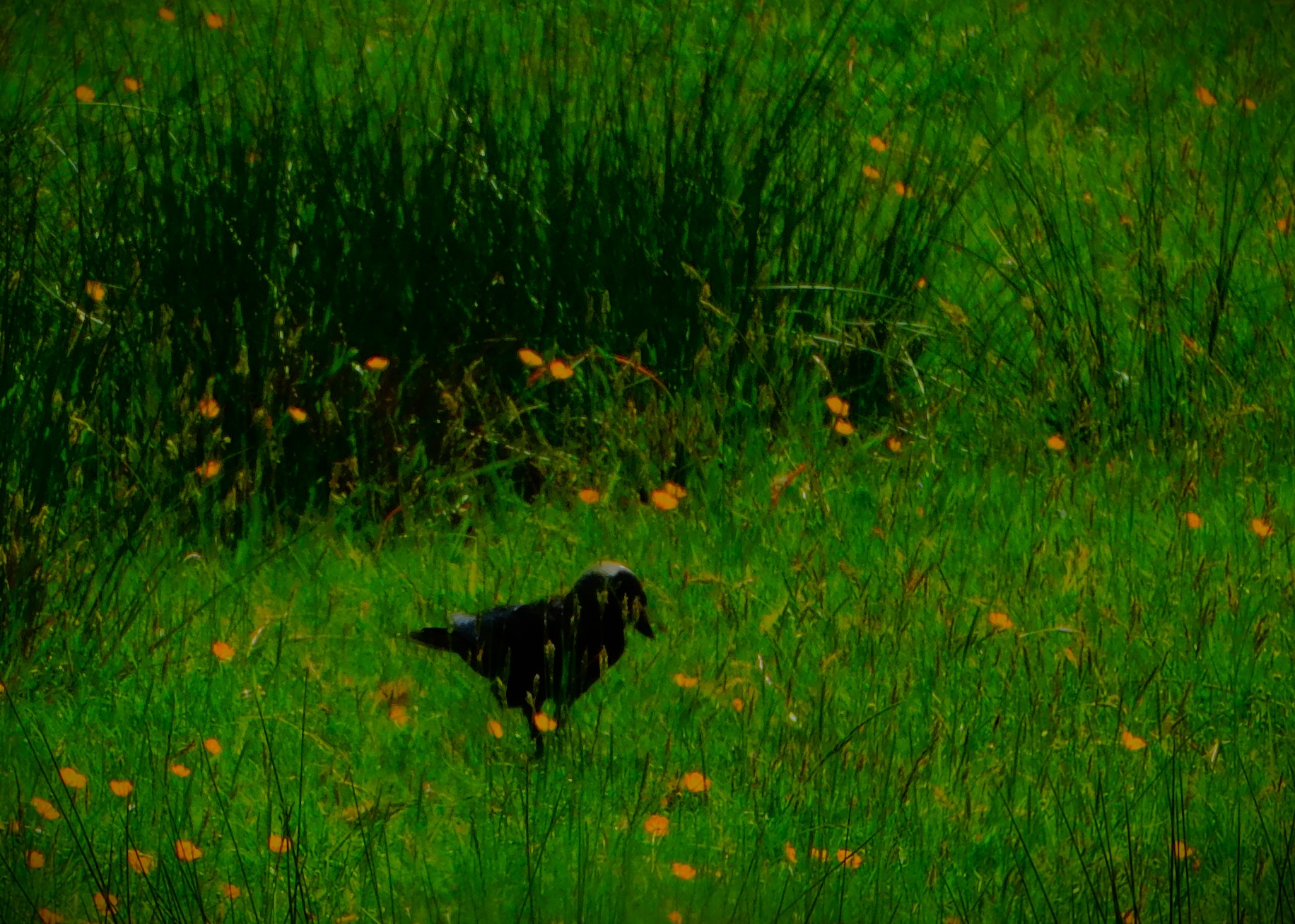
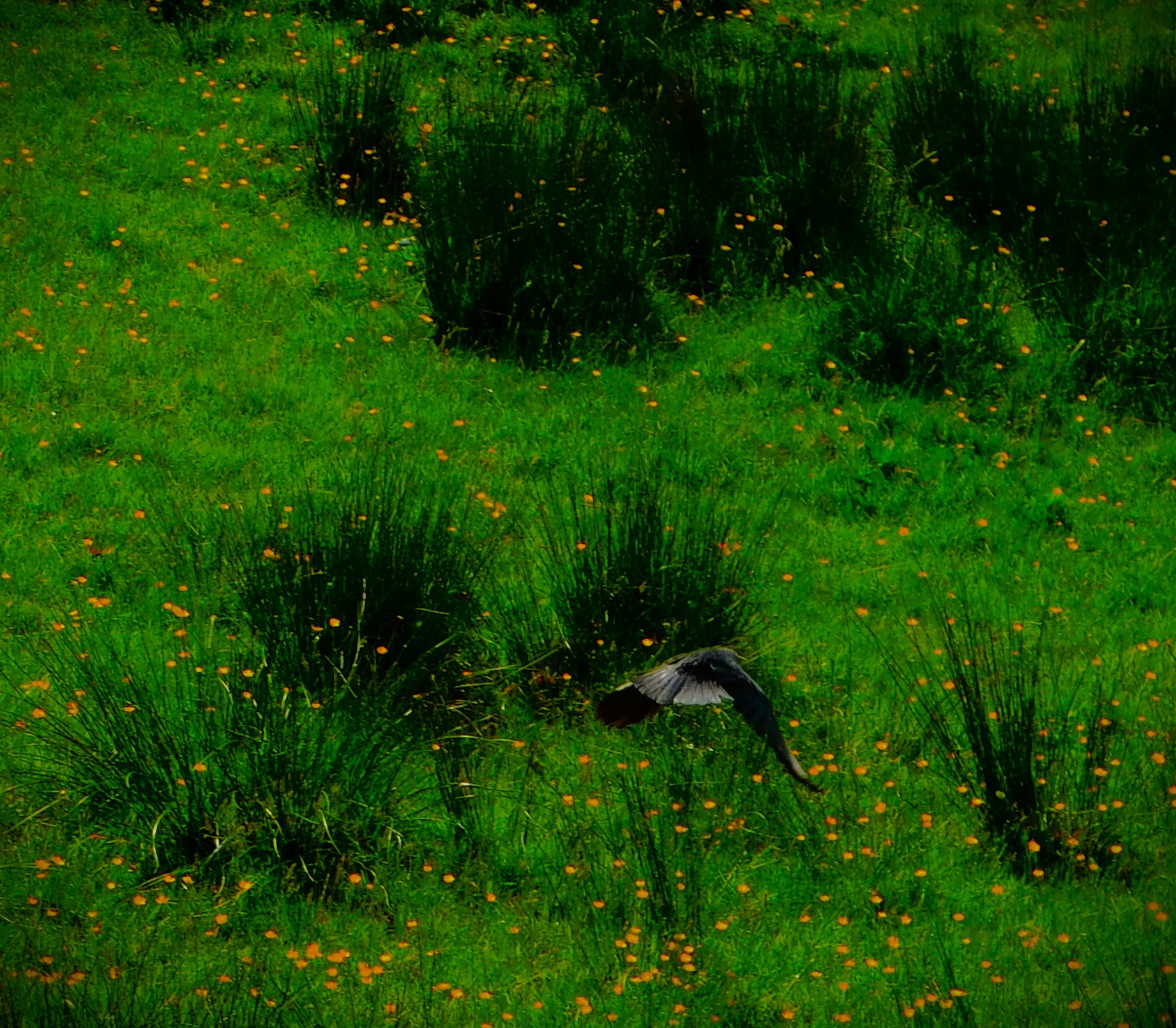
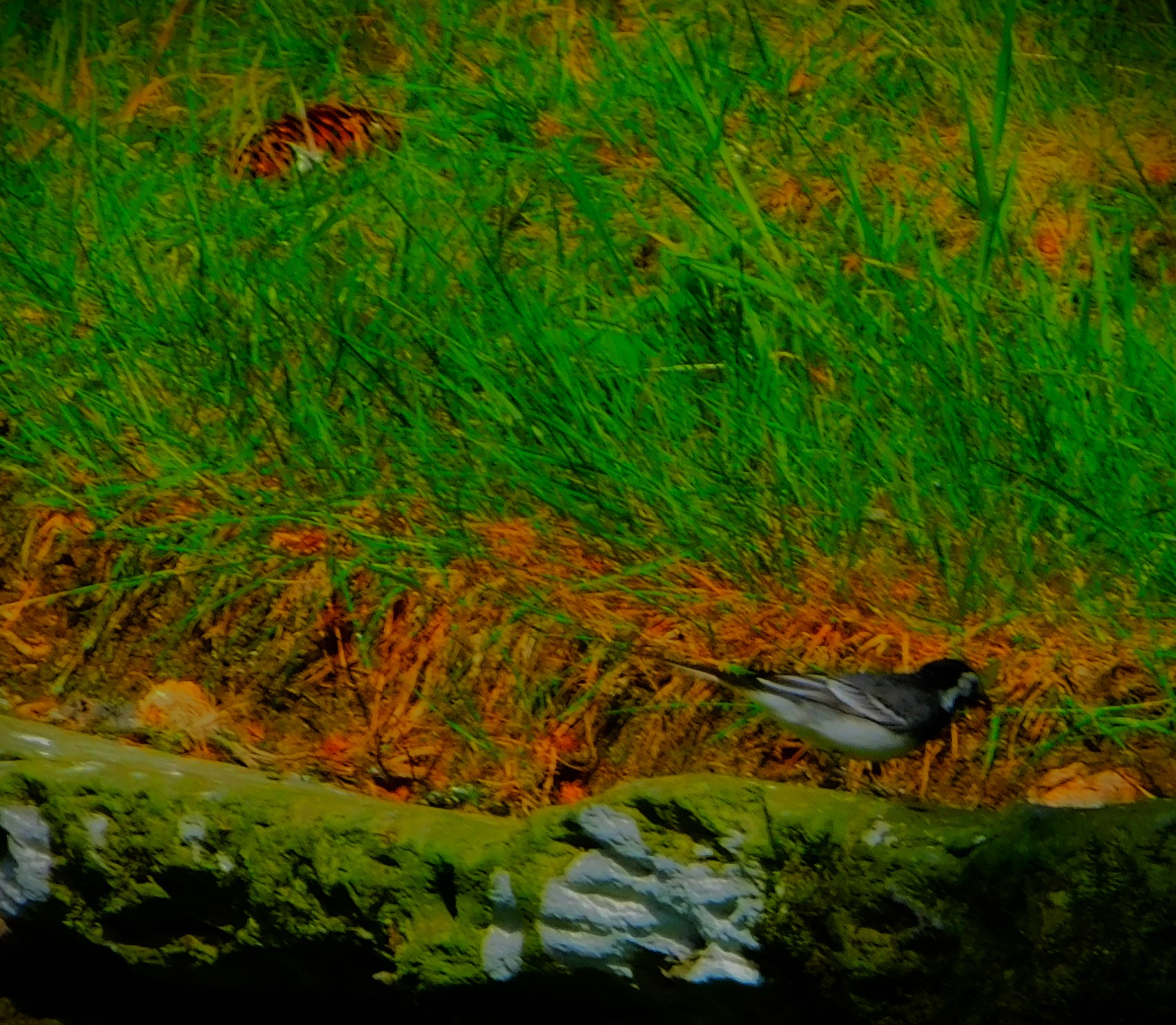
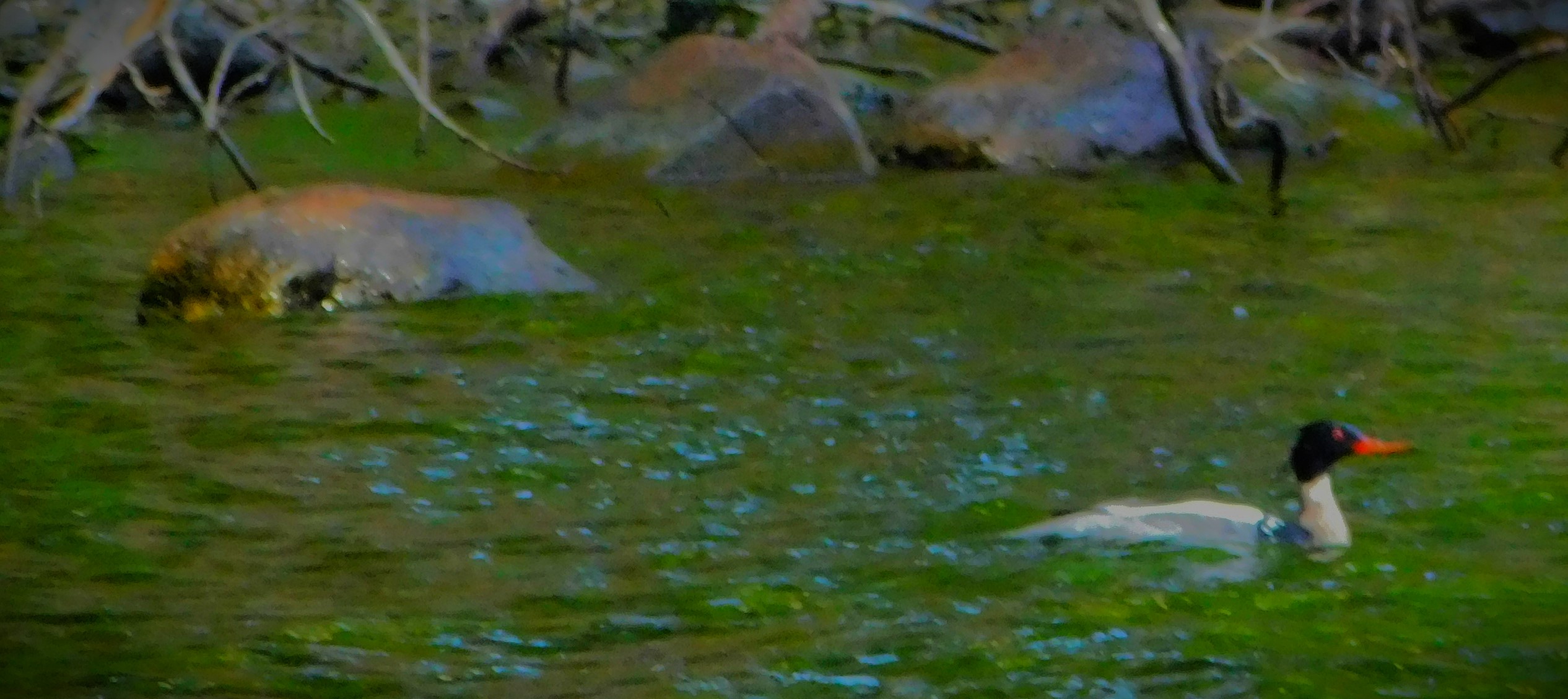
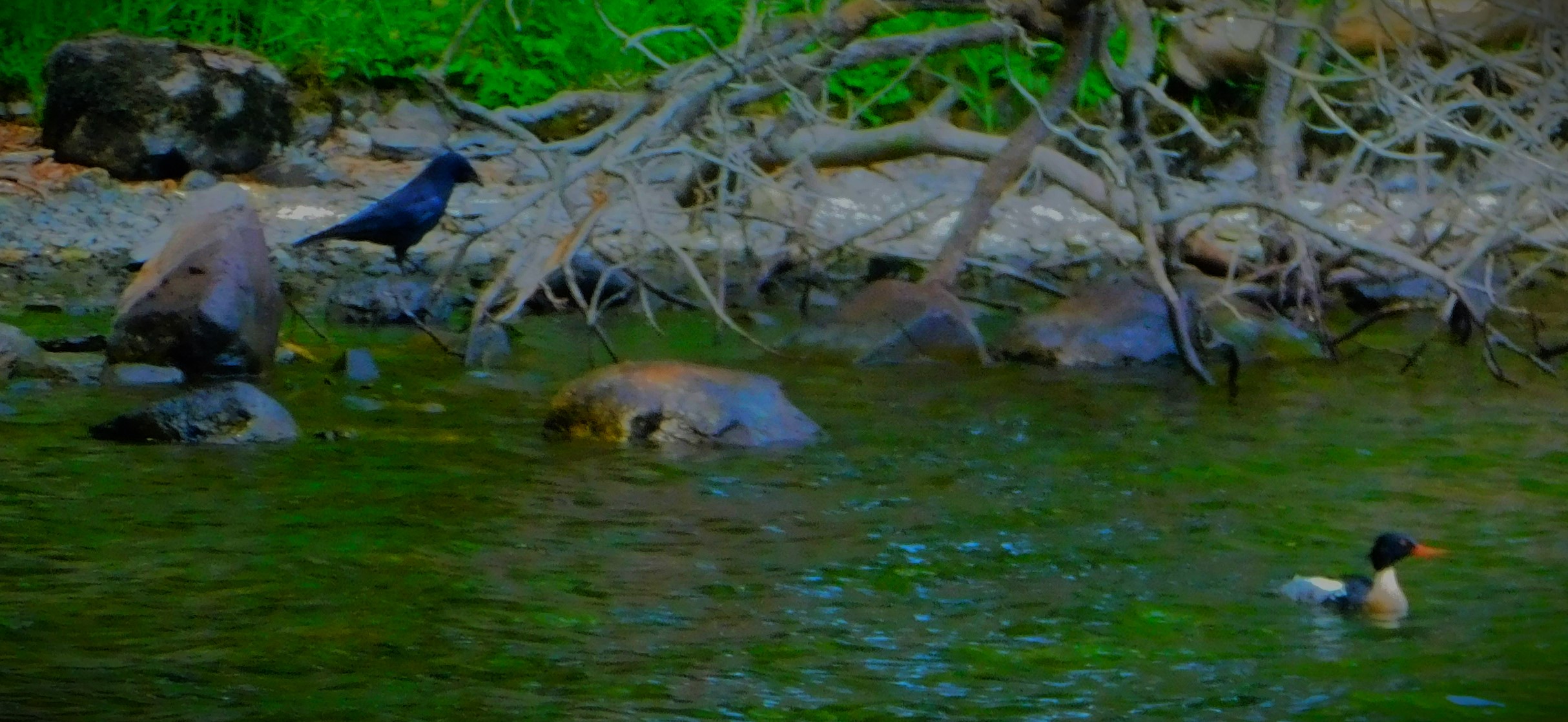
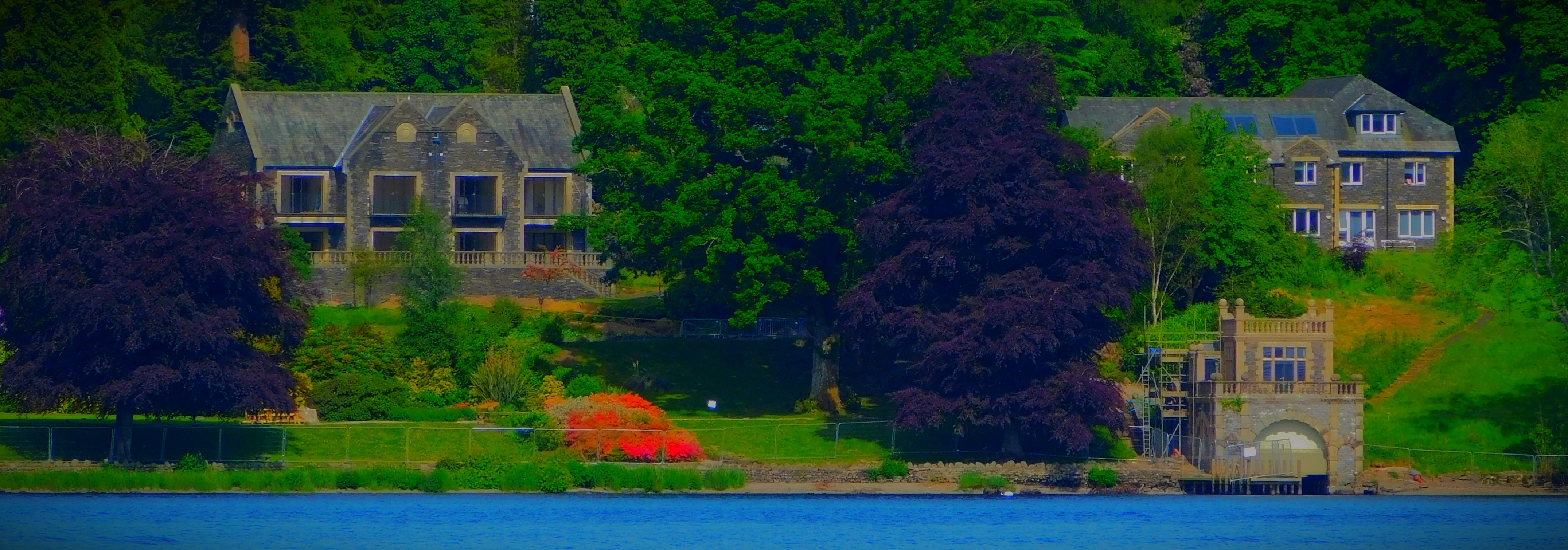
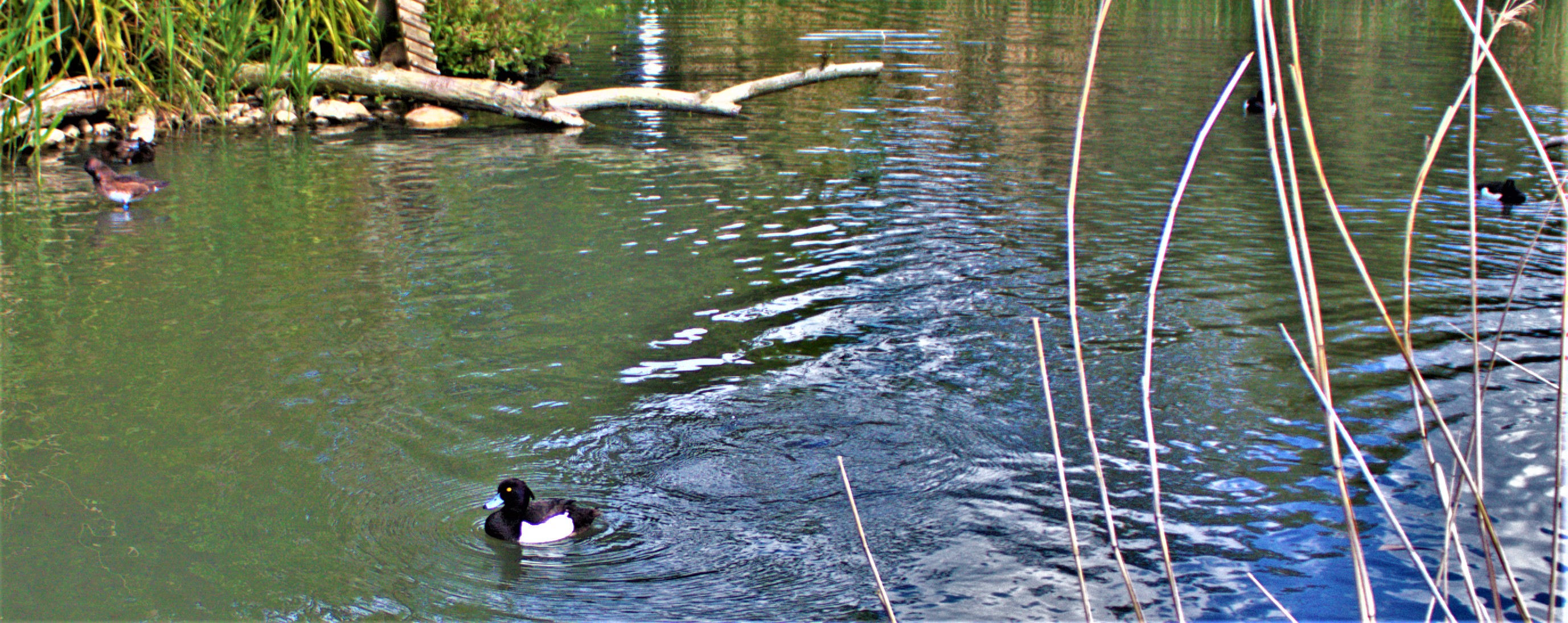
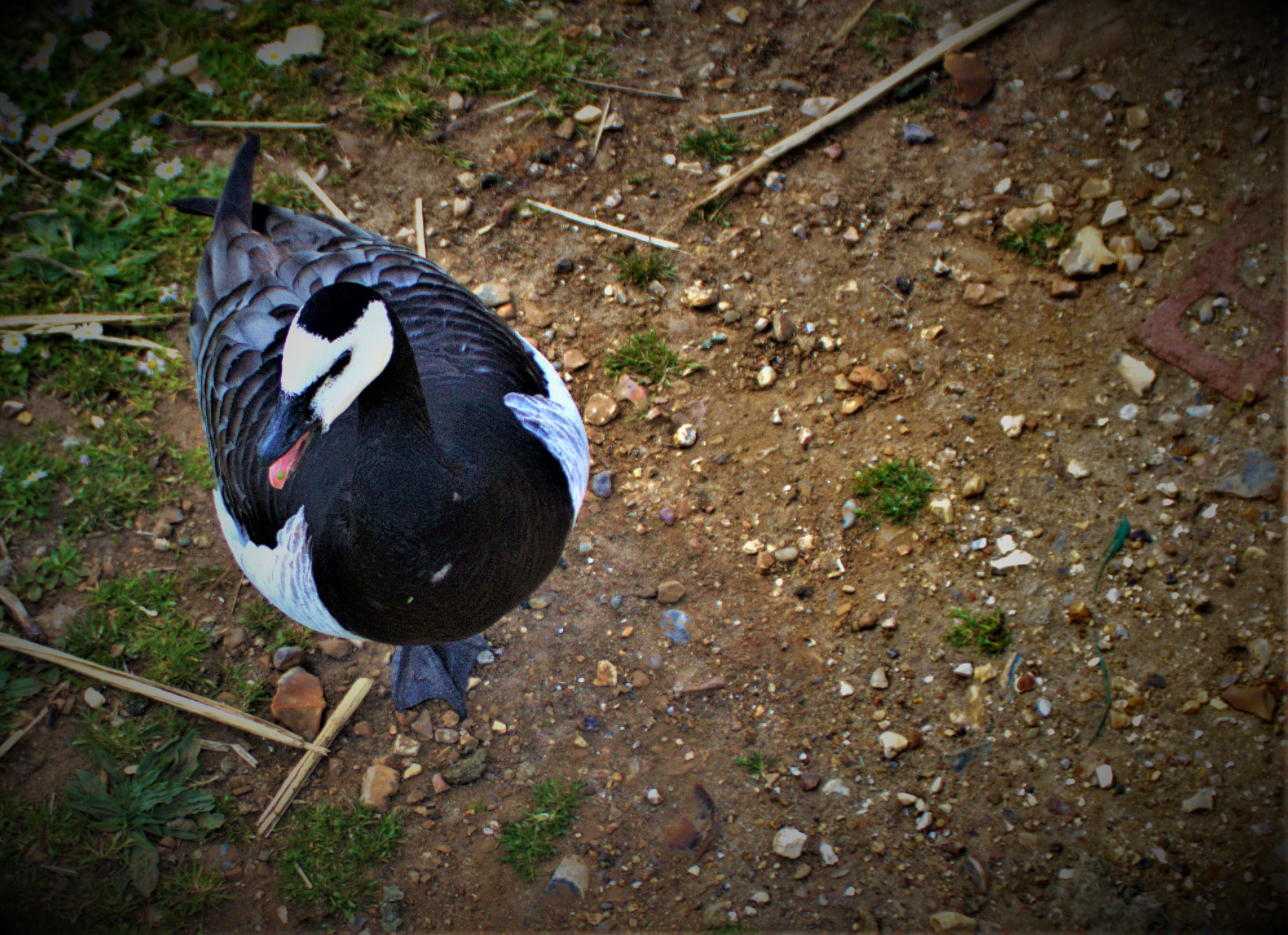
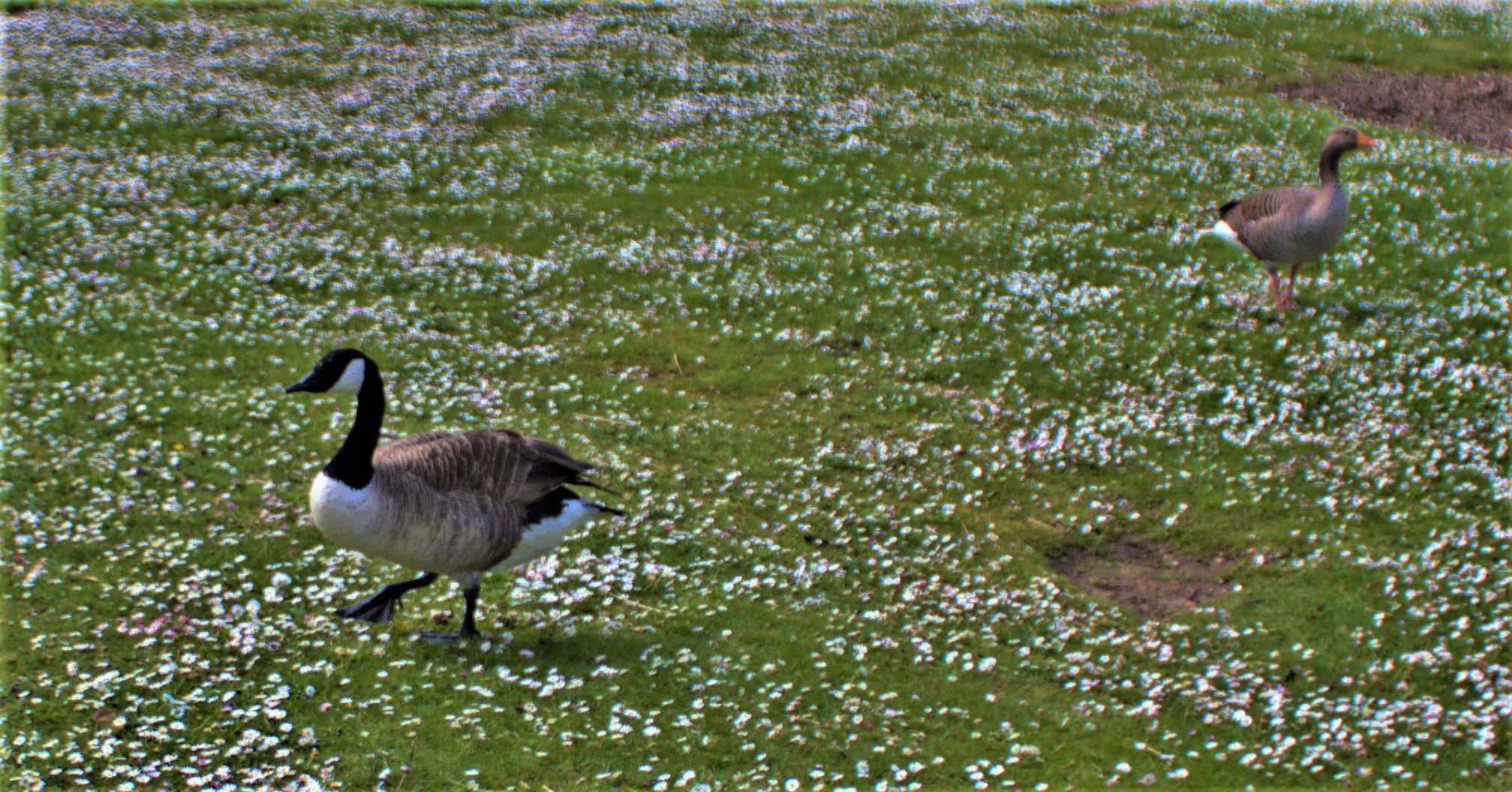
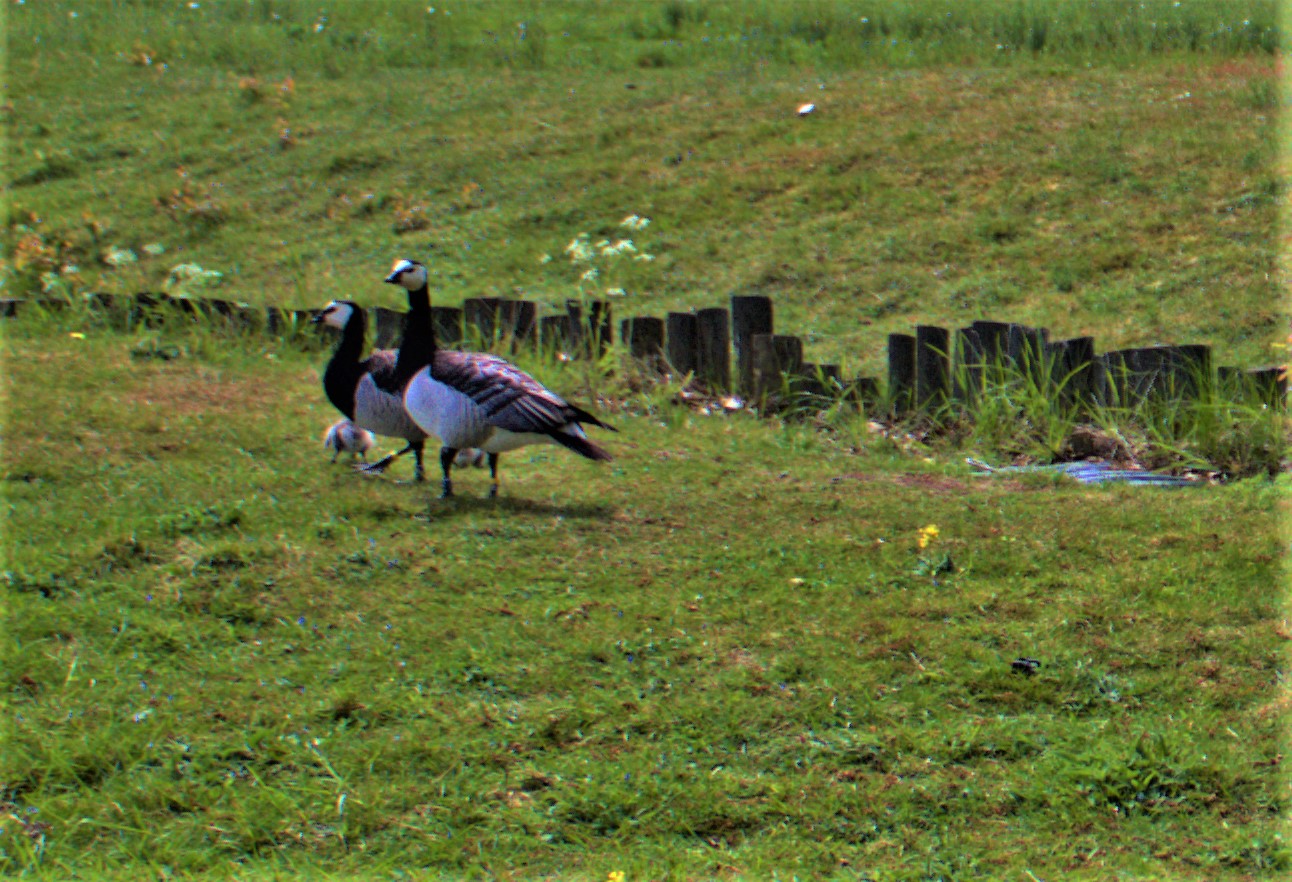
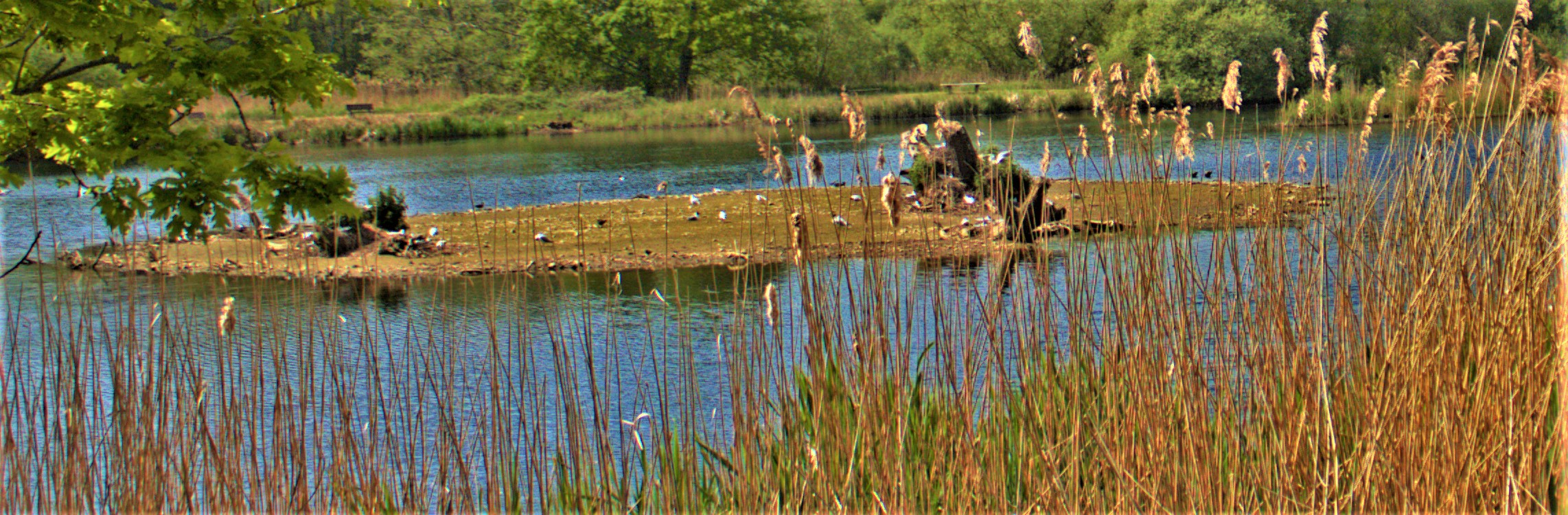
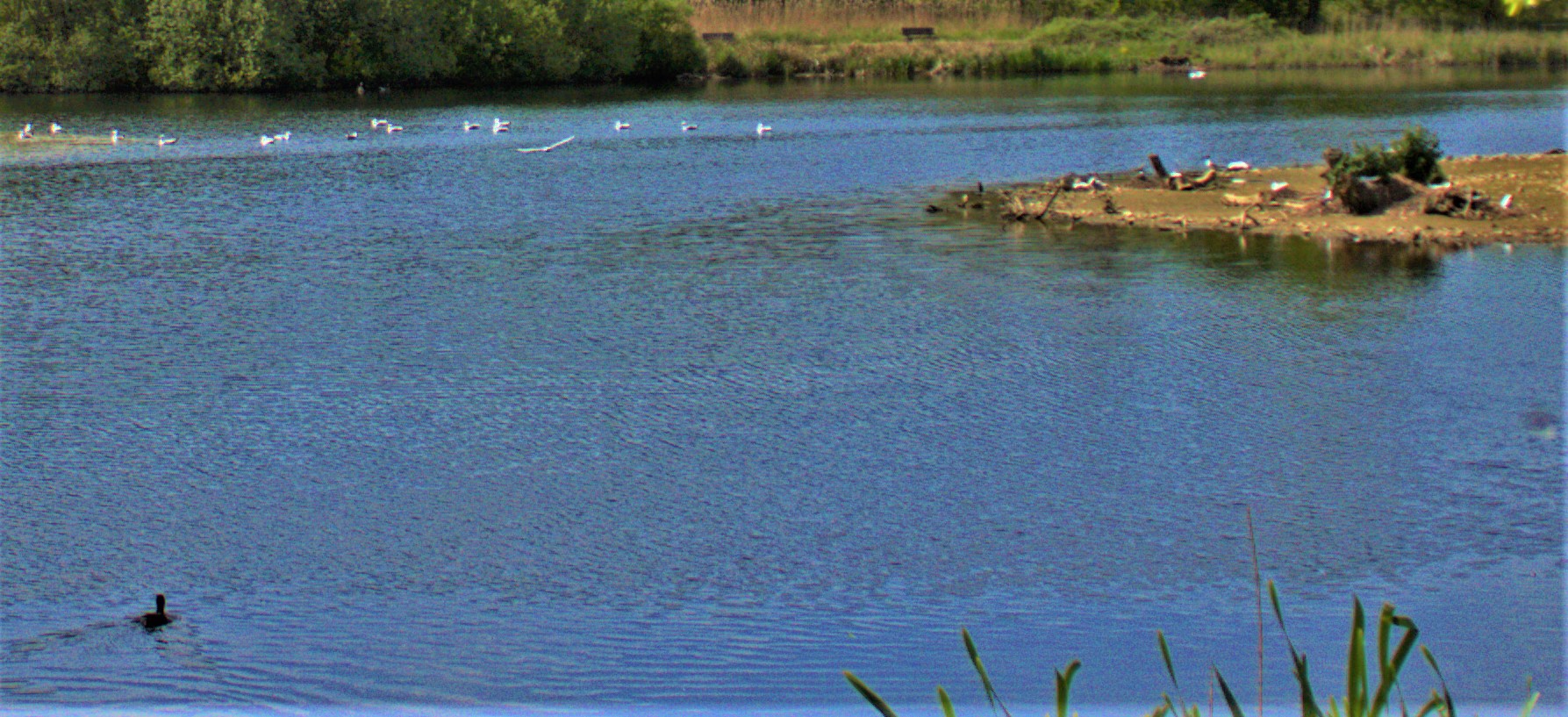
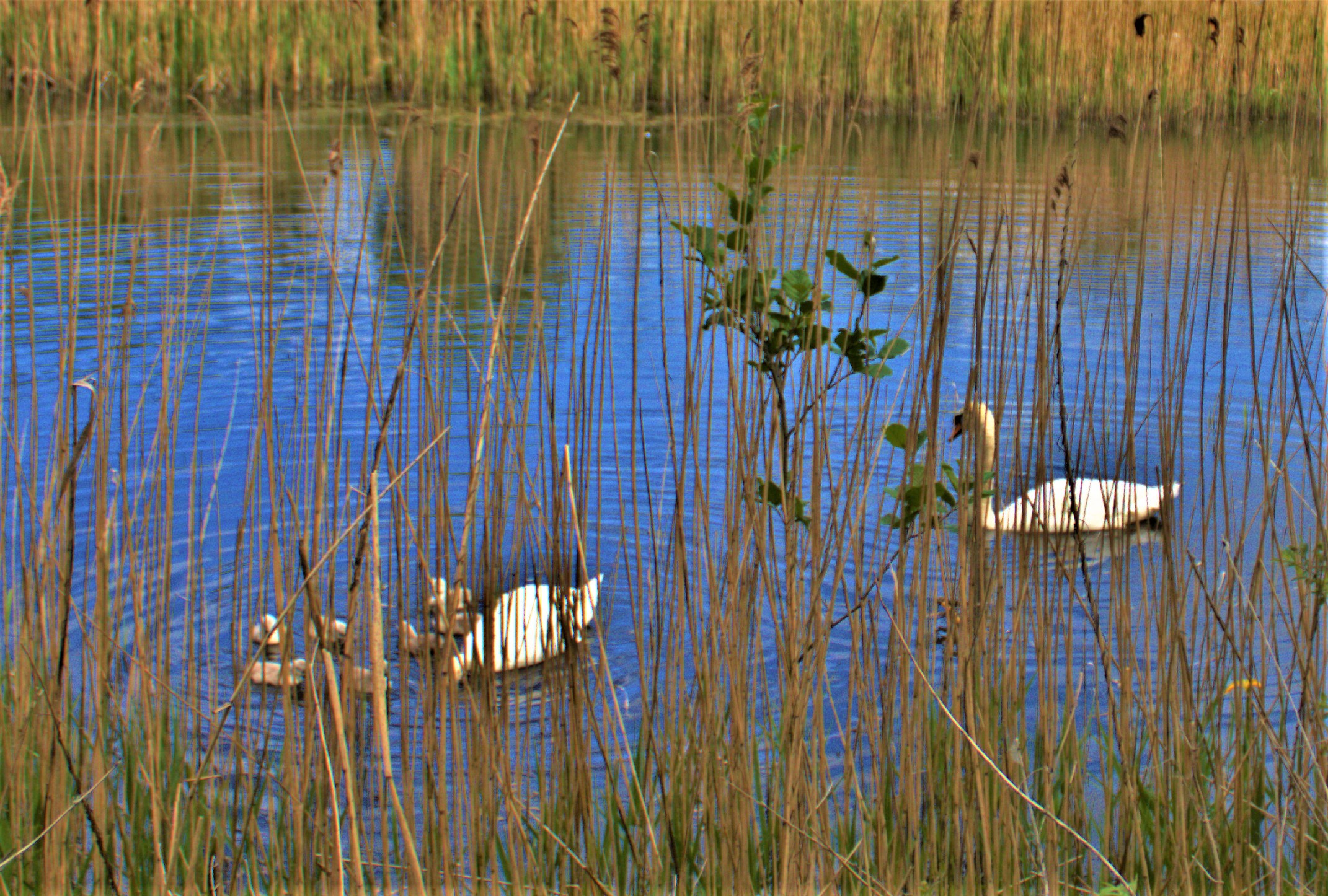
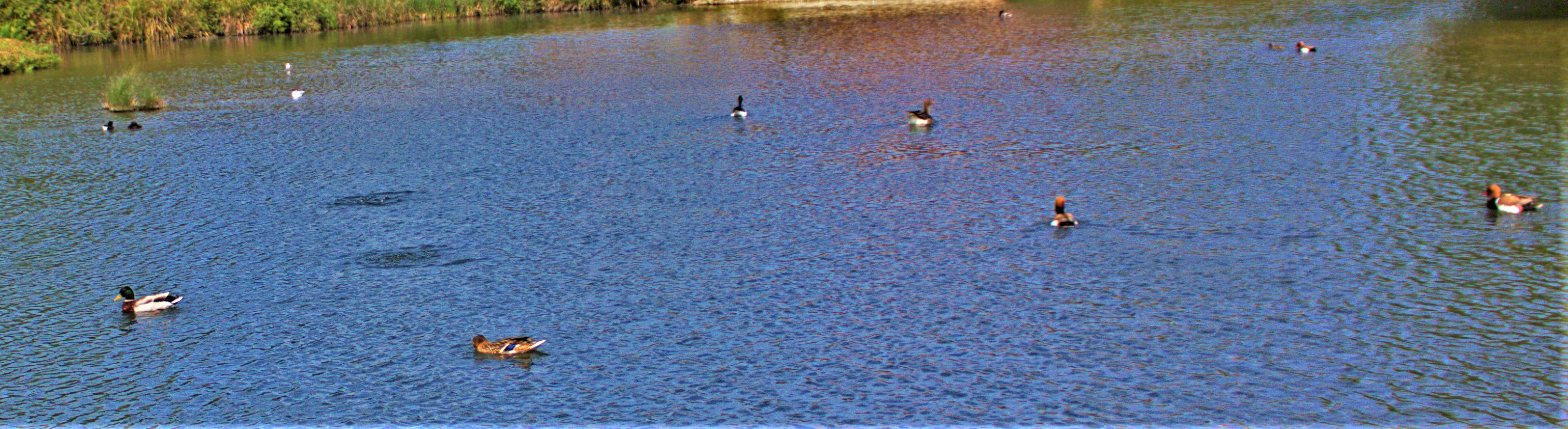
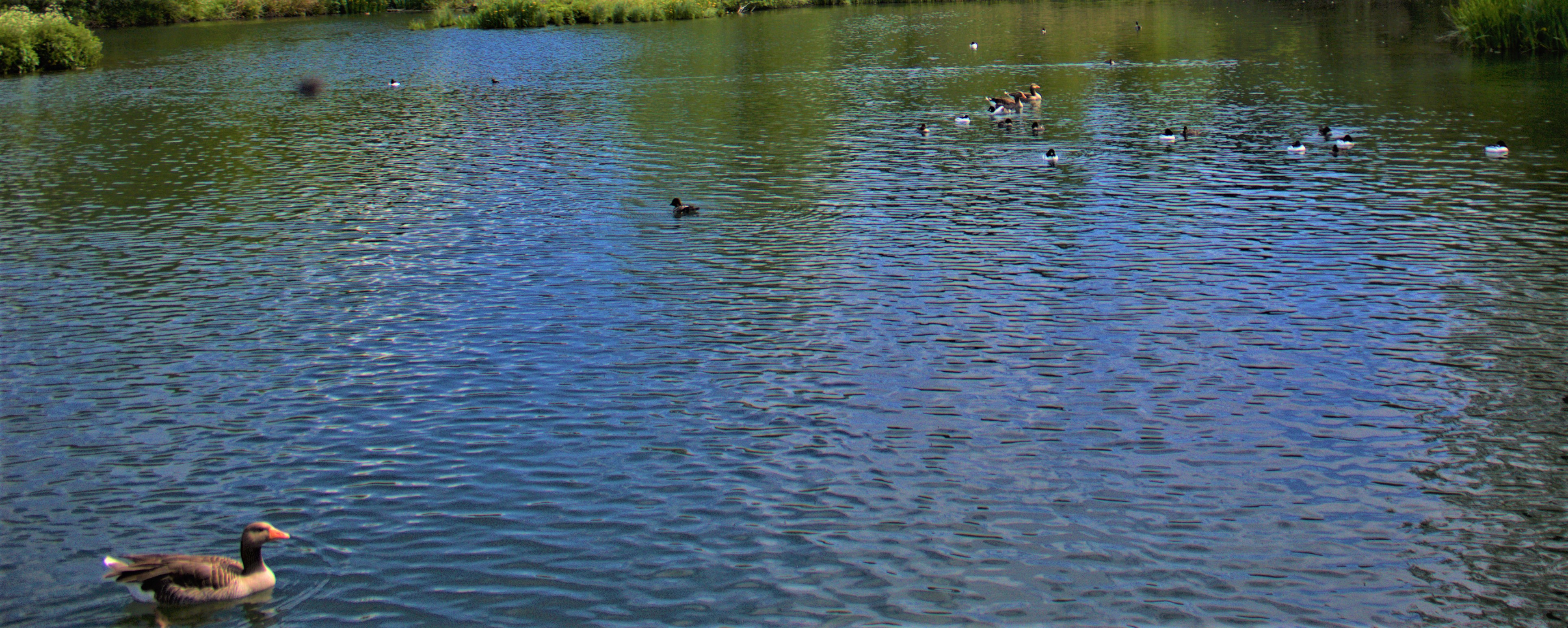
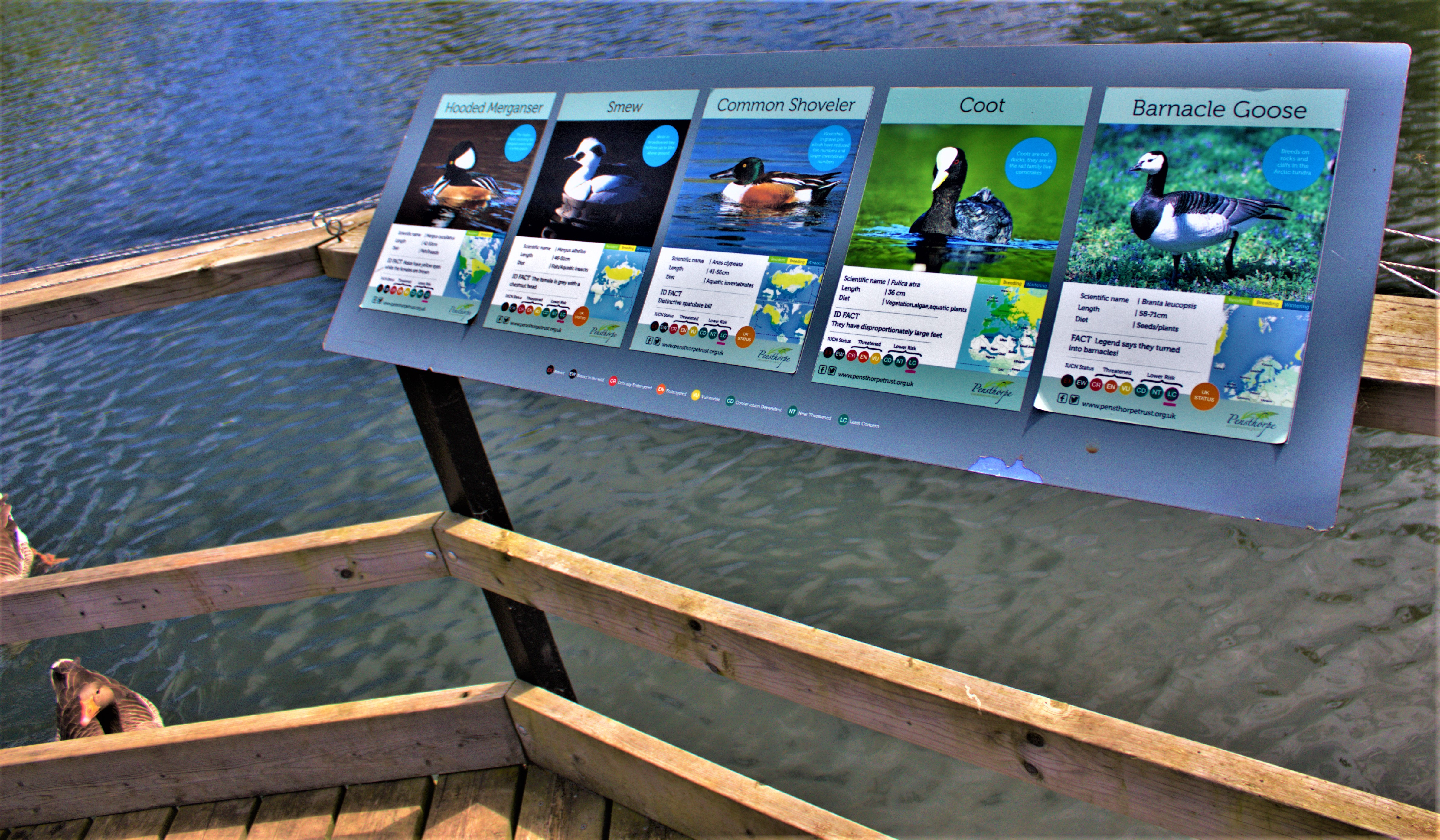
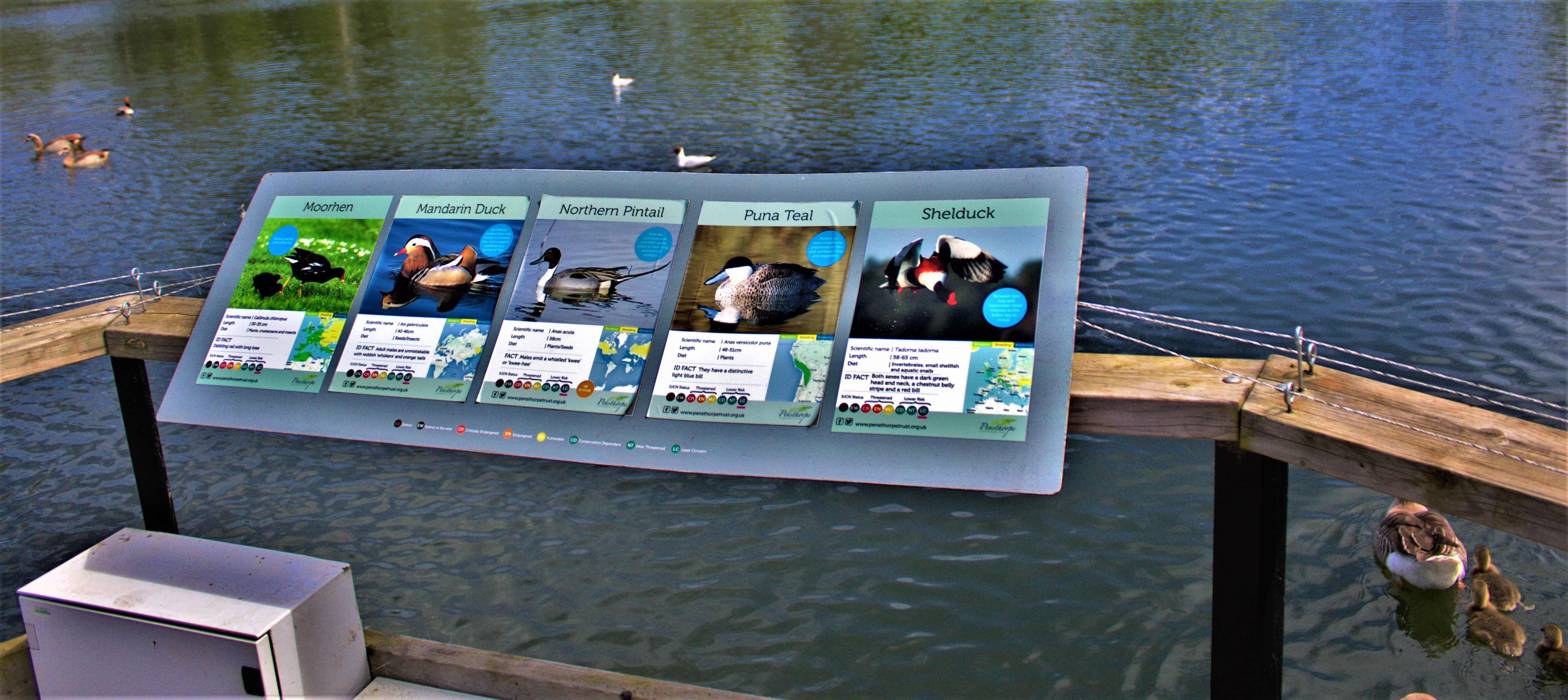
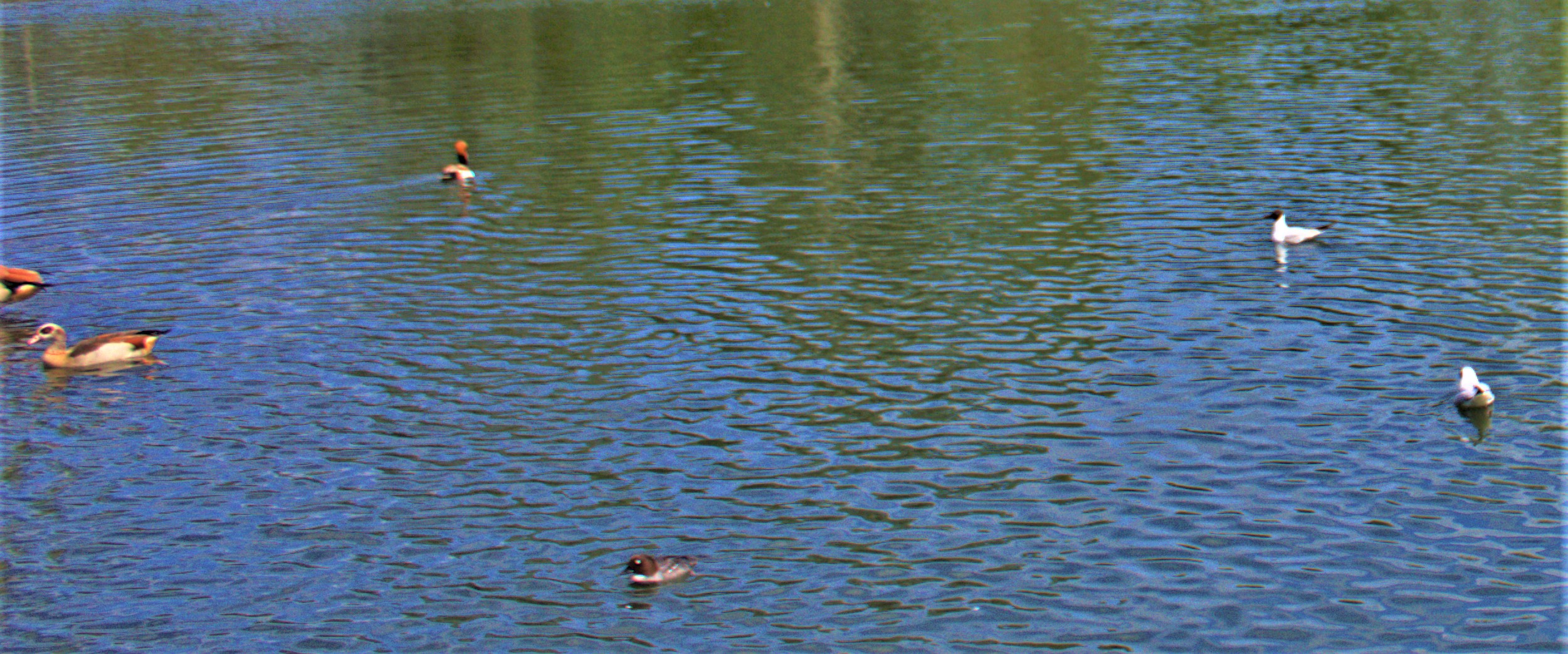
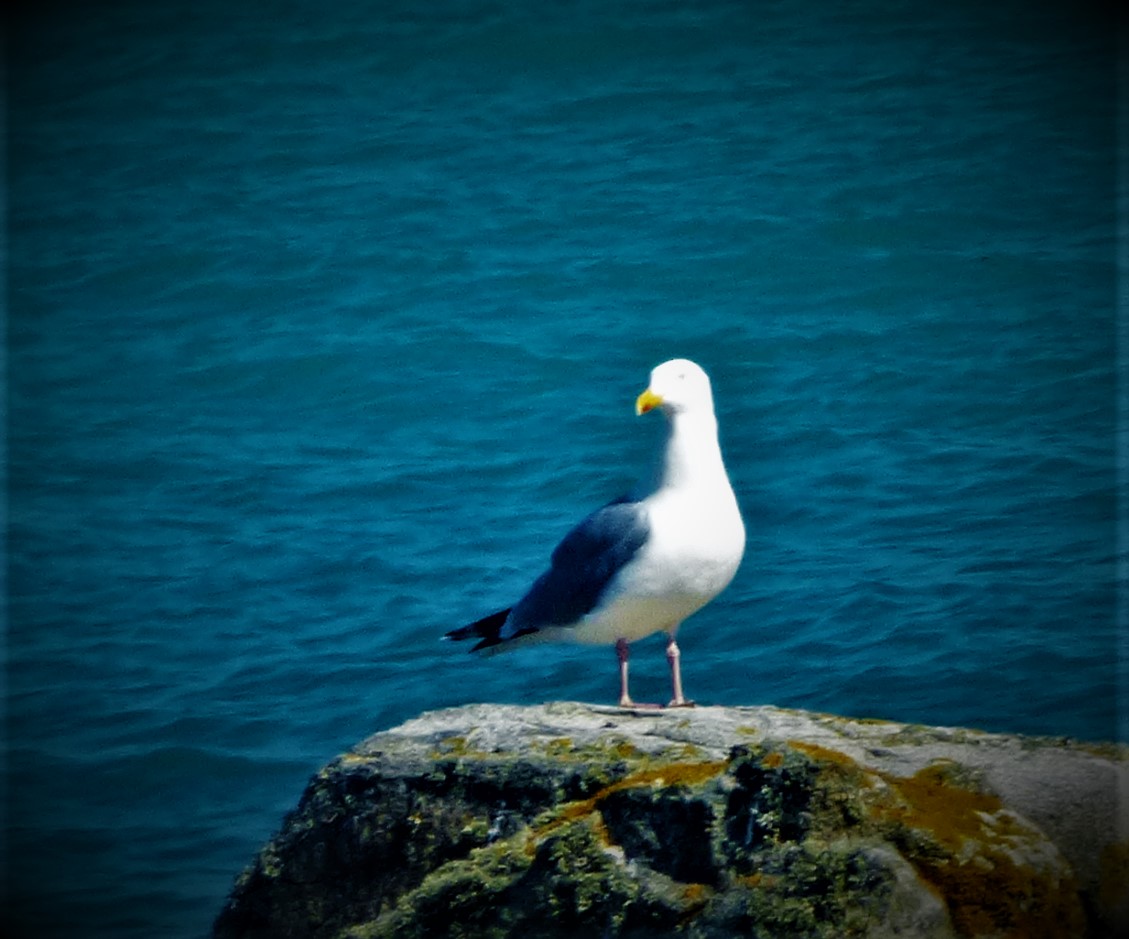
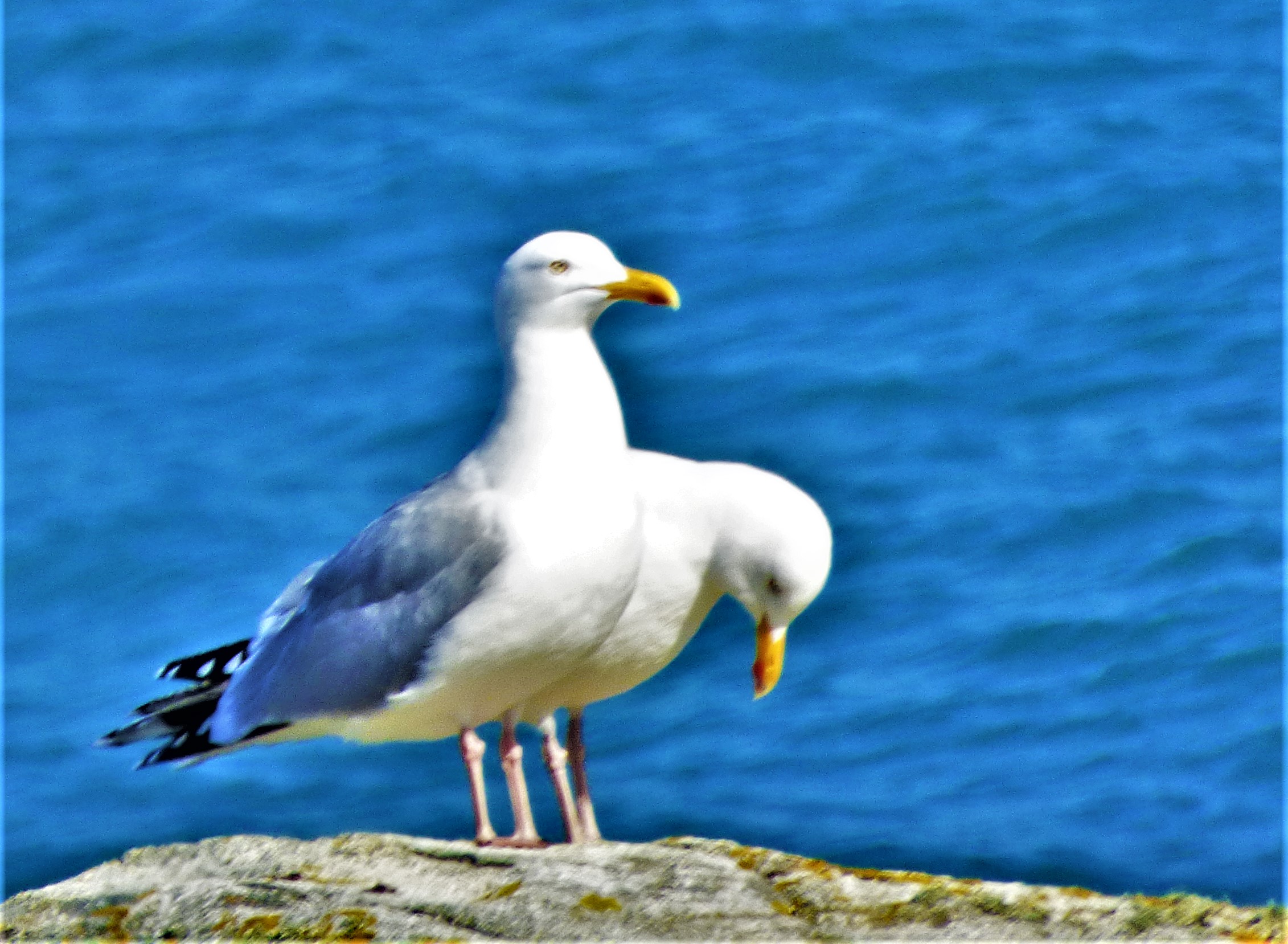
Welcome to the latest instalment in my series about my holiday in the Lake District. In this post I focus on the bird life in and around Windermere, of which there is a considerable quantity.
BIRDS OF MANY TYPES AND SIZES
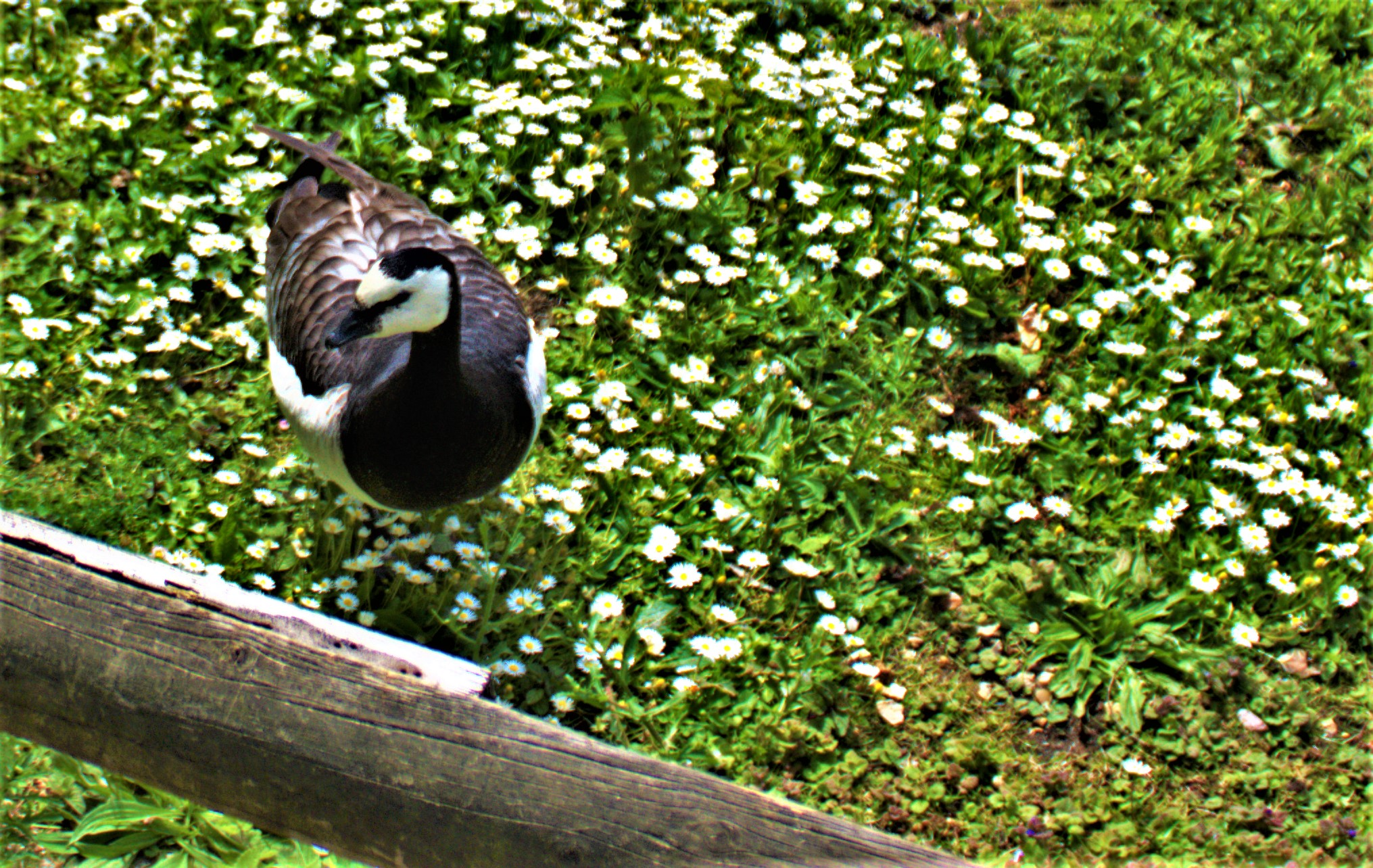
As well as expected water birds (swans, ducks, geese, gulls, terns etc) there were also species that live close to the shores of the lake, including pied wagtails. I have also included in this post a few birds seen a little further from the waters edge.
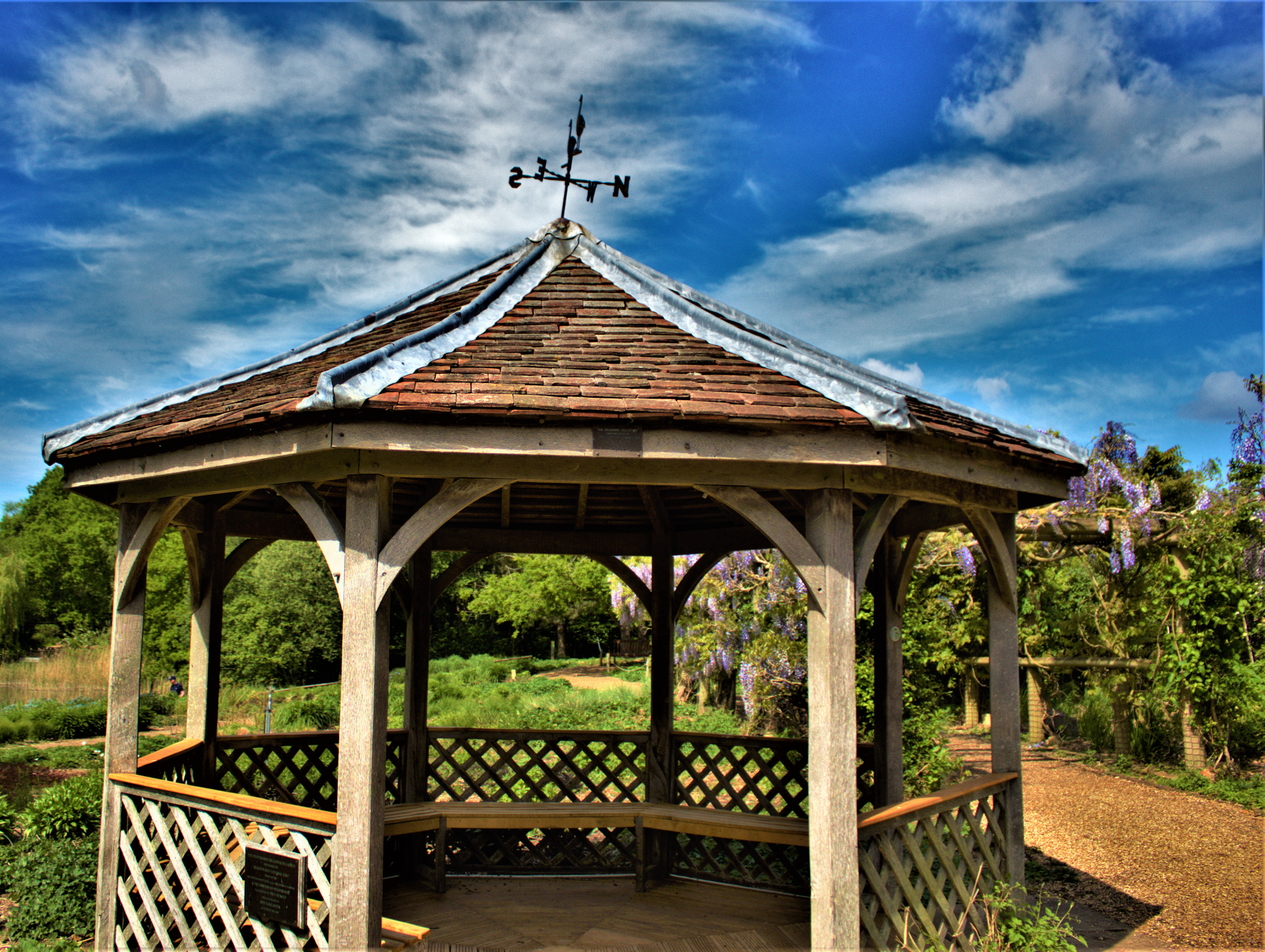
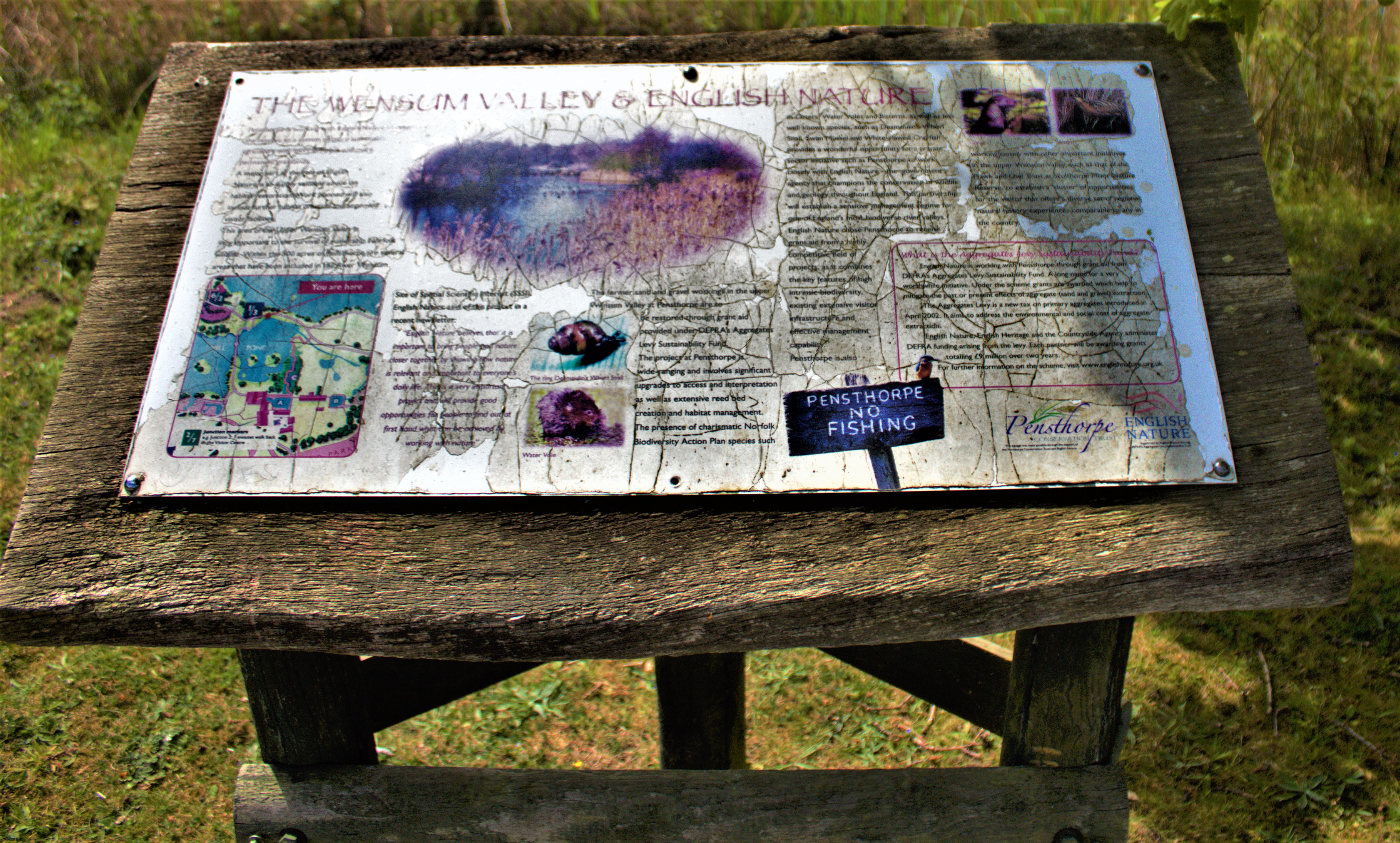
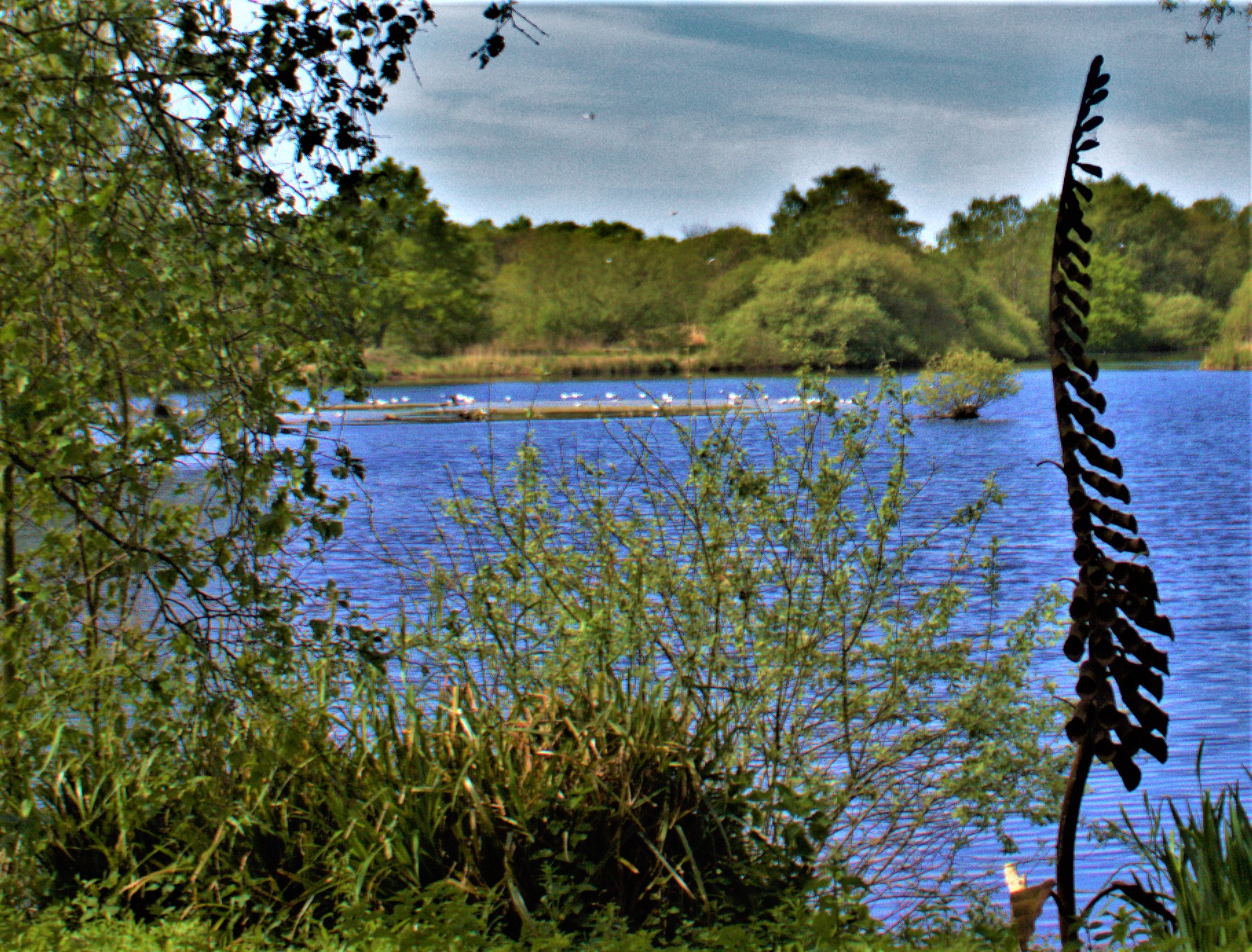
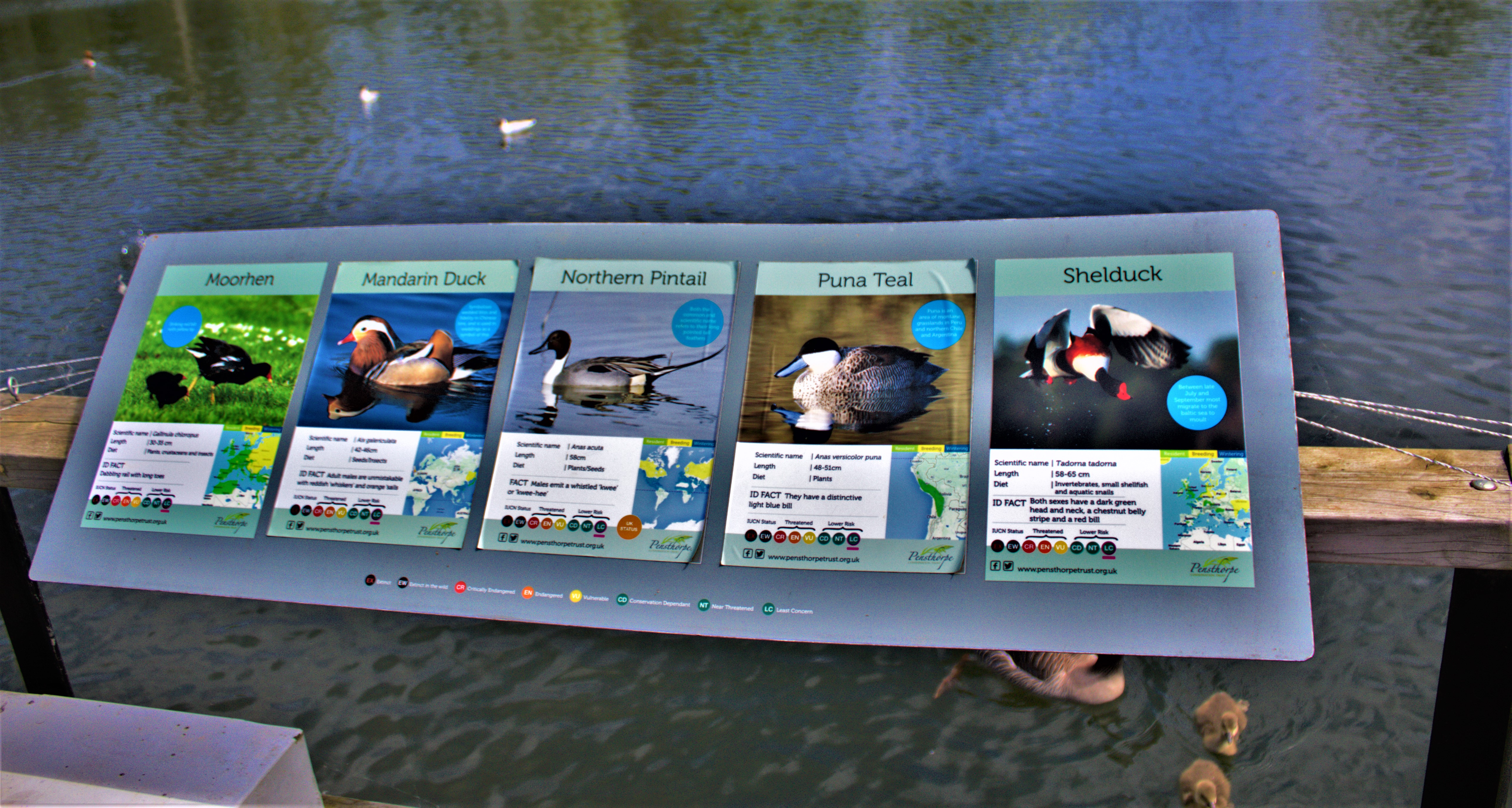
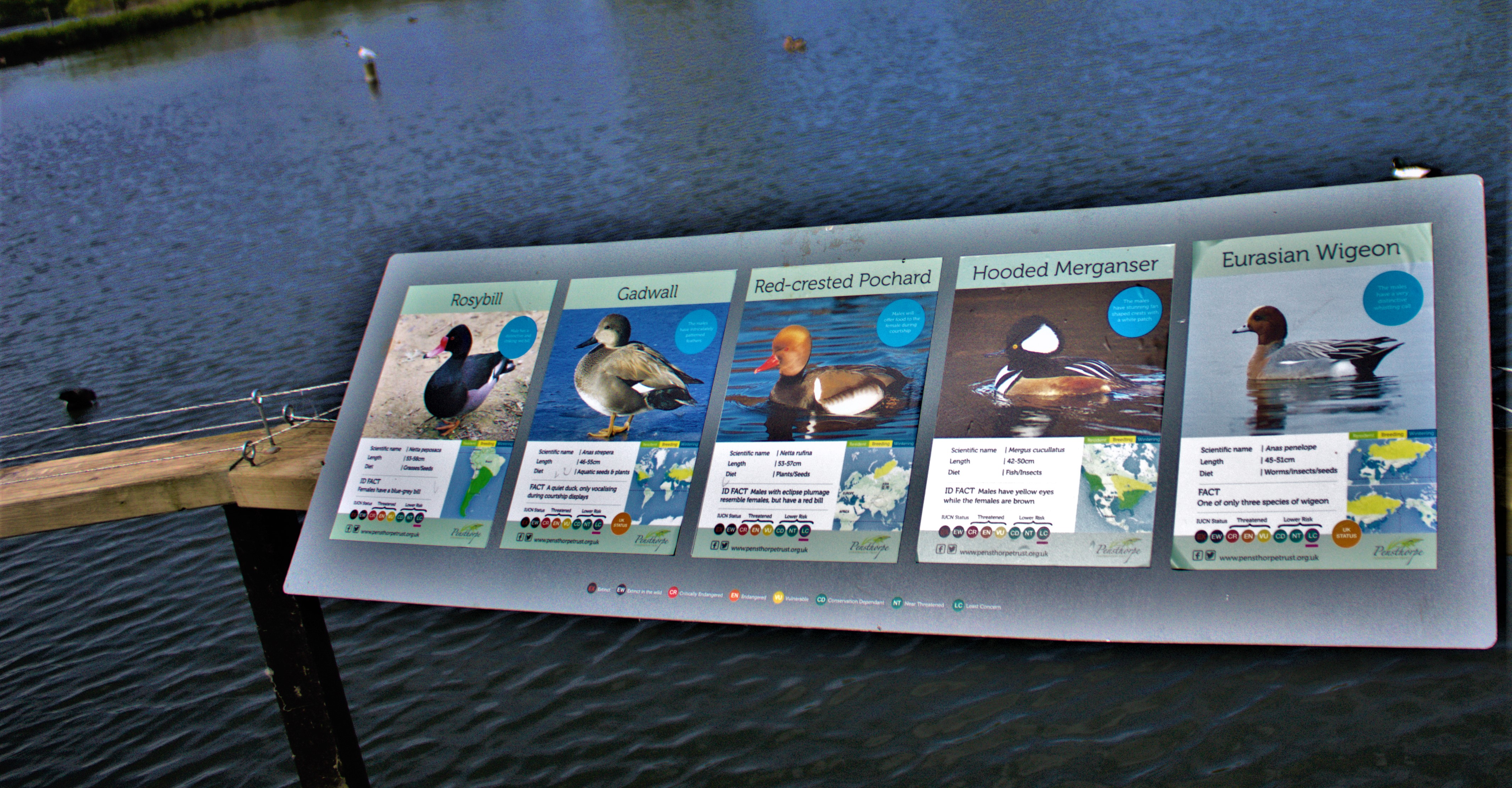
I followed the paths onward from the Monet inspired bridge, taking a few detours along the way, until I arrived back near the entrance. I had brought food and water with me, and I consumed them at this point, and finished my book while waiting for the next stage of the day, the ride on the Pensthorpe Explorer.
PHOTOGRAPHS
The same question/challenge that I introduced yesterday’s photo section with applies today…
Continuing my account of my recent holiday in the channel islands with a special post dedicated to the birds of Alderney.
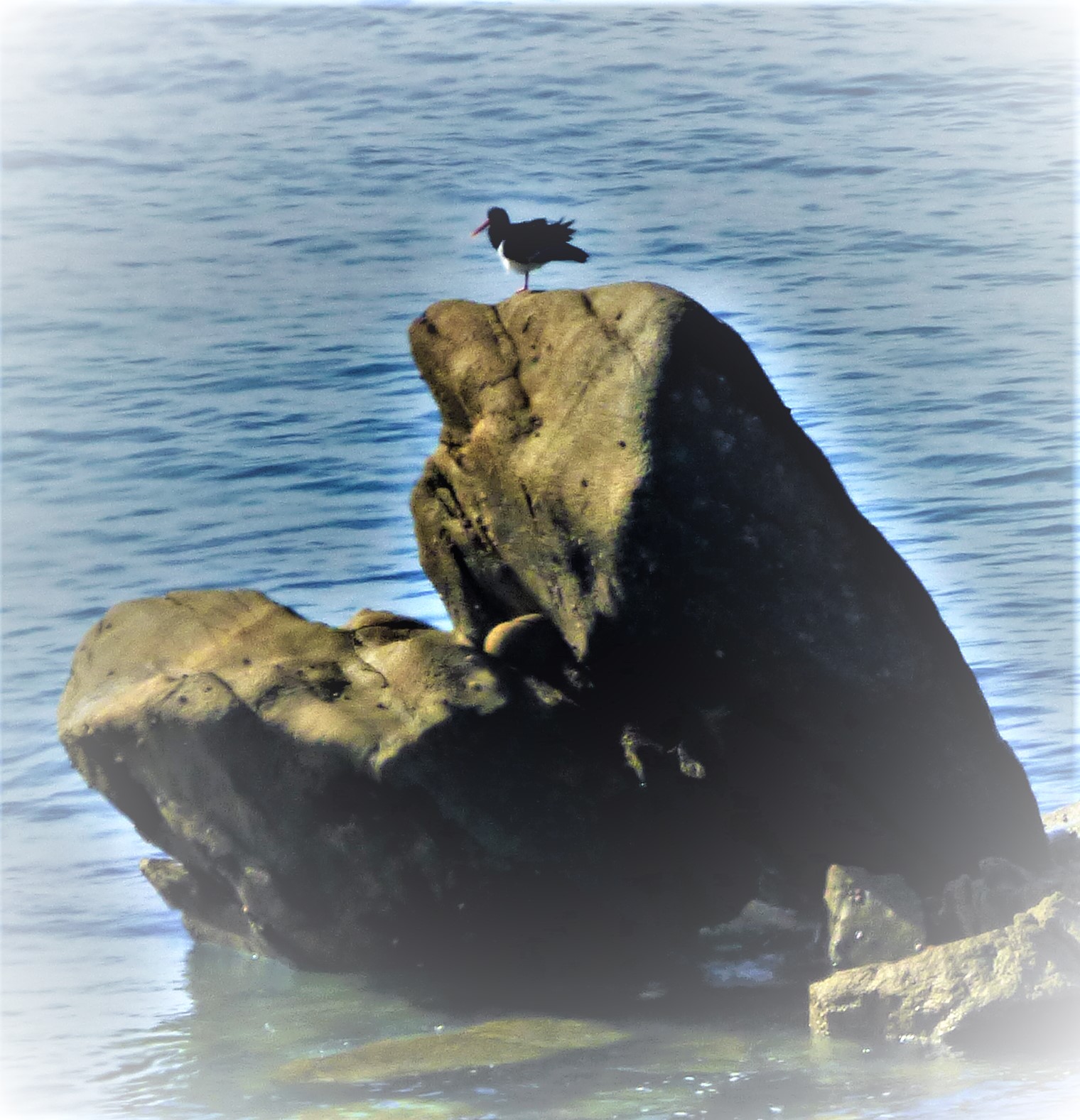
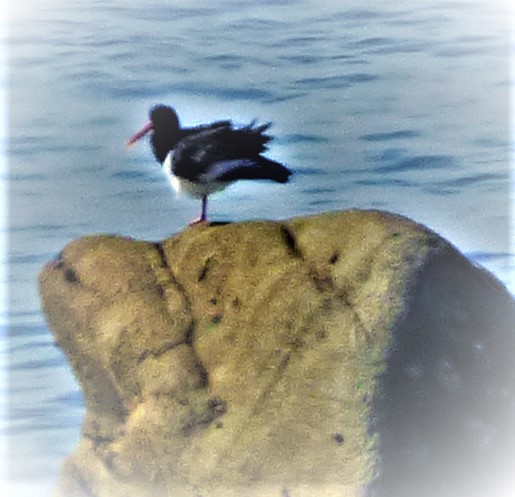
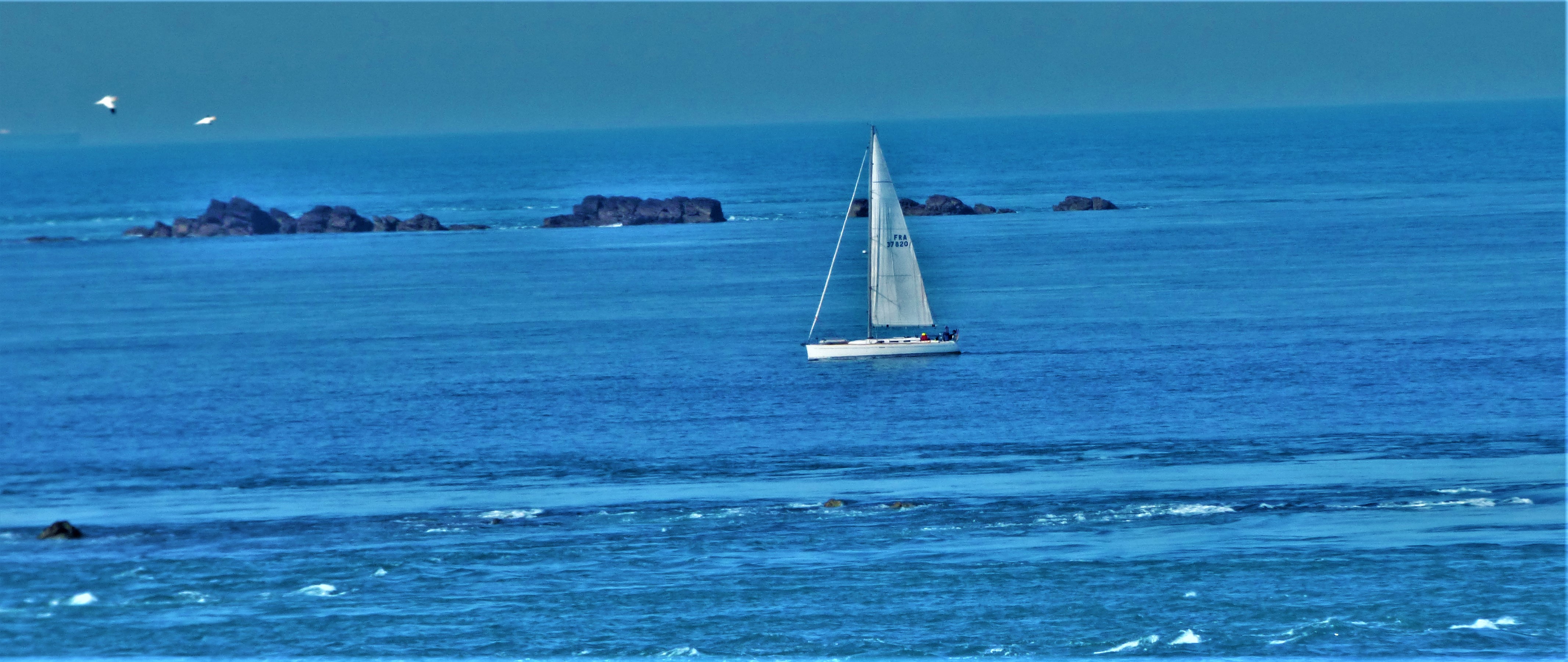
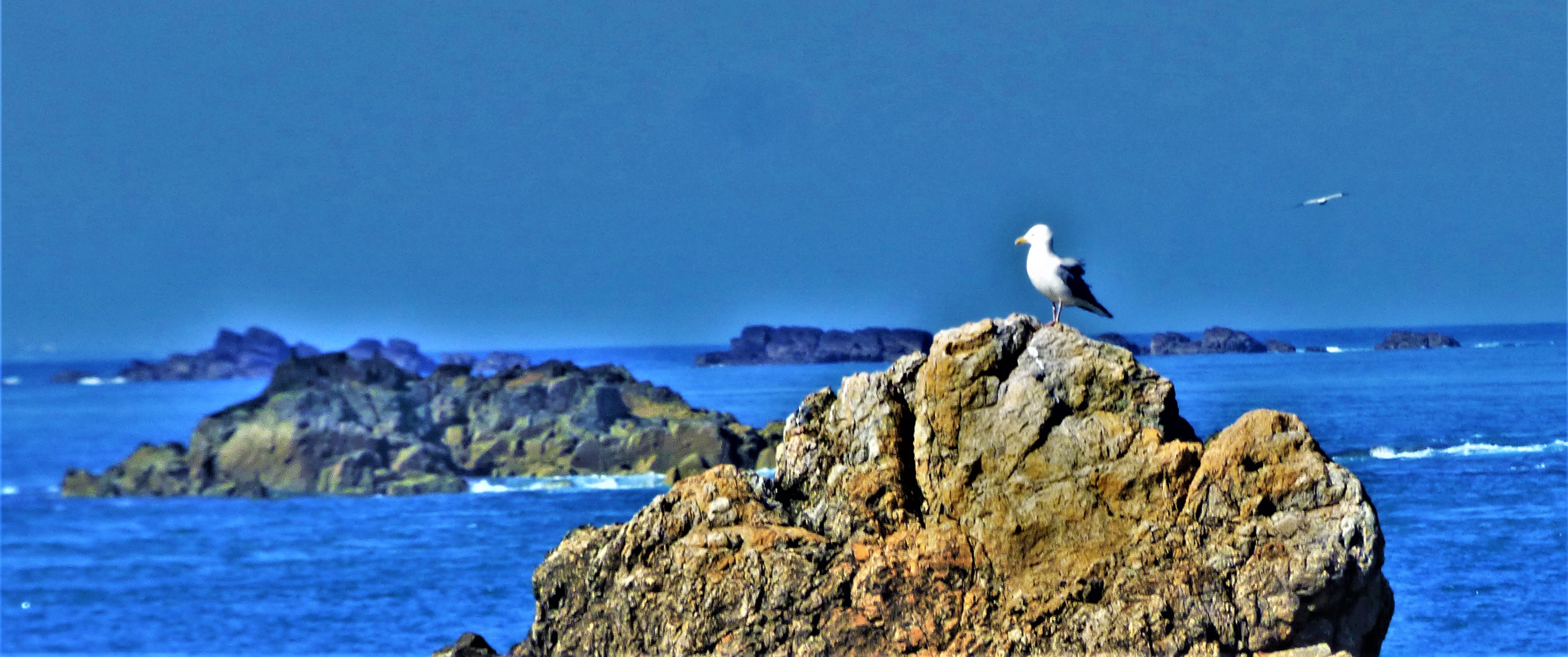
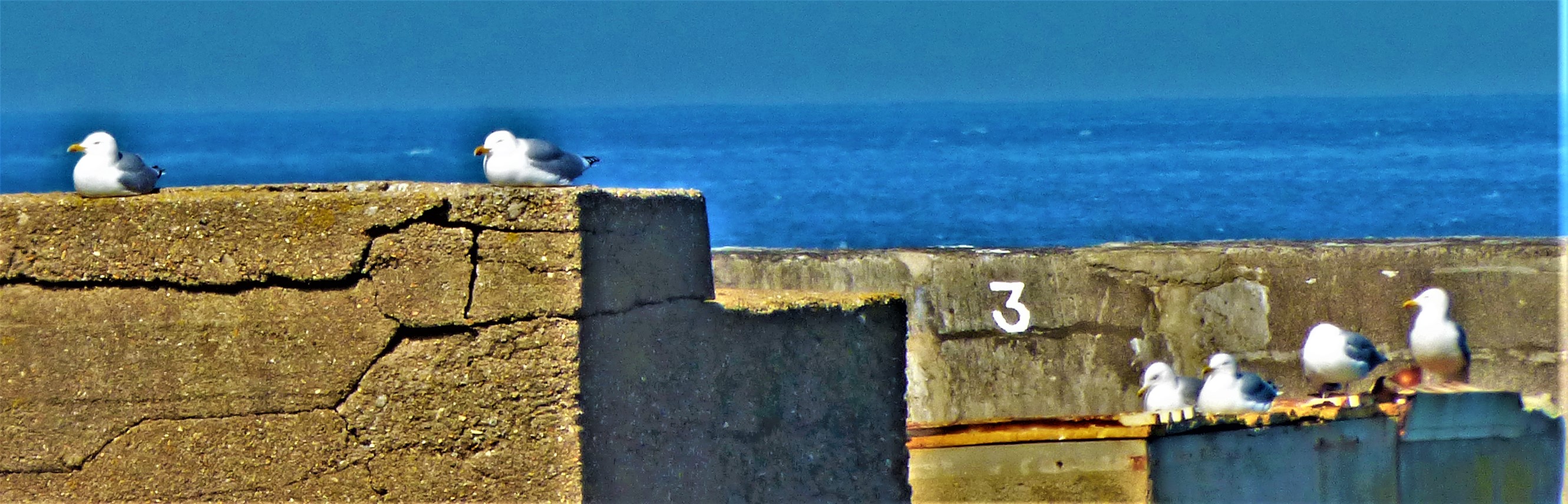
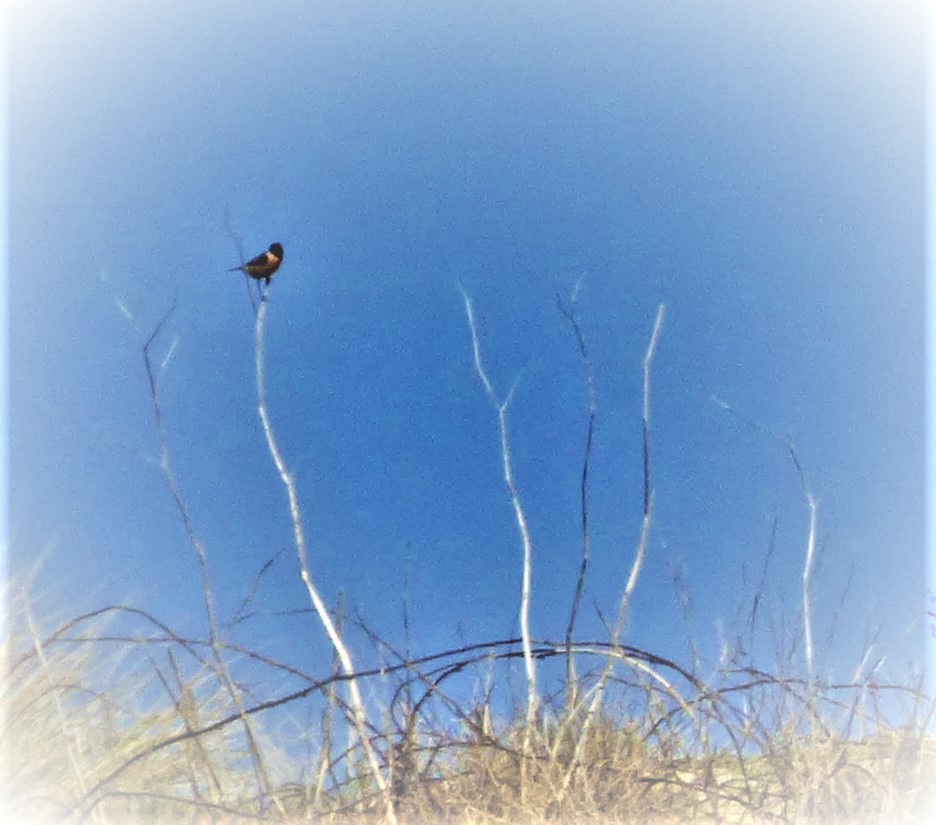
I continue my account of my recent visit to the channel islands with a special post dedicated to the birds of Alderney (the island is justly famed for its bird life).
TWO MISSES
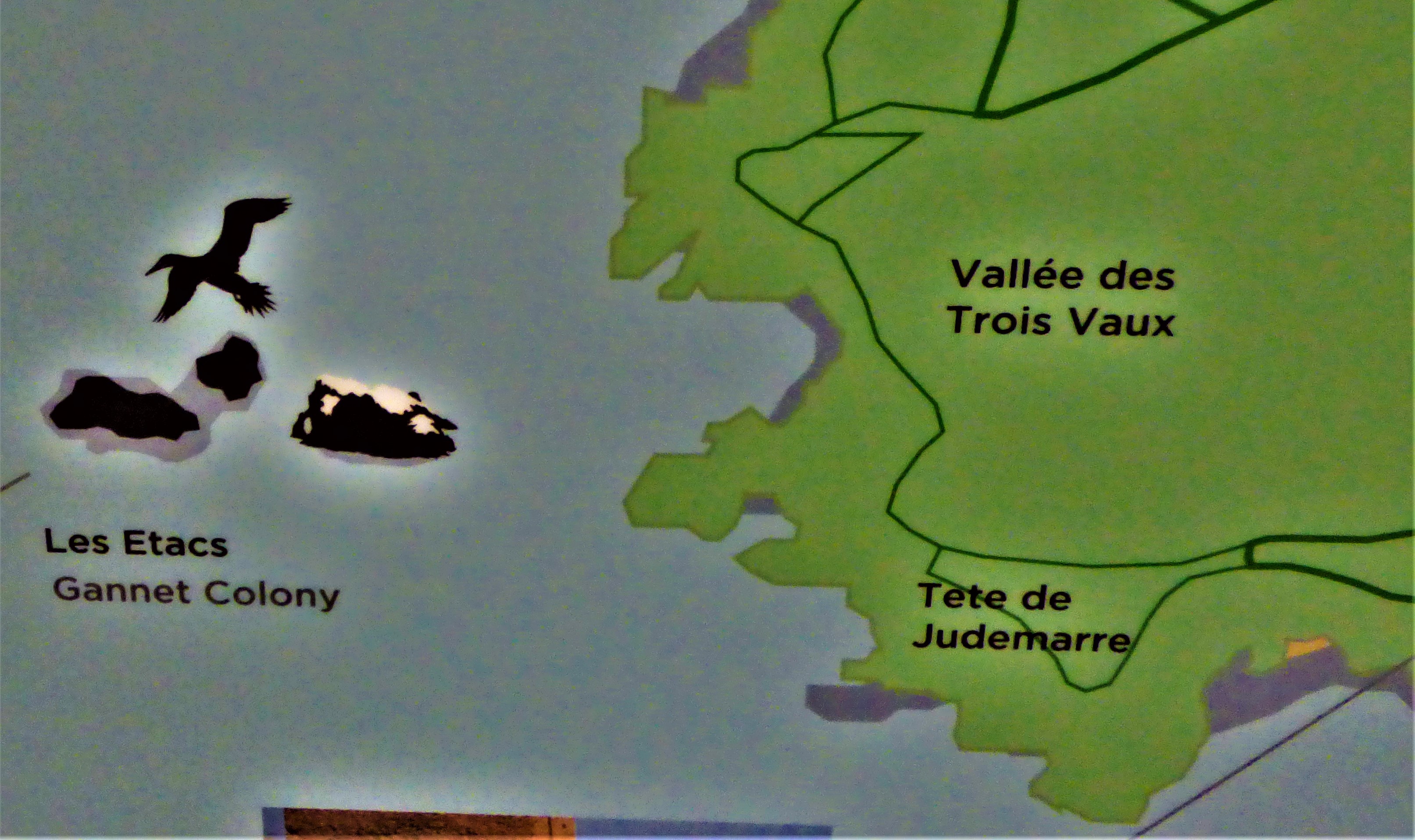
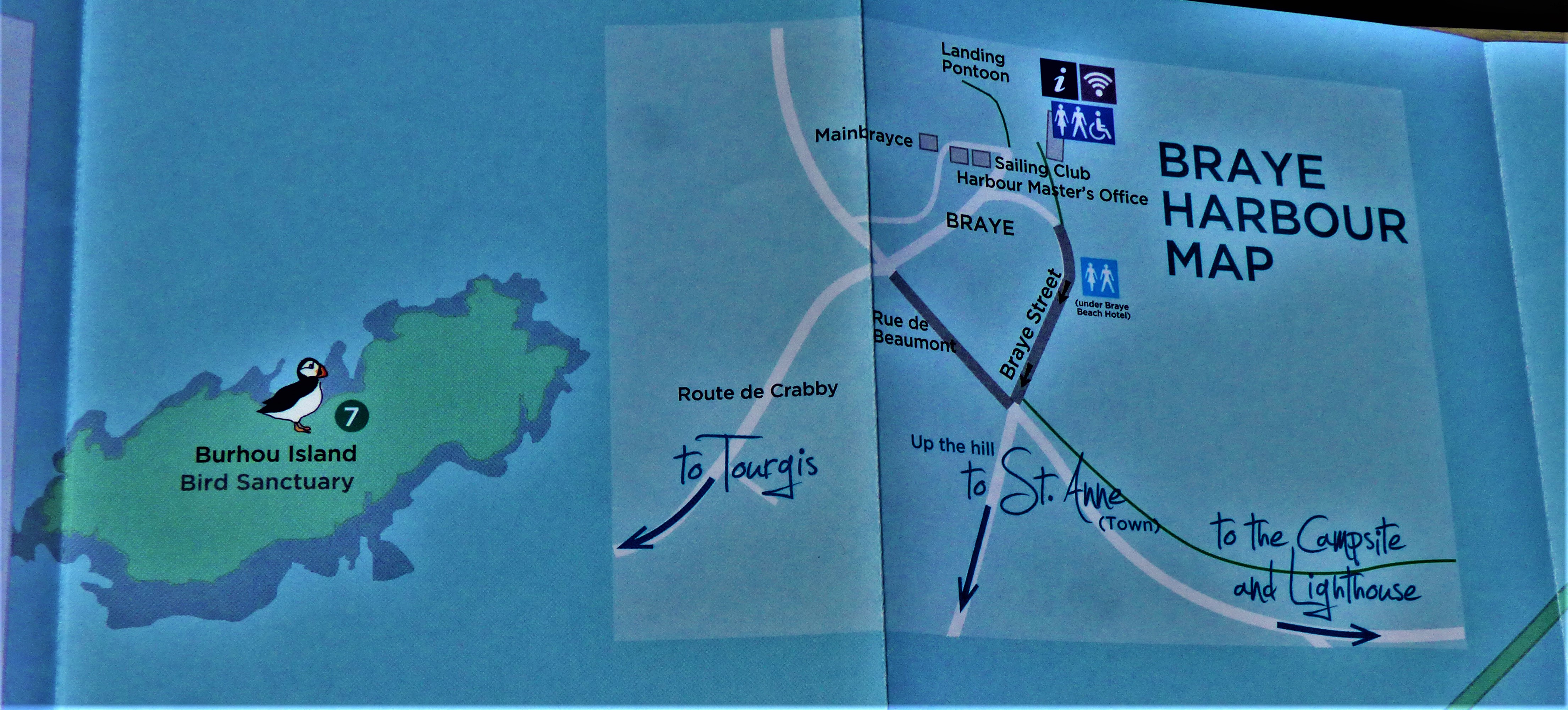
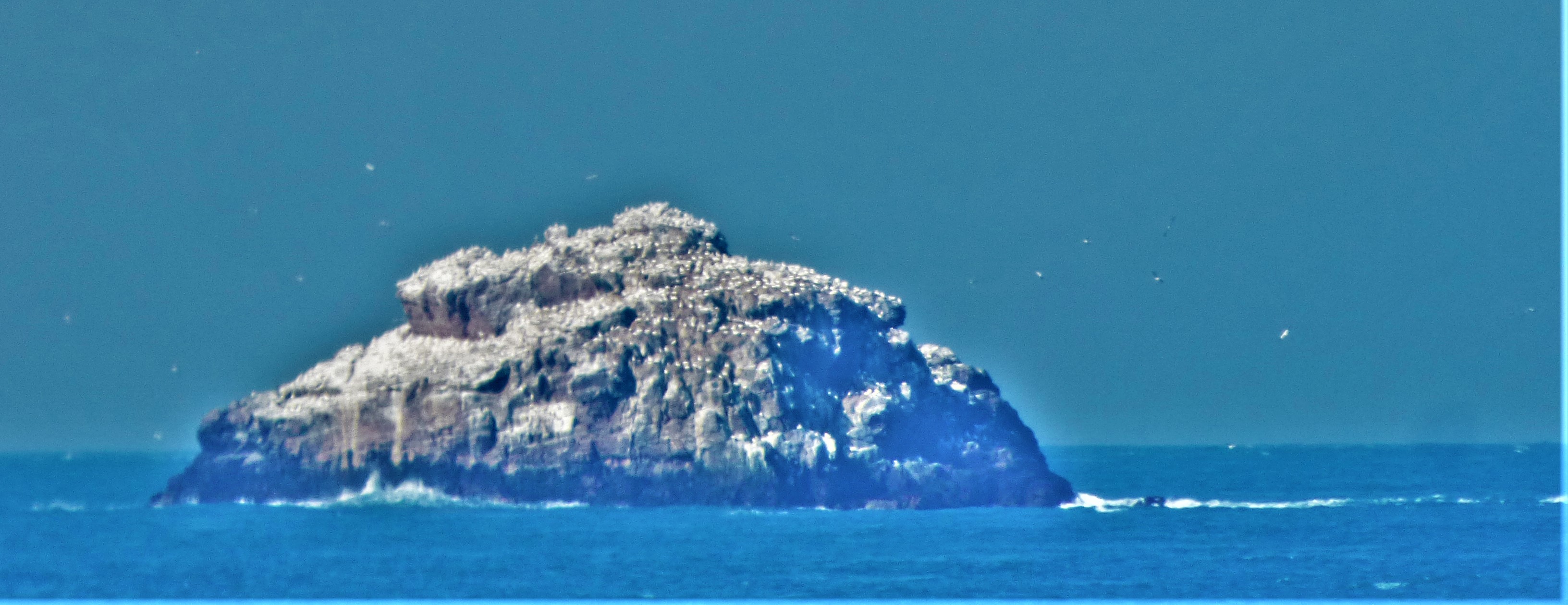
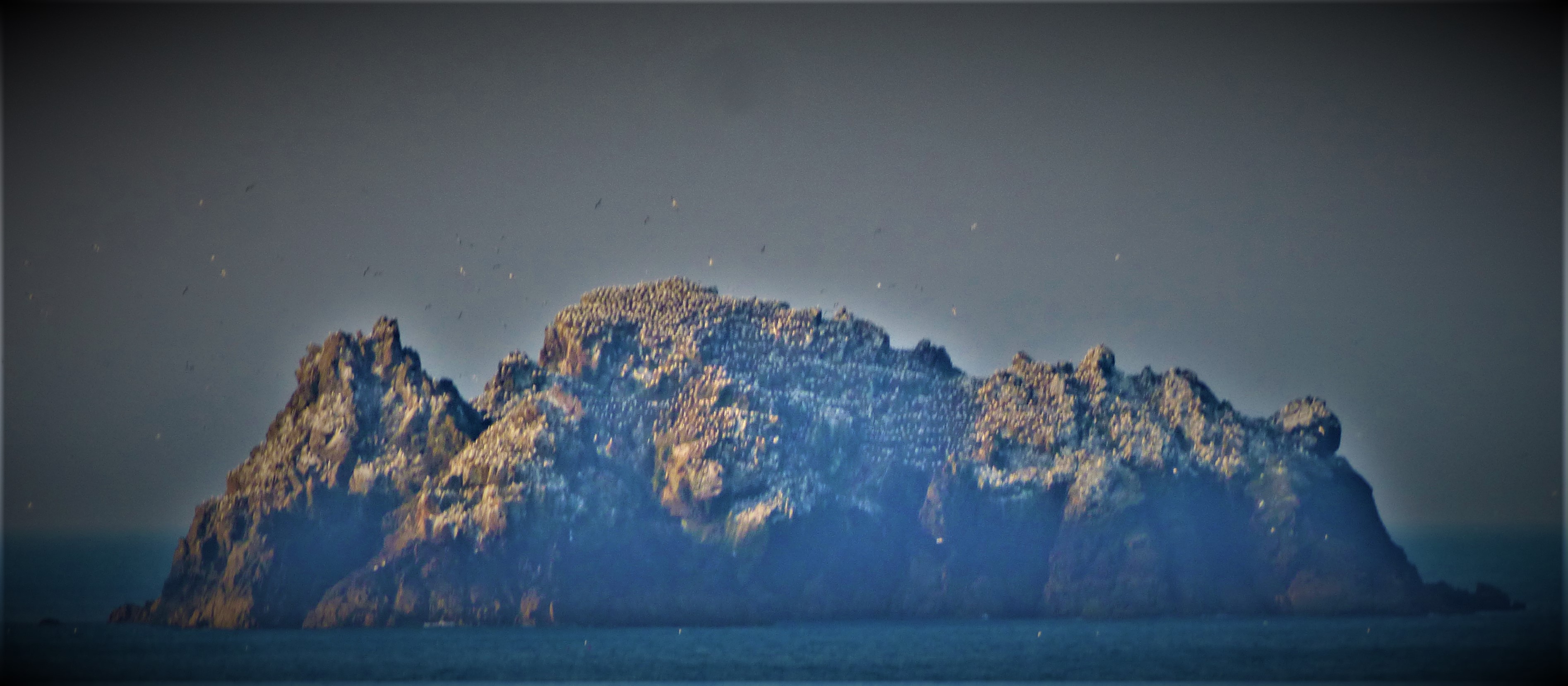
It was too early in the year for boat trips to be running to the island of Burhou, just off the coast of Alderney to the north, and home to puffins (it has no human residents at all), and Wednesday took so much out of me that on the Thursday I was unable to face to fairly steep and fairly rough path that would have started the walk towards a point from which I could view the gannet colony. Here a few maps…
THE BIRDS I DID SEE
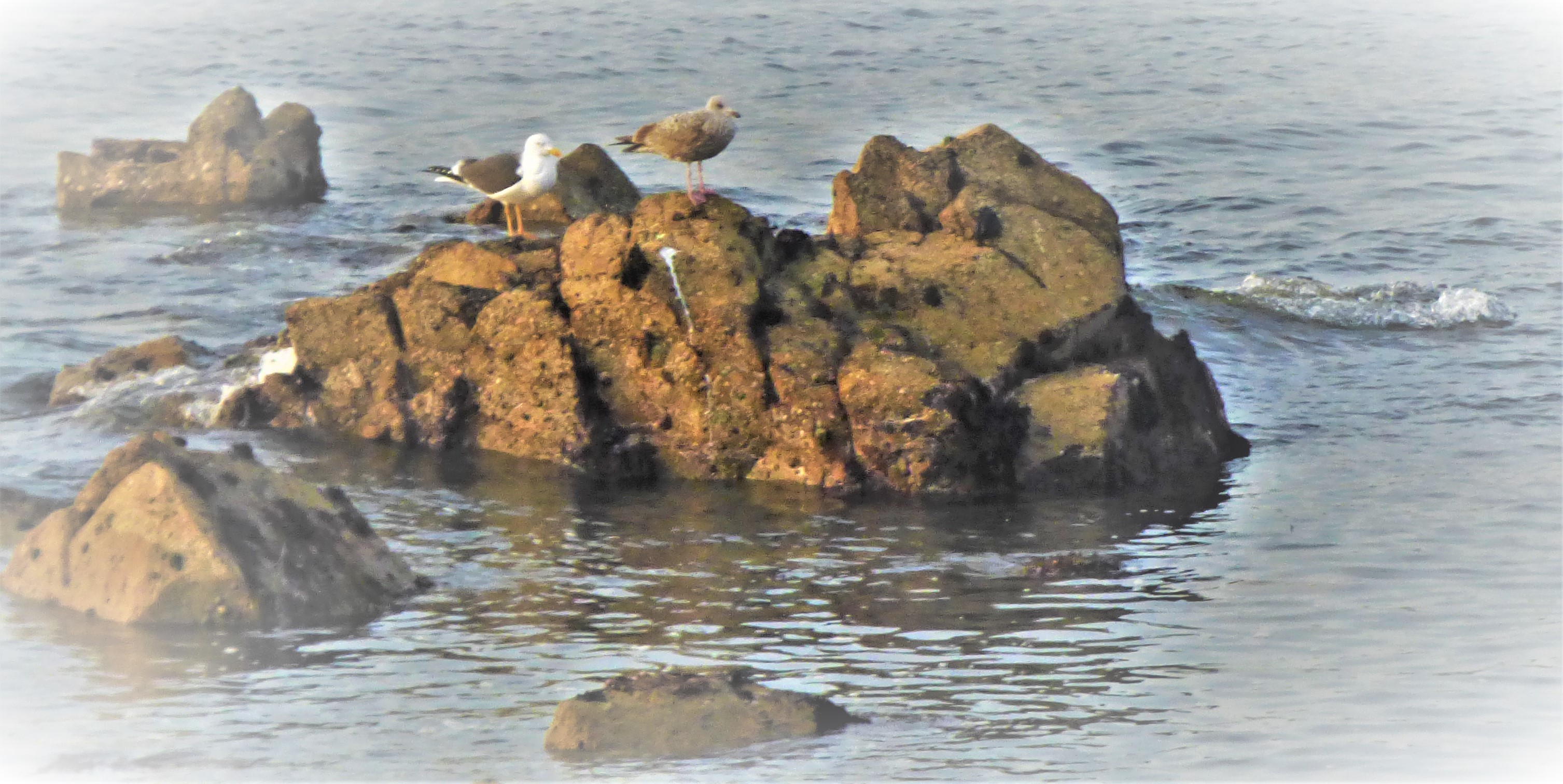
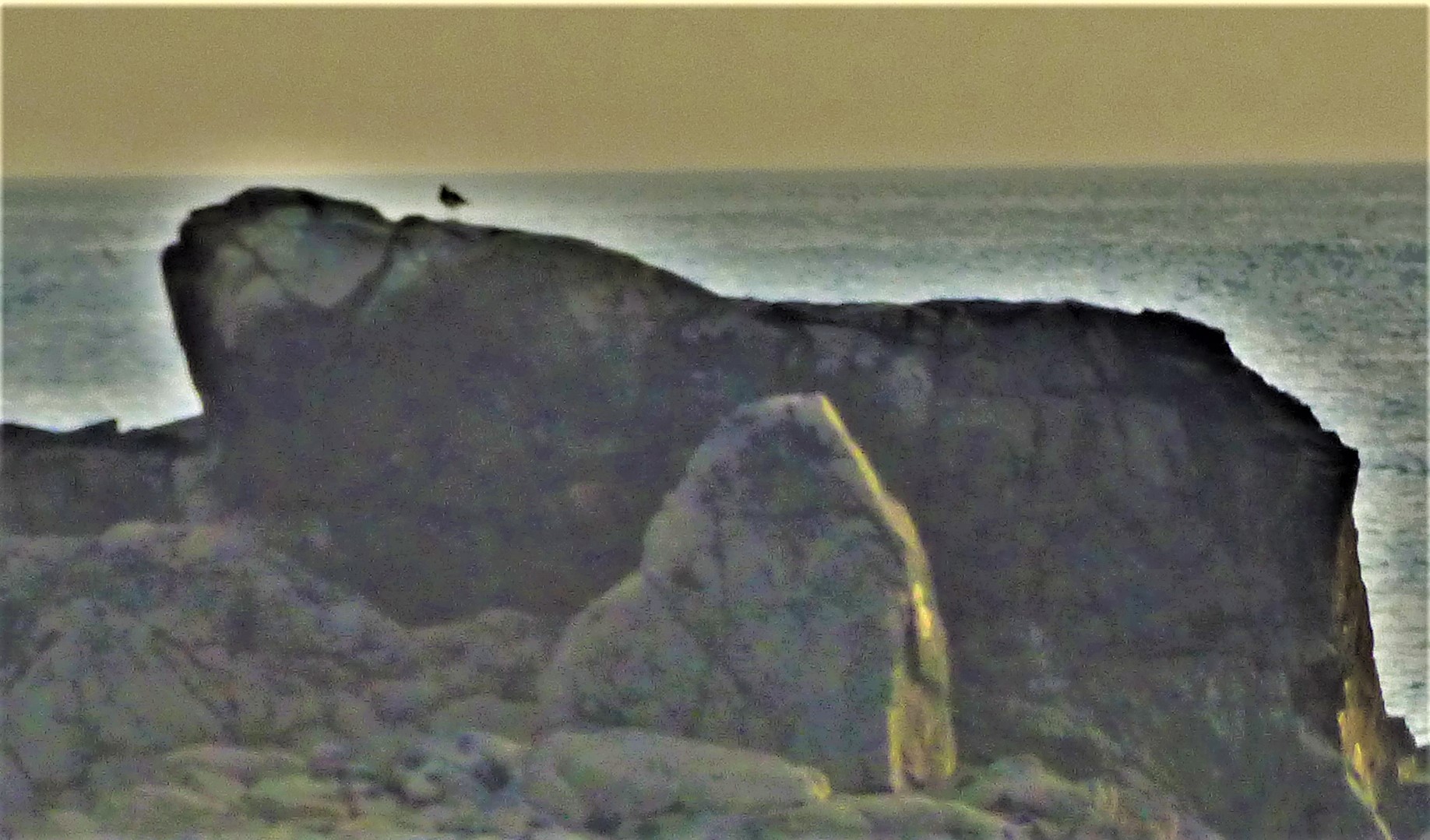
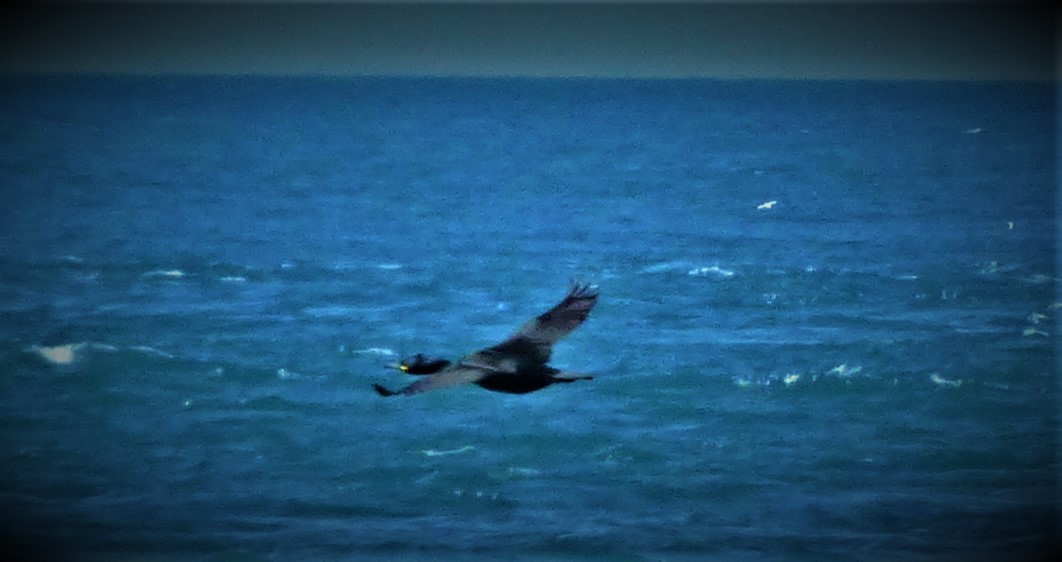
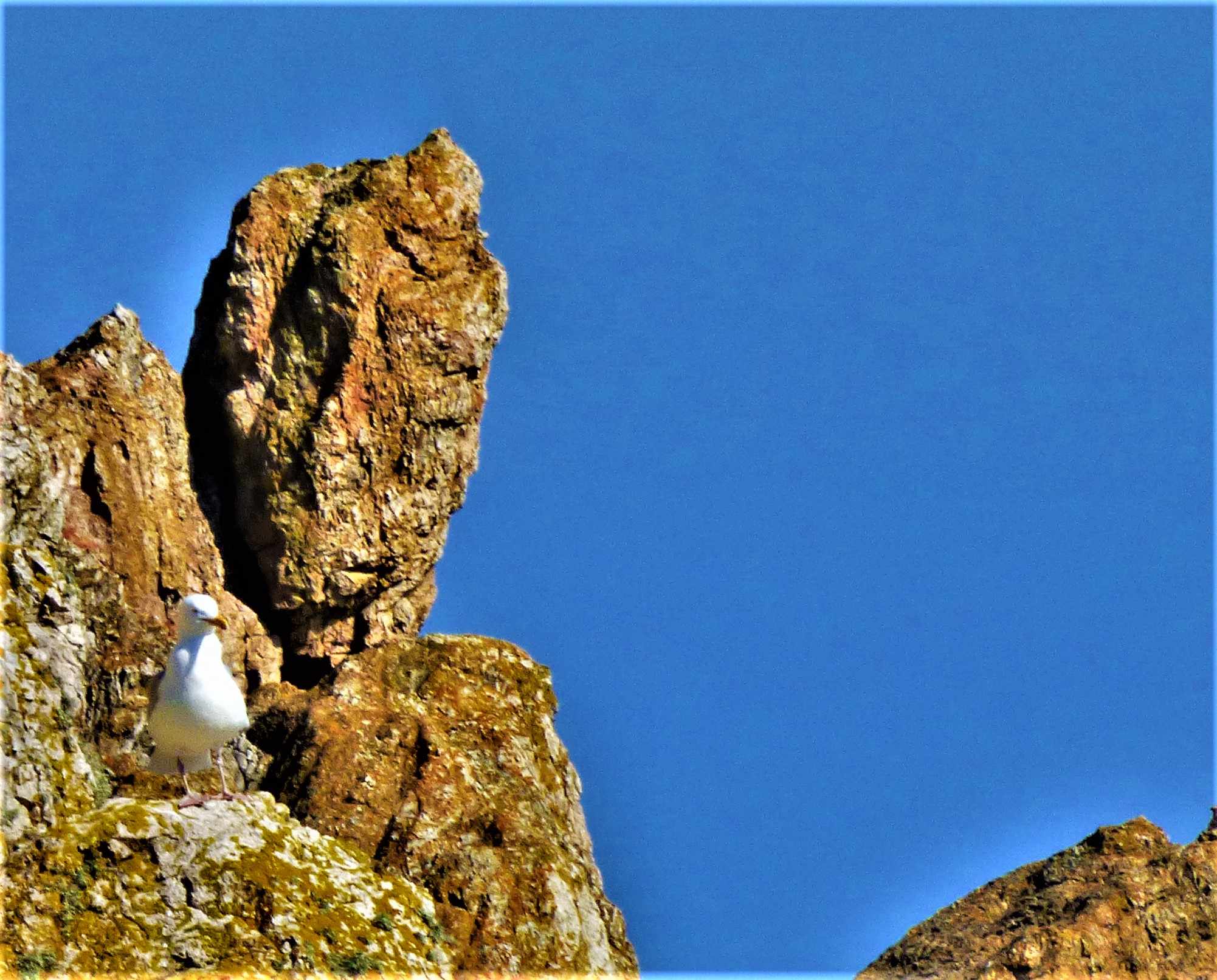
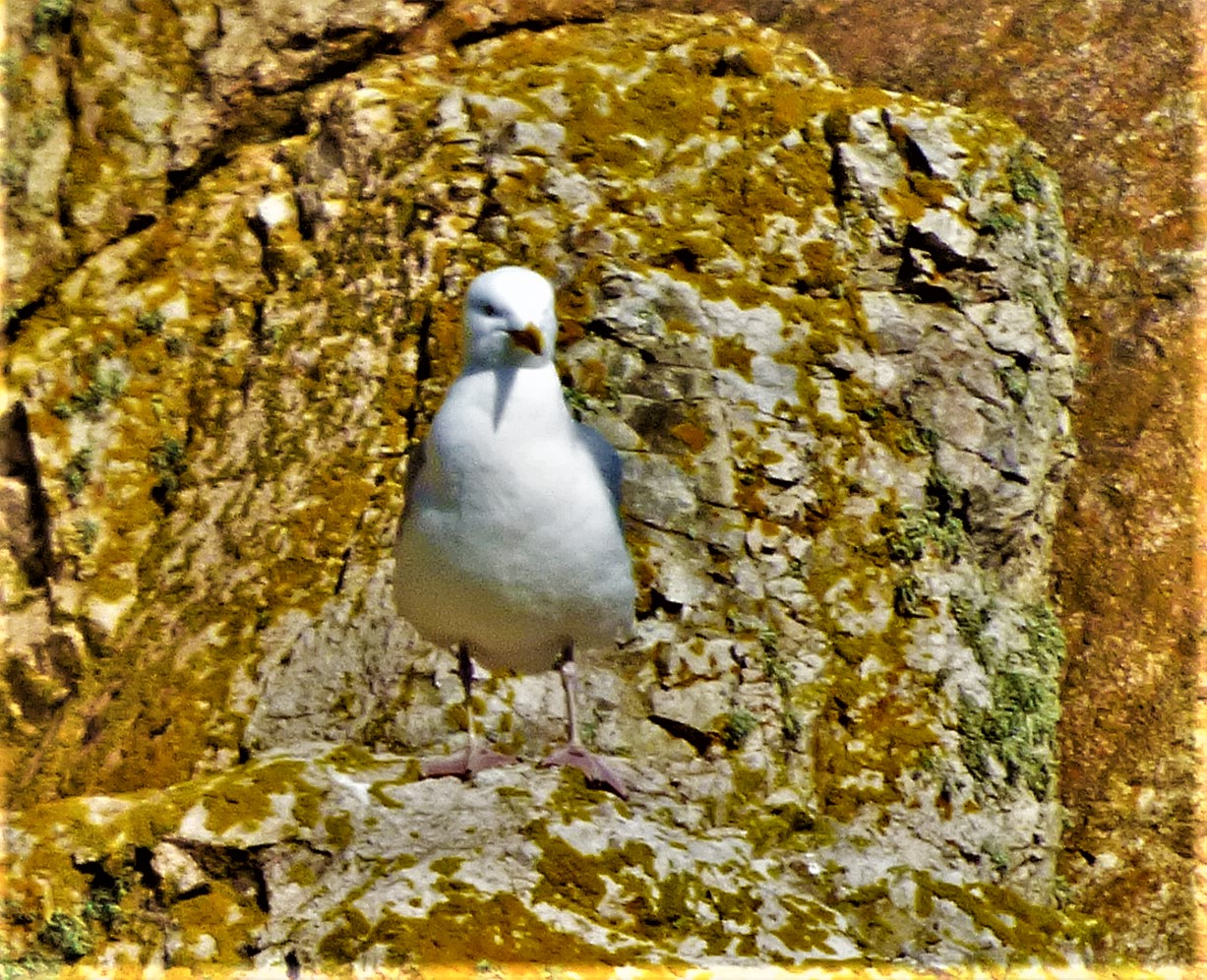
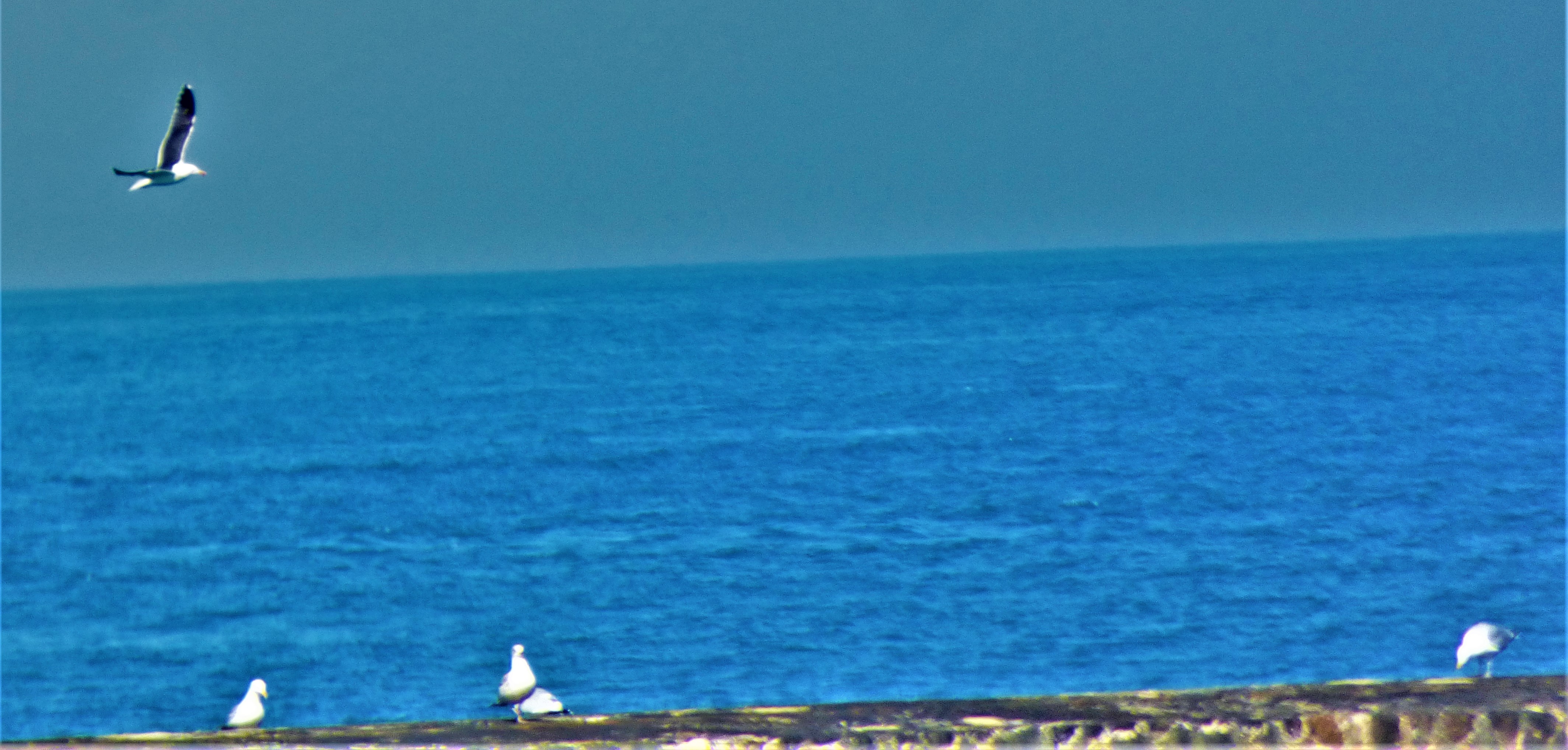
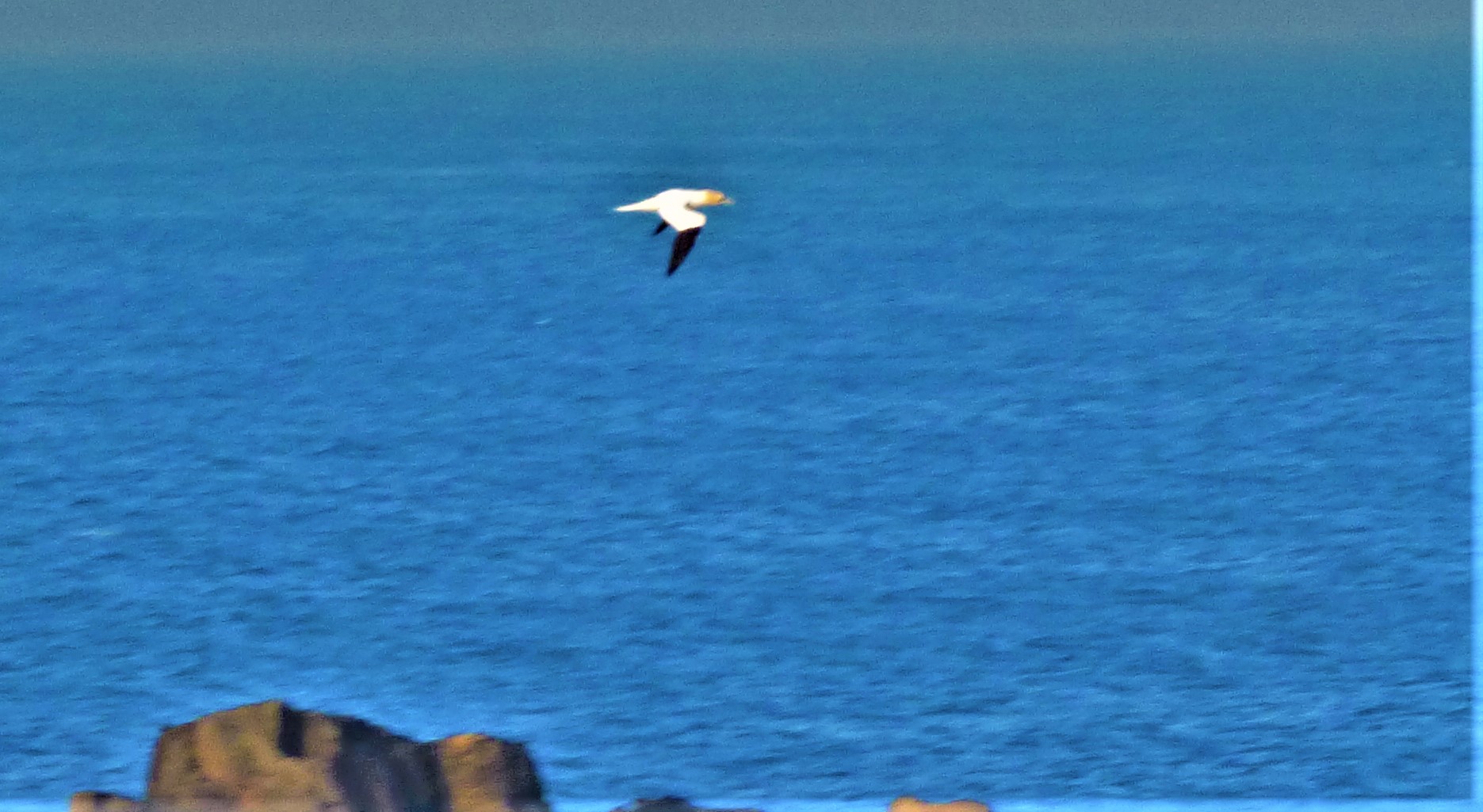
Although I missed two great ornithological sites for different reasons, I still saw a fine range of birds during my few days on Alderney…
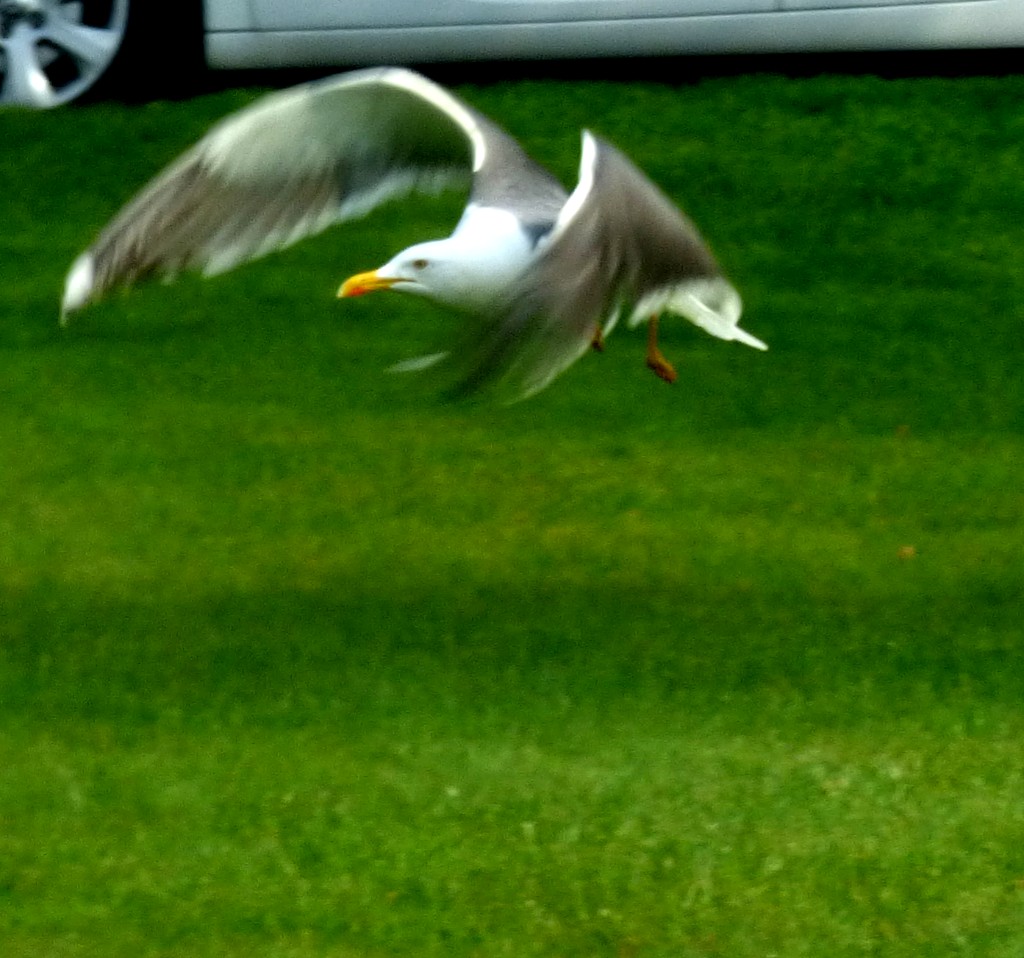
I spotted this one (and took the picture) through the window of the taxi taking us to the harbour to catch the boat back to Guernsey.
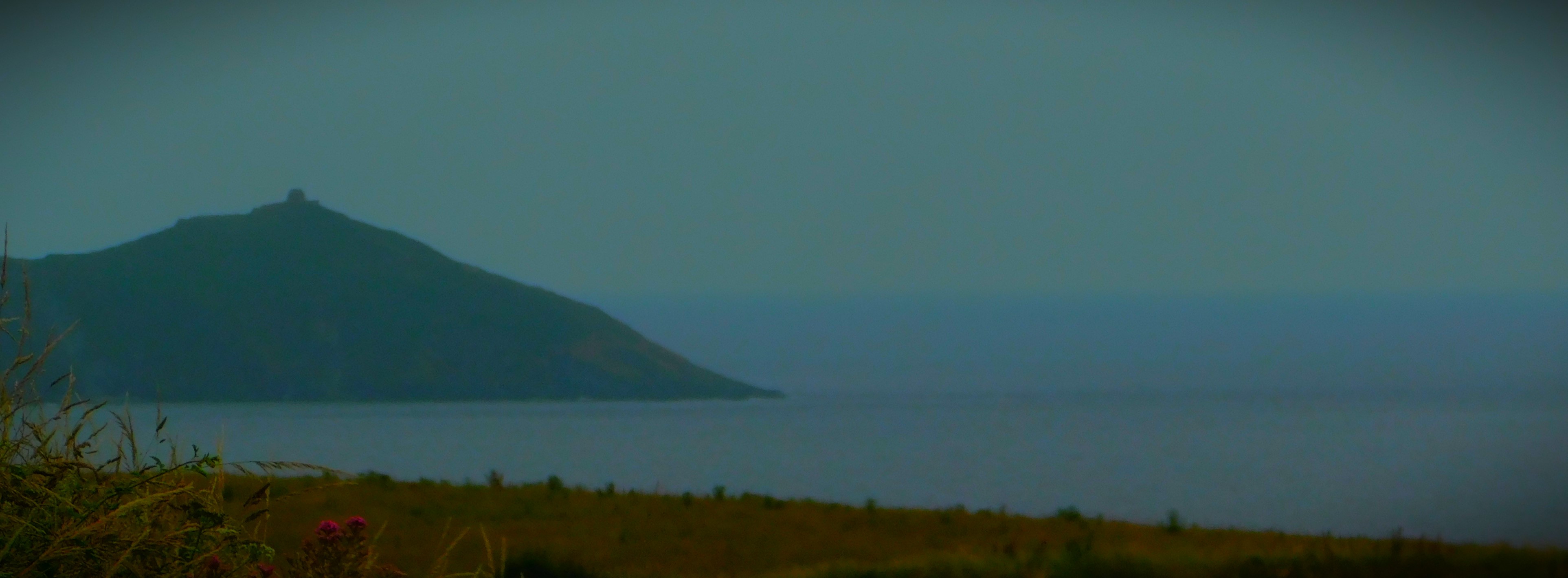
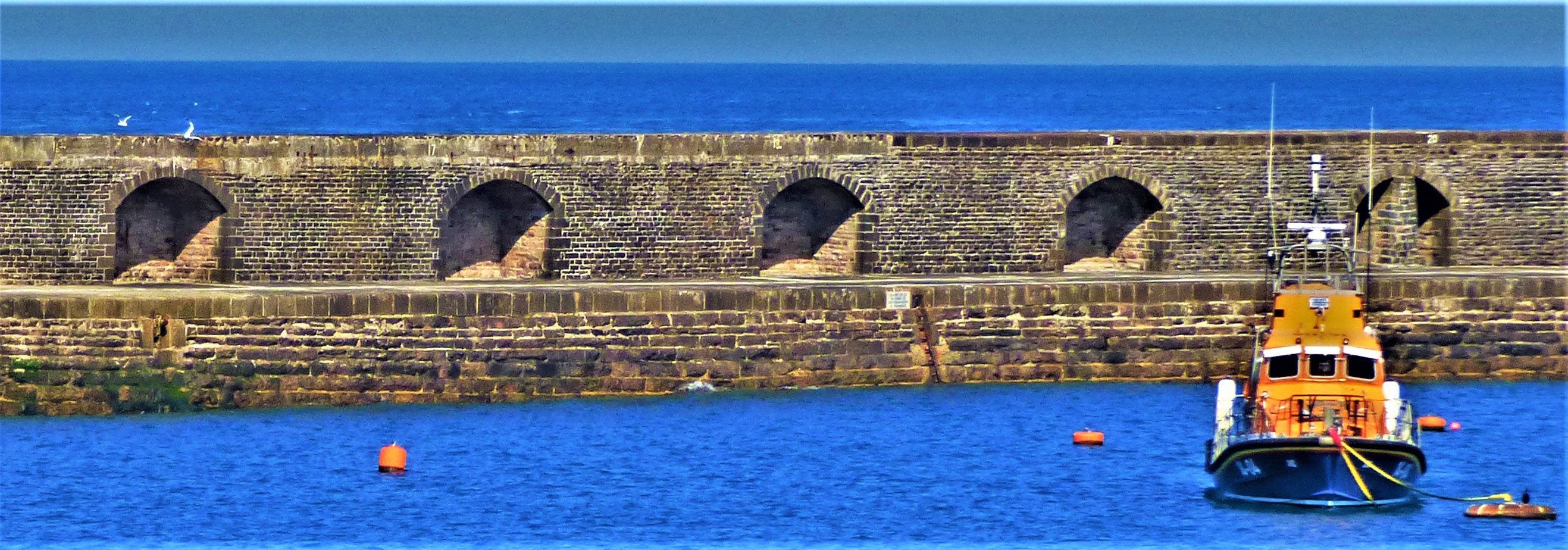
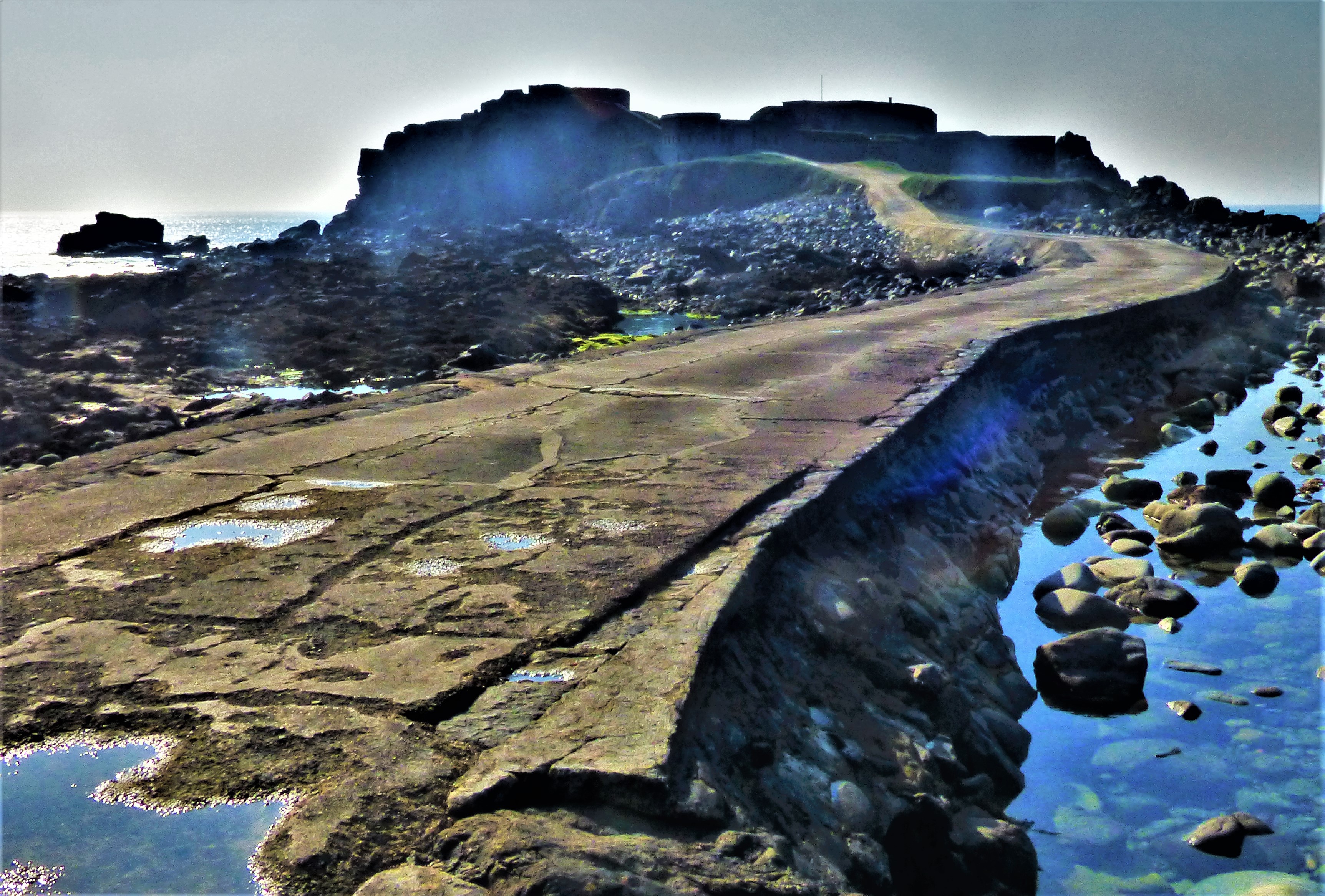
I end this little post with a view of Fort Clonque:
The latest in my “100 cricketers” series, featuring the opening batters from the eighth XI.
INTRODUCTION
Welcome to the latest post in my “100 cricketers” series. In this post the spotlight is on the openers from the eighth XI. The introductory post to the whole series can be found here, and the previous post in the series in whicb I introduced the eighth XI is here.
A GREAT OPENING PAIR
As with the my seventh XI, with Greenidge and Haynes, this XI features an opening pair who batted together in real life, and did mighty well as a combination. They had one poor series, the 2005 Ashes, which Australia ended up losing. In the 2001, 2002-3 and 2006-7 Ashes, all featuring this opening pair and won by Australia, the Aussies rarely started an innings badly. The 2010-11 Ashes saw Australia regularly losing the first wicket early, and with Pontingat 3 and Clarke at 4 also having shocking series with the bat a series of inadeqaute totals resulted, and England not only won the series, but on three occasions out of five they won matches in they had to bat only once. England’s own inconsistency in the test arena recently stems from not getting enough runs at the top of the order – since Strauss’ retirement England have not had a reliable opening combination, and the more recent retirement of Cook has opened another big hole at the top of the order. The second postin this series contains a radical solution of mine to this problem, meanwhile with a new county championship season under way tomorrow it would be particularly good timing were a young opener or two to hit their straps right from the start. Now on to the players themselves, starting with…
The tall, dominating left hander scored 8,625 test runs at 50.73. At Brisbane at the start of the 2002-3 series Nasser Hussain won the toss and put Australia in. By the end of day 1 they were 364-2, Matthew Hayden 197 (he would score another century in the second innings after Ponting declined to enforce the follow on), the match and series were both as good as gone. In between Brian Lara’s two efforts he held the individual scoring record for a period with an innings of 380 against Zimbabwe at the WACA. His one blip came in the first four matches of the 2005 Ashes (he made 138 at The Oval in the fifth match, but with Australia needing to win, and therefore by all logic to spend as much time out in the middle as possible, he was twice party to the team going off for bad light (by the rules of the day the batters had to be asked if they wanted to go off). The match ended in the draw the allowed England to regain The Ashes (I fully expect that the Ashes series later this summer will likewise end with England winning, though it will probably be settled before the final game).
A left-hander like his opening partner, but much shorter in stature, though no less aggressive in approach in his own way. He scored 7,696 test runs at 45.27, witrh 23 centuries and a best of 250 against England at the MCG. Like Hayden he struggled for most of the 2005 Ashes before making a century in the final match. He played in the county championship for Middlesex and Somerset, which helped him to reach 86 first class hundreds. With this pair to get the innings underway for them my eighth XI will usually have a good base for the middle order, featured in the next post in this series to build on.






















































































































































































































































 aspiblog