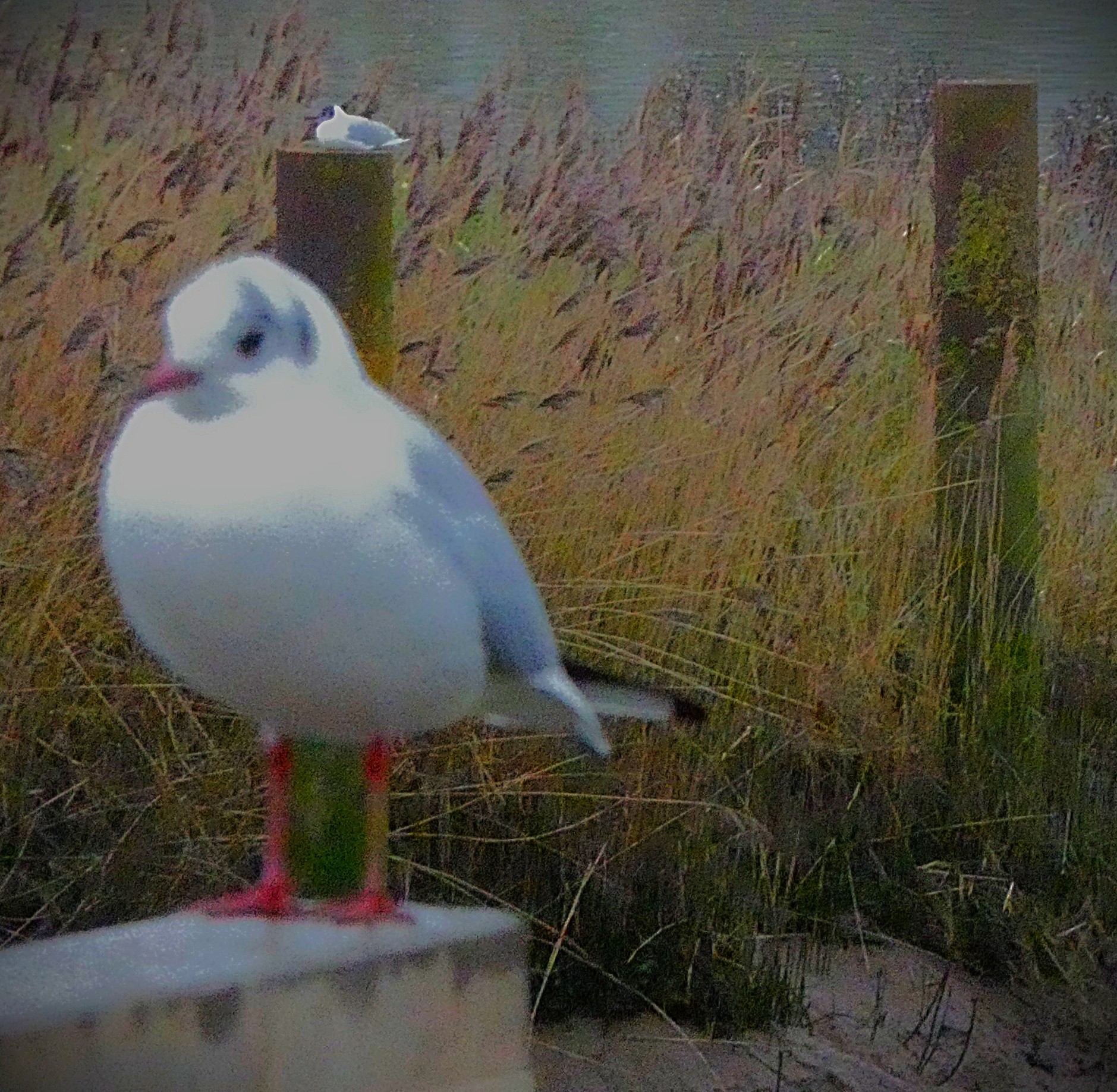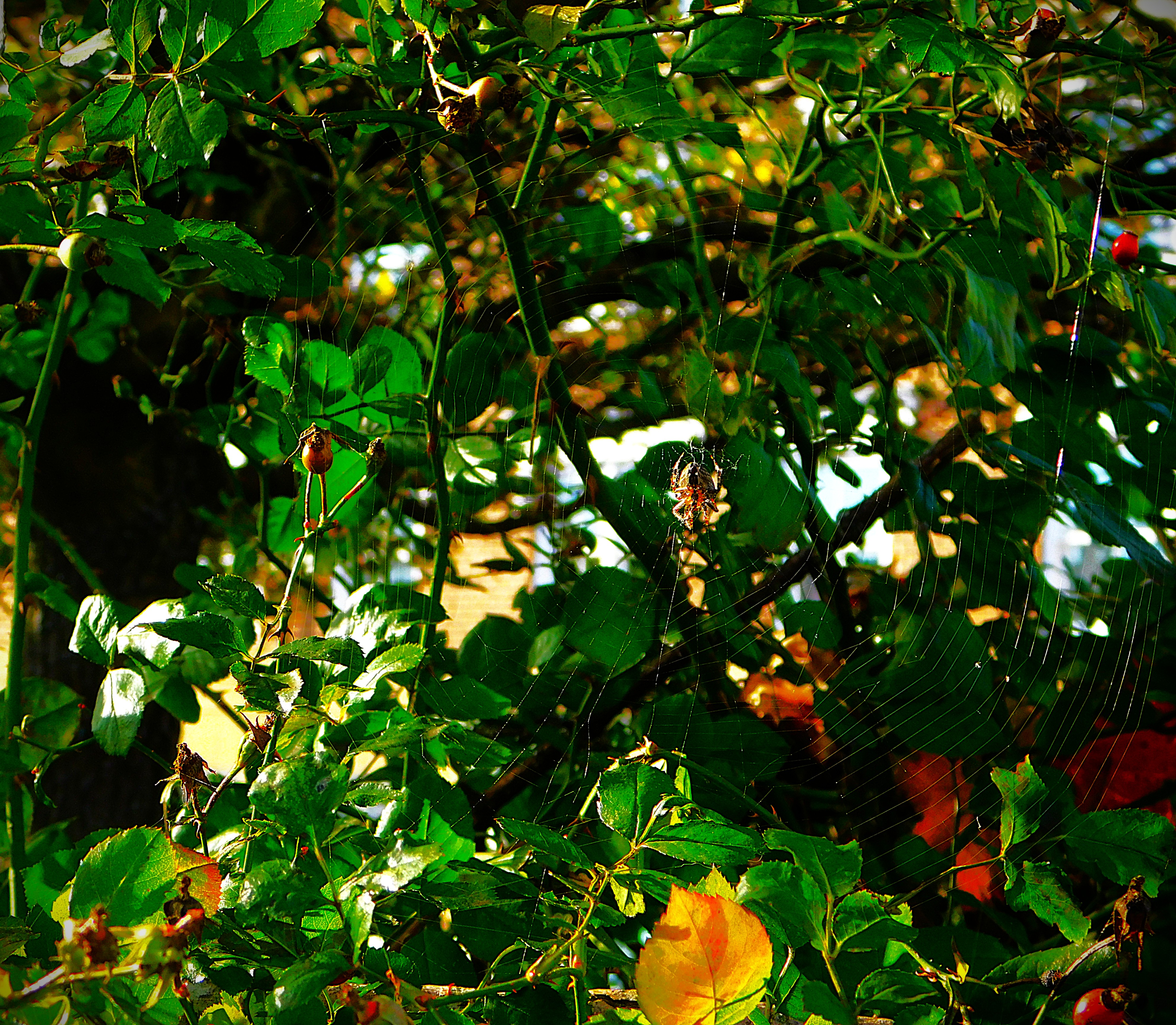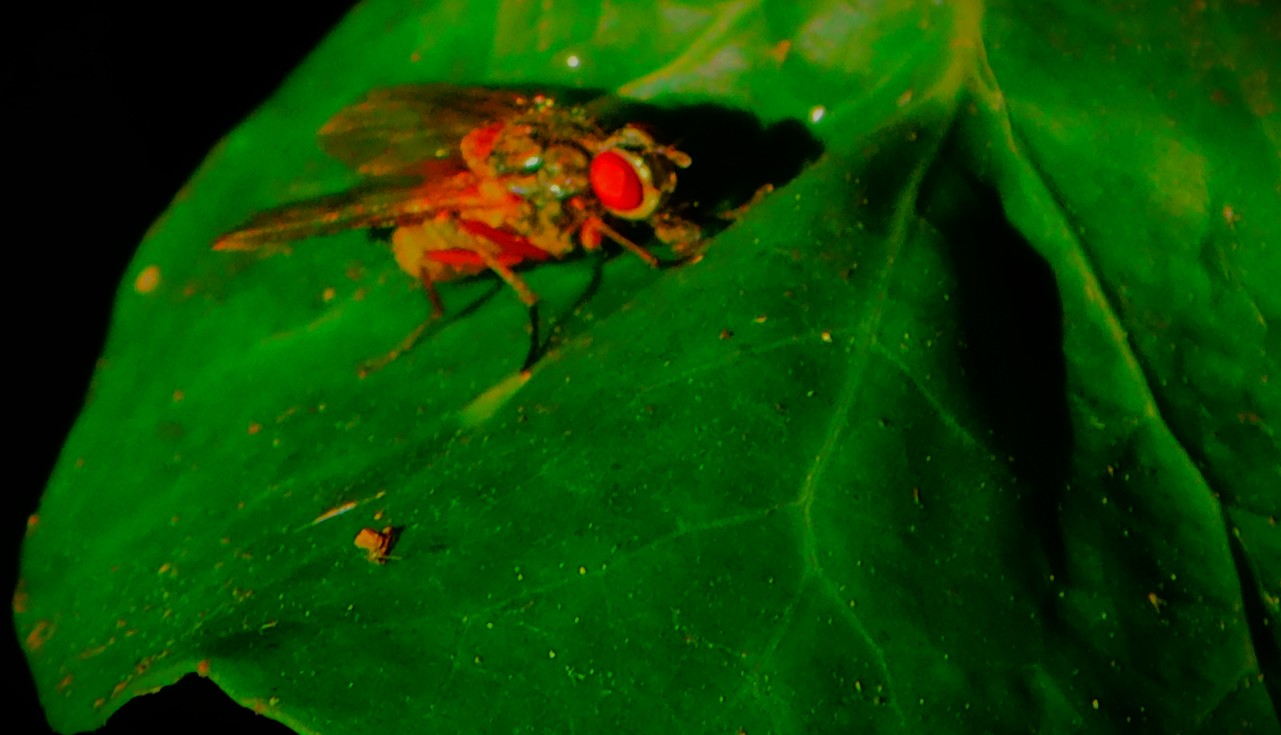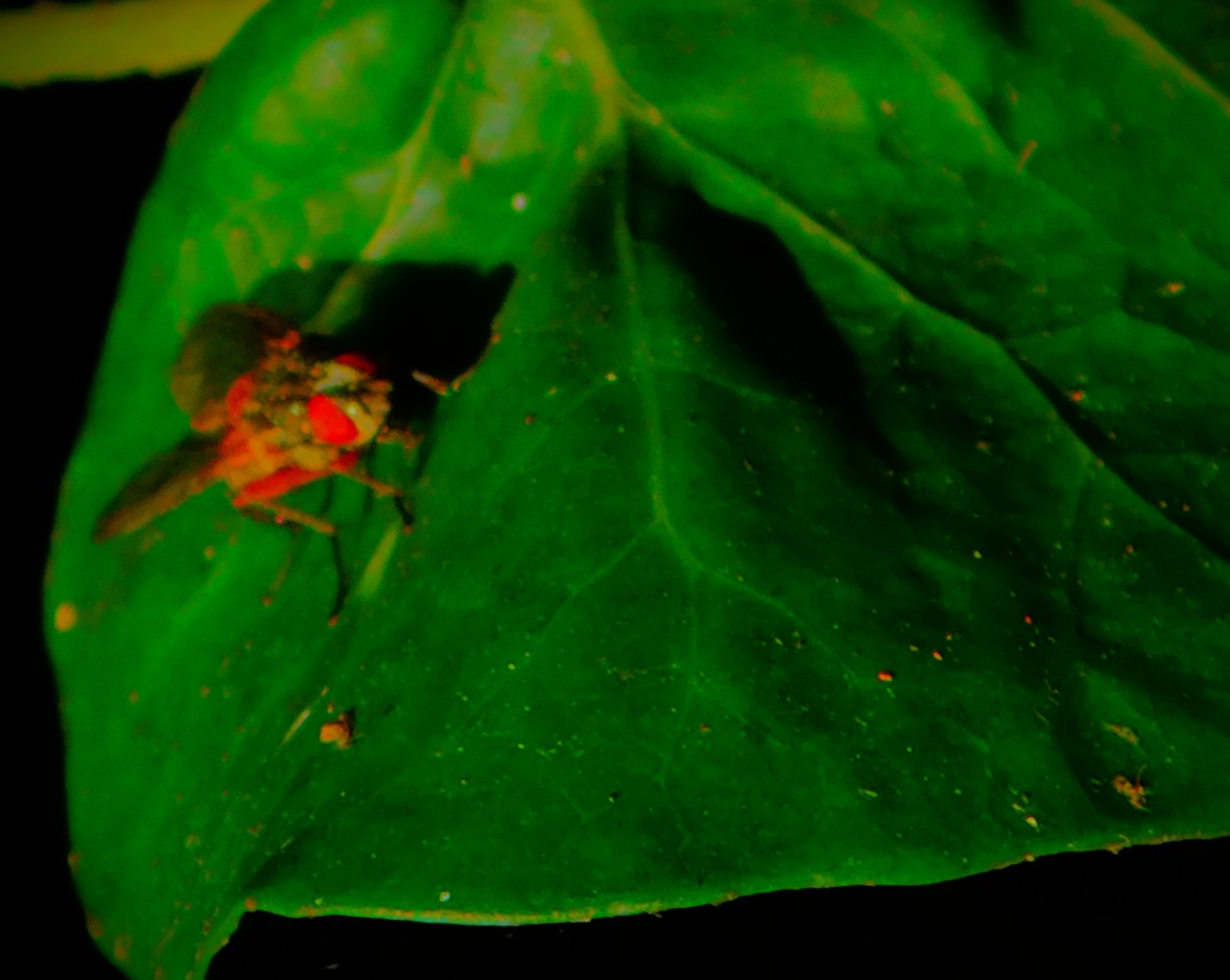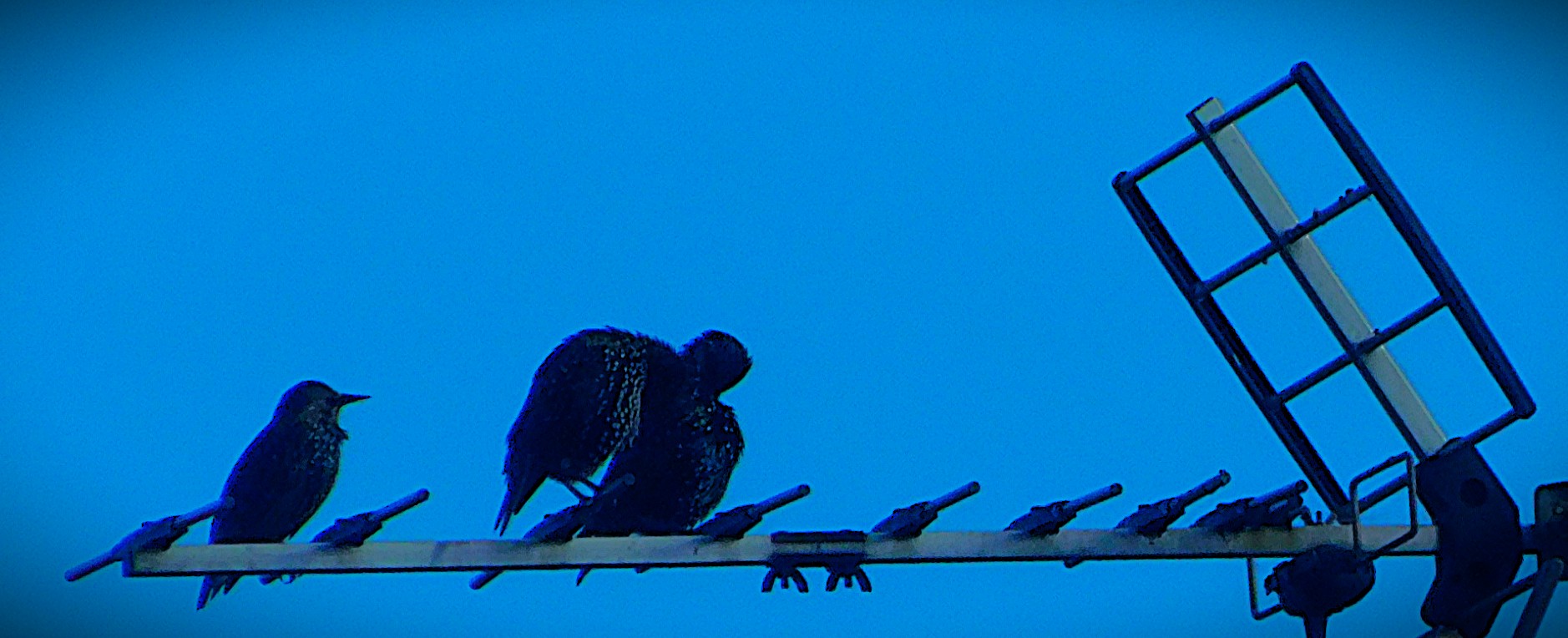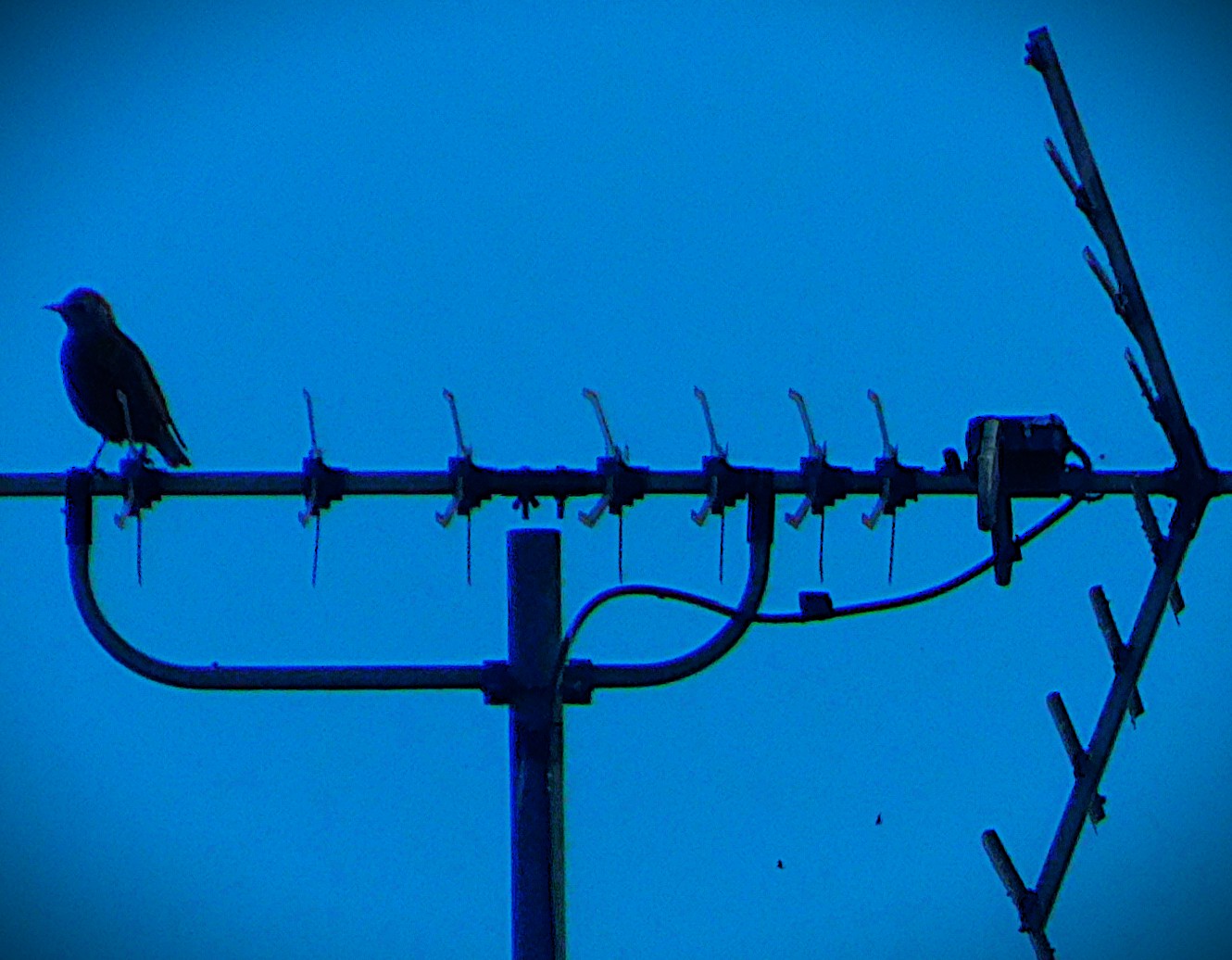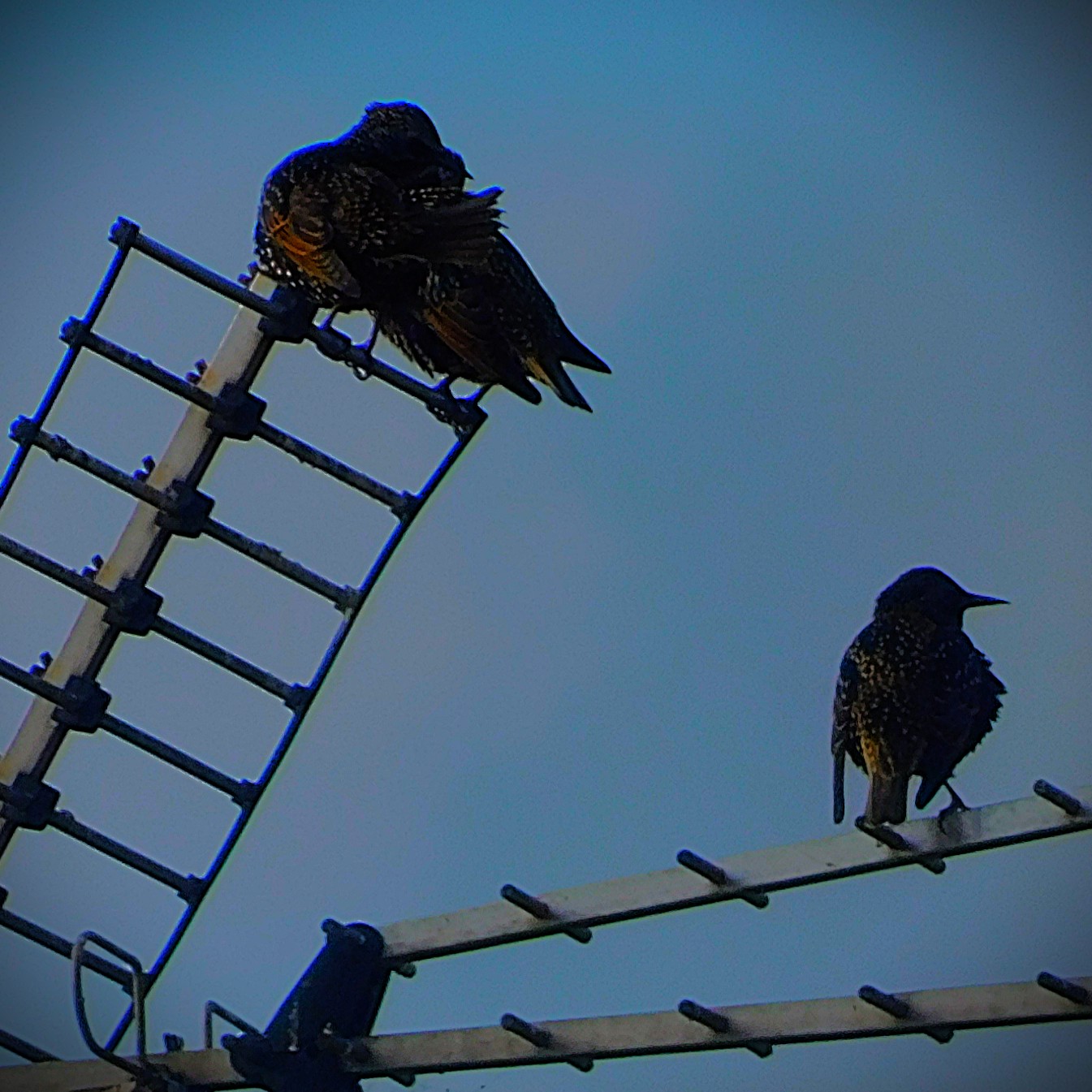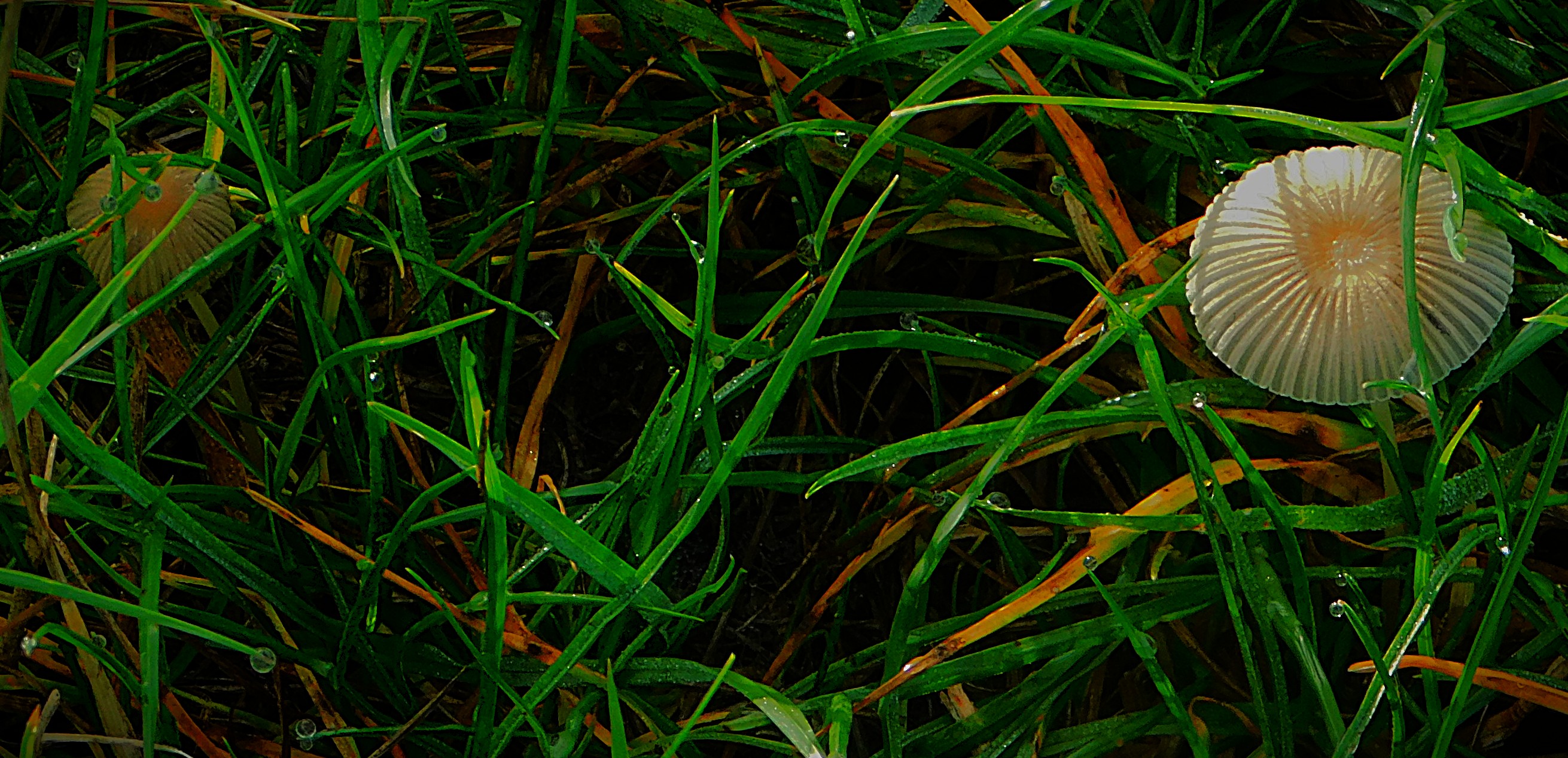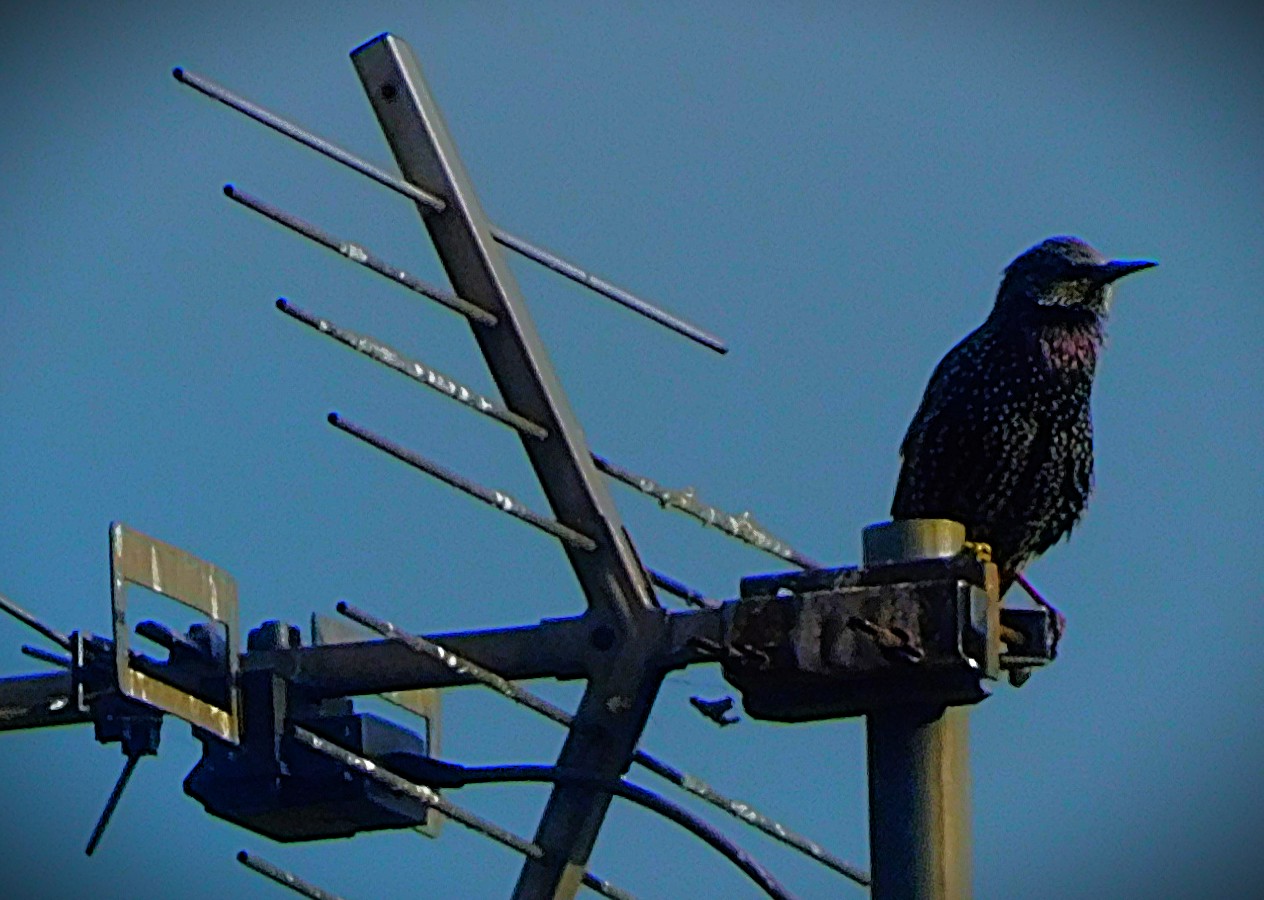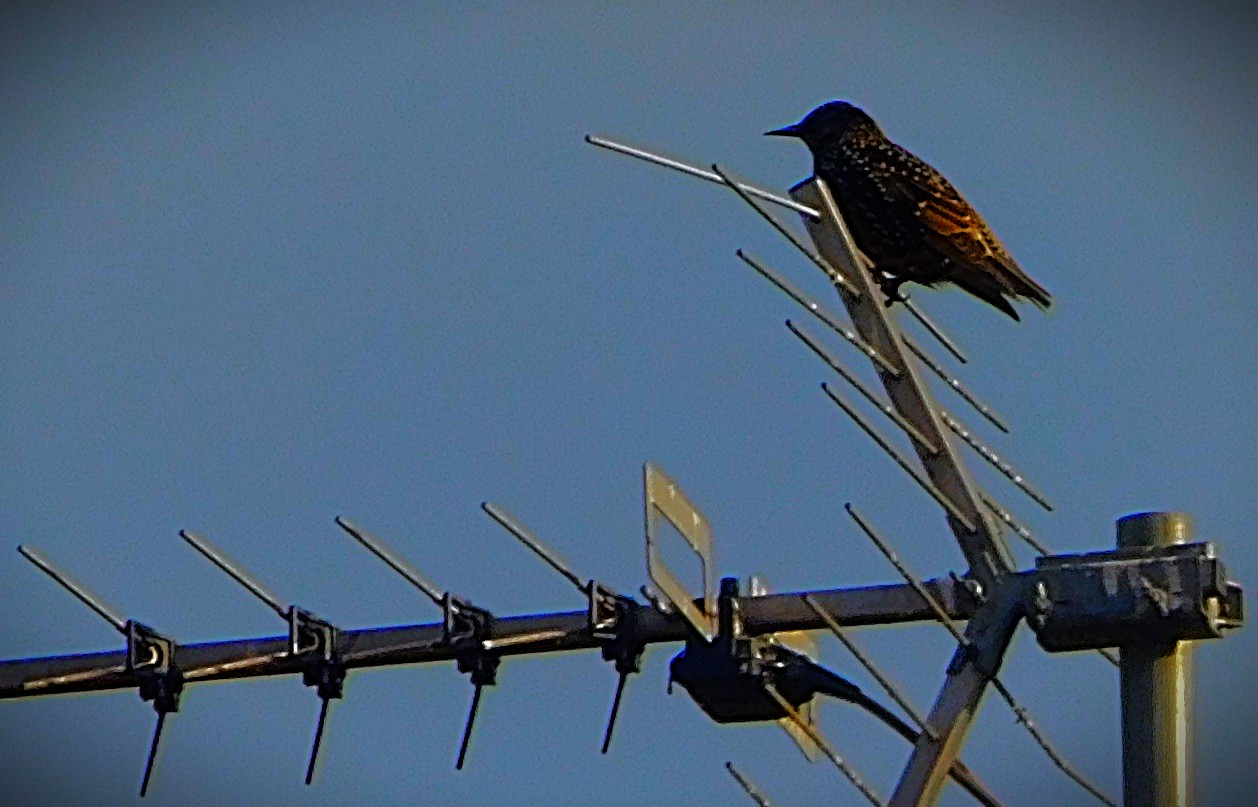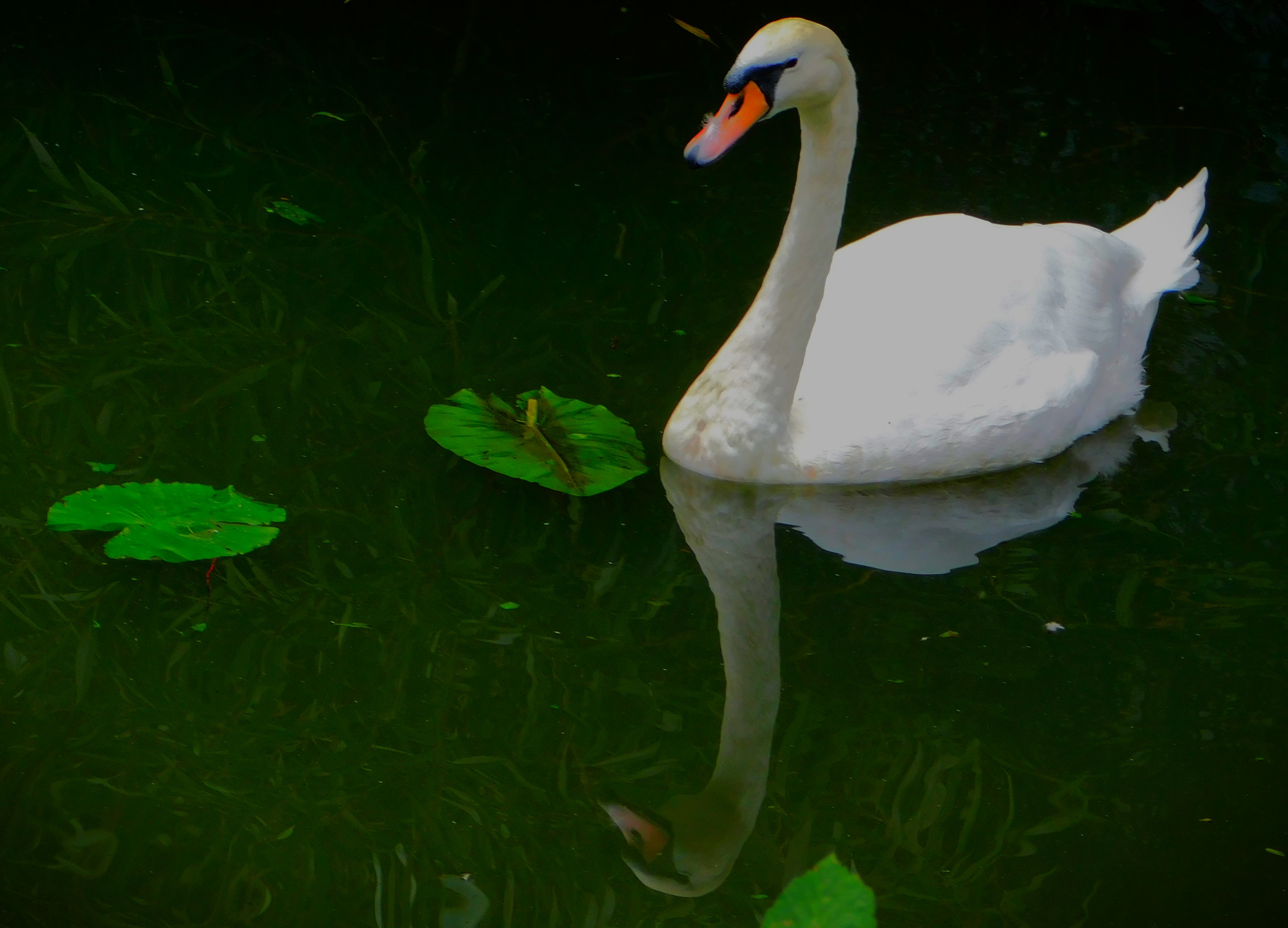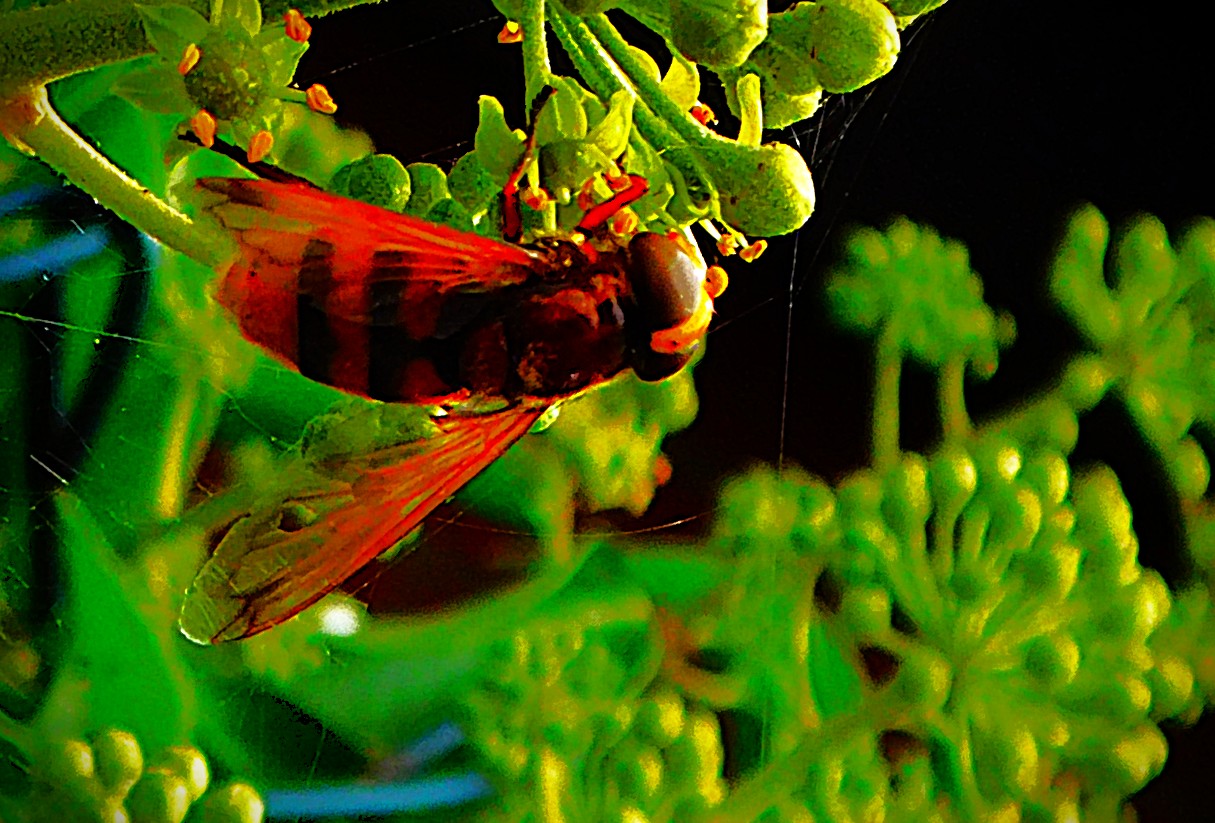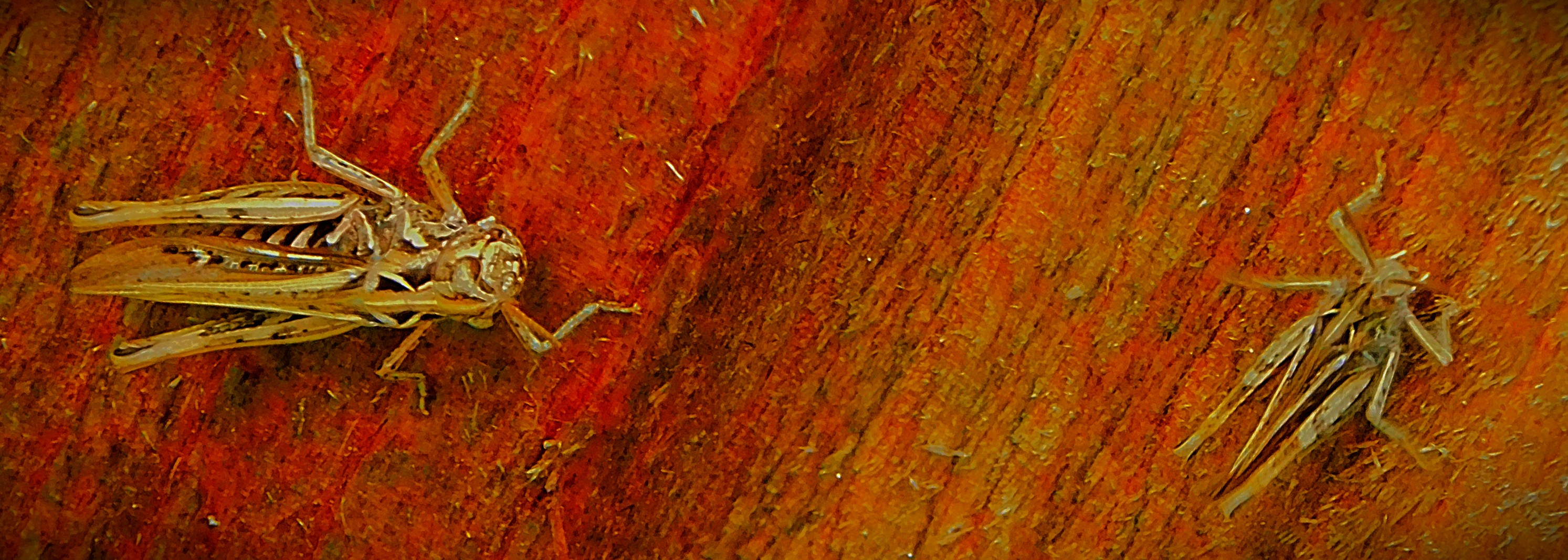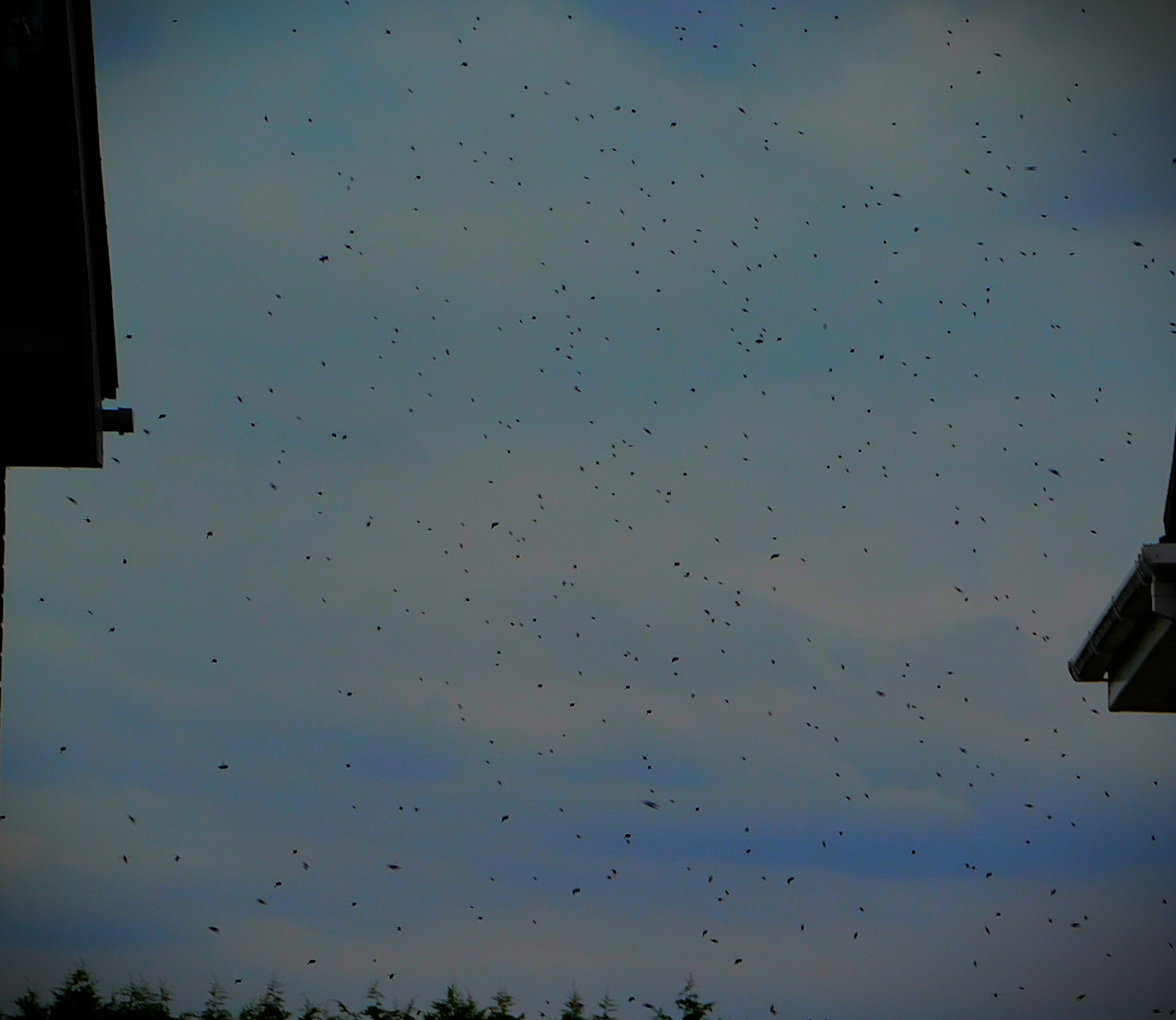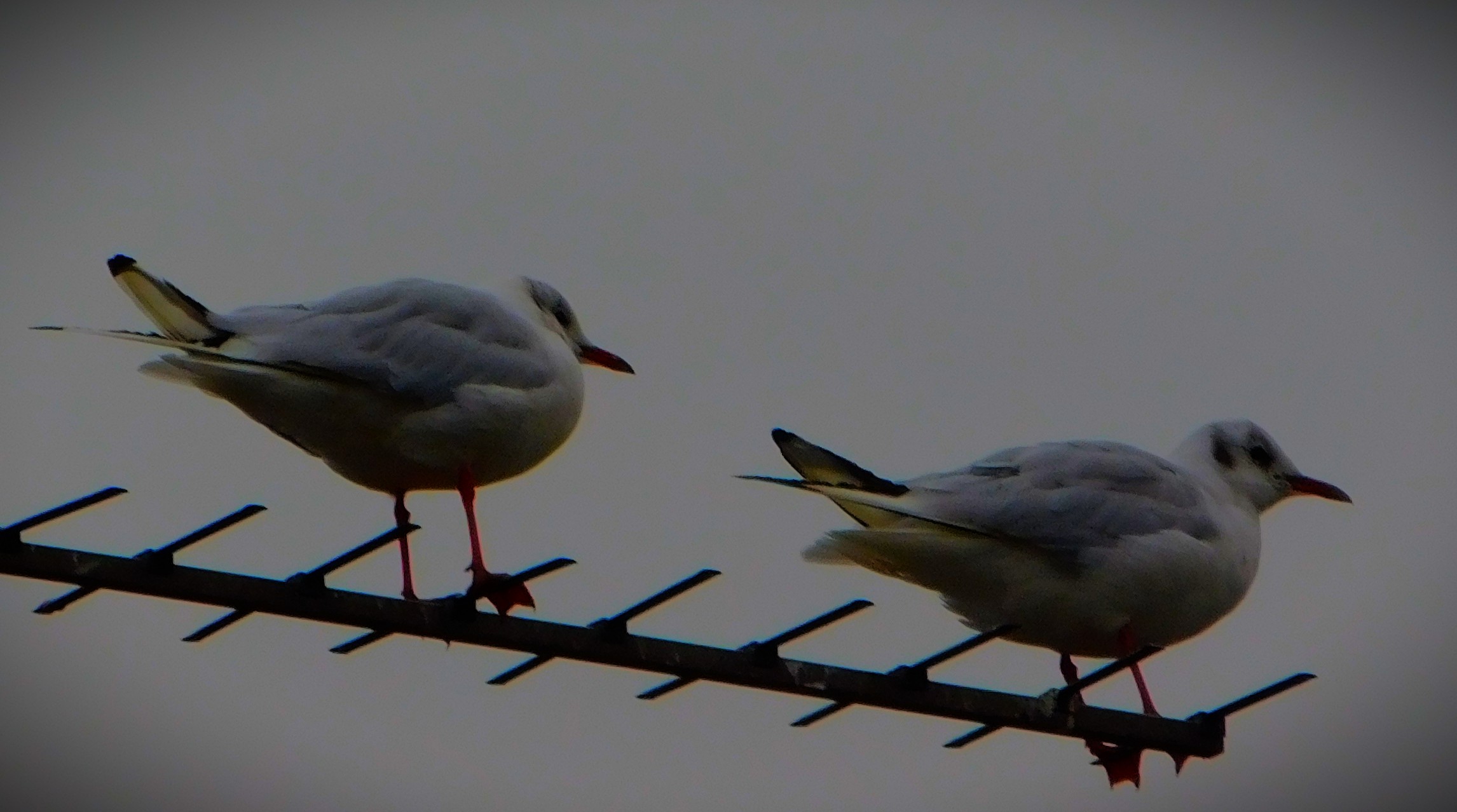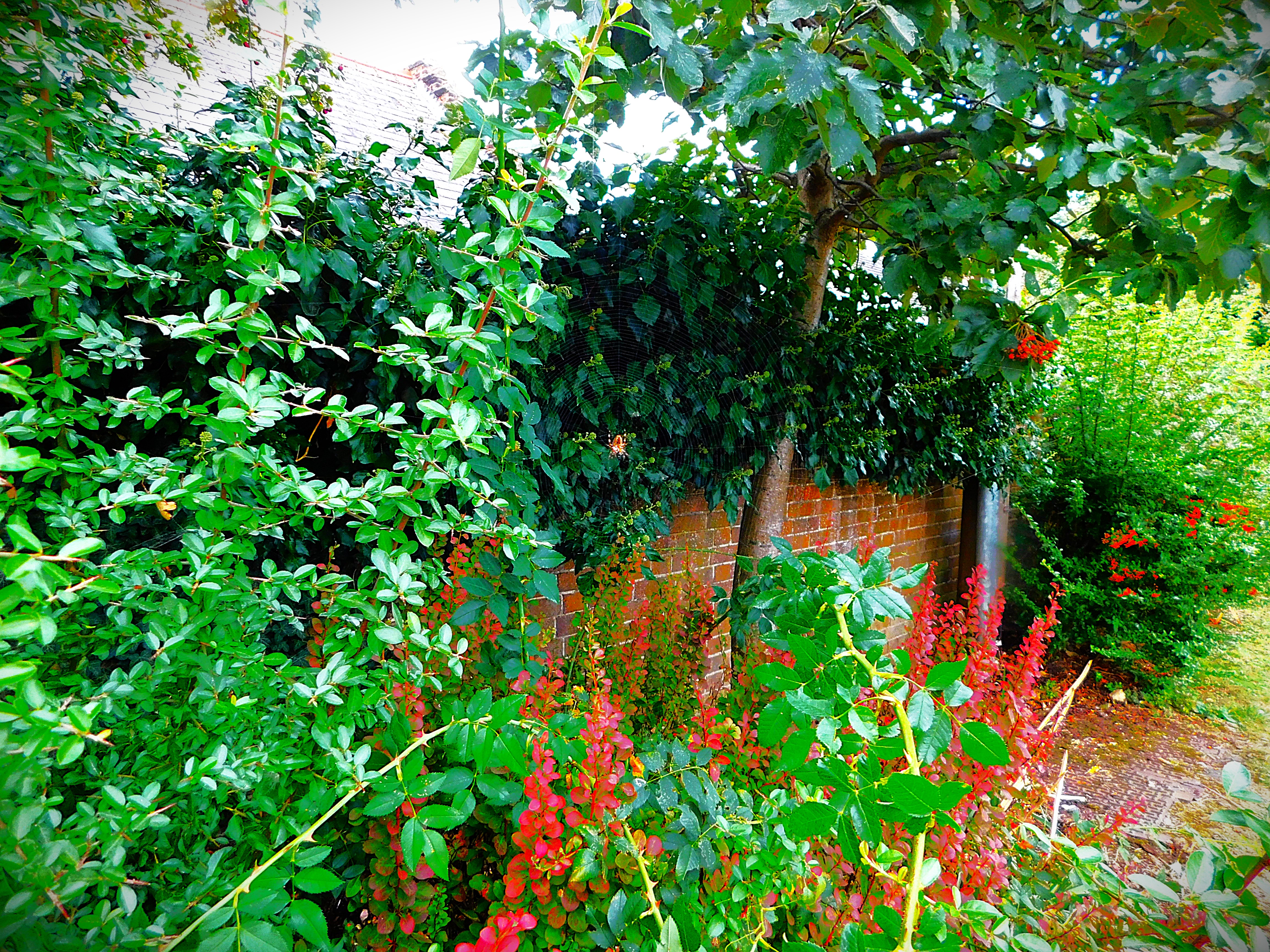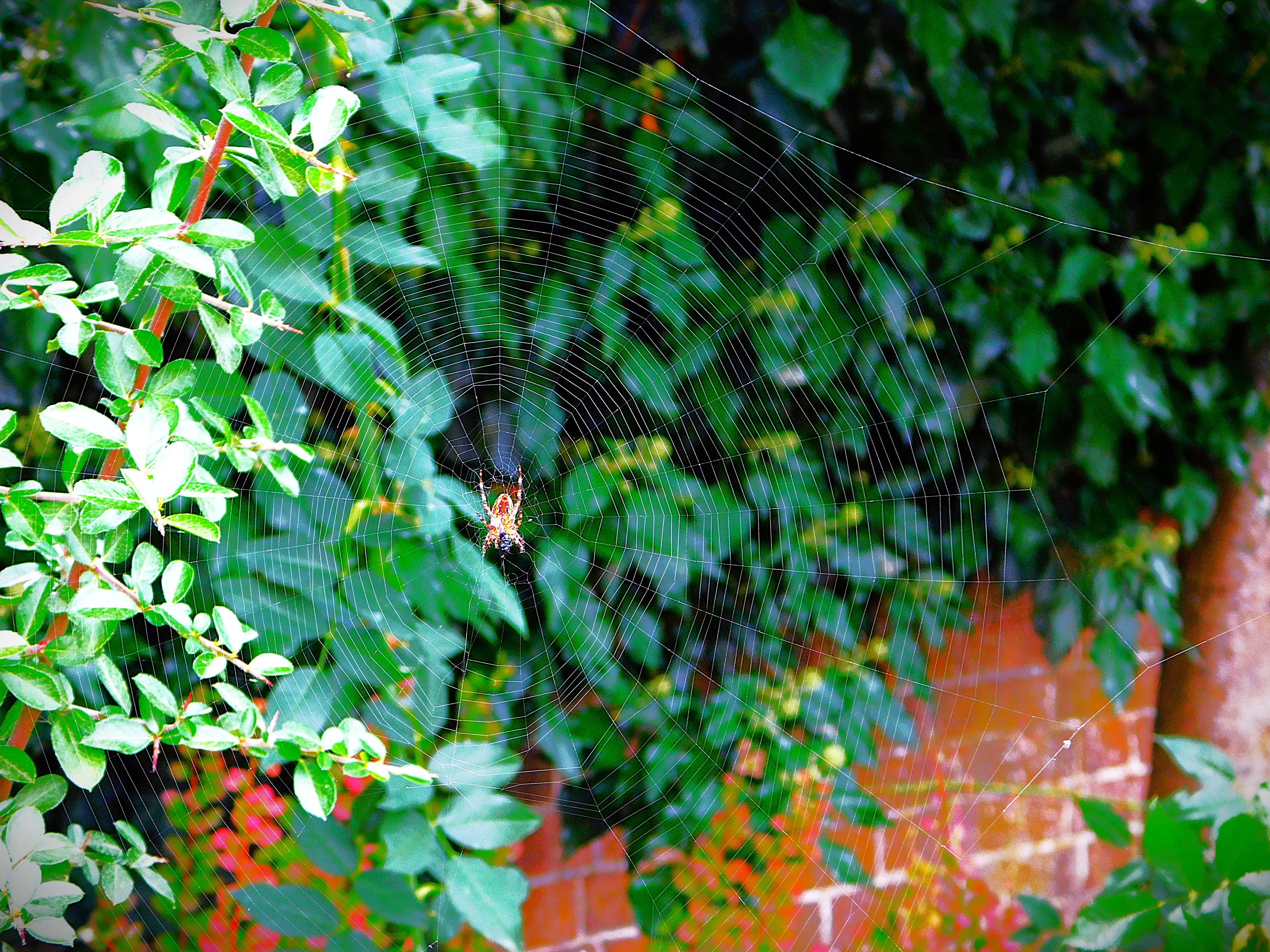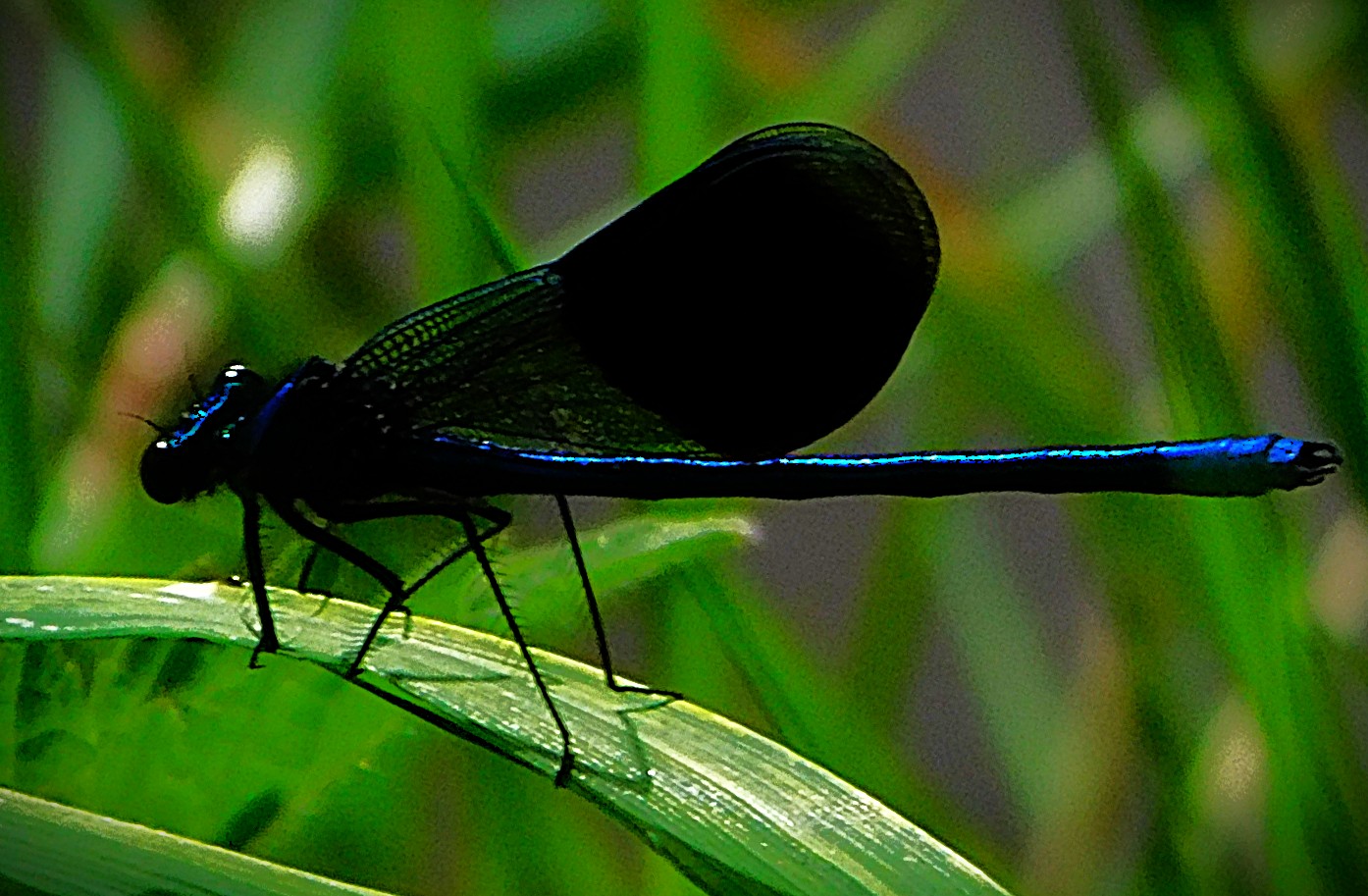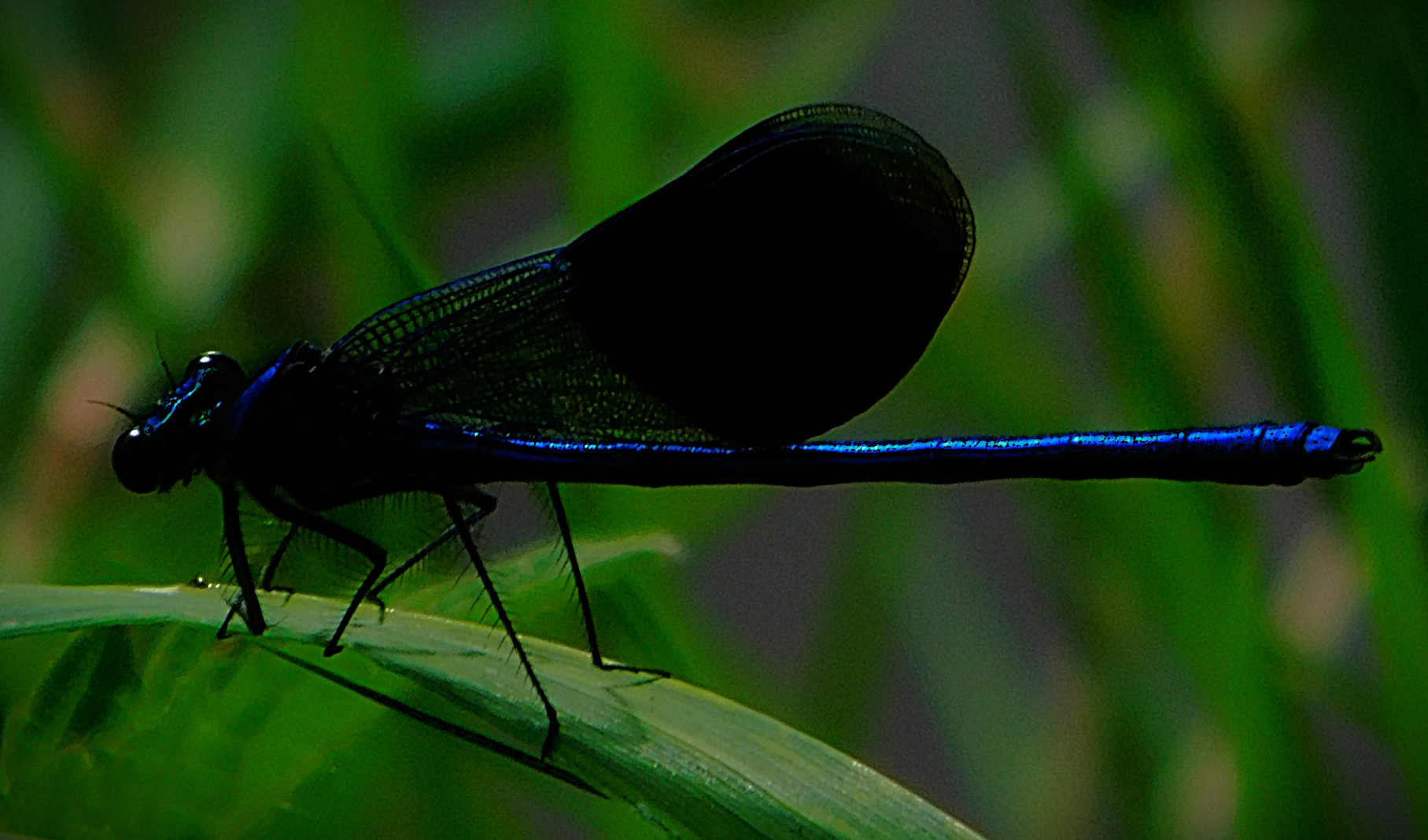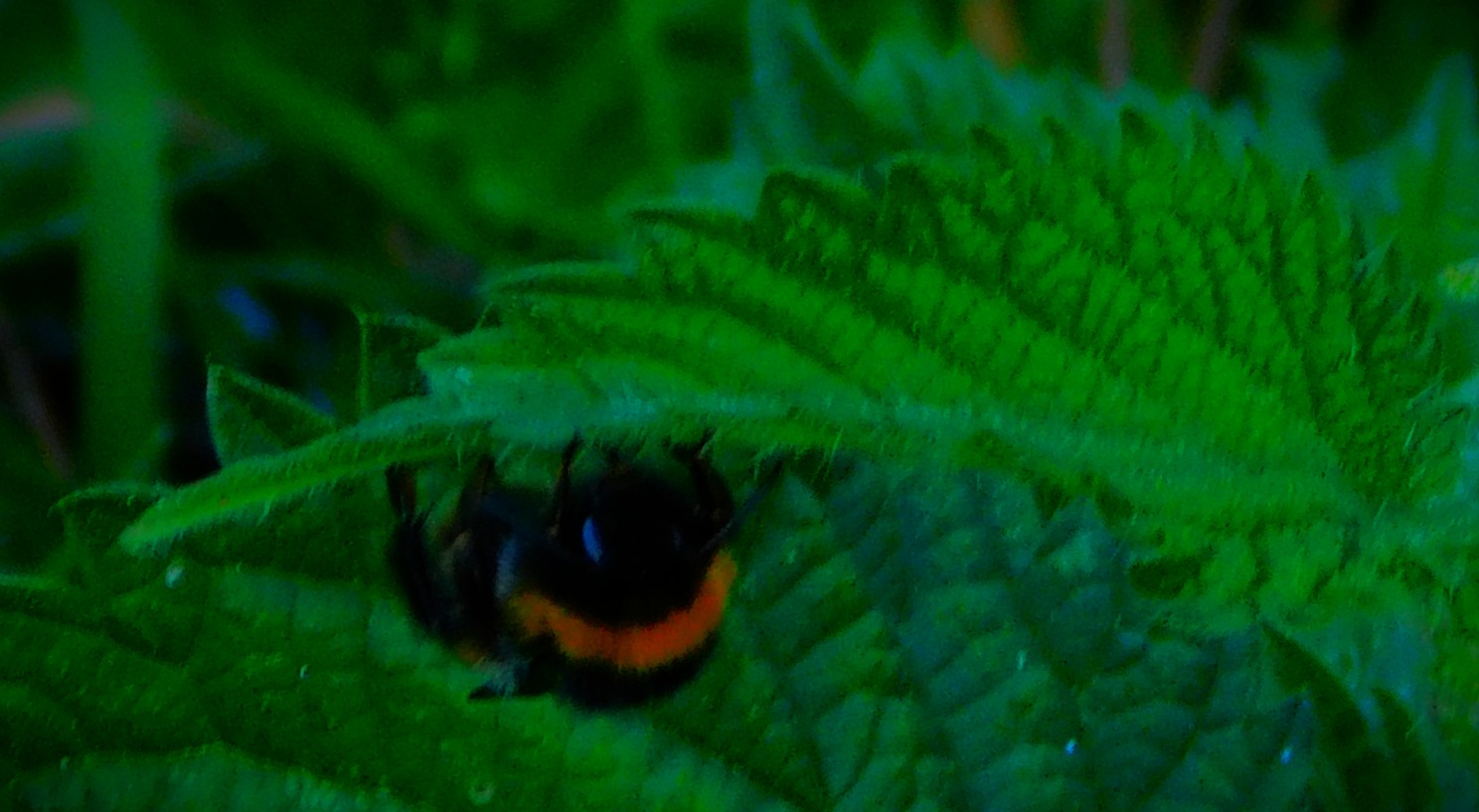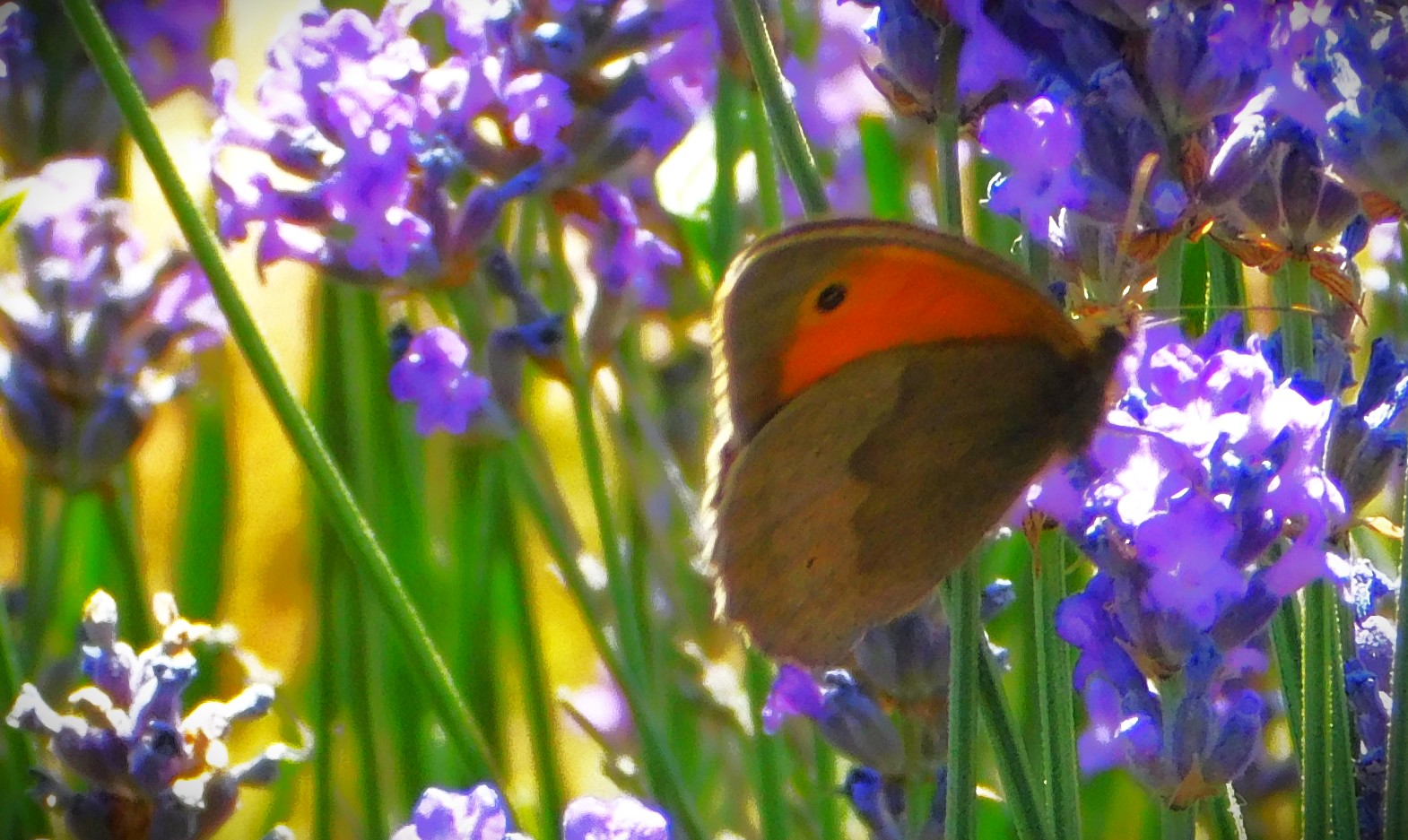
November in England is not generally noted as a prime time for insect sightings, but a combination of warmth and sun brought them out today.
I mentioned yesterday that it was unseasonably warm. The trend continued today, and unlike yesterday, which was virtually unremittingly grey, it has been sunny for much of today. The combination of sun and warm temperatures has brought the insects out in some force.
THE FIRST SIGN
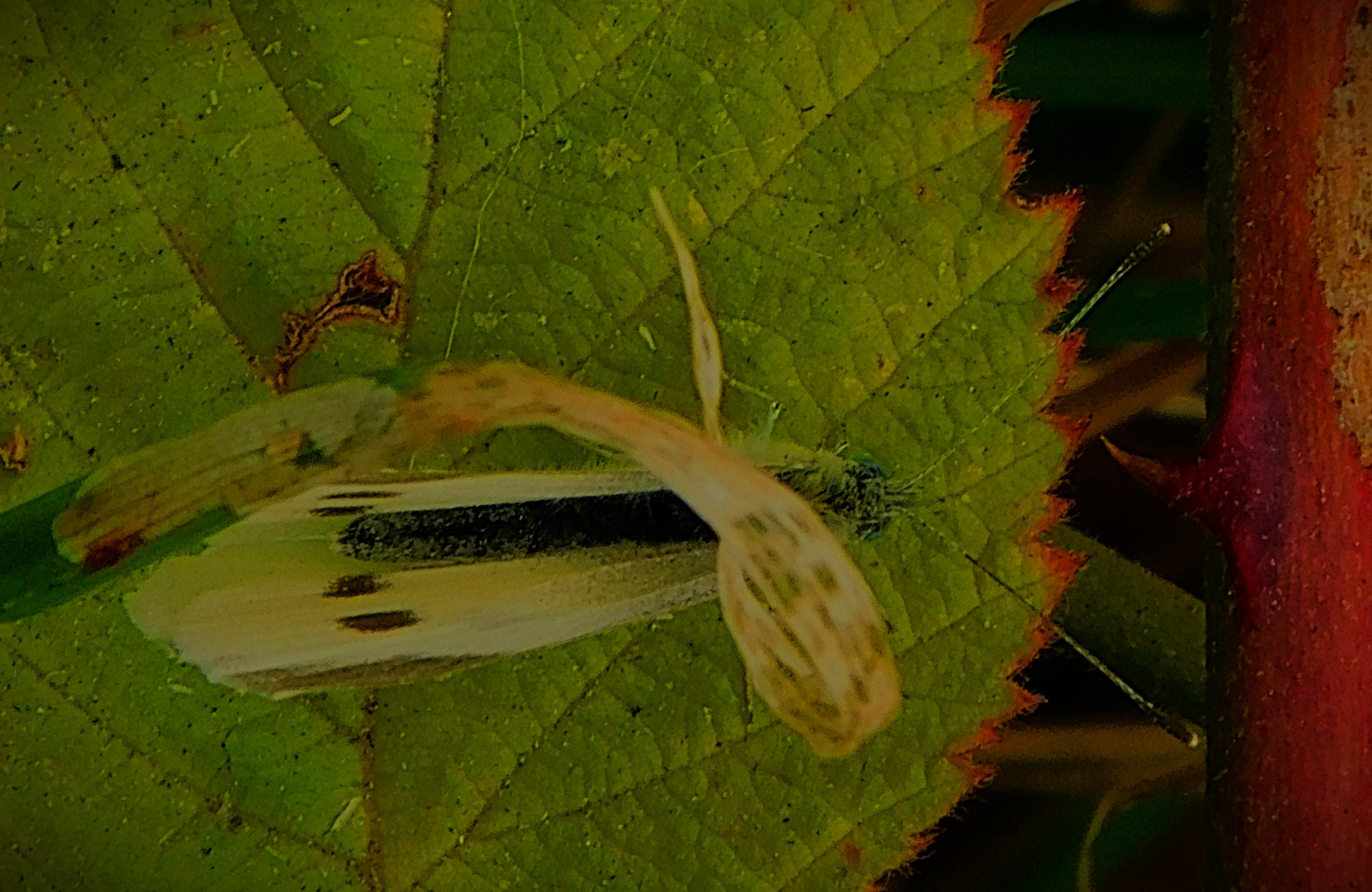
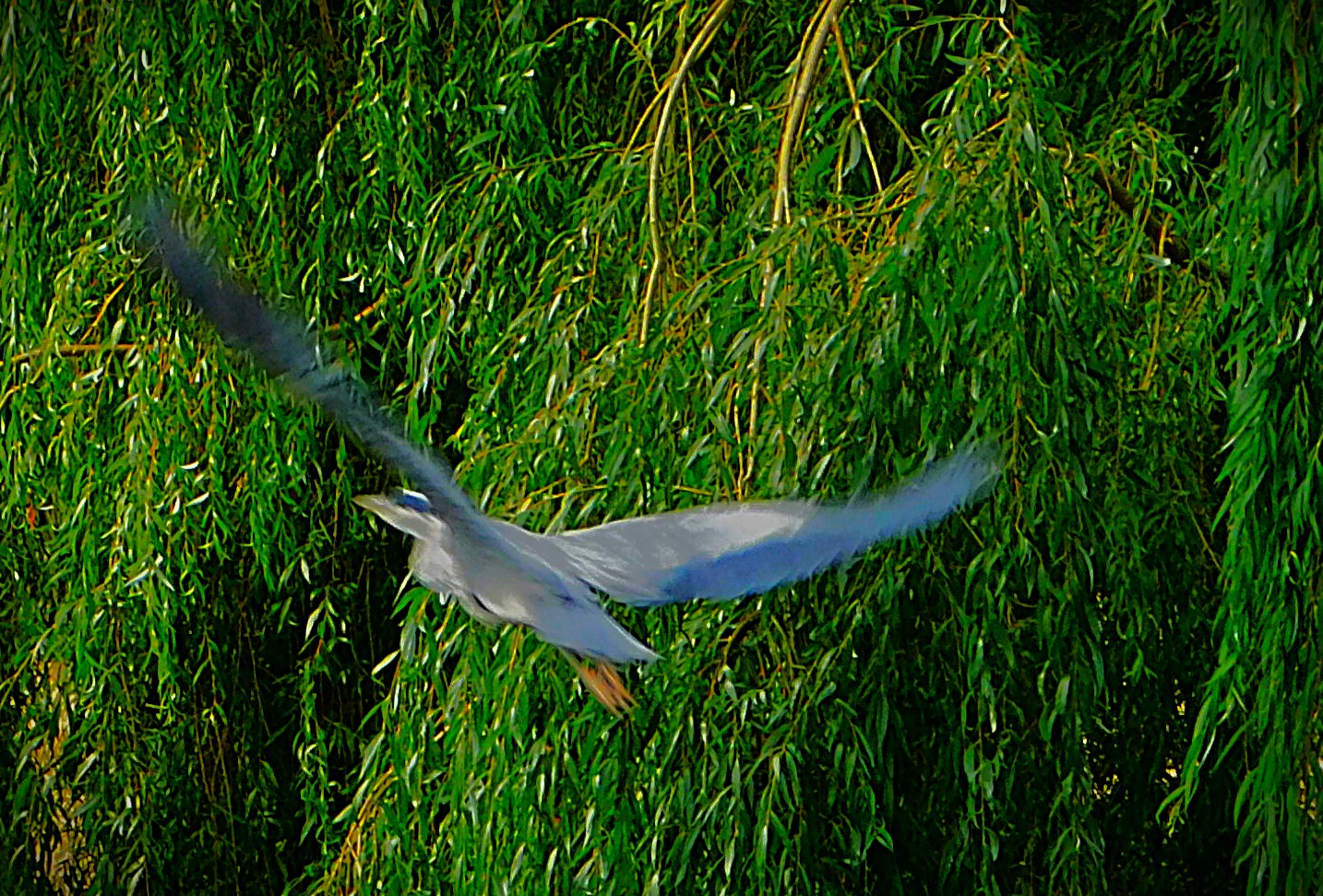
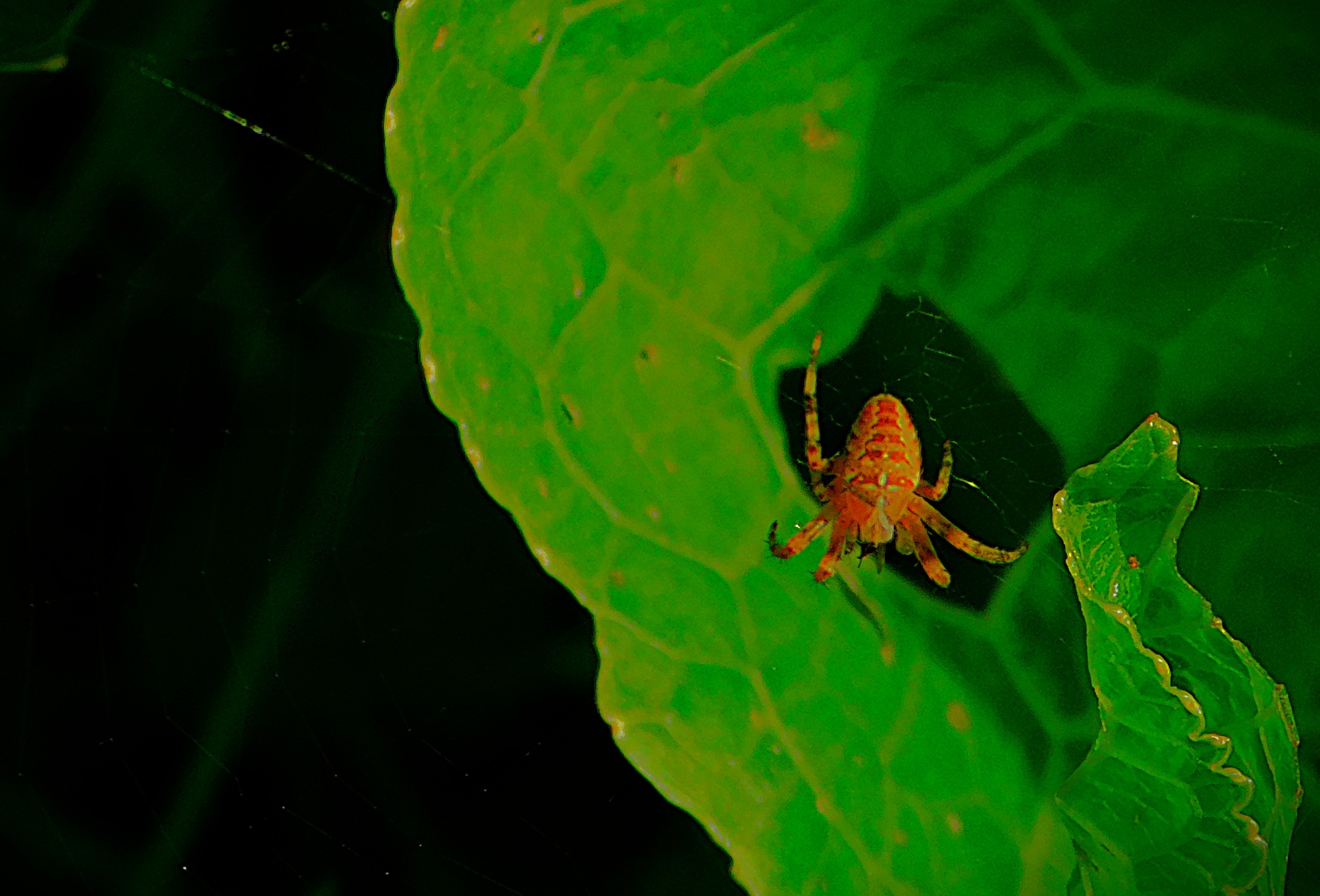
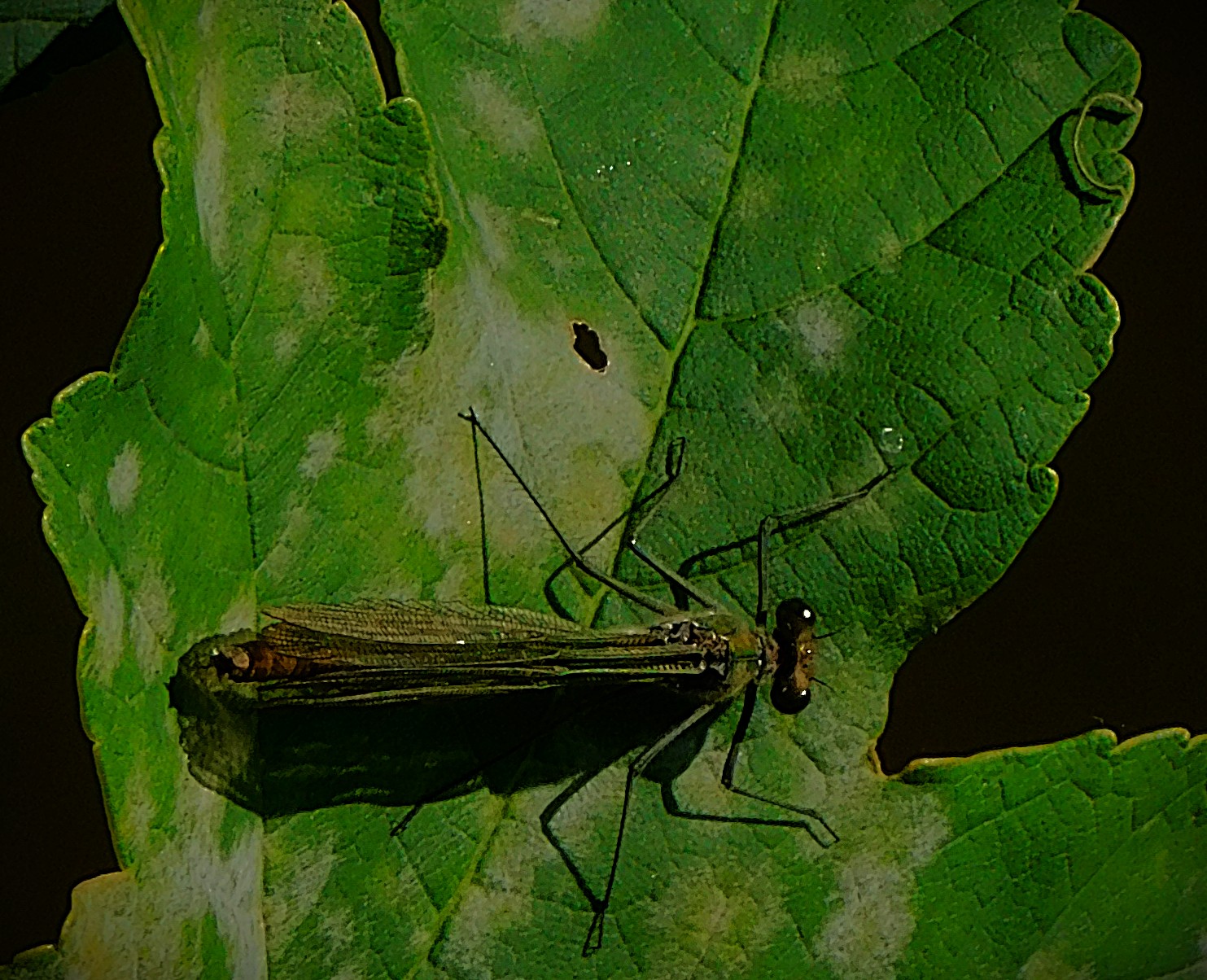
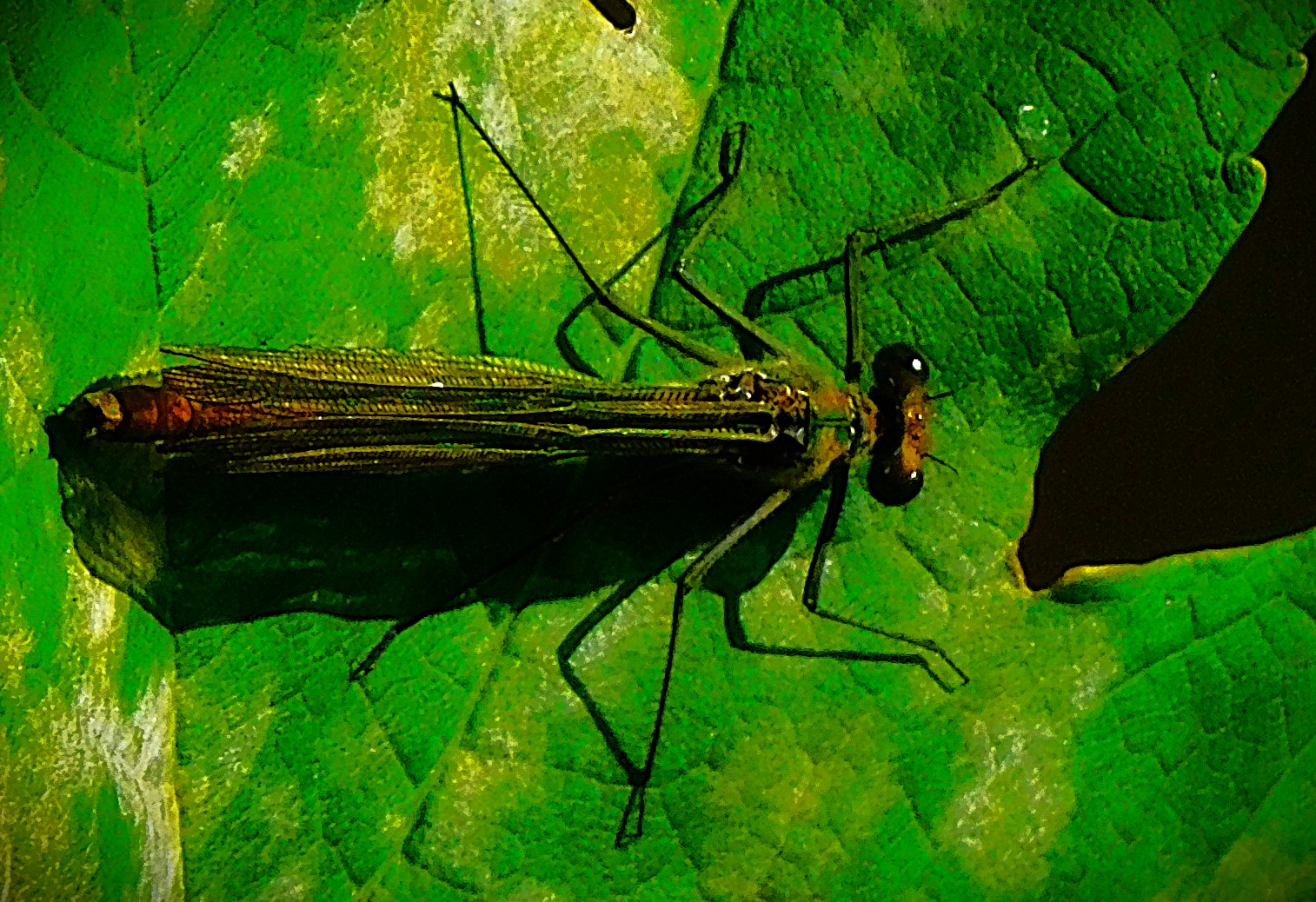
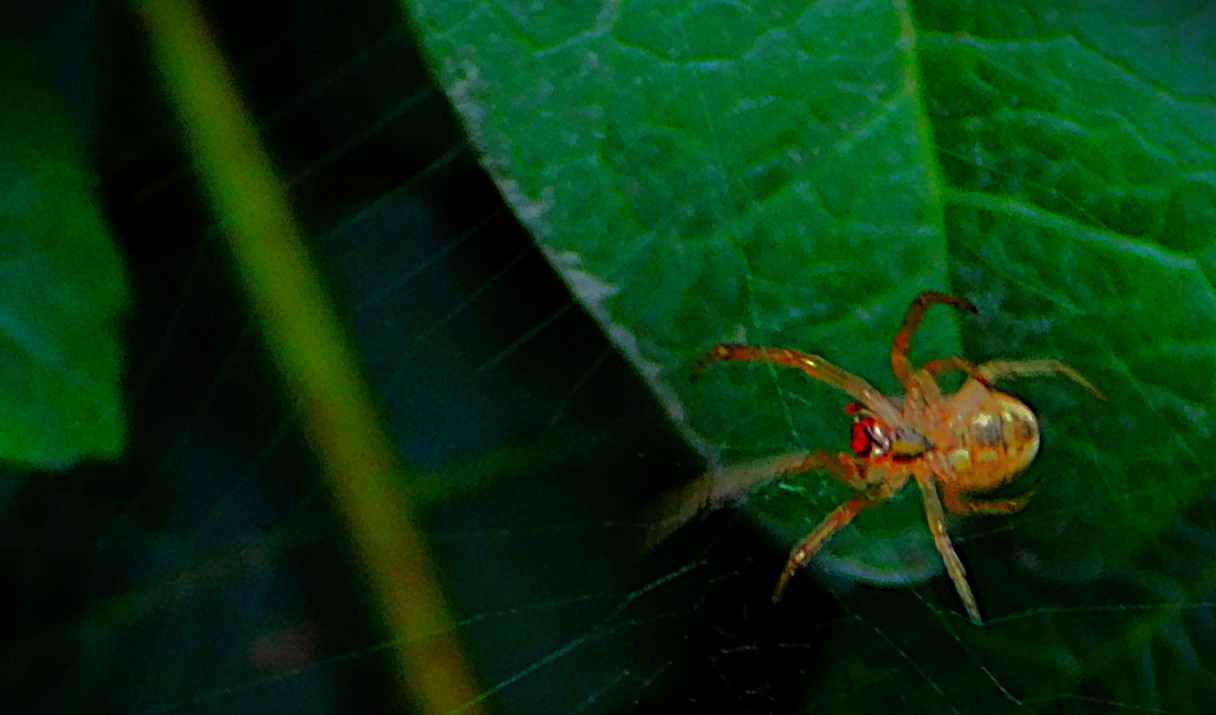
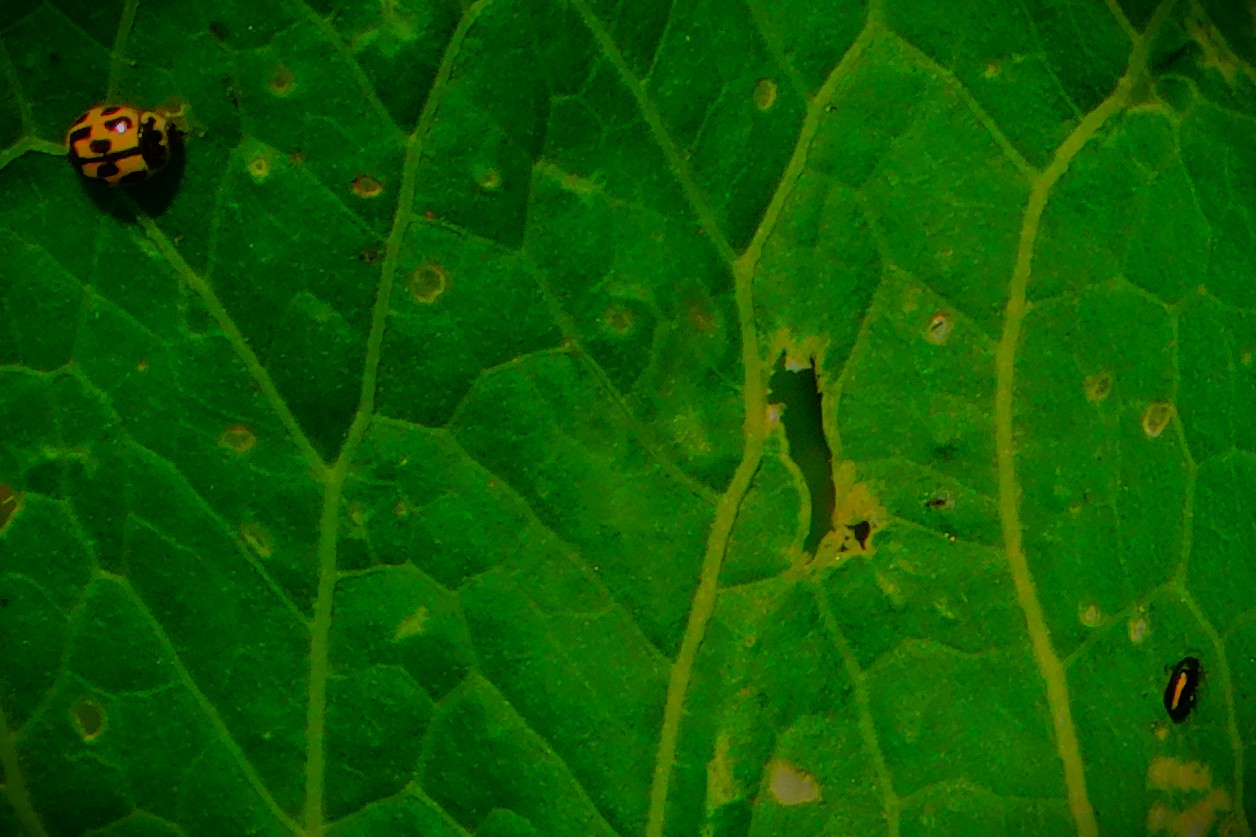
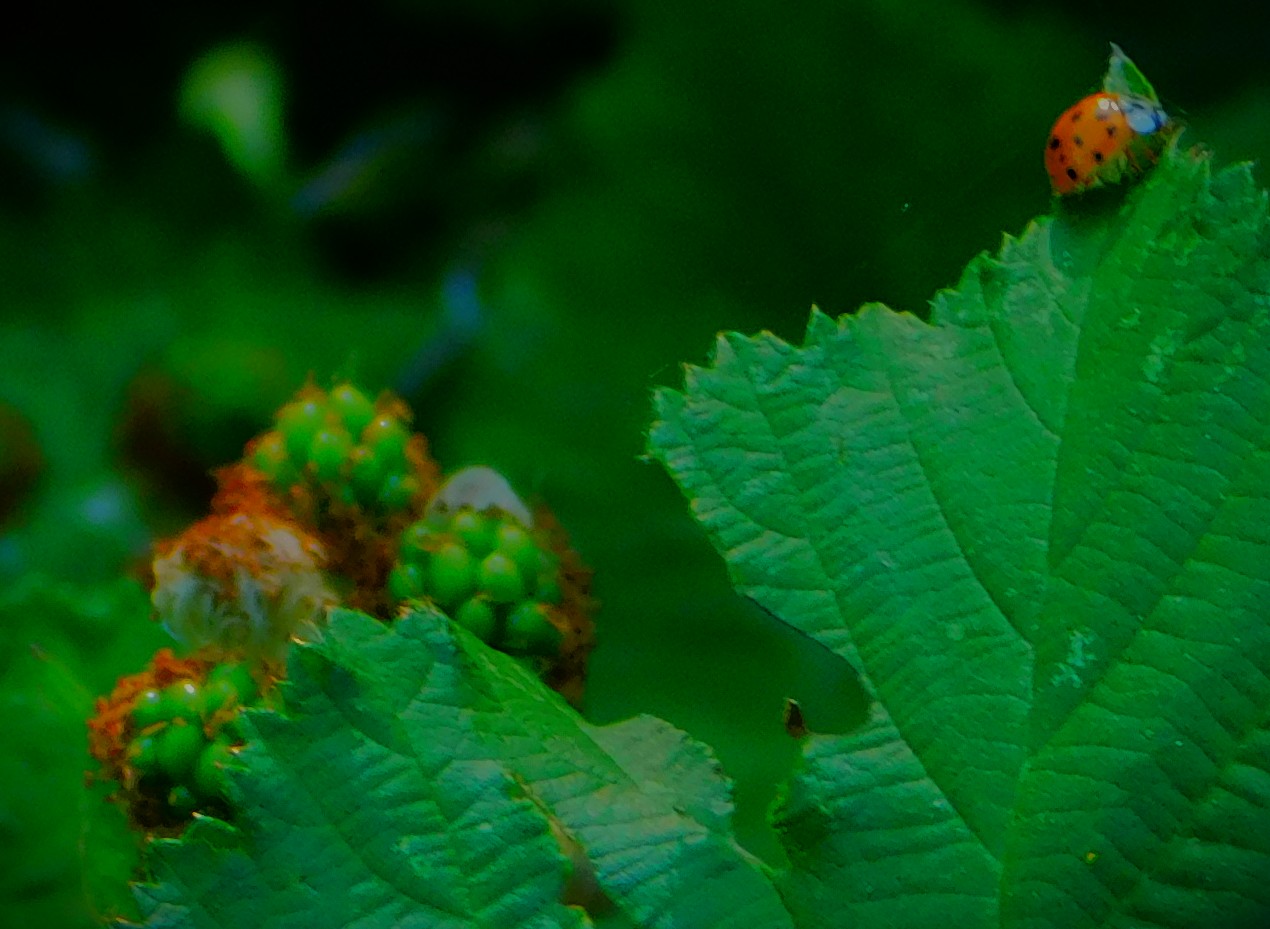
The very first picture I took this morning was a portent of things to come…
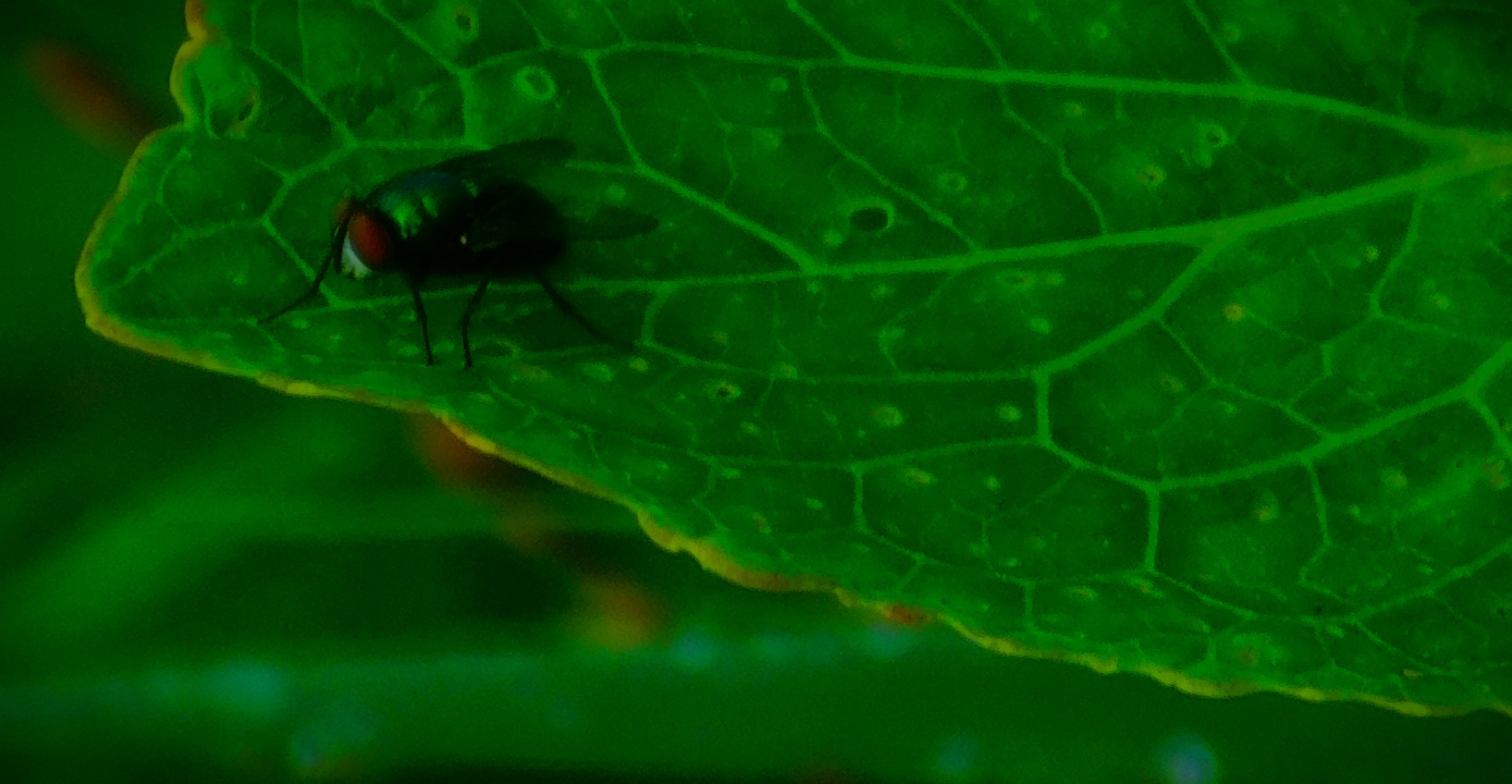
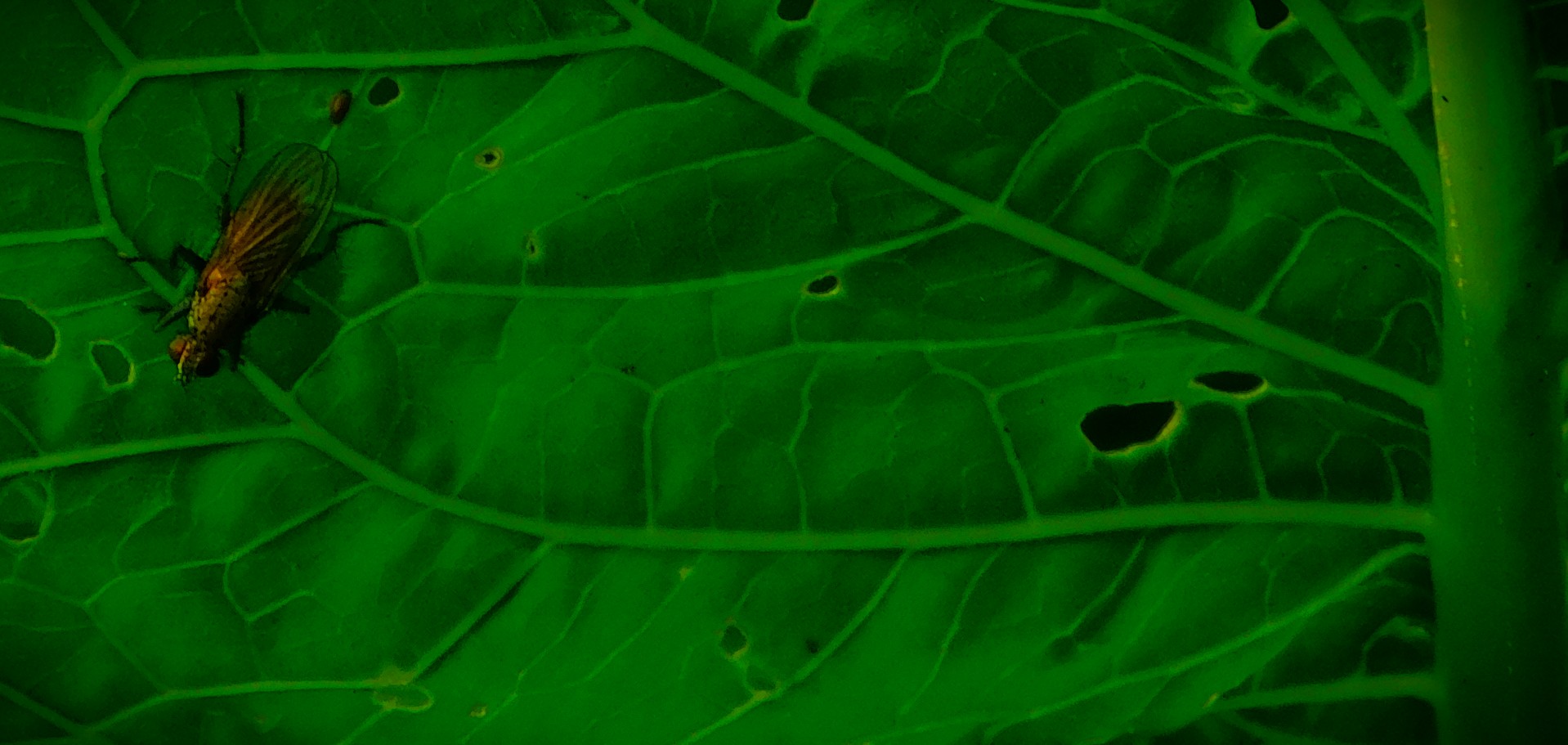
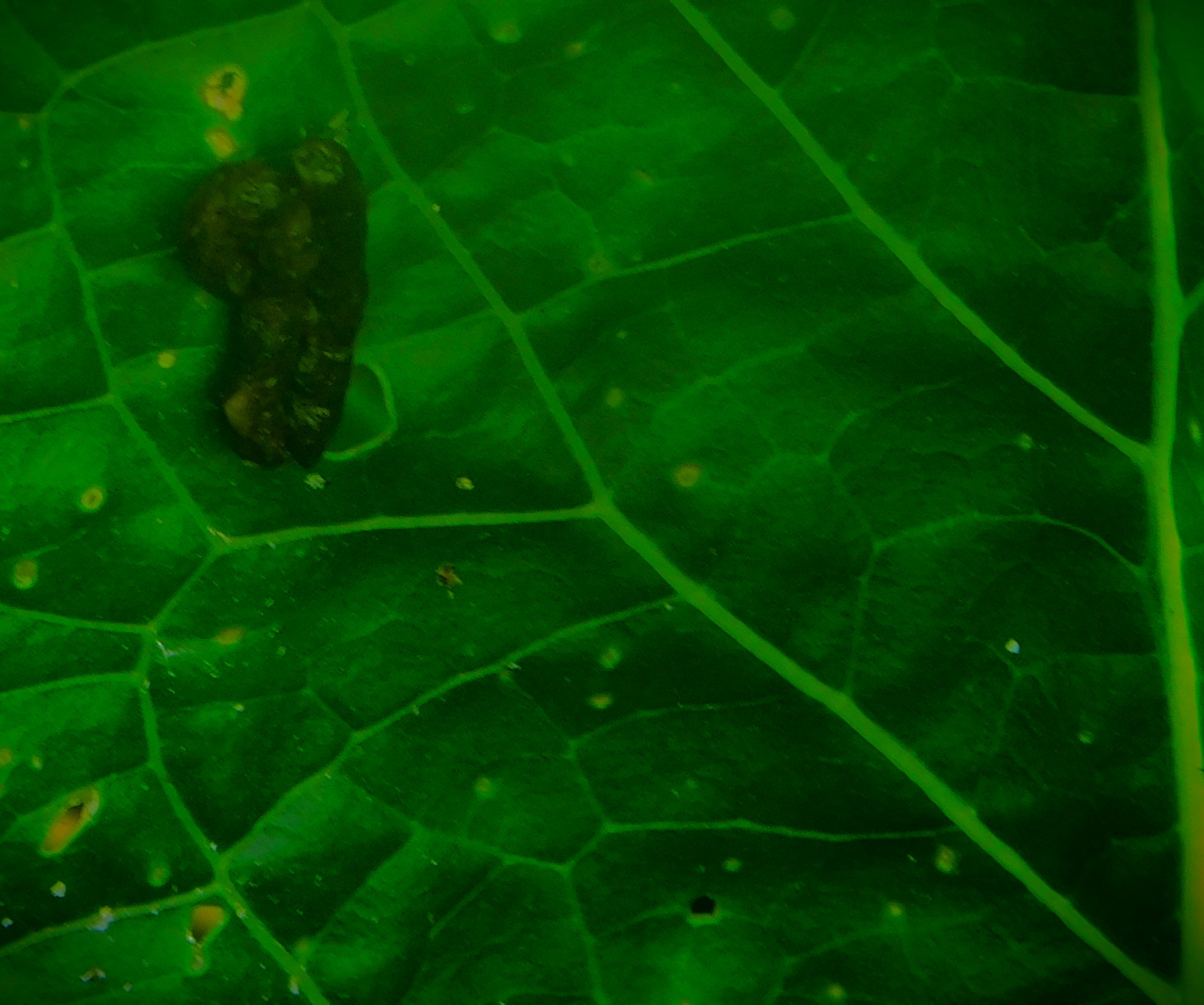
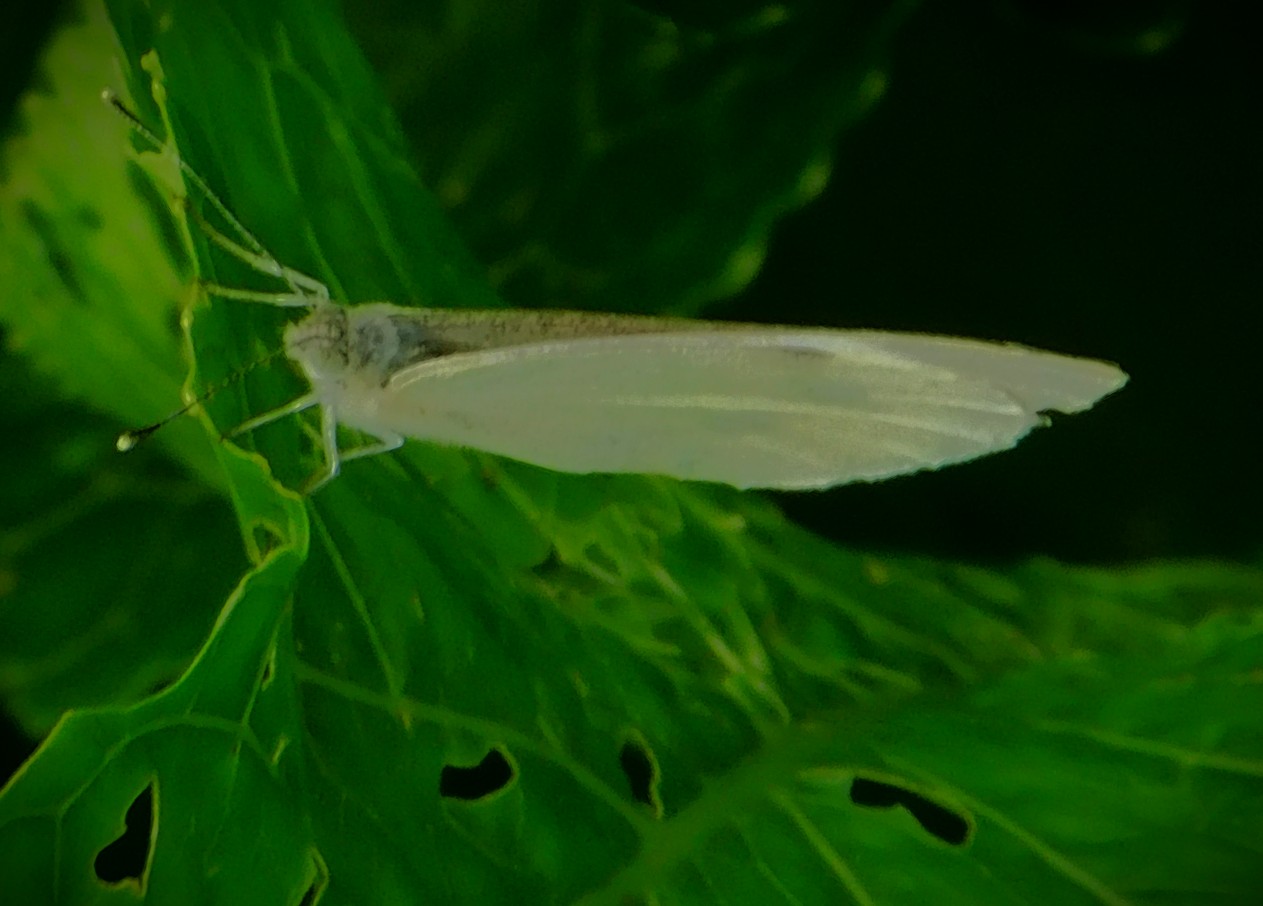
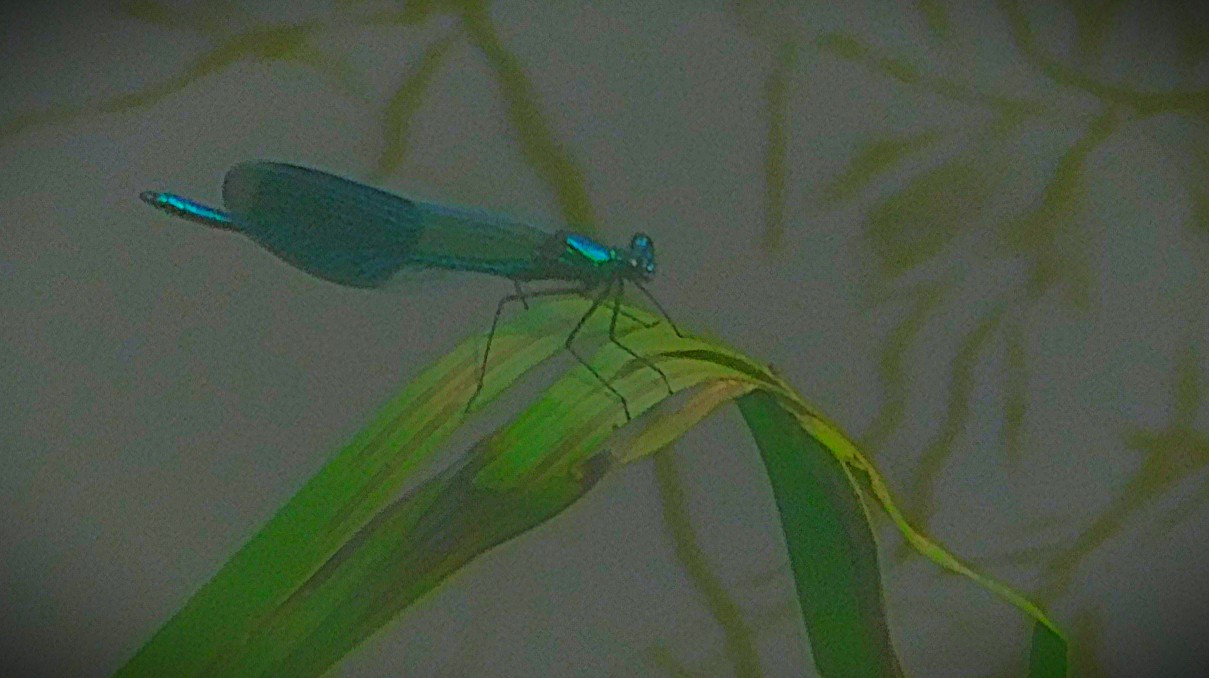
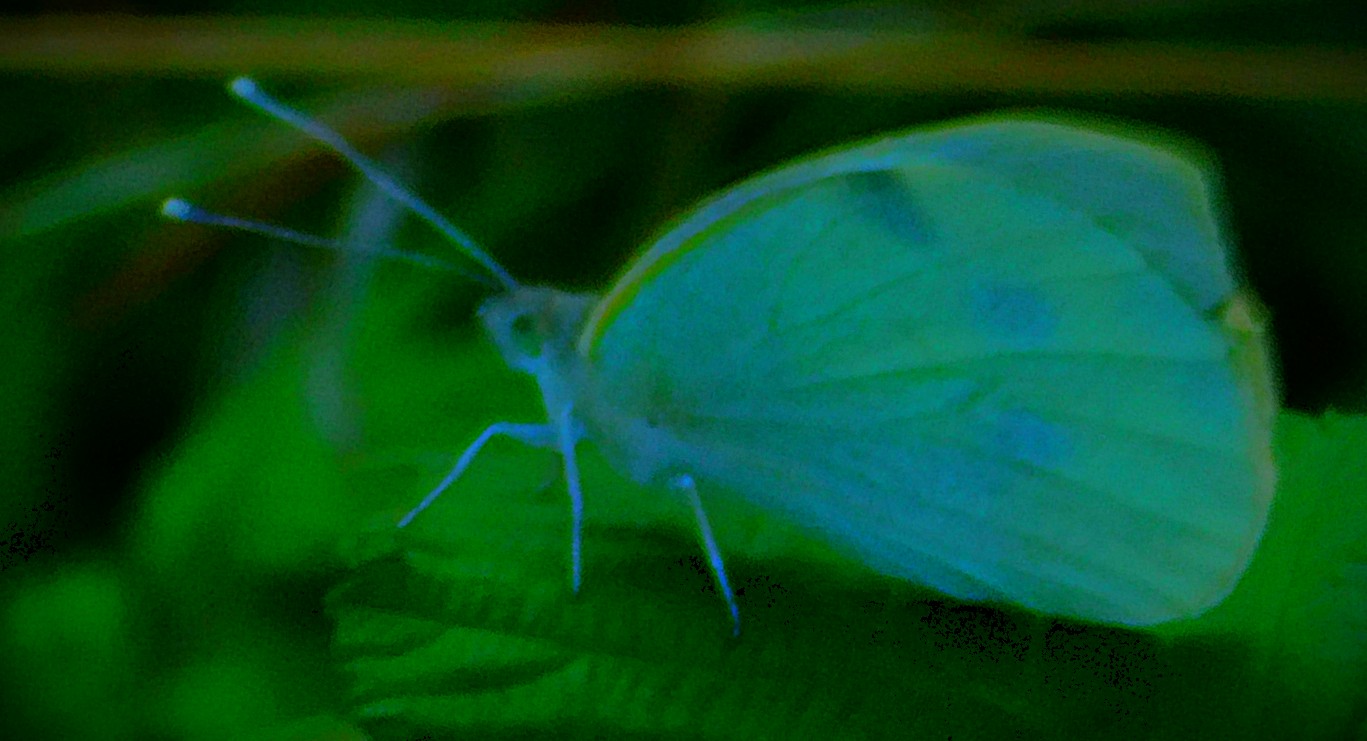
A blurry picture of an insect on a green leaf. The tree, to which this leaf is still attached, is on the private road that runs behind my house.
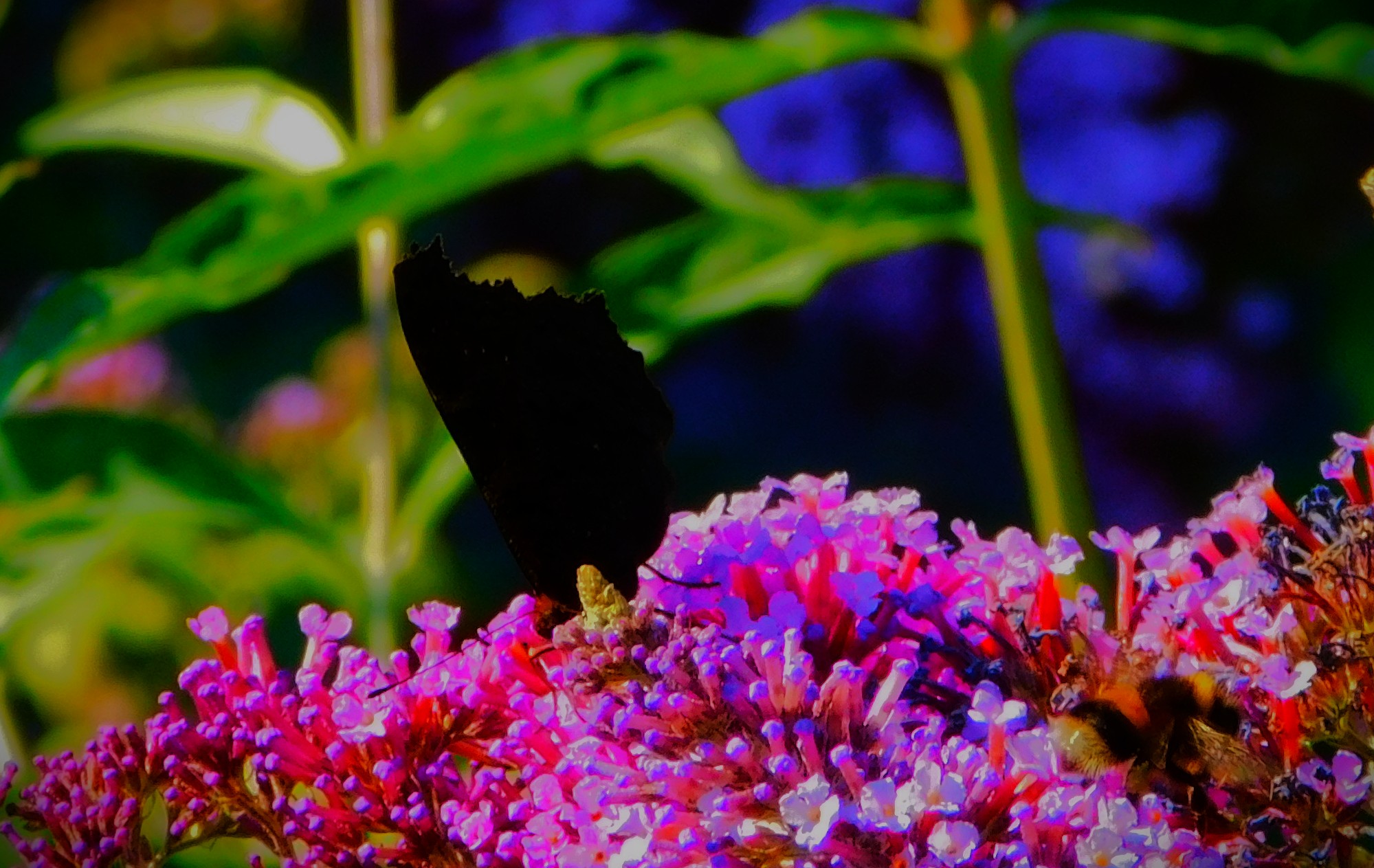
THE FIRST HUGE SURPRISE: A BUMBLEBEE
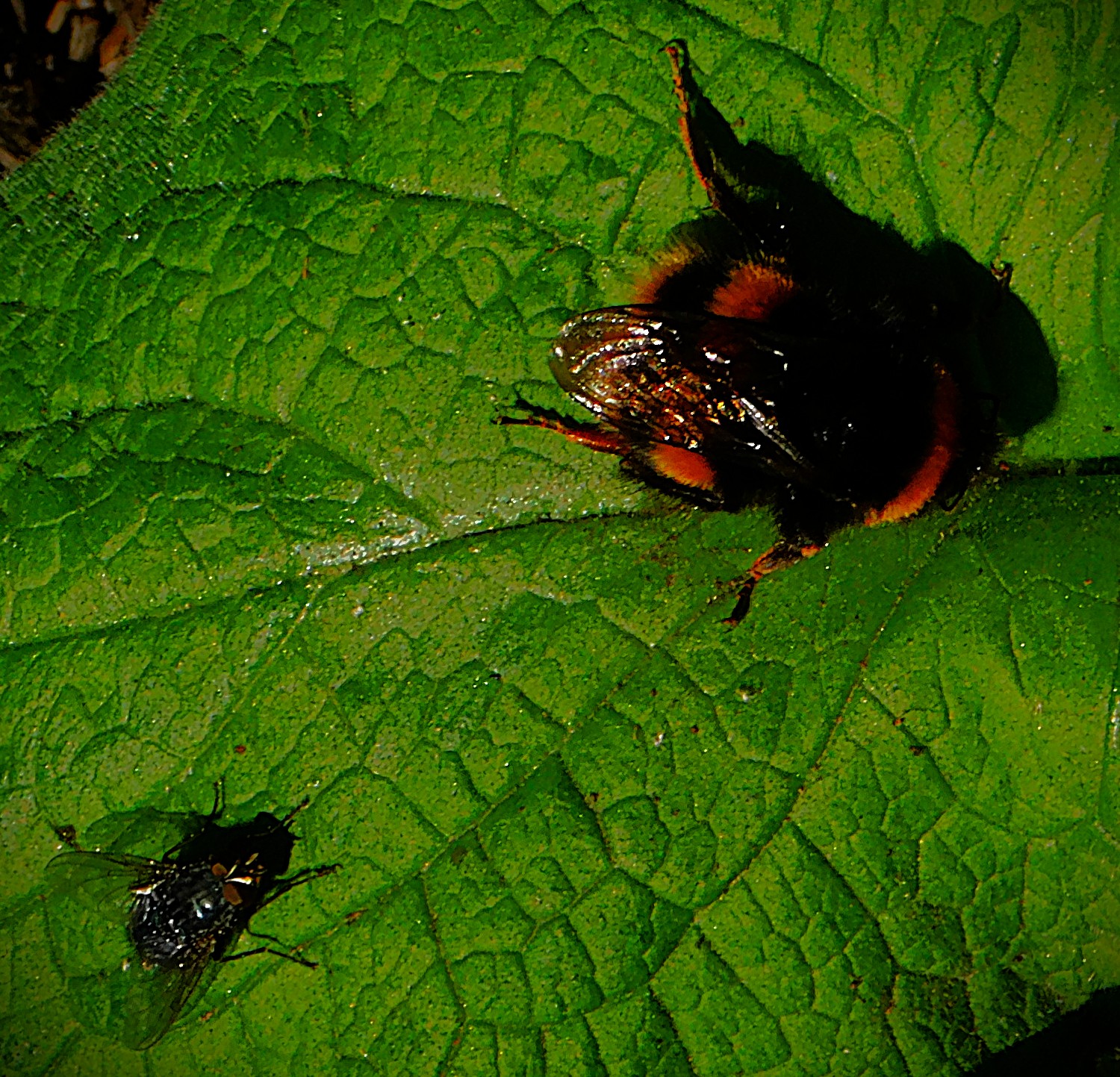
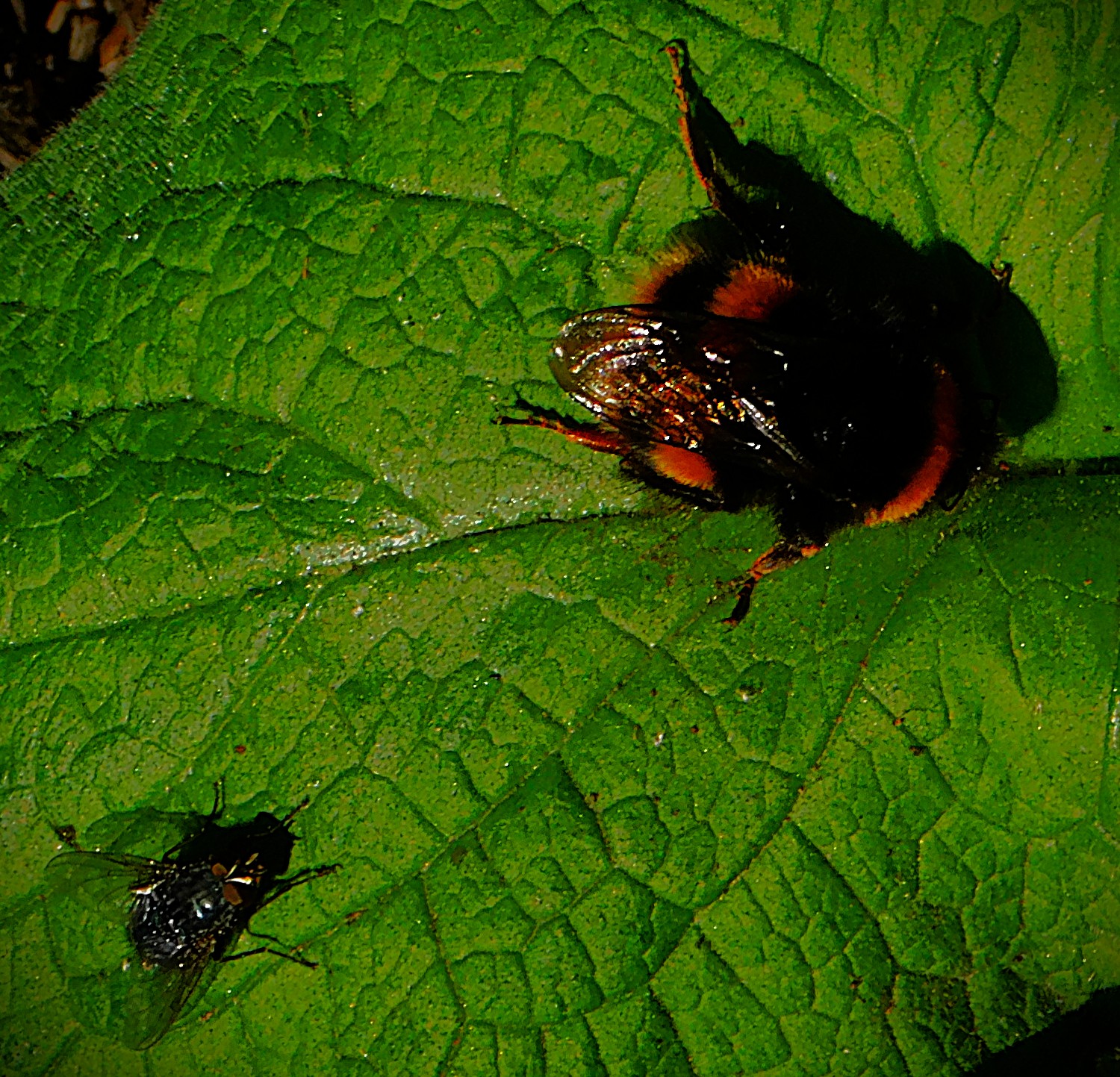
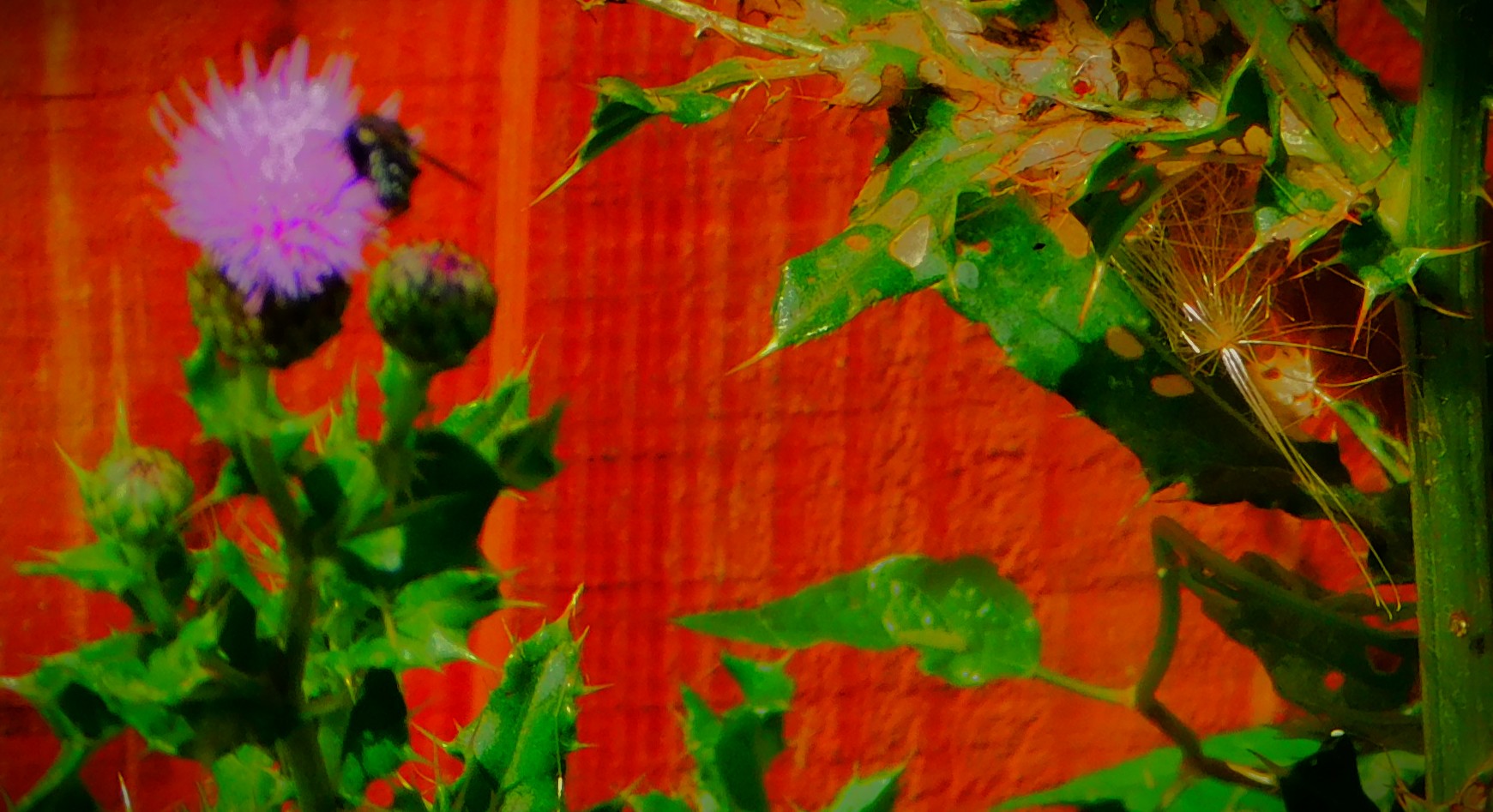
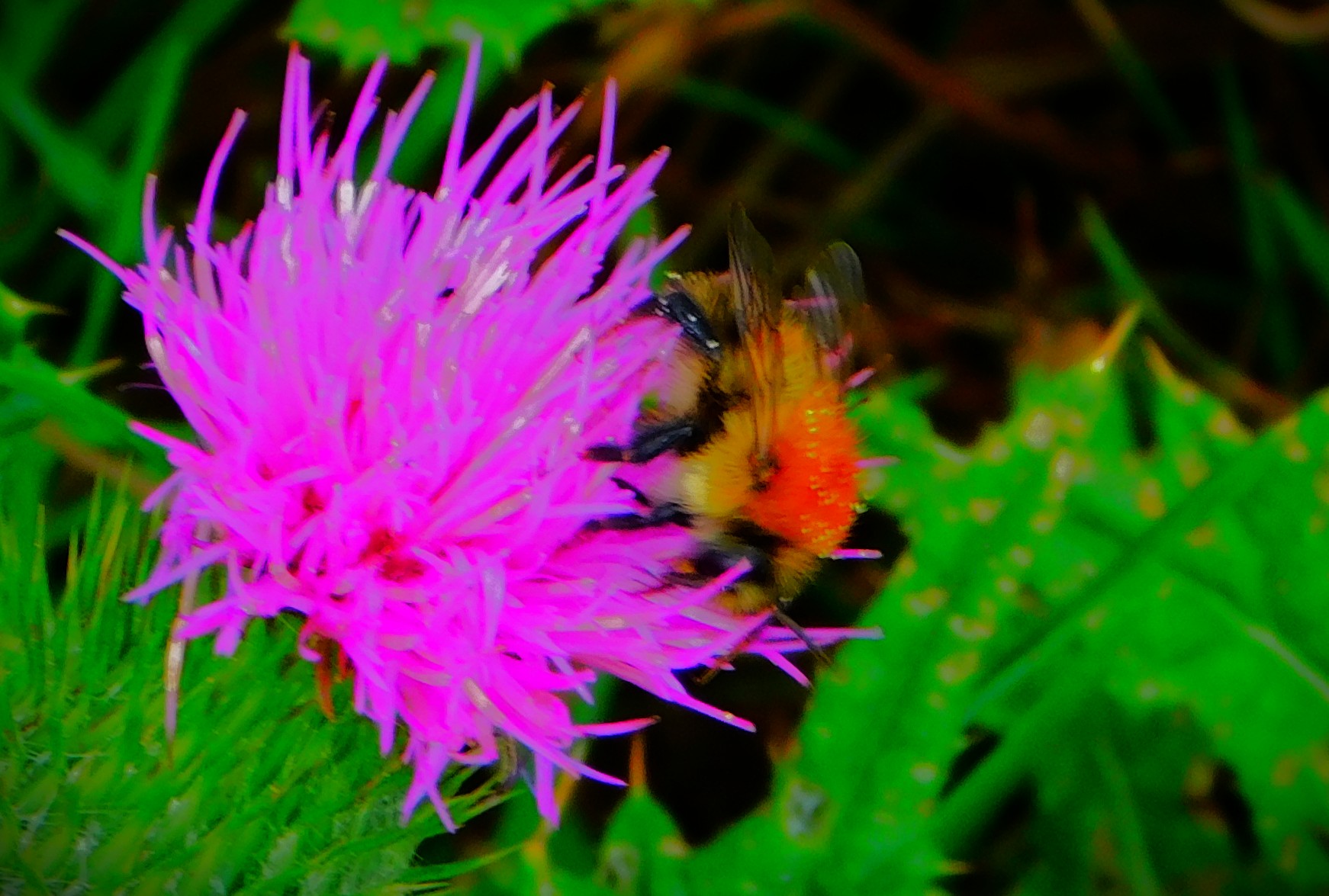
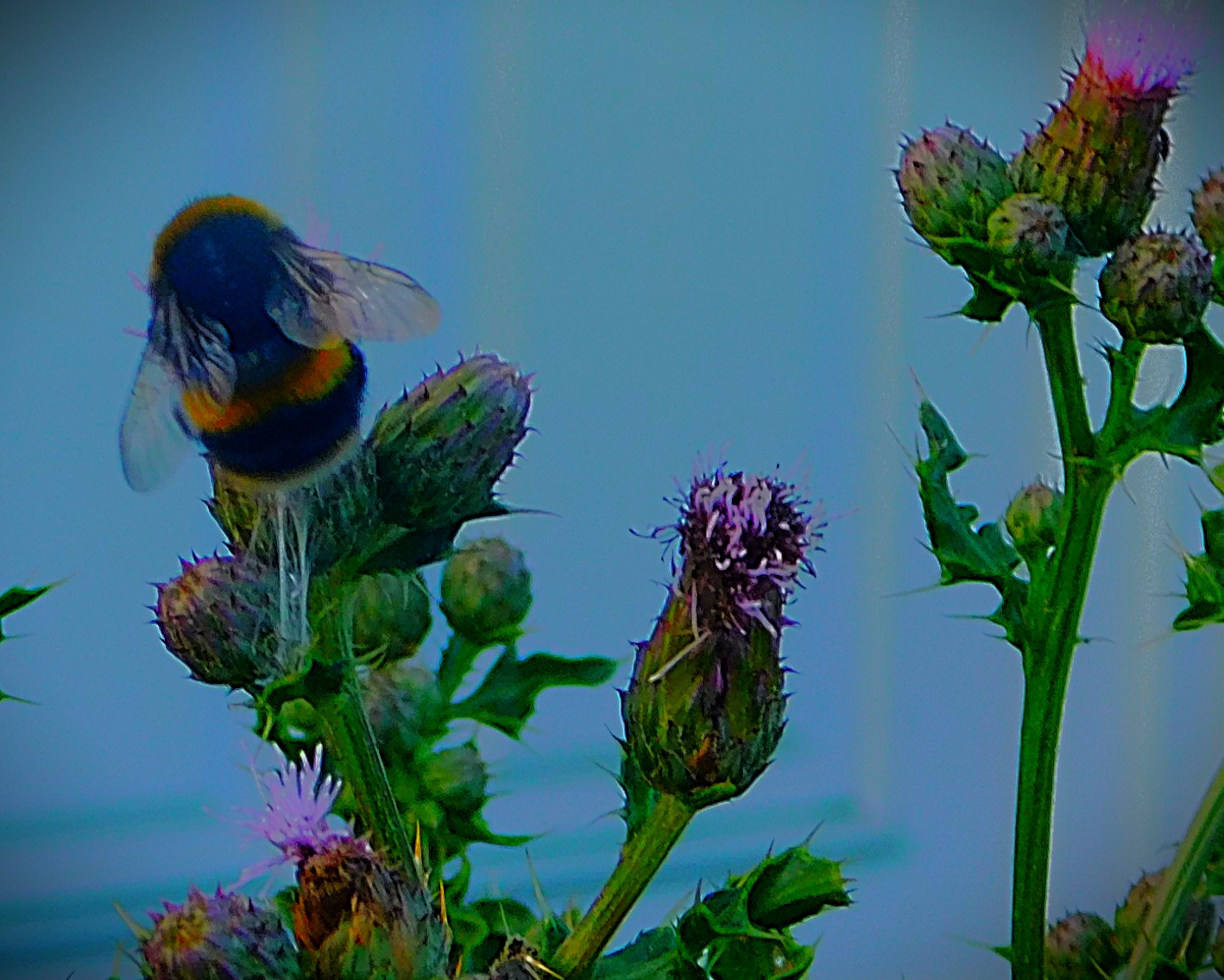
It was during my second walk of the day, in the early afternoon that things really became strange for an English November (which month we are now into remember). In the Kettlewell Lane woods I spotted a large bumblebee, not a creature that one normally sees at this time of year in England.
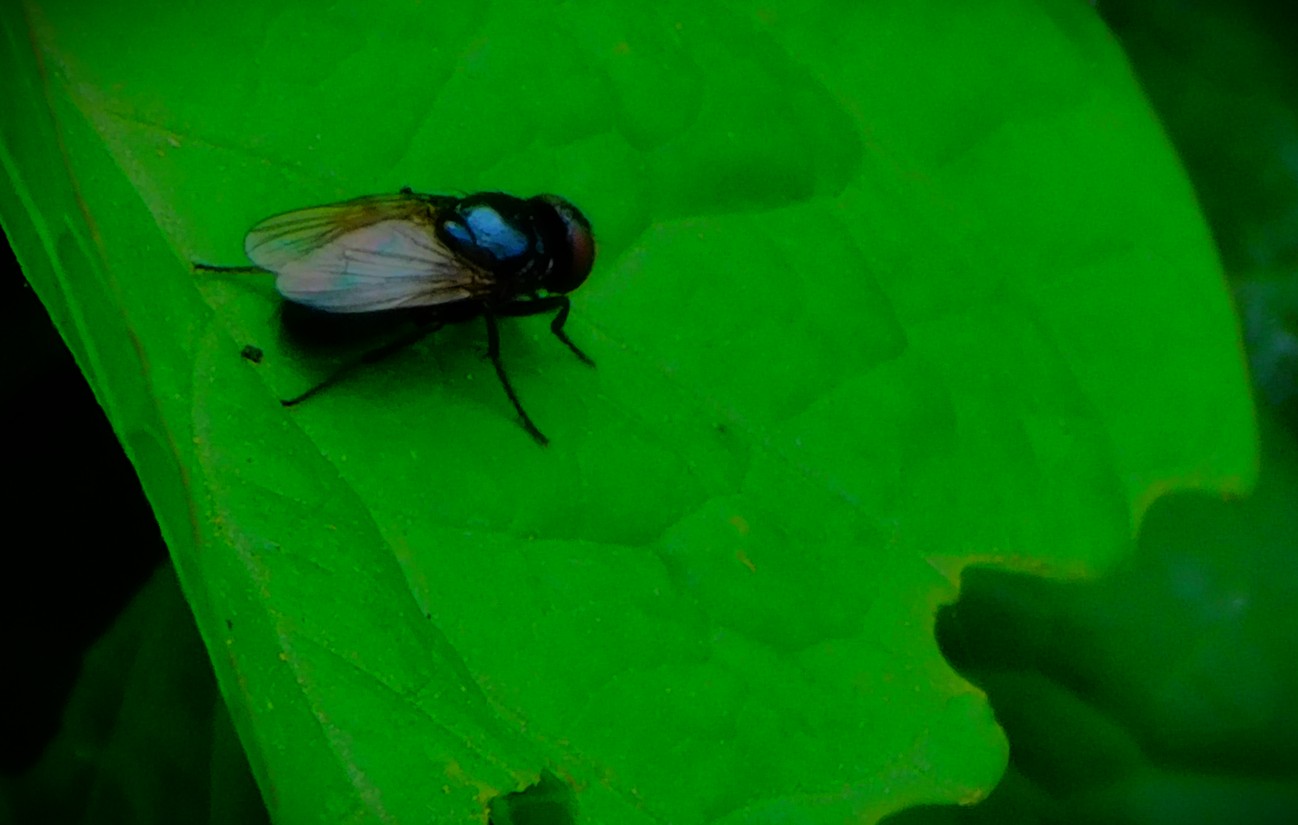
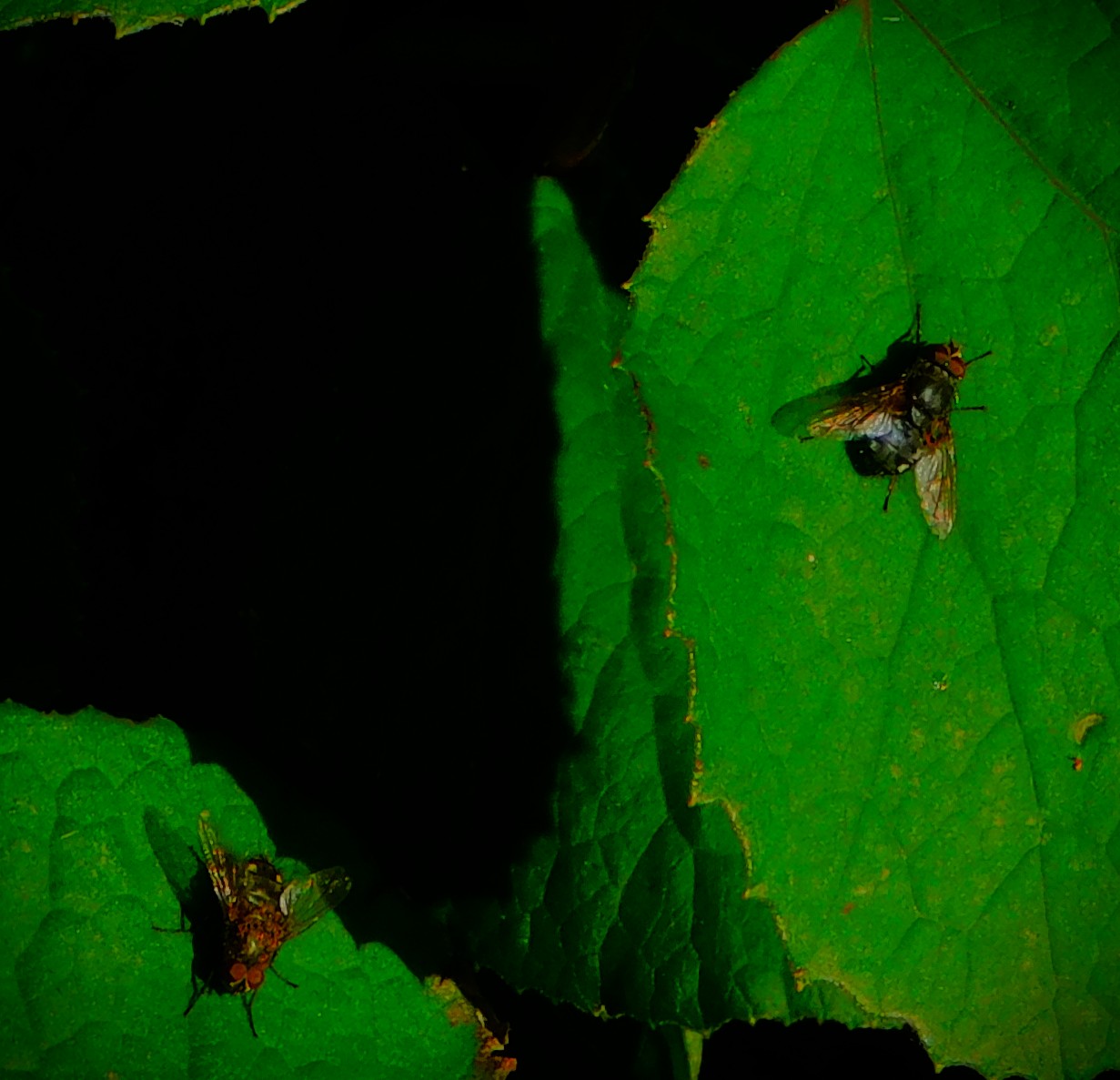
A large bumblebee at rest on a big green leaf. In the bottom left of the picture as you look is a fly, large by the standards of such creatures but significantly smaller than the bee.
A RED ADMIRAL
Walking on the path alongside Bawsey Drain (the section between Losinga Road and Columbia Way) I was given another way off-kilter sighting – a Red Admiral Butterfly. Given its physical state it may possibly be a freakishly long lived survivor, but to see such a creature around in November is frankly ridiculous, and more than a little disturbing.
A red admiral butterfly resting against a wooden fence This one is in very poor physical condition, with major damage to its wings.
PHOTOGRAPHS
My usual sign off…

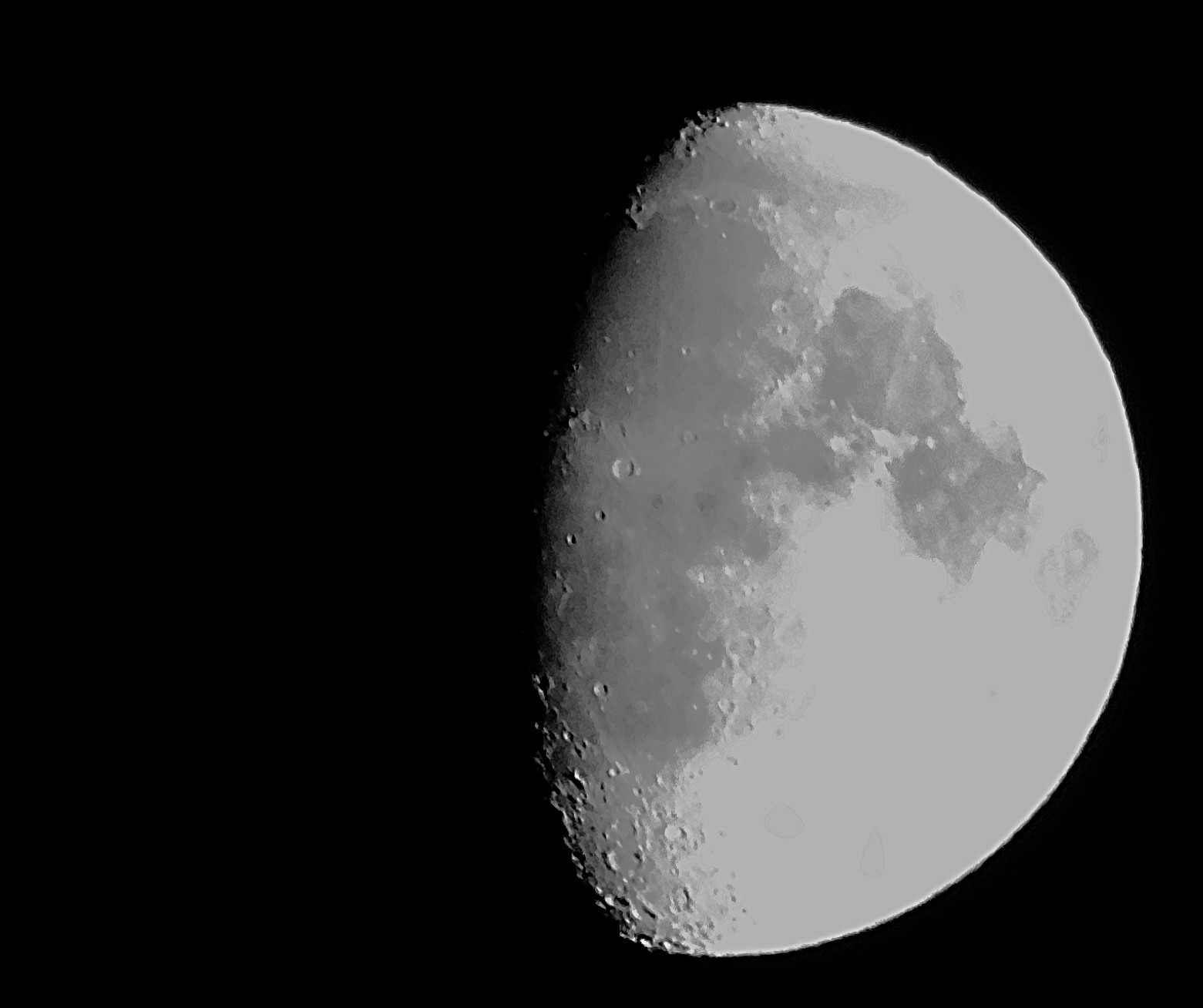
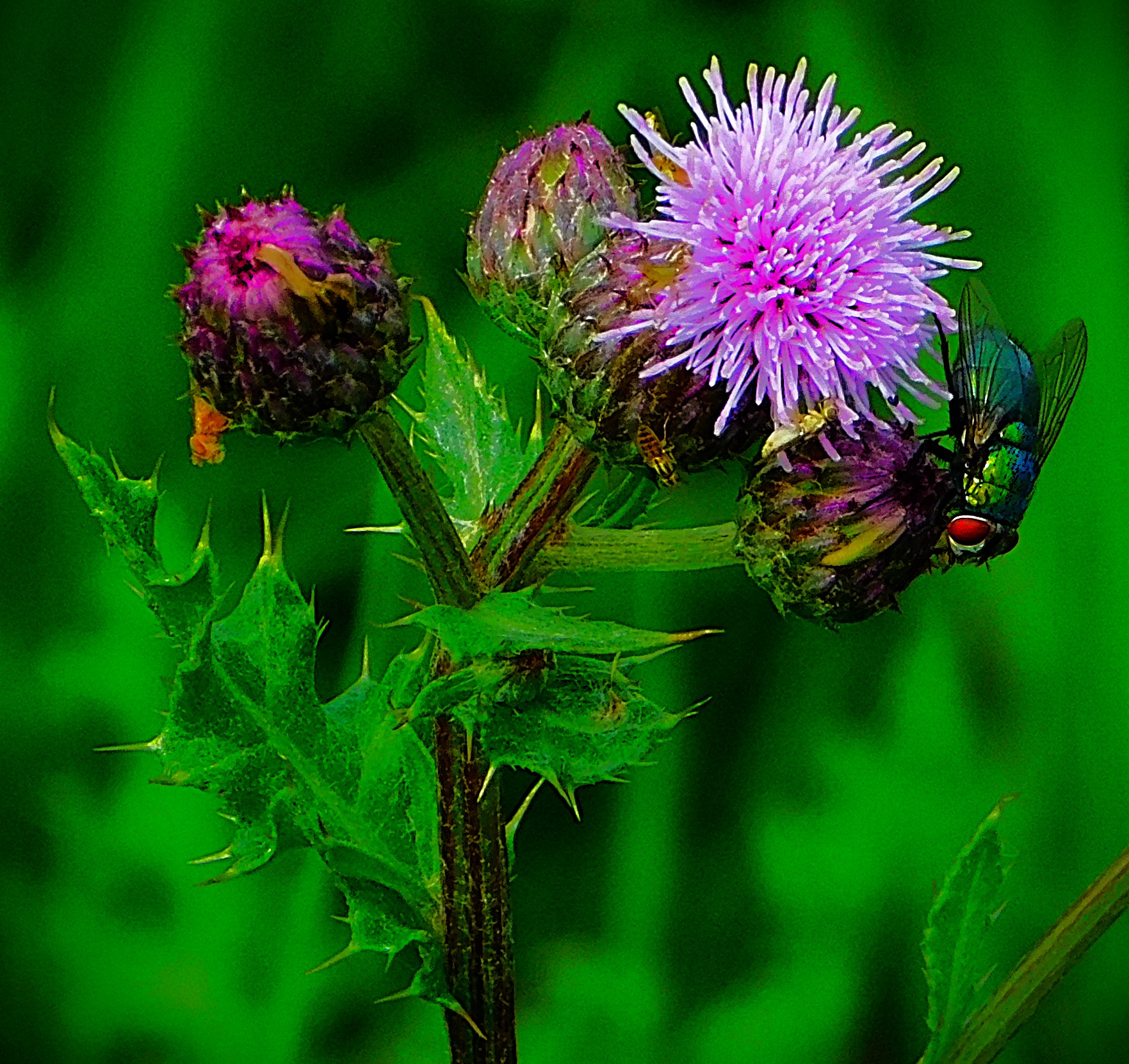
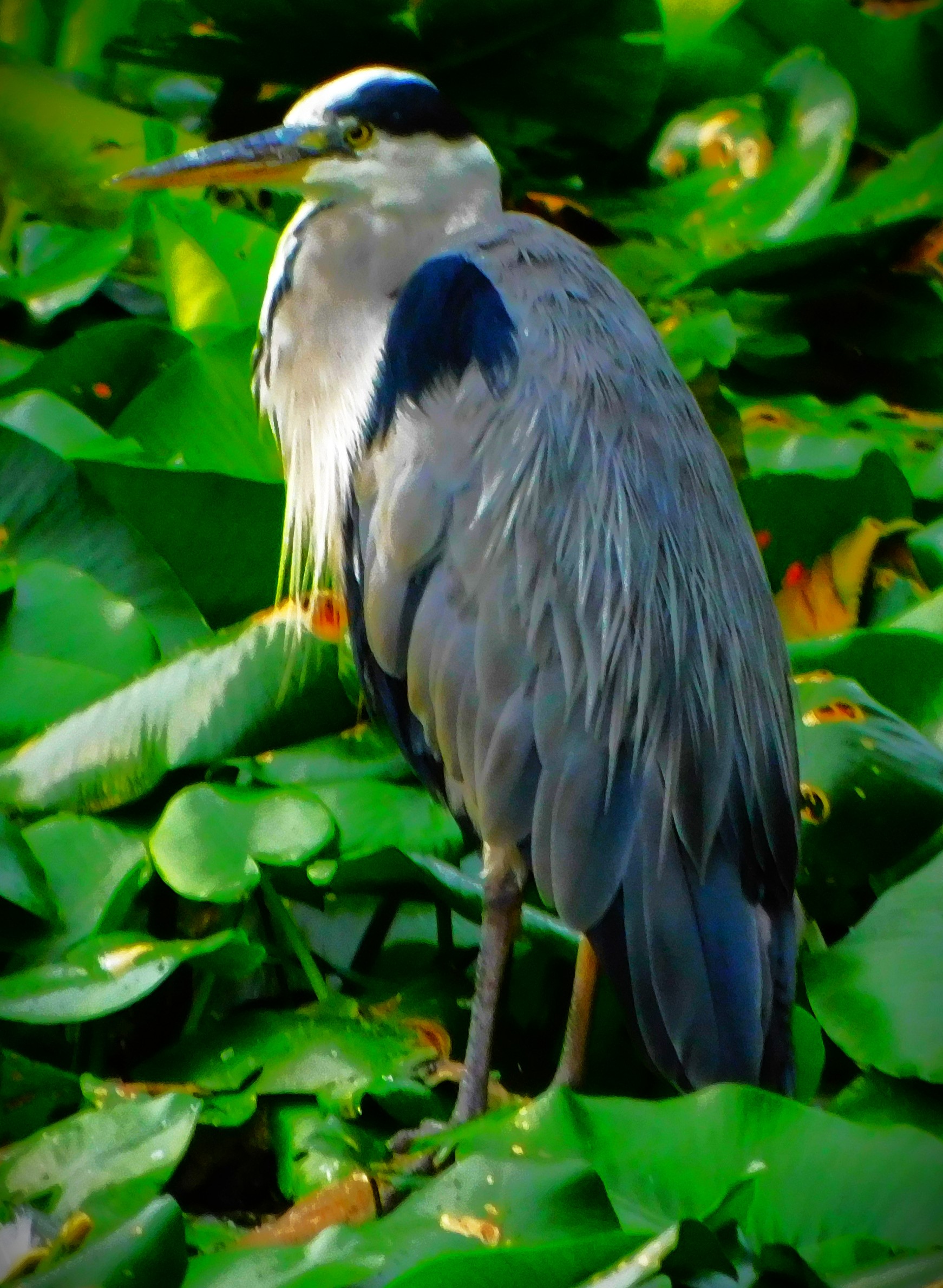
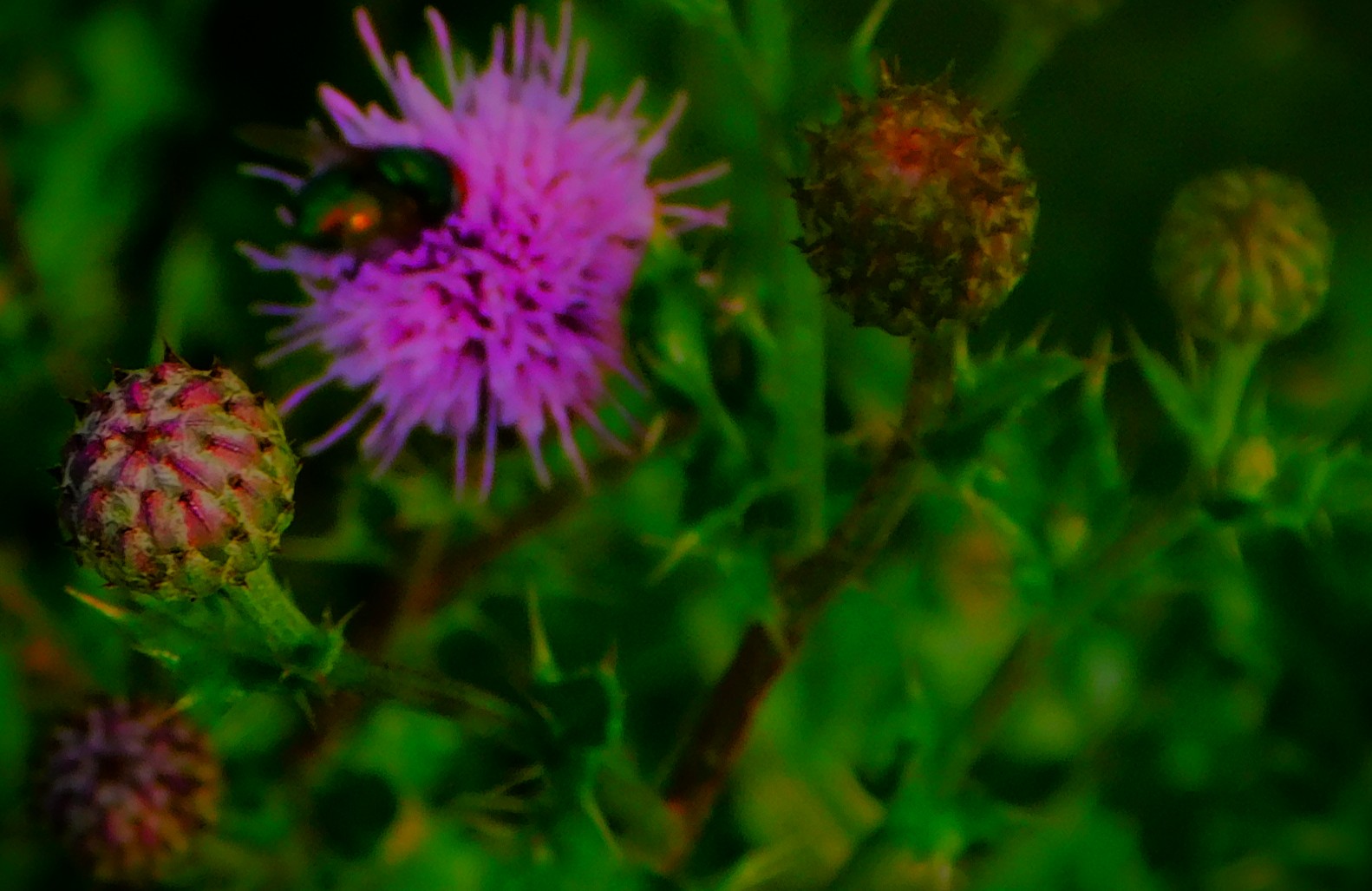
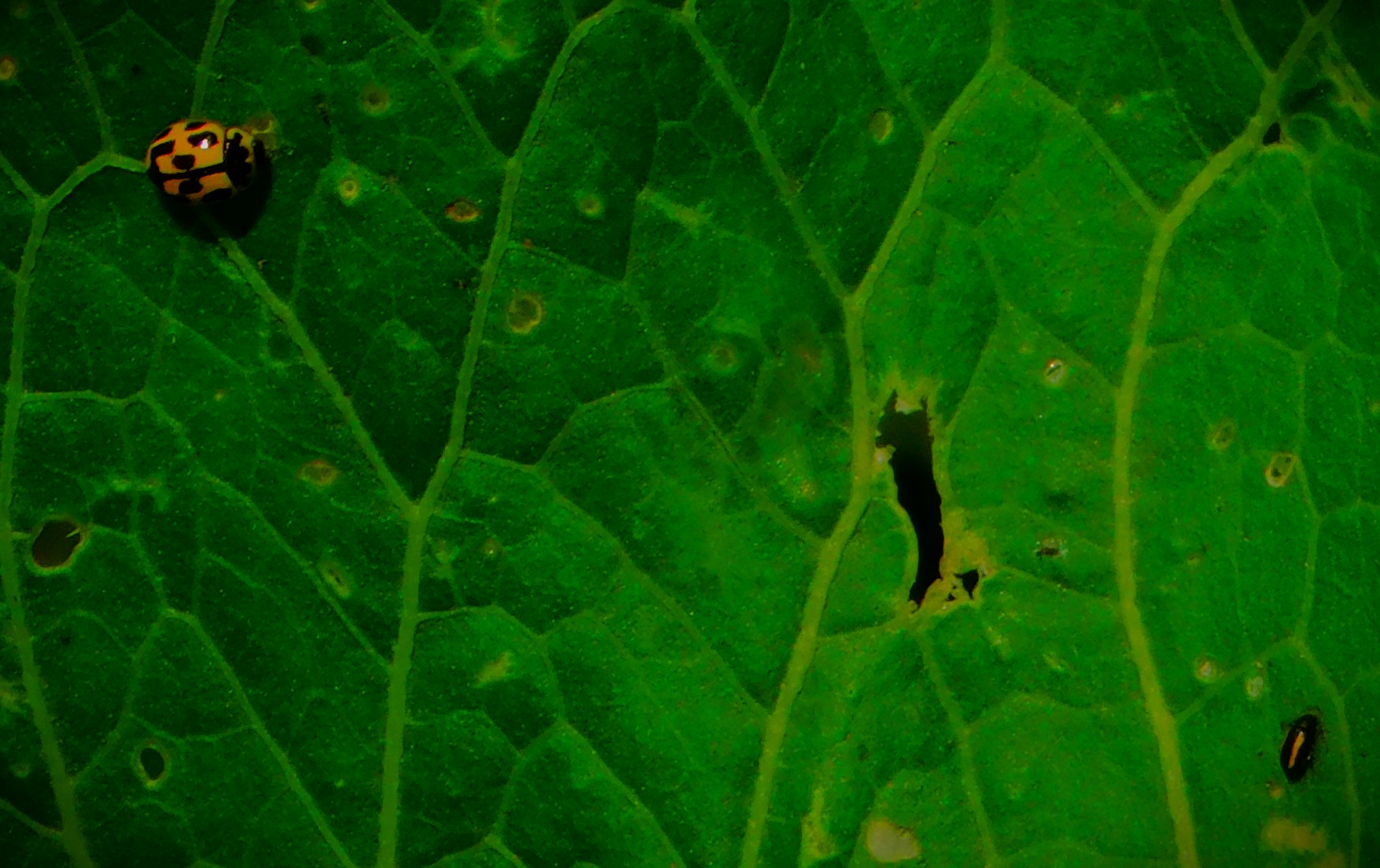
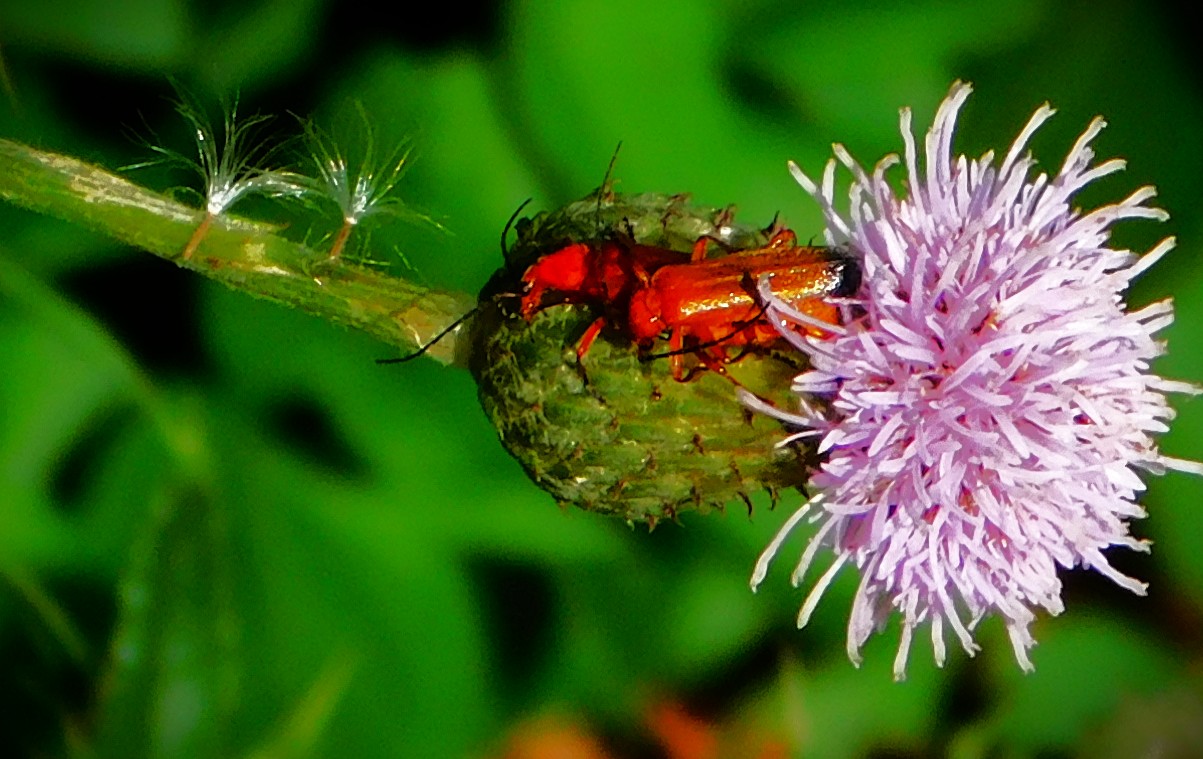
The first of three good pictures I got of last night’s half moon. A hover fly on a leaf (see next pic for a closer up version)A squirrel on a tree trunk.A wasp and two flies on a tree trunk.The bumblebee.Hoverfly on a thistle flower.The first of three shots of the Red Admiral
An account of today’s match at the cricket world cup between the Australia and England women’s teams and two photo galleries.
Today’s match at the women’s cricket world cup saw a revisit to international sport’s oldest continuously maintained rivalry, that between Australia and England. This post looks back at the match.
THE ENGLAND INNINGS
Both sides were already qualified for the semi-finals but:
This match could easily be a dress rehearsal for bigger match later in the tournament.
Whoever emerged victorious from the encounter would temporarily displace South Africa from top spot in the table and
No game between this particular pair of opponents can ever be described as meaningless.
Australia were missing Alyssa Healy with a calf strain, and her place at the top of the order went to Georgia Voll, while Beth Mooney took over the wicket keeping gauntlets and Tahlia McGrath assumed the captaincy (Mooney and McGrath are absolute regulars in the XI, so Voll for Healy was only the change in personnel). England were unchanged from the side that just prevailed over India at this same venue last time out. Australia won the toss and chose to put England in to bat.
England started fast, with Tammy Beaumont in particular playing impressively. However Australia soon adapted to the conditions, realizing that pace off was the way to go. Annabel Sutherland, the fastest of Australia’s bowlers was expensive early on, but once she worked the surface out and focussed on slower balls she bowled very well, and emerged with 3-60 from her 10 overs, her 13th, 14th and 15th wickets of the tournament, putting her two clear of Deepti Sharma at the top of the wicket takers list. Ashleigh Gardner fared well with her off spin as well, claiming 2-39 for the innings. Beaumont’s 78, which fizzled out after a blazing start, was the only innings of real substance for England, though a spirited partnership between Capsey and Dean, numbers seven and eight in the order, somewhat revived England in the closing stages. England ended their innings on 244-9.
PHOTOGRAPHIC INTERLUDE
Fungi at Fakenham ChurchFungi near QEH (13 pics total)
THE AUSTRALIAN CHASE
With a modest total on the board England needed a good start, and they got it. Lauren Bell bowled Phoebe Litchfield with the third ball of the inning, Linsey Smith accounted for the other opener Voll in the fourth over and for Ellyse Perry in the sixth over at which point the score was 24-3. When Nat Sciver-Brunt took a catch off Ecclestone to dismiss Mooney for 20 it was 68-4, and Ashleigh Gardner was joining Annabel Sutherland. Their partnership turned the game, slowly at first, and then very rapidly. By the closing stages the only questions where whether both batters would reach three figures, and if so who would get there first. Gardner did reach three figures, off the 70th ball of her innings, and in the end Sutherland just missed out, though Gardner had tried to create the opportunity for her team mate to get there. In the end after the 41st over had start with a two and a single that took Sutherland to 98 not out but left her off strike, Gardner, who had blocked the last three balls of the 40th over to give Sutherland a shot at the landmark, straight drove the third ball of the 41st over for the winning runs, ending with 104 not out from 73 balls, including 16 fours, while Sutherland’s 98 not out took 123 balls and included nine fours and a six. Their stand was worth an unbroken 180 from 24.4 overs. England had their moments during the match, but against this Australian combination having one’s moments from time to time is simply not good enough. Sutherland’s 3-60 and 98 not out earned her Player of the Match, by a short head from Gardner (2-39 and 104 not out).
PHOTOGRAPHS
My usual sign off…

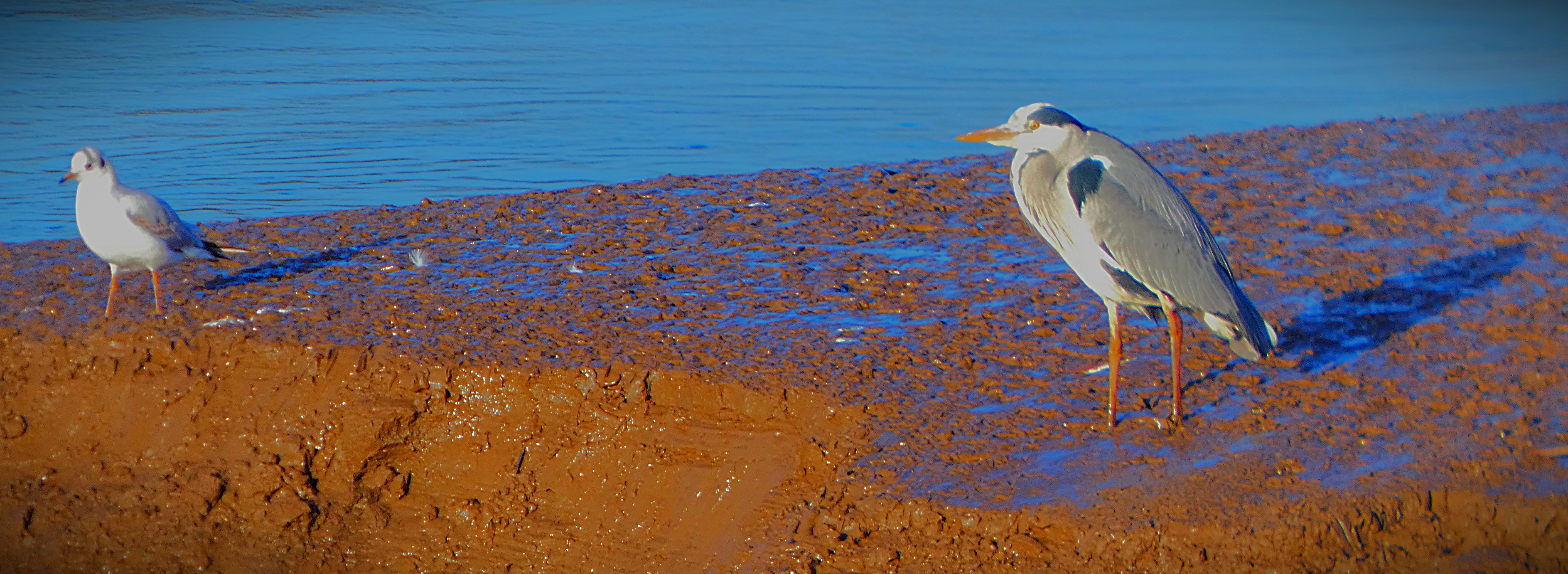
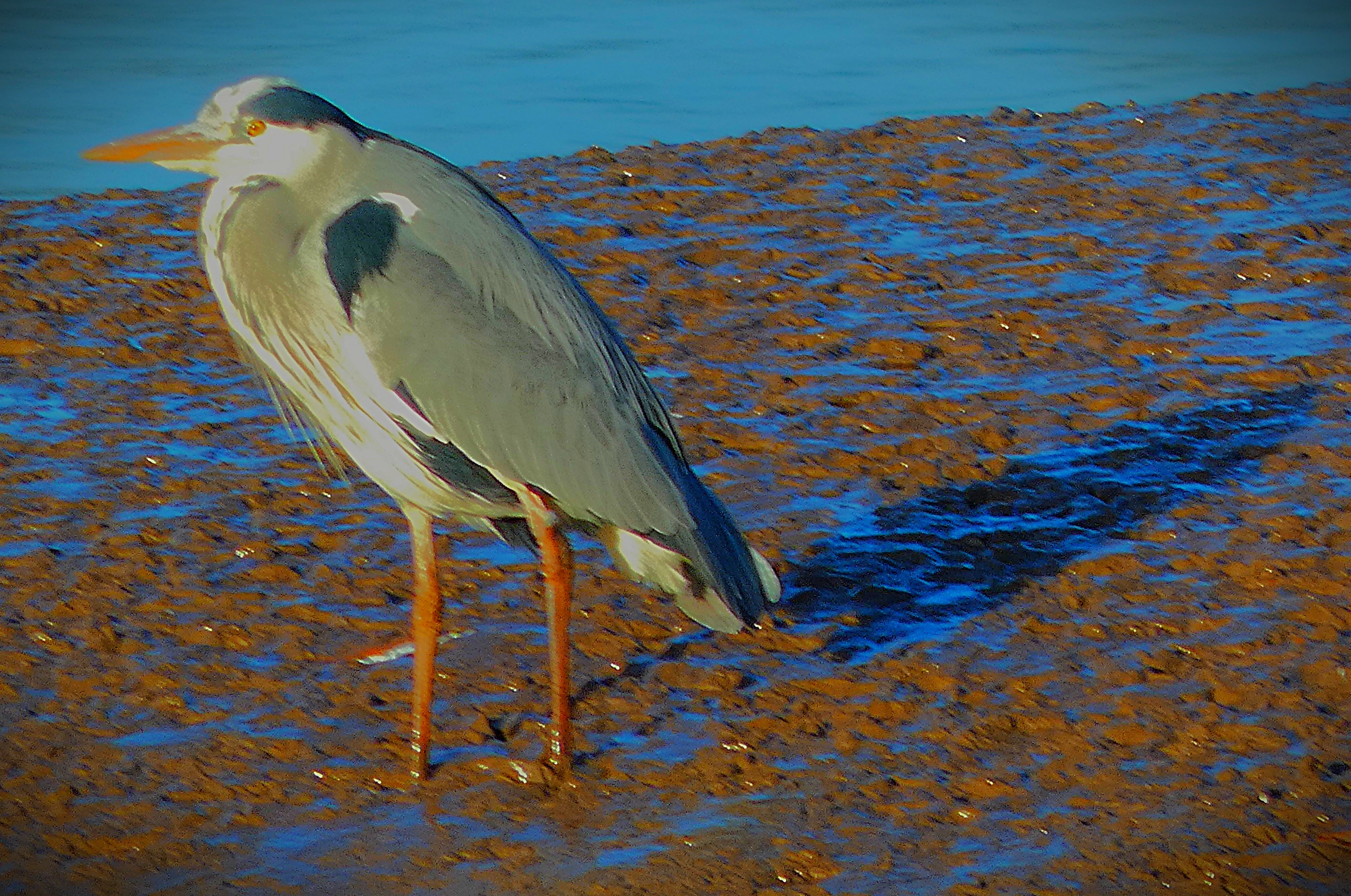
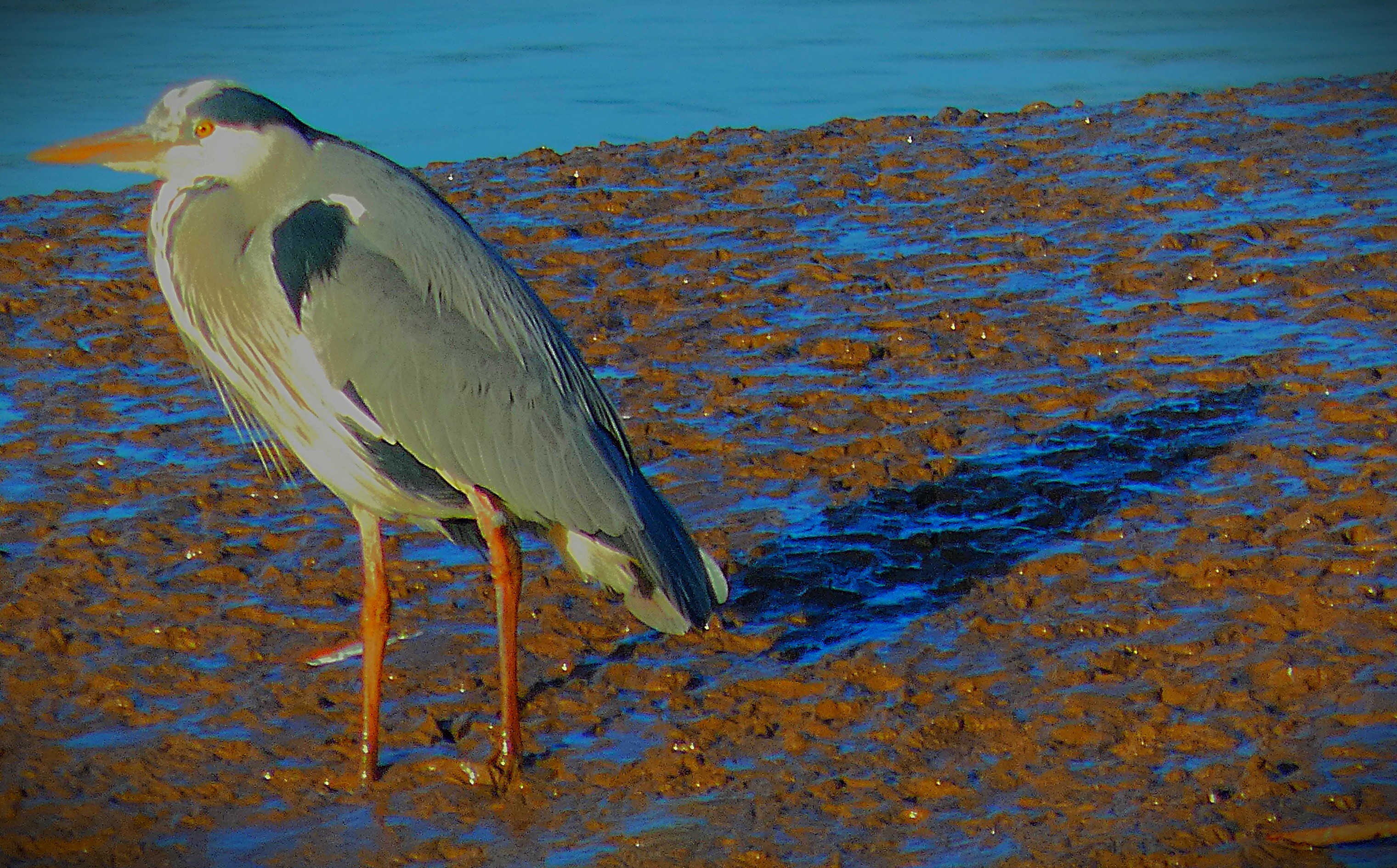
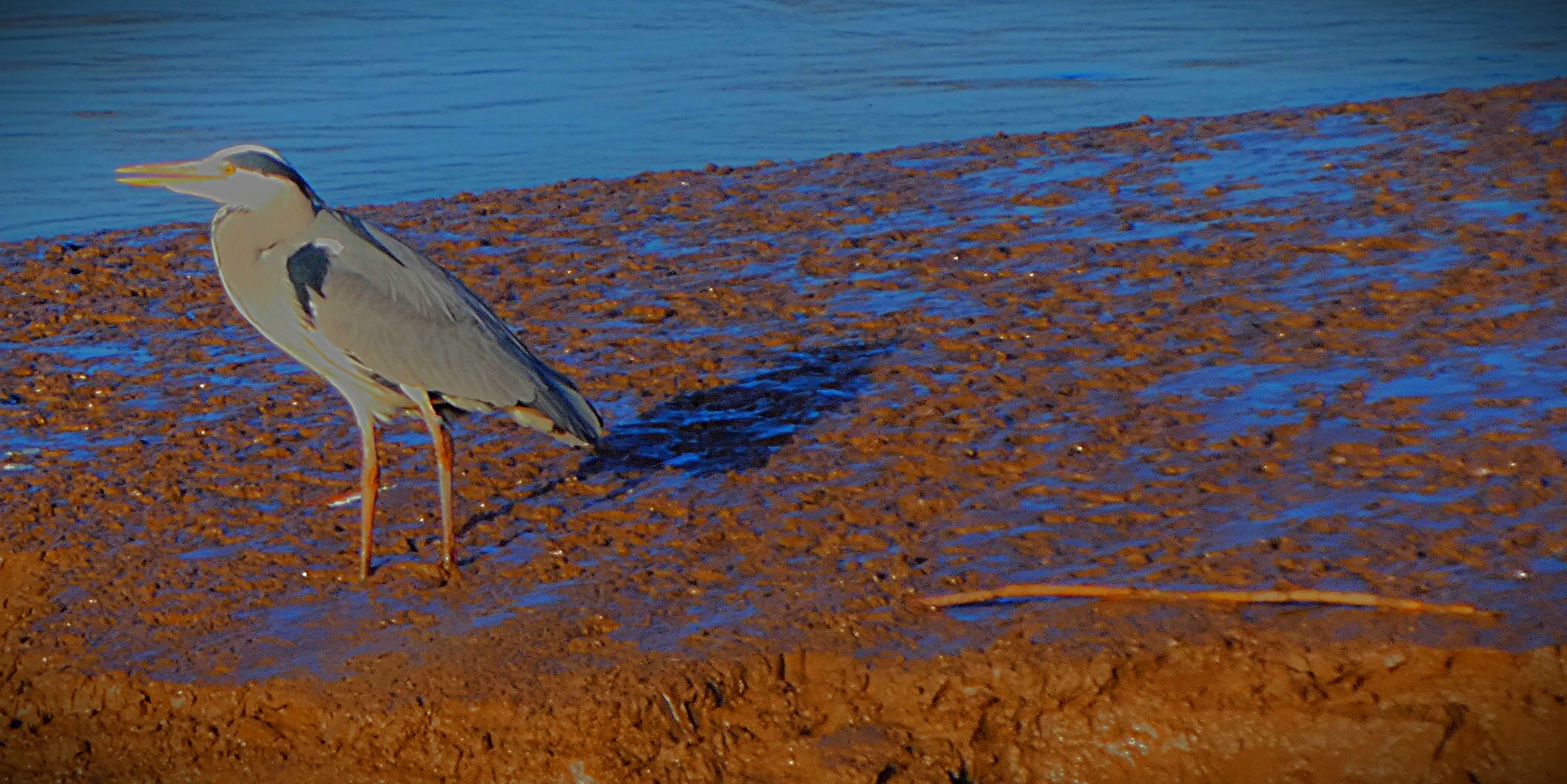
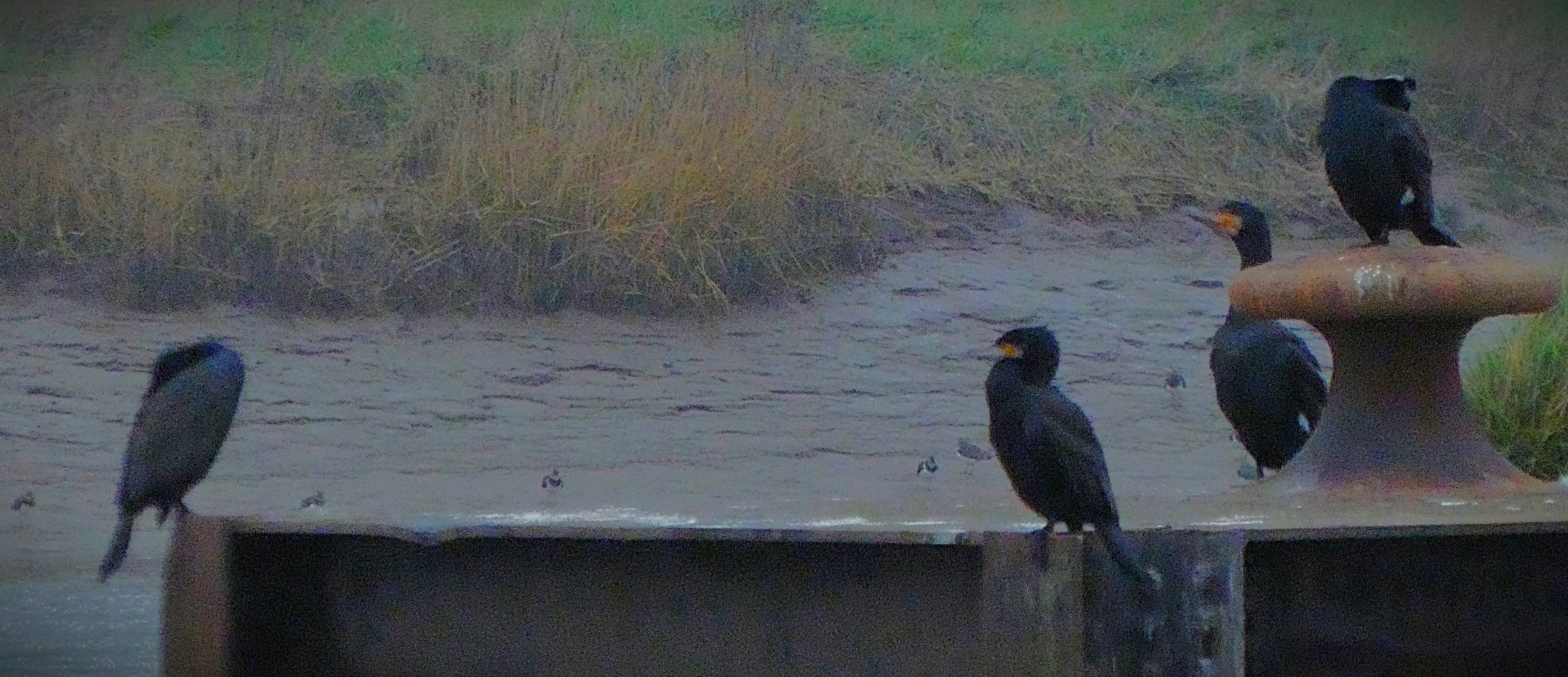
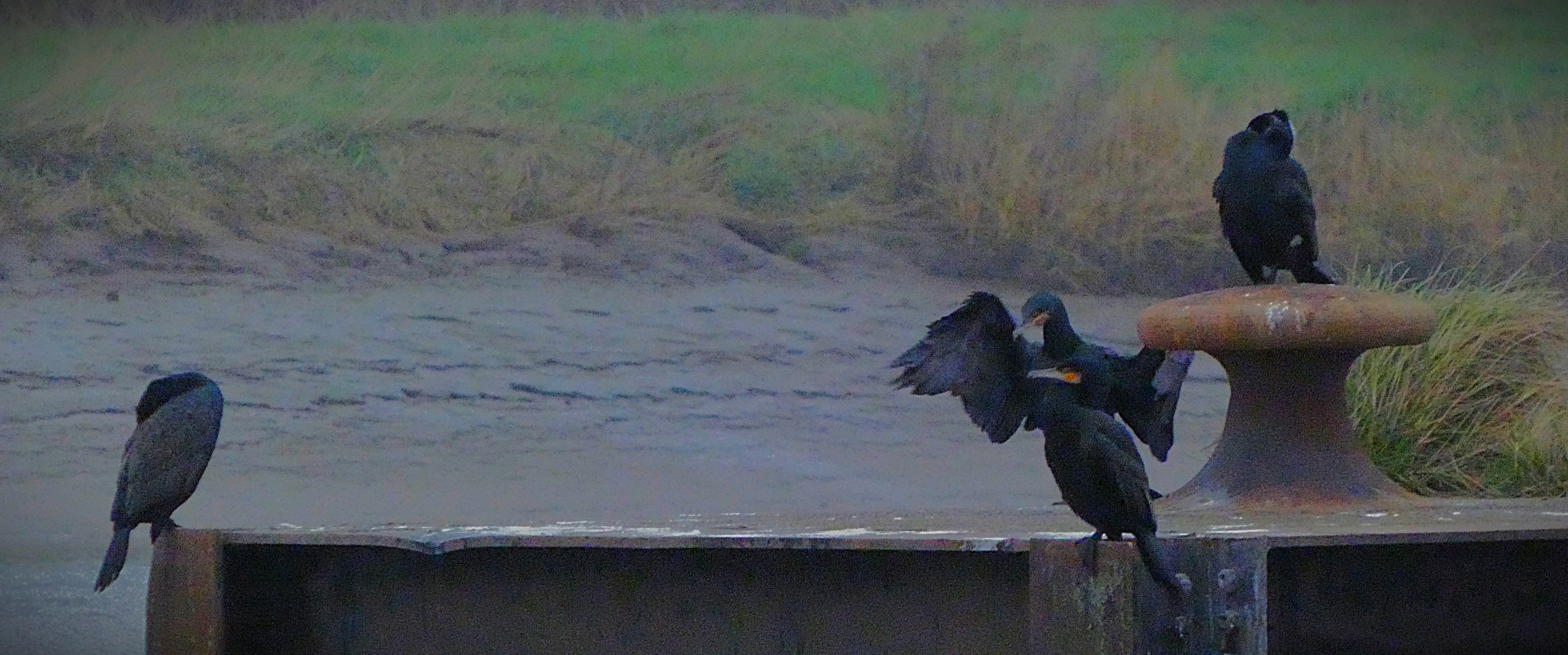
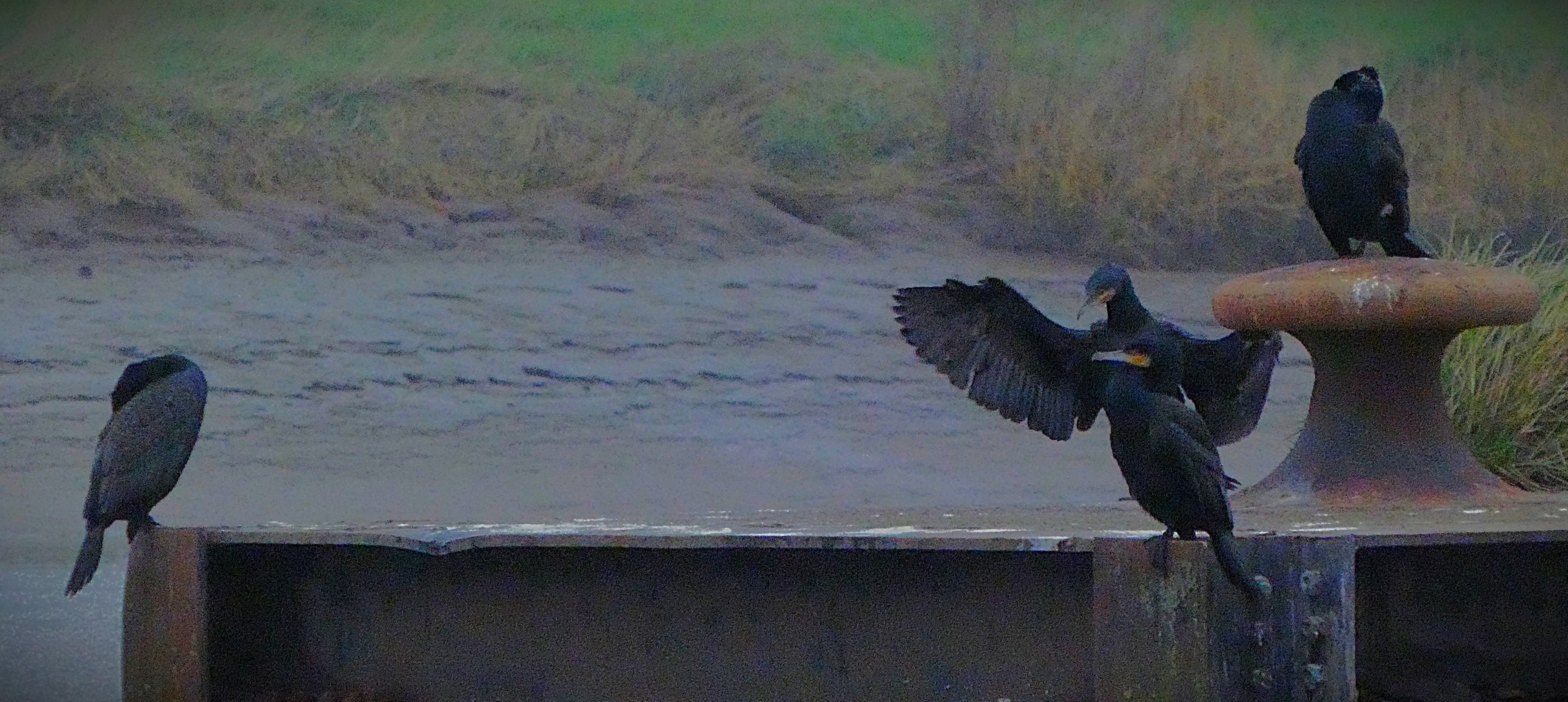
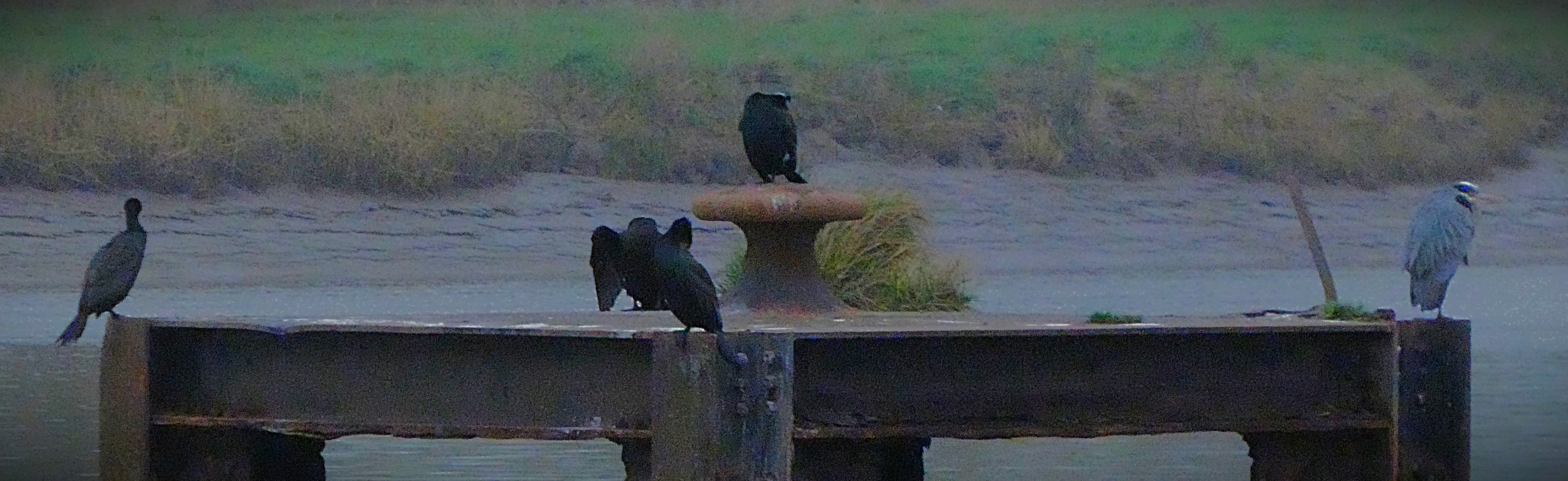
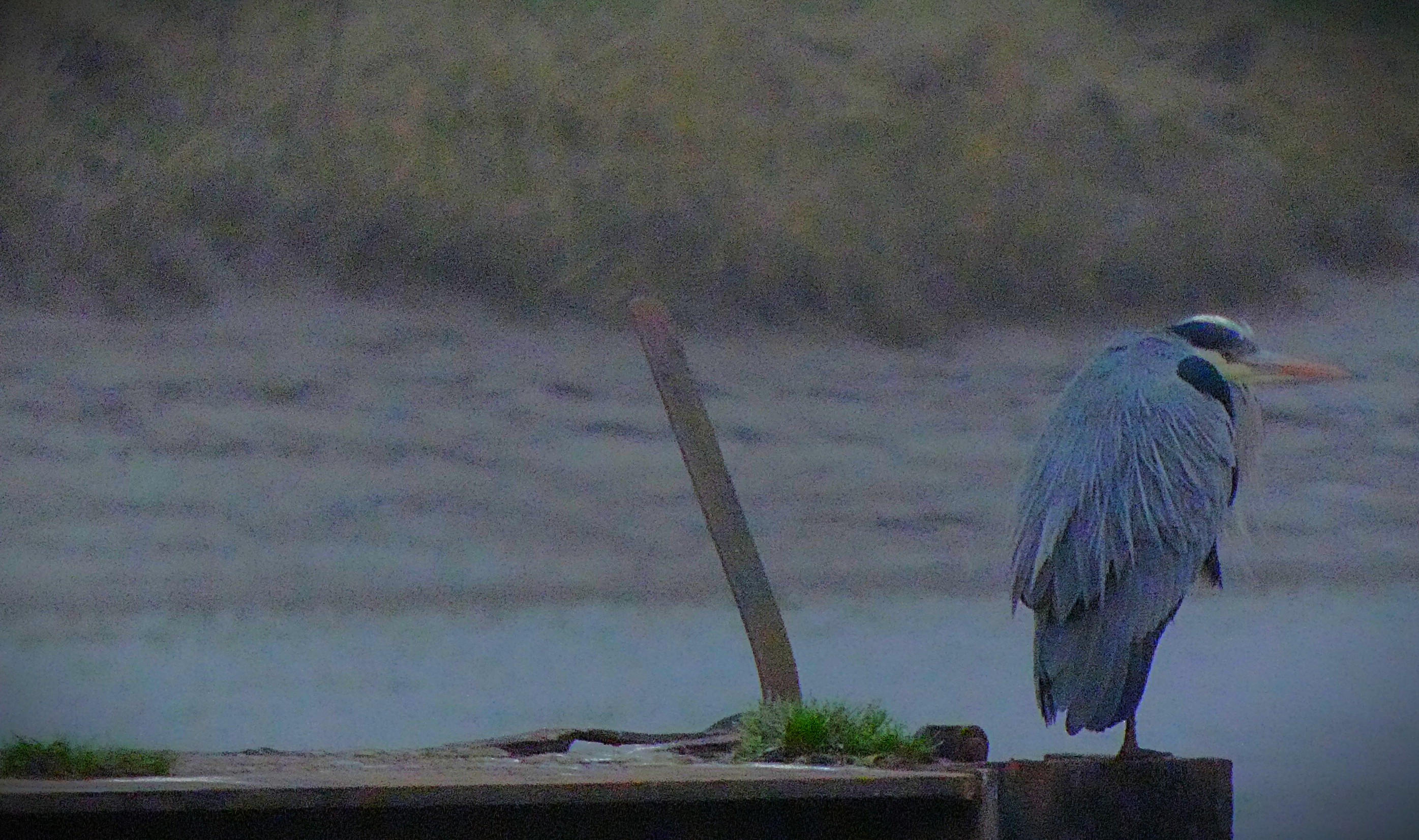
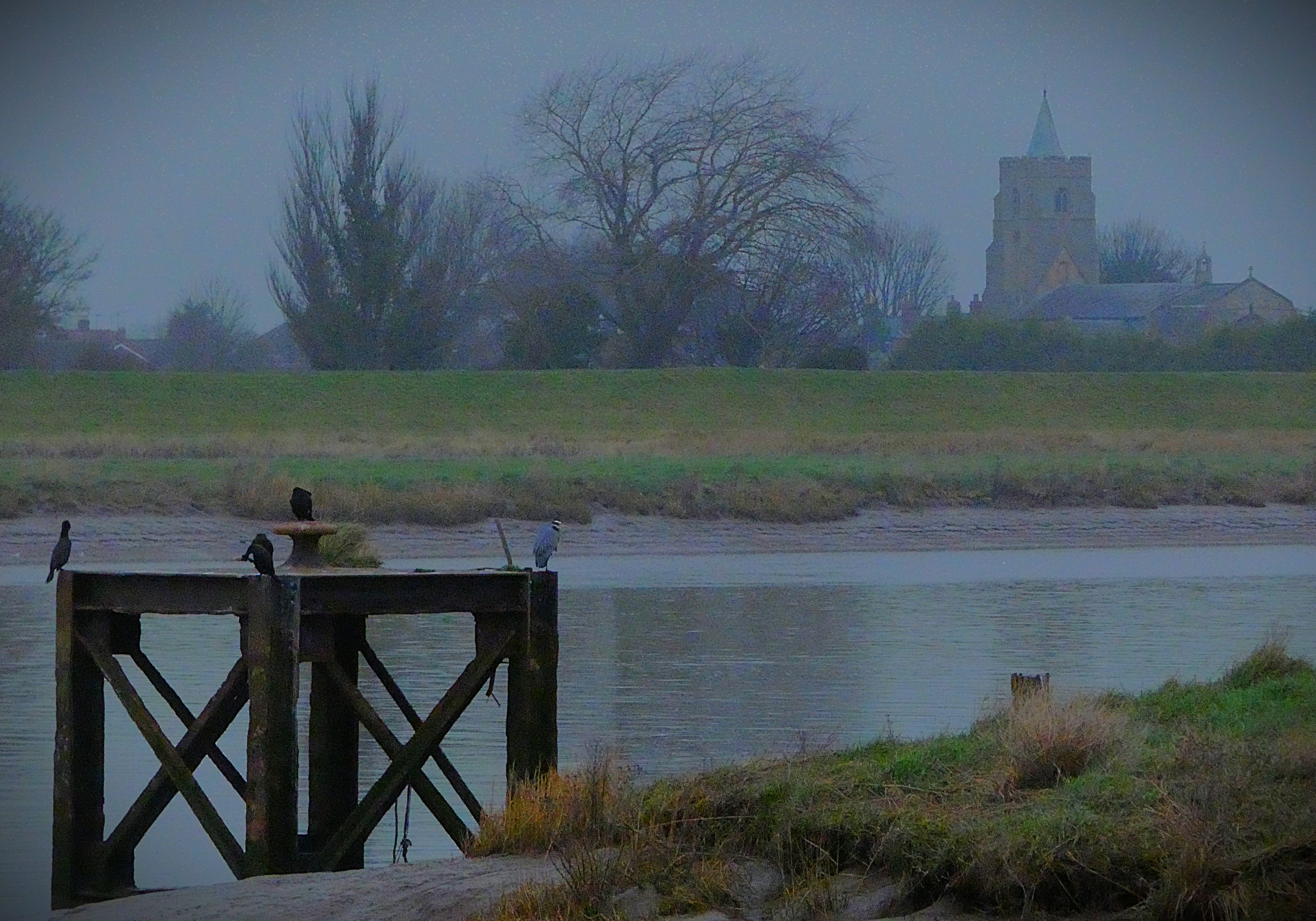
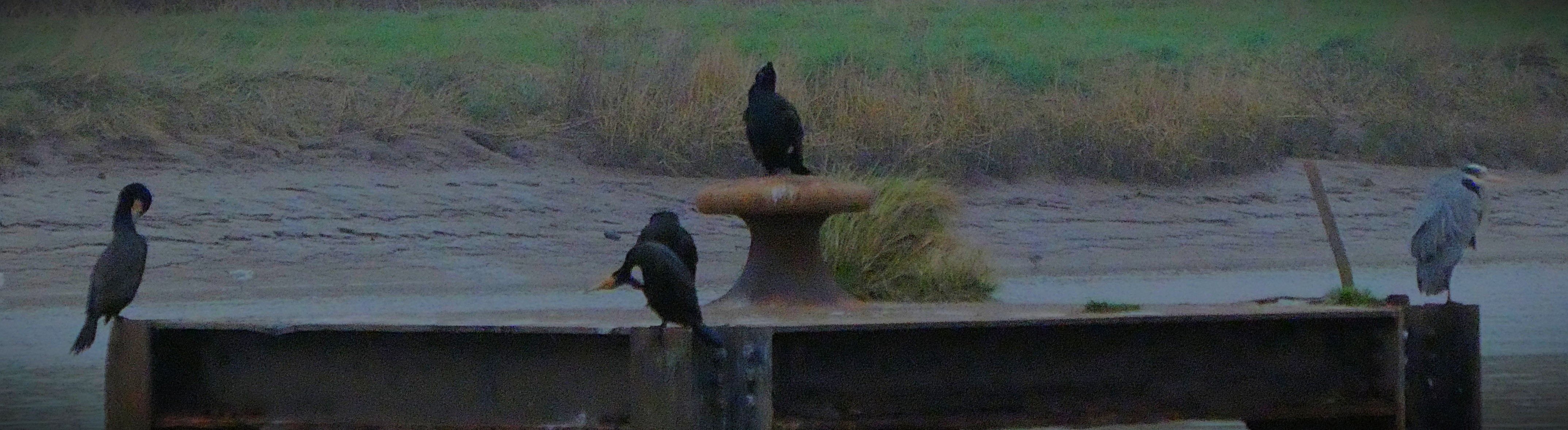
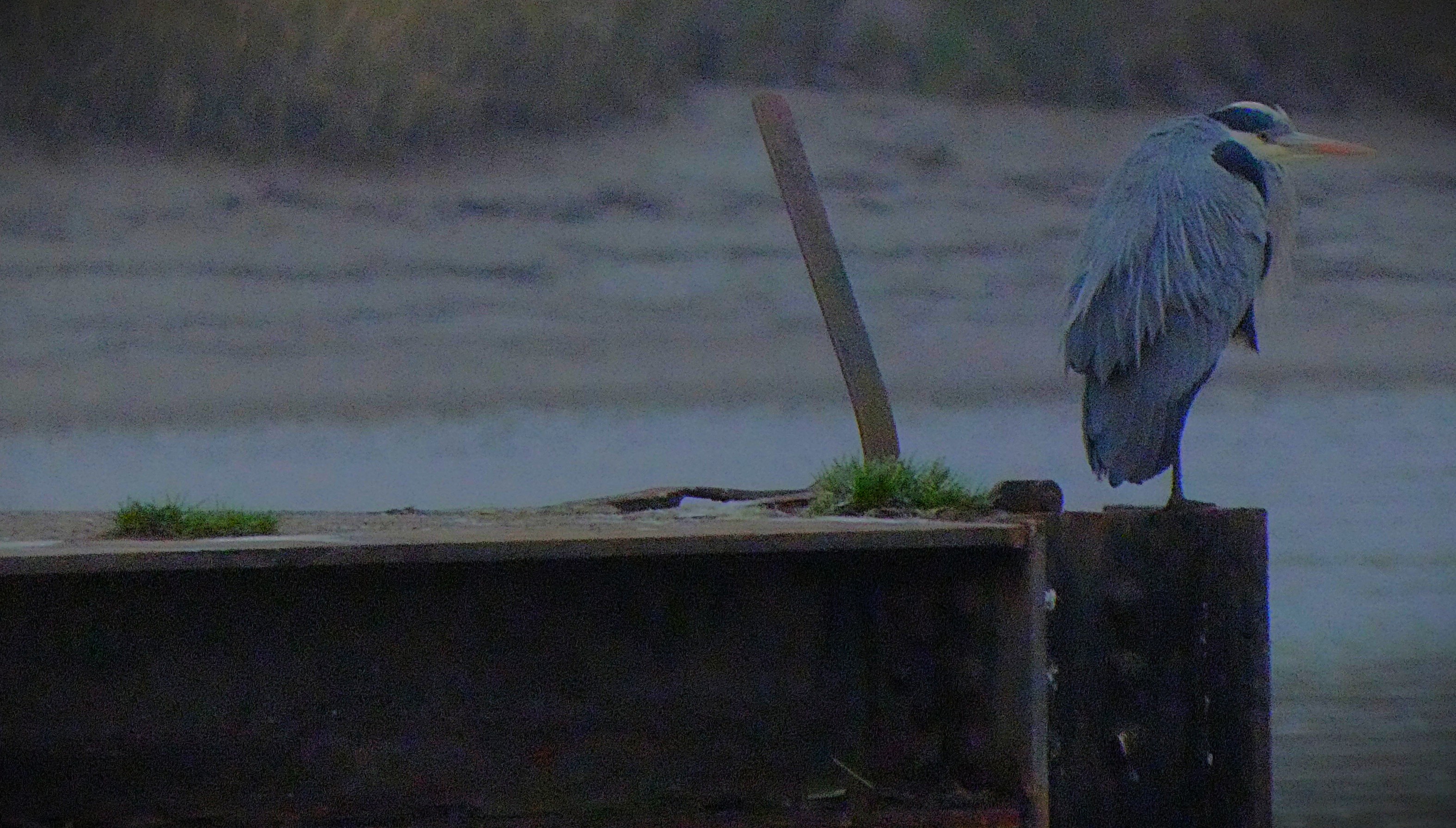
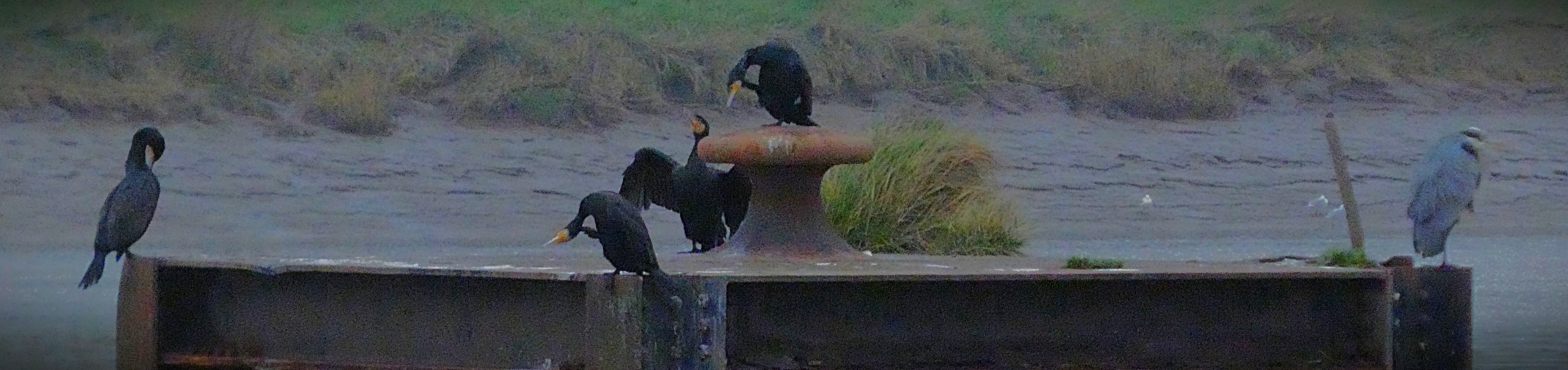
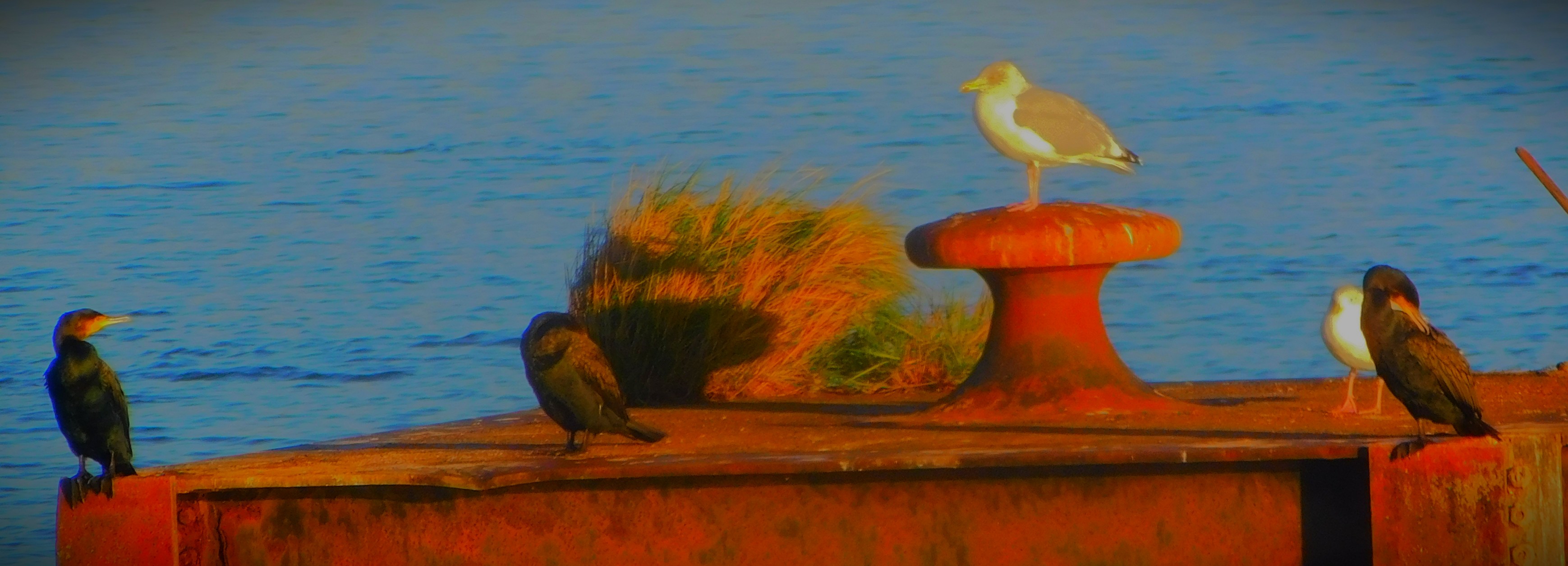
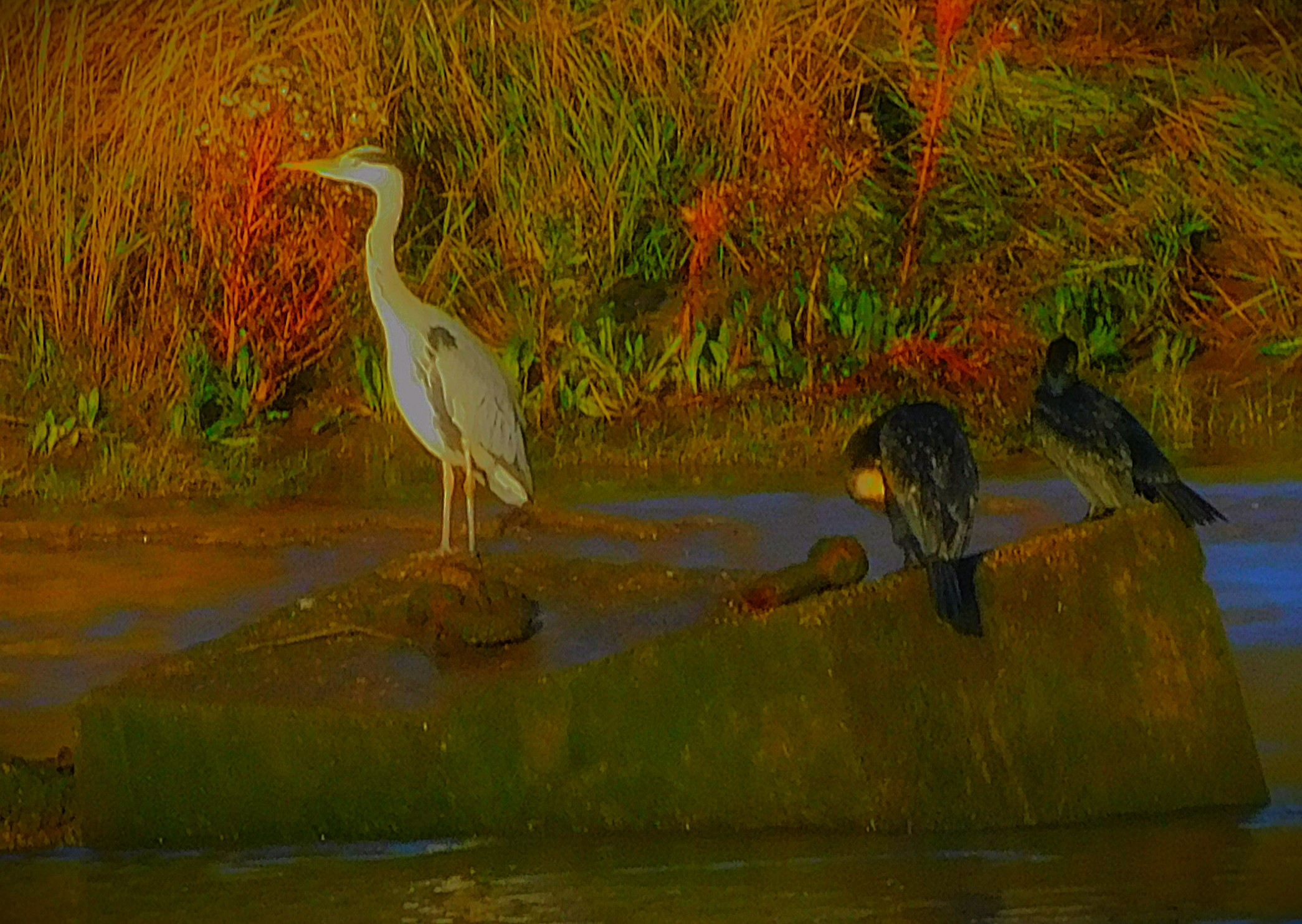
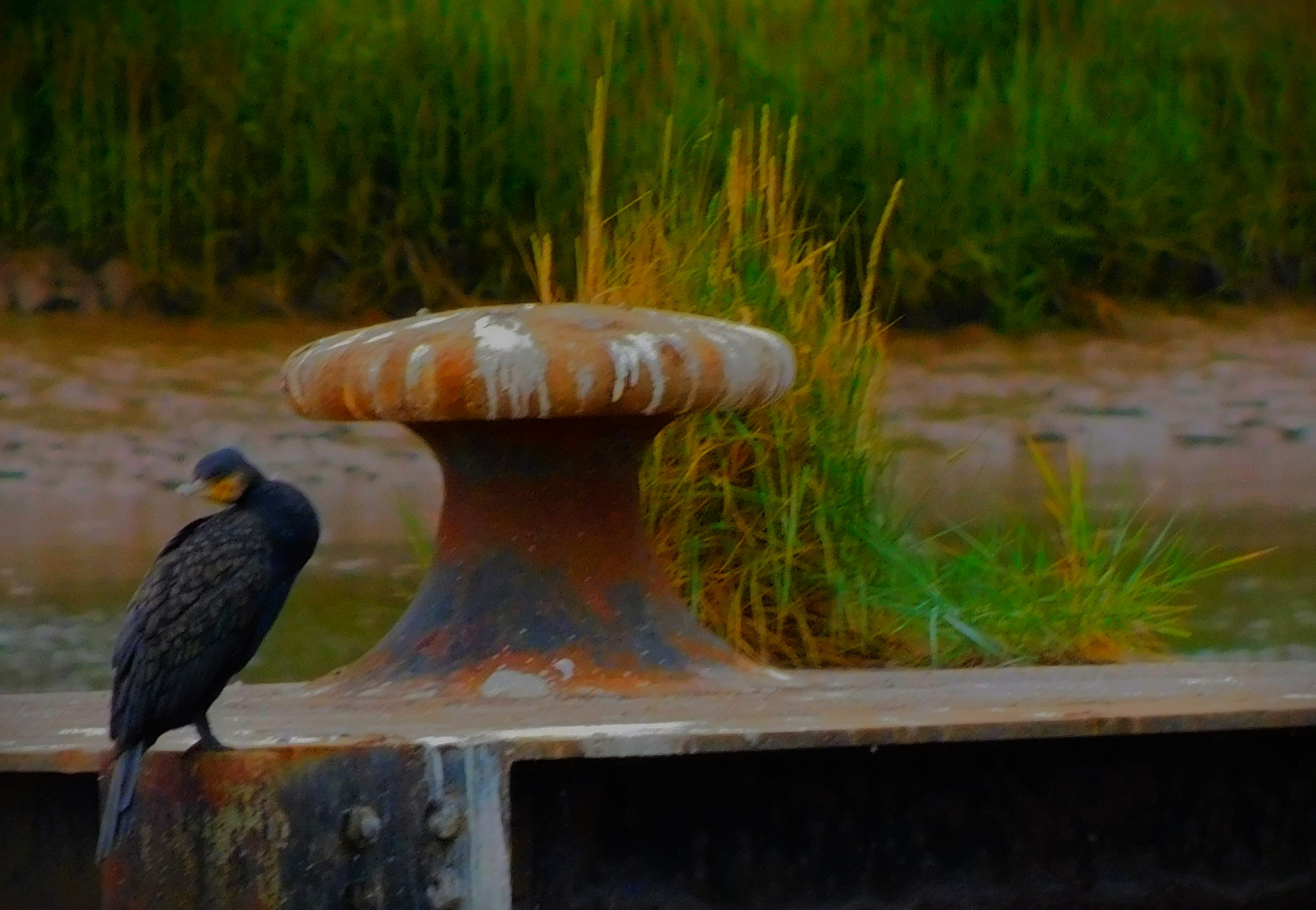
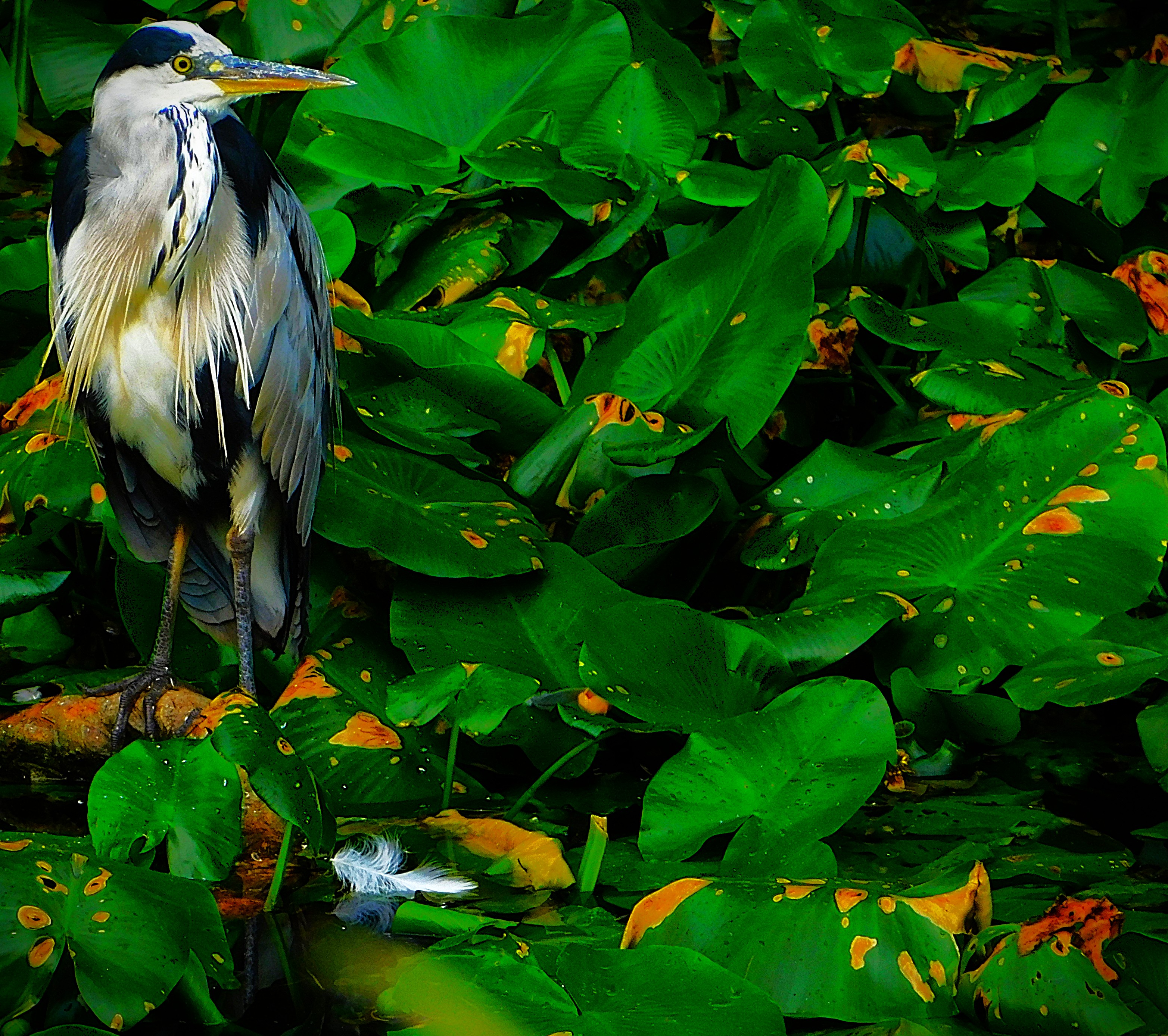
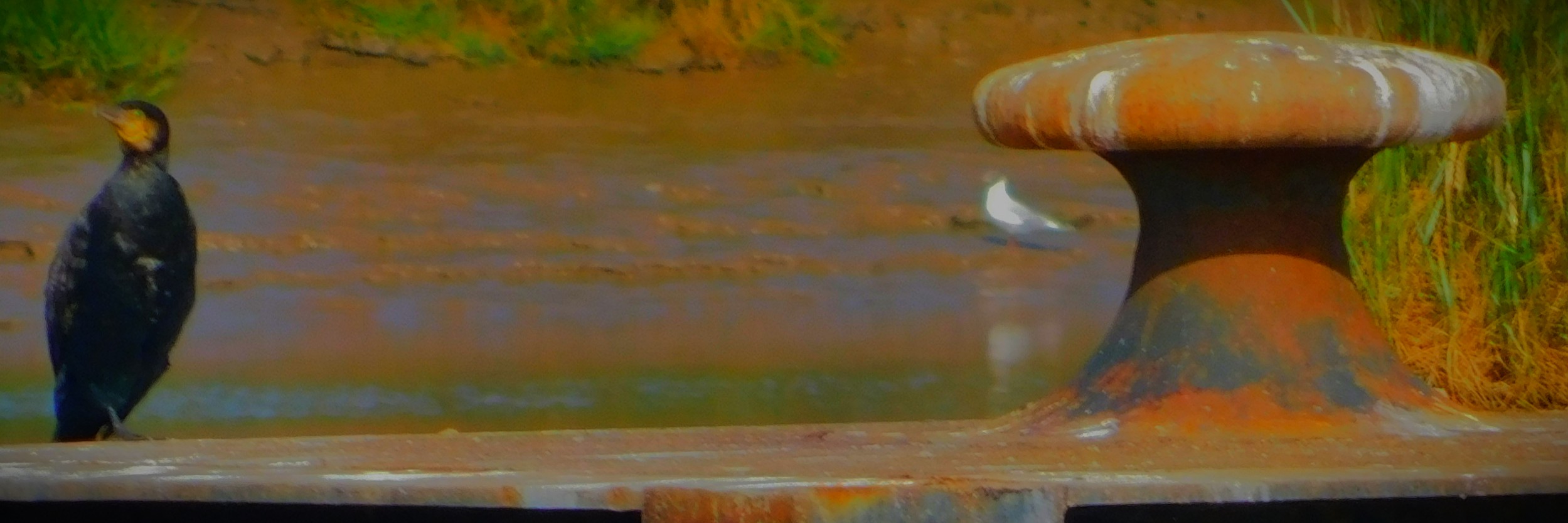
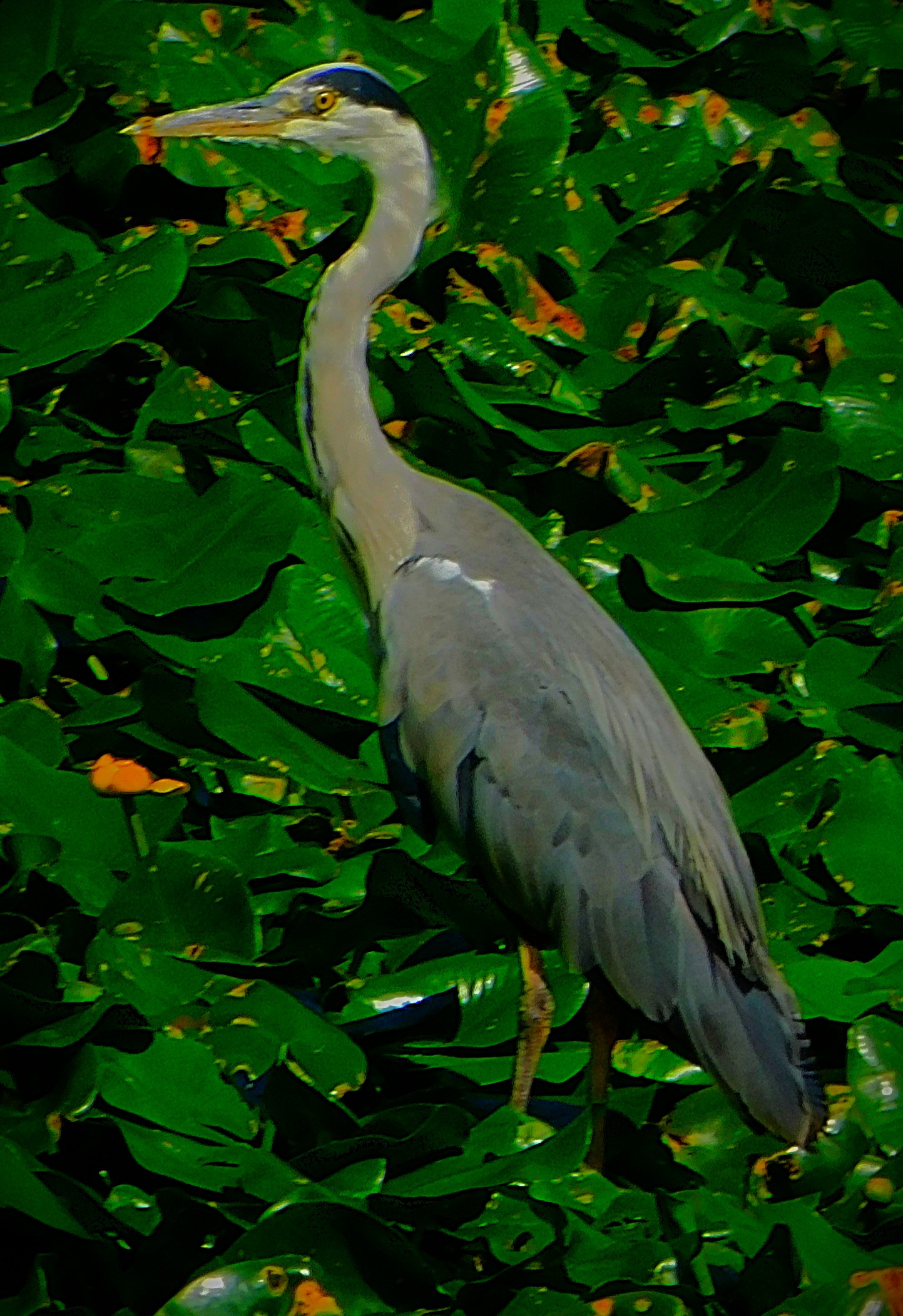
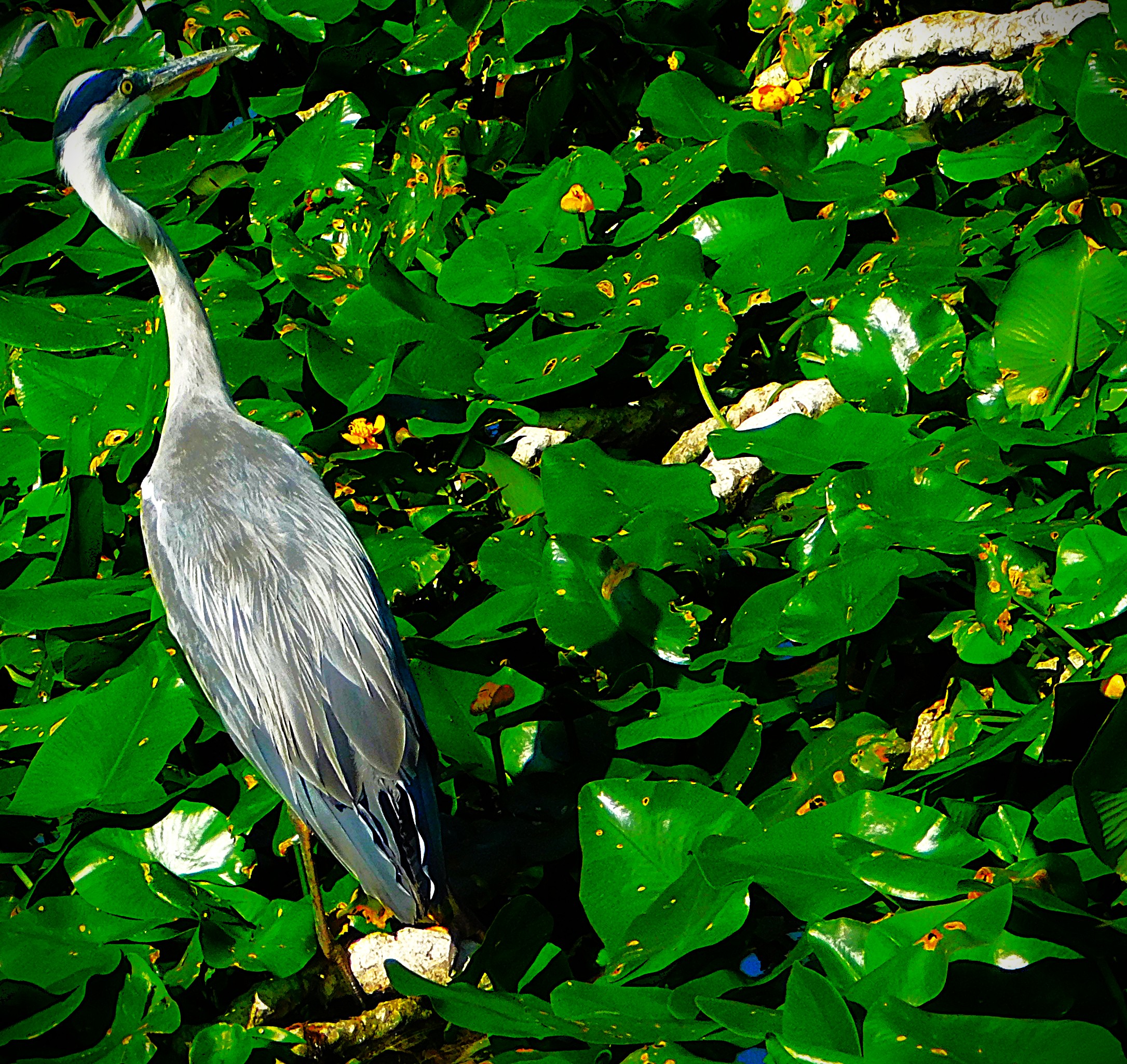
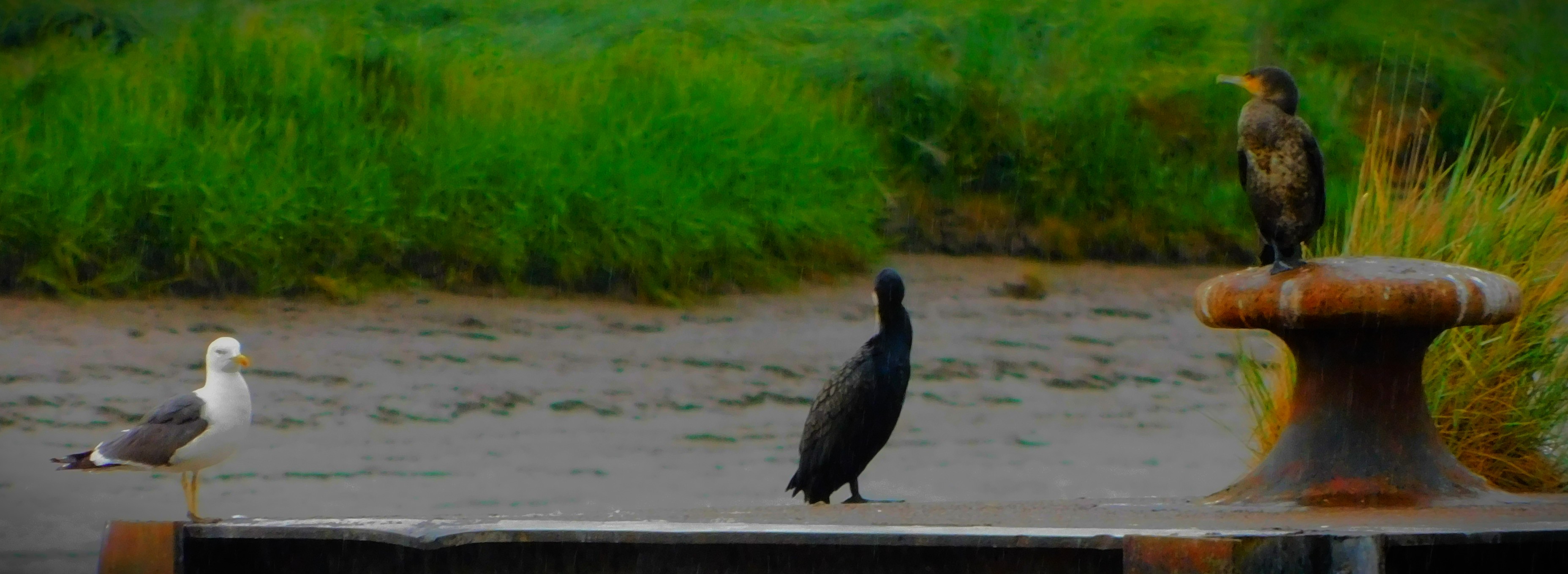
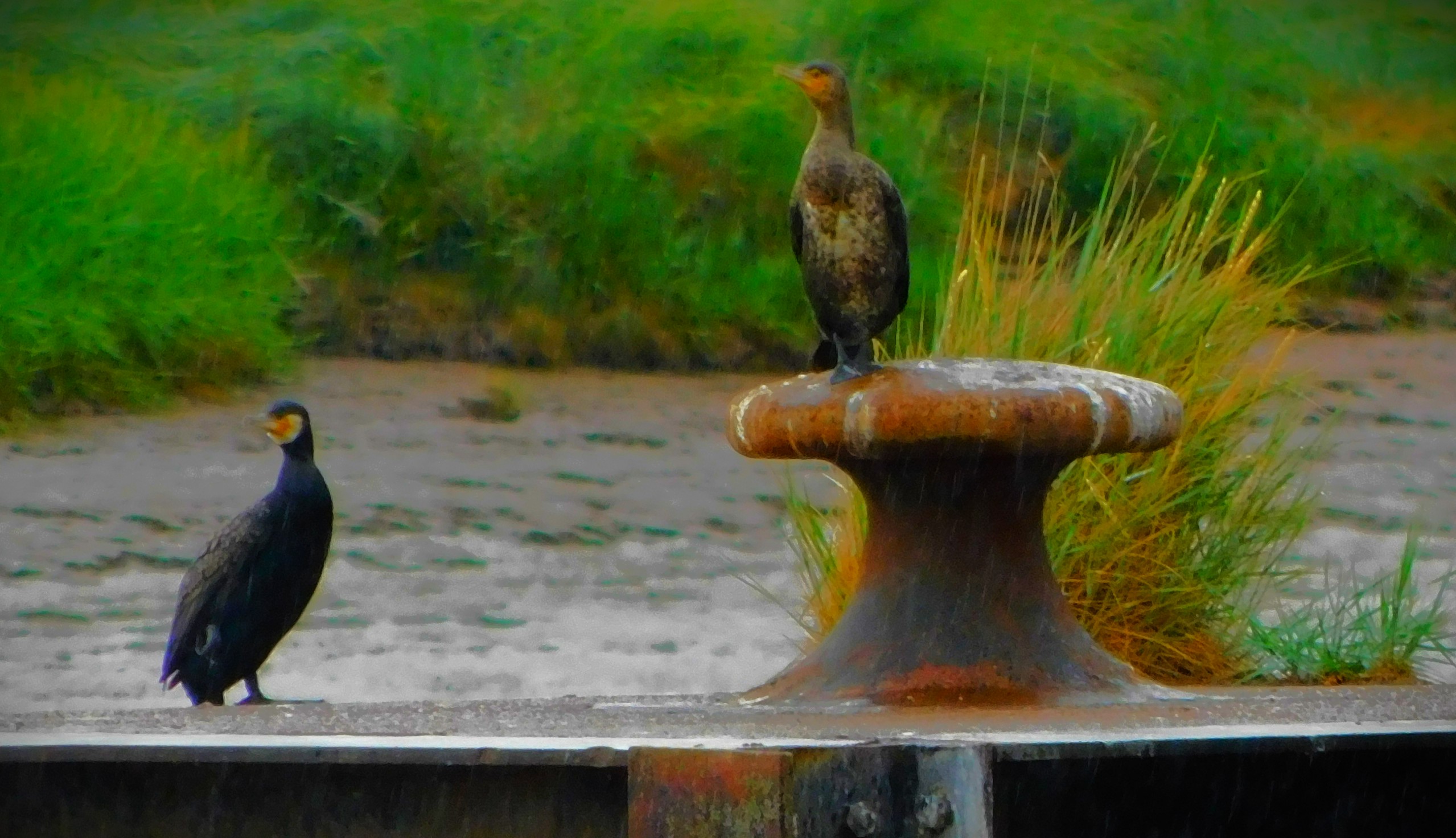
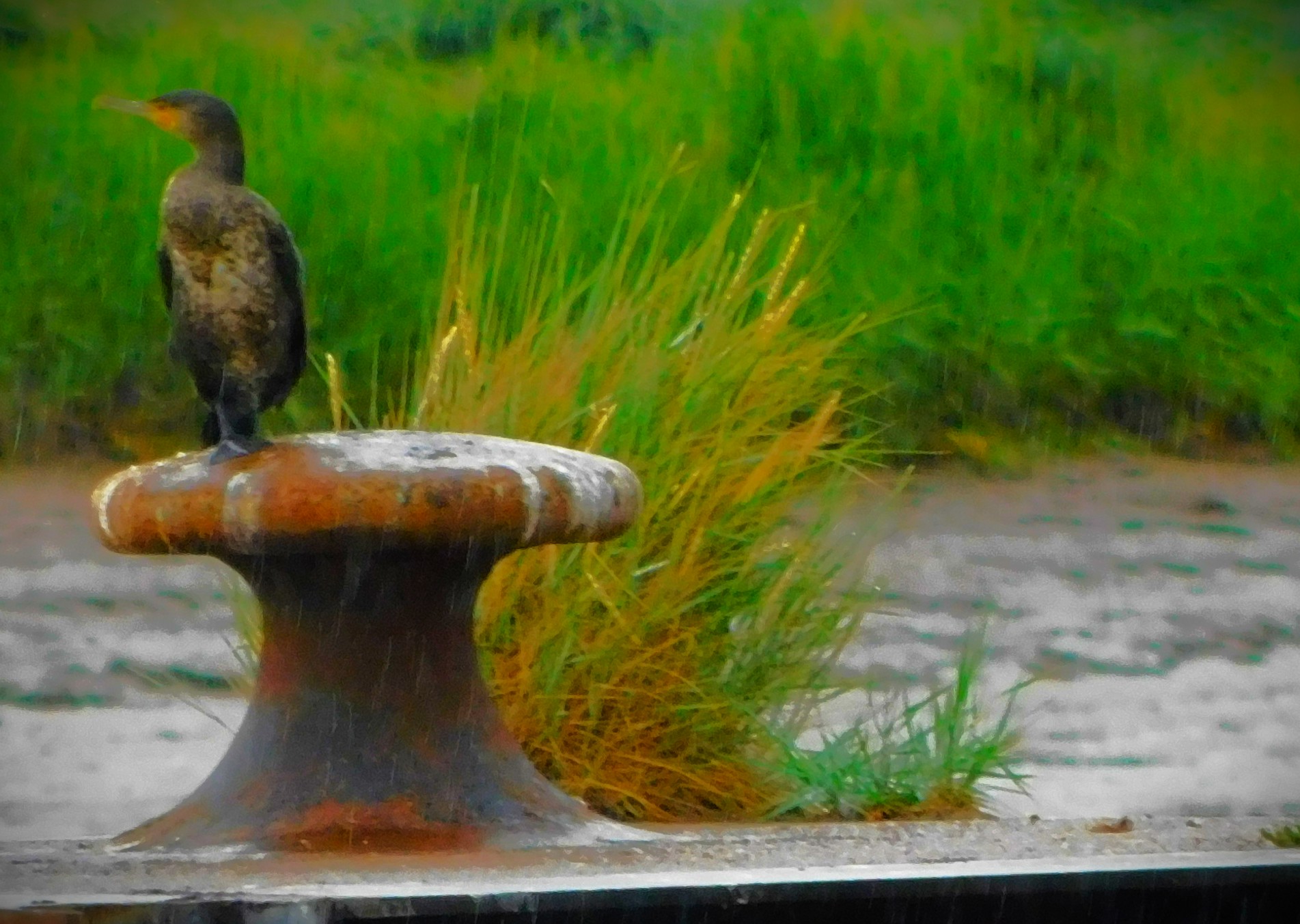
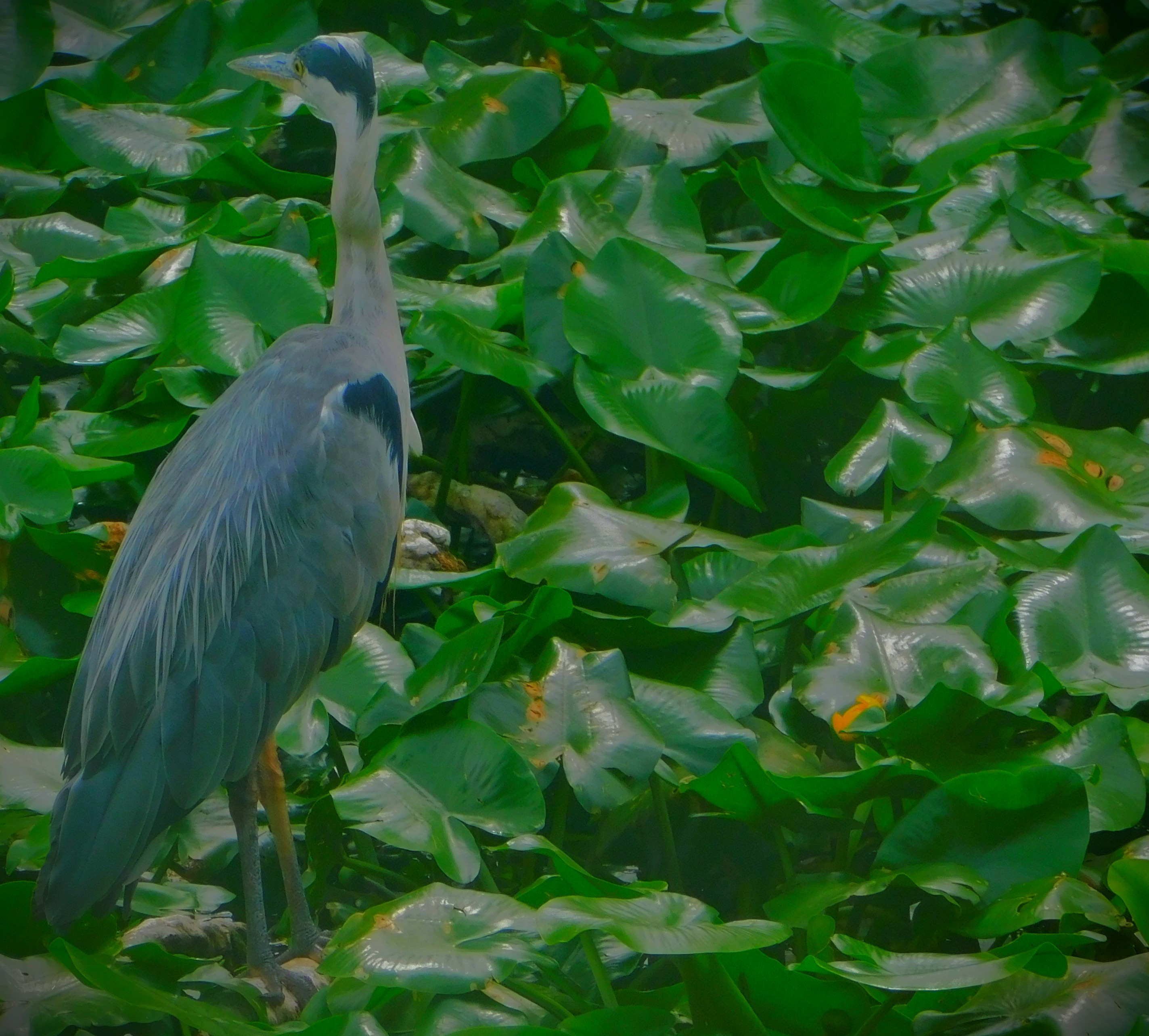
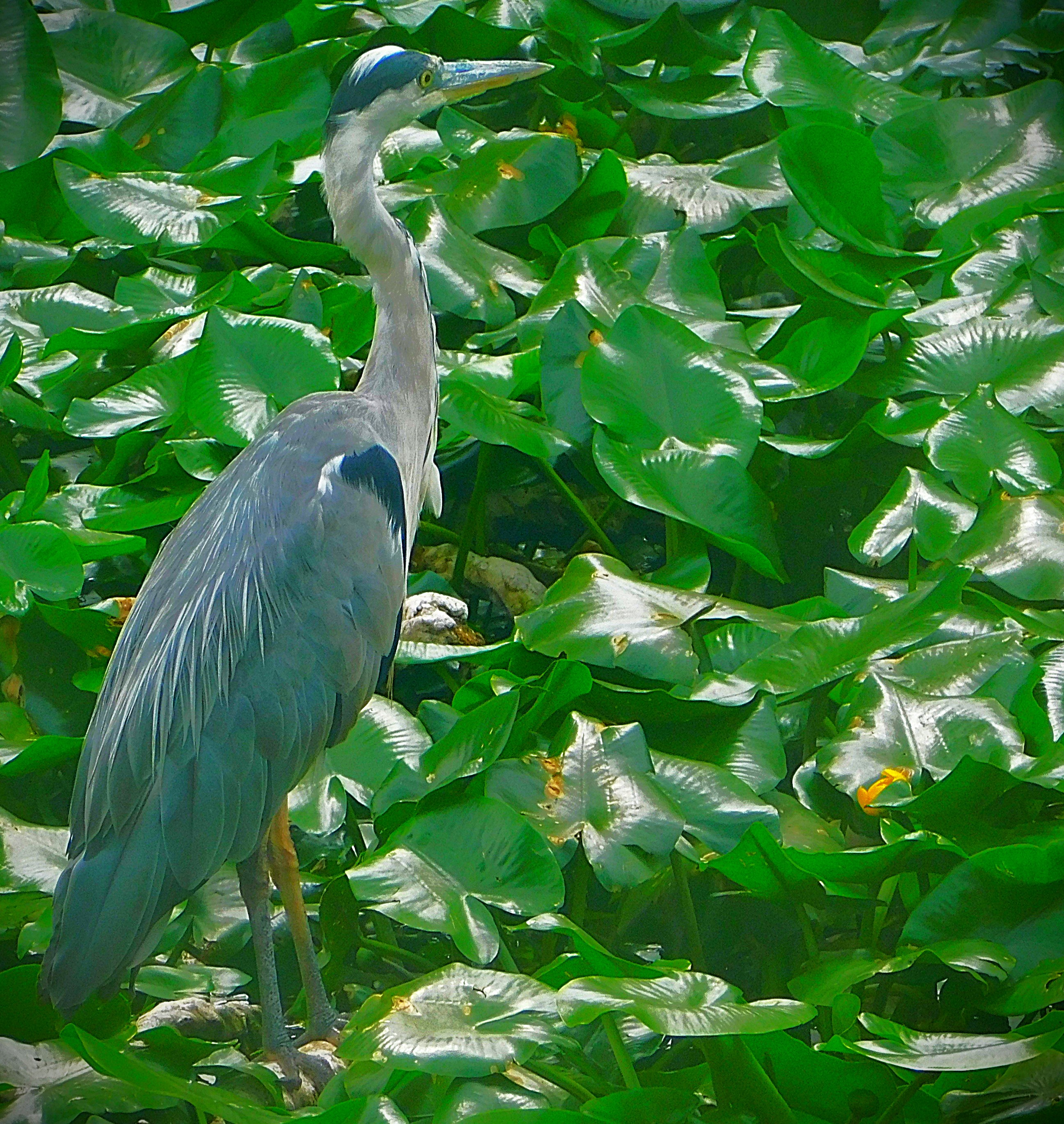
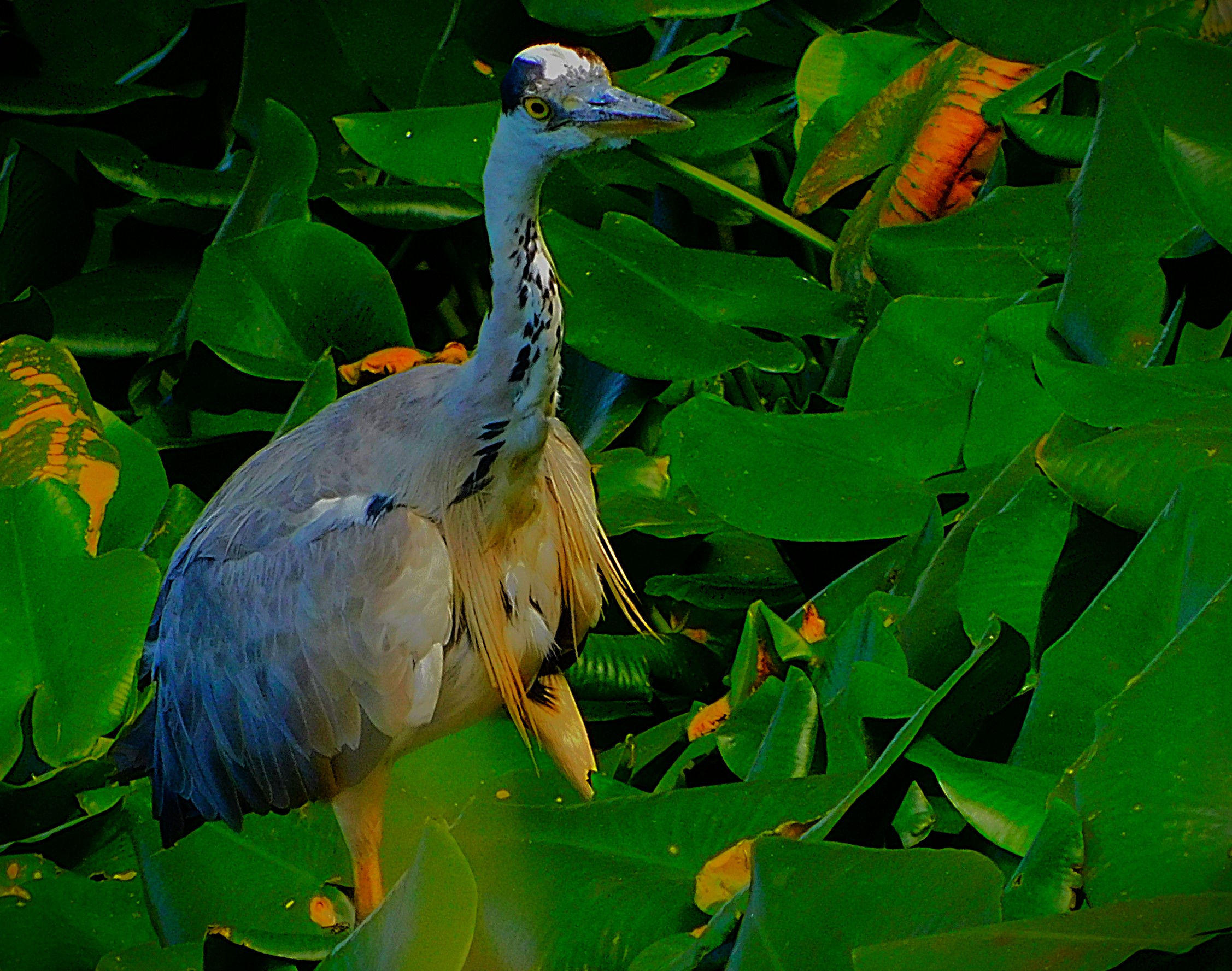
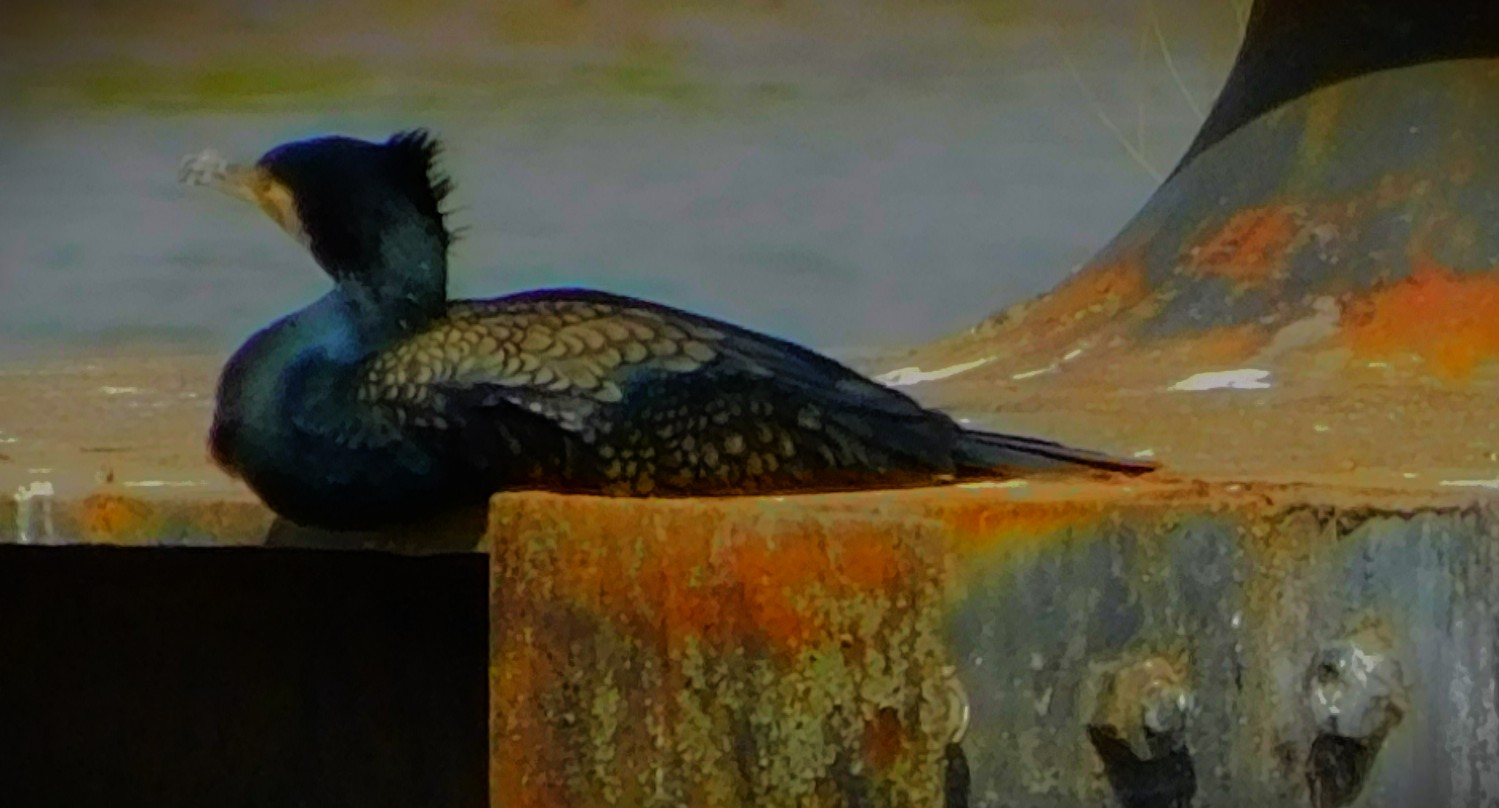
This morning was a sunny one, and I spent a lot of it walking. This Egret was directly across the Great Ouse from Harding’s PitsThis pair of Egrets were near the Nar outfall.This heron with two cormorants for company was on a concrete block just off the west bank of the Great Ouse, more or less opposite Purfleet QuayA freight locomotive in the siding near my house this morning.A particularly elegant little fungus, with a long thin stem and a parasol like cap. I revisited the site of that fungus later and it was still there.
A look back at Northern Superchargers v Oval Invincibles earlier today and a photo gallery.
The first match of today’s Hundred double double header saw Northern Superchargers hosting Oval Invincibles. To retain even a Jim Carrey type “so you’re saying there’s still a chance” hope of qualifying Invincibles needed to win. For Superchargers Kate Cross was playing her first match since finding out that she is not part of England’s world cup plans.
AN INNINGS THAT NEVER GOT GOING
Oval Invincibles won the toss and chose to bat. The first ball of the match, bowled by Grace Ballinger (left arm medium) hit the stumps of Paige Scholfield to make it 0-1. Kate Cross picked up the wicket of Alice Capsey, caught by Superchargers skipper Hollie Armitage for 12 off 12 balls. That was 19-2, which was still the score at the end of the Power Play three balls later. Meg Lanning and Marizanne Kapp both struggled for runs, with the score at 39 Annabel Sutherland bowled Kapp for 6 off 11 balls. Lauren Winfield-Hill batted better than any other Invincibles player. With the score at 64 she lost the support of Lanning, the veteran Aussie having accrued a painstaking 21 from 25 balls. Joanne Gardner, one of the few top level cricketers to hail from the Isle of Wight, now offered sensible support to Winfield-Hill. The 92nd ball of the innings saw Winfield-Hill caught by Cross off Sutherland to make it 110-5, Winfield-Hill 37 off 30 balls. Amanda-Jade Wellington gave Invincibles a hint of hope with 12 off five balls, but a final score of 125-6 look well below par.
AN INJURY HIT DEFENCE
Marizanne Kapp started economically but unpenetratively with the ball. There was a nasty injury to Tash Farrant, who at one point looked likely to be stretchered off, but was in the end able to walk off, albeit with assistance. Capsey also went off injured at one point, but was able to return. However Capsey had bowled only three balls, which meant someone else had to bowl the last two balls of the set, and that Capsey wouldn’t bowl a full allocation even when she did return. These injuries made things more difficult for Invincibles. Alice Davidson-Richards scored a fine 50 for the Superchargers who were ahead at every stage of the chase. Sophia Smale accepted responsibility for bowling balls 91-95, and the event balls 96-100 were not needed at all. The winning shot was a four, which meant that Smale had conceded 32 from her 20 balls. The margin was seven wickets.
PHOTOGRAPHS
My usual sign off…
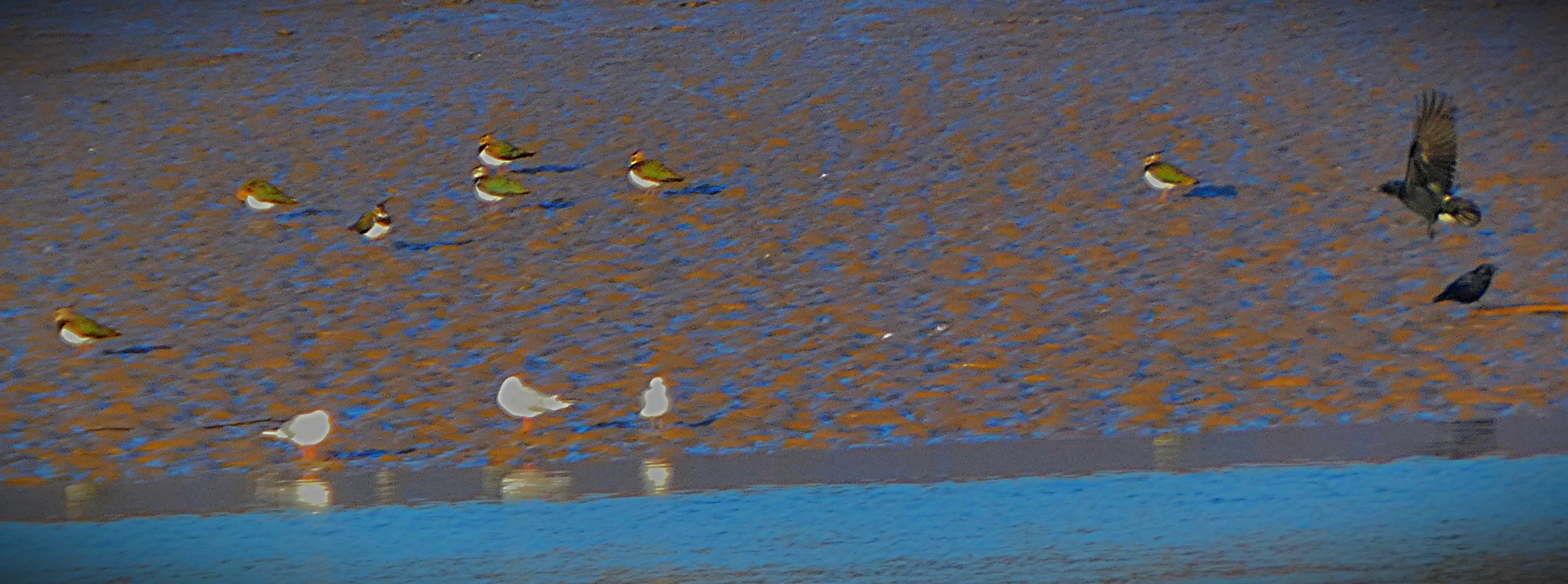
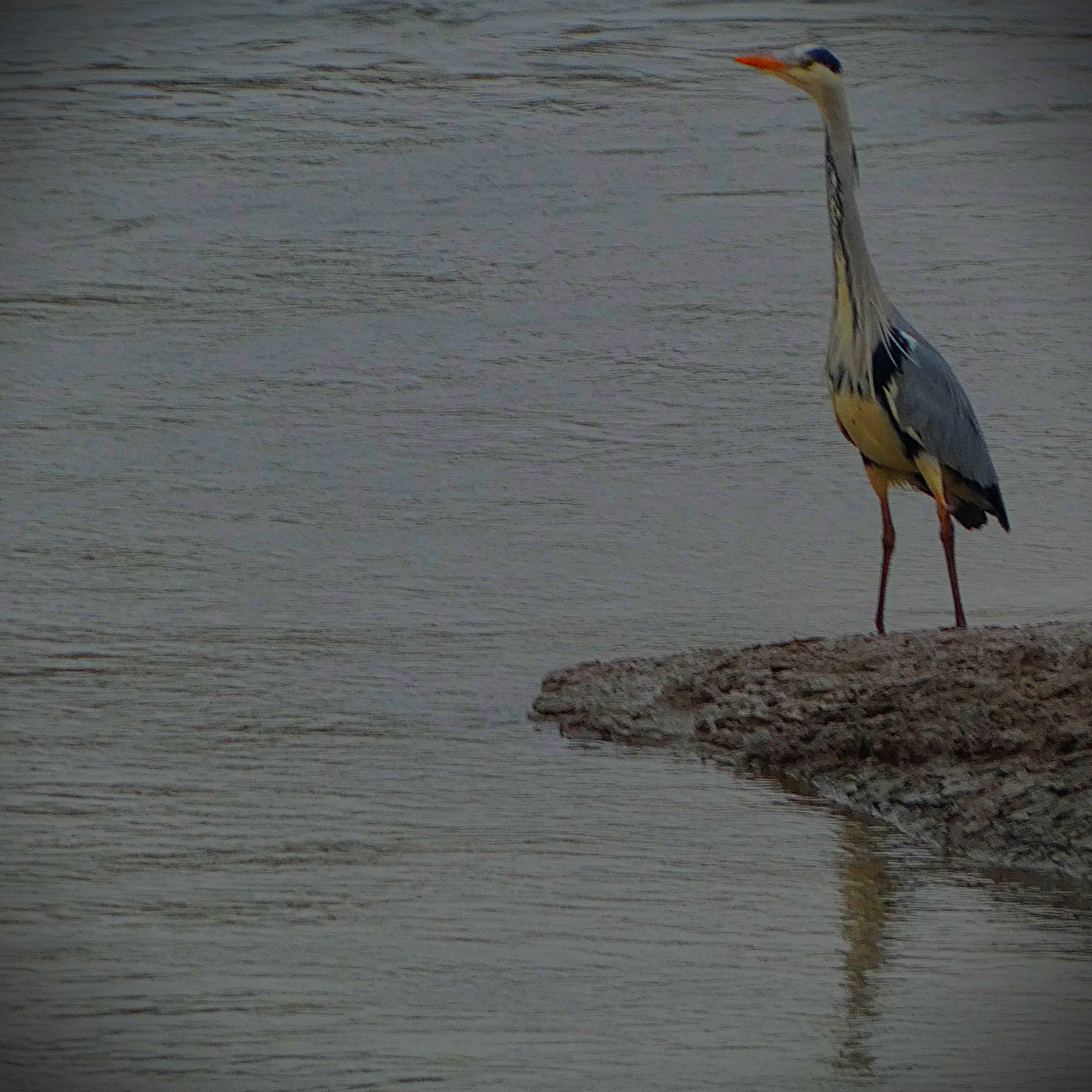
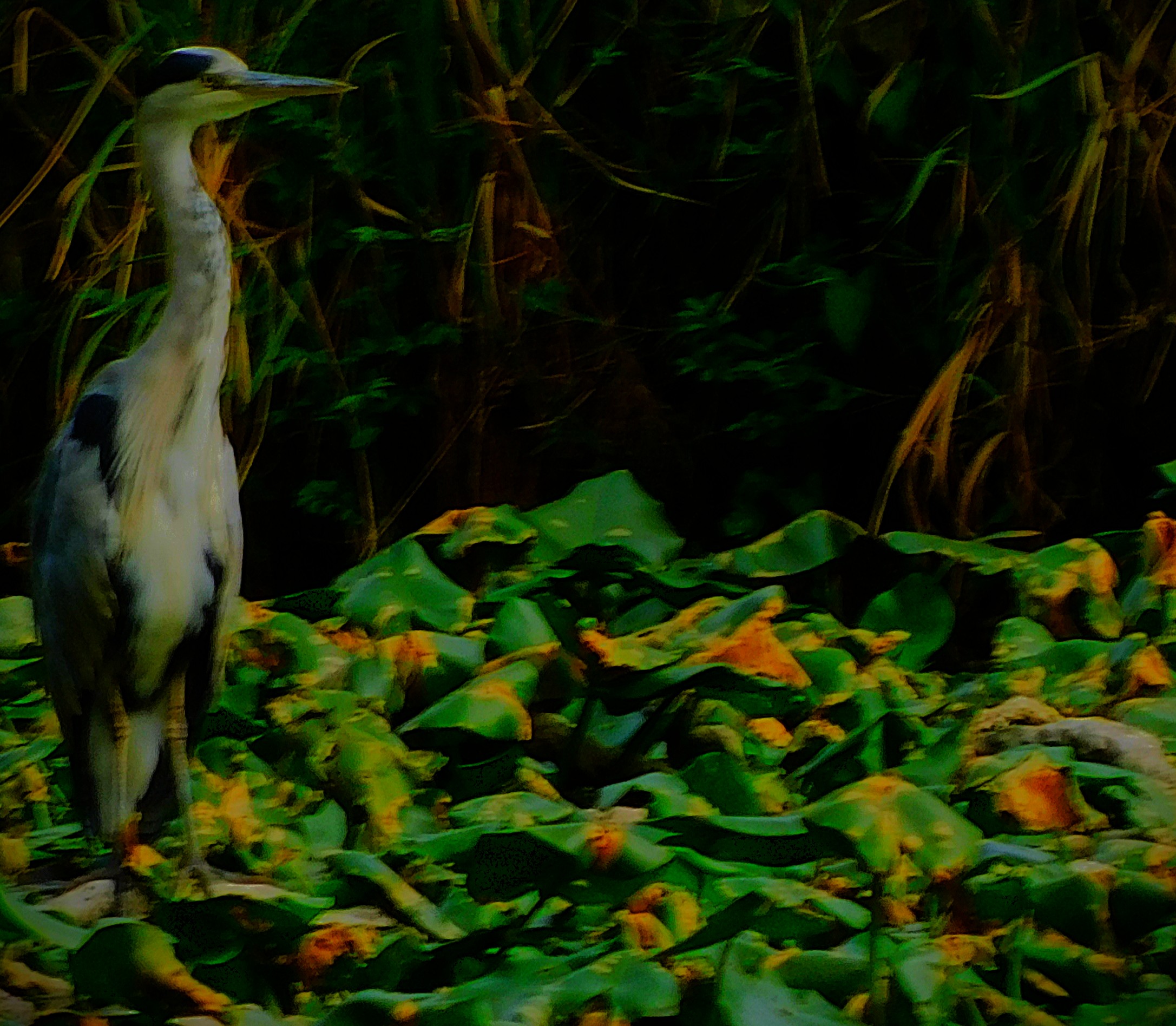
a heron in its watchful pose……and on the wing a few moments later.A moth resting on a bramble petal.
A look at developments in Manchester, where the test match is moving towards a draw. Also a large photo gallery.
When I put up yesterday’s post Gill and Rahul were putting up a good fight for India as day four at Old Trafford drew towards a conclusion. This post takes the story forward.
INDIA’S RESISTANCE ACT
Shubman Gill and KL Rahul were still together at the close of day four, meaning that England still needed eight more Indian wickets. Stokes had Rahul caught behind for 90 in the 71st over to make it 188-3. Gill proceeded smoothly to his fourth century of the series, a joint record for a series in England shared with Don Bradman (1930), Denis Compton (v South Africa, 1947) and Joe Root last time India visited these shores, with an honourable mention for Allan Lamb who took three tons off the mighty 1984 West Indies side and then added another in a one-off test against then newbies at that level Sri Lanka. Shortly after reaching the landmark he made the first and only mistake of his innings edging one from Archer with the new ball through to Smith behind the stumps. That was 222-4. It might have been two in two for Archer, as Jadeja edged his first ball, but Root floored the chance. Since then there have been no serious alarms, though Ollie Pope almost got to what would have been an amazing catch. Sundar and Jadeja, promoted ahead of Pant as the latter is injured, each reached 50s, and took India to the tea interval on 322-4, a lead of 11 overall. Post tea the two all rounders are playing more expansively, and England look decidedly short of ideas.
A NOTE ON SELECTIONS
My own view is that both sides have erred with their selections for this match. England, with Dawson at eight and Woakes at nine had a huge amount of batting, but as this second Indian innings is demonstrating they are short of bowling, and although the odd ball has misbehaved this has overall been a very good pitch on which to bat. India in my view were more culpable. Neither Thakur nor Kamboj offered anything with the ball, which is what they were selected to provide. Arshdeep Singh damaging his thumb just before the match started created an extra difficulty for India, who were admittedly short of options, but Kuldeep Yadav, the left arm wrist spinner, would have been more likely to be of value than either Thakur or Kamboj. The fact that this match is quite likely to finish with only two of the four innings completed (the third may end with a declaration to bring an early finish to the match, but an all out is highly unlikely) tells its own story about the domination of the bat over the five days. England will head to The Oval 2-1 up in the series.
PHOTOGRAPHS
My usual sign off…

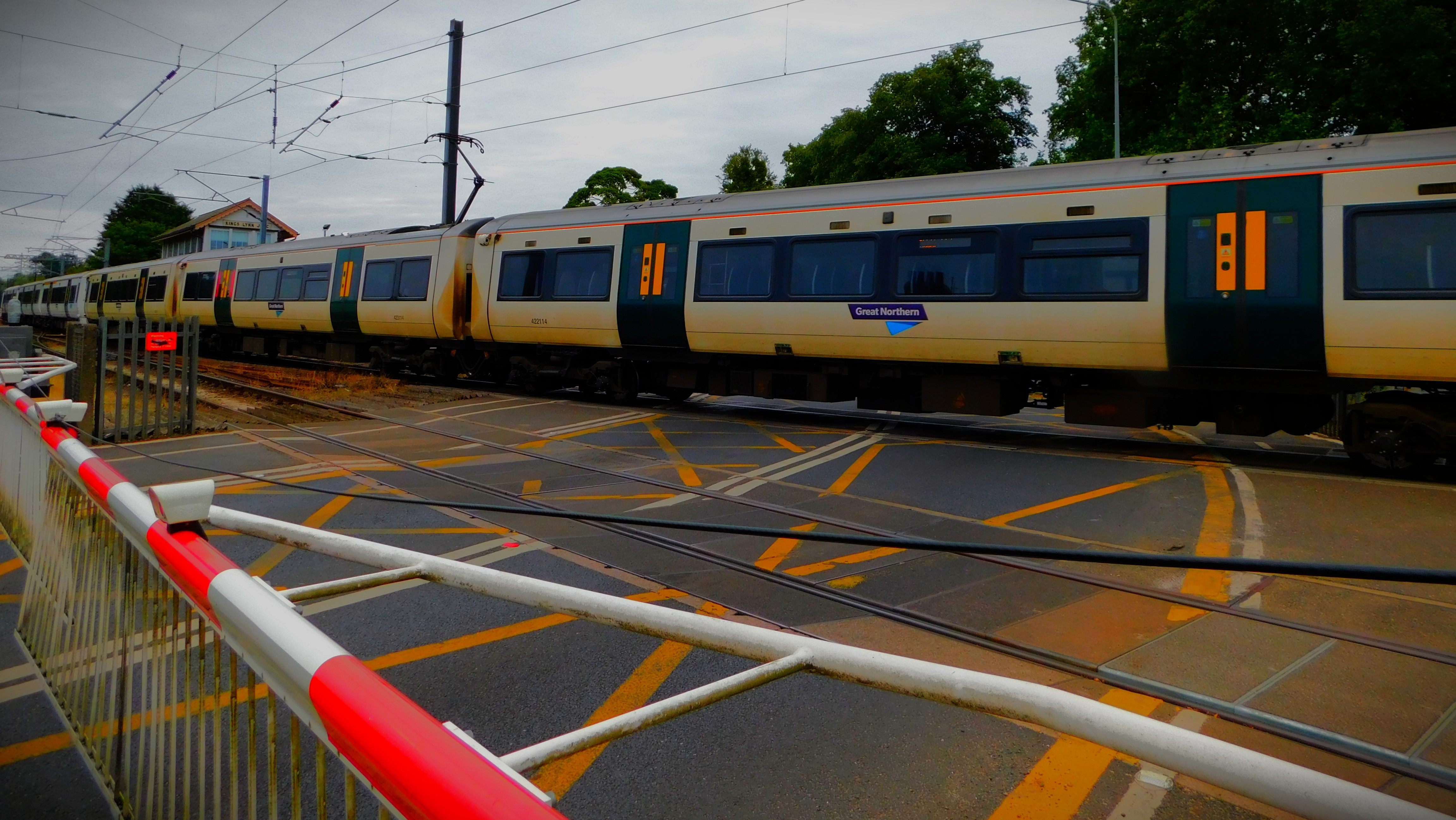
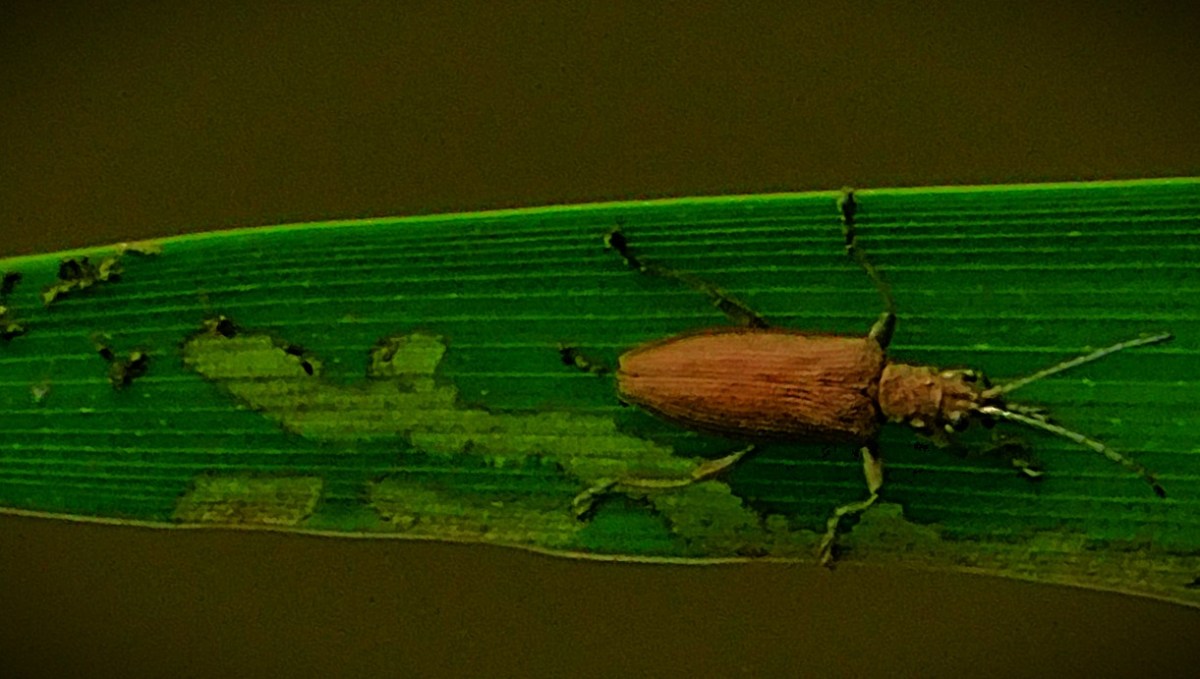
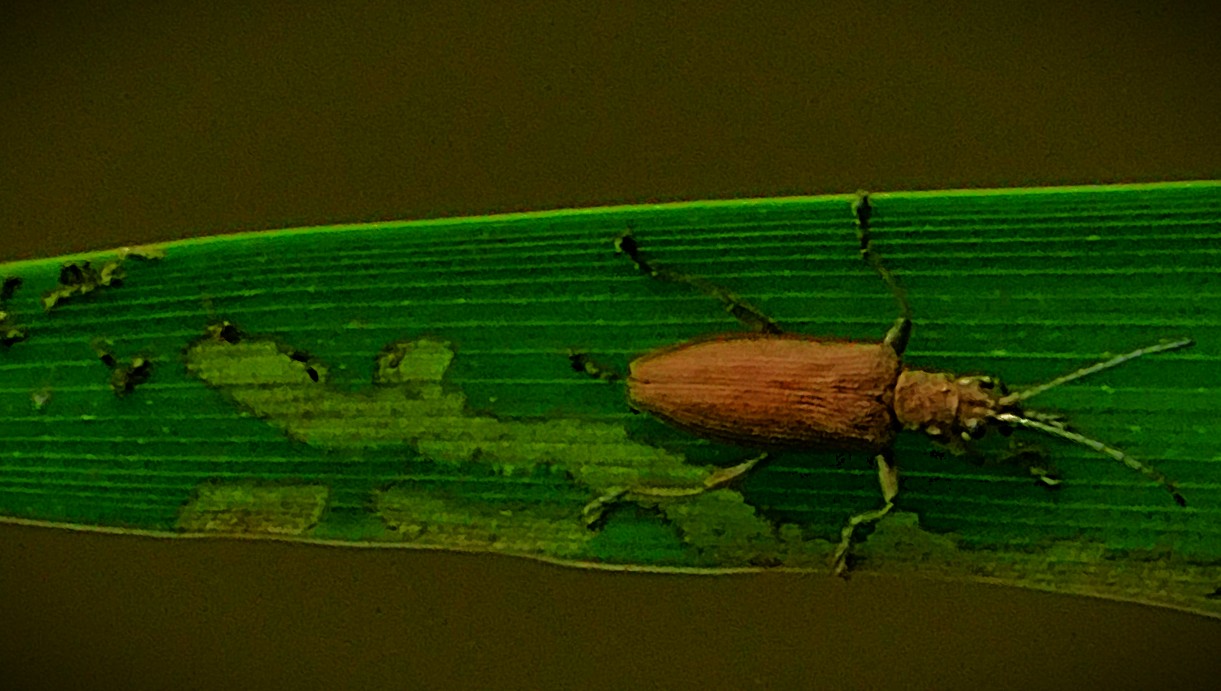
A goods train on its siding, from the Tennyson Road level crossing.A beetle on a reed hanging out over the Gaywood RiverA close up of the beetle.
A look at developments at Old Trafford since yesterday, including Ben Stokes joining not one but two elite clubs this morning. Also two photo galleries of very different types.
Yesterday, as Root went past Ponting to second place in the all time list of test match run scorers I put up a post about England’s progress in the fourth test of their series against India, at Old Trafford. Since then things have moved forward, largely in England’s favour, although KL Rahul and Shubman Gill are currently batting well for India.
STOKES JOINS TWO ELITE CLUBS
Stokes and Root shared a big partnership, ended not by a dismissal but by a retirement due to cramp on Stokes’ part. Eight runs after Stokes’ retirement Root was finally out for precisely 150. That was 499-5. Neither Jamie Smith nor Chris Woakes did a huge amount with the bat, but between them they lasted long enough for Stokes to feel able to resume his innings at the fall of the seventh wicket. Stokes and Liam Dawson saw things through the close of day three, by when Stokes had advanced his score to 77. England at 544-7 were 186 ahead by then.
Dawson was eighth out at 563, but Carse now provided Stokes with good support. Two landmarks came in quick succession – when Stokes reached three figures he was only the fourth England men’s player to score a century and take a five-for in the same test match, the others being Tony Greig, Ian Botham (five times) and Gus Atkinson. Then when he struck a six to move from 108 to 114 that also took his career tally from 6,999 to 7,005 making him one of only three to have achieved the test career treble of 7,000+ runs, 200+ wickets and 100+ catches, the other two members of this club being Garfield St Aubrun Sobers, the most multi-skilled cricketer ever, and Jacques Henry Kallis, the South African superstar. By now Stokes was in full rampage mode. The fun ended for Stokes when on 141 he holed out to Sudarsan off Jadeja. That was 658-9, already a record test score at this ground, and a lead of precisely 300 on first innings. However, Stokes kept England batting, and Carse and Archer accrued 11 further runs before Carse holed out just short of what would have been his second test 50.
GALLERY ONE: AUCTION PURCHASES
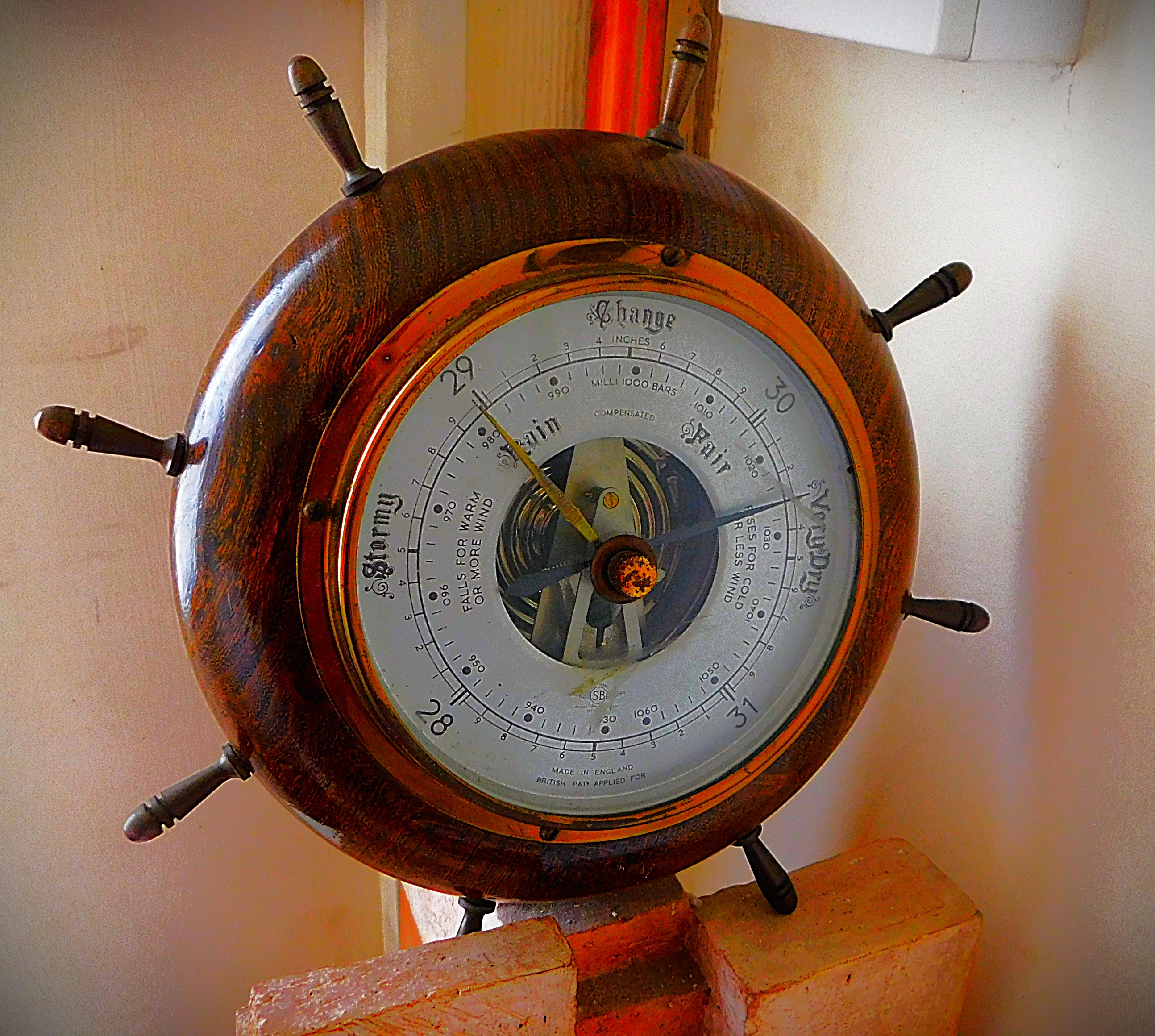
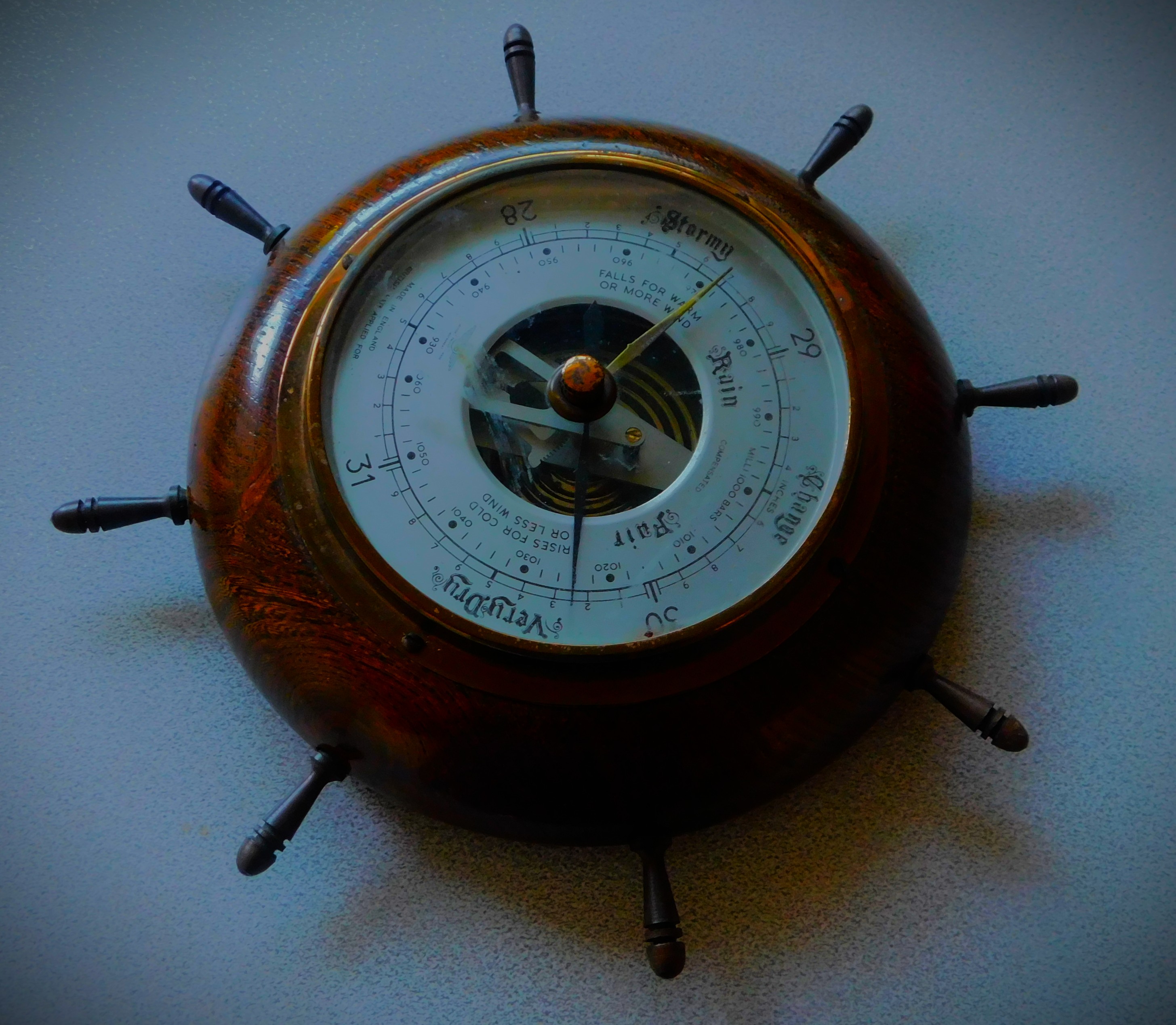
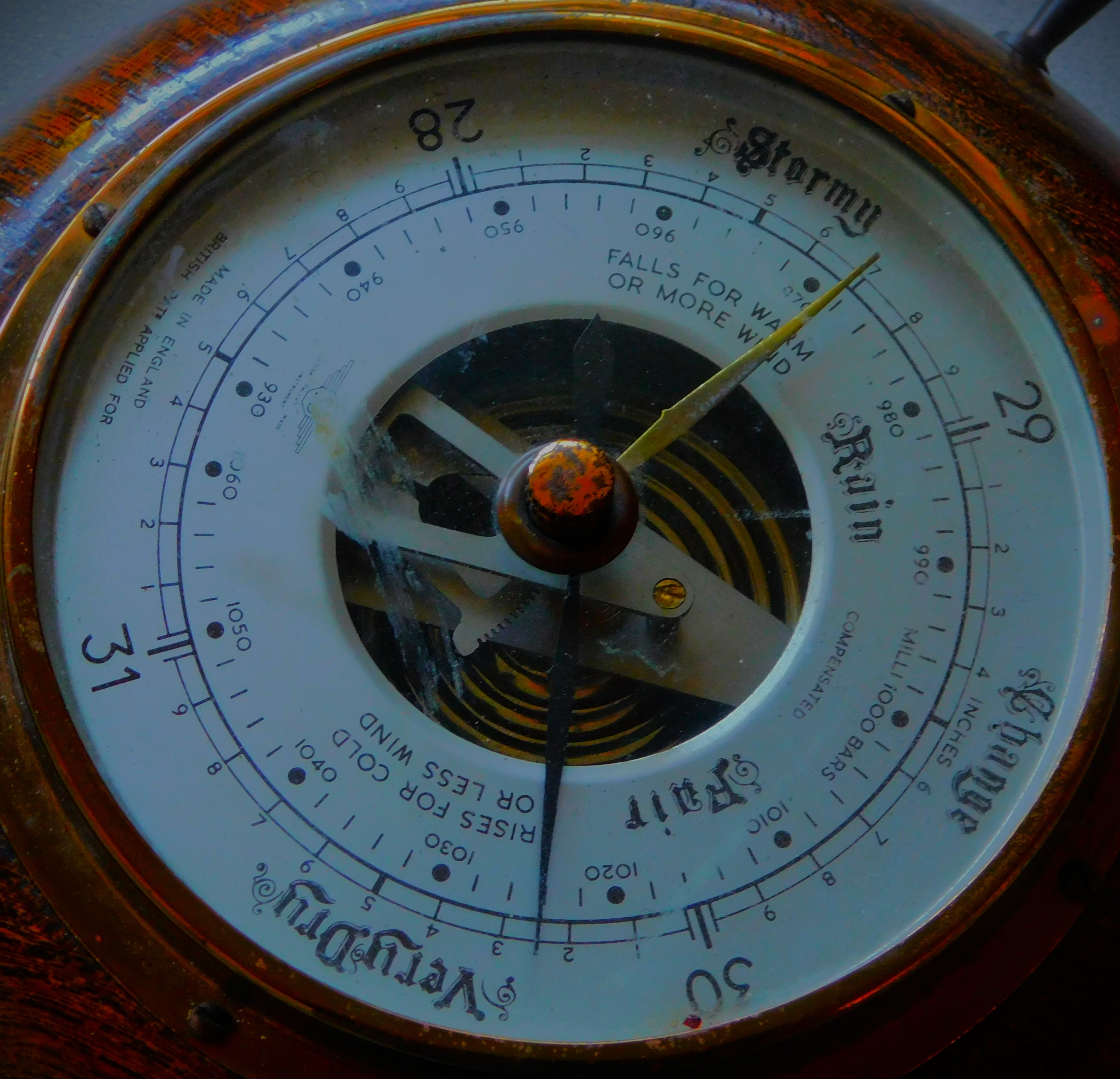
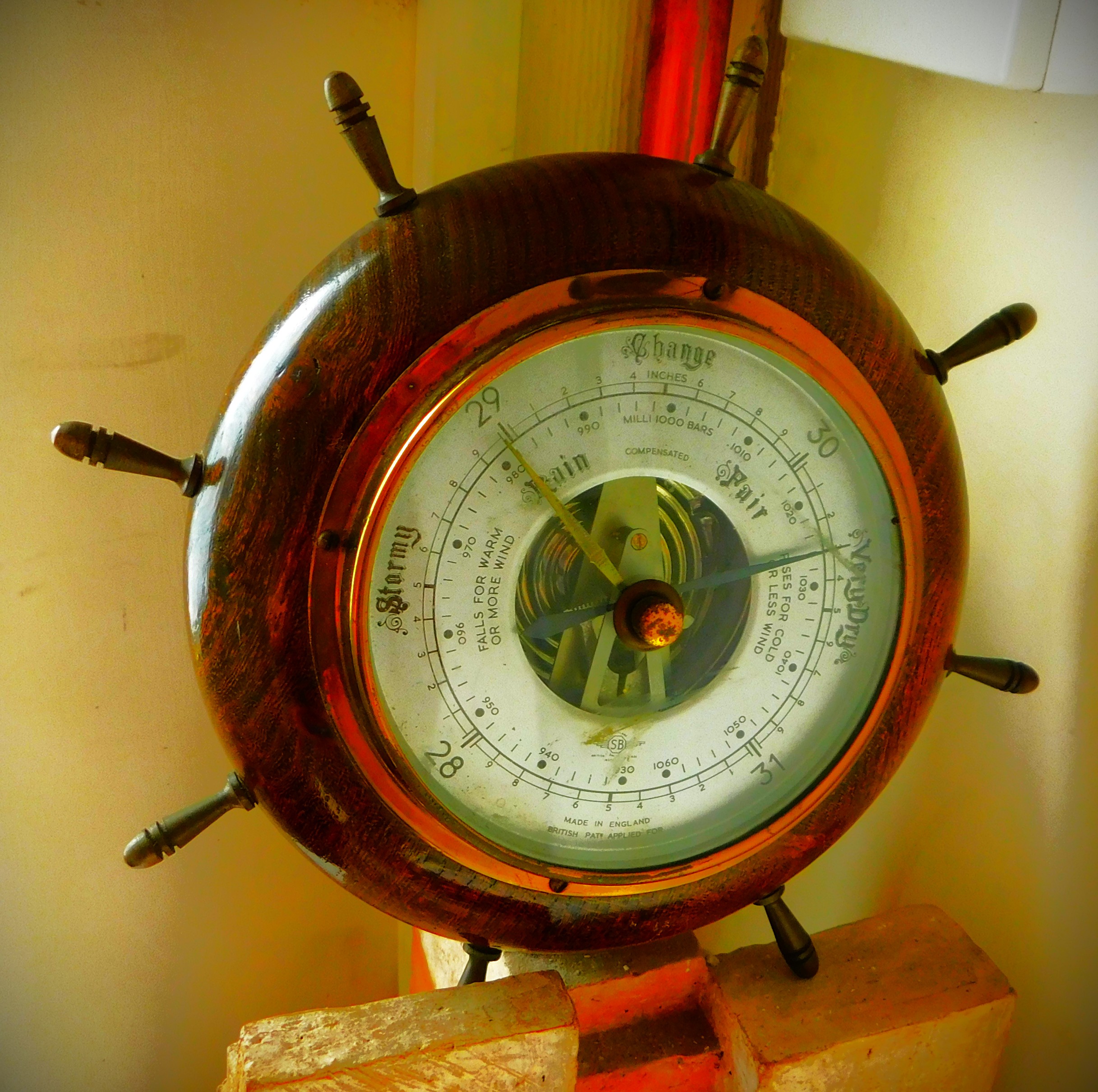
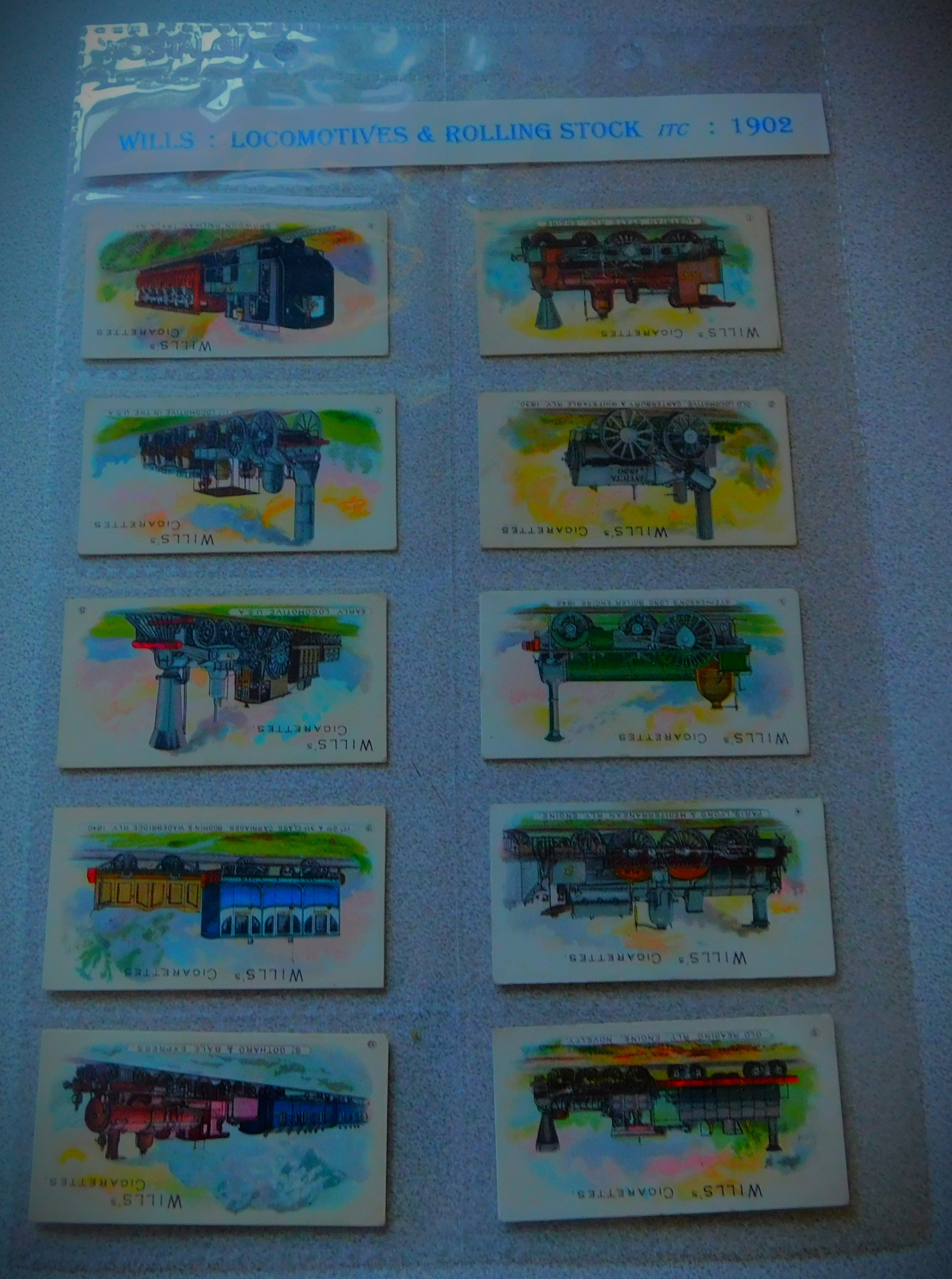
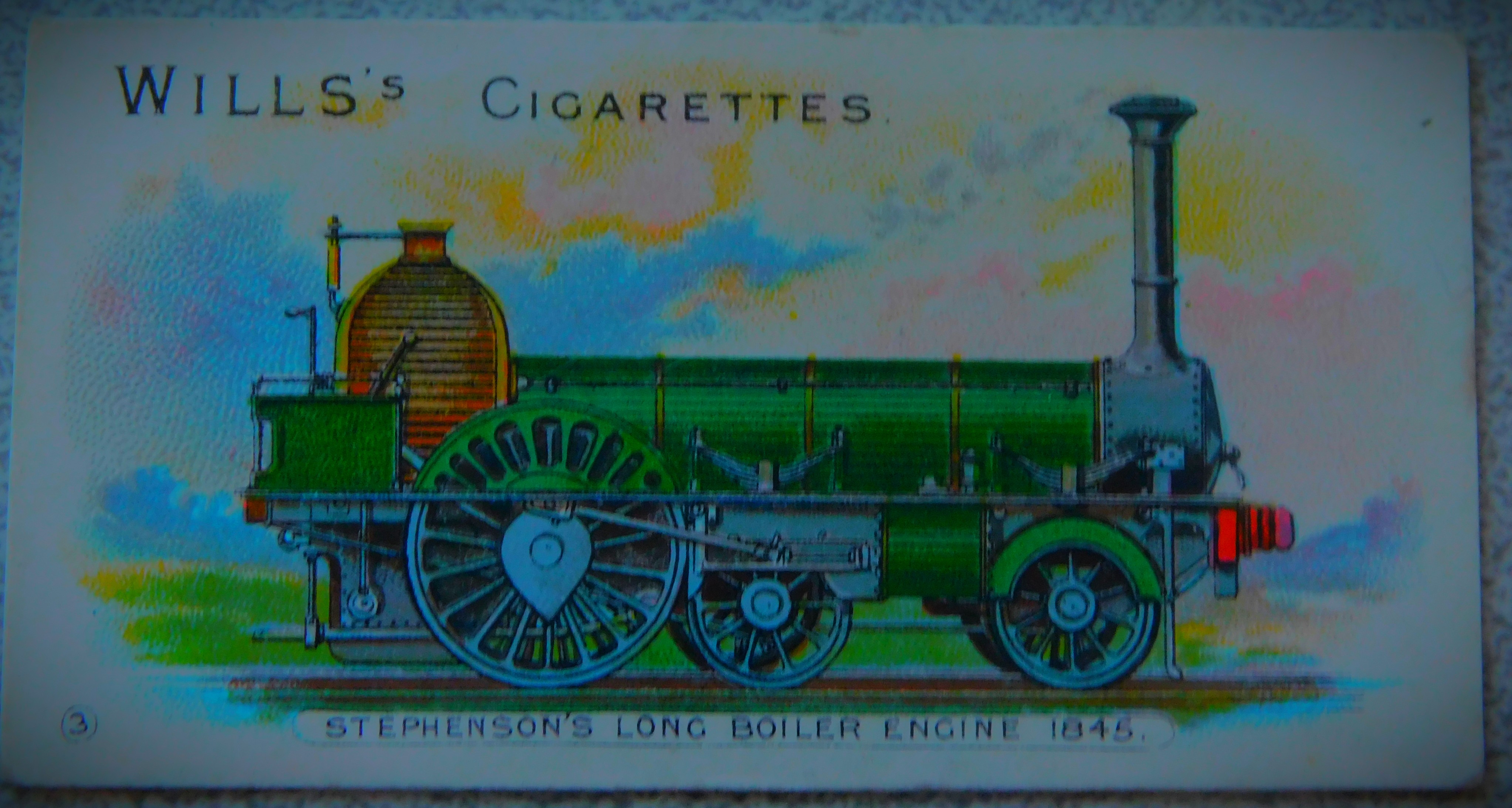
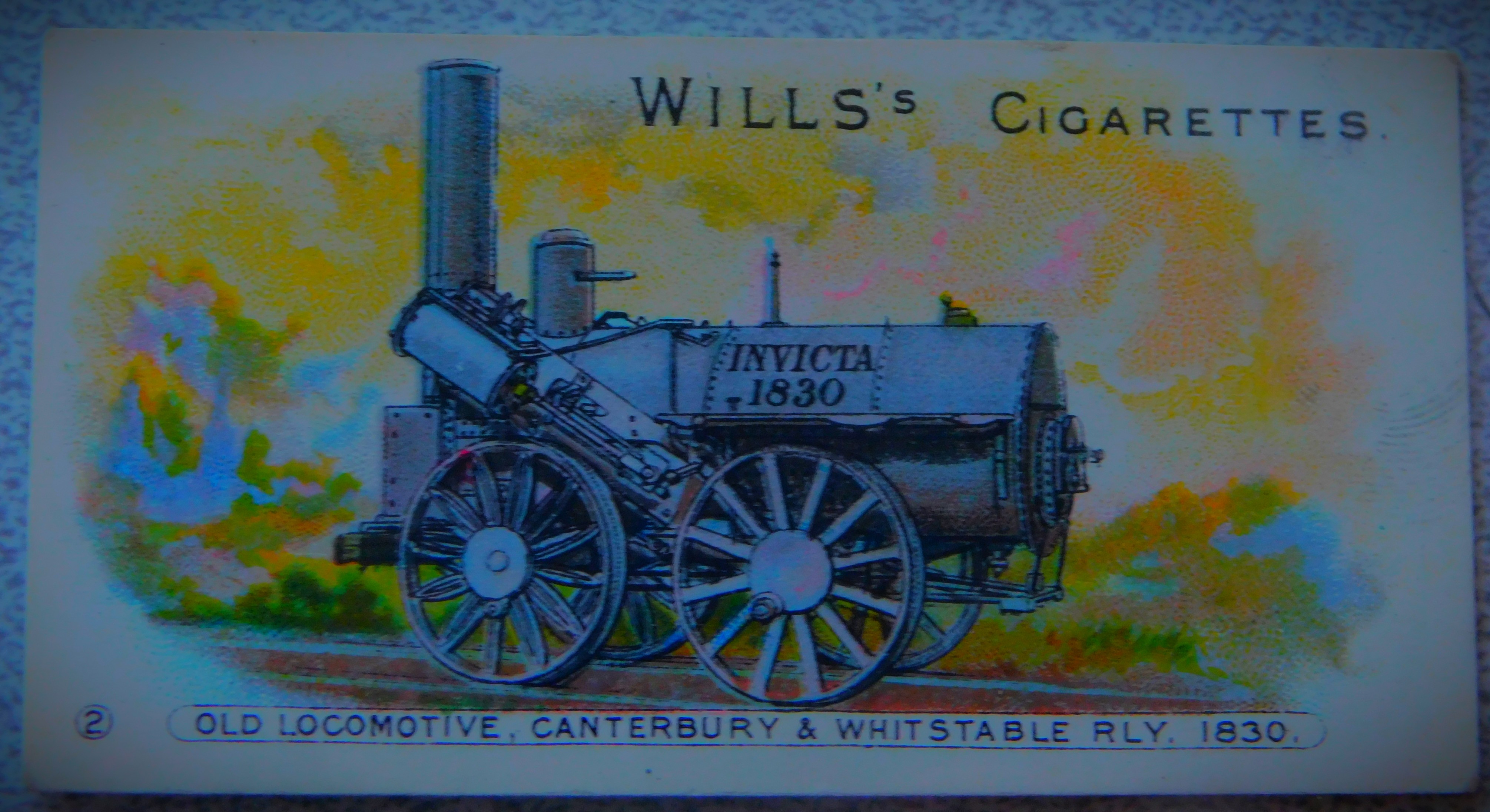
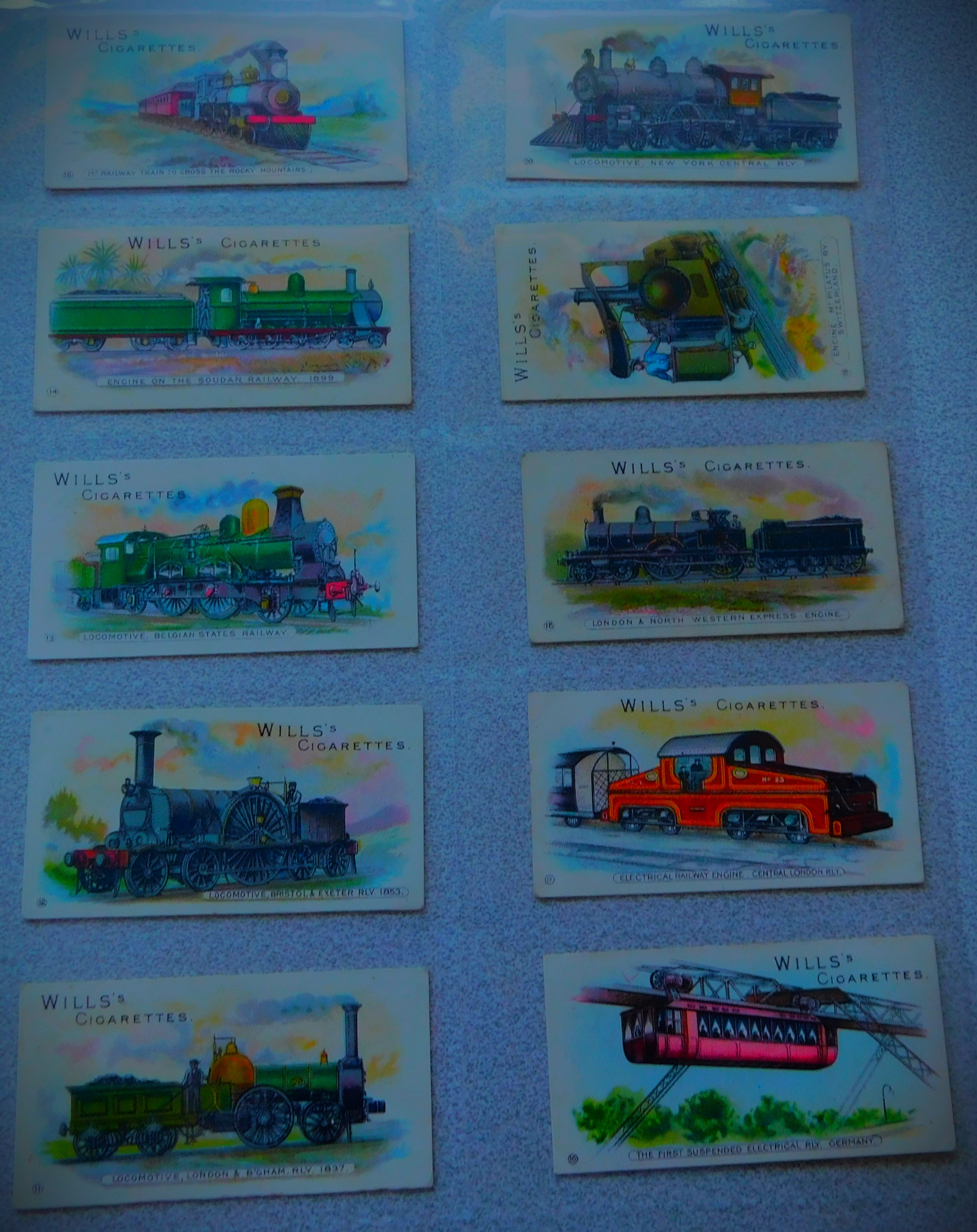
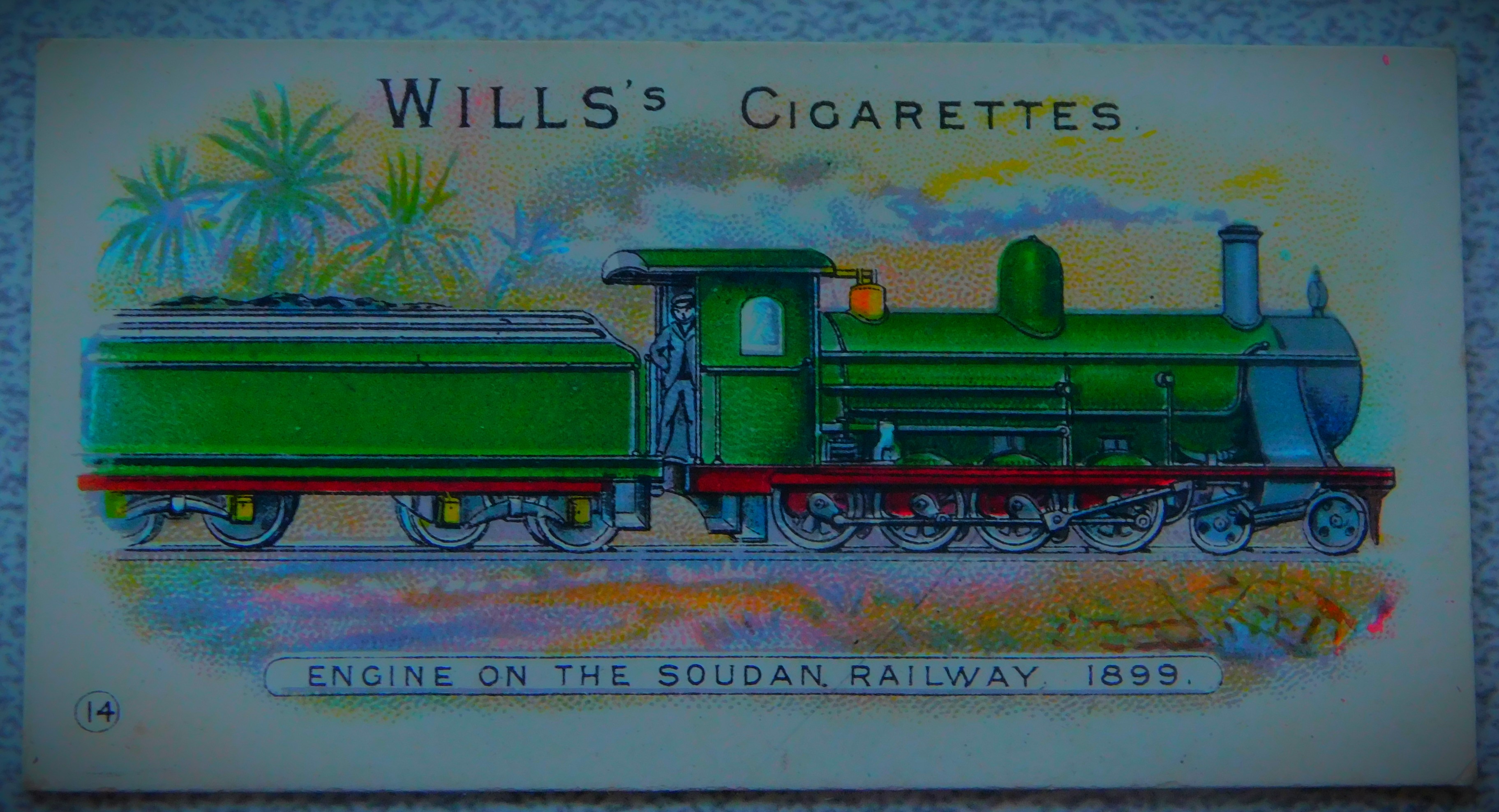
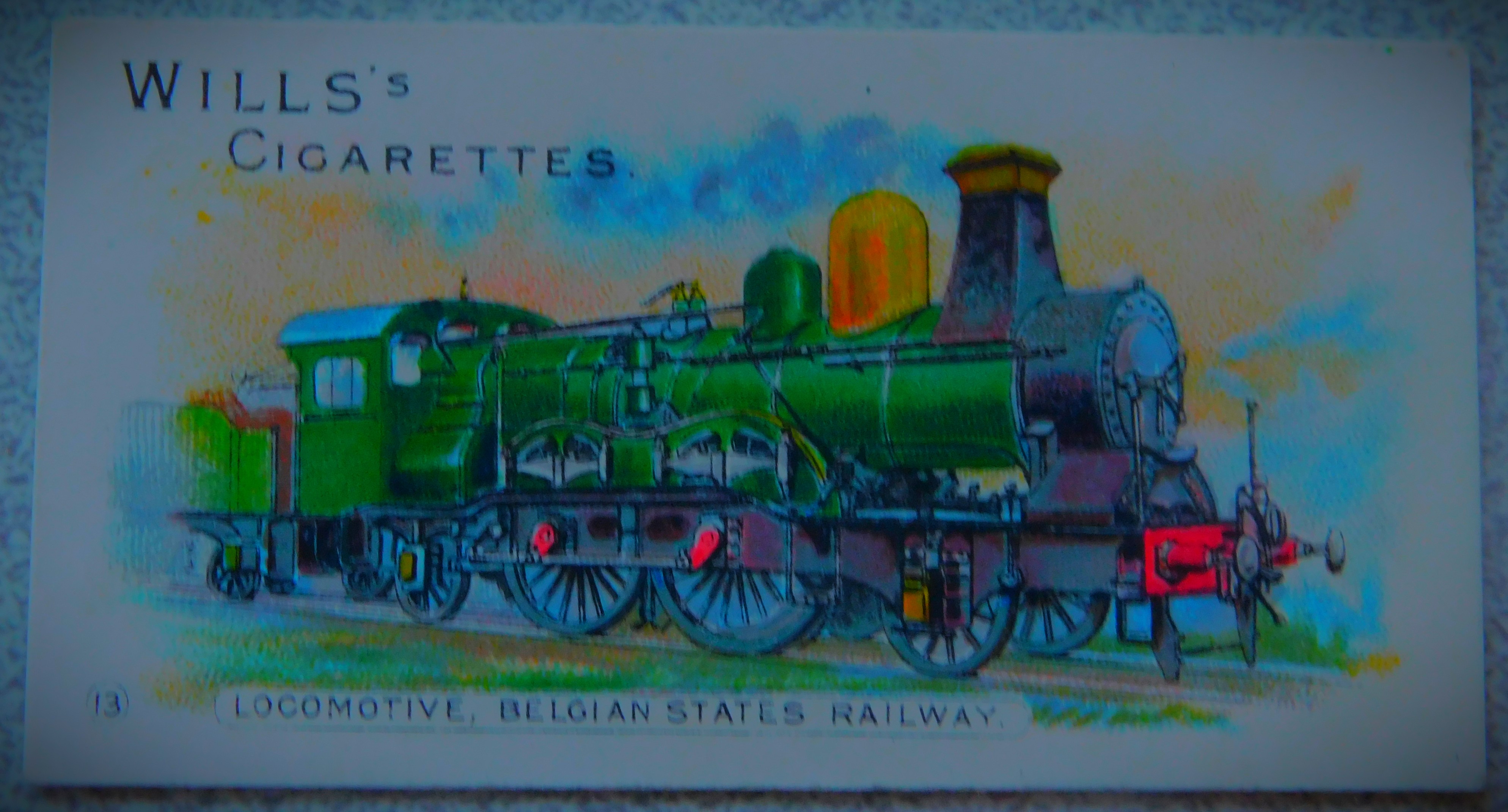
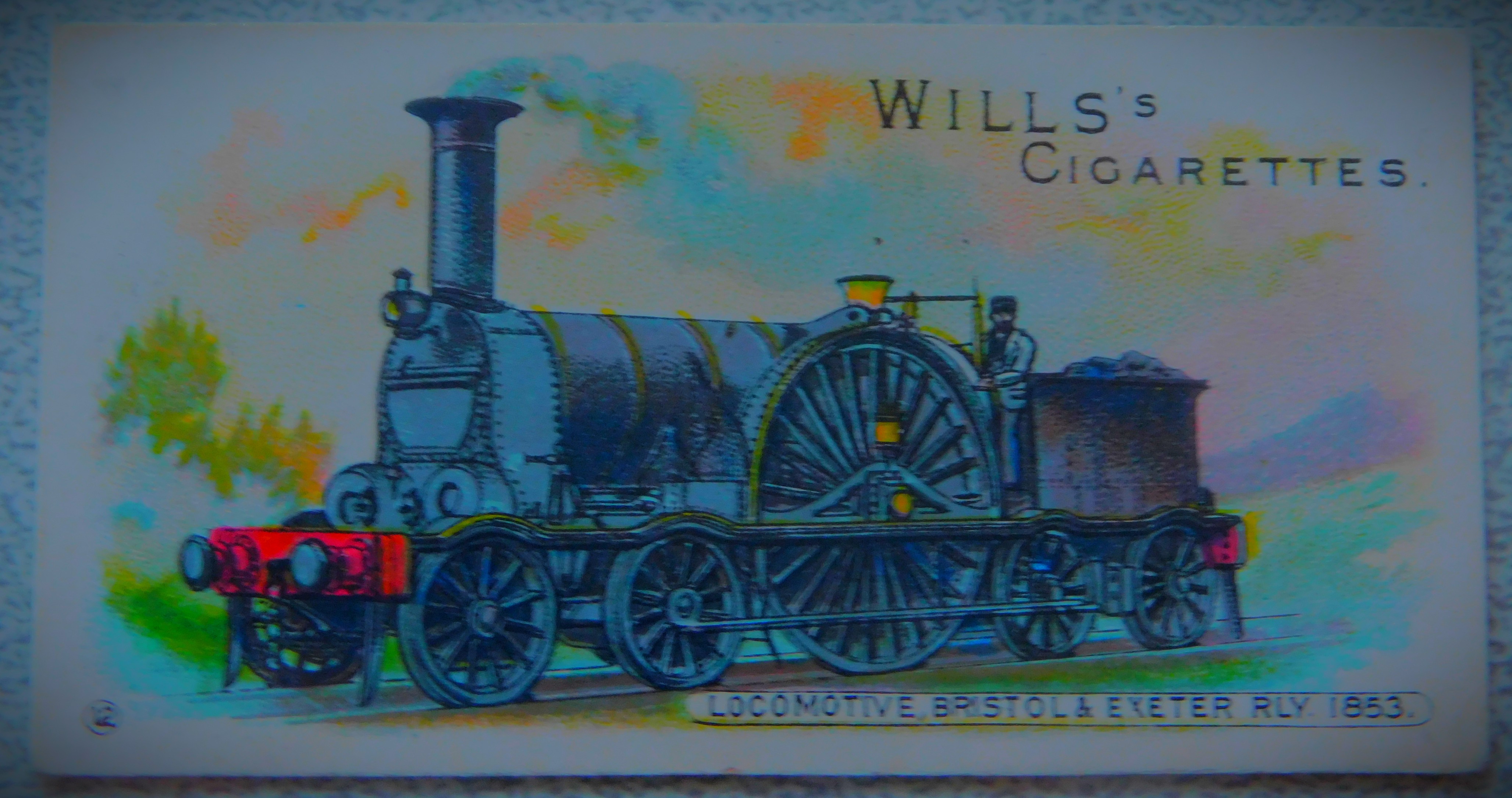
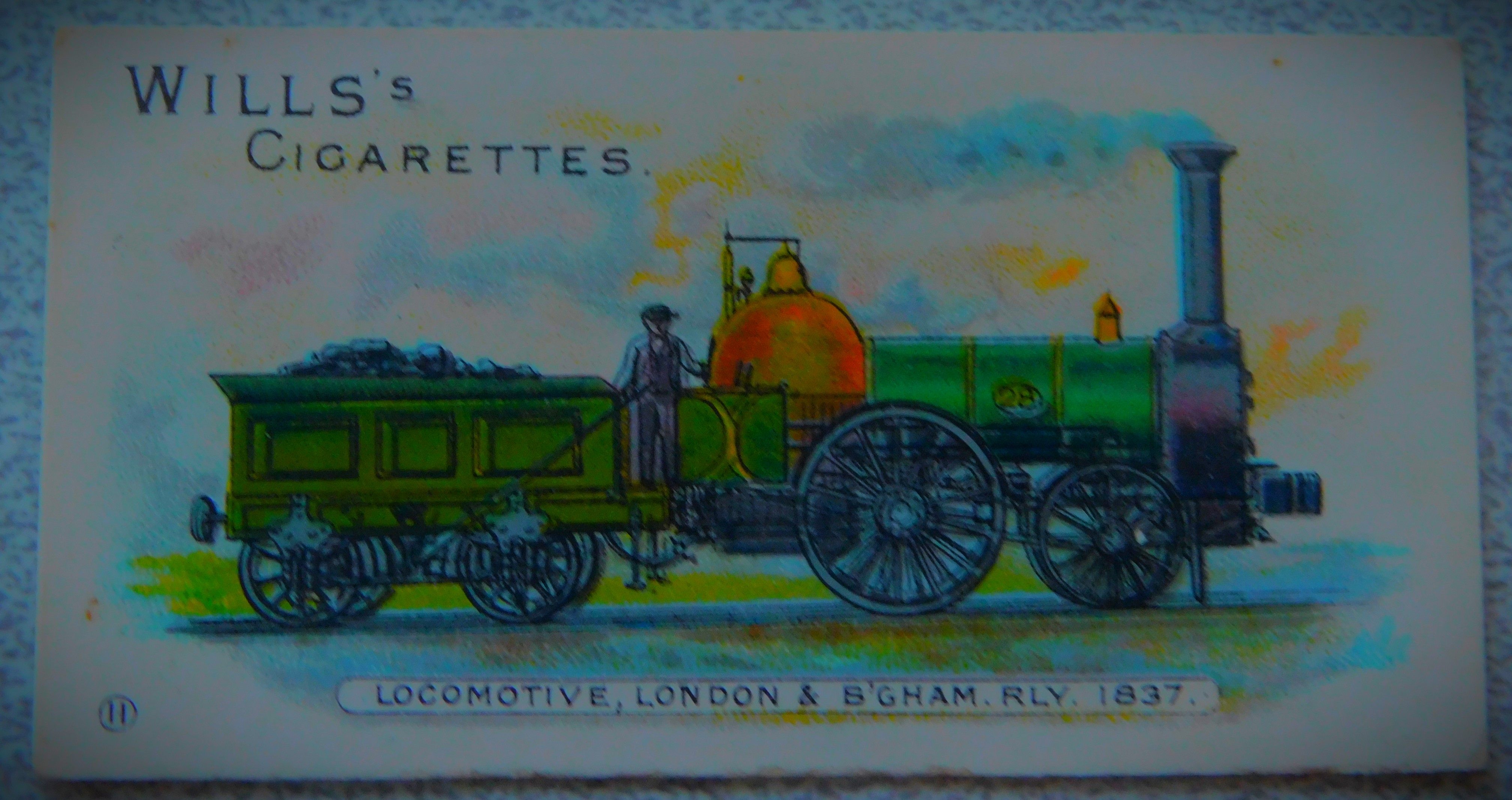
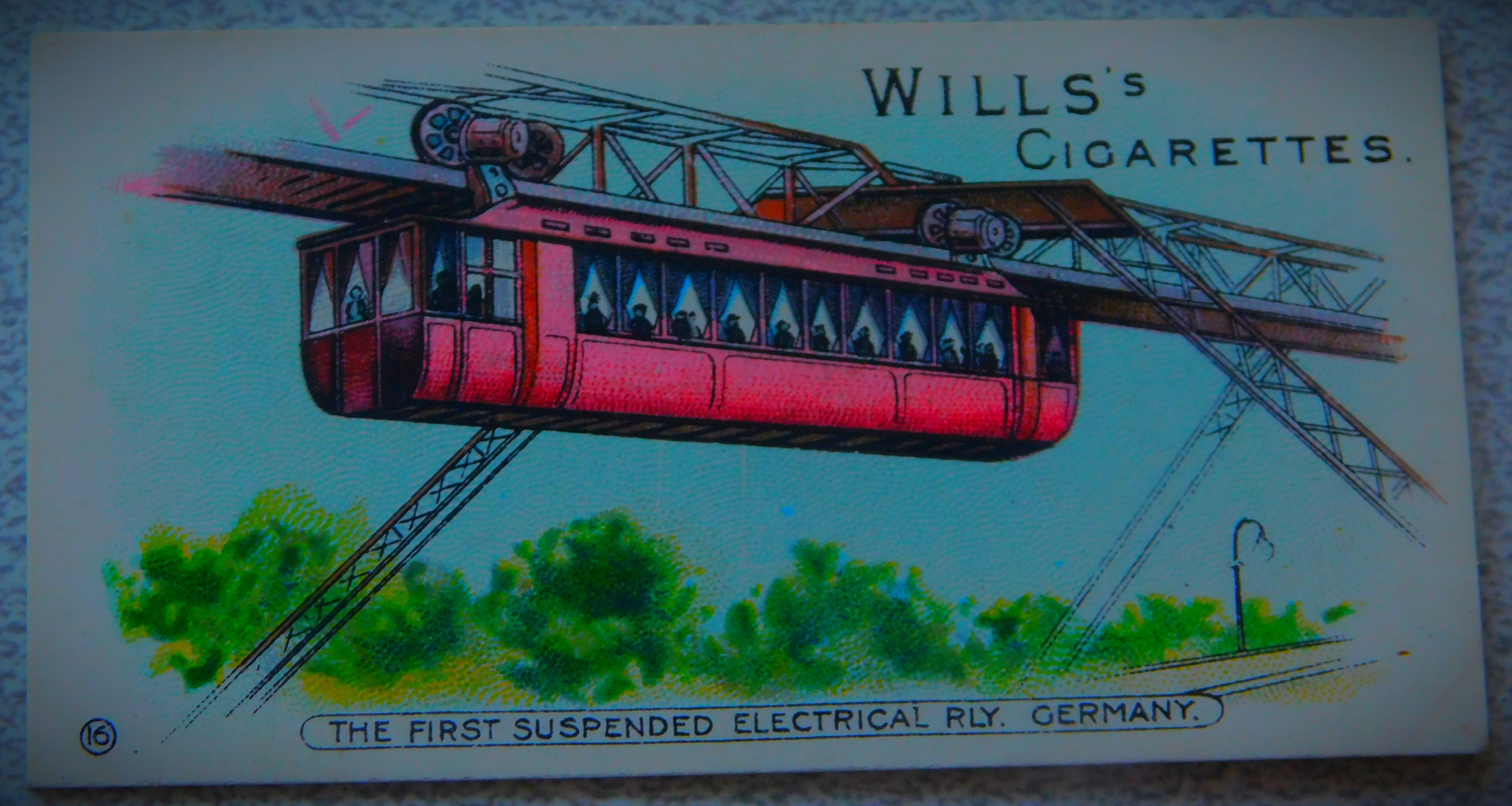
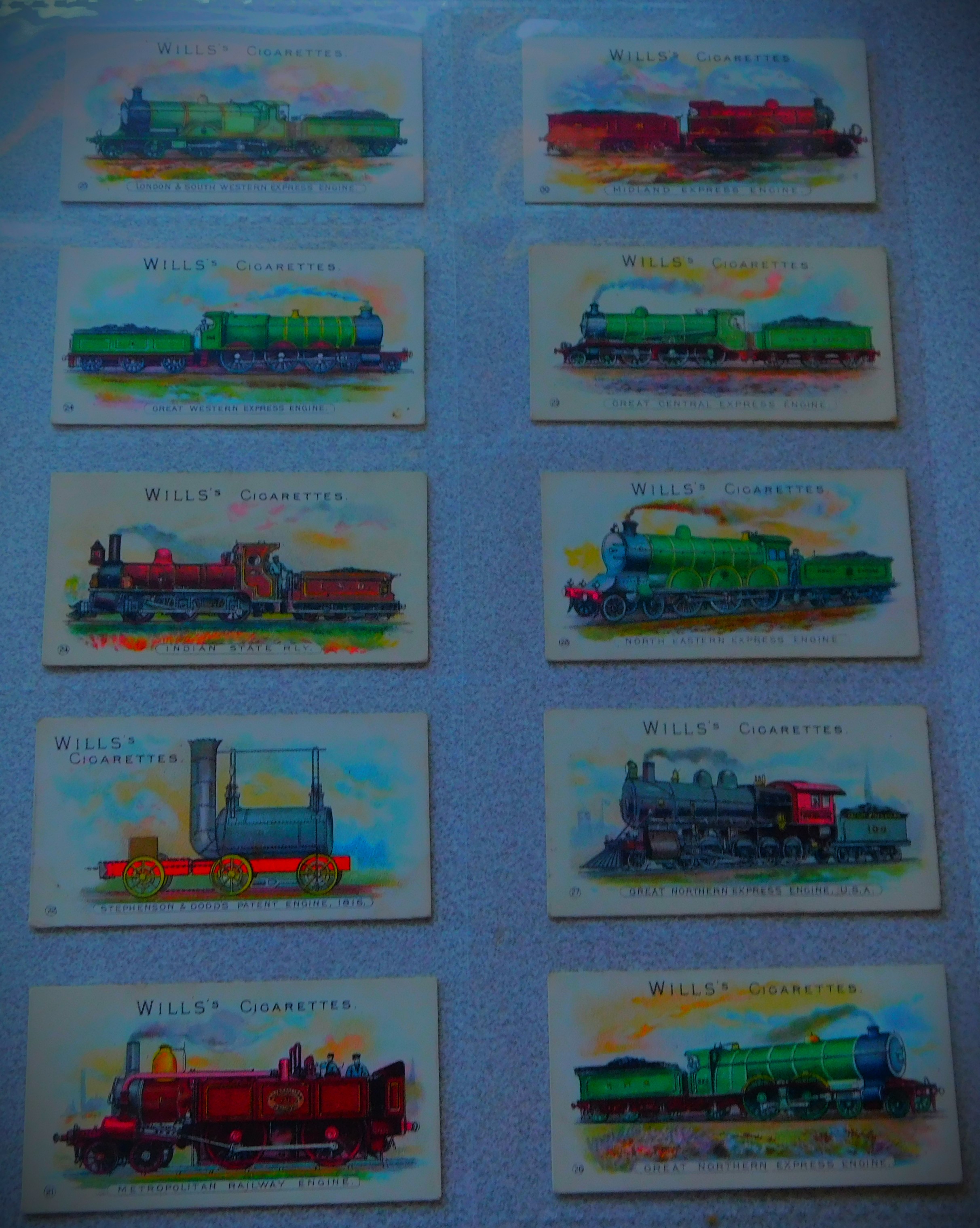
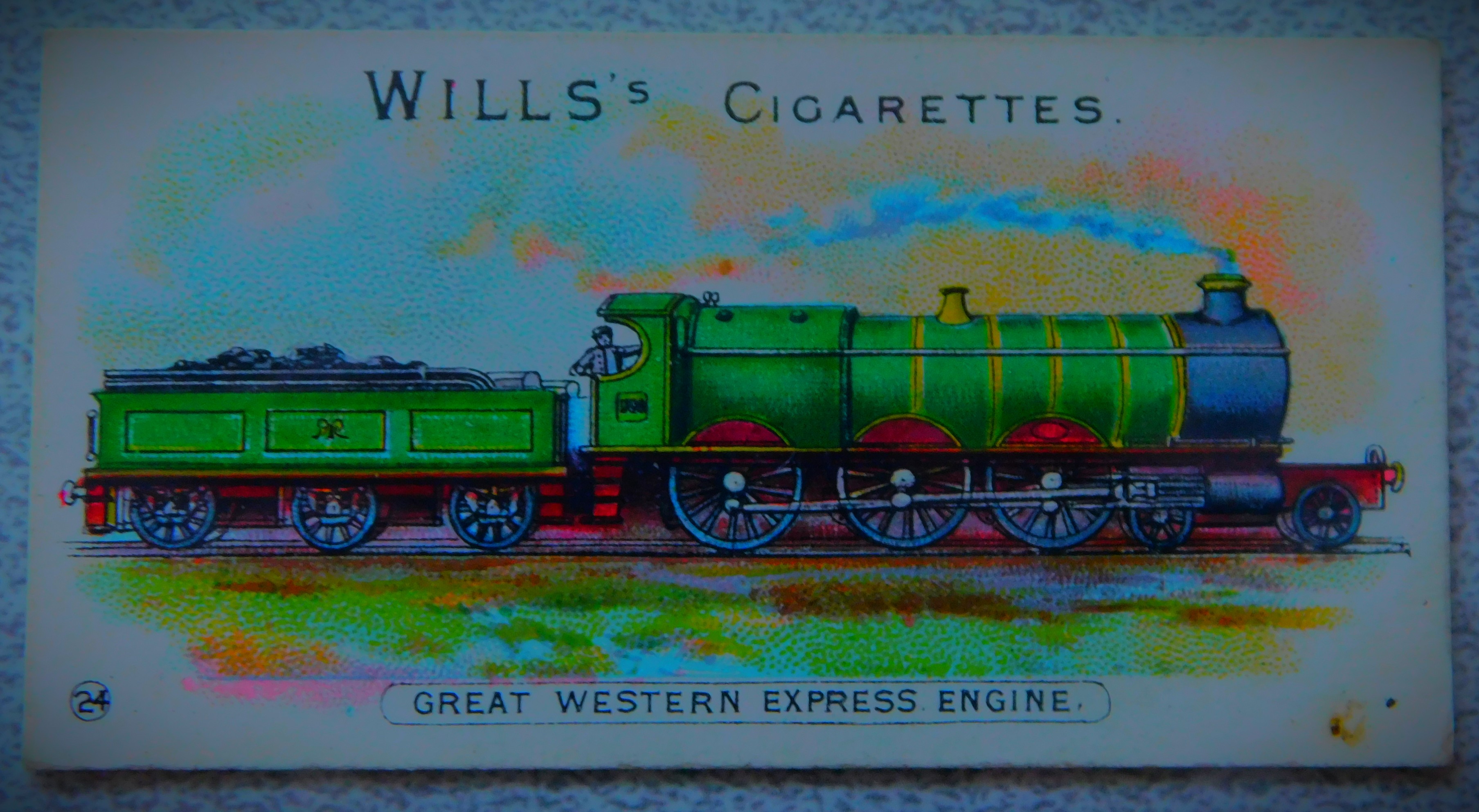
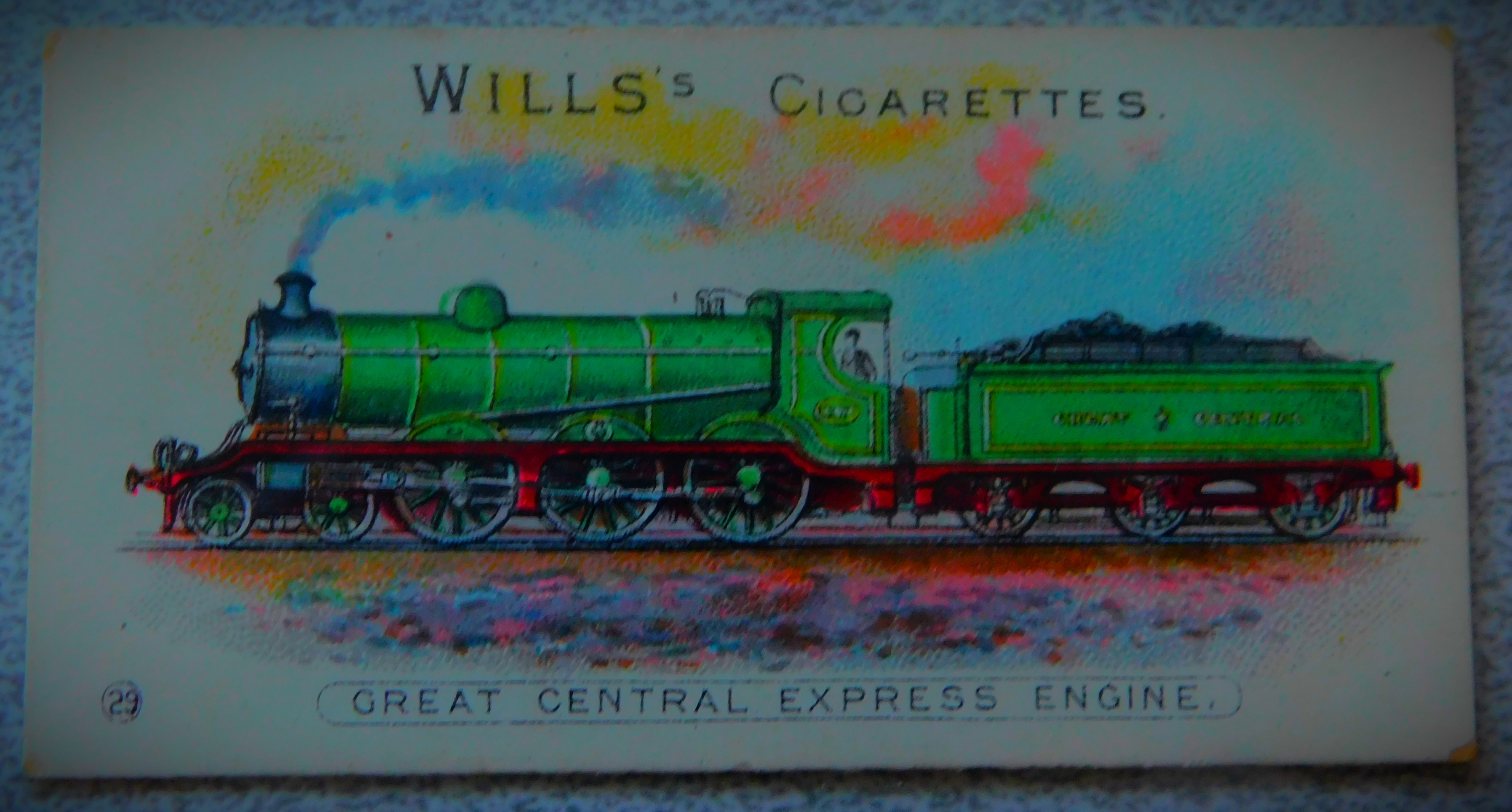
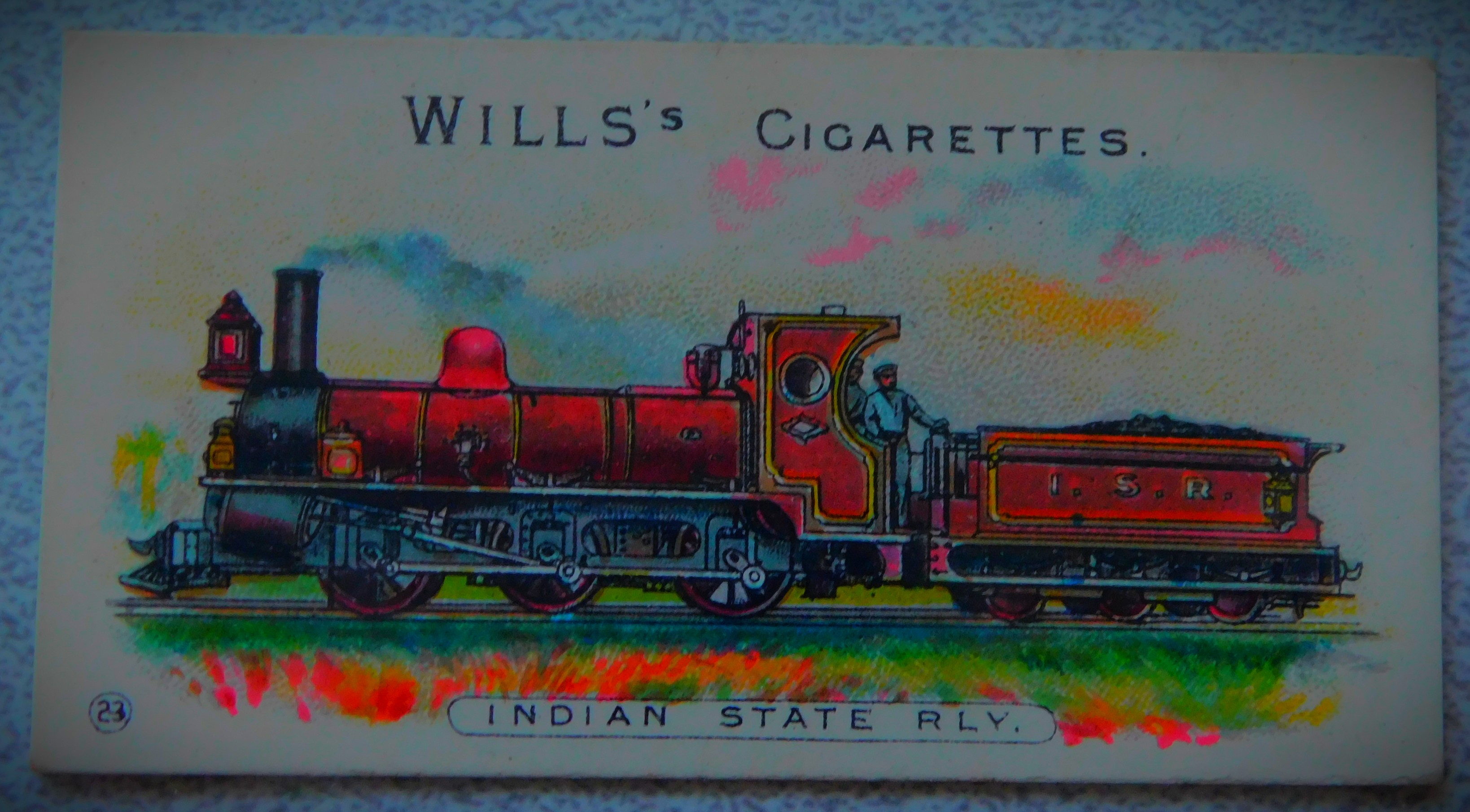
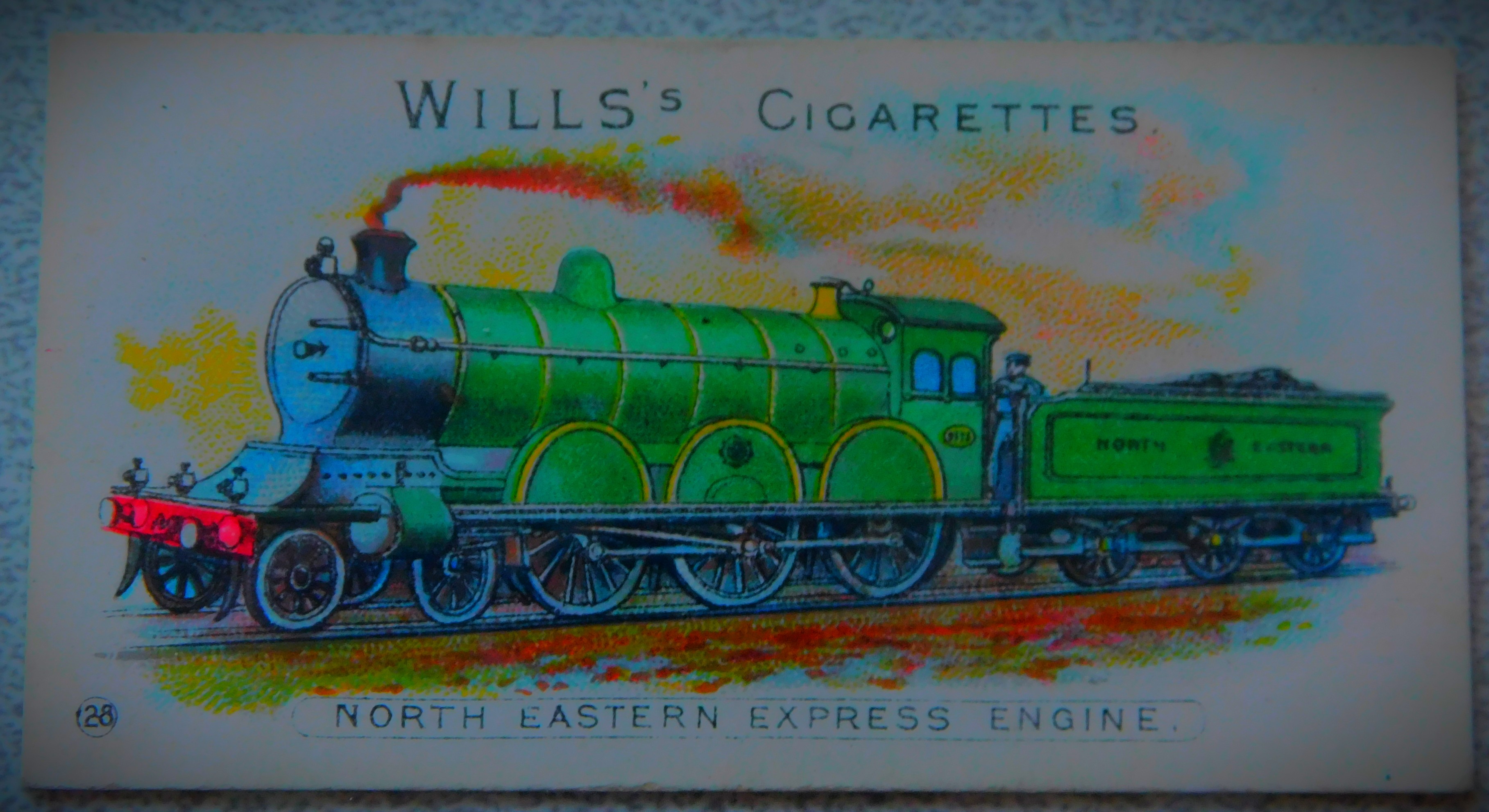
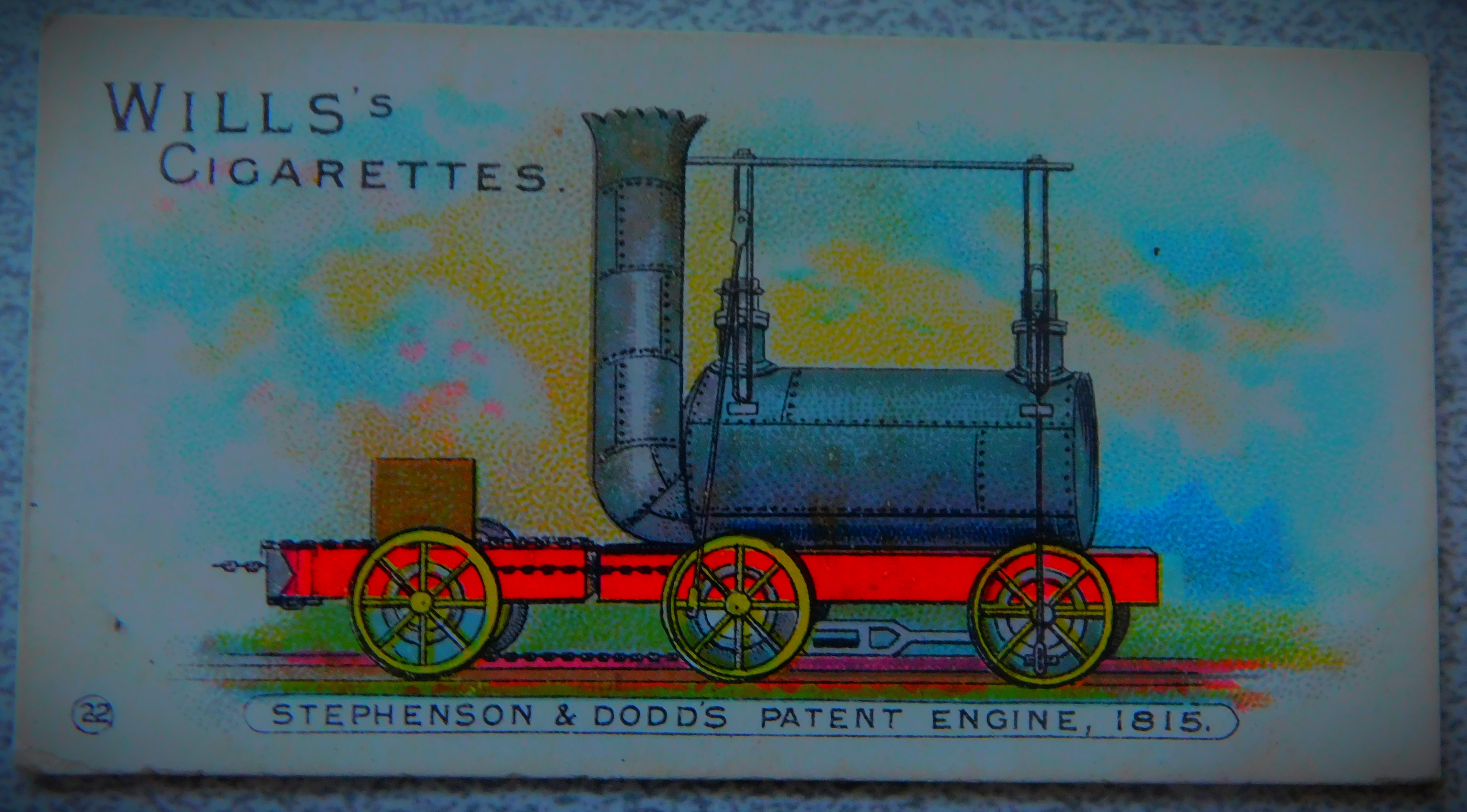
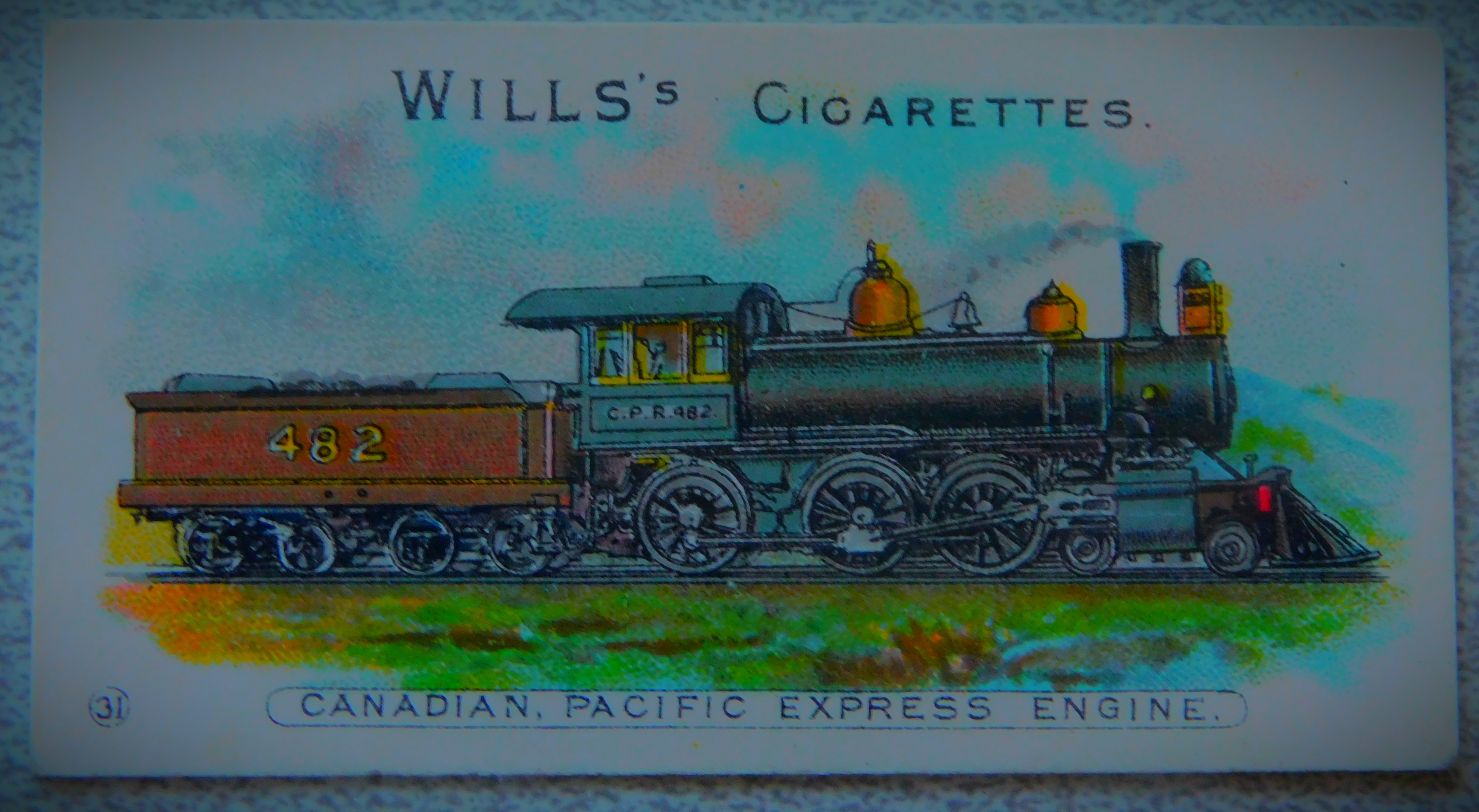
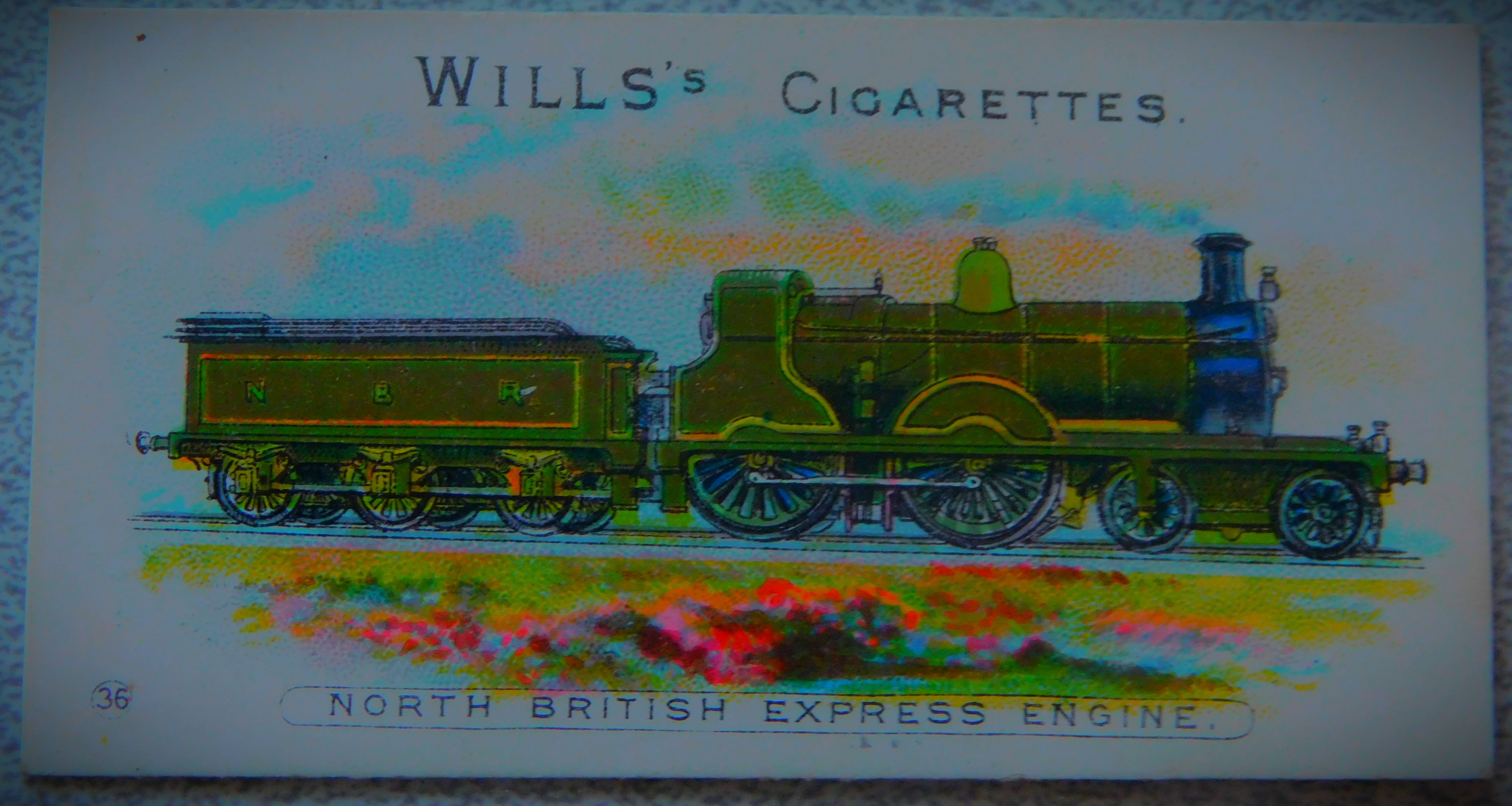
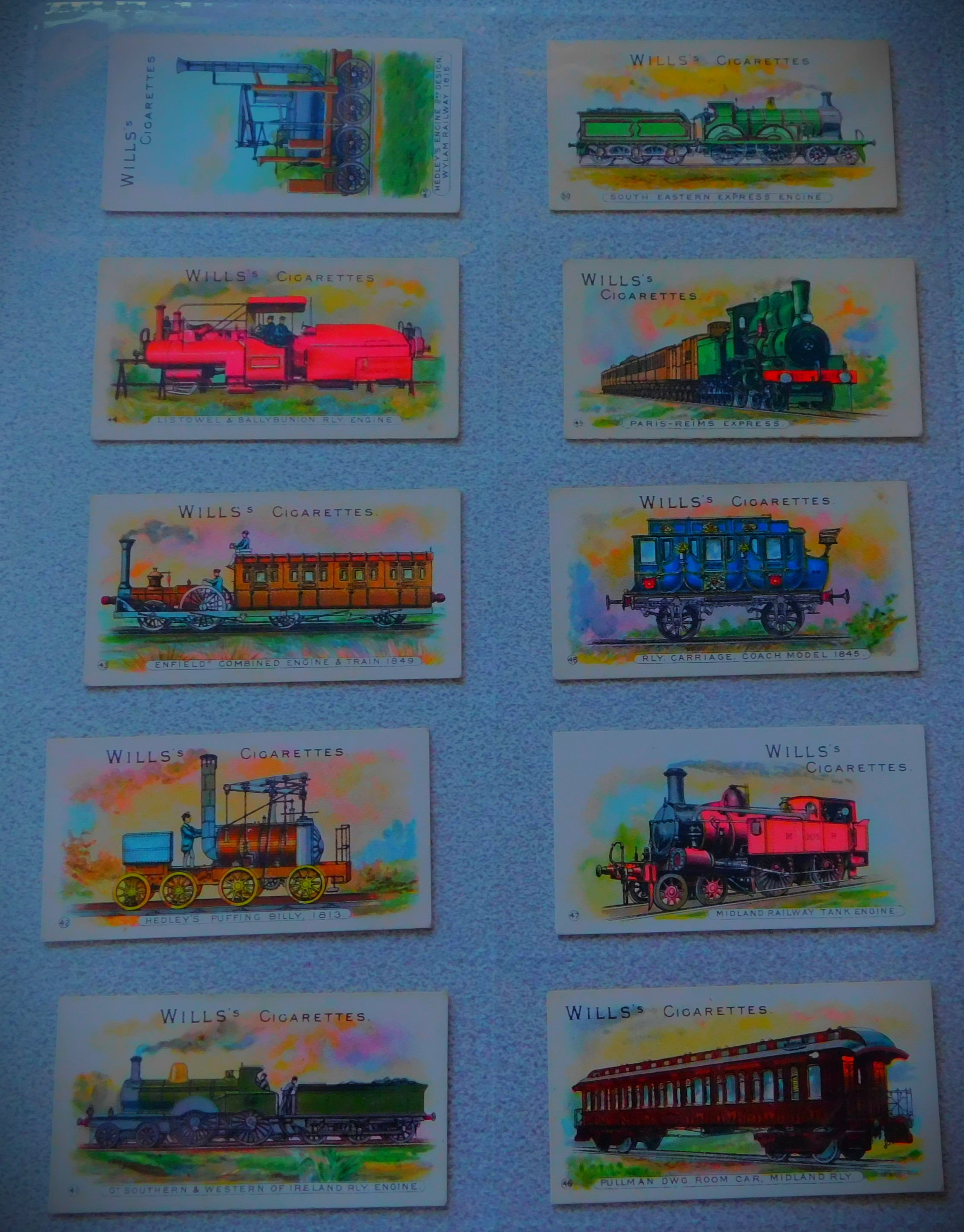
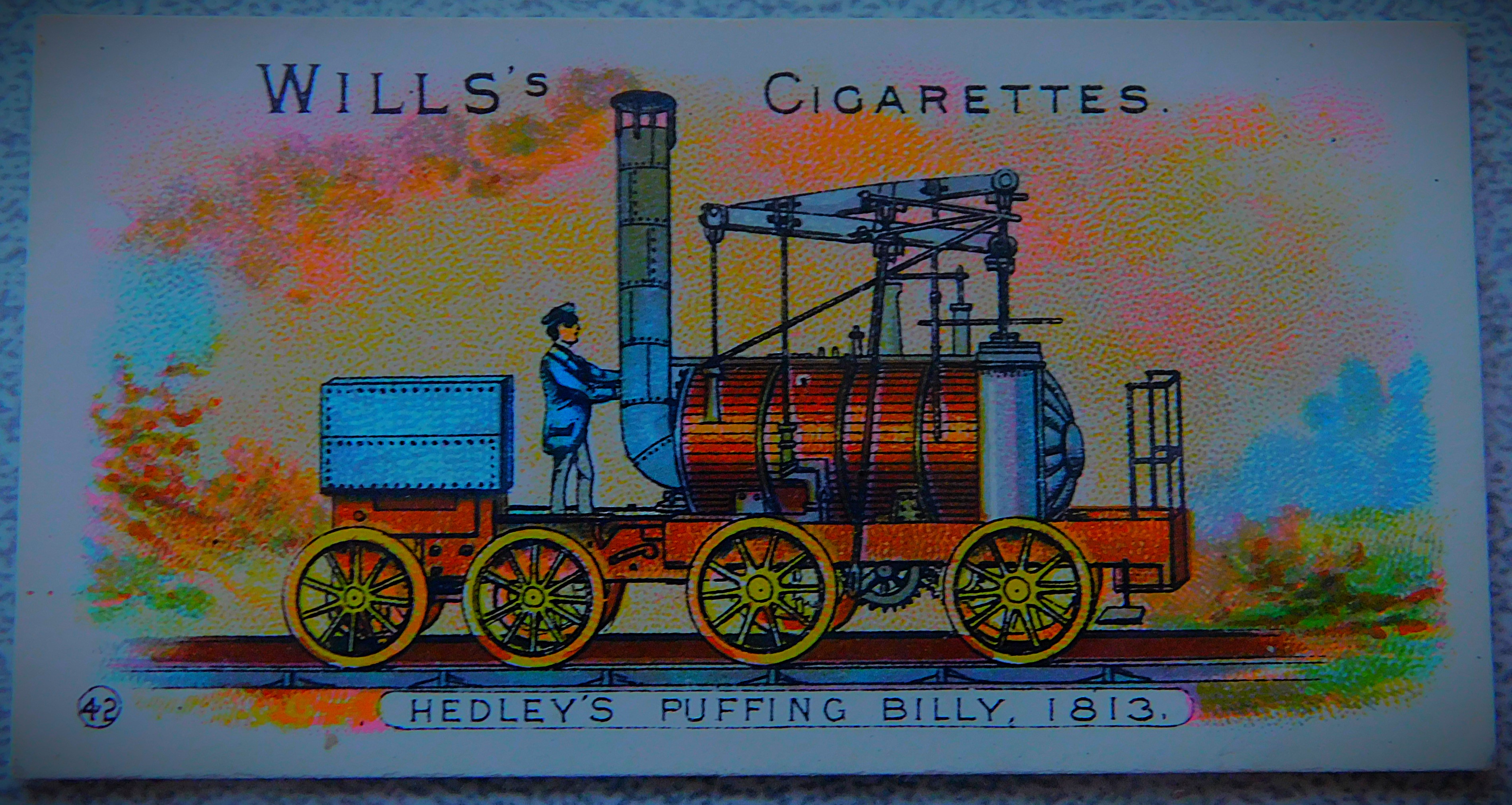
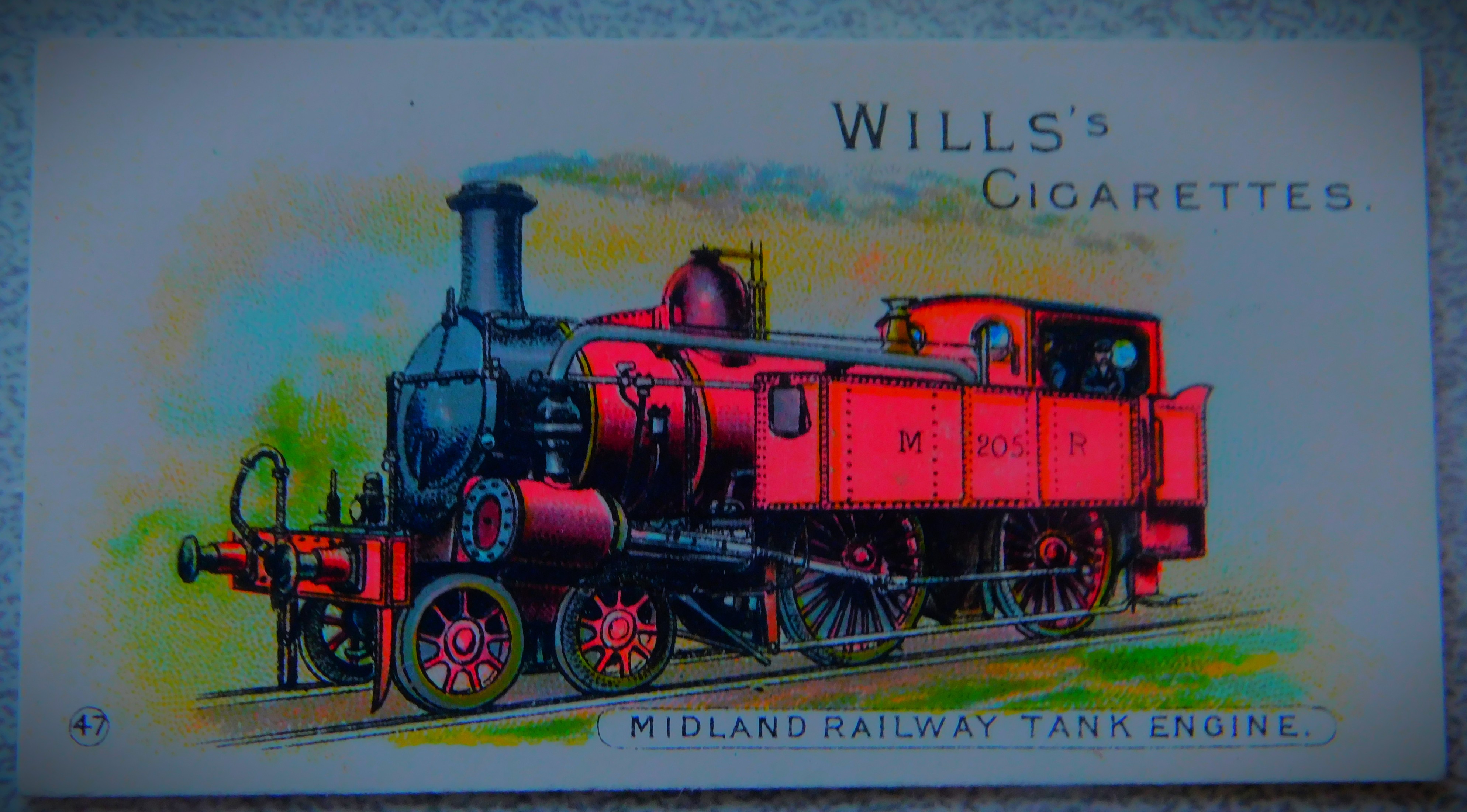
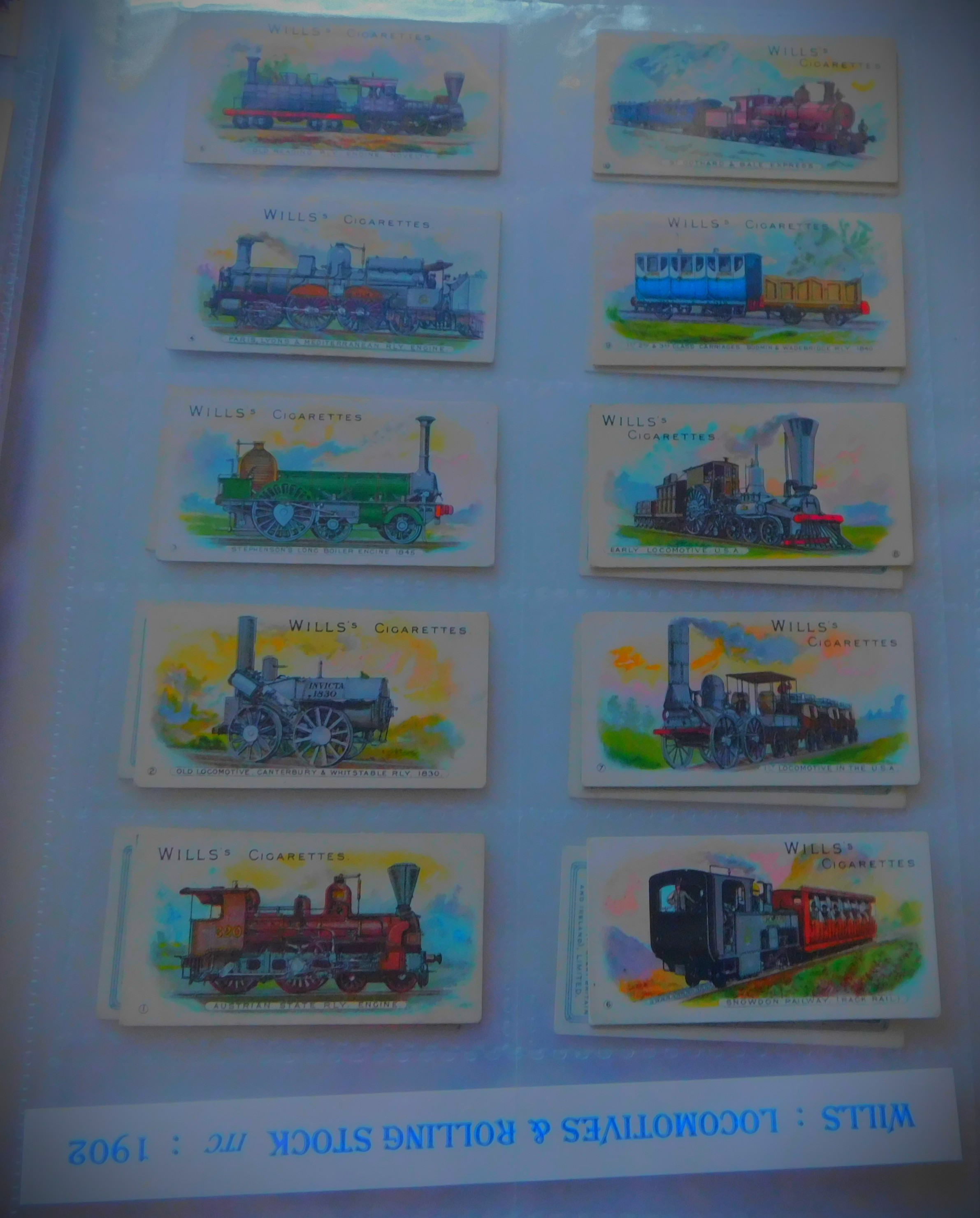
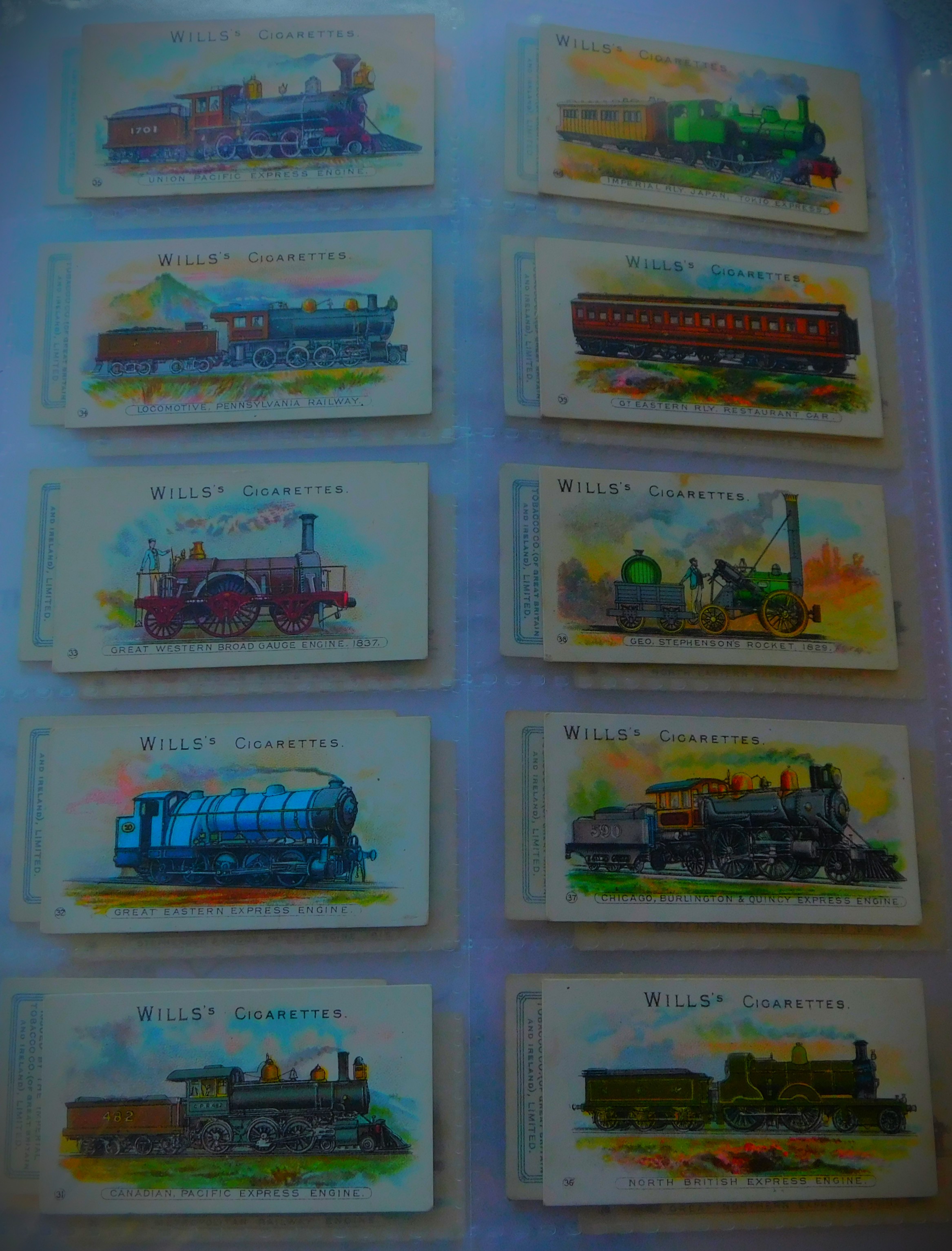
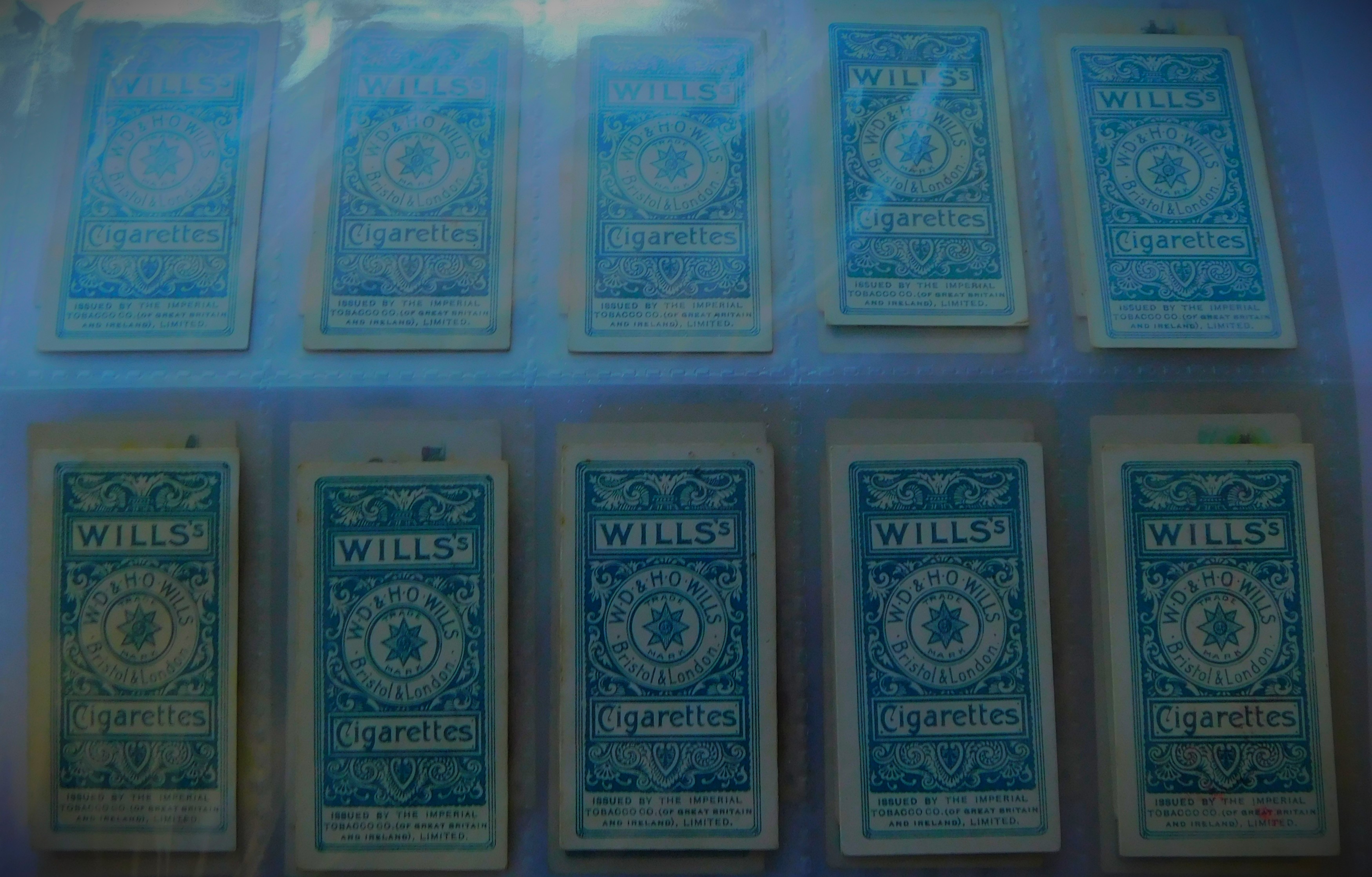
James and Sons had an auction this week, which went reasonably well after a very quiet start. I was successful on two items, lot 293, a small barometer in the shape of a helmsman’s wheel and lot 359, an early (1902) set of railway themed cigarette cards. The images I took of these yesterday morning form this gallery…
The first of four images of the barometer taken in my kitchenThe barometer in its new location, atop my Czech sculpture, which is working admirably as a support for it.Not only did I image all five sleeves of this set, I imaged every locomotive bar one individually.
INDIA’S SECOND INNINGS SO FAR
There was time for a brief burst at India before lunch, and Woakes struck twice in the first over, removing Jaiswal and Sudarsan for ducks. Since then India have had their best period of the match, not having lost a wicket between lunch and tea, nor any since tea as yet. They are scoring fairly slowly, but holding out. At the moment India are 104-2, needing 207 more to avoid the innings defeat. India probably need to bat until at least tea time tomorrow before they can feel safe, and a victory for them from here is as close as anything in red ball cricket can be to impossible.
A brief look back at the women’s Euros semi-final between England and Italy that took place last night and a large photo gallery.
Last night saw the first semi-final of the women’s European Championship, between England and Italy in Geneva, which lies near the base of a mountain pass connecting Switzerland to Italy. This post looks back at the match.
SO NEAR AND SO FAR
Italy took the lead just before half time, through Barbara Bonansea, against the form books, which made England firm favourites. They held on to that lead until close to to end of normal time. 19 year old Michelle Agyemang equalized in stoppage time, of which there was quite a lot. Extra time saw a lot of pressure from England and a lot of resistance from Italy. However, just as Italy were reckoning they had got themselves a shoot out and England were resigning themselves to going to penalties once again, a penalty was awarded to England. Chloe Kelly took responsibility for taking the kick. The Italian goalkeeper kept the penalty out but the ball rebounded into Kelly’s path and at the second time of asking she did put it in the net, and England were through at the last gasp, and had avoided the necessity of a second successive penalty shoot out. The final will take place in Basel on Sunday.
PHOTOGRAPHS
My usual sign off…

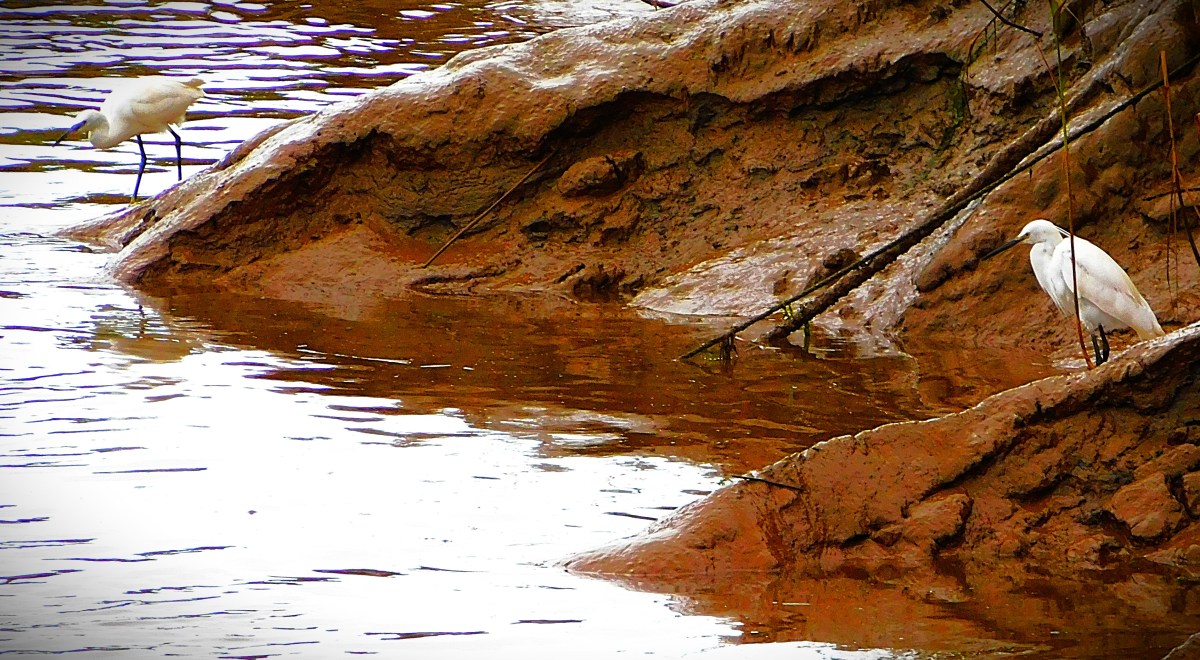
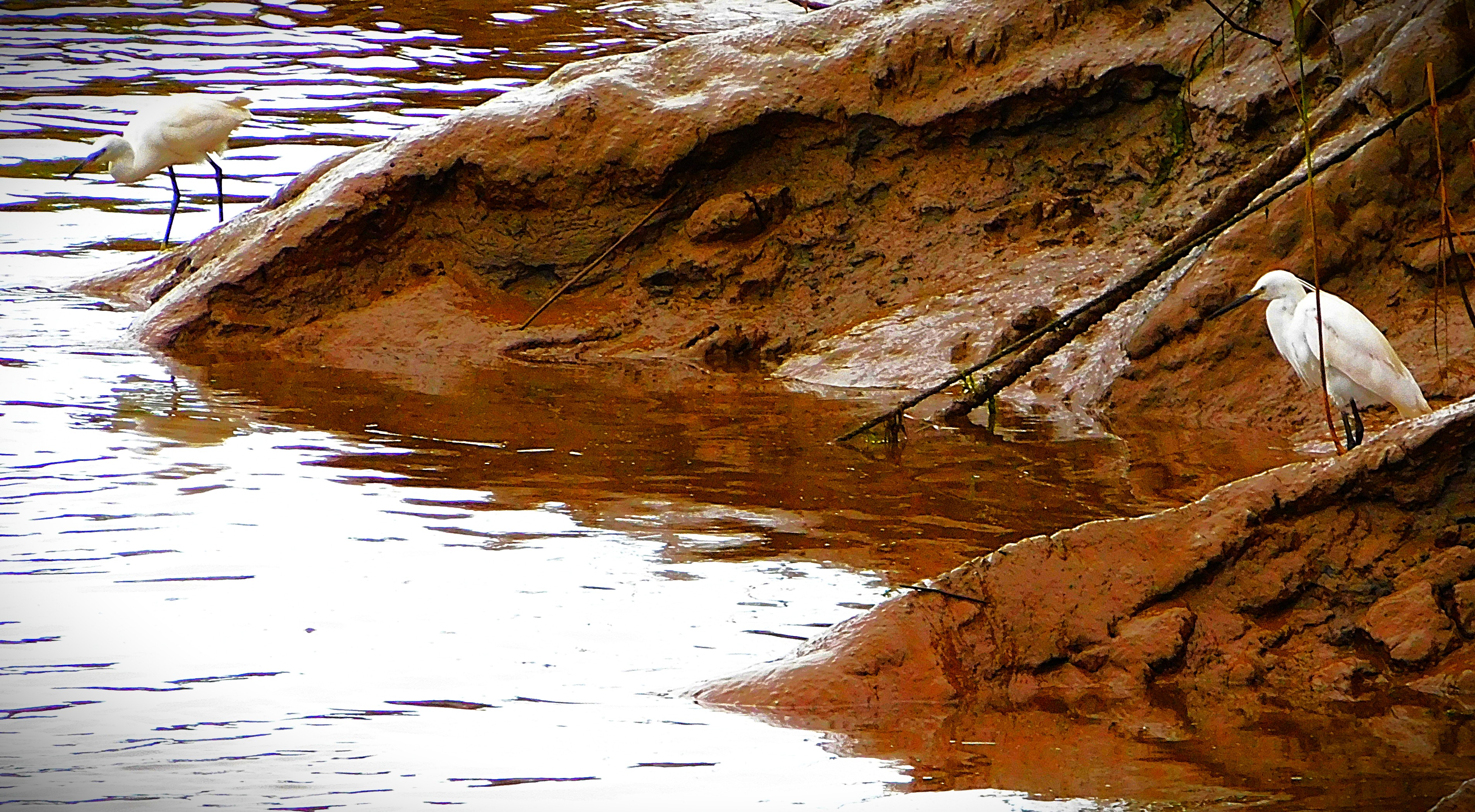
The butterfly that appears in this picture and the next was a new sighting for me.This picture and the next four show three six spot Burnet moths that were on teazel heads only a few feet apart – two on one and one on the other.Two egrets at the Nar Outfall.
A look back at yesterday evening’s T20I between the England and India women’s teams and a large photo gallery.
The test match between the England and India men’s teams is still going on, and it is a battle royal. Last night the women’s teams assembled at Edgbaston for the fifth and final match of a T2oI series. India had already secured the series but it was still a hard fought match.
PRELIMINARIES
With an ODI series to come, and then a world cup in that format, which gave it priority England made a number of changes. Both the Laurens, Bell and Filer, were rested, as was batter/ off spinner Alice Capsey. England won the toss and opted to bowl…
INDIVIDUAL v TEAM
Shafali Verma played a superb innings for India, scoring 75 off 41 balls, before falling to a catch by Maia Bouchier, playing her first international match since her awful tour of Australia off Charlie Dean, one of three wickets for the off spinner who also went for only 23 in her four overs. No one else really fired, with Richa Ghosh’s 24 off 16 the next best contirbution.
Sophia Dunkley and Danni Wyatt-Hodge led off with a century opening stand for England, and although they fell close together, Tammy Beaumont, acting captain with Sciver-Brunt hors de combat, played a little gem of an innings, sharing important stands with Bouchier and then Amy Jones. Just as it seemed Beaumont and Jones were carrying England to the win both fell, Beaumont bowled by Reddy for 30 (20), and Jones to a spectacular catch by Radha Yadav in the same over. That left five needed off three balls, but Ecclestone played her first ball well, and she and Paige Scholfield ran hard to get through for three runs, making it two needed off two. A single off each ball, neither with any great risk attached did the job and England had won by five wickets. Dean’s bowling got her the Player of the Match award.
A look at some of the absurd scoring permitted by the use of the Kookaburra ball in the English county championship, with particular reference to Surrey v Durham. Also a photo gallery.
If any good is going to come out of a round of championship matches that is producing a series of ridiculous scores it will be that the resultant fiesta for Frindalls* will finally deal the death blow to the nonsense of the Kookaburra ball being used in English county championship matches. This post looks at the match I have been following, which has seen the most absurd scoring of the lot.
SURREY v DURHAM
Durham won the toss and chose to bowl first, paying more attention to the fact that The Oval is generally a good ground for bowling first than the fact that this round of matches is being played with Kookaburra balls. It was soon apparent that that the latter was by far the more important. Burns and Sibley started with a stand of 95 before Burns and Ryan Patel fell in quick succession. Then Sam Curran played a superb innings, scoring 108 and helping the third wicket to put on 170. That was a mere curtain raiser for the fourth wicket stand between Dominic Sibley and Dan Lawrence. By the close of play yesterday their stand was worth 129 and Surrey at 407-3 looked in total control. By lunch time today they had motored on to 597-3 – 190-0 in the session. At 612, having just beaten his career best Lawrence fell for 178. That brought Will Jacks to the crease, and he was soon scoring rapidly without really appearing to be trying to do so. Sibley passed 300, and thoughts of the all time Surrey record individual score were passing through minds (357 not out by Bobby Abel against Somerset in 1899). The score had reached 745 when Sibley was caught by Colin Ackerman off Will Rhodes for 305, the seventh highest ever individual score for Surrey and easily a record for Surrey v Durham (Mark Butcher with 191 had been the previous holder). Jacks became the fourth centurion of the innings, taking a mere 85 balls to reach the mark. In the run up to tea Surrey lost several wickets, and when Lawes was eighth out the interval was taken, with the score 803-8. Surrey, perhaps aware of the records still in the offing or perhaps in a show of contempt for the use of the Kookaburra, batted on after the interval. A six by Will Jacks took the score to 814-8, Surrey’s highest ever first class score and the highest first class score ever amassed against Durham, beating the 810-4 by Warwickshire when Brian Lara scored 501 not out. Jacks also hit the following ball for six and then got out to the next, and finally at 820-9 Surrey called halt to the slaughter. George Drissell, a 26 year old off spinner who had failed to make the grade at Gloucestershire, had 1-247 from 45 overs, the most expensive innings figures in County Championship history (the all time record is Arthur Mailey’s 4-362 for New South Wales against Victoria, while the record in England is left arm wrist spinner Chuck Fleetwood-Smith’s 1-298 when England piled up 903-7, also at this ground, against Australia in 1938).
SOUTHAMPTON STUPIDITY
Adam Hose, once of Warwickshire and now of Worcestershire, does not have a stellar first class record. Even after the ridiculous events at the Utilita Bowl yesterday he has an FC average of below 30. This guy, who is barely even in the average FC batter class, plundered 266 off just 253 balls. With Jake Libby, a solid opener, also topping 200 Worcestershire declared around teatime today on 679-7. There have been many other big scores around the country. The only match to be progressing on something approaching normal county championship lines is at Chesterfield, where Lancashire amassed 367 and Derbyshire are 259-9 in reply.
*William Howard ‘Bill’ Frindall was Test Match Special’s statistician for about the first quarter-century of my cricket listening life.
A look at the pernicious effects the Kookaburra ball is having on the county championship and a photo gallery.
It has been a while since I last posted. The day after the end of the test match that I wrote about in my previous post was the last day of a round of county championship fixtures, while today is the first day of another round of such fixtures. Both these rounds have been played with a Kookaburra ball, the ‘invasive species’ of my title, rather than the traditional Duke ball.
MORE THAN A FISTFUL OF DRAWS
The last round of championship fixtures saw the maximum of nine matches being played. Seven ended in draws, with a definite result varying in unlikeliness from the Derbyshire game, where the draw was only confirmed with a mere two balls to play to the match involving Sussex, where Sussex only bothered to declare their second innings closed because it was 4:50PM, which meant that hands could be shaken on the inevitable draw, with a result having been impossible for some hours. The sole exceptions were Worcestershire v Surrey where the home side had no answer to the defending champions’ firepower and Northamptonshire v Middlesex, where the north Londoners proved vulnerable. For the rest the Kookaburra’s refusal to do anything either in the air or off the pitch led to a lot of boosted batting averages and little else of note. This round of matches looks similar so far, with no side as yet having lost more than four wickets (and we are well into the second session of play, with no rain intervening).
This is the third season of a trial introduction of the Kookaburra into certain rounds of the county championship, and I seriously hope that the ECB take note of the negative effect of this ball and banish it back to the antipodes where it belongs. The ridiculous thing is that in home test matches the Duke ball is still used, so most of the best bowlers aren’t bowling much with the Kookaburra anyway as they are away with England.
Of course the Kookaburra is not the sole factor contributing to the preponderance of drawn matches – the ludicrous scaling of point awards that makes a draw worth 50% of a win also induces caution – a draw with a large haul of bonus points could be worth as much as 16 points, while a win in a low scoring match might only be worth 19, so high scoring draws are not much less valuable than wins in low scoring matches.
A look back at the test match that finished yesterday evening in a comfortable win for England, and at some of the other classics that Headingley has served up down the years. Also a photo gallery.
Just after 6:30 yesterday evening Jamie Smith hit Ravindra Jadeja for six, his second such blow in the space of four balls to take England to a five wicket win just after the last hour had been called (there had been rain early in the day, hence the late running of proceedings – in England at this time of year there was absolutely no danger of the light closing in). In truth, for all the size of the target England had been set (371), they never really looked in trouble. This post looks back at the match and some of the other classics that the Yorkshire ground has produced over the years.
INDIAN VULNERABILITIES
At 12:30 on day two India, put in to bat by Stokes, were 430-3 and a total somewhere north of 600 looked likely. Then a collapse set in, and India ended up with 471, still a big score, but a lot less than it might have been. England fought their way almost to parity, managing 465, in the course of which it became obvious that India’s bowling menace began and ended with the great Jasprit Bumrah (the only bowler to have over 200 career test wickets at an average of under 20 a piece). The second Indian innings was remarkably similar in structure to the first – at 333-4 they looked to have wrested the initiative right back, but again they suffered a collapse, the last six wickets going for 31 to make them 364 all out, leaving England to score 371 in the final innings in just over a day. I missed most of the final day’s action (all bar the last hour or so of the chase), but I can tell you that Duckett and Crawley launched the chase with a stand of 188, and that the nearest India came to creating worry was when Duckett (149) and Brook (0) fell in very quick succession to make it 253-4, 118 still needed/ Root and Stokes put on 49 together for the fifth wicket before the skipper was out, and then Smith joined Root for the denouement. This passage of play, most of which I was tuned in for, saw the Indian bowlers horrifically exposed, and it has to be said also saw some undistinguished captaincy from Gill, new to the job at this level. It became clear that he was pinning all his hopes on the second new ball, but it was also clear that England were scoring freely enough that by the time he got to take it he would have very little to defend. In the event Bumrah was off the field when the new ball became due, and Siraj took it from the Kirkstall Lane end, which would have been Bumrah’s natural end to bowl from, and such was Gill’s trust in the capacities of either Krishna or Thakur that he used Jadeja, the spinner, from the other end. Jadeja had found some turn, but he had claimed only one wicket, and even before the Smith onslaught on him that ended proceedings he had been conceding runs at closer to four than three per over (the Smith fusillade pushed that ER over four). Neither Sudarsan, debuting at number three (presumably to avoid him having to occupy Kohli’s former slot one place lower down, which Gill did instead) nor Nair, restored at number six, managed many runs, and from number seven downwards, save for a couple of big hits by Jadeja in the second Indian innings, runs were conspicuous by their complete absence. Bumrah, Siraj and Krishna are all really number 11s, and number eight is probably a position too high for Thakur, though the latter’s medium pace is a very doubtful asset – in this match he was neither economical nor threatening – his two second innings scalps were both down to batter error, not to good bowling. Until this match, in all of first class cricket history (and some 60,000 matches are officially designated as first class) no team had lost a match in which they had had five individual centuries (Jaiswal, Gill, Rahul and two from Pant). If India are going to have as weak an 8-11 as they had in this match they cannot have someone of Jadeja’s type at seven (he is worth his place as a test match number seven, but he is a conventional player by nature, not an explosive one, and with limited time available due to the weakness of the tail an explosive number seven is needed).
ENGLAND STRENGTHS
In the only innings in which they were required England’s 8-11 contributed far more than their Indian equivalents with the bat. Also Josh Tongue, though he did not do very well against the top and middle order did exterminate the Indian tail very swiftly in both innings, emerging with a match haul of seven wickets (and England have often struggled to deal with opposition lower orders in recent times, so if Tongue can do this on a regular basis he will be very useful to England). In terms of that run chase I would say that this was the match in which Stokes/ McCullum England reached maturity – while they scored those 370 runs at a good rate they were also fundamentally disciplined – Duckett, famed for being averse to leaving anything actually declined to play either of the first two balls of his innings on this occasion. Even the Smith blitz at the finish was calculated – the calculation being that although there was a small amount of turn for him Jadeja actually posed little threat. It was not an exciting finish, because by the time the game had reached that stage England had long since been out of any danger. This was not a ridiculous bish-bash-bosh involving a large measure of fortune, it was an absolutely ruthless hunting down of a target that the side knew they would reach so long as they were not bowled out. The match aggregate of 1673 runs for 35 wickets was a record for any match between these two sides. Full scorecard here.
A PLACE OFHEISTS AND HORROR SHOWS
Headingley has long been a ground noted for generation stories. Here are brief mentions of a few of the other classics
The 1948 Ashes match at Headingley was in some ways a precursor to this one – England reached the dizzy heights of 423-2 in their first innings, before then falling away to be all out for 496, Australia replied with 458, England declared on the final morning at 365-8, and Australia made the target of 404 look a stroll in the park, knocking it off for the loss of three wickets.
The third match of the 1981 Ashes at Headingley was Ian Botham’s first back in the ranks after he had bagged a pair in the drawn match at Lord’s and resigned the captaincy just as the selectors were making up their minds to demote him in any case. Mike Brearley, restored as captain as a way for the selectors to buy themselves a bit of thinking time, actually went so far as to check with the all rounder that he actually wanted to play. Bob Willis, then 32 years old and with dodgy knees, also nearly missed out (an invitation was actually sent to Mike Hendrick and then revoked). Australia batted first and scored 401-9 declared on a pitch on which as Brearley told his bowlers “a side could be bowled out for 90”. Botham had taken 6-95 in that innings, has first five-for since before he had become captain. Botham also scored 50 in England’s first innings, was they managed a meagre 174. Australia enforced the follow-on (aversion to doing so is a recent phenomenon), and at first all went well for them. England were 41-4 at one point, then 105-5 when Willey departed. At 133, when the previously impenetrable Boycott was trapped LBW it looked done and dusted, and two runs later when keeper Bob Taylor was dismissed it looked even more so. However, Botham and Dilley now shared an exhilarating stand of 117 in just 80 minutes, Chris Old helped the ninth wicket to add 67 more, during which Botham reached three figures, and even Bob Willis at number 11 provided some support for the reinvigorated all rounder. Many of the England team had checked out of their hotel that morning and now had to book back in for another night – among those who had to do was a certain IT Botham, by then 145 not out. Even with this amazing turnaround Australia still needed only 130 to win, and with lunch on the horizon they seemed to have matters under control at 56-1, just 74 short of the target. At that point Bob Willis was put on to bowl from the Kirkstall Lane end, with his test career on the line. He started by producing a sharp, straight bouncer that Trevor Chappell, who resembled a test class number three in name only, could only fend away for a catch. Then right on the cusp of the interval he struck twice more, removing skipper Kim Hughes, caught in the slips by Botham and then Graham Yallop, caught at short leg by Mike Gatting. Thus at lunch on the final day Australia were 58-4, needing 72 to win, and they suddenly had 40 minutes in which to contemplate the fact that the job was not yet done. After lunch Old rattled Border’s stumps to make 65-5, and then John Dyson, who had been in since the start of the innings essayed a hook at Willis and succeeded only in gloving the ball behind to make it 68-6. Marsh also took Willis on, and Dilley did well at deep fine leg to both hold the catch and keep himself inside the ropes. That was 74-7, and one run later Lawson popped up a catch for Bob Taylor to make it 75-8. Ray Bright and Dennis Lillee staged a late fightback, plundering 35 in four overs, but then Lillee miscued a drive at Willis and Gatting at mid-on ran and dived forward to take the catch and make it 110-9. In the next over Alderman was dropped twice by Old at third slip, but then Willis, summoning up the energy for one more over, his tenth off the reel, produced a yorker that sent Bright’s middle stump cartwheeling, and England, at one stage 92 adrift with only three second innings wickets left had won by 18 runs, only the second time in test history a side had won after following on. Willis, who had been so close to missing the match, and who had been put on for that final spell as a last gamble by Brearley, had taken a ground record 8-43 for the innings.
The 2001 match was a slow burner – it was not until the final innings, with England needing 320 to win that the story happened. That story was Mark Butcher, who was normally a fairly staid batter, suddenly for this one innings batting like Adam Gilchrist in a blue helmet. Butcher in that amazing knock savaged an unbeaten 173 and England won by six wickets after being behind for most of the match.
The 2019 match was one of the great heists of all time. Even with Stokes’ incredible innings it also took Australia burning their last review in the closing stages, which meant that when they found themselves facing a decision a few moments later that would have been overturned they could not send it upstairs.
The match that ended yesterday evening was a worthy addition to the above list – one of only three in which all four innings have been over 350 (Adelaide 1929, and the 1948 match mentioned above being the others).