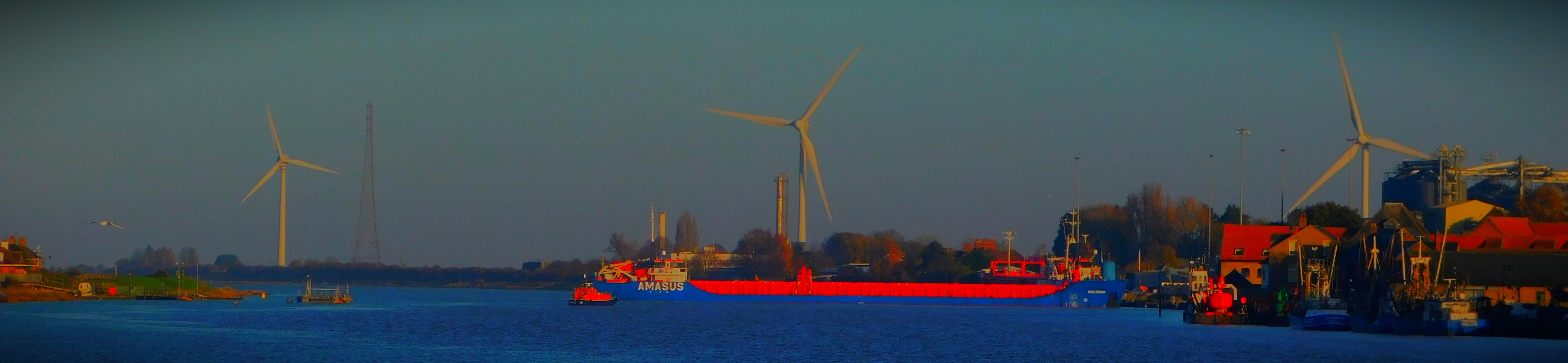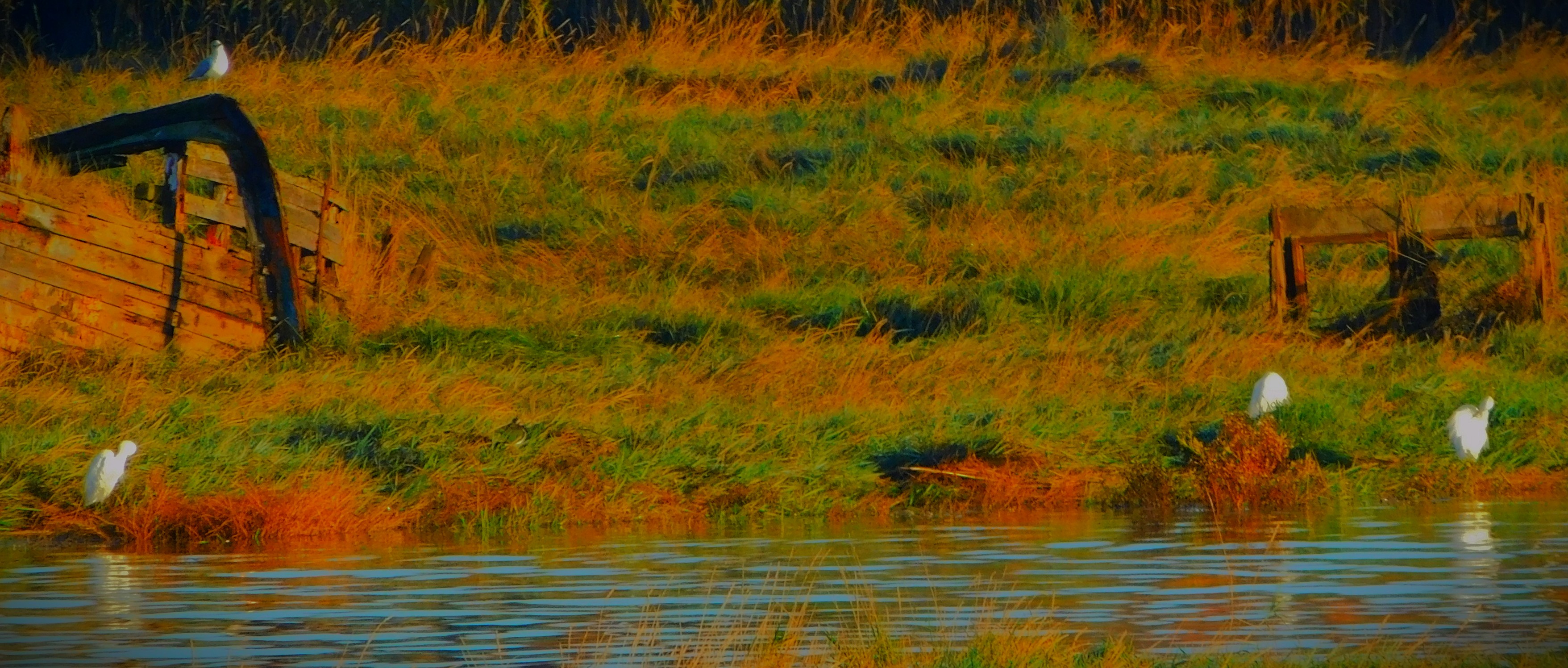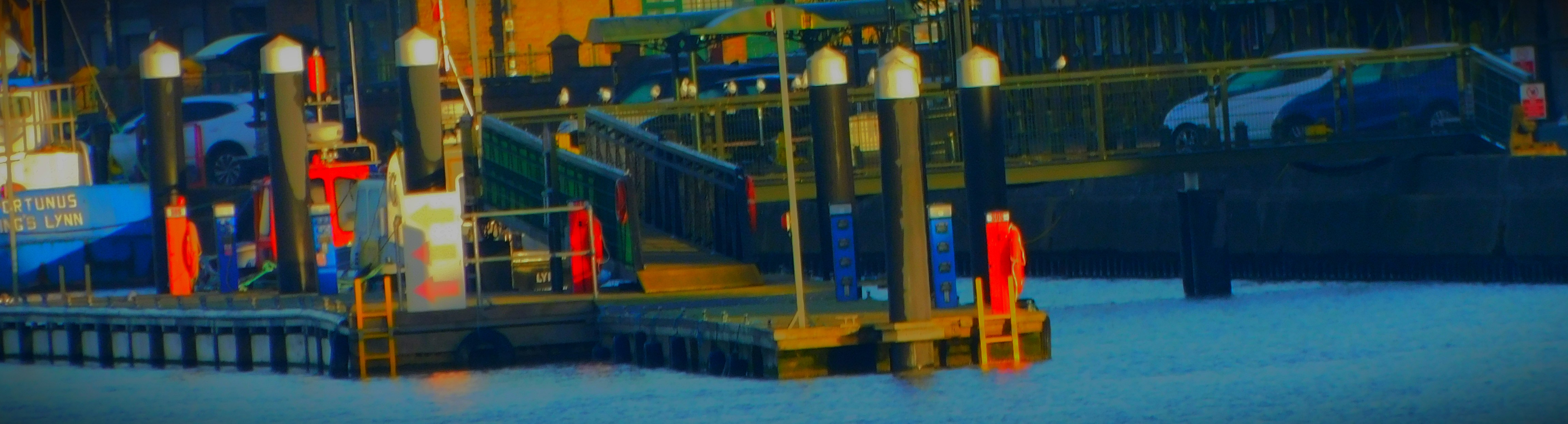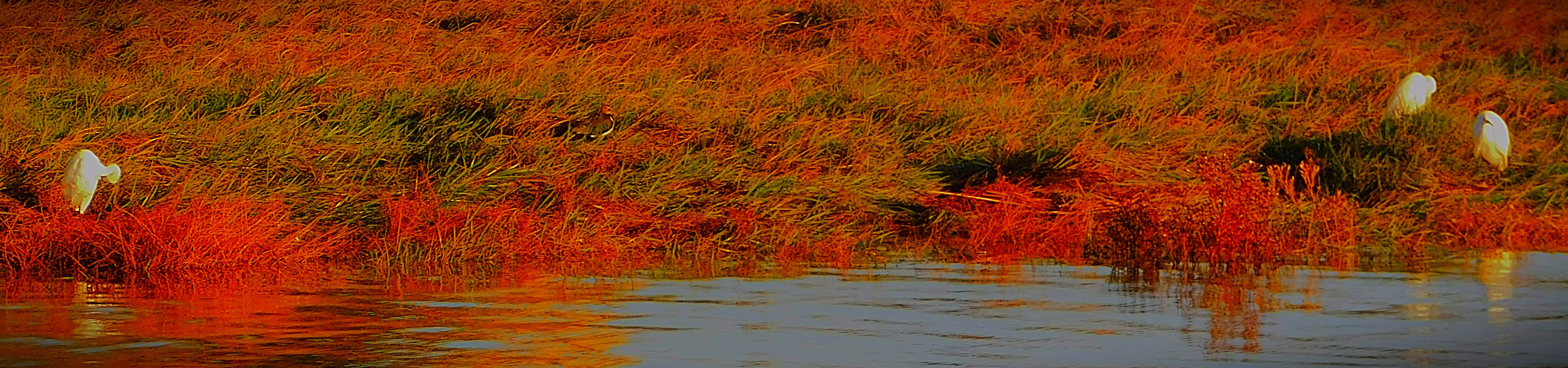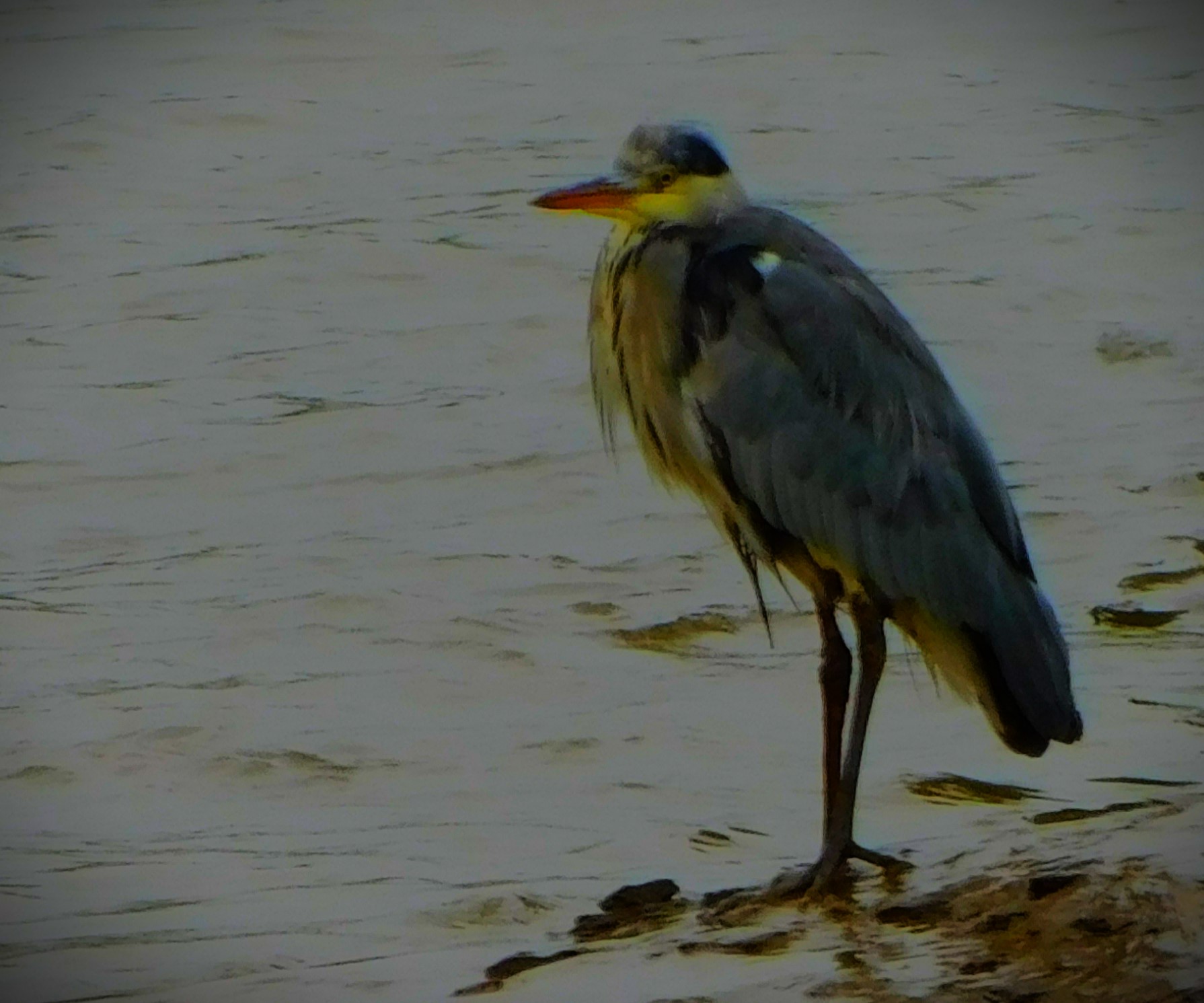
Sixers Smash Scorchers

A look at Perth Scorchers v Sydney Sixers in WBBL11 and a photo gallery.

The 11th edition of the Women’s Big Bash League (WBBL) is now under way. Today there was live commentary on game three, between Perth Scorchers and Sydney Sixers at the WACA. This post looks back at the match.

Perth Scorchers won the toss and chose to bat. They started reasonably well, being 27-1 after four overs, and 37-1 after 4.3 overs. The fourth ball of that over saw the end of Beth Mooney just as she was starting to look really dangerous. From that point the game changed, as Sixers applied considerable pressure. First there was a period of 2.3 overs immediately after the dismissal in which a mere seven runs were scored, and then came catastrophe for the Scorchers. First Sophie Devine suffered a barely credible dismissal, officially stumped by Emma Manix-Geeves off Ash Gardner, when a) the ball hit the stumps by way of the keeper rather than due to any good work on her part and b) the wicket keeper gloved the stumps herself without possession of the ball, but the ball had hit the stumps before her gloves did. That eventually brought Paige Scholfield to the crease, she immediately hit her first ball straight back to Gardner to make it 44-4. Freya Kemp now came in, and in company with Mikayala Hinkley seemed to be steadying the ship. Then Hinkley, who had made her to 31, was well caught by Coimhe Bray off Ellyse Perry (a transgenerational dismissal, Perry being 35 and Bray 16) to make it 83-5, which became 83-6 when DRS confirmed that Chloe Ainsworth’s pad was indeed in front of the stumps when her first ball thumped into it. Five balls later Freya Kemp became the third player dismissed with the score on 83 when Gardner bowled her for 16 with a peach of a yorker. That left Lilly Mills and Alana King together at the crease. Mills batted busily and effectively for a time, until Gardner struck yet again. First Mills was caught behind for 13, and then after Amy Edgar had scored a single off the next ball Alana King fell to a return catch for 5 to make it 102-9 and give Gardner her fifth wicket of the innings. The over ended without further incident, but Gardner, captaining the Sixers for the first tine, had recorded figures of 4-0-15-5, the best ever for the Sydney Sixers. Edgar and number 11 Ebony Hoskin did manage to take the Scorchers innings into the final over, before a second fine catch of the innings by Bray accounted for Edgar to make it 109 all out. On this occasion Bray’s seamers were surplus to requirement, but she had been worth her place purely as a fielder.

A total of 109 was miles short of anything remotely defensible on a good surface (which this was), and an upset never looked likely. Sixers opening pair of Ellyse Perry and Sophia Dunkley made an easy task look quite ridiculously so. It took the pair a mere 12.5 overs to take their side to a ten wicket victory. Dunkley scored 61 not out from 40 balls with five sixes and four fours and Perry had 57 not out from 37 balls with nine fours. It remained only for Gardner, skipper and record breaking bowler for the Sixers, to be named Player of the Match as she duly was.

My usual sign off…

All Time XIs: England in Australia

An all time XI of England players whose finest hours came in Australia, and a photo gallery,

With an away Ashes series approaching I offer a variation on the all-time theme – an England side picked specifically with achievements IN Australia in mind (yes, sceptical Aussie readers, I can find 11, and that without too much difficulty).

  1. *Len Hutton (right handed opening batter, captain). England’s successful skipper both at home in 1953, when he was the first professional to lead England in a home Ashes series, and away in 1954-5, also recorded a series batting average of 88.83 on the unsuccessful 1950-1 tour.
  2. Alastair Cook (left handed opening batter). 766 runs at 127.67 in the 2010-11 triumph, including 235 not out at Brisbane, 148 at Adelaide and 189 at Sydney. He also scored an unbeaten at 244 at Melbourne eight years later.
  3. Ken Barrington (right handed batter, occasional leg spinner). The Surrey stalwart had racked up nine test centuries on various overseas tours, including 1962-3 in Australia, when he fared magnificently, before scoring one in a home test match (256 versus Australia at Old Trafford in 1964).
  4. Wally Hammond (right handed batter, occasional right arm medium fast bowler). Almost a century after he set it his 905 runs at 113.125 in the 1928-9 Ashes remains a record for a series in Australia, and second on the all time list behind Don Bradman’s 974 at 139.14 in England in 1930. He was also joint leading run scorer four years later with 440 at 55.00, an aggregate an average exactly duplicated by Herbert Sutcliffe, and his scores in 1936-7 included an undefeated double century.
  5. David Gower (left handed batter). Four Ashes tours in all (1978-9, 1982-3, 1986-7 and 1990-1), with two of them in winning cause. In 1978-9 at Perth he came in on the first day with England in trouble at 41-3 and proceeded to score his maiden Ashes ton, with Boycott blocking at the other end. England won that match, still the only time they have ever won a test match in western Australia, and took the series 5-1. He scored centuries on all four of his Ashes tours, including an innings on the last of them that Bradman rated among the top five he ever saw in Australia.
  6. +Matthew Prior (right handed batter, wicket keeper). England’s keeper in the successful 2010-11 tour, and he was a big part of the reason for that success.
  7. Ian Botham (right handed batter, right arm fast medium bowler). Crucial to England’s 1978-9 triumph, and the 1986-7 trip saw the last of his 14 test centuries, and a five-for later in the series.
  8. Frank Foster (left arm fast medium bowler, right handed batter). A splendid all rounder until a motorcycle accident ended his career early, he was one of two bowling stars (the other is also in this XI) of the 1911-12 tour, when England lost the opener but won all four of the other test matches, with 32 wickets in the series.
  9. Hedley Verity (left arm orthodox spinner, right handed batter). One of the greatest masters of his craft ever to play the game. and a useful lower order batter. His role in the 1932-3 triumph was acknowledged by his skipper Douglas Jardine. He was the only bowler Donald Bradman admitted to facing as an equal, and I had very little hesitation in selecting him for the spinners slot.
  10. Frank Tyson (right arm fast bowler, right handed batter). One of two choices for this slot, it was pretty much a coin toss as to who should get the nod. I went for his 1954-5 heroics over those of Larwood two decades previously.
  11. Sydney Barnes (right arm fast medium bowler, right handed batter). 77 test wickets in Australia, in 12 matches in that country. At Melbourne in the 1911-12 series on a good track he had the top four Aussie batters back in the pavilion for a single between them in his new ball burst. England won that series 4-1, with Barnes claiming 34 wickets in the series.

This side has a very powerful top five, a keeper/ batter who succeeded down under, a legendary all rounder and four great and well varied bowlers. A bowling unit of Barnes, Foster, Tyson, Verity and Botham, with Hammond and Barrington available as back up options should be capable of functioning well on any surface.

There were three main rivals to my chosen openers: Andrew Strauss, who opened and captained on the 2010-11 tour and the old firm of Jack Hobbs and Herbert Sutcliffe. I wanted a right hander to go with Cook, which ruled out Strauss, and the need for a captain gave Hutton an additional advantage over the other contenders. Archie MacLaren had a great series in 1897-8, but that was a bit of a flash in the pan given his overall record, and England lost that series.

Eddie Paynter had a superb record against Australia and could have had David Gower’s slot. Among right handed players who might have featured in the middle order were KS Ranjitsinhji, Kevin Pietersen (whose test best of 227 was scored at Adelaide) and Ted Dexter, who electrified crowds in 1962-3. Colin Cowdrey made six tours of Australia, an England record, including answering an SOS call at the age of 42, 20 years after first travelling down under. I regretted not being able to include the left hander Frank Woolley. Denis Compton was never the player in Australia that he was elsewhere and had to be excluded. If Joe Root rights the one wrong on his stellar CV, the lack of a ton in Australia, he will merit consideration.

Andrew ‘Freddie’ Flintoff’s only visit to Australia in 2006-7 was a personal nightmare for him and ruled him out of consideration, while Ben Stokes has not yet fully delivered down under.

Among the keepers who could have been considered were LEG Ames (1932-3), Alan Knott (1970-1, and in defeat in 1974-5) and Bob Taylor (1978-9).

Derek Underwood performed a similar role in 1970-1 to that of Verity in 1932-3, and Johnny Wardle and Bob Appleyard both fared well in 1954-5. Graeme Swann fulfilled his brief of bowling economically in 2010-11, but flying home halfway through the 2013-14 tour tells against him.

Among the faster bowlers there are three honourable mentions: Harold Larwood in 1932-3 did what Frank Tyson did a couple of decades later and might well have had that slot. John Snow had a phenomenal tour in 1970-1. In 2010-11 James Anderson had a wonderful series, and had his moments on other tours as well.

My usual sign off…

The T20 Cups

A look at some recent action in the men’s and women’s T20 cups and a large photo gallery.

Both the men’s and women’s domestic T20 cup competitions are going on at the moment. Yesterday both Surrey teams recorded wins at Southampton. Today Essex Women are closing in on victory over Birmingham Bears Women (I followed the early part of that match, before the first part of today’s action at The Oval got underway). This post looks at some of these matches.

I got home from work yesterday just in time to catch the closing stages of Hampshire Women v Surrey Women. It went down to the very final ball, which Paige Scholfield hit for four to get Surrey over the line. The men’s match provided plenty of entertainment, but not a close finish. Surrey’s strong bowling unit, given a total of 193 to defend by their batters, were simply too good for the Hampshire batting, and the margin was very substantial in Surrey’s favour. Southampton has been a happy hunting ground for Surrey men in this tournament – they last lost to Hampshire there way back in 2015. Is it time for Hampshire to schedule this fixture for an out ground? Bournemouth, Portsmouth and Basingstoke have all staged matches over the years.

Essex won the toss and batted. They scored 150-3 from their 20 overs, Cordelia Griffith scoring 47 not out of 36 balls and Madeline Penna 41 not out off 42 balls. Some good captaincy by Grace Scivens, at 21 a very young skipper, and some ordinary batting from Warwickshire seemed to have settled it. At 111-6 it looked all done. However, since then another youngster, Charis Pavely, a left arm spin bowling all rounder, has been showing an audience that includes a number of school parties what she can do with the bat, and it now looks like Birmingham Bears are going to win. Pavely is currently 67* (38), with five fours and three sixes.

Surrey Women are currently in action against Lancashire Thunder Women, while the second half of this somewhat unorthodox double header will feature Surrey Men against Sussex Sharks Men. The current match started with a bang – Bryony Smith hitting the first ball of it for four and then being bowled by the second to give Sophie Morris instant revenge. Sophia Dunkley got to 10 and was then bowled by Tara Norris. Then a disastrous piece of running between the wickets cost Surrey the wicket of Kira Chathli. A mini-revival led by Grace Harris and with Danni Wyatt-Hodge struggling but fighting gamely has just ended with Wyatt-Hodge going stumped by Threlkeld off Sophie Morris to make it 50-4 in the eighth over, S Morris 2-5. Paige Scholfield has joined Harris.

My usual sign off…

South Africa Champions at Last

A look back at the three and a bit days over which the South Africa men’s cricket team finally and decisively shed the chokers tag they had carried for over quarter of a century, and a photo gallery.

At 12:46 today, Saturday 14 June, Kyle Verreynne scored the single that completed a win by five wickets for South Africa over Australia in the World Test Championship final at Lord’s. This post looks back at the match.

Both sides were stronger in bowling than in batting, so even though there was potential trouble ahead from Lyon getting to use a fourth innings pitch it was no great surprise that South Africa opted to bowl first when they won the toss. South Africa provides probably the best conditions in the world for fast bowling, and that was reflected by the presence in their ranks of Rabada, Jansen and Ngidi plus Wiaan Mulder as fourth seamer, with Keshav Maharaj the only front line spinner, with Markram a part time off spinner. Rabada in particular bowled superbly on the opening day, and when Australia were all out for 212 it looked like South Africa were well placed. However, they had a tricky session of batting to navigate before the close, and did not do so very well. By the end of the day they were 43-4 and most of the good work of their bowlers looked to have been undone.

I missed almost the whole of this day due to being at work. However, I know that Cummins was in particularly fine form, and that South Africa were all out for 138, a deficit of 74 on first innings. South Africa hit back hard by reducing the Australian second innings to 73-7. However the character of the match changed from this point – the eighth wicket stand yielded 61. By the close Australia were 144-8, an overall advantage of 218, and it was already known that South Africa would need the largest total of the match in the final innings thereof.

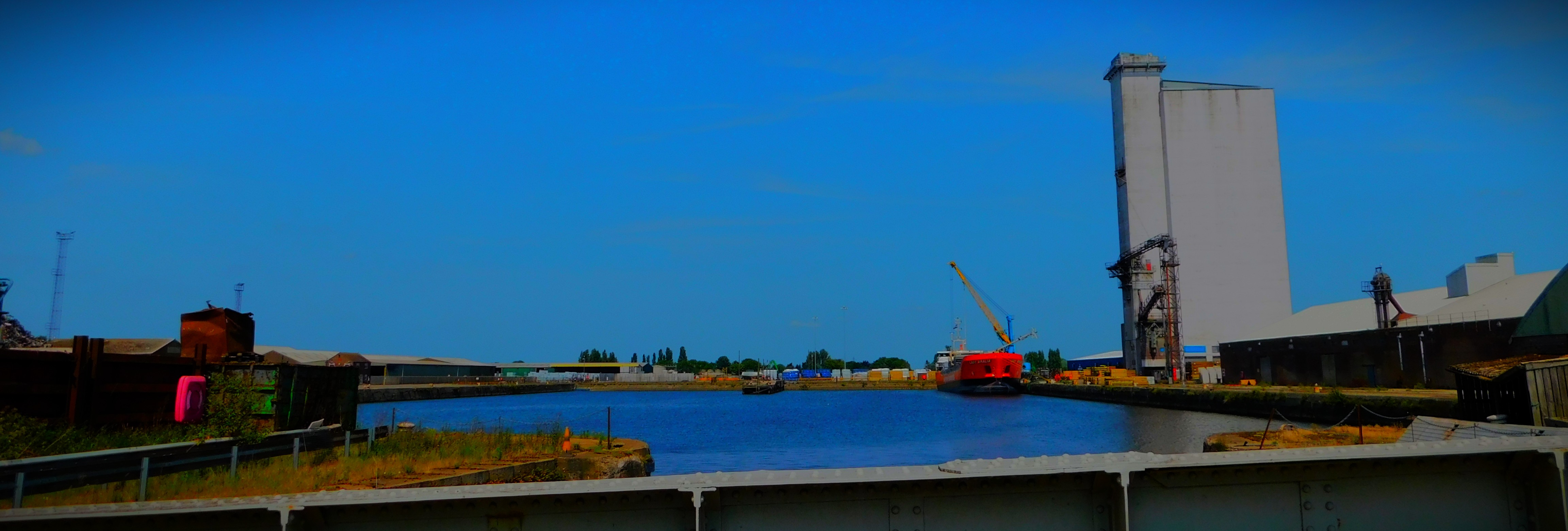
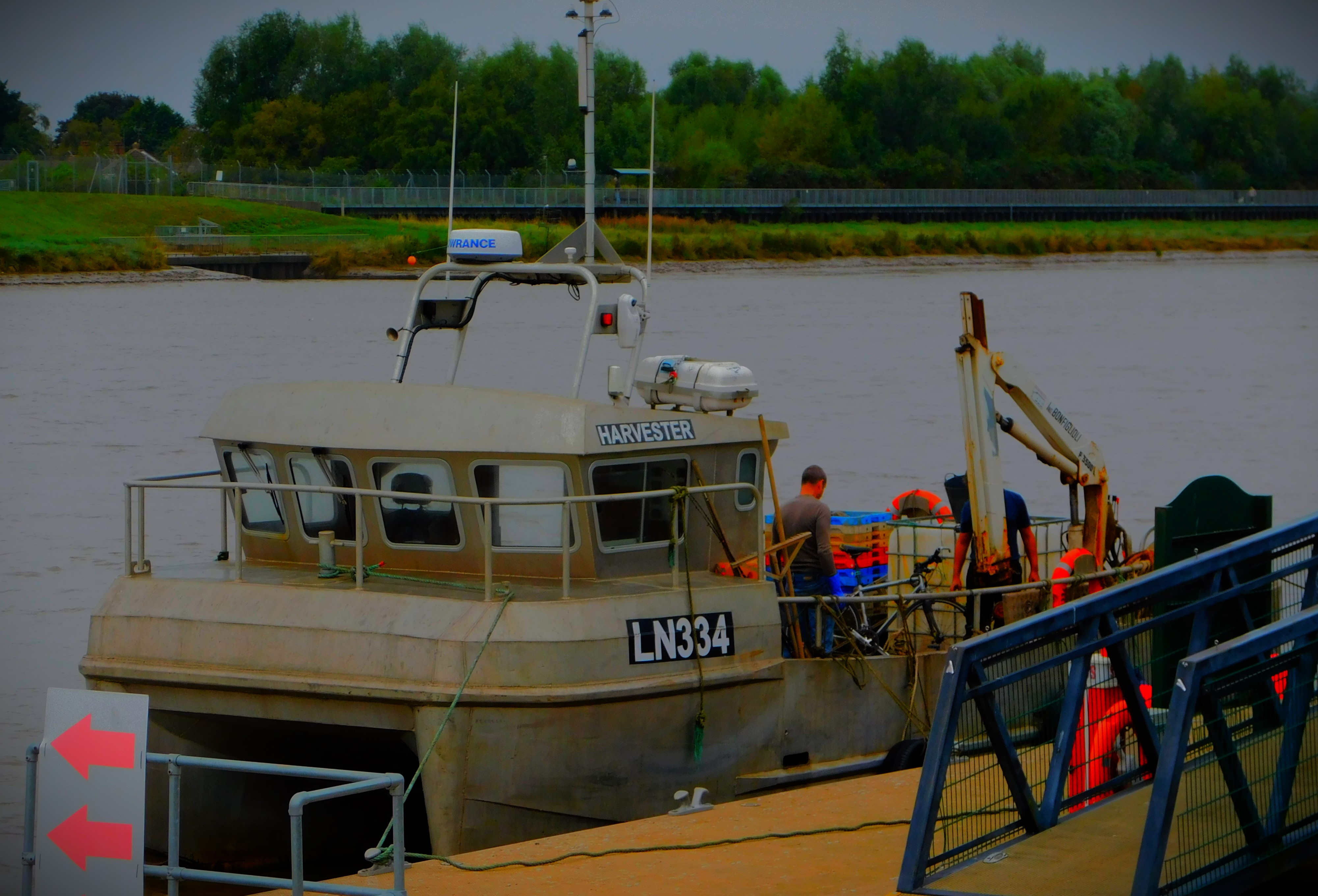
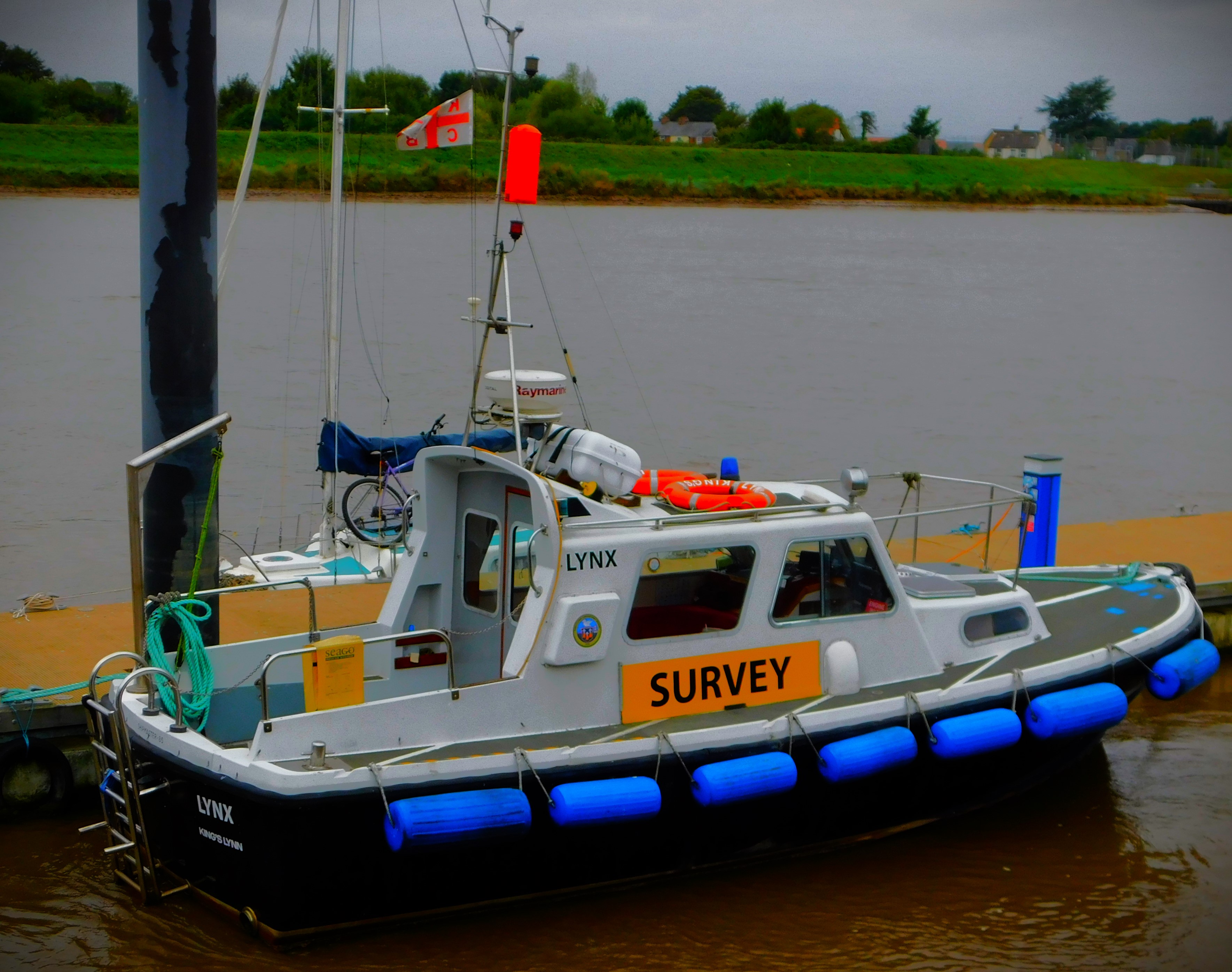
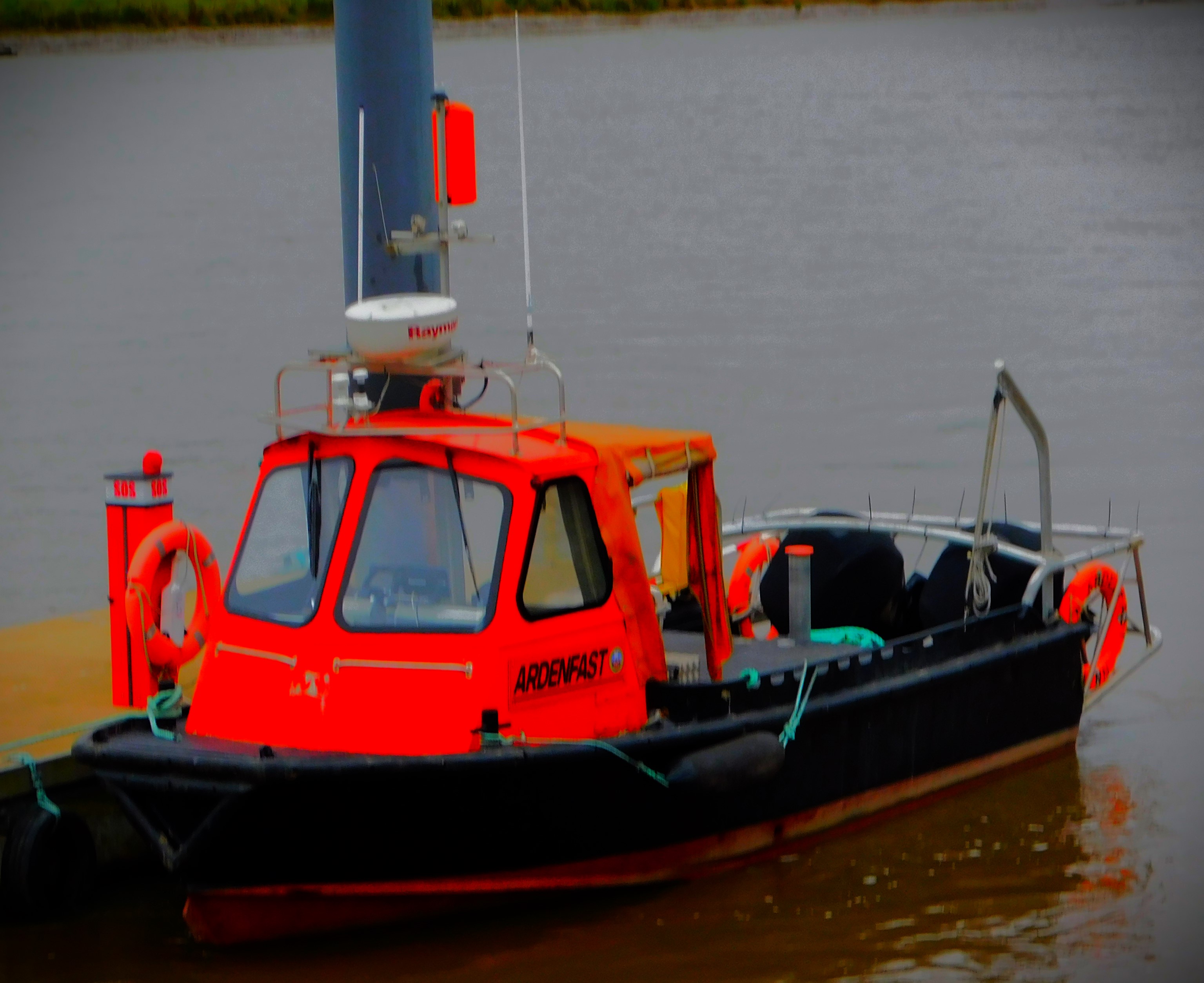
I missed the first part of this day’s play as I was attending a first aid training course in the dockside area of King’s Lynn, somewhere I have never previously had occasion to visit. A long final wicket partnership between Starc and Hazlewood had left South Africa needing 282 to win. Ryan Rickelton was out very cheaply, and Wiaan Mulder once again suggested that he was miscast as test match number three, and should probably swap batting positions with David Bedingham, managing 27 on this occasion. However, from 70-2 at the dismissal of Mulder, Aiden Markram and Temba Bavuma, the South Africa captain, took complete control of the day and indeed of the match. There were precious few moments of vulnerability for either as they batted on through a sunny afternoon and evening. Markram reached his hundred just before the close, as valuable a test knock as has ever been played for South Africa, and with Bavuma solid in support the Proteas closed the day on 213-2, needing a mere 69 more to win. Markram had 102 not out to his name, Bavuma 65 noy out.

Bavuma did not last long on this morning, adding just one to his overnight tally before Cummins elicited an edge, and Carey took the catch behind the stumps. Tristan Stubbs, next in, never looked comfortable. At 241 came two big moments. First Starc appealed for LBW against Stubbs, and when it was turned down acceded to Carey’s suggestion that it be sent upstairs. Fine cricketer though he is, Carey has to be regarded as one of the worst judges of a review the DRS era has ever seen. Here, in an echo of Headingley 2019, though their opponents were rather more strongly placed than England back then, it was duly confirmed as being sufficiently clearly not out for Australia to have burned their last review. Stubbs did not benefit much personally, as Starc’s next delivery hit his stumps to make it 241-4, 41 needed. Bedingham settled in quickly, and he and Markram seemed to be heading toward the target quite serenely. The main question by now looked to be whether Markram was going to reach 3,000 test runs before the end of the match. With Markram on 136, and his career tally on 2,993, and South Africa needing just a further six he flicked a ball from Hazlewood into the on side and was caught by Travis Head. Australia unsurprisingly did not celebrate the dismissal. Wicket keeper Kyle Verreynne now came in to join Bedingham. This pair saw it home for the last few runs, with Verreynne as mentioned in the intro scoring the winning run. It has been 26 years since South Africa acquired the chokers tag. Then, in the 1999 ODI world cup a win in their last ‘Super Six’ match would have consigned Australia to an early flight home, put Zimbabwe in the semi-finals and left the tournament at the Proteas mercy. Allan Donald was the victim of a panic run out with the scores level, which meant that Australia and South Africa met again in the semi-final, and Australia did not grant South Africa an opportunity to redeem themselves, and went on to dominate the final as well. In the intervening years they have had other close calls, including in the 2024 T20 World Cup, when they need 30 from the last five overs with five wickets standing and failed to get home, largely because of some magnificent bowling by Jasprit Bumrah. Thus this is not merely a match and a trophy won for South Africa, it is much needed healing balm for some deep psychological wounds they have acquired over the years. Full scorecard here.

One small bit of housekeeping first: I have created a page listing my series of posts about my 50th Birthday Holiday in far western Scotland in chronological order. As you may imagine I have a fairly rich trove of unused photos since my return to King’s Lynn, so today’s offering is in the nature of a highlights package…

50th Birthday Holiday 9: Achosnich and Portuairk

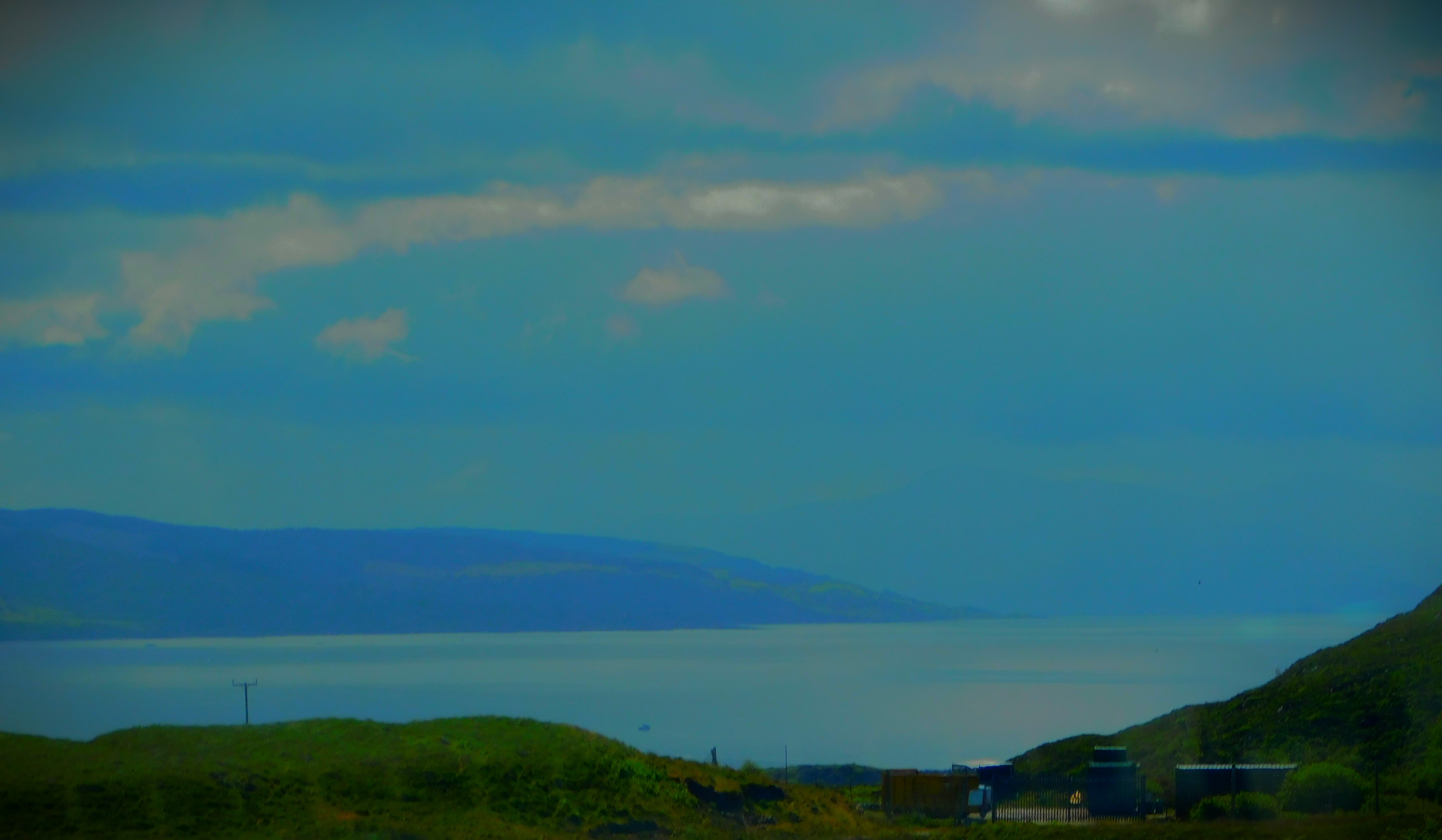
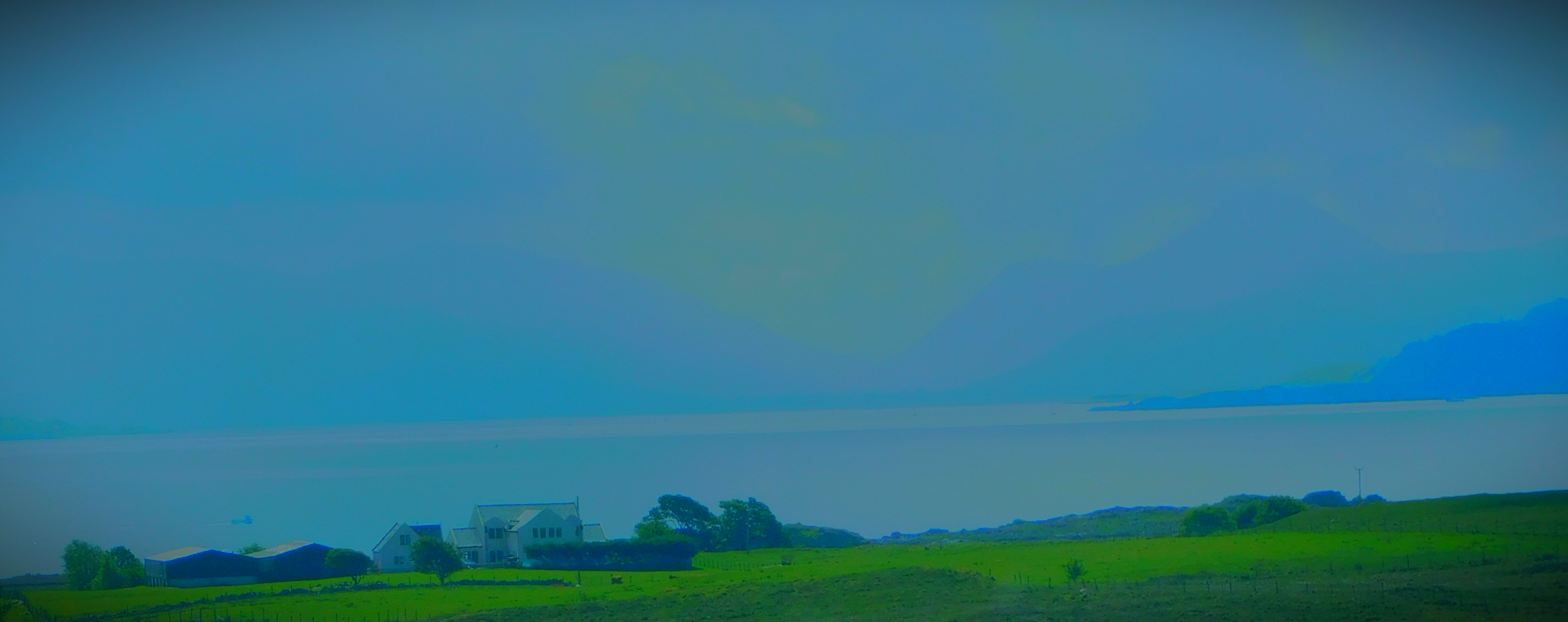
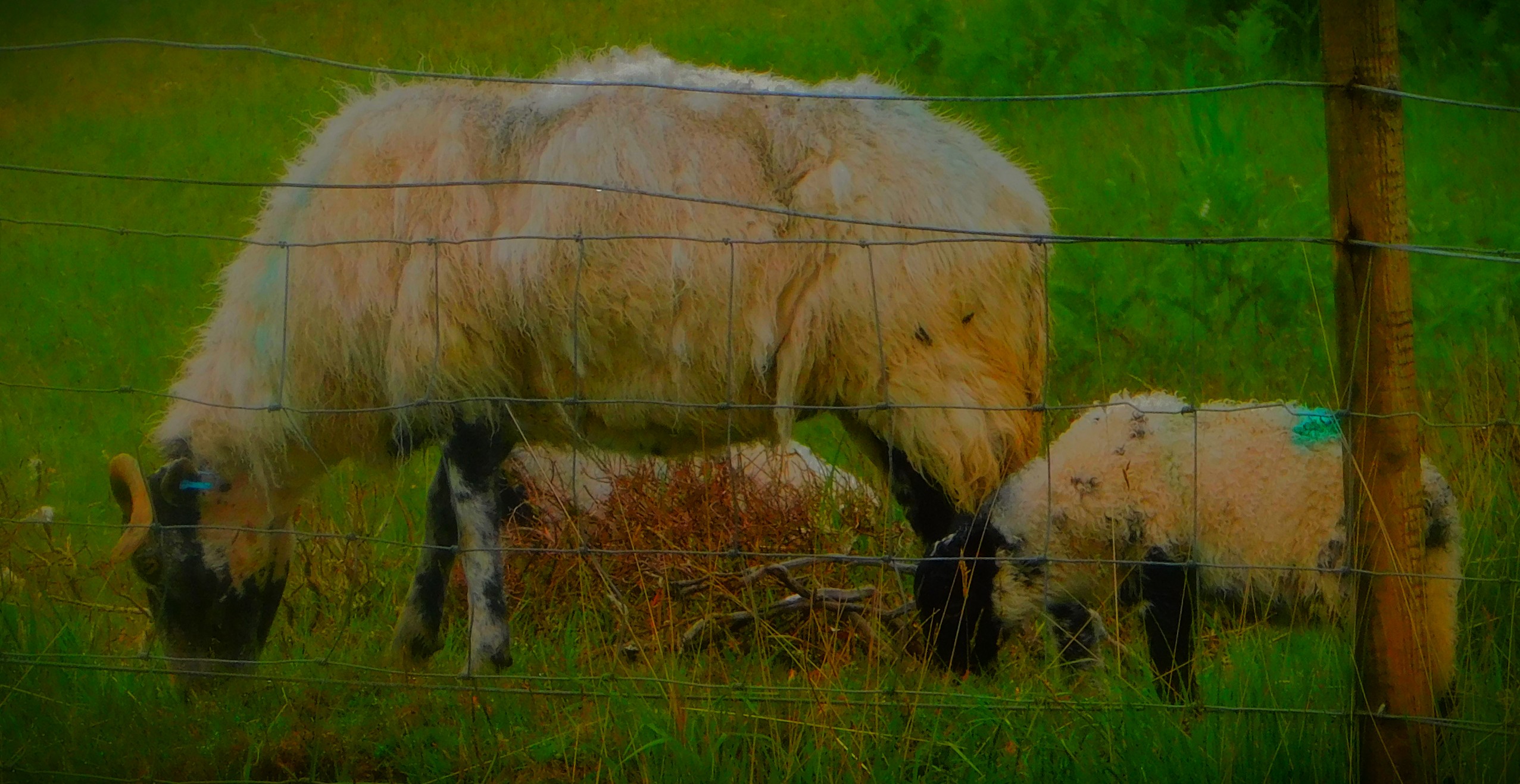
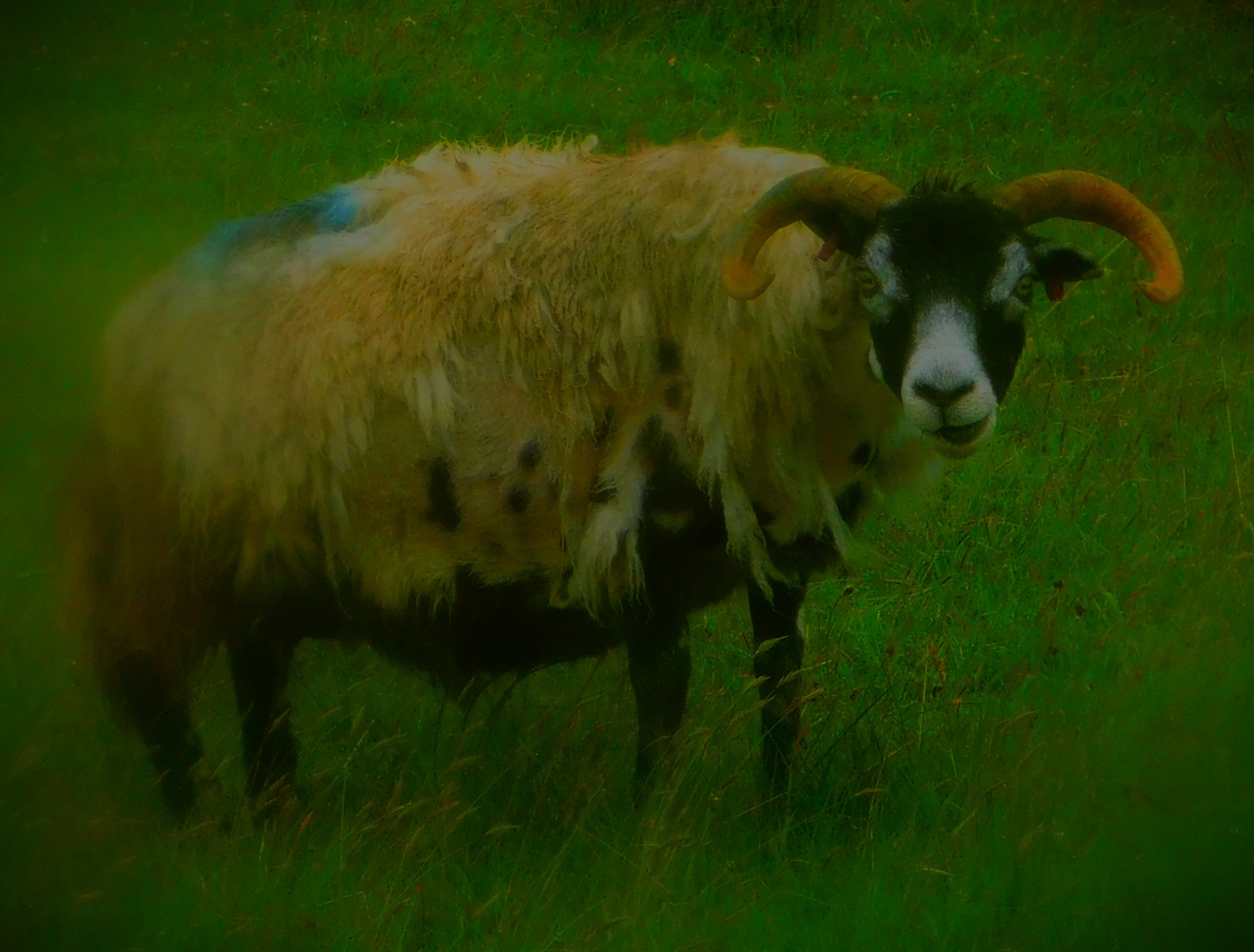
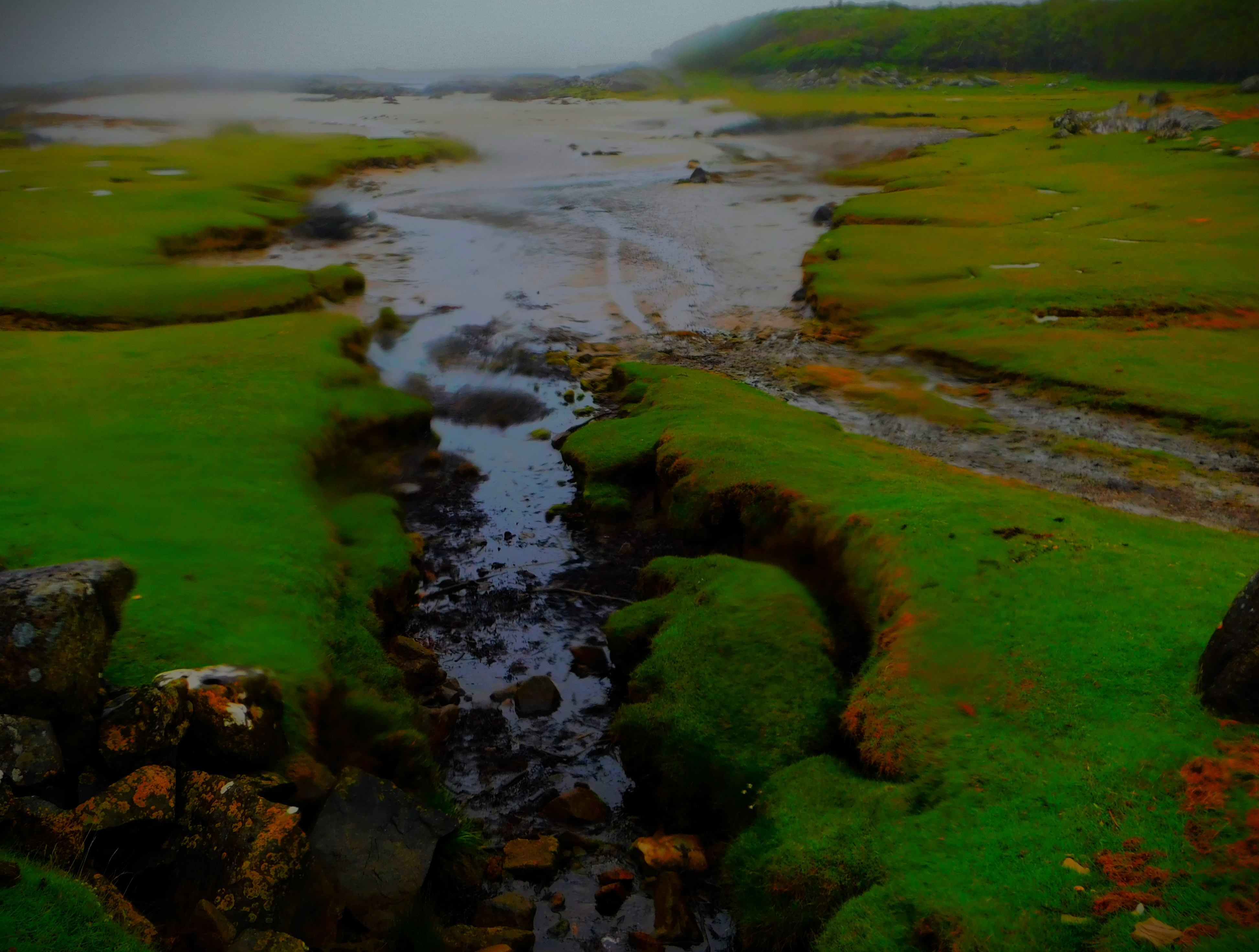
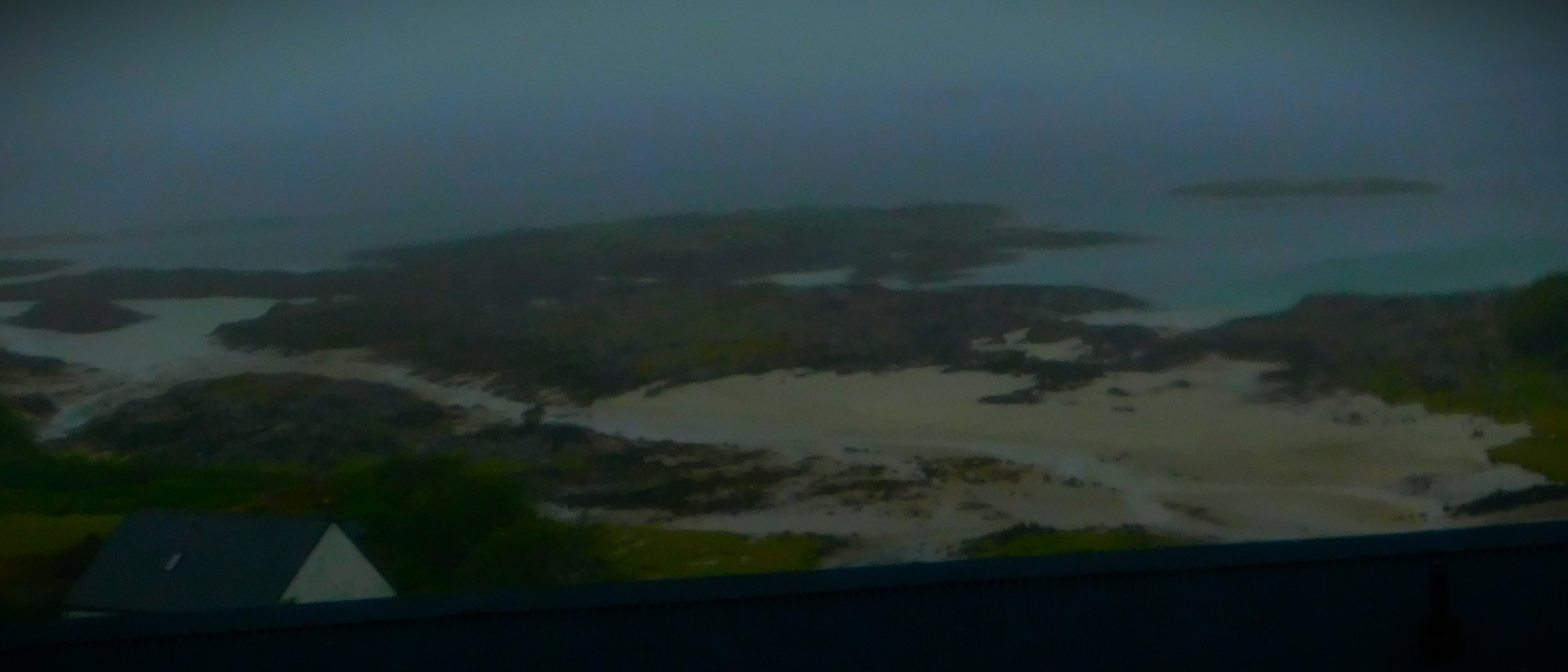
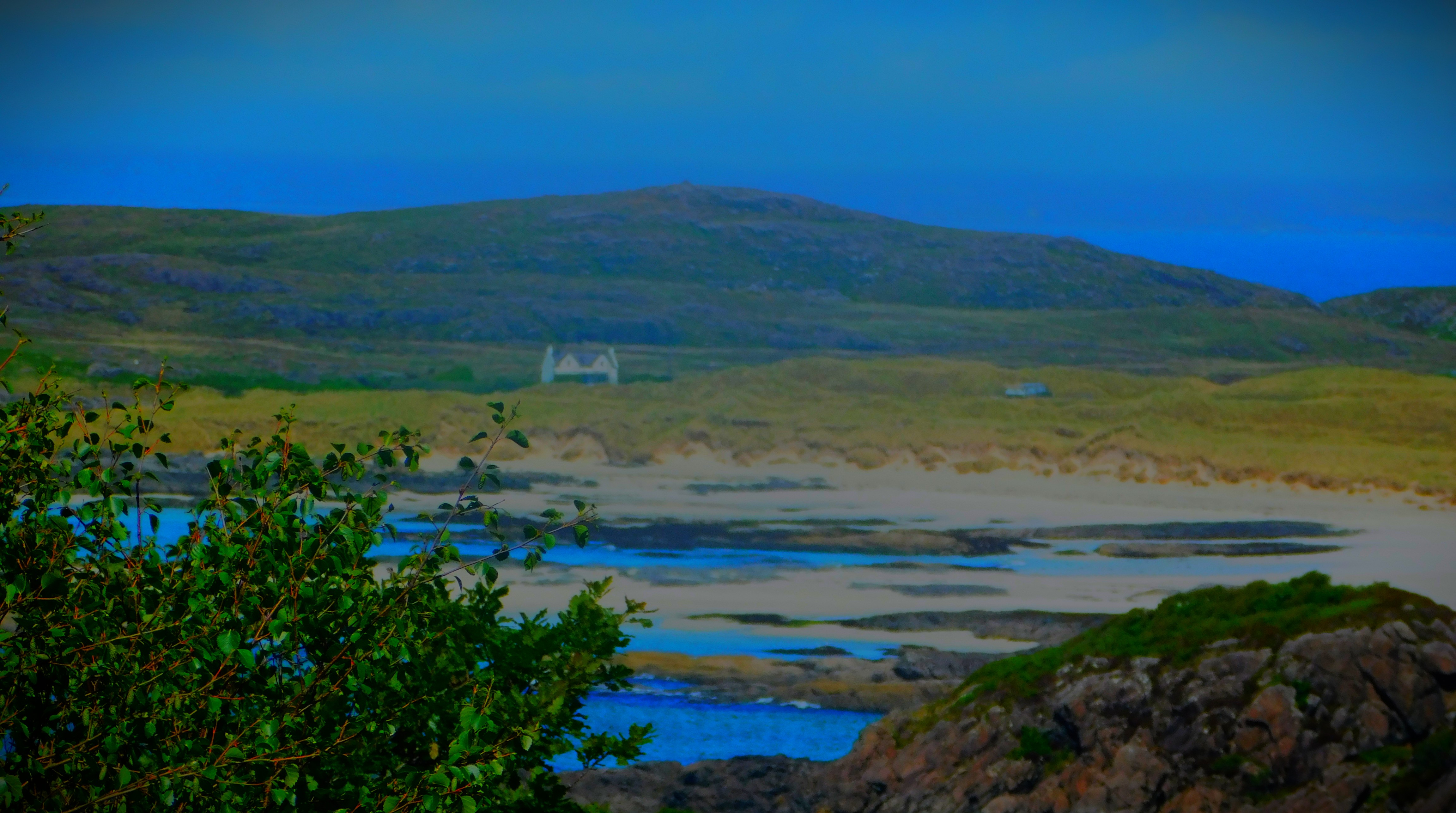
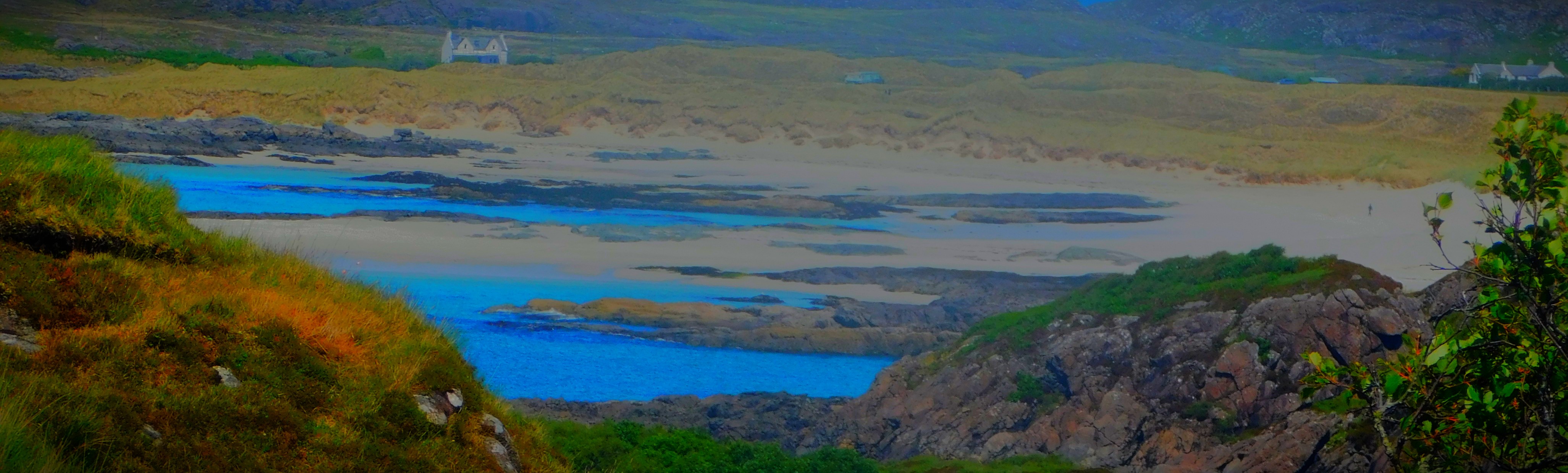
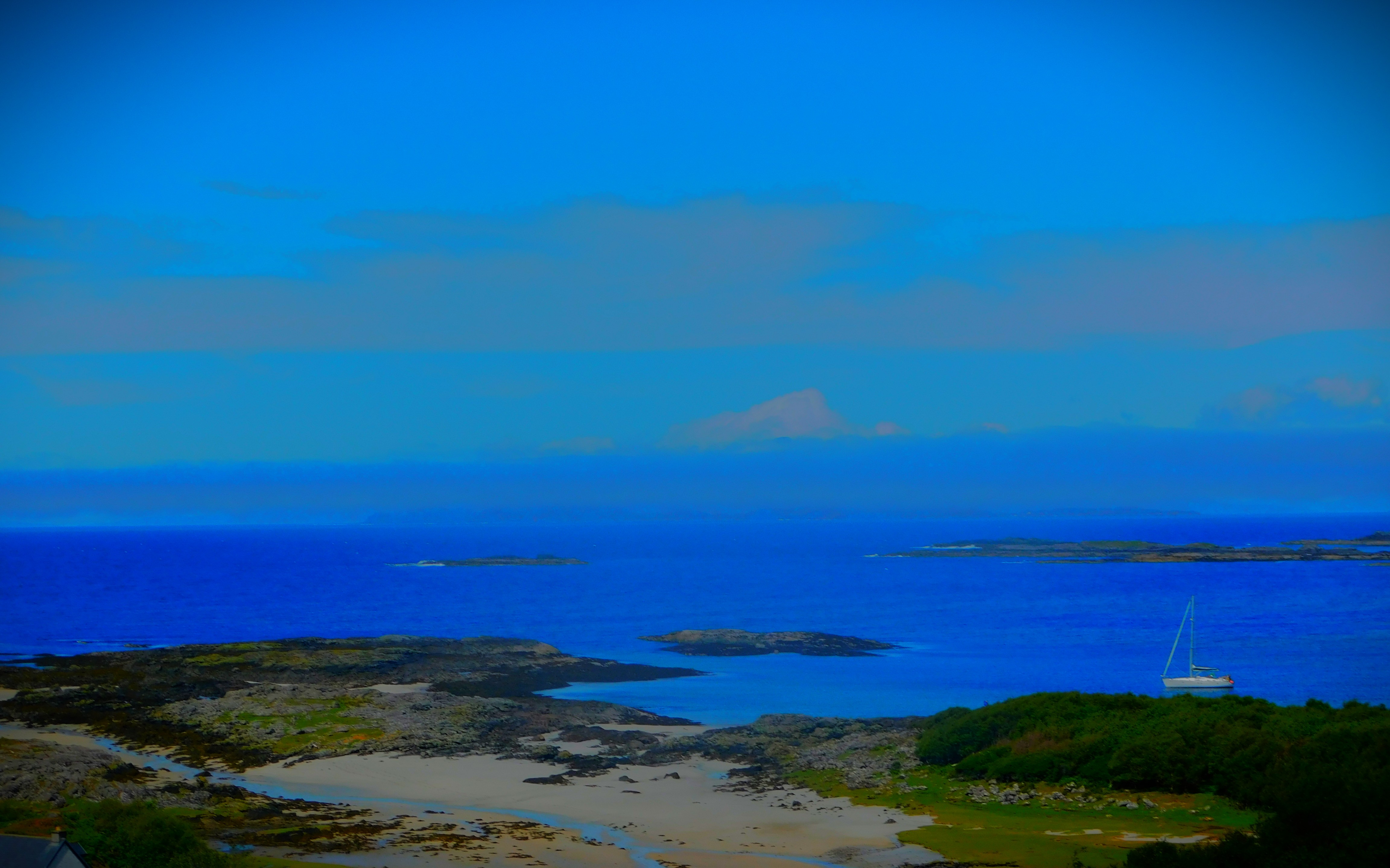
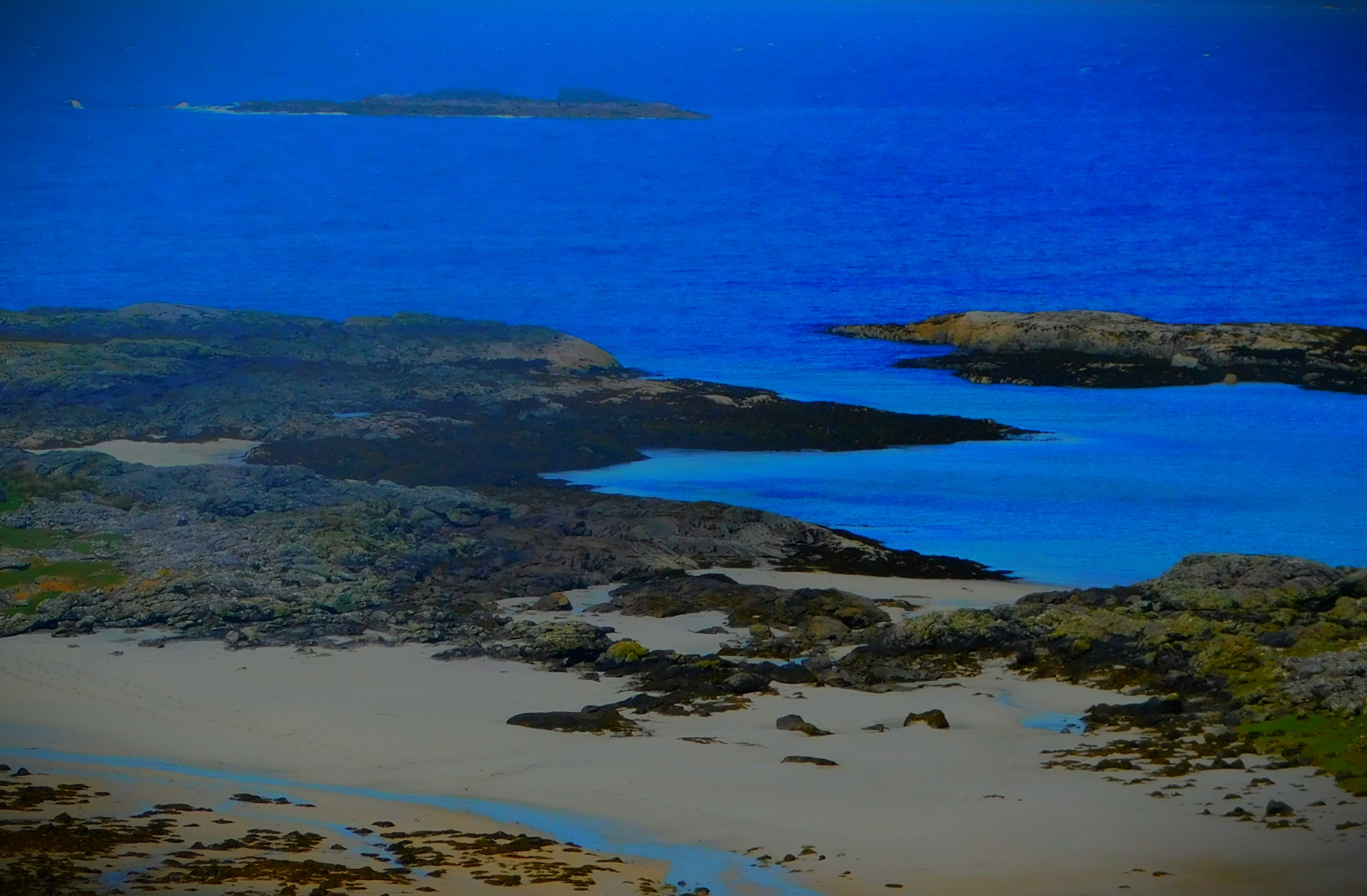
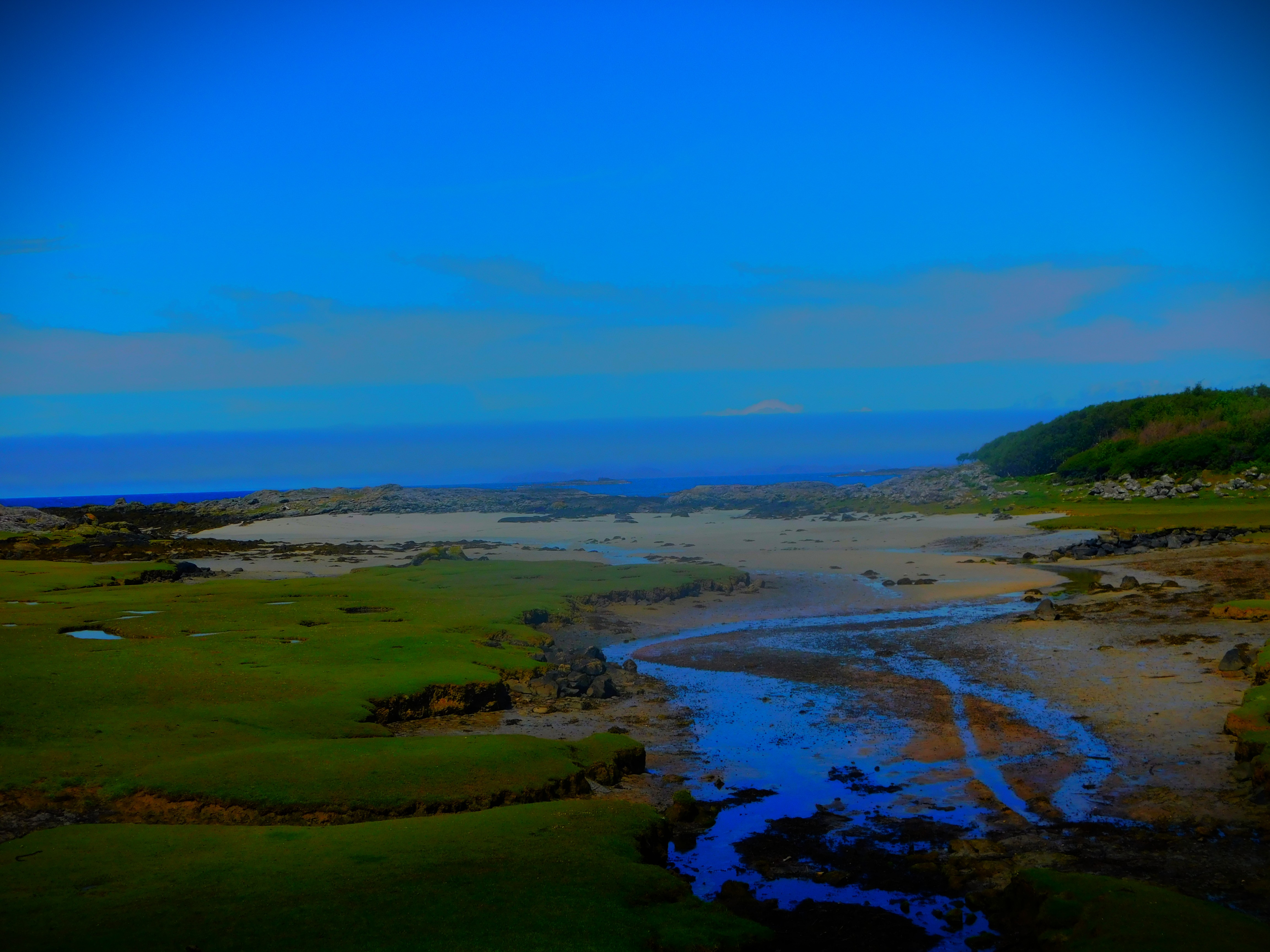
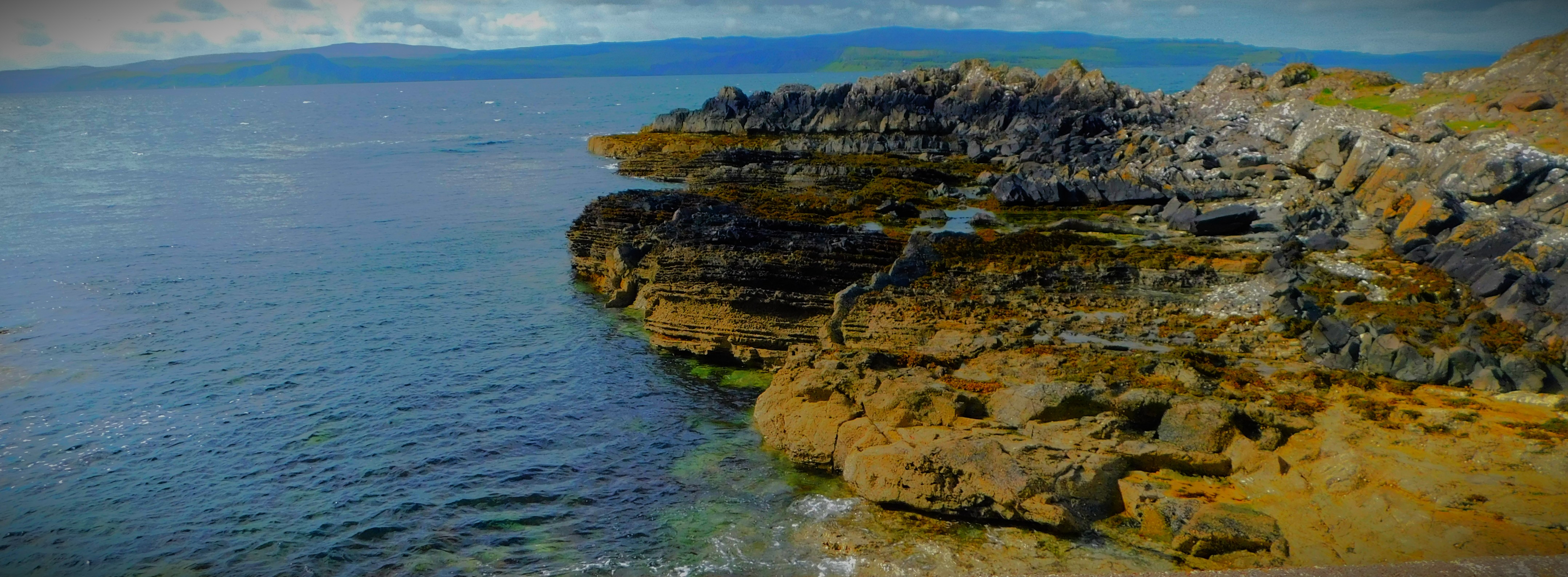
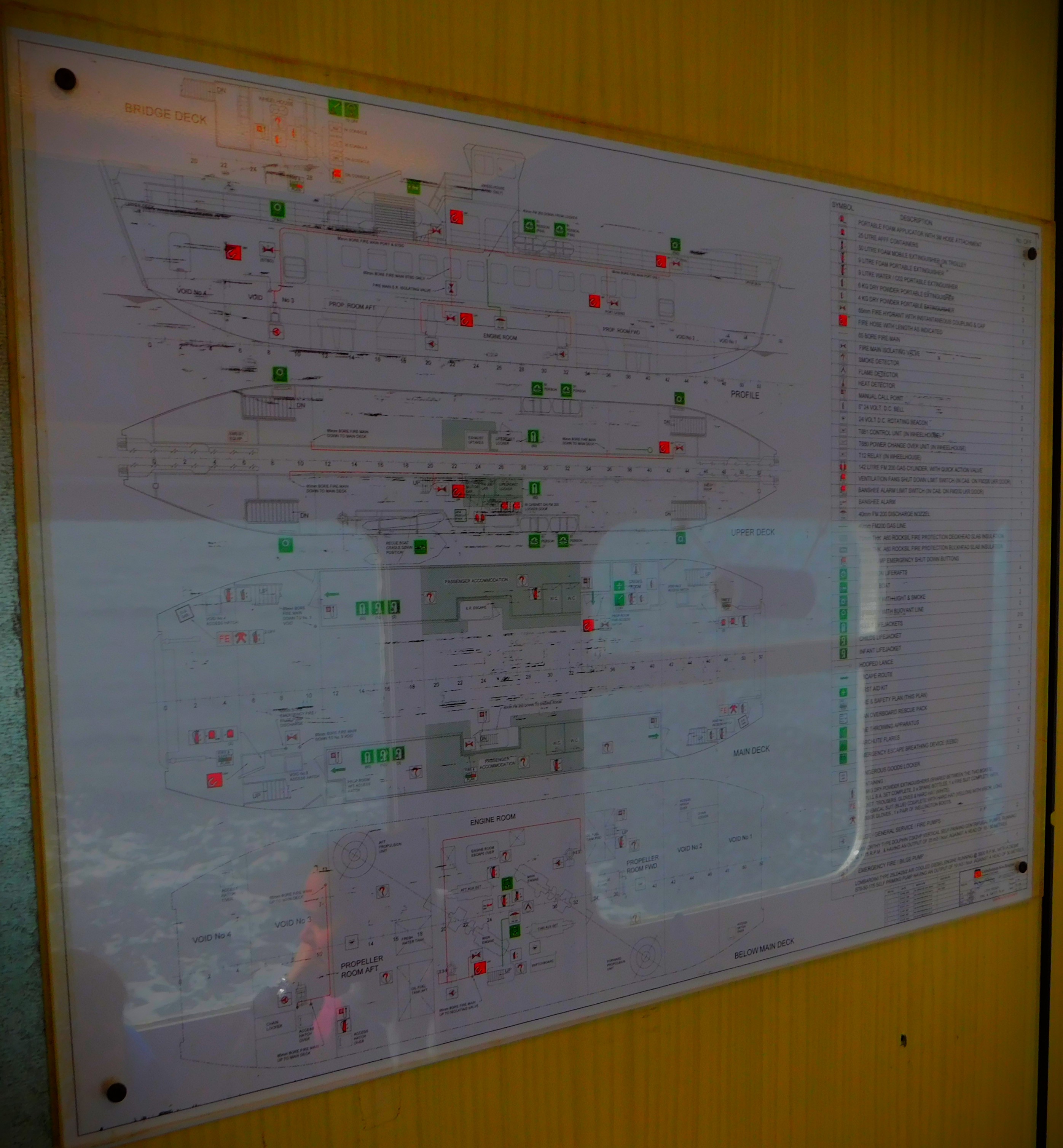
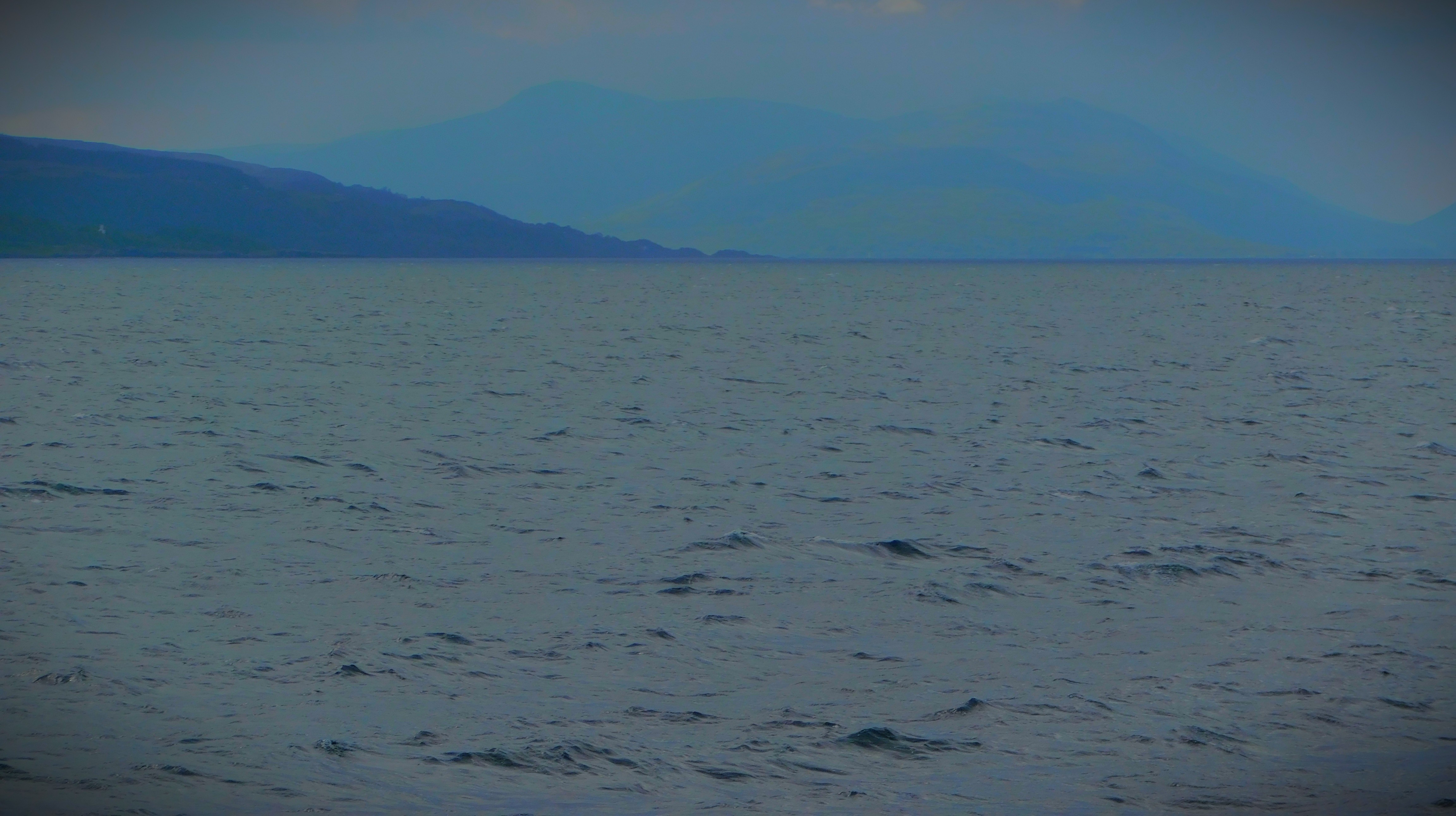
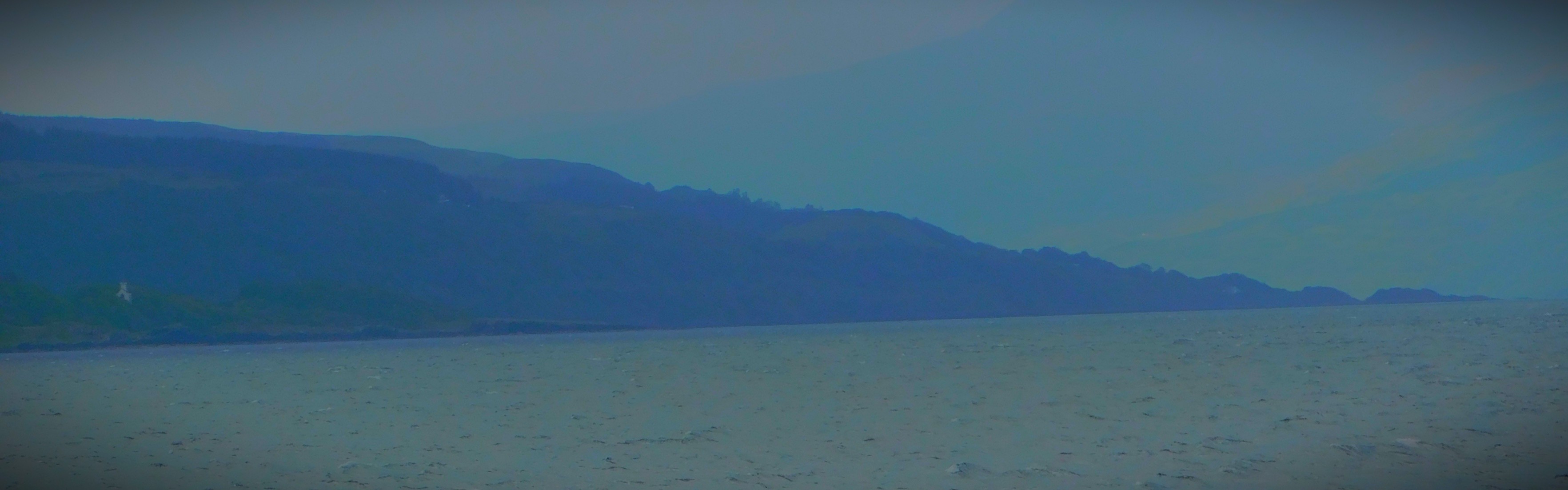
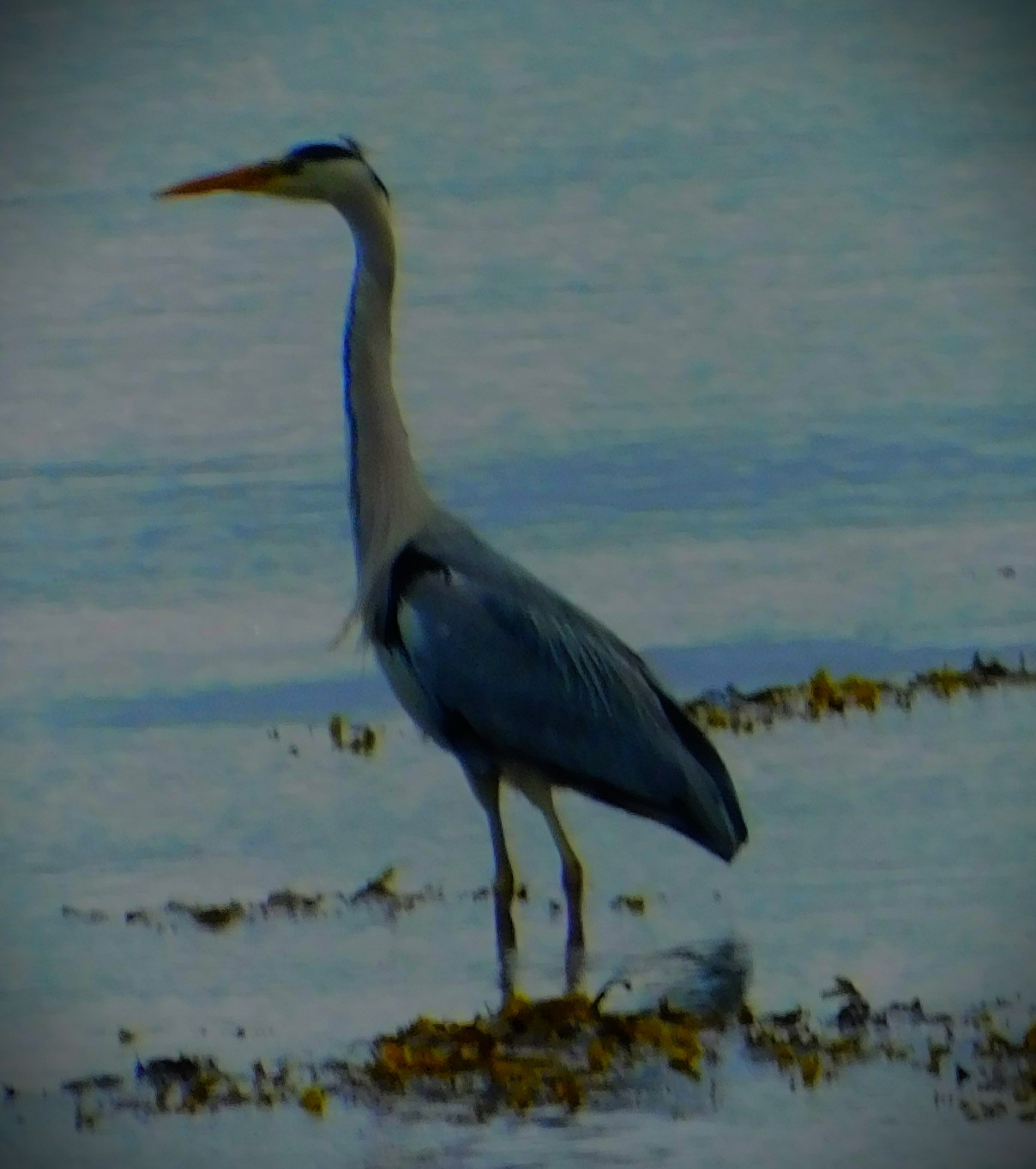
A look at the areas closest to where we were staying. Most of the pictures come from two walks to and from Portuairk, but some were taken through the car window, and some just outside out converted caravan.

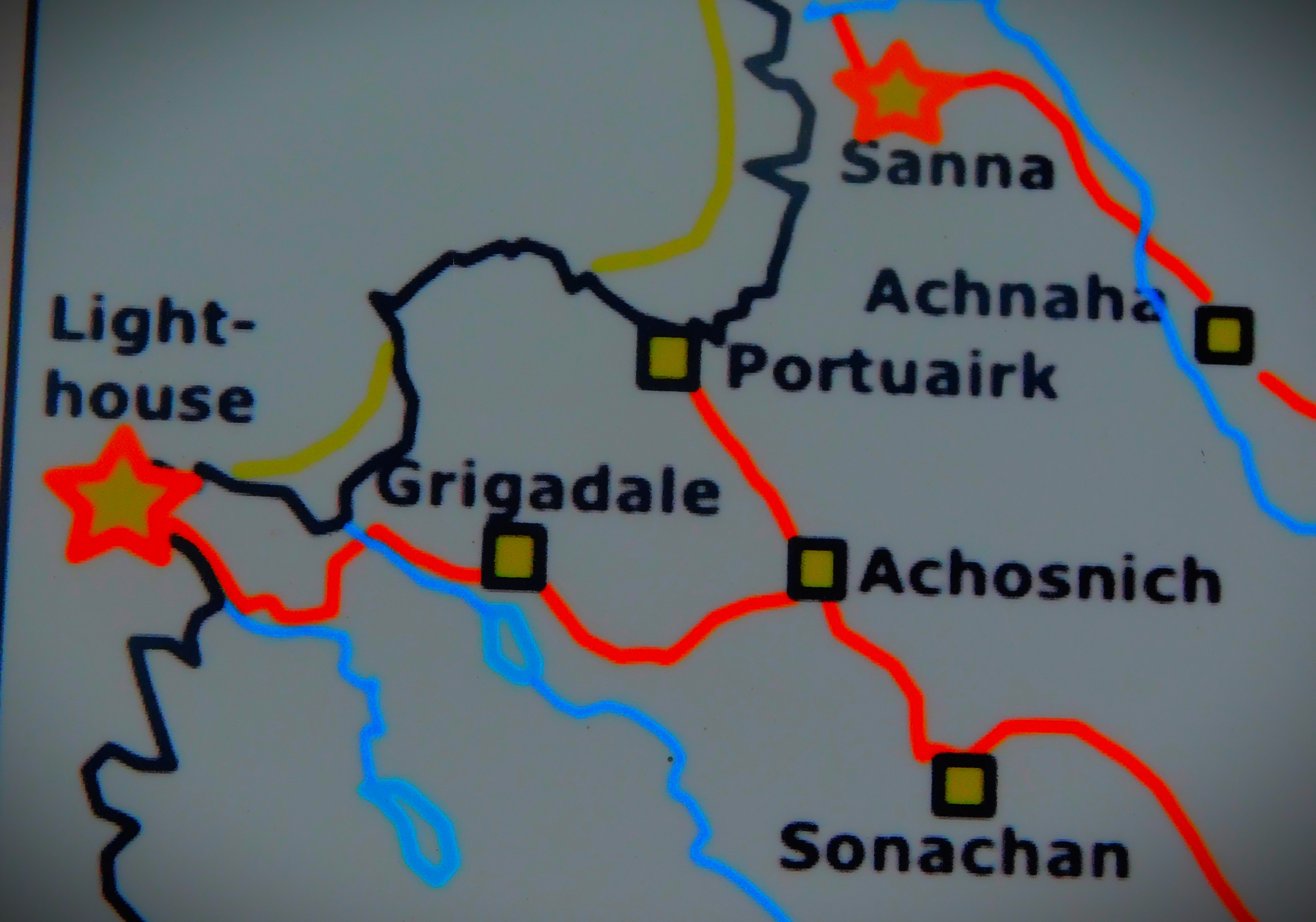
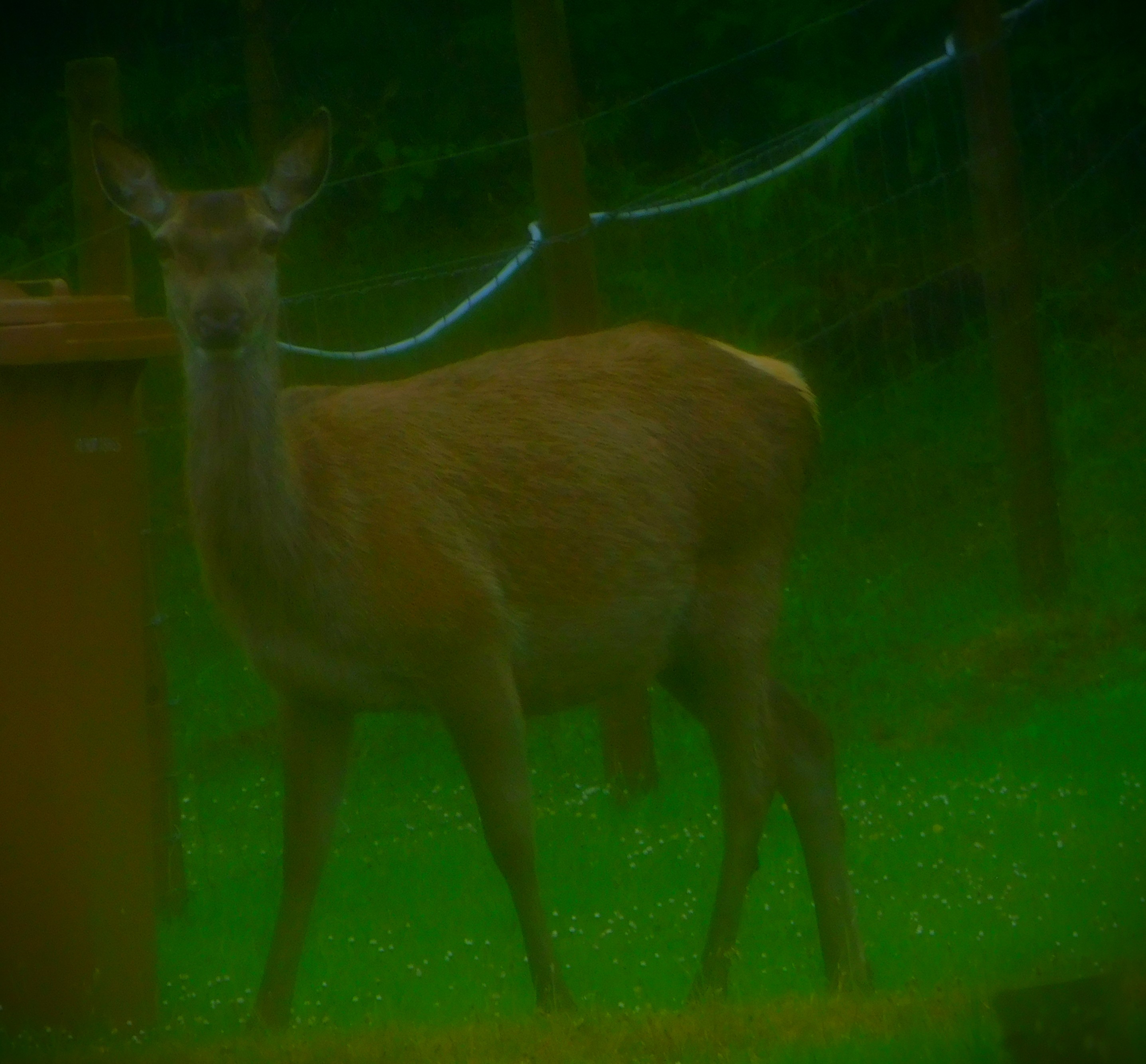
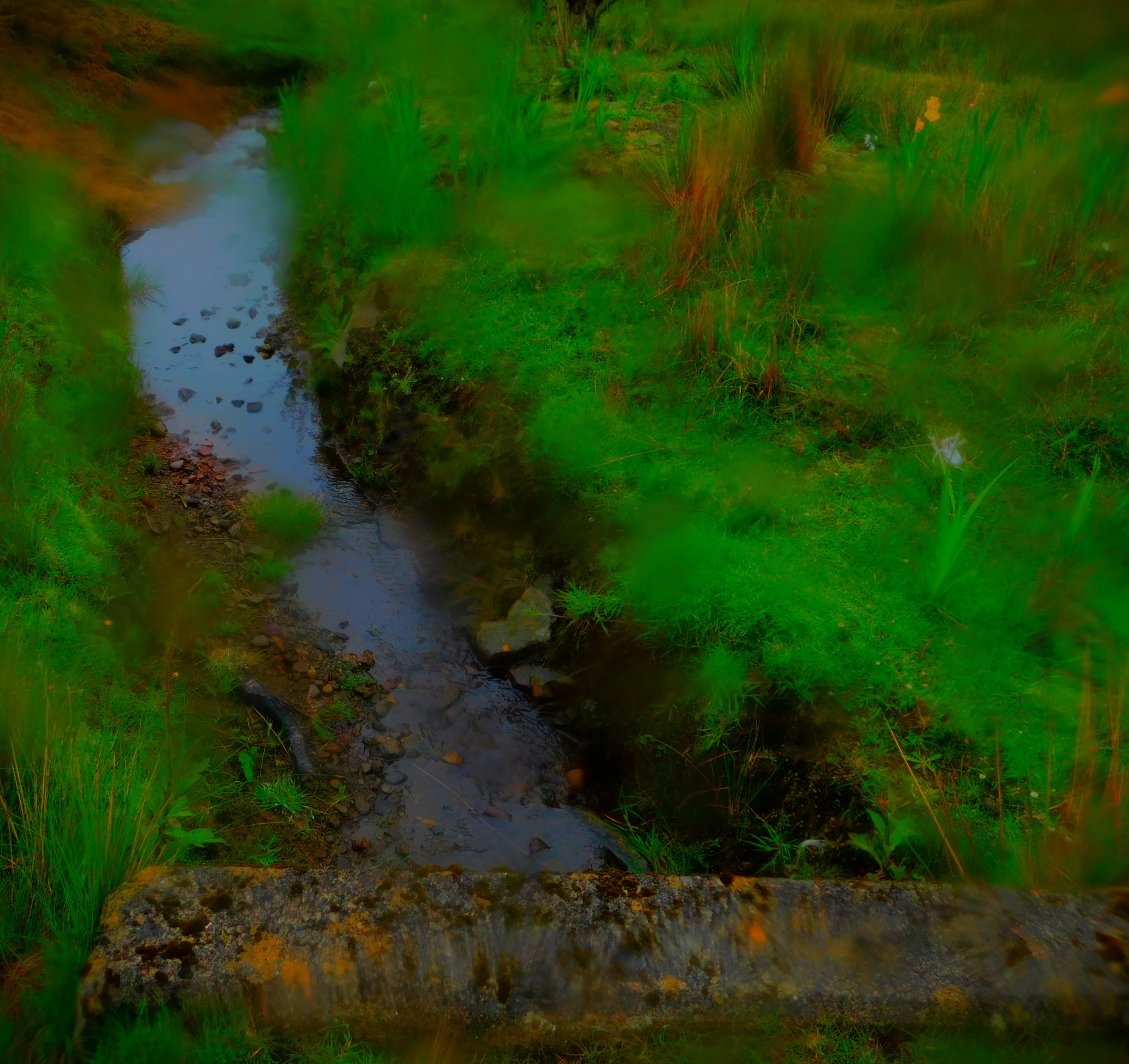
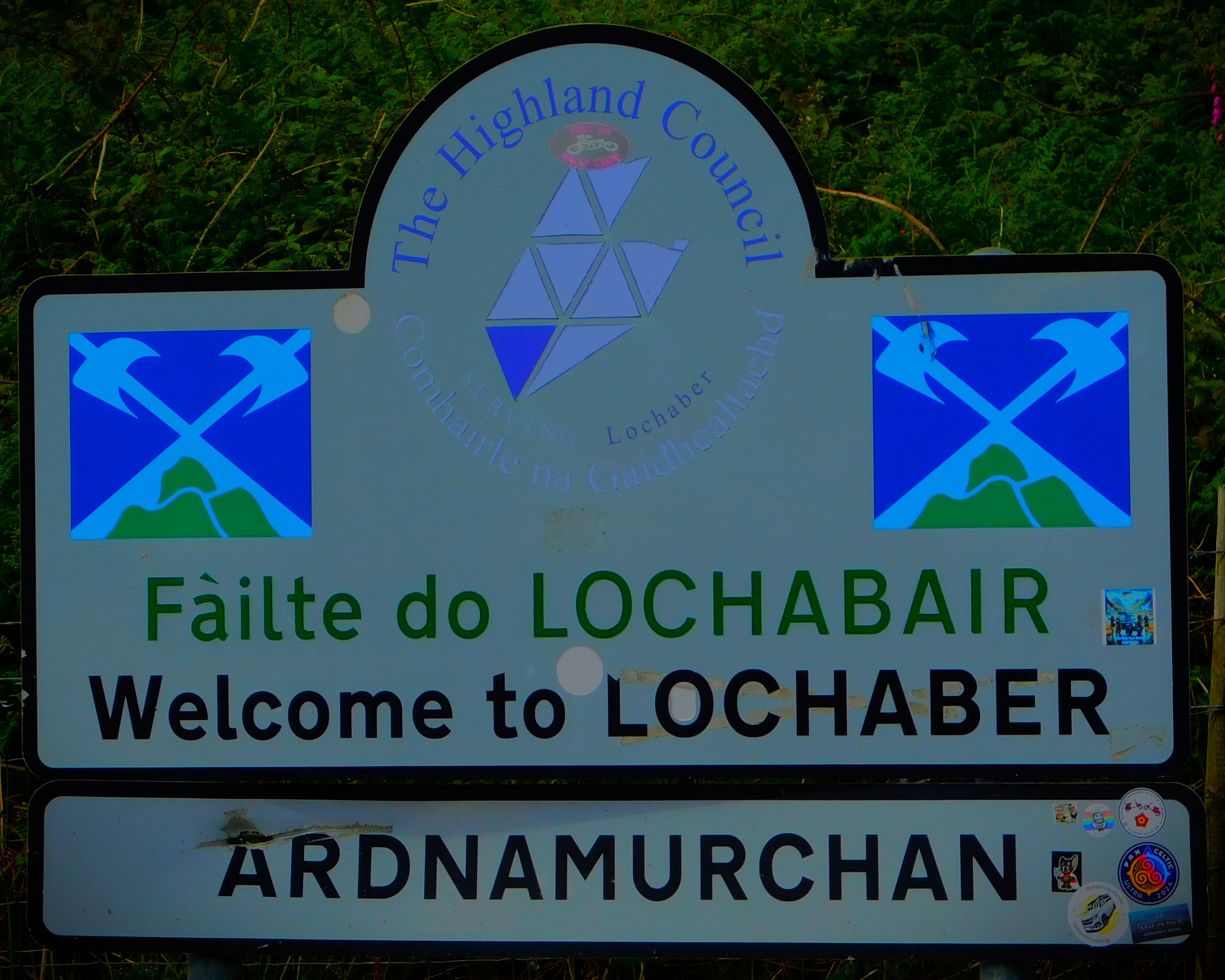
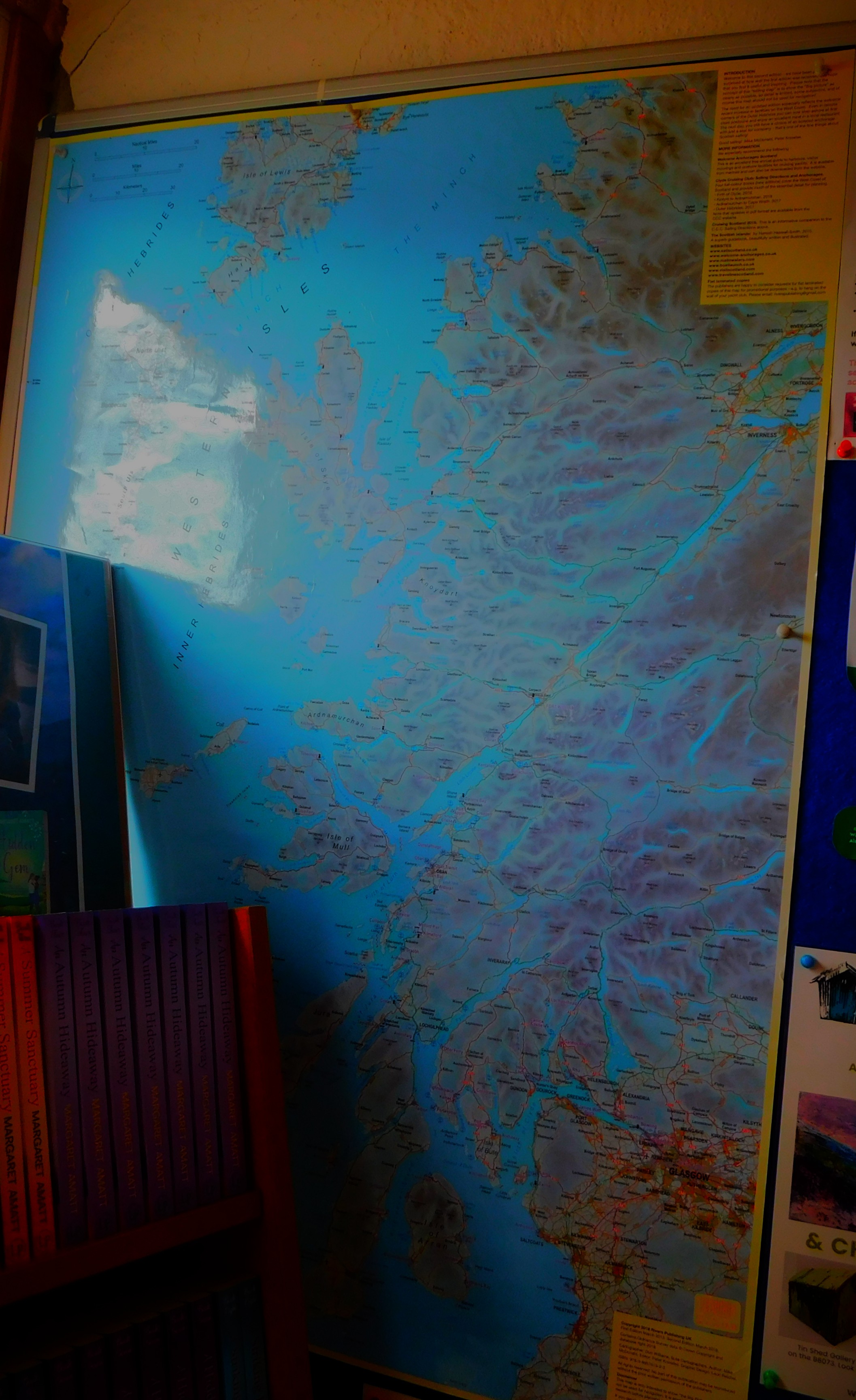
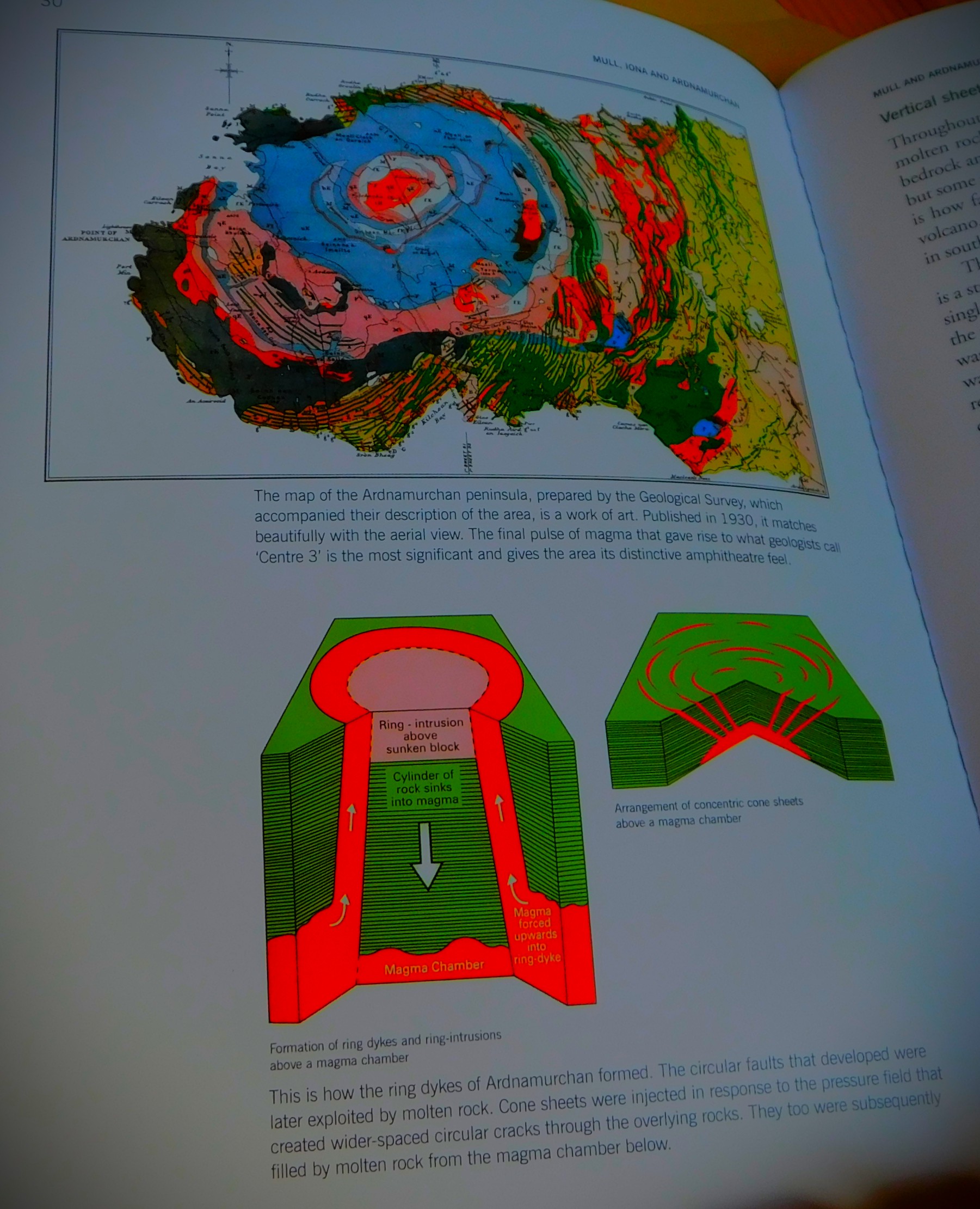
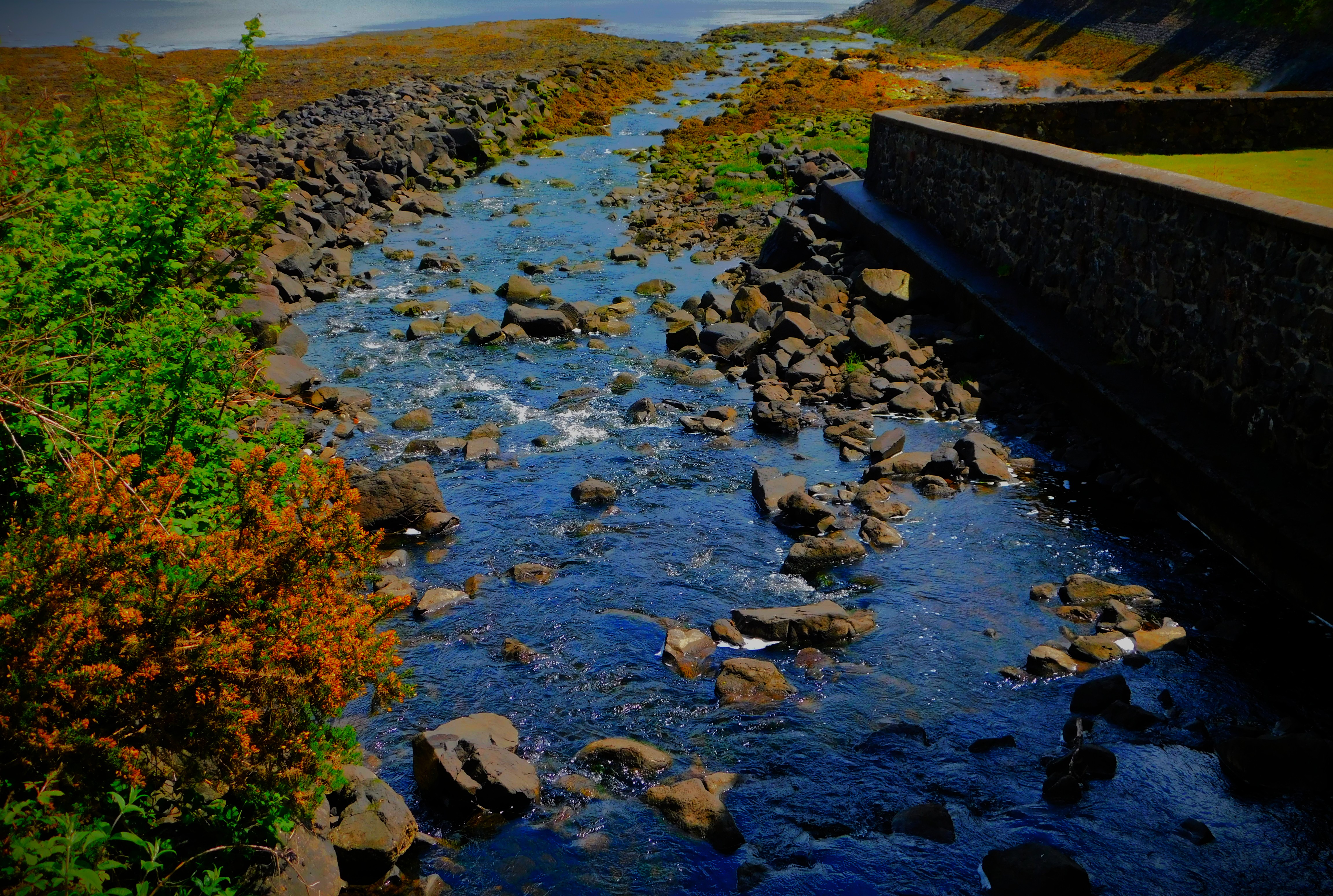
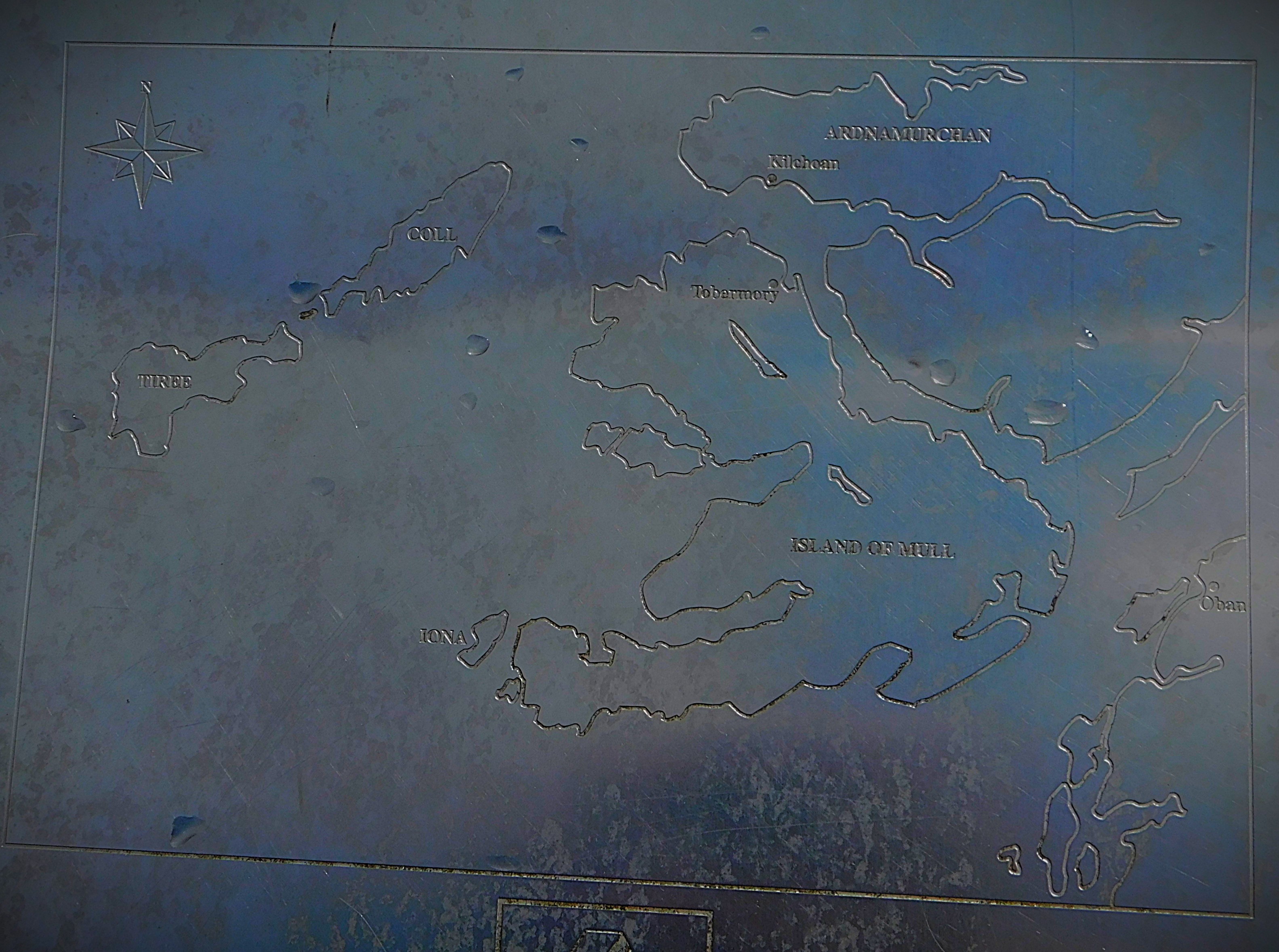
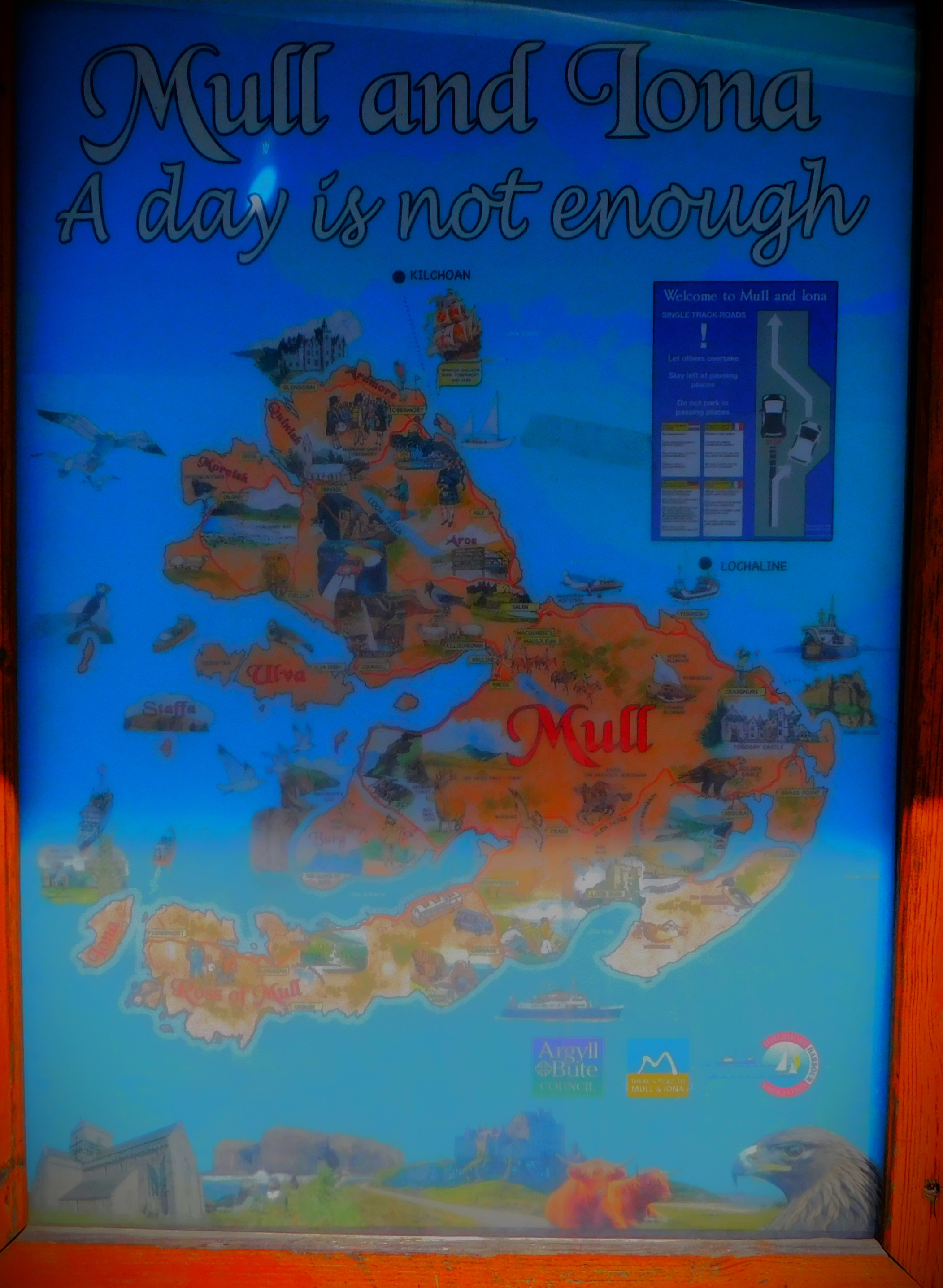
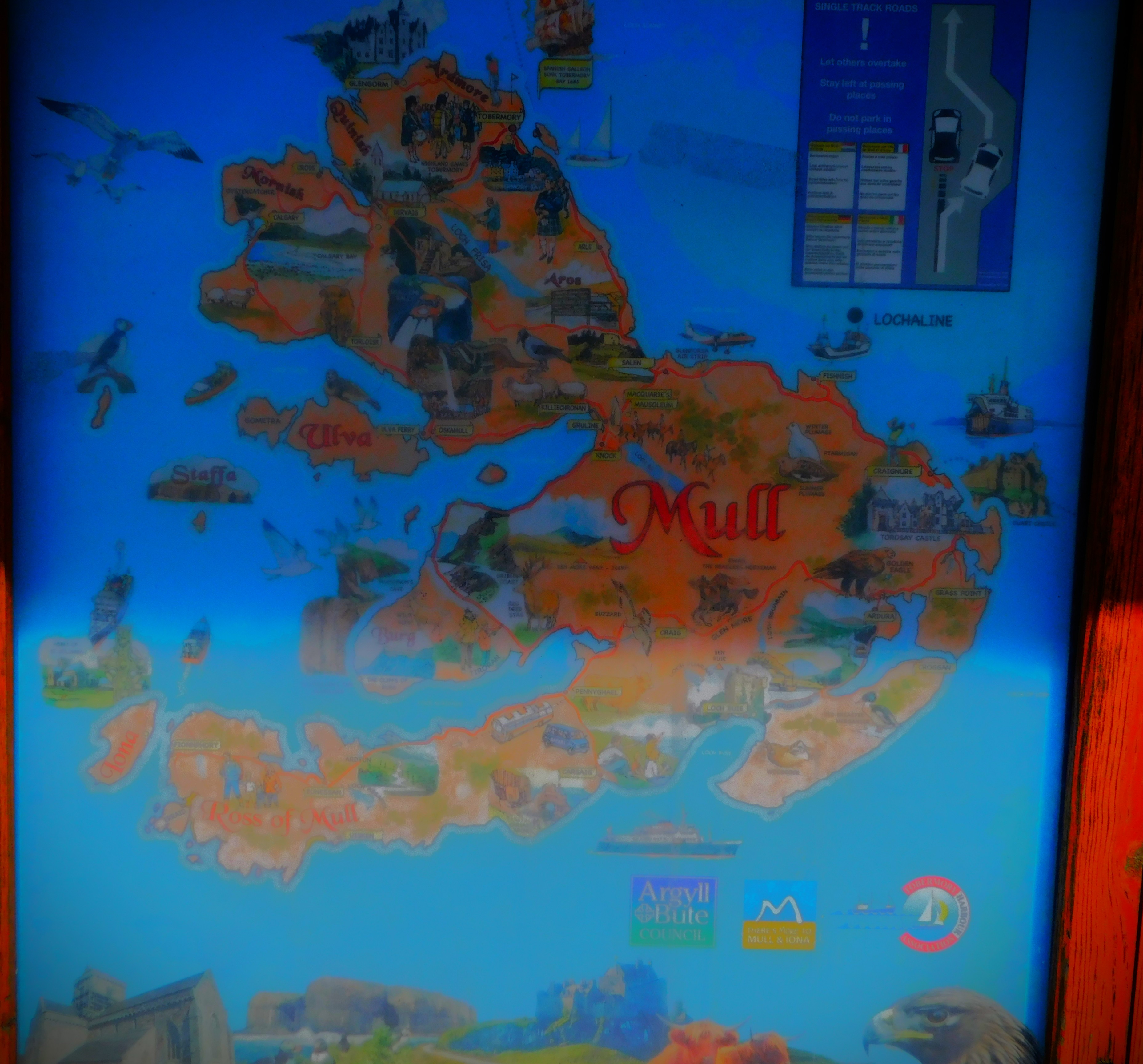
This is the ninth post in my series about my recent holiday in Scotland. Achosnich, where we were staying can barely said to be a place at all – about five houses clustered immediately above a road junction where the road out from Kilchoan splits into two, one leg going up through Achosnich and on to the small seaside village of Portuairk and the other going to Ardnamurchan Lighthouse and the westernmost point of mainland Britain. The photos in this post were mainly taken during two walks on the Thursday, when the weather was too bad to permit major excursions.

The main body of the house in which we were staying started life as a caravan. To make a house of it a porch area/ utility room was added to one side of the centre of the building. This, which also houses a washing machine and drying frames, is reasonably spacious, as are the dining and living room areas, though the kitchen is cramped, and no more than one person should be trying to do things there at any one time. The main bedroom has a small amount of space around the bed, and has been painted an unappealing shade of purple. The second bedroom has a not terribly large bed with some space its foot, and a wardrobe and two drawers in one corner (these, and the frame of the wall mounted mirror are painted the same shade of purple is as on show in the master bedroom). There is just about space between the side of the bed and the wall of the bedroom to sideways shuffle along the side of the bed. The shower room has the shower cubicle itself, with a good strong protective curtain, and a tiny anteroom area where one towel can be hung on the rail. The lavatory and bathroom sink are in a similar sized ‘room’, with both being more like cupboards than real rooms.

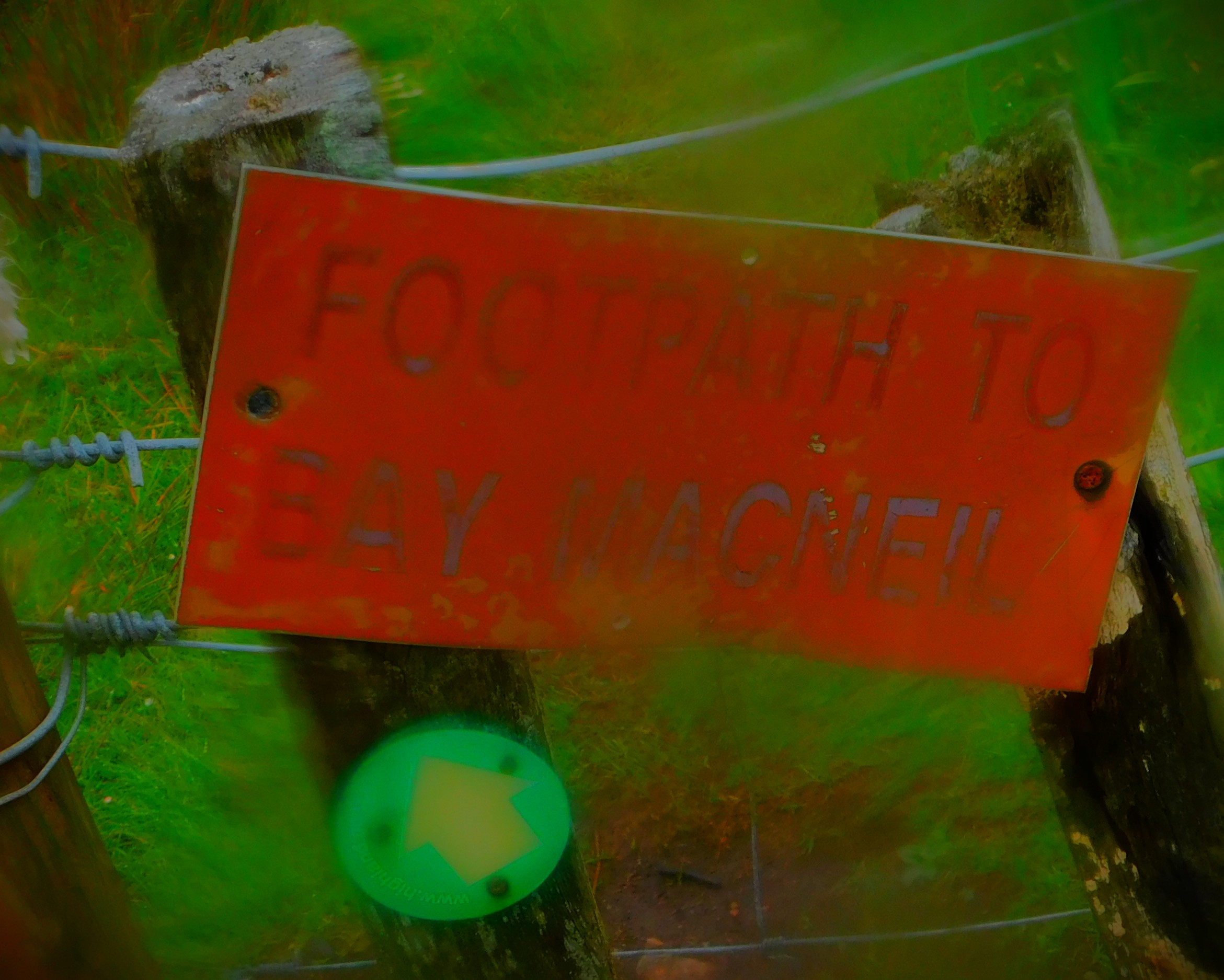
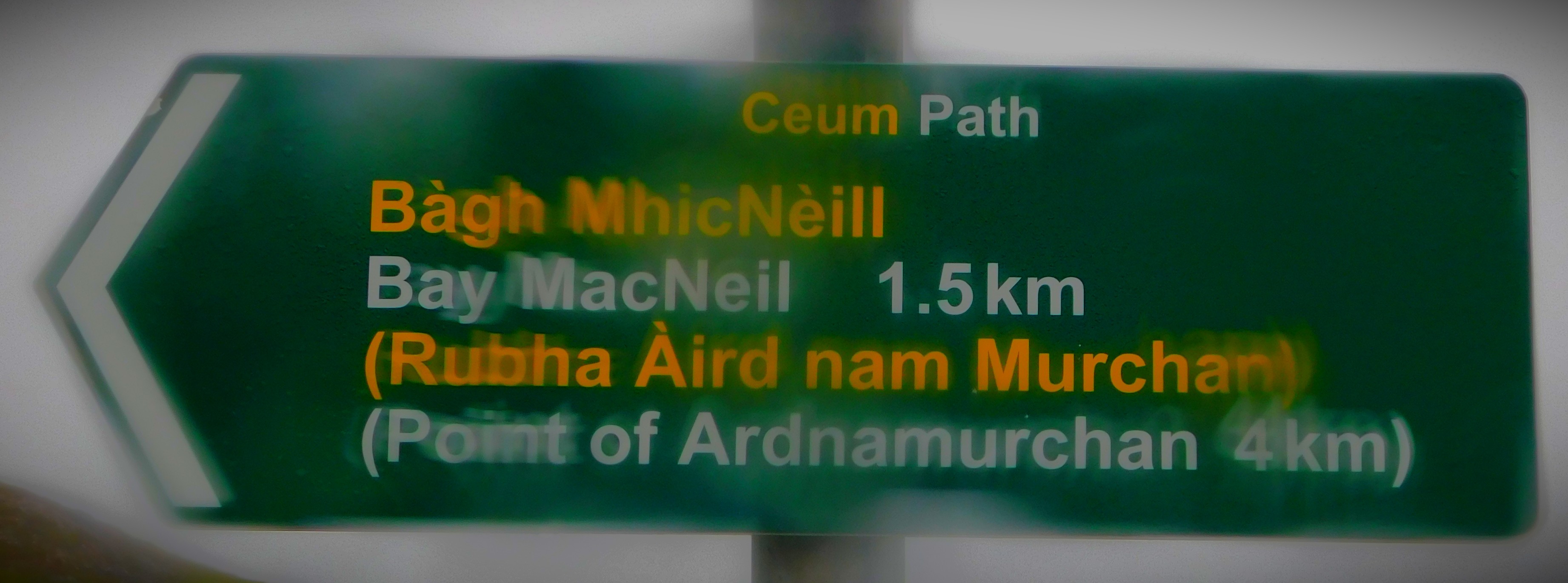
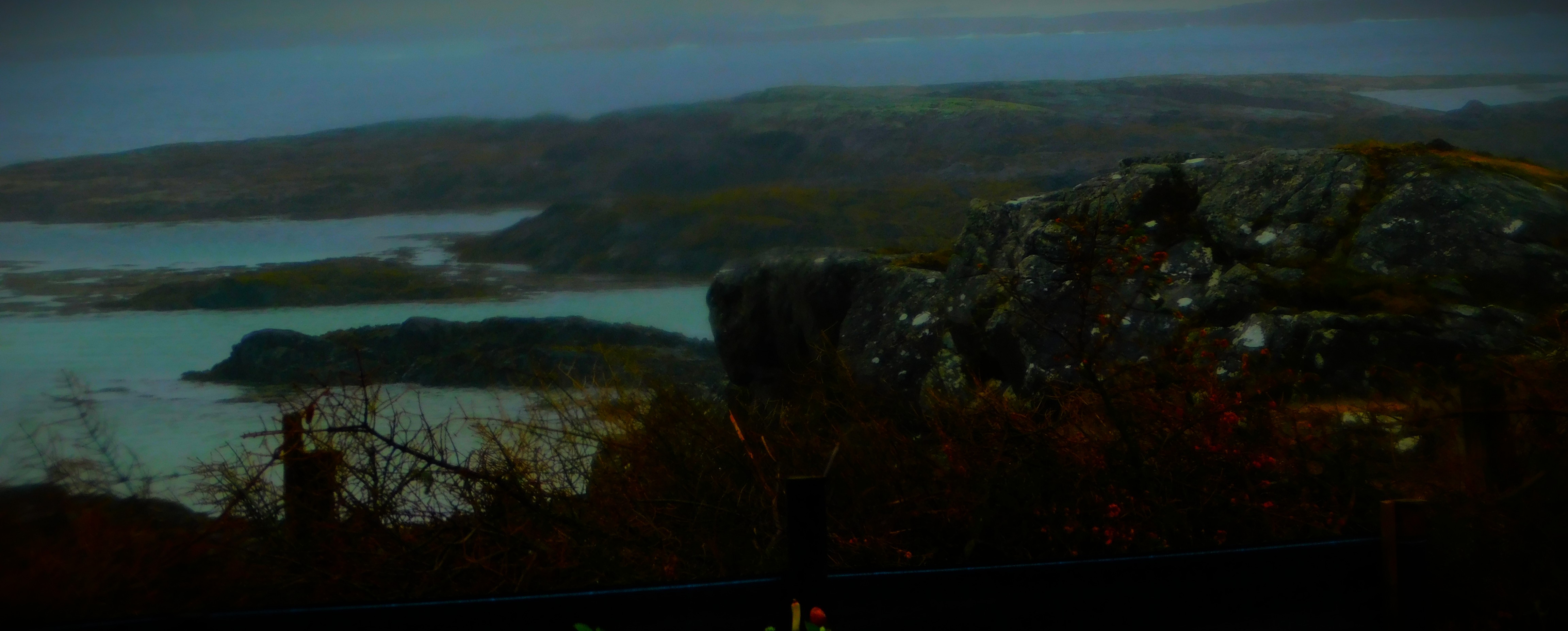
The walk to Portuairk features some excellent views, and Portuairk itself is a very scenic village. The road continues at sea level until the start of a footpath the leads to MacNeil Bay. On these occasions I did not spend much time in the environs of Portuairk, though there will be another post later in this series from an occasion when I spent longer there.

Here are the pictures for this post…

50th Birthday Holiday 4: Tobermory

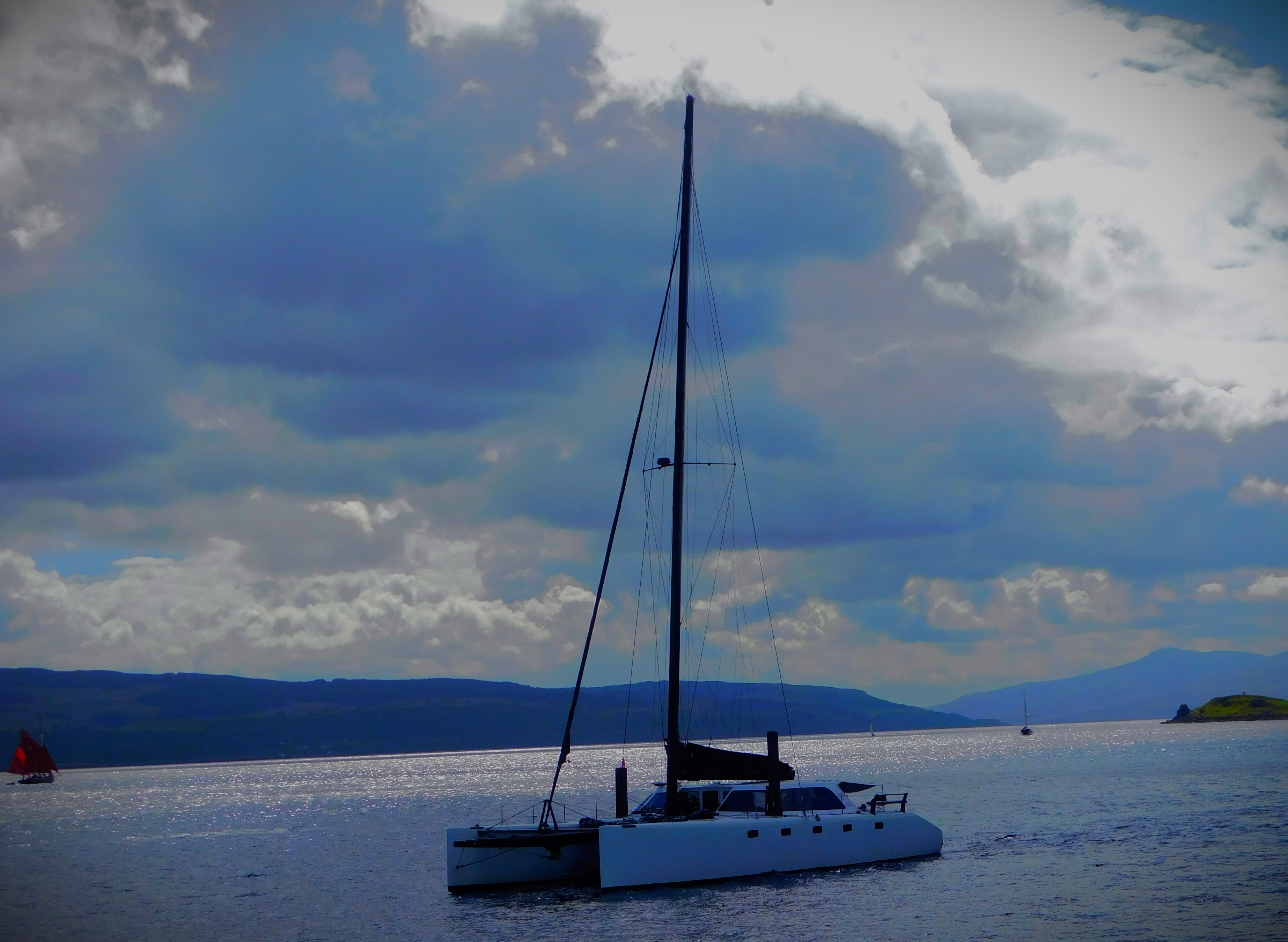
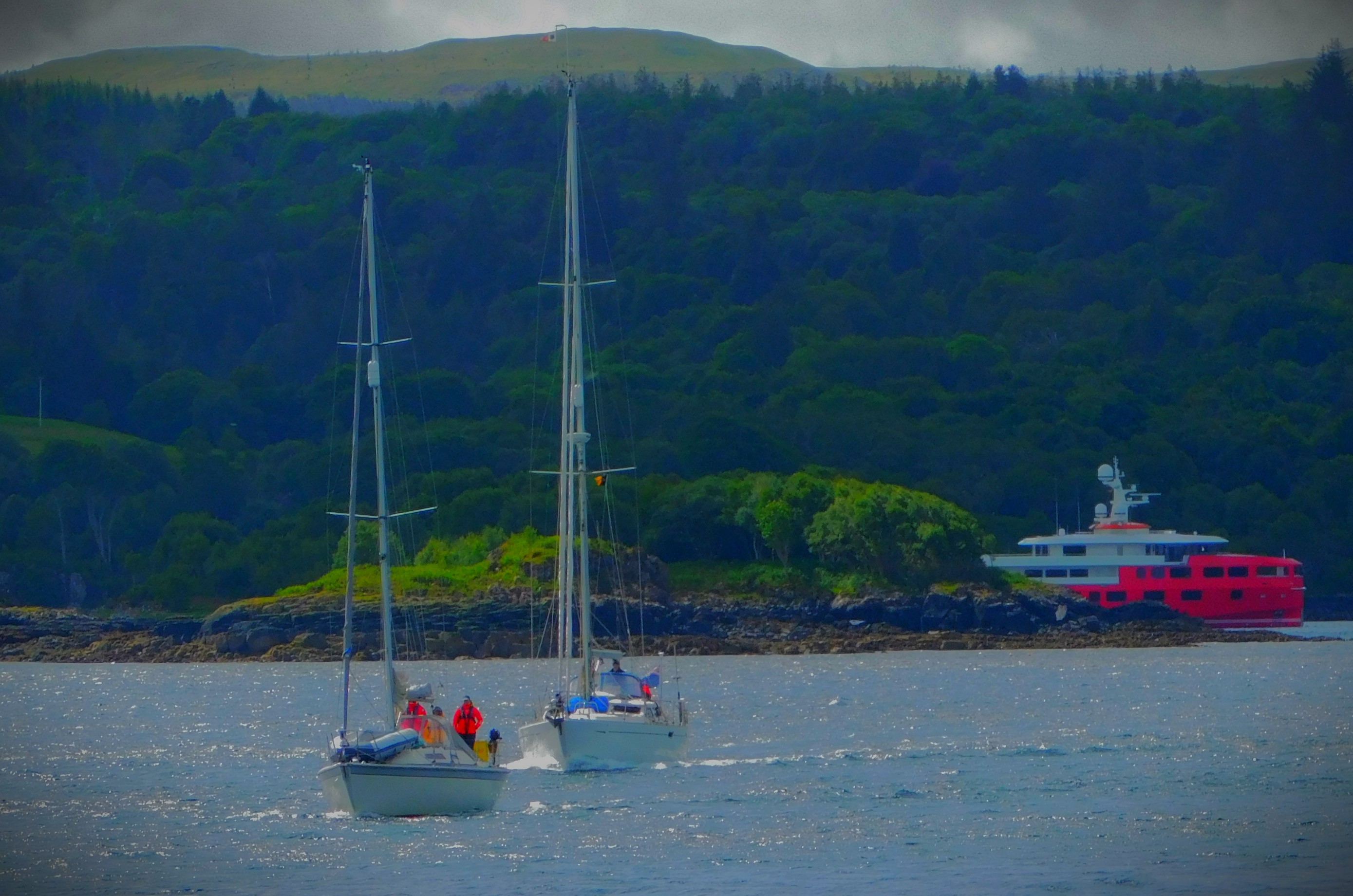
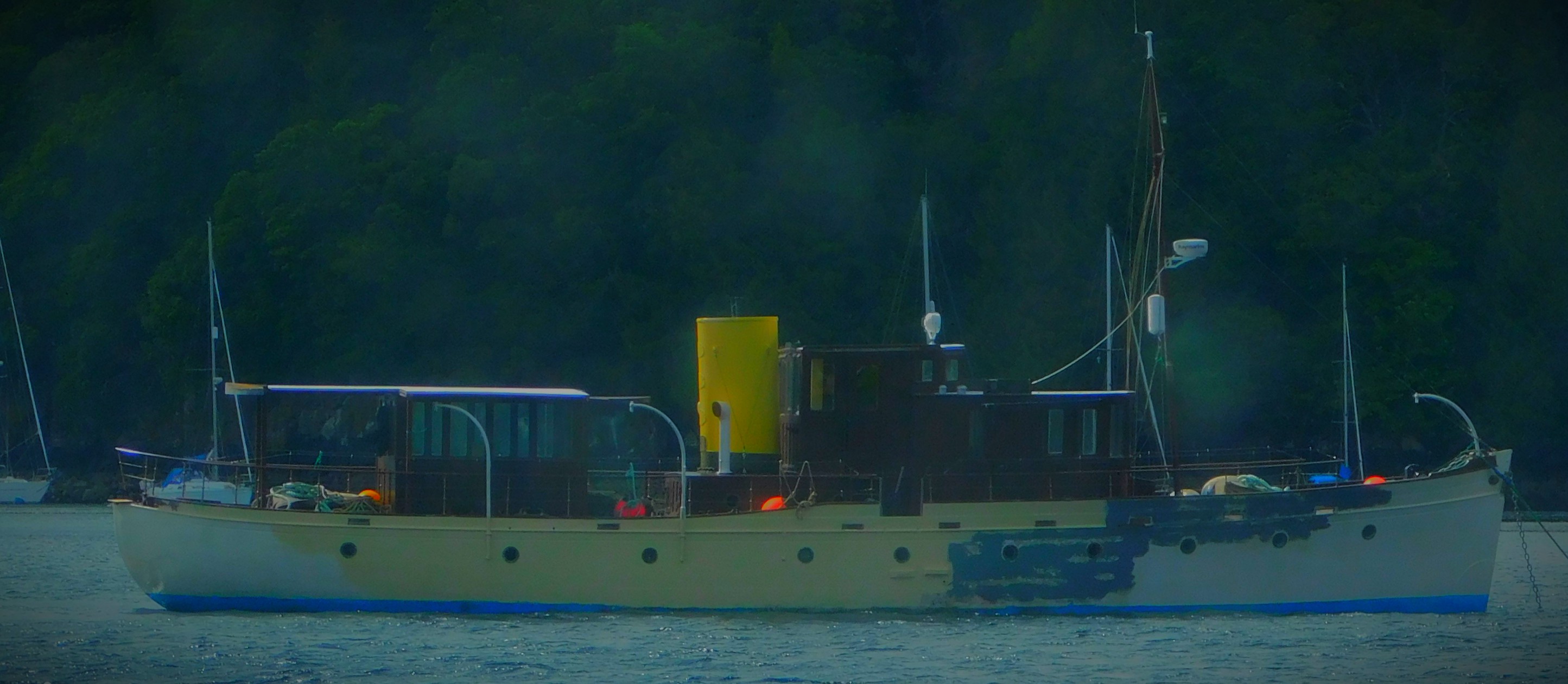
This post, the fourth in my series about my holiday in Scotland around my 50th birthday, is by way of setting the scene for what will probably be two posts about my voyage aboard The Waverley, the world’s last seagoing paddle steamer. Posts 1, 2 and 3 in the series can be accessed from here by clicking on the numbers.

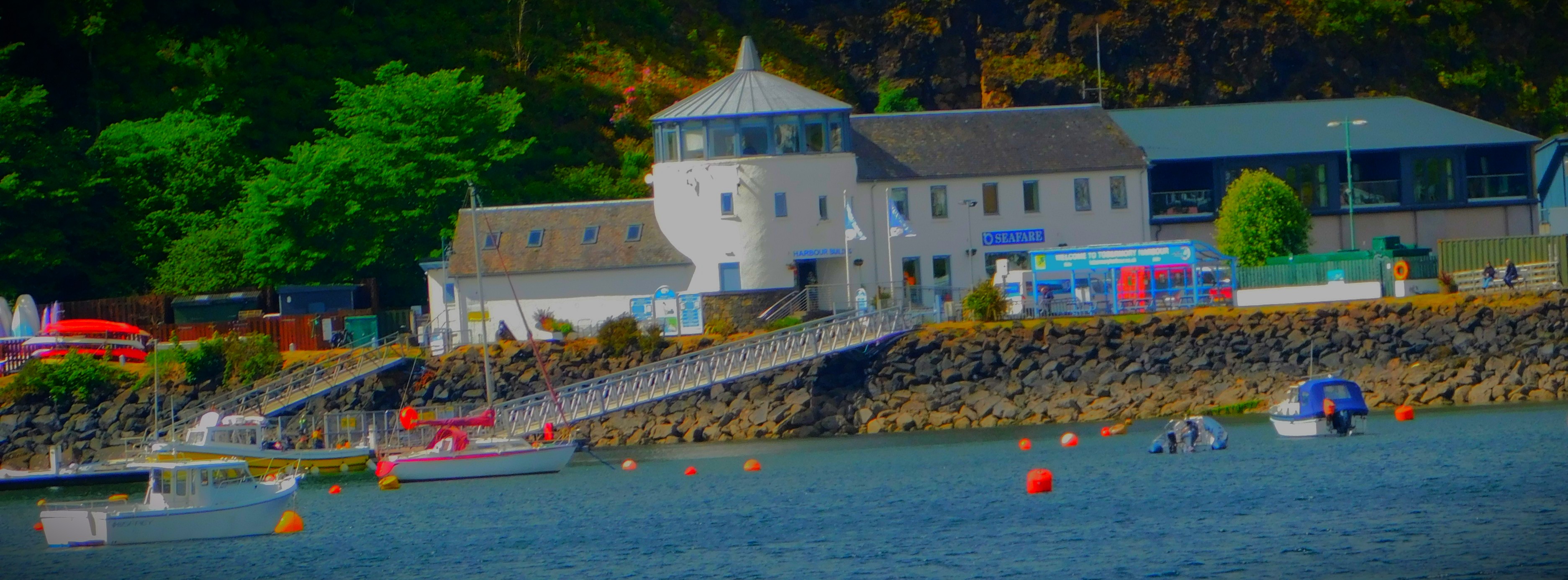
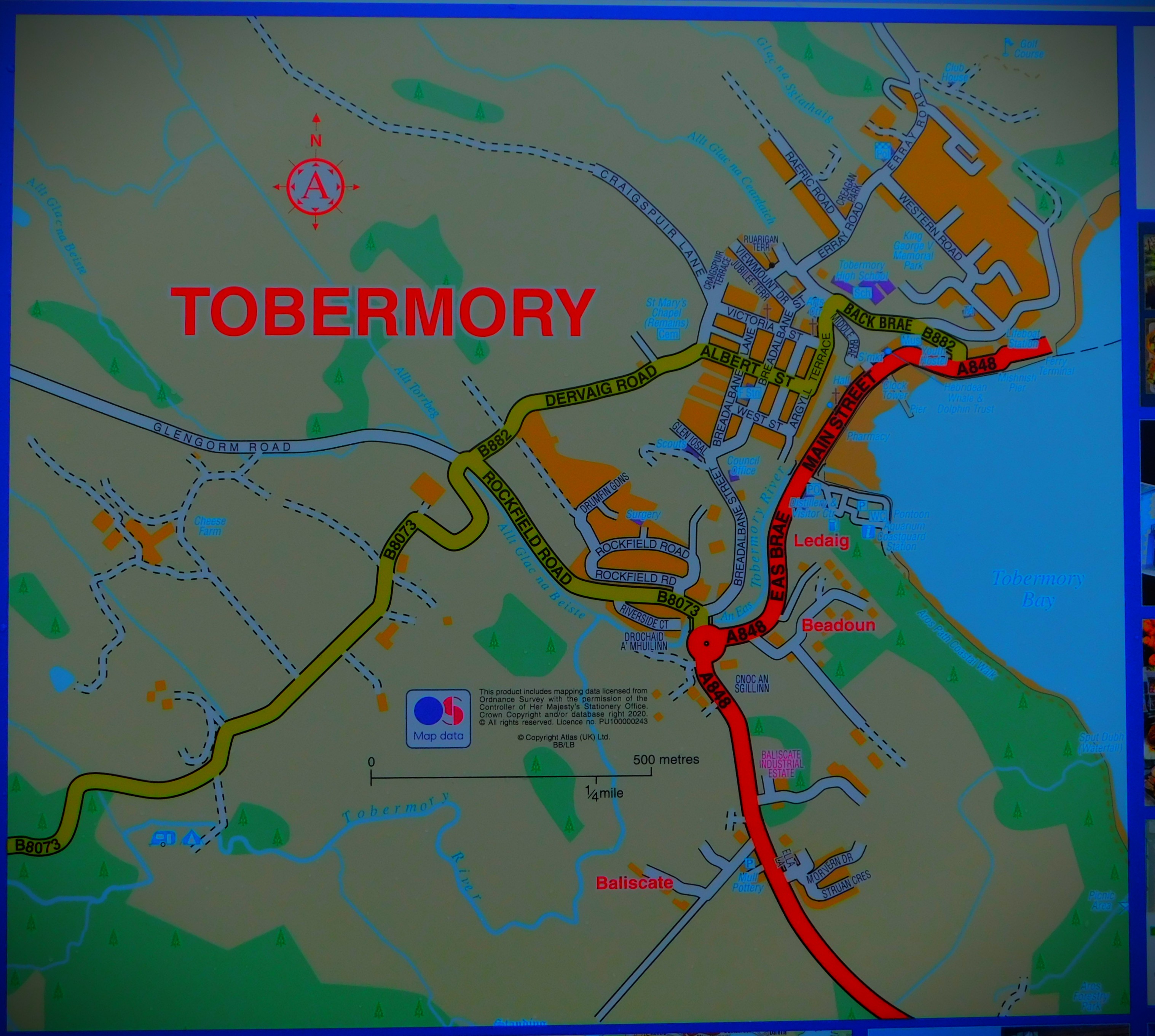
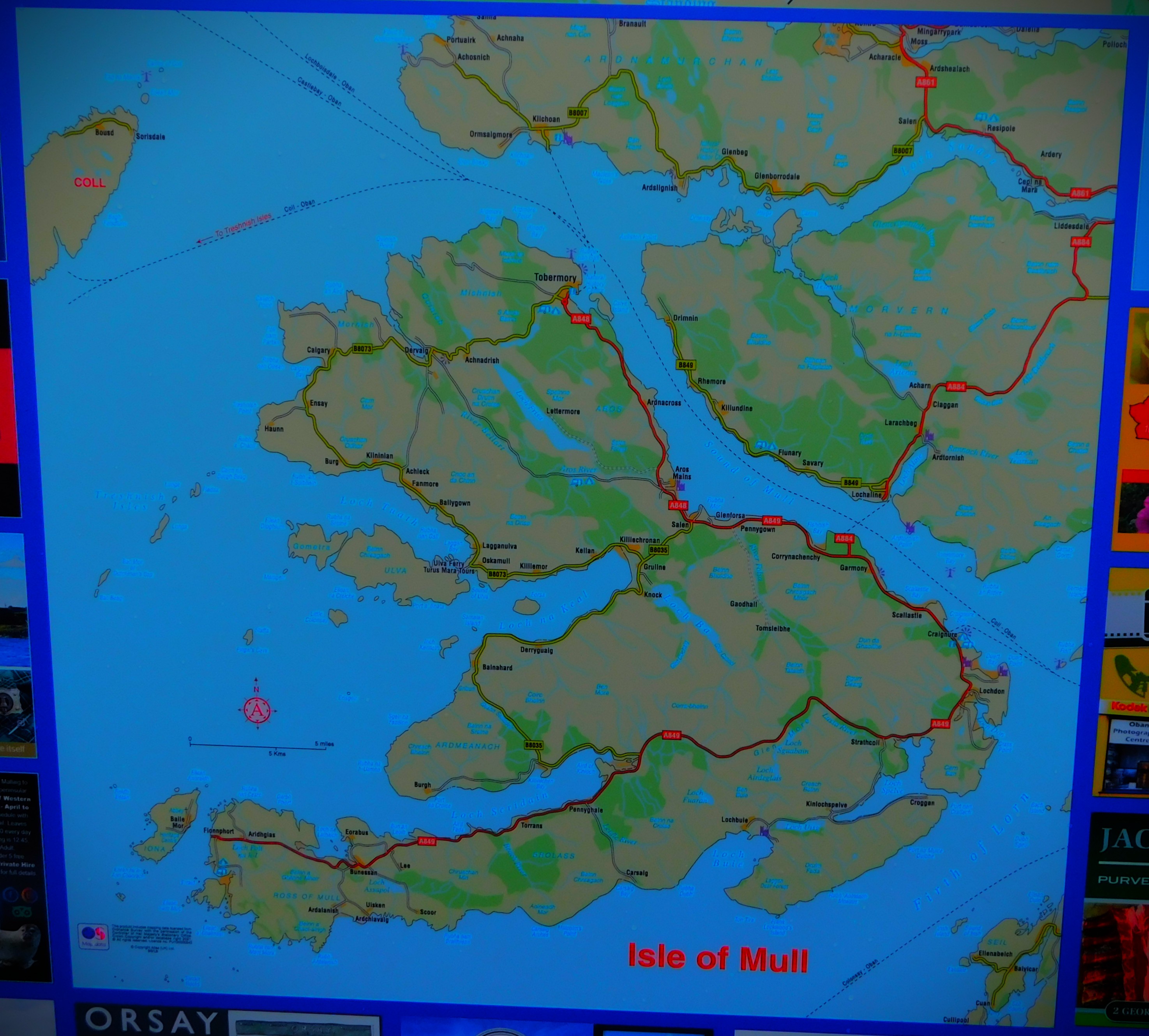
We were originally supposed to board and disembark from The Waverley at Oban, quite a substantial journey from Achosnich, where we are staying. However, the road closure that had delayed our arrival on Monday was just one of a number scheduled, which made the prospect of driving to and from Oban more worrying than it should have been. The alternative was to take the ferry from Kilchoan across to Tobermory, and join and leave the steamer there. This was what we chose to do, and we had a fair amount of time in Tobermory before boarding (not much after disembarkation from The Waverley.

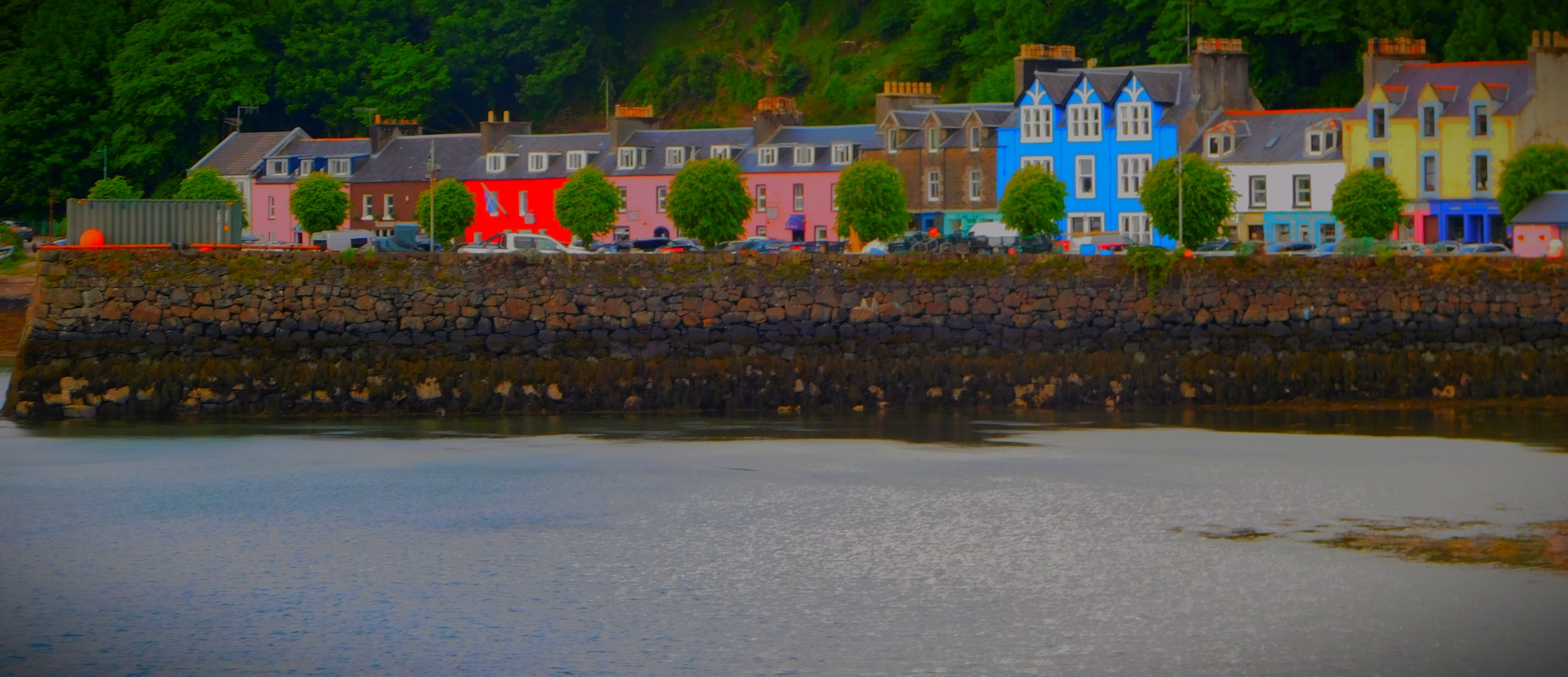
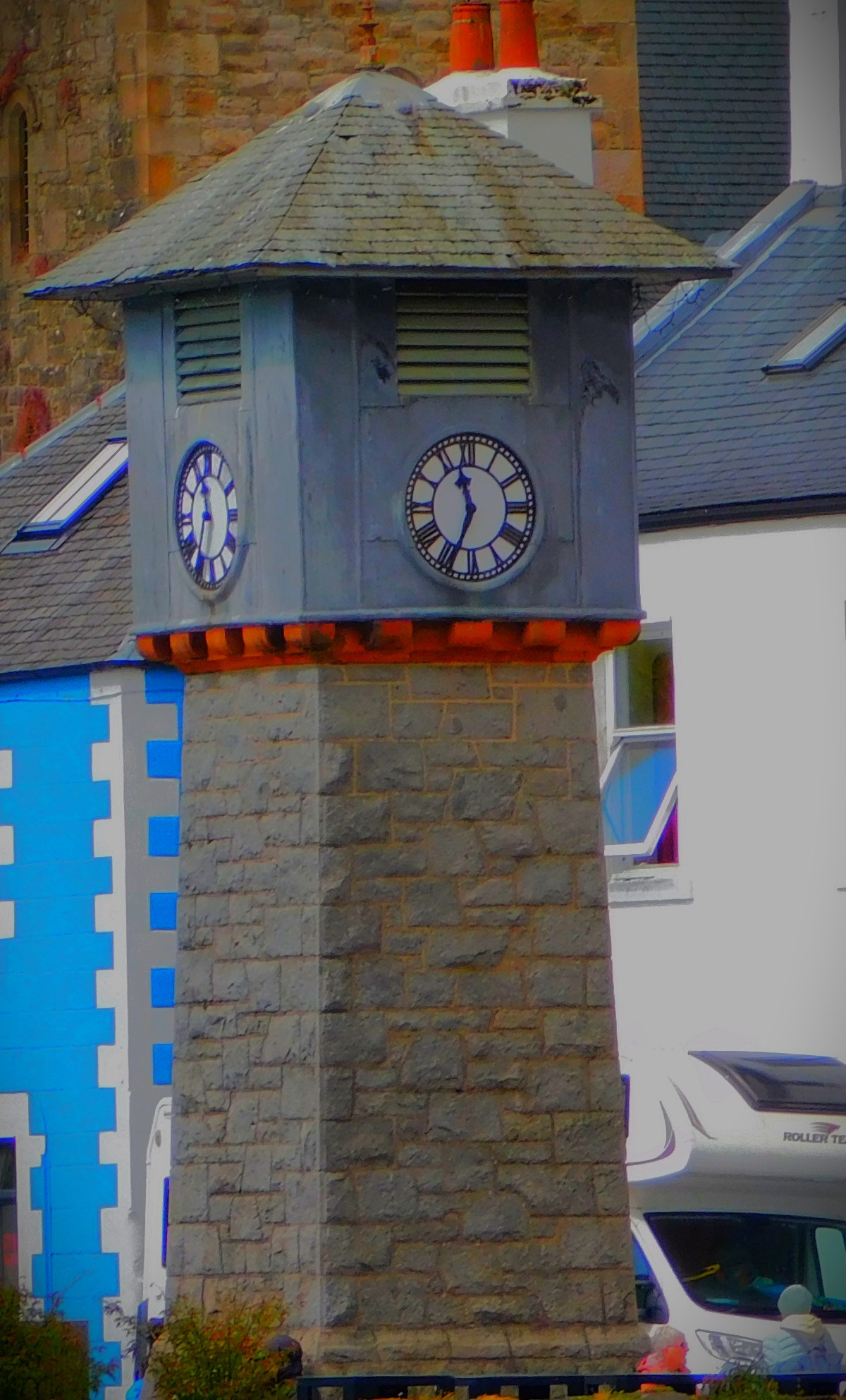
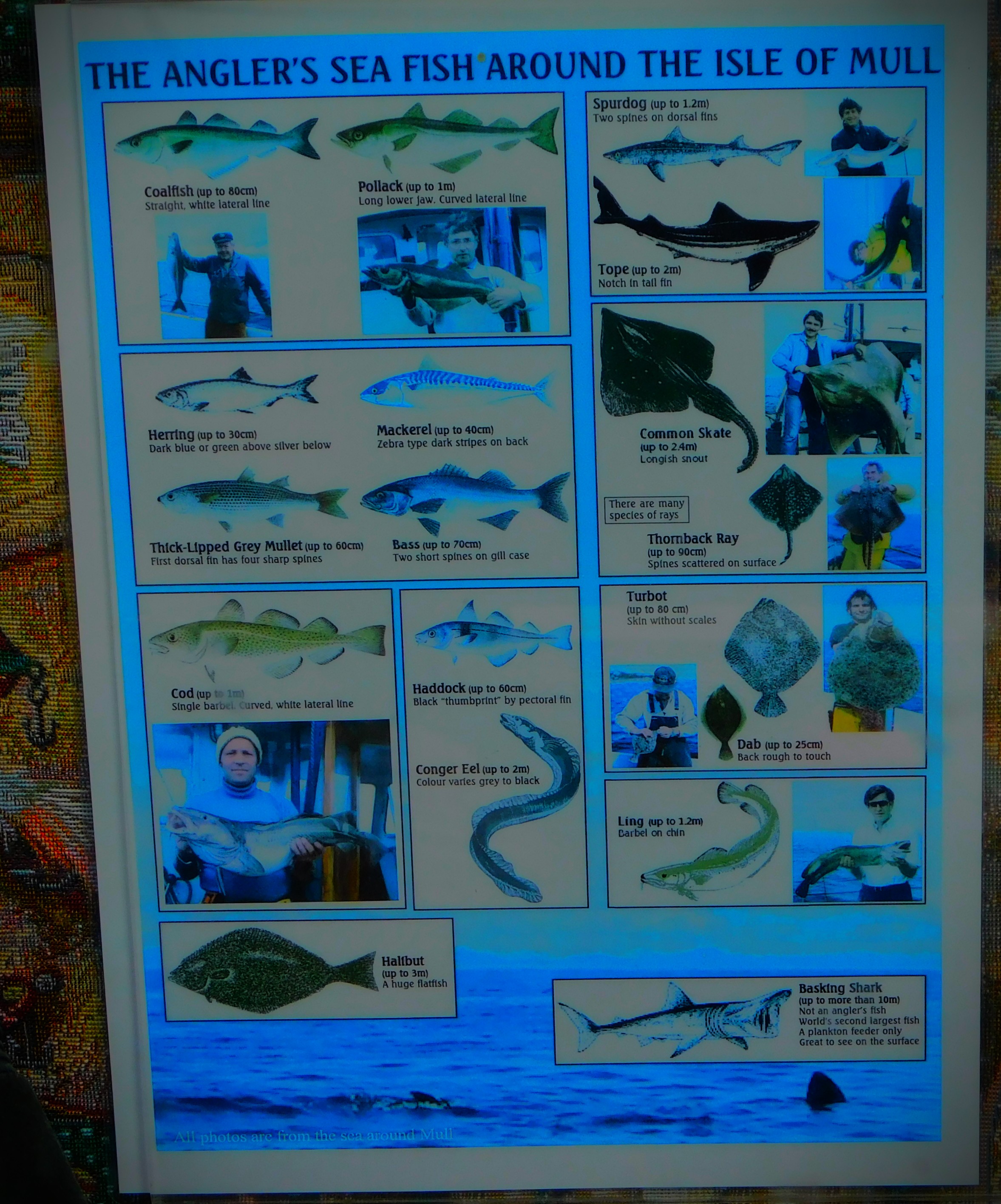
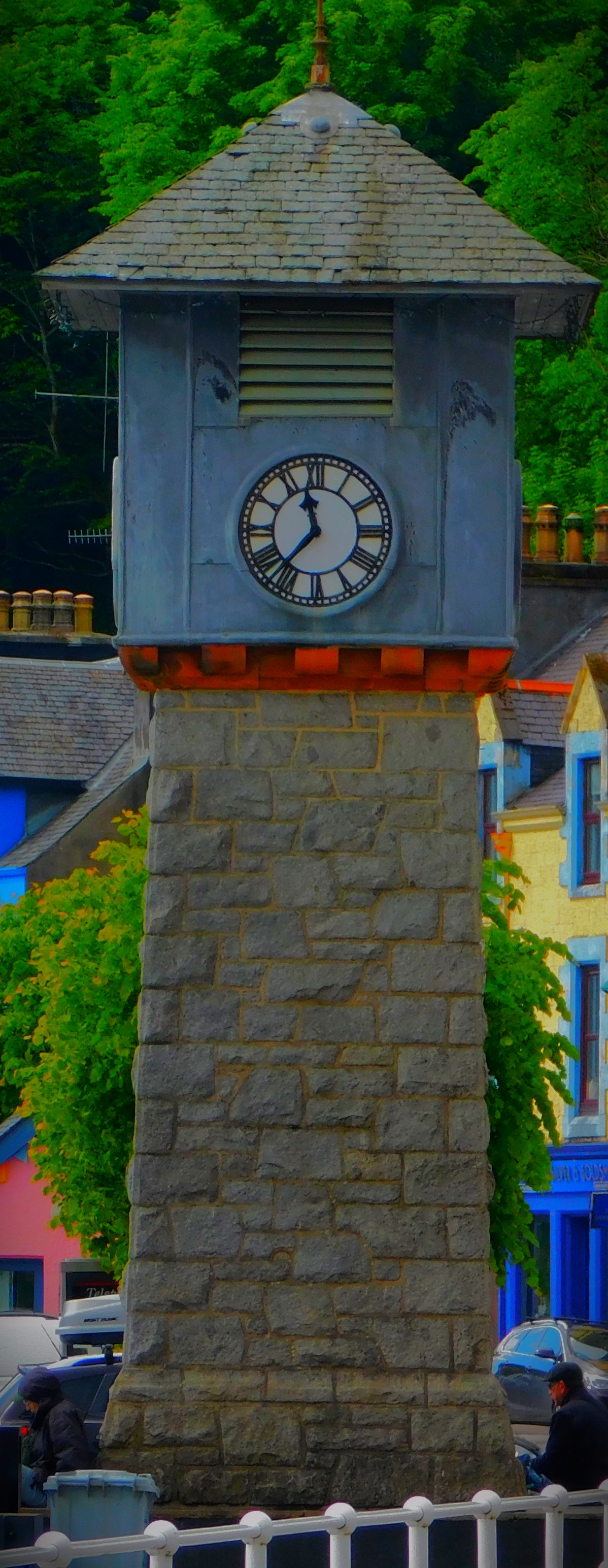
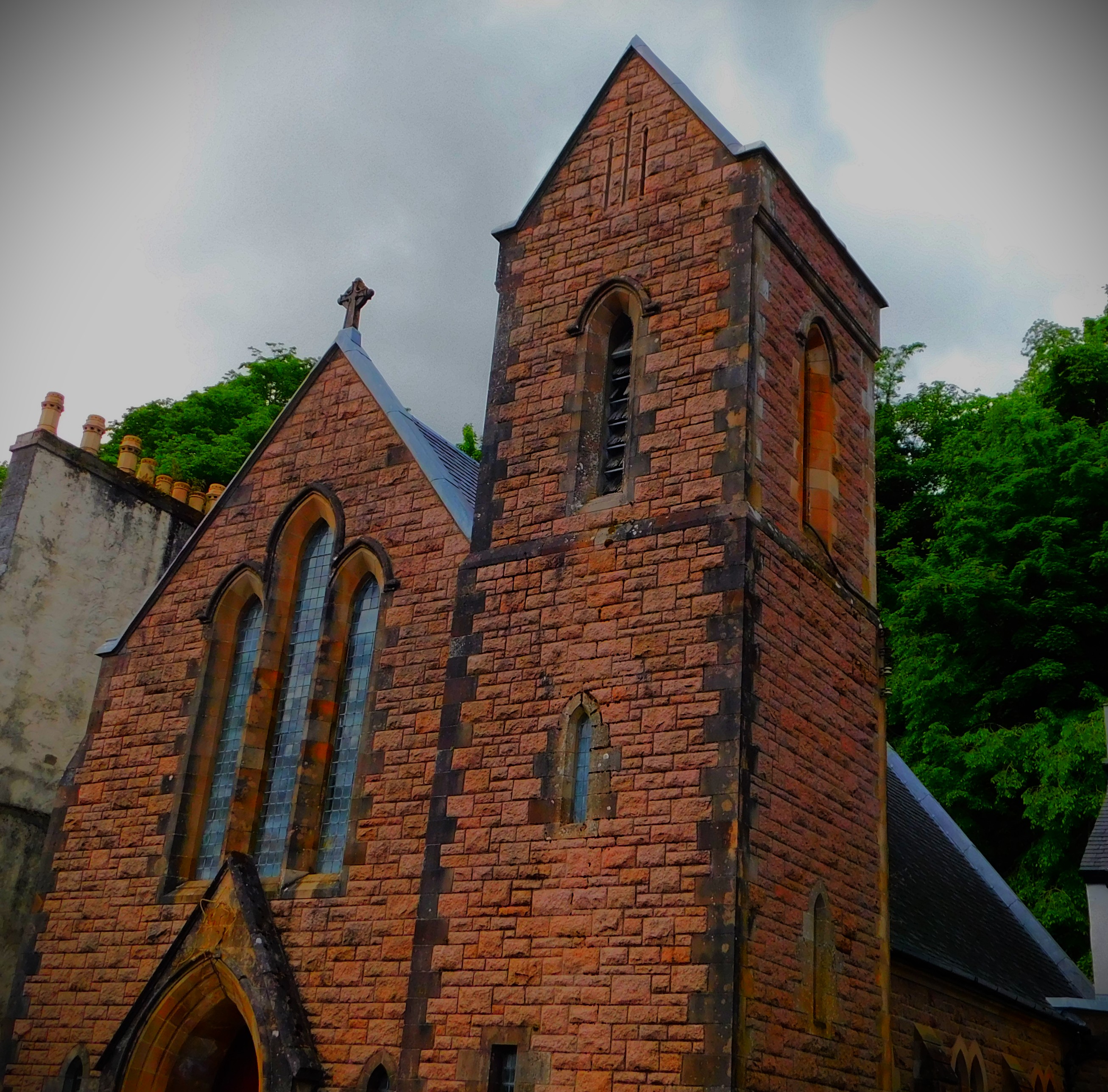
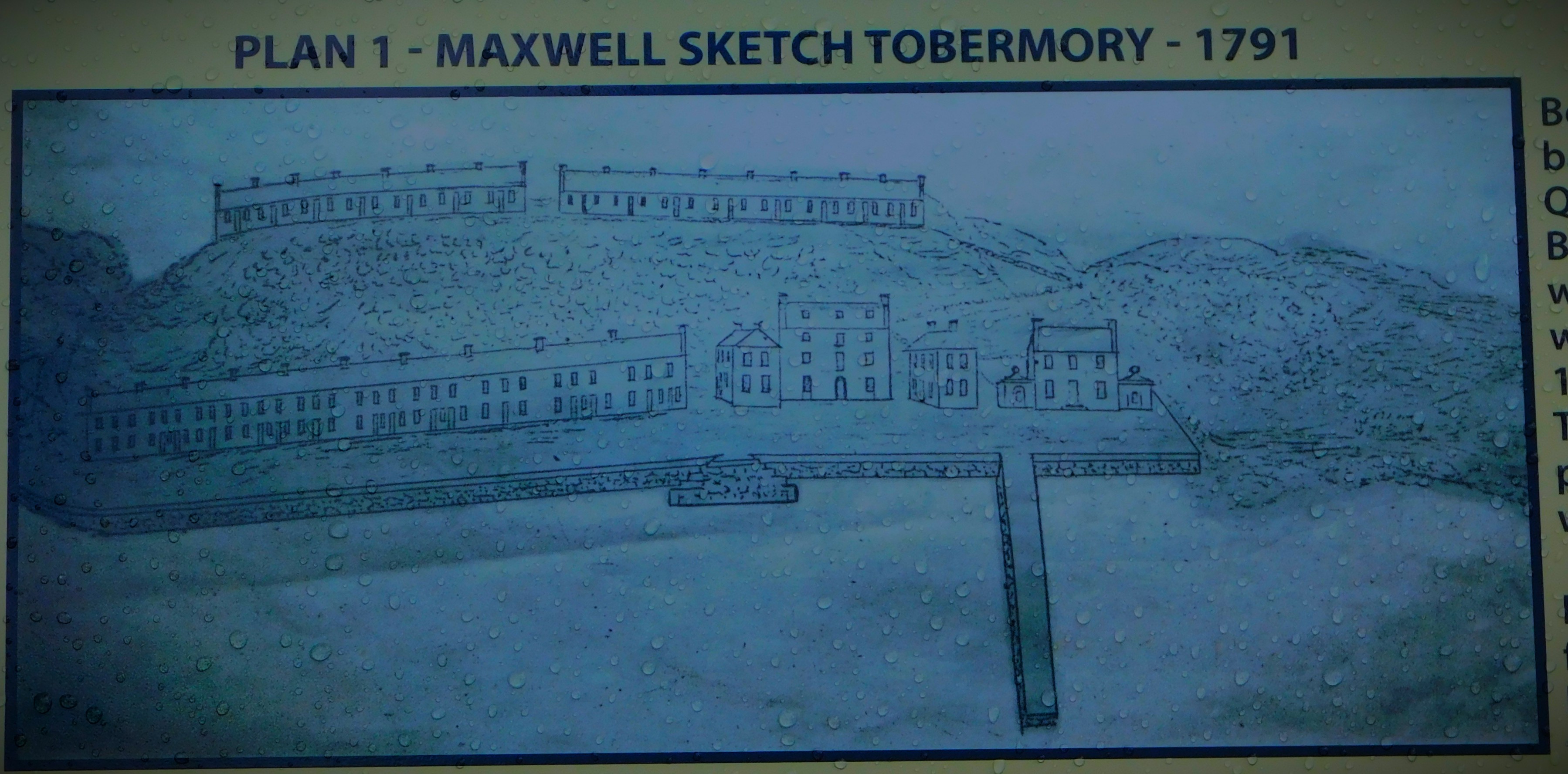
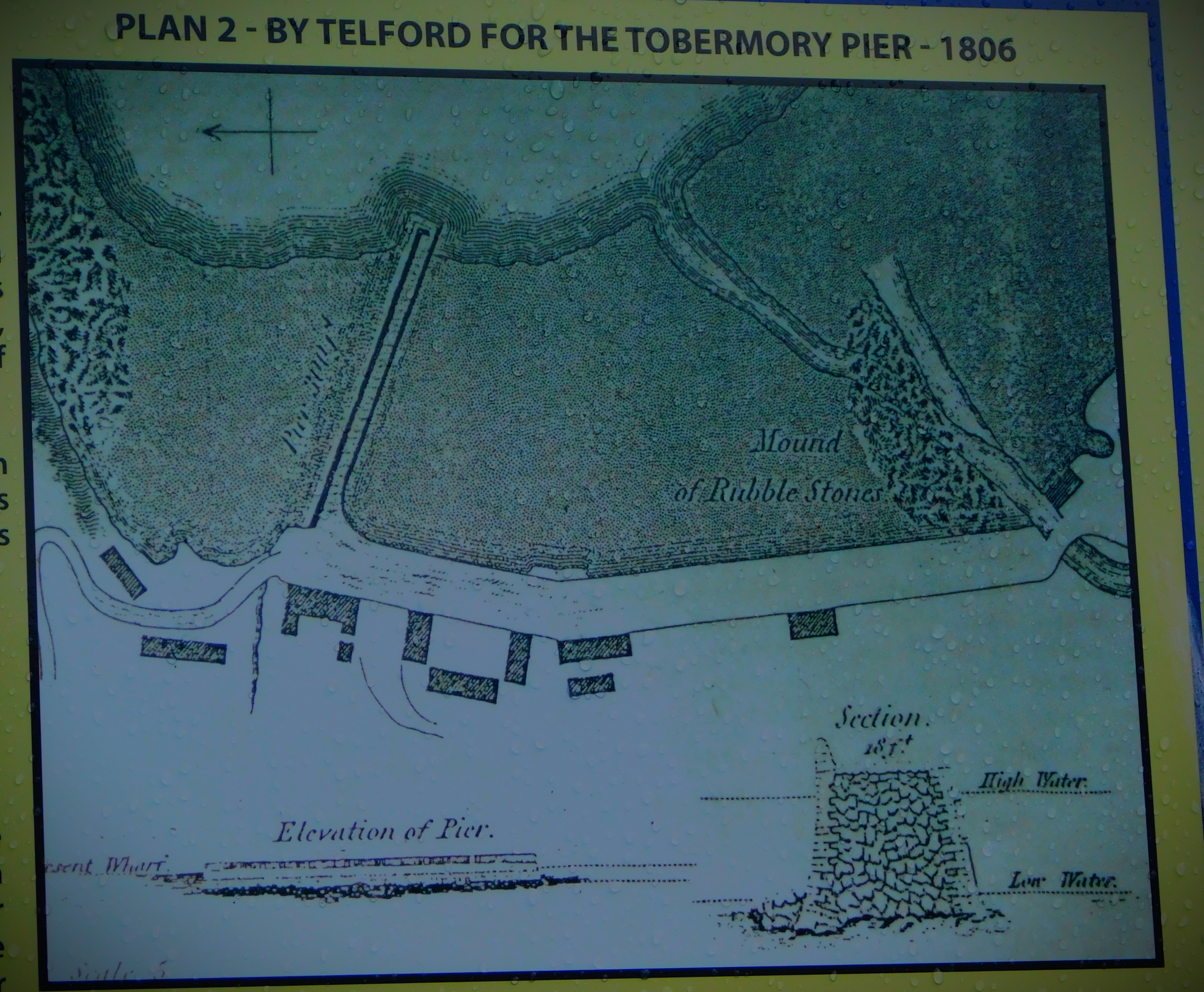
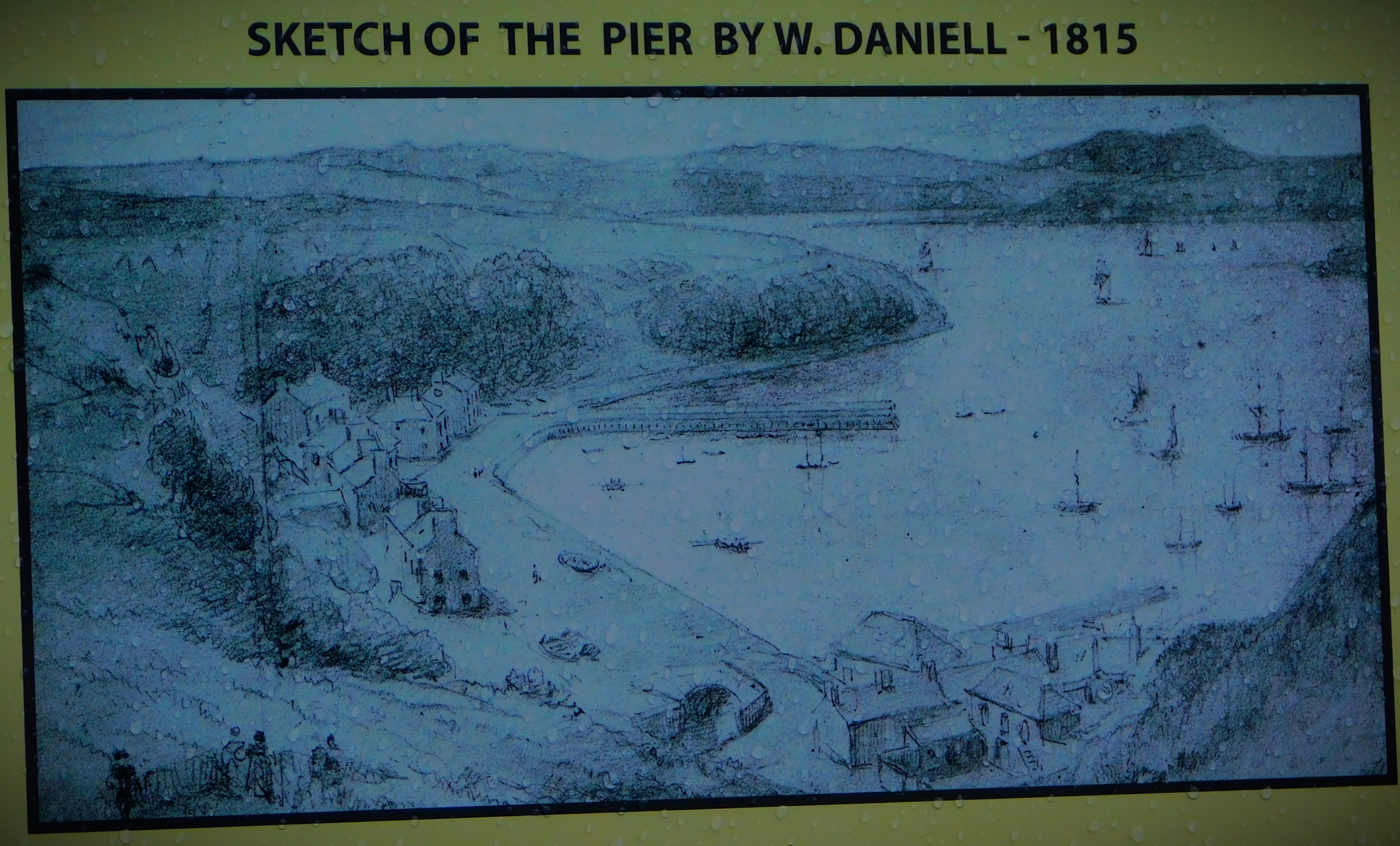
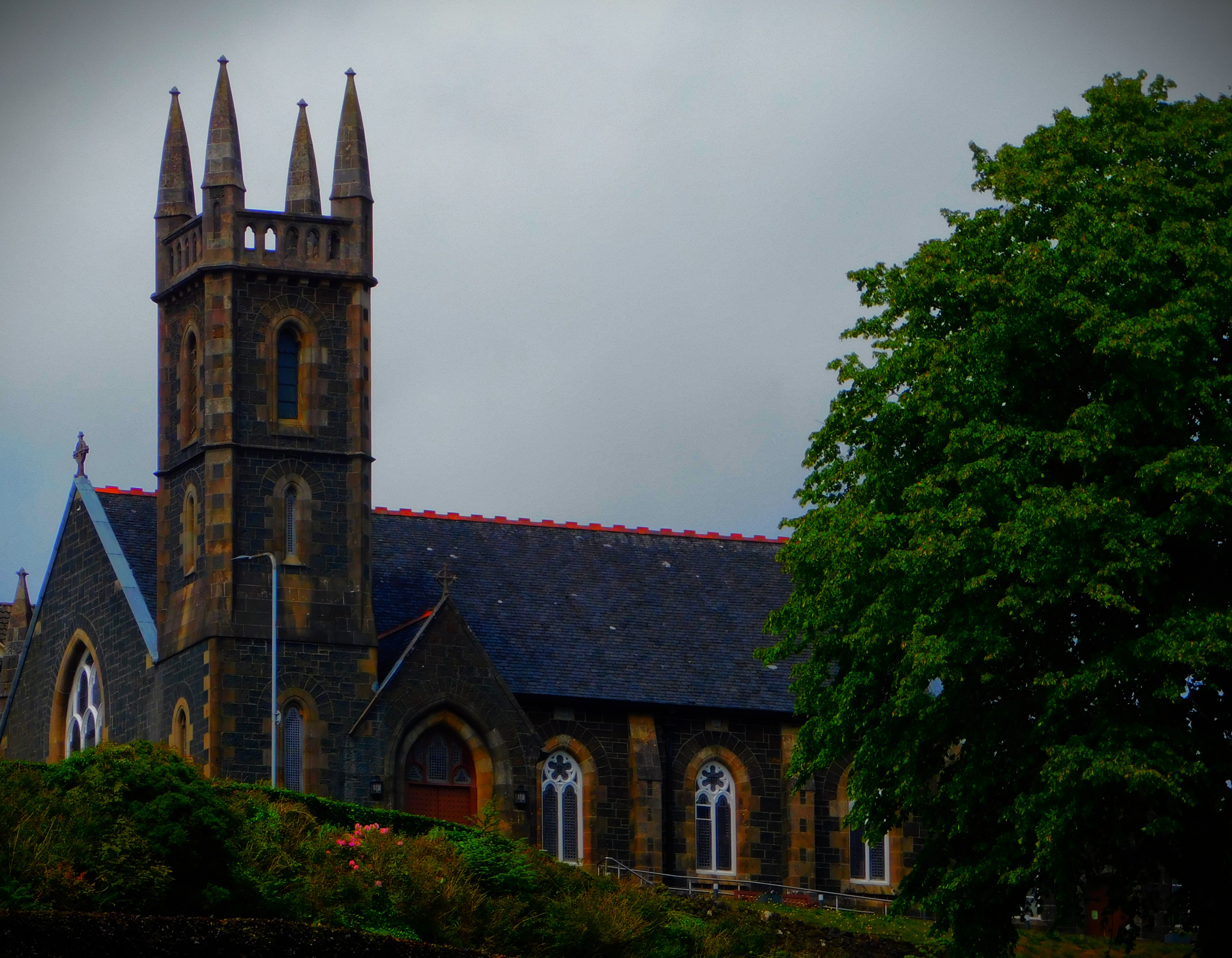
The Kilchoan ferry is a small one, and the journey across to Tobermory on the Isle of Mull is not a very long one. Tobermory will be familiar by sight to watchers of children’s TV – the brightly coloured houses that form the backdrop to “Jackanory” are there. We had a few bits of shopping to do, which were quickly accomplished. The only other interruption to seeing what could be seen at the sea front was caused by bad weather, which at one stage forced us to seek refuge in a cafe located in a converted church. Finding somewhere to eat our sandwiches for lunch proved a challenge, and we ended up doing so while stood waiting for the steamer.

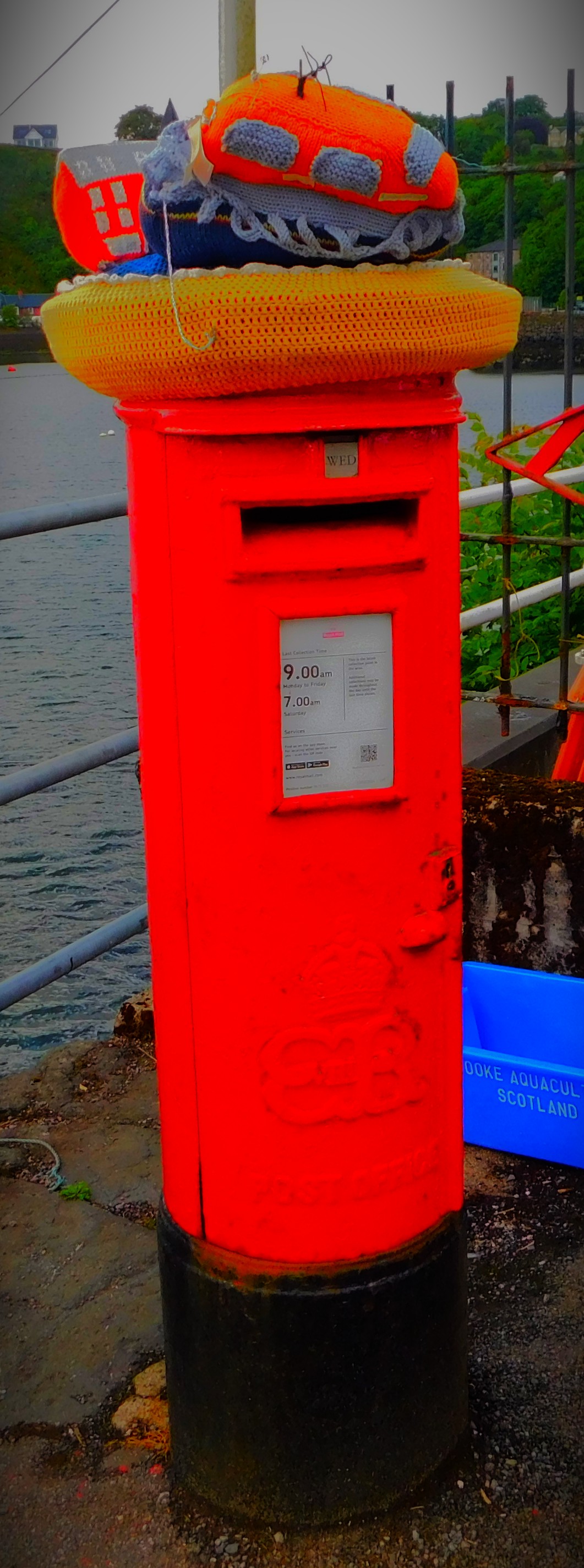
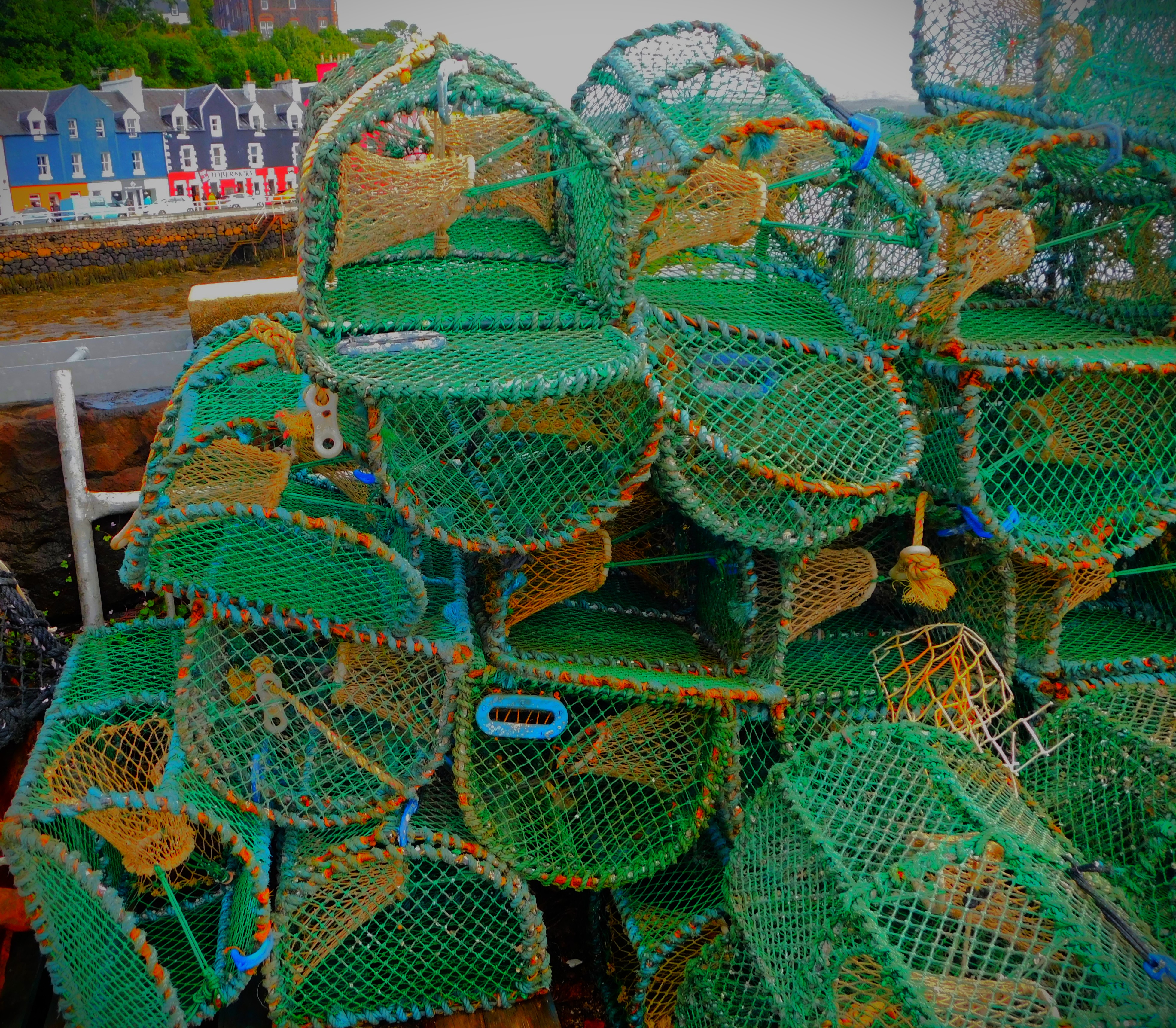
Here are the non-steamer photos from this day…

County Championship Crunch Contests

A look at goings on in the two most important county championship fixtures of this penultimate round of games – Lancashire v Somerset and Surrey v Durham. Also a large photo gallery,

After the previous round of County Championship matches Surrey held a slender eight point advantage over Somerset at the top of the table (Hampshire are the next closest challengers but they would need a quite remarkable series of events to unfold for them to get past both of the top two) thanks to Somerset beating Surrey. Surrey are bidding for a third successive title, a feat last achieved by anyone in 1968, while Somerset have never won the title, or been named ‘Champion County’ in the years before 1890 when the competition was first put on an organized footing. This post looks at what is going on in the matches involving these counties in this round.

Both were for different reasons in need of a big haul of points from this match. Lancashire are looking relegation full in the face, while Somerset have that eight point gap to close on Surrey – and the weather forecast for the time of the final round of fixtures is not hugely promising. Unfortunately the ground staff at Old Trafford did not get the memo, and left a large amount of grass on the pitch, meaning that the seamers had a fine old time. By the end of yesterday both sides had had their first innings, and while each got the full haul of three bowling points they also each collected zero batting points. Lancashire mustered 140, Somerset 146. Lancashire have batted better second time round, and their lead has recently crossed 150, with six second wickets still standing. Josh Bohannon made a fine 60, and first class debutant Harry Singh batted a very long time for his 31 (142 balls). Currently Rocky Flintoff (son of Andrew) is batting alongside Lancashire keeper Matty Hurst, and the score is 162-4, a lead of 156. Matty Hurst has just gone, playing a loose shot off Randell, giving the Kiwi seamer has second Somerset wicket, in his third bowling innings for the county, Craig Overton taking the catch in the slips. Lancashire, 164-5, lead by 158 overall. Rocky Flintoff has been absolutely done by a beauty from Jack Leach which has bowled him for 27 to make it 168-6, the youngster having just hit a boundary. Lancashire 162 ahead now.

Durham, batting first yesterday, scored 262, Colin Ackermann leading the way with 78 not out. Surrey are currently 214-5 in response. Rory Burns made 55, Ryan Patel is currently 47 not out, and Durham have given away 35 extras. While I have been recording a couple of Lancashire wickets falling Surrey have moved on to 220-5, with Ryan Patel now past 50.

My usual sign off…
Homeward Bound

My account of the homeward journey from Fort Picklecombe.

INTRODUCTION

We have reached the penultimate post about my Cornish holiday – the last day. This post details the long journey home.

STARTING OFF

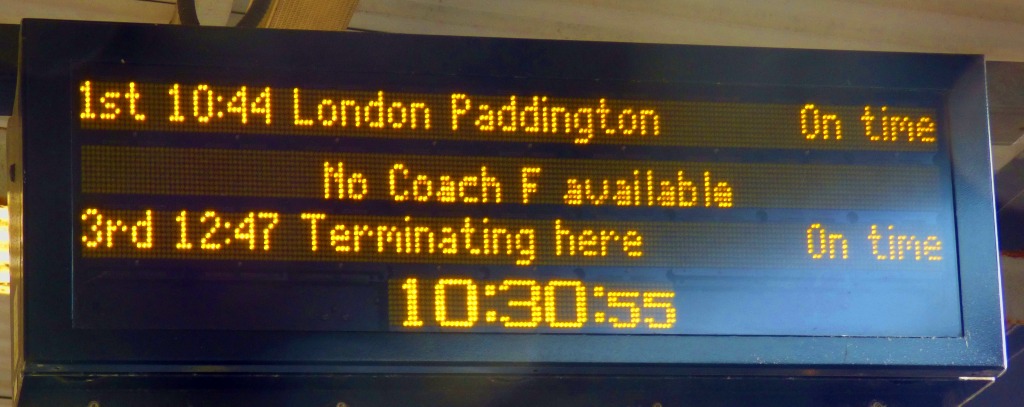
The length of time it took to get from Plymouth to Fort Picklecombe on the Thursday was playing on my mind, and I wanted to be sure that we were away before 9AM, since my train was due to depart Plymouth at 10:44, and I reckoned that a single ticket from Plymouth to London bought on the day (London-Lynn would still have been valid on the original ticket) woulkd probably cost more than my original ticket (in this assessment, to borrow from history, there was the proverbial “cubit of error my way that does not obscure the 99 cubits of error the other way” – actually said ticket would have been fractionally less. Nevertheless, I did get a few lasy pictures before leaving the fort:

Sun on waterthree boatsTwo boats

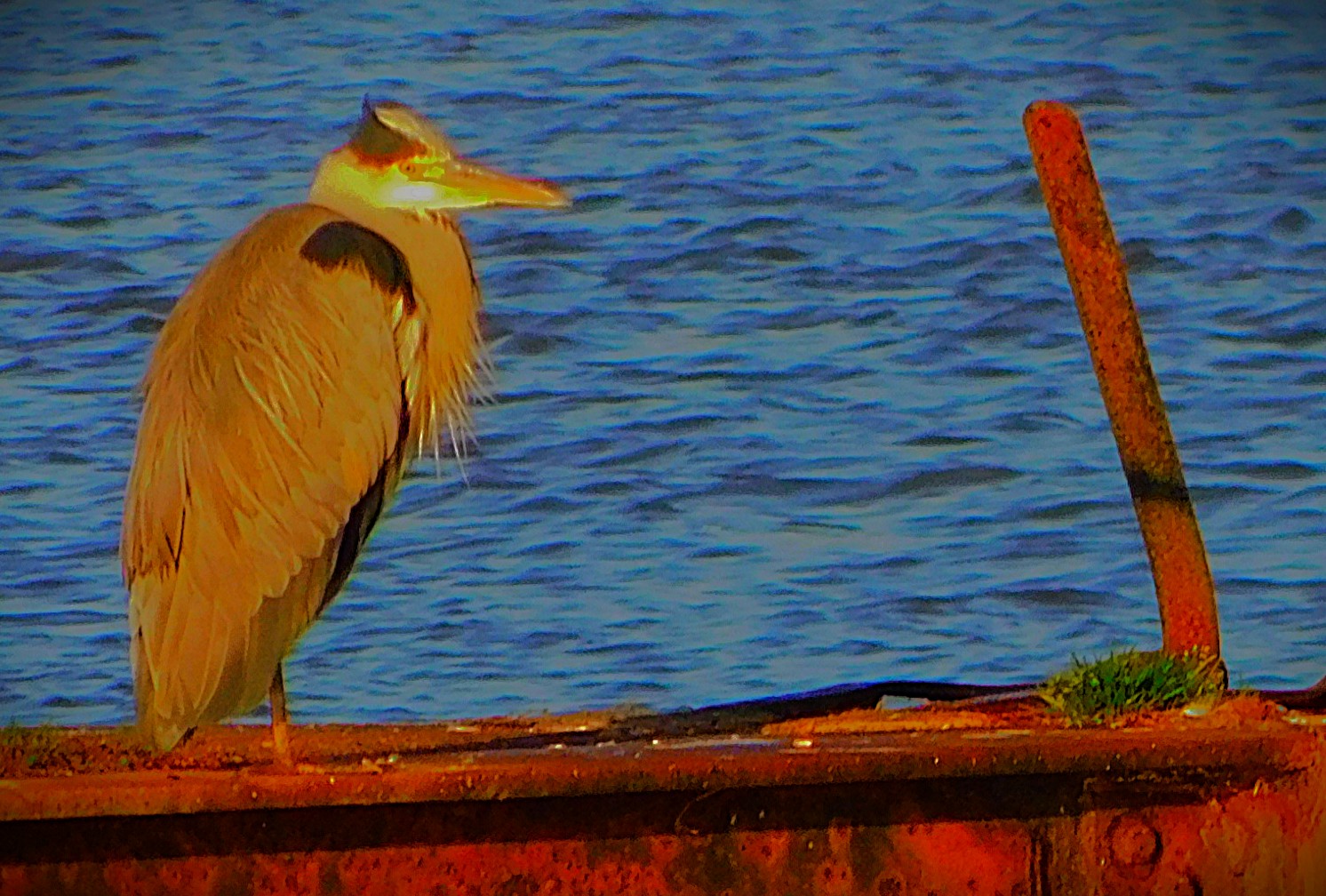
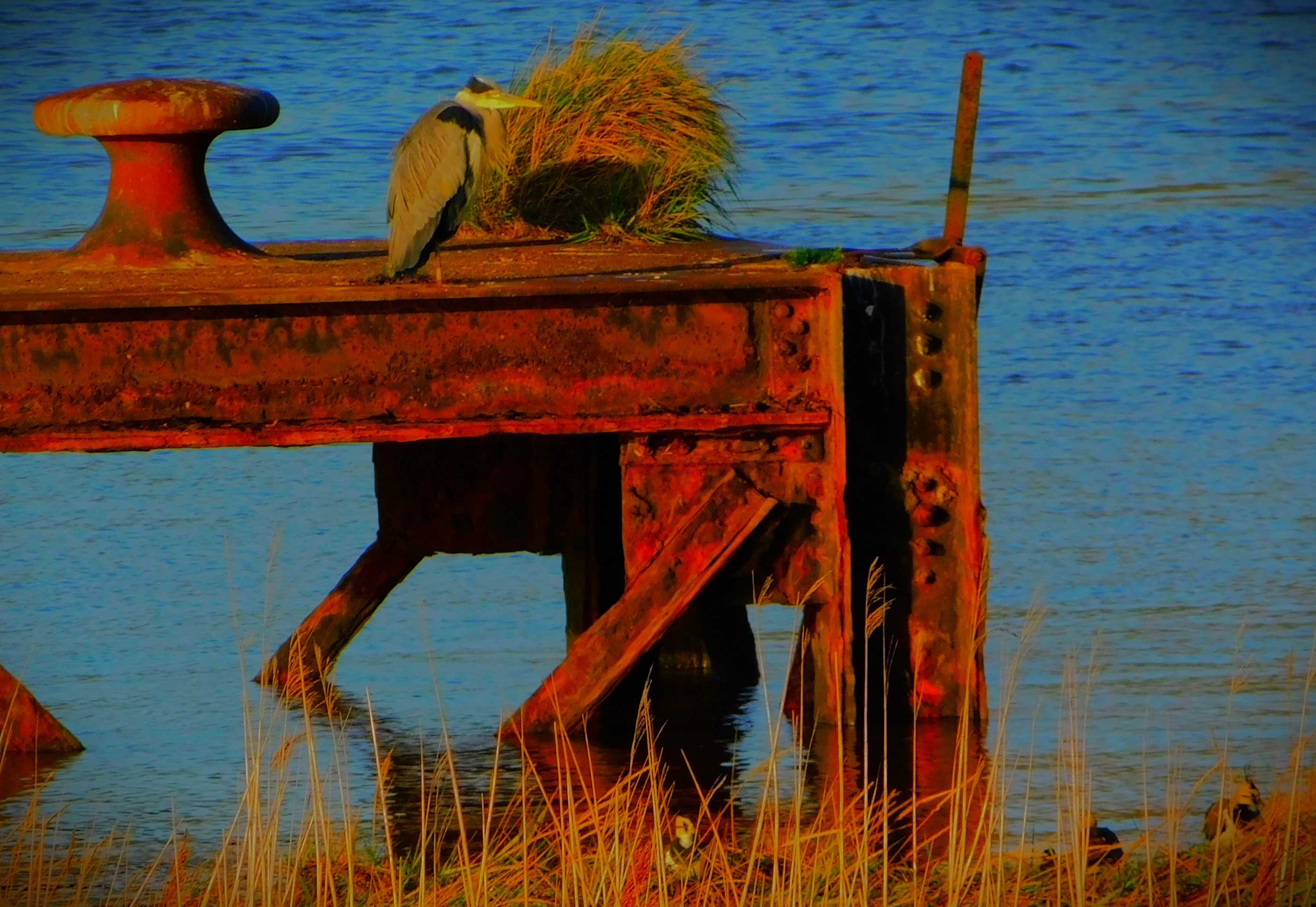
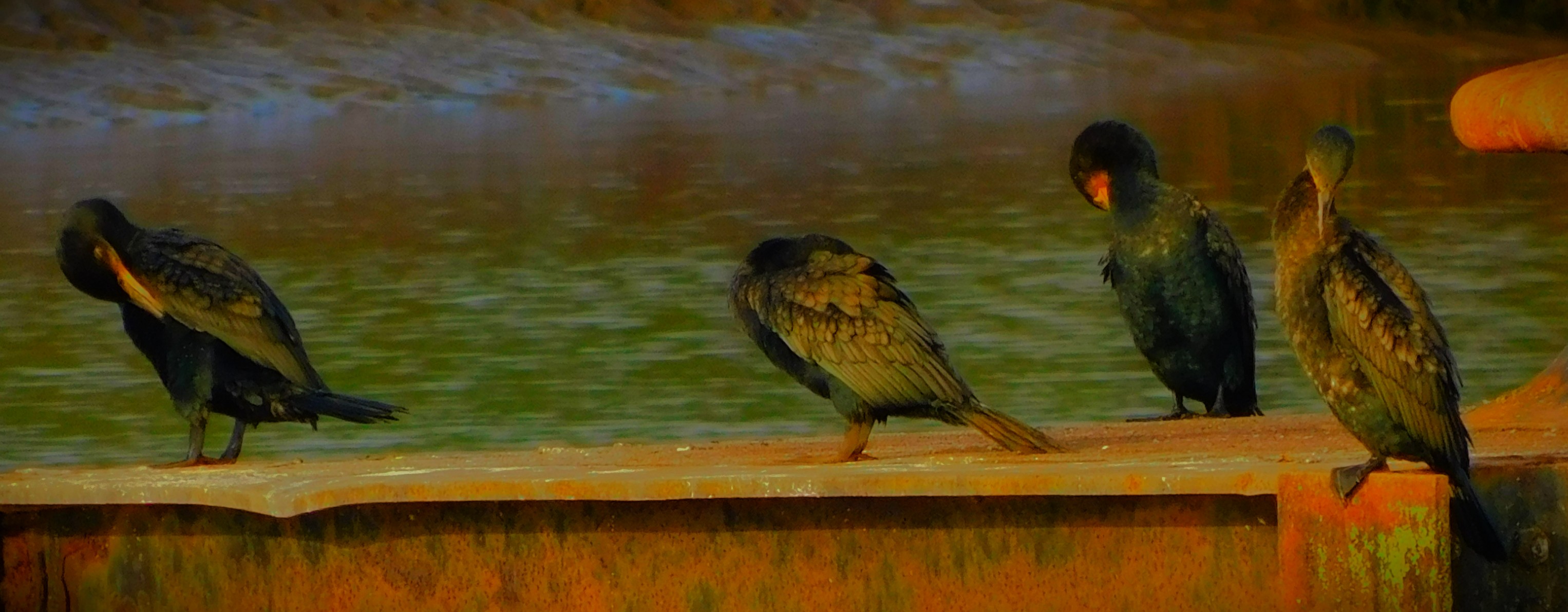
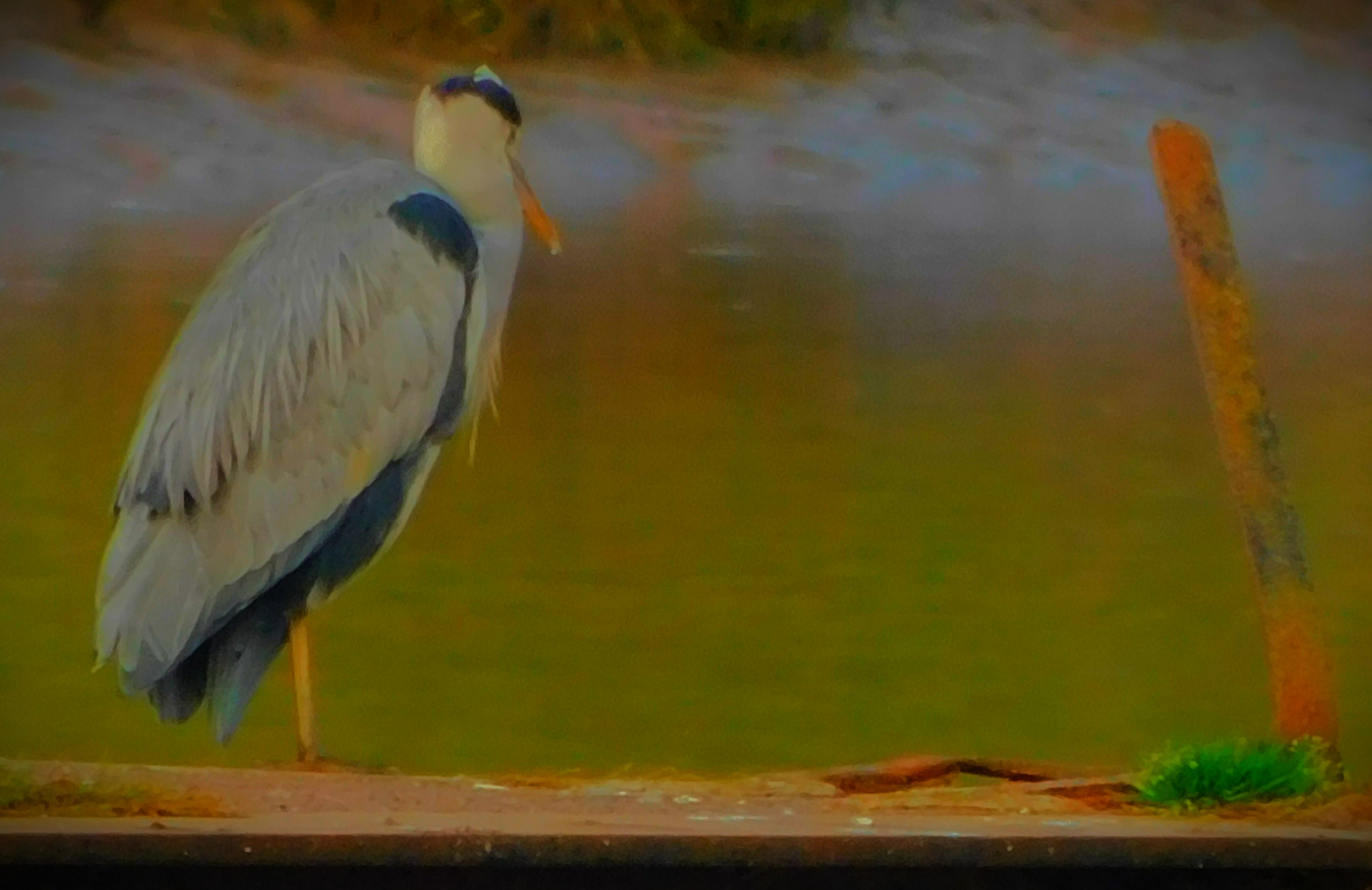
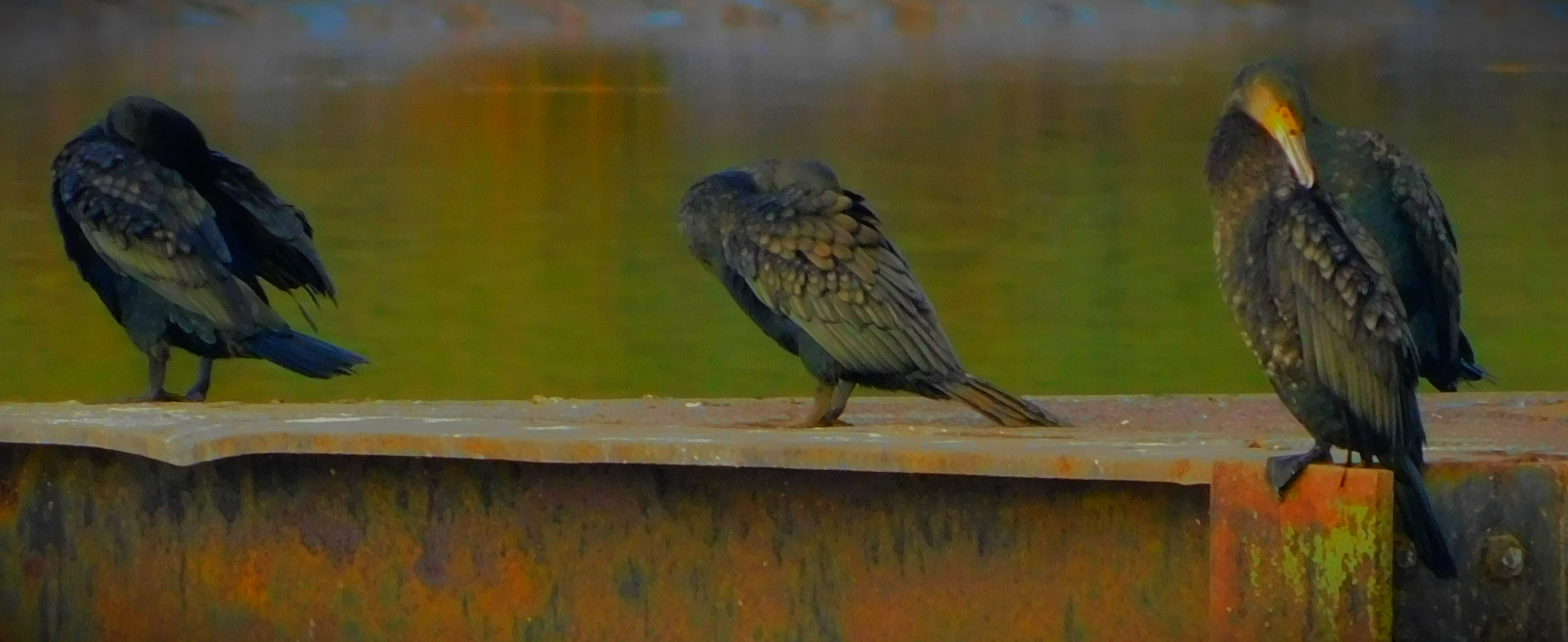
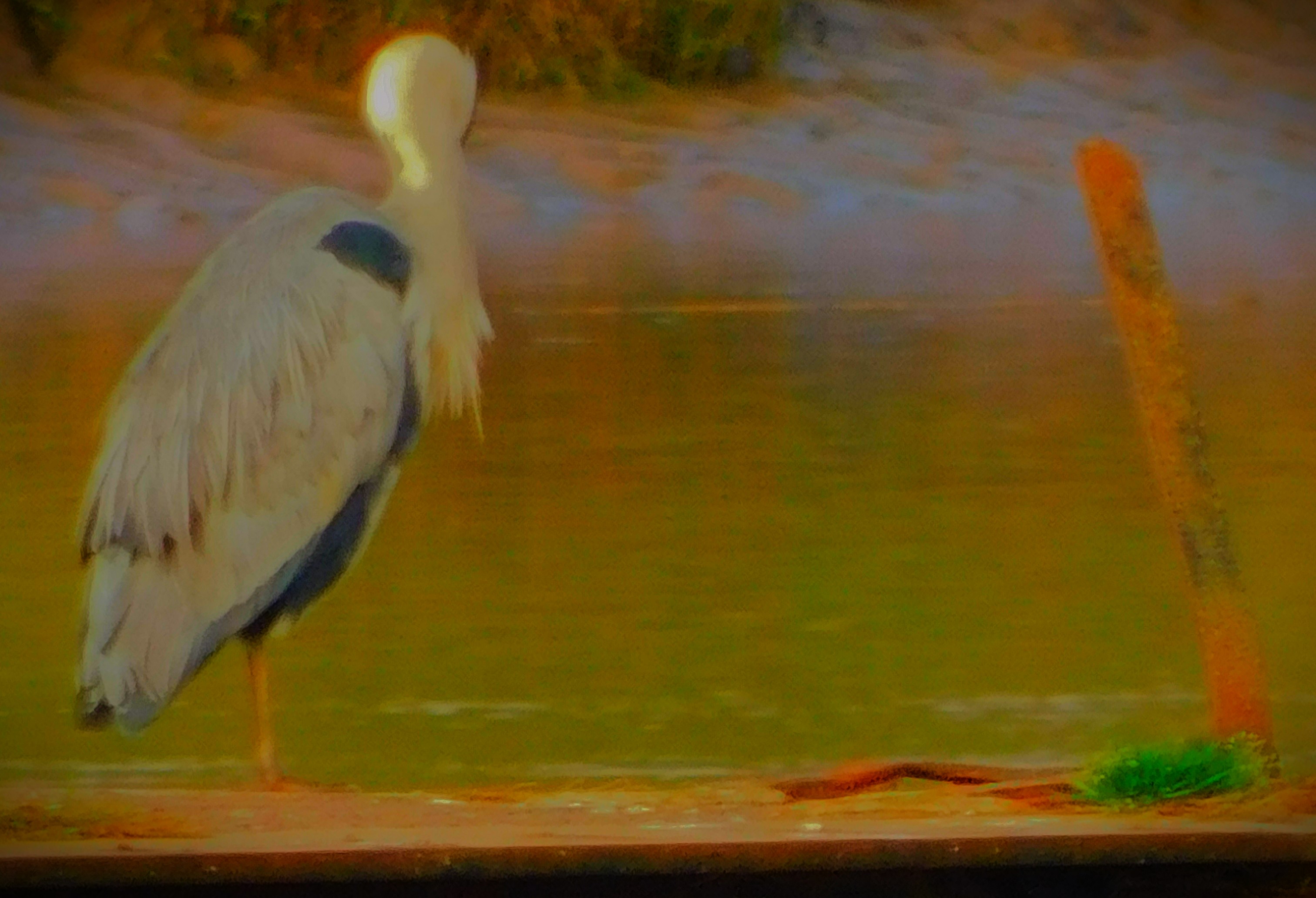
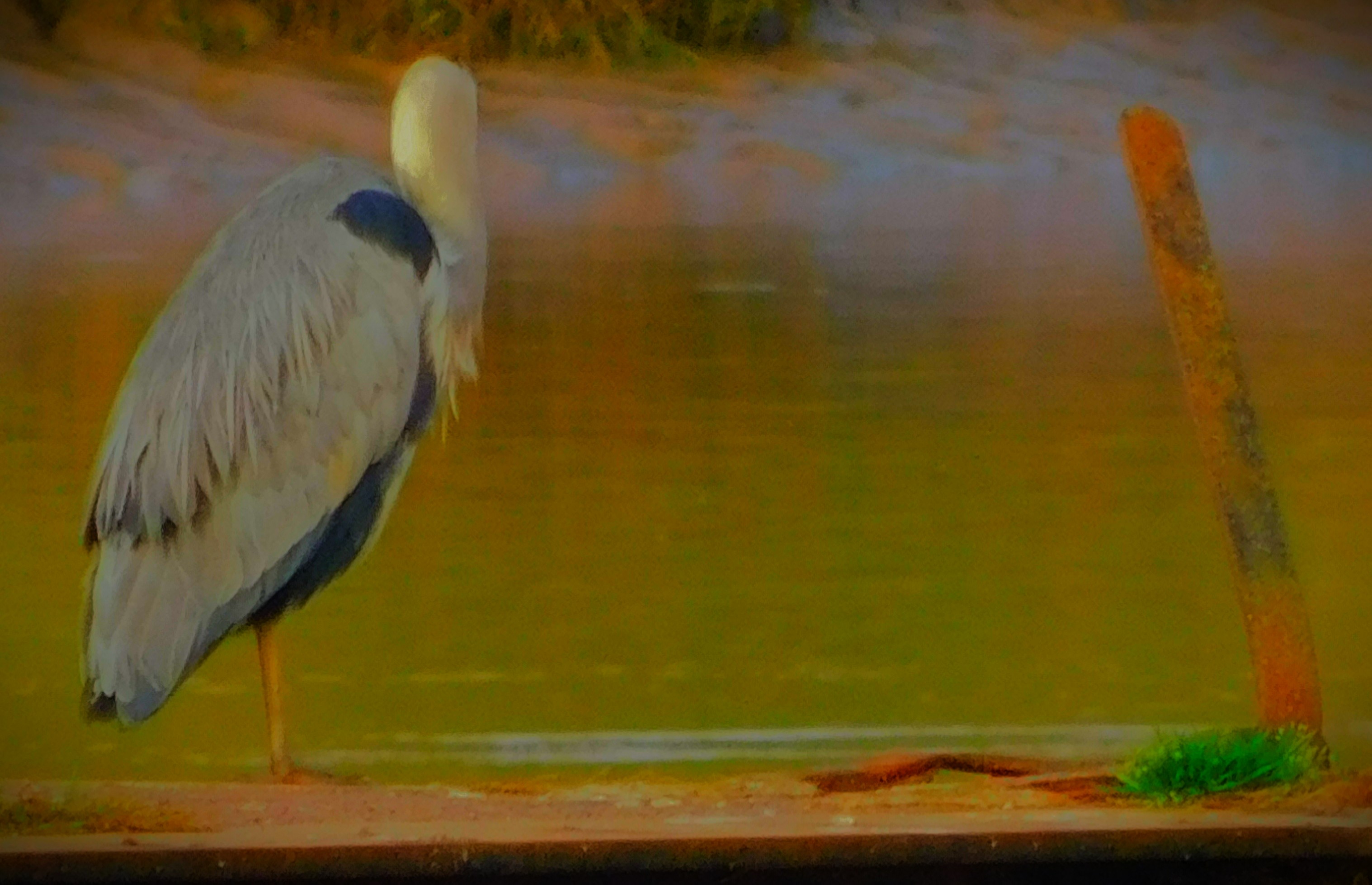
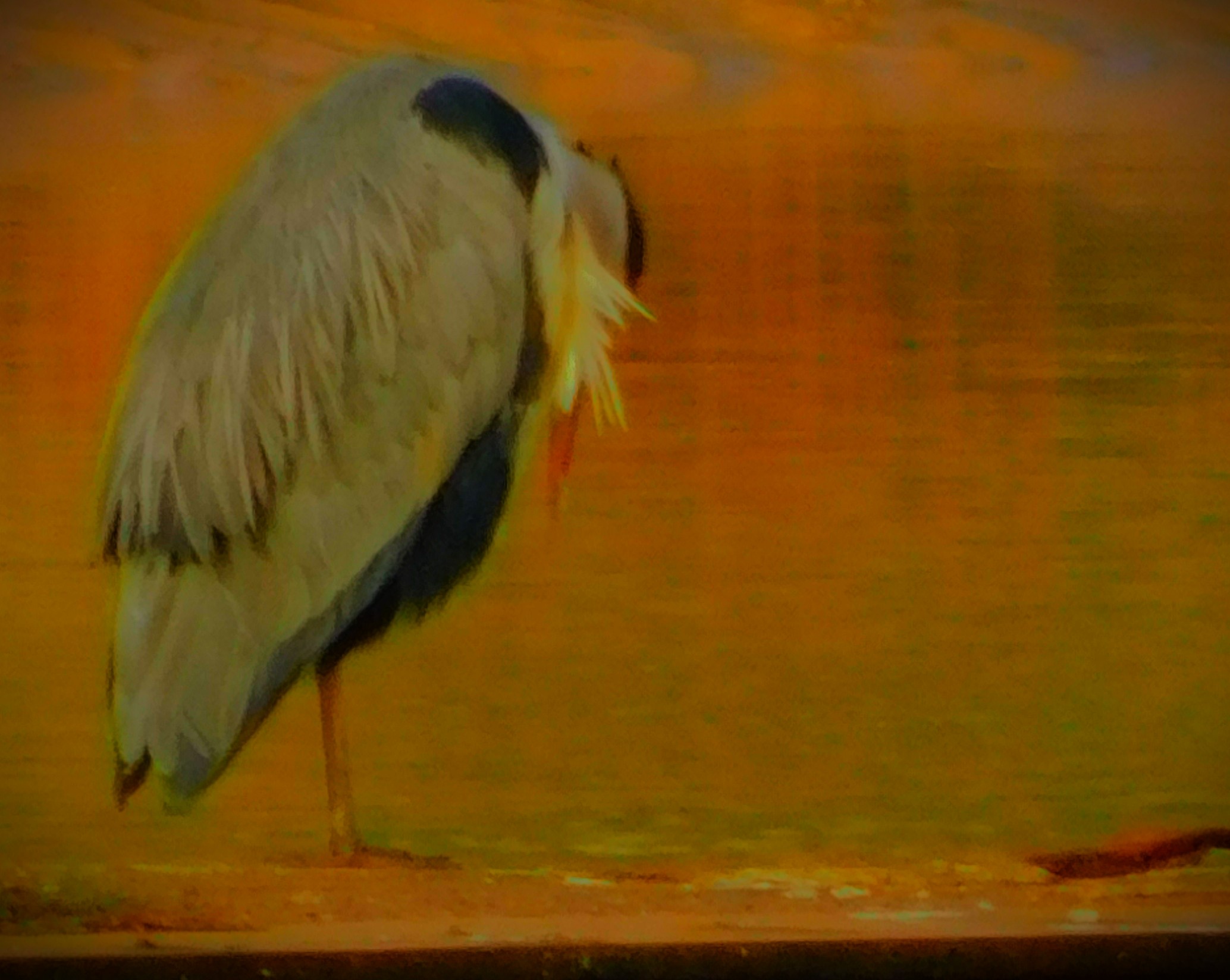
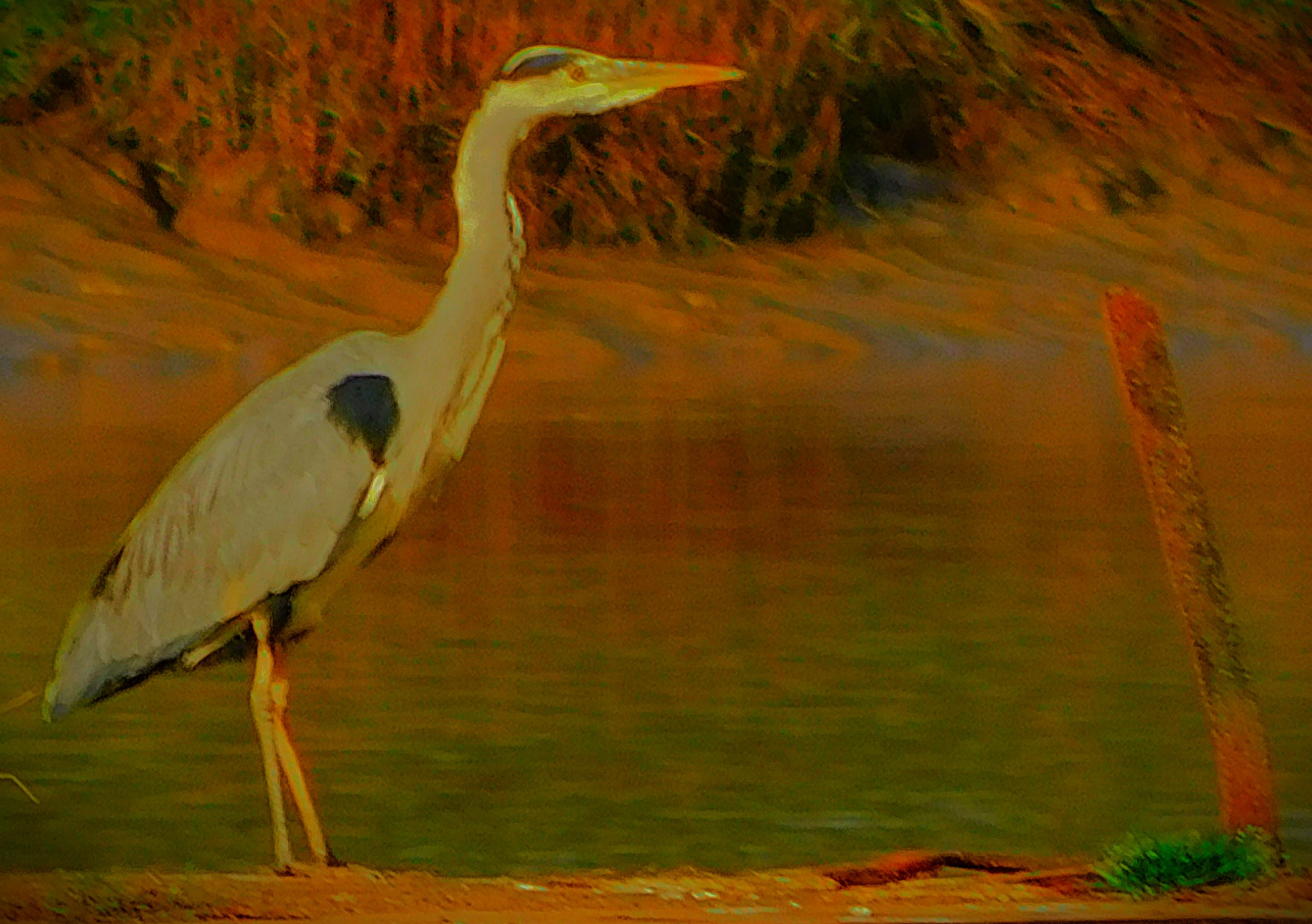
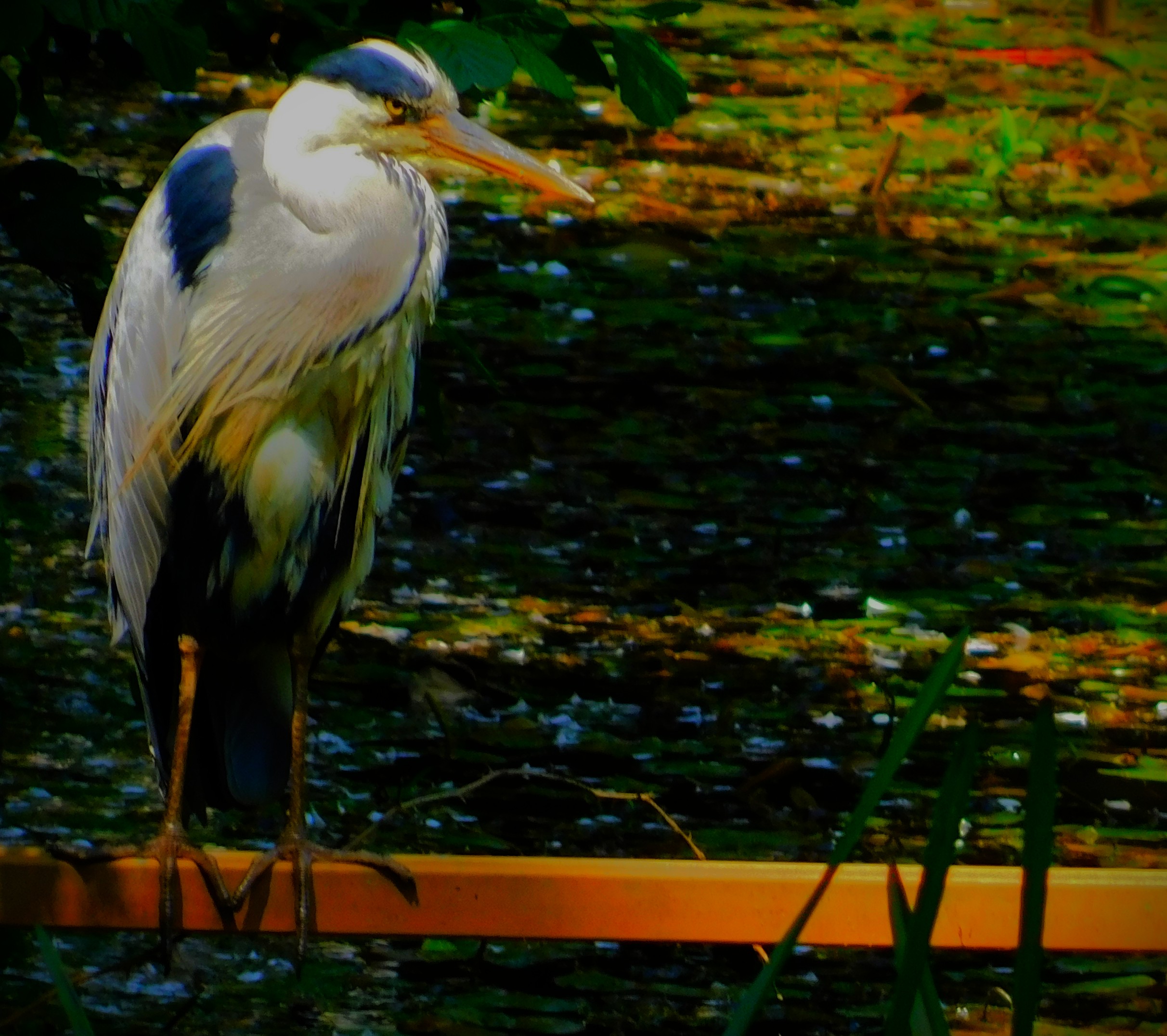
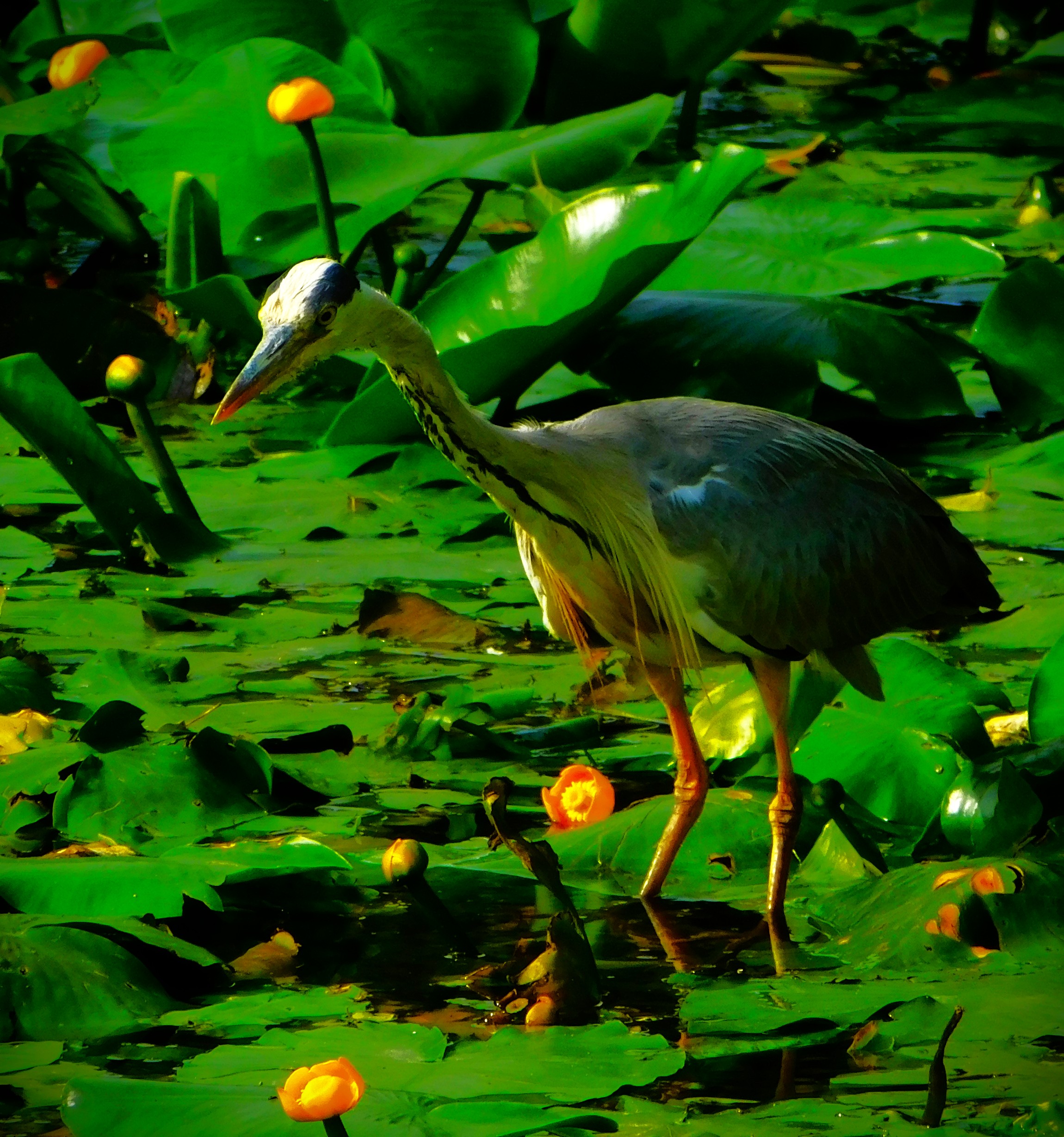
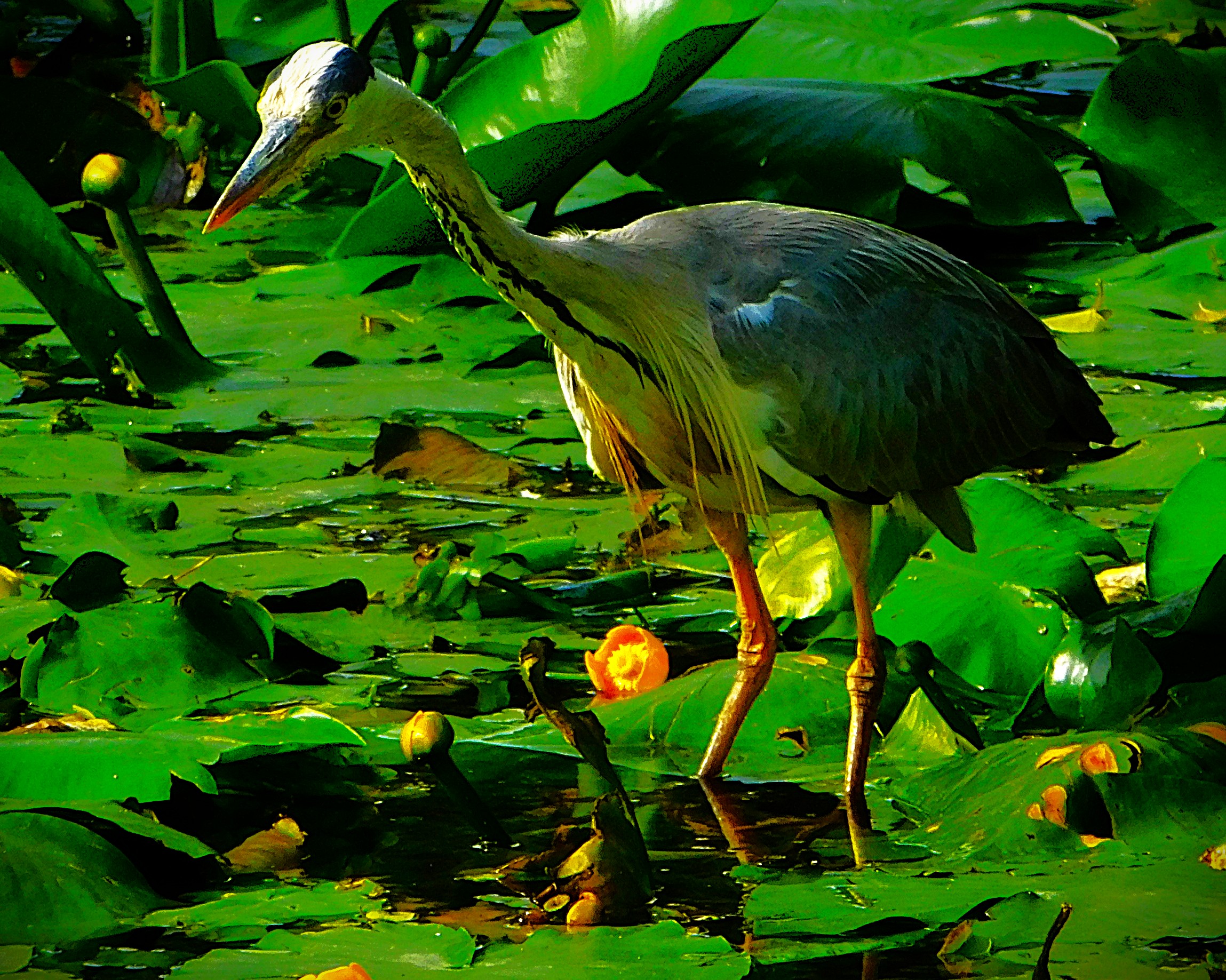
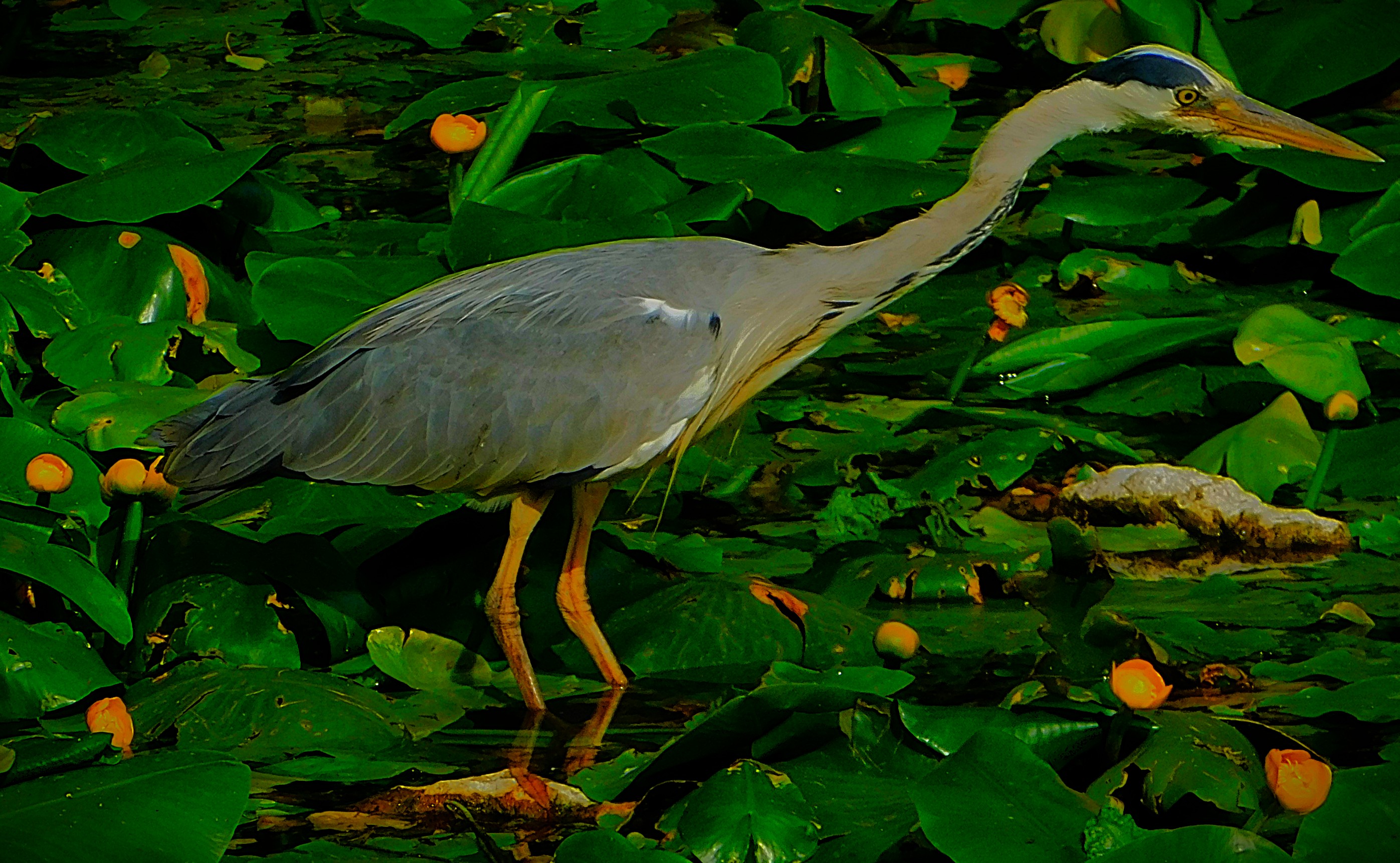
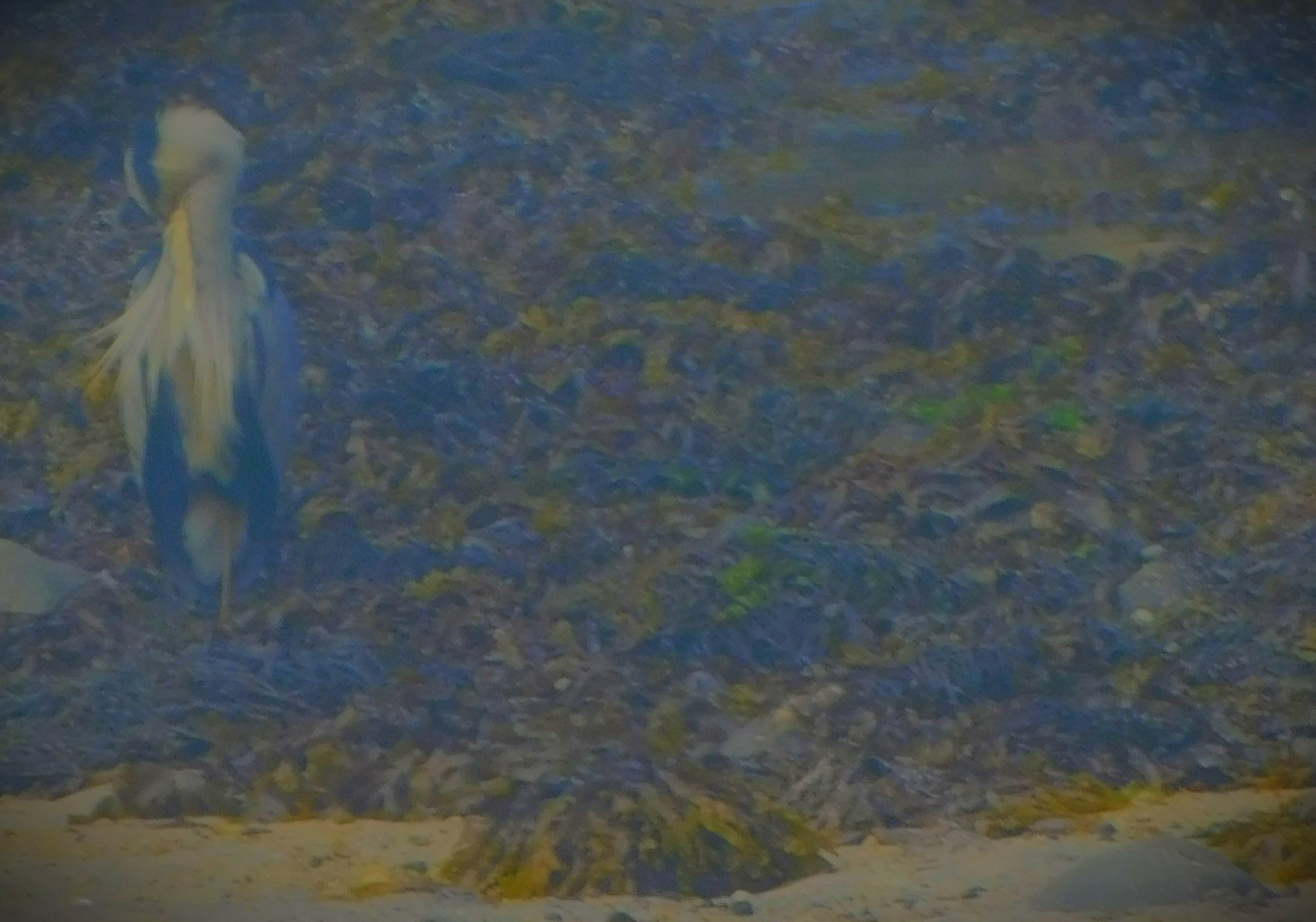
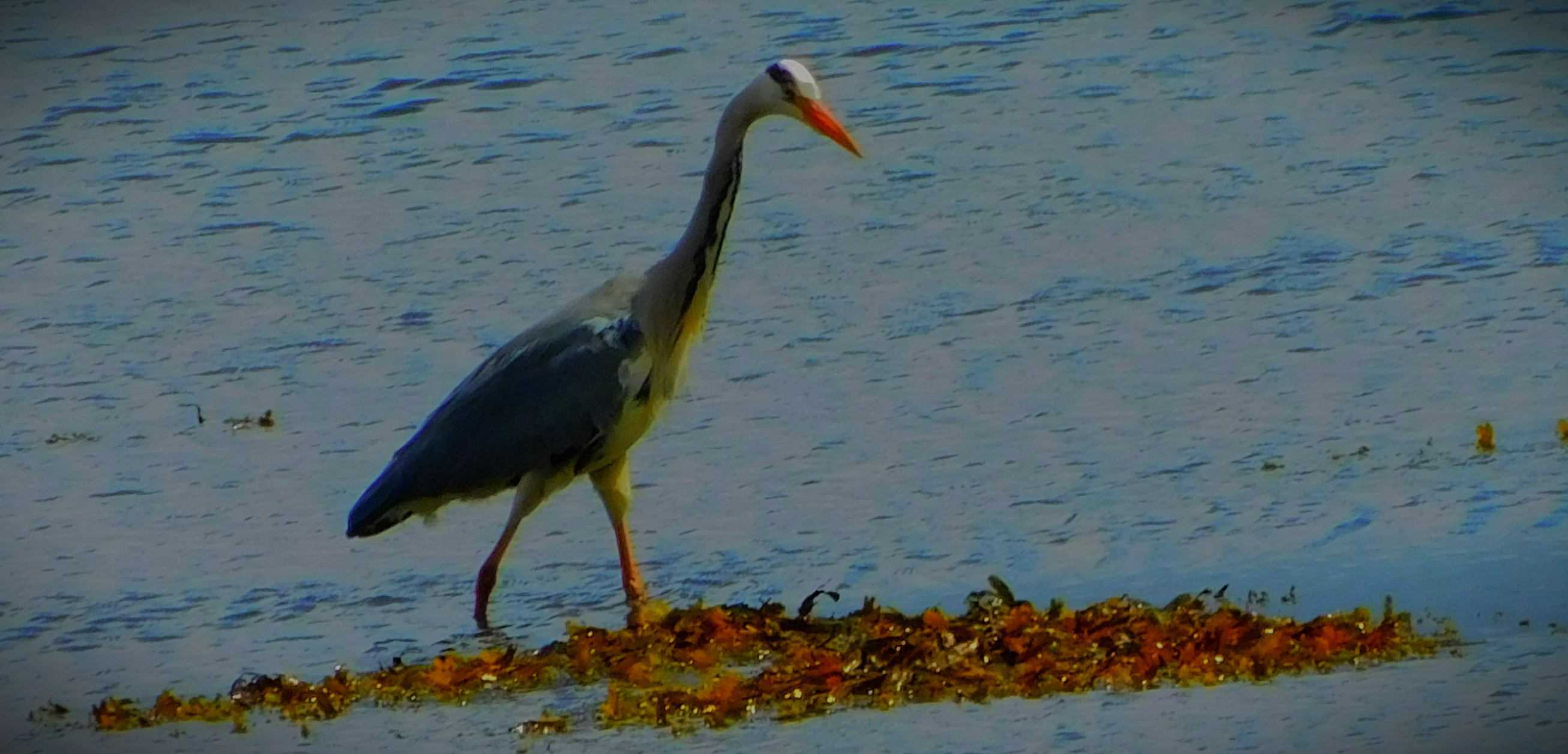
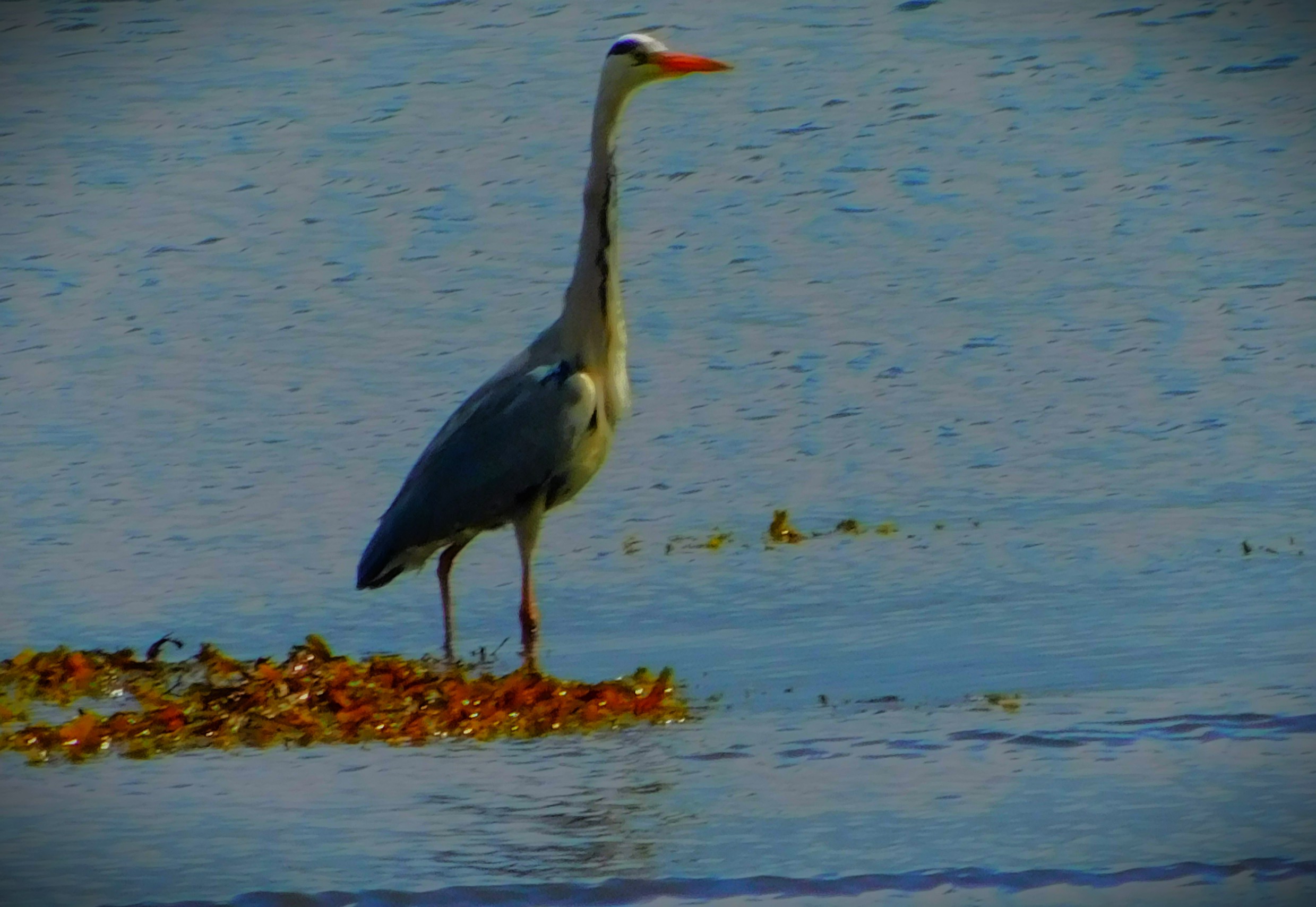
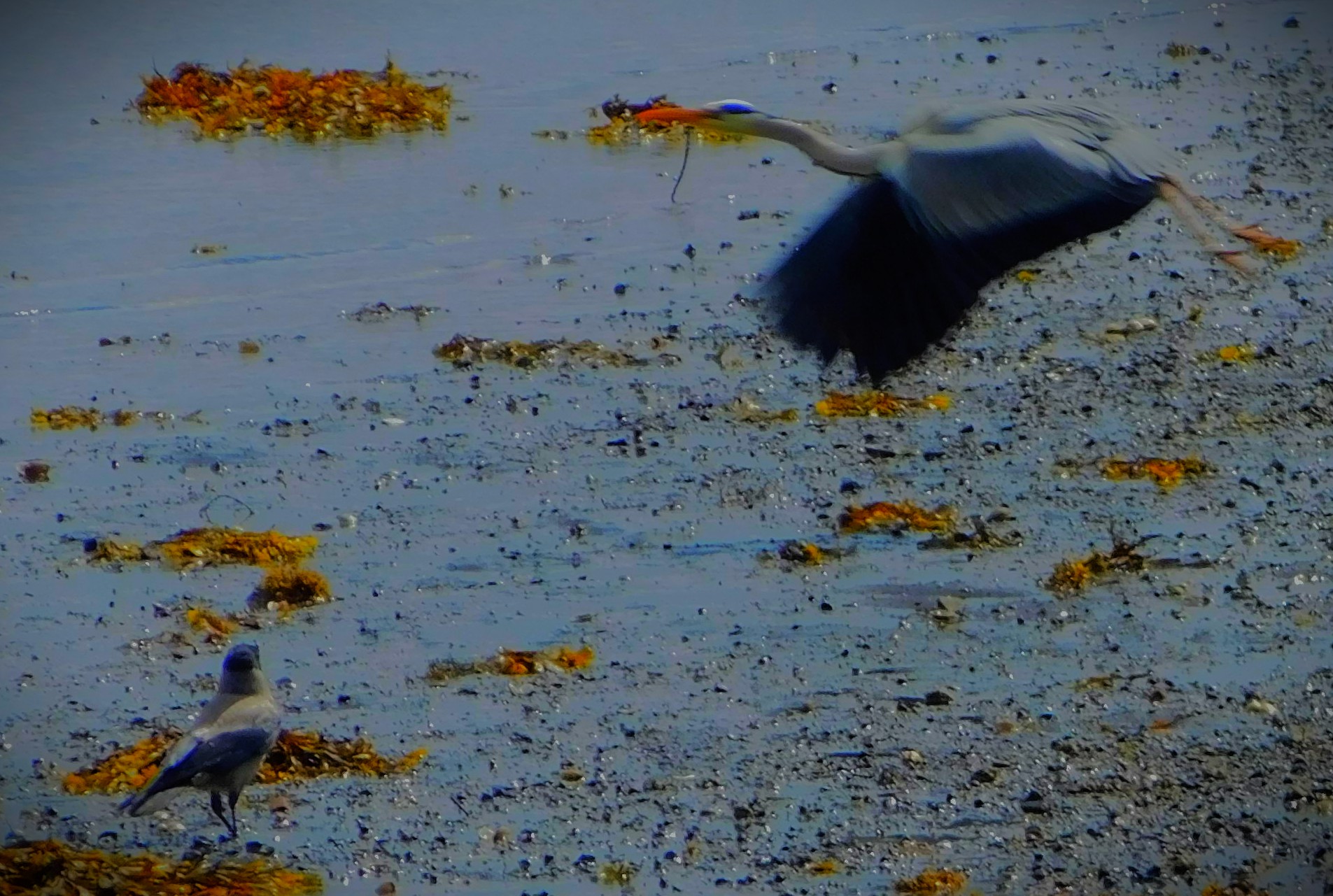
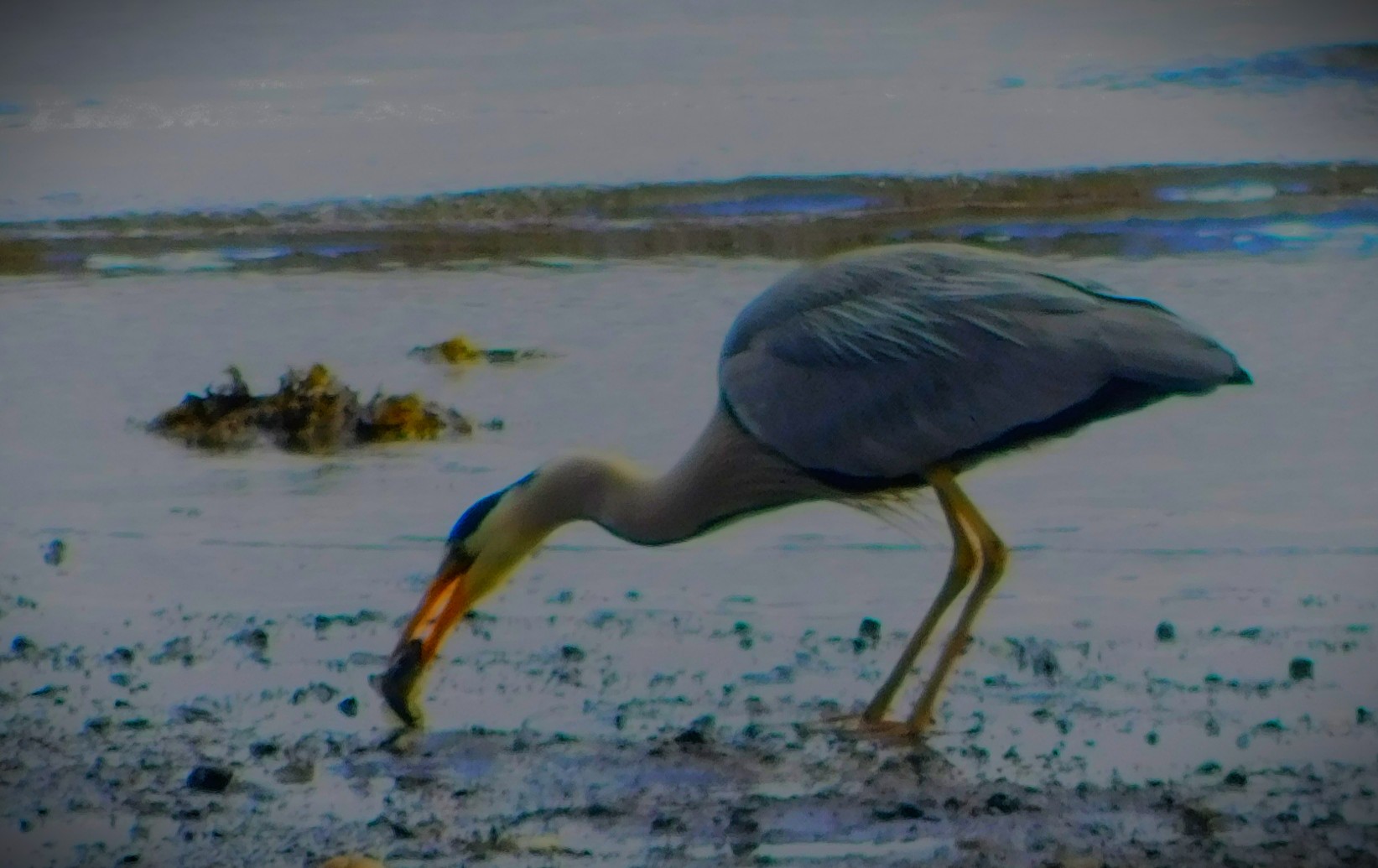
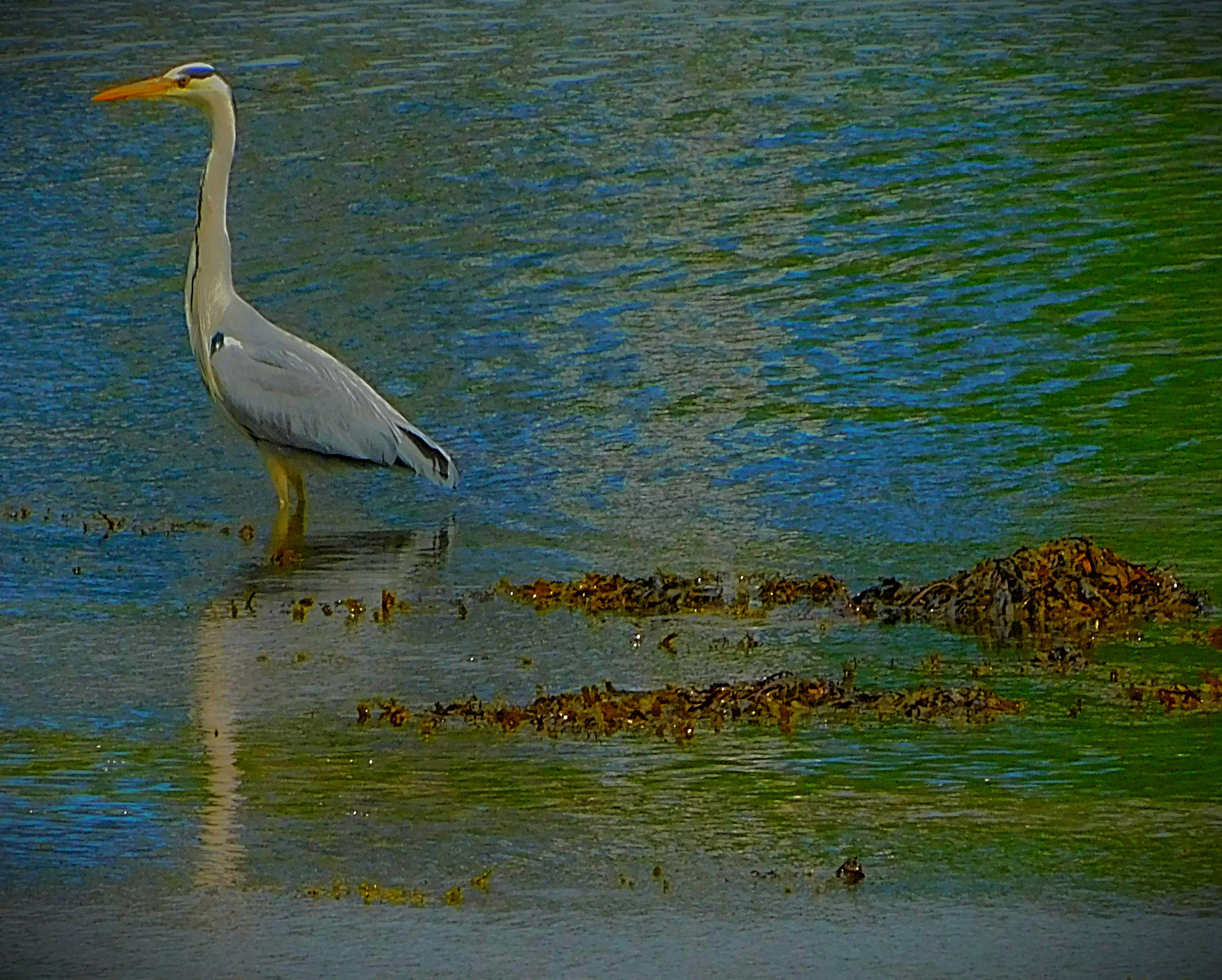
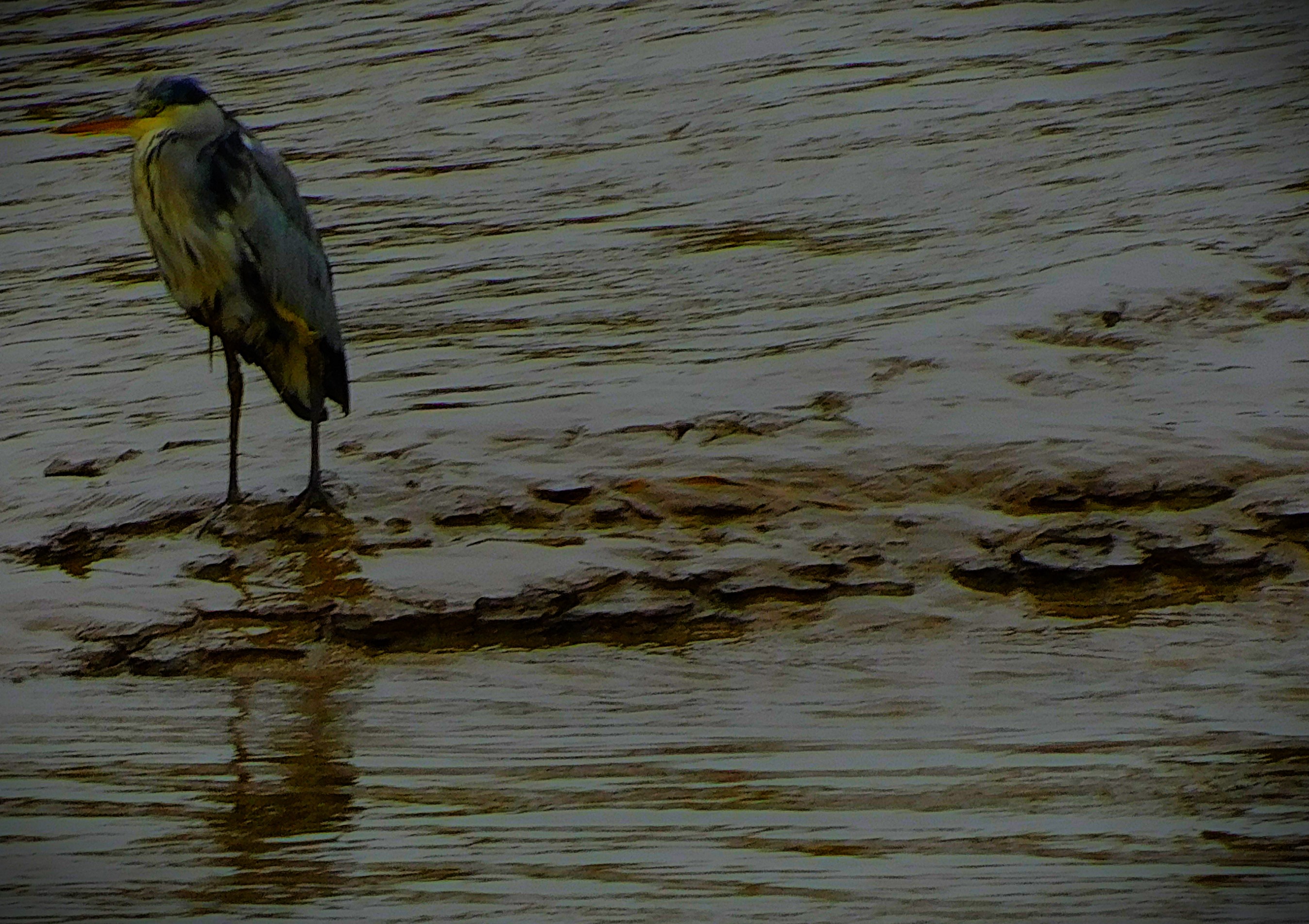
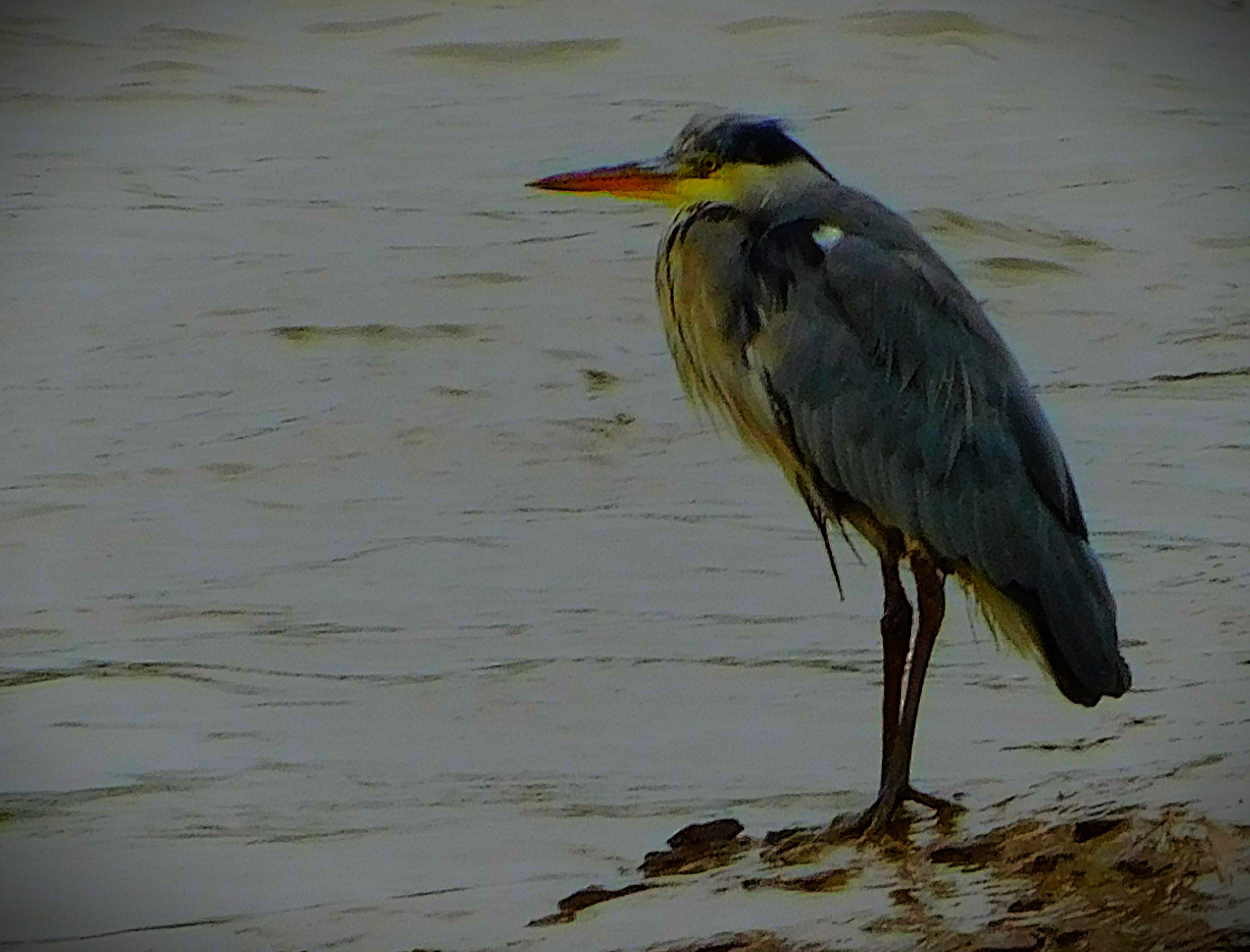
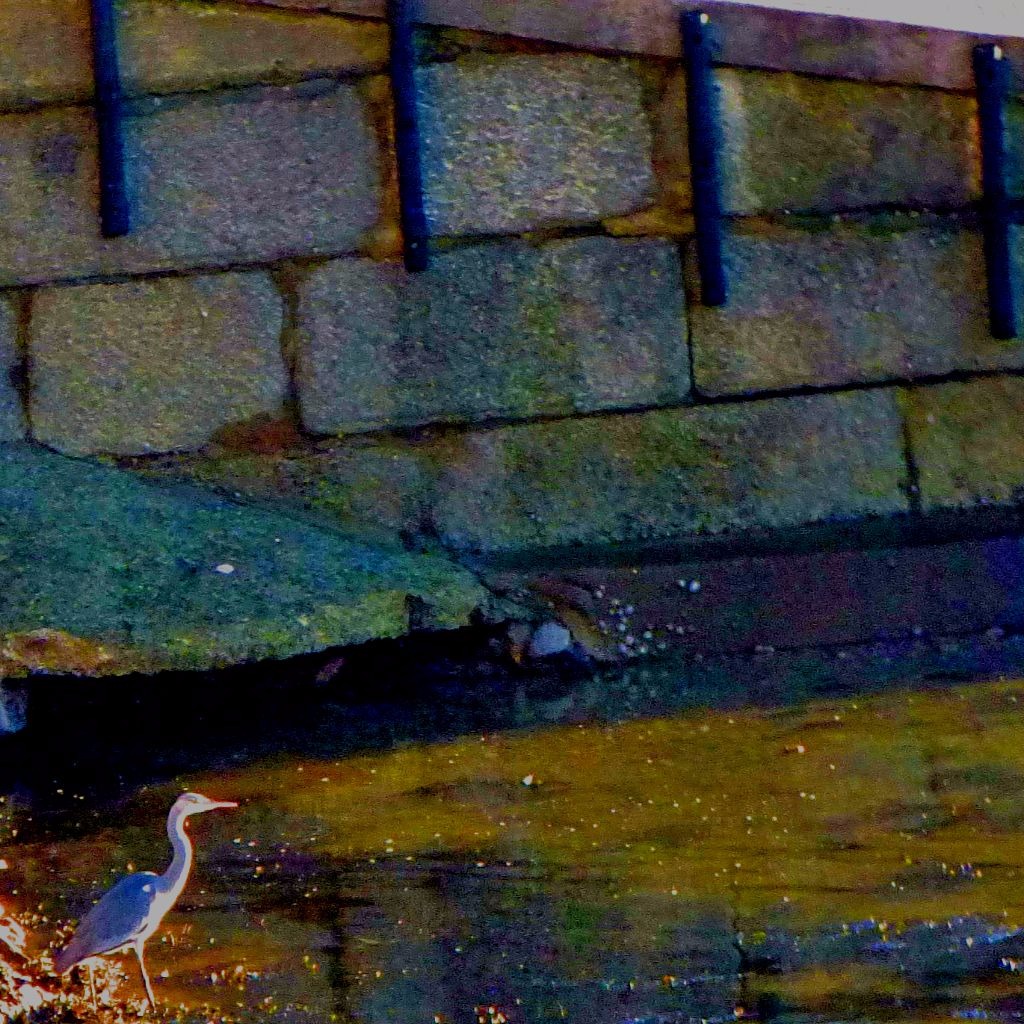
Heron
A first for me – the first time I have captured a heron on camera.

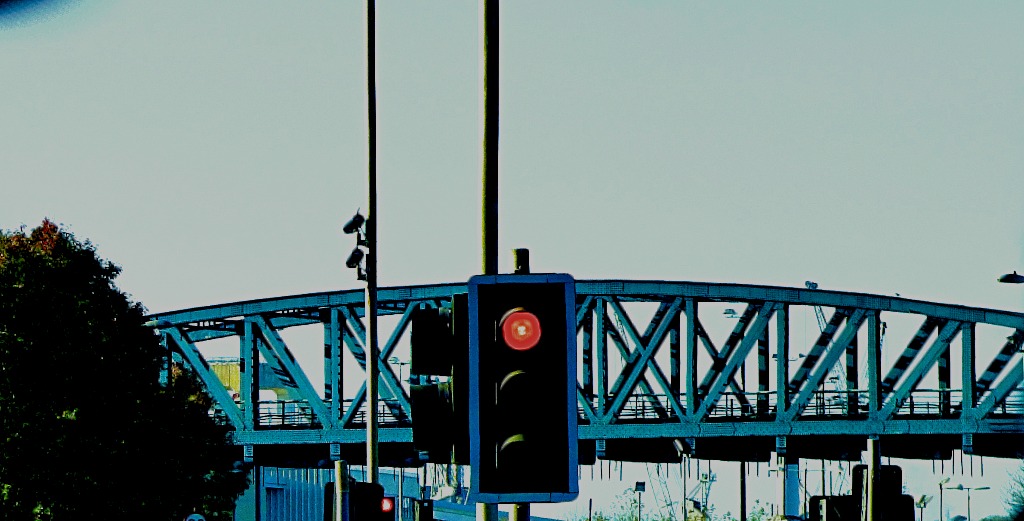
On the journey into Plymouth I managed to snap two pictures from the back of the camper van:

Water viewBridge, Plymouth

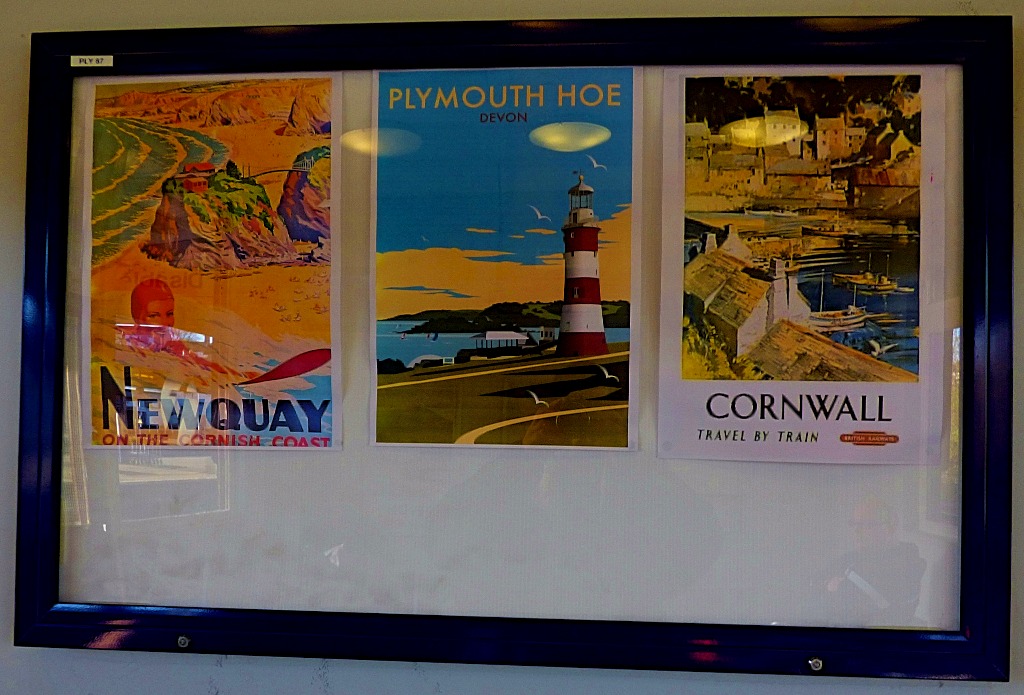
I had some time to kill at Plymouth station and did so by taking photographs…
Platform 7, Plymouth

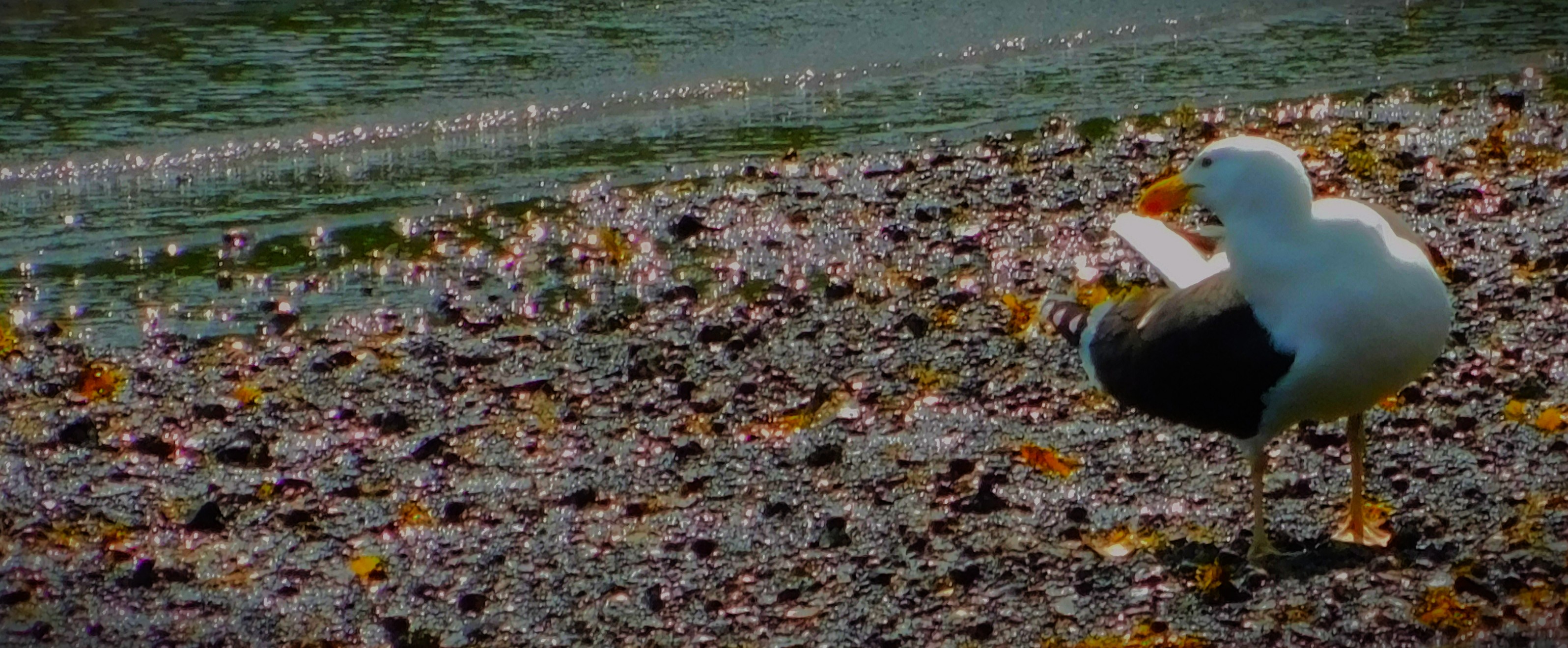
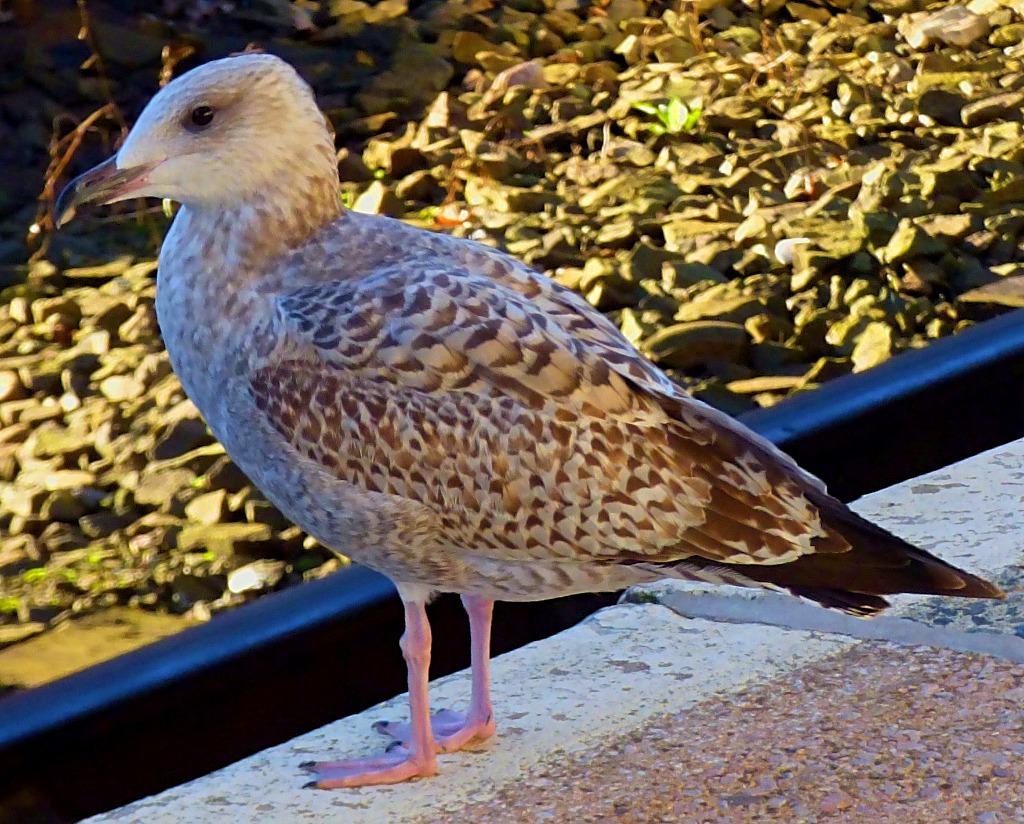
Gull waiting for train
An avian passenger?

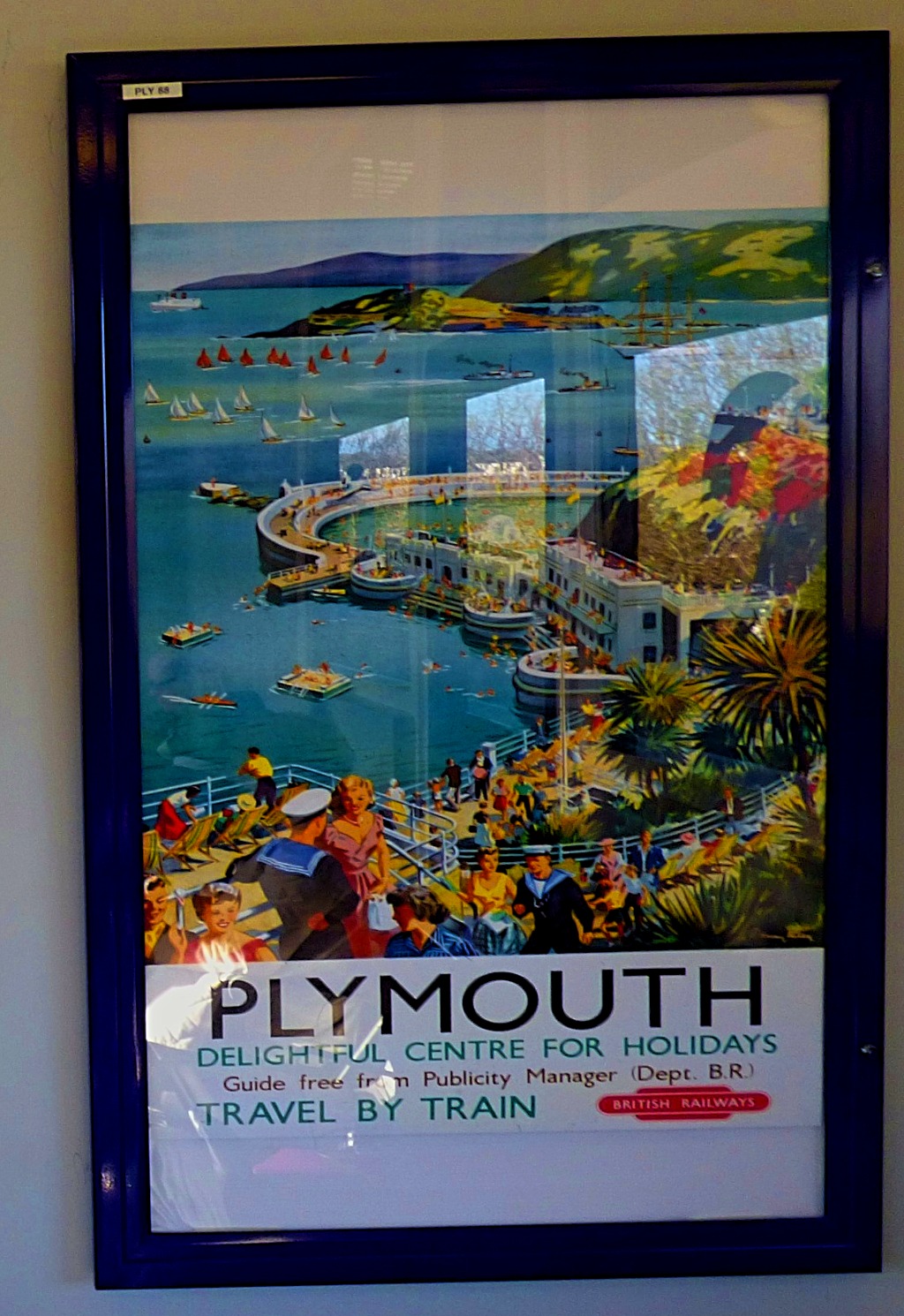
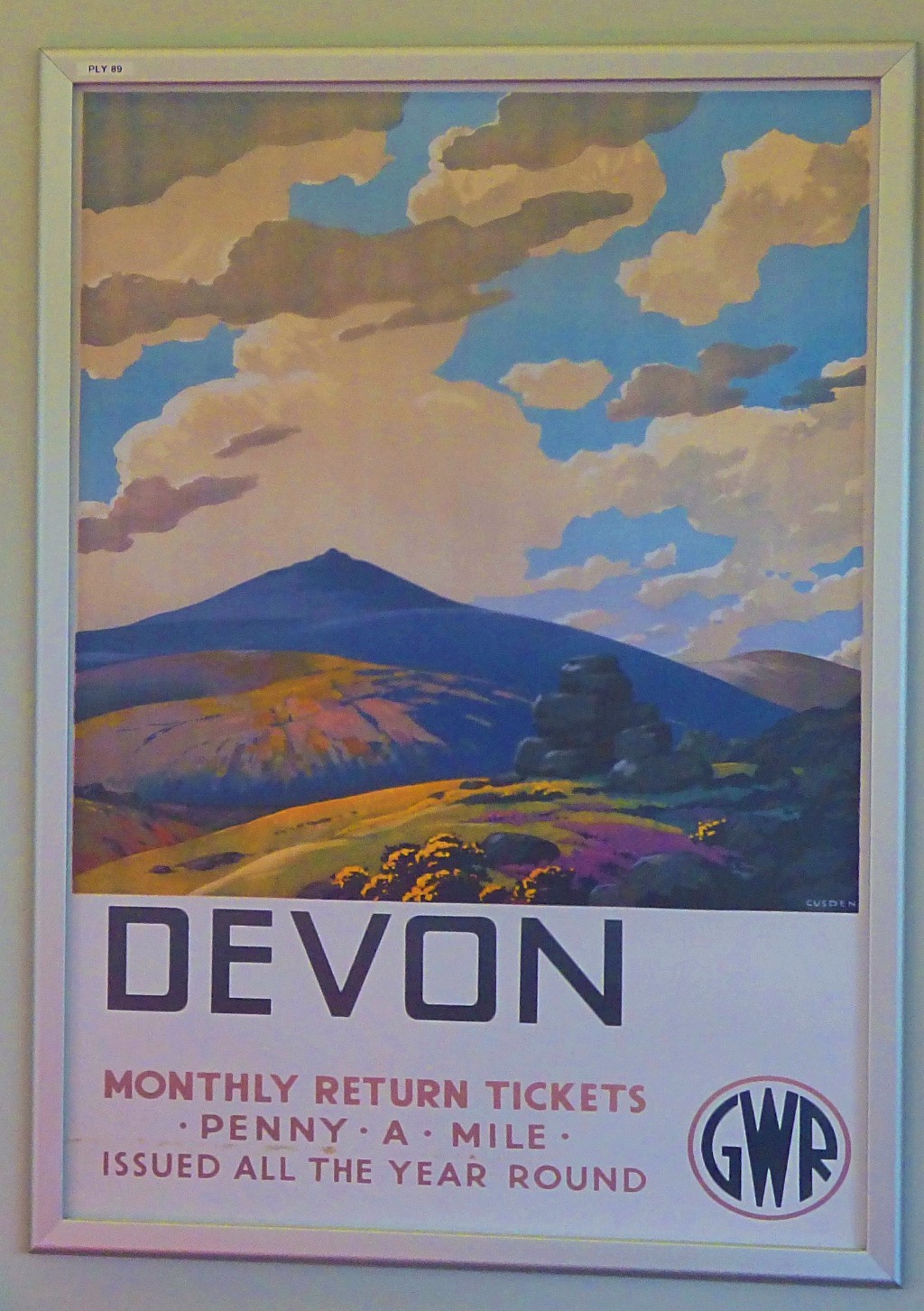
Posters 1Plymouth PosterPenzanceDevon PosterDevon Poster 2Departure Board

PLYMOUTH – LONDON

This train was a service called “The Cornish Riviera”, which starts in Penzance and snails up through Cornwall stopping pretty much everywhere and then makes up time by calling only at Exeter St Davids and Reading between Plymouth and London. Although I had an aisle seat on this journey, and no opportunity to move to the window seat I was not going to be denied at least some photos. I got a good few between Plymouth and Exeter and a handful thereafter…
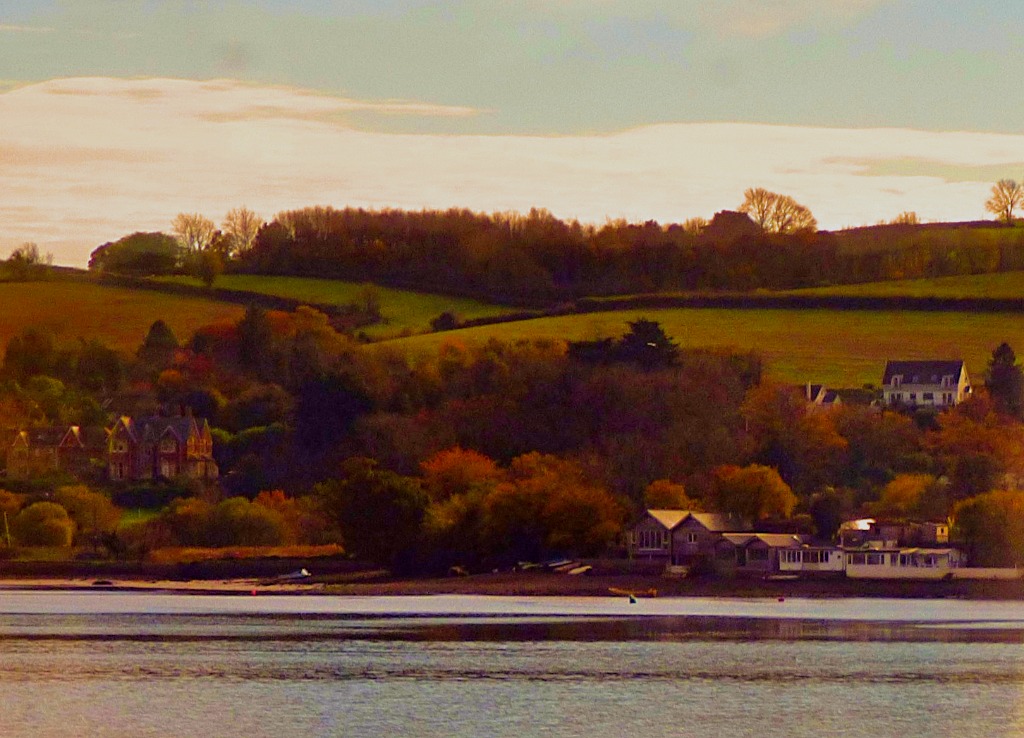
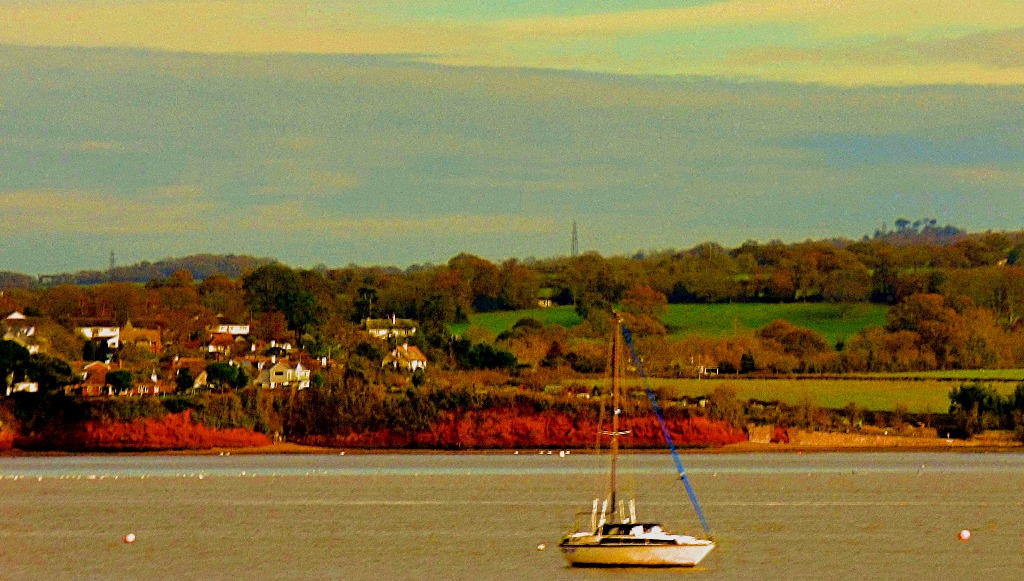
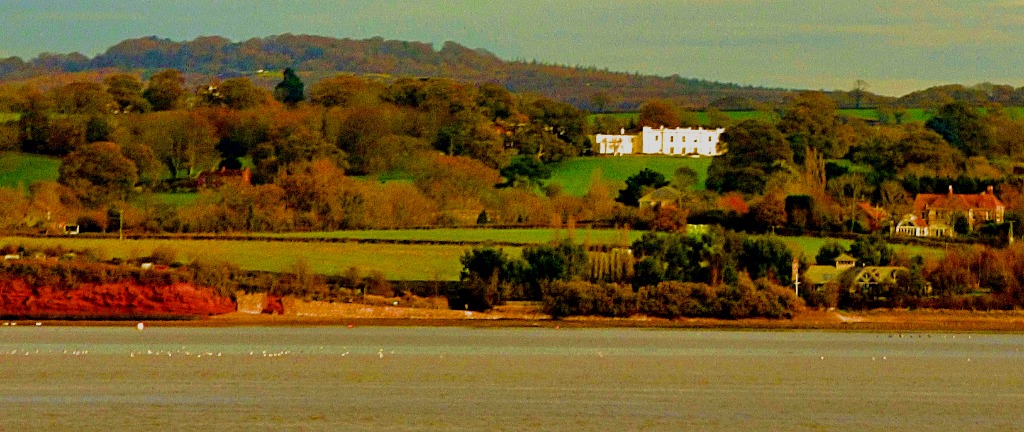
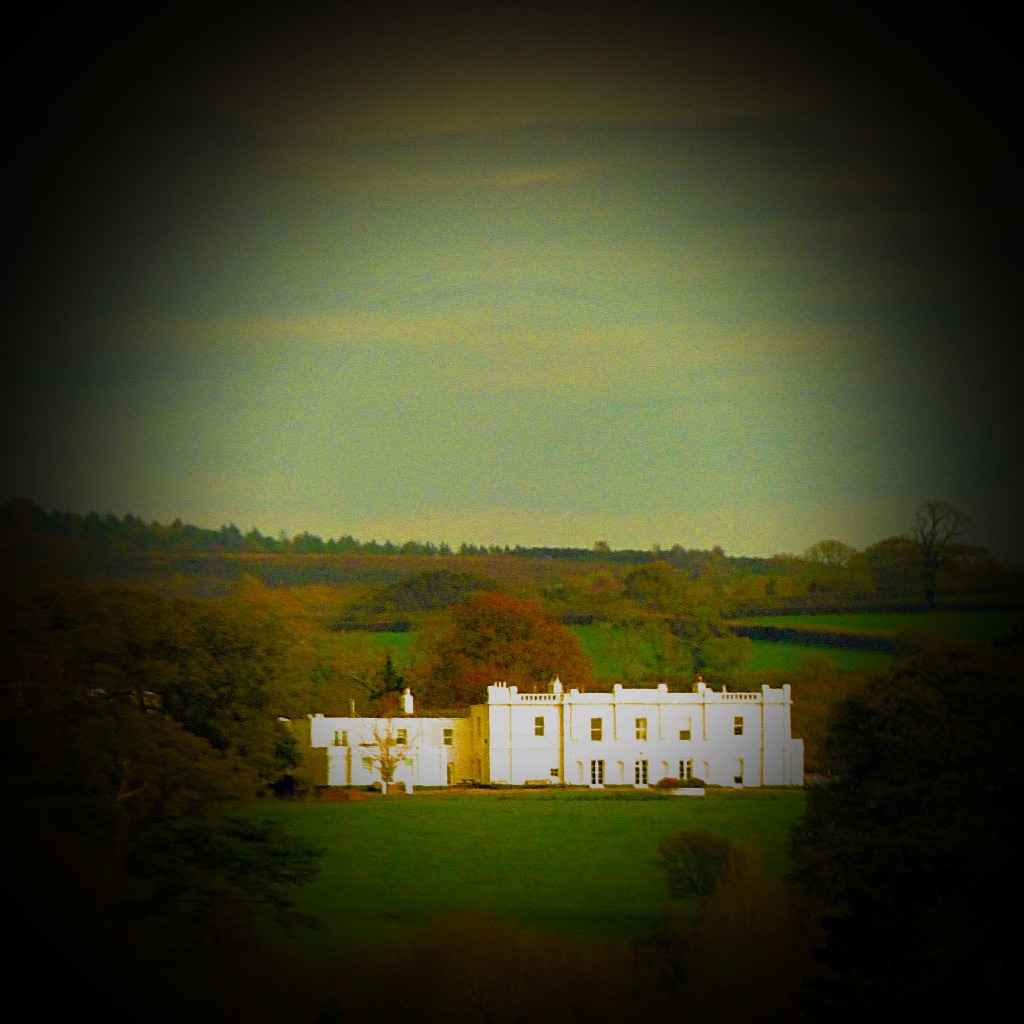
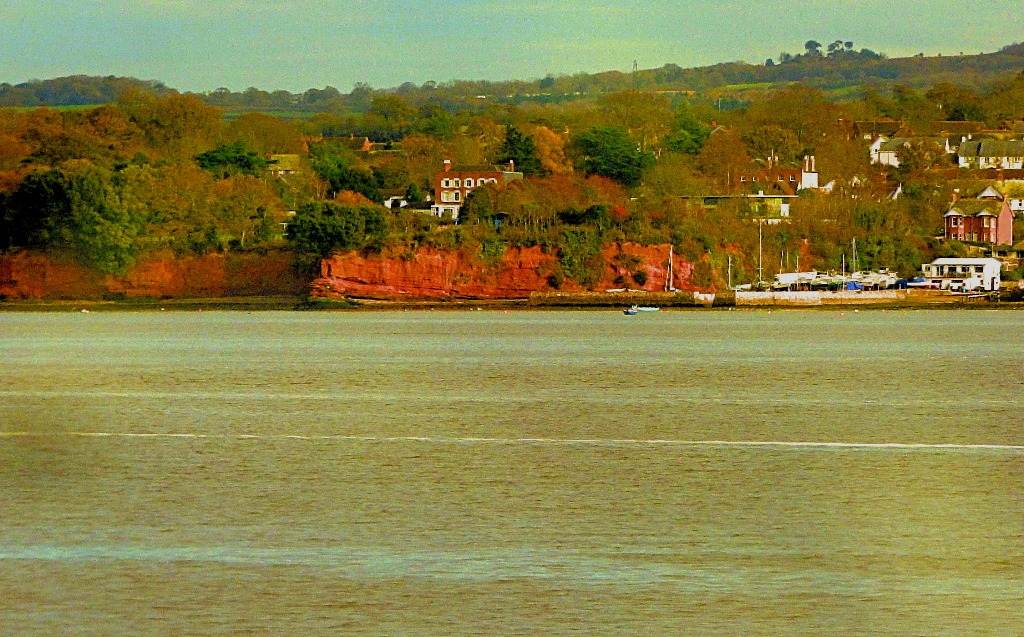
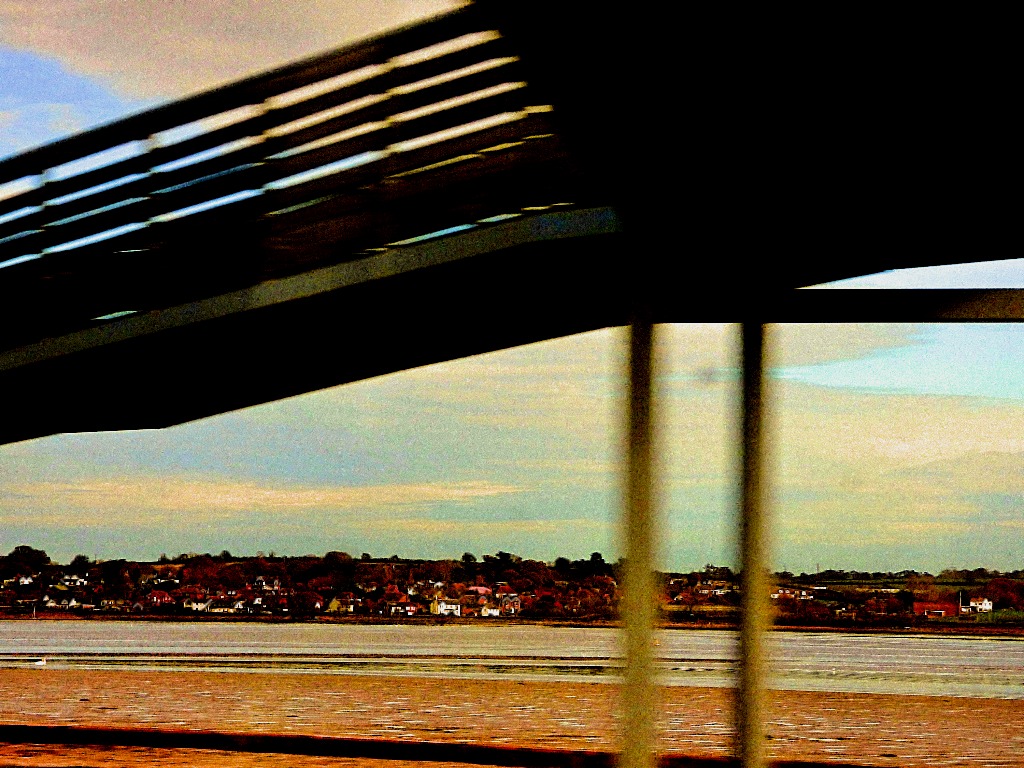
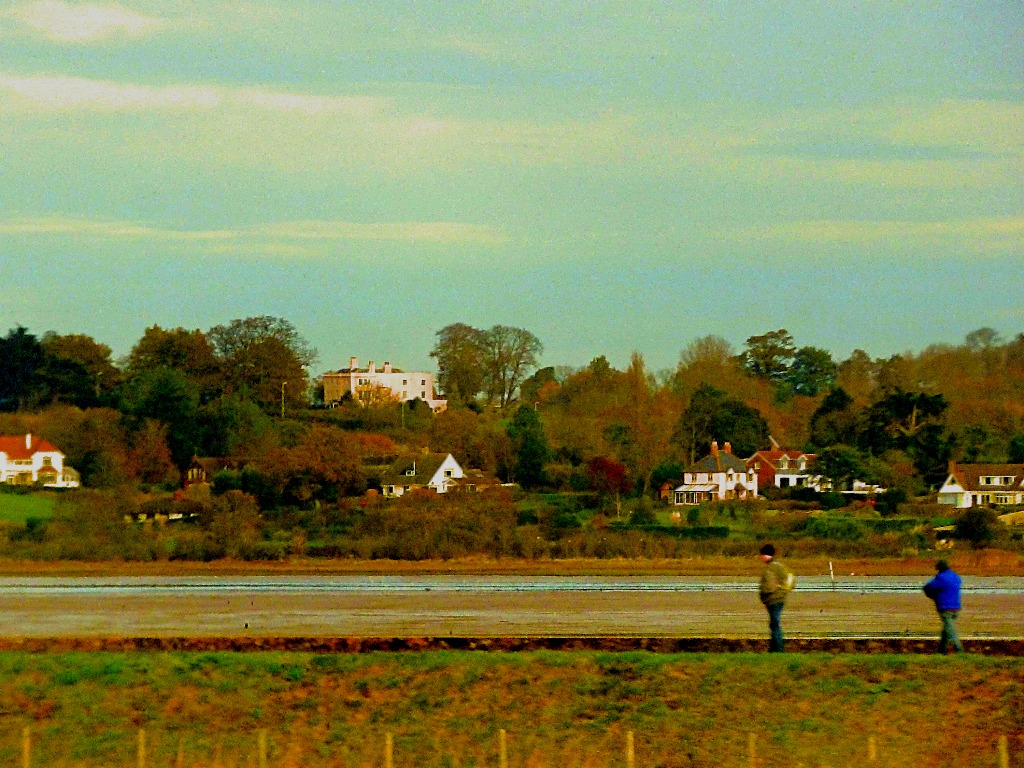
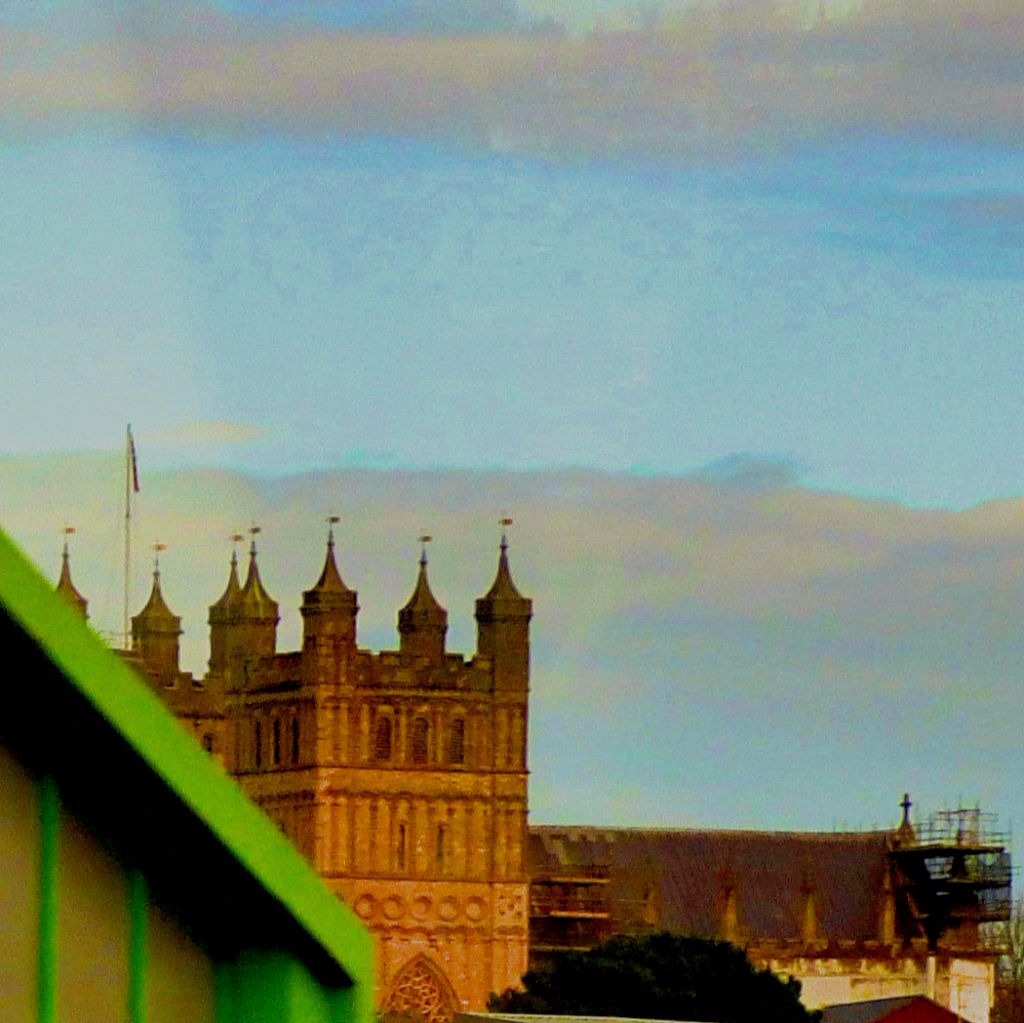
Across the water from the trainAcross the Water from the train IIBridge from trainThe seaCliffsAcross the water from the train IIIHeadland from the trainTown across the water from trainBoats and buildings through the windowBoats and Buildings from train IIBoats and buildings from train IIIAcross the water from train IVBoat and housesboat and buildingsRed cliffsRed cliff and two big housesStately homeRed cliffs, buildings and treesRed cl.iffs and red houseWaterfront buildingsWaterside viewView through the bridgeAcross the riverLarge churchLarge church IILarge church IIITwo towersSpire through treesSpire II

Plat 1
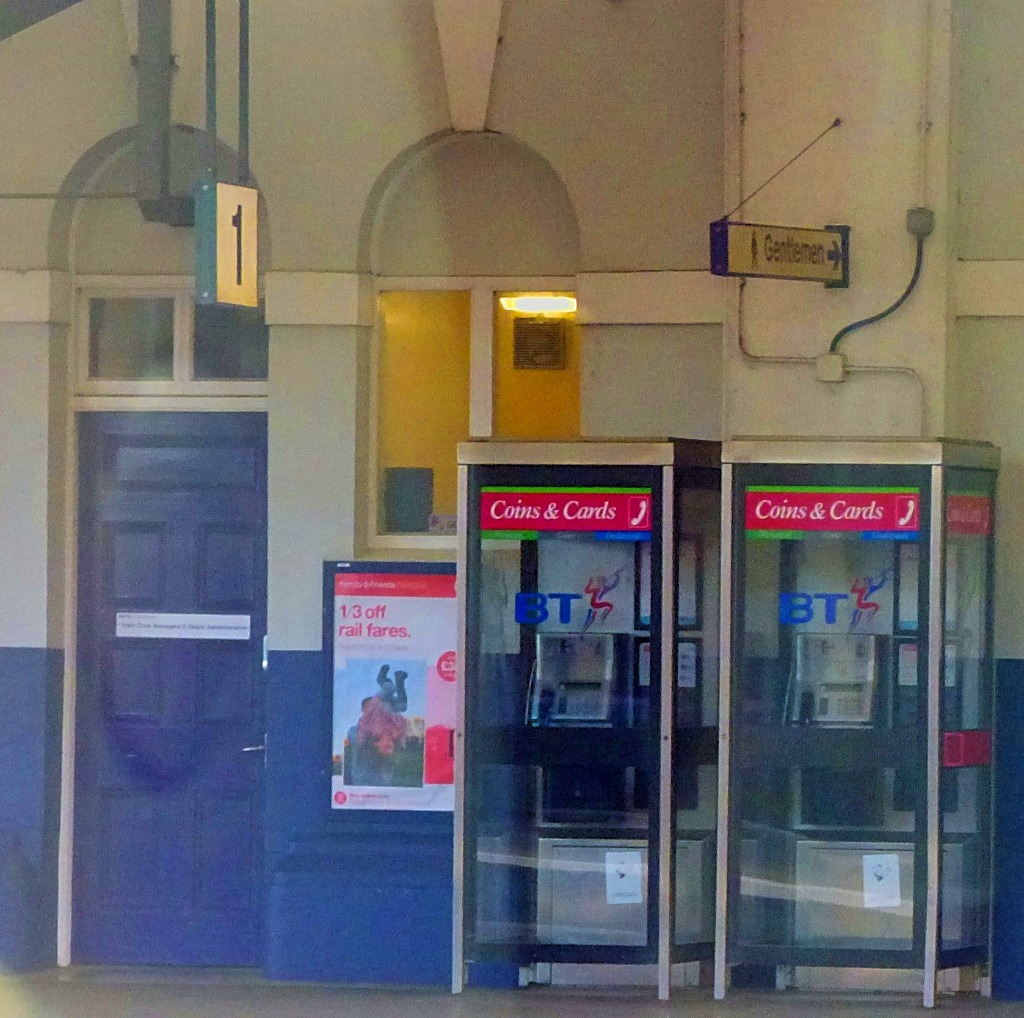
Exeter St Davids (two images)

Exeter St DavidsMonument

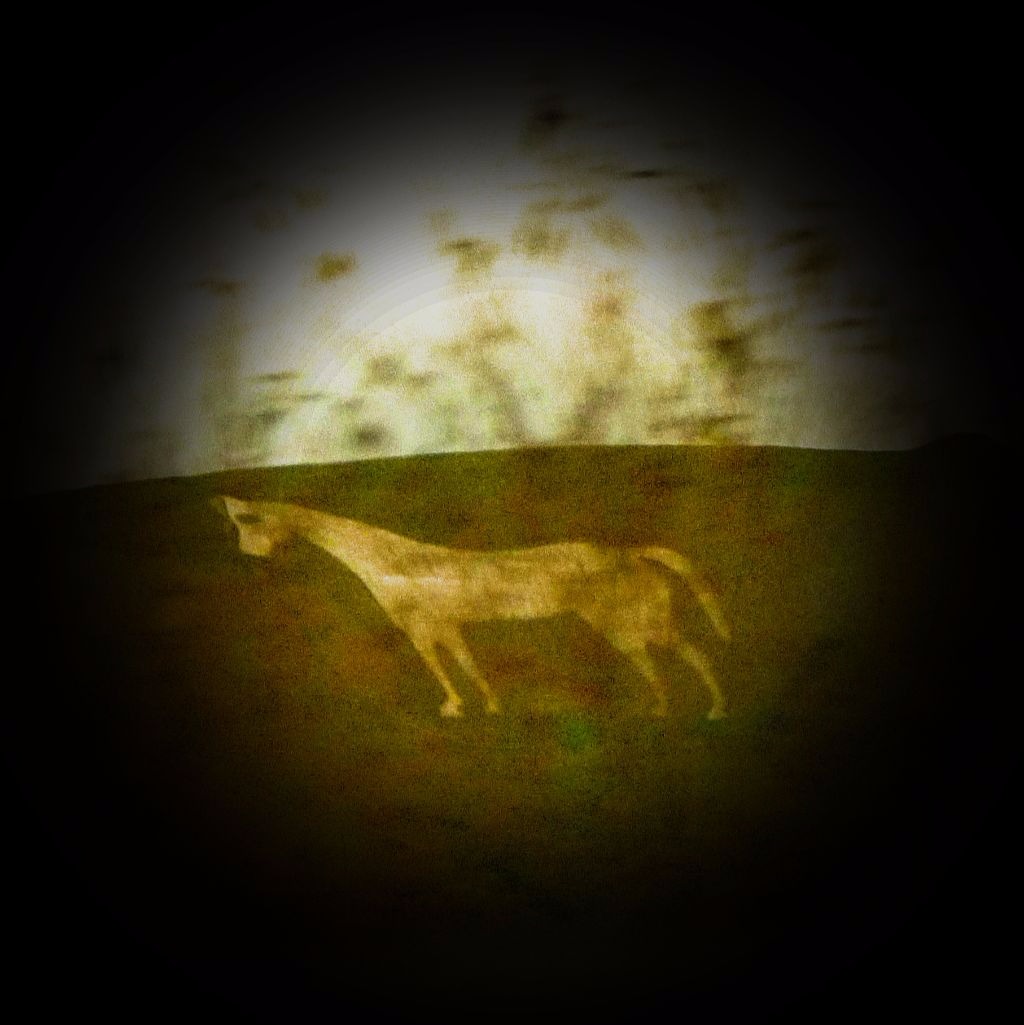
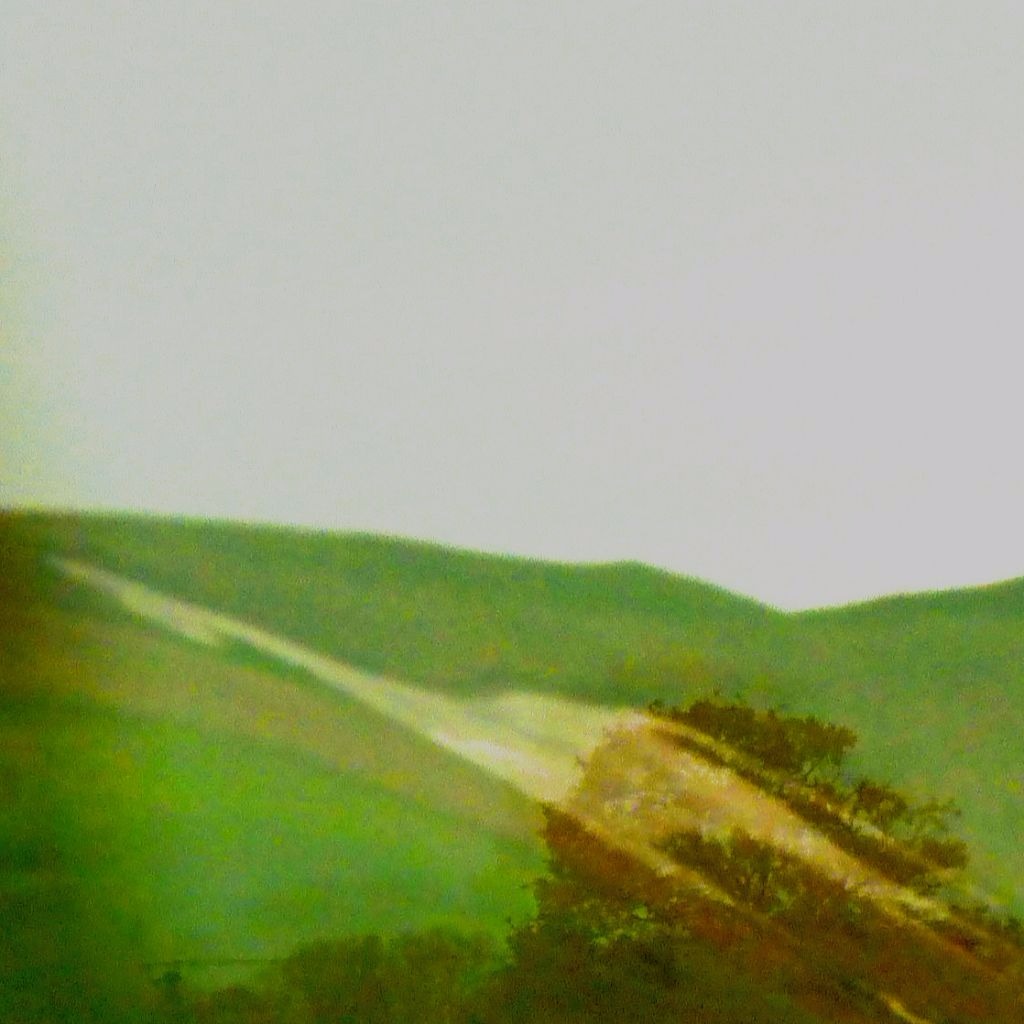
Chalk Horse
This chalk horse, carved directly out of the hillside, is visible at distance at a time when the train is at full speed.

Chalk Horse II

Reading
Reading station

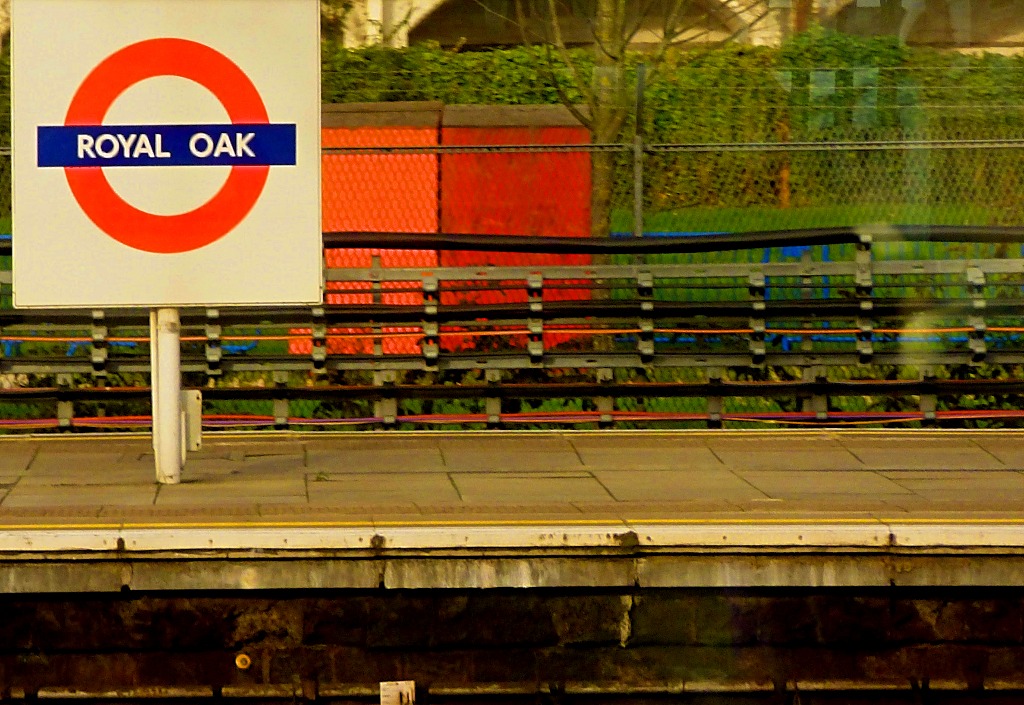
Royal Oak
Royal Oak – the Hammersmith & City line’s last station west of Paddington. The next station towards Hammersmith, Westbourne Park, used to offer an interchange with mainline railways but nowadays Ealing Braodway is the last mainline station before Paddington. Back in the old days there was a connection – the first locomotives to run over what was then The Metropolitan Railway were supplied by the Great Western, while this extension to Hammersmtih opened in 1864, only one year after the original.

LONDON TO KING’S LYNN

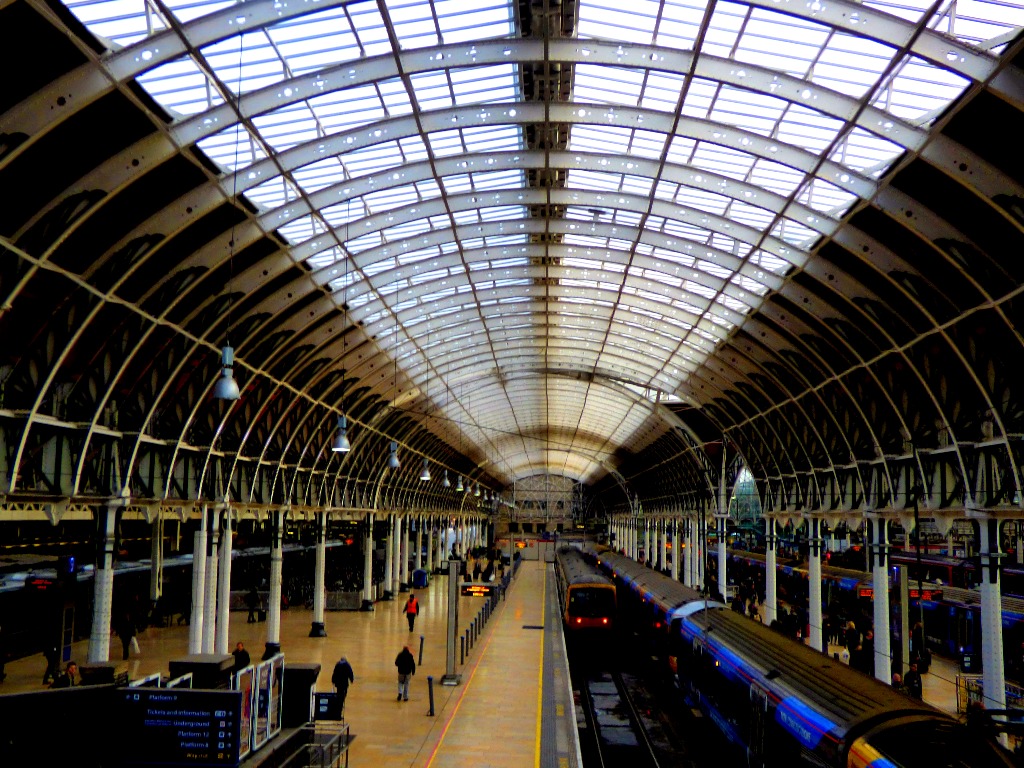
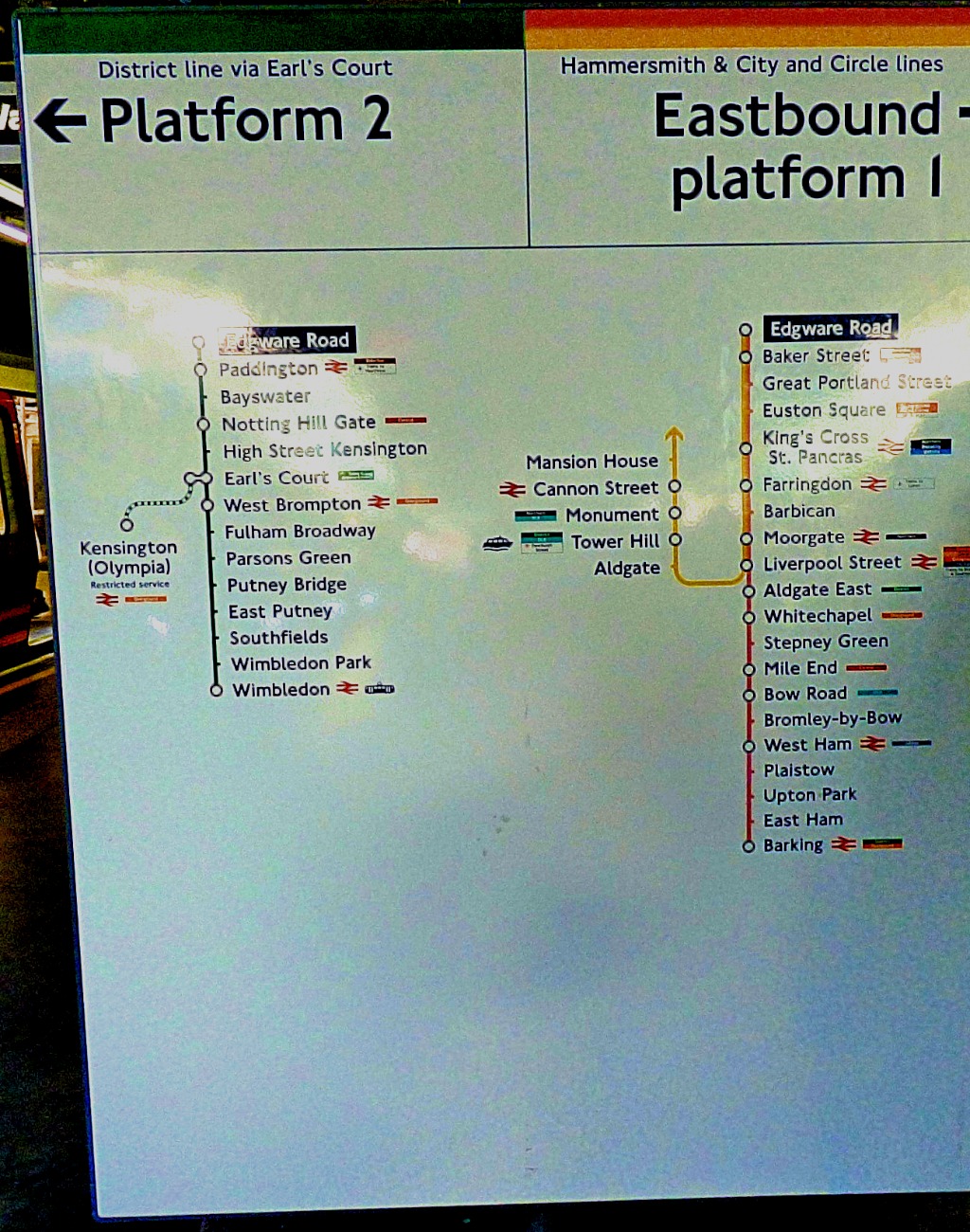
I crossed to the Hammersmith and City line platforms, nos 15 and 16 of the main station, and waited a long time for an eastbound train, then discovering that it was terminating at Edgware Road (very odd indeed for a train from Hammersmith), so I had to change again. I arrived at King’s Cross and was just in time to catch the 14:44 to King’s Lynn, which was not overfull (as the 15:44, the next service, certainly would have been). This means that I was at home and unpacking by 5PM. 

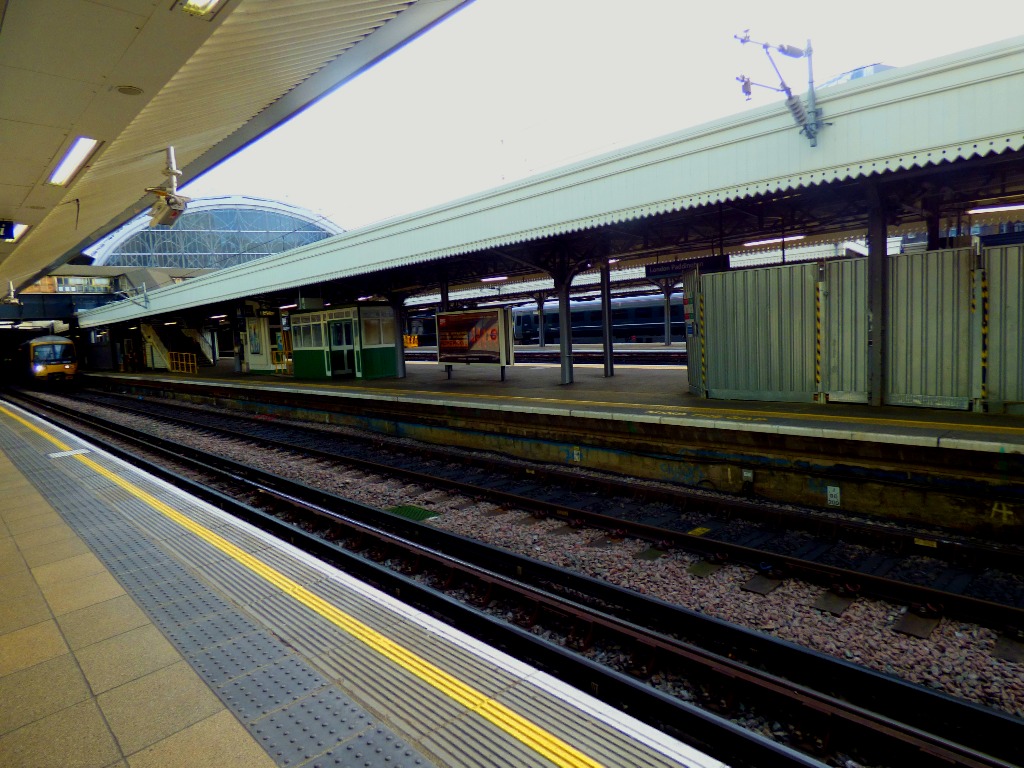
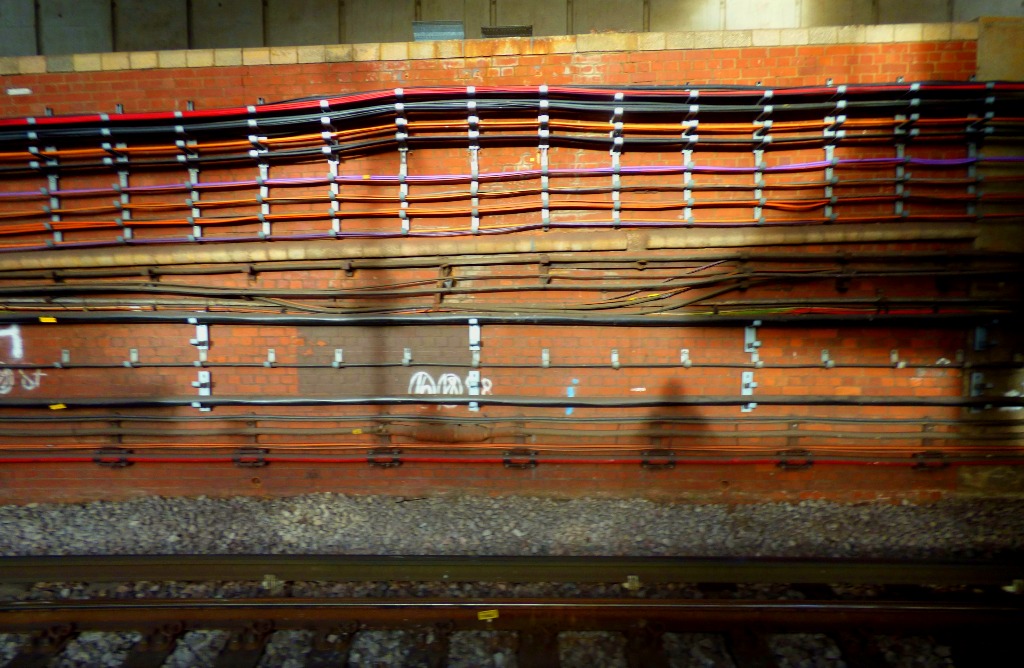
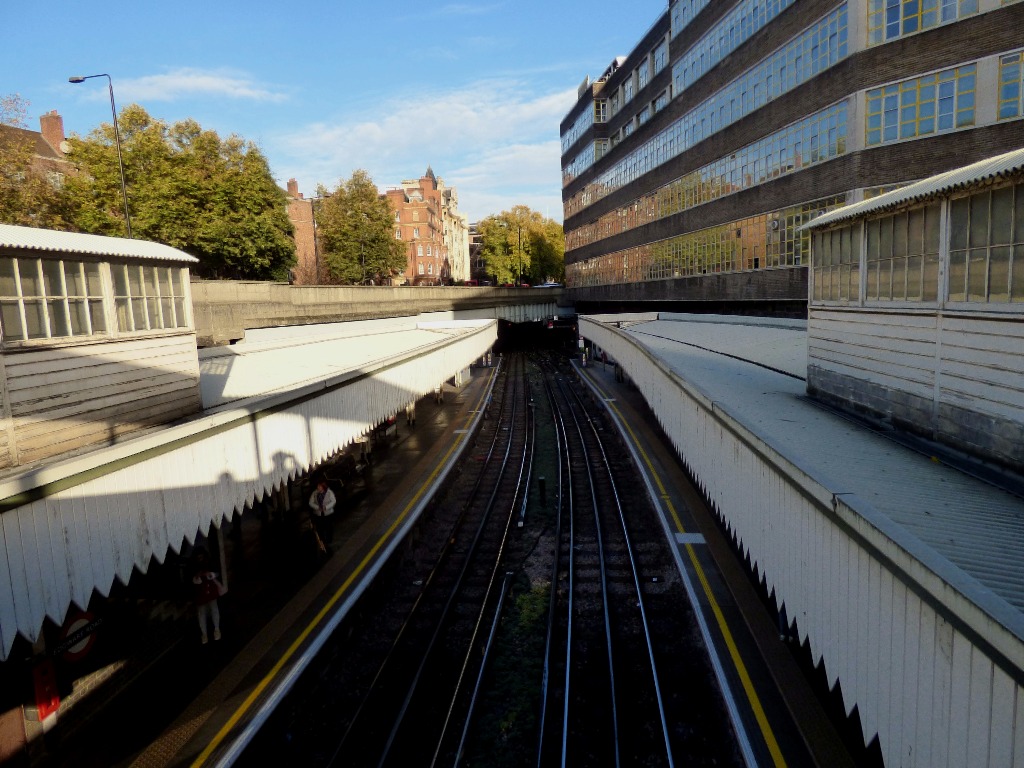
Paddington 1View from the Hammersmith & City line platformsPaddingtonH&C trainCablesTrainEdgware RoadEdgware Road from aboveEdgware Road Plats 1&2

Hammersmith & City line
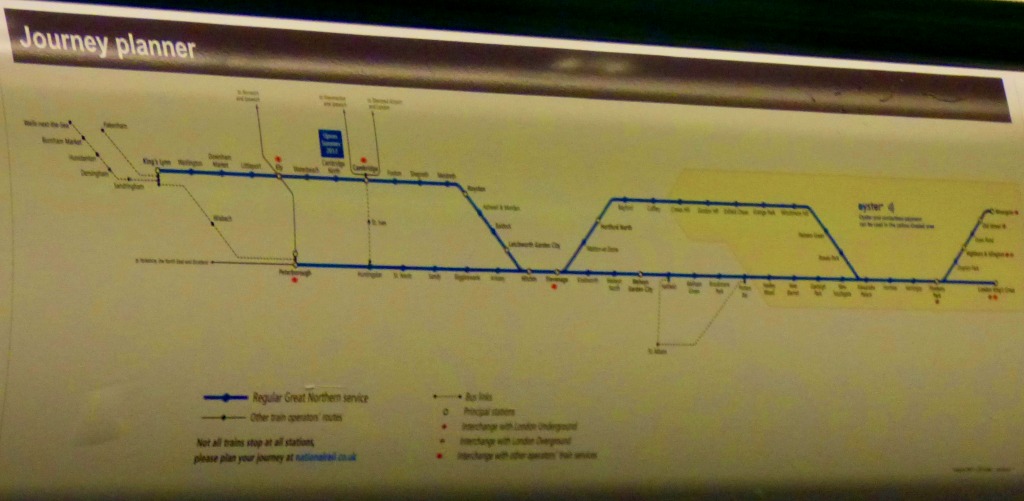
This picture was the cause of minor quarrel – I was challenged by another passenger as to why I was taking pictures of his friend, and it took my a while to get the point across that I was not, and that it was this map which was my target. His friend’s hat did appear in the uncropped version, but no face was visible, and my only interest was the map. I was perhaps a little harsh as I was fully expecting to miss my intended connection at Kings Cross due to the delays on this leg of the journey.

Great Portland StreetEuston Square

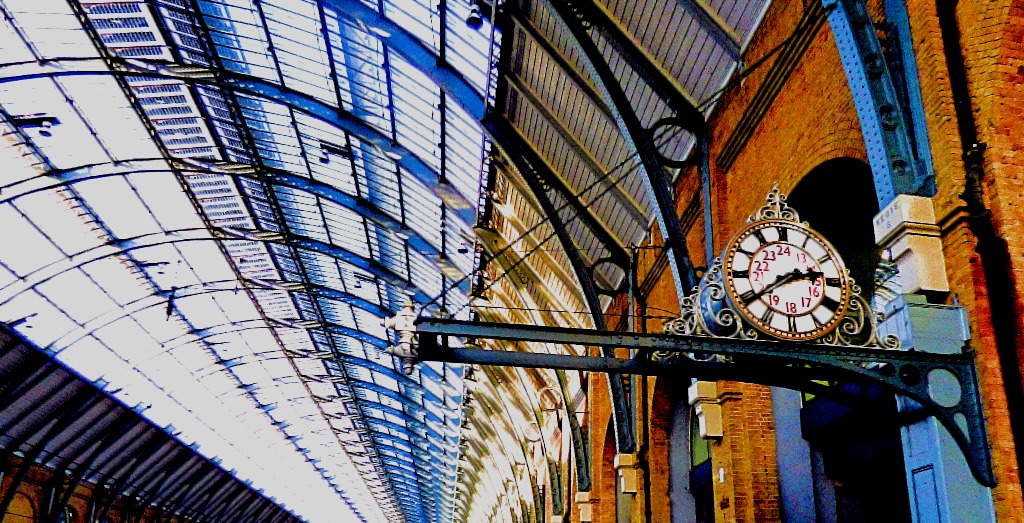
Kings Cross clock
The platform from which the train to King’s Lynn was l.eaving was revealed with a mere eight minutes to spare, and if you going to Lynn you have to go to the front of the train (or else get out and dash along the platform at Cambridge).

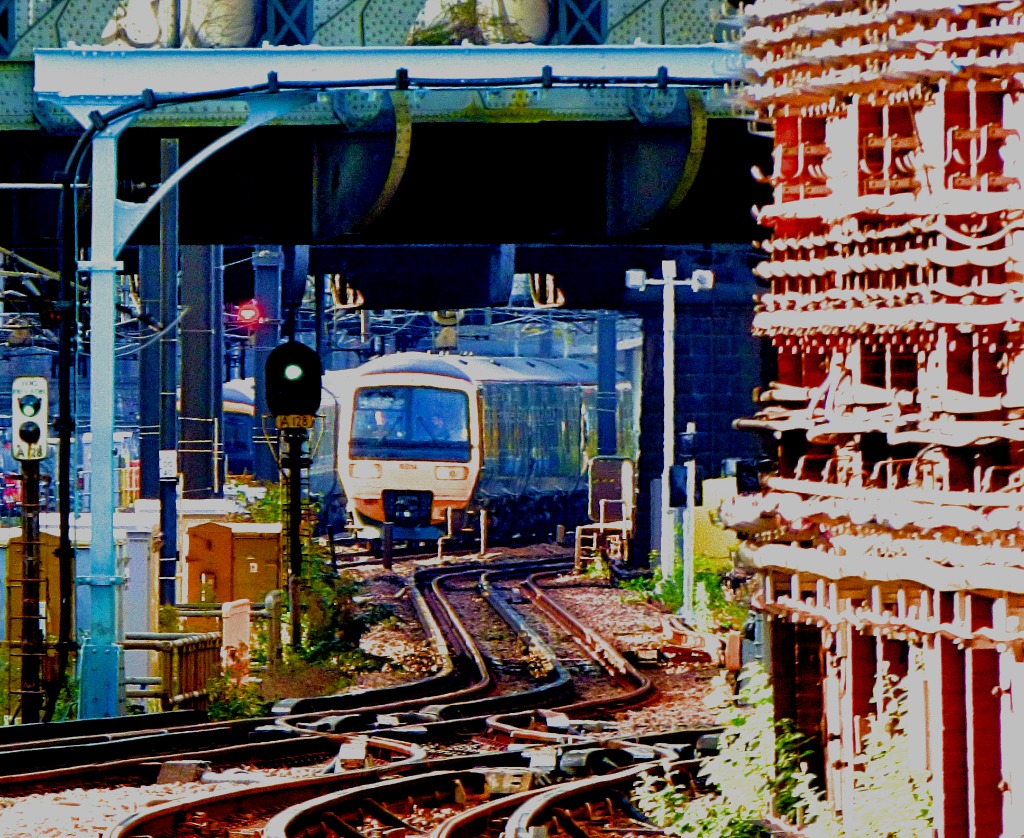
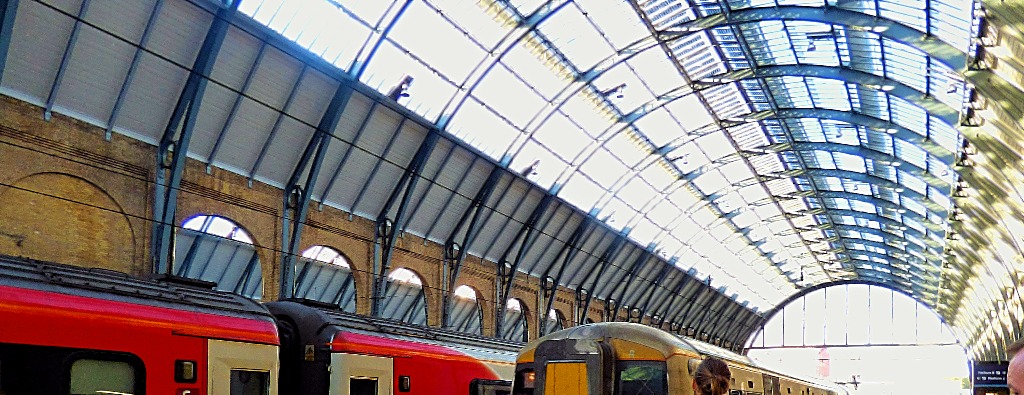
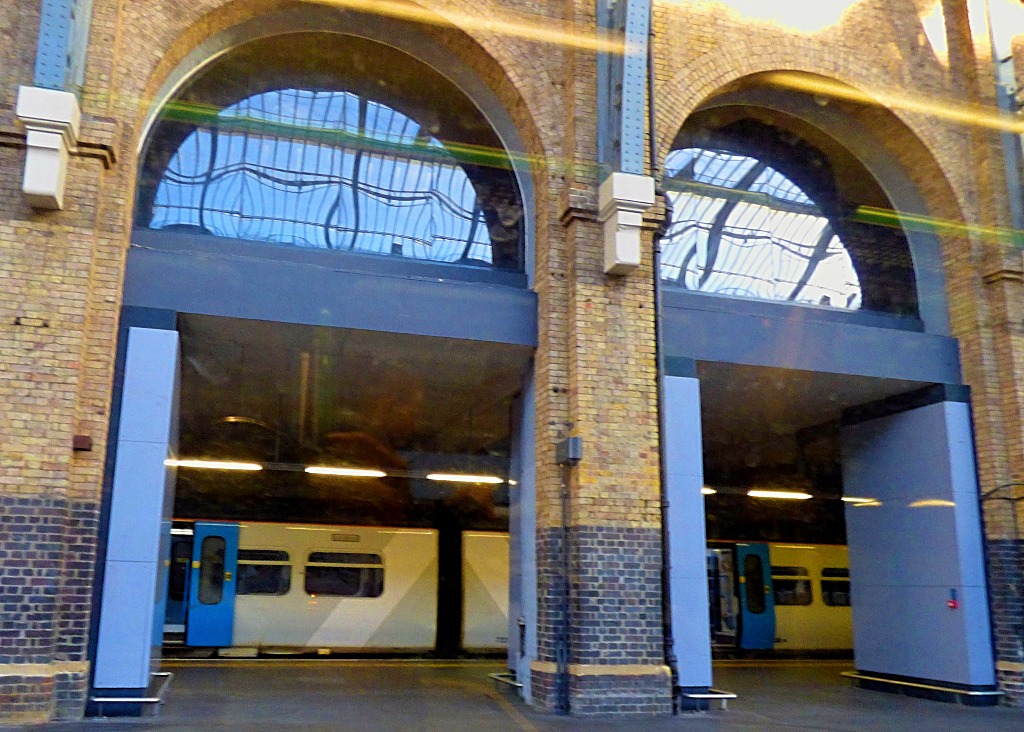
Kings Cross arched roofTrains at Kings CrossKing's Cross just before departureJourney PlannerAeroplaneStansted ExpressStansted Express 2

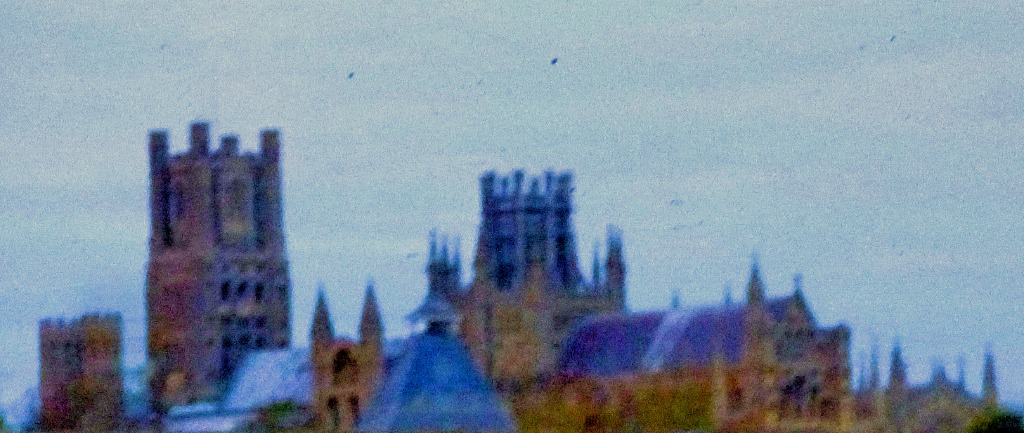
Ely Cathedral
Ely Cathedral.


The Fight to Save Trosa Nature

Some links to posts about the fight to save Trosa nature and a few of my own pictures from today.

INTRODUCTION

It will be no news to regular followers of this blog that I have been supporting Anna in her fight to protect nature in her part of Sweden for some time. In this blog post I share links to some of her recent posts on this issue, and urge you to follow them up. At the end there are some photos of mine from today featuring creatures I saw while out walking this morning.

SETTING THE SCENE –

VICTOR, YANNO & DUNNO

The beautiful area of Sweden in which Trosa lies is threatened by a proposal to build a big new road which will bring large amounts of money to a few and destruction of priceless natural beauty as an inevitable consequence. This tale sets out the story of the road building plan through three characters, Victor, Yanno & Dunno. The feature graphic shows Yanno & Dunno as puppets being controlled by Victor:

ANNA’S REASONING

Anna laid out the case for her side in a post published on July 17 with the title “Därför vill vi spara naturen i Trosa – Why we want to save Trosa nature“. Below is the feature infographic from that post:

TROSA’S NATURE

Anna has produced three posts in quick succession showing some of the nature that is on show in her part of the world. We start with:

Kalla den Änglamarken –

Paradise on Earth part 1

As a sample of what you can look forward to seeing in this post I have selected the Sea Eagle picture:
As you might logically expect the next post is…

Kalla den änglamarken –

Paradise on Earth part 2

This time your sample picture is of a seal:

Finally, to bring you right up to date we have…

Kalla den änglamarken –

Paradise on Earth part 3

This third post about the wildlide of Trosa and the Tureholm Peninsula is devoted to birds. My bait to lure you in is a Heron…

SOME OF MY PICTURES FROM TODAY

I finish this piece with some pictures from earlier today, starting with…

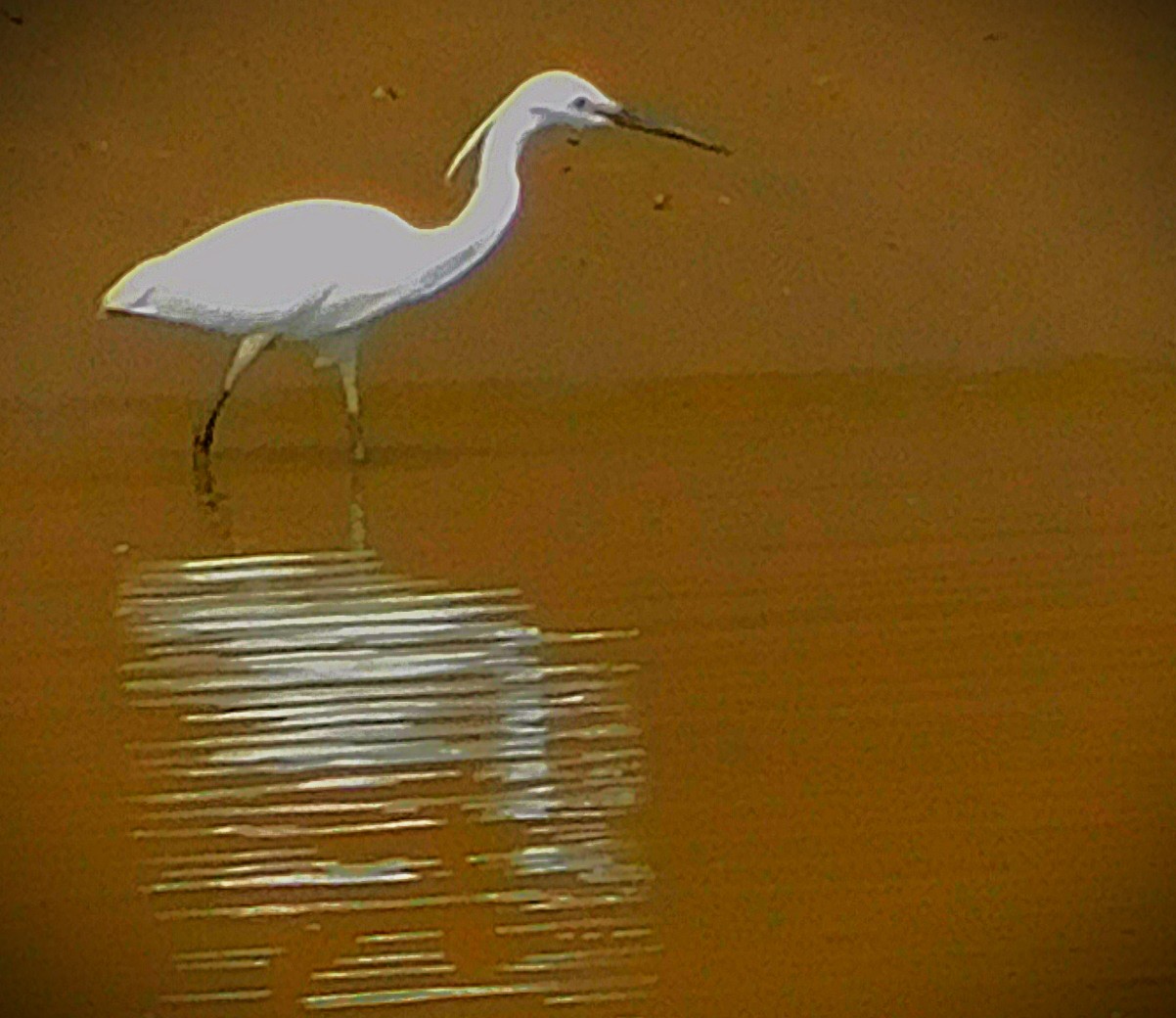
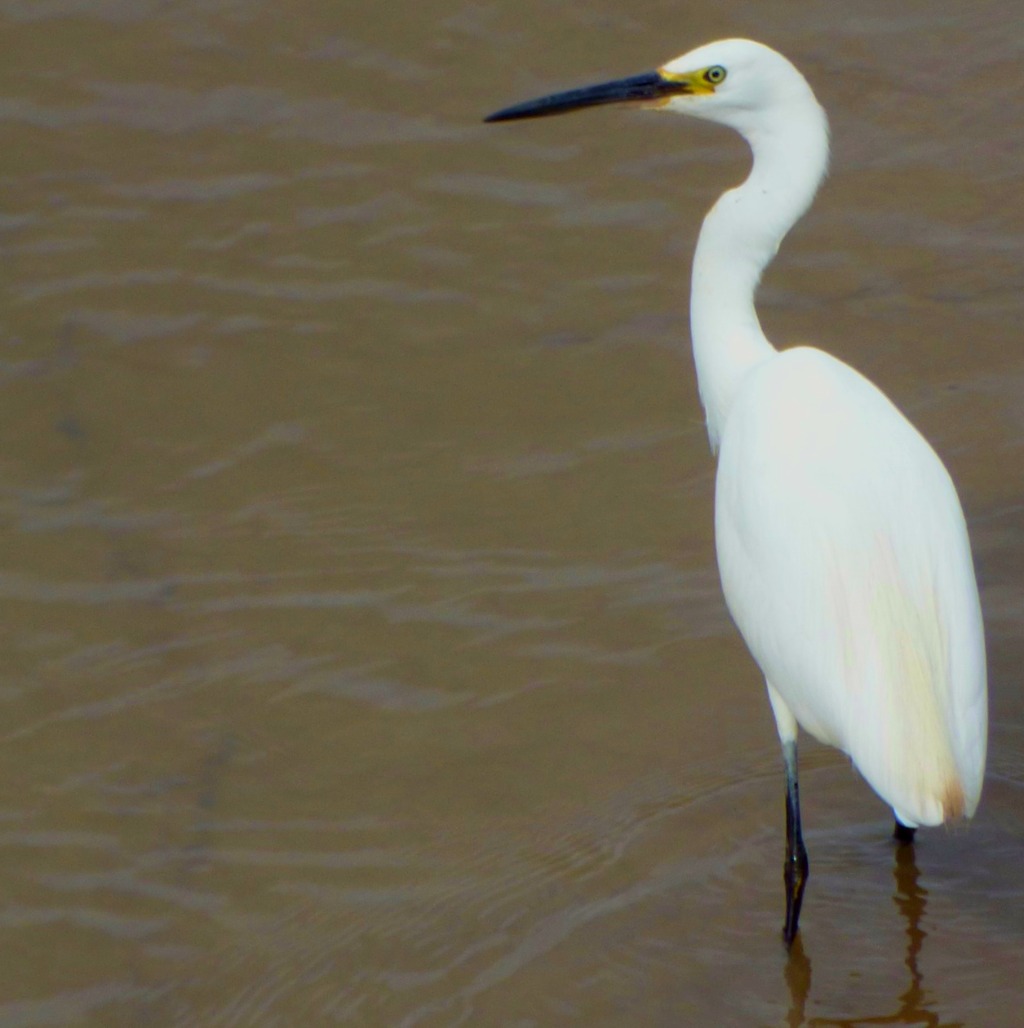
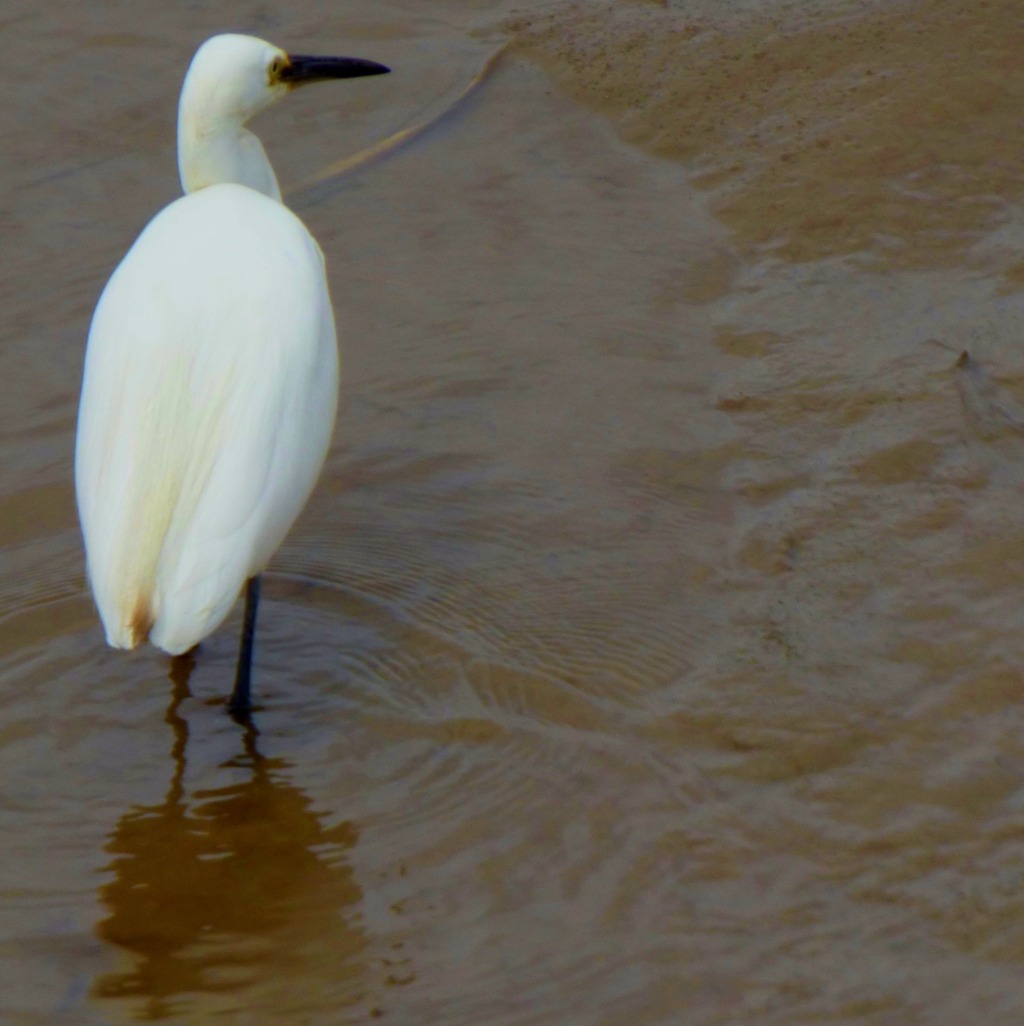
A LITTLE EGRET SEEN IN THE RIVER NAR

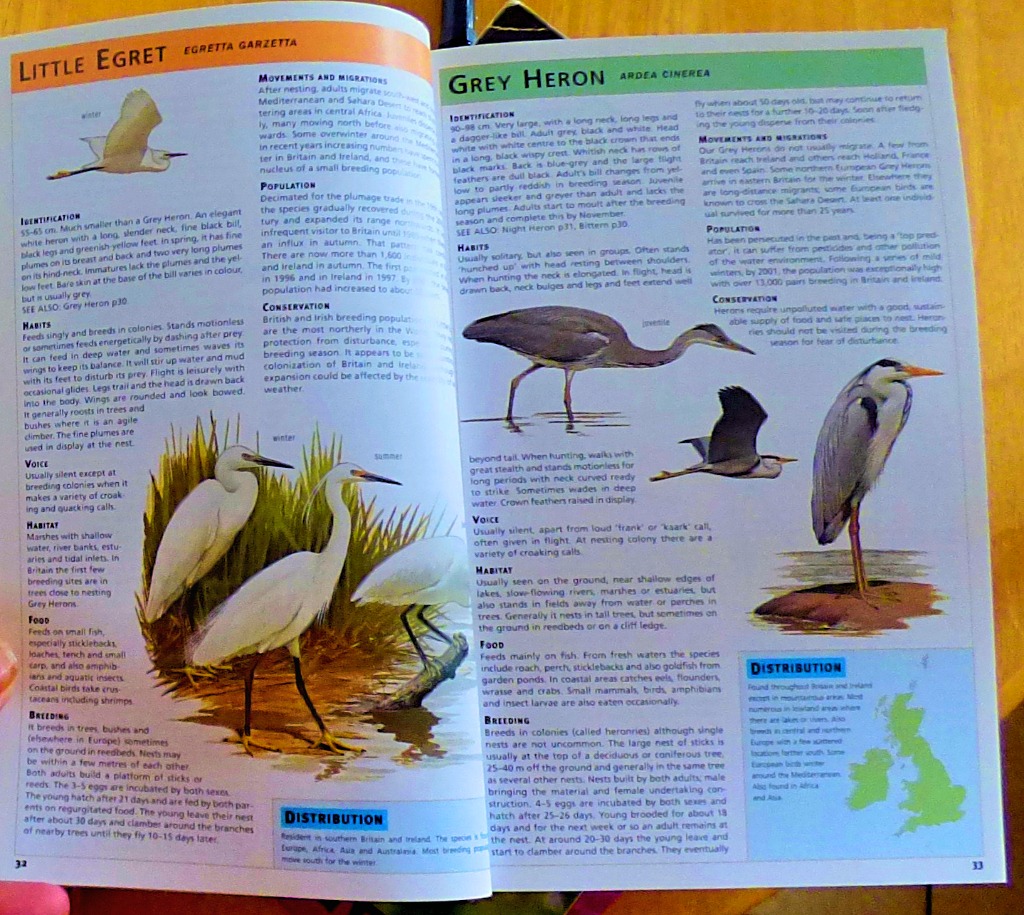
The point where the River Nar joins the Great Ouse is about 10-15 minutes walk from the centre of King’s Lynn, and I regularly see interesting stuff there, but before today I had not seen a Little Egret there (as well as the two pictures I took of the bird I have a picture of the relevant page of my bird book):

Little Egret 1Little Egret 2Bird Book

My second set of pictures are…

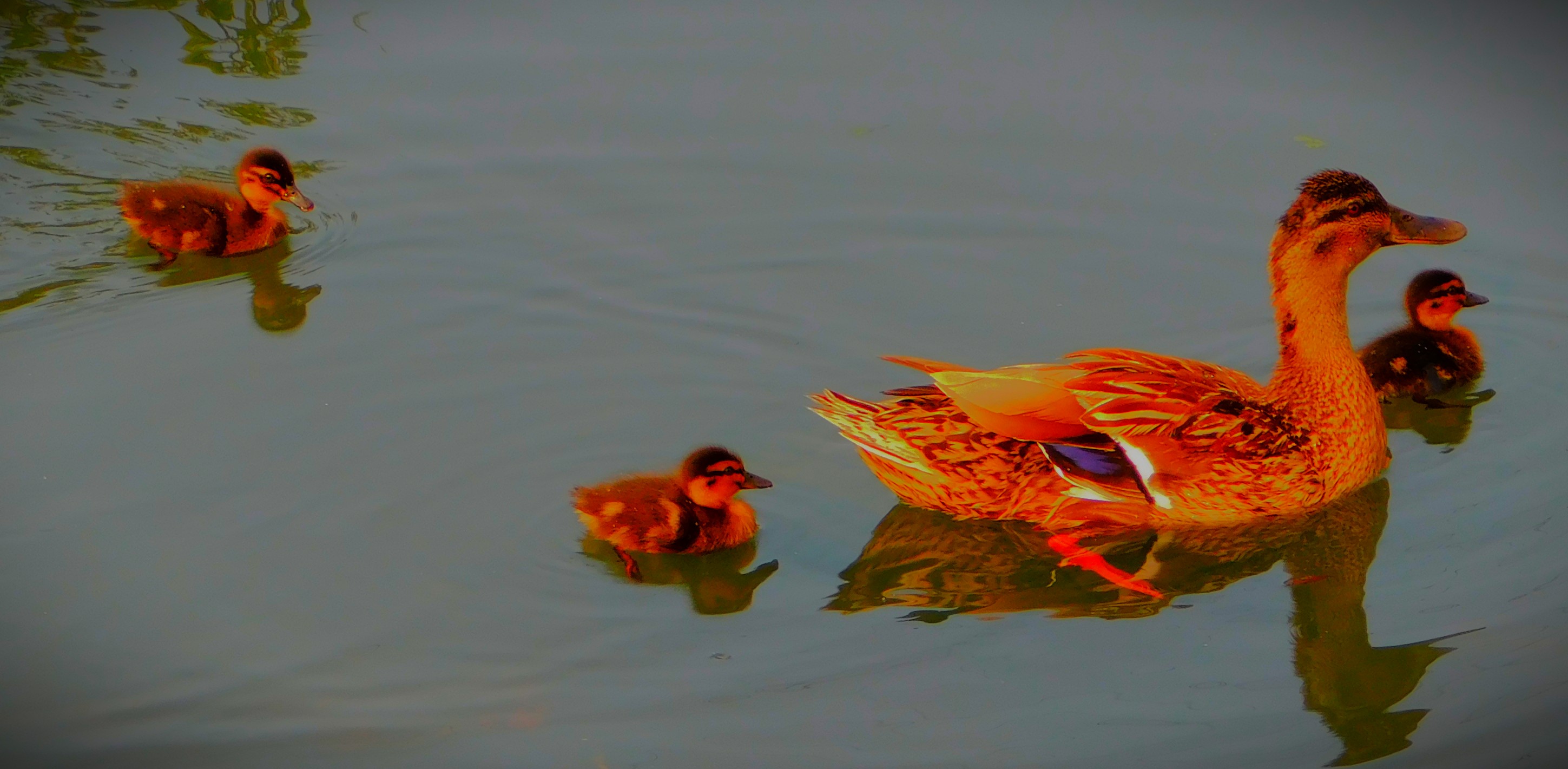
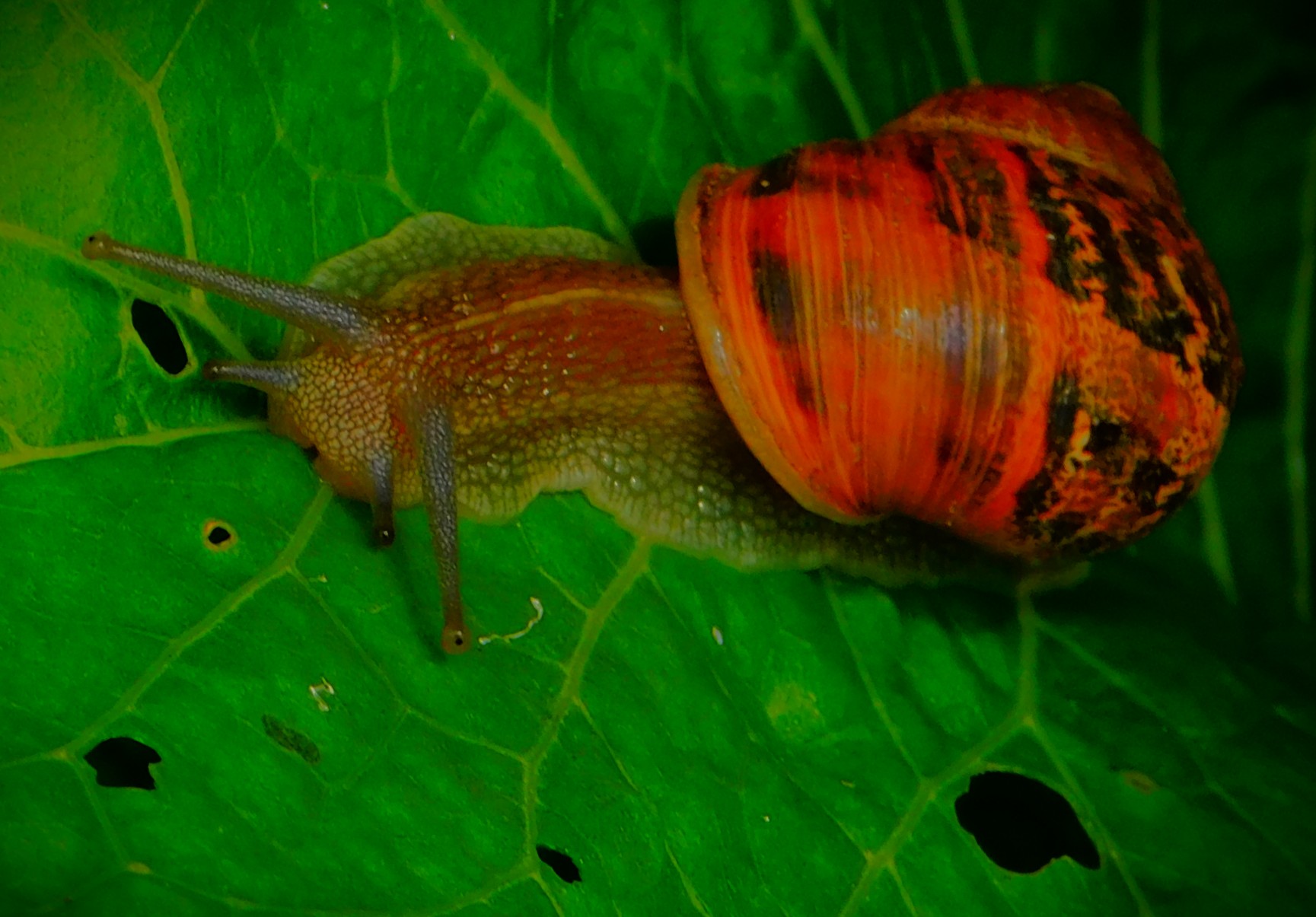
A SNAIL, A DUCKLING AND A HOVERING INSECT

SnailDuckling

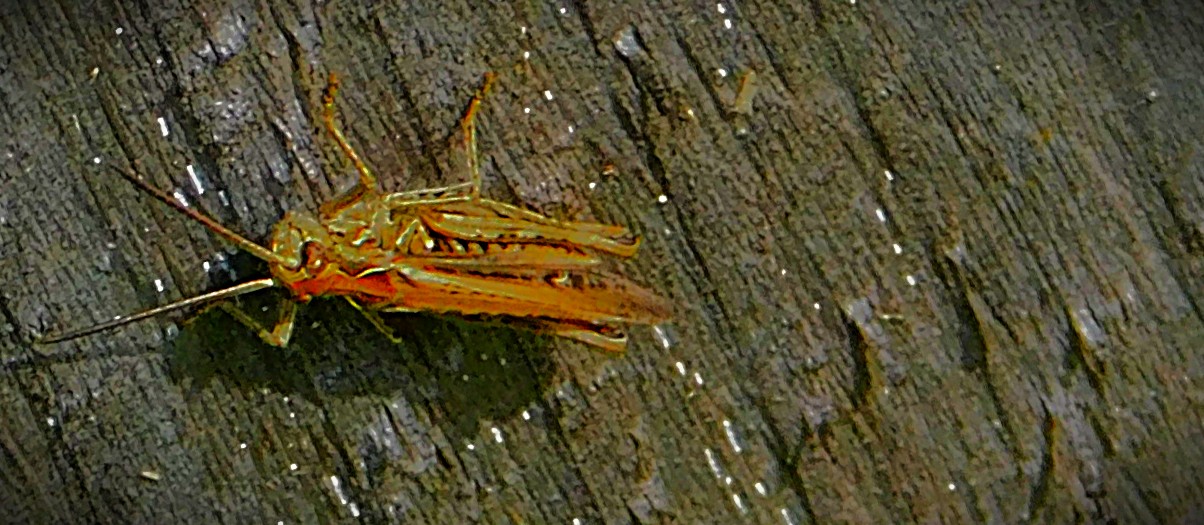
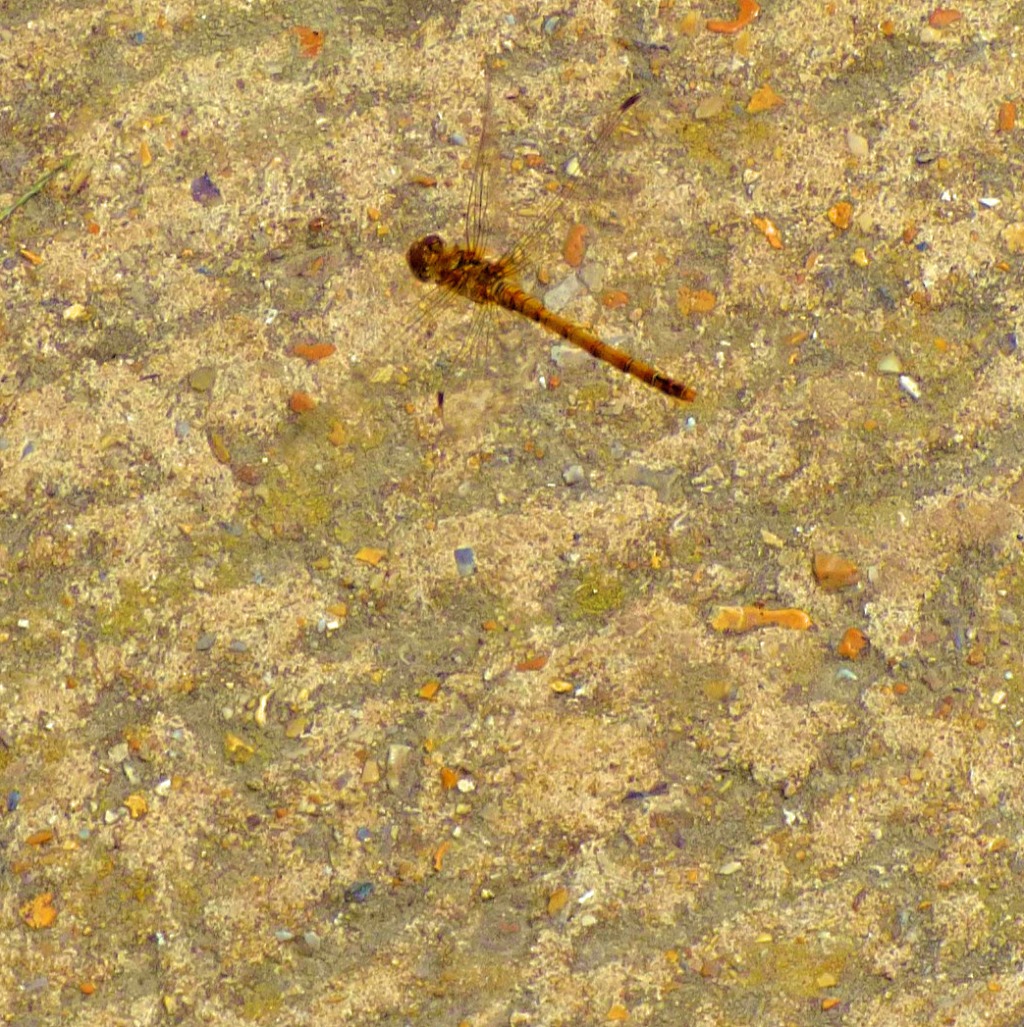
Hovering insect
The footpath above which this little beauty was hovering does not make a great background, bjut I hope you can see the delicate wings that keep that body airborne.