A Classic Test Match

some thoughts about the recent test match between England and the West Indies, declarations and umpires.

INTRODUCTION

This post is devoted the second test match of the current England versus West Indies series, which ended at about 6:45PM on Tuesday. 

THE EARLY EXCHANGES

England batted first and reached 258 only because Ben Stokes (100) and Joe Root (59) were reprieved early in their innings by bad West Indies fielding. Kraigg Brathwaite (134) and Shai Hope (147) were the cornerstones of a the West Indies response, which eventually reached 427, a lead of 169. In the second England innings no-one reached three figures but there were solid efforts all the way down the line, and at 490-8 Joe Root decided to declare and give the West Indies a little session of batting just before the close of the fourth day. 

THE FINAL INNINGS

The West Indies made it to the close of the fourth day without losing a wicket. Brathwaite made 95 in this second innings, coming within five of becoming the first batsman ever to score twin centuries in a first-class match at Headingley (and this was the 534th such fixture at the ground), a feat that was finally achieved by player of the match Shai Hope, who also received support from Roston Chase (30) and Jermaine Blackwood (a rapid 41 in the closing stages) who ended up 118 not out, and appropriately enough scored the winning runs. 

There are two features that I am going to make specific comments about, starting with…

JOE ROOT’S DECLARATION

For all that the end result was not what he would have wanted I still say, as I said on twitter at the time, and again a day later when the result was imminent, that this was a good declaration, and that Root was entirely right to go for victory. I remember (though few others will as it was not actually a pafrticularly good match) the Australia v West Indies test match at Adelaide in 2009 when the West Indies were one match down in the series after being soundly defeated at the ‘Gabbatoir’ (a nickname for the Woolloongabba stadium in Brisbane, also known as the Gabba) based on what often happens to visiting teams there) but declined to declare, batting on into the final day. Australia faced a target of 330 off 81, and skipper Ponting decided to settle for the draw rather than going after this target. By the end of the day there were not many people left in the ground (I know whereof I write – I was one of the few who did stay right to the end). I condemn Ponting for this decision to preserve his team’s 1-0 lead in the series rathwer than trying to make it 2-0, as also I condemn the decision of Ryan Ten Doeschate today to extend the Essex second innings into the final afternoon rather than make a serious attempt to win the match by declaring at or even before lunch. PS when I wrote this paragraph I did not realise that Somerset’s “resistance” would be quite so utterly spineless – it now looks like Essex may get their victory after all.

While I do not quite as far as the legendary Sammy Woods (who played for Somerset in the lat 19th and early 20th centuries) who once responded to an enquiry about whether his team might have played for a draw in a game they ended up losing responded with “draws…they’re for bathing in” but I do not hold the draw in high regard and would much prefer a team take risks in the attempt to win than see them play safely for the draw. In the special case of a team being one match to the good going into the final match of a series I would condone a more cautious approach being taken, although Kevin Pietersen’s magnificent series clinching innings at The Oval in 2005 was hardly cautious!

To finish this section: Joe Root was justified in declaring when he did (as was David Gower at Lord’s in 1984 when the result was even more embarrassing for England, courtesy of a magnificent 214 not out from Gordon Greenidge), and this result stands to the credit of the West Indies batting, especially that of Brathwaite and Hope and not to the debit of Root’s declaration. 

SOME SENSIBLE UMPIRING

According to the strict letter of the law play in a purely day game cannot continue if the floodlights are providing more light than the natural light. I congratulate the umpires in this match for not acting with Emeritus Professor of Biosophistry like pedantry and curtailing play due to the light, thus depriving the West Indies of their well-earned victory. There seems little doubt that the light was bad enough to have warranted taking the players off, but the umpires realised given the match situation was such that the players should be kept out there. 

Here are a couple of links relating to this test match:

LOOKING AHEAD

The final match of this series should be good, and almost certainly will feature a moment of history as James Anderson goes into it with 497 test wickets to his credit. Then England have the task of taking on Australia in Australia. This is a seriously tough task, but I think that this England squad can do it.

PHOTOGRAPHS

As always I end this post with some of my own photographs:

squirrel 3squirrel 2squirrel 1wagtails

A Day-Night Mismatch

An account of the first day-night test match on English soil, with some photographs at the end.

INTRODUCTION

Welcome to this account of the first test match in the series between England and the West Indies, which should still be going on but actually finished on Saturday.

THE FIRST DAY-NIGHT
TEST MATCH IN ENGLAND

One of the test matches in Australia later this year (the second of the series at Adelaide) is going to be a day-night test match, featuring sessions played under floodlights, and as part of that pink balls (as opposed to the usual red). England not fancying this being their first experience of the format decided to schedule a day-nighter at home beforehand. The problems with this decision are:

  • England because of the long twilight periods when neither natural nor artifical light are really good is not a suitable place for the day-night format.
  • The current West Indies side can hardly be considered to pose a challenge of anything like the magnitude of that of the Aussies in their own backyard.

THE MATCH ITSELF

England lost debutant opener Mark Stoneman and number three Tom Westley (also recently elevated to this level) early on, but then Alastair Cook and Joe Root put the bowling in perpsective with a huge and largely untroubled third-wicket stand. Root just pipped his predecessor as captain to the hundred mark. When Root was out for 136, Dawid Malan joined Cook and they took England through to the close of day 1. On Day 2, England lost a few wickets, including eventually that of Cook for 243 – this last triggering a declaration with the score at 514-8. Rain intervened with the West Indies 44-1. 

On Day 3 the West Indies had a horror start, largely thanks to James Anderson, with 44-1 rapidly becoming 47-4. Although Jermaine Blackwood showed some spirit with a rapid 79 wickets continued to tumble and the West Indies first innings ended on 168 from 47 overs. While many captains have become cautious about enforcing the follow-on in recent years this was one occasion when any captain declining to do so would surely have deserved to be presented a white feather and their P45. Joe Root duly sent the West Indies in again. Early in the West Indies second innings there was some speculation about whether England would take the extra half-hour to finish the job, but it soon became clear that the West Indies would not be batting long enough for the question to arise. Once again resistance was conspicuous by its absence, and the West Indies were all out for 137 in their second innings, this time from 45.4 overs. The most noteworthy feature of this innings was Stuart Broad moving ahead of Ian Botham to number two (behind Anderson) on the all-time England test wicket takers list. 

England had won by an innings and 209 runs with a couple of hours of possible playing time remaining on day 3 (taking the rain that shortened day 2 into account this was effectively a victory in half a test-match worth of playing time). 

While I hope to see Stoneman, Westley and Malan get some big runs in the two remaining tests I do not think that performances against these West Indians will count for anything down under, and nor for reasons already outlined can I really consider this dreadful mismatch any sort of preparation for Adelaide in November. On this occasion it may actually be genuinely the case that Geoffrey Boycott’s mum would have scored runs and/ or taken wickets such was the feebleness of the opposition (for the uninitiated, based on his comments as expert summariser Geoffrey’s mum would appear have a batting record to compare with Don Bradman and a bowling record not dissimilar to that of S F Barnes!).

Most of all, in the remaining two matches of this series I would like to see the West Indies show a bit of heart and spirit, and at least make England work for the victories, as they signally failed to do at Edgbaston. Anyone who had booked seats for the fourth and fifth days is highly unfortunate – the refunds policy covers bad weather but not one side playing bad cricket.

What we saw in this match was a proficient, professional outfit dealing severely with opposition who were not remotely in the same class – well done England, but in a few months you will be facing much tougher opposition.

A scorecard of the match can be viewed here, and if you so wish you can explore from there to read more about this match.

PHOTOGRAPHS

We end with a regular feature – some of my pictures:

Moorhen2Mallard11-13 King StreetK&HMoorhenGullPollinatorPollinator2Pollinator3Pollinator4

Rathskeller
The Rathskeller, where I shall be attending a Beer Festival in the run-up to Heritage Open Day

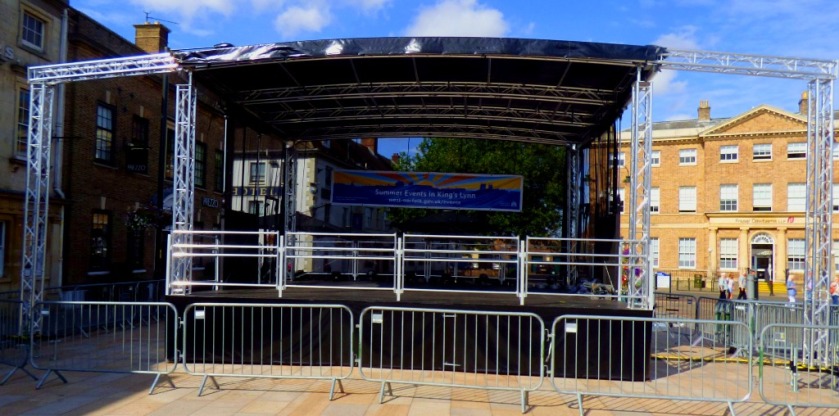
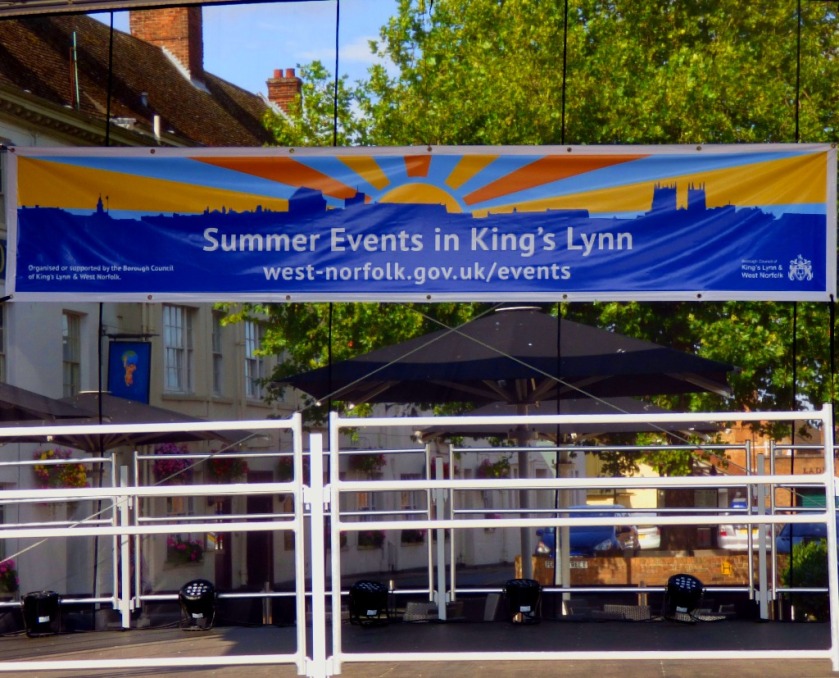
StageTB2TB4white butterflyBannerBPBP2BP3Cormorant

flying butterfly
A butterfly captured whiel in flight

GG

England 3 South Africa 1

My thoughts on the recently concluded series between England and South Africa mens teams, plus some photographs from work.

INTRODUCTION

On Monday I listened to what turned out to be the final day of the test series between England and South Africa (Tuesday would have been available had South Africa taken the game that far but they never really looked like doing so). In this post I look back at the match and the series.

THIS MATCH

England batted first and made at least 50 more than they should have done in the circumstances, getting to 360. When the ninth England wicket fell South Africa turned to the “clever ruse” of dropping the field back to allow the major batter (Jonny Bairstow on this occasion) to take singles so that they could bowl at the no11. This is a dubious tactic in any case, but South Africa’s execution of it was downright bad – on a number of occasions Bairstow took twos early in the over, which should never happen when this tactic is in play. I can think of no occasion on which it can be demonstrated that a side fared worse by attacking at both ends than they would be adopting this tactic, whereas I offer the following examples of times where adopting it caused problems:
  • Perth 1978 – Australia eight down for not many facing and England total of over 300, Mike Brearley gives Peter Toohey with 50 to his name singles so as to attack Geoff Dymock. The ninth wicket pair stage a very irritating partnership. In the end England’s superior skill and professionalism tell (Australia were depleted by the Packer affair and Graham Yallop proved to be a very poor captain). My source for this story is Brearley himself in “The Art of Captaincy”.
  • Melbourne 1982 – The ninth Australian wicket in their second innings falls with them still needing 74 for victory. England allow Border singles so they can attack Thomson, the no 11. Australia get to within a boundary hit of victory before Thomson flashes at a wide one from Botham and is caught by Miller with an assist from Tavare.
  • Sydney 2010 – Pakistan have bossed the game against Australia, leading by over 200 on first innings, and Australia are only 80 to the good with two second innings wickets standing going into the 4th morning. Pakistan decline to attack Hussey, and Siddle plays a straight bat the relatively few deliveries he has to face. In the end Pakistan need 176 to win, which is far more than they were expecting. The pressure is too much for an inexperienced batting line up, especially once Mohamed Yousuf has compounded his failure as captain by falling to a very poor shot to leave his side 57-4. Australia end up winning by almost 40 runs.

South Africa’s response, if it can be so described, was to scrape together 226 for a deficit of 136. A fine innings by Moeen Ali in the second England innings takes England to a lead of 379. Dean Elgar fell cheaply to start the South African second innings, and by the lunch interval Heino Kuhn and Temba Bavuma had also been accounted for. Amla and Duplessis resisted stoutly for a time, but the dismissal of Amla sparked a collapse, with no one else making a significant contribution as 163-3 at the high point of the innings subsided to 202 all out. Moeen Ali took five of the wickets to finish with 25 for the series alongside over 250 runs for the series (the first time this double has been achieved in a series of fewer than five matches). Moeen Ali was player of the match, and also player of the series for his all-round efforts.

THE SERIES AS A WHOLE

Barring the aberration at Trent Bridge this was a series that England dominated, and 3-1 is a fair reflection of that fact. Lord’s (it is named after Thomas Lord of Thirsk, so Lord’s is technically correct) saw the only really huge first innings tally of the series, and from that point on England were always going to win that match. I wrote in some detail about the Trent Bridge debacle at the time. At The Oval (these days there is always a sponsor’s name attached but I refuse to mention them whoever they may be) England made a respectable first innings total and South Africa crumbled, while this final match at Old Trafford went along similar lines. 

THE PLAYERS

I am going to finish the text element of this post by looking at both sets of players, starting with South Africa.

Dean Elgar – a tough competitor whose second innings 136 at The Oval when all around him were surrendering was a stand out performance. 

Heino Kuhn – resembles a test-class opener about as closely as Liam Dawson resembles a test-class all-rounder. The only surprise out his dismissal during the morning session fo what turned into the final day of the series was that it did not come sooner.

Hashim Amla – a magnificent batter now nearing the end of his illustrious career. This was not a great series for him but his fighting 83 in the final innings was a splendid effort.

Quinton De Kock – fine wicketkeeper and on his day a very destructive batter, but was miscast in the key number four role where was too often coming in with the team reeling from early blows. He was moved down for the final match of the series, but this was his equivalent of Adam Gilchrist’s 2005 in England – batting wise a series to forget.

Faf Du Plessis – it continues to be debatable whether he is worth a place as a batter, but the team play much better under his captaincy than when he is not present. 

Temba Bavuma – a very reliable batter. He needs to develop ways of keeping the scoreboard ticking – at the moment it takes him a very long time to score his runs.

Theunis De Bruyn – anonymous in this series, he did nothing significant with the bat and his bowling was not much used.

Chris Morris – occasional moments with his hard-hitting batting but his bowling was very expensive.

Vernon Philander – a great cricketer, but like Alan Davidson and Chris Old before him he is somewhat of a hypochondriac. He did not contribute fully to this series.

Keshav Maharaj – South Africa’s leading wicket taker of the series. 

Kagiso Rabada – A fine fast bowler who bowled well in this series and at times did enough with the bat to have embarrassed some of bhis supposed betters in that department.

Morne Morkel – A solid series – it was not South Africa’s bowlers who were chiefly responsible for their defeat in this series.

Duanne Olivier – more will certainly be seen of this young fast bowler.

Now for England…

Alastair Cook – continues to steadily ascend the test run scoring lists – in the course of this series he went past Allan Border’s aggregate. His effort on the truncated first day at The Oval put England in control of that game, a position consolidated by Ben Stokes’ century.

Keaton Jennings – surely he has run out chances after a series in which his highest individual score was 48 and during which he never looked convincing. 

Gary Ballance – given a chance to re-establish himself in the side because he scores so many in domestic cricket he failed, and looked out of place. He was deservedly one of the casualties of the Trent Bridge debacle.

Tom Westley – a solid start to his test career. He looks like he belongs in the test arena and I expect to see a lot more of him.

Joe Root – his first series as test captain, and with a 3-1 series win and himself being leading run scorer on either side for the series it was a splendid start. 

Dawid Malan – came in to the side after the loss at Trent Bridge and has not yet done much.

Jonny Bairstow – an excellent series with both bat and gloves.

Ben Stokes – regular contributor of runs, wickets and catches. Like the man I will be dealing with next he is that rarity, a genuine all-rounder.

Moeen Ali – deservedly named player of the series, he was outstanding with bat and ball. 

Liam Dawson – my comments about Heino Kuhn suggest that I do not rate Mr Dawson, and that impression is correct. He has neither the batting nor the bowling to be of use in test match cricket. If conditions warrant two spinners pick a real spinner, and if they don’t Moeen Ali will be the sole spinner.

Toby Roland-Jones – he started his test career firing with both barrels – a five-for including the top four in the opposition batting order, and has done well in both his matches so far. 

Stuart Broad – a good series for the big fast bowler. 

Mark Wood – two matches in the series, total figures 1-197 – ’nuff said.

James Anderson – 20 wickets in the series at 14 each. At the age of 35 he remains arguably the finest user of a new ball in world cricket. The authorities at his home ground of Old Trafford have recently paid him the compliment of naming one of their bowling ends in his honour – and he responded by taking four cheap wickets from that end at the first time of asking. I reckon he still has a couple of good years left in him which would enable him to sign off with a home world cup followed by a home Ashes series.

PHOTOGRAPHS

I always like to include photographs in my posts, and although I have none relating to cricket, here are a few from yesterday at work (these will be going under the hammer on August 30th, our second end of August auction, with a sale happening at our shop on Friday August 25th – more on this in a later post):

1403
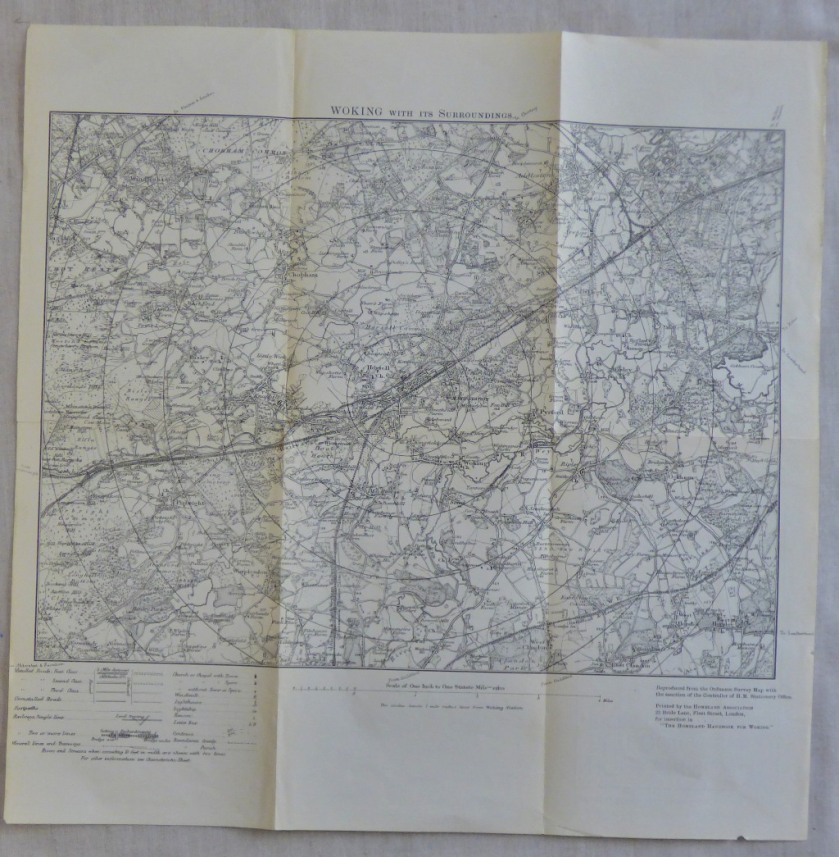
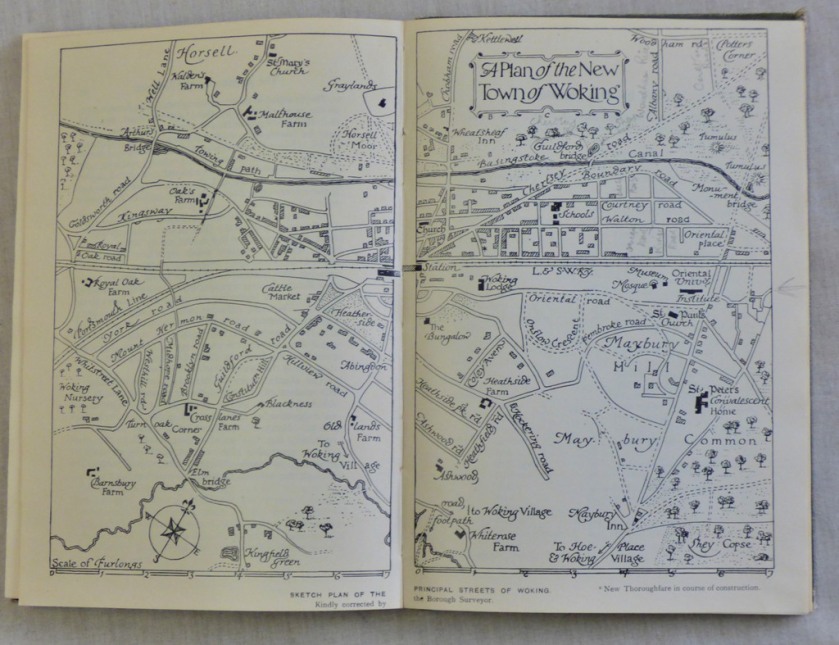
Lot 1403 – there is a little wallet incorporated in the inside back cover of the book to store the map when folded.

1403-a1403-b1403-c

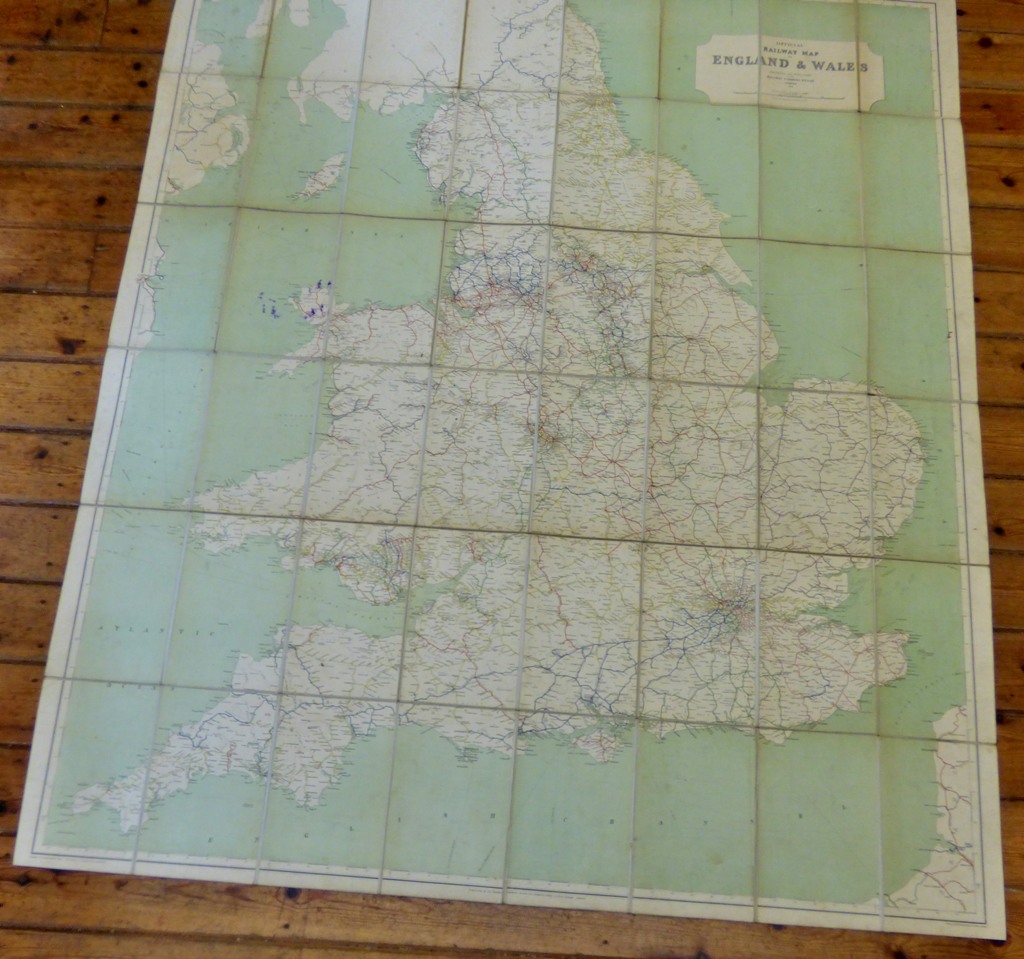
1415
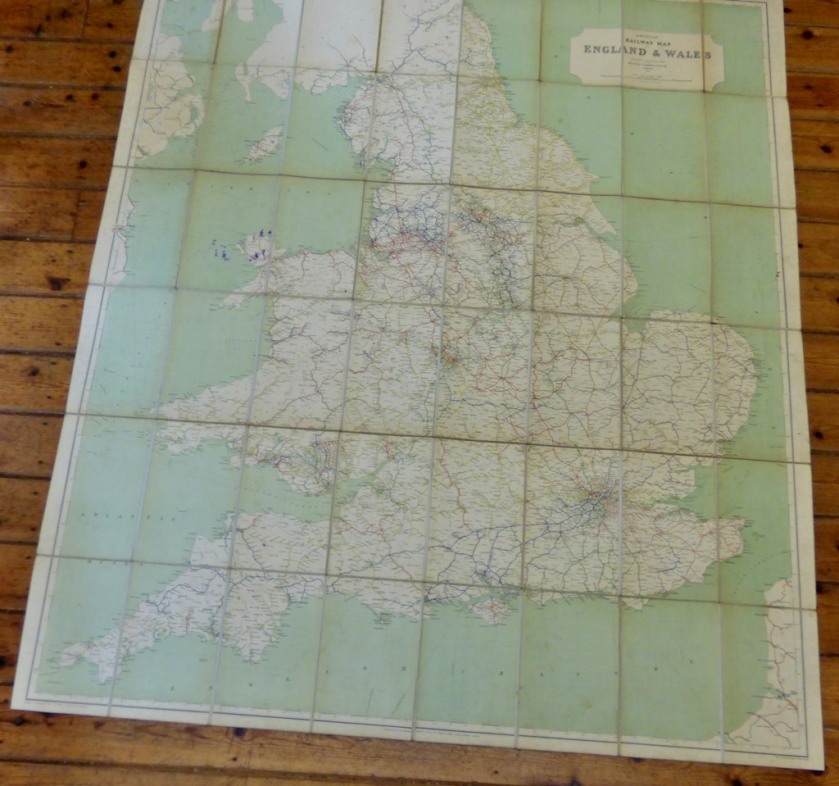
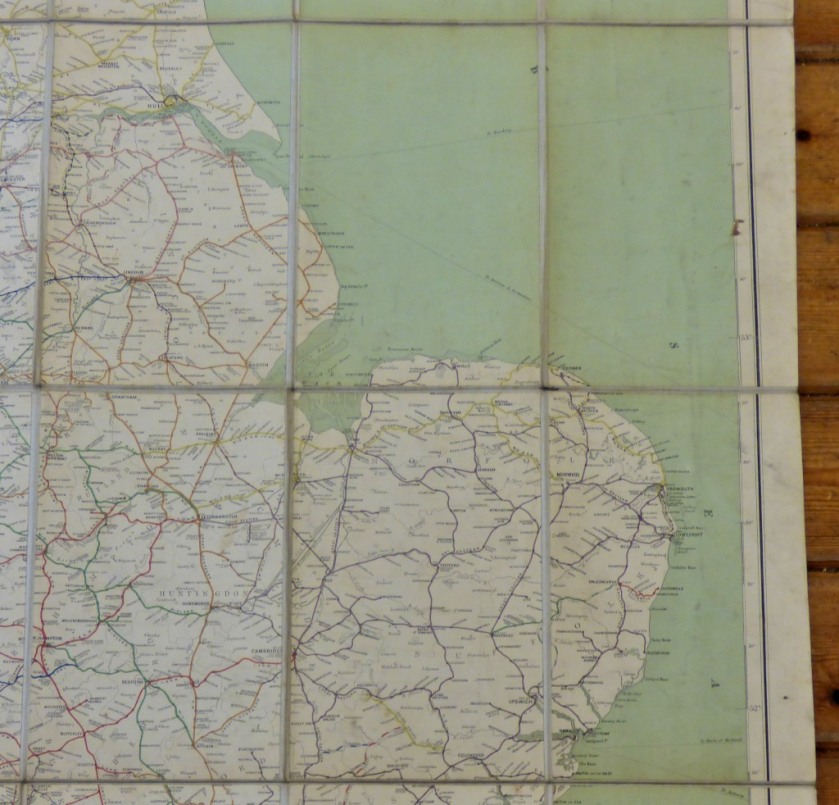
Lot 1415 – the largest railway map I have ever seen – and it has stout front and back panels so that when folded it looks a bit like a book.

1415-a

1415-b
A stamp on the back of one the ordinary panels.
1415-c
The front panel
1415-d
The back panel
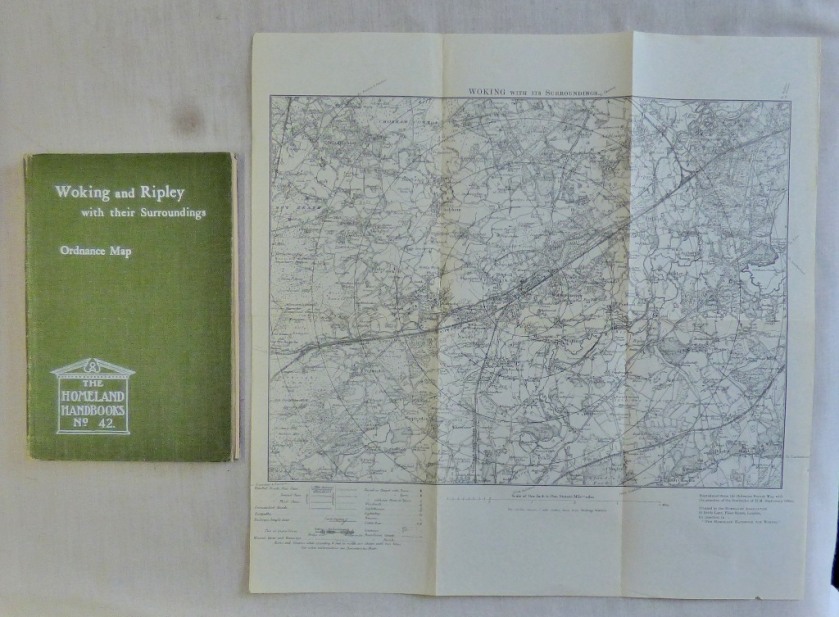
1422
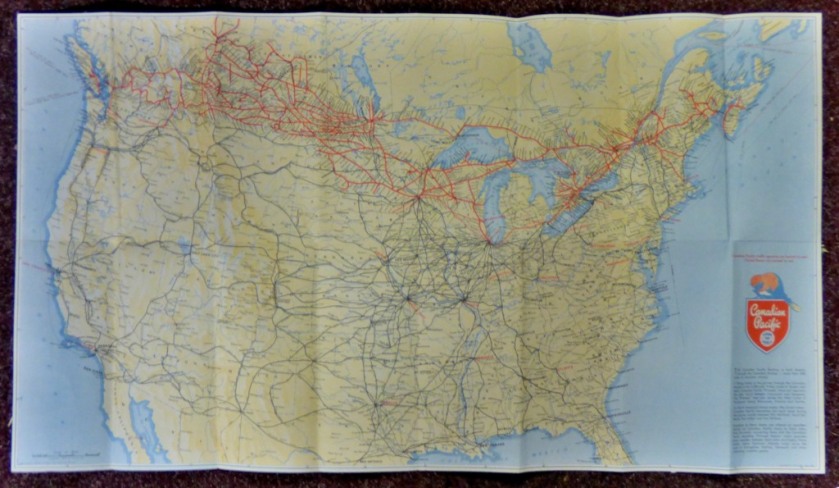
Lot 1422 – A more modern and much smaller railway map, with promotional material on the reverse (four images)

1422-a1422-b1422-c

1428
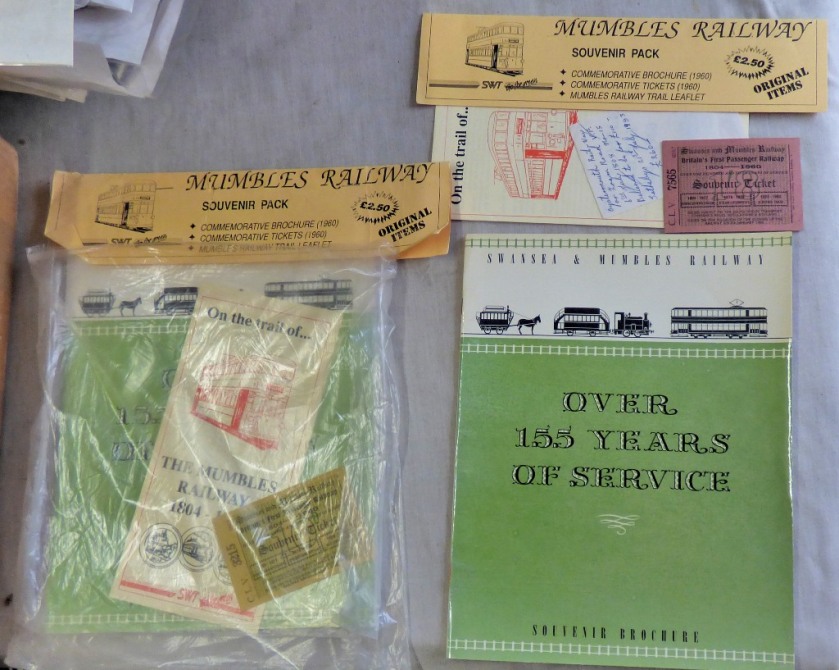
Lot 1428 – Some south Wales railway history.


A New Venue With Old Connections

The start of my personal coverage of the second Test Match between India and England at Visakhapatnam, with a mention of some old connections of this new venue, also a mention of Sri Lanka Women v England Women in Colombo, and a little mathematical teaser.

INTRODUCTION

Just like the first match of the India v England series at Rajkot, this match is happening at a new Test Match venue, Visakhapatnam. This is the 111th test match venue overall and the 24th such in India (more than any other country).

OLD CONNECTIONS AT A NEW VENUE

One of the two ends at this ground is called the “Dr Vizzy End”. The Dr Vizzy of that designation was the Maharajkumar of Vizianagram, captain, administrator and briefly late in his life a Test Match Special summariser. He also ran a private team for which he got both Jack Hobbs and Herbert Sutcliffe to play, which led to a bit of controversy over statistics.

WISDEN VERSUS THE
ASSOCIATION OF CRICKET STATISTICIANS

When Jack Hobbs retired at the end of the 1934 season his record stood at 61,237 first class runs with 197 centuries, although in some sources you will see him credited with 61,760 runs and 199 centuries. The Vizianagram XI matches and a desire to get Hobbs to 200 centuries are the reason for this. Hobbs himself was deeply opposed to any retrospective alteration of players records, and rightly so in my opinion. In 1925 Hobbs had had a nervous period when he had 125 centuries to his credit, with W G Grace according to his official record having 126 which at that time was the record. It was against Somerset at Taunton (a frequent combination for the setting of new batting records over the years) that Hobbs equalled the old record in the first innings and then beat it in the second. However, the revisionists in the ACS camp who have revised Hobbs’ record upwards, have revised W G Grace’s downwards, from 54,896 runs and 126 centuries to 54,211 runs and 124 centuries. This makes a mockery of the events of 1925 described above and the celebrations that accompanied the Taunton match.

My own view is this: Players records should be given as they were recognised at the time, but if you are so inclined certain records of those who played long ago can be footnoted to the effect that “if current definitions of first class status had prevailed when X played their record would have read Y”. This acknowledges the problems with some of the old records without changing them.

BACK TO THE PRESENT

India having won the toss and chosen to bat are 134-2 in the current game, with Jimmy Anderson in the England side after injury. For India Gambhir and Mishra have been dropped, replaced by Rahul and Jayant Yadav (there was already one Yadav, Umesh, in their squad). Meanwhile, in Colombo the England Women have staged a remarkable recovery in the final match of their ODI series against Sri Lanka from a low water mark of 58-6 to a current position of 218-8, Natalie Sciver making 77 off 74 balls and Danielle Hazell a career best 45 off 64 balls. Laura Marsh is on 29 and Beth Langston on 6.

A TEASER TO FINISH

I have recently acquired a mathematically minded follower of this blog, and being mathematically minded myself this seems a good moment to set a problem which consist of two parts:

I am going to set out two pairs of simultaneous equations, and your task is first to select one and then to solve it (nb, both parts of this teaser have clear cut right and wrong answers):

73X + 43y = 211                                                                 685,463X + 314,537Y = 2,685,463
31x + 83y = 199                                                                  314,537X + 685,463Y = 2,314,537

I will provide the answer in my next post.

The England Women have just finished their 50 overs in Colombo at 240-9, Laura Marsh ending on 36 not out, Beth Langston being run out for 21, and number 11 Alex Hartley being at the on-striker’s end for the last ball of the innings.

The Ashes 2015: A Personal View

A last look at the 2015 Ashes.

INTRODUCTION

This is the first of a several posts I shall be producing today. I hope you will all enjoy it.

AUSTRALIA WIN THE BATTLE HAVING ALREADY LOST THE WAR

Australia won the Oval test match very comfortably to narrow the series score to 3-2 in England’s favour. Although it takes a little gloss of England’s overall victory this cannot really be considered significant – there have been many occasions when a side who have already won the series early have failed in the final match. Examples include England in 1928-9, 1986-7 and 2015, and Australia in 1902, 1924-25, 1968, 1993 and 1997. For the rest of this post I am going to look at England’s players through the series…

ENGLAND SUCCESSES AND FAILURES

So, who did what?

Alastair Cook: as captain he unequivocally did was required – his task was to win the Ashes and that objective was achieved with a match to spare. As a batsman he had an ordinary series, with no century and only two really significant scores, one of which was made with the match already lost (85 at the Oval).

Adam Lyth: he was an unequivocal failure at the top of the order. Nevertheless, while I would have no quarrel with him being dropped at this point, I maintain that the England selectors were right to give him the whole home season of tests in which to make his mark – and as a veteran of the second half of the 1980s and the whole of the 1990s, during which England were an international laughing stock I saw far too many occasions when selectors chopped and changed and changed and chopped so that no one ever knew whether they were coming or going I was delighted to see this example of consistency of approach.

Ian Bell: By his own standards a poor series – only three 50 plus scores and none of them a century.

Joe Root: Quite simply magnificent – his century at Trent Bridge on a pitch on which the Aussies had rolled over for 60 in 18.3 overs was a classic innings, made when runs had to be earned.

Gary Ballance: Only played the first couple of matches, but he will be back.

Jonny Bairstow: A fine innings at Trent Bridge, when he backed Joe Root splendidly, but not much else to show for his participation in the series.

Ben Stokes: Mr X Factor – runs, wickets and the moment of the series – that catch at Trent Bridge.

Jos Buttler: A shocking series with the bat, adequate behind the stumps.

Moeen Ali: A fine cricketer, but not in the way England used him in this series – he is not a front-line spinner. In the UAE where pitches are likely to take spin he could be useful as an opening batsman (a role he plays for his county) and back up spinner to Adil Rashid and possibly another.

Mark Wood: A good prospect, and Cook’s decision to give him the opportunity (which he took) to wrap up the Trent Bridge match was an excellent piece of captaincy.

James Anderson: The only England bowler to date to have taken 400 test wickets – it is a tribute to messrs Broad, Finn and Wood that he was not missed at Trent Bridge. The UAE would be a good tour for him to miss – there will be no assistance for him there, and he will be needed in South Africa.

Stuart Broad: Can one be player of the series almost entirely on the strength of one spell of bowling? Yes, if that one spell is 8-15 off 9.3 overs and makes the outcome of the series effectively certain.

Stephen Finn: After a couple of years in the wilderness he is back to some thing like his best, he achieved one of a run of four straight six plus wicket hauls by four different England bowlers (the others were Anderson, Stokes and Broad).

Thomas’s Composite Ashes XI

My composite Ashes XI, with a controversial choice at no 5.

INTRODUCTION

This post, which is purely and simply what the title says will be followed by one of more my more usual posts.

AN END OF SERIES TRADITION

One of the things that people do as an Ashes series approaches its conclusion is pick a composite team. A team is not simply the 11 players who have had the best series – to be properly selected it has to be capable of functioning as a team, so it needs sufficient batting and bowling resources and a genuine wicket-keeper. Having set out my criteria I will now begin selecting:

THE OPENERS

None of the openers in this series will remember it with especial fondness, but with Warner now established as the Caddick of batsmen (much better in the second innings than in the first), and Lyth having not had a big score at all, the selection is quite straightforward: Chris Rogers and Alastair Cook (Captain).

THE MIDDLE ORDER

Number 3 is clear cut – Stephen Smith is a flat track bully, not to be trusted if the ball is doing anything, whereas Ian Bell produced two fifties in the third match to help restore England’s lead in the series. Verdict: Bell by the proverbial country mile.

Number 4 is even more of a no-contest – Michael Clarke has barely scored a run in the series while Joe Root has been superb. Verdict: Root on a walkover.

Number 5 is a difficult one. There have been no convincing performances from anyone at number 5. I am going to resolve it by thinking outside the box, to someone who regularly bats no 5 and has been in superb form recently. It will come as no surprise to readers of this blog that my choice for no 5 goes to … Ellyse Perry.

Thinking outside the box: Ellyse Perry's excellence cuts the gordian knot of who to select at no 5 in the composite ashes XI!
Thinking outside the box: Ellyse Perry’s excellence cuts the gordian knot of who to select at no 5 in the composite ashes XI! (acknowledgements to cricinfo for the picture)

Number 6 takes us back to no-contest territory – it is Mr X Factor himself a.k.a Ben Stokes who stands out like the proverbial sore thumb for this position.

Number 7, and wicketkeeper is a bit tough – I have no doubts that Jos Buttler is the superior cricketer of the two keepers, but Peter Nevill has had a fine series whereas Buttler has not. Final verdict: Nevill, on ground of faring better in this particular series.

Number 8 and we are in the territory occupied by folk who are in the side for their bowling, and England’s domination in this area over the series is indisputable. Hence, this position and nos 9 and 10 are all occupied by England players. In the position of No 8 itself is Stuart Broad.

At Number 9 I have given James Anderson a promotion on his regular position in order to fit in my remaining two bowlers.

Number 10, back to his best after a couple of years in the wilderness is Steven Finn, probably third seamer behind Broad and Anderson but possibly sharing the new ball with Anderson.

We are at Number 11 and there is no recognized spinner in the side. In this area, and this is why the tail of my composite side is so long, there is no proper contest since England’s designated “spin option”, Moeen Ali, is in my humble opinion nothing of the kind (though a fine cricketer), so this slot goes to Nathan Lyon.

Here then in batting order is Thomas’s Composite Ashes XI 2015: (nb an asterisk next to a player designates captaincy, a plus sign having the wicketkeeping gloves)

C ROGERS
A COOK*
I BELL
J ROOT
E PERRY
B STOKES
P NEVILL+
S BROAD
J ANDERSON
S FINN
N LYON

England Take The Lead In 2015 Ashes

A bit about England’s magnificent win at Edgbaston, an infographic about an event being staged by Surrey, some quality links and infographics.

INTRODUCTION

I have some links and infographics as well as my main piece. I hope that you will enjoy this post and be encouraged to share it.

A THUMPING VICTORY

England responded to the battering they took at Lord’s in the best possible way, by storming to a three-day victory at Edgbaston to restore their lead in the series. Australia won by 405 runs at Lords, England by eight wickets here. I reckon this constitutes the most spectacular about turn in fortunes in successive ashes matches since 1965-66 when the teams traded innings victories in the second and third matches of the series.

Particularly welcome was the return to top form of Steven Finn who followed James Anderson’s first innings six-for with six wickets of his own the second. Among the scraps left by these two were enough wickets for Stuart Broad to reach 300 in tests. Ian Bell whose poor form had him in the last chance saloon with the last orders bell being sounded came up with two fifties in the match in front of his home crowd – and given the low scoring nature of the game these were easily worth centuries on a flat one.

An unfortunate injury means that for the fourth match at Trent Bridge England have the unenviable task of attempting to fill an Anderson shaped hole in their squad.

To finish this cricket related section, Surrey are putting on an event to celebrate women’s and girls cricket featuring current England captain Charlotte Edwards, head of ECB women’s cricket Clare Connor and being hosted by Surrey”s Director of women’s cricket Ebony Rainford-Brent…

Women's cricket

LINKS

My first set of links follow on from my last blog post and feature more on…

CECIL THE LION

First up an event that will probably remain unique in the history of aspiblog – a link to an article in the Daily Mail

Next, courtesy of Huffington Post, this piece by wildlife expert and occasional ballroom dancer Steve Backshall

Finally on this particular topic, this from The Age.

Lion

SCIENCE

Tonight is the second full moon in July – a rare event called a Blue Moon and best know for the cliche “once in a blue moon”. For a detailed account of the phenomenon check out this piece from discovery.com.

Next, courtesy of livescience come two dinosaur related links:

1)A new discovery of a dinosaur with an exceptional sense of smell

2)Photographs of remains of one of the largest animals ever to walk the earth.

Dinosaur bone

Ending this subsection on science, courtesy of bbc.co.uk, this piece about the Earth’s magnetic shield being older than previously thought.

ATHEISM

Just two connected pieces here:

1)A post on Patheos about an atheist suffering persecution

2)The original blog post that triggered the Patheos piece.

DISABILITY

Again, just two connected pieces:

1)An update on a change.org petition calling on Lego to positively represent disabled people

2)And a piece courtesy of themighty that connects to the above petition.

INFOGRAPHICS

I finish this post with two infographics, one from the Corbyn campaign and one on the subject of NHS pay…

Corbyn NHS

Another Great Test Match in the Making

INTRODUCTION

As well as my title piece, I have my usual selection of links, infographics and photos to share with you.

ANOTHER GREAT TEST MATCH IN THE MAKING

In spite of the interventions of Jupiter Pluvius (a mischievous deity who specialises in interrupting test match play in England) the truncated day’s play we got yesterday at Headingley was sufficient to indicate that we are in for another classic test match. Luke Ronchi, making his test match debut for New Zealand, scored a spectacular 89, and the scoring rate was lively throughout. The pitch offered plenty to bowlers throughout, but any error in length or direction was liable to be punished. James Anderson became the first England bowler to take 400 test wickets. It is possible that this will not be the only historic milestone to feature in this match – if Cook bats well he could become the first England batsman to amass 9,000 test runs. The second day is just under way, and a mere six minutes in to the day a six has already been hit – and a wicket has been taken by the very next ball. Yesterday was a wonderful day for cricket lovers – after play finished at Headingley there was commentary on the T20 Blast (20 overs each per side) game between Essex and Somerset, which ended in a tie. Chris Gayle making his debut for Somerset scored an explosive 92, giving the houses adjoining the ground a peppering.

INFOGRAPHICS

I have no fewer than six high quality infographics from various sources to share with you…

A reminder for those who are sceptical about trade unions of where we would be without them.

Nationalisation RejectReligion Trickle Down Fraud Welfare Action Welfare Cuts

LINKS

RELIGION

First up in this section, an article highlighting some indefensible behaviour and attitudes from those running a Jewish school in north London.

Second, a cardinal who has described the Irish as ‘worse than pagans’ following their decision to legalise gay marriage.

Third, courtesy of Patheos, the source piece for the infographic about teenagers rejecting religion.

SCIENCE

My first link in this section follows on from the stuff about religion, and comes with a very impressive picture. It comes courtesy of Huffington Post and features a creationist who discovered a 60,000,000 year old fossil fish.

This is the fossil fish in all its glory.

My other science piece for you comes from wildlife articles and is about a volcanic eruption in the Galapagos Islands.

WELFARE AND TAX

My first link in this section comes from The Poor Side of Life and tells a truly shocking story.

Tax Research UK, often a source of valuable information, provide this piece about a new form of tax dodging.

Finally in this section, we come to a story from Welfare Tales which provides ironclad evidence that jobcentres DO HAVE SANCTIONS TARGETS.

ANTI-DISCRIMIANTION

This is my final subsection of the links section, and includes three items. Of course, this entire blog is strongly anti-discrimination, but these three pieces relate more specifically to that concern than anything else in this post. First up, the S*n have been hammered by IPSO over the despicable behaviour of their columnist Rod Liddle in relation to Emily Brothers, who is both blind and transgendered. Enjoy this piece from zelo-street.

My second piece in this subsection comes from across the pond bpecial neey way of Disability Scoop and concerns schools (ab)using truancy laws to get rid of children with special needs.

My final piece, again from the other side of the Atlantic concerns a large donation made to college by the mother of an autistic student by way of thanking them.

PHOTOGRAPHS

I hope you have enjoyed this post and that you will share it. To finish off I have a few pictures for you…

These dragonfly jewels were on display in the window of the Salvation Army shop in Fakenham

DSCN6319 DSCN6321 DSCN6322 DSCN6323 DSCN6324 DSCN6325

This detail is from the side of St James MCP, from outside which i shall be catching the bus next week.