An all time XI of some of the legends of county cricket, with the new season now 25 days away. Also a photo gallery.
Today I present an all time XI of players who all set records relating to English first class cricket, as an appetizer for the new season that is now a mere 25 days away. I have not included a specific overseas player although one of this XI was born abroad.
THE XI IN BATTING ORDER
*WG Grace (Gloucestershire, London County, right handed opening batter, right arm bowler of various styles, captain). Joint leading achiever of the feat of 1,000 runs in a first class season (28 times).
Wilfred Rhodes (Yorkshire, left arm orthodox spinner, right handed batter). No one took 100 first class wickets in a season more often than Rhodes (23 times), and no one achieved the double of 1,000 runs and 100 wickets in a season more often (16 times).
Frank Woolley (Kent, left handed batter, left arm orthodox spinner). Achieved the “batting all rounder’s double” of 2,000 runs and 100 wickets for the season a record four times, joint record holder for 1,000 runs in a season.
Denis Compton (Middlesex, right handed batter, occasional left arm wrist spinner). Most first class runs in an English season (3,816), and most first class centuries in an English season (18), both set in 1947.
Phil Mead (Hampshire, left handed batter). Most runs (48,809) and most centuries (138) for a single first class team.
George Hirst (Yorkshire, right handed batter, left arm fast medium bowler). The only player ever to score 2,000 first class runs and take 200 wickets in the same first class season (1906), record unbroken sequence of achieving a minimum of 1,000 and 100 (1902-12 inclusive).
+Les Ames (Kent, wicket keeper, right handed batter). The “wicket keeper’s double” of 1,000 runs and 100 dismissals in first class matches in the same season was only ever achieved four times, and three of those were by Ames (John Murray of Middlesex achieved the other).
Maurice Tate (Sussex, right arm medium fast bowler, right handed batter). The “bowling all rounder’s double” of at least 1,000 runs and 200 wickets in the same first class season was achieved by two people outside of Hirst’s 1906 ‘double double’, this man, and the guy one place below him in the order.
Albert Trott (Middlesex, right arm slow bowler, right handed batter). From 1899-1901 he was the best all rounder in the world, and even after his star faded in later years he produced the occasional outstanding performance, notably against Somerset in 1907.
Alfred Percy ‘Tich’ Freeman (Kent, leg spinner, right handed batter). In 1928 he achieved the only ever season’s haul of 300 first class wickets (304), and he took 200 or more in a record eight successive seasons including that one.
Tom Richardson (Surrey, right arm fast bowler, right handed batter). The most wickets in a season by anyone other than Freeman (290), and he has records for fewest matches to reach 1,000 FC scalps (134) and 2,000 (327).
This side has a powerhouse batting line up, with everyone down to Trott at number nine capable of being a matchwinner in that department, and with Richardson, Tate and Hirst to bowl seam/swing/pace, Freeman, Trott, Rhodes and Woolley as front line slow bowlers and Grace and Compton also available to bowl taking 20 wickets should not pose a problem on any surface.
HONOURABLE MENTIONS
I will limit myself to two of these: James H Parks (Sussex) was the only ever cricketer to score 3,000 first class runs and take 100 first class wickets in the same season. Herbert Sutcliffe (Yorkshire) also merits a mention for scoring 1,000 or more FC runs in every inter-war season (1919-39 inclusive).
My latest variation on the all-time XI theme, a USian thread about protecting one’s family, introducing my father’s blog and the inevitable photographs.
INTRODUCTION
It is time for another variation on the ‘All Time XI‘ theme. Today I introduce you to a squad of record setters. While most of them had extraordinary careers, the records I have chosen to highlight were usually established over a few matches or a season, with one and a bit exceptions. As usual with one of my XIs I have been selecting it as a team as well as a collection of individuals, so it encapsulates a broad range of talents.
THE RECORD SETTERS XI
*WG Grace – I have selected him for two extraordinary purple patches, not his overall career record, although that too is extraordinary. In his last 11 matches of the 1874 season, at the start of which no one had ever achieved the season double of 1,000 runs and 100 wickets in first class matches, he achieved that double. These 11 matches, capping an already fine season, included a spectacular burst of six games in which he scored a century and took 10 or more wickets five times, managing a 10 wicket haul in the other game but only one run. Before this the dual feat had been accomplished only seven times, four of them by WG himself. In August 1876 he scored 839 runs in three successive first class knocks – 344 for MCC v Kent, 177 for Gloucestershire v Nottinghamshireand 318 not out for Gloucestershire v Yorkshire.
Tom Hayward – the Cambridgeshire born Surreyopener achieved a feat the to this day remains his alone – he scored twin centuries in each of two successive first class games, all four centuries being scored in the space of a week.
Frank Woolley – the Kent left handed all rounder is the only one who is selected for a record achieved over the duration of a career – he alone achieved the career ‘treble’ of 10,000 runs, 1,000 wickets and 1,000 catches in first class cricket. He is joint record holder (with his captain in this XI, WG Grace) of the record number of 1,000 run seasons, 28. He achieved the ‘batting all rounders double of 2,000 runs and 100 wickets in a first class season on four occasions, which is also a record.
Denis Compton – the Middlesex ace holds the record aggregate for first class runs in a seaon and first class centuries in a season, 3,816 and 18 respectively, both set in 1947. He also scored the fastest ever first class triple century, 181 minutes in Benoni.
James Horace Parks – the Sussex batting all rounder is given his full name because his son, also a James Parks, played for Sussex as a middle order batter and sometimes wicket keeper. In 1937 he achieved a feat that is likely to remain his alone by combing 3,000 runs (3,003) with 100 wickets (101) in the first class season. His grandson Bobby kept wicket for Hampshire in the 1980s, but as yet there has been no sign of a fourth generation of first class cricketing Parkses to draw them level with the Cowdreys.
George Hirst – the Yorkshire all rounder has a unique season double to his credit – in 1906 he scored 2,385 first class runs and captured 208 first class wickets, the only 2,000 run, 200 wicket double ever achieved in a first class season. Against Somerset at Bath that season he had a match that was a microcosm of his season – centuries in both of this sides innings and five-fors in both of the opposition teams innings, a unique match ‘quadruple’.
+Leslie Ames – the ‘wicket keeper’s double’ of 1,000 runs and 100 dismissals in first class matches for the season has been achieved four times in first class history, and the first three occasions were all by the Kent man, including in 1929 a record season haul for a keeper of 128 dismissals (79 caught, 49 stumped).
Richard Hadlee – in 1969 the English first class season was drastically reduced to make room for the John Player League, a 40 overs per side competition (part of the definition of a first class game is that must run to at least three days, which is why Alastair Cook’s 2005 double century against the Aussies does not feature in his first class record – that was a two day game), and further changes since then have continued to reduce the number of first class fixtures played. The first of only two players to achieve the 1,000 runs, 100 wickets double for a season post 1969 was the Kiwi right arm fast bowler and left handed attacking batter, an overseas stalwart for Nottinghamshire over many years, in 1984. He planned his campaign that year with a thoroughness that would have left most generals blushing, assessing exactly what he reckoned he needed to do and which opponents he could do it against, and it worked out more or less according to his script. He wrote a book, “At The Double”, which came out in 1985 and detailed his extraordinary assault on the history books. Hadlee also has the best test innings figures ever recorded by a fast bowler, 9-52 against Australia, in the first test series that New Zealand ever won against their trans-Tasman rivals (the eighth Aussie dissmissed in that innings,Geoff ‘Henry’ Lawson, attempted to attack spinner Vaughan Brown and succeeded only in offering a dolly catch, which Hadlee, a possible all ten not withstanding, coolly accepted).
Charles ‘The Terror’ Turner – the Aussie took 283 first class wickets on the 1884 tour of England, a record for any tourist anywhere, and in 1887-8 became the first and only bowler to take 100 first class wickets in an Australian season.
Tich Freeman – the 5’2″ Kent leg spinner took 304 first class wickets in the 1928 season, the all time record (he also has numbers 2,3 and 5 on the list, and six of the 13 occasions on which a bowler has taken 250 first class wickets in a season were his. Freeman also stands alone in achieving three first class ‘all tens’.
Tom Richardson – the Surrey fast bowler, who took more wickets in a season than any other of his pace – 290 in 1894 was his best haul.
This is a beautifully balanced XI, with depth in batting (even Turner and Freeman had records that included test fifties), a bowling attack that is rich in both numbers and variety, with speedsters Richardson and Hadlee being backed an off spin/ cut bowler in Turner, a leggie in Freeman, a left arm orthodox spinner (Woolley), a left arm unorthodox spinner (Compton) plus Hirst’s left arm pace and swing and the far from negligible bowling offerings of Grace and Parks, and Hayward’s medium pace sometimes had its moments – only Ames would definitely not get a turn at the bowling crease (though even that could be arranged – WG deputized as keeper in test matches on occasions, once enabling the official glove man, the Hon Alffred Lyttelton to collect 4-19 bowling lobs!).
HONOURABLE MENTIONS
Within my brief (record setting, but over a few matches or a season, rather than a career, with an exception made for Woolley), the most obvious miss was Jim Laker, the Surrey off spinner who holds the record for most wickets in a first class game (19-90 v Australia at Old Trafford in 1956), while, as mentioned by Woolley in “King of Games”, had things gone a bit differently when Kent played Northamptonshire in 1907 Blythe would have had an unassailable case for inclusion with the only ‘all twenty’ in first class history to his credit. Maurice Tate and Albert Trott each had seasons in which they scored 1,000 first class runs and took 200 first class wickets. Don Bradman holds the record average for an English first class season, 115.66 in 1938. Geoffrey Boycott twice averaged over 100 for a full English season, but in both cases his side fell down the table (nine whole places to a then historic low of 13th in 1971), while Hirst’s annus mirabilis saw Yorkshire finish second to Kent, the single run by which they lost to Gloucestershire being the biggest small margin in cricket’s history until the final of the 2019 Men’s World Cup. Brian Laraholds the world record individual scores in both test and first class cricket, but both of those scores, and his earlier 375 v England in 1994 came in drawn games which never really looked like being anything else. Syd Barnes’ 49 wickets in the series against South Africa in 1913-4, missing the last game after a dispute over terms and conditions, was an extraordinary feat. George Giffen’smatch for South Australia v Victoria in which he scored 271 not out, and then took 7-70 amd 9-96 nearly earned him a place.
I end this section by reminding folks that I am selecting XIs, not full squads or even tour parties, and that I endeavour to ensure that each side has a good balance to it, both of which need to be borne in mind when suggesting changes.
LINKS AND PHOTOGRAPHS
Another XI has trodden the aspi.blog boards, but before signing off in my usual fashion I have a couple of other things to do. First, Gabrielle Blair has posted a wonderful twitterthread on the theme of “protecting one’s family”, taking aim at the obsession some of compatriots have with guns, which she then turned into a blog post on her site, designmom. I urge to read it.
Second, in a couple of my recent posts I have drawn attention to my mother’s new blog (see here and here), well now it is my father’s turn. He has set up a blog called morethanalittlefoxed, in which he writes about books. He has begun an A-Z series, and as a starter I offer you his D entry, “D is for Frances Isabella Duberly” (he has reached the letter E, but shrewd wordpressers will realize that by picking out the D I have given visitors three posts that are no more than two clicks away – ‘previous post’ and ‘next post’ being available when they exist.
Finally it is time for the usual sign off…
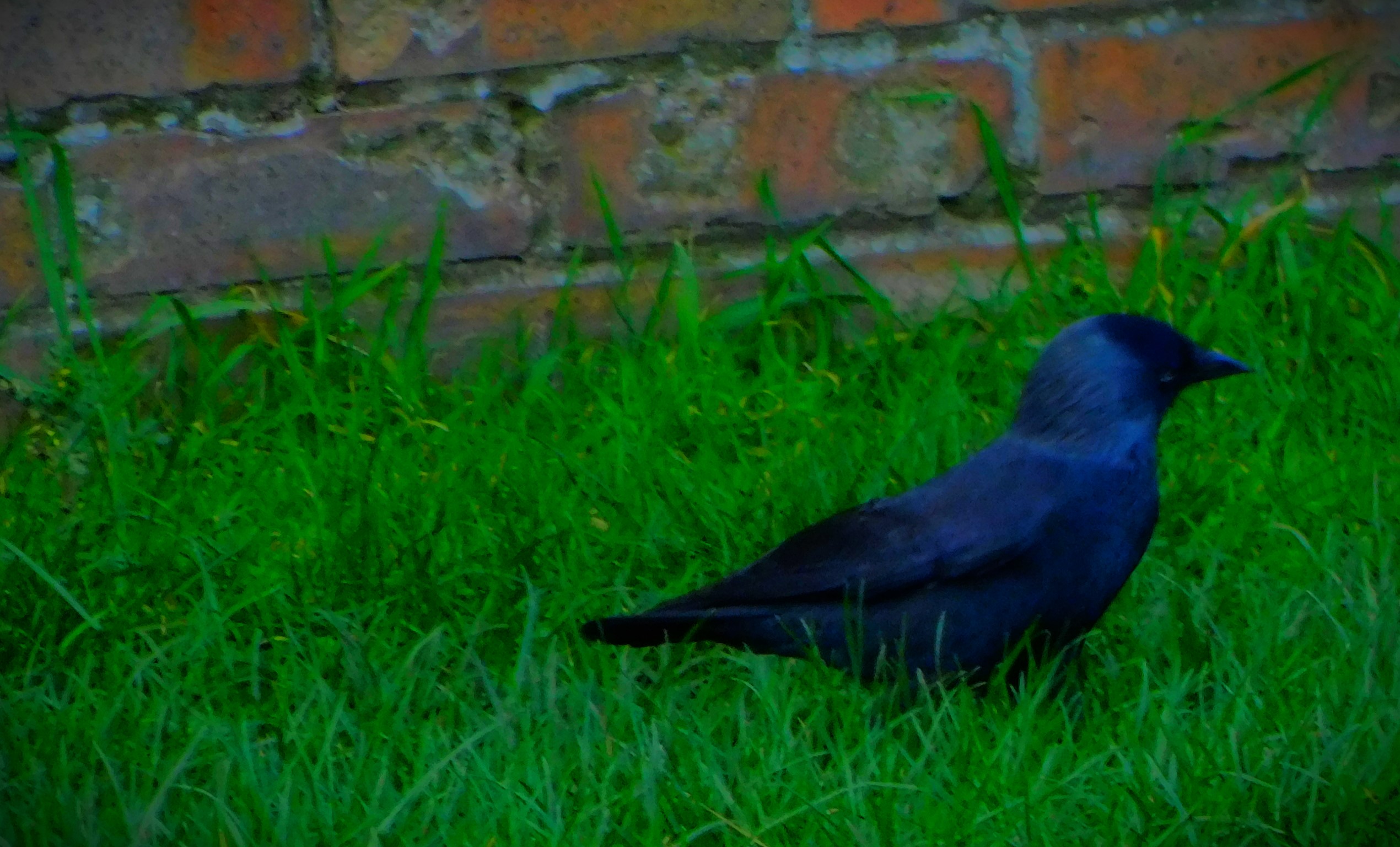
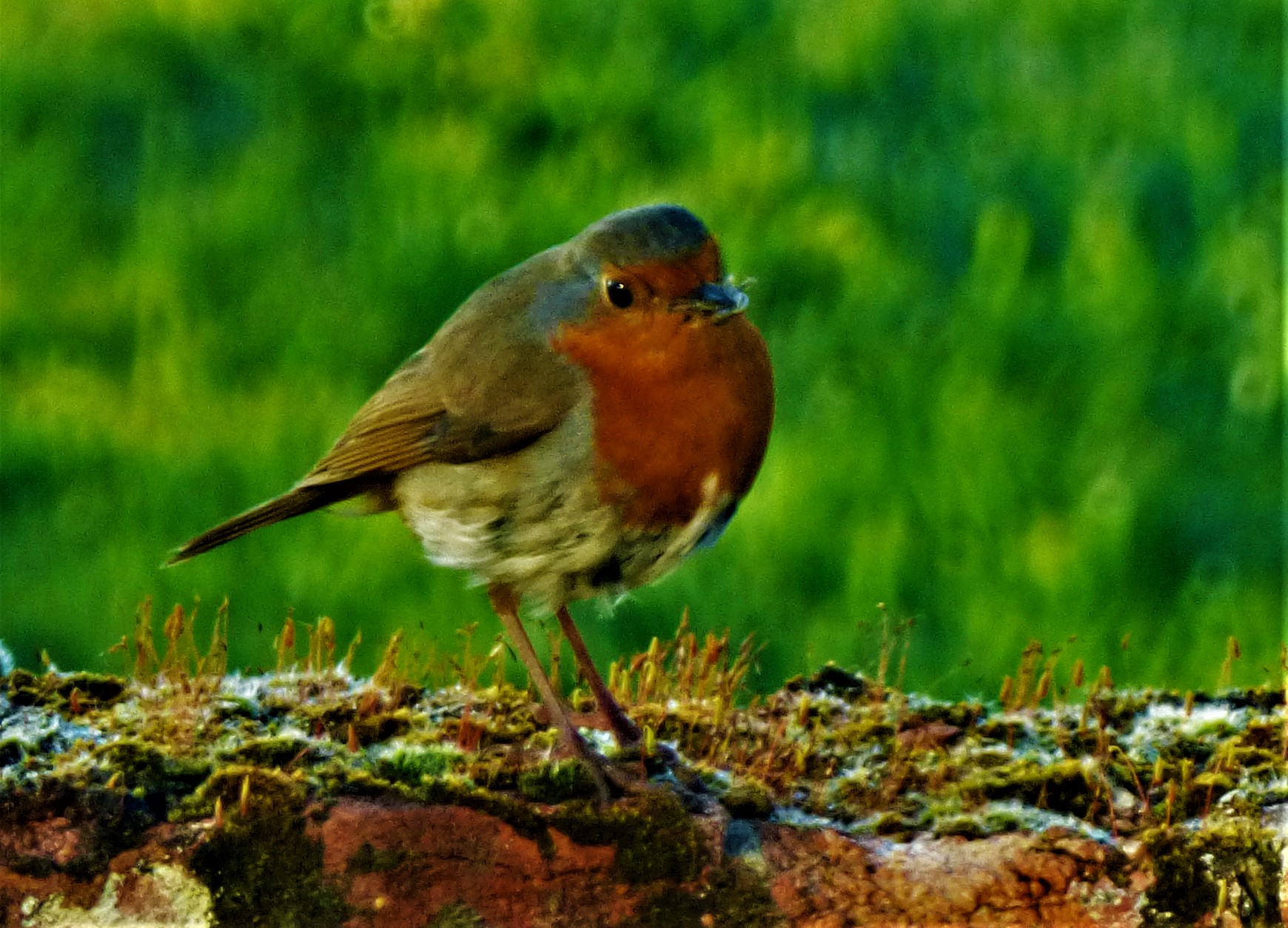
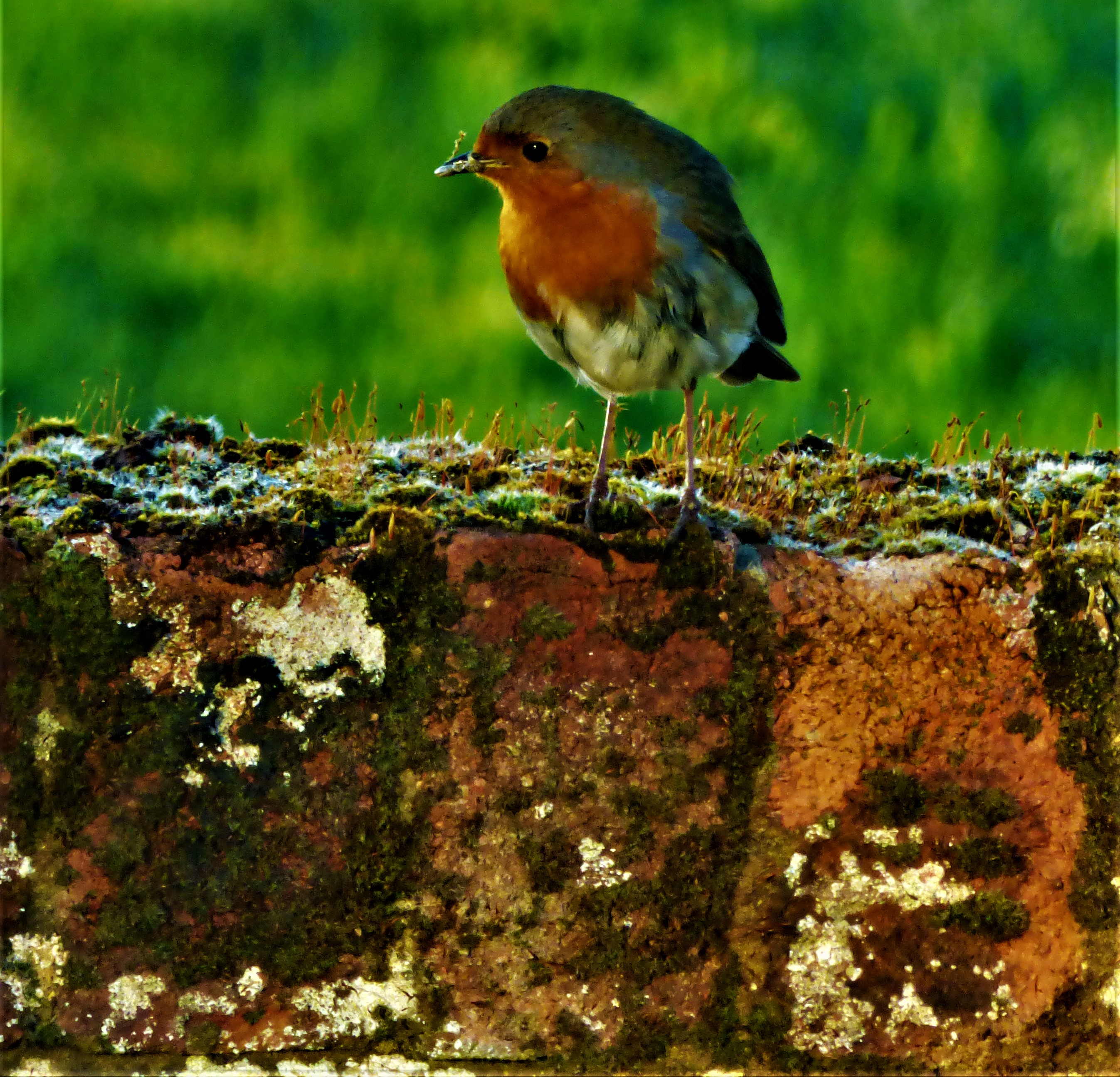
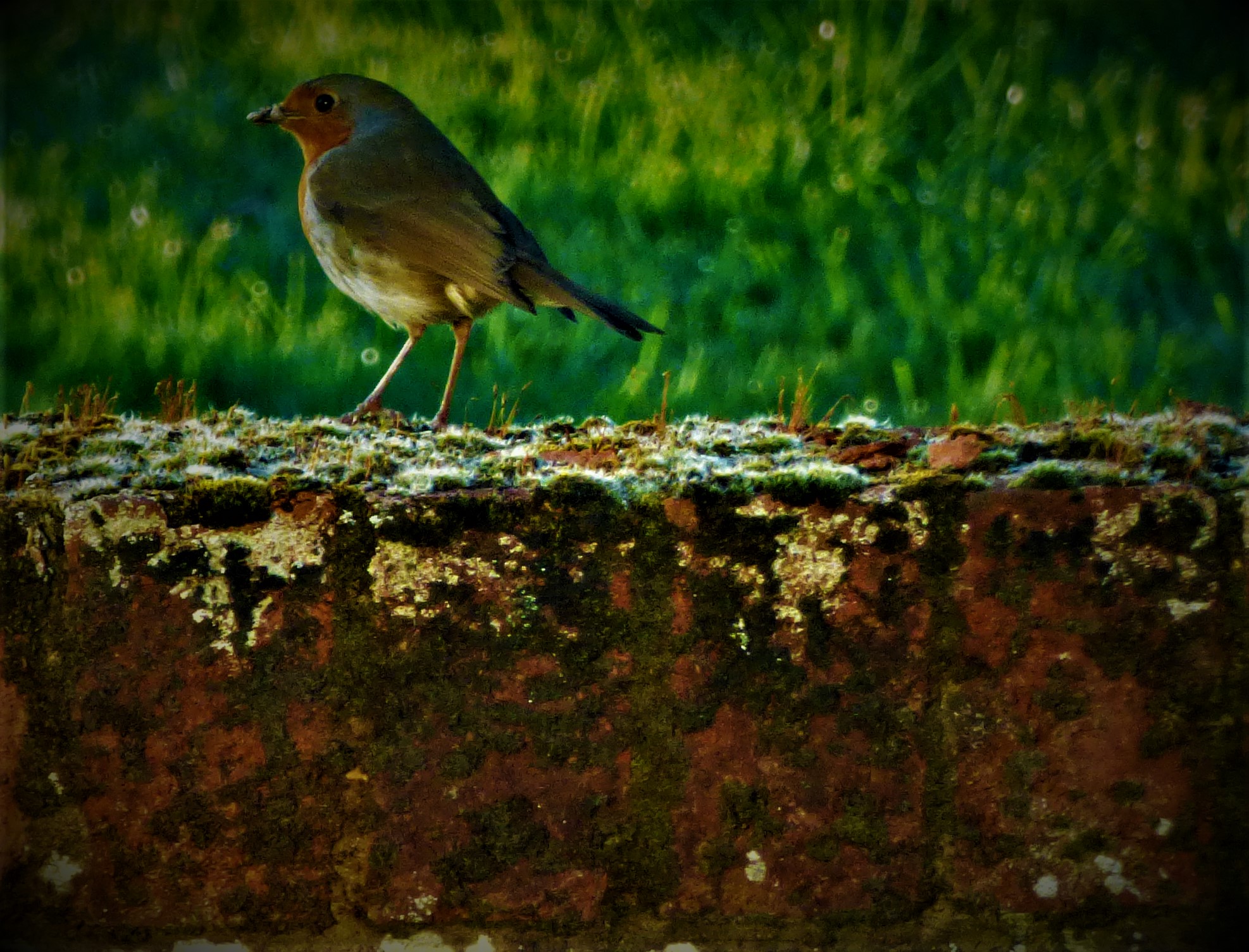
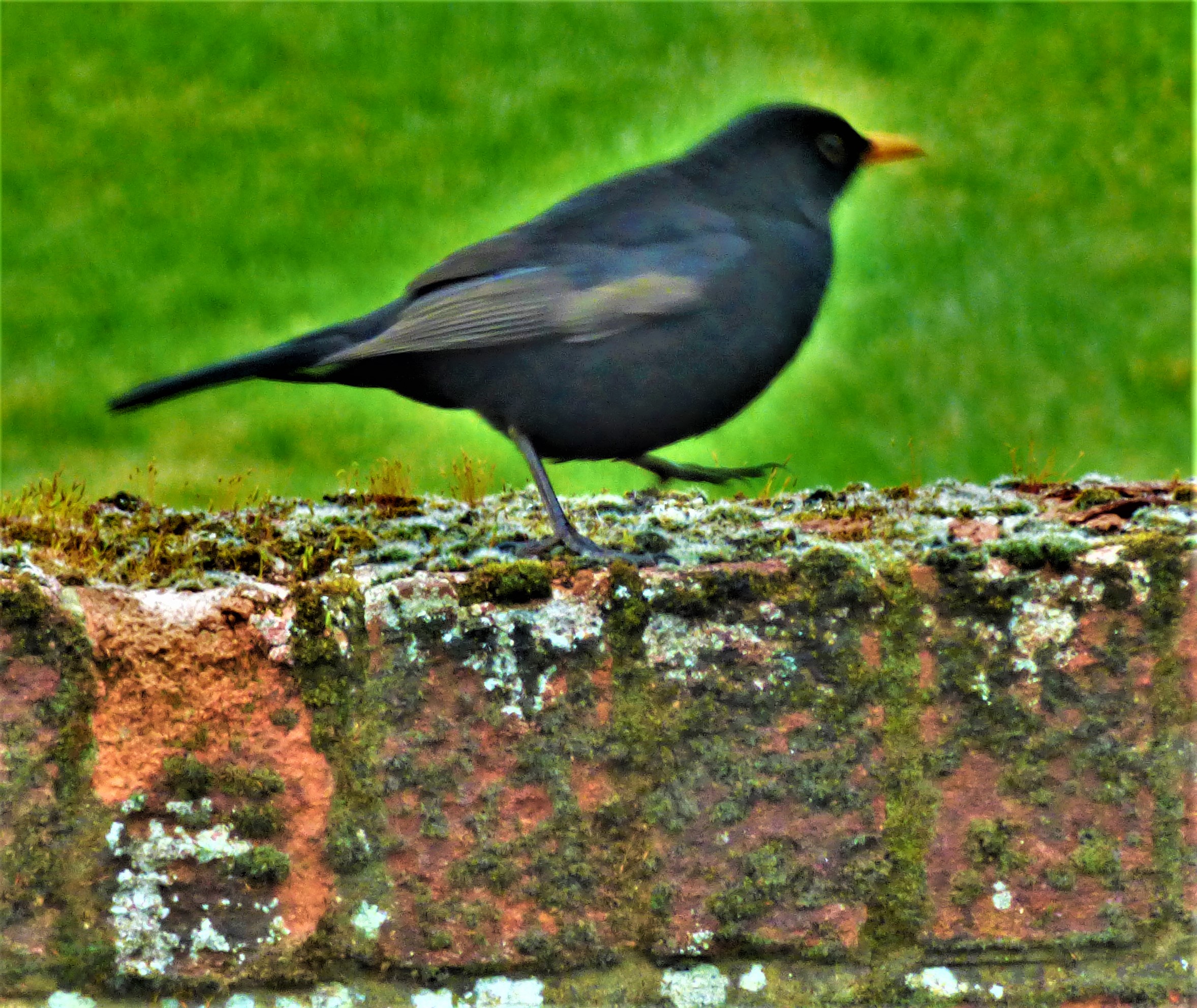
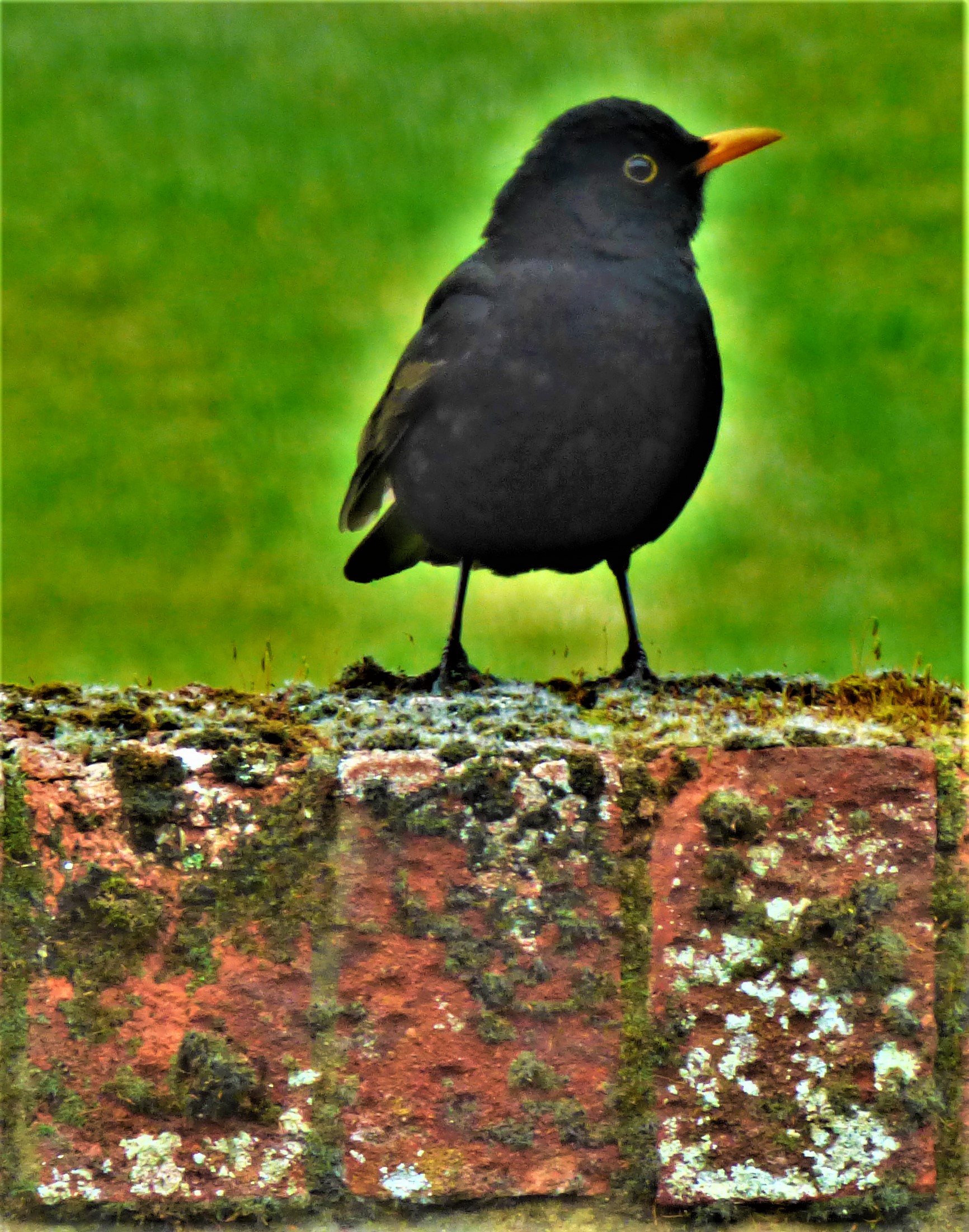
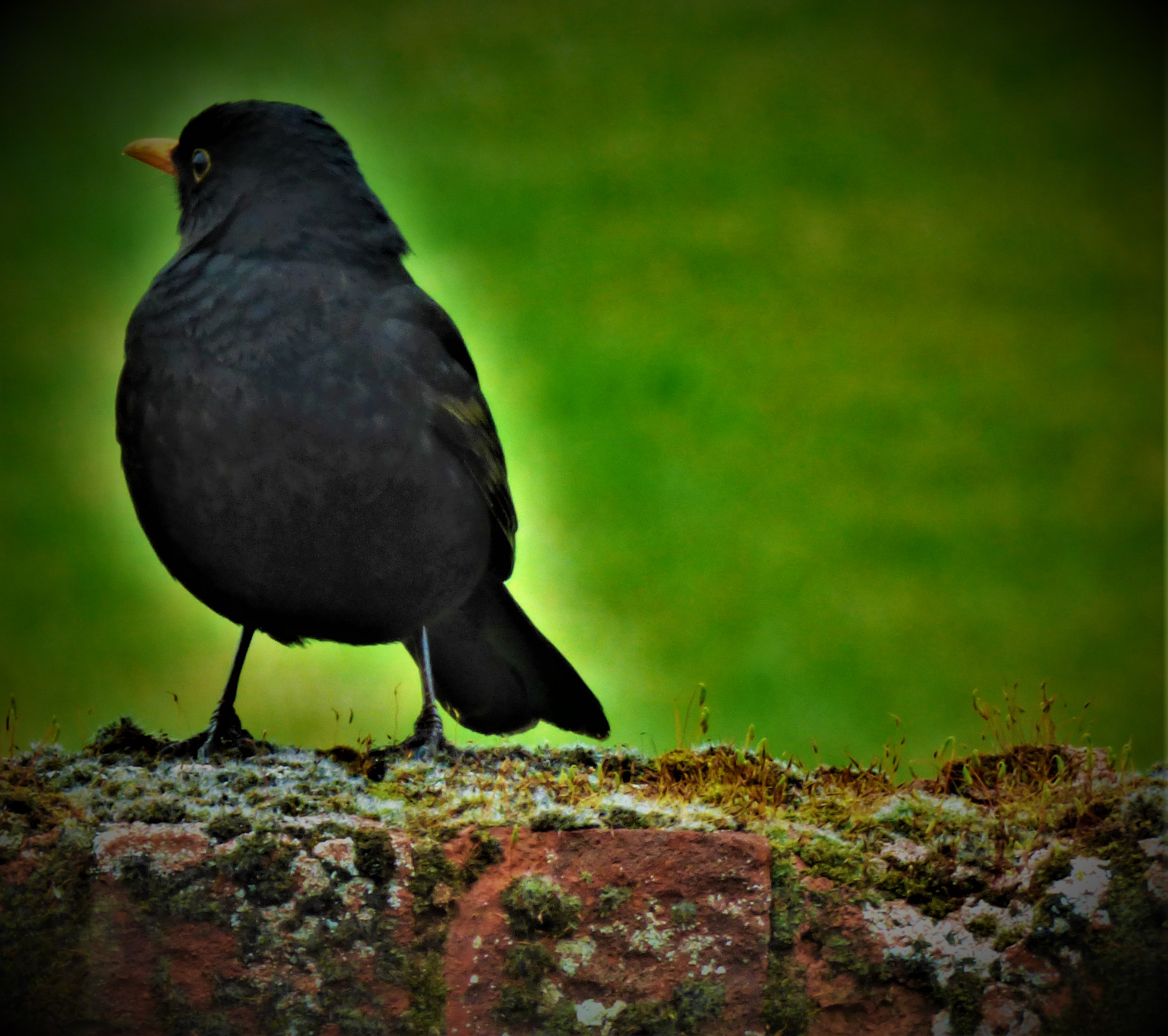
I was delighted to see this bird through my window this morning – my photographic opportunities are limited to what I see through my front window and what I can get while out in the back garden when weather permits.
A large and surprisingly co-operative fly
Even with a telescopic zoom lens capturing a goldfinch when looking upwards, with the sun in a less than ideal position and over a distance of approximately 50 metres is not the most straightforward of tasks.
I spotted this stone while walking laps of my garden.
An insect crawls on my book..
…and here it is on the forefinger of my left hand.
My ‘All Time XIs’ series continues with a look at Kent.
INTRODUCTION
Welcome to the next installment in my “All Time XIs” series. Today we look at Kent, and although there will no controversies to match one of my omissions from yesterday’s Lancashire side, this one has also had its challenges.
KENT ALL TIME XI
Bill Ashdown – an attack minded opening bat. He holds the record for the highest individual Kent score, 332, made in just over a day against Essex at Brentwood. Kent were 623-2 at the close of the first day, Ashdown 300 not out, and declared at 803-4 and then bowled Essex out twice to win by an innings and 192 runs. His medium pace bowling was also sometimes of use to the team. He and Sussex pro Bert Wensleyonce teamed up to defeat a village XI in a reprise of an event that happened a century previously. The original match came about because the landlord of the village pub grew so incensed with the boasting of its team the he told them he would find two players who could beat them without team mates. He came back with two of the best players of the day, and they duly beat the village team. A century later the event was recreated with Ashdown and Wensley taking on the villagers, and the result was the same, a victory for the pros. In the field Ashdown and Wensley alternated between bowling and keeping wicket, meaning that there were just two gaps in the field – the off side and the on side! Andrew Ward’s “Cricket’s Strangest Matches” features this game.
Arthur Fagg – in 1938 at Colchester he scored 244 and 202 not out in the same match, the only time in first class history that anyone has hit two double centuries in a game. Once his playing days were done he became an umpire.
*Frank Woolley – left handed batter who scored 58,969 first class runs including 145 centuries, 2,066 wickets with his left arm spin at less than 20 a piece and 1,018 catches, the most in first class history by anyone who did not keep wicket. He was an integral part of Kent’s first four county championships. He was picked in every England team for a 19 year period (1909-28) – a run which today would give anyone achieving it about 250 test appearances as opposed to his final total of 64. In 1921 at Lord’s when everyone else was being blown away by Gregory and McDonald he scored 95 and 93. In the 1924-5 Ashes he and his county colleague Freeman shared a ninth wicket stand of 128 in ultimately losing cause. His greatest test with the ball was at The Oval in 1912 in the match that settled the Triangular Tournament (an experiment which was ruined by the weather, the weakness of the third team, South Africa, and the fact the the Aussies were hit by a serious dispute) in England’s favour. In that match Woolley had combined figures of 10-49. His volume of cricket related memoir “King of Games” is an excellent read, and I would also recommend Ian Peebles‘ “Woolley: The Pride of Kent”. It is partly on ground of the tactical thoughts expounded in “King of Games” that I have awarded Woolley the captaincy, a post that due to the class-based obsession with amateur captains that prevailed in his day he never actually held.
Colin Cowdrey – a right handed batter who made a record six tours of Australia, the last of them at the age of 42 when he answered an SOS call and replaced his intended festive season with a trip out to attempt to counter Dennis Lillee and Jeff Thomson. At the time his career ended his 114 test match appearances were an all comers record and his tally of 7,624 runs at that level was an England record, while his 22 centuries were a joint record with Wally Hammond. He was part of a family that currently stands alone in having produced four successive generations of first class cricketers (his father Ernest played a handful of games, two of his sons Graham and Chriswere stalwarts of Kent in the 1980s and 1990s and his grandson Fabian played for Kent and now commentates on Kent games for local radio. The Tremletts with Maurice, Tim and Chris and the Headleys with George, Ron and Dean have each had three successive generations of first class cricketers and may yet get a fourth.
Fuller Pilch – rated as the best batter of his era. He also featured in a dismissal that suggests a somewhat overly lively pitch – in the Gentlemen vs Players match of 1837 his dismissal reads ‘hat knocked on wicket’. He is one of two players from this era in my Kent team. He was noted for using a bat with a long blade and a short handle.
+Leslie Ames – the only recognized wicketkeeper ever to score a hundred first class hundreds. The ‘wicket keeper’s double’ of 1,000 runs and 100 dismissals in the same season was achieved three times in history, and two of those were by Ames. In 1929 he pouched 78 catches and executed 49 stumpings, for a total of 127 dismissals. He won the Walter Lawrence trophy for the fastest first class hundred of the season twice in the first three years of its existence, and his career high score of 295 took a mere three and a half hours. His test best of 149 came against the West Indies at Sabina Park in 1929-30, when Andrew Sandham scored 325, skipper Calthorpe was overly doctrinaire about not enforcing the follow on in a timeless match (England led by 563 on first innings!) and two days of rain and the necessity of England catching their boat home caused this timeless match to be drawn, with the West Indies 408-5 needing a further 428 to win (yes – they were set 836).
Alfred Mynn – a fast bowling all rounder from the same era as Pilch. He was known as ‘The Lion of Kent’, and would appear in both his physical build and his approach to the game to have been the Freddie Flintoff of the 1830s and 40s.
Arthur Fielder – right arm fast bowler, and useful lower order batter. He once scored 112 not out from no 11, as he and Frank Woolley added 235 for the last wicket.
Tich Freeman – a diminutive (5’2″) leg spinner who made use of his extreme lack of height by releasing the ball upwards so that it spent most of its journey towards the batter above their eyeline. He stands second in the all time list of first class wicket takers with 3,776. In the 1928 season he collected 304 wickets, and he also holds second and third place if the list of season wicket hauls with 298 and 295. He stands alone in having taken all 10 wickets in a first class innings on three separate occasions. He took 386 five wicket innings hauls in his astonishing career and bagged 10 in a match 140 times.
Colin Blythe – a left arm spinner who was killed during World War One, but not before he had taken a lot of wickets very cheaply. Against Northamptonshire in 1907 he took 17-48 in the match, and according to Woolley, writing in “The King of Games” he came within touching distance of getting all twenty in that match. As Woolley describes it, Blythe took all 10 in the first innings, and had the first seven in the second innings, before Vials, the last remaining Northants batter of any substance offered a return catch, which would have left Blythe a couple of absolute rabbits to polish off to claim an ‘all twenty’. Blythe dropped the catch and was apparently so discomposed by doing so that he was unable to refocus on his bowling, and the Kent captain had reluctantly to put another bowler on to finish it. He took 2,503 first class wickets at 16, and his 100 test wickets came in 19 games at that level.
Fred Martin – a left arm fast bowler who took over 900 wickets for Kent at 19 a piece. He was selected for England at The Oval in 1890, and recorded 6-50 in the first innings and 6-52 in the second, still a match record for an England debutant.
These choices give me a team with a strong top five, a wicketkeeper who made big runs at a rapid pace at no 6, a fast bowling all-rounder at 7 and four bowlers of widely varying type. The bowling resources this side has include a left arm fast bowler, two right arm fast bowlers, a leg spinner and two slow left armers, plus Ashdown’s occasional medium pace if needed. The next section will look to the present and future, and then I will look at some of the other players I have missed out.
KENT PRESENT AND FUTURE
This section deals with three current Kent players who part of the England setup and a fourth who may well become so. Joe Denly, a stop gap selection at no 3 in the test team, has produced a string of consistent performances since taking on the role. I suspect that when play resumes again post Covid-19 he will be displaced as England will go with Sibley, Burns, Crawleyas their top three. Zak Crawleywas elevated to international level without having what most would consider any considerable weight of achievement ad domestic level in the bank but has unquestionably thrived at the top level, and I suspect that if I revisit this series in ten years or so he will be challenging Ashdown or Fagg for one of those openers slots. Sam Billings is part of the England limited overs setup, but unlikely to feature in test selections. His wicket keeping will not be factor, given Kent’s illustrious history in that department, but were I selecting with white ball cricket in mind he would definitely be a candidate. Finally, Oliver Graham Robinson (as opposed to Sussex medium pacer and useful lower order batter Oliver Edward Robinson – please guys could you allow yourselves to be referred to by your middle names?) is a 21 year old wicket keeper who would appear to have a colossal future ahead of him (here’s hoping that the selectors treat him better than they have Ben Foakes), and even allowing for Kent’s historic riches in this department he may force his way into consideration in time.
OTHER CANDIDATES
Had I not been determined to include the “Lion of Kent” the number seven slot, and the captaincy that I actually awarded to Frank Woolley would have gone to Jack Mason, the subject of John Lazenby’s “Test of Time”, and also mentioned in many other cricket books, including Woolley’s “King of Games”.
There were a number of candidates for the opener’s slots: Wally Hardinge, Mark Benson(a one cap wonder for England in 1986 – 21 and 30 in a drawn game against India), David Fulton (ignored by the England selectors, even in the season in which he notched his 1,000 runs by mid June) and Robert Key being just four who merited consideration. In the middle of the order Kenneth Hutchings, Percy Chapman and Geoffrey Legge would all have their adherents. Among the bowlers to miss out were Doug Wright, who took more first class hat tricks, seven in total, than anyone else in cricket history, Derek Underwood whose left arm slow medium could not quite displace Blythe in my thinking and Bill Bradley, a right arm fast bowler who could have had the slot I gave to Fielder. I genuinely could not think of a Kent offspinner who I could even consider (yes folks, I am well aware that James Tredwellwas an England pick at one time, but he was no one’s idea of a great bowler!).
The wicket keeping issue was a knotty (or should that be Knotty?) one, as Kent have had a stack of great practitioners down the years – Fred Huish, John Hubble, Godfrey Evans and Alan Knott most notably, but also in more recent times Geraint Jones has done the job for England and I have already mentioned the emerging talent of Oliver Graham Robinson. However, to select any of these legendary practitioners and play Ames as a specialist batter would have been to deprive myself of a desperately needed slot in the team, hence giving the gloves to Ames.
PHOTOGRAPHS
Yes, a journey that has taken us through nearly 200 years of cricket in the hop county (during any period of which you could if so inclined have partaken of Shepherd Neame’s finest!) is now at an end it is time for my usual sign off…



















































































 aspiblog