Introducing the concept of National Park Cities, publicising a thunderclap about the same and displaying some of my own photographs.
INTRODUCTION
To take part in a Thunderclap you have to be on at least one of facebook, twitter or tumblr, so for the benefit of those among my readers who cannot take part I am also including some recent photos of my own that tie in well with this particular thunderclap.
NATIONAL PARK CITIES
The idea behind this thunderclap, set up the folks at team4nature is that there are recognized health benefits to people having easy access to nature. Among the potential pioneers of the concept of a National Park City is London, and you can declare your support here. To take part in the thunderclap click here, or on the image below, which shows the story in full:
PHOTOGRAPHS
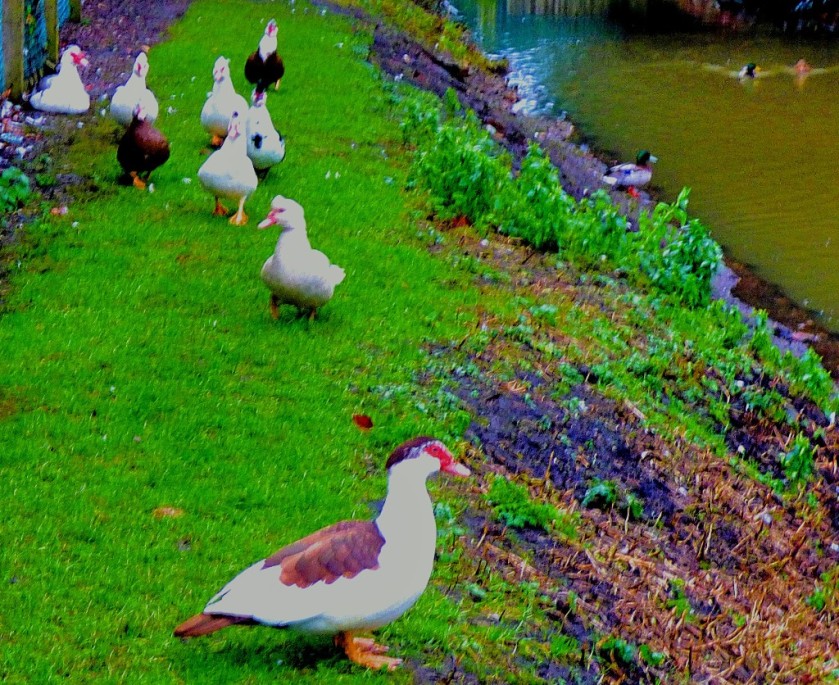
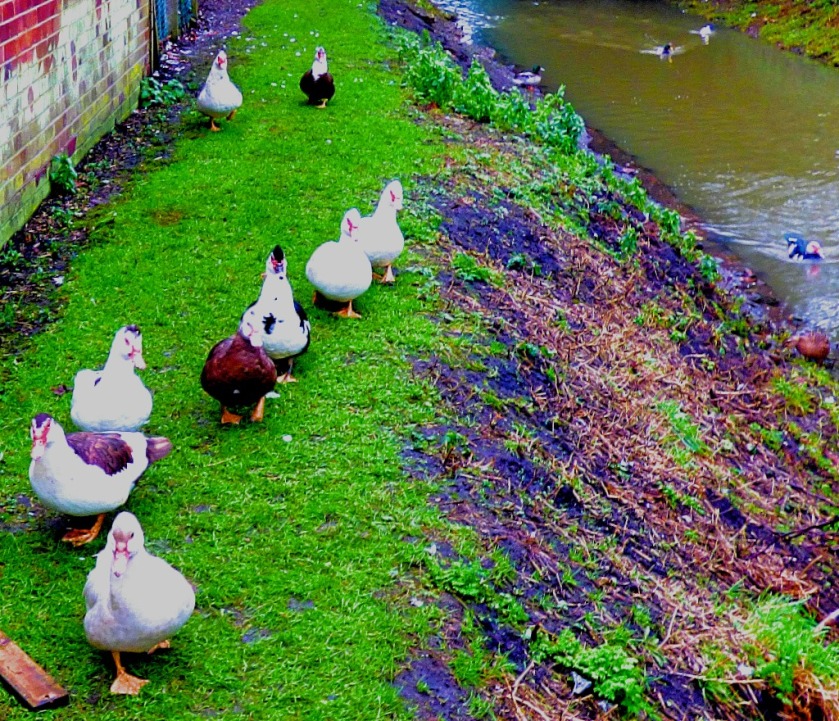
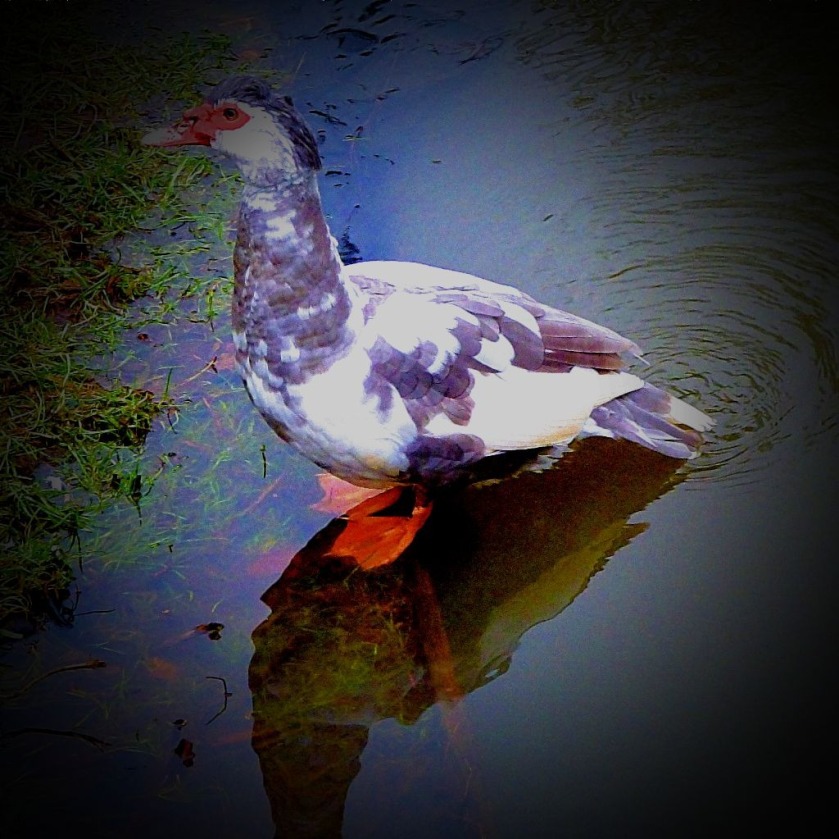
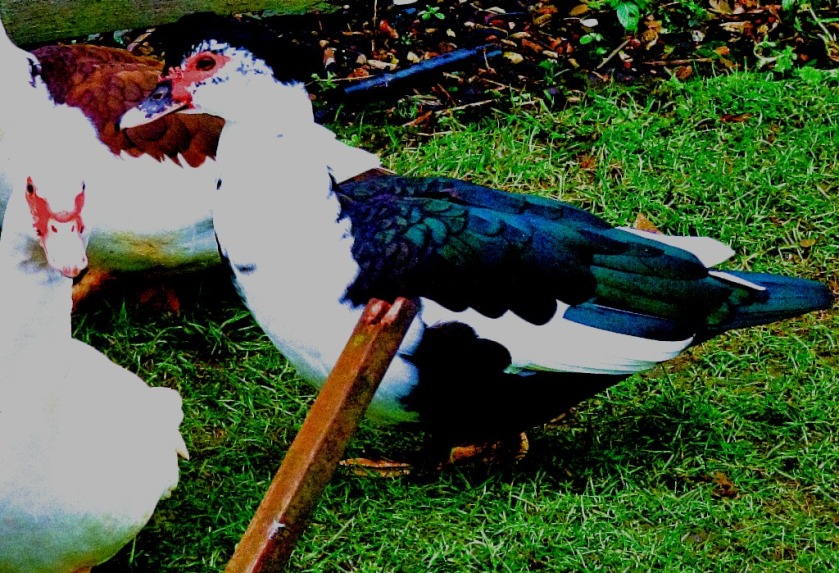
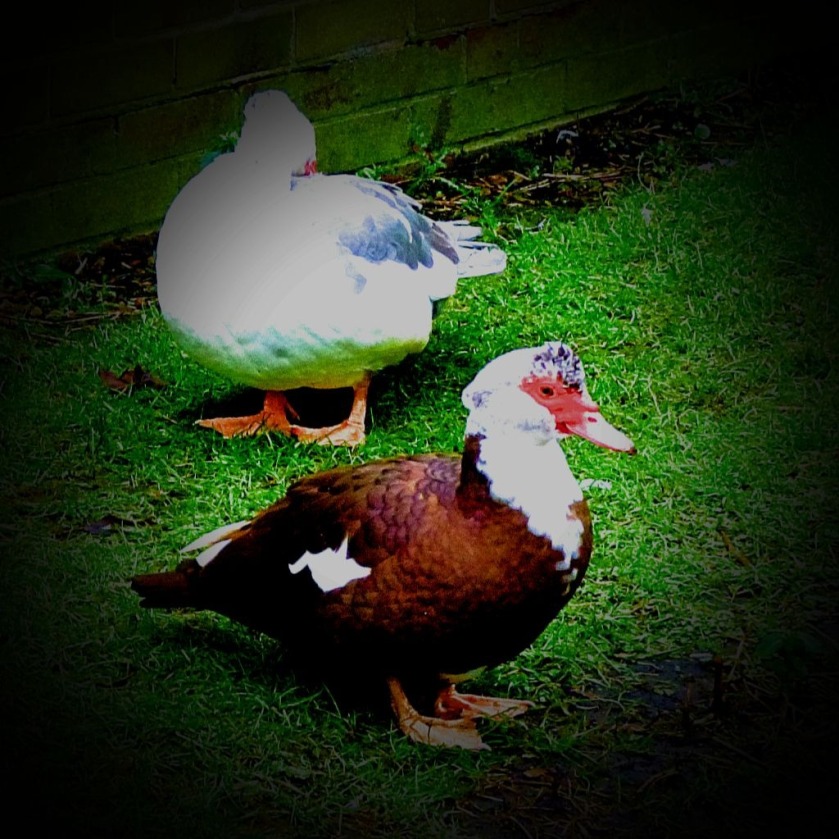
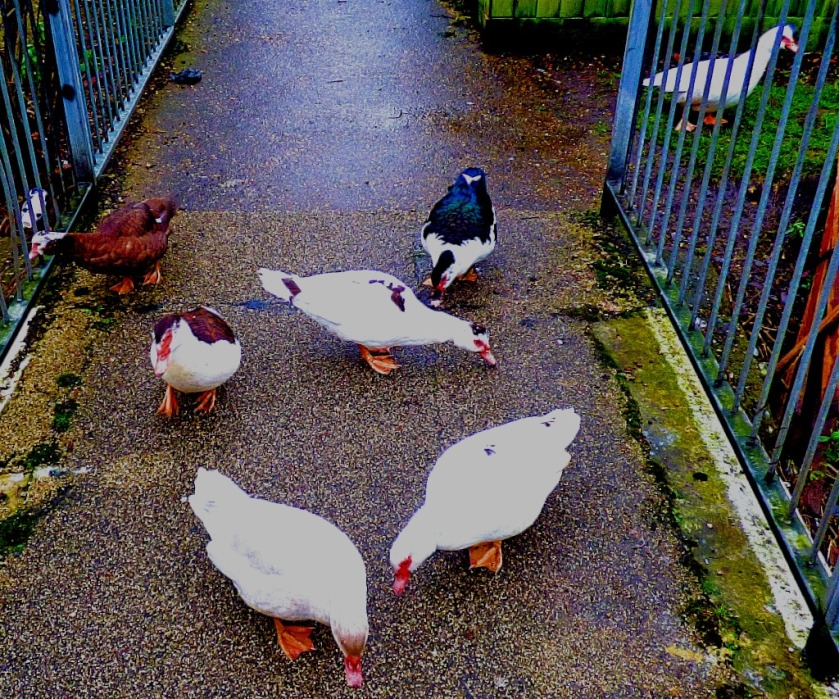
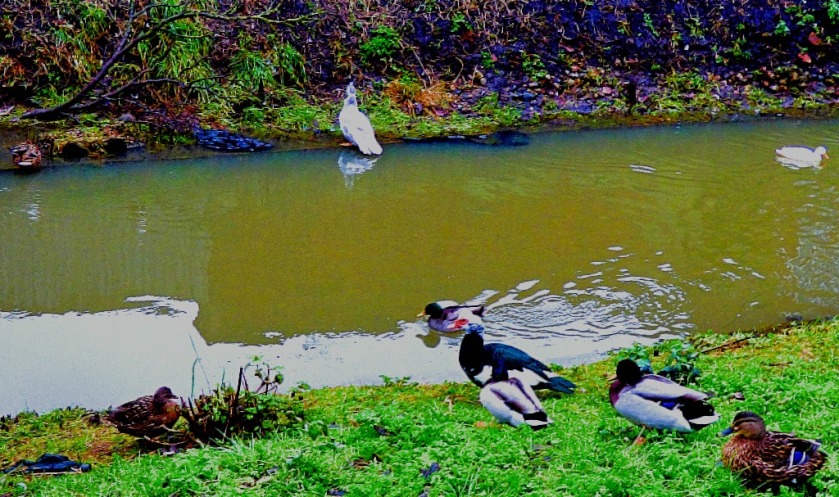
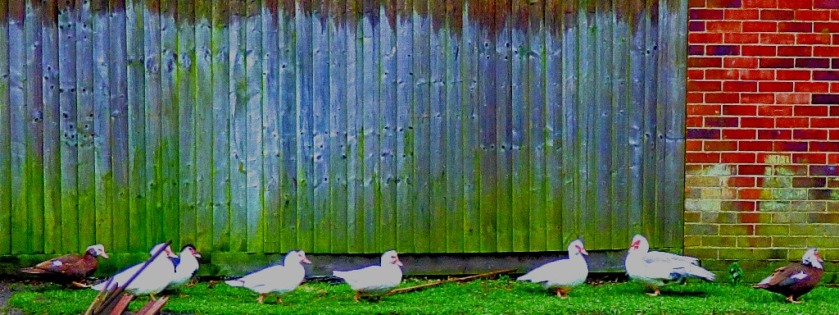
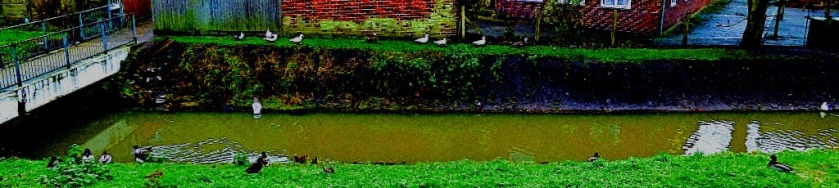
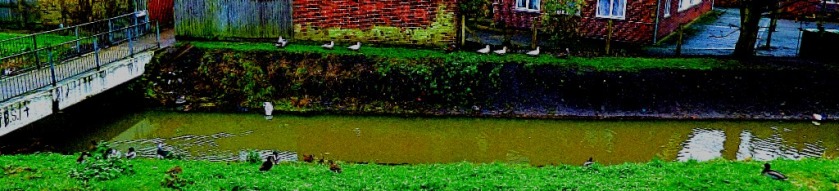
Here are some of my recent nature pictures, which also feature the two main parks in King’s Lynn, The Walks and Lynnsport Park and sections of Bawsey Drain and The Gaywood River.
Some thoughts on shared space streets and Exhibition Road in particular.
INTRODUCTION
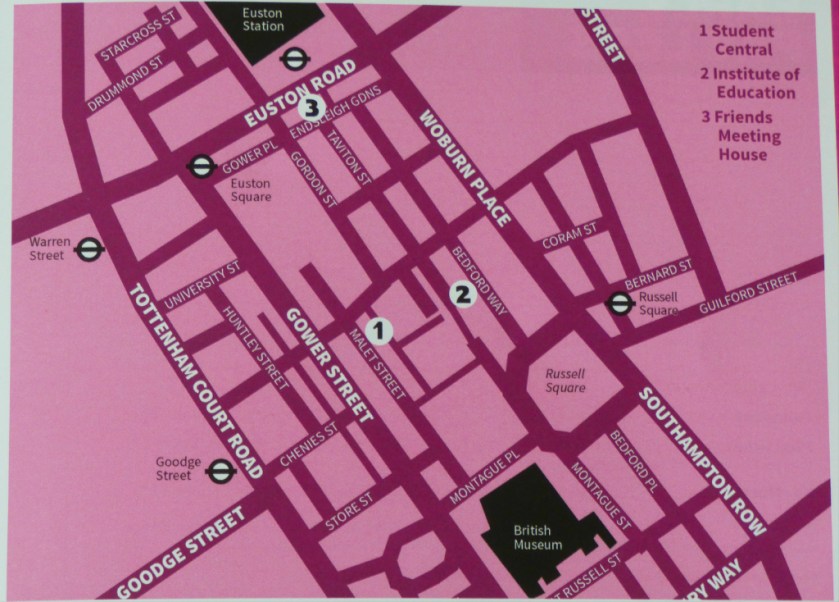
Much of this post will also be appearing on my London Transport themed website as well as here because of the location of the particular shared space road that brought this issue to my attention. That location is of course Exhibition Road, London – a location very familiar to me from when I lived in London and was a regular visitor to museums. Here is a map for you to orient yourselves:
WHAT IS A SHARED SPACE ROAD?
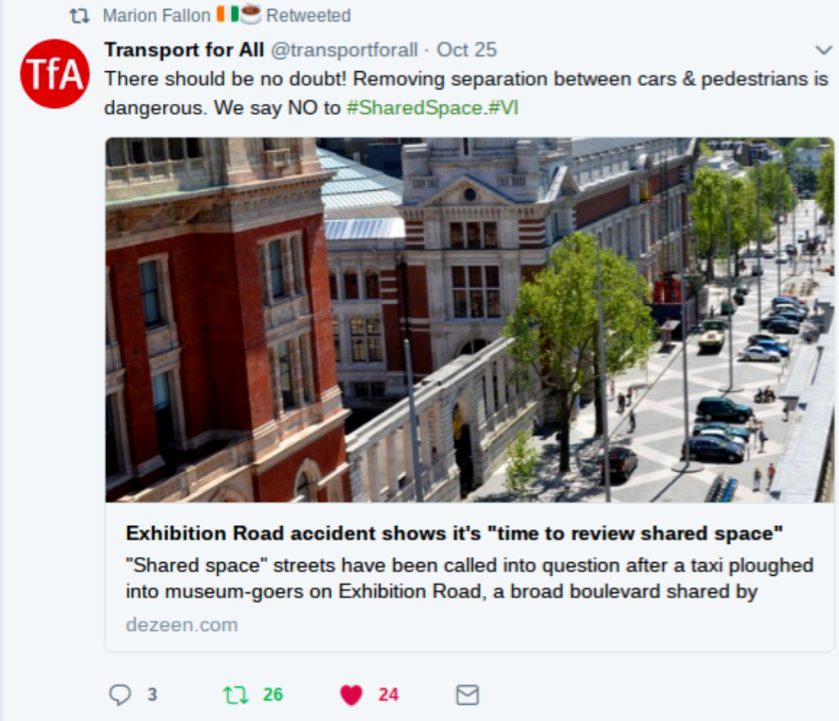
A shared space road is a road without pavements, with no clear distinctions between where cars, cyclists and pedestrians should be. According to some this arrangement reduces accidents. However, a recent incident on London’s Exhibition Road has called this into question. Here is a tweet from campaign group Transport for All:
This (to me) raises two questions to be taken in turn:
CAN SHARED SPACE ROADS WORK?
I am uncertain on this one and will welcome evidence from people with experience of shared space roads in their localities. My own view is that they could work but the following is necessary:
Clear signage explaining what a shared space road is and what that means.
A very low speed limit for motor vehicles (even lower than the 20mph which is now commonplace in the vicinity of schools) fiercely enforced – speeding on a shared space street should be punished more severely than speeding elsewhere because of the greater risk of hitting someone.
Referring back to my first bullet point it needs to made clear that motorists are always expected to give way to cyclists and pedestrians.
Given what I know of London drivers I do not think that London is the right city to be trialling these (although Rome and Paris would both clearly by even worse options!)
SHOULD EXHIBITION ROAD BE A SHARED SPACE ROAD?
Absolutely not – it should be completely pedestrianised. There are excellent public transport connections in this part of the world. Continue reading “Shared Space Roads ?”
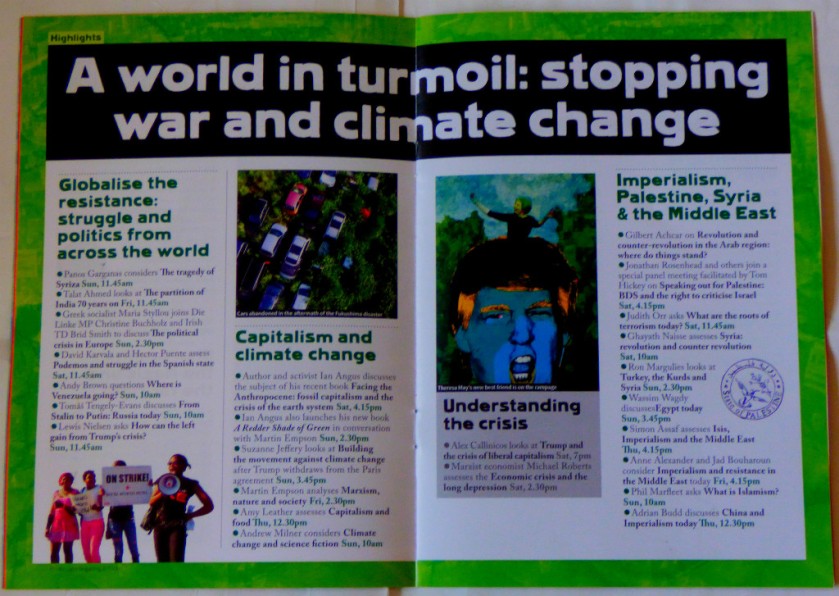
Setting the scene for a series of posts about Marxism 2017.
INTRODUCTION
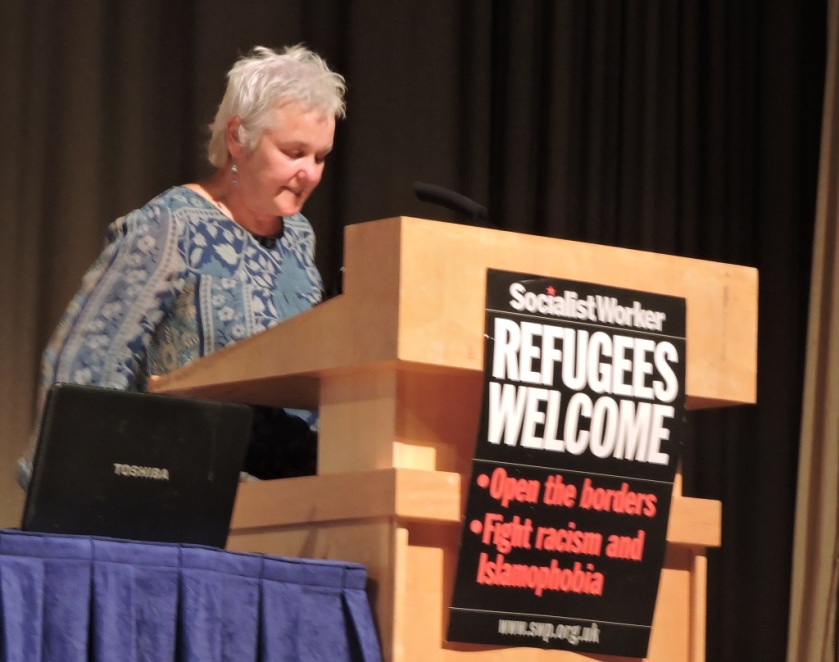
In approximately two hours I will be off to catch a train to London for Marxism 2017, four days of political meetings. Given the location I will have regular wi-fi access and will blog regularly about the event.
MARXISM 2017
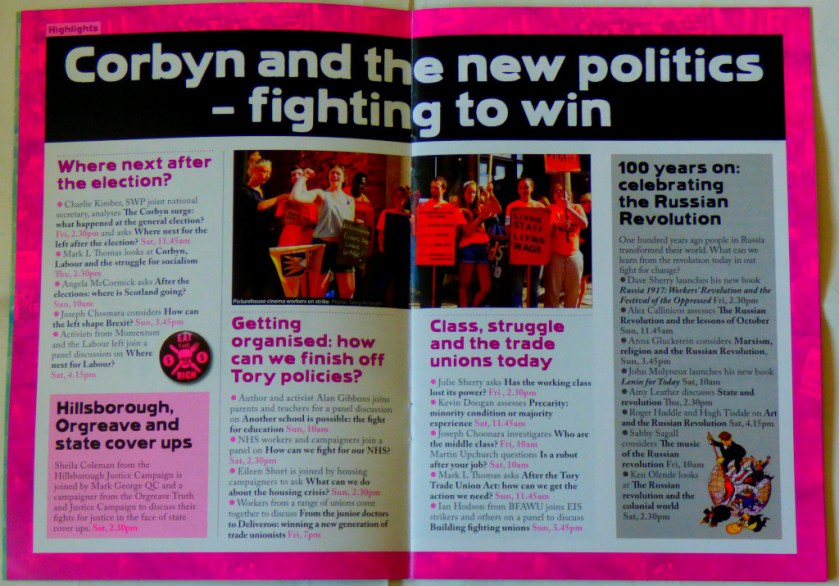
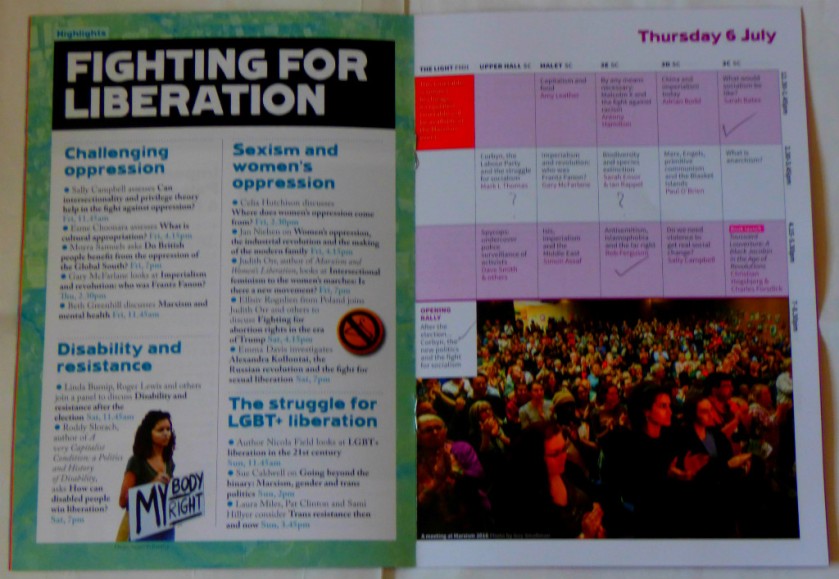
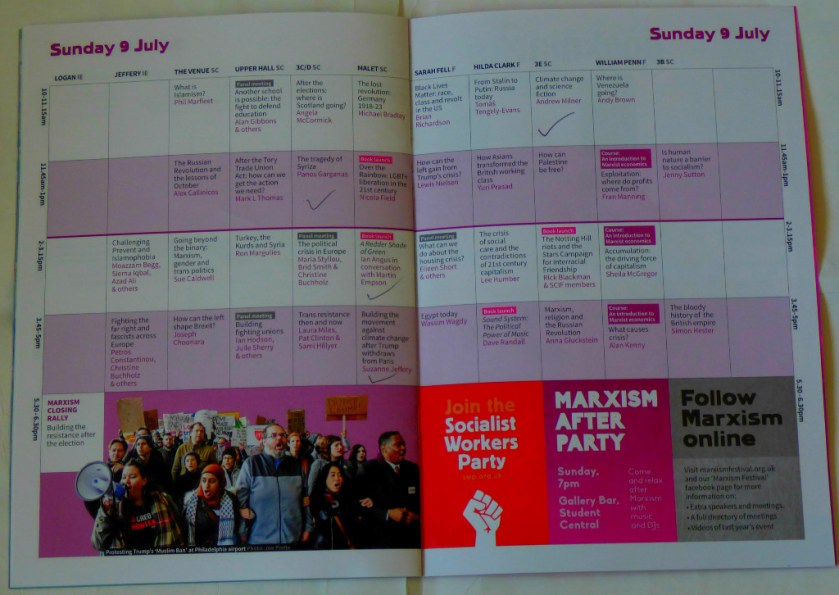
Most of the rest of this post will be taken up with pictures of my timetable, but before I put them up a note – I have ticked the meetings that I definitely intend to go to, and put question marks against those I am considering (if for example there are two in one slot that appeal and I have not yet made a final decision).
In my previous post here I indicated that there would be a number of new posts appearing on my London Transport themed website. I now provide links to them.
More trouble for #SouthernFail. They should lose their franchise forthwith, either being run direct by the government or being put under the umbrella of TFL…
Plans by an under-fire rail company to change the way it staffs its trains will lead to “unacceptable” and repeated breaches of the Equality Act by denying disabled passengers the support they need to travel, it has been claimed. Southern – which operates train services across parts of south London and southern England – is planning to replace conductors with “on board supervisors” (OBSs), whose job will not include stepping onto the platform at stations. Campaigners fear that introducing these supervisors will mean that disabled passengers who need assistance on platforms at unstaffed stations could be left stranded and unable to board their train. Southern is also planning to allow OBS trains to operate with only a driver in “exceptional circumstances” – which is likely to make travel even harder for disabled people – and has also admitted that two-fifths of its trains are already driver only operated (DOO). Southern is embroiled in a long-running industrial action over its plans to
The conclusion to my series of posts about Marxism 2016.
INTRODUCTION
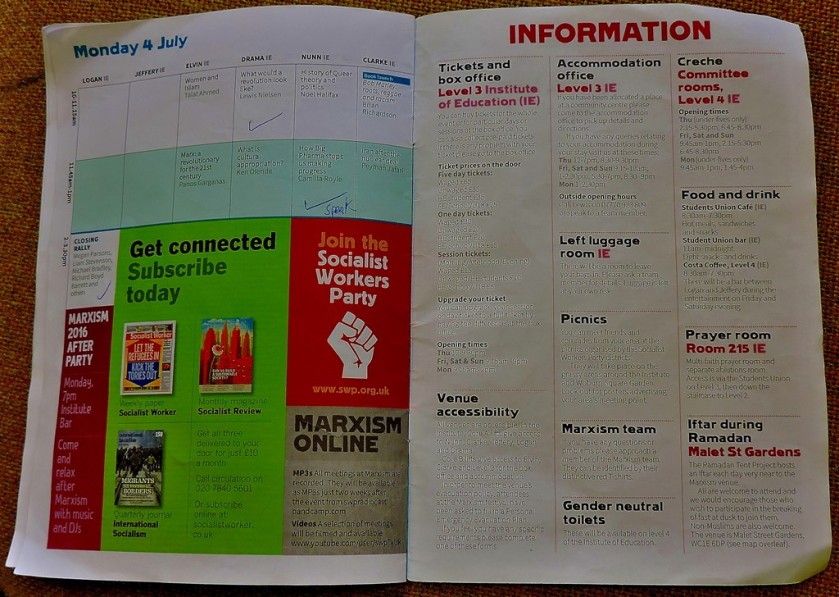
Welcome to my fifth post in this series about Marxism 2016. Since Marxism adopted its current format of running from Thursday afternoon through to Monday afternoon in 2005 (before that it used run from a Friday evening to the afternoon of the following Friday) the Monday morning has usually been the quietest time of the event, before the closing rally finishes things with a flourish.
GETTING THERE AND THE PLAN
I wished to arrive early at the event so as to have time to deposit my main bag in the left luggage room for the morning and then prepare for the day. I was accompanied on this last journey in from Walthamstow to the Institute of Education by the other person who had been a guest in the house I was staying at, and who I had discovered was also autistic. We left in good time and had a very smooth journey to the event.
THE MORNING MEETINGS
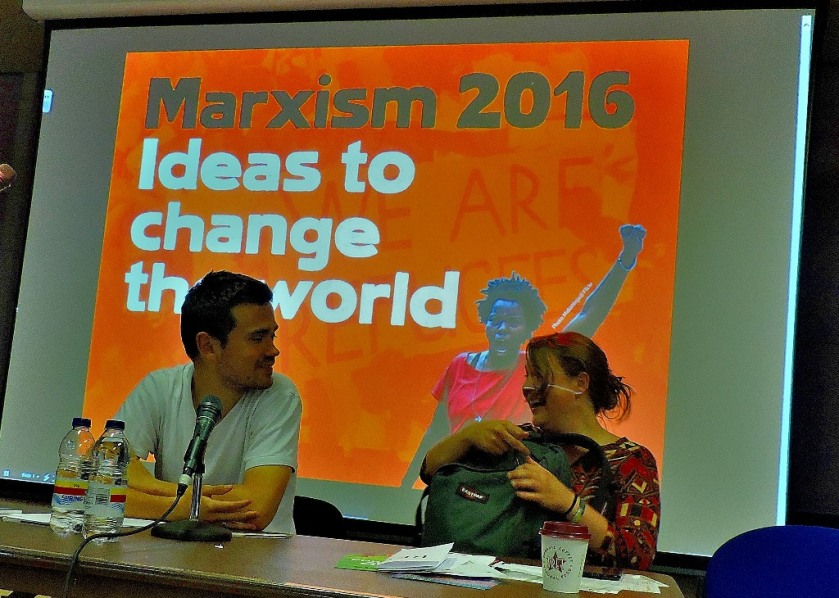
My first meeting, Lewis Nielsen on What Would a Revolution Look Like? down in the drama studio was interesting, and well worth attending. The second meeting, Camilla Royle on How Big Pharma stops us making progress in Nunn Hall was excellent. As well as stuff from Bad Pharma (Ben Goldacre’s classic) she mentioned the Martin Skhreli case. This meeting was a worthy lead up to the closing rally, due to start at 2PM in the Logan Hall.
Lewis Nielsen ready for his meeting.Camilla Royle ready for action in Nunn Hall.
THE FINAL RALLY
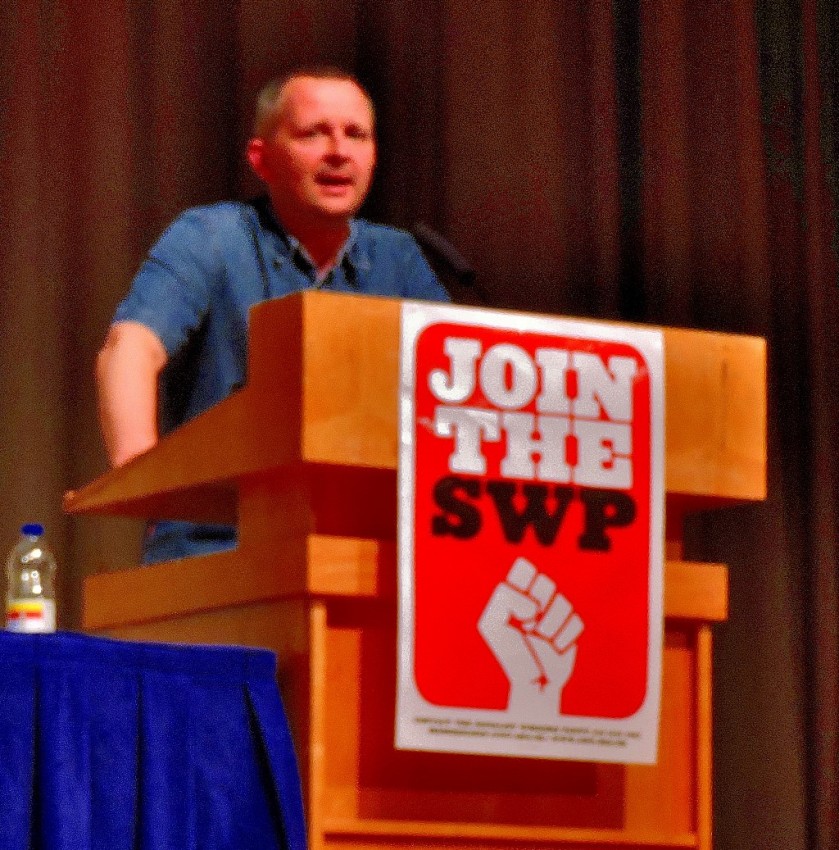
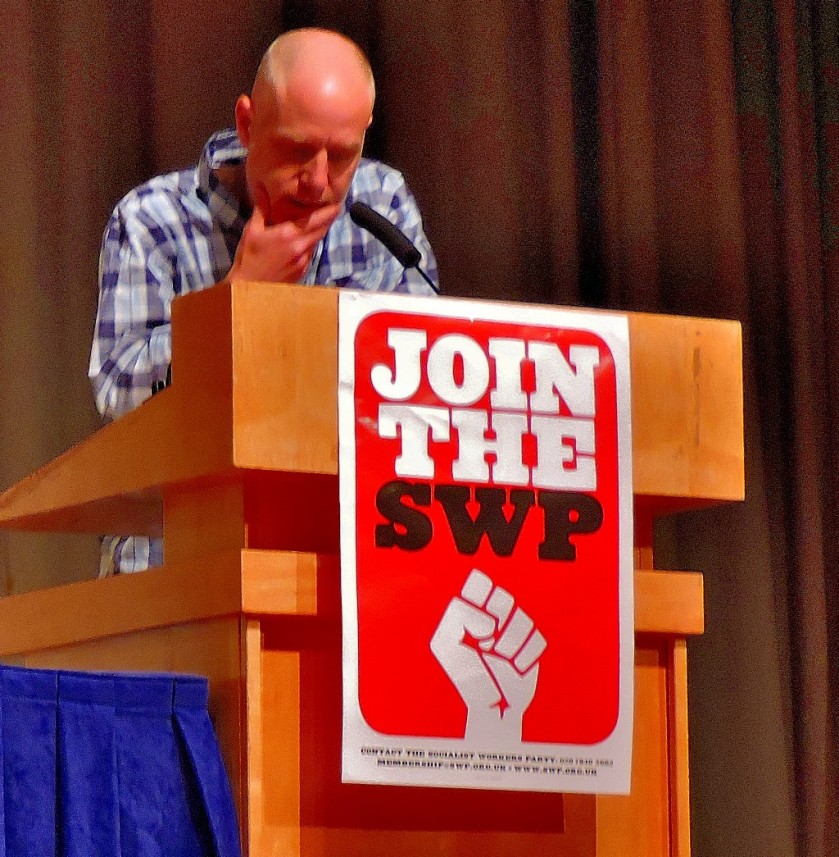
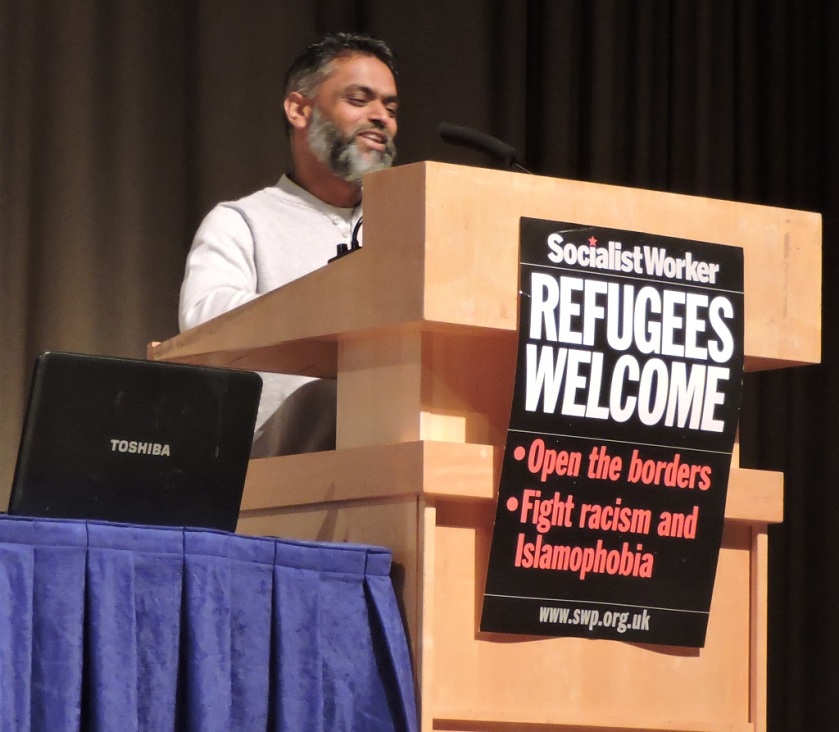
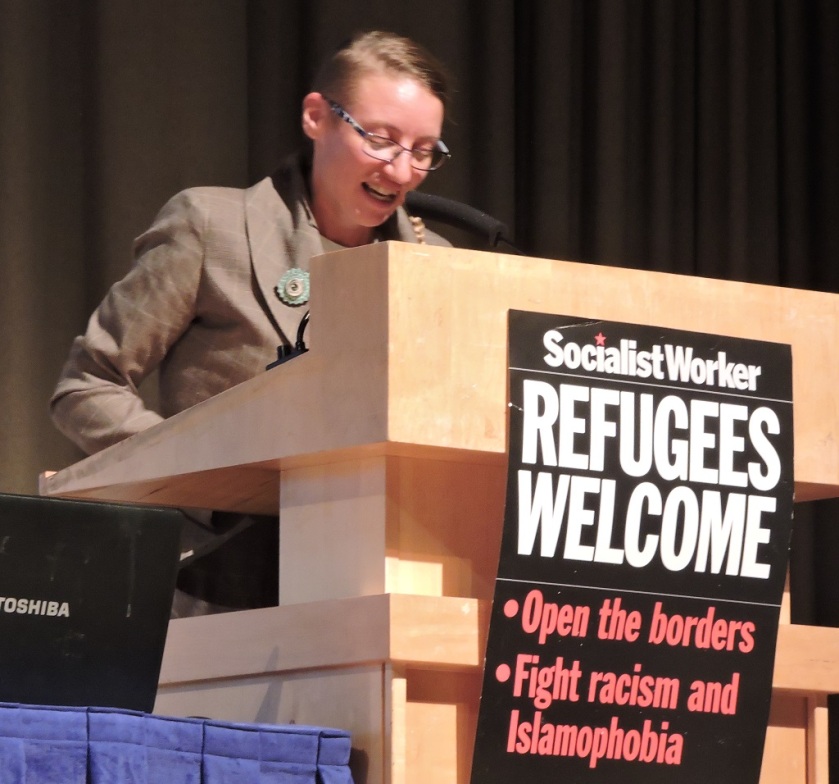
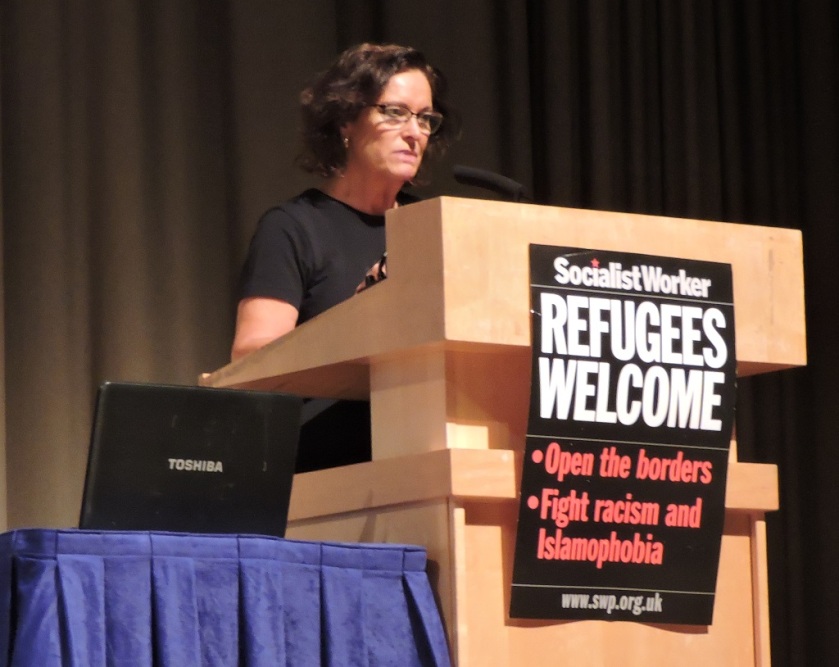
The Final Rally was quite simply magnificent. After several prominent campaigners, including a trainee nurse and a junior doctor, the last two speeches were by Richard Boyd Barrett TD and Michael Bradley. I left during the applause at the end of Michael’s speech, wishing to retrieve my bag and leave the building reasonably swiftly. This meant that I missed the singing of the Internationale.
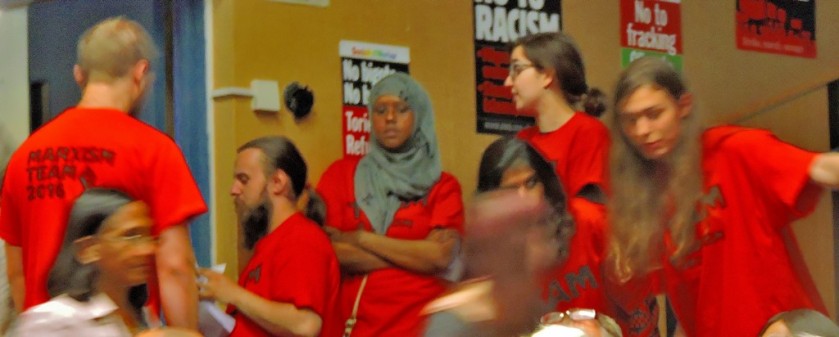
Some of the team, in their red t-shirts.
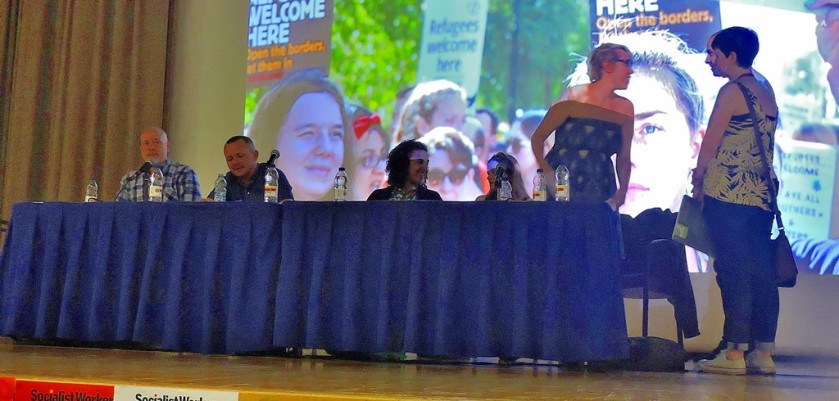
Sarah who helped organize the event chaired the final rally.Our firs speaker, a trainee nurse talking about what is being done to people in her position.
Junior doctor Megan Parsons addresses the final rally.Richard Boyd Barrett TD seeks to inspire by showing how Irish politics has changed out of all recognition since he joined the Irish SWP in 1989Mike Bradley making the final speech of Marxism 2016.
HOMEWARD BOUND
My departure during the applause for Mike Bradley enabled me to make a swift exit from the building, which had the extra benefit that I got to King’s Cross station at 15:37, so was able to travel back on the 15:44, which I had not expected.
An account of my experiences onj the opening day of Marxism 2016, topped and tailed with details of getting there, and getting to my accommodation after the final meeting.
INTRODUCTION
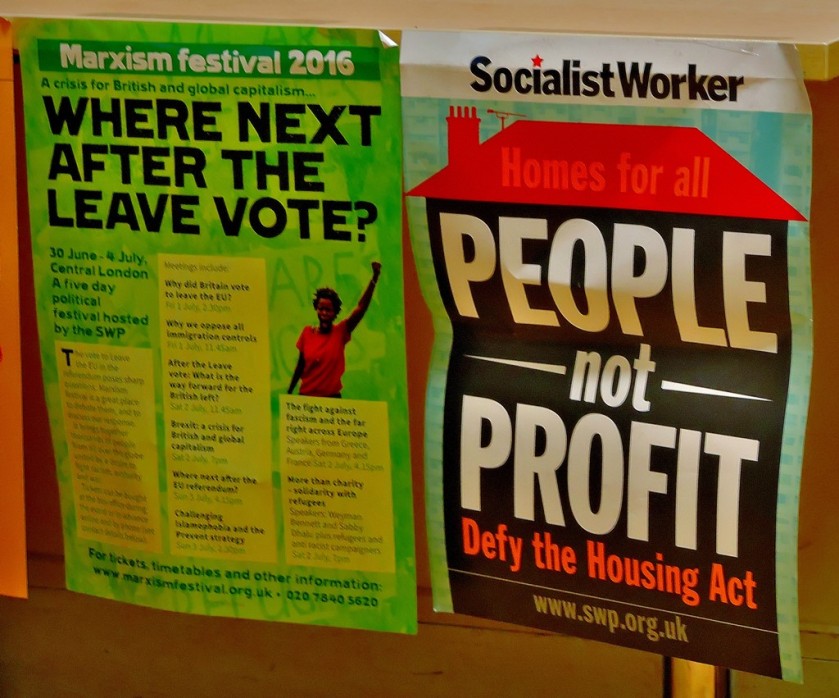
Welcome to the first of what will be a series of posts about Marxism 2016, a five-day political festival that happened in London between June 30th and July 4th.
THE JOURNEY
I made my usual allowances for things to go wrong, catching the 10:54 train out of King’s Lynn. This then ran very smoothly, meaning that I had time once at the event to deposit one bag, pick up a final timetable and plan my meetings without hurry.
MEETING 1: CORBYN, THE LABOUR PARTY AND THE STRUGGLE FOR SOCIALISM
This meeting, with Mark L Thomas as speaker was scheduled for the Drama Studio on level one of the Institute of Education building. However, the numbers of people wishing to attend led to a last minute change of venue to the Elvin Hall.
The talk started, as it had to, with some stuff about the attempted coup against a leader voted for by 59.5% of the membership. The 172 PLP members who voted for the motion of no confidence in Jeremy Corbyn are vastly out of step with their membership – most are pro-austerity while their membership is anti-austerity.
One of the points made about the progress of this attempted coup was that if it succeeded Labour would have lost all claim to be regarded as democratic party – 172 highly placed individuals would have demonstrated that their opinions counted for more than those of over 250,000 who voted for Corbyn.
Mark L Thomas reckoned that the right-wingers in the PLP had two fears:
As people who depend on election results they feared that Corbyn could not win an election and…
As right wingers they feared that Corbyn could win an election (Blair himself had said opnely that he would rather lose an election than win one with Corbyn as leader).
This meeting was an excellent and inspiring start to the event. Of course since then tens of thousands of people have joine the Labour party, many stating that their reason doing so is to support Corbyn.
I will finish this section with a suggestion/ challenge: if the 172 are so confident that they are in the right why don’t they resign their seats, triggering 172 by-elections, in which they stand without the benefit of the Labour rosette against whoever the CLPs choose as the Labour party candidate? Of course the answer to this is the same as the answer to why hasn’t one of these individuals garnered 51 signatures and challenged Corbyn to a leadership battle: they know that in a fair, open fight like that they would get thrashed.
A late addition – it appears from breaking news that the Chilcot report (it is fairly obvious from the timing of the attempted coup against Corbyn that they wanted him out before Chilcot was released) is very damining – here is a snippet from a much longer piece that can be viewed here:
In its damning report the inquiry panel found:
Judgments about the severity of the threat posed by Iraq’s weapons of mass destruction – WMD – were ‘presented with a certainty that was not justified’;
There was ‘little time’ to properly prepare three military brigades for deployment in Iraq, the risks were not ‘properly identified or fully exposed’ to ministers, resulting in ‘equipment shortfalls’;
Despite explicit warnings, the consequences of the invasion were under-estimated;
Planning and preparations for Iraq after Saddam’s fall were ‘wholly inadequate’;
Mr Blair’s government failed to achieve its stated objectives.
Mark L Thomas giving his talk.
MEETING 2: WOMEN, SOCIAL REPRODUCTION AND THE FAMILY
This meeting, with main speaker Sally Campbell (editor of Socialist Review magazine, and author of Rosa Luxemburg: A Rebels Guide) and chaired by Ruby Kirsch was also very interesting and lively.
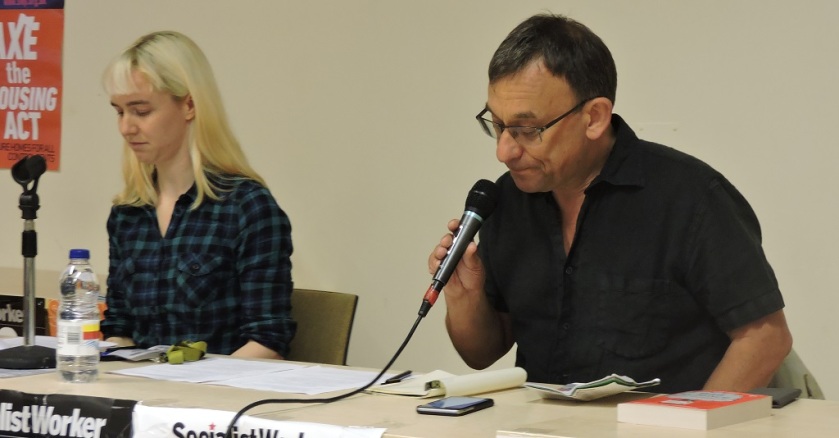
Sally (left as you view the picture) and Ruby preparing for the meetingSally giving her talk
THE OPENING RALLY
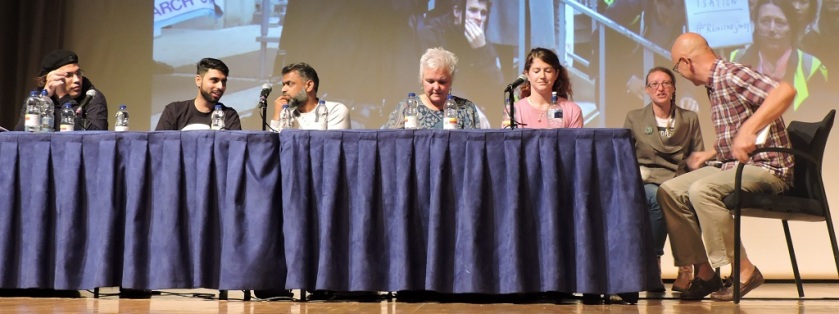
Finally in terms of first day meetings came the Opening Rally, at 7PM in the Logan Hall. We heard from a variety of workers who have been involved in struggles in various places (as well as speakers from the UK this panel included an Irish TD and a French railway worker. Perhaps most impressive were Victor and Juan, two cleaners who spoke by way of a translator, and who have been part of an all out strike in the heart of the City. After all these amazing contributions Amy Leather (organiser of the Marxism festival) made the last speech. The whole thing was superbly chaired by Emma Davis, a teacher.
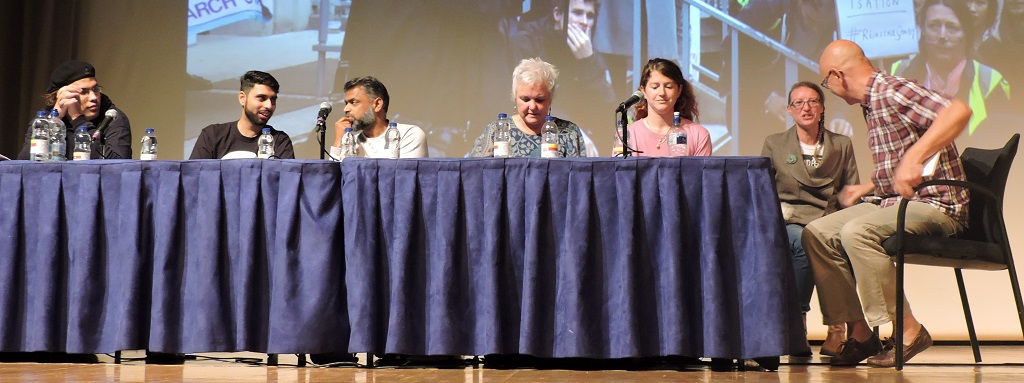
The whole panel of speakersEmma Davis calls the meeting to orderEmma introducing the first speaker.
ACCOMODATION
The person who had put me up last year had offered to do so again this year. Unfortunately he could not attend the opening day of the festival, so we had arranged a meeting point at the Rose and Crown on Hoe Street, which I located without undue difficulty.
I chose to use Russell Square because although I knew Euston meant a journey without changing I wanted to top my Oyster Card up and reckoned I would wait less long at Russell Square than at Euston.
A Piccadilly line train arrives
The change from Piccadilly to Victoria at Finsbury Park is cross-platform.
From here to the meeting place was about a ten-minute walk.
An announcement relating to the next five days, accompanied by some photographs.
This is by way of an alert for my followers. Between now and Monday I will be in London attending Marxism 2016, and my computer access will be sporadic at best. Here are some pictures to accompany this brief announcement…
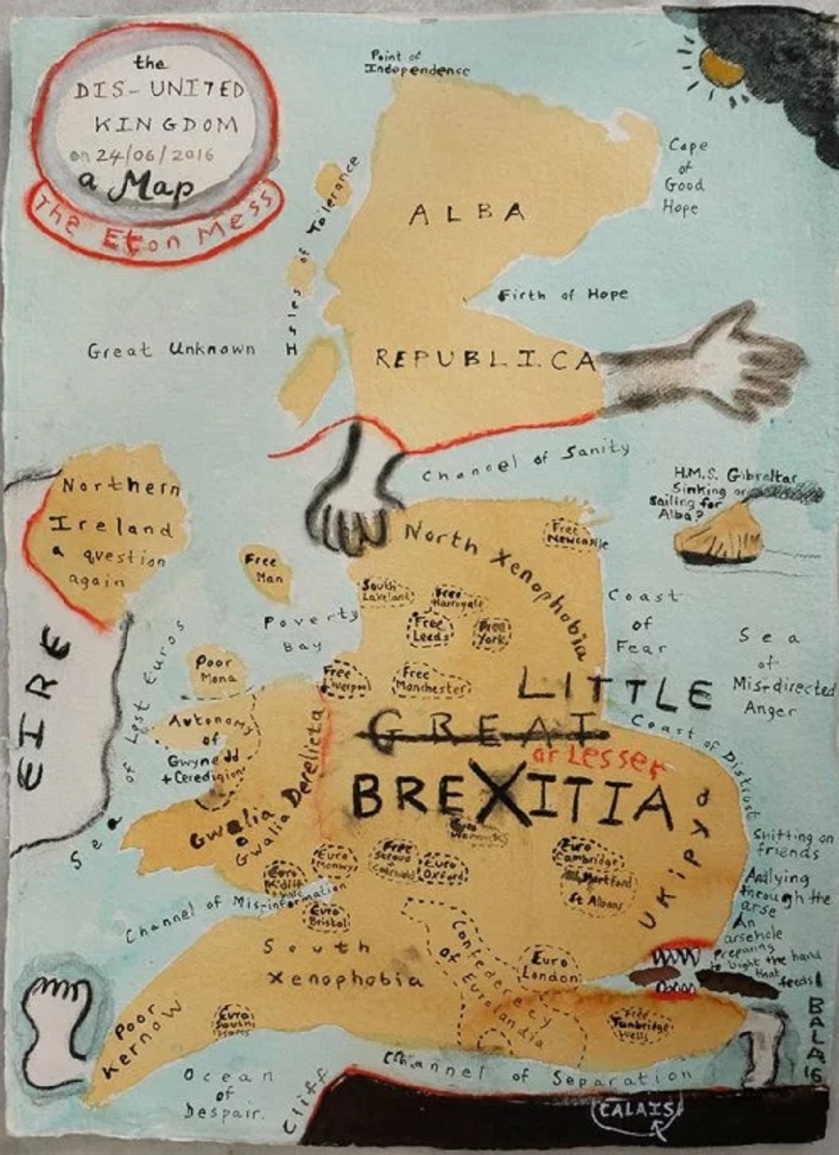
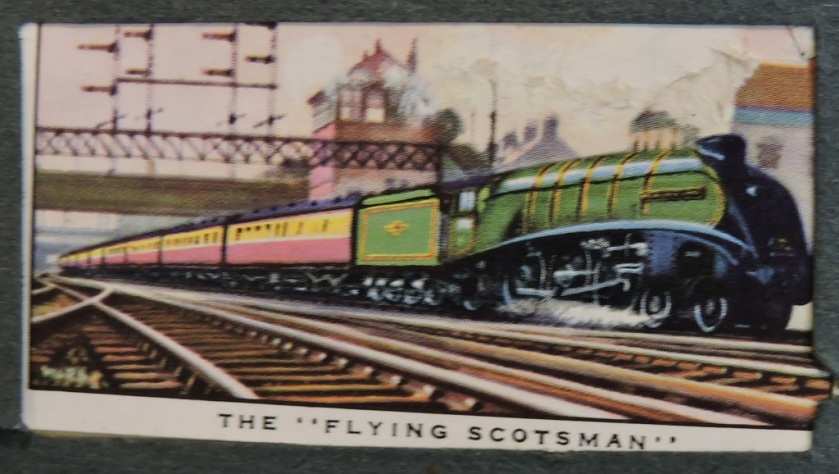
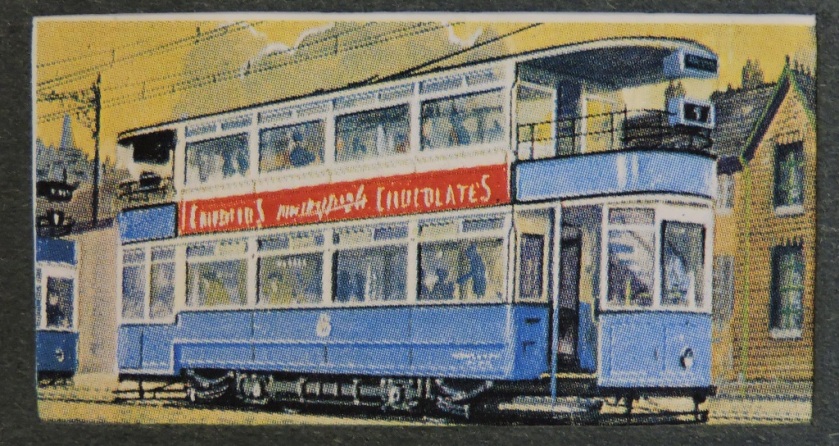
I found this map in a post by Mike Sivier at Vox Political, and he found it on twitter.Lot 497 at yesterday’s auction – a bargain at £10 – splendid pics of trains.The next five images are close-ups of pictures from lot 497
A flowerhead with an insect in attendanceClose up extracted from the foregoing image showing the insect and the centre of the flower.
An account of a visit to London for an NAS training session, including Sutcliffe’s Laws of Travelling by Public Transport and lots of photographs.
INTRODUCTION
This post deals with events on Saturday, when I attended a training session for branch officers at NAS HQ in London. Before moving on to the main part of my post I have a small section on…
WHY I AM GLAD THAT MY FIRST POST IN MAY IS AUTISM RELATED
April is Autism Awareness month, and here in West Norfolk we certainly did our part, with our hugely successful Positive Autism Awareness Conference. However it is also important to make it quite clear that autism does not stop at the end of April. Improving awareness, understanding and ultimately acceptance of autism is a year-round task.
SUTCLIFFE’S LAWS OF TRAVELLING BY PUBLIC TRANSPORT
I have never previously set these out in full, so here goes:
Zeroth law: Any journey involving public transport requires careful planning no matter how apparently straightforward it is.
First law: If you allow scope for things to go wrong you will have a quick, clear run.
Second law: If you decline to allow scope for things to go wrong you will have a horror run.
Third law: Because bitter experience has taught them to make allowances public transport users are less likely to arrive late than car users.
Do you recognize the more famous set of laws on which the formatting of this set is based?
GETTING THERE
The session was due to start at 10AM, which gave two options for which train to catch – the 7:54 and be tight for time or the 6:54 and have time to spare for things to go wrong. In keeping with the first law of travelling by public transport the second option was chosen. The other person travelling from West Norfolk wanted to travel there with me, so we agreed to take the 6:54. On the day preceding the journey I called in at the station to make sure that the service was running as it should be (The branch chair had kindly arranged tickets for us, requiring in return that we make sure to come back with expenses claim forms so that she could reclaim the money). Here are some pictures from this preliminary stage…
We took our places on the train and having allowed for things to go wrong had a clear run to London. Callum’s girlfriend had decided to travel with us so she could have a look round London, and at King’s Cross she and Callum arranged a meeting point before Callum and I head off towards NAS HQ.
A shot out of the train window near Cambridge.
A side view of St Pancras, taken while Callum was arranging a meeting point with his girlfriend
The walking route we were going to follow.
Walking up Pentonville Road (between Pentonville Road, Angel and our London starting point of King’s Cross this was quite a monopoly board journey!) we arrived at NAS HQ almost dot on 9 o’clock, and were the only people there that early. I took some pictures while we waited for others to arrive, including the feature image…
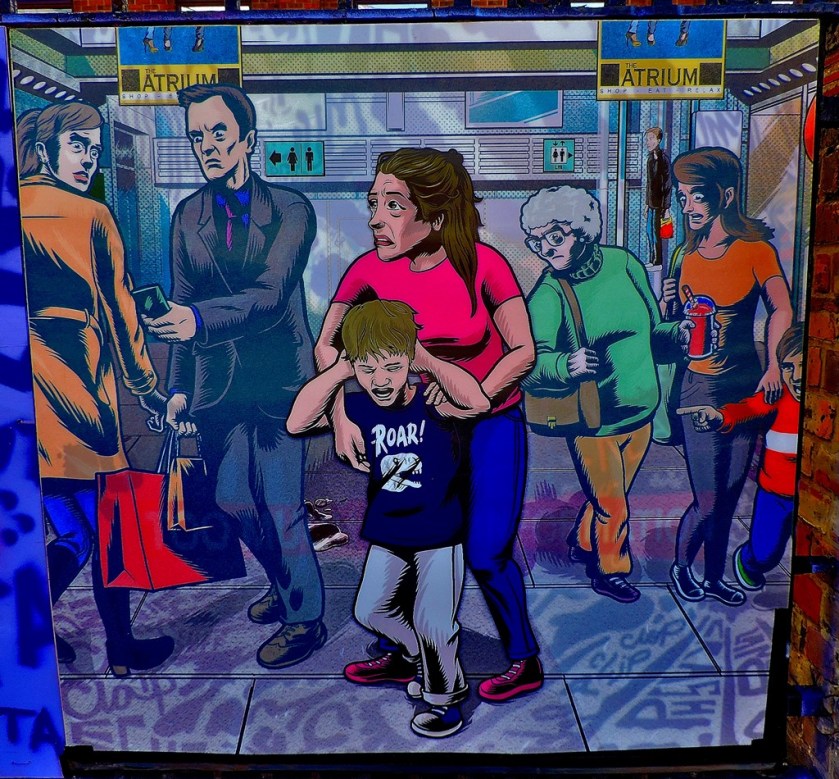
The #TMI mural outside NAS HQ, with Callum standing in front of the end panel.A close-up of the end panel.
This map is on Pentonville Road, but all the other pictures in this set were taken outside NAS HQ
AT NAS HEADQUARTERS
Alessia, one of the two people running the session arrived a few minutes after we had, and let us in to the building. We took our places in the training room, and examined our training packs…
This pot took a long time to boil.
Note the virtual emptiness of Norfolk on the NAS branches map and the complete emptiness of Linolnshire
The ticket – effectively £6.30 for a day’s unlimited travel in zones 1-6 (a day return is £24)
THE TRAINING SESSION
The training session consisted of presentations and some group activities. I found it to be a very valuable day, definitely worth the early start. The bit I enjoyed most came near the end, when we had to decide whether certain scenarios were things we could do as NAS volunteers, things we could not do or things that we might be able to do. At the end of the session Callum and I went our separate ways, he to meet his girlfriend and I to head back (albeit by a somewhat circuitous route). The pictures I took between here and the concourse at King’s Cross station will be featuring on my London transport themed website, so I shall not share them here.
HOMEWARD BOUND
Apart from providing a few good photos, the return journey was pretty uneventful (yes, on the Saturday of a bank holiday weekend I had two public transport journeys pass without incident), and I arrived back home just over 11 hours after setting off in the morning.
Half of the frontage of King’s Cross train station.
The best-known platform at King’s Cross
Ally Pally through the train window.
Ely through the train window.
Just beyond Ely, a perfect shot of a cross-country train where the routes diverge.
Yesterday and today were both work days for me, and I stayed overnight in Norwich as I was attending an evening meeting in that fine city. I will not be covering said meeting in this post as I plan to write about it and about tomorrow’s protest against the possible closure of the Fermoy Unit in detail in another post. All my images today are presented as ’tiled mosaics’ – to view an individual image at full size click on it.
THURSDAY
Thursday was all imaging for the May auction. I finished the militaria imaging before moving on to some other stuff. Here a few highlights from these lots…
After the militaria I dealt with the coin lots that were unsuitable for being scanned…
These last two lots (three images each) are ex-coins that have been turned into jewellery.
There was then a mixture of items to finish the day…
Lot 275
Lot 392
Lot 397 – an item of local interest.
FRIDAY
Some of the last lots in theApril auction(this Wednesday in Norwich) were located, and there was some interesting stuff for the May auction to image as well. I start with some of those April lots…
This scrapbook is lot 714 – it has some Norfolk interest because the girl who assembled it back in the Victorian age lived in Trunch.
Lot 730 – four very miniature books in a plastic case
Lot 726 (two images for this one)
Lot 717 – an interesting old picture. One of Susanna Gregory’s Chaloner novels features London Bridge, and Edward Marston’s Elizabethan book-holder Nick Bracewell almost certainly finds himself on this birdge at some stage in his adventures.
Lot 725
Now for some of the lots for the May auction that I imaged today…






















































 aspiblog