The penultimate post in my series about Saturday’s West Norfolk Autism Group outing to Pensthorpe on Saturday, looking at the trauker ride.
Welcome to the penultimate post of my mini-series about the West Norfolk Autism Group outing to Pensthorpe which took place on Saturday. So far there has been an introductory post, a post covering the Discovery Centre and those general pictures not shared in the opener and a post dedicated to the Cranes and Flamingos. This post zeroes in on the trailer ride, for me an essential part of the Pensthorpe experience.
SEEING THE BITS THAT ARE NOT WALKABLE
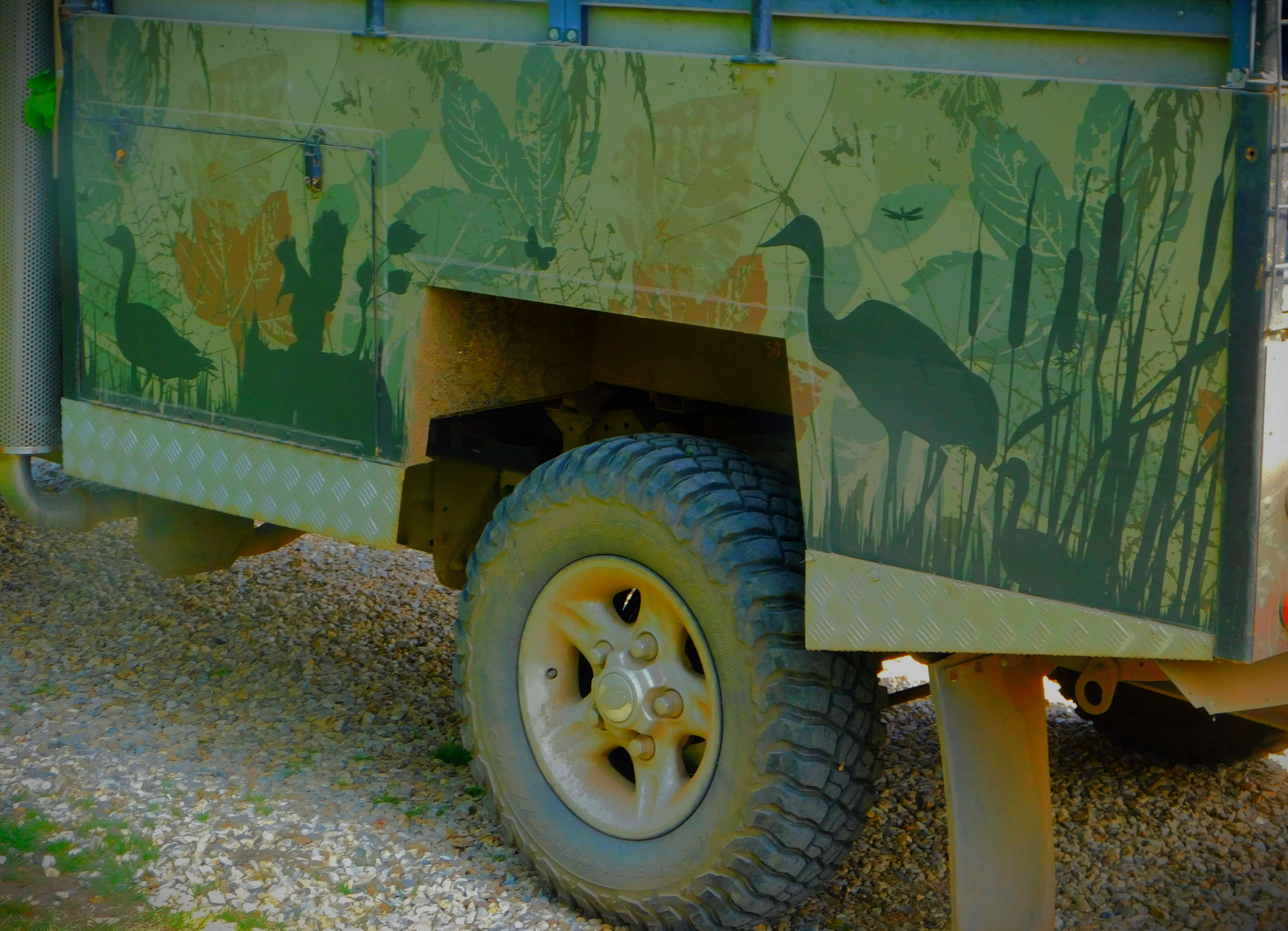
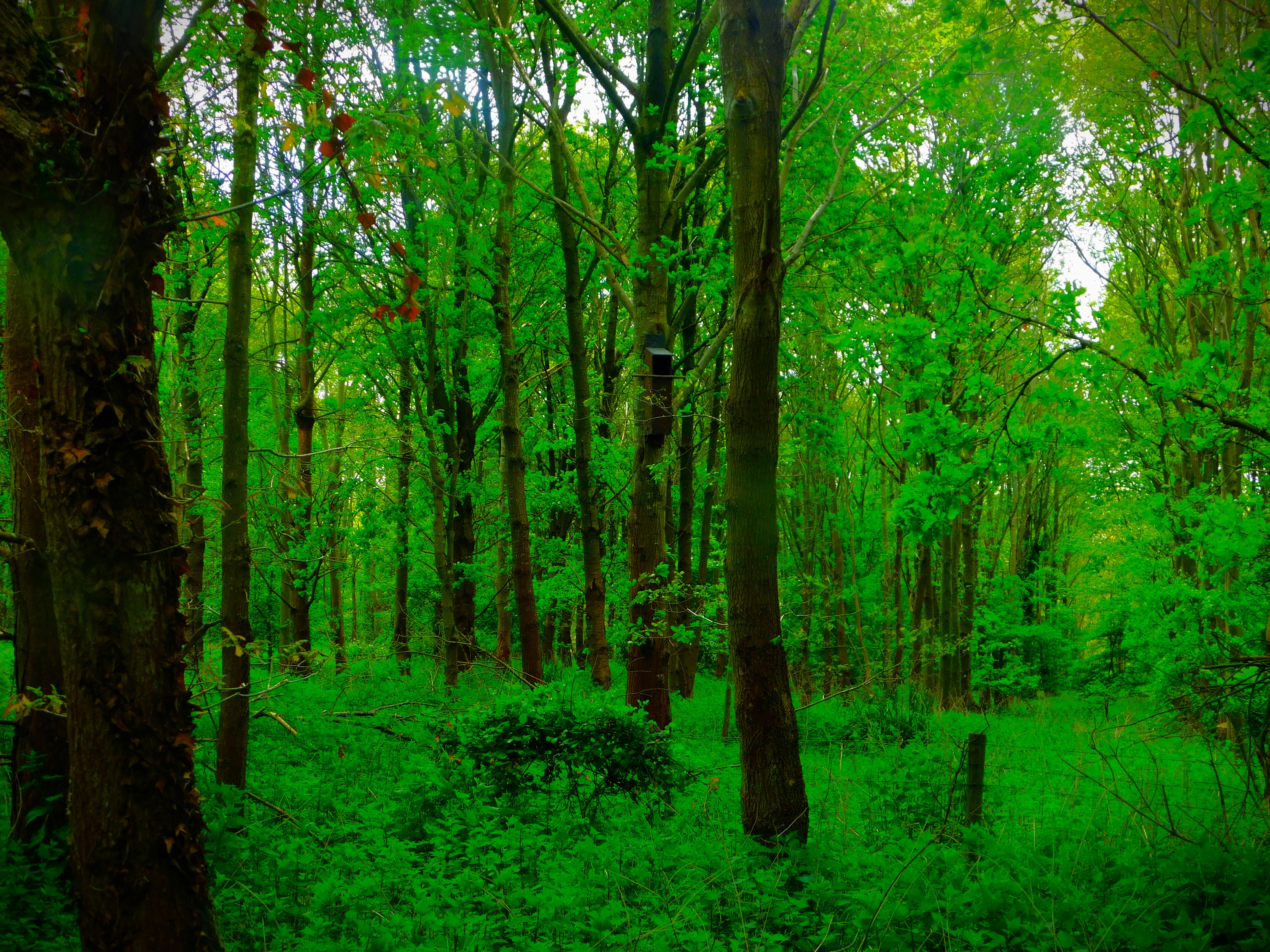
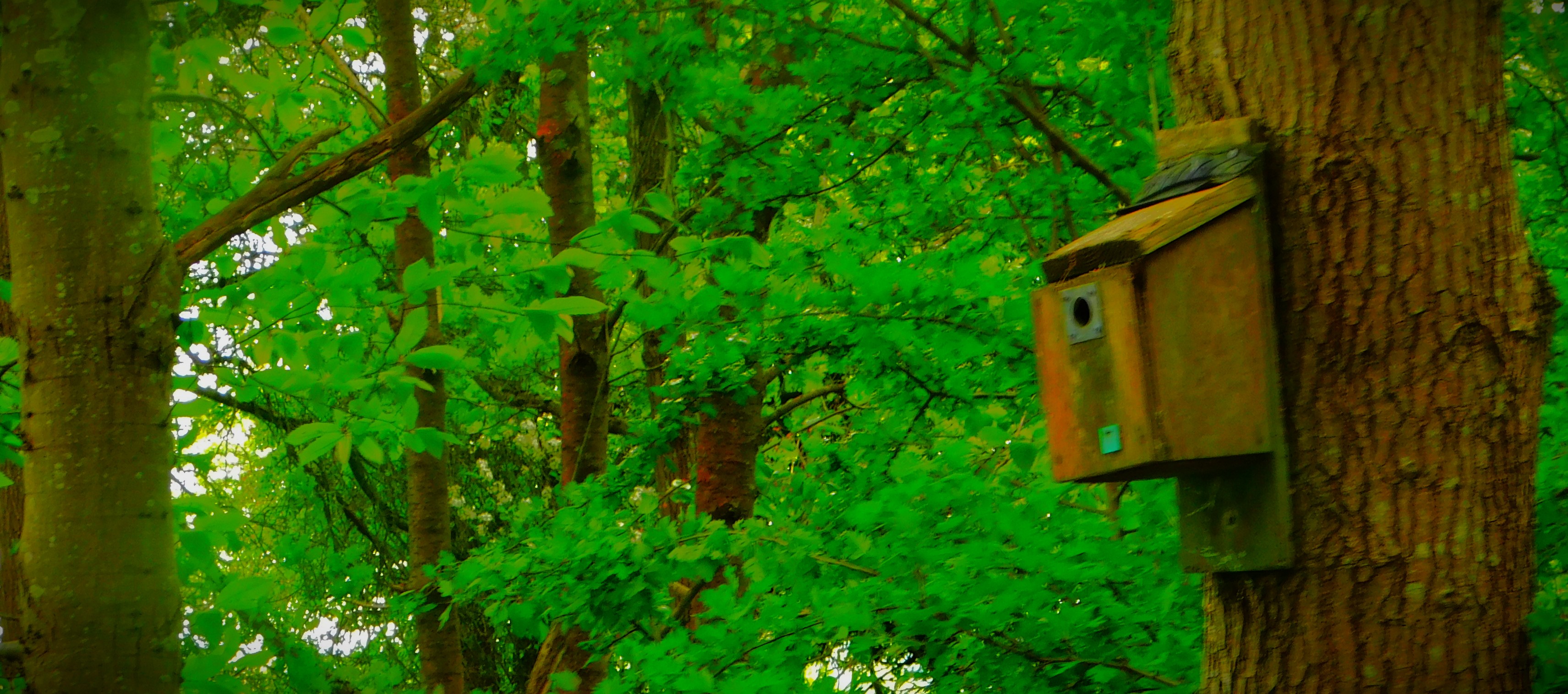
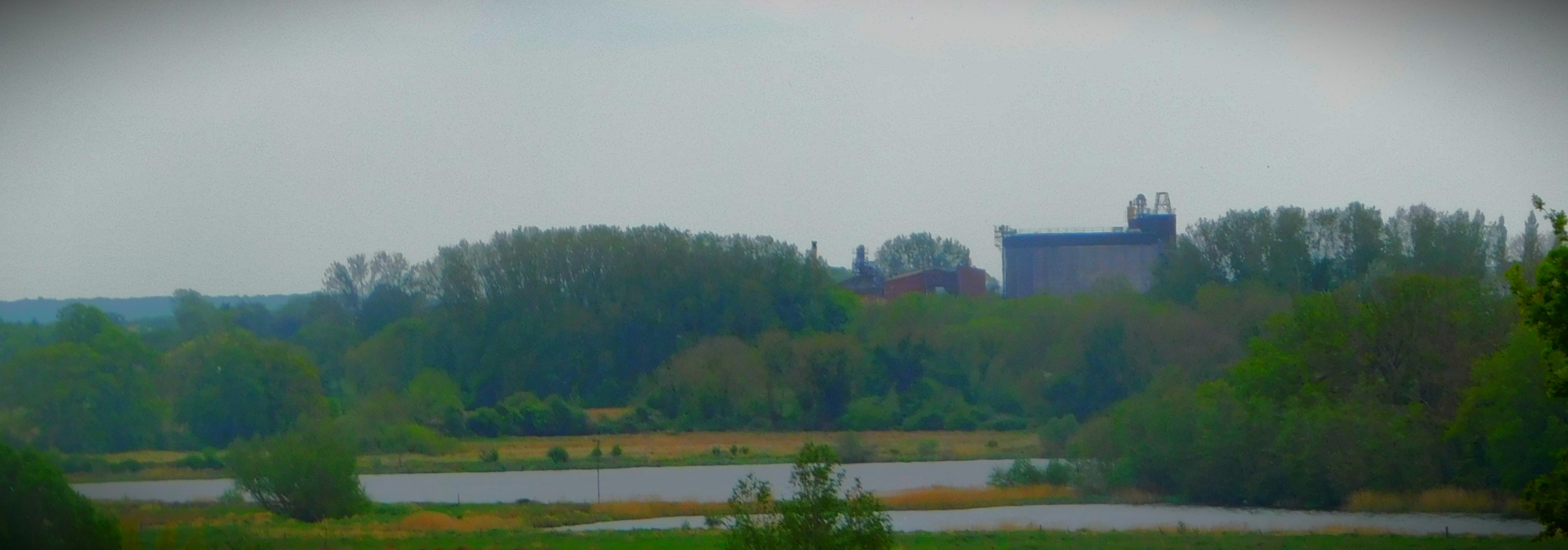
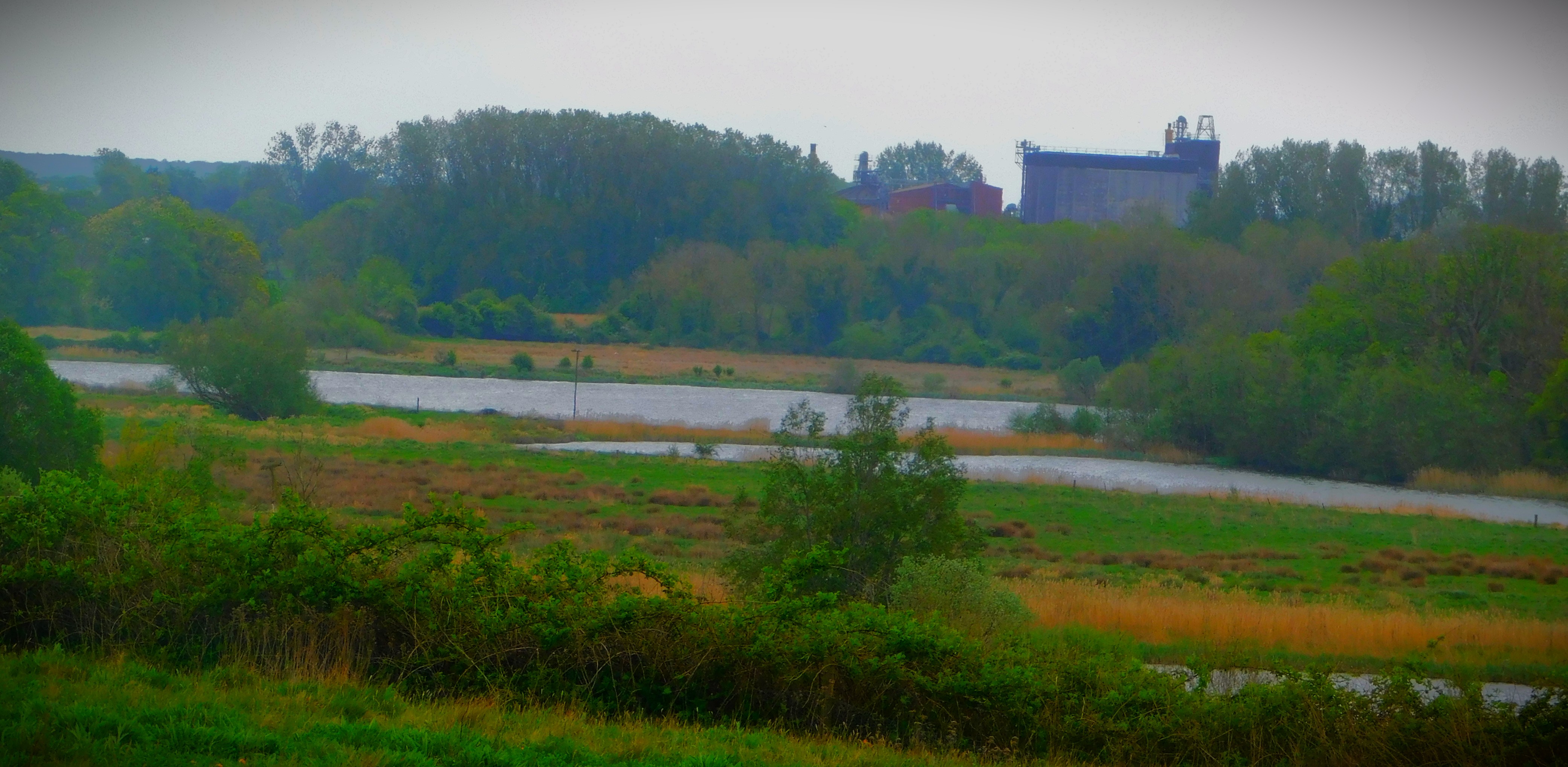
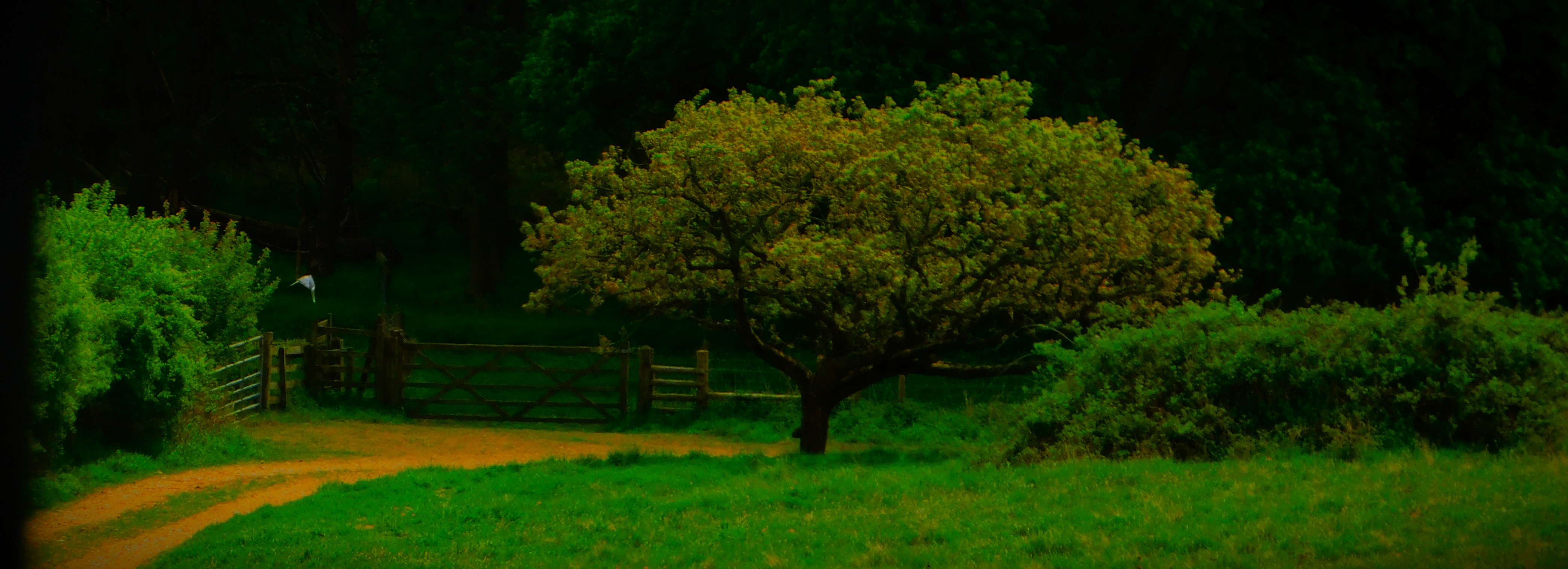
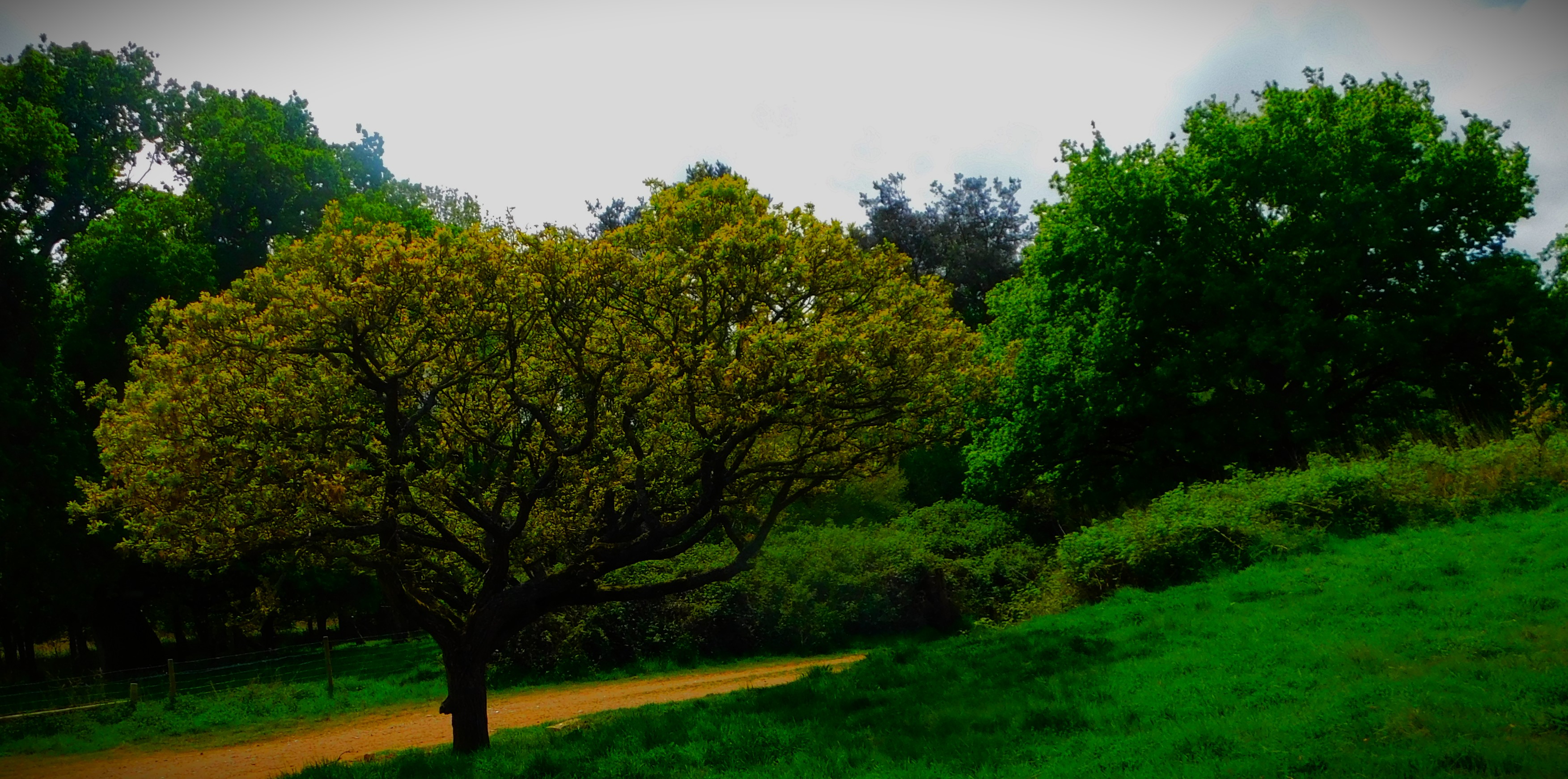
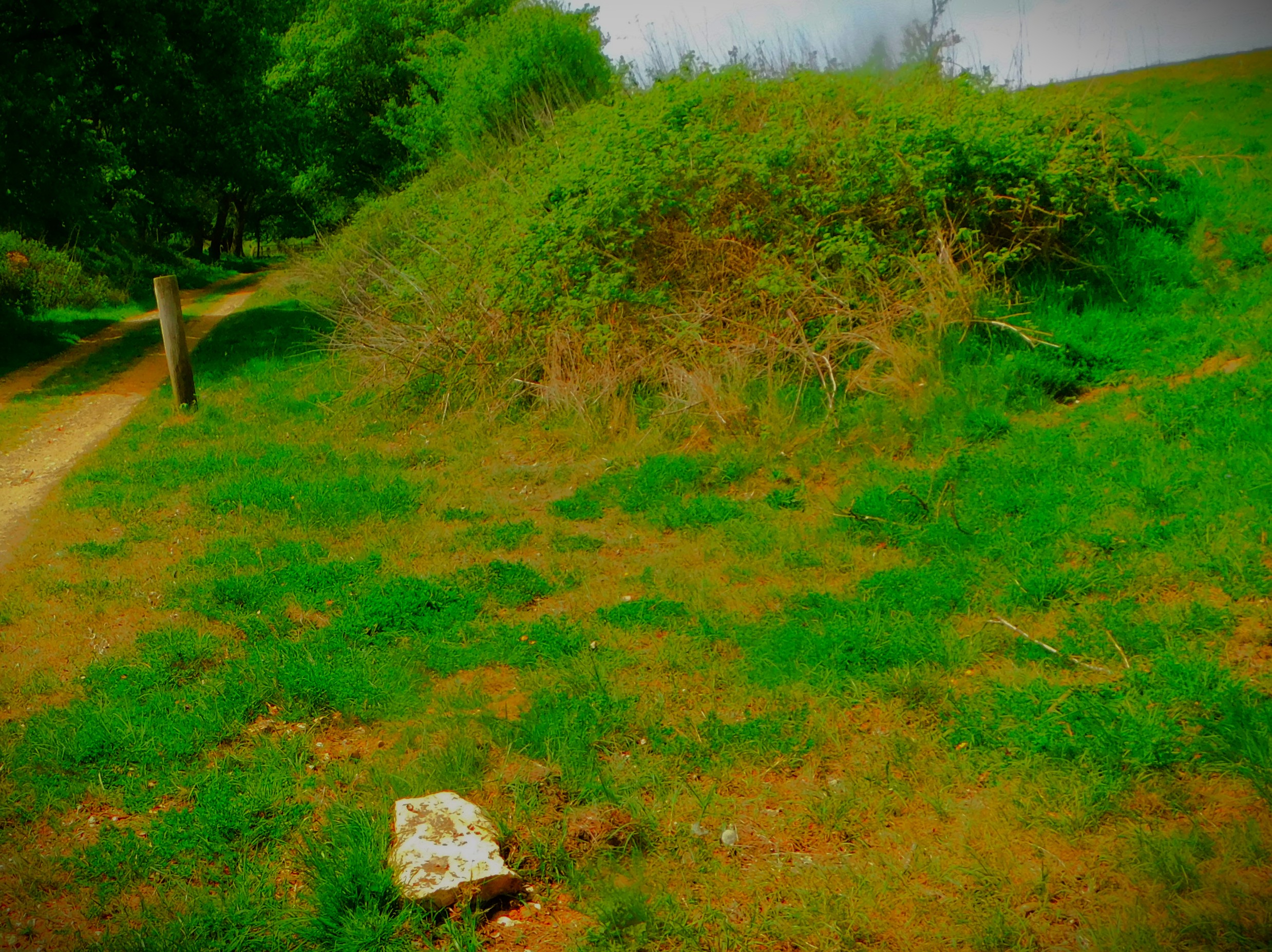
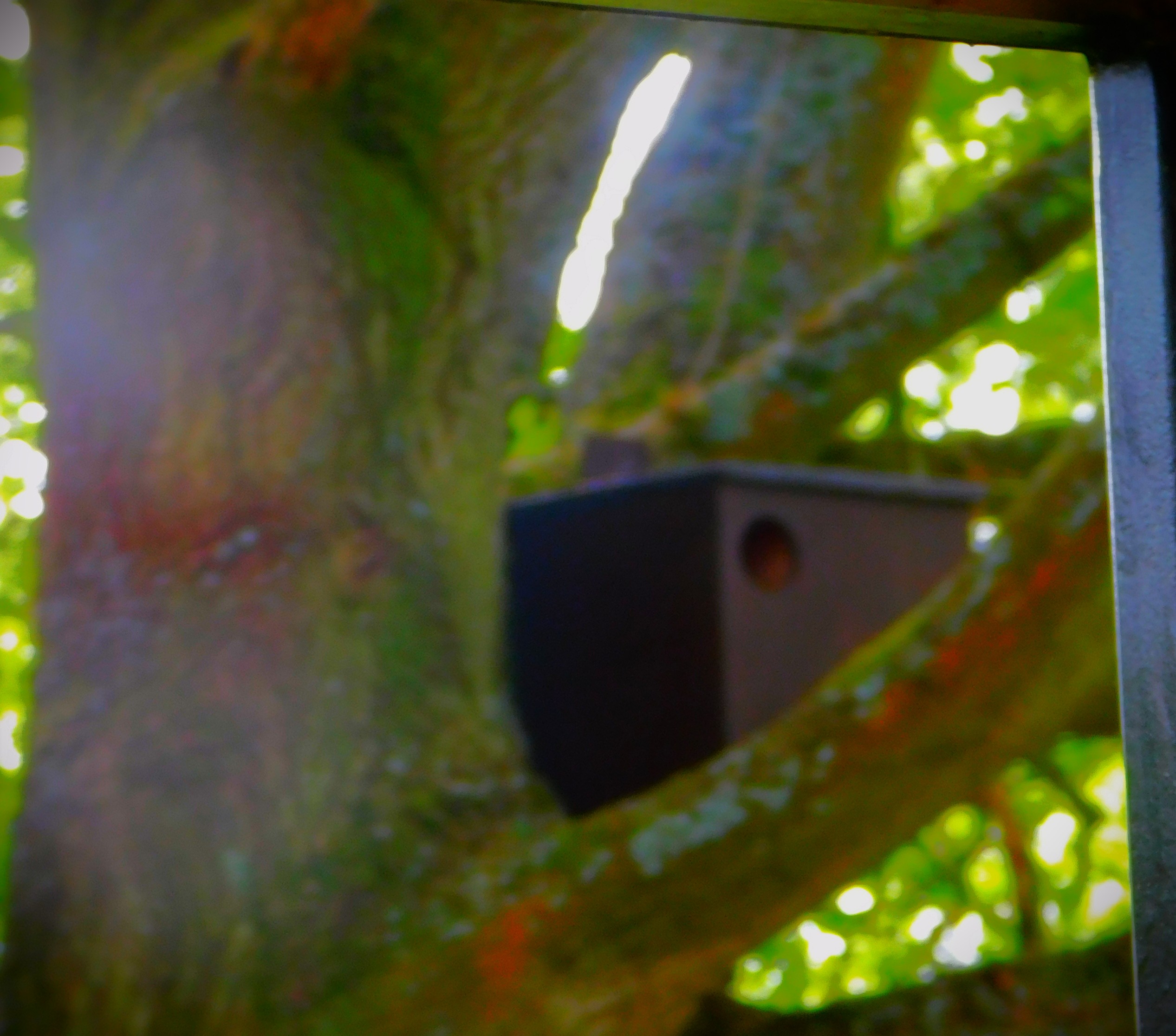
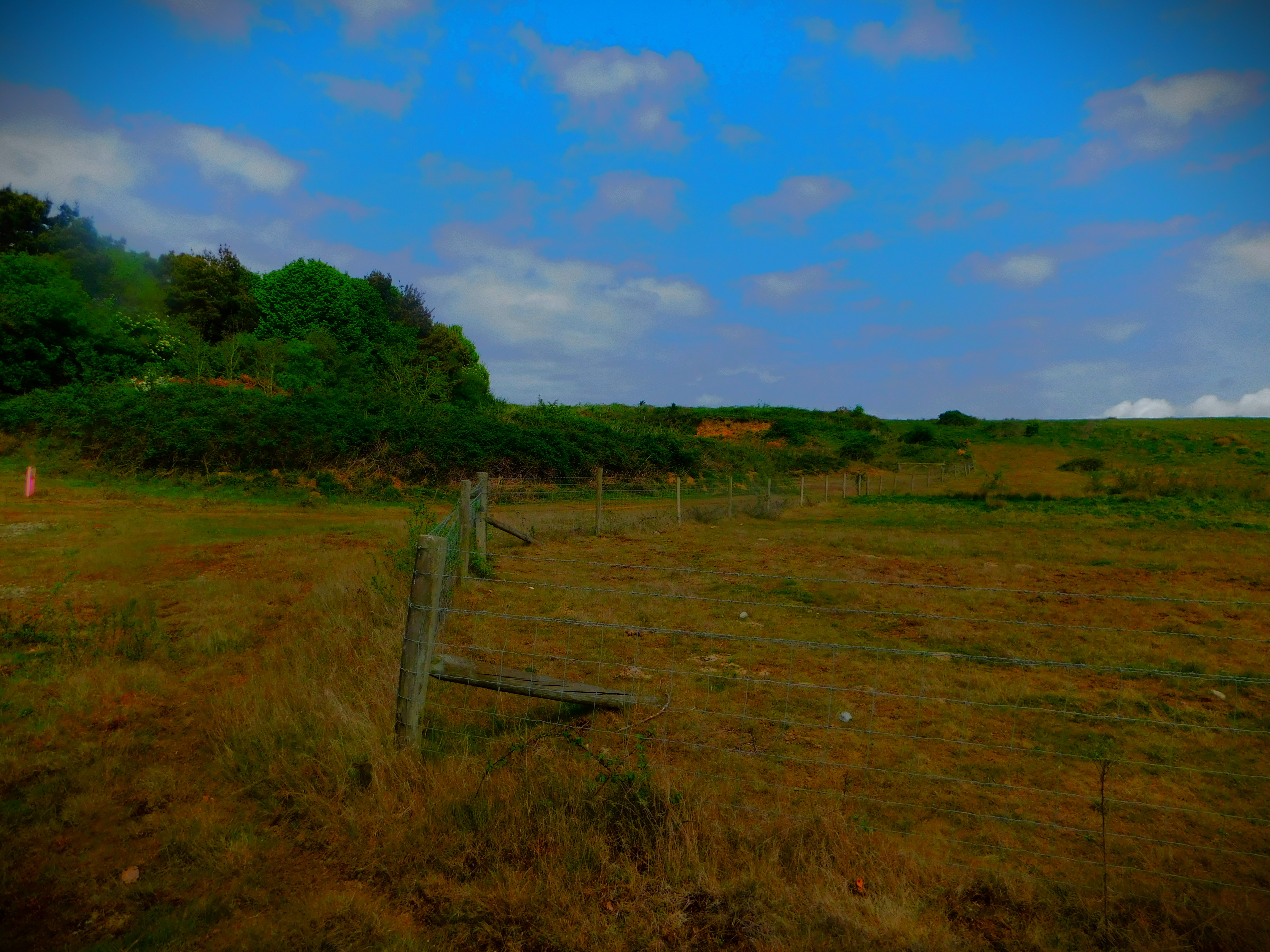
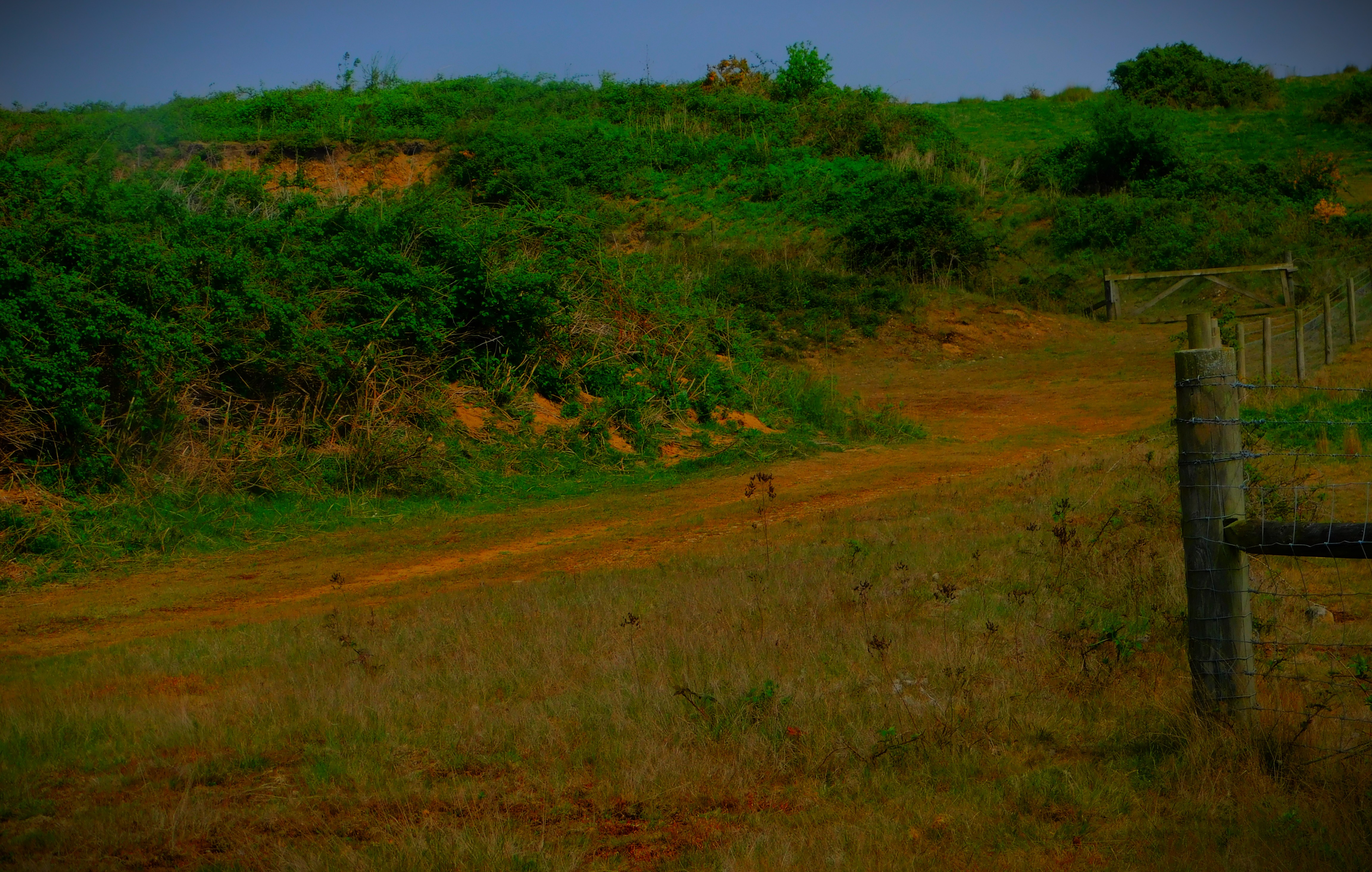
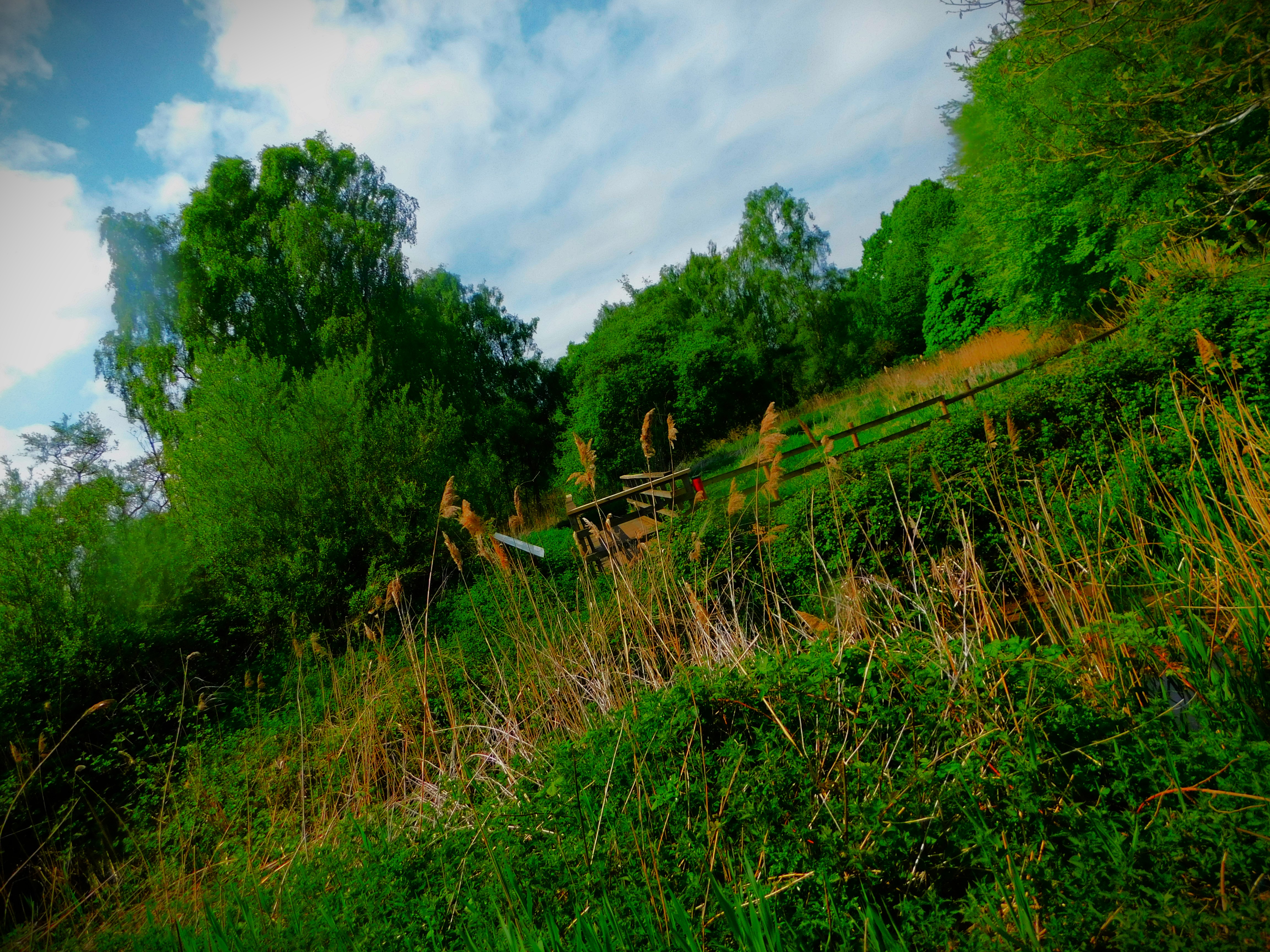
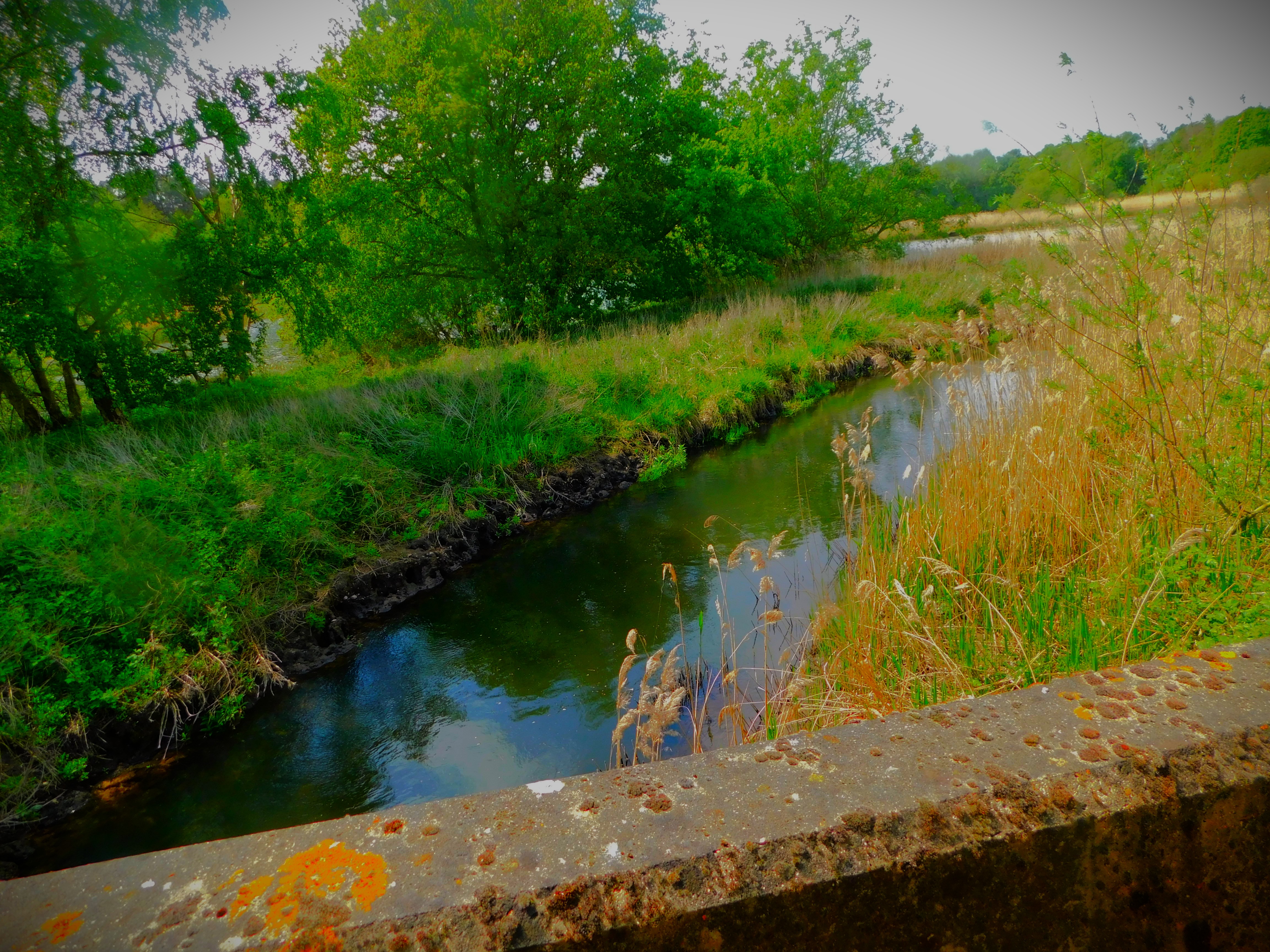
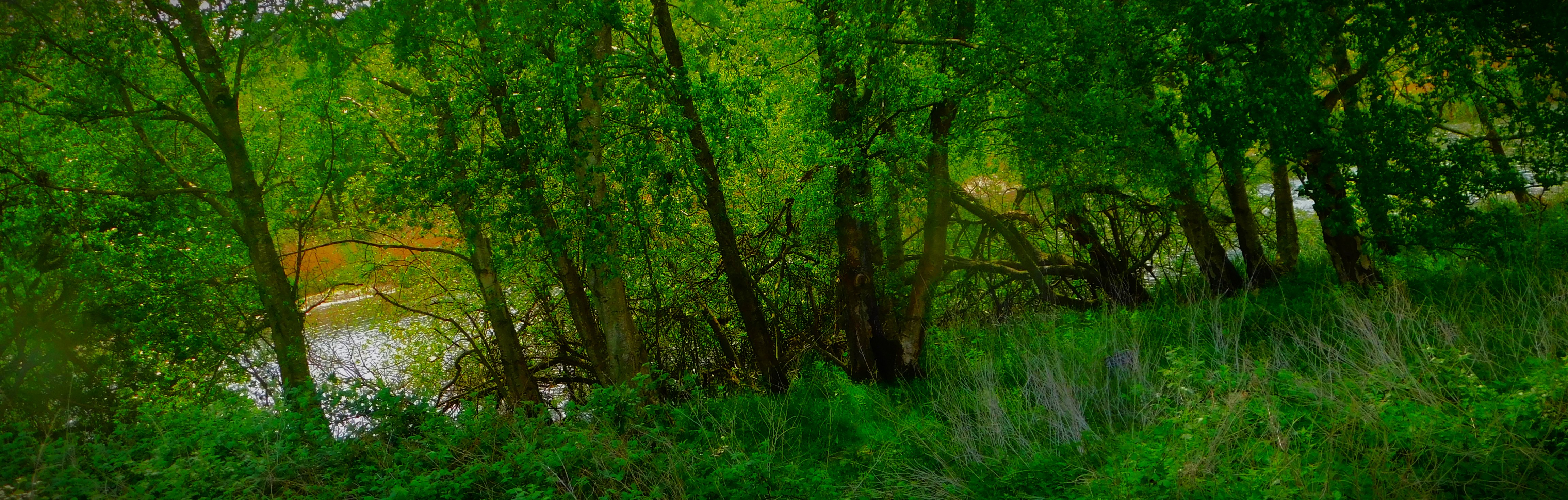
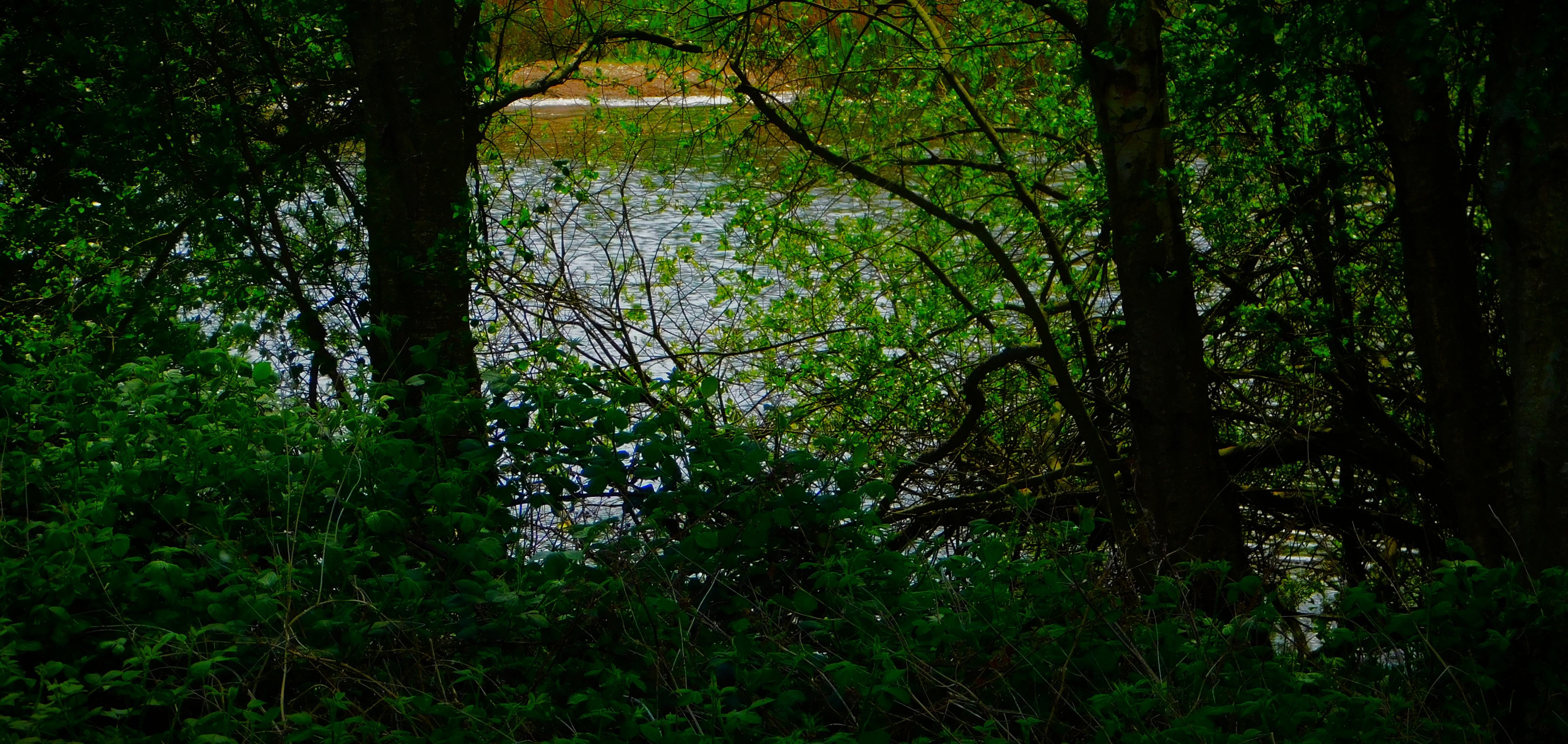
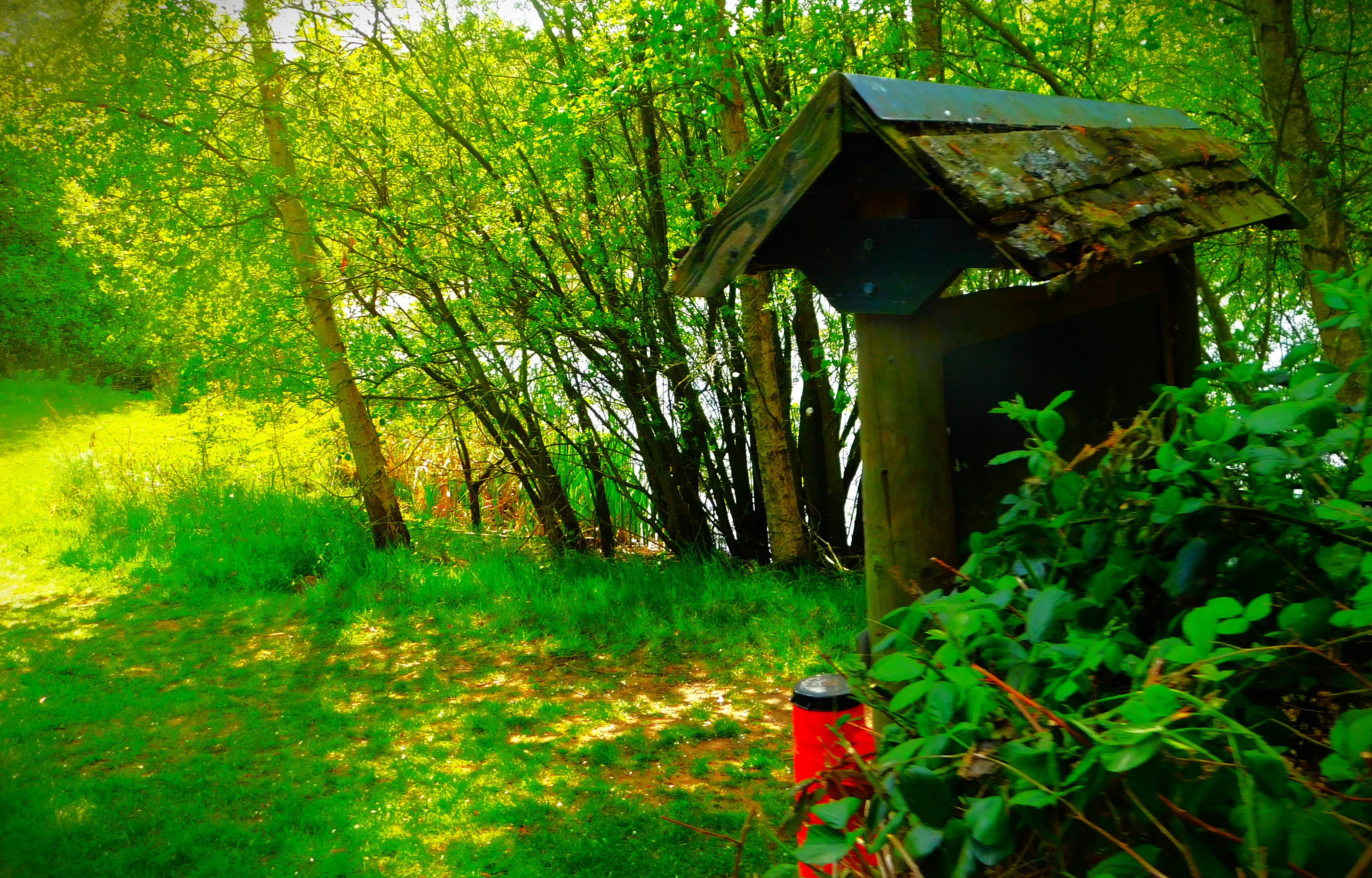
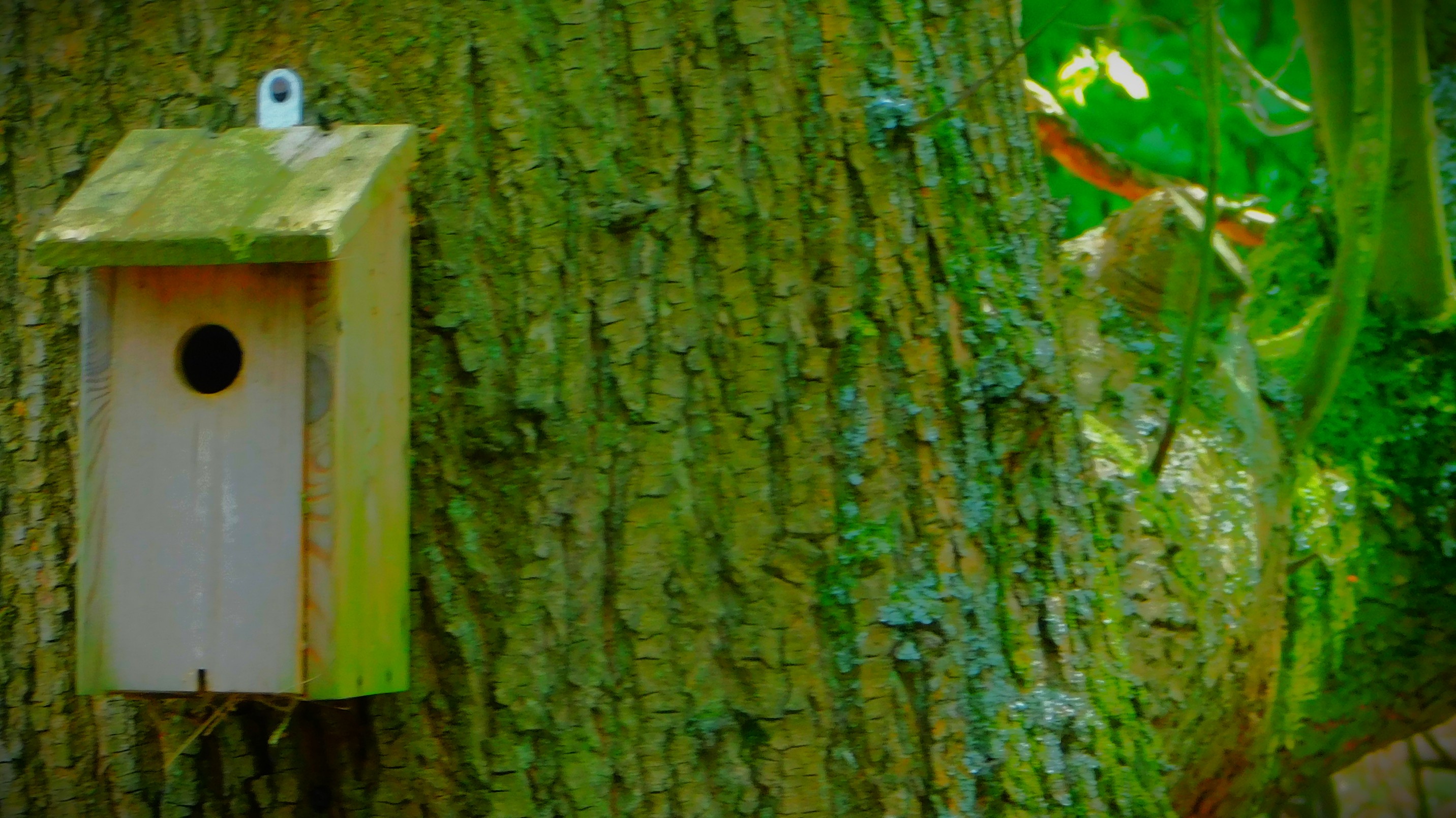
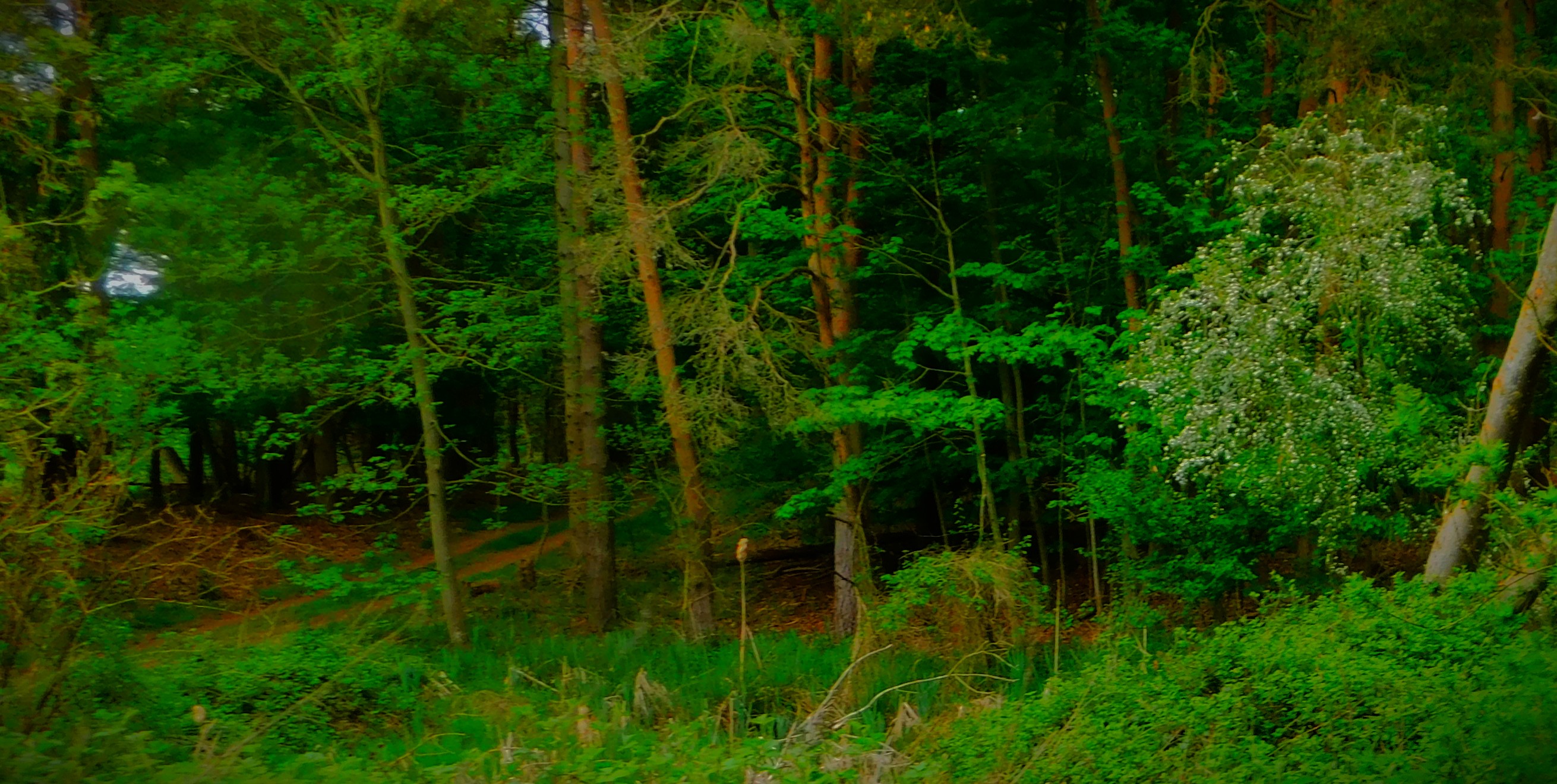
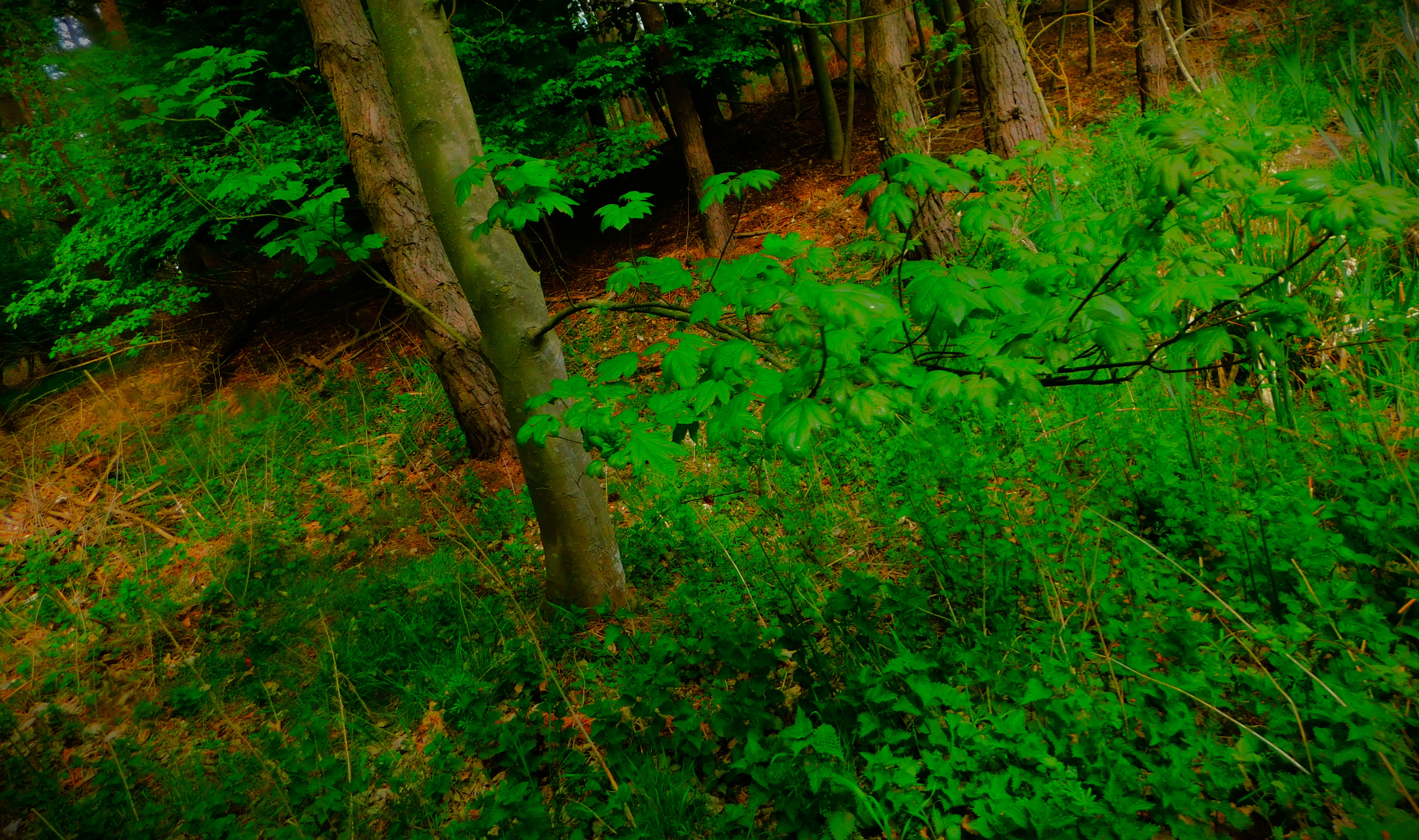
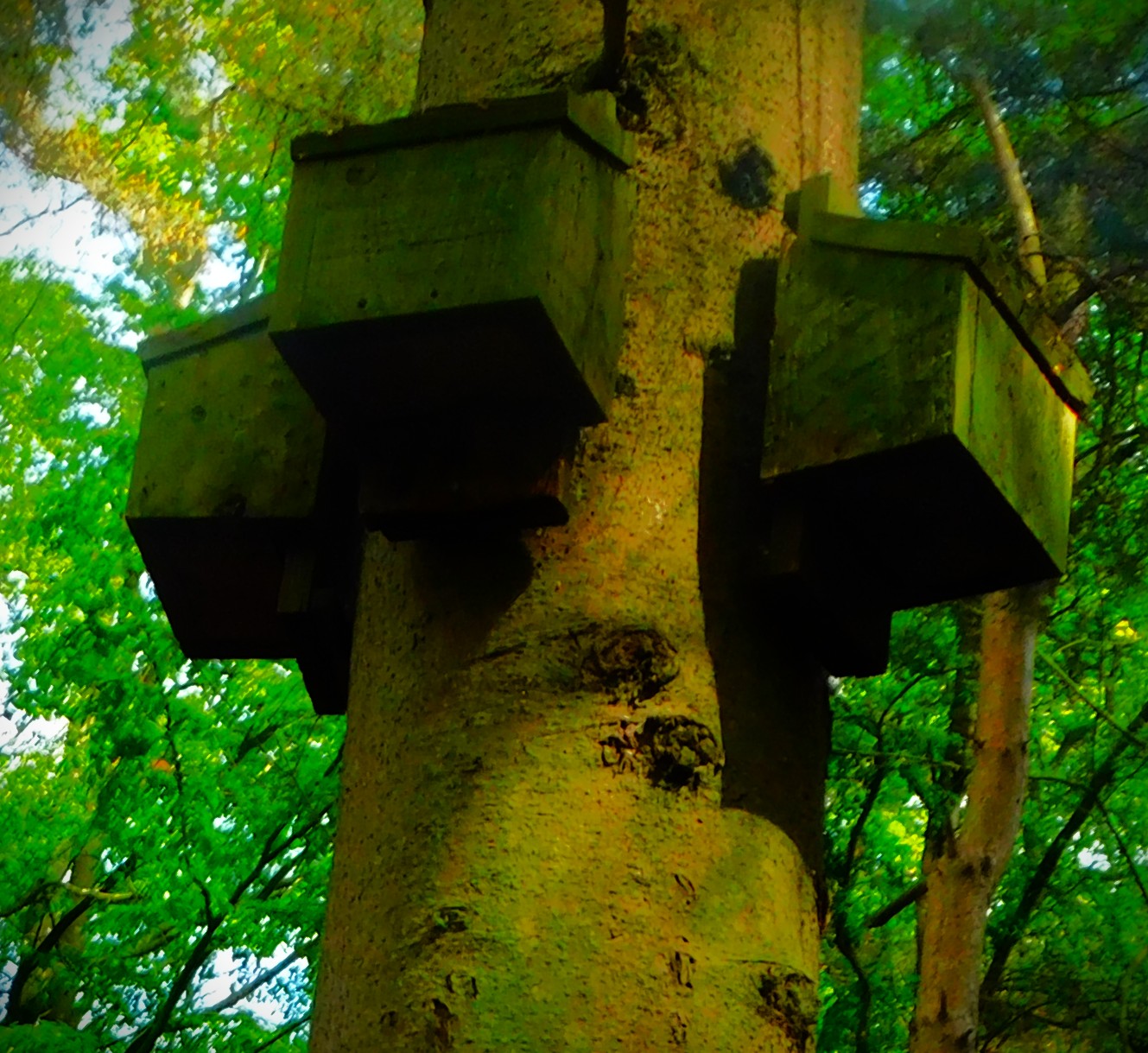
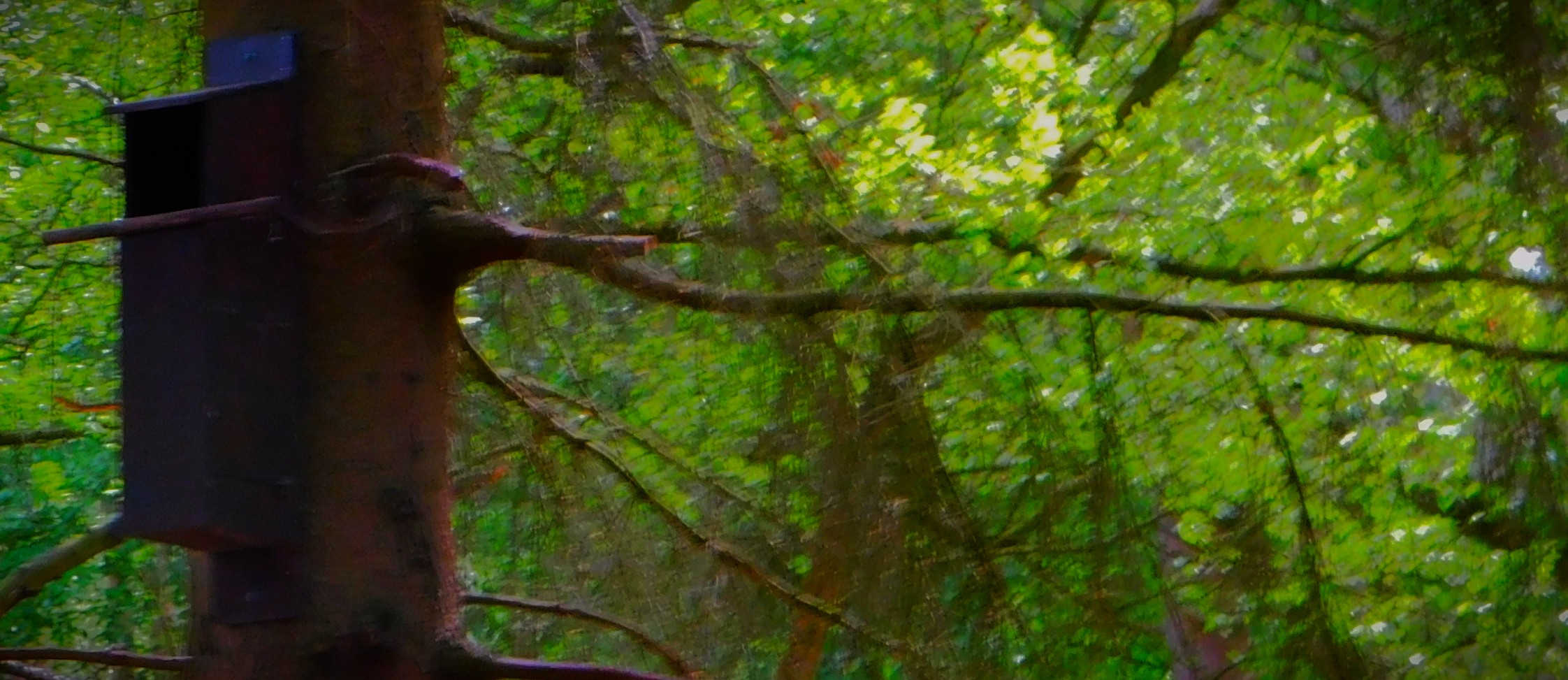
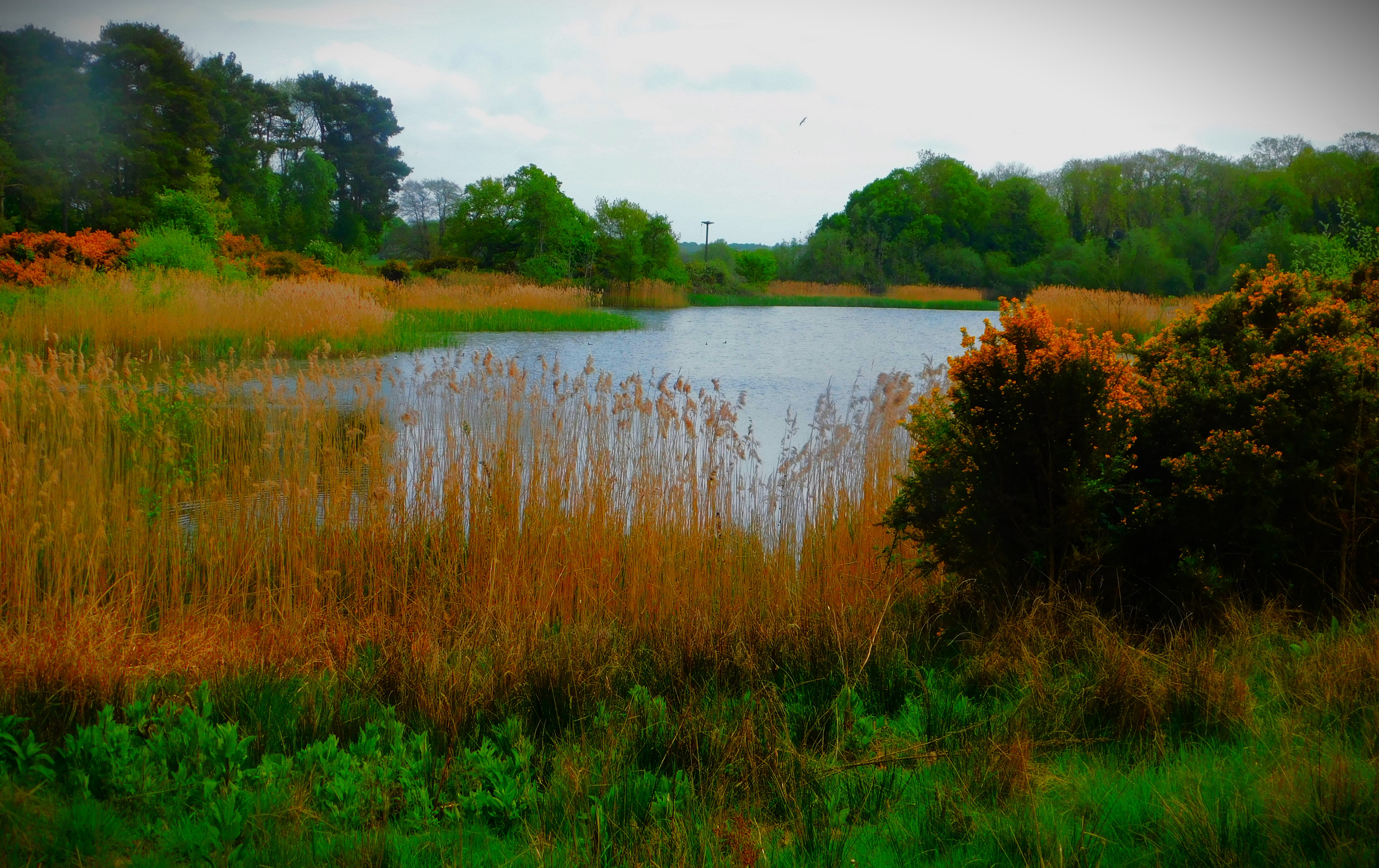
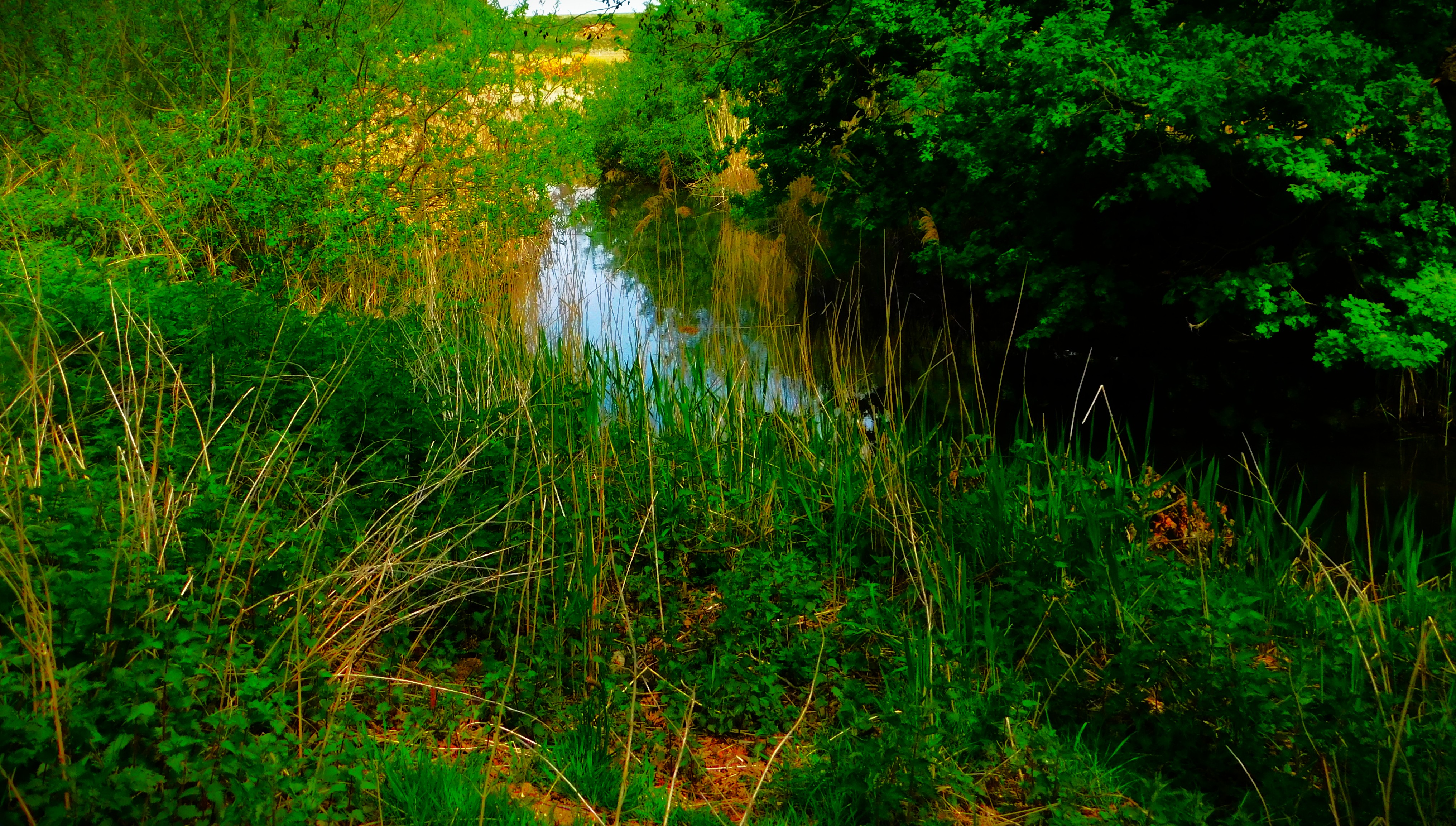
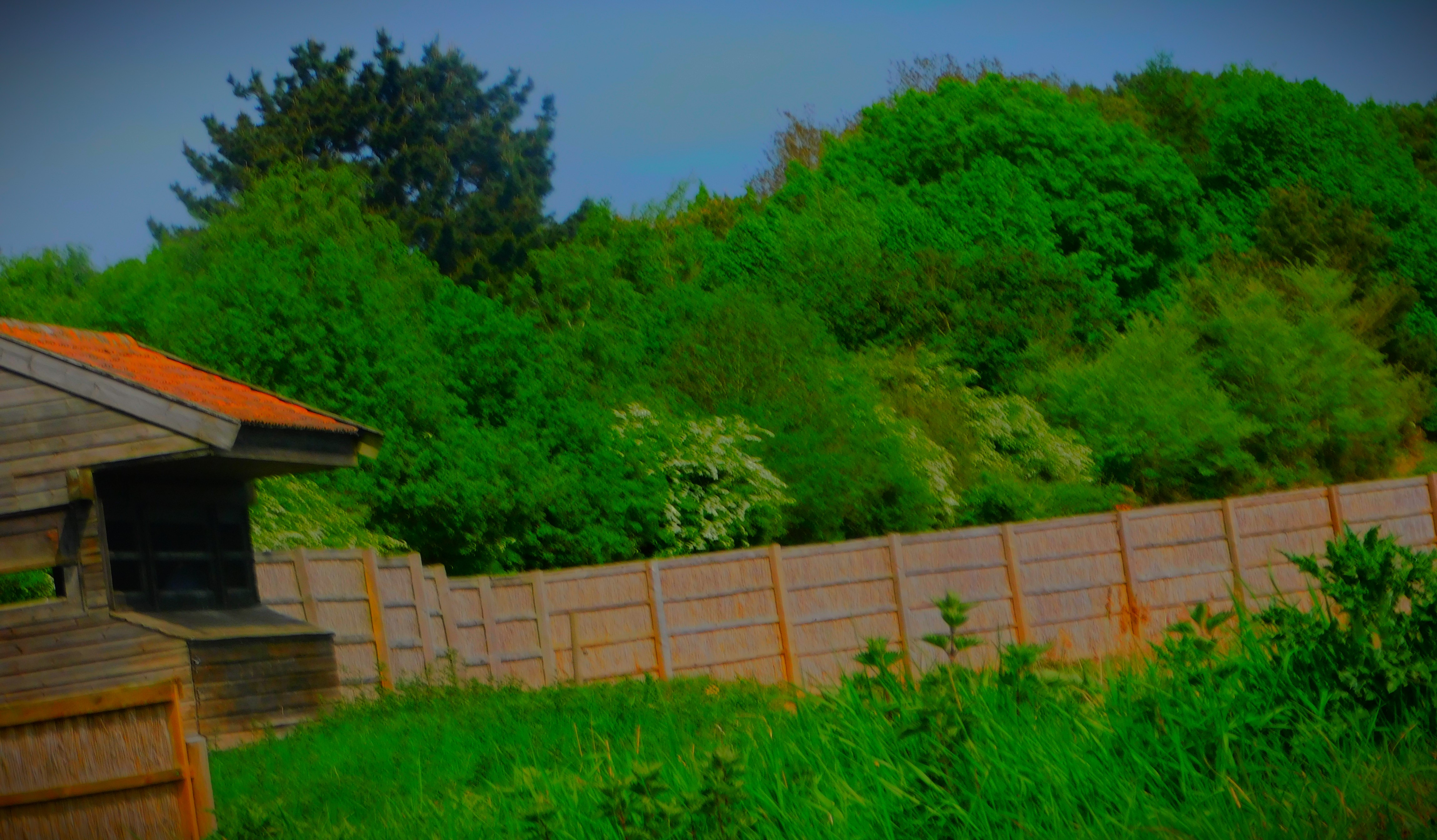
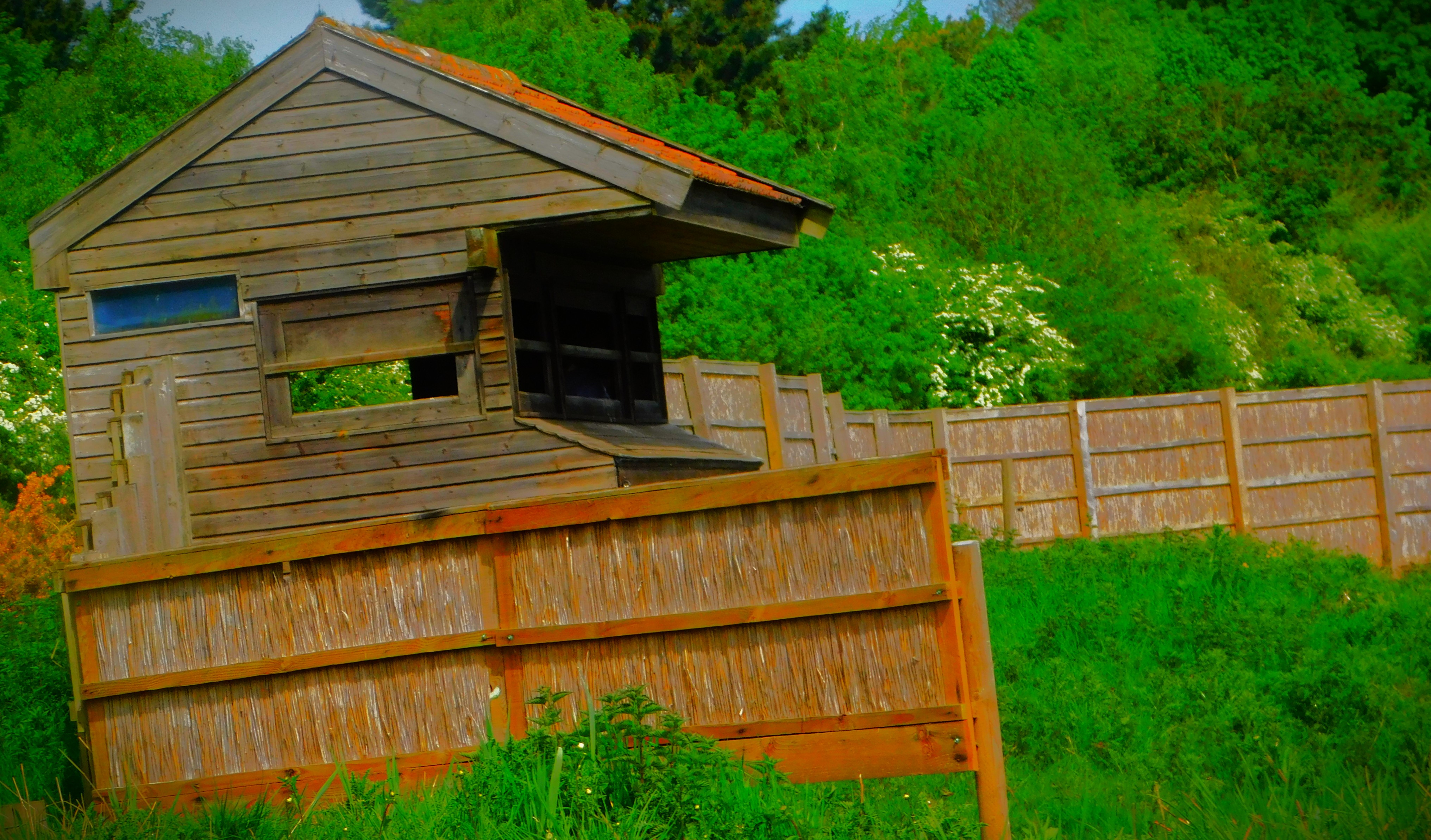
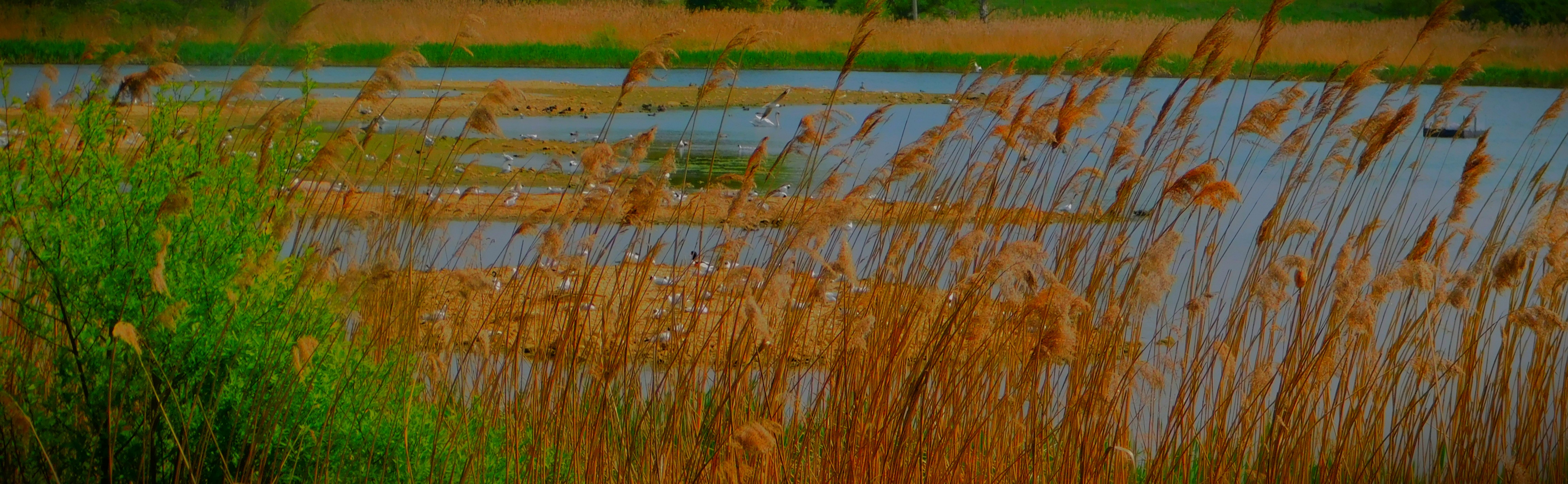
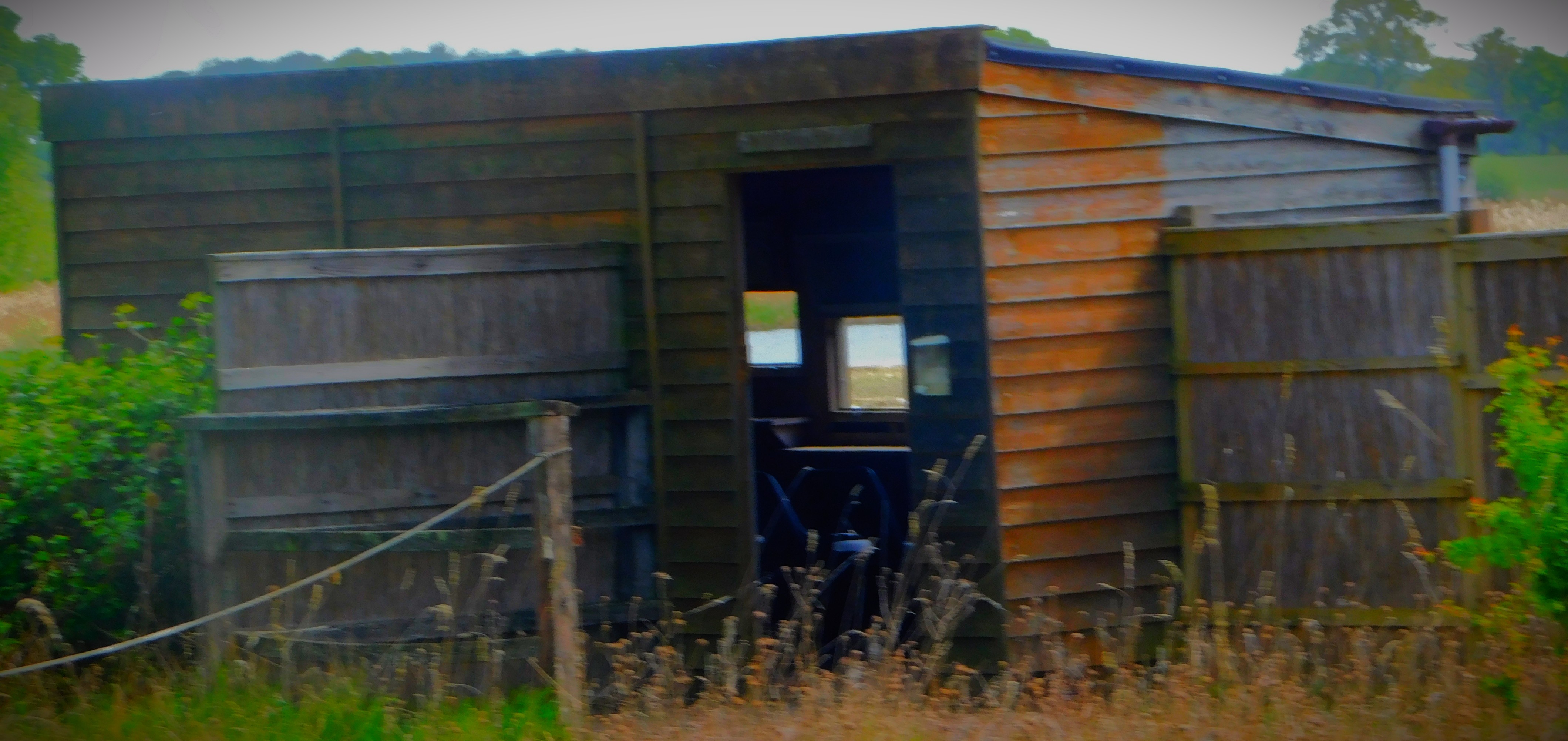
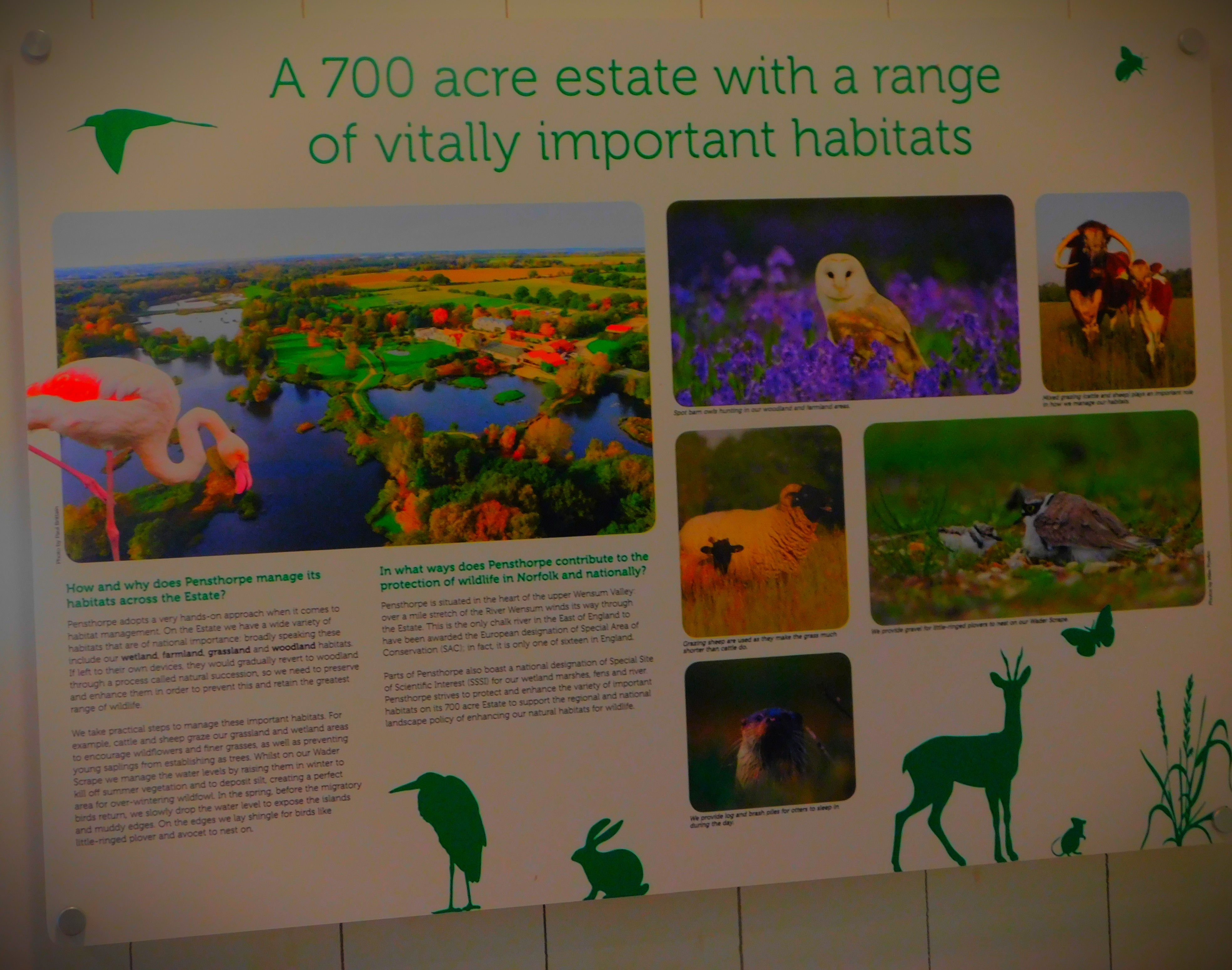
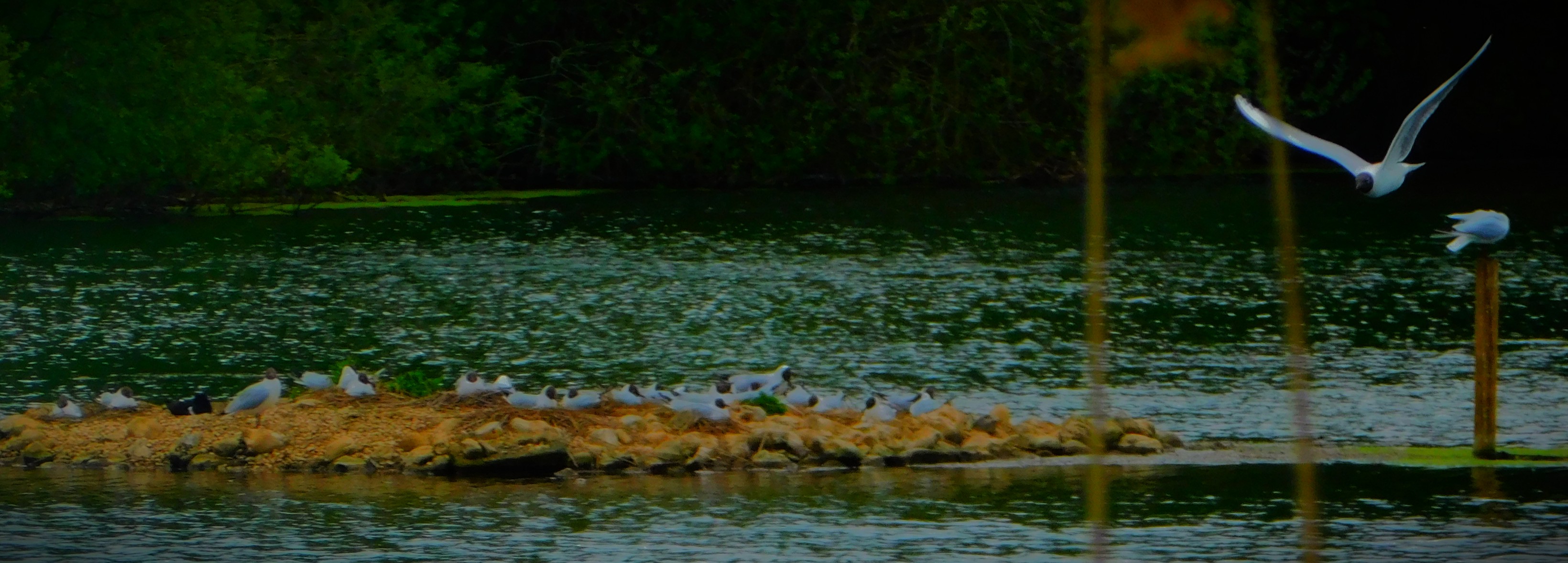
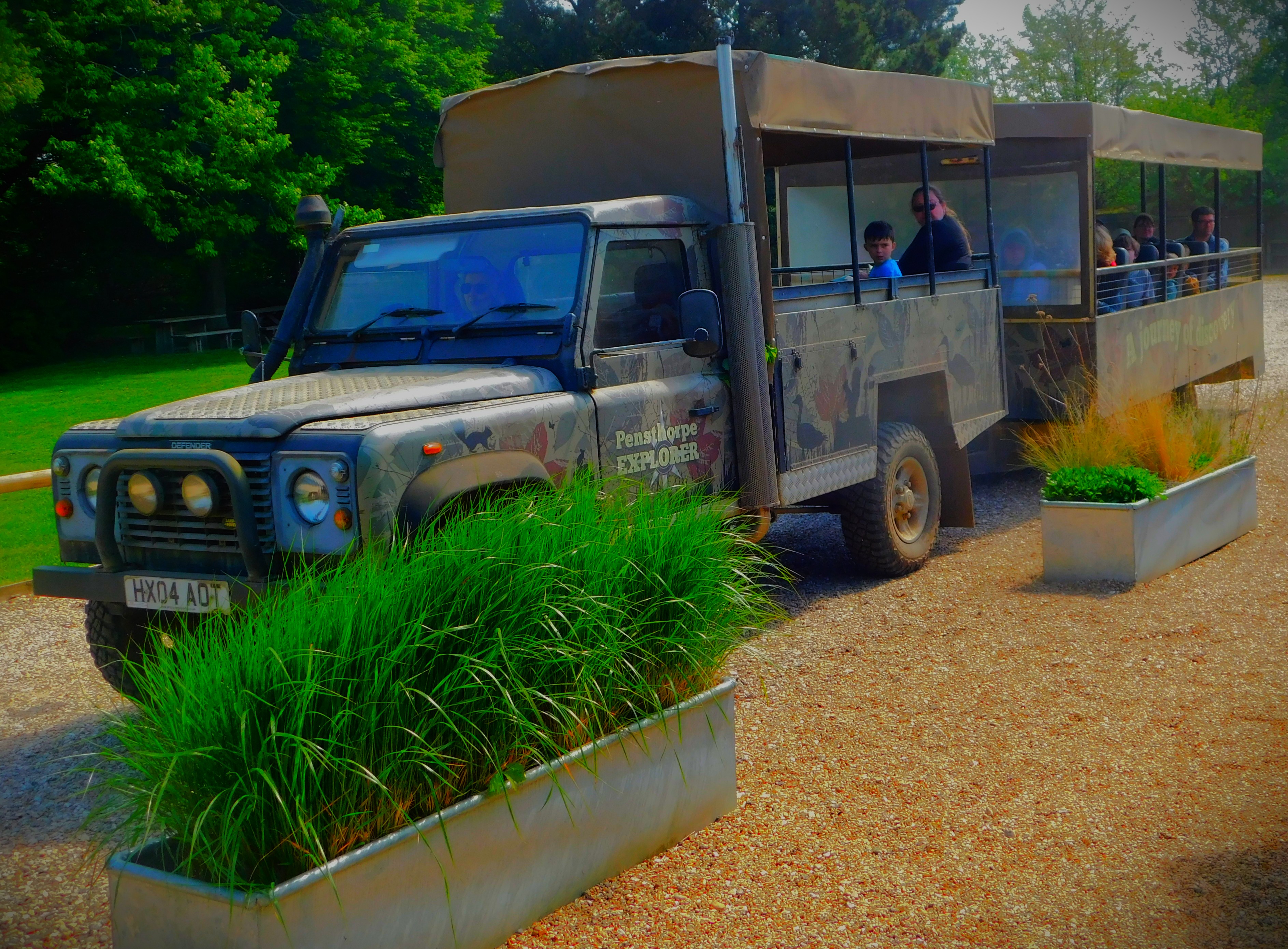
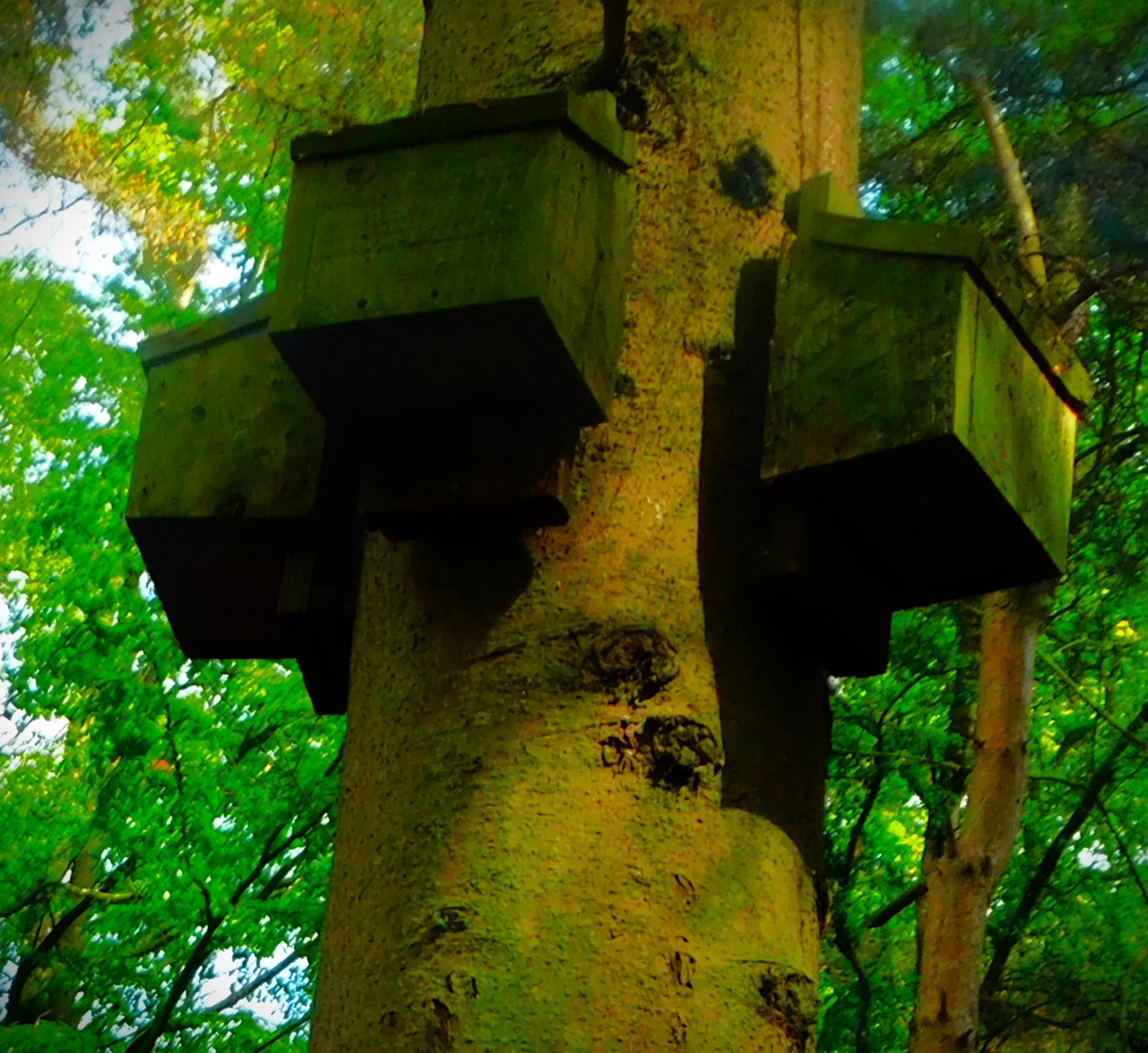
Pensthorpe is a very large site (from Anglo-Saxon times until the 14th century Pensthorpe was a town, larger than nearby Fakenham), and there are some parts that cannot be accessed on foot, which is where the trailer ride comes in. On this occasion there was a small delay on the stated start time of the ride. As well as a natural park/ nature reserve, Pensthorpe owns farm and grazing land, and generates all its own electricity, mainly via solar panels. Among the beasts that are taken to graze here in the appropriate season are sheep, Aberdeen Angus cattle and longhorn cattle. There is both old and new growth woodland, with one section having started life as a classic intensive conifer plantation, now being thinned out to allow more sunlight to reach the forest floor. One also gets distant views of some of the lakes, including ones equipped with nesting platforms for Common Tern. There are two sections of the route that were once parts of railways, both closed in the early 1960s, and the infrastructure destroyed. At one stage there is a direct view of a ‘maltings’ building (making malted barley is the first stage of the process of beer making). There were dragonflies about, though I was unable to capture any on camera – strictures regarding moving targets when you yourself are in motion apply as much to the only kind of shooting I am interested in as to the other kind. There are many kinds of bird and bat box to be seen. Also reminders of the natural history of the area in the form of small lakes where water has filled holes originally gouged out by glaciers. These are important habitats for creatures such as frogs. The site’s single most important asset is the river Wensum, a chalk stream, and a such heavily protected. I enjoyed my journey on the trailer, and having remembered that I travelled on the non-drivers side on previous occasions I sat on the driver’s side this time round.
PHOTOGRAPHS
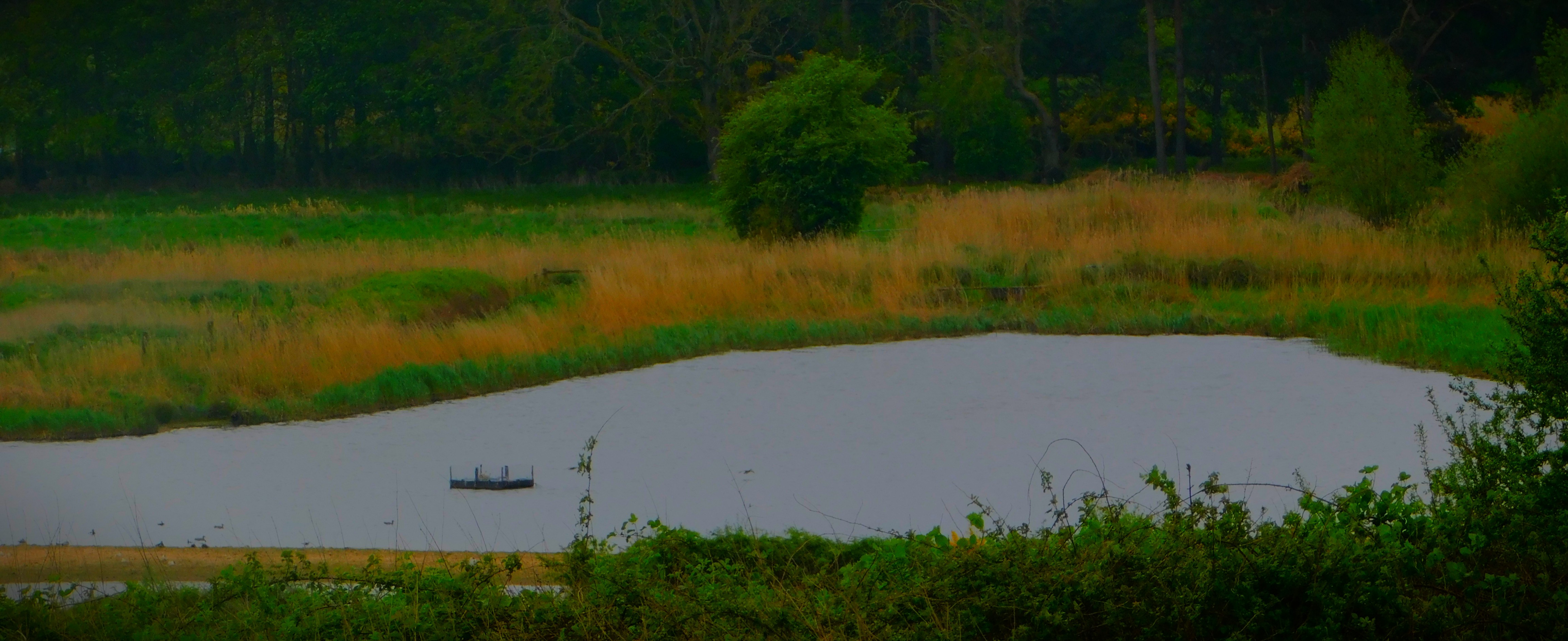
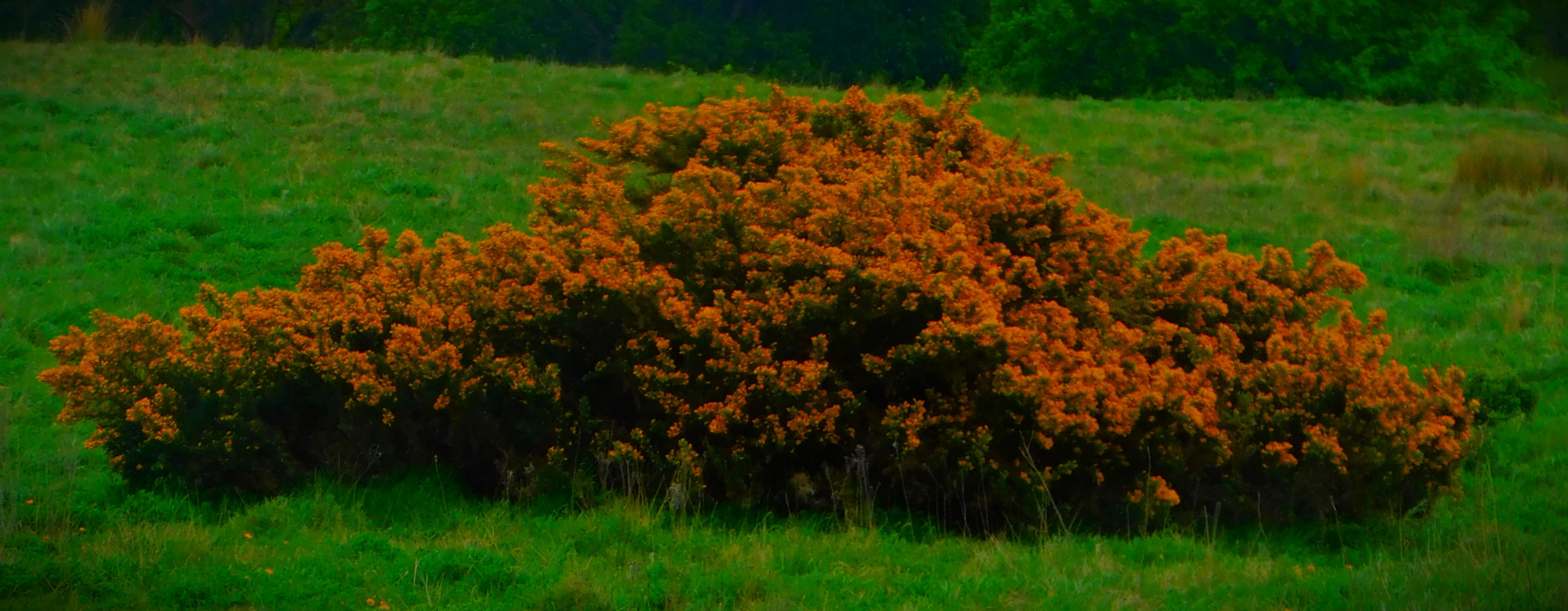
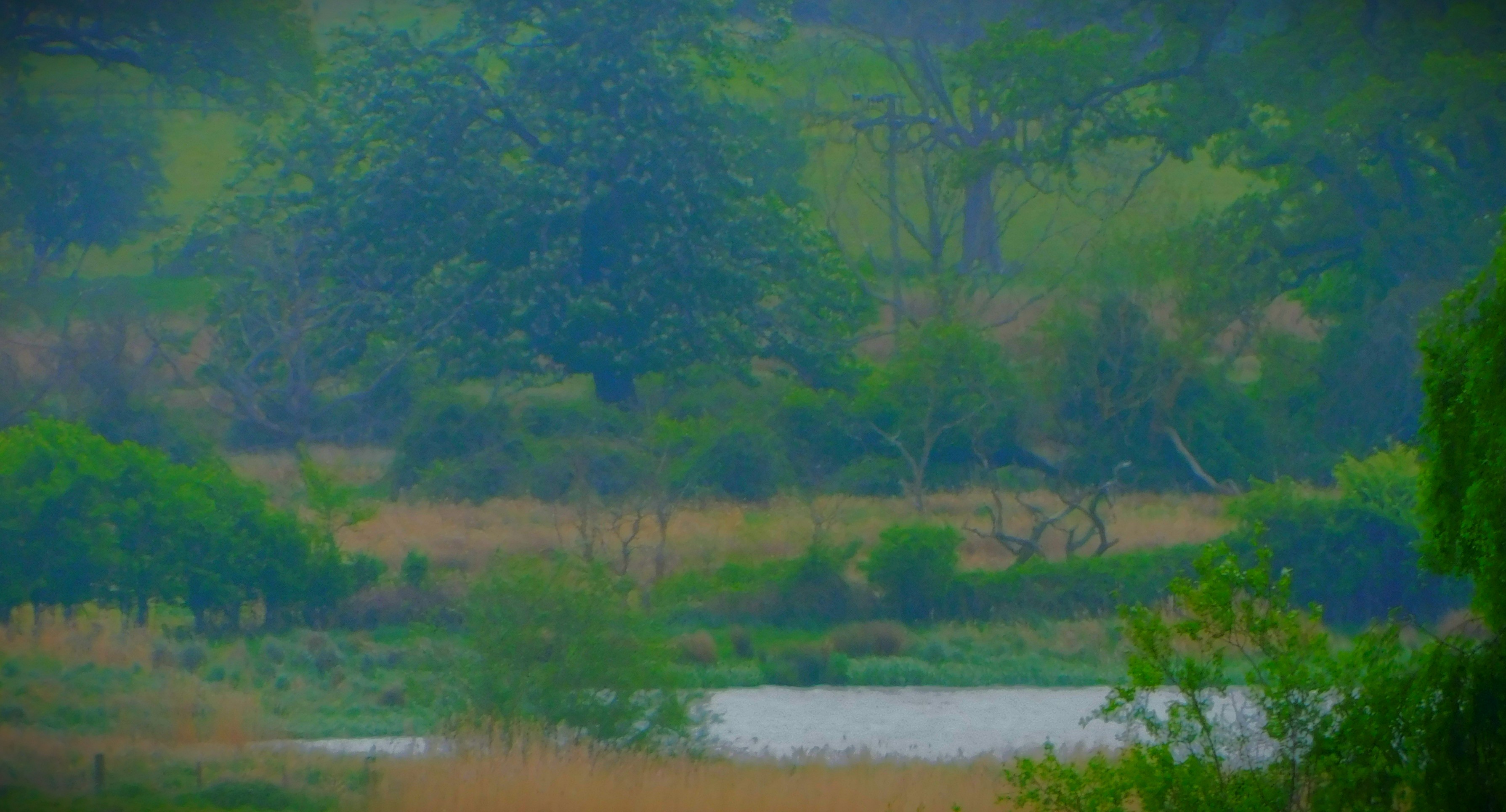
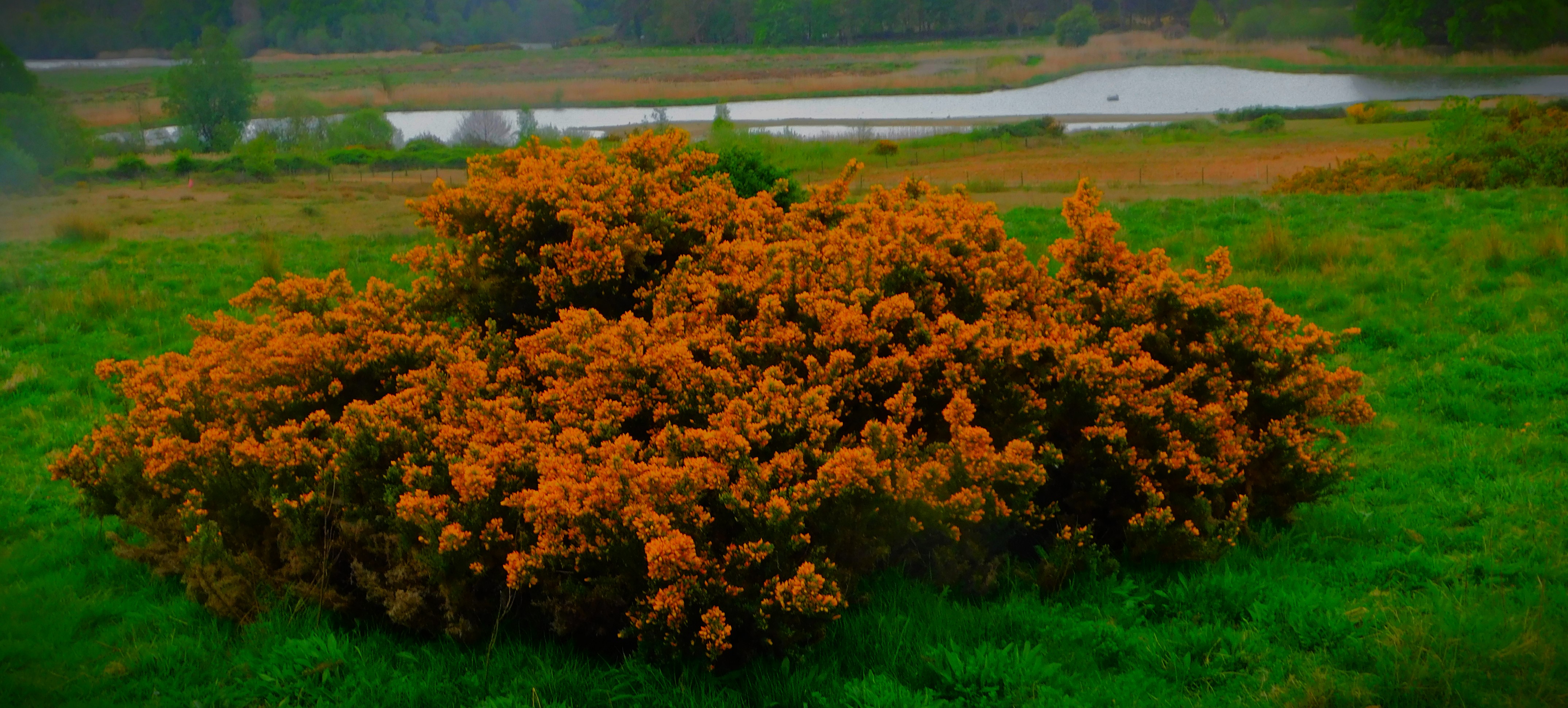
Here are the pictures from the trailer ride…
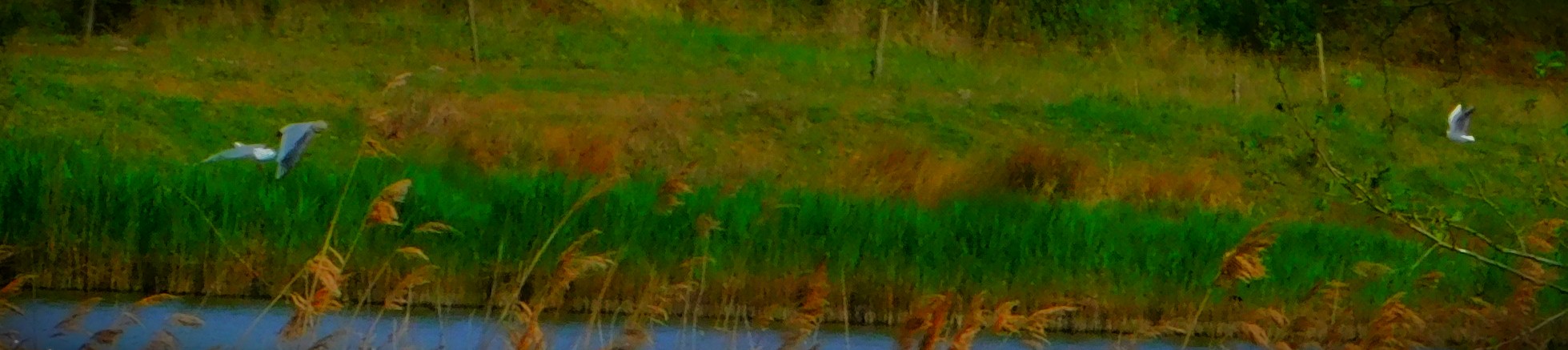
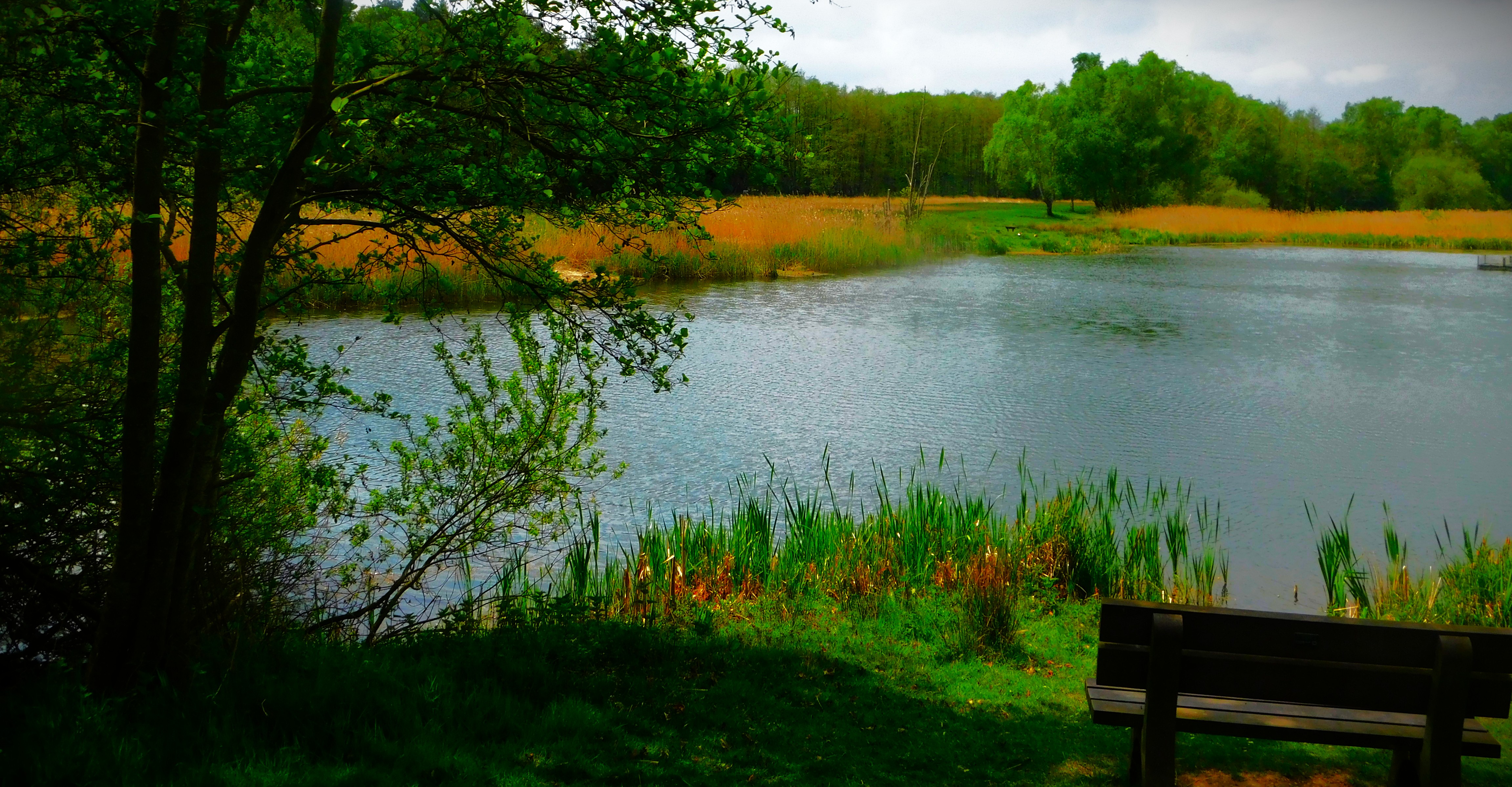
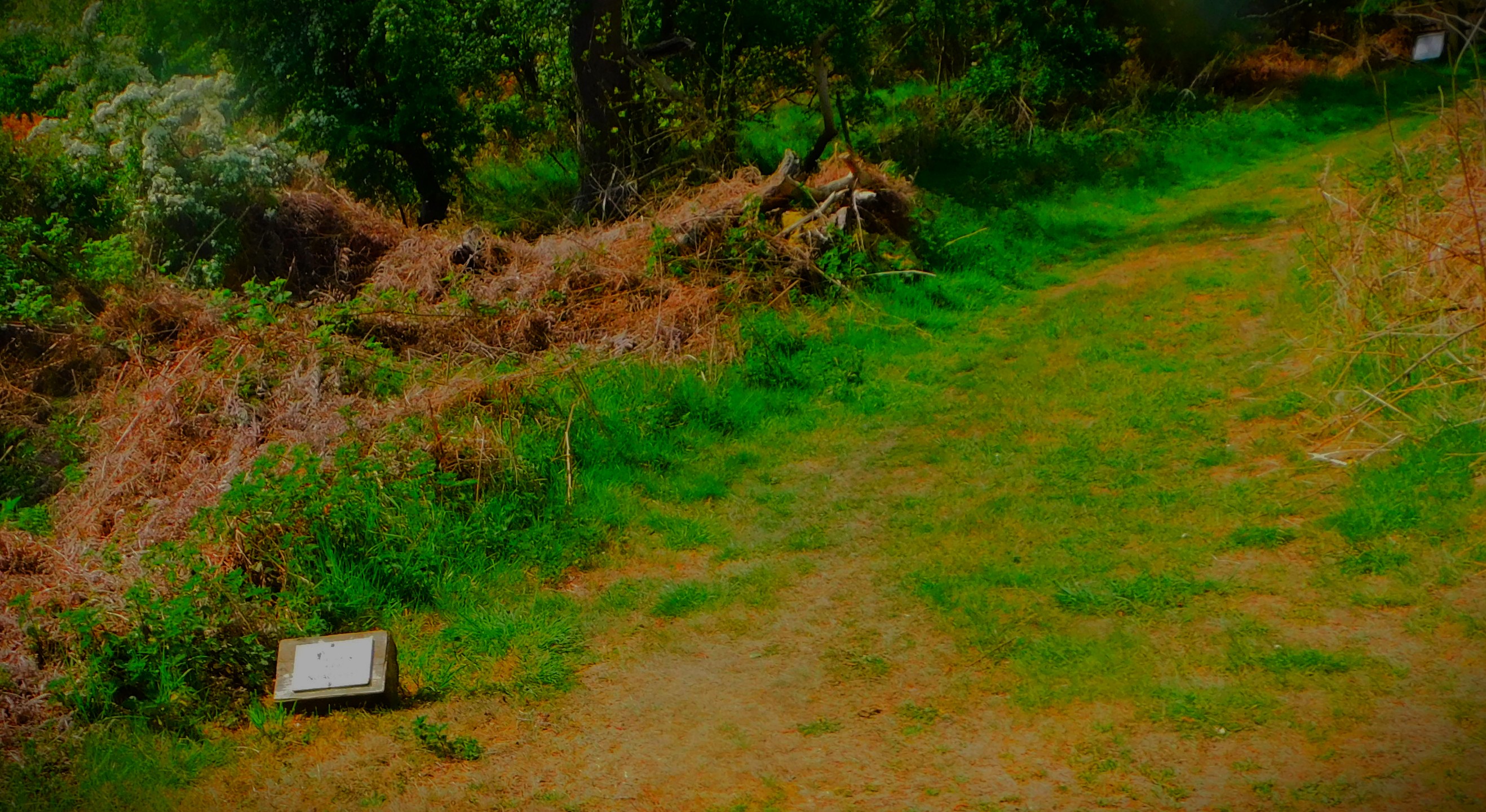
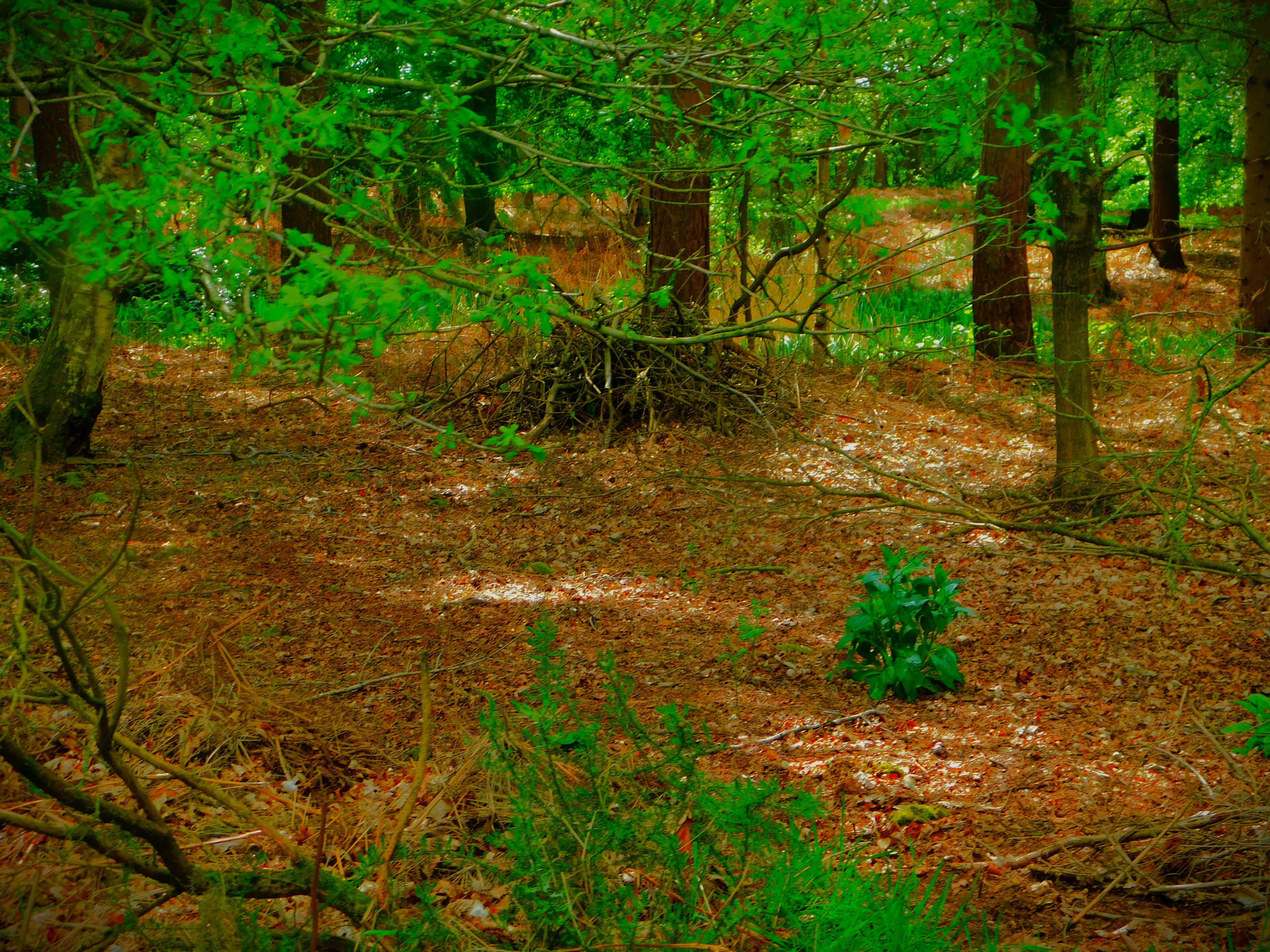
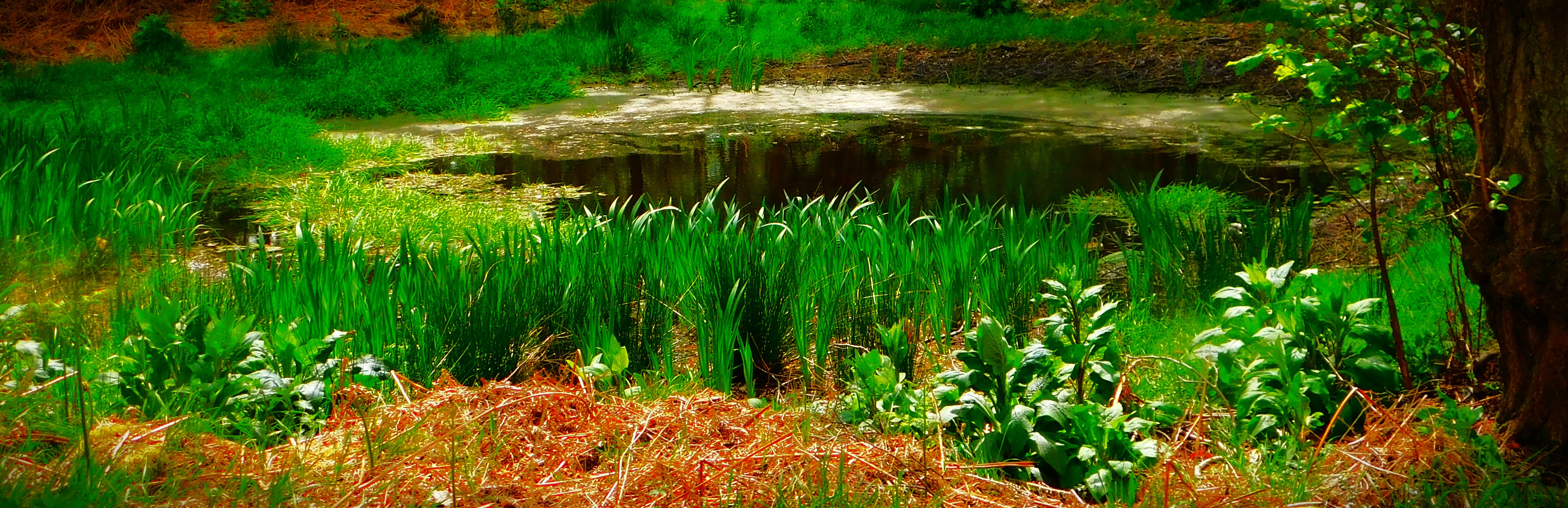
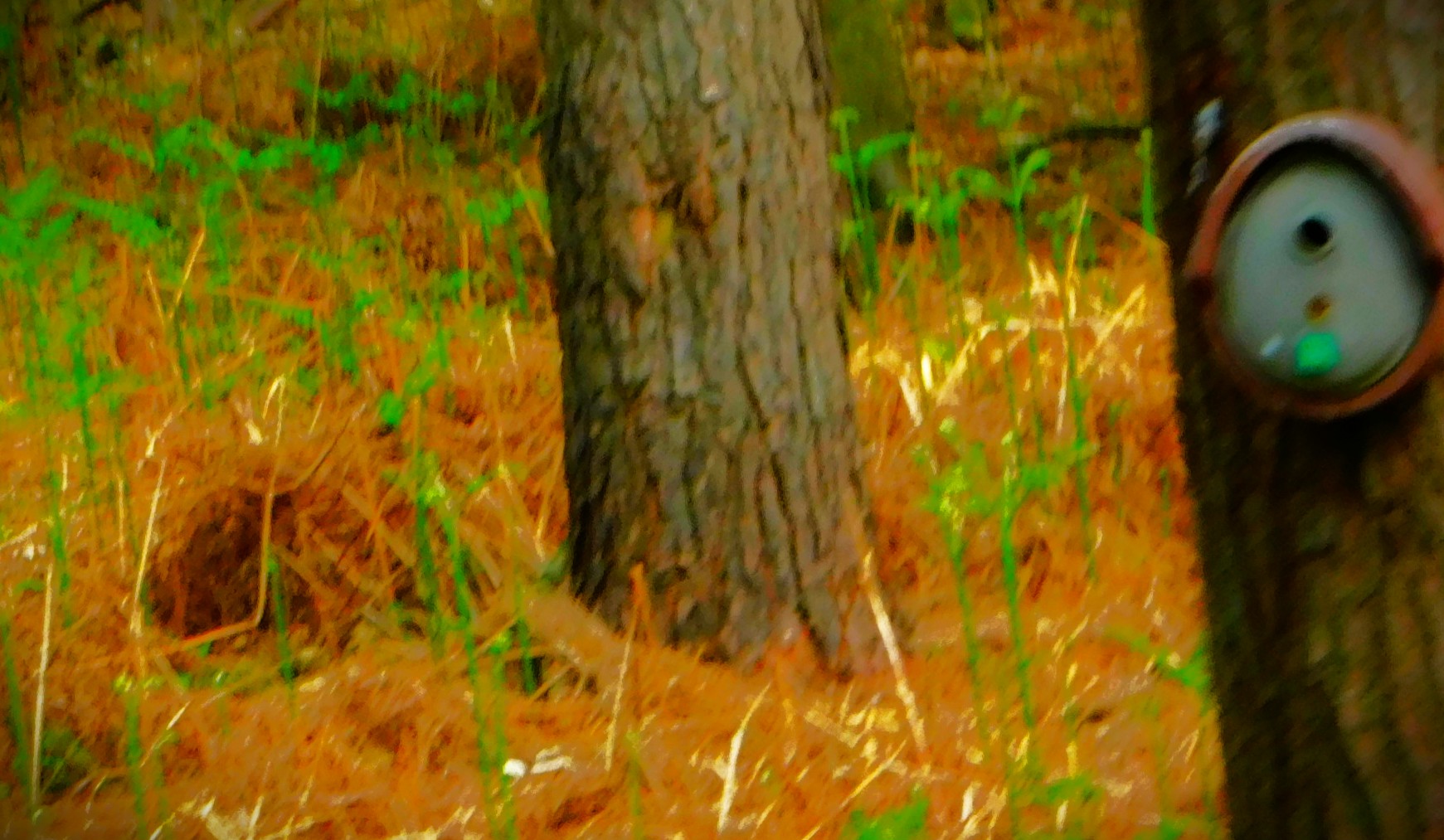
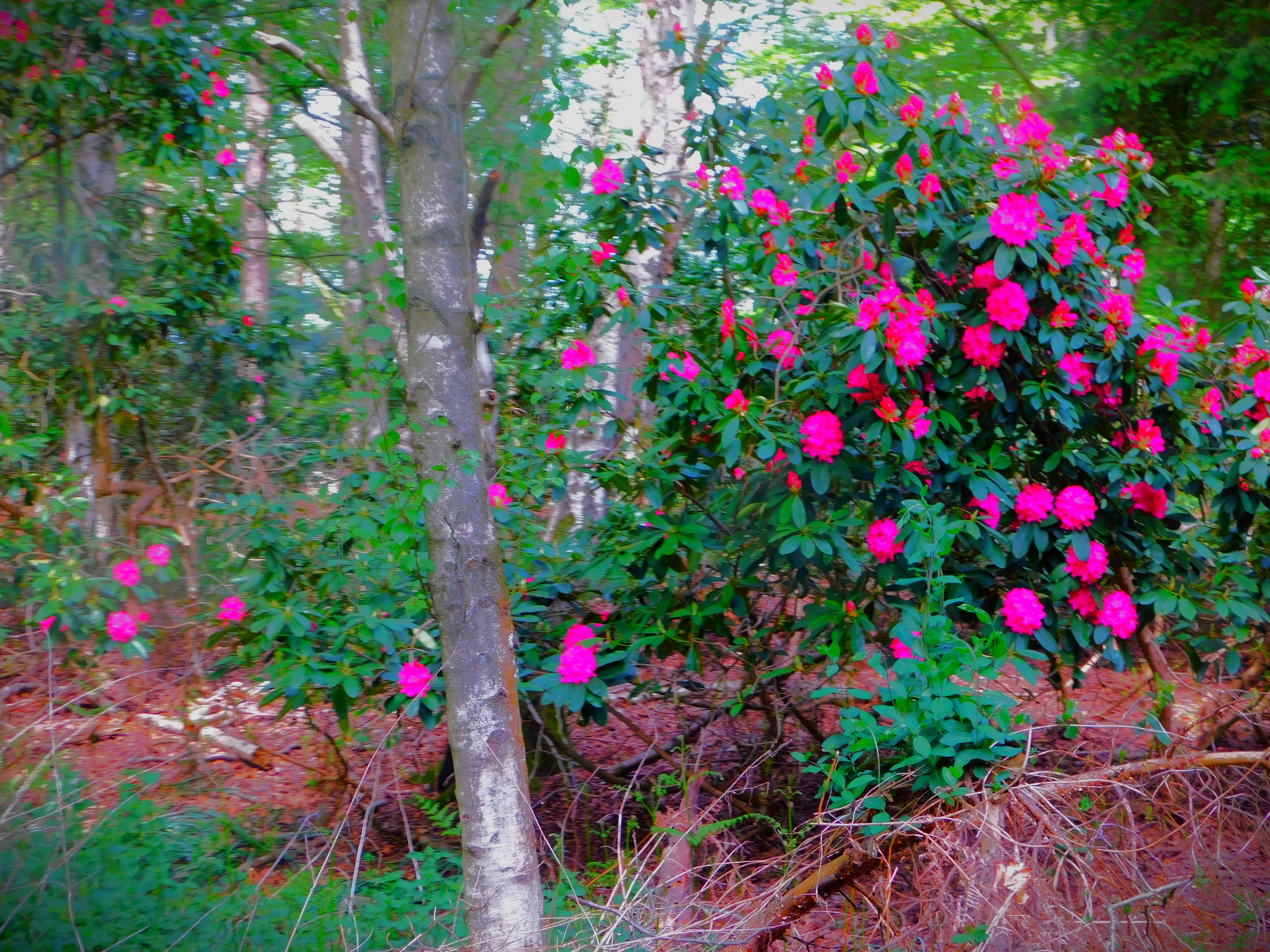
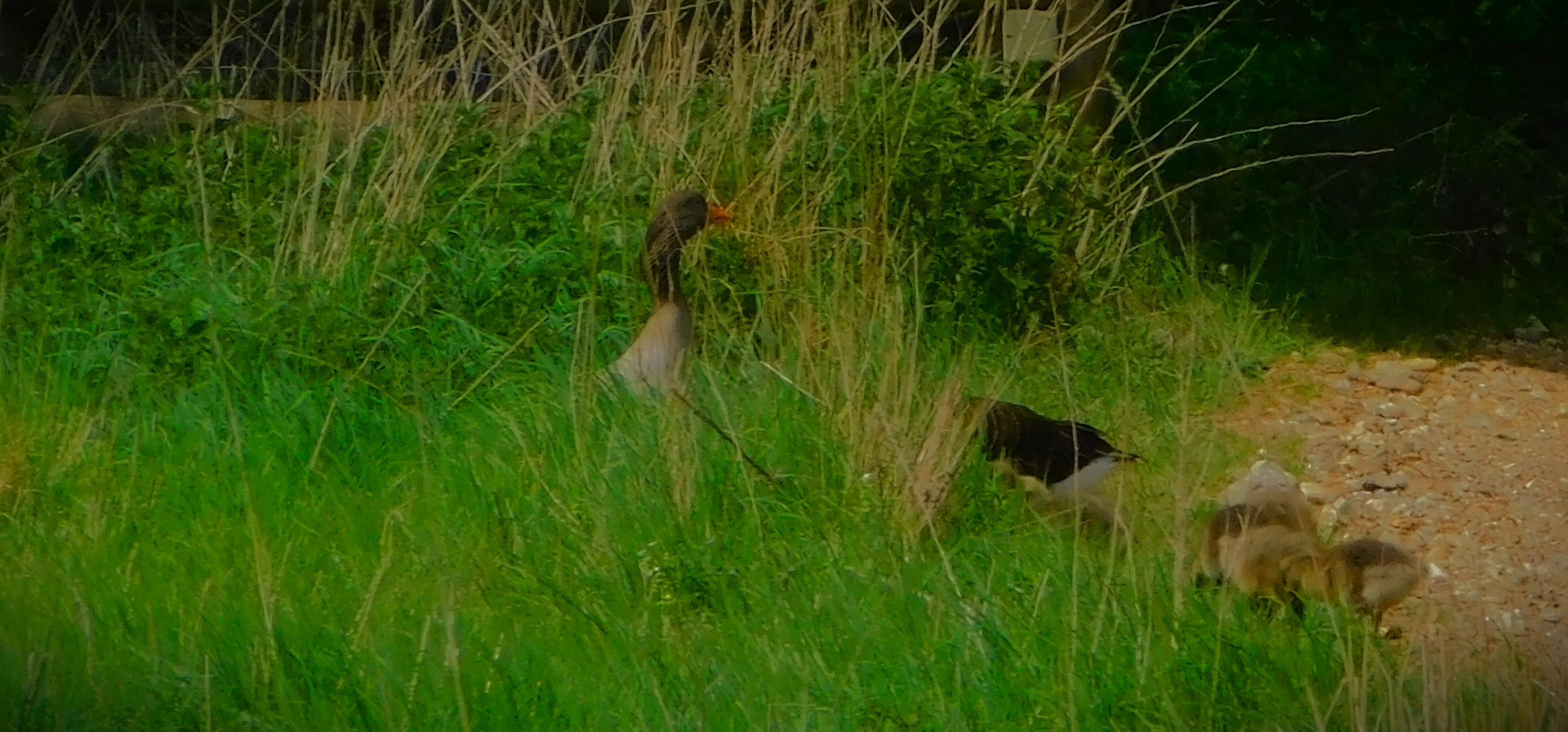
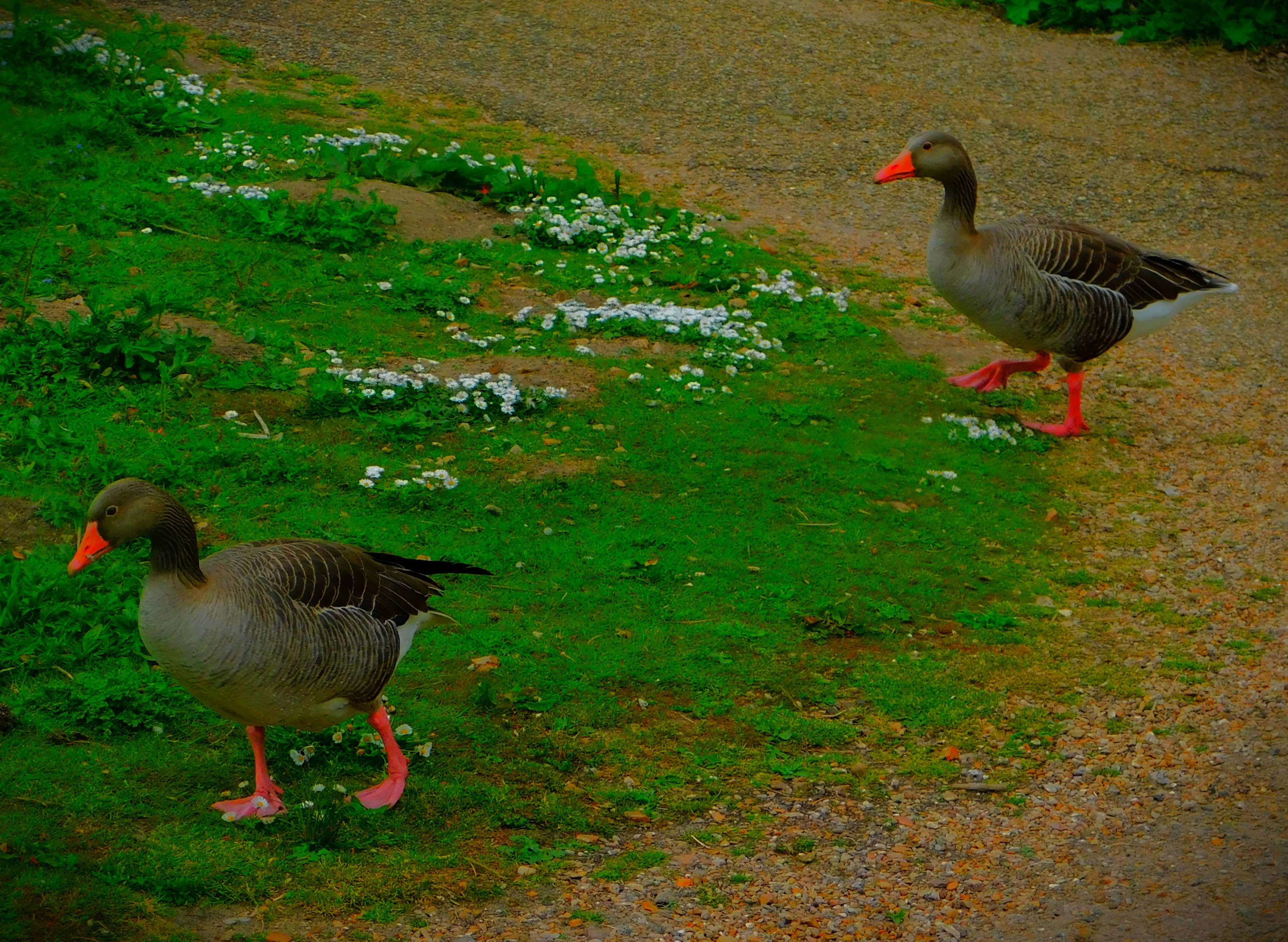
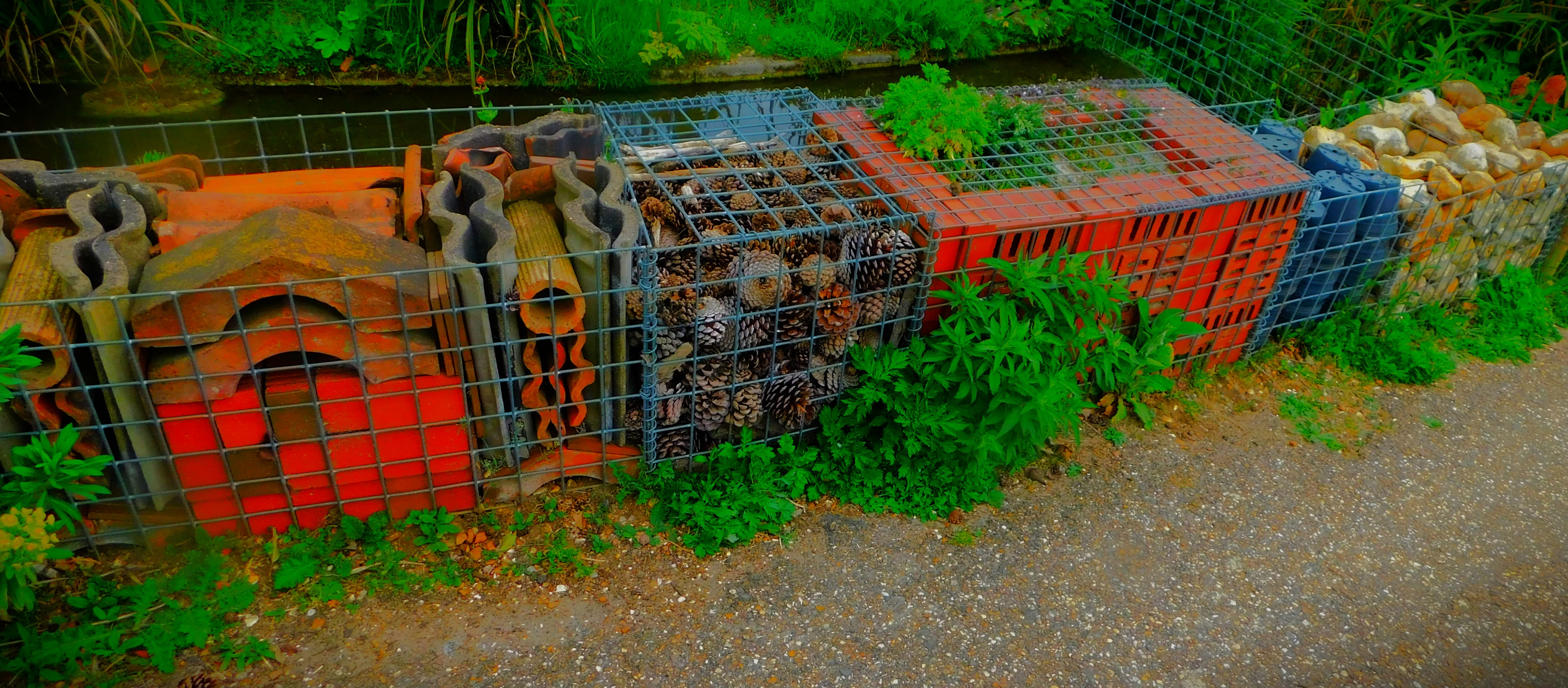
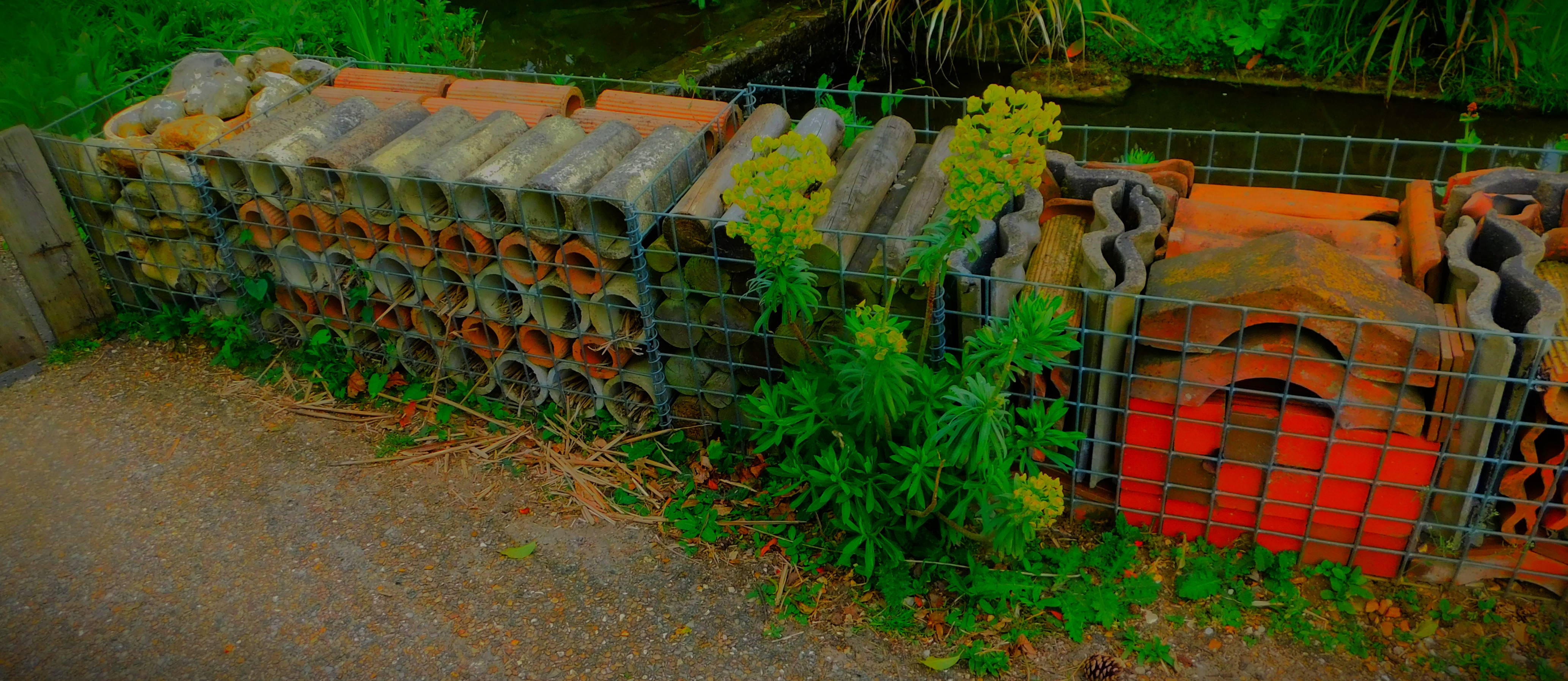
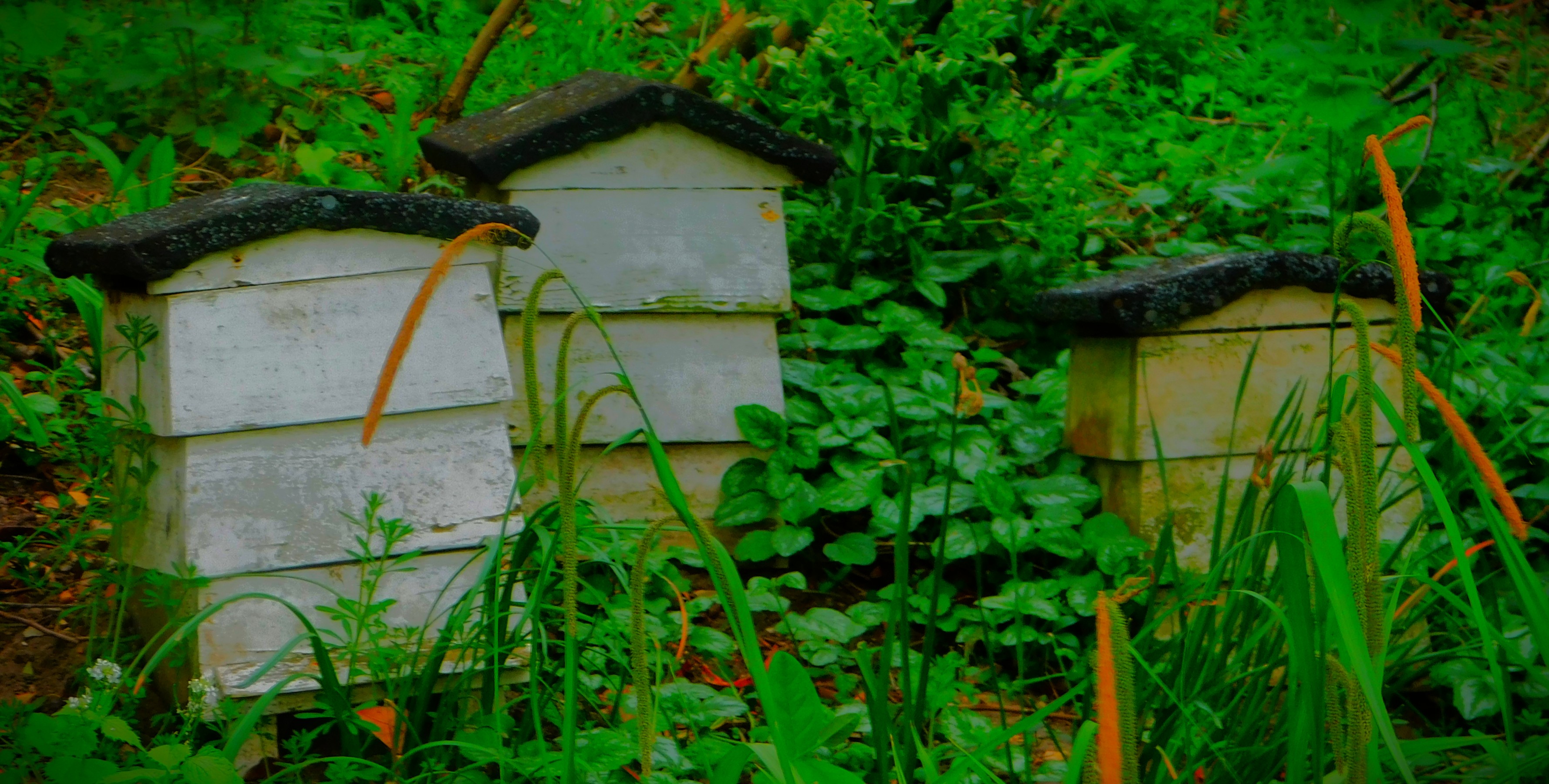
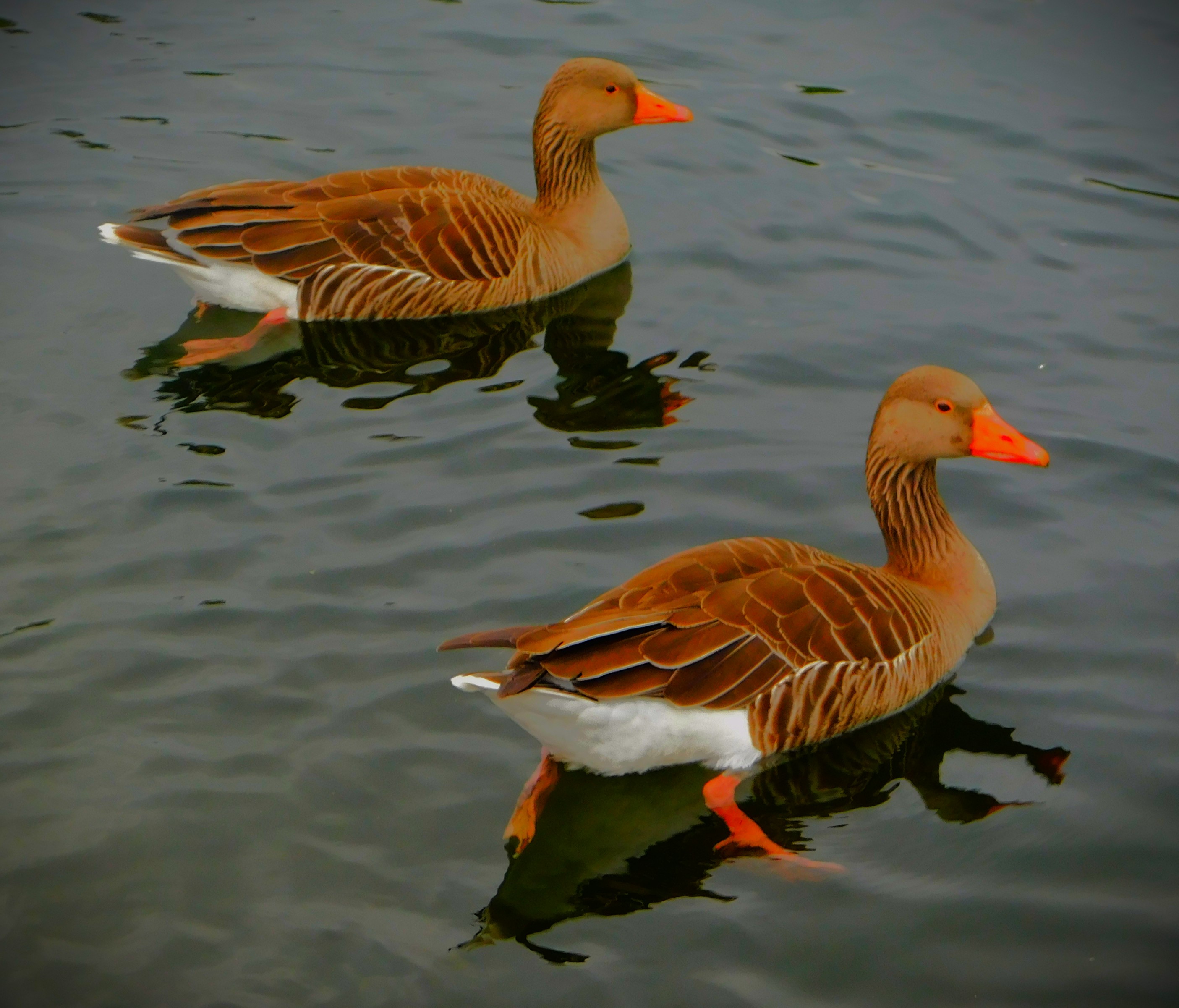
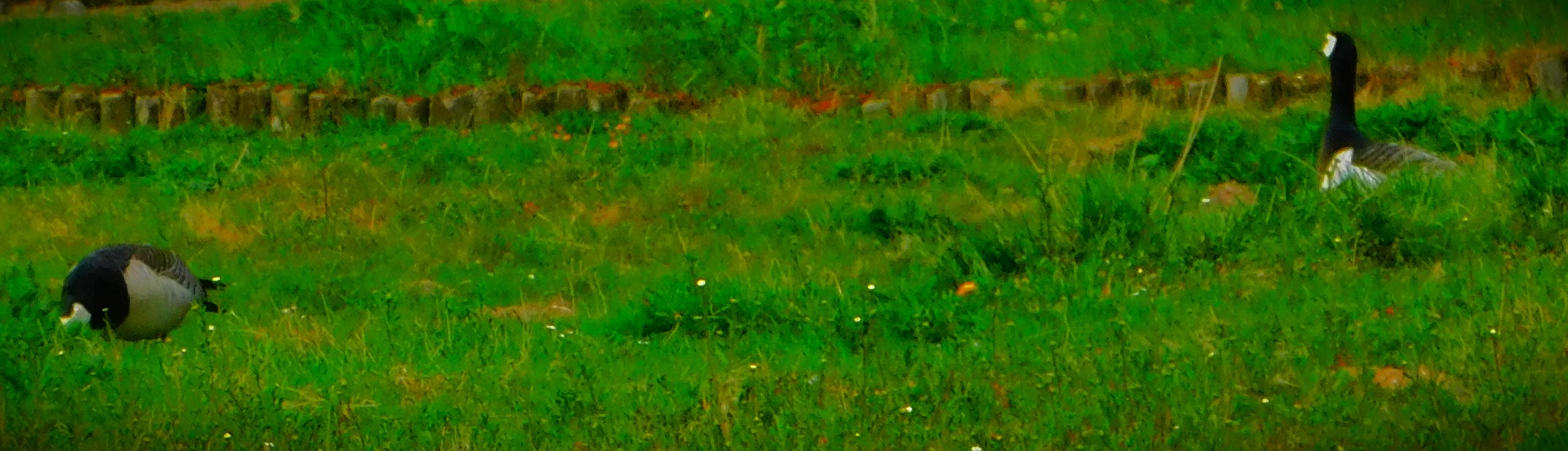
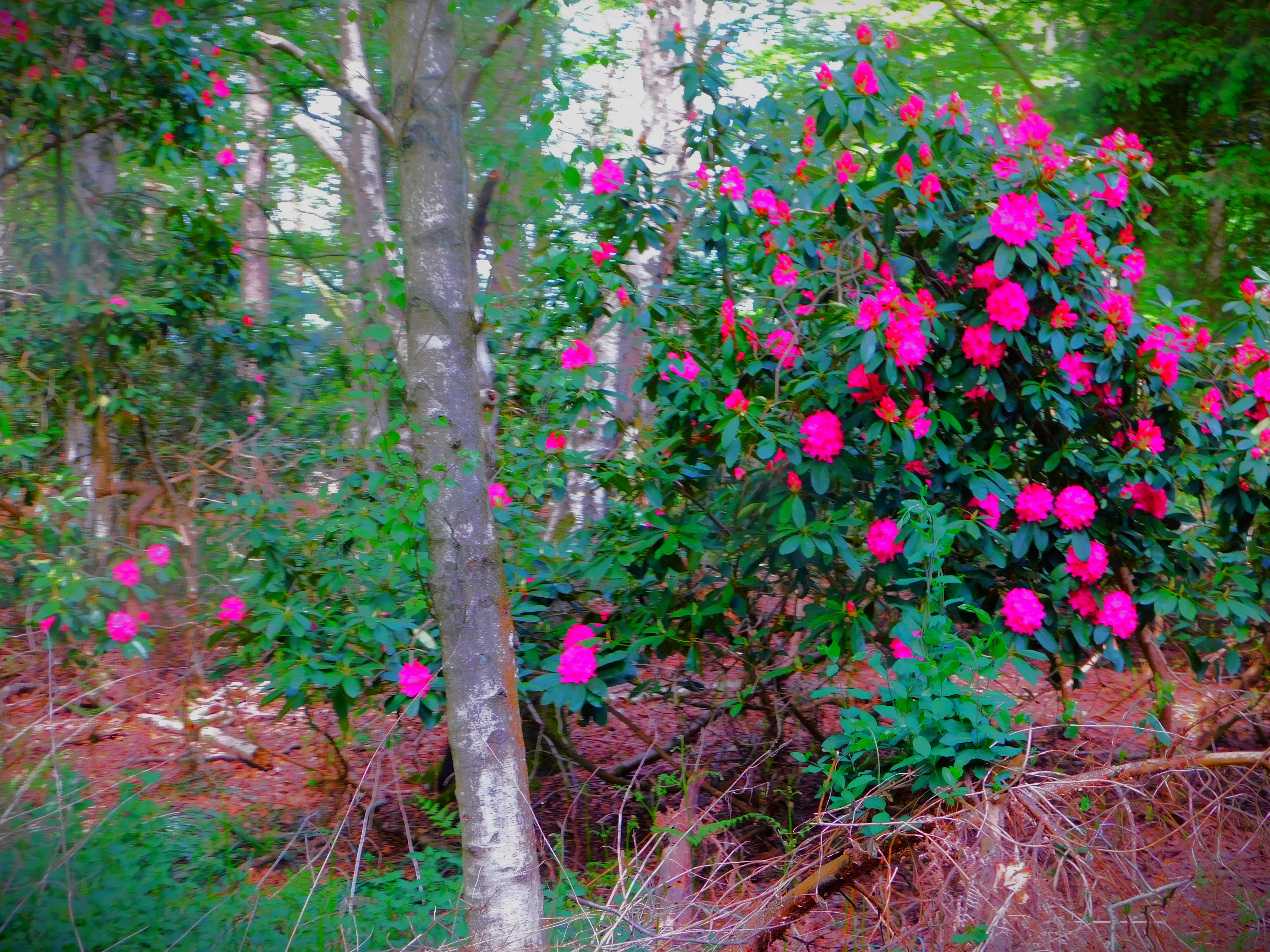
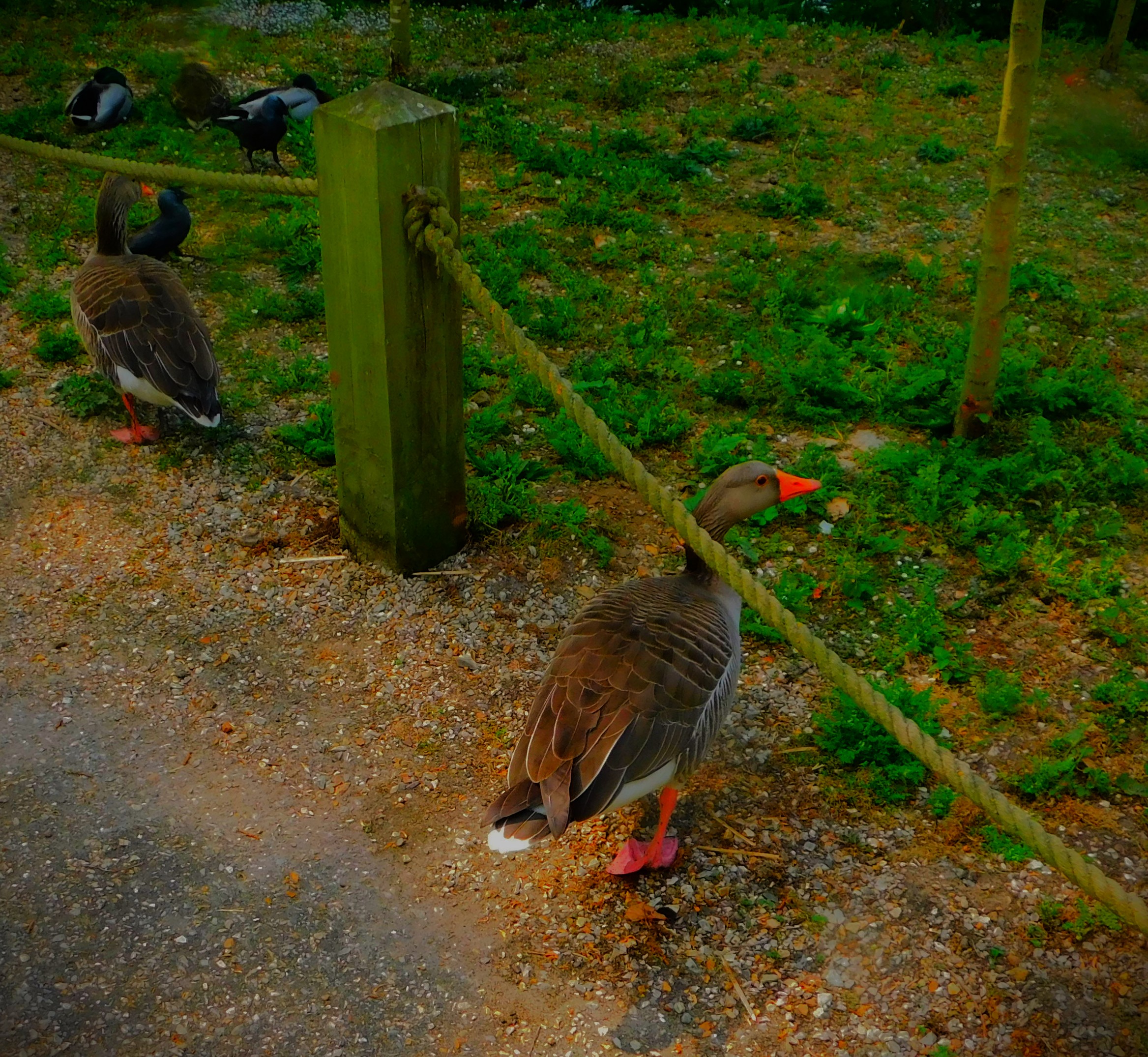
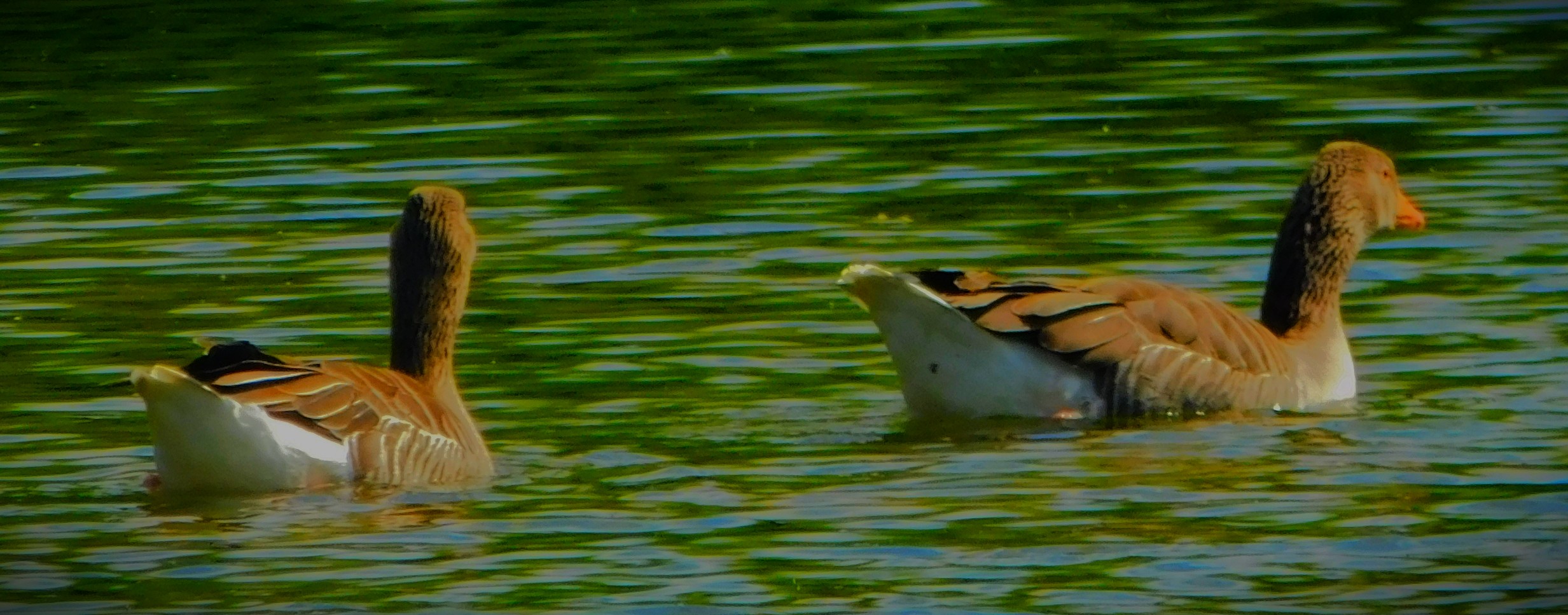
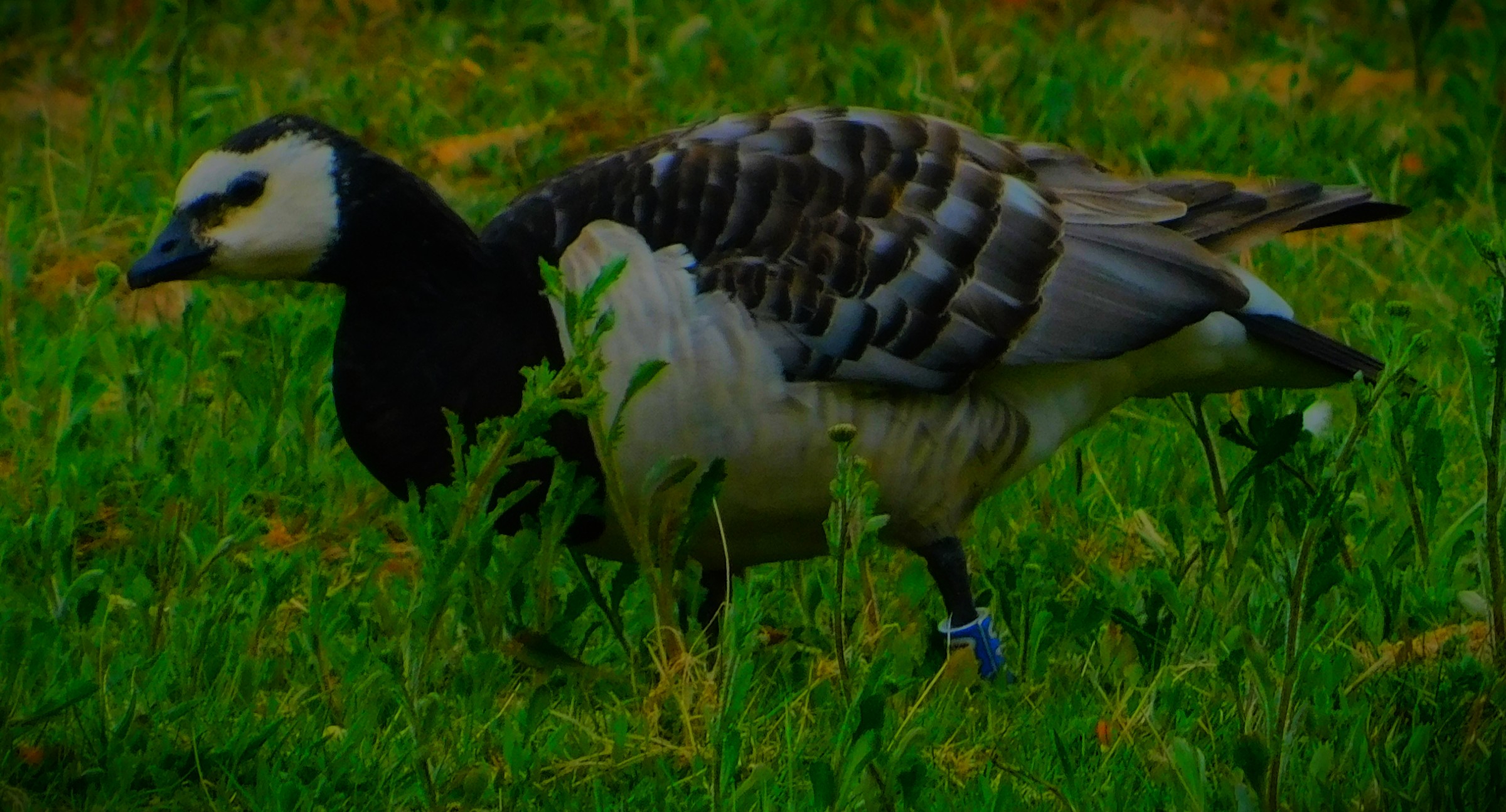
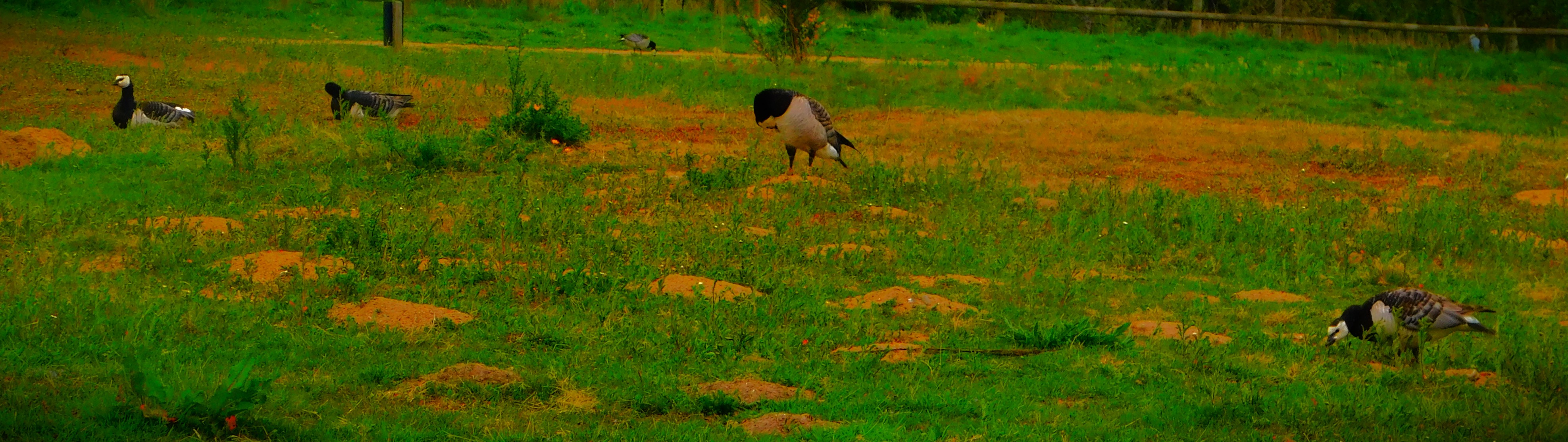
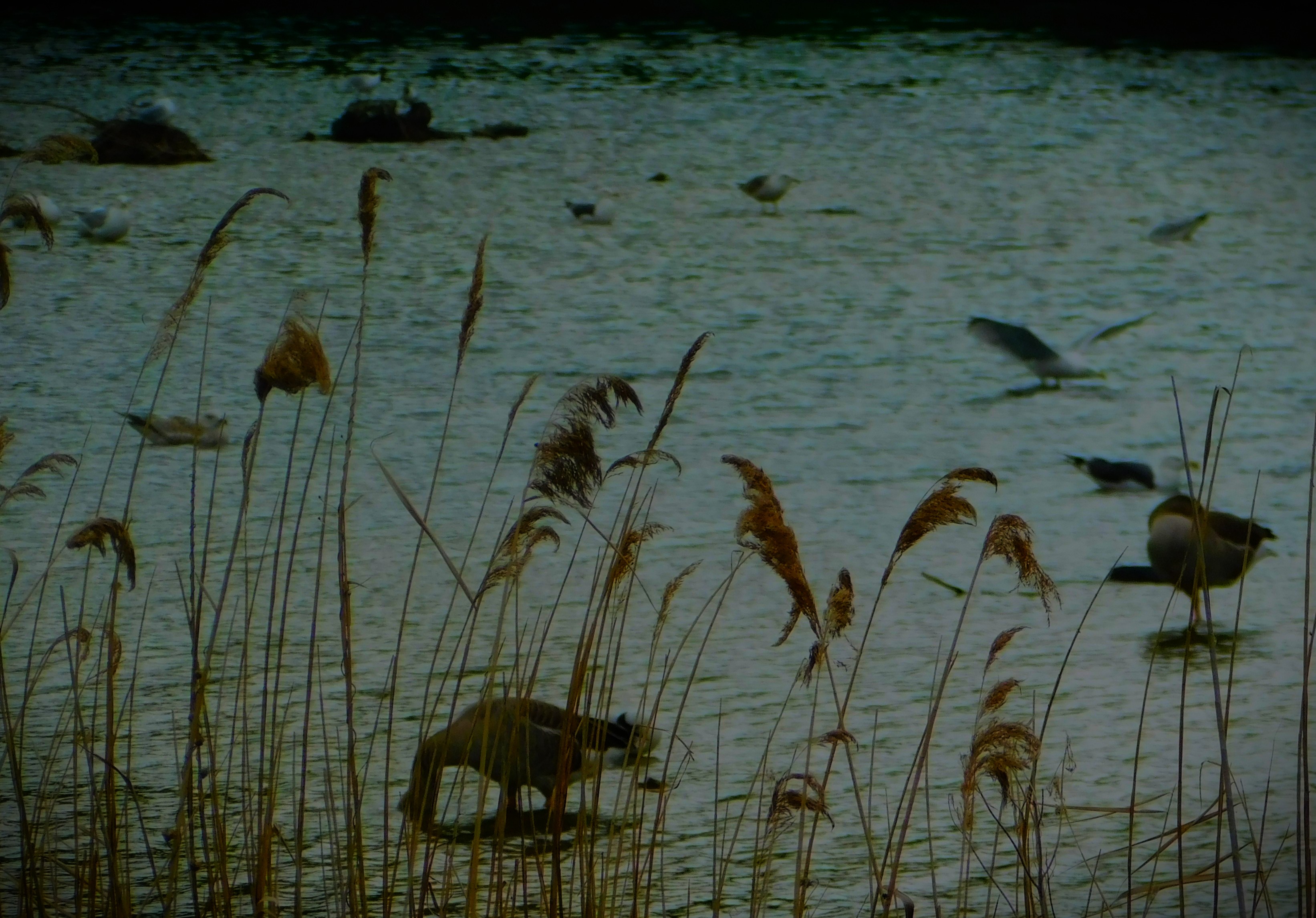
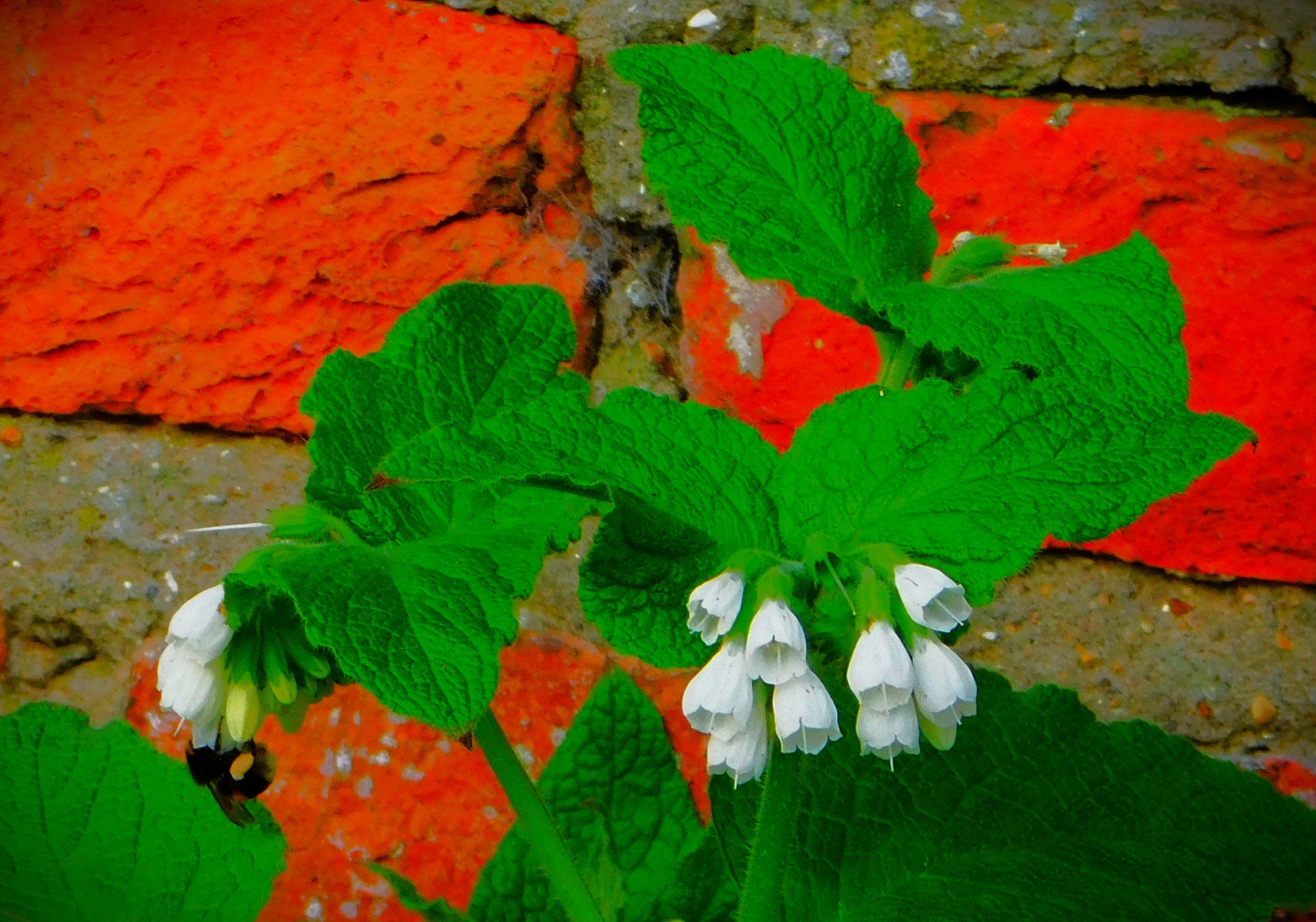
Crossing the Wensum.A place for hedgehogs to hibernate in the winter.Bat boxes, circling the tee so that bats using them can always position themselves as far from the sun as possible. RhododendronsA Greylag Goose family.
The third post in my series about the West Norfolk Autism Group trip to Pensthorpe.
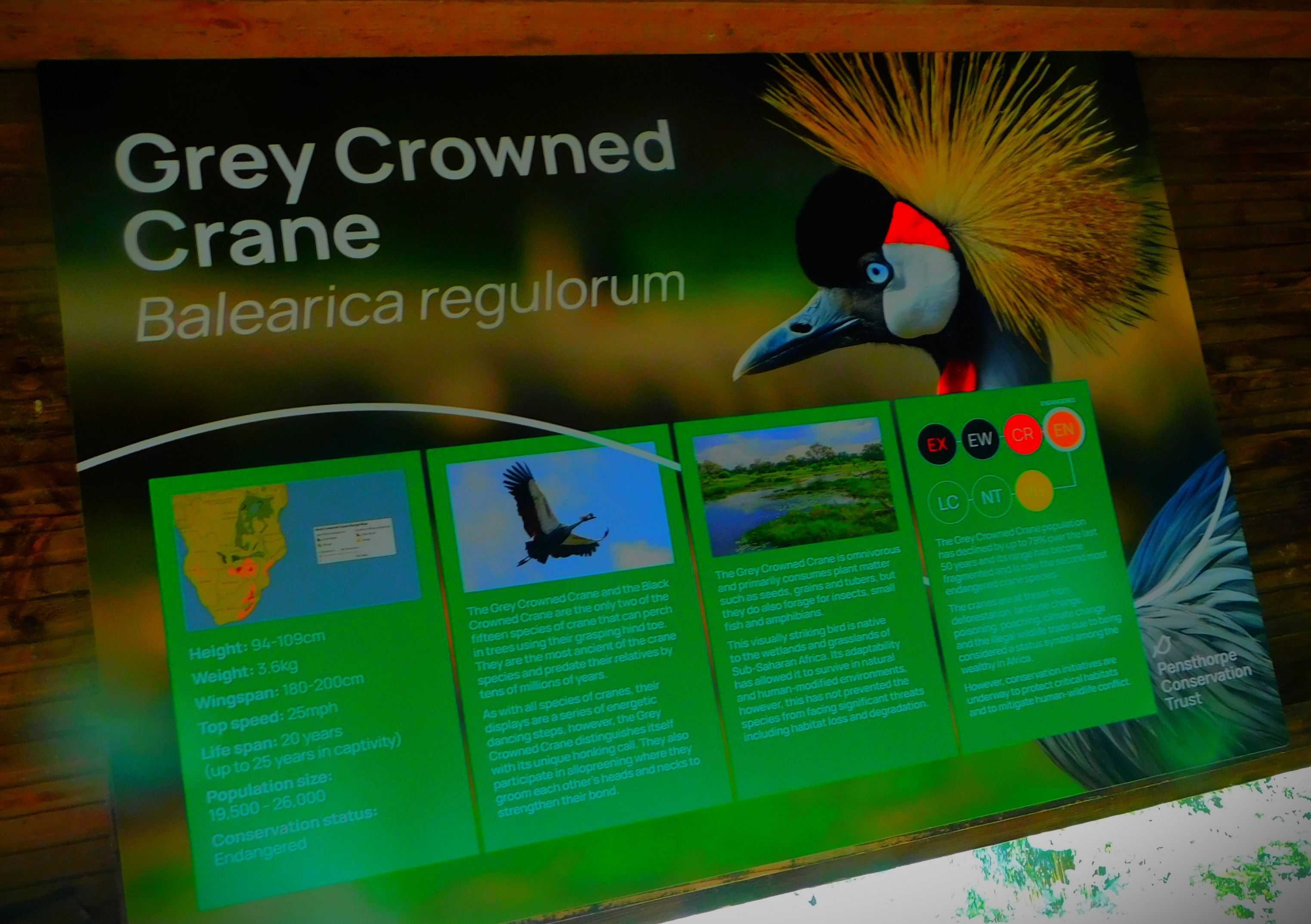
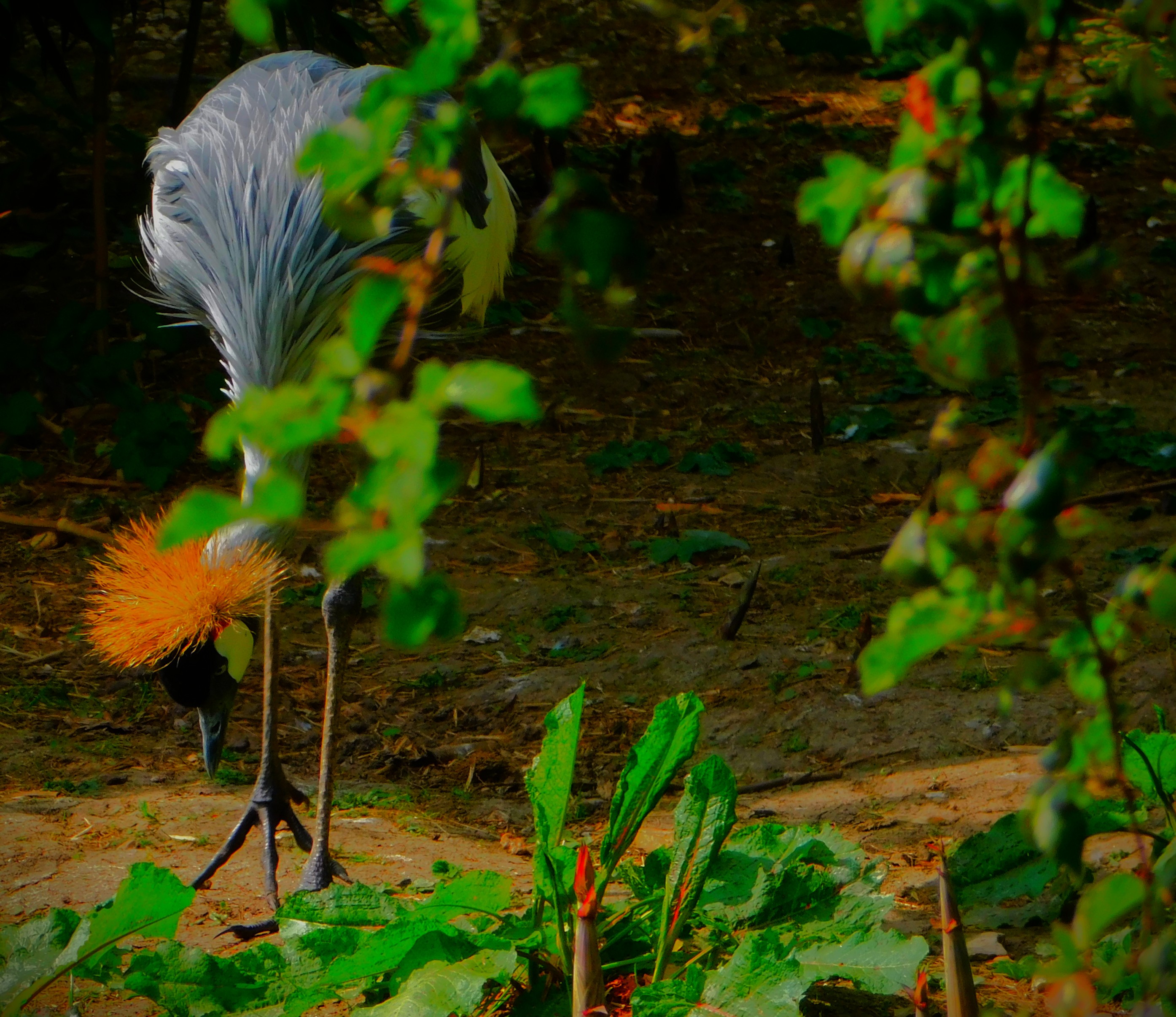
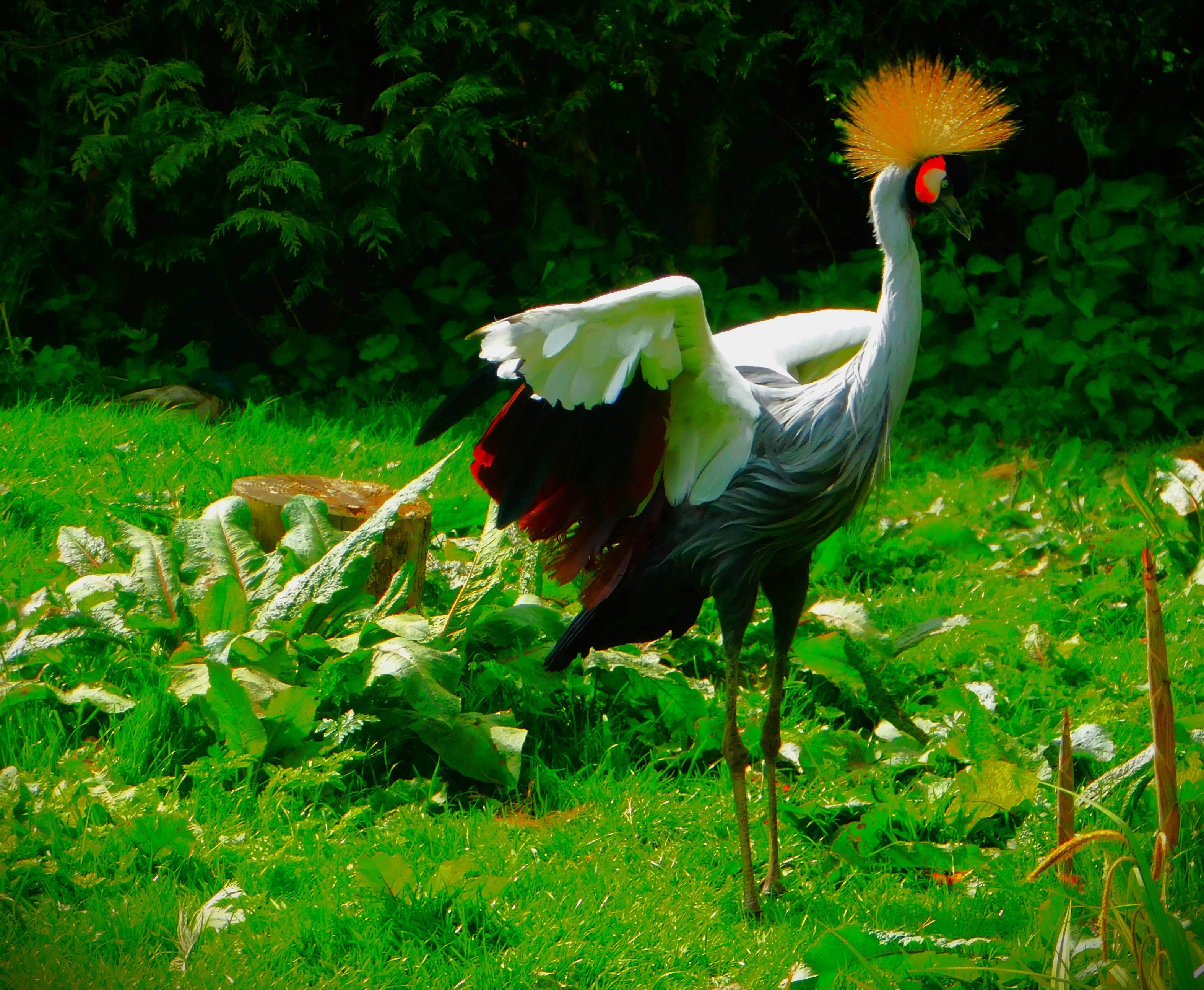
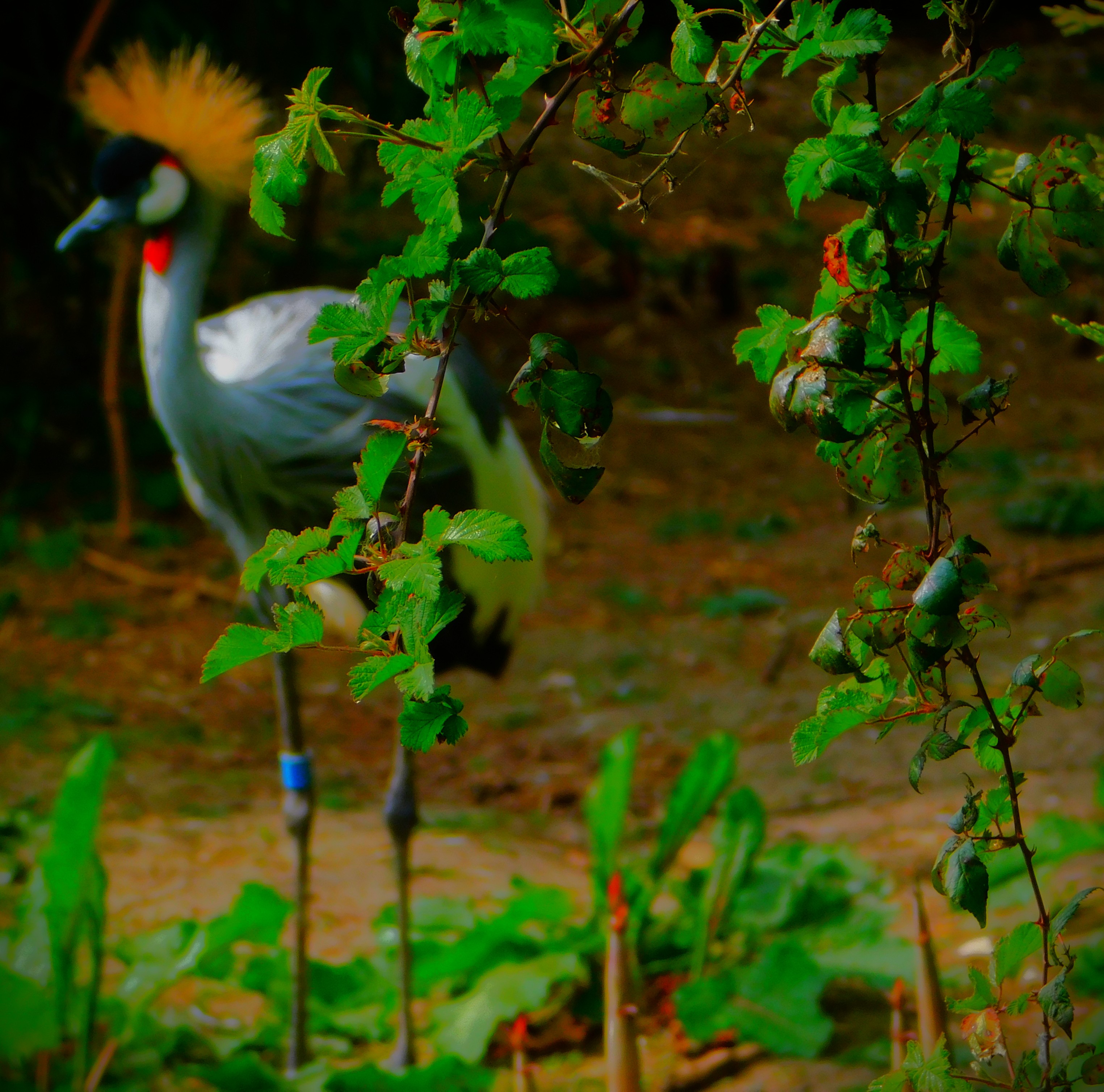
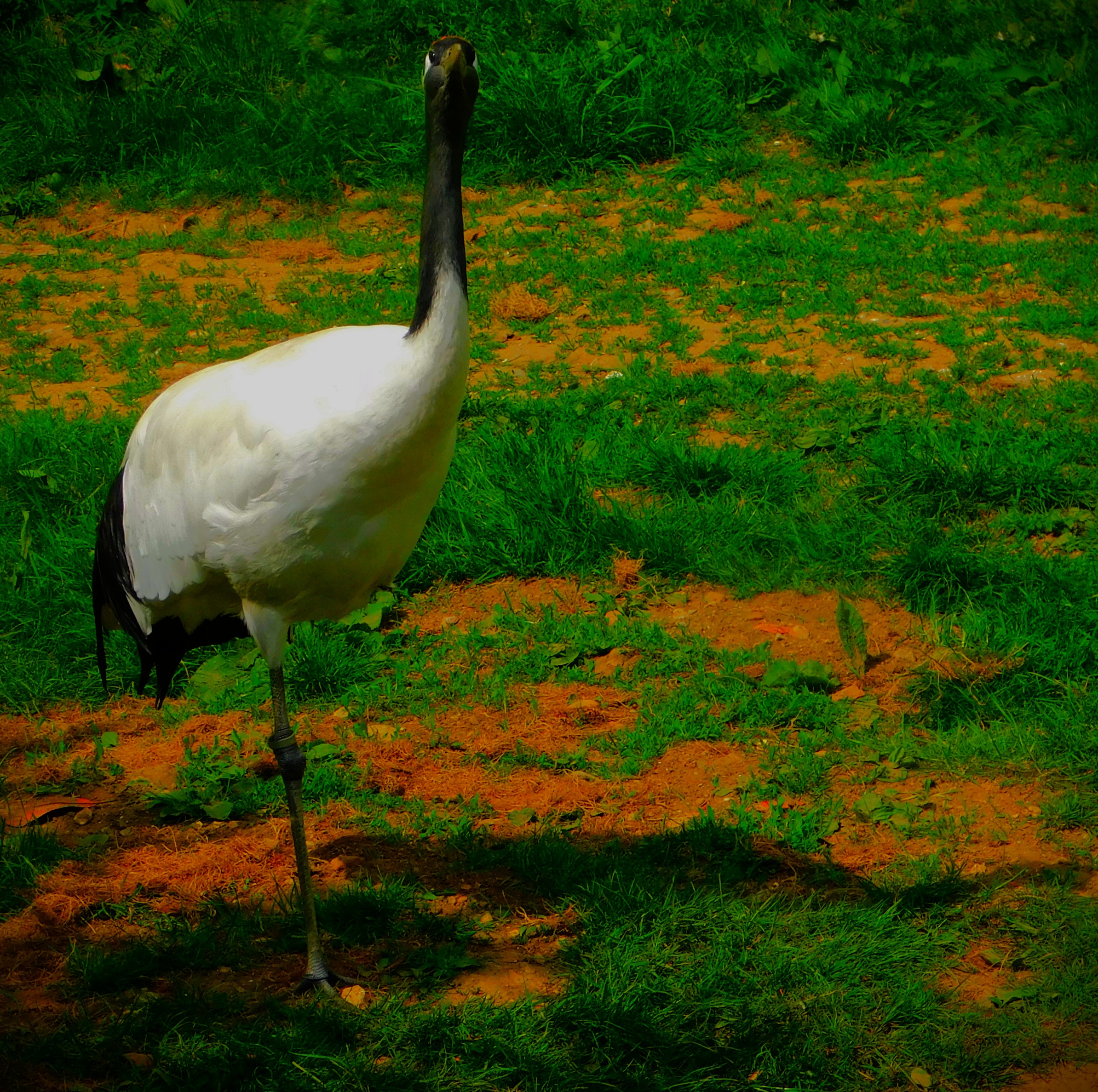
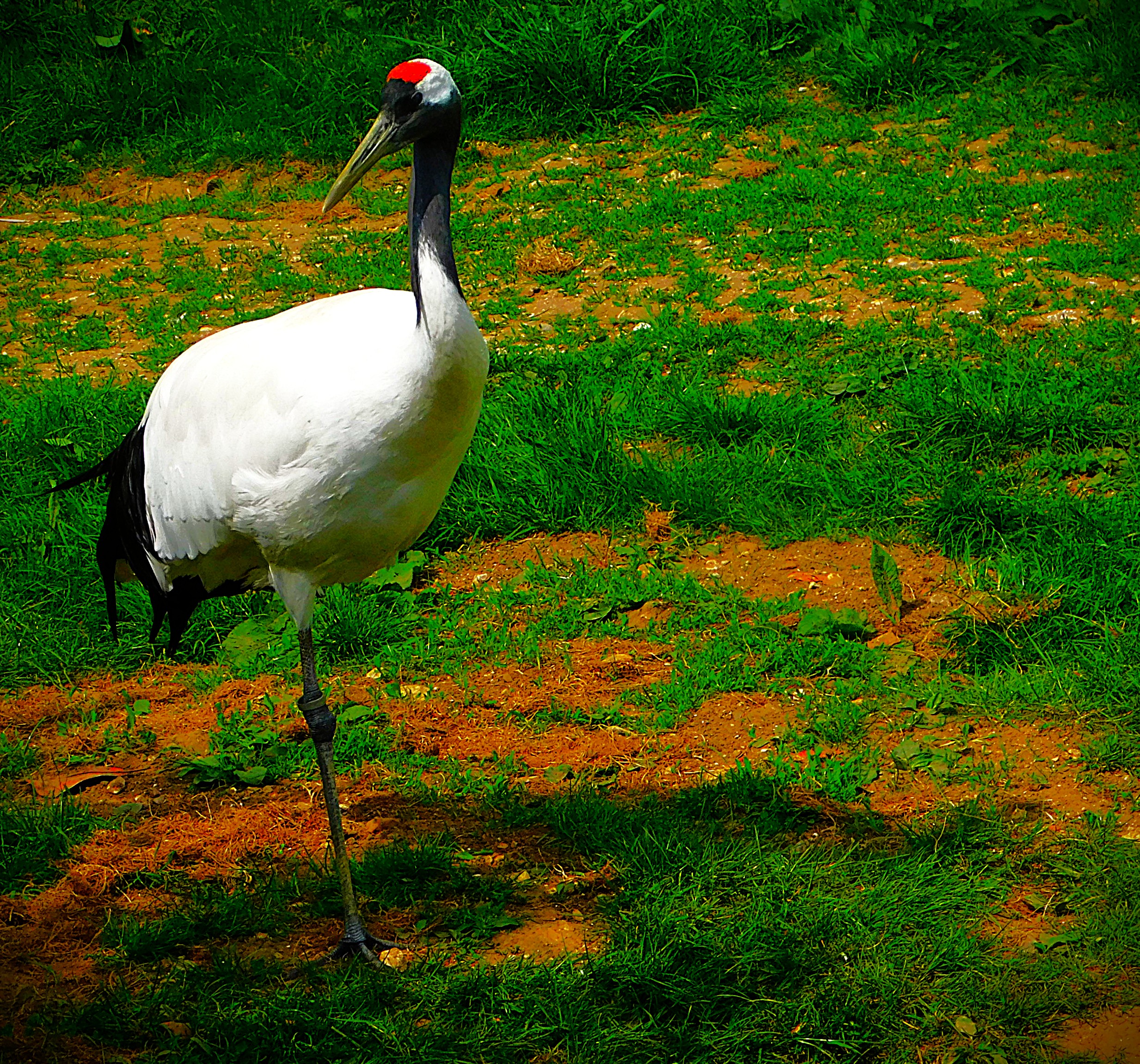
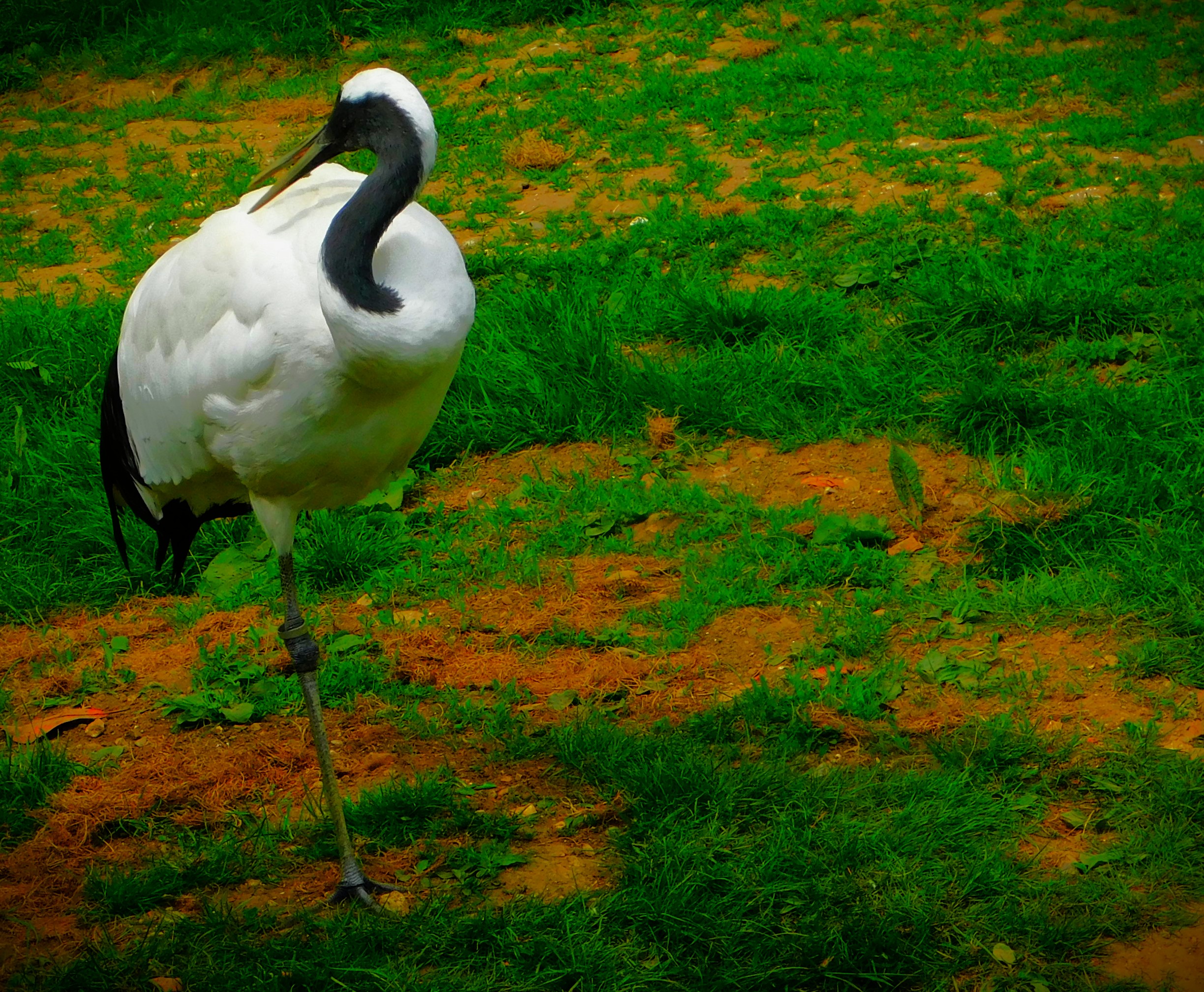
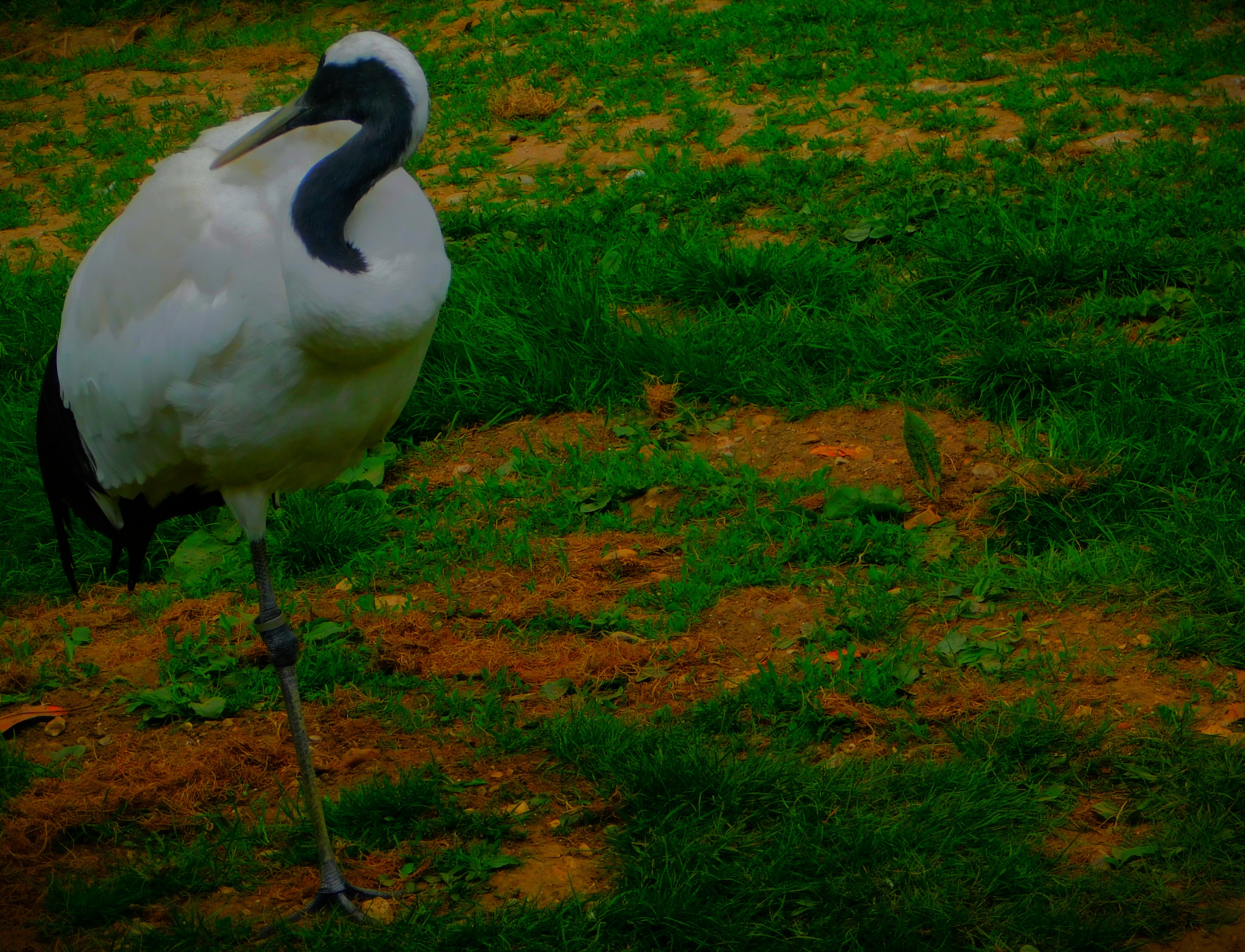
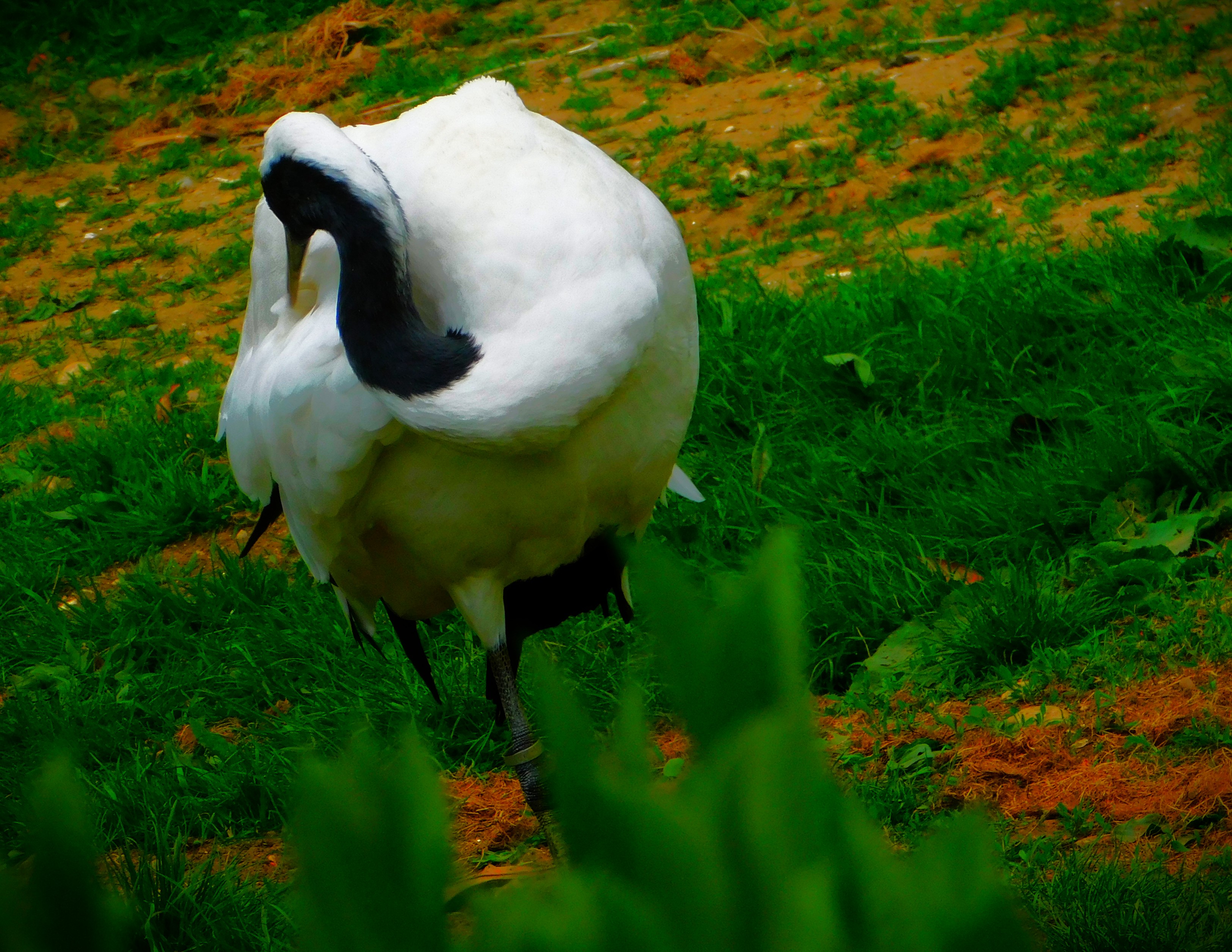
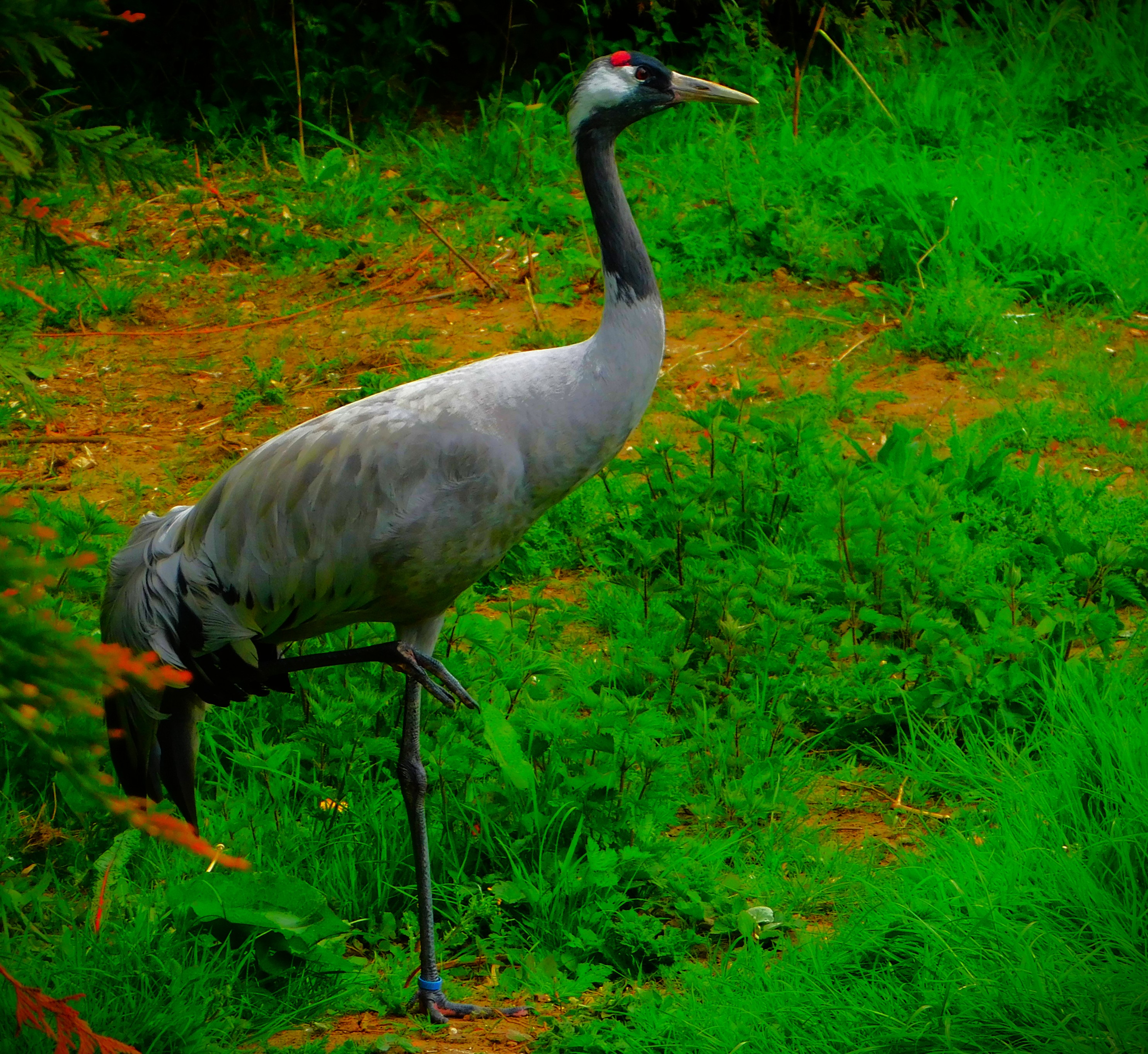
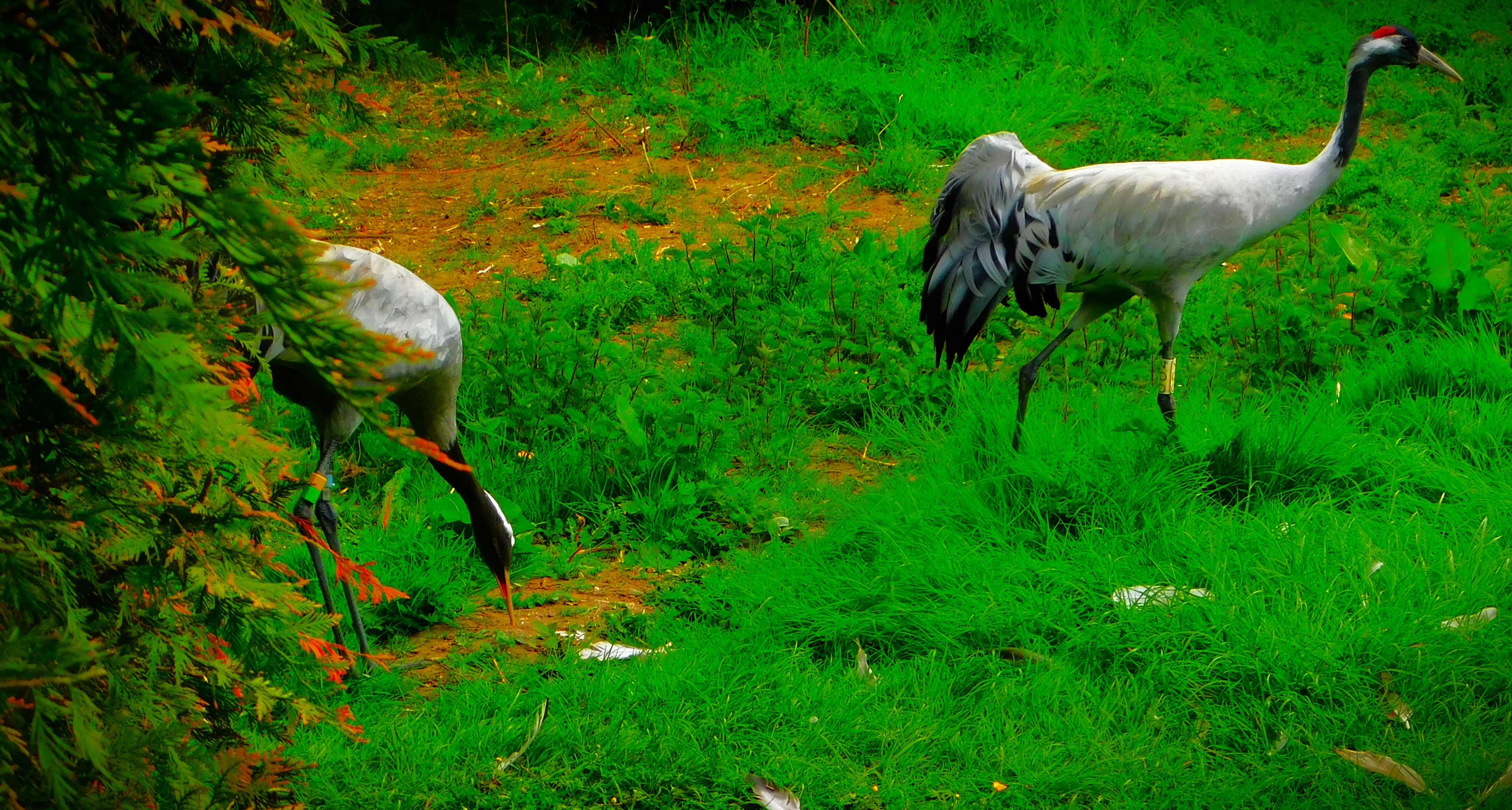
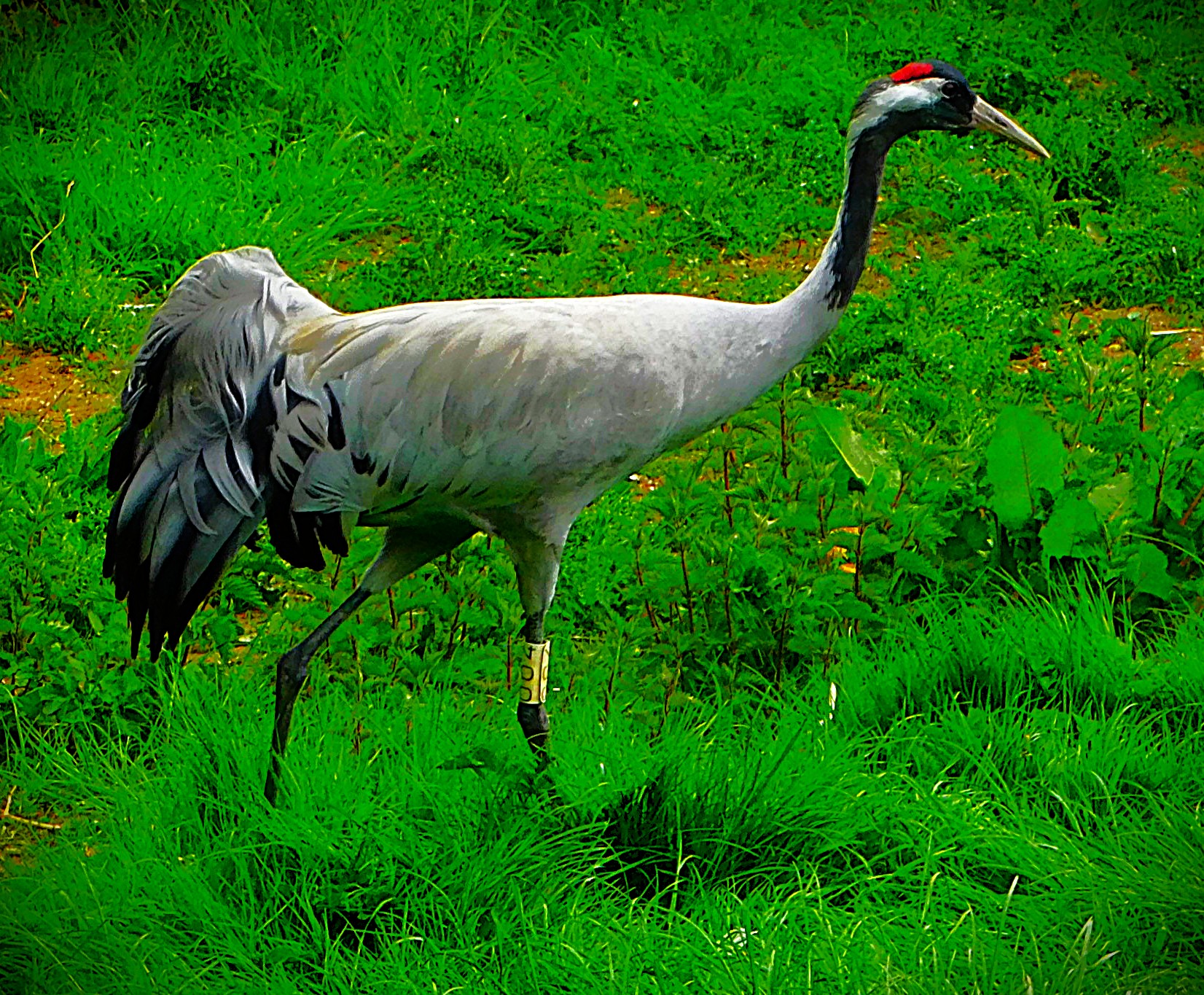
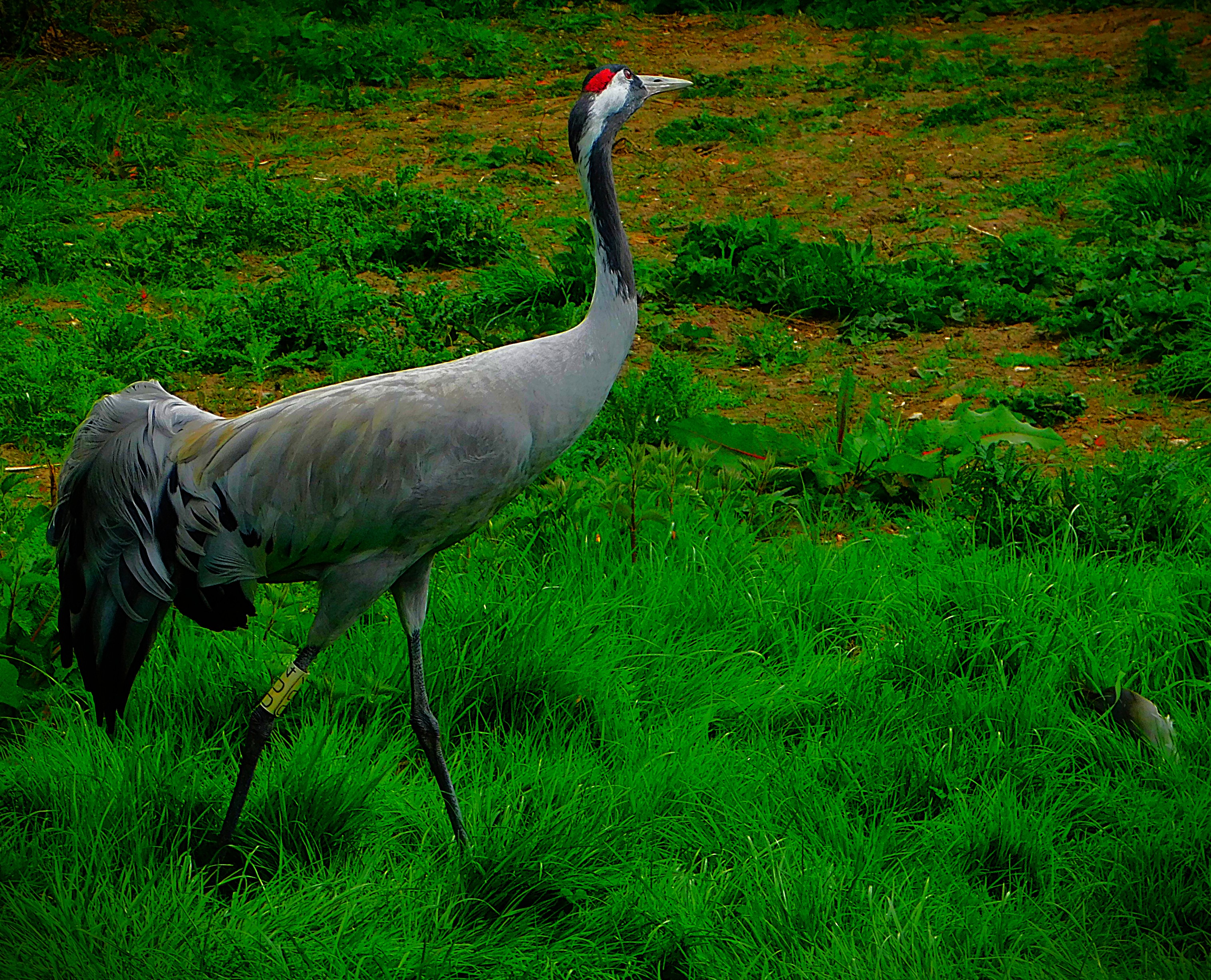
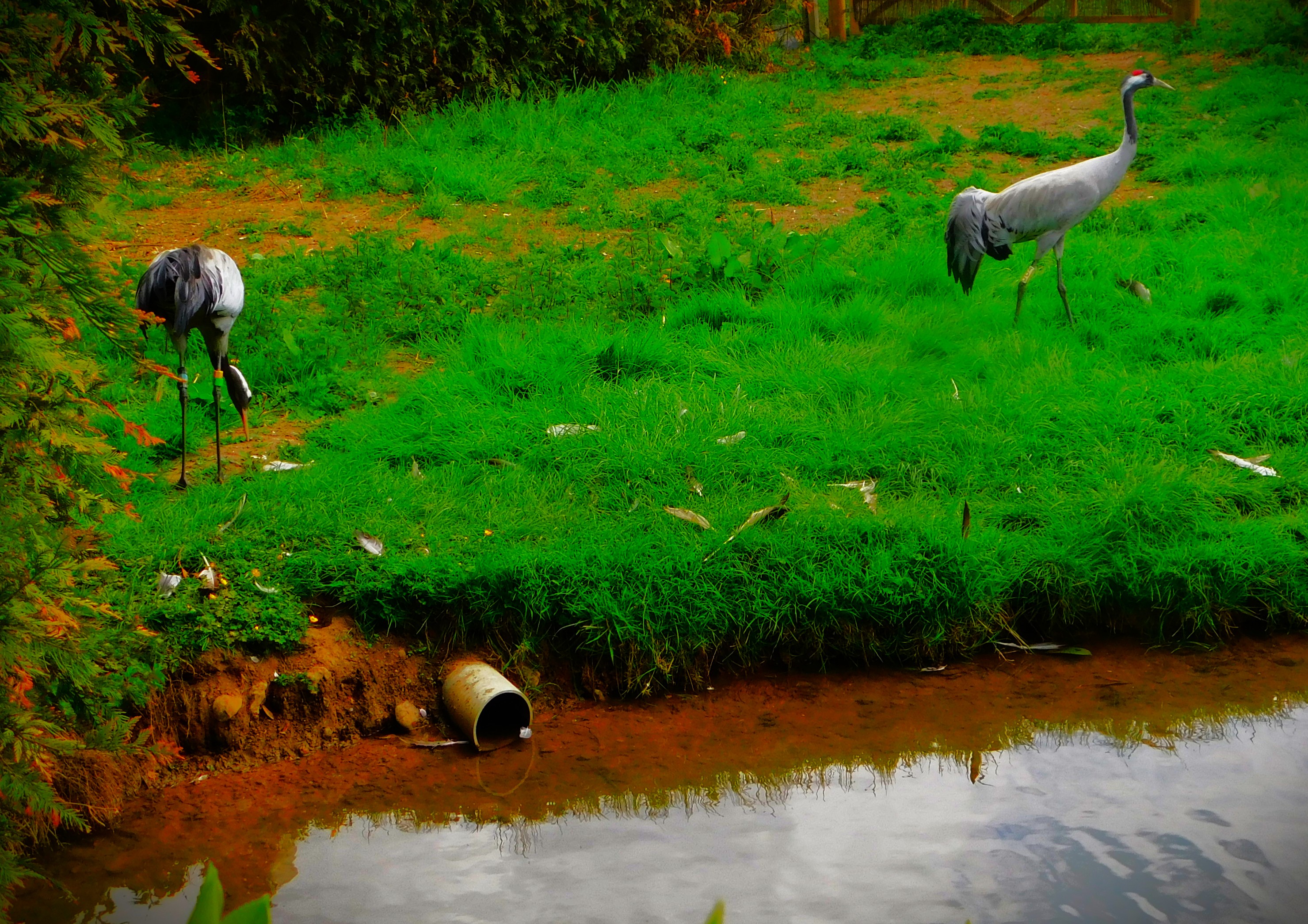
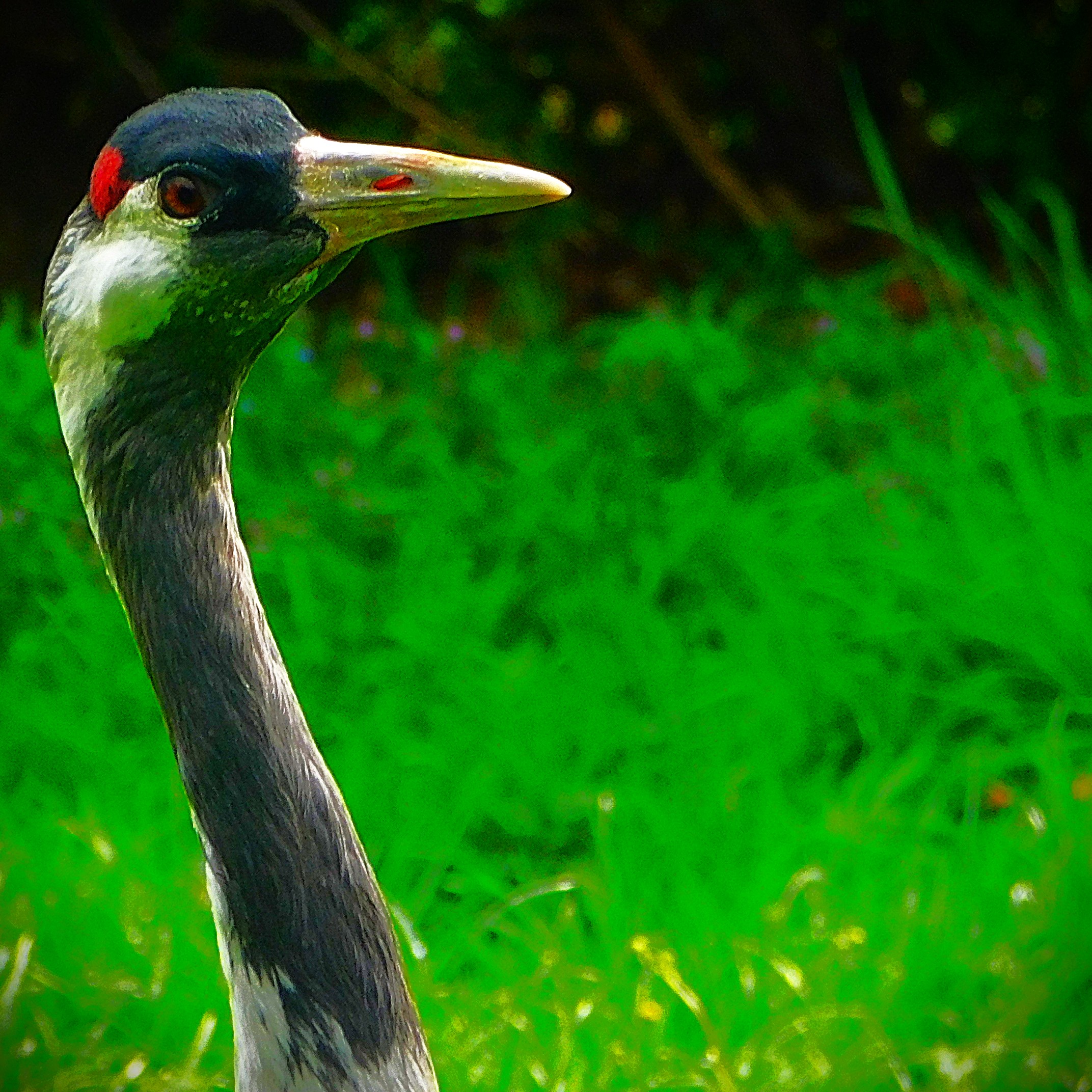
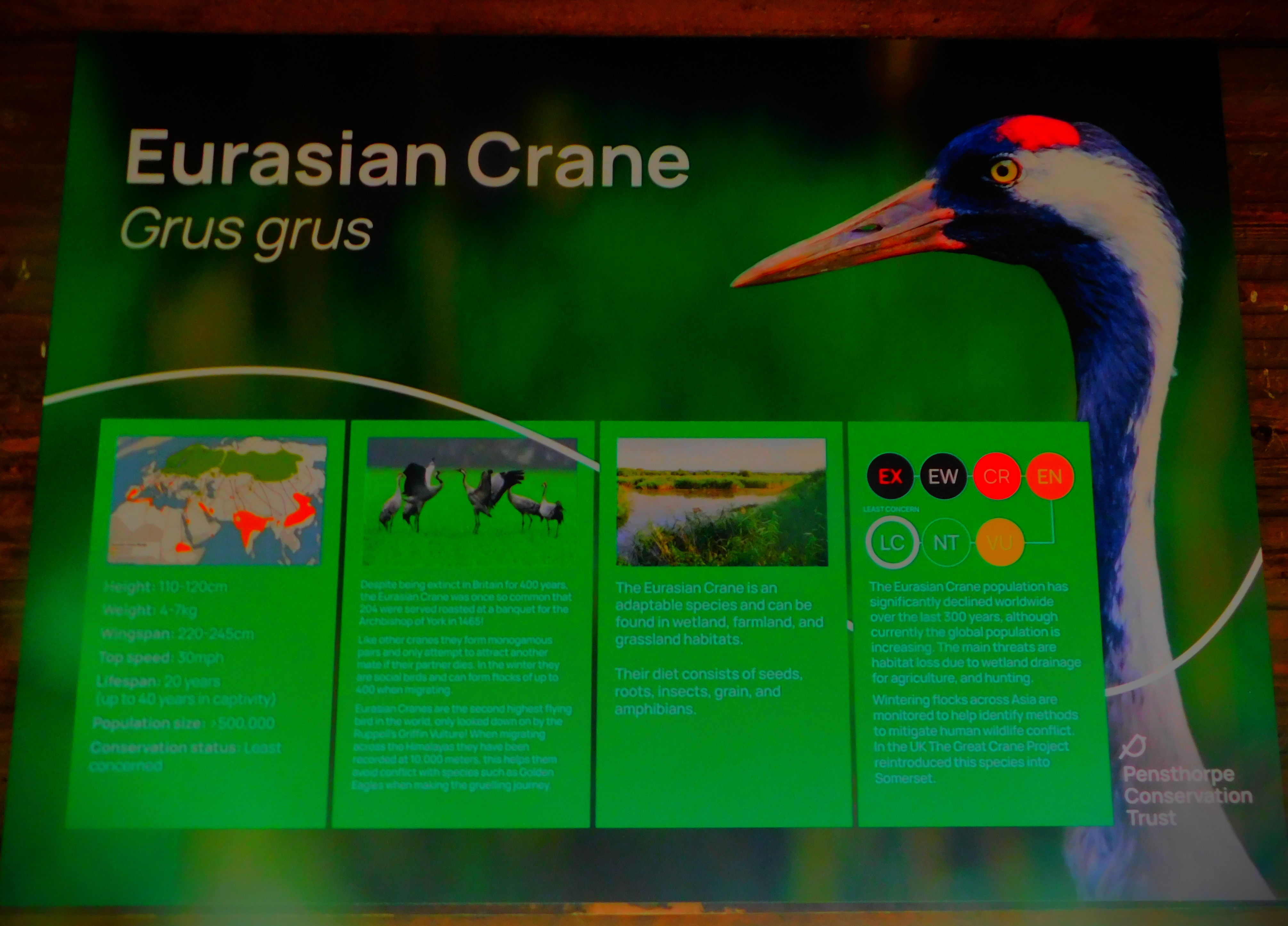
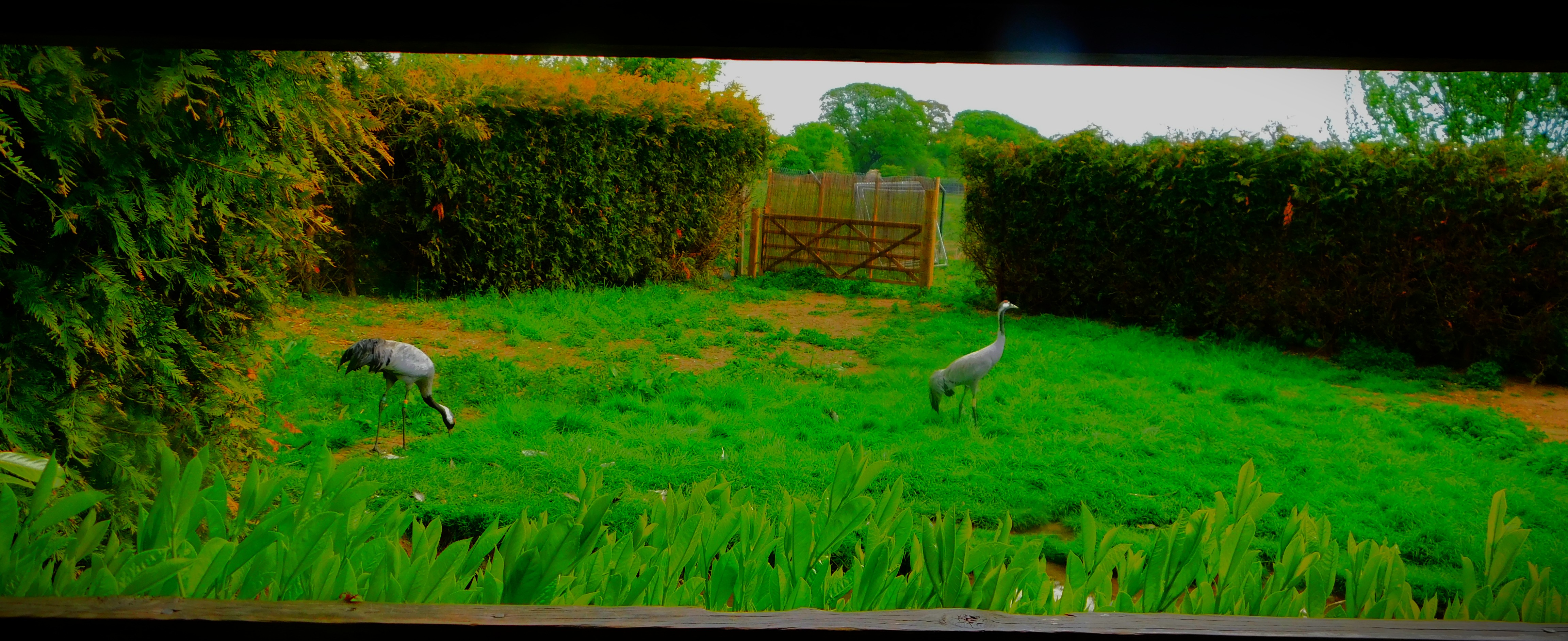
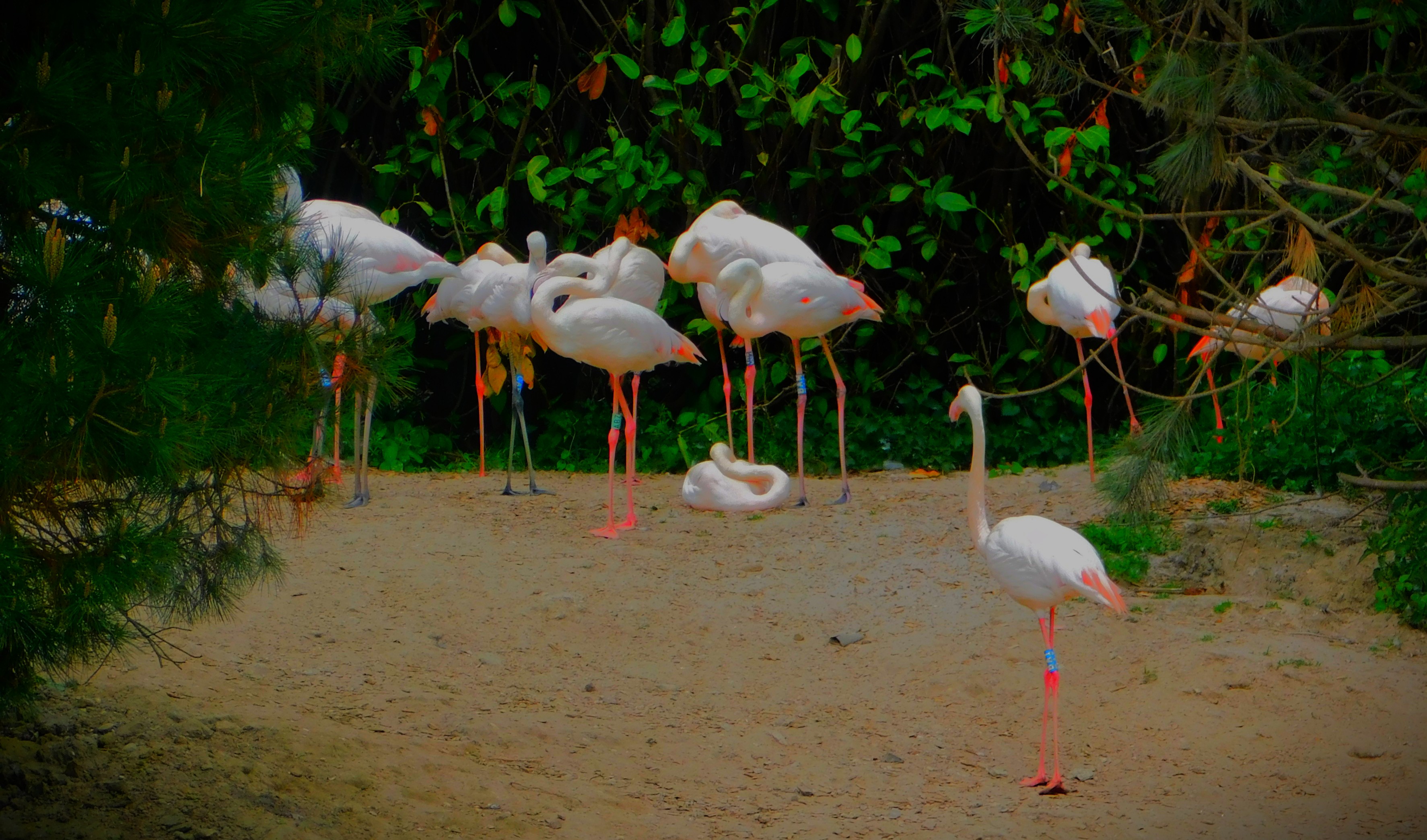
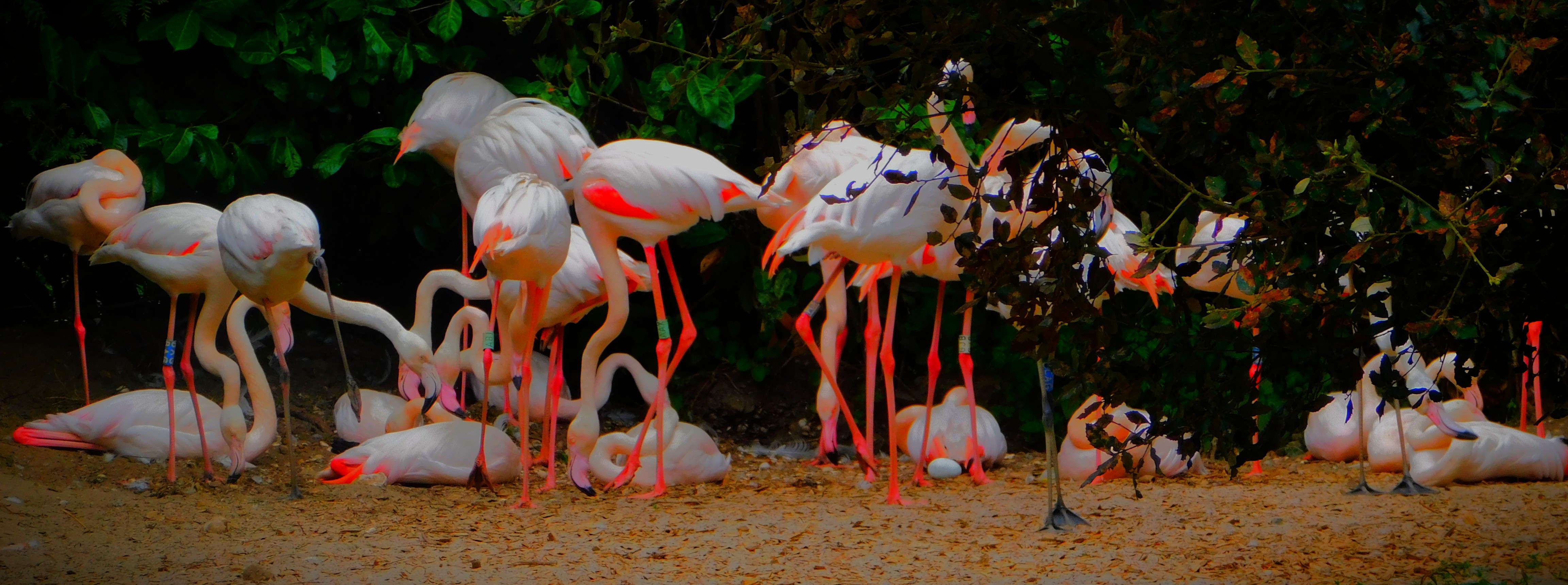
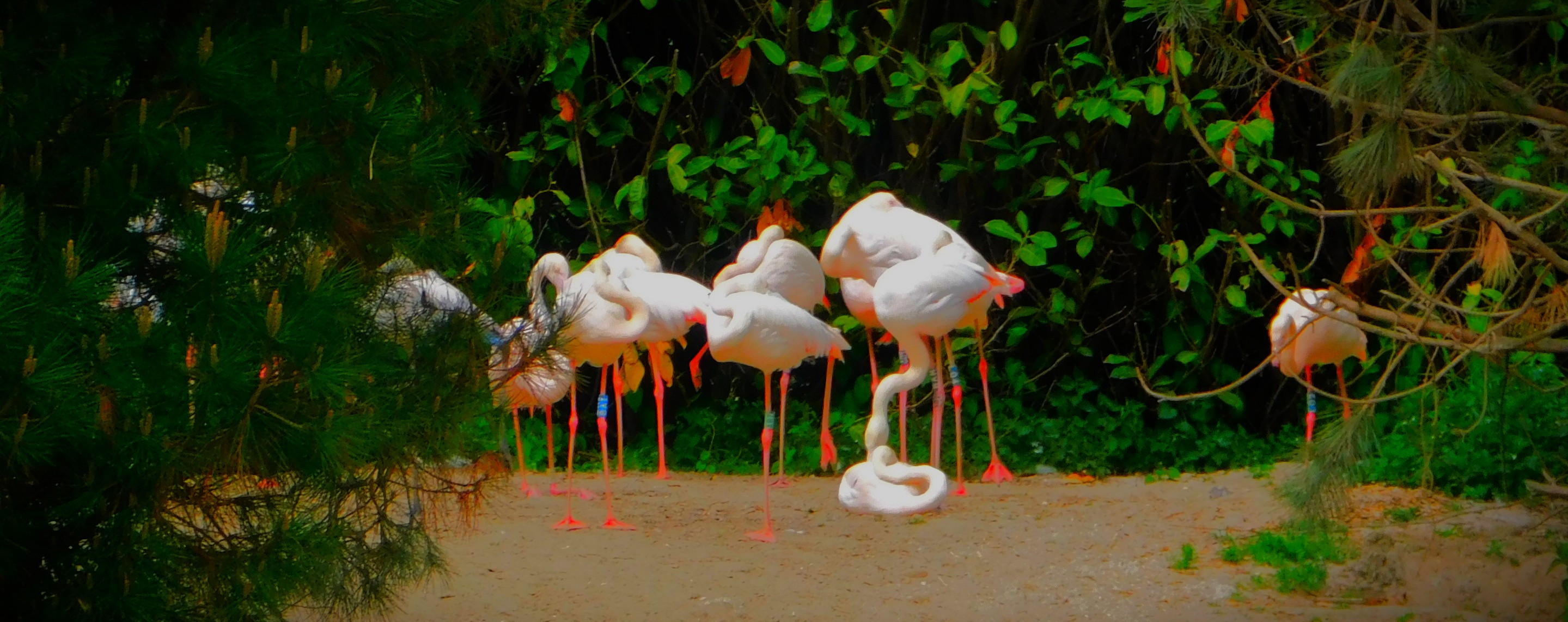
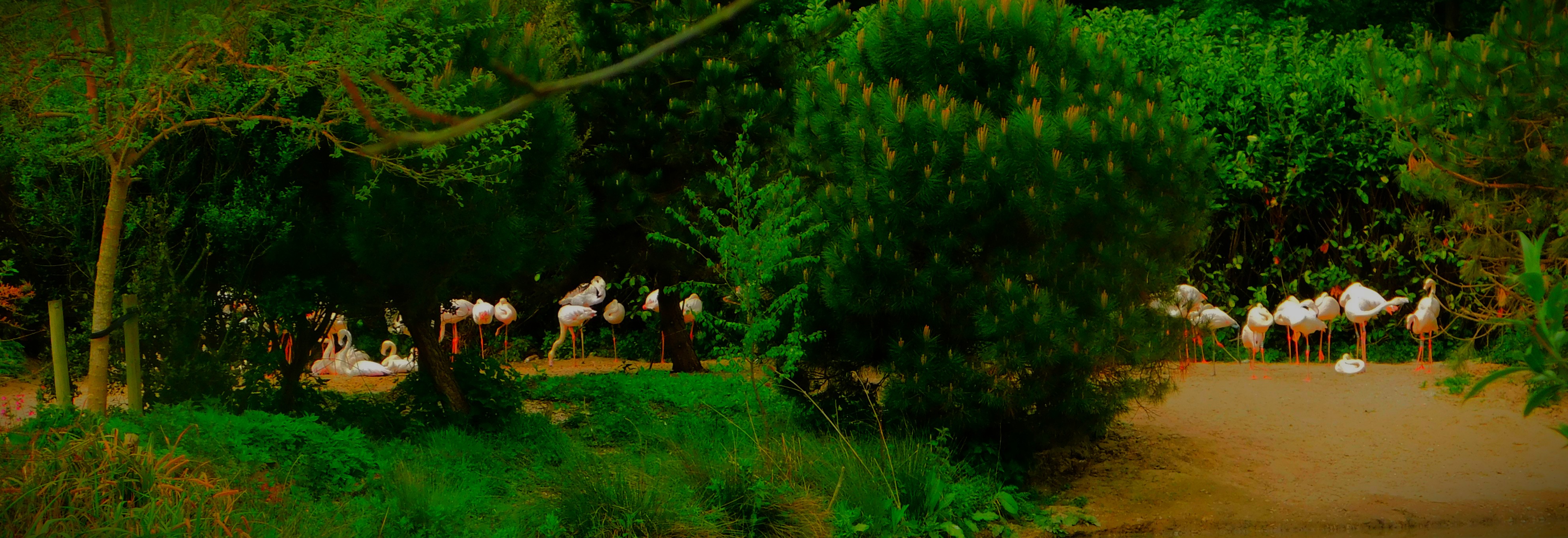
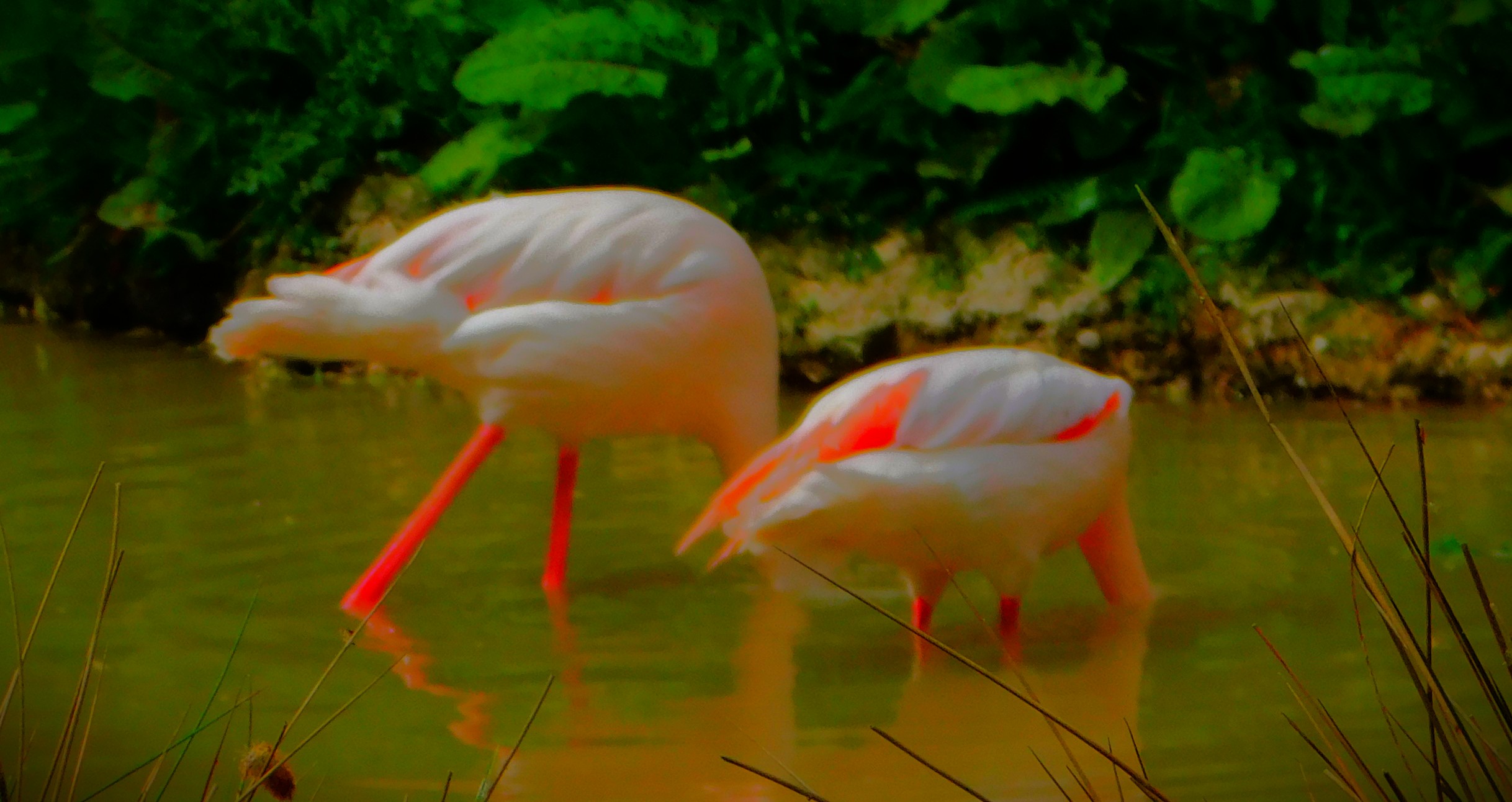
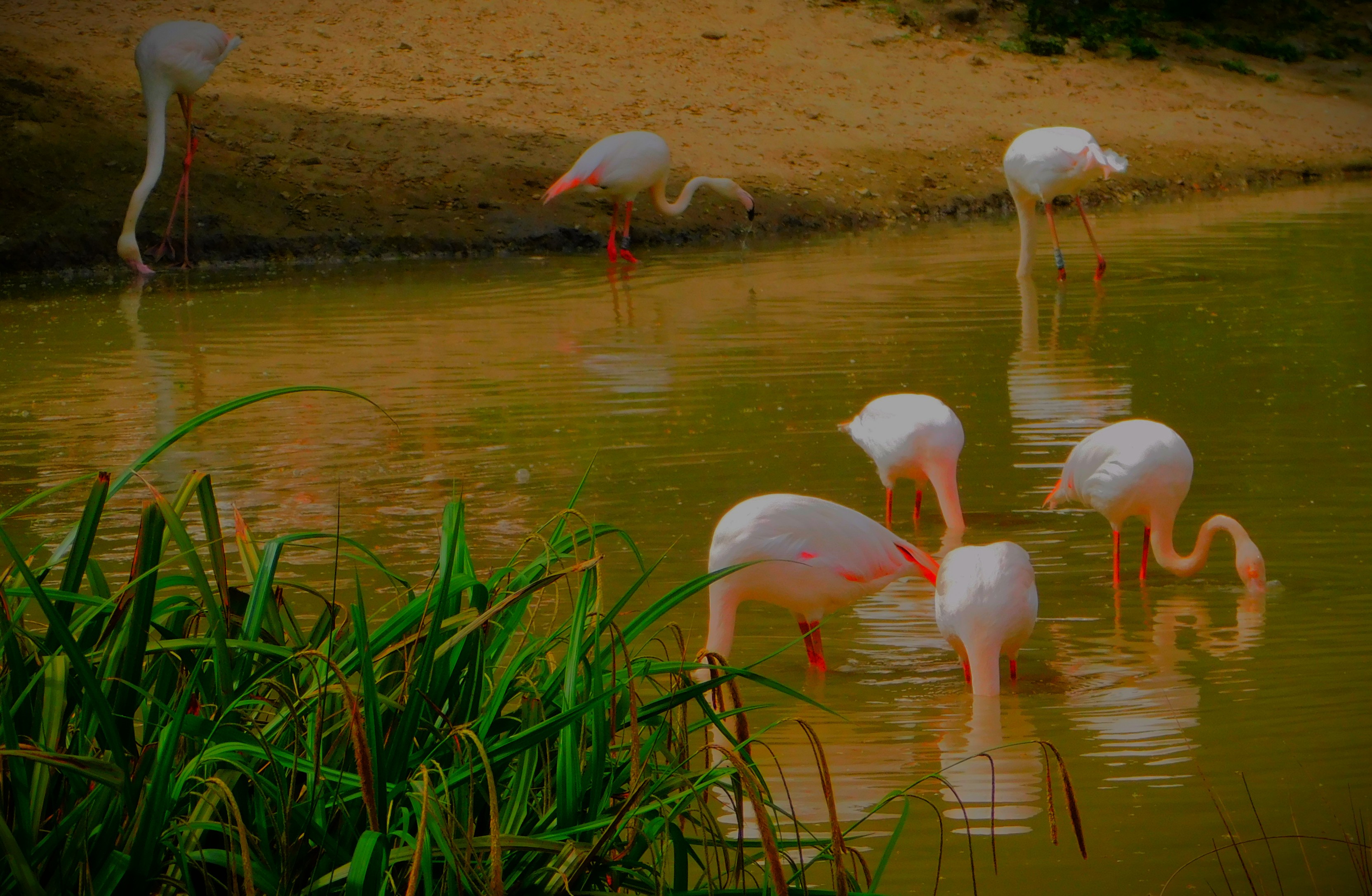
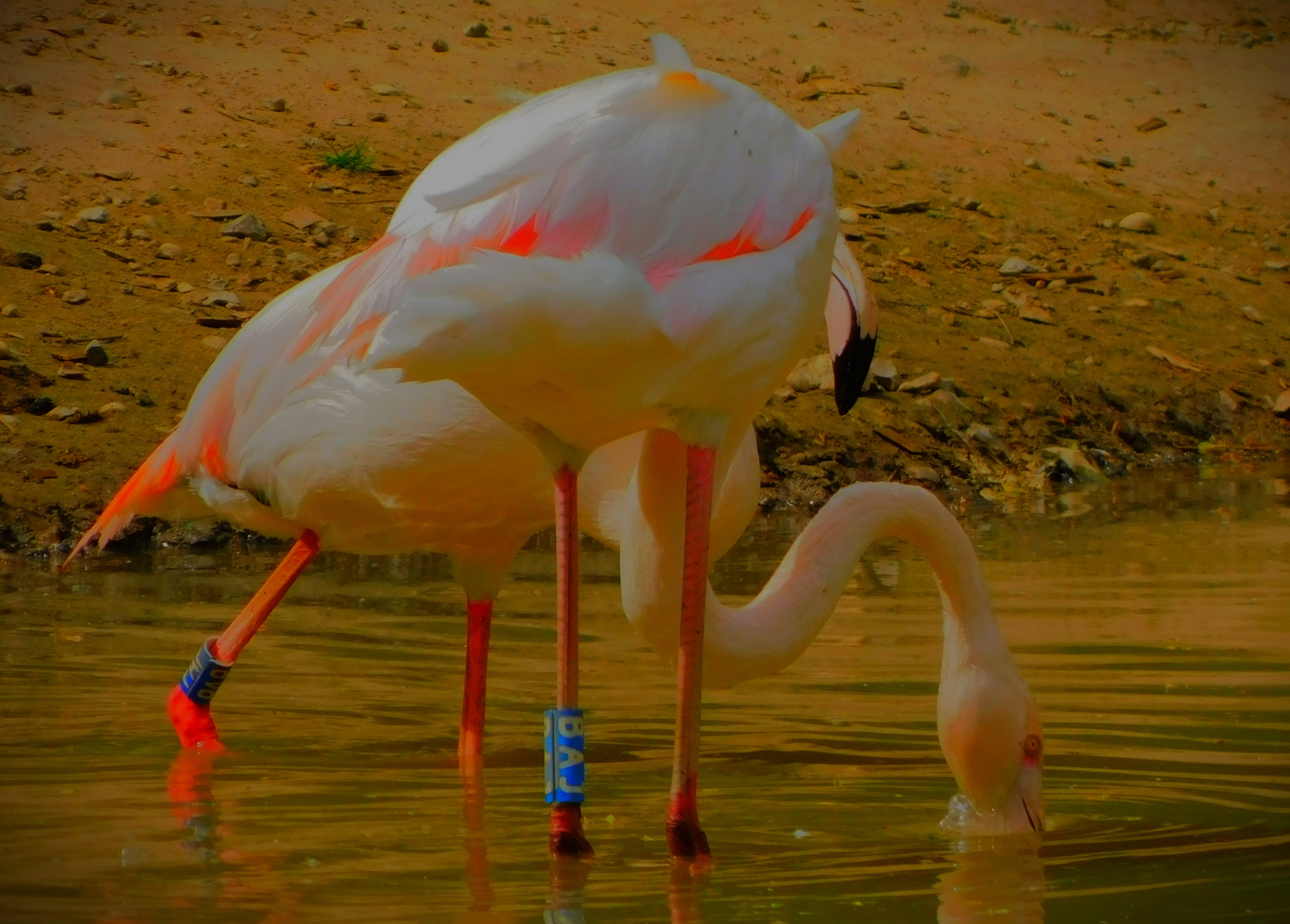
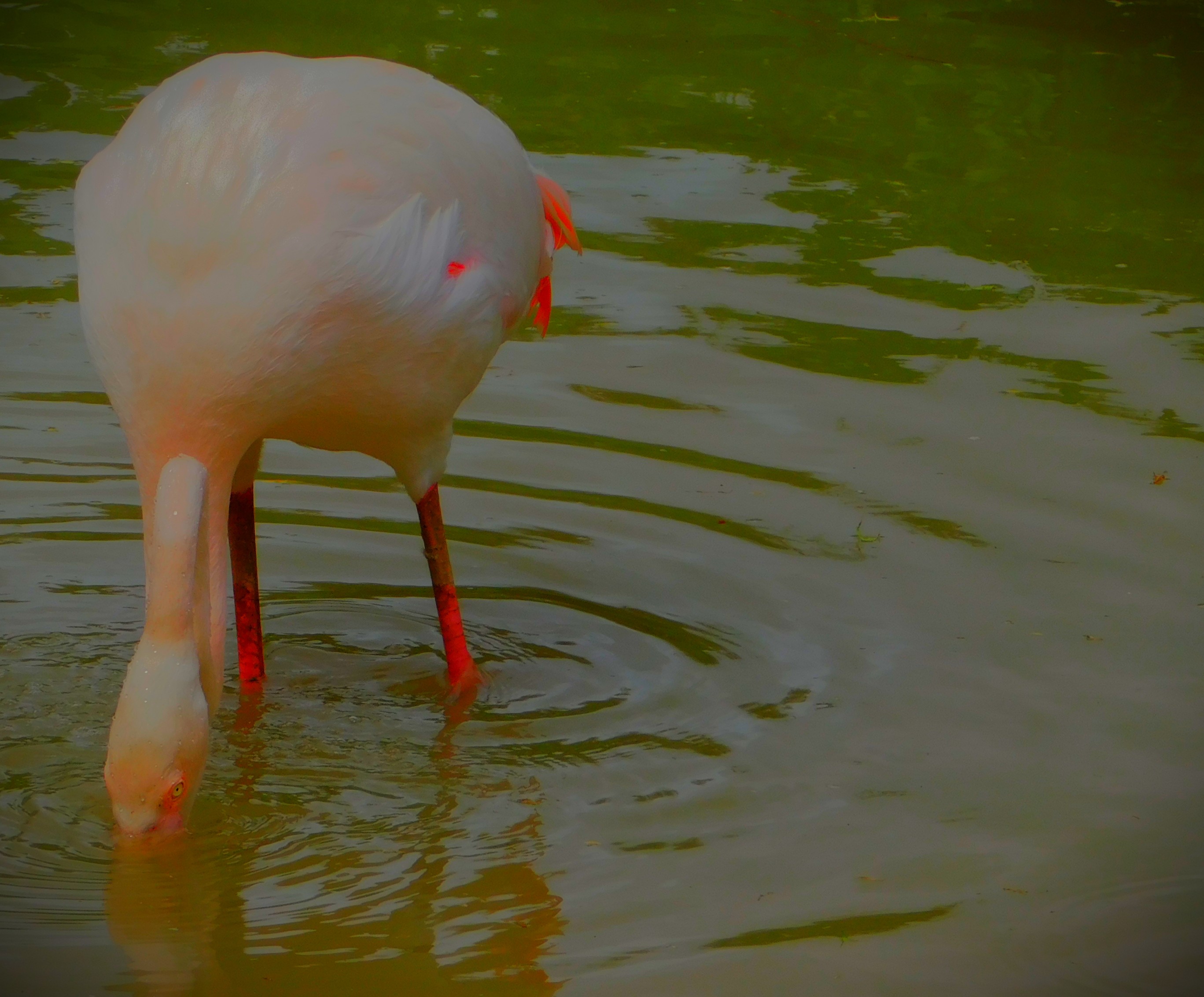
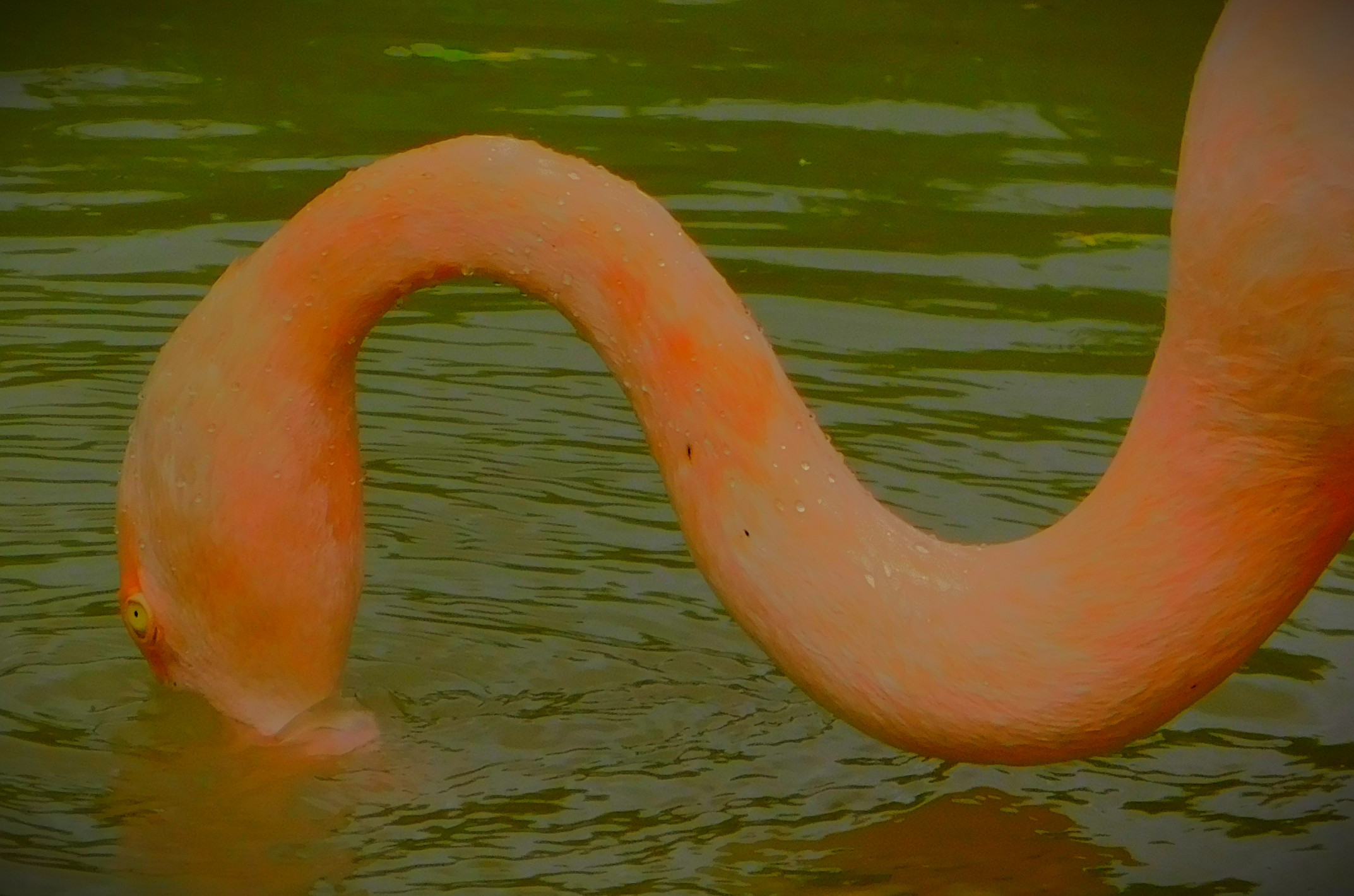
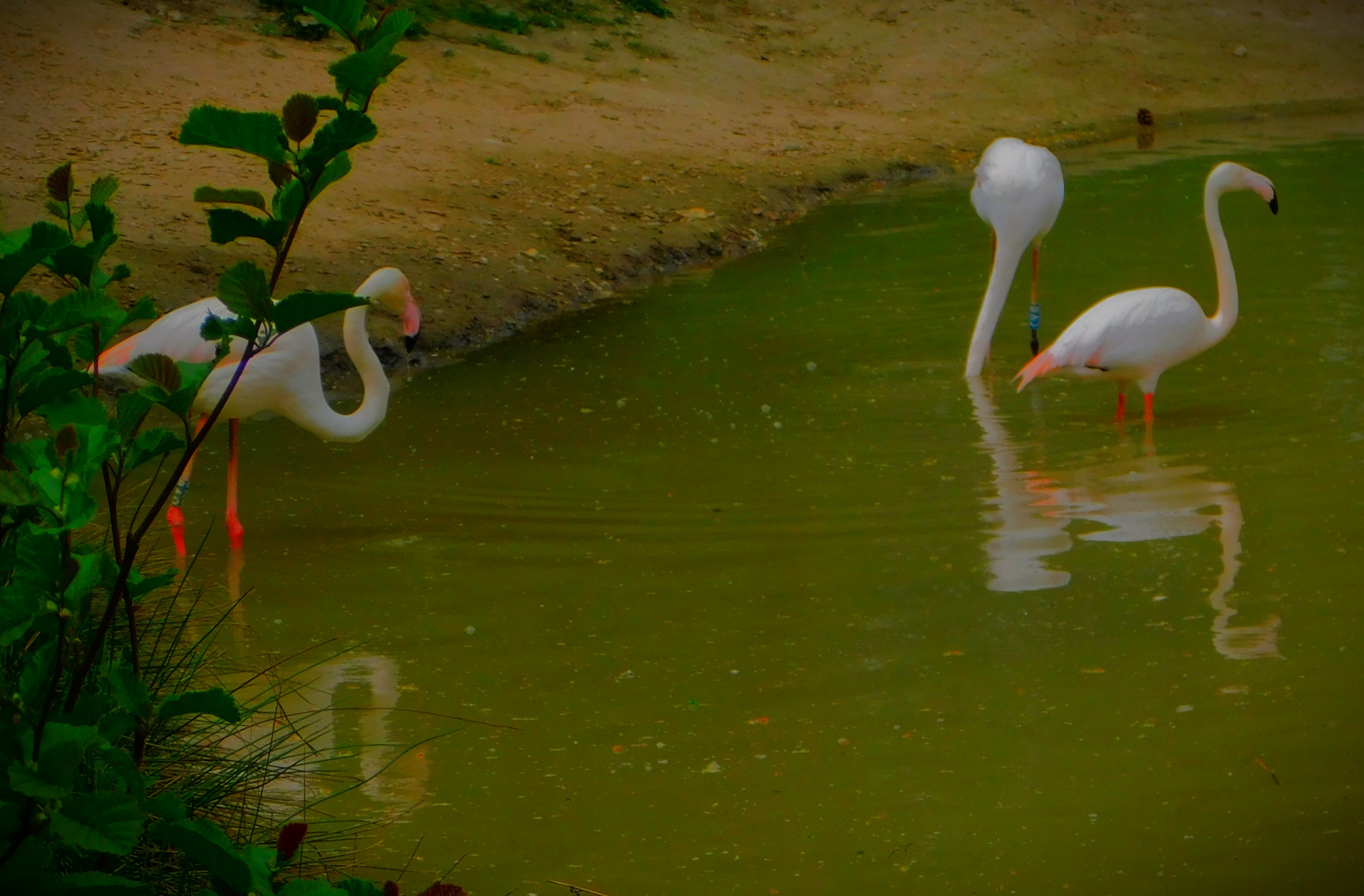
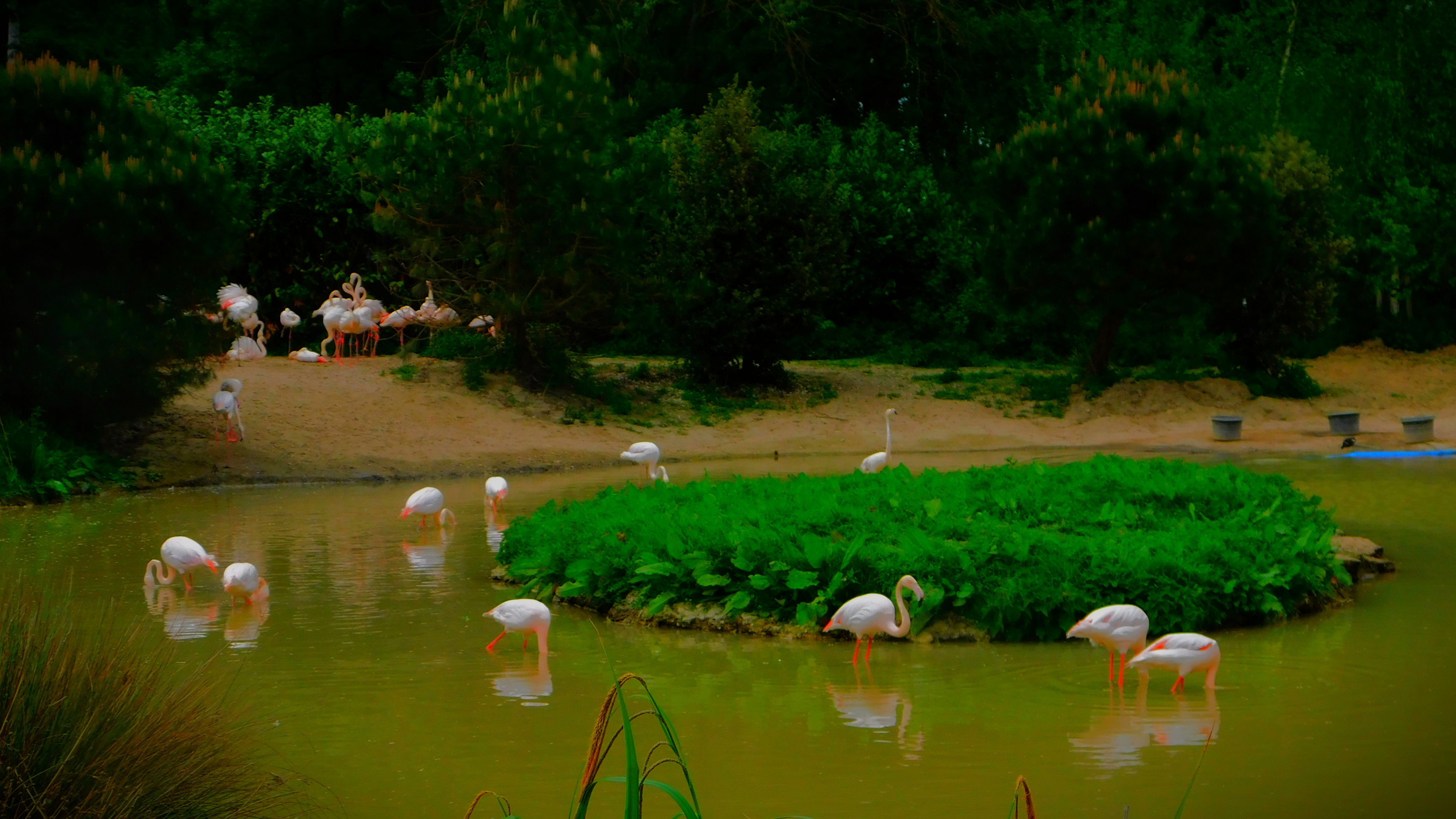
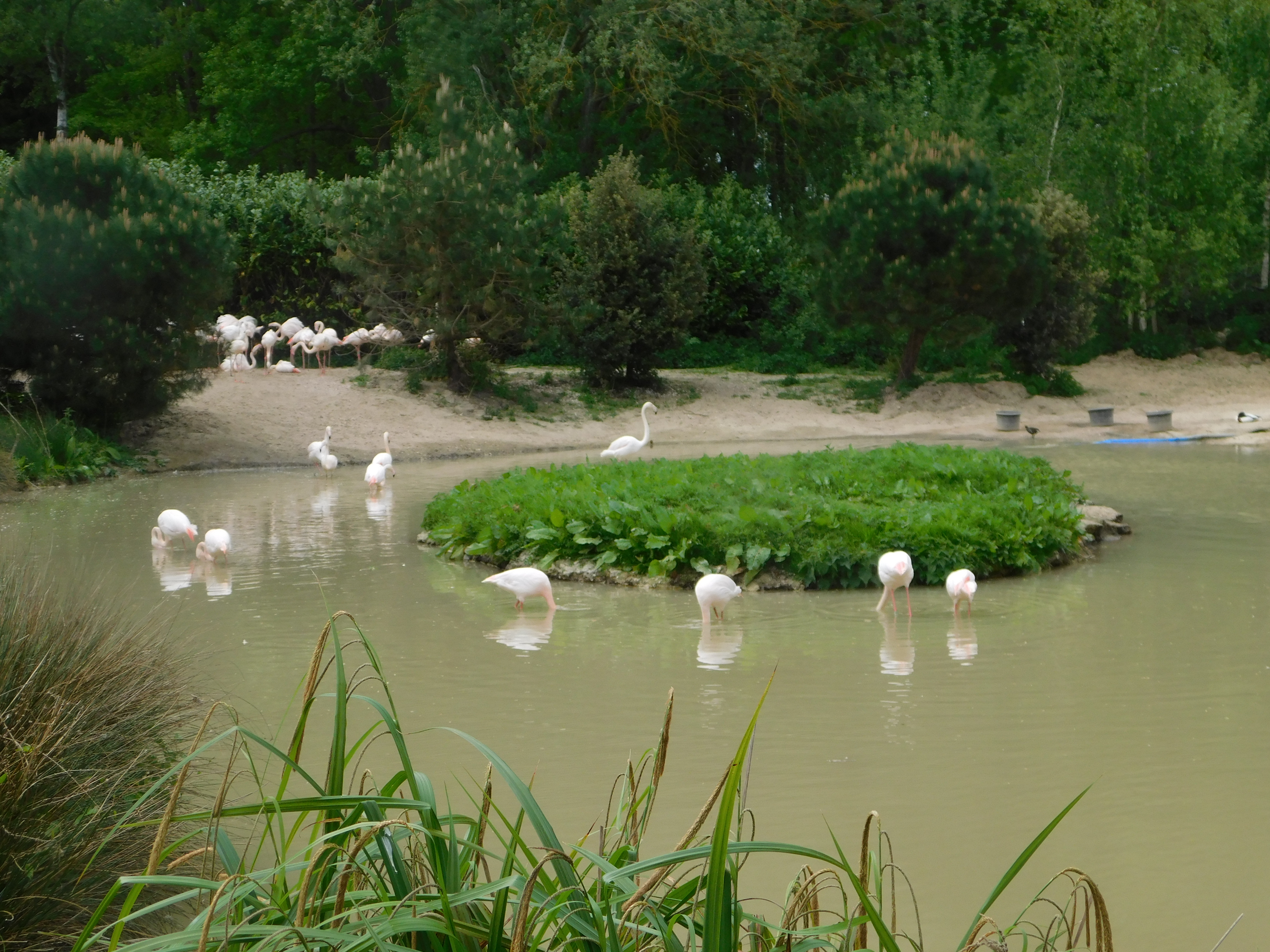
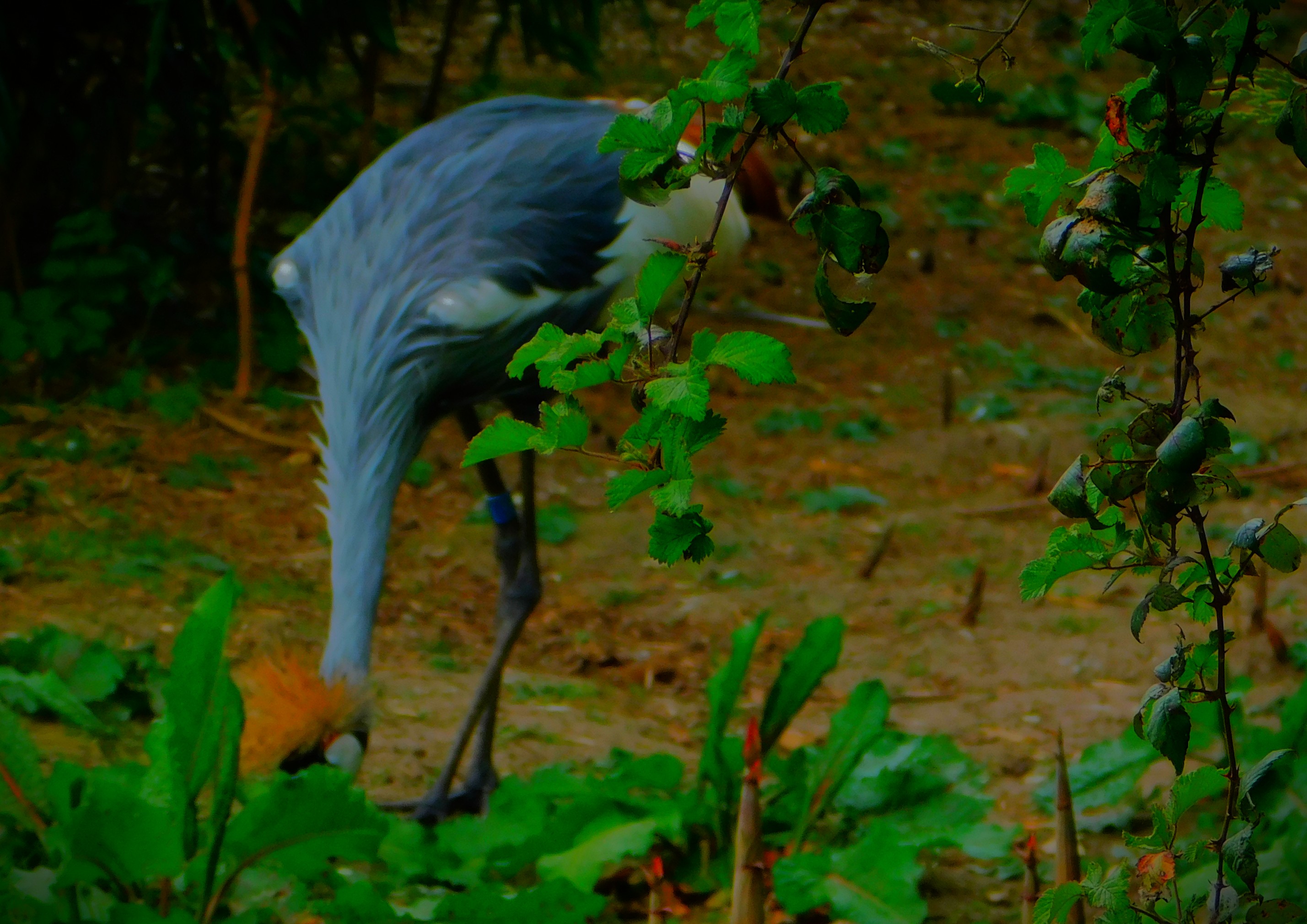
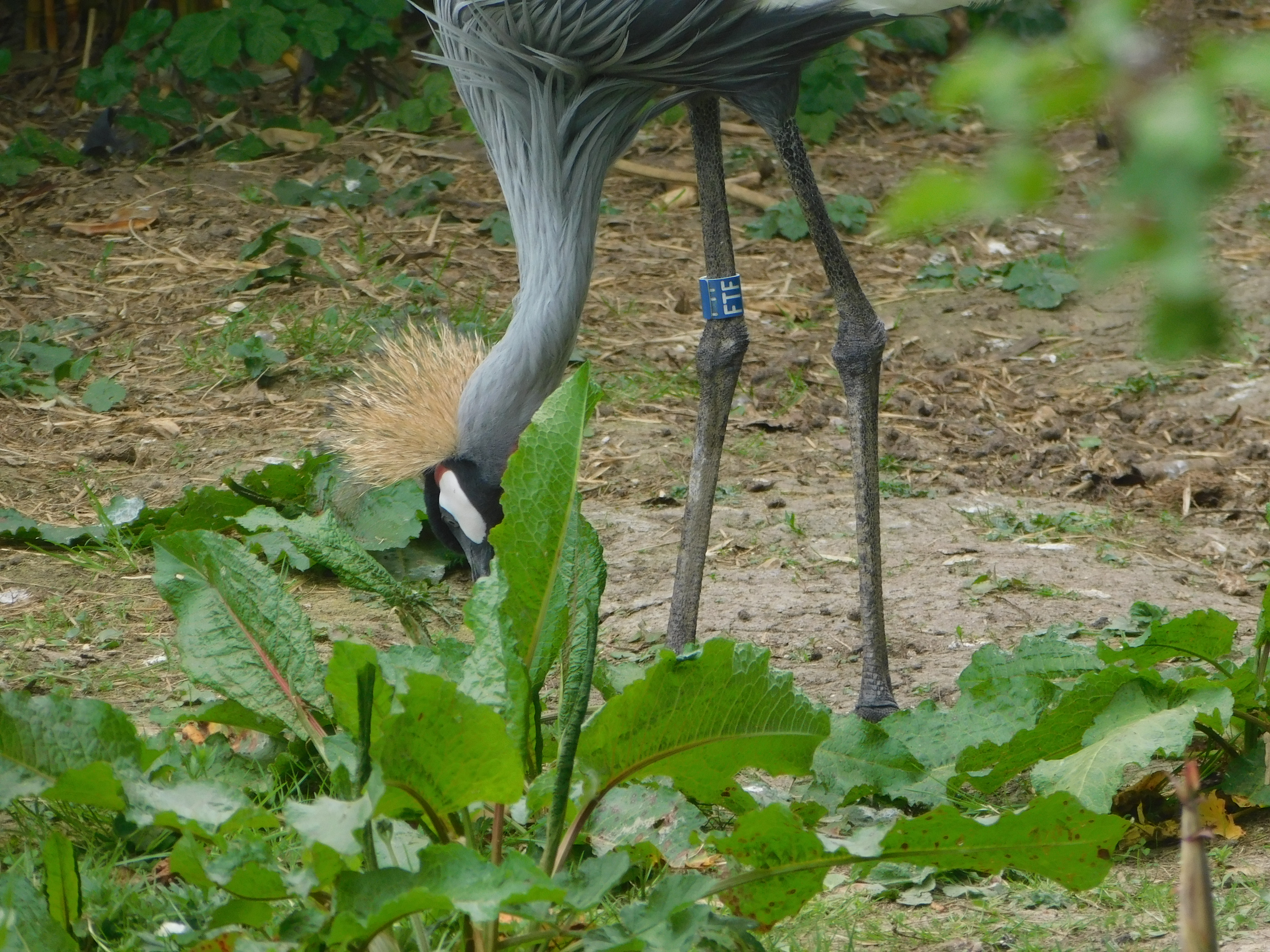
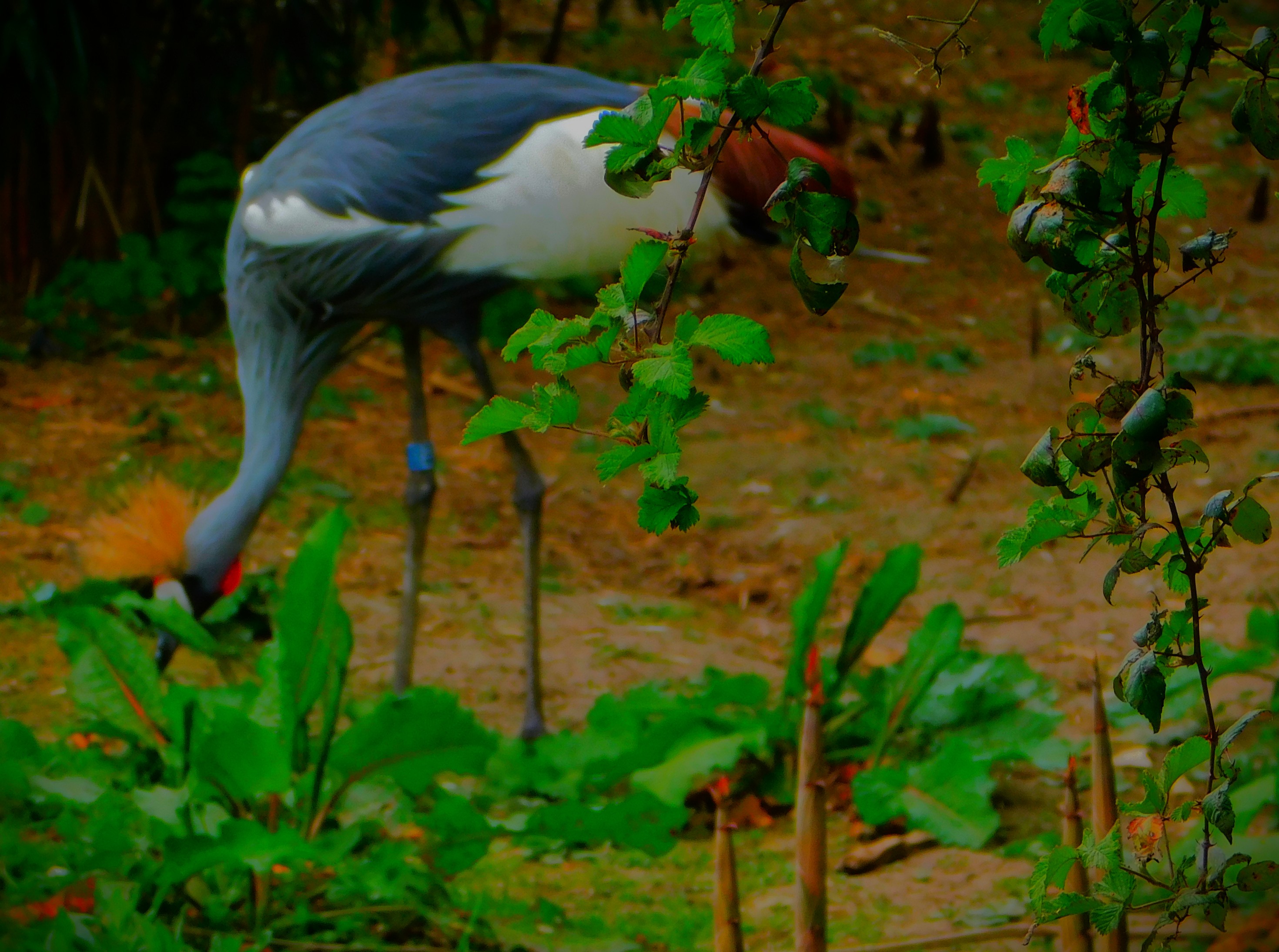
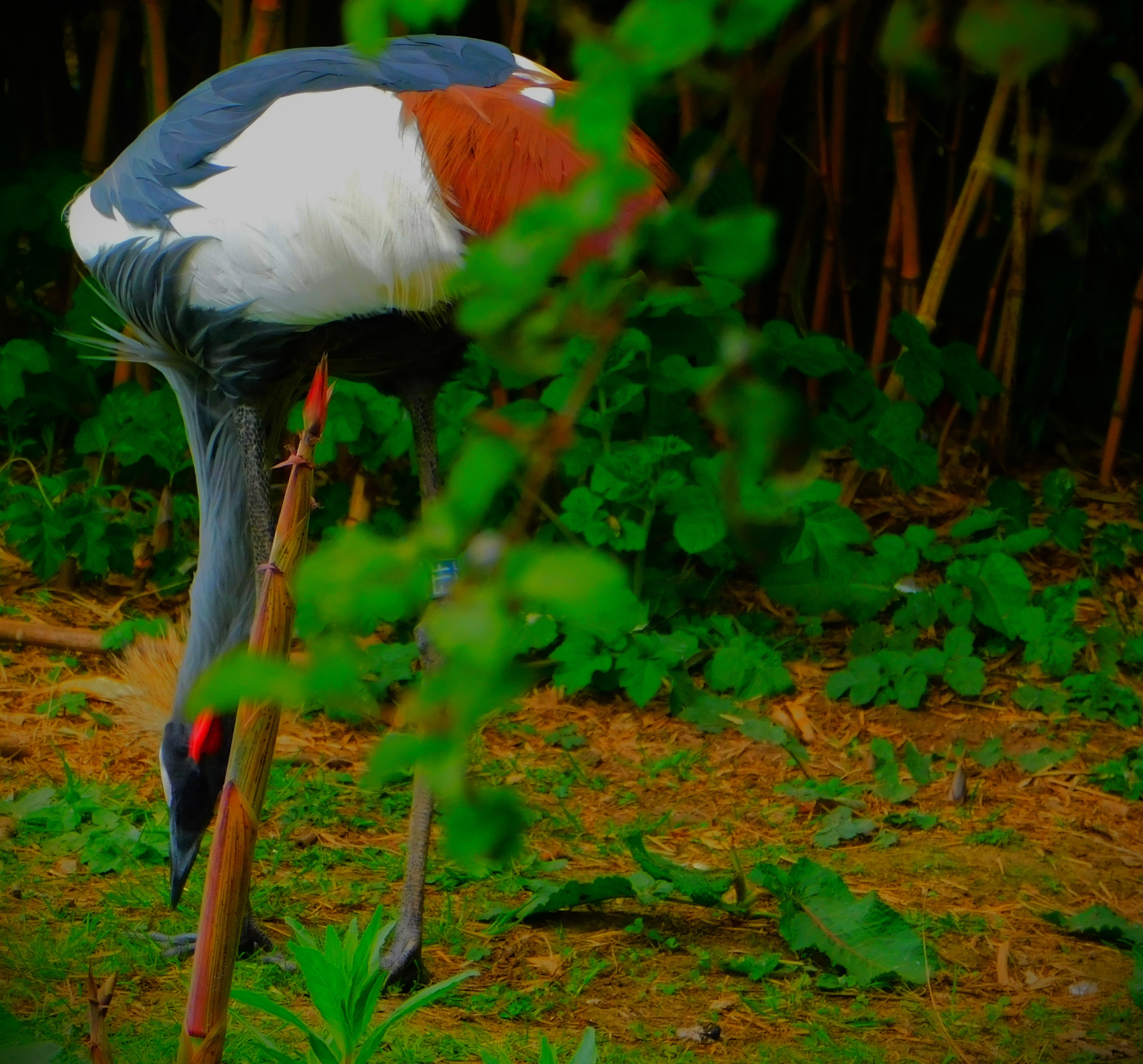
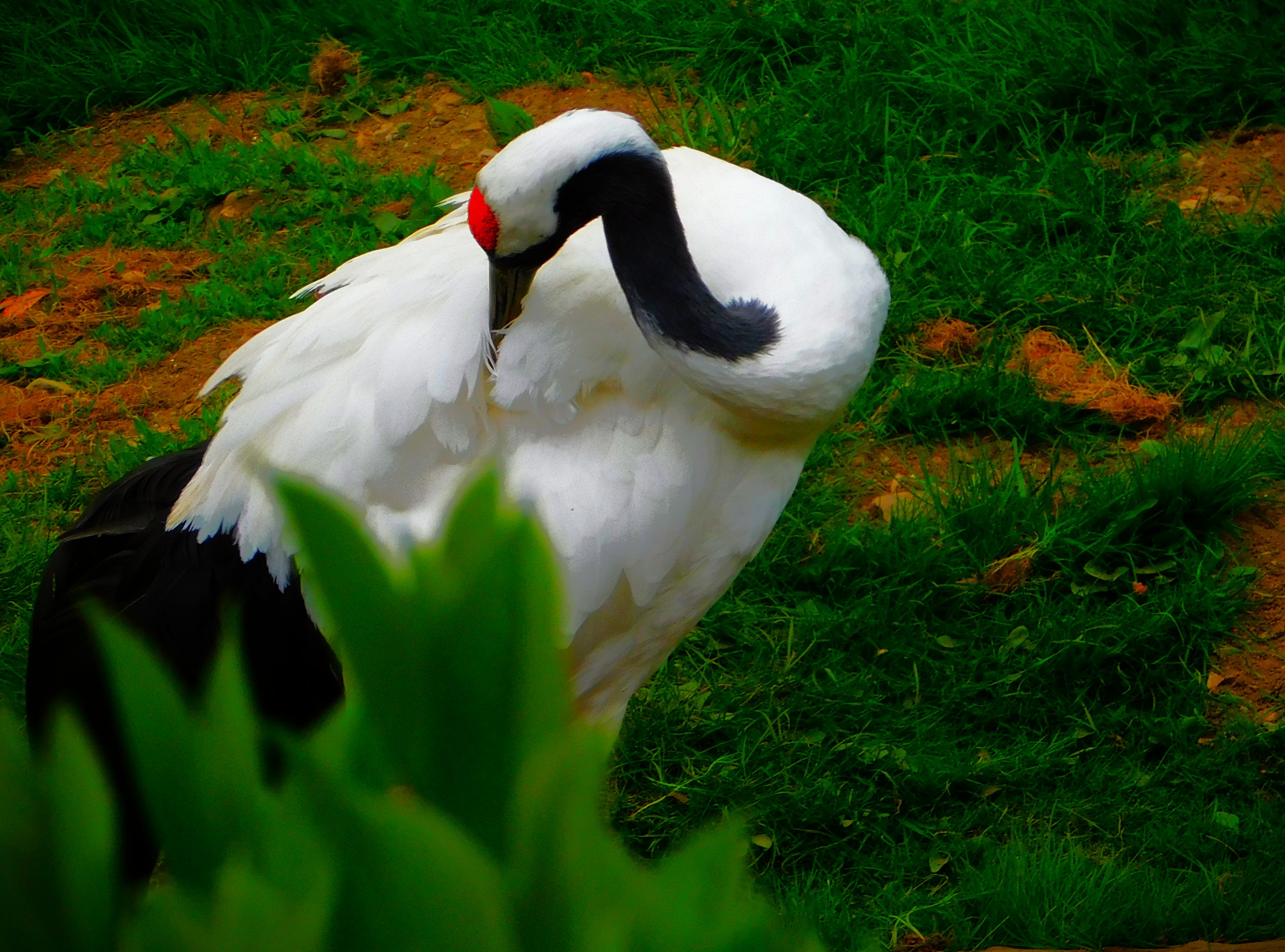
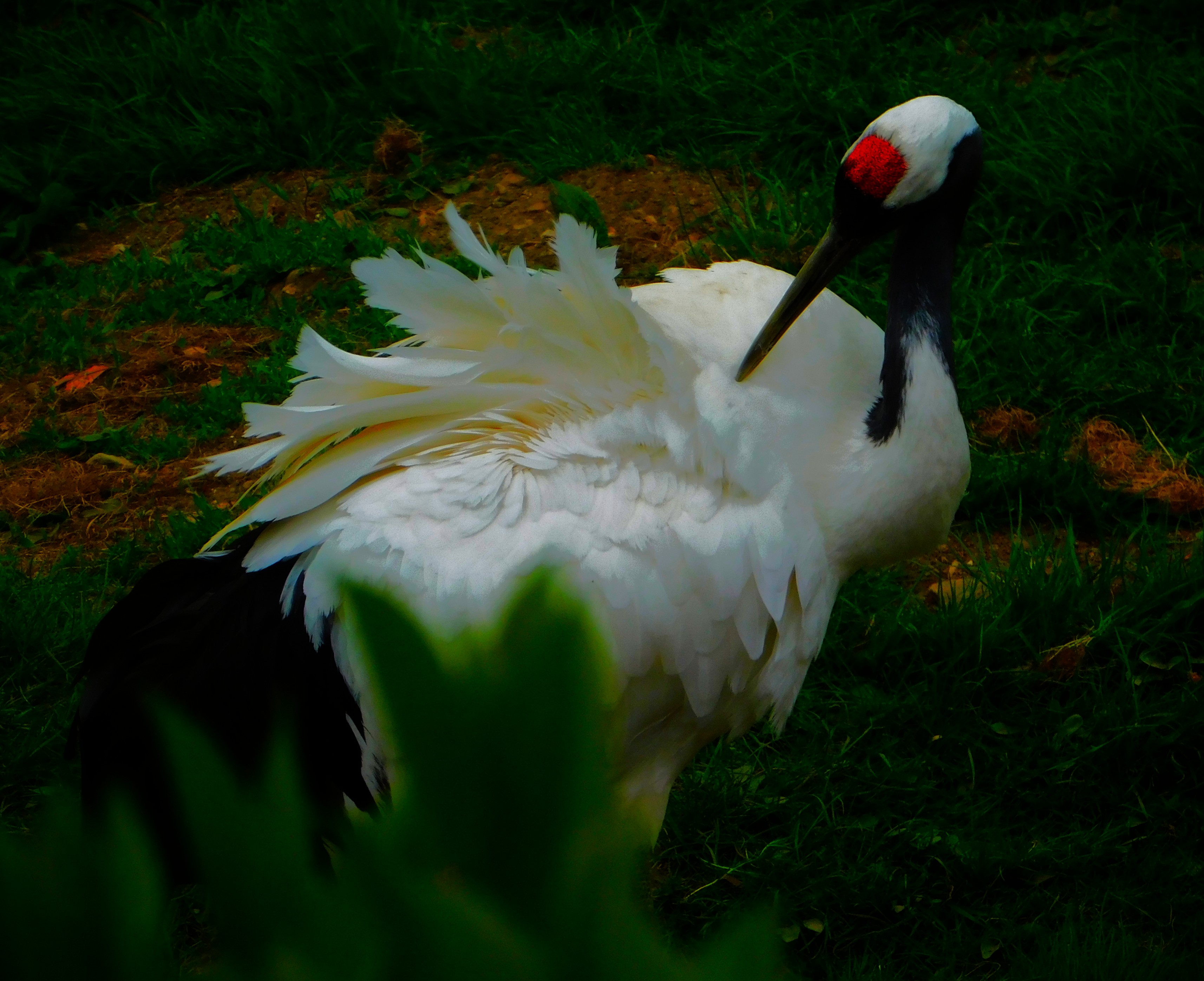
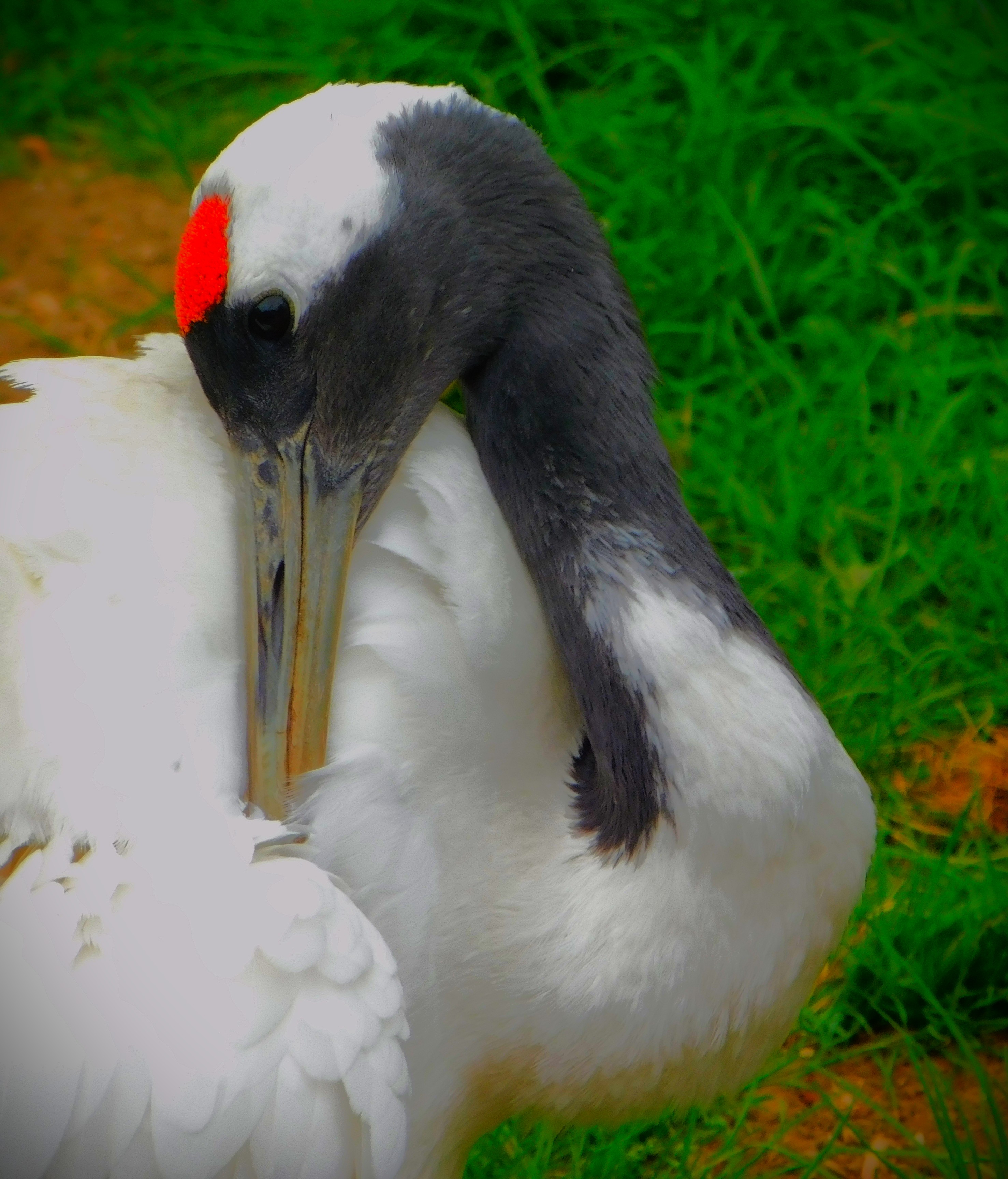
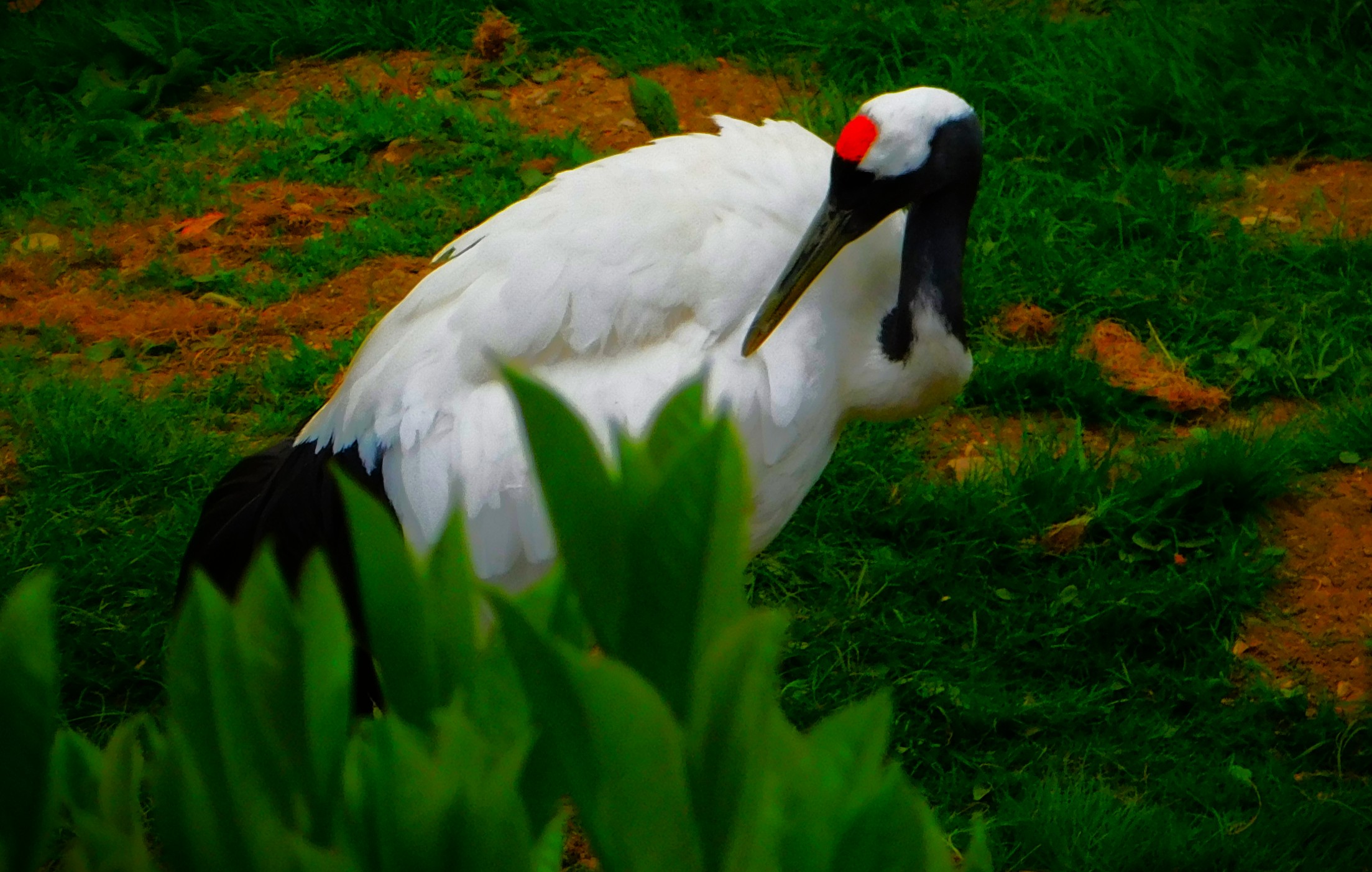
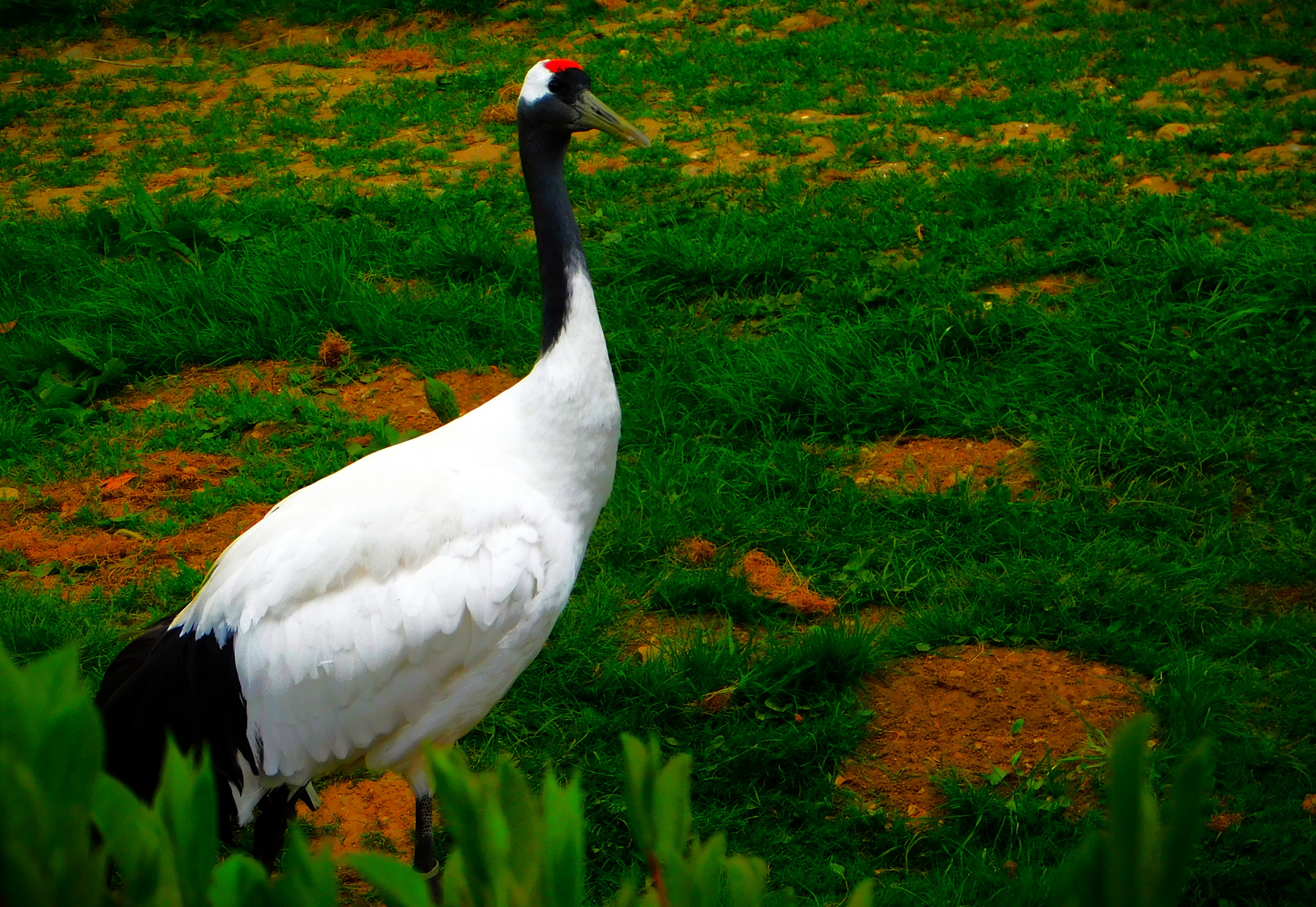
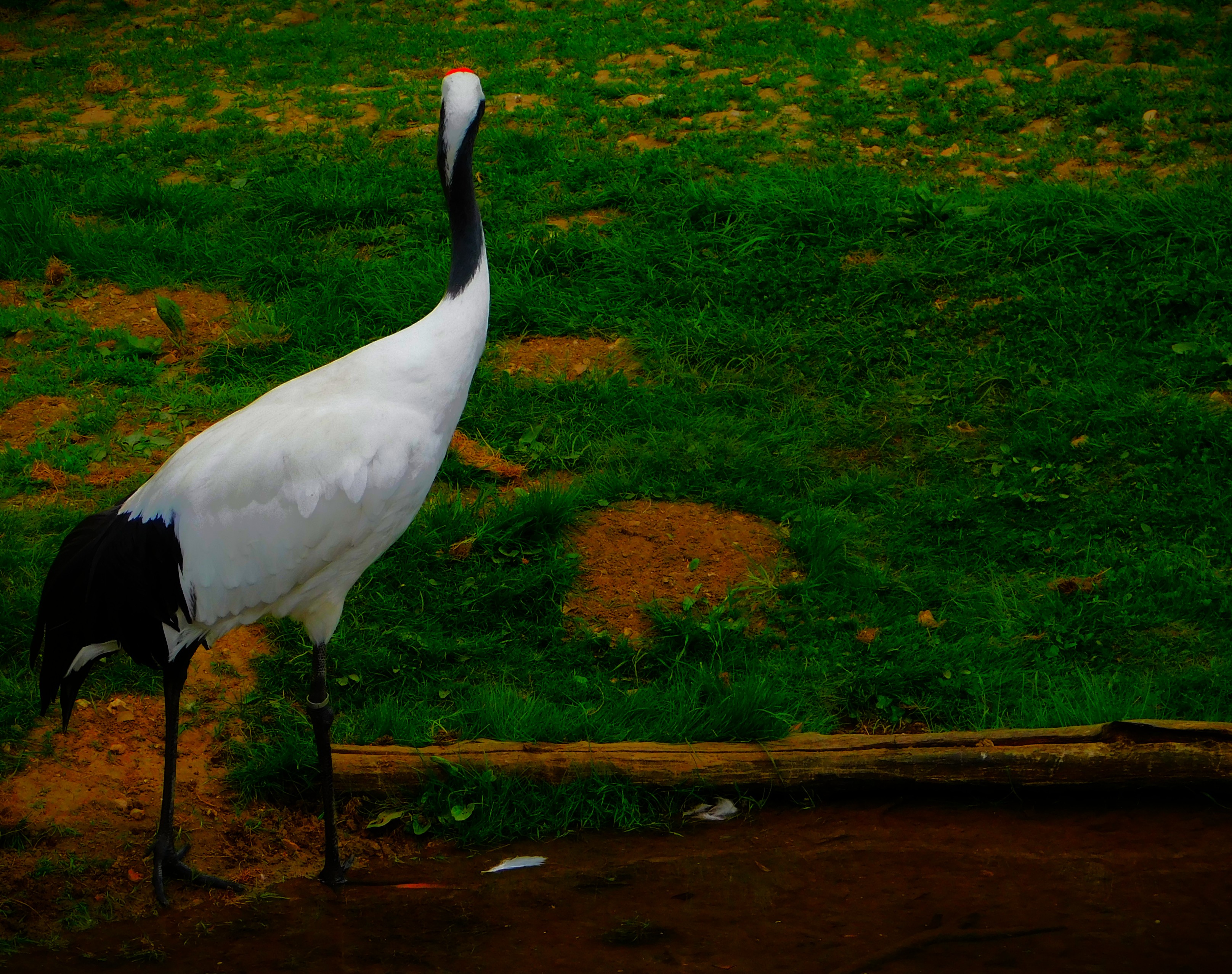
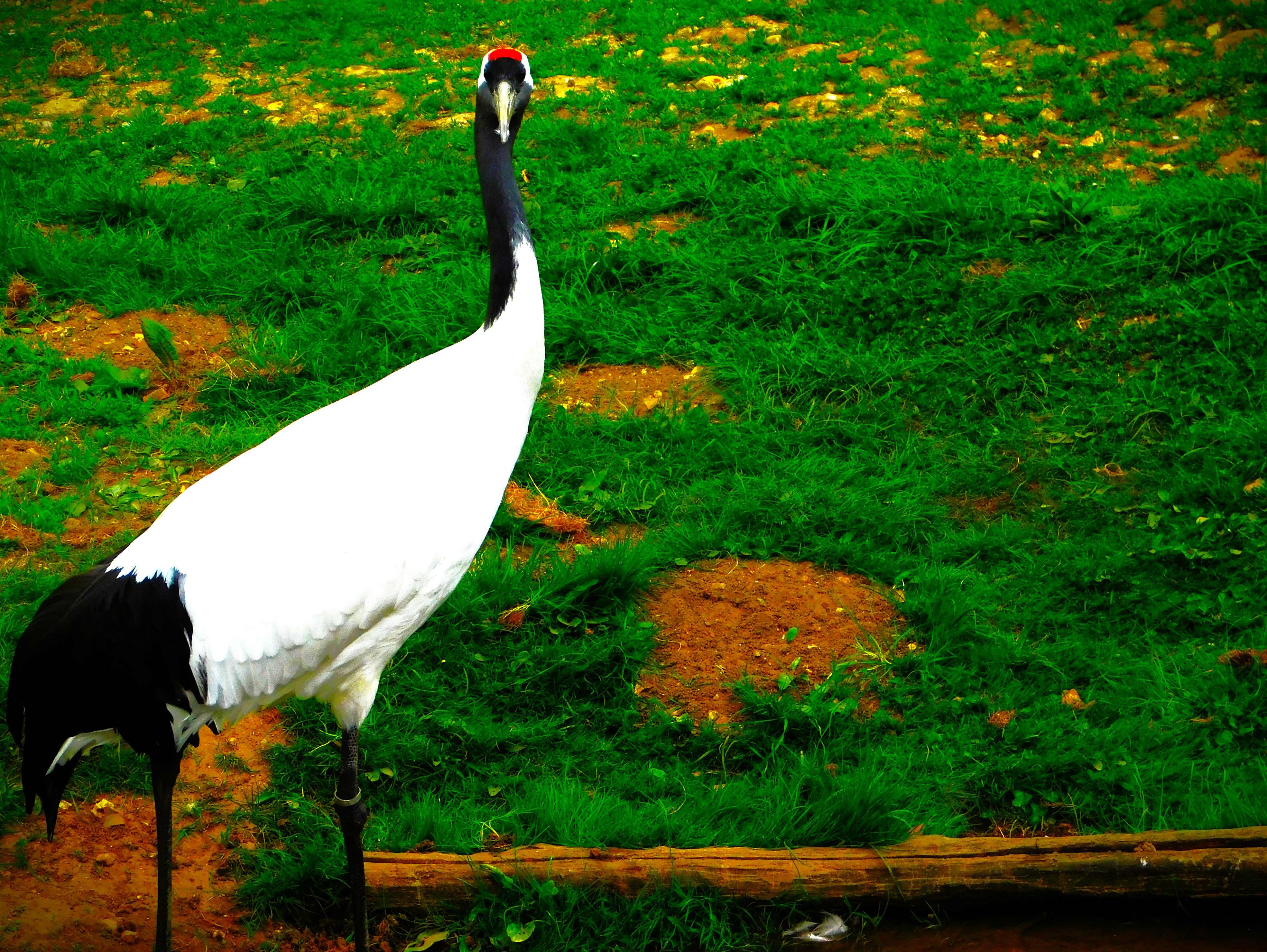
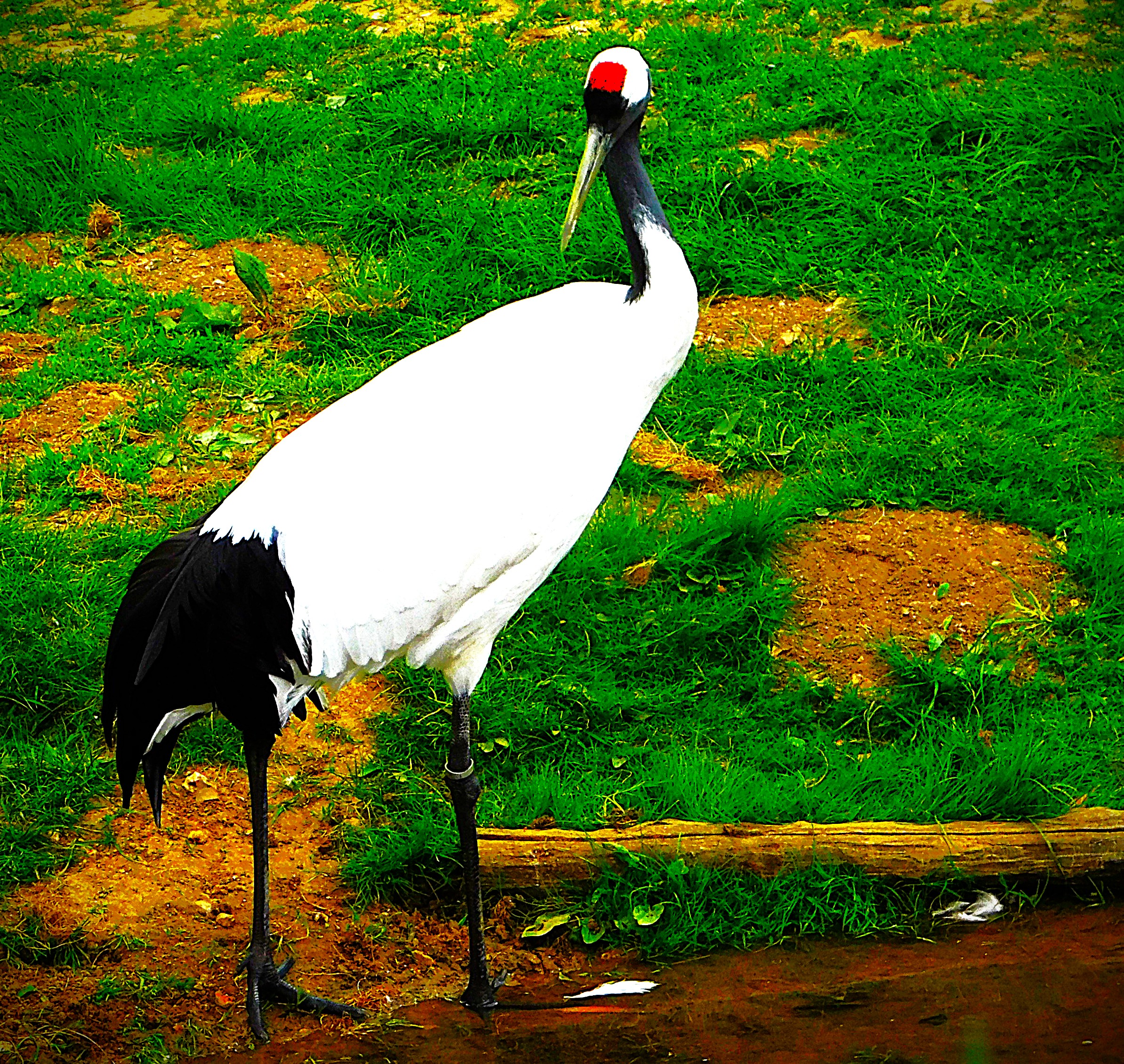
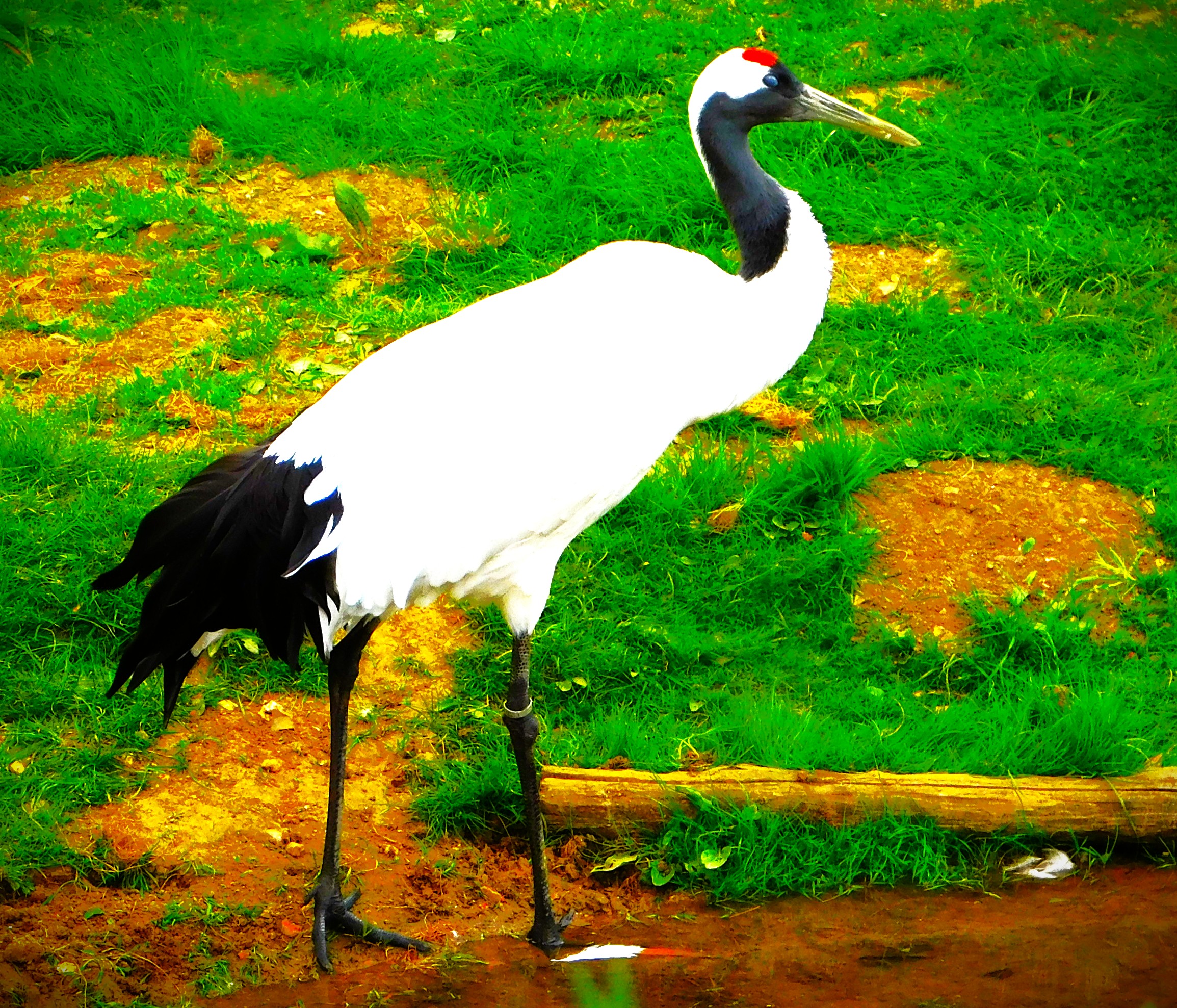
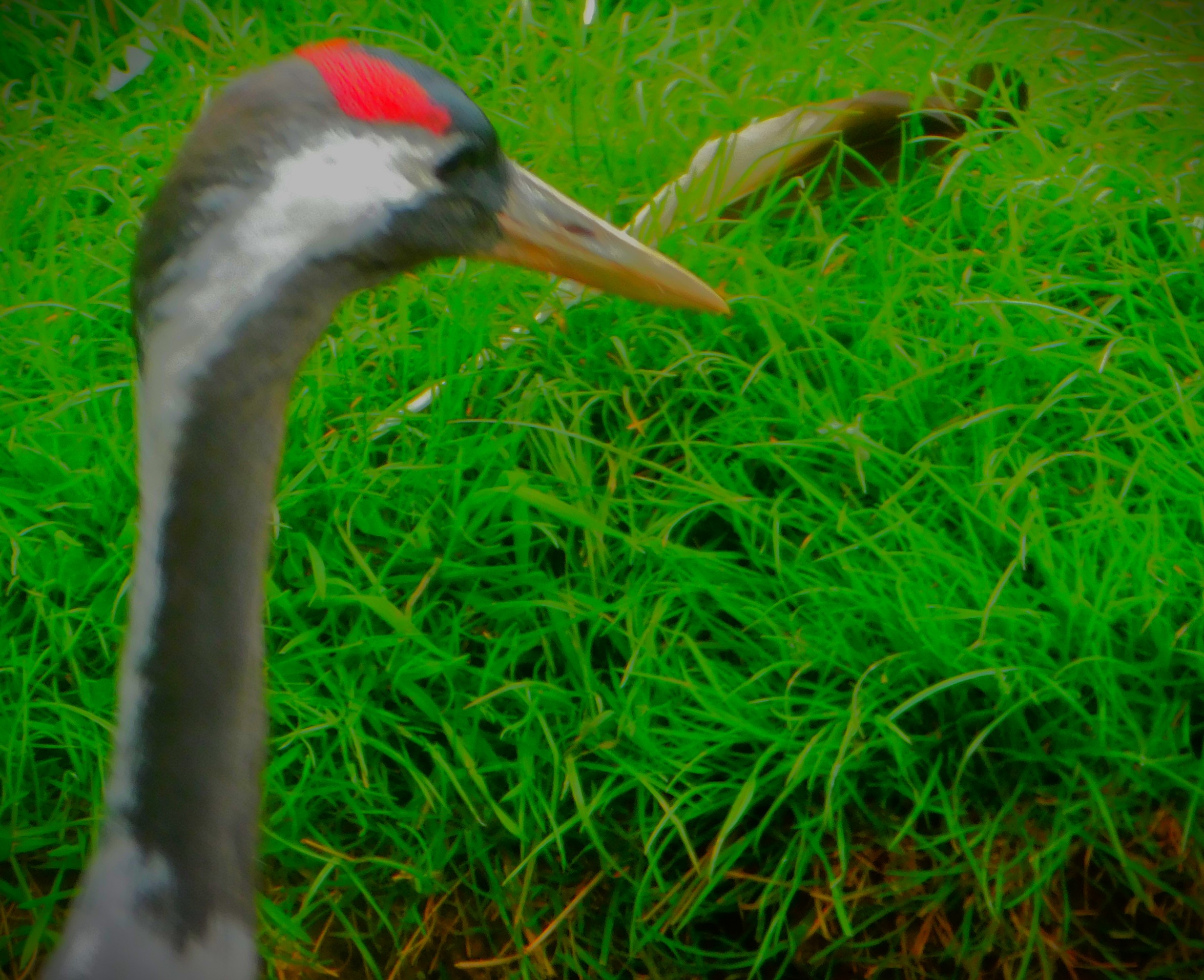
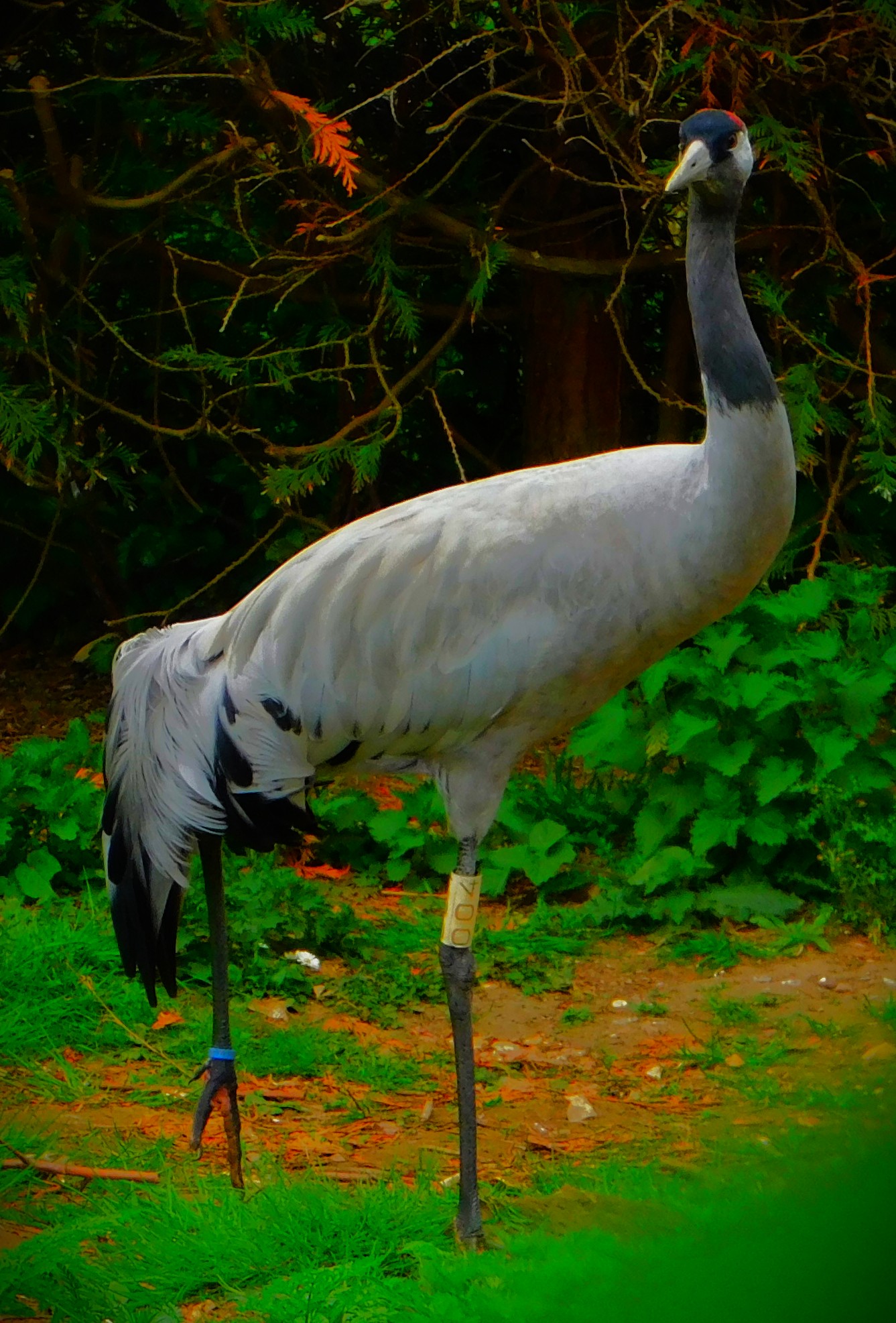
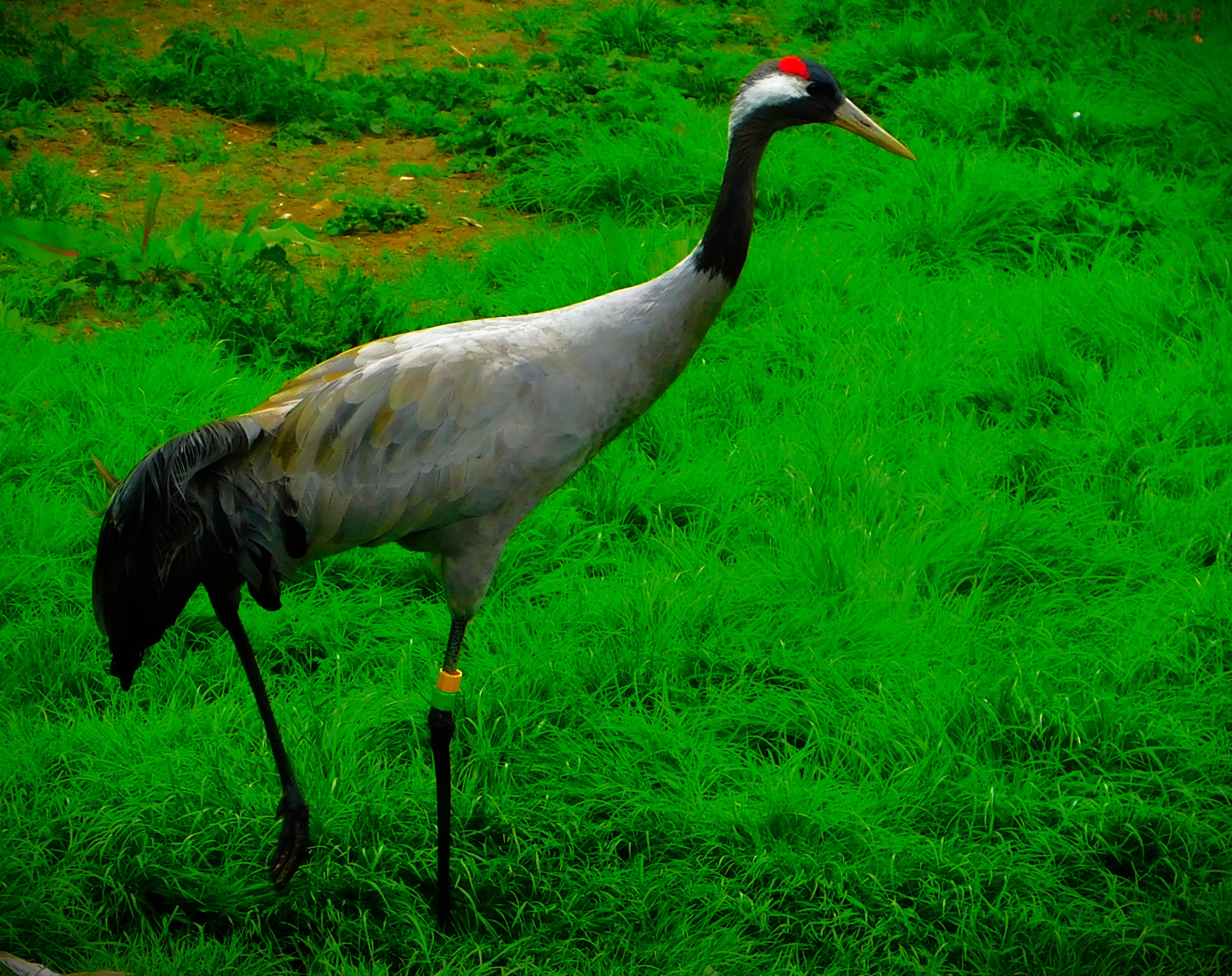
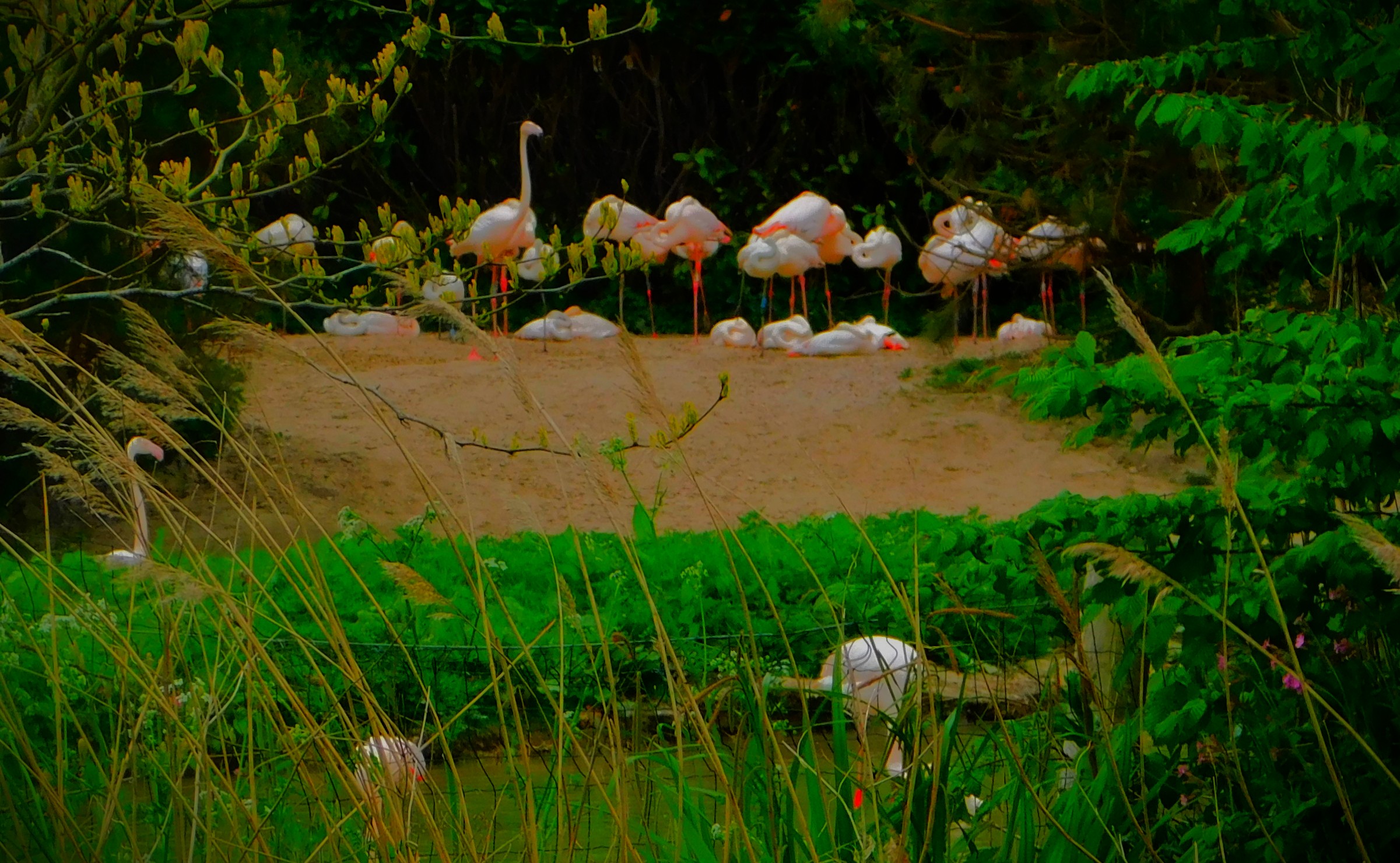
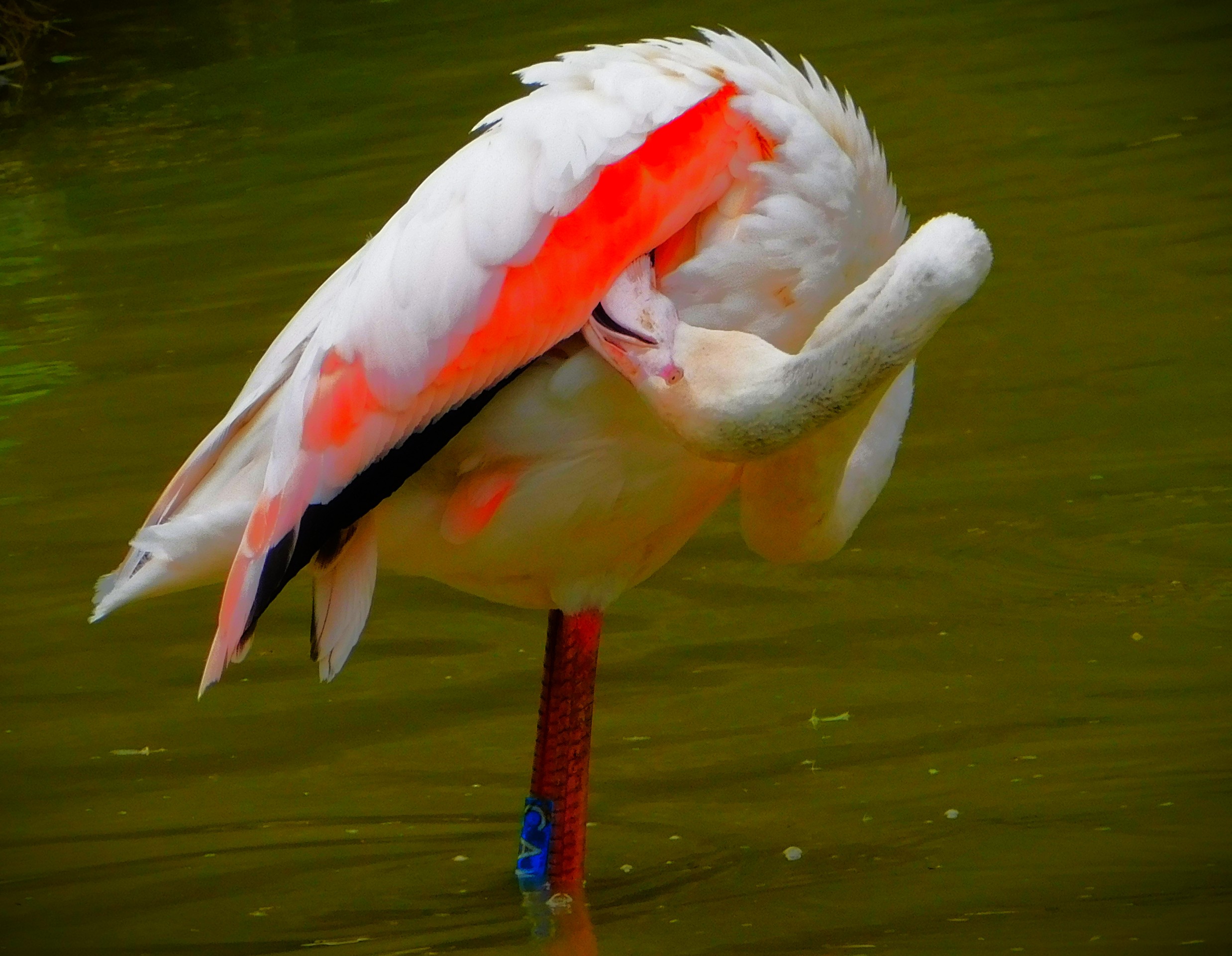
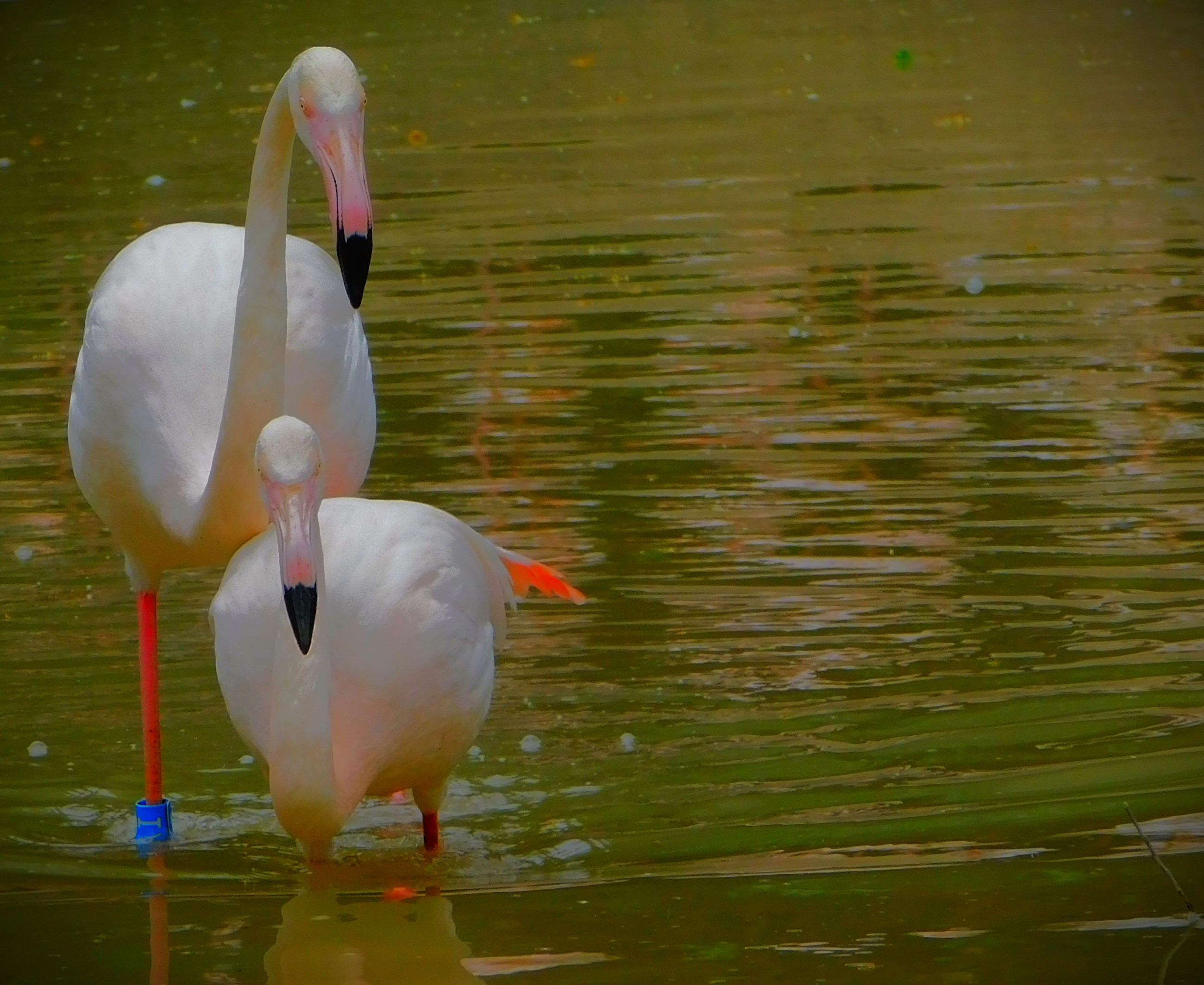
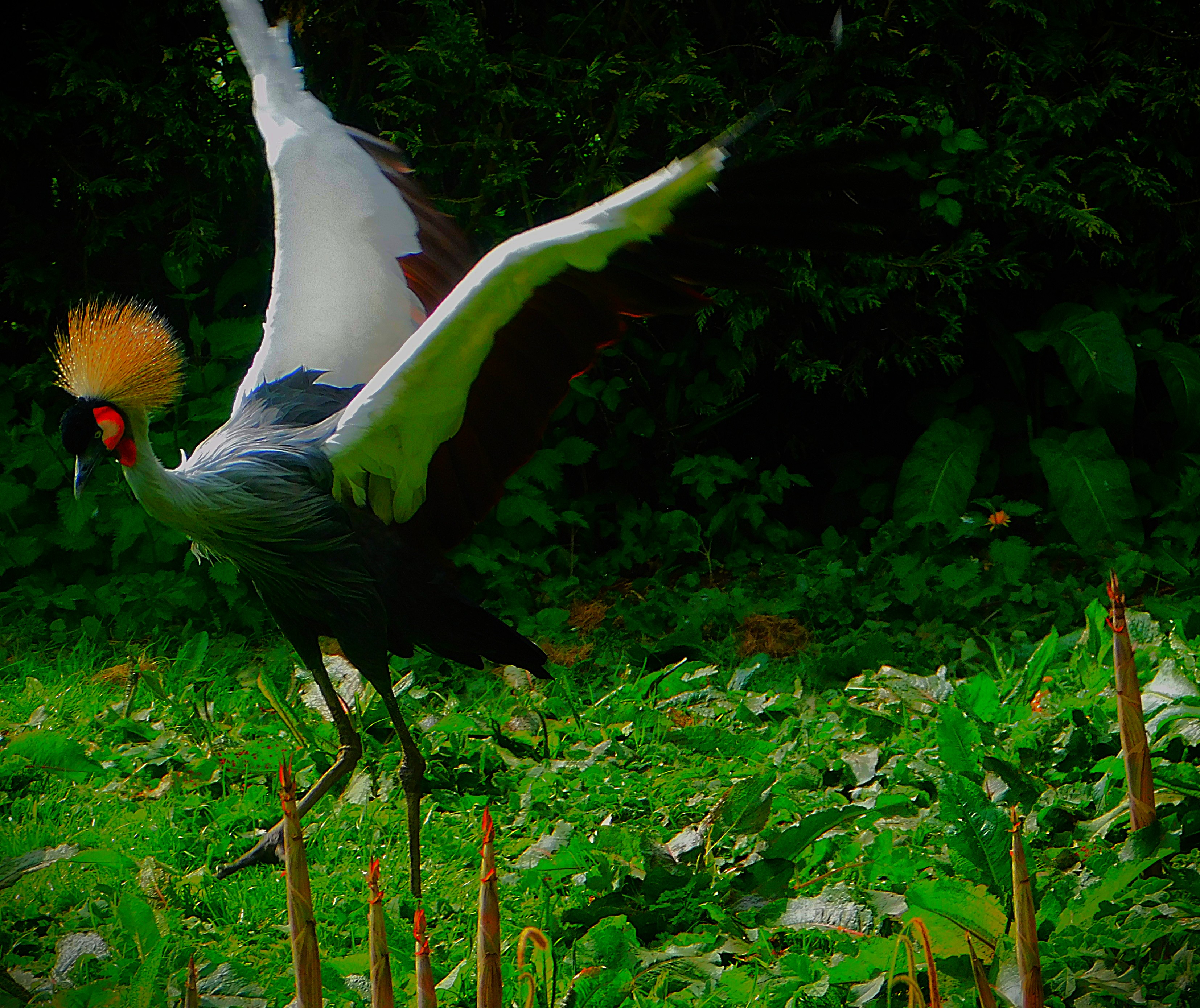
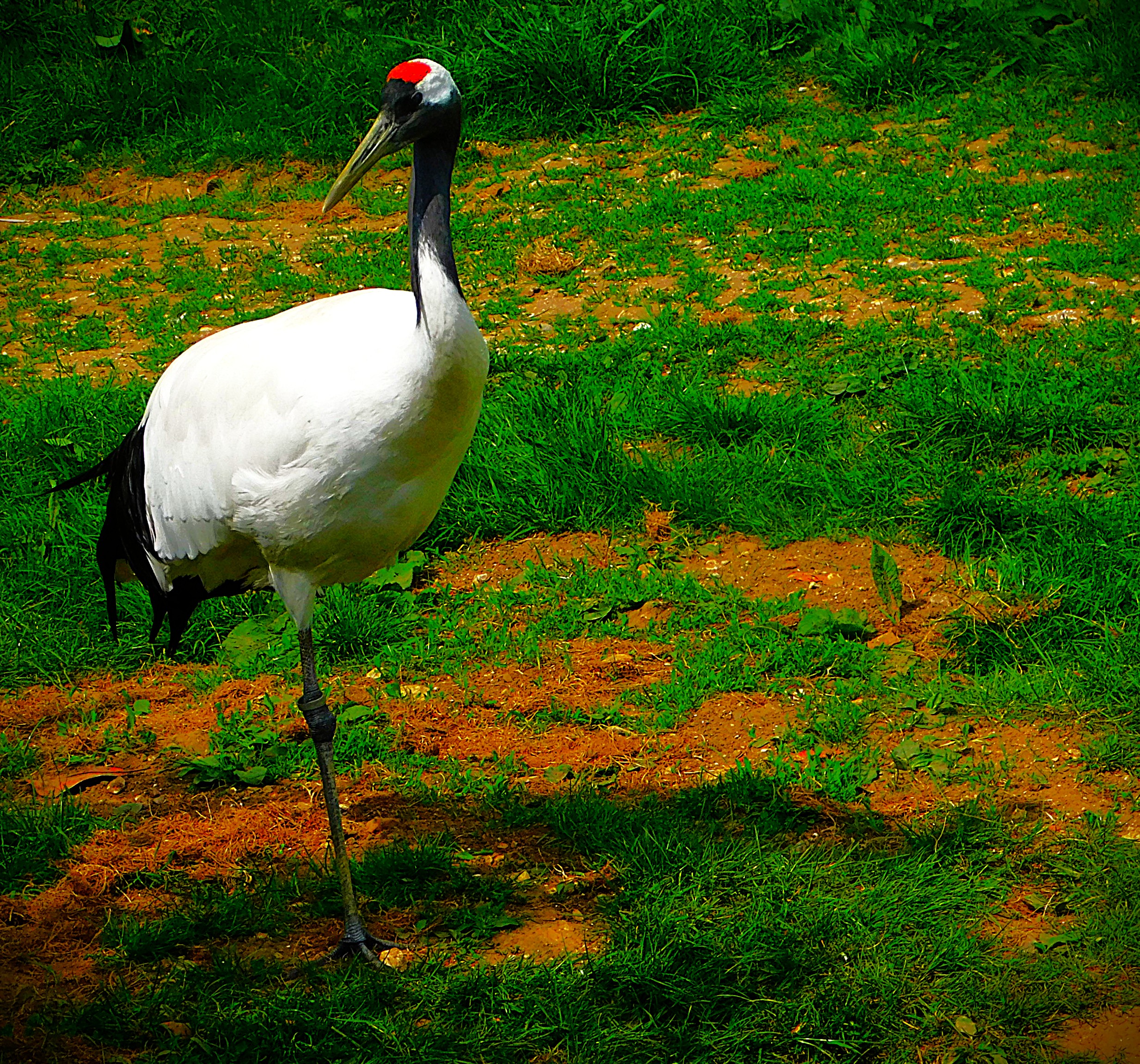
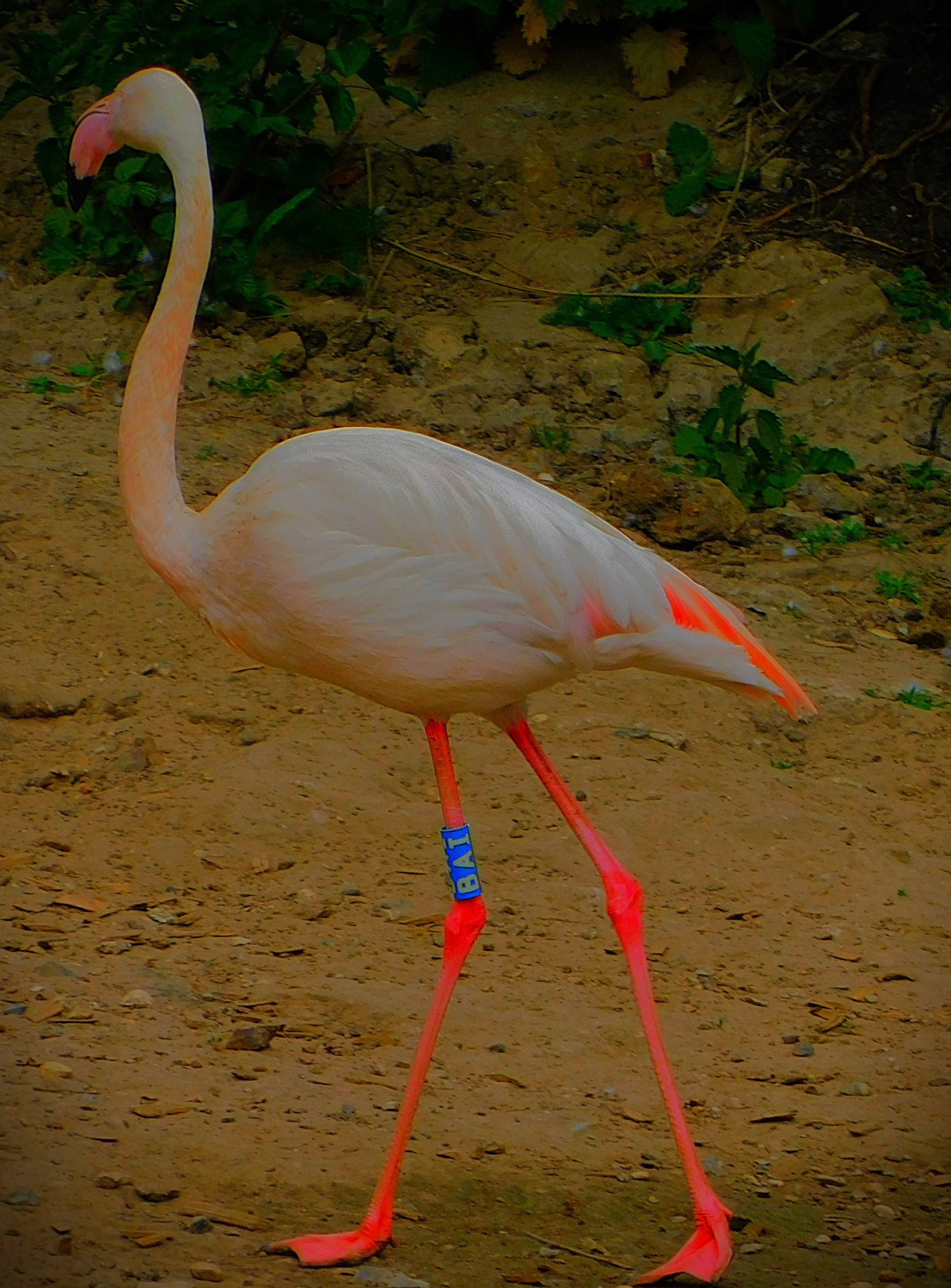
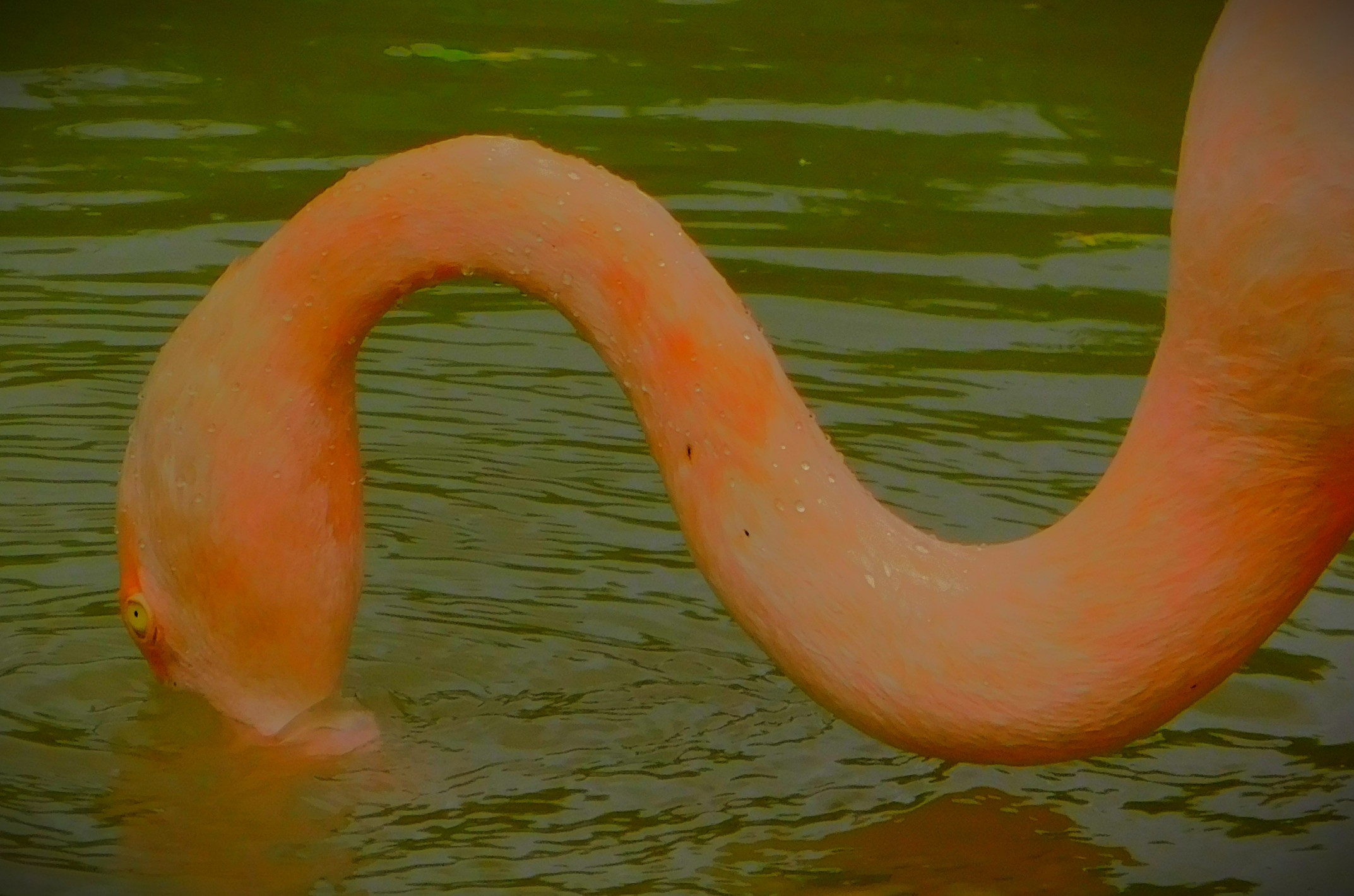
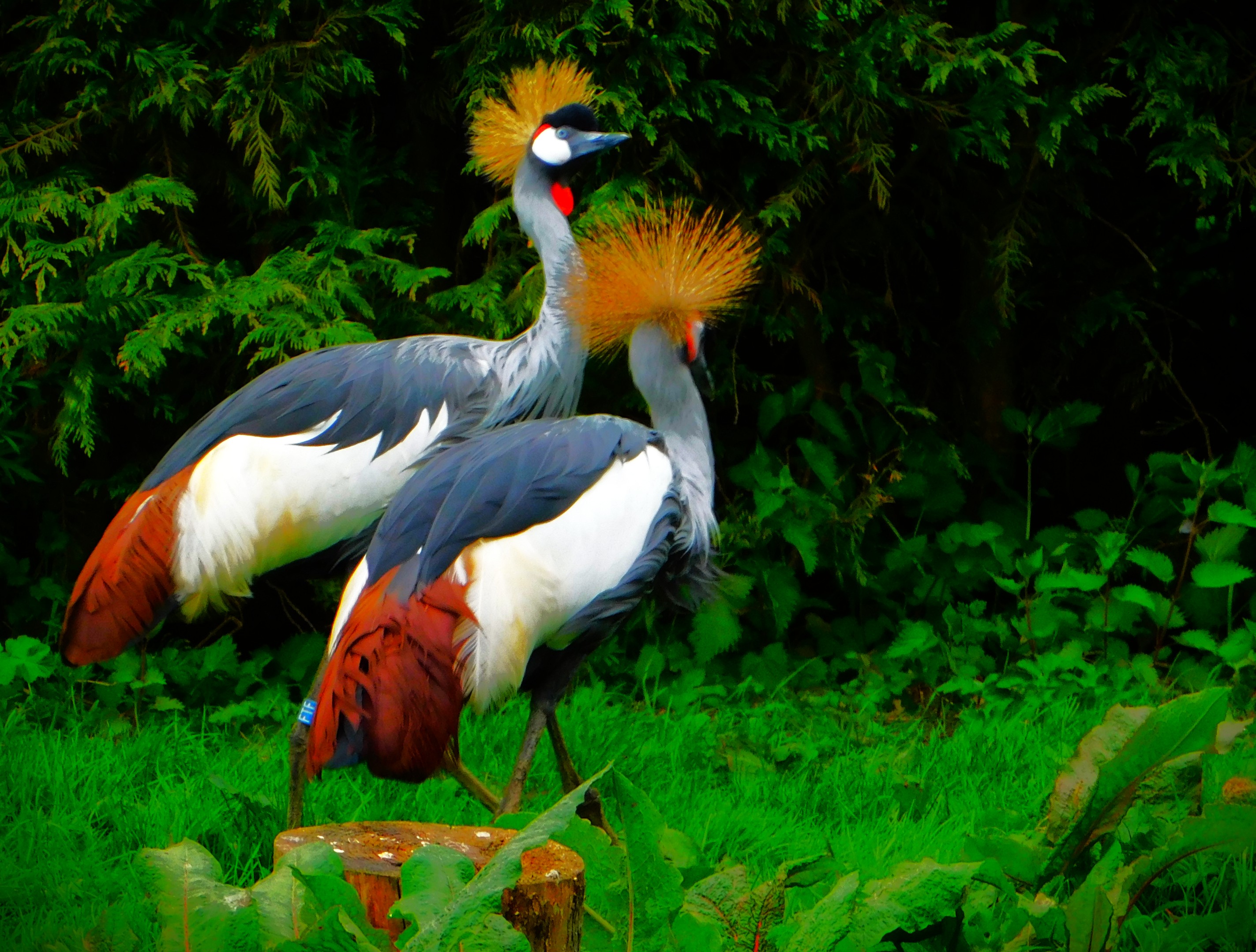
This is third post in my series about the West Norfolk Autism Group outing to Pensthorpe (see here and here). This post is devoted to the cranes and flamingos. I made two visits to that part of Pensthorpe in the course of the day, one near the start, and one just after eating lunch.
THE CRANE AND FLAMINGO AREA
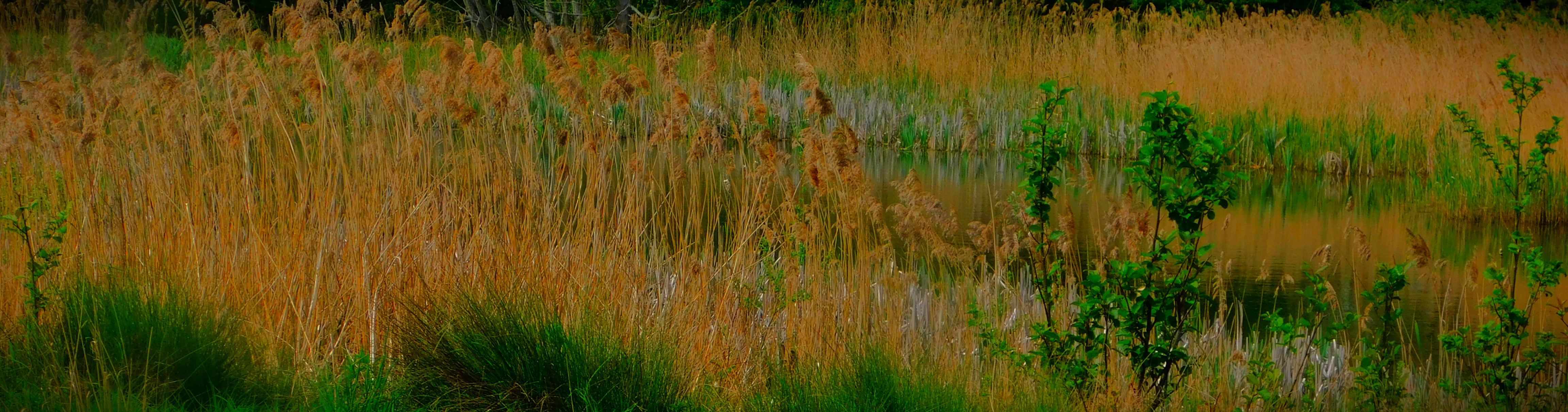
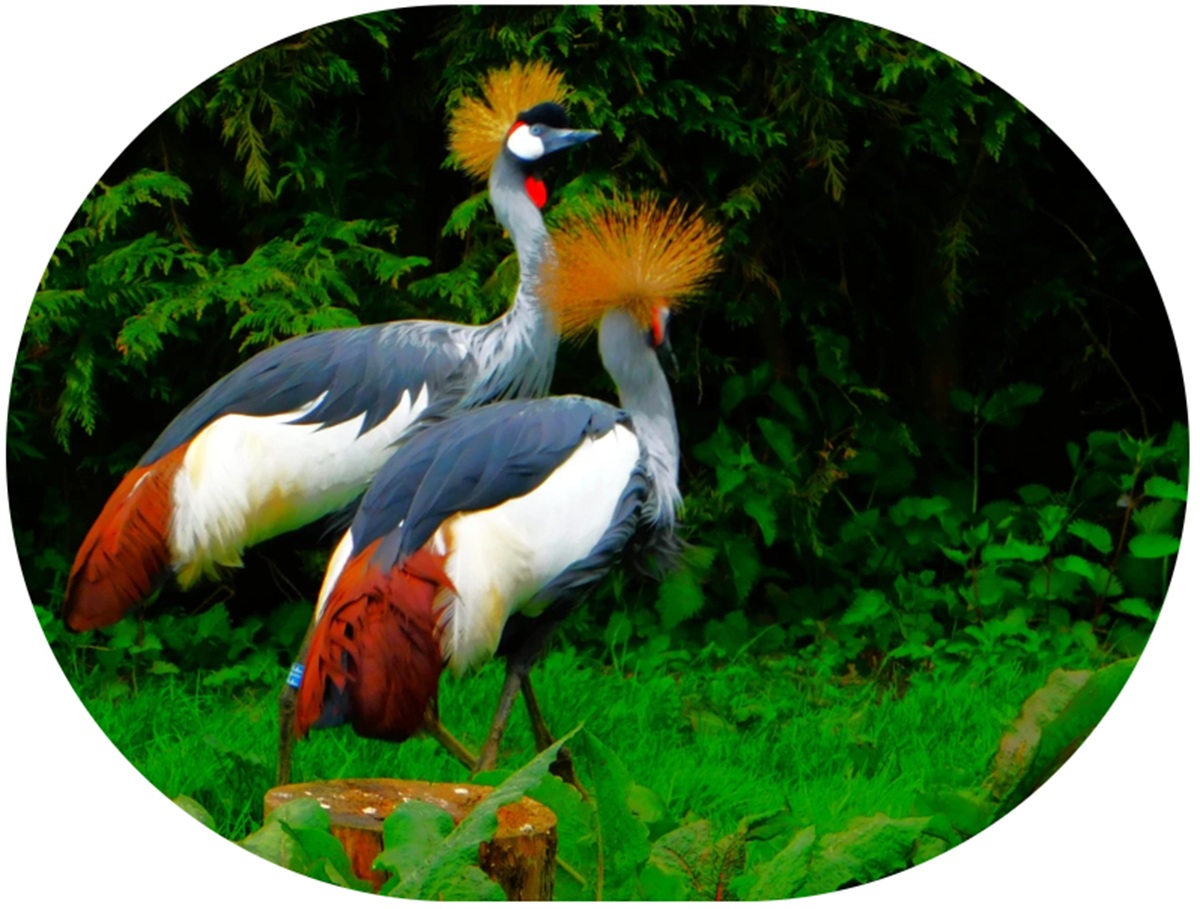
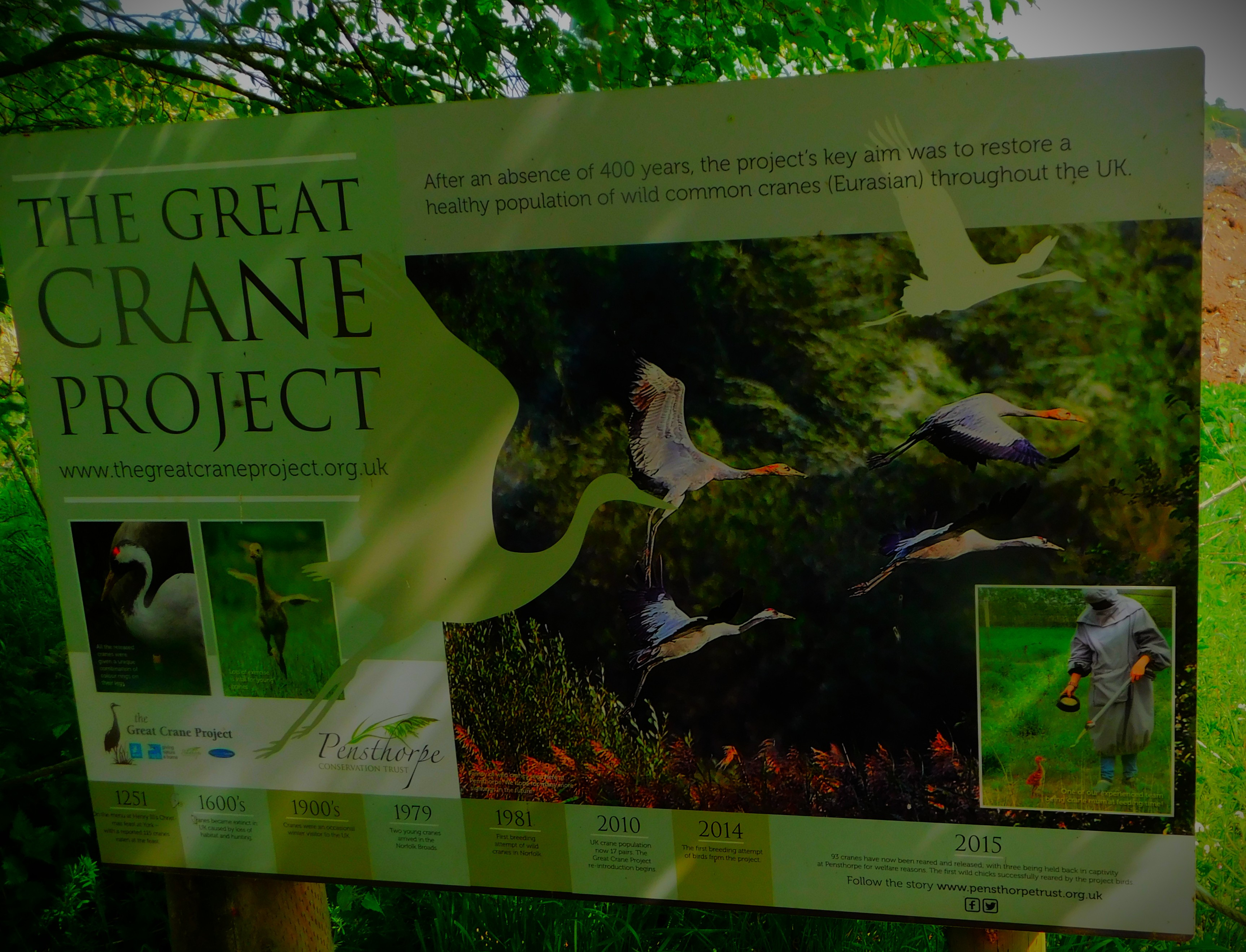
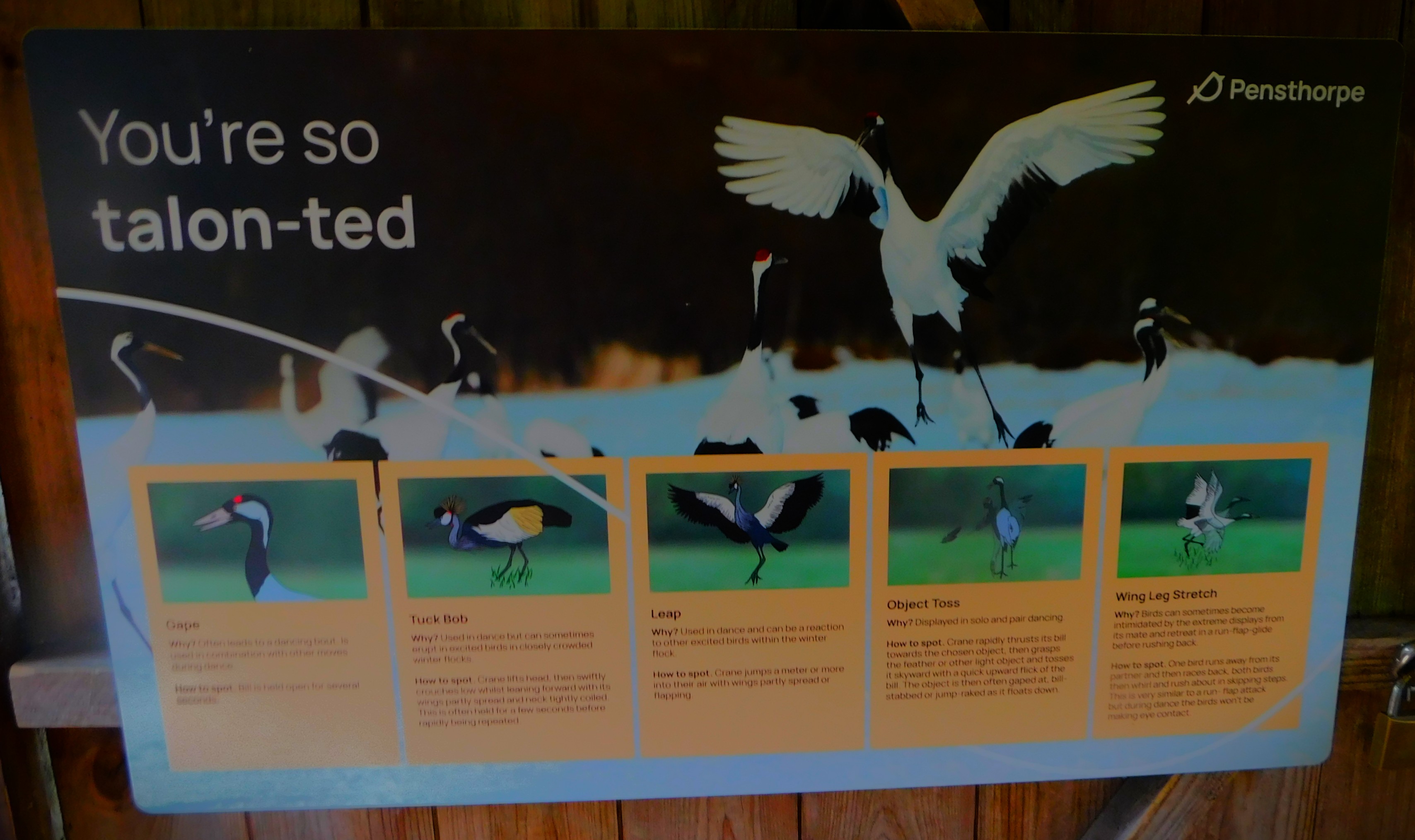
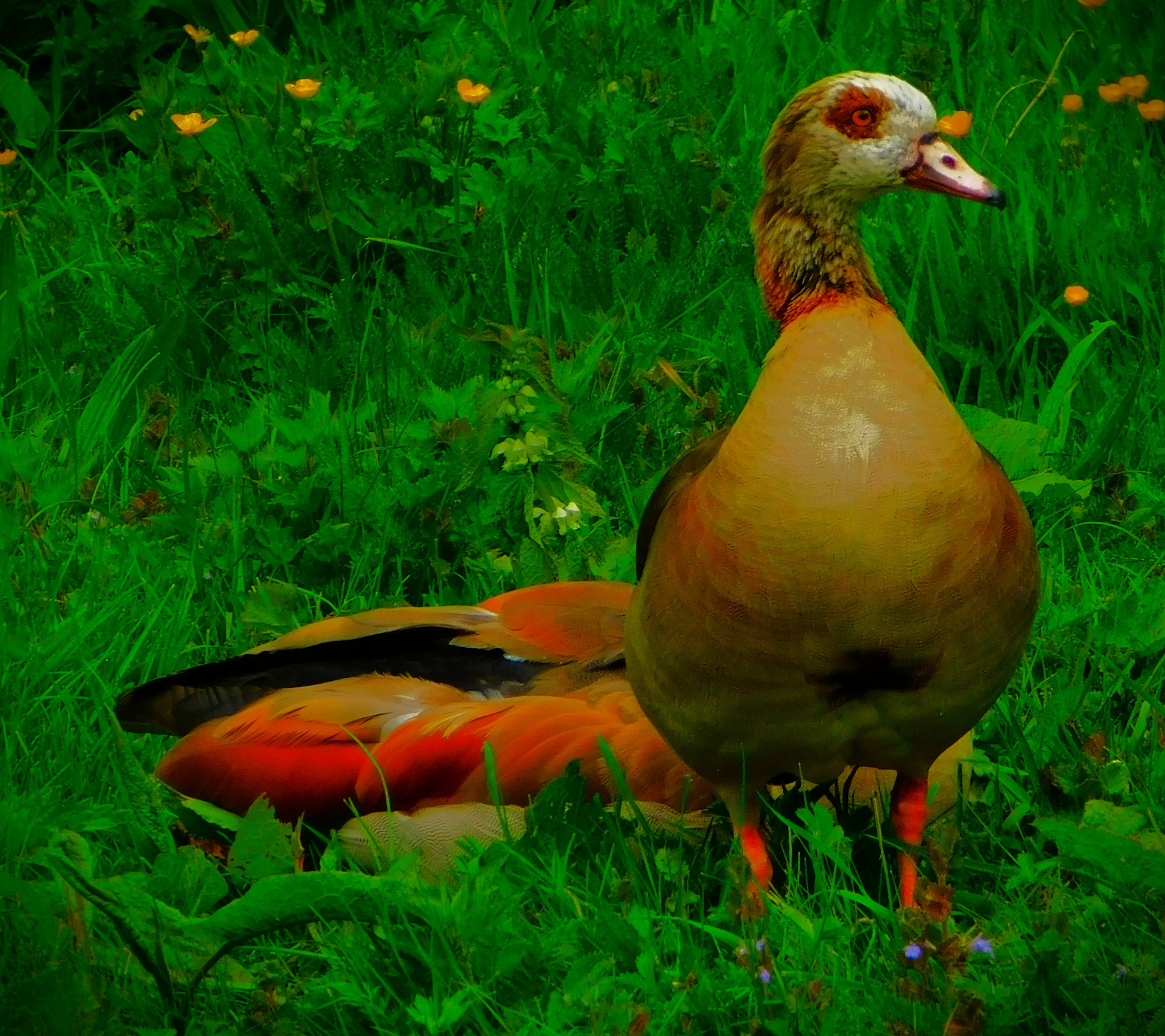
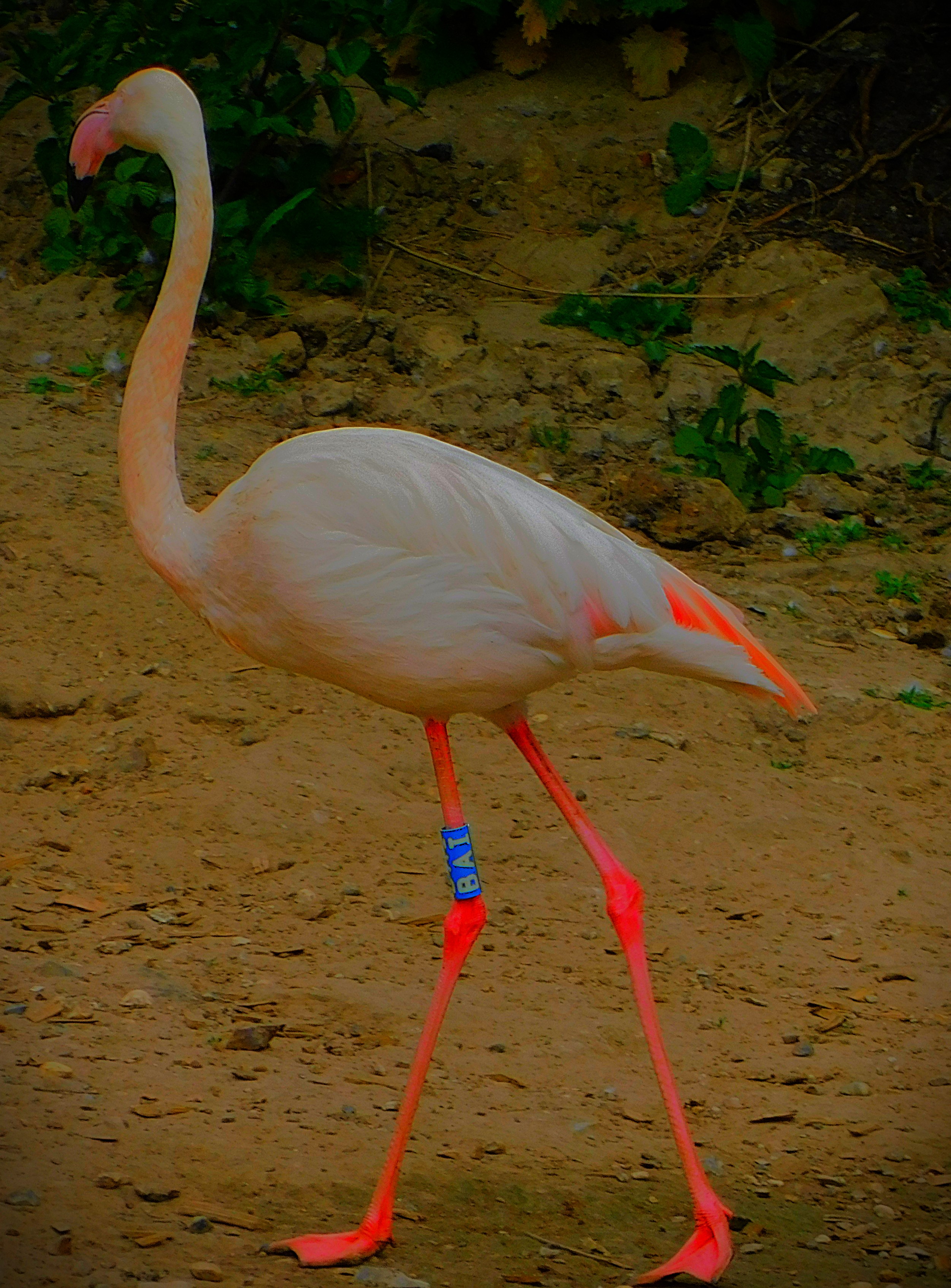
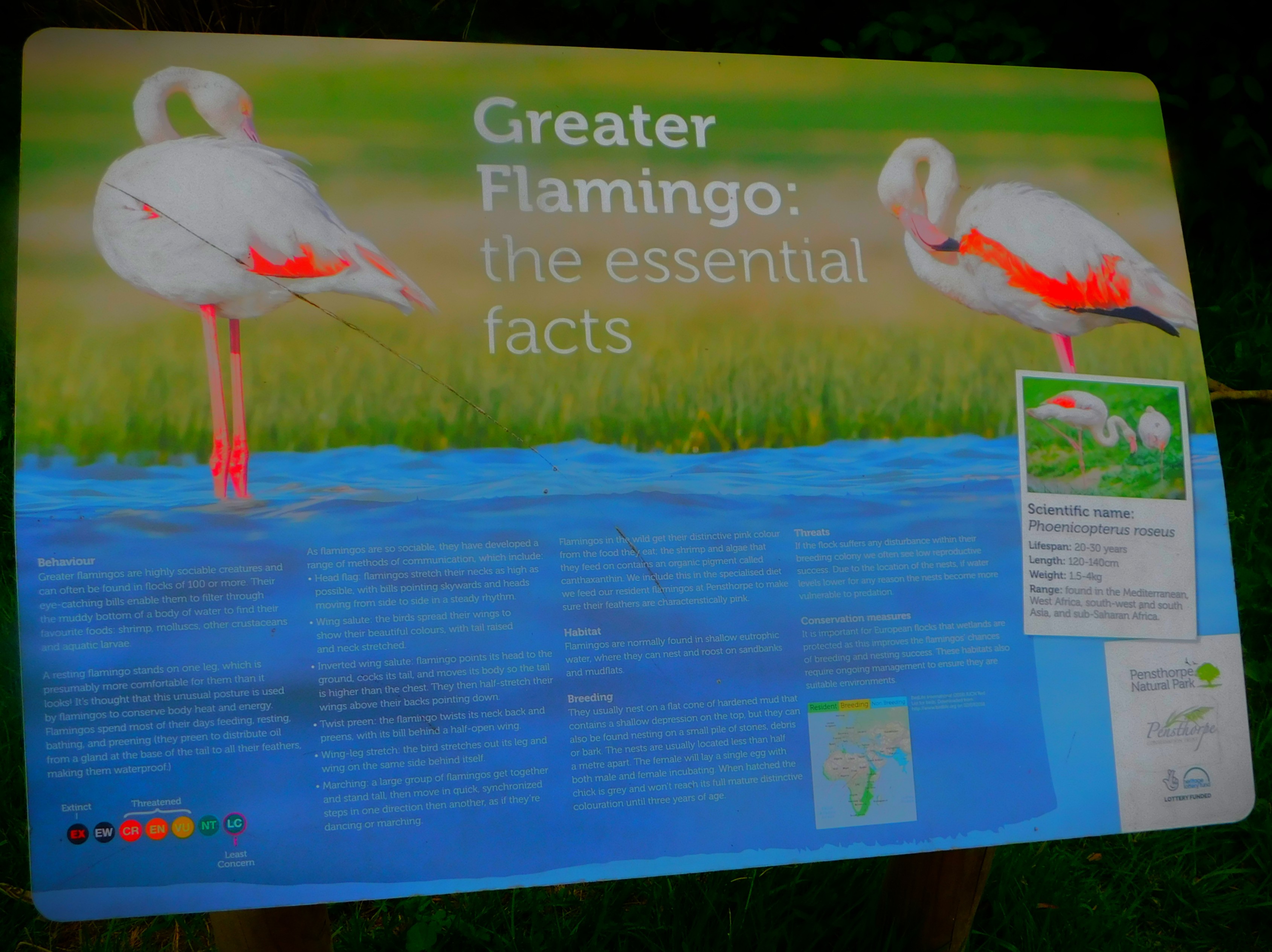
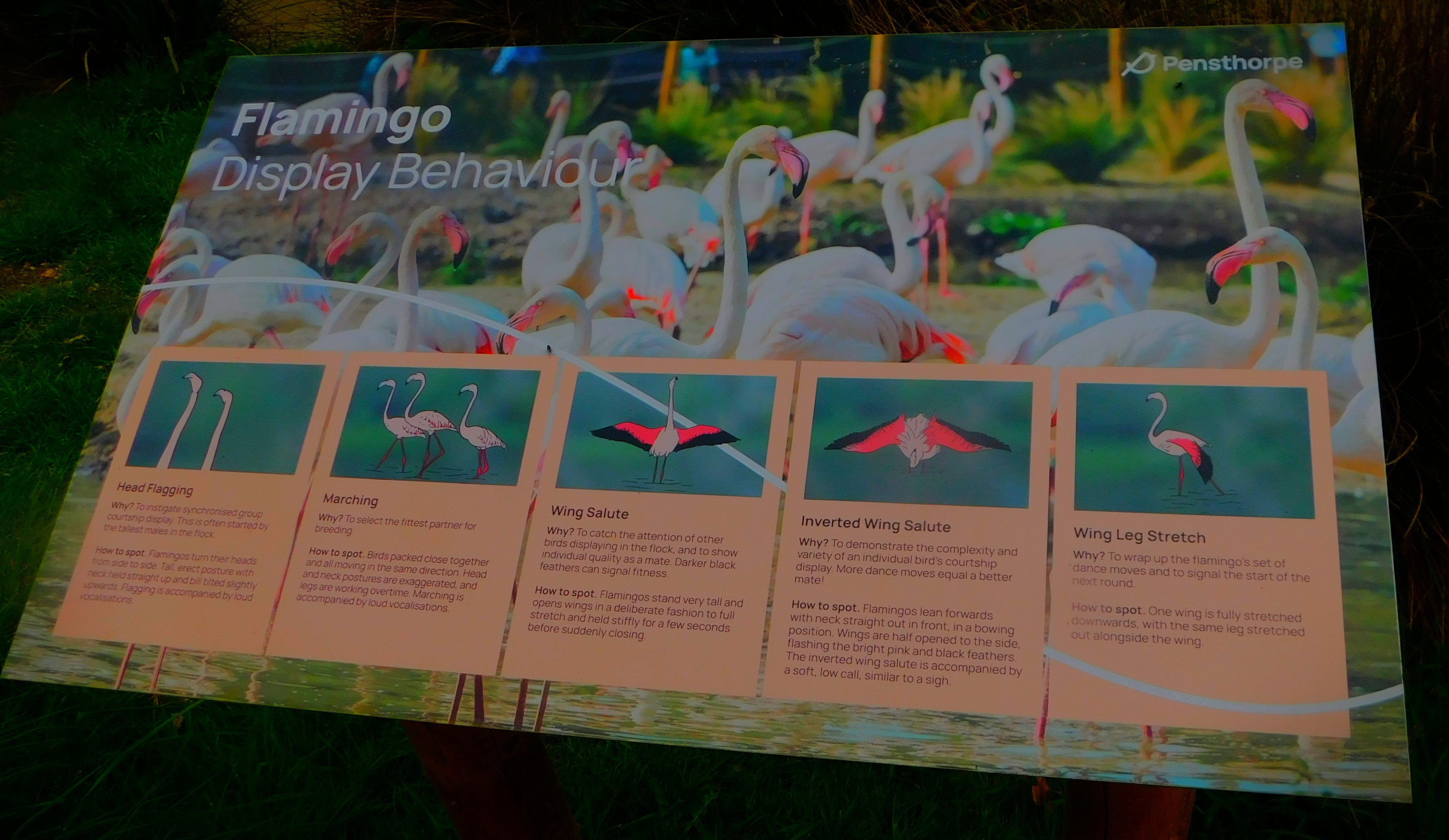
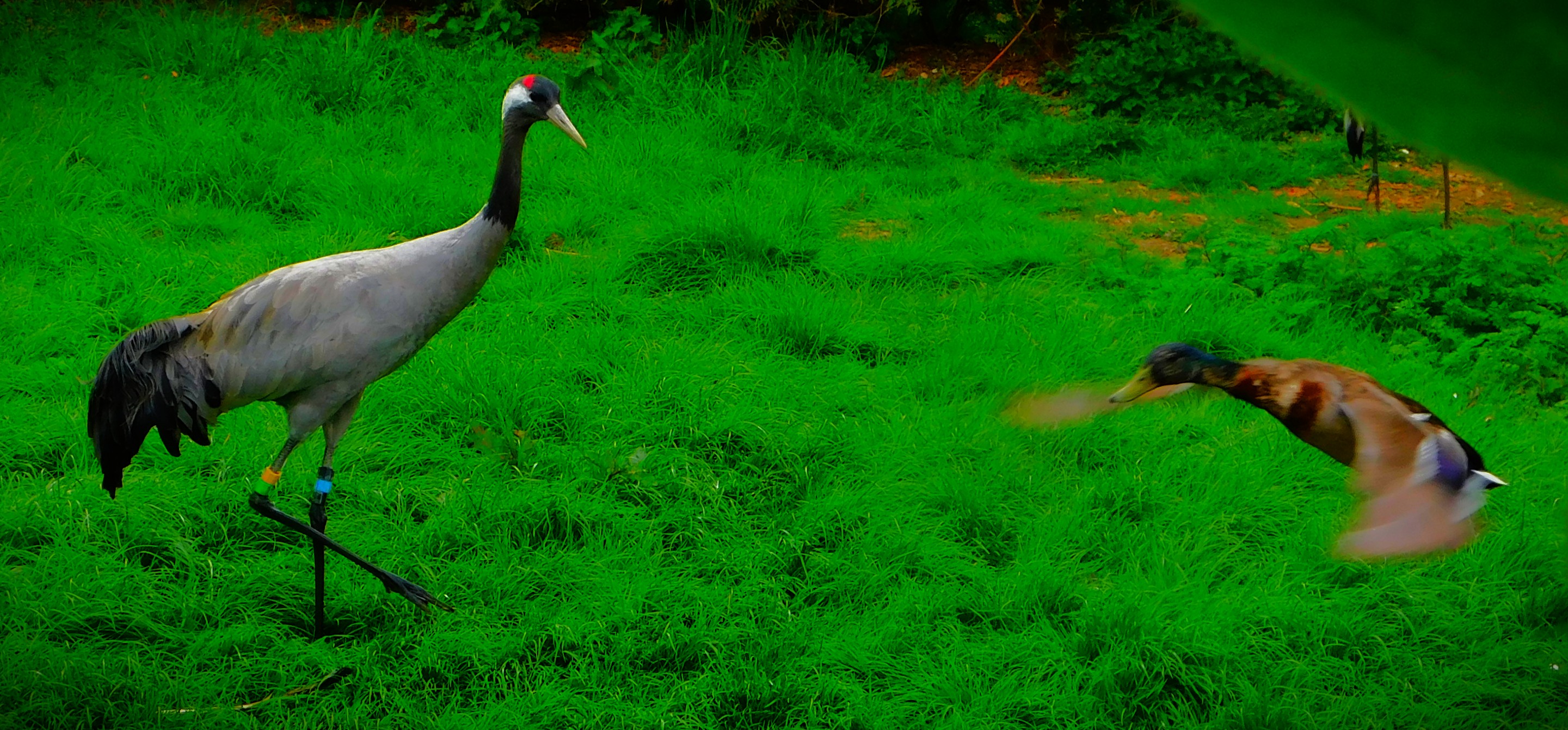
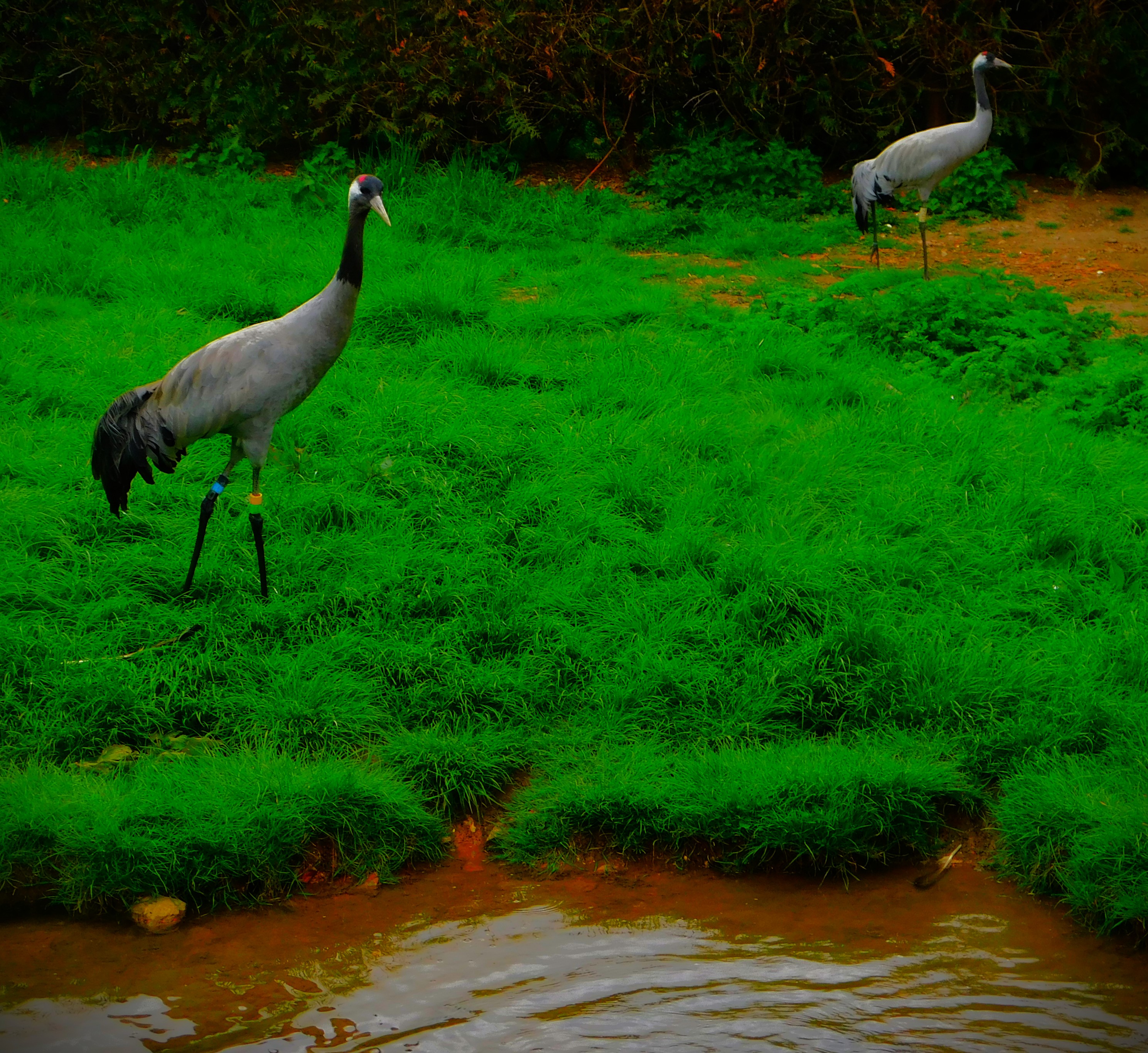
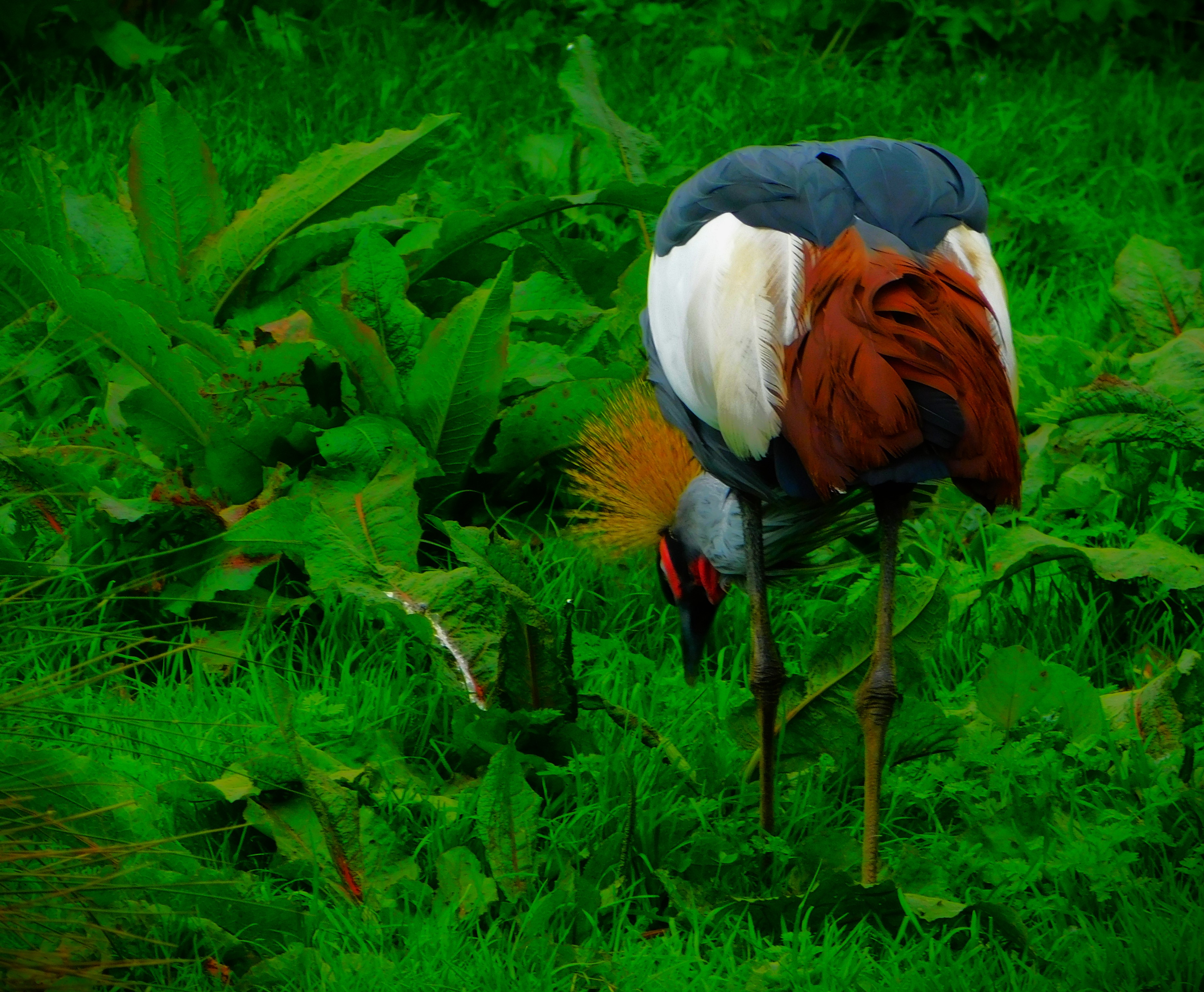
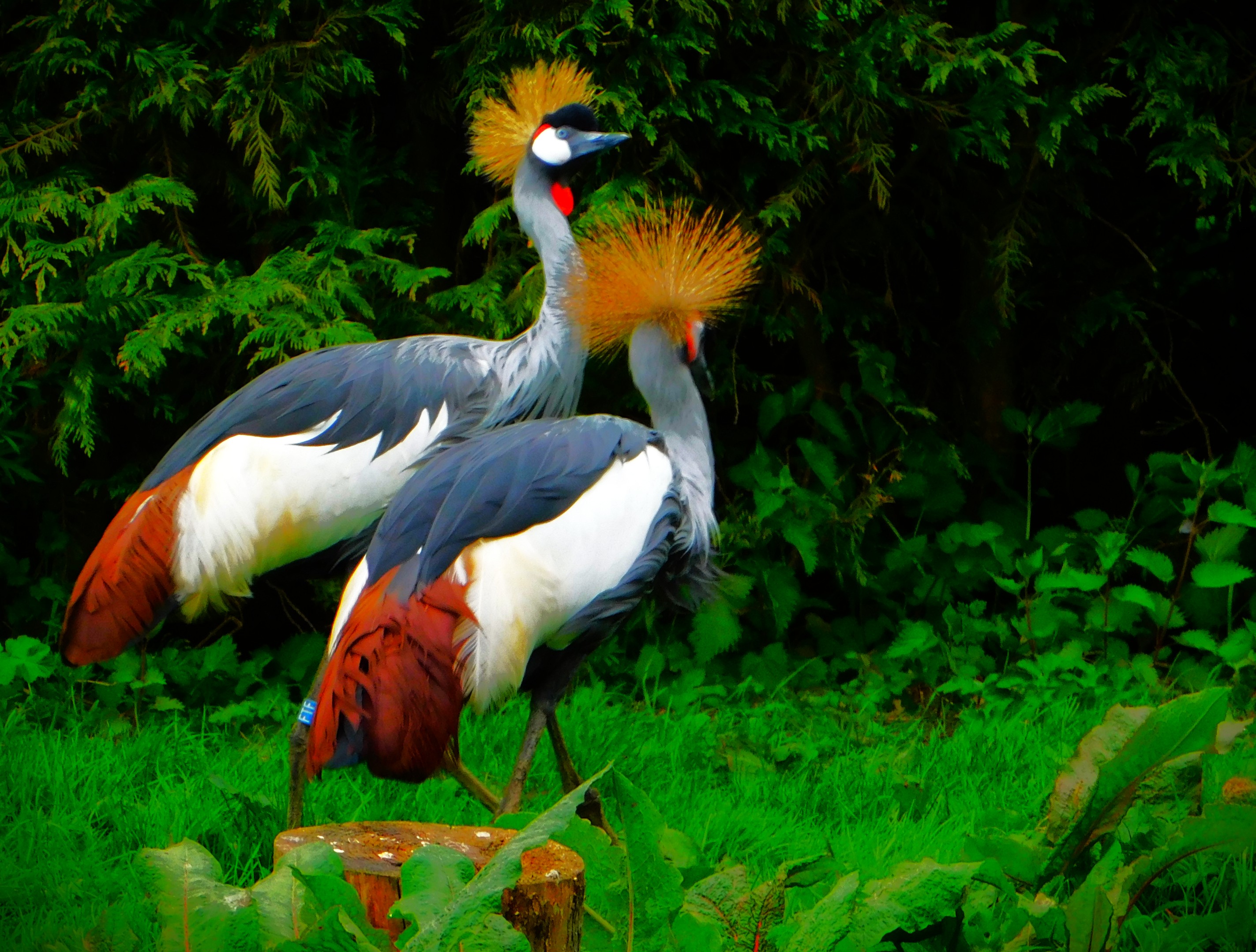
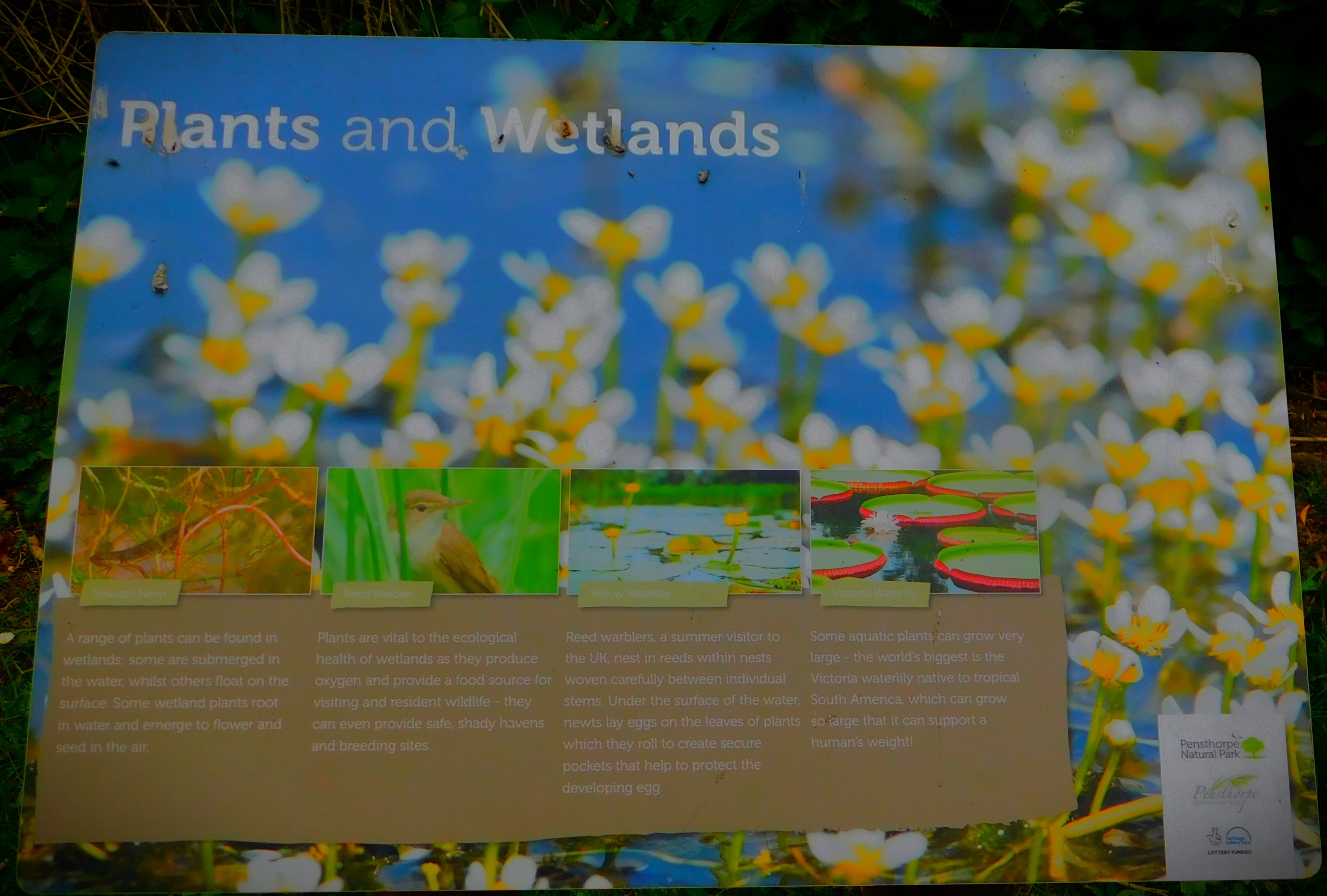
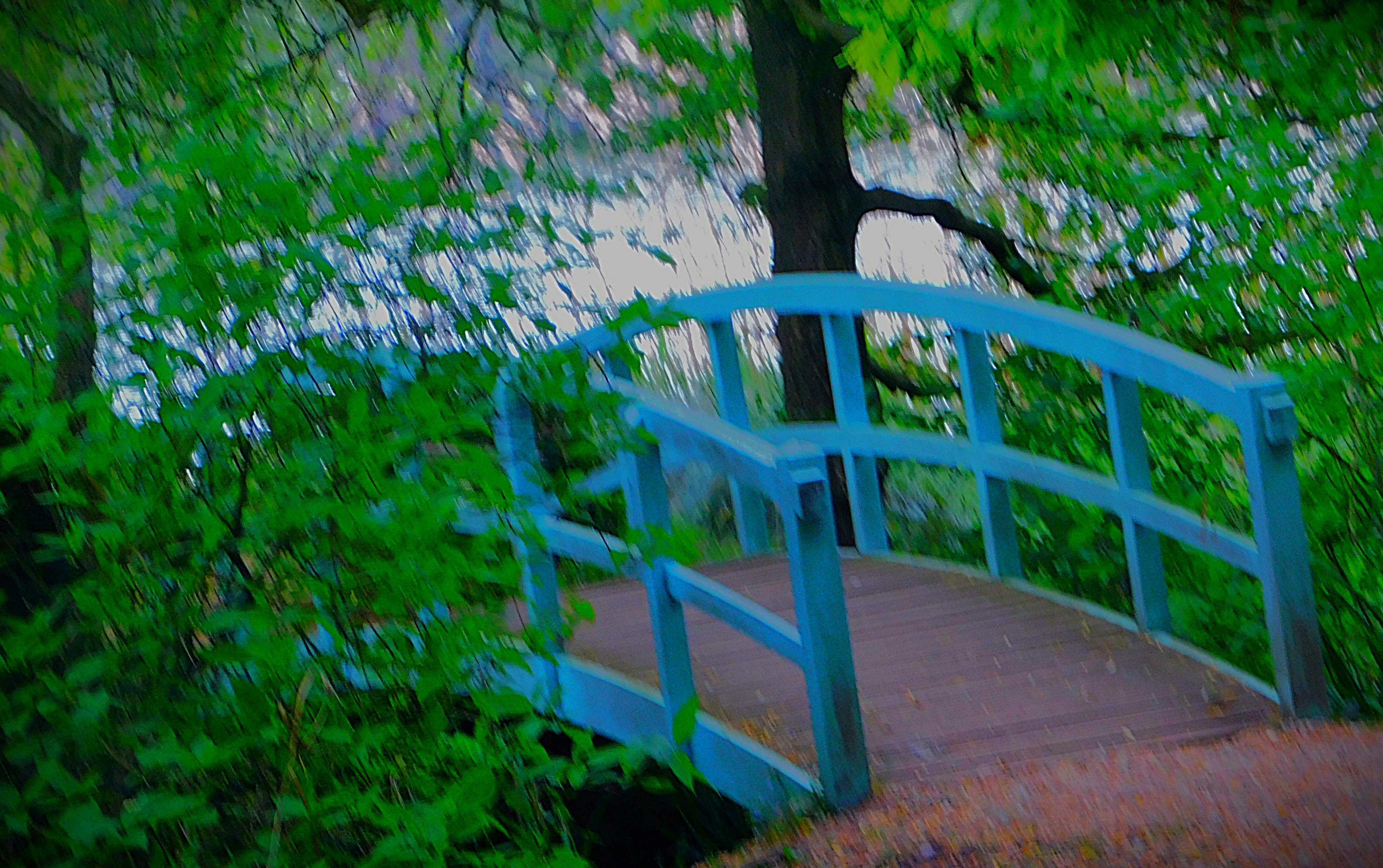
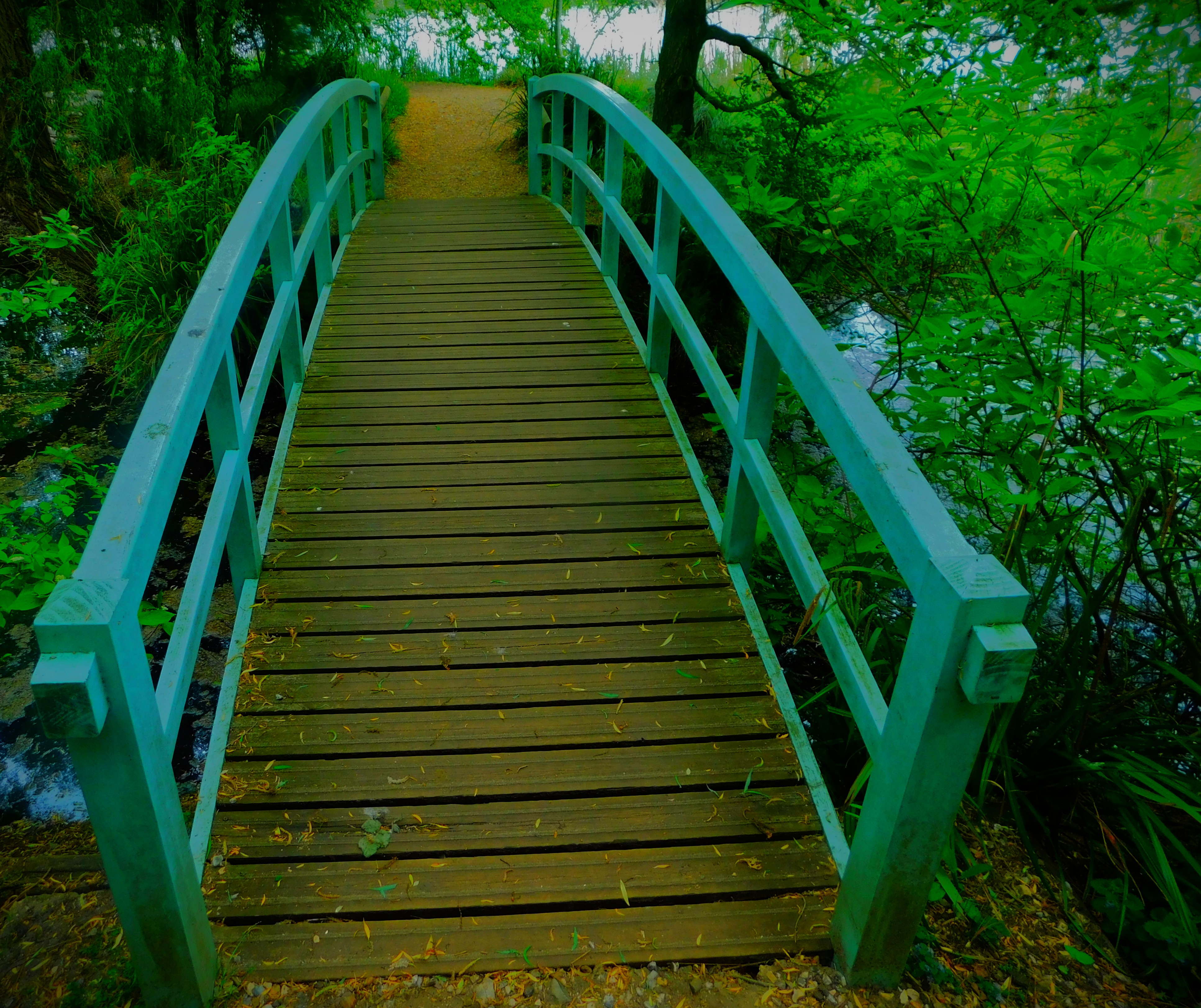
The Crane and Flamingo Area has two ways in and out, both in between the Flamingo pond and the Crane hide. It is close to the wetland area, and also close to the Monet inspired bridge. Pensthorpe is very well equipped with signage, so finding one’s way there is not difficult, but it is not on the way to or from anywhere else, so it requires a conscious decision to give it your attention. There are four different crane species to be seen, each viewable from a different window of the hide.
The second post in my Pensthorpe series: A look at the Discovery Centre and the rest of my general photos,
This is the next post in my series about the West Norfolk Autism Group outing to Pensthorpe Nature Reserve (68 of us went in total). It features the Discovery Centre and those of the general photos that I have not already shared.
THE DISCOVERY CENTRE
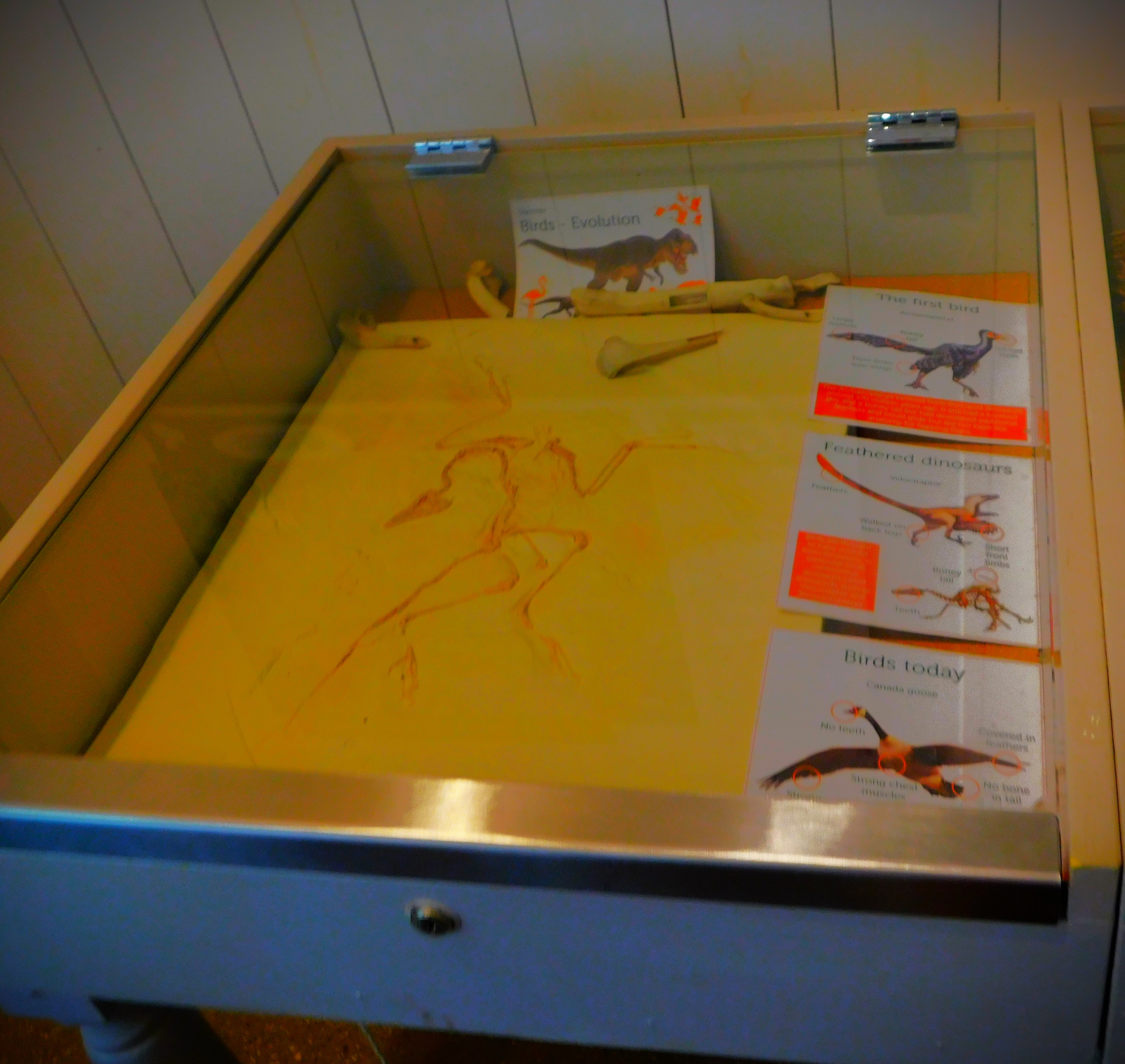
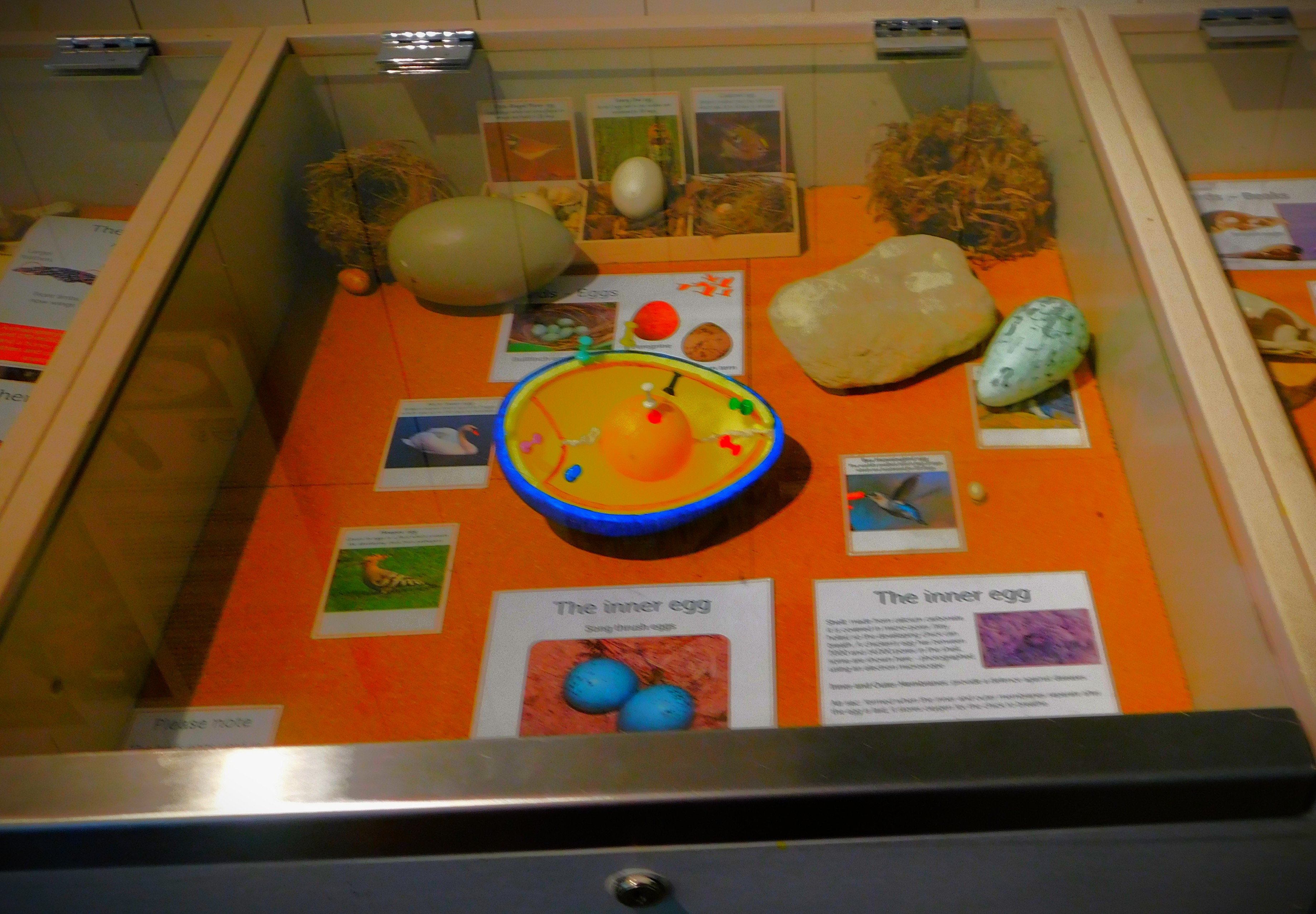
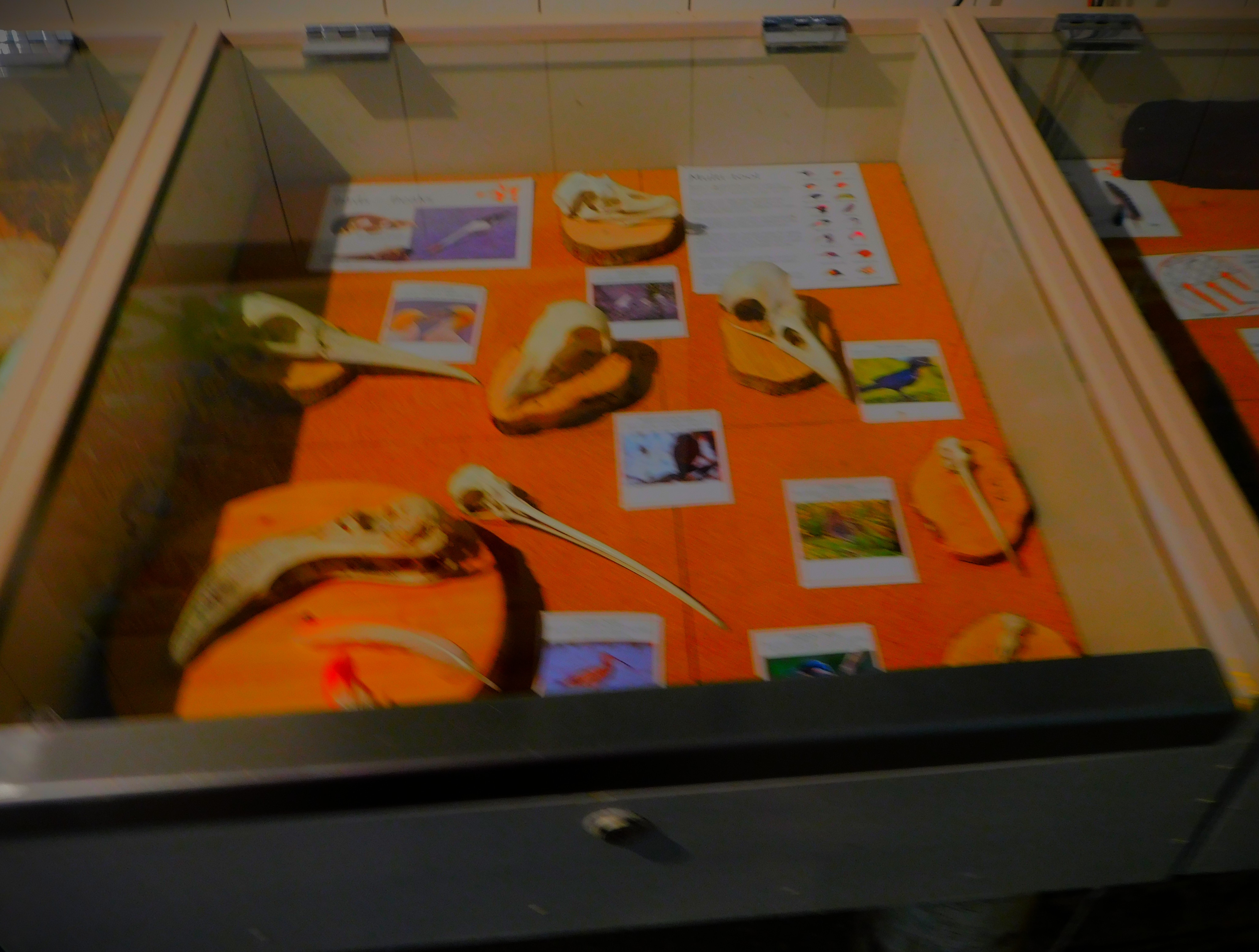
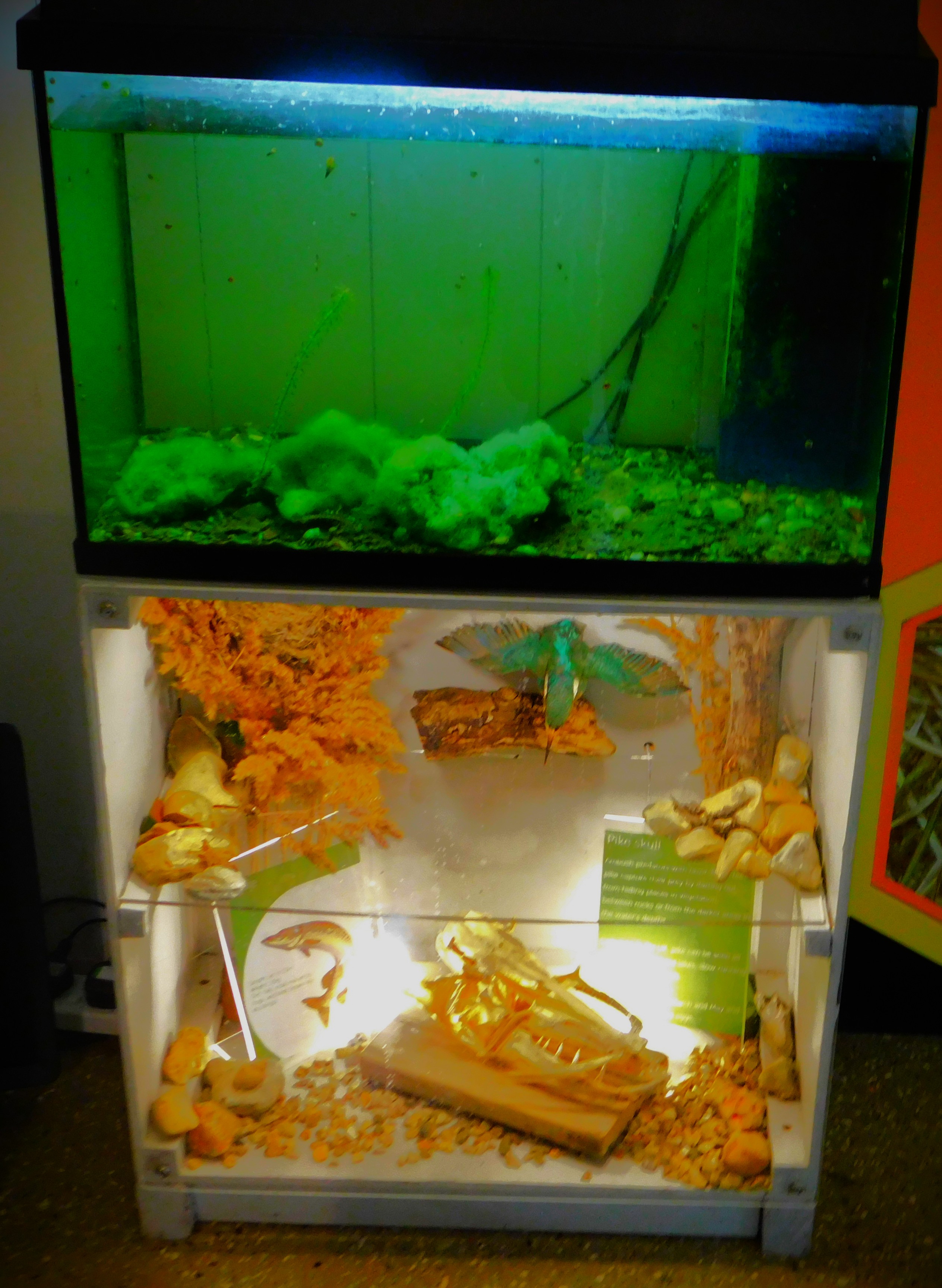
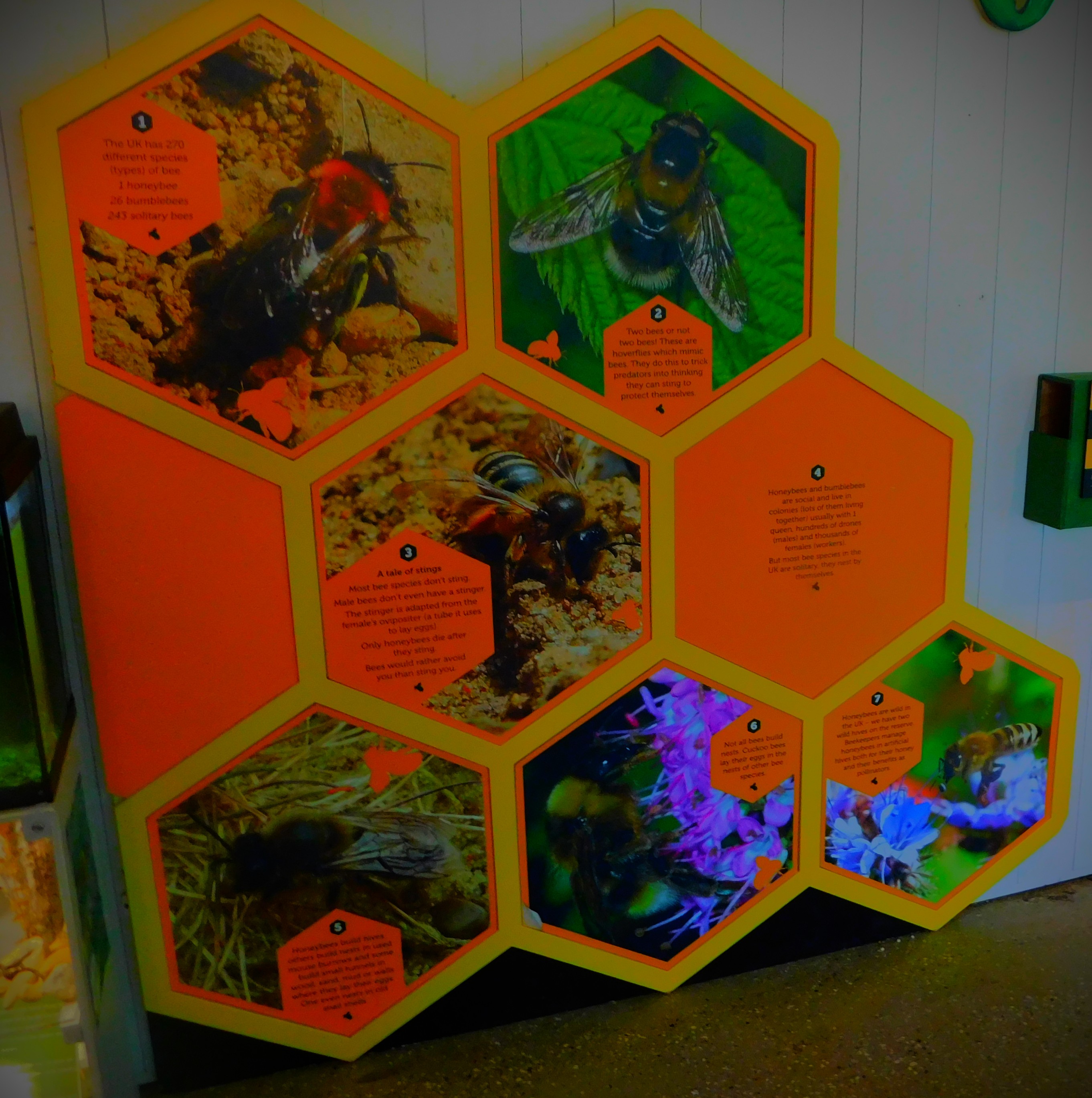
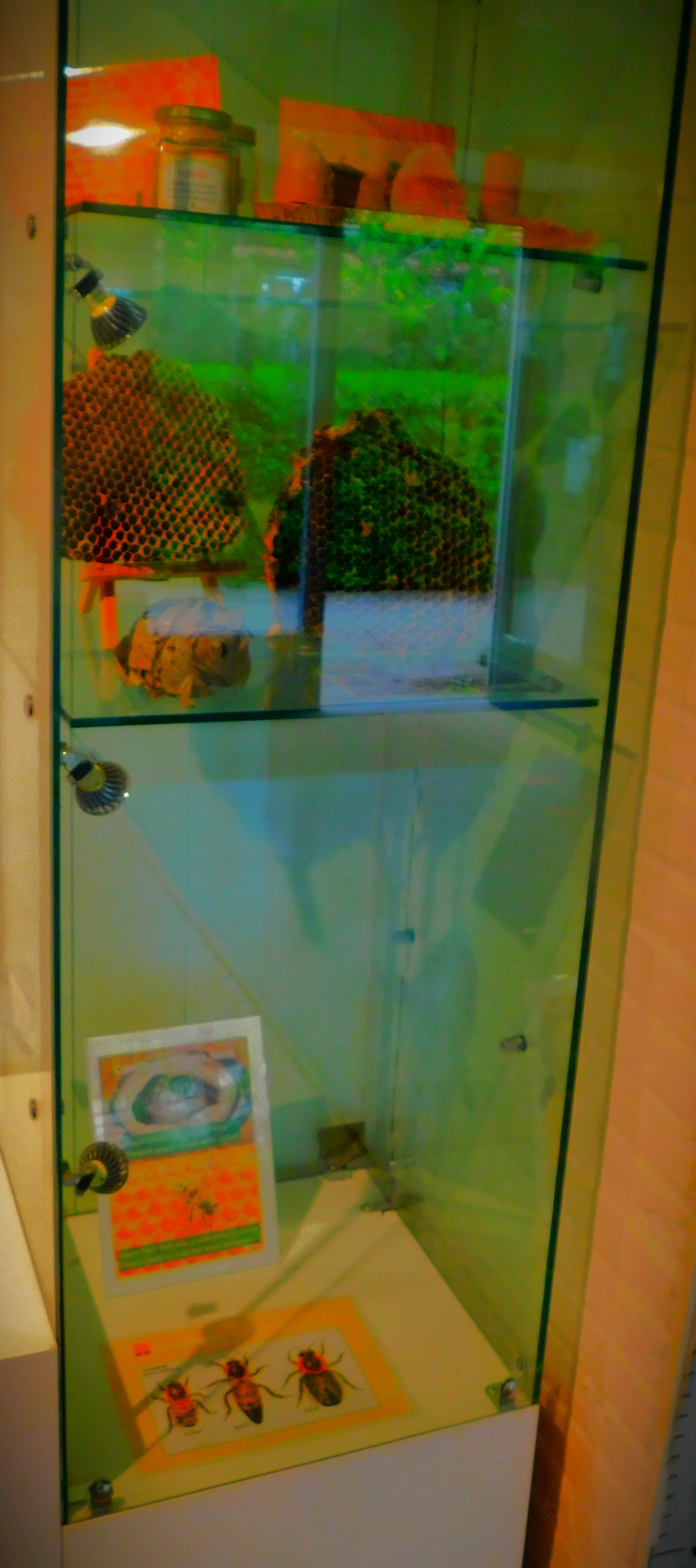
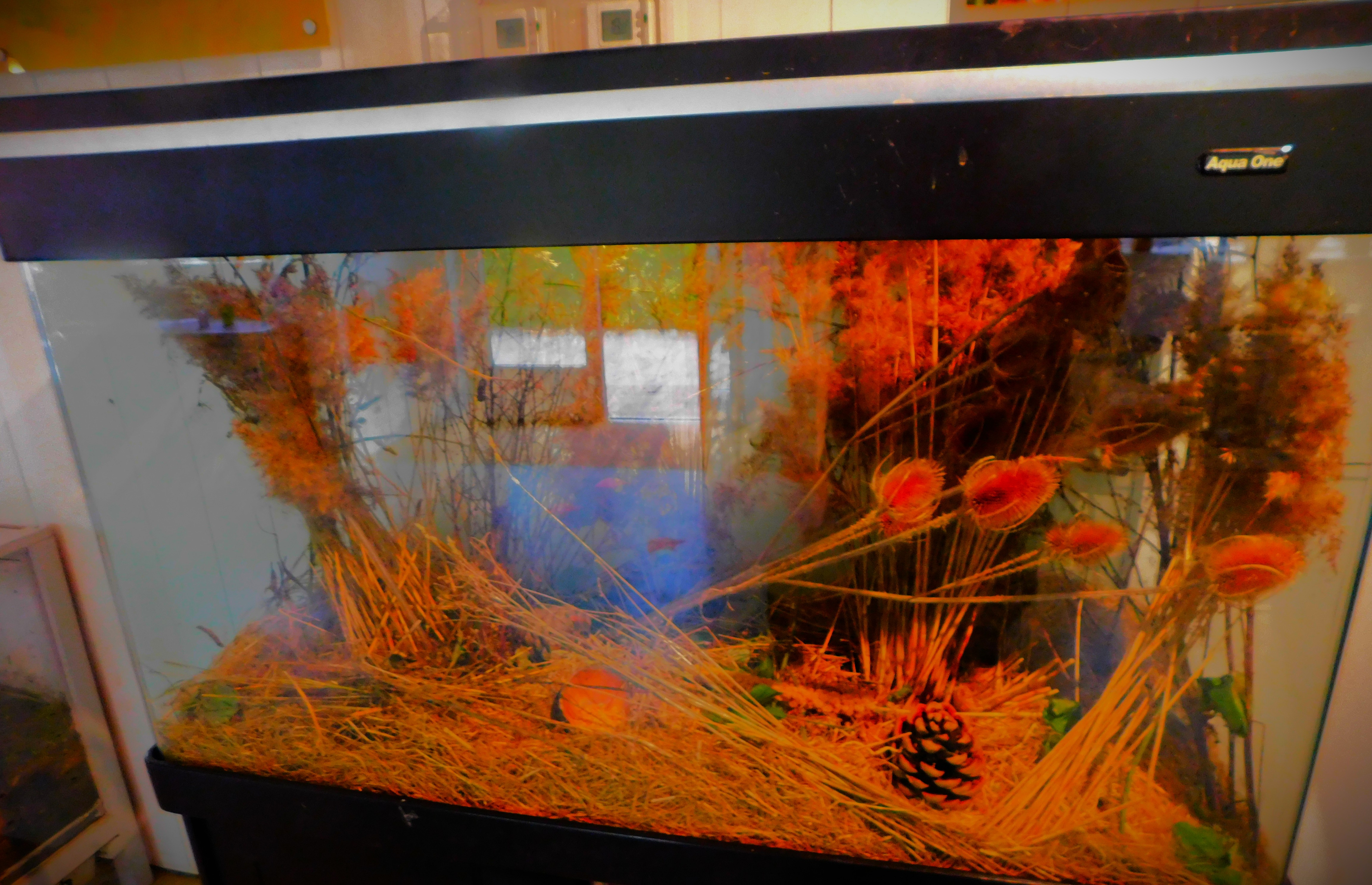
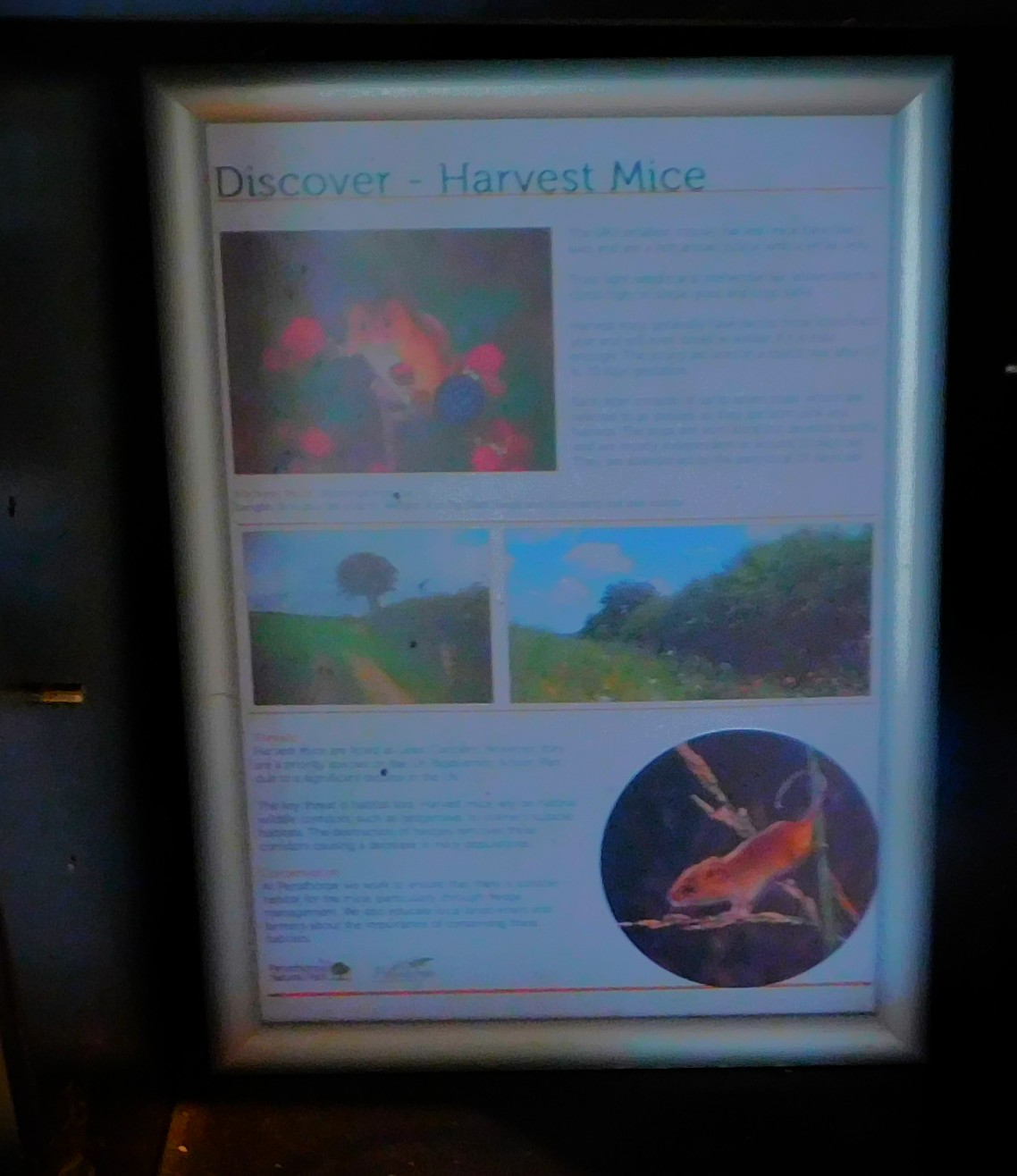
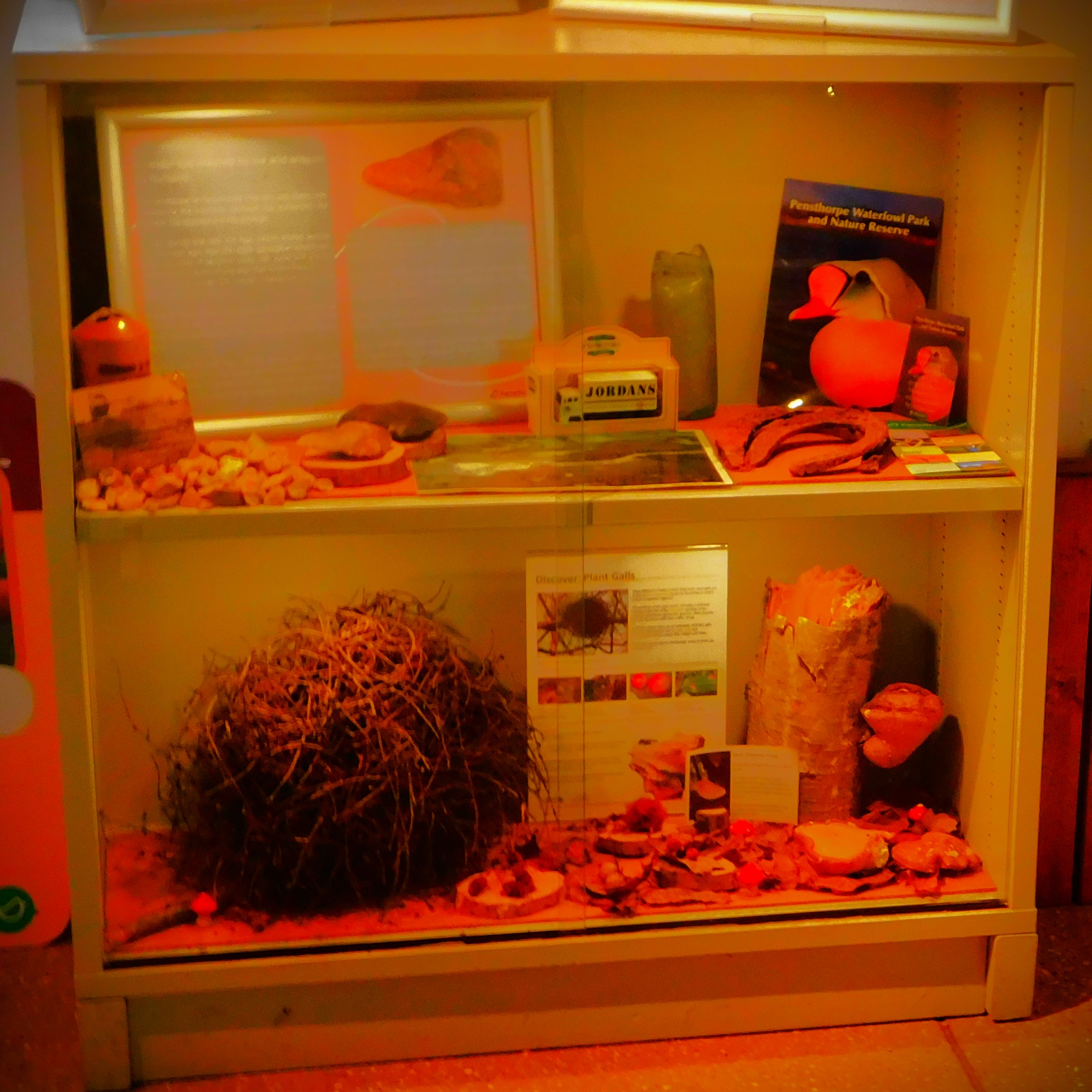
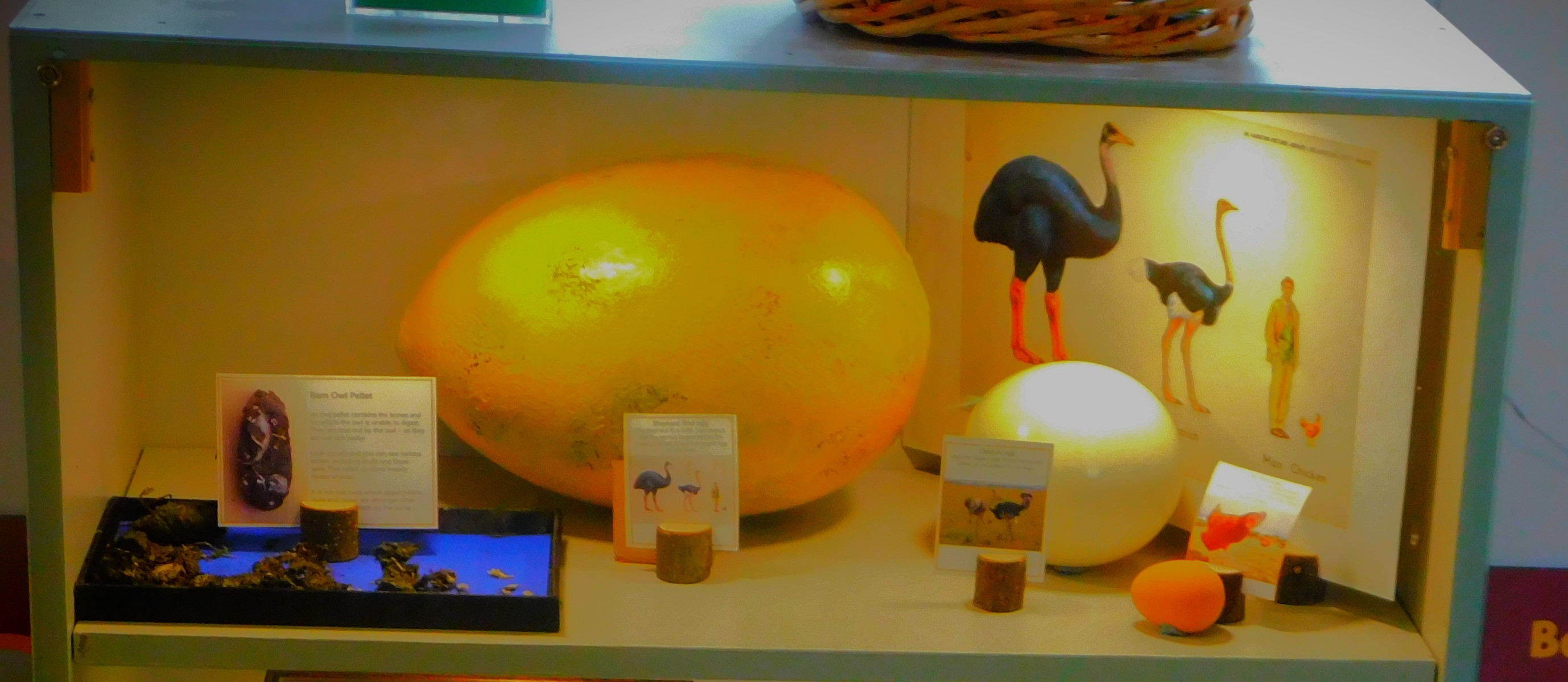
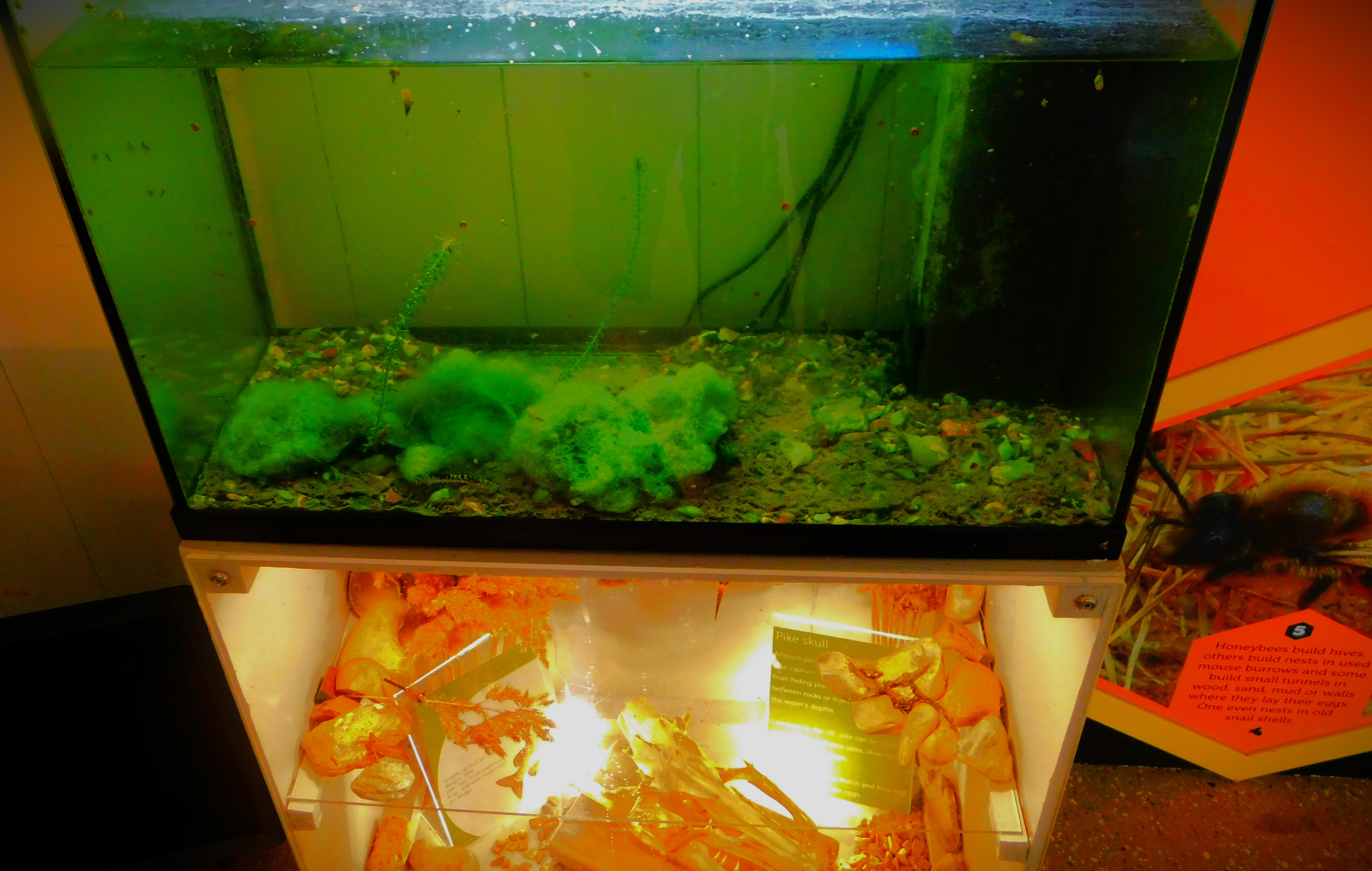
The Discovery Centre at Pensthorpe is a small museum featuring exhibits about the natural history and evolution of birds, stuff about bees, stuff about the area through the ages, and a couple of mini-habitats – a fish tank and specially created habitat tank for harvest mice (as well as being tiny – an adult harvest mouse weighs 4-6 grammes – these creatures are exceedingly shy, and they did not show themselves while I was in there). Though I would recommend visiting it at least once when at Pensthorpe there is no need fit such a visit into any kind of plan for exploring the site – it is located close to the main entrance and can be fitted in any time you fancy.
OUT AND ABOUT AT PENSTHORPE
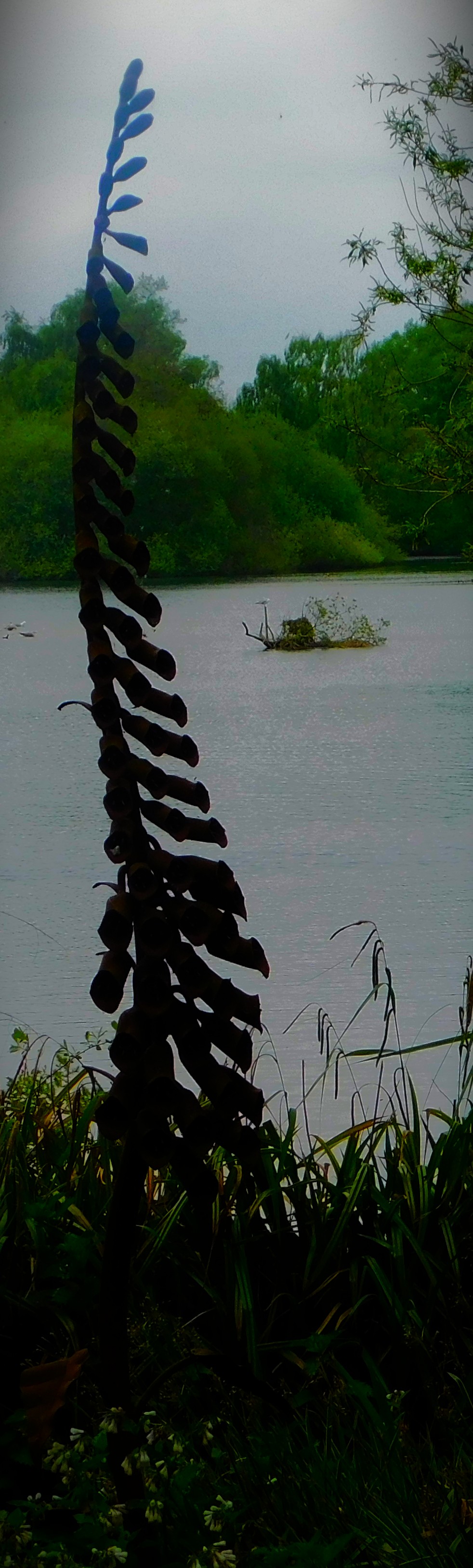
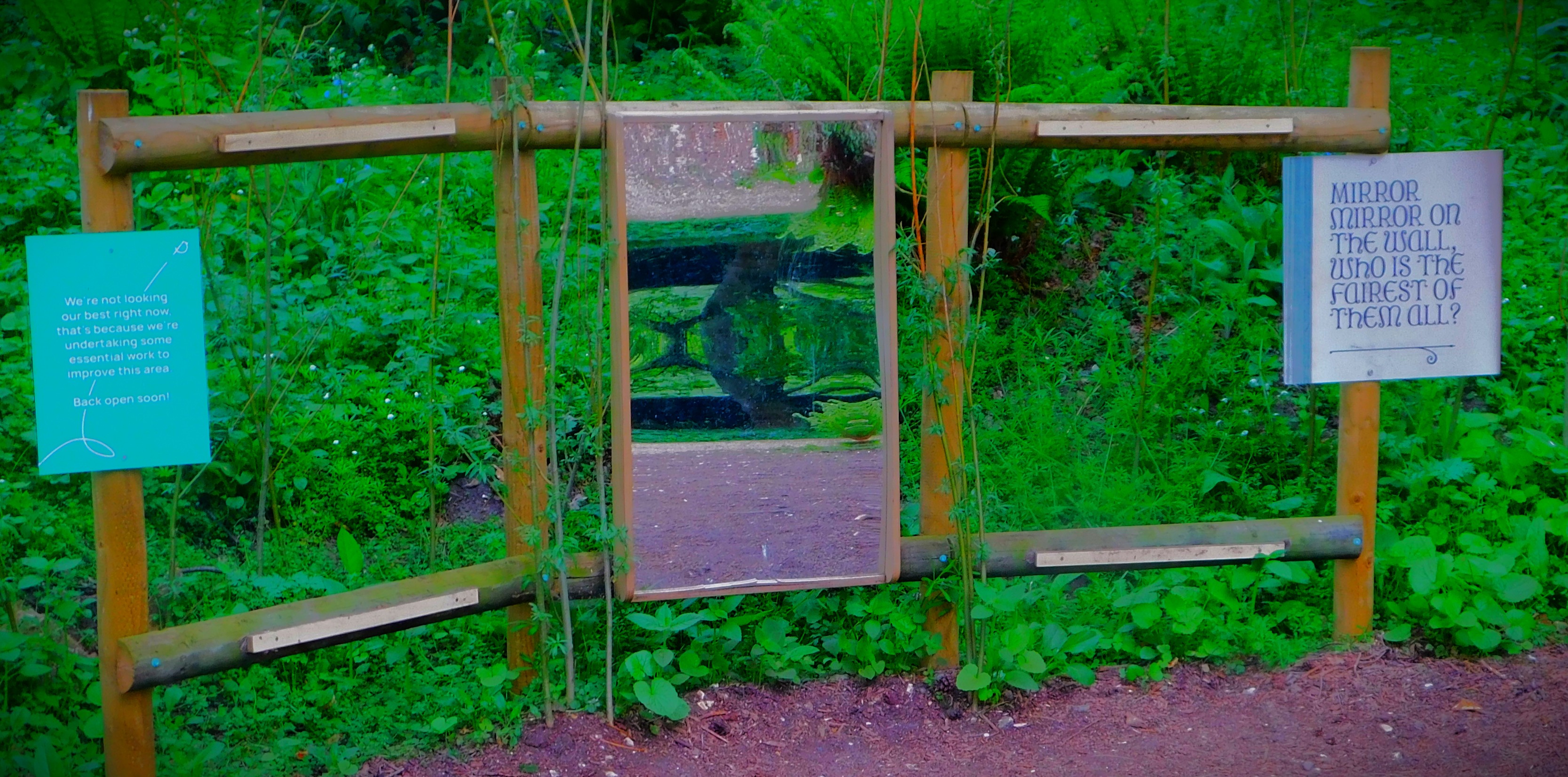
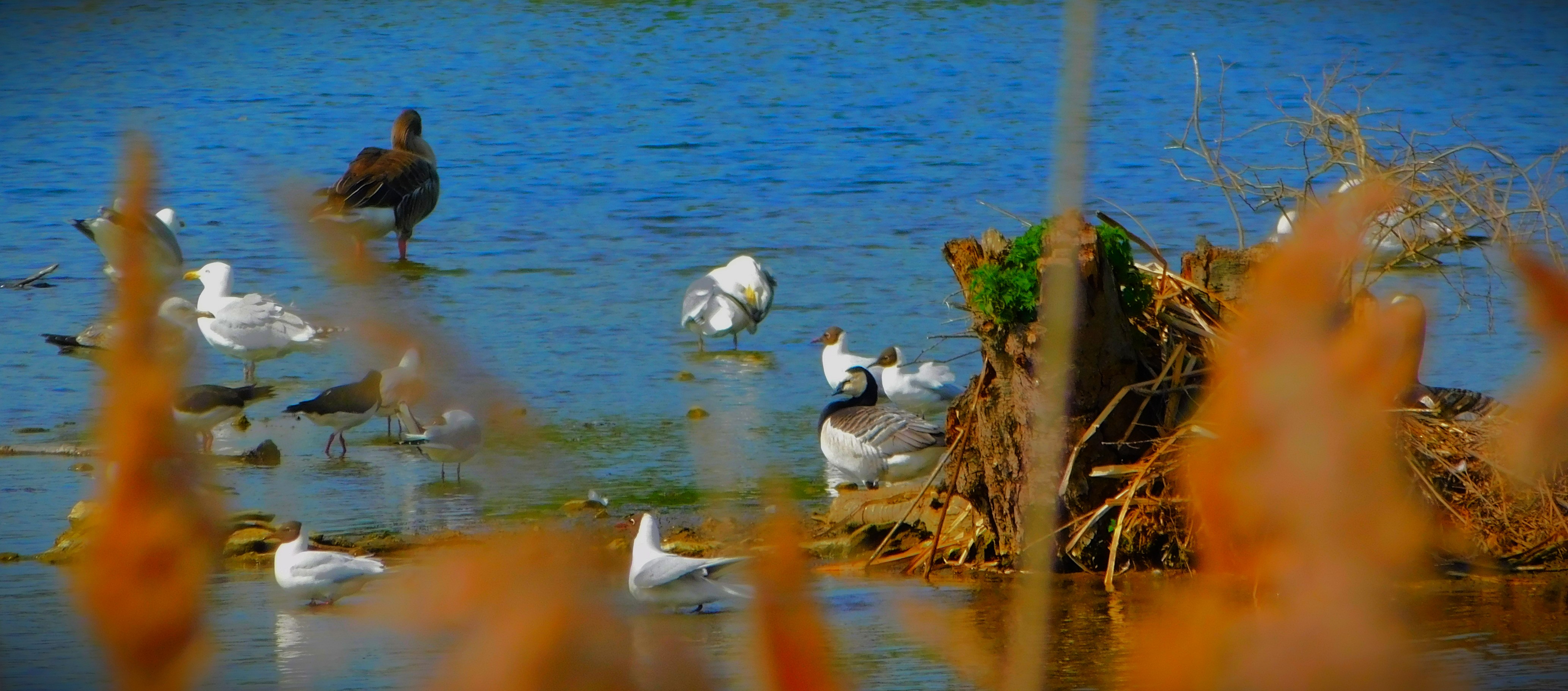
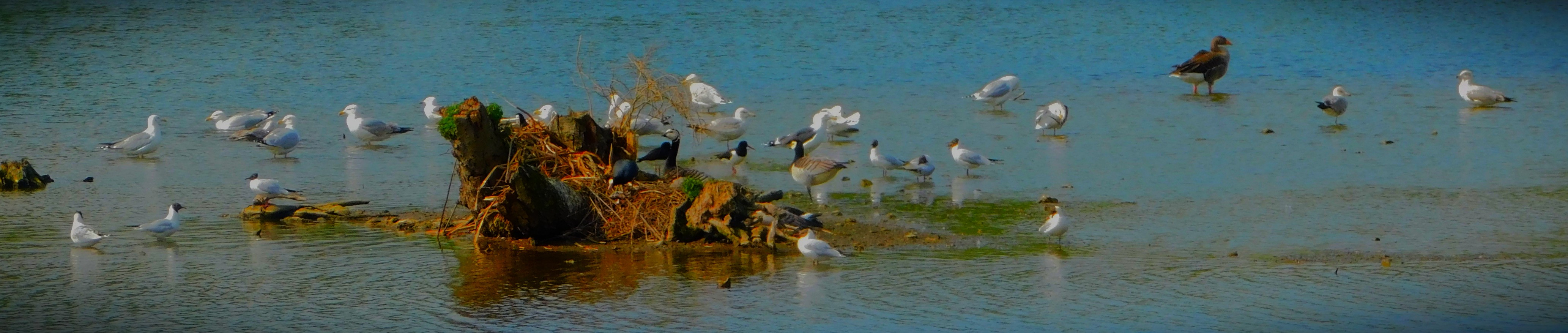
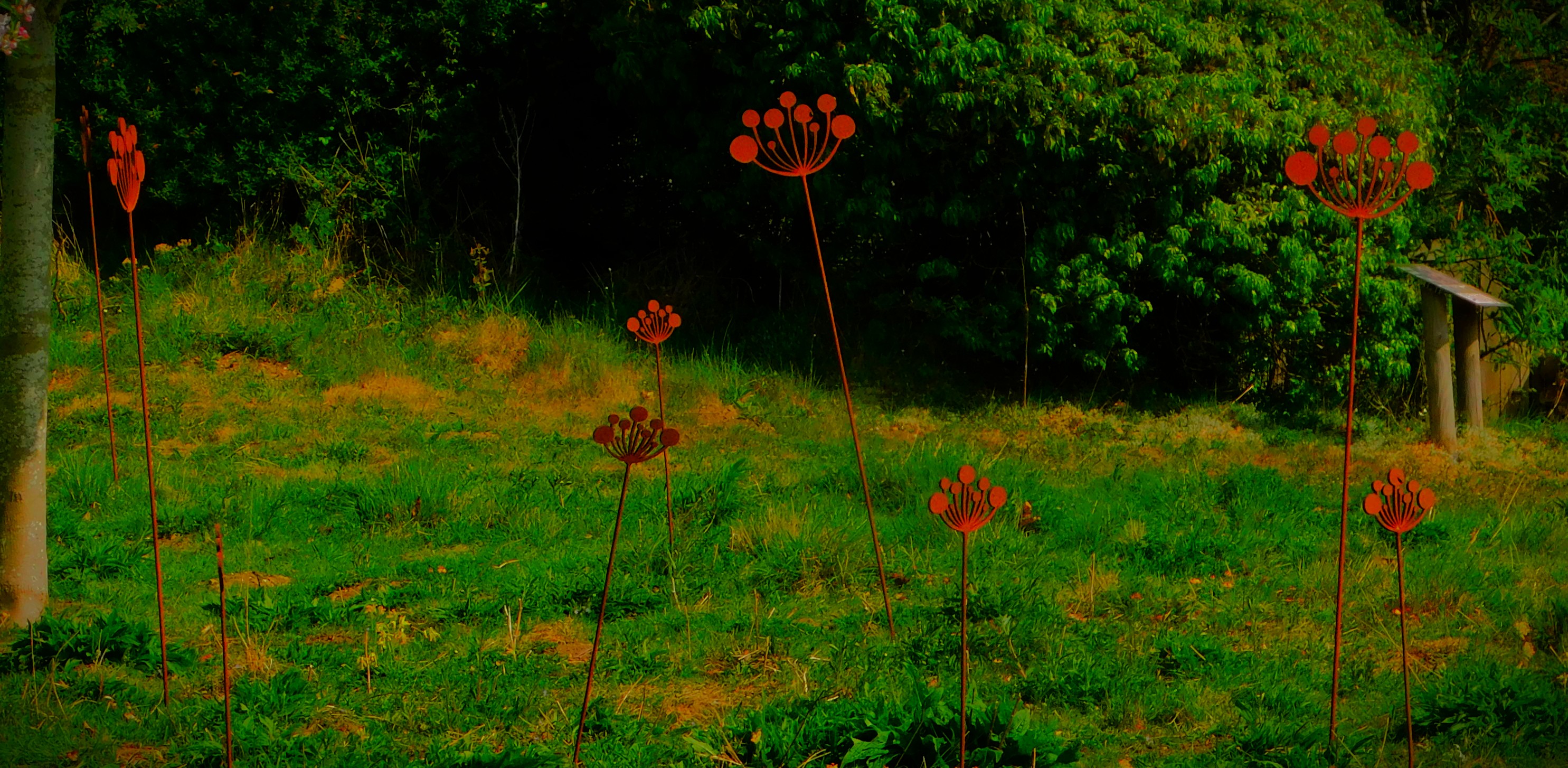
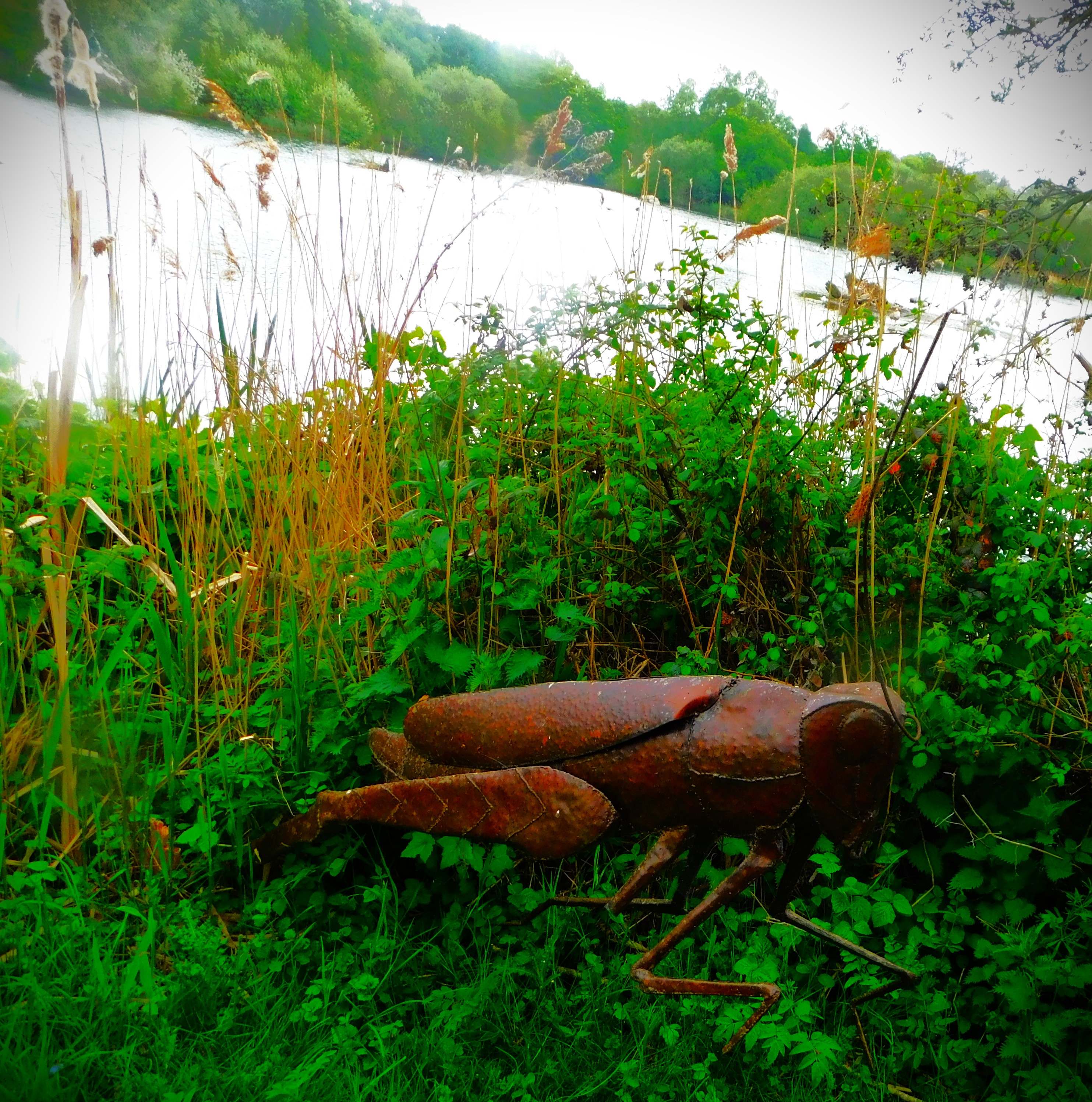
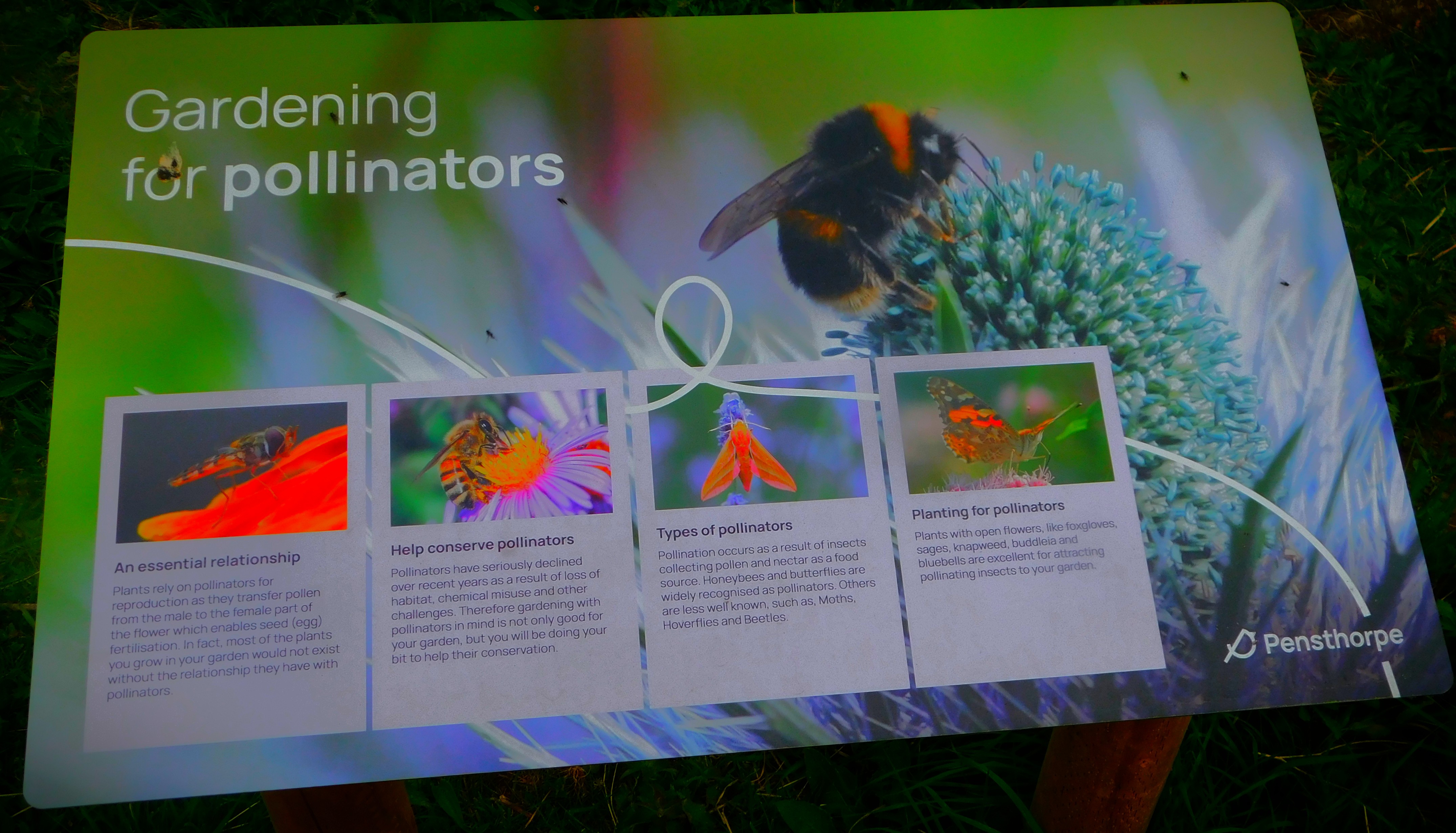
As well as the specific locations of interest there is an enormous amount to be seen just walking around the site – huge numbers of water birds of a wide variety, sculptures, art works of various kinds, a great variety of habitats, and lots of information boards all of which merit attention.
PHOTOGRAPHS
This the second half of the general photo gallery…
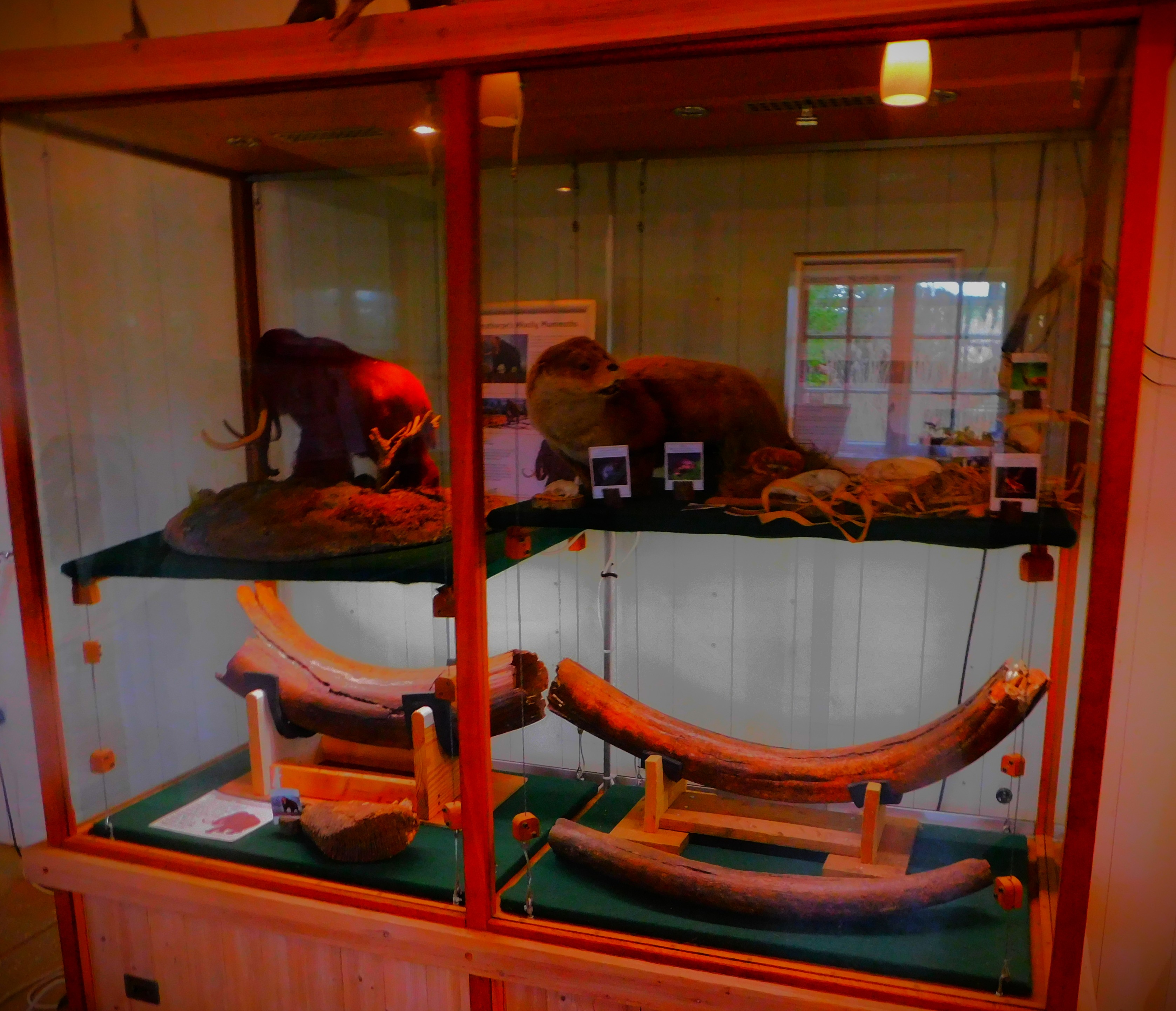
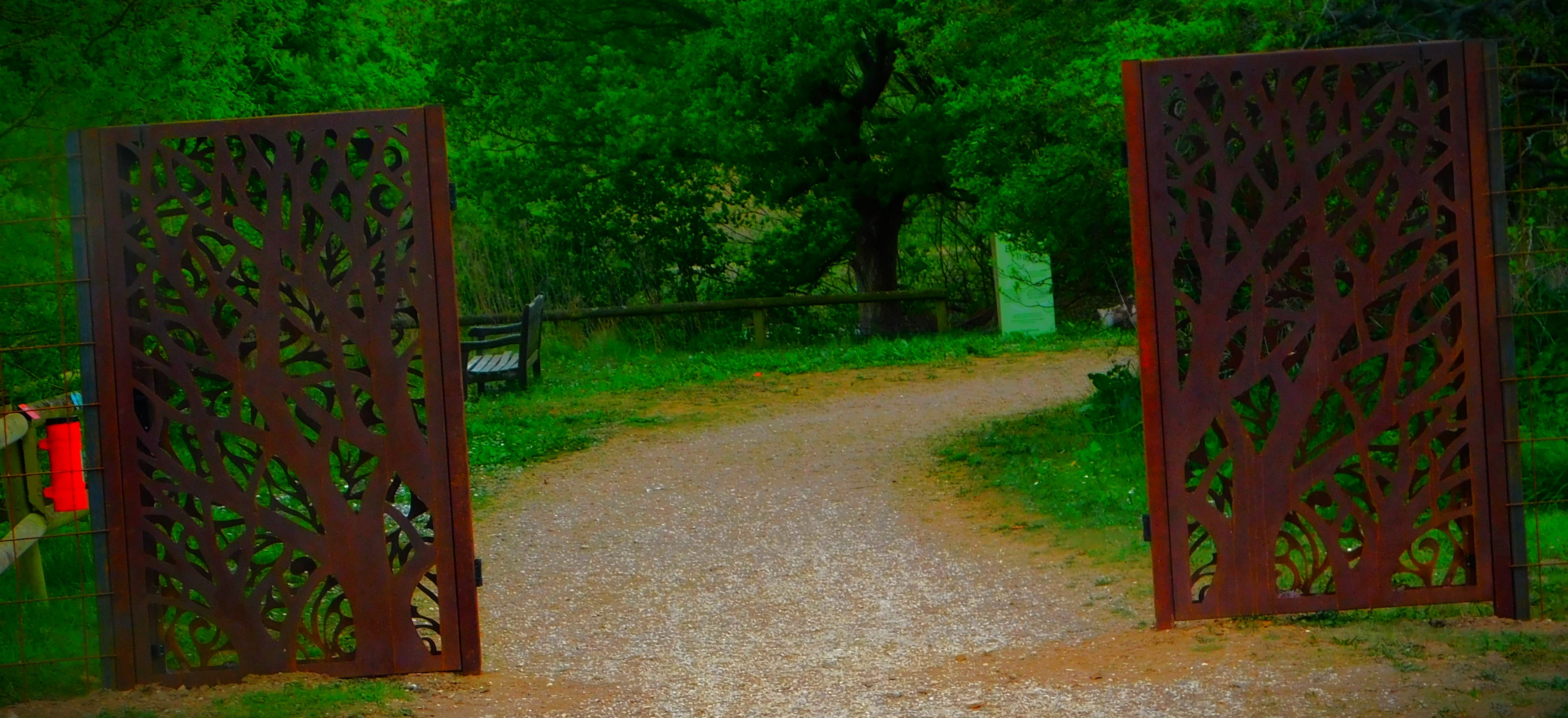
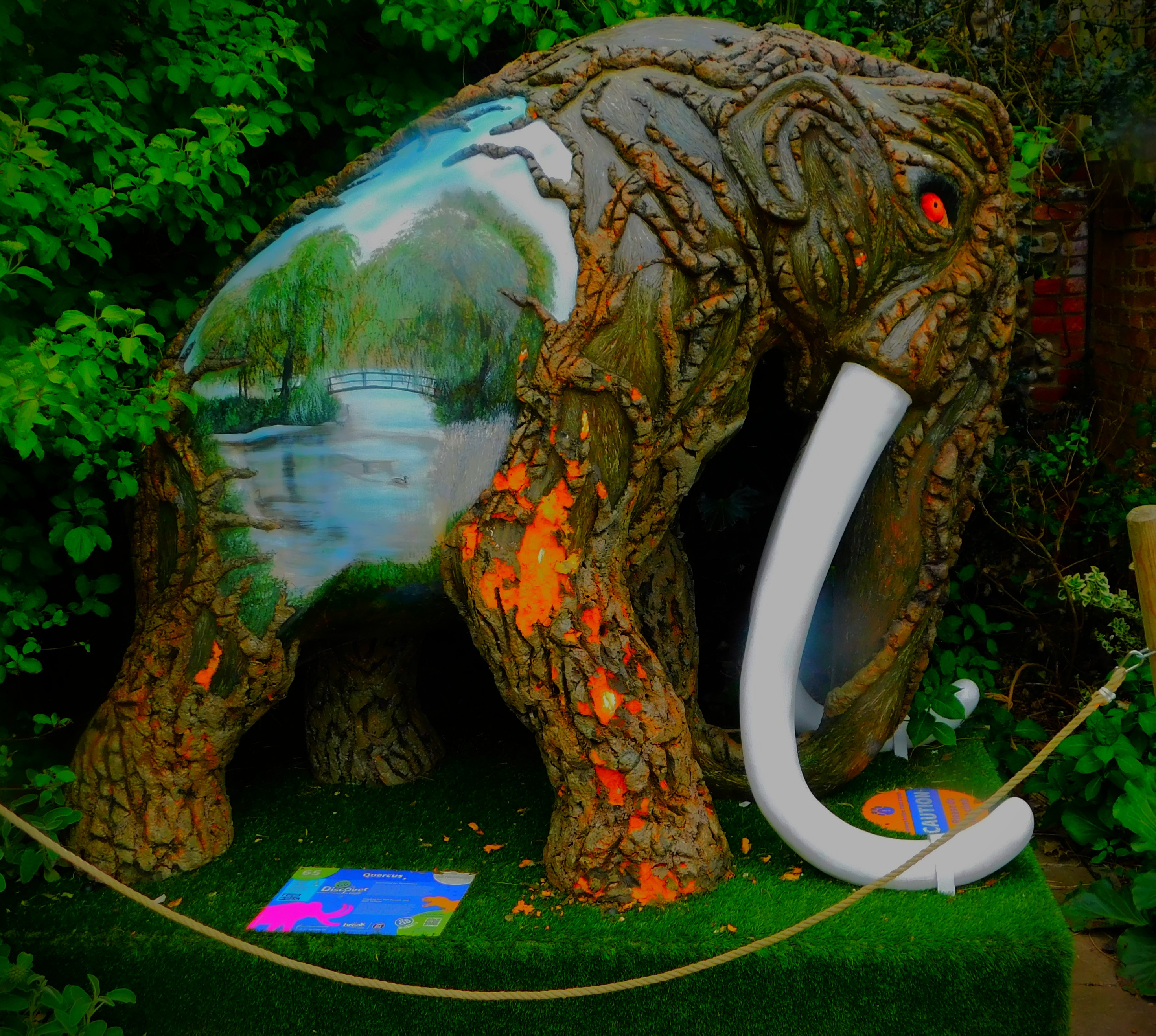
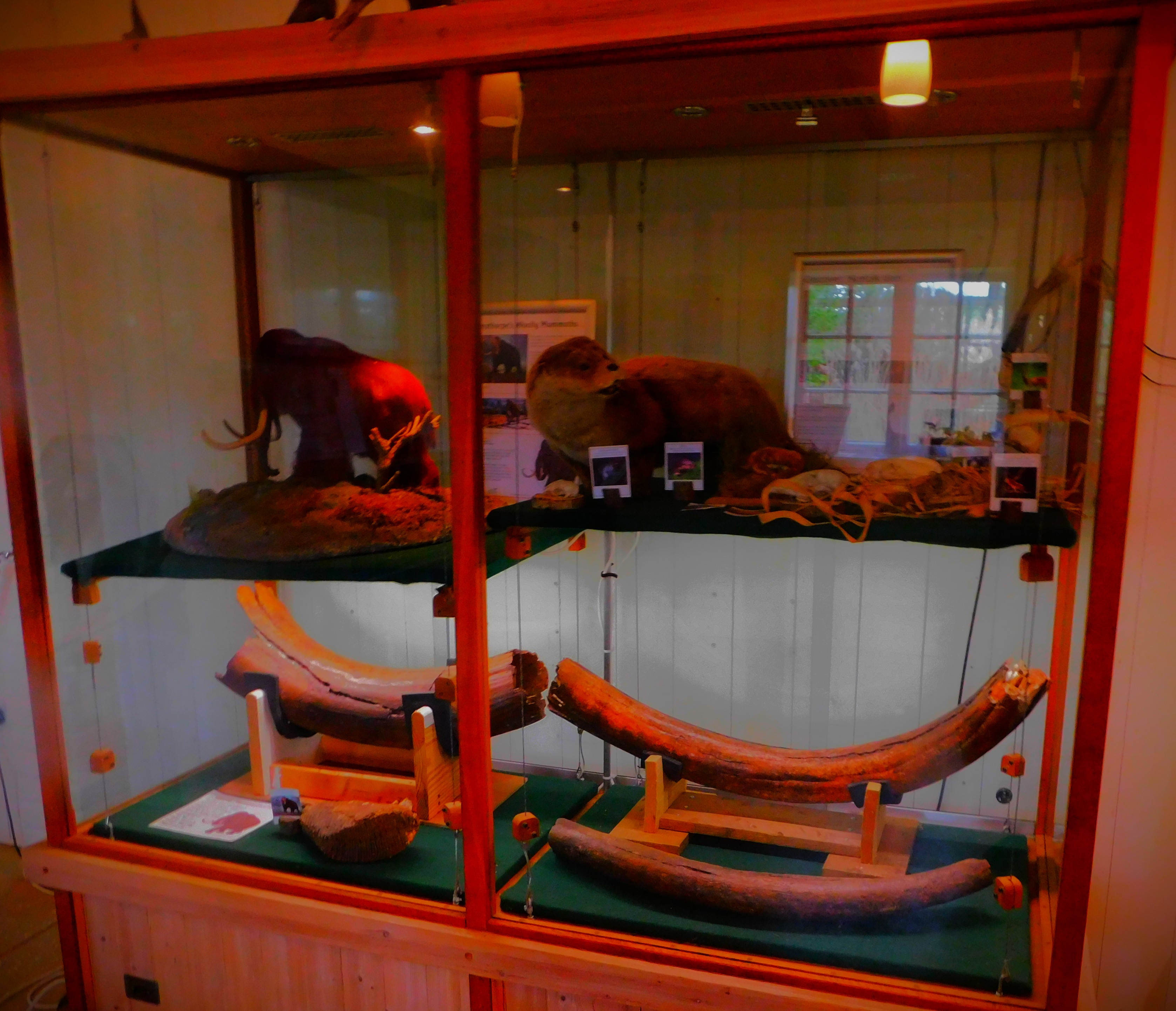
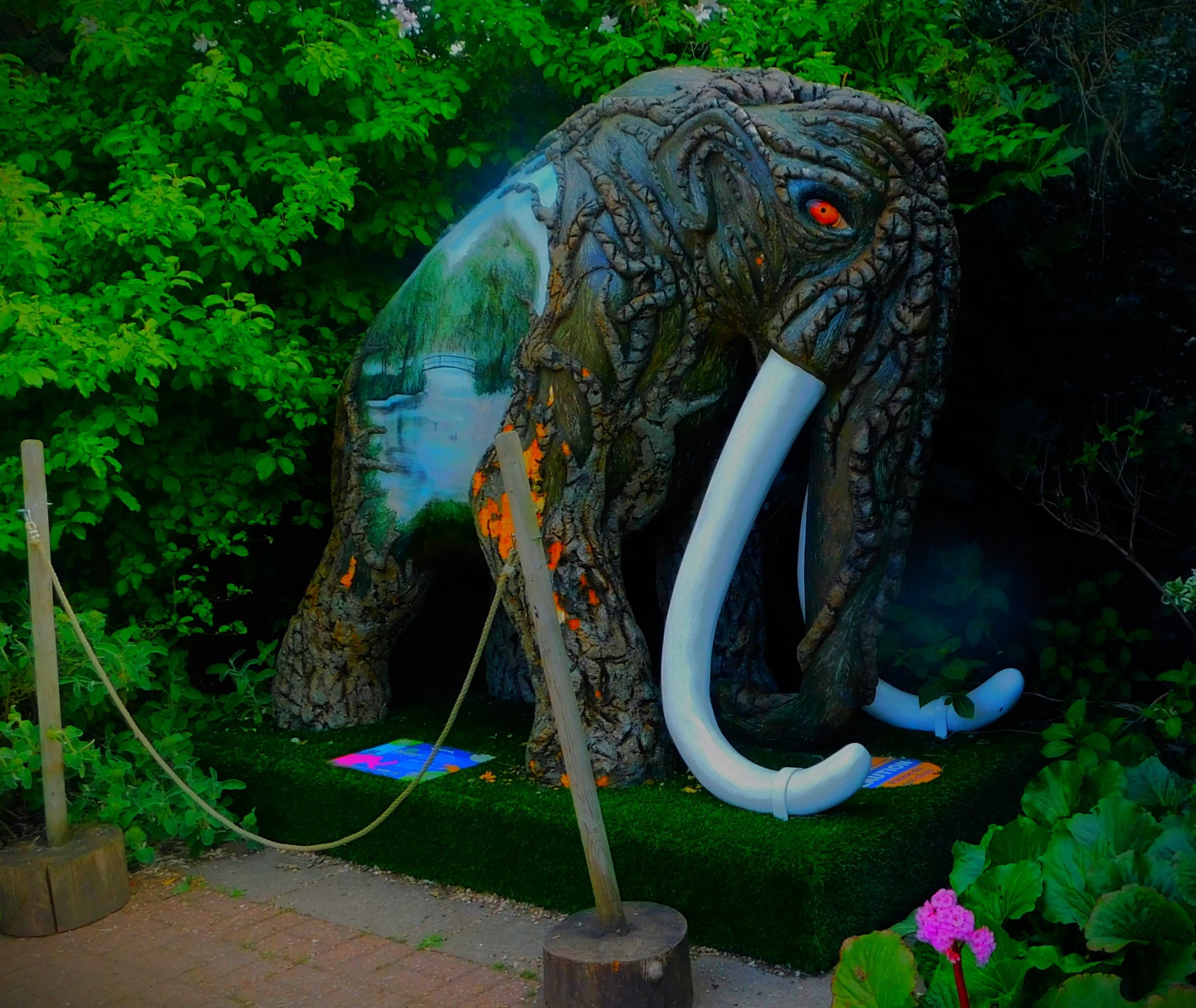
This is at the entrance/ exit of Pensthorpe. Mammoth bones have been found in the course excavations in this part of the world – 10,500 years ago or thereabouts this was at the southern edge of a vast ice sheet, and beyond the ice sheet would have been tundra, where the mammoths would have roamed.
The opening post in what wiull be a series about the annual West Norfolk Autism Group outing to Pensthorpe Nature Reserve.
Yesterday saw the annual West Norfolk Autism Group outing to Pensthorpe, a nature reserve near the town of Fakenham in Norfolk. This post lays out the day and introduces areas of the reserve that I will be covering in more detail, before ending with some general Pensthorpe pictures that don’t belong in any particular post. Please note for both this and subsequent posts in the series: a gallery can be opened by clicking on the first picture there in, and viewing pictures as a gallery enables them to be seen at larger size.
THE DAY IN BRIEF
Some of those coming on this trip had chosen to make their own way to Pensthorpe and meet us there, but for those who either did not wish to do this or had no option of doing so a coach had been hired. Departure from the parking area near Gaywood Library (King’s Lynn and its environs are not massively equipped with places where a coach can park up) was scheduled for 9:30AM, meaning that to ensure a prompt departure we had to get there a bit before that to take our places. As it happens other than the driver and his young son who was also along for the day I was the first to arrive and board the coach. We set off exactly at the appointed hour, and pulled into the coach parking area at Pensthorpe at approximately 10:15 (Pensthorpe when approached from King’s Lynn is a little further than Fakenham, and a road diversion forced us closer to the centre of Fakenham than would have been normal for a journey to Pensthorpe). After a group photograph using the coach as a backdrop we were ready to start the day in earnest. Equipped with brightly coloured paper wristbands by way of indicating that our admission was paid we set off. The only absolutely fixed points of the day were the trailer rides (I was booked on the second of the two we had organized, due to depart at noon) and the return journey, scheduled for 3:15PM (and we departed exactly on time, arriving back at Gaywood just after 4PM). The rest was up to us. There is a huge amount to see and to do at Pensthorpe, and the next section briefly introduces some of things I did, with photographic highlights.
SOME HIGHLIGHTS
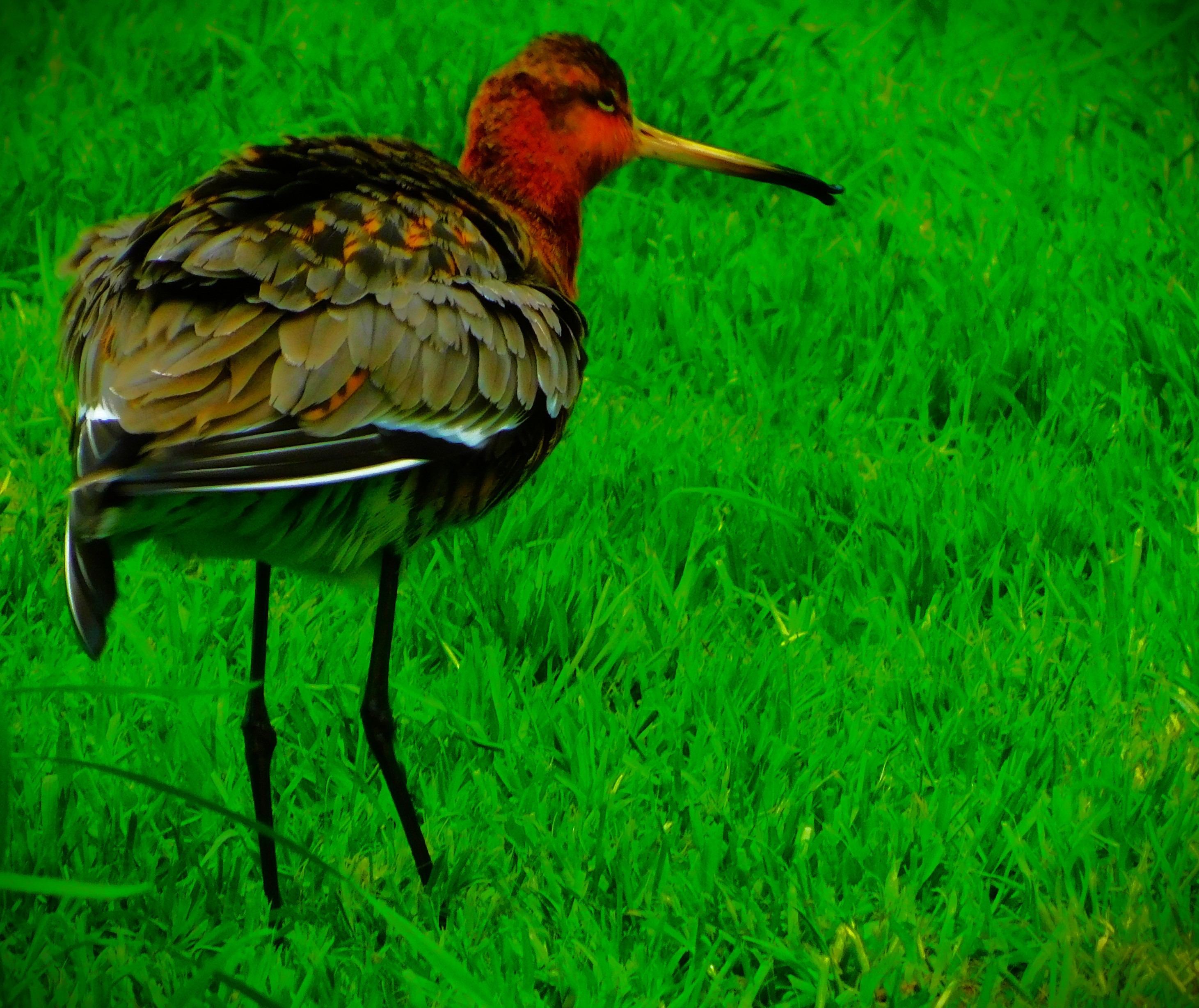
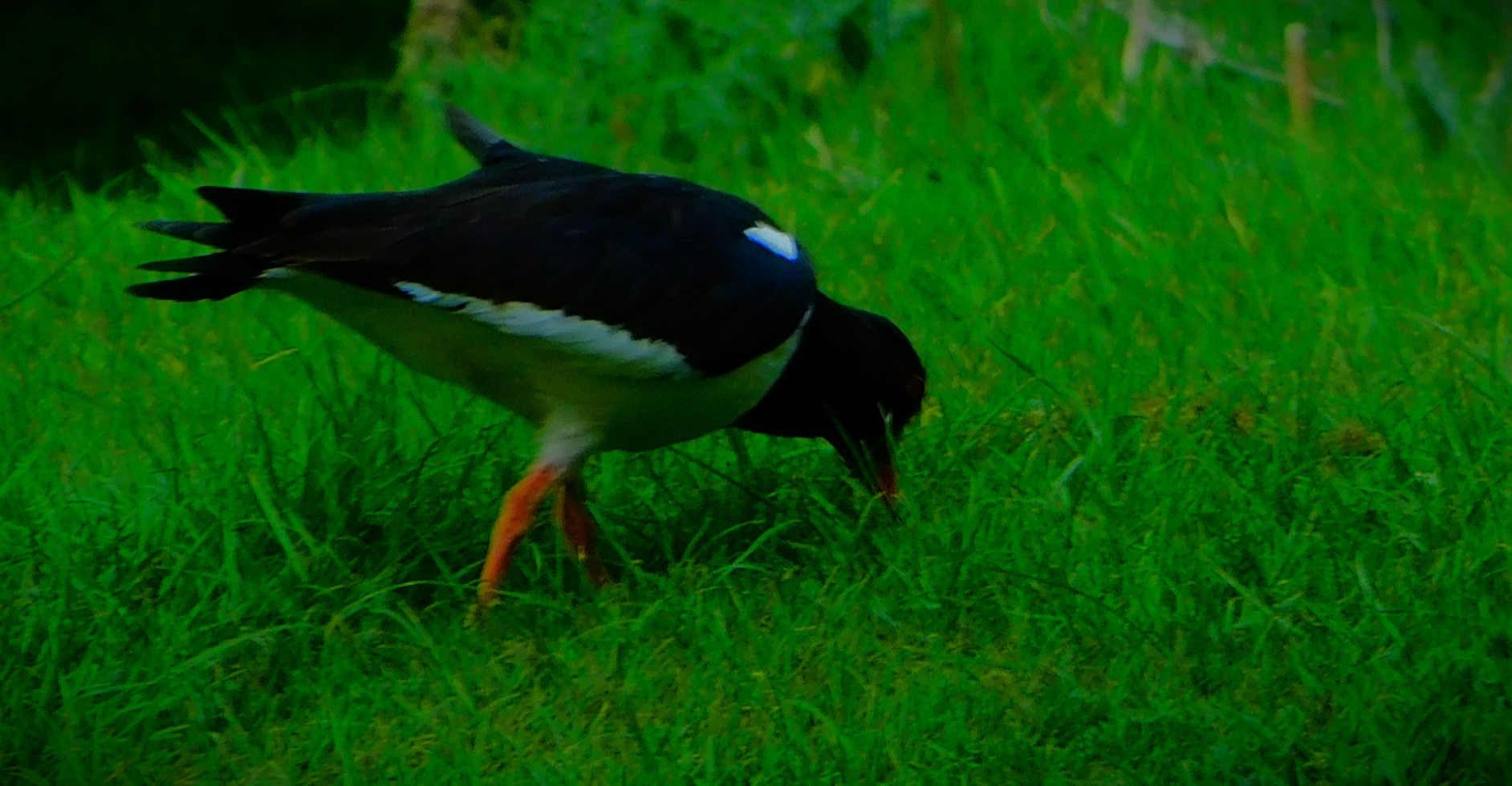
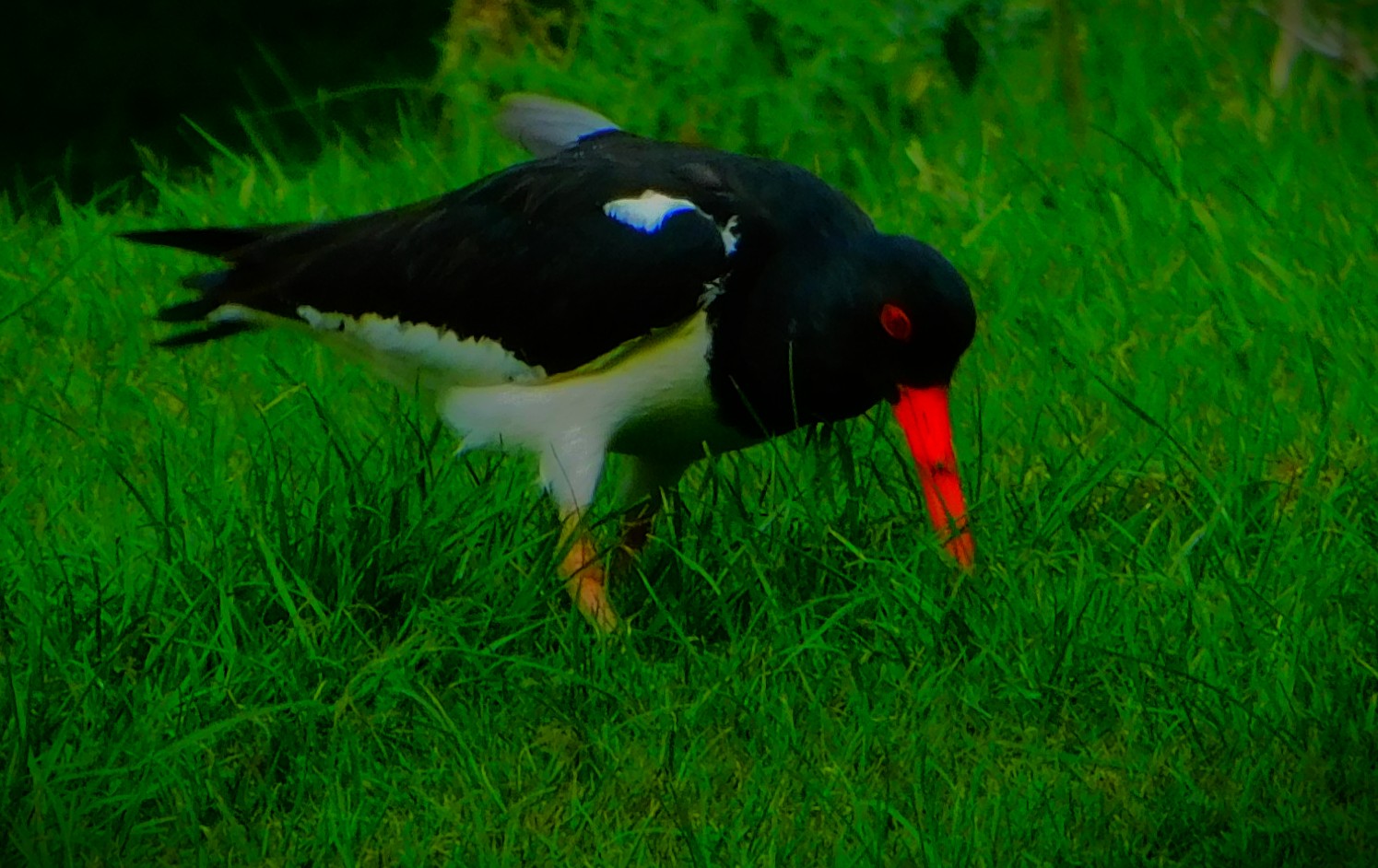
One of my favoured areas at Pensthorpe is the Waders Aviary, to which I made several visits (it is centrally located, so on the way to or from almost anywhere on the site).
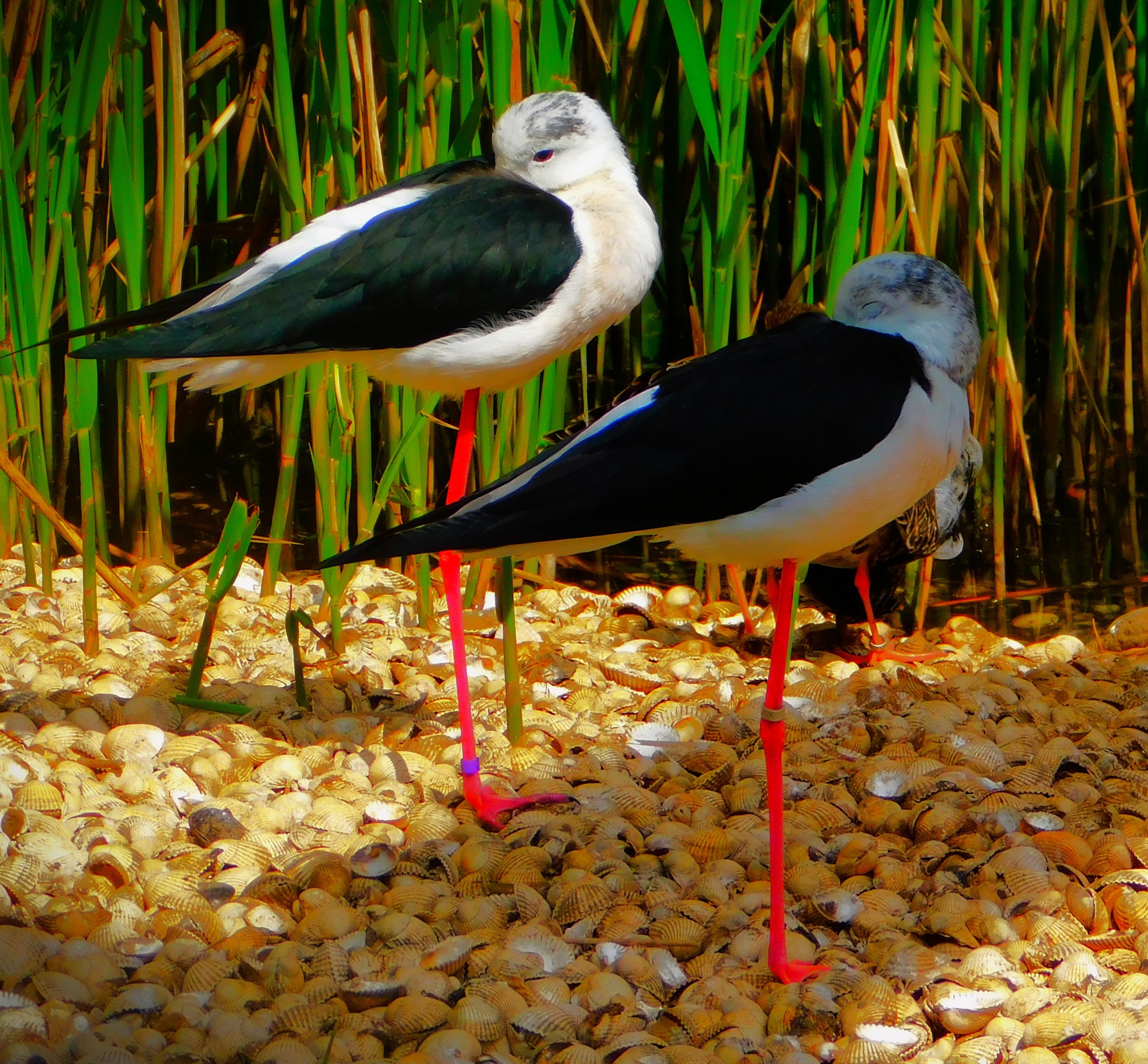
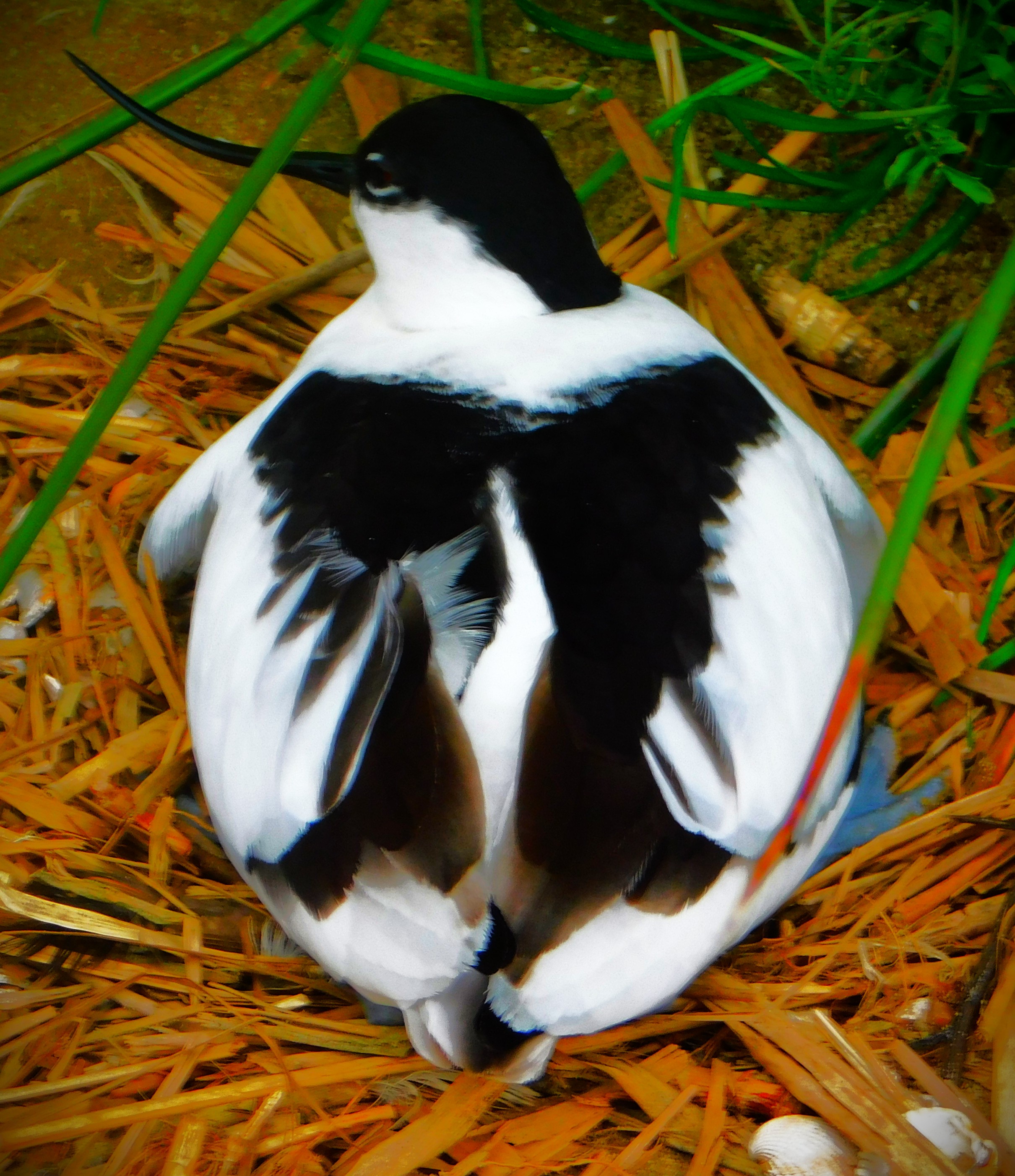
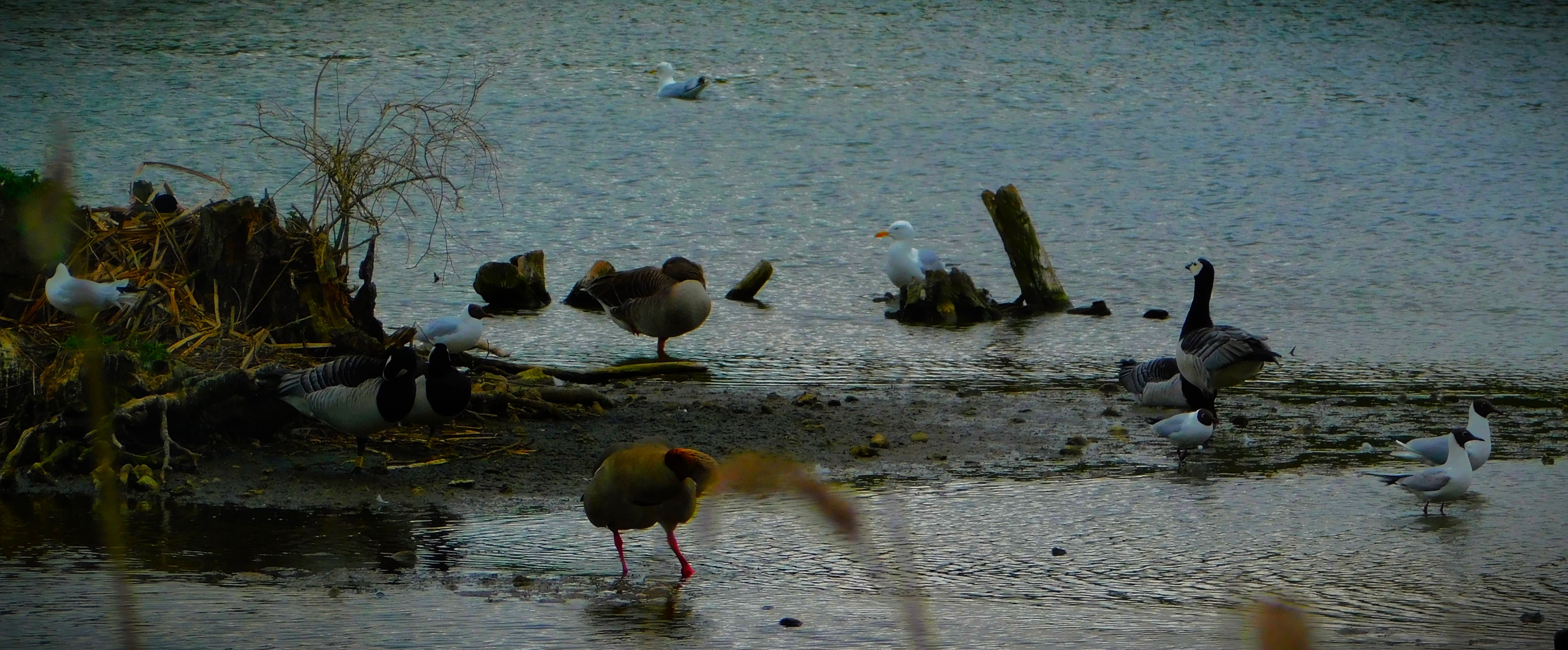
Not all of the birds in the Waders Aviary are actually Waders.
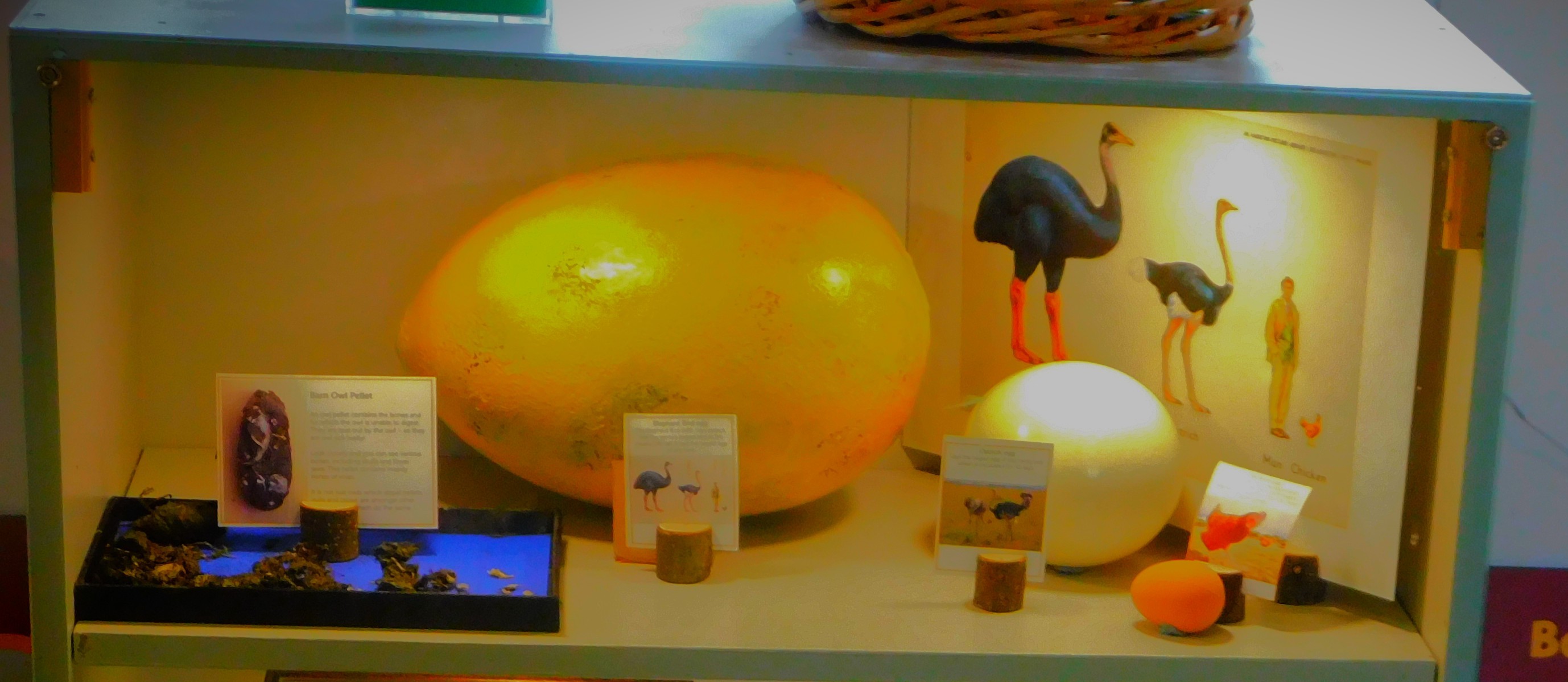
Also ideally located for dipping in and out of as and when is the Discovery Centre.
The Trailer Ride is as far as I am concerned an essential part of the Pensthorpe experience:
My other great favourite, which I visited twice in the course of the day, is the Crane and Flamingo area.
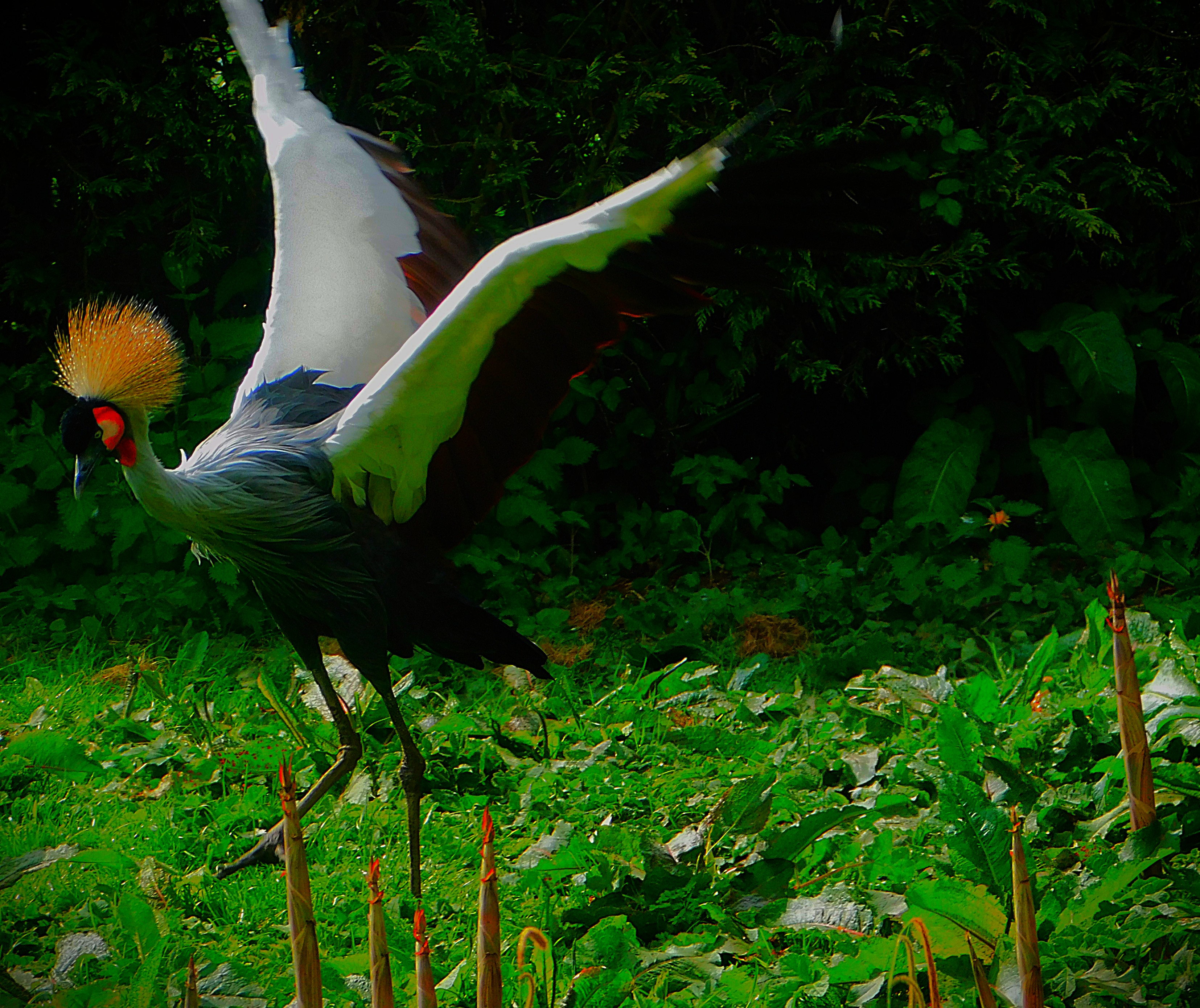
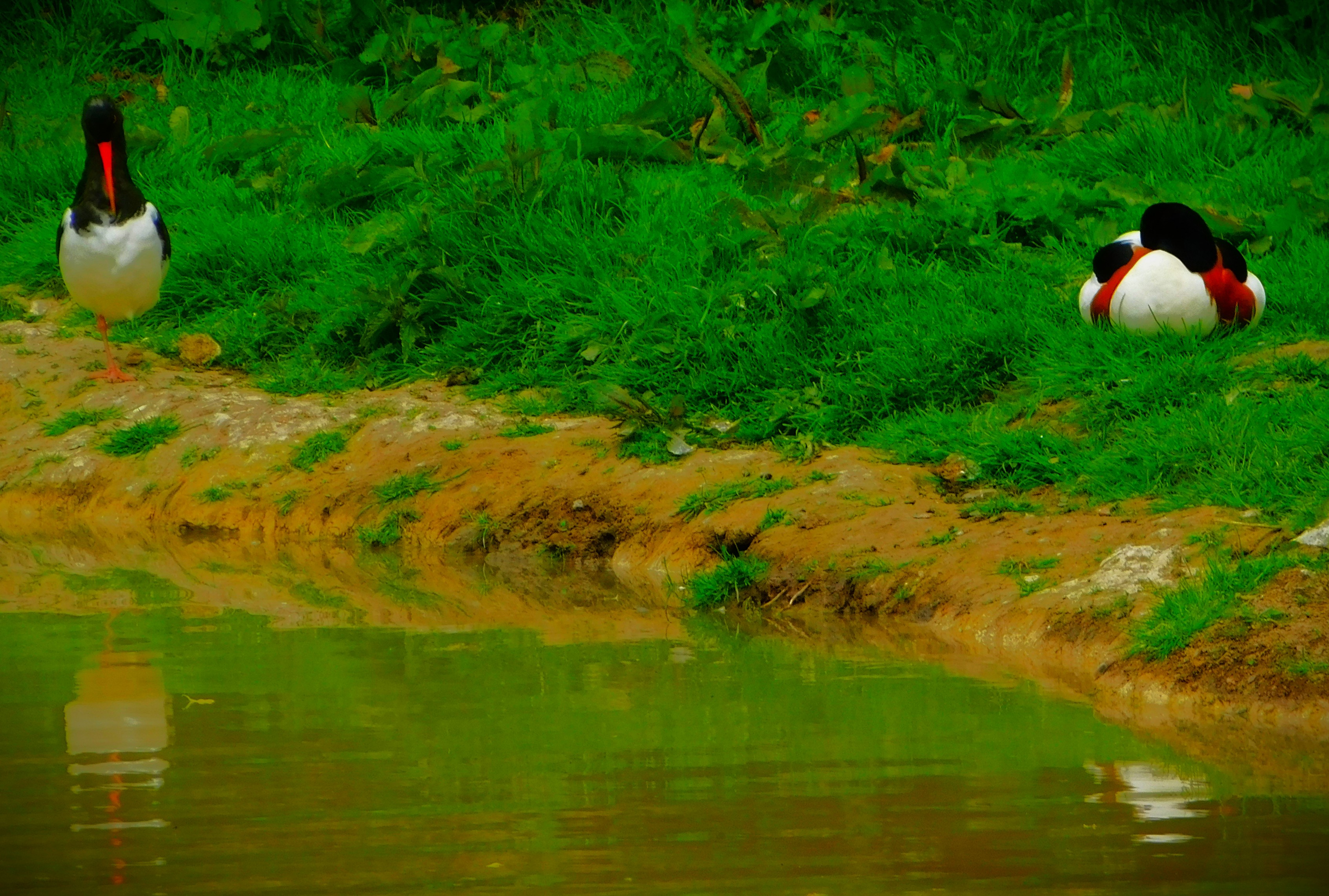
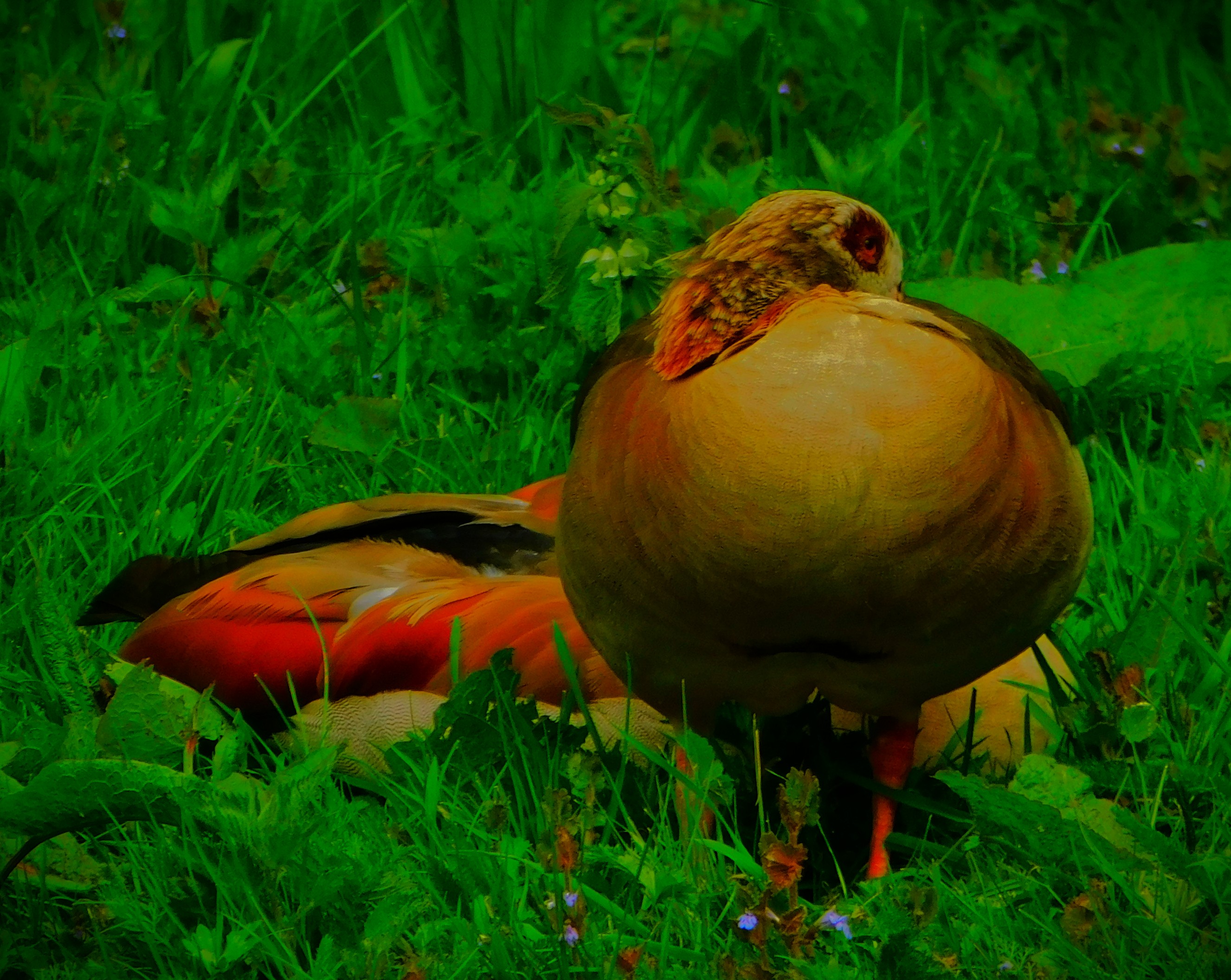
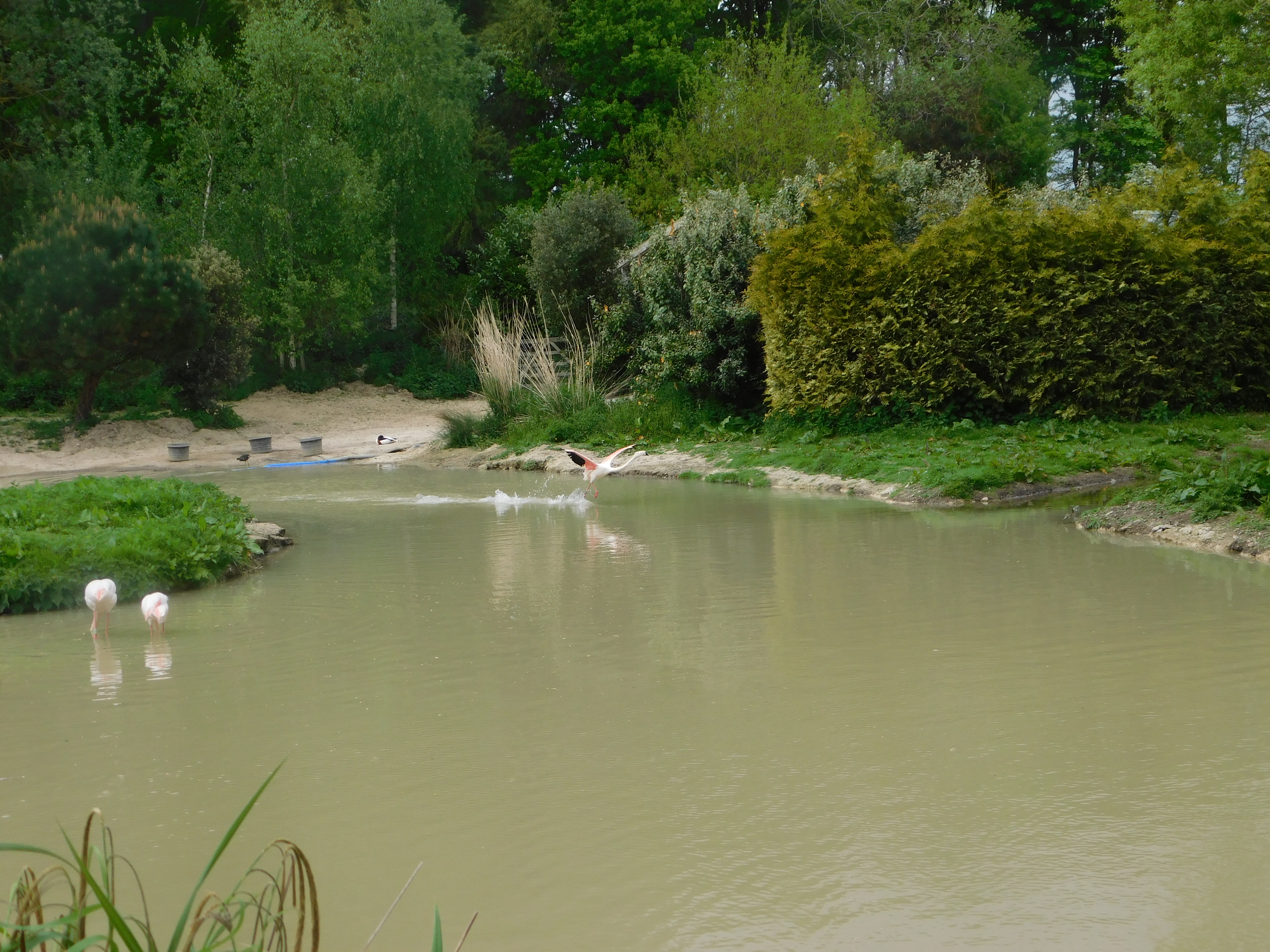
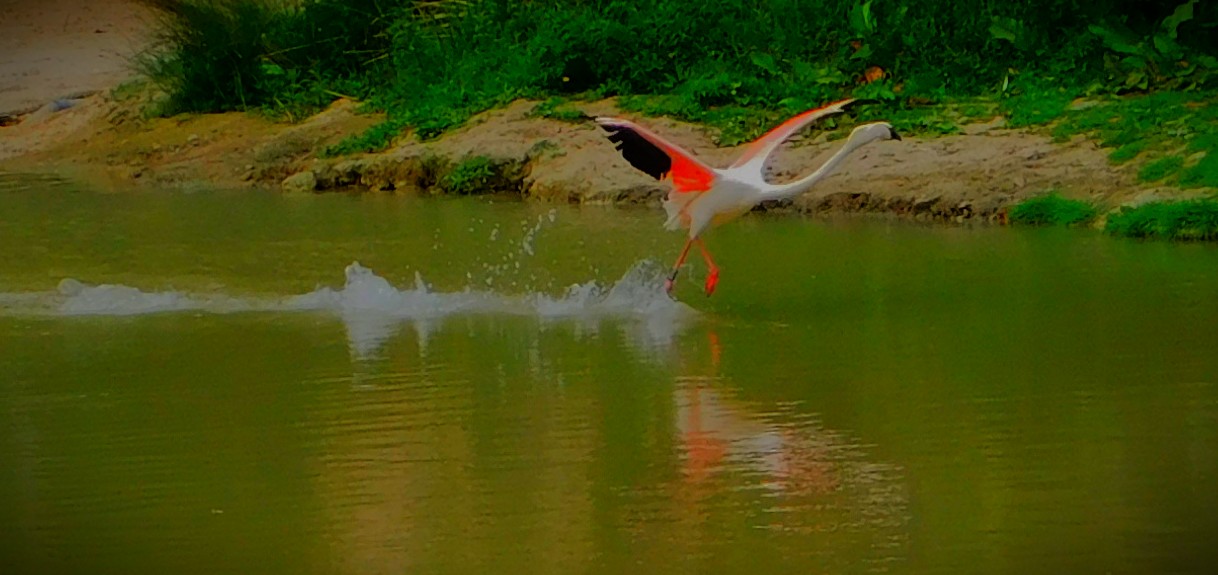
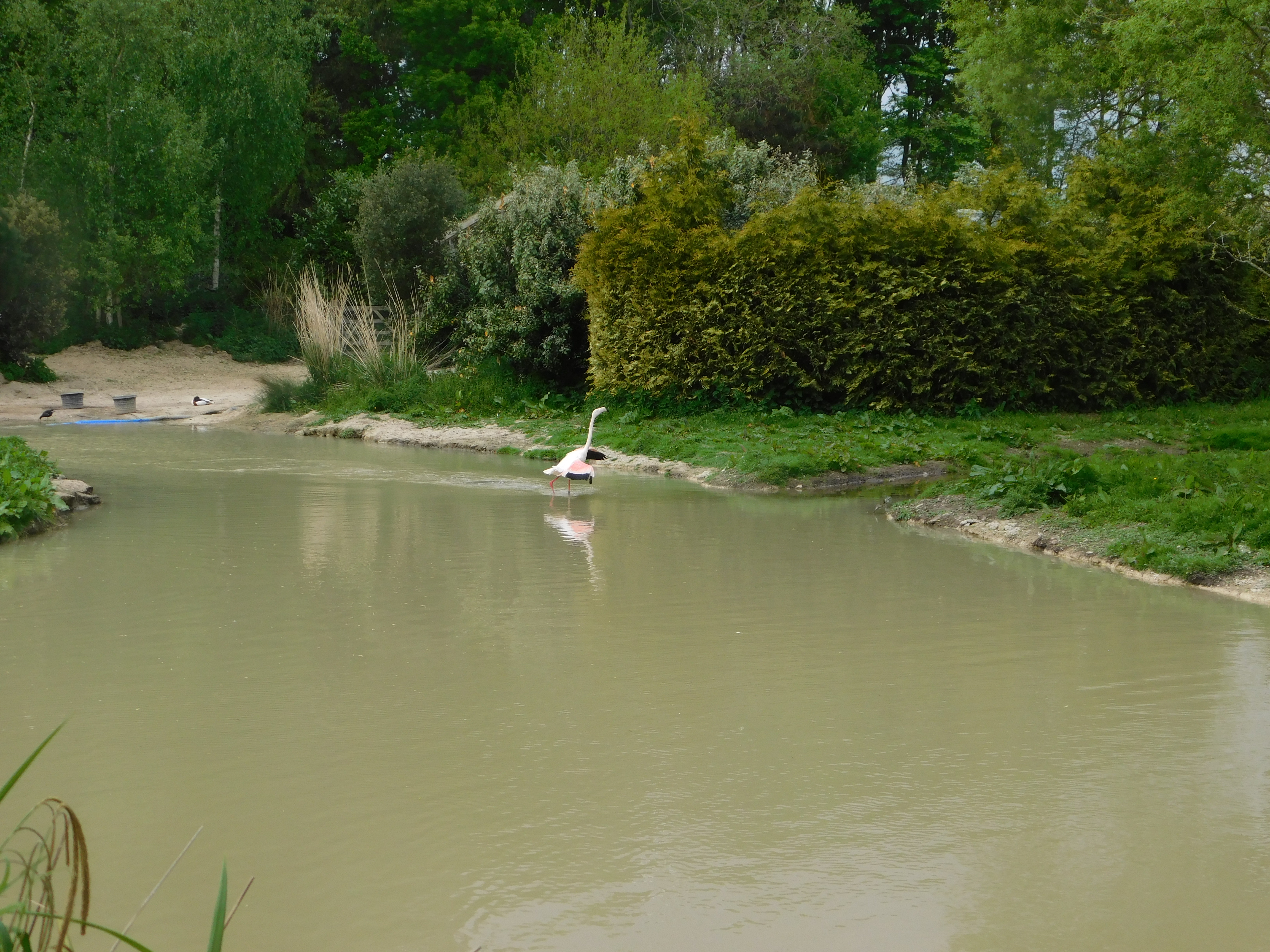
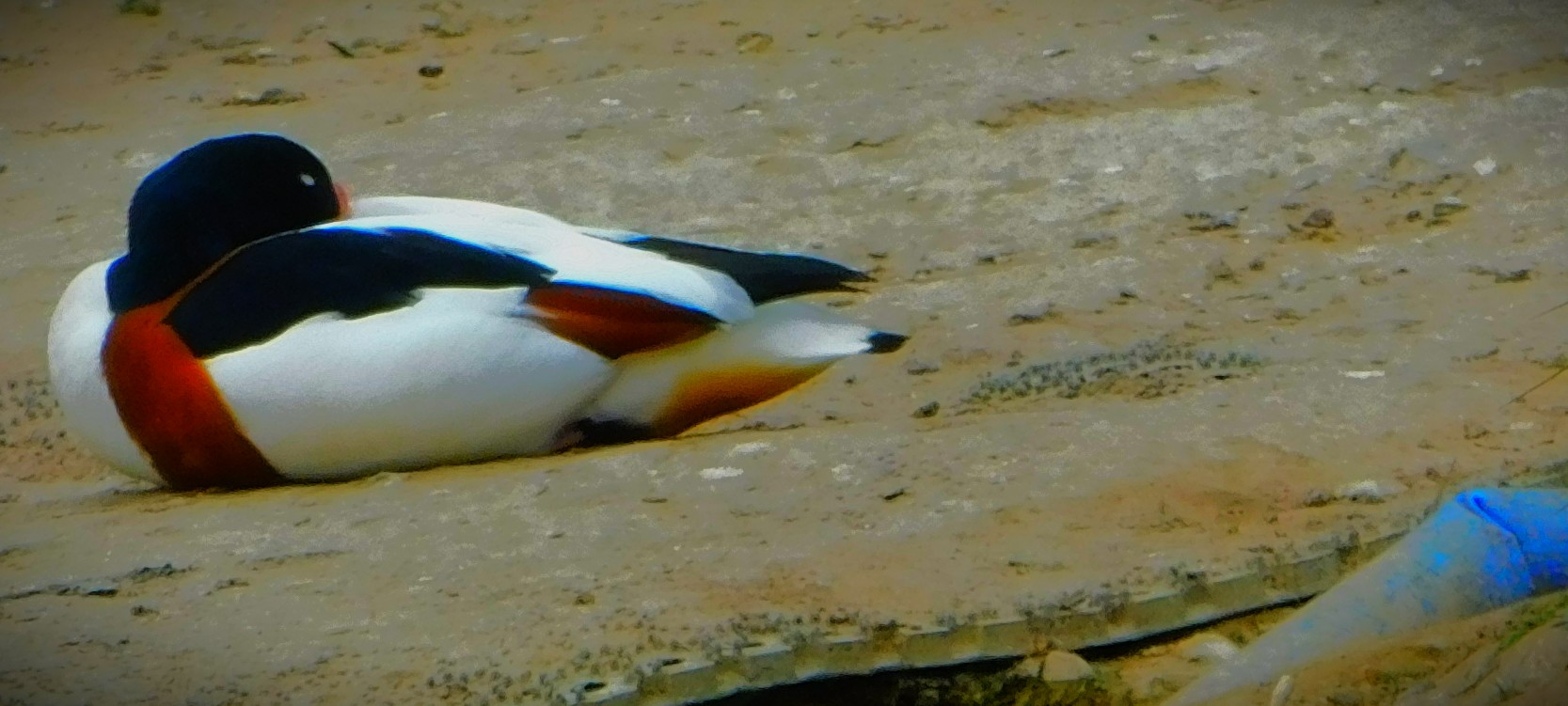
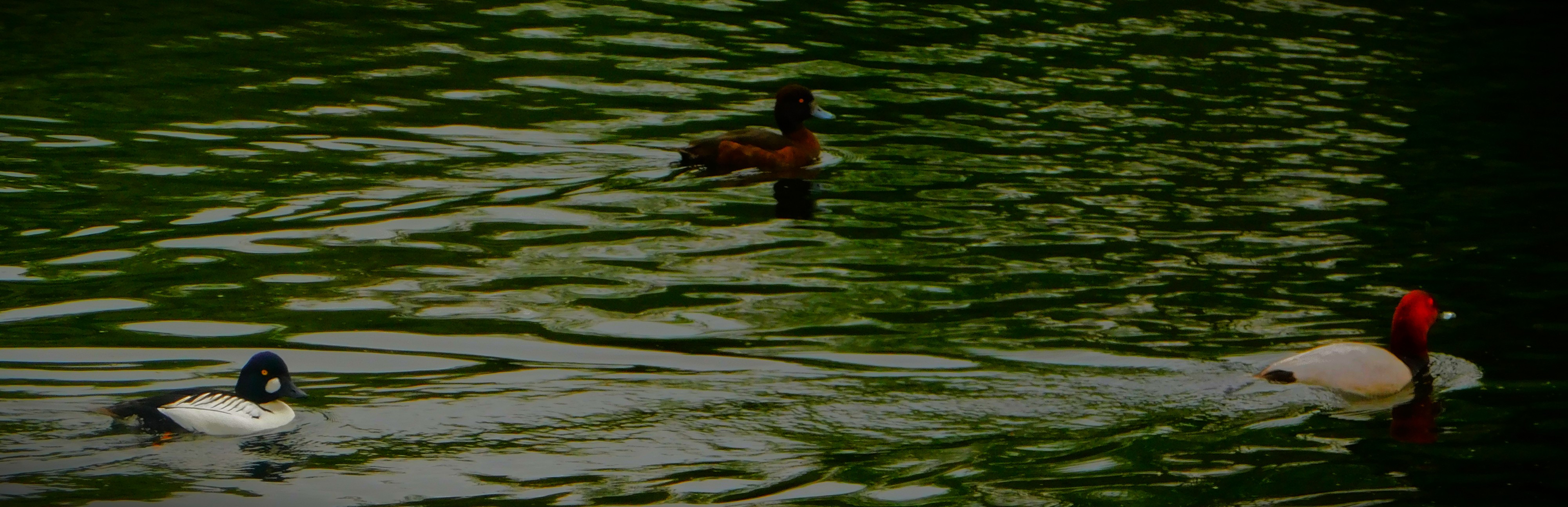
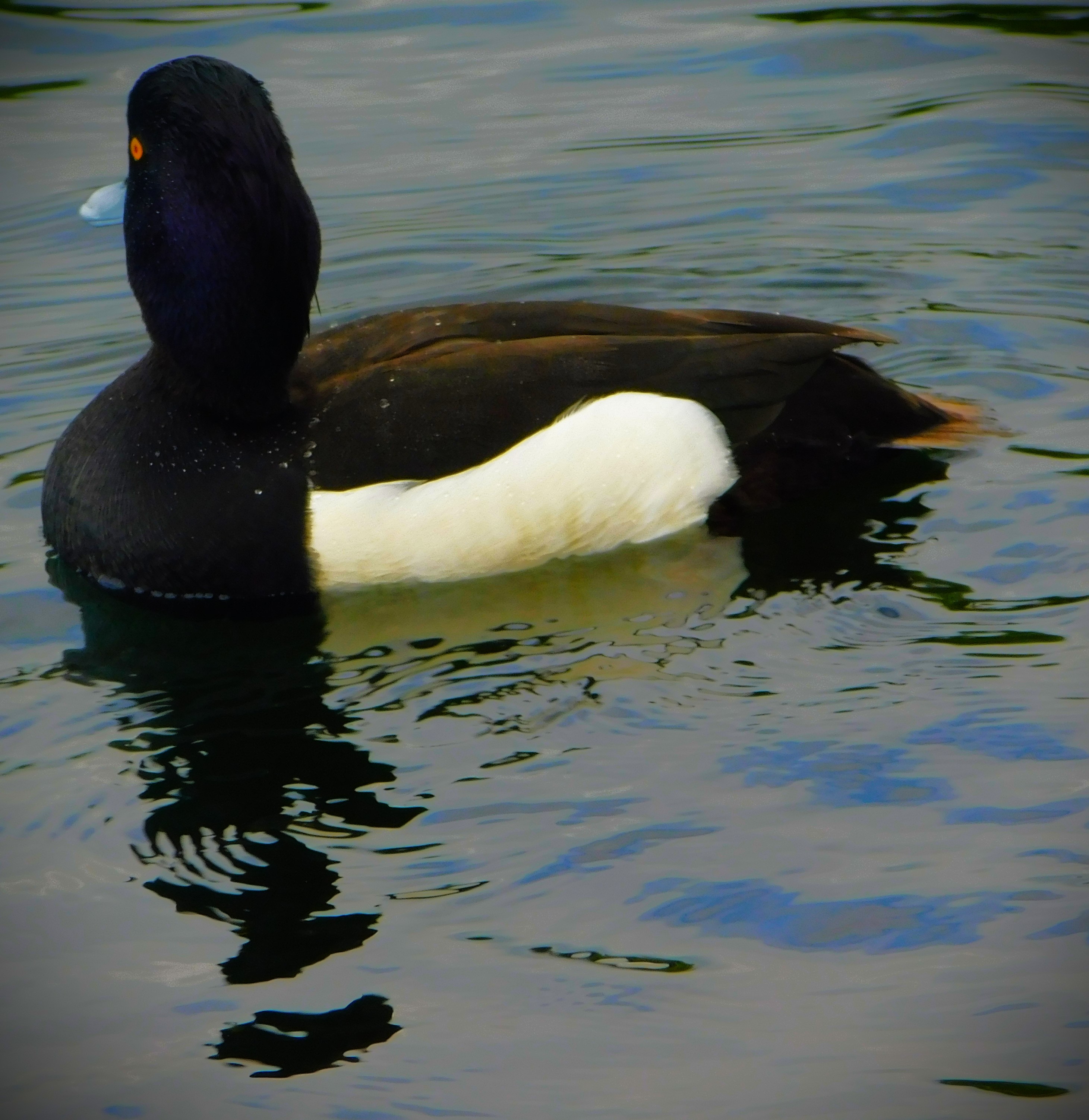
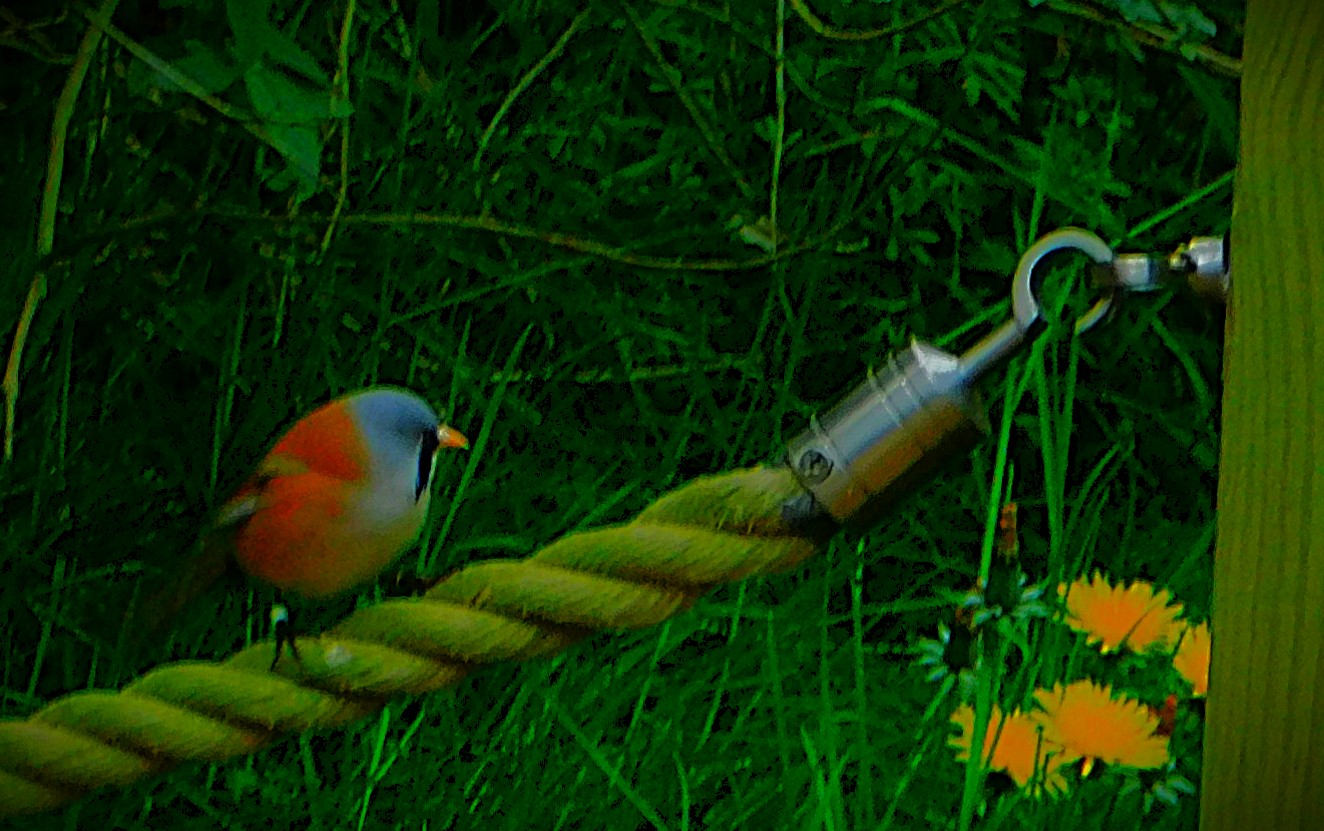
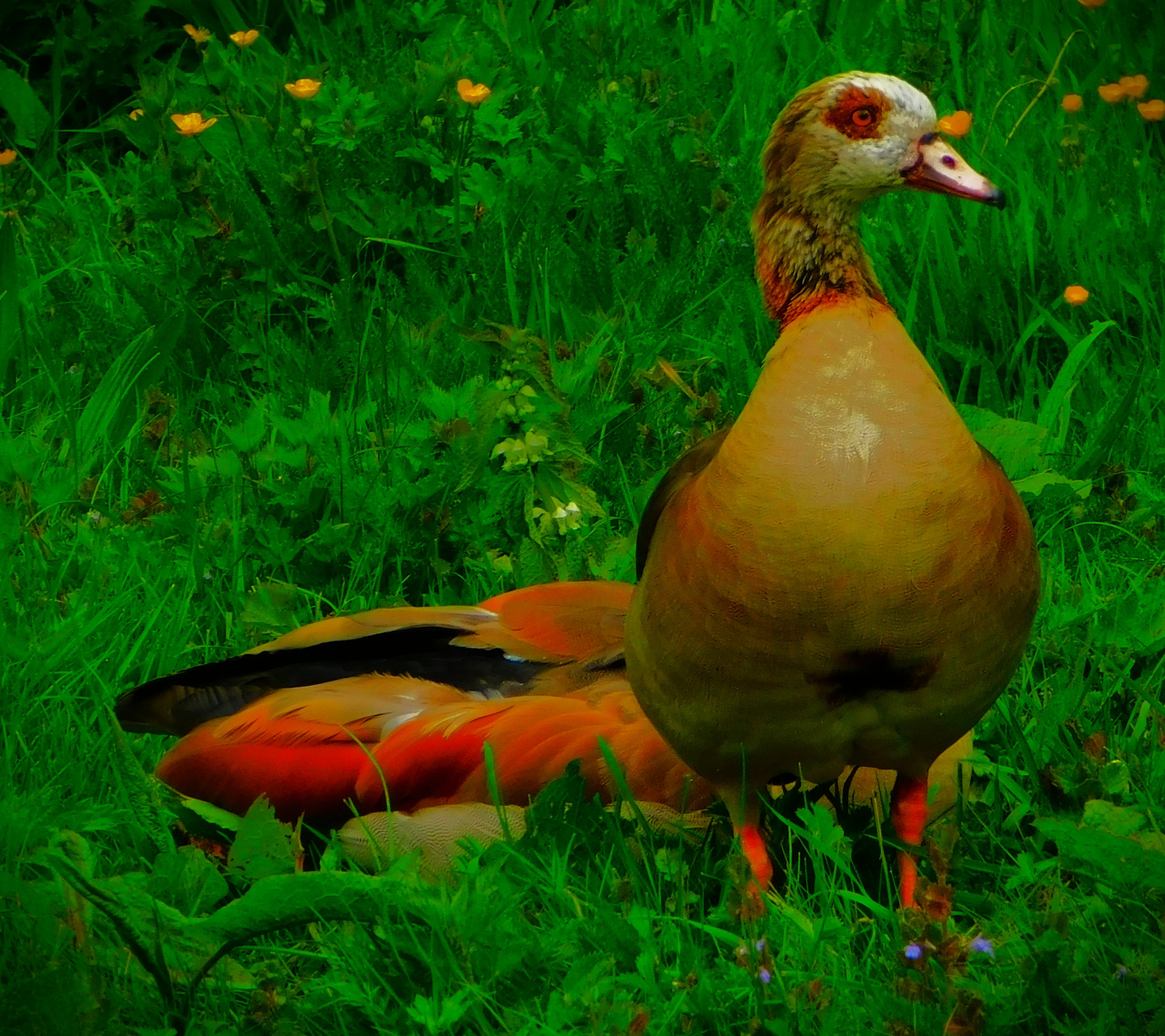
These are neither crane nor flamingo, but were to be seen in between the Flamingo pool and the Crane hide.This shot of a flamingo taking to the air justified my second visit to that area all on its own.
GENERAL PHOTOGRAPHS
I end with photos from non-specific parts of Pensthorpe:
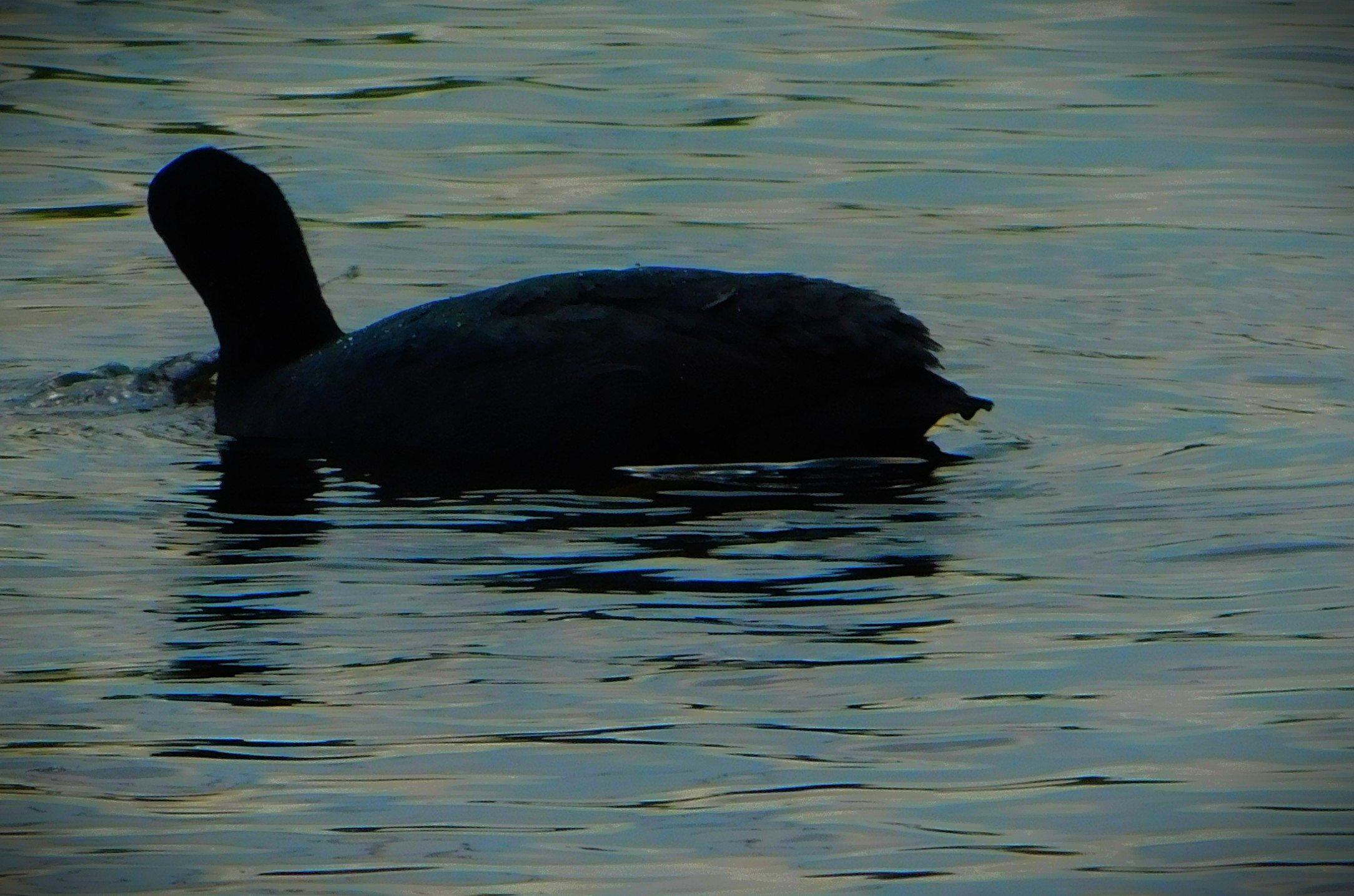
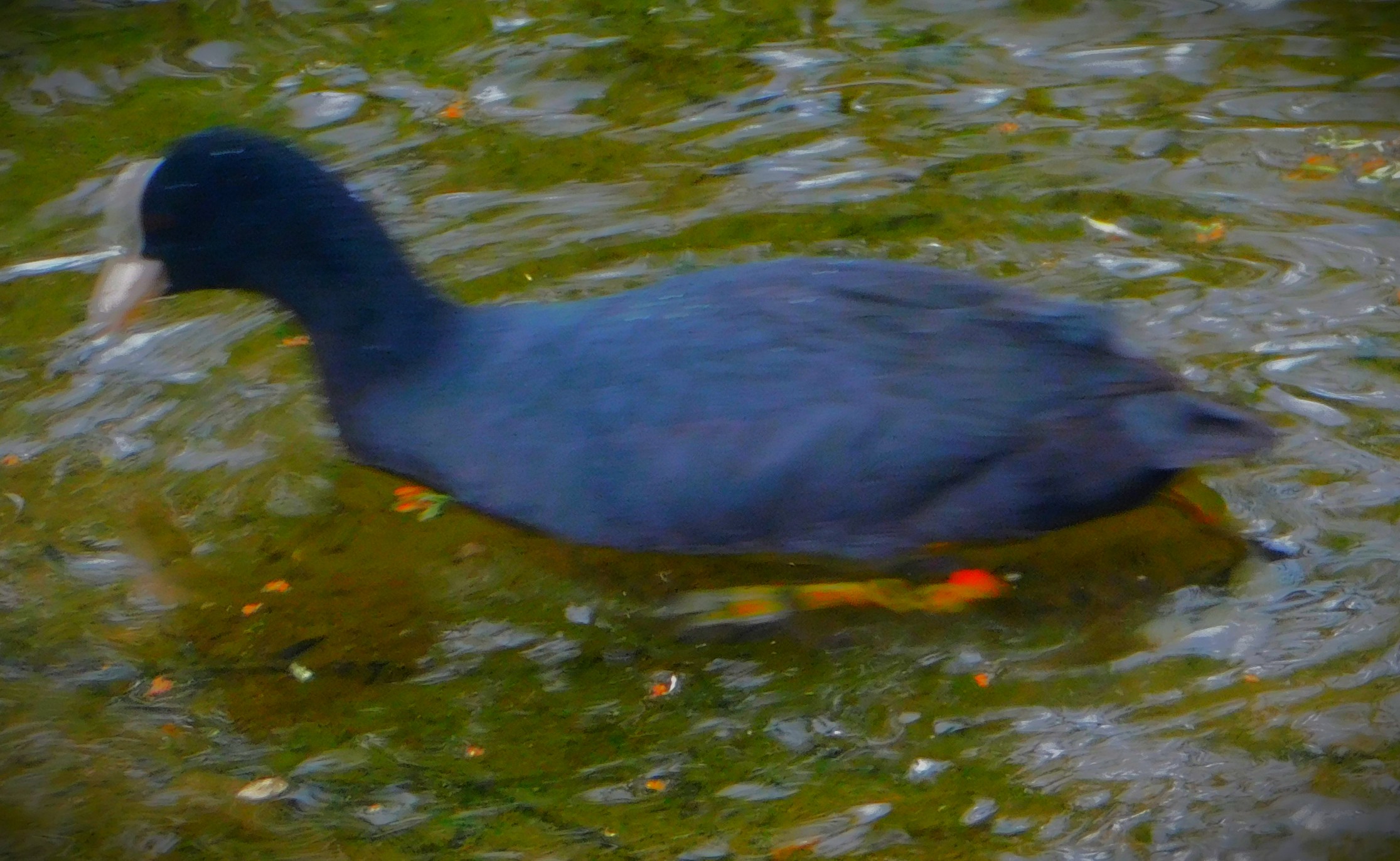
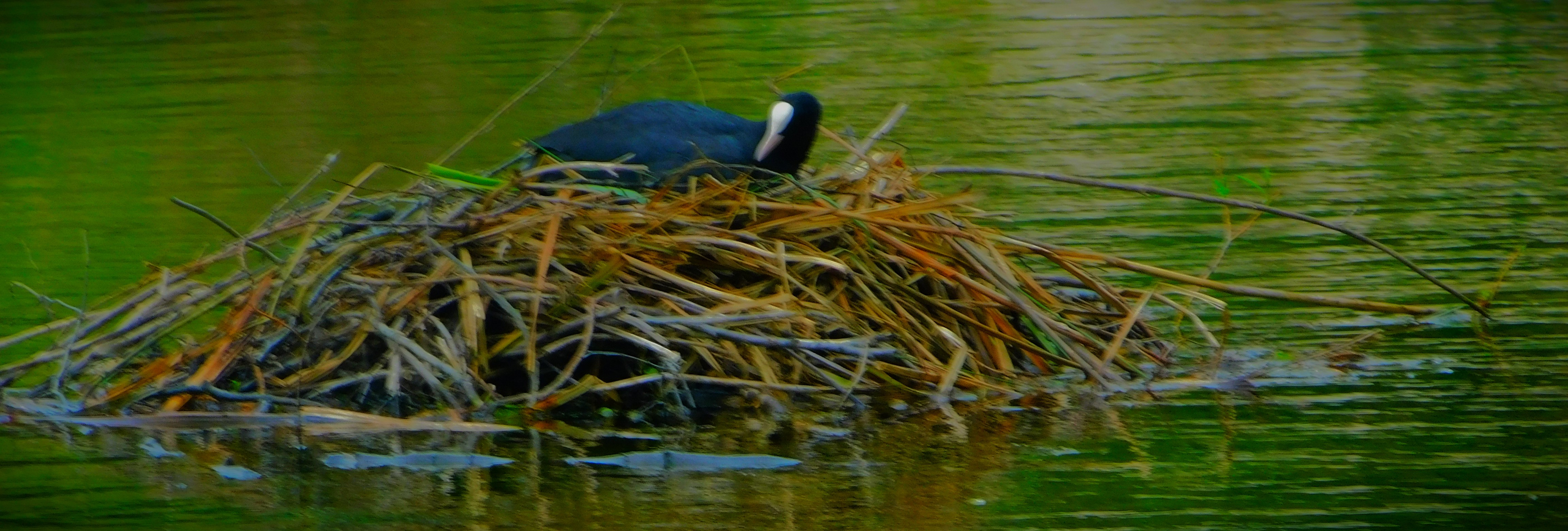
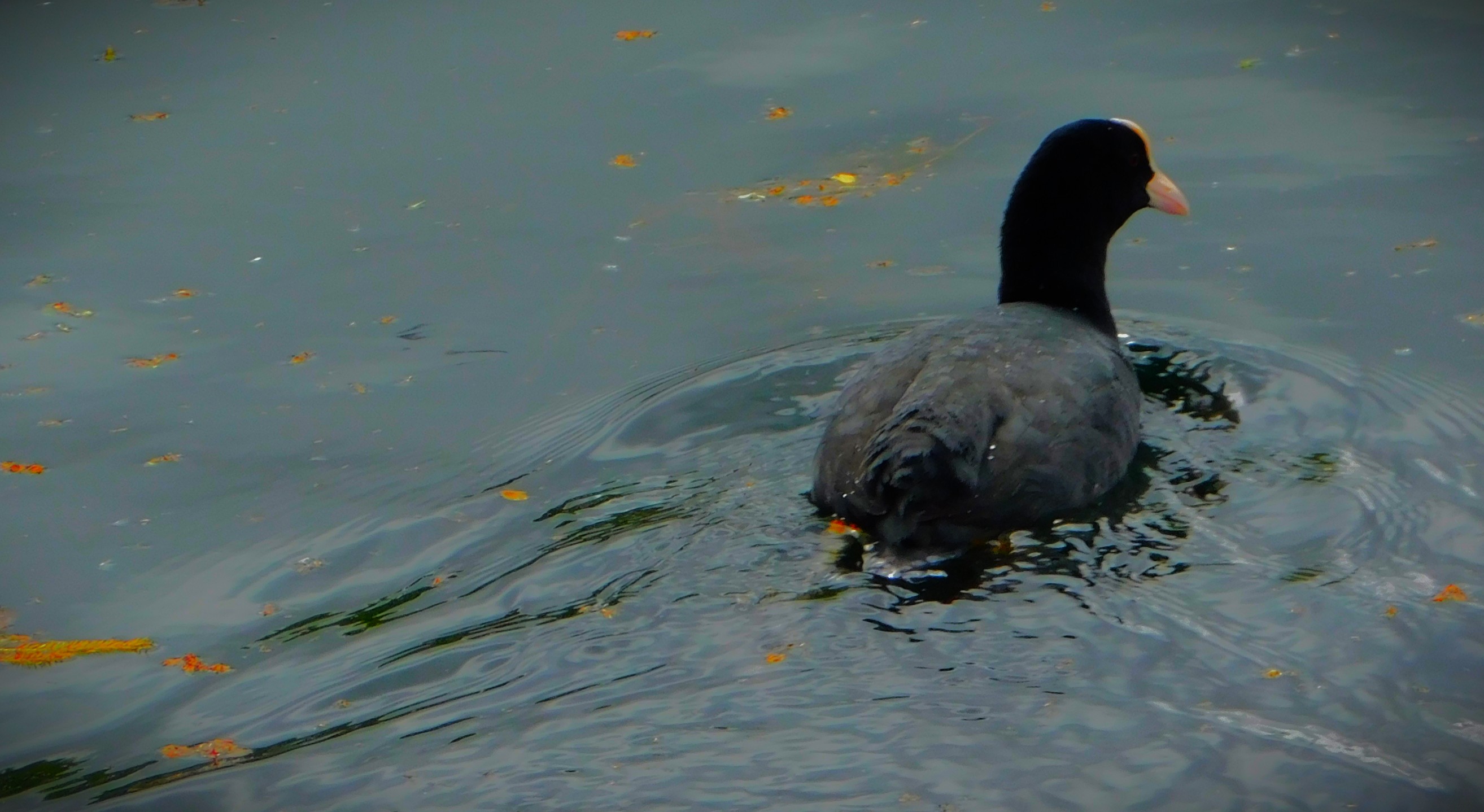
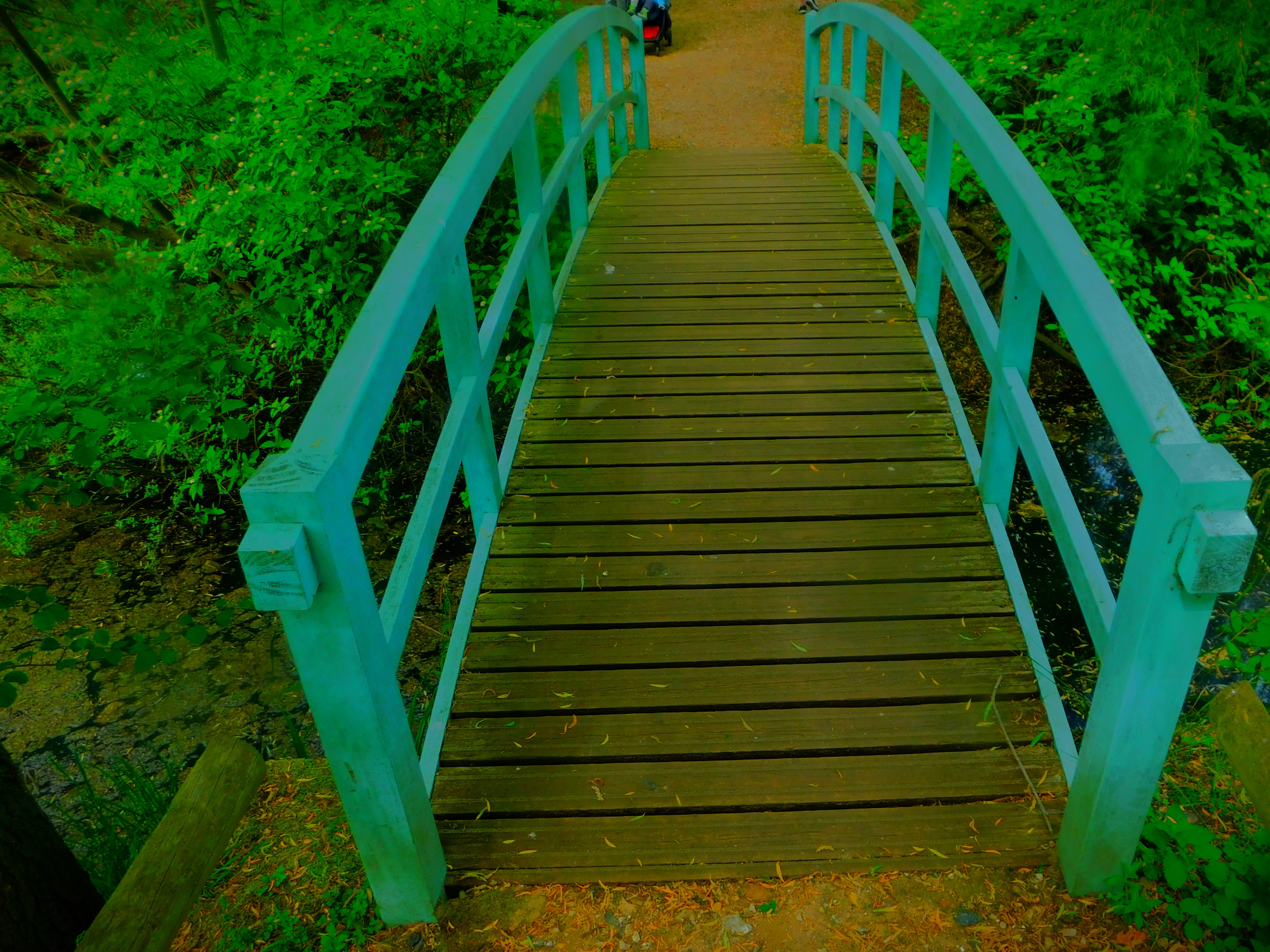
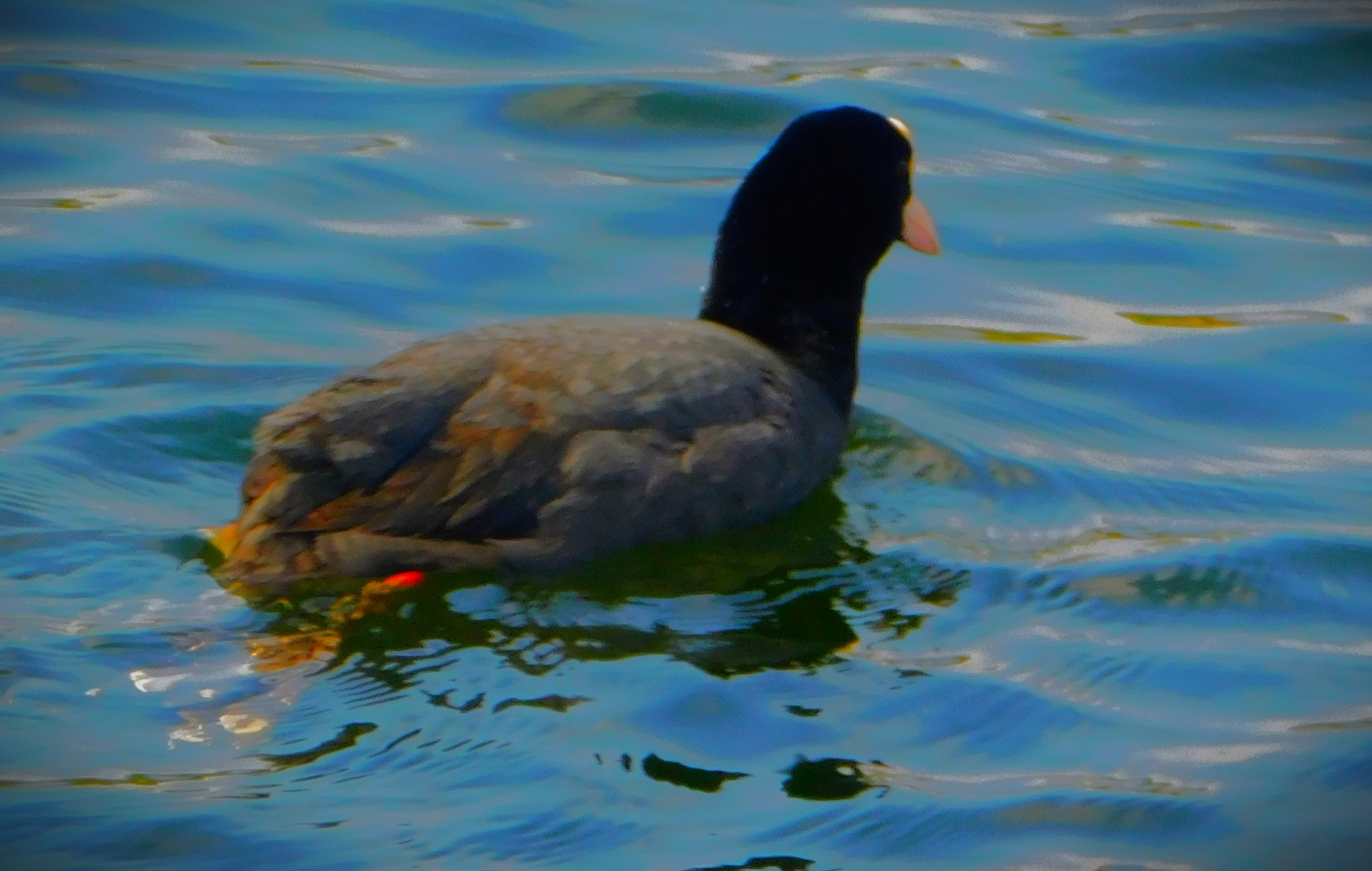
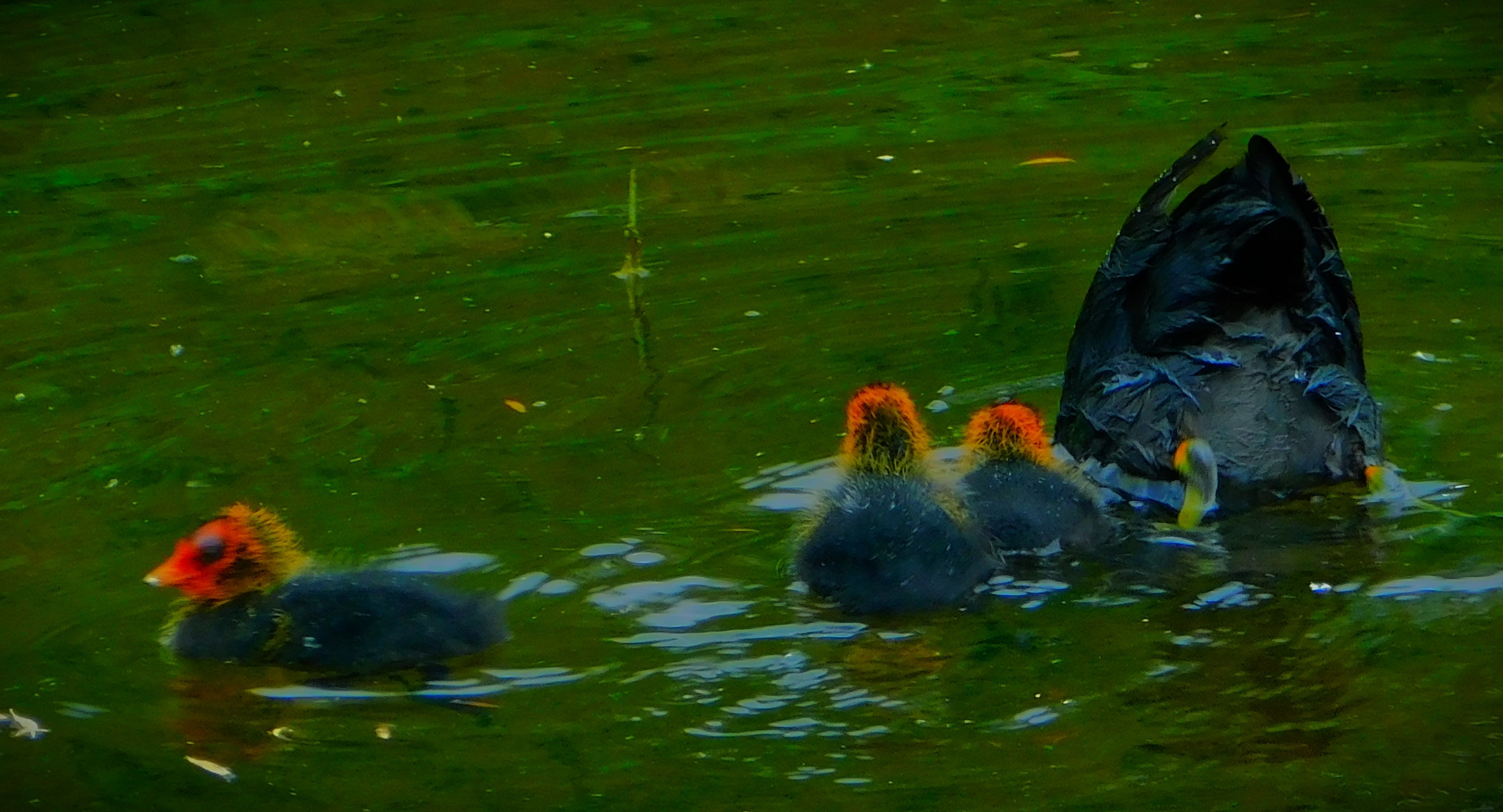
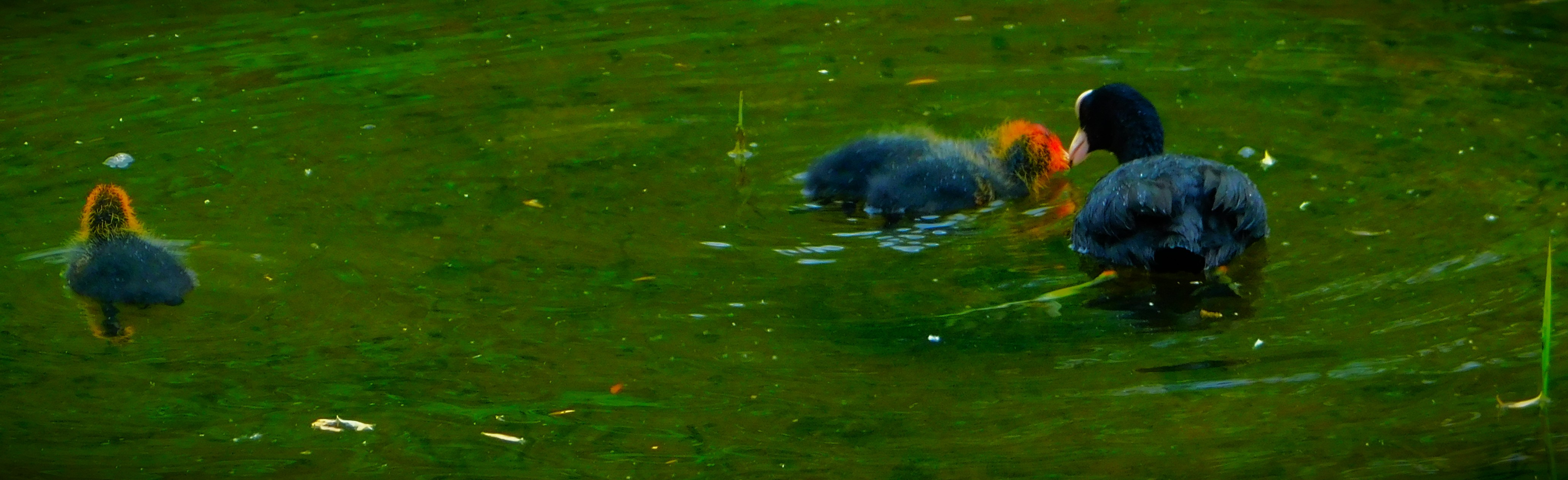
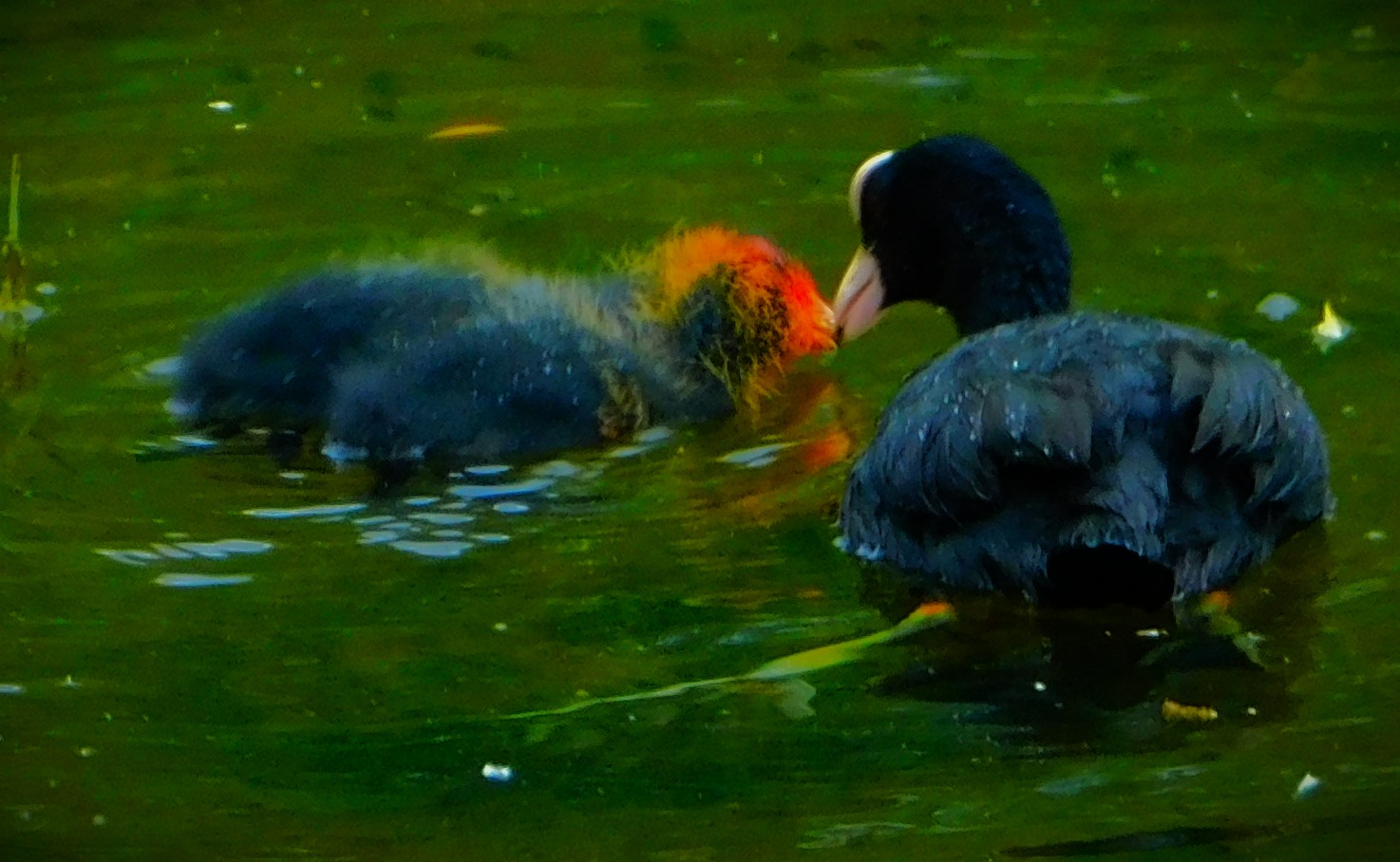
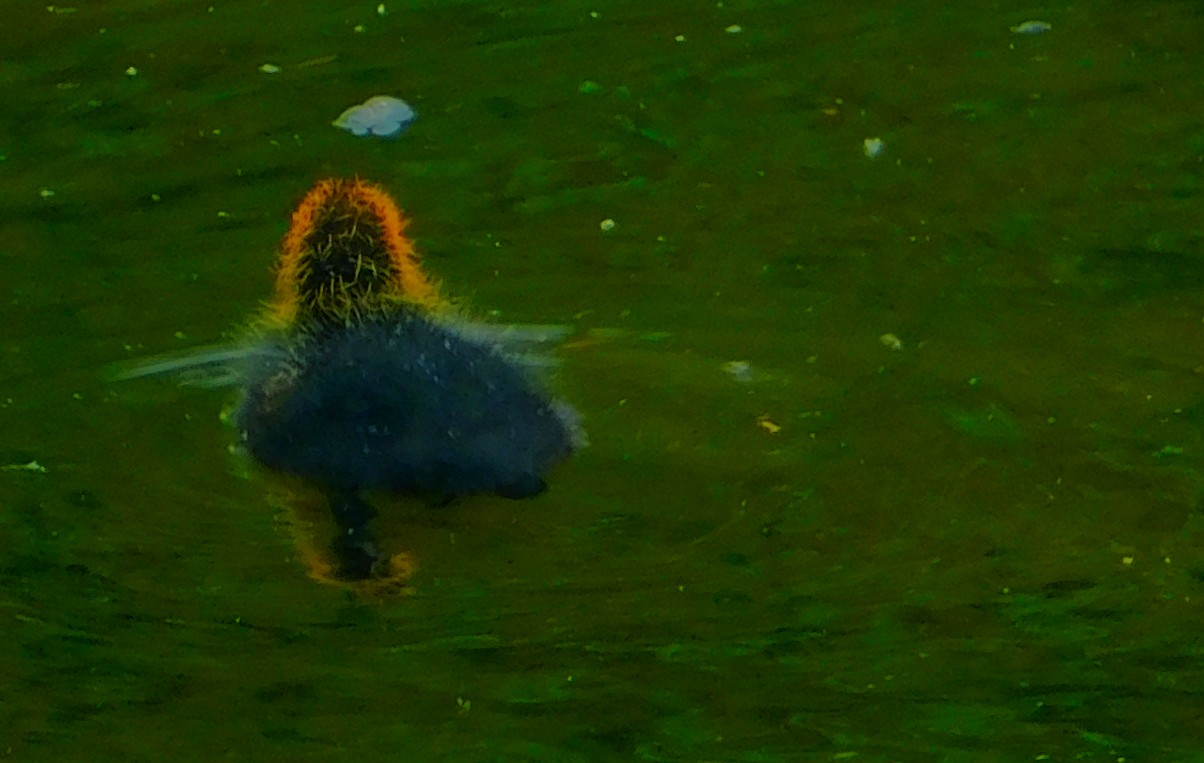
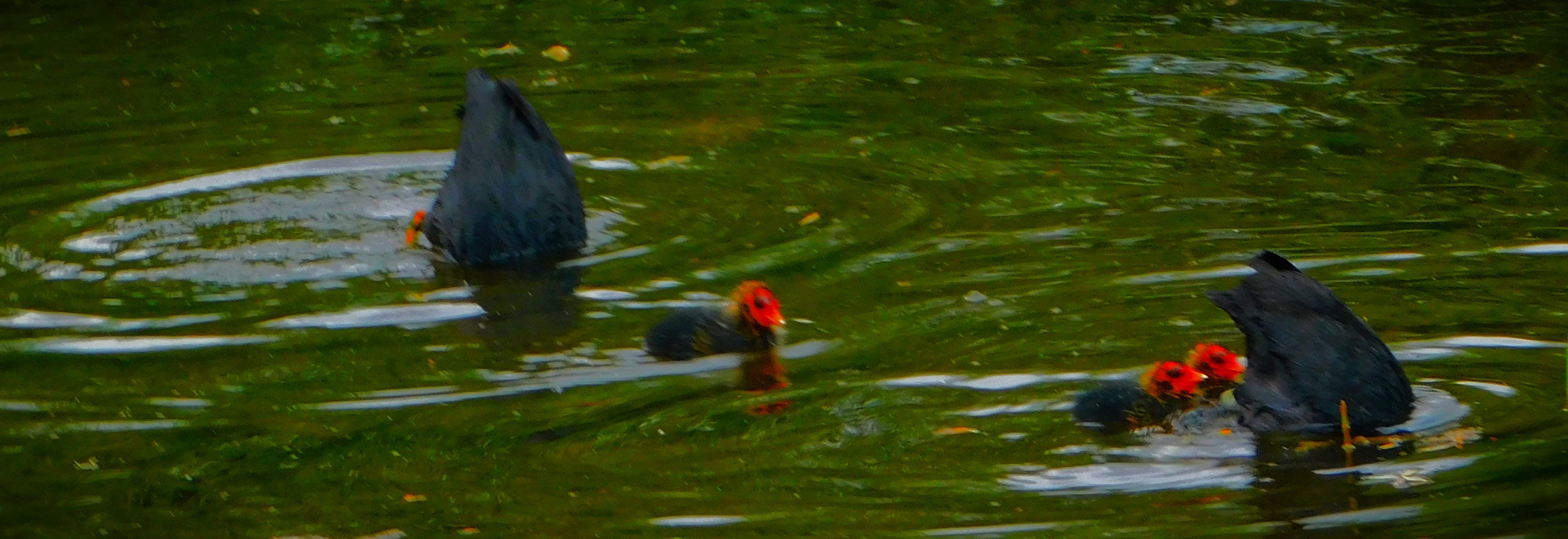
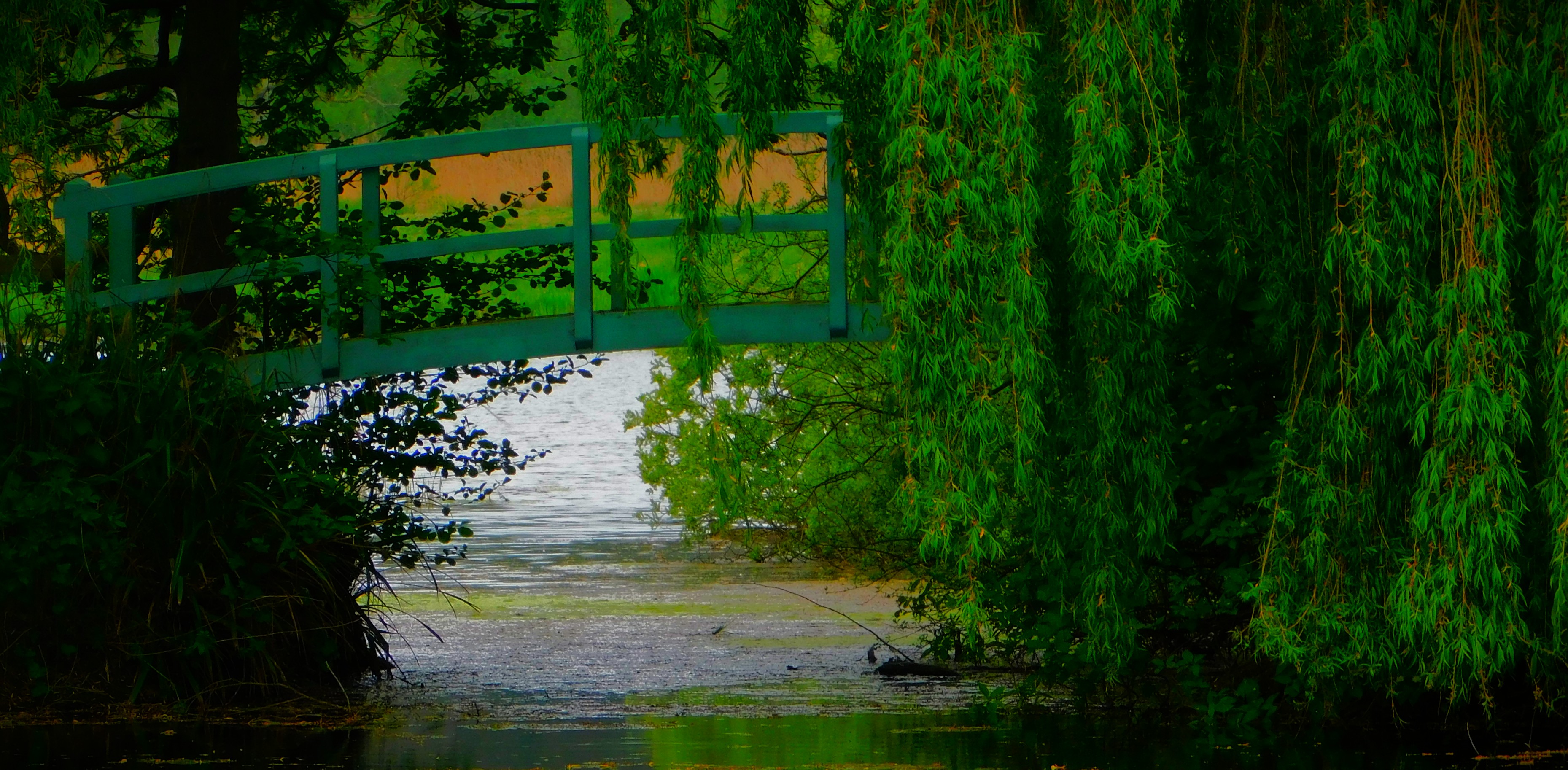
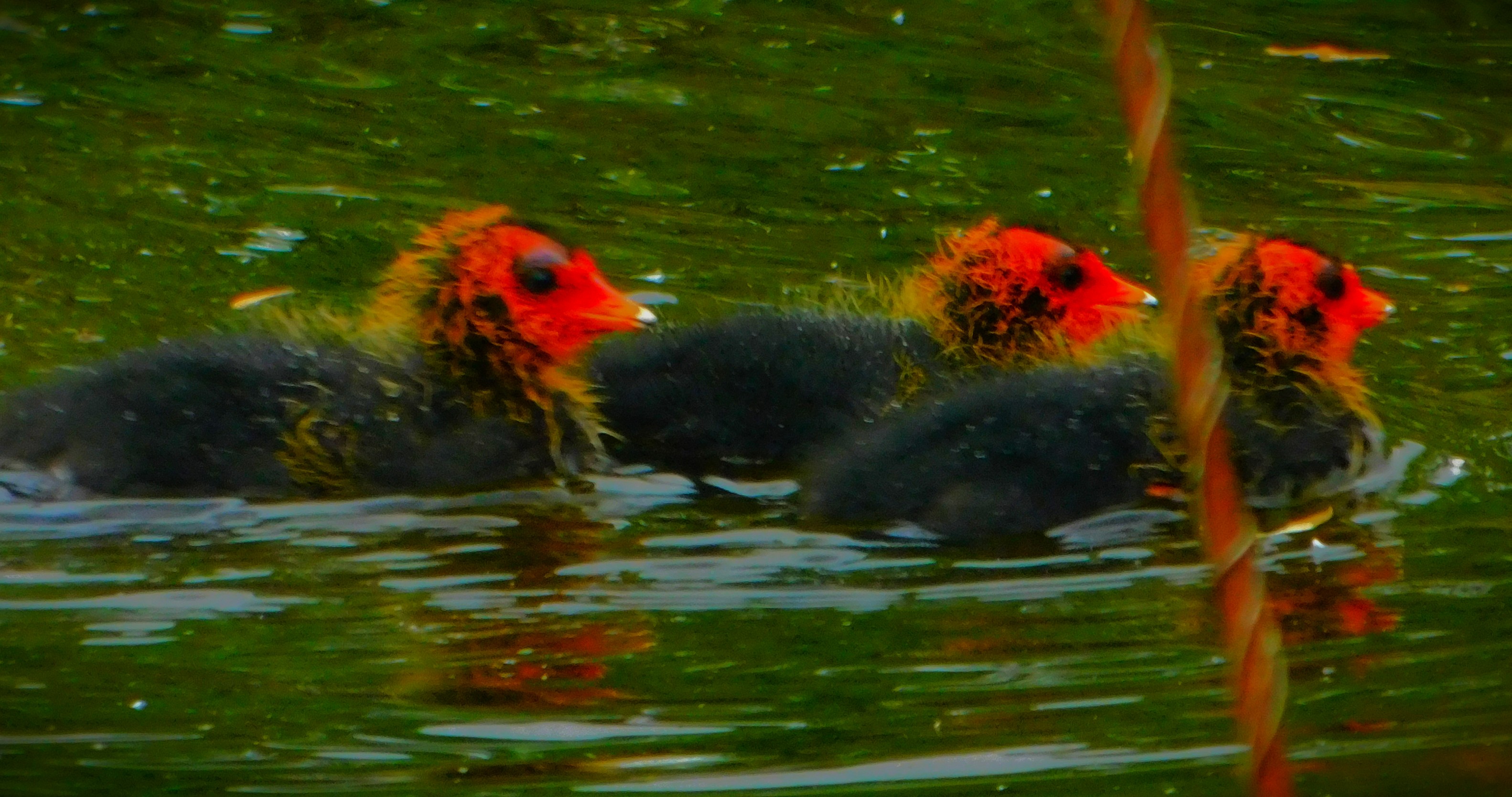
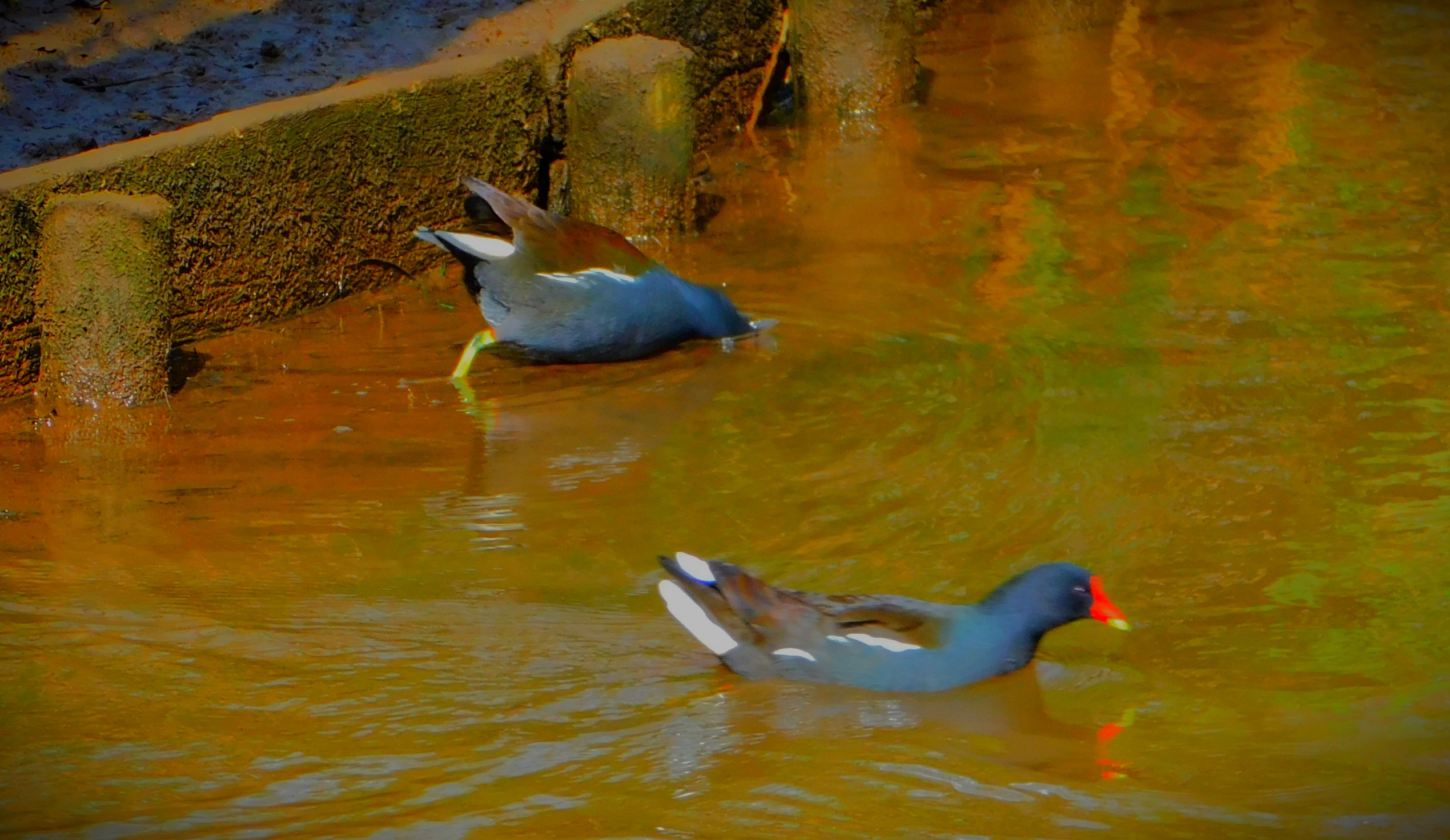
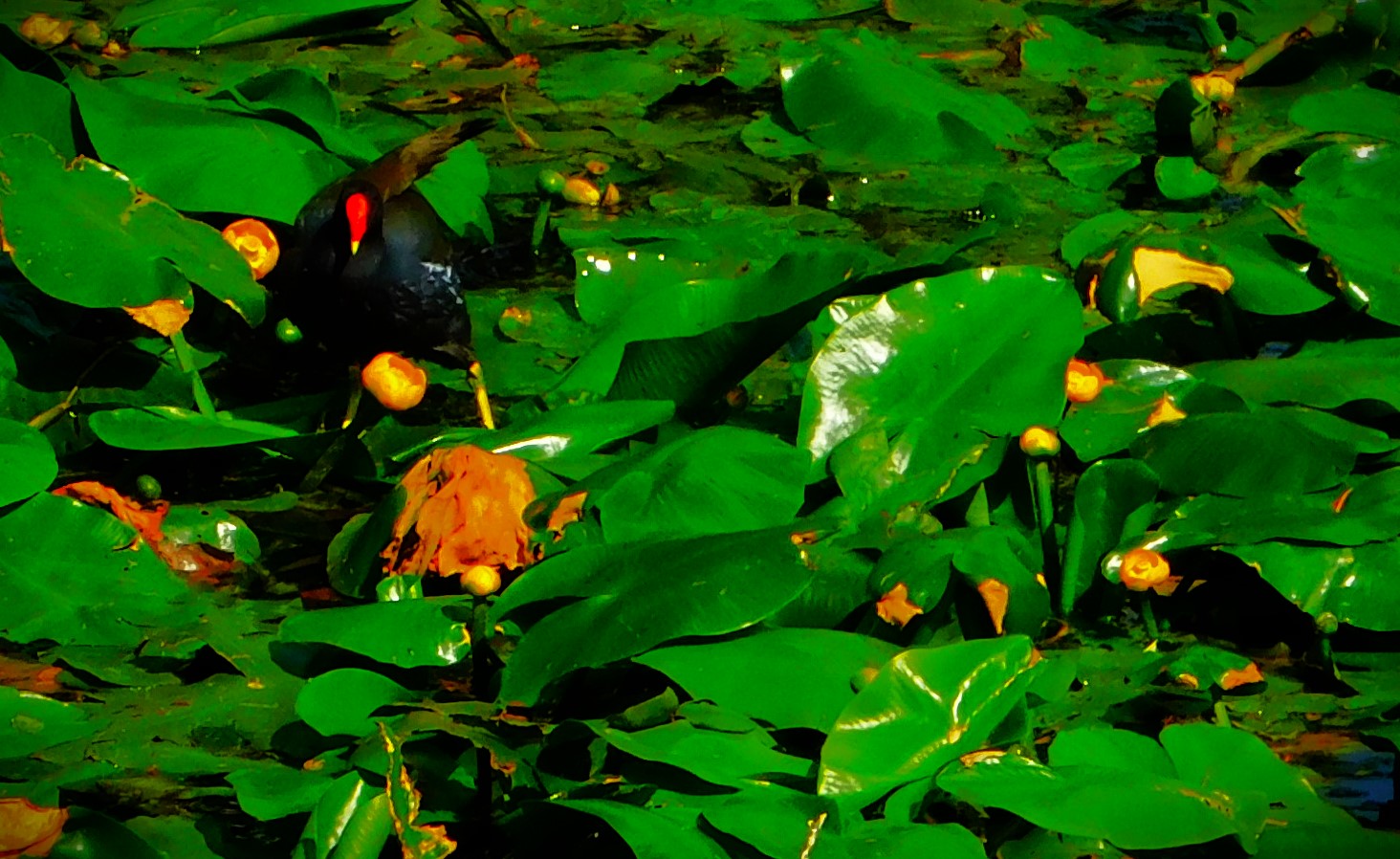
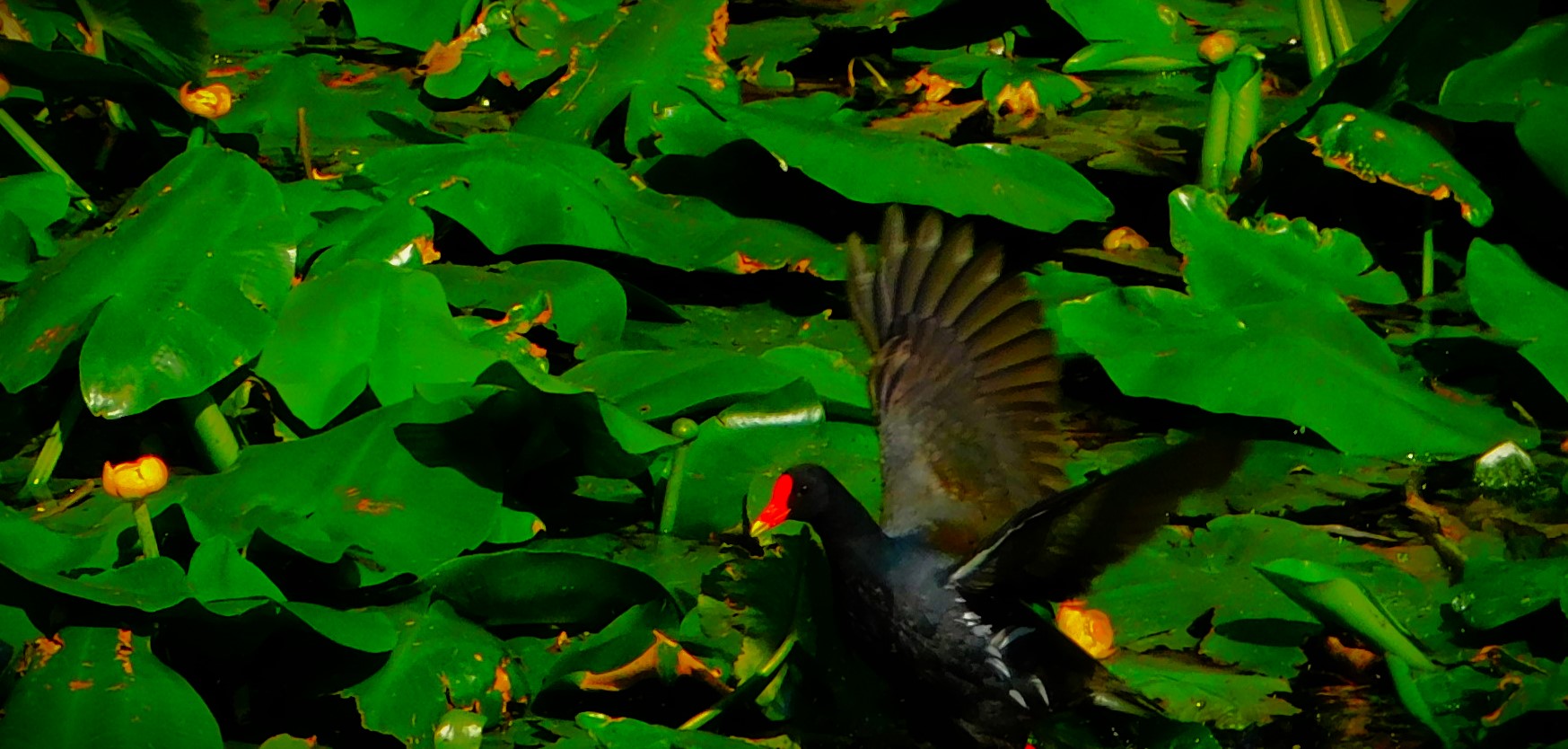
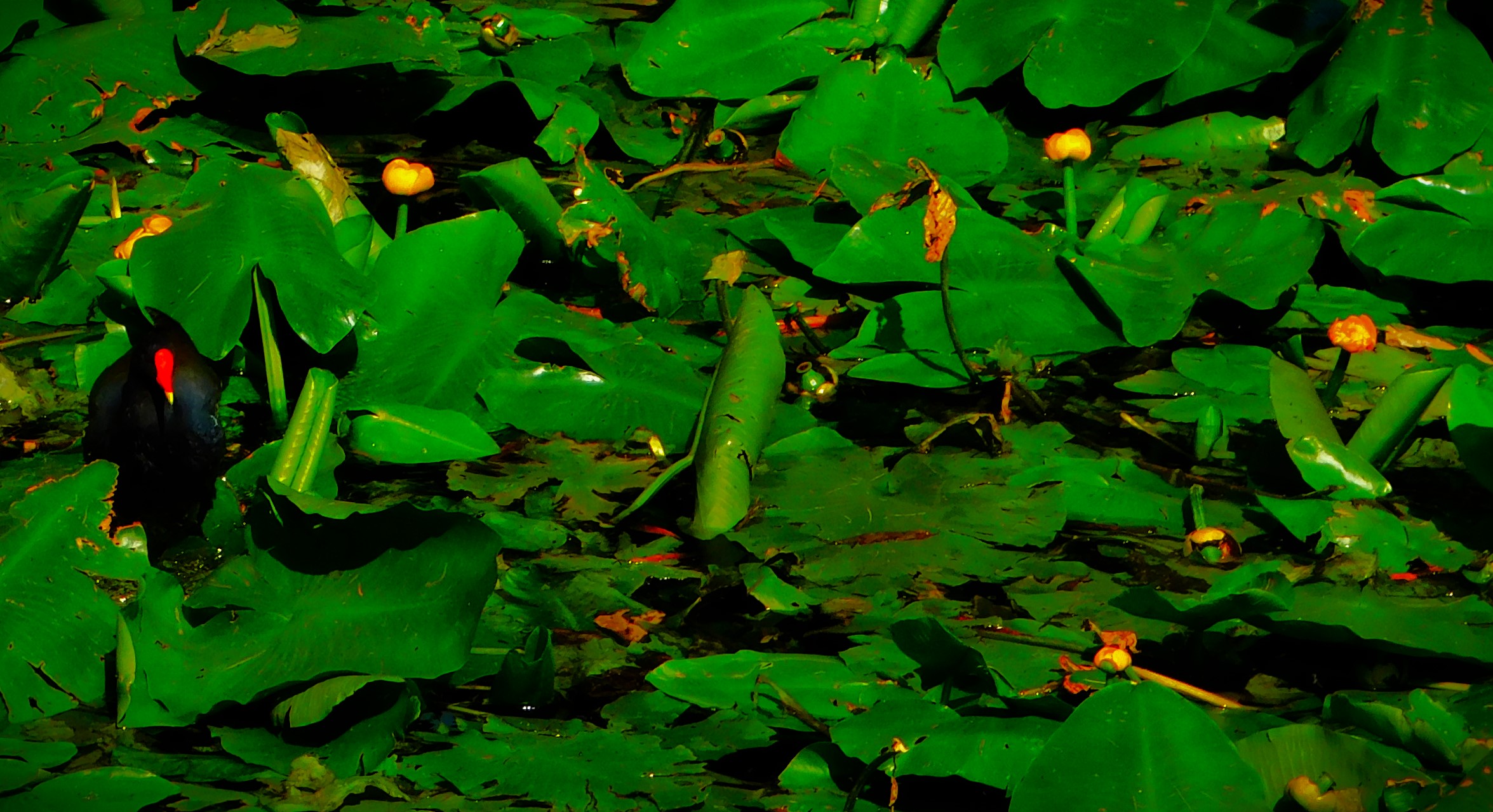
A nesting coot (moorhens also build floating nests).The Monet inspired bridge.The first of a number of shots of a coot family – my first ever sighting of coot chicks.
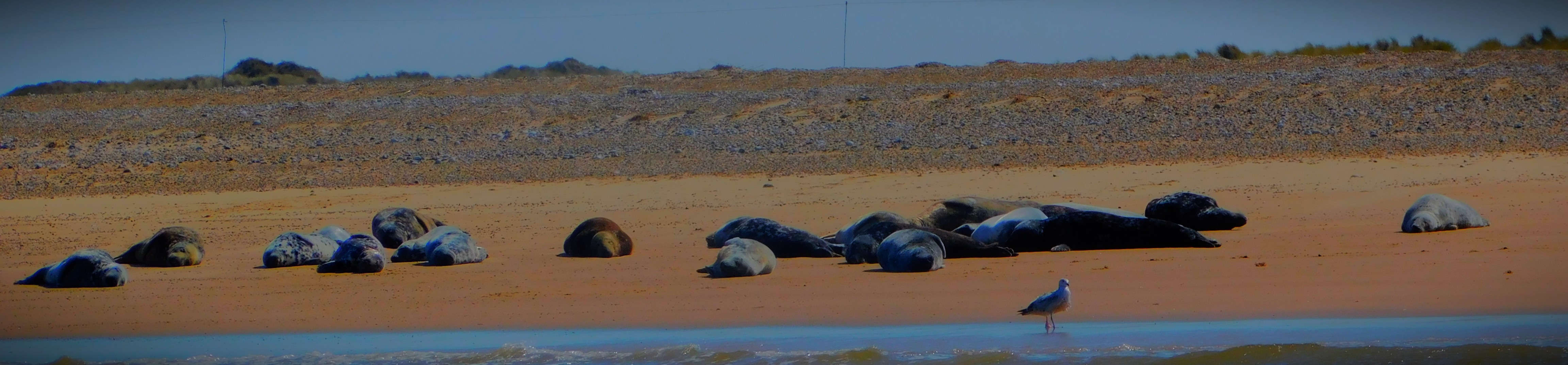
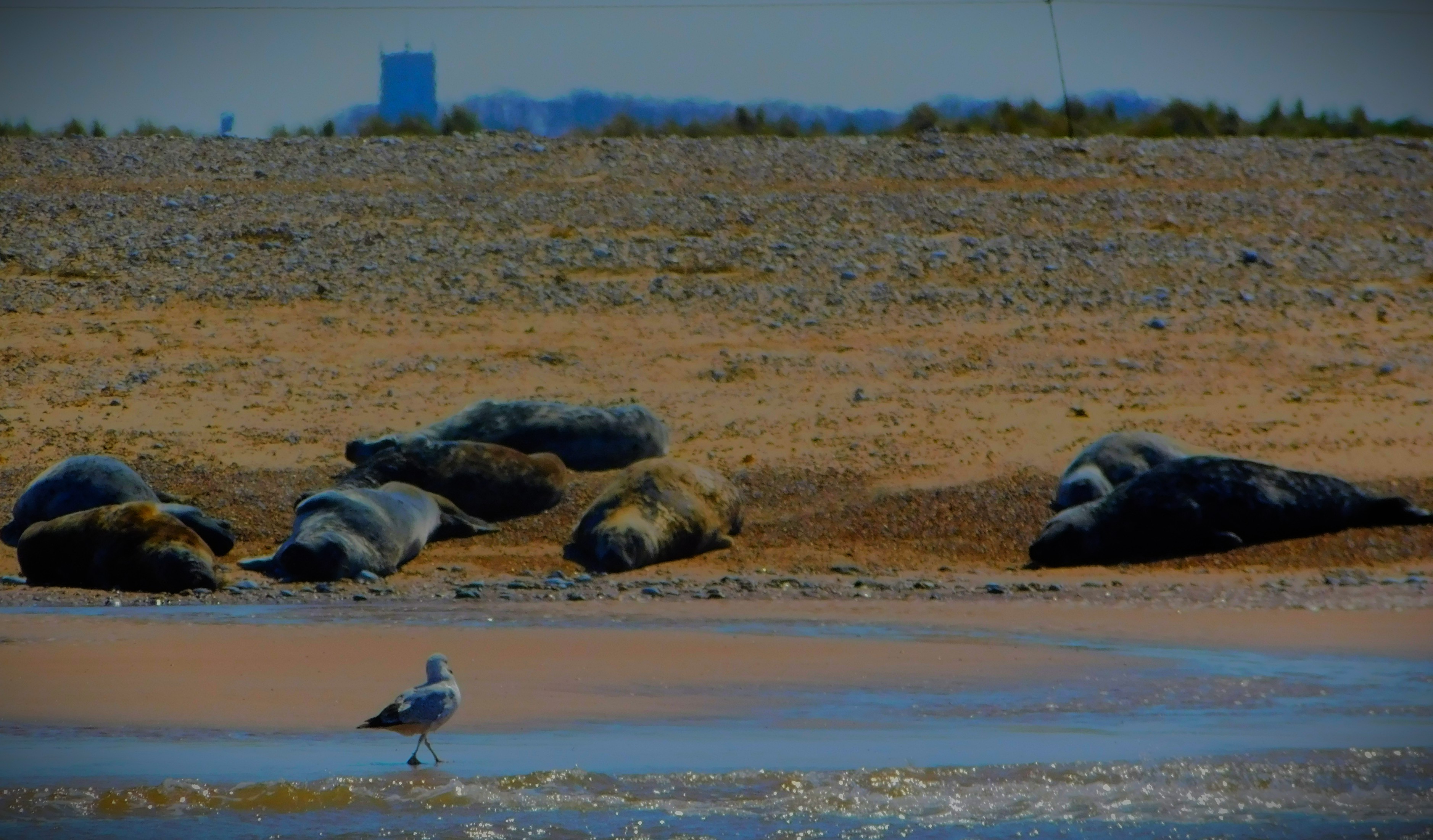
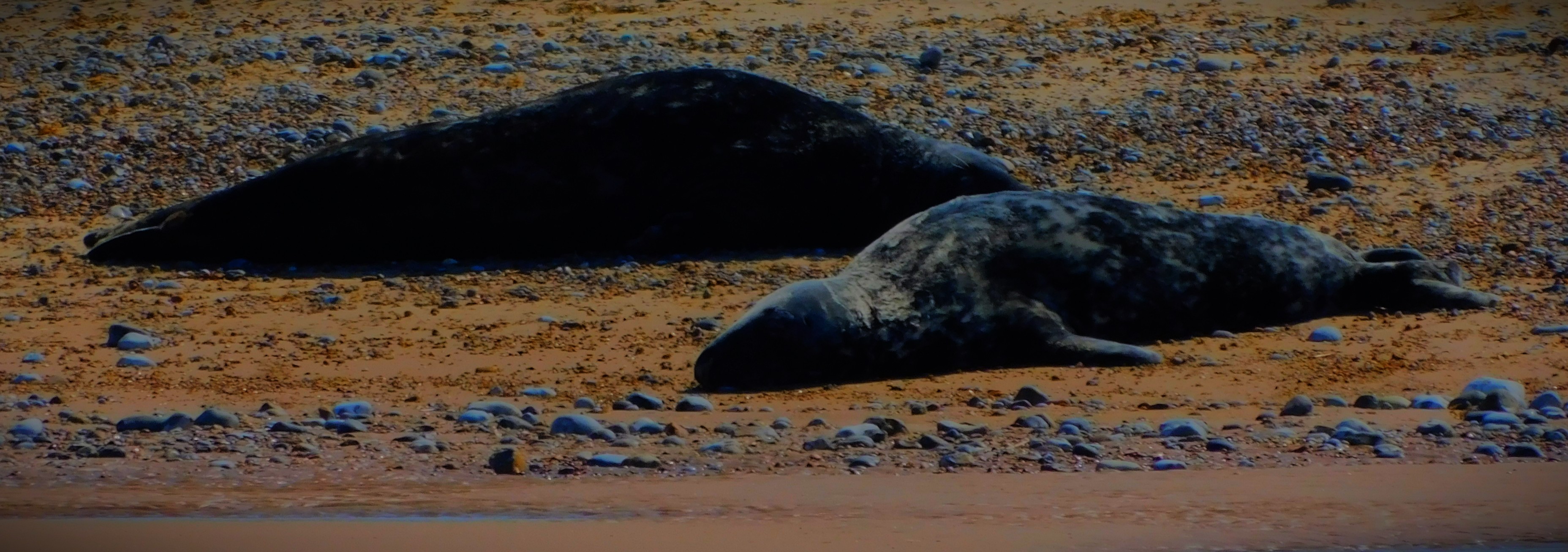
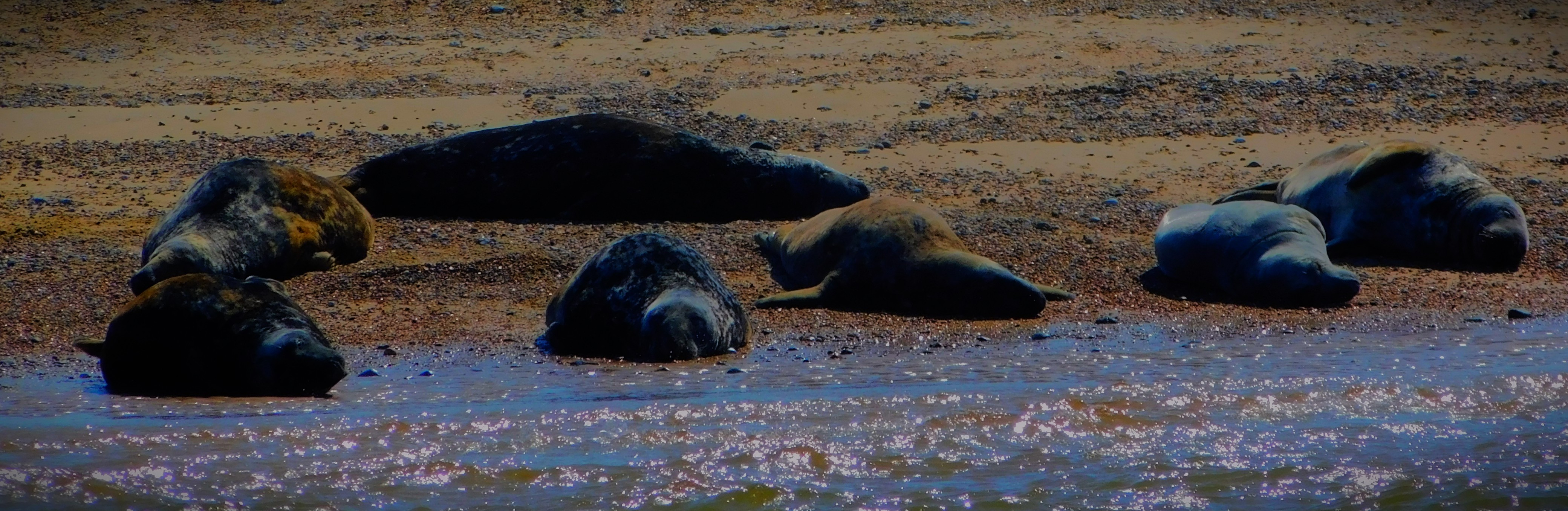
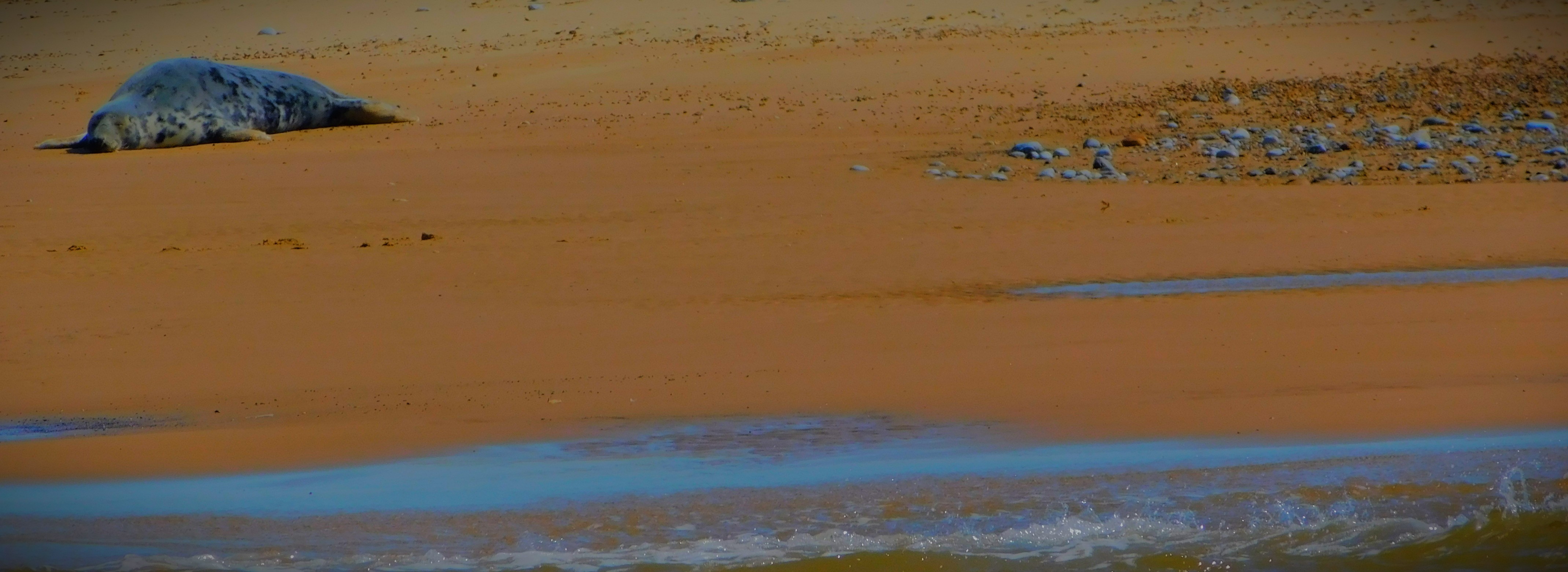
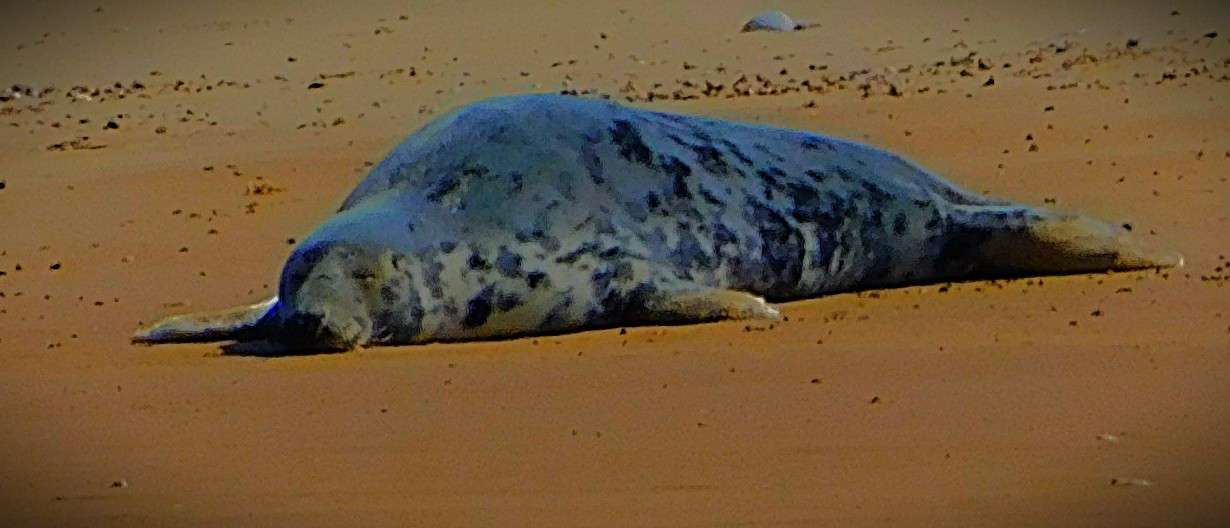
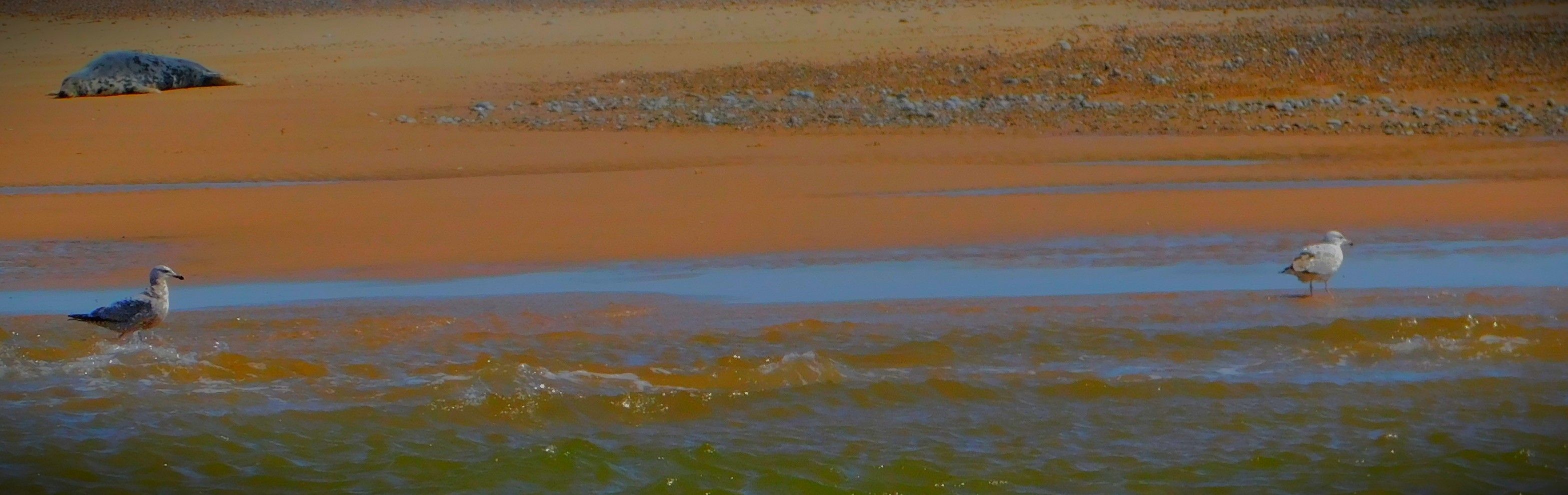
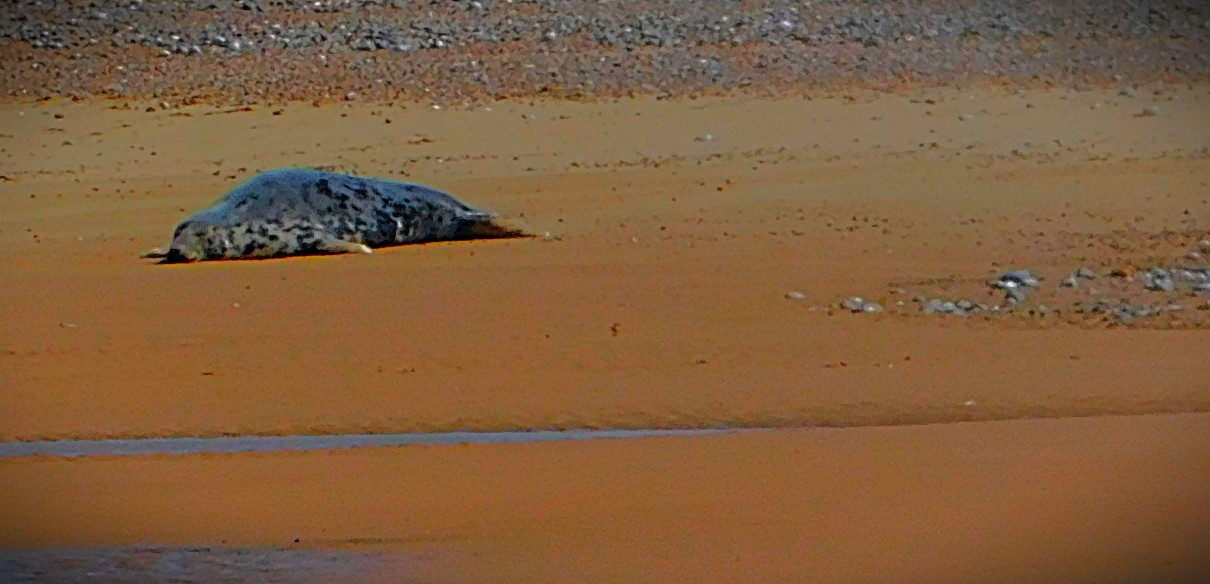
A look back at a trip I took with my parents yesterday to see the seals at Blakeney Point. This post has a huge photo gallery.
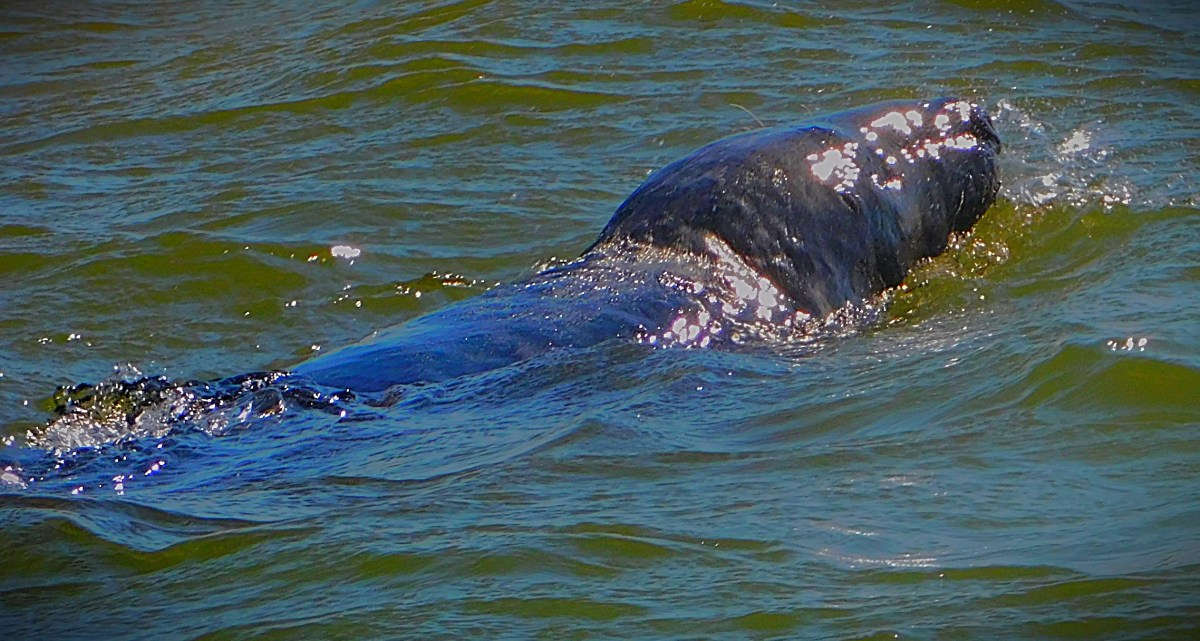
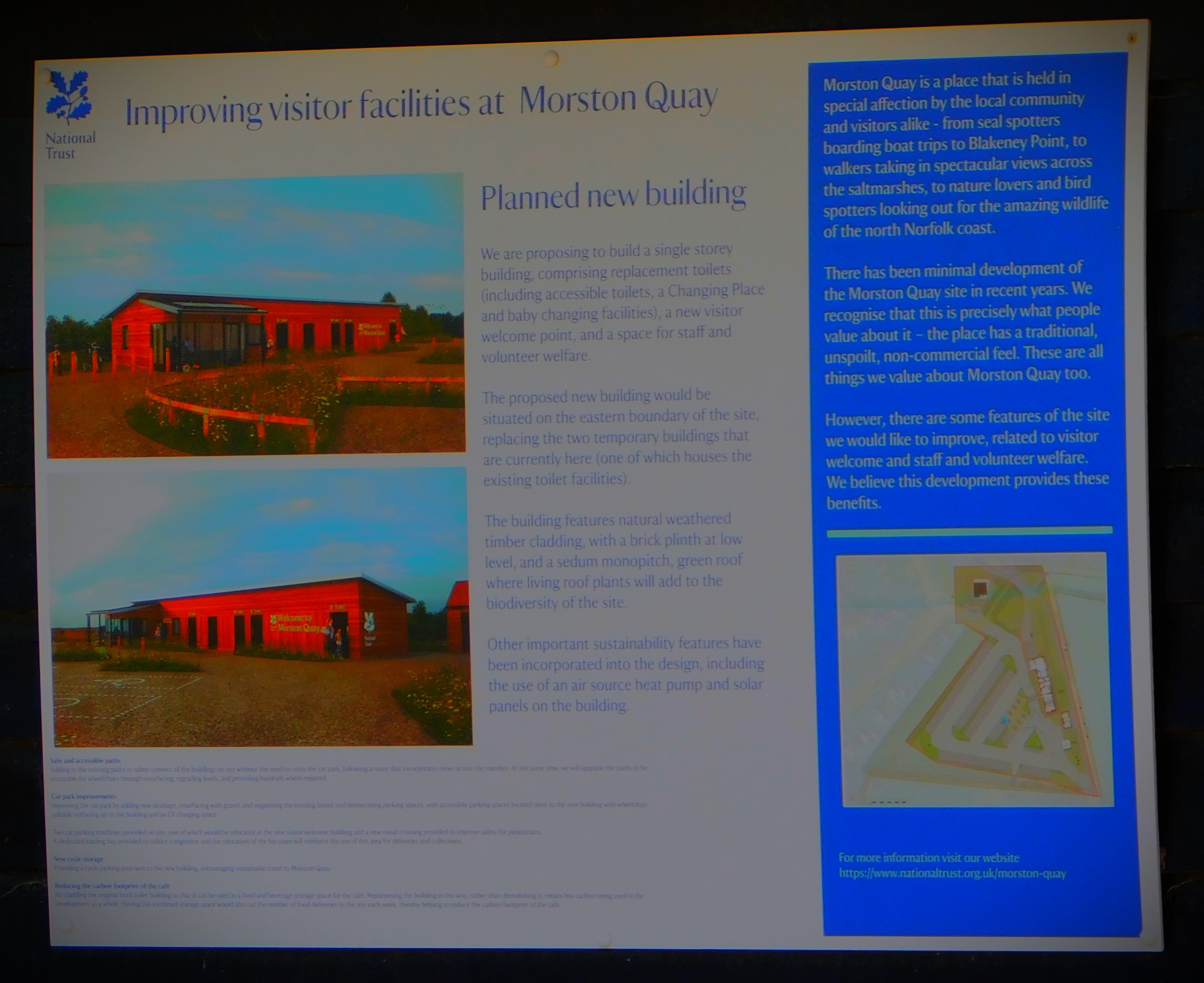
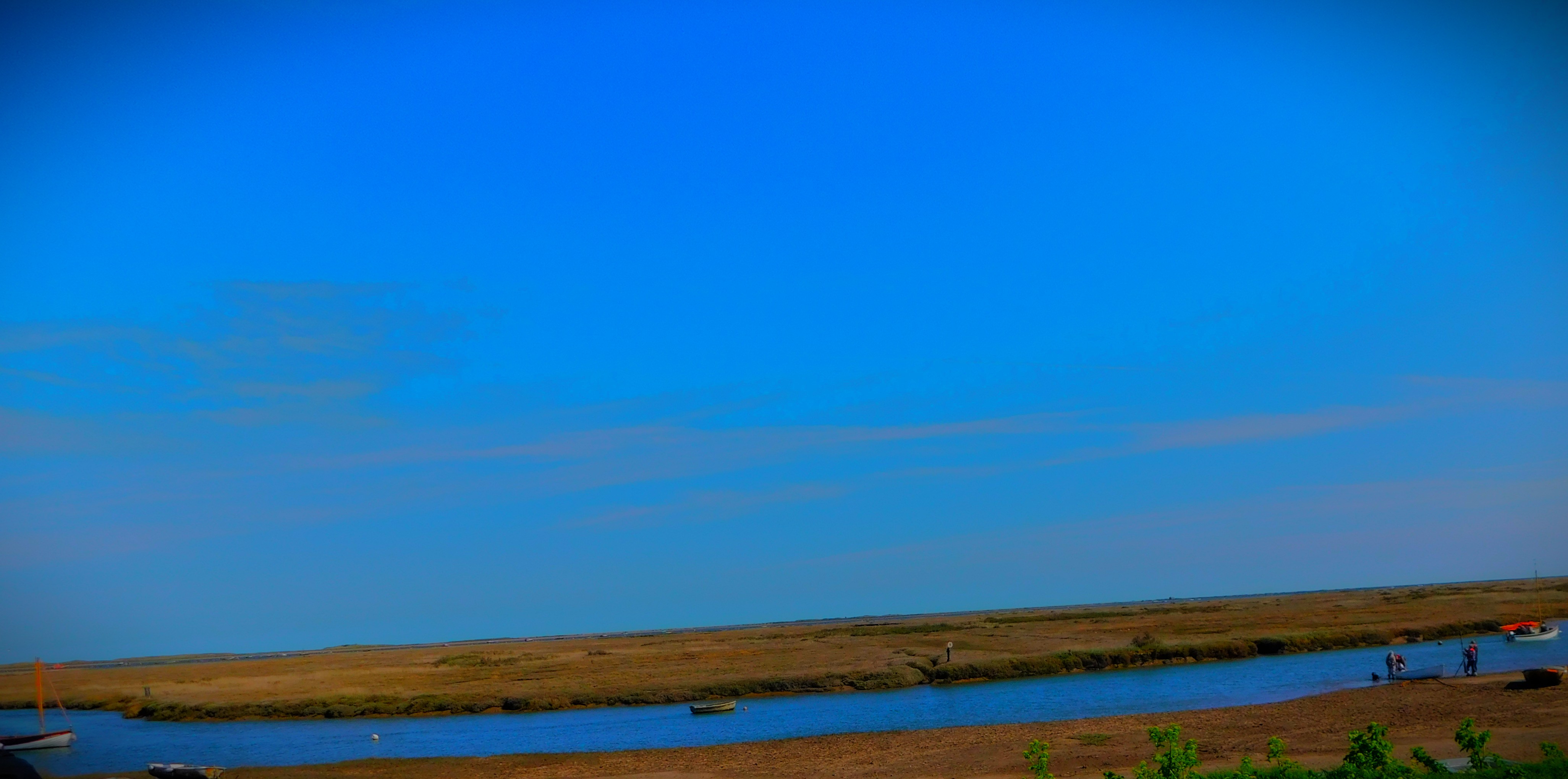
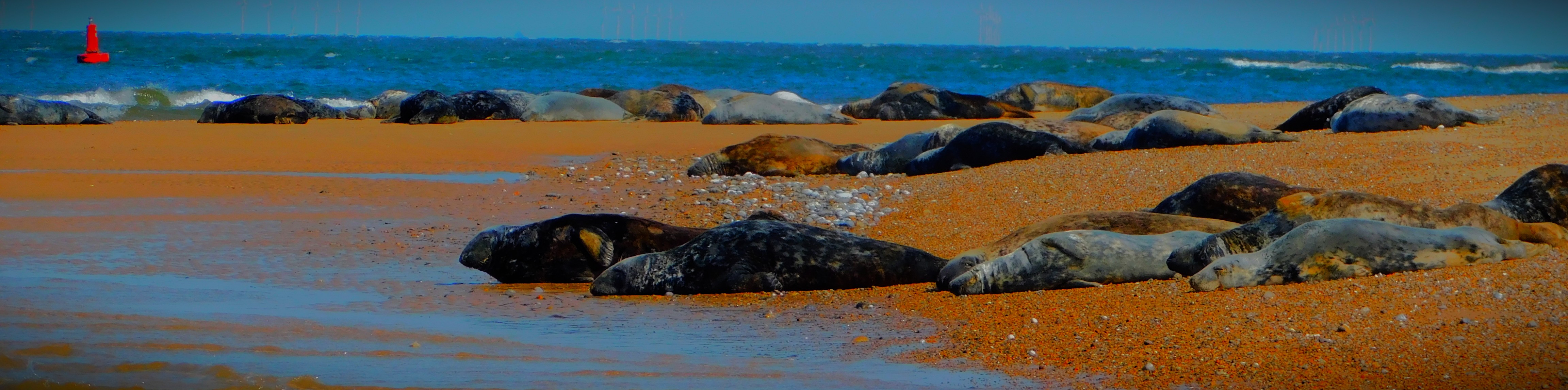
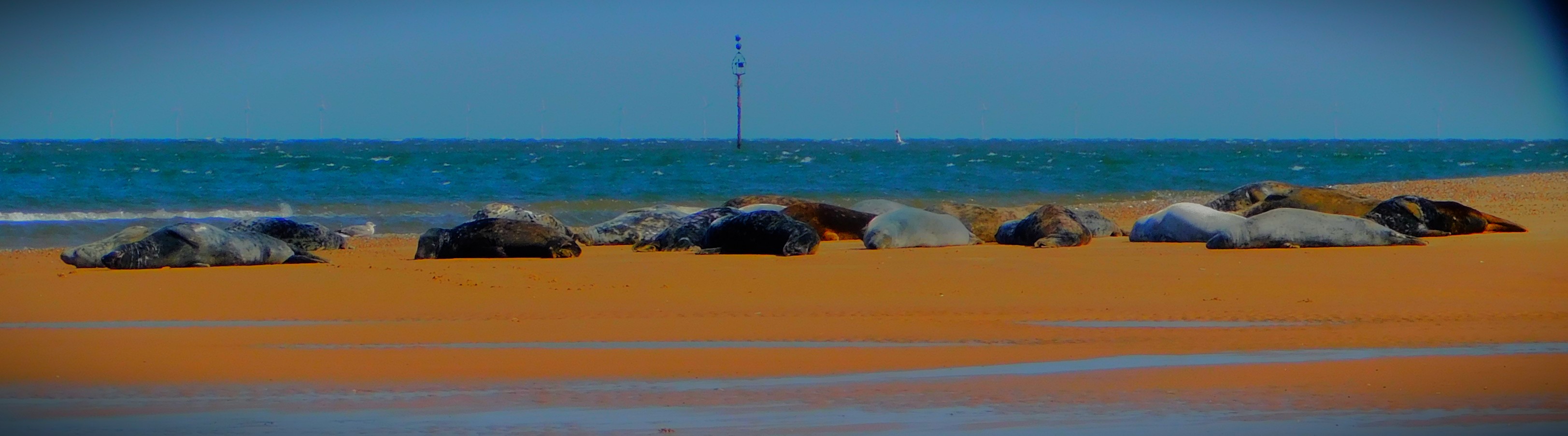
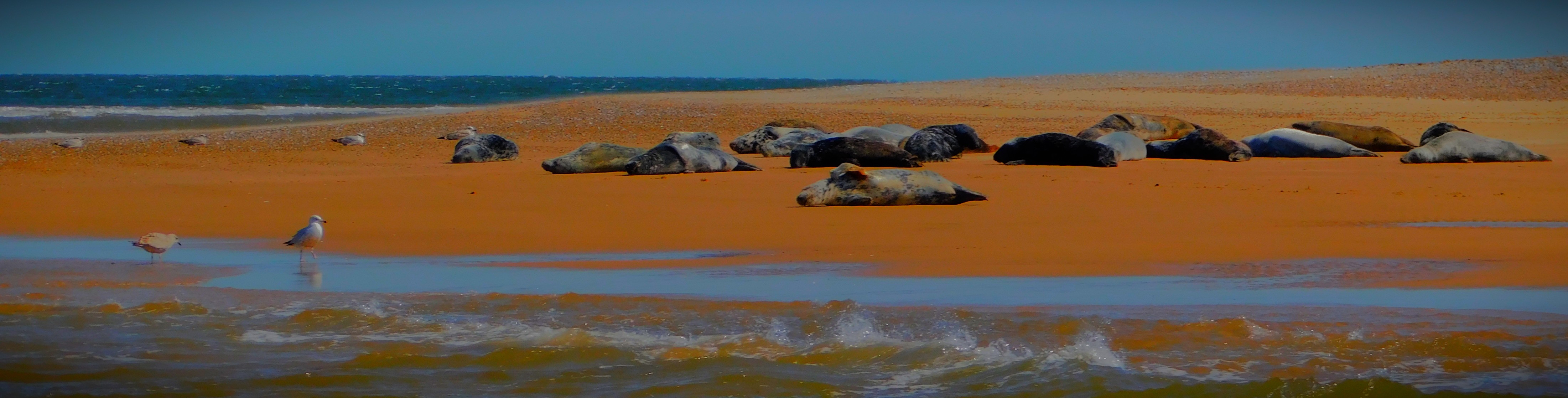
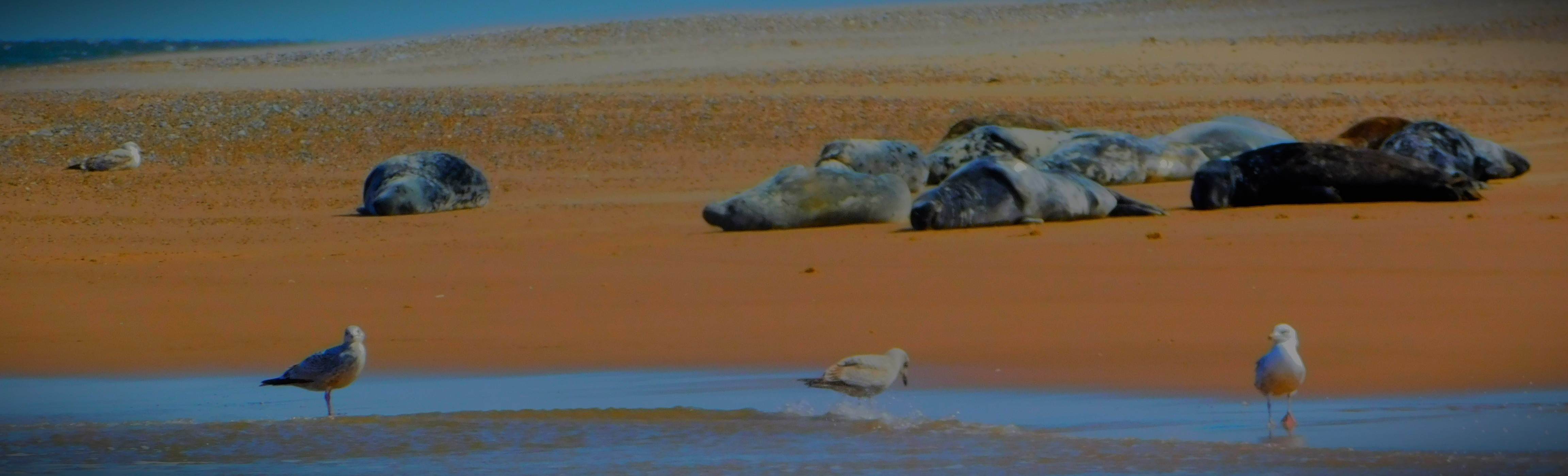
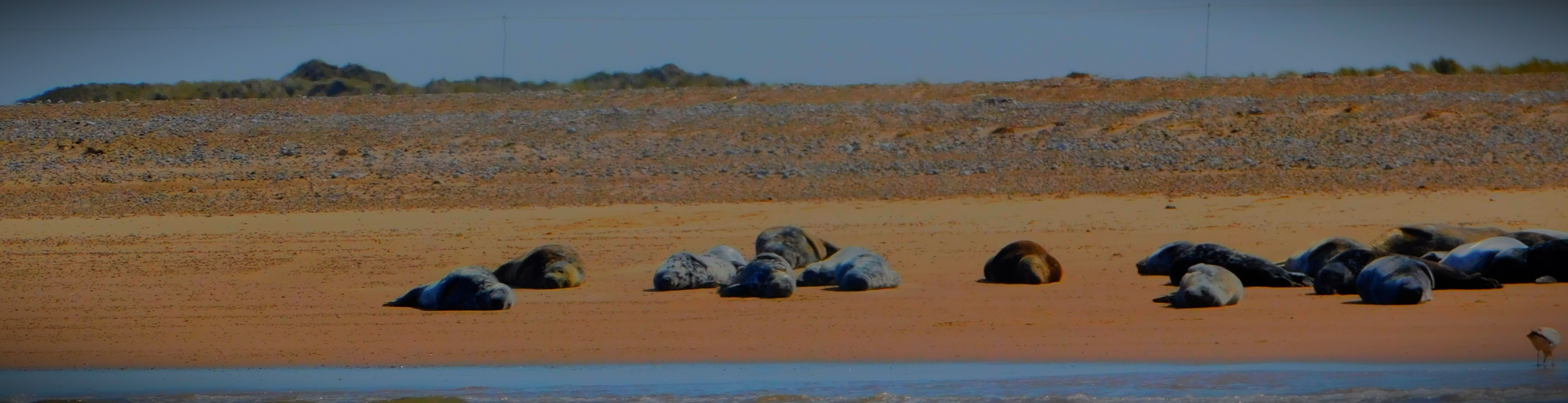
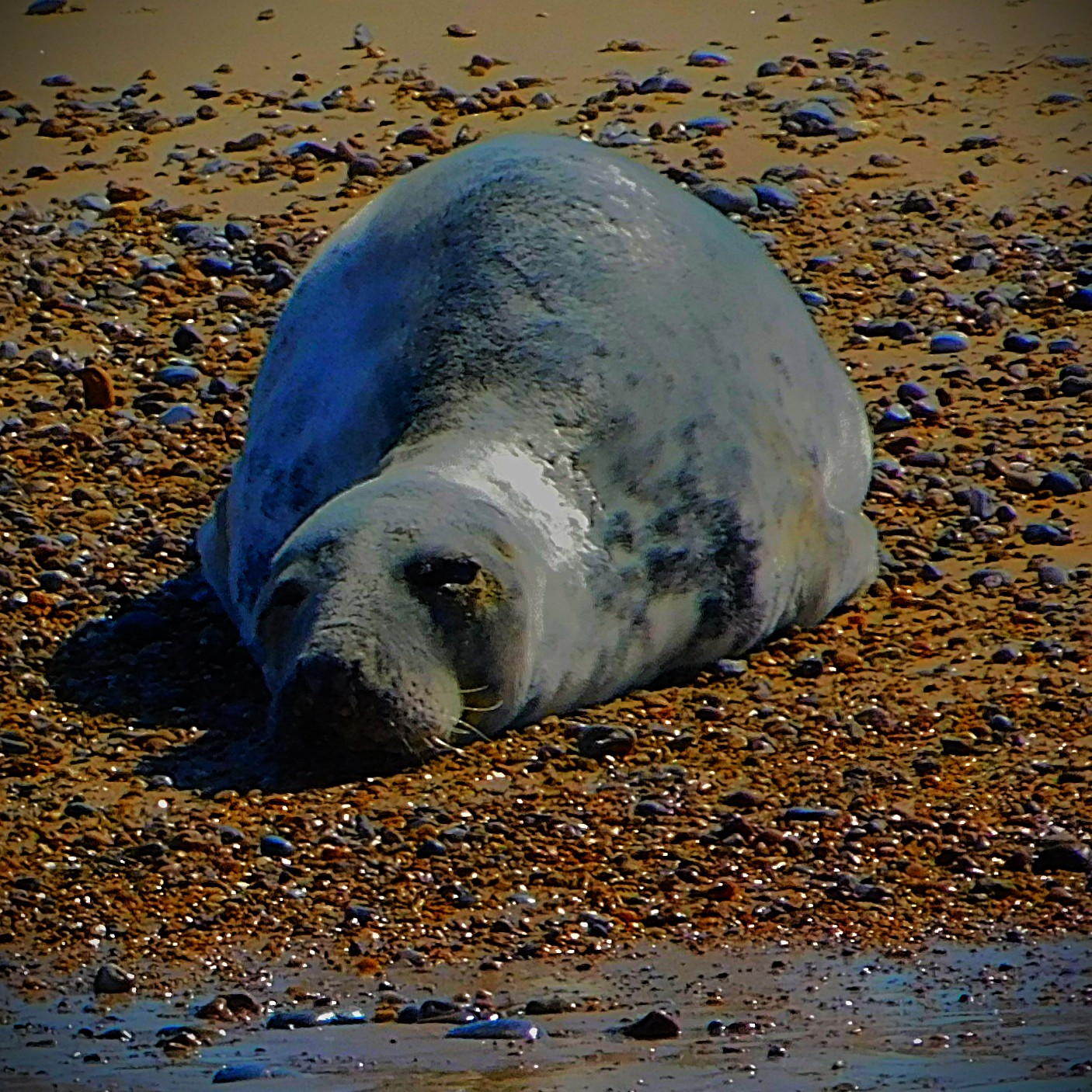
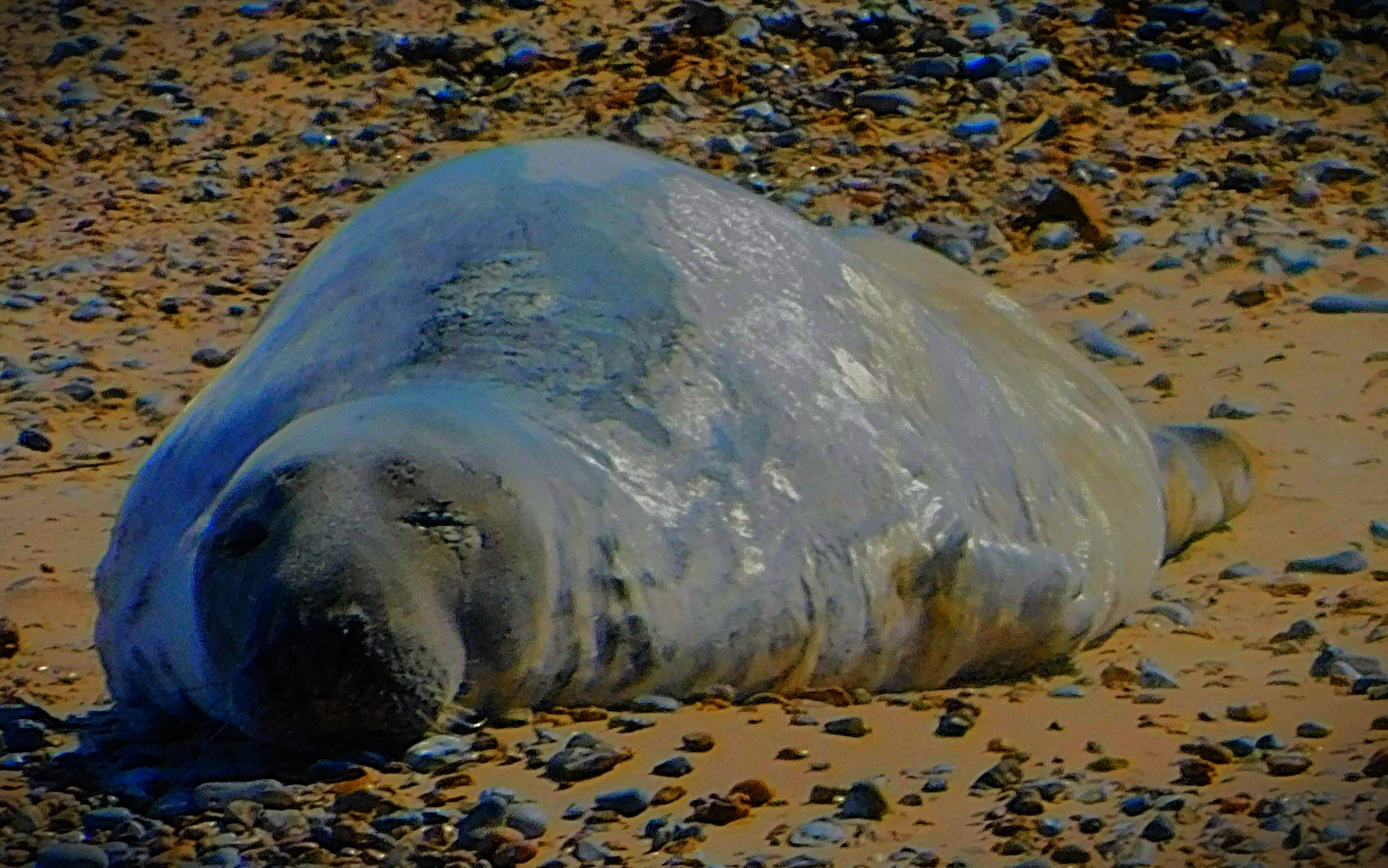
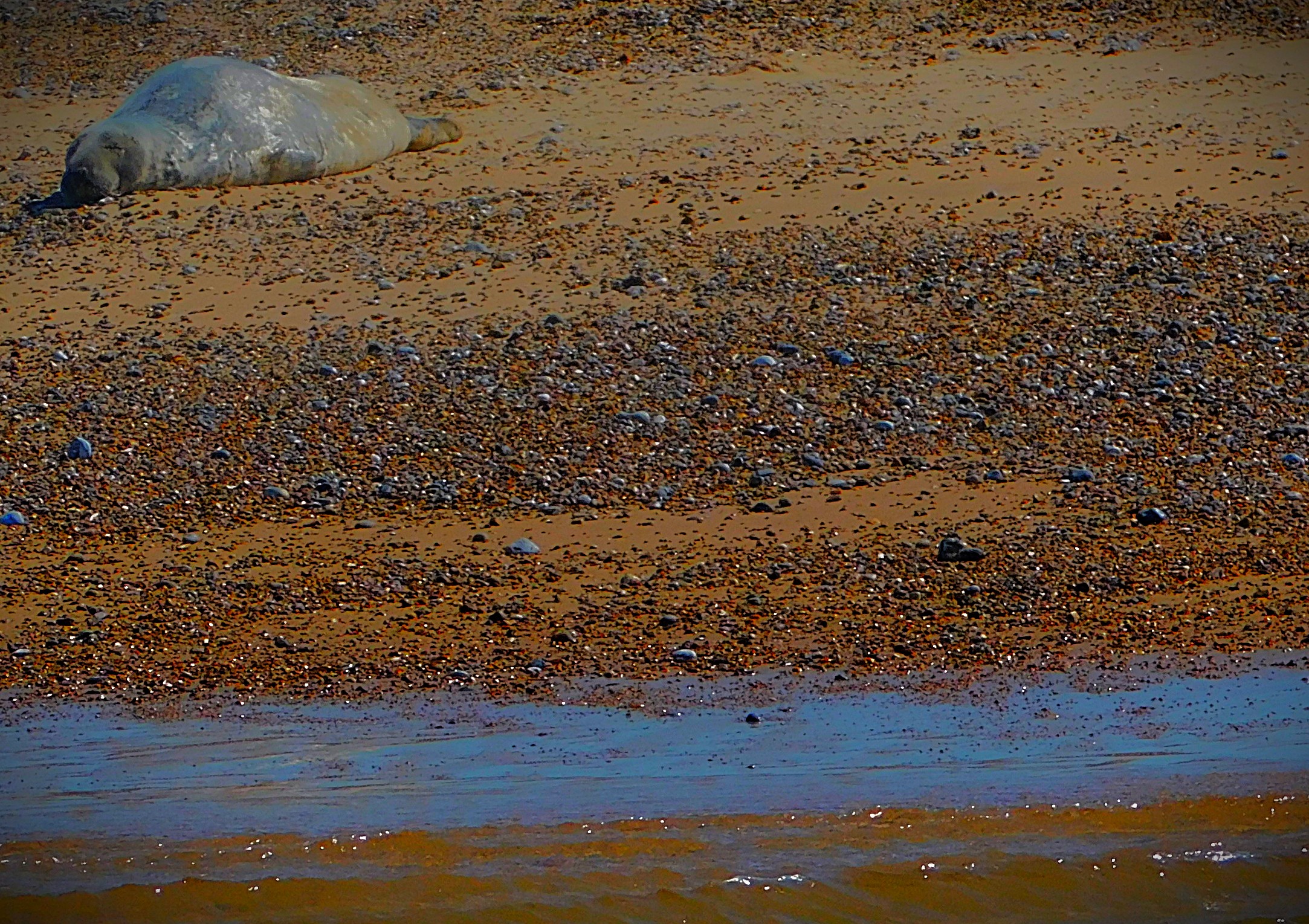
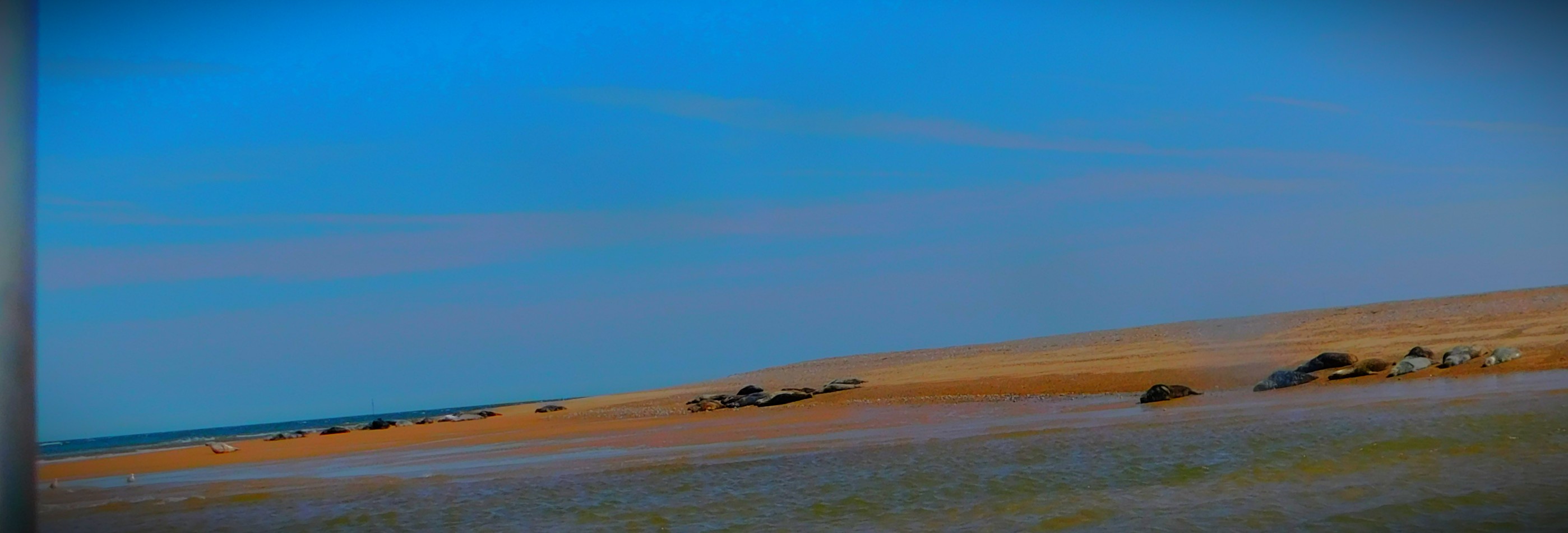
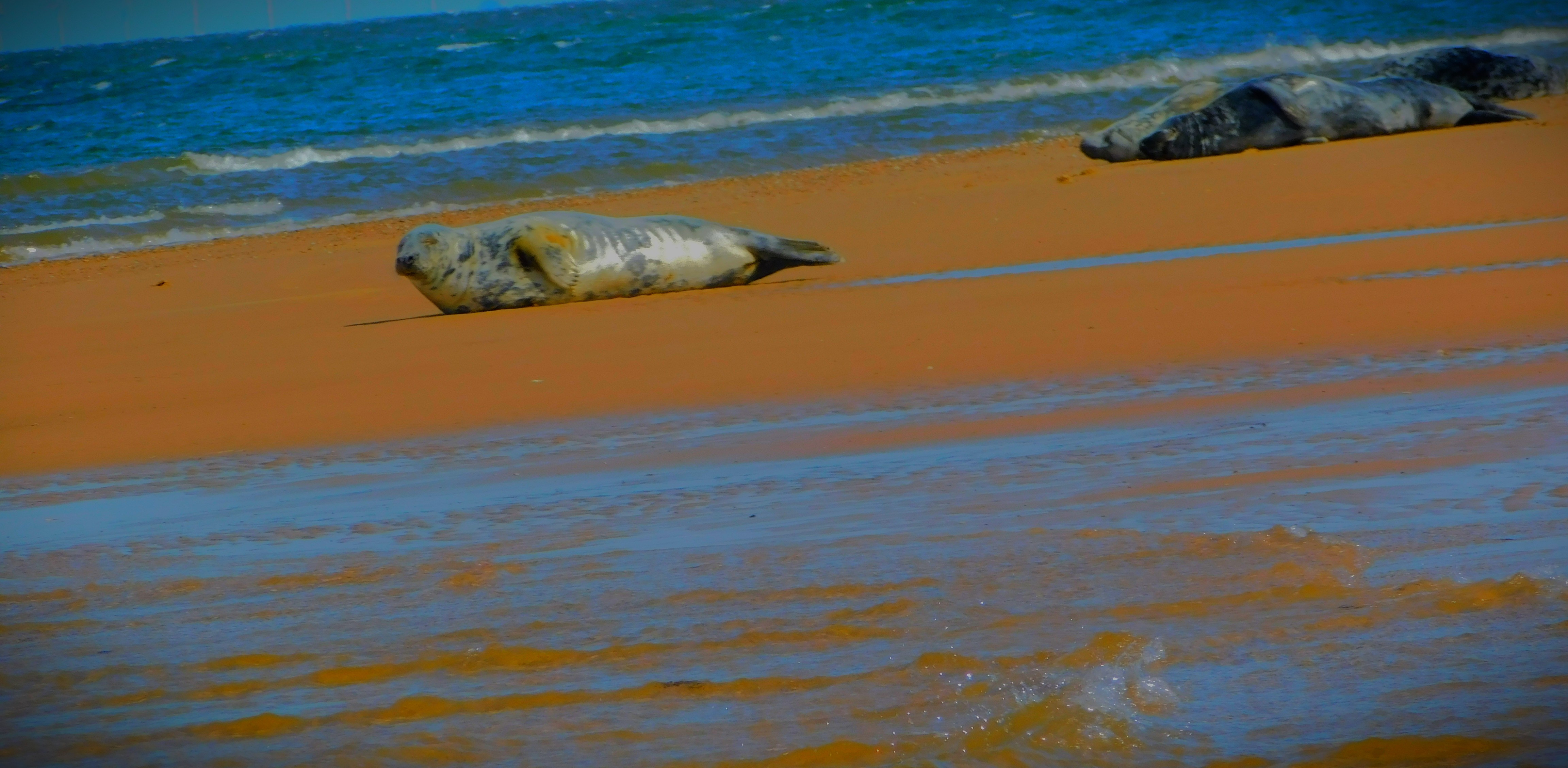
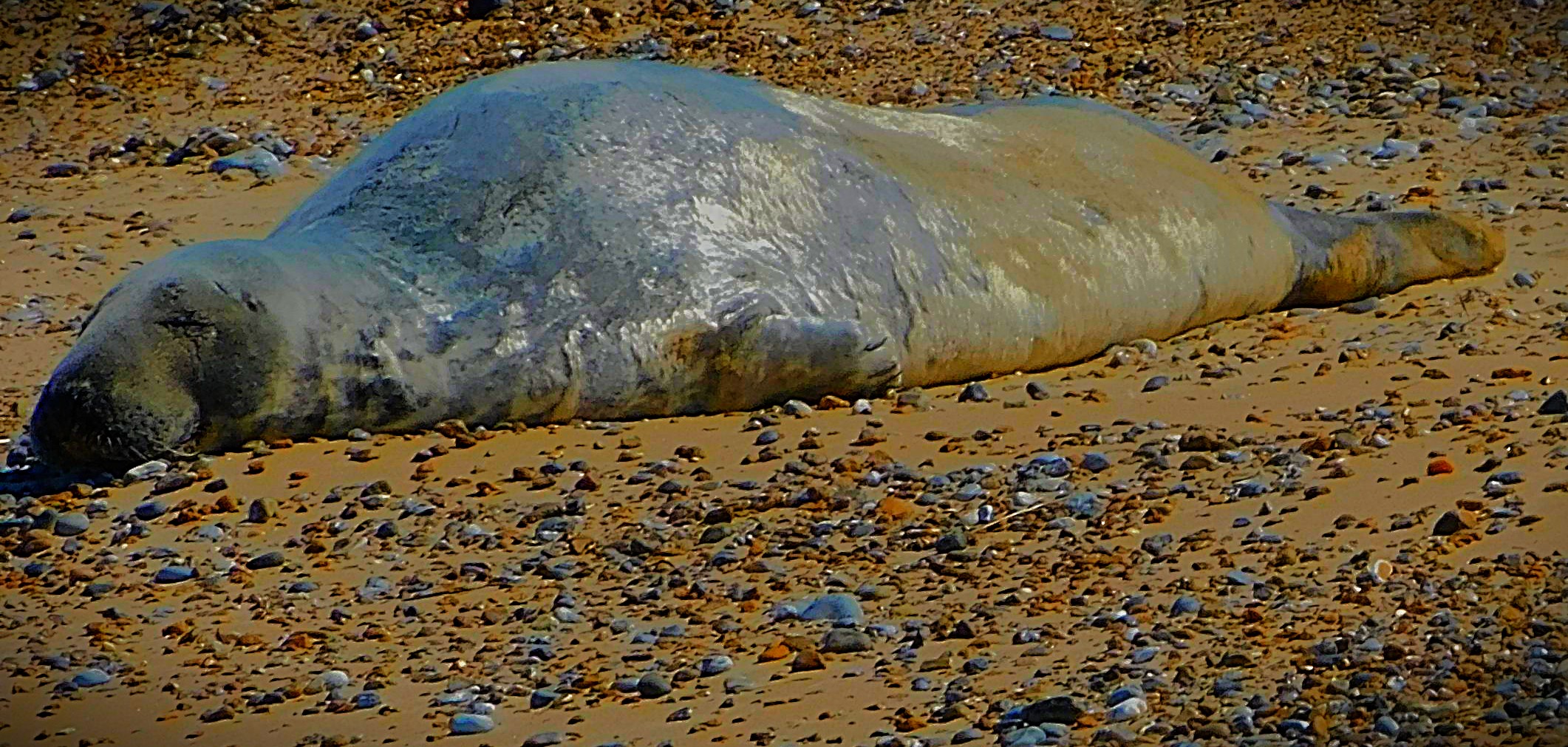
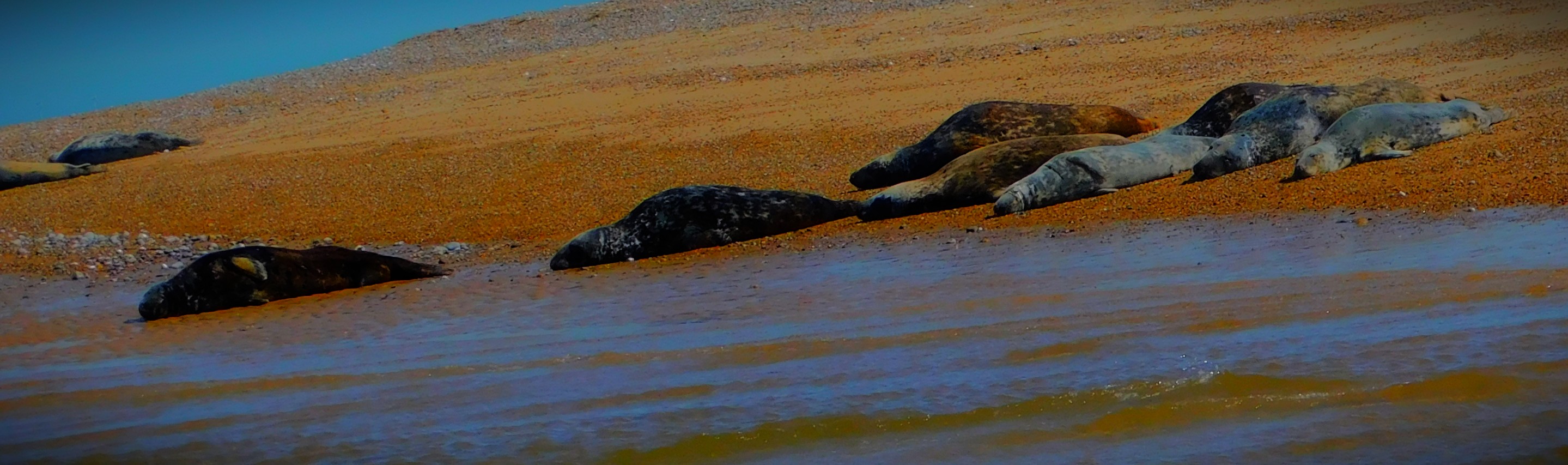
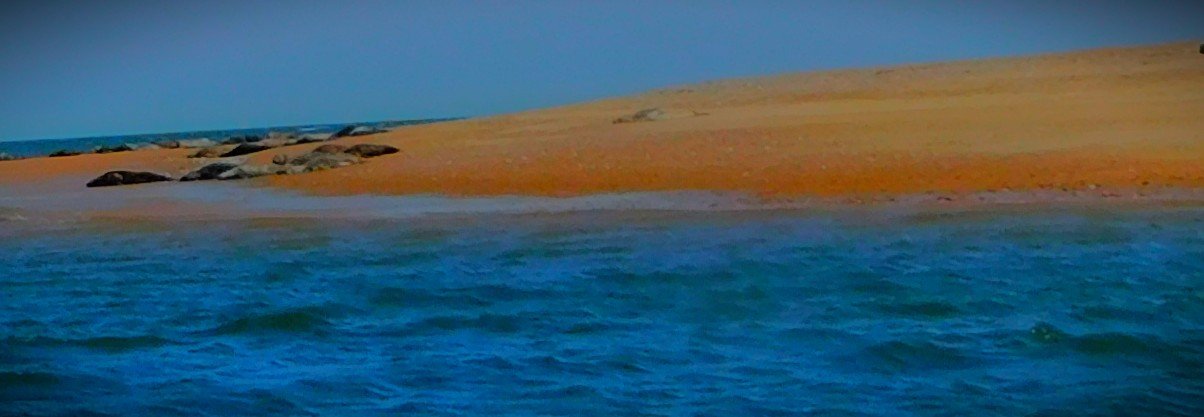
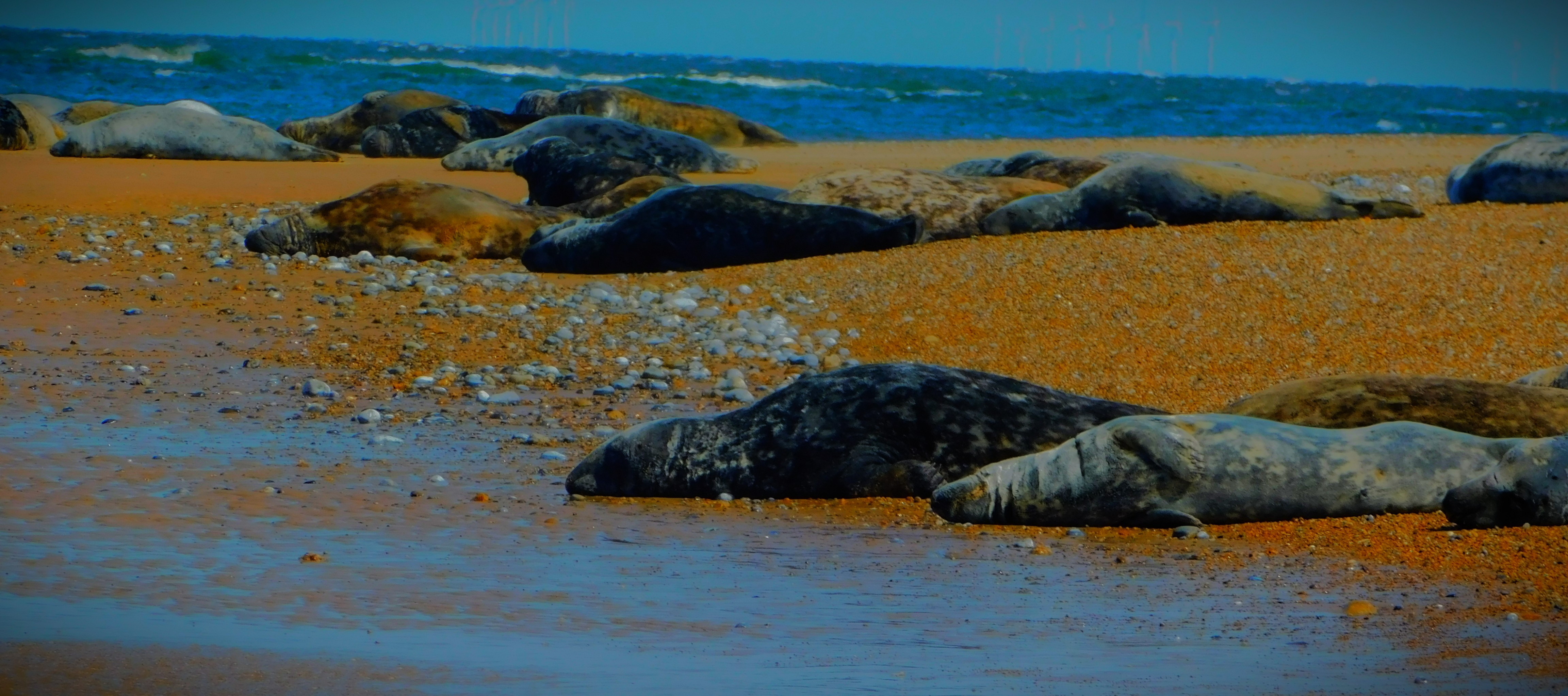
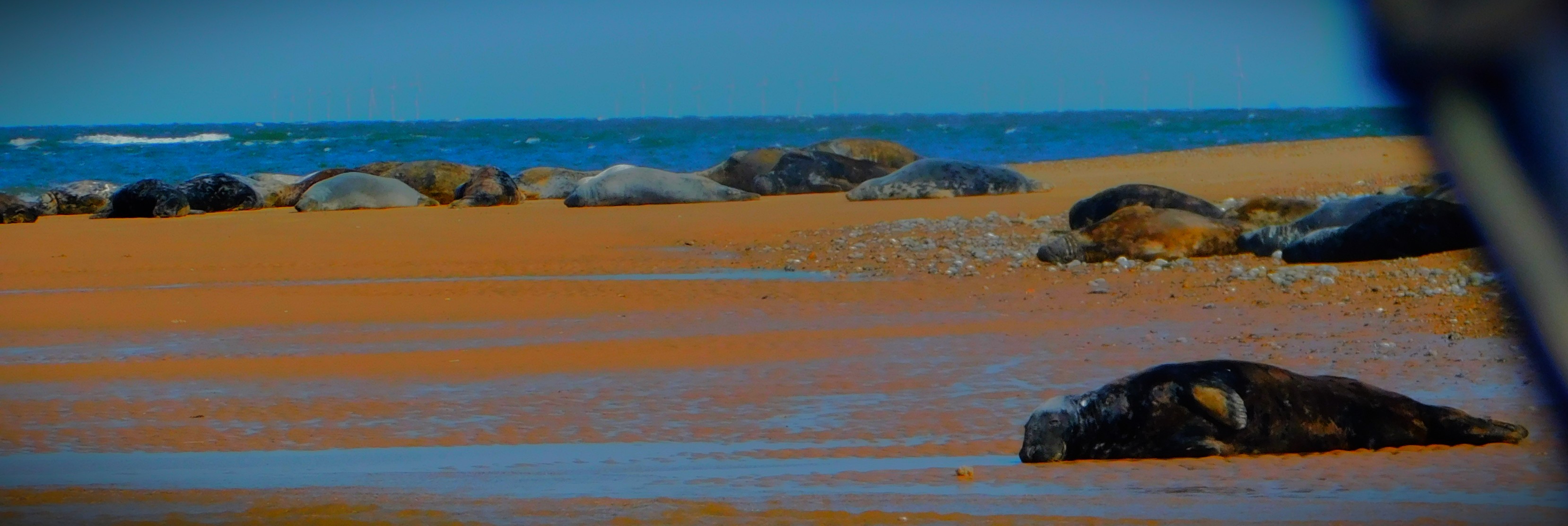
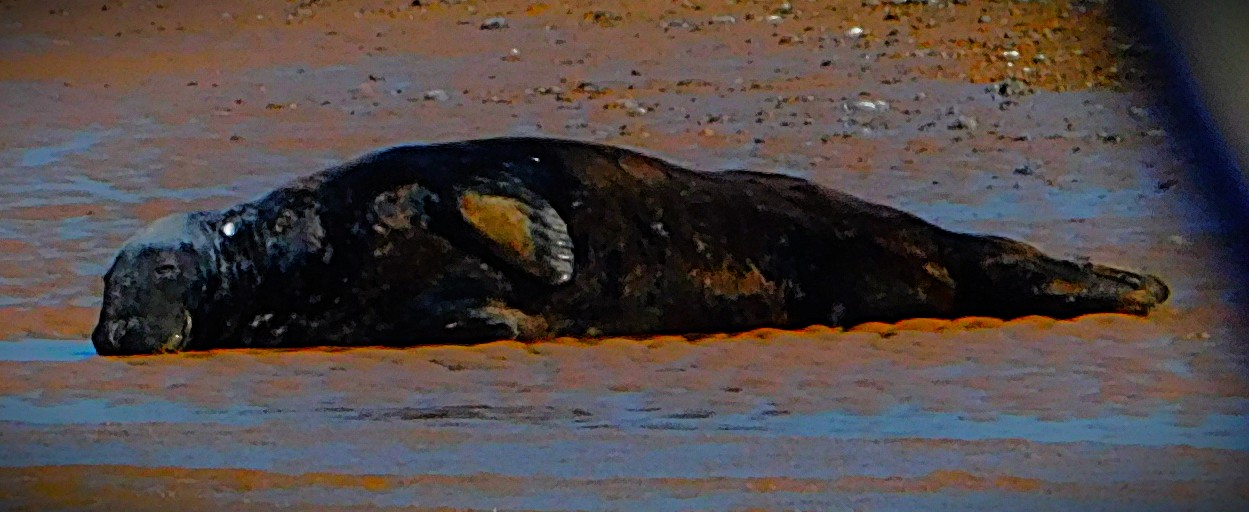
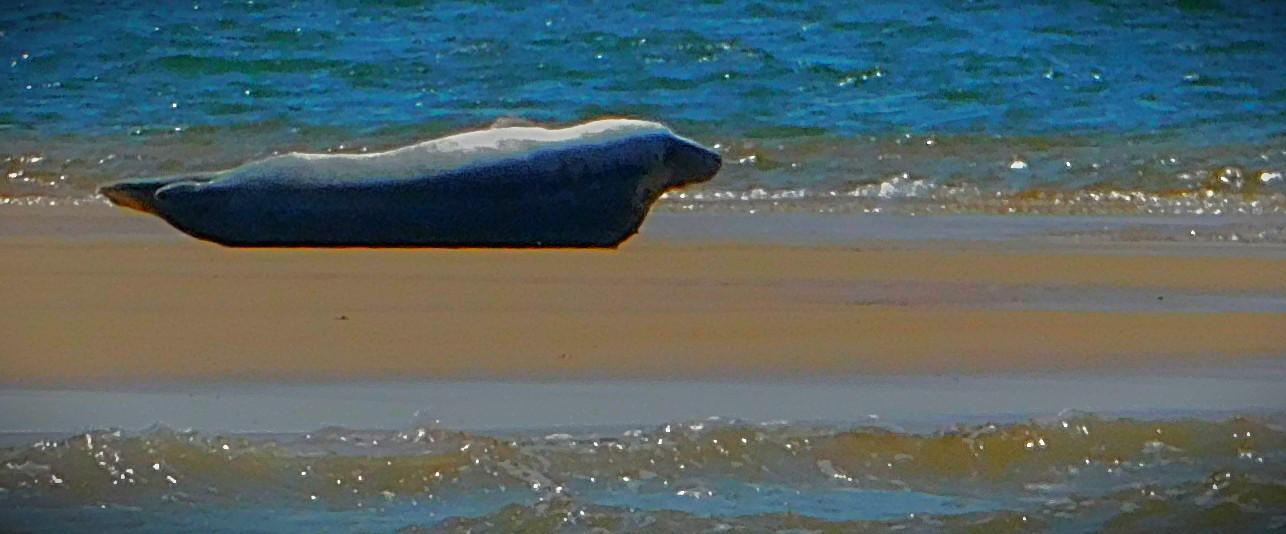
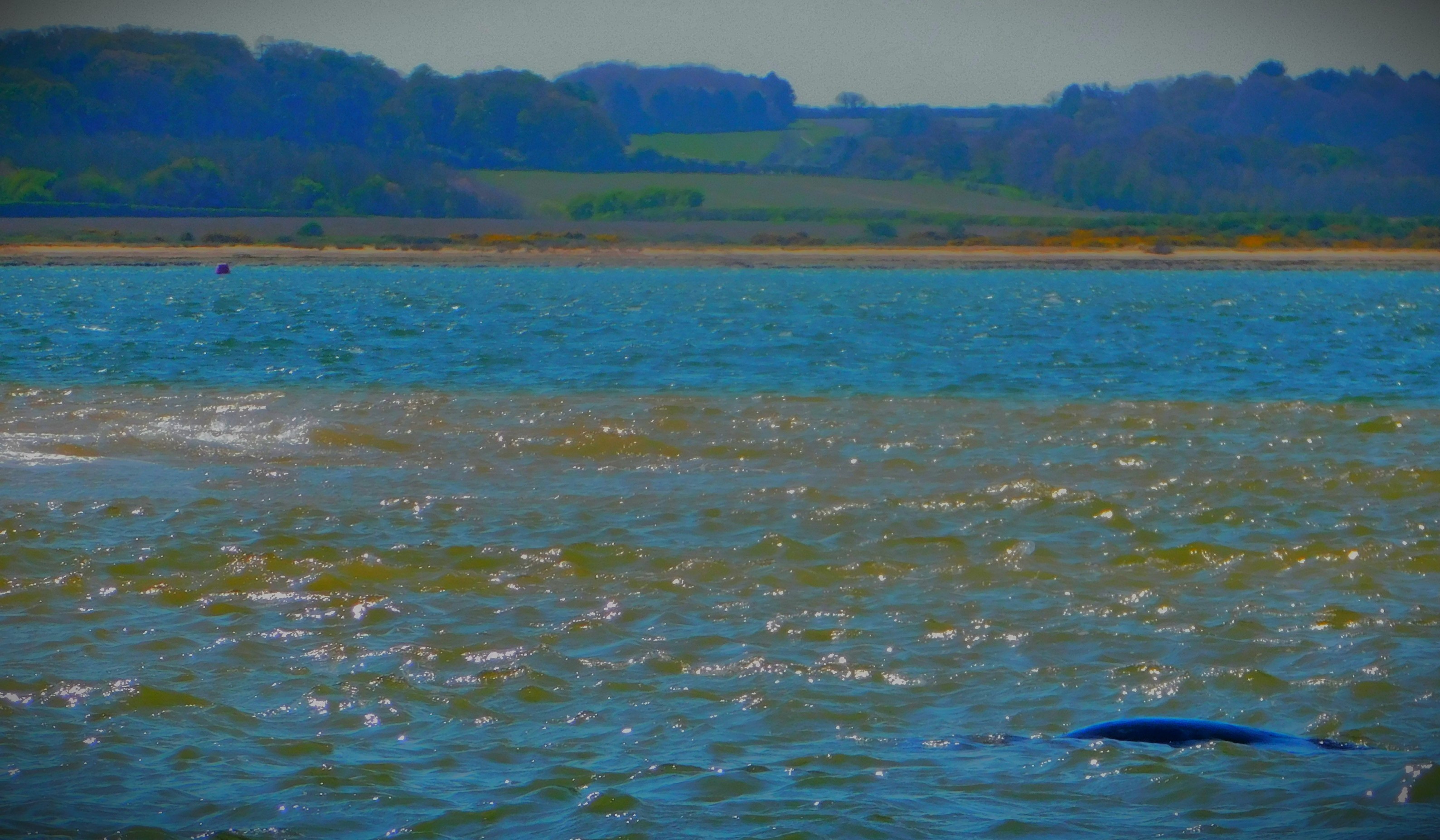
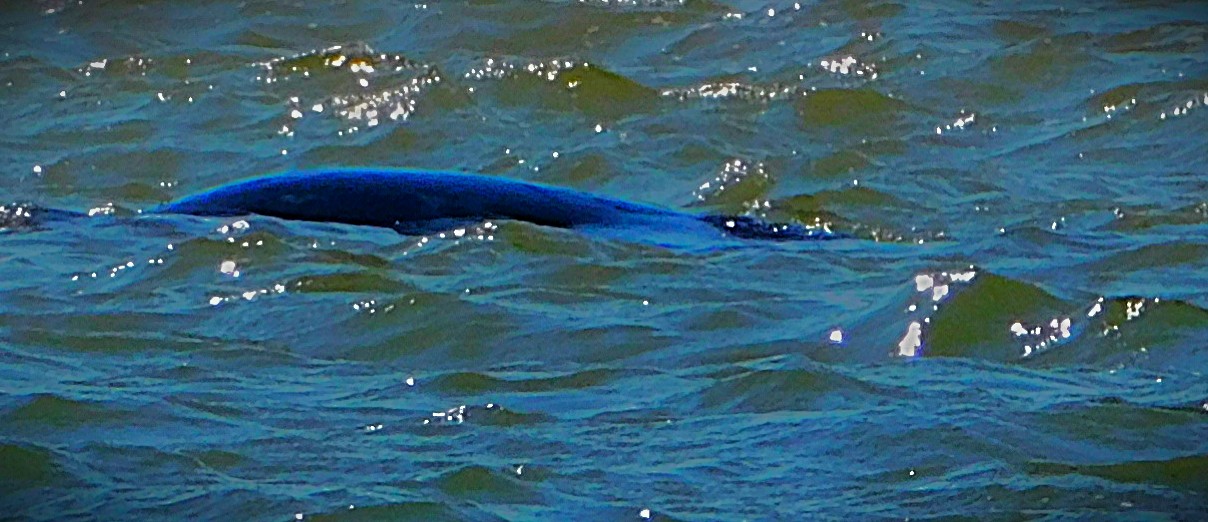
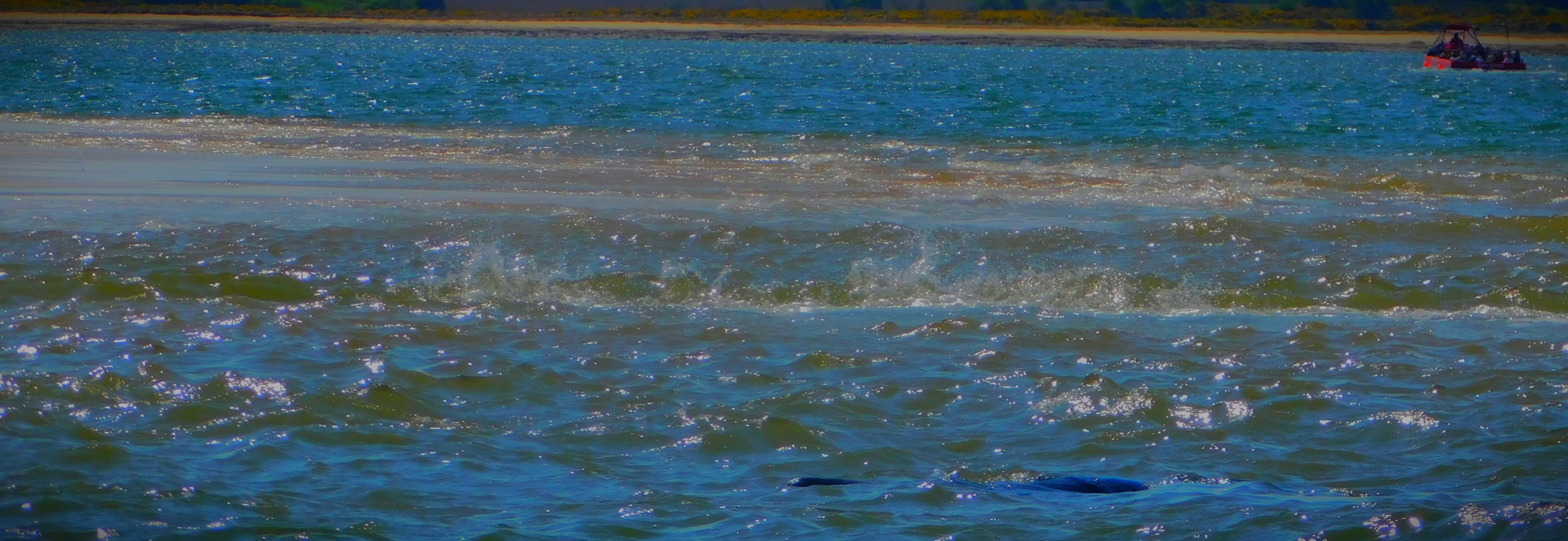
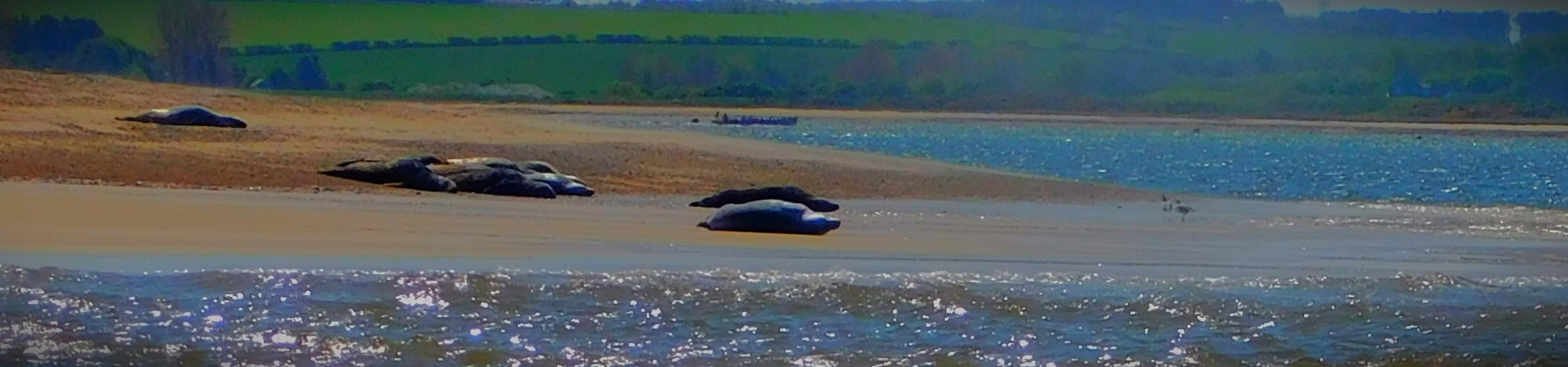
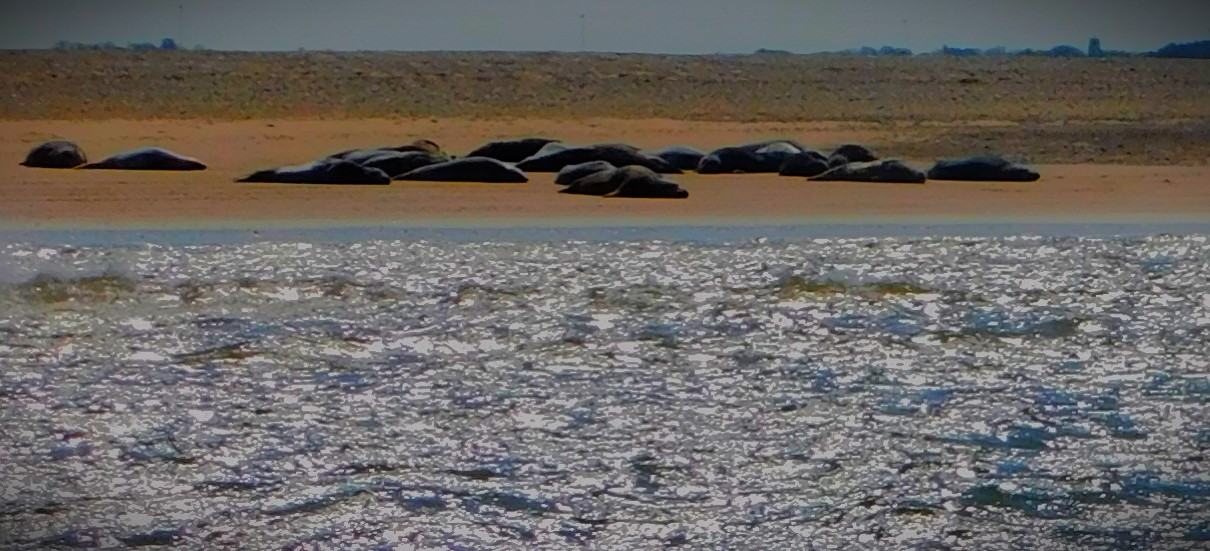
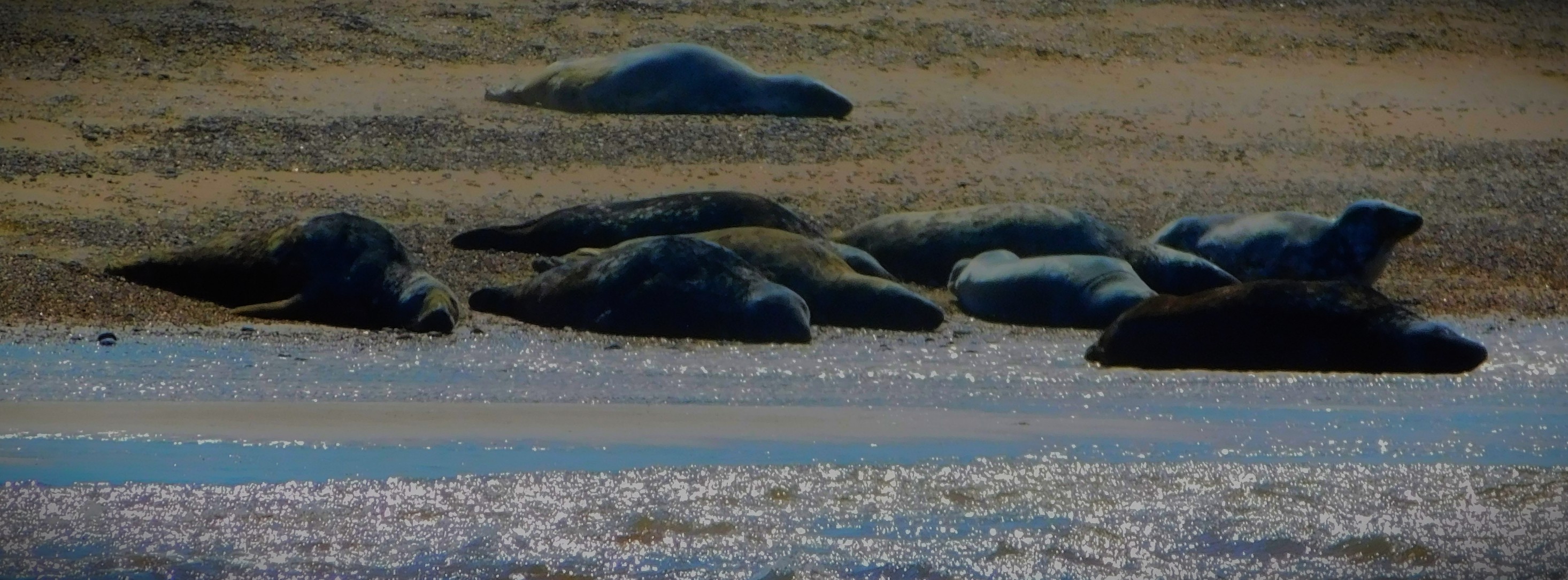
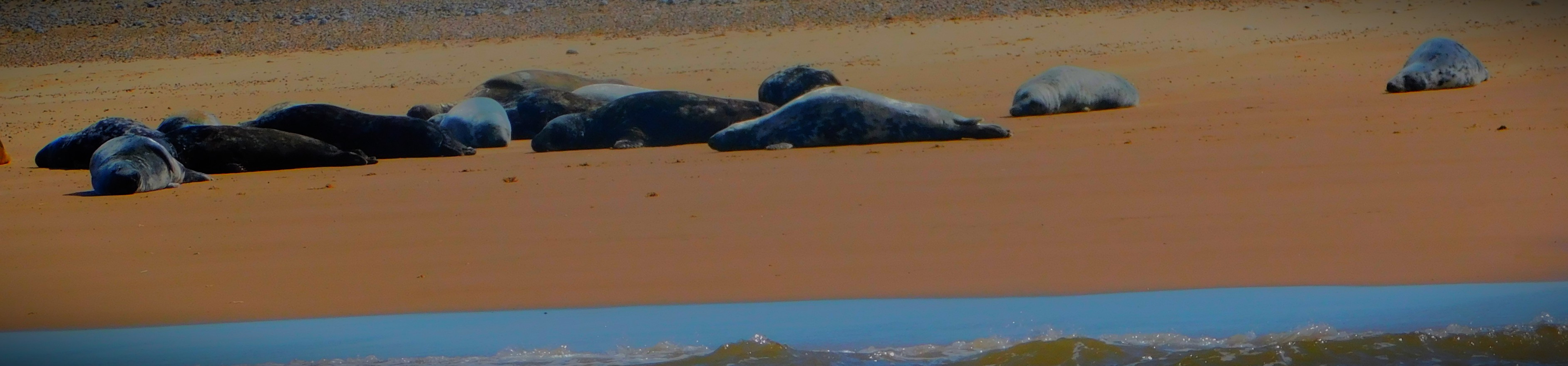
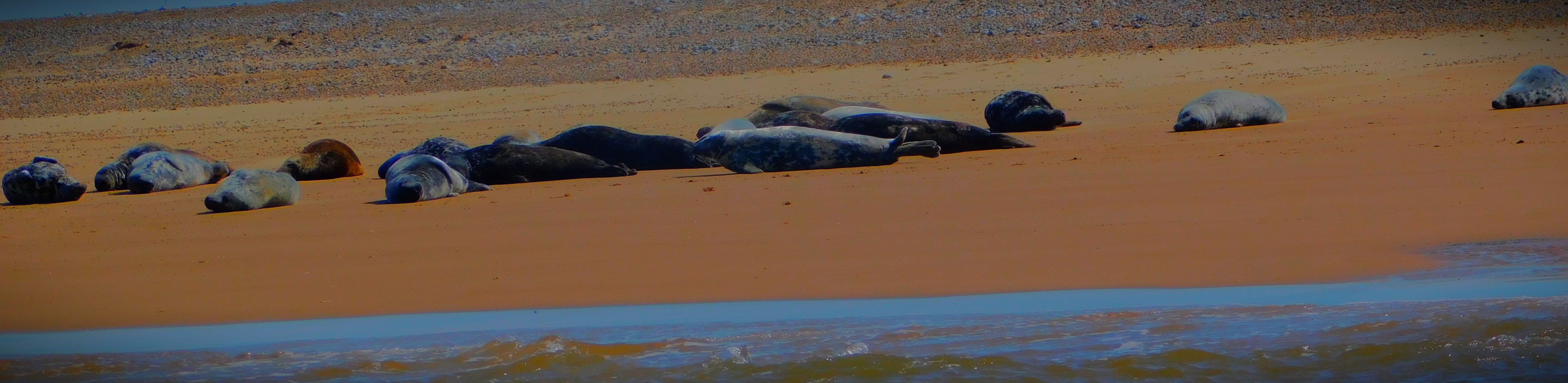
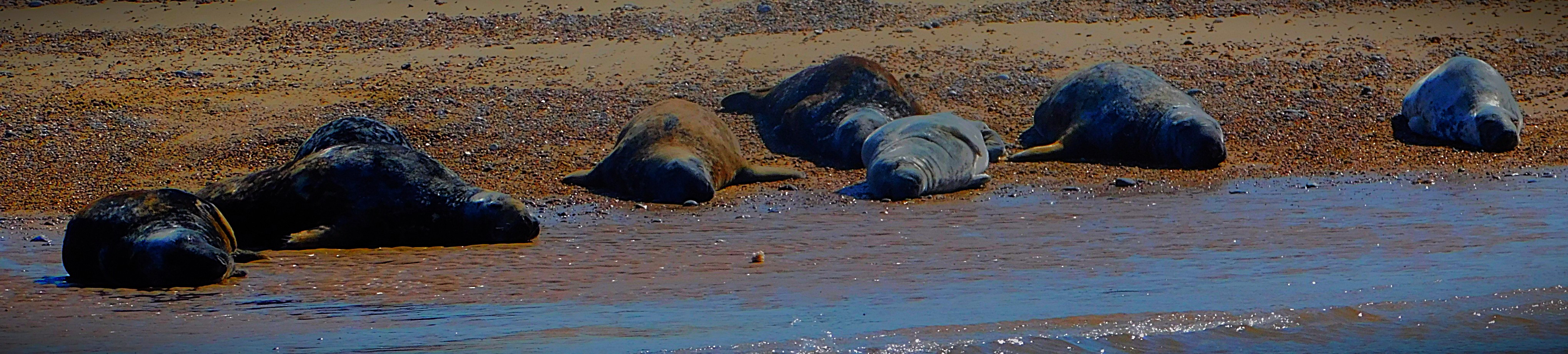
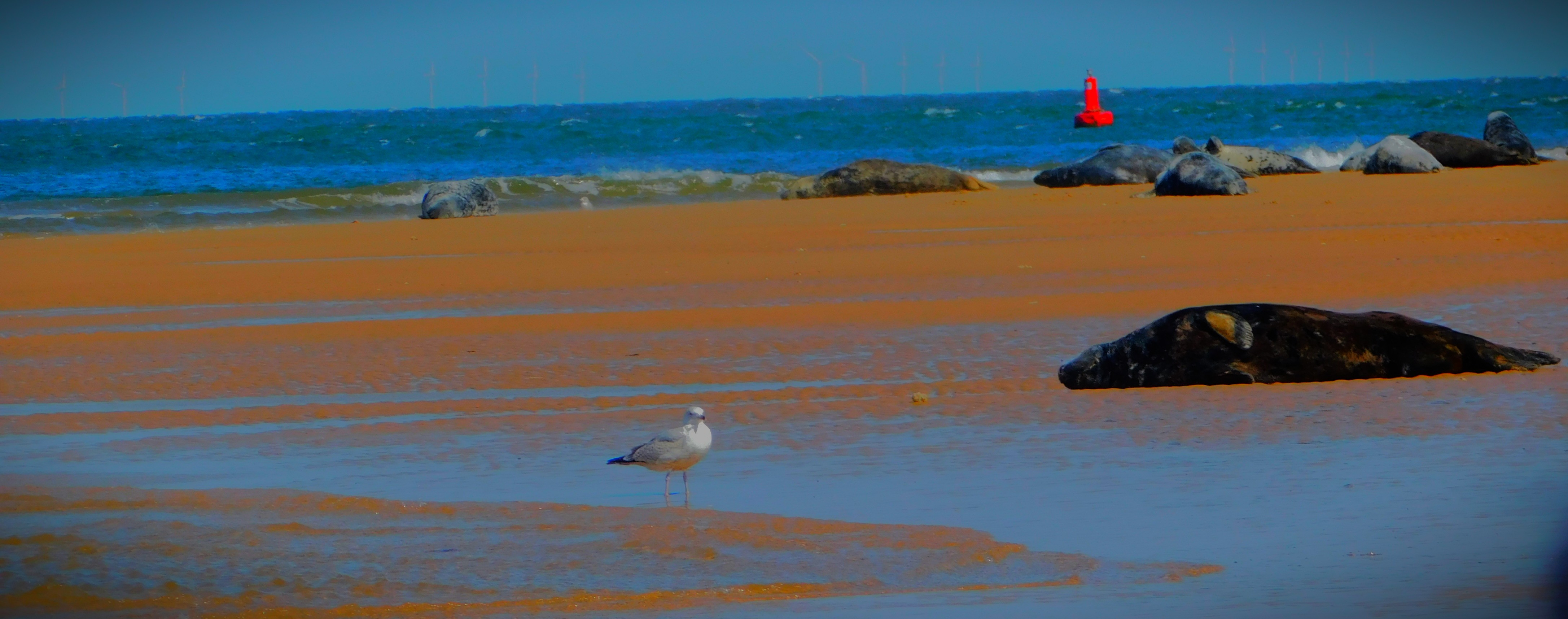
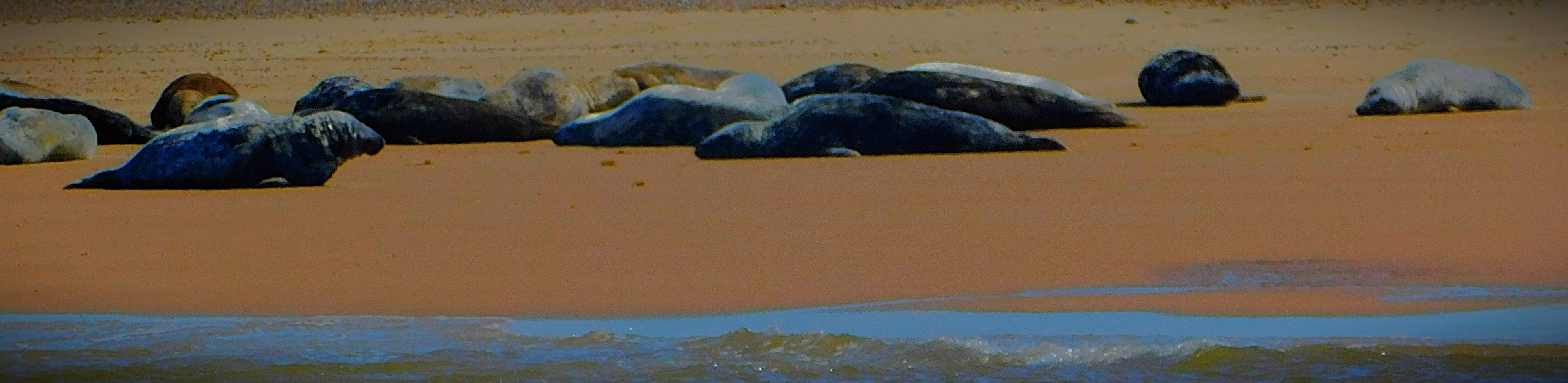
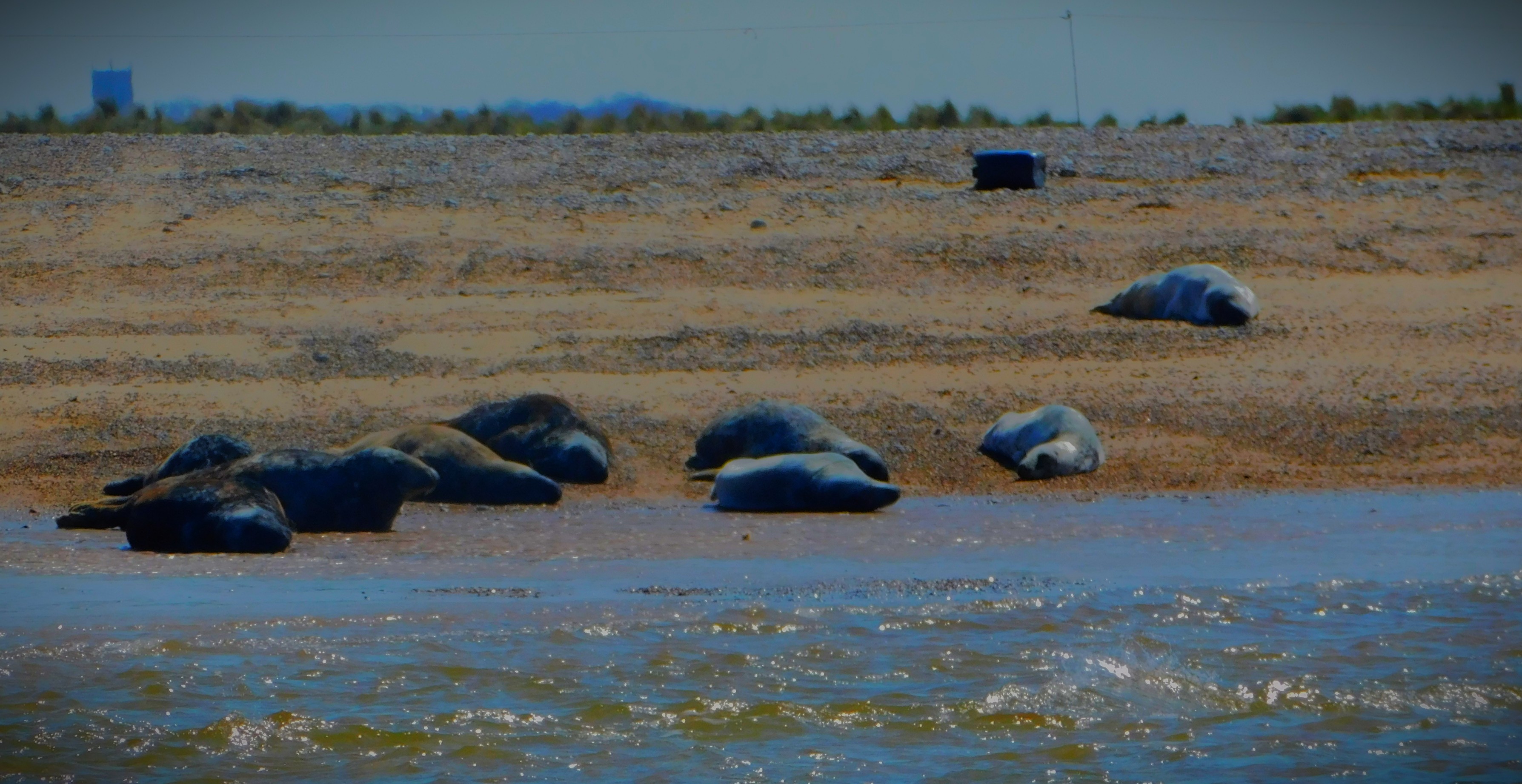
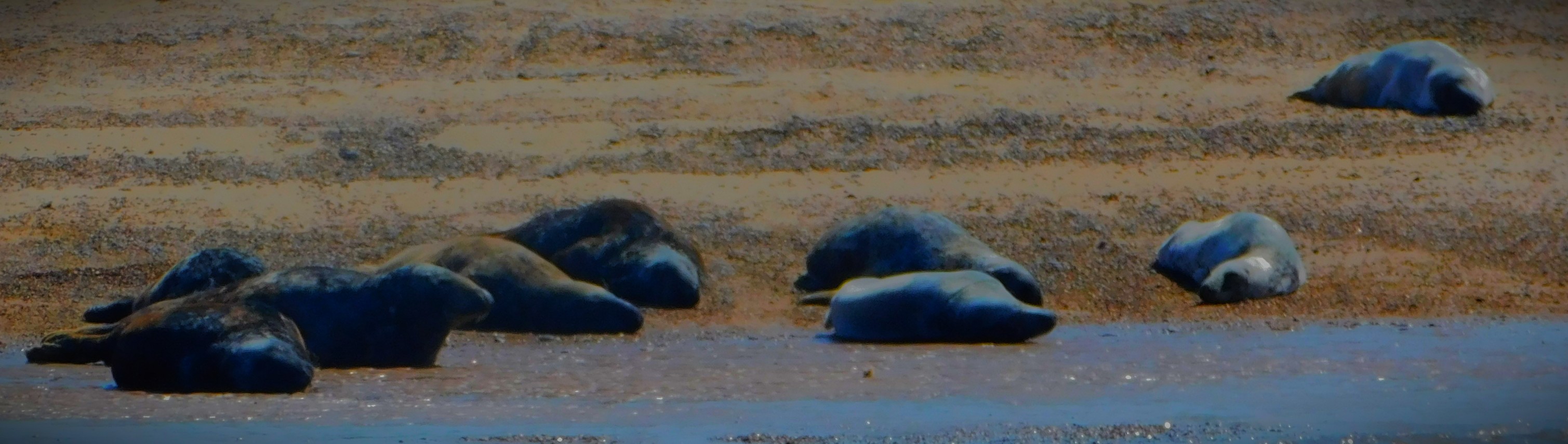
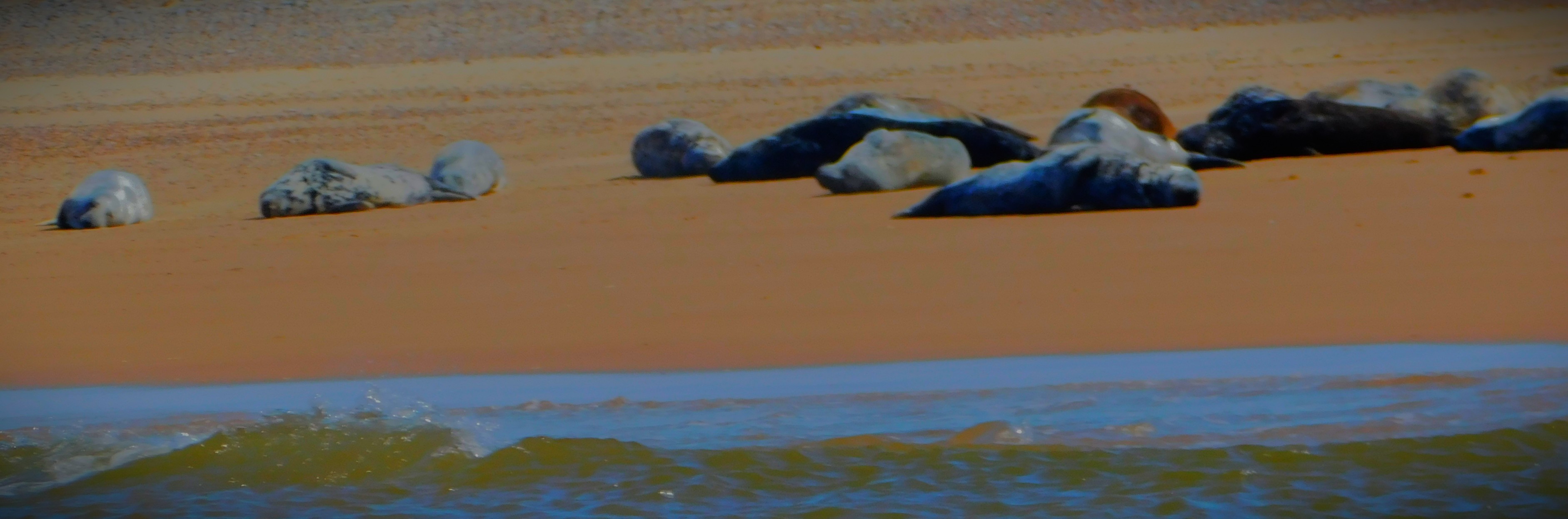
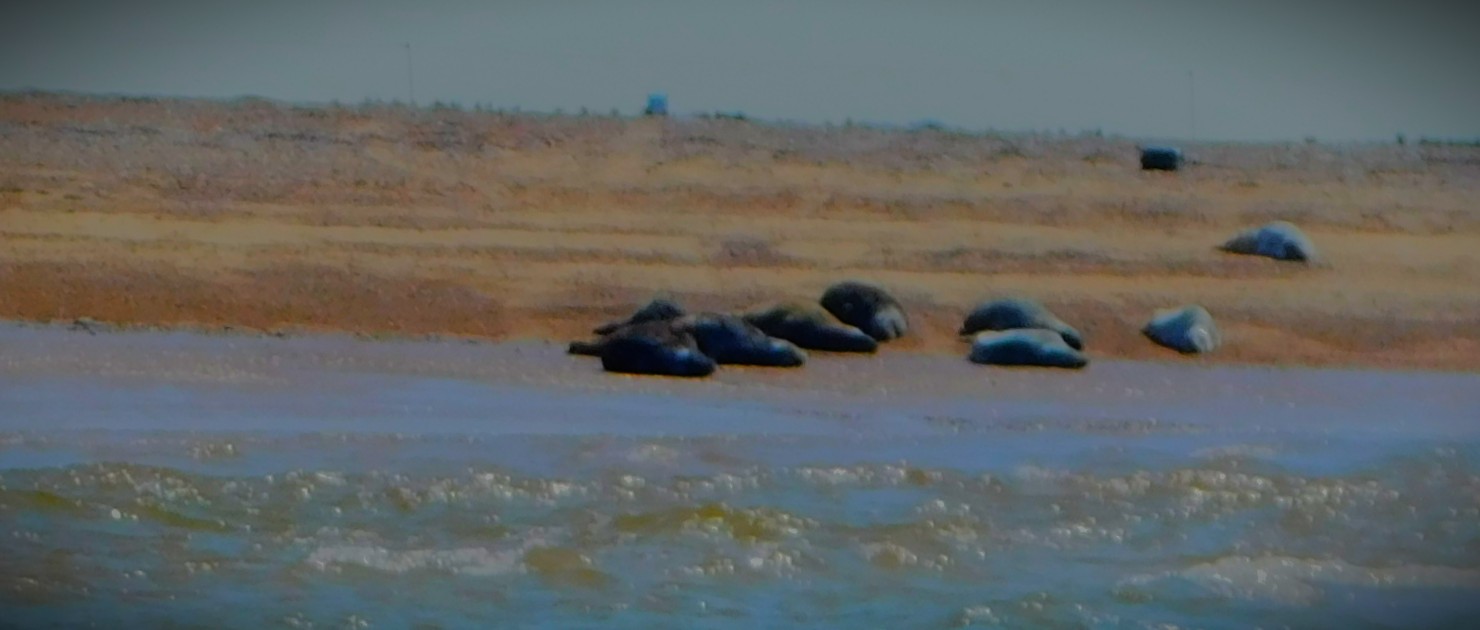
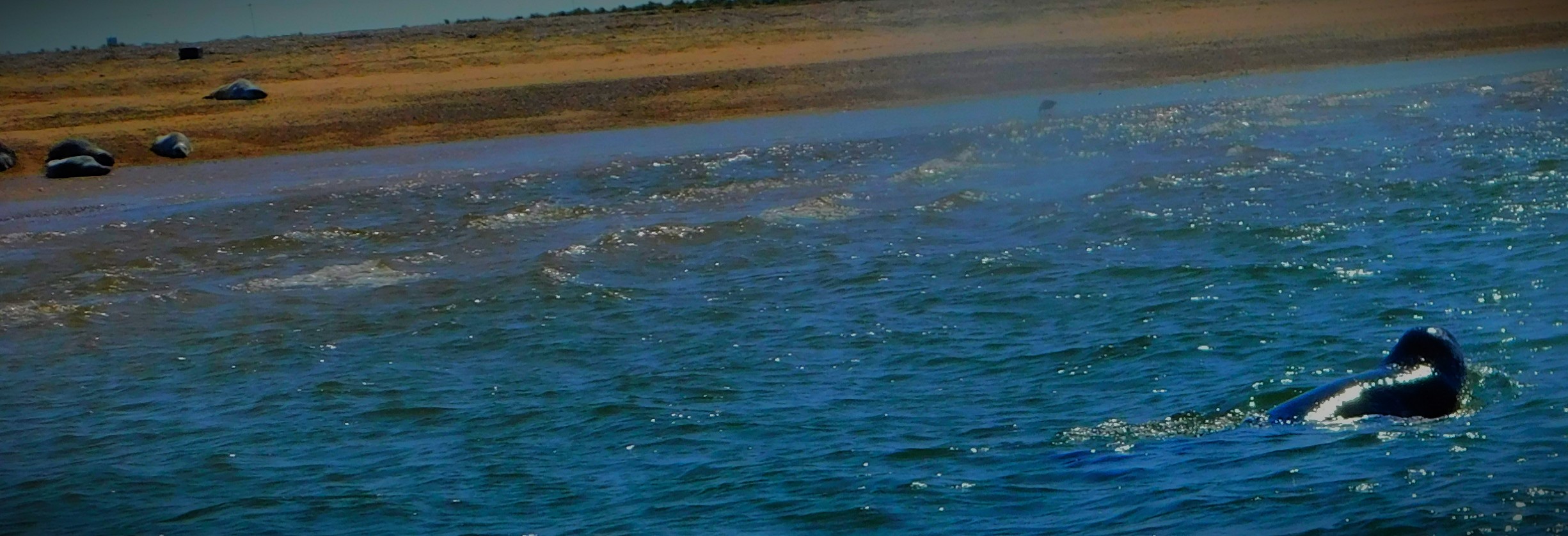
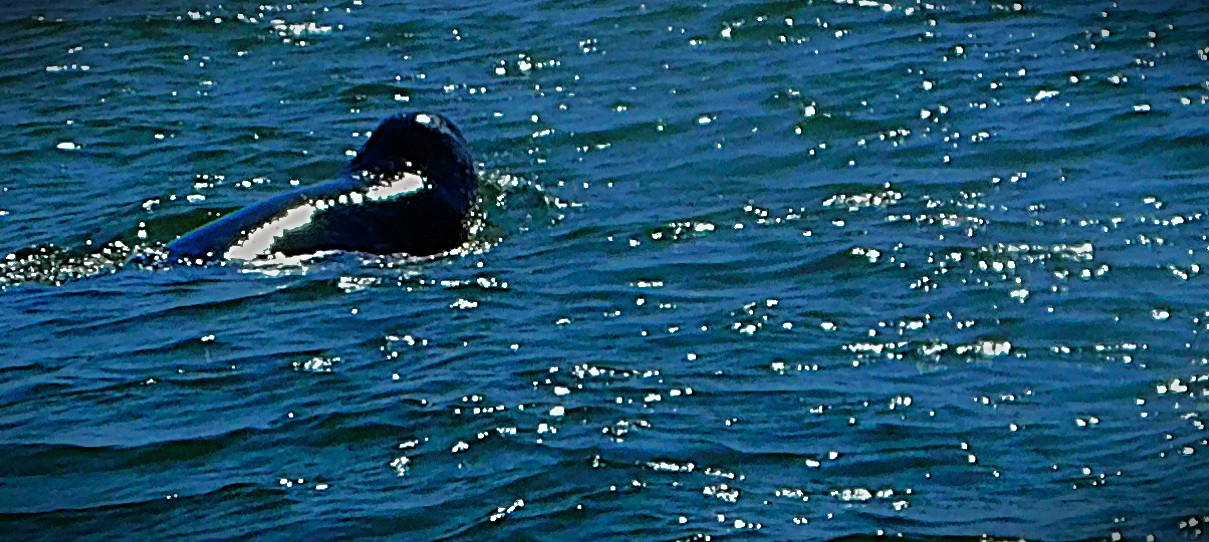
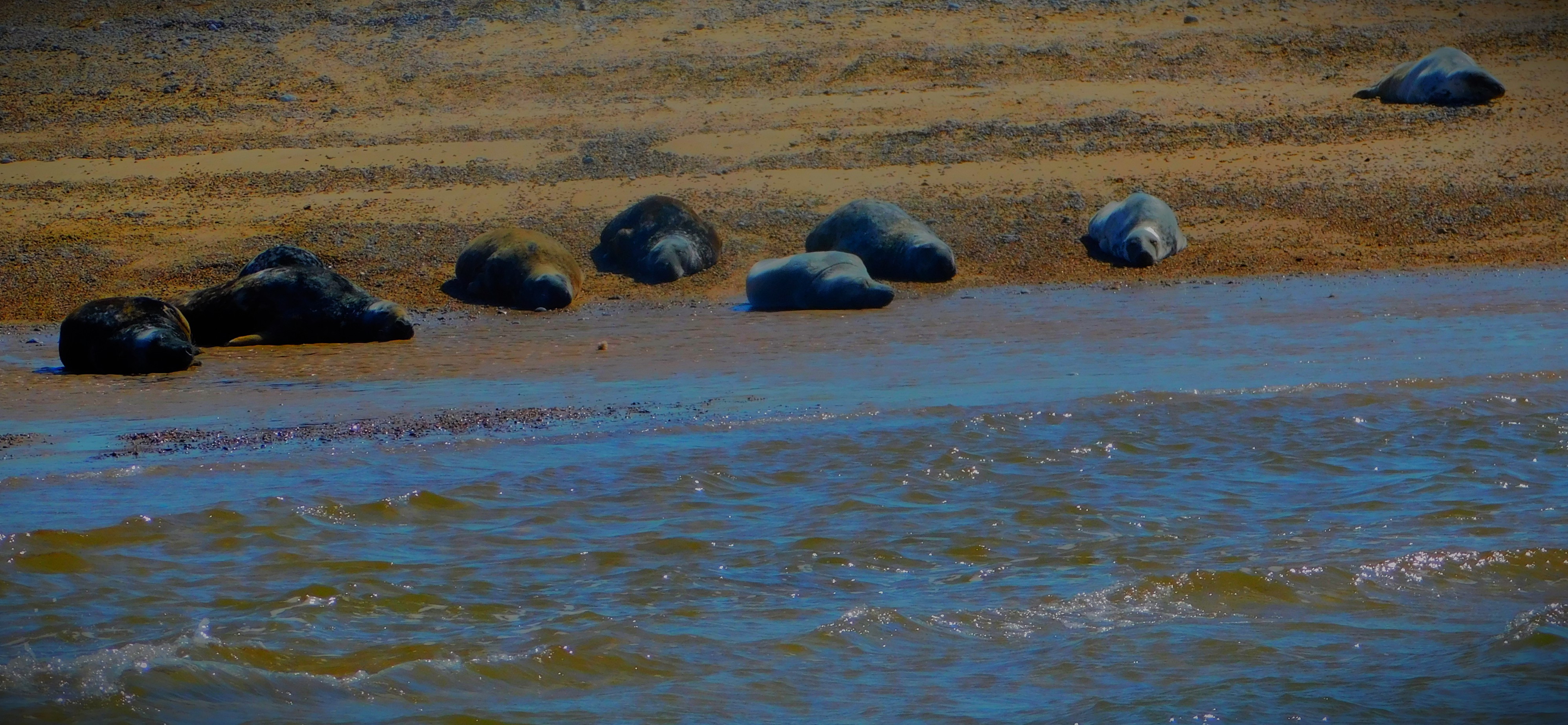
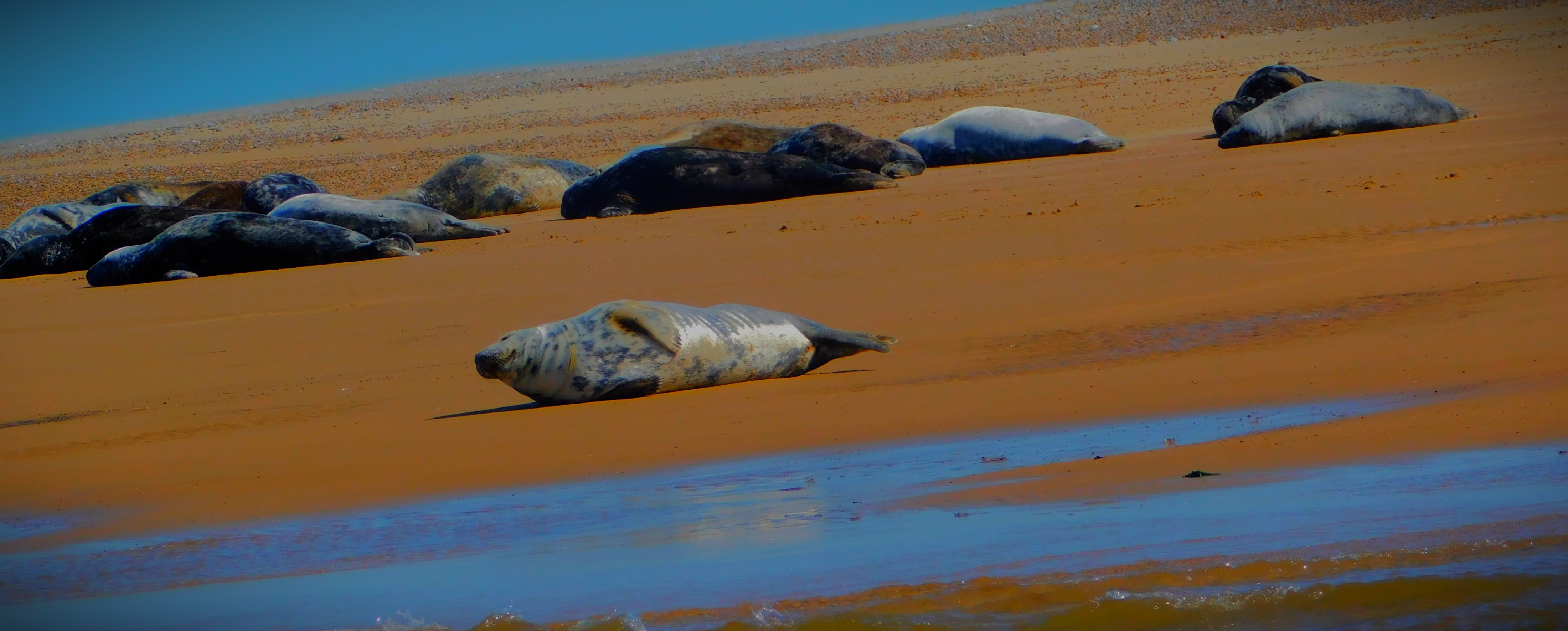
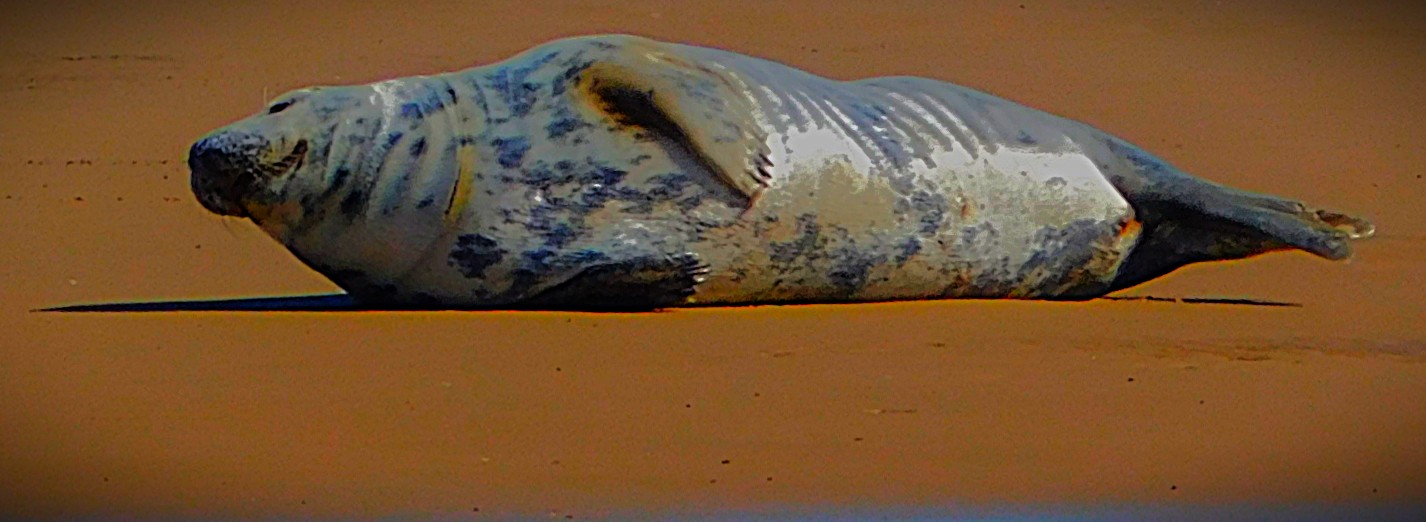
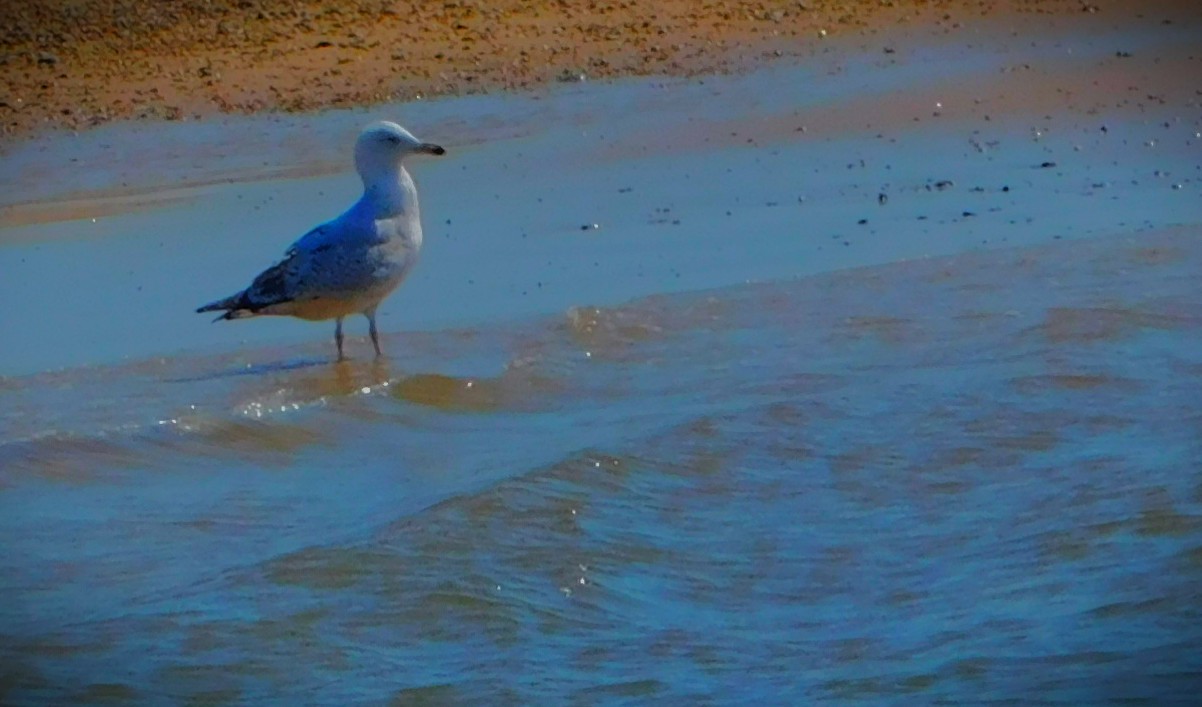
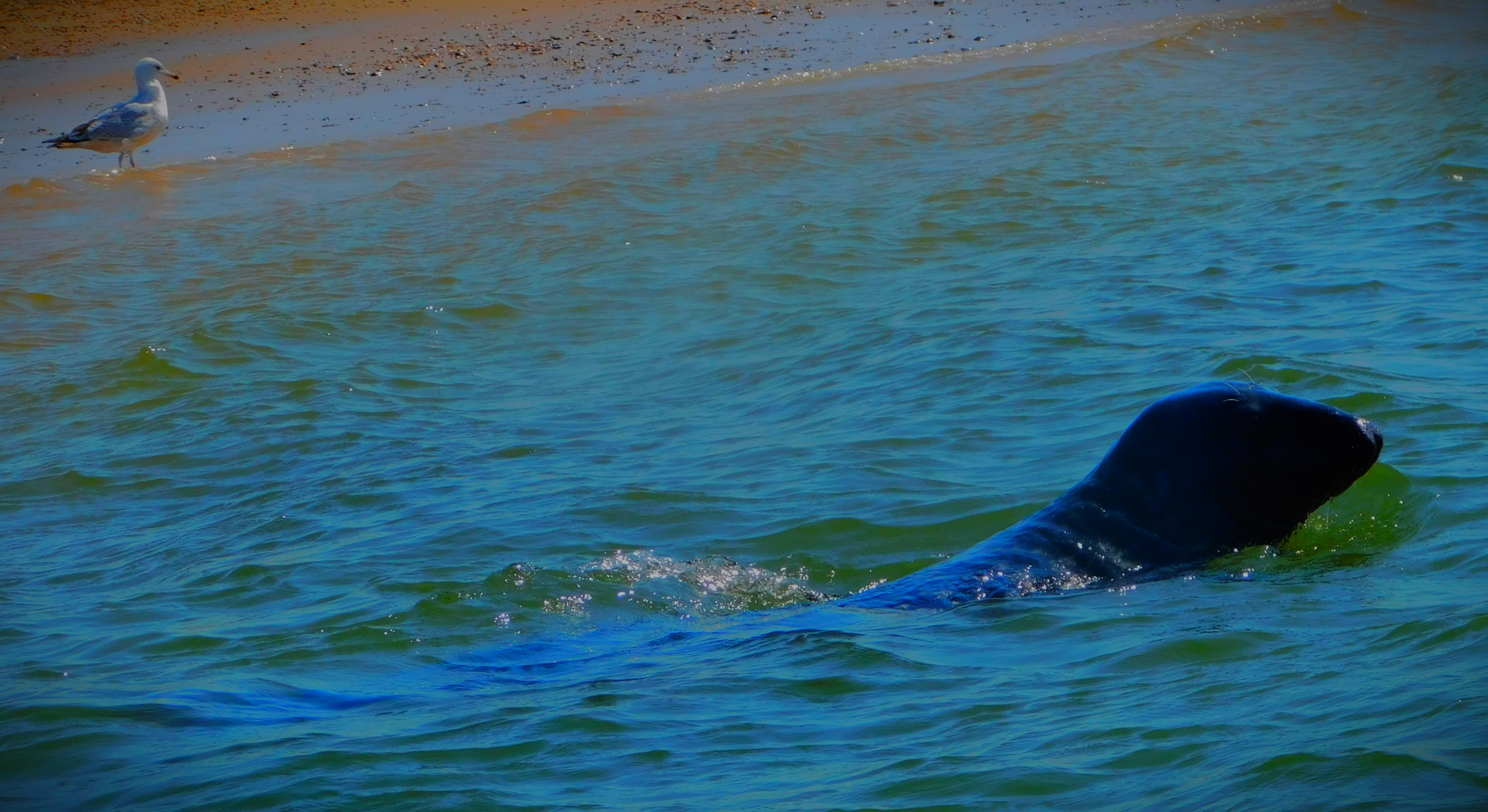
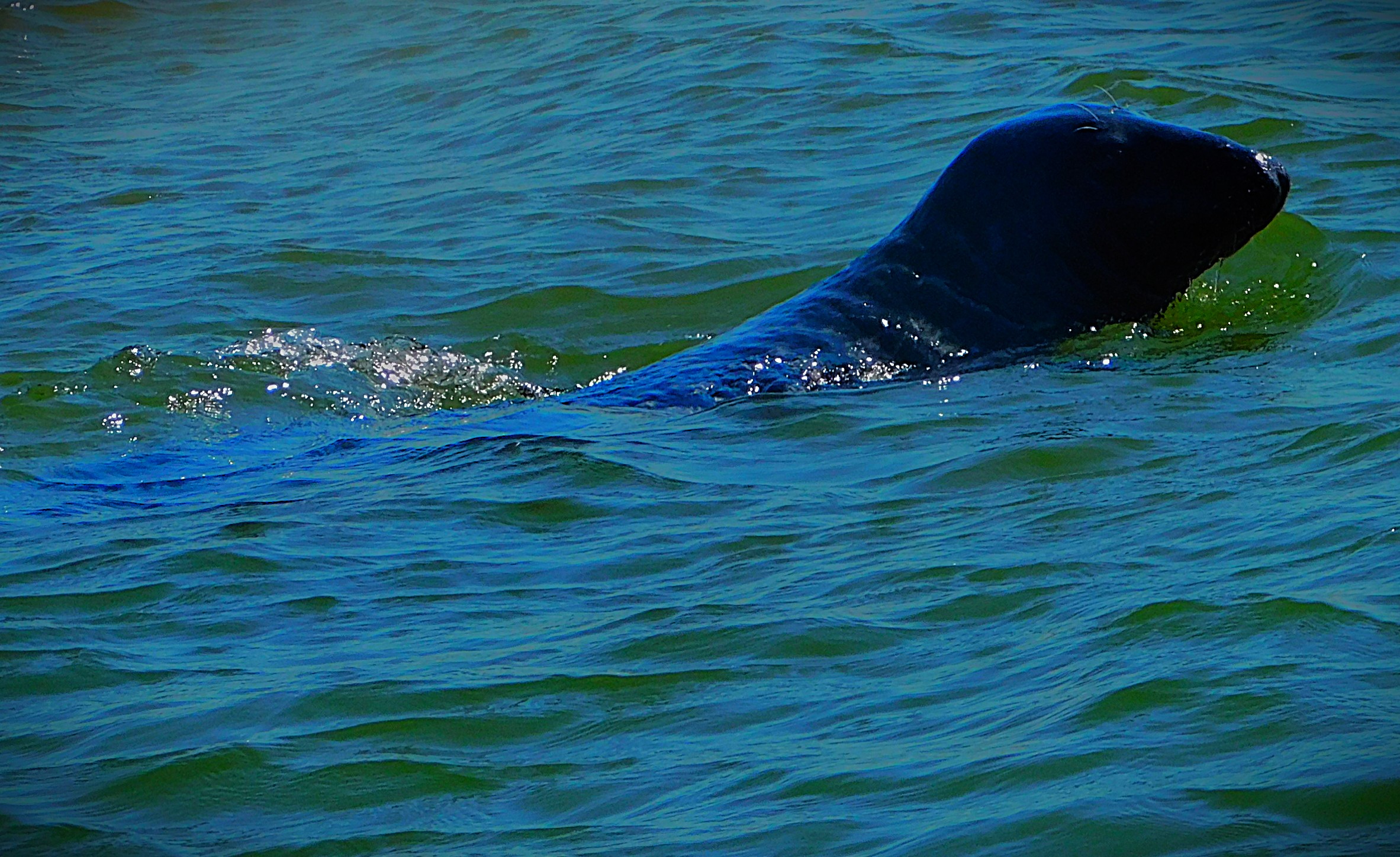
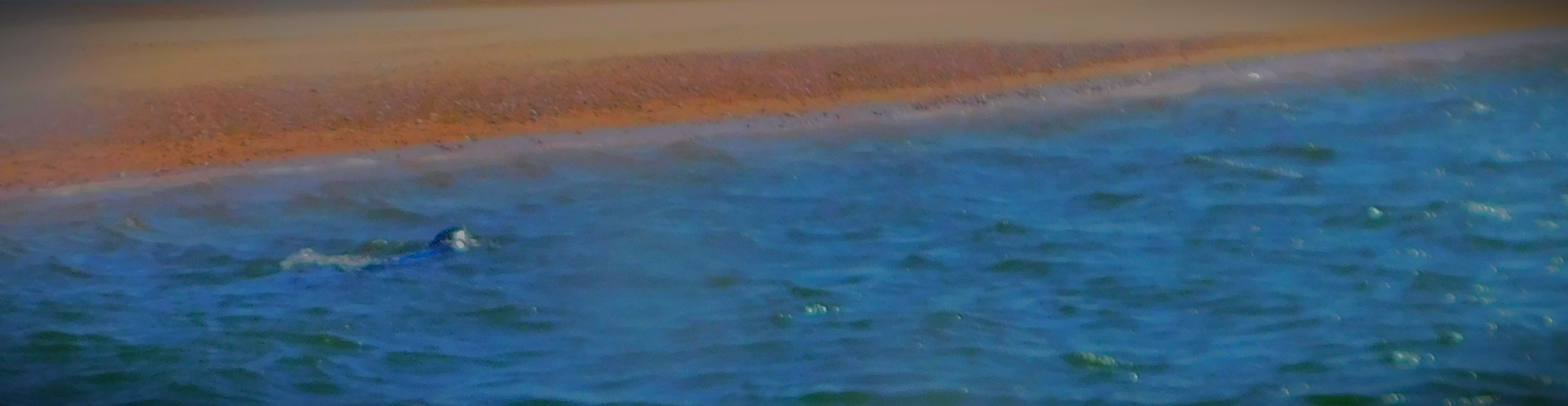
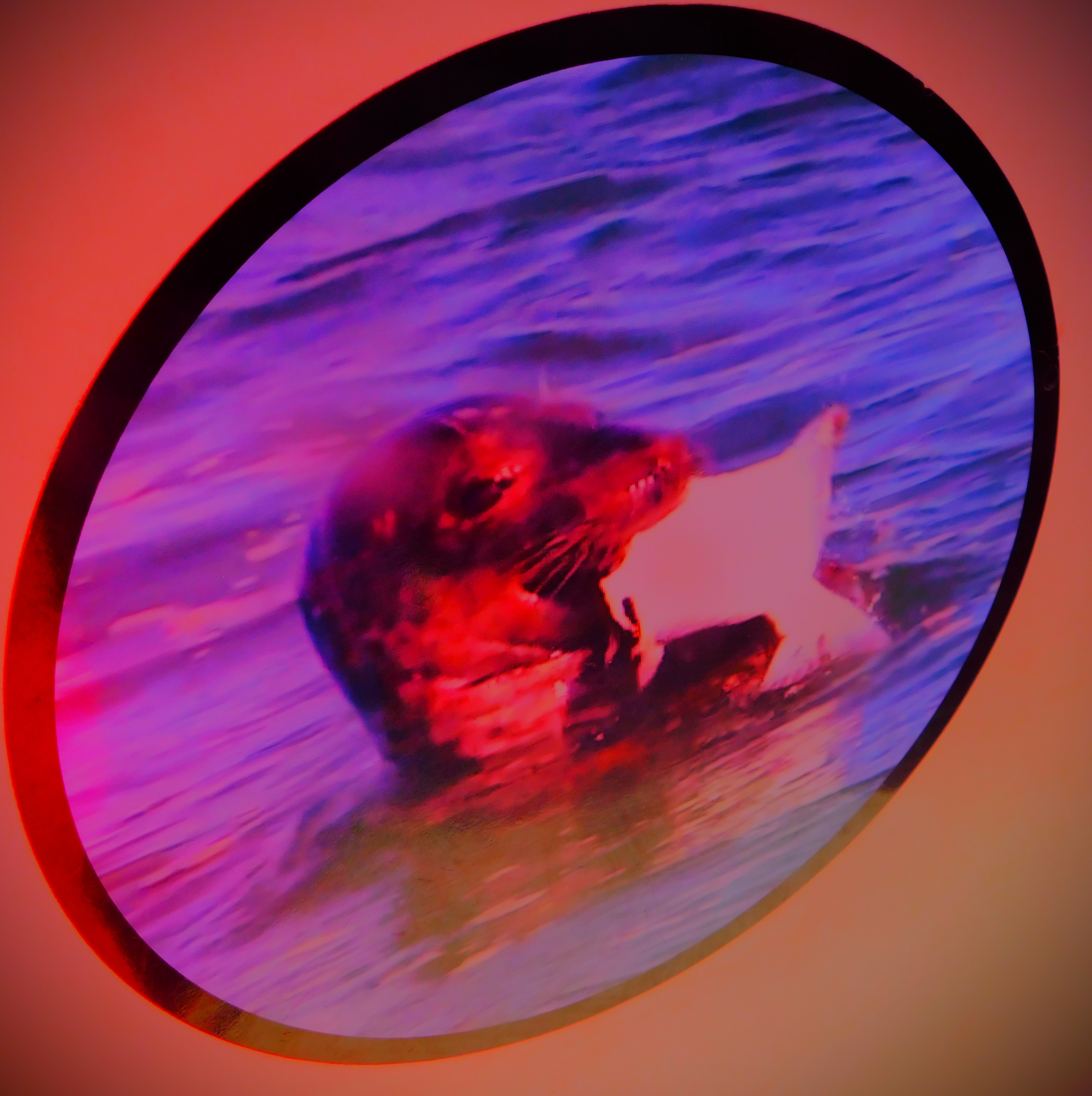
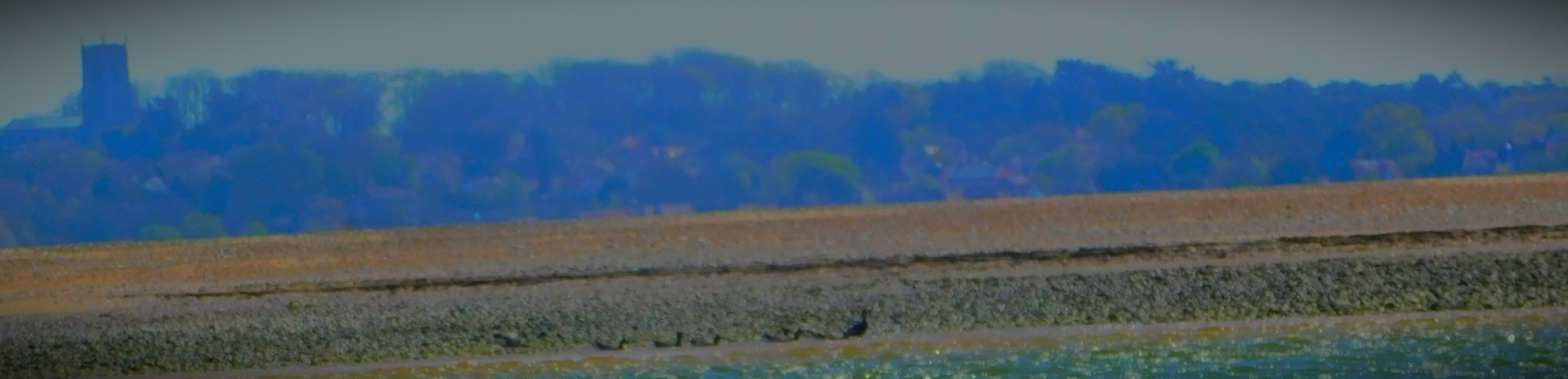
My parents are in Norfolk at the moment, and yesterday we went out to see the seals. This involves catching a boat from Morston Quay, and at this time of year where the pups are still quite young no disembarkation is allowed at Blakeney Point where the seals congregate. Morston Quay is not accessible to a non-driver, so this is an activity that I could only participate in with the assistance of someone who drives. This post is largely to share the very large photo gallery that the trip yielded.
THE DAY IN DETAIL
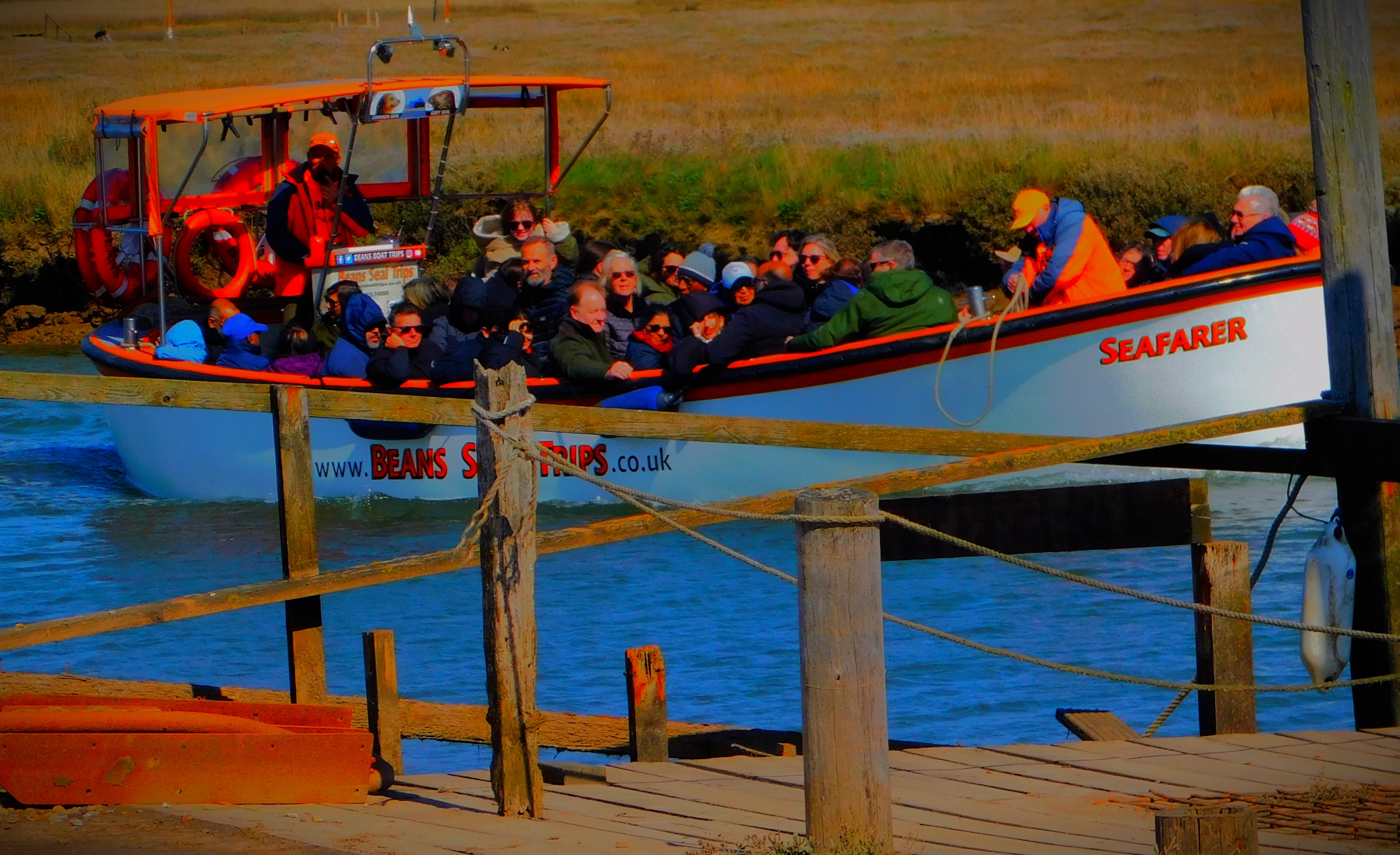
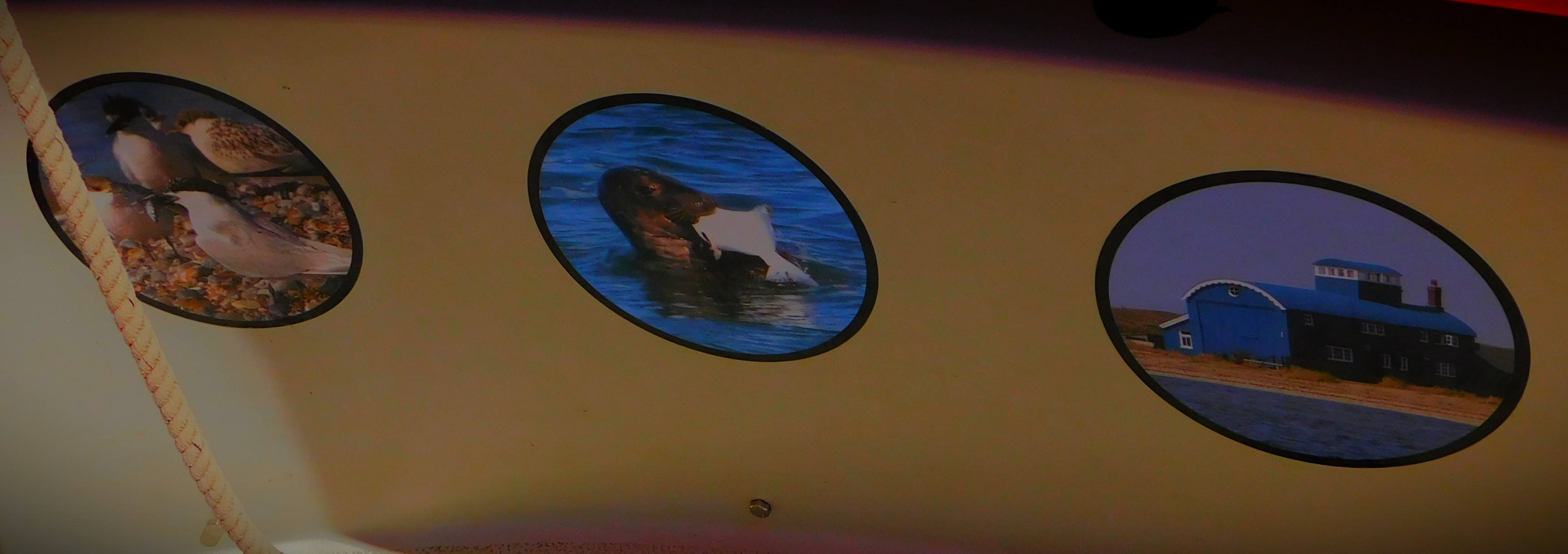
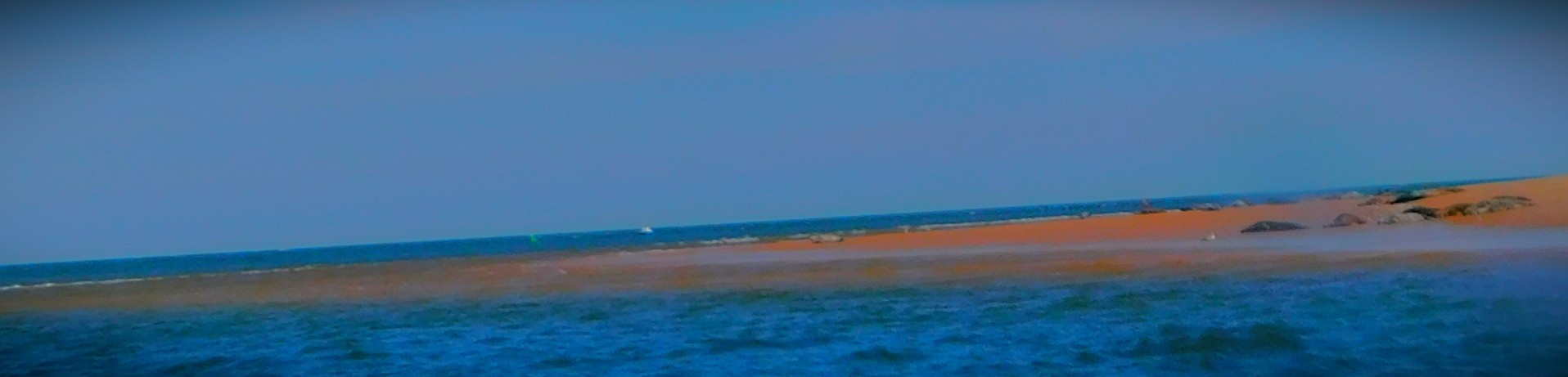
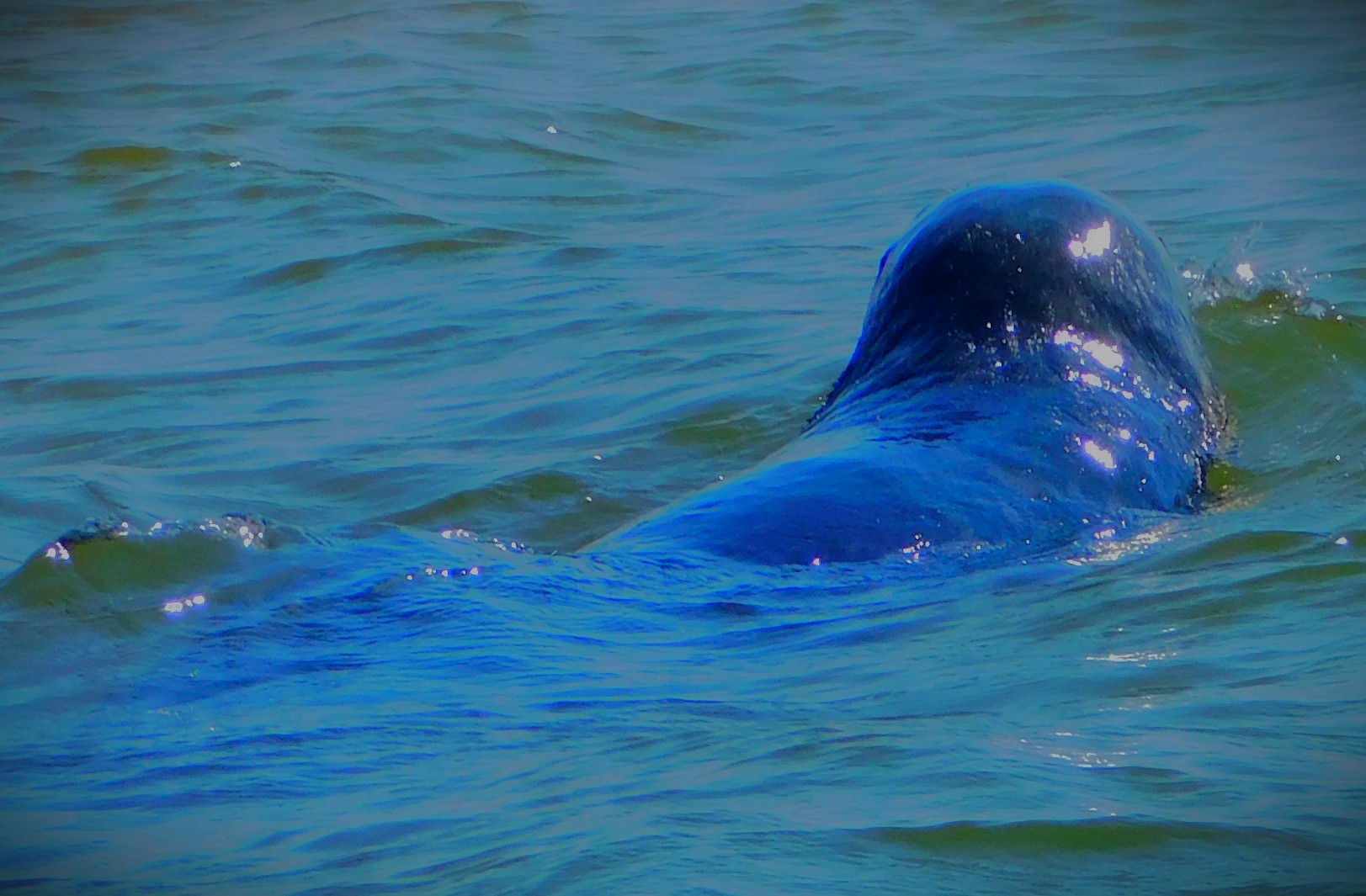
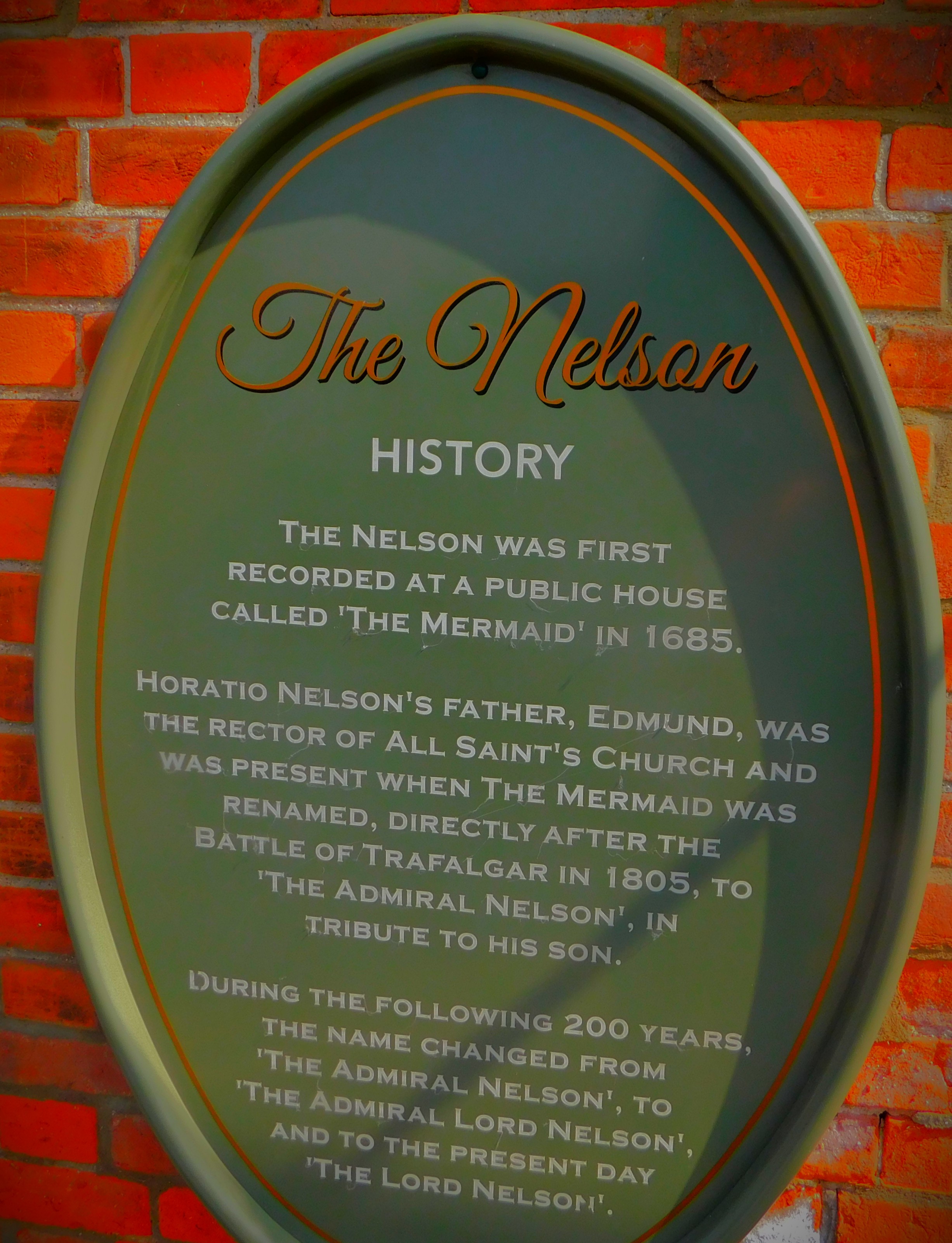
First thing in the morning it was cloudy in King’s Lynn, but there never felt like being a threat of rain and in the course of the car journey to Morston Quay the clouds completely dissipated so we arrived at our destination. The breeze was sufficient to require a jumper to be worn, though there was enough heat in the sun that it was fairly clear that absent the breeze the jumper could have been discarded. The boat trip, in our case with Beans Boats, involved going out to the landward side of Blakeney Point (although a stout craft, and equipped with all the necessary safety devices the boat was not suitable for going into the open sea beyond Blakeney Point), making several passes alongside the area where the seals were congregating (there were also a few seals out in the water, as the gallery will show) and then returning. I think everyone got splashed with sea water during the journey. We had originally hoped to have lunch at a pub called The Hero, but that establishment was absolutely packed out, so we looked elsewhere. In Burnham Market, just inland, and therefore not as busy as those places right on the coast, we found a place called The Nelson and had an excellent meal there. We then returned to King’s Lynn.
PHOTOGRAPHS
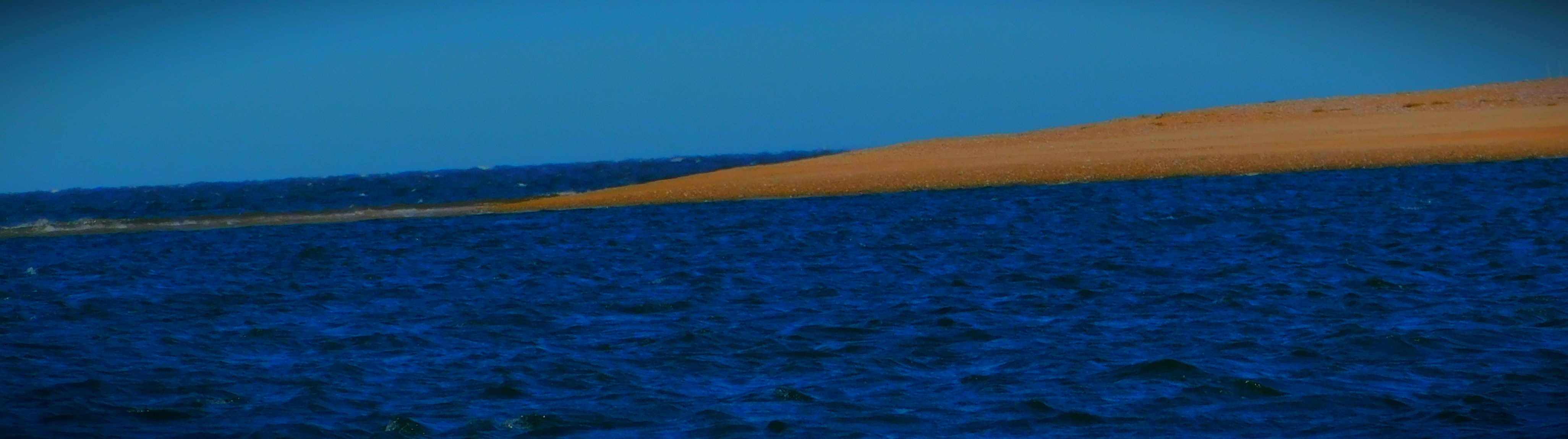
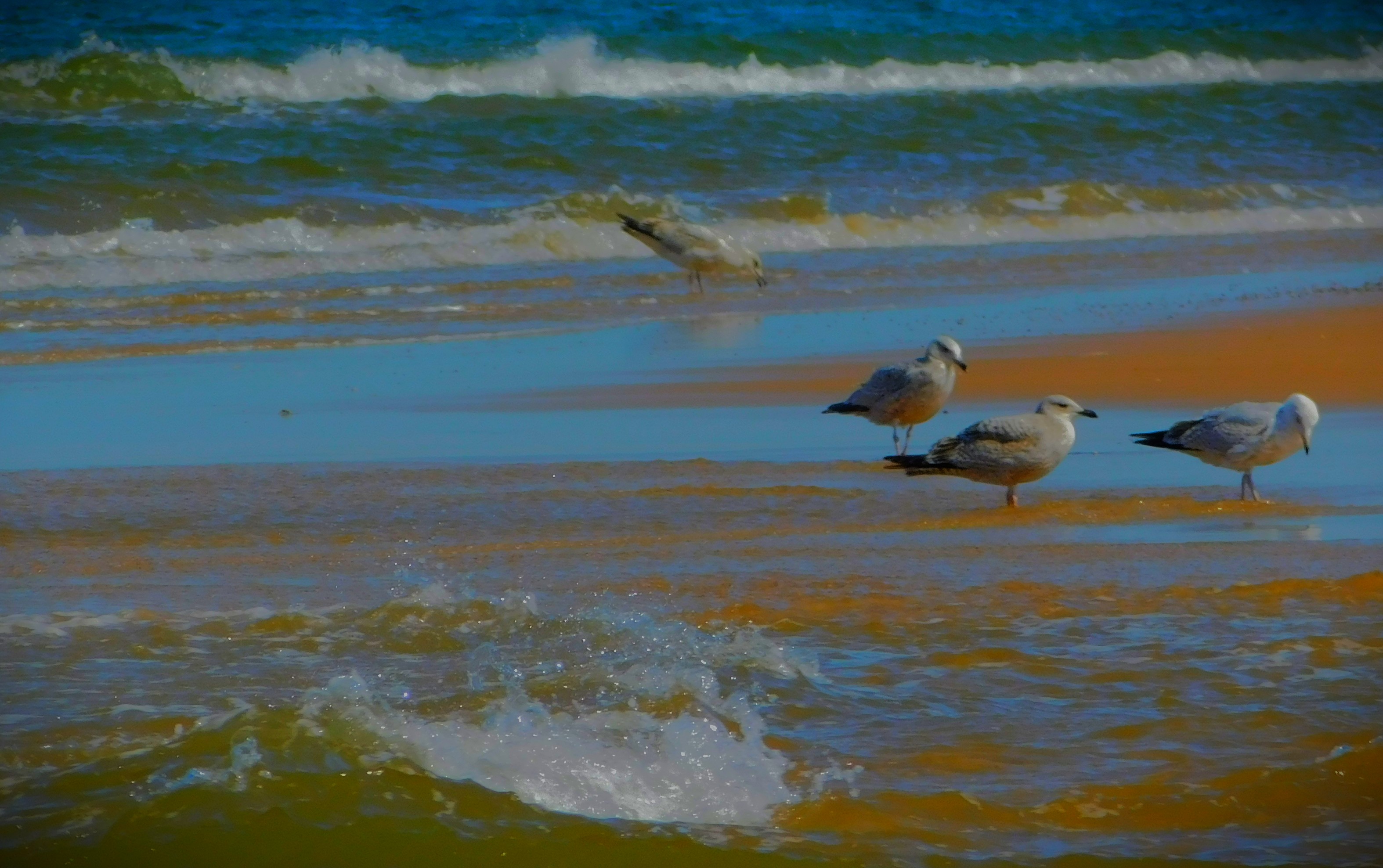
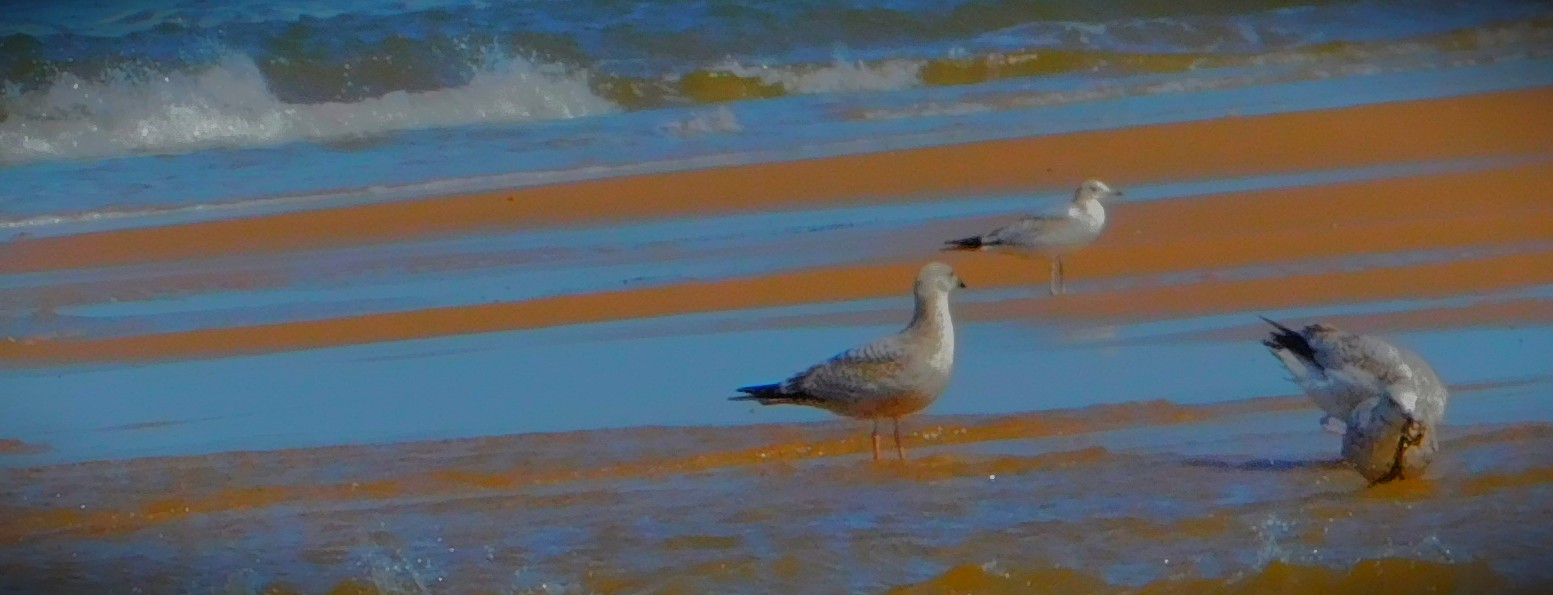
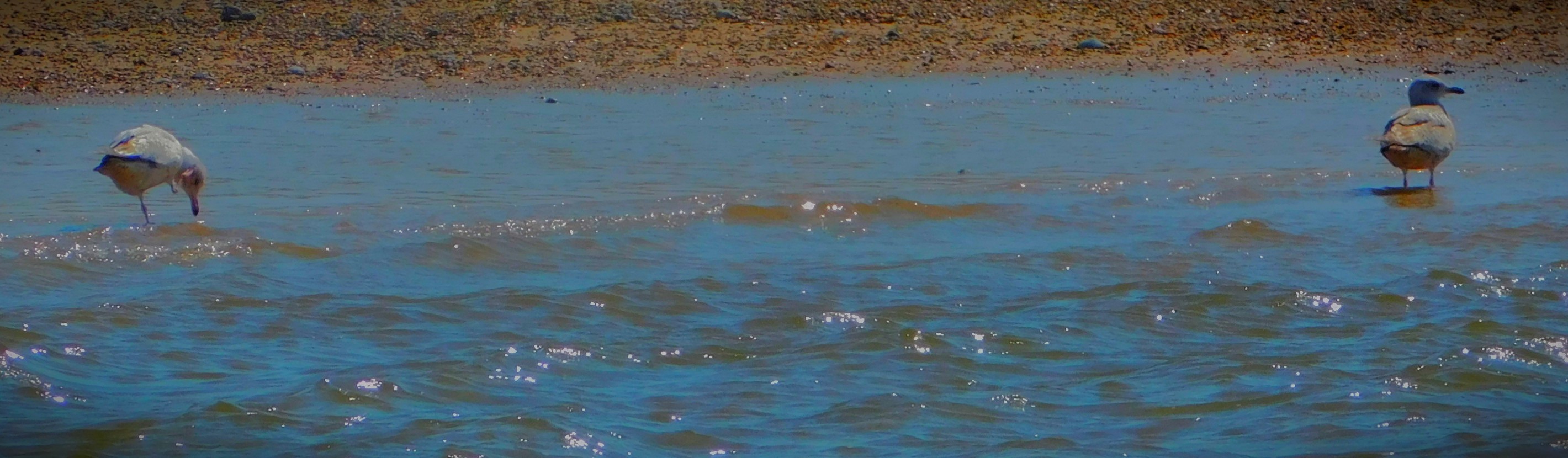
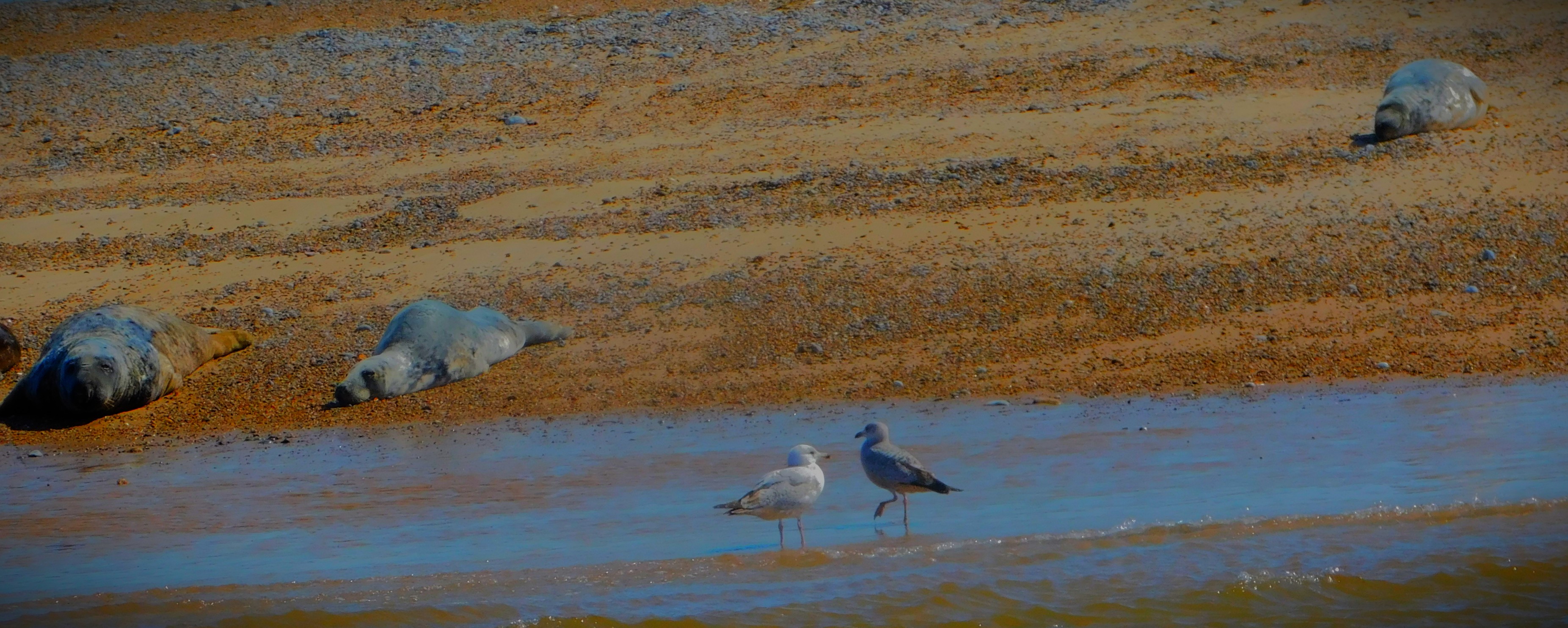
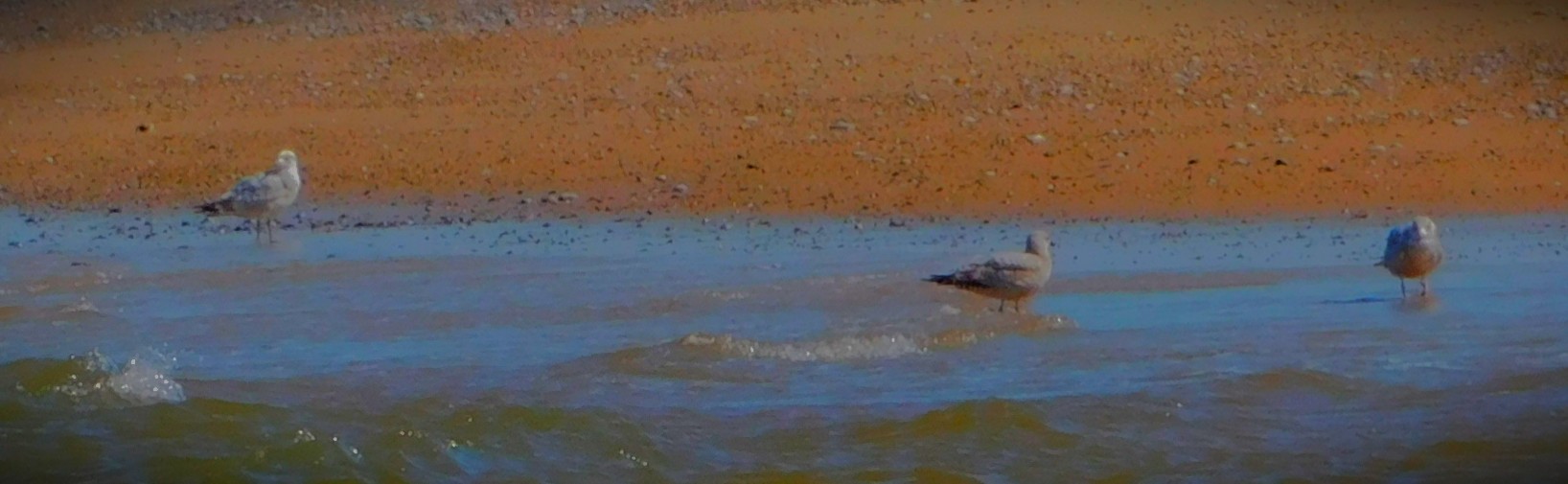
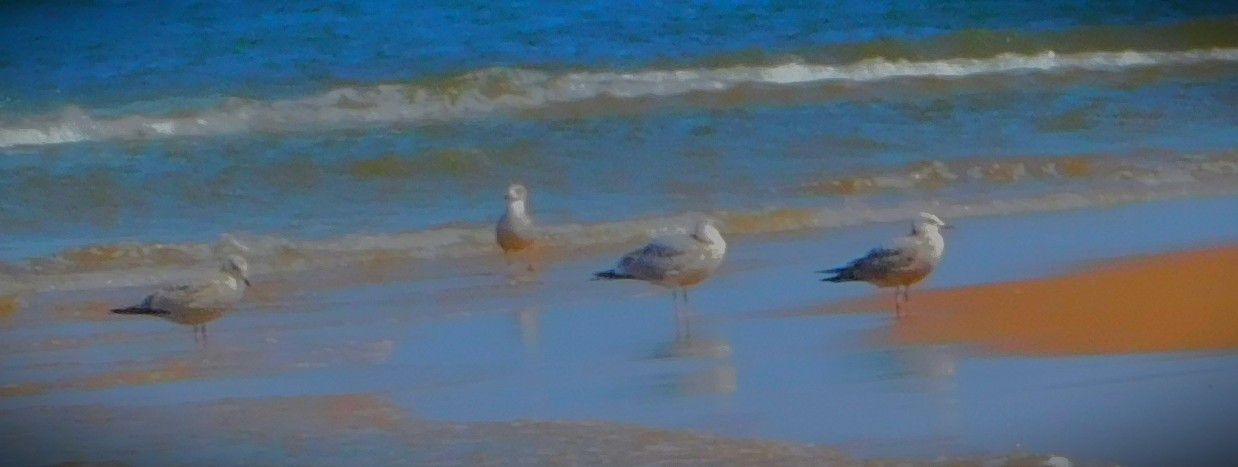
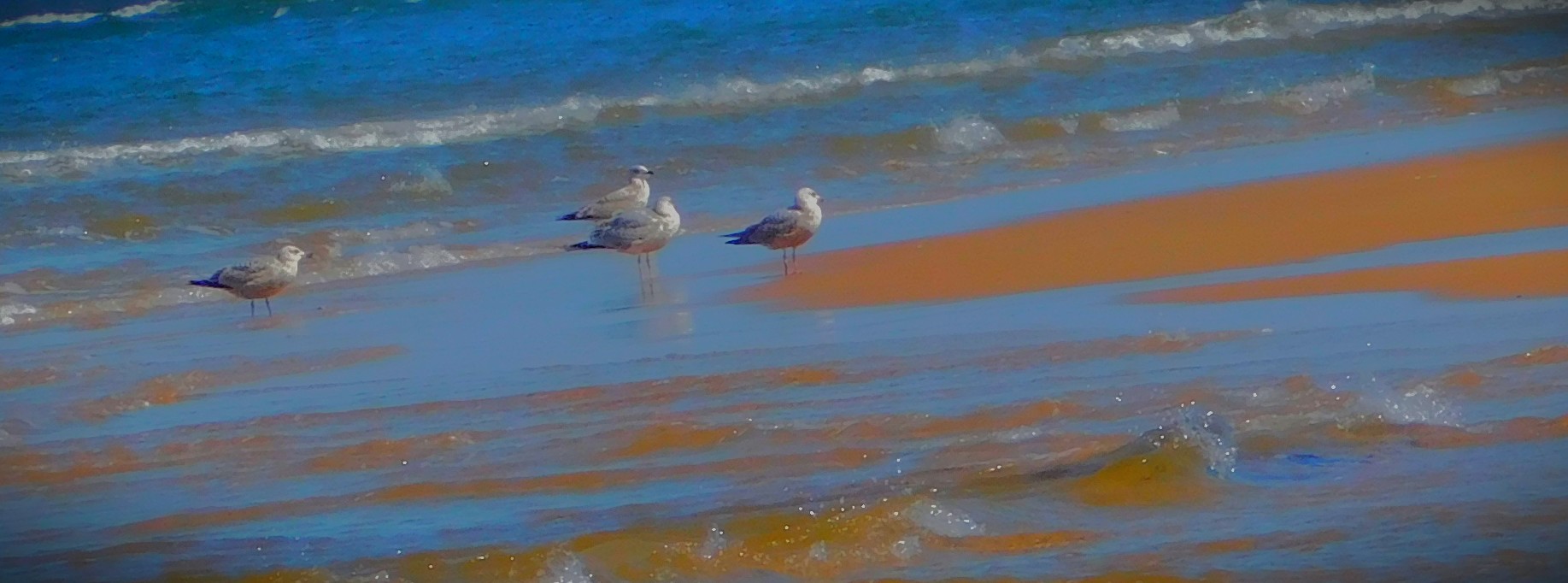
Although the seals were the stars of the day, there were also some interesting sea birds on show. Enjoy the gallery…
I took a few pictures throjugh the car windows during the journey from Lynn.I also took some pictures at Morston Quay before boarding the boat, starting with this one.The boat we were to travel in coming back from its previous trip.The seal pics start here.Some pictures of seals in the water.The gallery ends with pictures at The Nelson
The third and final part of mini-series looking at South African cricket history. As usual I also have a fine photo gallery.
This is third part of a mini-series looking at South Africa’s cricket history (follow the links to part one and part two to complete the picture) looking at the period since they were readmitted to international cricket.
THE XI IN BATTING ORDER
*Graeme Smith (left handed opening batter, captain). A superb playing record and a very good win percentage as captain, a role he first took on at a much younger age than most test captains.
Herschelle Gibbs (right handed opening batter). To complement the decidedly functional left hander we have a rather more aesthetic right hander, but one who scored plenty of runs.
Hashim Amla (right handed batter). The only South Africa ever to score a test triple century, just one of many magnificent innings he played over the years.
AB de Villiers (right handed batter, occasional wicket keeper, occasional medium pacer). Best known for his deeds in limited overs cricket, Abraham Benjamin de Villiers was still good enough facing a red ball to average 50 with the bat at test level.
Jacques Kallis (right handed batter, right arm fast medium bowler). If one had to pick a single player as the greatest ever produced by South Africa most people would name this man.
Brian McMillan (right handed batter, right arm medium fast bowler). One of the best players of the period immediately after South Africa were readmitted. He was already close to 30 when the opportunity to play test cricket arose, but still averaged 40 with the bat at that level and took some useful wickets along the way.
+Mark Boucher (wicket keeper, right handed batter). One of the greatest keepers ever to play the game and a handy lower middle order batter.
Keshav Maharaj (left arm orthodox spinner, right handed batter). South Africa is not a country that many visiting spinners of recent times would have fond memories of, and his test record (158 wickets at 31.99 to date) has to be viewed through the lens of how difficult it is to bowl spin in that part of the world these days.
Kagiso Rabada (right arm fast bowler, right handed batter). At 28 years of age he has plenty of power to add to his achievements, and he has already achieved enough that he will rank among the greats of the game even if he does nothing more.
Allan Donald (right arm fast bowler, right handed batter). He had the opportunity to qualify for England through residence, playing county cricket for Warwickshire in the 1980s, but chose not to do so, believing that South Africa would be readmitted in time for him to play for them. They were, and although Donald was nearer 30 than 20 by the time the opportunity came he showed the world what followers of county cricket had already been well aware of – he was both seriously quick and seriously accurate.
Dale Steyn (right arm fast bowler, right handed batter). At his peak he was indisputably the best fast bowler in the world, and his record, as with Donald and Rabada, puts him among the finest ever.
This side has a powerful batting line up, three of the finest fast bowlers ever to play the game, a quality spinner, a great keeper, a great captain, and two of the six batters would be legitimate bowling options as well.
HONOURABLE MENTIONS
The biggest miss by far was Shaun Pollock. I do not like not having any spin available, and Boucher at six and Pollock at seven would be something of gamble. I always select with long form cricket in mind, so I want the best keeper. But for this latter I could get Pollock in on a minor gamble by playing Quinton de Kock as keeper, have him bat at six (dropping McMillan), Pollock at seven, one place above his most frequent slot for SA, and then my four chosen bowlers.
Dean Elgar was a gritty and determined left handed opener, but with Smith inked in I wanted my second opener to be right handed, so he missed out. Gary Kirsten, another tough left handed opener can have a coaching gig – another job he has done well.
Had Daryll Cullinan been able to handle Australian leg spinners as well as he did other bowlers he would have given me more pause than he actually did. He averaged six runs less per knock at test level than de Villiers to whom I gave his regular number four slot.
Francois ‘Faf’ Du Plessis was a good middle order batter, but South Africa’s power in that department over the years keeps him out. Also in his last innings against England he repeatedly handled the ball – England complained about it, but wrongly IMO did not use the ultimate sanction of appealing against him – the umpire would have had to raise the finger.
Ashwell Prince had a respectable test record but again the strength of the middle order keeps him out.
I would have liked to be able to include Paul ‘frog in a blender’ Adams, but his record was unfortunately not as remarkable as his bowling action.
Two seriously fast bowlers who had to miss out were Mornantau ‘Nantie’ Hayward who was to inconsistent to challenge my actual choices and Anrich Nortje who does not yet have the weight of achievement to merit selection.
A look at the amazing test match the ended at 7:20PM yesterday and a substantial photo gallery.
This post looks back at a test match that had everything. From the moment Zak Crawley creamed the first ball of the match for four through to 7:20PM yesterday when Pat Cummins struck a four to third man to settle things the fortunes of war swayed hither and thither. I will be producing a detailed set of player ratings and a look at who England might pick to deal with obvious problems revealed in this match.
THE CLOSING STAGES
I was at work yesterday, but a rain delay at Edgbaston meant that I got to witness the closing stages of the match by way of Test Match Special and cricinfo. On a last day pitch definitely favouring spinners supposed front line spinner Moeen Ali had the indignity of being outbowled by part timer Joe Root. Stokes, injured knee and all, bowled with great determination. Broad and Robinson were both excellent, though Anderson did little. Stokes declined to take the new ball when it first became available, and when Root got Carey to make it 227-8, 54 still needed, it looked like the move had paid off. However Stokes persisted with the old ball, and Cummins and Lyon gradually settled in. Finally, with the deficit halved England took the new ball, but although Broad and Robinson bowled well they simply could not break through. In truth I had been rooting for what would have been only test cricket’s third ever tie, because each side had at least one player who did not deserve a loss – Khawaja for Australia and Root for England being the standouts. A tie clearly outranks a draw, as it is a result in keeping with the Stokes ethos. However, I have no complaints about the end result, and certainly none whatsoever about the final stages of the match.
ENGLAND’S MAIN PROBLEMS
I am going to start this post by stating firmly one thing that did not cause England to lose: Stokes’ declaration on the first evening has been the subject of much comment, a good deal of it hostile. The truth is the problems lay elsewhere than that decision:
‘samey’ main bowlers: as splendid as they all are at what they do Anderson, Broad and Robinson are too similar as bowlers for England to accommodate all three of them in the XI.
Wrong choice of main spinner: it should not have surprised anyone that an ageing player who has not played red ball for a couple of years struggled with the extra workload entailed in bowling in the long form of the game, nor that someone coming into the match with a bowling average against Australia of 65 did not pose very much of a threat.
Wrong choice of wicket keeper: for my money Bairstow’s three definite missed chances (two catches and one stumping), plus the potential chance he didn’t go for, leaving the ball to pass between him and Root for four more than neutralized his contribution with the bat. Last summer Bairstow played as a specialist batter, with Foakes behind the stumps, and if Bairstow has a role in the side it is as a batter, not a keeper/batter.
Players getting in and getting themselves out. : in the second England innings three players got to 40, and not one of them went on to 50. At least one of those three should have gone on to a genuinely major innings.
PLAYER RATINGS
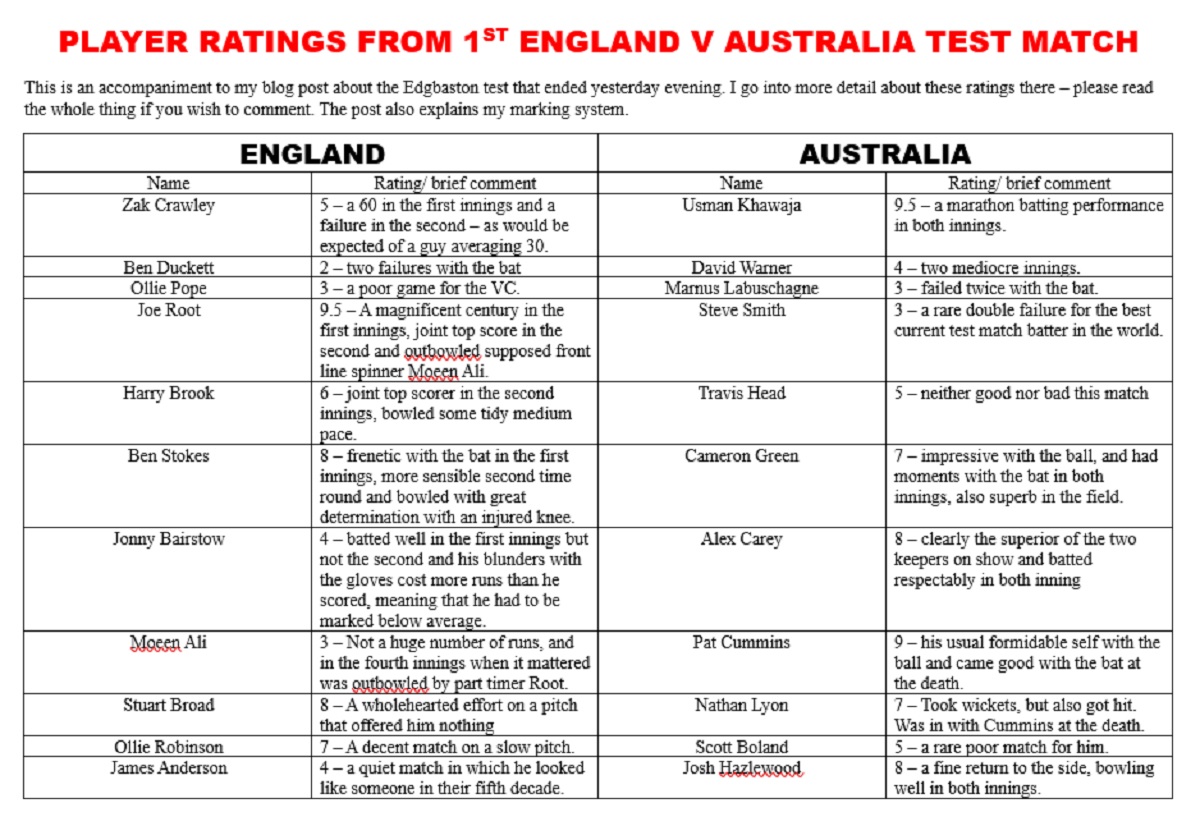
I will be going through each team in official batting order, using a scale of 0 (did nothing of value at all) through to 10 (perfection). Please note that when using such scales I use the whole scale – no courtesy marks just for turning up.
ENGLAND
Zak Crawley: 5. A dead average performance from someone who is in truth a dead average player – 61 in the first innings and a failure in the second is nothing special for an opener.
Ben Duckett: 2. Two failures with the bat this time, but he surely has credit in the bank from Pakistan and New Zealand to retain his slot.
Ollie Pope: 3. A promising start in the first innings, and his dismissal was somewhat unfortunate, but a skittish performance in the second in which he never looked like getting settled. Not one of the vice-captain’s finest outings.
Joe Root: 9.5. A glorious hundred in the first innings, joint top scorer in the second and out-bowled the ‘front line spinner’. Although this was a performance that underlined his status as one of the greatest cricketers his country has ever produced I dock him half a point for getting out on 46 in the second innings.
Harry Brook: 6. He was joint top scorer in the second innings, and bowled some tidy medium pace along the way.
Ben Stokes: 8. An overly frenetic batting performance in the first innings, but a much better effort second time round, and a determined bowling performance in spite of having knee trouble.
Jonny Bairstow: 4. The most controversial mark I am giving, but as I stated earlier in this piece I reckon that the chances he either missed or simply didn’t go for cost more runs (remember as well as the extra runs scored by the reprieved batters you have to factor in extra runs scored at the opposite end in the same period) than he contributed with the bat, and his second innings demonstrated another point about Bairstow the keeper/batter – he rarely scores well after a keeping performance. Since I have have him in net debit for the match I have to give him a below average score to reflect what was overall a below average performance, and on a scale of 0-10, 5 is average.
Moeen Ali: 3. Did not do a lot with the bat, and had a poor game with the ball, to the extent that on a final day pitch which was helping spinners he had the indignity of being out-bowled by part time Joe Root.
Stuart Broad: 8. A wholehearted bowling effort on a pitch that offered him absolutely nothing.
Ollie Robinson: 7. A solid bowling effort in unfavourable conditions, and some lower order runs in the second innings. His reaction to dismissing Khawaja in the first Australian innings attracted a lot of condemnation, but frankly given the way their bowlers have been known to treat opposition batters Aussies are the last to have any right to complain about this kind of thing
James Anderson: 4. Did little in the match, and I for one would not be terribly surprised if he missed Lord’s.
AUSTRALIA
Usman Khawaja: 9.5. A marathon effort with the bat in both innings. The only blot on his copybook is that he did not quite see the job through in the final innings.
David Warner: 4. Not absolute failure, but two moderate scores.
Marnus Labuschagne: 3. Failed twice with the bat.
Steve Smith: 3. The best current test batter in the world suffered a rare double failure in that department.
Travis Head: 5. Could not duplicate his brilliance against India in the WTC final, but not an outright poor performance.
Cameron Green: 7. Impressive with the bat, albeit assisted by Bairstow in the first innings, respectable with the ball, and fielded superbly.
Alex Carey: 8. Clearly the superior of the two keepers on show, and batted well, albeit with two assists from his opposite number in the first innings.
Pat Cummins: 9. His usual formidable self with the ball and batted well in both innings, getting Australia over the line in the second.
Nathan Lyon: 7. He took wickets in both innings, but also took some punishment. He was batting with Cummins when the winning runs were scored.
Scott Boland: 5. A poor match with the ball, but given how close it was his 20 as nightwatch in the fourth innings redeemed him somewhat.
Josh Hazlewood: 8. Bowled well on his return to the side from injury.
Foakes has to return to the side as keeper. I would personally achieve this by dropping Crawley, and having someone else open the innings. Ali cannot be retained, and I would say genuine possibilities are: Rehan Ahmed, Liam Dawson, Dan Moriarty (not a Surrey regular alas, but always bowls well when given the opportunity, as an FC bowling average of 27 suggests), Jack Carson, or the ultra-radical option of asking Sophie Ecclestone if she is up for playing alongside the men. Also, I would rest Anderson and bring in Wood to give the seam attack a point of difference. Chris Woakes has a splendid record at Lord’s, and playing him at number eight and relying on Root for spin is another option.
PHOTOGRAPHS
This has been a long post, but for those of you who made it to the finish this is my usual sign off…
A look at Ambleside, as I get into the meat of my series about my holiday in the Lake District.
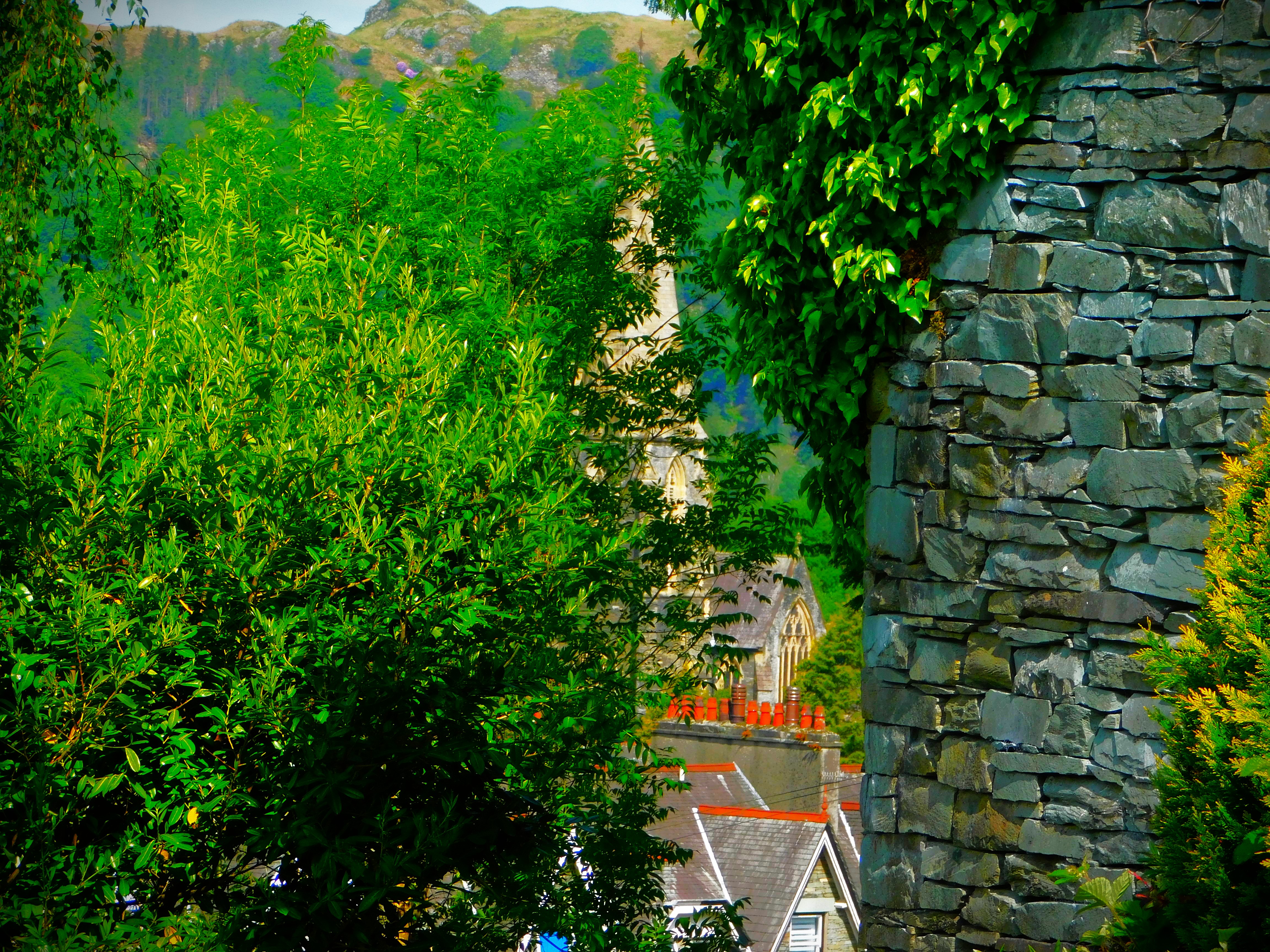
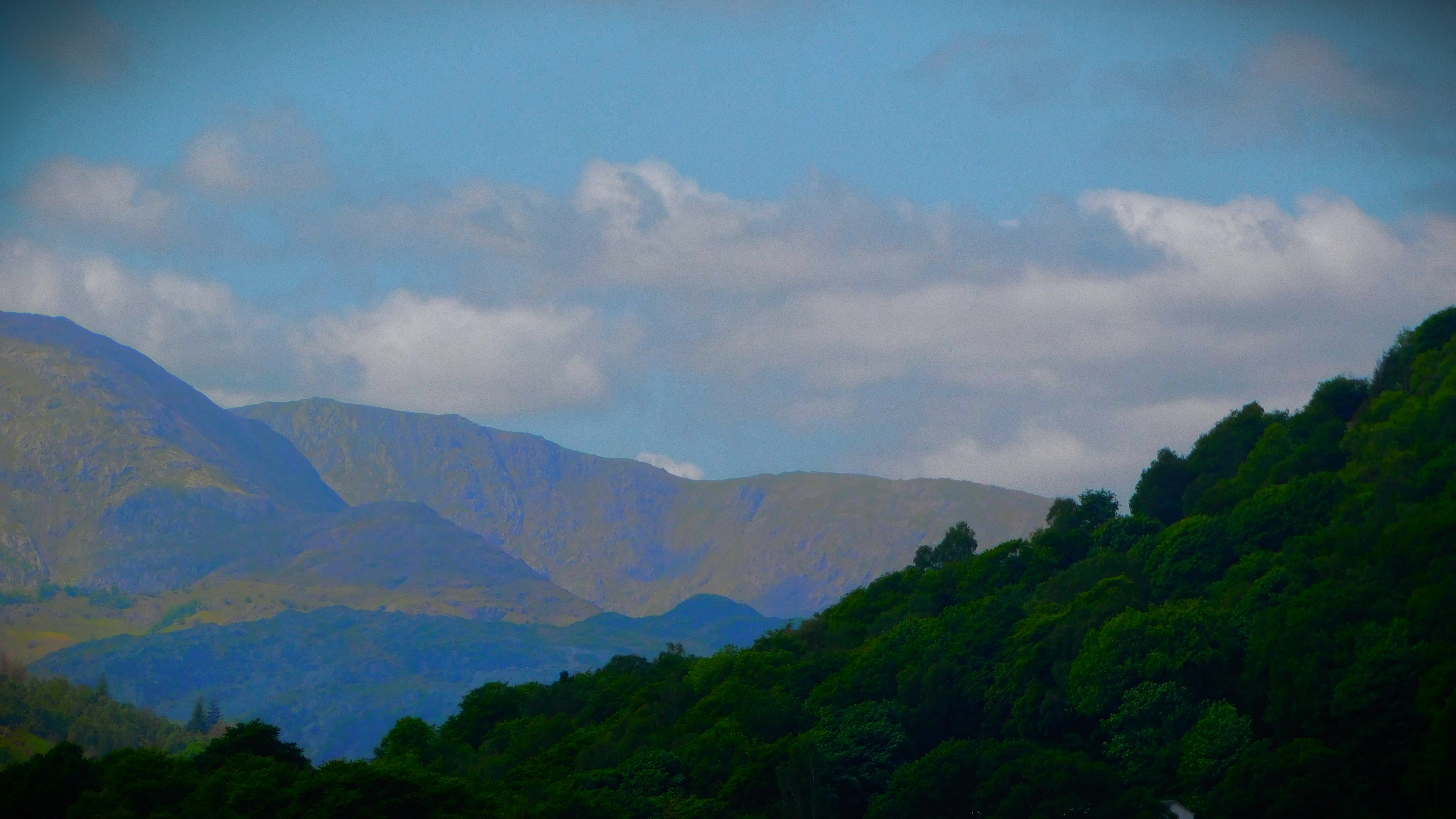
I am back from my short holiday in the Lake District, though I still have quite a lot of photos to edit. This post (see here for the earlier ones, posted while I was there).
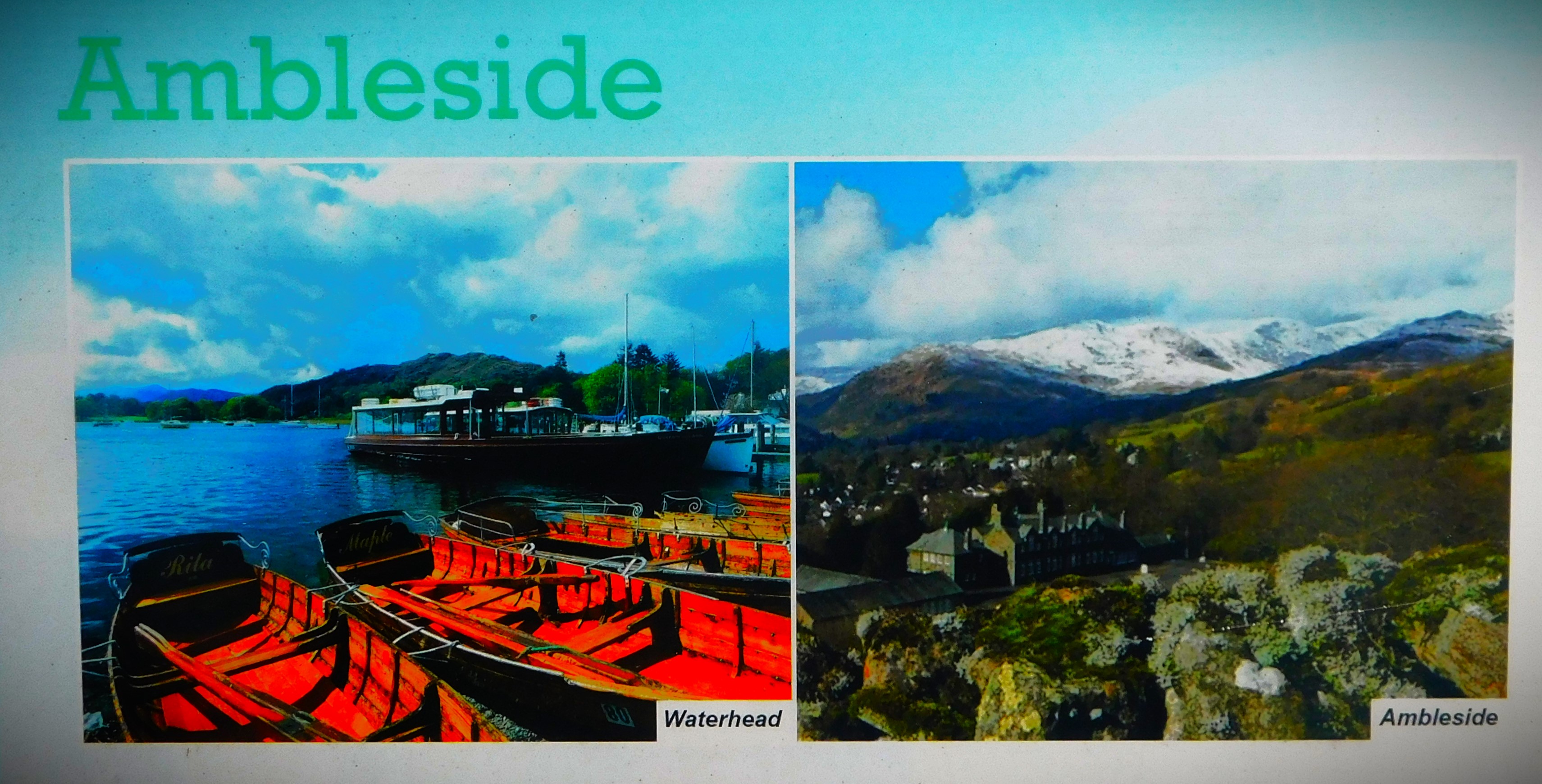
AMBLESIDE
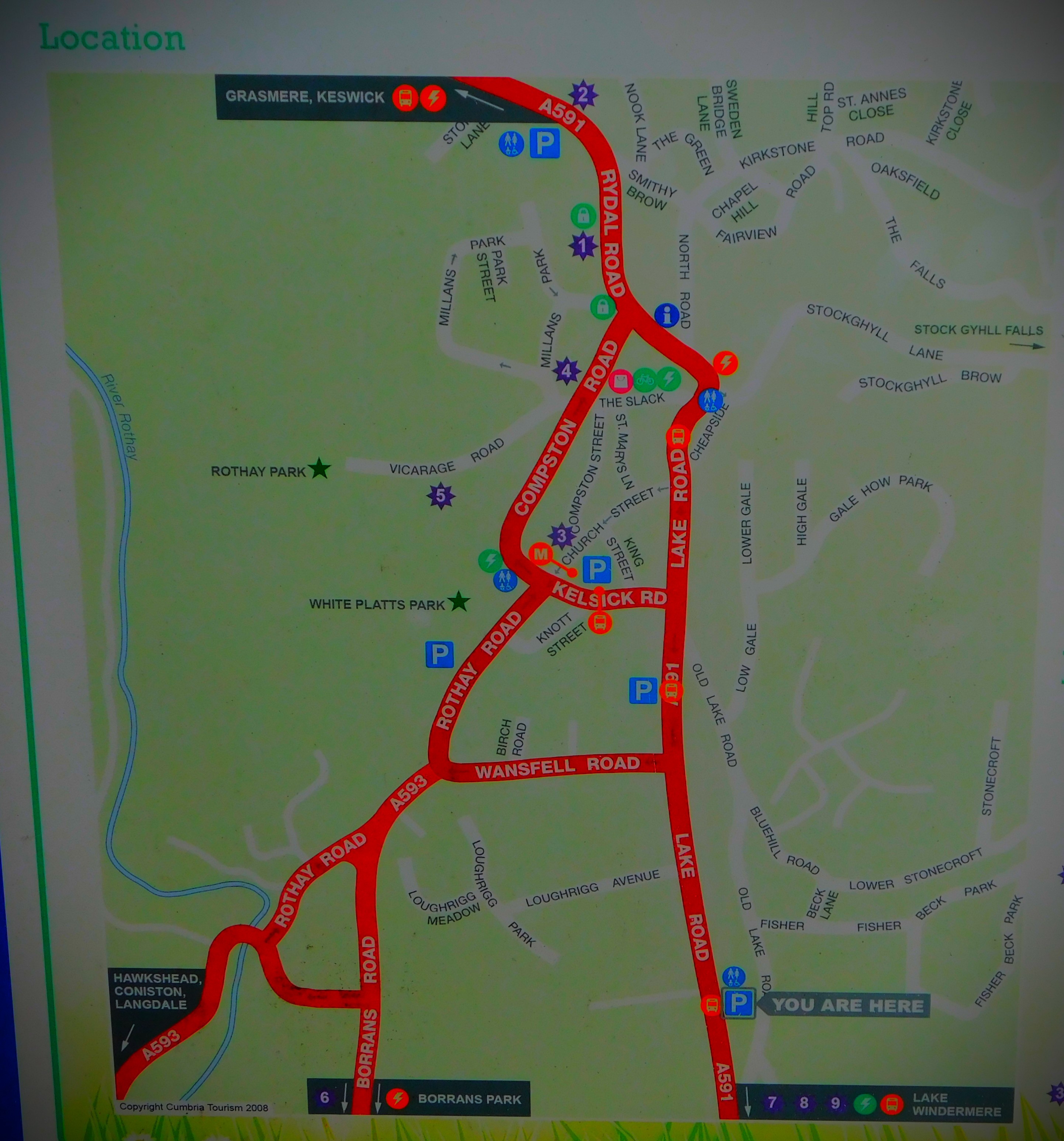
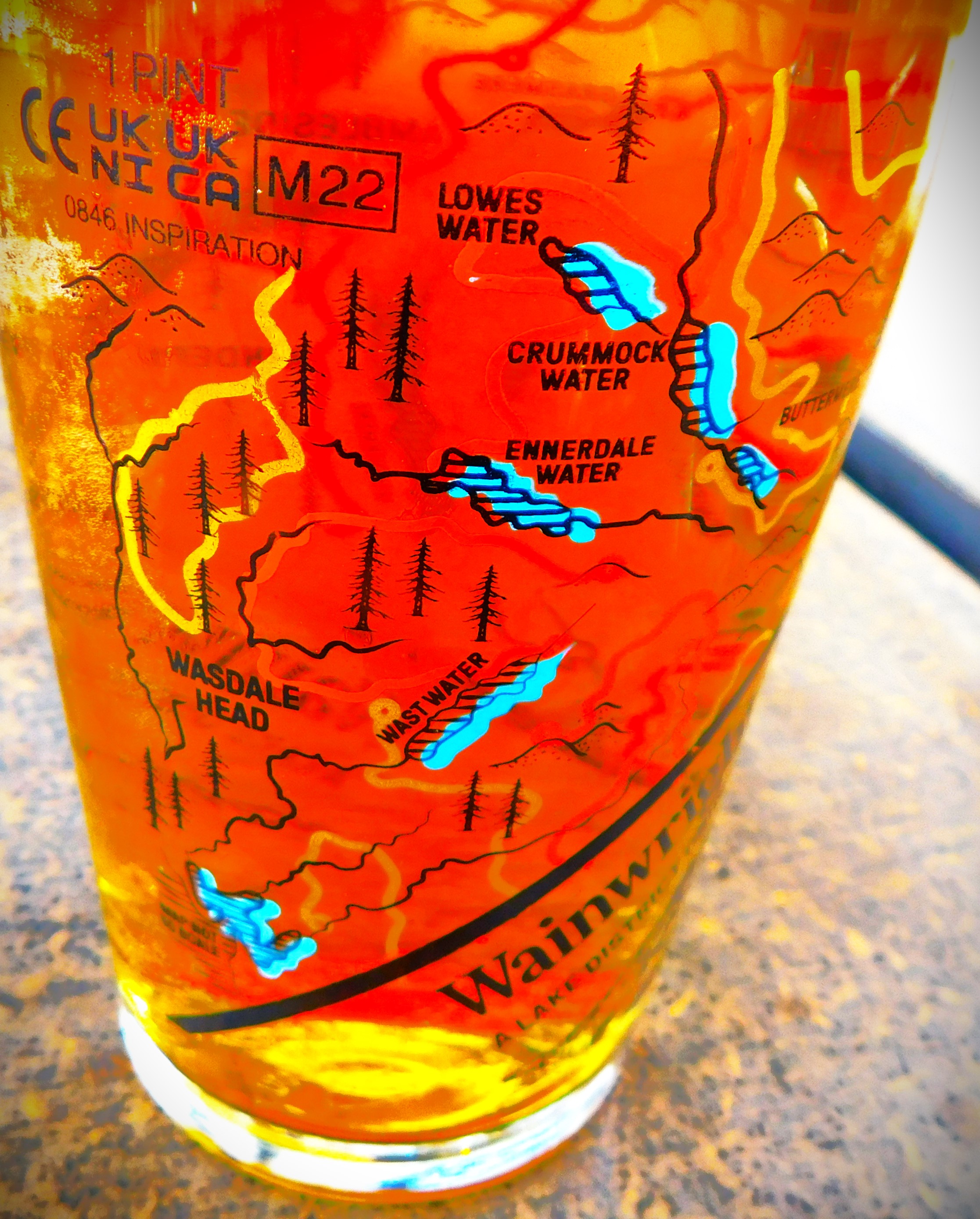
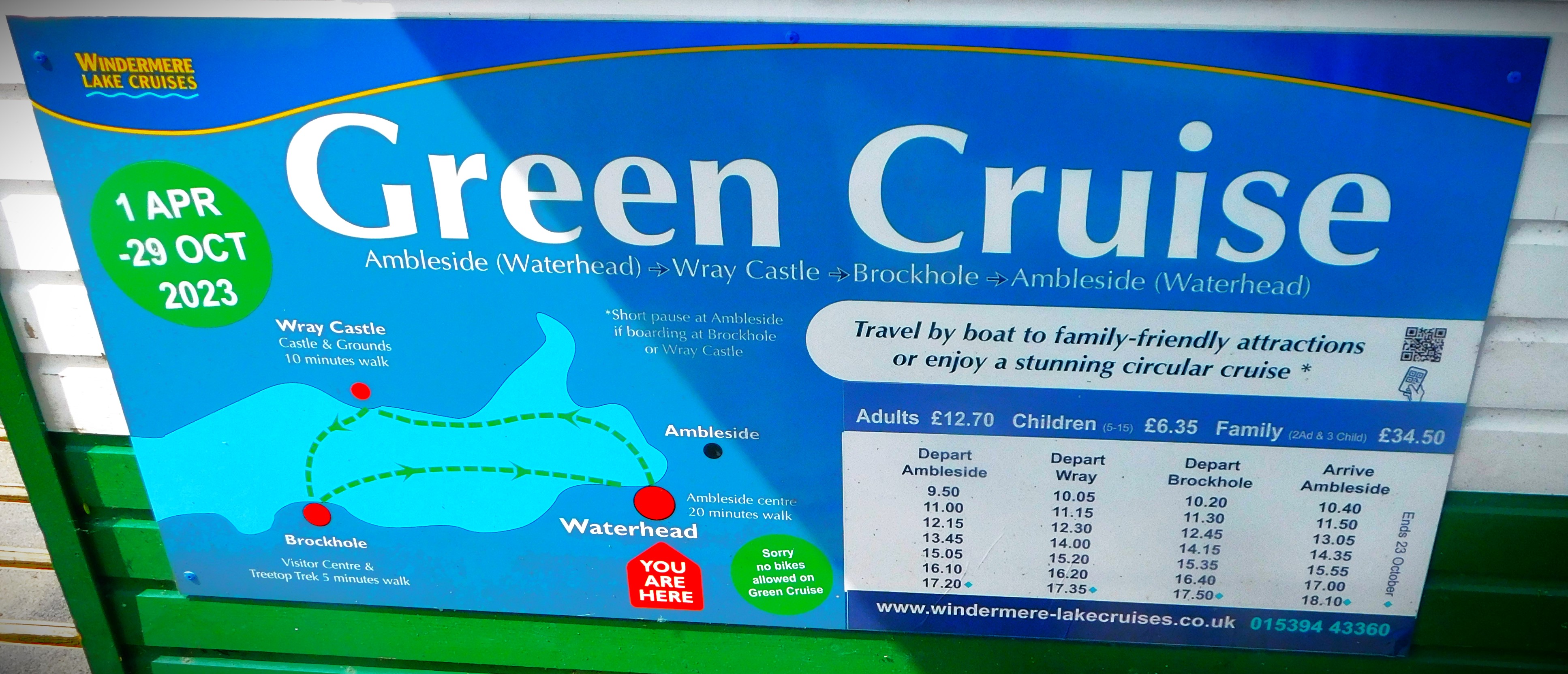
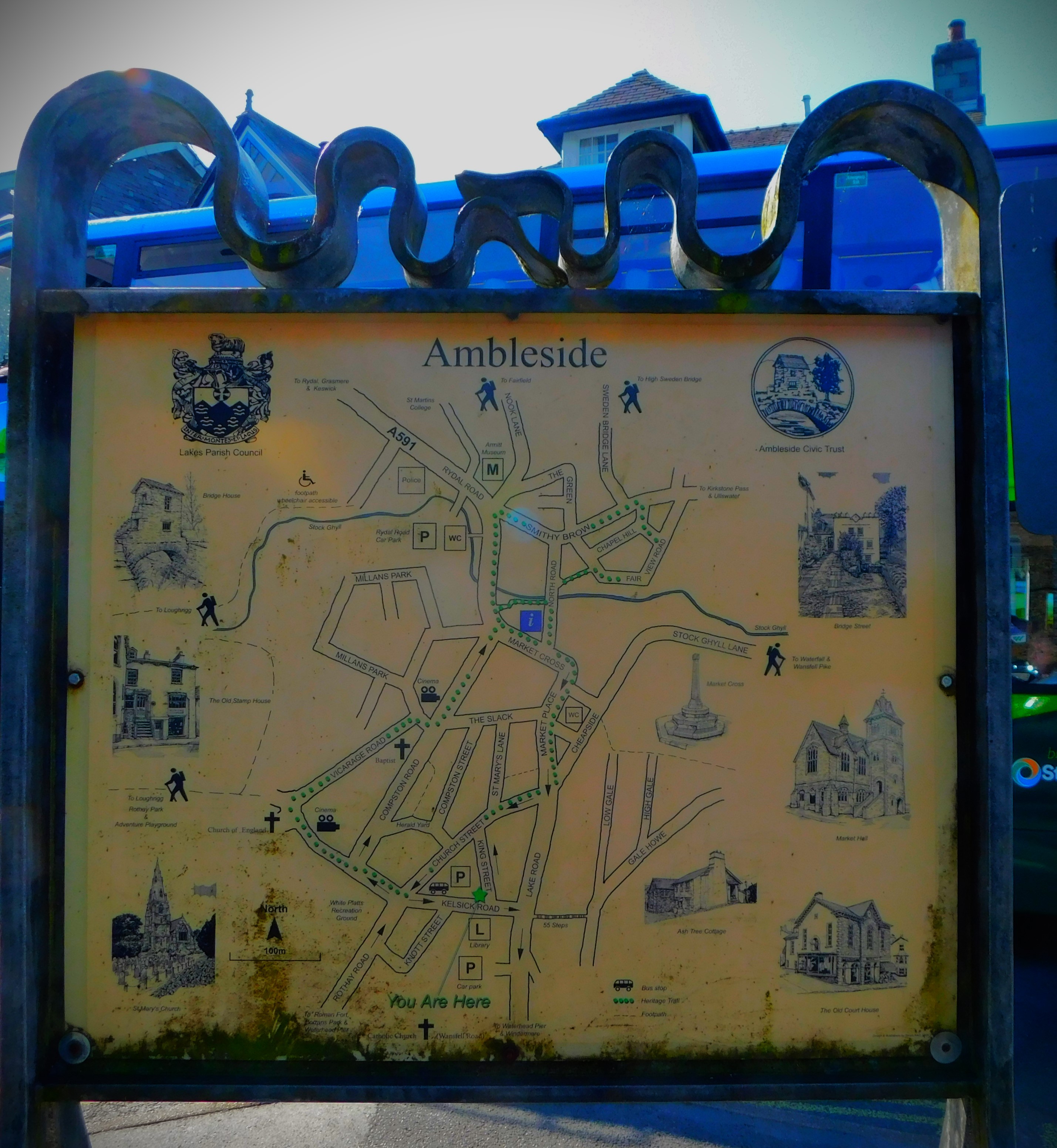
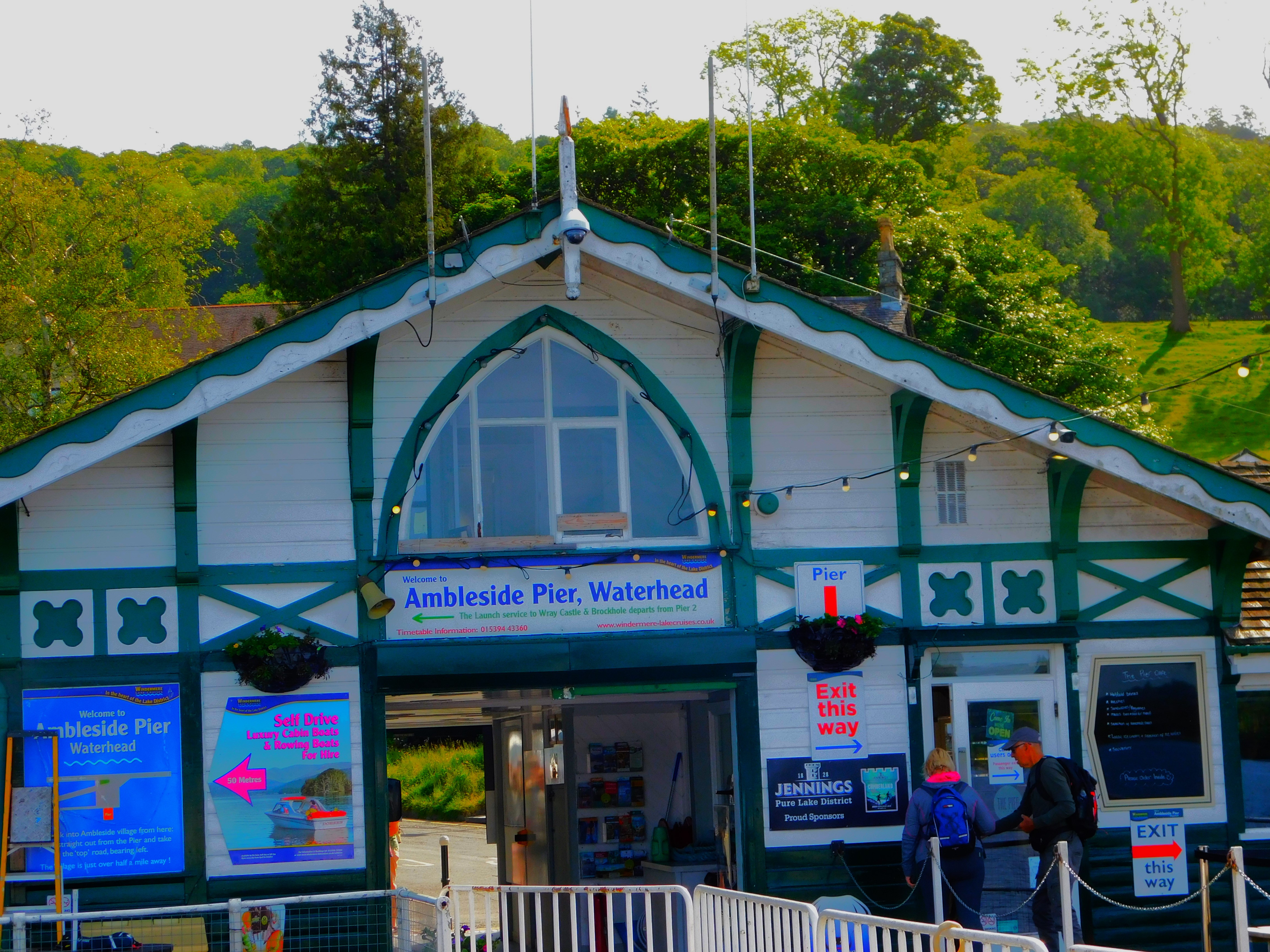
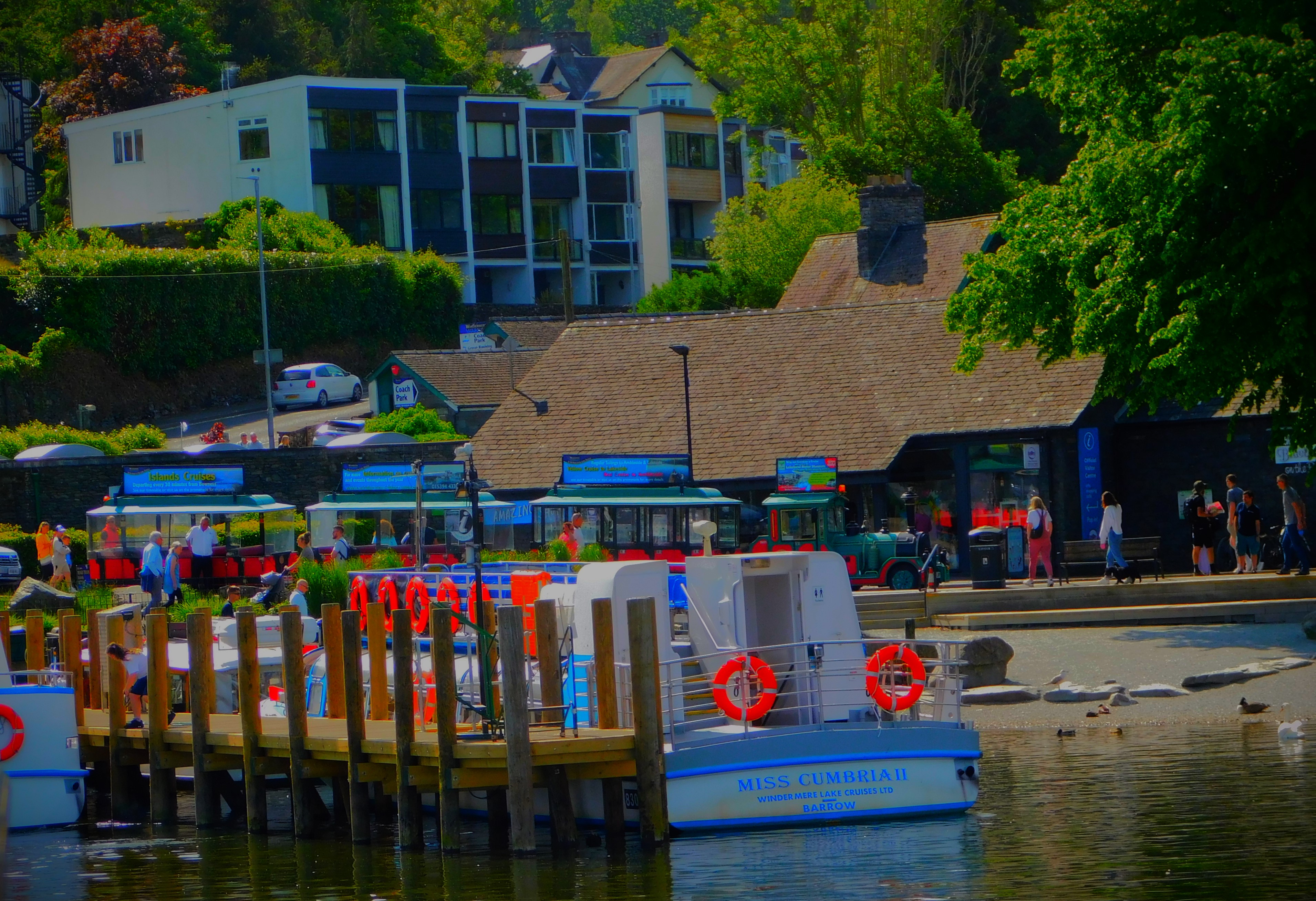
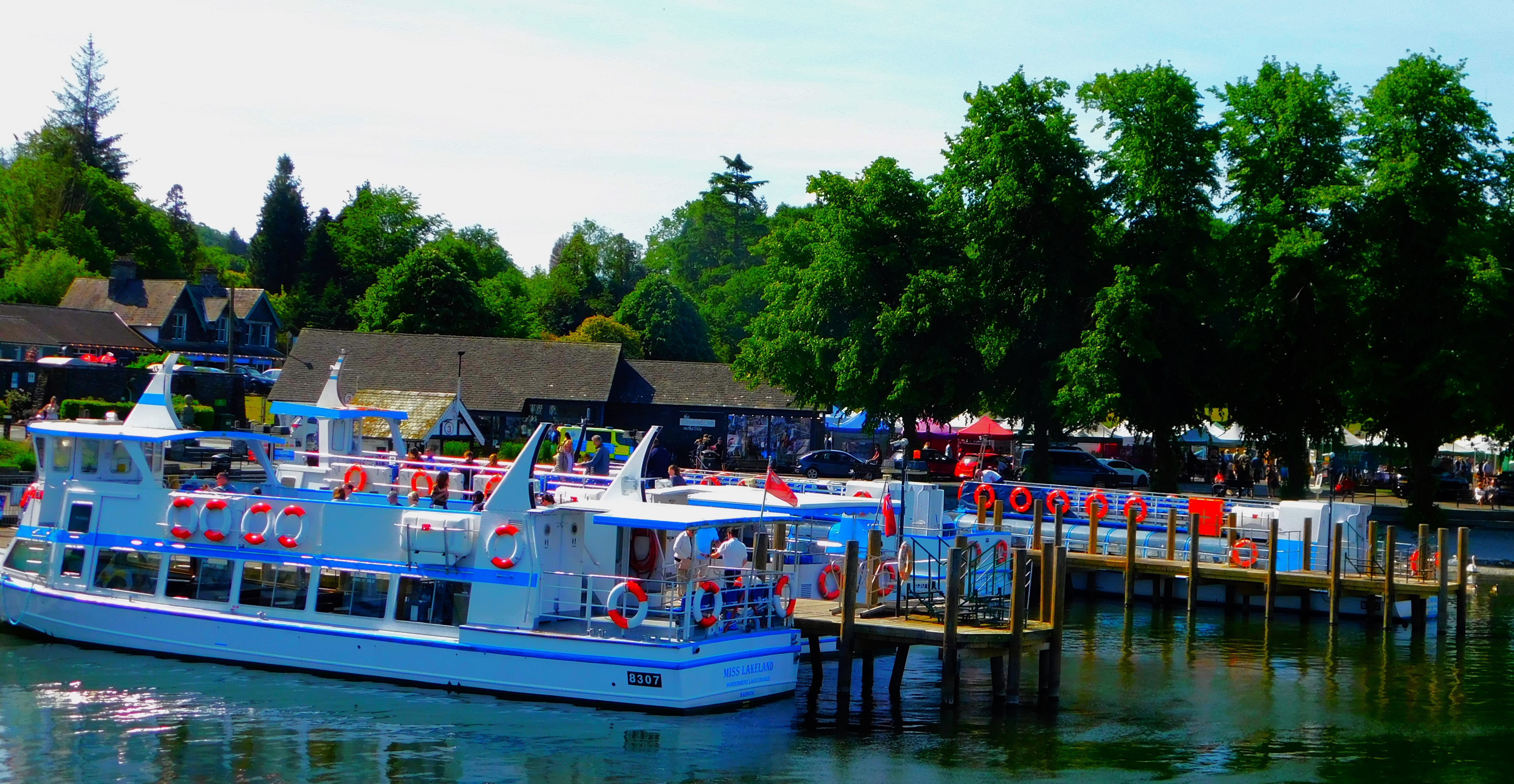
On the Saturday evening we did a small amount of exploring the town, including consuming beers at the bar of the cinema (we had gone the wrong way from the cottage we were staying in, and missed the pubs which we then saw on our walk back). The following day we visited the pier to find out details about lake cruises, and decided to do that on the Monday. We walked round the lakeside as far as a place called Low Wood Bay, a small resort for the seriously well heeled, and got a bus back into Ambleside. After the Monday we took one more boat ride on Tuesday morning, but thereafter focussed our attentions on the excellent bus network as a way to get from place to place. Ambleside Bus Interchange proved very well located for our purposes, a very short walk from the cottage in which we were staying.
PHOTOGRAPHS
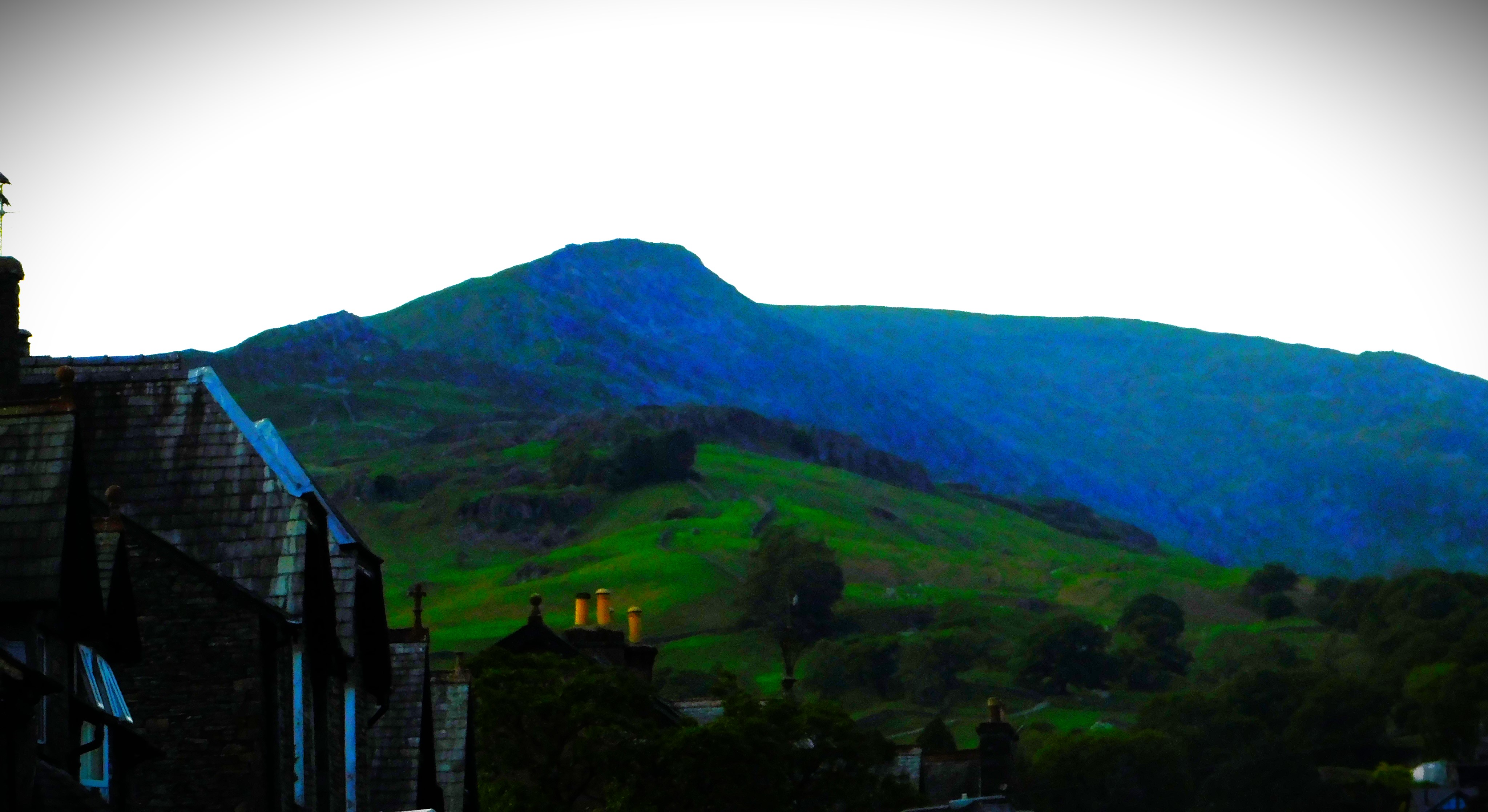
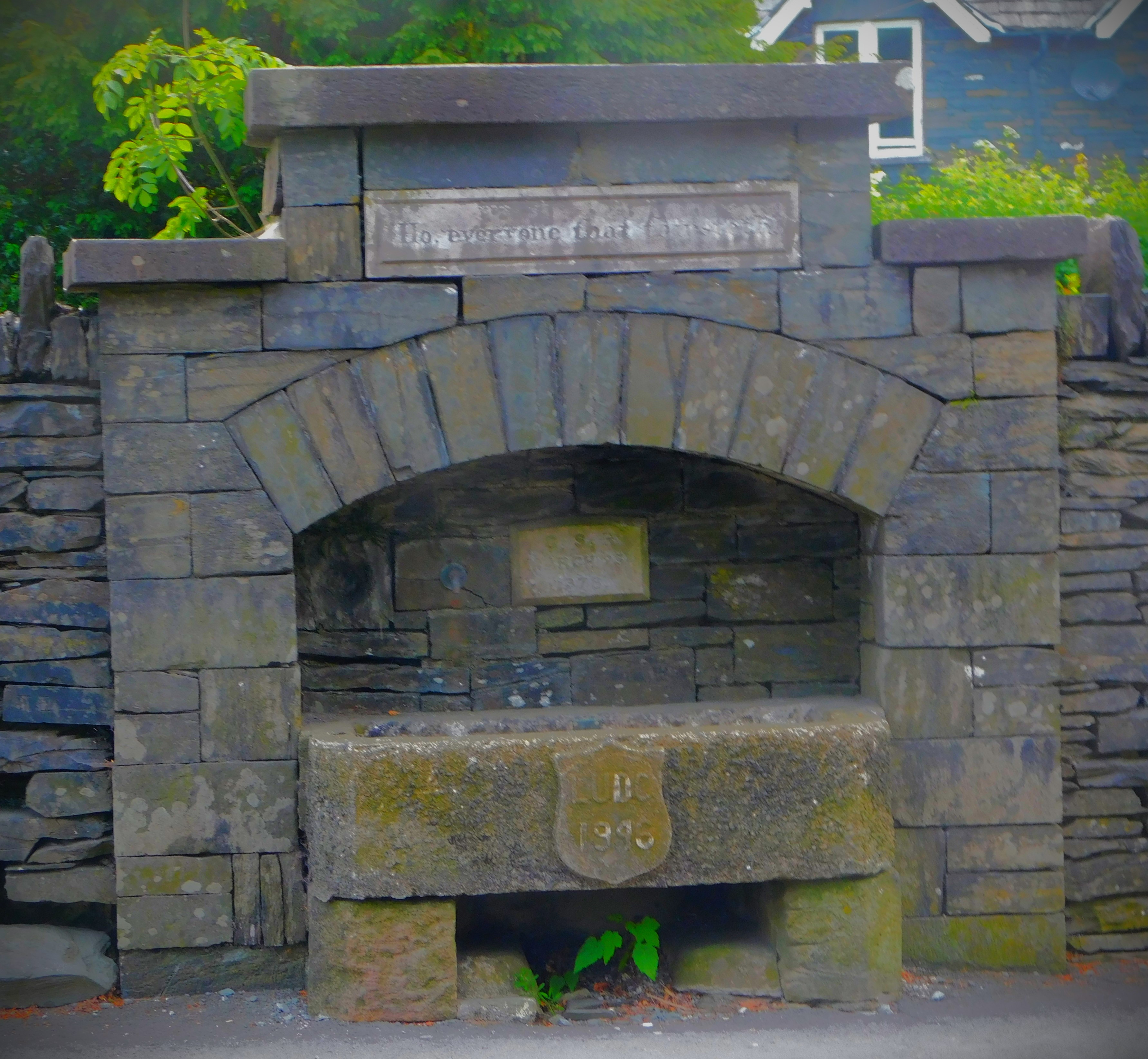
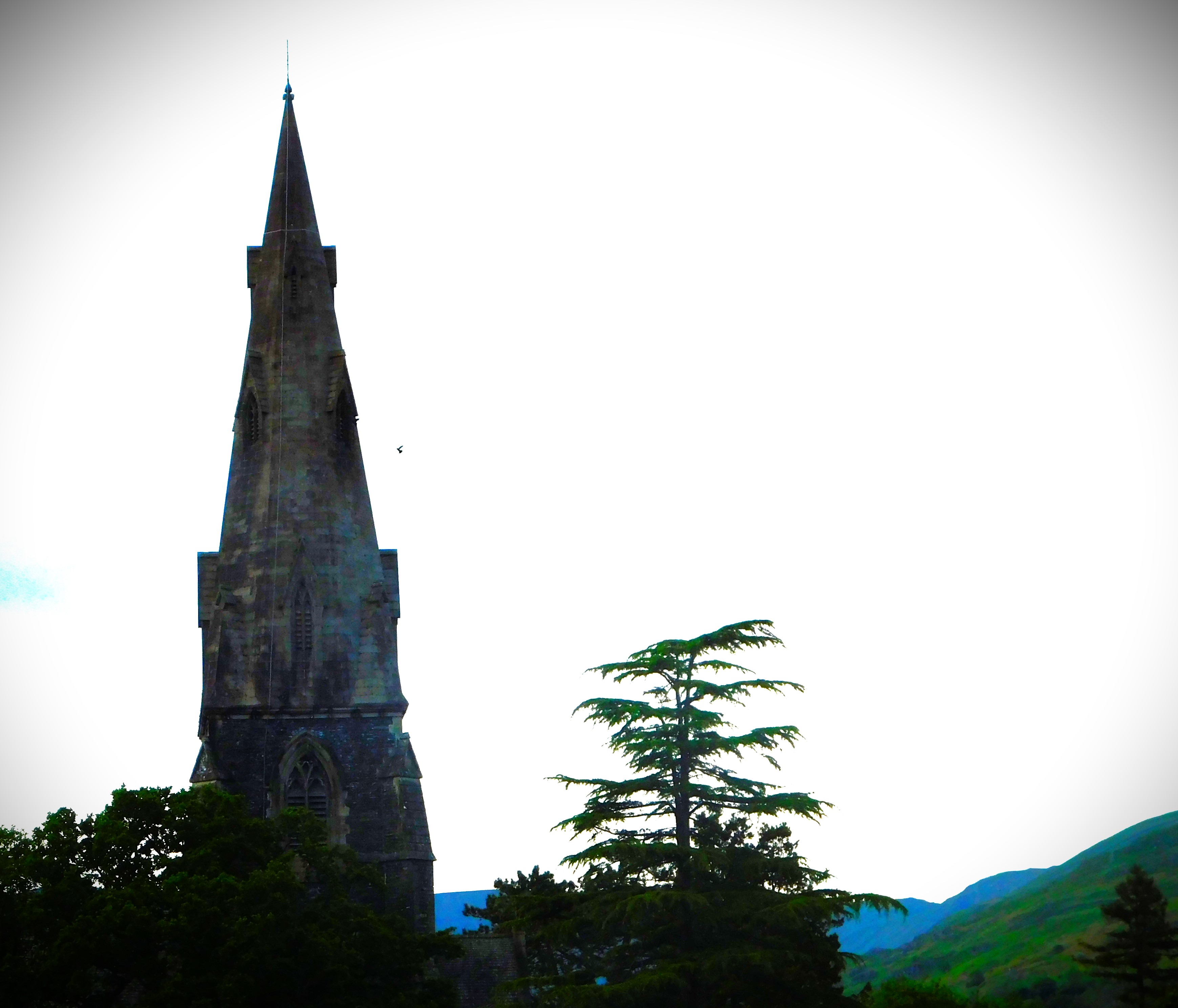
Here are the first set of Ambleside pictures (there will be at least one further pure Ambleside post), which include a few pointers to what else will be coming up later in the series…
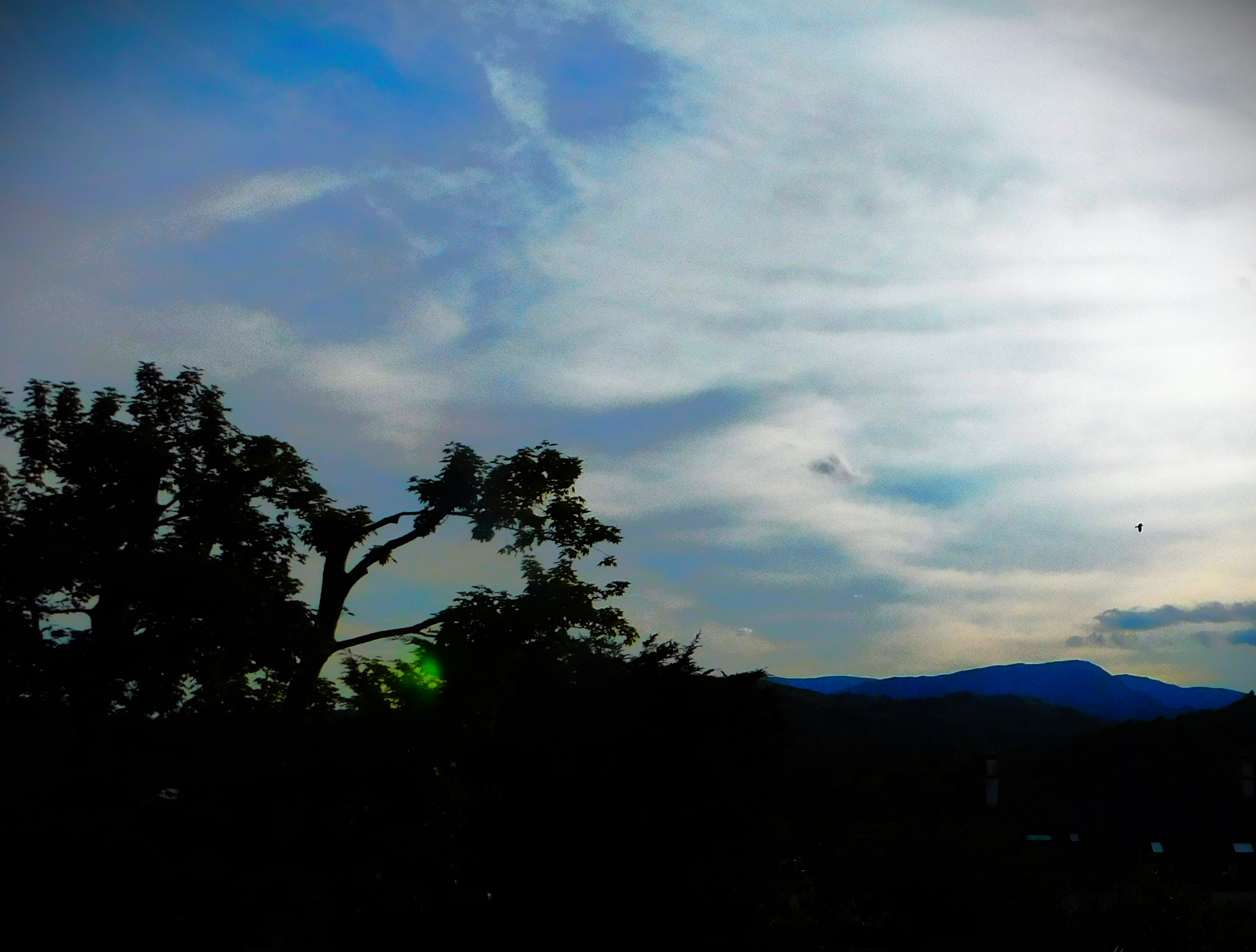
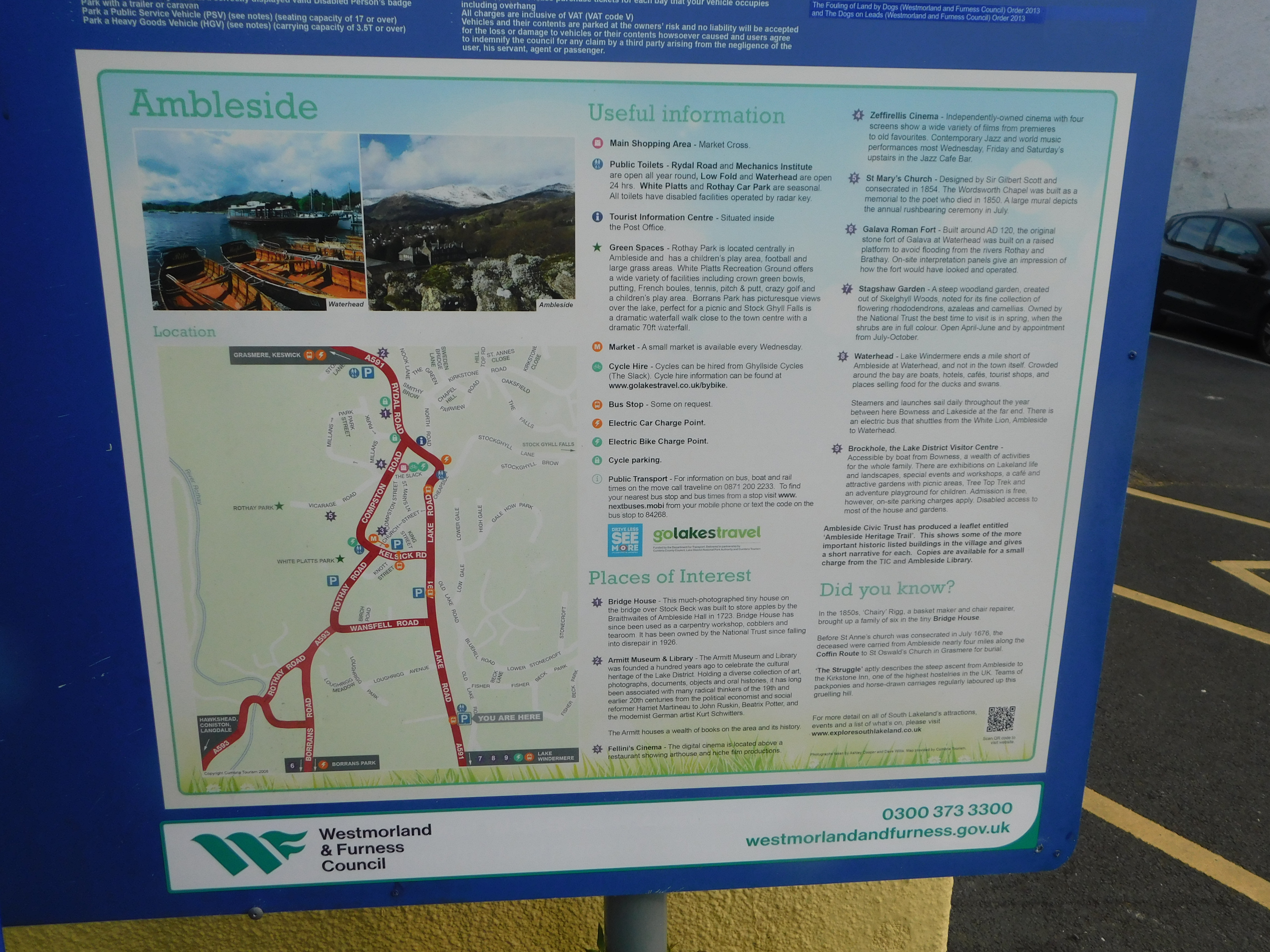
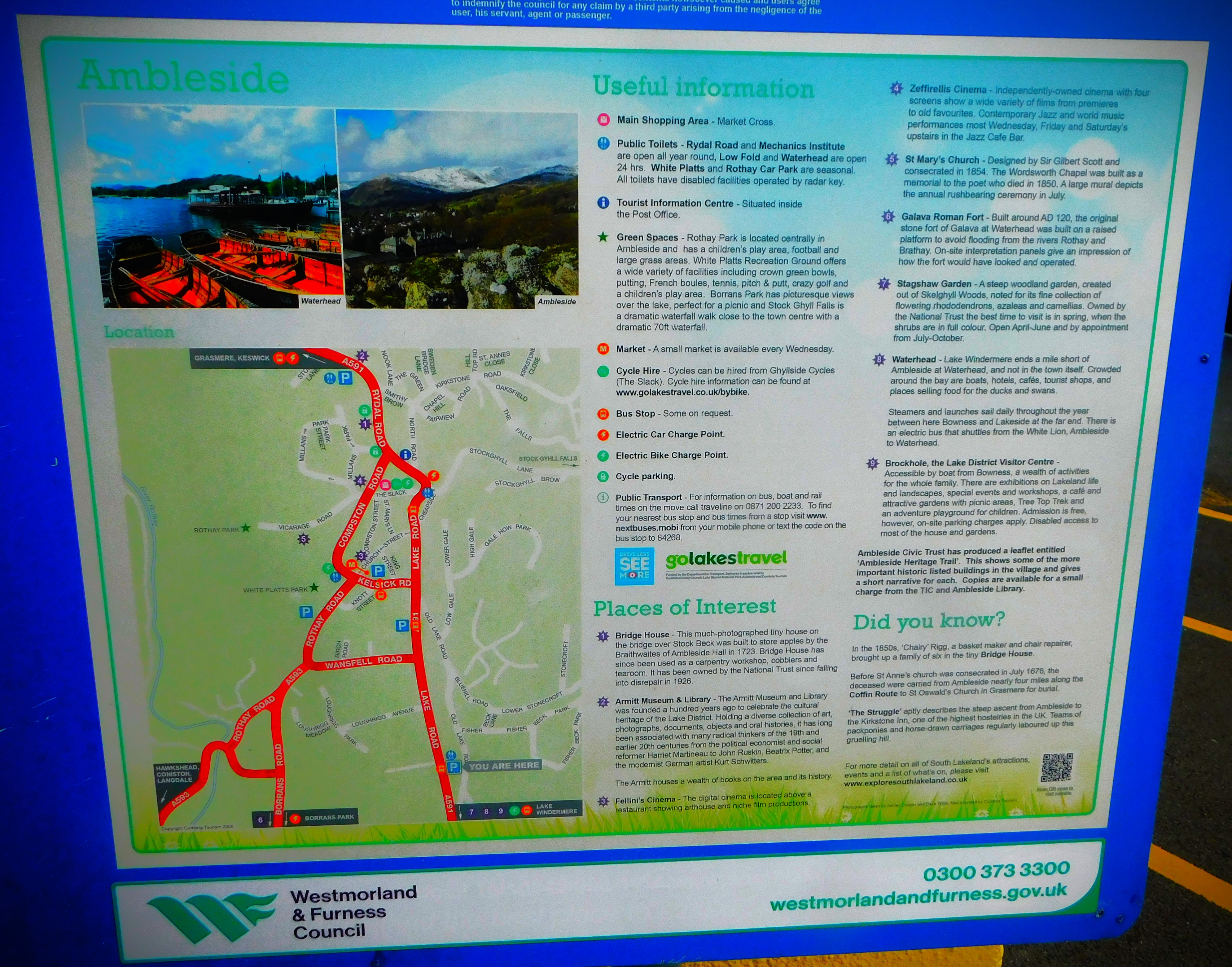
Some hints of what is to come on this blog when I have edited all the pictures I have from my holiday in the Lake District.
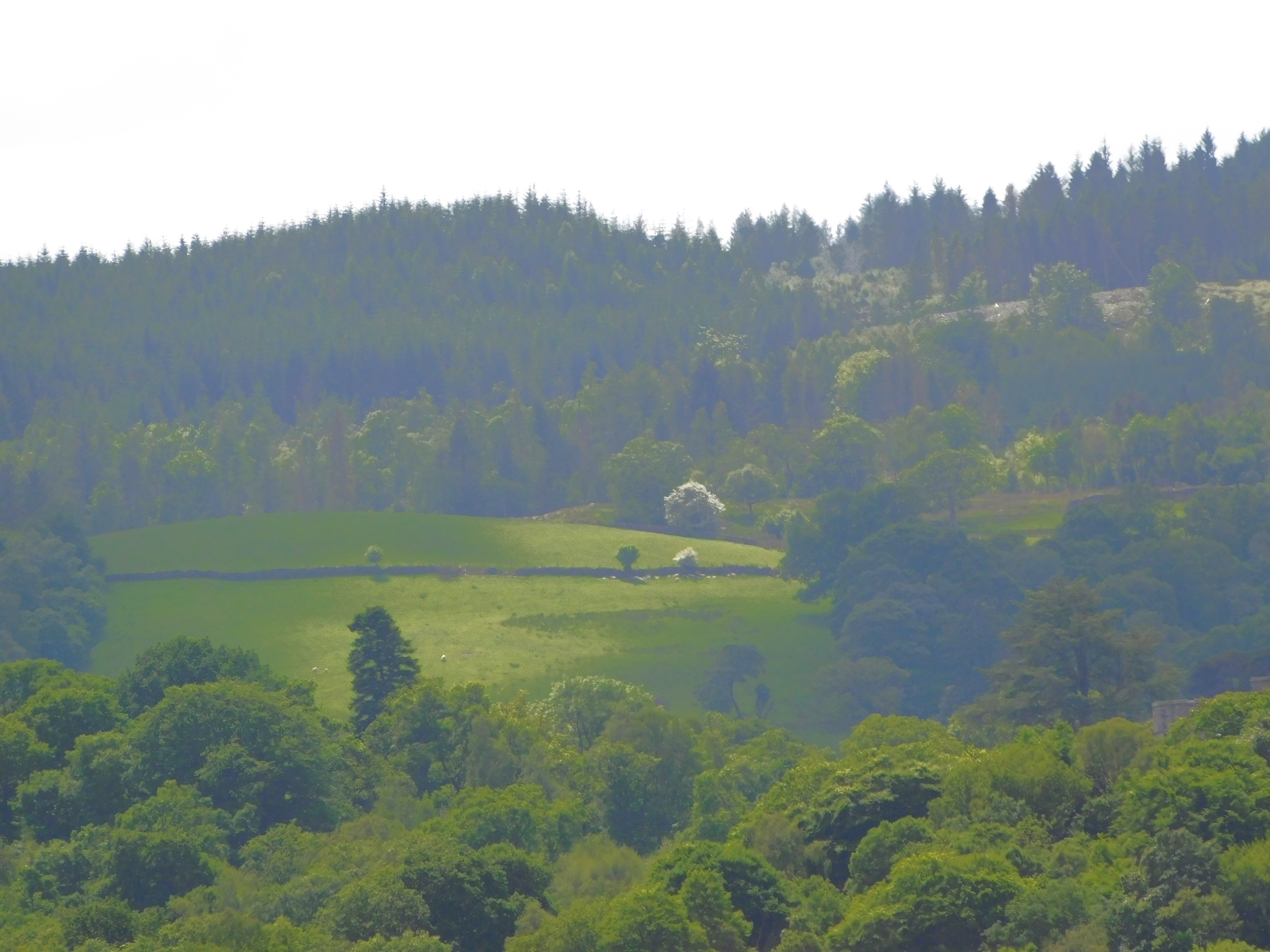
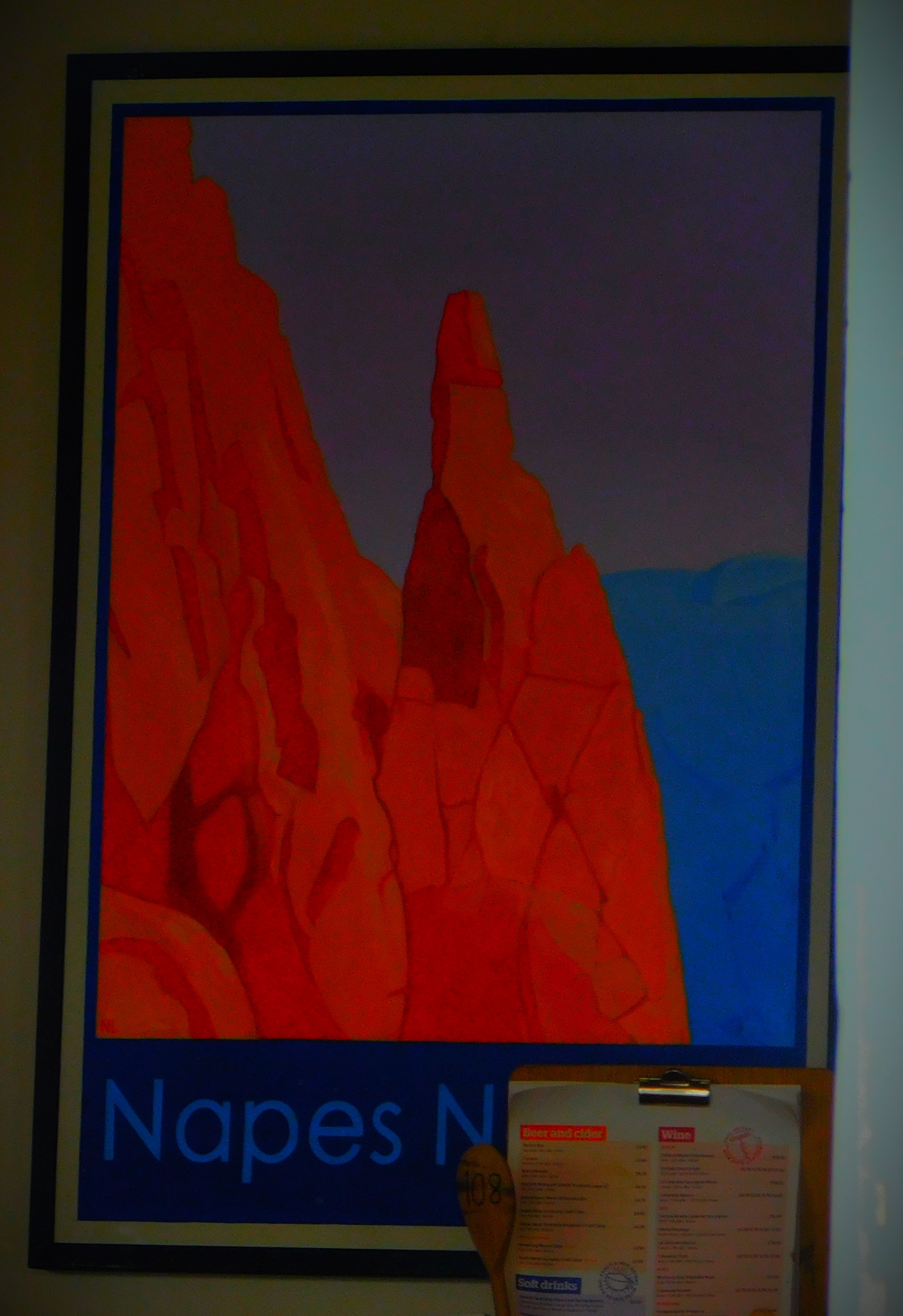
After yesterday’s boat trips around Windermere and today’s visits to Brockholes, Grasmere (“The Grasmere Grudge” for my fellow Tope fans) and Keswick (where in Tope’s lake mysteries series main protagonists Persimmon ‘Simmy’ Brown’s other half Christopher Henderson works as an auctioneer) I have a huge number of images to edit and prep for showing on this blog. However, I though this was a good moment to signpost some of the many forthcoming posts about this holiday.
AMBLESIDE GENERALLY
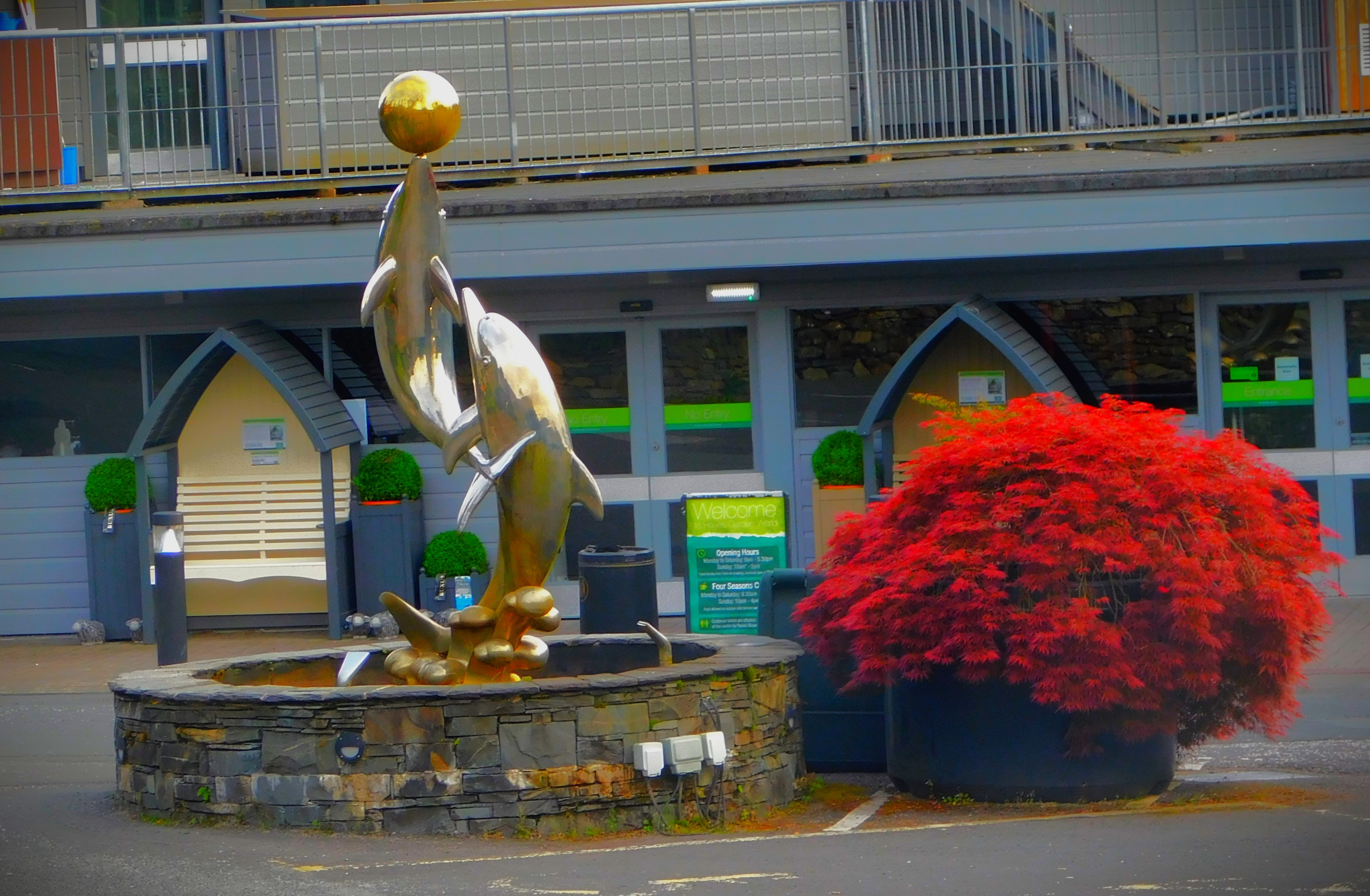
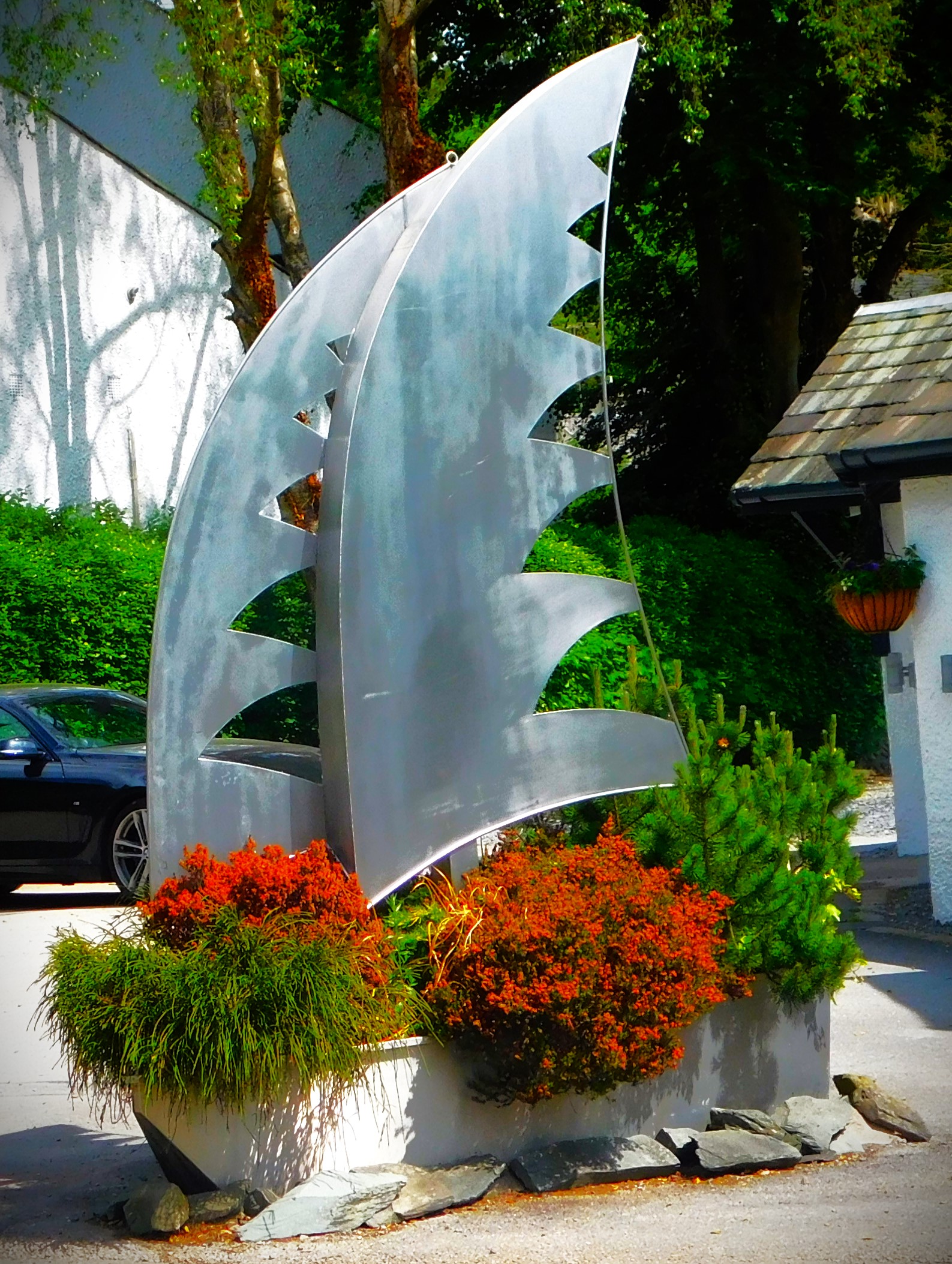
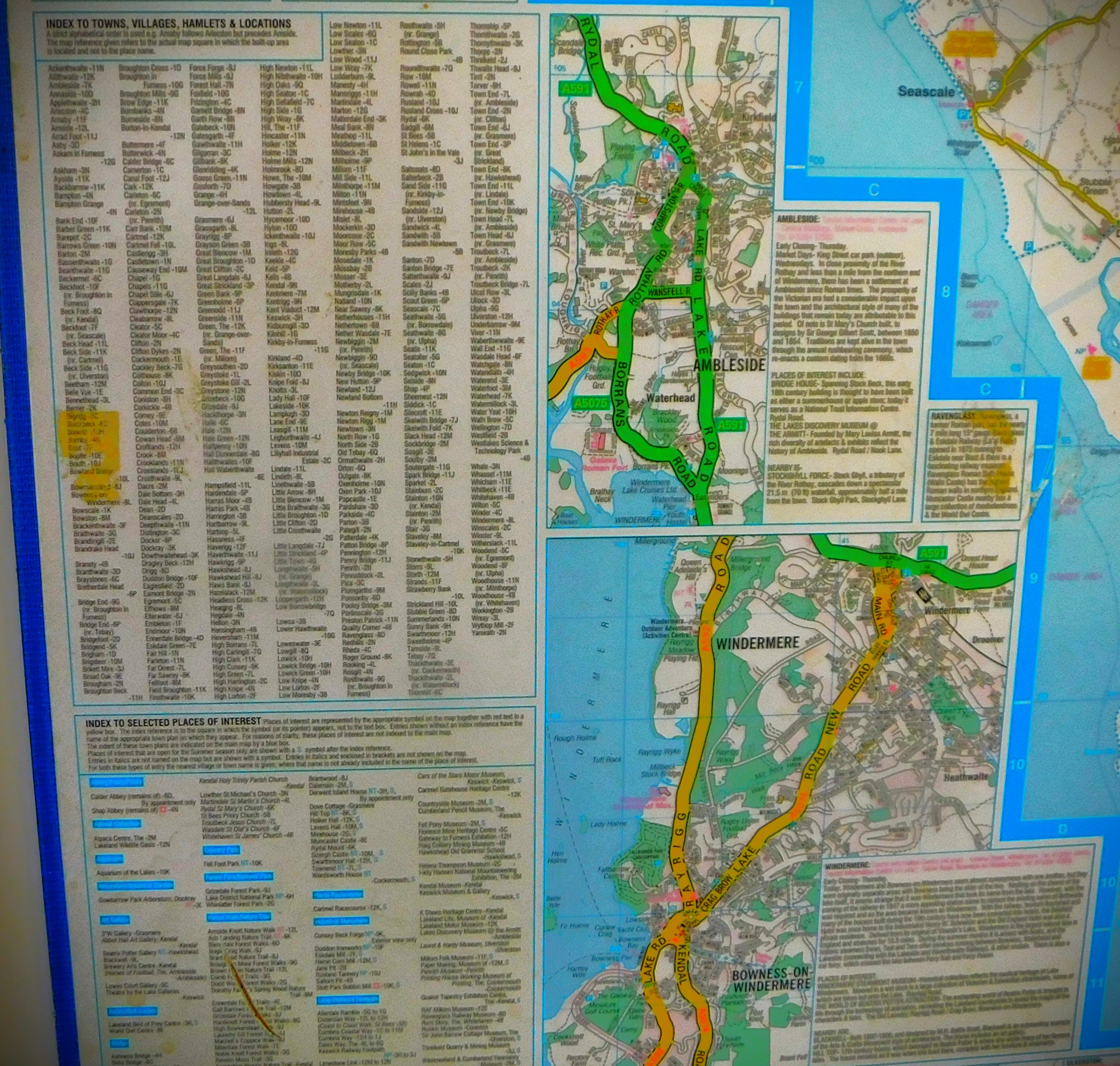
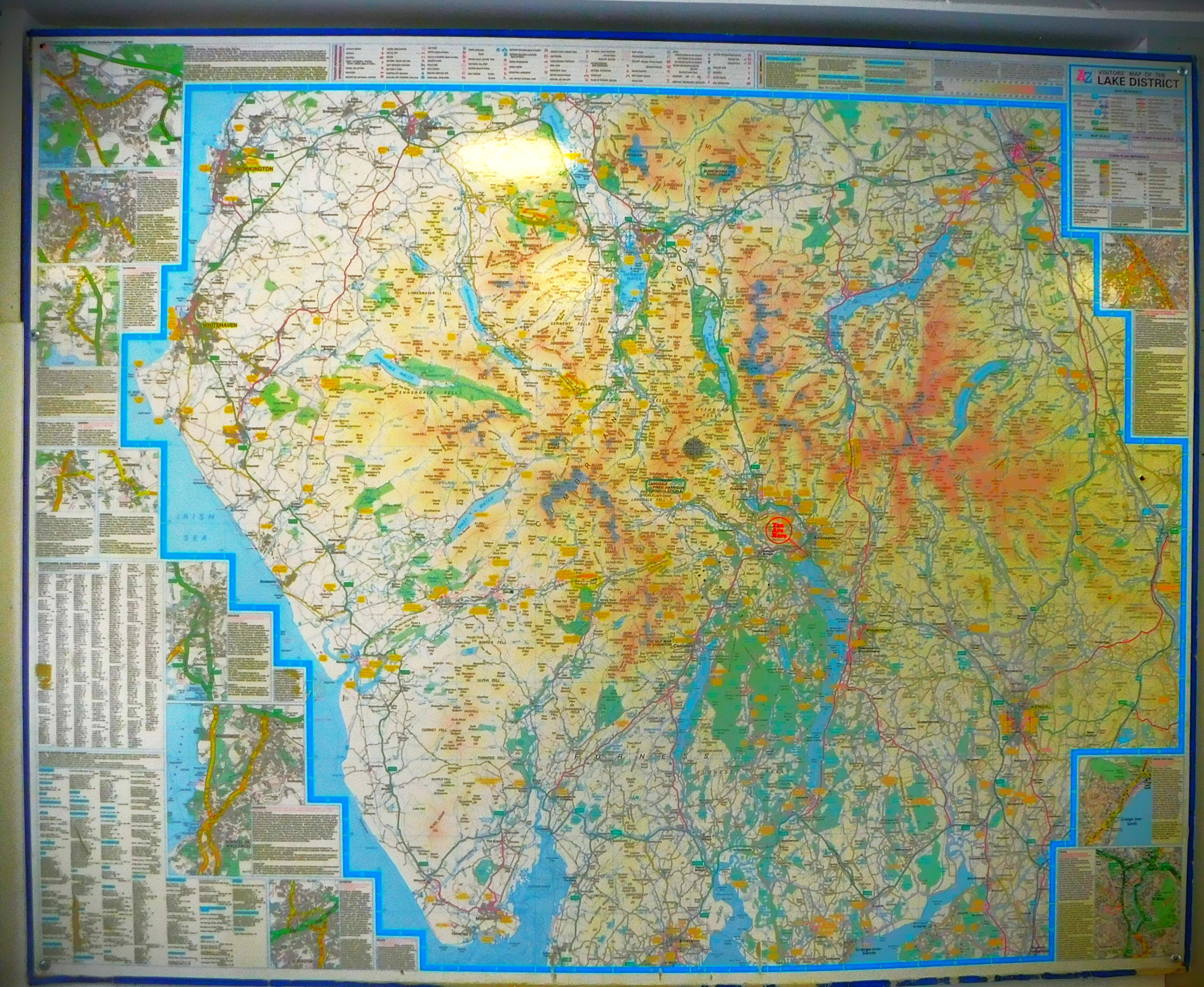
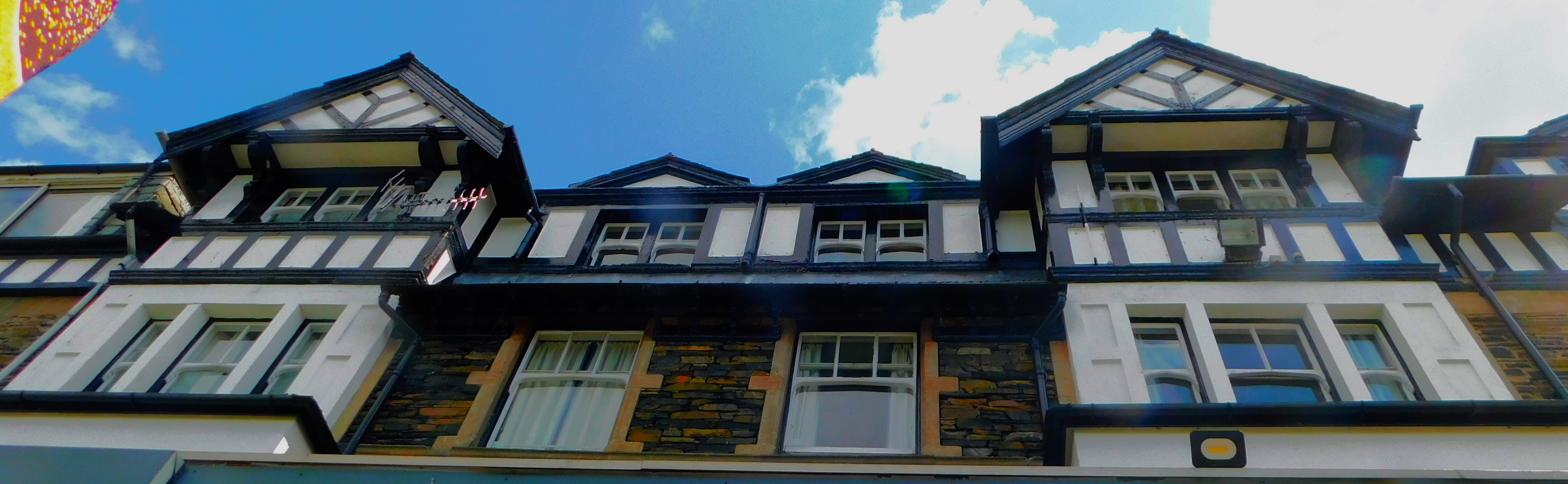
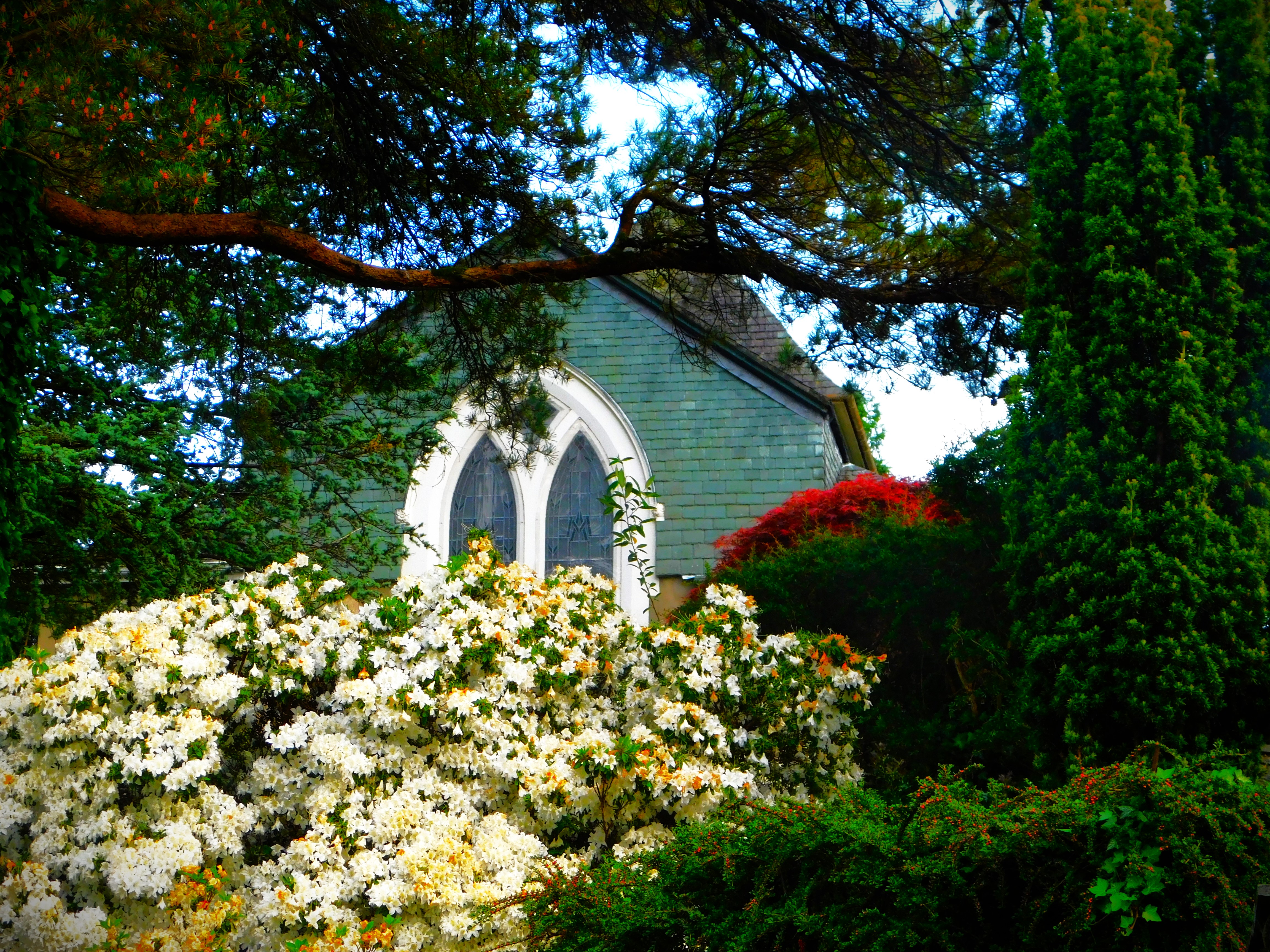
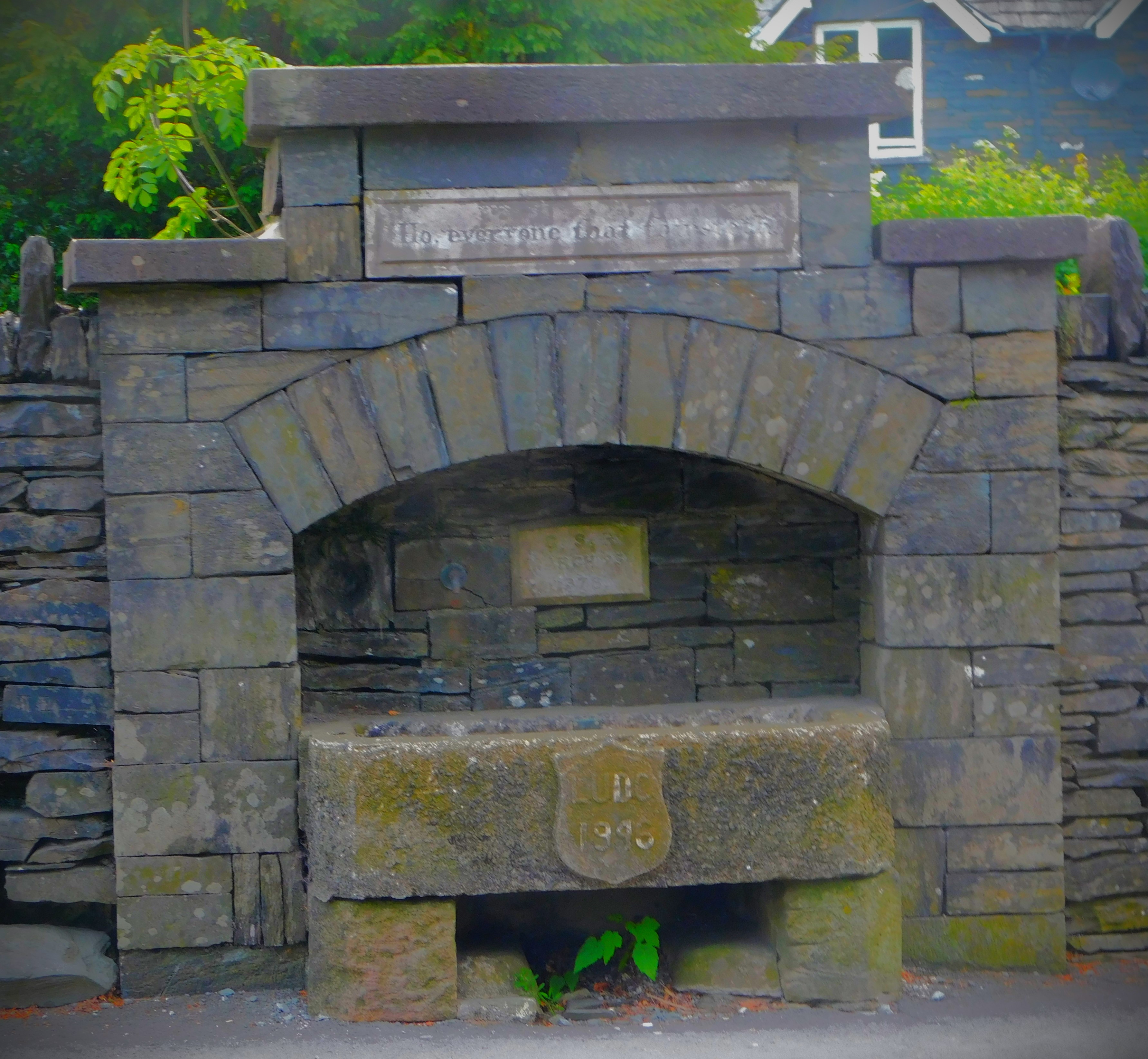
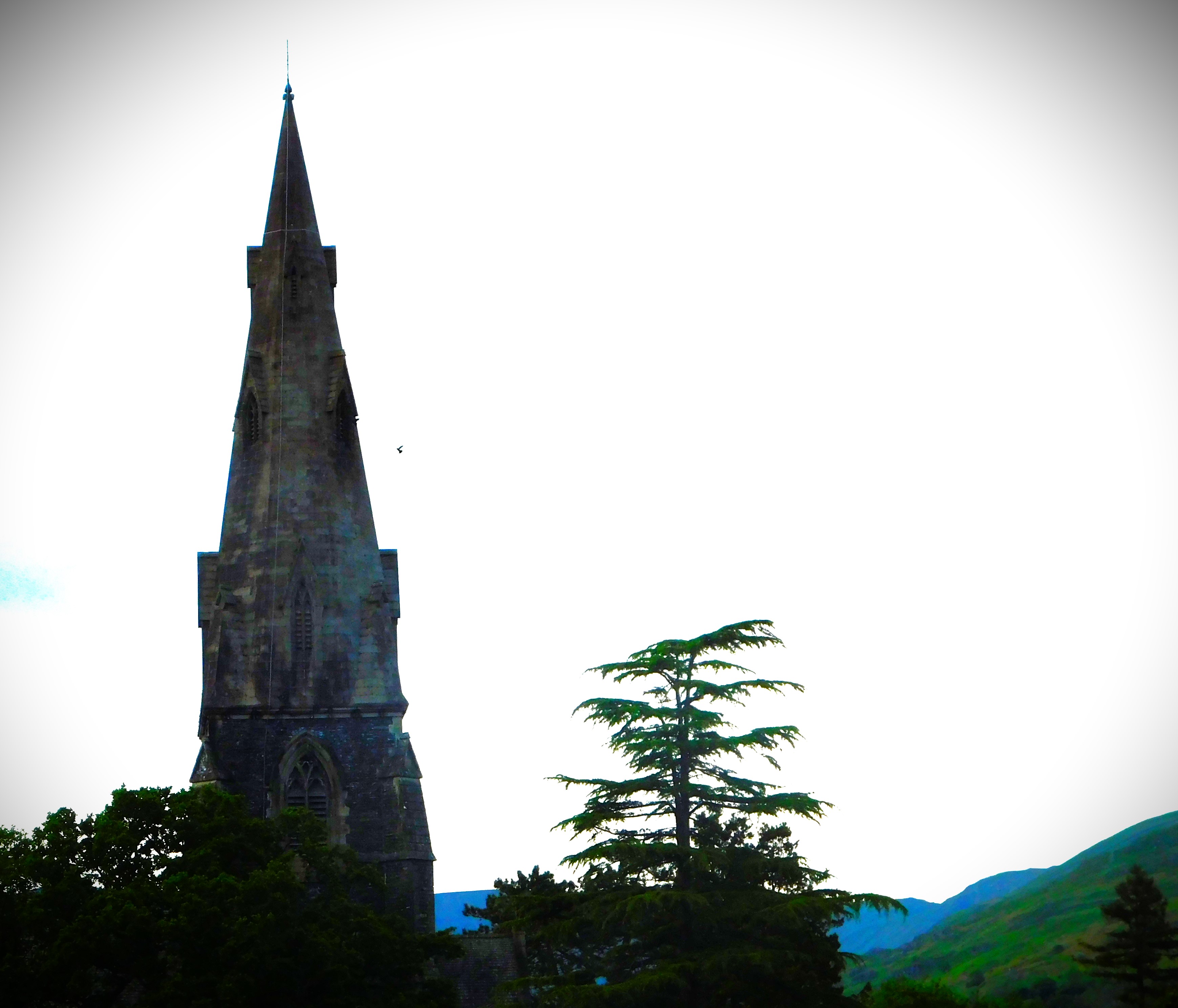
Ambleside is a fine little town in its own right, and since every trip starts with a walk to some part of Ambleside or other (my parents car has remained parked just below the cottage in which we are staying since our arrival on Saturday and will do so until Thursday morning when my journey home begins) opportunities for taking photographs in and around Ambleside have abounded.
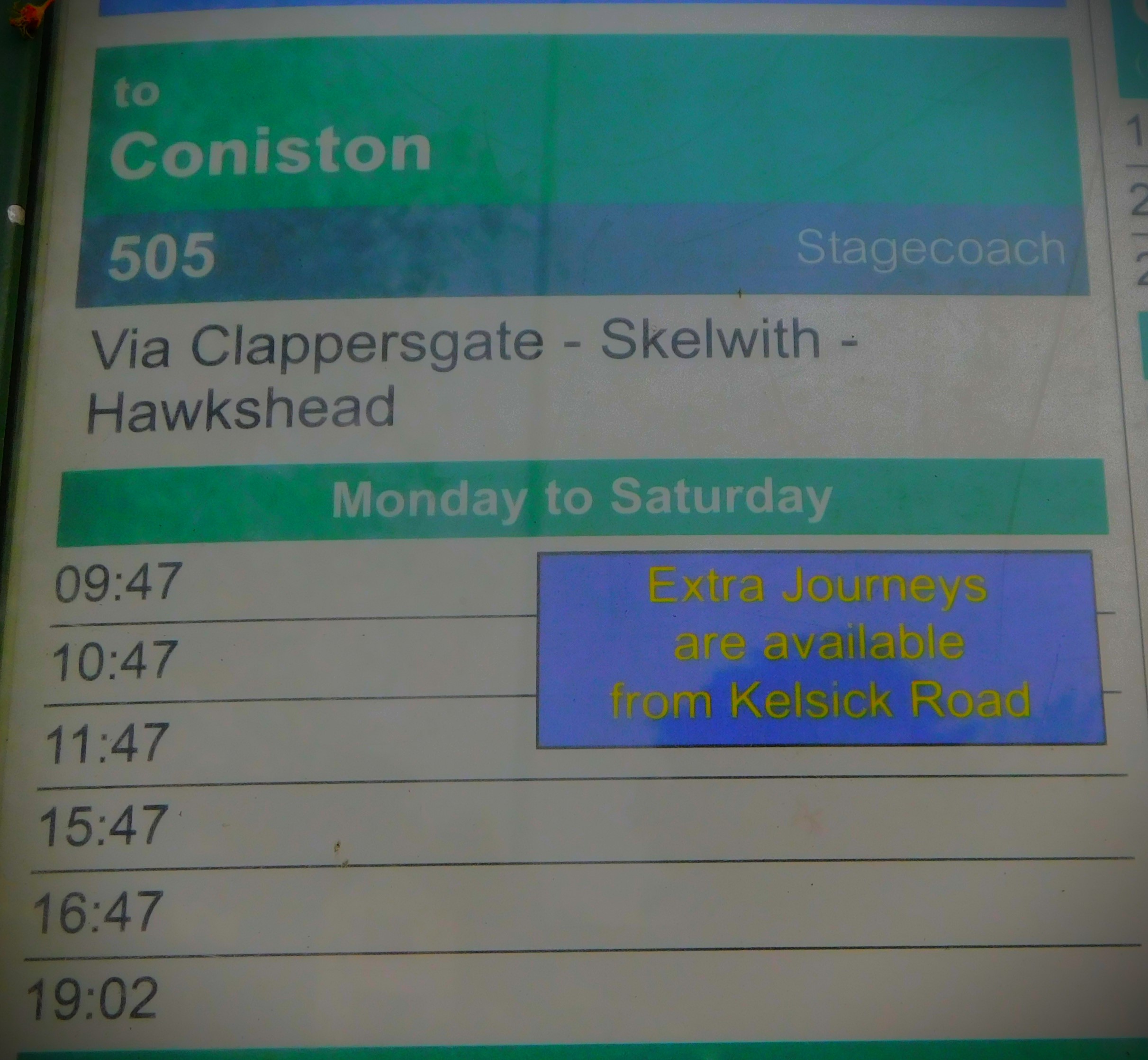
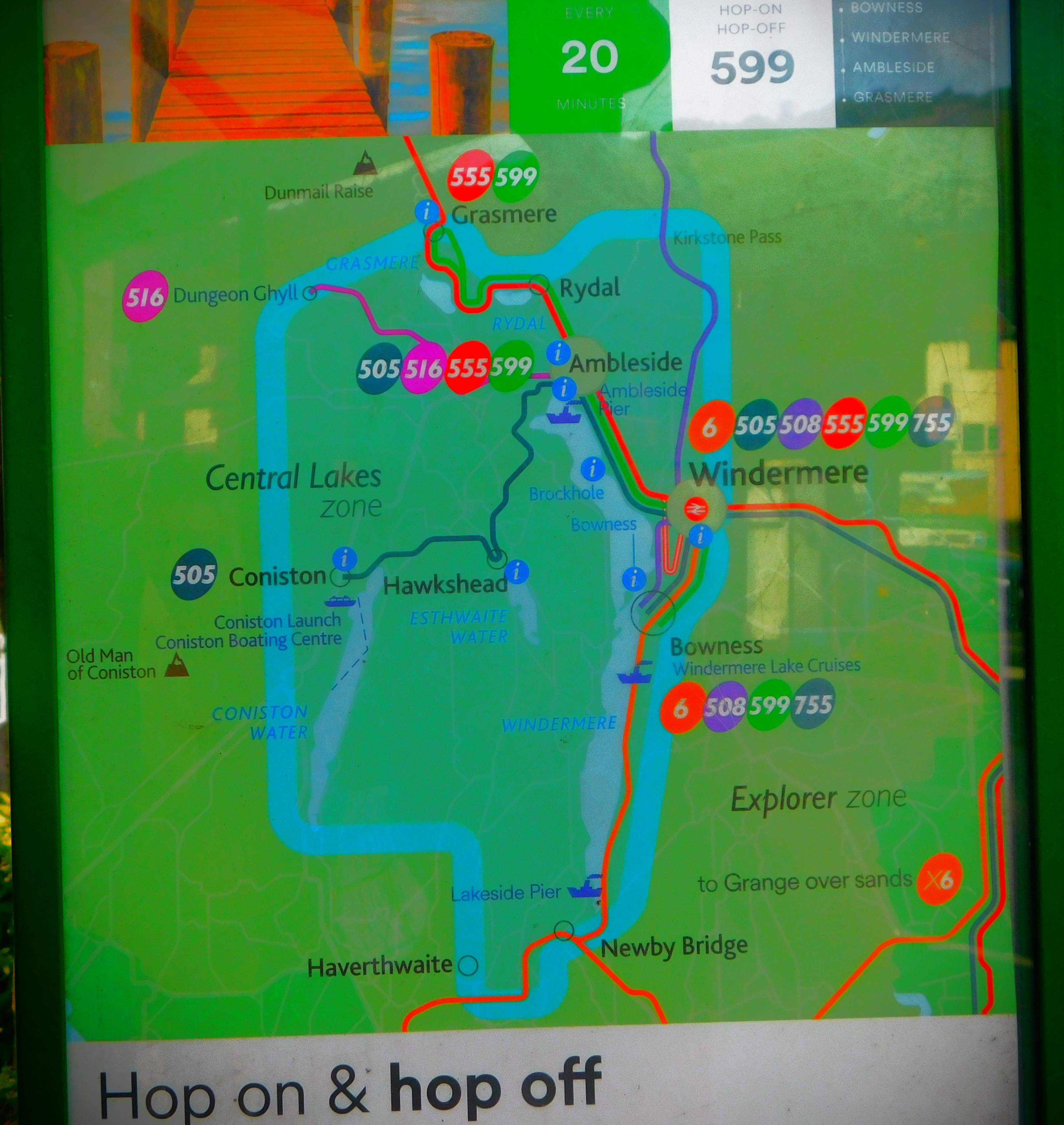
A clue as to why the car is not needed once one has arrived in Ambleside – services are frequent.
ON WINDERMERE
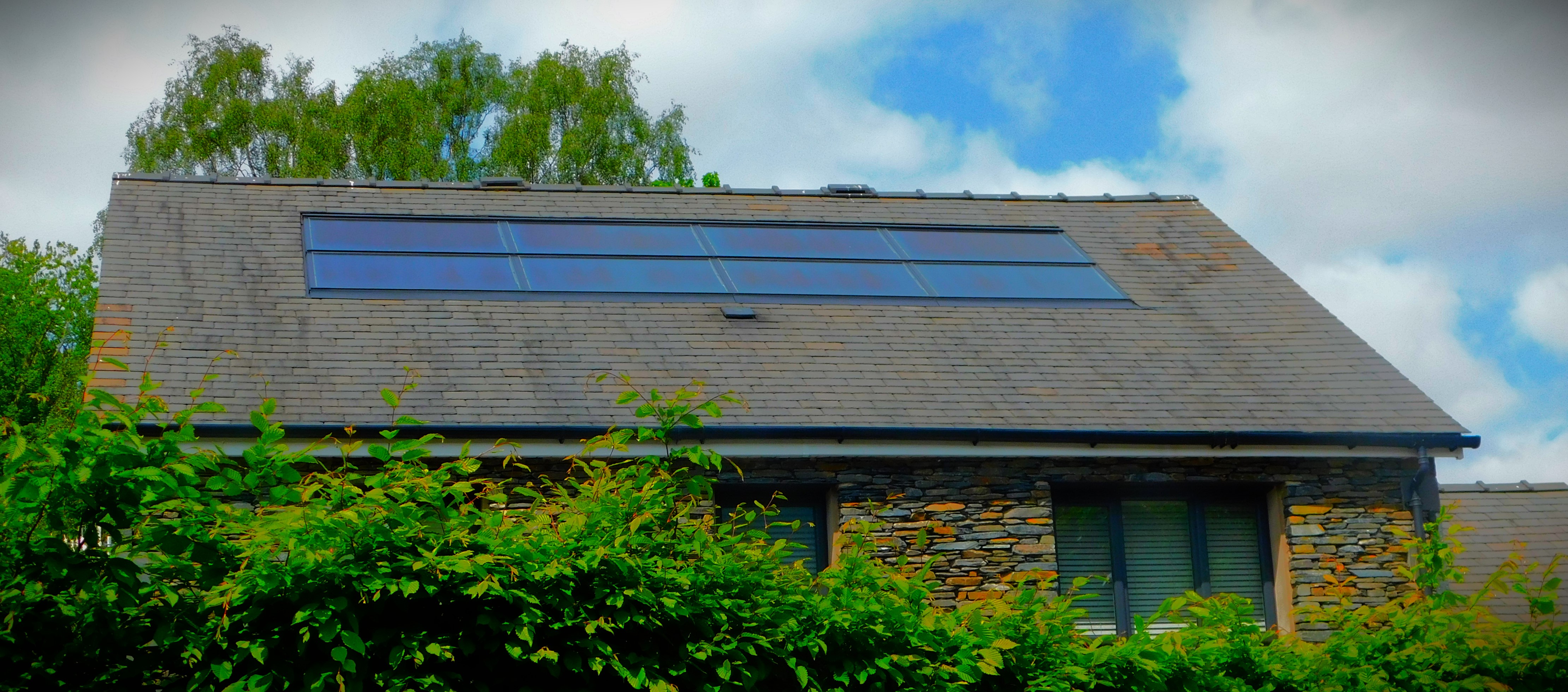
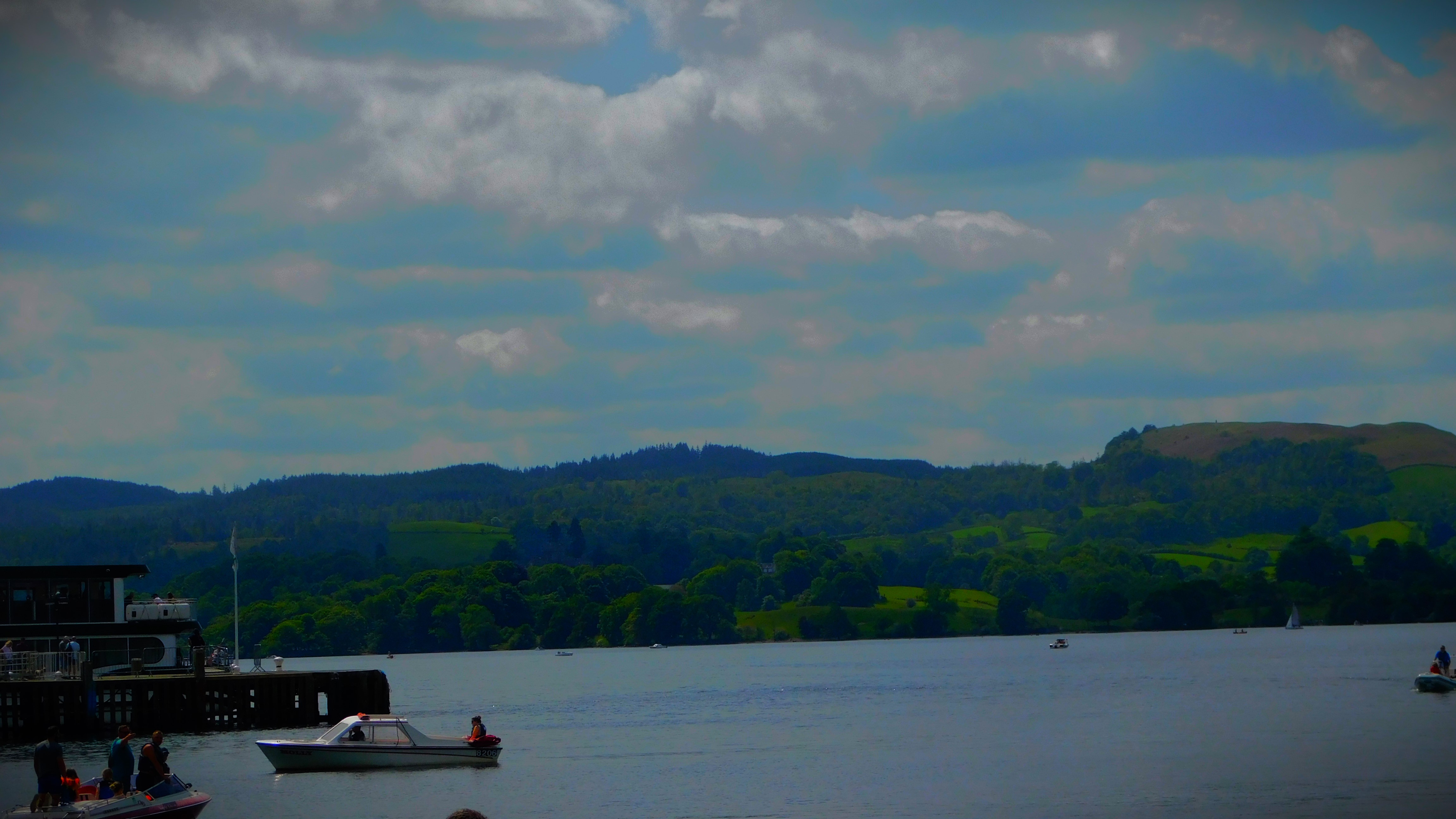
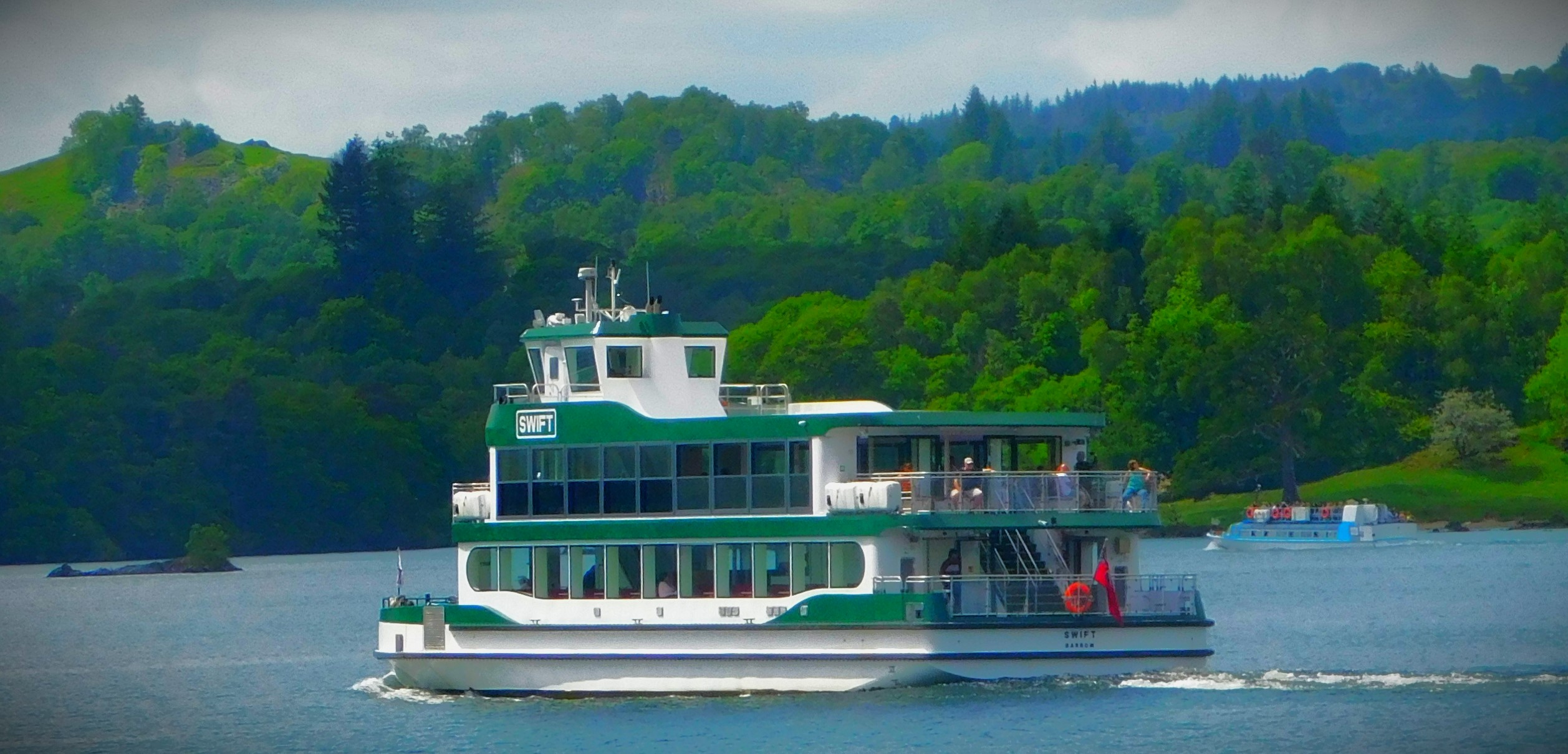
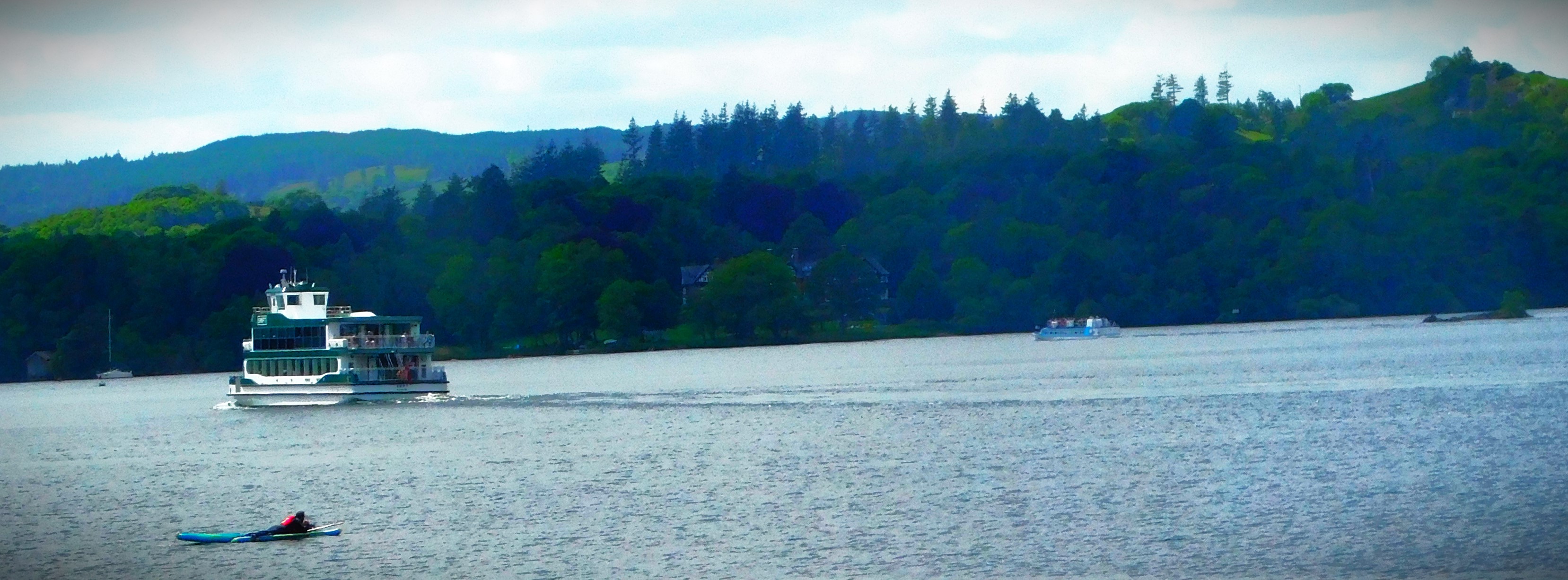
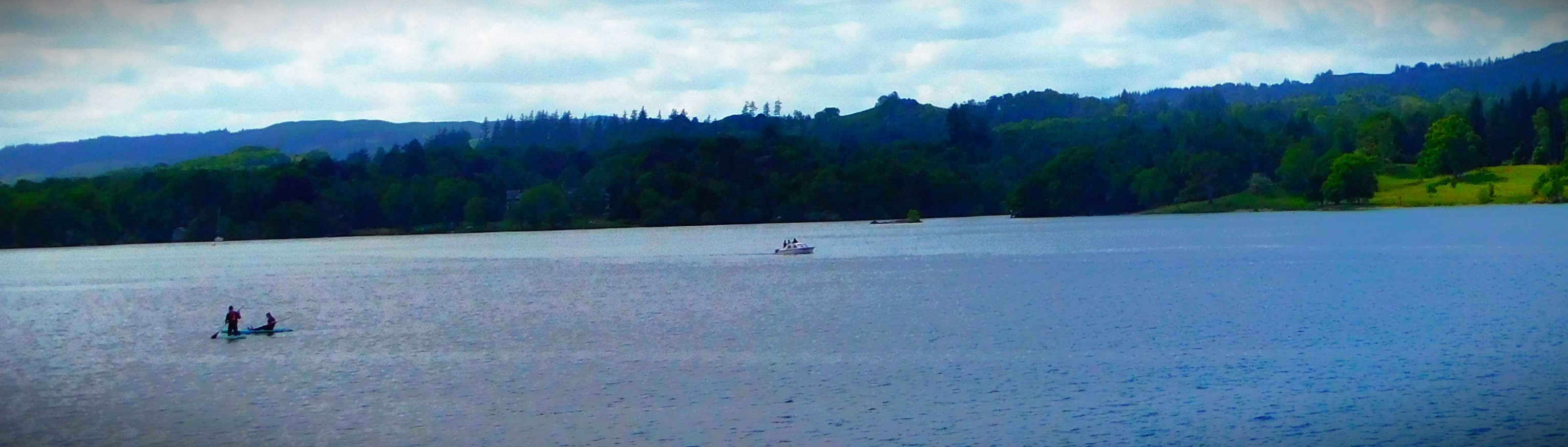
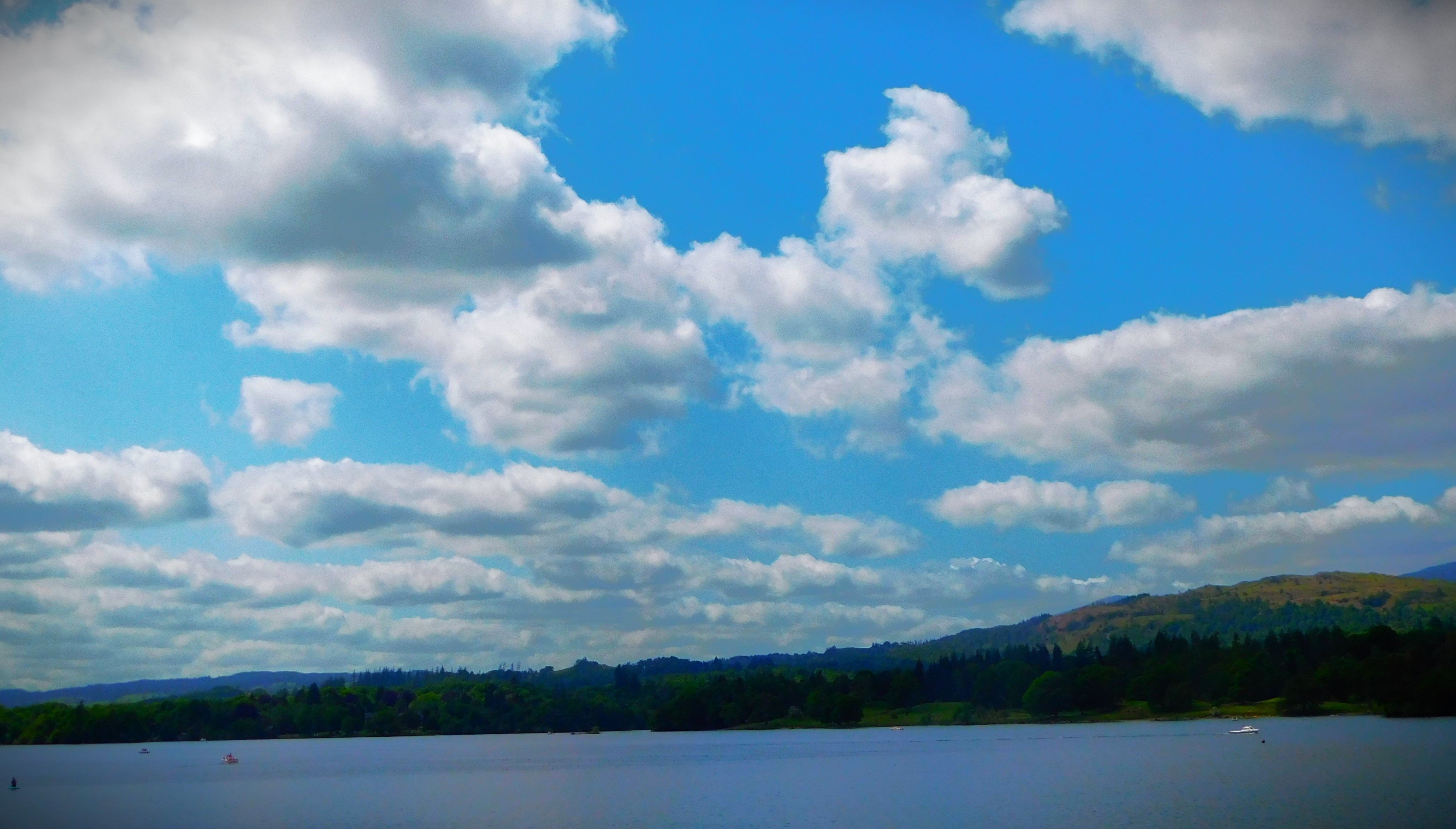
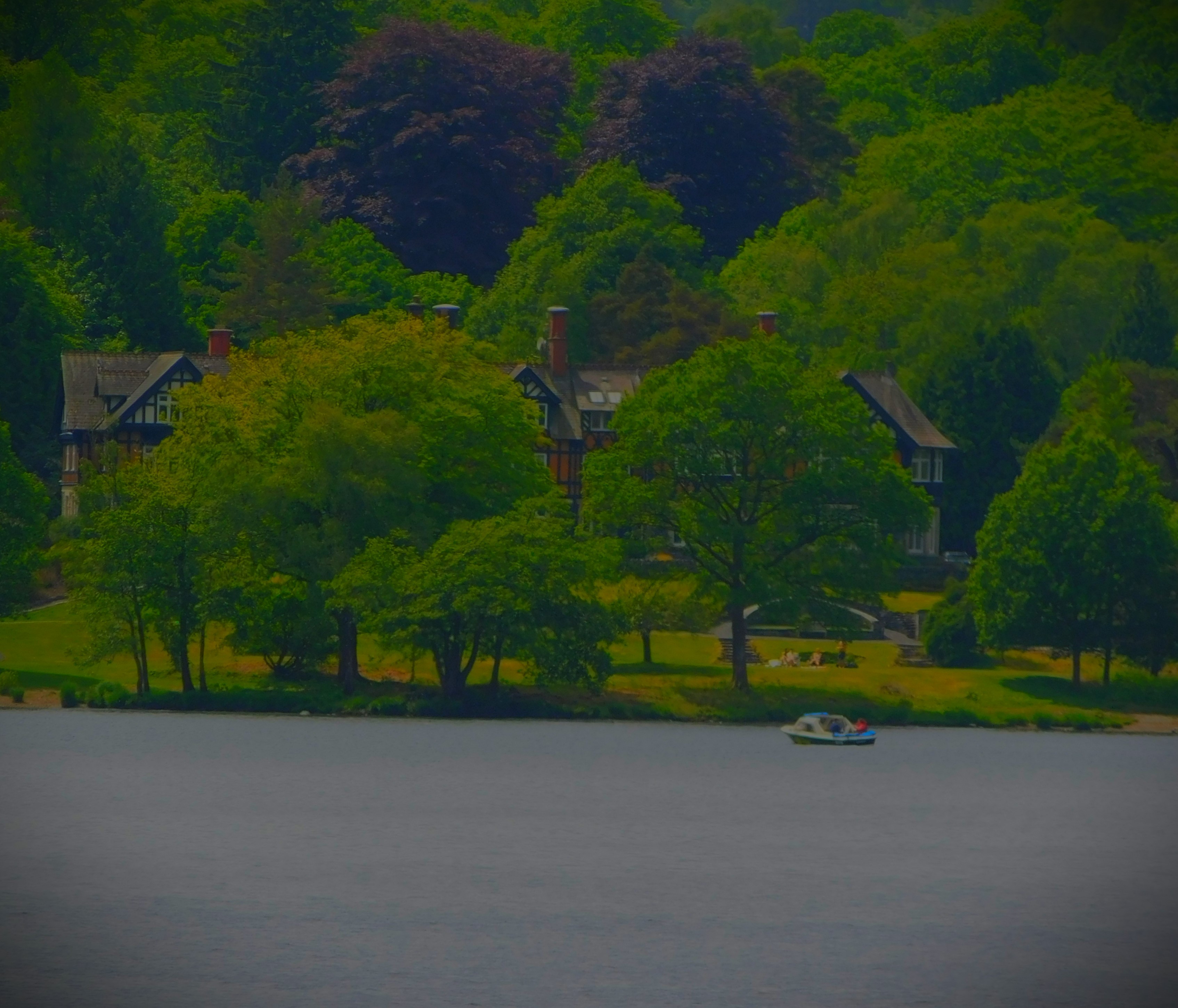
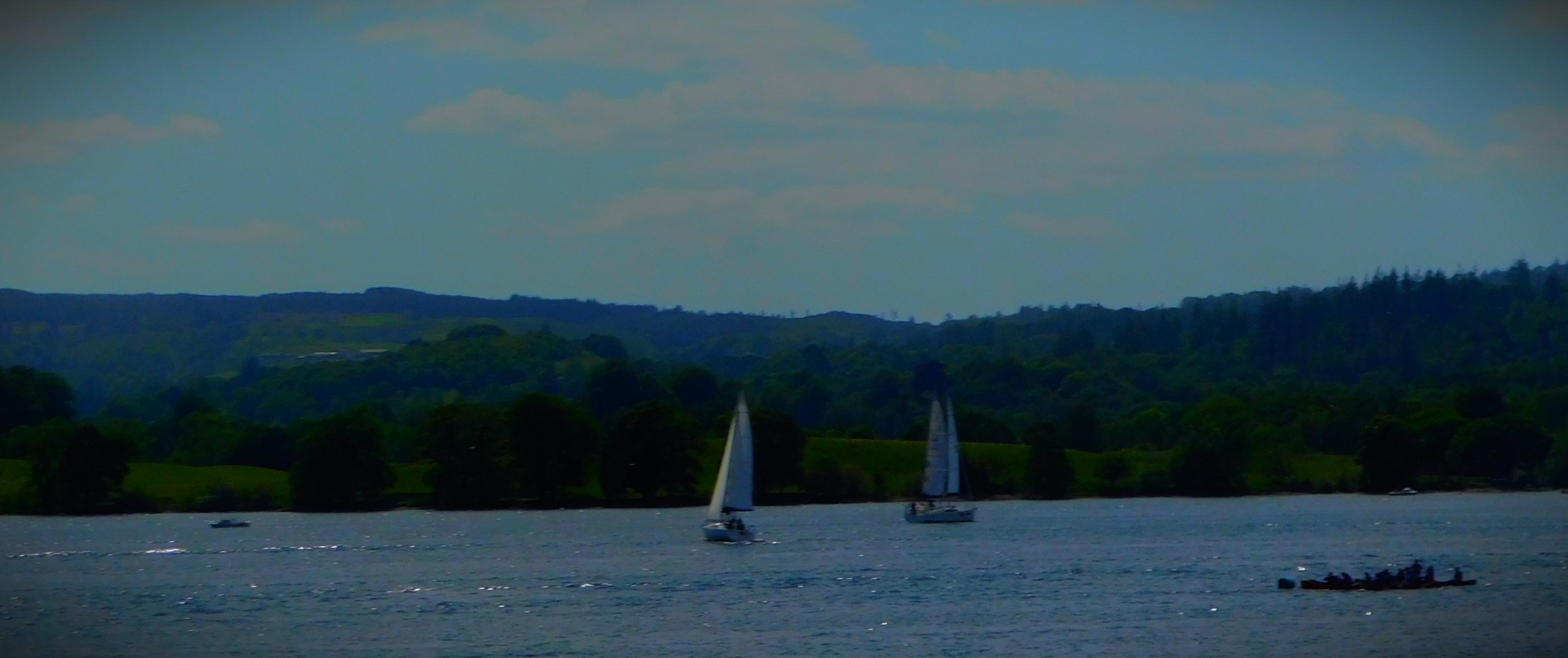
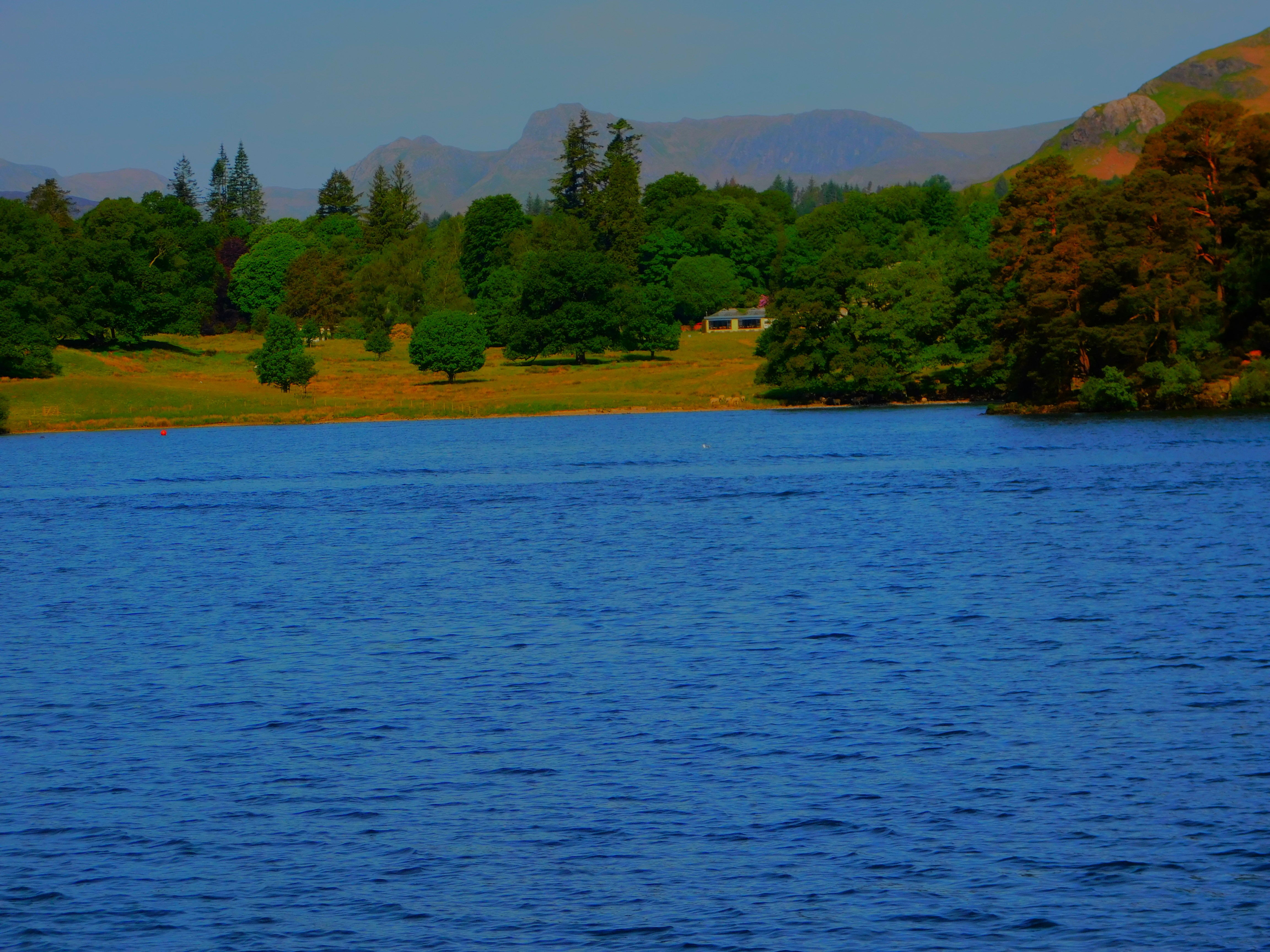
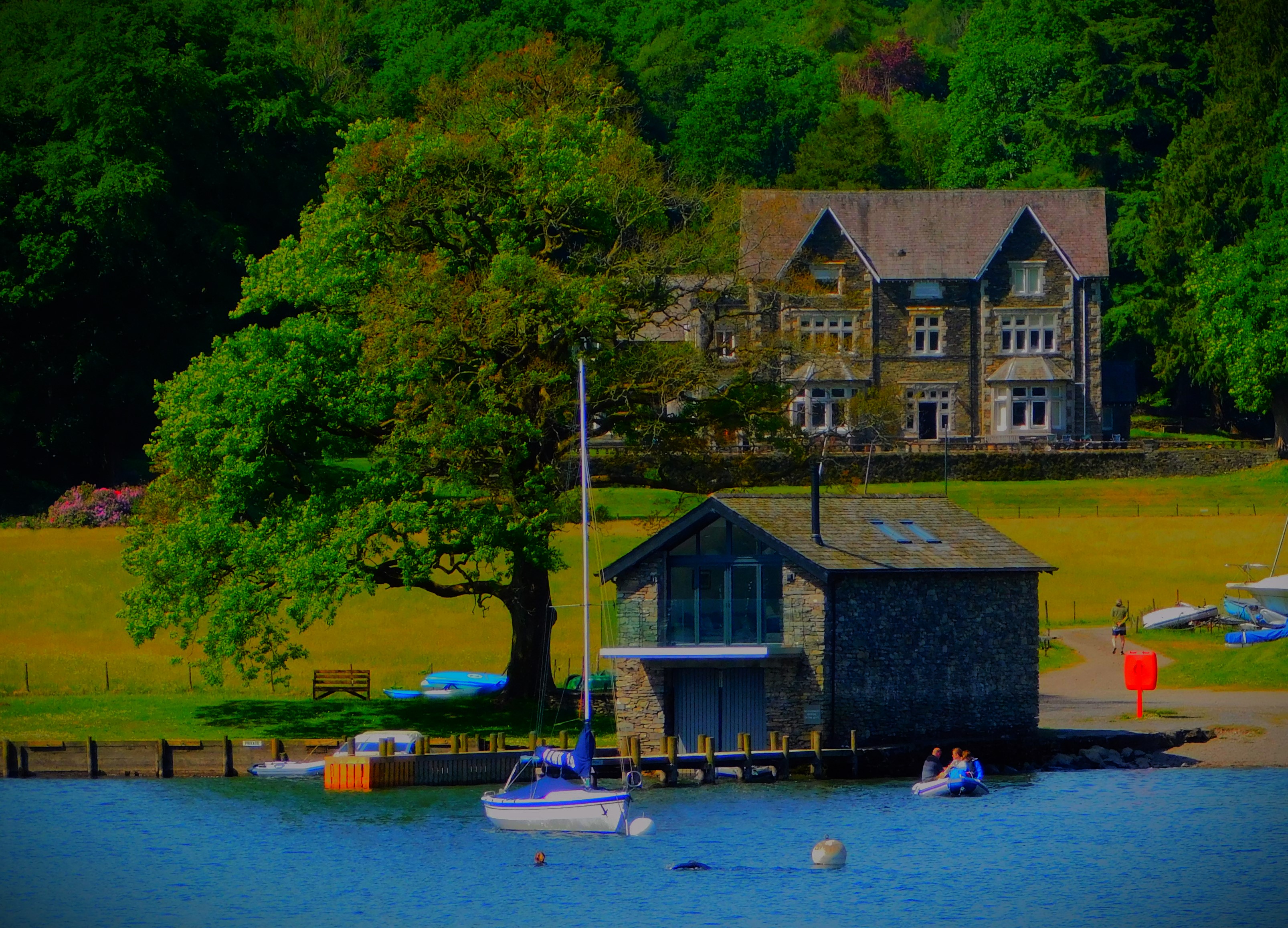
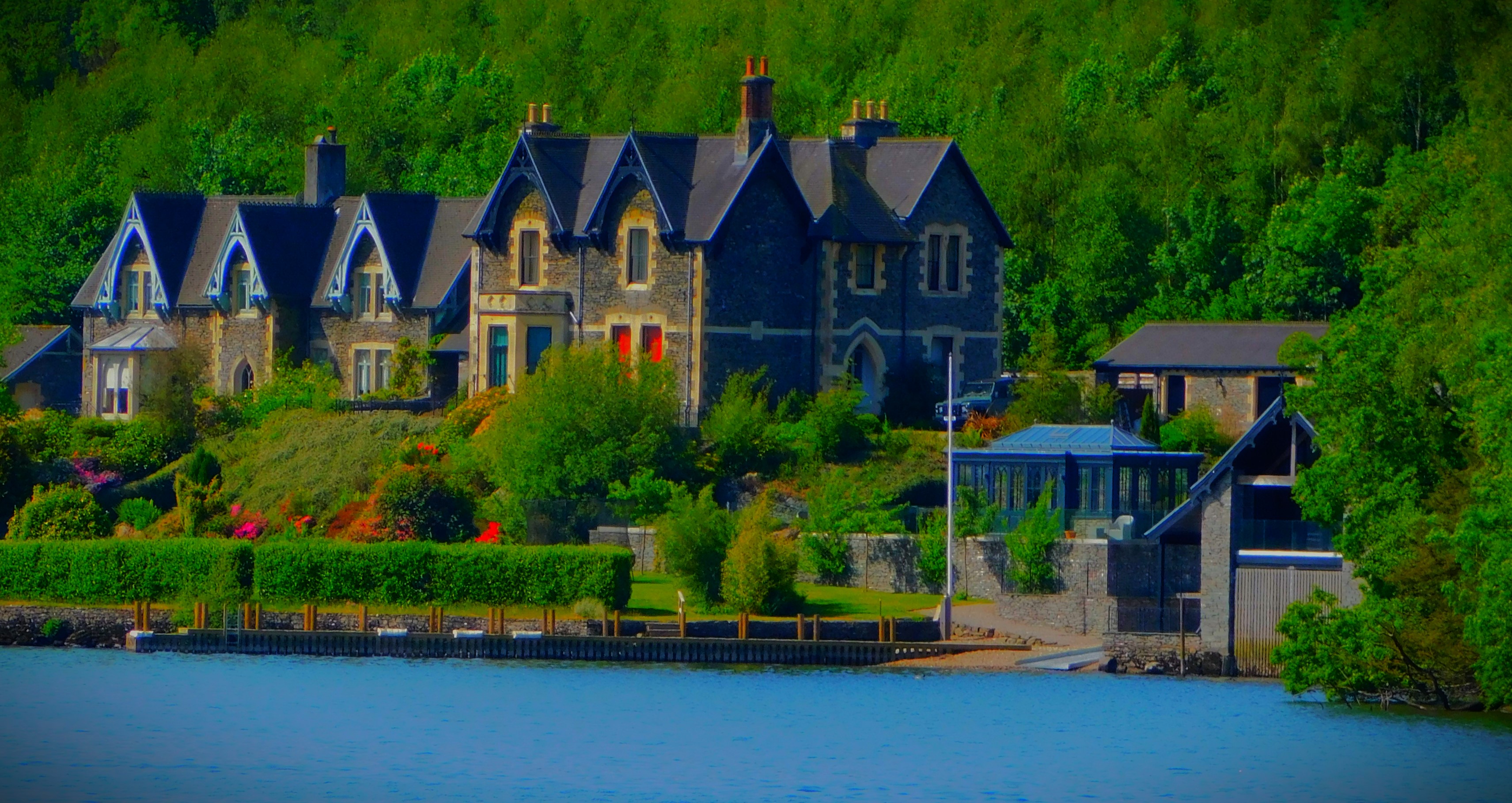
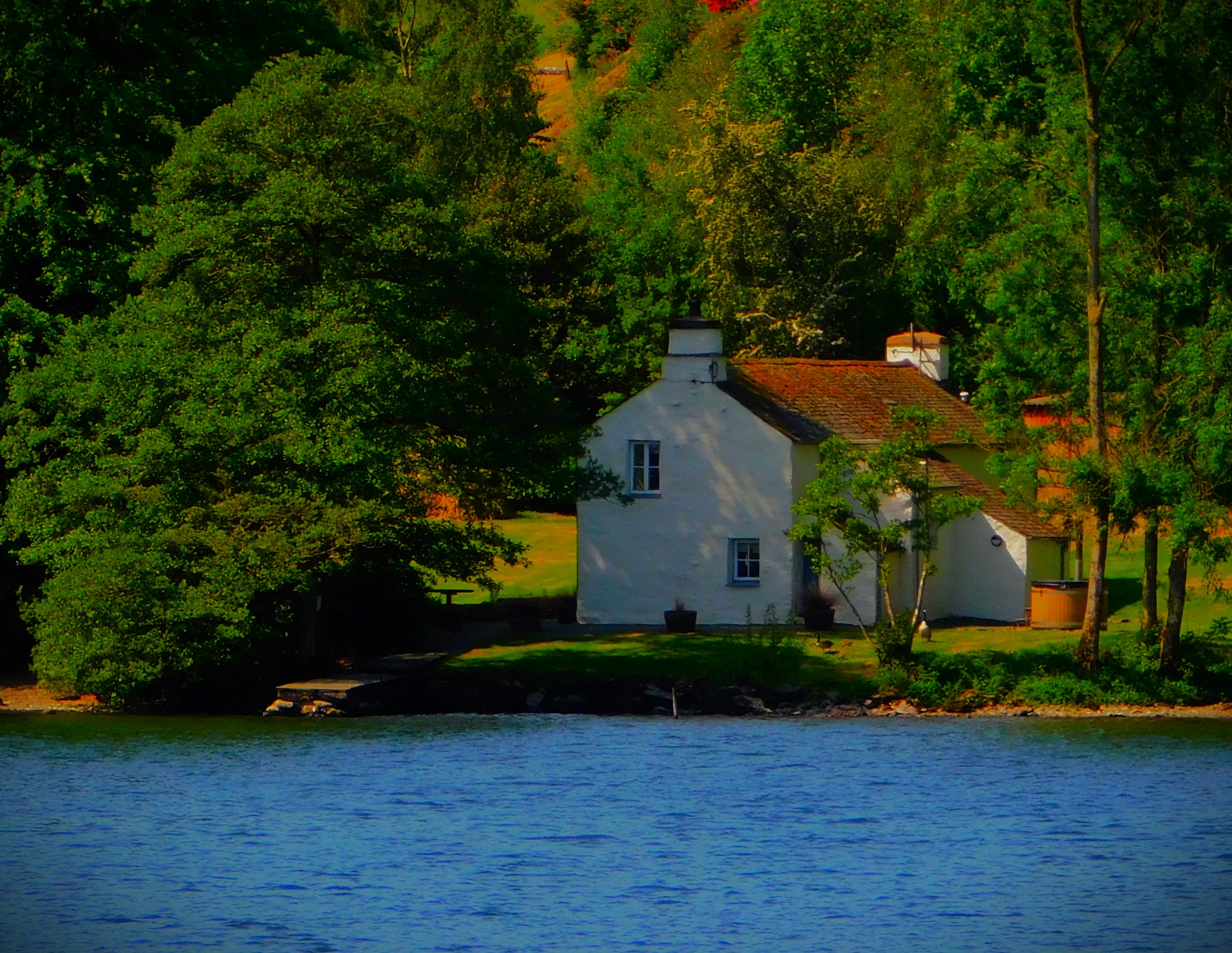
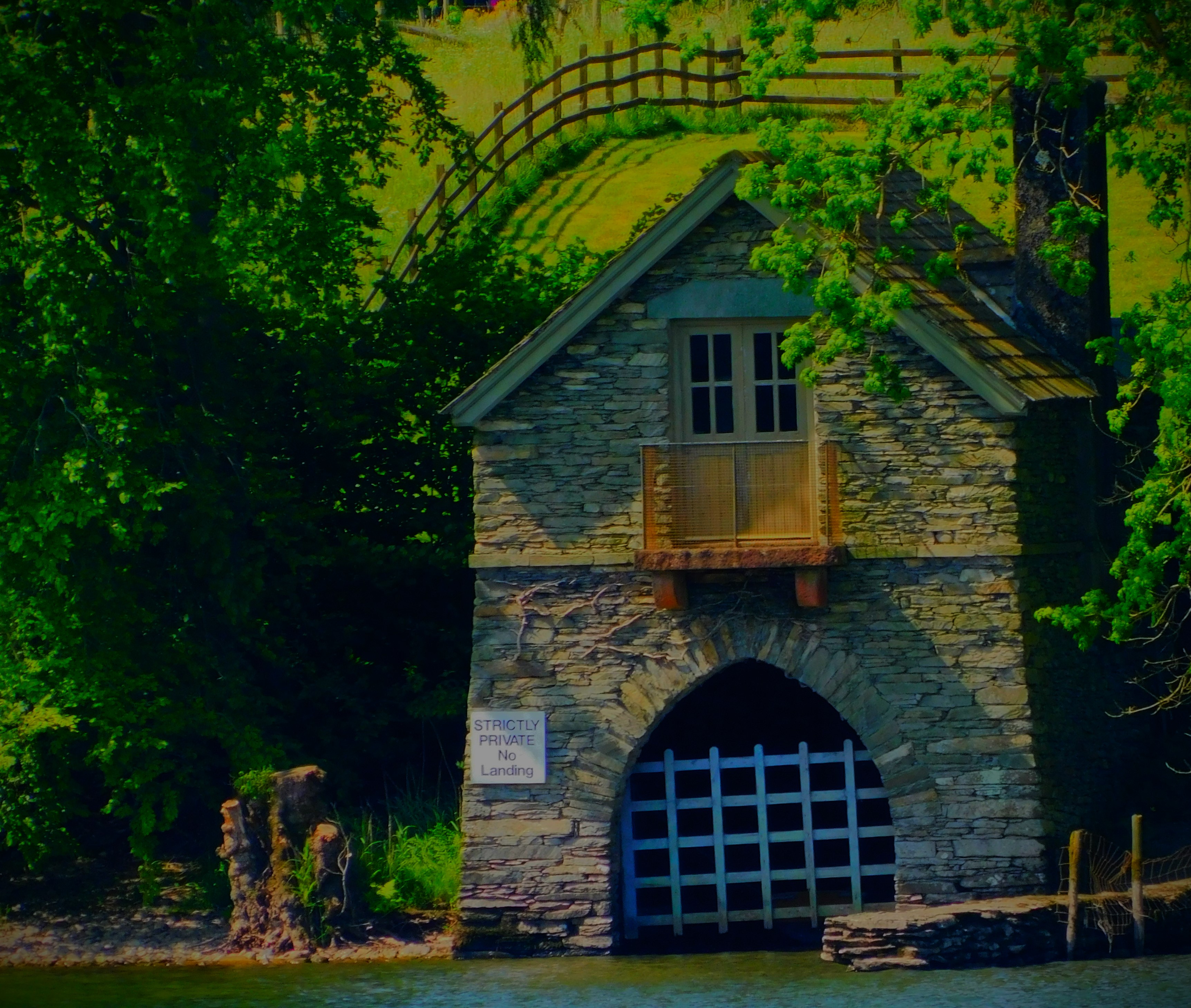
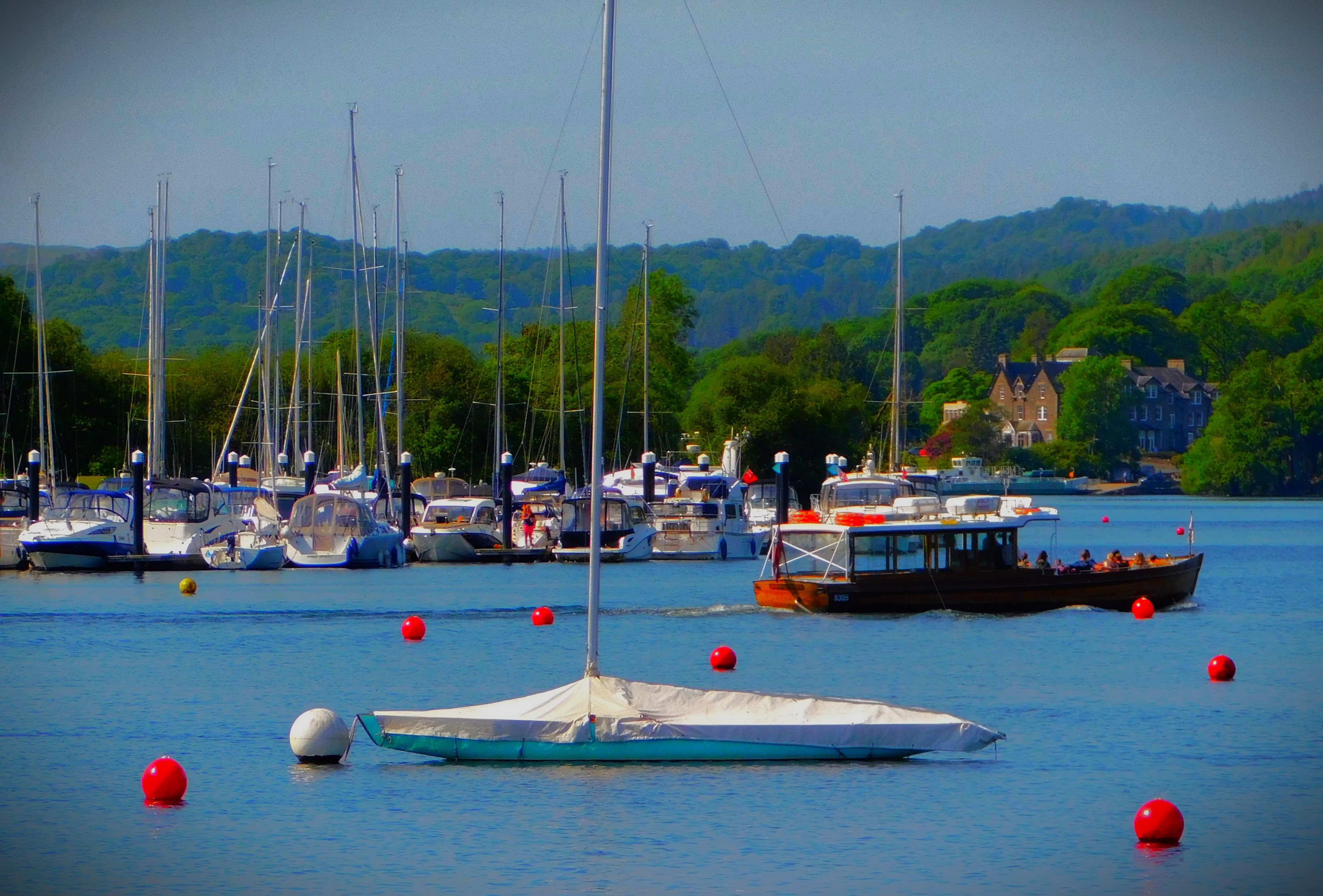
The atrocious behaviour of the local water company notwithstanding (they have been polluting Windermere by pumping raw sewage into it) Windermere remains very scenic, and the boat trips I have taken have been exceedingly enjoyable.
BIRDS OF WINDERMERE
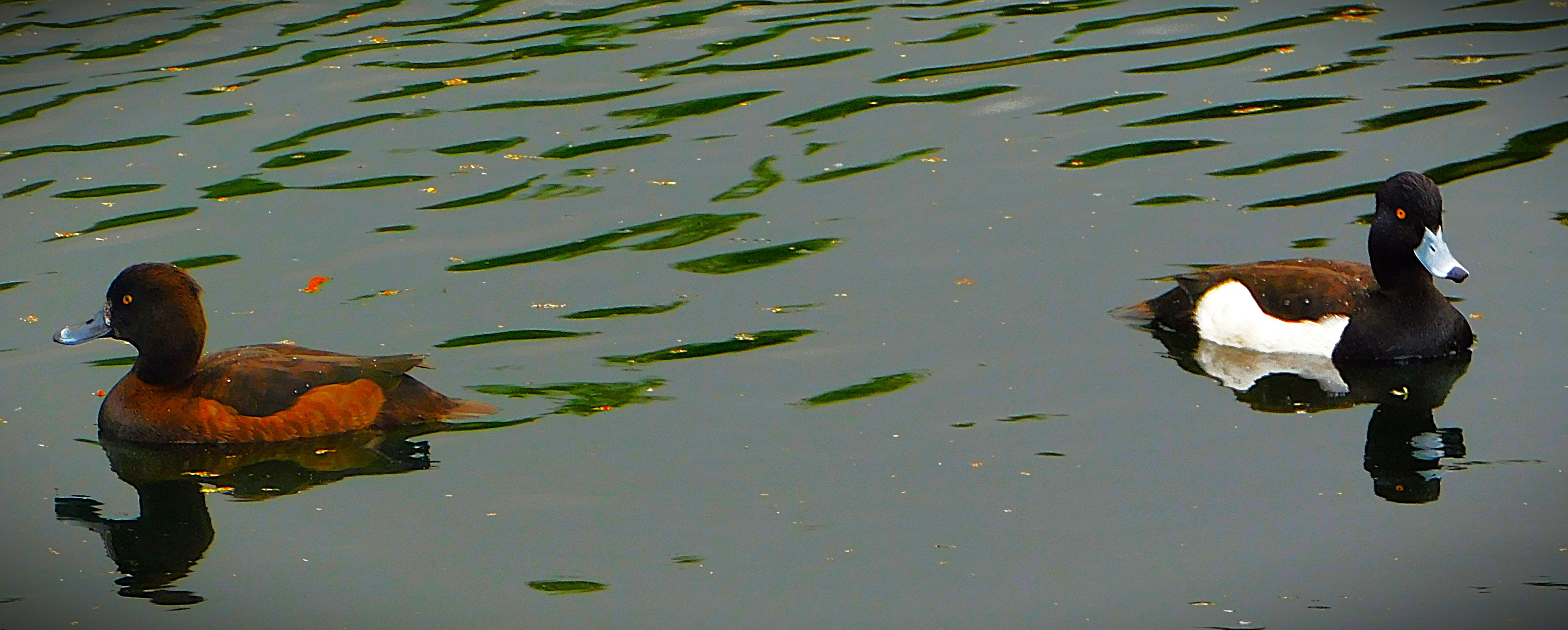
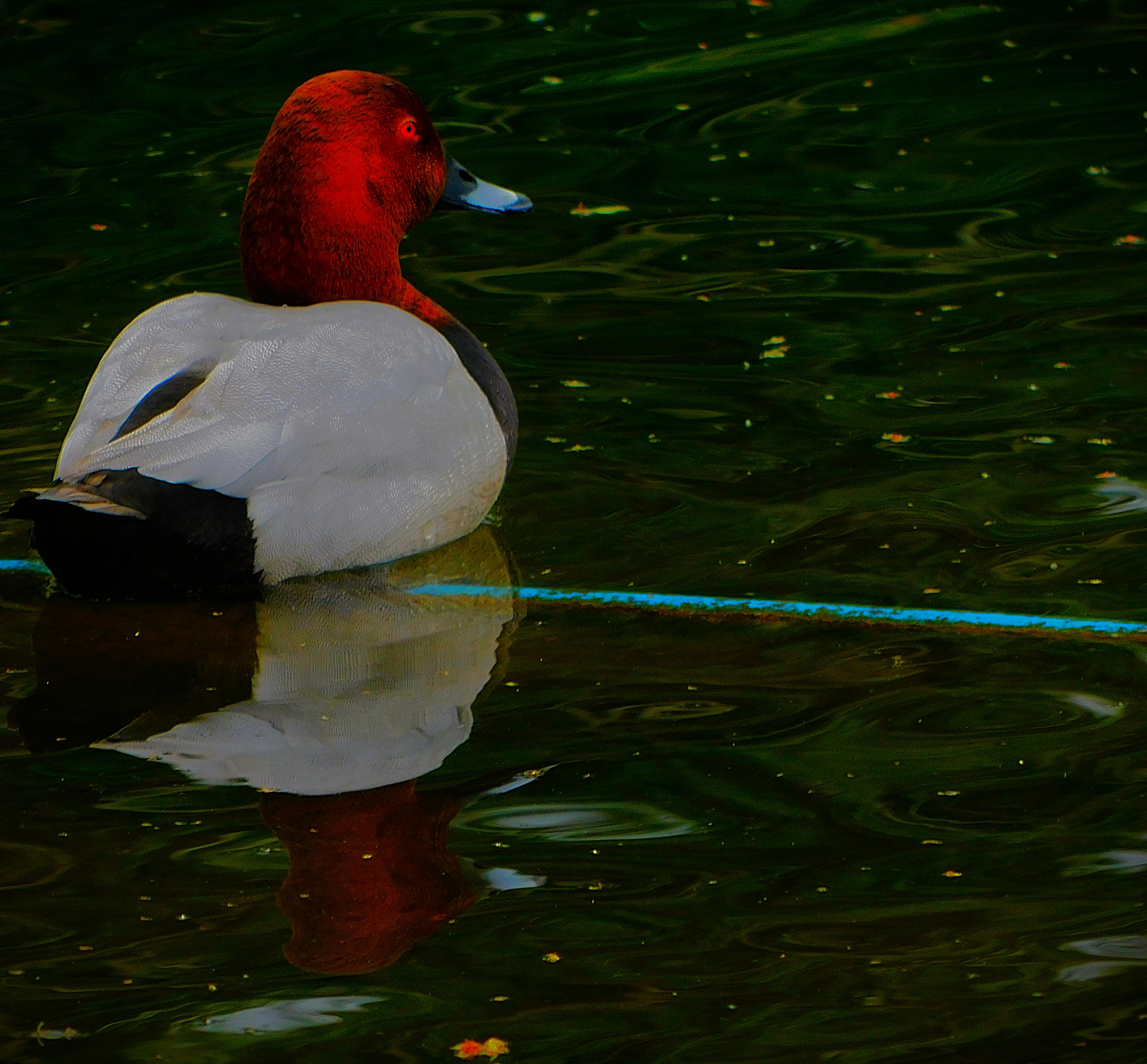
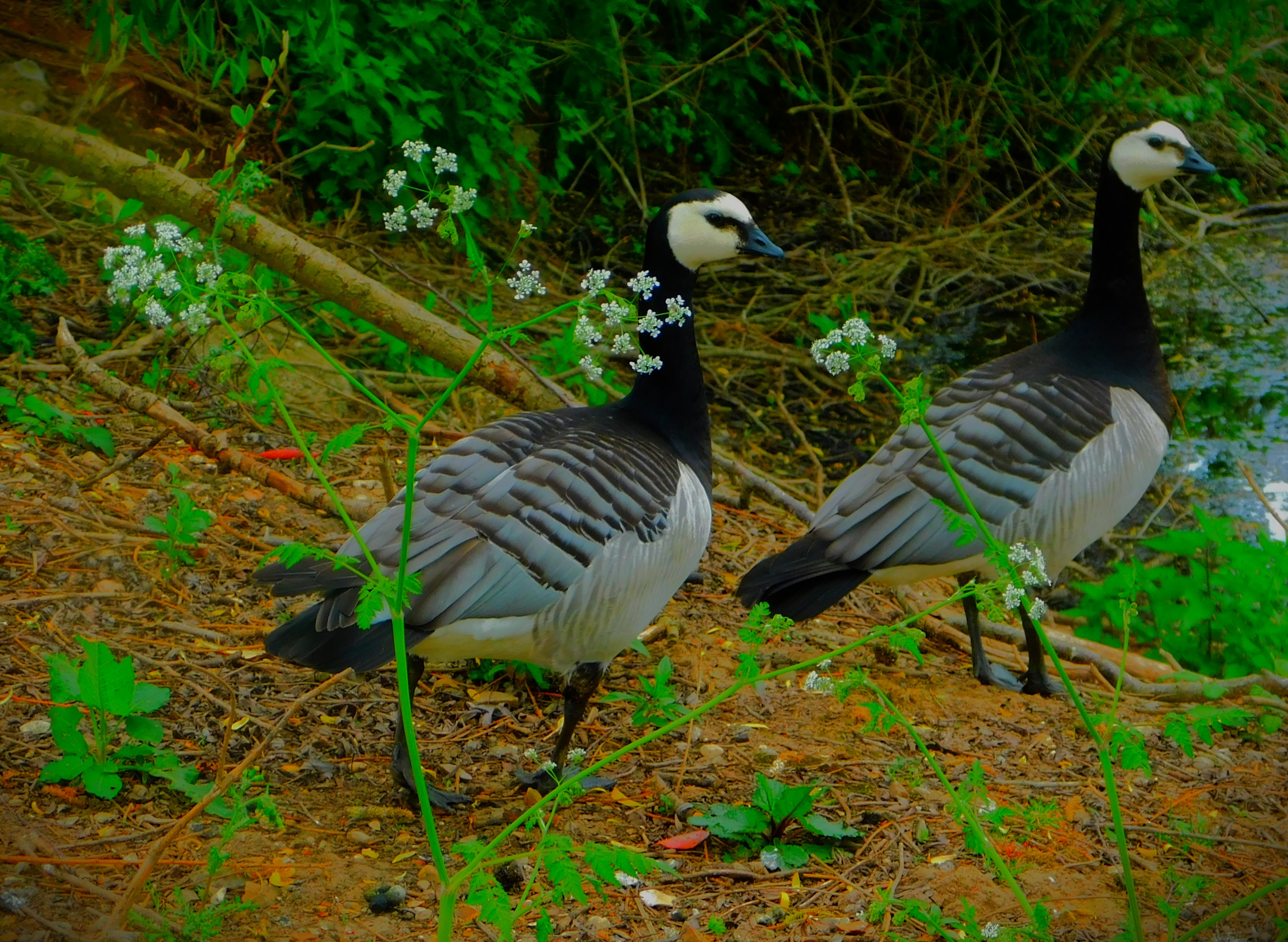
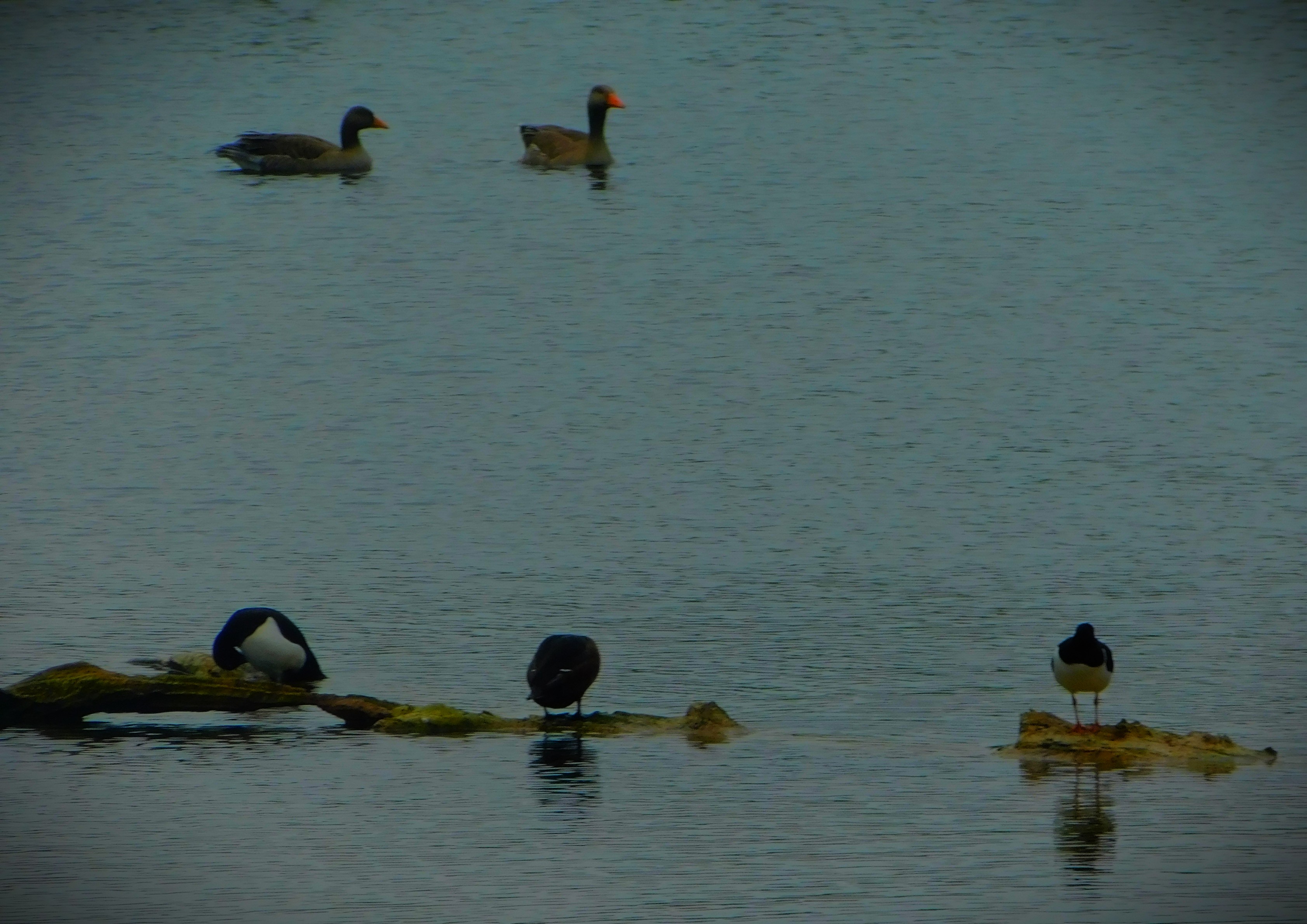
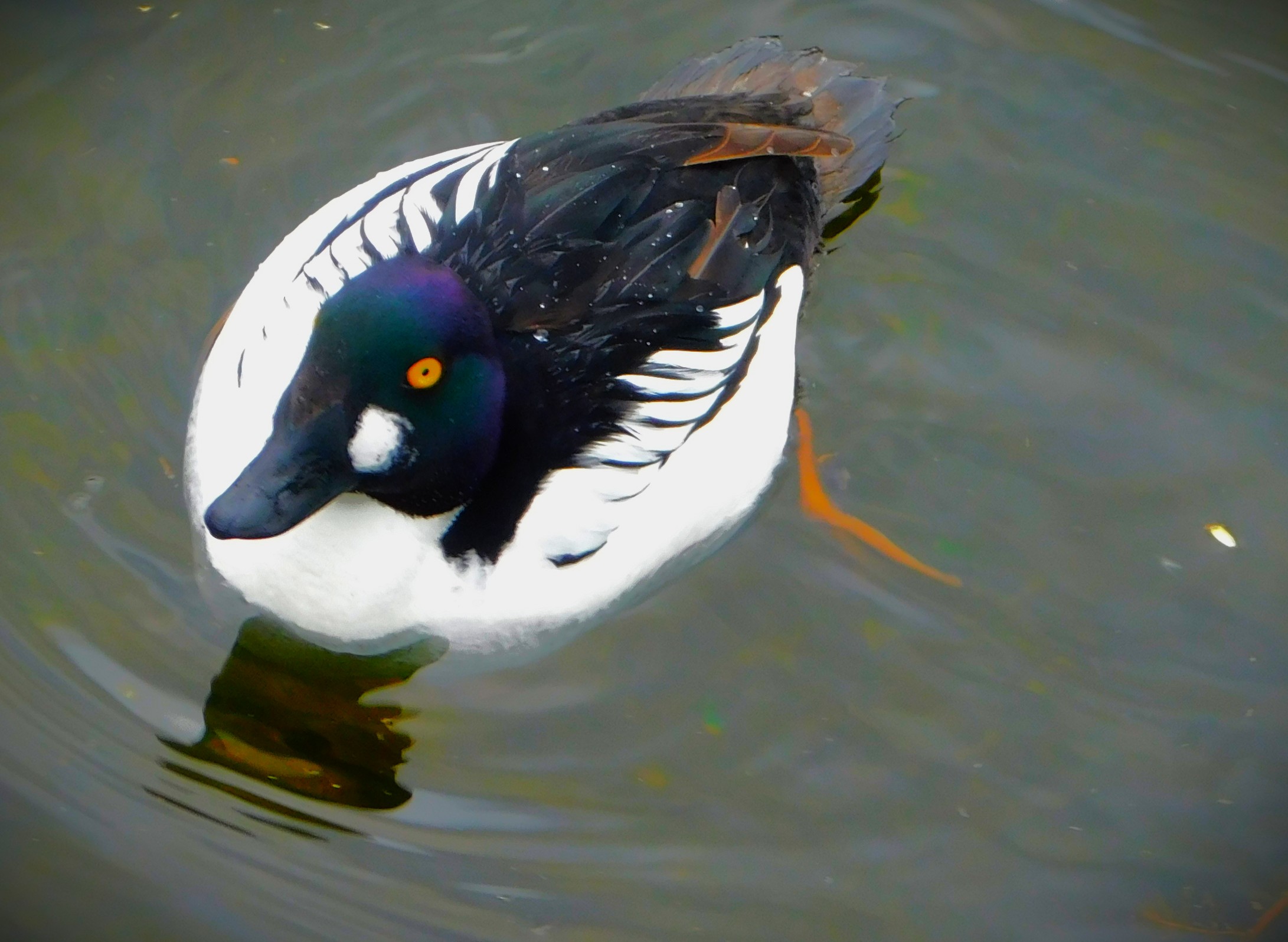
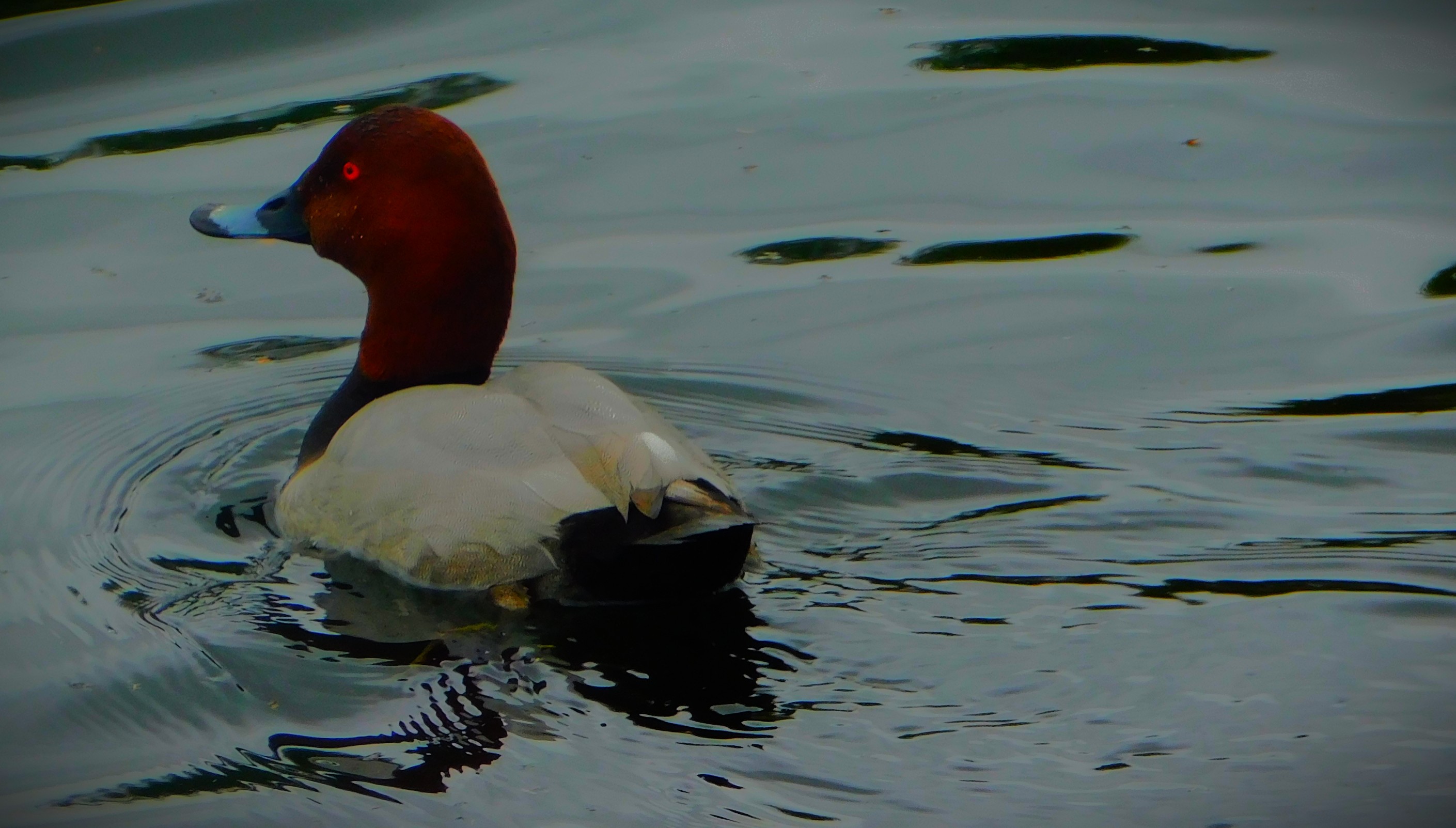
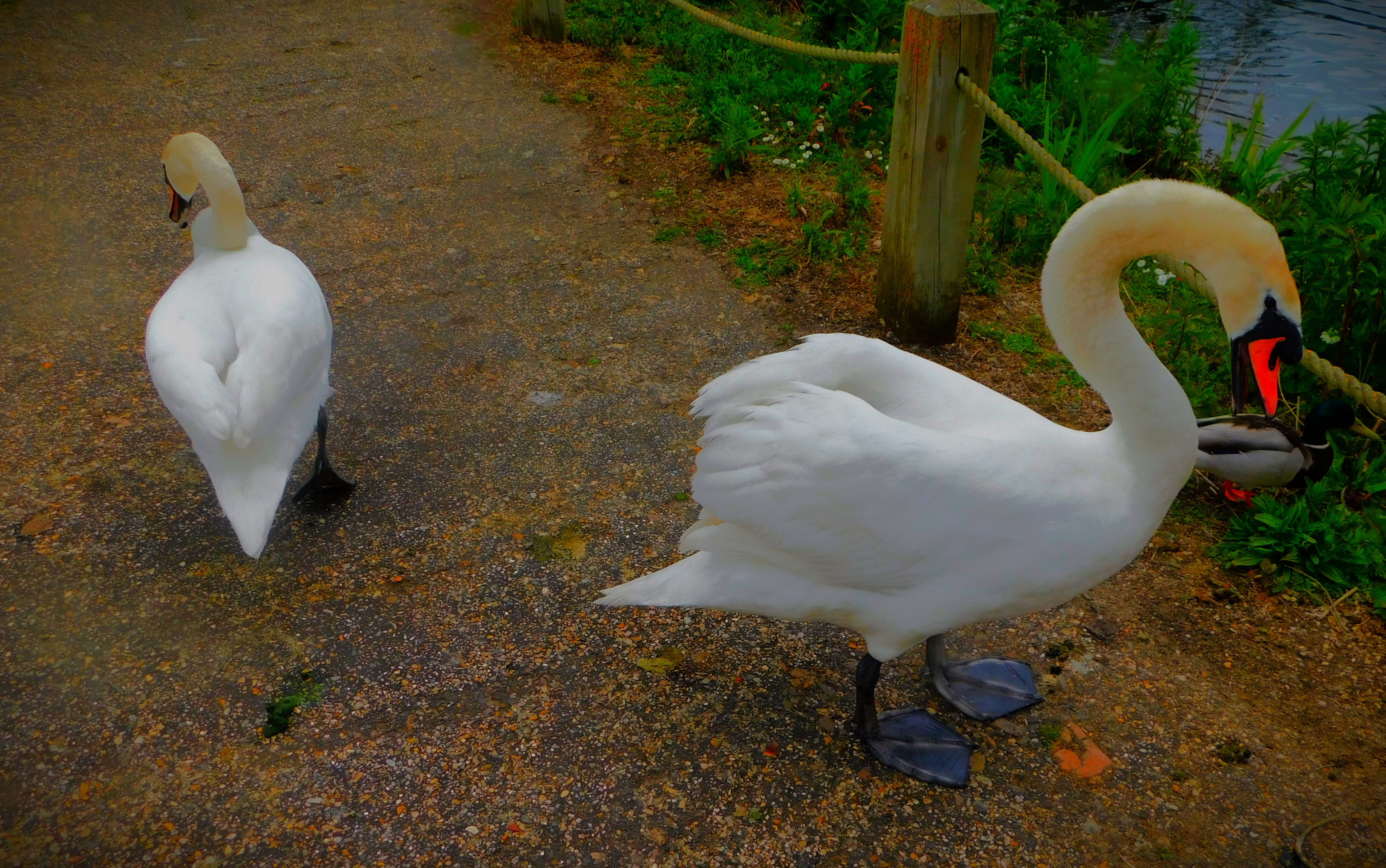
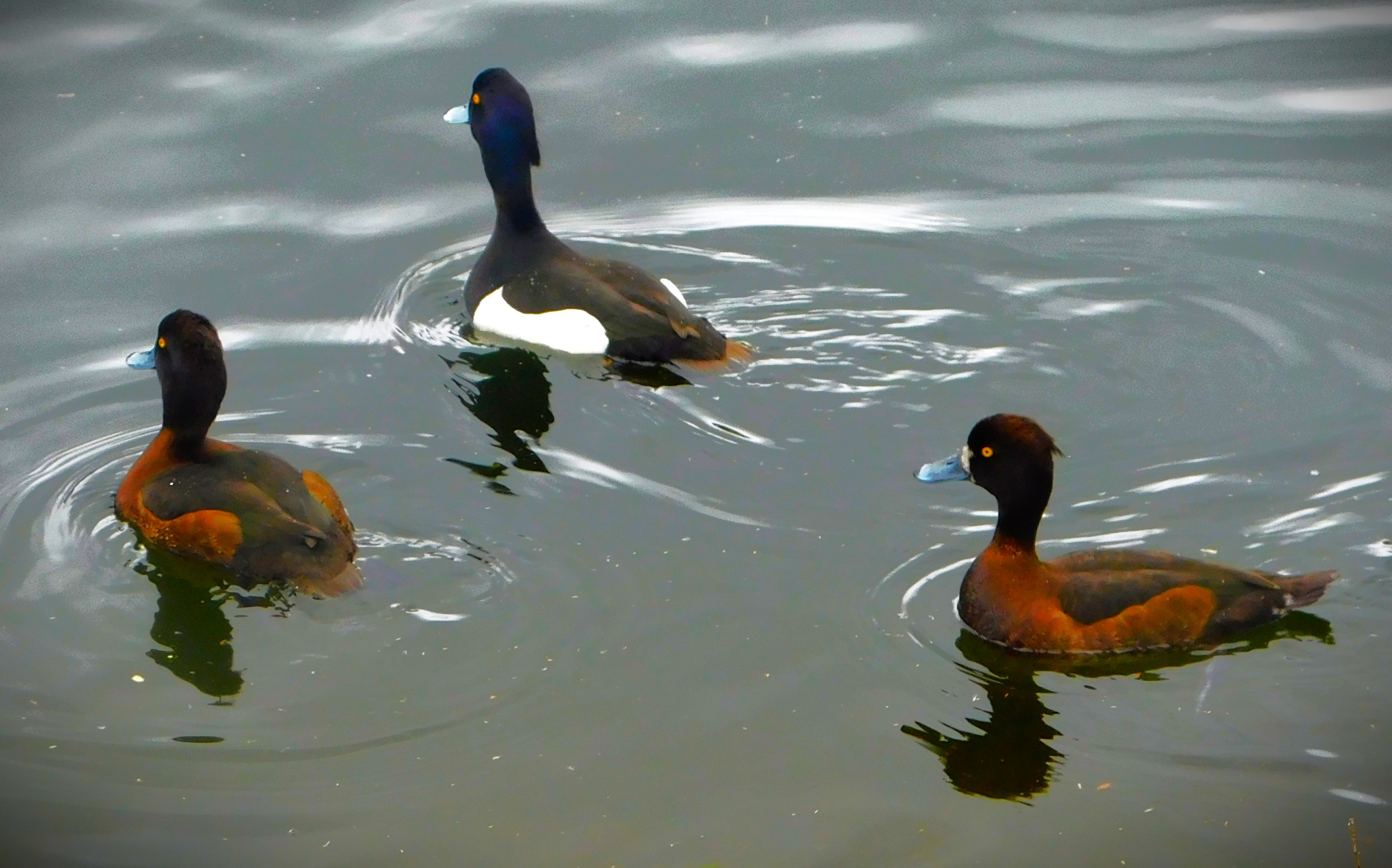
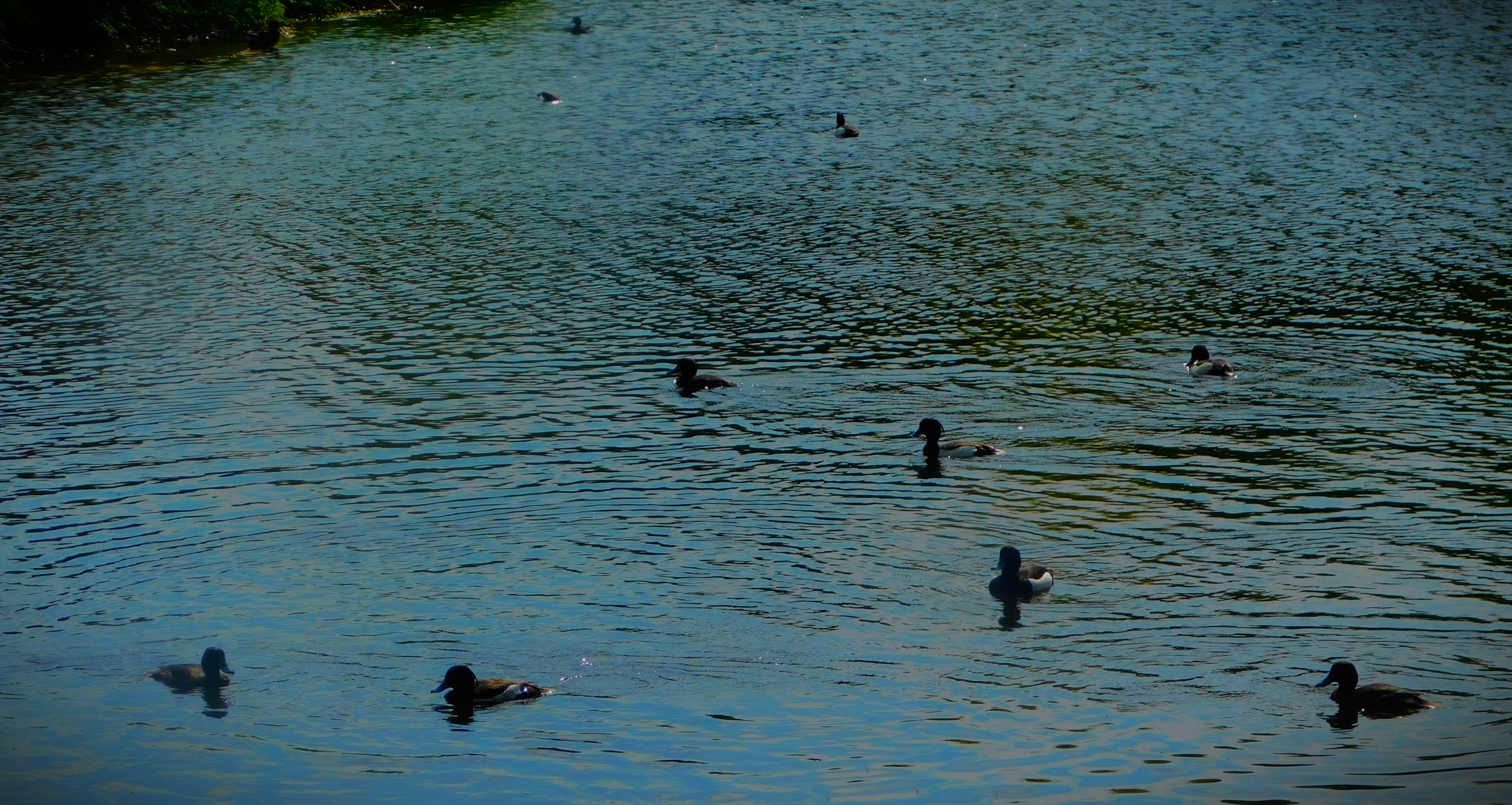
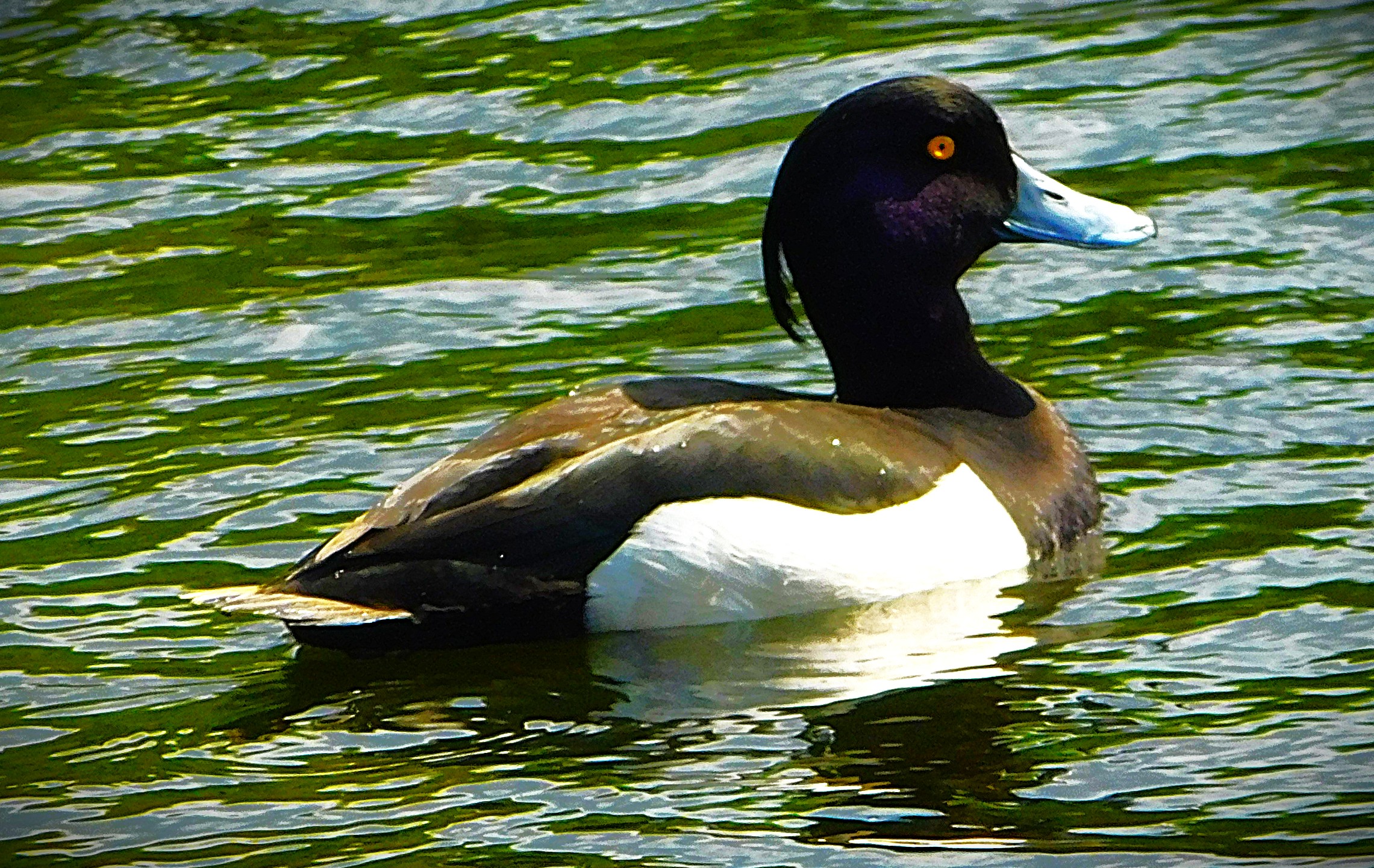
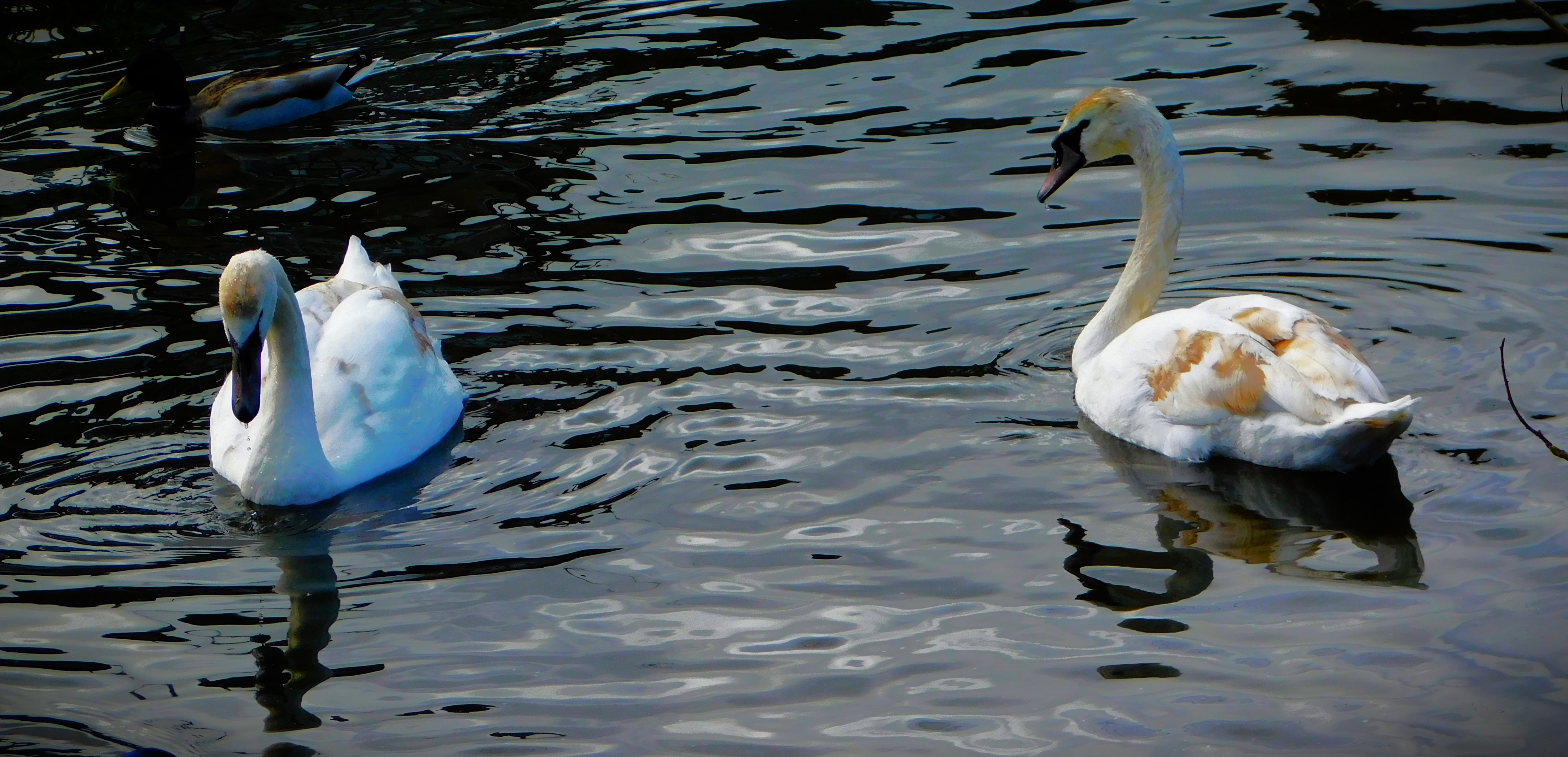
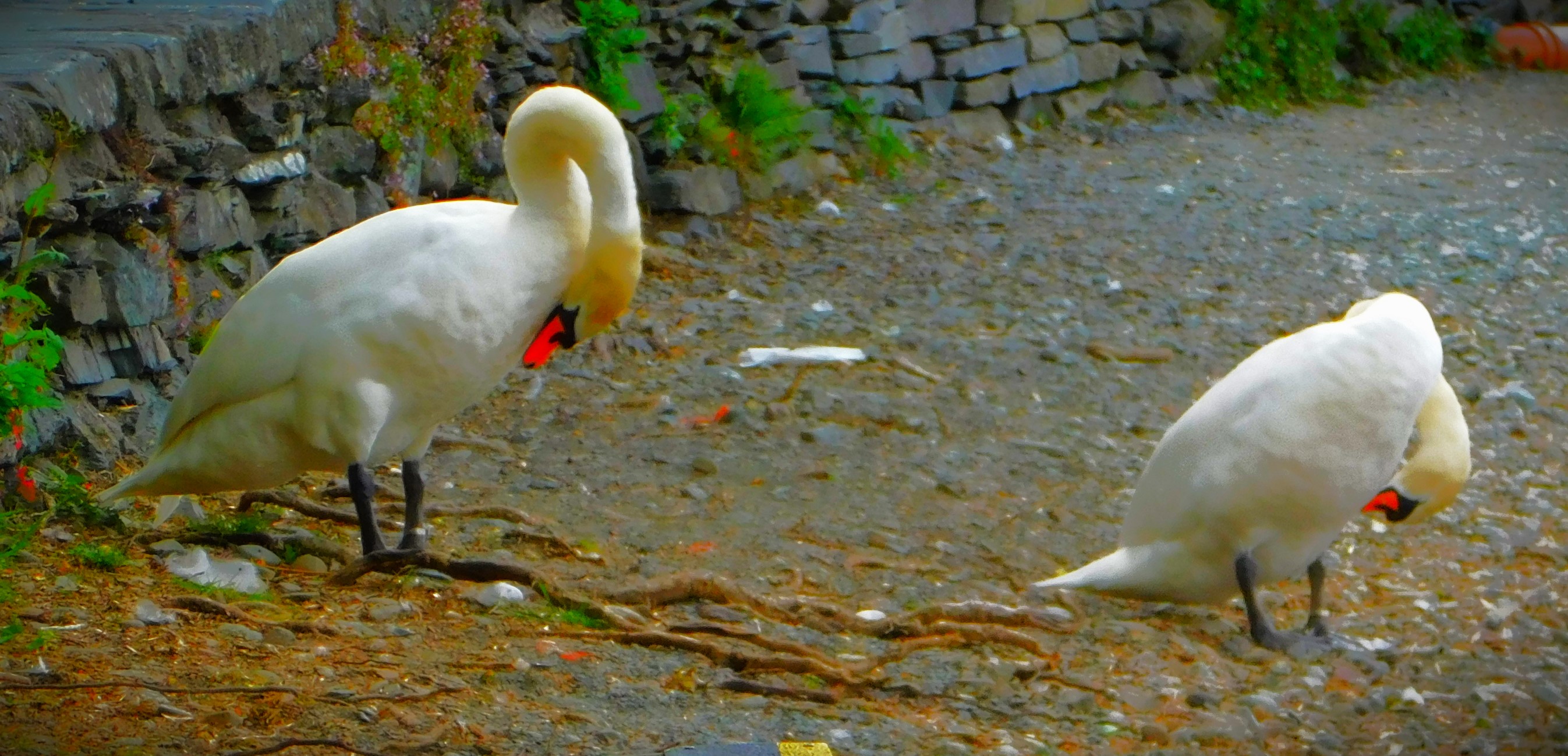
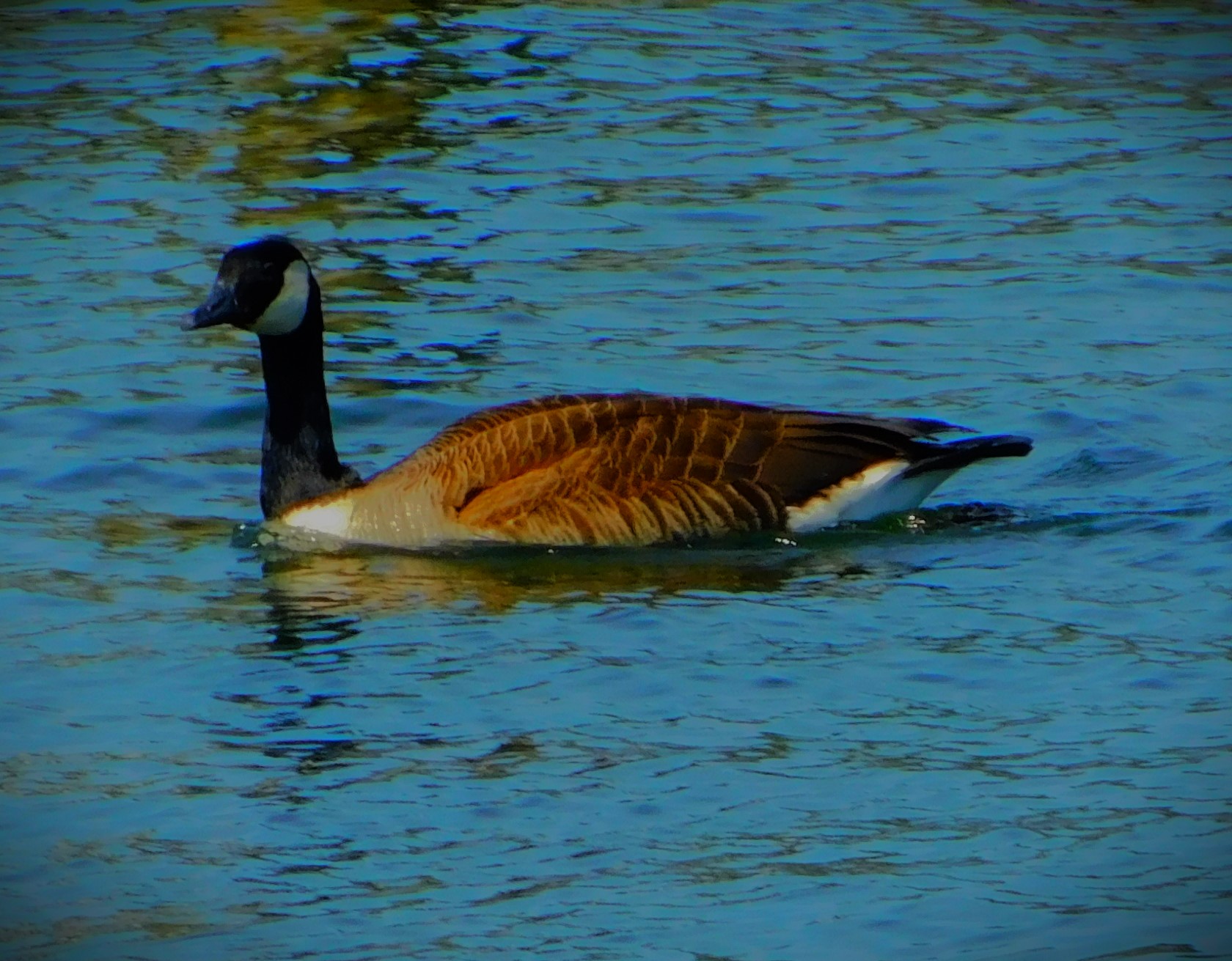
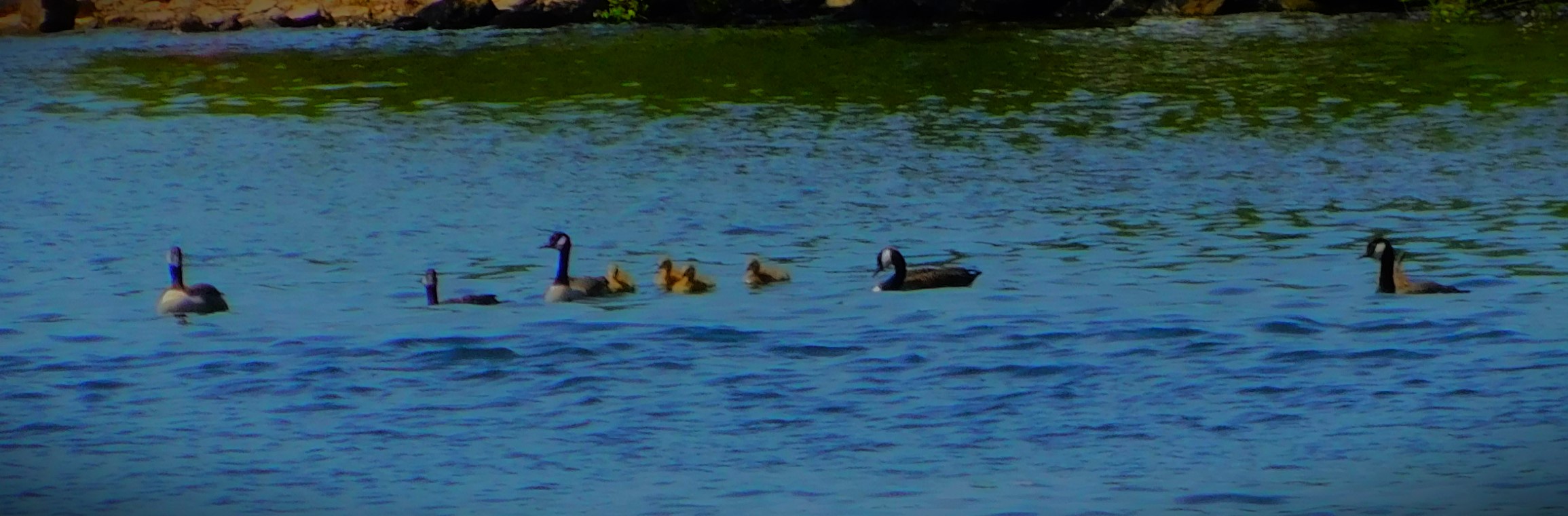
Windermere is home to a considerable quantity of birdlife (I have am not close to editing all my bird images yet), and I have managed to capture a not entirely insignificant fraction of it.
BOATS OF WINDERMERE
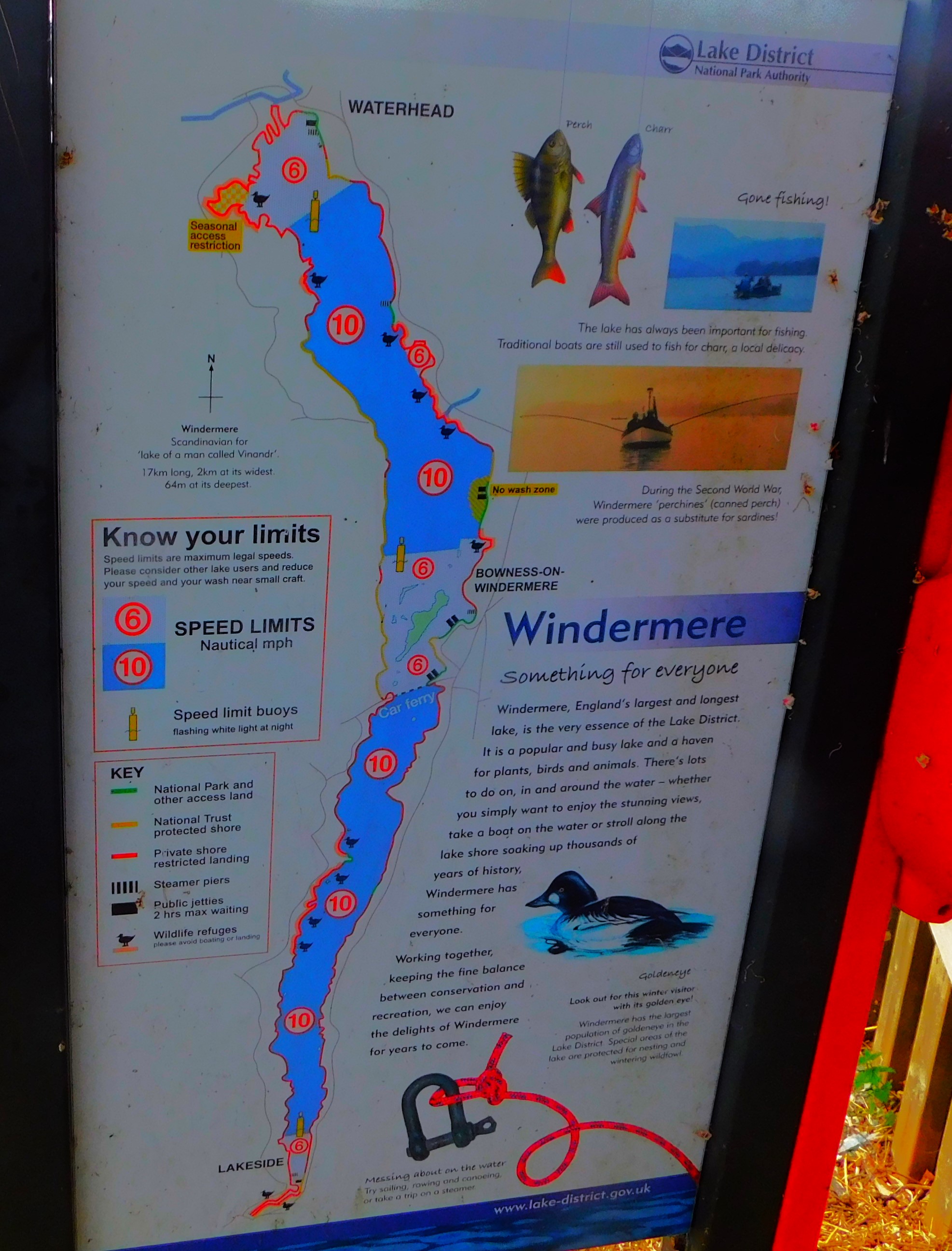
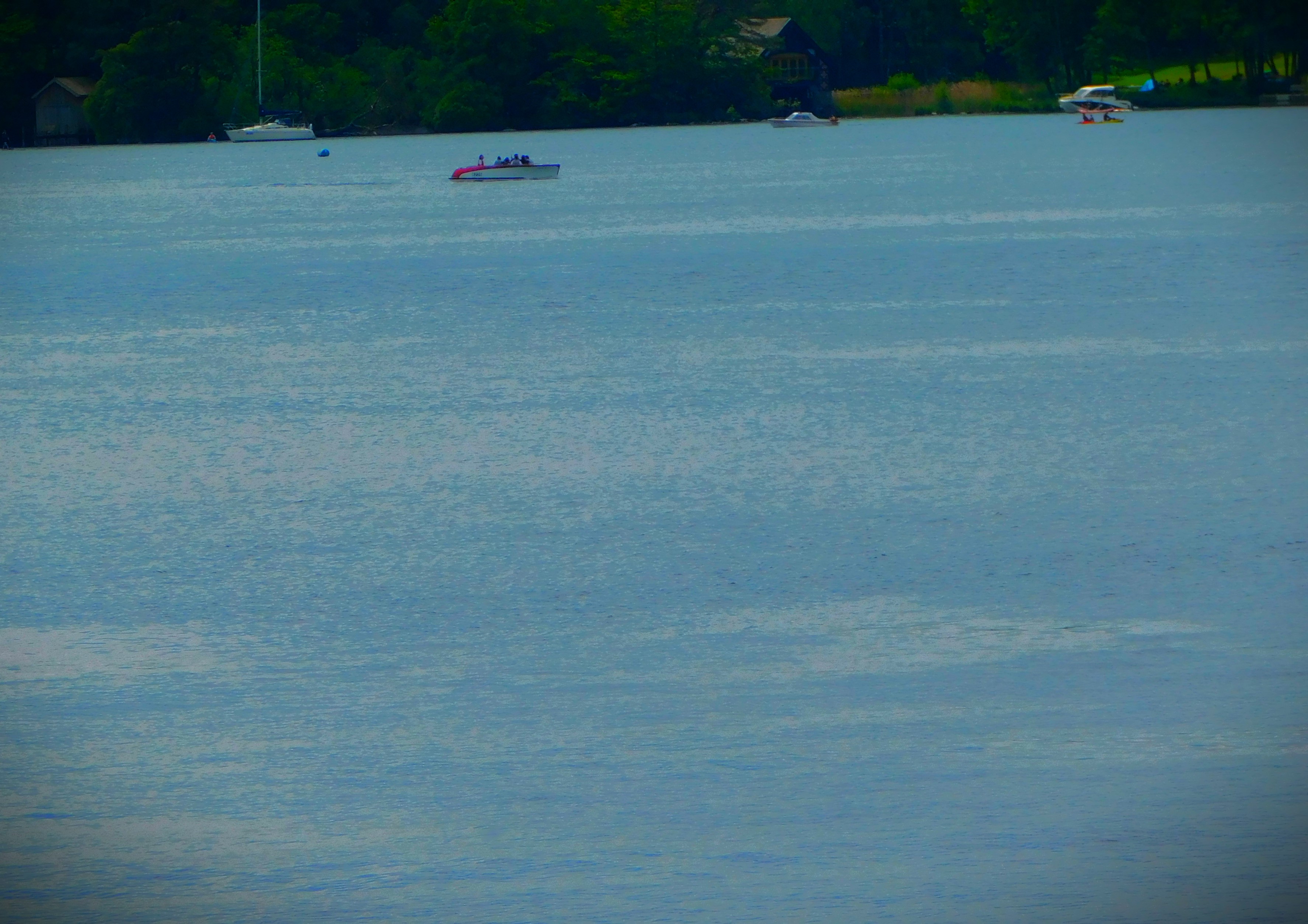
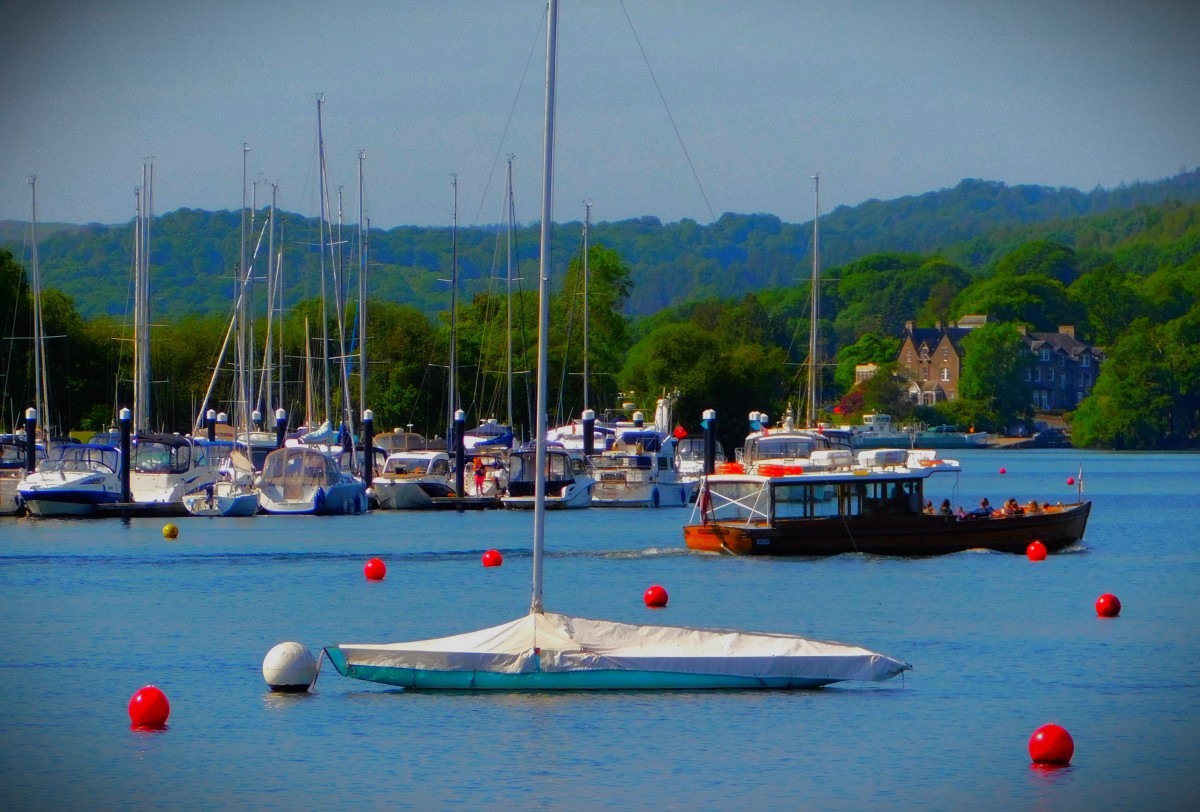
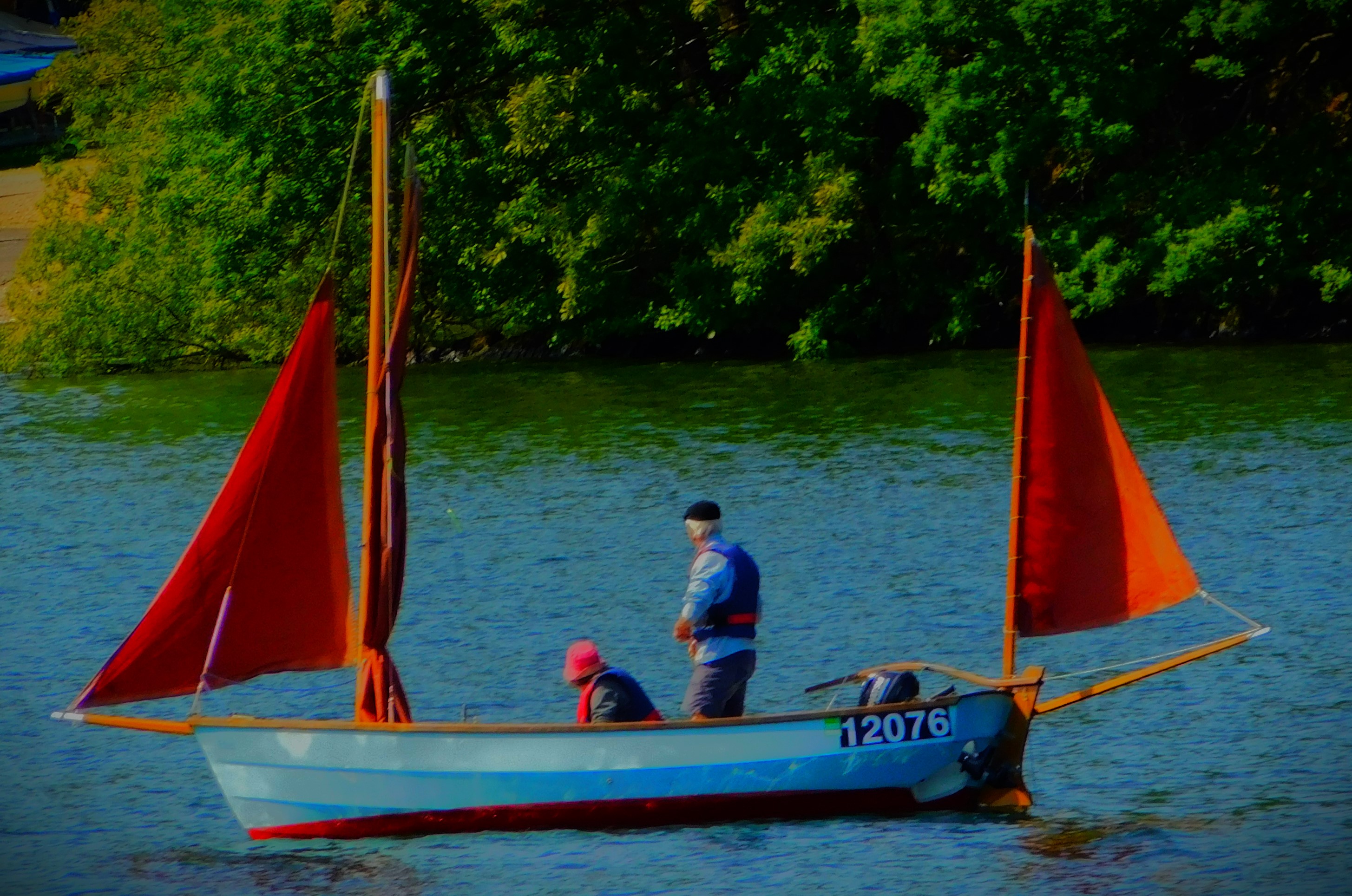
For very obvious reasons there are tight speed limits on Windermere, but nonetheless a considerable variety of watercraft make use of it.
A STEAM RIDE
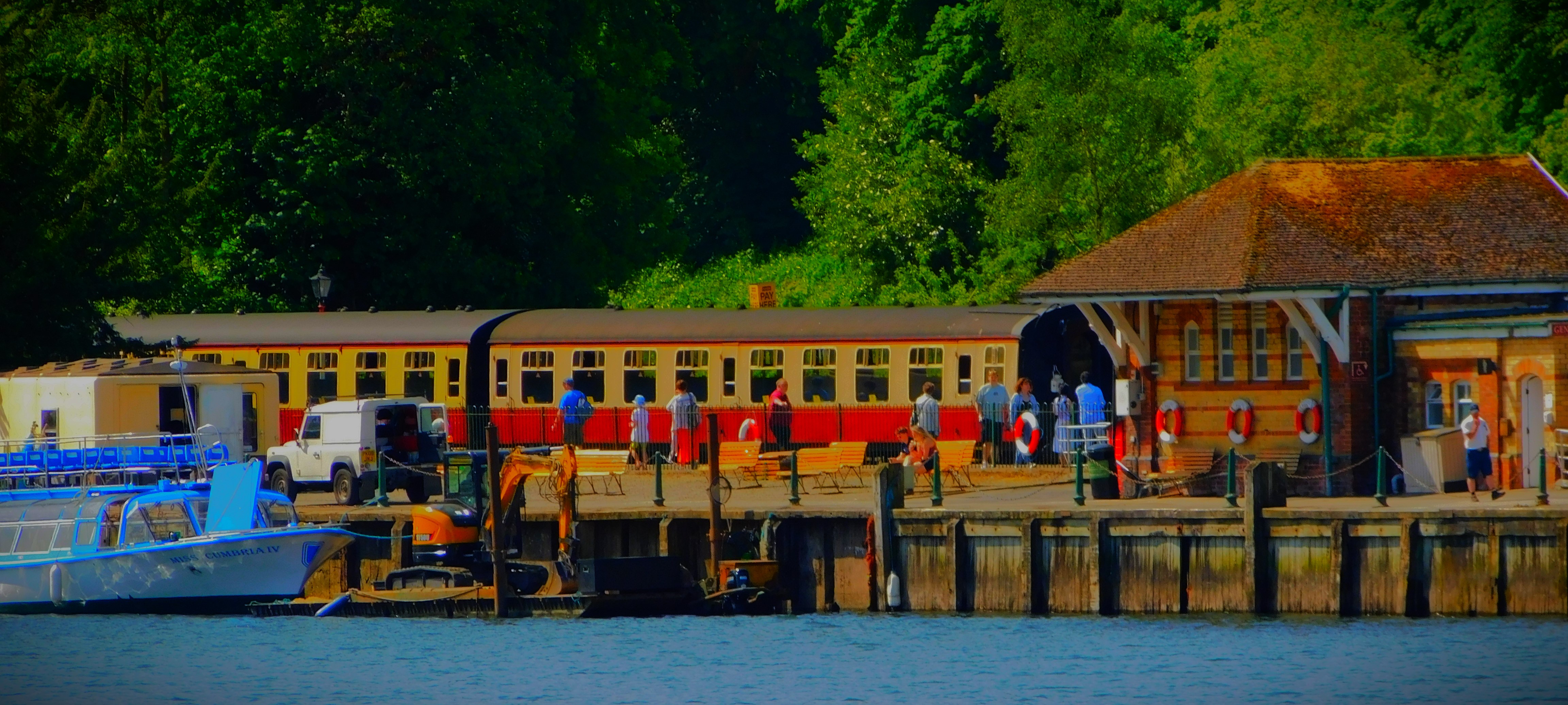
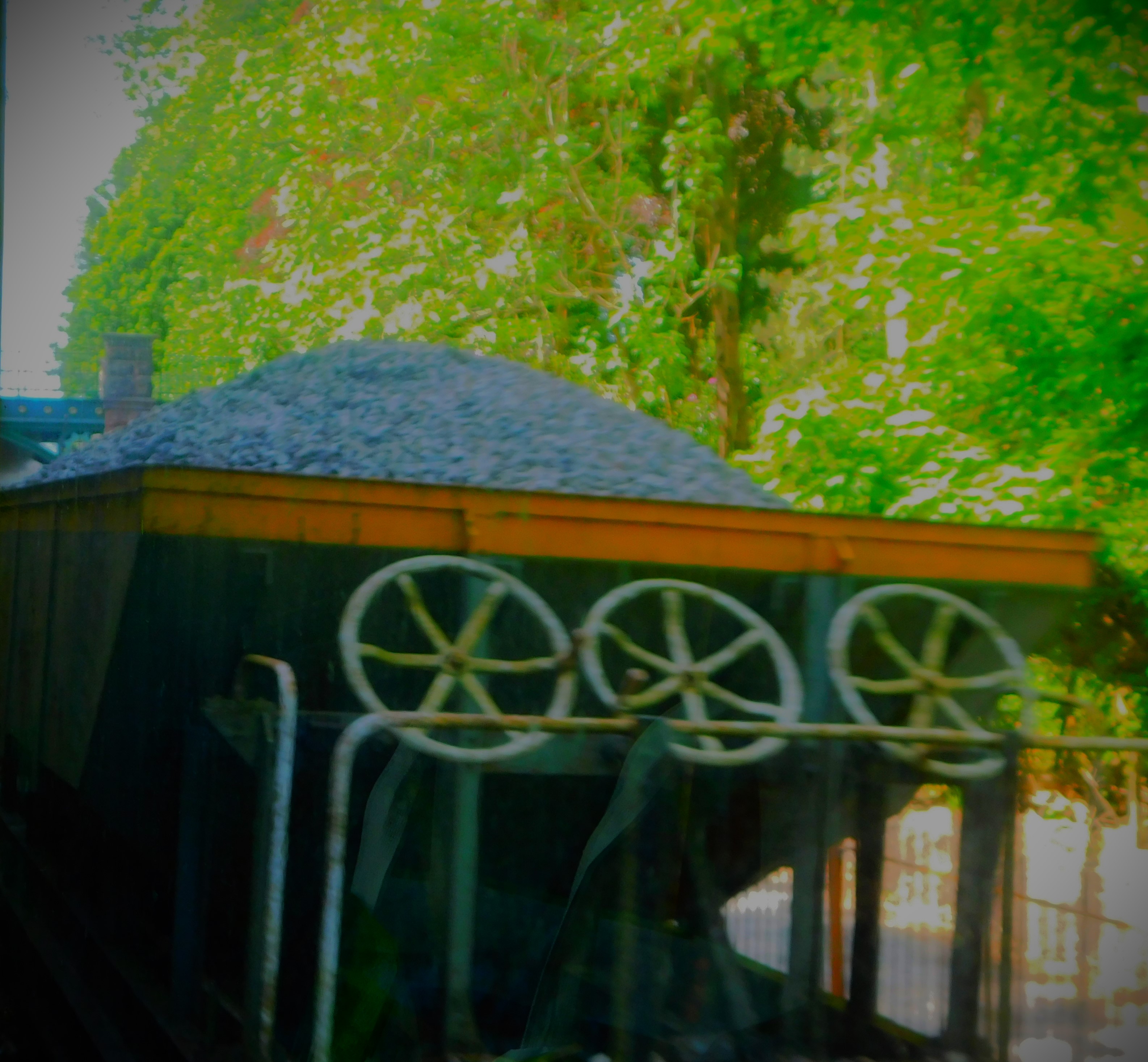
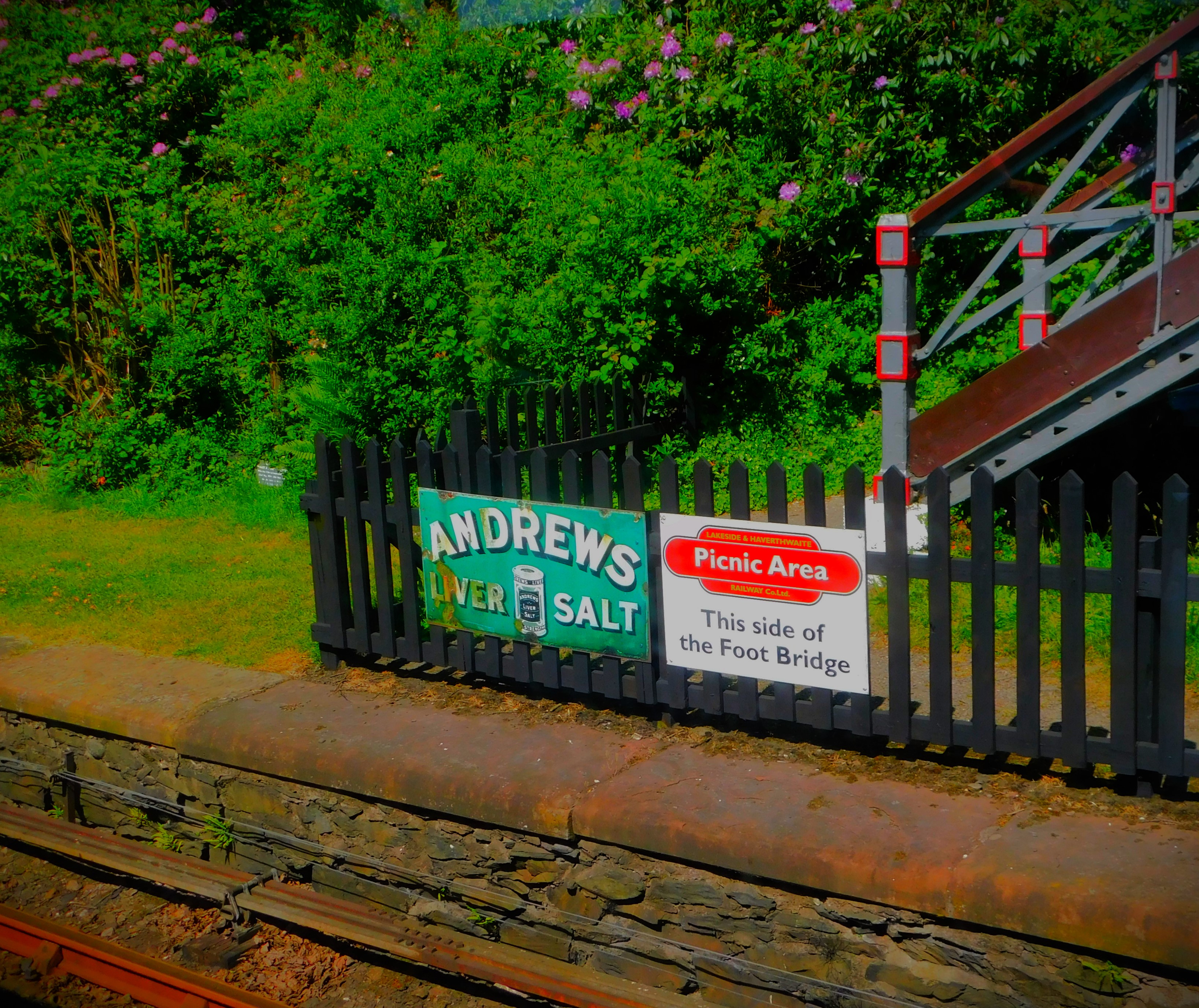
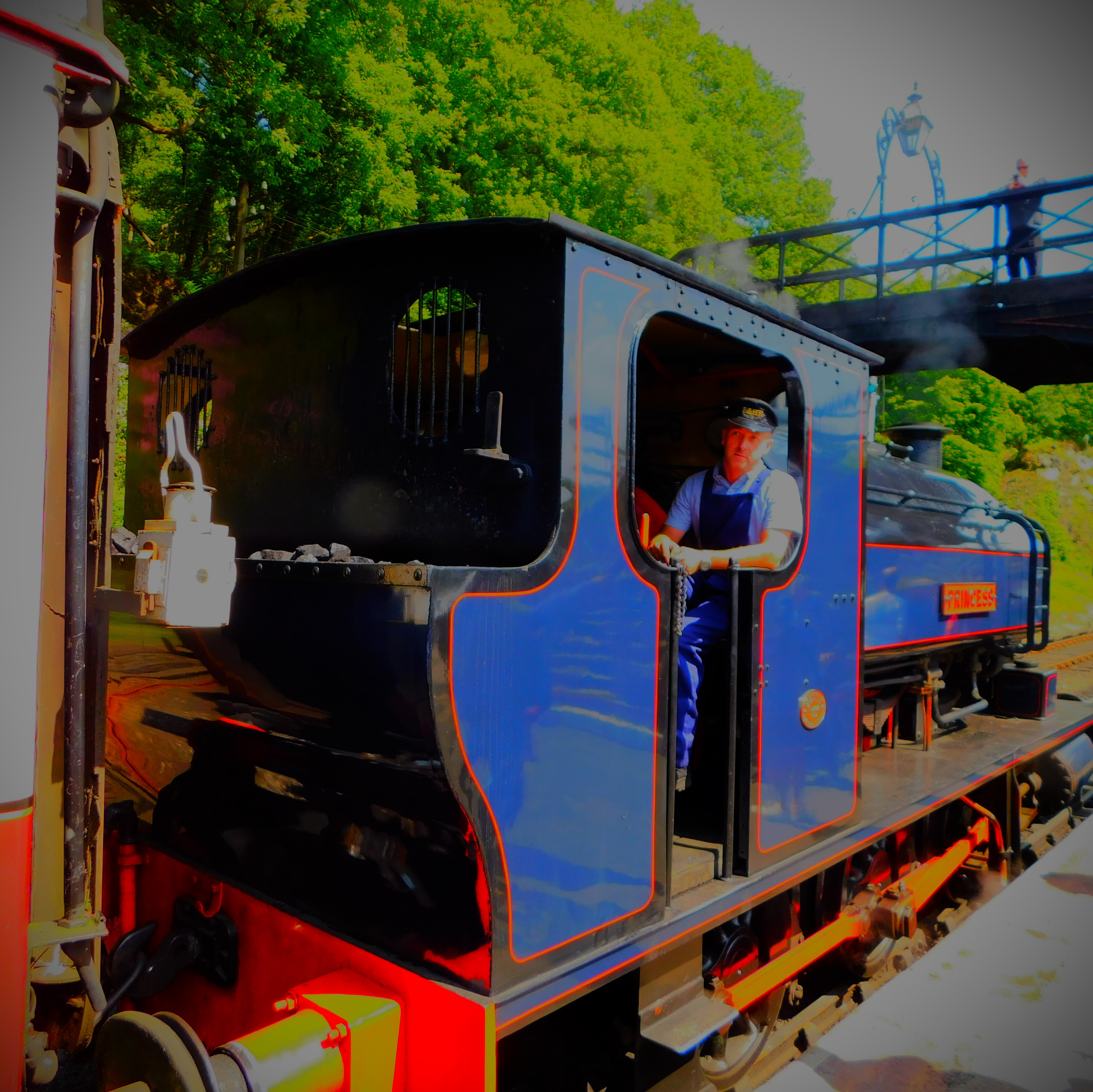
One of the boat drop of points for the big Windermere Cruise is called Lakeside, and is one terminus of a heritage railway which follows the line of Windermere’s exit river towards the Irish sea. It travels a short distance to a place called Haverthwaite, and then back to get another boat onwards, and is a fun little journey.
CASTLE WRAY
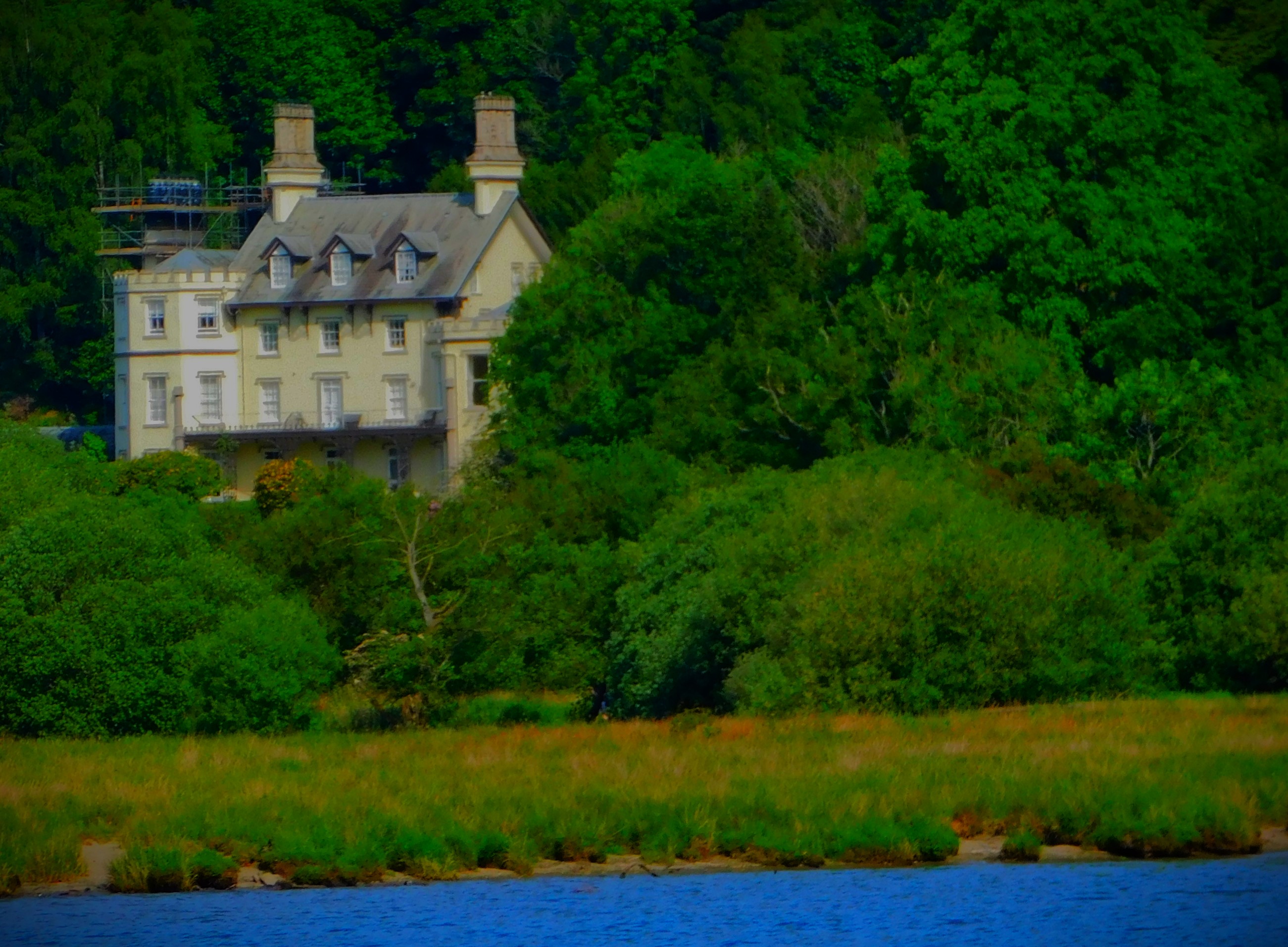
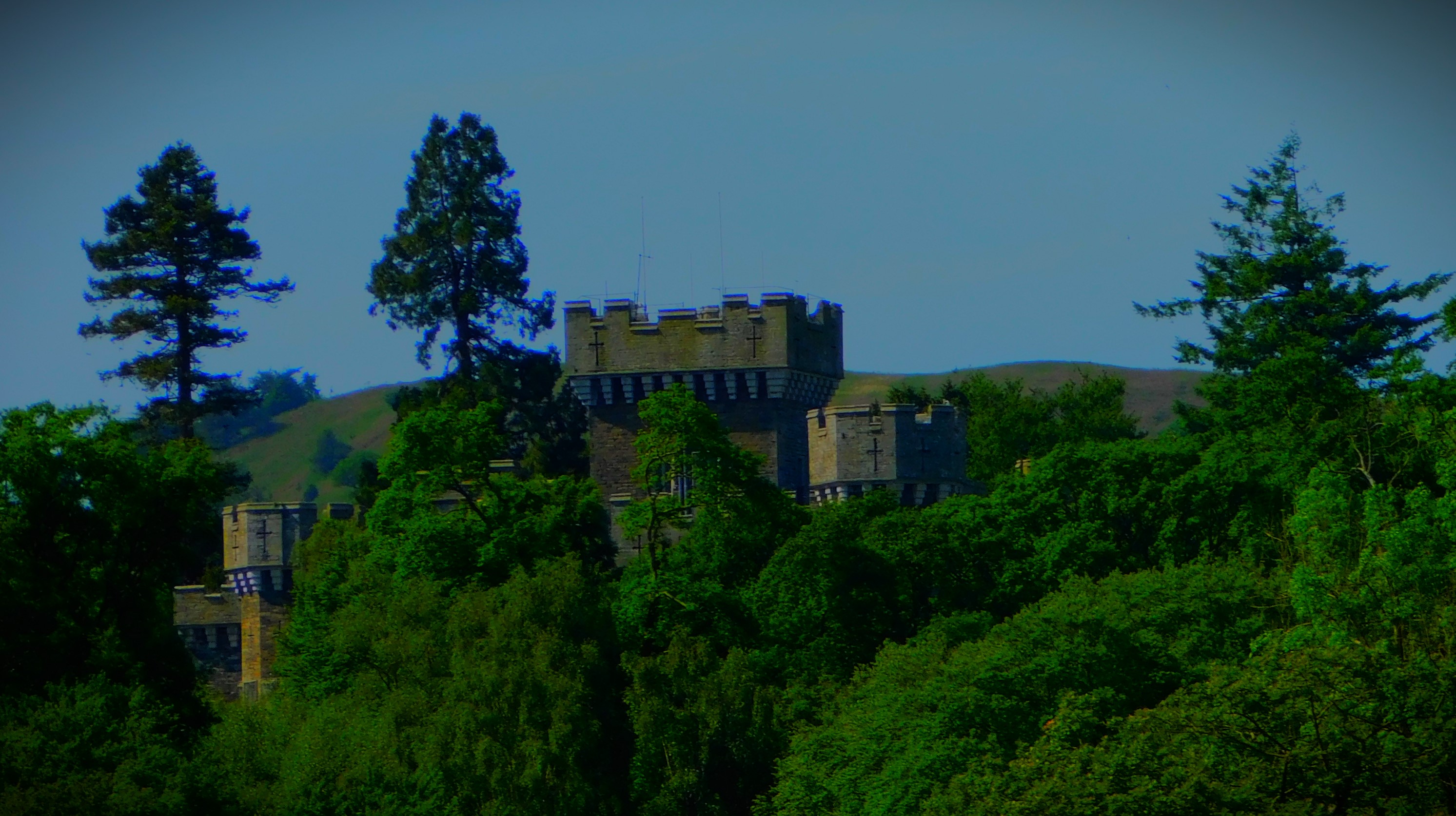
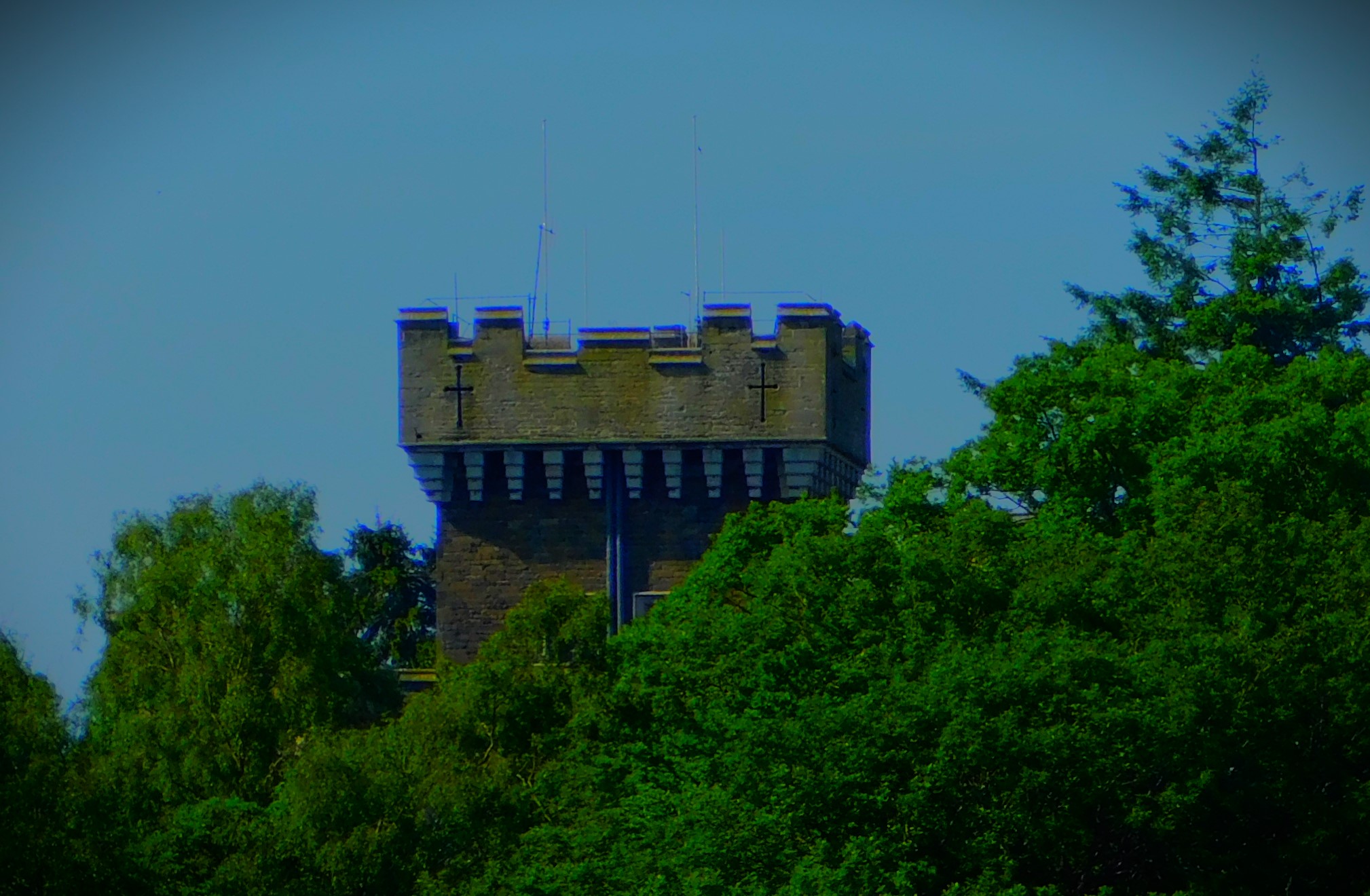
The last place for which I have any edited images is Castle Wray, which I captured from afar a number of times before we actually landed at it’s boathouse on Monday evening. The close pictures are among the unedited at the moment. It is not a real castle – it was built in the 1840s for a wealthy doctor.































































































































































































































































































 aspiblog