Some environmental news and some pictures – enjoy.
INTRODUCTION
Having recently shared the latest of Anna’s posts about her campaign to prevent a big new road from being built through an area of outstanding natural beauty I thought a couple of stories showing a more sensible approach were appropriate (and I have some new pictures to share and was looking for something else to put in the post).
HYDROGEN BUSES AND A CLEAN AIR PLAN FOR LONDON
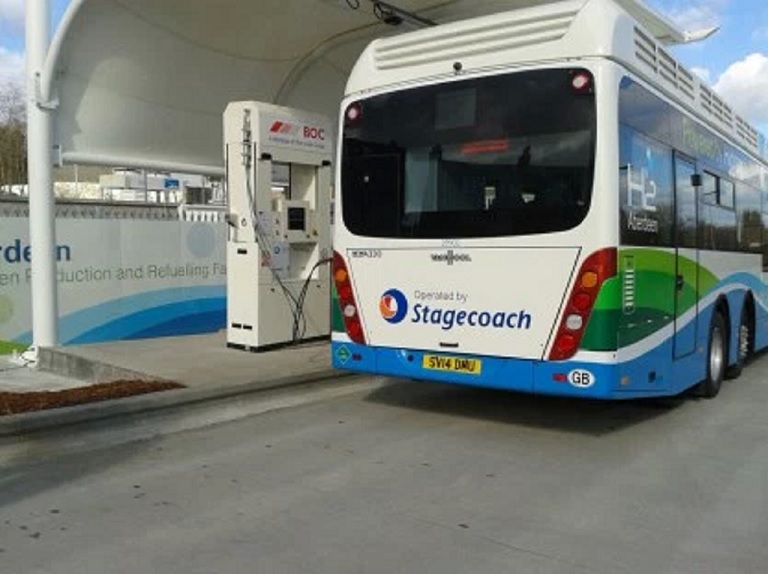
Hydrogen buses are already a feature of the streets of the city of Aberdeen, and Mayor of London Sadiq Khan intends them to be in service in the capital by 2020. Buses are less damagaing than cars anyway because they carry more people, but hydrogen buses have an extra plus point – zeroemissions. To read an excellent article on this theme click the picture below:
A hydrogen powered bus.
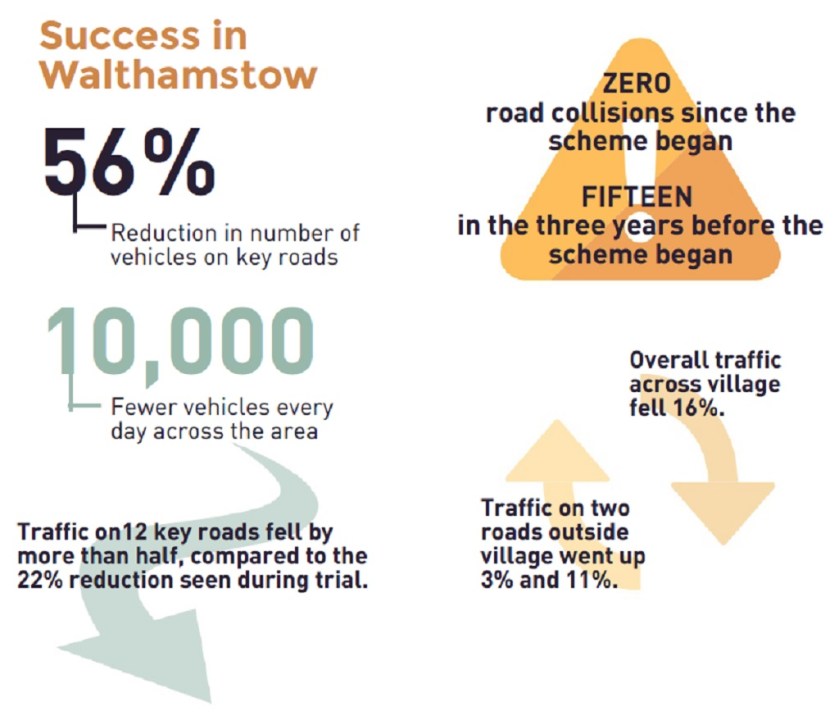
Councillor and London Assembly member Caroline Russell has produced a very detailed plan for making London’s streets healthier, backed up with evidence of a successful scheme in Walthanstow. To read the whole document click on the infographic giving details of the Walthamstow success that appears below:
PICTURES
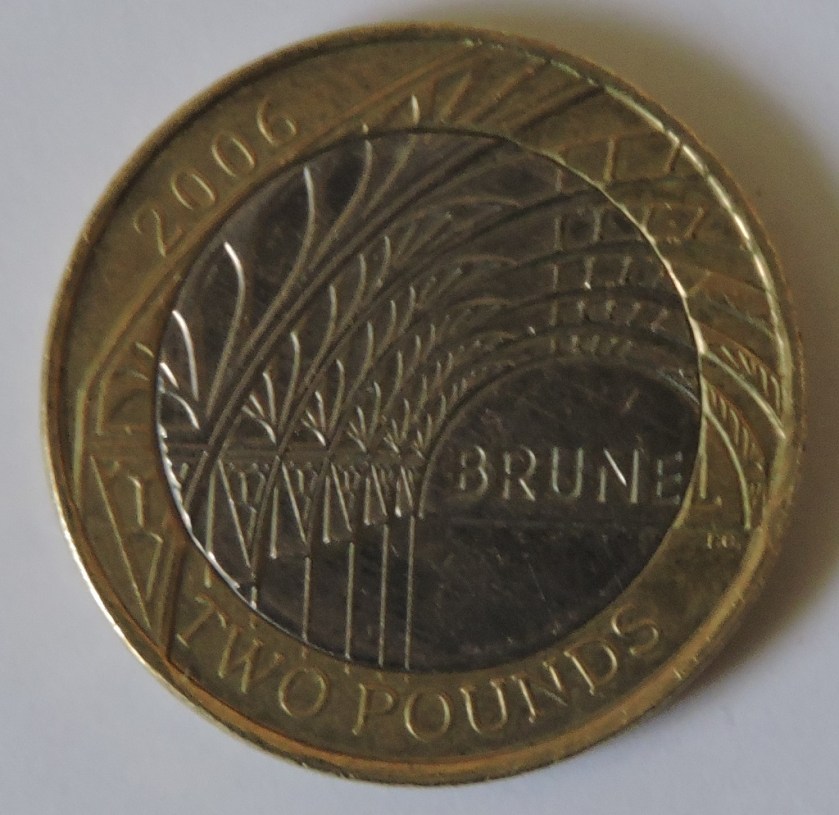
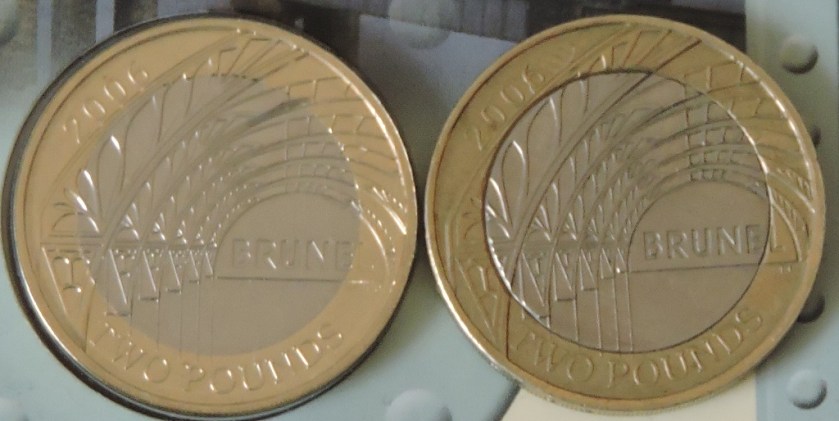
A Brunel £2 received in changeNext to uncirculated coin.The next four pictures show ice on the surface of the lower Purfleet (yes folks, here in the north of the world it is winter)
— Stop Heathrow Exp (@StopHeathrowExp) November 19, 2016
It is time to move on to…
A KING’S LYNN WALK
Here are most of my pictures from today…
I have saved two pictures for their own section…
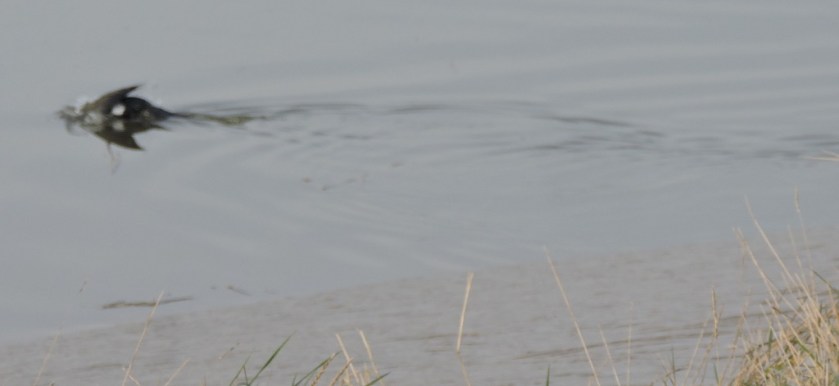
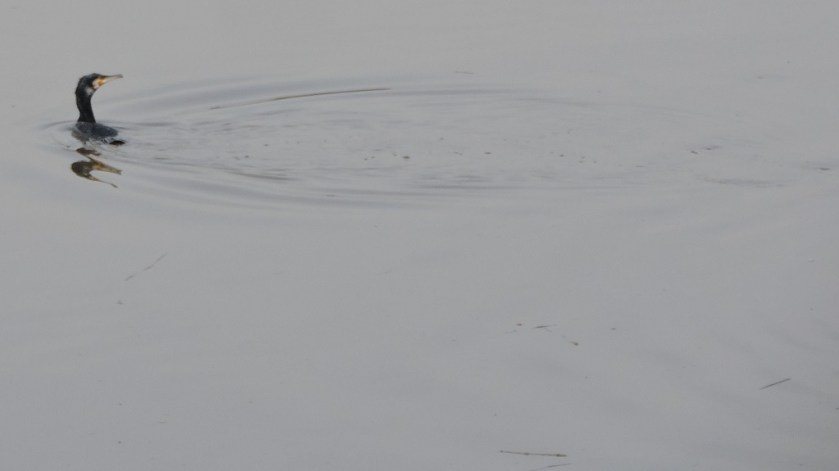
A SEAL SWIMMING IN THE GREAT OUSE
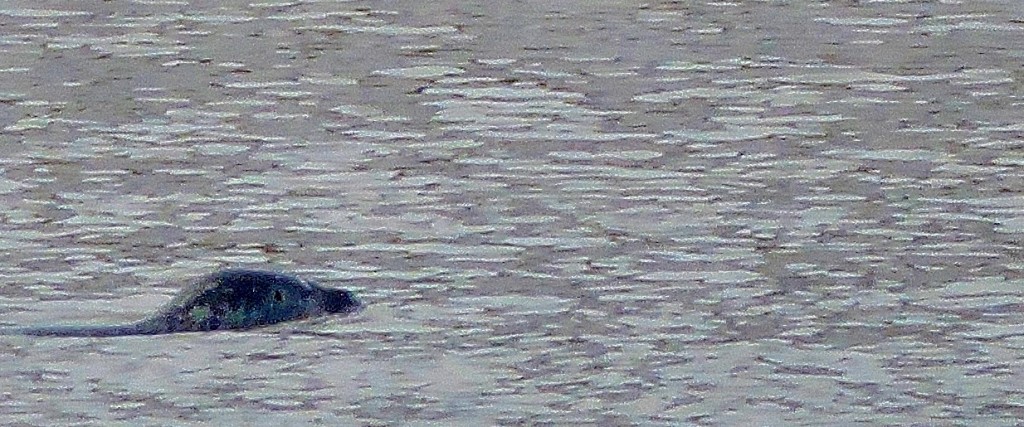
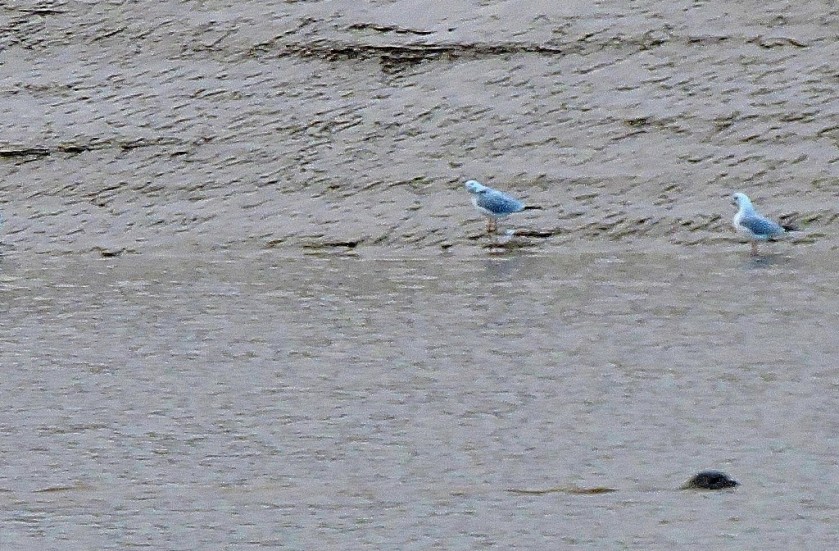
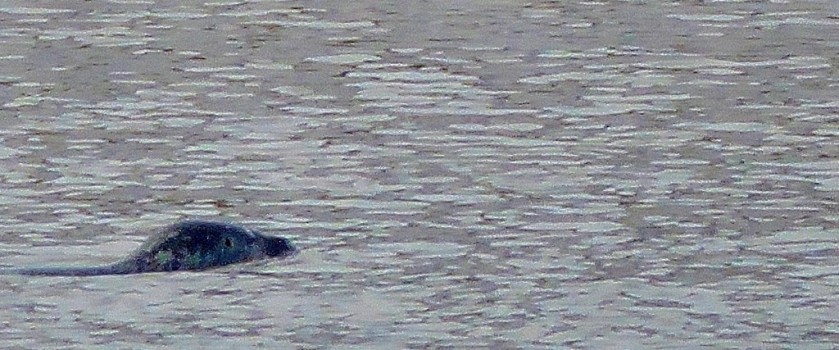
The Great Ouse is a tidal river, so occasionally one sees things that are more associated with the sea than with a river. This was one such – a seal swimming in the river. It was on the other side of the river from me, and only its head was visible above the water:
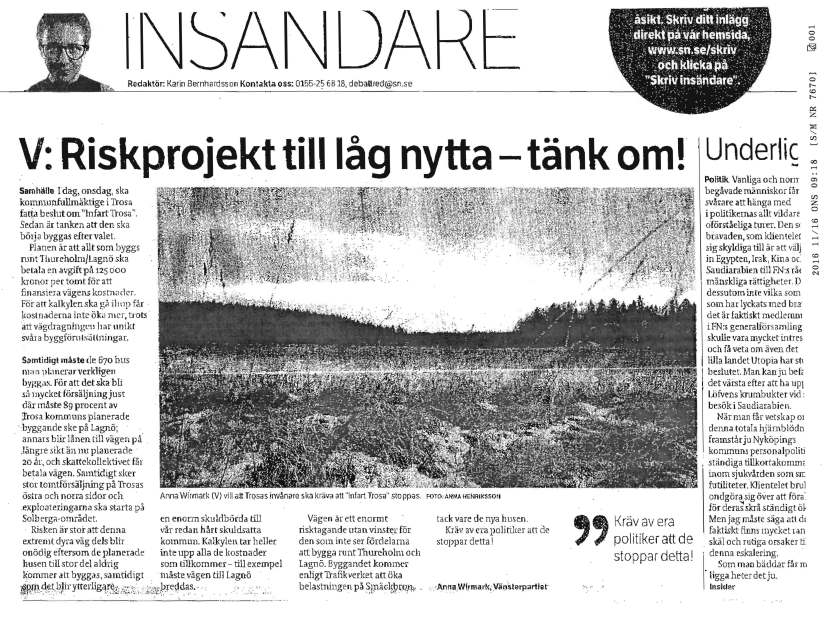
I got a fax this morning. A cut from a local newspaper. A politician writes about the new big road that is too risky to build both financial and environmental. We don´t need the road she says. And she is right. I don´t care which party she belongs to, this issue is bigger and it´s about Saving Trosa nature. Everyone can join that movement. You don´t have to belong to a certain party. We all need to be planet attendants.
Klipp ur SN 20161116 insändare A Wirmark
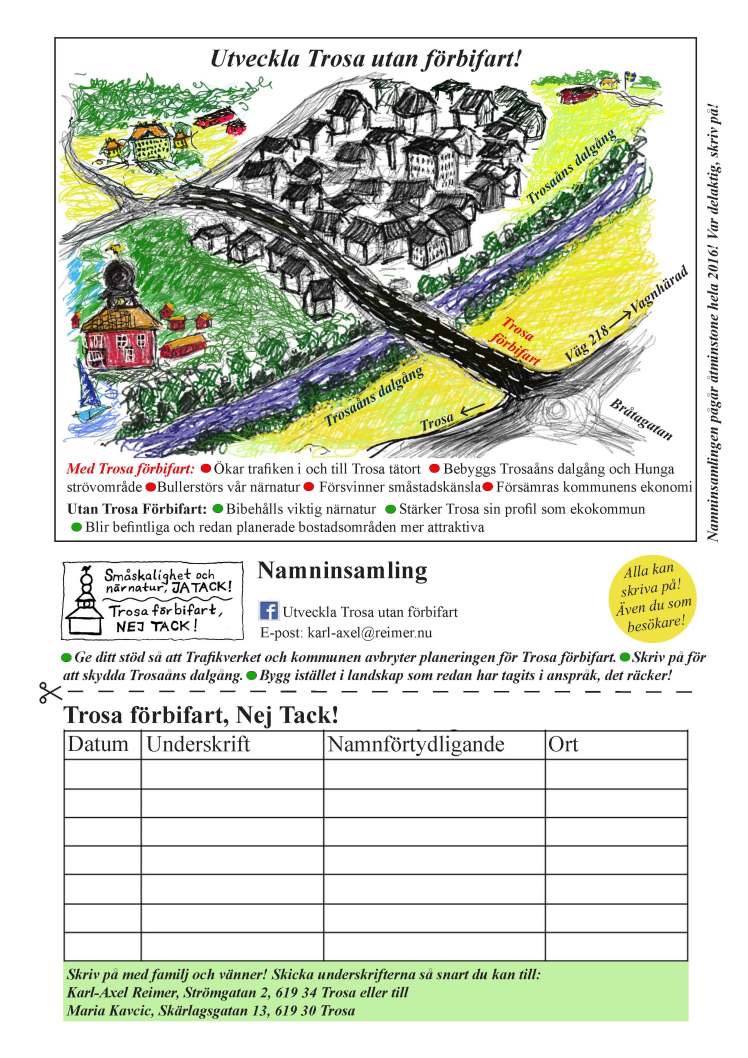
It´s still possible to try to influence politicians to change their minds about this. Sign your name on the Develop Trosa without a new big road, Save Trosa nature-list.
Namninsamling pågår
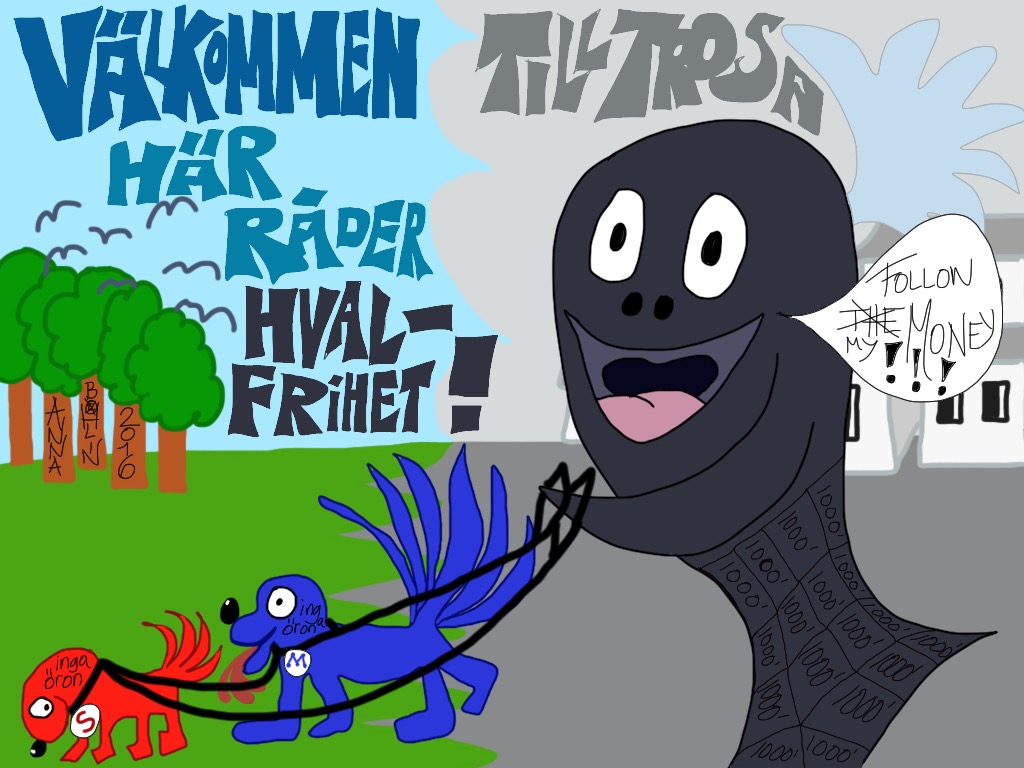
and my own comment in pictures below/Anna
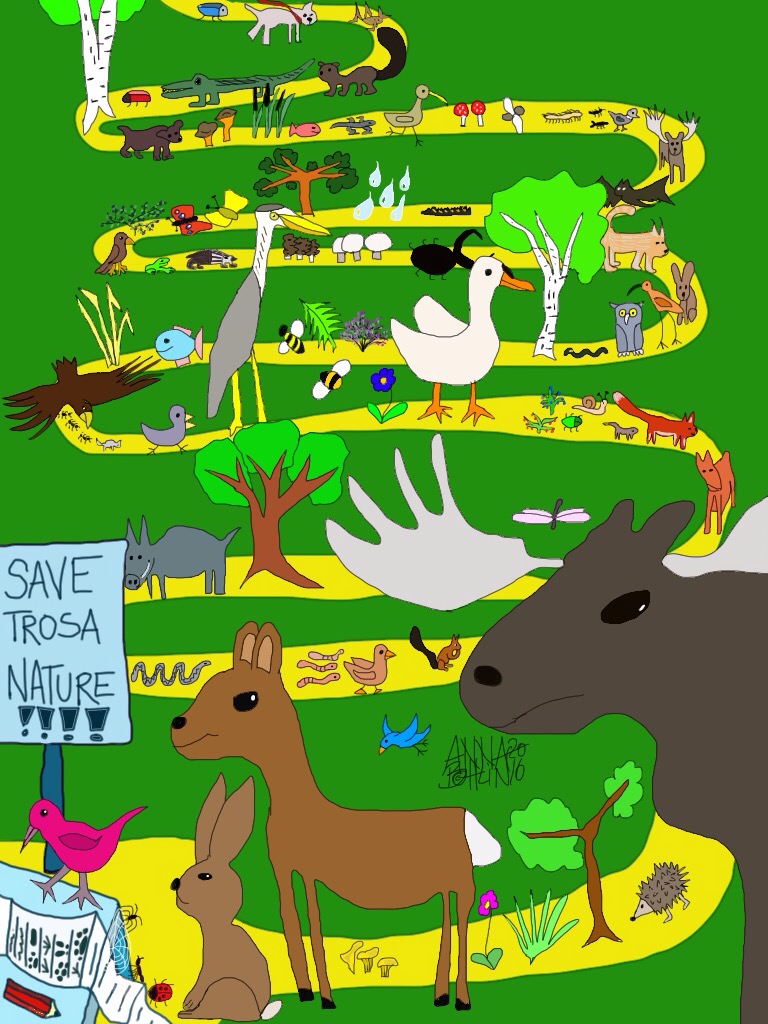
If they could they would sign for save Trosa nature
Förbifarten är skadlig för din hälsa/A new road is unhealthy for you, put it out
A good news story about nature from the village of Balcombe, West Sussex, a King’s Lynn walk, some stuff about music and a few other things.
INTRODUCTION
This post incorporates a King’s Lynn walk but also features plenty of other stuff.
NATURE
This morning I reblogged a post by Anna about the folk of Trosa and their continuing fight to preserve their nature from greedy road builders. I start this section of the post with:
GOOD NEWS FROM WEST SUSSEX
The small village of Balcombe, West Sussex (and having done a walk in that part of the country some years back I can confirm that it is indeed small) was targeted not so long ago by fracking villains Cuadrilla. Not only have they beaten back the frackers, they are on the way to becoming a solar-powered village. Please watch the video below for more:
This is what new developments for the 21st century should look like – big new roads are so last century!
A KING’S LYNN WALK
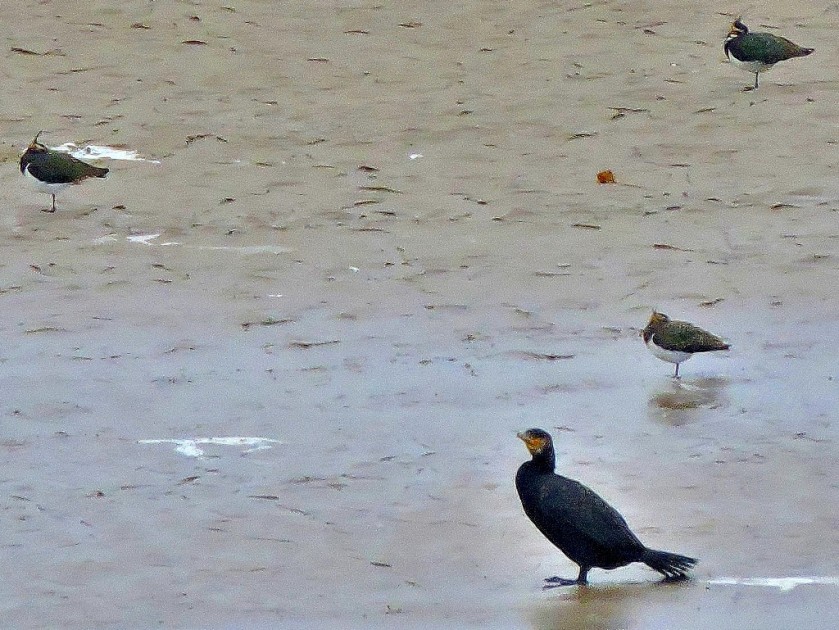
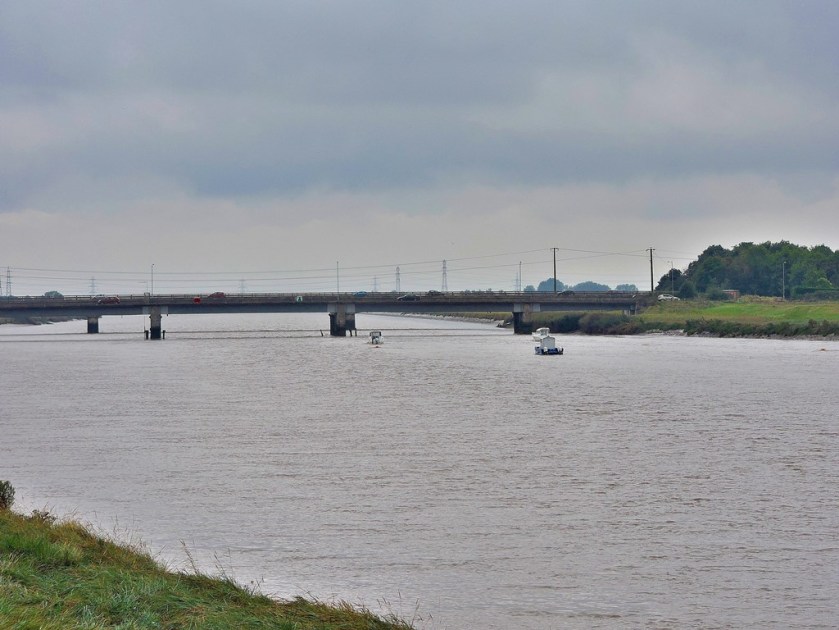
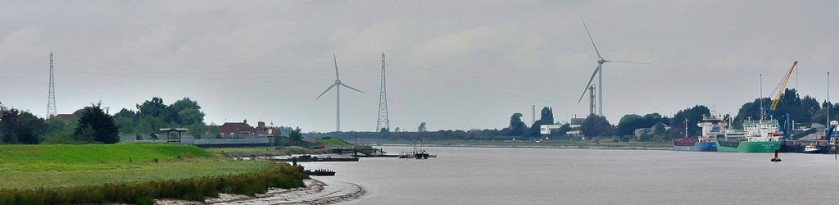
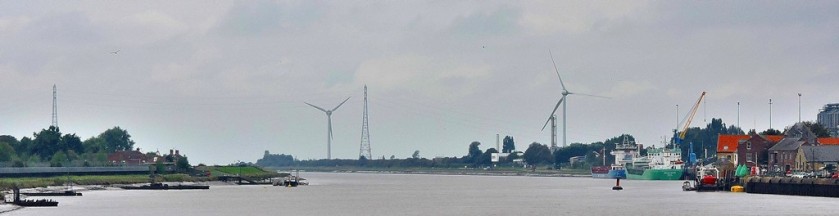
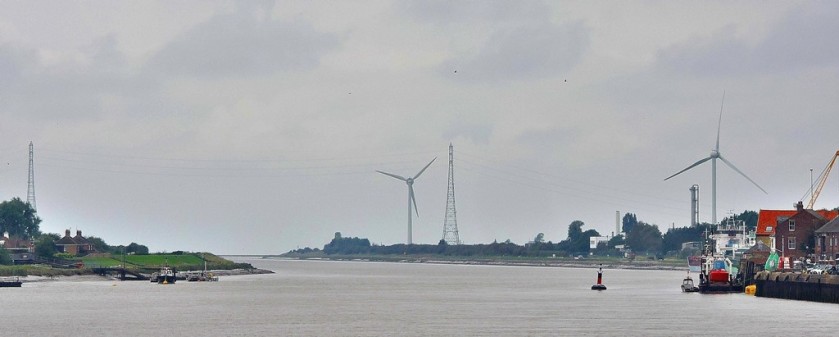
Although it was not terribly inviting outside I went for a walk this afternoon, taking in the Great Ouse, our river. Here are a few pictures:
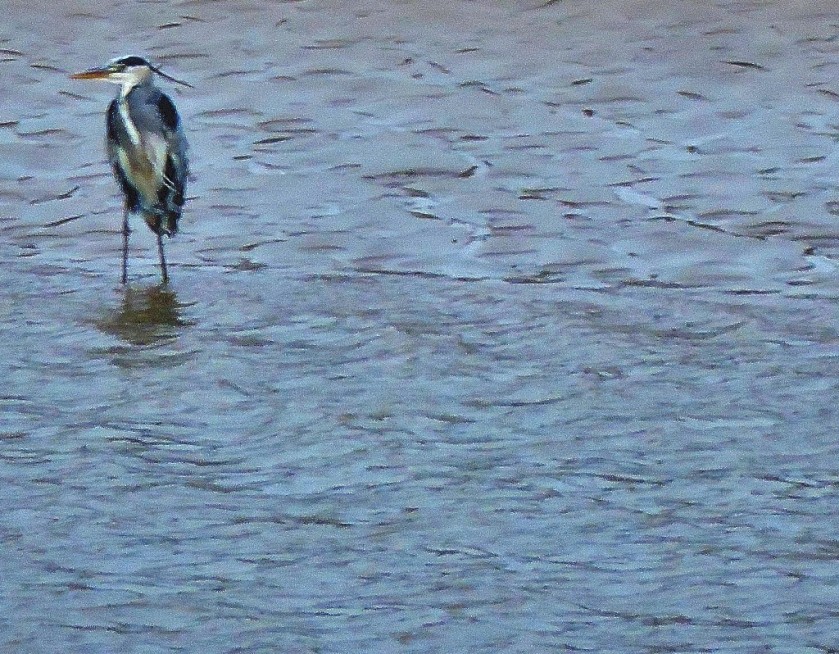
At this point I saw a rare visitor to King’s Lynn –
A GREY HERON
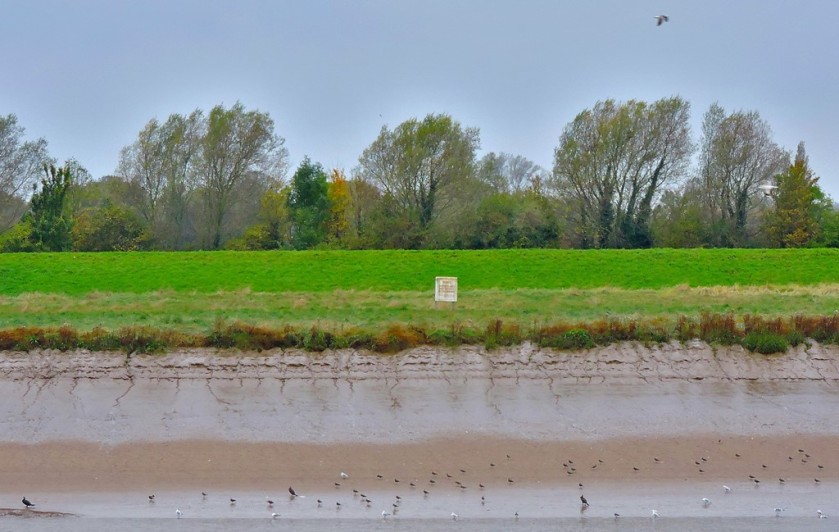
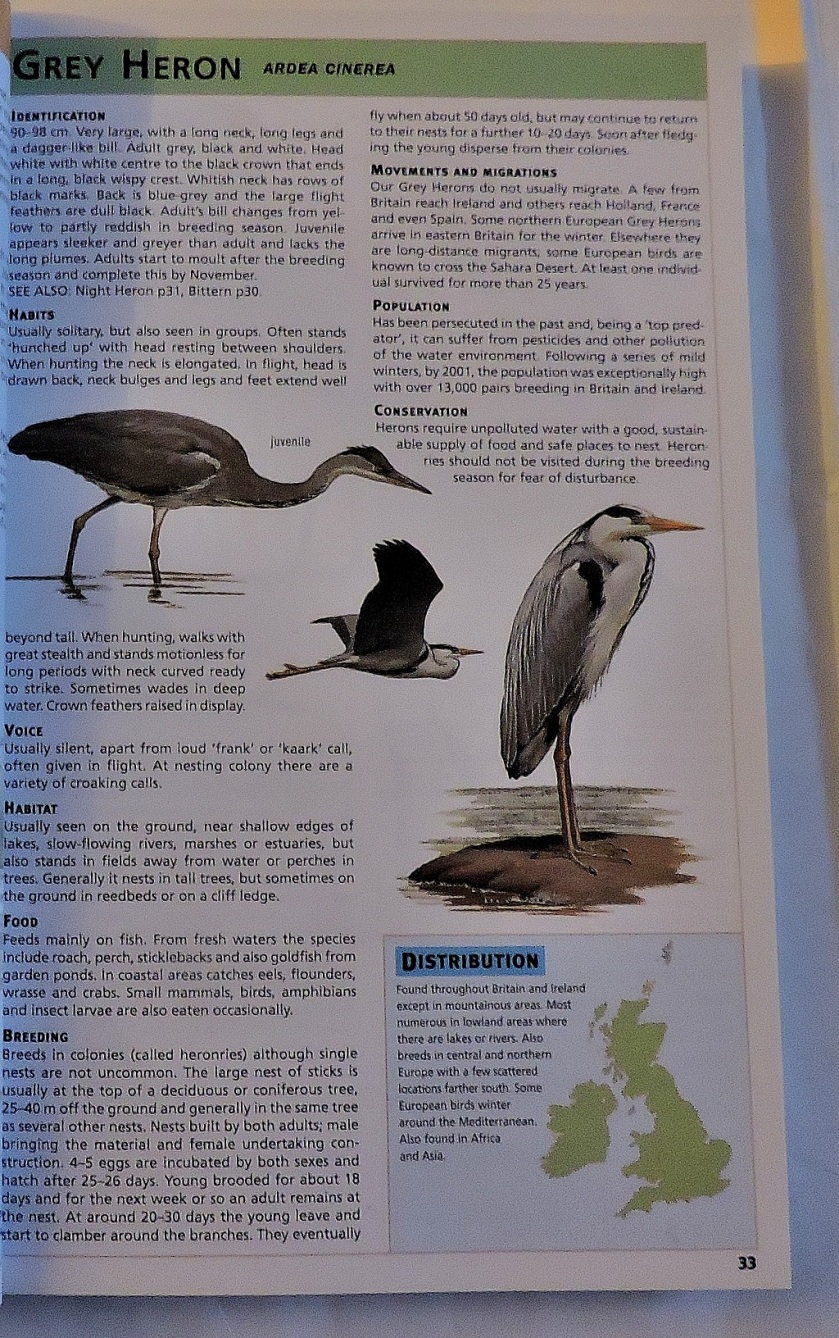
Here is a picture taken looking across the Great Ouse, and the page of my bird book that gives info about the Grey Heron:
After the Grey Heron there were no more exceptional sights but a few more photo-worthy moments:
MUSIC
As part of today’s Hili Dialogue, Grania at WEIT mentioned that among those born on this day (happy birthday Ayaan Hirsi Ali) were Leopold Mozart (father of the more famous Mozart) and Fanny Mendelssohn (older sister of Felix) and linked to this video of a performance of Leopold’s Toy Symphony, which I offer you below:
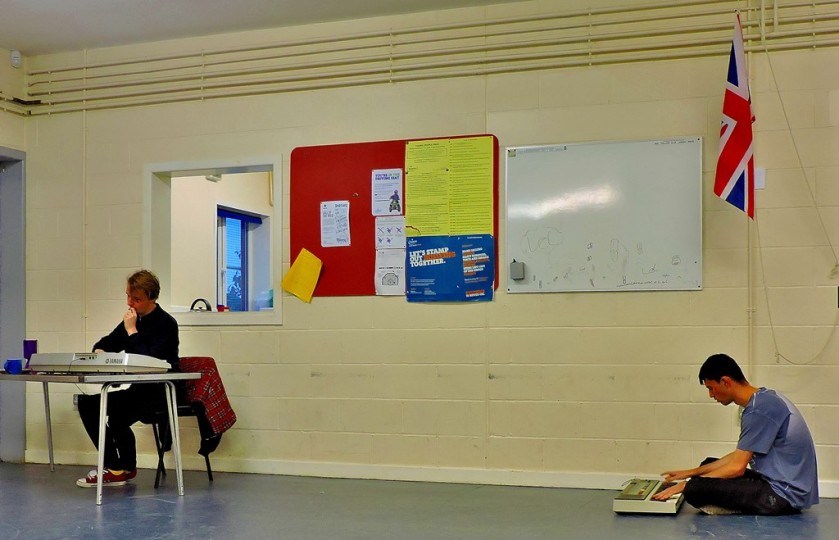
Also, last Saturday was a Musical Keys session, and I have a few photos from there:
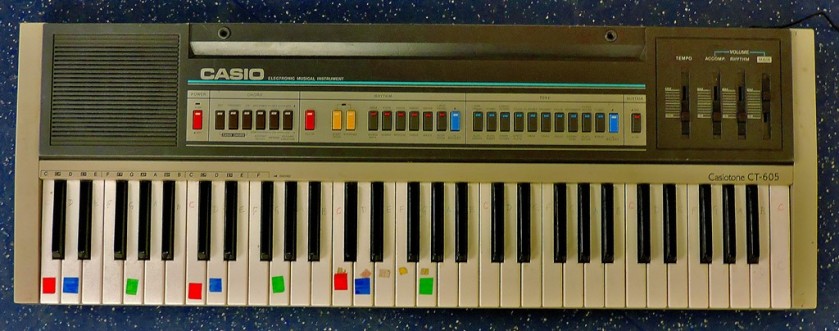
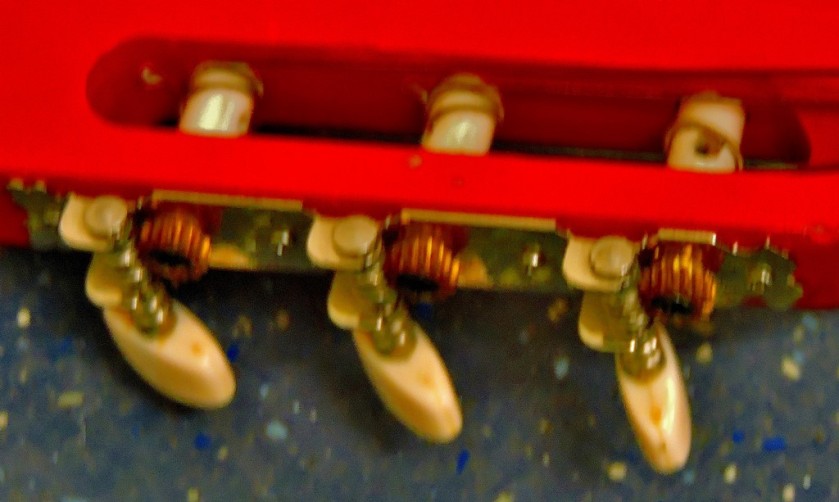
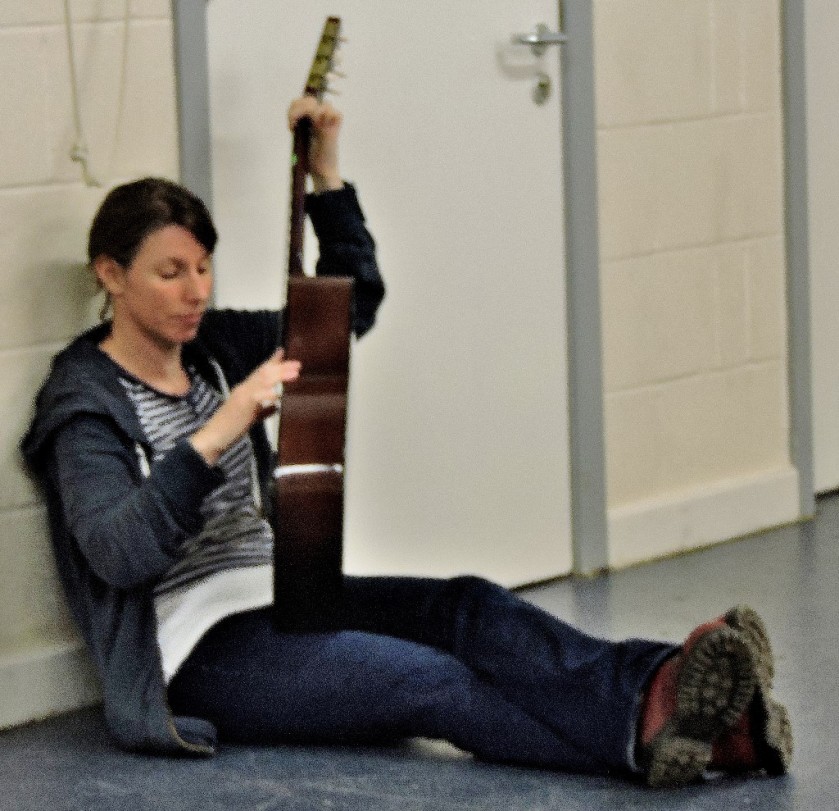
A keyboard that enables the player to produce the sounds of other isntruments. The coloured patches stuck to various keys come in to play when Kirsten held up a sheet to indicate which colour one should focus on – although I was on a guitar by then and was using my left thumb to press on a coloured patch, shortening that string.This instrument, here held for me my Kirsten, one the people who runs the Musical Keys sessions is filled with beads and played by being upended, held until all the beads have fallen and then upended again for as long as you care to.
I played the red guitar.
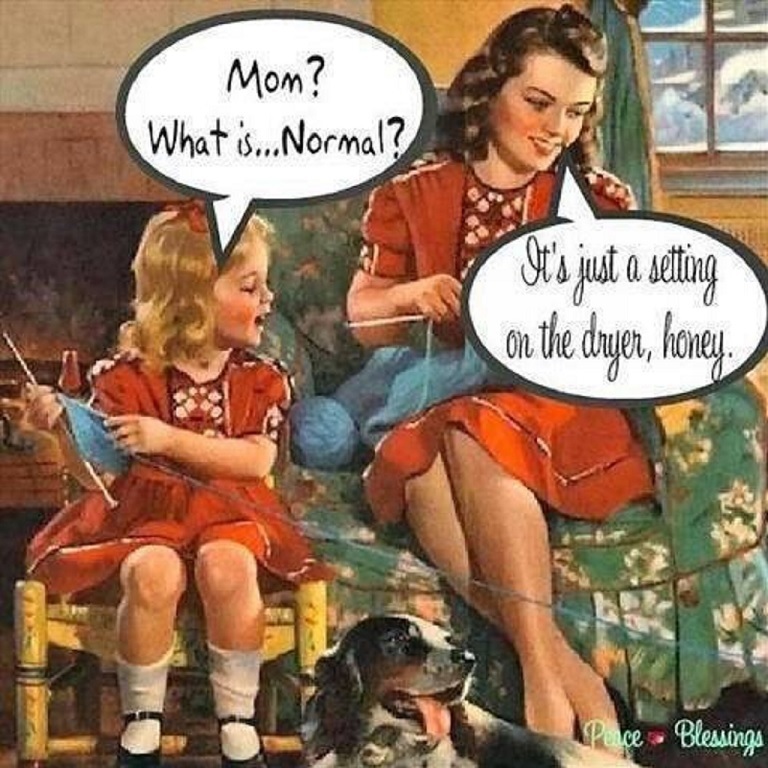
WHAT IS NORMAL?
I found this infographic on twitter and had to share it – I think it is splendid:
HONEST AND DISHONEST PHOTO EDITING
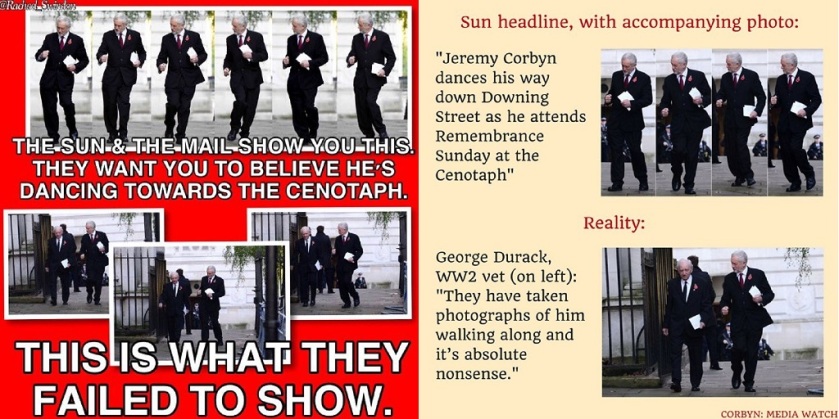
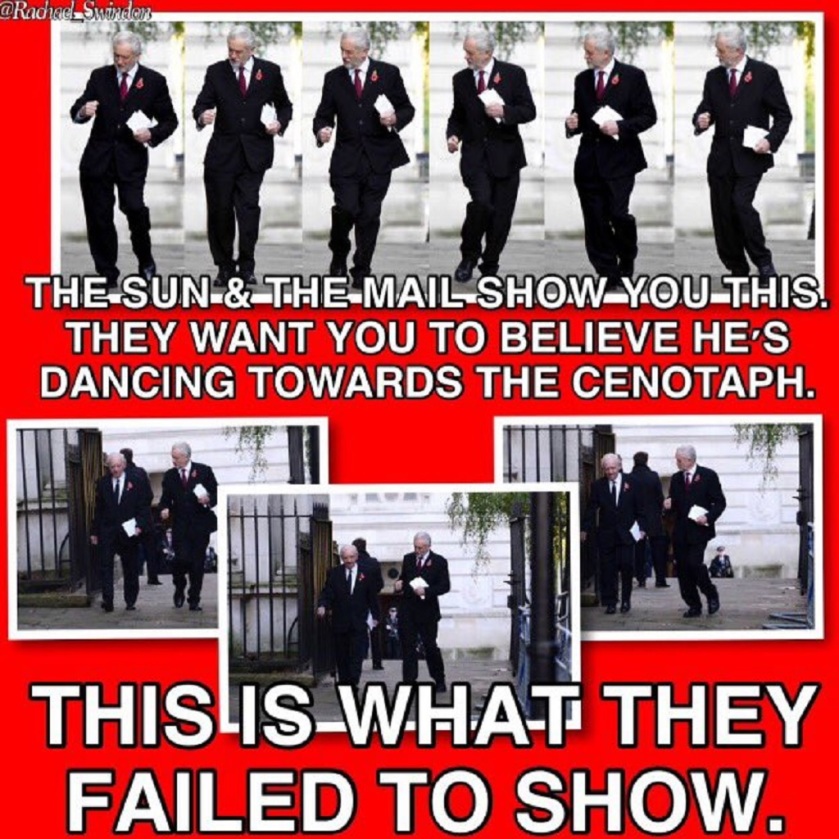
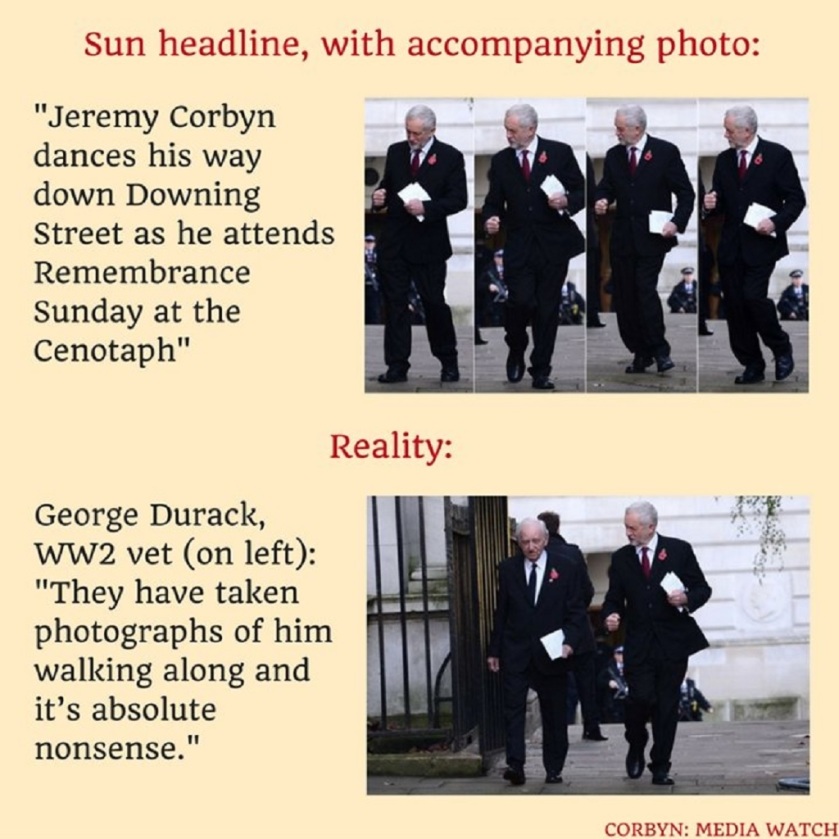
I have shown you some examples of honestly edited photos already in this post. What follows focusses on dishonestly edited photos. Two “newspapers” whose names I refuse to give, one owned by the fourth Viscount Rothermere and on which the good folk of Liverpool refuse to buy, produced photographs purporting to show Jeremy Corbyn dancing towards the Cenotaph yesterday (Remembrance Sunday). To do this their photo editors had cropped out from their original picture the 92 year-old WWII veteran who Mr Corbyn was accompanying and who hotly denies any suggestion that he was dancing:
Two incisive infographics juxtaposedthe individual infographics.
More from Anna on the battle to protect Trosa from the road builders (the letter itself is in Swedish, and as it is in the post as an image I have no way to translate it, but I know that will be powerful and well written).
Today I´ve been workning for saving Trosa nature. A letter to our politicians who are far too stuck in old thinking from the 1900 century.
It was too long to translate, but here is the Swedish version. Maybe you can translate it in some parts by yourself. I’m sorry for not being able to publish the text in English.
It´s about how the building a new road through almost naturereserve nature is a very bad and unmodern idea. We don´t need the road, we need the nature.
synpunkter till kommunstyrelsen sid 1
synpunkter till kommunstyrelsen sid 2
synpunkter till kommunstyrelsen sid 3
synpunkter till kommunstyrelsen sid 4
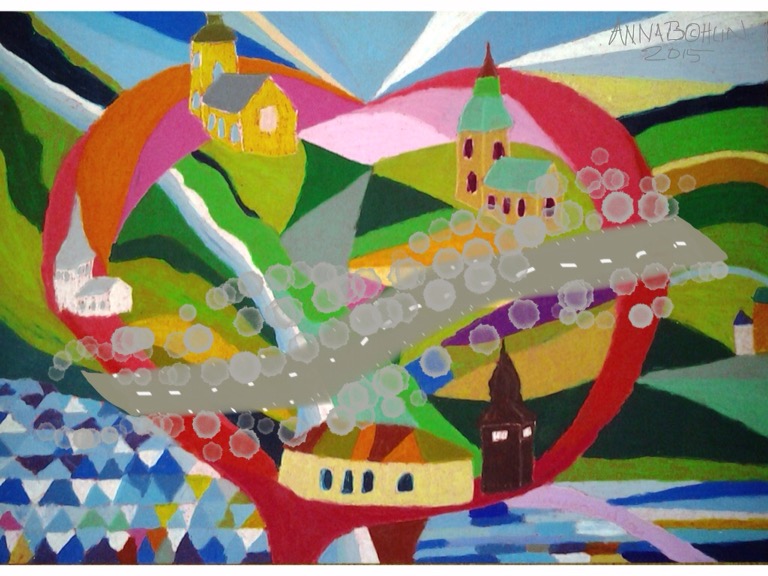
I don´t want our future to look like this
Avbryt projekt Trosa förbifart
In the letter to the politicians I tell them to take a look at the project with the eyes from outside perspective. So far they only…
Musical Keys, Cricket, Photography and some links.
INTRODUCTION
The title of this post refers to Saturday’s Musical Keys session at the Scout Hut on Beulah Street (a place that by now is almost as familiar to me as my own humble abode such is the number of events I have attended there). I also have plenty of other stuff to share.
MUSICAL KEYS
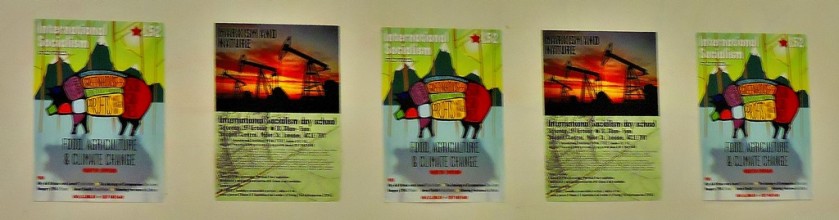
Having missed the previous Musical Keys session because I was attending the “Marxism and Nature” Day Schoolin London (well done to the International Socialism Journal team, you organised a great event) I was anticipating this session more eagerly than usual. Then came the news that the branch chair would probably not be able to attend as her son was playing up, which meant that I would be the sole NAS West Norfolk committee member present.
THE WALK THERE
I decided to go via Bawsey Drain (there was no decision to make as regards the mode of transport although it is a longish walk) and I was able to take some pictures along the way.
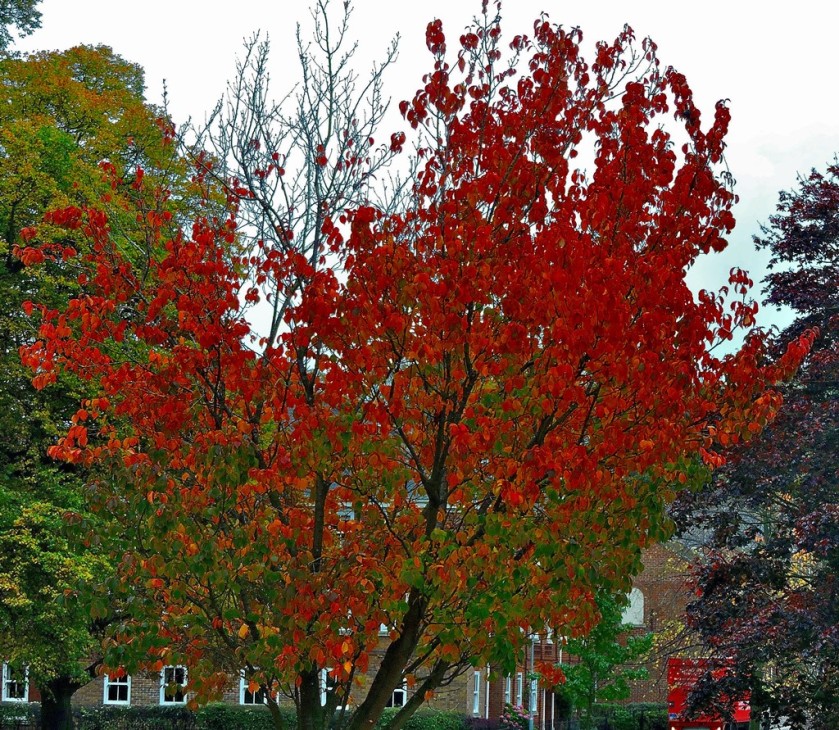
Another splendid tree (to see lots of tree pics visit Anna’s blog and look at some of the recent posts there)
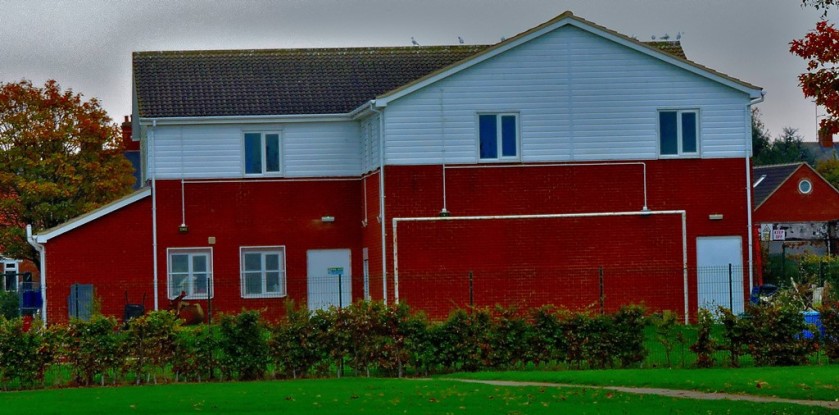
The outside of the scout hut.This section of path has recently been resurfaced.
THE SESSION ITSELF
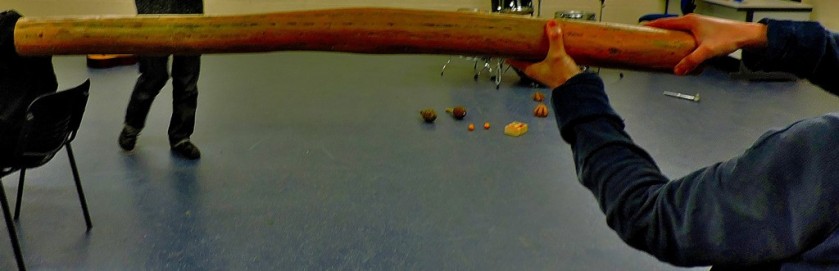
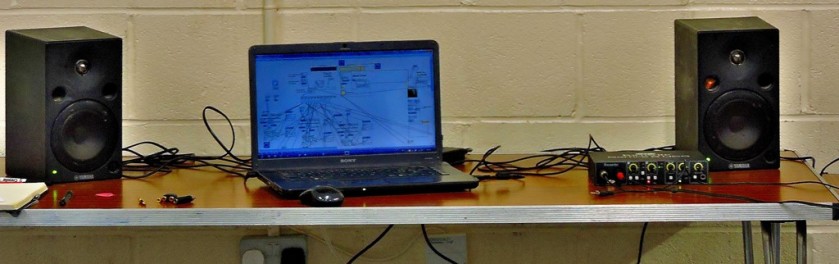
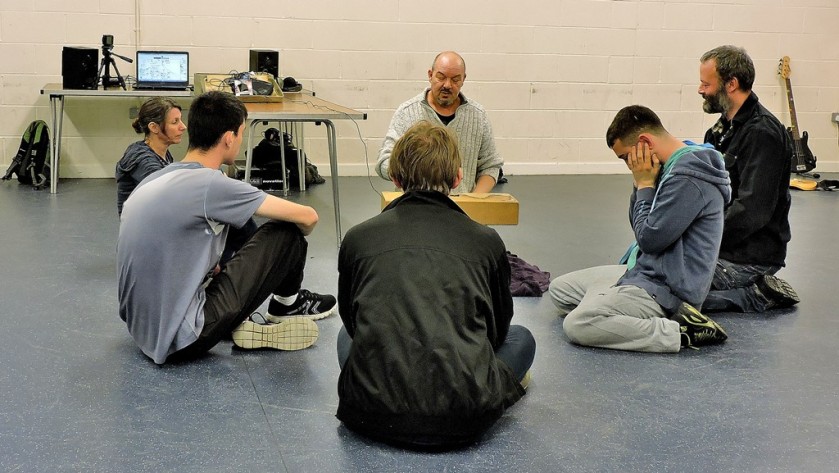
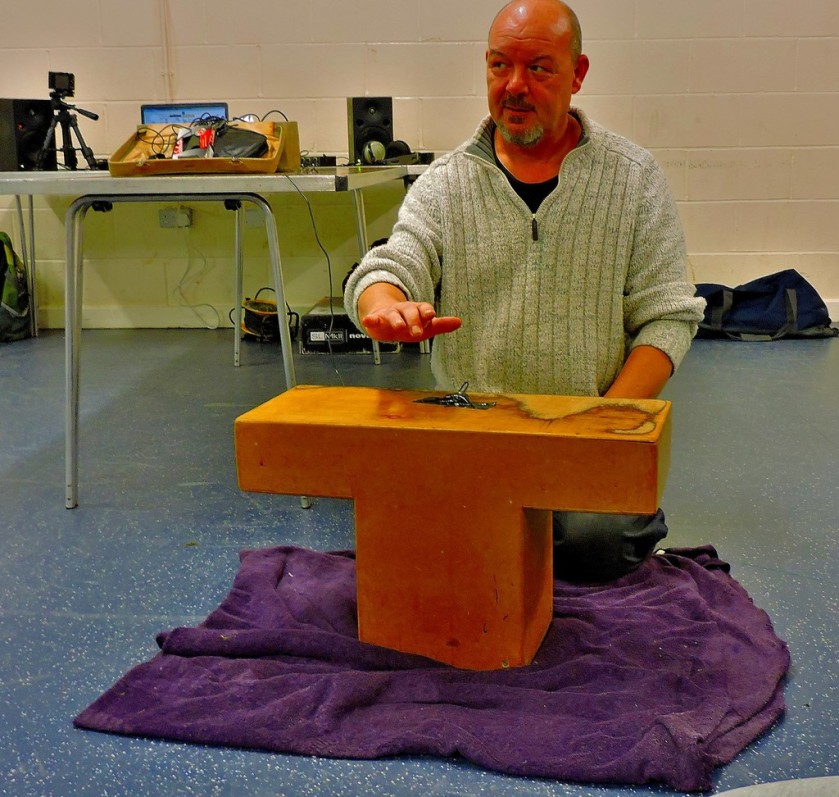
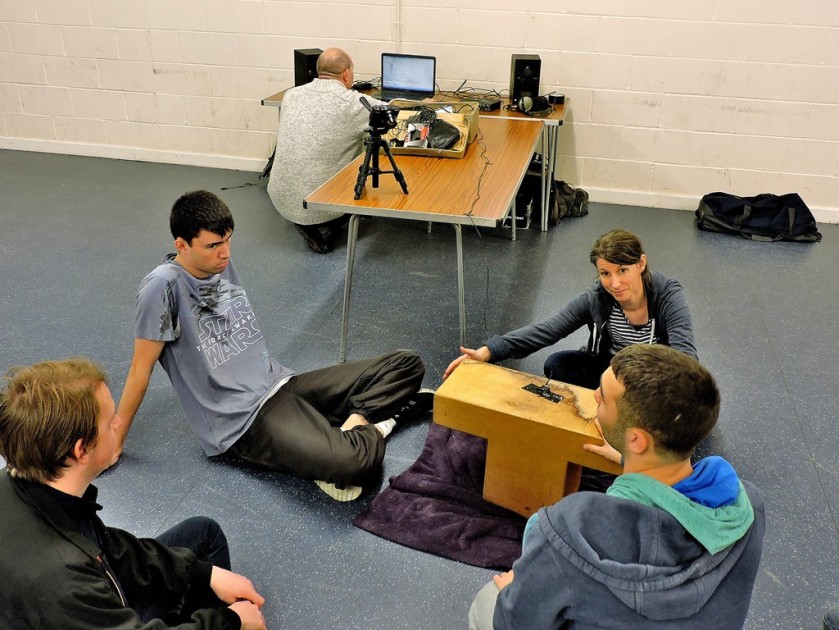
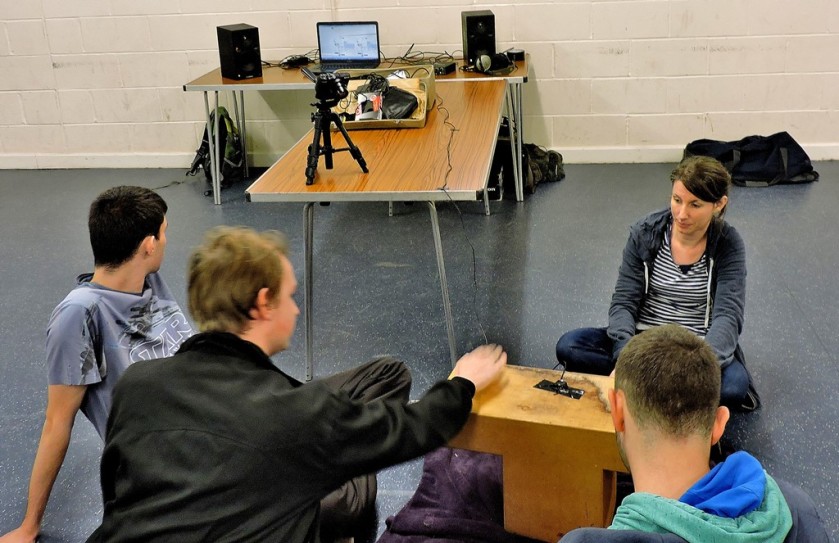
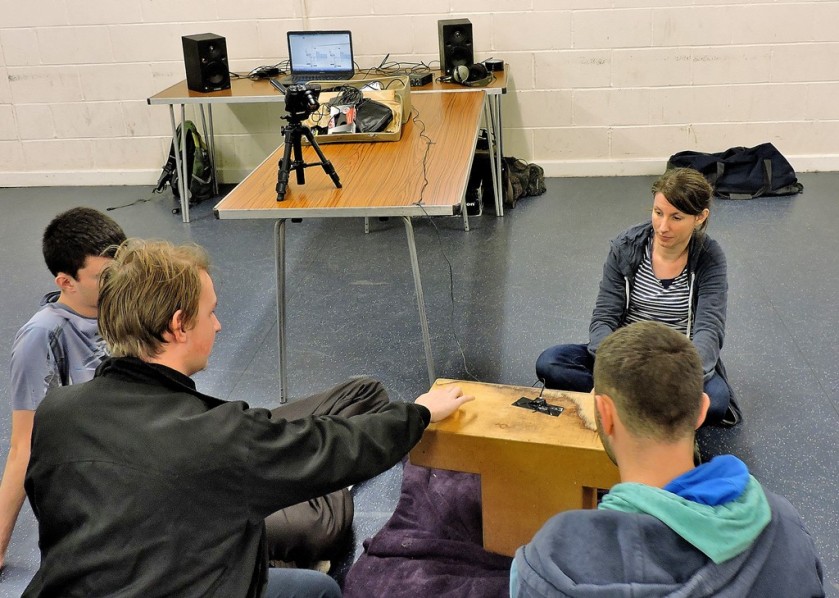
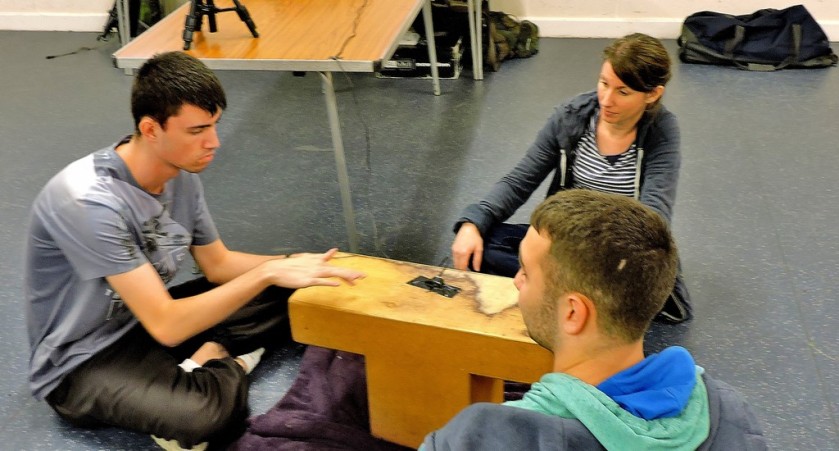
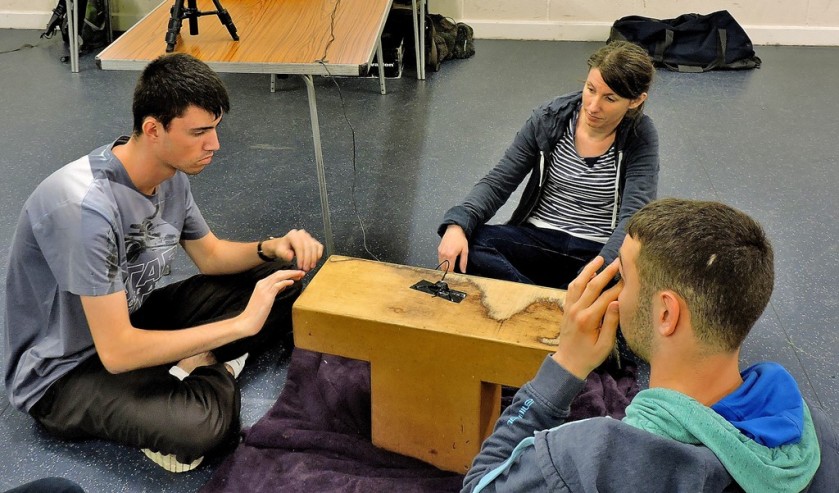
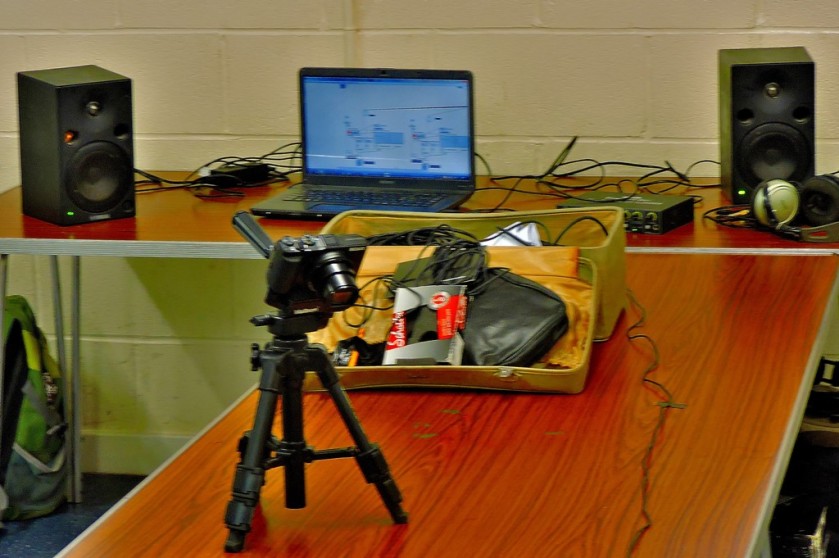
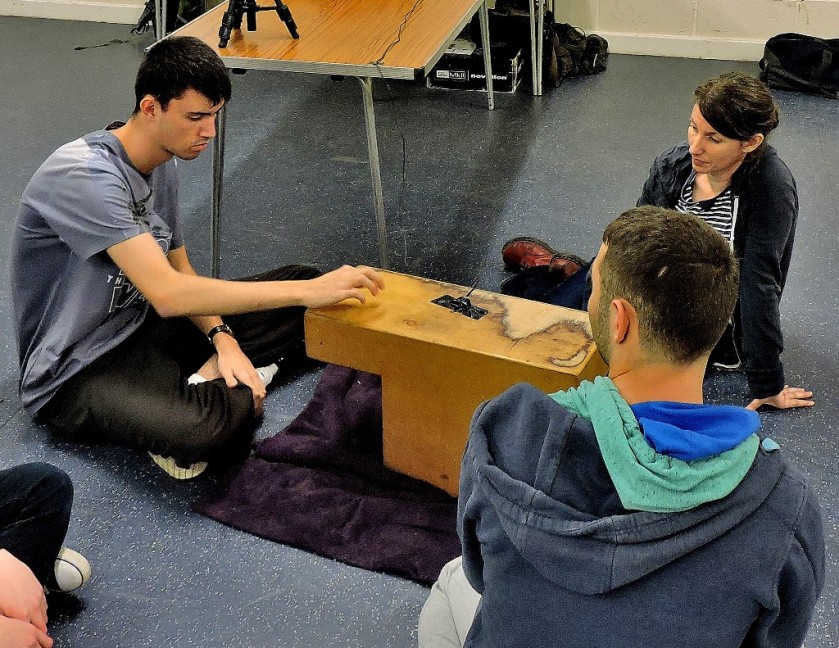
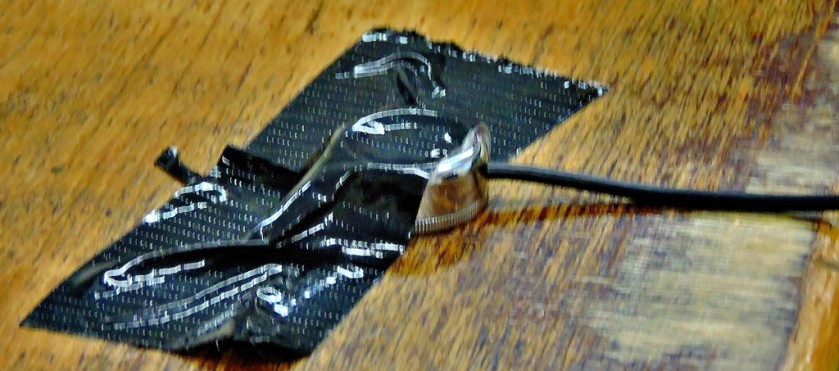
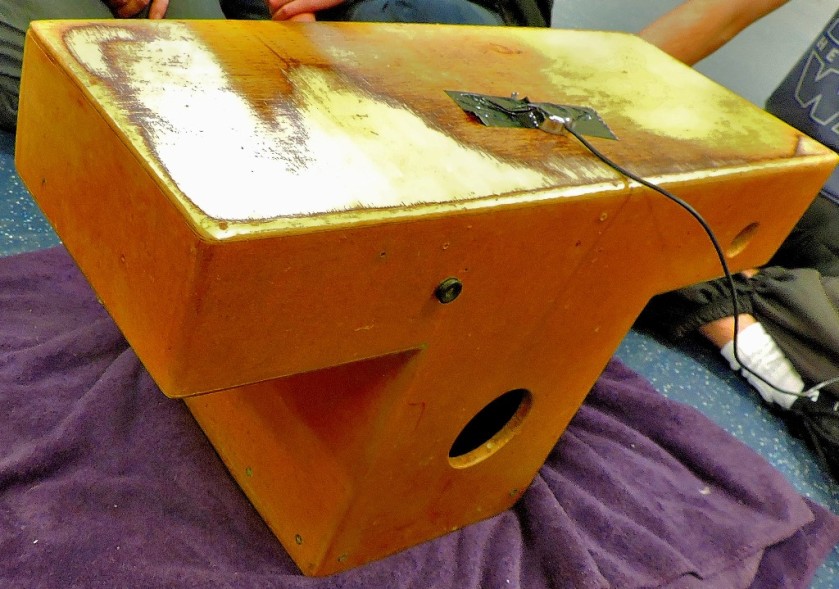
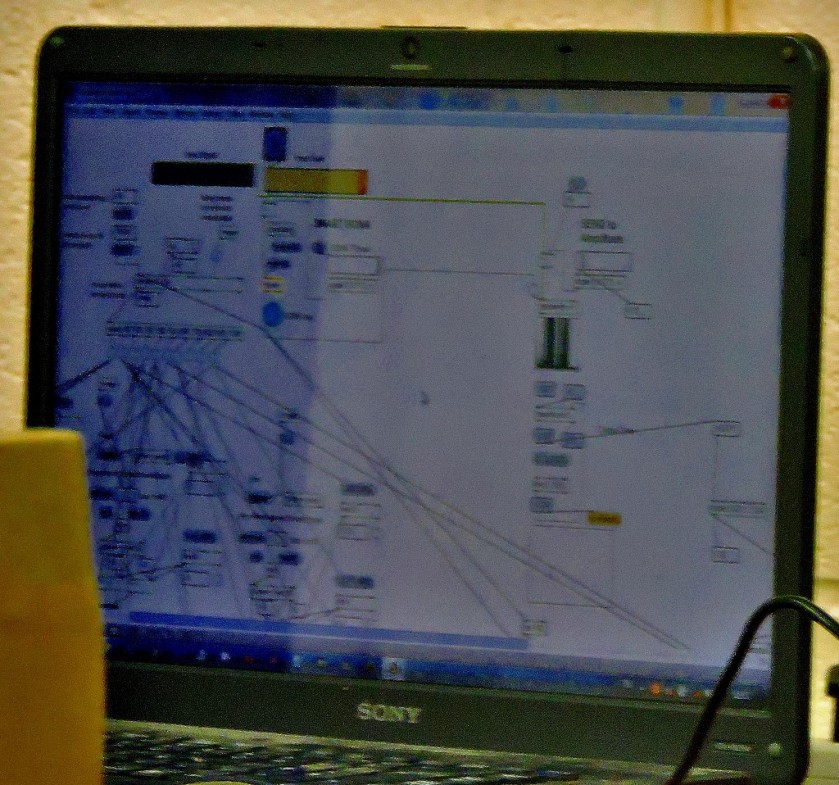
I was specifically requested to take pictures during this session by John and Kirsten, who run the sessions for Musical Keys. Therefore I have lots of pictures. The session began with the focus exclusively on a kind of wooden drum, shaped like a three dimensional capital T, which had been cunningly wired up to a computer.
How this wooden instrument was wired up to a computer.
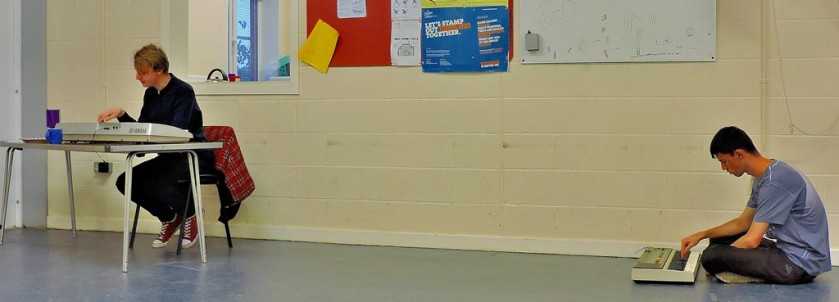
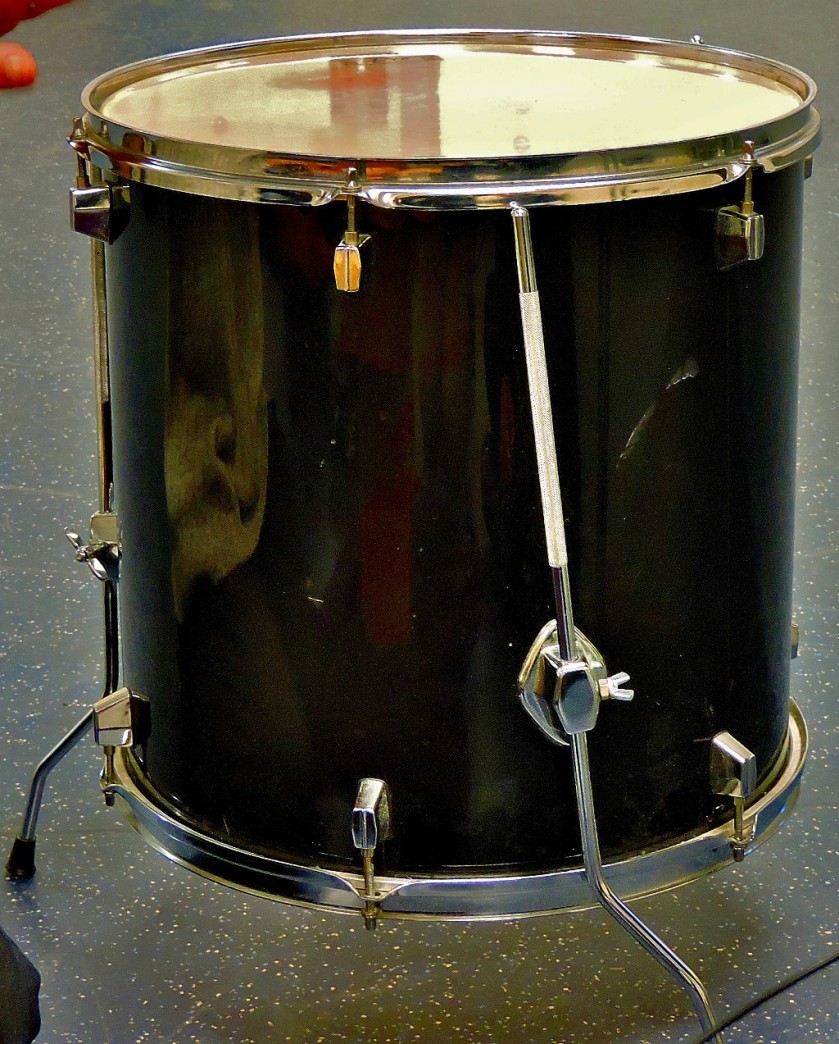
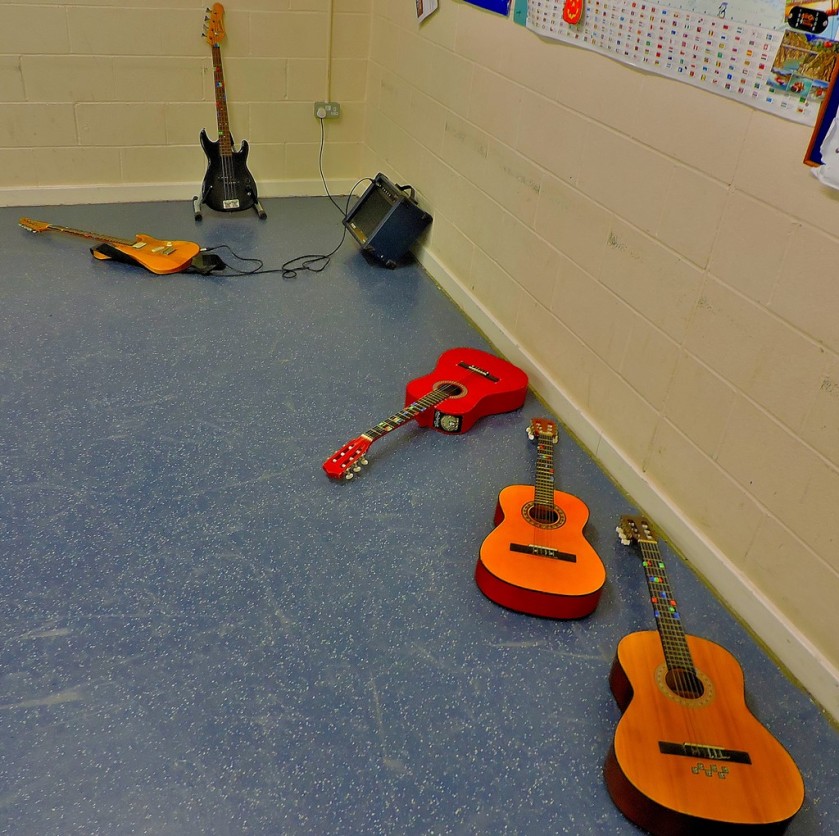
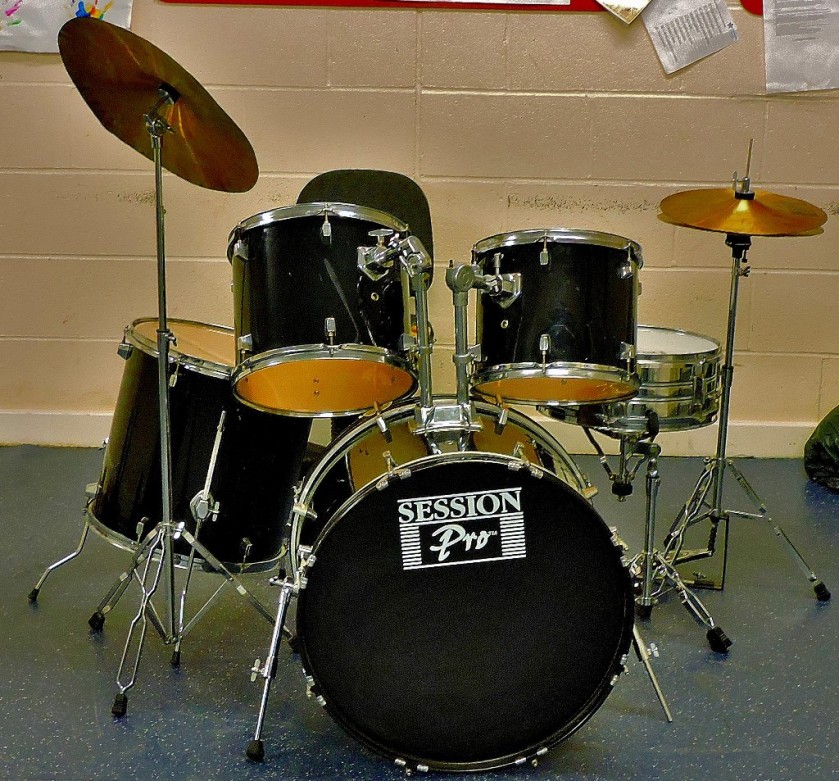
Later in the session people were encouraged to try other instruments – two electronic keyboards were available and both were used, I sampled an acoustic guitar and also an electric bass guitar, and a single drum was available for most of the session, with the full set (which tends to drown out everything else) in action for the last few minutes.
The keyboards being played.A stand alone drum
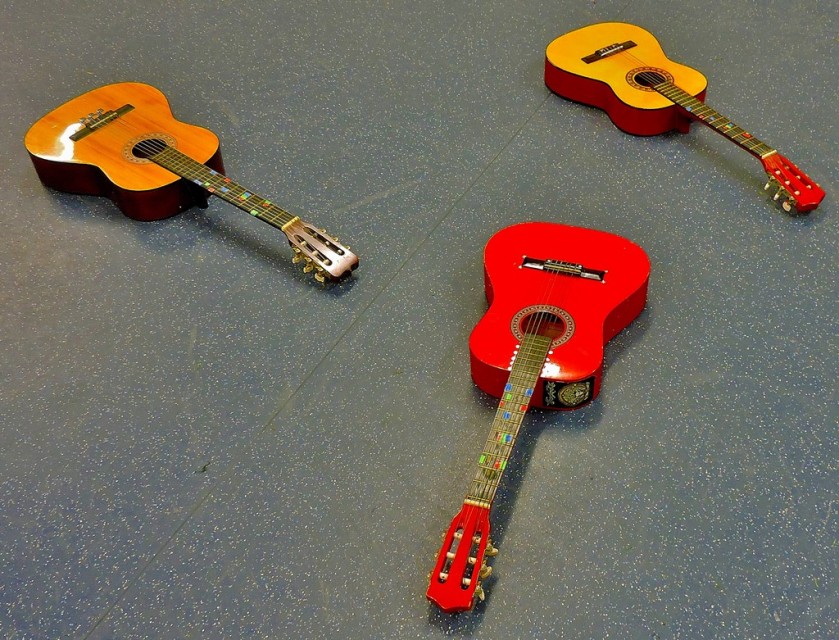
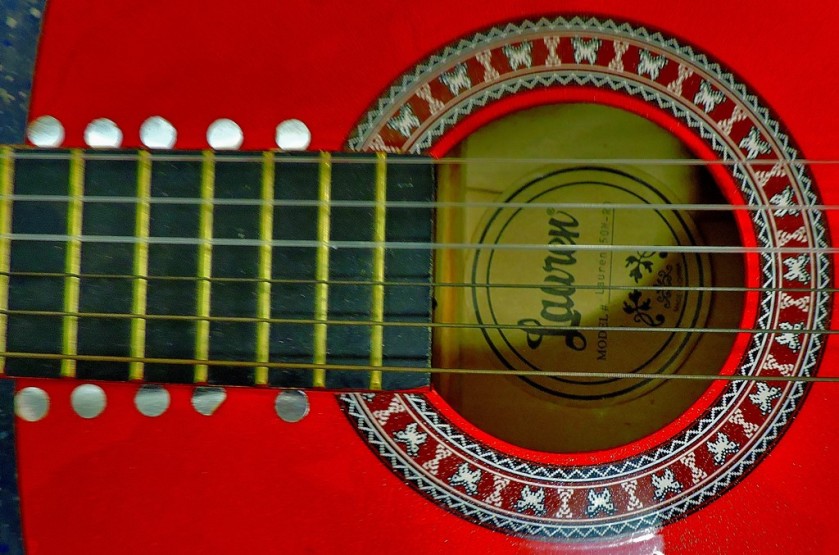
The range of guitars.A couple of close-ups of the particular acoustic guitar that I played.
The full drum set ready for actionThe drum set in use.Kirsten (one of the two people who run the sessions) playing an acoustic guitar.
SOME FINAL THOUGHTS ON THE BANGLADESH – ENGLAND SERIES
The result of the second match in this two match series, which I celebrated here, was splendid not just for Bangladesh, but also for cricket as a whole. England now head for a five match series in India, where they can confidently expect every pitch to be turning from minute one of every match (and can have no complaints given the number of times they have had sub-continental teams play on green seamers at places such as Durham and Leeds early in the English season). Frankly having seen how England have handled spin friendly conditions in Bangladesh, India should probably reckon that any series outcome other than 5-0 to them is a disappointment.
England this series have been exposed in several areas:
Top order batting – in four completed innings the top five contributed only three individual scores above 50 between them, one a piece for Joe Root, Moeen Ali and Ben Duckett. Cook’s 39 in his final innings of the series was his best effort, while Ballance failed badly in all four innings, being out to a particularly gruesome shot in the final one.
Spin bowling – of the four front-line spinners played by England in this series (Moeen Ali, Adil Rashid, Zafar Ansari and Gareth Batty) none produced a really convincing performance overall, although Moeen Ali took five wickets during Bangladesh’s collapse from 170-1 to 220 all out in the first innings at Dhaka and Rashid 4-52 in second innings of that same match. England, in a spin dominated series, were saved from complete embarrassment by Ben Stokes who captured 11 wickets at 10.09 to be their joint leading wicket taker, as well as being their leading run scorer.
Captaincy – Alastair Cook had an even poorer series in this respect than he did with the bat. Whenever the spinners were bowling they had right from the word go fielders at deep long off and at deep point – meaning that singles were always easily obtainable. These field setting seem horribly like covering the bad ball (of which it must be said there were far too many from all of England’s spinners).
I am going to finish this section with individual player ratings for all those used by England (the player of the series on either side was Mehedi of Bangladesh btw).
Alastair Cook (C): a poor series with the bat and a poorer one as captain. Rating 3/10.
Ben Duckett: looked unconvincing in his first three innings, but redeemed himself to an extent in the fourth – his approach in that innings got Bangladesh on the back foot. His dismissal straight after tea in that innings was the trigger for Bangladesh’s greatest ever session in the field in test cricket. Rating 5/10
Joe Root: a gritty 50 in the first innings at Dhaka when no one else offered serious resistance until the partnership between Rashid and Woakes was his only major contribution with the bat. Rating 5/10
Gary Ballance: after his first three innings of this series I commented that he was not batting long enough to know what sort of form he was in. His fourth innings was equally brief, but the shot with which it ended was truly dreadful. Rating 0/10
Moeen Ali: a useful 50 in Chittagong, and wickets in both games. However as an off-spinner he was comprehensively outclassed by 19 year old Mehedi on the other side. Rating 7/10
Ben Stokes: England’s player of the series, his 85 at Chittagong was England’s highest individual score of the series, he was the teams overall leading run scorer and joint leading wicket taker (this latter in a series were quick bowlers were mainly bystanders). Without his efforts this series would certainly have been 2-0 to Bangladesh. Rating 9/10
Jonny Bairstow (WK): A competent series with gloves in difficult conditions and a fifty in the first match. Rating 6/10
Zafar Ansari: his selection in place of fellow Surrey man Batty for the second match of the series gave England a more varied bowling attack, and he picked up a couple of wickets. He failed to contribute with the bat. Rating 4/10
Chris Woakes: significant contributions with the bat in both matches, though his bowling was not of much significance in this series. Rating 5/10
Adil Rashid: A useful batting effort in the first innings at Dhaka, when he and Woakes rescued their supposed betters and gave England a lead, his bowling in favourable conditions was disappointing. Rating 5/10
Stuart Broad: Bowled well at Chittagong, was rested for Dhaka. Rating 5/10
Gareth Batty: His selection for this tour at the age of 39 and after a 12 year hiatus in his international career was a major indictment of English spin bowling, and he contributed little in the one match he played, at Chittagong. Rating 2/10
Stephen Finn: Came in for Stuart Broad at Dhaka, and his only contribution of note was to become the answer to the quiz question “whose dismissal gave Bangladesh their first ever test victory against England?” Rating 1/10
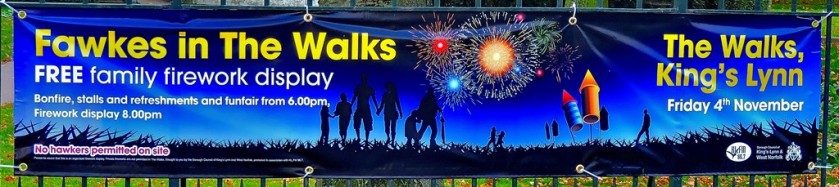
FAWKES IN THE WALKS
This has historically been a very successful event and I hope it will be so again. However, as an autistic person who reacts badly to sudden loud noises, I would also like to say that fireworks should be restricted to official displays of this sort.
My next and penultimate link is to Anna’s effort to get people to post about tree walks. To view her most recent post on the subject click on the screenshot below.
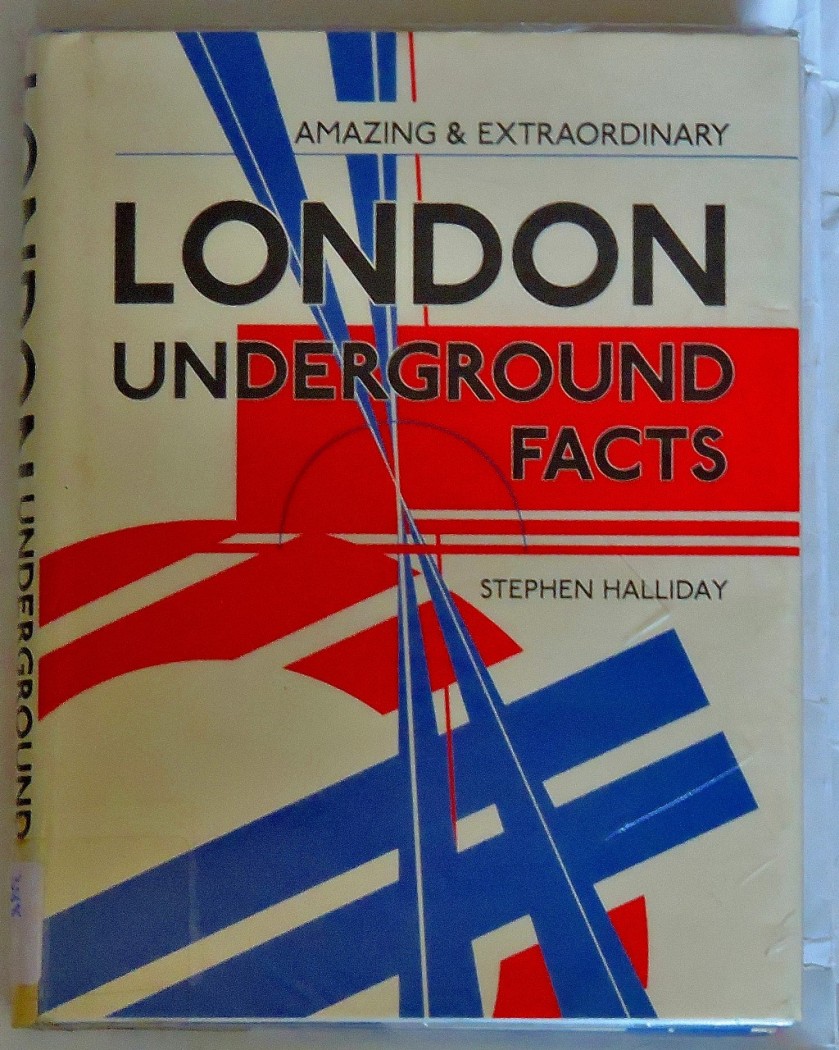
My final link is to a book review on my London transport themed website – click the screenshot below to visit it.
A post created from my experiences at the Marxism and Nature day school which took place at Student Central, Malet Street, London on Saturday.
INTRODUCTION
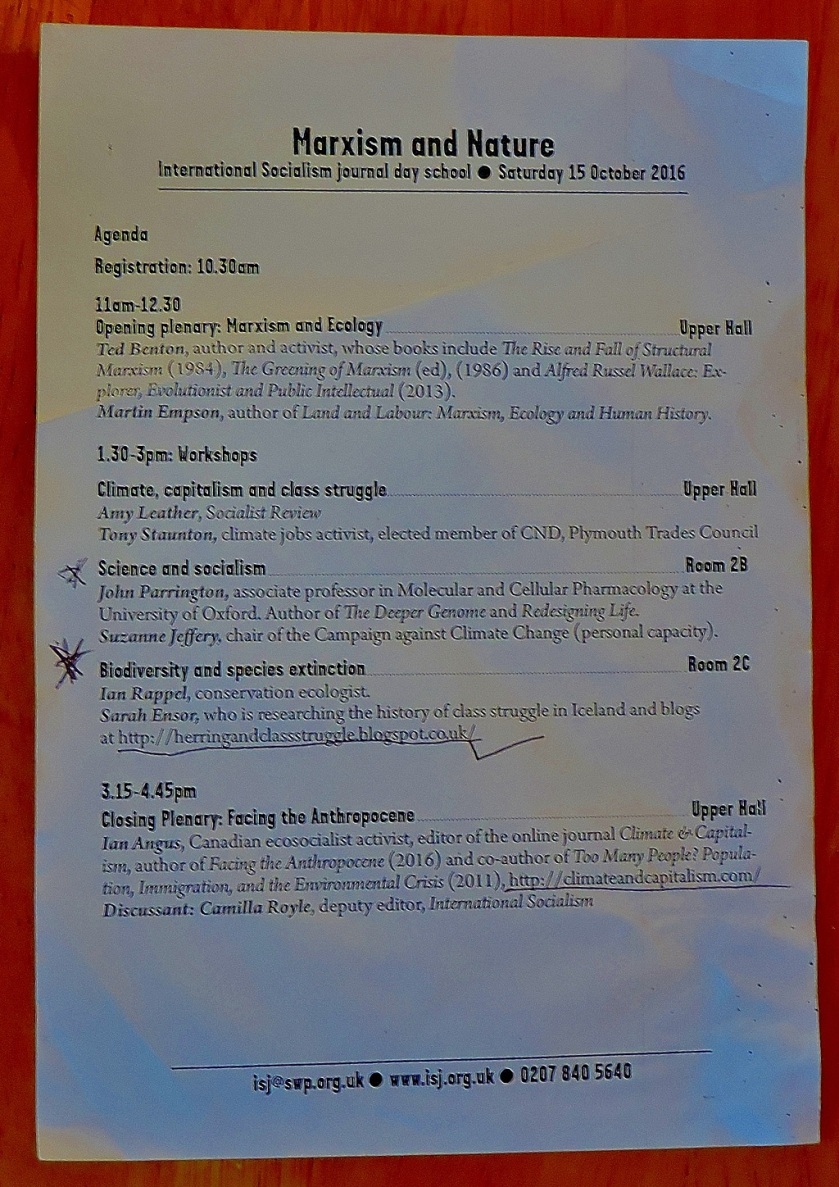
This post is based on a day school organised by the International Socialism Journal titled Marxism and Nature which took place on Saturday. To set the scene, here is the timetable for the day:
THE TRAVEL
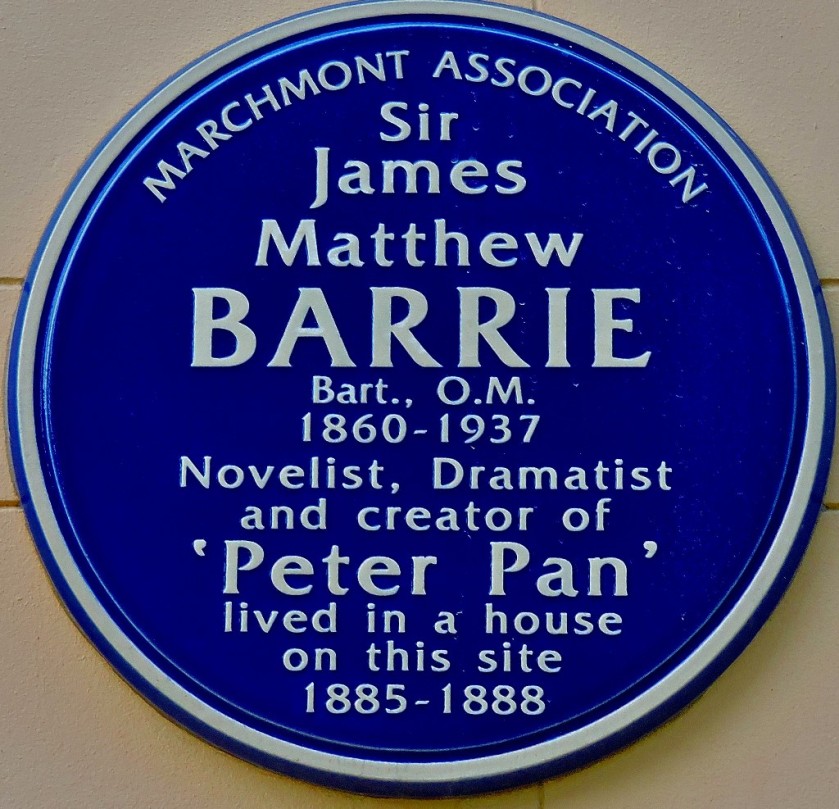
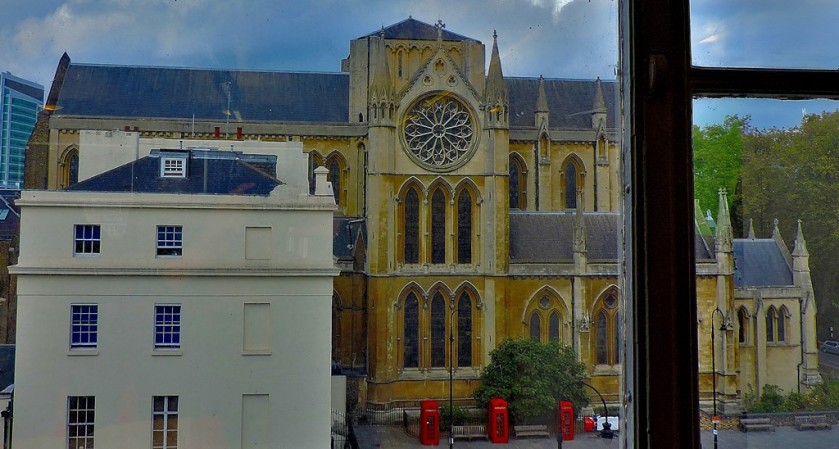
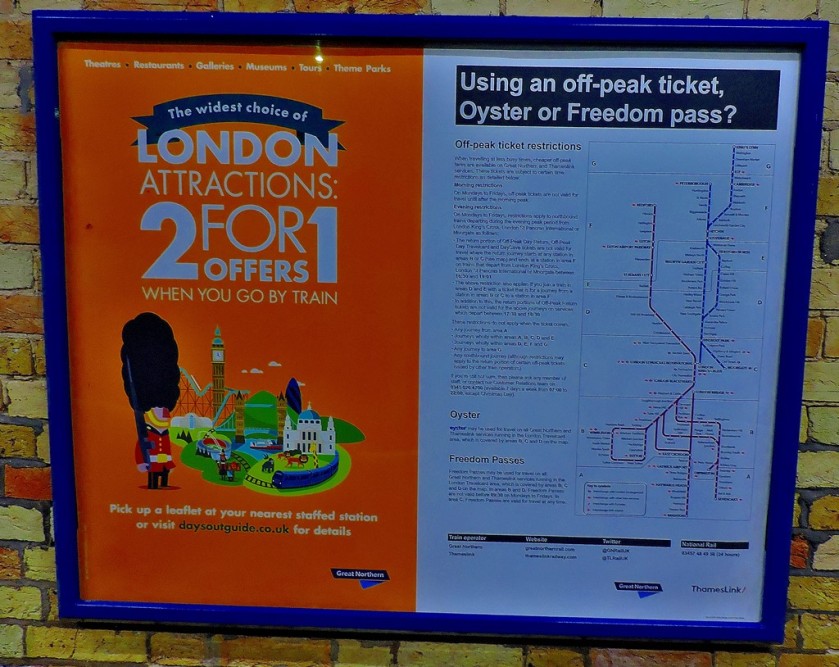
The travel should have been straightforward, since Malet Street is walkable from King’s Cross, but engineering works intervened. The first effect of the engineering works was that I had to get the 6:54AM rather than 7:54AM train from Lynn. After getting the replacement bus service from Ely to Cambridge the next train to London turned out to be a stopper, so reckoning on saving a bit of time overall, I alighted at Finsbury Park and took the Piccadilly line line to Russell Square. Having a little time to spare, I avoided the most crowded route, opting for a slightly circuitous walk which had the bonus of taking in this splendid commemorative plate:
This post will be followed by several on http://www.londontu.be focussing specifically on the public transport elements of the day.
THE EVENT: PHOTOGRAPHIC OVERVIEW
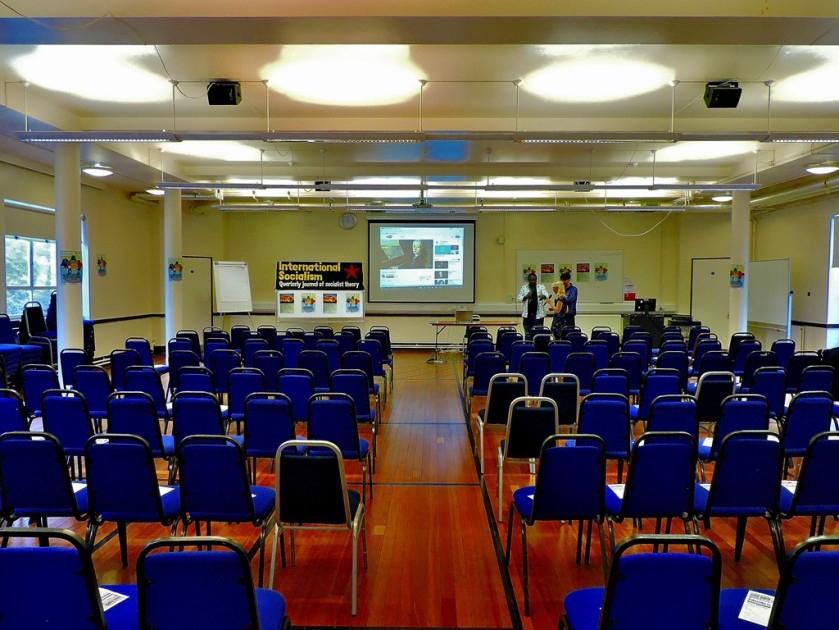
Here before getting to the real meat of the post are some photos taken at the event. The event took place at Student Central, formerly known as the University of London Union (ULU). The opening and closing plenaries were in the Upper Hall, which when I first visited the building was known as the Badminton Court (although these are both beaten in the changeability stakes by The Venue, which was Manning Hall when i first visited, and then became Room 101).
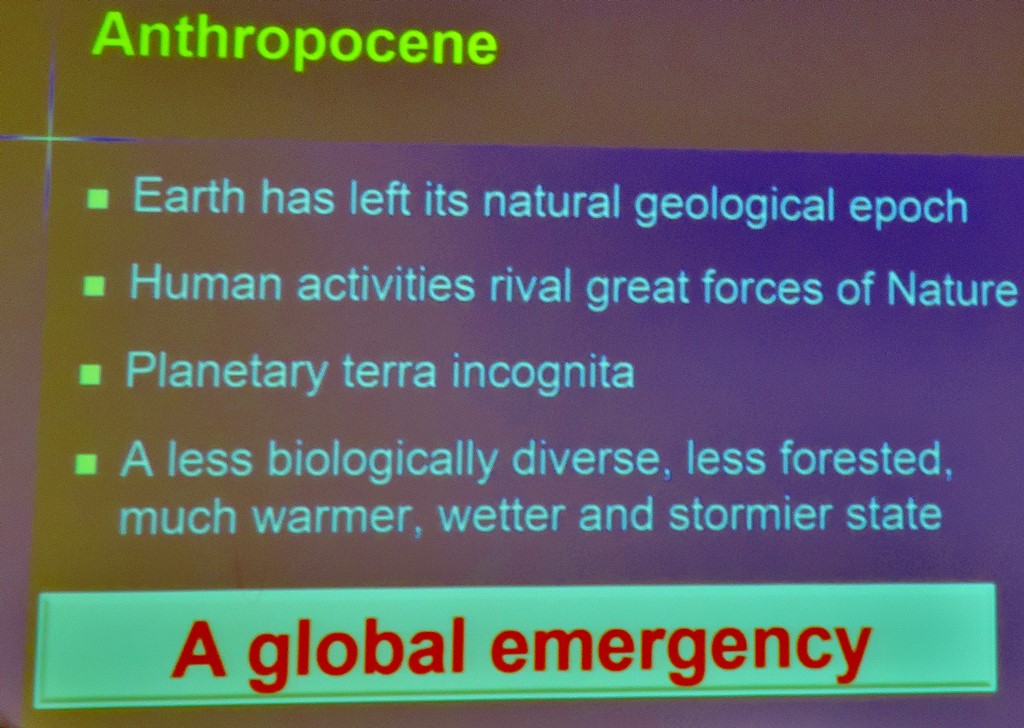
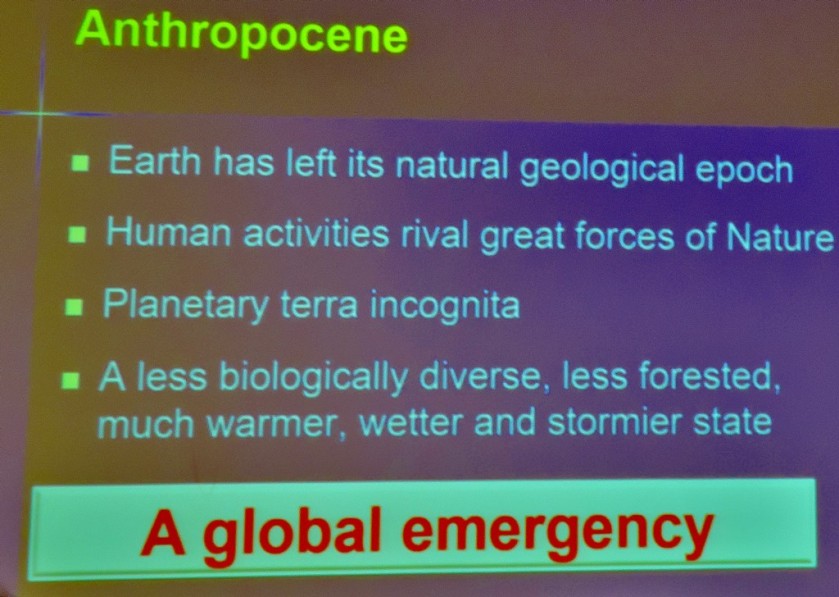
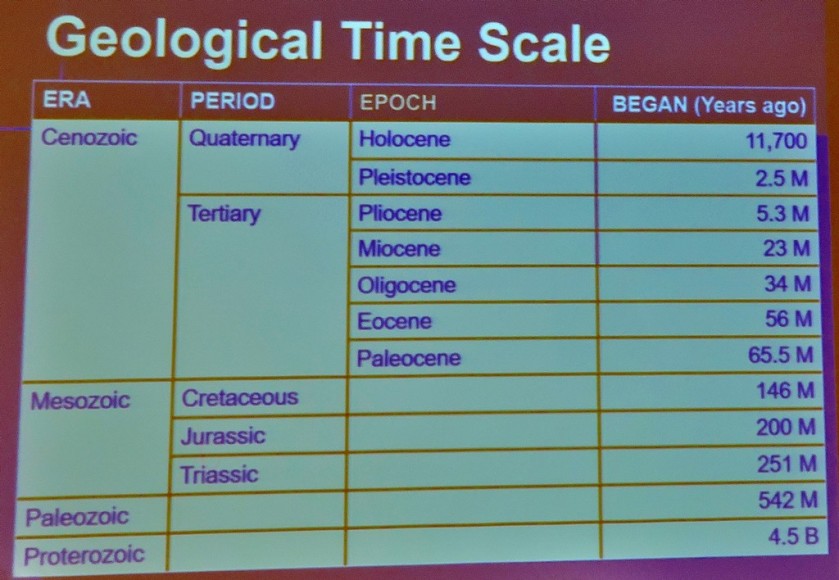
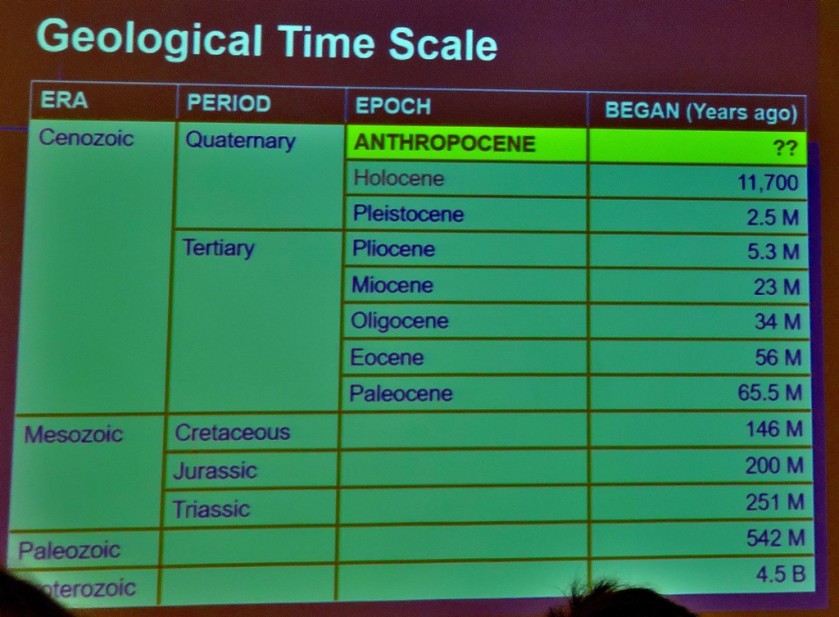
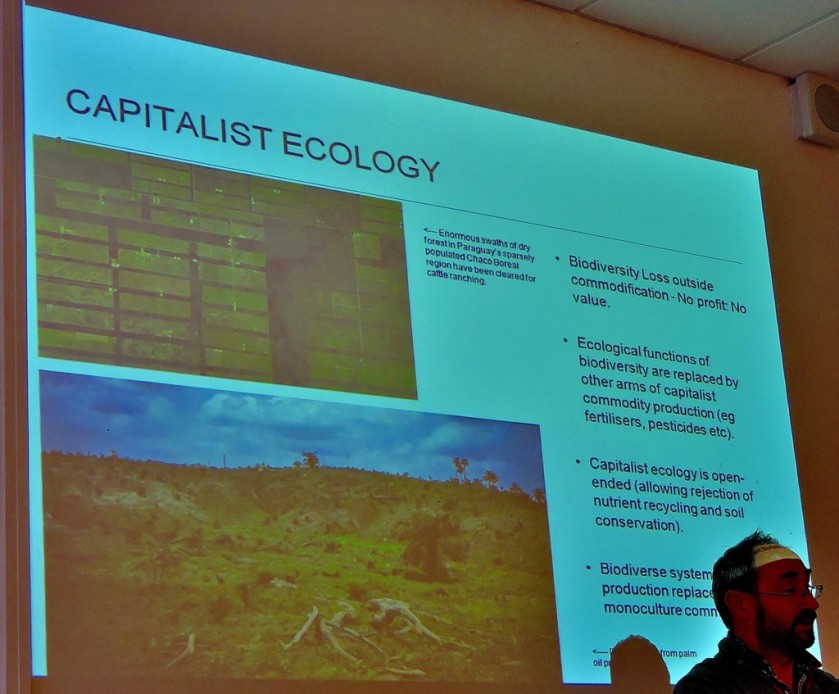
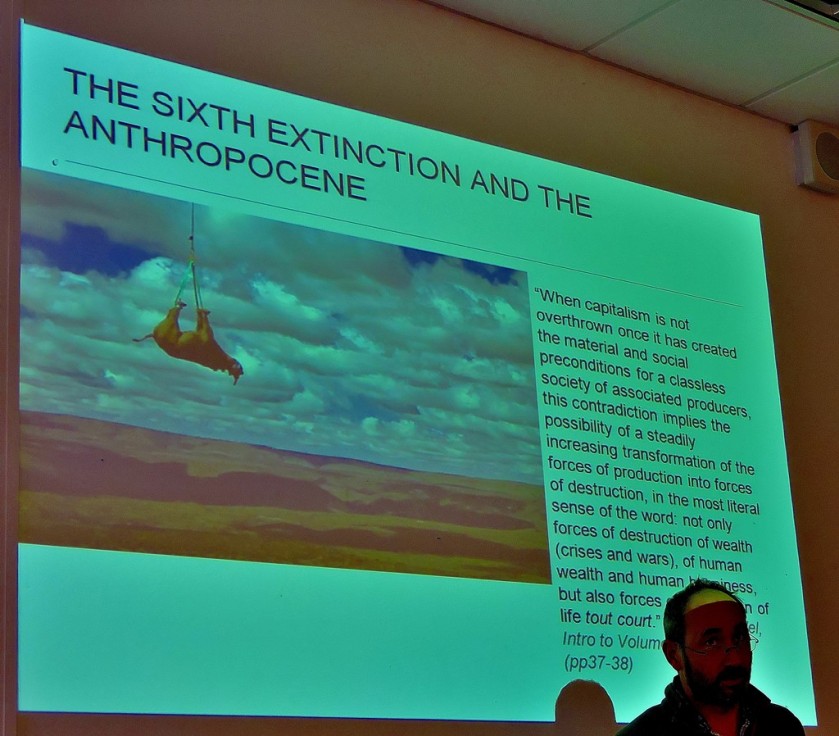
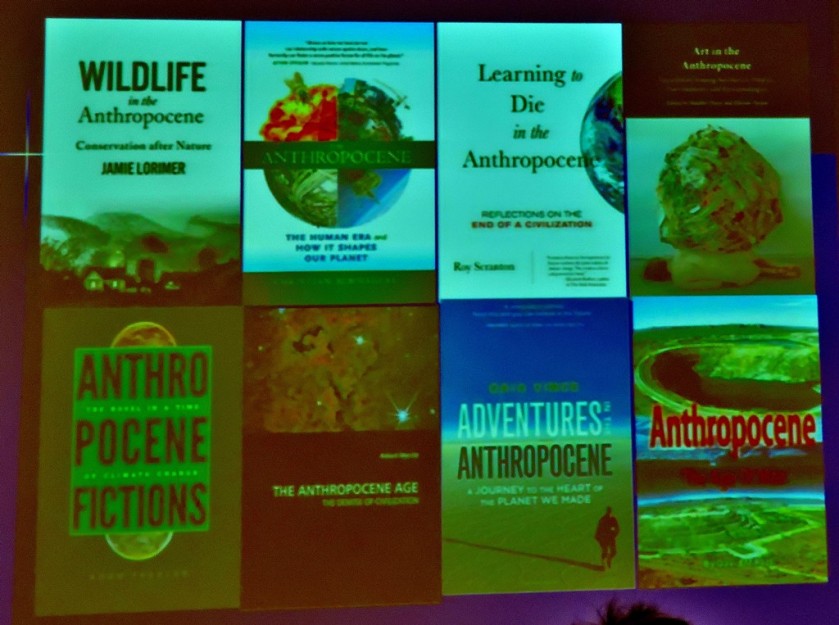
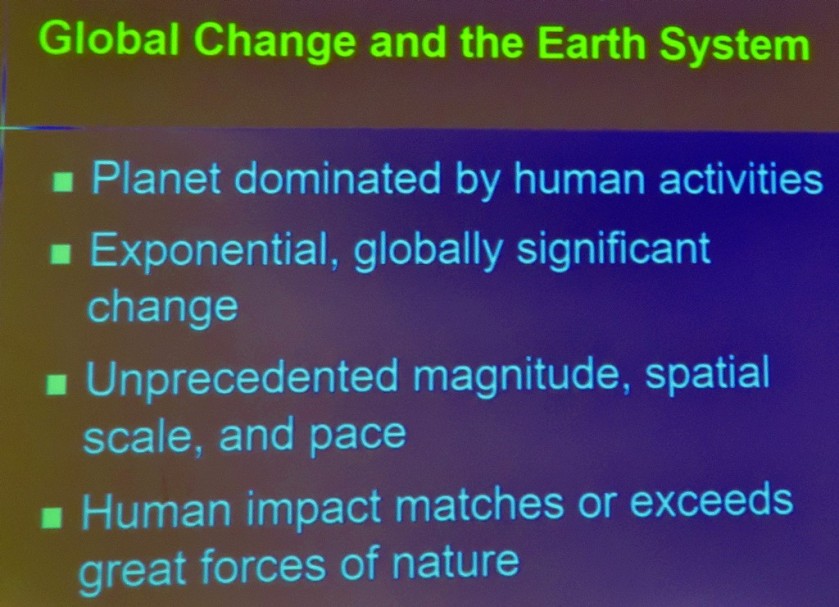
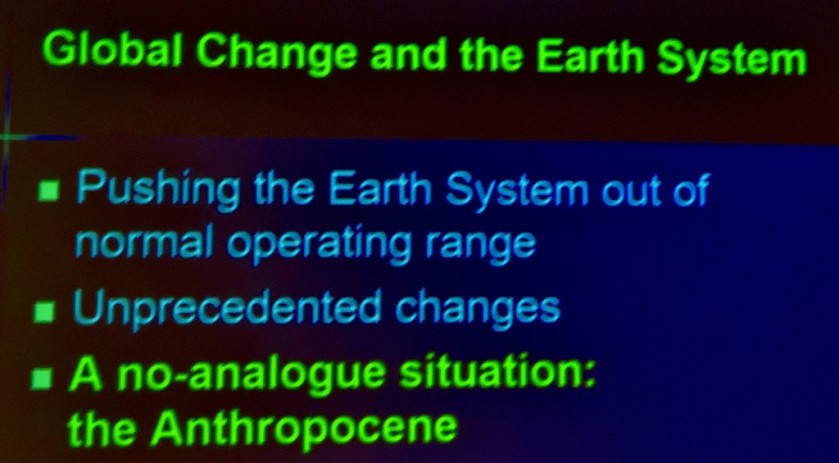
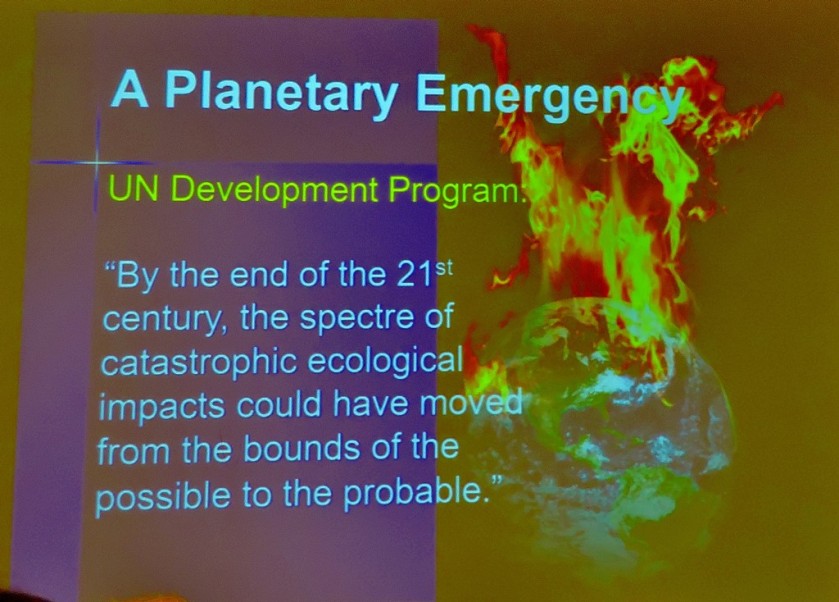
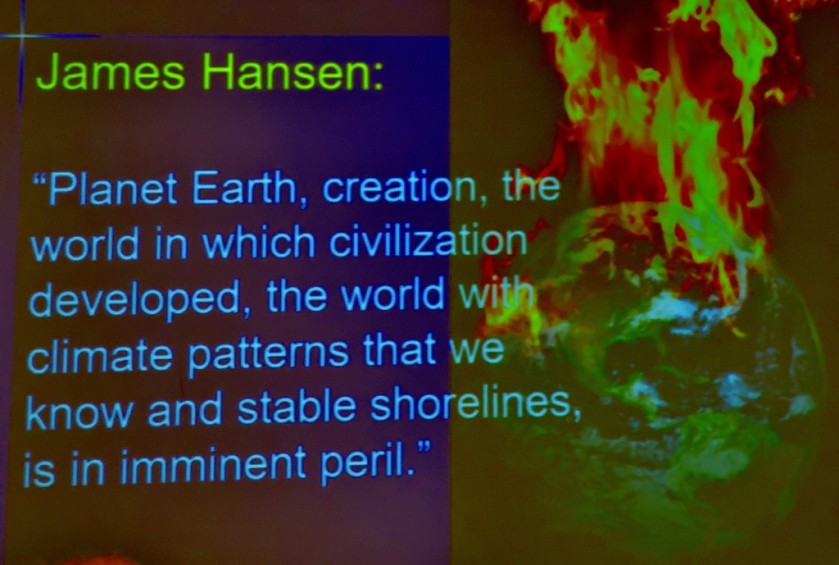
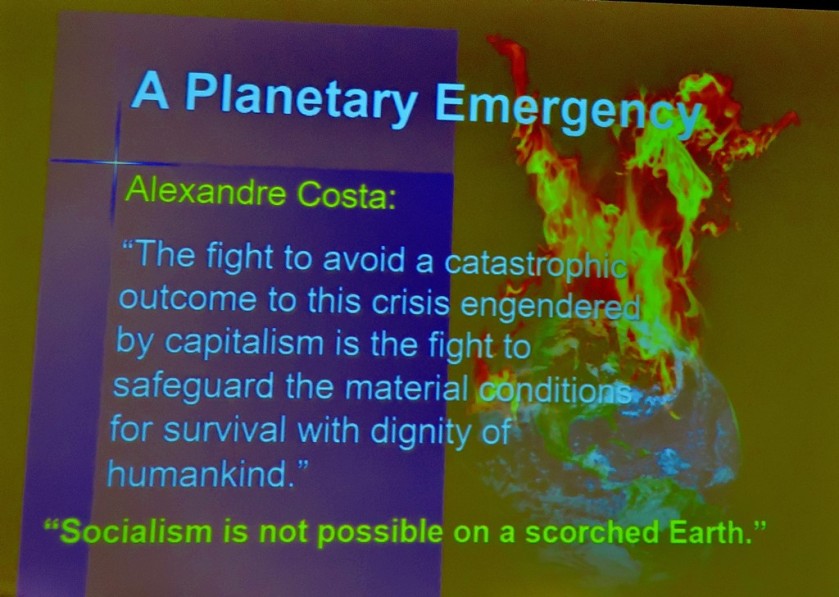
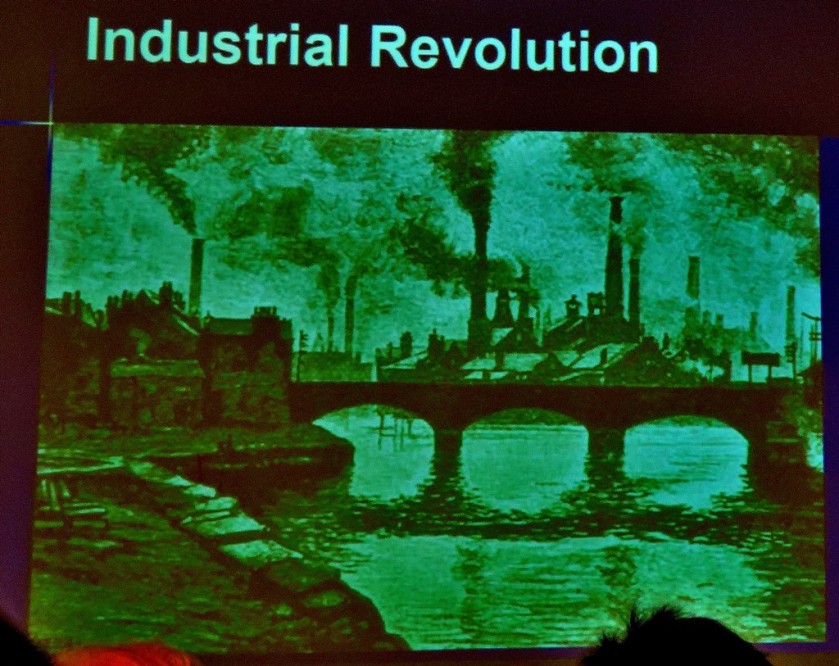
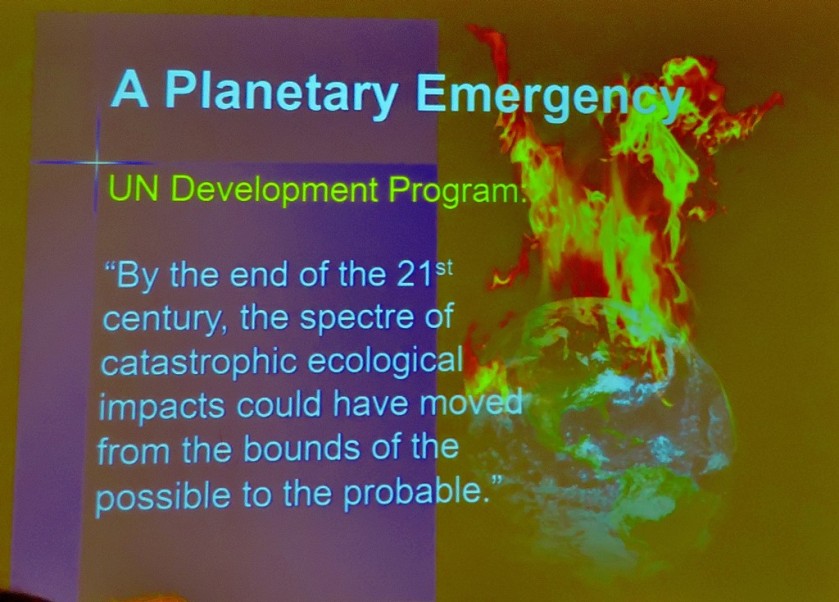
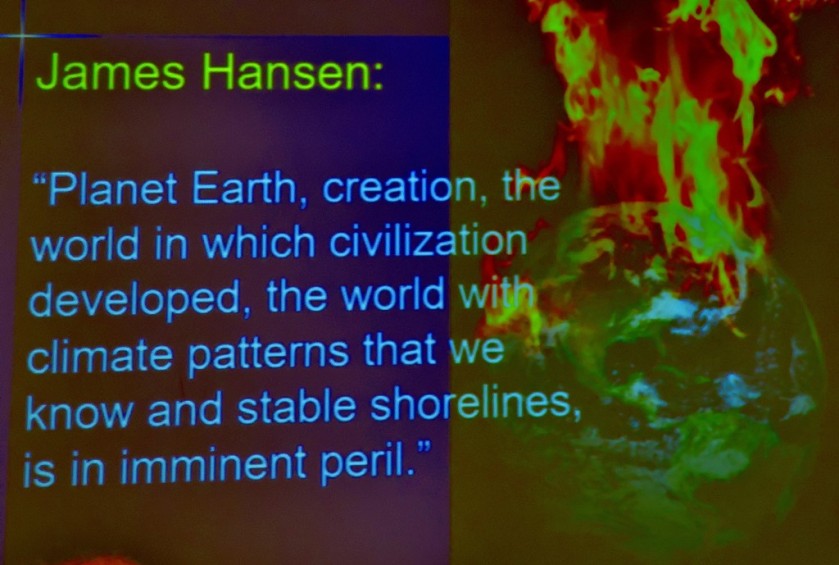
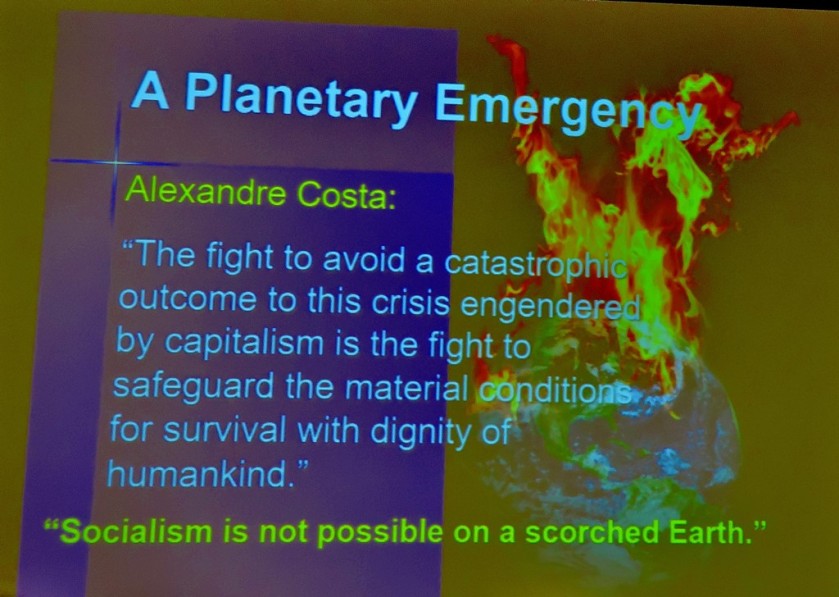
THE ANTHROPOCENE IN SLIDES
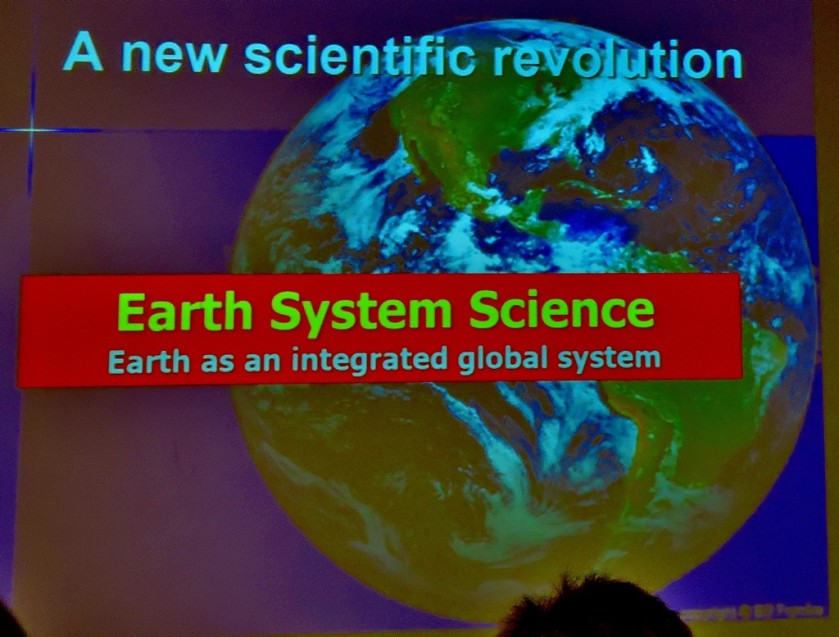
The pictures produced below come from all across the day…
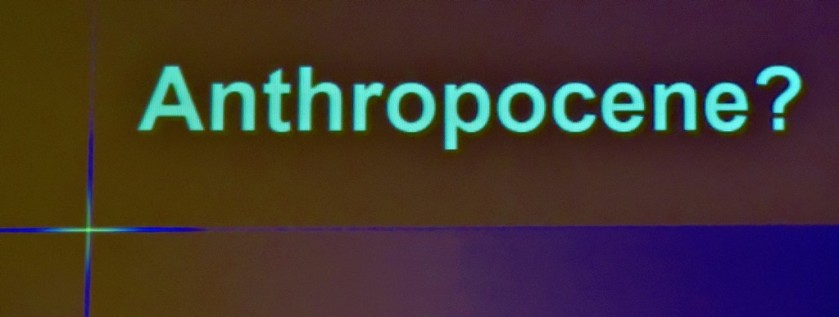
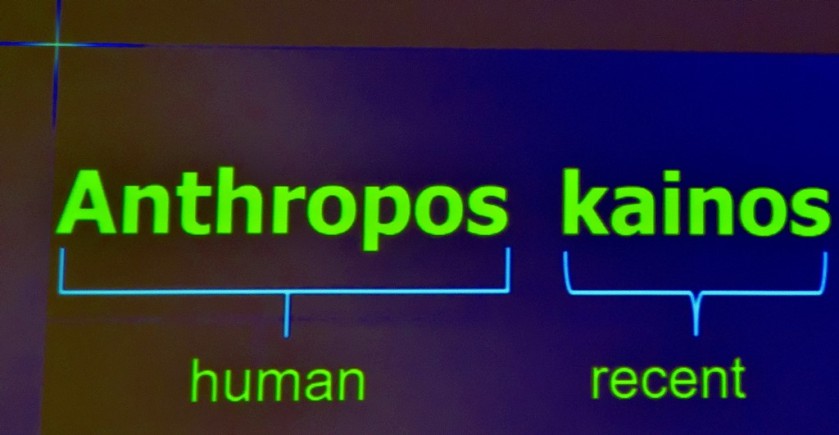
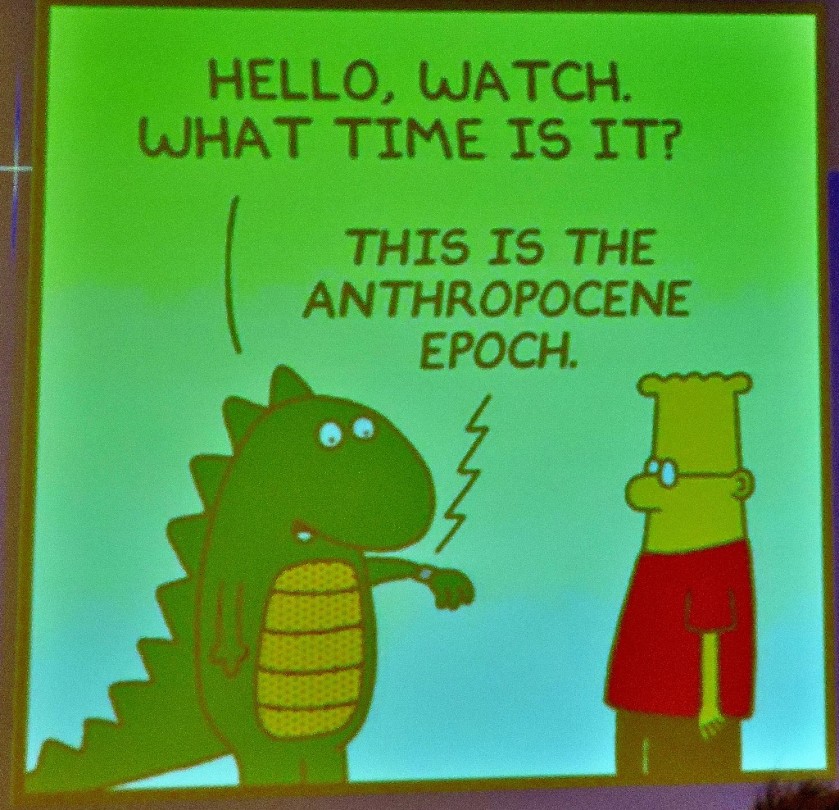
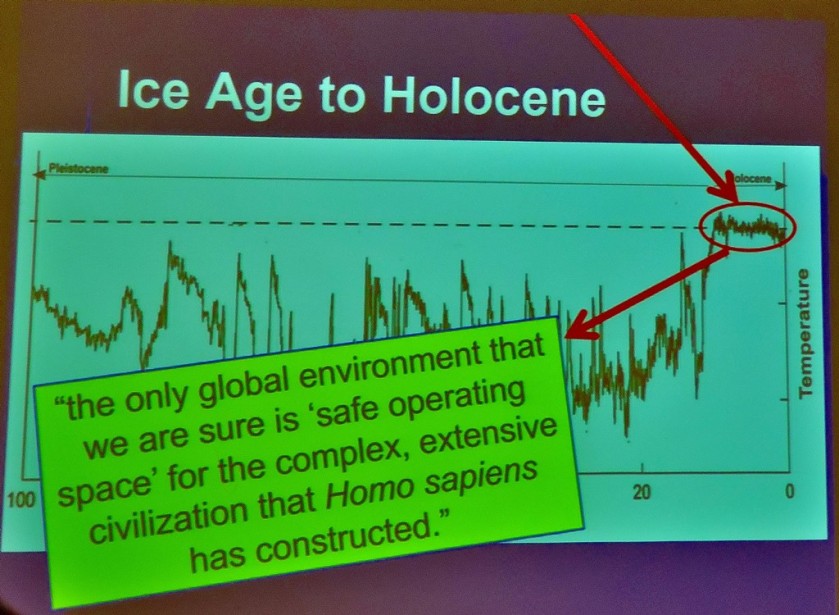
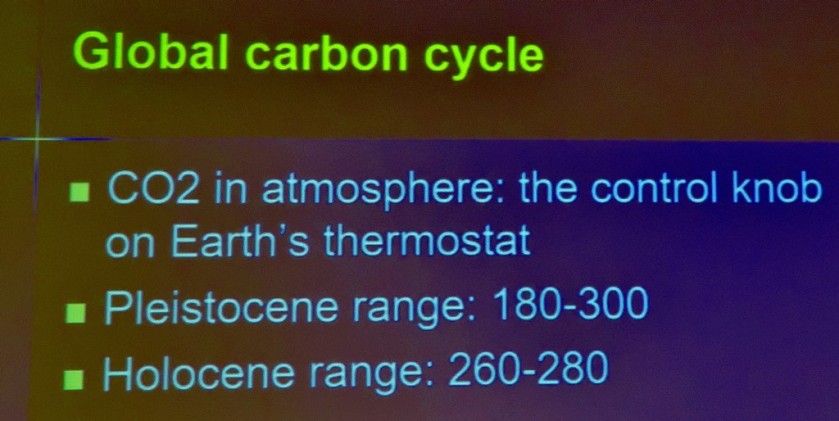
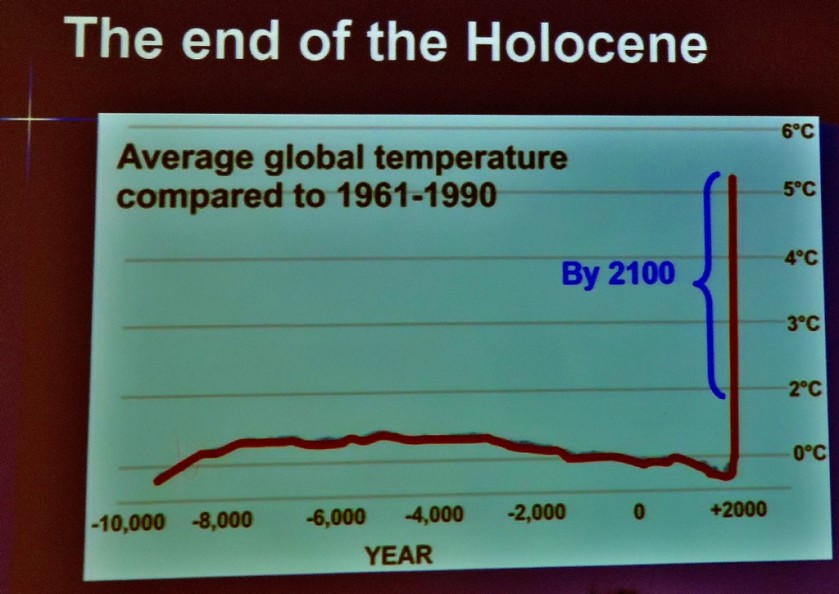
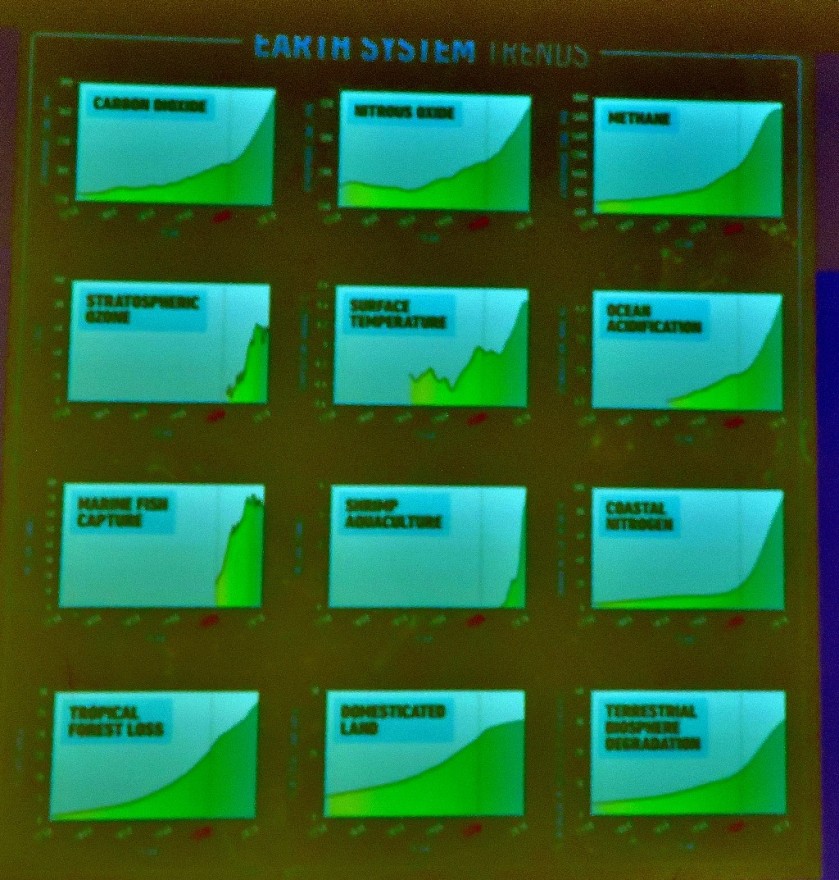
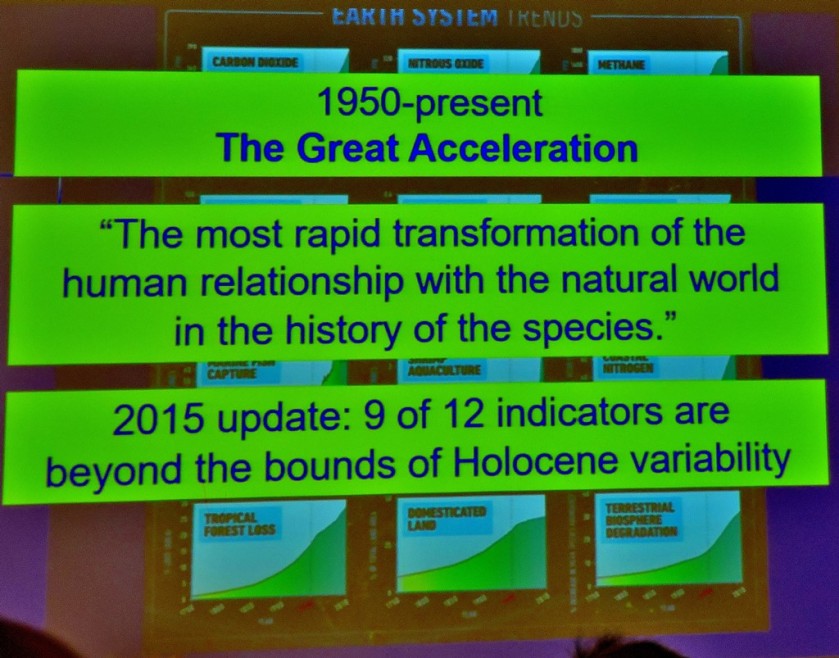
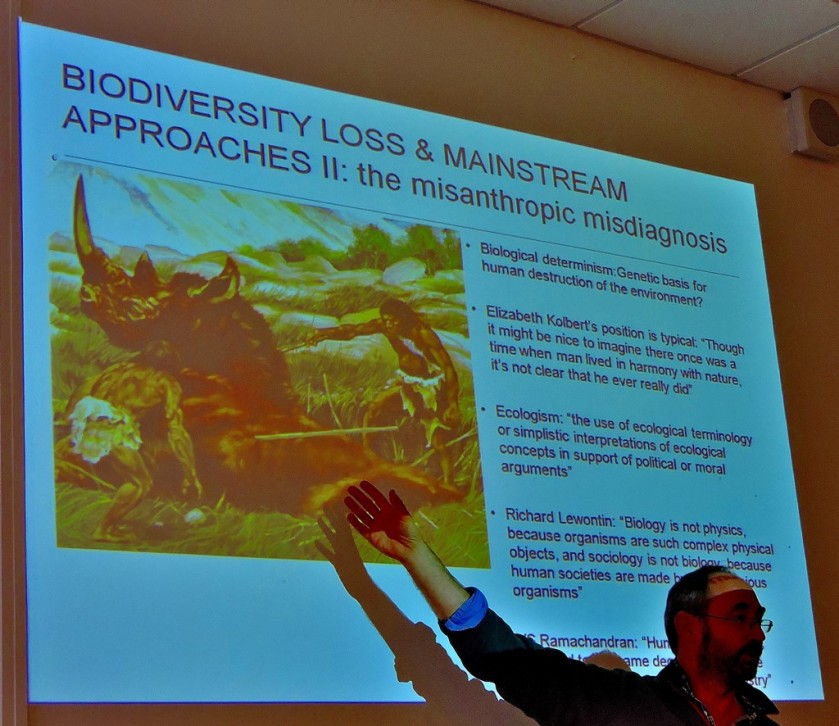
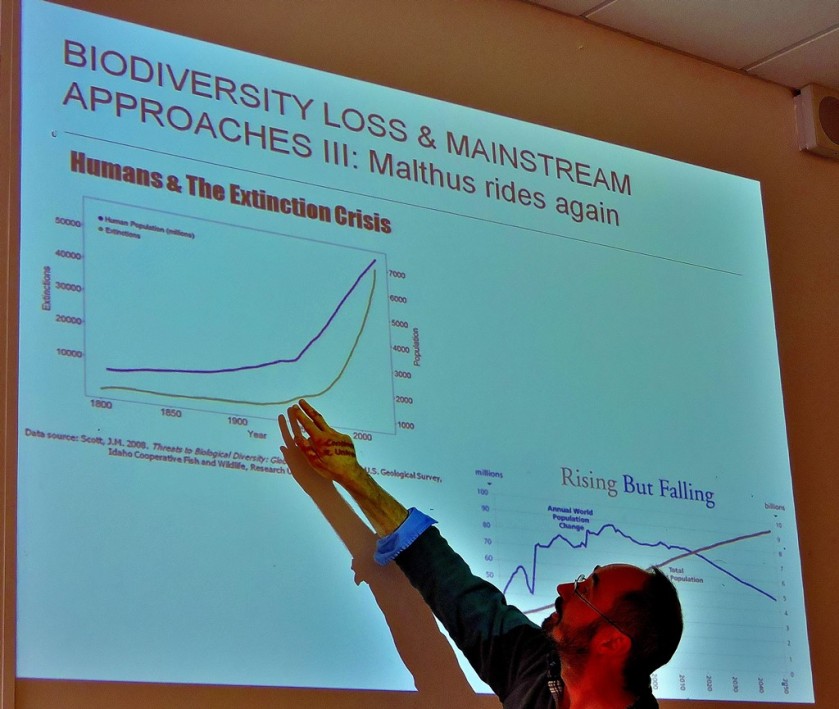
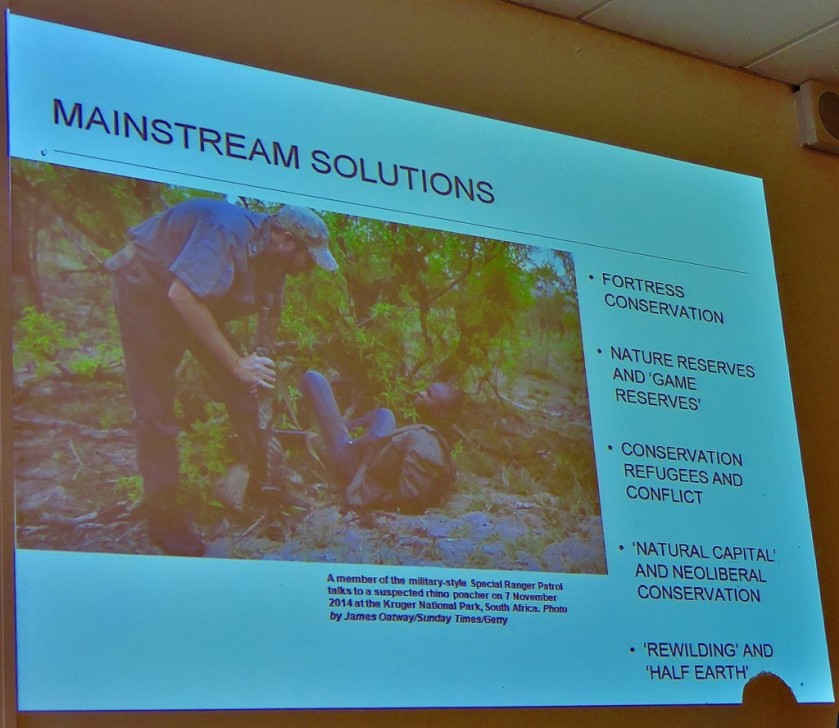
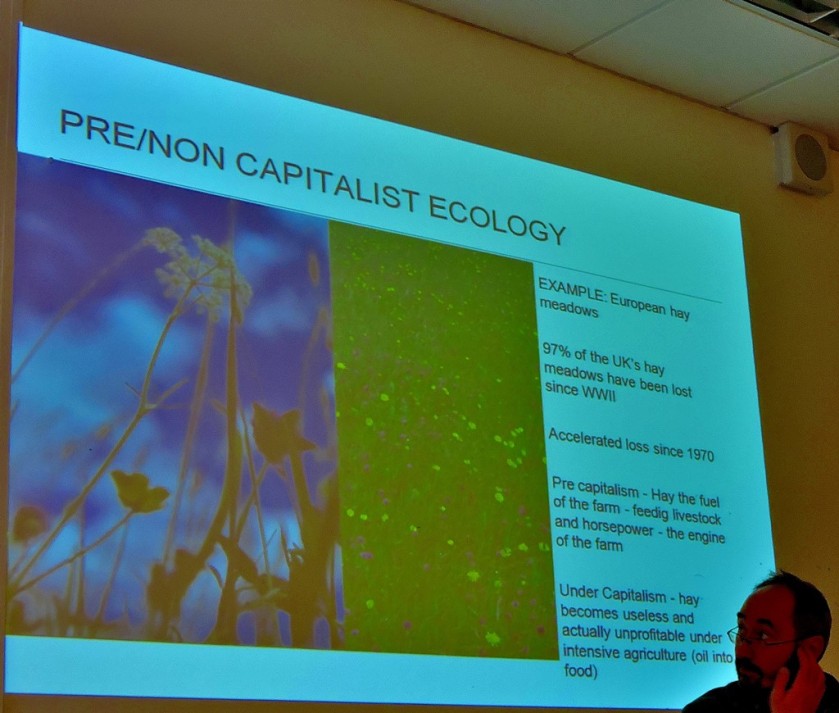
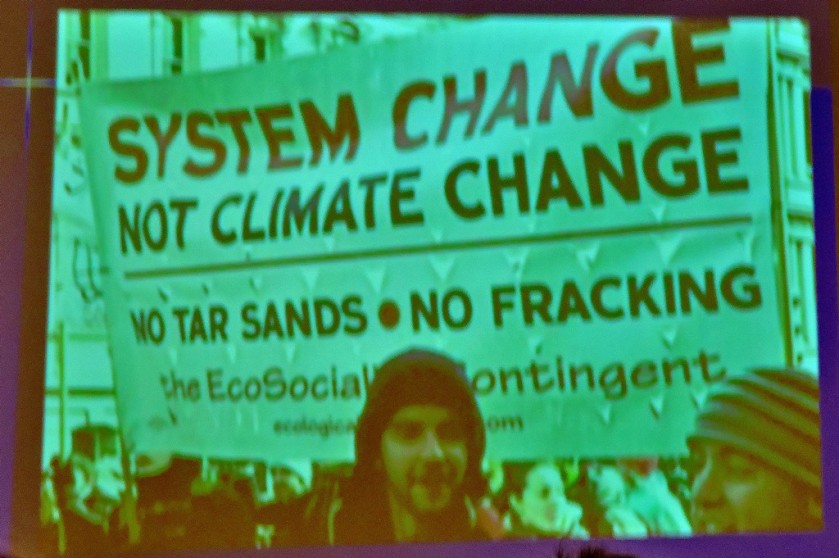
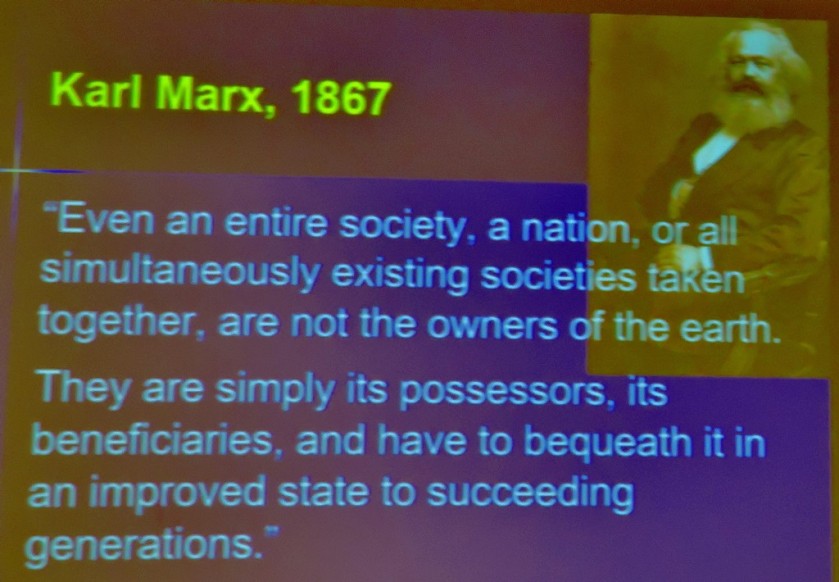
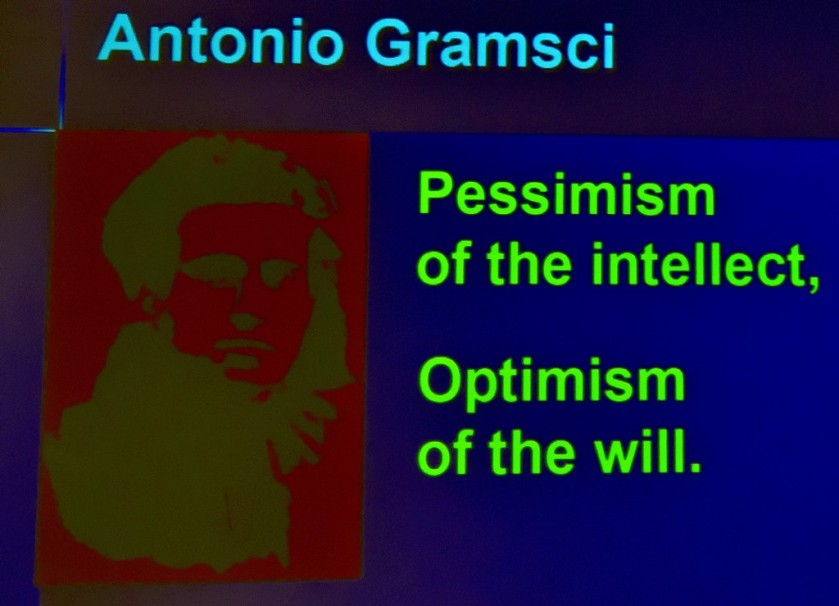
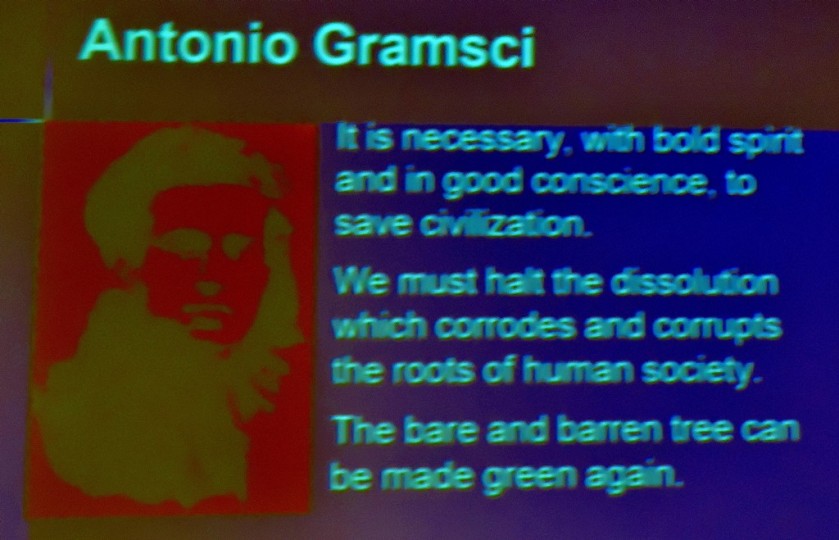
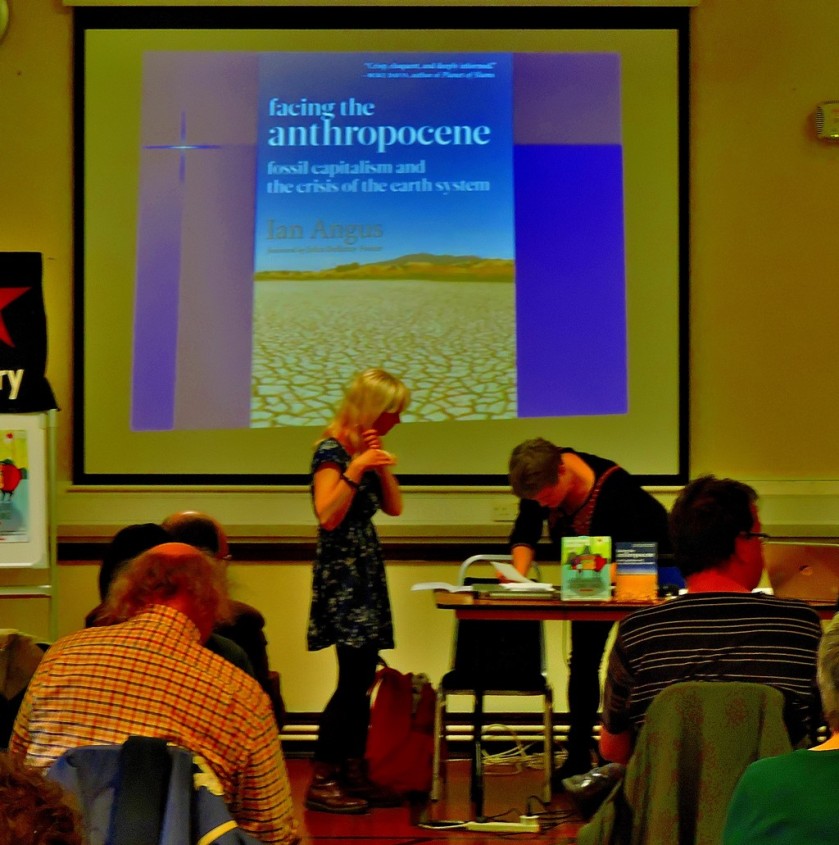
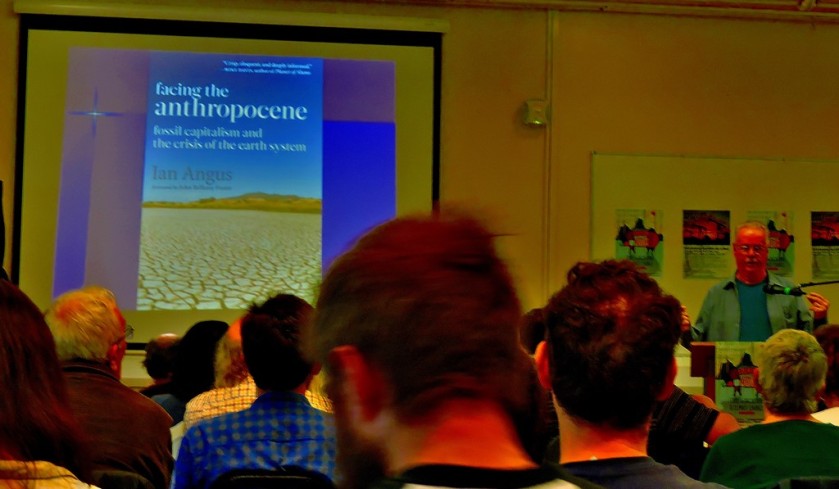
These slides are not presented in the order in which they were shown – the first 14 are from Ian Angus’ talk in the closing plenary, before we have some the workshop session I attended during the early afternoon and then back to Ian Angus’ talk.The derivation of the word Anthropocene.
These six slides, starting with this comparison between the instability of the Pleistocene and the stability of the Holocene and ending with the indicators that prove to all who will see (remember, there are none so blind as those who will not see).
THE WORKSHOP SESSION
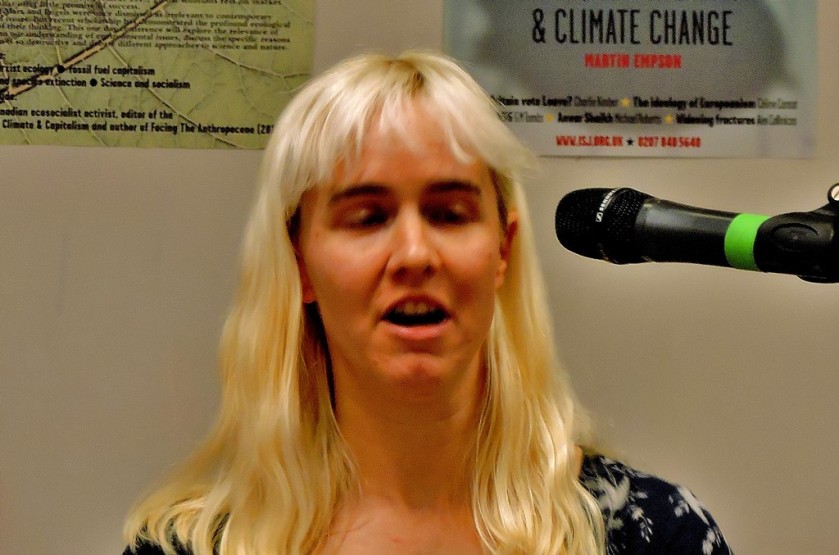
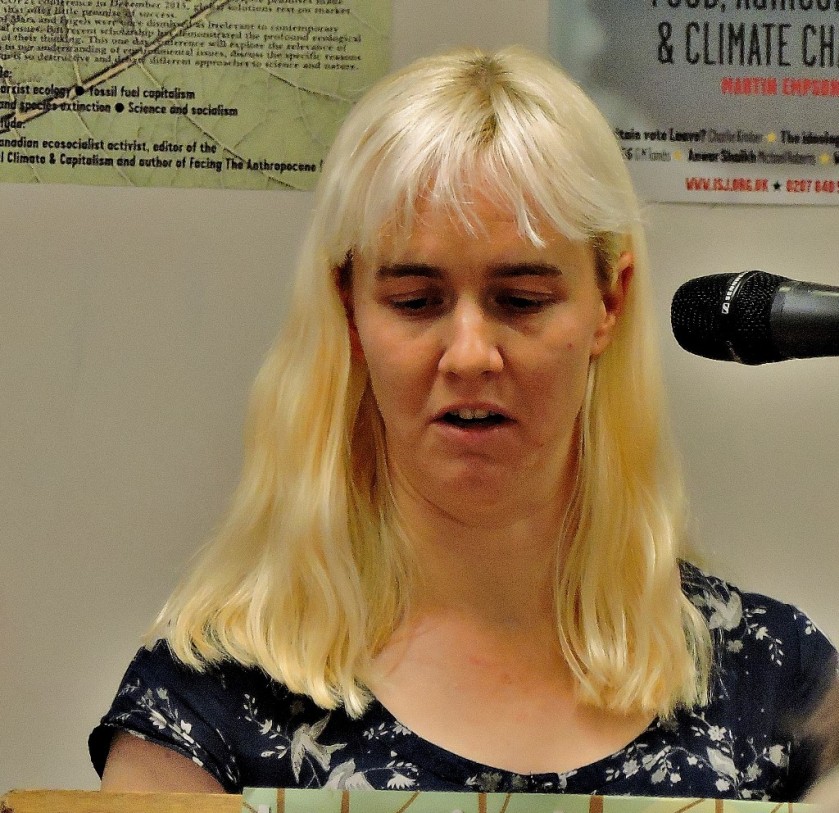
I have included some of Ian Rappel’s slides above, so this section will focus mainly on the other speaker at the workshop, Sarah Ensor, who is researching the history of class struggle in Iceland and whose blog can be found here.
MORE ON THE CLOSING PLENARY
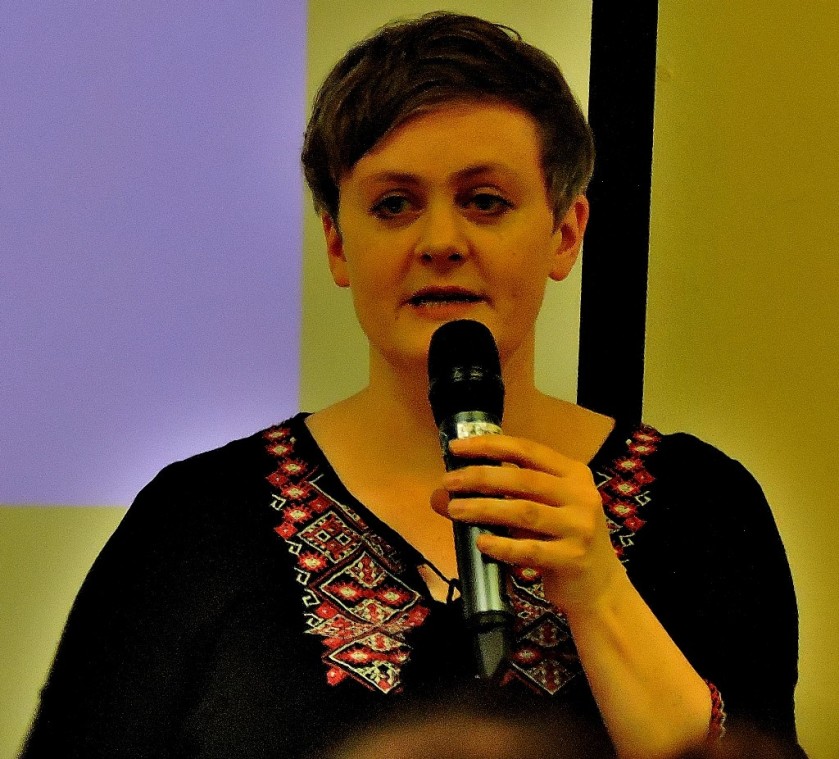
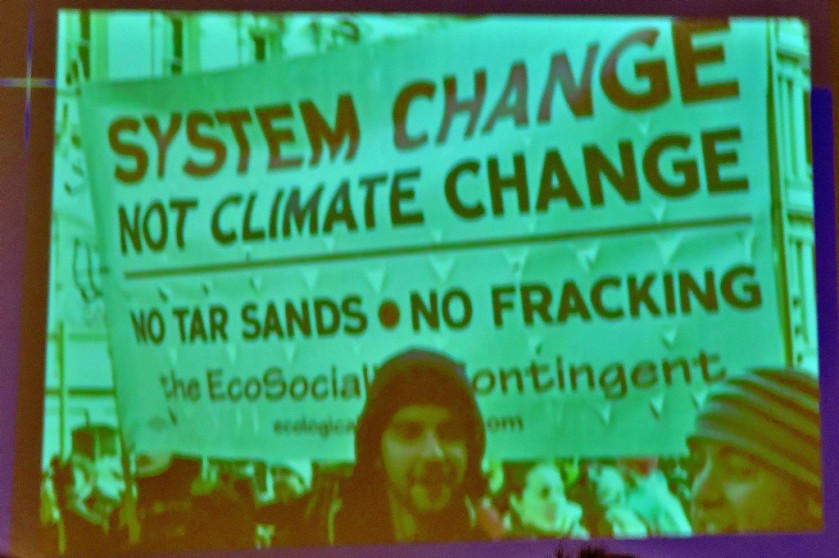
The closing plenary featured Ian Angus, many of whose slides I have already shown, and Camilla Royle, deputy editor of International Socialism Journal, who had played a key role in organising the event. The event ended with a show of solidarity with antu-fracking campaigner Tina Rothery.
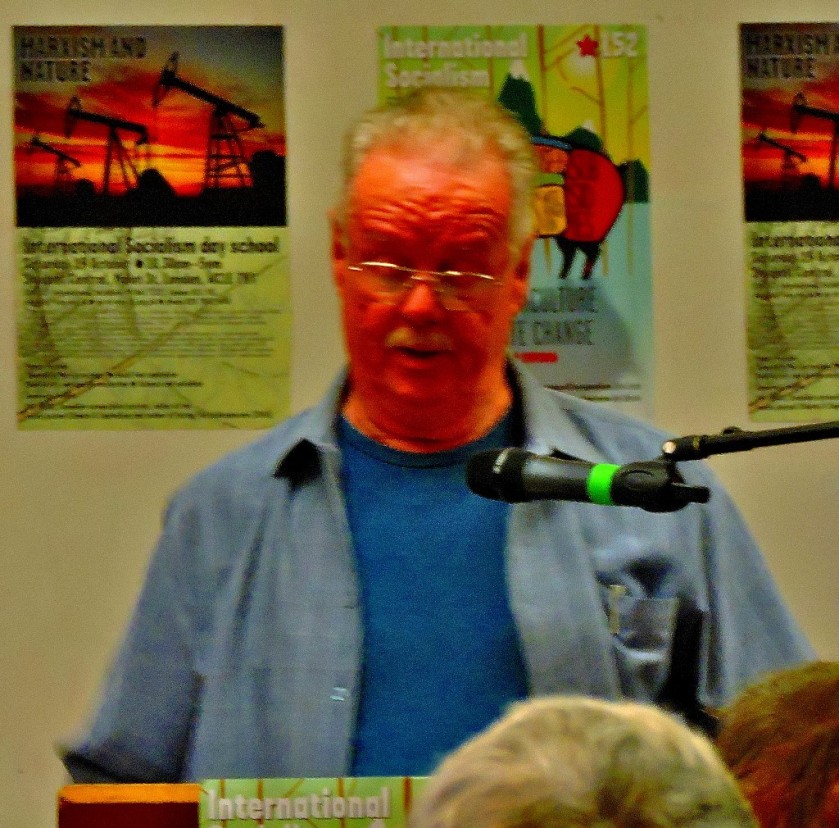
Sally Campbell introduces the closing plenary.Ian Angus, who travelled all the way from Canada to speak here.
Camilla Royle following Ian Angus.
HOMEWARD BOUND
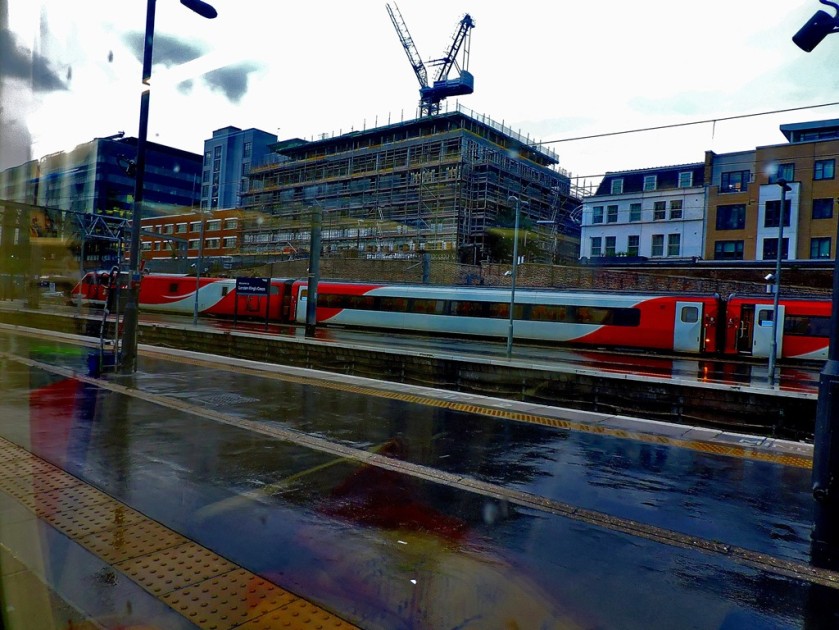
Knowing that a non-stop train to Cambridge would be leaving Kings Cross at 17:44 I headed that way in no great hurry, and was comfortably aboard the train. Here are some final photographs…
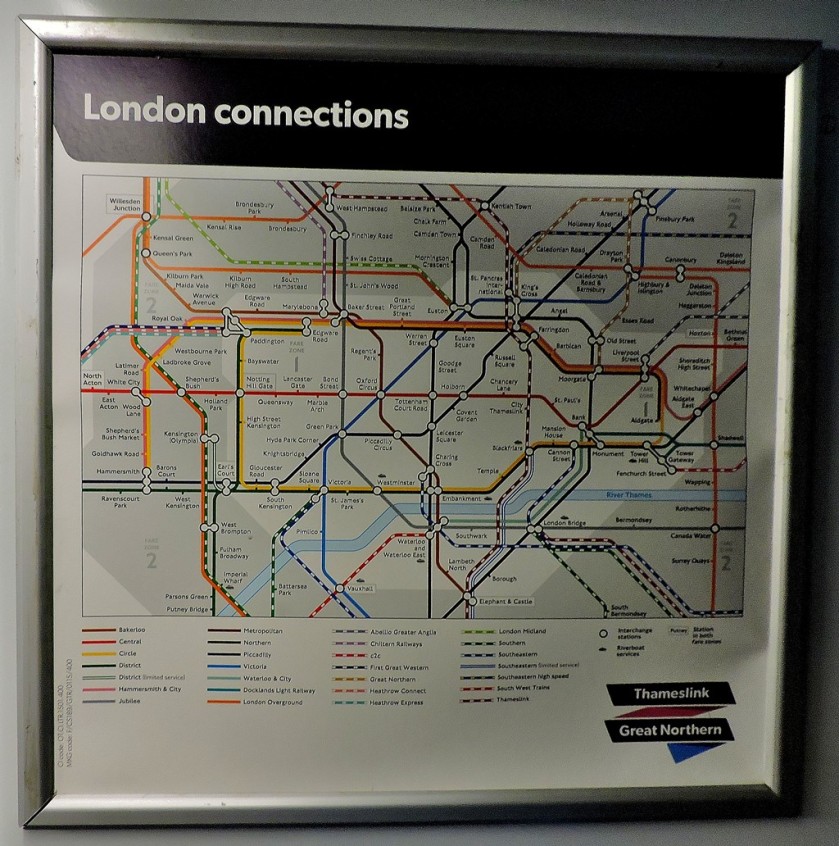
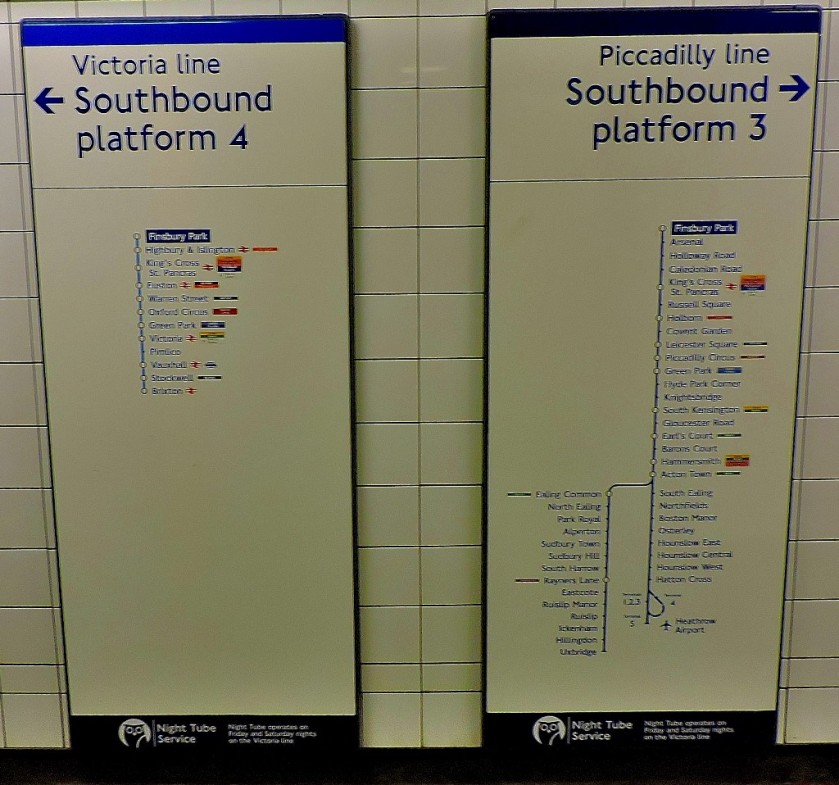
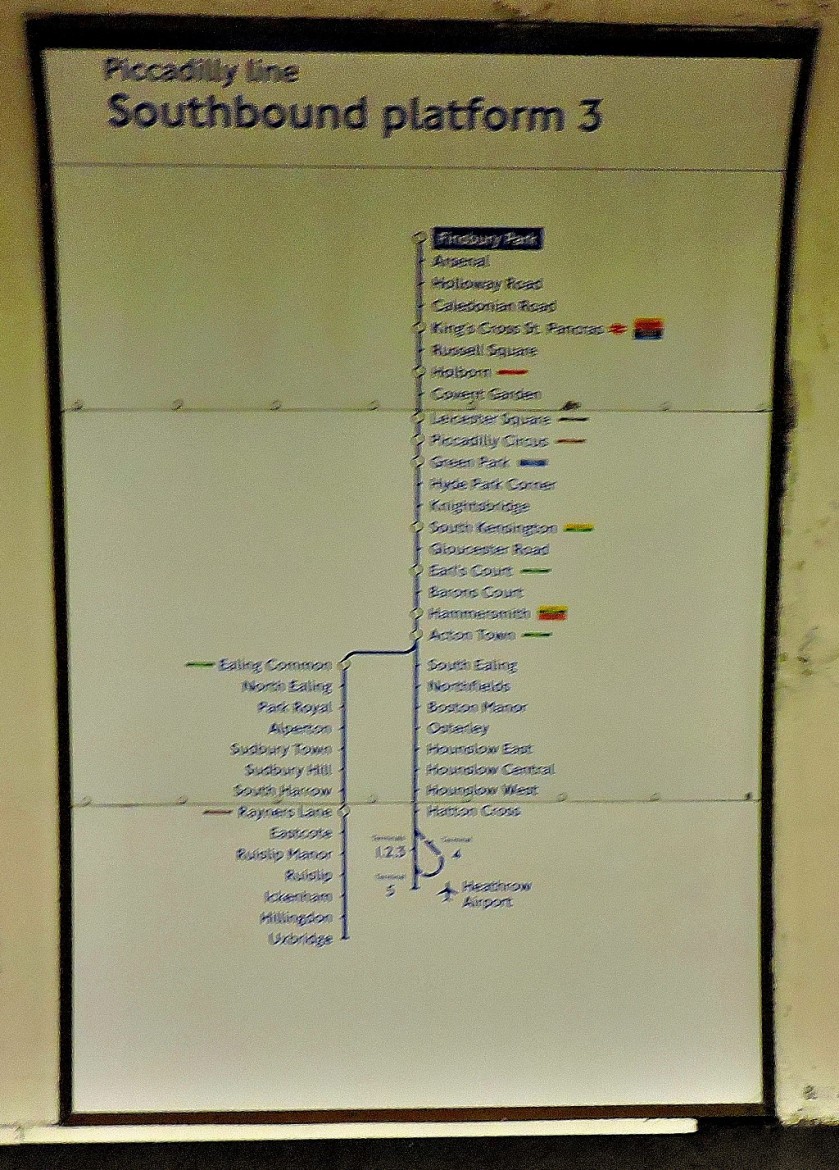
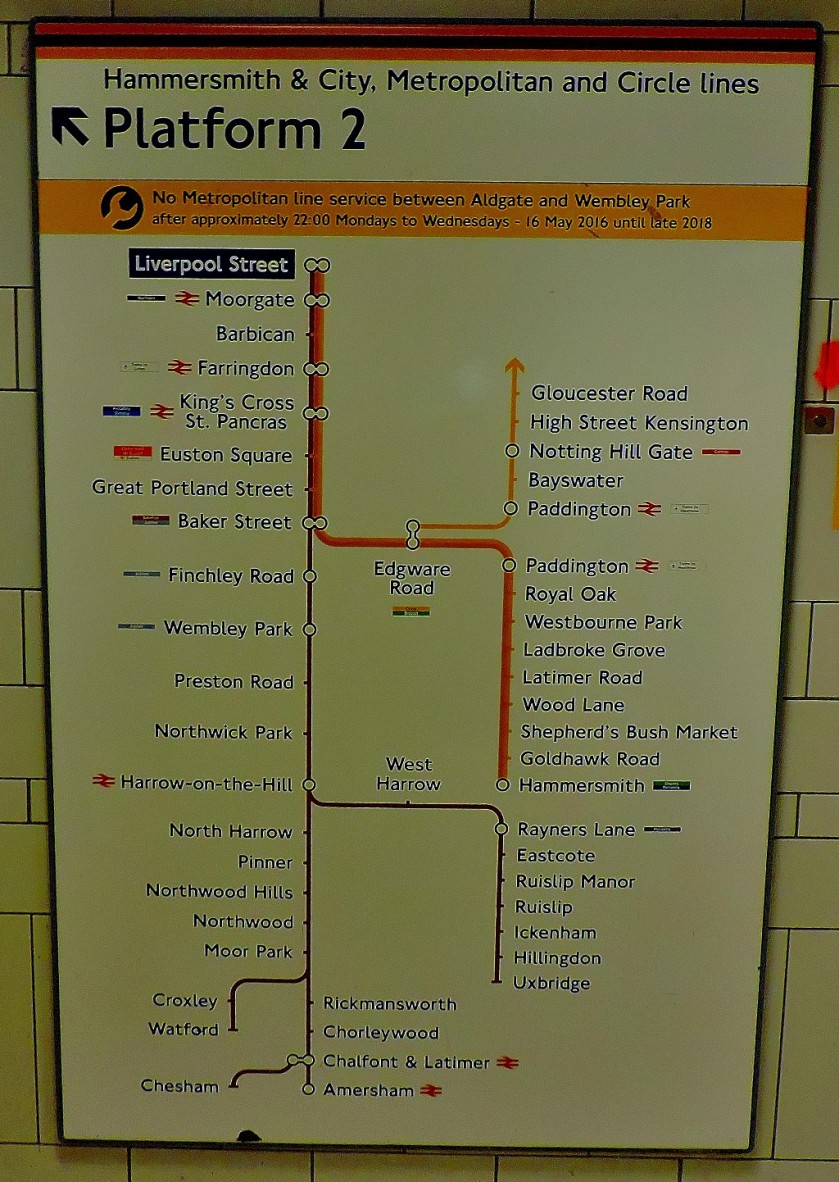
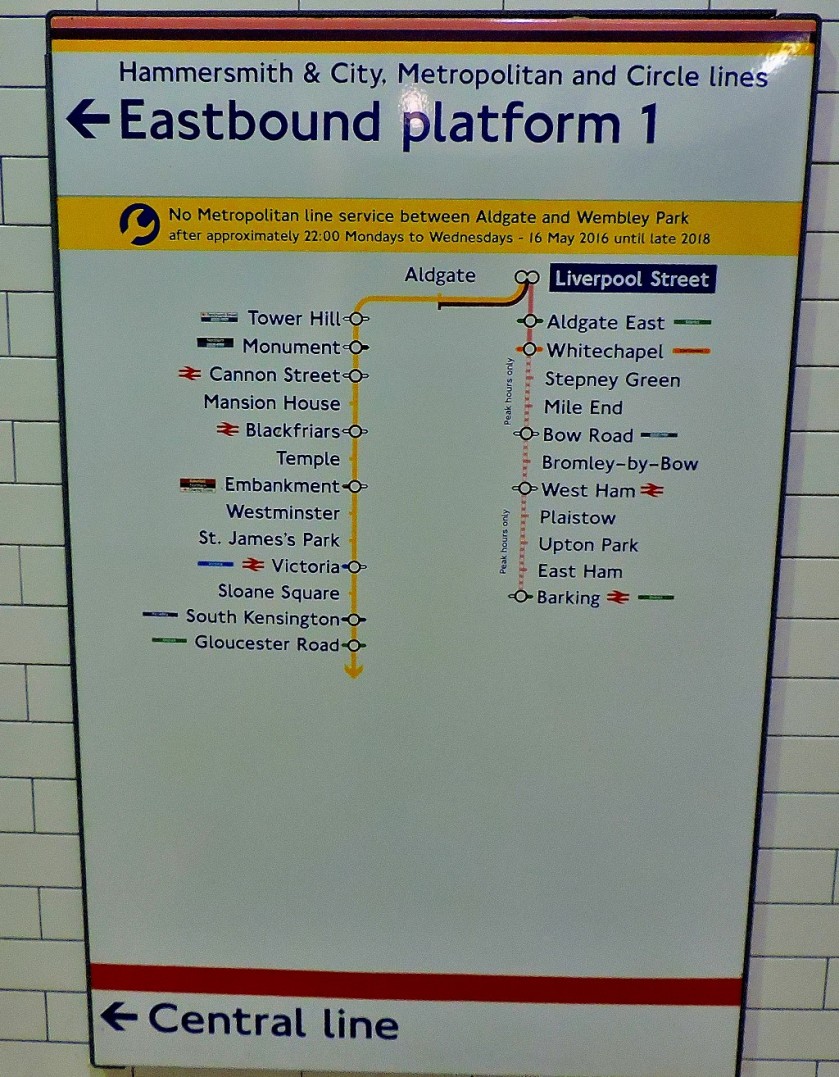
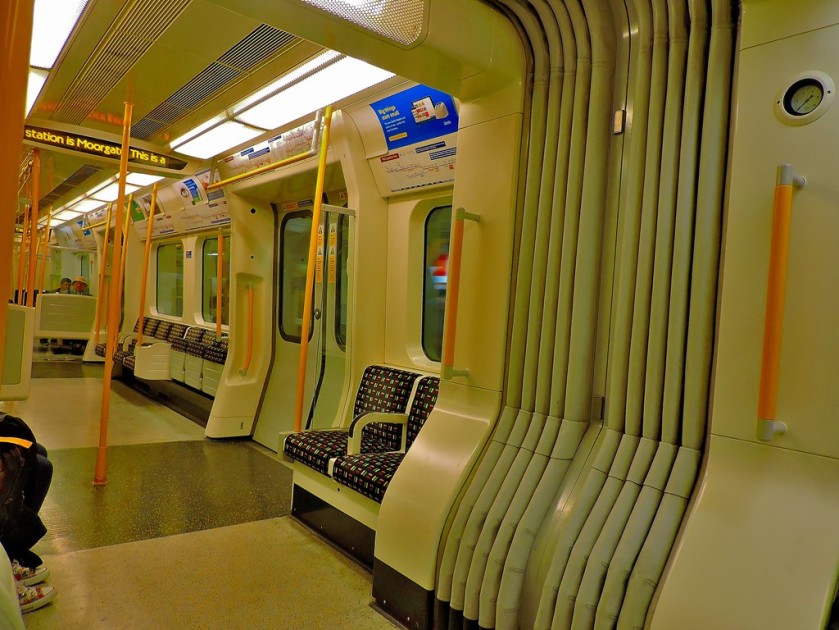
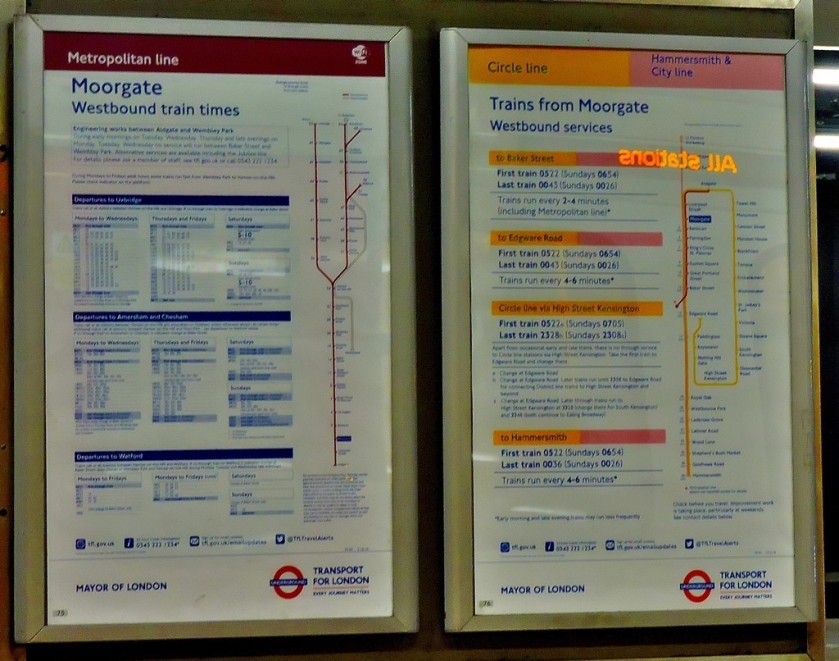
The southbound London Underground routes from Finsbury Park.
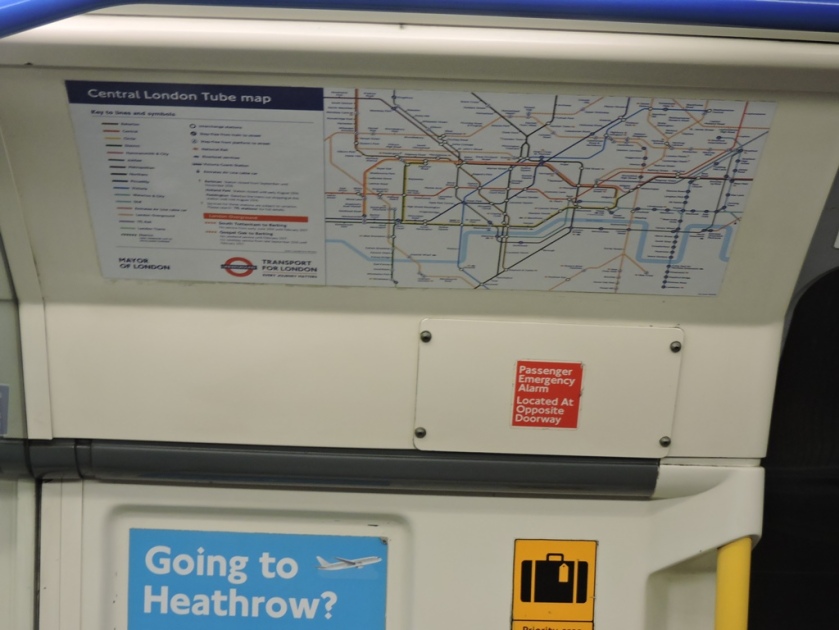
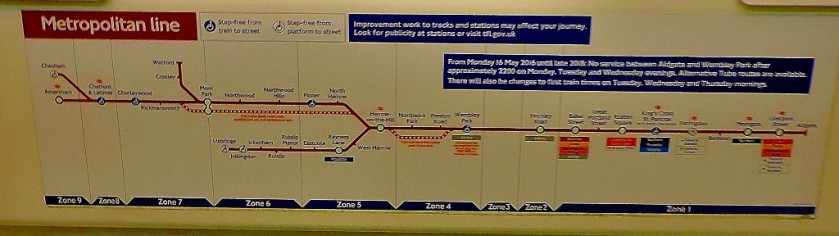
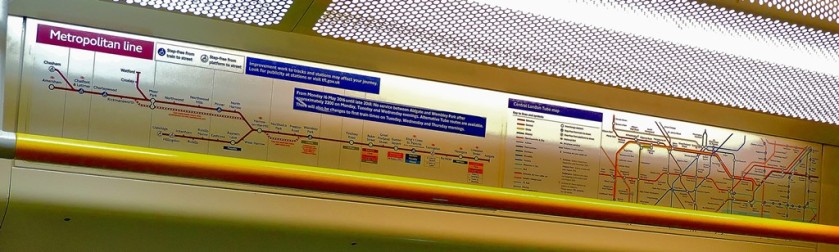
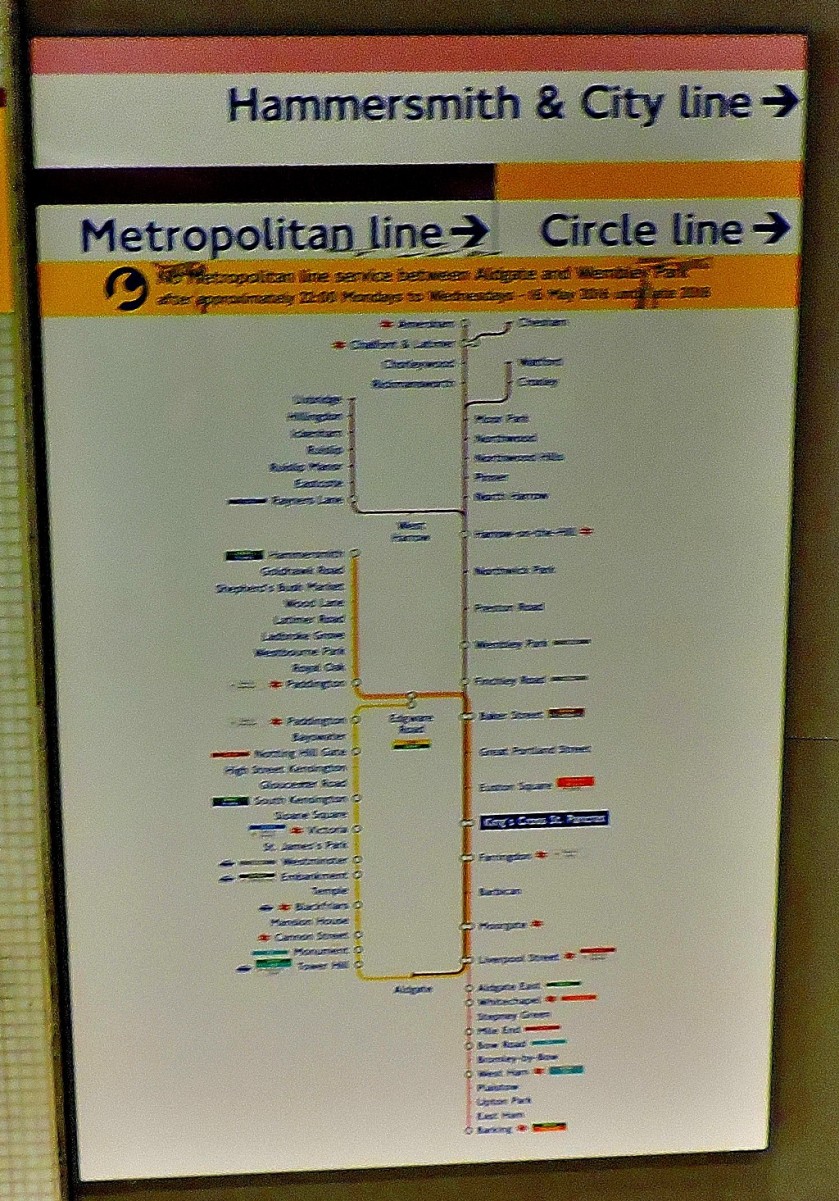
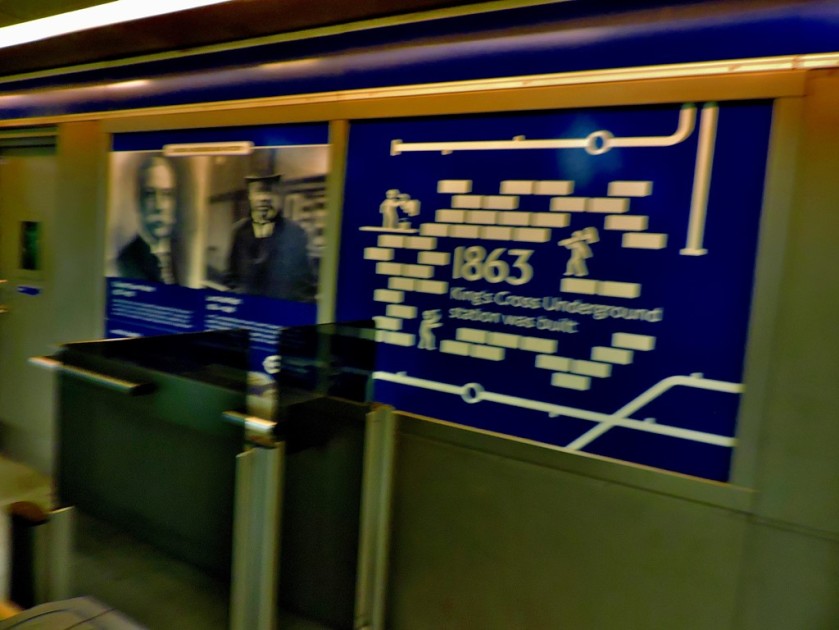
Excellent combined route map of these three lines, Kings Cross.
A brief account of the resumption of Musical Keys sessions for NAS West Norfolk.
INTRODUCTION
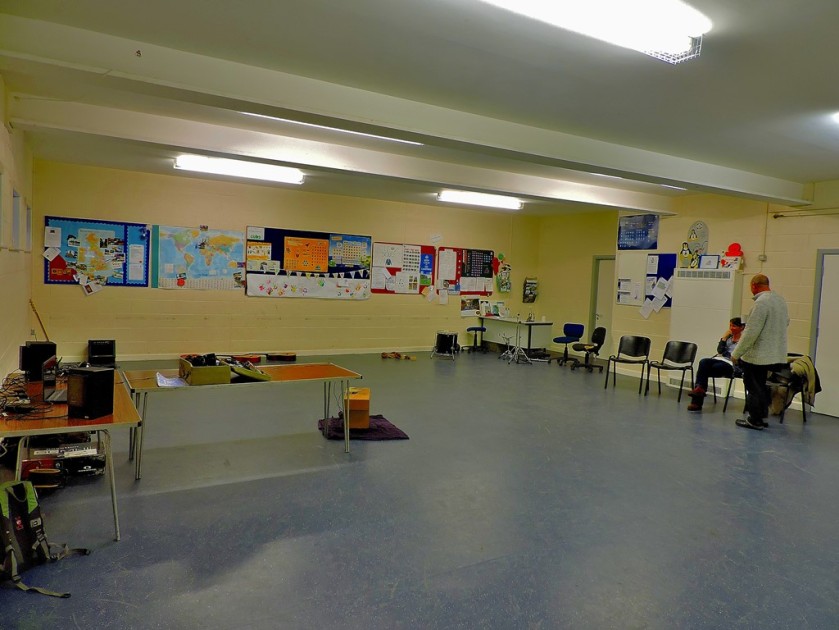
Yesterday saw the resumption of Musical Keys sessions for people with Autism in the King’s Lynn area. The sessions will now take place fortnightly at the Scout Hut on Beulah Street (youngsters 3PM to 4PM, older people 4PM to 5PM). The sessions are now being run by two new people, John and Kirsty.
FIRST SESSION BACK
The biggest change other than in personnel was the absence of i-pads – we were using real instruments, with the focus being on percussion…
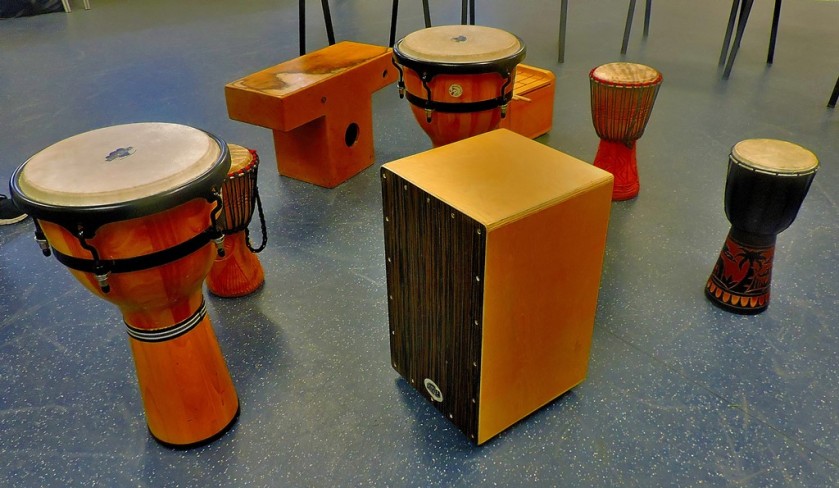
You can see here five drums that need to lifted above ground level to be played, one box which you sit on to play, generating sound by hitting the front, a wooden instrument that like the drums needs to be lifted to be played and a second wooden instrument (partially concealed), which comes with its own striking implements.
Once we had made our selections it was time to start playing, initially to instructions.
The side of the drum I chose.
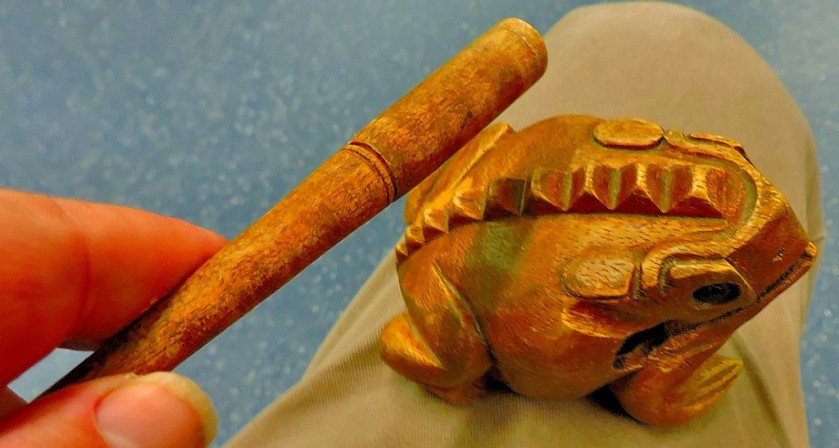
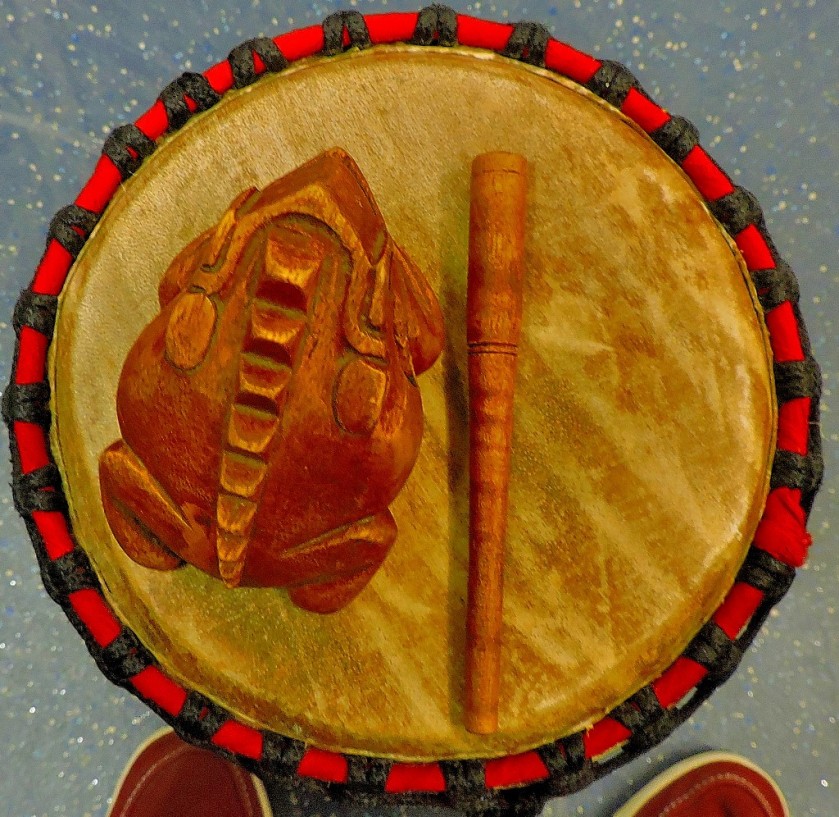
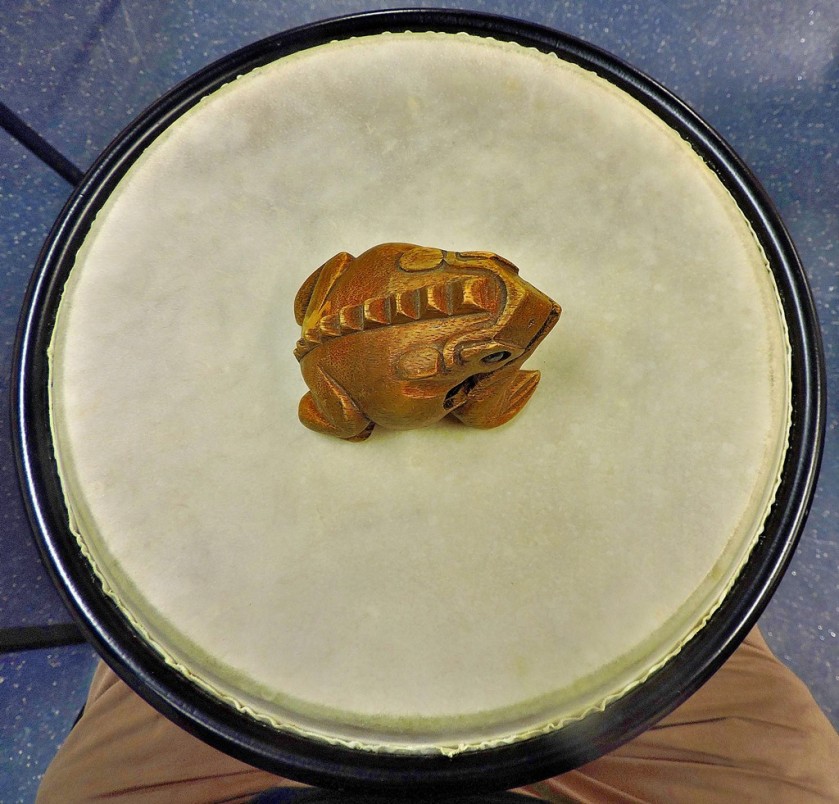
After a while I was introduced to a new instrument, a wooden frog with a hollow centre, which comes with a wooden striking instrument.
Later still I switched drums to one of the larger ones…
With this larger drum I could position the frog in the centre and vary the sound according to whether I struck the frog or the drum.
Everyone seemed to enjoy the session. John said that if anyone indicated that they wanted a particular instrument to be available they would try to make it happen.
SOME NEW PHOTOS
With one exception these pictures are all from today, from walks at each end of the day…
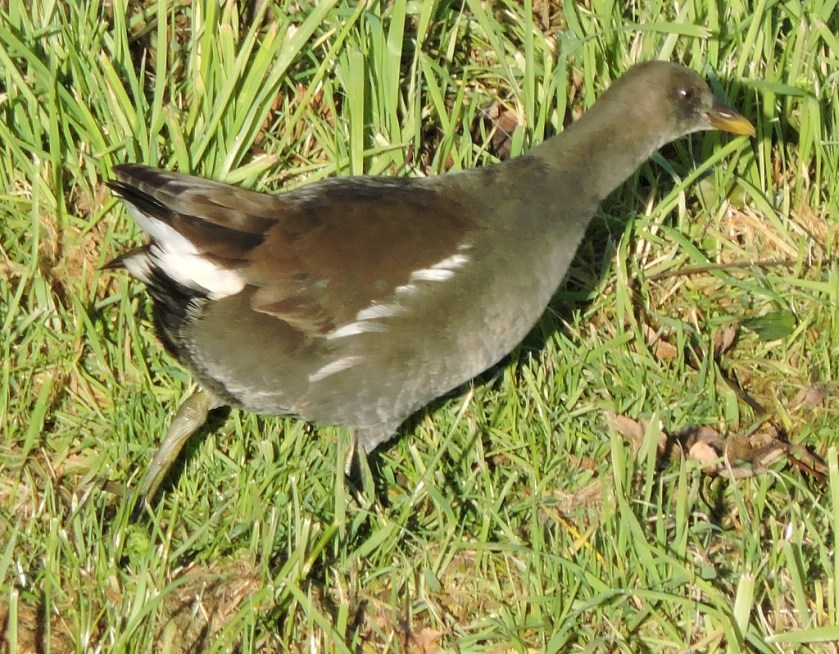
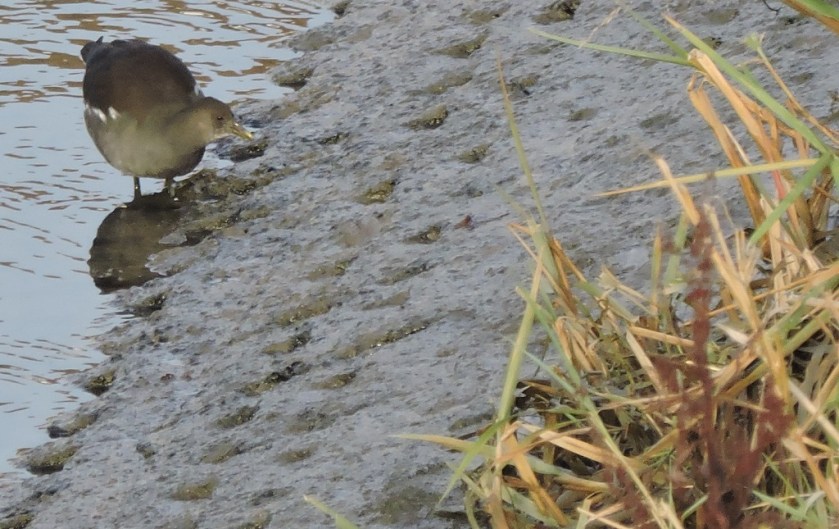
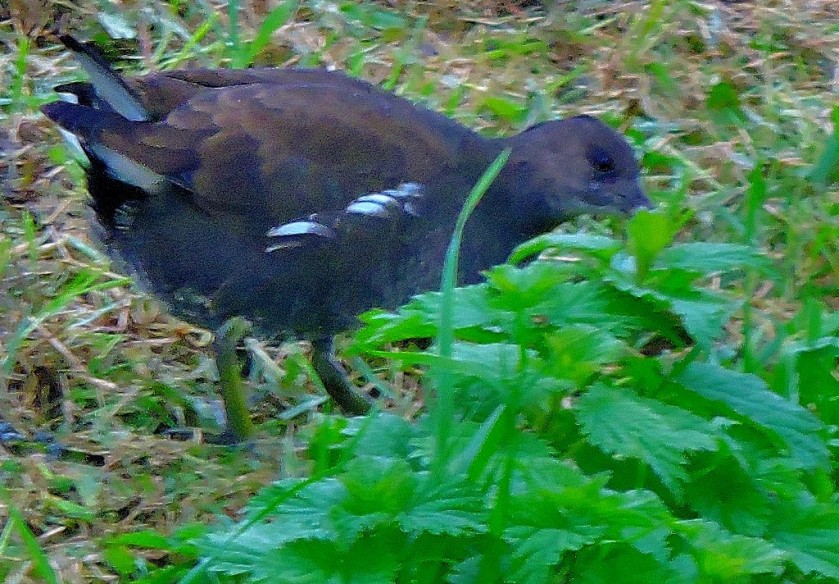
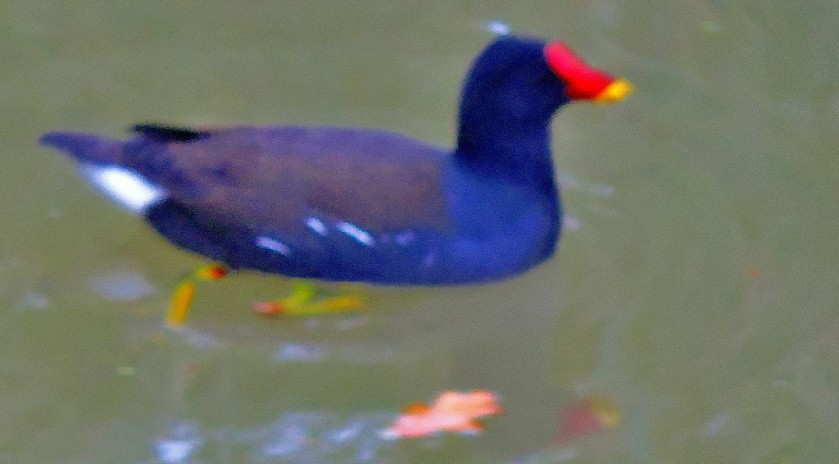
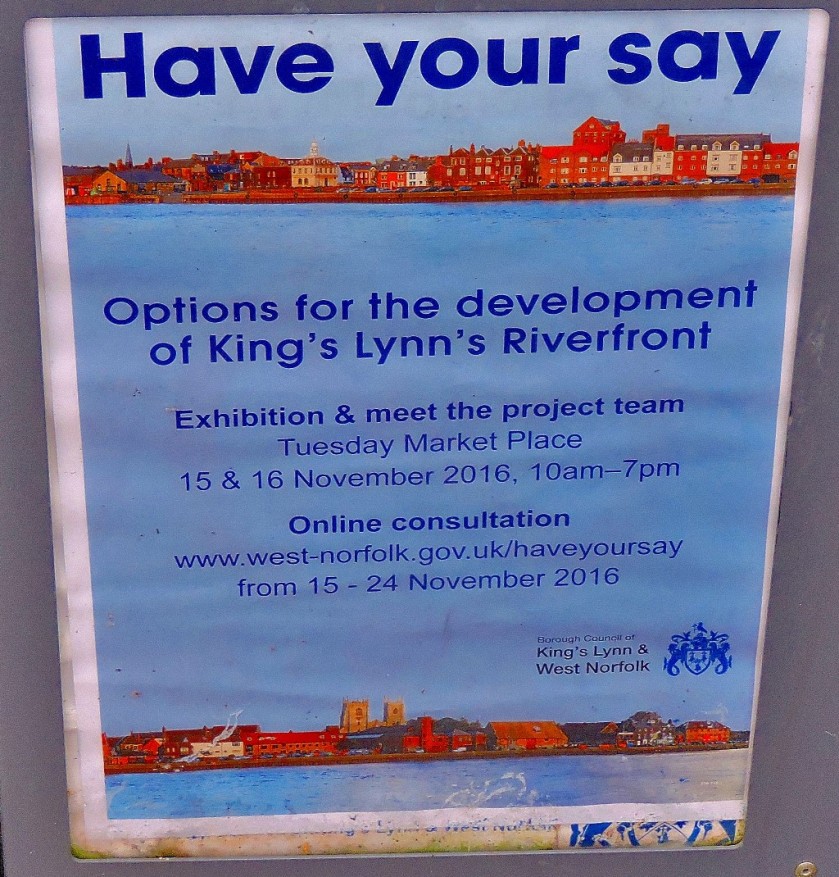
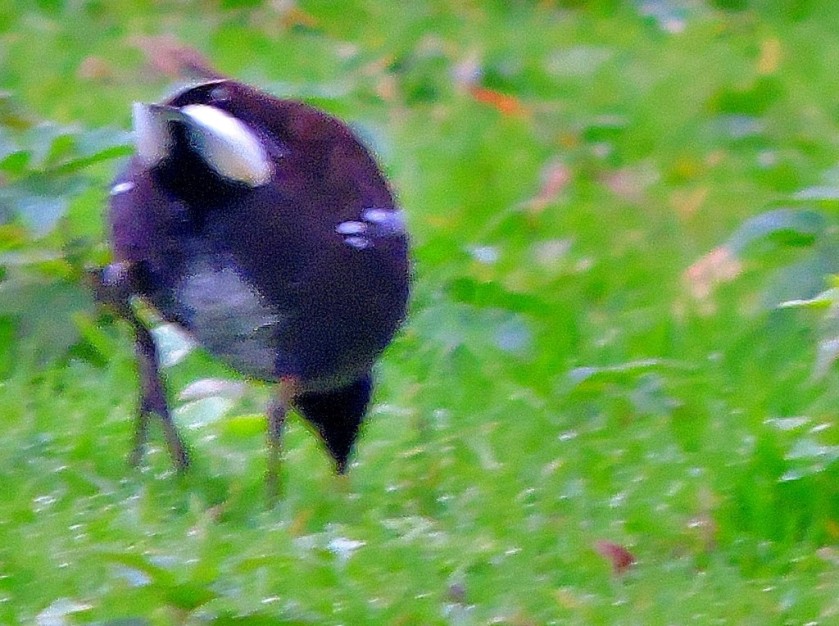
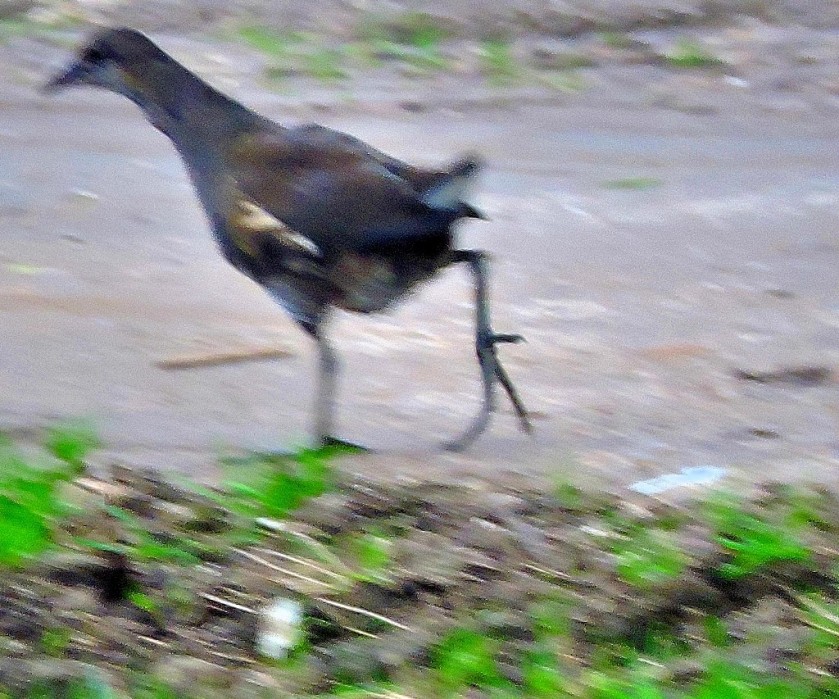
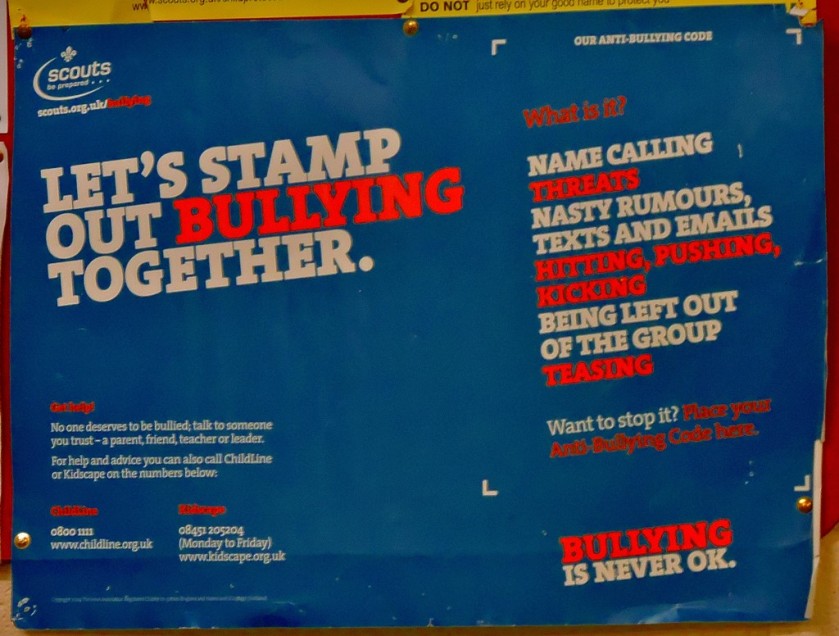
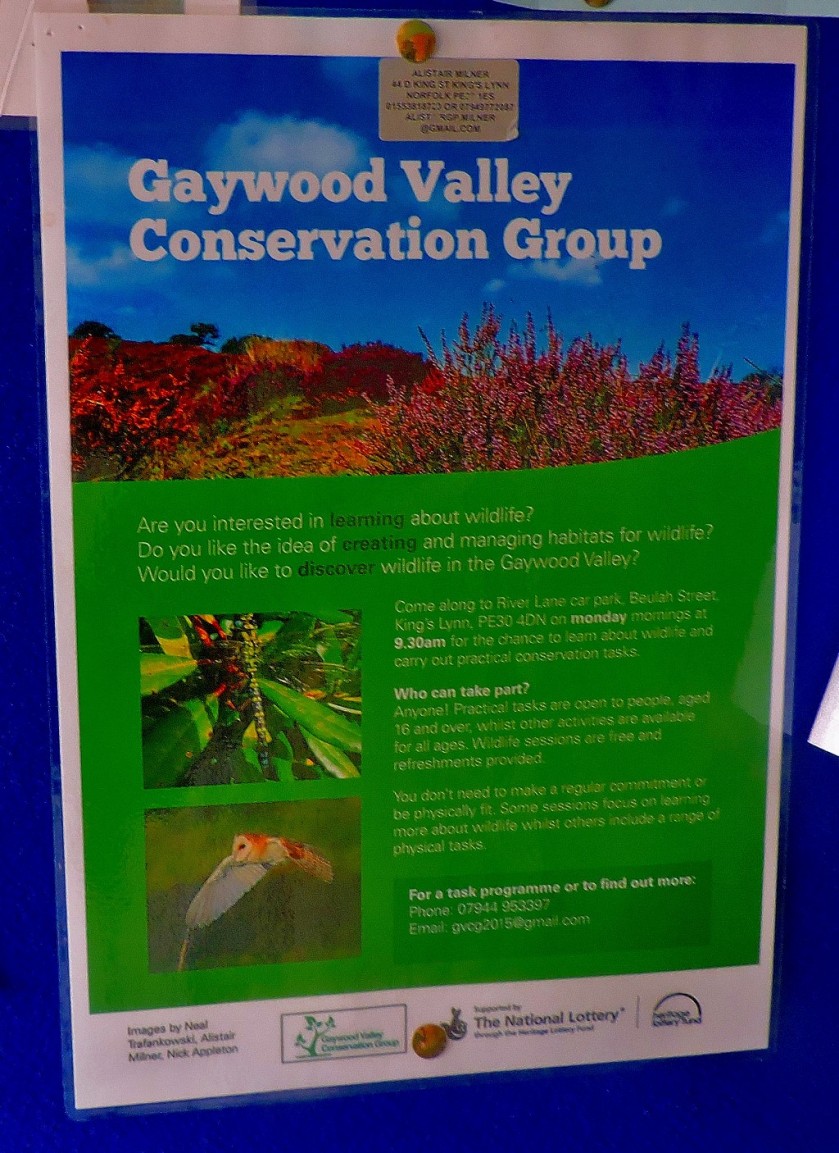
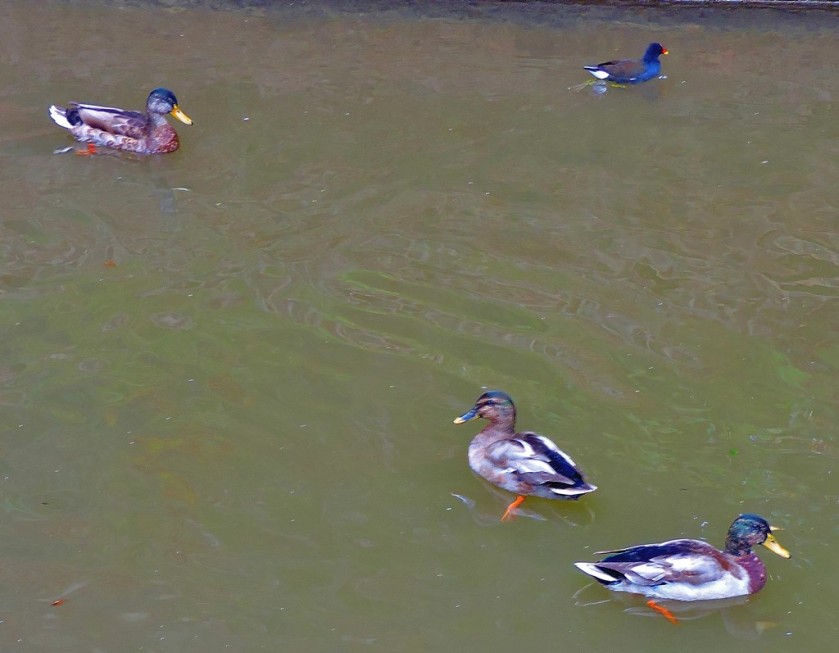
This poster was on display at the Scout Hut yesterday.Moorhens in the Purfleet.
The next installment in my series about Sweden, and the finale to the sub-series about the Inlandsbanan experience.
INTRODUCTION
Welcome to the latest installment in my series of posts about my recent holiday in Sweden, and the end of the sub-series of posts about my northward journey along Inlandsbanan.
THE JOURNEY
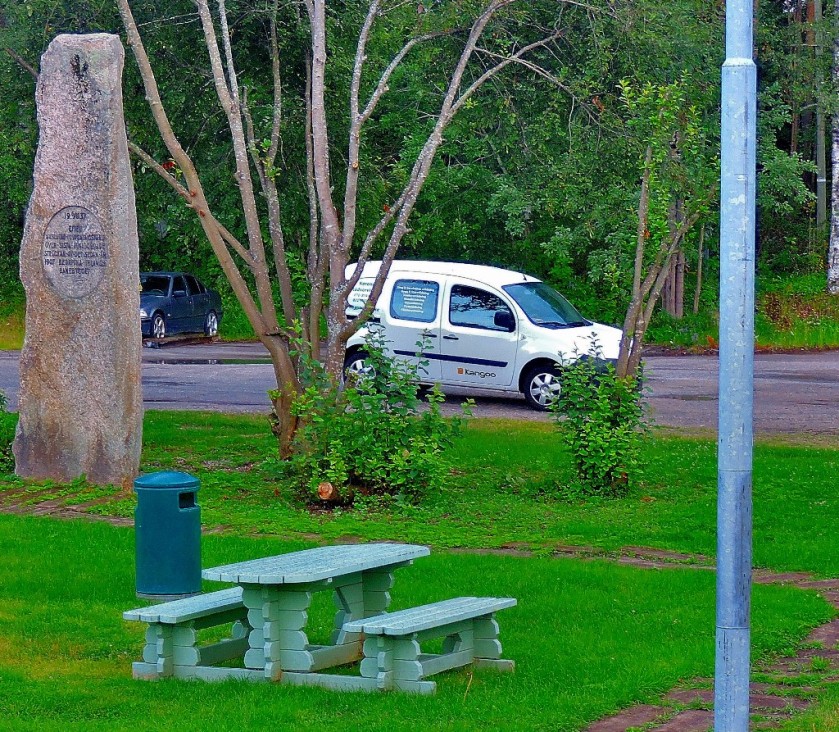
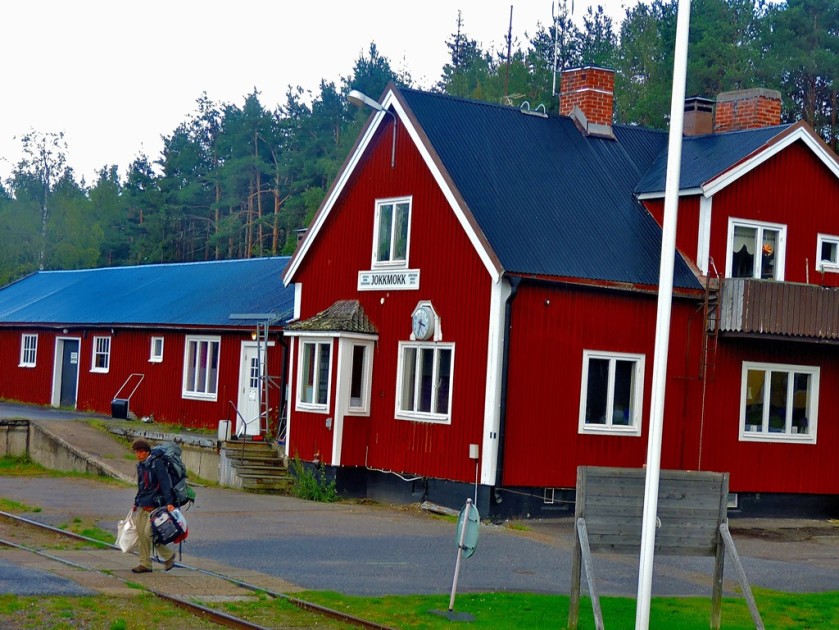
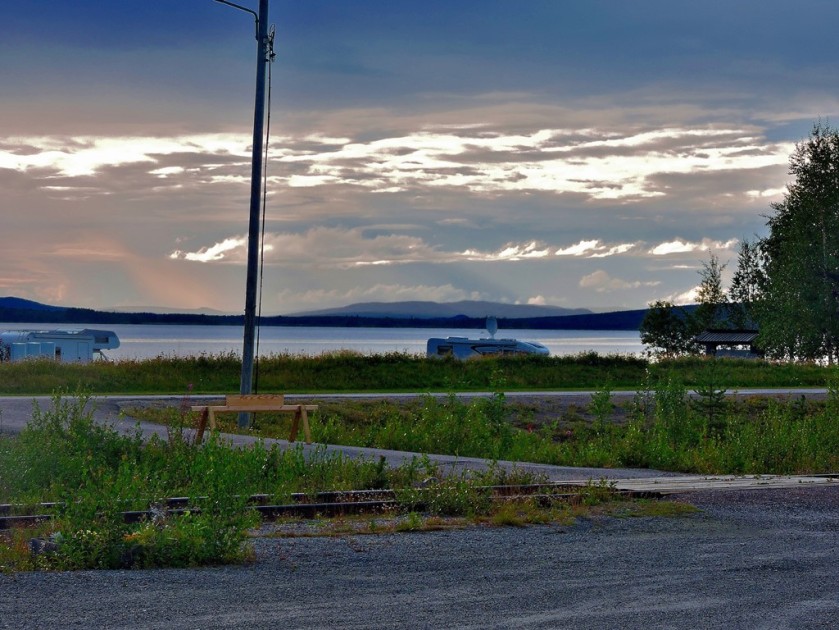
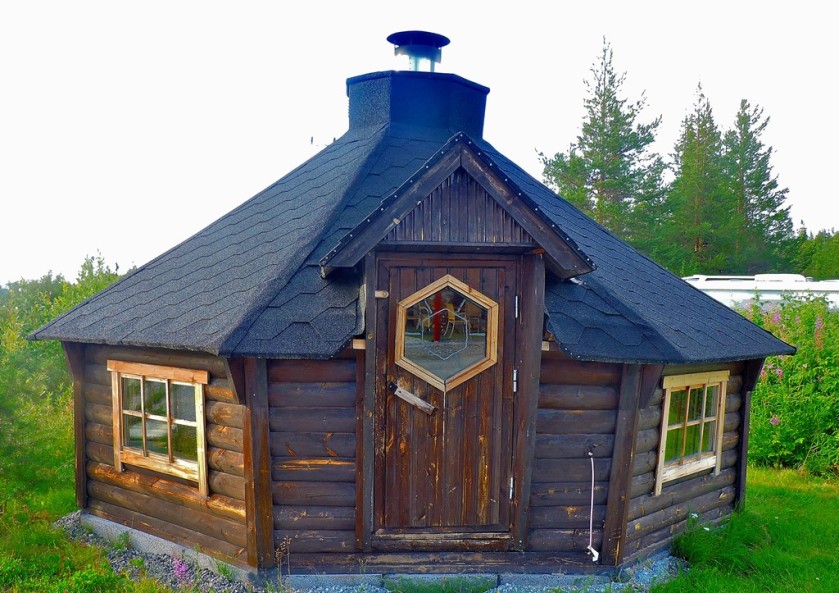
By this stage we were nearing the end of the journey from Ostersund to Gallivare, although there was still the second meal stop to come. In the brief period between restarting the trip from the edge of the arctic circle and arriving at Vaikijaur for the second meal stop we passed a place called Jokkmokk.
Vaikijaur was not especially memorable, although the food was excellent. Here are the pictures I took.
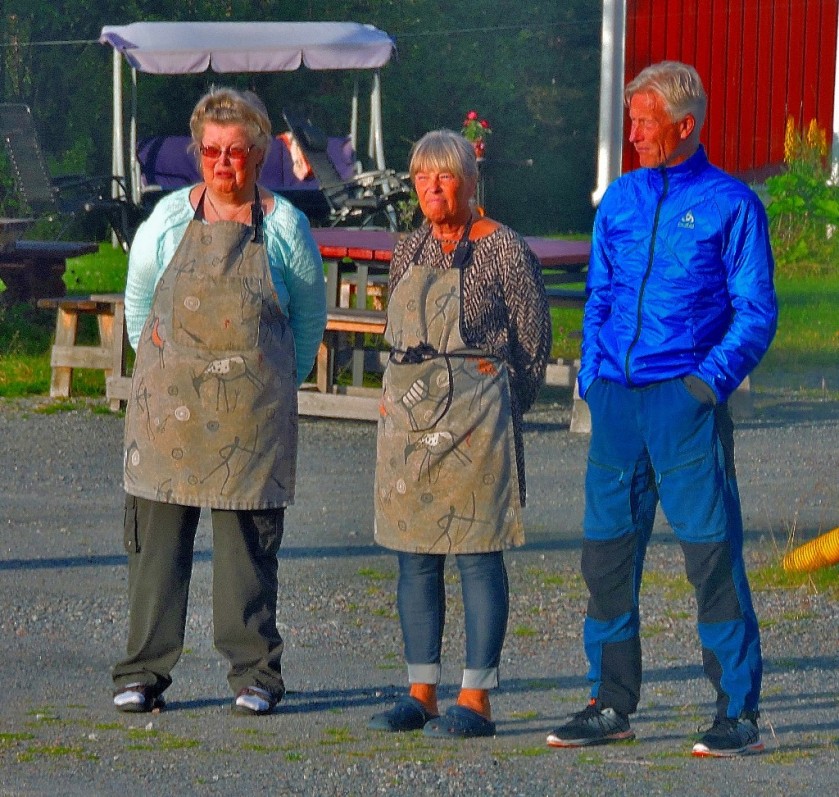
A side view of this quirky little buildingThe front viewThe people who had produced our food.
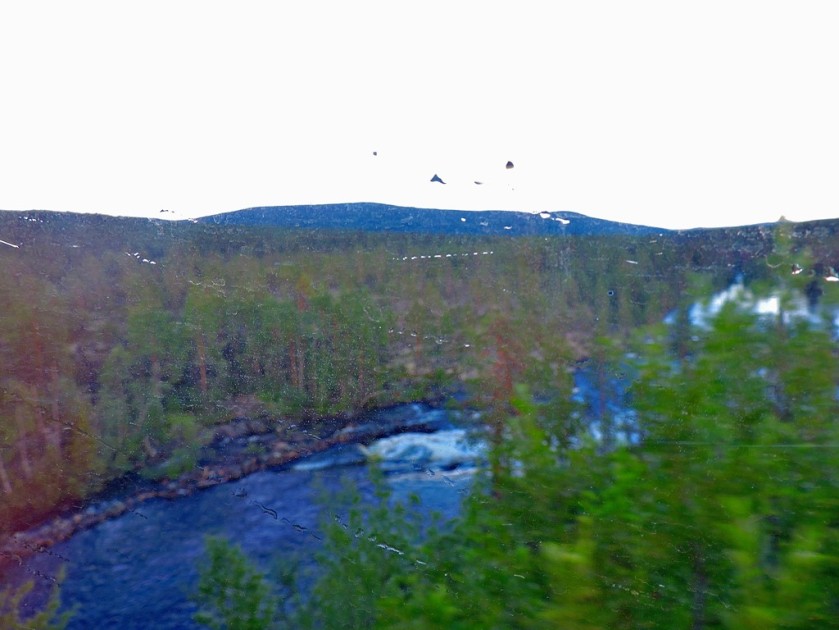
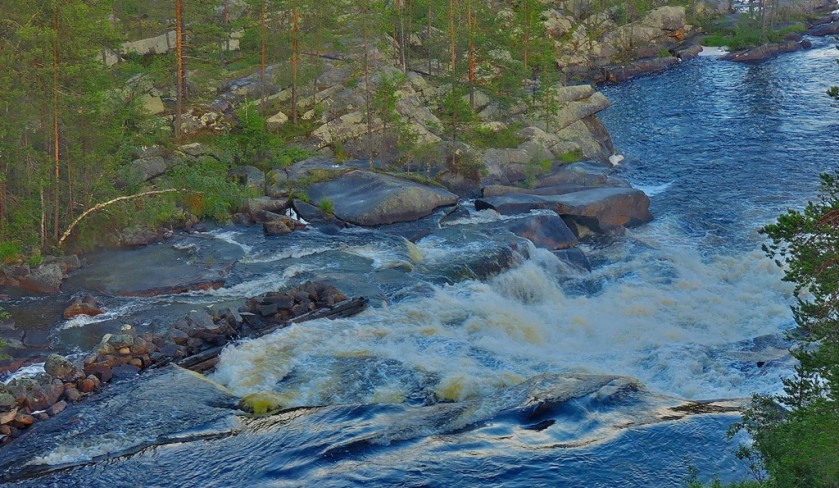
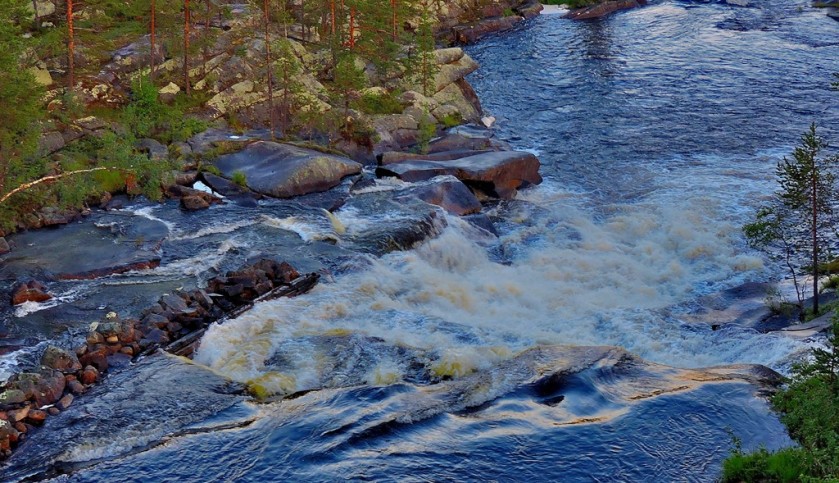
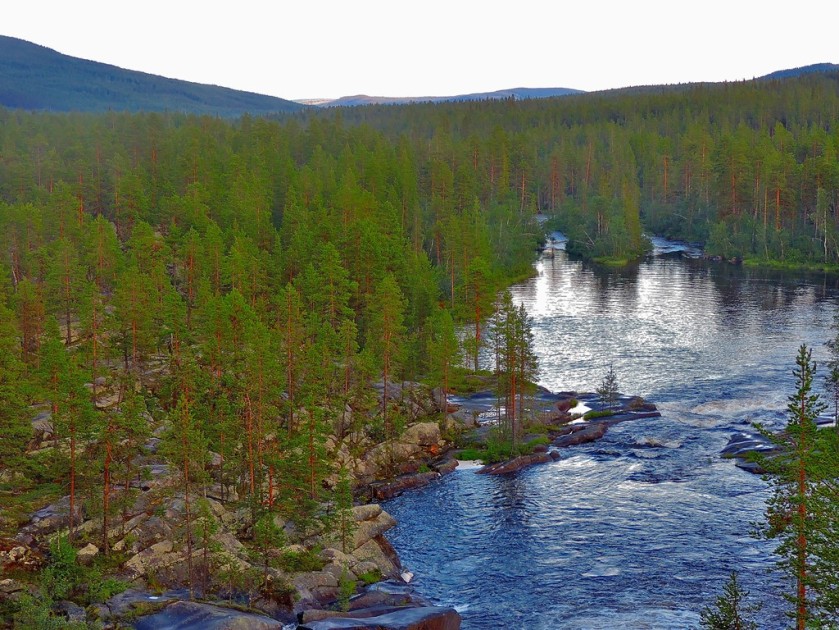
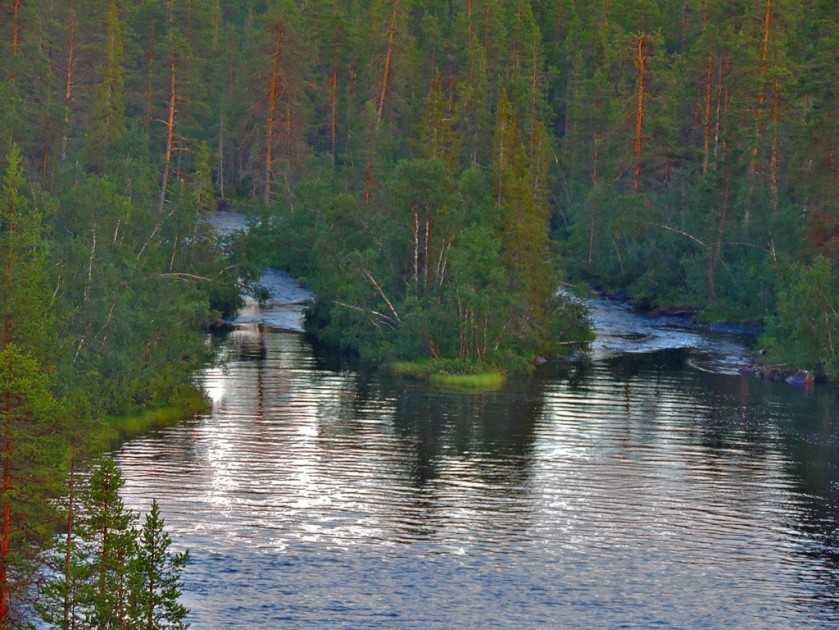
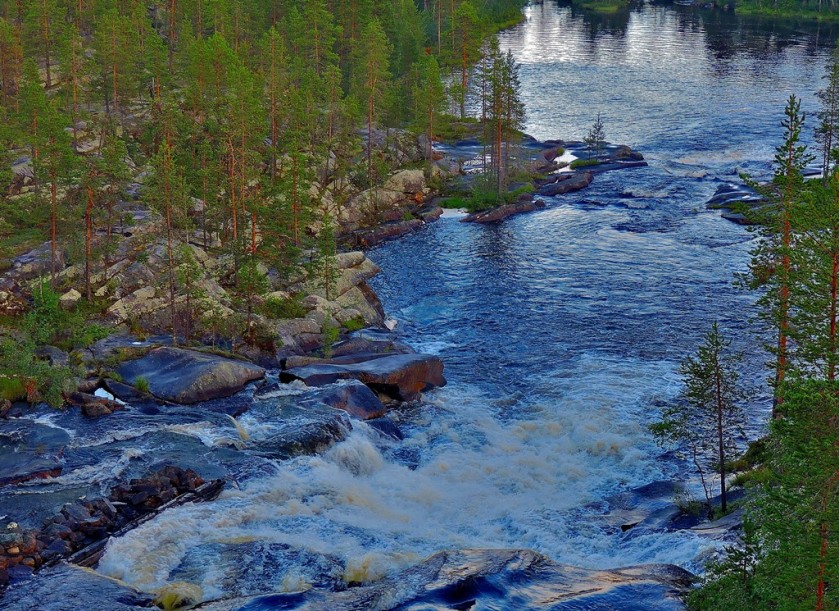
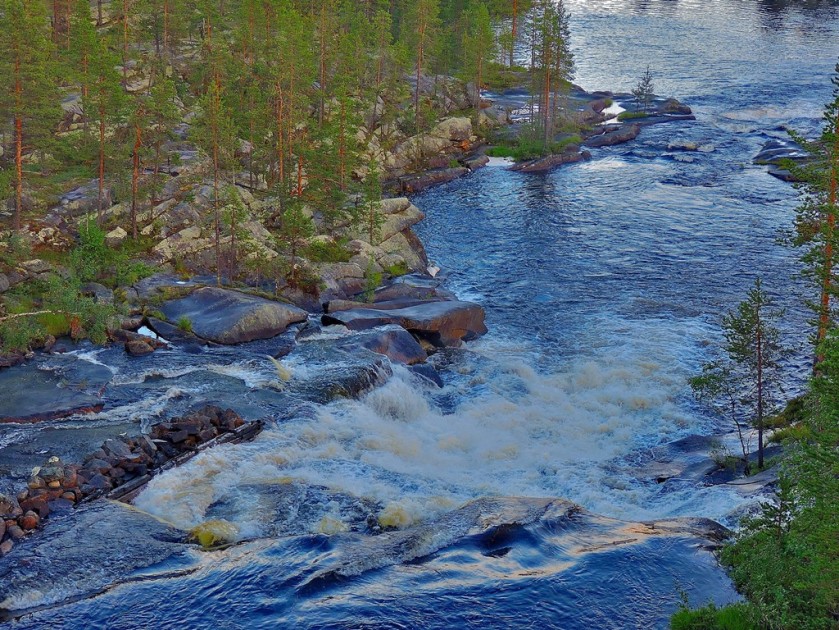
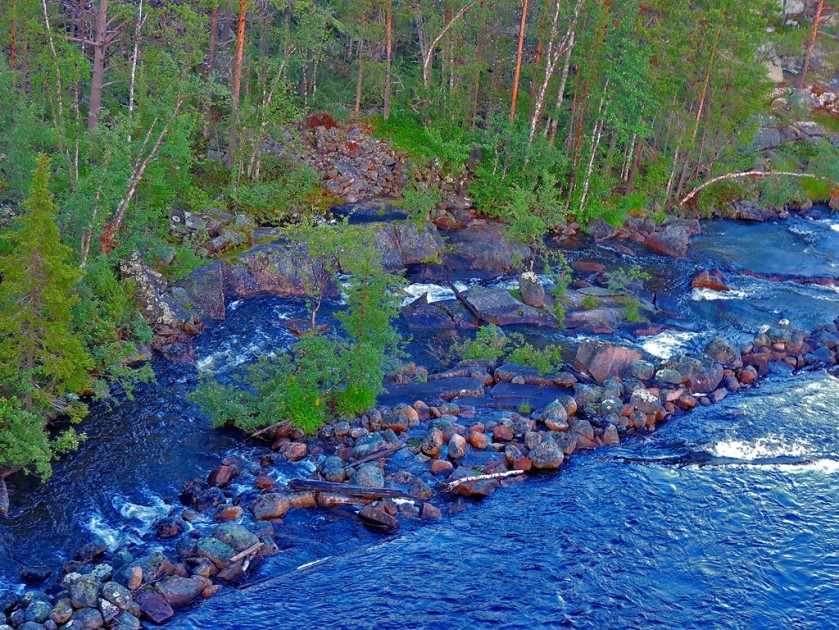
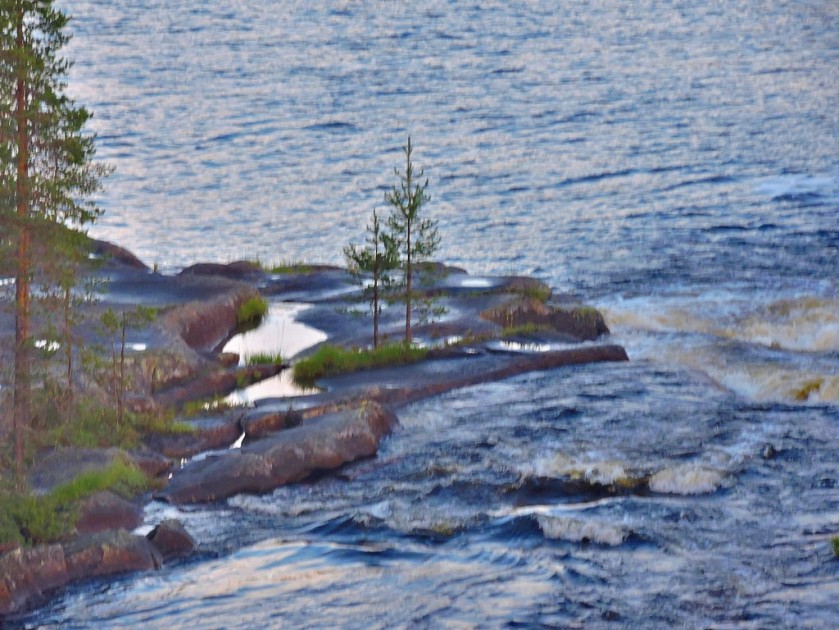
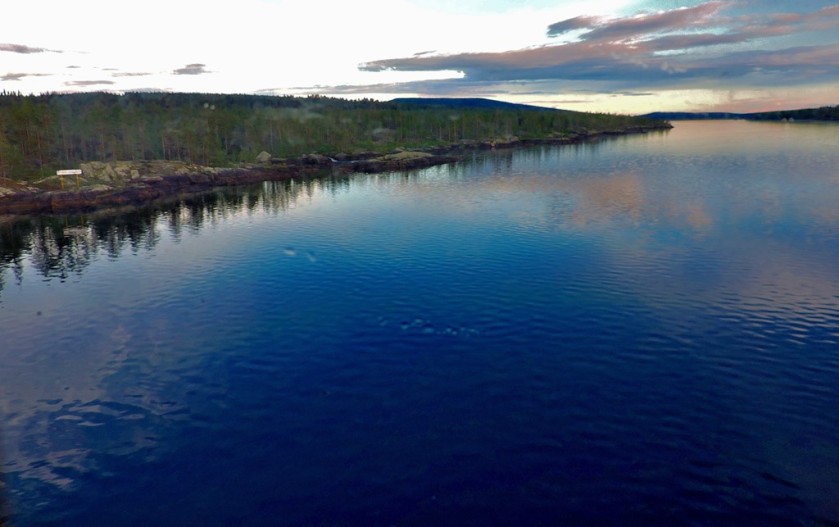
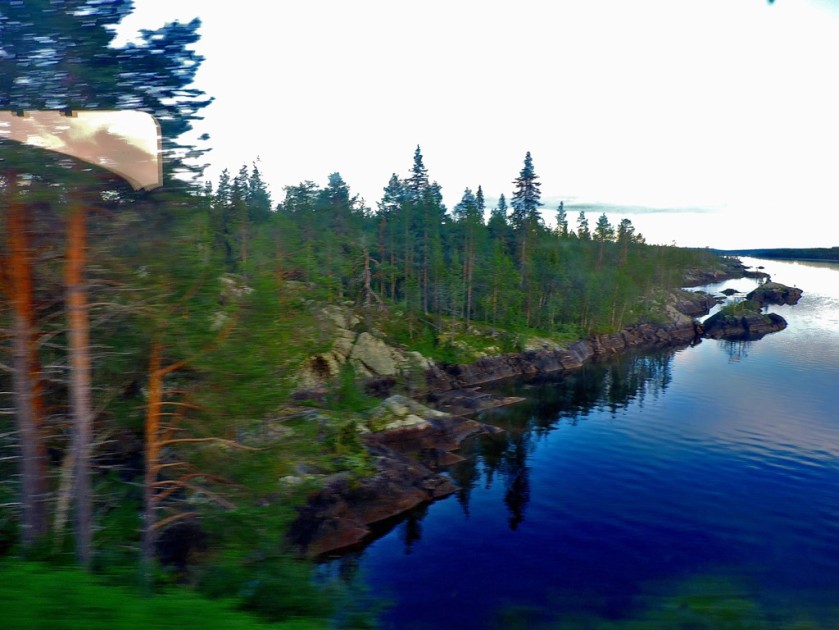
We had no further significant stops before Gallivare although we did pass through a town called Porjus. The train pulled into the platform at Gallivare exactly as scheduled at 21:39. Here are the photos of the last part of the journey…
SLEEPLESS IN GALLIVARE
I had booked two nights at the Hotel Dundret i Centrum, planning then to take a morning train to Lulea on the Gulf of Bothnia and then an overnight train from Lulea to Uppsala, birthplace of Carolus Linnaeus also known as Carl Von Linne. However, while I located the establishment in question, there was no one at reception, and it turned out that to gain access my room I needed to make a call on a mobile phone (had booking.com mentioned this detail I would have booked somewhere else) and I had accidentally left mine at the flat in Stockholm where my cousin and his fiance live. I waited a few minutes in the very unimpressive communal seating area just in case but it was soon obvious that no one would show up.
While I could have sat there until the morning doing so would then involve having an argument over payment because there was no way I would pay for a night in which I had not access to my room, so I decided to cut my losses and headed back to the station to wait the night out. Before continuing this story here is the one photo I took in Gallivare (I knew the camera battery was low, and that I would not be able to charge it that night).
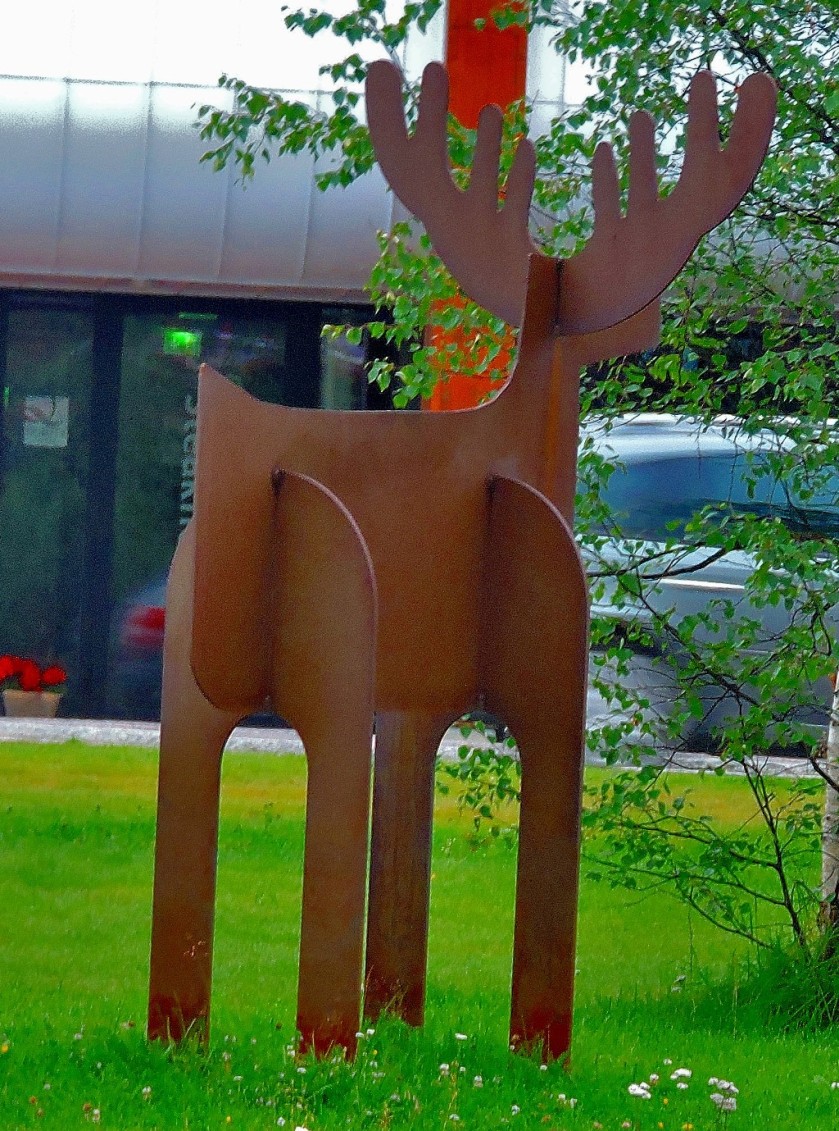
This sculpture is on the roundabout just opposite the station in Gallivare.
I did make a couple of attempts to get some sleep but they were unsuccessful. I was thankful that I had had the foresight to pack a long sleeved top just in case the Swedish summer weather was not quite as good as it might be, since while it does not get dark in Gallivare in August it does get quite nippy at night (as a cricket fan I would have said that the light was never even at its least good unplayable in). Had the sky been clear I might have had a glimpse of the famous midnight sun, but as it was solidly cloudy I was denied even that small pleasure.
At 6 o’clock I was able to get inside and think about my next move. Having ascertained that train tickets could be bought at the Pressbyran next to the station, which was now open, I paid for a ticket on 7:08 train to Lulea (the full price since I did not wish to burn a whole day’s travel for a shortish journey – btw train tickets are one of the few things that are not more expensive in Sweden than in GB – the Swedes don’t have the likes of Branson coining it from failing to provide proper train services), having decided that I would get back on track with my original plans by staying overnight in Lulea and catching the sleeper as intended the following day.
THE INLANDSBANAN EXPERIENCE
I rate this as one of the finest railway experiences I have ever had. I encountered some wonderfully scenic journeys in Scotland and on my first visit to Nordic lands many years ago. More recently I experienced some very scenic journeys in Australia, including Melbourne – Adelaide.
Although I, with my Colbeckian enthusiasm for all things railwayana thoroughly enjoyed all three legs of the Inlandsbanan journey and would recommend the experience to anyone I could also see merit in missing the Kristinehamn-Mora section and doing Mora-Ostersund and Ostersund-Gallivare having found some other route to Mora. If not constrained by budget I would recommend the onward trip from Gallivare to Narvik and some exploration in Norway as well. I also mention that there are places along the route where one could stay overnight if wanted to spend many days over making the journey, but with an inter-rail pass giving me eight days of travel and a desire to see as much of Sweden as I could encompass such was not on the table for me personally.
If anyone involved in the publication of the Rough Guide to Sweden happens to see this may I suggest that you think about turning my last eight blog posts into a chapter about Inlandsbanan since it is absurd that this incredible experience is not covered in your pages.













 Klipp ur SN 20161116 insändare A Wirmark
 Namninsamling pågår
 If they could they would sign for save Trosa nature
 Förbifarten är skadlig för din hälsa/A new road is unhealthy for you, put it out




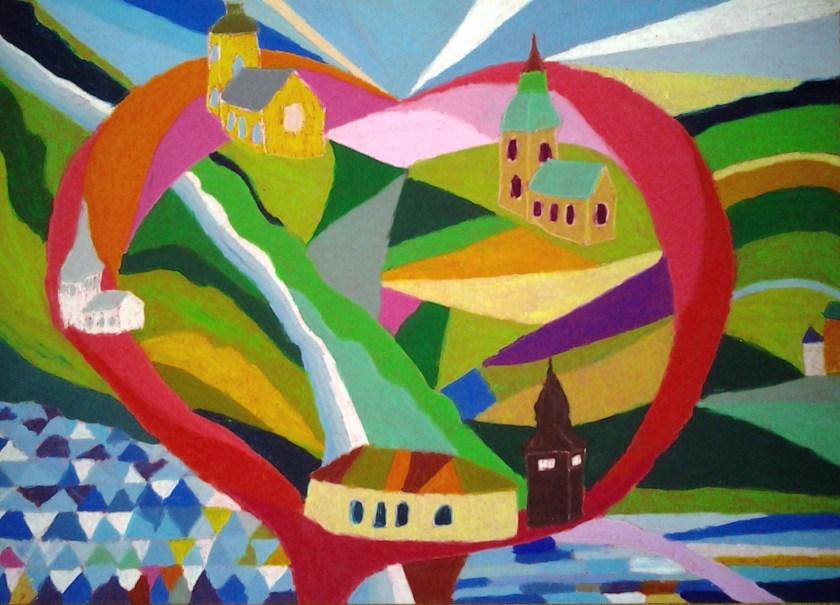 For love of Trosabygden
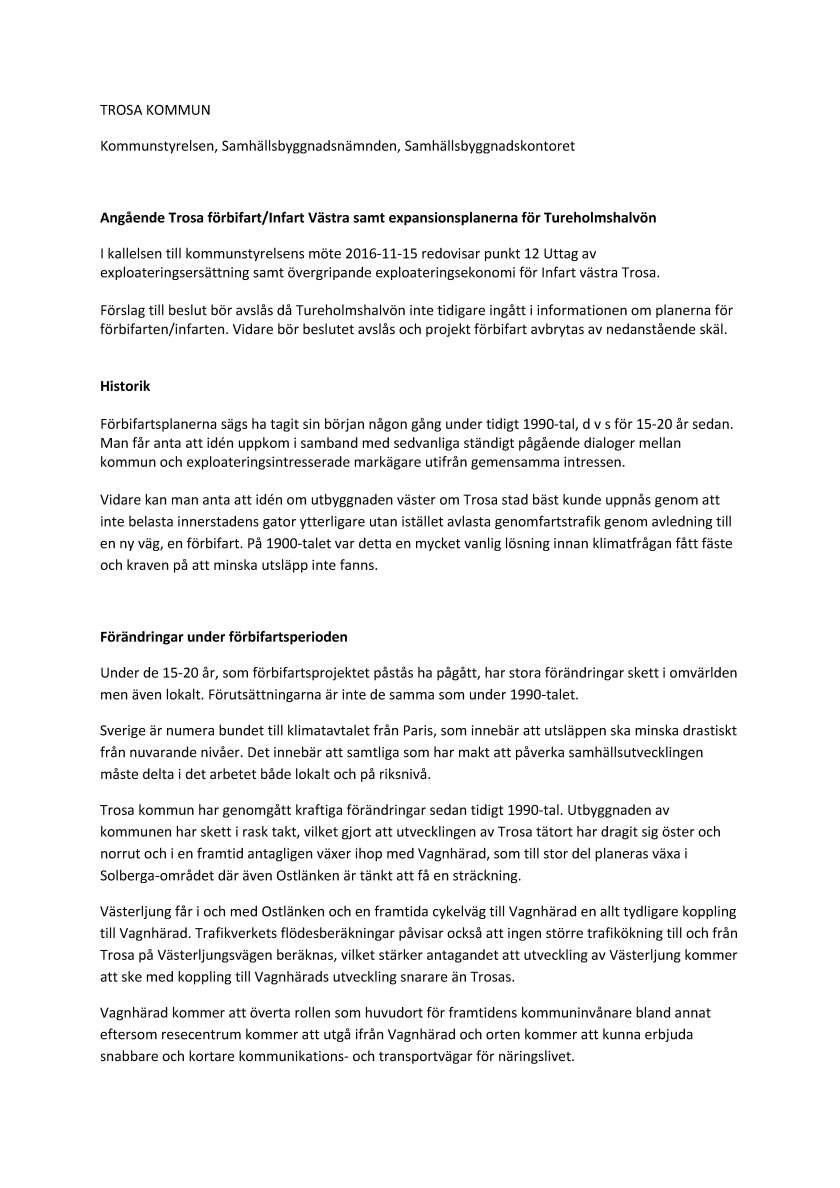 synpunkter till kommunstyrelsen sid 1
 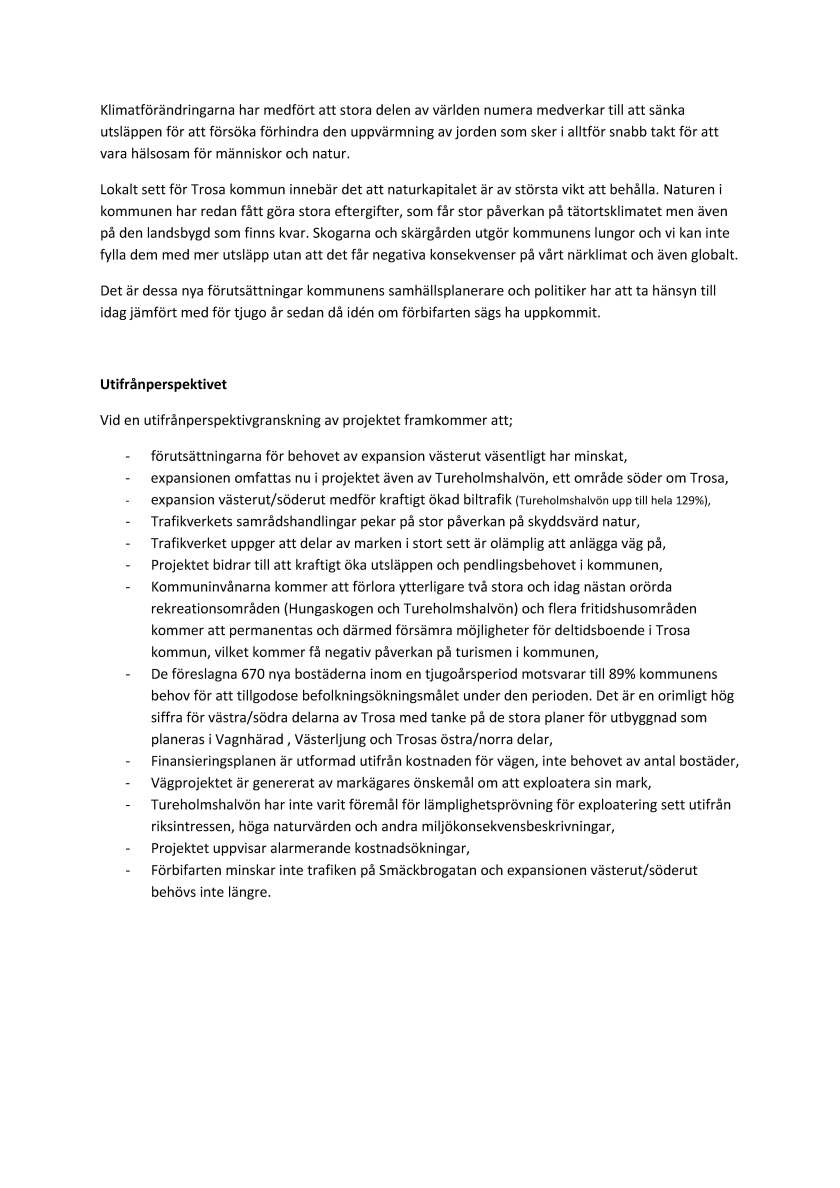 synpunkter till kommunstyrelsen sid 2
 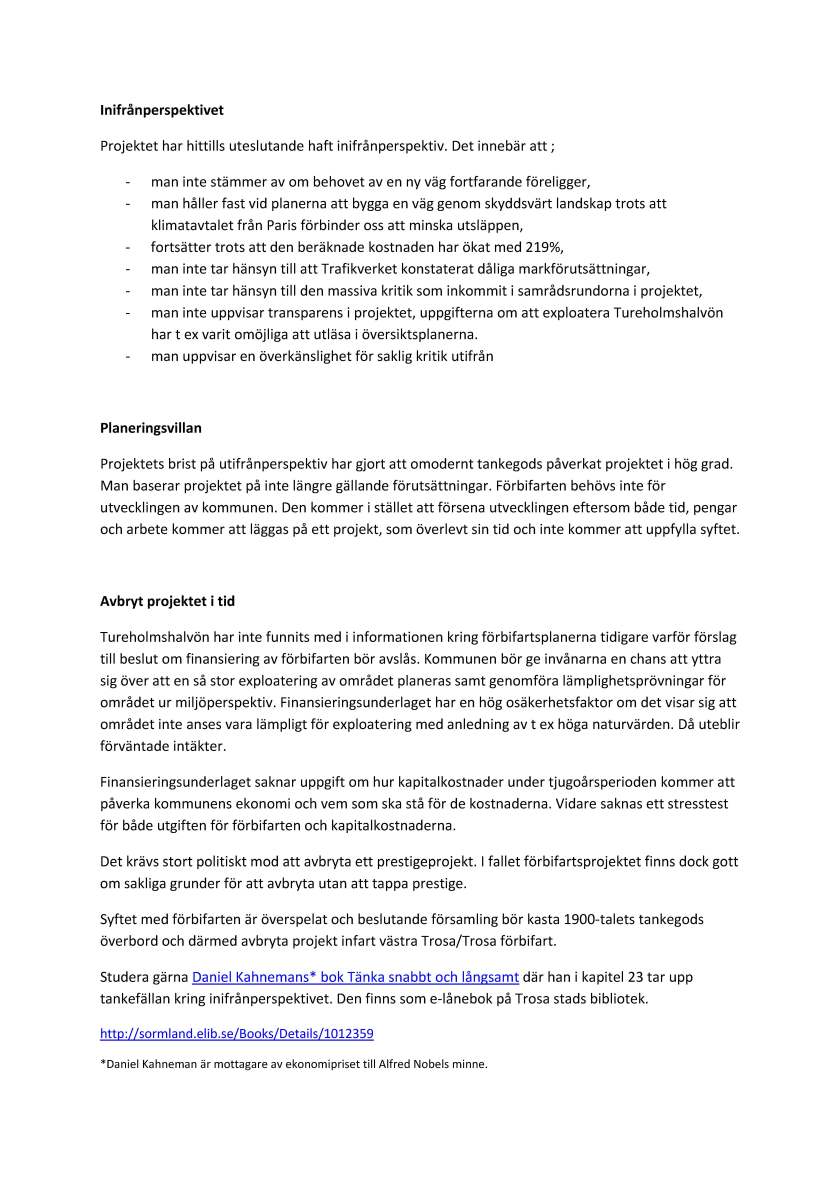 synpunkter till kommunstyrelsen sid 3
 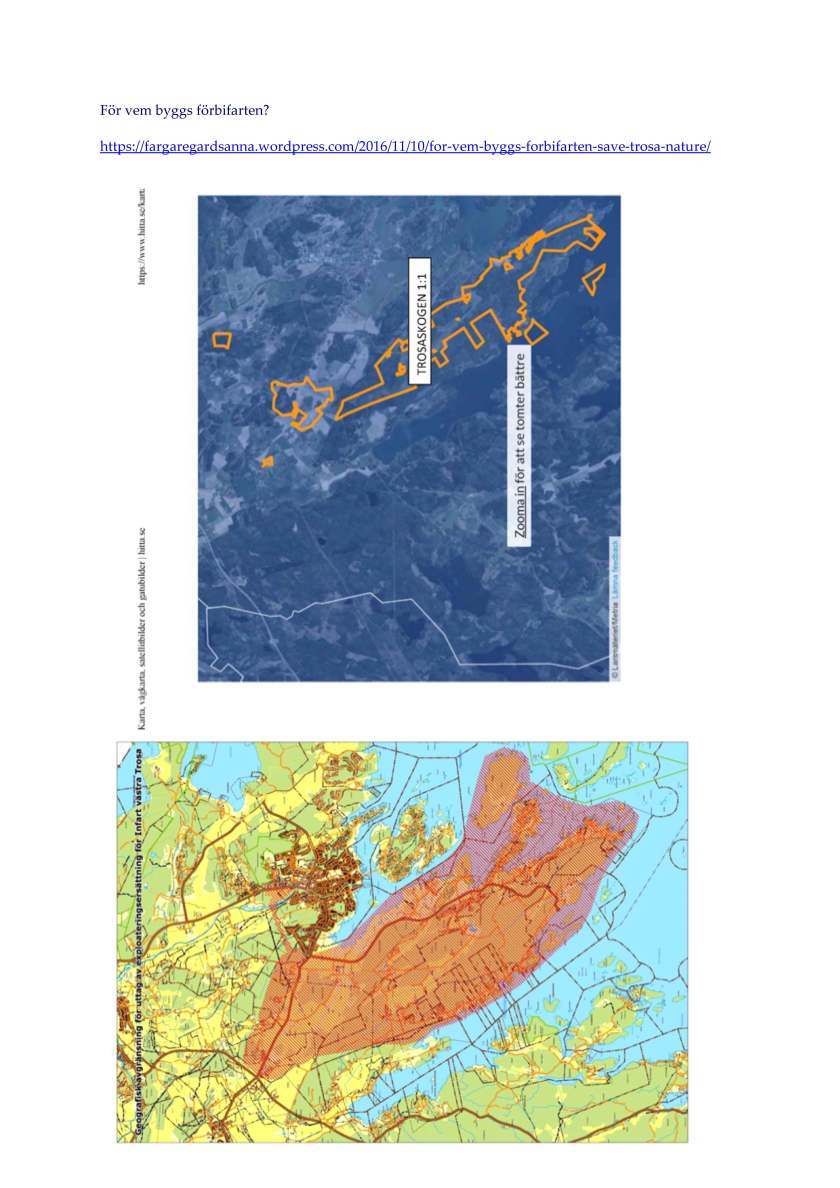 synpunkter till kommunstyrelsen sid 4
  Avbryt projekt Trosa förbifart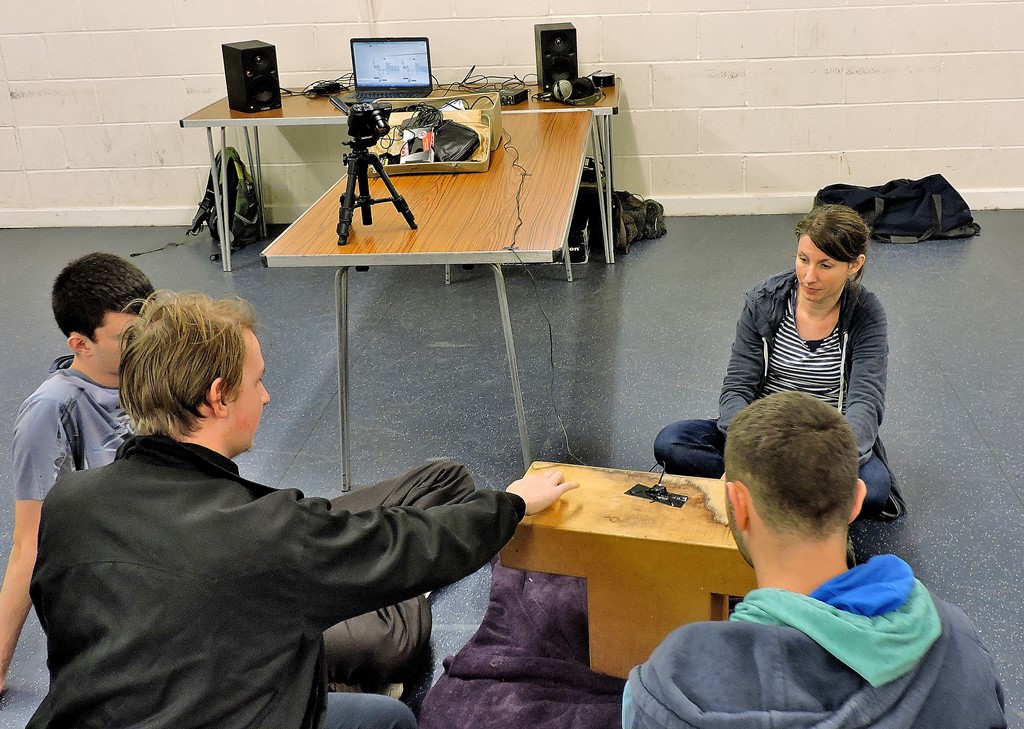






























 aspiblog