100 Cricketers – The Seventh XI Bowlers and Introducing the Eighth XI

The latest in my “100 cricketers” series, finishing the look at the seventh XI and introducing the eighth XI in batting order. Has some bonus features as well as the usual photographs.

INTRODUCTION

Welcome to the latest post in my “100 cricketers” series, which features the specialist bowlers from the seventh XI and introduces the eighth XI in batting order. There are also a couple of extra features near the end of the post. The introductory post to the whole series can be found here, the post which introduces the seventh XI is here and the previous post in the series is hereWe start our look at the bowlers with…

THE QUICKER BOWLERS

I have two players in this XI who are picked principally as pace bowlers. Anya Shrubsole in this combination would be third seamer, while the new ball would be taken the two genuinely quick bowlers, Imran Khan and…

PAT CUMMINS

The 25 year-old who consistently bowls at speeds of over 90mph has thus far played 20 test matches in which has taken 94 wickets at 22.02, while he has at times also made useful contributions as a lower order batter, with 528 runs at 20.30. He has also been effective in shorter form cricket, with 82 ODI wickets at 26.53 from 48 appearances and 25 T20I wickets at 21.24 from 20 matches. In the 2018 Boxing Day test match at the MCG when Australia as a whole were roundly defeated, confirming India as holders of the Border-Gavaskar trophy, he was the one Aussie to emerge with his reputation enhanced, playing a fighting innings and bagging six cheap second innings wickets after India had declined to enforce the follow-on. He is the only current Australian player I would definitely want to find a space for in the England team were such permissible (Steve Smith, a shoo-in on past performances is as far as I am concerned out on behavioural grounds). As this suggests my reckoning based on recent performances by the two sides is that England are heavy favourites to regain The Ashes this summer, but the presence of a fit, firing Cummins will make their task harder – and I hope that is what we see – I would always want each team to be at full strength. 

ANYA SHRUBSOLE

She has had only five test matches (17 wickets at 24.52), but her records in ODIs (61 matches, 77 wickets at 26.51) and T20Is (63 matches, 86 wickets at 13.96) are splendid. She was the star of the 2017 world cup final, her 6-46 consigning India to defeat after they had looked like winning for most of the match and earning her many accolades, starting with player of the match on the day and also including becoming the first woman to feature on the front cover of Wisden. We now turn to the…

SPIN BOWLERS

Those who have followed this series closely will recall that as well as naming her vice-captain of this XI I made a point of mentioning Heather Knight’s off-spin bowling. In view of the fact that I already had an option, albeit not quite front-line, in that department it was natural for my front-line options to select two spinners who represented different varieties of spin bowling. I went for having a full range and plumped for a legspinner and a left arm orthodox spinner…

DANIEL VETTORI

The Kiwi played 113 test matches, scoring 4,531 runs at 30.00 and taking 362 wickets at a slightly costly 34.36. He also played 295 ODIs scoring 2,253 runs at 17.33 and taking 305 wickets at 31.71. That slightly elevated test bowling average not withstanding I reckon that among New Zealand born spinners only Clarrie Grimmett, who not only had to move countries (to Australia) but was on to his third Aussie state before mkaing the breakthrough was better. I saw him action in 1999, when his fine bowling played a major role in consigning England to the series defeat that plunged them to the bottom of the world test ratings. In the year 2000 two developments, a two-divisional championship and central contracts came into force, and since then England have fared much better on the international stage. In later years his batting became almost as significant for New Zealand as his bowling, and he was also did fairly well captaining the side. 

AMANDA WELLINGTON

This is a pick with the future in mind. The 21 year-old legspinner has only played one test match, has 15 ODI wickets at 31.80 and 10 T20I wickets at 11.20. However, she bowled well in the Womens Big Bash League this year, and had an OD match for South Australia v ACT in which she scored 29 and took 4-35. I expect to hear a lot more of her in future, having been favourably impressed by those bowling performances that I have heard commentary on.

INTRODUCING THE EIGTH XI

Here in batting order is my eighth XI:

  1. Matthew Hayden
  2. Justin Langer
  3. *Michael Vaughan
  4. Dilip Vengsarkar
  5. Shivnarine Chanderpaul
  6. +Andy Flower
  7. Richard Hadlee
  8. Graeme Swann
  9. Stuart Broad
  10. Linsey Smith
  11. Terry Alderman

EXTRAS

This post will end in the usual way, but first a couple of extras.

ANSWER TO MATHEMATICAL PUZZLE FROM YESTERDAY

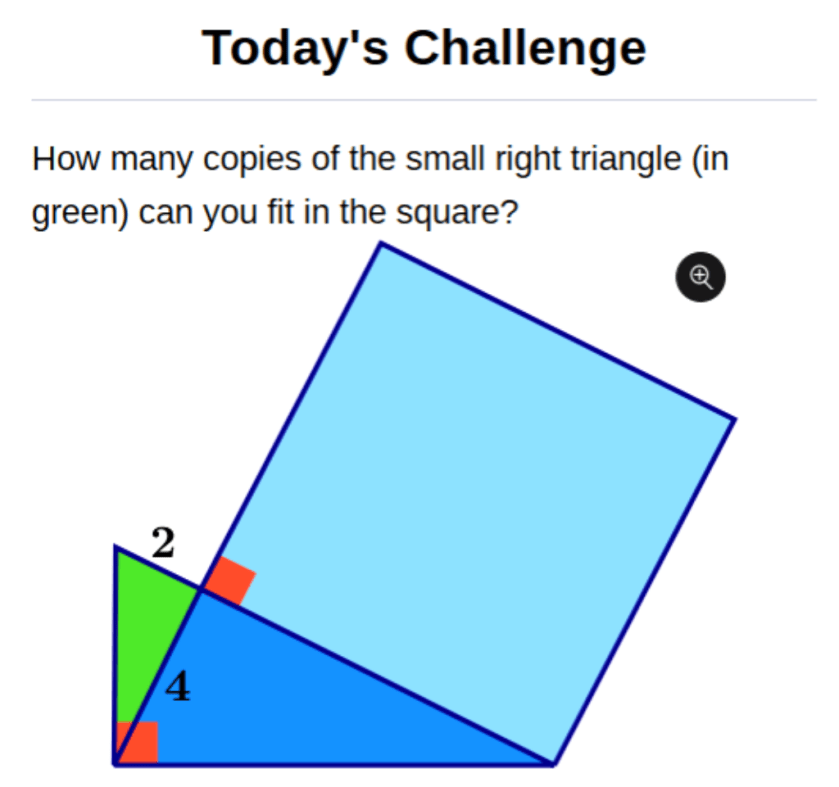
Here is an official solution to yesterday’s mathematical puzzle, posted by Mahdi Raza:
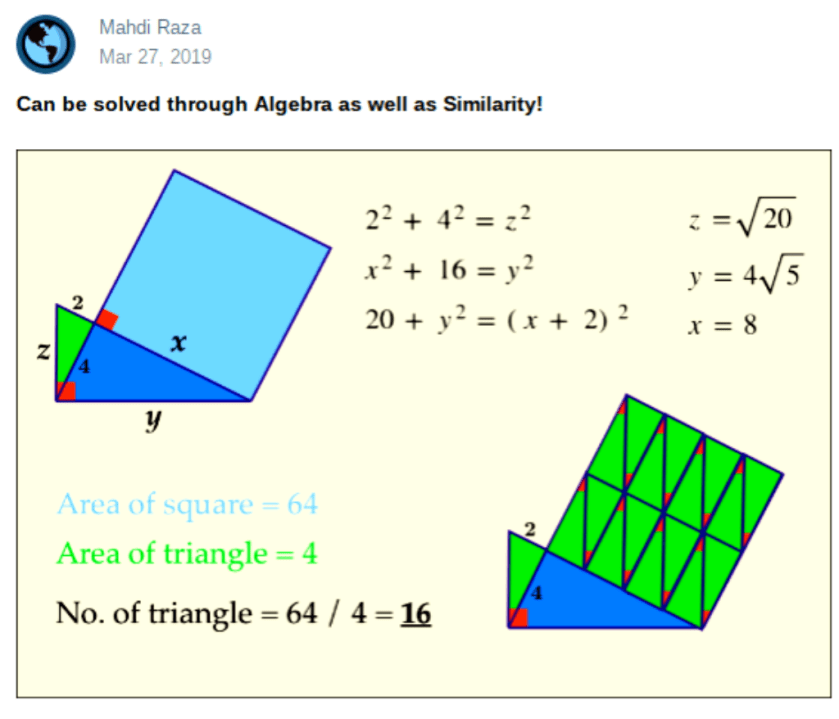
solution

We also have a bonus feature…

AUTISM PLAN

I was alerted to this via twitter, but the main detail is in a facebook post which you can view by clicking on the graphic below:

Autism Plan

It costs NAS West Norfolk some £15,000 a year to run activities for our members (over 380 families currently signed up). There is a new fundraiser now on just giving for those who can afford to donate, and all money raised will be used by NAS West Norfolk for activities that help autistic people. We finsih of course with…

PHOTOGRAPHS

P1220323P1220324P1220325P1220326P1220327P1220328P1220330P1220331P1220332P1220333P1220334P1220335P1220336P1220337P1220338P1220339P1220340P1220341P1220342P1220343P1220344P1220345P1220346P1220347P1220348


100 Cricketers – The Seventh XI Allrounders

Continuing my “100 cricketers” series with the allrounders from the seventh XI. Also features a few links and as usual some of my photographs.

INTRODUCTION

Welcome to the latest addition to my “100 cricketers” series, which features the allrounders from my seventh XI. The introductory post to the whole series can be seen here, the post in which I introduce the seventh XI here, and the most recent post in the series here. Before getting into the main business of this post there is a bit of news.

SAM CURRAN DESTROYS DELHI CAPITALS

Many eyebrows were raised when young Surrey and England all-rounder Sam Curran fetched a seven figure sum in the IPL auction. Yesterday for Kings XI Punjab Curran who had already scored 20 off 10 balls opening the batting took 4-11 including a hat-trick which settled the match. He had bowled one over for seven when he was brought back into the attack in the closing stages. The Delhi Capitals had looked to be cruising home, but in a collapse to rival anything from 1990s England at their worst lost their last seven wickets for just eight runs. Curran benefitted from old fashioned straight, full bowling – the batters missed and he hit the stumps. A full report can be read here. Now to the main business of the post.

*IMRAN KHAN

88 test matches, 3,807 runs at 37.69 and 362 wickets at 22.81, and 175 ODIs which yielded 3,709 runs at 33.41 and 182 wickets at 26.61. He finished his career well before the launch of T20, but there can be little doubt that as an attacking bat and genuinely fast bowler he would have been a success at that form of the game as well. In 1992 he captained his country to World Cup success. This and many other successes as captain have earned him the captaincy of this XI. Captaincy sometimes adversely affects the performance of players, but this was not the case for Imran, who produced some of his finest efforts while captaining. He is a worthy captain of this XI and has an excellent back up in Heather Knight, who I named as vice-captain.

+MAHENDRA SINGH DHONI

90 test matches, 4,876 runs at 38.09, 256 catches and 38 stumpings. 341 ODI appearances yielded 10,500 runs at 50.72, 314 catches and 120 stumpings. 98 T20Is produced 1714 runs at 37.60, 57 catches and 34 stumpings. The figures show that he was an outstanding wicketkeeping allrounder. The successes in limited overs cricket show that he played an attacking brand of cricket. The fact that six of his nine first class hundreds, including his best of 224, came in test matches show that he relished the big occasion. With him behind the sticks the bowlers (Imran and the four players you will see in my next post in this series, which will also introduce the eigth XI) can be confident that their efforts will not go to waste. 

PHOTOGRAPHS AND LINKS

As well as my standard sign off I have some links to share:

trpirob

NB this is slightly harder than the original as that multiple choice answers.

P1220294P1220295P1220296P1220297P1220298P1220299P1220300P1220301P1220302P1220303P1220304P1220321


An Autism Awareness Event At King’s Lynn Library

A brief account of today’s Autism Awarenss event at King’s Lynn Library, with some photographs.

INTRODUCTION

Today at 1PM there was a gathering at King’s Lynn Library for World Autism Awareness Day, in which we talked to the library about things they could do to make themselves more accessible to autistic people and in which we got details of an autism friendly youth group that they are starting. As well as ourselves and library staff a young woman from SCIOPE was also present.

AWARENESS IS BARELY THE BEGINNING

Obviously awareness is necessary, but it should not be thought of as a goal or an endpoint – to borrow from a famous quote it is at most the end of the beginning. To be of real value it needs to proceed to acceptance, understanding of our needs and appreciation of our strengths. The library staff seem genuinely committed to helping autistic people, and they listened to all our comments. There was talk of autism friendly hours in the evening, which I think would be an excellent idea.

A CONSTRUCTIVE DAY

I feel that this event was very constructive and potentially valuable. I await practical developments with interest – as an autistic person who is a great supporter of the library I hope to be able remember today as an occasion when things moved in the right direction. I was very glad to be able to attend – as an advocate of “nothing about us without us” I always feel that I should be involved with this sort of thing, and there had been a possibility that my health would prevent that. Fortunately it did not. Now for…

PICTURES

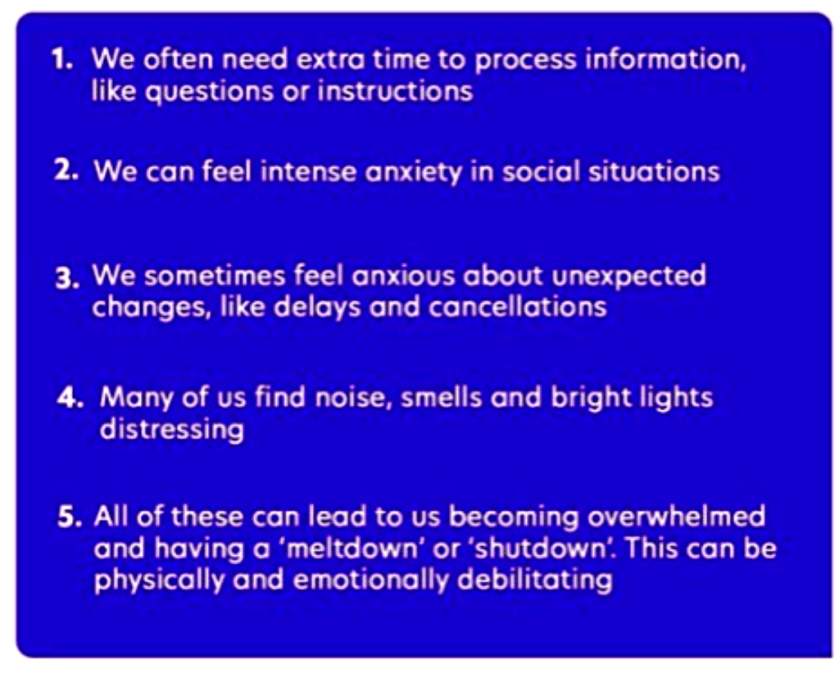
I start with an infographic posted on the NAS Norwich facebook page by Johanna Corbyn which I consider to be excellent:

Johanna Infographic

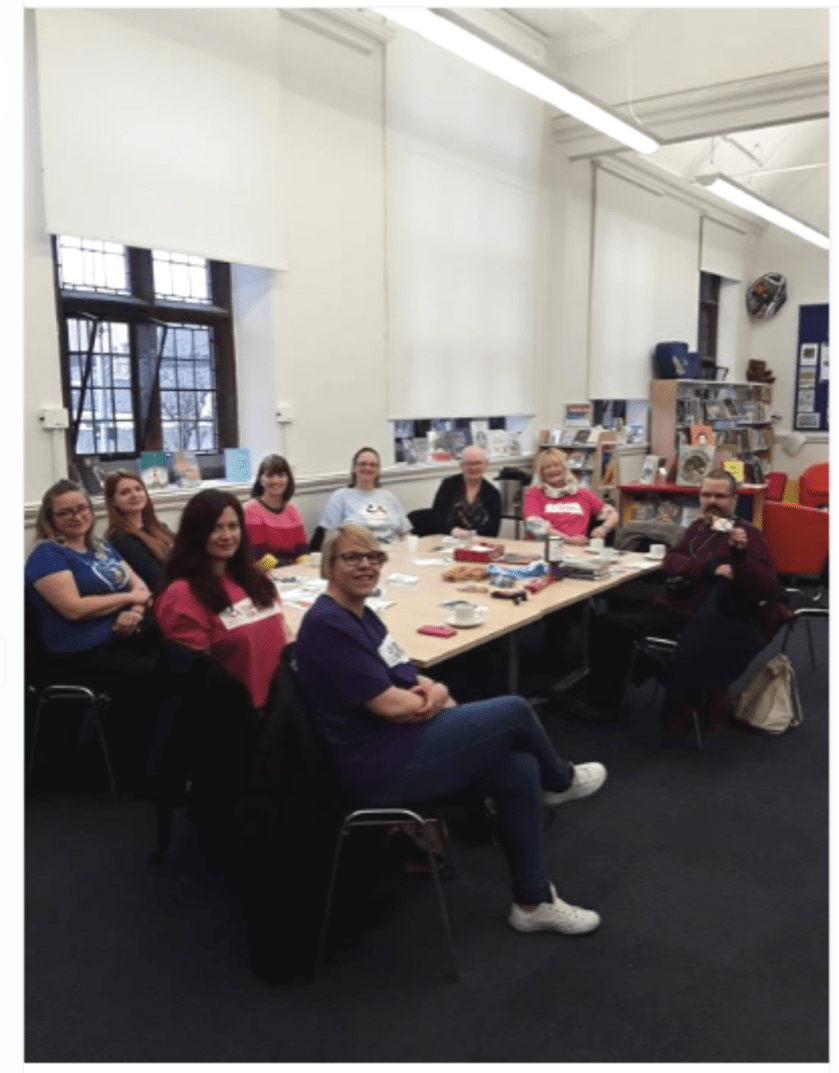
To set the scene for my own photographs that relate to this event here is the official King’s Library picture, originally posted on their facebook page:

KLLWAAW

Now we finish with some of my pictures:

P1220305
My cards – one of the library staff accepted one.
P1220306
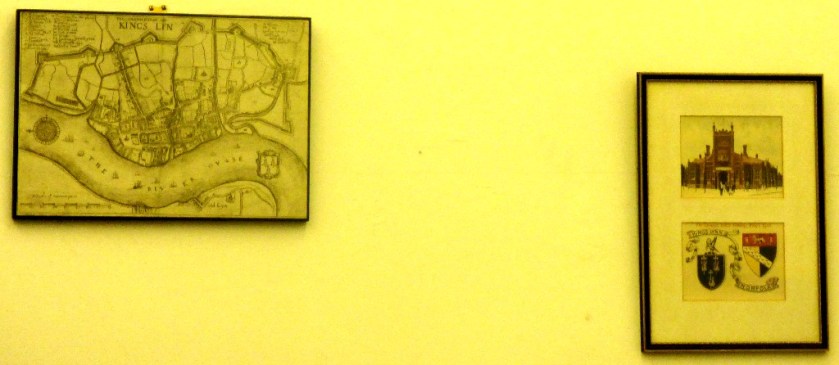
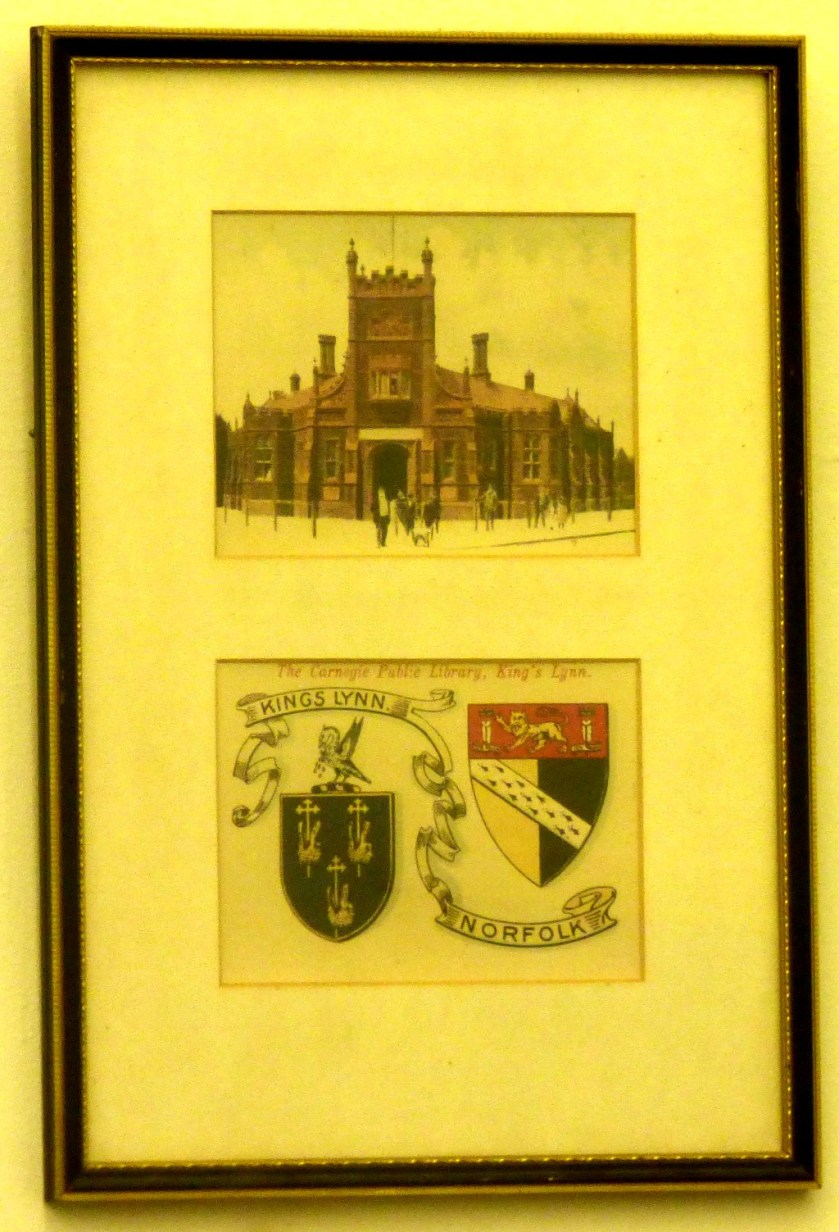
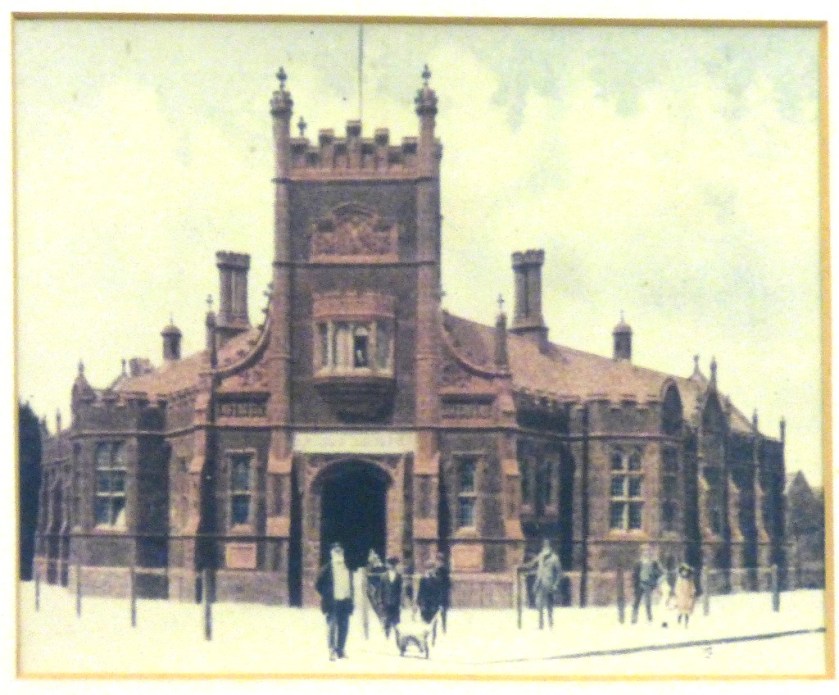
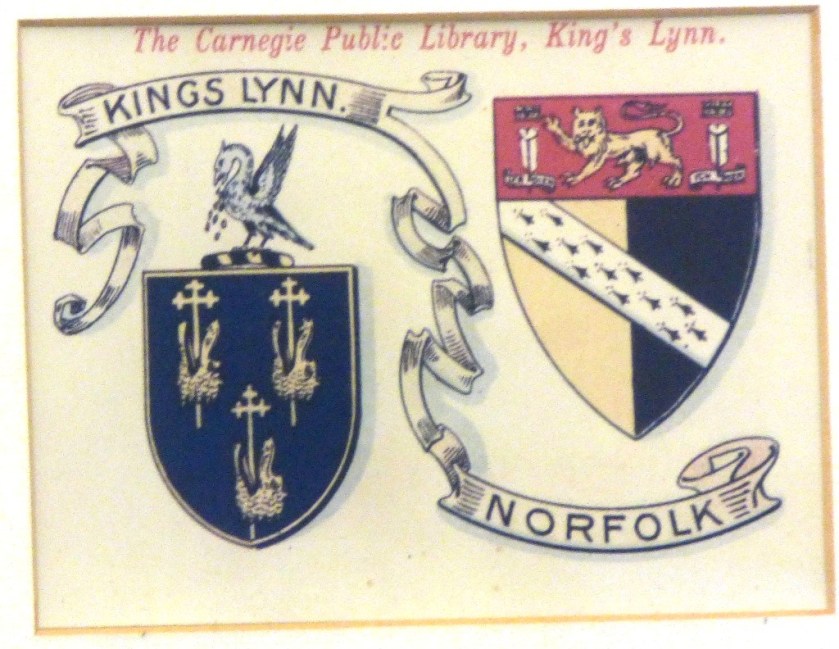
I was able to photograph various pictures on the wall.

P1220307P1220308P1220310P1220311P1220309

P1220312
Details of the Autism Friendly Youth Group
P1220314
SCOPE publicity
P1220315
The autism related diksplay in the entrance foyer.
P1220316
A rear view of the library.
P1220317
A shot showing the war memorial and the library.
P1220318
The Greyfriars Tower


100 Cricketers – The Seventh XI Numbers 3,4 and 5

The latest in my “100 cricketers” series, featuring numbers 3,4 and 5 in my seventh XI. Also contains some of my photographs.

INTRODUCTION

Welcome to the latest installment in my “100 cricketers” series, delayed as it has been by cirucmstances (see here for more details). The introductory post to this series can be found here, the post in which I introduce the seventh XI here, and the most recent post in the series here

RICKY PONTING

13,378 test runs at 51.85 and 13,704 ODI runs at 42.03 are testament to Ricky Ponting’s outstanding quality as a batter. His first ashes hundred came as long ago as 1997, when he scored 127 at Headingley in a match in which England were absolutely marmalised. At Old Trafford in 2005 his 156 saved Australia when they looked certain to lose and go 2-1 down in the series, although the way in which Ponting and team then celebrated that result miade it clear who was now on top, and although there were some nervy moments are Trent Bridge in particular, and also on the final day at The Oval the position never really changed in that series. A crushing revenge was eaxcted in 2006-7, featuring huge scores in the first two matches from Ponting himself, but in 2009 he did little as England again won the series, and in Australia in 2010-11 he had his worst ever series as a batter, with his only score of anything approaching substance being 51 not out at The Gabba when the match had long since been settled as a draw (England 517-1 declared in the second innings). At The MCG after Australia had mustered a beggarly 98 on the opening day he suffered a horrendous on-field meltdown during the England innings over an umpiring decision that was clearly a correct call in any case. This incidcent ended up costing him an amount of money that would have meant nothing to him and no ban of any description. When he took over from Steve Waugh and still had some of the great players who had helped Australia dominate world cricket for a decade he fared well as captain, but as they departed the scene and replacements had to be found cracks appeared that he was able to do nothing. The 2010-11 Ashes was the nadir for Ponting the captain, with two innings defeats on his watch ensuring that England retained the ashes, and his stand-in (he was injured) at Sydney, Michael Clarke oversaw a third loss by an innings to ensure that the series scoreline was a fair reflection of the balance of power. This, and a few other things, such as the Gary Pratt incident at Trent Bridge (when after being run out Ponting made a prat of himself over the fact that it was a sub who had accounted for him) in 2005 and his decision not to go for an eminently chaseable looking 330 off 84 overs at Adelaide in 2009 (I was there and was fully expecting a decent finish), are why although he commands a place in one of XIs for his batting (and how!) I do not even consider him for captaincy honours and have sought to make the position crystal clear by going to the extent of naming a vice-captain for this XI as I have not for others. Here is the Pratt incident:

HASHIM AMLA

9,282 test runs at 46.64 and 7,910 ODI runs at 49.74, the former aggregate including the only international triple century by a South African are impressive testament to both his skill and his appetite for batting. A solid rather than spectacular player, he gives us a nicely balanced top four, with Haynes and himself as stickers and Greenidge and Ponting more inclined to attack. 

HEATHER KNIGHT – VICE CAPTAIN

She has only played in six test matches (358 runs at 32.54, with a highest score of 157, made when England badly needed it, and 1 wicket for 40 runs), but she has a very respectable ODI record (92 matches, 2,503 runs at 37,35, HS 106, and 44 wickets at 25.02 with a best of 5-26). It is her batting that earns her selection, but her bowling is a legimate sixth option for this XI. Once I had decided that for this XI I was going to name a vice-captain the only question was which way round it would be between her and Imran Khan, who we will look at in the next post in this series. Heather Knight had a tough act to follow in Charlotte Edwards (see this post for more details) and has done a magnificent job, including leading her team to a world cup triumph (something England’s men have yet to achieve) and achieving many other fine victories, but I think that Imran, also a world-cup winning captain had the tougher task in having to bind together a Pakistan team who were riven by factions, and so I have made him captain and Heather Knight vice-captain.

PHOTOGRAPHS

My usual sign off…

P1220265
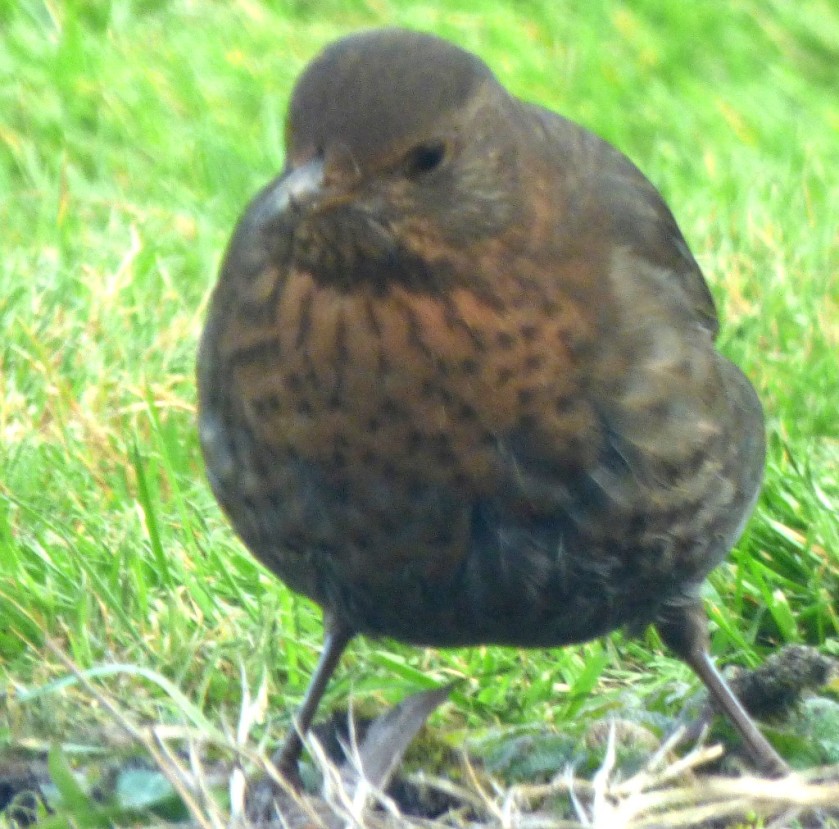
A couple of bird pics to start.

P1220266

P1220268
This was a misfire that I decided was rescuable (I cannot remember what, if anything, I was trying to photograph)
P1220267
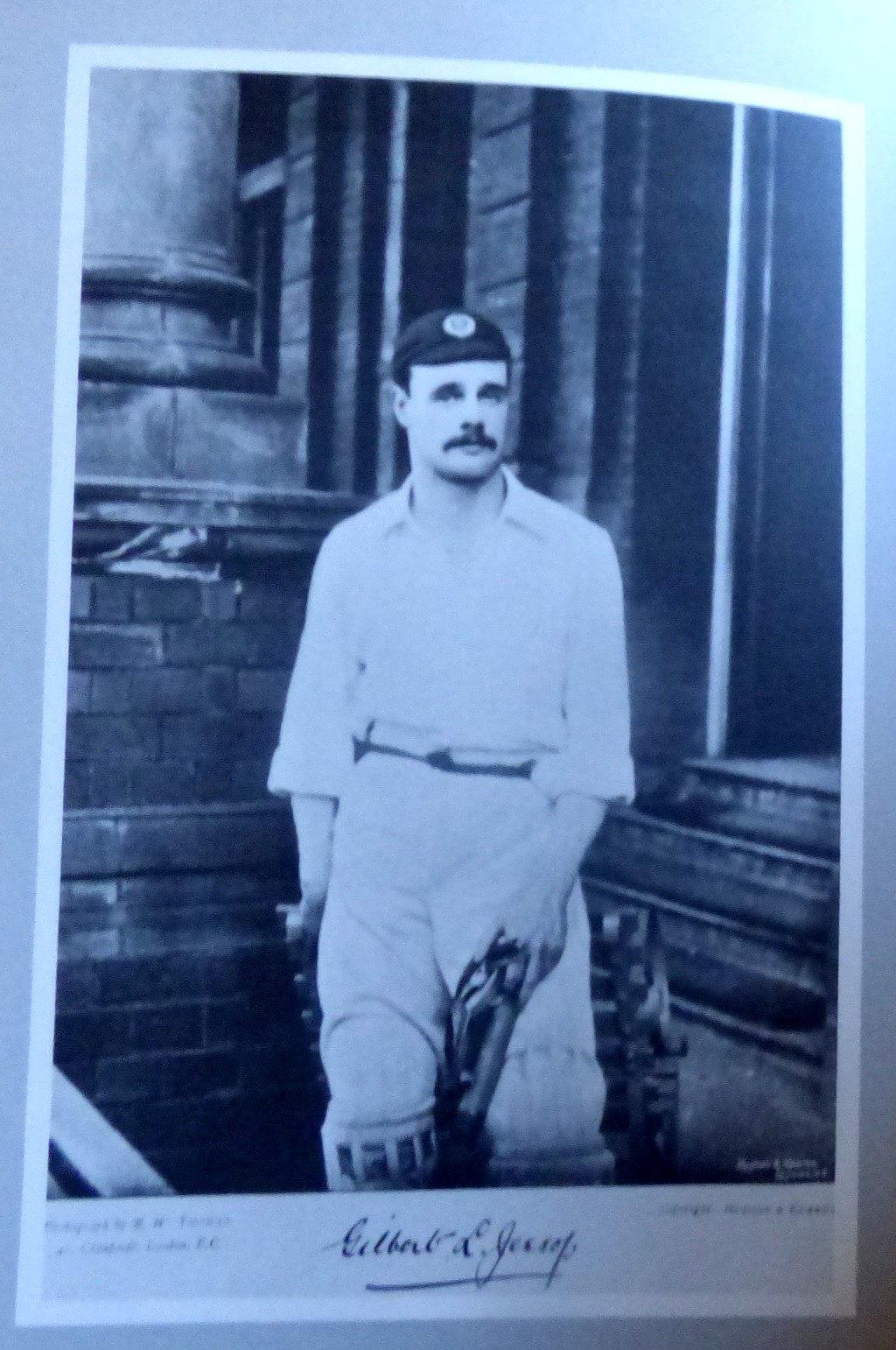
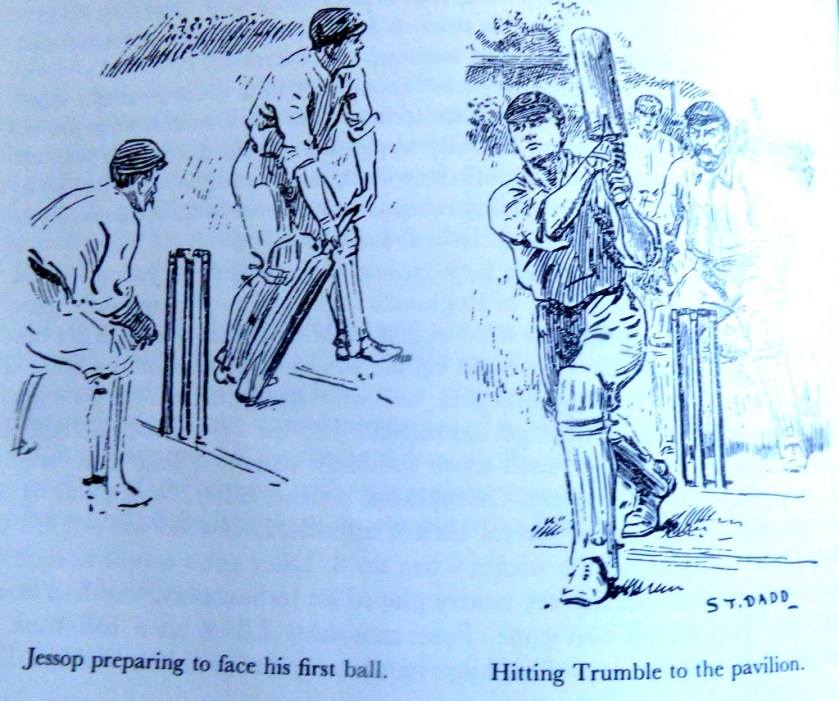
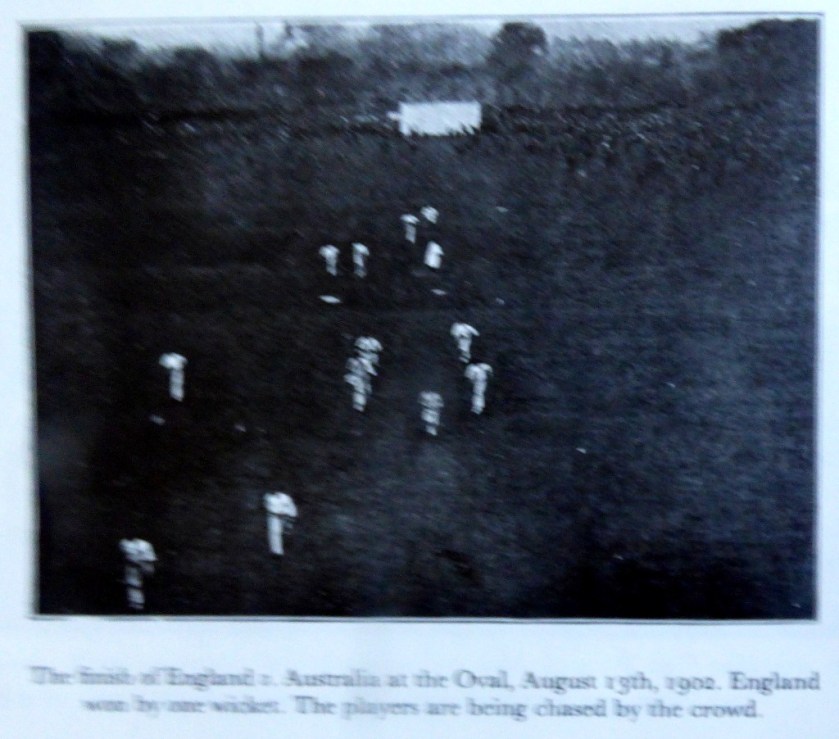
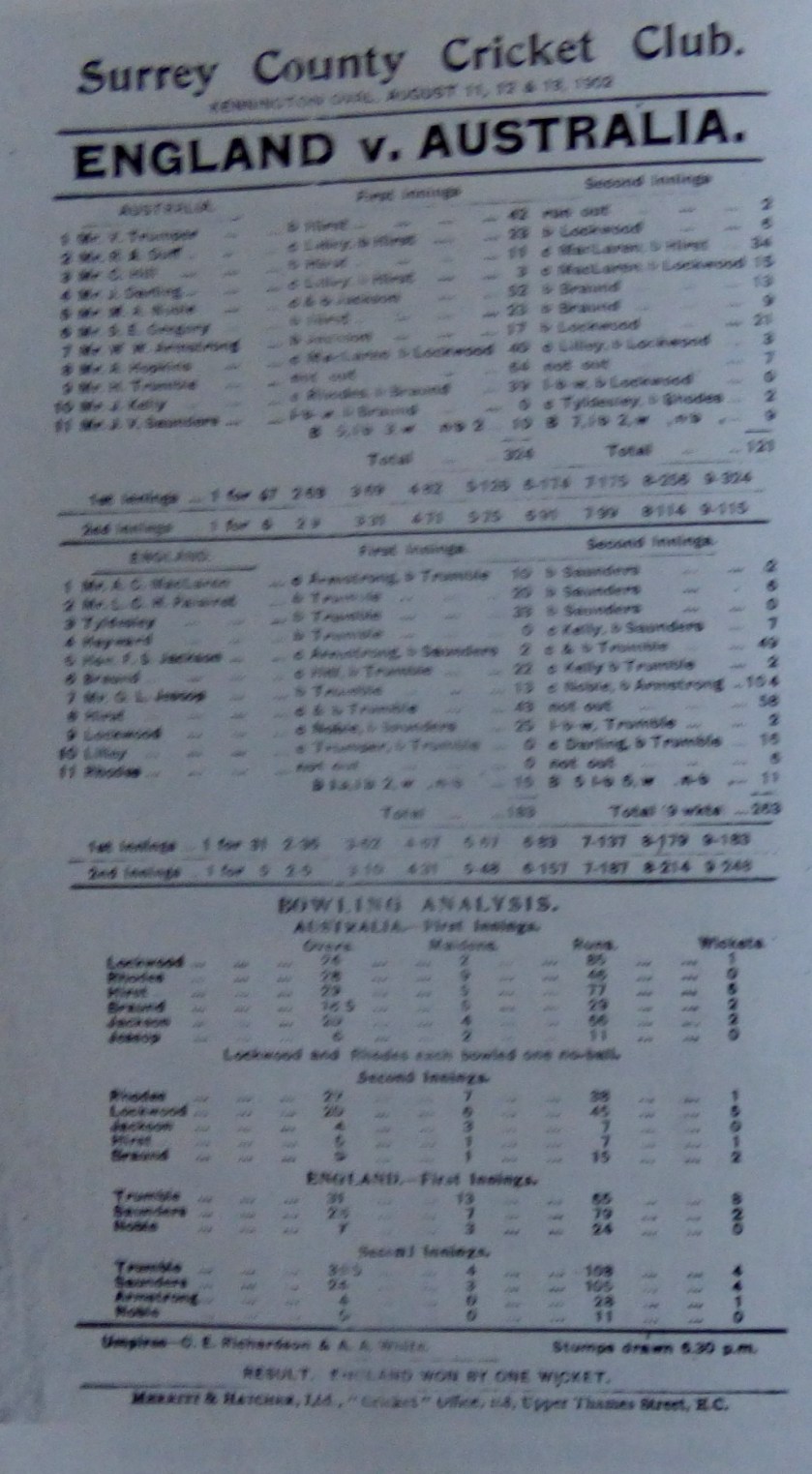
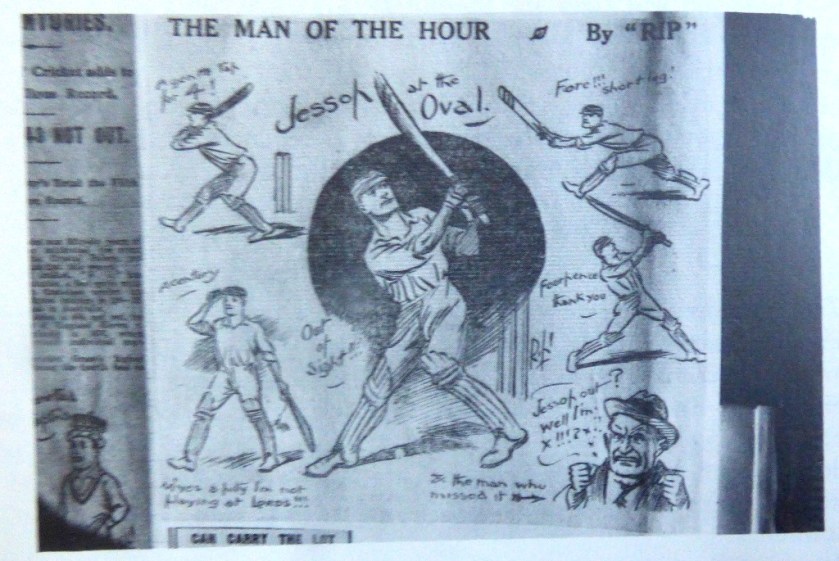
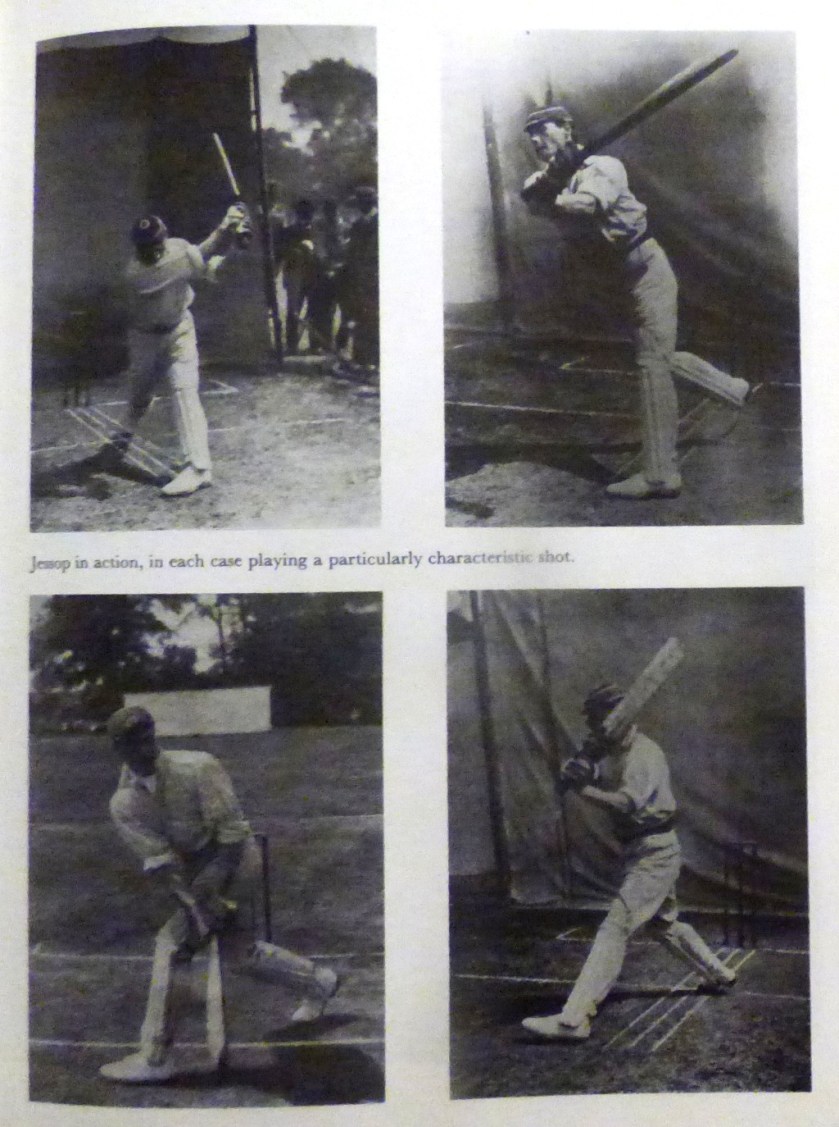
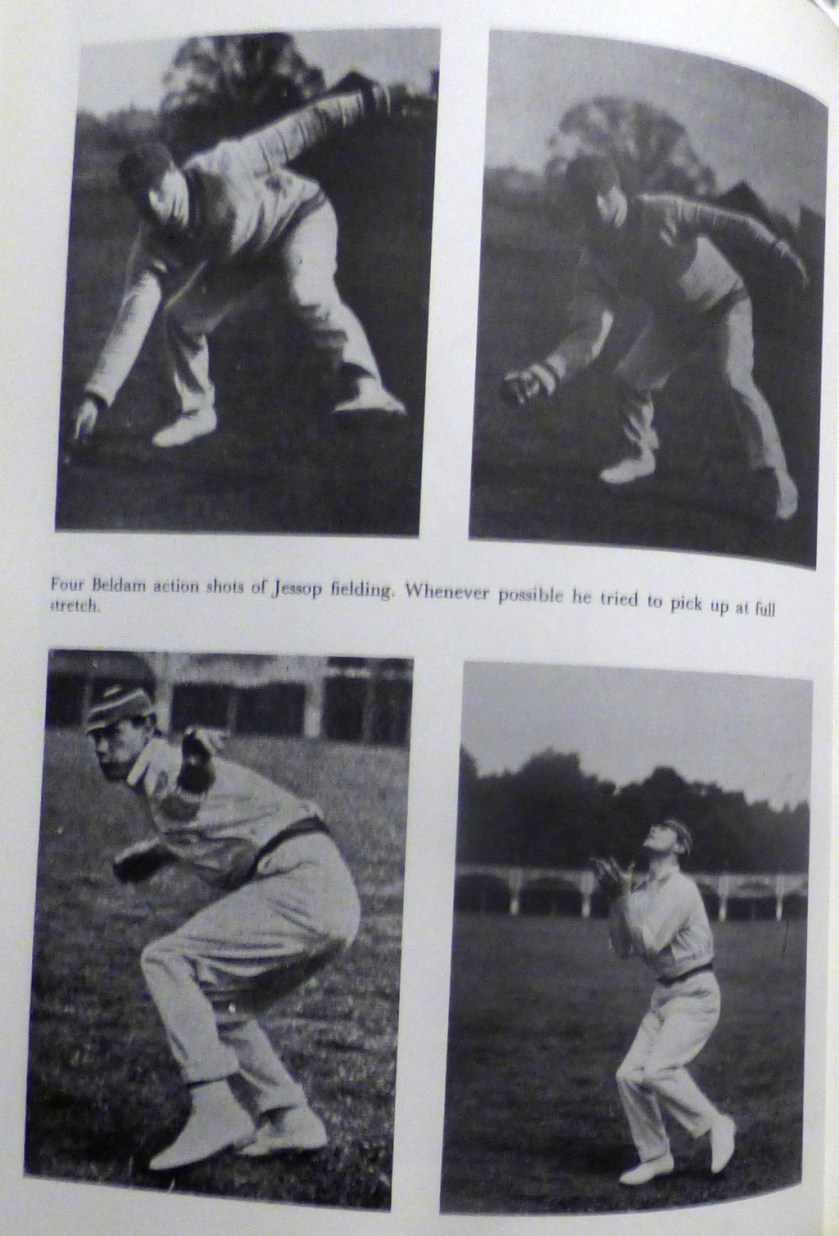
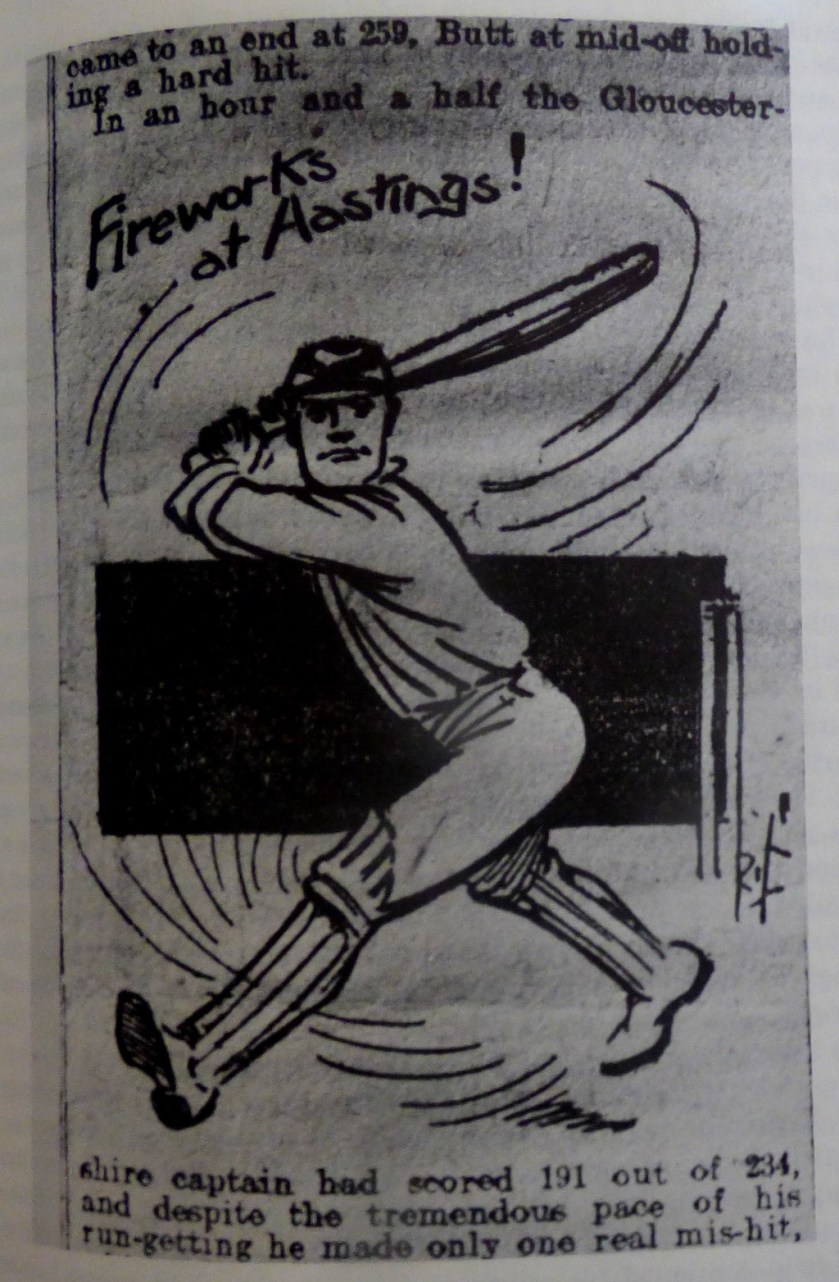
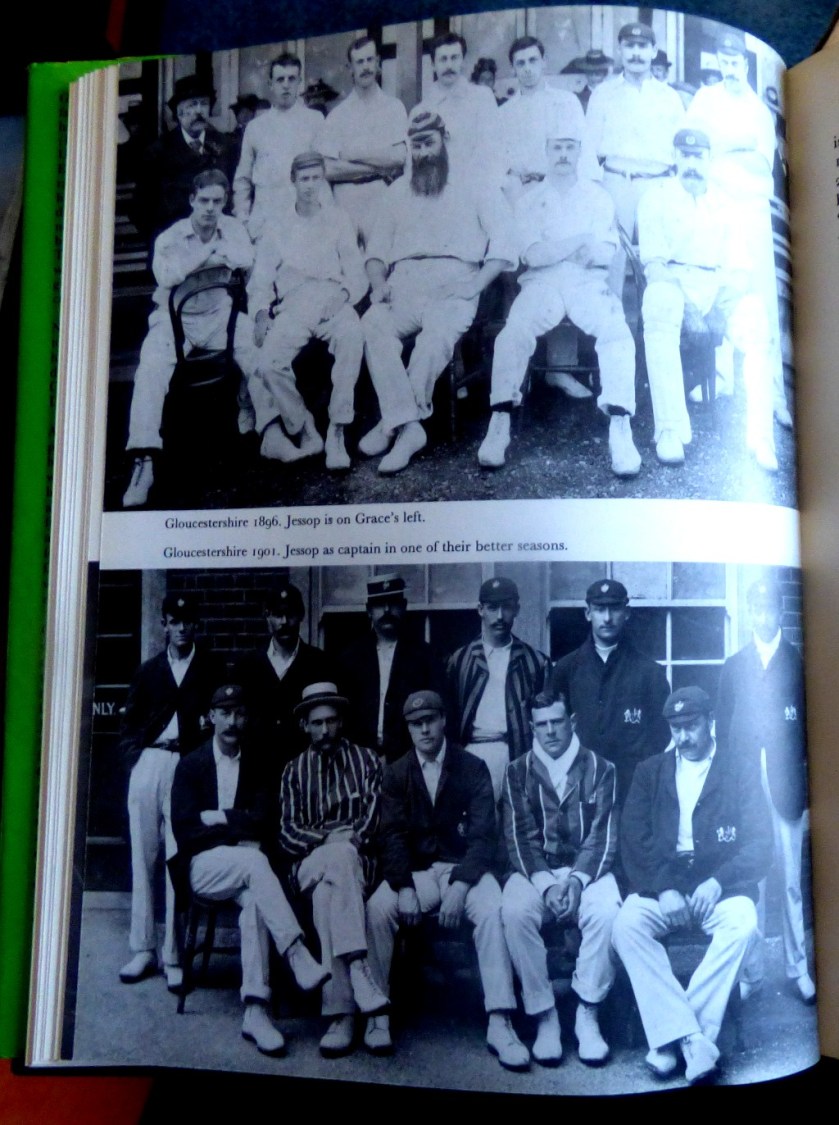
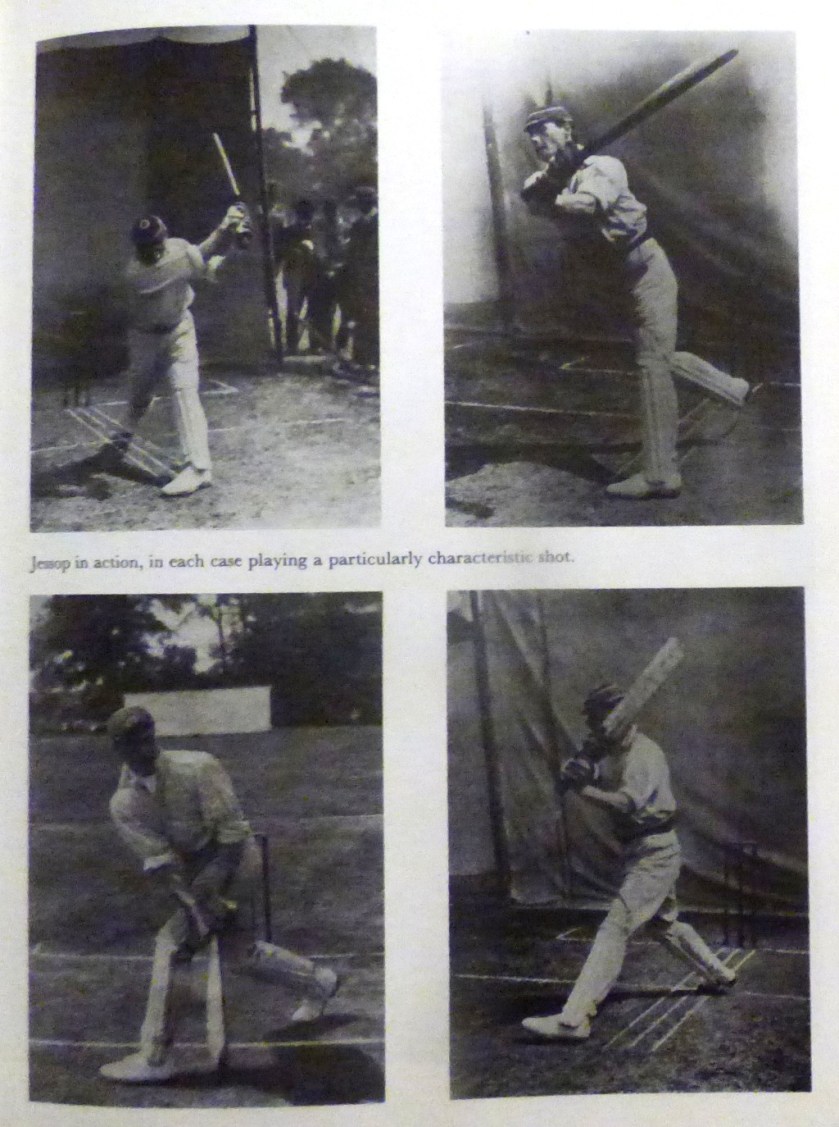
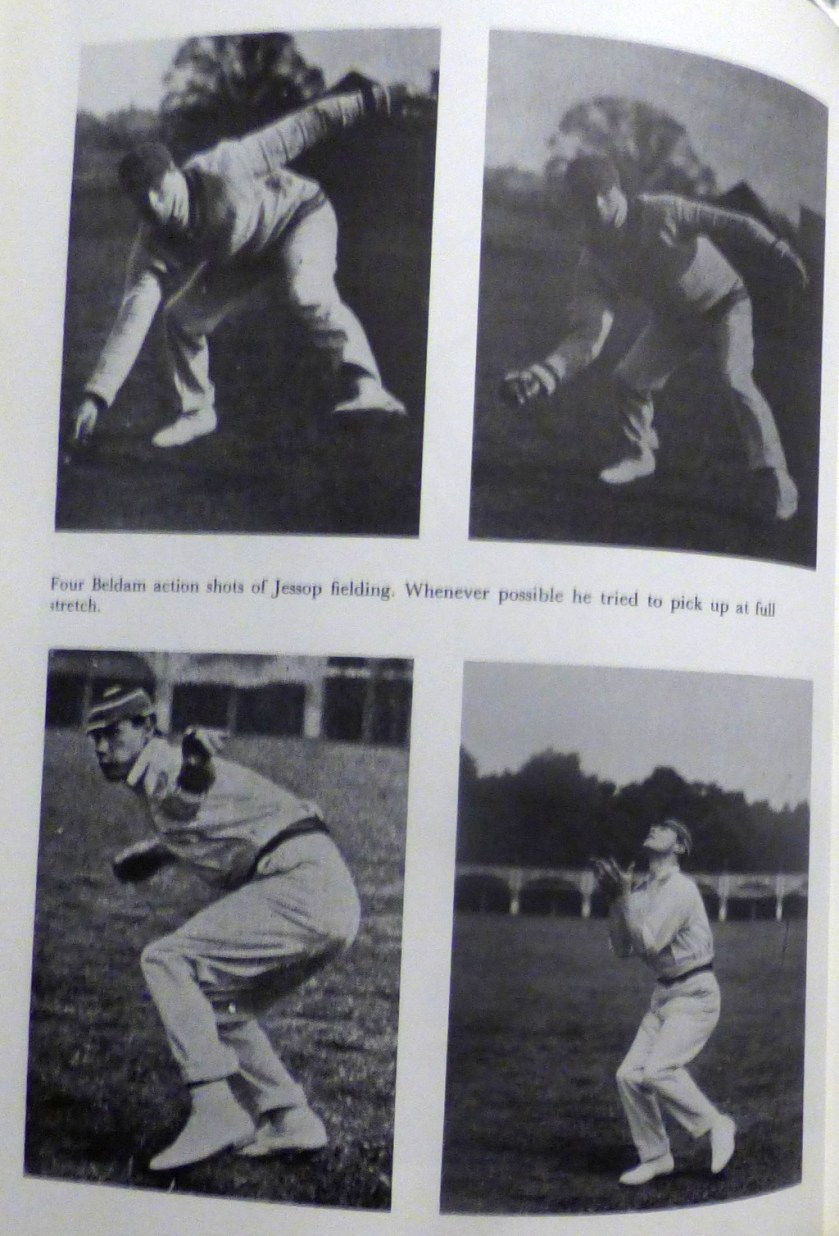
This is the first of a series of pictures from “Croucher”, Gerald Brodribb’s biography of Gilbert Jessop)

P1220269P1220270P1220271P1220272P1220273P1220274P1220275P1220276P1220278P1220288P1220289P1220290P1220291

P1220279
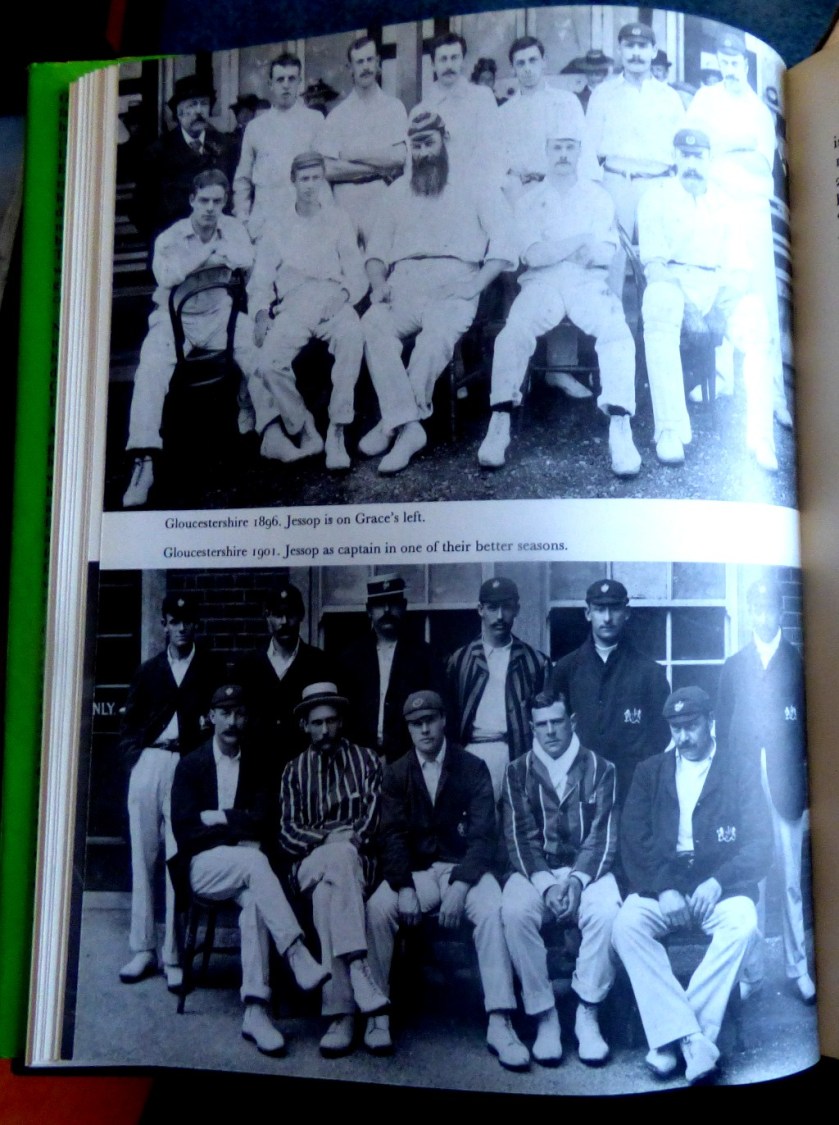
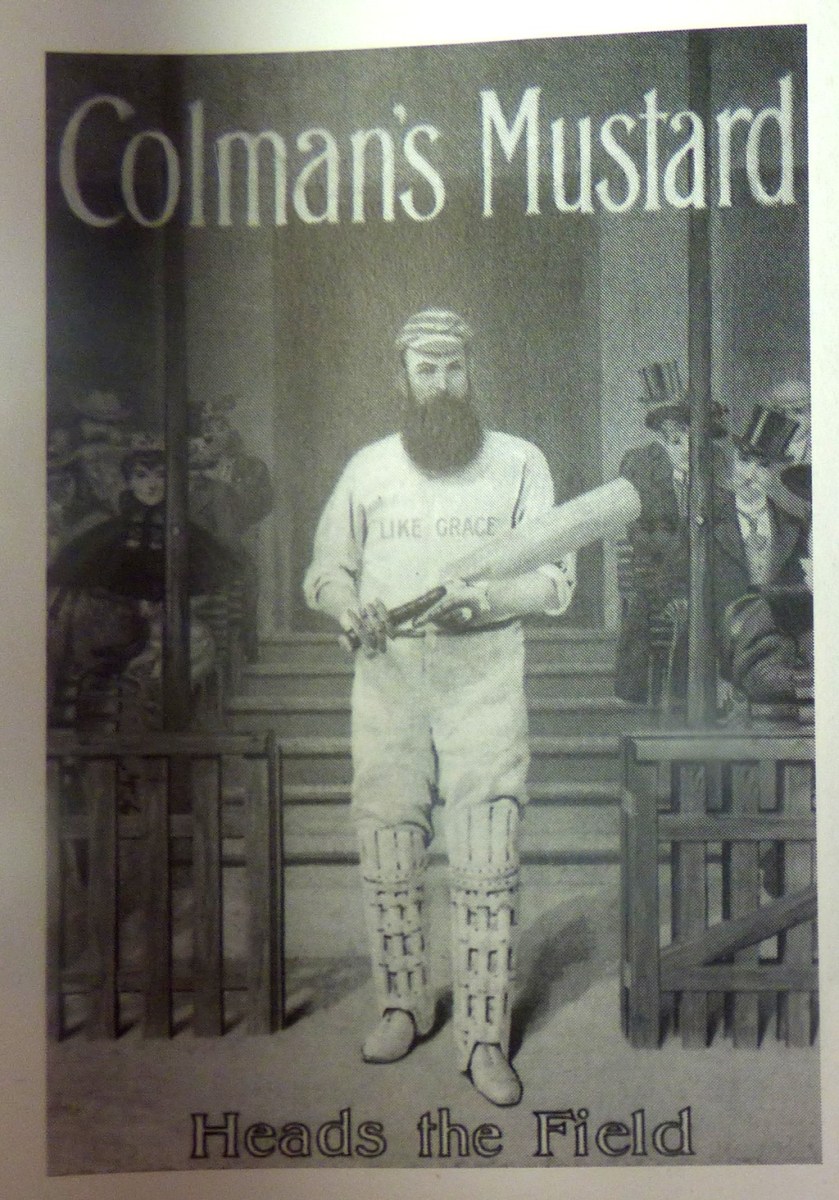
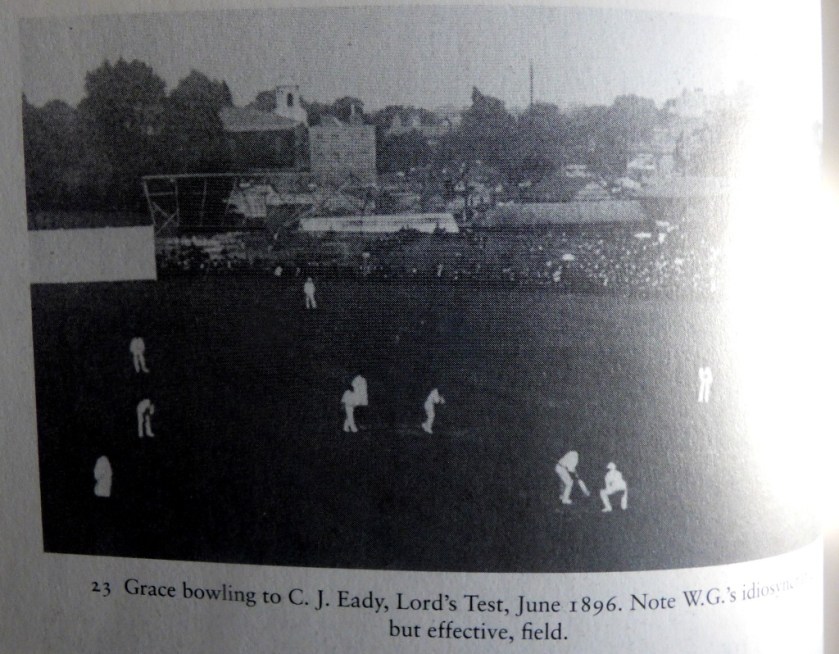
The remaining pictures come from Simon Rae’s biography of W G Grace.

P1220275P1220276P1220278P1220282P1220283P1220284P1220285P1220286


100 Cricketers – The Seventh XI Opening Batters

The latest in my “100 cricketers” series, looking at the opening pair from my seventh XI. Also contains some of my photographs.

INTRODUCTION

Welcome to the latest addition to my “100 cricketers” series. In this post the focus is on the opening batters from our seventh XI. The introductory post to the series can be found here, and the most recent post in it, in which I introduce the seventh XI, can be found here.

THE MOST SUCCESSFUL OPENING PAIR OF MODERN TIMES

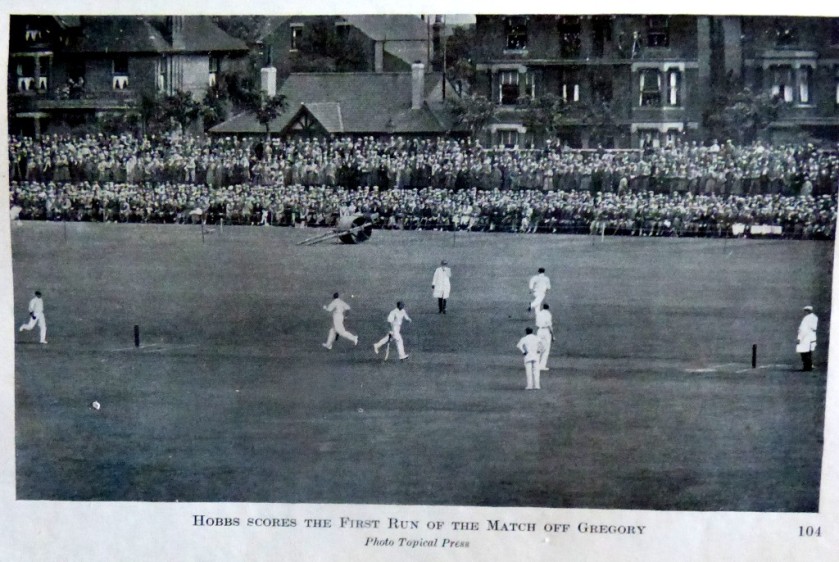
My openers in this XI played as an opening pair for many years. In total they opened the batting together in 148 test match innings, putting on 6.482 runs for an average partnership of 47.31. The partnership who in terms of weight of run scoring stand alone at the top of the all-time openers list are England’s Jack Hobbs and Herbert Sutcliffe who opened 38 test match innings, with their partnerships tallying 3,249 runs for an average opening stand of 87.81. For another point of comparison, where Greenidge and Haynes shared 16 century opening stands in 148 partnerships, Hobbs and Sutcliffe managed 15 in 38 innings. Hobbs also had an earlier England opening partnership with Wilfred Rhodes which averaged more than 60 runs a time. Cricinfo has an interesting article about successful opening pairs here.

GORDON GREENIDGE

Many years as an overseas player with Hampshire helped Greenidge to become the West Indies all-time leading first-class run scorer, although he did not quite make it 100 first-class hundreds (he finished with 92). In test cricket he scored 7,558 runs at 44.72. In the 1984 series in England which the West Indies won 5-0 he scored two double centuries, 223 at Manchester and 214 not out at Lord’s to take his team to a nine wicket win on the fifth day. He was noted for being particularly dangerous when limping, as then he would only be interested in boundaries. 

DESMOND HAYNES

He also had a long county career, with Middlesex in his case. His test career yielded 7,487 runs at 42.29. He was also very successful in ODIs, tallying 8,648 runs at 41.37 in that form of the game. In test matches he often adopted the anchor role, allowing the flamboyant strokemakers elsewhere in the order to play around him. This opening ppair would, as they often did in their day, set the innings up well for the middle order, and we will be seeing nos 3,4 and 5 in the next post in this series.

PHOTOGRAPHS

P1220230
First some more pictures from the 1826 Ashes book.

P1220231P1220232P1220233P1220234P1220235P1220236P1220237P1220238P1220239P1220240P1220241P1220242P1220243P1220244P1220245P1220246P1220247P1220248P1220249P1220250P1220251P1220252P1220253

P1220254
This sundial clock overlooks the Saturday Market Place
P1220255
The remaining pictures are from the Lynn restaurant where I had lunch today – my father visited and took me into town by car.

P1220256P1220257P1220258P1220259P1220260P1220261P1220262P1220263P1220264

100 Cricketers – The Sixth XI All-rounders and Introducing the Seventh XI

The latest in my “100 cricketers” series, rounding out the discussion of the sixth XI ancd introducing the seventh XI. As usual it also contains some of my photographs.

INTRODUCTION

Welcome to the latest installment in my “100 cricketers” series. This post concludes the look at my sixth XI with a look at the all-rounders and introduces the seventh XI in batting order. The introductory post to the whole series can be found here, the post in which I introduce the sixth XI here and the most recent post in the series here.

+AMY JONES

Her overall batting record looks modest (ODI average 27.33, T20I average 18.20, no tests played yet), but her last seven innings have been 56, 79, 54, 76, 18, 36 and 57, all of them in winning causes. At the age of 25 she should still be improving, and I firmly expect that international centuries will appear against her name sooner rather than later. Sarah Taylor’s absence has given her an opportunity for an extended run at international level and she has taken it splendidly. 

DEEPTI SHARMA

Given that I do not set huge store by records in T20 and that she is yet another top woman cricketer who has had no opportunity to show what she can do in test cricket it is her ODI record that earns her a place in this squad, and her figures in that form of the game are: 48 matches, 1,330 runs at 41.81 with a highest score of 155 and 56 wickets at 27.39 (economy rate 3.87) with a best of 6-20. This means that she is worth a place purely with the bat, and is a genuine front-line spinner to support my West Indian pace quartet (better than anyone who actually provided spin back-up to a WI pace quartet, most often the part-time stuff of Viv Richards, and even Roger Harper, though officially a front-line bowler did not have that great a bowling record), which really strengthens the overall squad. To complete the record on the bowling front, Sanath Jayasuria’s slow left-arm would be the sixth bowling option and Chloe Tryon’s left-arm medium fast would be seventh in the pecking order. Deepti Sharma is a youngster, just 21 years old, which means that her finest years are still ahead of her – look for an already impressive record to get even better. This completes the look at the sixth XI, meaning that it is time to introduce…

THE SEVENTH XI

Here is my seventh XI in batting order:

  1. Gordon Greenidge
  2. Desmond Haynes
  3. Ricky Ponting
  4. Hashim Amla
  5. Heather Knight – vice-captain
  6. *Imran Khan
  7. +Mahendra Singh Dhoni
  8. Daniel Vettori
  9. Pat Cummins
  10. Anya Shrubsole
  11. Amanda Wellington

Note that in this XI I have gone to to the extent of naming a vice-captain – I will explain this in more detail in later posts. For the moment, all I will say is that there are those who would advocate that the no3 in this XI get the captaincy and I wanted to emphasise just how far away he is from that in my thoughts.

PHOTOGRAPHS

The usual finish…

P1220207
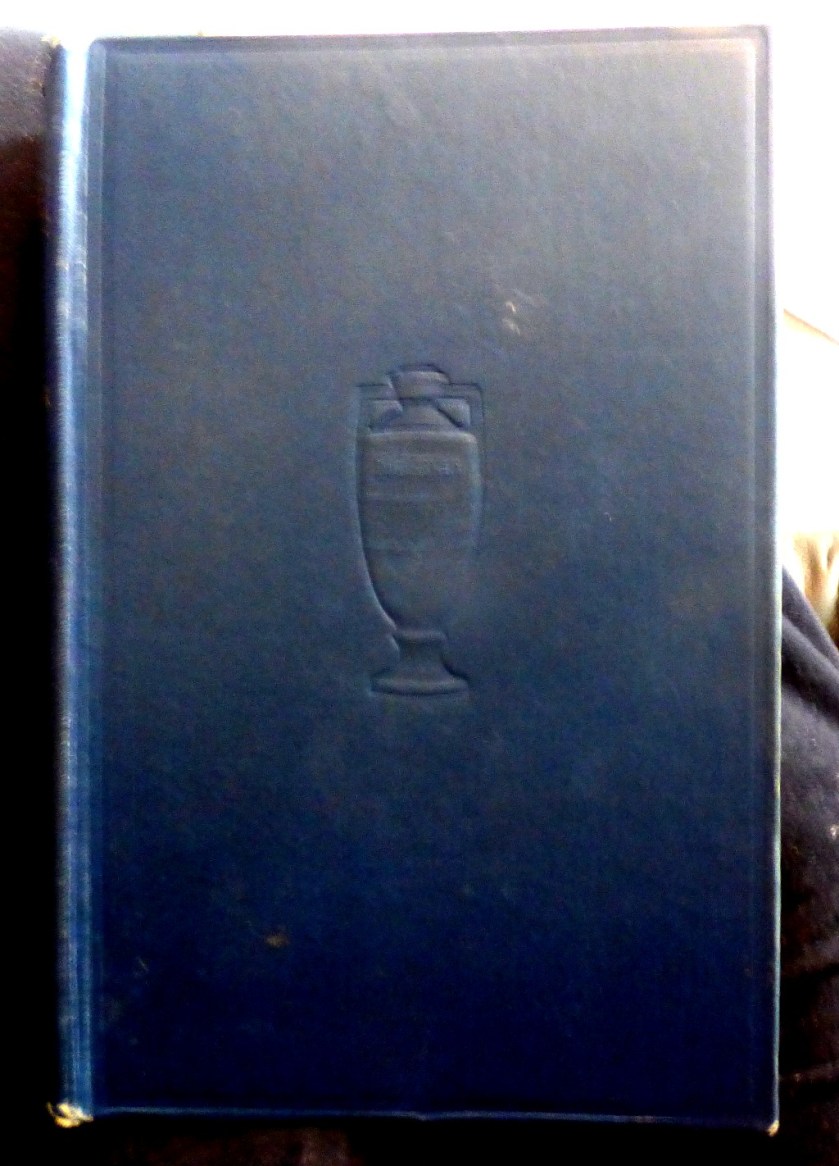
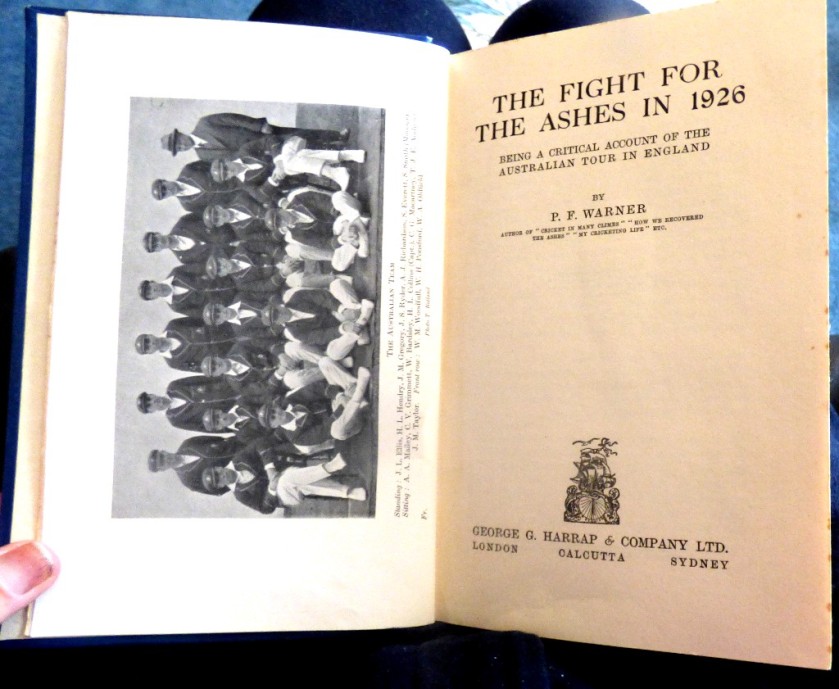
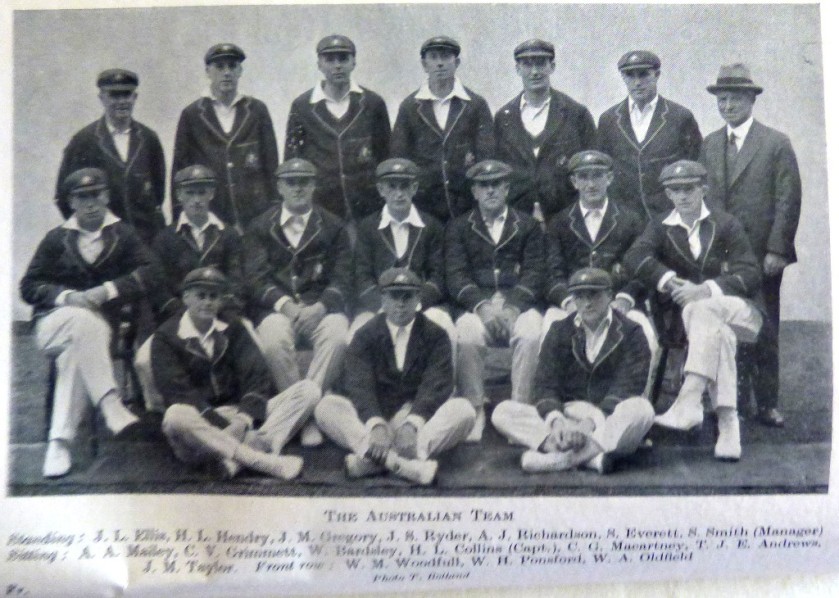
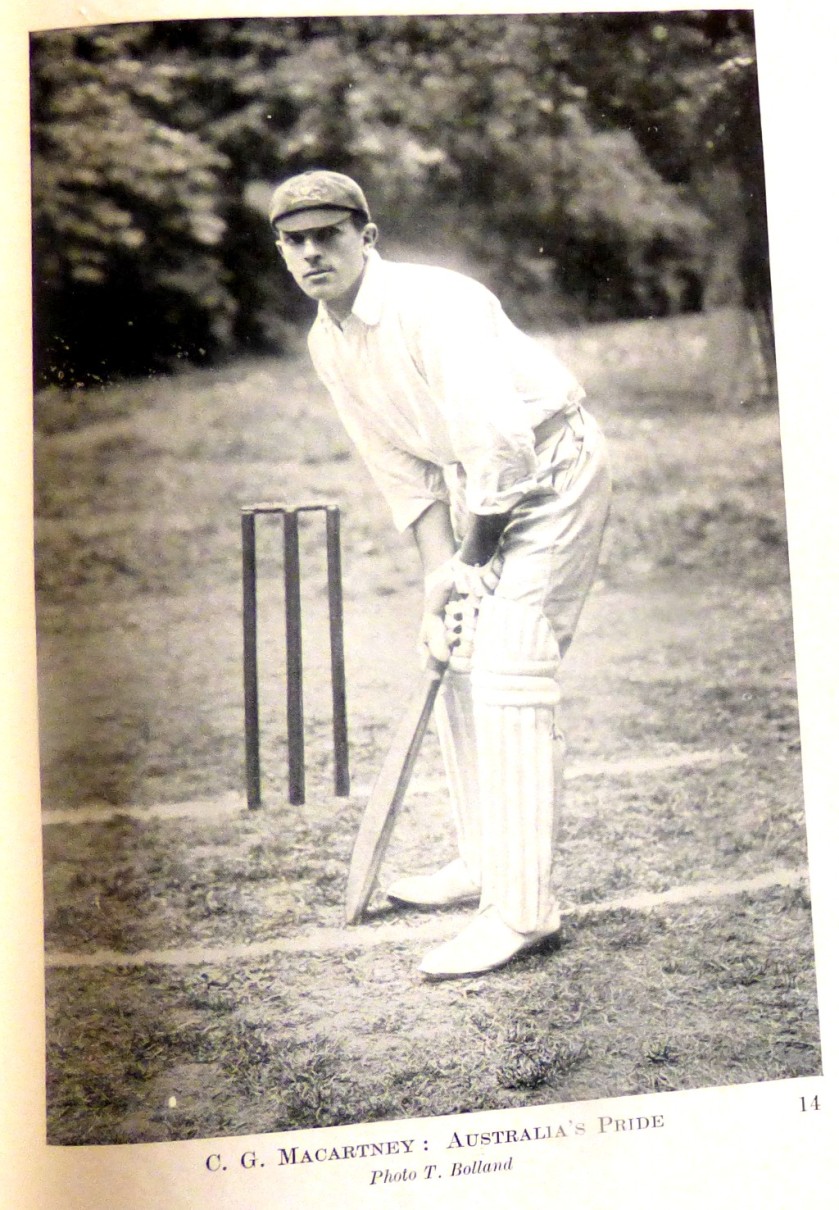
Plum Warner’s account of the 1926 Ashes (he was chairman of selectors that year)…
P1220208
…featuring the famous urn embossed on the front cover
P1220210
The title page.

P1220211P1220212P1220213P1220214P1220215P1220216P1220217P1220218P1220219

P1220220
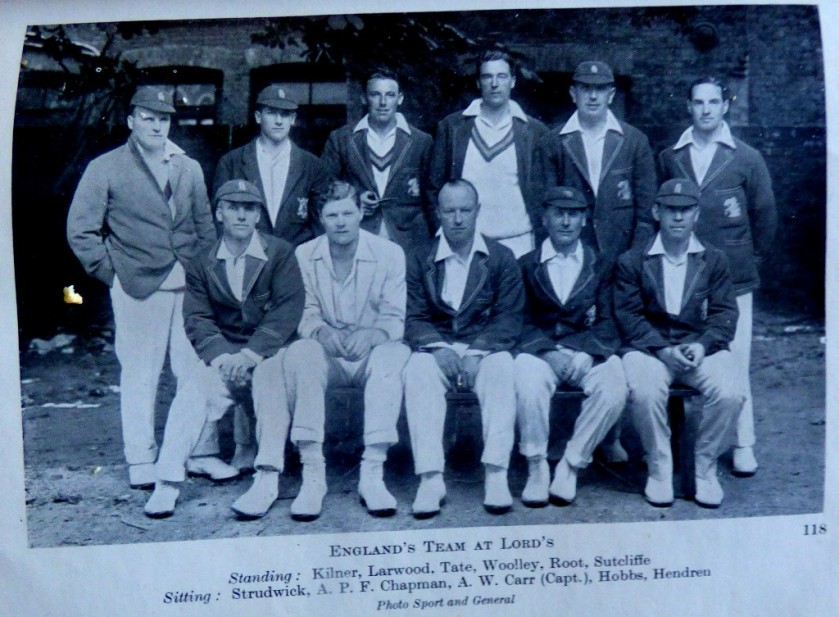
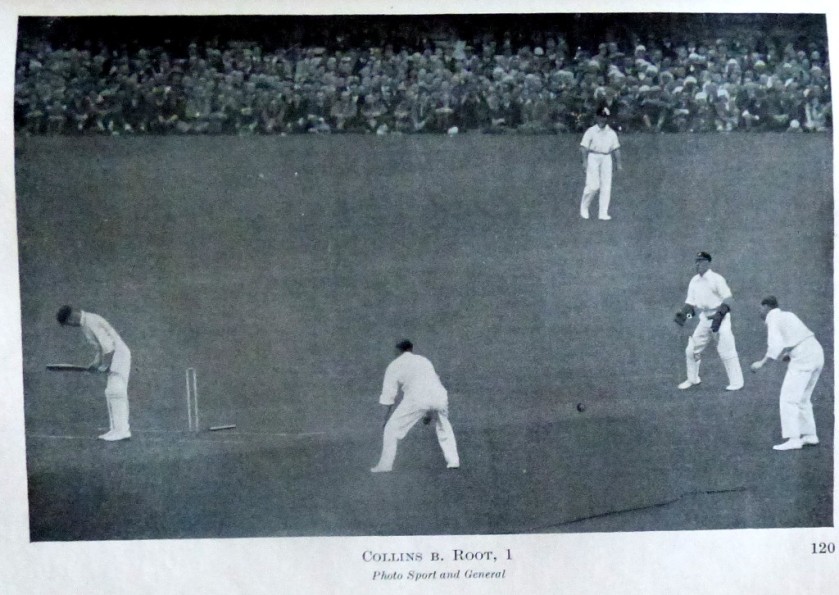
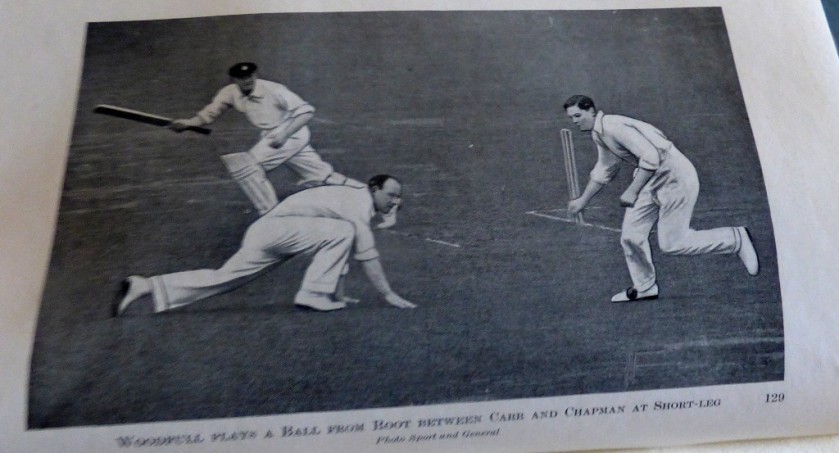
Fred Root’s field – the four short-leg fielders were the key feature. In the famous bodyline series the much quicker Harold Larwood sometimes had six fielders close-in on the legside – with one deep for the hook and only two fielders in the whole of the offside.

P1220223P1220224P1220225P1220226P1220227P1220228P1220229

100 Cricketers – The Sixth Remaining Specialist Batters

The latest installment in my “100 cricketers” series, featuring the remaining specialist batters from my sixth XI, and also including some of my photographs.

INTRODUCTION

Welcome to the latest installment in my “100 cricketers” series. In this post we look at the remaining batters from our sixth XI. The introductory post to to the whole series can be found here, the post in which I introduce the sixth XI here, and the most recent post in the series here. Just before I get to the main meat of this post there is a piece of cricket news from today…

ENGLAND WOMEN SWEEP T20 SERIES IN SRI LANKA WITH A DOMINANT DISPLAY

The England women had already secured a 3-0 whitewash in the ODI series, and this morning they made the scoreline in the T20 series the same. Having chased successfully twice they batted first this time, and scored 204-2 from their 20 overs, Amy Jones (of whom more in my next post) scored 57 off 38 balls, Danielle Wyatt 51 off 33, Natalie Sciver 49 not out off 24 and Tammy Beaumont 42 not out off 25, with five extras completing the total. Sri Lanka were then restricted to 108-6 in reply, giving a winning margin of 96 runs (absolutely huge in this form of the game). Everyone who was asked to bowl contributed, although left-arm slow bowler Linsey Smith was a little expensive, taking 1-33 from her four overs. Freya Davies with 1-12 from her four was the most economical bowler, while Kate Cross with 2-20 from her four was alone in taking more than one wicket. Laura Marsh (1-17 from 3) and Heather Knight (1-13 from 3) also got wickets while Wyatt bowled 2 overs for 7 runs. A scorecard can be viewed here and an official report here. Now to our main business, starting with…

VIRAT KOHLI

77 Test matches to date have yielded him 6,613 runs at 57.26, 227 ODIs have produced 10,843 runs at 59.57 and 67 T20Is have produced 2263 runs at 50.28, making unquestionably the best batter across the formats in world cricket today. With Steven Smith yet to return to international cricket after serving his ban for involvement in a cheating scandal only Joe Root of England and Kane Williamson of New Zealand are close to him for performing in all formats. Although I have made him captain of this XI I have reservations about him in this area, having not been impressed when England beat India 4-1 last summer. However, the only other person in this XI whos been a long term captain is Courtney Walsh, and there are often problems with specialist fast bowlers as captains, so I stuck with him, although I did briefly consider bestowing the captaincy on off-spinning all-rounder Deepti Sharma who will feature in the next post in this series. 

HARMANPREET KAUR

Harmanpreet (note that Kaur is a middle name shared by all Sikh women – it means princess, and her actual full name is Harmanpreet Kaur Bhullar) like so many of the women has not had the opportunities in test matches (she has played twice in this format), but her records in ODIs and T20s are both good, and a best score of 171 not out indicates that she does know how to play a big innings. 

CHLOE TRYON

The big hitting South African (71 sixes in all forms of international cricket) is still only 25, so should still be improving as player. Although it is a middle order batter that she is in this squad she does bowl occasional left-arm medium fast as well. With Jayasuriya, Sidhu, Kohli and Harmanpreet as well as the all-rounders who we will look at next, and and an awesome bowling line-up to defend whatever the XI manage to score we can well afford the presence of a bit of a wild card.

PHOTOGRAPHS

I sign off in my usual fashion…

P1220179
The first 26 pictures here come from The Badminton Book of Cricket, before we end with a few outside photographs.

P1220180P1220182P1220183P1220184P1220185P1220186P1220187P1220188P1220189P1220190P1220191P1220192P1220193P1220194P1220195P1220197P1220198P1220199P1220200P1220201P1220202P1220203P1220204P1220205P1220206P1220173P1220174P1220175P1220176P1220177P1220178P1220221P1220222

100 Cricketers: The Sixth XI Opening Batters

Continuing my “100 cricketers” series with the opening batters from my sixth XI. Also features some of my photographs.

INTRODUCTION

Welcome to the latest installment in my “100 cricketers” series, in which the focus is on the opening batters from my sixth XI. The introductory post to the whole series can be found here, the post in which I introduce the sixth XI is here and the most recent post here. Before getting into the main meat of my post there is one little thing to do.

DRAW IN DUBAI

In the end rain intervened in Dubai to consign the “champion county” match between MCC and Surrey to a draw. The MCC will have been relieved as at one point they were four wickets down in their second innings and only nine runs to the good. Surrey played this match like the champions they are, and were better in all departments save spin bowling (it was unfortunately not difficult to see why Freddie van den Bergh pays almost 45 a piece for his first class wickets, while Scott Borthwick who snared a couple is principally a batter. With due respect to Olly Pope for his 251 (his quality was already well known before this game) the biggest single positive for Surrey from a match that contained many was the performance of first-class debutant Jamie Smith, excellent behind the stumps and a quite magnificent first effort with the bat, starting with his side in a spot of bother at 144-4 and ending with them in complete control – expect to hear a lot more of this young man, and on bigger stages than this. All in all these four days have been an excellent curtain-raiser for the 2019 English season, and I look forward to the season proper with considerable anticipation. I would not expect anyone to be given an Ashes series as their first international assignment unless they were doing absolutely sensationally, but there could certainly be some new faces in the winter touring parties. Time now for the main business of this post starting with…

SANATH JAYASURIYA

6,973 test runs at 40.07, with a best od 340 v India at Colombo, 98 test wickets at 34.34 with his slow left-arm and a decent fielder. His ODI figures were 13,430 runs at 32.36 and 323 wickets at 36.75, economy rate 4.78 (he played no fewer than 445 of these games). He was past his best by the time T20s became a thing but his T20 record from 31 appearances was 629 runs at 23.29, with a scoring rate of 129.15 per 100 balls and 19 wickets at 24 a piece with an economy rate of 7.37.

His finest hours came in the 1996 world cup, when he was the player of the tournament, explosive as an opening batter, taking advantage of the fielding restrictions that applied at that time. The key to Sri Lanka’s success with these tactics was that Jayasuriya and his opening partner Kaluwitherana were both batters of genuine quality – England tried using offspinner and useful lower-order batter Neil Smith in this role with no success, Zimbabwe once promoted legspinner Paul Strang only to see him record a 17 ball duck and Pakistan tried the effect of promoting younf all-rounder Abdul Razzaq without achieving the desired effect. His 82 off 44 balls which showed England the exit door of that tournament after they had posted an inadequate 235-7 in their innings (England were shocking in that tournament, reaching the quarter-final only because they had two associate nations in their group, who they were just about good enough to beat) was in the nature of a mercy killing, providing a quick end rather than slow torture.

His 213 in the one-off test of 1998 at The Oval ensured that Muralitharan got a decent rest between bowling stints, and helped his side to a comfortable win.

Sanath Jayasuriya was for a few years the most exciting opening batter in world cricket, and for many years after that remained a redoubtable competitor who could influence a game with contributions in any or all departments. We now move on to his opening partner in this XI…

NAVJOT SIDHU

In the years after Sunil Gavaskar and before Virender Sehwag most of the players selected to open the batting for India were distinctly unmemorable and had records that were less than awe-inspiring. The exception was Navjot Singh Sidhu, who should have played a lot more than the 51 test matches he actually got (3,202 runs at 42.13). He also played 136 ODIs, scoring 4,413 runs at 37.08. He had finished before T20 started, but with his aggressive approach to batting he would probably have fared well at that form of the game as well. When England visited India in 1992-3 he used his feet against the spinners with devastating effect – both the aging John Emburey, recently restored after his second ban for going on a rebel tour to South Africa, and the erratic legspinner Ian Salisbury copped fearful punishment.

Given his fine record one has to wonder why he was not picked more often at international level. He was an eccentric character and this may well have counted against him, as it has down the years with a few others.

NEXT IN THIS SERIES

The next post in this series will look at the remaining specialist batters in my sixth XI, before I finish the account of this XI with the two all-rounders, and introduce my seventh XI. 

PHOTOGRAPHS

I conclude this post in my signature fashion…

P1220153
The first seven images here come from The Badminton Book of Cricket. Major Robert Montagu Poore taught himself to bat using the chapter on batting, and in two months of extended leave in the 1899 season scored 1,551 runs for Hampshire at 91.23, a season’s batting average not beaten until Bradman and Sutcliffe in the 1930s.

P1220151P1220152P1220154P1220155P1220156P1220157P1220141P1220143P1220144

P1220145
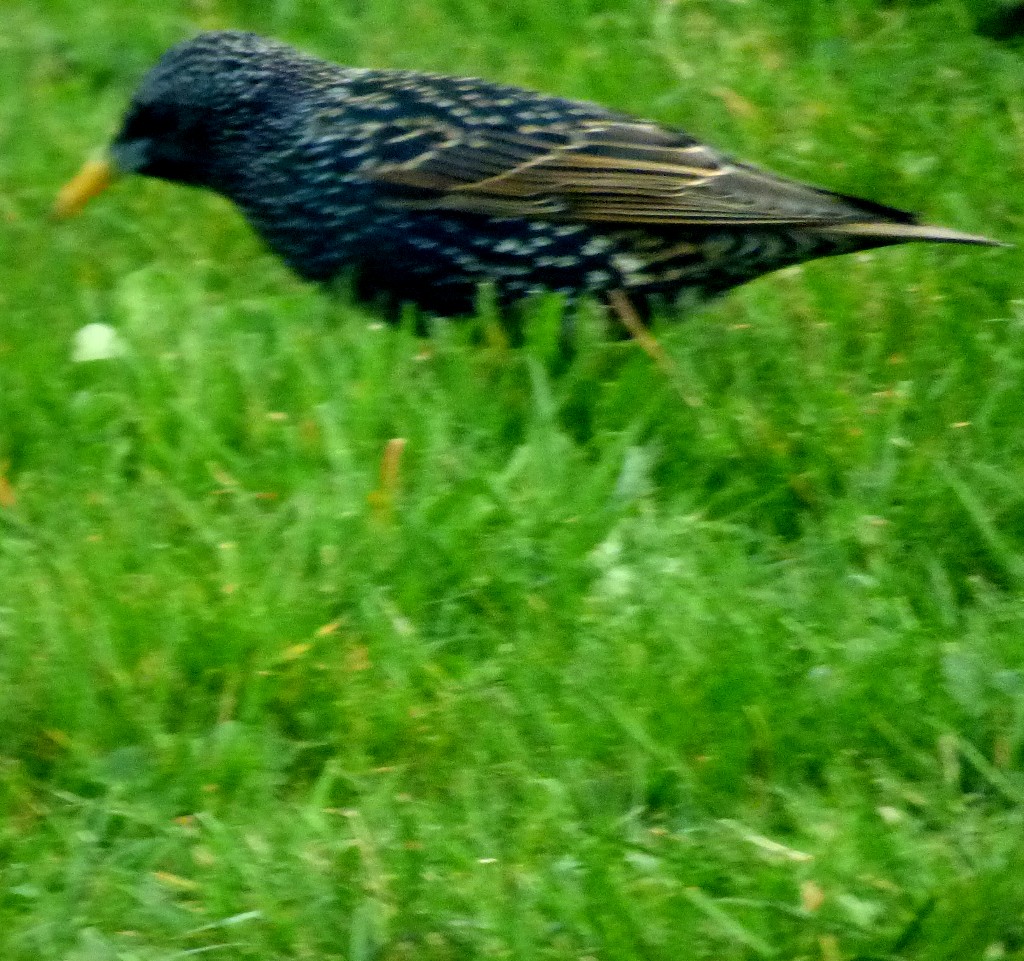
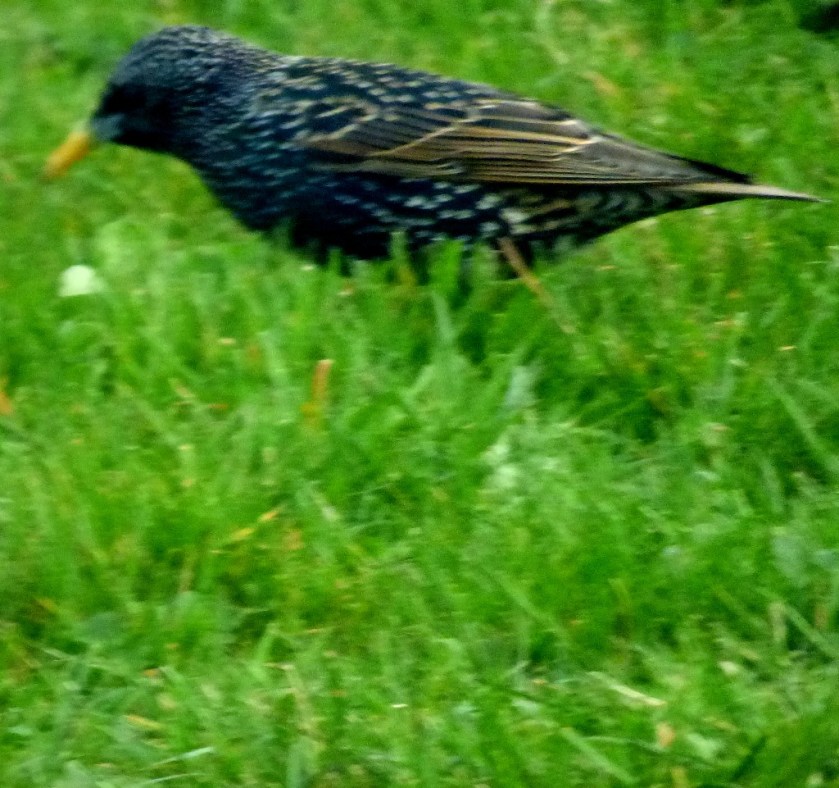
A starling (three pics)

P1220146P1220148P1220150P1220158

P1220159
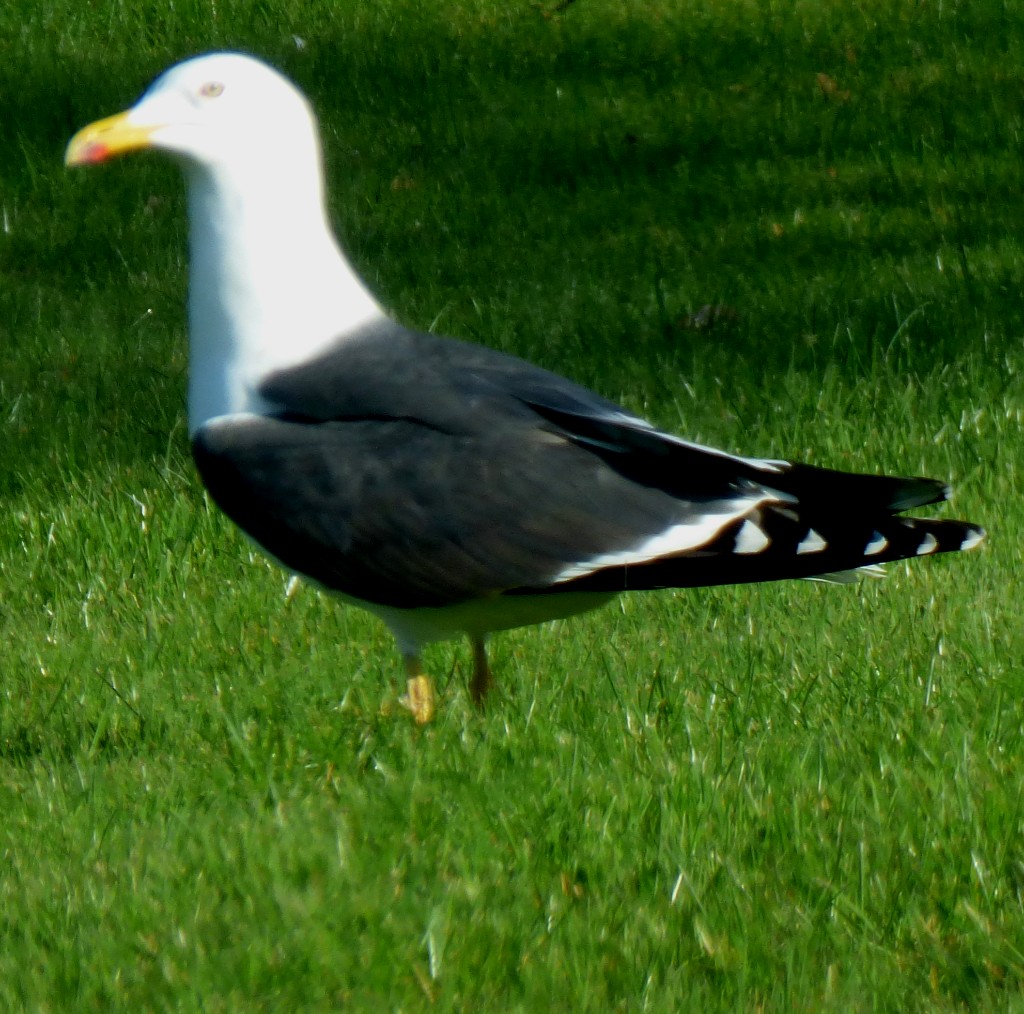
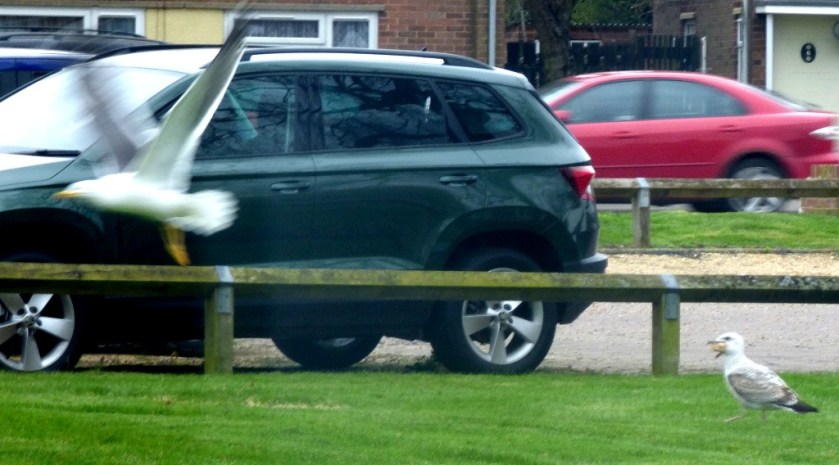
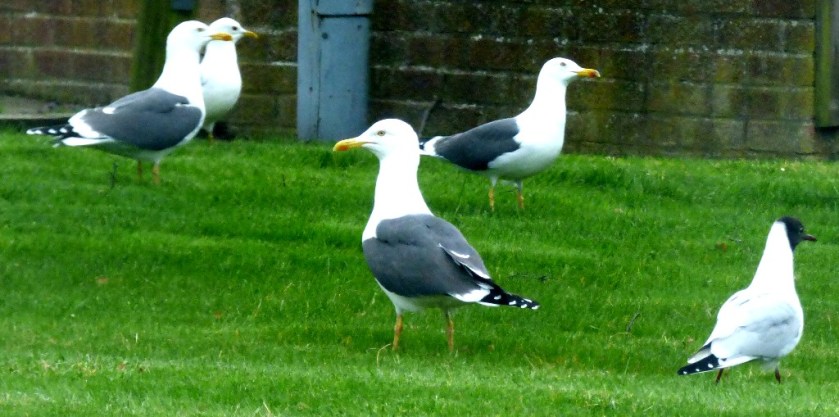
The gull shots feature three different species (Herring Gulls, Lesser Black Backed Gulls and Black Headed Gulls, the first two of which are opposite ends of a ‘ring species’)

P1220160P1220161P1220165P1220166

P1220167
These are Lesser Black Backed gulls – the main difference between them and Herring Gulls are the dark feathers that give them their name. Bottom right as you look as a lone Black Headed Gull – smaller and less solid of build than the others.

P1220168P1220169P1220170

P1220171
Each bungalow iin my little set has a piece of patterned brickwork like this. 


100 Cricketers – The Sixth XI Bowlers – West Indian Pace Quartet

The latest post in my “100 cricketers” series, this one has some special features and happens to my 1,500th on aspi.blog.

INTRODUCTION

Welcome to the latest installment in my “100 cricketers” series. This post focusses on the bowling attack from my sixth XI, a West Indian fast bowling quartet. The introductory post to the series can be found here, and the most recent post, in which I introduce the sixth XI can be found here. I have three little bits to do before getting to the main meat of the post. In my last post I indicated that I wanted this one to be a bit special, and challenged people to guess why…

1,500 NOT OUT

No, not an actual score! This is my 1,500th post on aspi.blog, and that is why I hope it will be just a bit special.

ENGLAND WOMEN SEAL T20 SERIES V SRI LANKA WITH EMPHATIC VICTORY

First of all the England Women restricted Sri Lanka to 108-6 from their 20 overs. Veteran Katherine Brunt collected two wickets to go past 250 in all forms of international cricket, while Marsh, Sciver and Knight each took one and 20 year old legspinner Sophia Dunkley bagged her first international scalp. Young pace bowler Freya Davies was wicketless but went for only 15 in her four overs. They then took only 13.5 overs to knock the runs off, Amy Jones and Danielle Wyatt kicking off with a stand of 79, and after their departure Beaumont and Sciver did the rest for an emphatic eight wicket victory. England women are very well equipped with young spinners – as well as Dunkley and Linsey Smith (two overs for 19) who were in the side today Sophie Ecclestone and Alex Hartley are both faring well when they get the opportunities.

MCC FIGHT BACK BUT SURREY STILL FAVOURITES IN DUBAI

Jamie Smith achieved the highest score ever made by someone making a first class debut for Surrey, but fell quickly thereafter for 127.  Olly Pope went on to a mammoth 251, reaching 250 with three successive sixes, and Surrey were all out on the stroke of lunch for 520, a first innings lead of 255. The MCC side responded well, reaching the close on 221-1, Dominic Sibley, himself a former Surrey player, 102 not out and the other opener Will Rhodes 88. Given that they are still 34 in arrears the MCC side will need to bat until at least tea time tomorrow to give themselves a chance of saving the game. Should they gain a lead 150 or so and have that final session to bowl at Surrey there could yet be a good finish, because I imagine that in a one-off fixture Surrey would be inclined to have a serious go at chasing them. It is now time for the main meat of the post…

WEST INDIAN PACE QUARTETS

From their first appearances on the world stage the West Indies have been noted for producing fast bowlers. However, the use of a quartet of pace bowlers dates specifically from the period 1976-1995, when the West Indies bestrode world cricket like a colossus. In 1975-6 a West Indies squad captained by Clive Lloyd were beaten 5-1 in a six match test series in Australia, whose bowling attack featured Dennis Lillee, Jeff Thomson, Max Walker (righ-arm fast medium) and Gary Gilmour (left-arm fast medium and a handy lower middle order batter). This planted the germ of an idea that fully crystalized in the mind of Lloyd during a match against India in Trinidad, in which the West Indies equipped themselves with three spinners, Inshan Ali, Raphick Jumadeen and Albert Padmore, as against the Indian trio of Bhagwat Chandrasekar, Bishan Bedi and Erapalli Prasanna. The West Indian trio were a match for the Indian in terms of bolwing styles, but they did not have the same ability – in the fourth innings of that match, when the spinners should have been at their best India scored 406-4 to win by six wickets. Back in the dressing room Lloyd asked them just how many they needed to be able to defend, though he had no intention of finding out. He battled the selectors to get his way, and the pace quartet was born. In England in 1976, fired up by foolish comments from England captain Tony Greig, the first of these quartets, Vanburn Holder, Michael Holding, Wayne Daniel and Andy Roberts wrought aboslute havoc, and thereafter until the Aussies came calling in 1995 the West Indies lost only one series (a three-matcher against New Zealand in 1980) and a mere handful of matches.

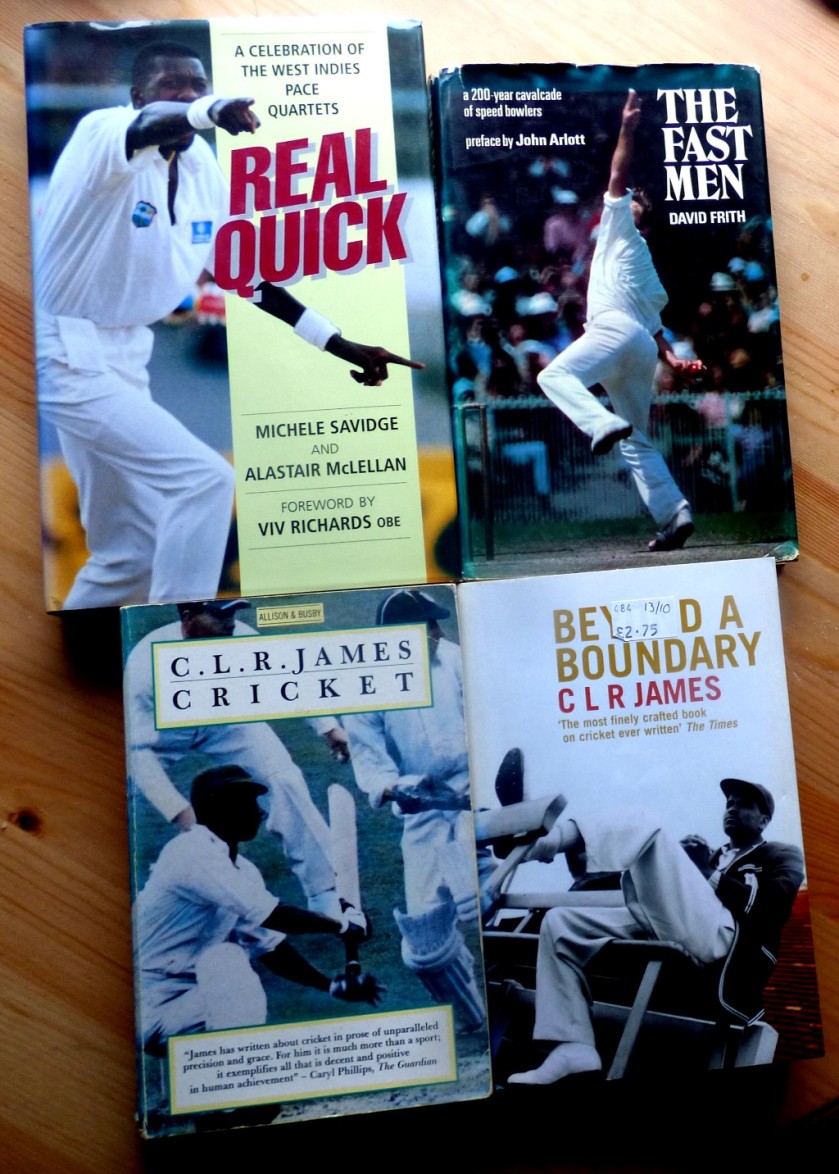
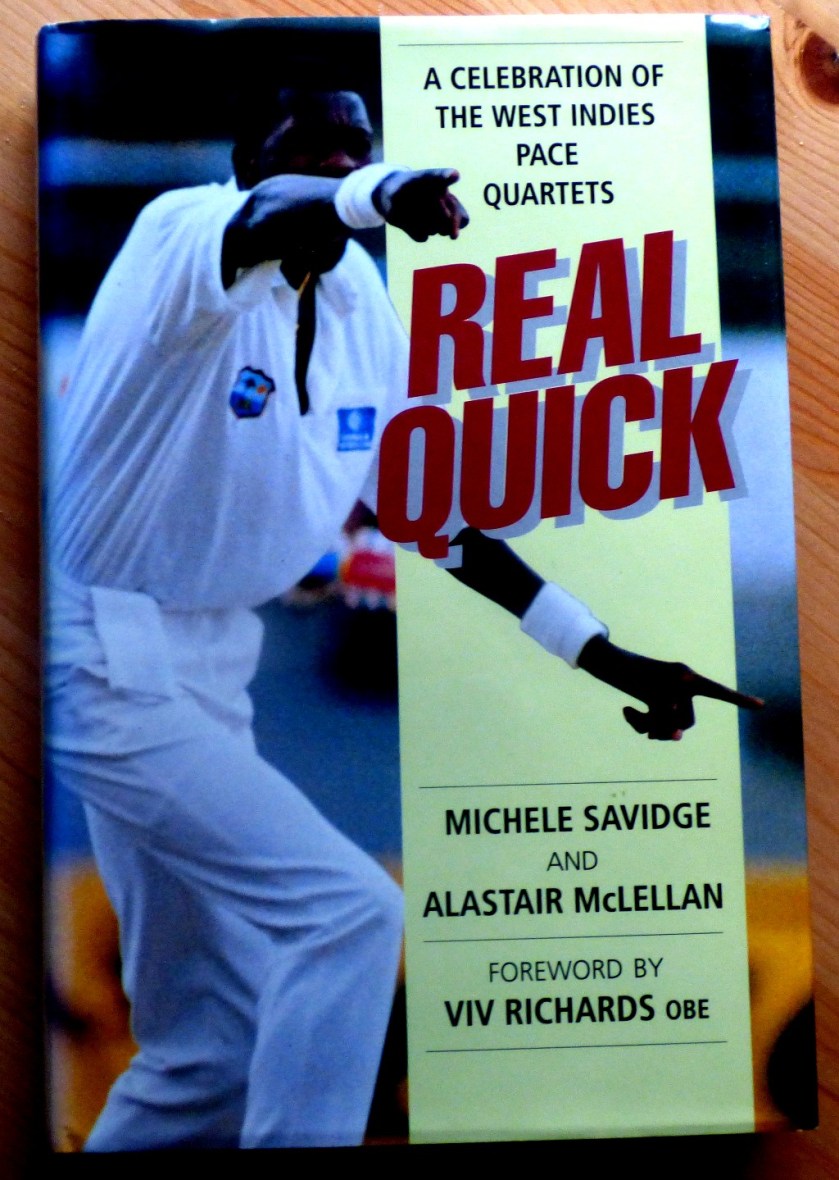
The book “Real Quick”, by Michele Savidge and Alastair McClellan records the history of these great pace quartets in detail. David Frith’s “The Fast Men” a survey of fast bowling through the whole history of cricket features various West Indians, and C L R James in “Beyond a Boundary” and elsewhere writes about various West Indian bowlers along the way.

P1220130
Four fabulous books which all mention West Indian fast bowlers
P1220132
The definitive guide to West Indian fast bowling quartets
P1220133
The greatest of all cricket books, it sets itself to answer the question “What do they know of cricket who only cricket know?”
P1220134
More from the great CLR
P1220131
A good starting point for reading about fast bowling.

INTRODUCING MY CHOSEN QUARTET

I could have chosen the first quartet, as the original history makers, or I could have gone for the best quartet to have played as such (a close call between Holding, Garner, Roberts and Croft or Holding, Garner, Croft and Marshall), but mindful of my desire to focus on players who I had at least some experience of seeing or hearing playing live I instead went for a quartet three of whom did play together (Holding had finished before the two most recent members of my quartet started), and who would have stood comparison with any pace bowling quartet you could put together. Now we turn to my quartet starting with…

MICHAEL HOLDING

60 test matches brought him 249 wickets at 23.68. He also scored six half-centuries batting down the order. His best match was at The Oval in 1976, when on a pitch on which no one else could do anything he took 8-92 and 6-57 to win the match for the West Indies. At Bridgetown, Barbados in 1981 he bowled on over to Geoffrey Boycott which is regarded by many as the greatest opening over of as test match ever bowled – check out the clip below:

He was nicknamed Whispering Death so silent was his approach to the bowling crease. 

MALCOLM MARSHALL

81 test matches yielded him 376 wickets at 20.94 each, and 1810 runs at 18.85 with the bat. He also got through a huge bowling workload for Hamphsire who he served magnificently as an overseas player. He was always quick, and as he matured he developed craft and guile to go with his speed, and became probably the most complete fast bowler in the game. At Headingley in 1984 he suffered a broken arm, went in to bat to enable Larry Gomes to complete a century, and then bowled with the left arm in a plaster cast in the England second innings – and took a then career best 7-53 – he would improve it four years later to 7-32 again at the expense of England.

CURTLEY AMBROSE

98 test matches yielded him 405 wickets at 20.99. He once destroyed Australia at the WACA with a spell of 7-1 in 33 deliveries. At Headingley in 1991 he took the first six wickets in the England second innings, before Derek Pringle stayed with Gooch, who was in the process of playing one of the great test innings, for over two hours, and England emerged victorious. At Trinidad in 1994 England were set a target of 194 to win, and had an hour in murky light to survive on the penultimate evening. By the time that hour was done England were 40-8, six of them to Ambrose, and the match was effectively over. Here, courtesy of youtube, is some footage of that latter occasion:

COURTNEY WALSH

He was the first bowler to take 500 test wickets (519 at 24.44), and among quick bowlers only James Anderson and Glenn McGrath have taken more. In 2,000, when Walsh was playing hnis final series against England, the latter brought Marcus Trescothick into their side to open the batting. On his debut he was 0 not out when Walsh was rested after his opening burst. He got under way off the first ball from Walsh’s replacement and went on to make 66 in that innings. Walsh was one of the 1991 quartet (along with Ambrose, Marshall and Patrick Patterson)  who made Graeme Hick’s introduction to test cricket such a personal nightmare (the England selectors who in their impatience to pick him threw him straight in against the West Indies quicks compounded their initial felony by then dropping him from the last match of the summer against Sri Lanka who possessed no bowlers of real pace – this is the match the should have been earmarked for his debut, to ease him in at the highest level). This completes my account of my West Indian pace bowling quartet – my next post in this series will deal with the opening batters from my sixth XI.

PHOTOGRAPHS AND LINKS

Before finishing this post in my usual fashion I have a couple of interesting links to share:

  1. As an autistic person who finds the very notion of autism as something to be cured offensive I am delighted report that the Advertising Standards Agency has told 150 homeopaths to stop claiming that they can cure autism. The full story is available here.
  2. My interest in paleontology was enough to attract me to the story of a remarkable new bed of Cambrian fossils. I am delighted to be able to provide a link to coverage of this find on whyevolutionistrue, one of my favourite blogs.

P1220121P1220122P1220127P1220129P1220136P1220138P1220139

100 Cricketers – The Fifth XI Bowlers and Introducing The Sixth XI

The latest in my “100 cricketers” series, with some comment on the MCC v Surrey macth and some photographs.

INTRODUCTION

Welcome to this latest installment in my “100 cricketers” series, which I type just as coverage of an IPL game between Rajasthan Royals and The Kings XI Punjab gets underway. Today I conclude the coverage of my fifth XI and introduce the sixth XI in batting order. I will start my coverage of that XI with the bowlers for a reason that will be explained when I introduce the squad. The introductory post to the whole series can be found here, the post in which I introduce the fifth XI can be found here and the most recent post in the series can be found here. Before I get into the main meat of my post there is a bit of cricket to report on…

POPE AND SMITH PUT SURREY IN CONTROL AGAINST MCC

Surrey finished day 2 of the MCC v Champion County match in Dubai on 389-4, 124 ahead with six first innings wickets still standing. The architects of this unassailable looking position were Olly Pope with a career best 183 not out and debutant wicketkeeper Jamie Smith who had already impressed with the gloves, who was 123 not out by the close. Their partnership was worth an unbroken 245, a record stand for any wicket for Surrey v MCC. Smith needs two more runs tomorrow to set a new record for someone making their first-class debut for Surrey. He is still some way short of the all-time debutant’s record, 240 by a South African named Eric Marx. Pope has already had full England experience and would appear likely to get more in the not too distant future, while Smith has a ton in an under-19 international to his credit, and on the evidence of his innings today against a decent attack who had started the day well (Sam Cook took two wickets early on, and MCC captain Stuart Broad – a man with over 430 test wickets to his credit – also bowled well early on) may well be a candidate for full international honours as well. What should Surrey’s plan be for tomorrow (day three of four)? I would say all out attack with the bat in the morning session, and if not all out by then declare at lunch with what would be a huge lead and get stuck in to the MCC second innings. It is now time to for the business part of this post, starting with…

THE FIFTH XI SPIN BOWLERS

My spin bowlers for this squad are an off-spinner and a leg-spinner respectively, giving good variation. One was a great of the early 2000s, the other is a late developer who has only recently begun to establish himself at the highest level. I deal with them in chronological order, beginning with…

HARBHAJAN SINGH

417 test wickets, albeit at a slightly expensive 32.46 each, are impressive bowling credentials. His performances against Australia in 2001, when he virtually won India a series against them were simply extraordinary, and when England visited India around the same time they were equally at sea against him. For a brief period in the early 2000s he was probably second only to the amazing Murali (mentioned in this post) among offspinners.

ADIL RASHID

Only 60 test wickets at an average of 39.83, although his ODI record (128 wickets at 29.74, economy rate 5.58) is good. However, his recent performances since his somewhat controversial recall to the test ranks have been good, including his first five-for at that level, as England’s spinners outdid Sri Lanka’s in the latter’s backyard. England have not produced many internationally successful legspinners down the years – among English bowlers of this type only Doug Wright has as many as 100 test wickets, and he paid 39 a piece for them. Scottish born leggie Ian Peebles’ 45 test wickets at 30.93 included that of Bradman on two occasions (Peebles went on to become one of the better writers about the game). Tich Freeman (he was only 5’2″ tall), second leading wicket taker in first-class history with 3,776 at 18.42 was only asked to play for his country on 12 occasions, capturing 66 wickets at that level at 25.86 each. Adil Rashid is therefore faring better than most English legspinners, and I believe that he still has a few good years left in him.

THE FAST BOWLERS

It is now time to focus on my new-ball pairing, an Aussie combo featuring serious pace from one end and unrelenting accuracy from the other. We will start with…

BRETT LEE

310 test wickets at just over 30 a piece. At Trent Bridge in 2005 he caused nerves in the England camp after a match that the latter had largely dominated. England got home on that occasion, the margin being three wickets, but Lee’s bowling in the final innings with only 129 to defend certainly caused a few nerves. In the final match of that amazing series at The Oval he came off second best when a blistering post-lunch spell to Kevin Pietersen was met with spectacular and very successful aggression from the batter. 

GLENN MCGRATH

In the only Ashes series on which he was part of a losing combination Glenn McGrath (563 test wickets at 21.64) was out injured for both of the matches that his team lost, and this is no coincidence. In the first match at Lord’s England bowled Australia out for 190 and things seemed to be looking good for the home side. McGrath produced an opening burst of 5-2 to make things look very different, and Australia ended up winning by 239 runs, although Pietersen made two fifties on his test debut for one English positive. When Australia went to the Caribbean in 1995 (The West Indies were still a mighty fine side then) McGrath said before the series started that the Australian fast bowlers needed to give their West Indian counterparts a hard time, which was a brave statement from a genuine no 11 who knew he would be a sitting duck for any retaliation on their part. Australia, due in no small part to regularly dismissing the West Indies lower order cheaply went on to take the series, the first side to do that against the West Indies since 1980. From then until the end of McGrath’s career in the 5-0 whitewash Ashes of 2006/7 Australia dominated the world game, and he was one of the chief reasons why.

INTRODUCING THE SIXTH XI

Here in batting order is my Sixth XI:

  1. Sanath Jayasuriya
  2. Navjot Sidhu
  3. +Amy Jones
  4. *Virat Kohli
  5. Harmanpreet Kaur
  6. Chloe Tryon
  7. Deepti Sharma
  8. Malcolm Marshall
  9. Michael Holding
  10. Curtley Ambrose
  11. Courtney Walsh

This is my XI that features a West Indian pace quartet – an intention that I have mentioned previously. My next post will feature them in detail and will (I hope) be just a bit special – I have a reason for wanting that specific post to be somewhat special, see if you can guess before I reveal why at the start of it. 

PHOTOGRAPHS

Here is my usual reward for those who have made it through to the end:

P1220112P1220113P1220117P1220118P1220119