Concluding my account of my Scottish holiday with the return journey.
This will be the final post in my series about my Scottish holiday (28-31 May inclusive. I will briefly mention the birthday festivities which took place a day early – the day itself (May 31) was to be a day of travelling home, before covering the return journey.
THE BIRTHDAY MEAL
One of the shops Comrie possesses is a butcher, and the centrepiece of the meal was three large rib eye steaks purchased from that establishment. We also had Jersey Royals and locally grown asparagus, while there were locally grown raspberries for pudding. There was sparkling wine before the meal, and still wine with it.
THE RETURN JOURNEY
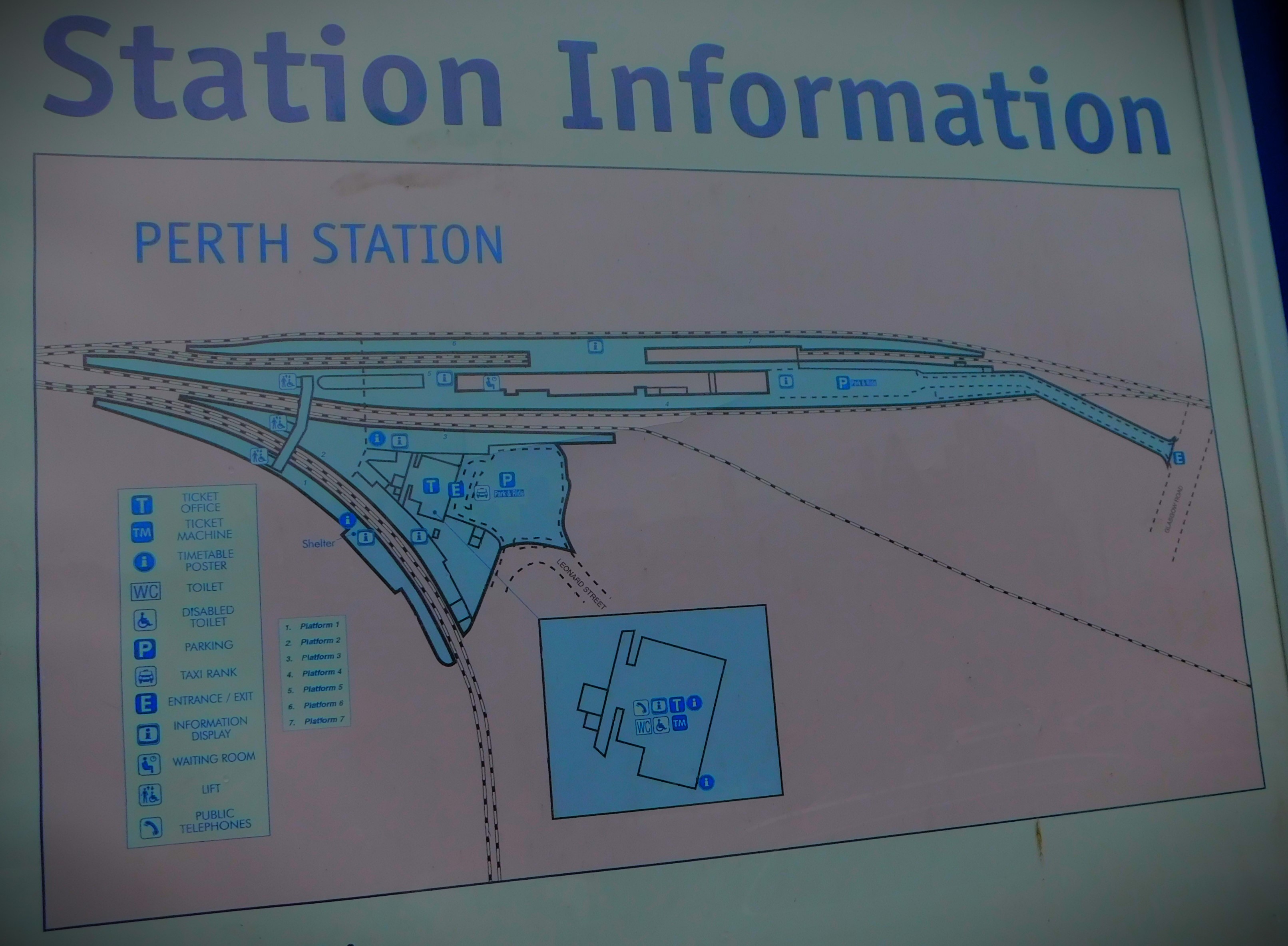
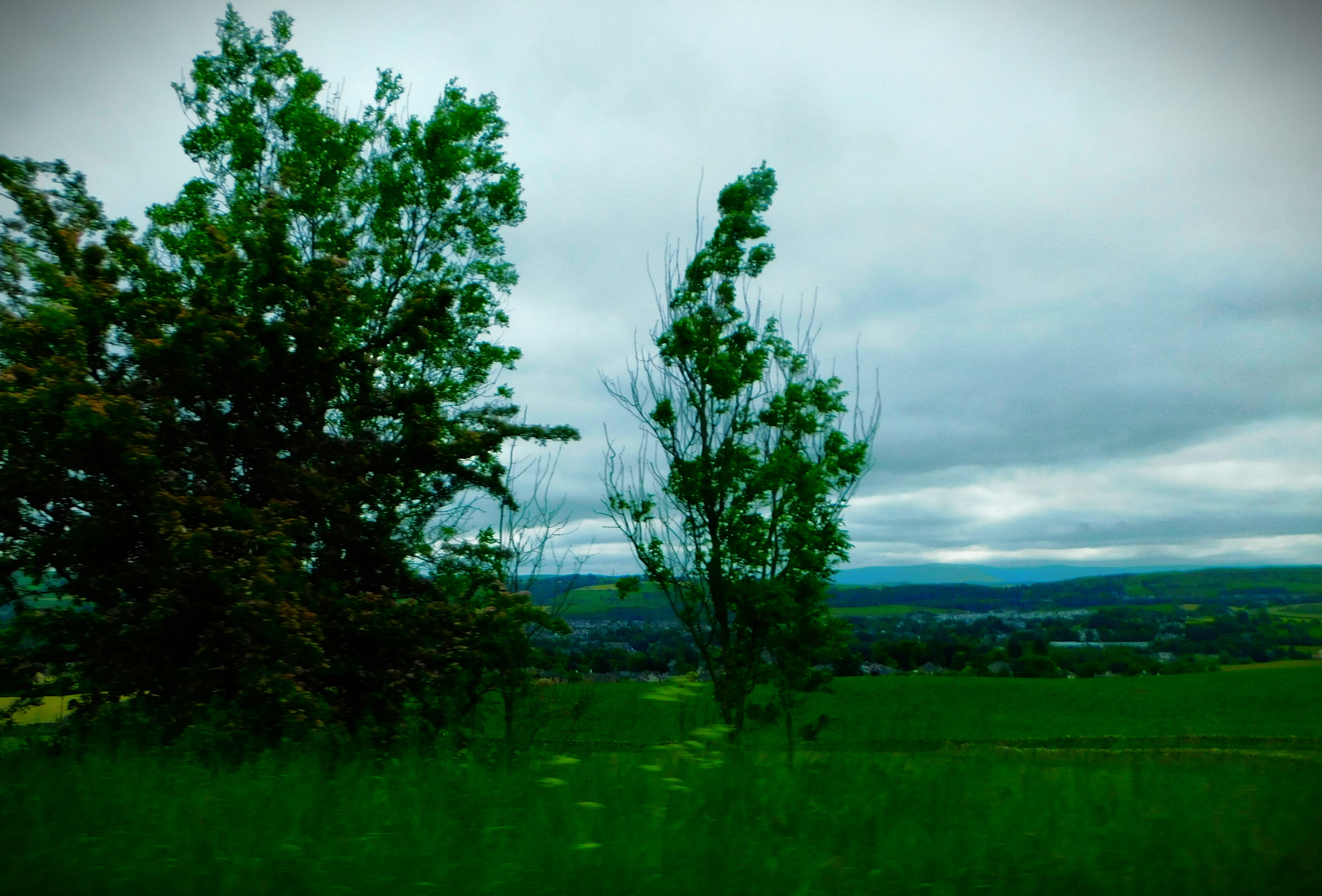
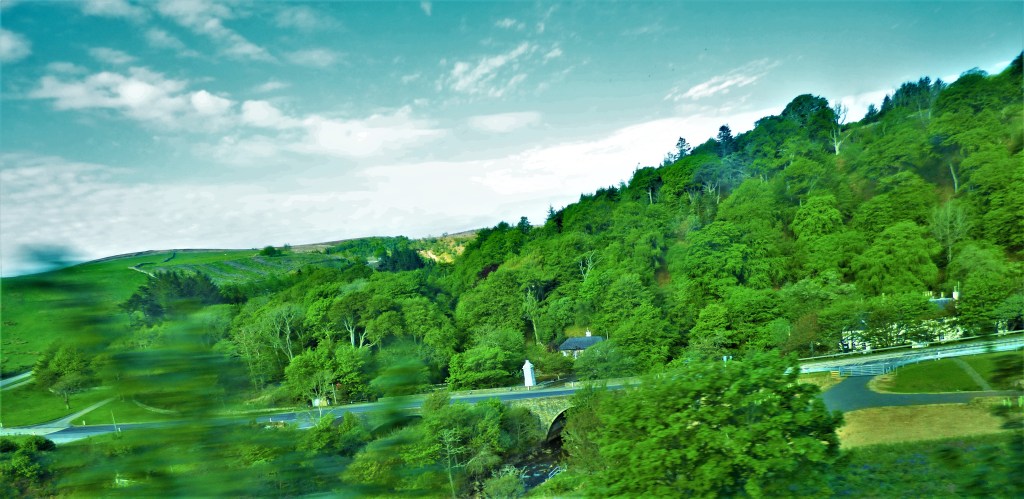
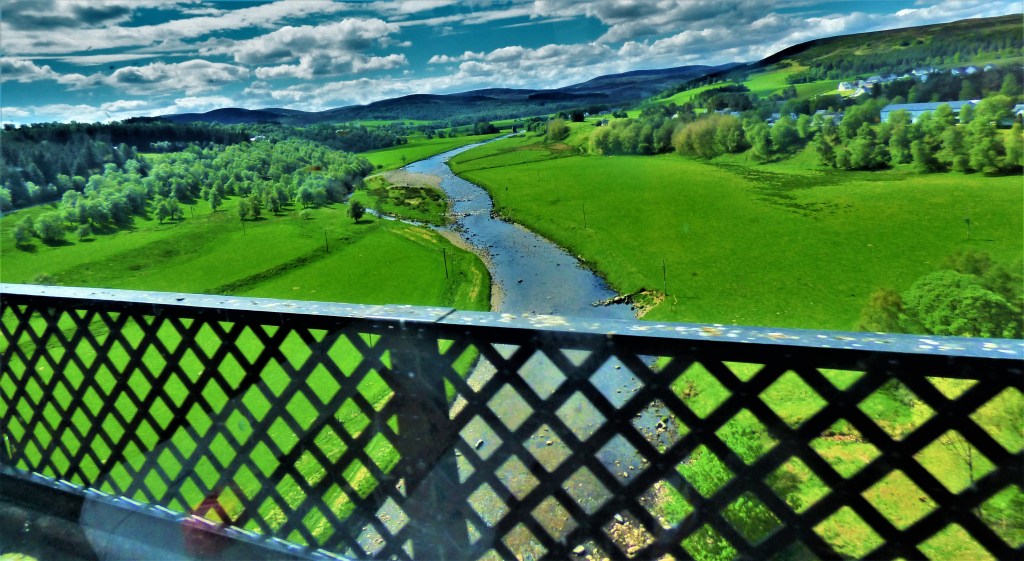
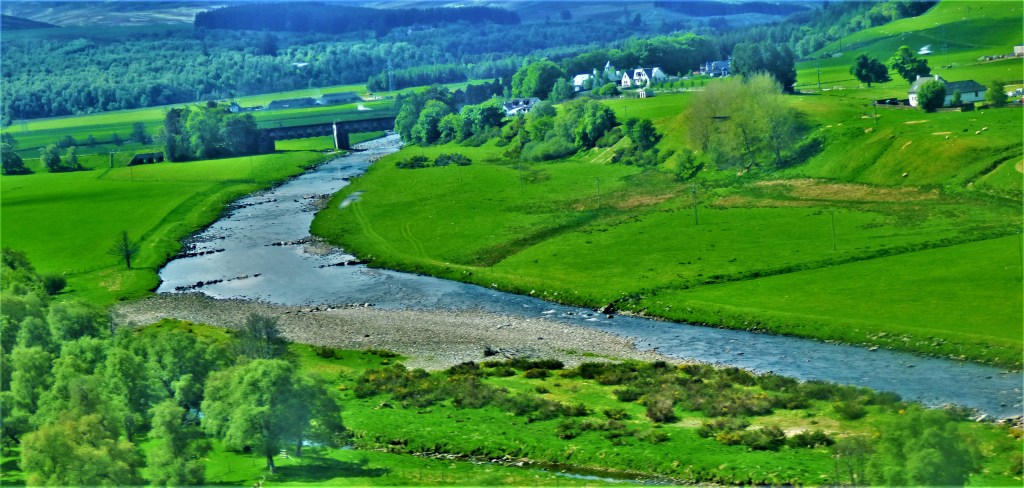
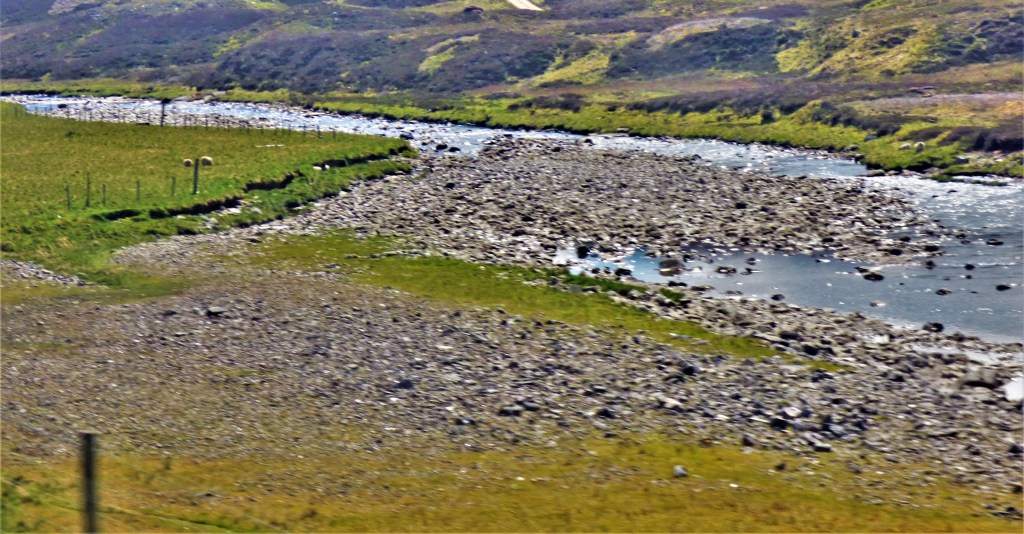
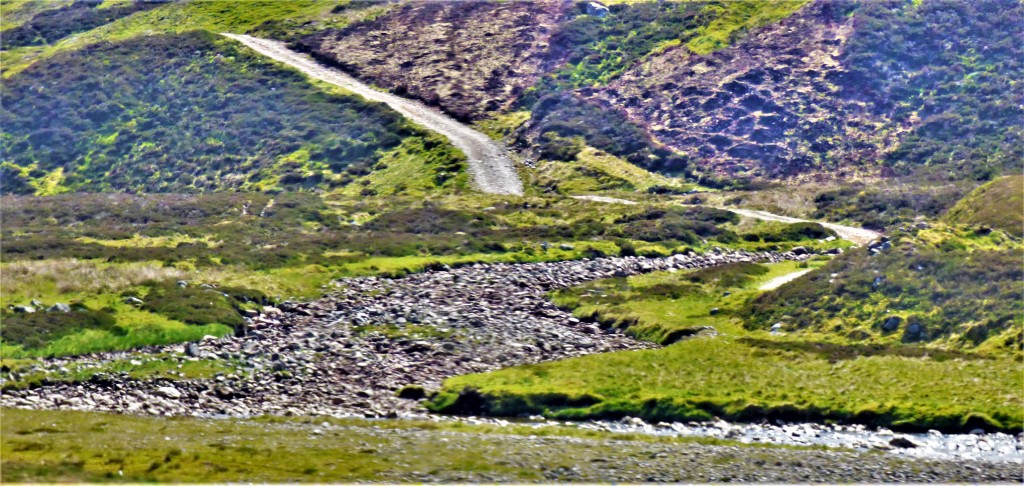
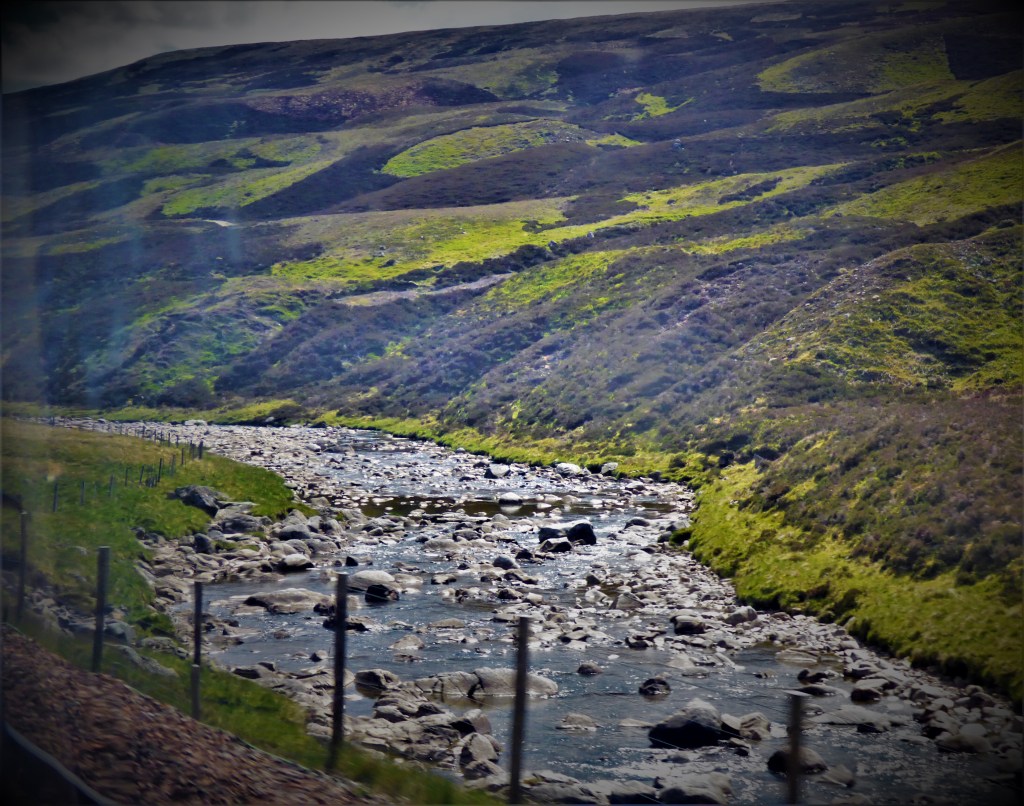
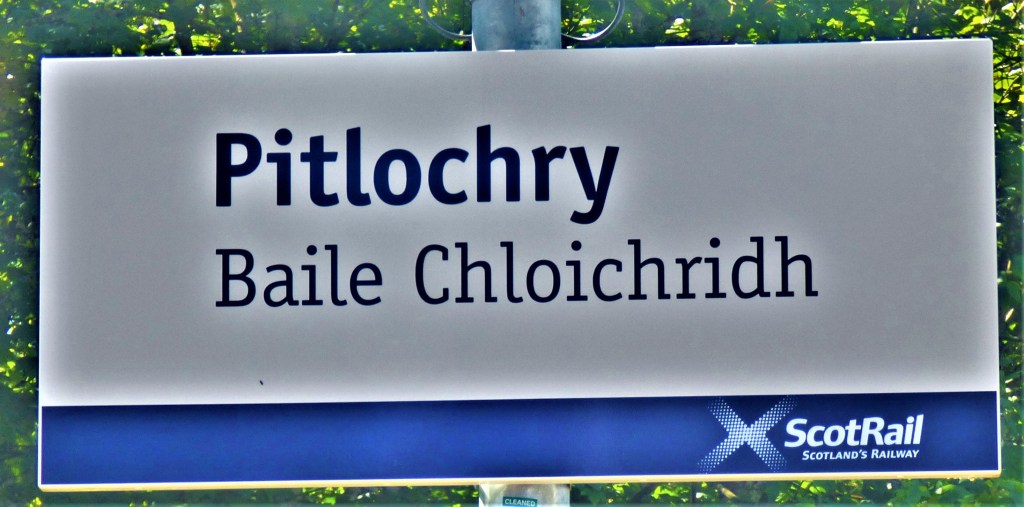
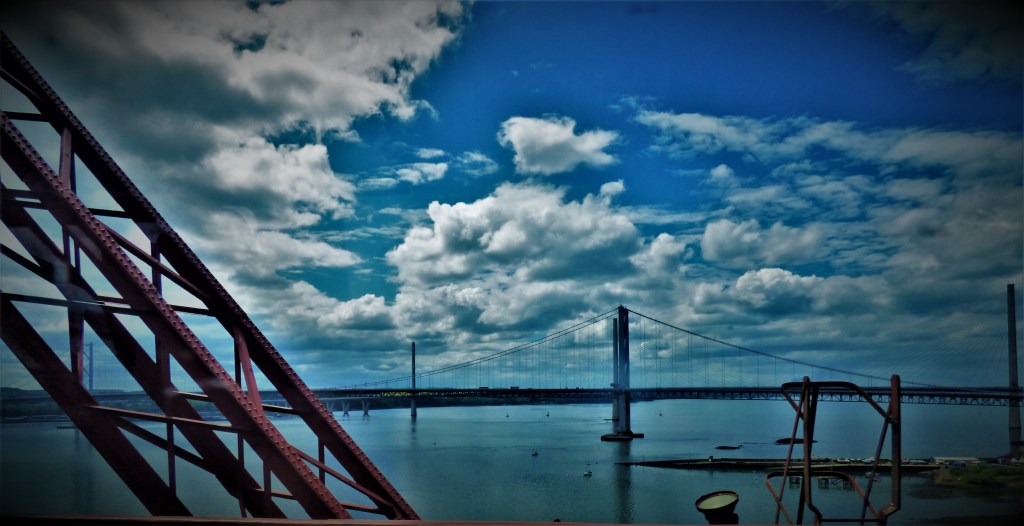
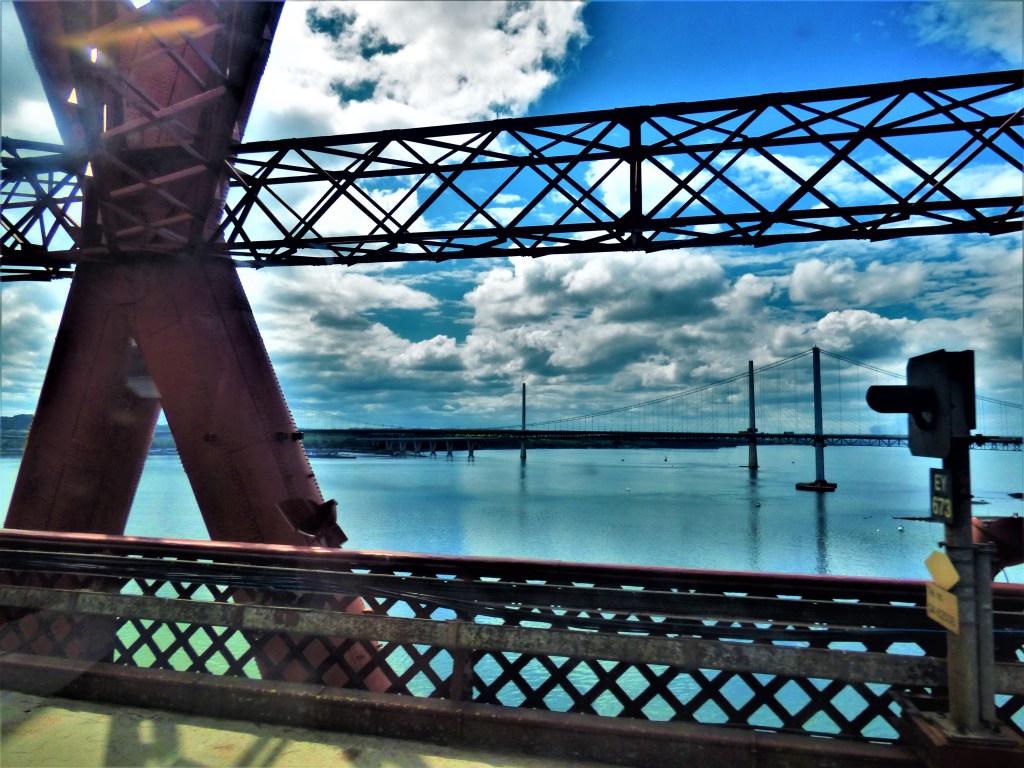
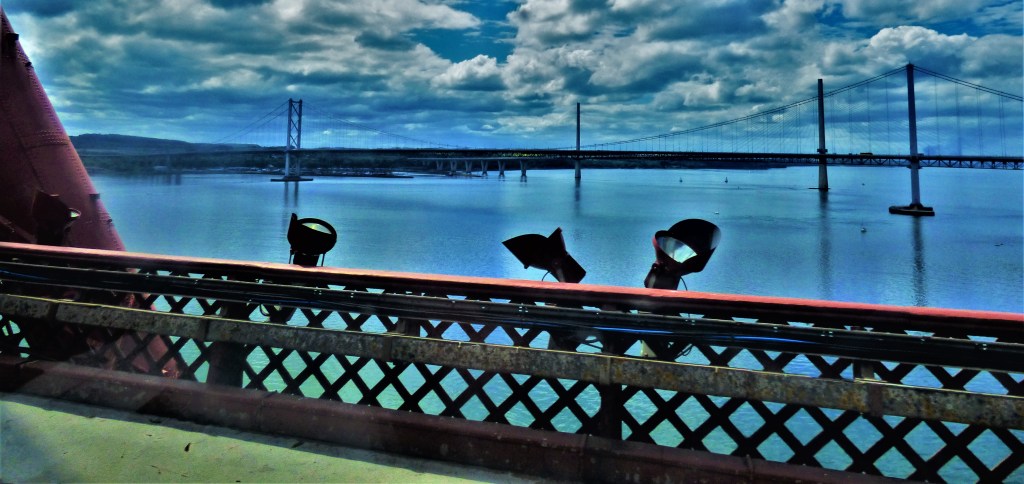
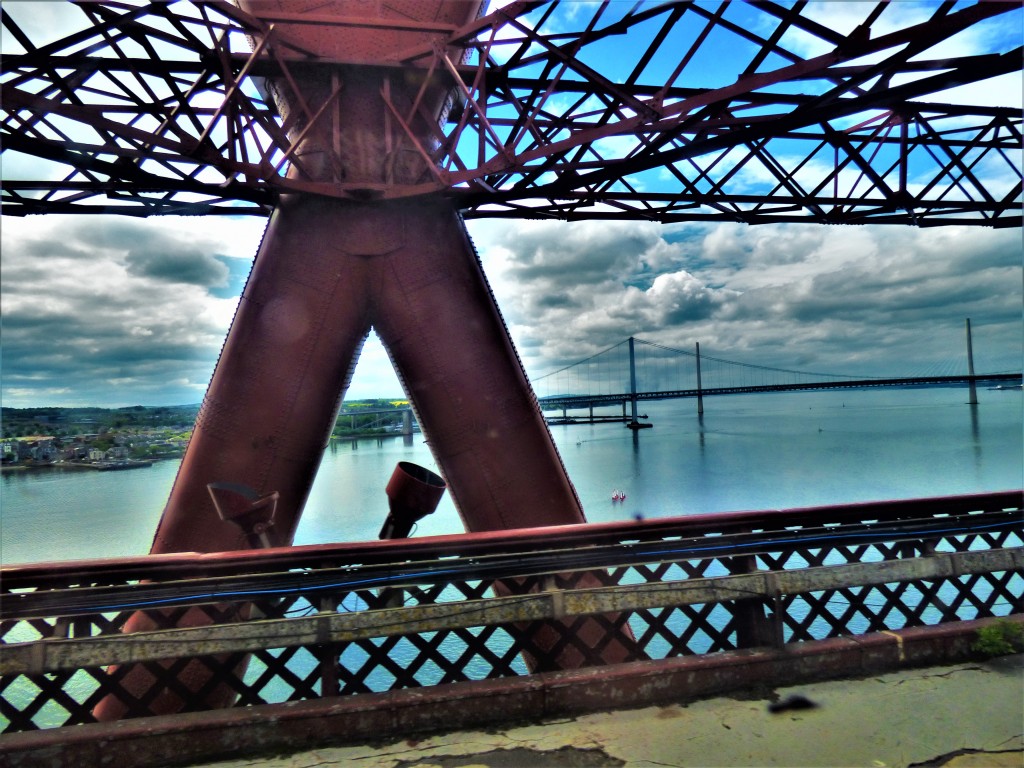
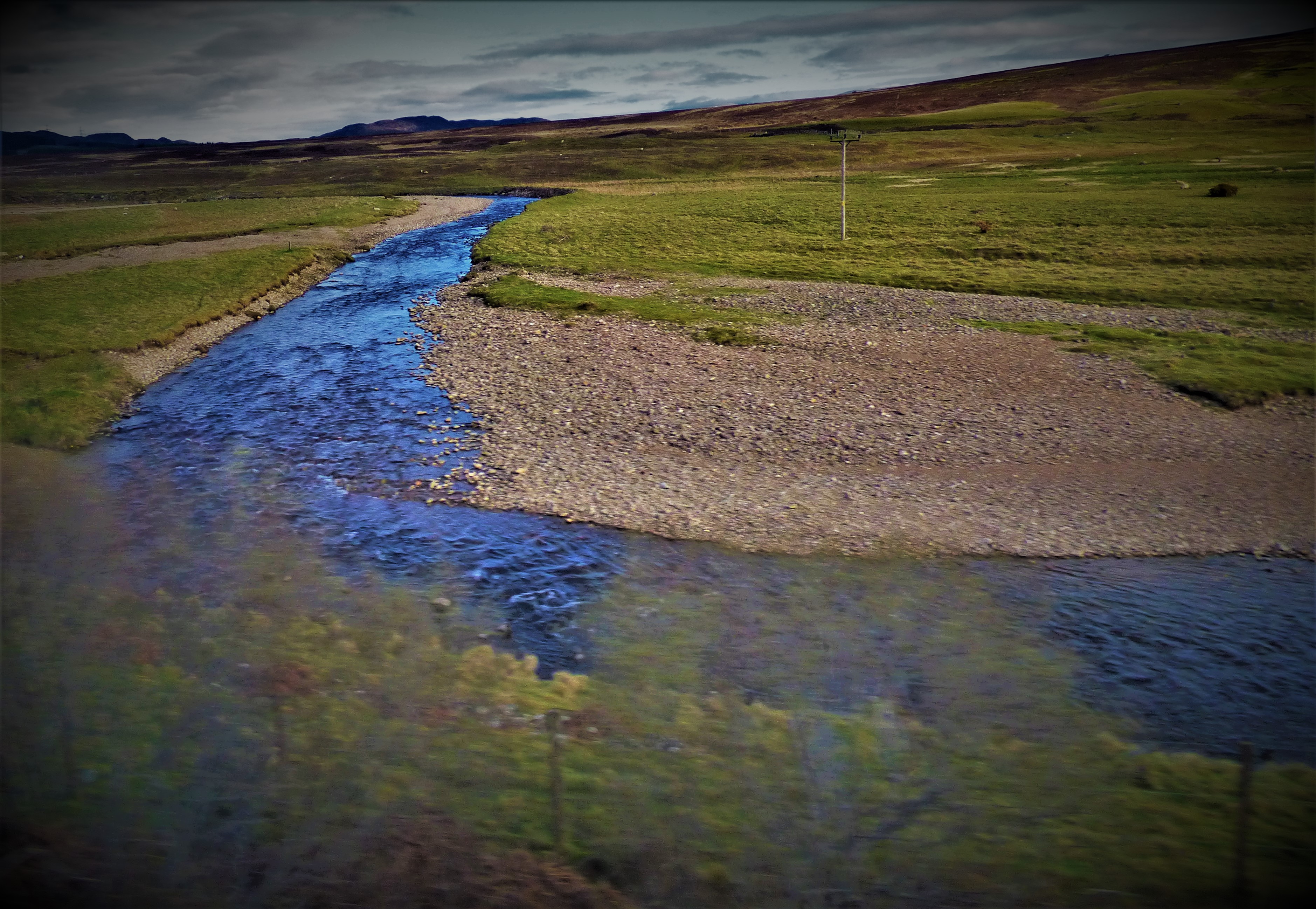
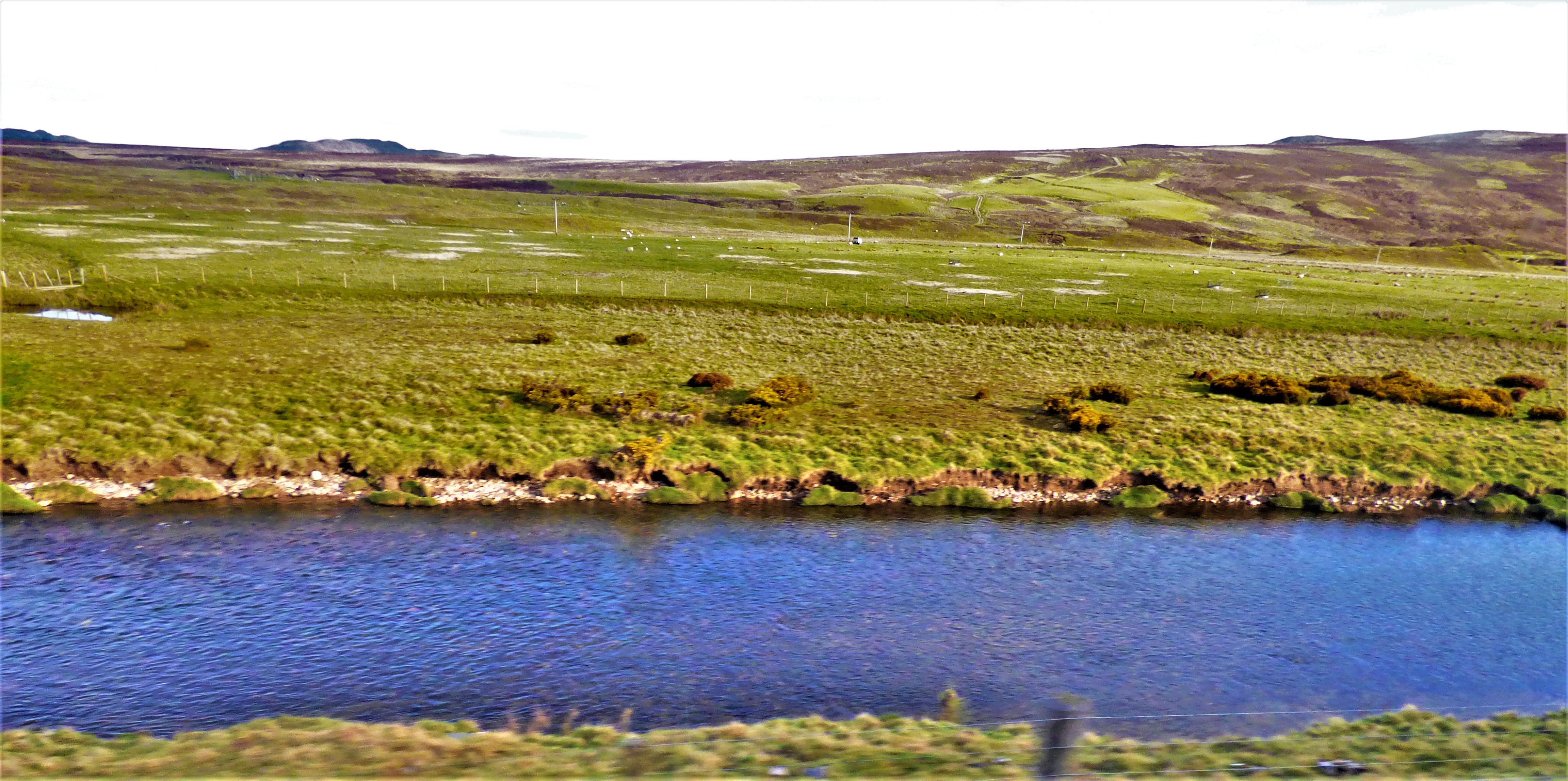
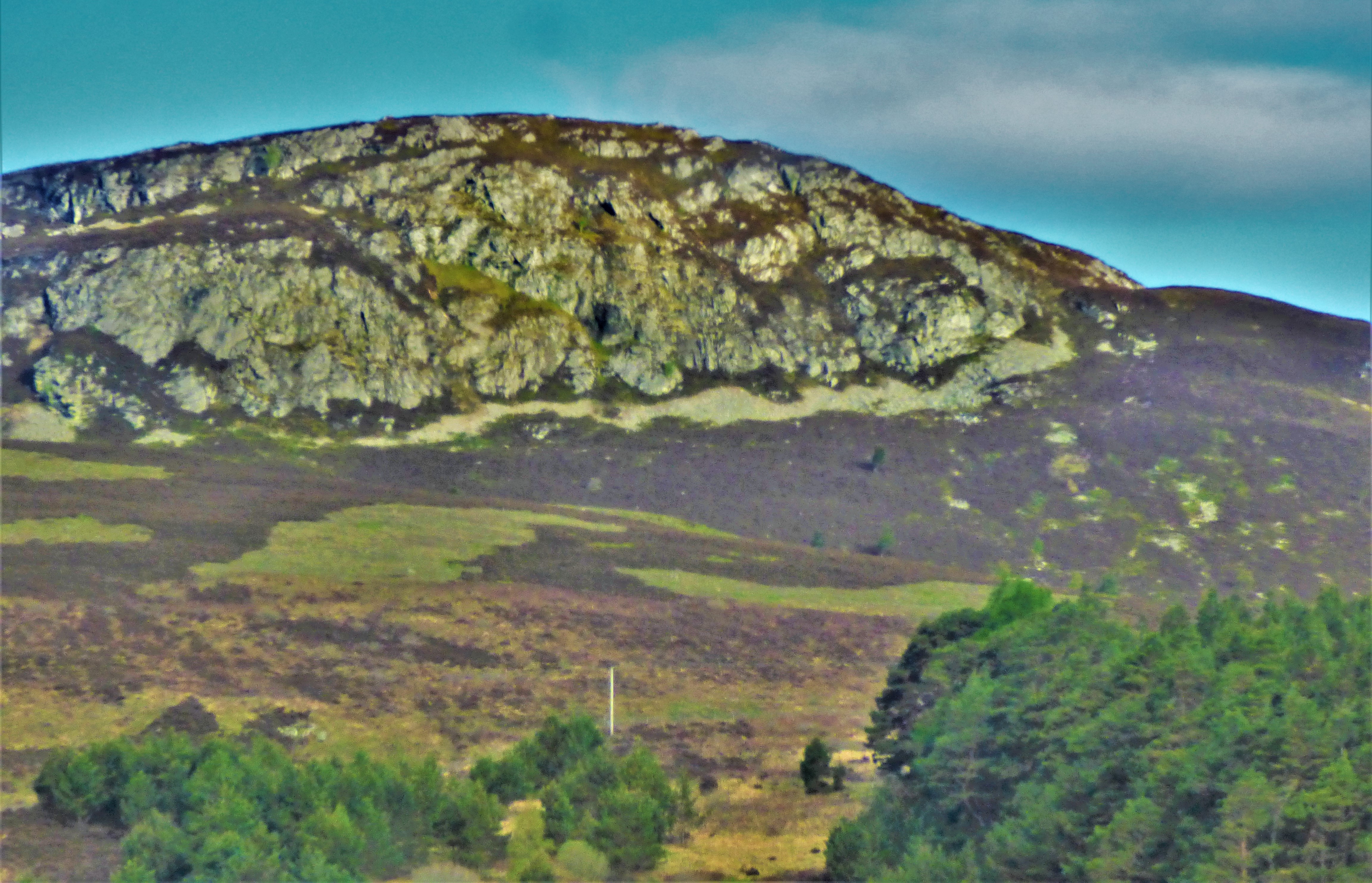
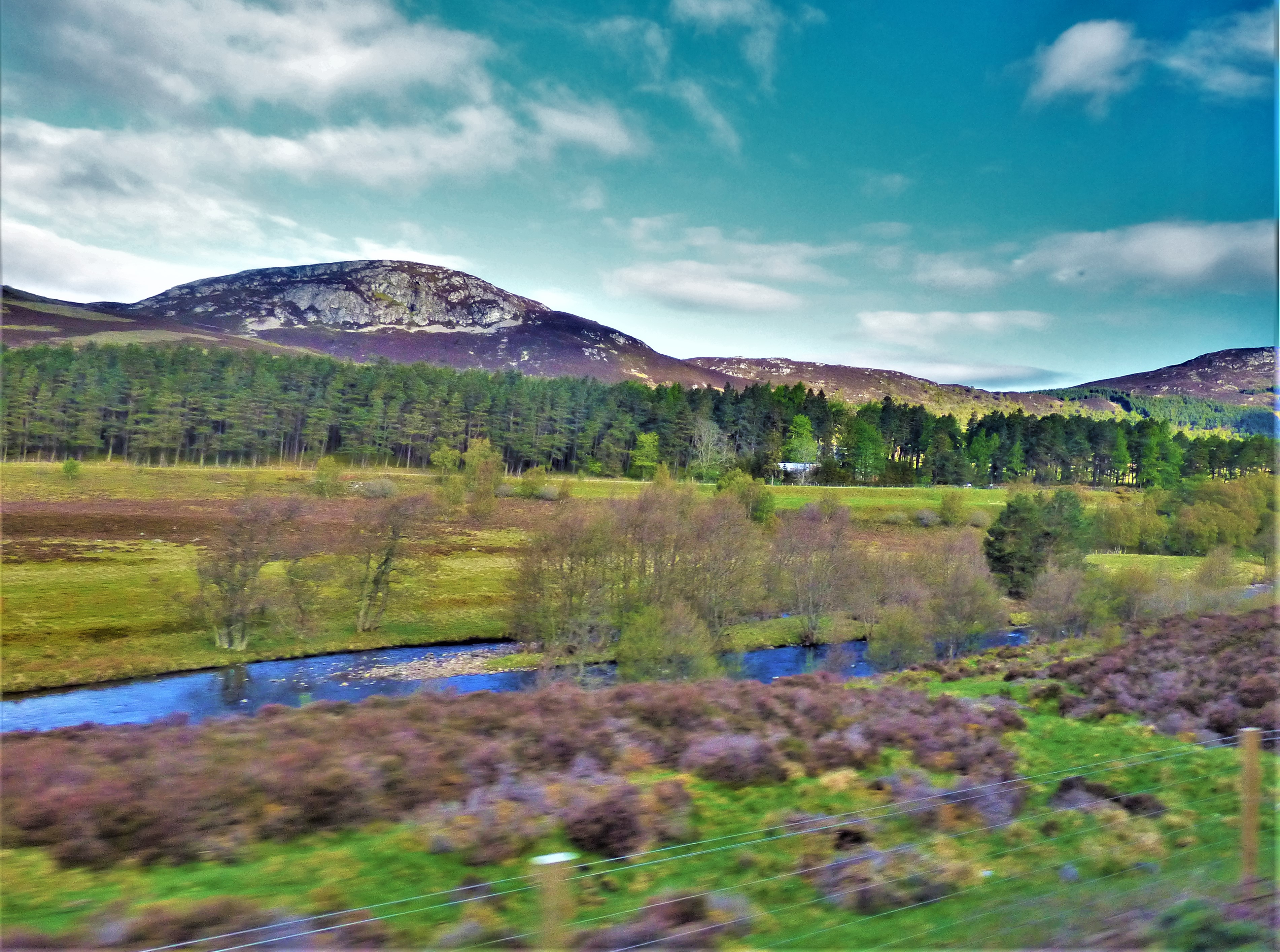
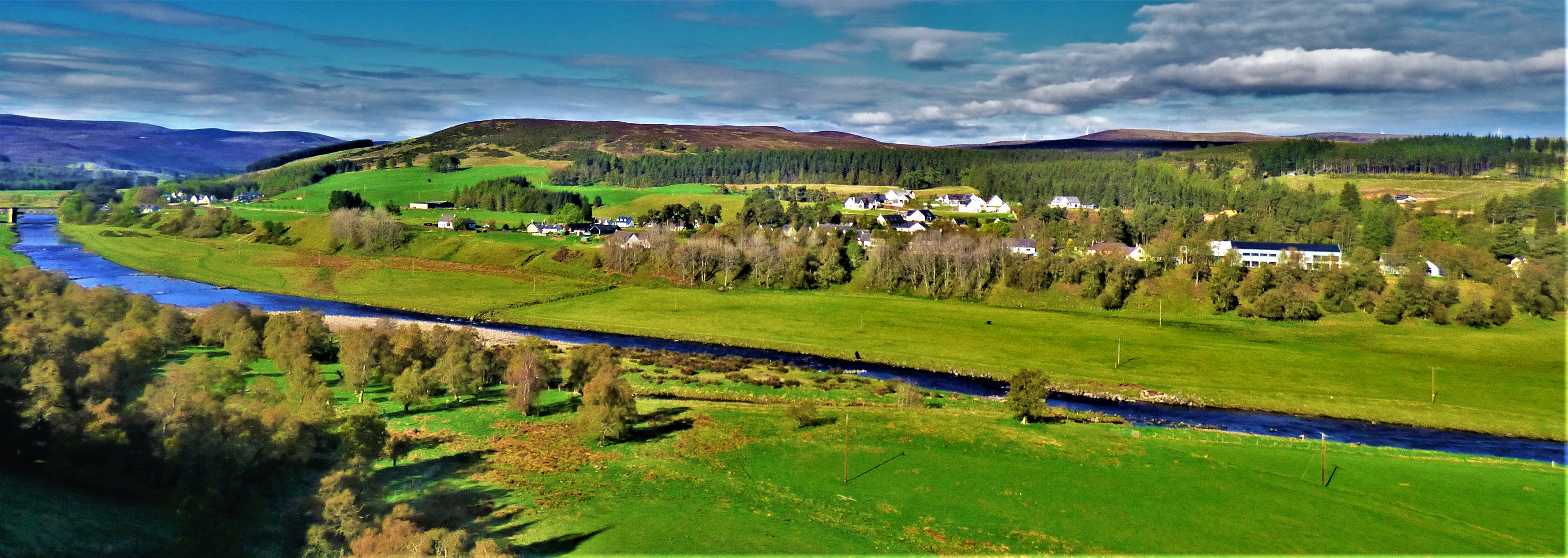
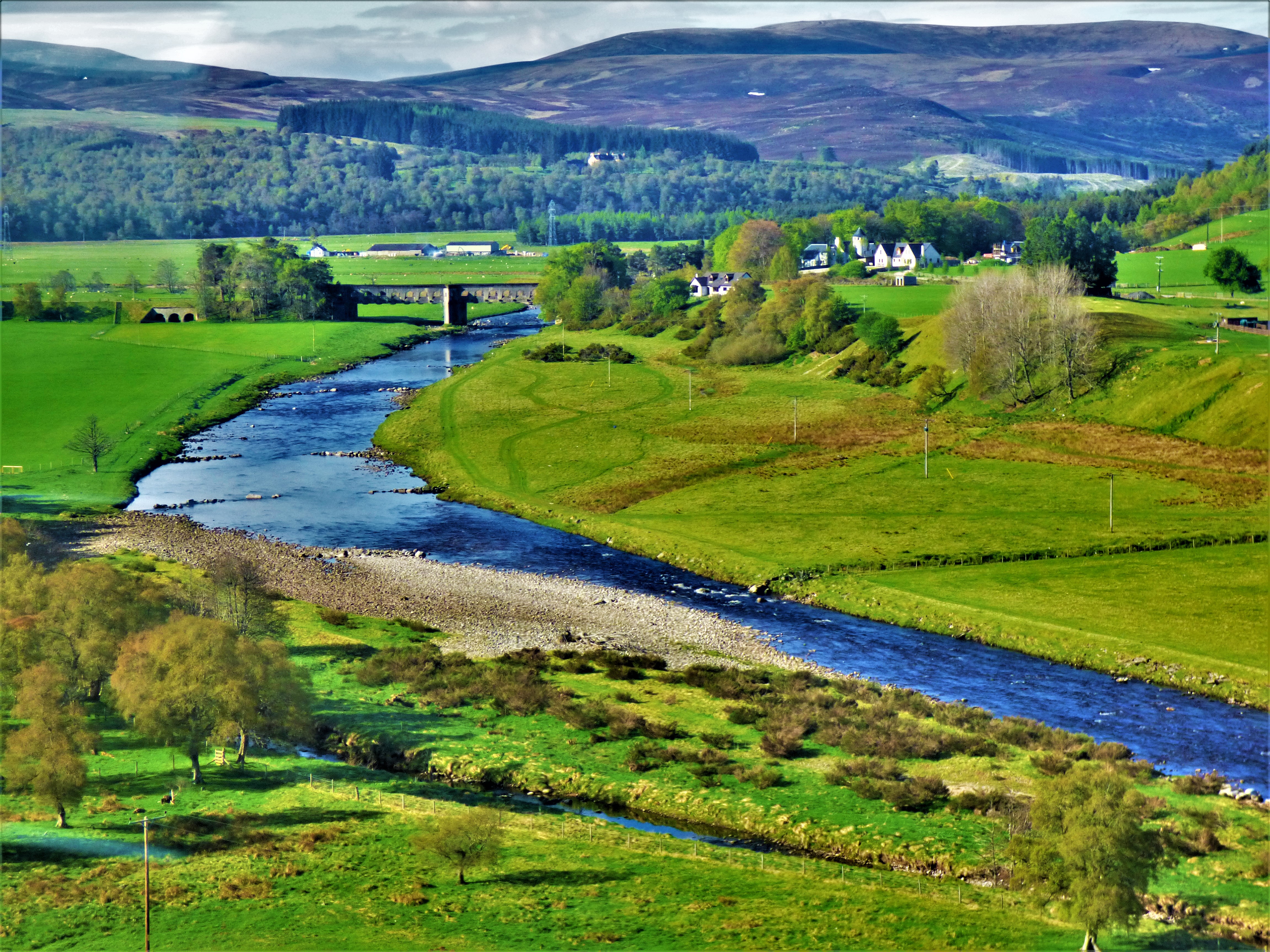
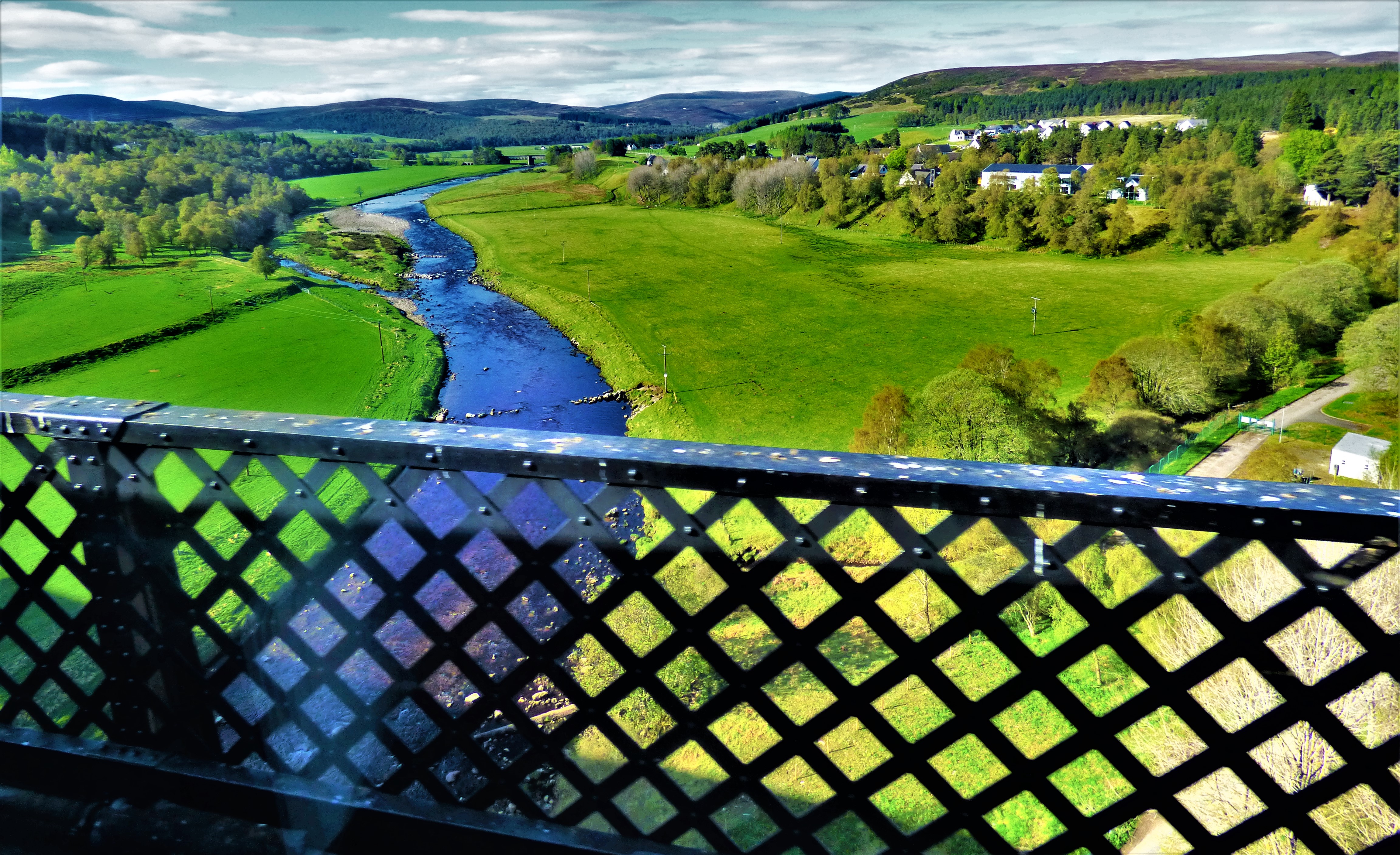
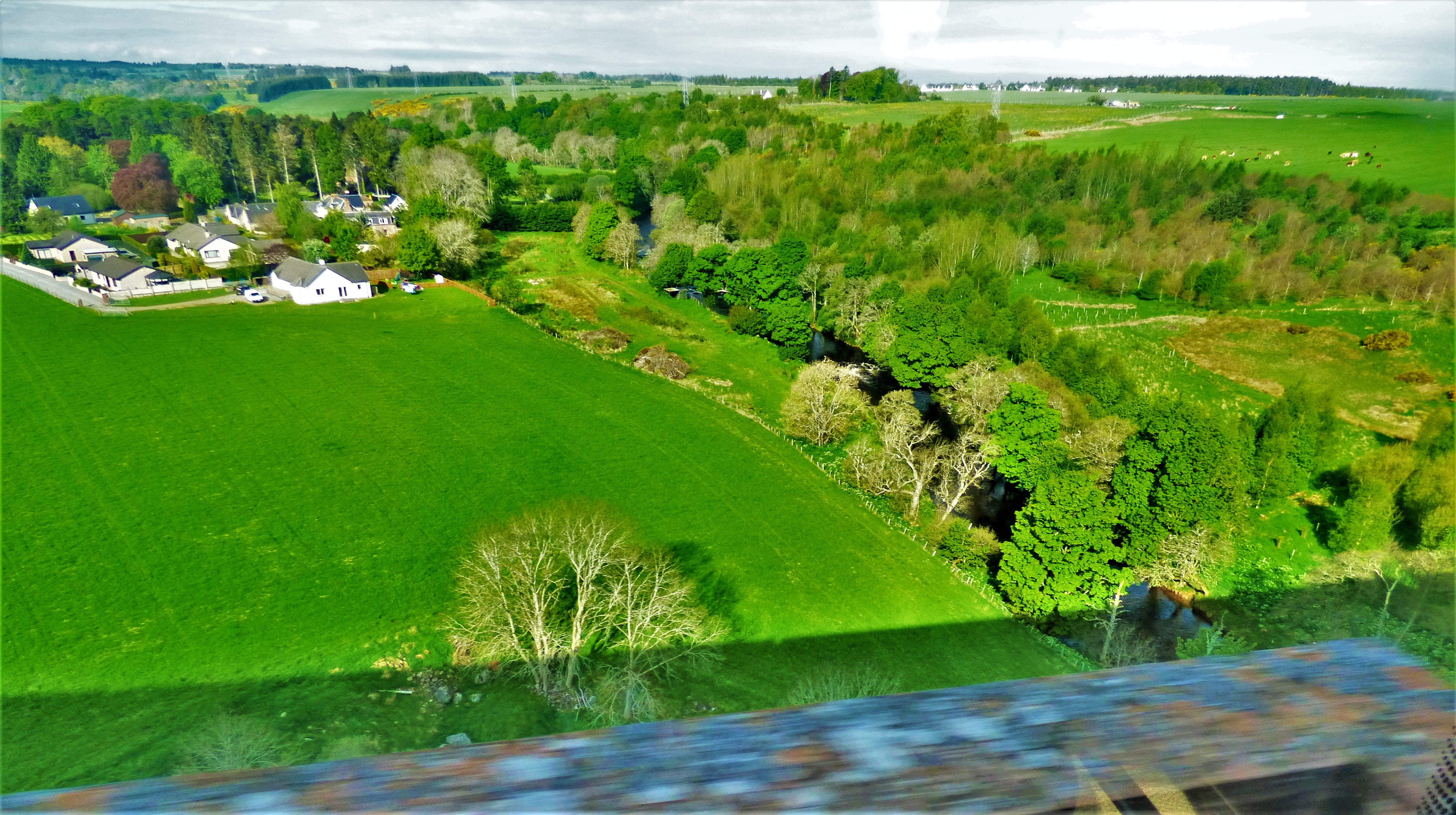
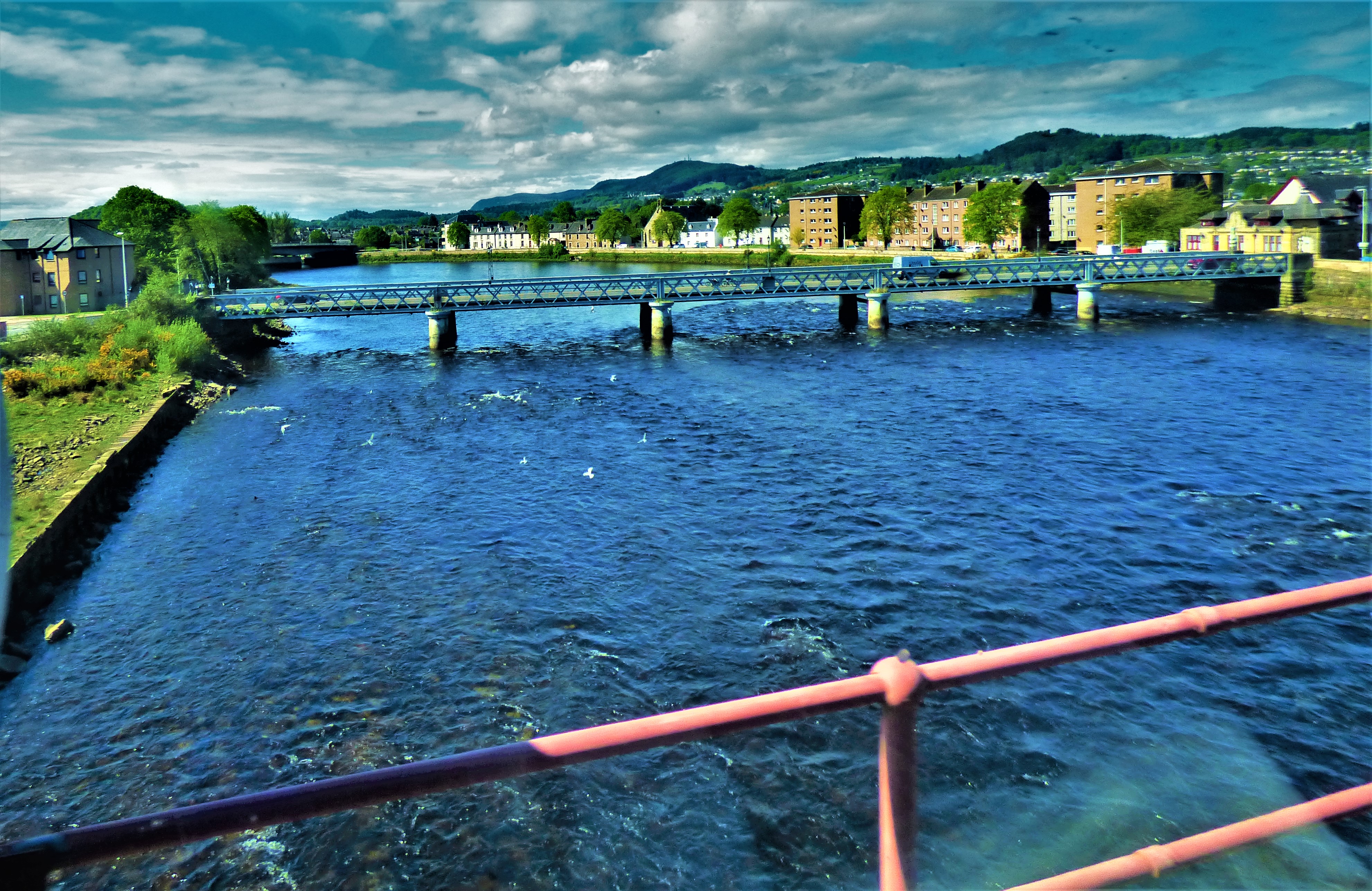
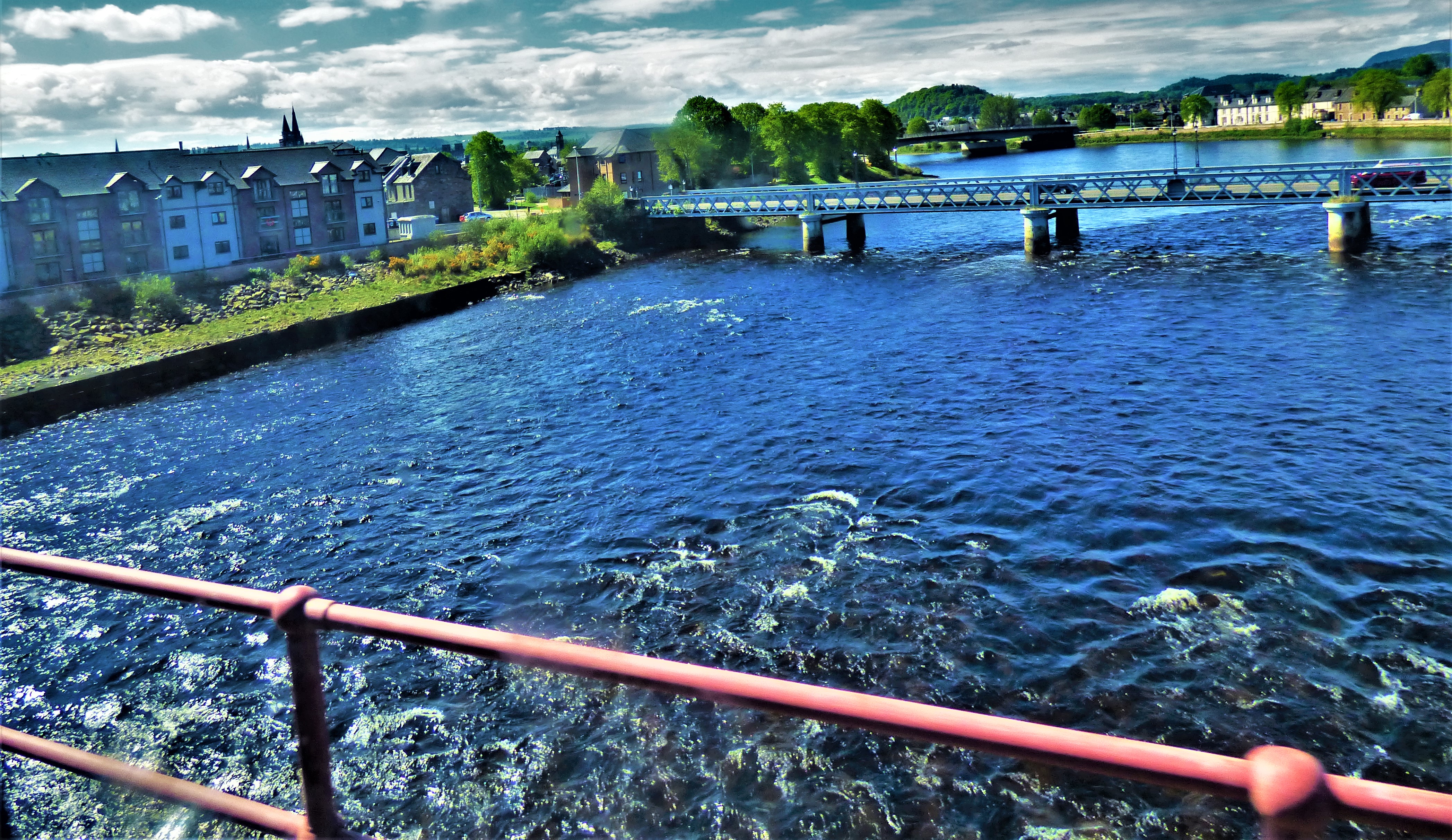
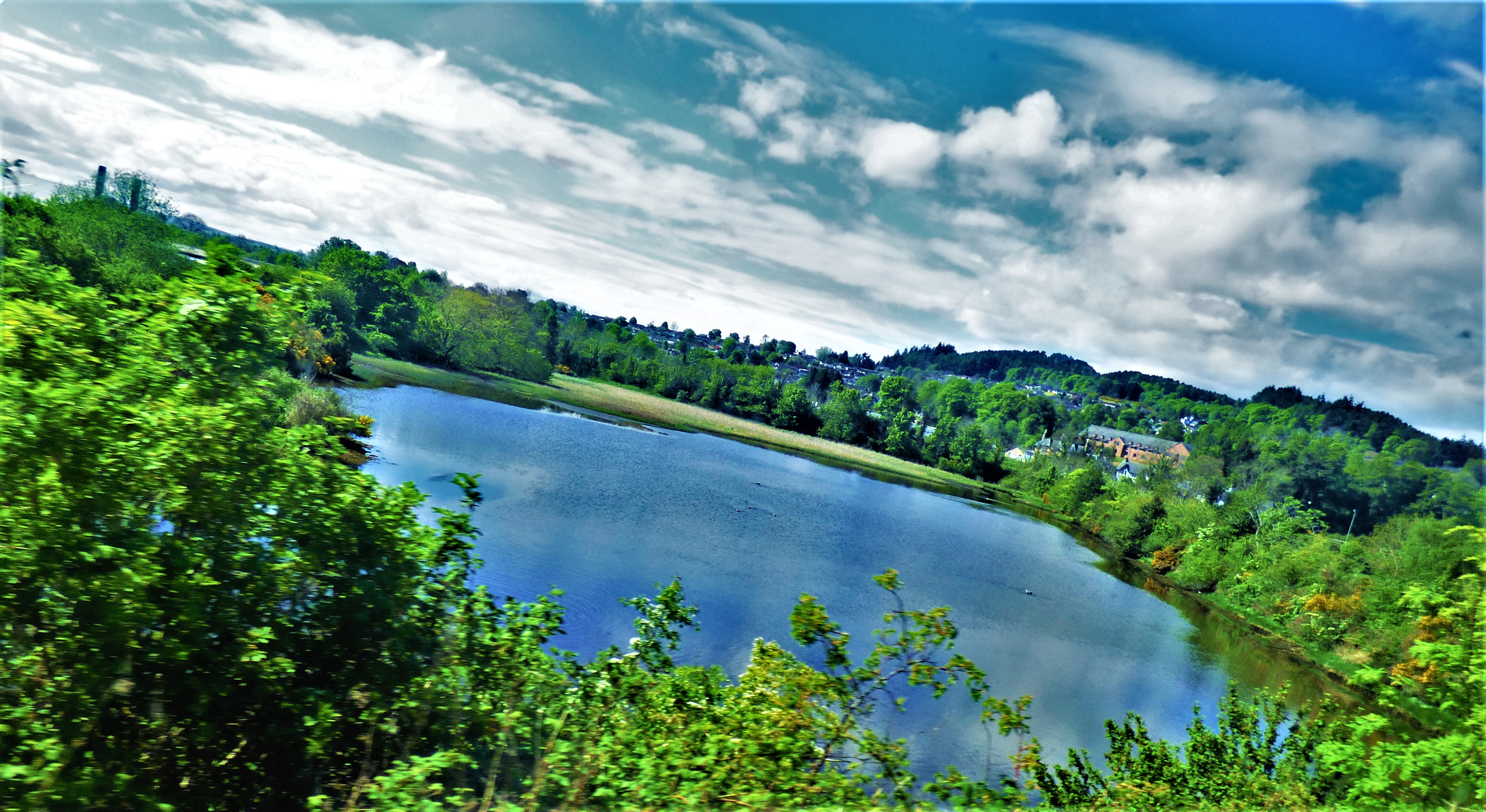
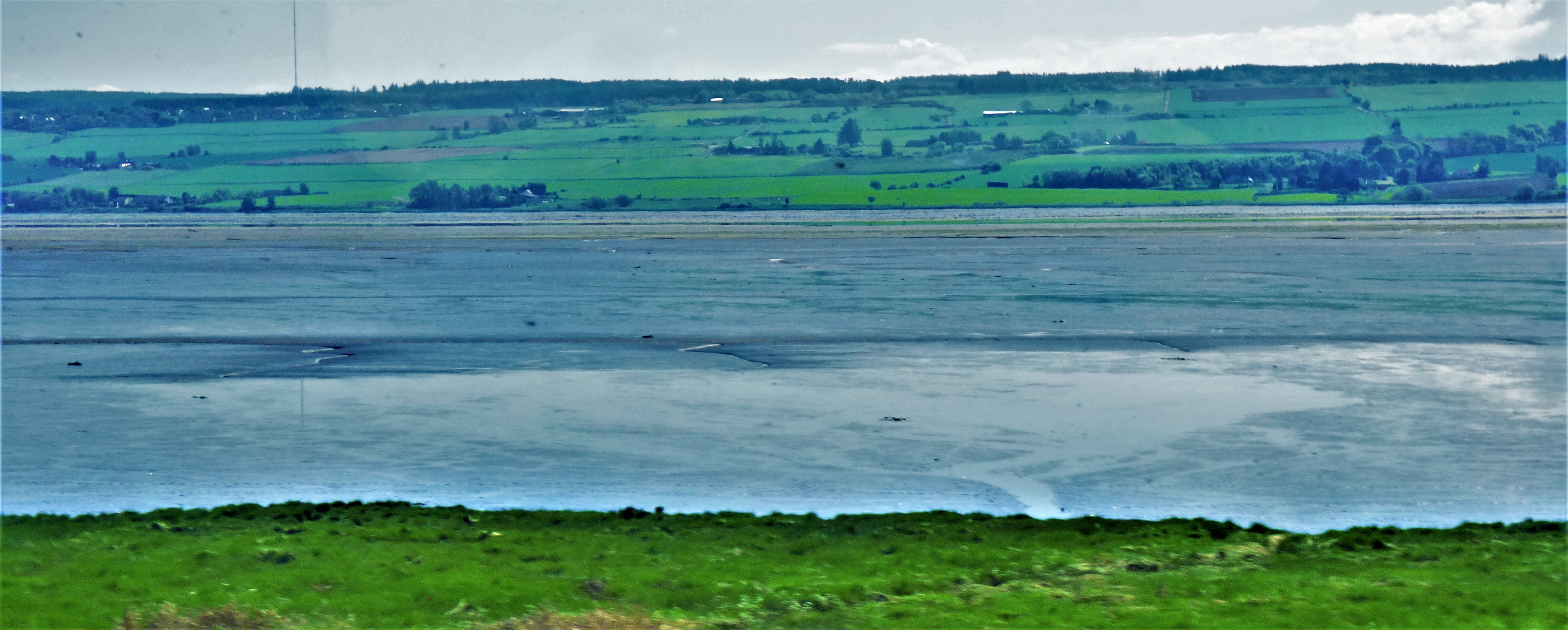
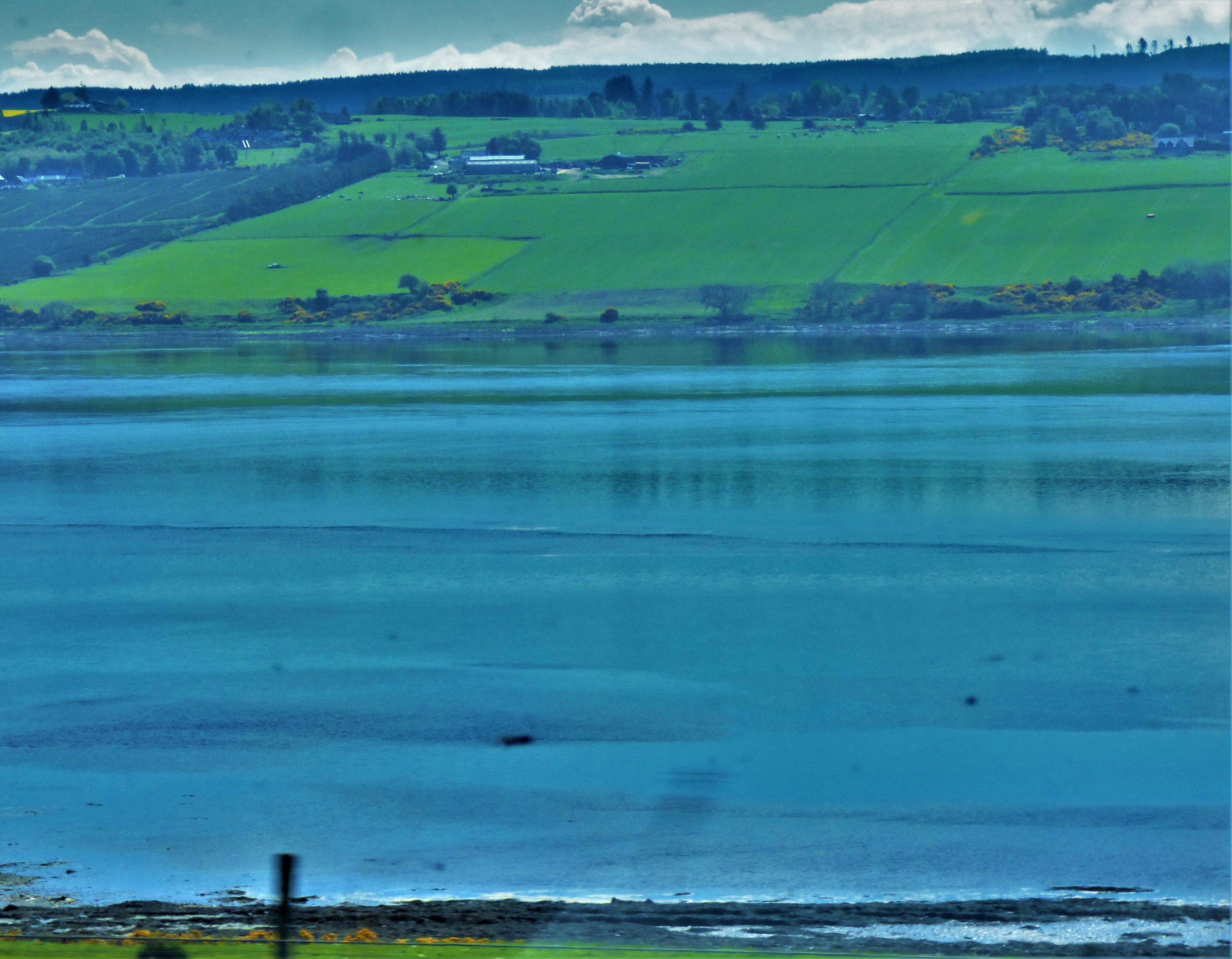
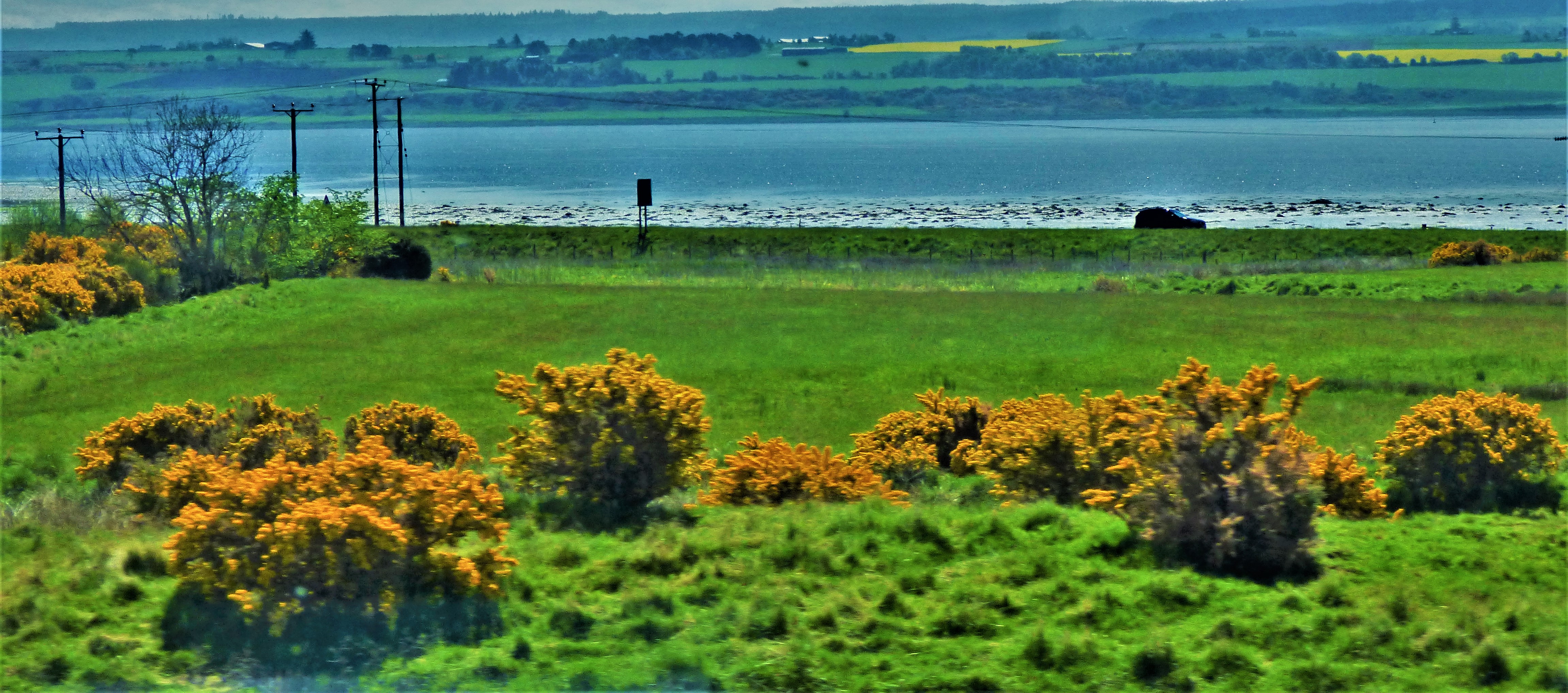
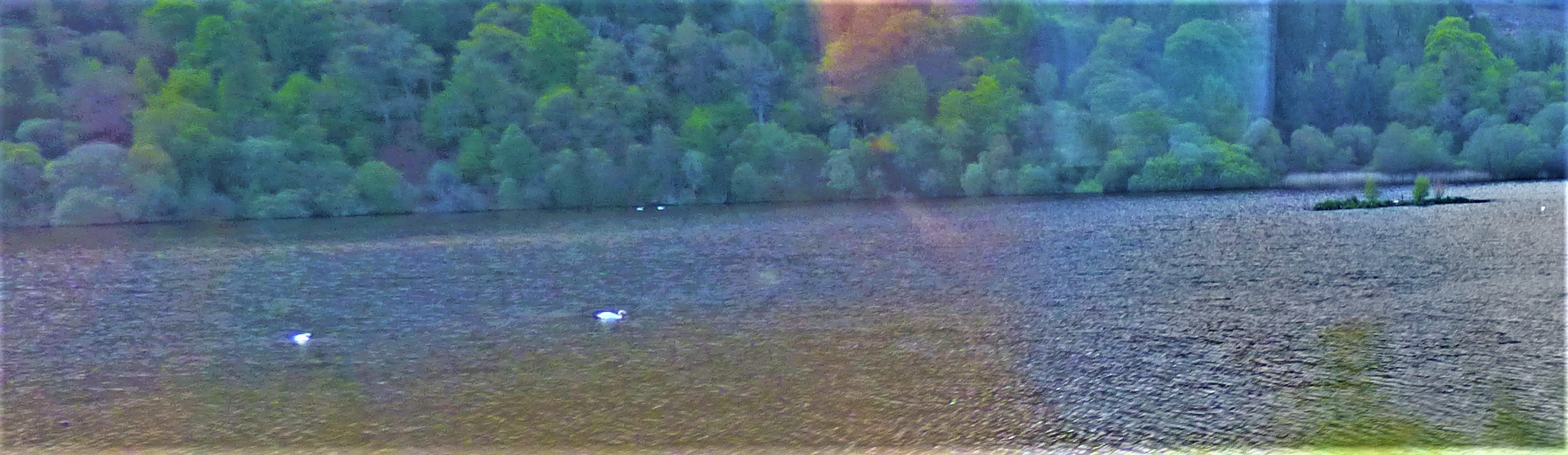
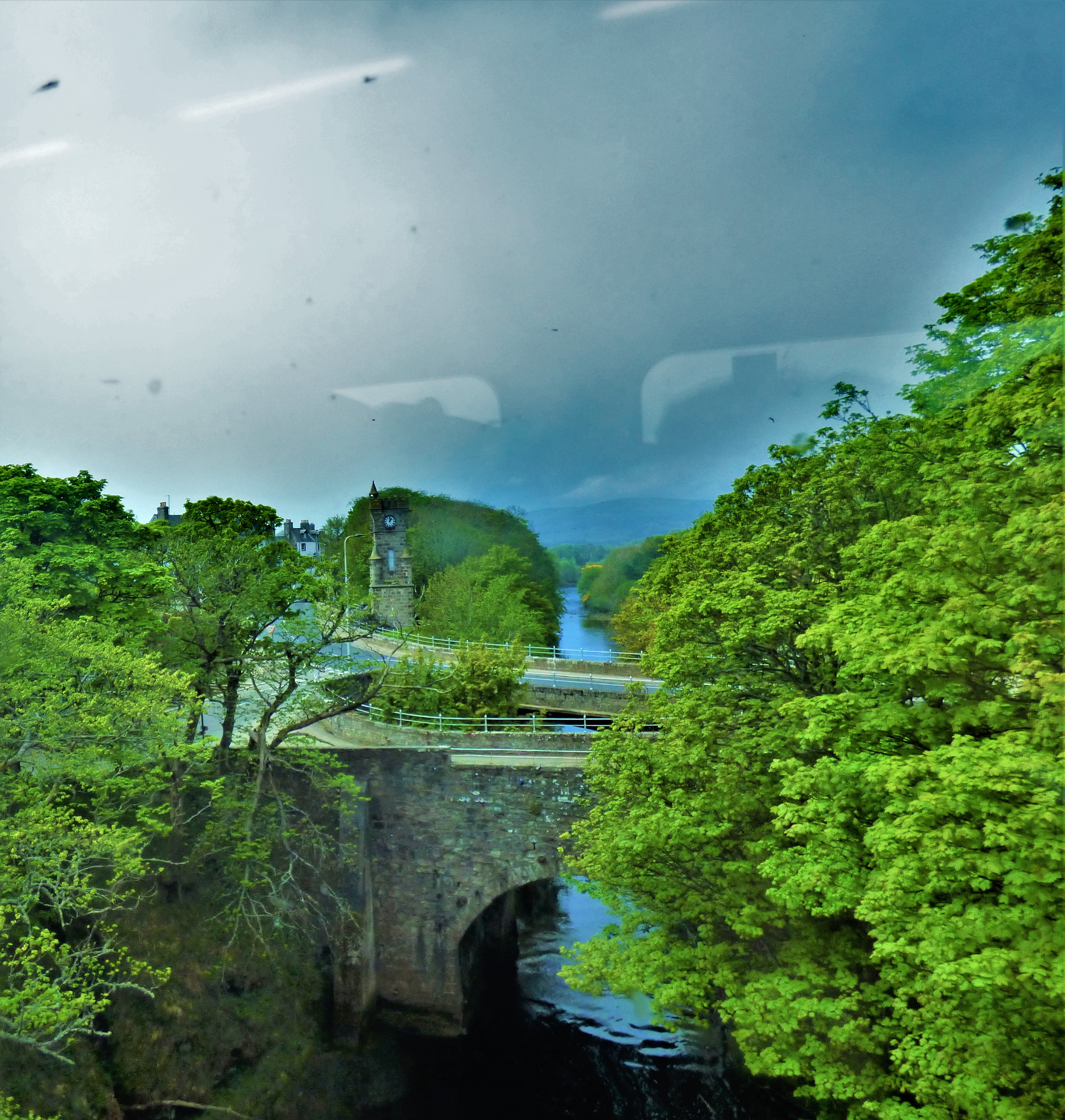
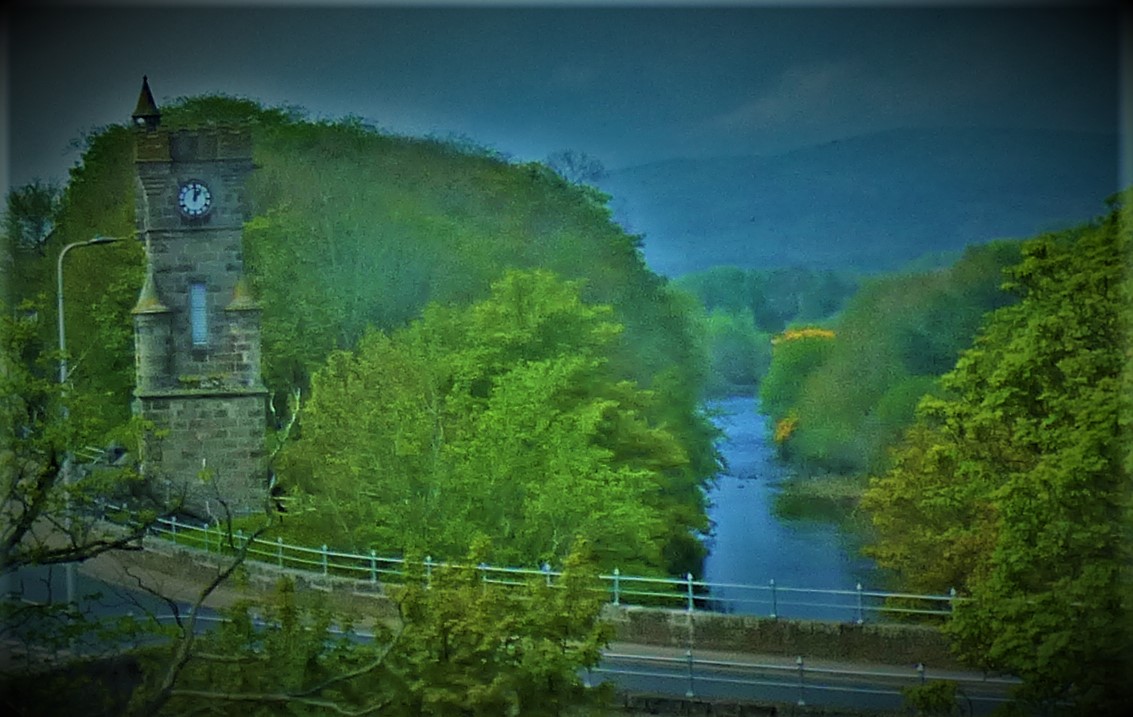
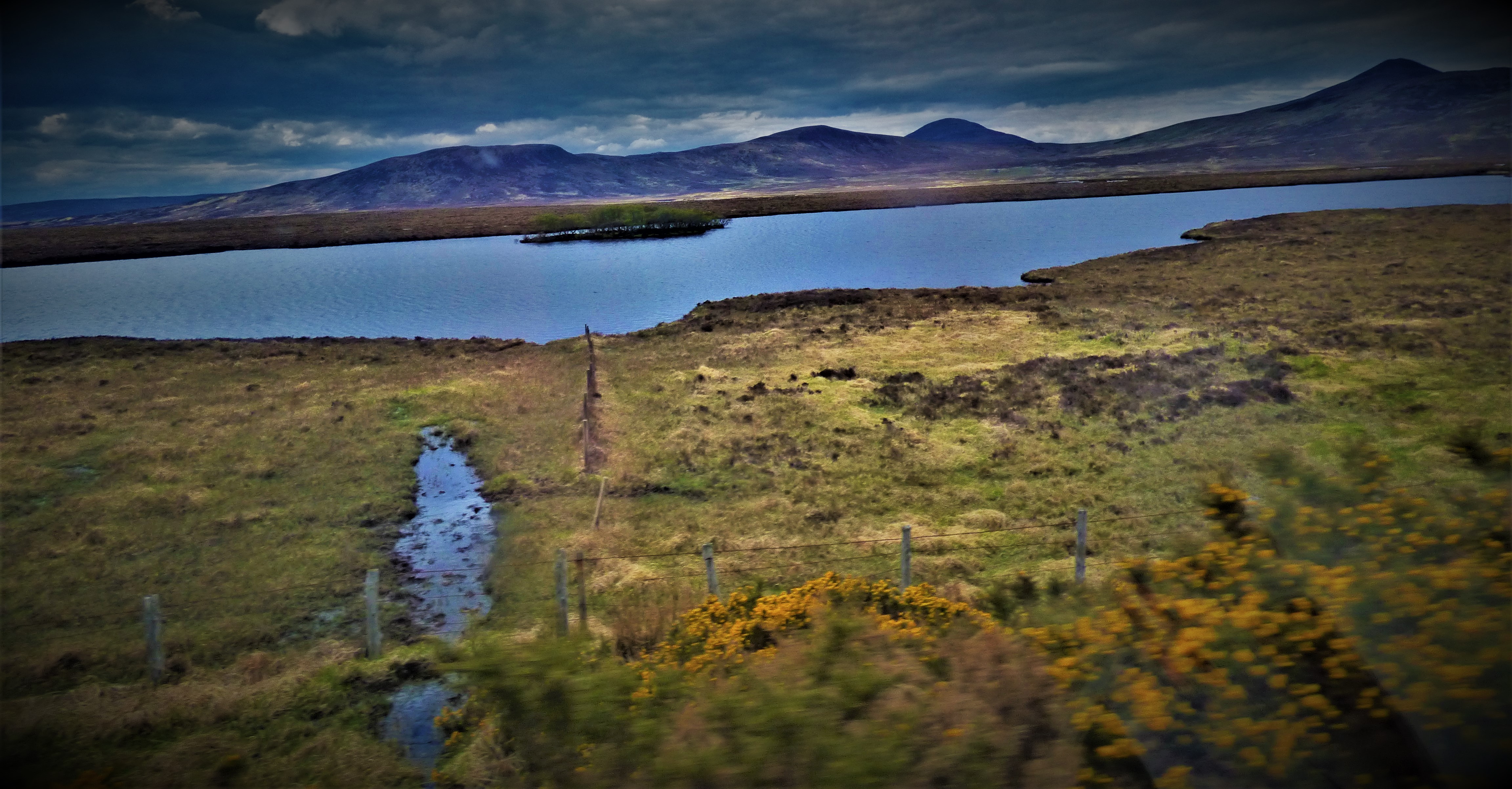
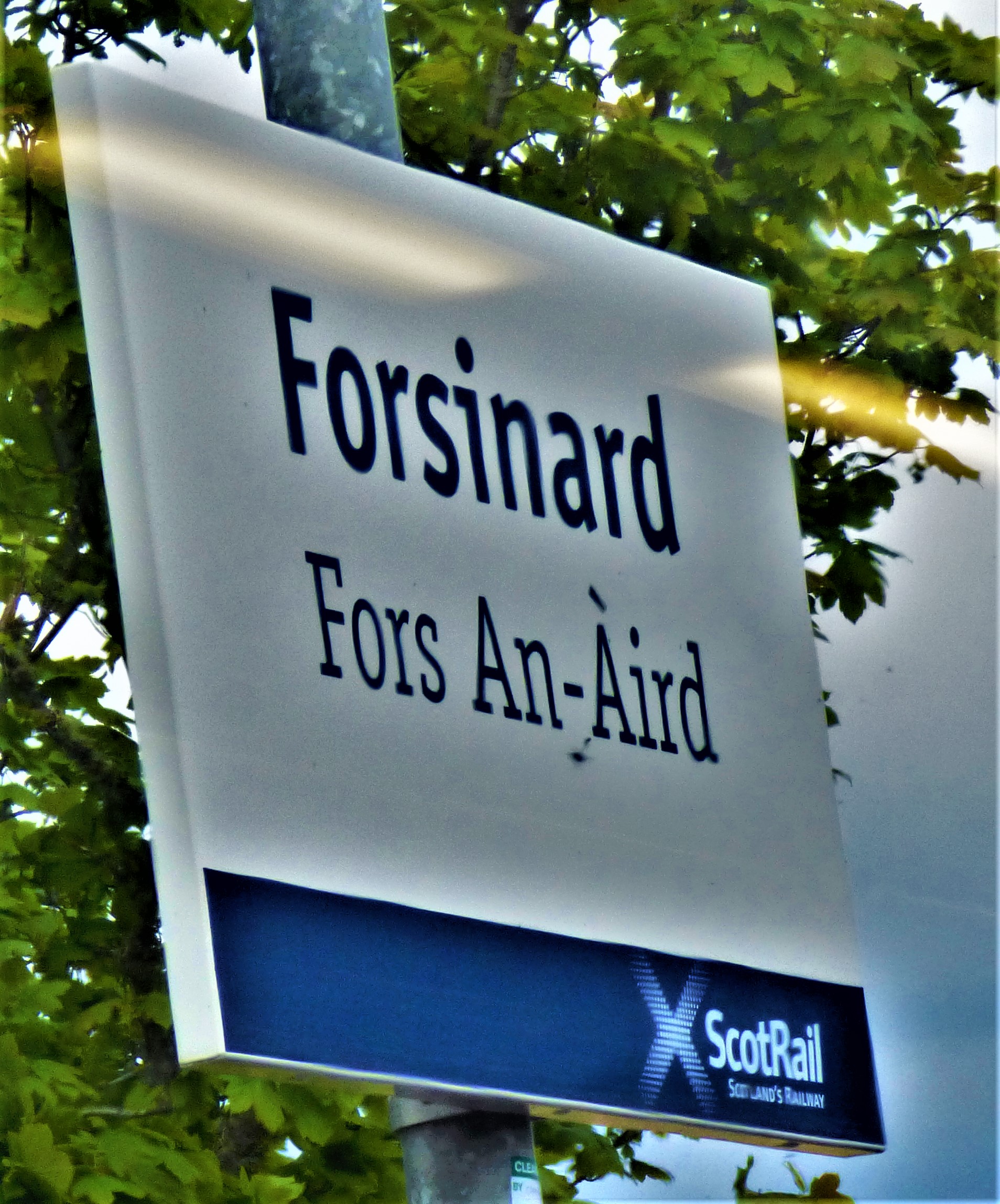
I was due to leave Perth at 11:15AM on May 31st, a time which was tailored to the fact that we had to be out of the building in Comrie by 10 at the latest – it was late enough not hurry our departure and early enough that the wait at Perth station would not be too long. This train was running a Perth to Edinburgh route and stopped at a number of places. There were some fine views, although I had put myself on the less good side of the train. I was worrying at one point as it ran late, and indeed I had only eight minutes to make the connection at Edinburgh, but I was never actually in any danger of missing that connection. The train from Edinburgh to Peterborough ran smoothly, though my reserved seat was on the less good side of the train for photography. At Peterborough I had a wait of about 20 minutes for the bus to King’s Lynn. This part of the journey also ran smoothly, and I arrived at the bus station a little before 6:40PM, and was home just before 7PM.
PHOTOGRAPHS
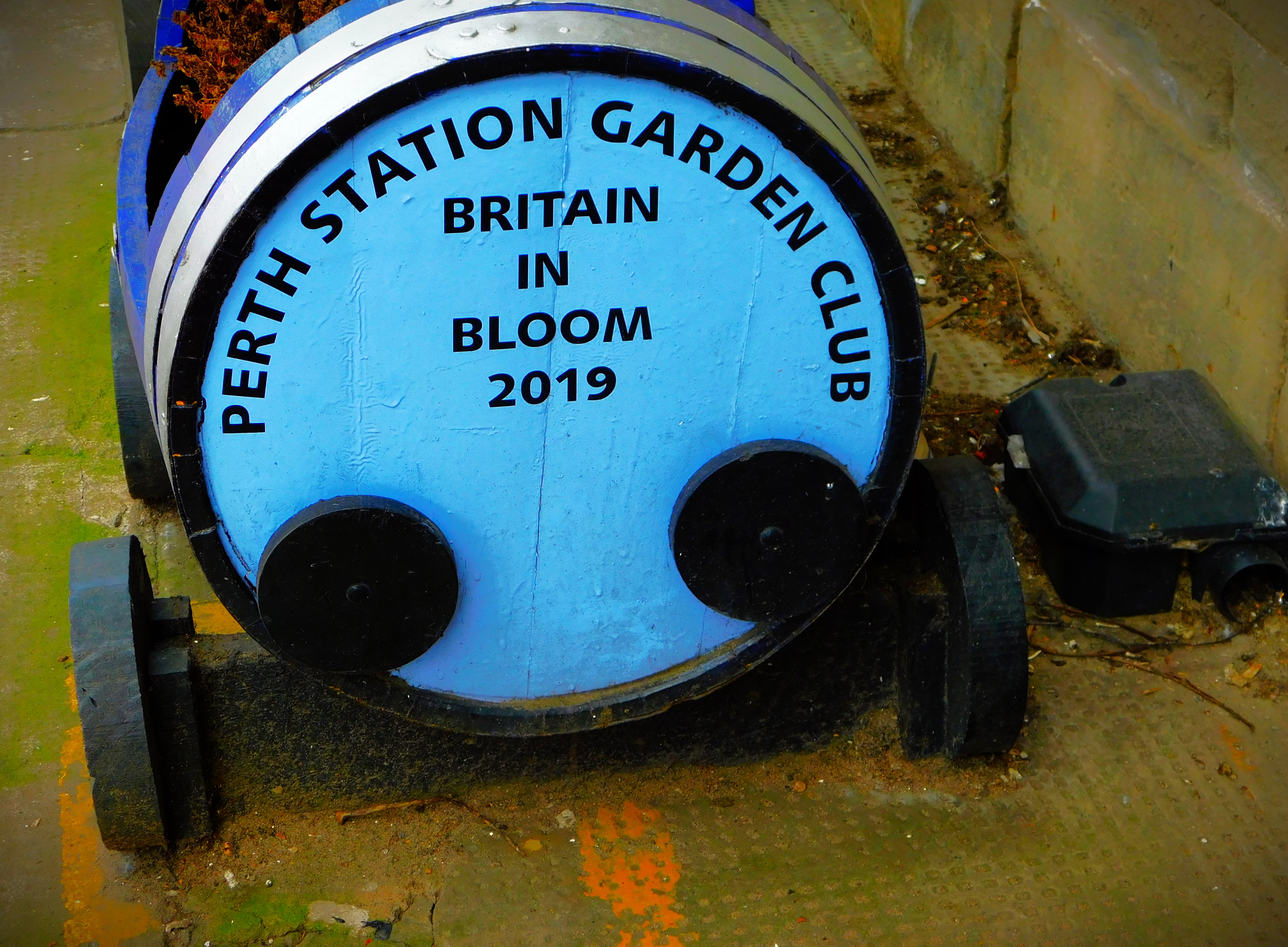
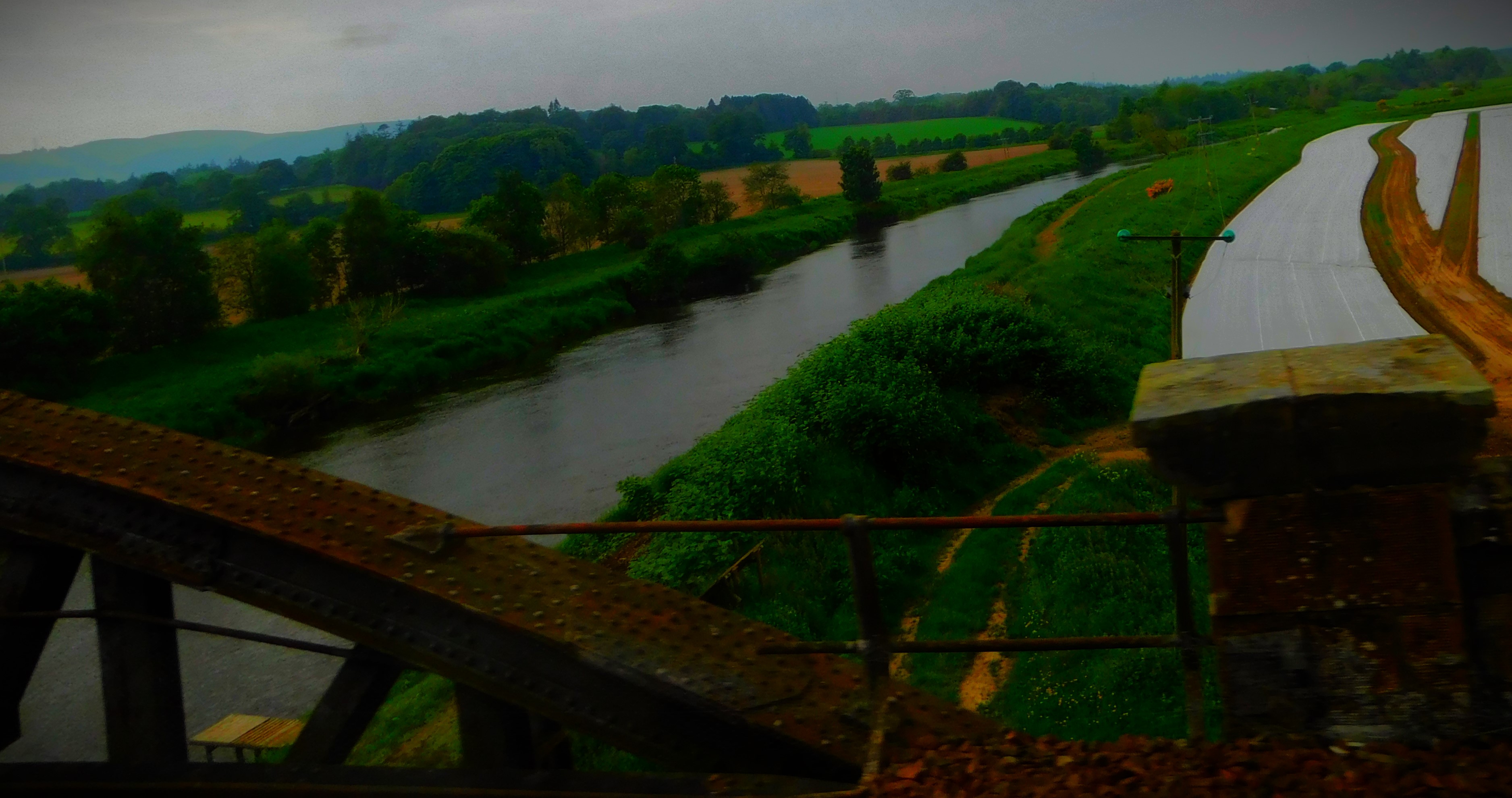
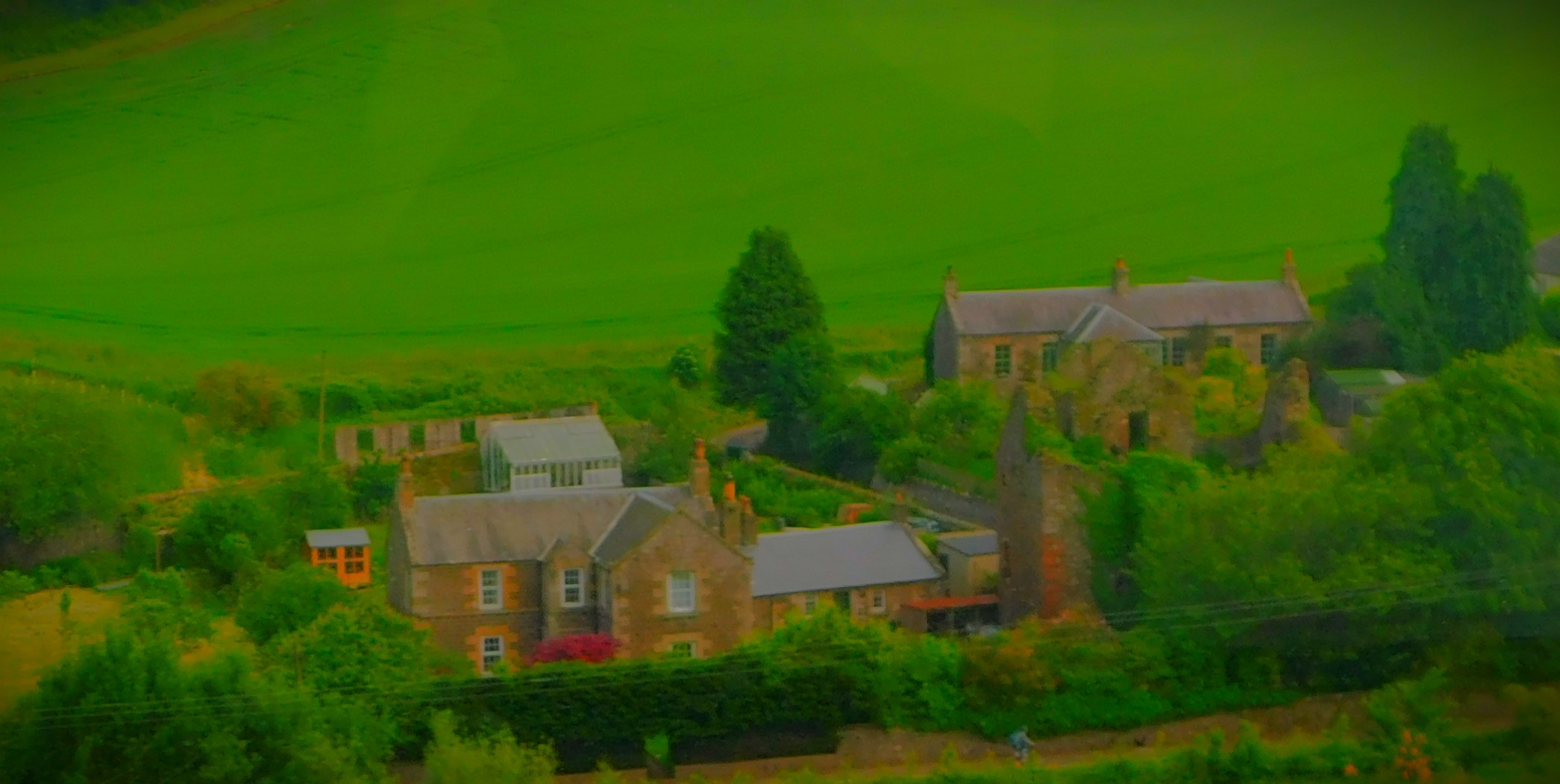
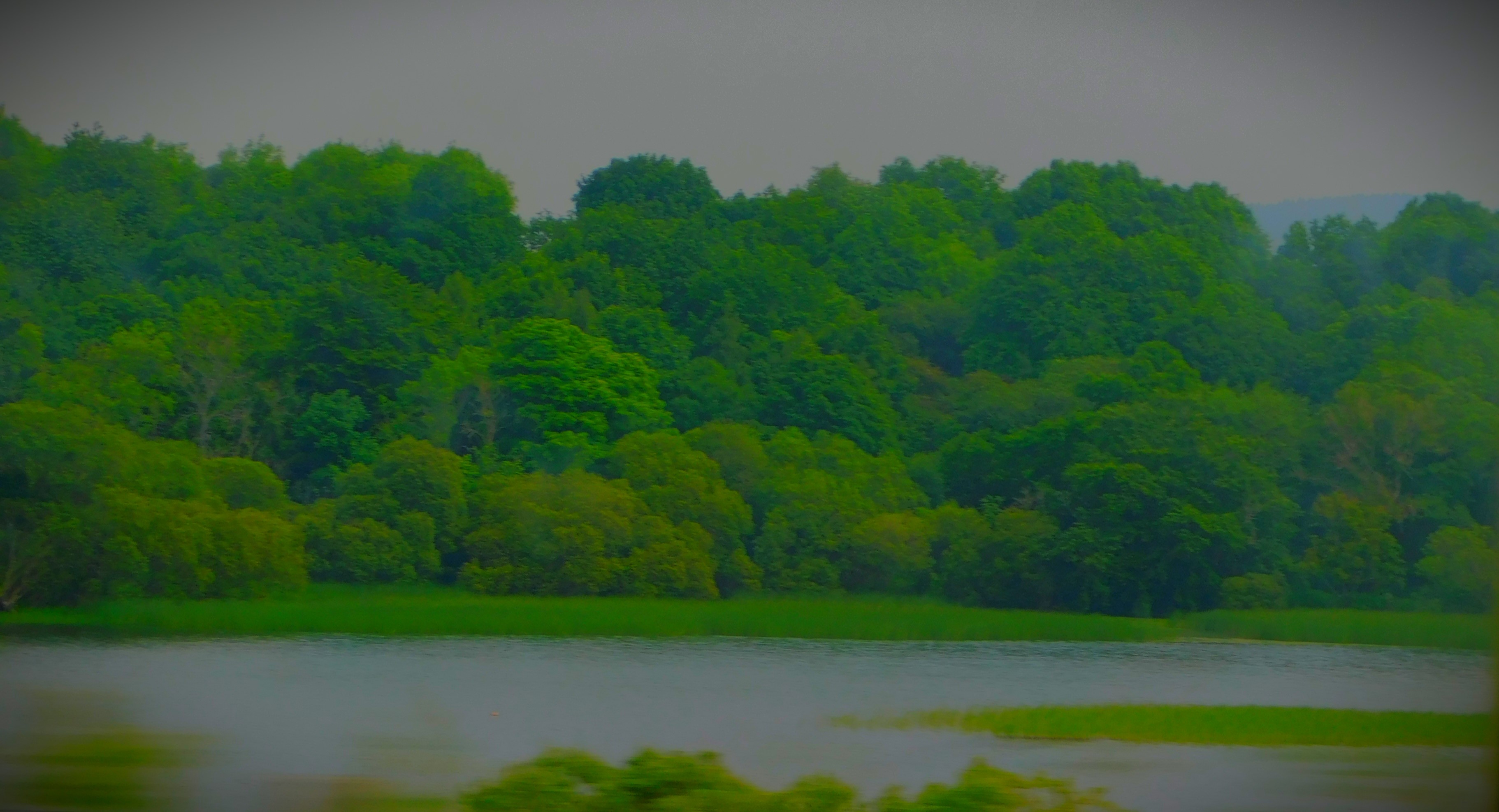
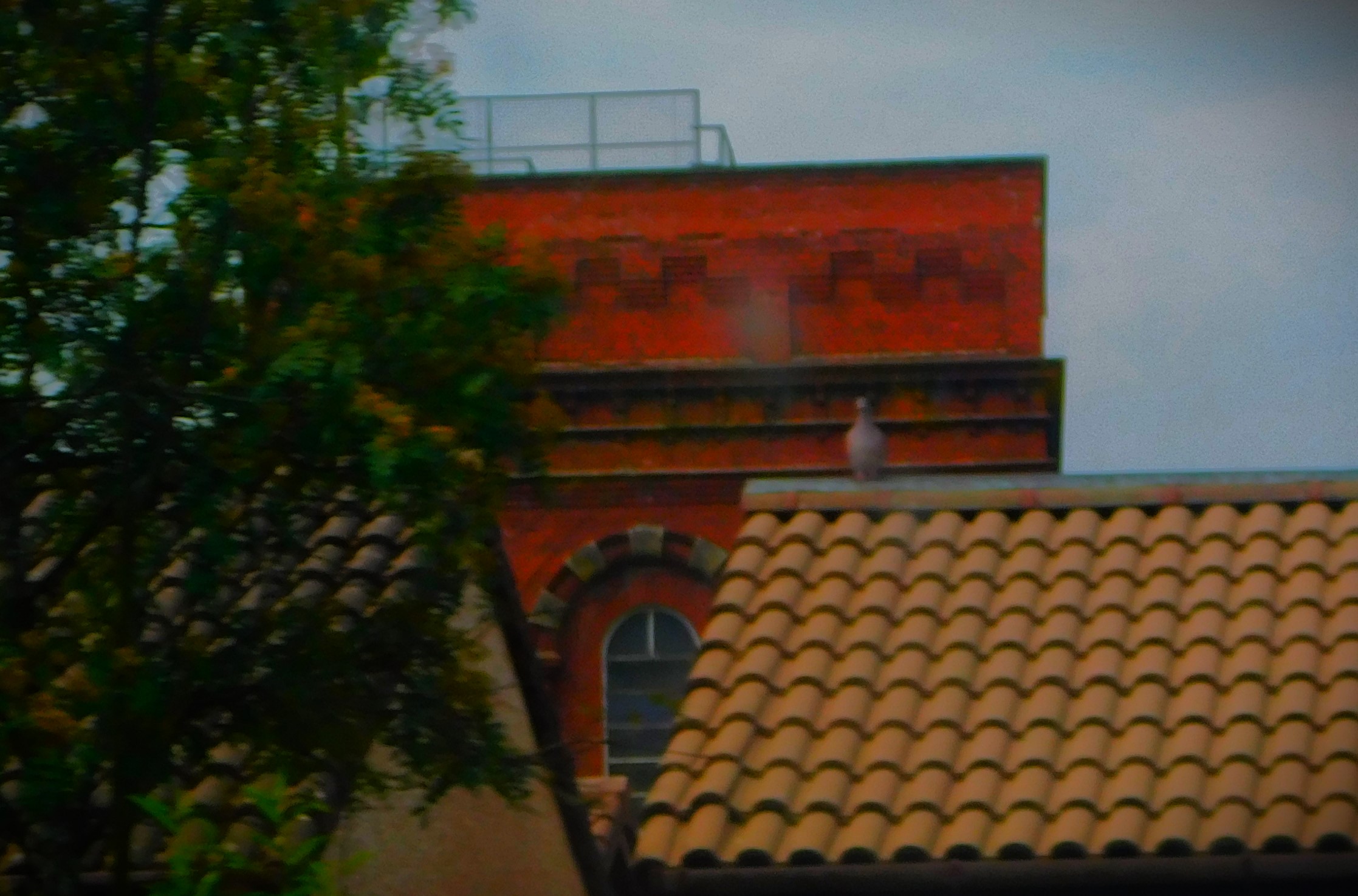
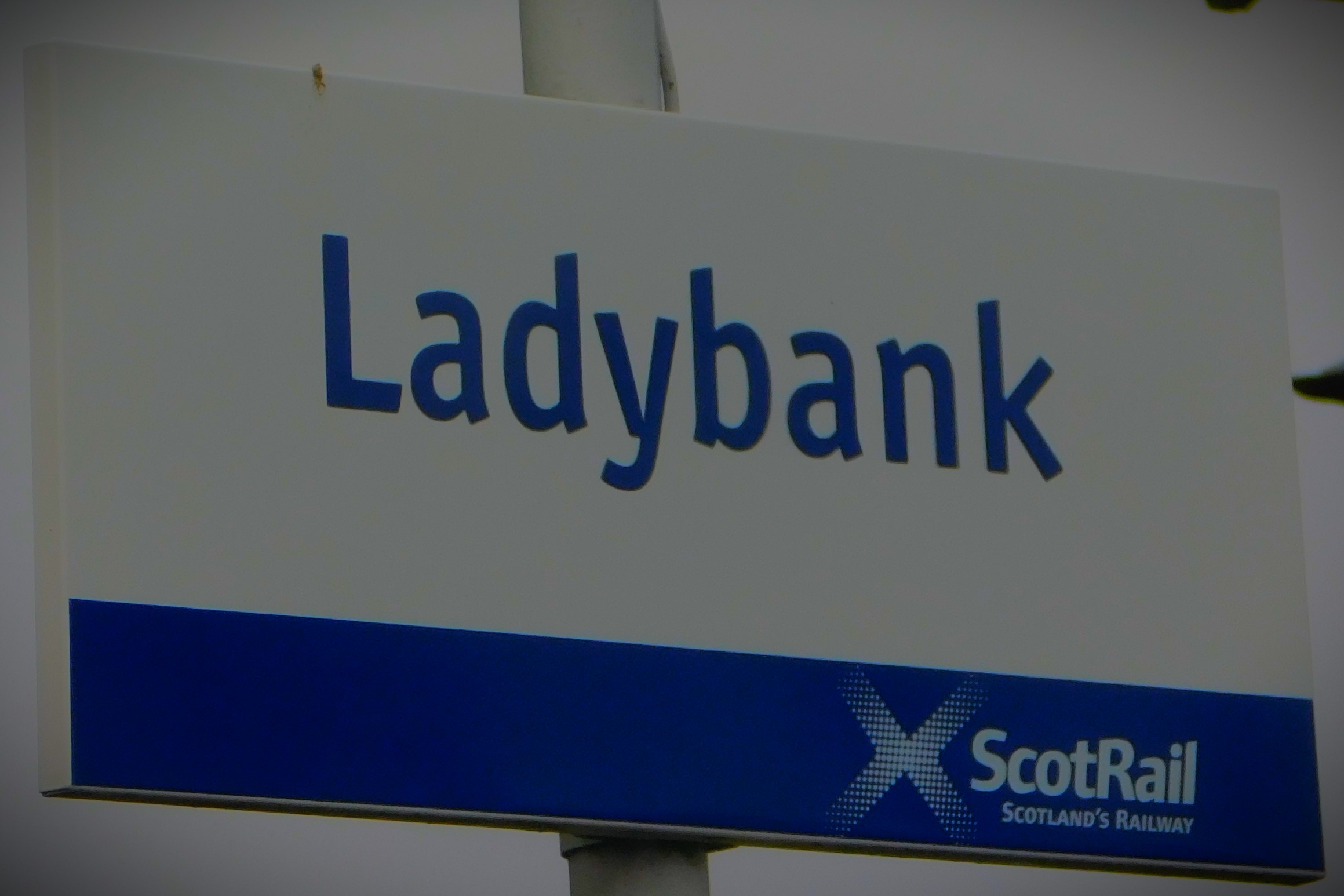
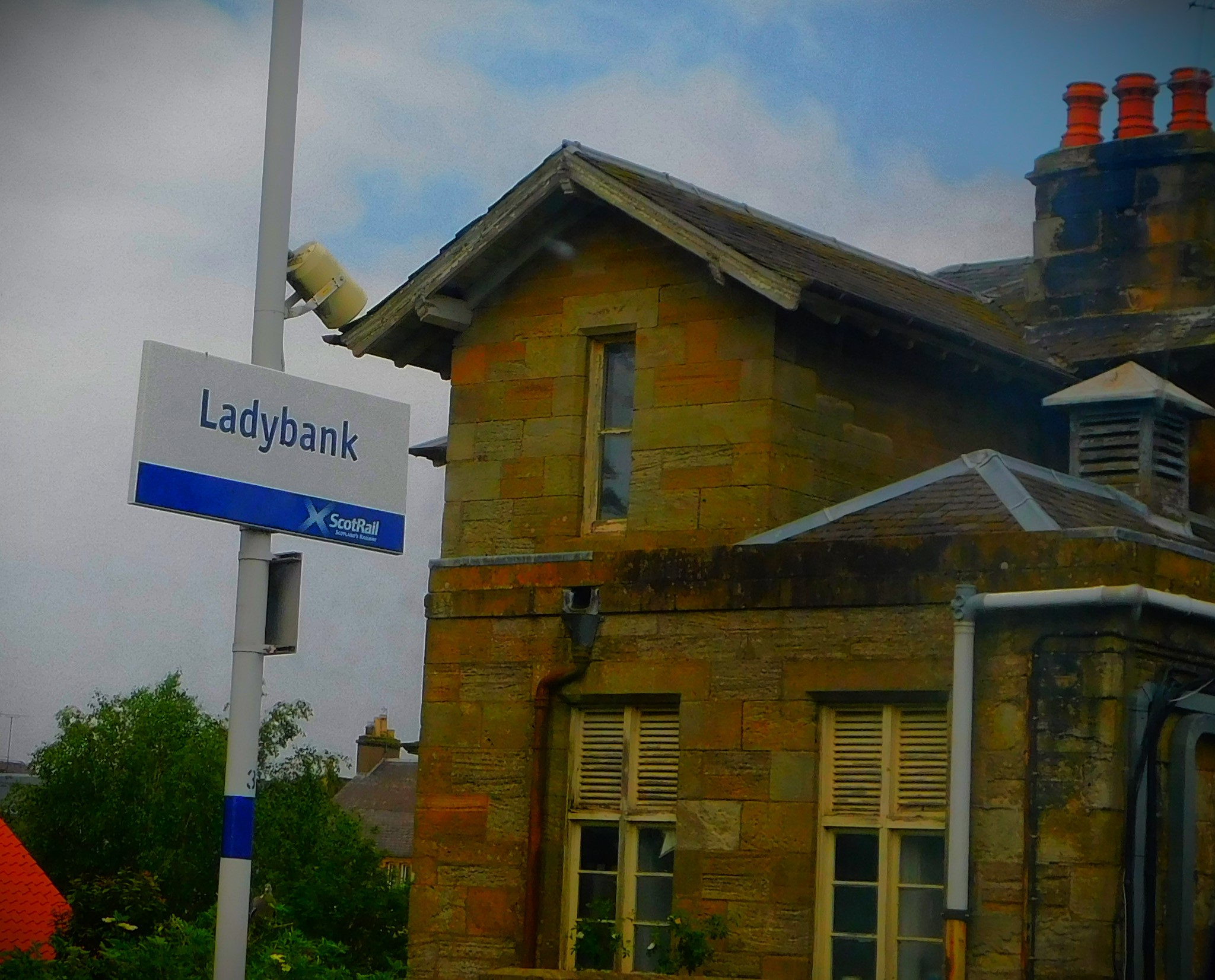
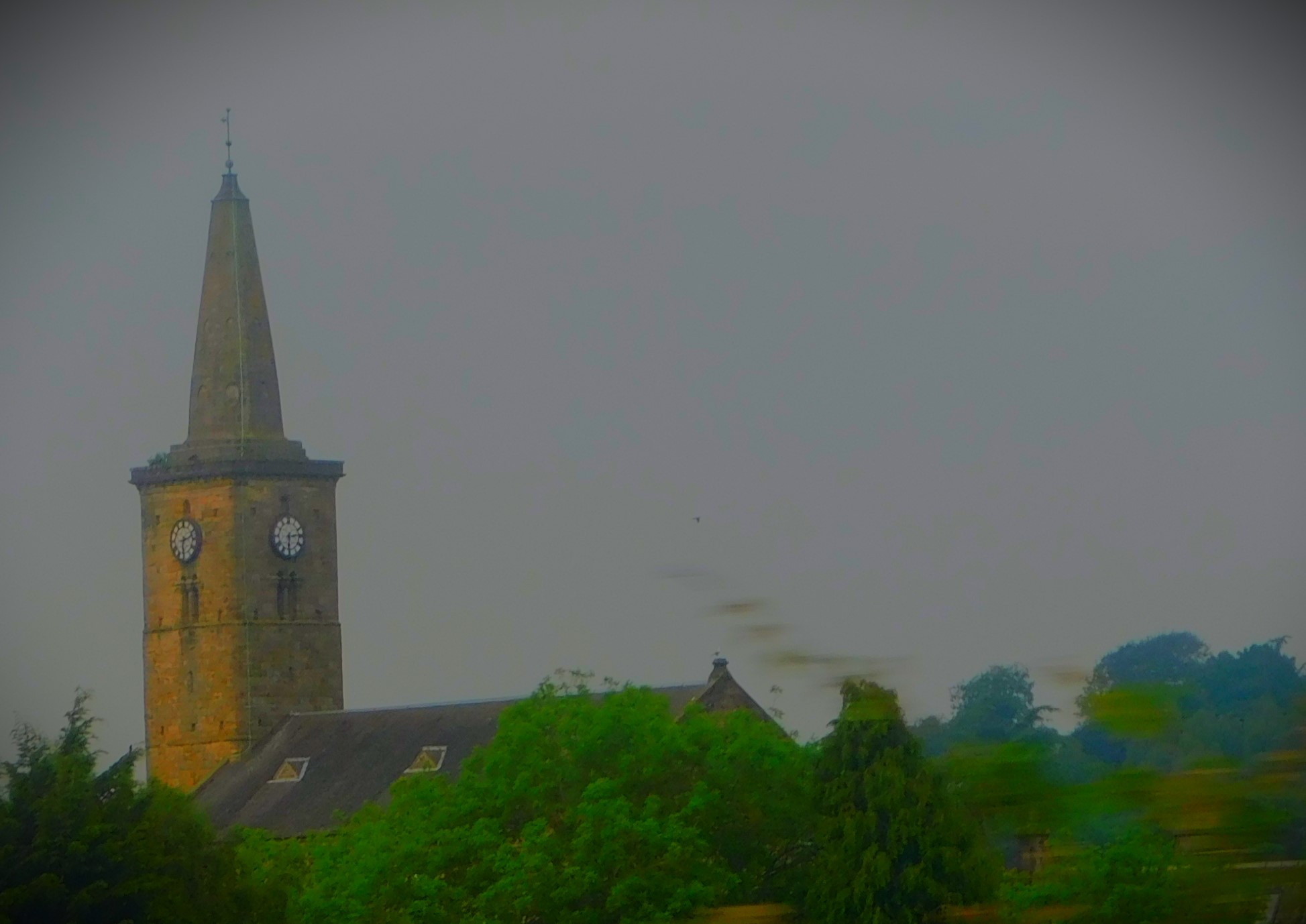
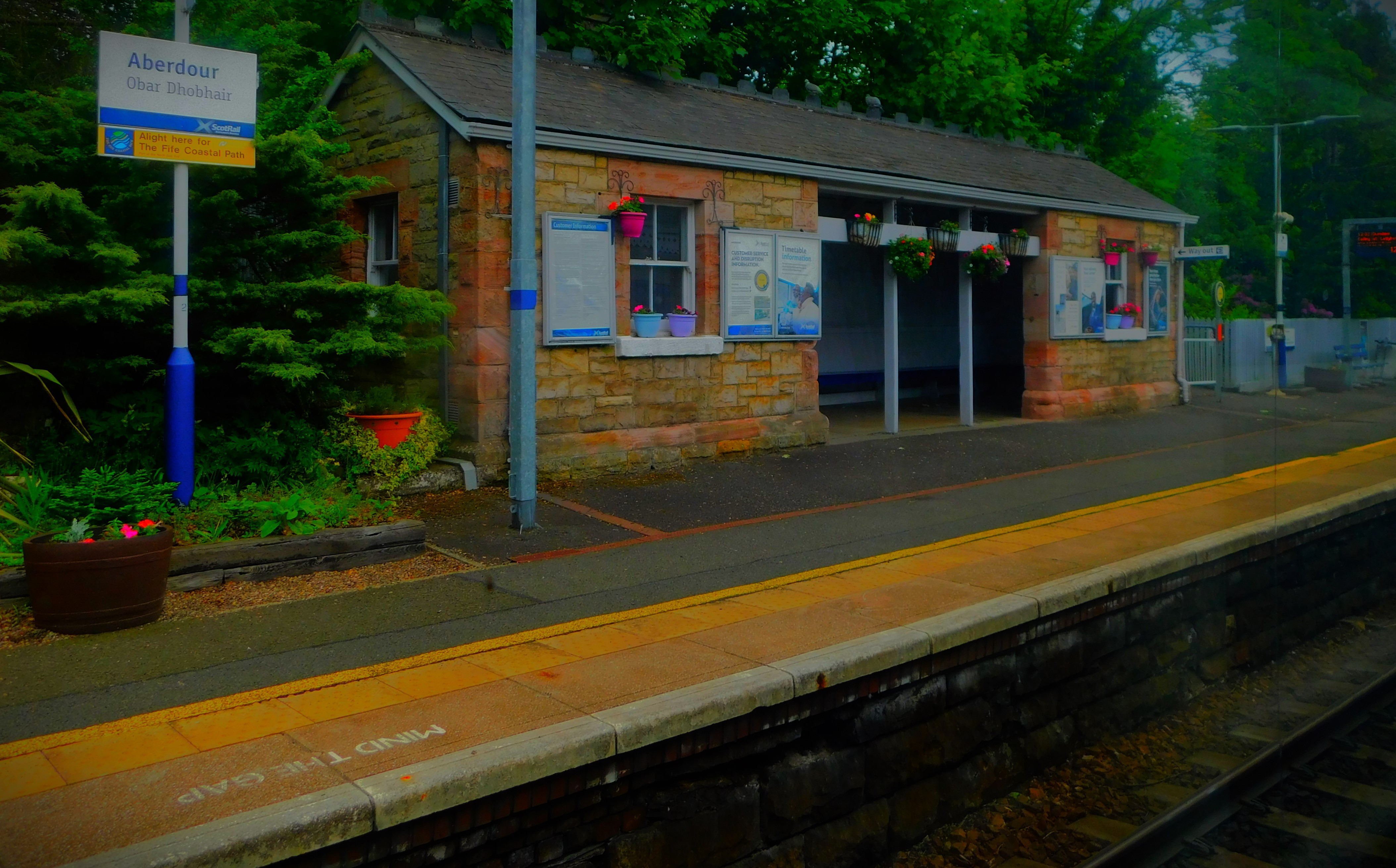
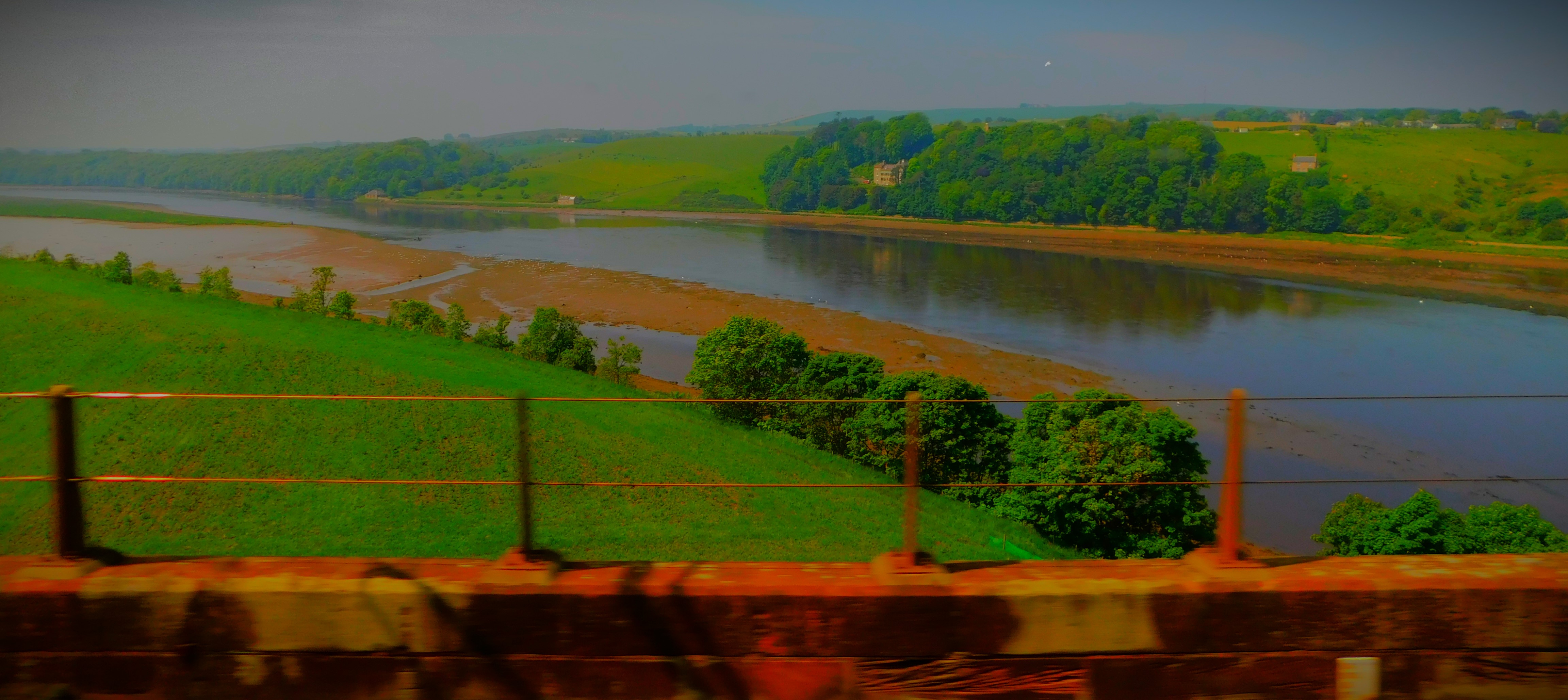
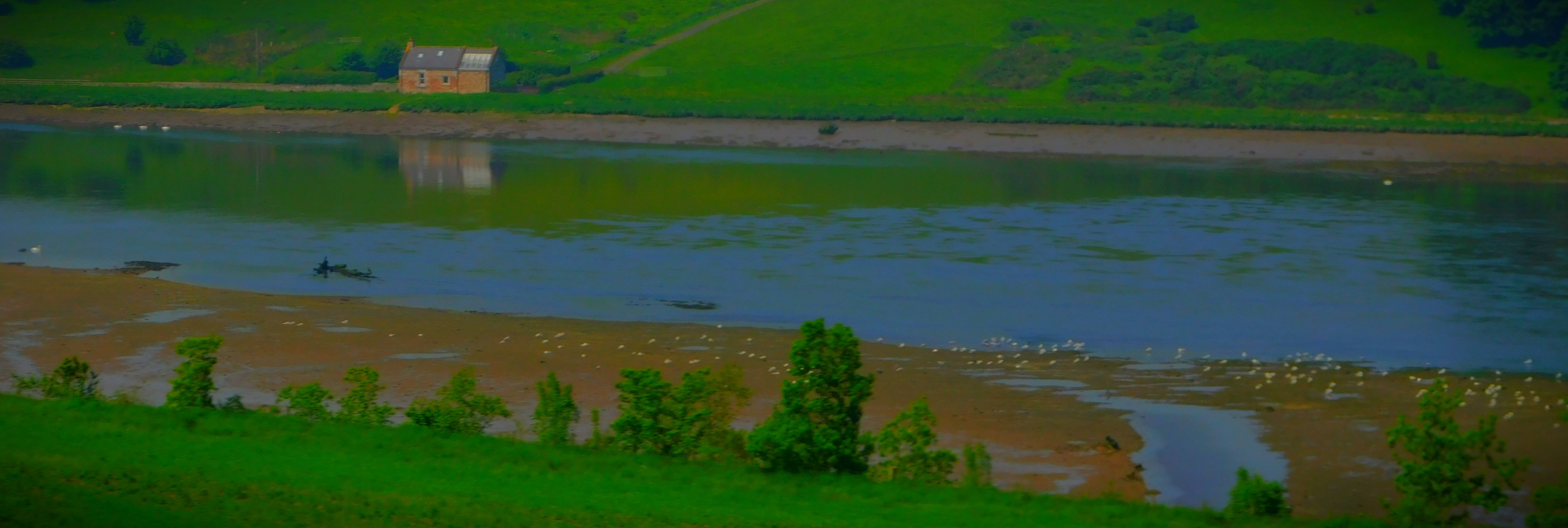
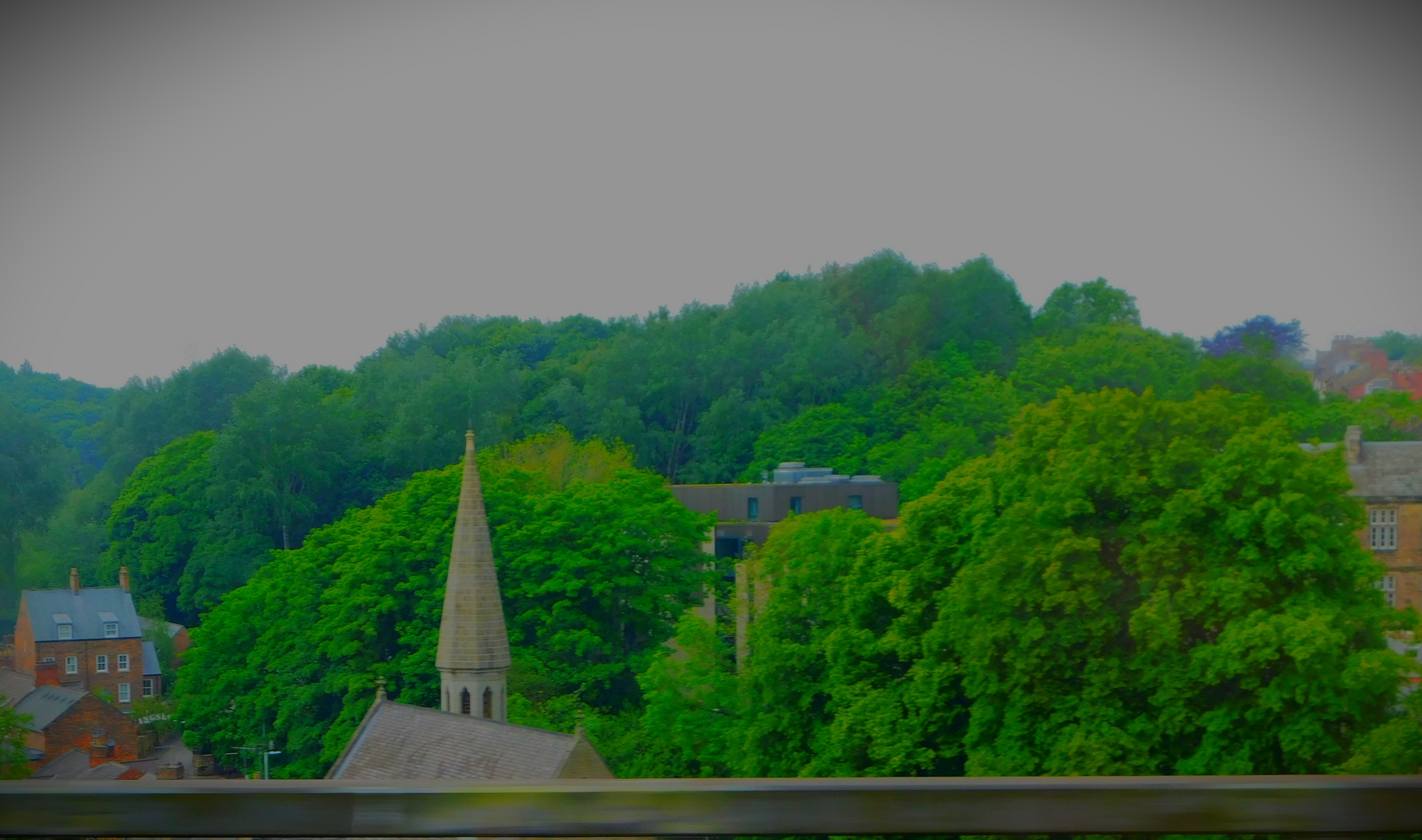
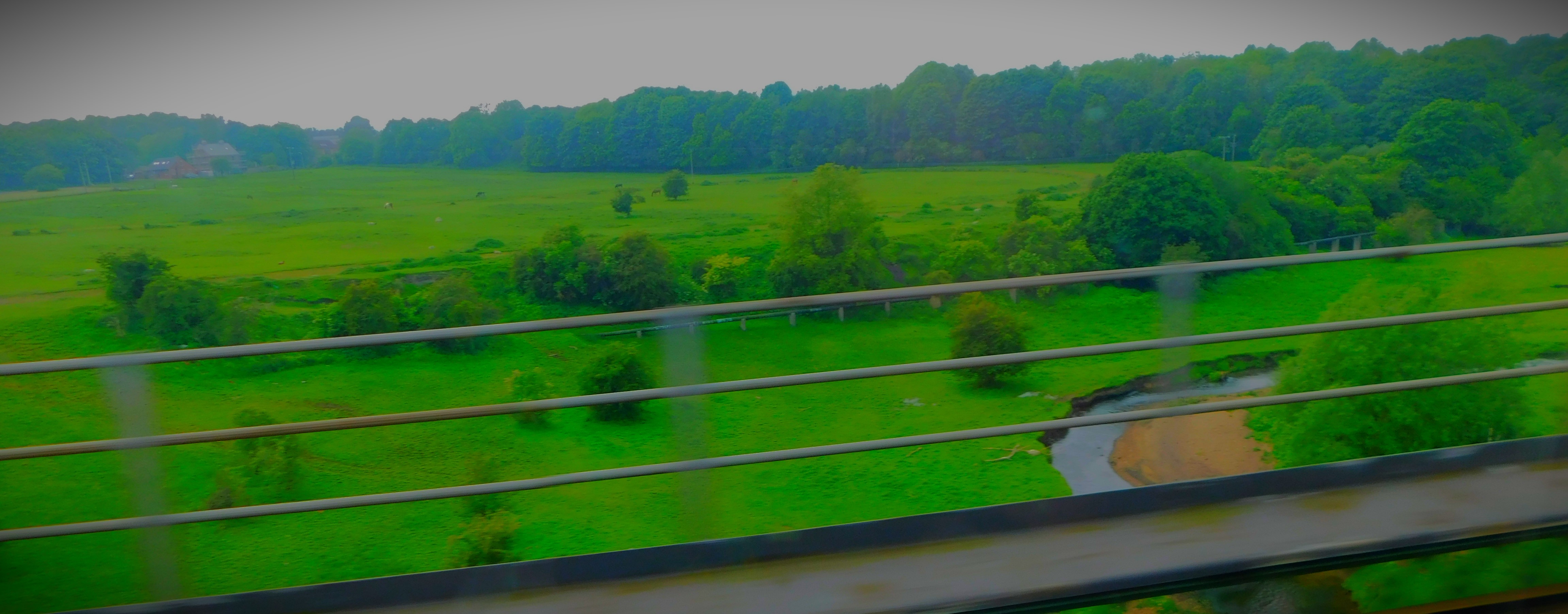
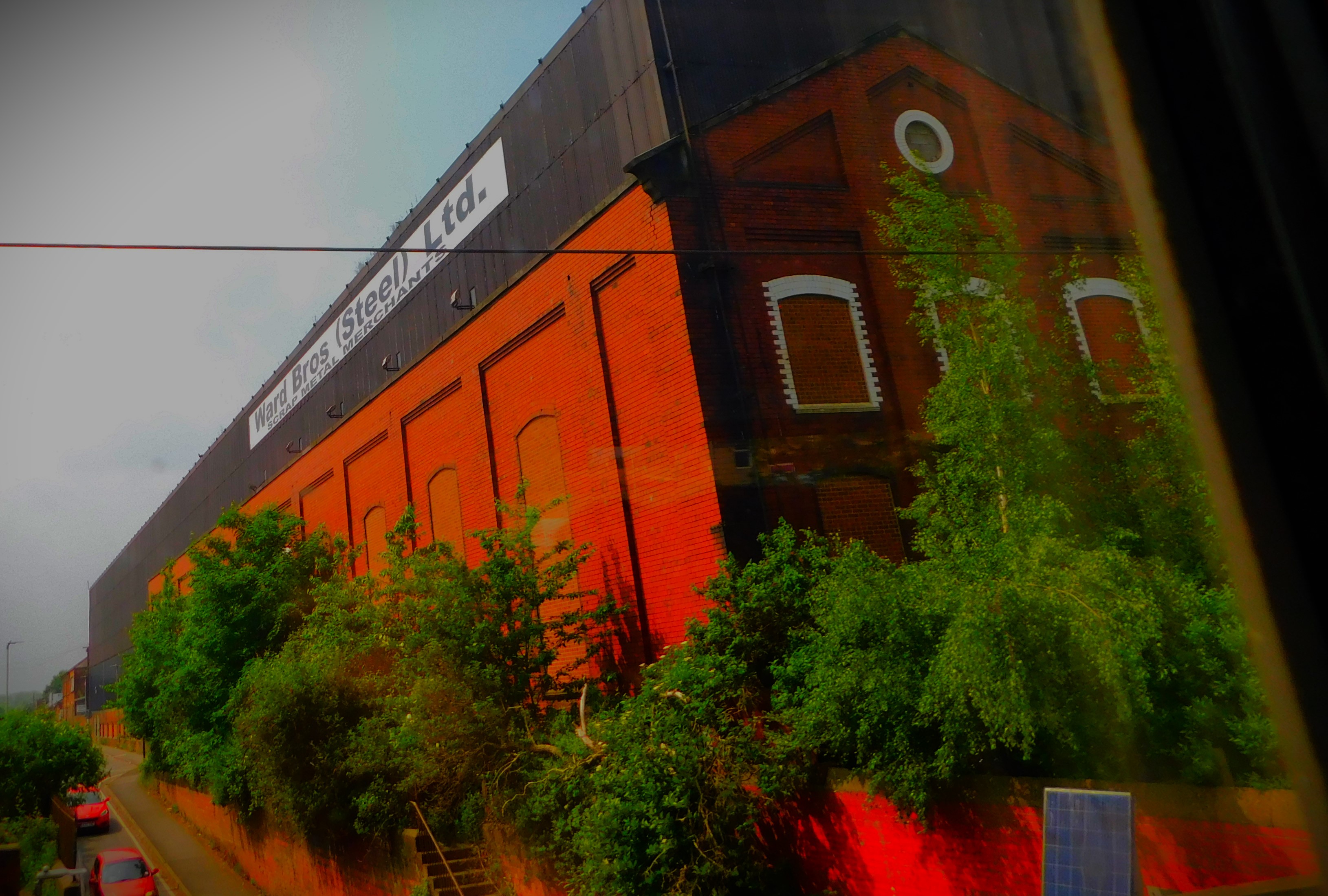
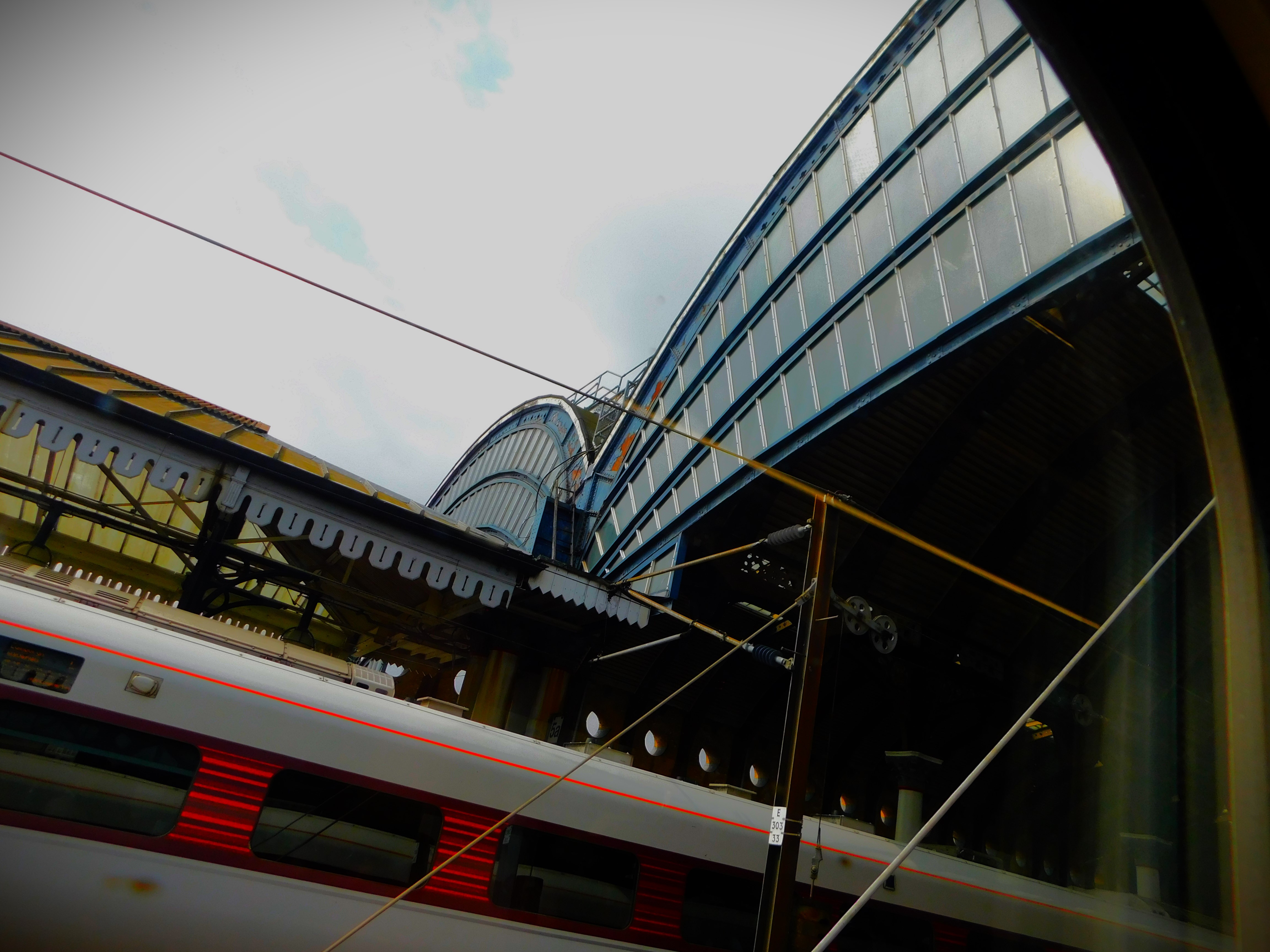
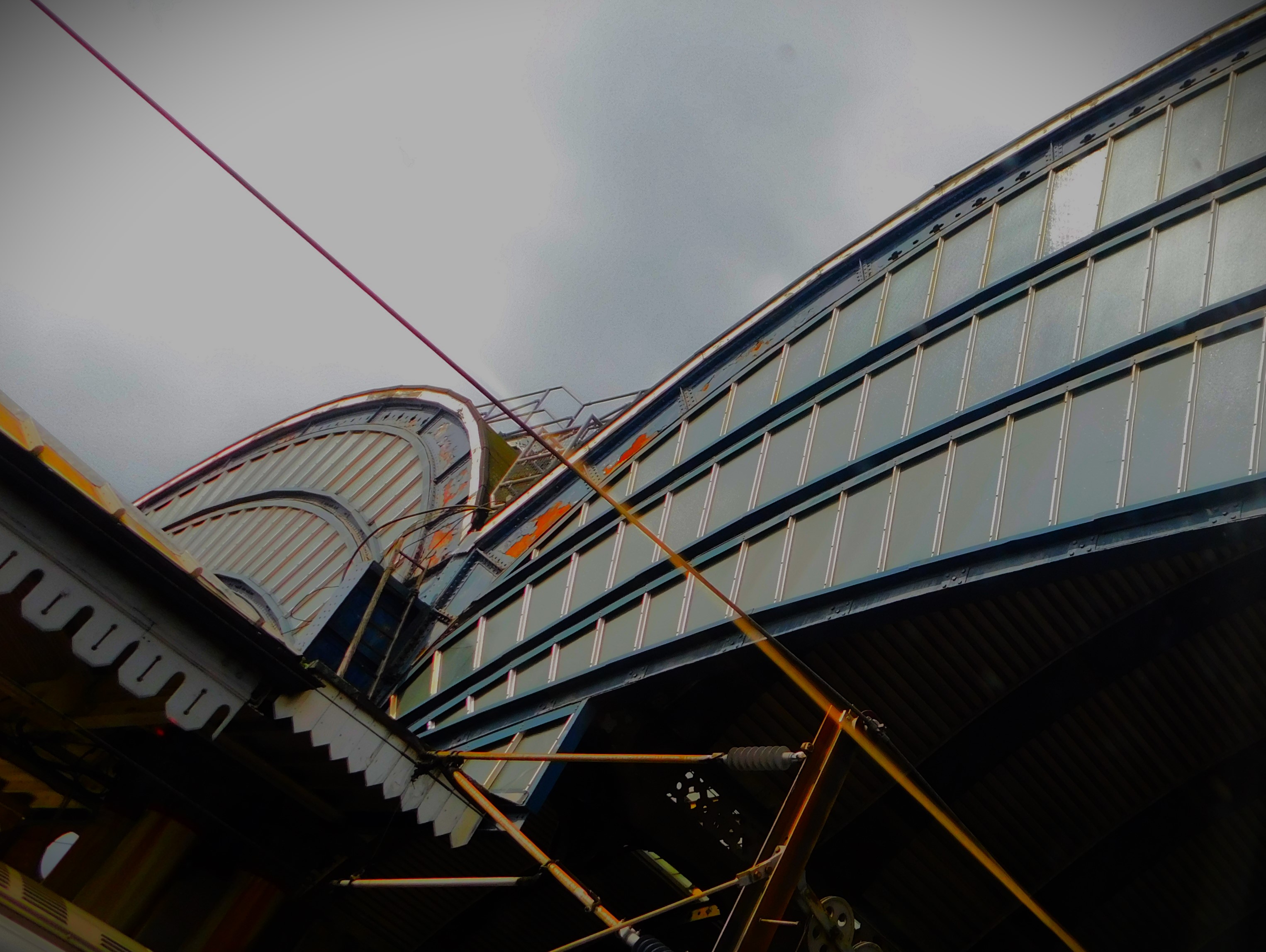
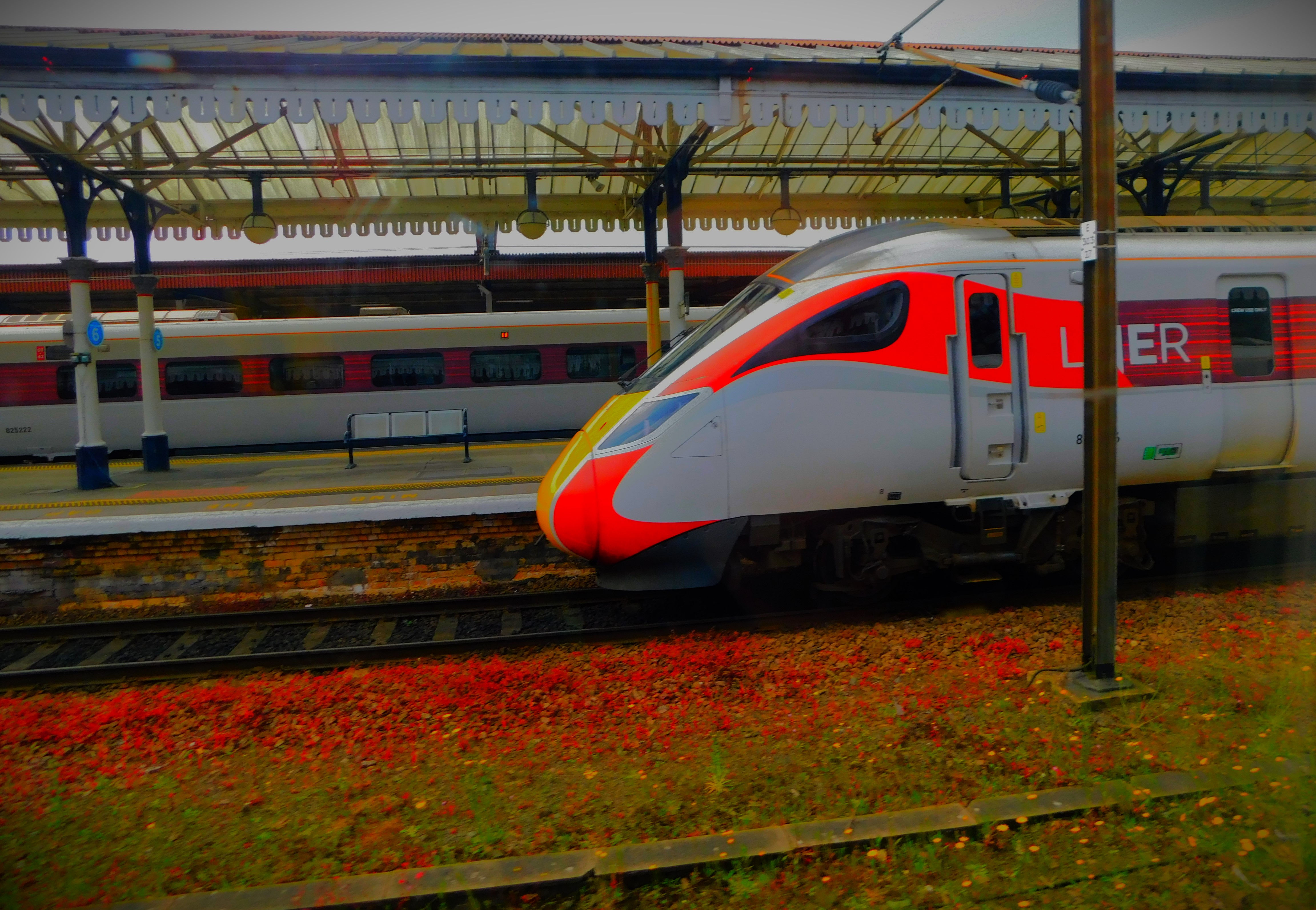
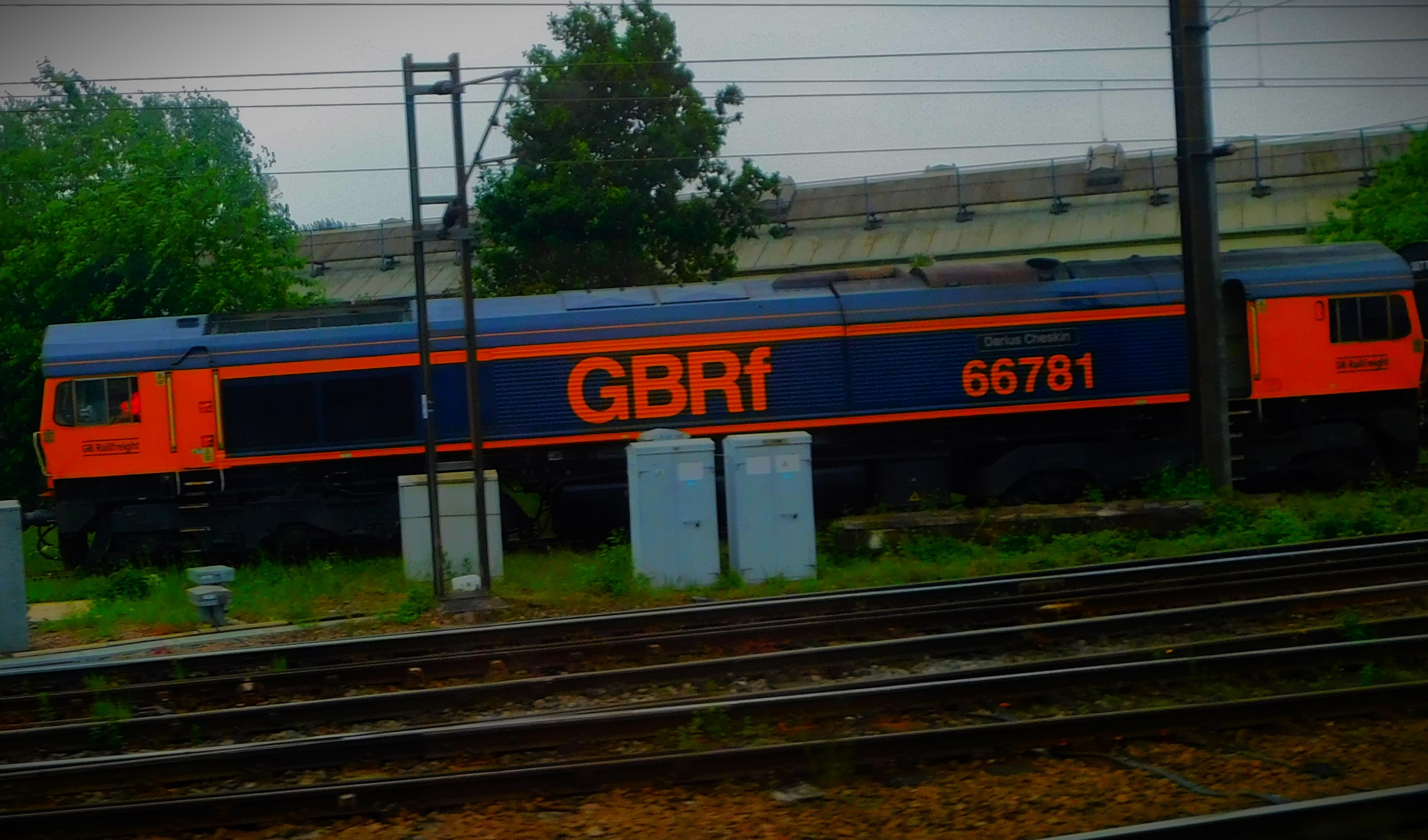
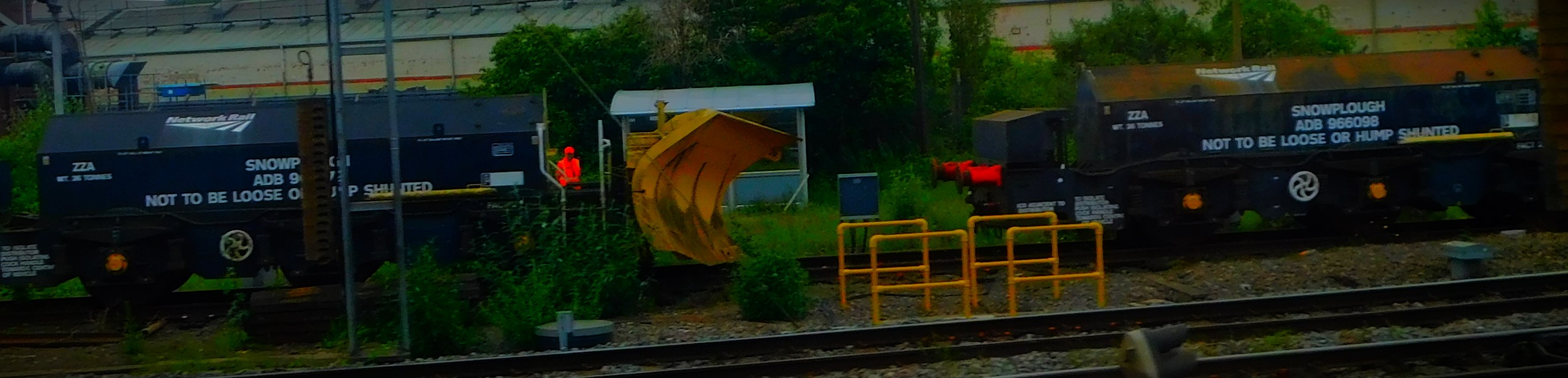
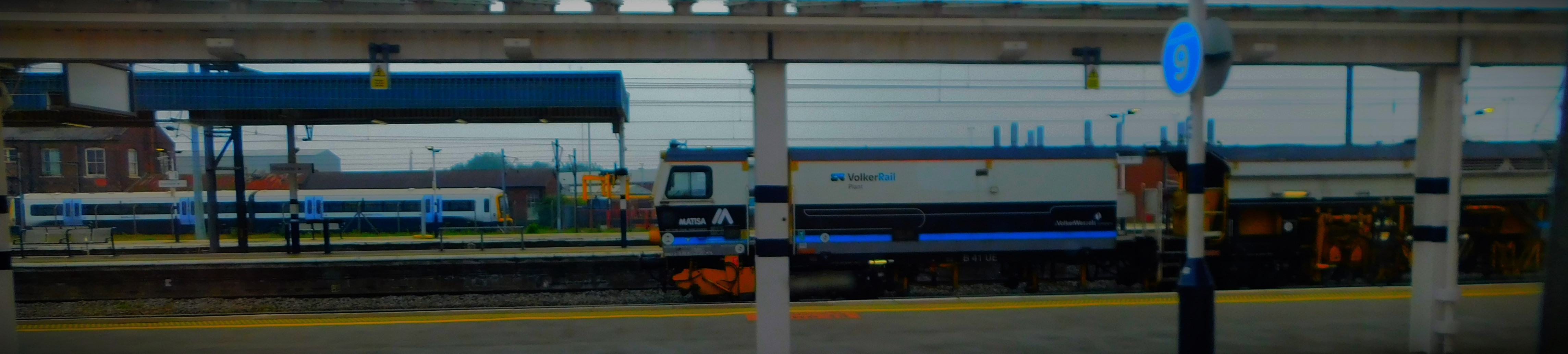
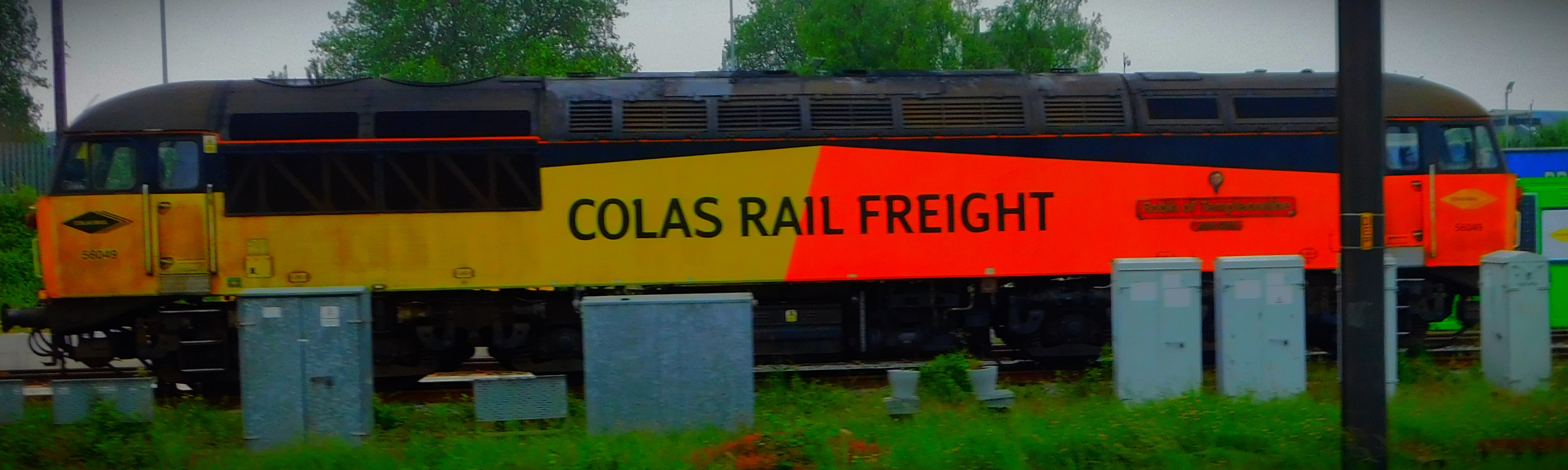
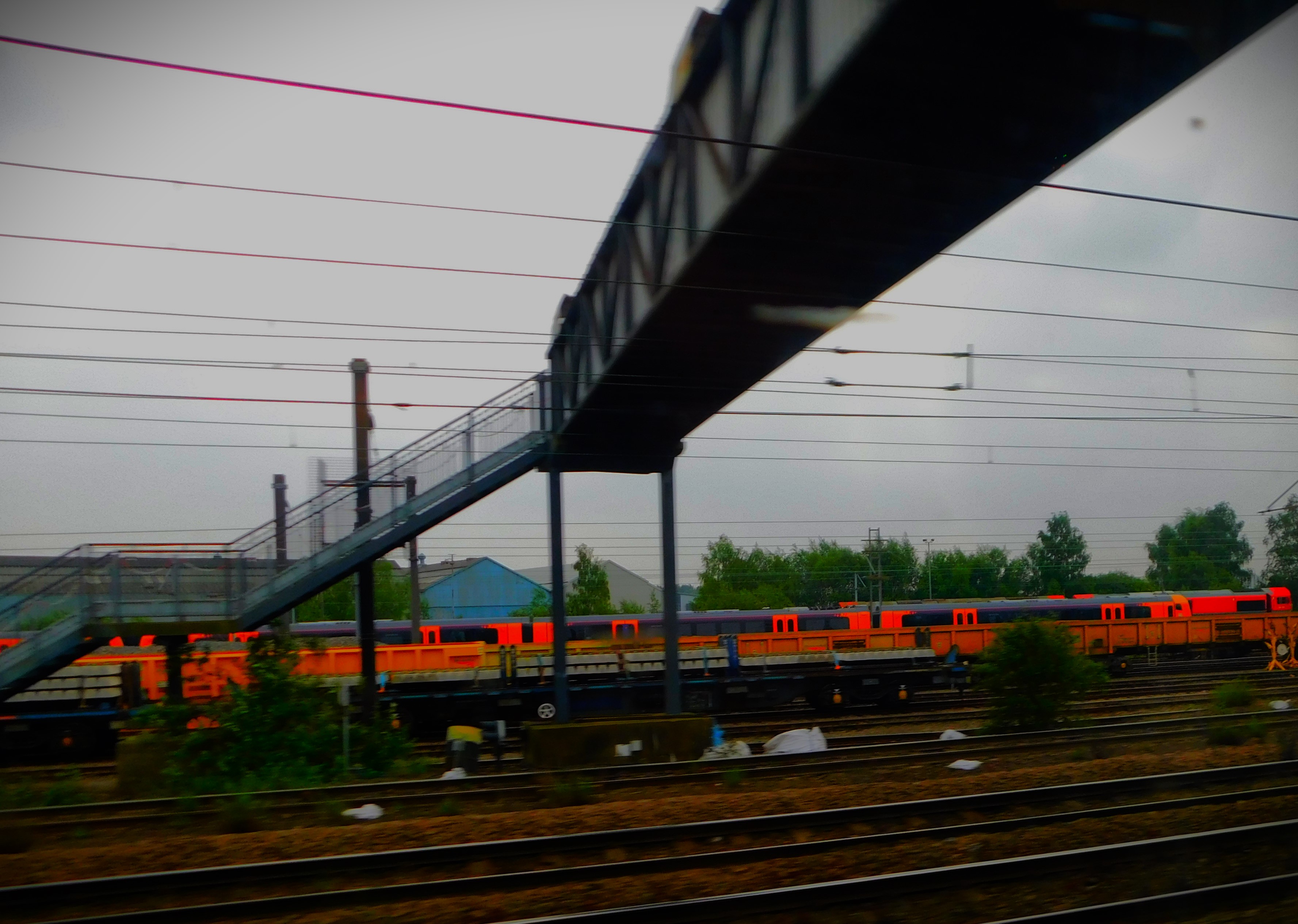
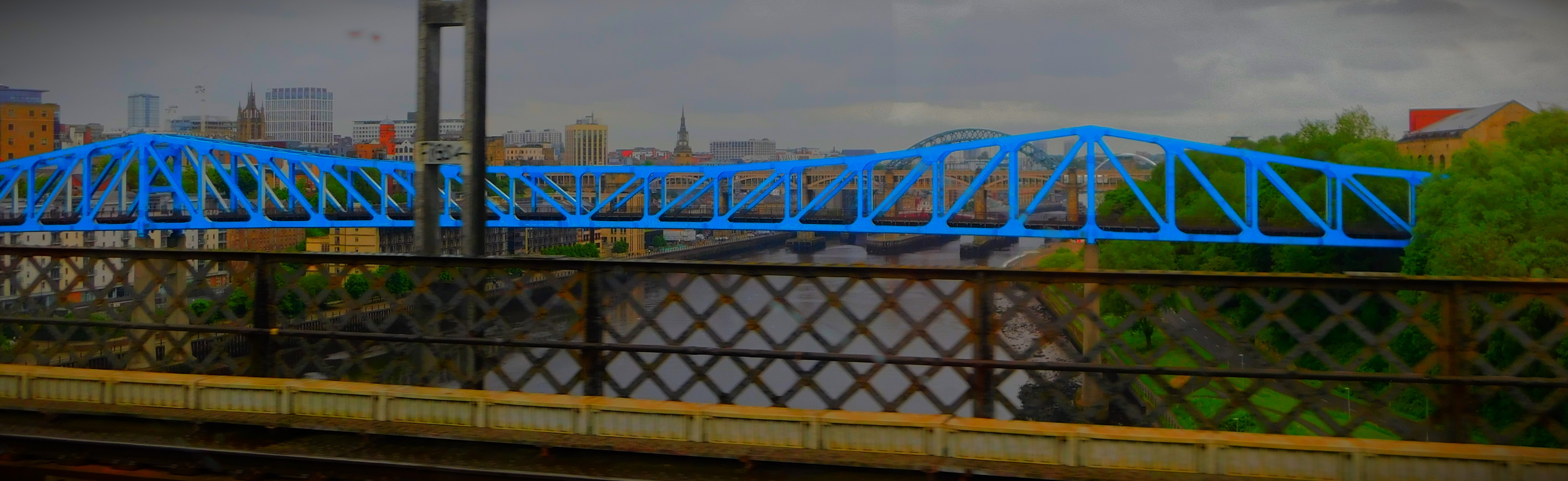
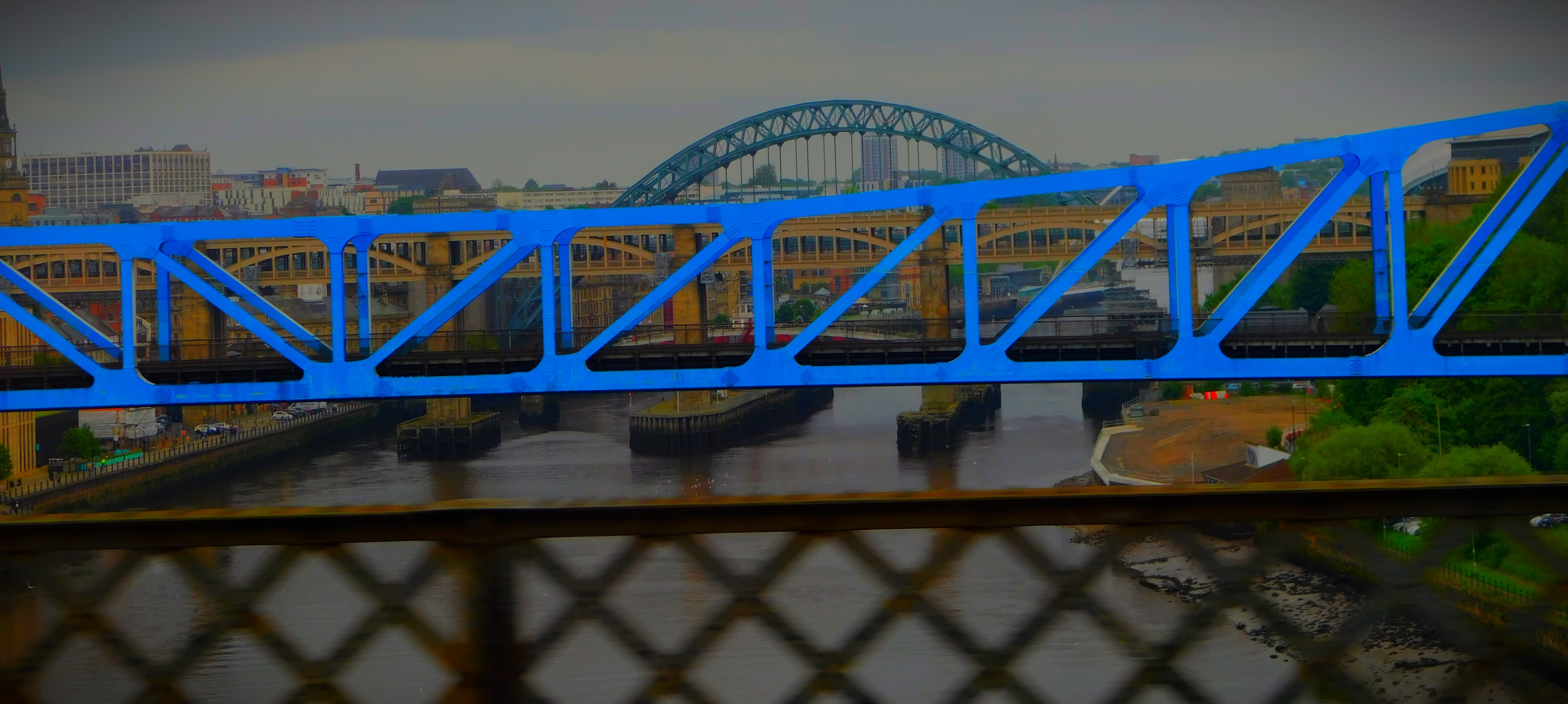
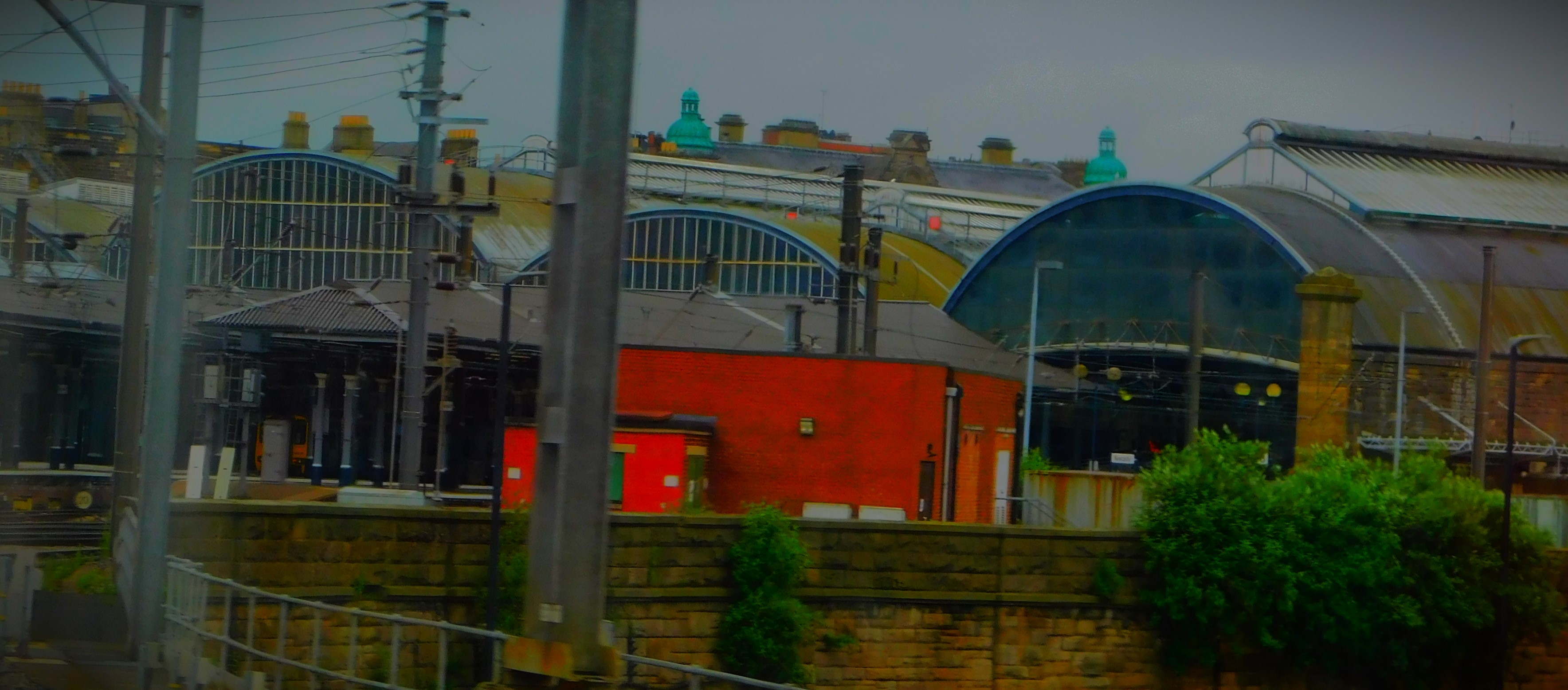
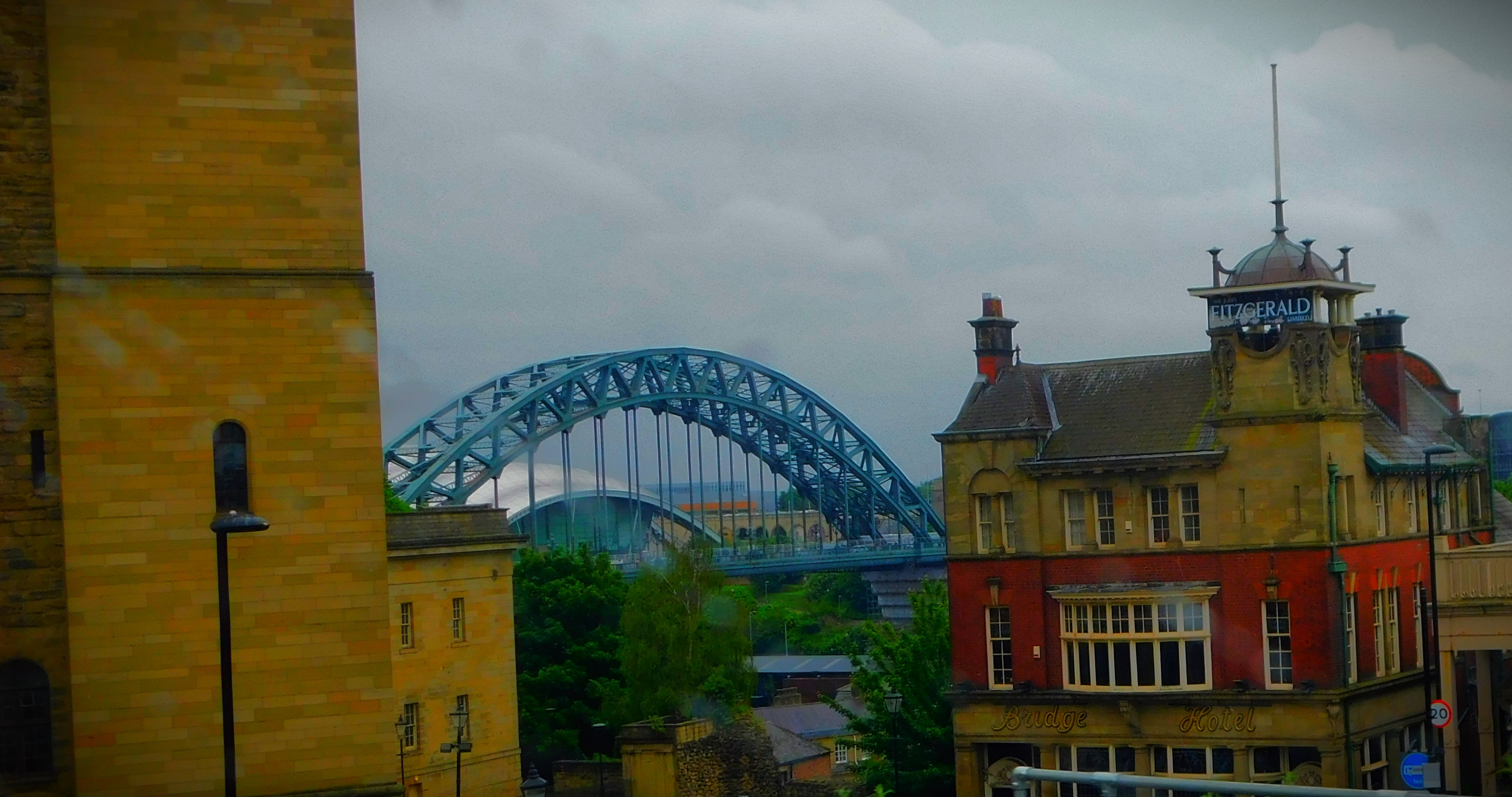
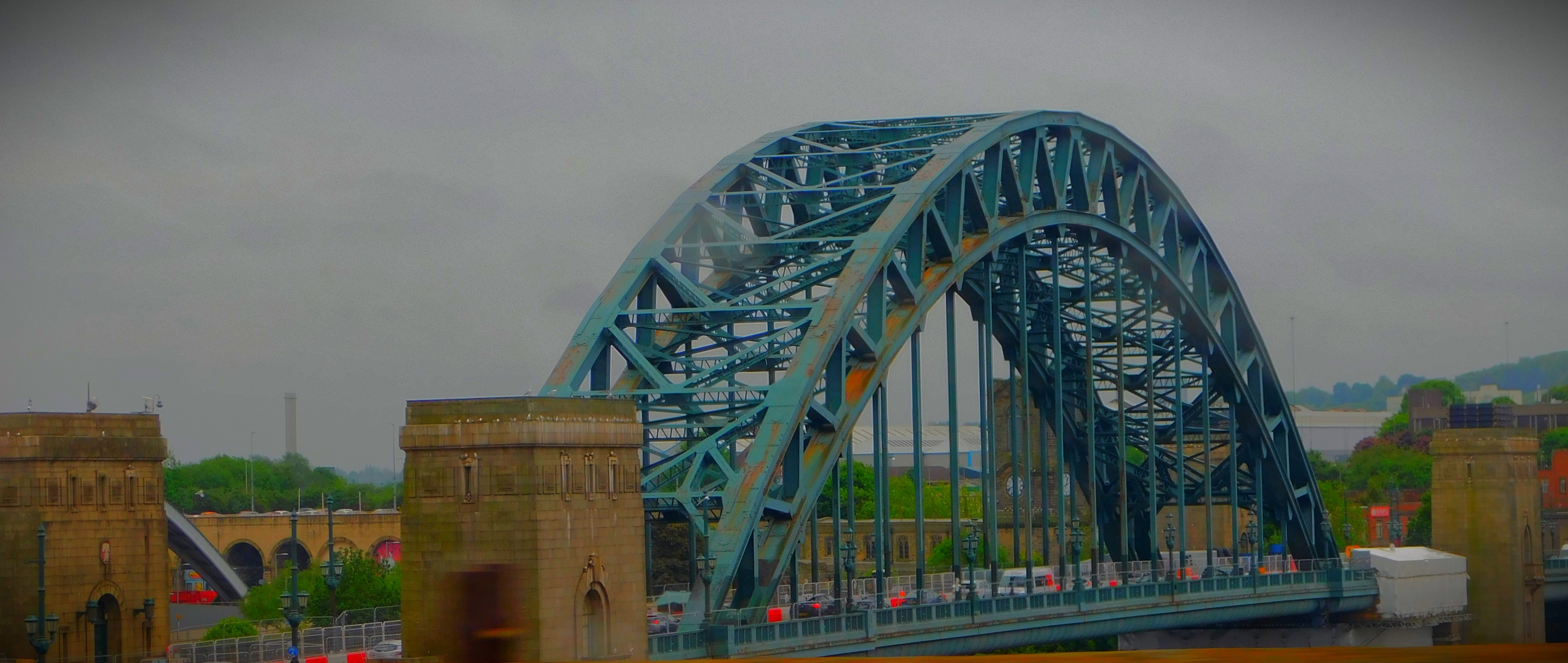
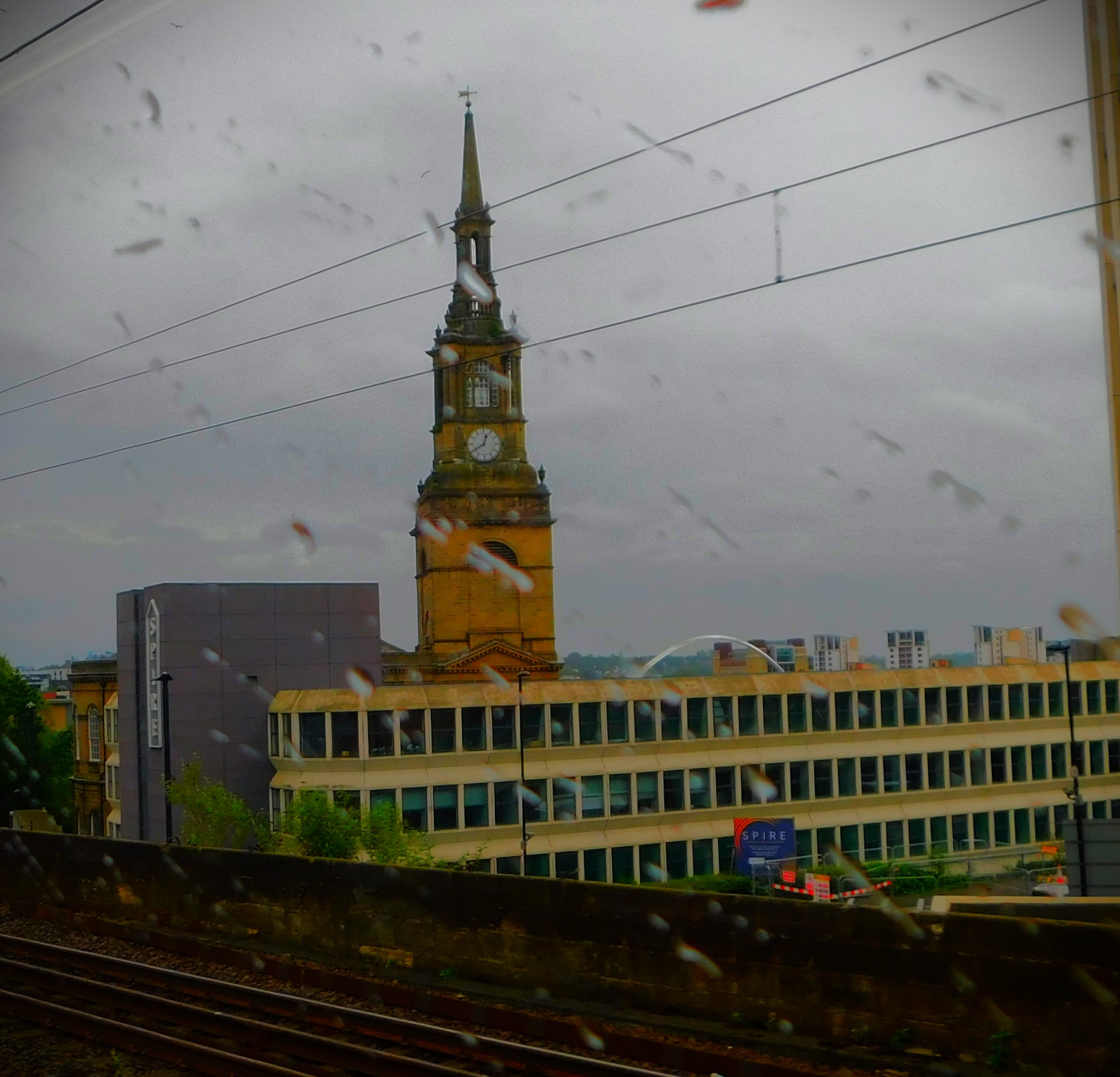
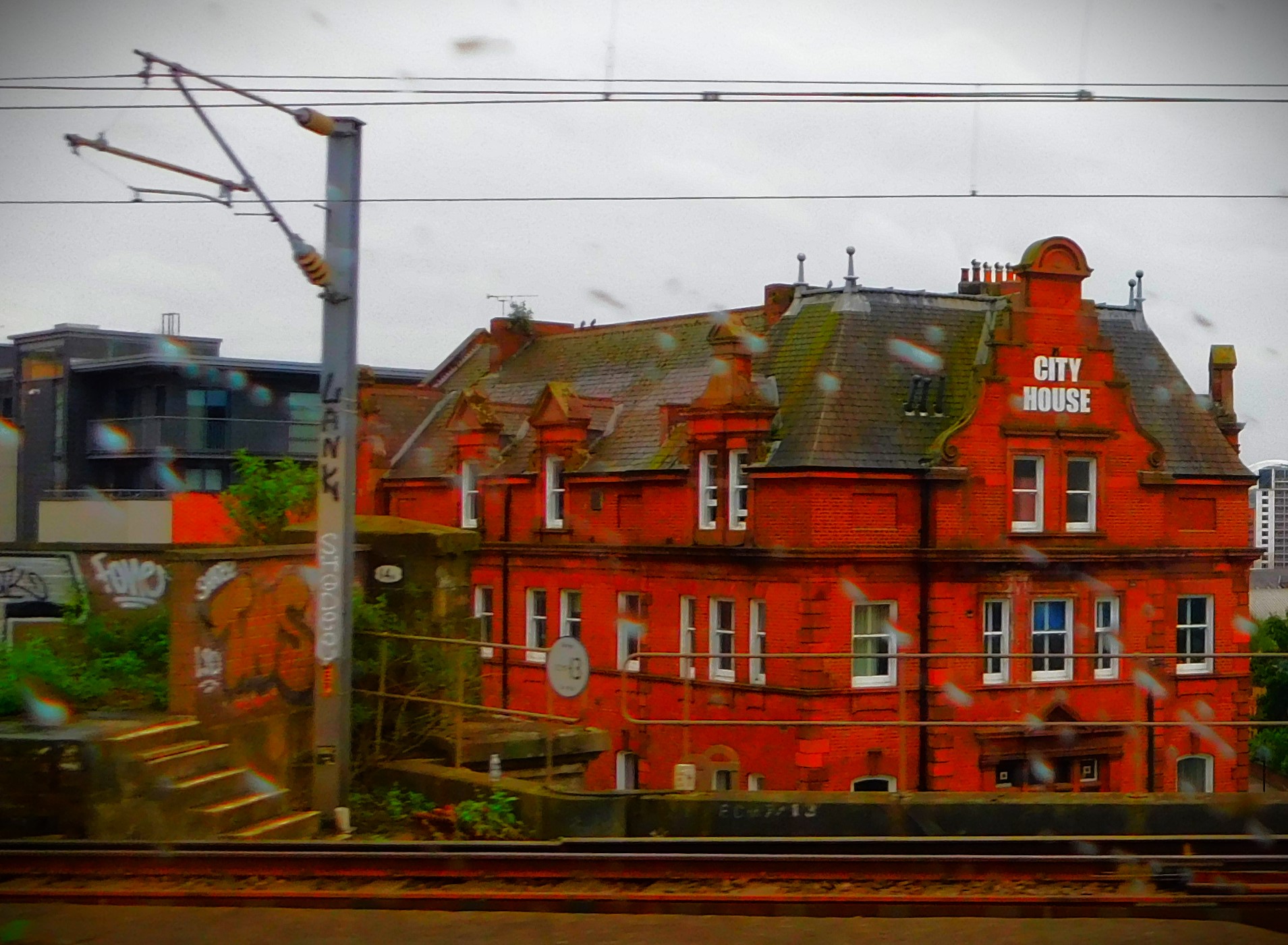
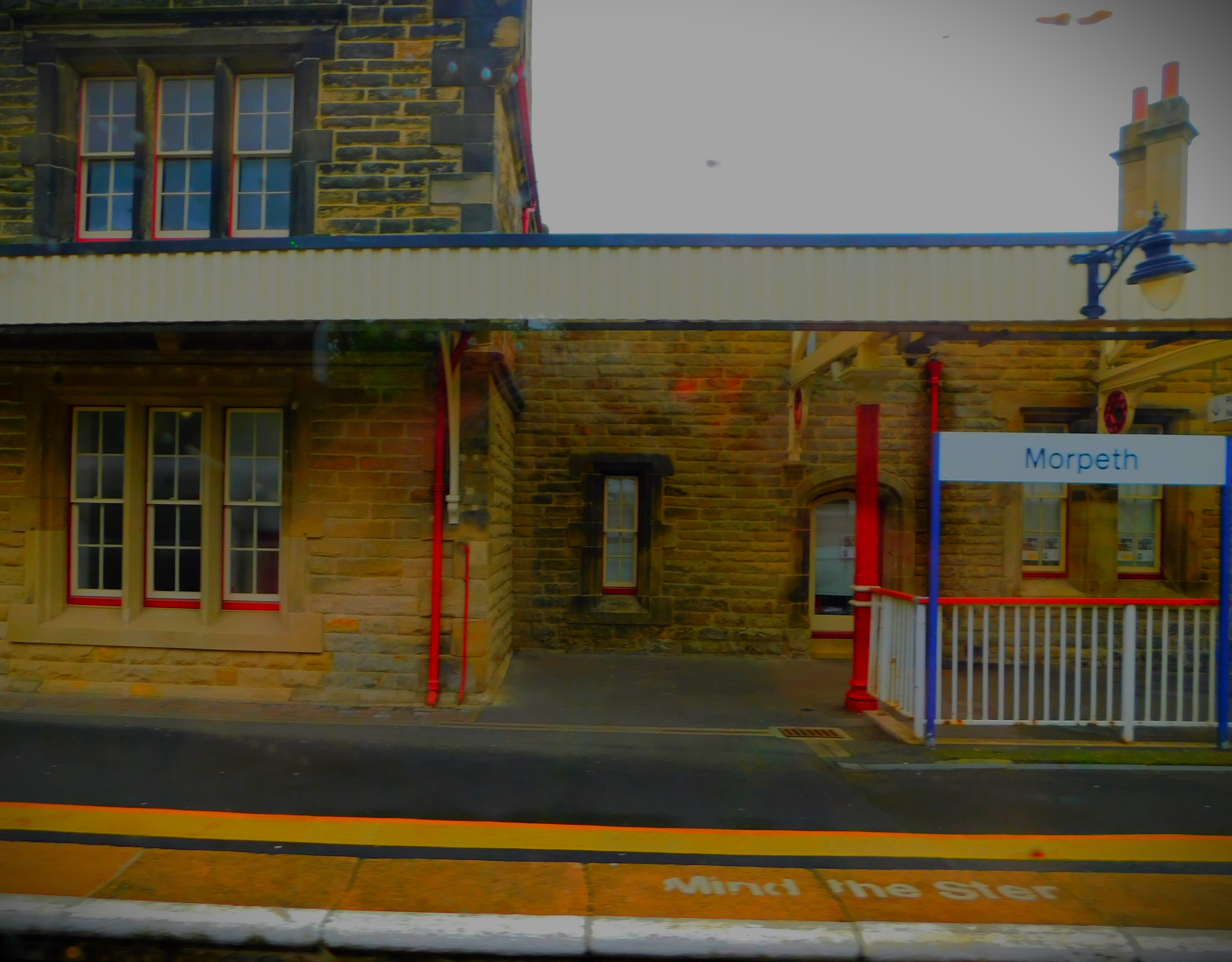
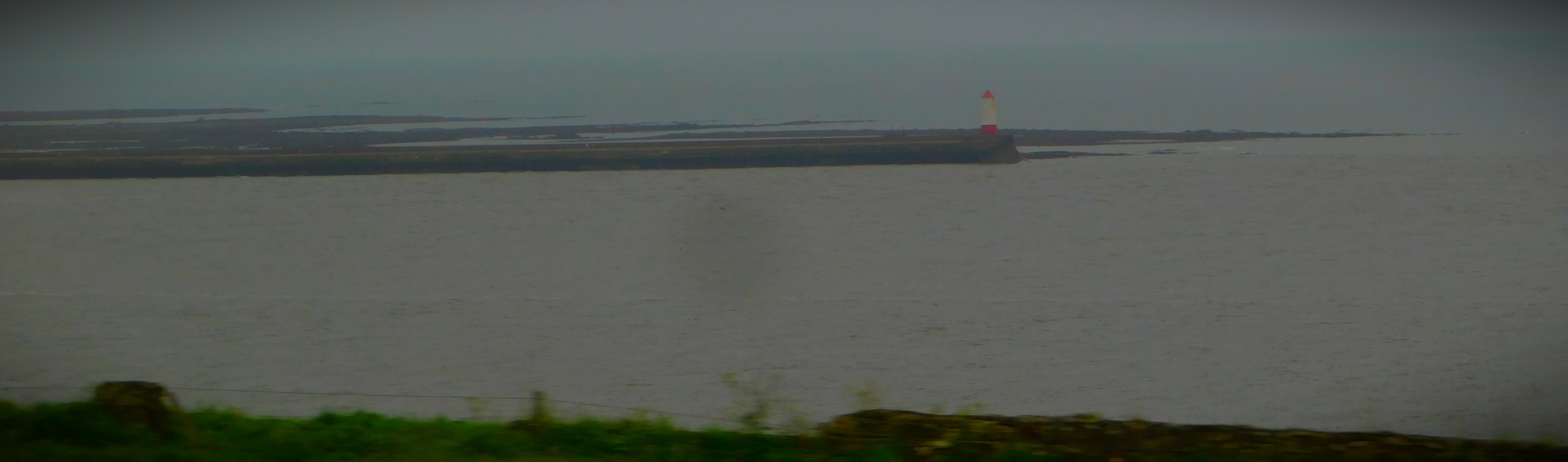
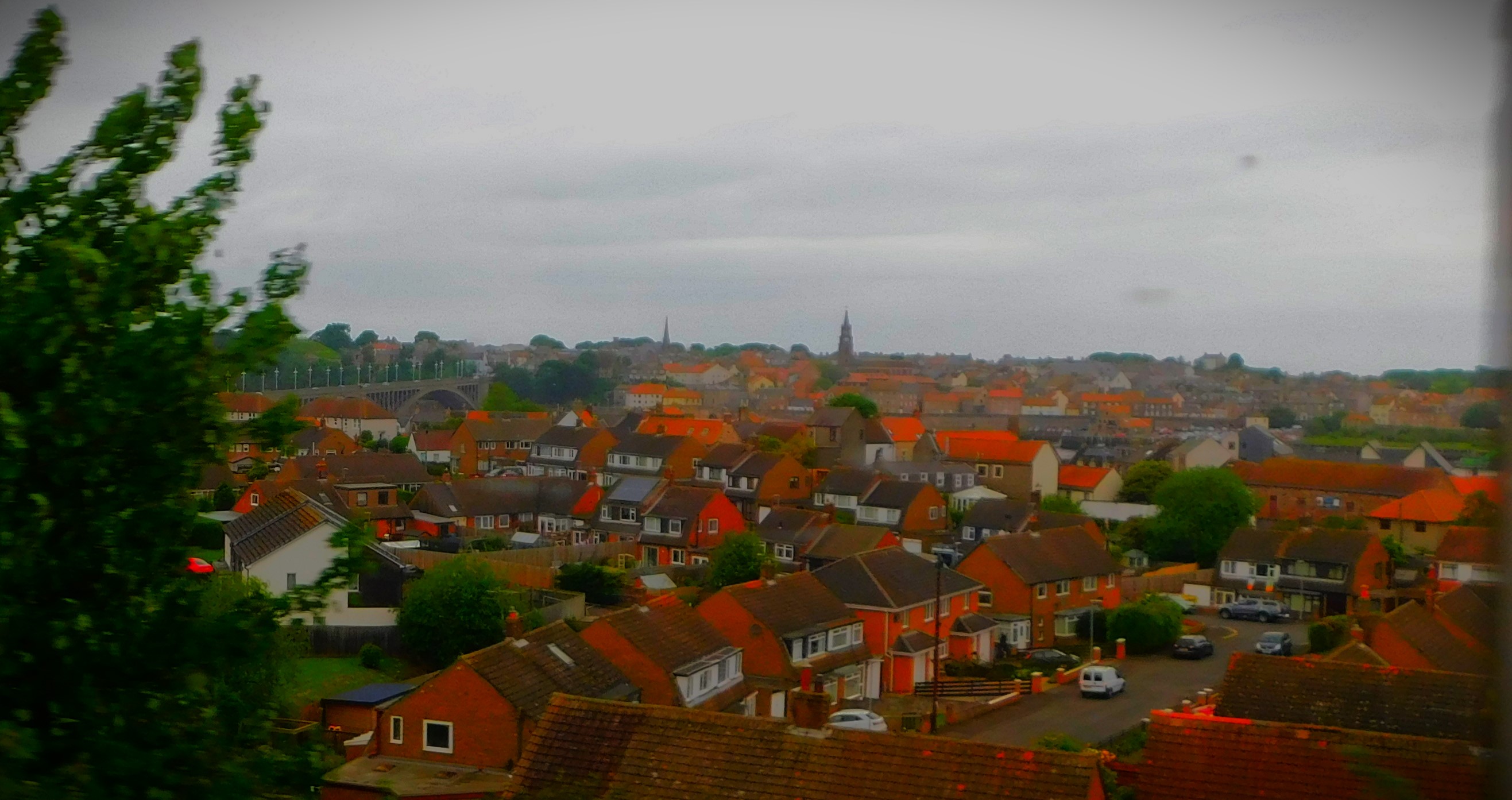
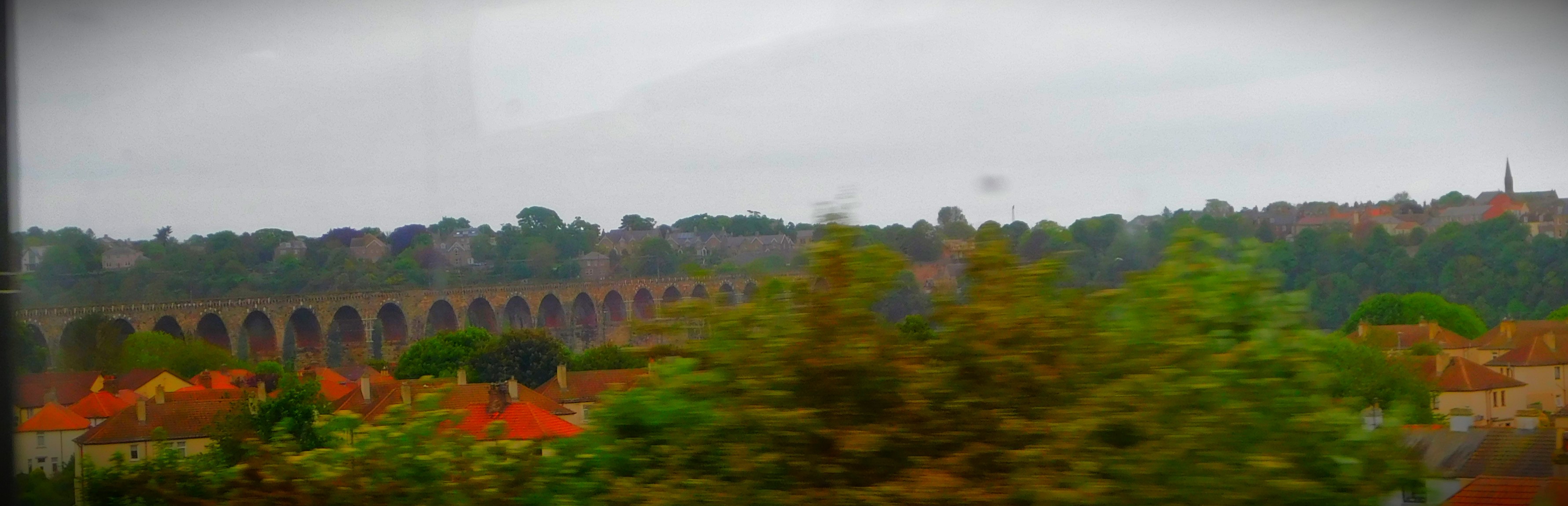
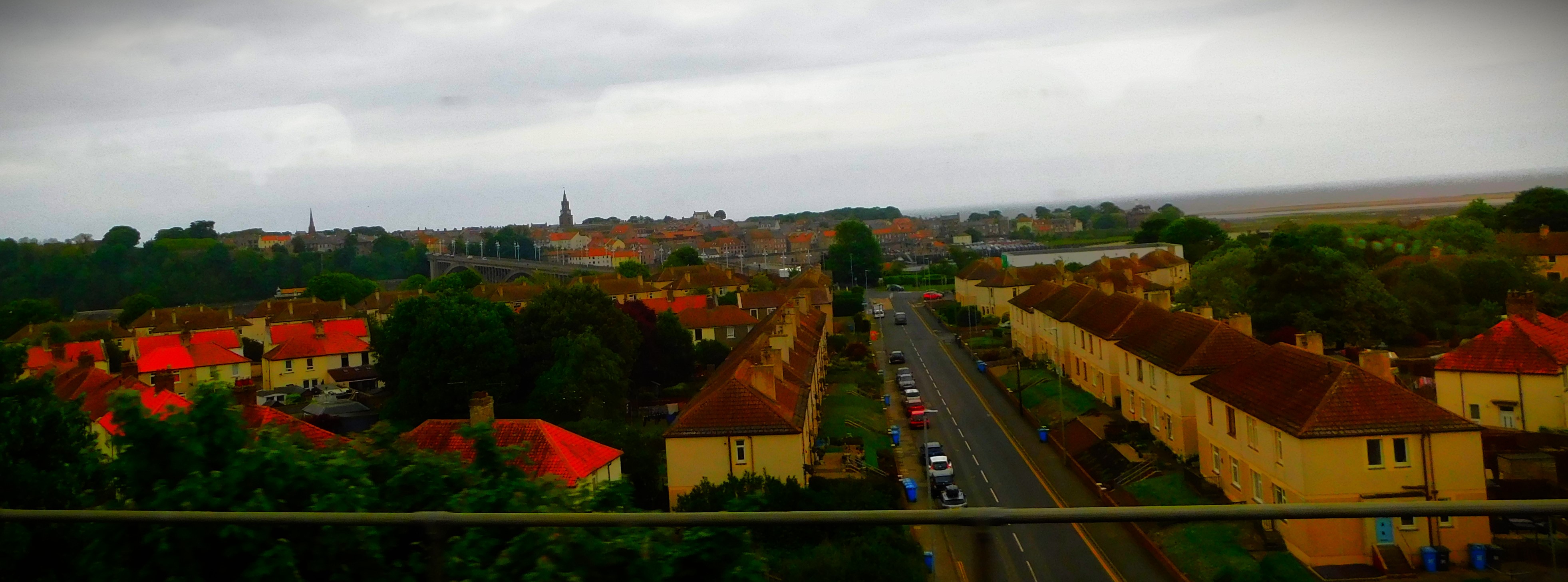
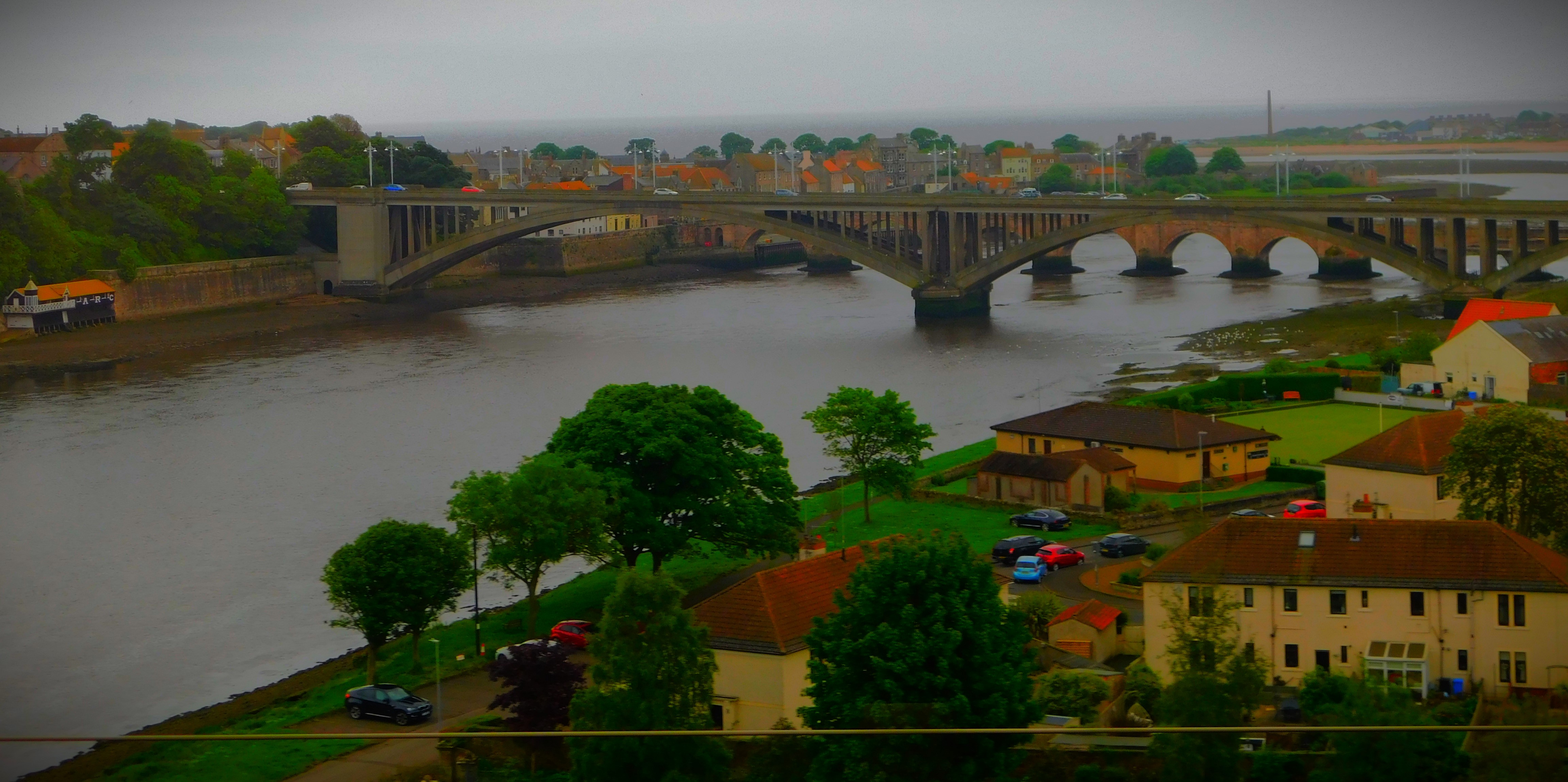
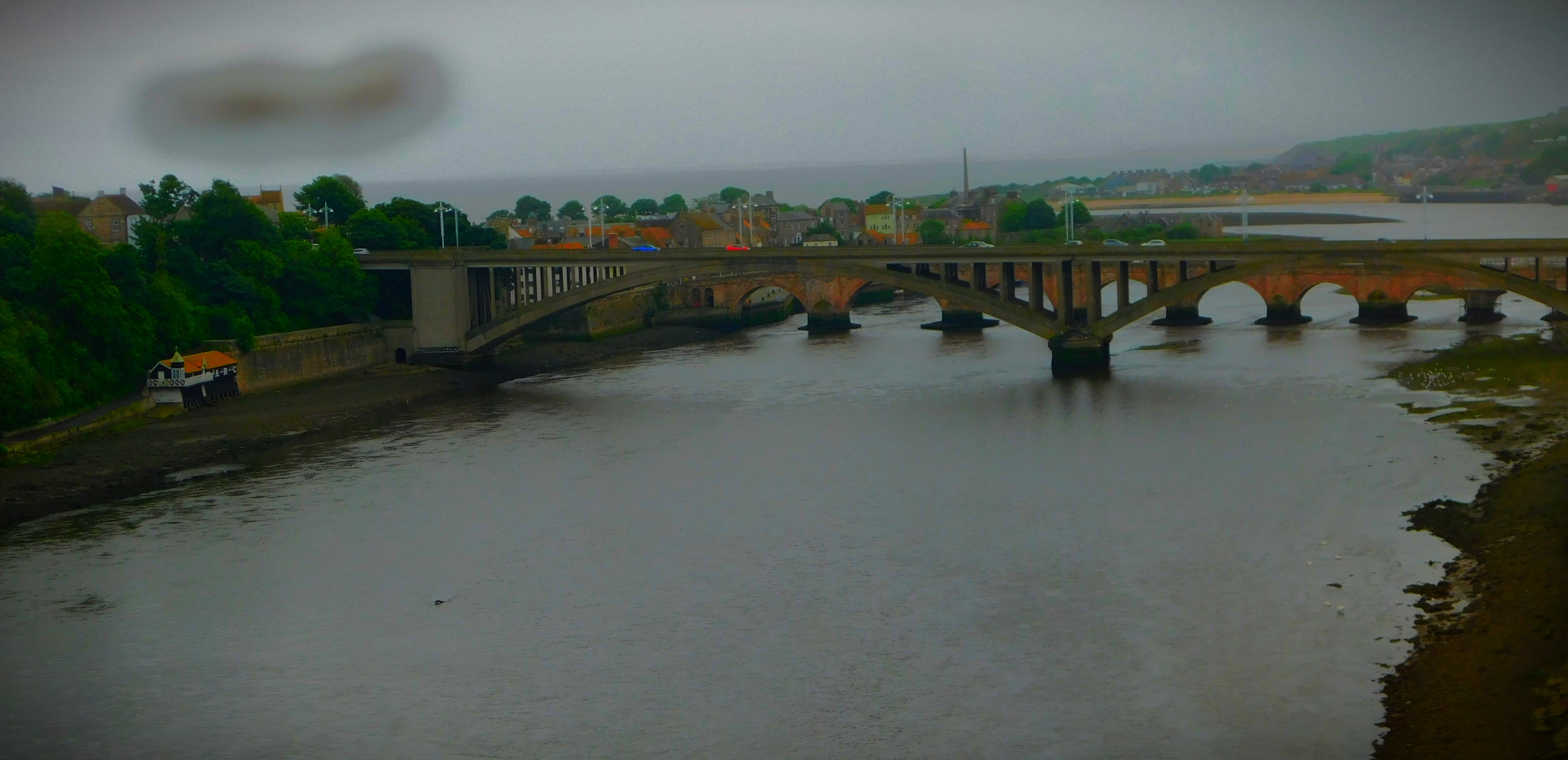
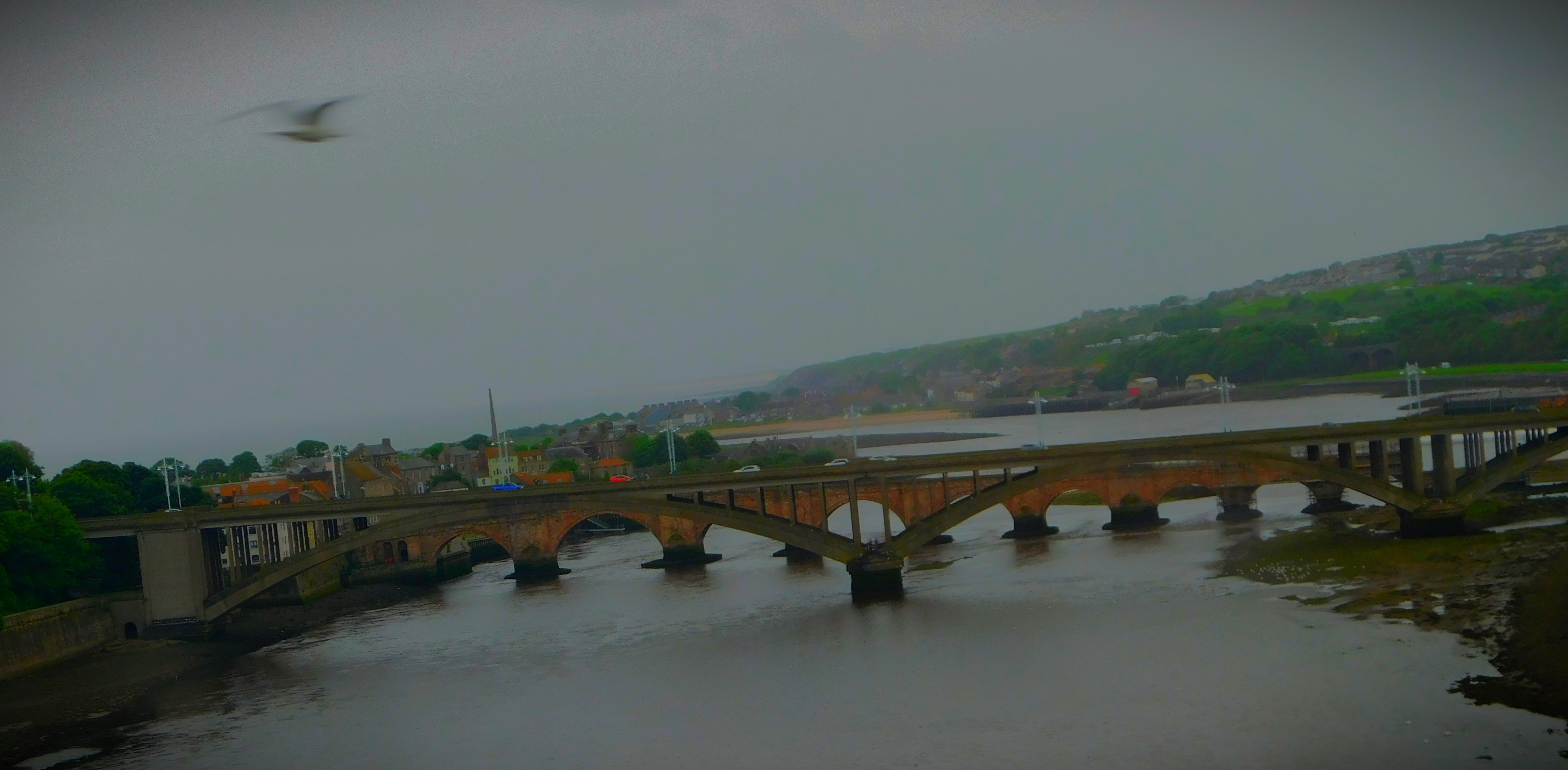
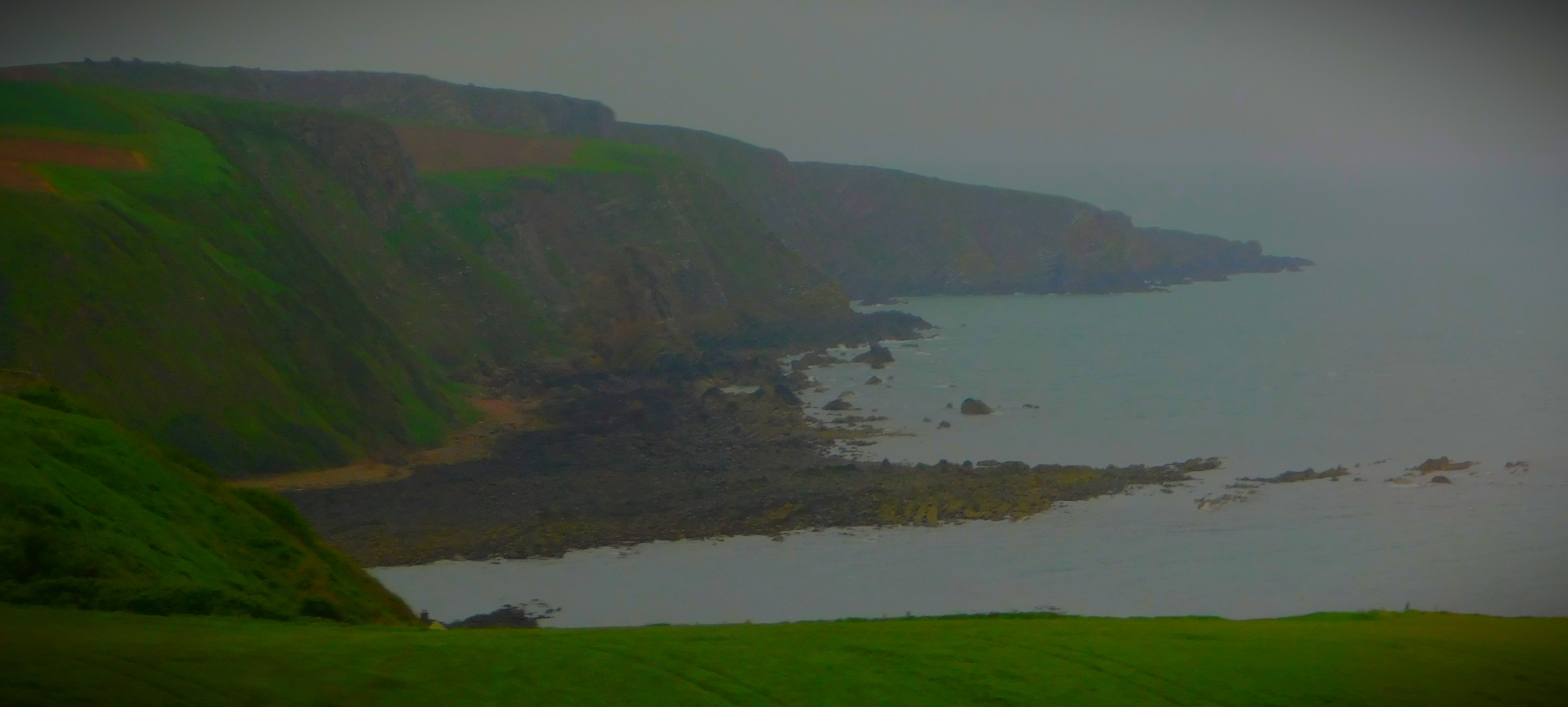
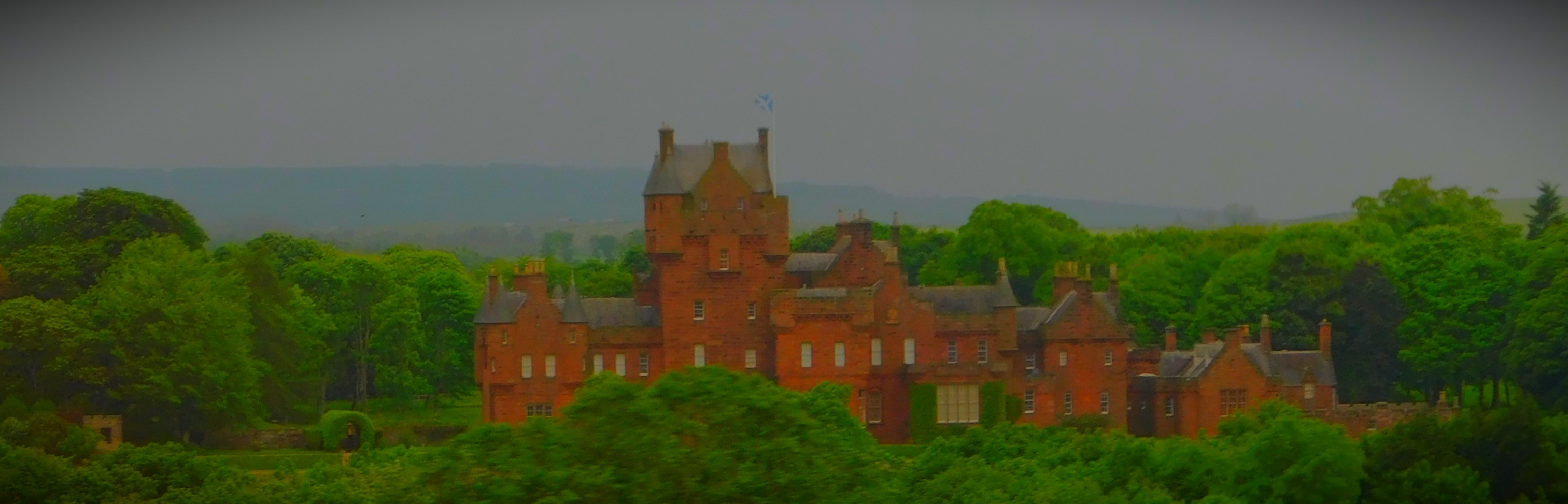
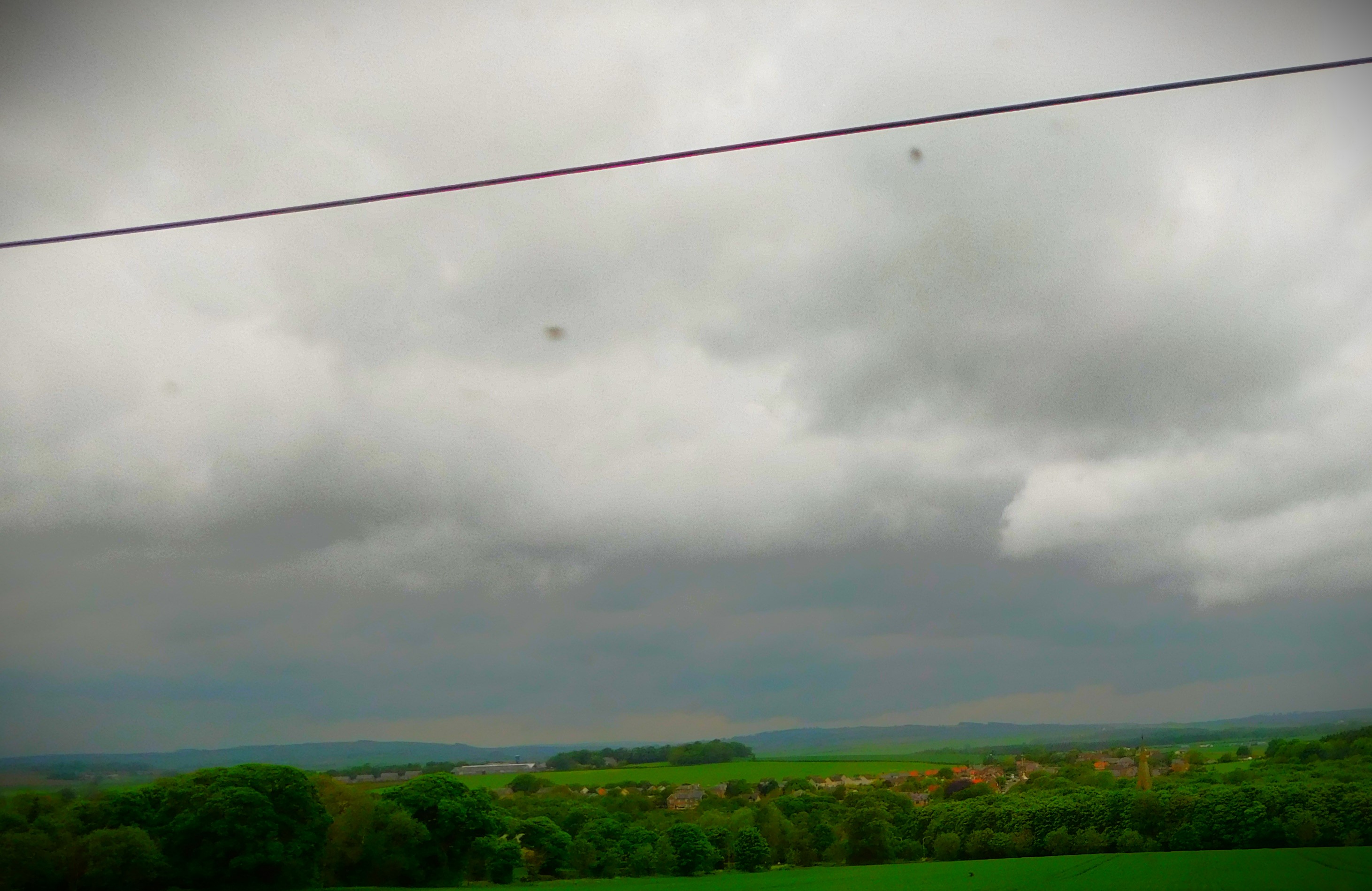
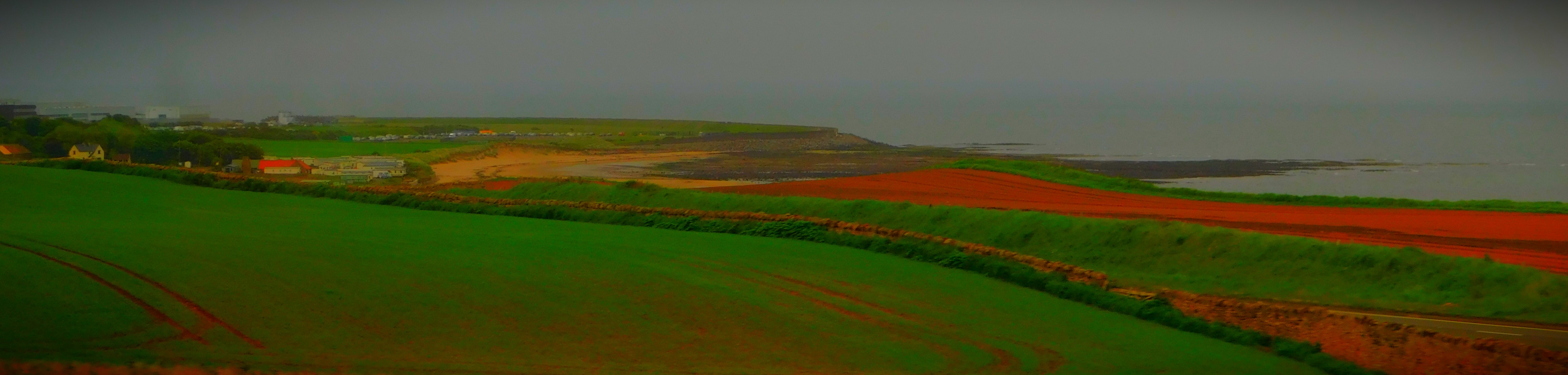
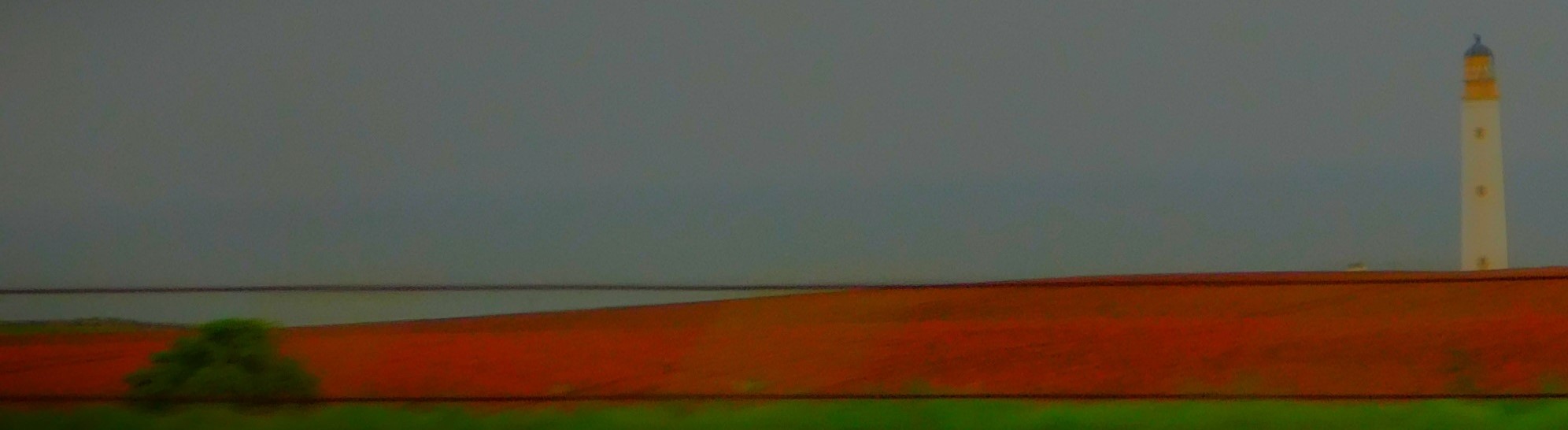
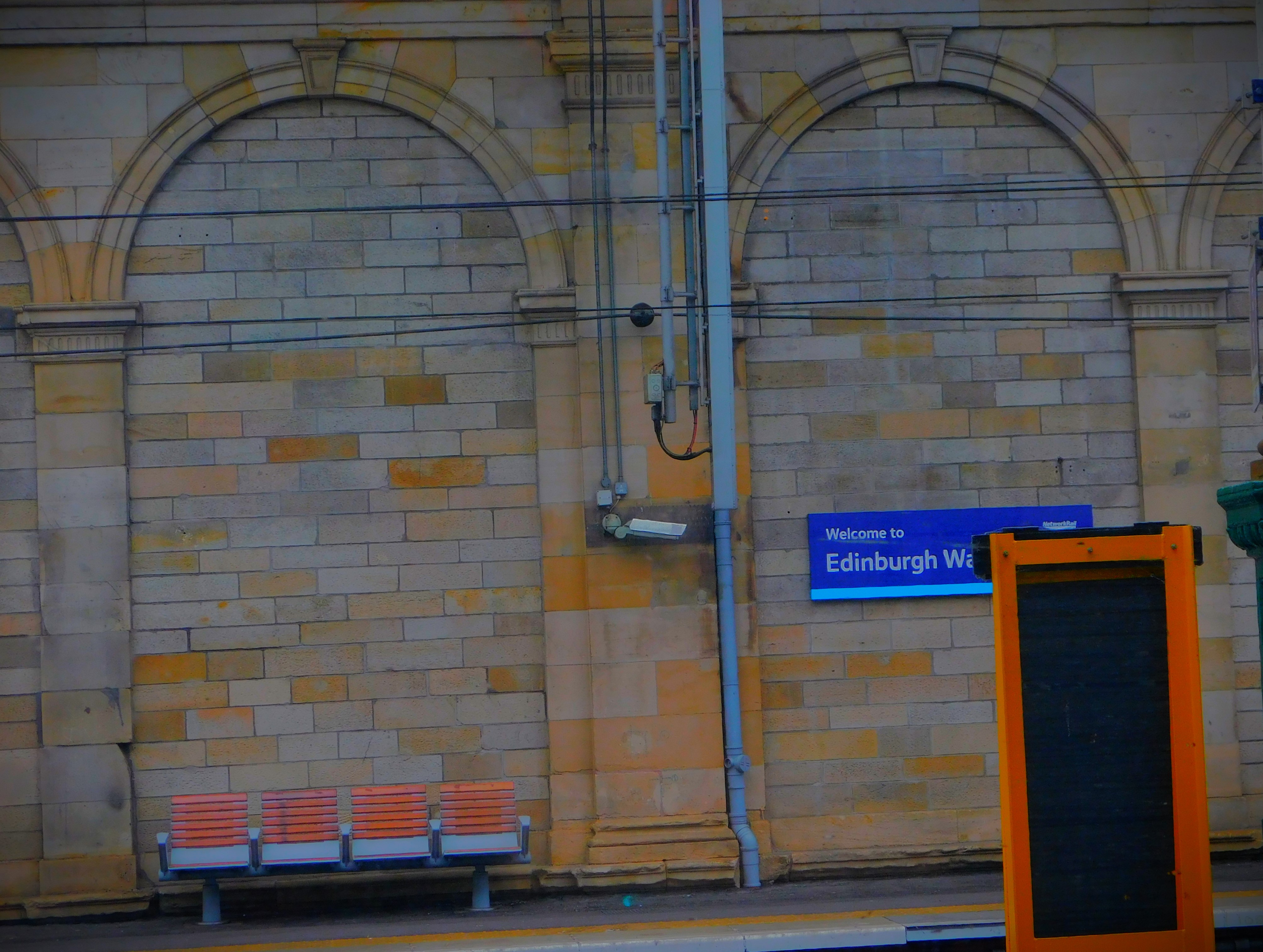
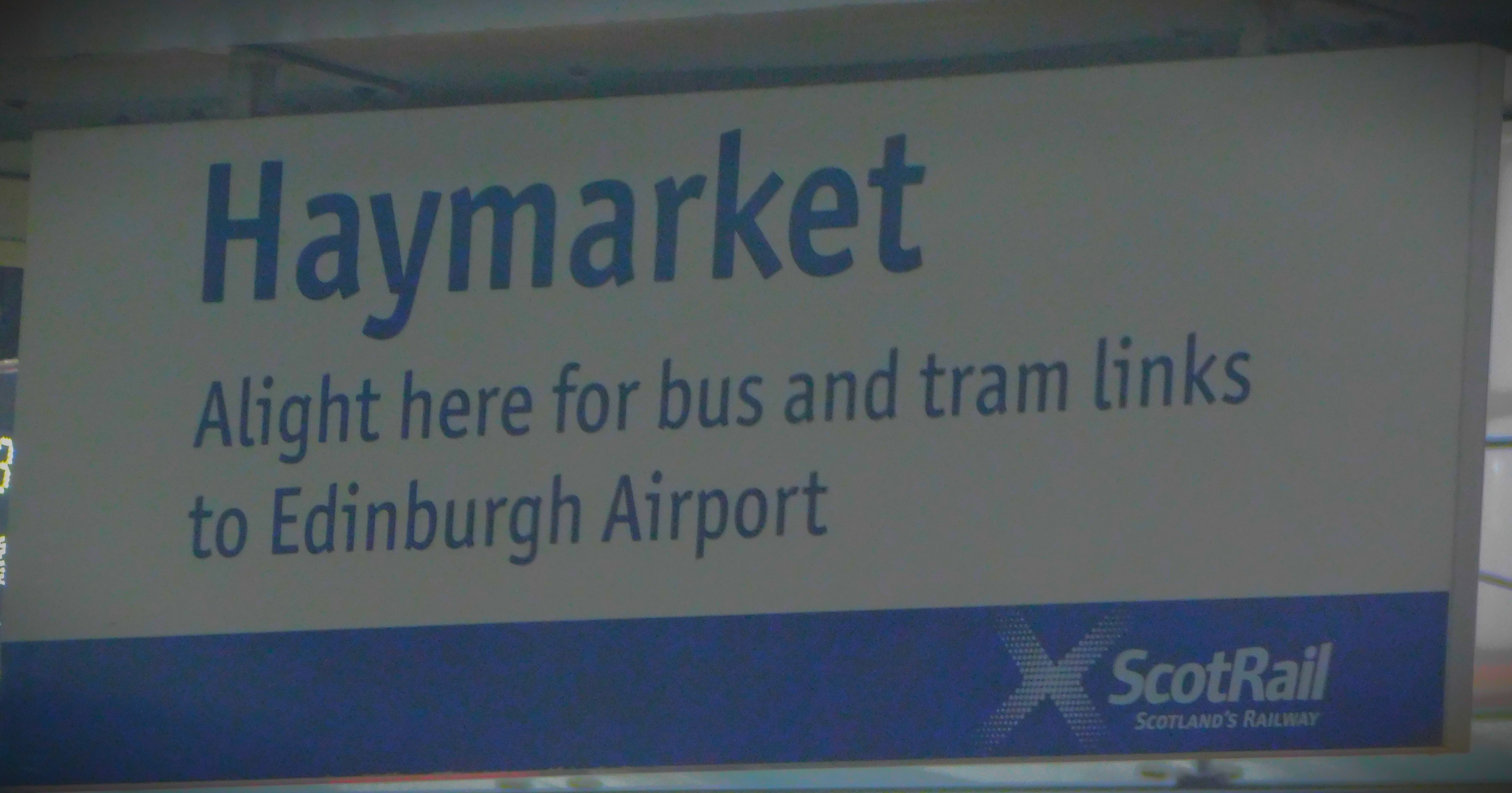
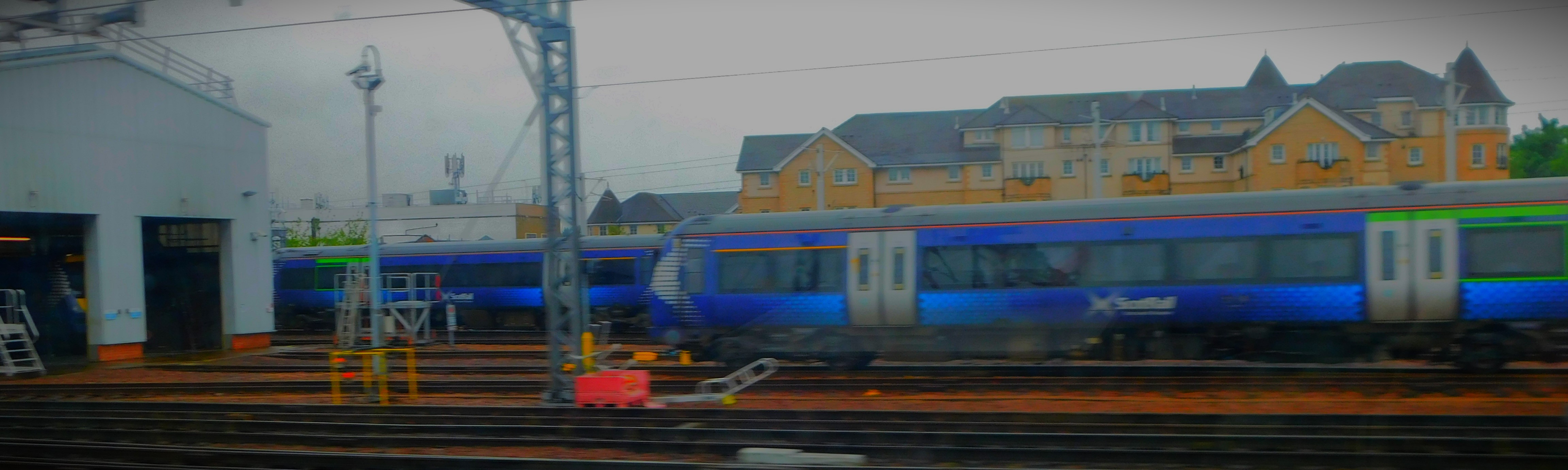
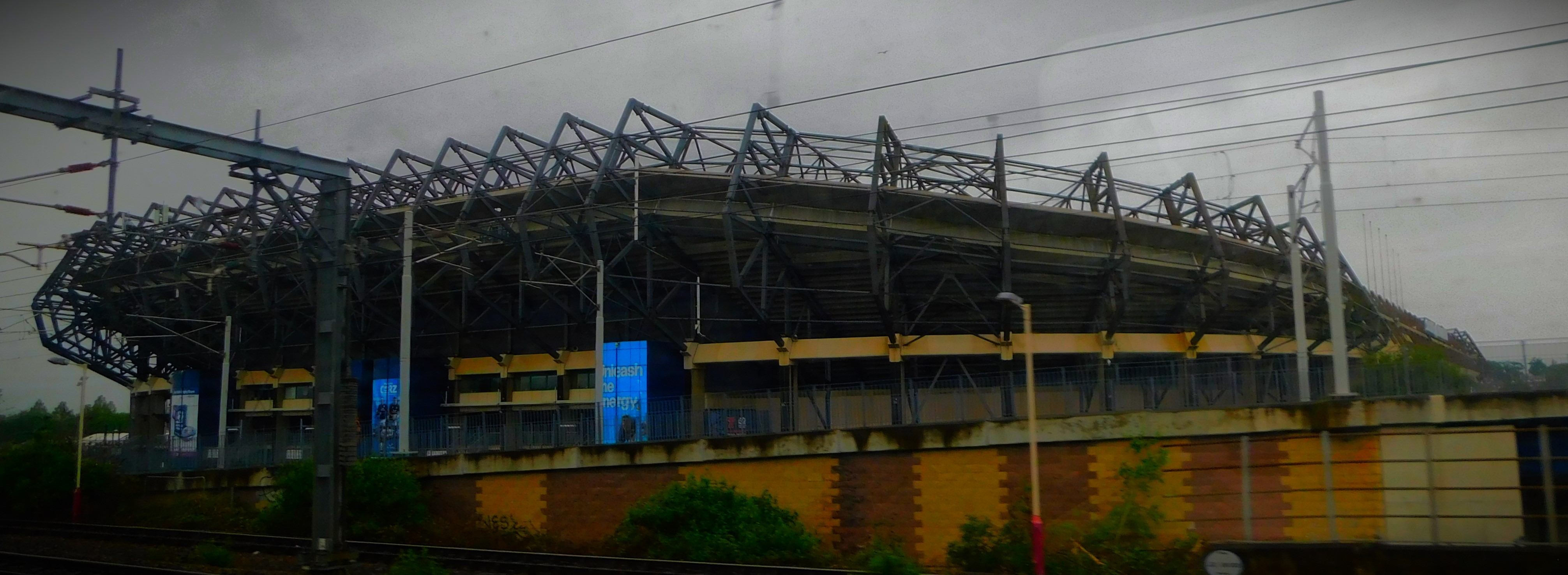
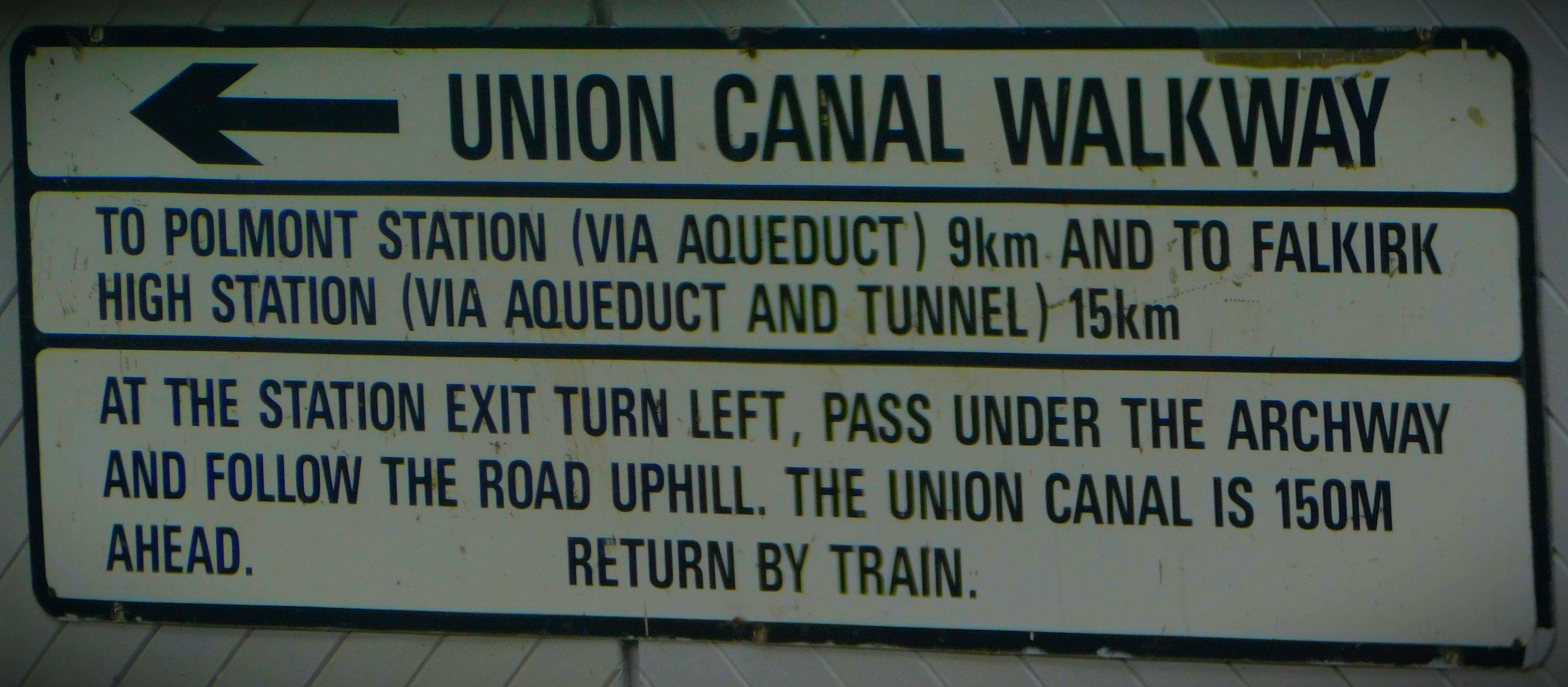
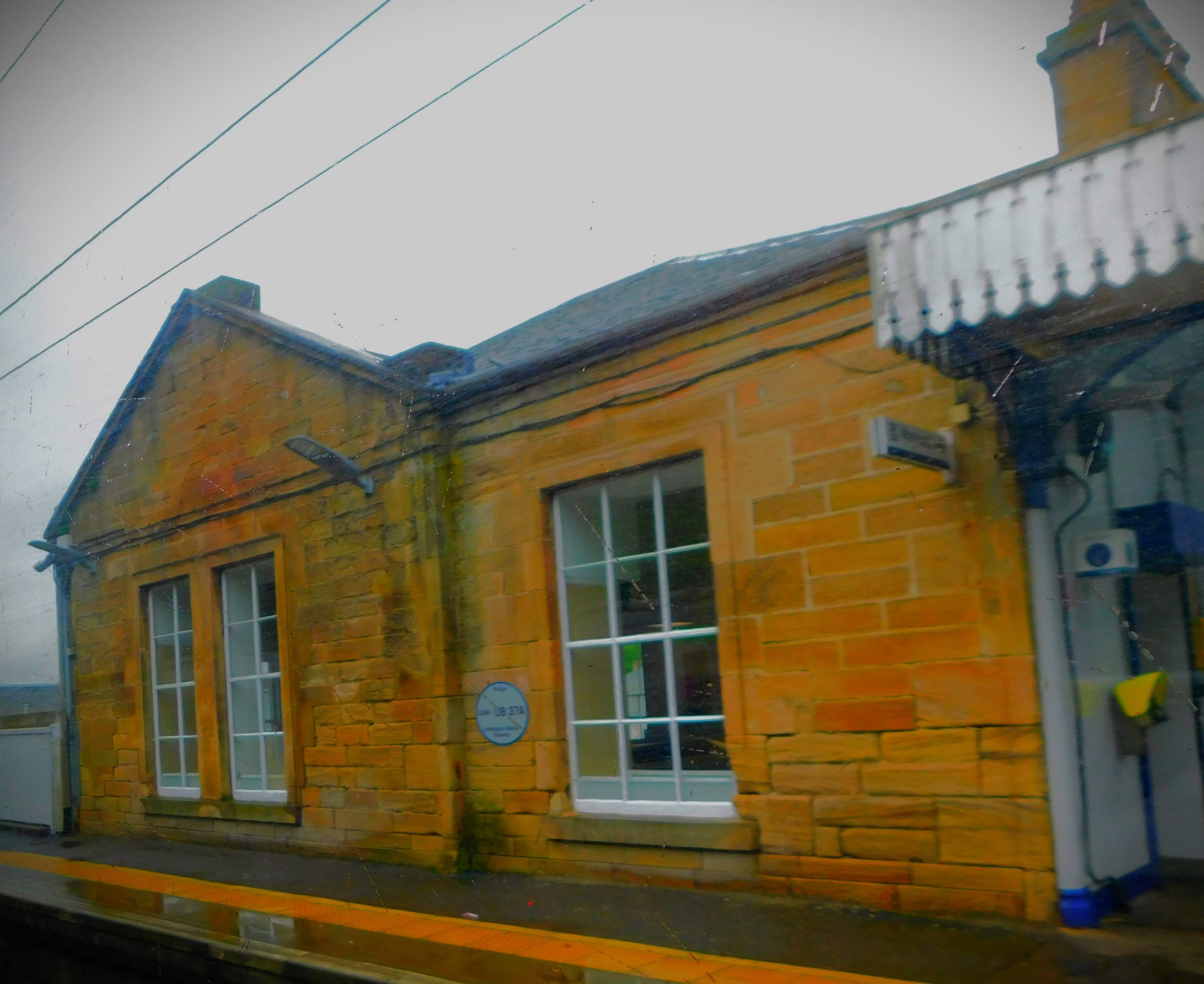
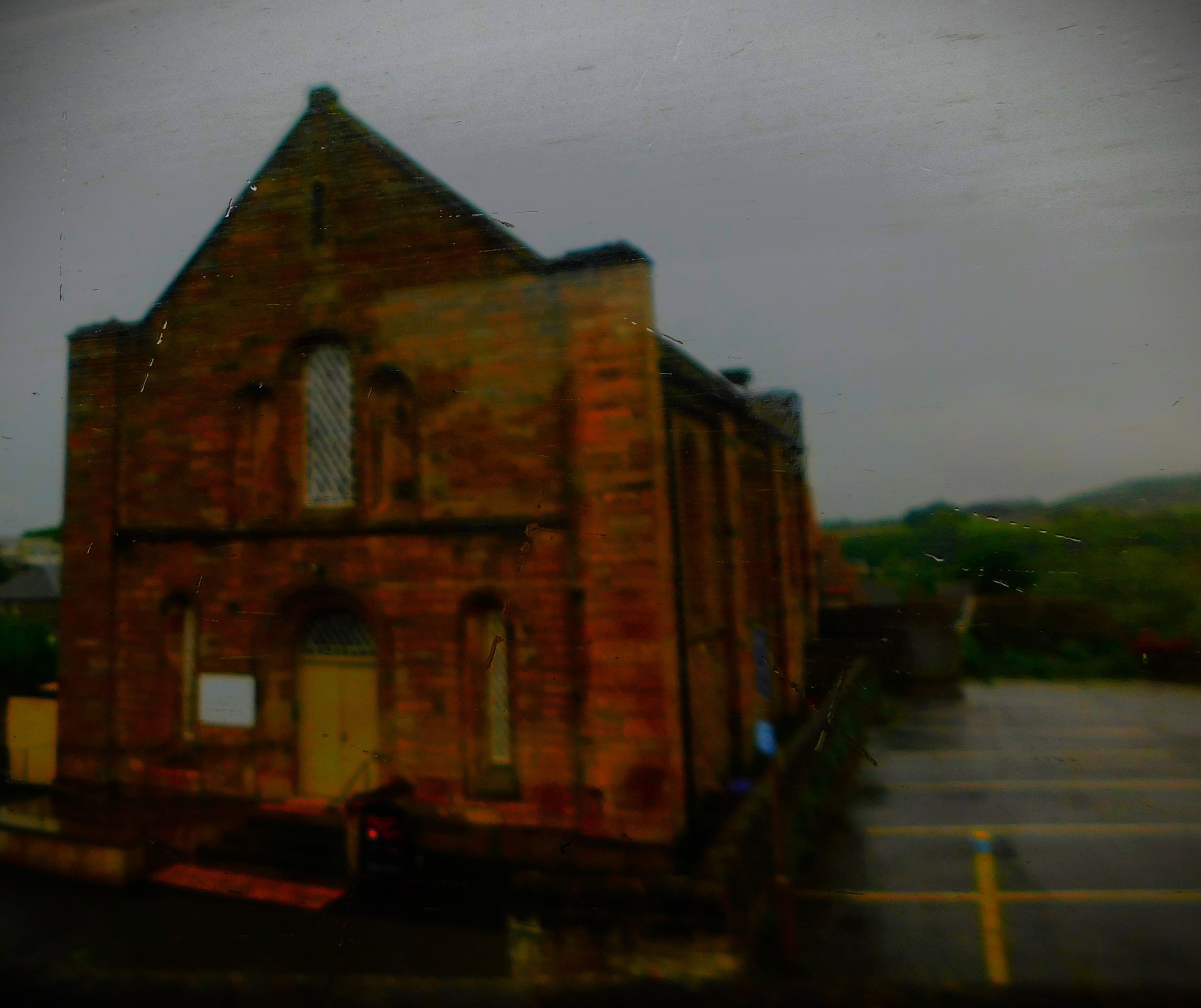
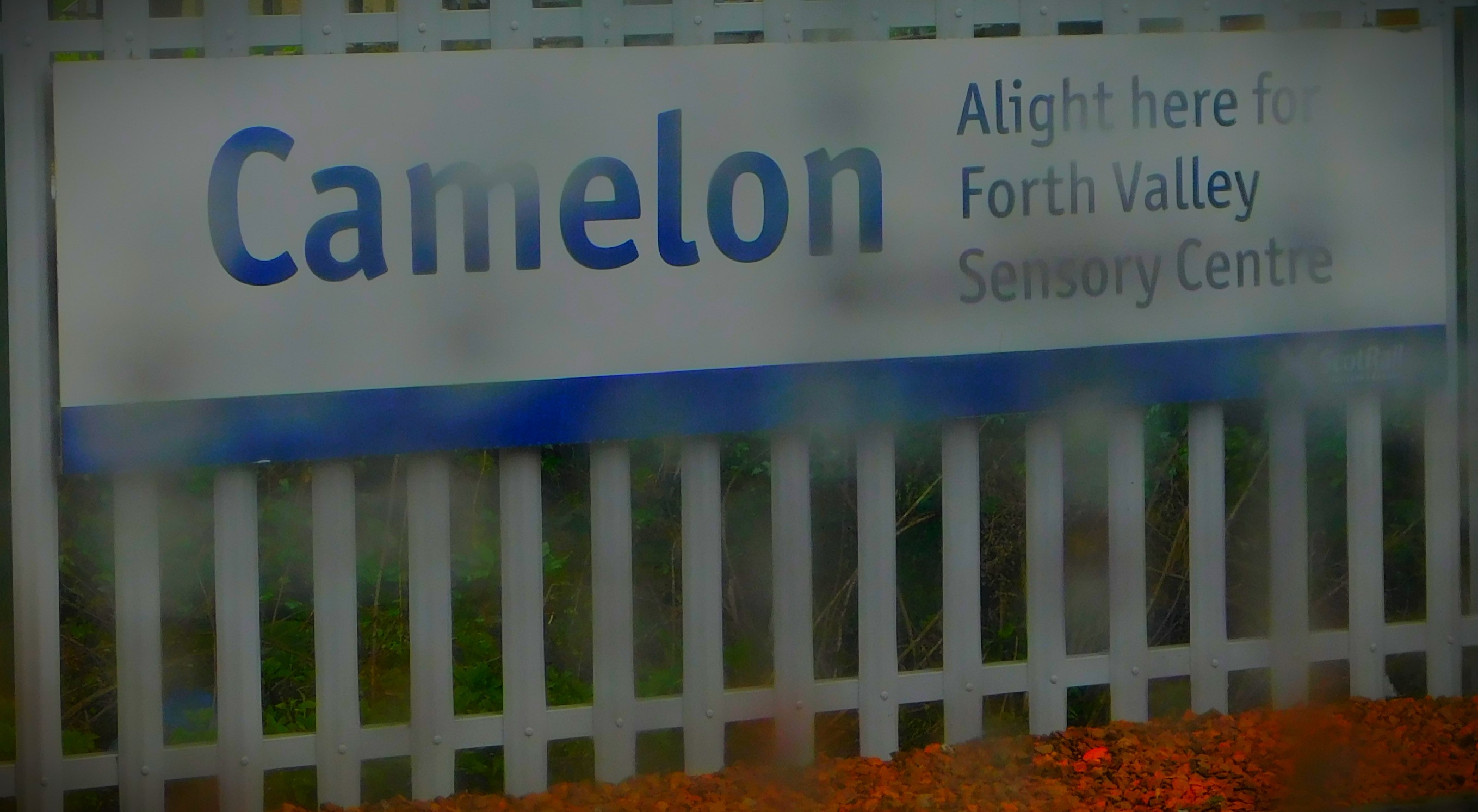
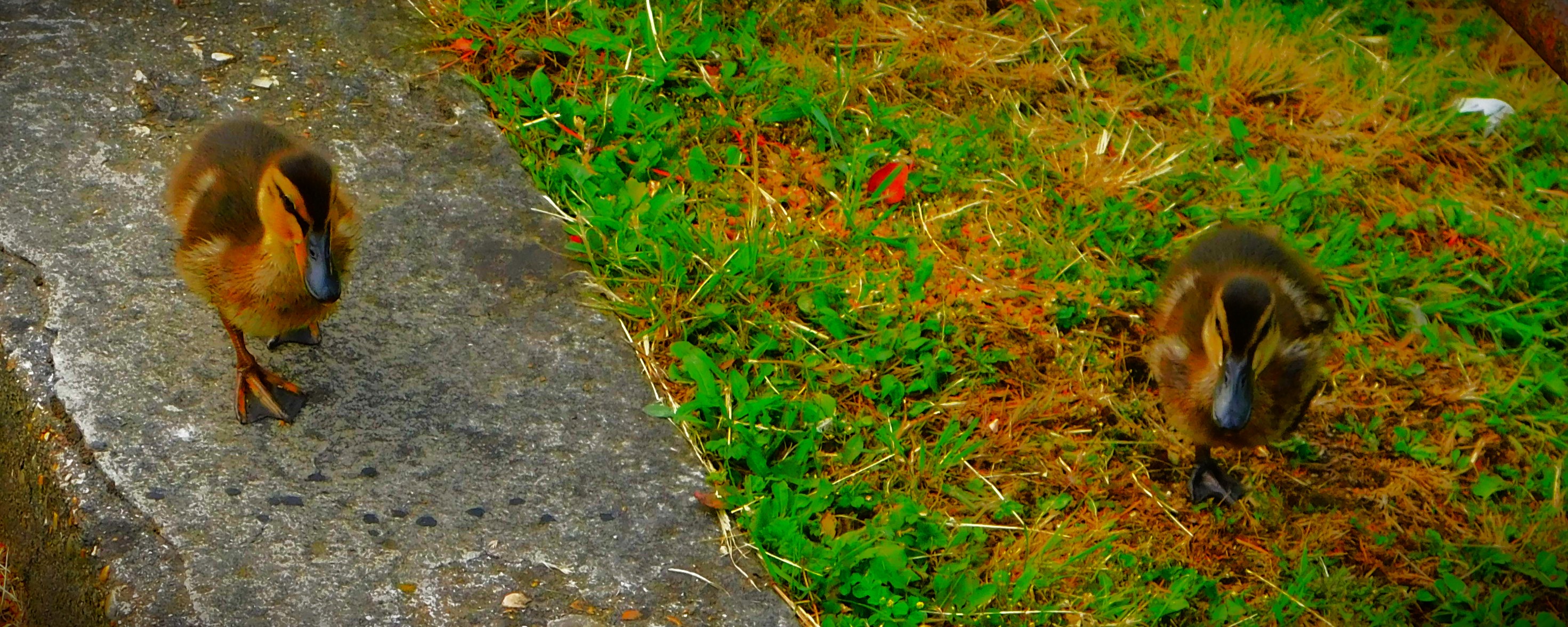
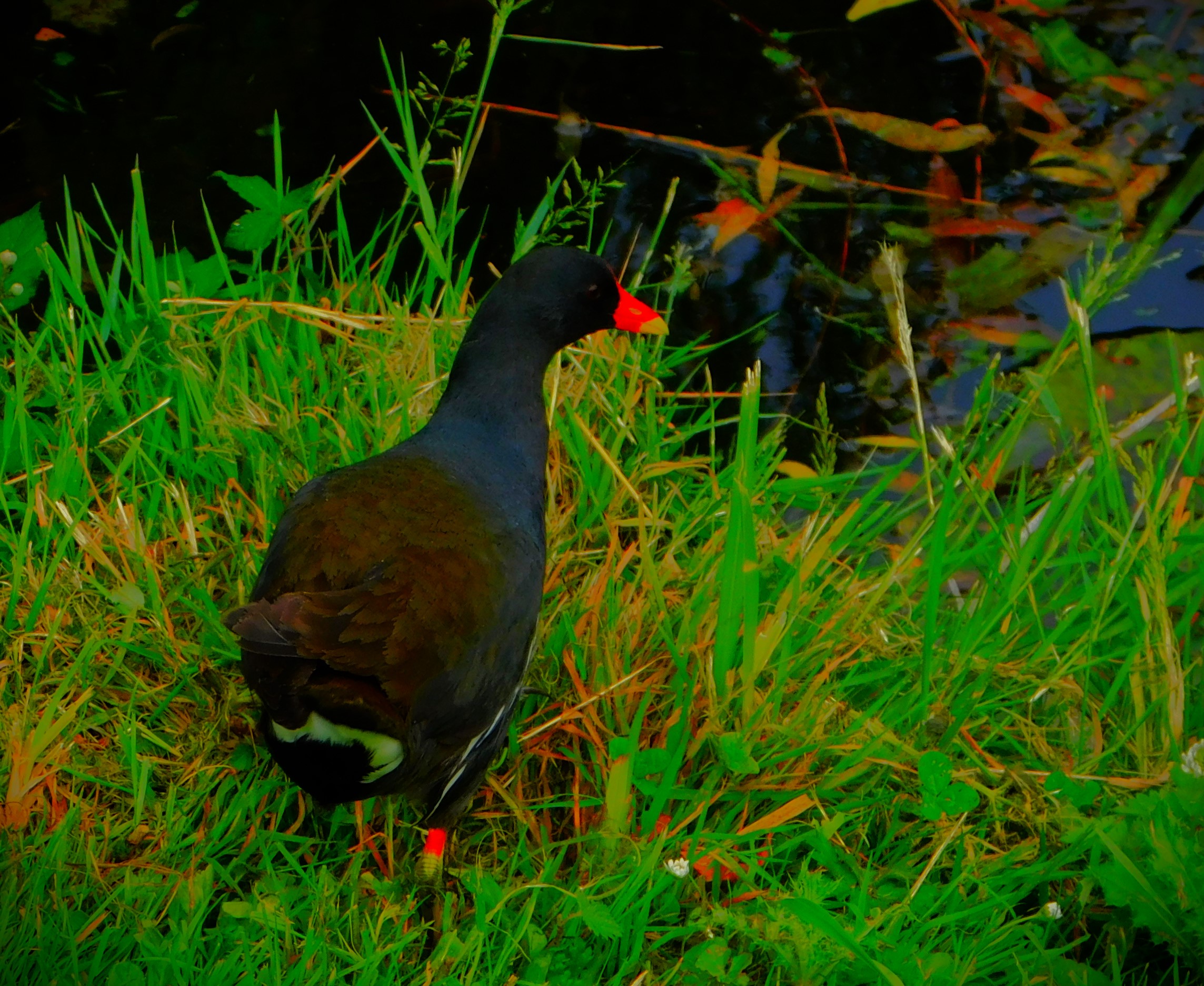
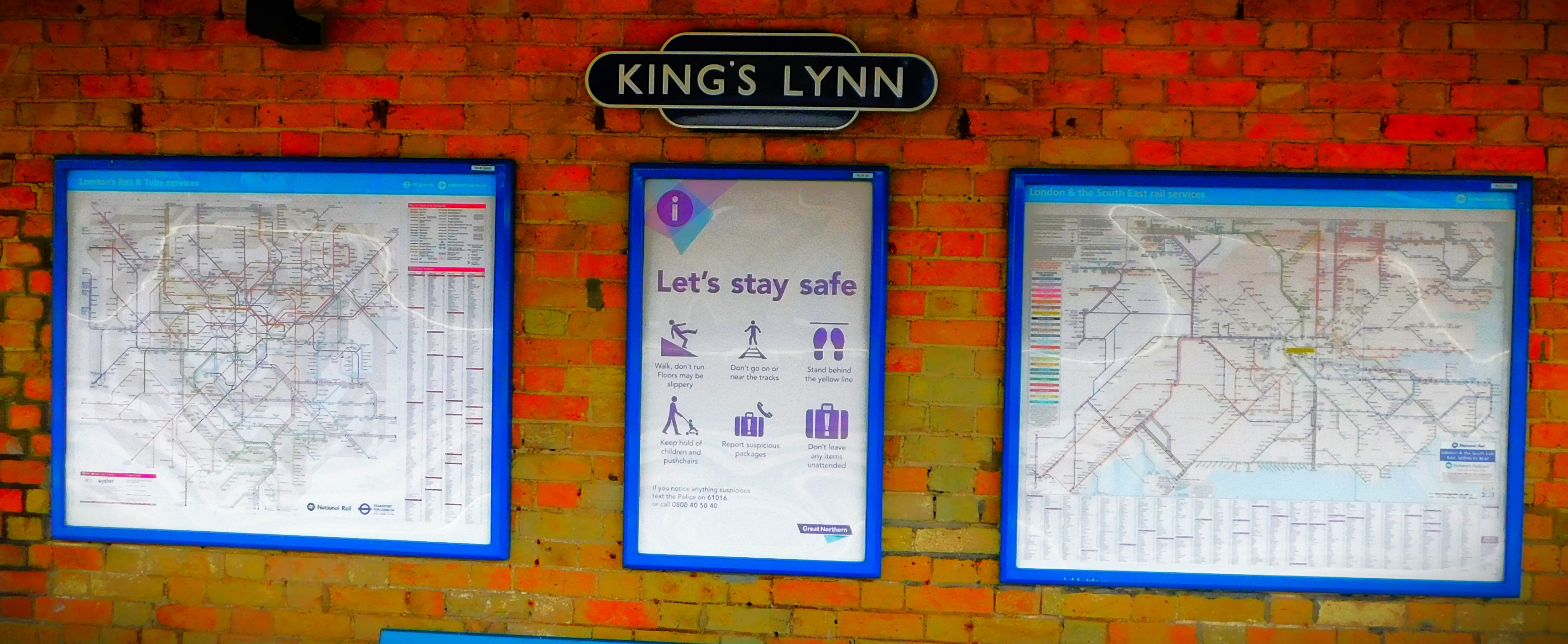
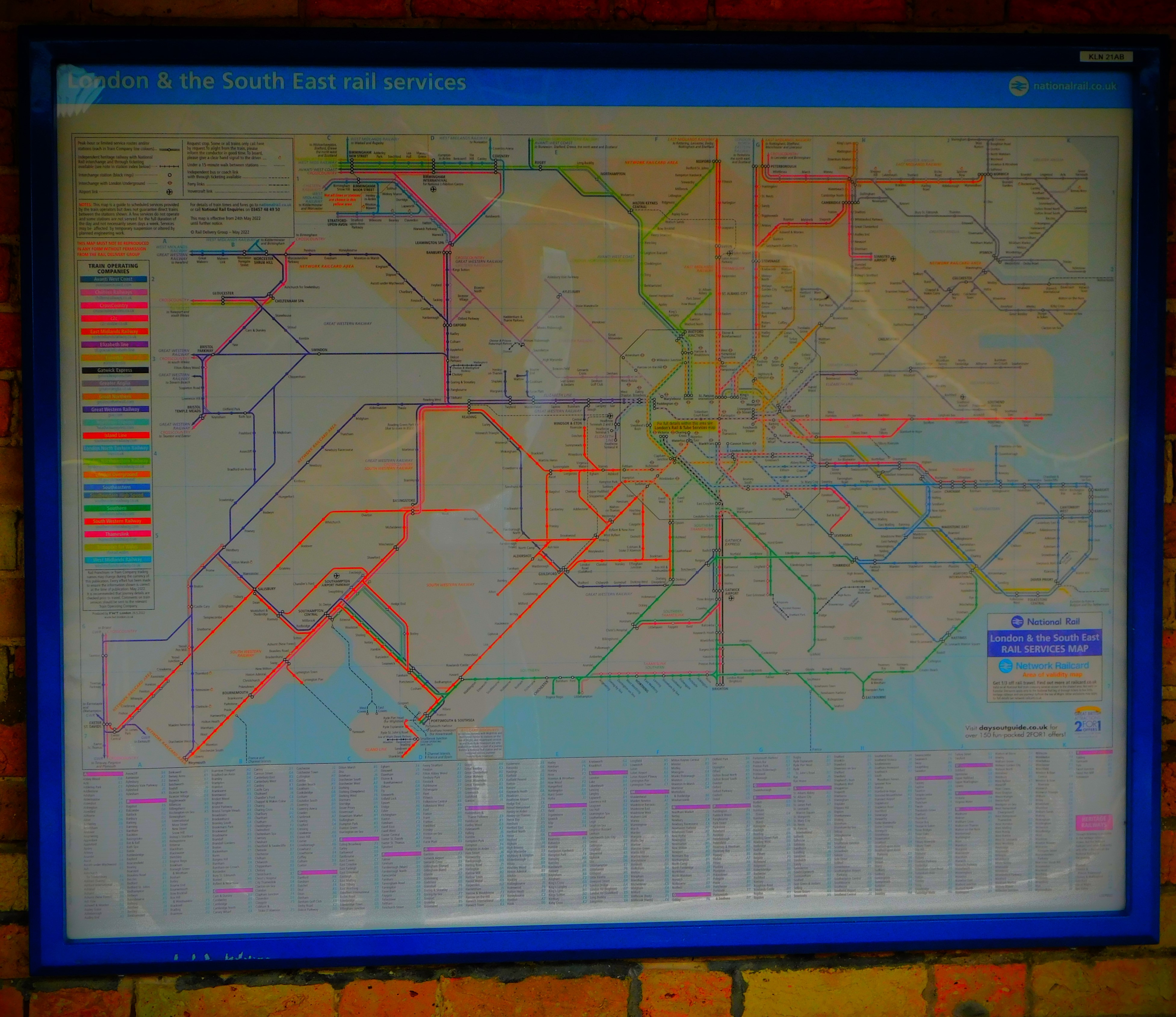
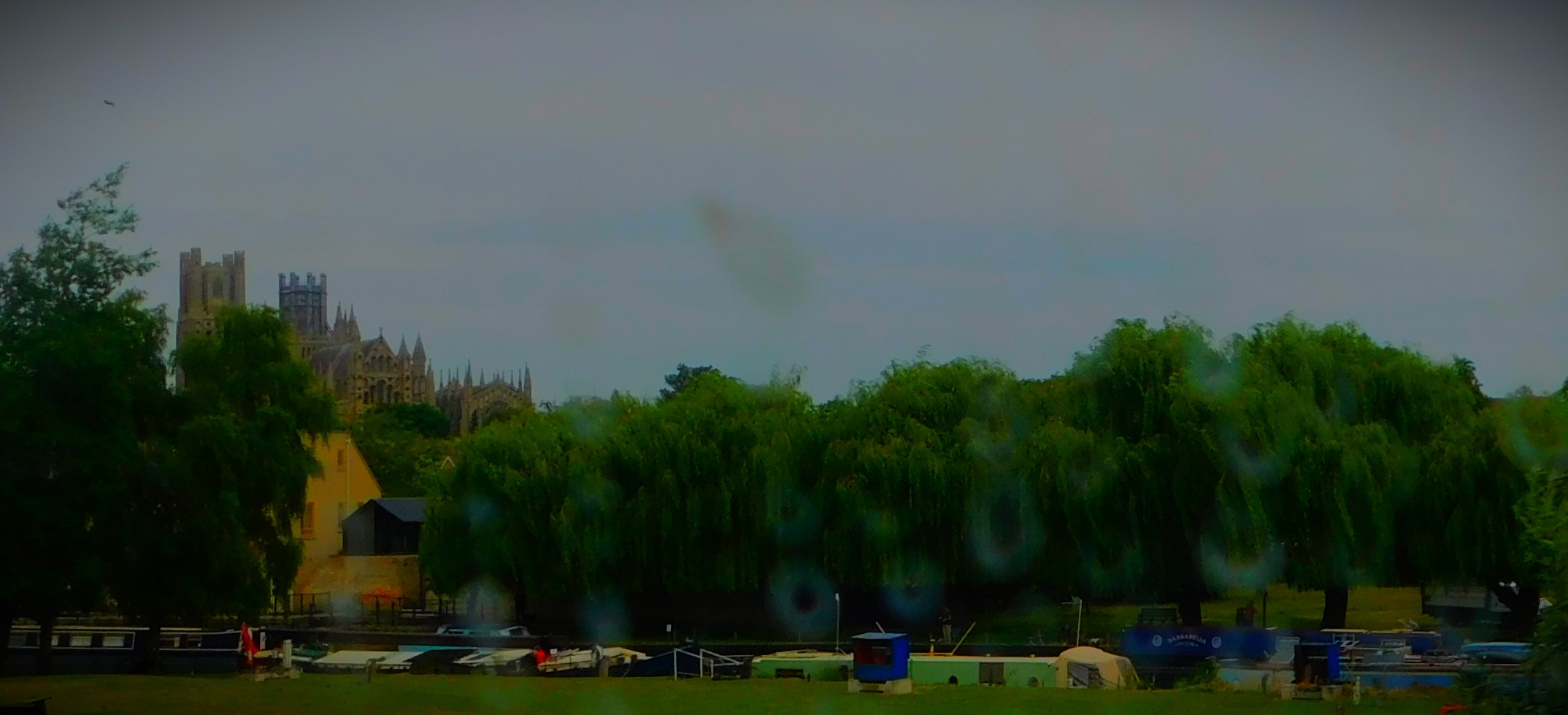
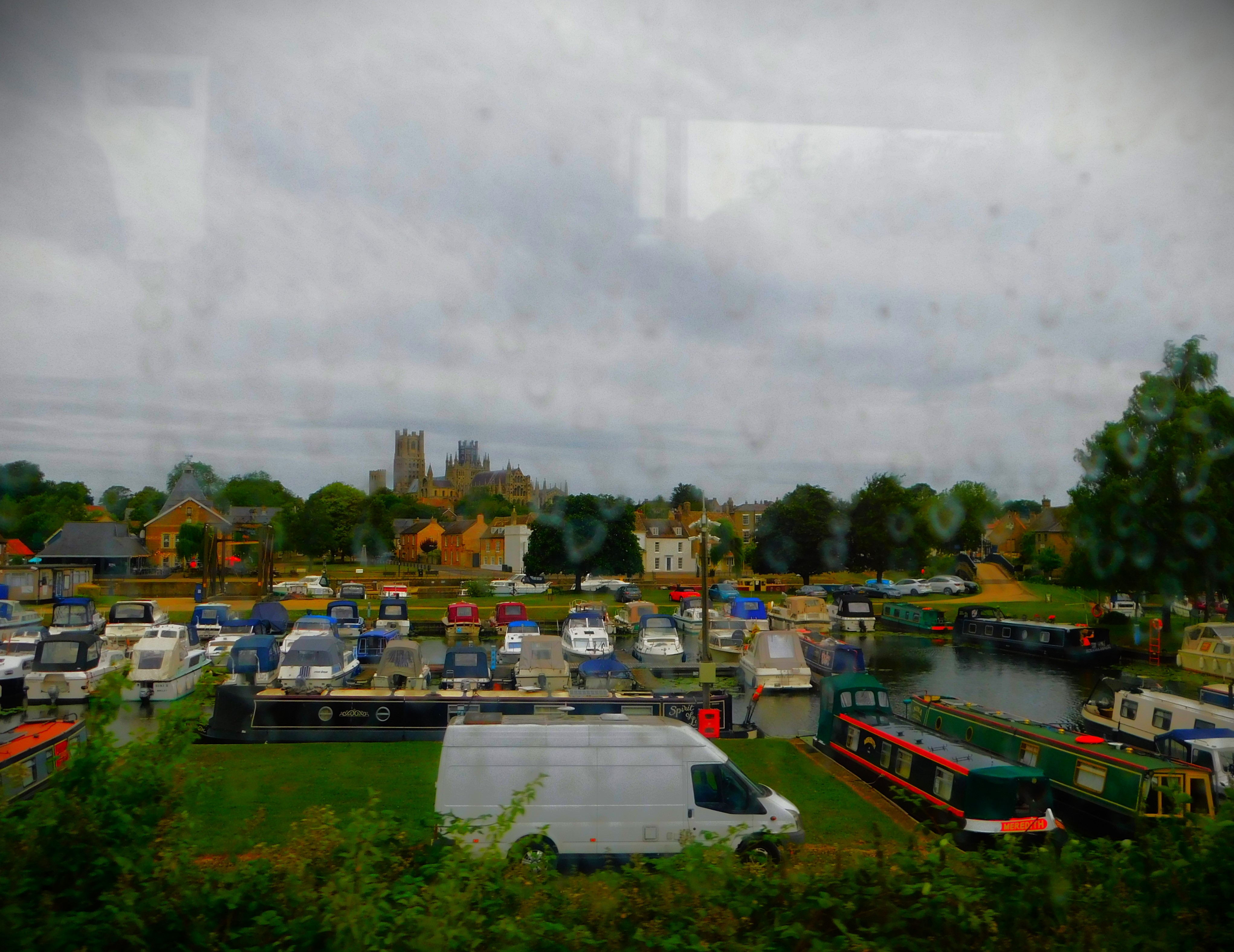
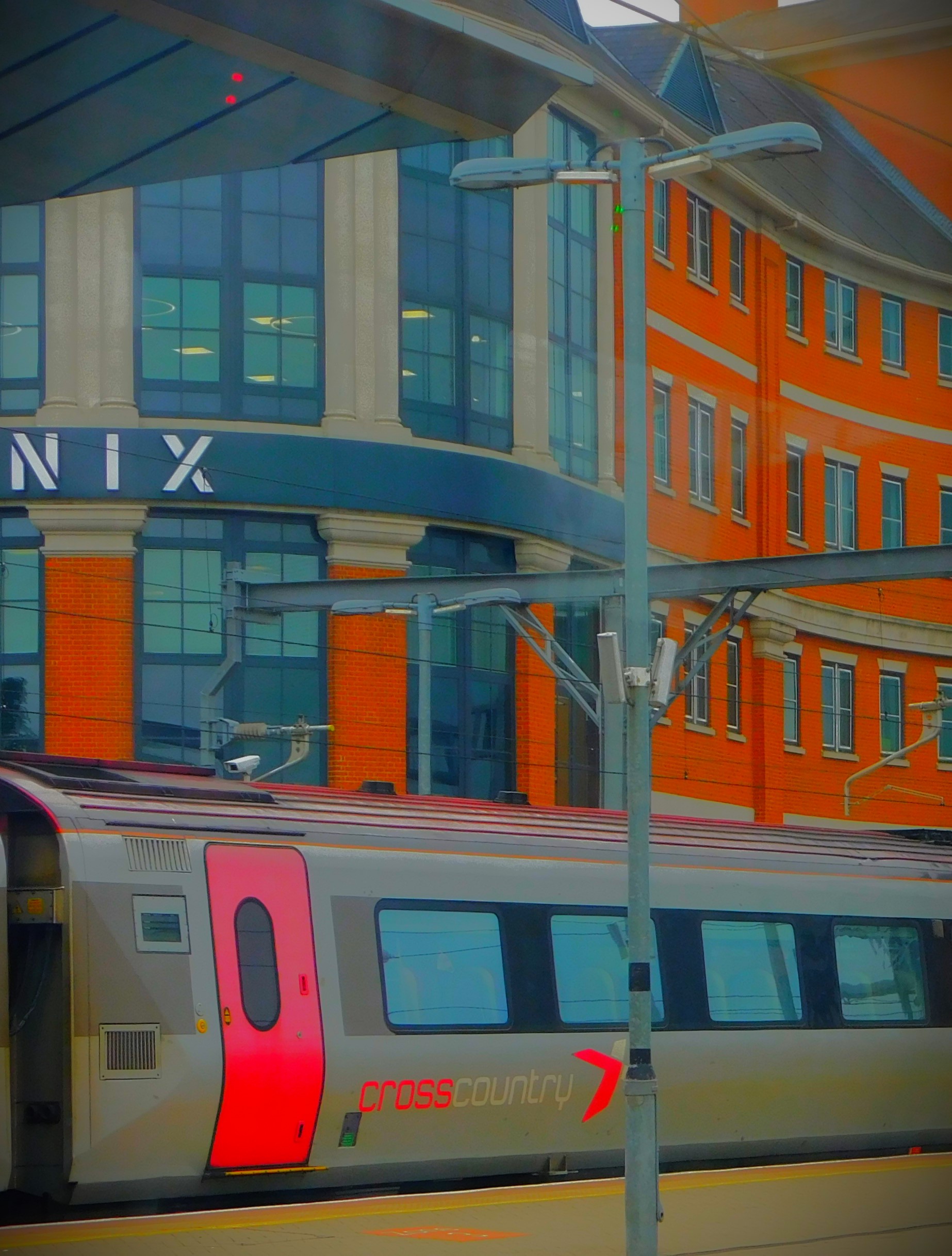
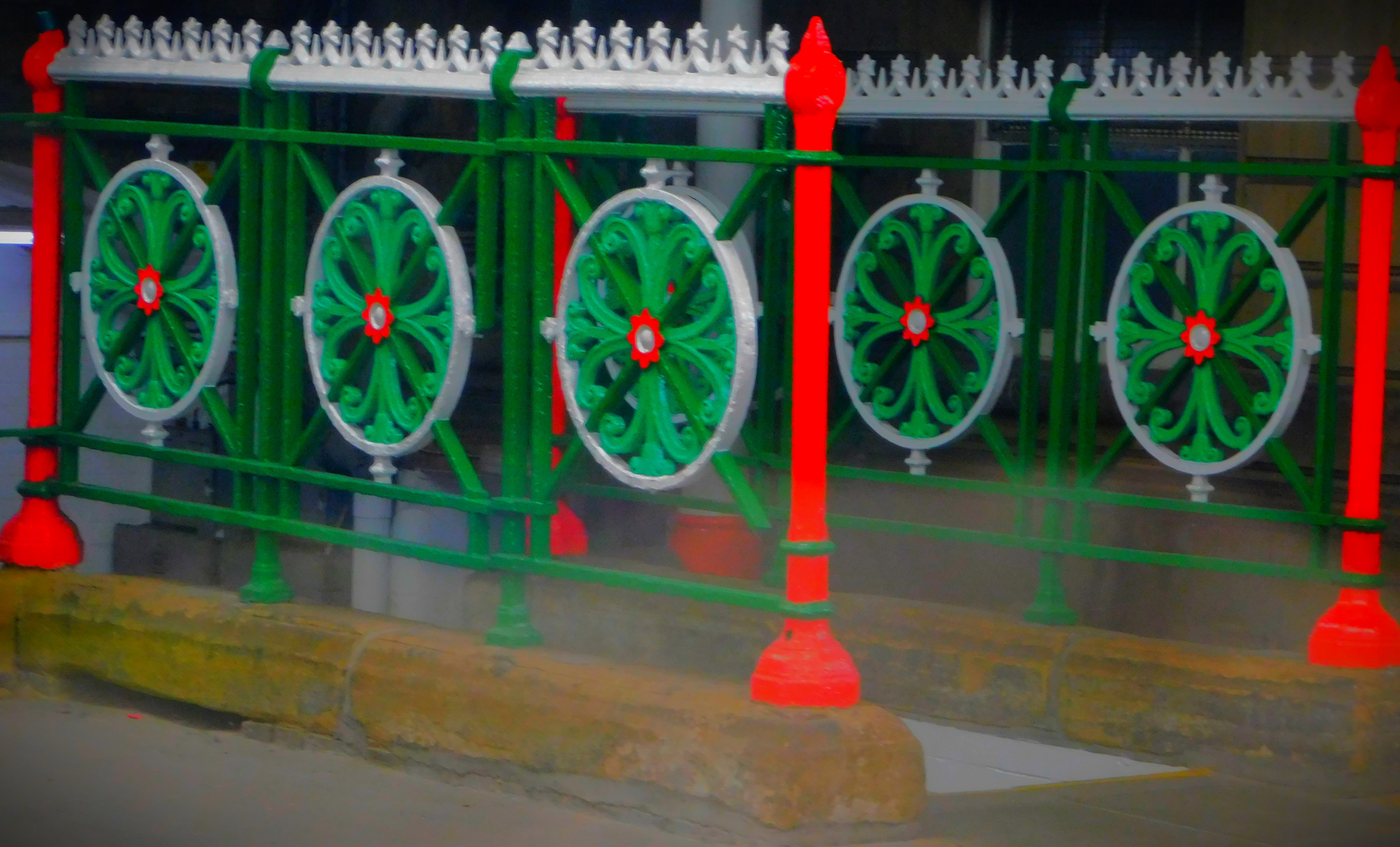
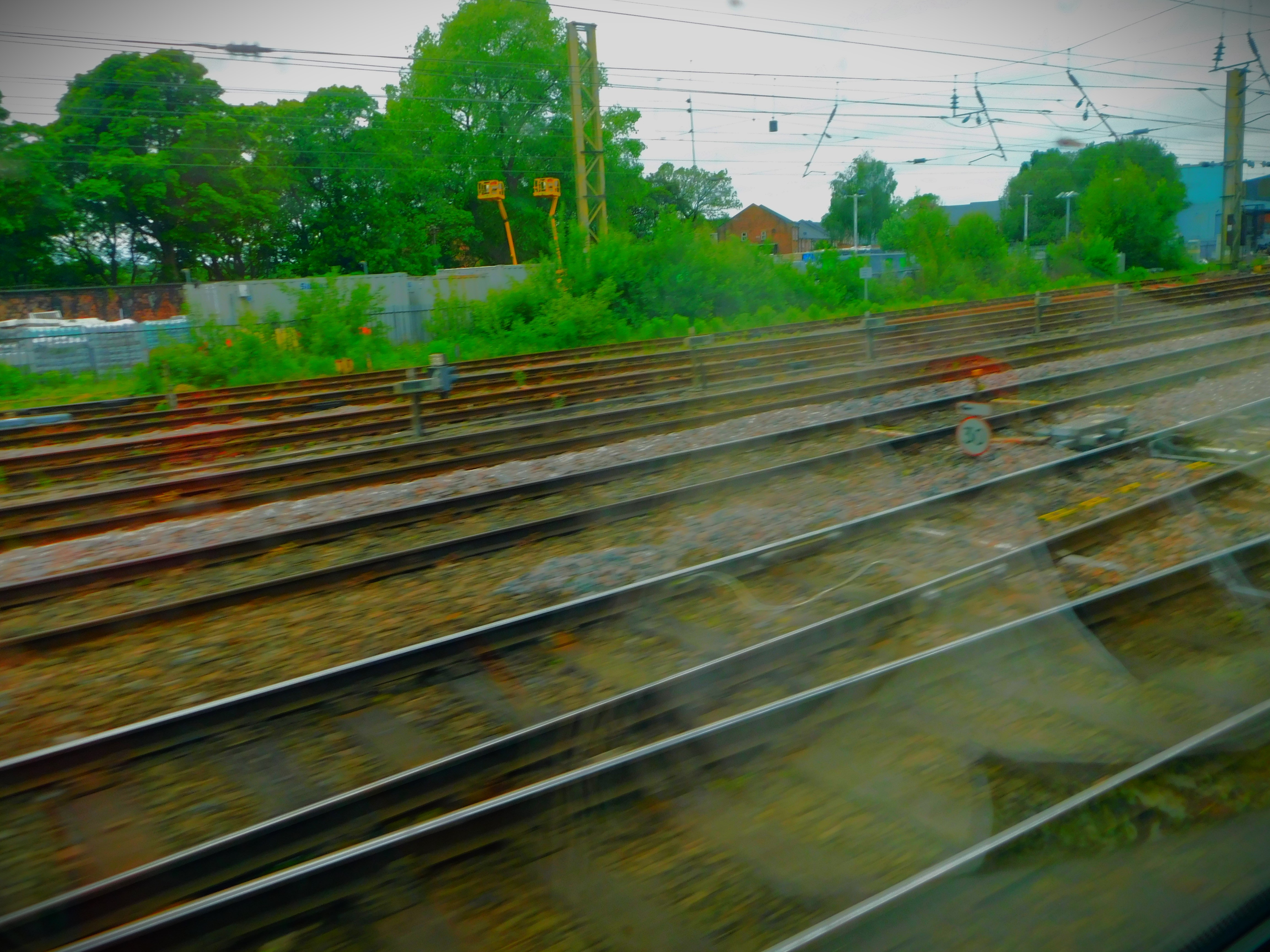
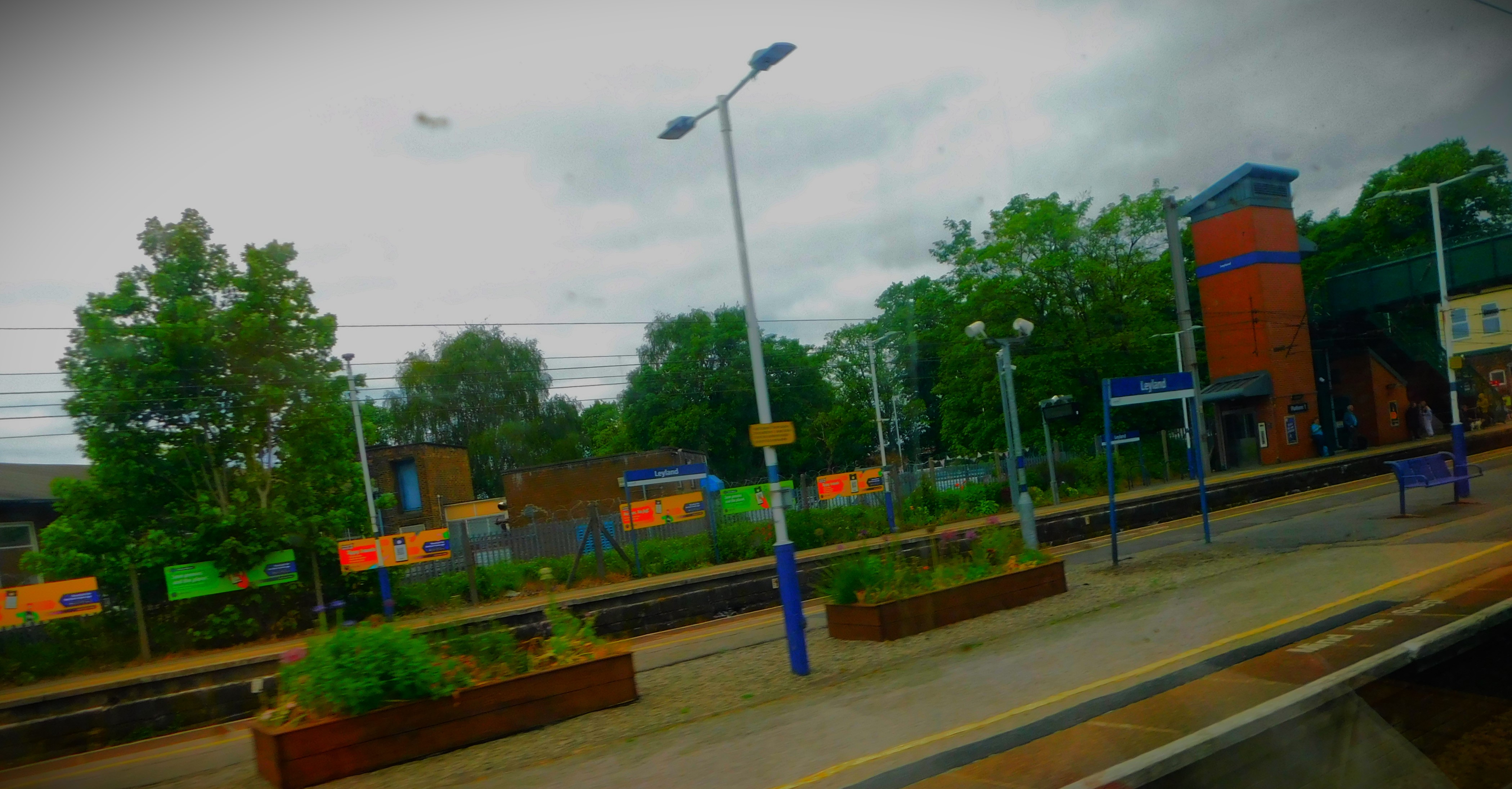
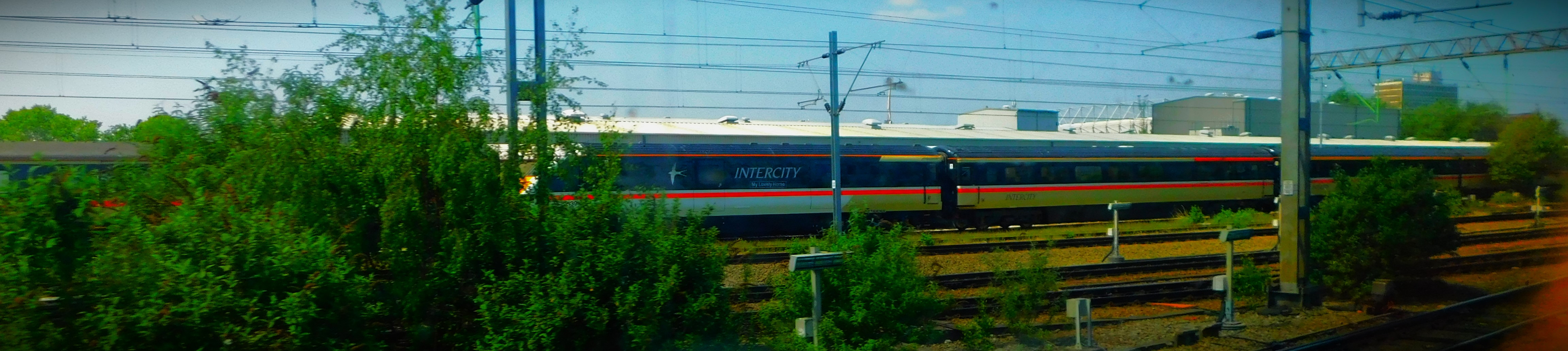
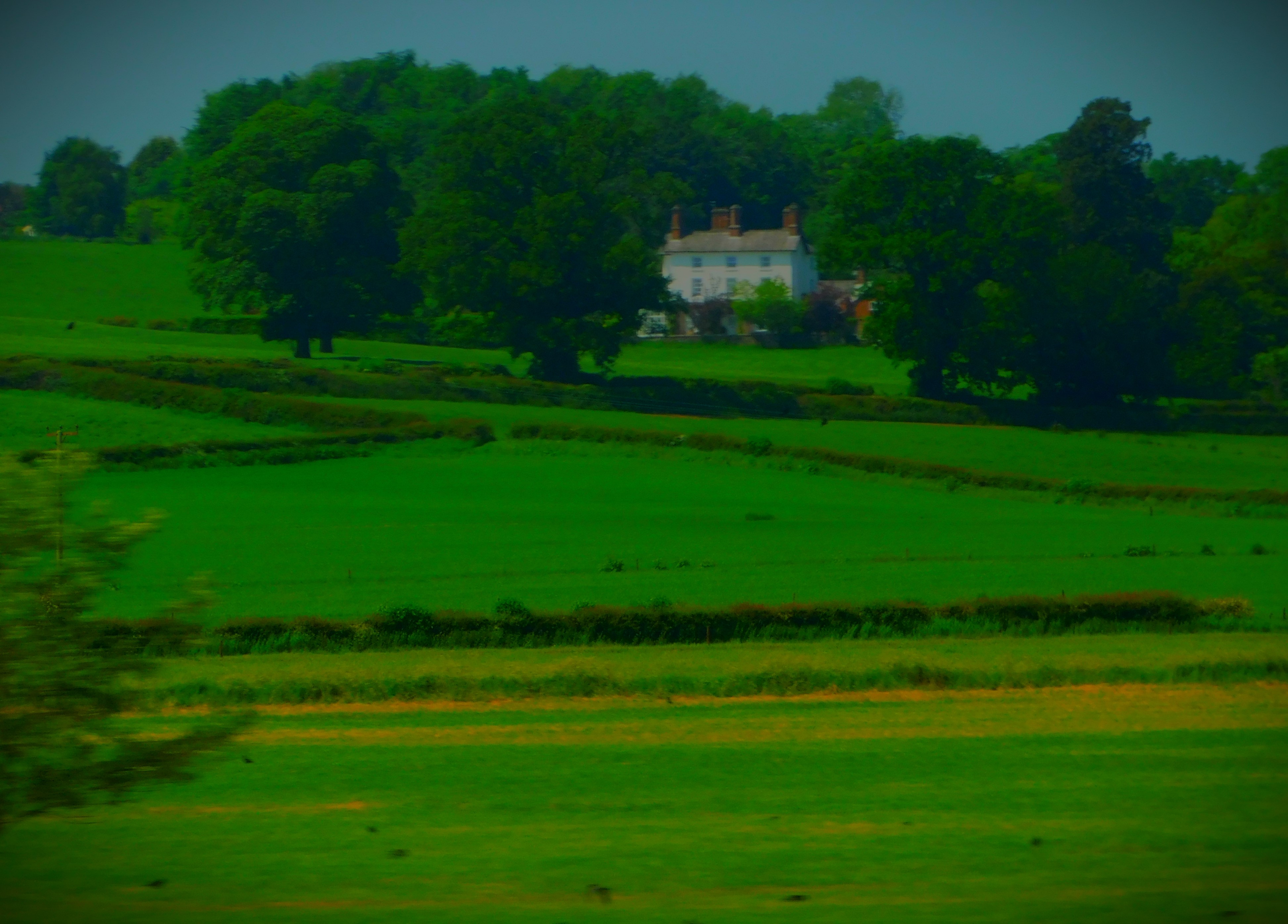
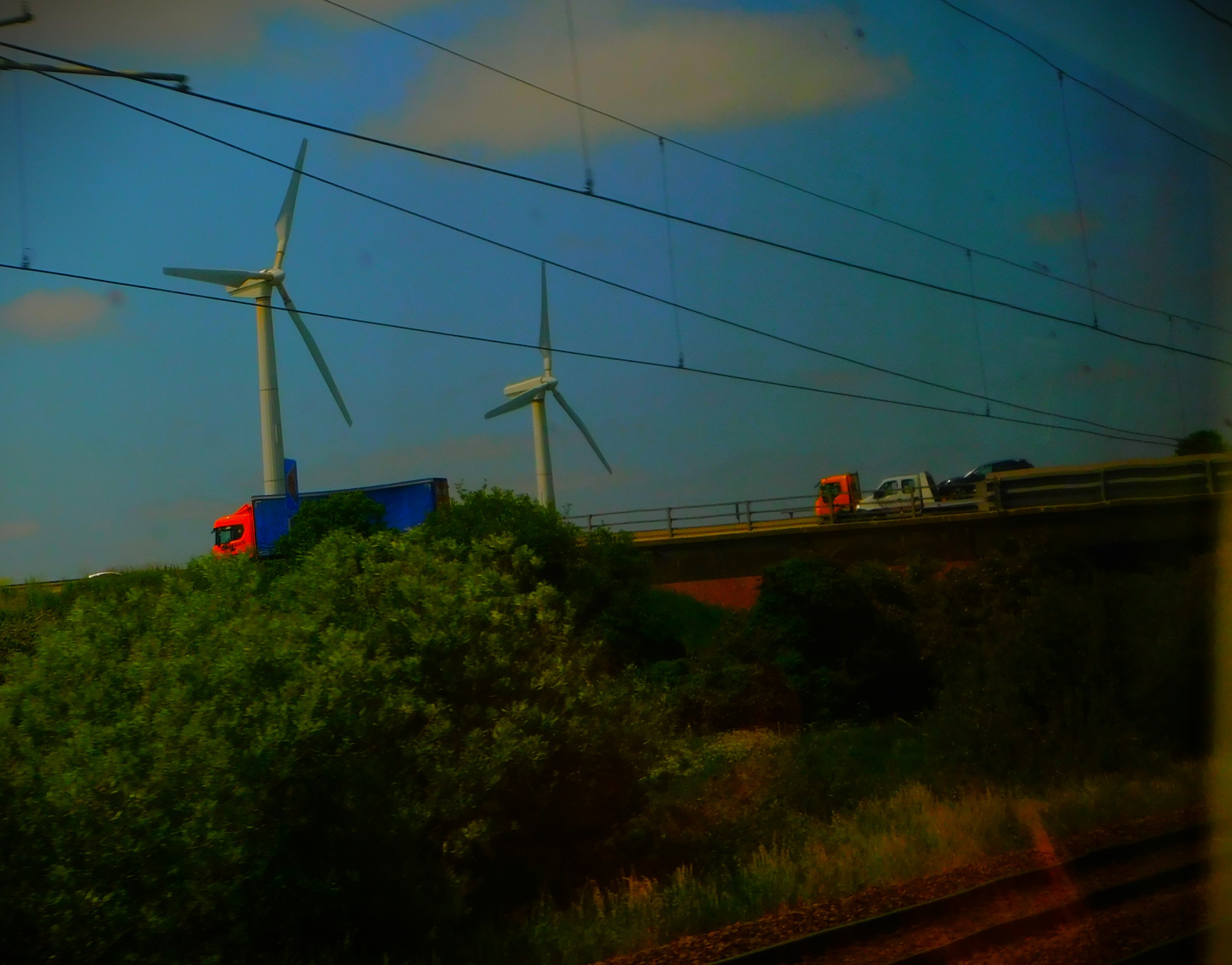
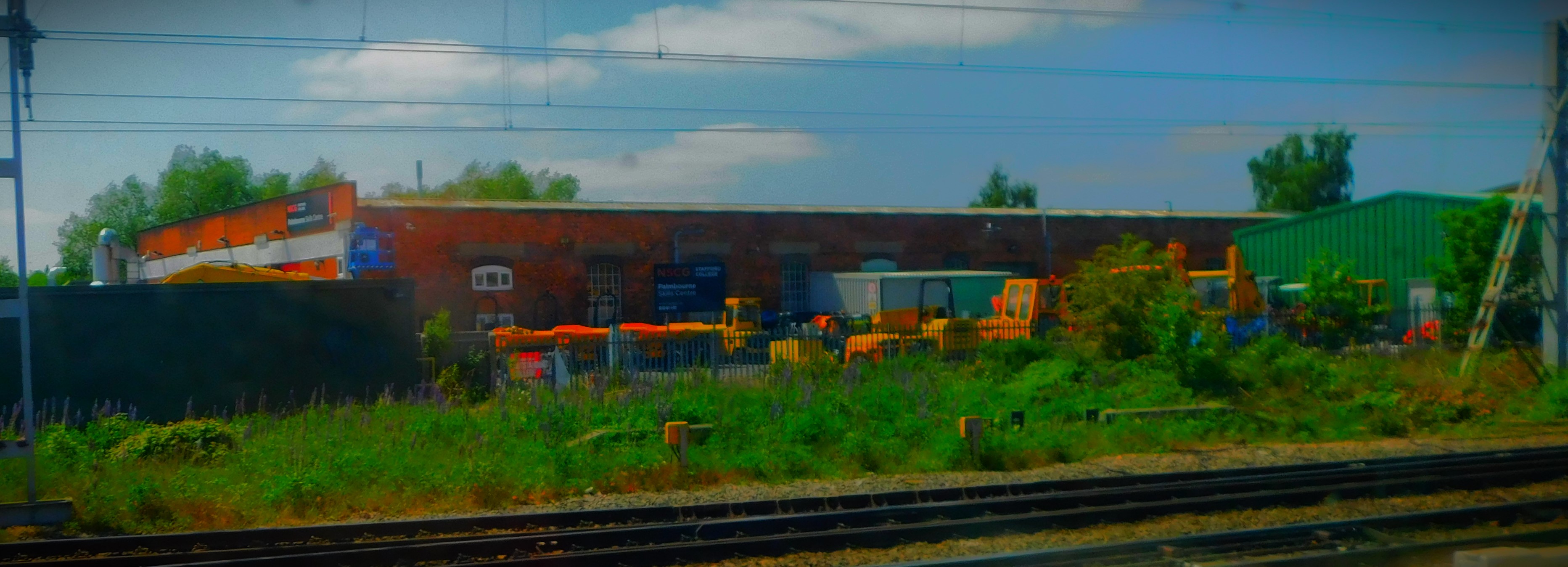
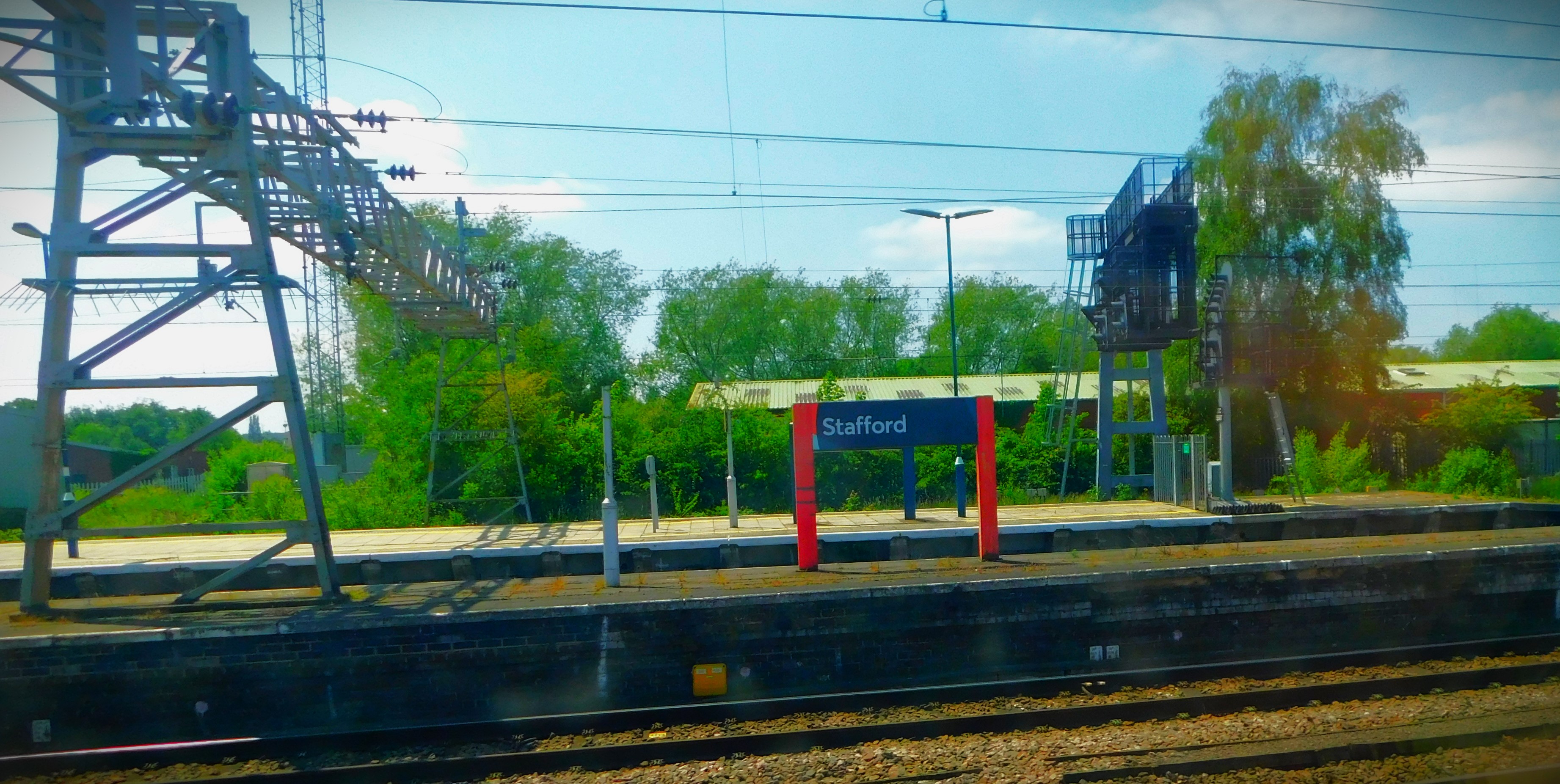
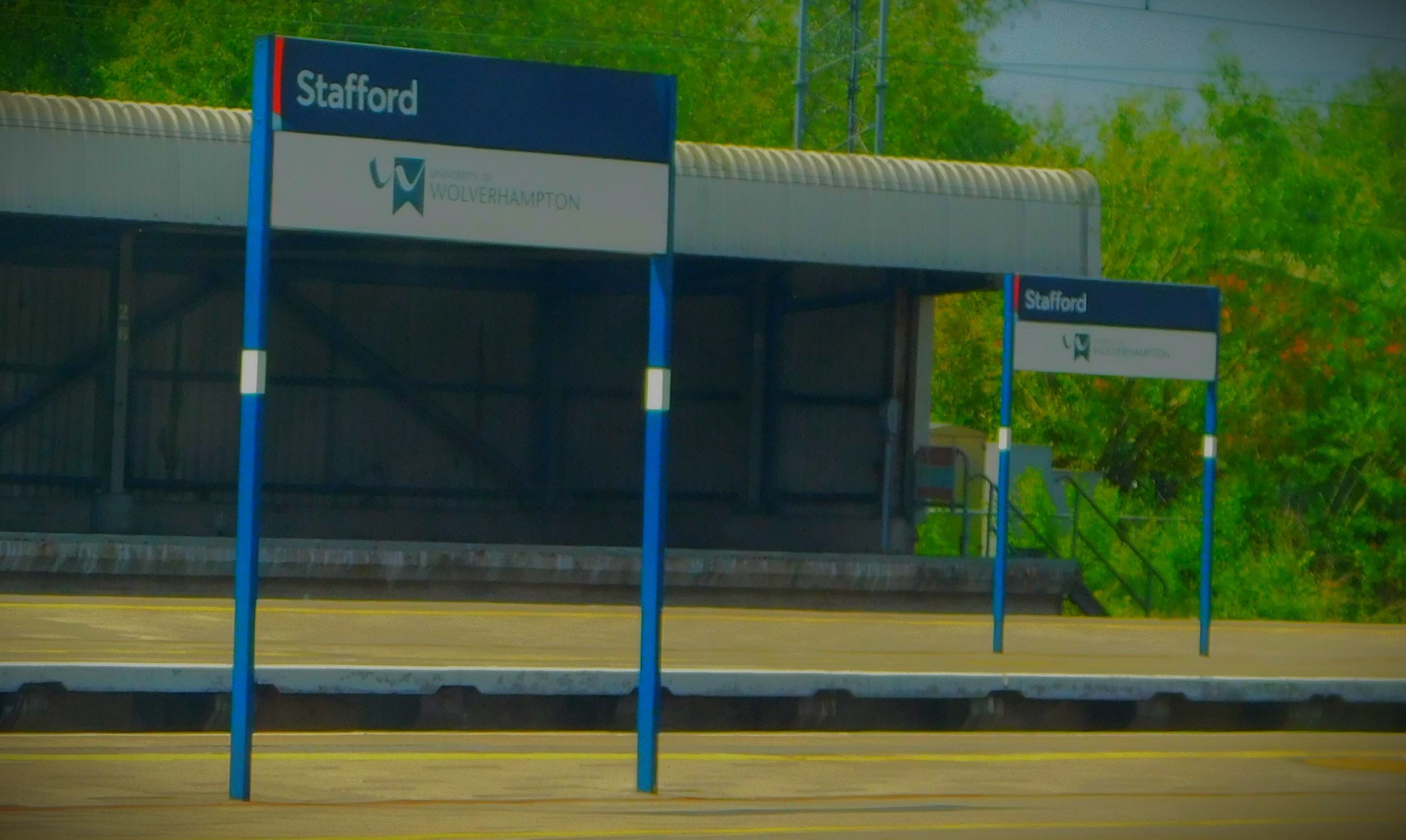
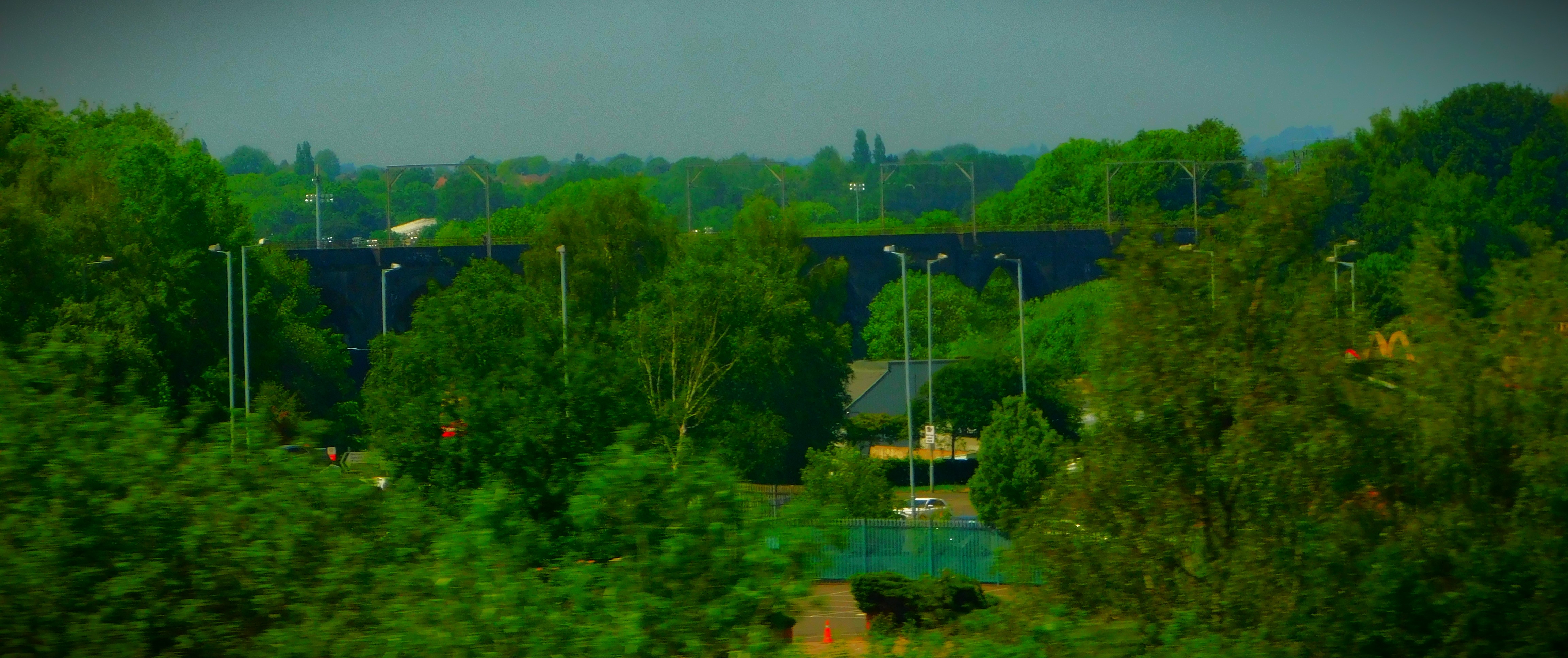
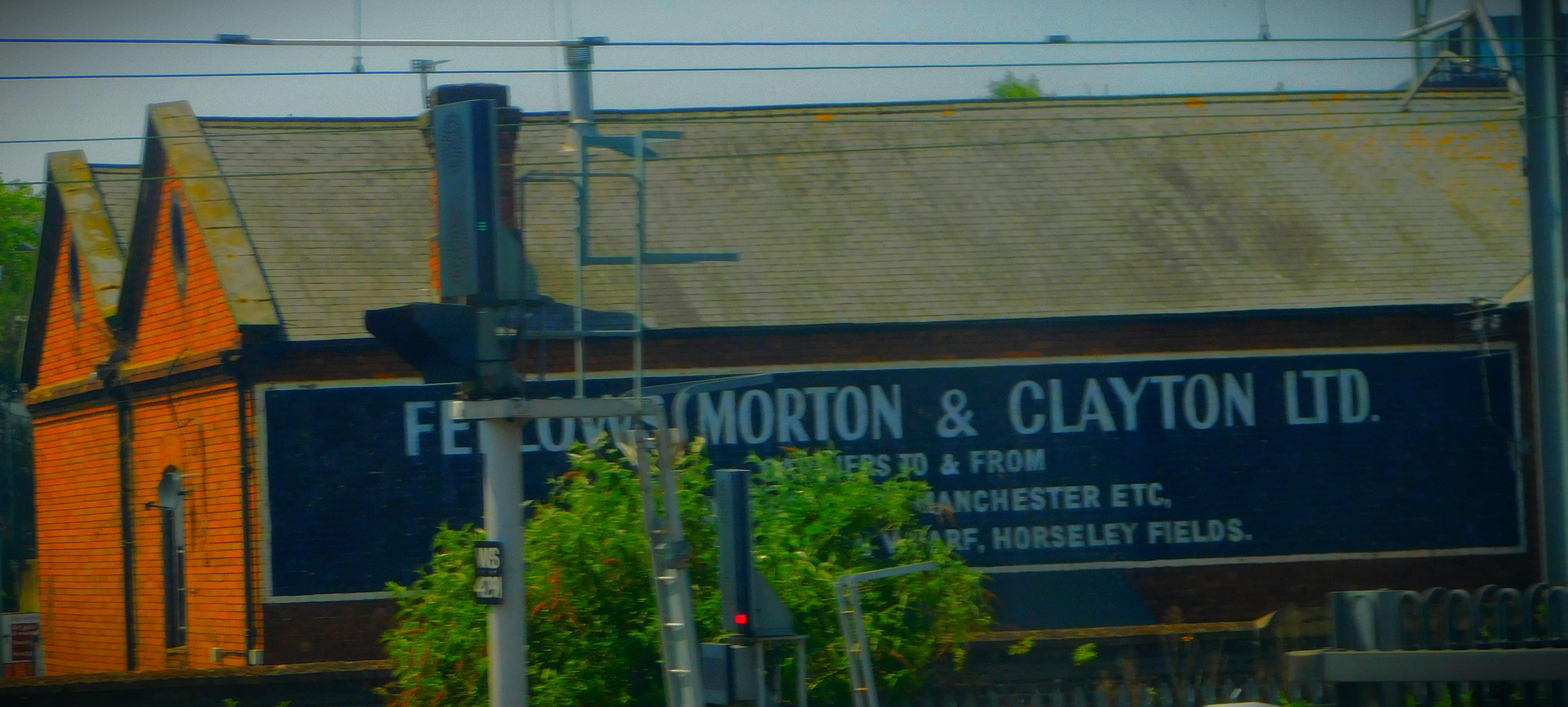
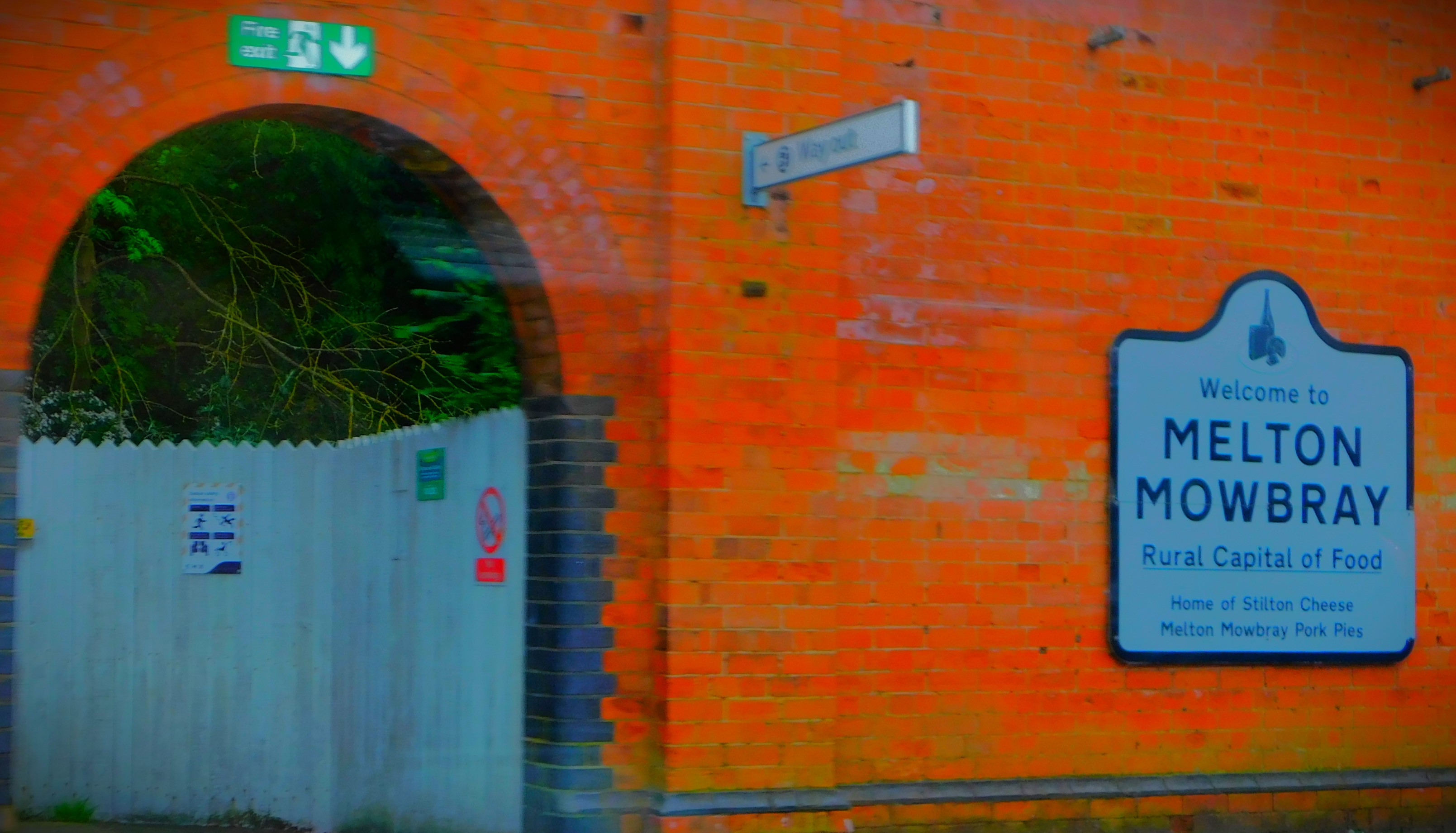
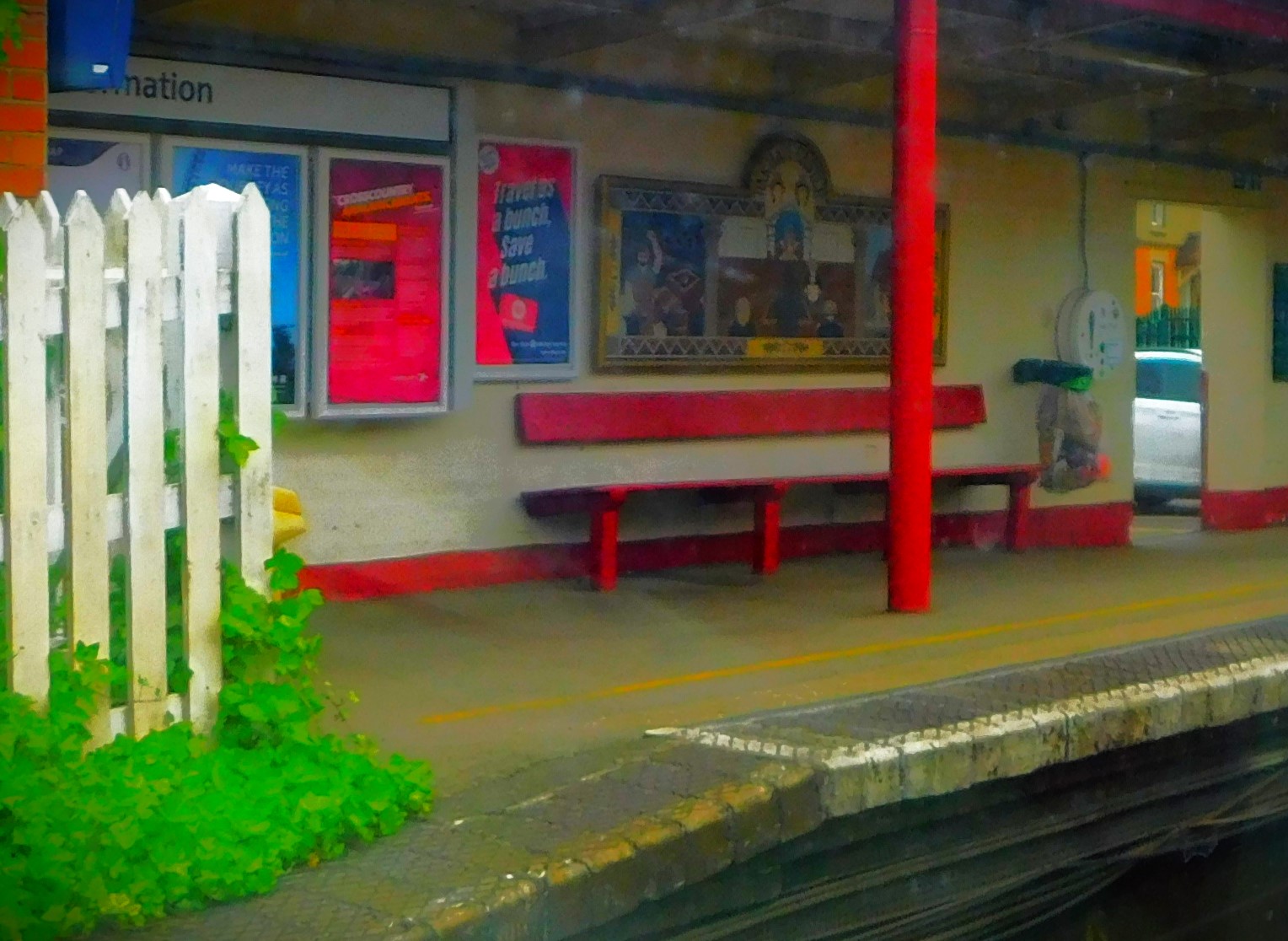
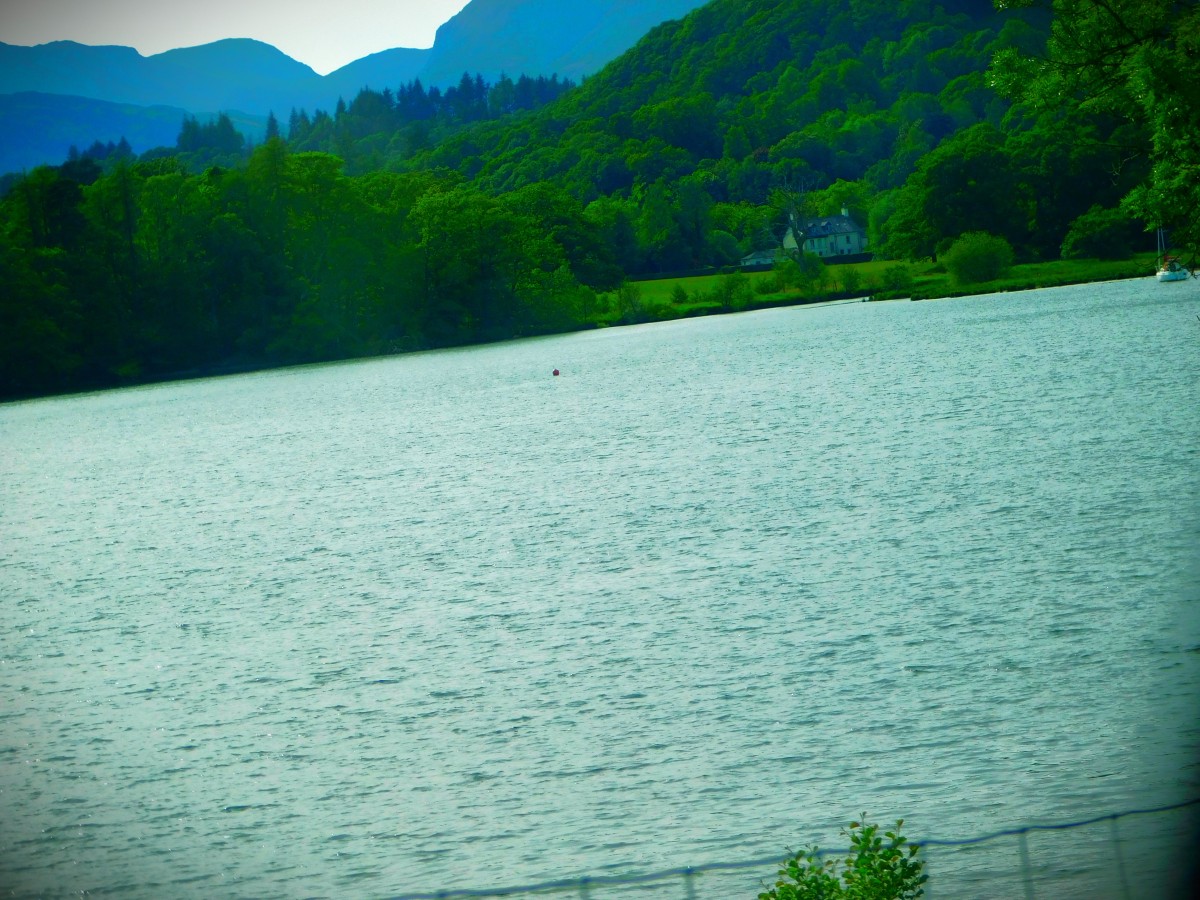
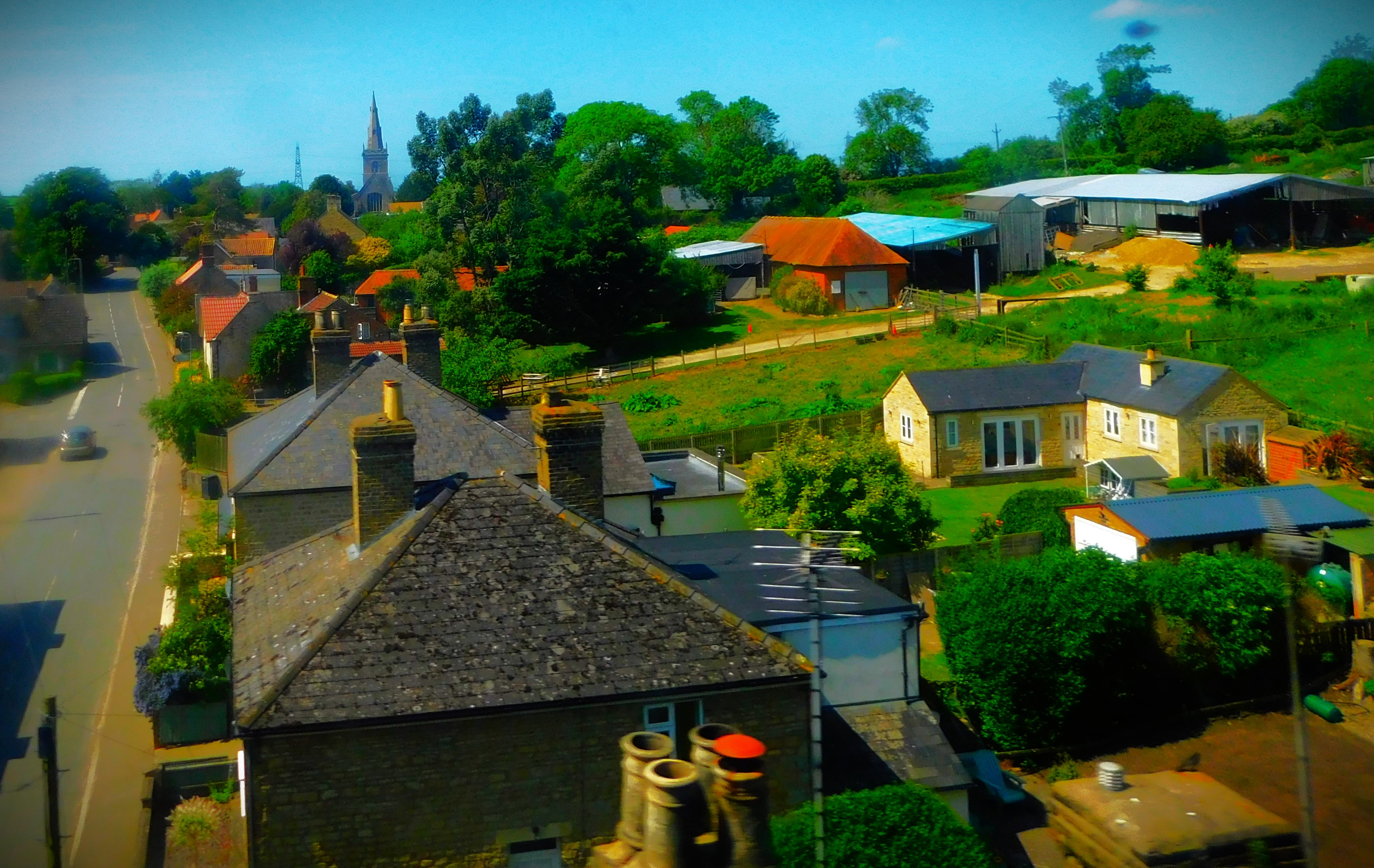
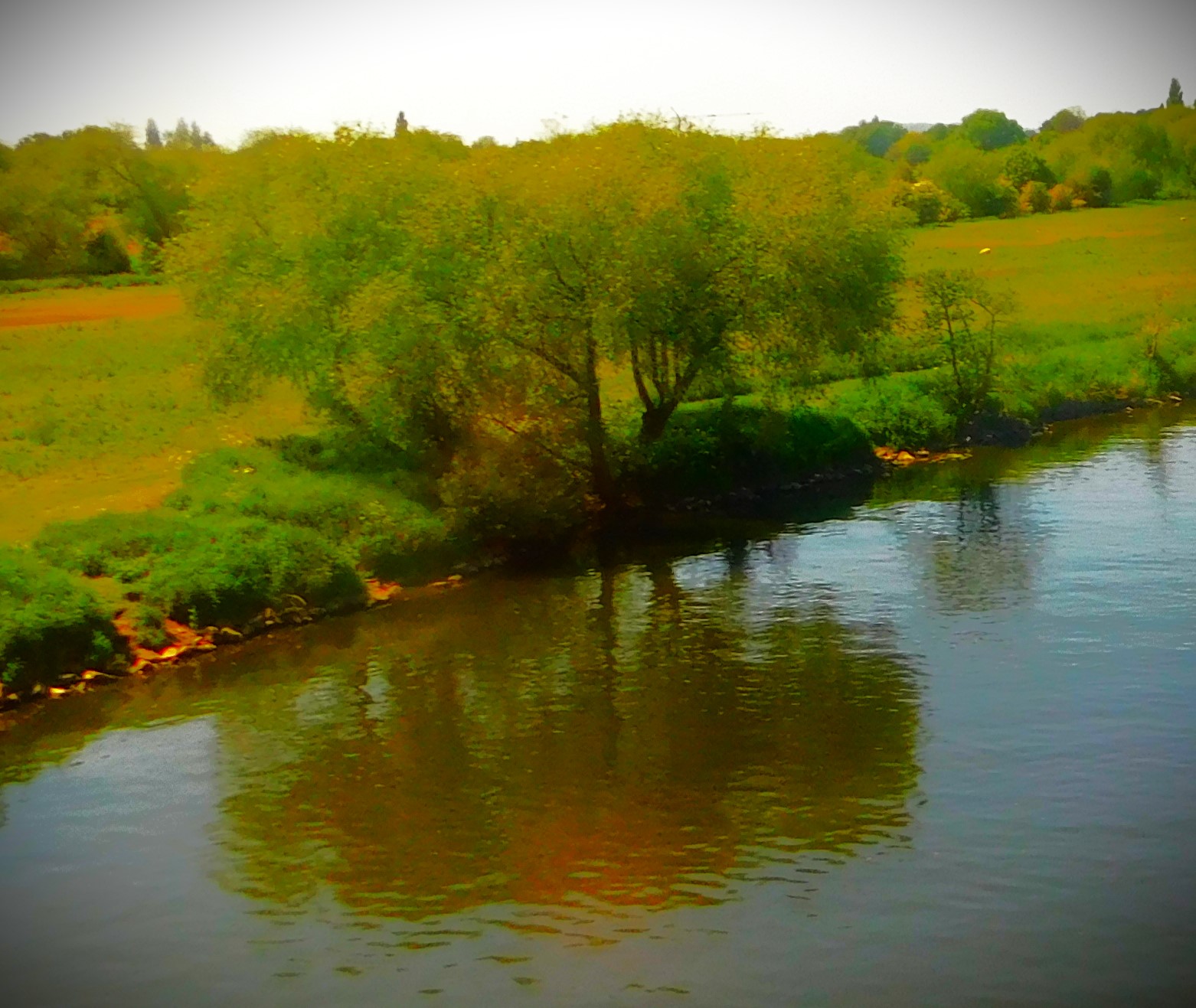
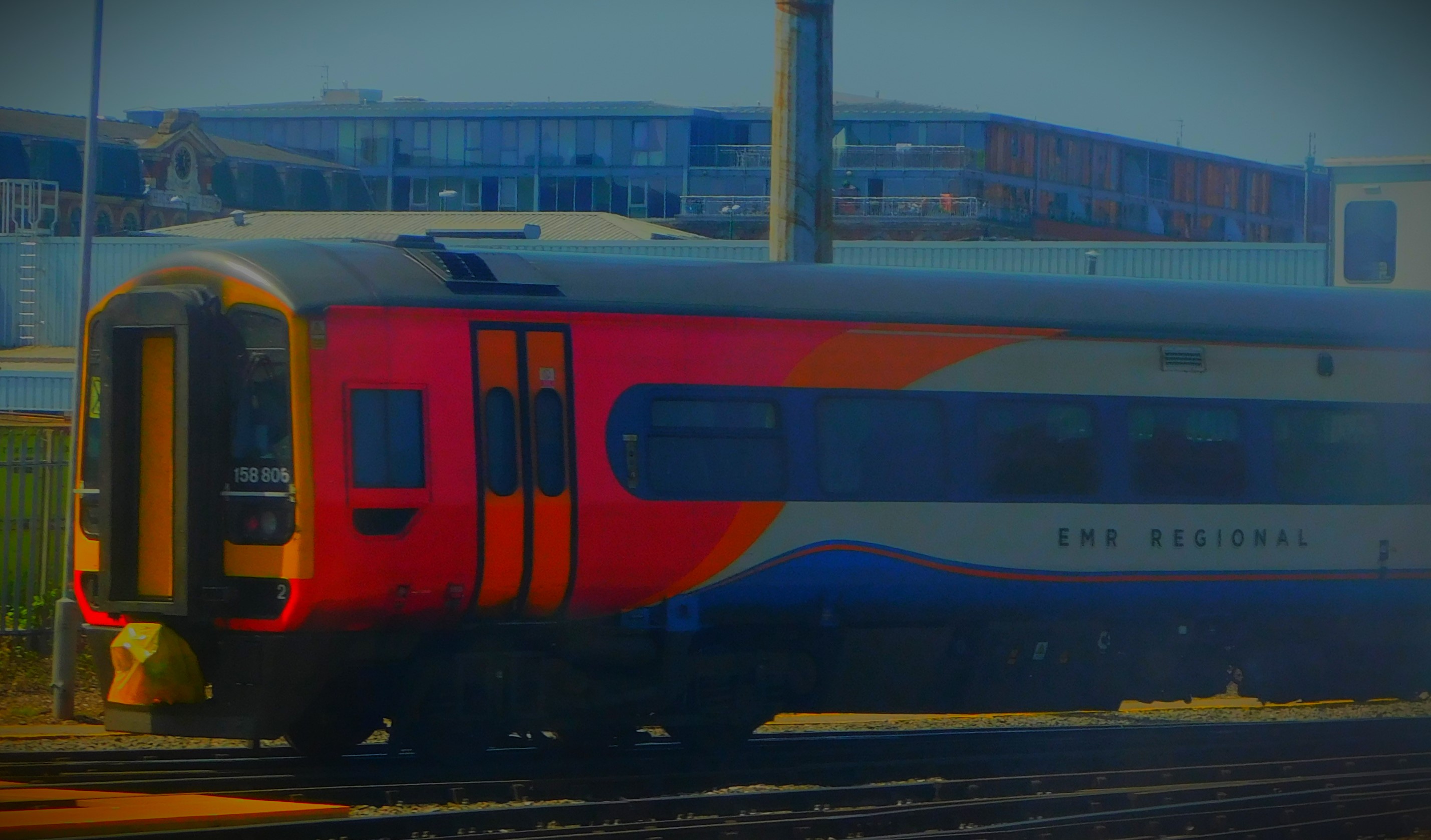
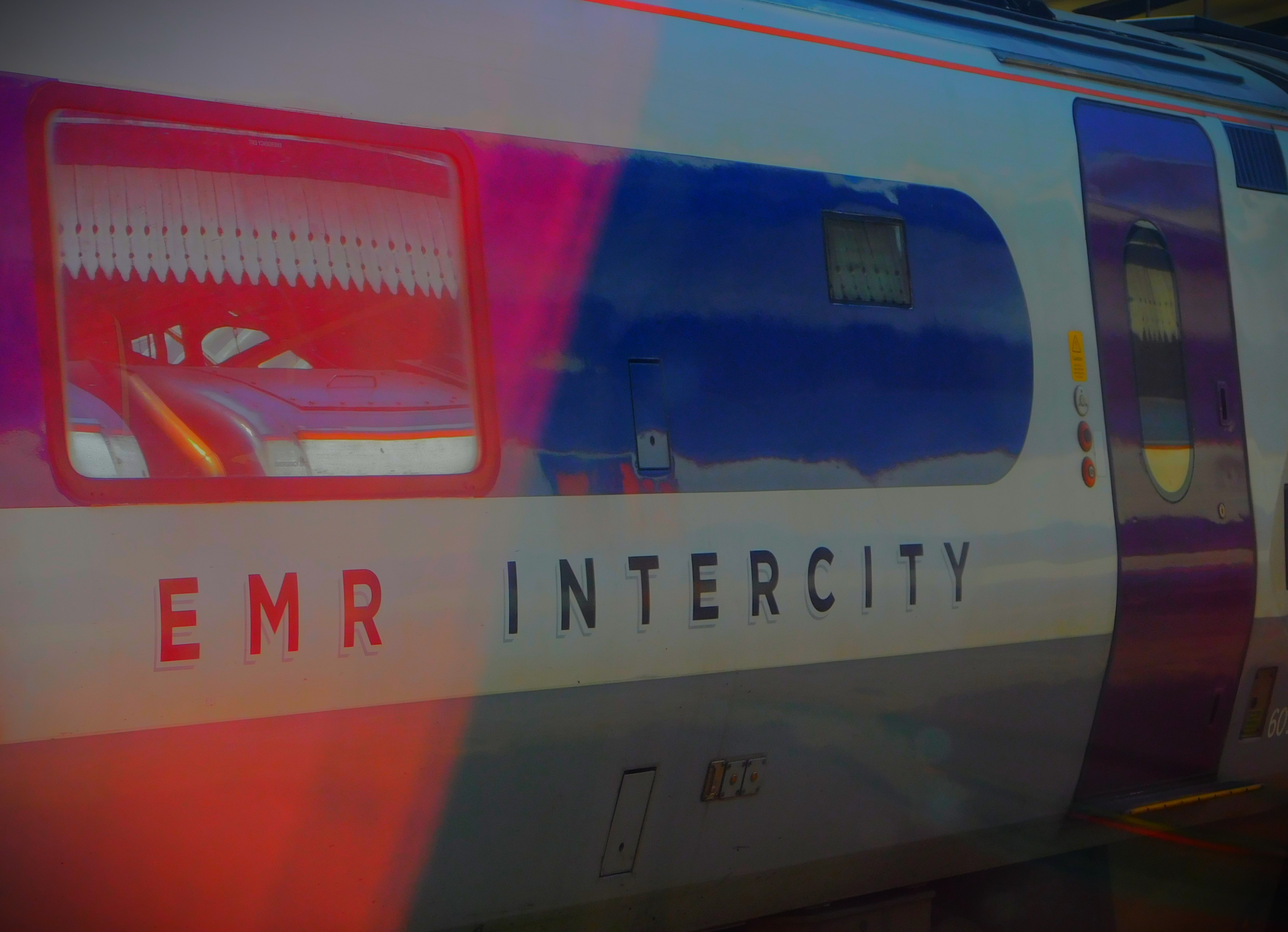
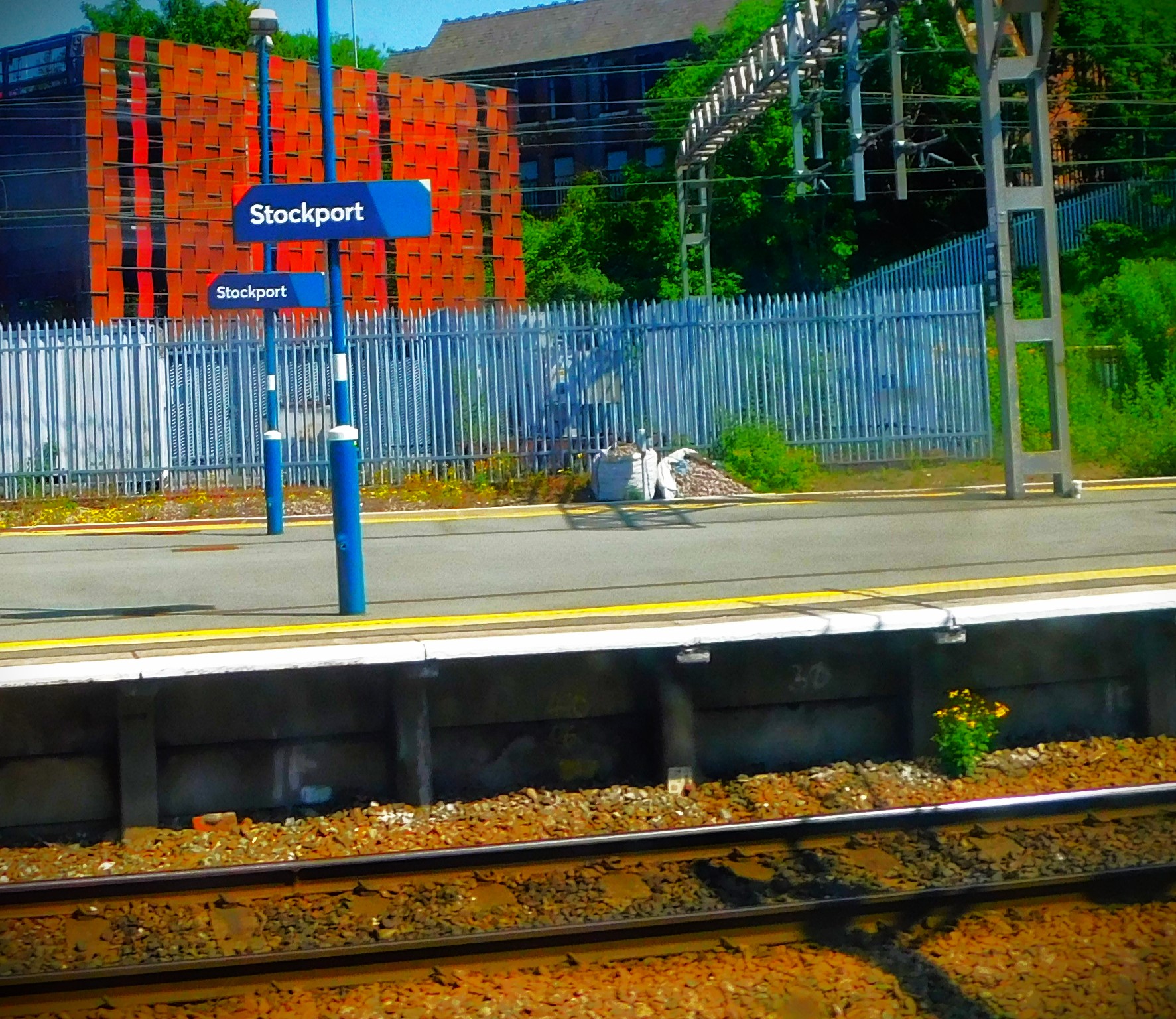
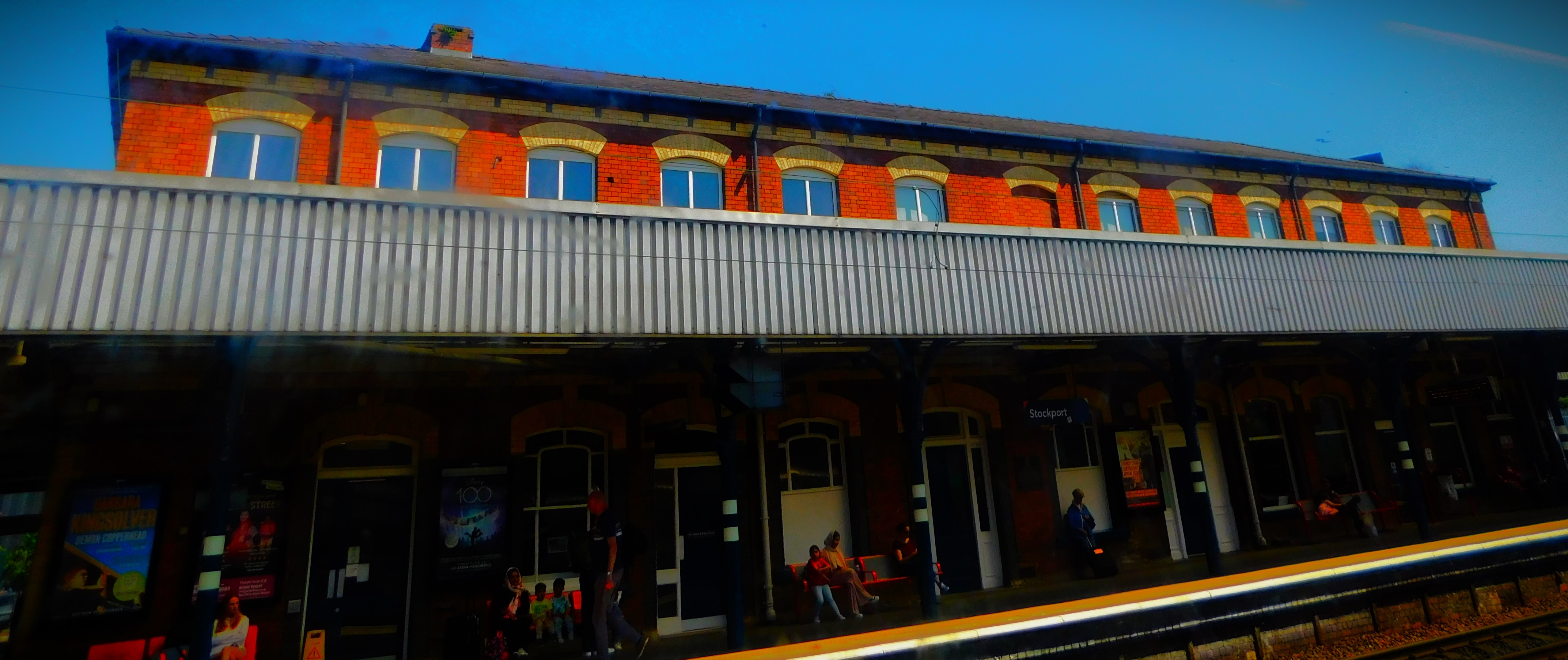
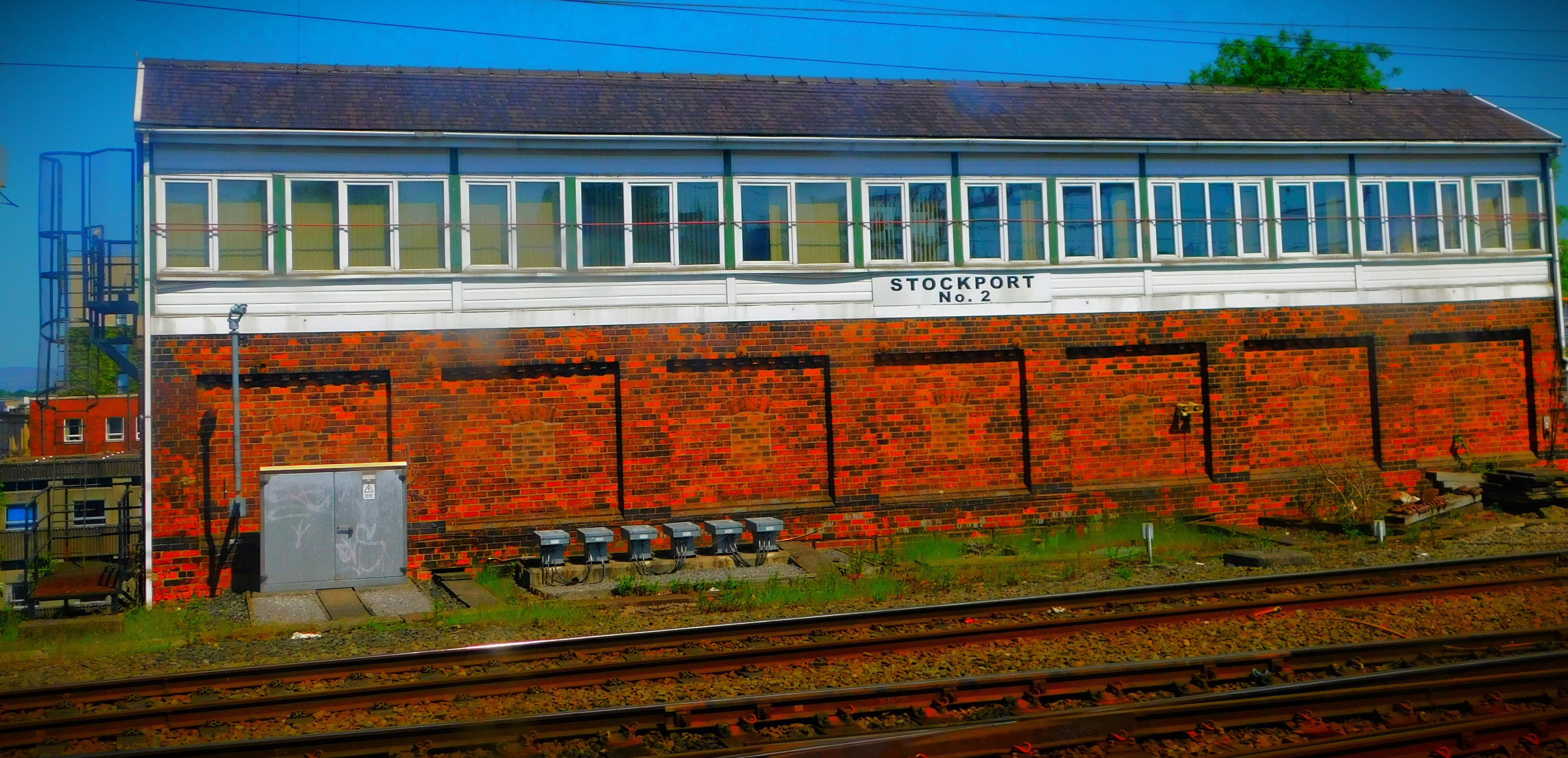
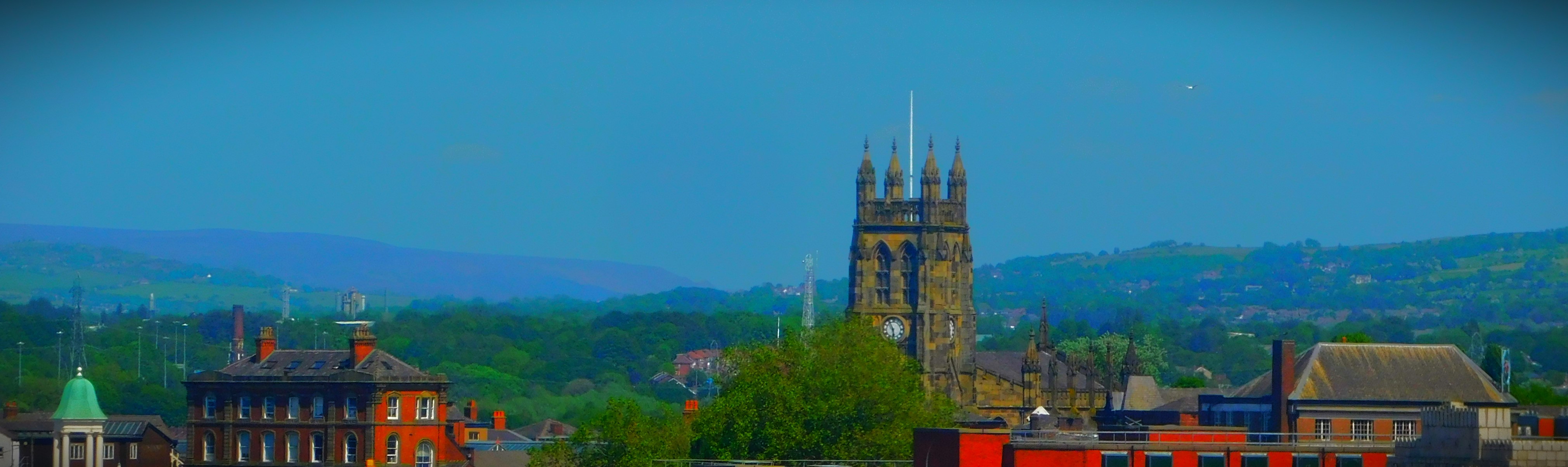
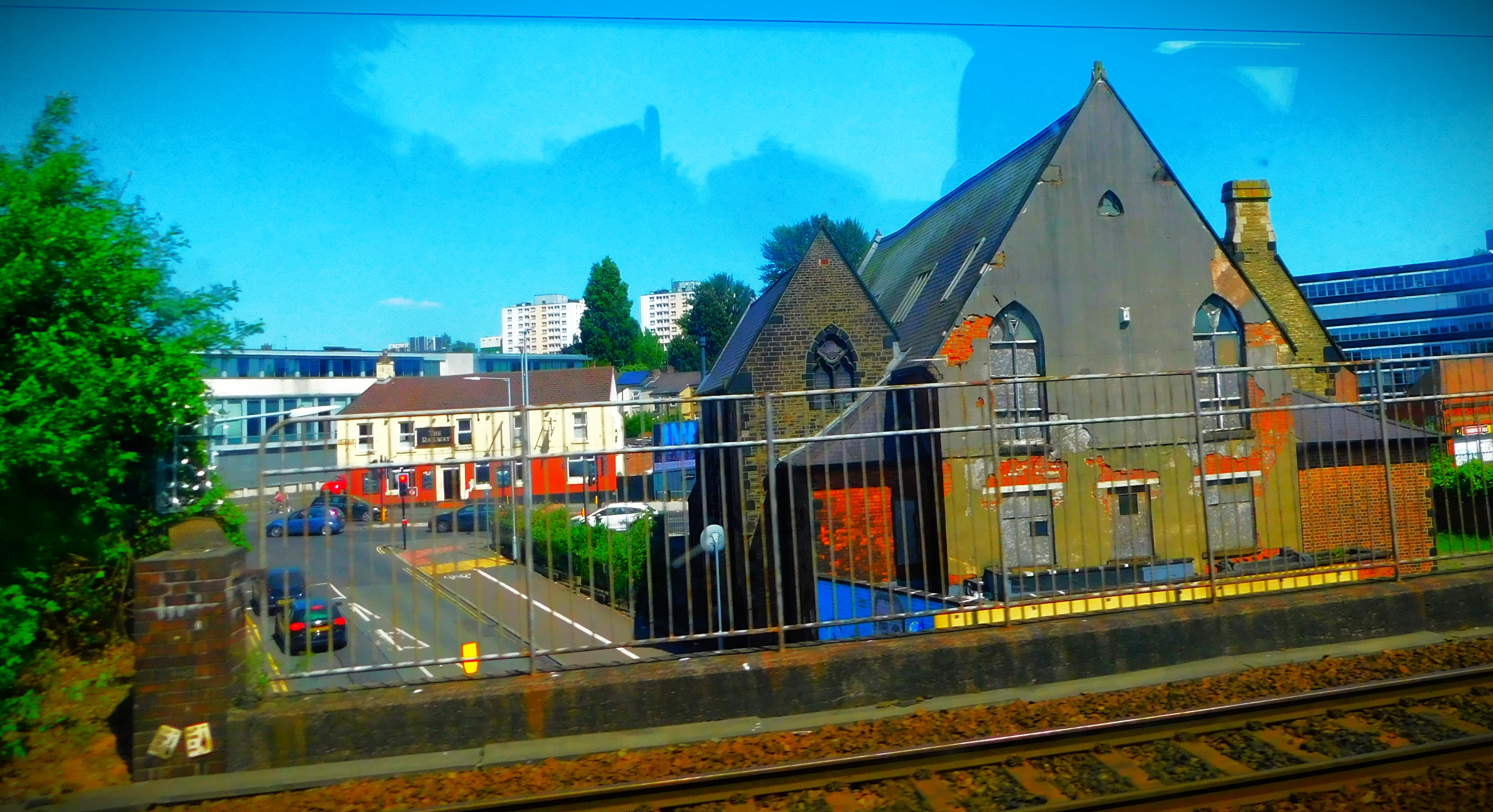
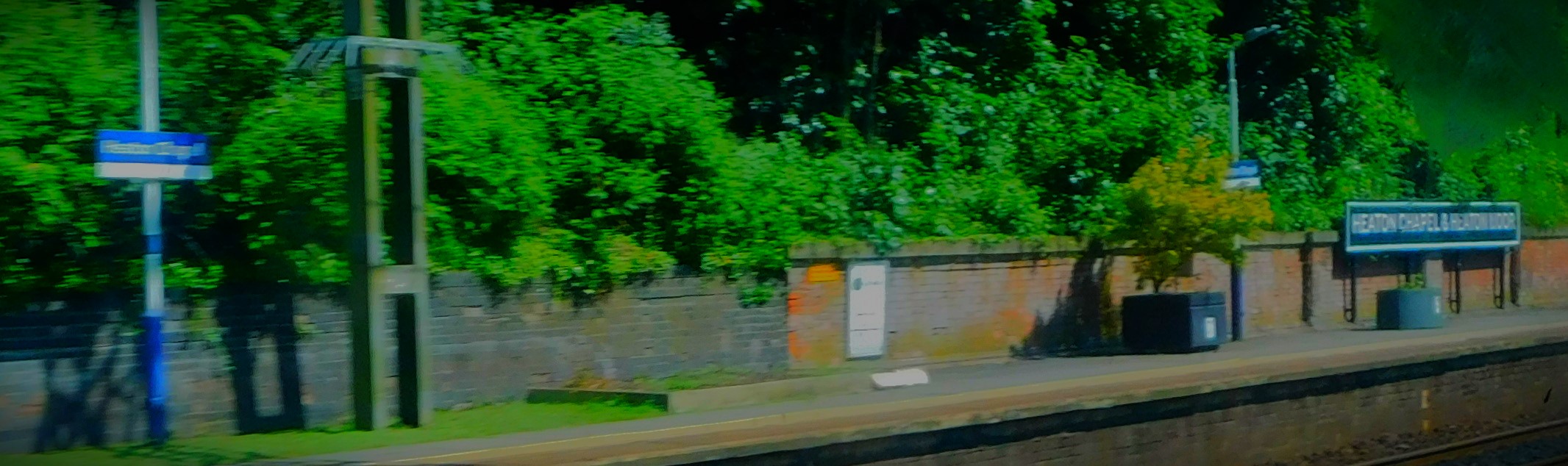
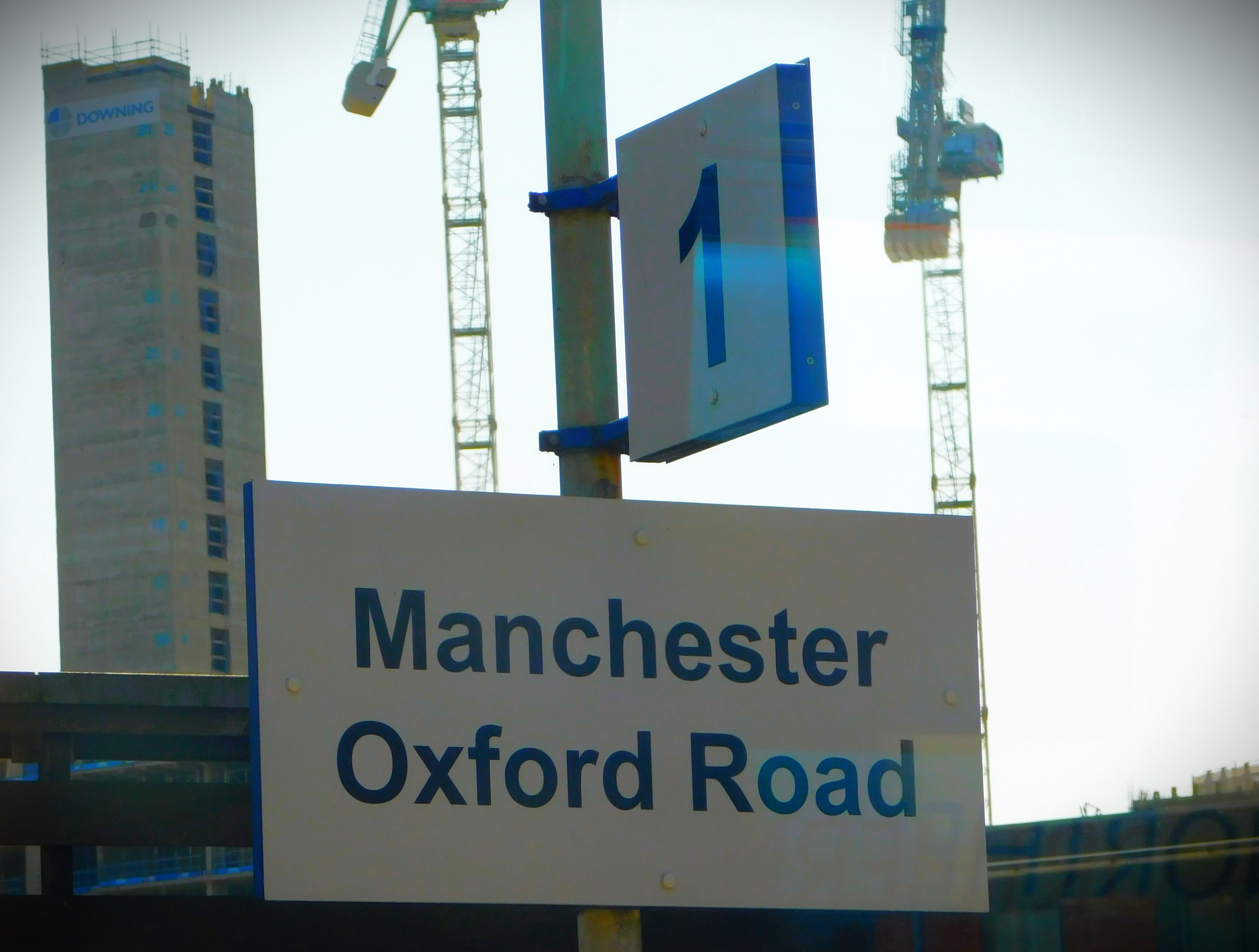
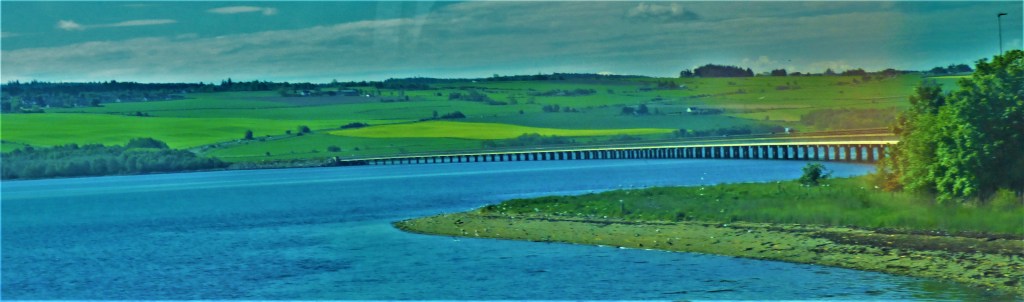
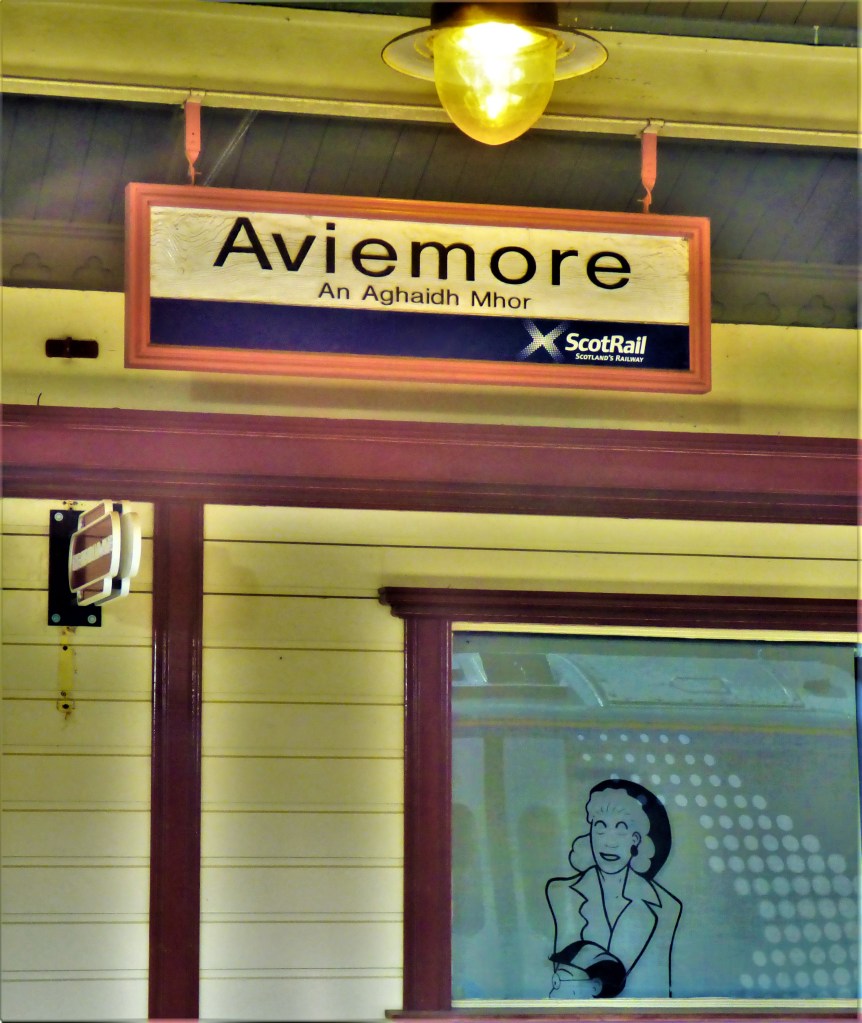
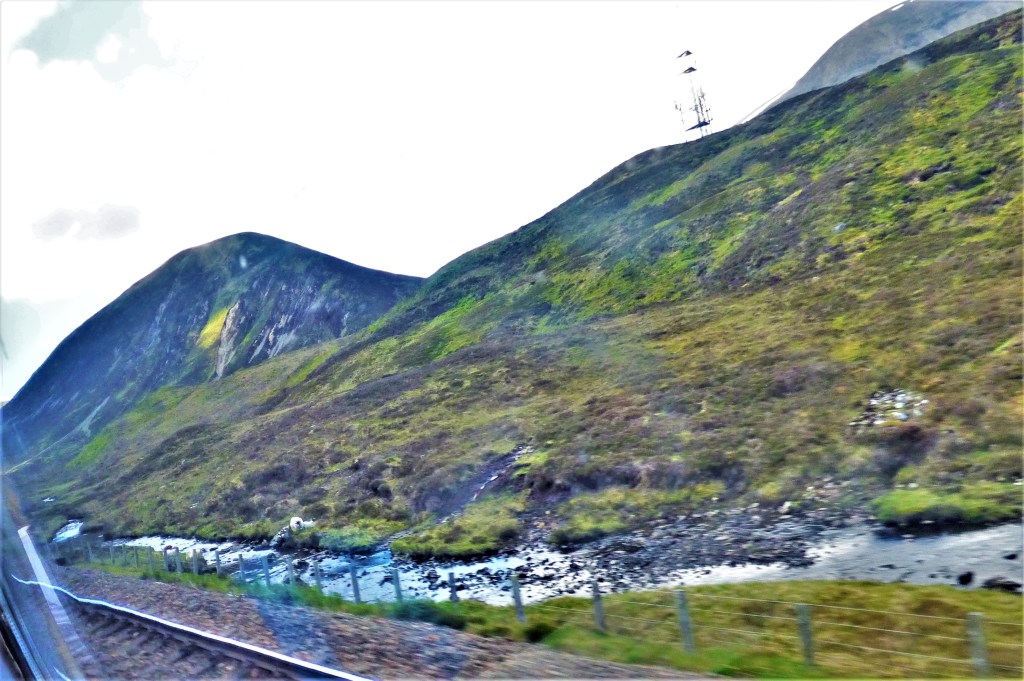
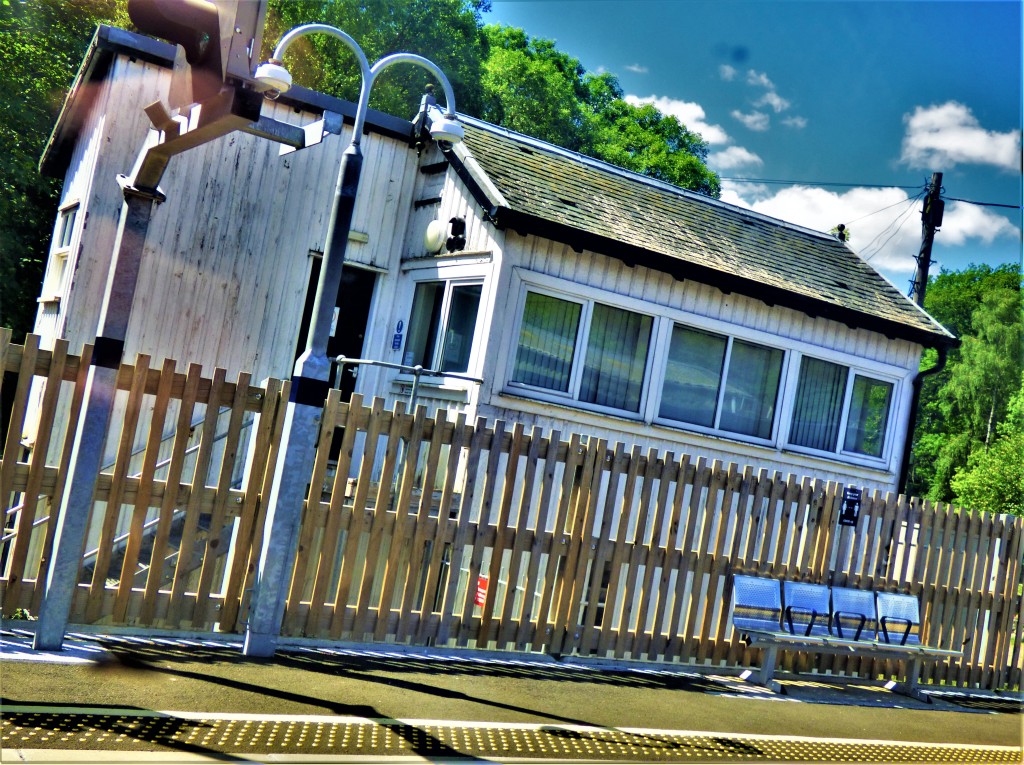
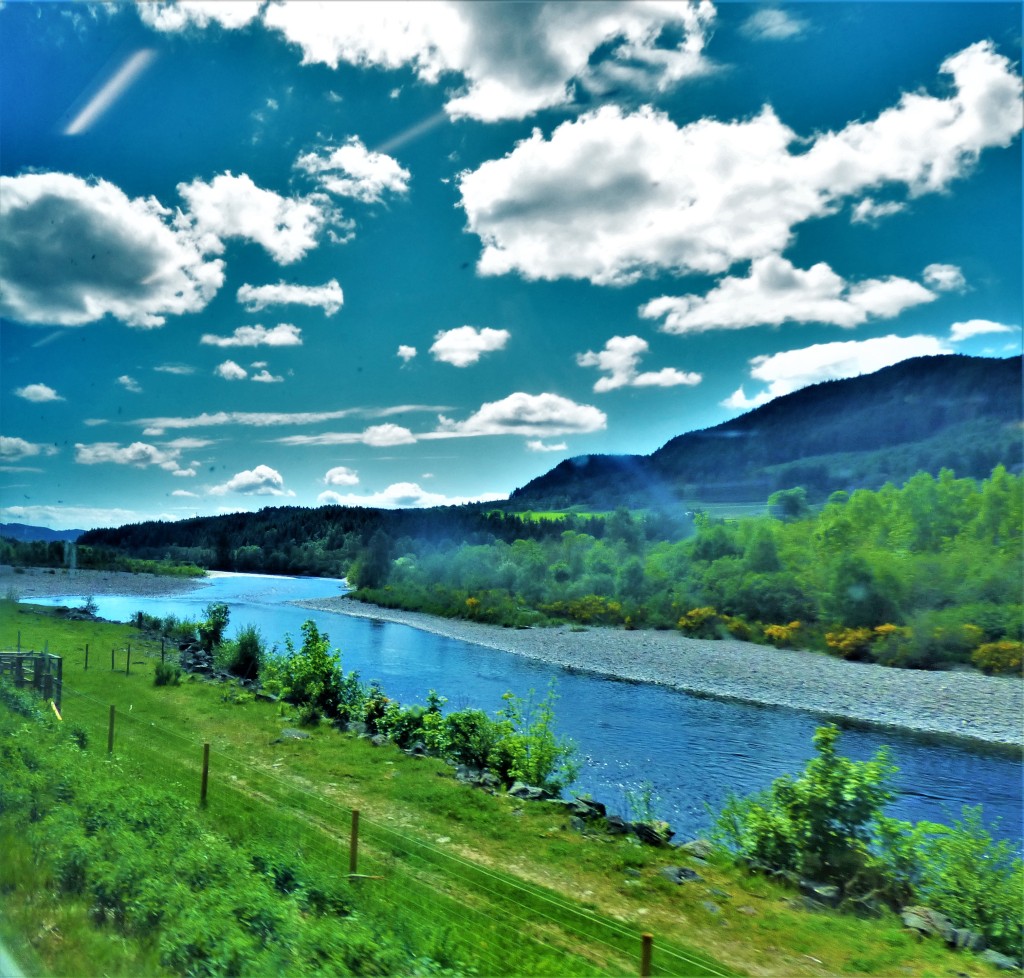
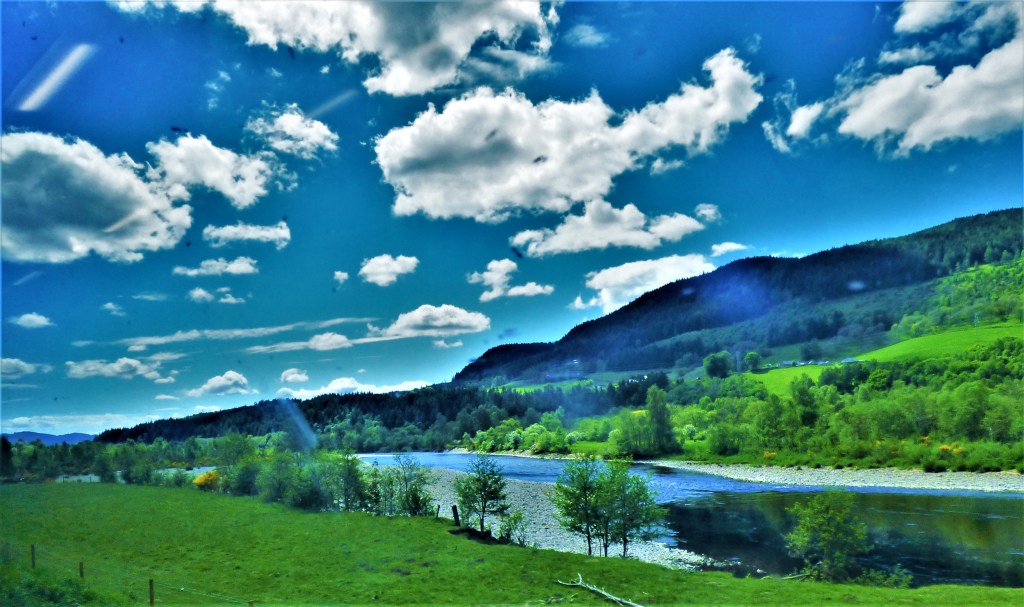
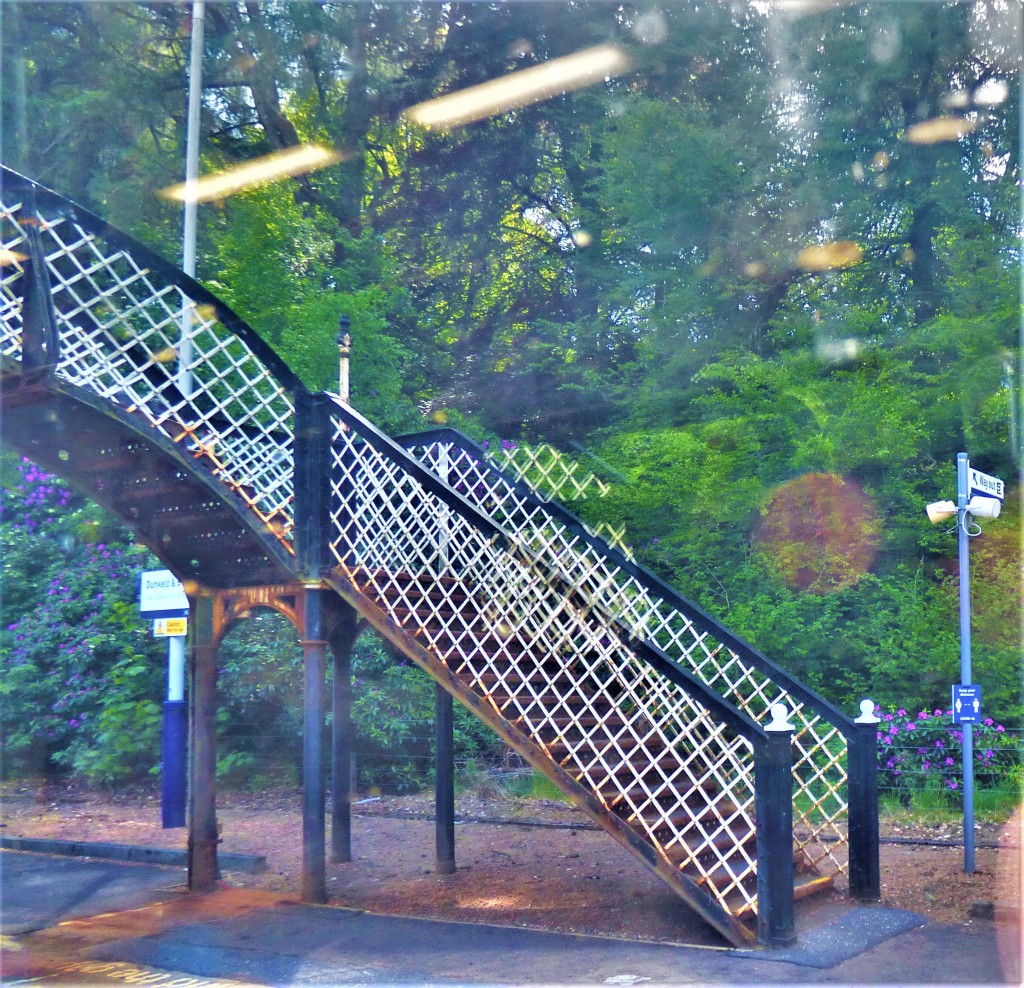
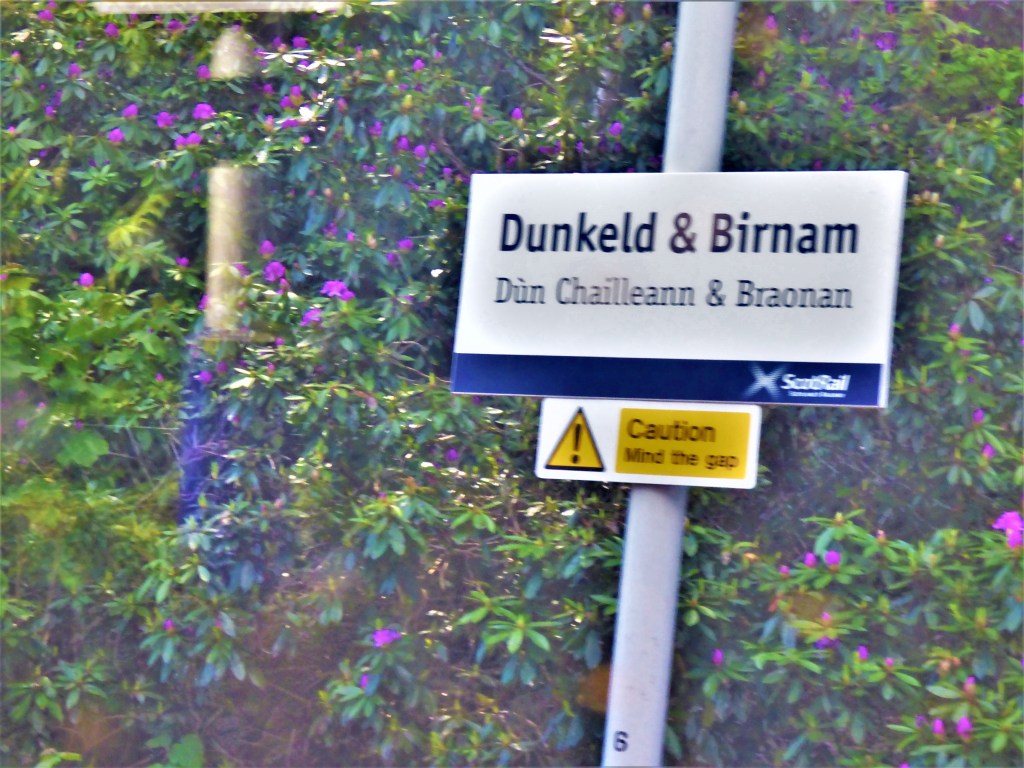
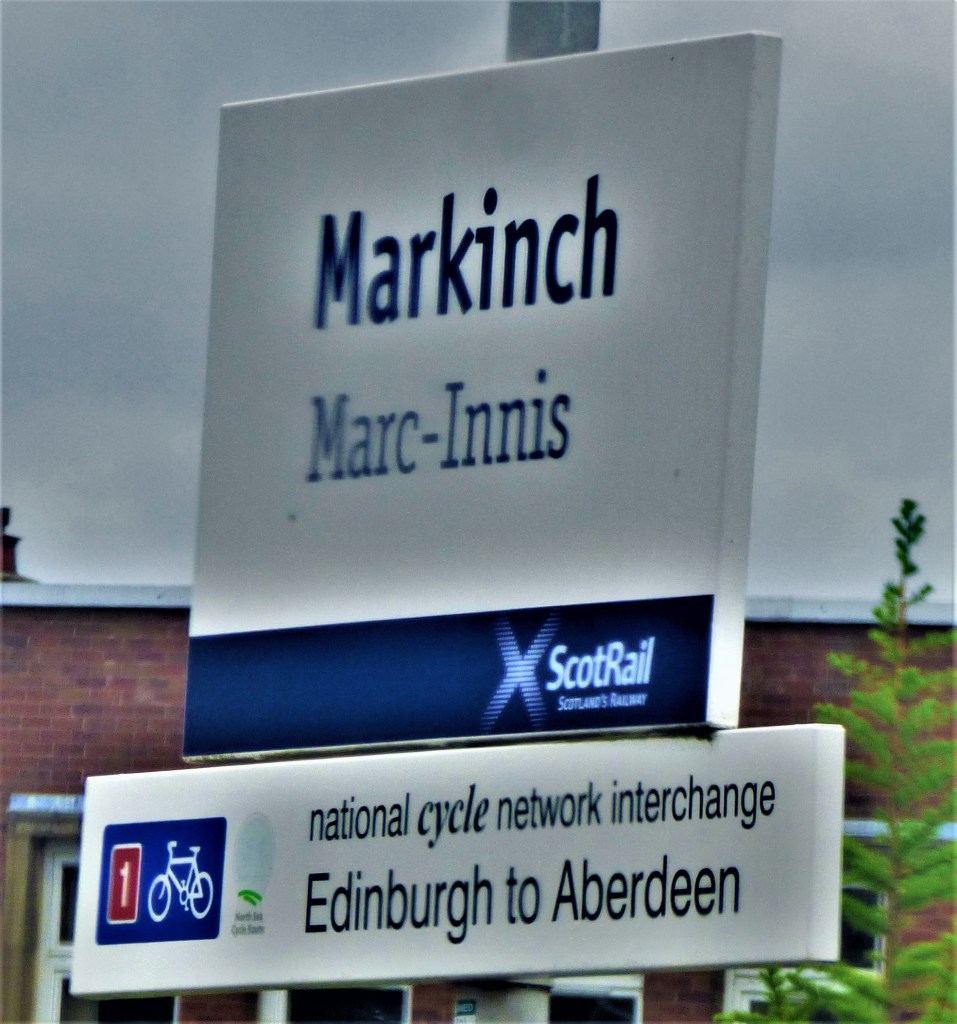
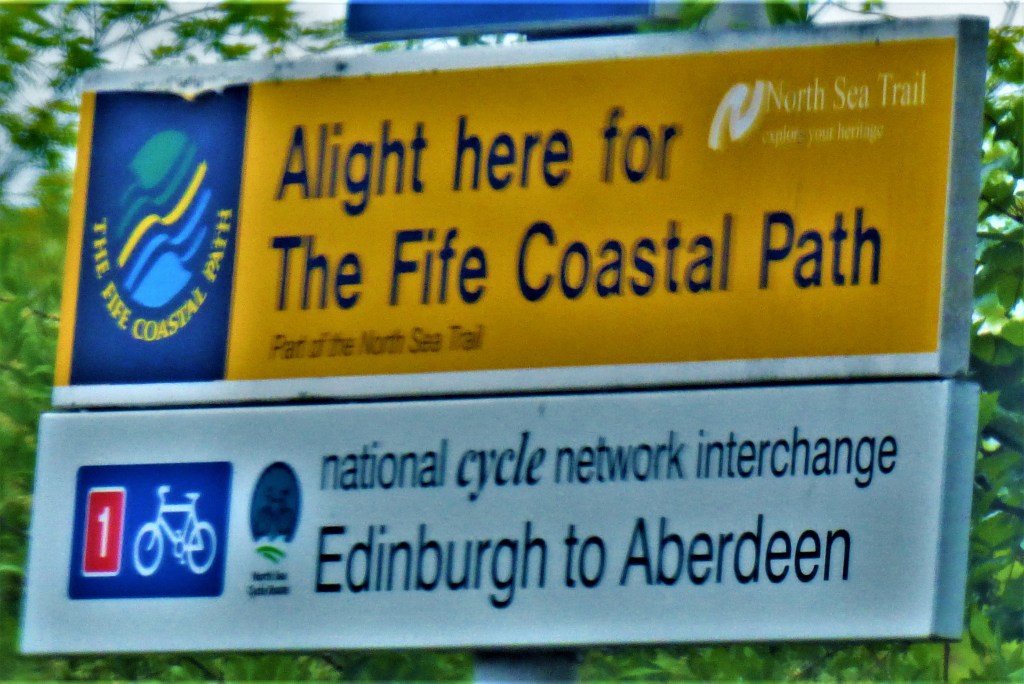
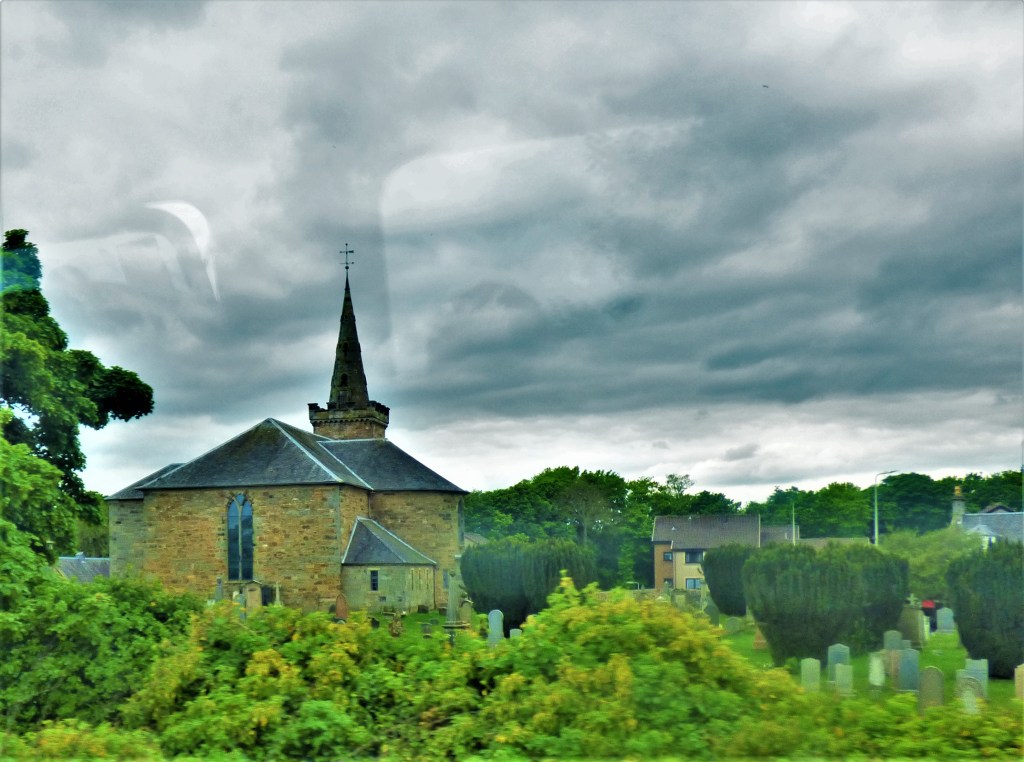
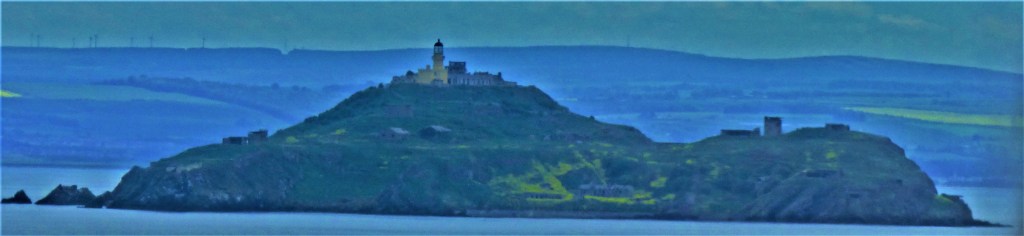
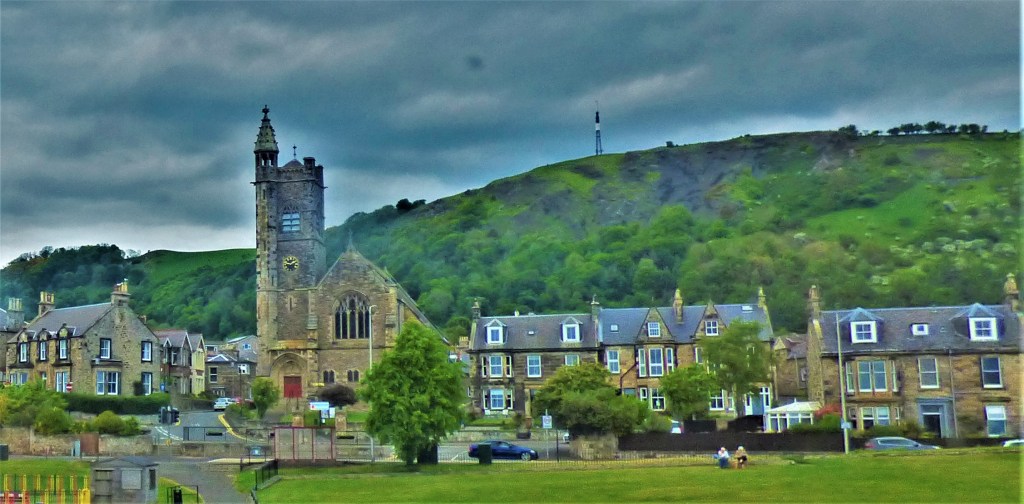
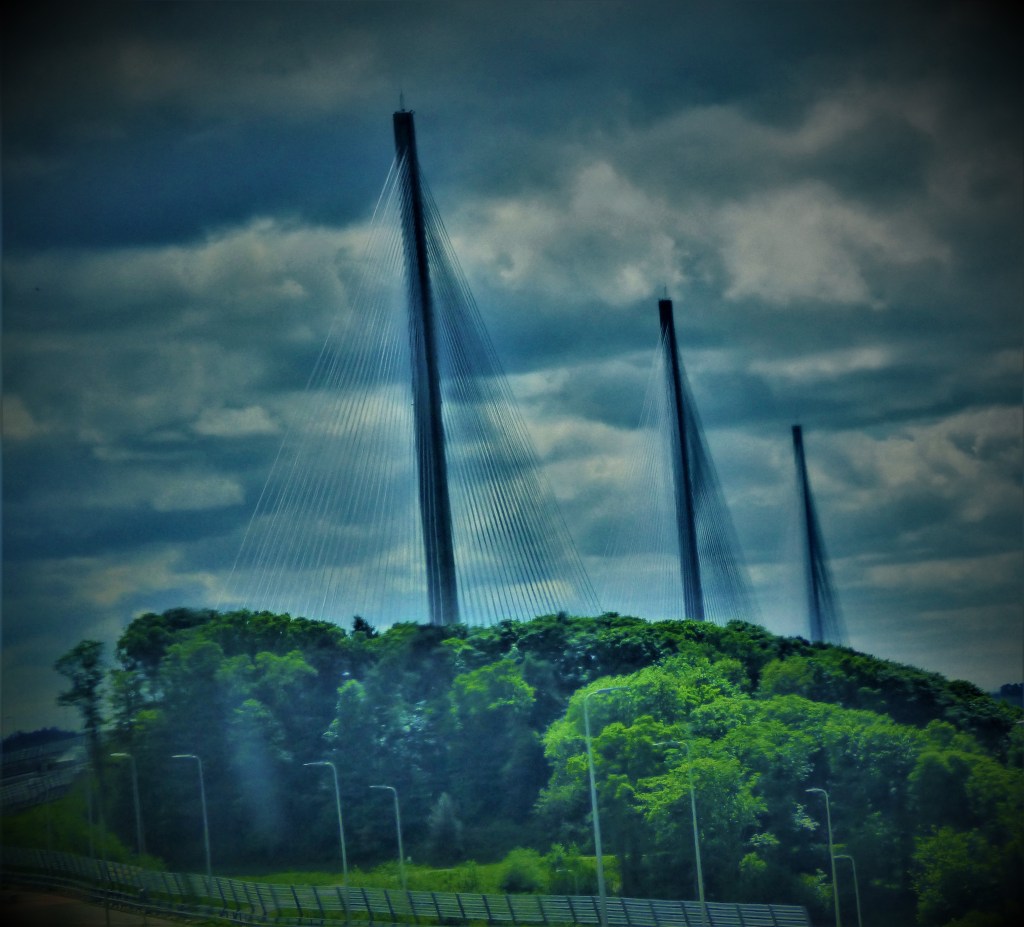
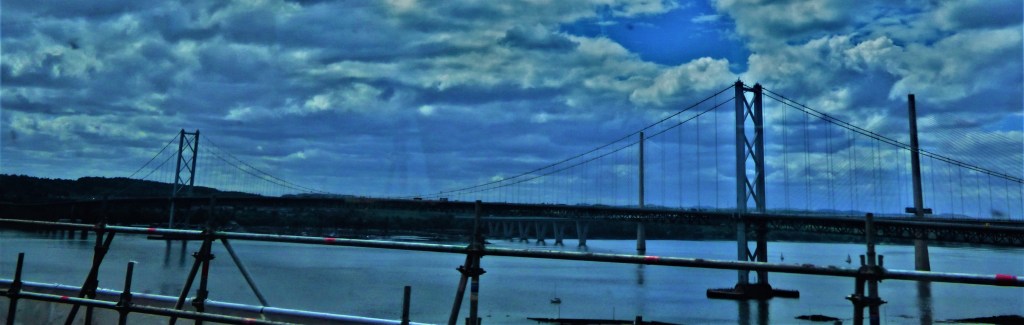
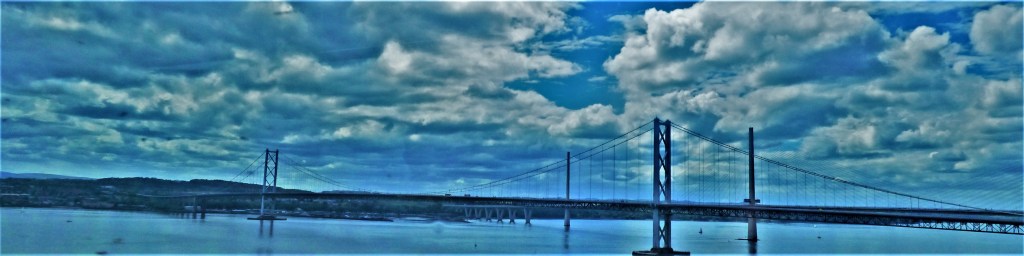
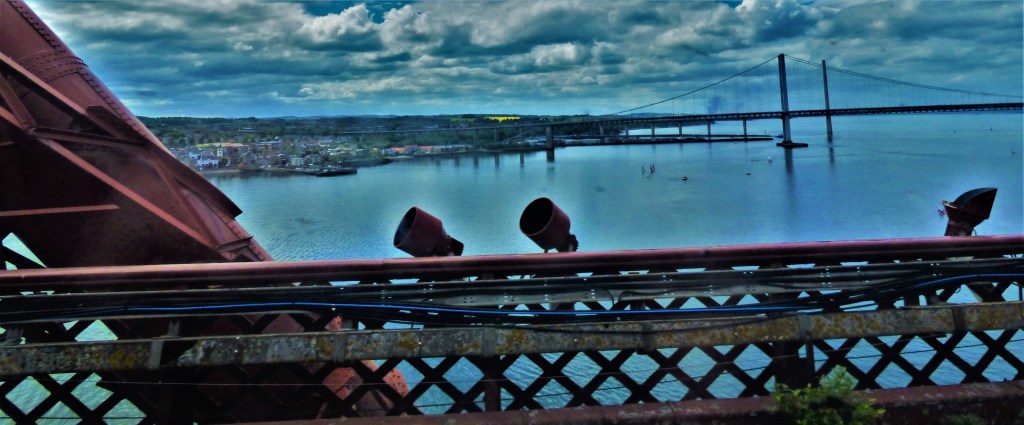
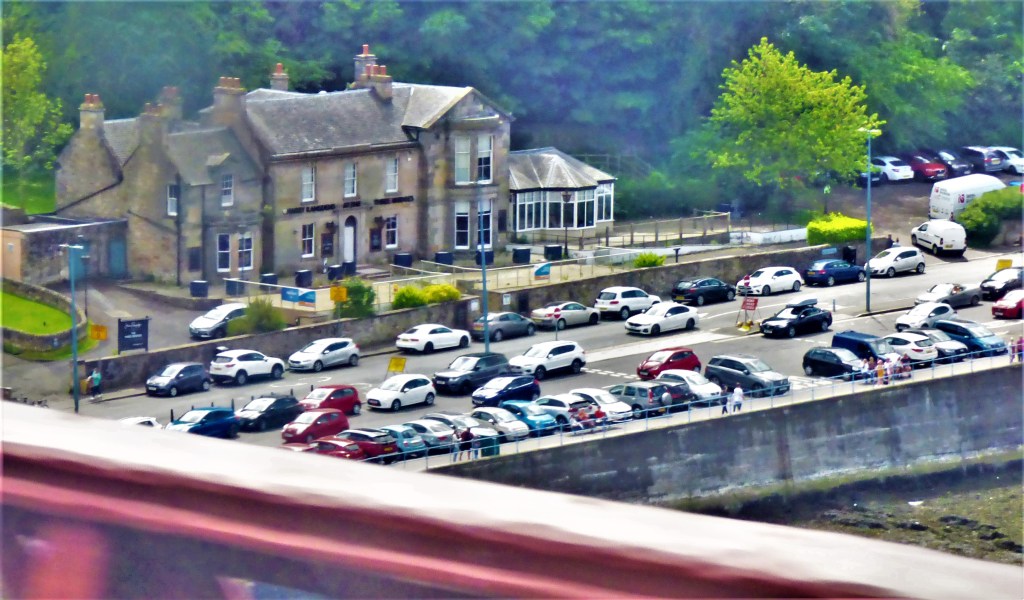
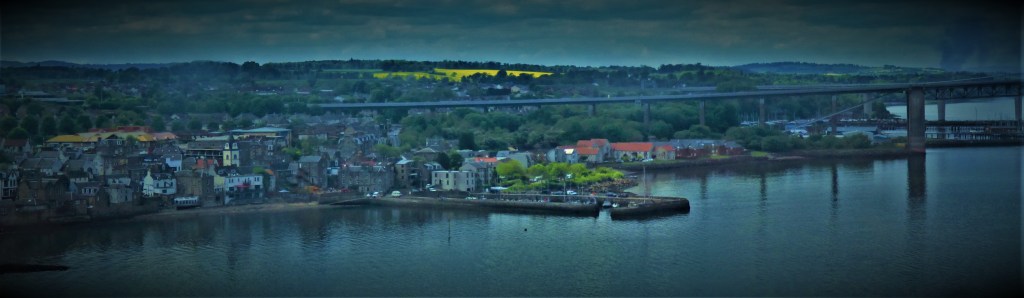
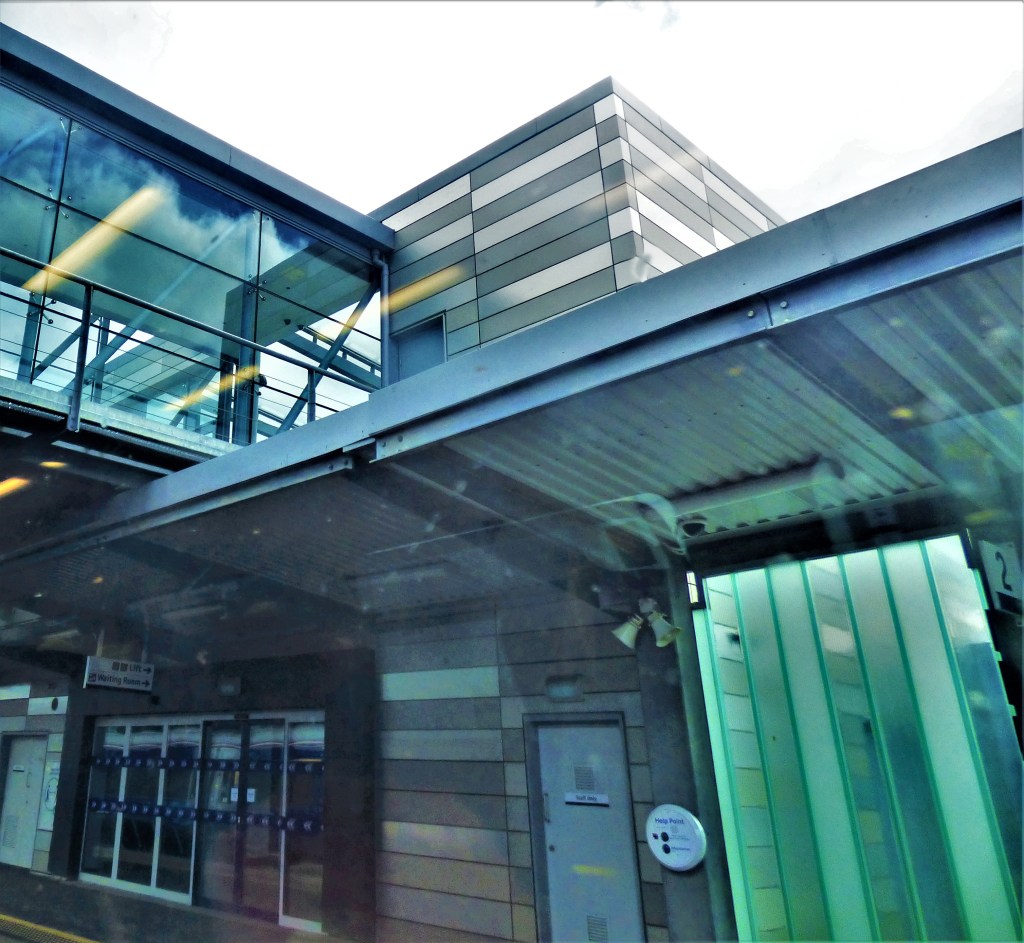
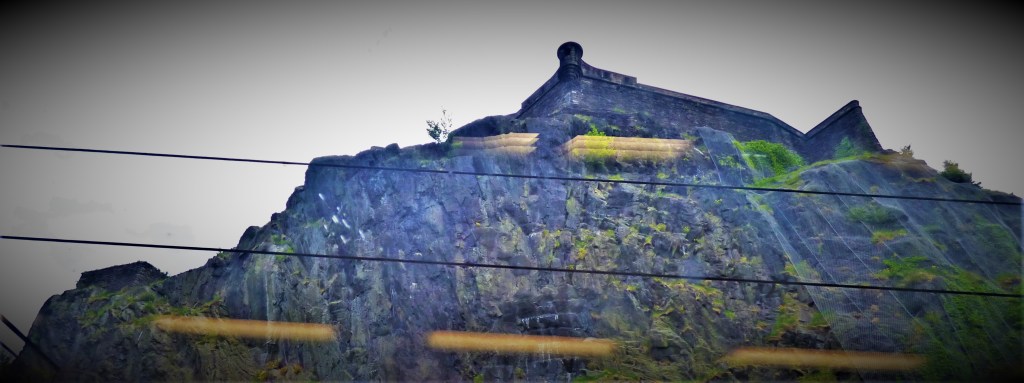
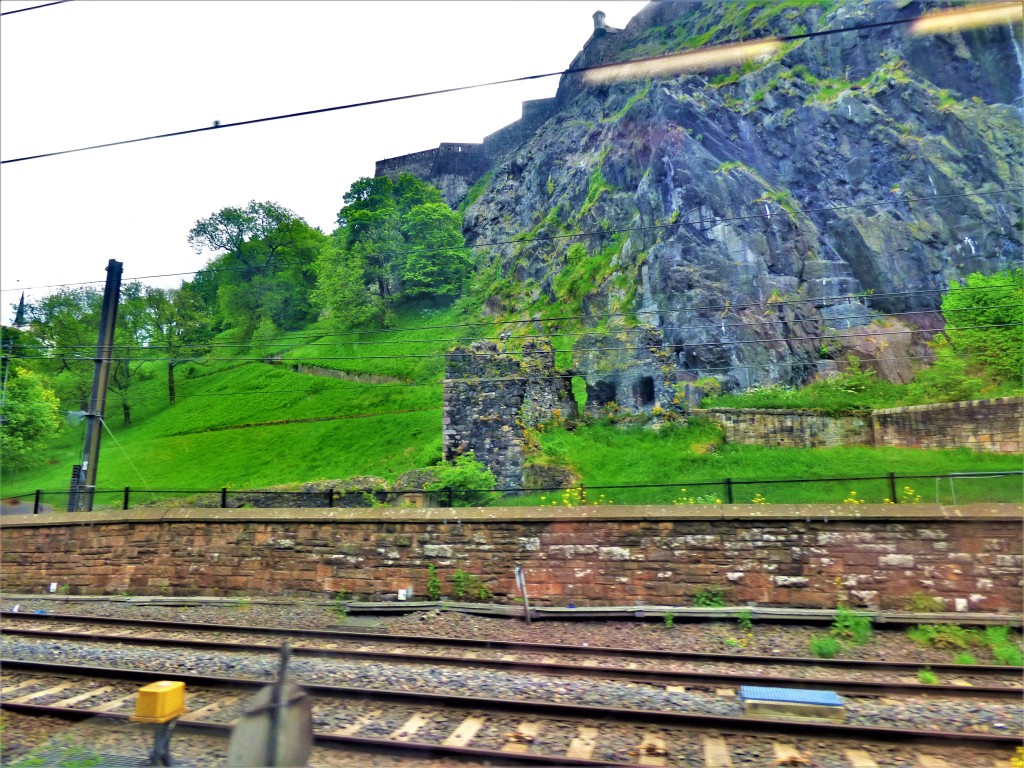
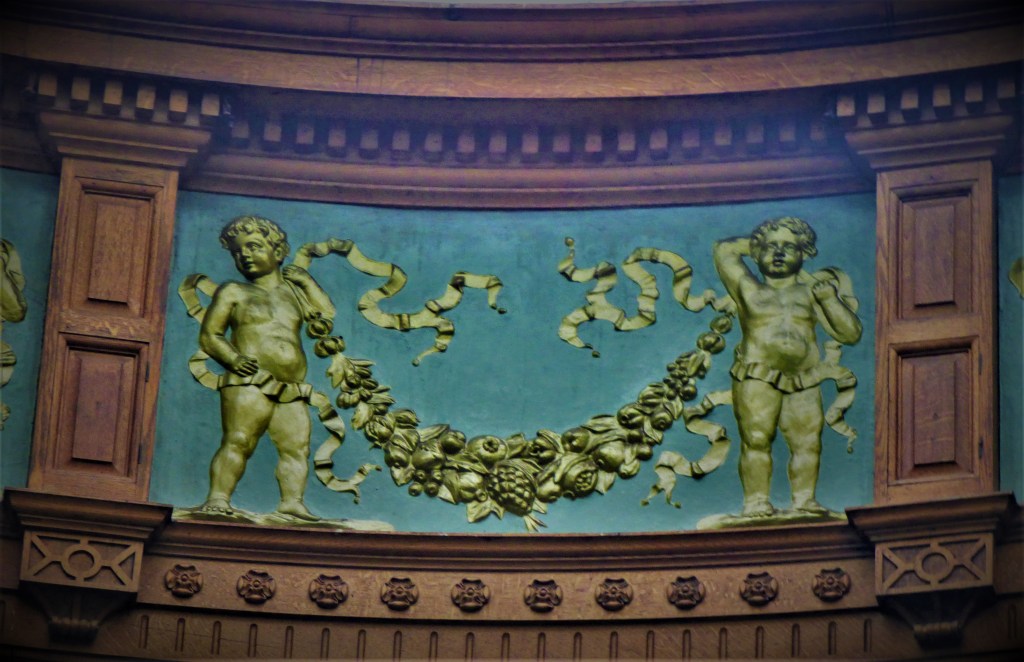
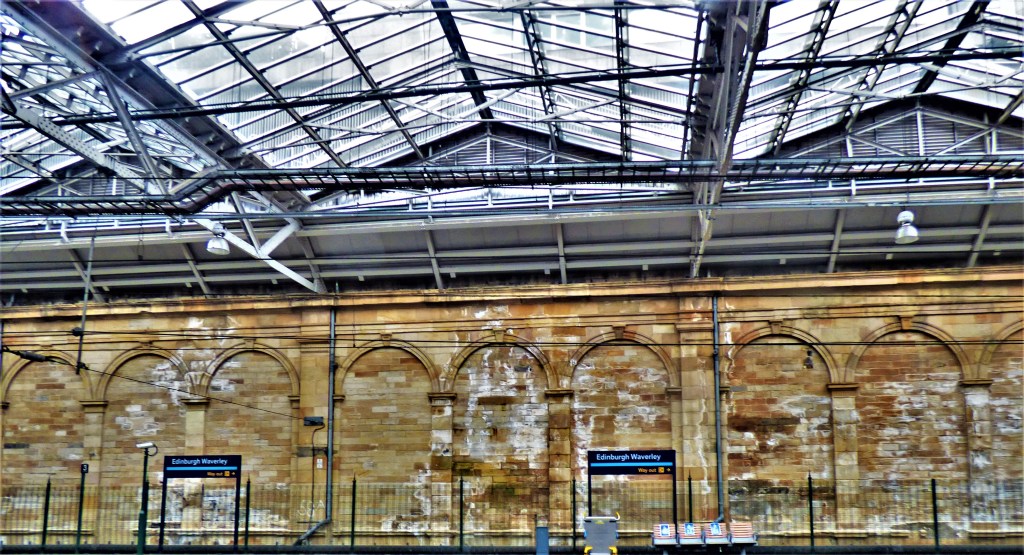
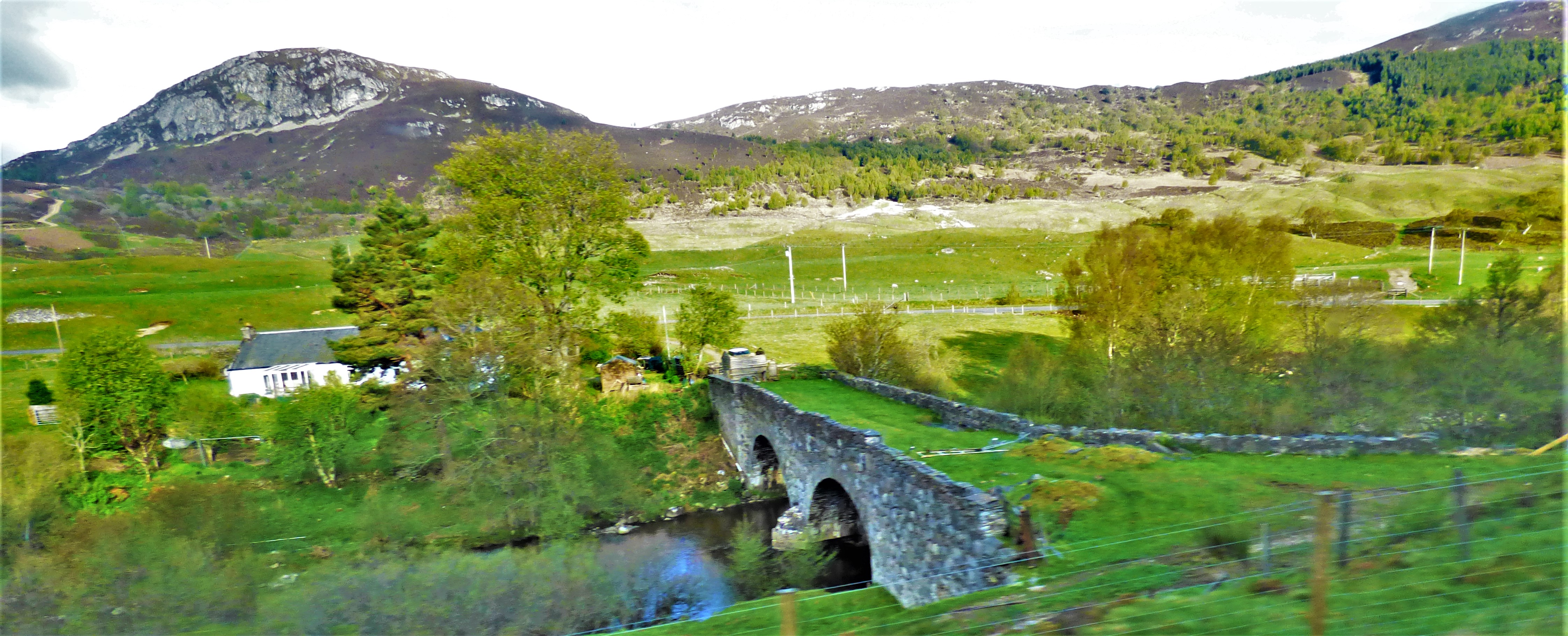
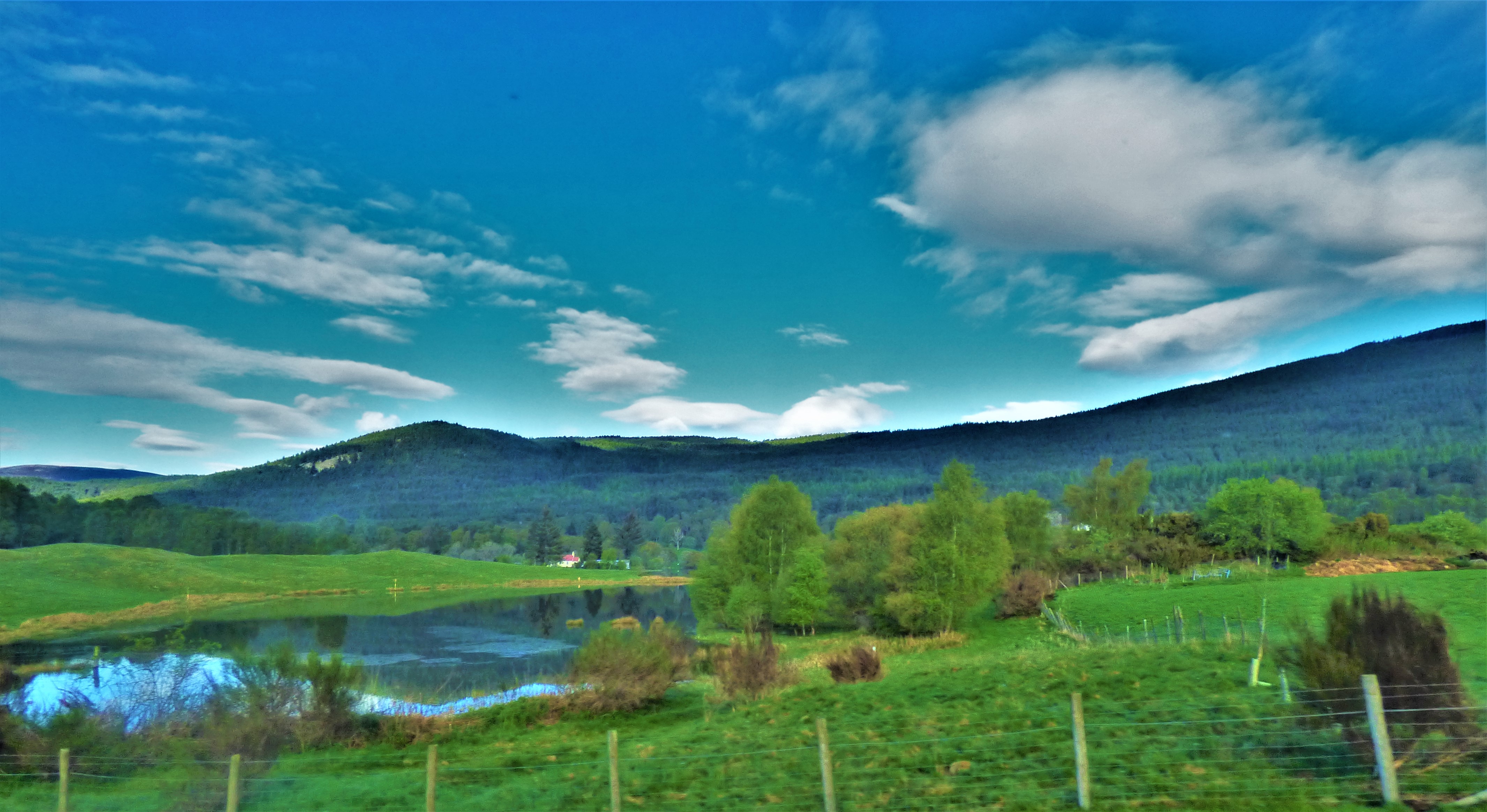
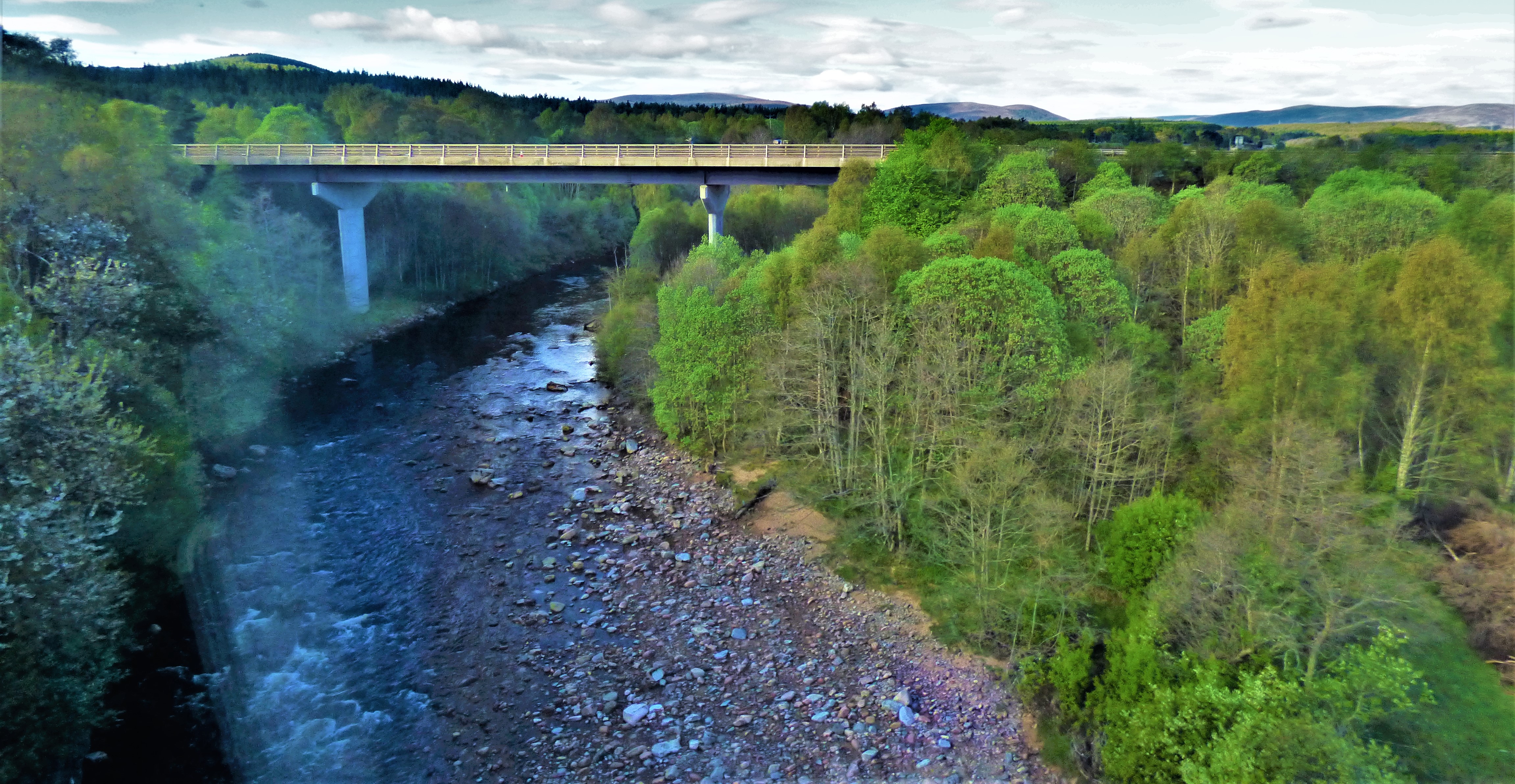
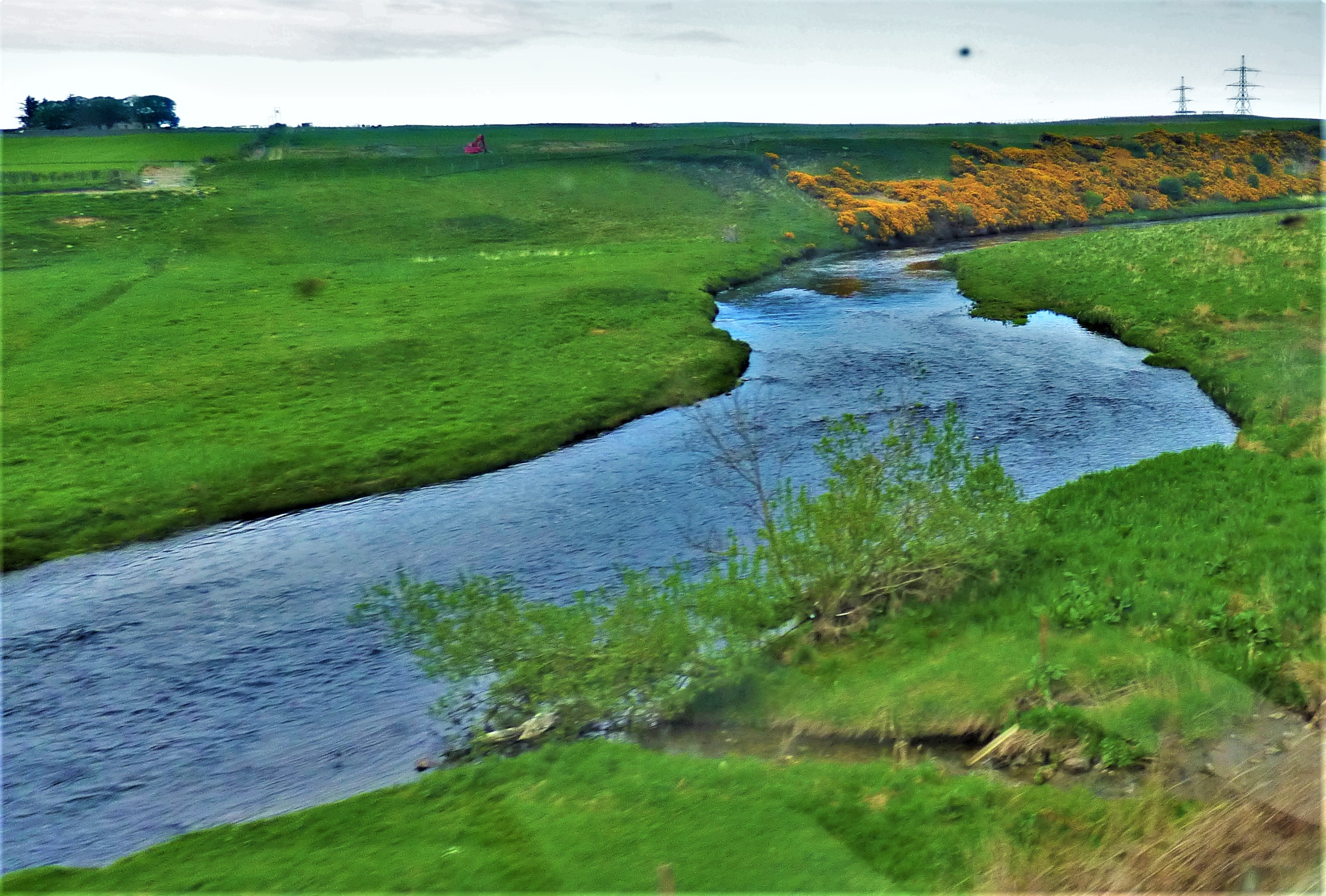
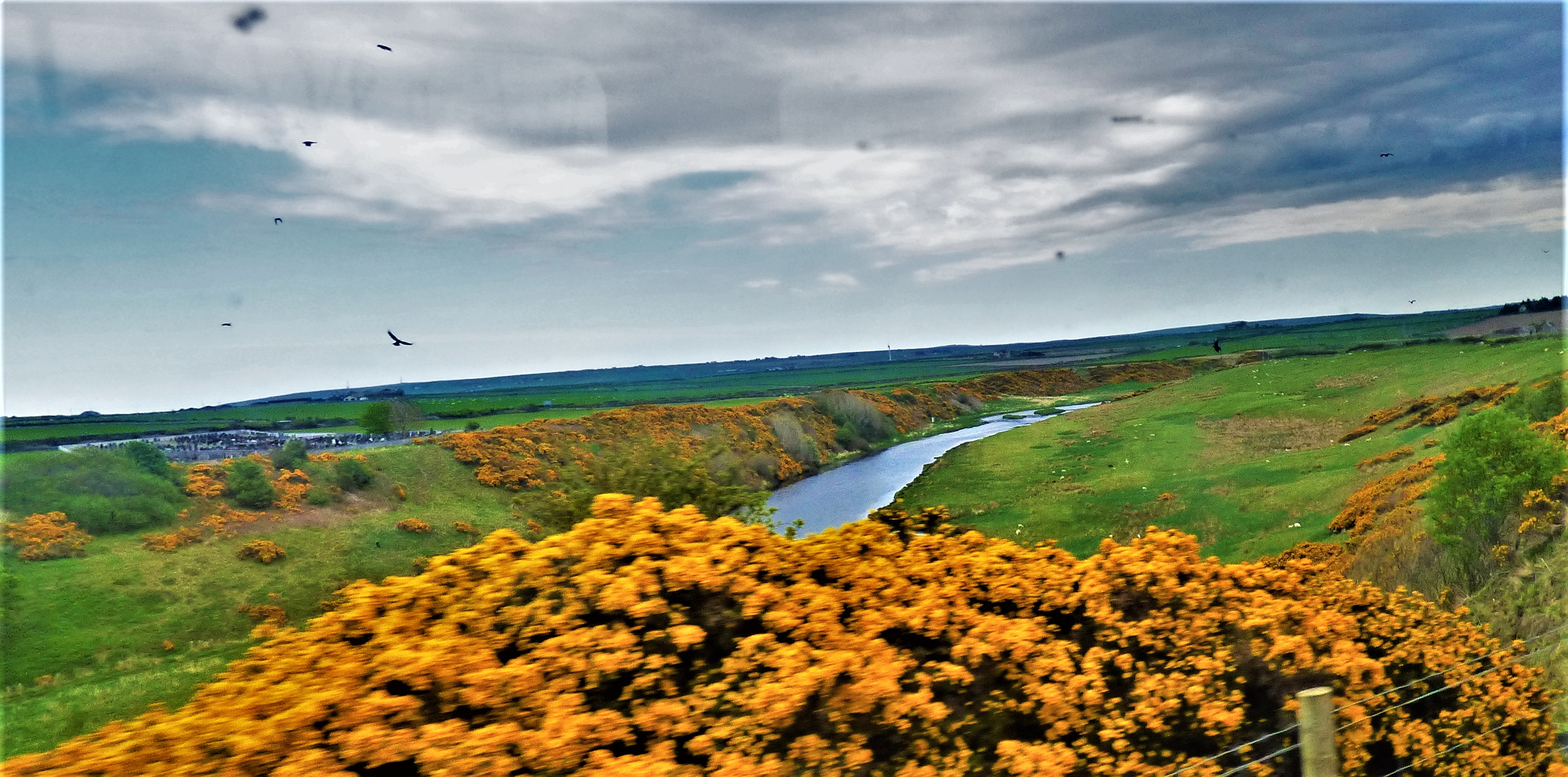
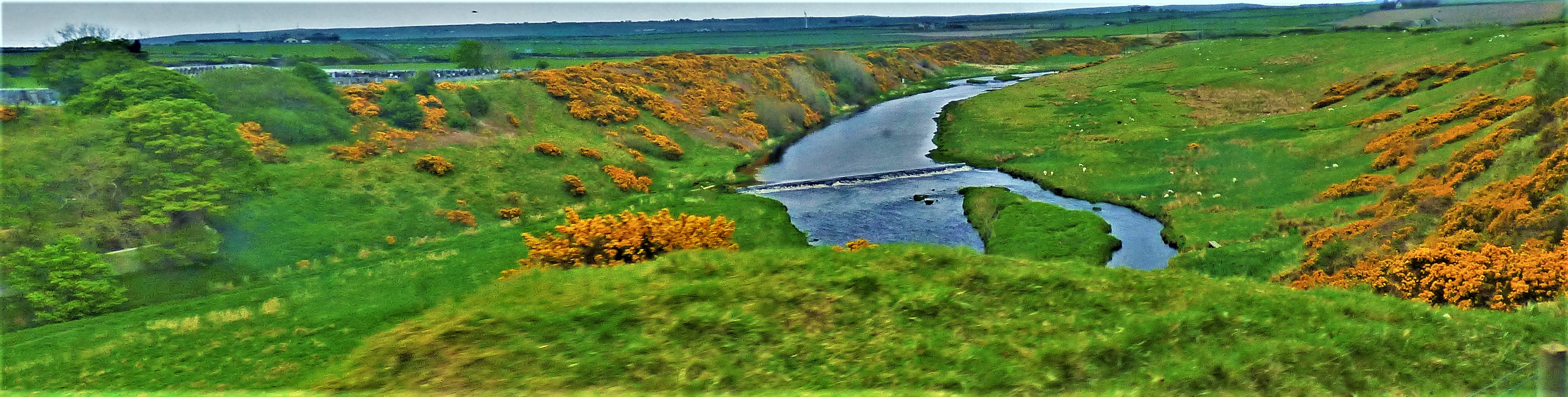
Here are my photographs from the return journey..,
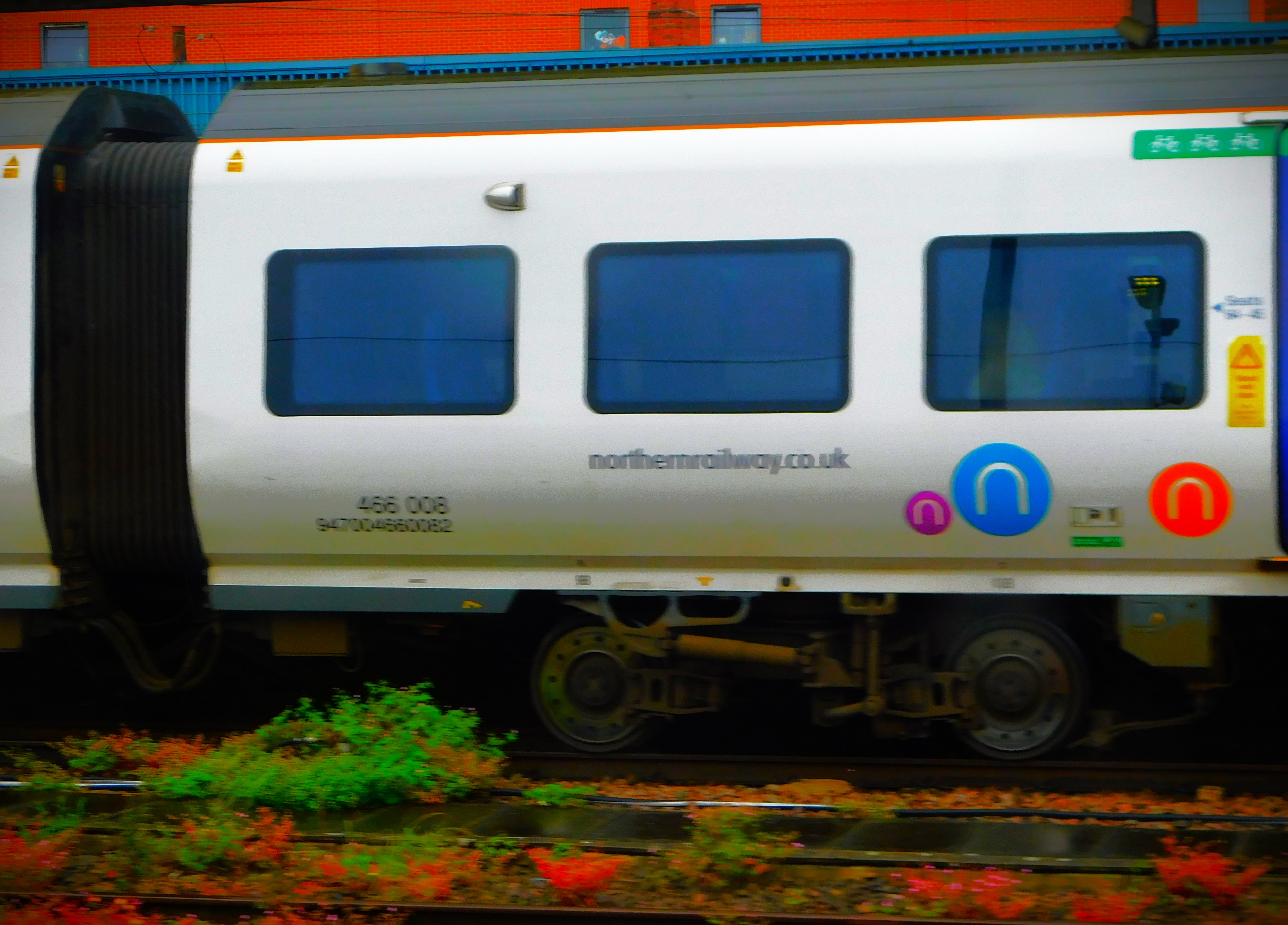
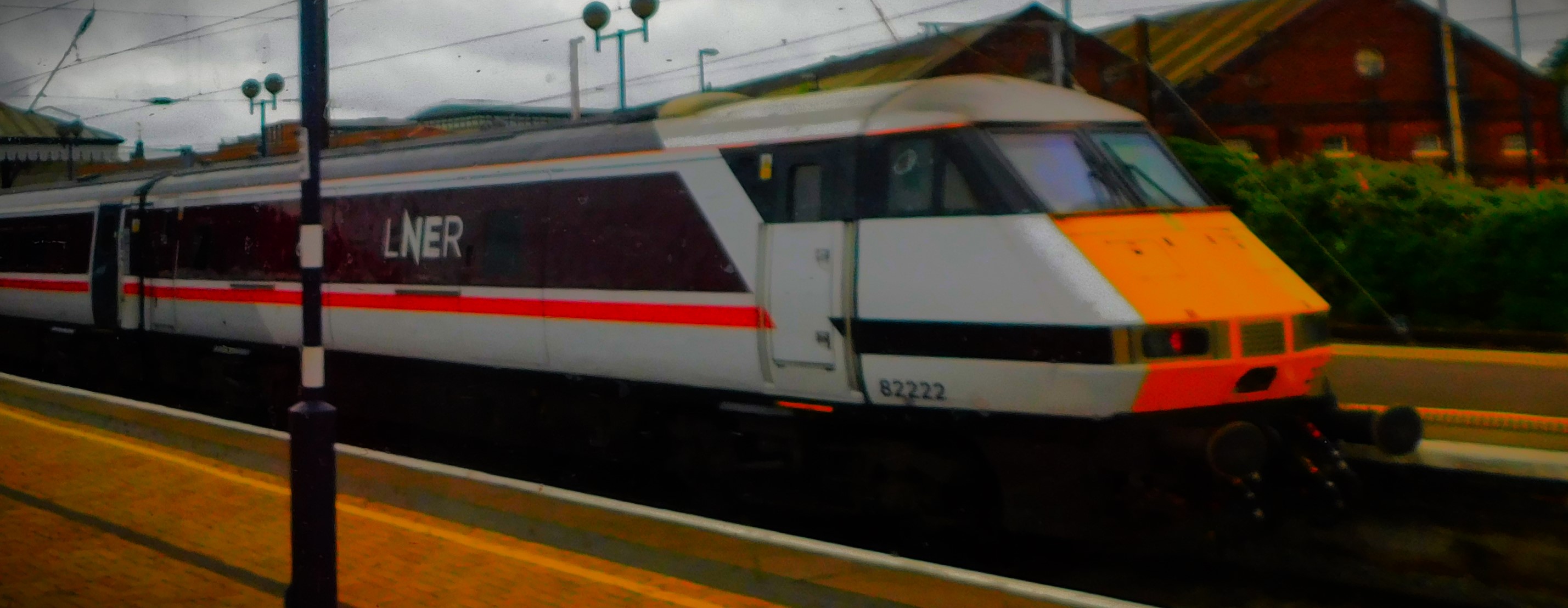
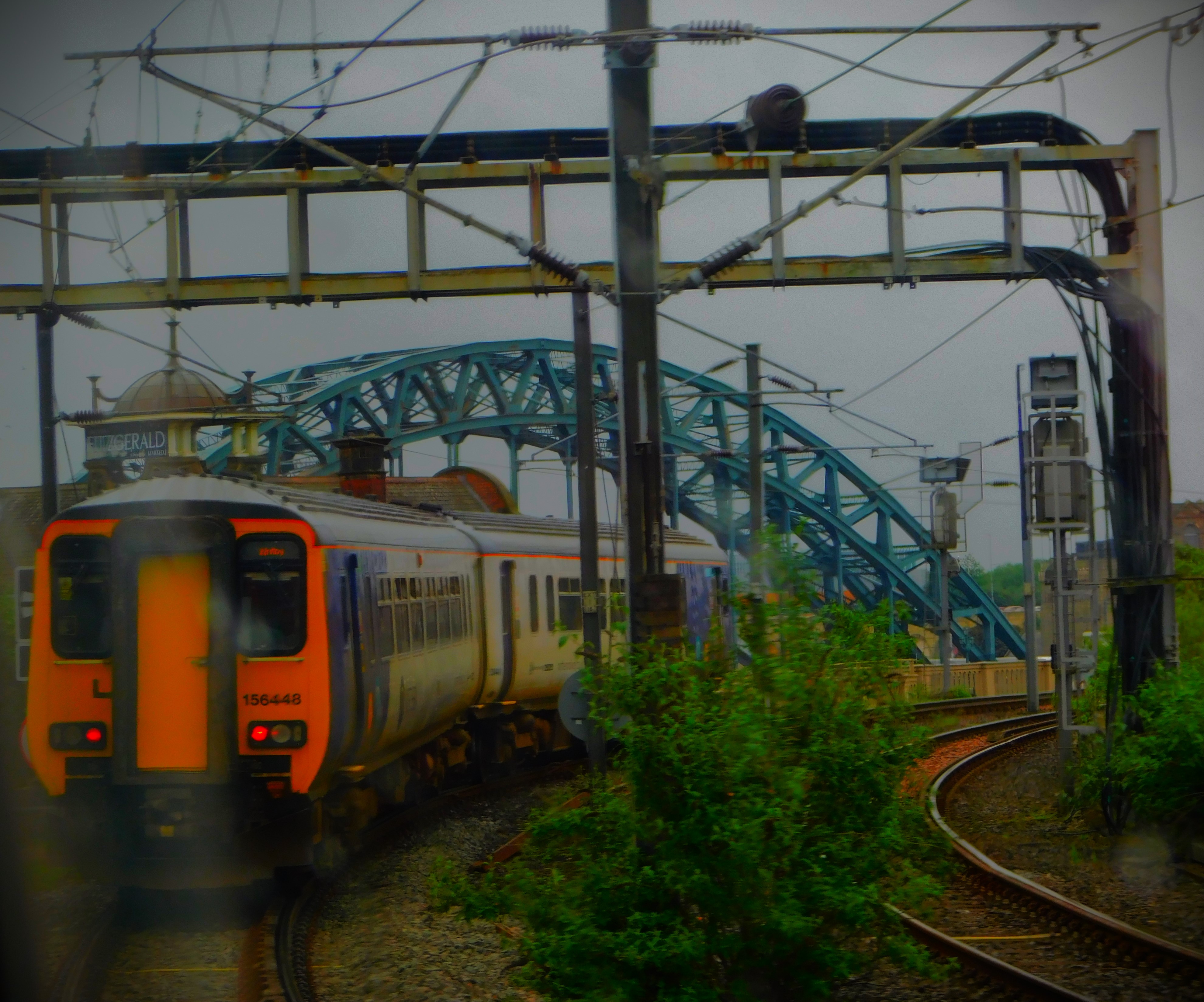
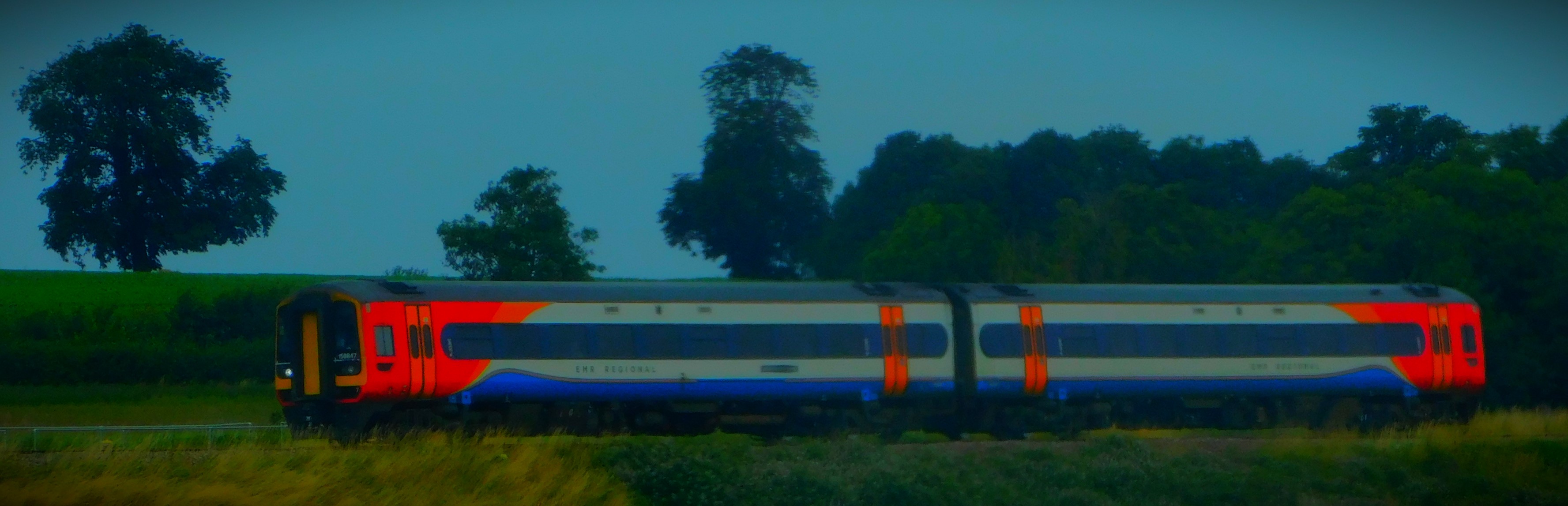
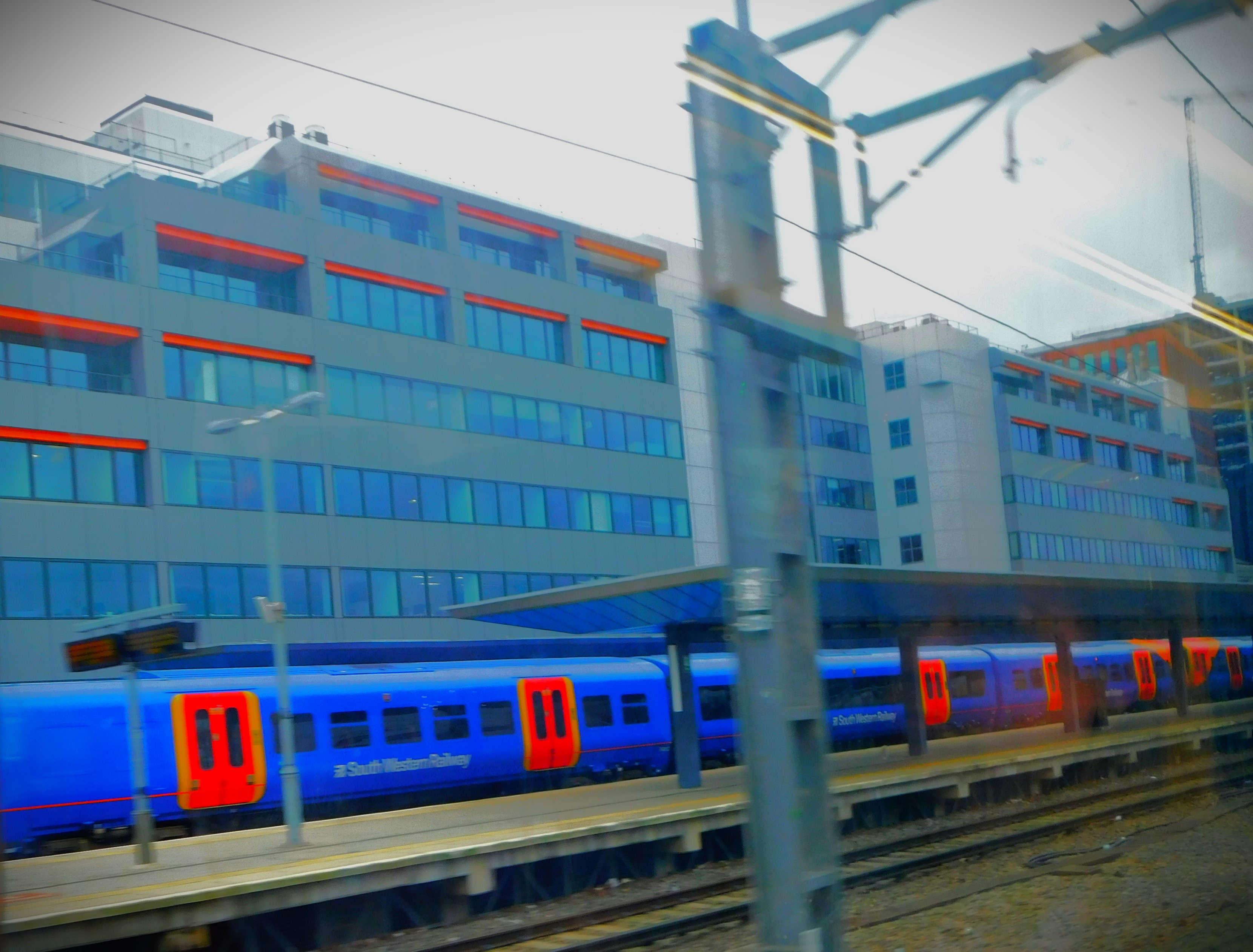
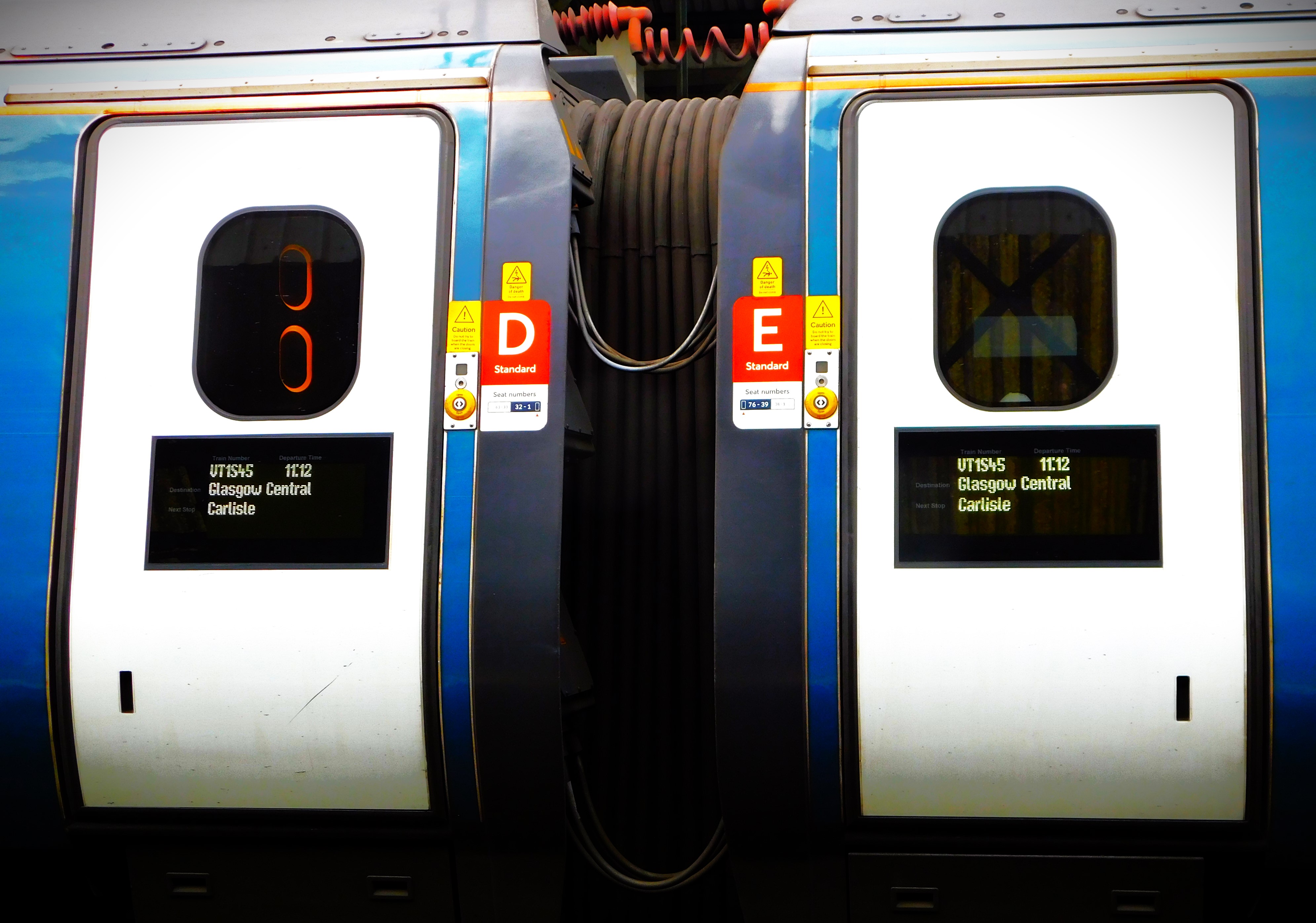
The train for the Perth-Edinburgh leg of the journey.
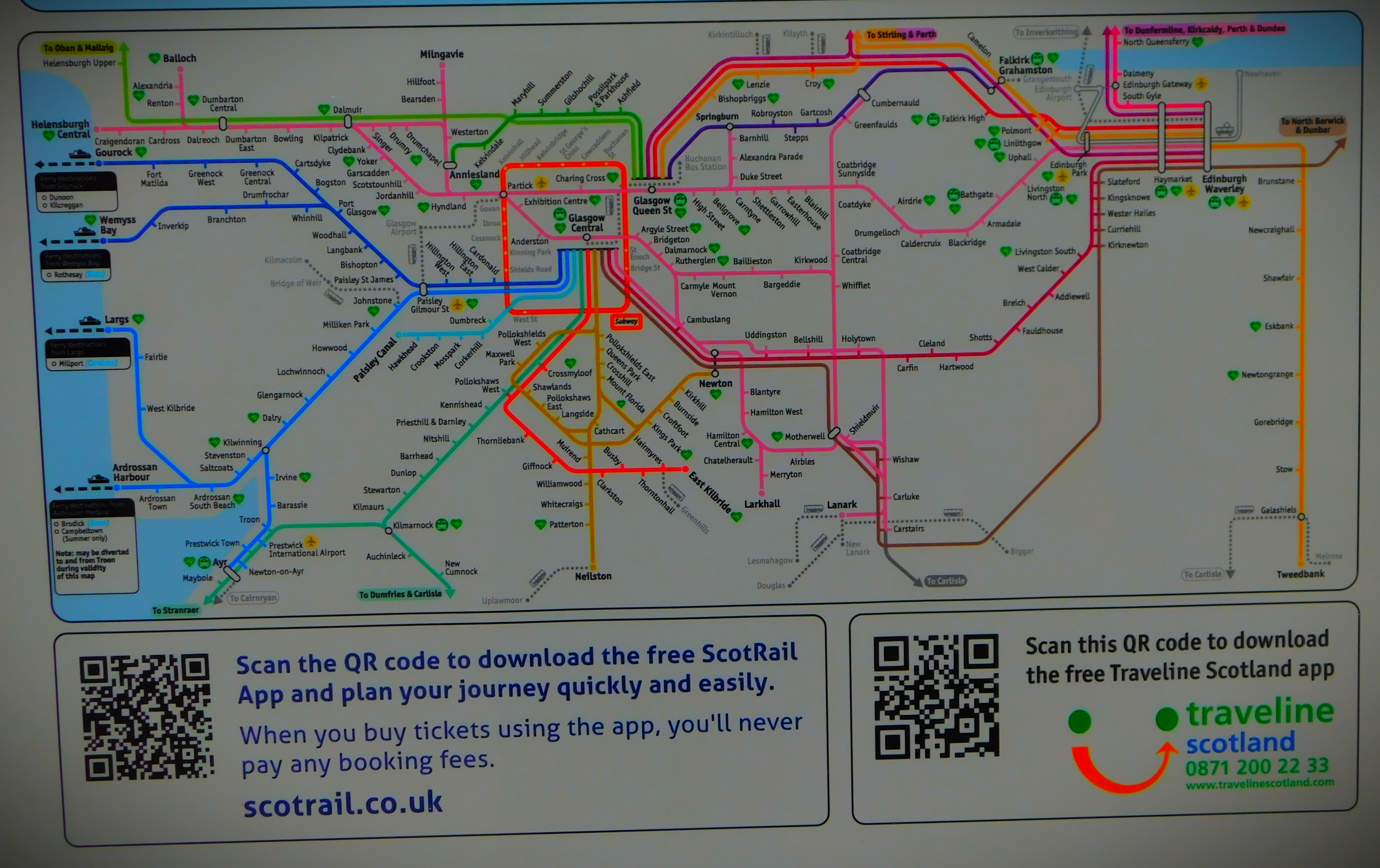
The public transport elements of my journey from King’s Lynn to Comrie.
This is the first of what I plan to be a series of posts about my recent holiday in Scotland. This post looks in detail at the public transport elements of the journey there.
KING’S LYNN TO PETERBOROUGH
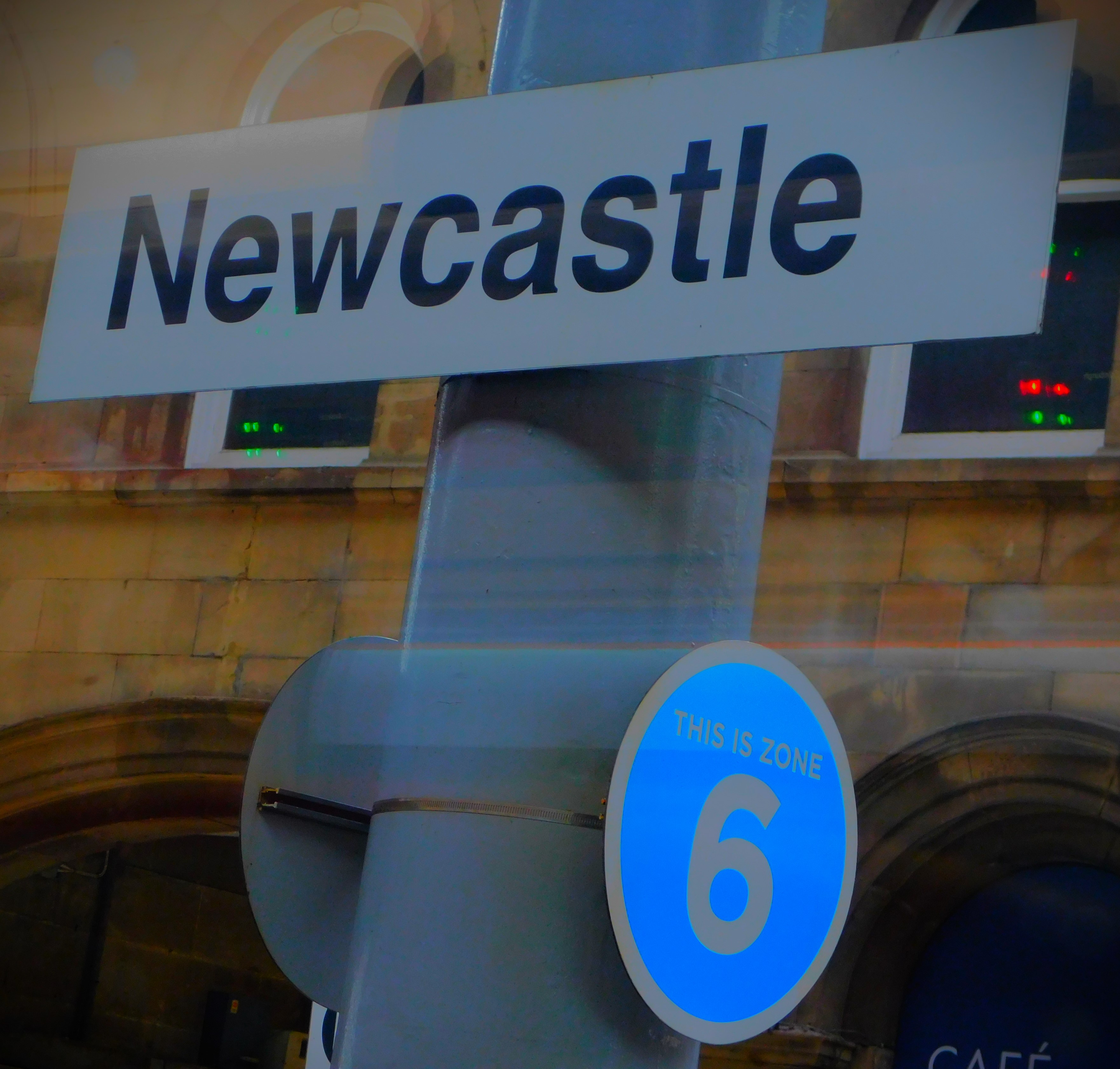
I booked my train tickets to and from Peterborough because it is significantly cheaper that way and also the train journey to Peterborough involves a change at Ely. With the train on which I had a reserved seat leaving Peterborough at 10:18AM I assessed that the right bus to be on was the 8:30AM bus, which meant I needed to leave before 8 o’clock to be sure of catching it. This did not prove to be any great problem. The bus ran smoothly and I arrived at Peterborough with plenty of time to find the correct platform and the correct place on that platform to wait to board the train at the right point (I was in coach H, which was shown on the information screen as needing me to be in zone 5 of the platform…
PETERBOROUGH TO EDINBURGH WAVERLEY
This was the longest leg of the journey, but compensated by also being the fastest. Finding my reserved seat was straightforward, and no one had unthinkingly occupied it, so I was able to seat myself without having to ask anyone to move (even though reservations are very clearly indicated as such it is not unknown to find a reserved seat already occupied, and I will get the person occupying it to move if that is the case). I had booked a forward facing window seat, and on this occasion that was what it proved to be – and it was on the better side of the train for photography. This route provides plenty of fine views, especially between York and Edinburgh (though there a few good bits south of York as well). The task at Edinburgh was to locate the train I was to travel on as far as Stirling, which I did…
EDINBURGH TO STIRLING
This was on a stopping service which was ultimately headed for Dunblane, and passed through a few interesting places. At Stirling I had to change trains for the final leg of the journey to Perth, but this did involve moving platforms, for which I was grateful.
STIRLING TO PERTH
This was a non-stop journey on a Scotrail Intercity service heading towards Inverness. Unfortunately I was unable to secure a window seat for this final leg of the journey, though I did spot one or two interesting things on arrival at Perth. The train arrived at Perth at the scheduled time, which meant that seven and a half hours of public transport travel involving one bus and three trains had ended with the traveller in the right place at the right time – which in 21st century Britain comes close to qualifying as miraculous.
PHOTOGRAPHS
Taking photographs through the windows of buses and trains is often frustrating, but yields enough good pictures to be worthwhile….
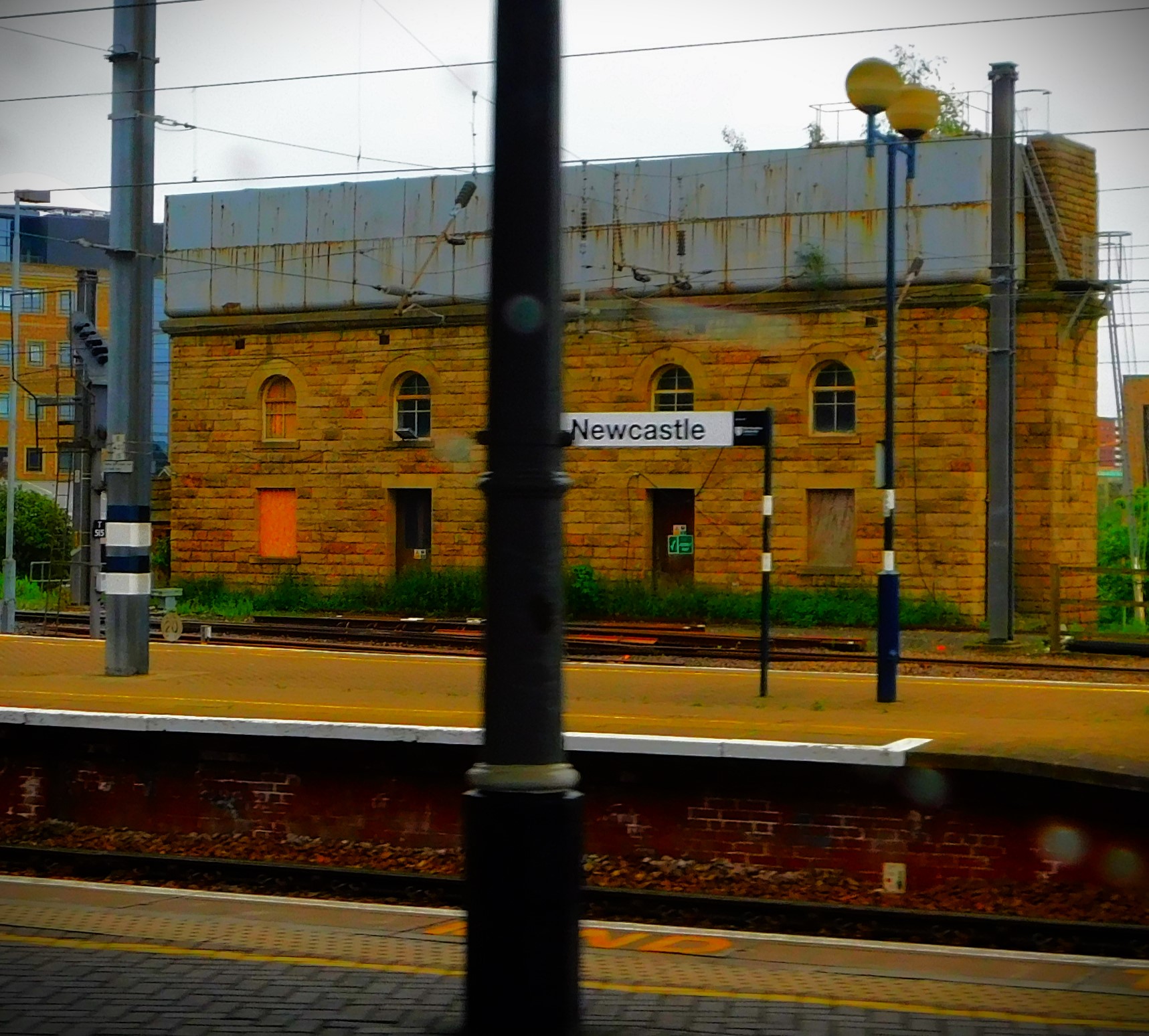
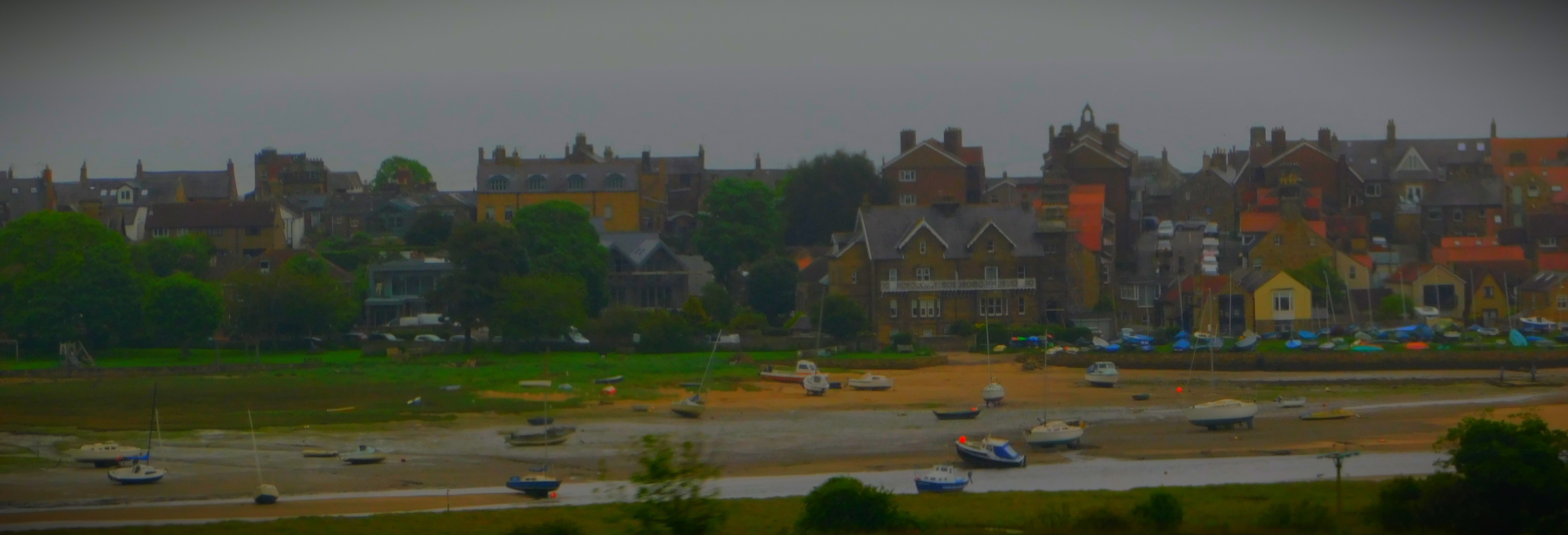
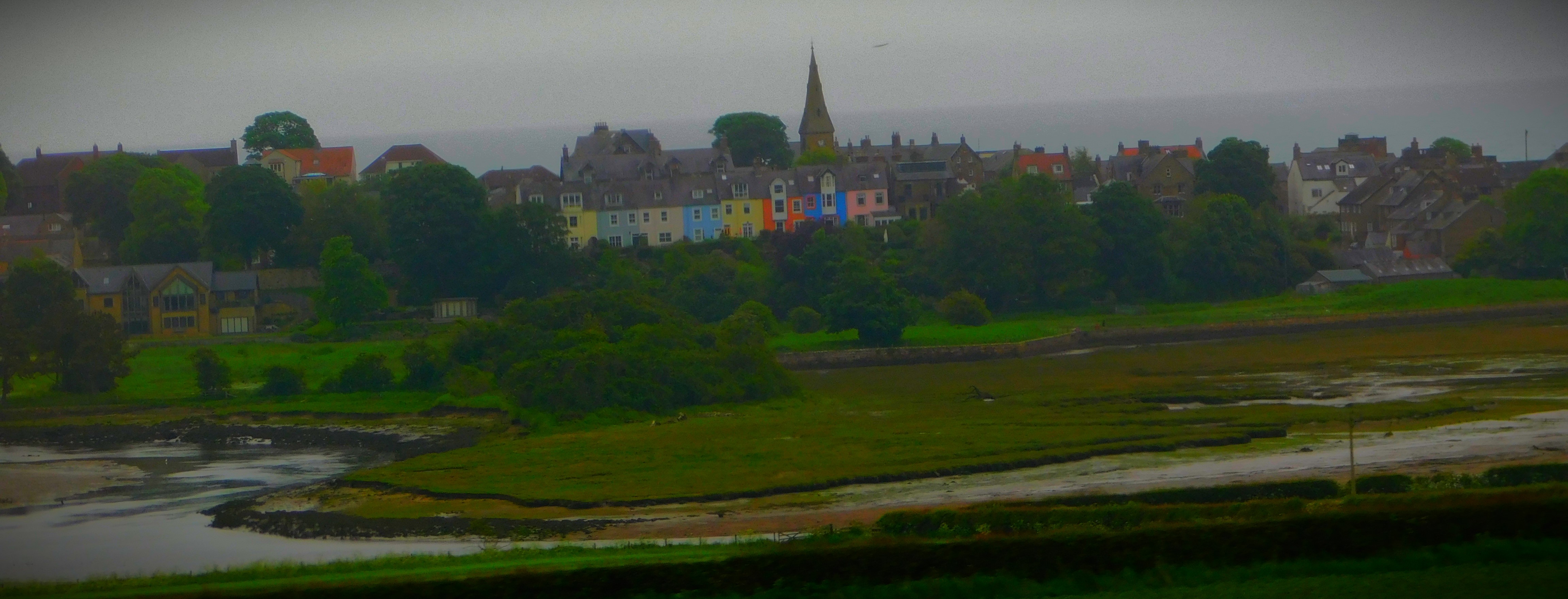
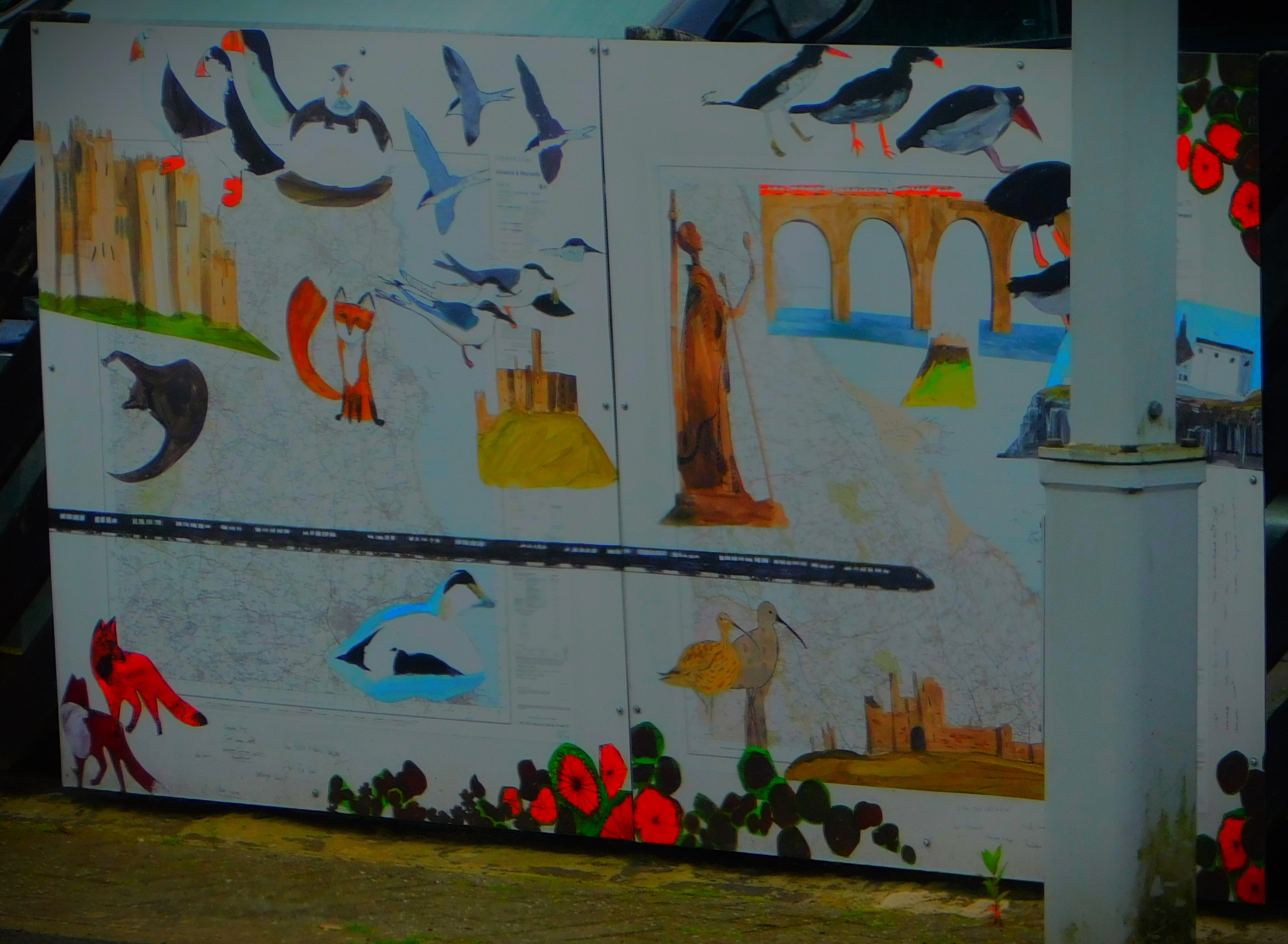
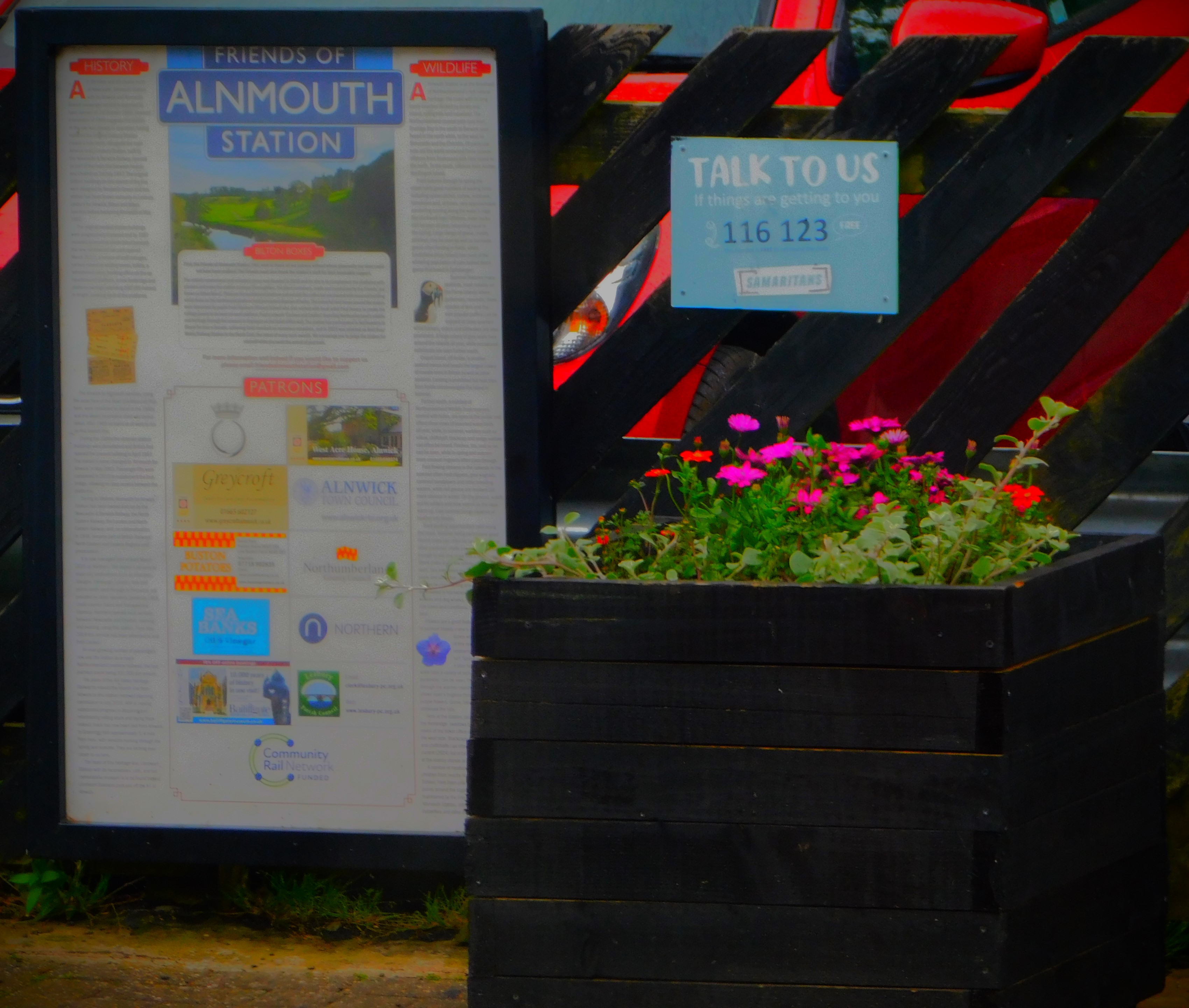
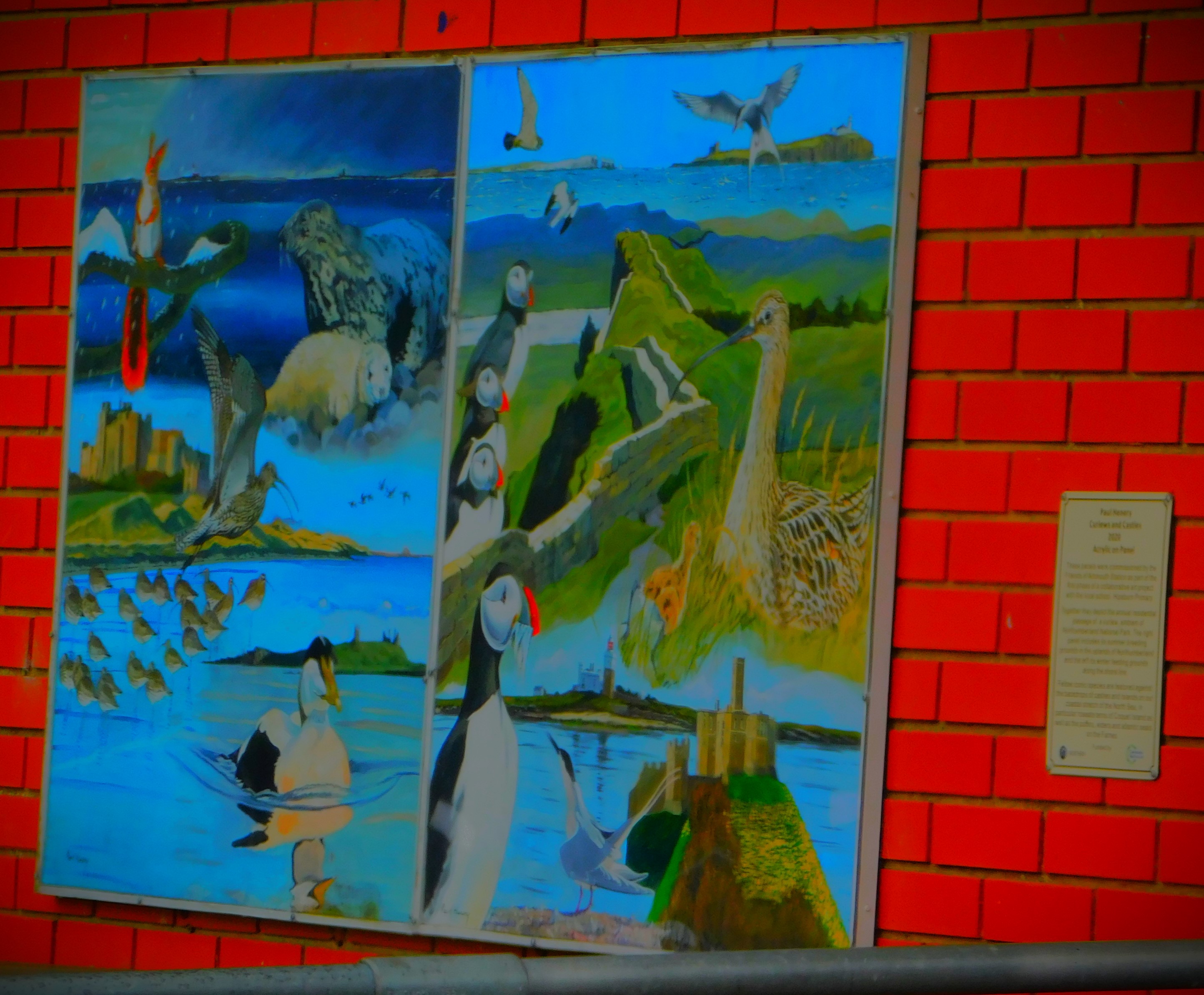
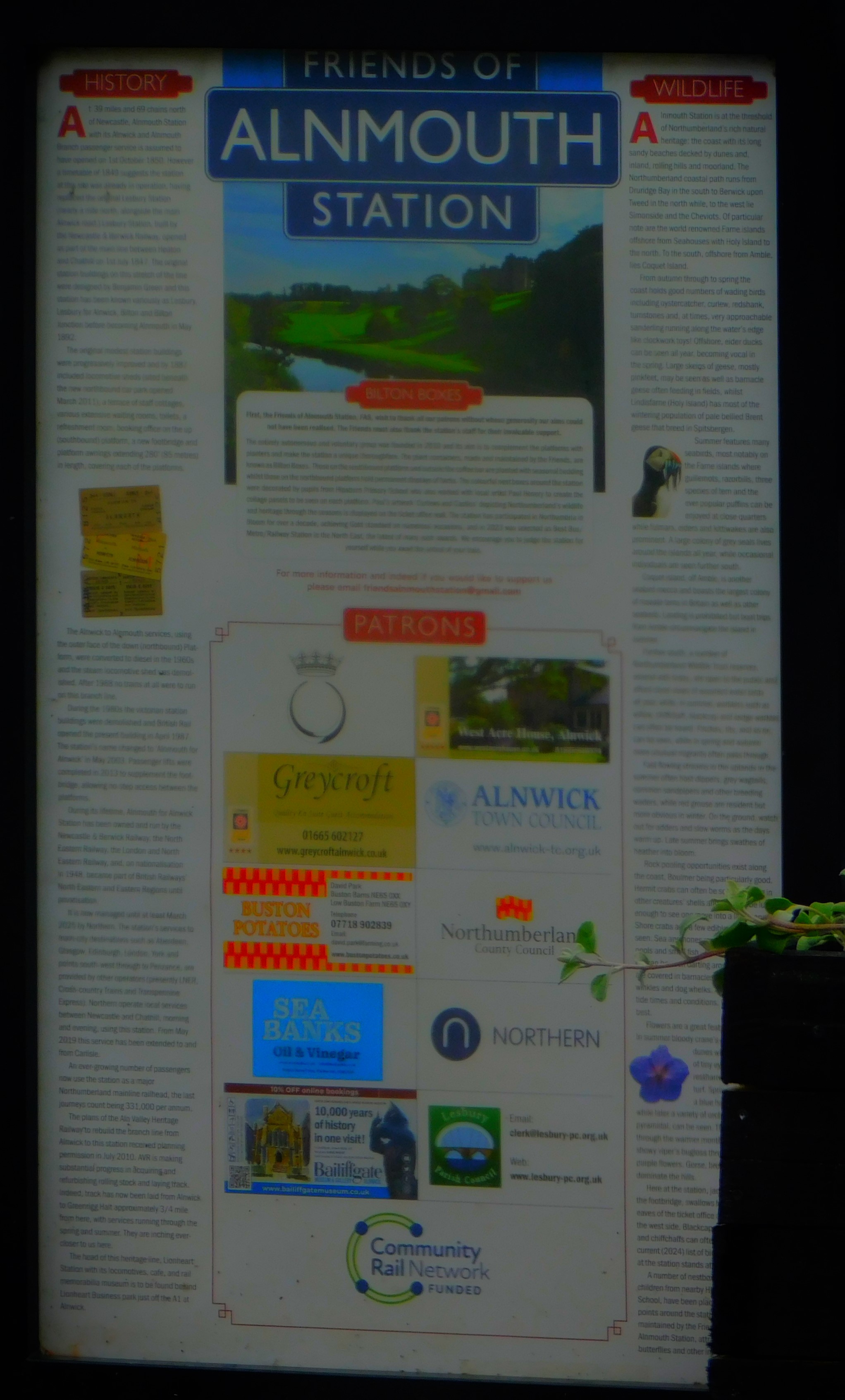
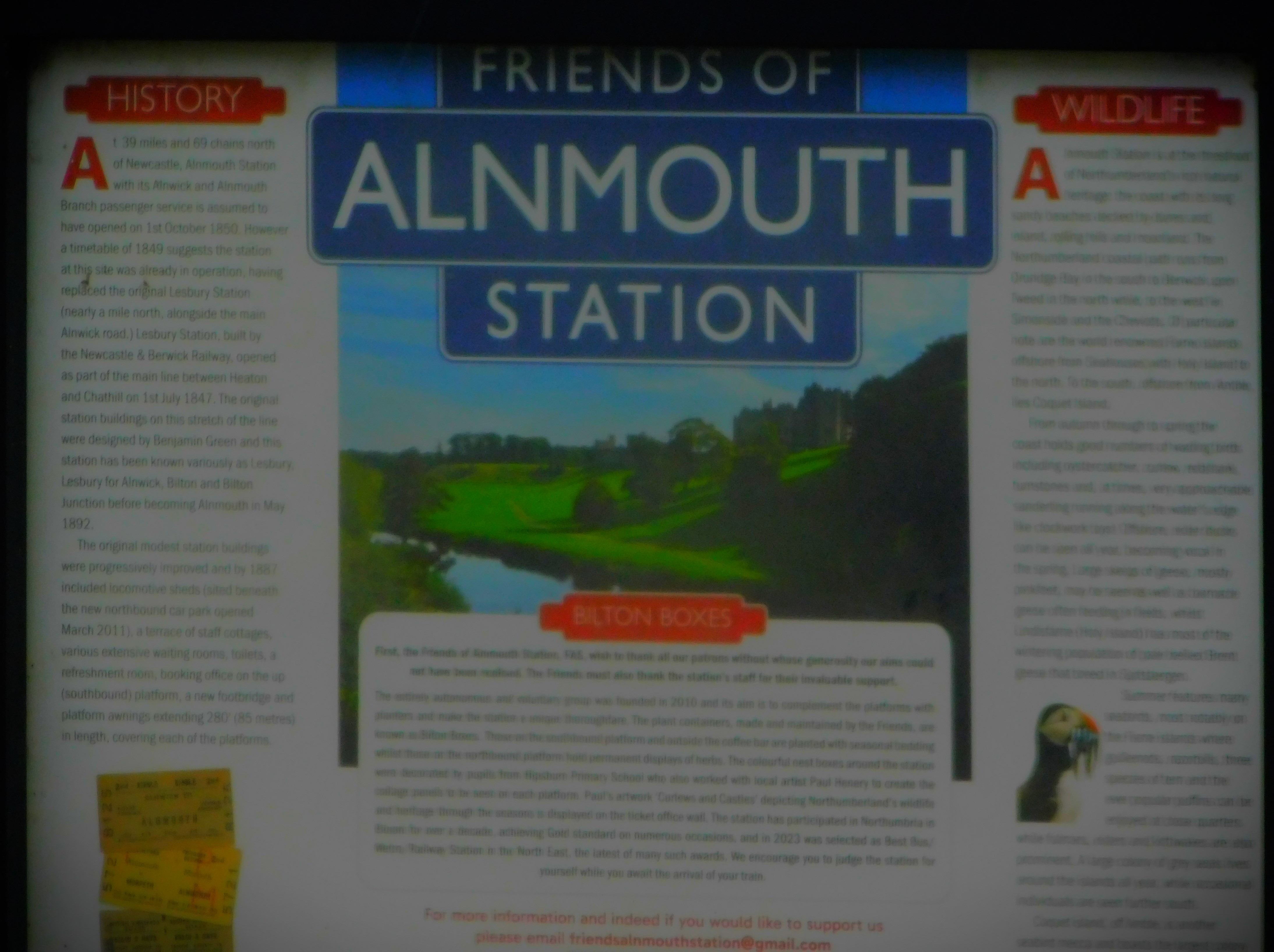
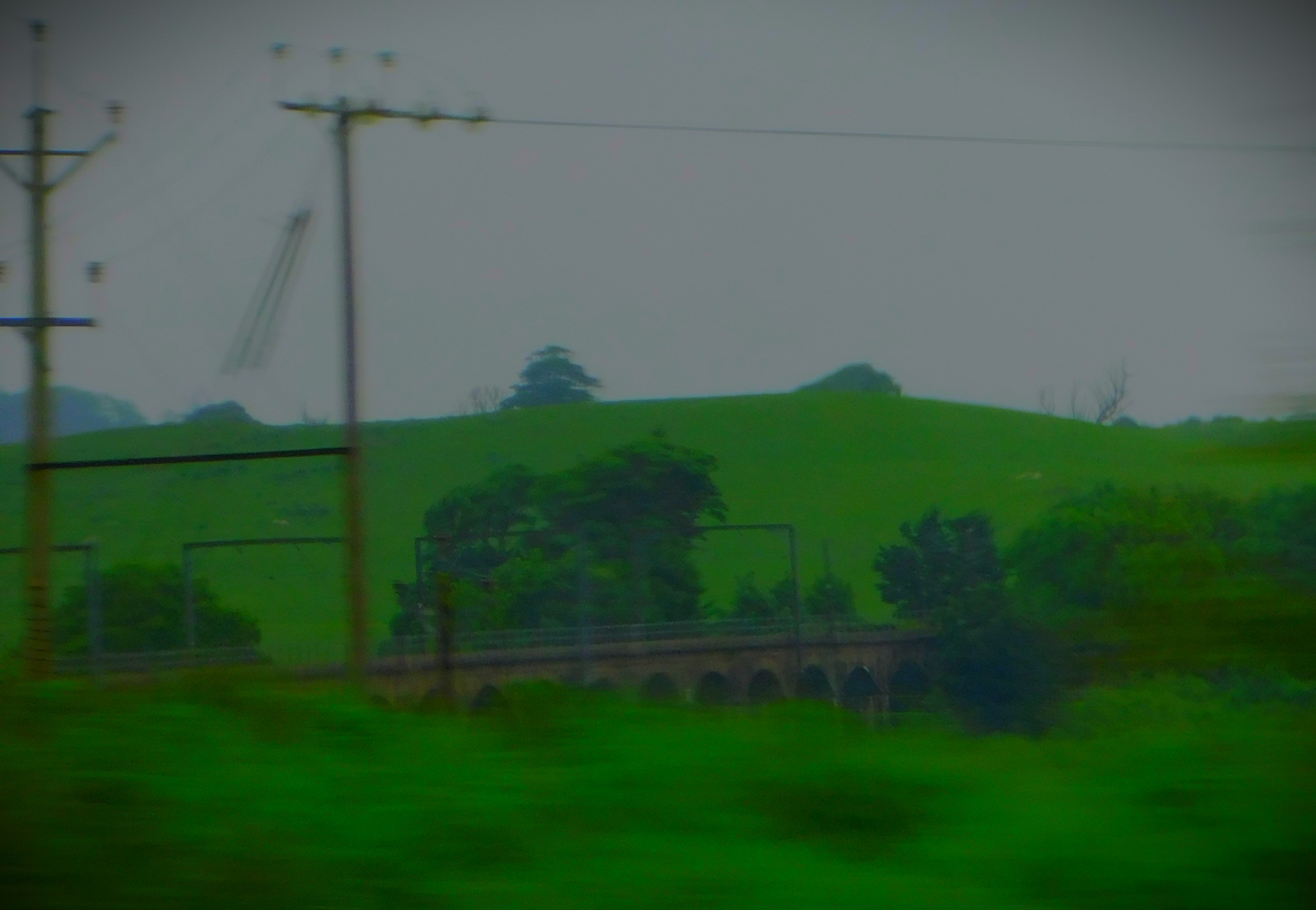
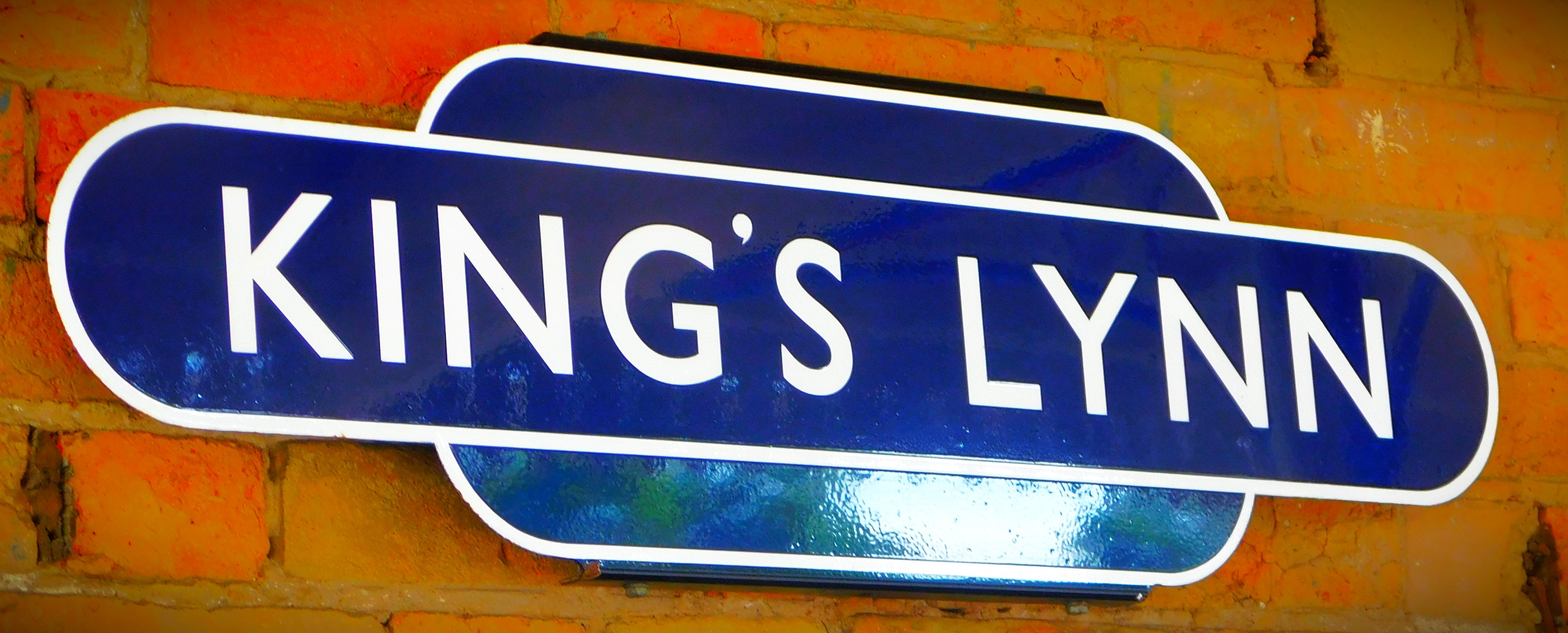
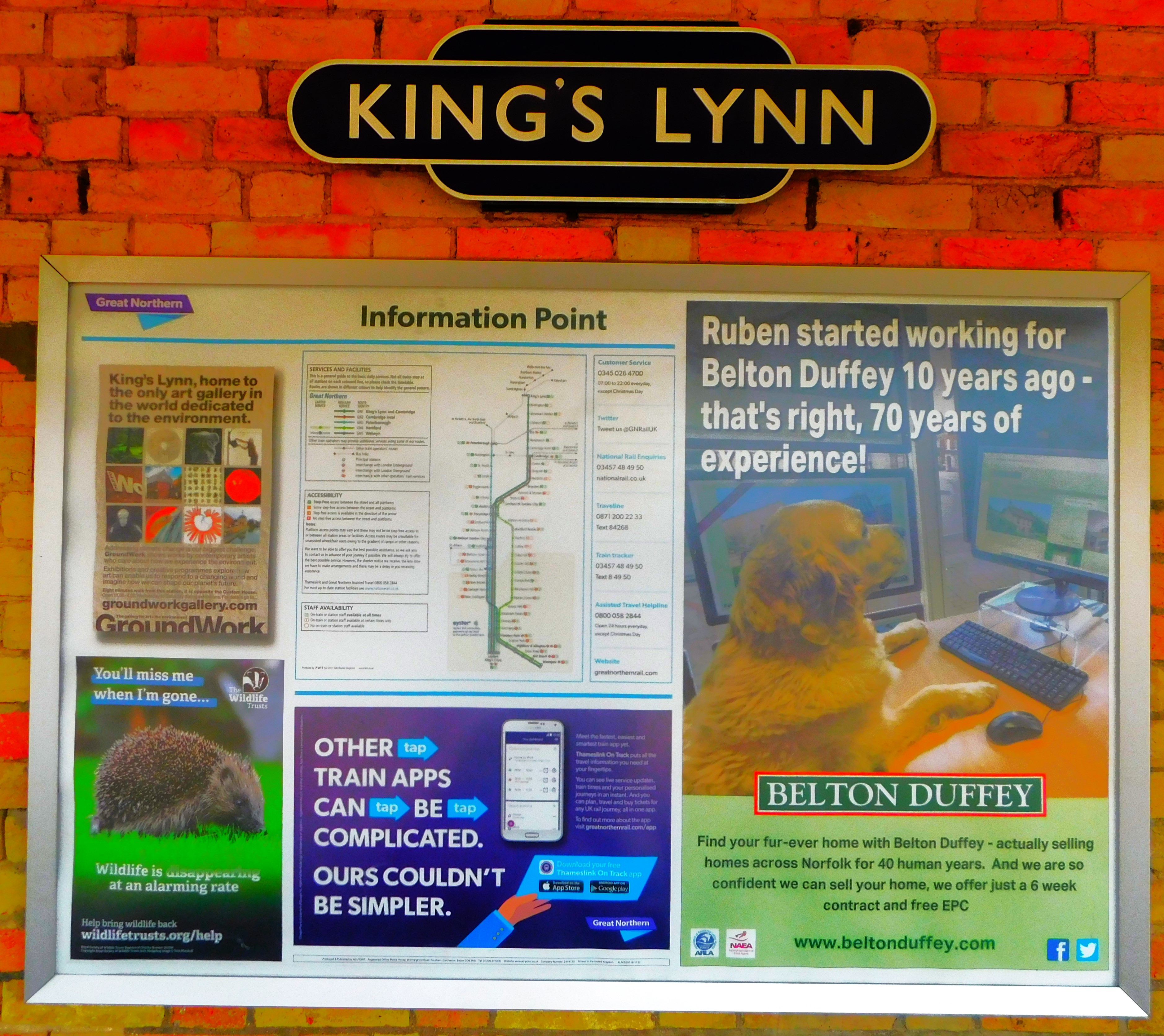
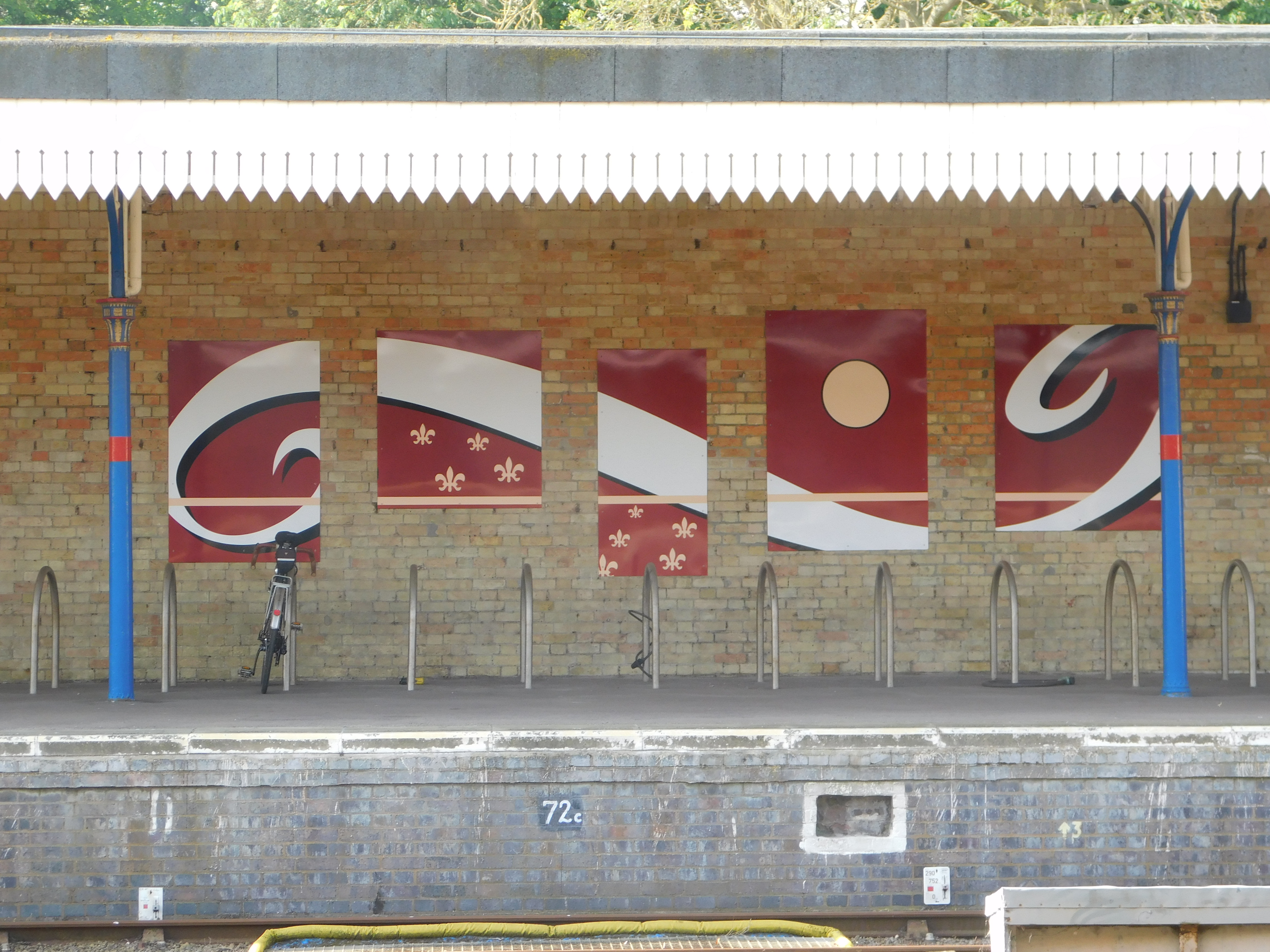
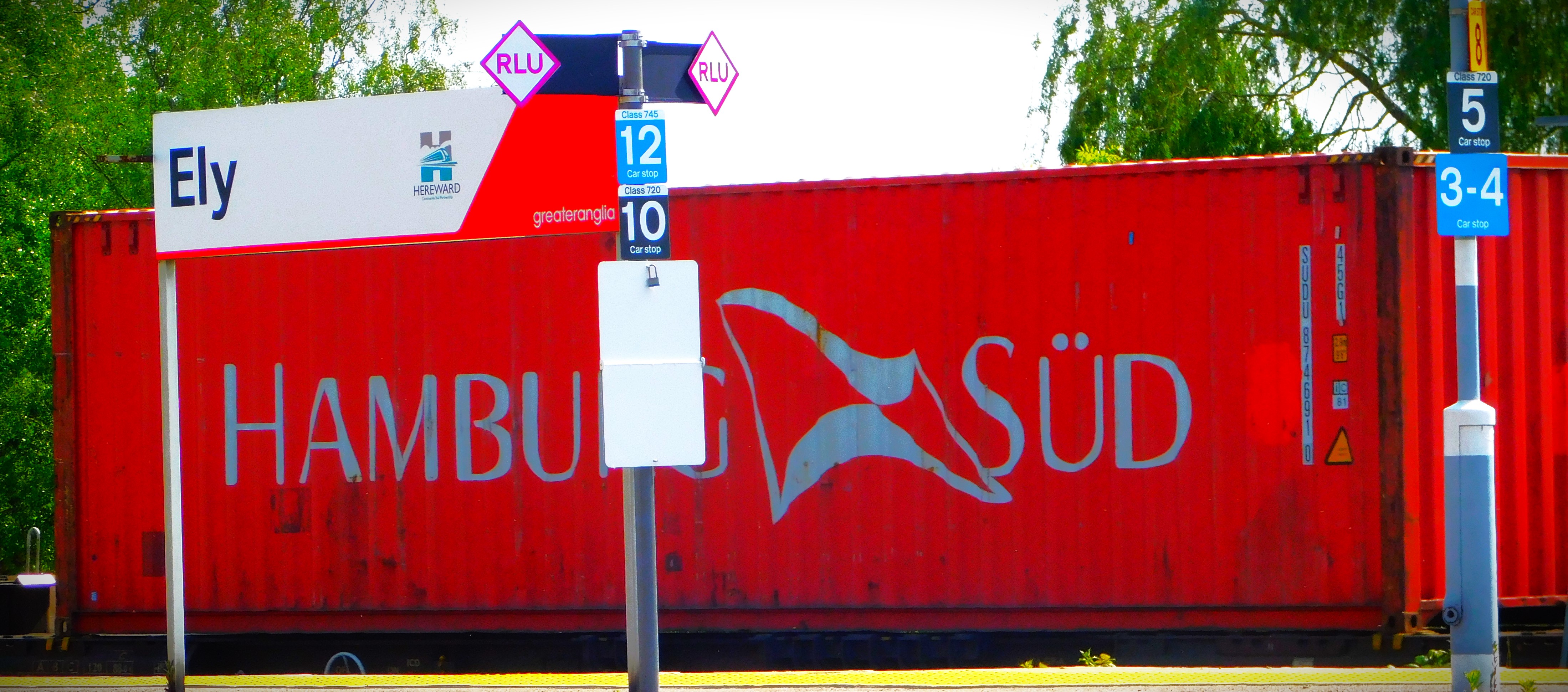
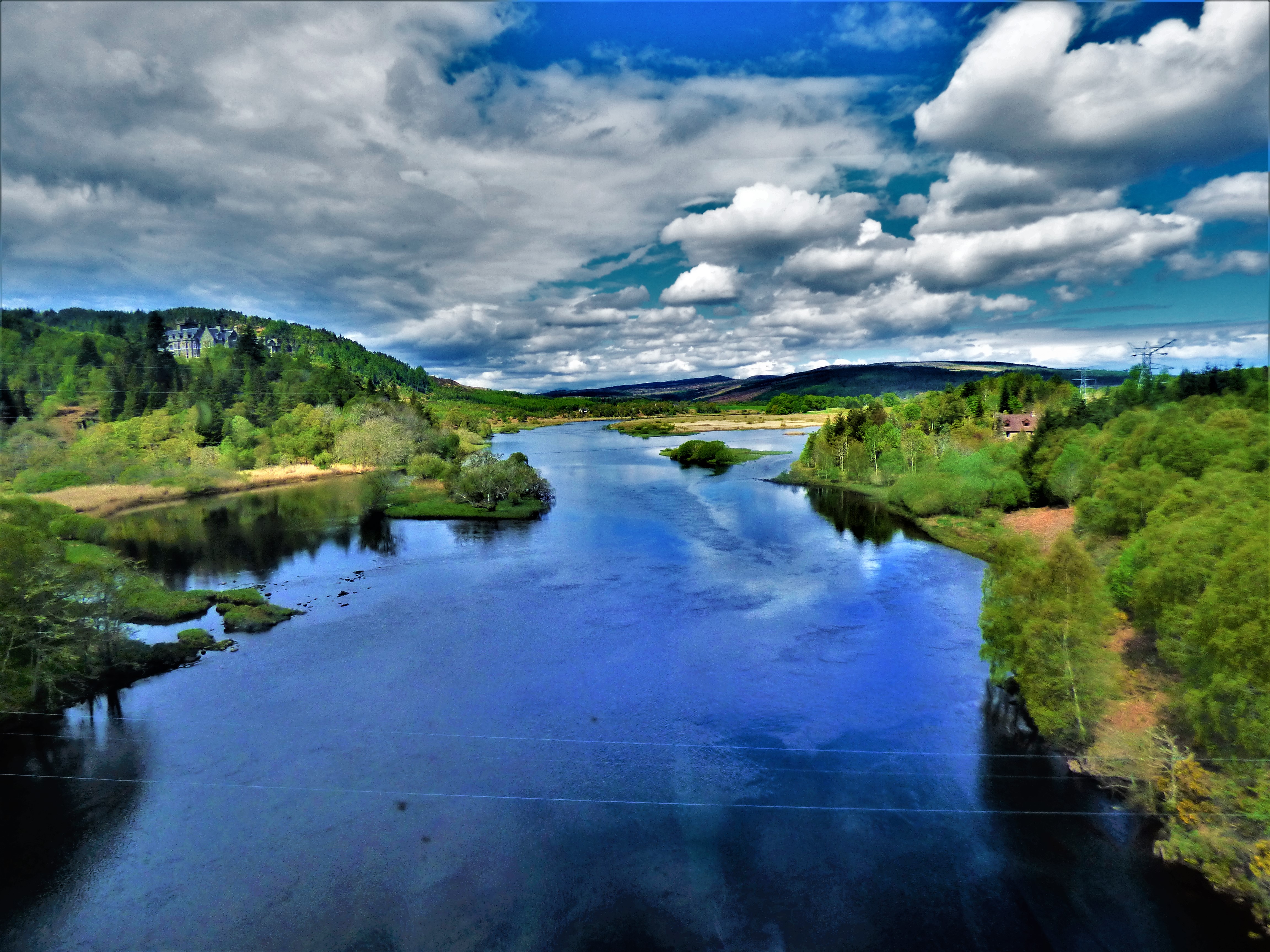
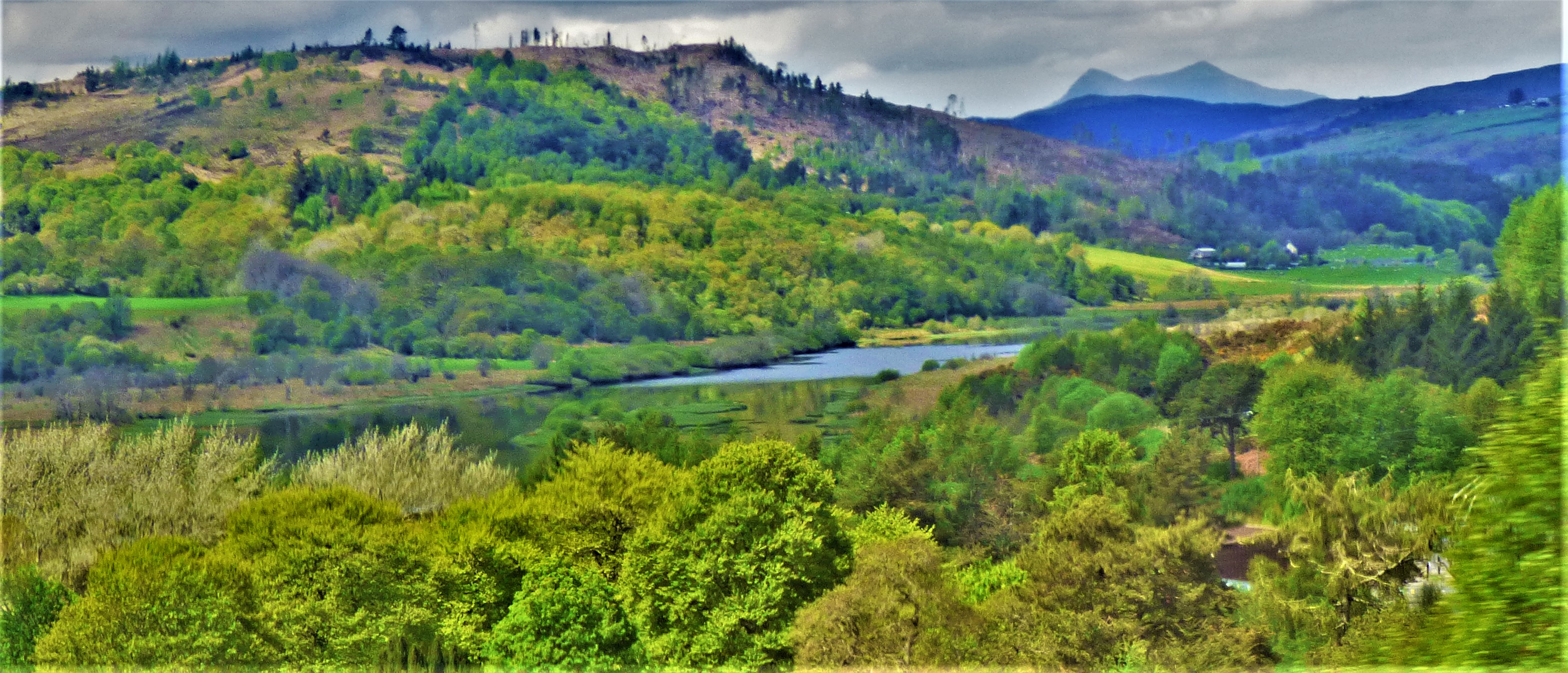
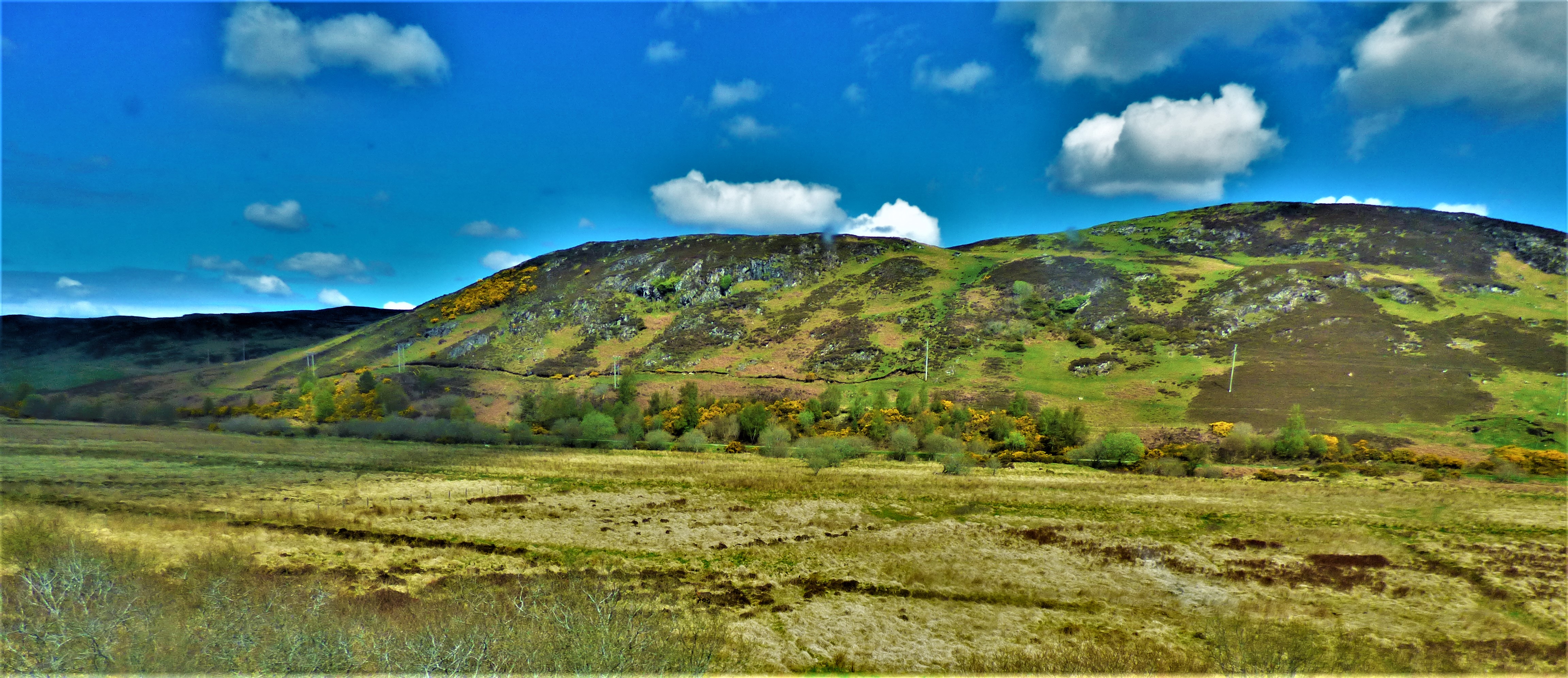
The first 15 pictures are King’s Lynn pictures, some taken on the Monday evening, a couple while walking to the bus station on Tuesday morning.This picture and the next two were taken while passing through Wisbech.The train pictures start here.Our first stop.On the approach to Alnmouth.The train would soon be crossing this viaduct.Looking along the Tweed as the train moves from England into Scotland.This is now a Radisson hotel, but it would have been built by the original railway company as the station hotel.
An all time XIU of players whose given names begin with V, some honourable mentions and a photo gallery.
Today I present an all time XI of players whose given names begin with V, plus some honourable mentions, including two players given whole paragraphs to themselves. I also have a photo gallery which includes pictures taken while travelling to and from Cambridge today. I am not going to publish an XI of players whose given names begin with U because such an XI owes more to cricinfo than it does to me, and is also far from great.
THE XI IN BATTING ORDER
Victor Trumper (Australia, right handed opening batter, occasional medium pacer). A great player and according to all available reports a great human being as well. His finest hours came on the 1902 tour of England, in an exceptionally wet season on uncovered pitches. In first class matches on that tour he scored 2,570 runs including 11 centuries. The highlight of this procession round England came in the fourth test match of the series at Old Trafford, when with England on a mission to ‘keep Victor quiet before lunch’ he proceeded to become the first player ever to reach a test ton on the first morning of the match.
Vijay Merchant (India, right handed opening batter). Only ten test matches, spread over 18 years for him, in which he recorded a career batting average of 47. In all first class cricket he averaged 71.22, a figure which places him second only to Bradman among those who played enough matches to qualify (another Australian, Norman Calloway, played a solitary a first class match, scoring 207 in his only innings at that level, before going off to fight in WWI, where he was killed in action).
Viv Richards (West Indies, right handed batter, occasional off spinner). One of the greatest of all time.
Virat Kohli (India, right handed batter). Across formats the best batter of the current era.
Vijay Hazare (India, right handed batter, right arm medium pacer). At a time when few Indians had great test records he averaged 47 with the bat at that level. In first class cricket he once scored 309 in a total of 387 all out, the lowest FC innings total to include a triple century.
Vyell Walker (England, right handed batter, right arm slow bowler). One of only two players to have scored a century and taken all ten wickets an in innings of the same first class match, WG Grace being the other.
Vallance Jupp (England, right handed batter, off spinner). Achieved the double of 1,000 runs and 100 wickets in first class matches in each of eight successive English seasons in the 1920s. In all he scored 23,296 first class runs at 29.41 and took 1,658 first class wickets at 23.01.
+Victoria Lind (New Zealand, wicket keeper, right handed batter). Finding a wicket keeper for this XI was difficult, and I have selected someone who did not actually have the gloves when I saw her in action (she was playing as a specialist batter, with Katey Martin keeping wicket), but who was a recognized keeper.
Vanburn Holder (West Indies, right arm fast medium bowler, right handed batter). Was part of the first WI pace quartet in 1976.
Vernon Philander (South Africa, right arm fast medium bowler, right handed batter). In test cricket he claimed 224 wickets at 22.32 a piece, enough to underwrite his claim for a place in this XI.
Vince van der Bijl (South Africa, right arm fast medium bowler, right handed batter). His entire career happened while South Africa were banned from the international arena, but 767 FC wickets at 16.54, taken at a rate of fractionally below five per match and the universally high opinion of all who encountered him are good enough for me.
This side has a powerful top five, two genuine all rounders of different style, a keeper who could bat and three excellent specialist bowlers. The bowling attack should be able to capture 20 opposition wickets in most conditions.
HONOURABLE MENTIONS
First of all…
THE VERY VERY SPECIAL ONE
Vangipurappu Venkata Sai Laxman, universally known by his initials VVS, had a test average of only just over a run per innings less than that of Hazare, and maintained over larger number of matches. That fine career record included a thunderous 281, at the time the individual record score for an Indian in test cricket, against the mighty Aussies in 2001. However my feeling was that Hazare offered a back up bowling option as well as his batting, and was part of a less strong batting order than Laxman had the luxury of belonging to. Had Laxman been a left hander, of whom there are none in this order, he would have had the nod, but I felt Hazare had the edge and selected accordingly.
VIRENDER SEHWAG
Virender Sehwag was the first Indian ever to score a test triple century, and achieved that feat twice, but he did not do much outside Asia, and especially he did not do much against the swinging or seaming ball, whereas the attacking opener I did select, Trumper, was at his very finest on an overseas tour in conditions that would have been massively alien to a Sydneysider – one of the wettest English summers ever.
OTHER HONOURABLE MENTIONS
Vernon Ransford was the best left handed batting option available for this squad. Vic Wilson, the only other left hander worth mentioning was even further adrift, though he could be named as designated fielding substitute. With Richards and Kohli absolutely certain selections he could only have been accommodated at the expense of Hazare, and my feeling is that getting a left hander in isn’t worth sacrificing an average of ten runs per innings for. Vic Richardson, a legendary all round sportsperson and grandfather of two Aussie skippers, did not have a good enough record at test level to merit inclusion. Vikram Solanki was a good county batter, but such international success as came his way did so in limited overs cricket. Vic Jackson, an Aussie who bowled both medium pace and off spin, and played for Leicestershire as well as his native NSW was in the mix for an all rounders slot. Varun Aaron was a quicker bowler than any of three specialists I selected, but he was also much more erratic, and 18 test wickets at 52.61 hardly constitutes a strong basis for a challenge. Vinod Kambli was hugely talented, and was probably cast aside too soon by the Indian selectors, but unfortunately when up against Richards, Kohli and Hazare, with Laxman also deserving a mention a player who only gained 17 test caps, even one who averaged 54 with the bat at that level cannot be included.
PHOTOGRAPHS
My usual sign off…
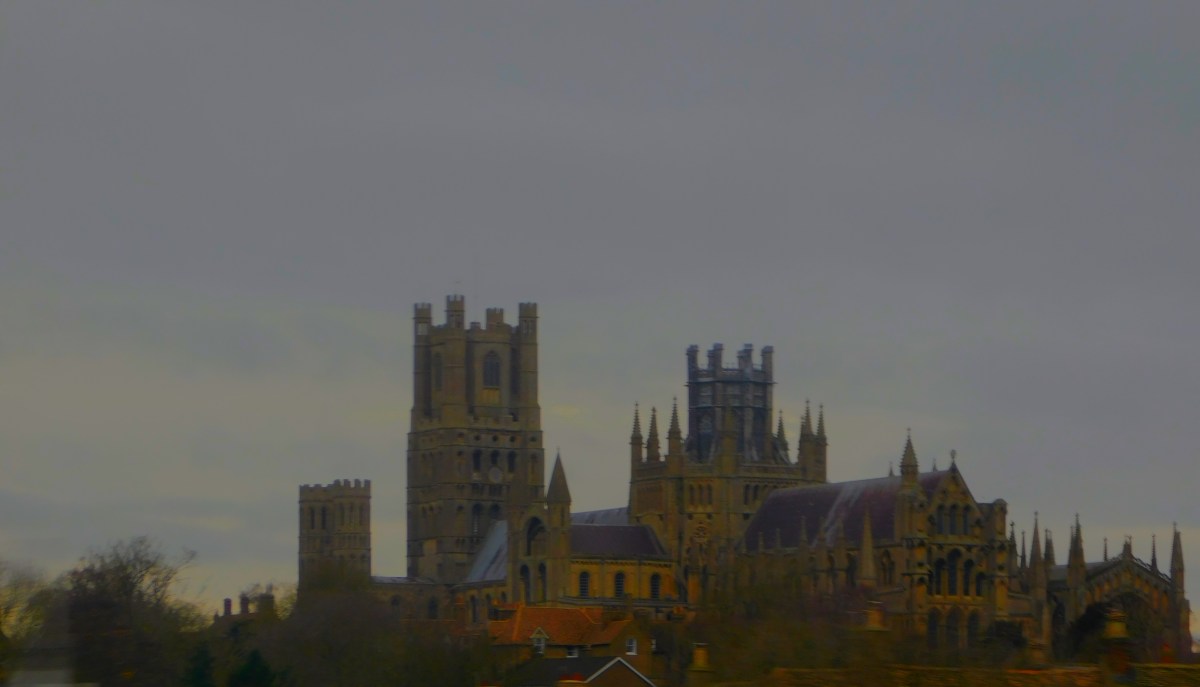
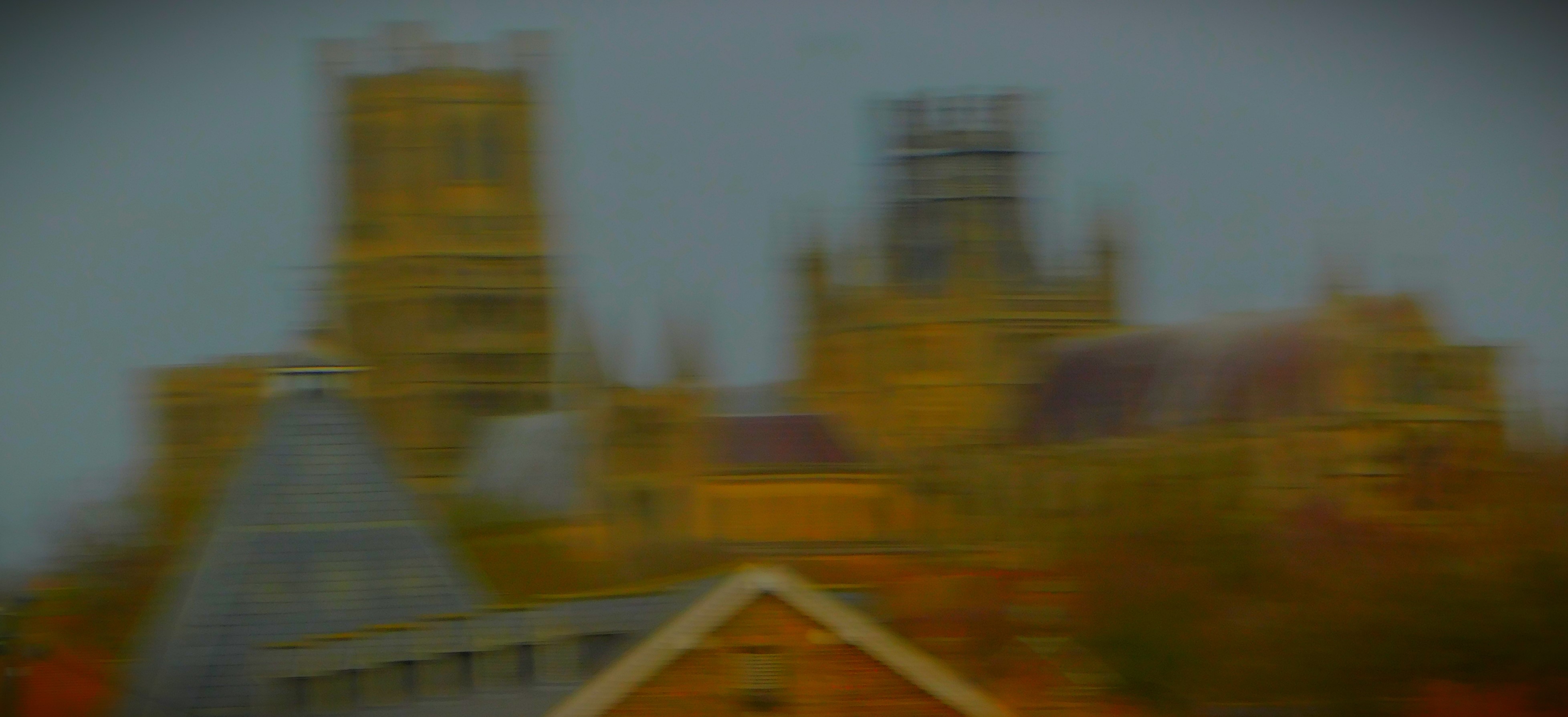
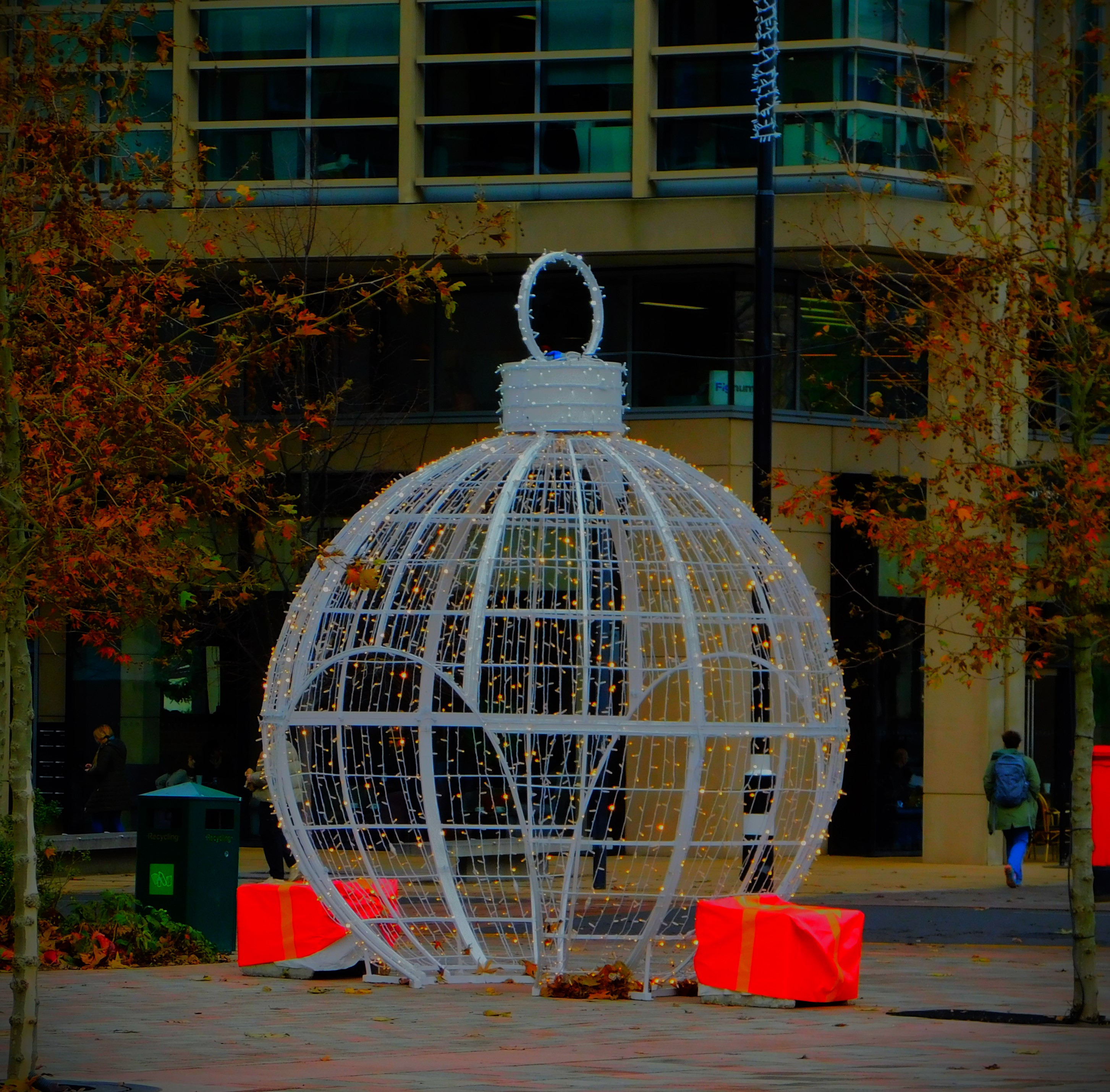
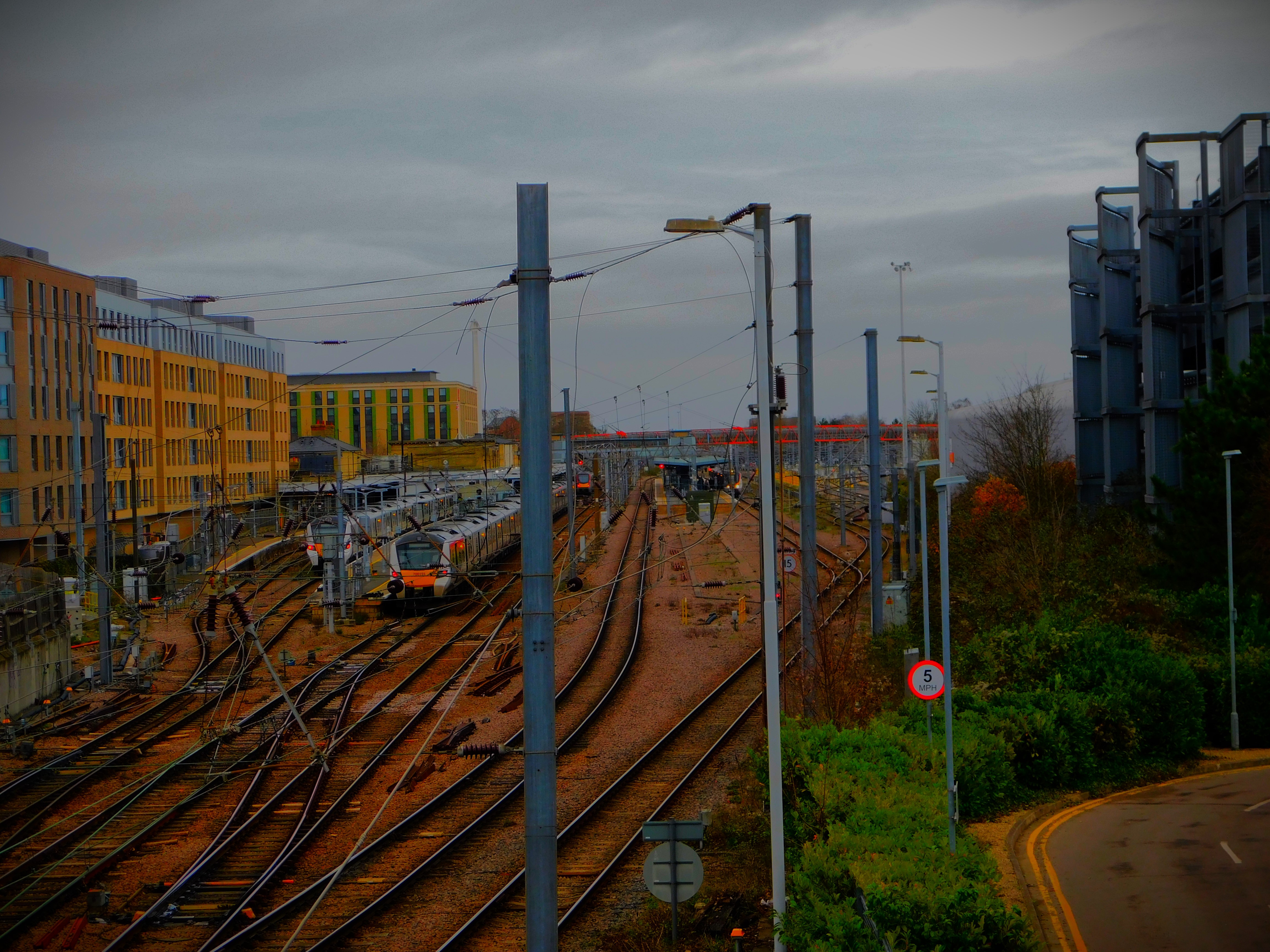
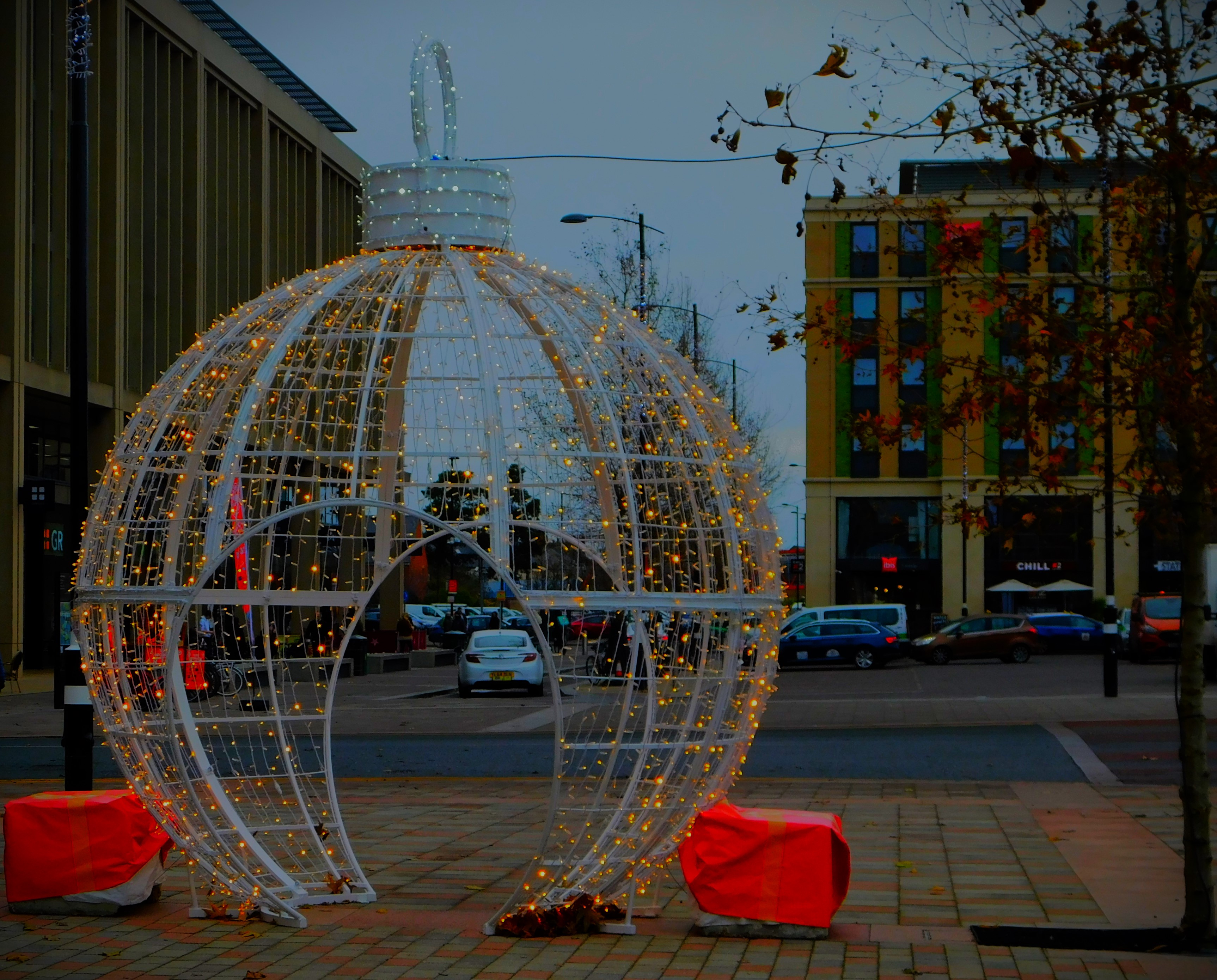
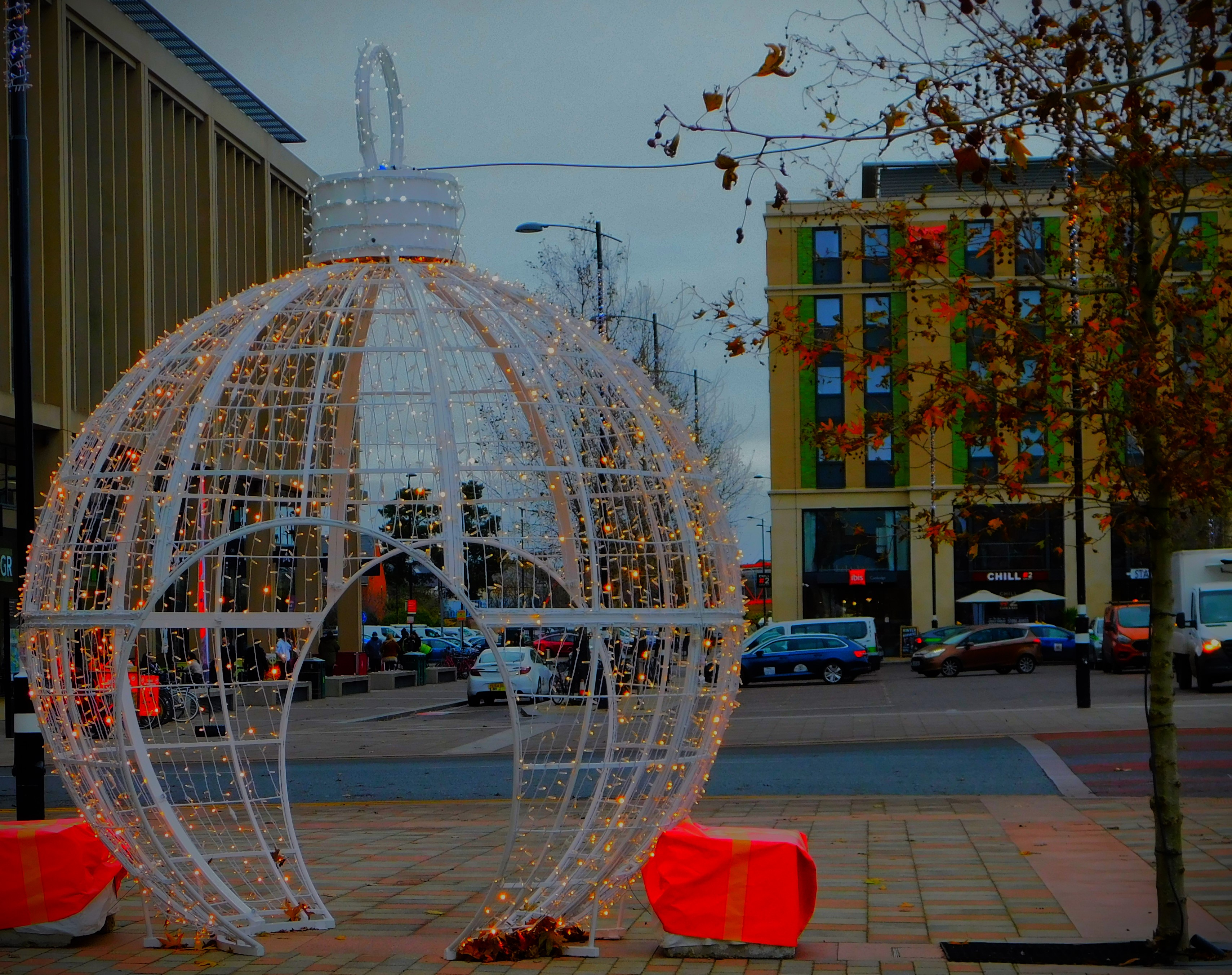
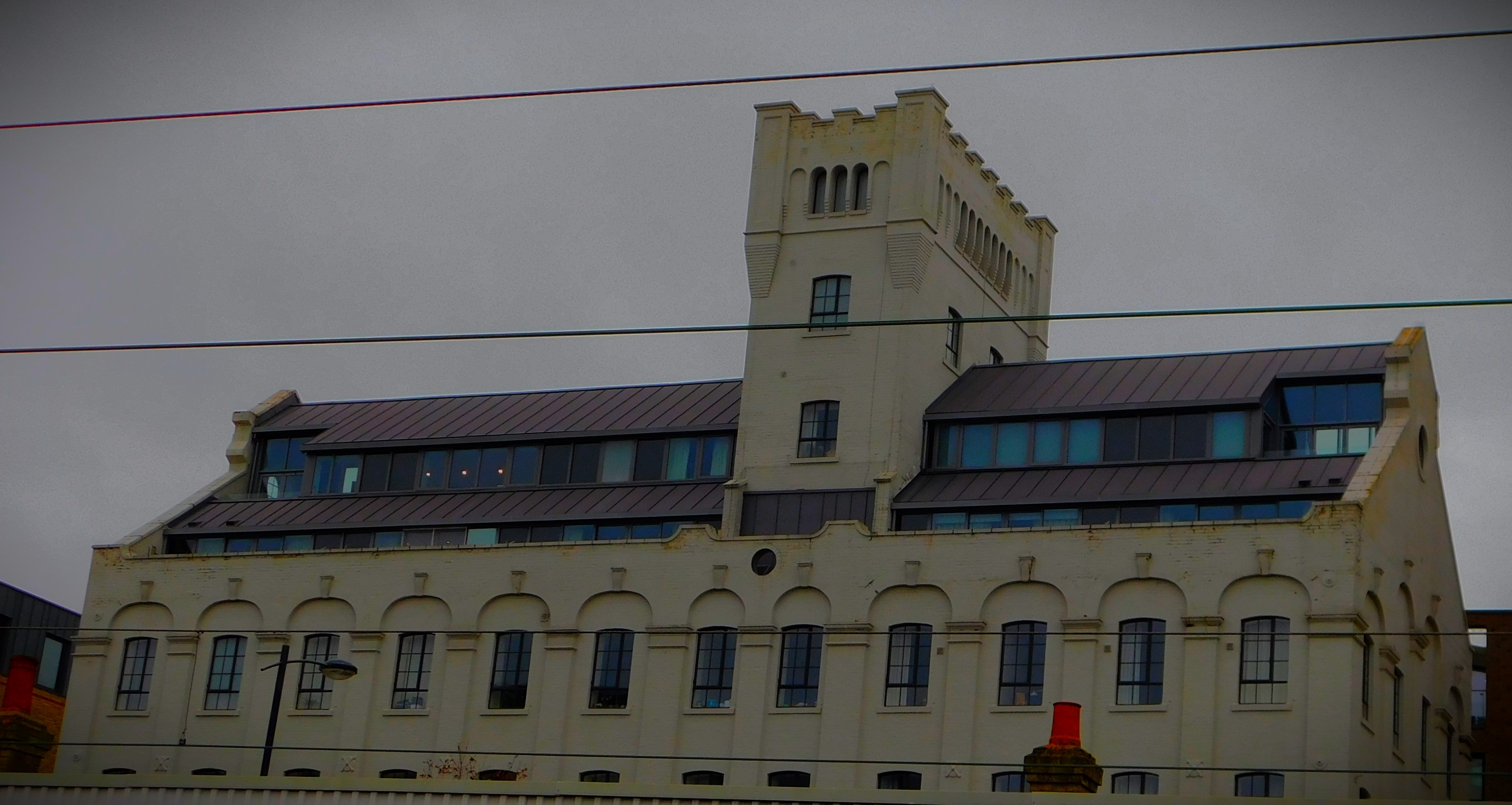
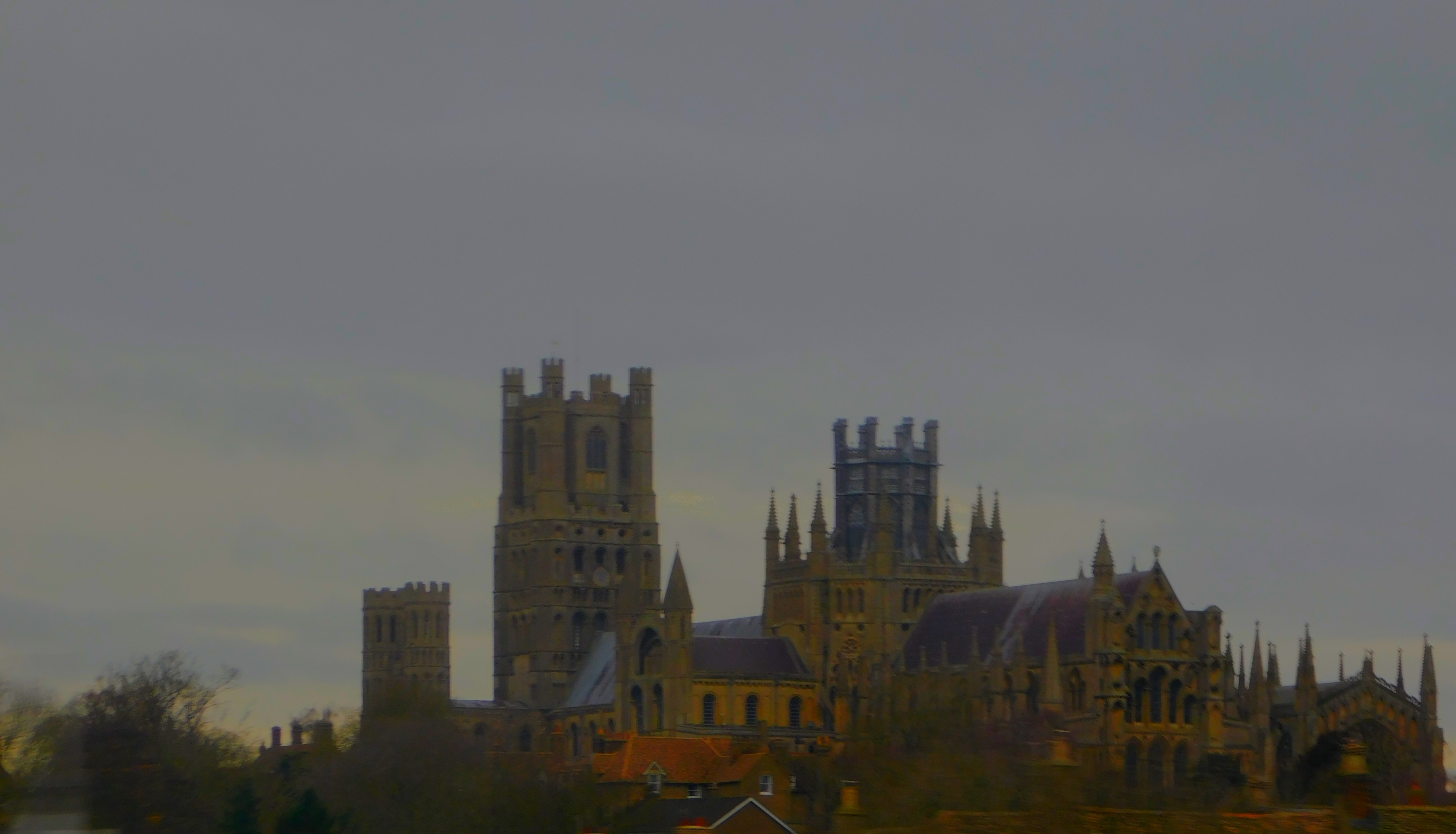
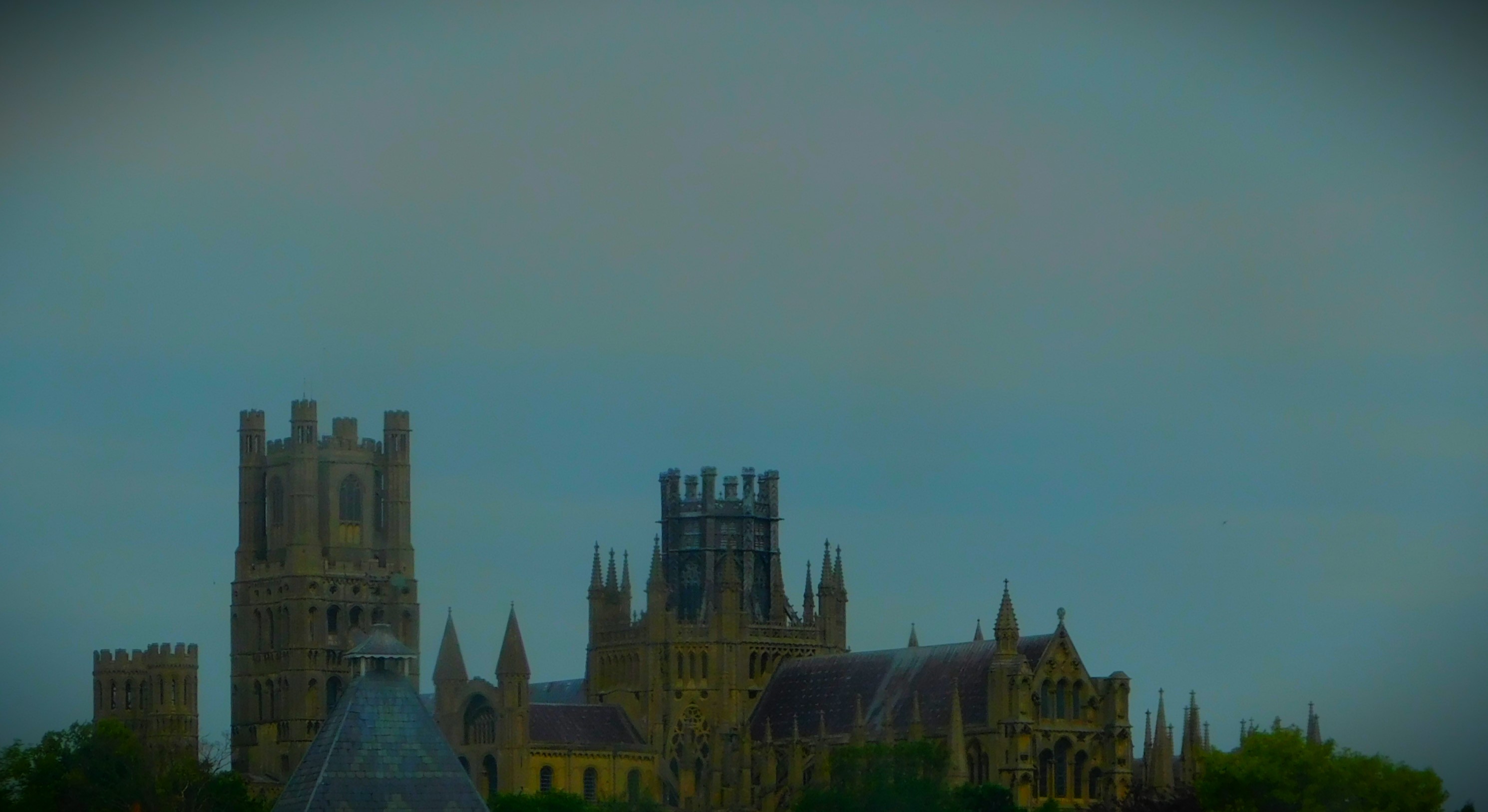
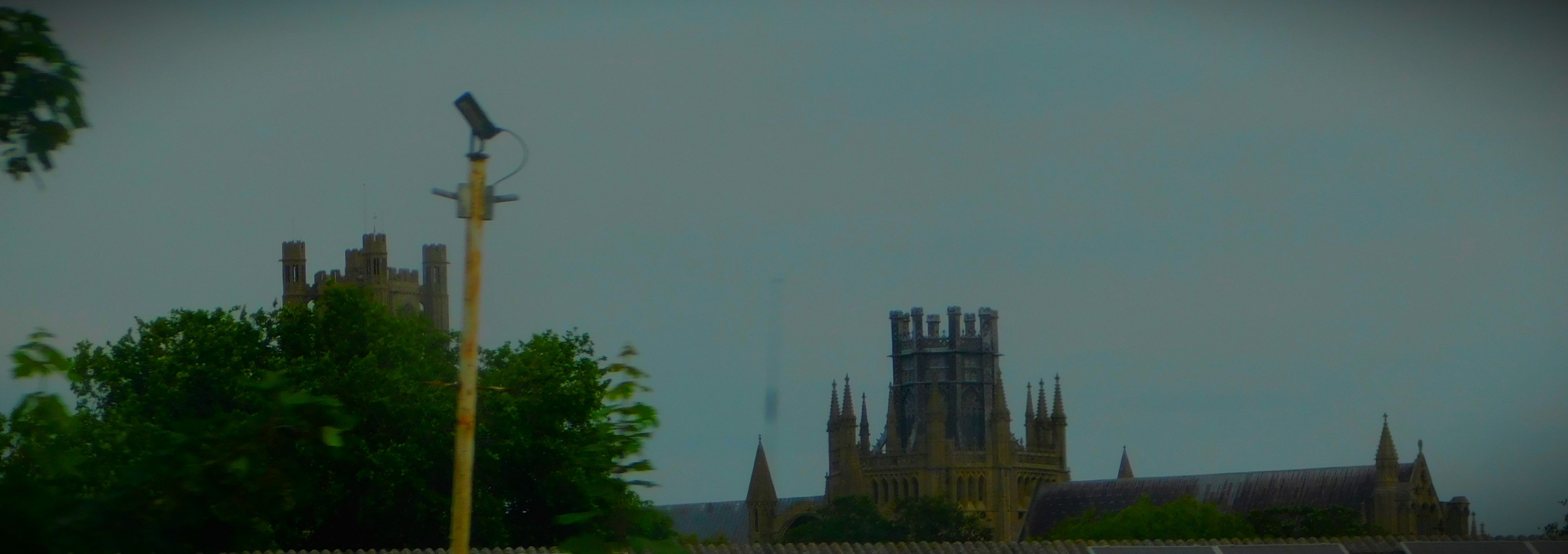
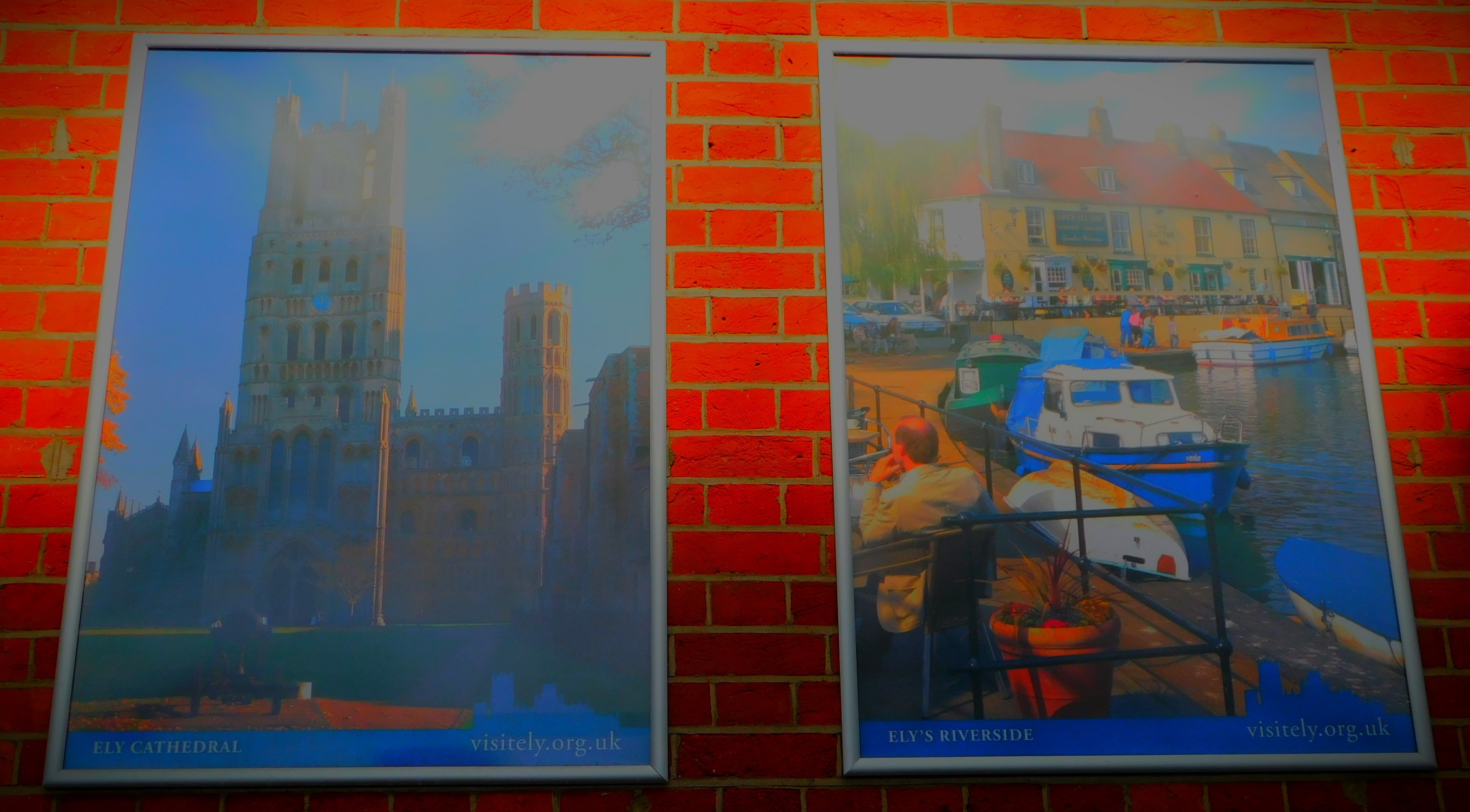
Cambridge station, as viewed from where Hills Road crosses the railway line.A giant Christmas bauble near Cambridge station.Ely Cathedral
Starting a mini-series about a long weekend in Cornwall with an account of the journey there.
I last posted on Wednesday and this post explains why. Thursday was a work day, and then Friday was pretty much entirely given over to travel, as I was going to Cornwall for a long weekend with various relatives, while yesterday was also very busy, as today will be. However, I have time to do a blog post now, the start of a mini-series.
MY BASE FOR THE WEEKEND AND TRAVEL PLANS
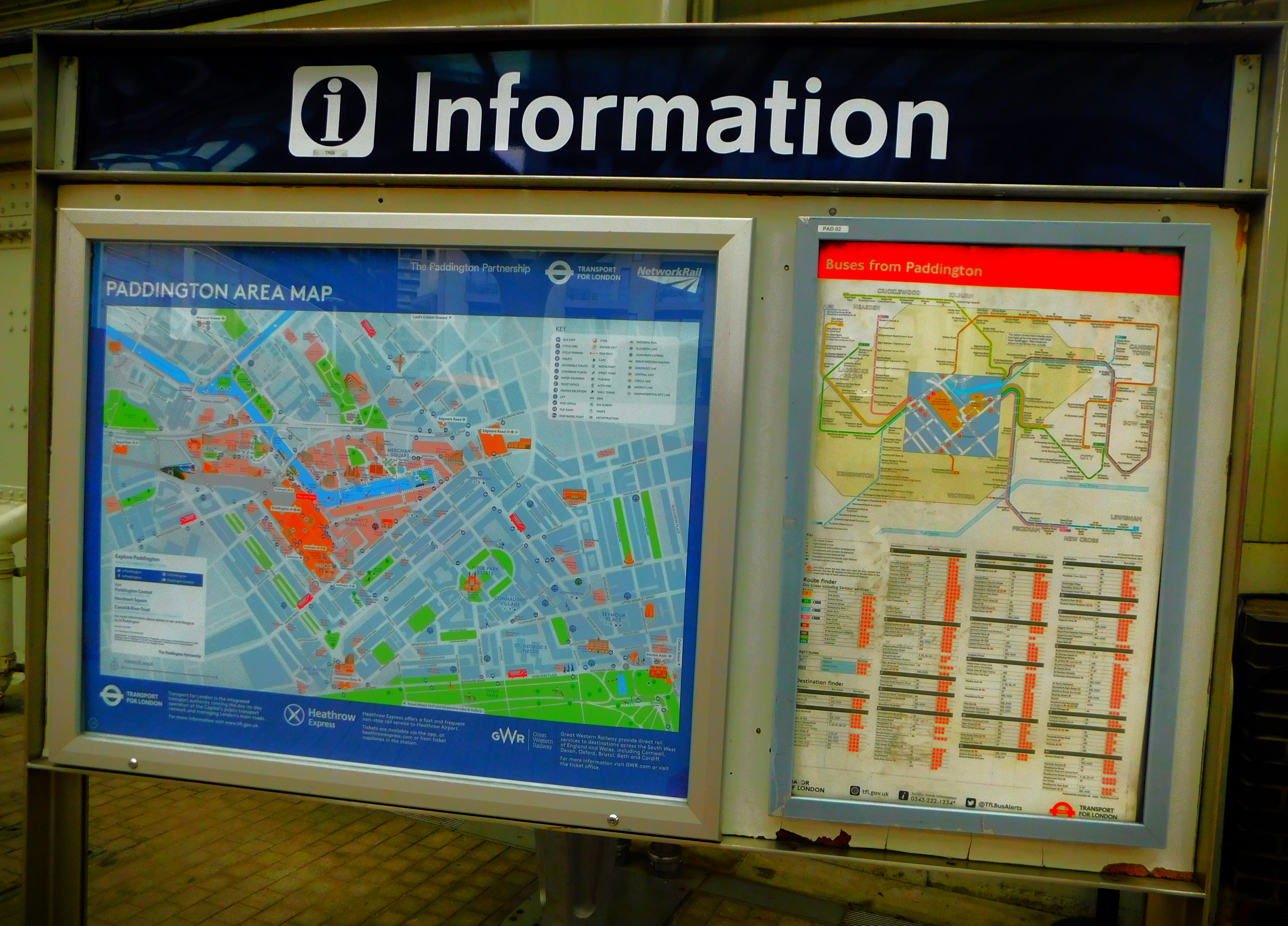
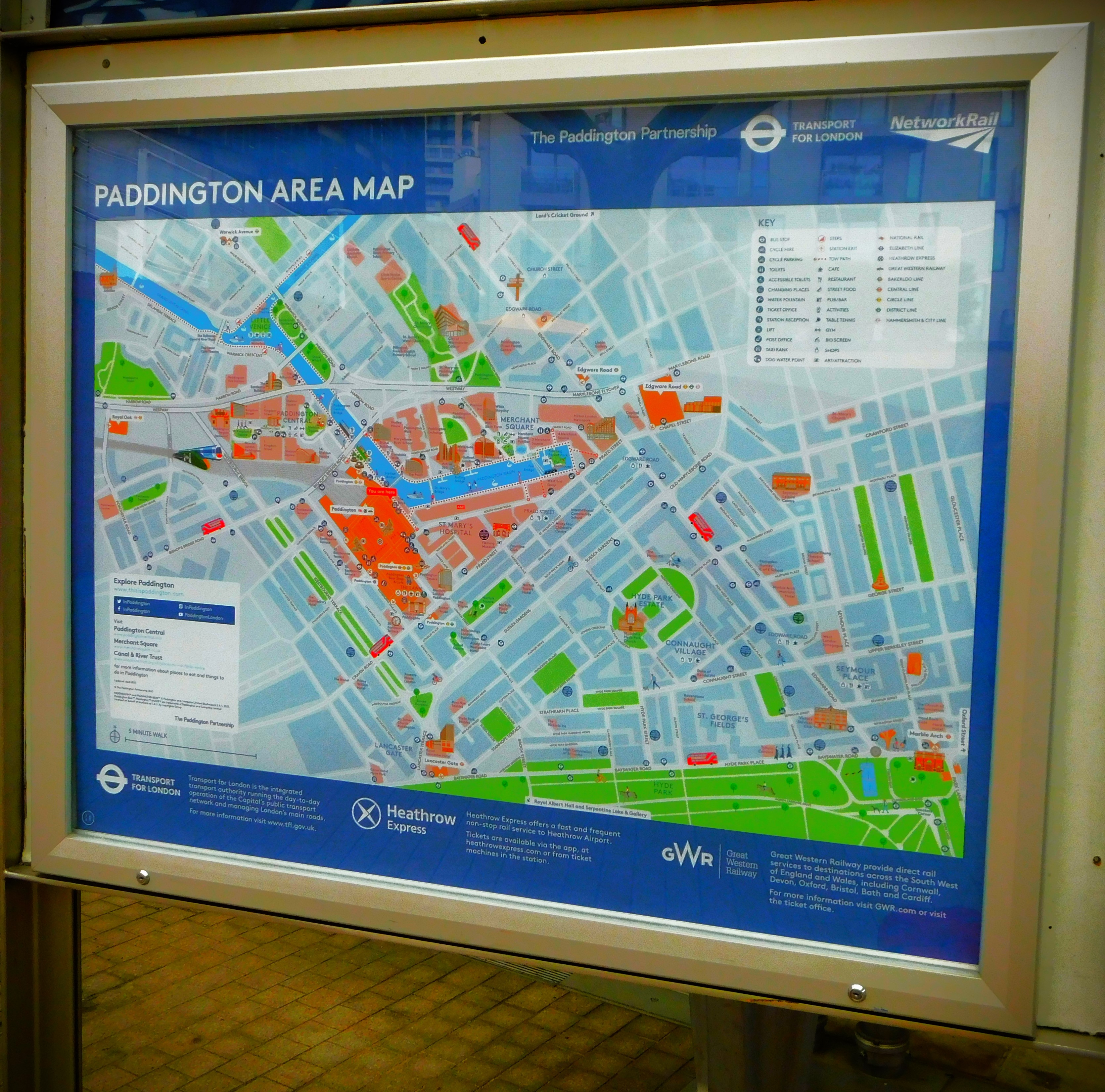
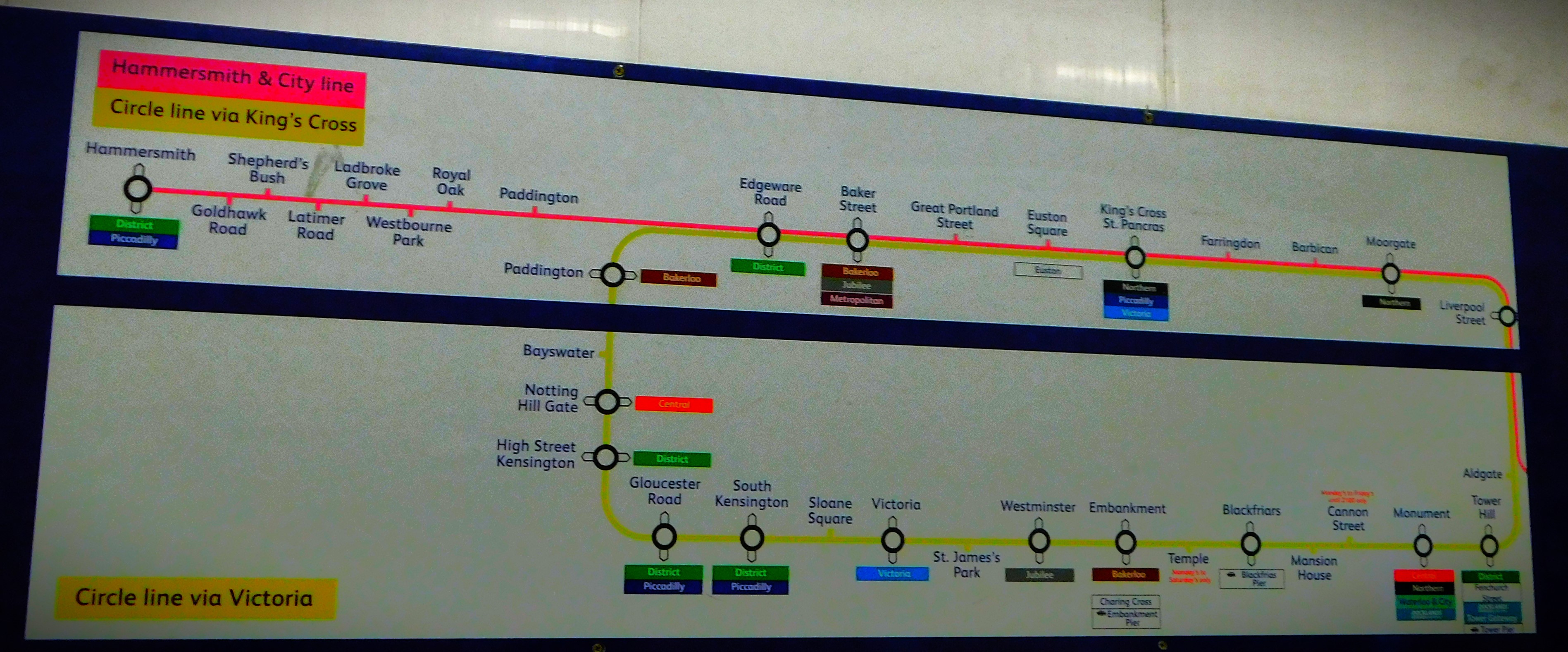
My parents live in Fort Picklecombe just on the Cornish side of the Tamar and about a mile from the village of Cawsand. I would be staying with them for the weekend so my task travel wise was to get from King’s Lynn to Plymouth from where they could pick me up. This journey is accomplished in three parts – King’s Lynn to Kings Cross, Hammersmith & City line to Paddington (NOT the Circle line – the Paddington served by that line should revert to its original name of Praed Street – it is significantly removed from the main line station, whereas the Hammersmith & City line platforms are structurally part of the main station), Paddington to Plymouth. I arranged to leave Lynn on the 09:42, connecting to the 13:03 from Paddington, which would arrive in Plymouth at 16:12.
KING’S LYNN TO LONDON
I reckoned on leaving my flat at 9AM so that I had plenty of time for the walk to the station, and I actually got away by 8:55. The train to London was a little late leaving and lost further time along the way, but with an hour and half between scheduled arrival at Kings Cross and scheduled departure from Paddington my cross London connection was never close to being in jeopardy. I arrived at Paddington with over 40 minutes to spare, and spent half of that time waiting to find out which platform I needed to get to. Then, since my designated seat was in coach A I had to walk the whole length of the platform before boarding and finding my seat.
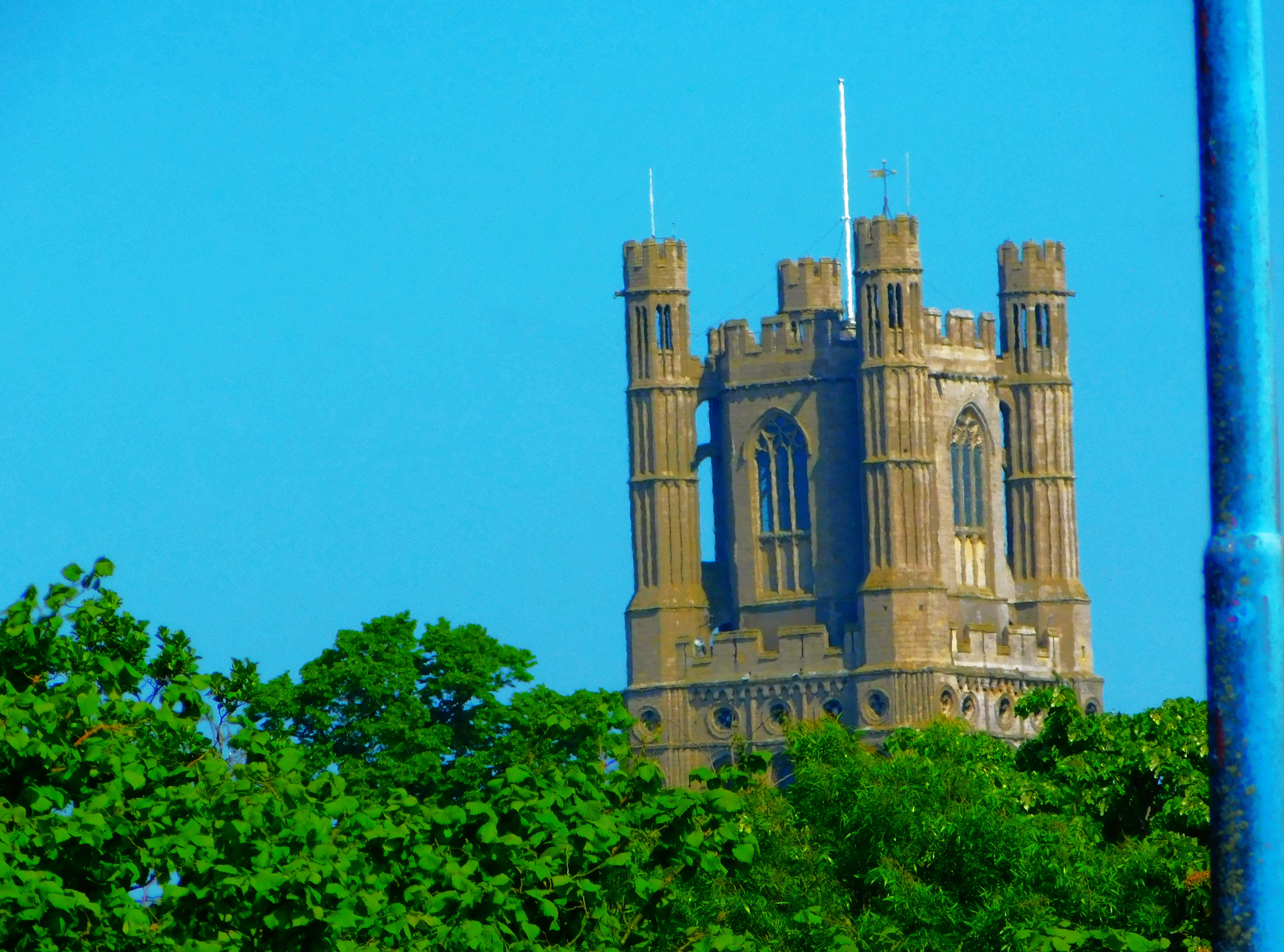
Setting off early meant that I could pause to take photographs while walking to the station.Ely CathedralEly Cathedral’s unique feature, the octagonal tower designed by a 14th century prior known to posterity only as Alan of Norwich.
PADDINGTON TO PLYMOUTH
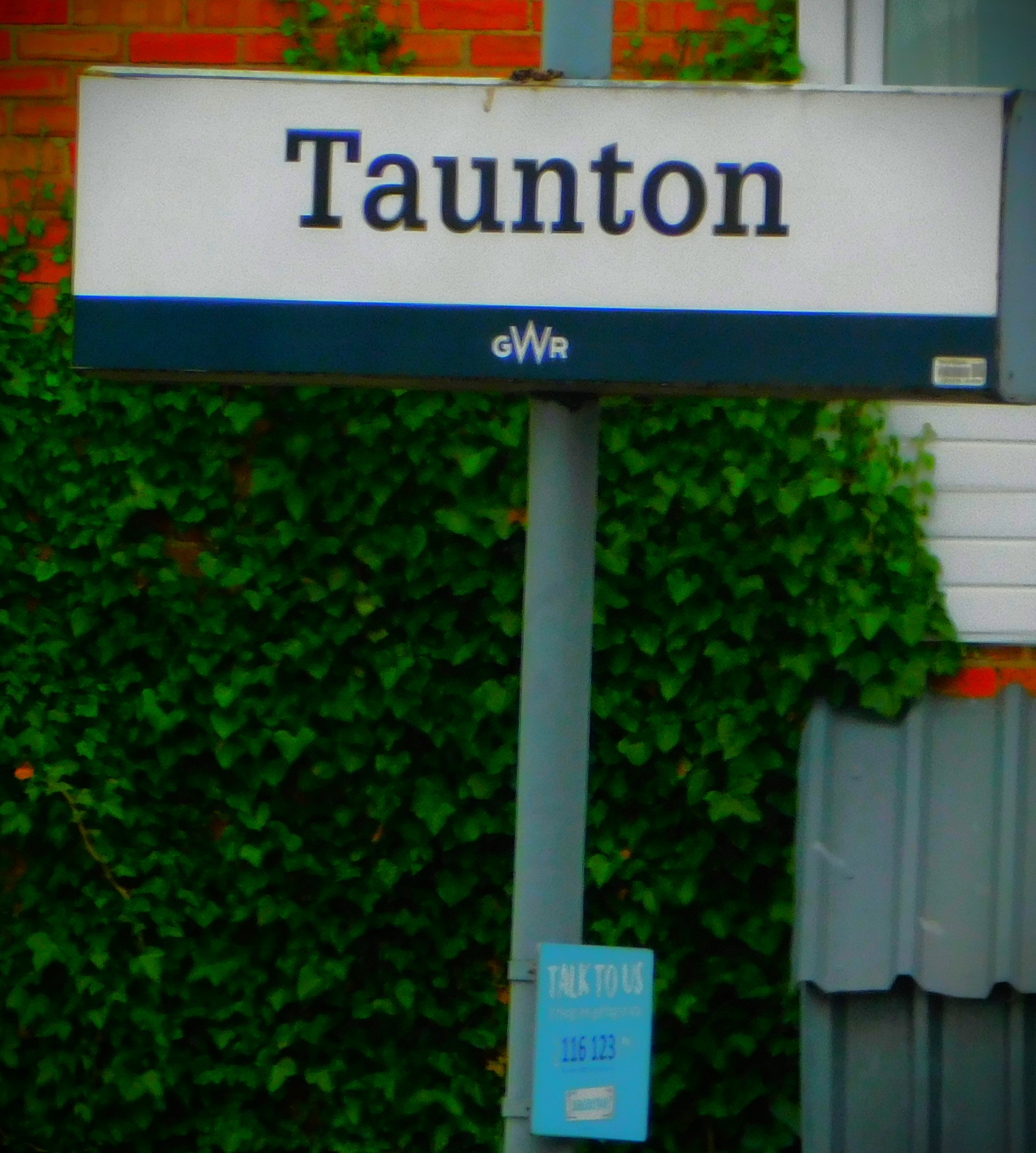
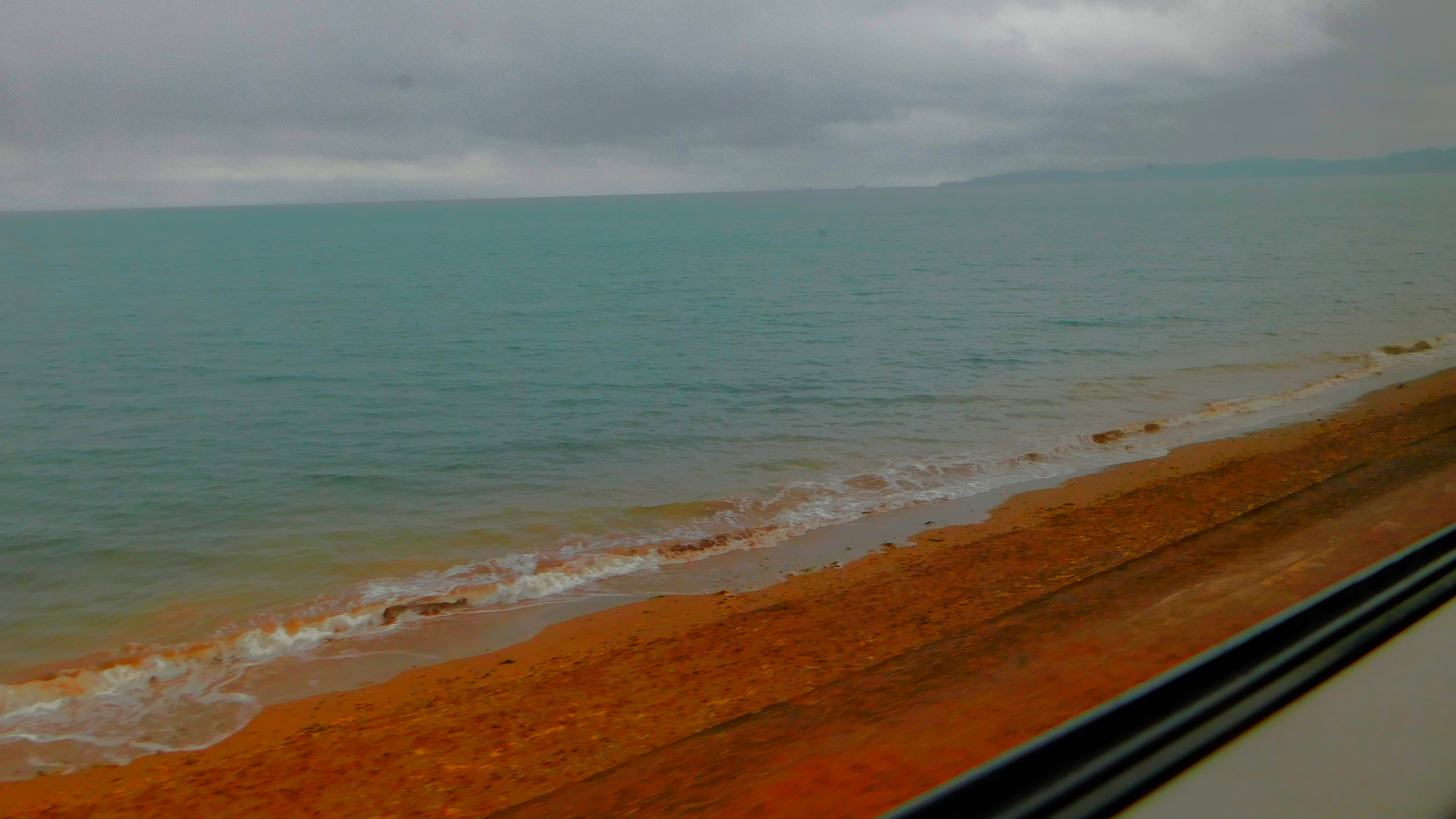
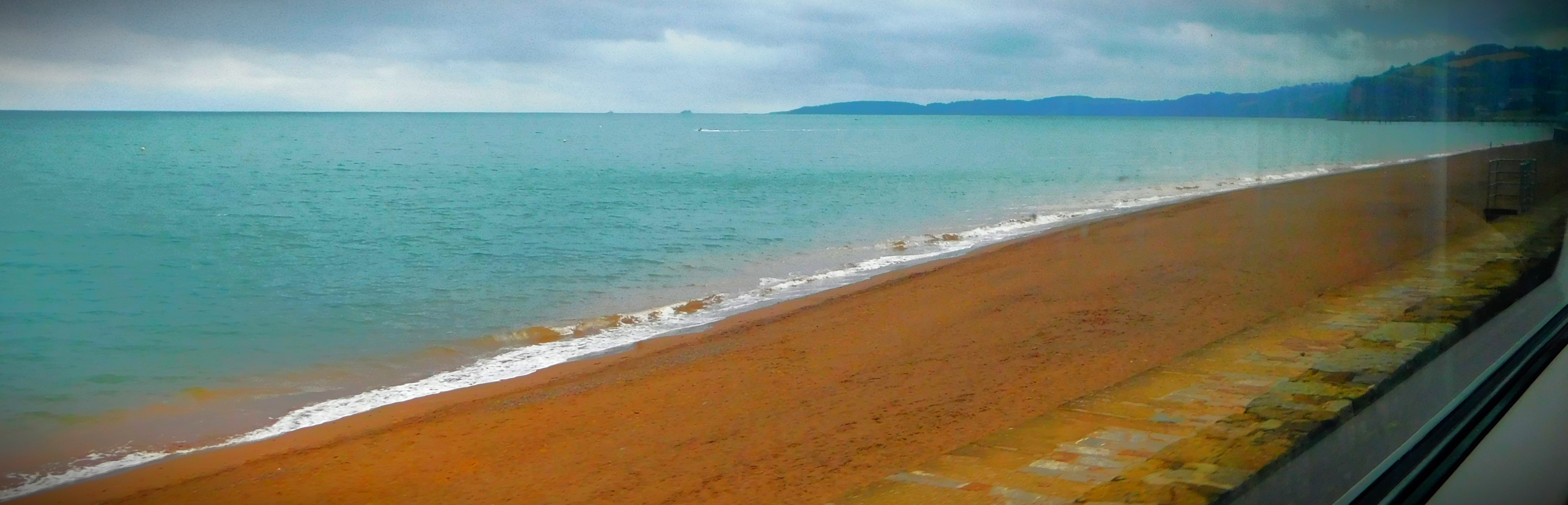
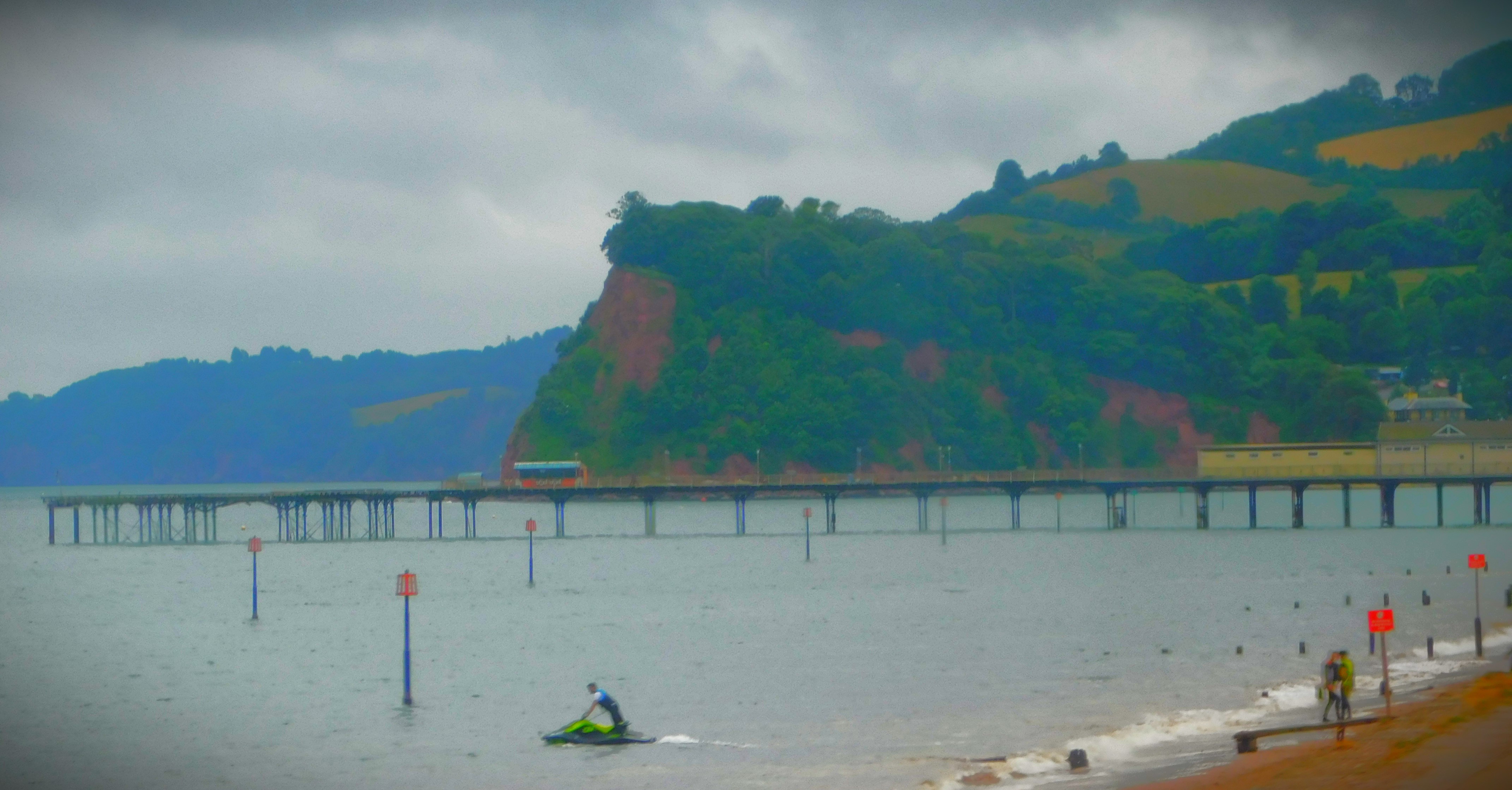
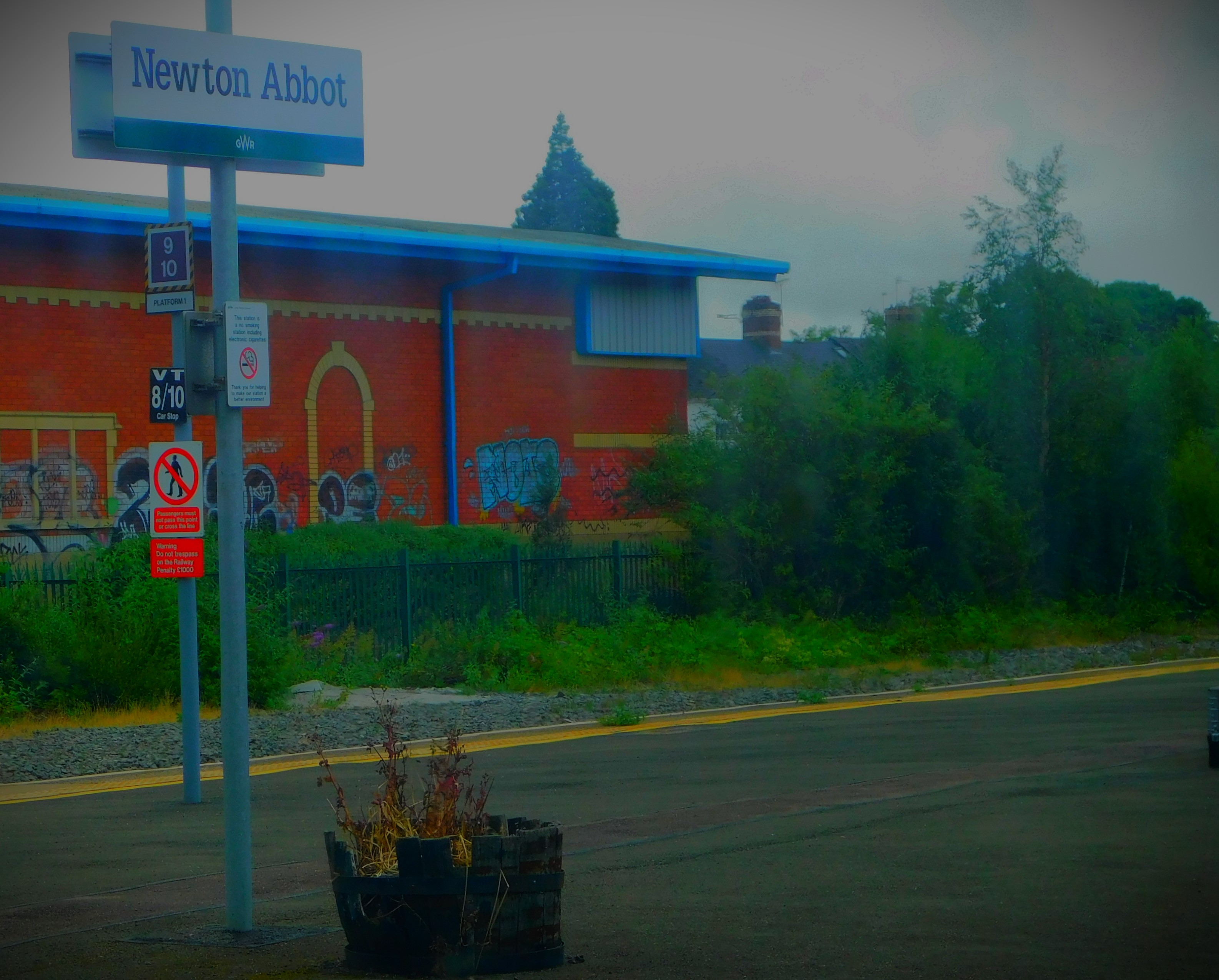
Great Western don’t have the worlds greatest reputation for punctuality, but this time the service set off precisely as scheduled, and ran pretty much exactly as per schedule all the way. This service stops at Reading, then has a long fast run to Taunton before making additional stops at Tiverton, Exeter St Davids, Newton Abbot and Totnes en route to Plymouth. There is one stunningly scenic section on this route, between Exeter and Newton Abbot, where the railway is literally right alongside the sea for most of the way.
PLYMOUTH TO FORT PICKLECOMBE
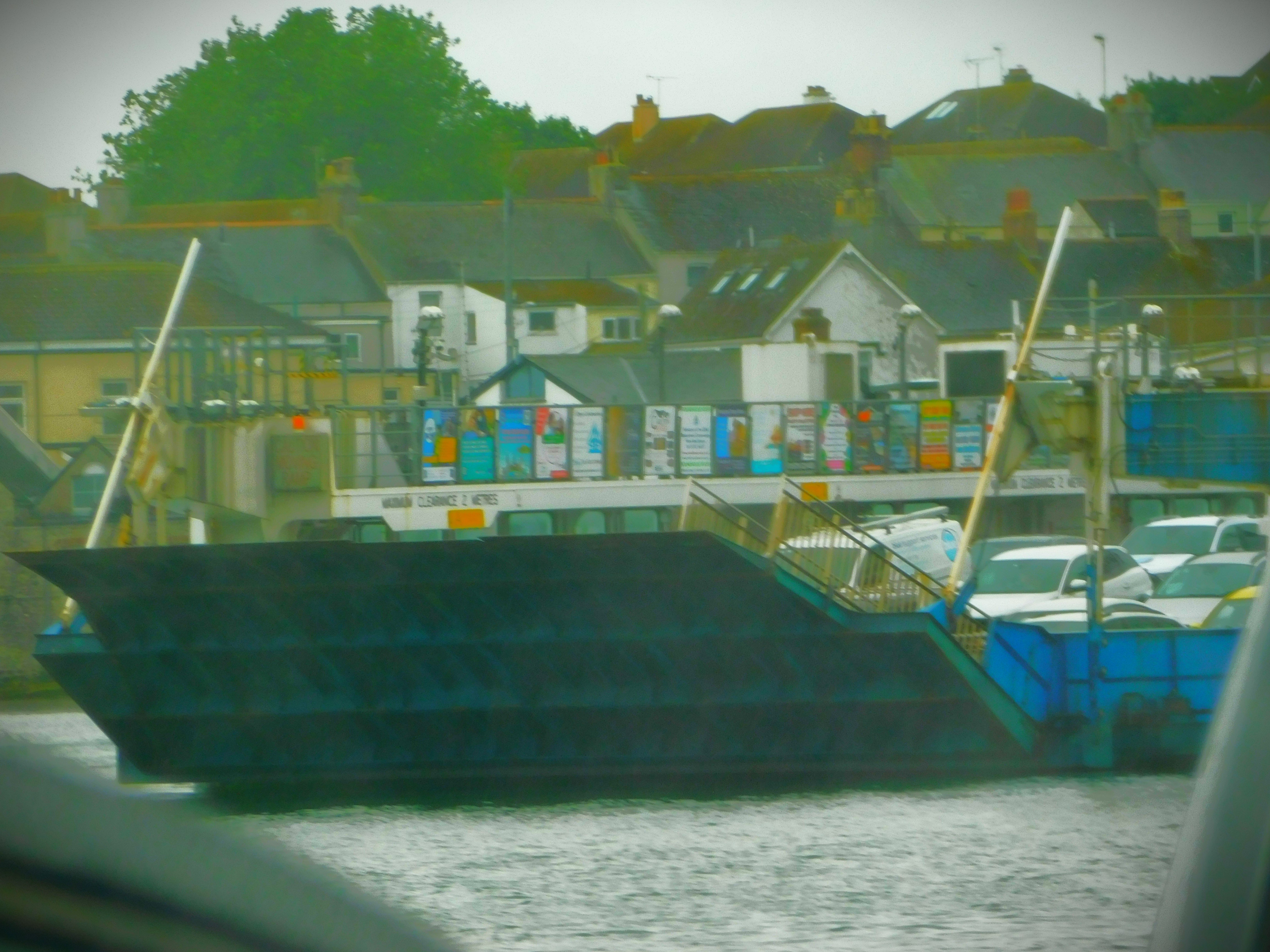
The last part of the journey was in my parents car, and included making use of the Torpoint car ferry. Although my parents car is small and not well suited to photography I did my best even on this leg of the journey.
The final post in my series about my holiday in the Lake District, detailing the journey home.
Welcome to the final post in my series about my holiday in the Lake District. In it I talk about my journey back to King’s Lynn.
A MULTI-MODAL JOURNEY
Thursday was the only day on which I could travel home – the next non-strike day was the following Tuesday by when I was due back at work. I had been warned by thetrainline.com of trouble on the Ely-King’s Lynn portion of the journey – they had wanted to me to book a whole new journey, but I knew better – so long as I could get as far as Peterborough I could then get a bus to King’s Lynn, and there is no difference in the time taken to walk from the bus station to my home and that from the train station. Thus I was prepared for a journey using three modes of wheeled transport plus walking.
THE JOURNEY
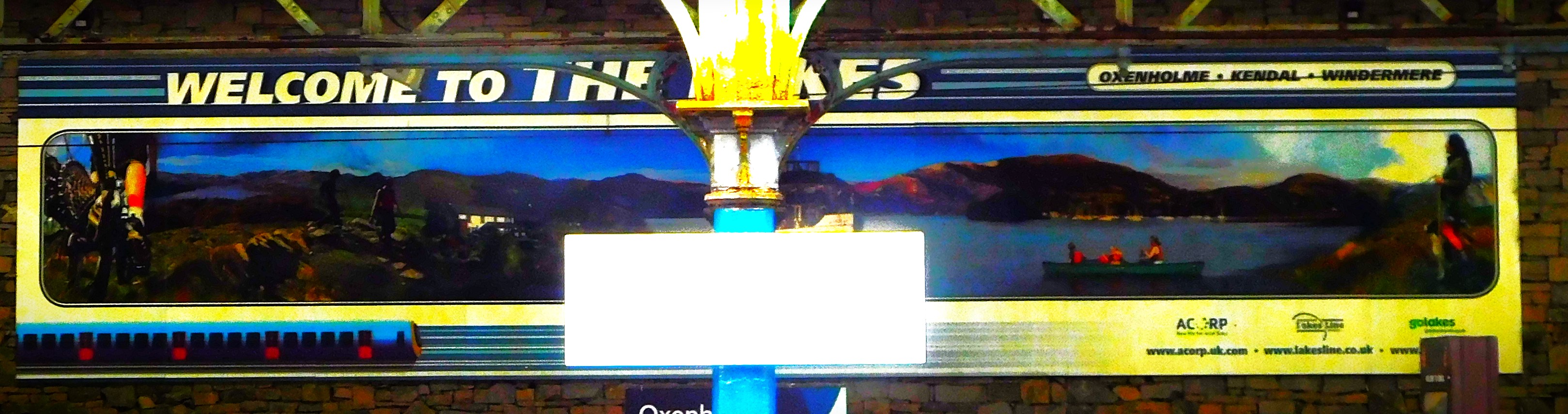
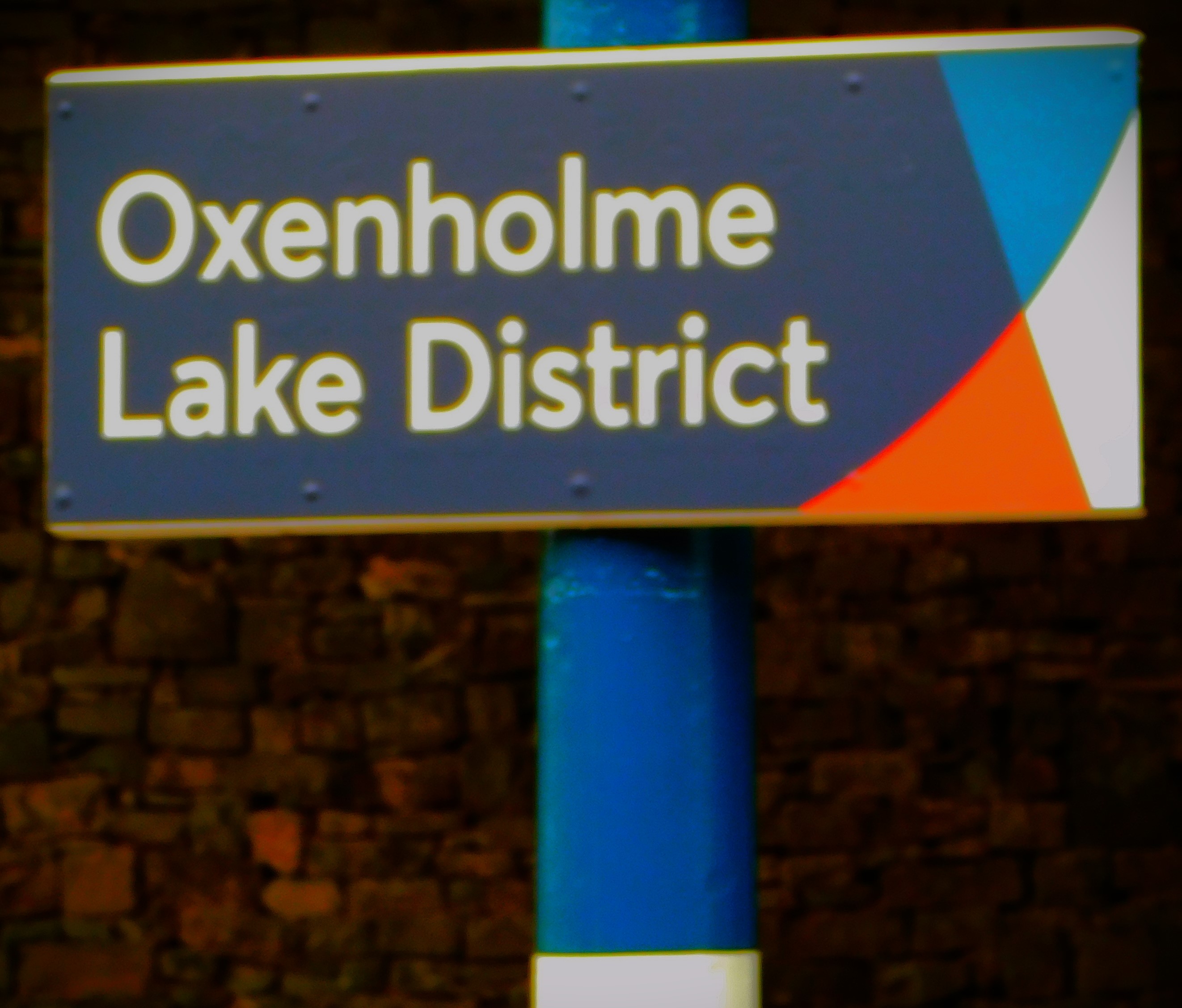
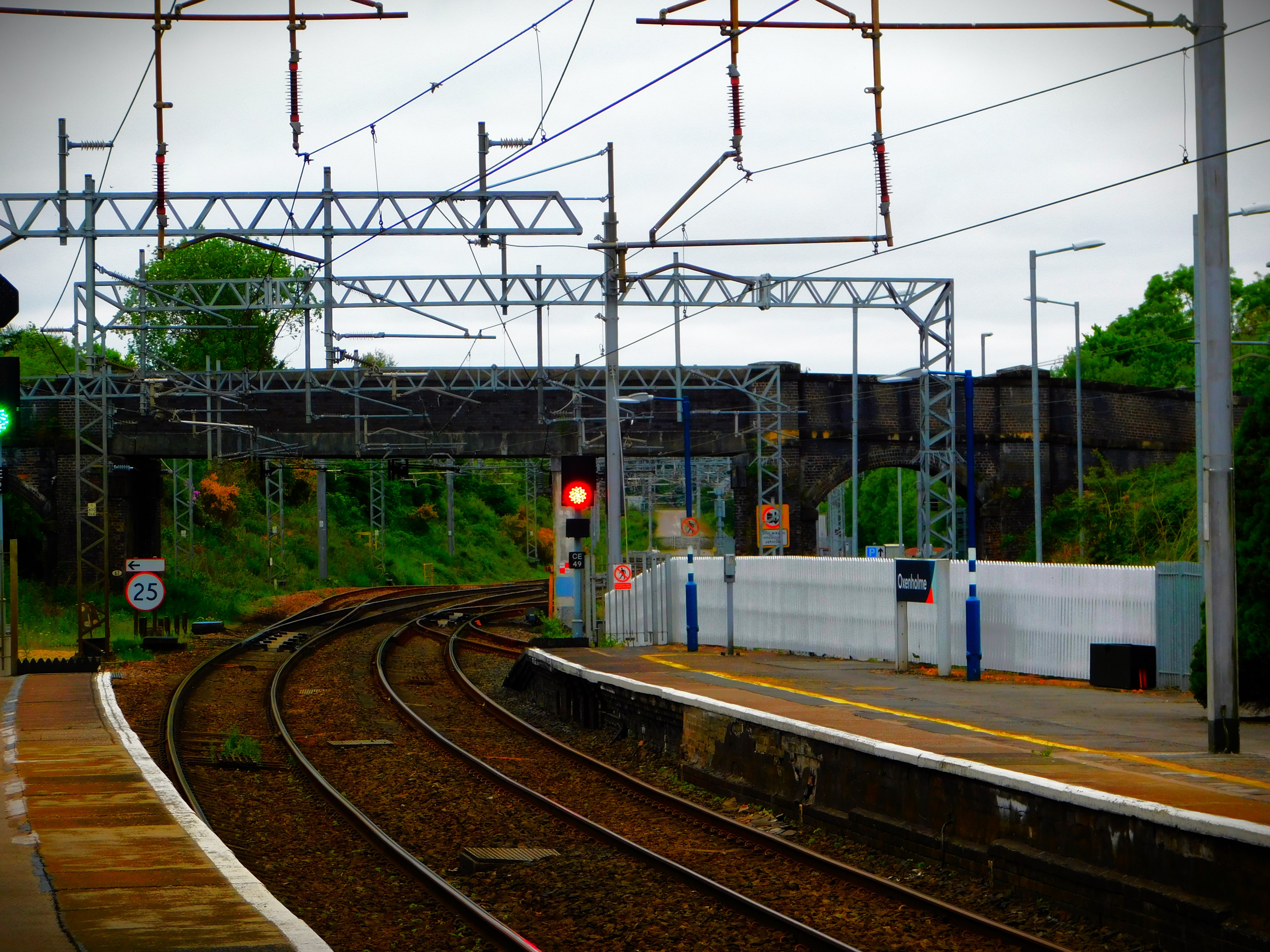
My parents gave me a lift from Ambleside to Oxenholme the Lake District, getting me there well before my train was due. The train arrived five minutes late, which is early by Avanti’s usual standards. The train was a little crowded, but I had a reserved seat, and it was otherwise uneventful.
At Preston I had to change to another Avanti service, as the one I was on ran non-stop between Warrington and London, and my second change was at Birmingham New Street. This train was also fairly crowded.
At Birmingham New Street I boarded a service bound ultimately for Norwich. This train ran exactly according to schedule, and it turned out that I had just under a 20 minute wait at Peterborough for the bus to King’s Lynn.
ExCel proved to among the bus routes on which no single journey costs more than £2, a substantial saving on previous fares on that route (Lynx, whose buses I use to get to and from work are not as yet part of this scheme). Arriving at King’s Lynn bus station, as unappealing as that location is, was something of a relief – I knew for certain at that point that last possibility of trouble was behind me, which given the situation in which I made that journey was no small thing.
PHOTOGRAPHS
Here are my pictures from this day…
Crossing the Great Ouse by bus, the moment I regard as the end of the holiday.You will be seeing more of this swan family in posts to come, although the eight cygnets here have been reduced in number to six.
Setting the scene for a series of posts about a short holiday I am enjoying in Ambleside by describing the journey there.
Welcome to what will be the first of a series of posts about a short holiday I am taking in the Lake District. My parents and I are staying in a small cottage above the town of Ambleside (for fans of Rebecca Tope think “The Ambleside Alibi”). This post sets the scene by describing my journey from King’s Lynn to Ambleside.
KINGS LYNN TO ELY
I left my bungalow, situated just north of King’s Lynn, at 9:00 yesterday morning as I had planned to do. This meant that I got to the train station with time to spare before my train, the 09:42 to Cambridge (something must have been happening south of Cambridge as the service usually runs through to London). The train set off exactly when it was supposed to and chugged into Ely at 10:15AM.
ELY TO MANCHESTER PICCADILLY
The second and longest section of my train odyssey was part of a long cross country route (the full route is Norwich to Liverpool Lime Street). The train on this route consists of two carriages and there are no reserved seats. Fortunately, although it was pretty full at times it was never seriously close to ‘sardine can on wheels’ territory. I had some familiarity with the route as far as Sheffield, but beyond Sheffield was all new to me.
MANCHESTER PICCADILLY TO PRESTON
The third leg of the journey took me into the heart of Lancashire, the the county town of Preston. This route had some features of interest, and for the third time out of three on the day it ran according to schedule. Given that the final leg of my rail journey was in the incapable hands of Avanti I did not expect to make it four out of four.
PRESTON TO OXENHOLME THE LAKE DISTRICT
The final section of my rail journey took me into the heart of the Lake District. I should have got into Oxenholme at 16:09, but the train for this last section was running 20 minutes late (which probably counts as punctual by Avanti’s unique standards). It was scenic, but I could not capture any of it with my camera because the “window” seat that I had reserved turned out to give me access to about 10% of said window, so I could see things, but not focus the camera on them. I got pictures from most of the rest of the route.
THE REST OF THE JOURNEY
After a minor confusion at Oxenholme, where my parents were collecting me in their car, having made their own way up from Cornwall, we found our way to the location given for our cottage, but the cottage was so well concealed that it took several attempts to actually locate it. There then turned out to be a few other problems with it – my parents bedroom contains a nasty hazard in that the bedroom door leads straight on to the staircase. I will go into more detail about Ambleside in my next post.
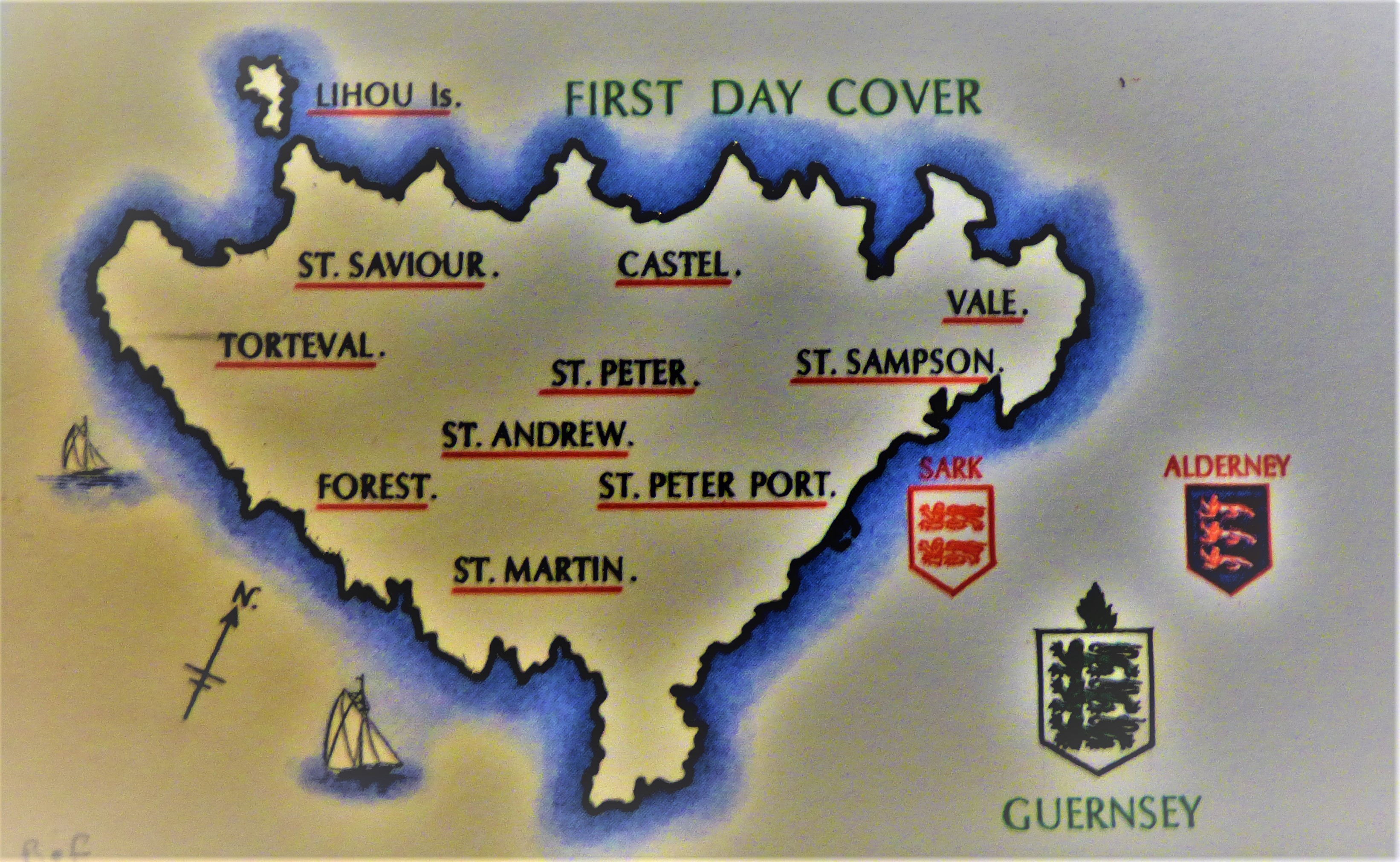
Beginning my account of a family holiday in Guernsey and Alderney with an account of getting to Guernsey.
I am writing this post in a guest house at St Peter Port on the island of Guernsey. I am on a family holiday the centrepiece of which is a few days in Fort Clonque on the island of Alderney. We have time on Guernsey either side of that due to the fact the only ferries we could book were one going out of Portsmouth yesterday morning and one returning to Poole a week today. Just for the record these ferries are run by Condor, which is not part of the Pathetic & Obnoxious Group (P&O for short) who are currently treating their employees so atrociously.
KING’S LYNN TO PORTSMOUTH
Owing to the amount of stuff she and my nephew were taking my sister drove from King’s Lynn to Portsmouth, then took her car to Poole ready for the return journey before getting a train back to Portsmouth. I travelled by train (I had intended to do the same for the return journey from Poole before change in ferry times nixed that idea, so I will be a passenger in her car for the return journey). I got the 13:44 from Lynn to London which ran to time, giving me just under an hour to get from King’s Cross to Waterloo for the train to Poole, far more time than needed for that journey. I elected to take the Victoria line to Oxford Circus and then the Bakerloo line to Waterloo, deciding that although changing to the Jubilee at Green Park was quicker in terms of time spent on trains that difference would be more than accounted for by the difference between the cross-platform hop at Oxford Circus and the long interchange at Green Park, especially given the weight of my bags.
I arrived at Waterloo half an hour before my train to Portsmouth was due to depart, and had to wait for the platform to be confirmed. The train arrived in Portsmouth on time, and I made my way to the Travelodge, about three minutes walk from Portsmouth and Southsea station, where my sister my nephew and I were booked into a three bed room for the night.
PORTSMOUTH TO GUERNSEY
Originally our ferry was supposed to set out at 9AM, which would have meant being at the terminal by 8AM (Guernsey is a ‘crown dependency’, not part of Britain, so this is officially an international journey), but a delay meant that check was not until 9:30AM. Once we got underway it was smooth sailing – there were a few small waves in evidence in the open sea but it was never remotely rough.
We arrived into St Peter Port just after 5PM, and were established at our guest house an hour later.
The account of my homeward journey from my Scottish holiday.
This post concludes my coverage of my recent Scottish holiday (28th May to 5th June) by looking at the journey home.
A TRICKY START
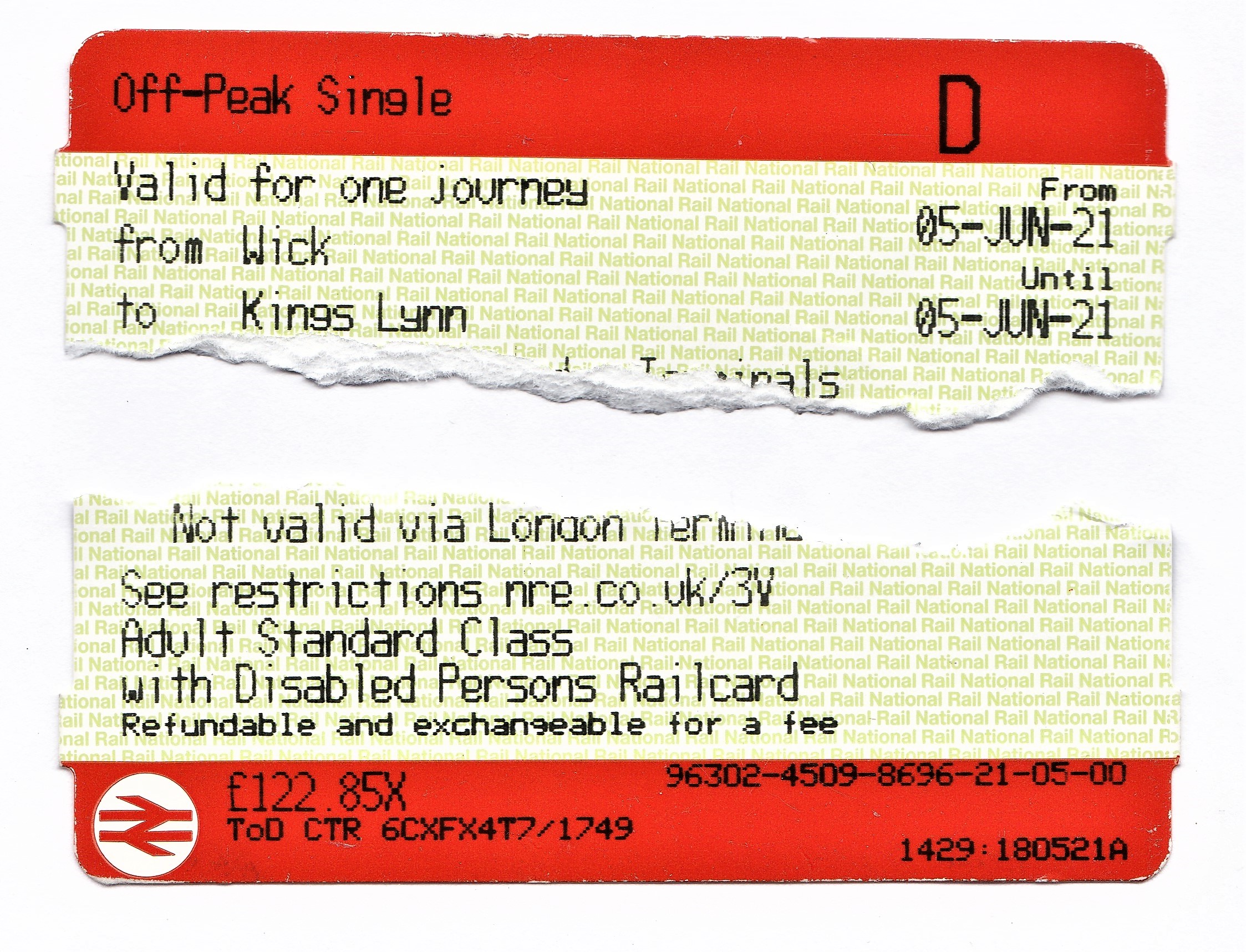
I woke early on the morning of Saturday June 5th, and it was just as well that I did so. A check of my emails revealed on overnight message from thetrainline.com telling that the service I was due to be leaving Wick on at 8:02AM had been cancelled. Fortunately I was able to locate a bus service leaving Wick at 6:57 and arriving into Inverness at 9:58 giving me plenty of time to get back on track from there. Thus rather than £100s and almost certainly an overnight stay somewhere on the way home I was able to get round the problem for £22 and some seriously shredded nerves. It also meant missing breakfast which I had intended to be the main meal of the day for me as I expected opportunities to eat while travelling to be limited. I currently have a compensation claim with Scotrail awaiting resolution. They initially insisted that I destroy the ticket even though it was only ever valid for travel on June 5th and then claimed not to have received my image of the destroyed ticket – I uploaded it again today and tweeted their social media team as well.
WICK TO INVERNESS
The bus was ready precisely when it was supposed to be, and the journey to Inverness was accomplished with little difficulty. Getting from the bus station to the train station was slightly tricky – I had seen a sign pointing to the train station on the way in and aimed for that but it was only signing the station car park, which is actually a few minutes walk from the station itself. Once I had got into the station I discovered that there was a train to Edinburgh departing at 10:46, getting me comfortably back on track – indeed slightly ahead of schedule.
INVERNESS TO EDINBURGH
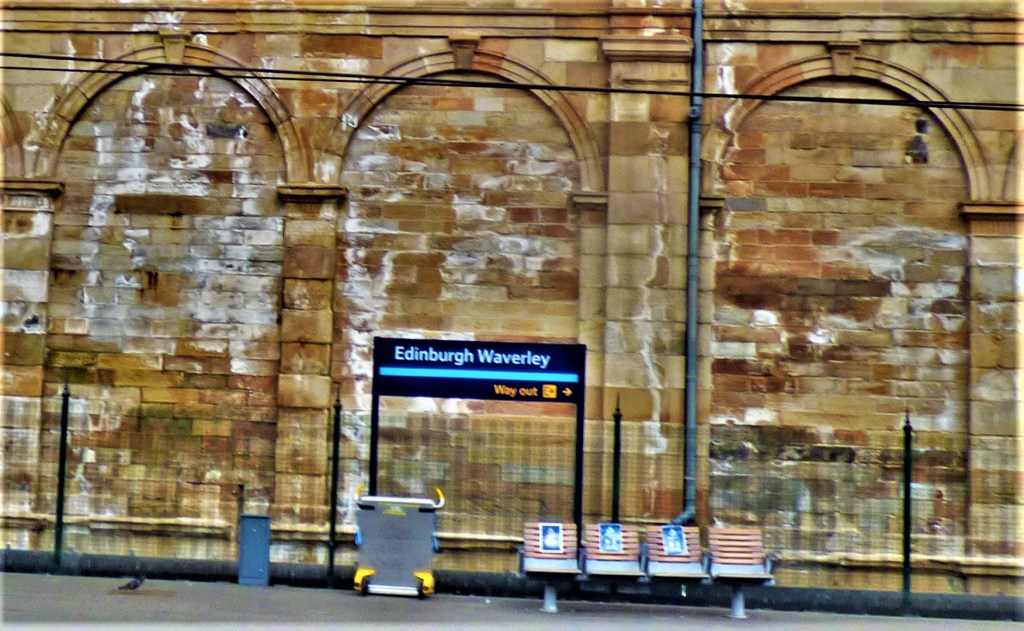
The train from Inverness to Edinburgh ran exactly according to schedule. The route is a scenic one. I had three hours at Edinburgh Waverley before my next train (on which I had a reserved seat) to Grantham was due to depart. This gave me an opportunity to consume some refreshments (and as it turned out was the last such I would have, not greatly to my surprise).
EDINBURGH TO HOME
The train to Grantham (terminating there – there were various problems afflicting the network) ran smoothly. At Grantham I had to board a replacement bus service from there to Peterborough, which arrived just a few minutes before the train for Ely was departing. At Ely I had one final change to the train to King’s Lynn, which fortunately went without incident. At 11:25PM this last train arrived at King’s Lynn. Then it just remained for me to walk home. Though there were a few nervy moments this last section of the journey from Edinburgh to my home in Norfolk went precisely as the itinerary had stated.
An account of a journey to Scotland that almost went off the rails before it had really started.
Welcome to this first post in a series I shall be putting up about the holiday I am currently enjoying in Scotland with my parents. I am up here for a week which includes my birthday (the day itself is tomorrow, and it is my 46th). We are staying just outside John O’Groats. This post tells the story of my journey up here to set the scene.
PLANNING
The nearest the railway gets to to John O’Groats are the two northern outposts of Wick and Thurso, and these days the end of that line runs as follows: Georgemas Junction, Thurso, Georgemas Junction, Wick, so it made sense to arrange to travel to Thurso and from Wick. I booked from London to Thurso to incorporate an overnight journey, and then later from Wick to King’s Lynn. Thus I had to travel from King’s Lynn to London to connect with the overnight train from Euston. My plan was to get the 17:40 from King’s Lynn and have almost two hours in which to progress along the Euston Road from King’s Cross and on to the train (going onto the underground to travel one stop is in this case literally worse than useless – the interchanges between overground and underground at King’s Cross and vice versa at Euston are both lengthy. Probably the least bad way to do it by public transport would be to use the Circle/Hammersmith & City/ Metropolitan to Euston Square and cross Euston Road at surface level. However it is a fairly short walk along the Euston Road and that method is undoubtedly best…
BEST LAID PLANS O’ MICE AND MEN GANG AFT AGLEY
I boarded the 17:40 from Lynn to London without issue, but then the problems hit. First our departure was delayed because of power problems in the Finsbury Park area, then when we were finally cleared to depart our driver was instructed to run as a shuttle between Lynn and Cambridge, and those of us needing to get to London had to change to a Greater Anglia train. It was soon obvious from the stated timings of this service that staying on to Liverpool Street, from whence I would have to travel to Euston Square was a non-starter, so the only hope of avoiding a long delay, the cost of a night at the Holiday Inn on Euston Road and the cost a new single to Thurso the following day was to change at the last stop before Liverpool Street, Tottenham Hale, and get the Victoria line to Euston. Fortunately the problems between Lynn and London had used up my allocation of misfortune and I made it to my seat on the overnight train. Although this train was fractionally late into Inverness I still had over an hour and a half there before the final public transport leg of my journey to Thurso began. This, the sole purely Scottish leg of the journey, went absolutely smoothly and the train arrived in Thurso precisely when it was supposed to.
SOLUTION TO A TEASER
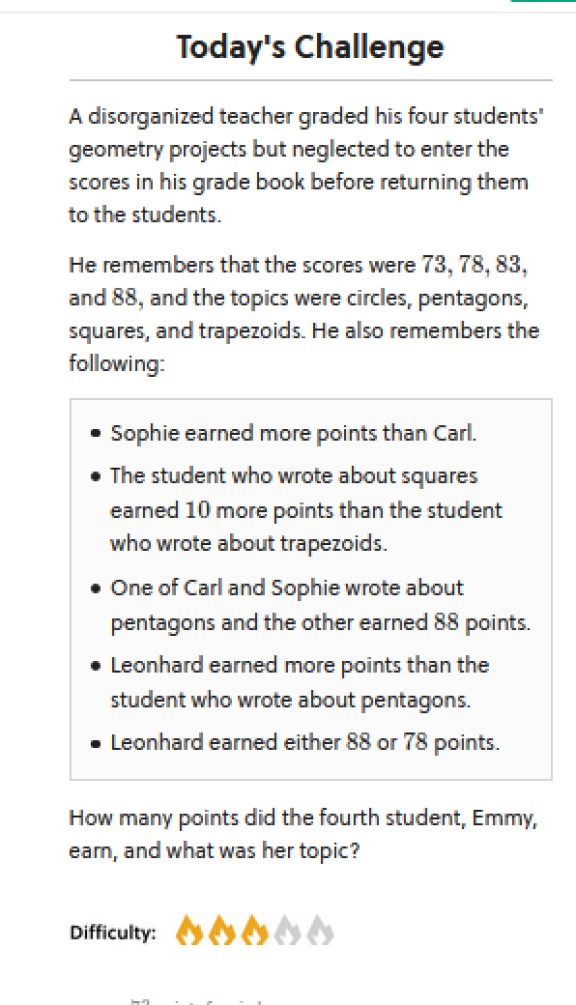
In my last post I included a teaser from brilliant.org and a little addition of my own:
A small additional question: can you identify the four mathematicians after whom Carl, Leonhard, Emmy and Sophie are named (answers to both parts of this question in my next post).
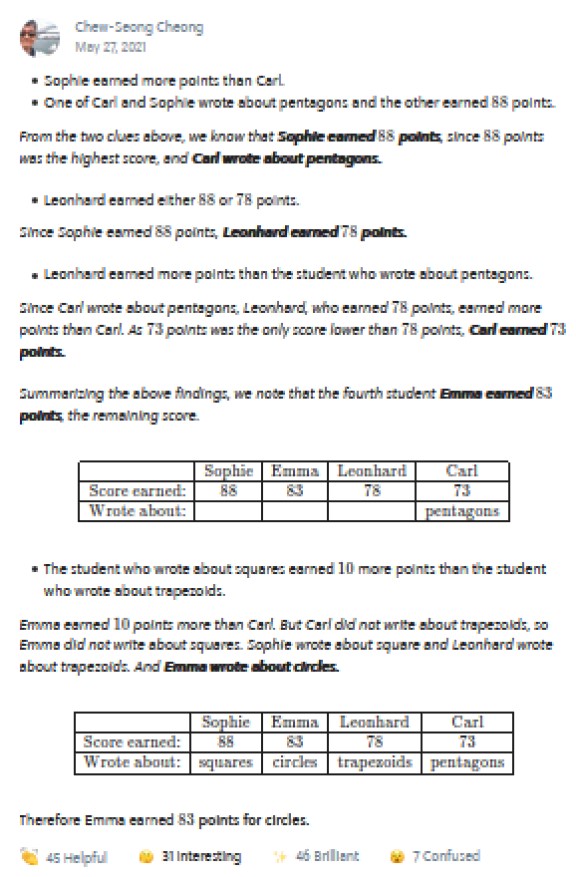
Here is Chew-Seong Cheong’s published solution to the main problem:
As for my little addition: Carl is quite clearly from Carl Friedrich Gauss, Leonhard is equally obviously a tribute to Leonhard Euler, Emmy is Emmy Noether, a great German mathematician of the early 20th century and Sophie is Sophie Germain, who has a class of prime numbers named after her. Sophie Germain primes are those primes where if you multiply them by two and add one you also get a prime number.
PHOTOGRAPHS
These photos comprise one taken en route to King’s Lynn station, two taken on the Victoria line train between Tottenham Hale and Euston, a number taken between Stirling and Inverness on the overnight train, a number from the Inverness to Thurso train and a couple taken at the house where we are staying:
The King’s Lynn picture
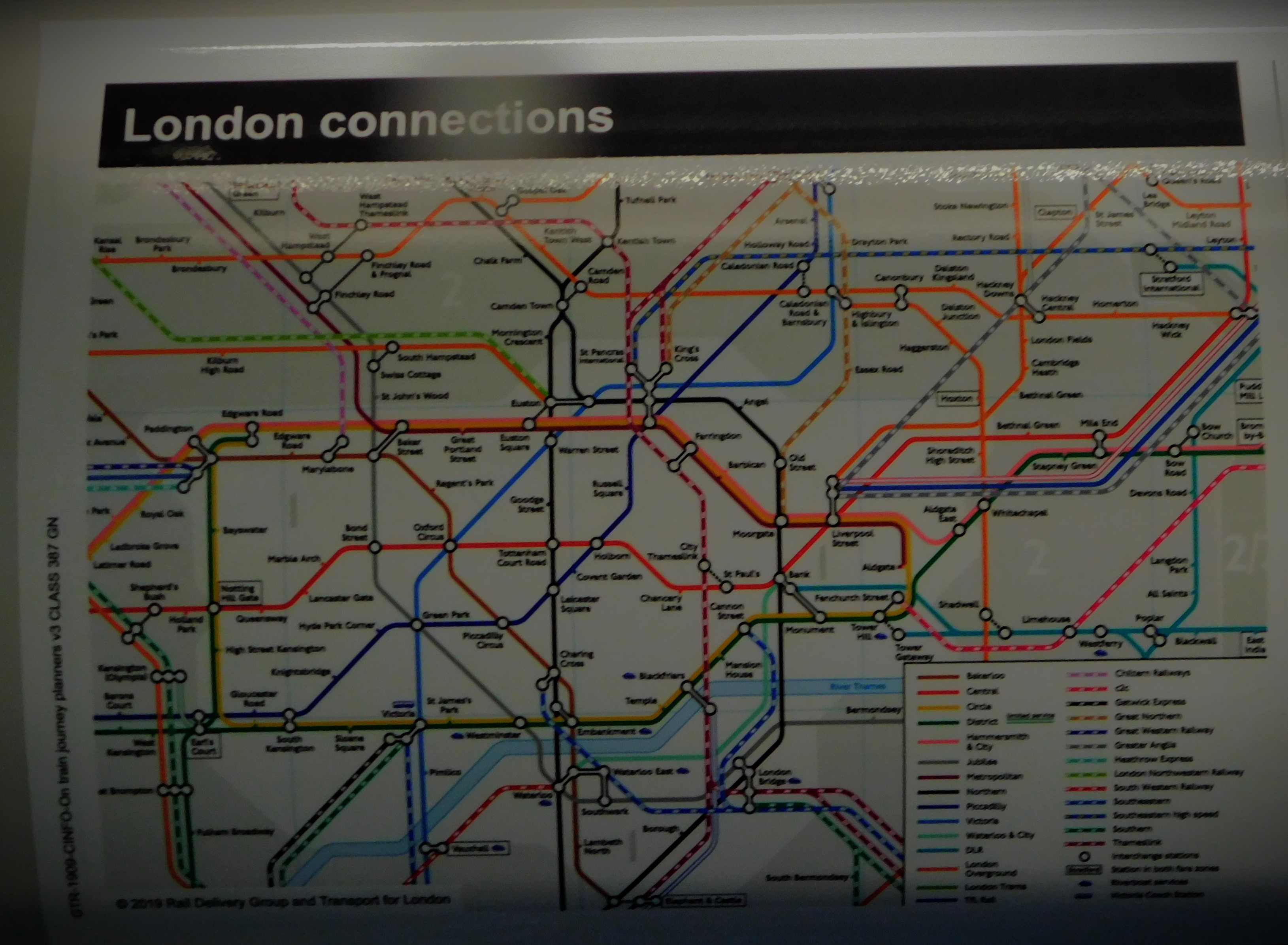
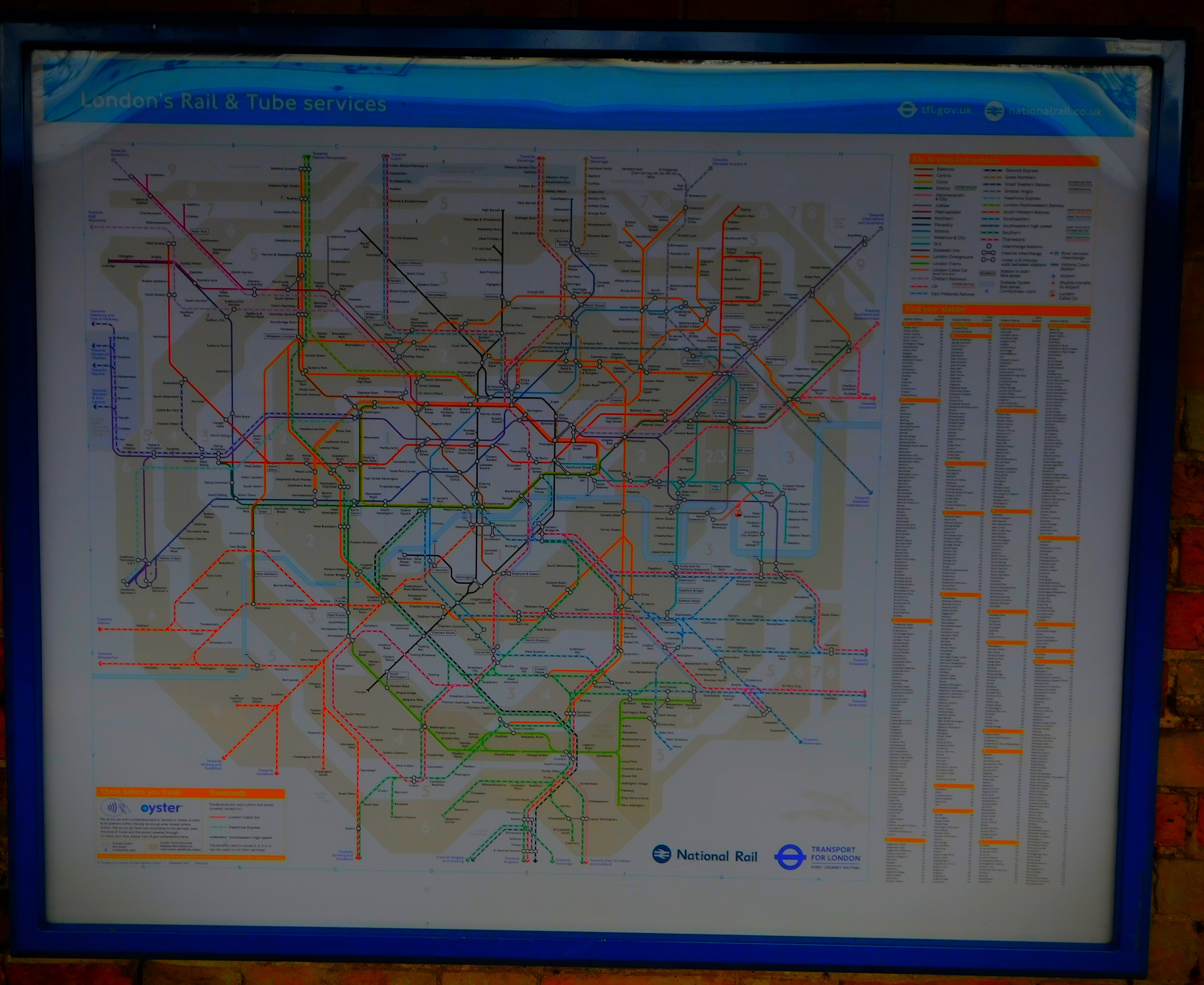
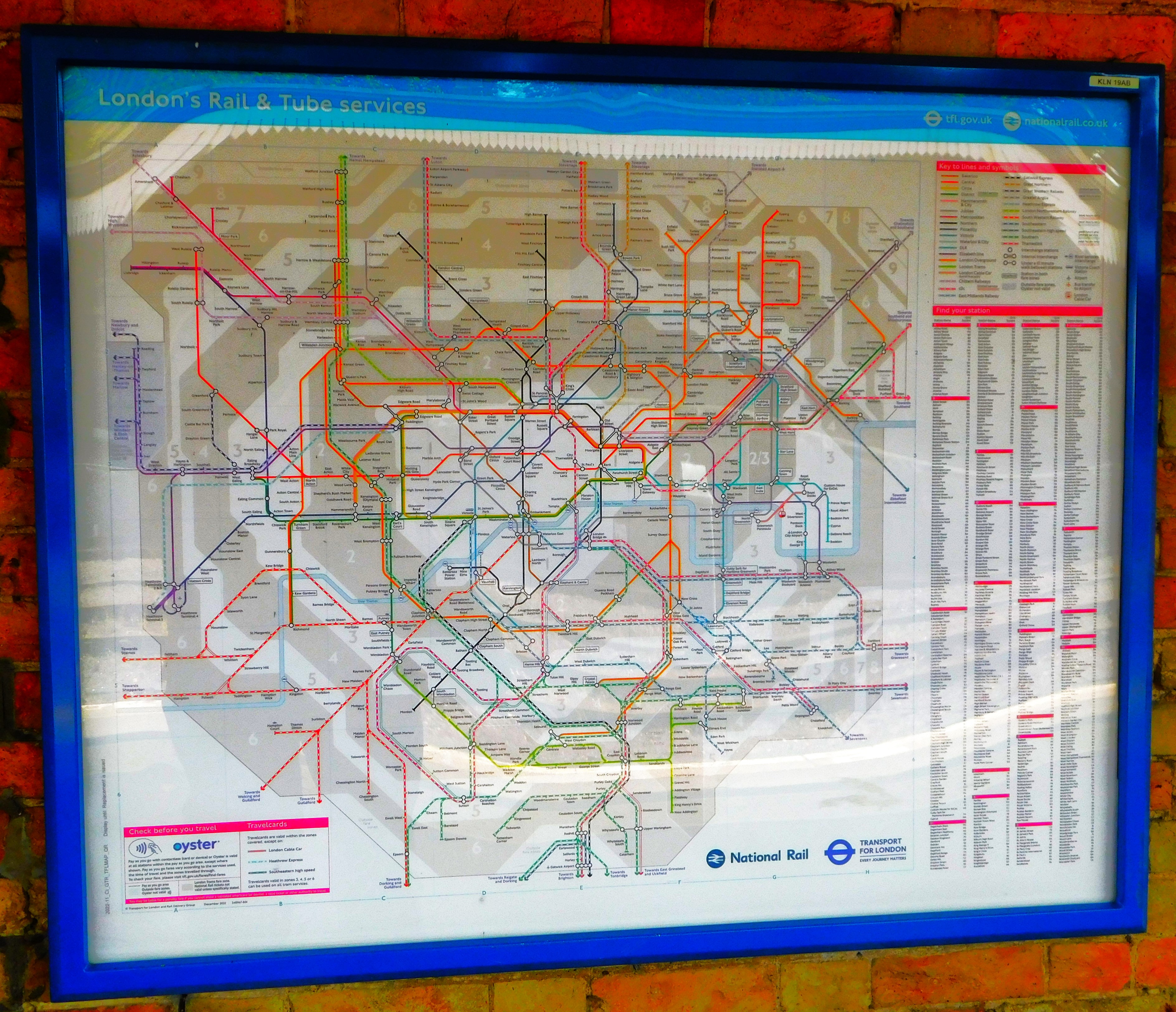
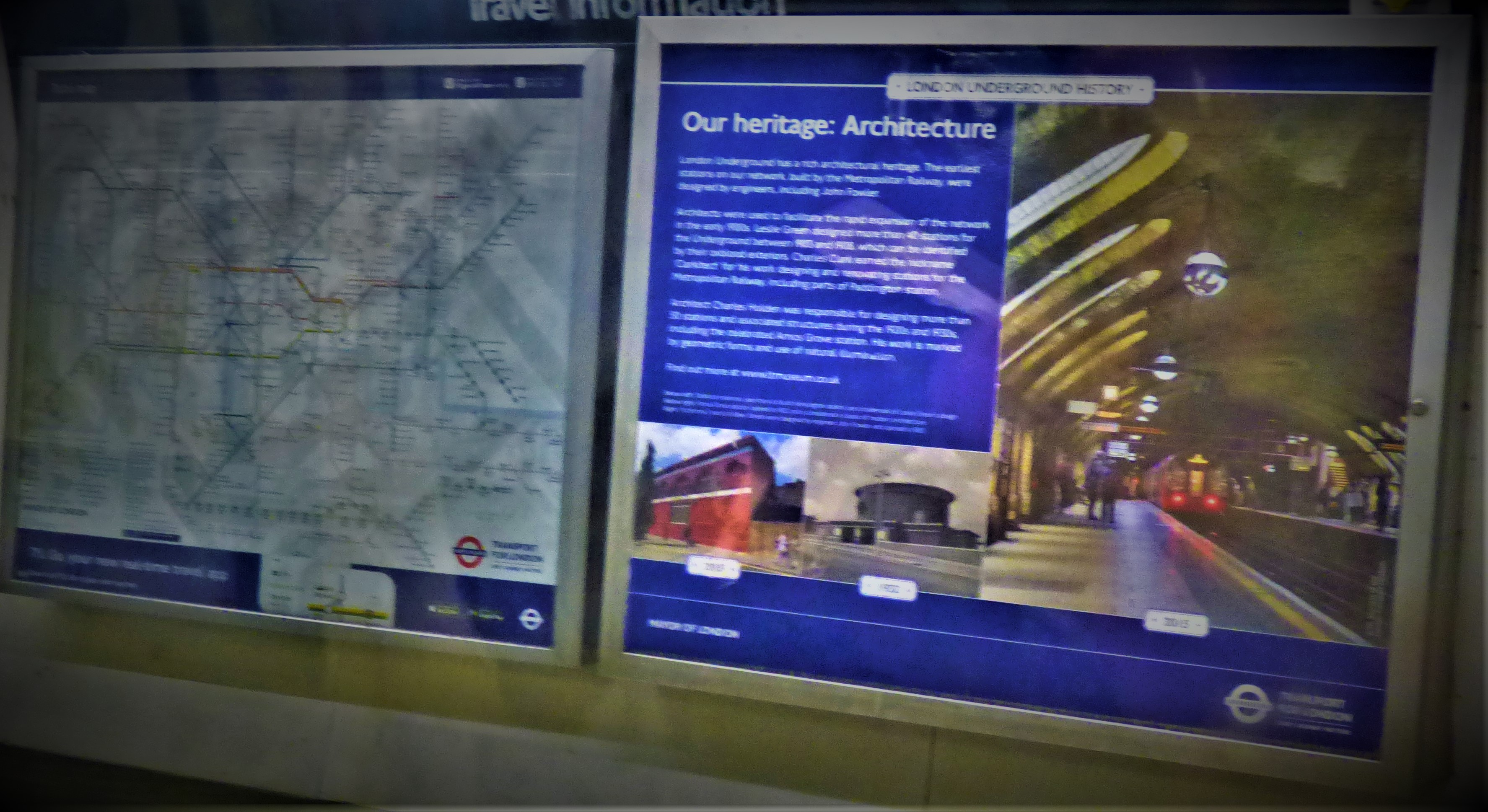
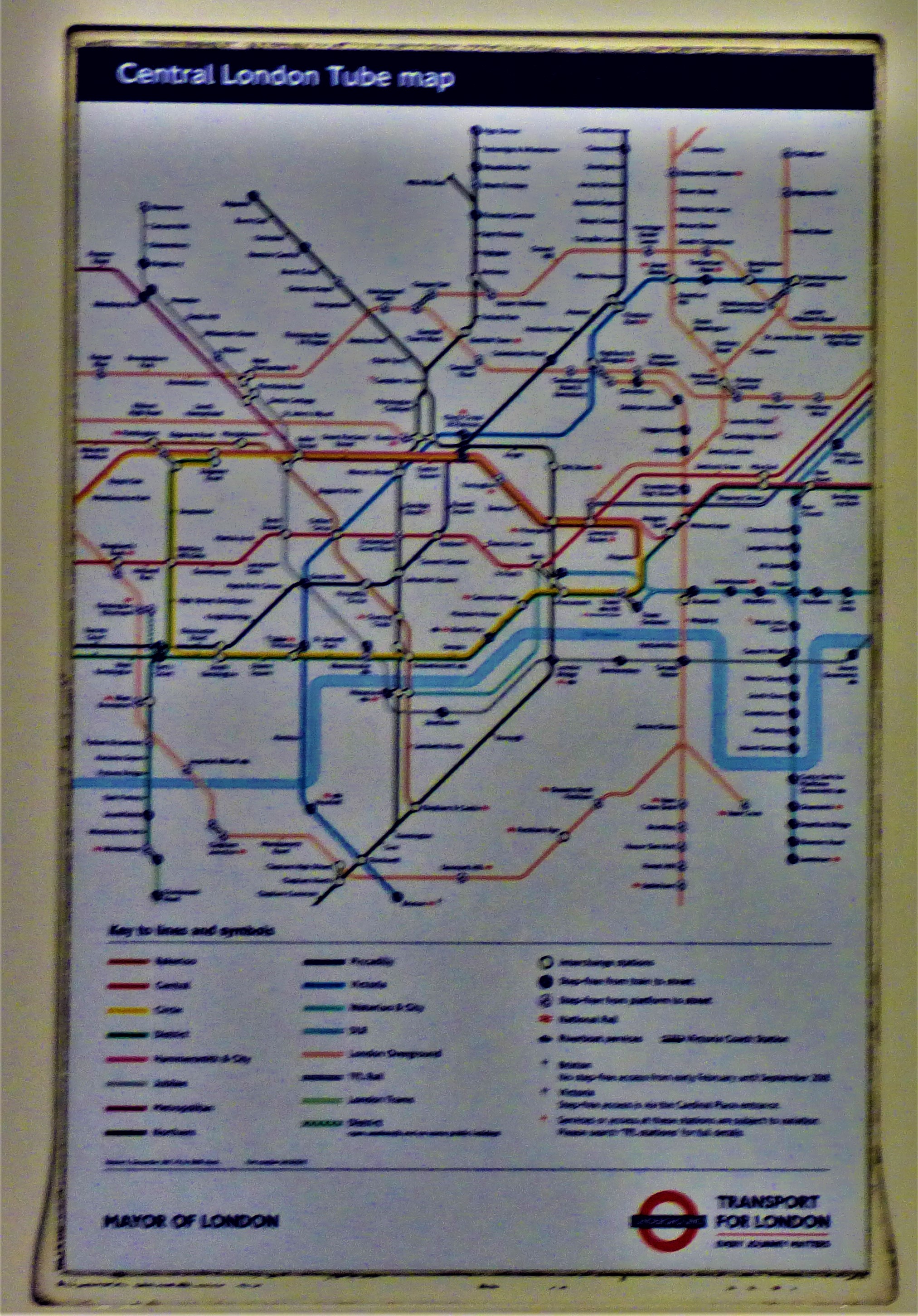
London Underground centred on the Victoria line.
The Victoria line
The Stirling to Inverness pics start here.
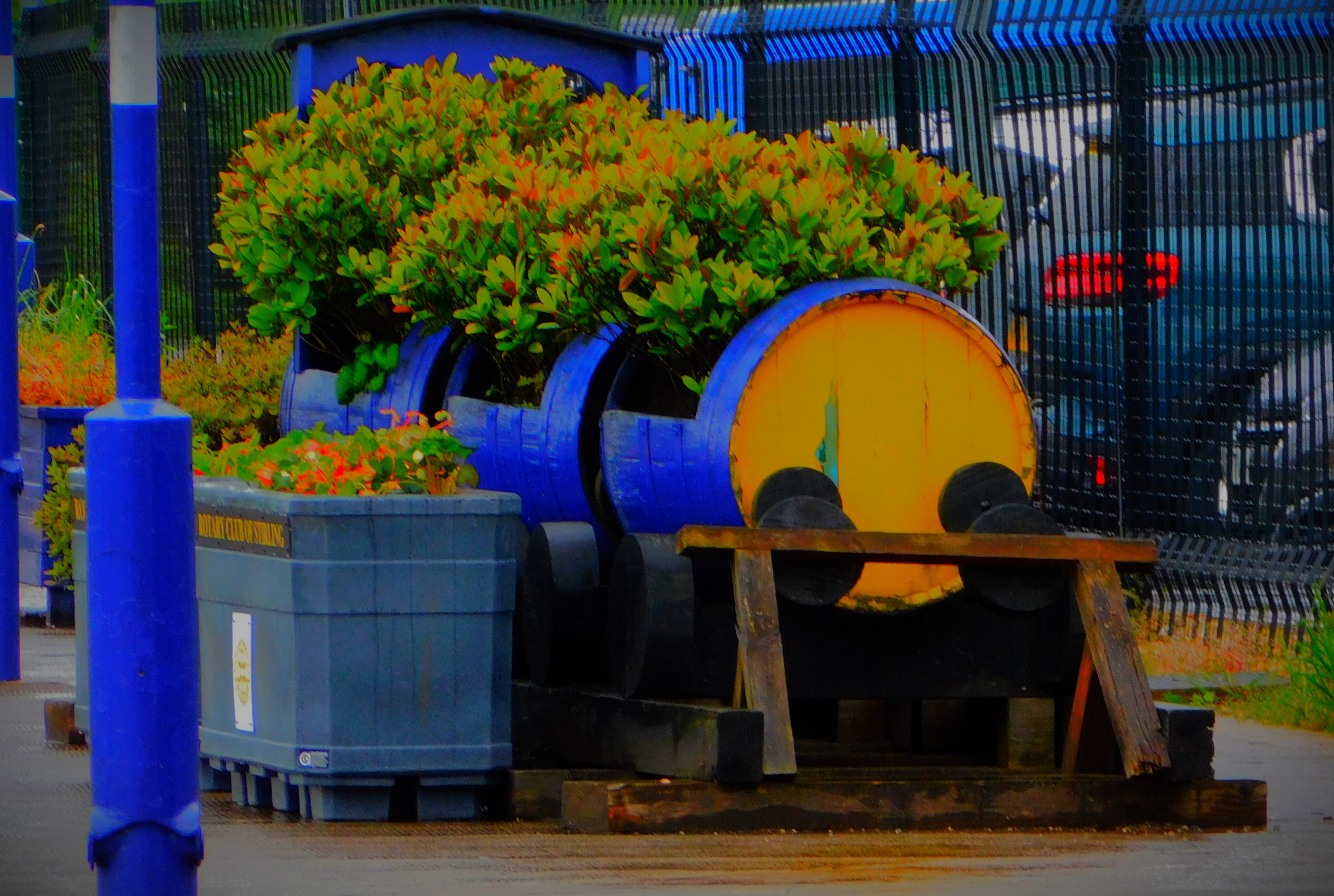
The Inverness planter – the next pic starts the Inverness-Thurso leg.
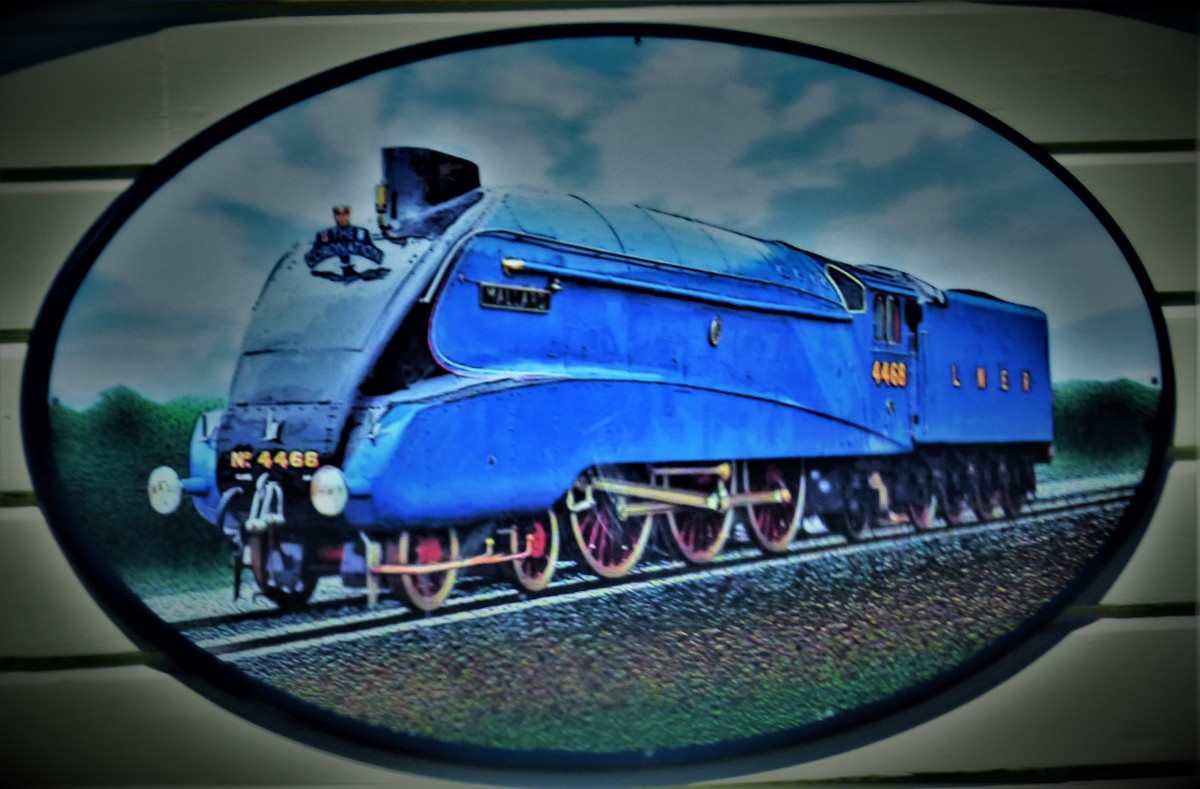
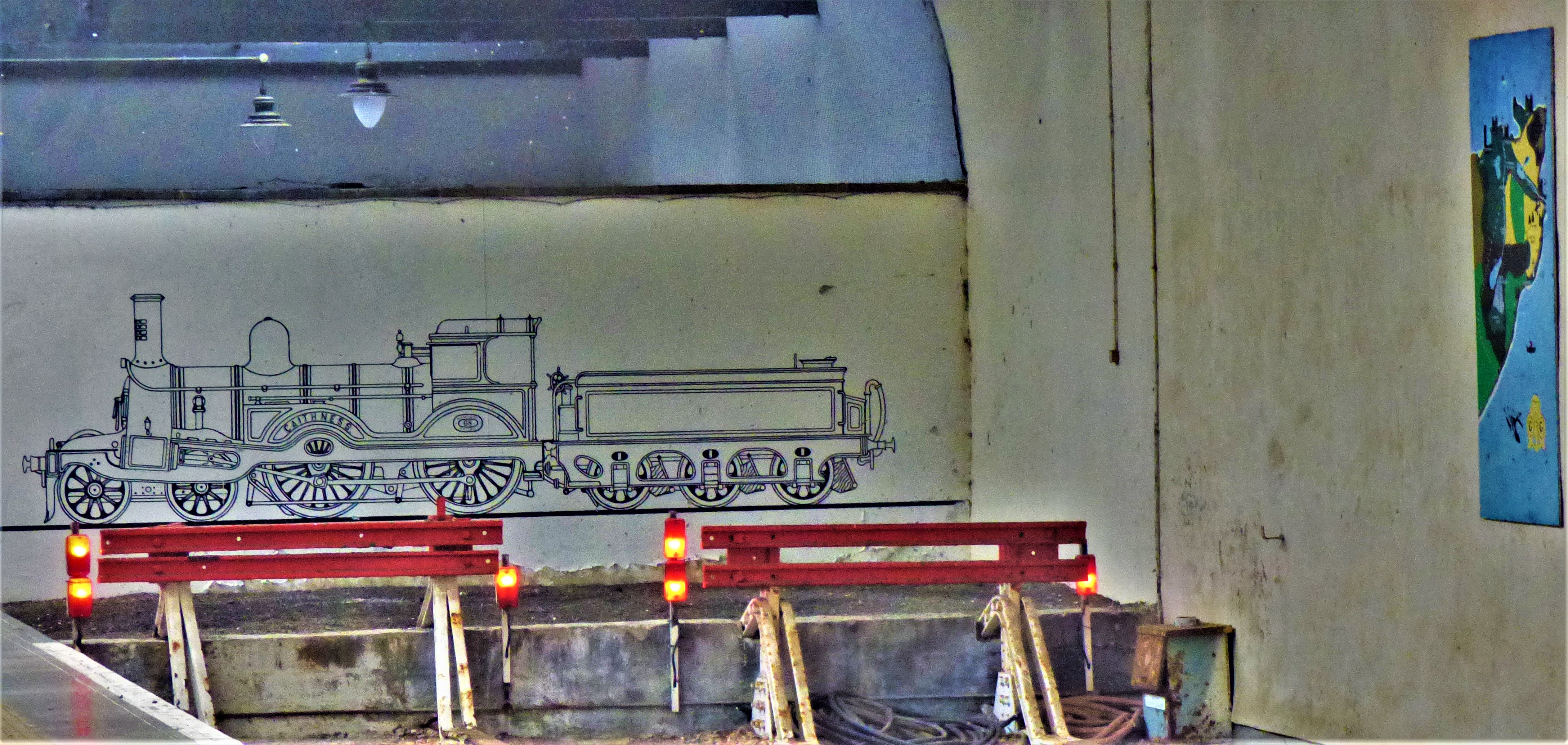
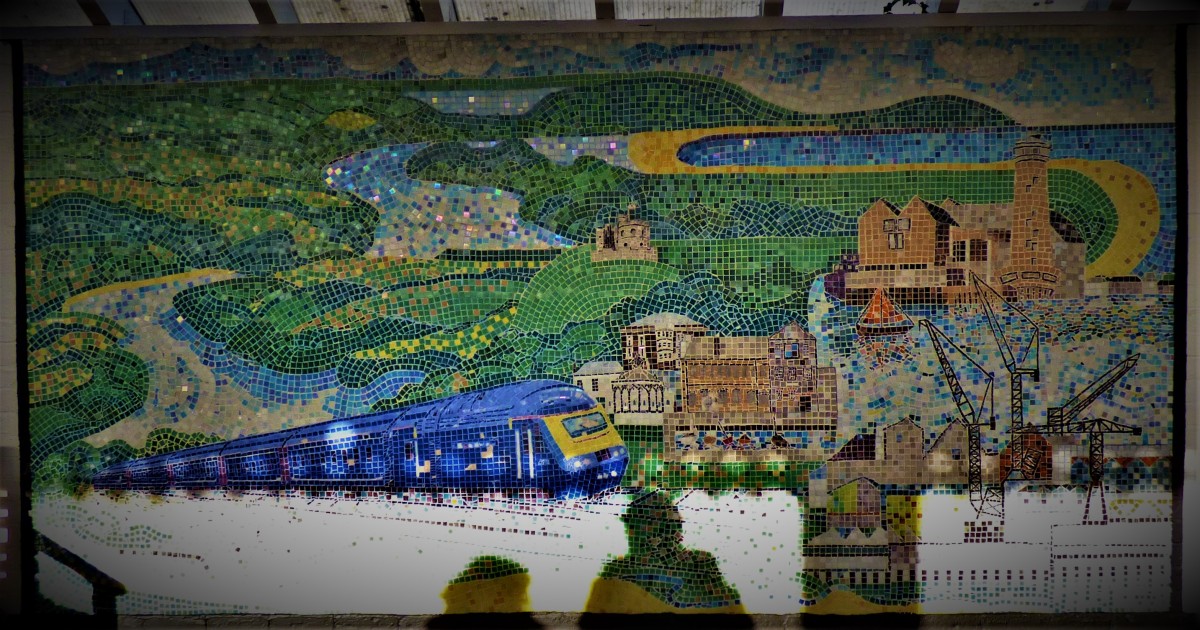
Station art at Thurso – the remaining pictures are from after the public transport section of the journey.
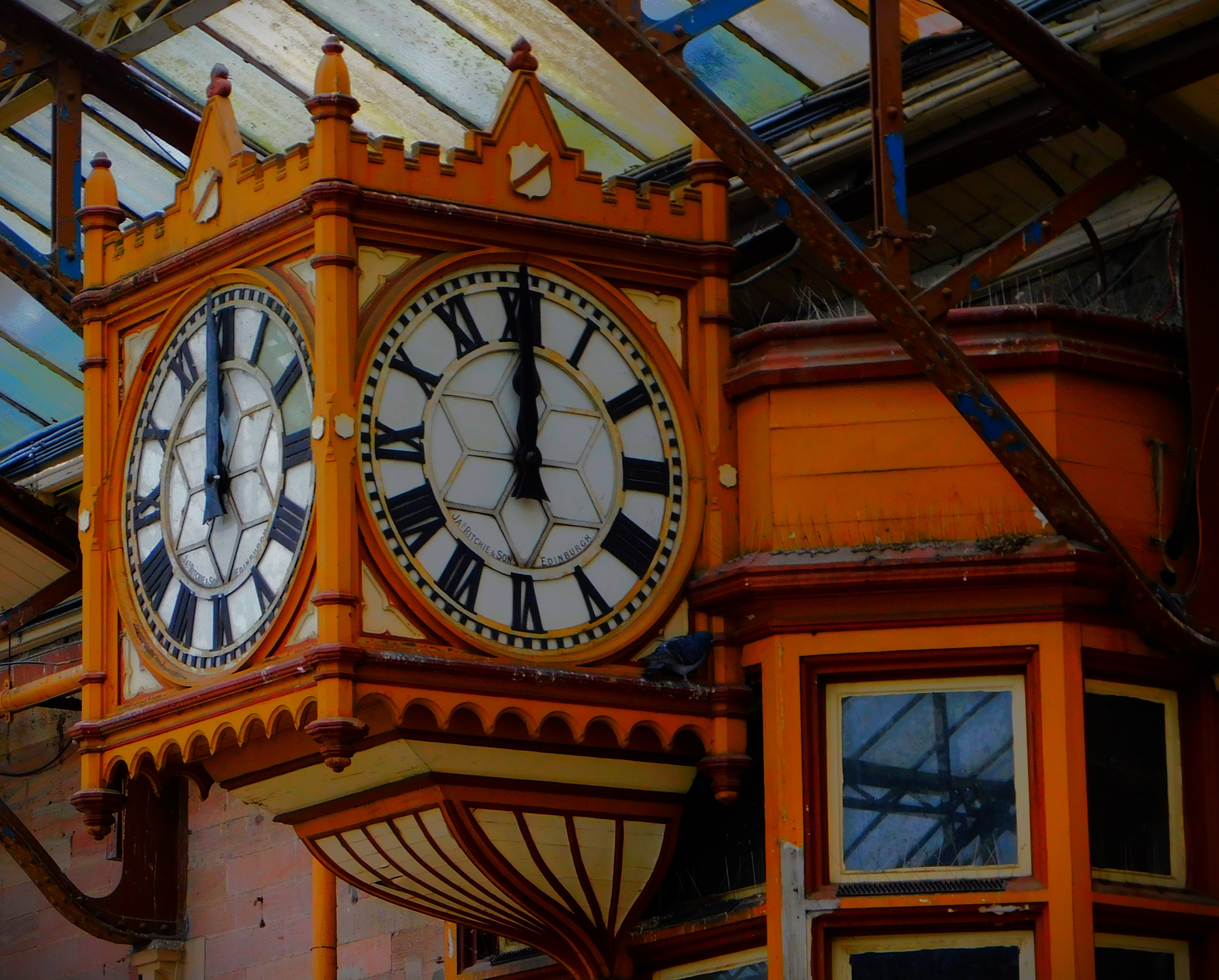
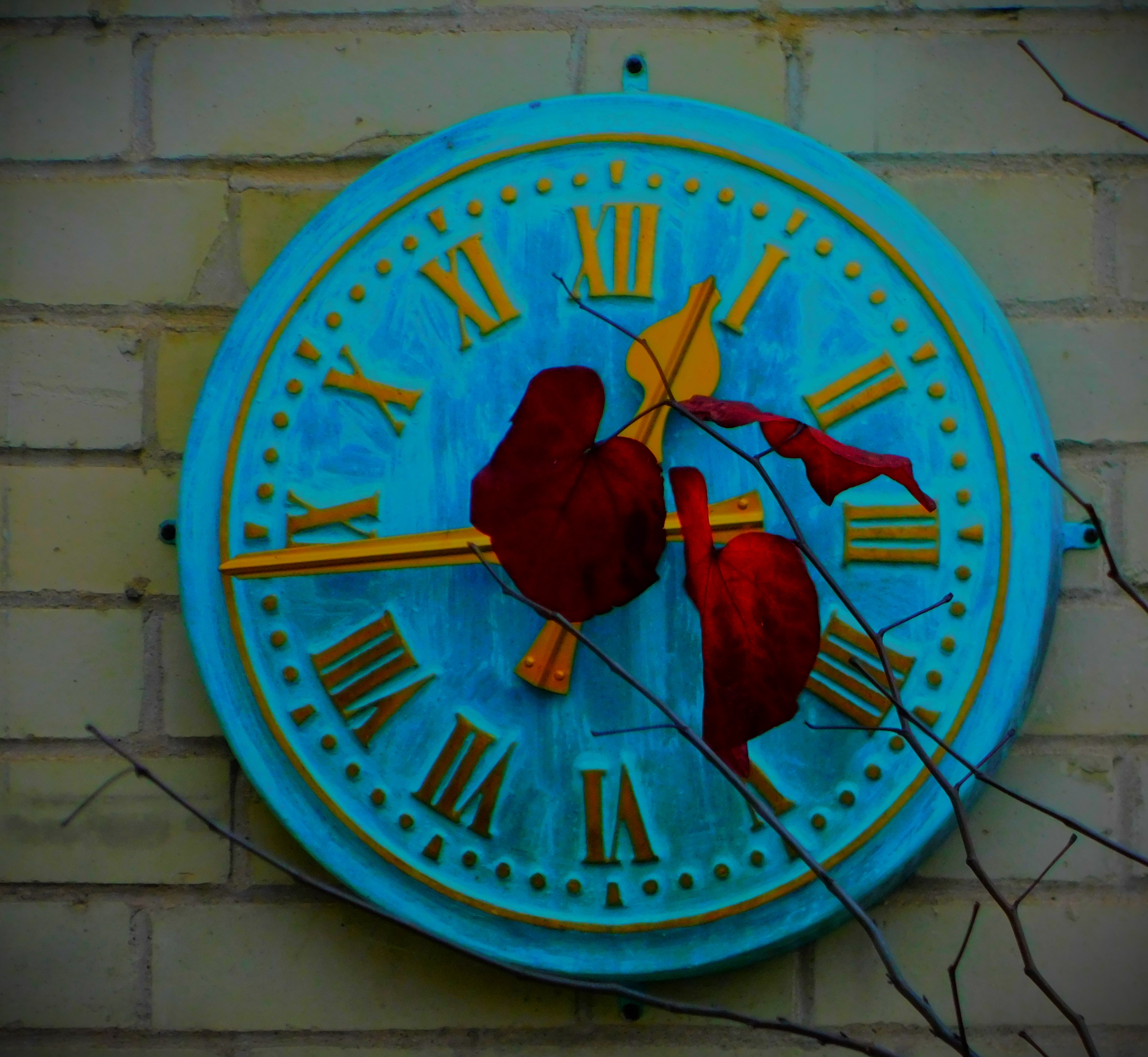
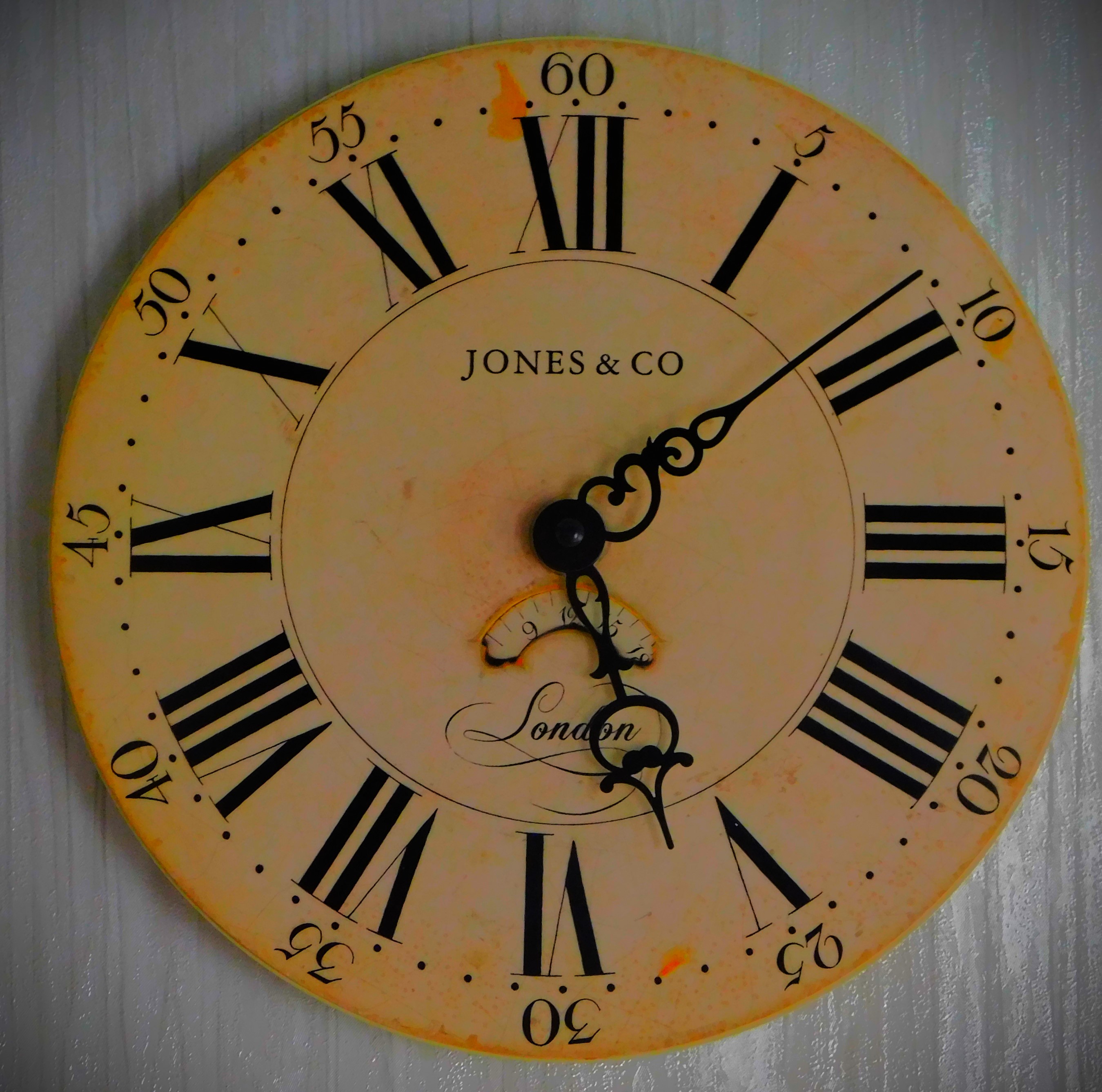
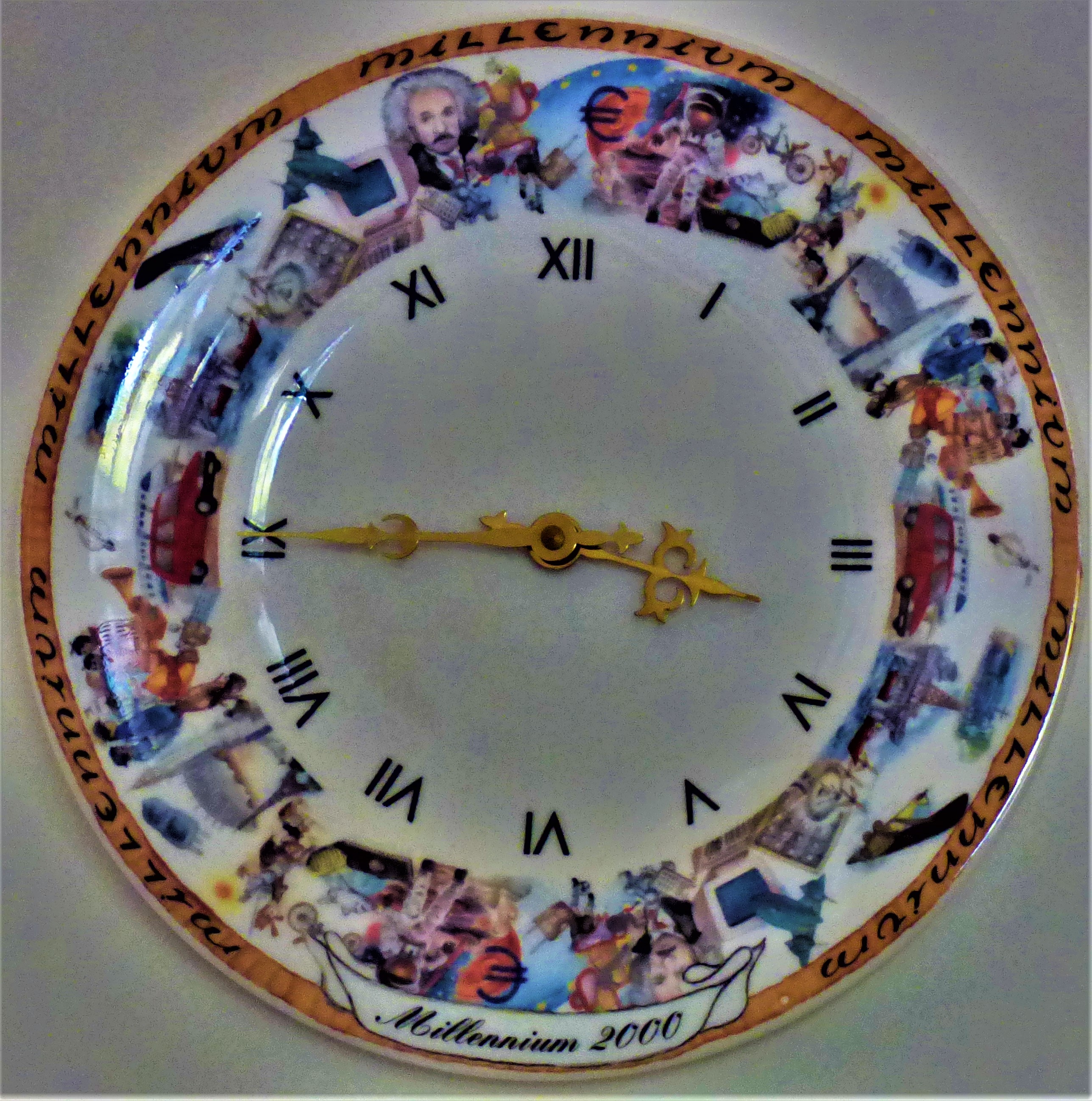
The clock at the house we are staying in.
A decorative pewter plate at the house we are staying in.
The first of several posts in my Cornish Winter Break series relating to Falmouth.
INTRODUCTION
I continue my series about my Cornish Winter Break. Today’s is the first of what will be quite a few posts dealing with the last trip that I made as part of that holiday. This trip was unique in two ways among those I made during this holiday:
It was my idea
It featured a train journey
GETTING THERE
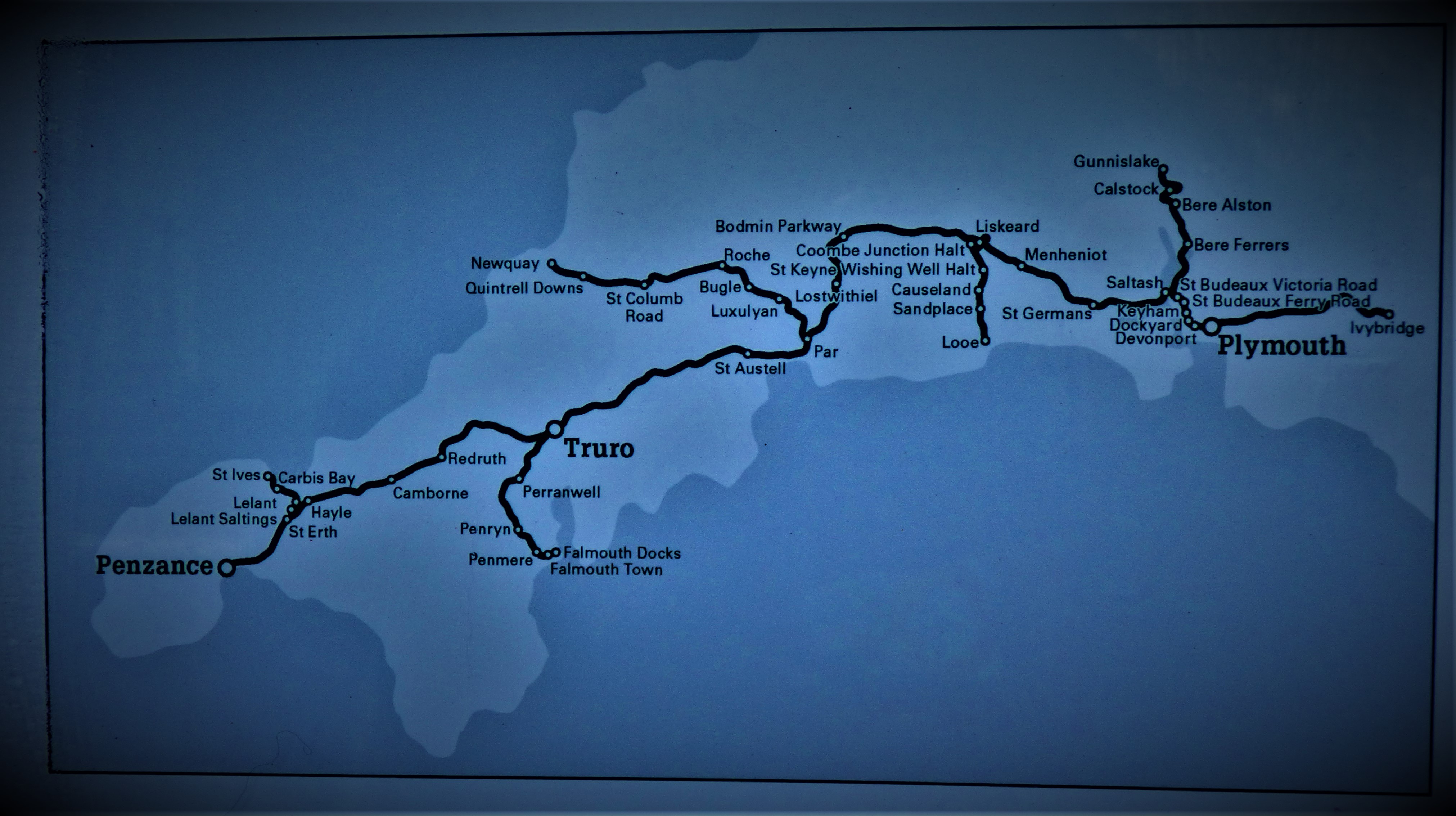
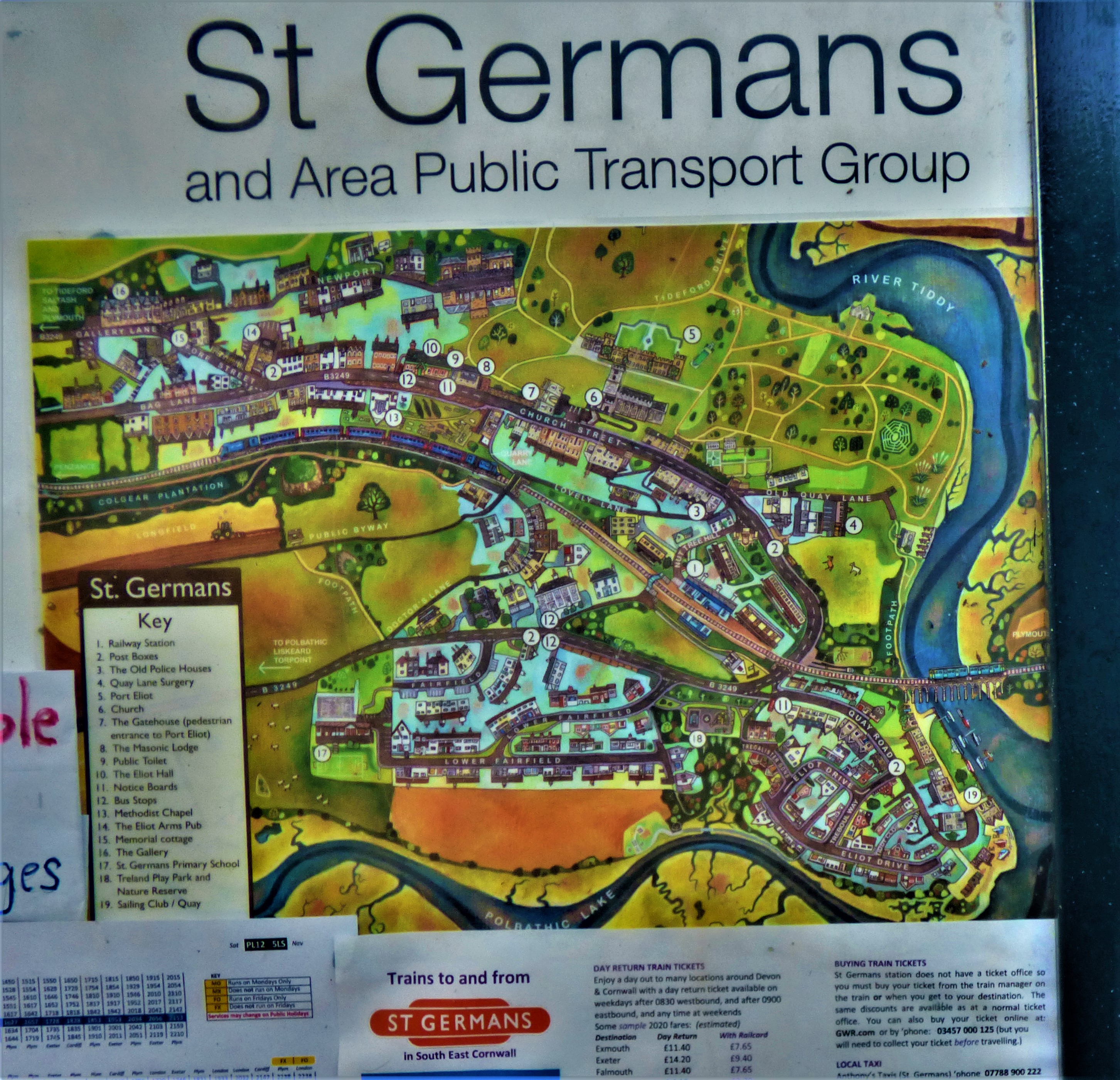
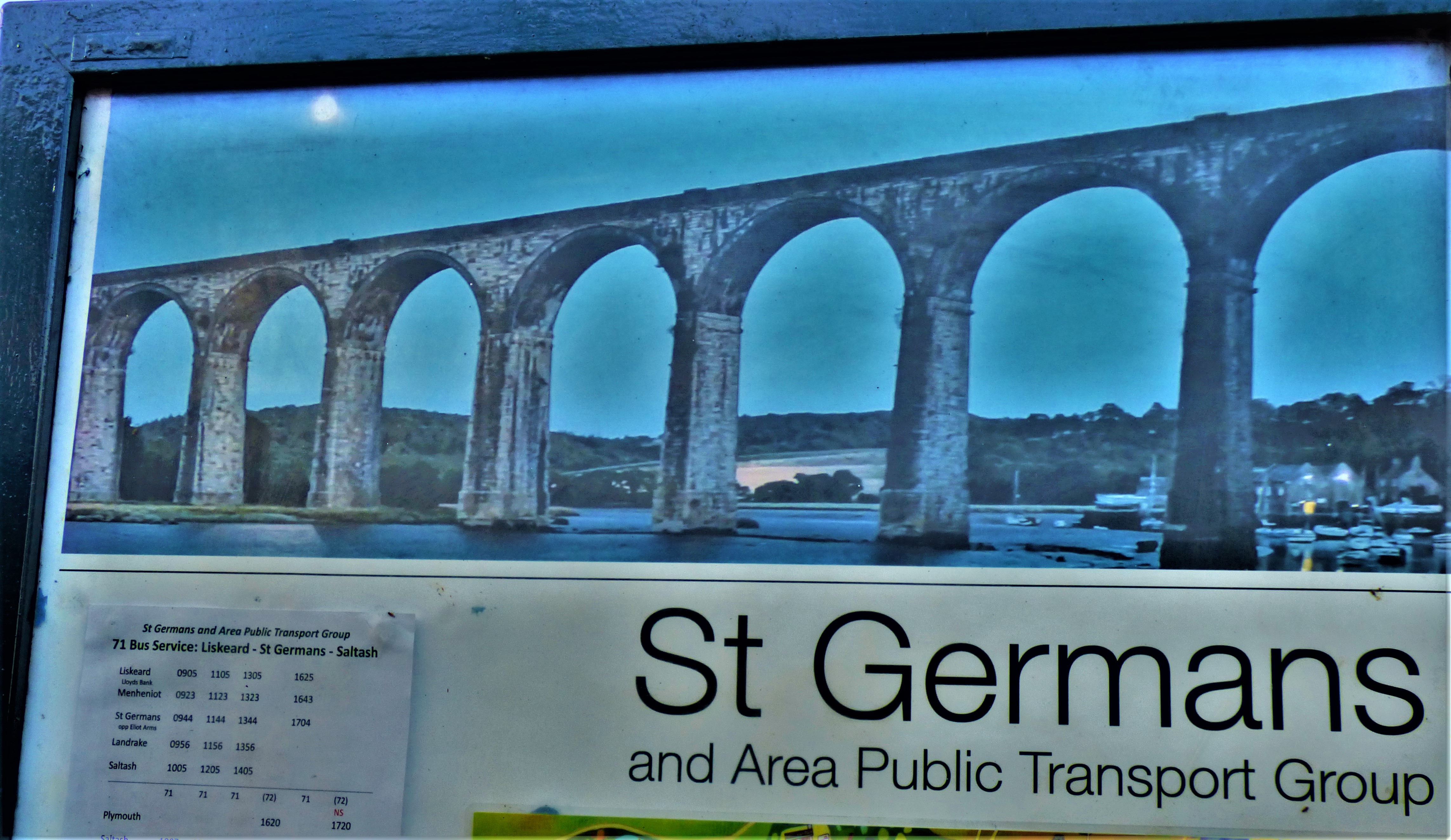
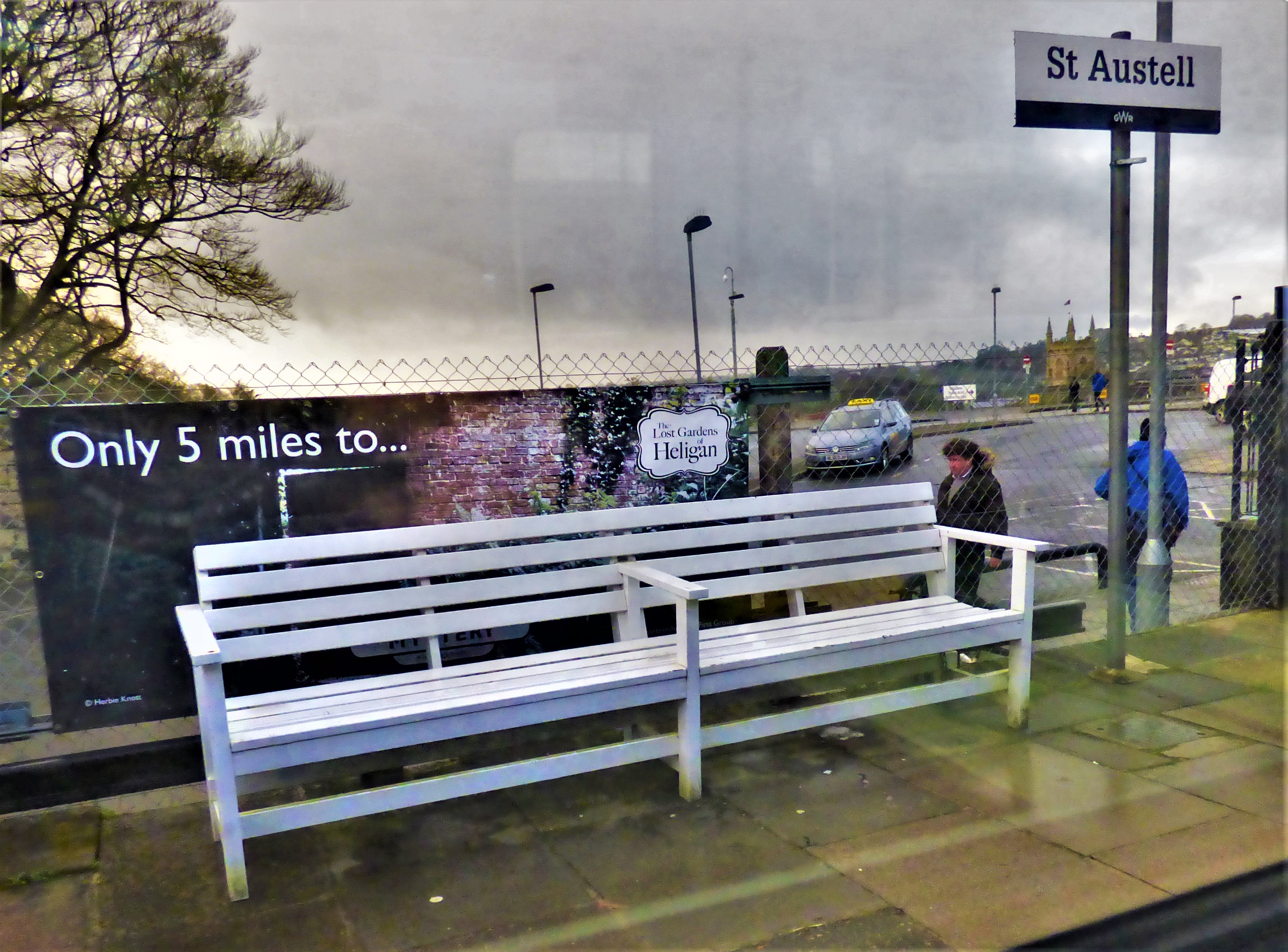
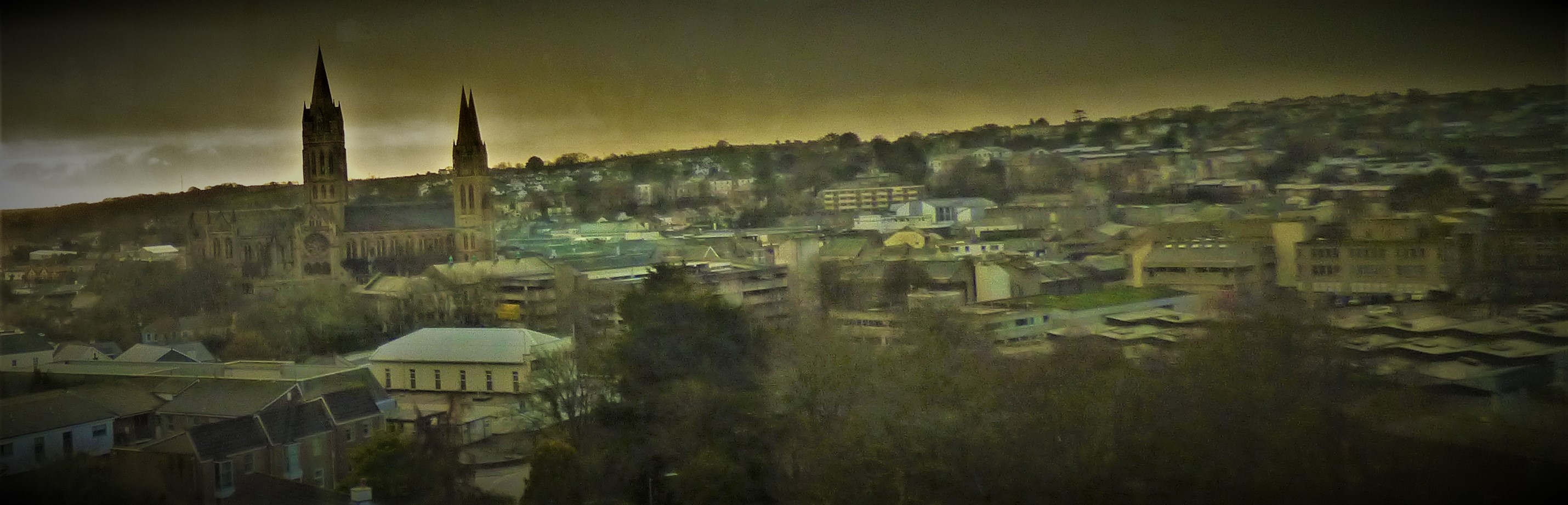
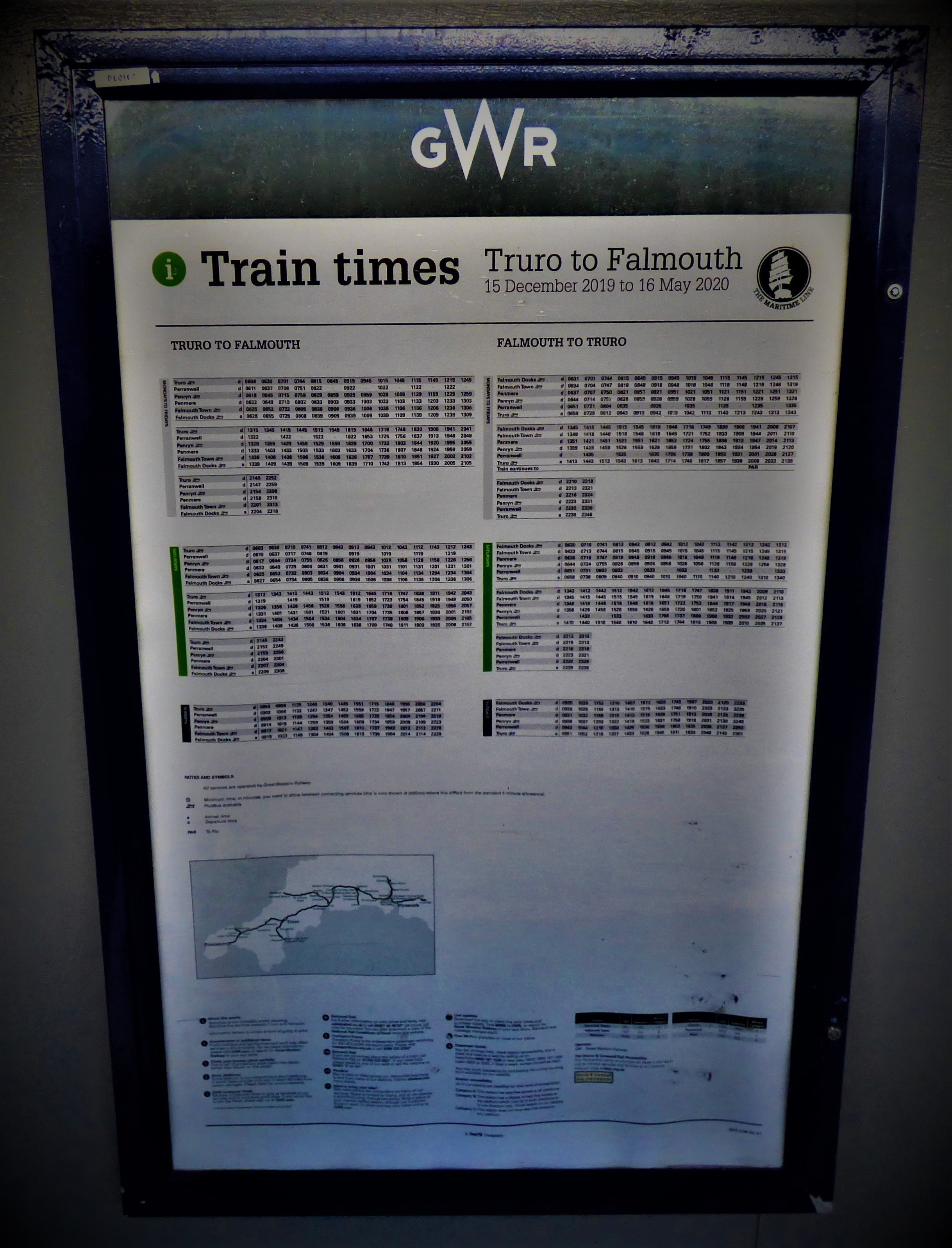
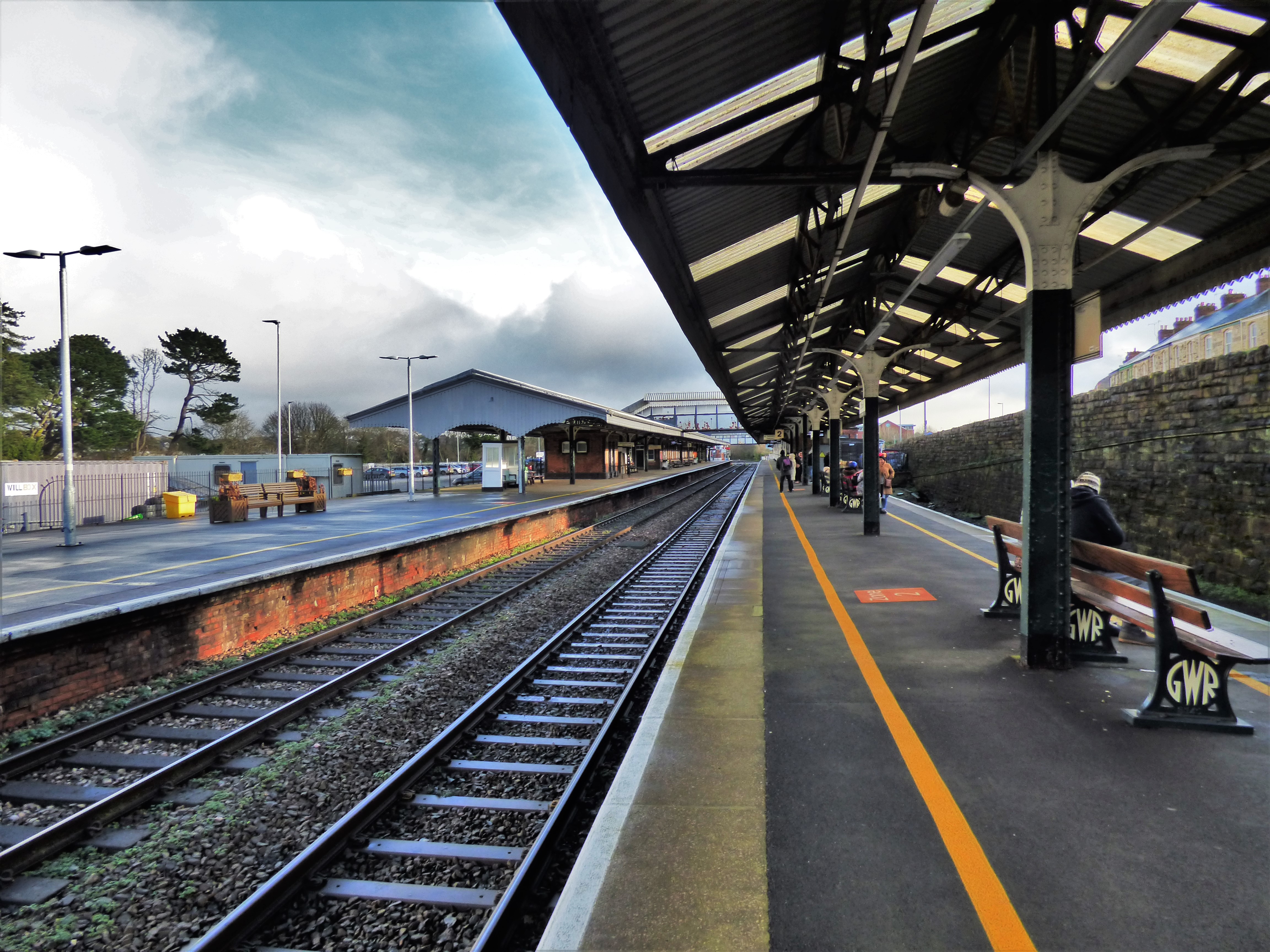
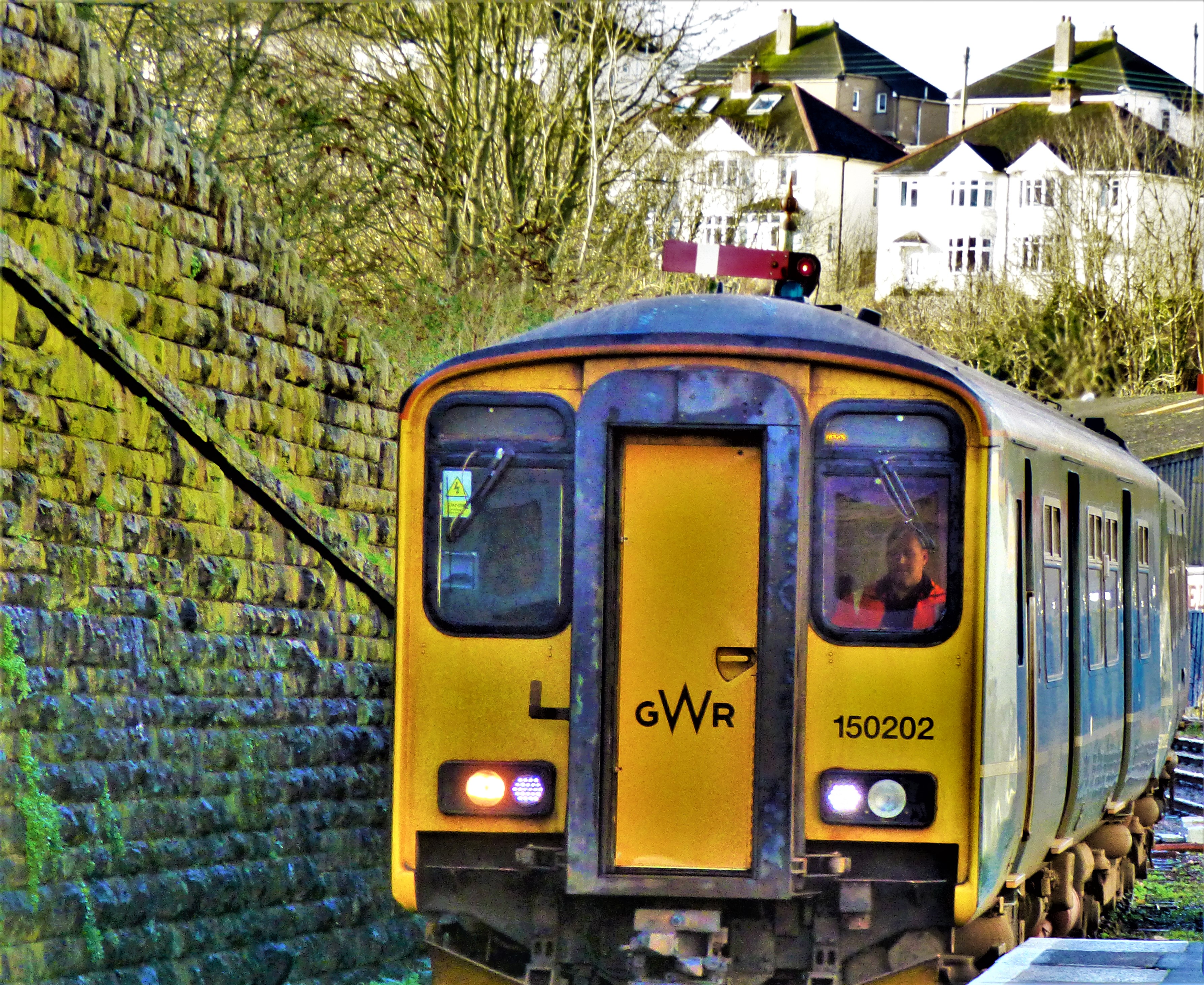
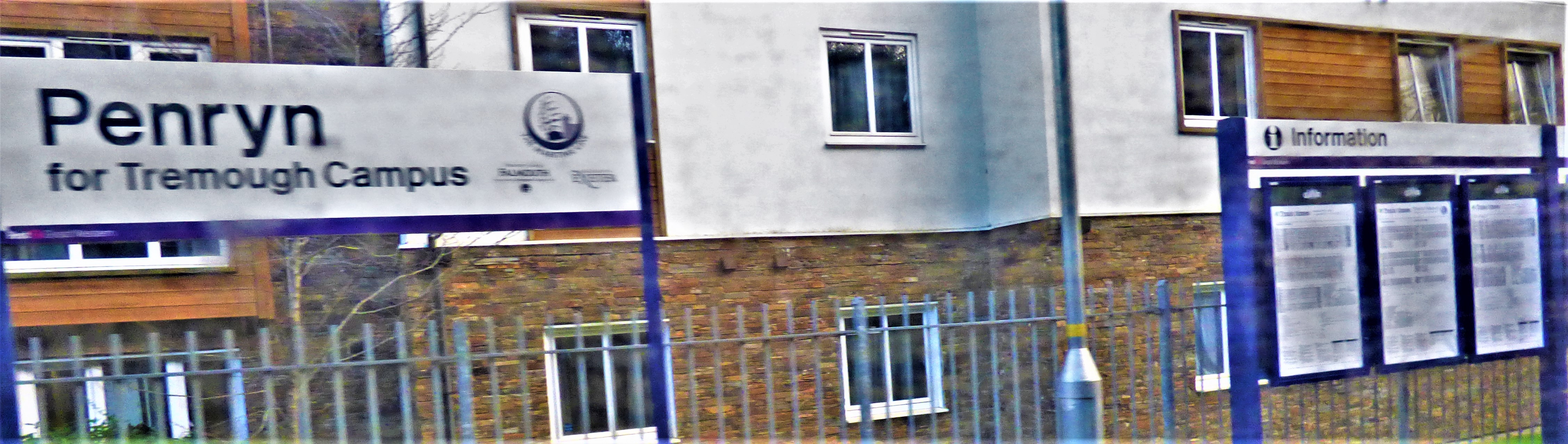
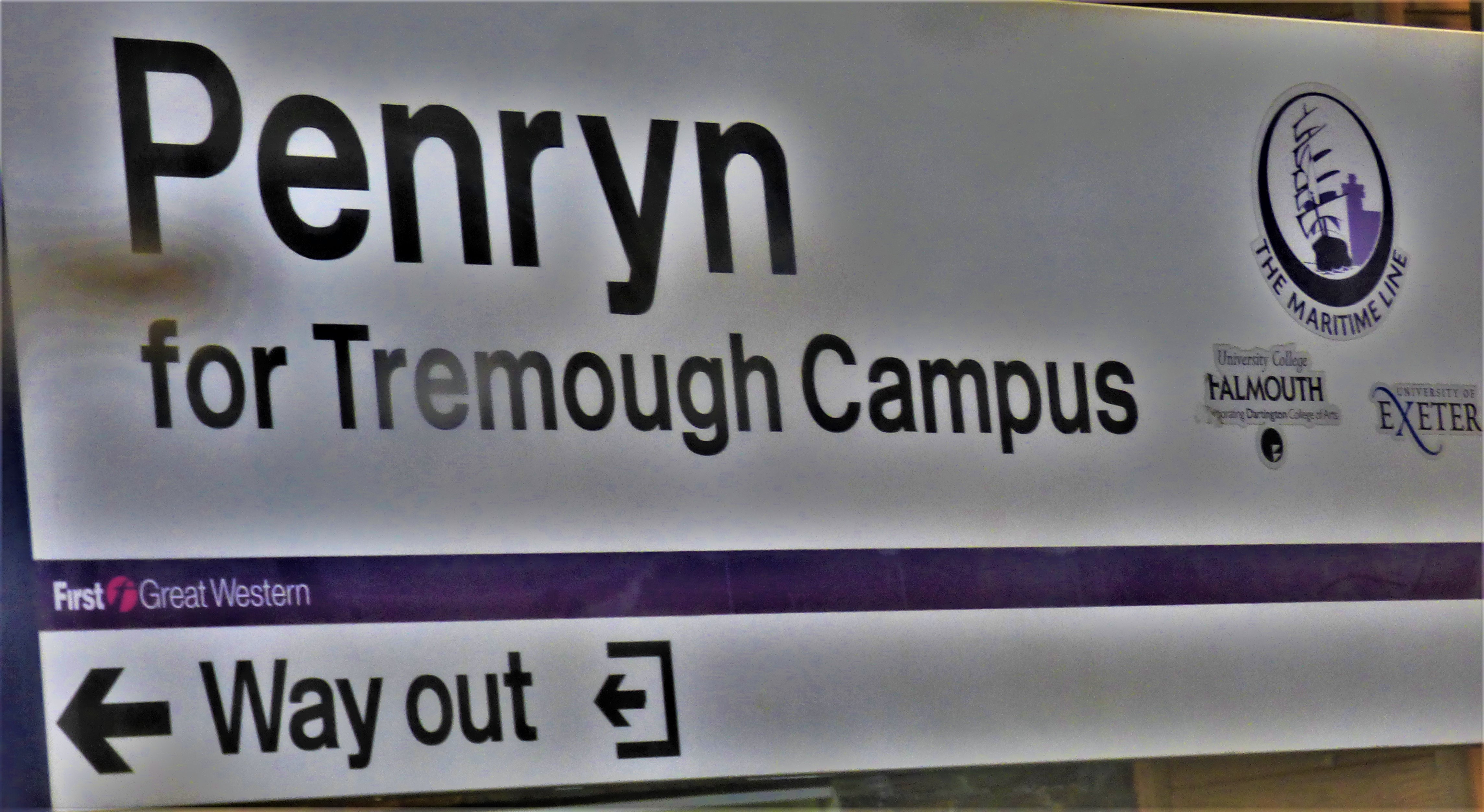
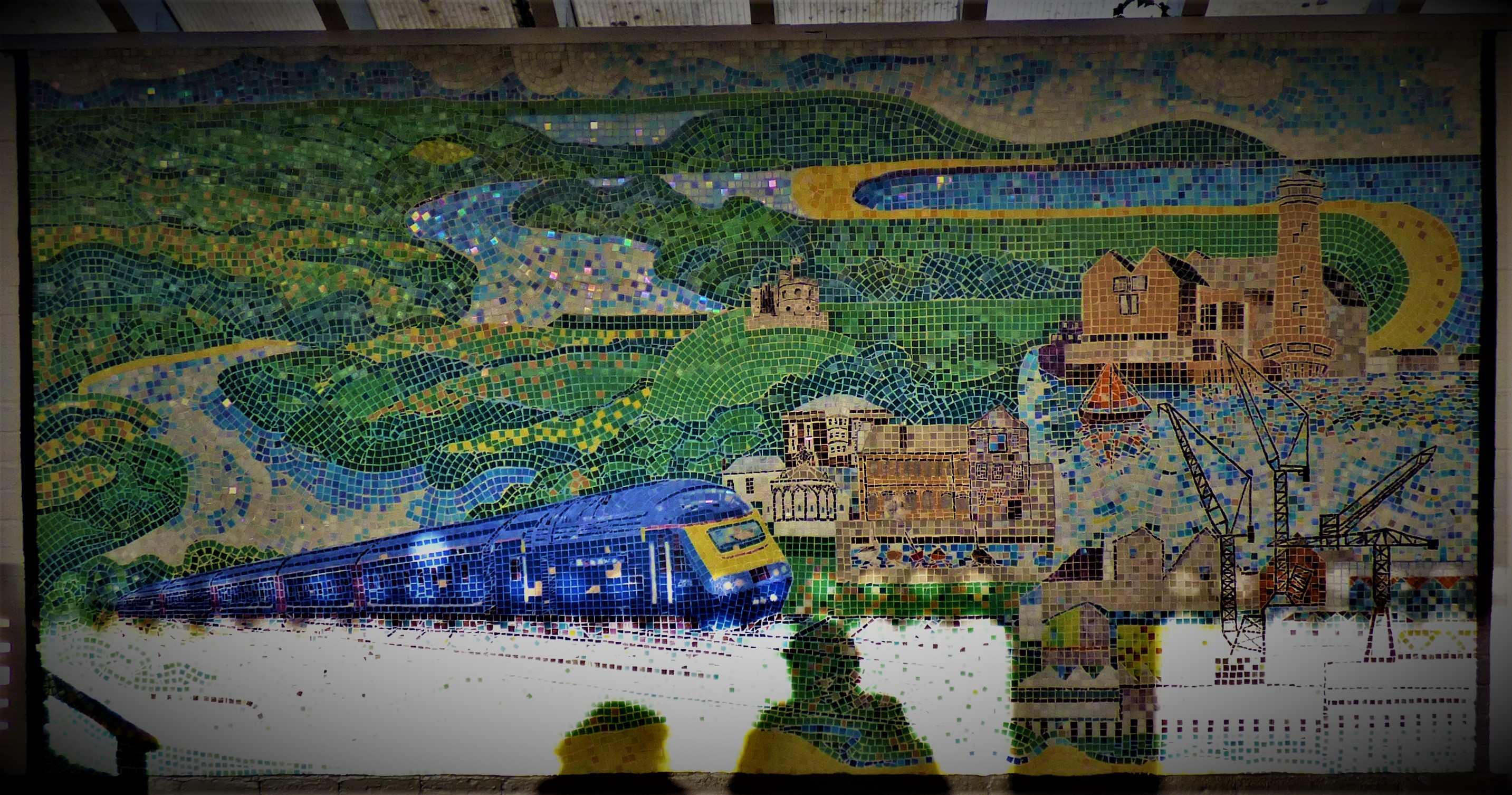
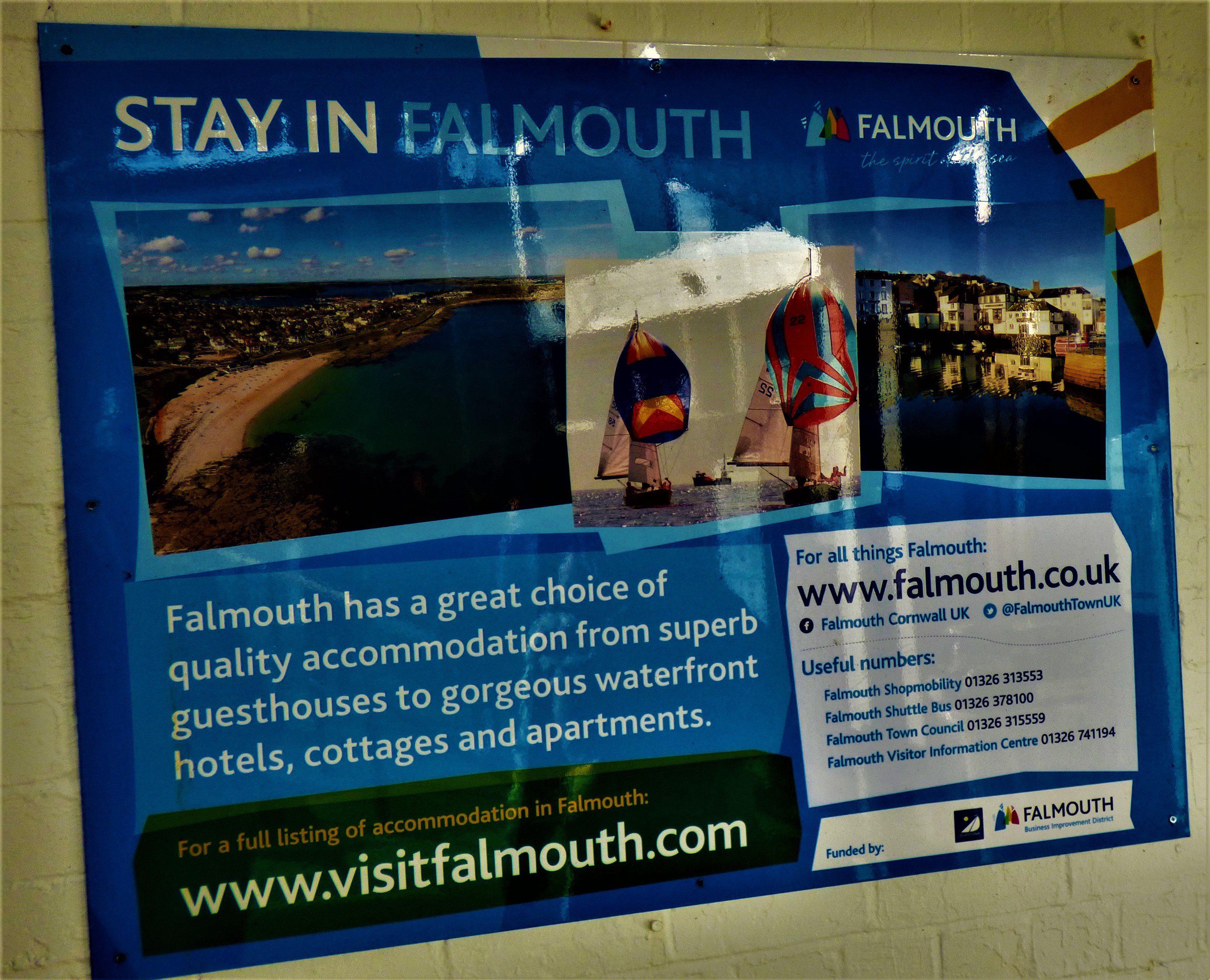
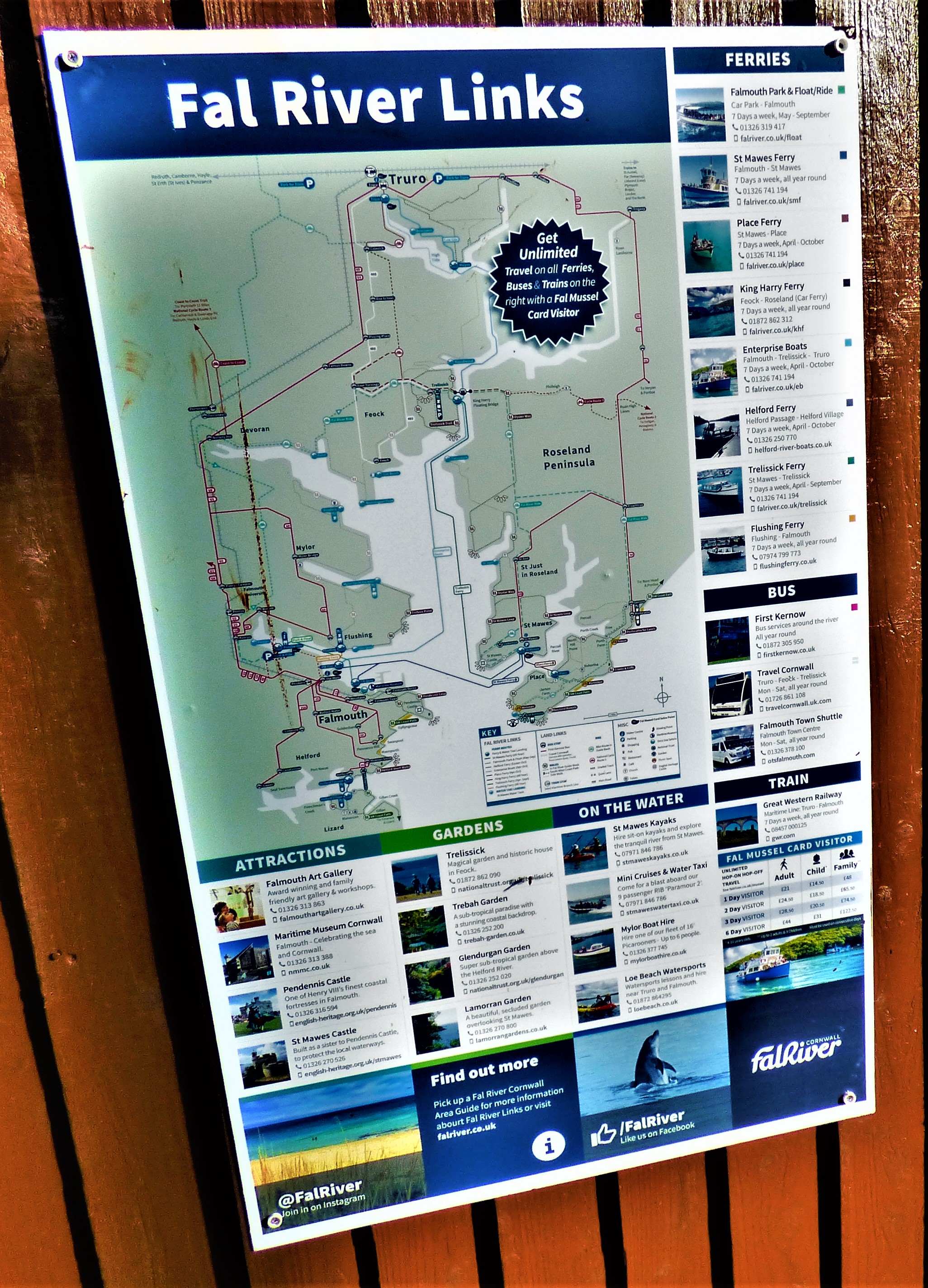
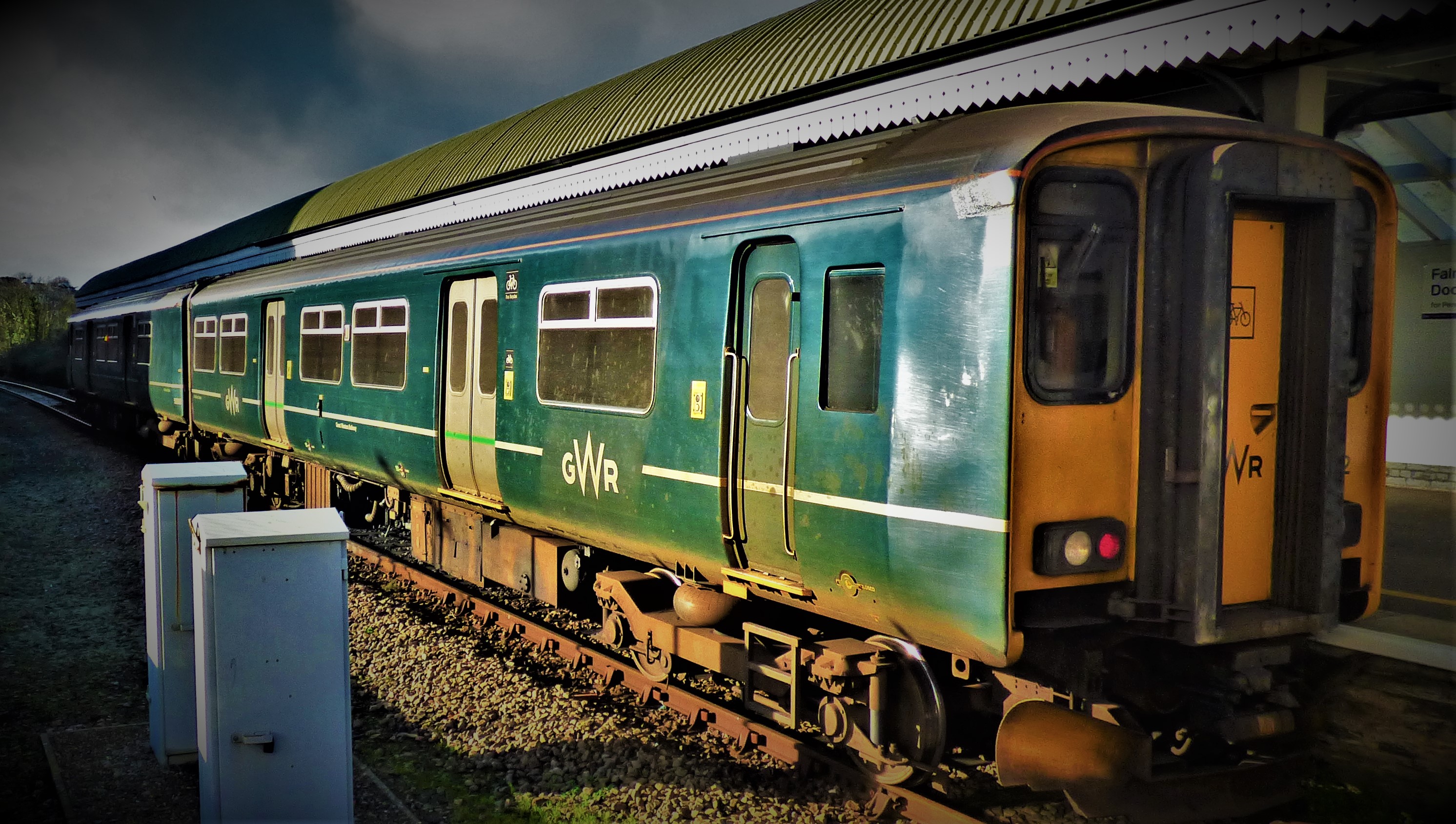
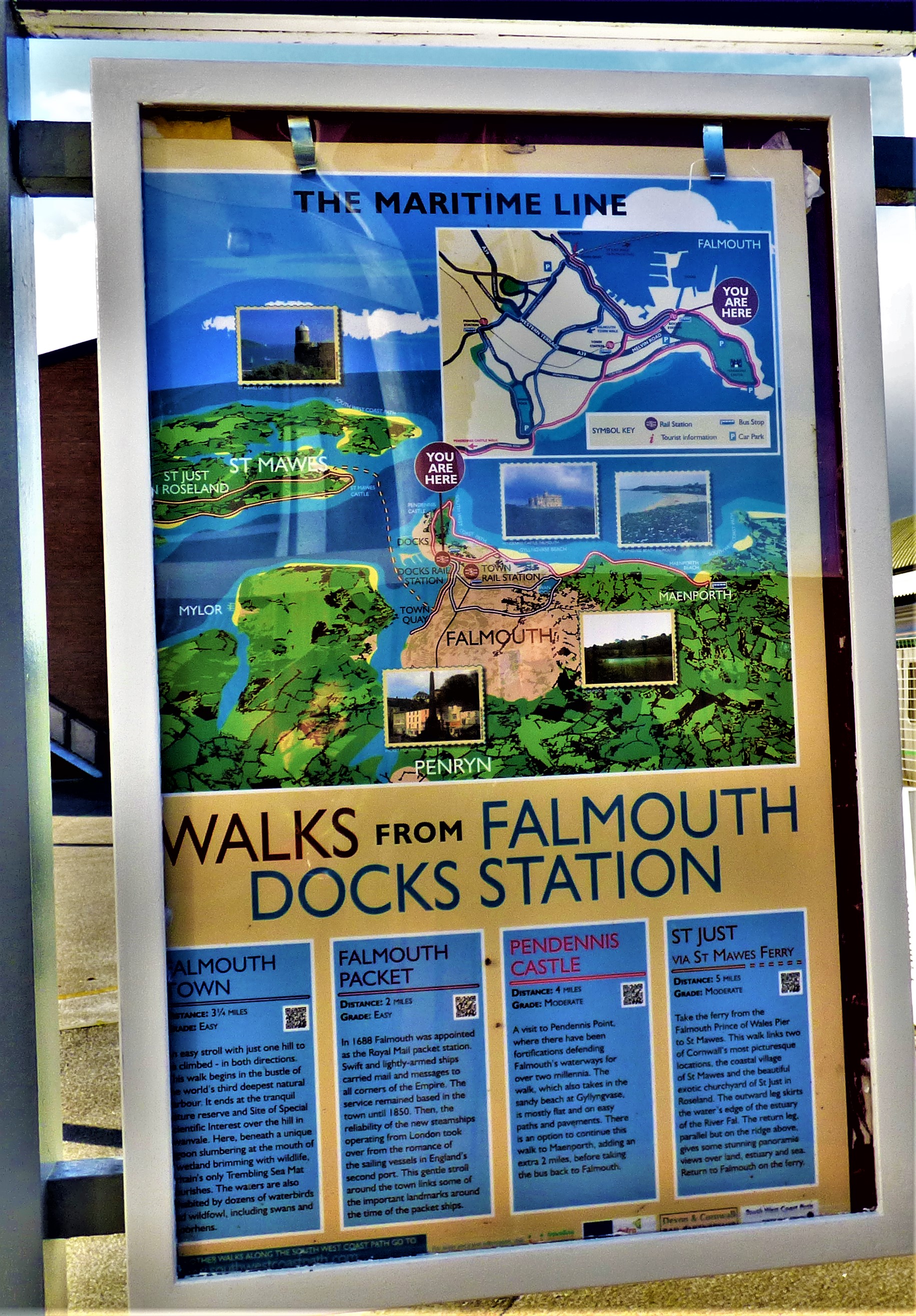
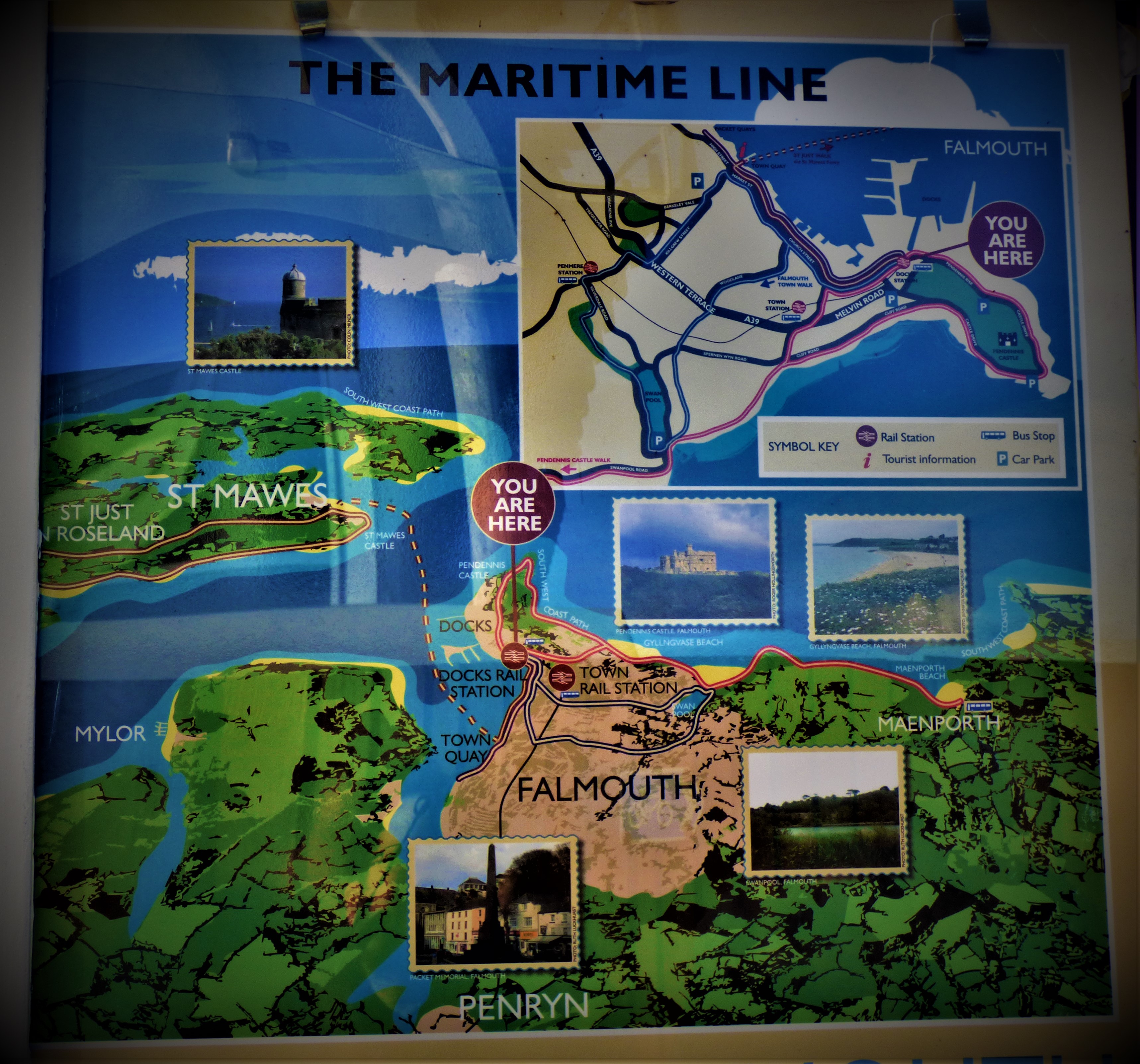
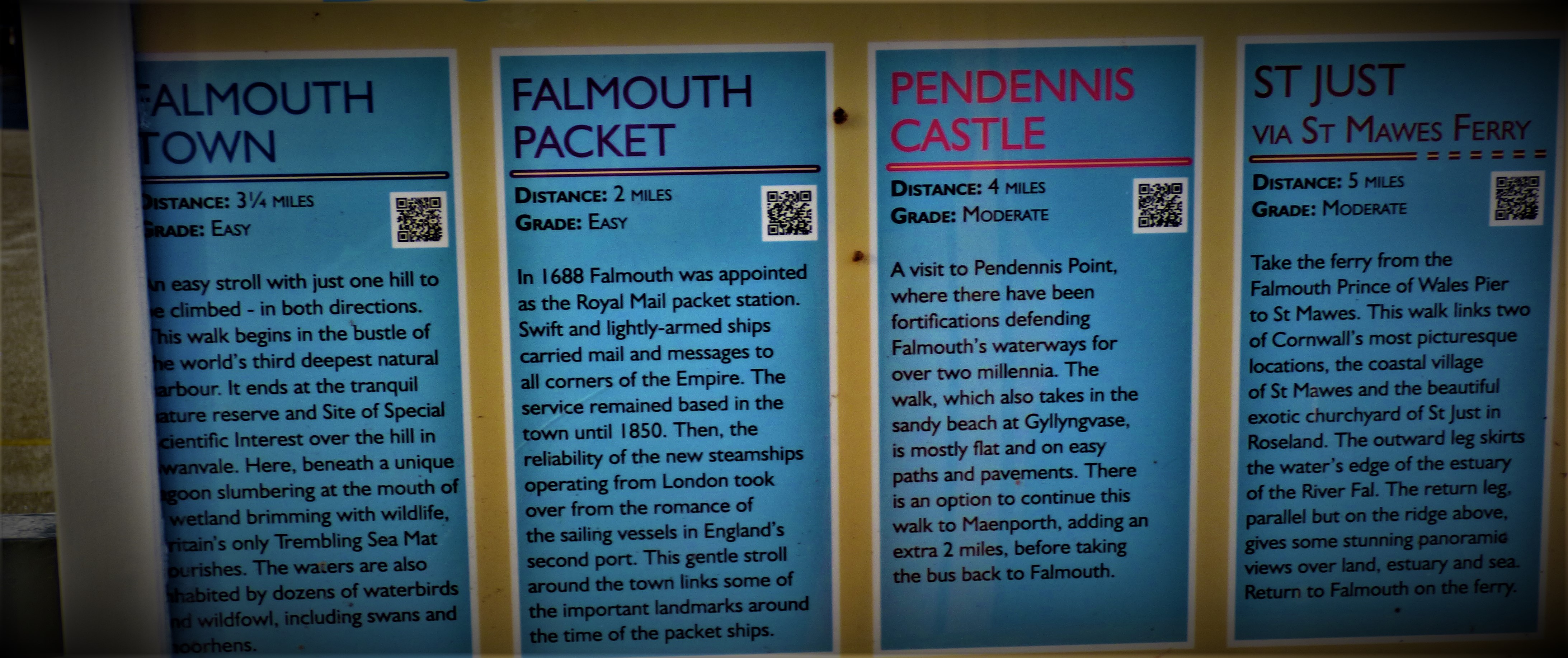
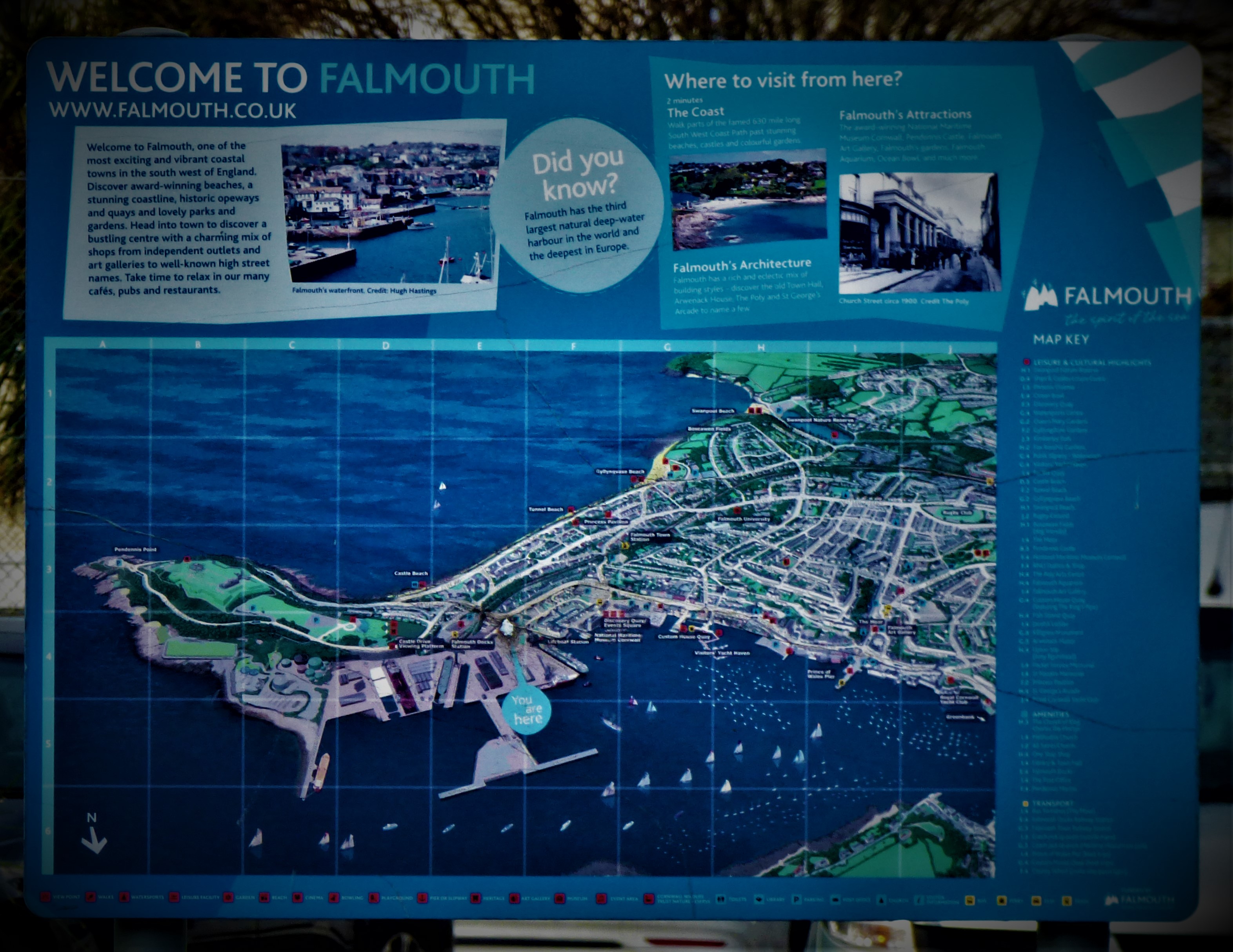
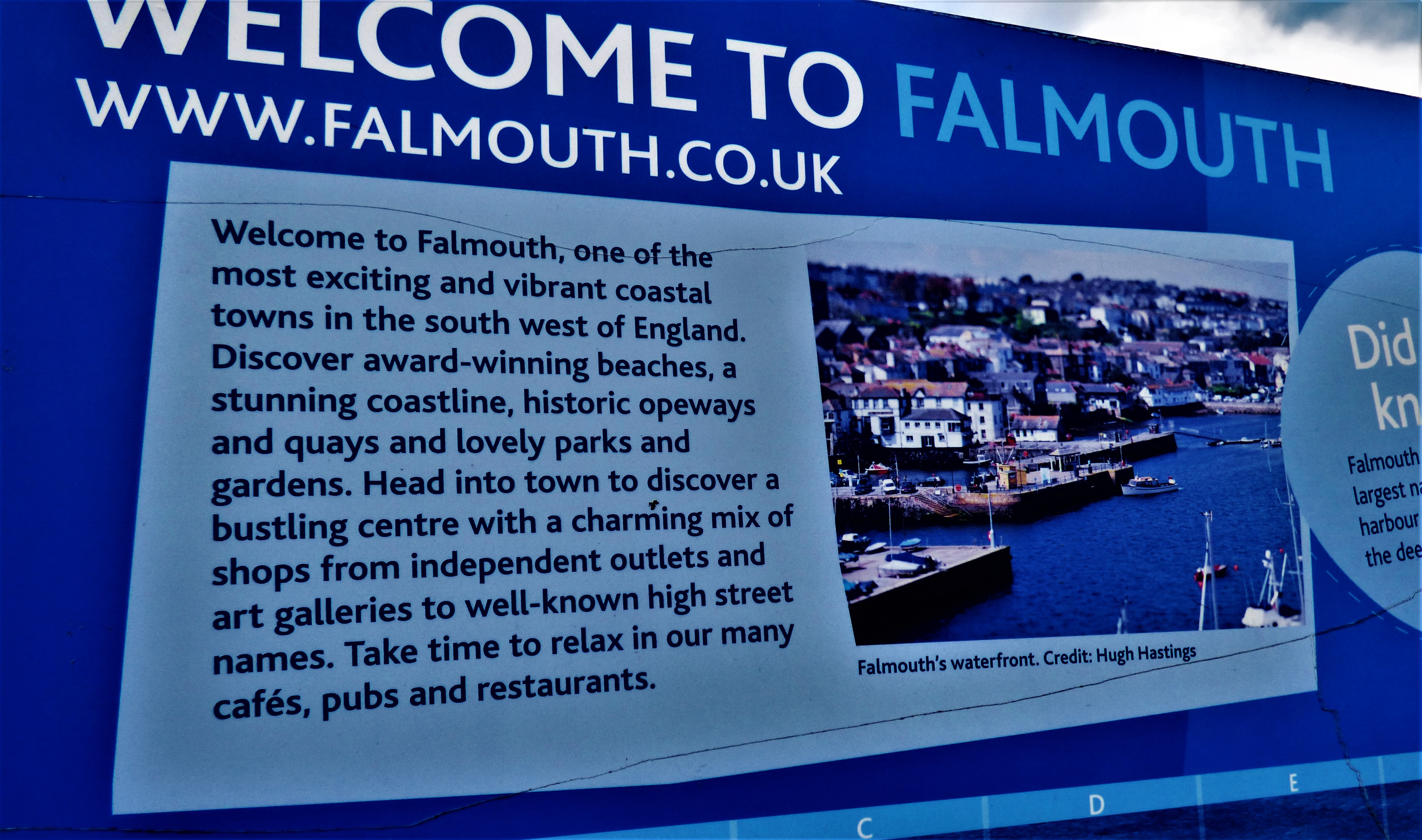
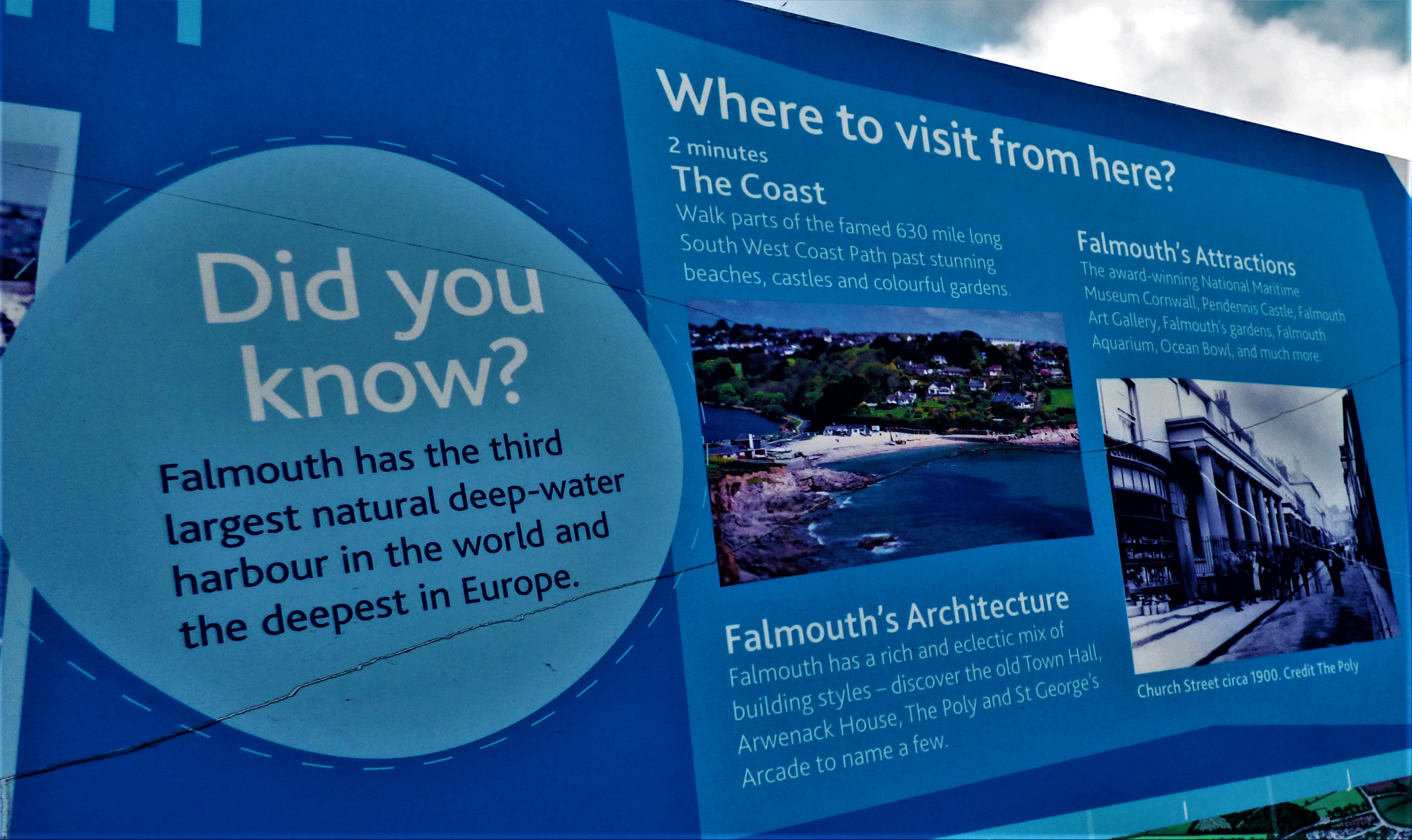
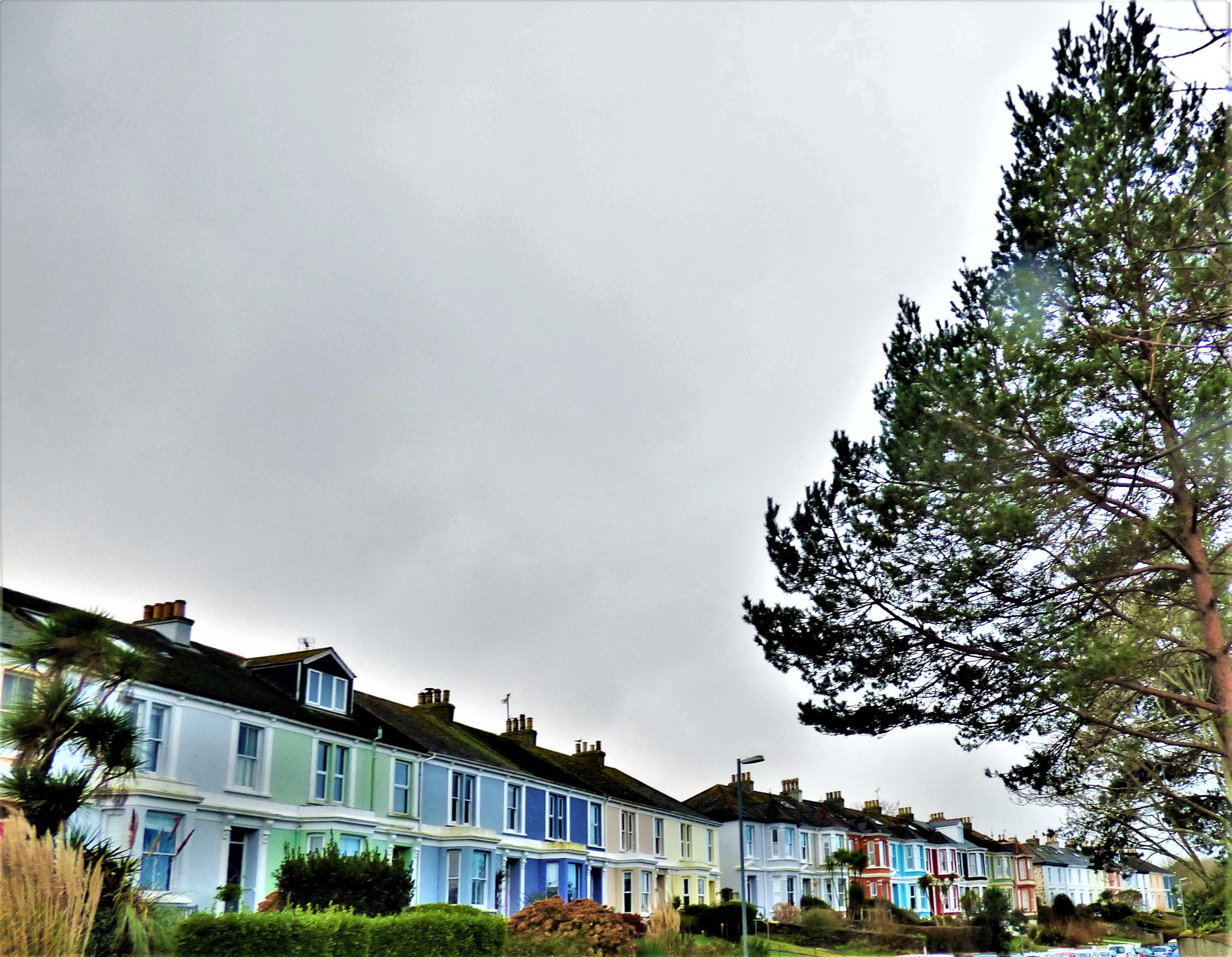
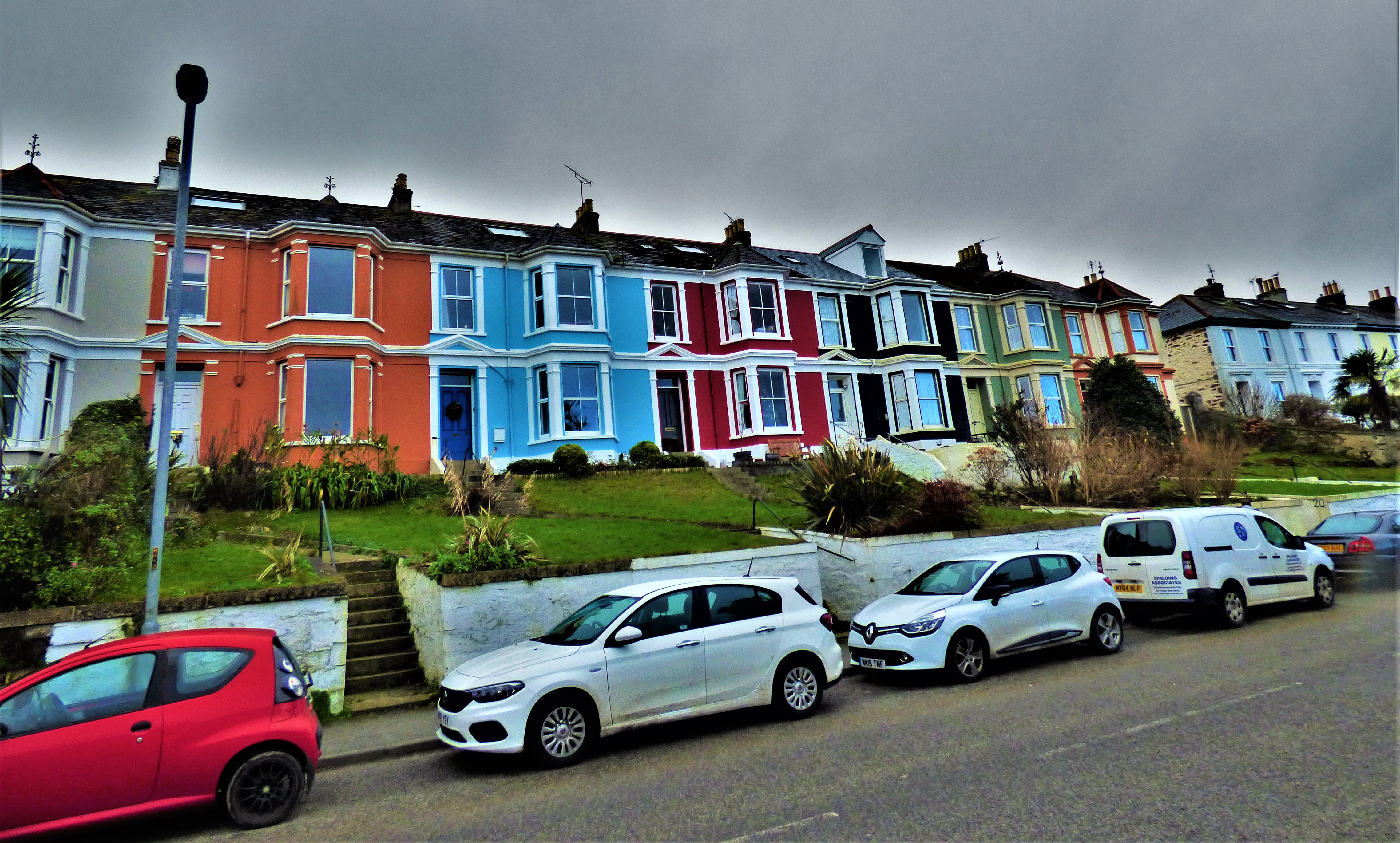
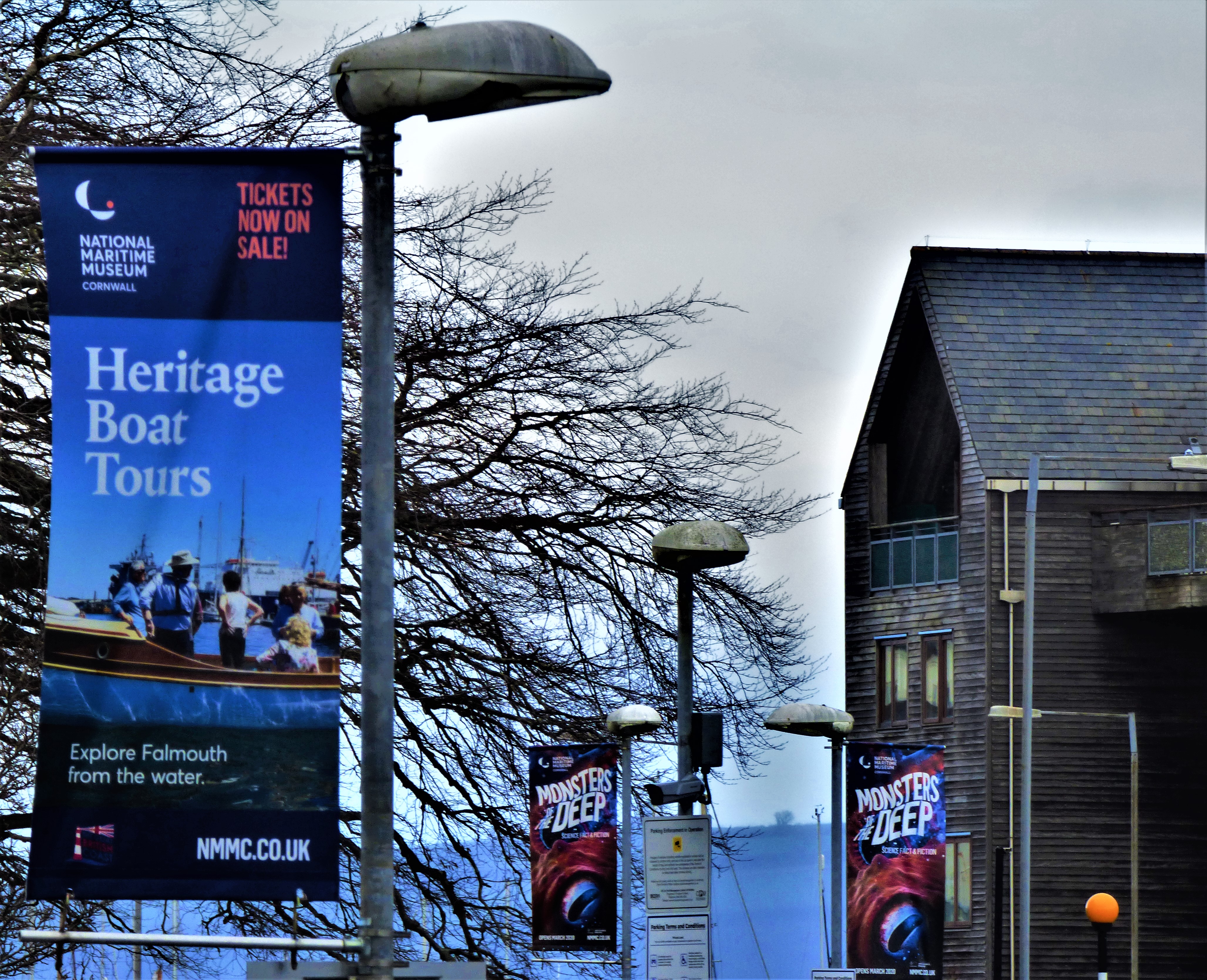
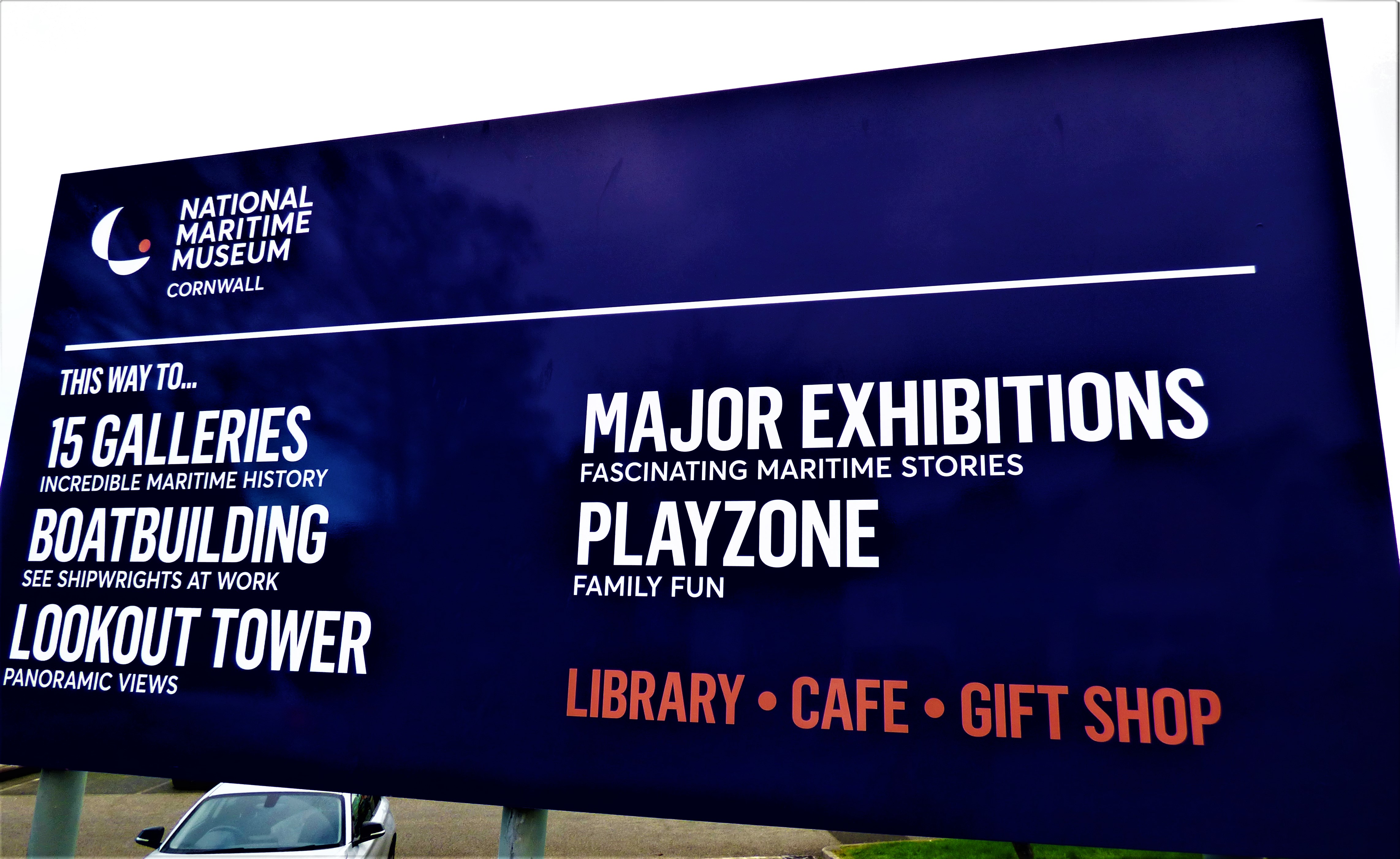
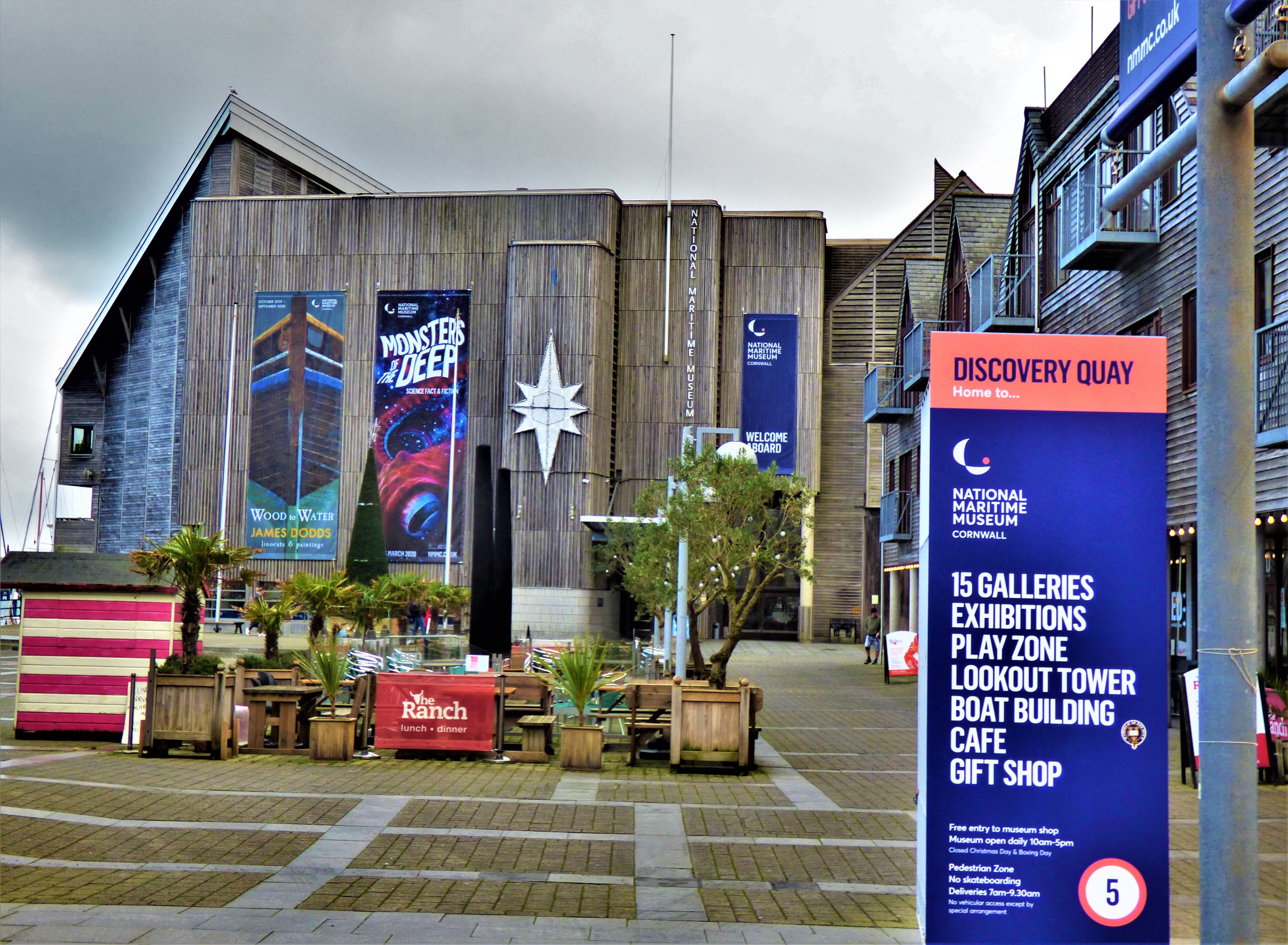
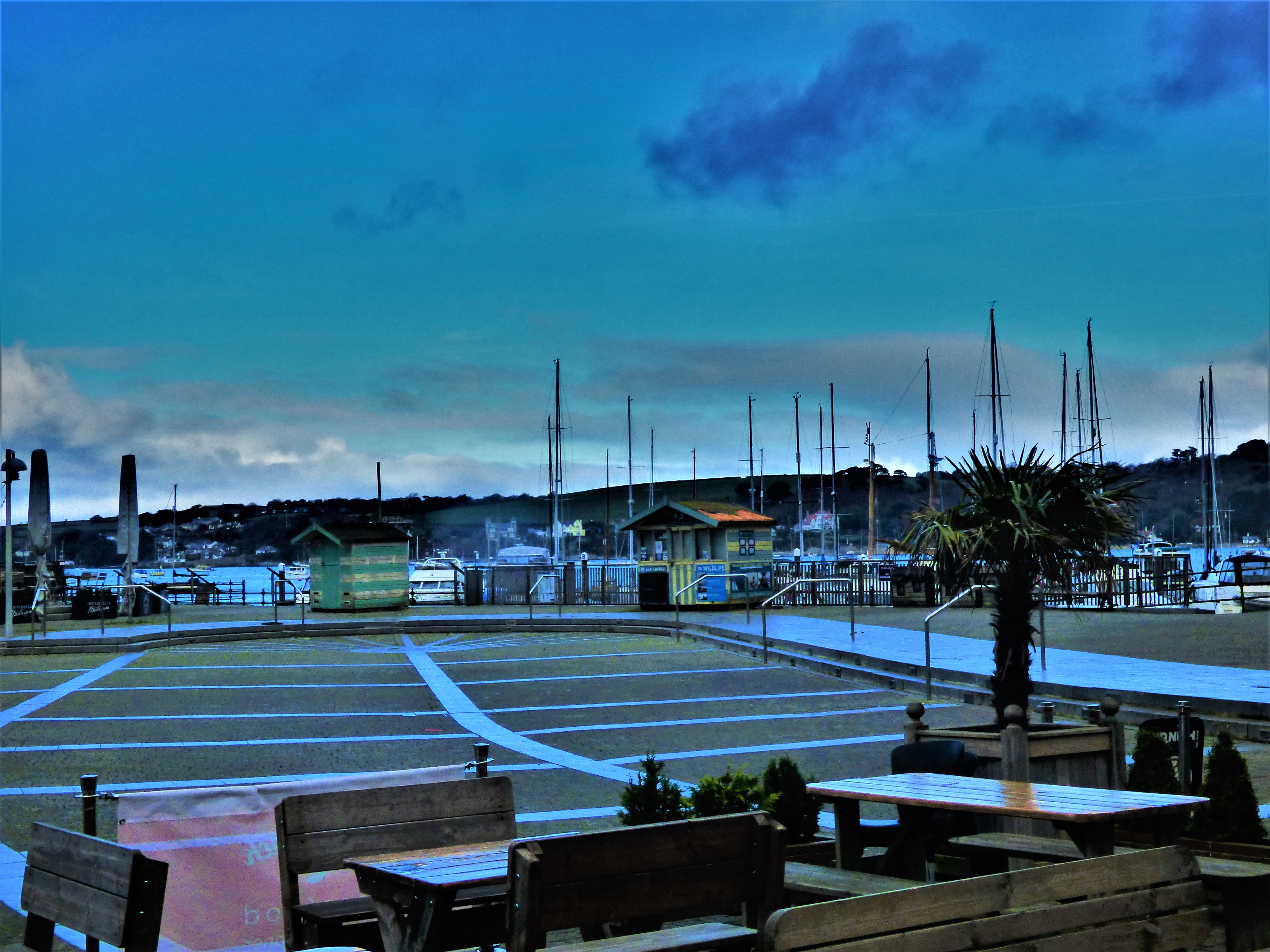
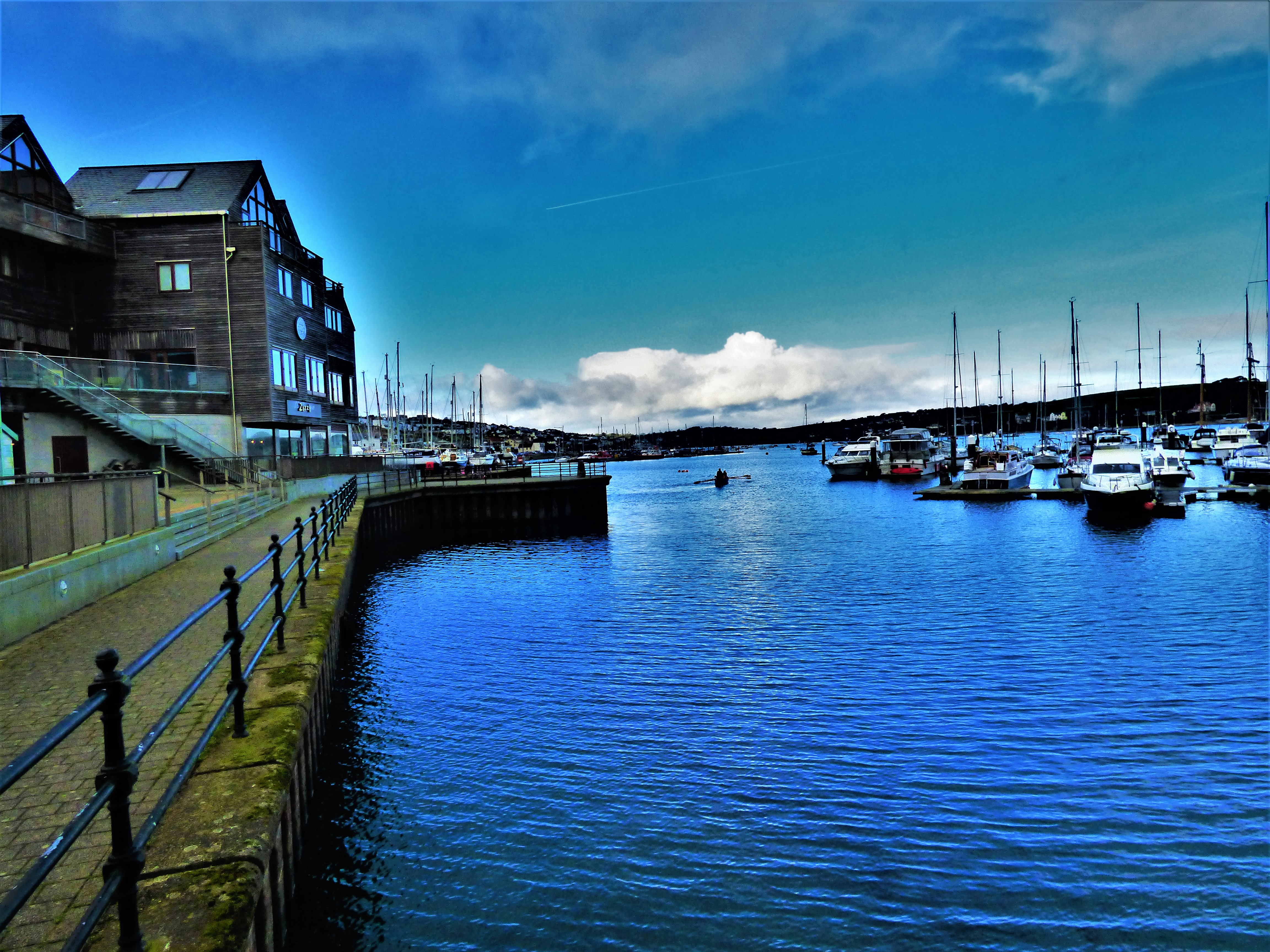
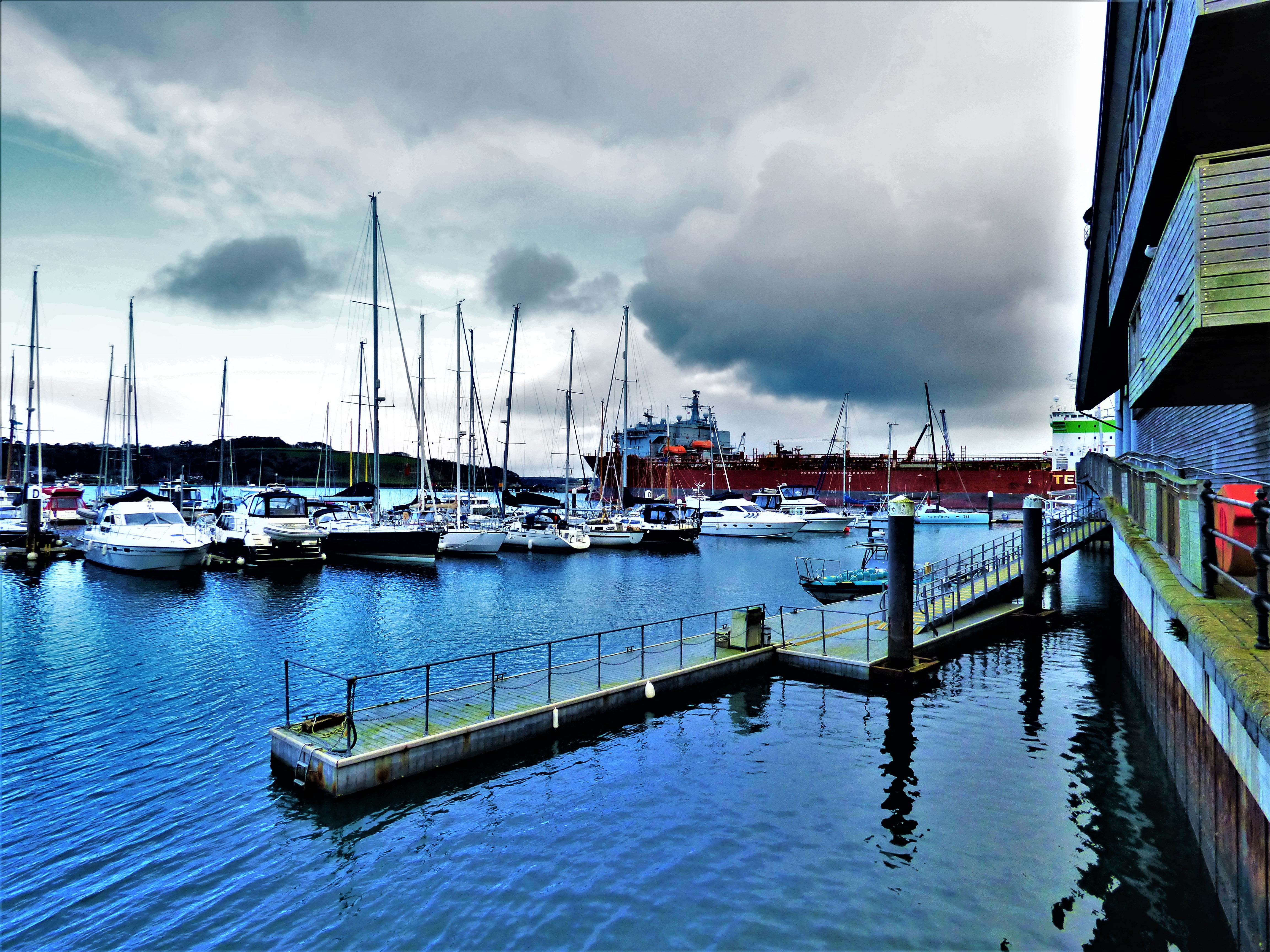
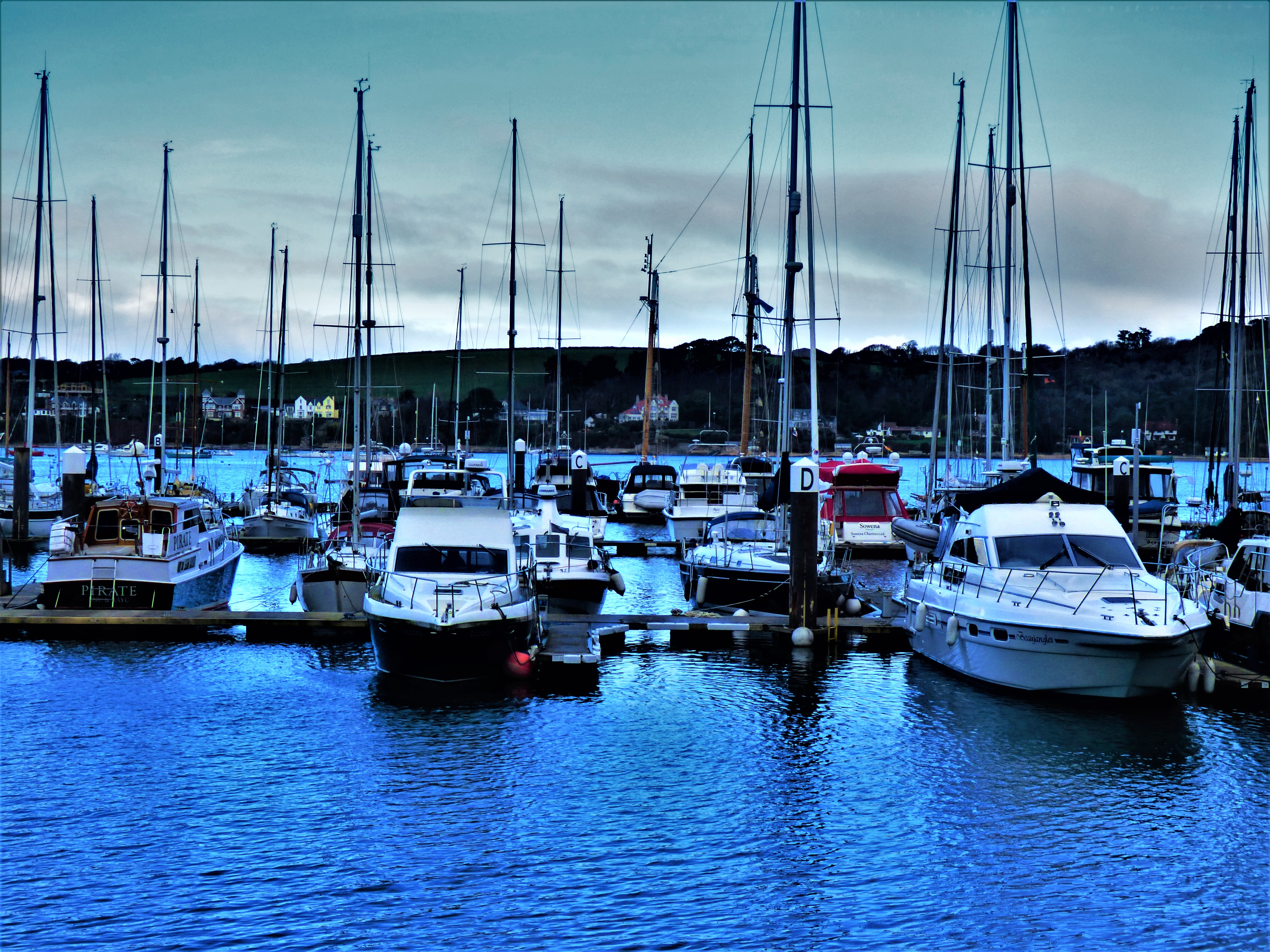
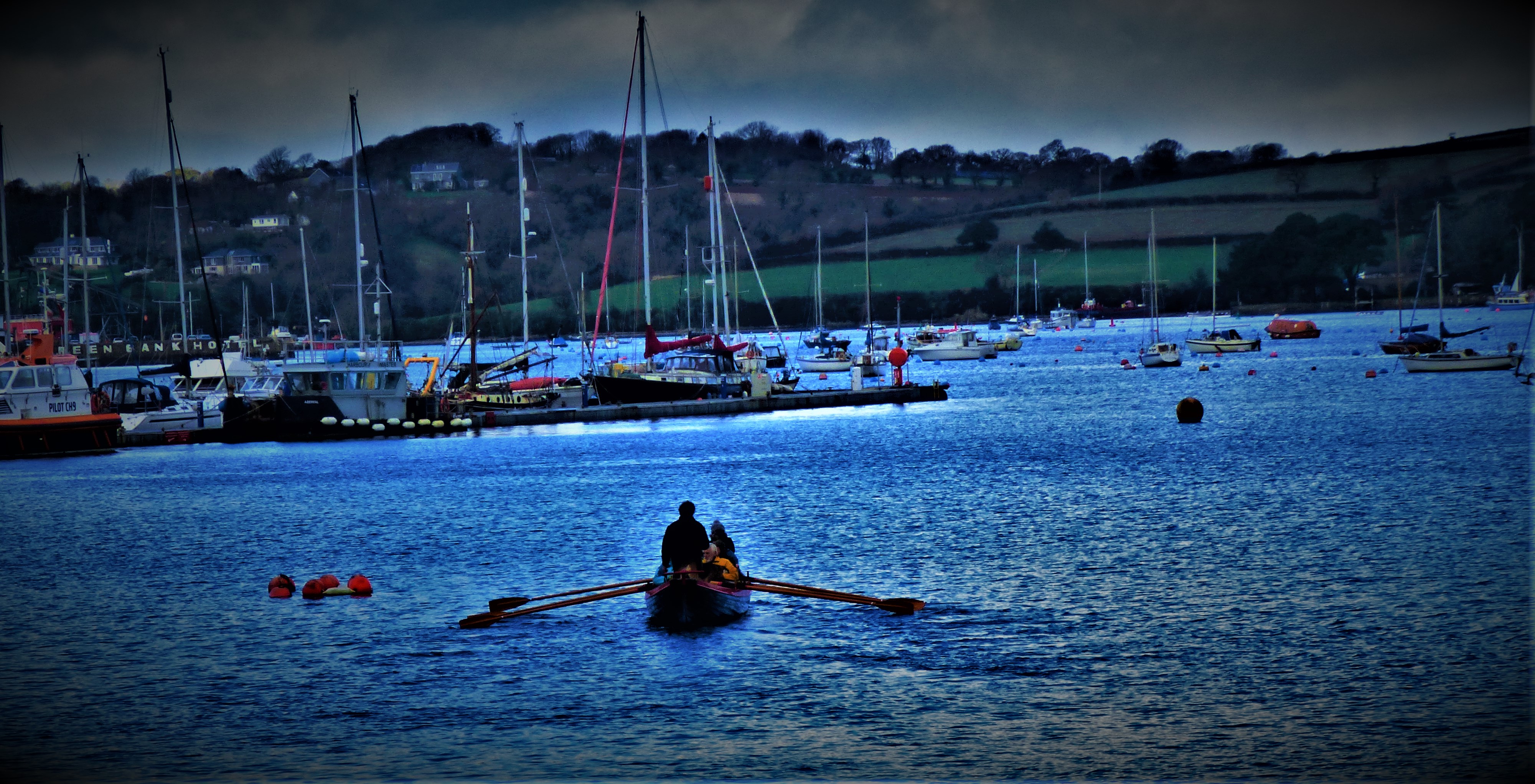
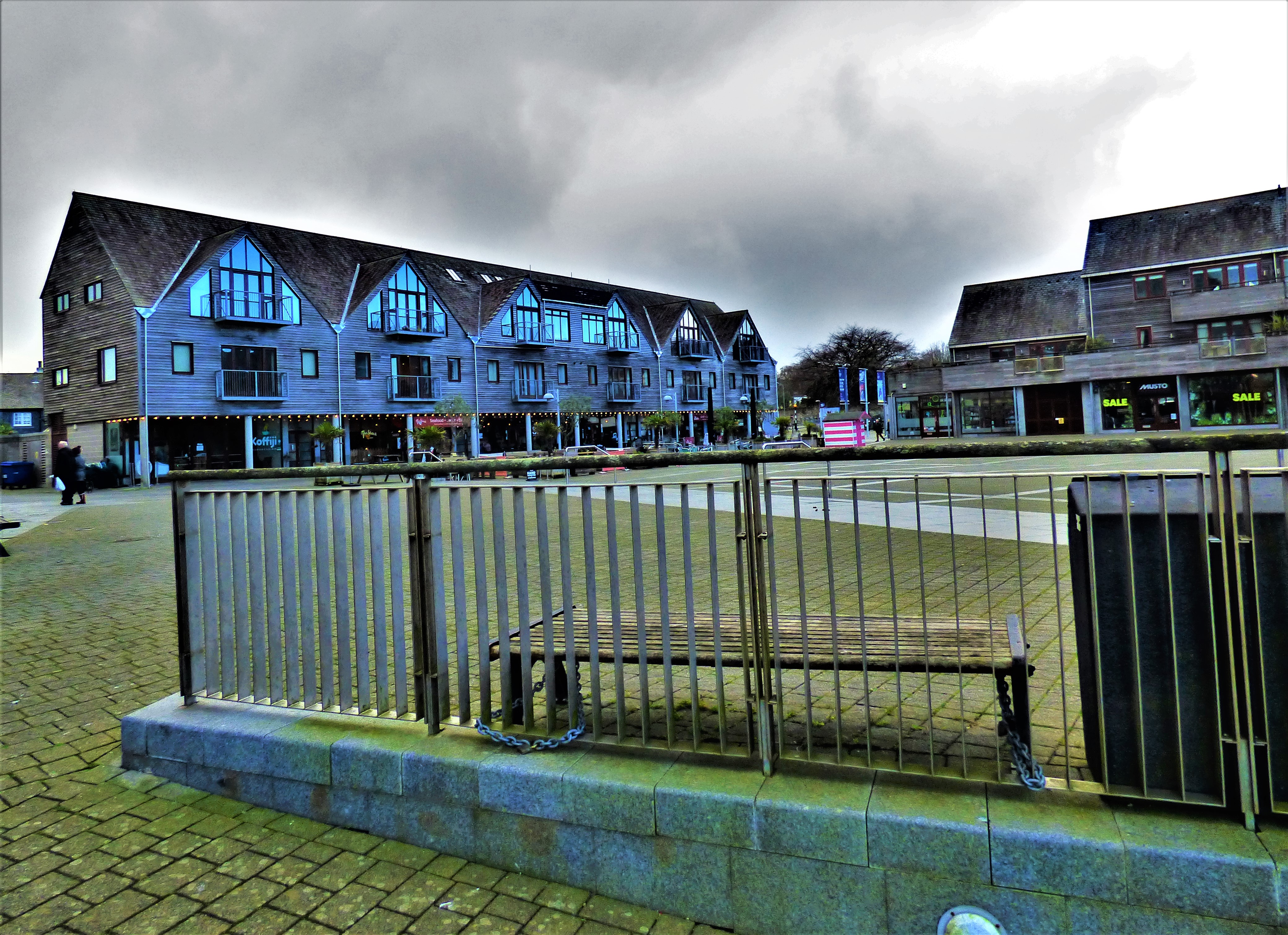
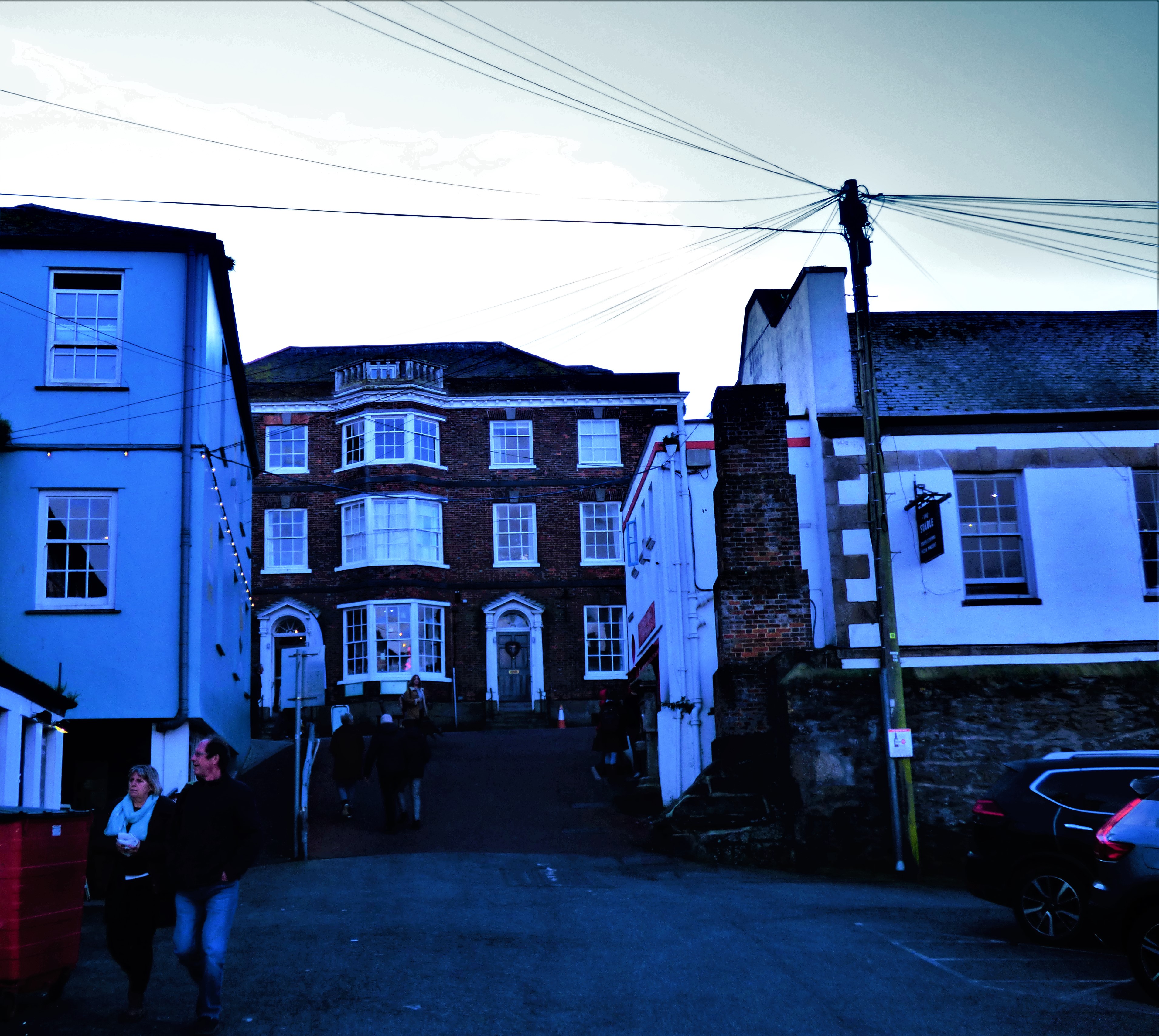
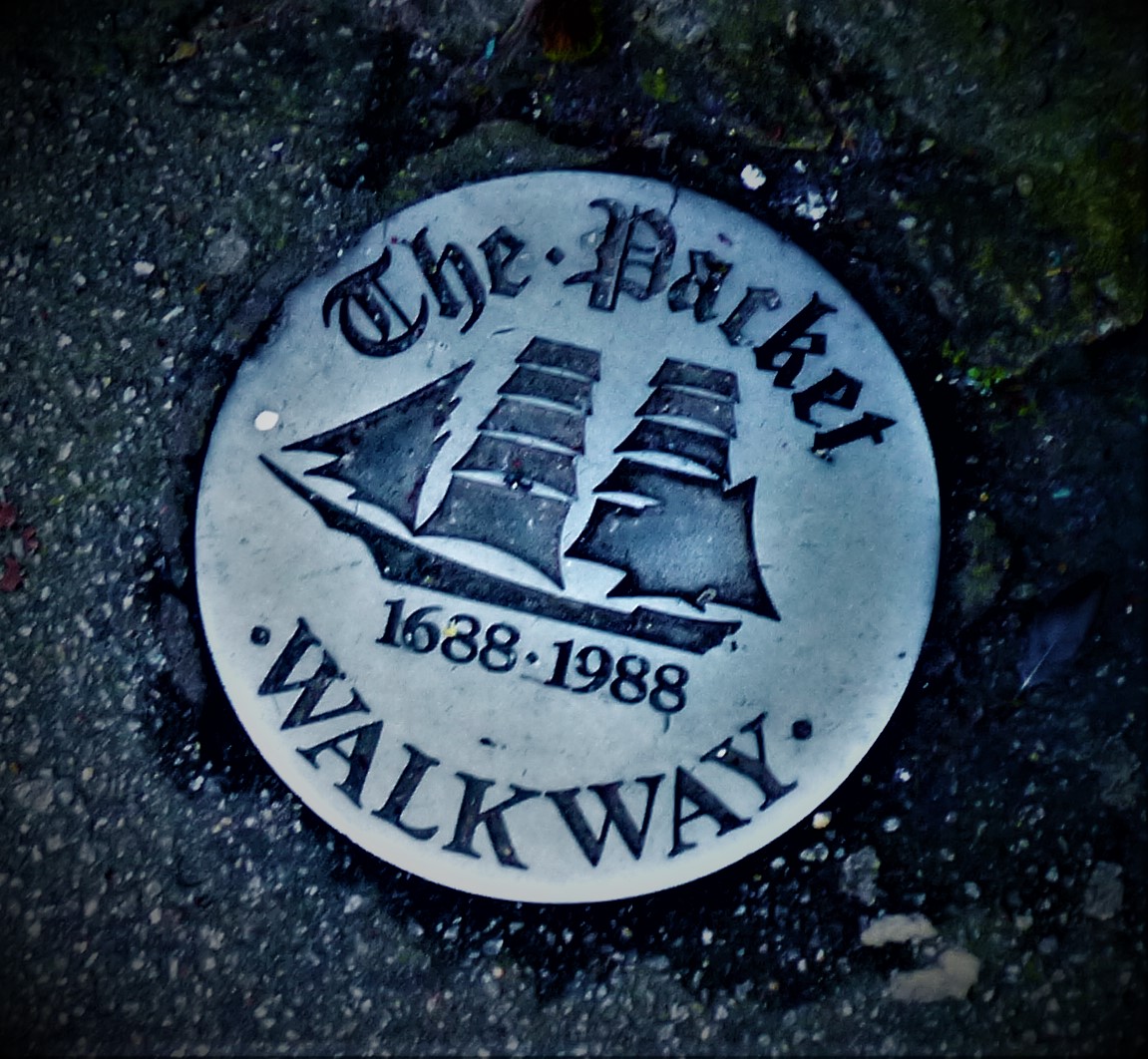
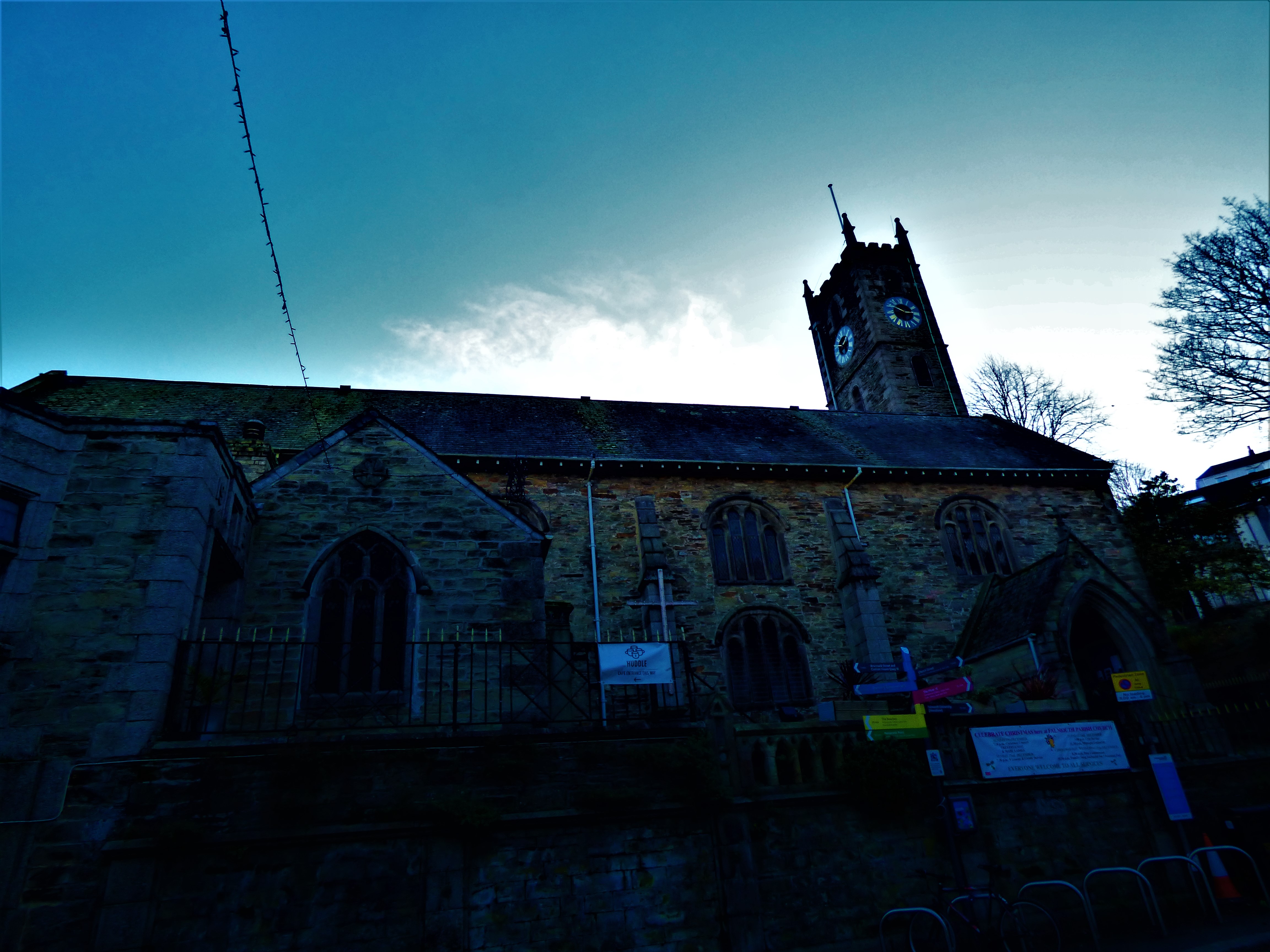
My mother and I got on the train at St Germans at 10:36, changed at Truro for the shuttle service to Falmouth Docks, and arrived at Falmouth just after 12:00. Falmouth was a planned port, first built in the late 16th century to provide an extra starting point for the export of china (it was intended to augment the existing port of Fowey, not challenge it – the person who planned it was actually a native of Fowey). It is a magnificent setting (my camera battery ran out before the end of the trip, but not before I had taken some fine pictures). After a pause to orient ourselves we headed for the National Maritime Museum Cornwall, which will get several posts of its own. The museum occupied as for quite some time, and then we had a brief look at the rest of the town, but I was getting tired by then, and we headed back not very long after finishing at the museum. I intend to revisit both the town and the museum.
PHOTOGRAPHS
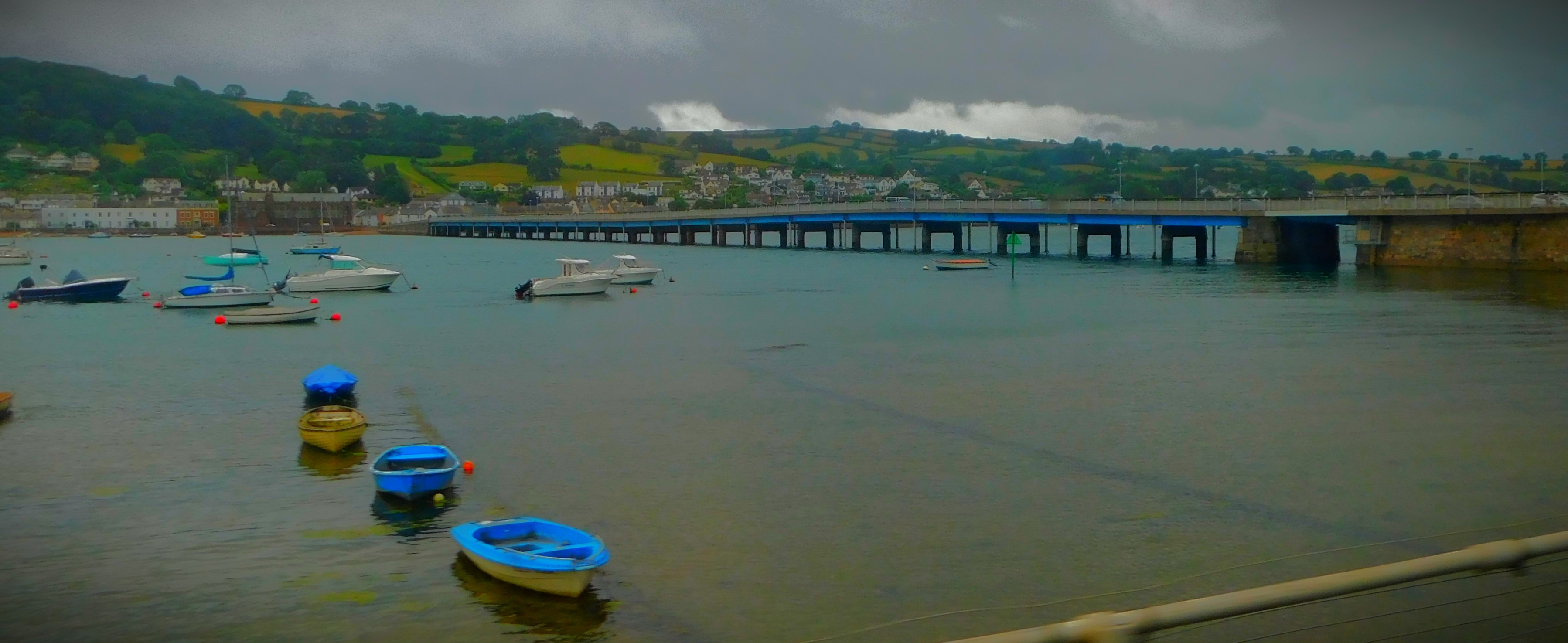
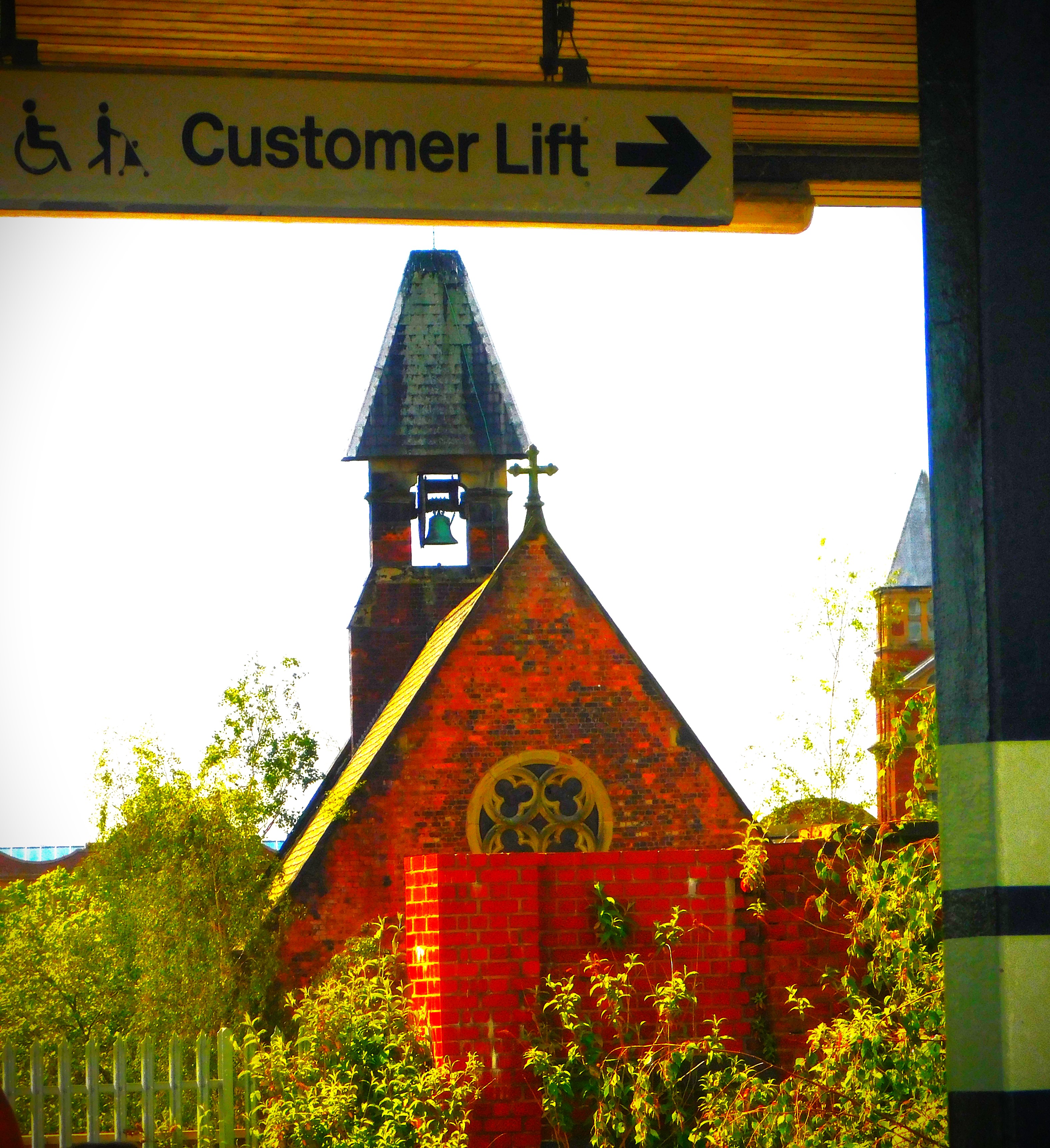
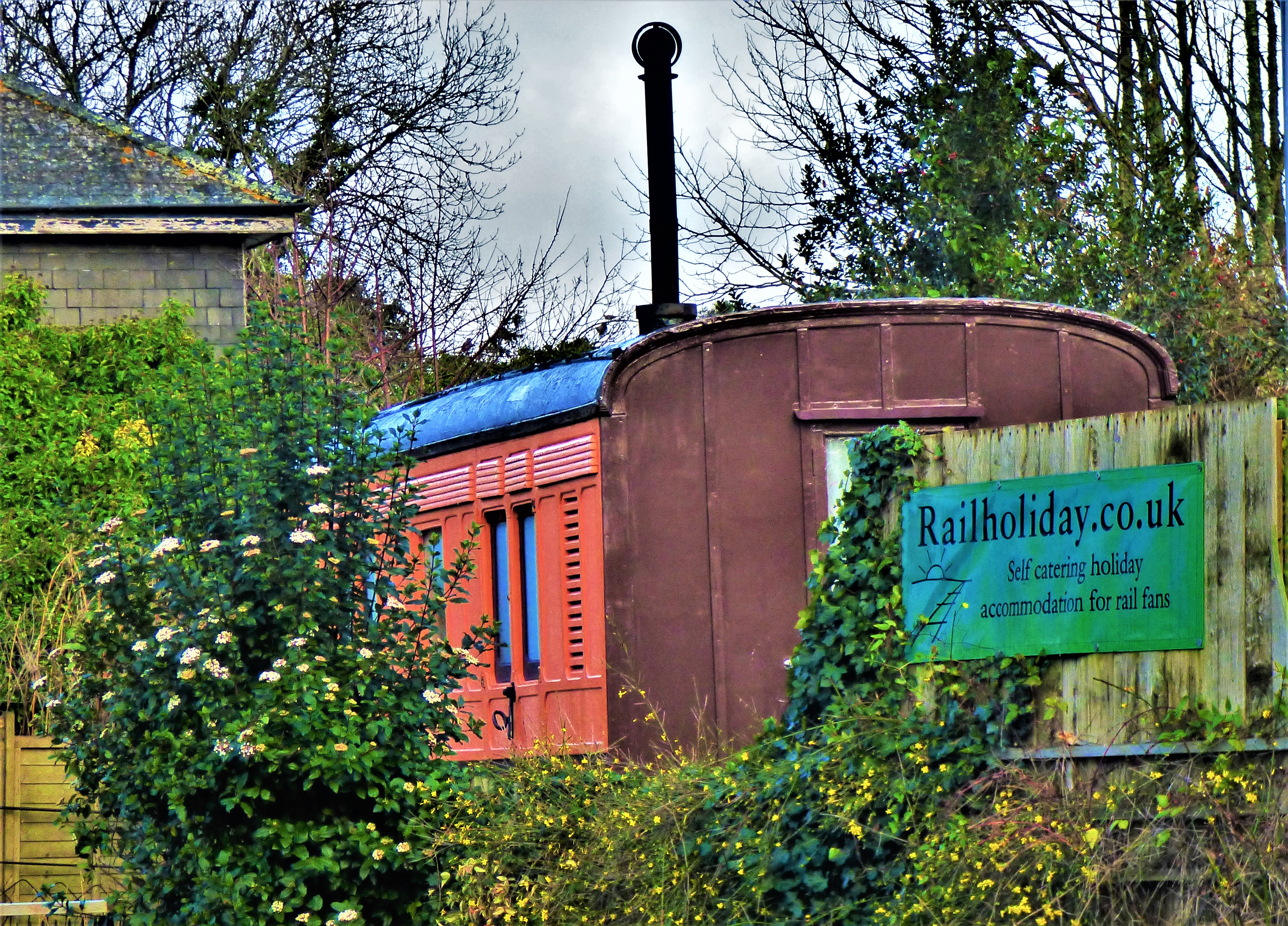
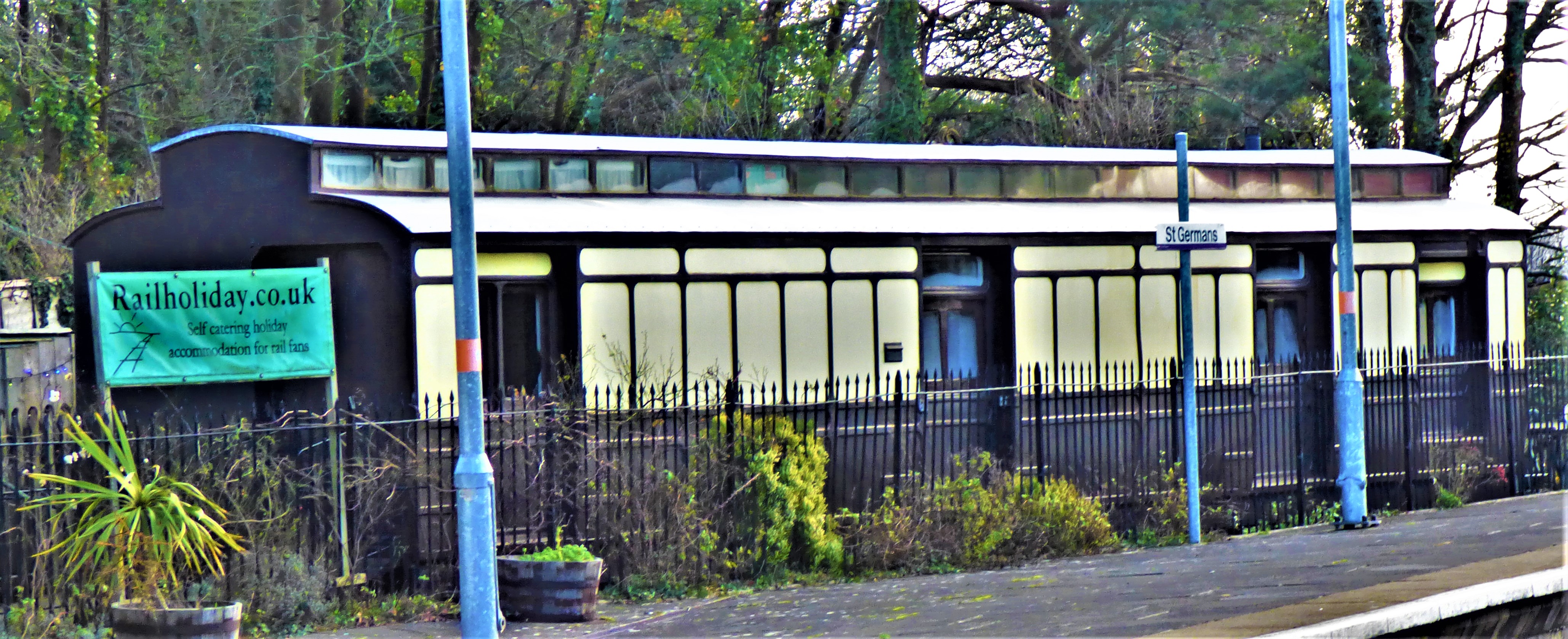
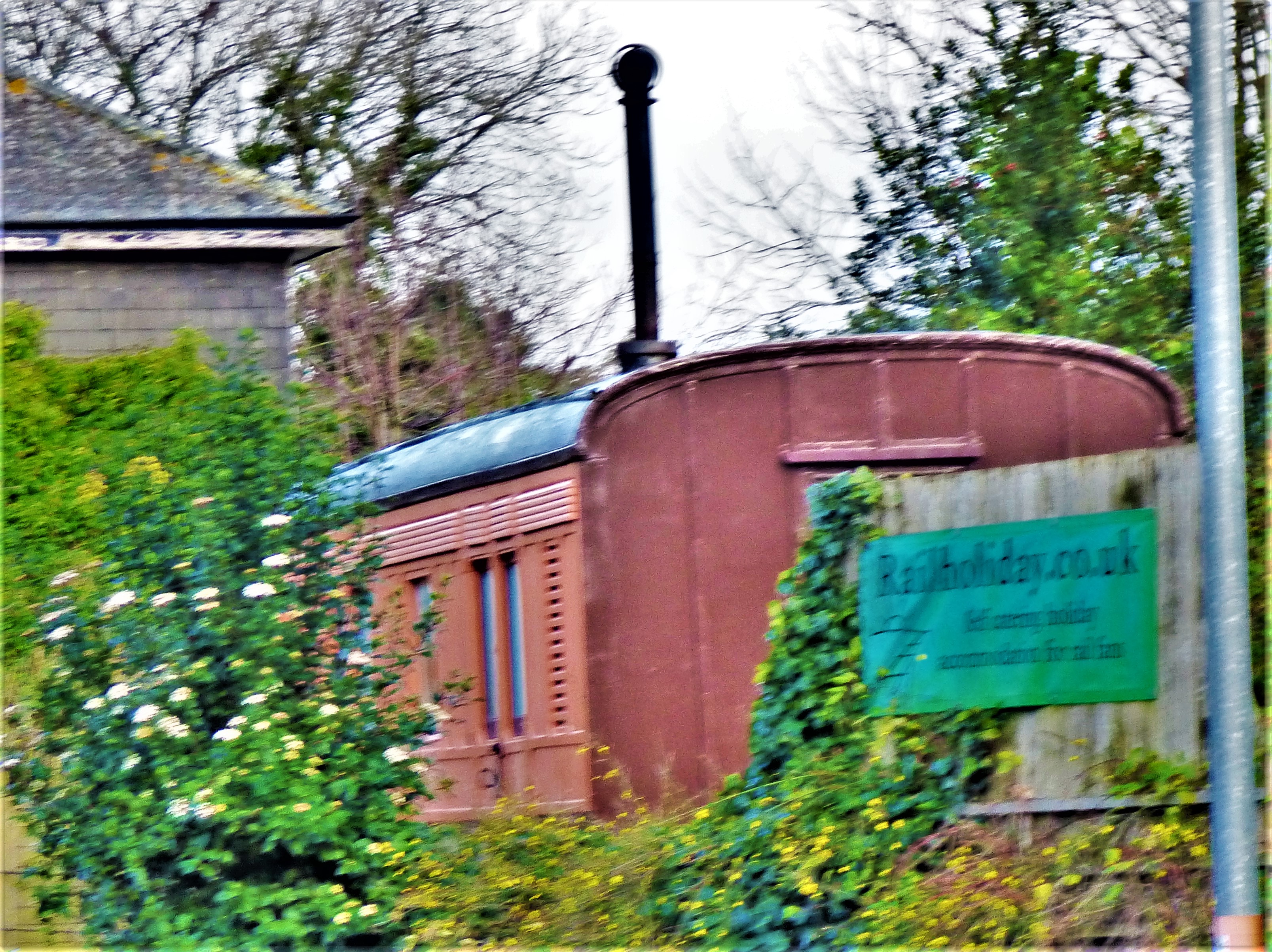
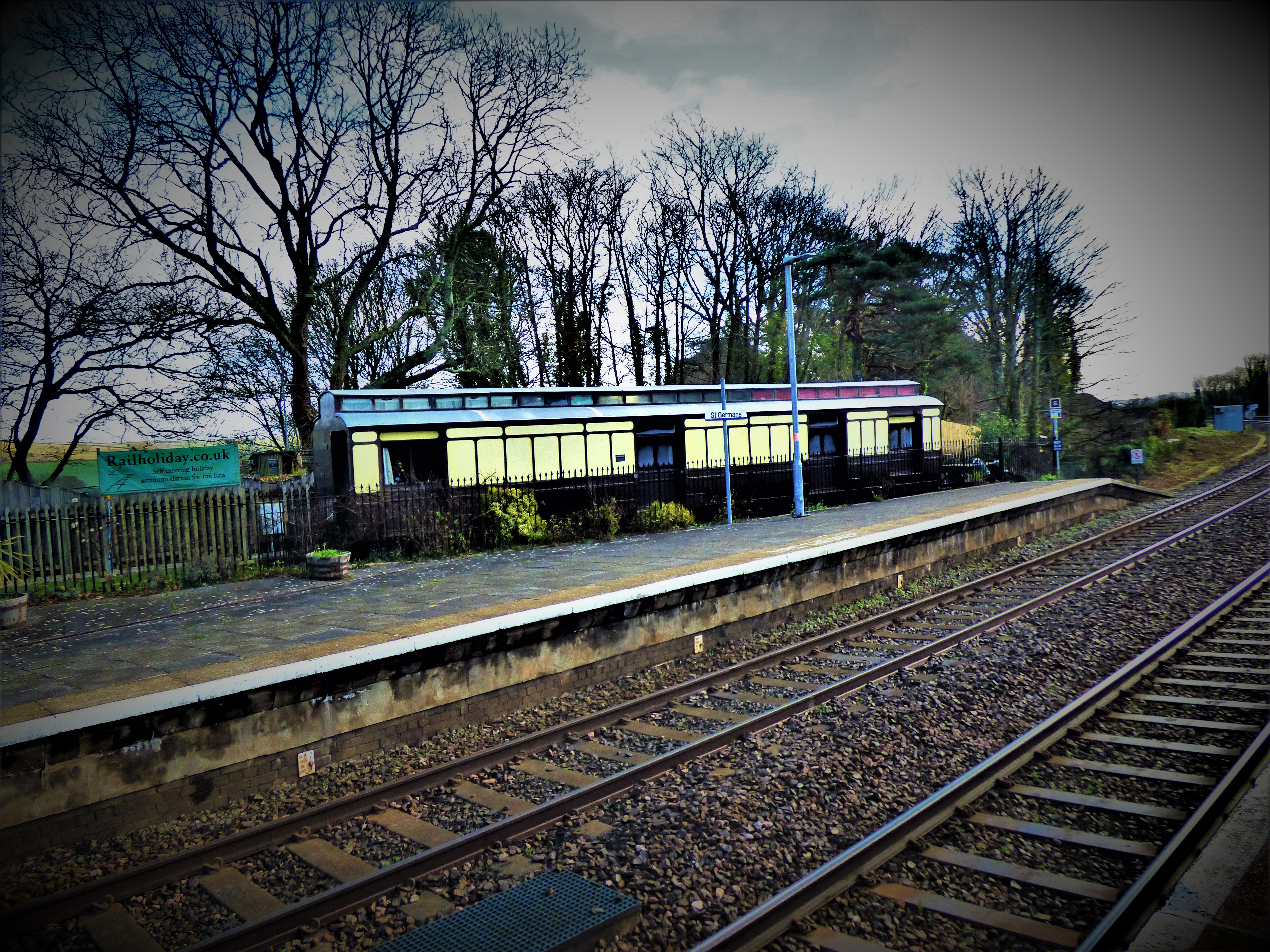
There are a number of these old train carriages in the grounds of St Germans – I am considering staying in one of them when I am in Cornwall in August.







































































































































































































































































































































































































































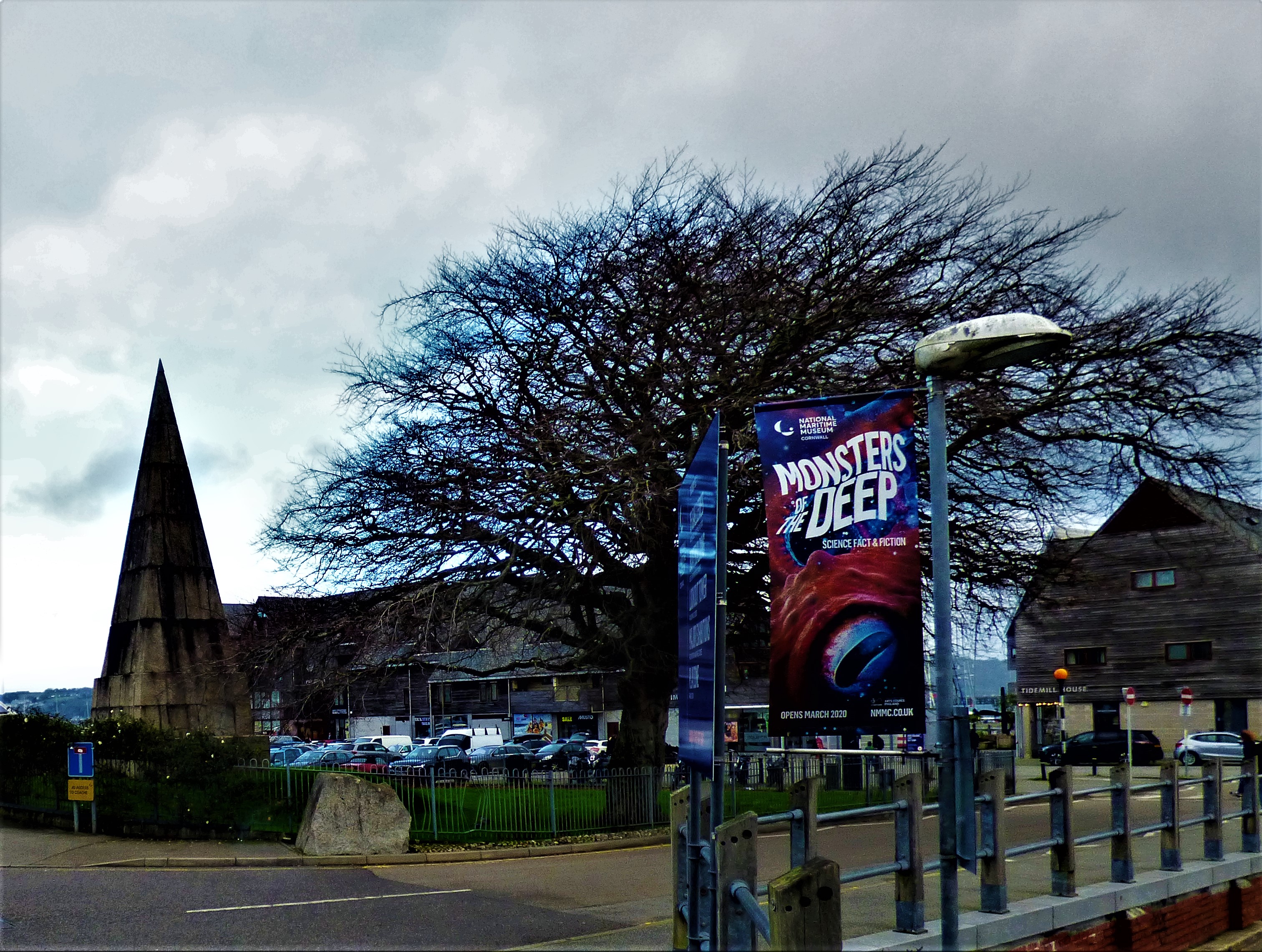


 aspiblog