An account of the final of the Big Bash League, and a photo gallery highlighted by a Little Egret.
Today saw the final of the 12th instalment of the Big Bash League. The two teams to make it were Perth Scorchers who did it the easy way, winning the league stage and then beating Sydney Sixers to qualify for the final, and Brisbane Heat who did it the hard way, sneaking into fifth and last qualifying slot (I am glad to report by the way that this is the last occasion on which five teams out of eight will qualify for the knock outs), and then winning three straight games to join the Scorchers in the final. Perth had home advantage for the final.
THE BRISBANE HEAT INNINGS
Brisbane Heat won the bat flip and decided to bat first. The first two overs were extraordinary – in the first Josh Brown scored 13, with three fours, all off the edge and with little or no control of the shot and all off decent deliveries. He added another 12 off the first five balls of the second, in more orthodox fashion and then mistimed a drive off the sixth ball of the over and was caught – 25-1 after two overs, Brown 25 (12). The second wicket pairing then had a decent partnership and at the halfway stage Heat were 86-1, and looking at 180-190, with possibly half an eye even on 200. Then came the five over spell which in retrospect cost Heat the match – in overs 11-15, which included their Power Surge (an unmitigated disaster for them – 8-2 from those two overs) they managed just 33 runs and lost two wickets. They had a decent last five overs, and ultimately had 175 to defend.
THE PERTH SCORCHERS RESPONSE
Little went right for Scorchers in the first 10 overs, and they were 62-3 at the halfway stage. However, they had a superb third quarter to their innings, ending the 15th over, which was also their first Power Surge over, on 119-3, exactly where Heat had been at the same stage of their innings. Two quick wickets, those of the two set batters, the second a horrendous run out seemed to have killed their hopes stone dead, but then Cooper Connolly joined Nick Hobson, the latter culpable in the run out referred to earlier. Connolly, still in his teens, was especially impressive, and between them the sixth wicket pair reduced the ask to 10 off the final over. Michael Neser, at the opposite end of the experience spectrum to Connolly, bowled it. Connolly took a single off the first ball, Hobson just cleared the boundary off the second, and then hit a throughly convincing four off the third and Scorchers had won the match and were BBL winners for a fifth time. This edition of the BBL has been patchy (and some would say that such a description is generous on my part) but the final was match worthy of such an occasion. The vast majority of T20 matches, enjoyable as they often are while they happen, are distinctly unmemorable, a charge that cannot be levelled at this one. A full scorecard can be viewed here.
PHOTOGRAPHS INCLUDING AN ADDITION TO ‘BIRDS SEEN IN 2023’
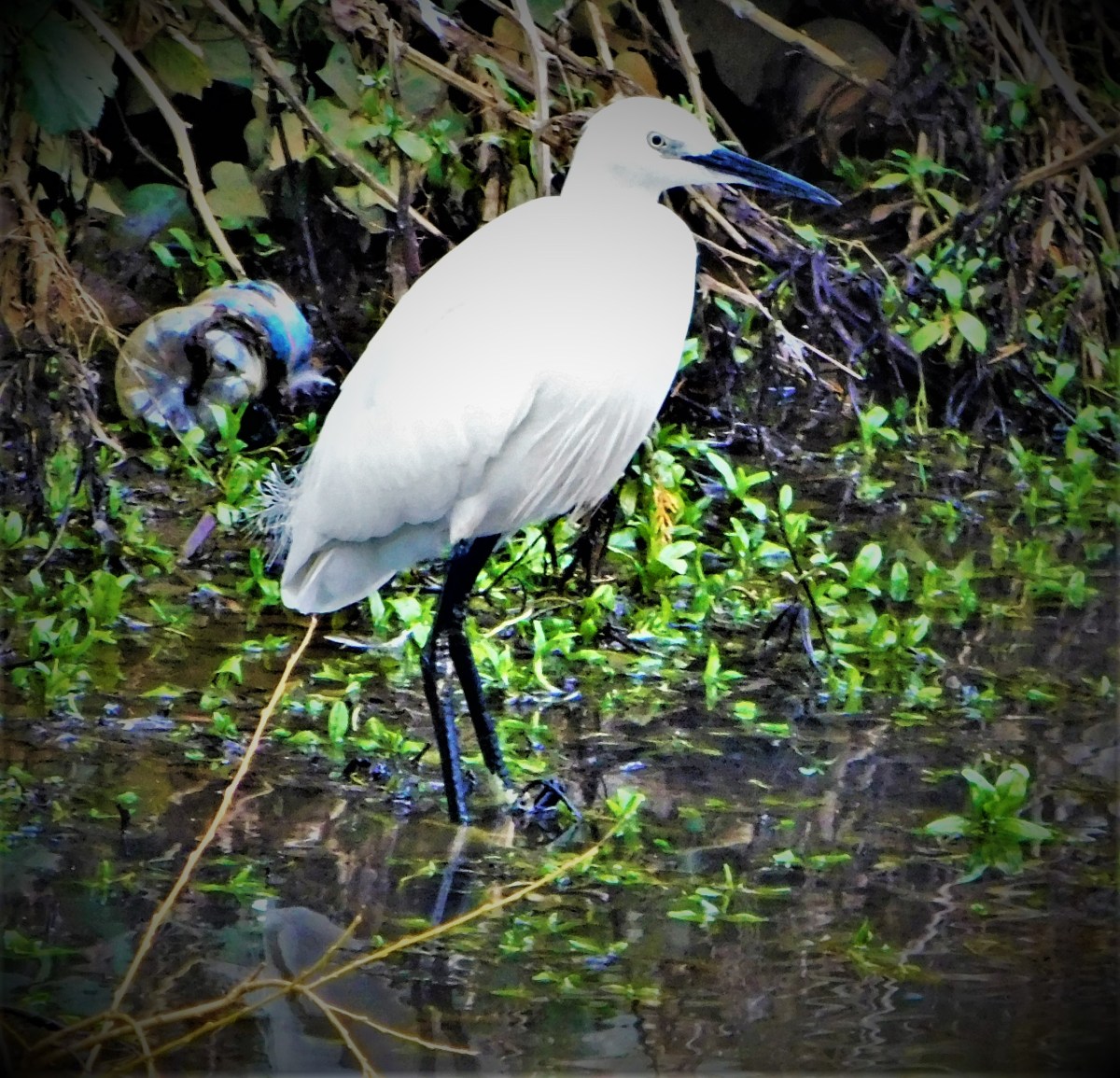
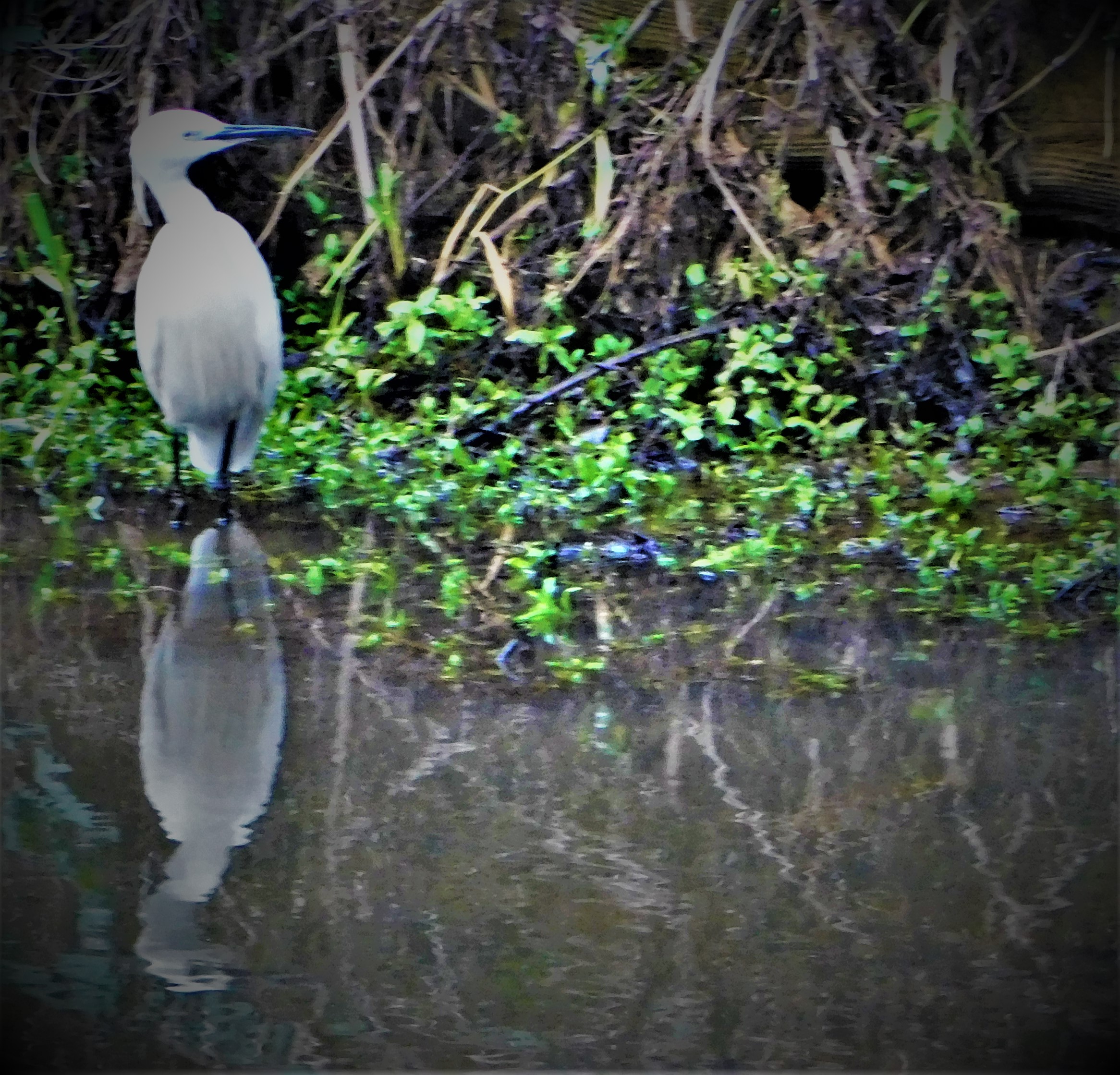
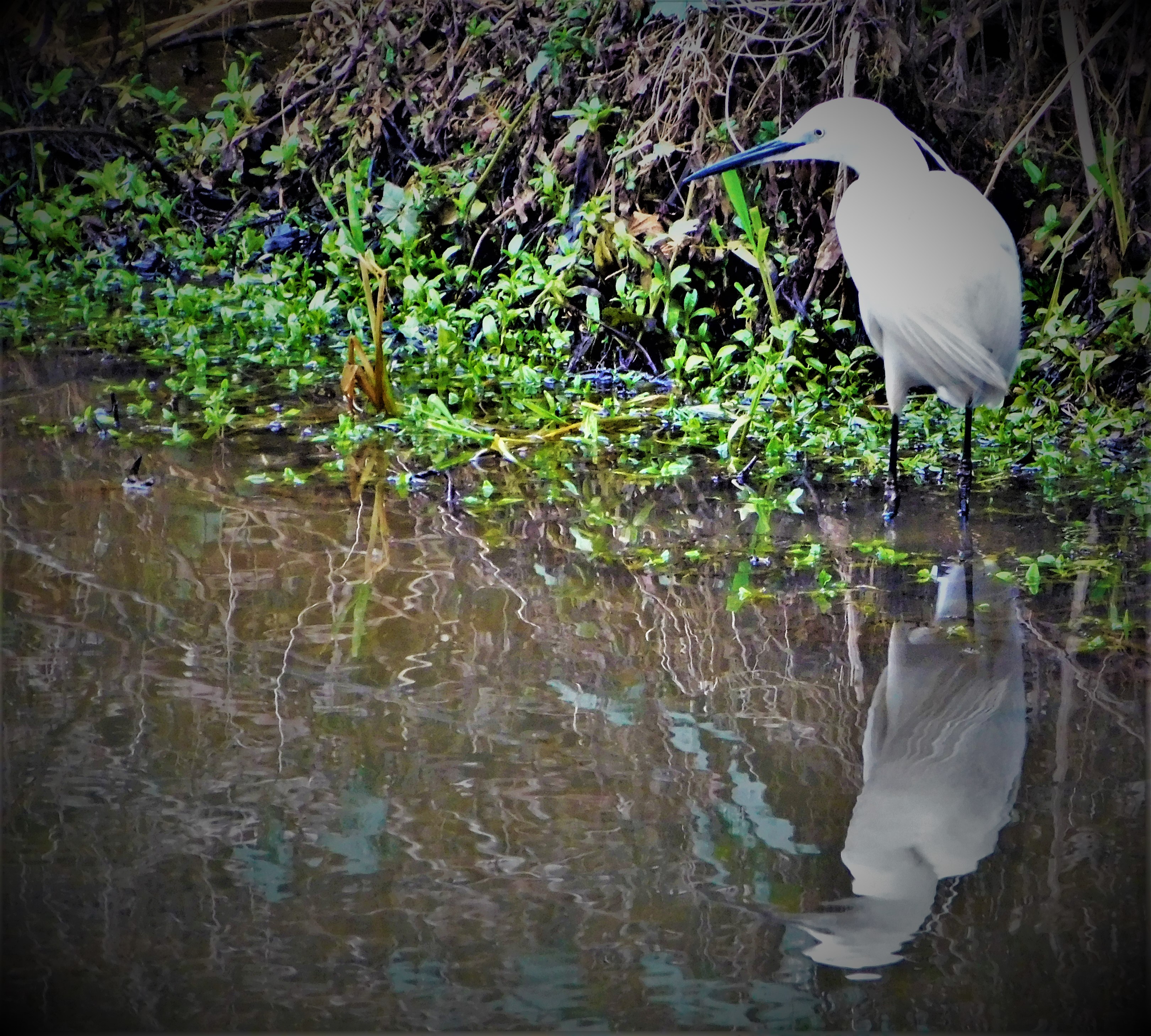
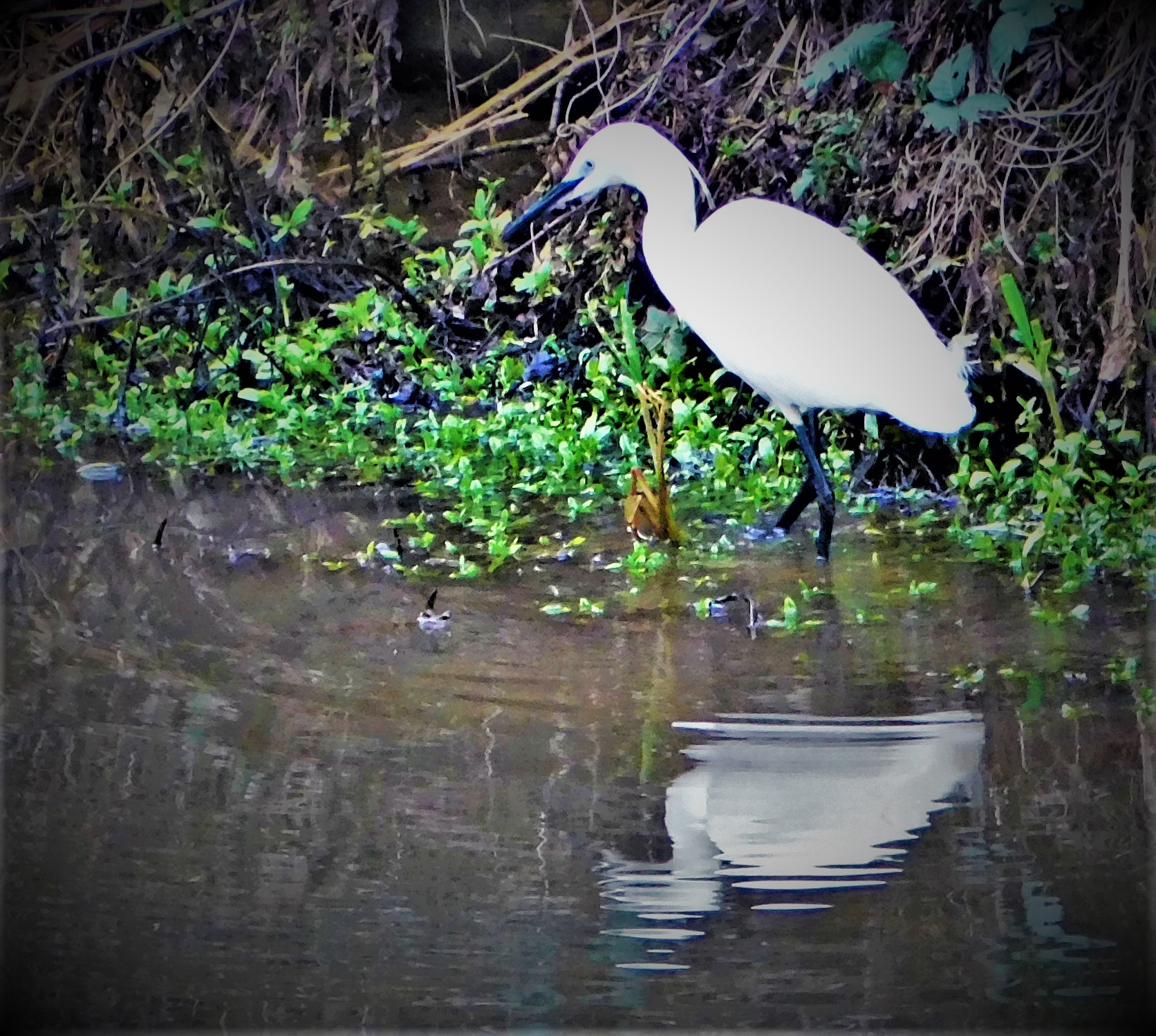
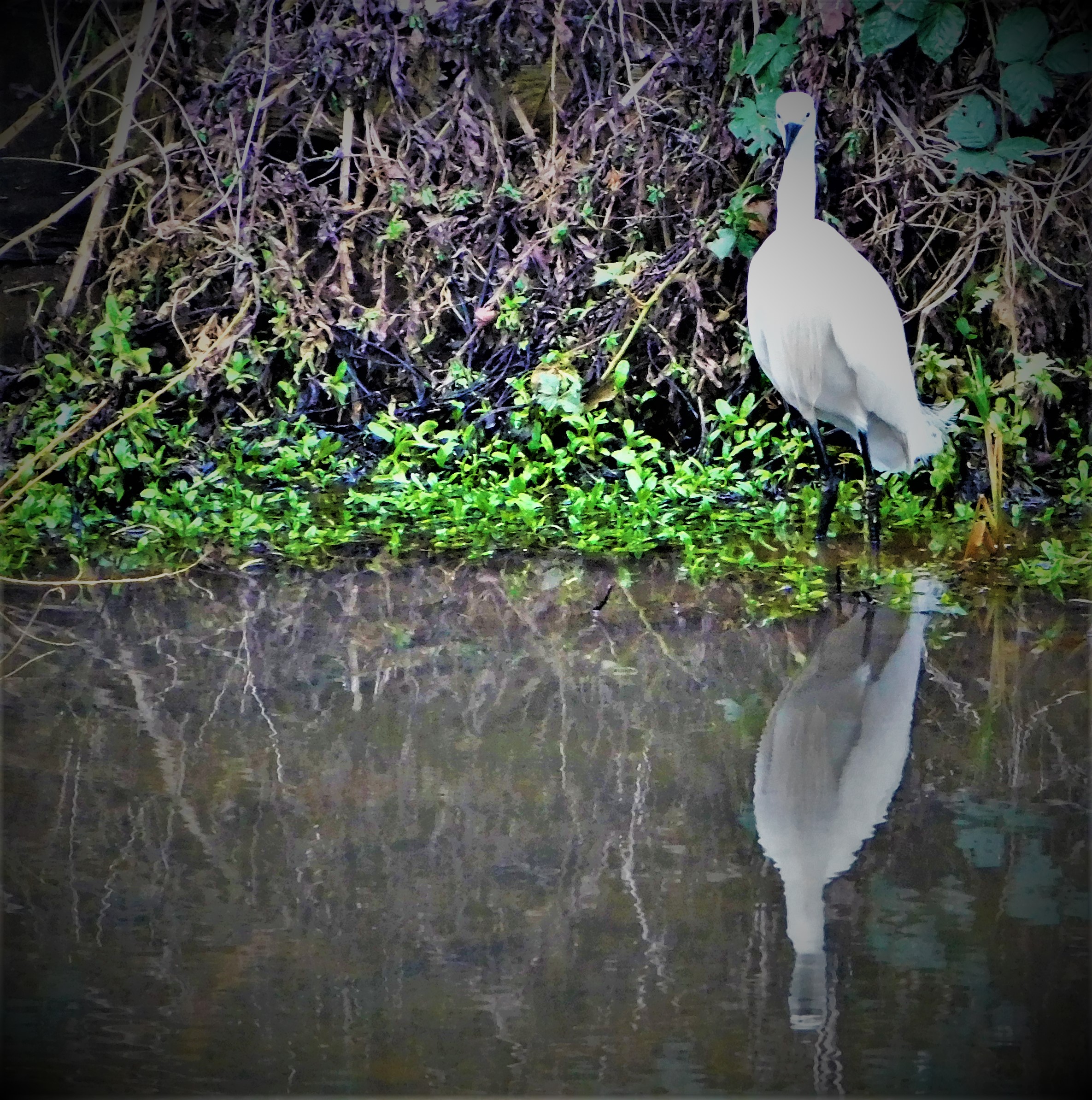
Today, on my way home from an expedition to King’s Lynn town centre I saw a Little Egret dabbling at the edge of the Gaywood River (in the section between Kettlewell Lane and Loke Road, which I often pass as it is close to a route that scores highly on ‘main road avoidance’, crossing a couple but not involving spending any more time than that alongside such a road). I start my usual sign off with new sighting…
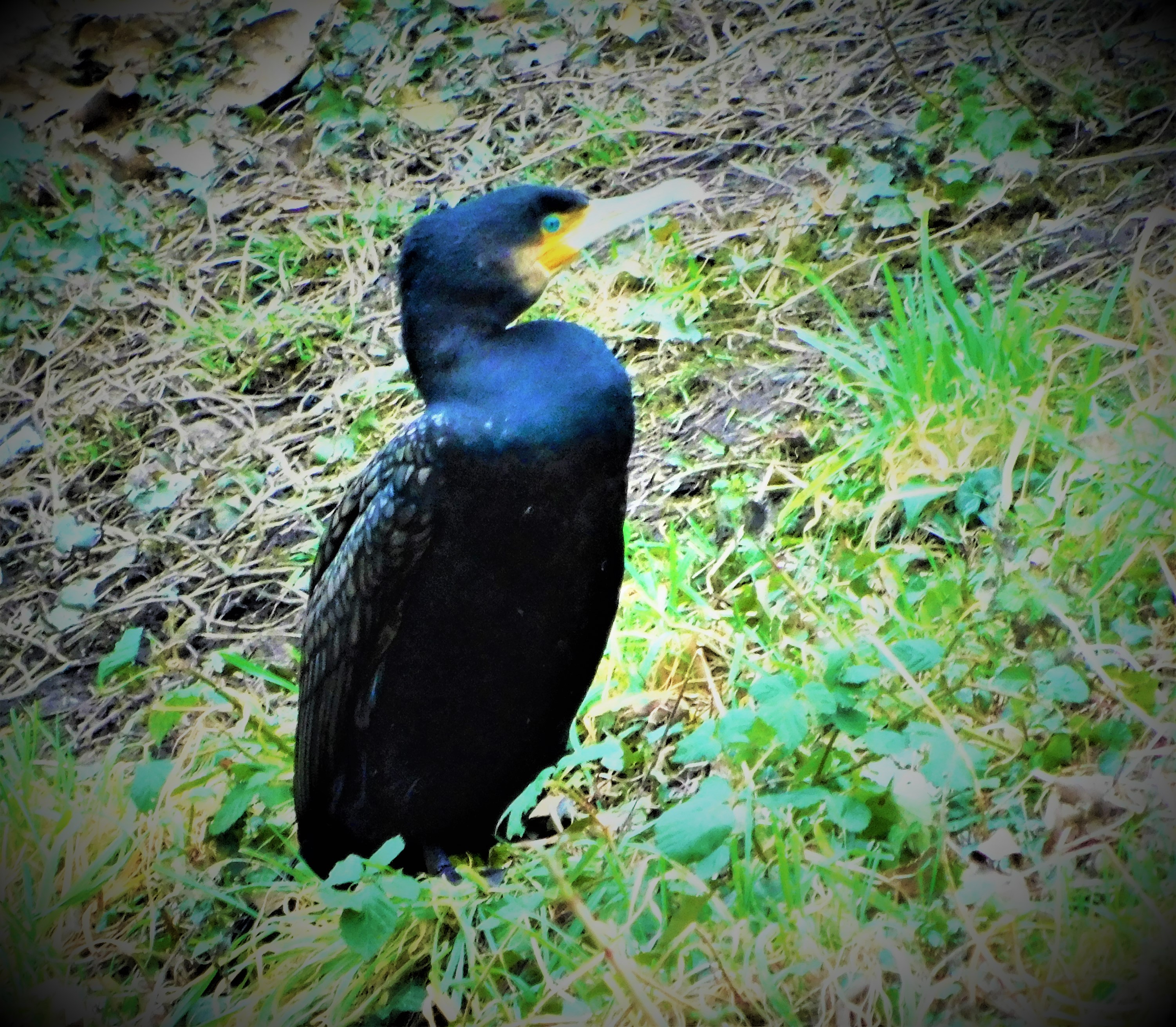
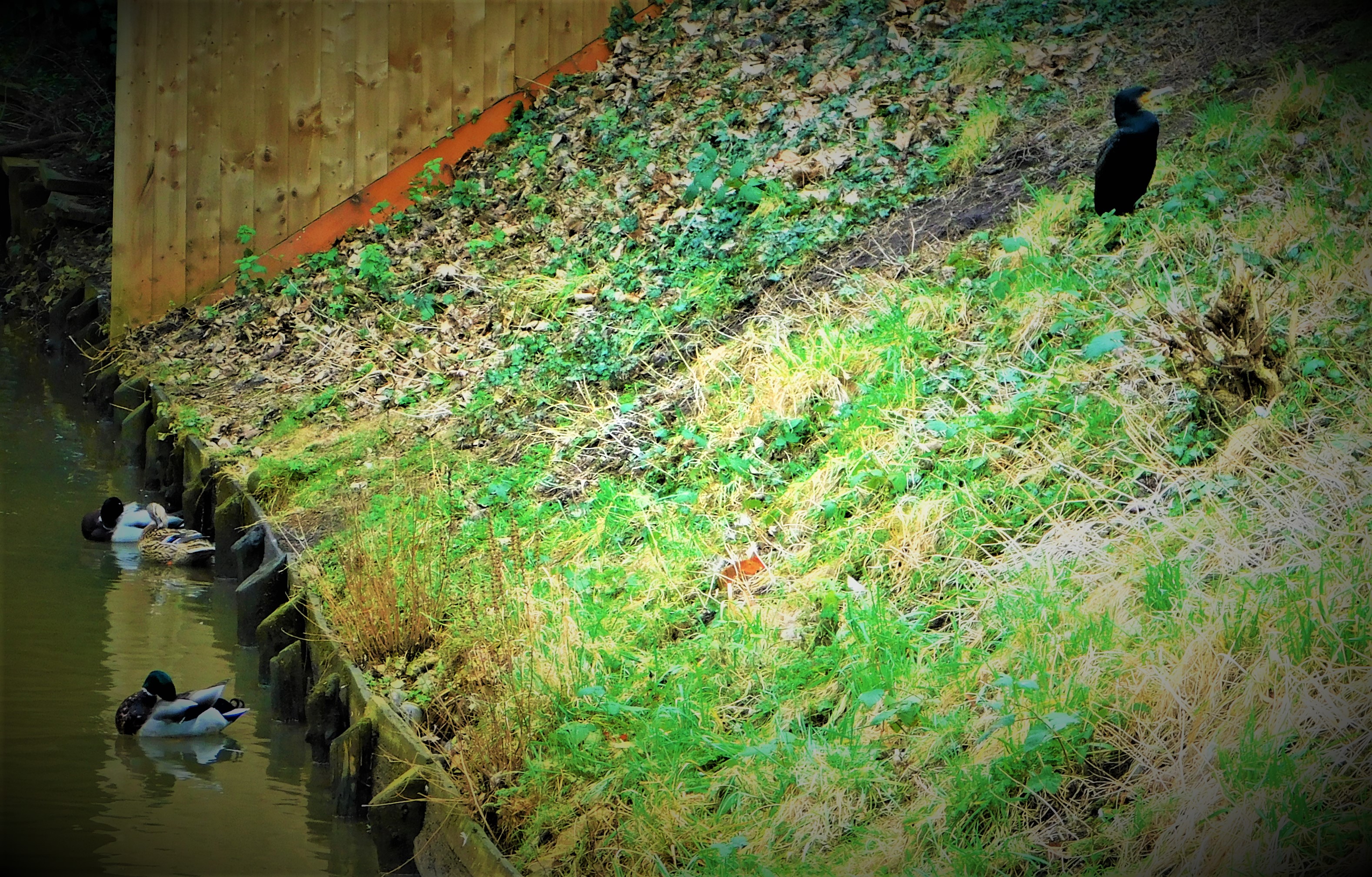
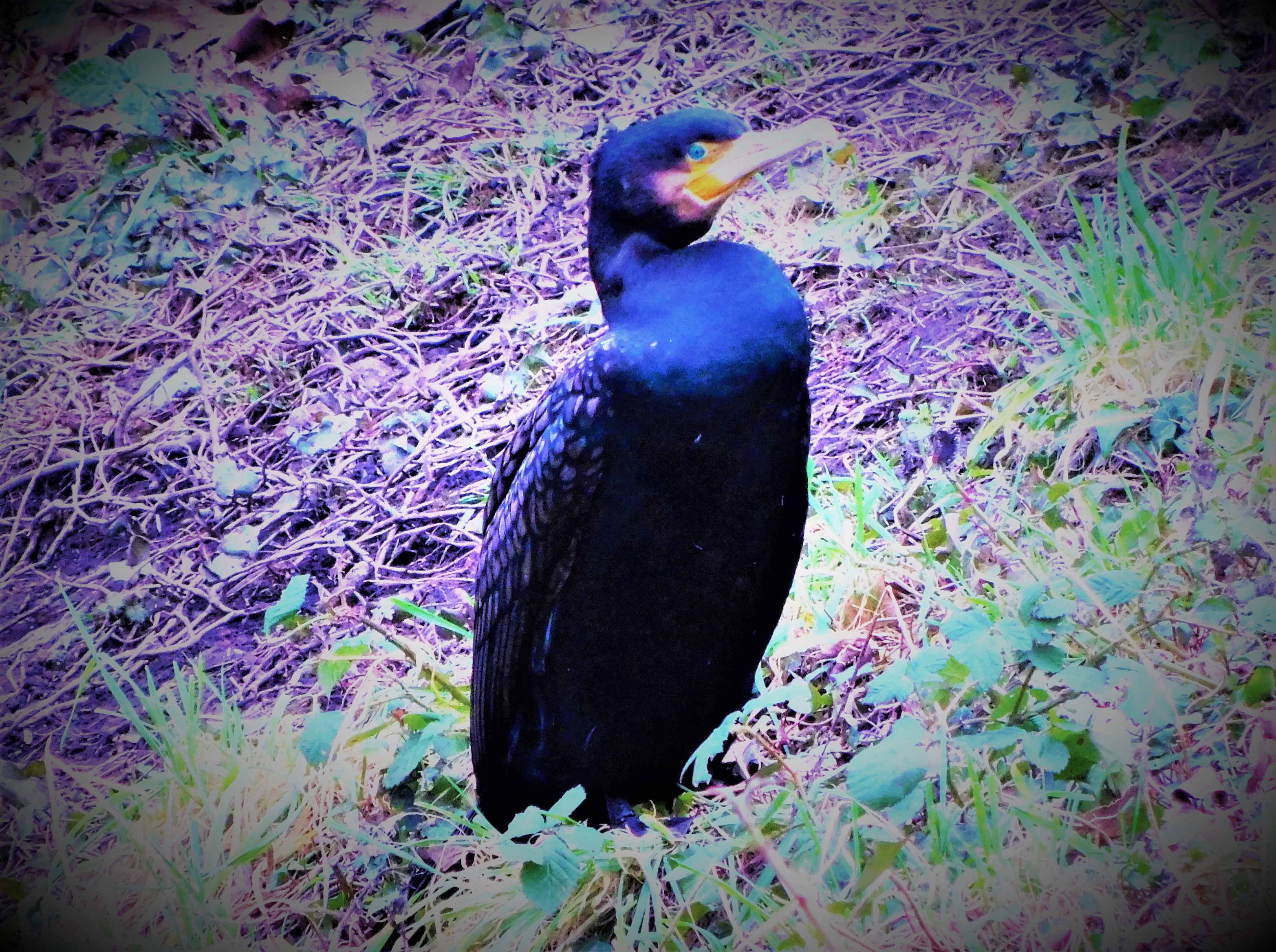
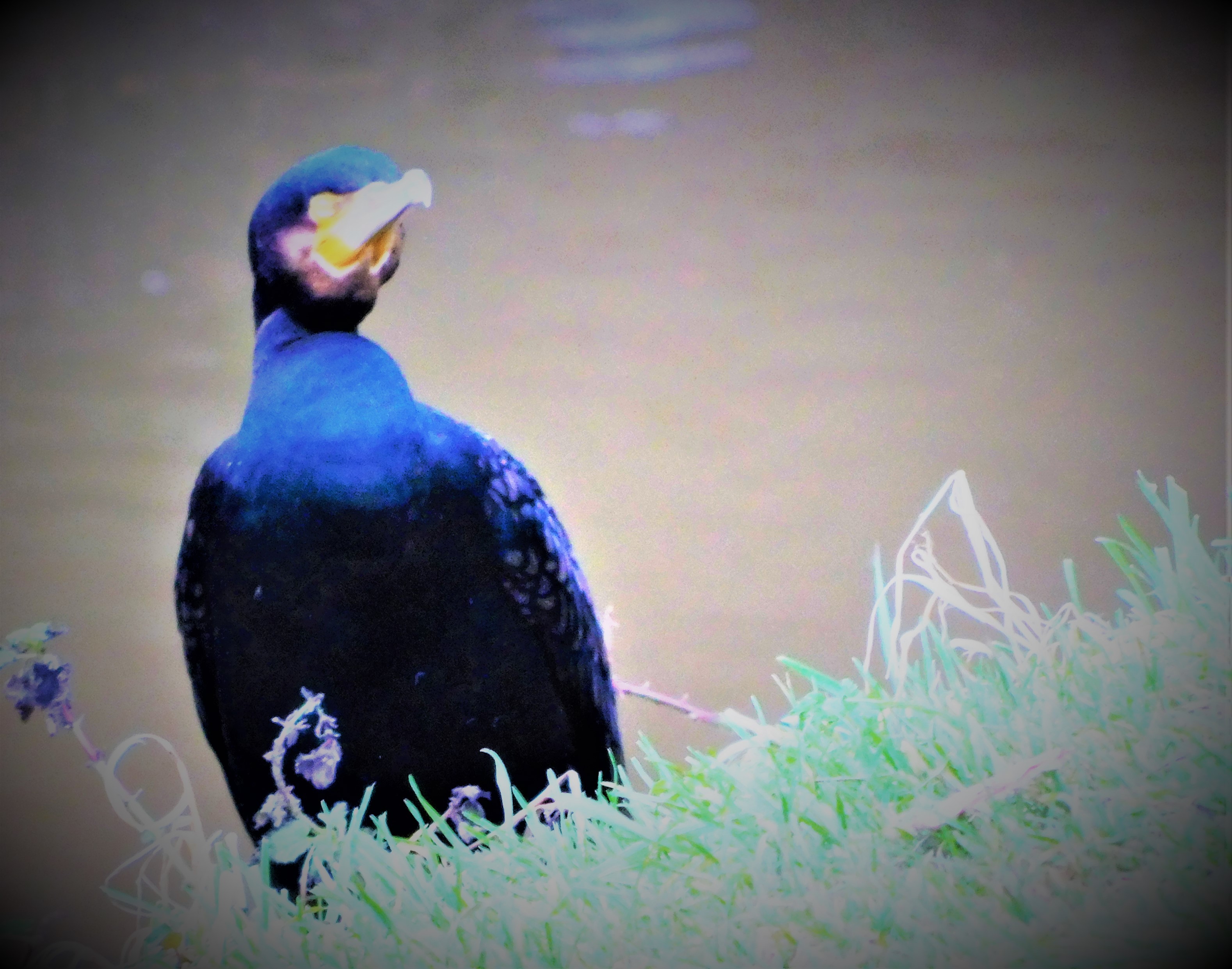
Though not a first sighting of the year this cormorant was in an unusual location for such a bird – the section of the Gaywood closest to the train station.
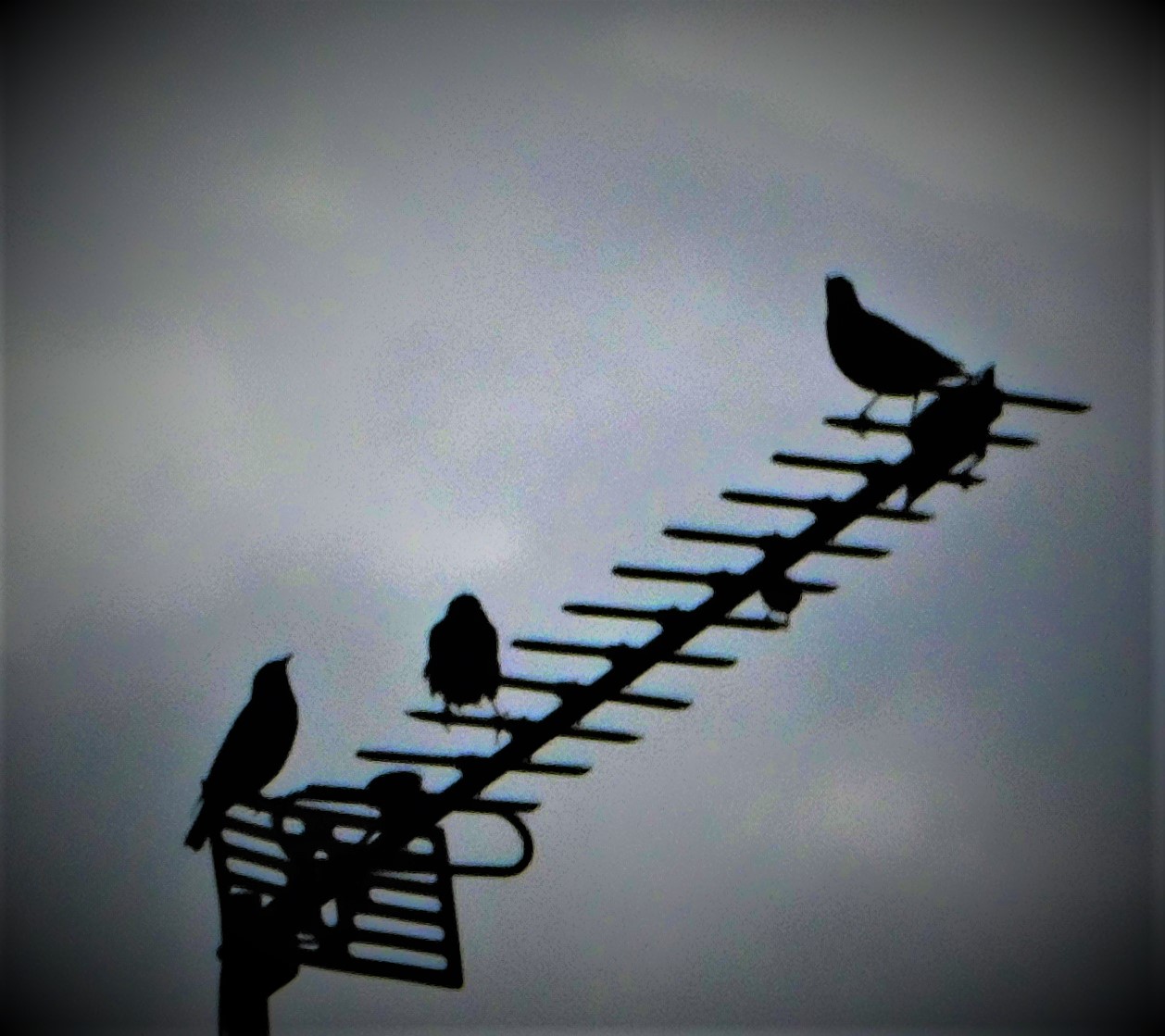
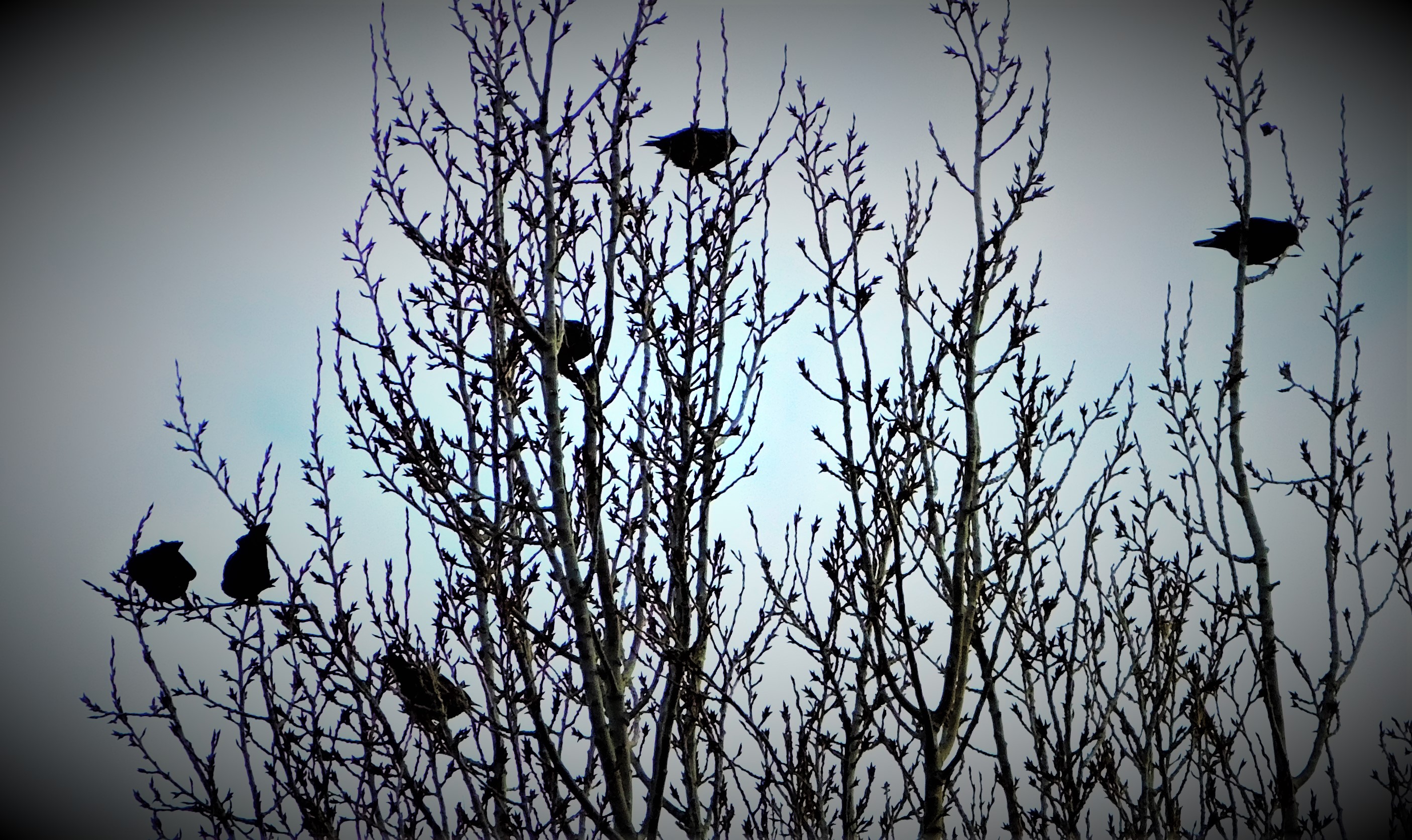
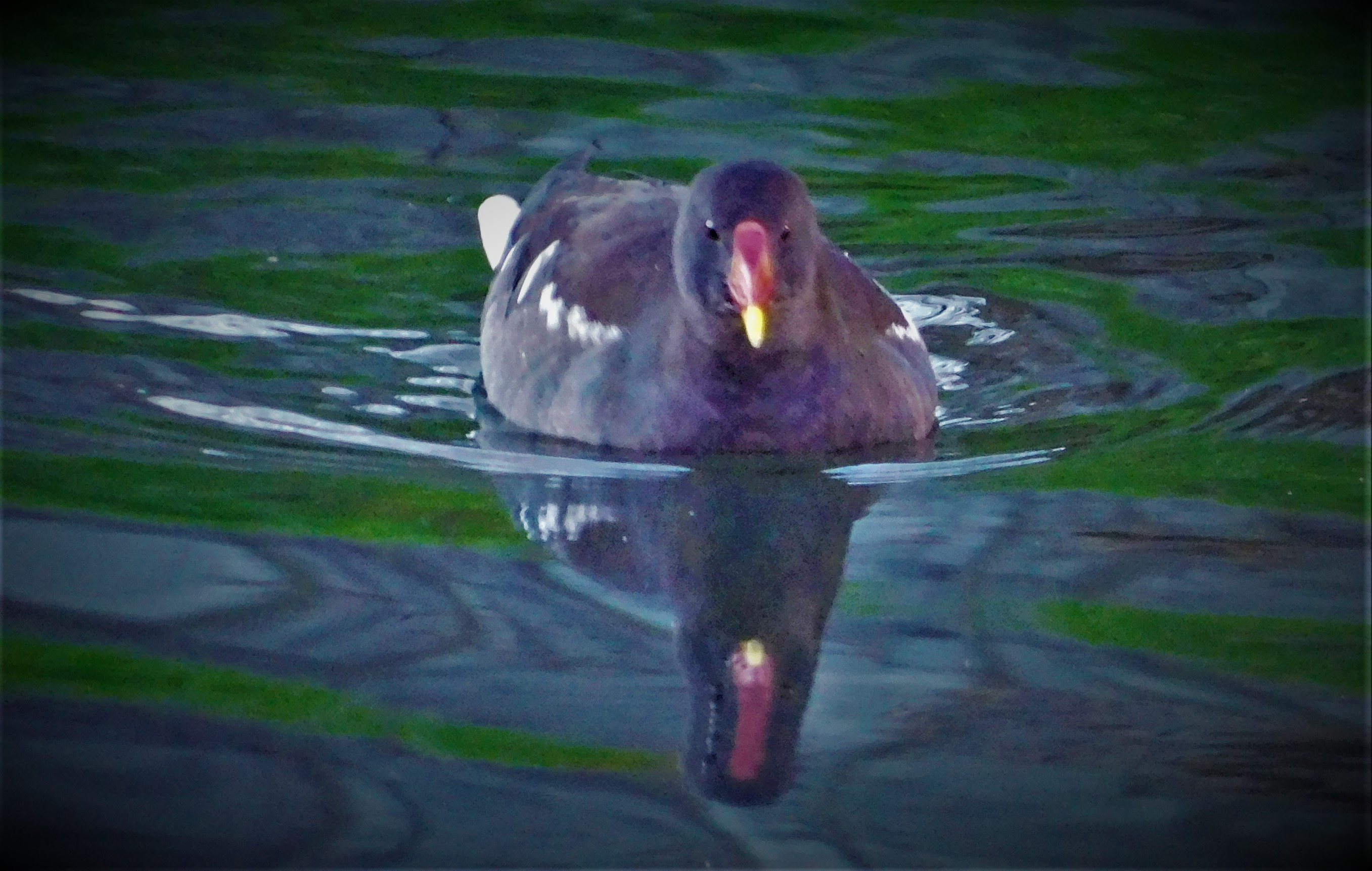
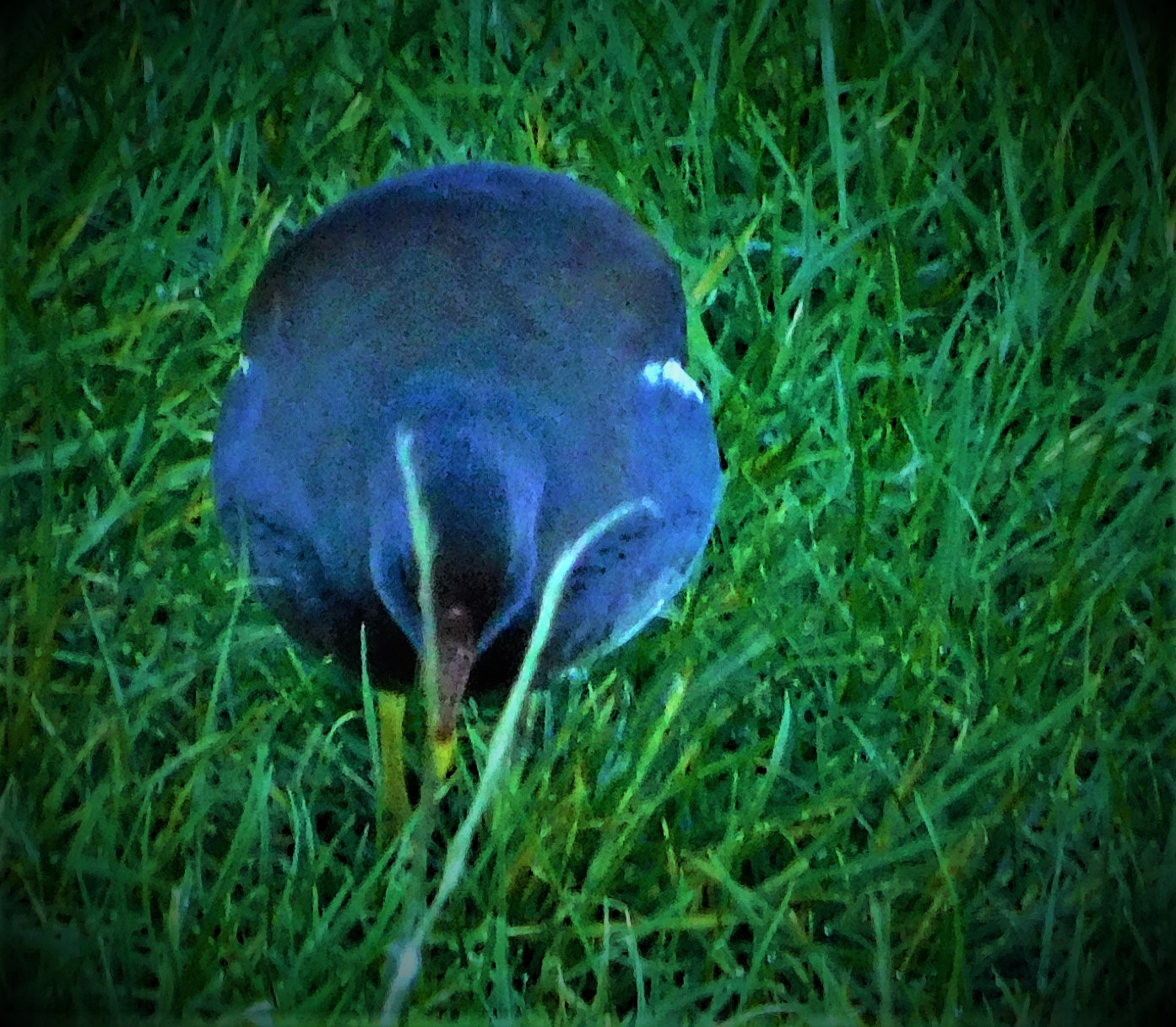
Hello everyone. This post is a brief one focussing on the bird life I have seen since the start of 2023. The only species I have seen that is not included in the photo gallery is the giant pigeon, which I could photograph almost any time I wanted to. The others are below, with a few labelled…
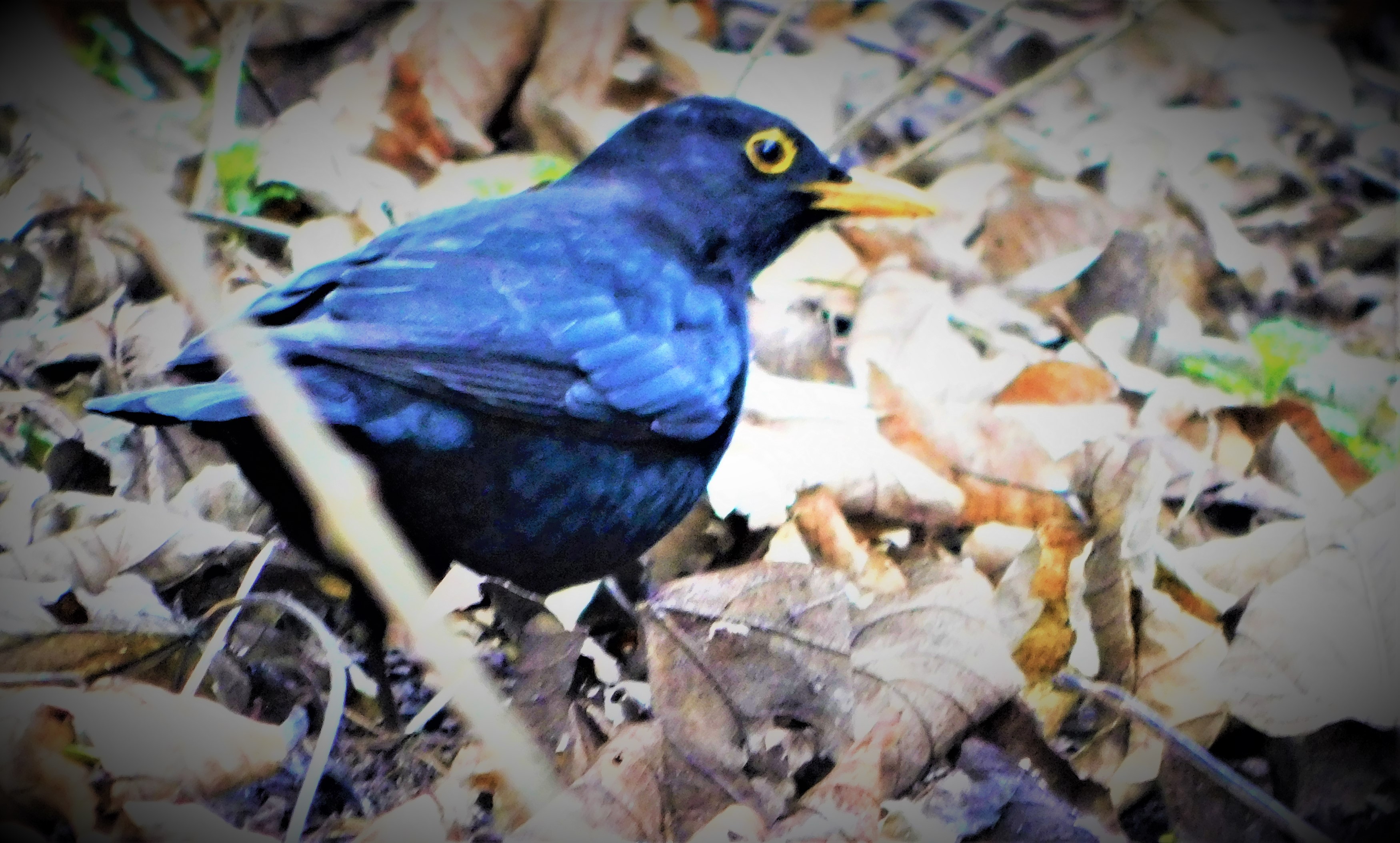
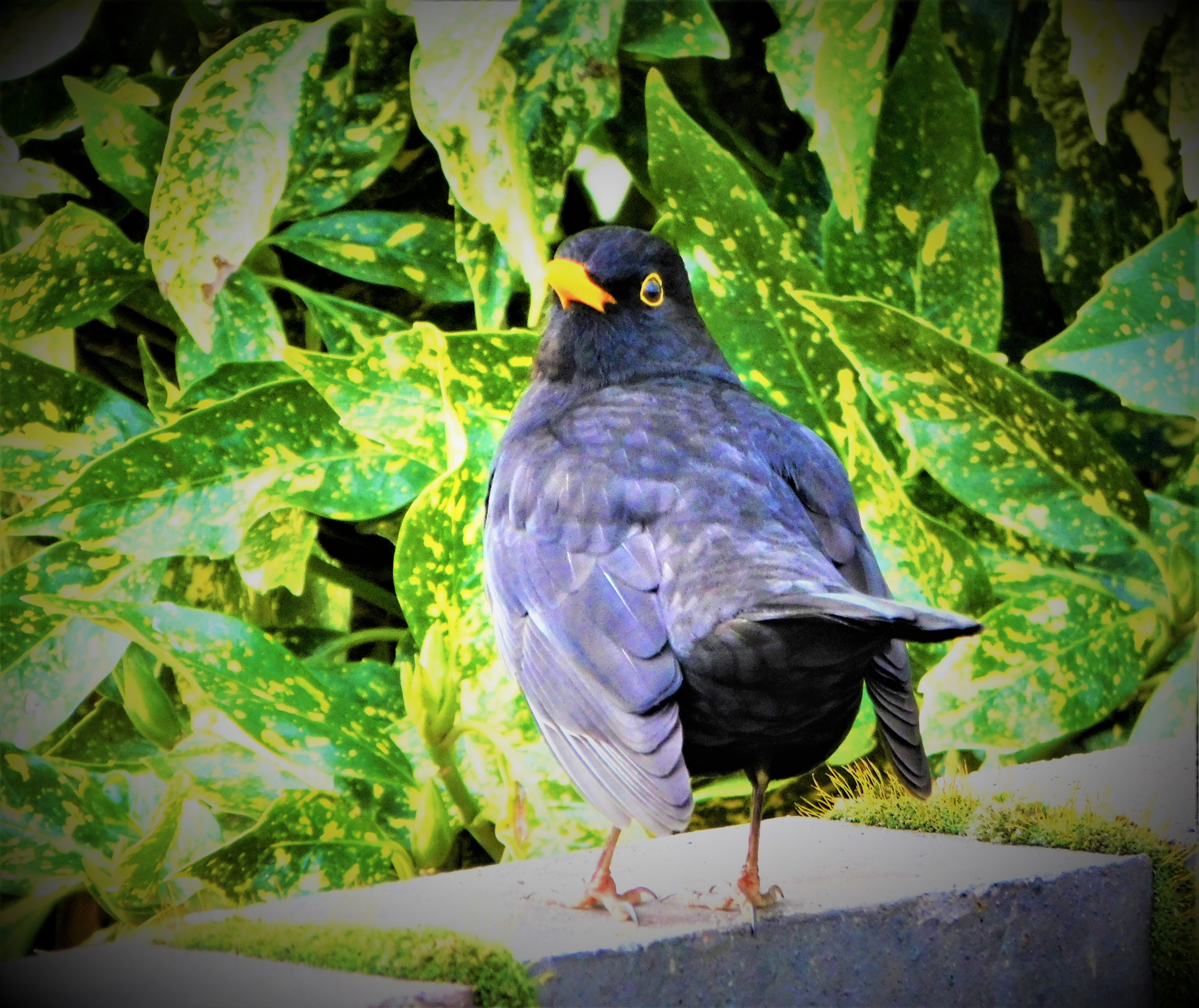
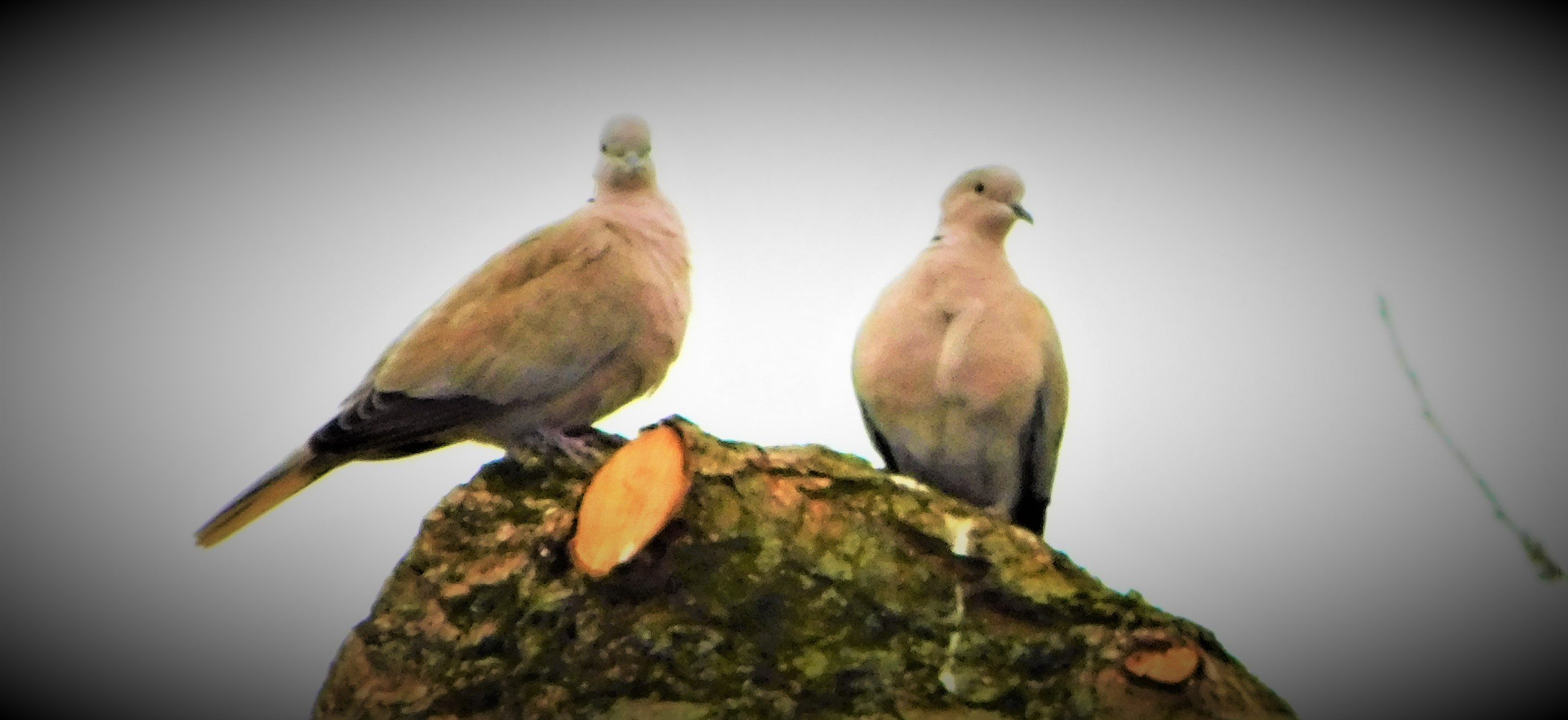
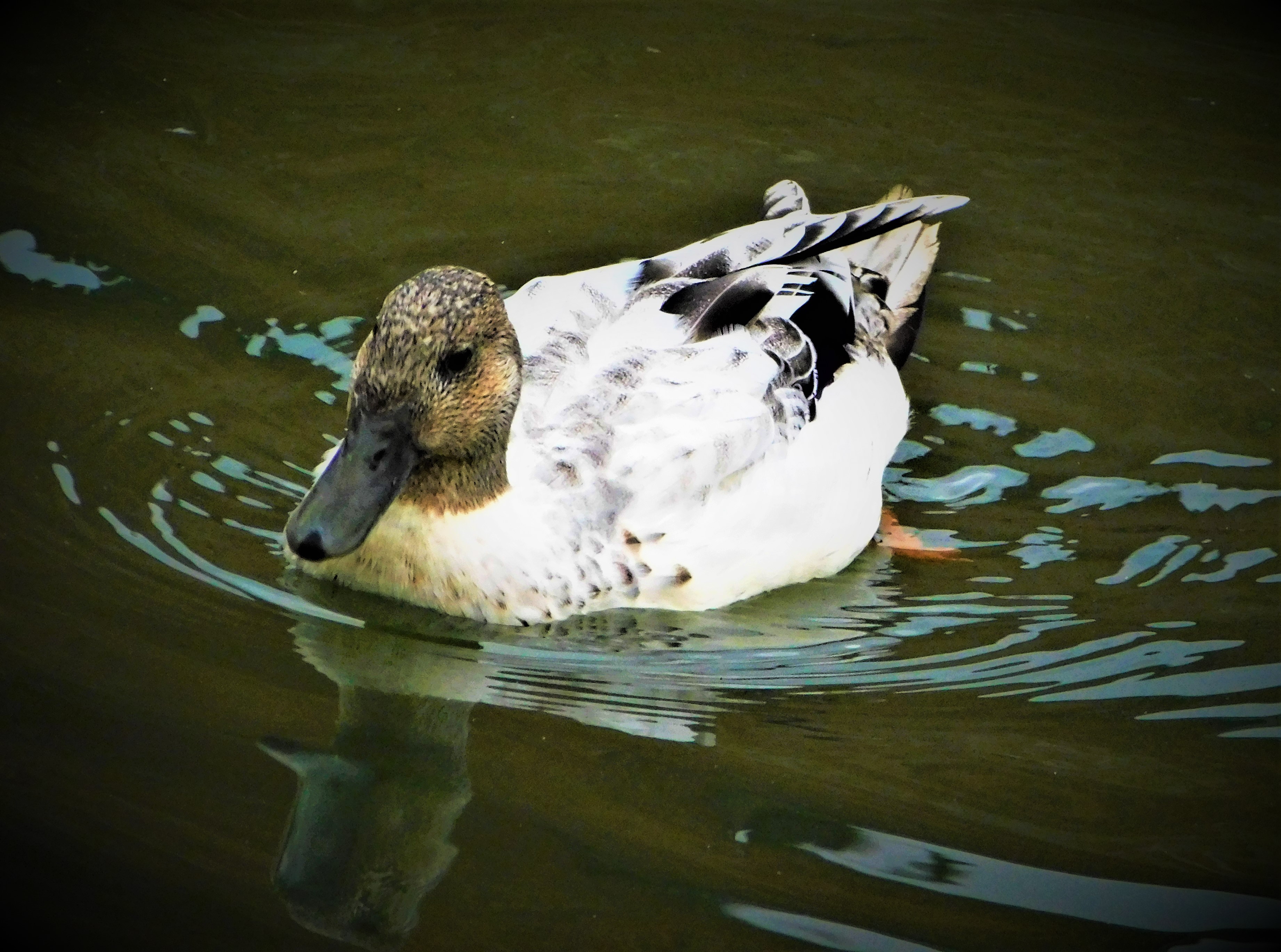
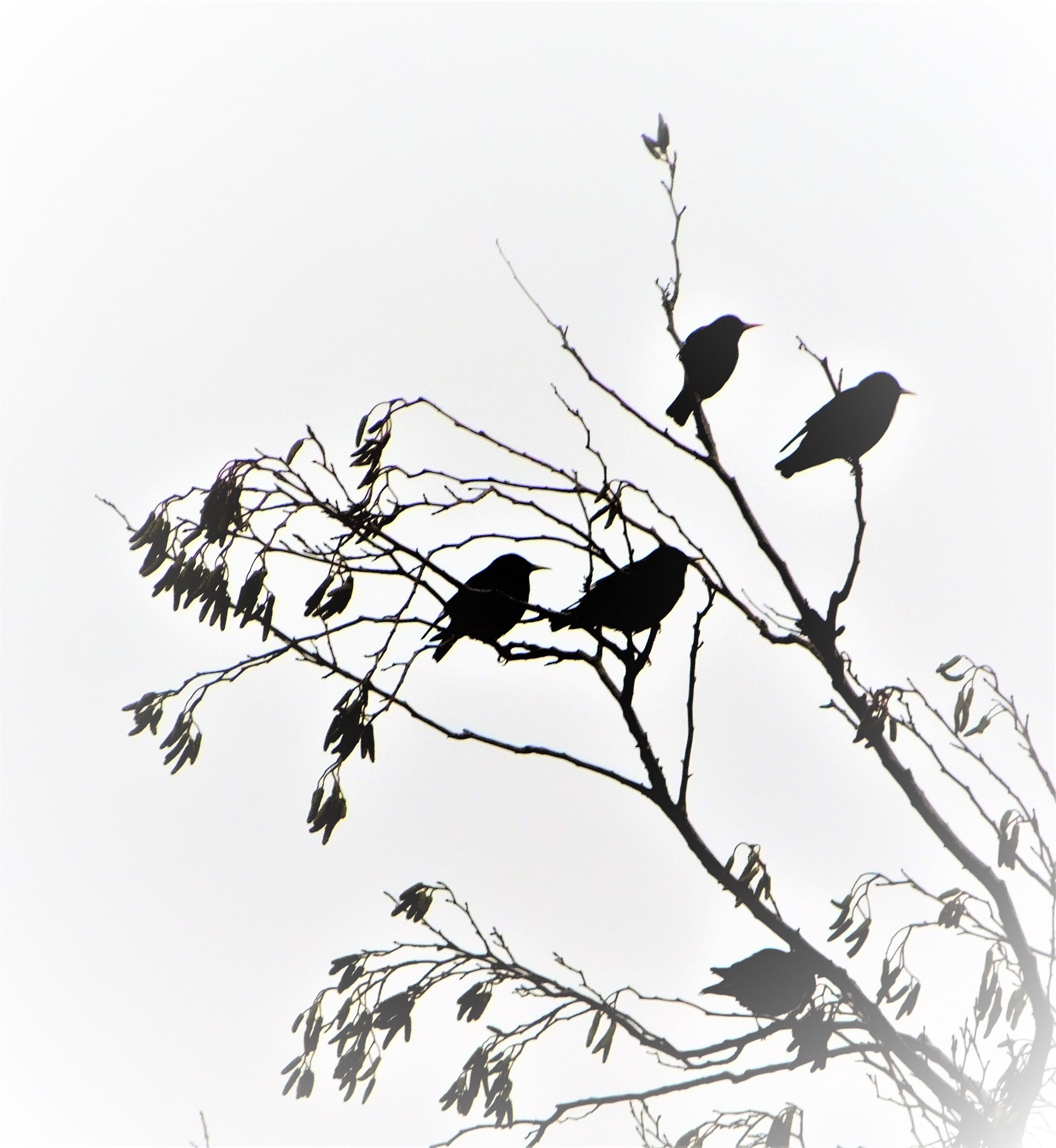
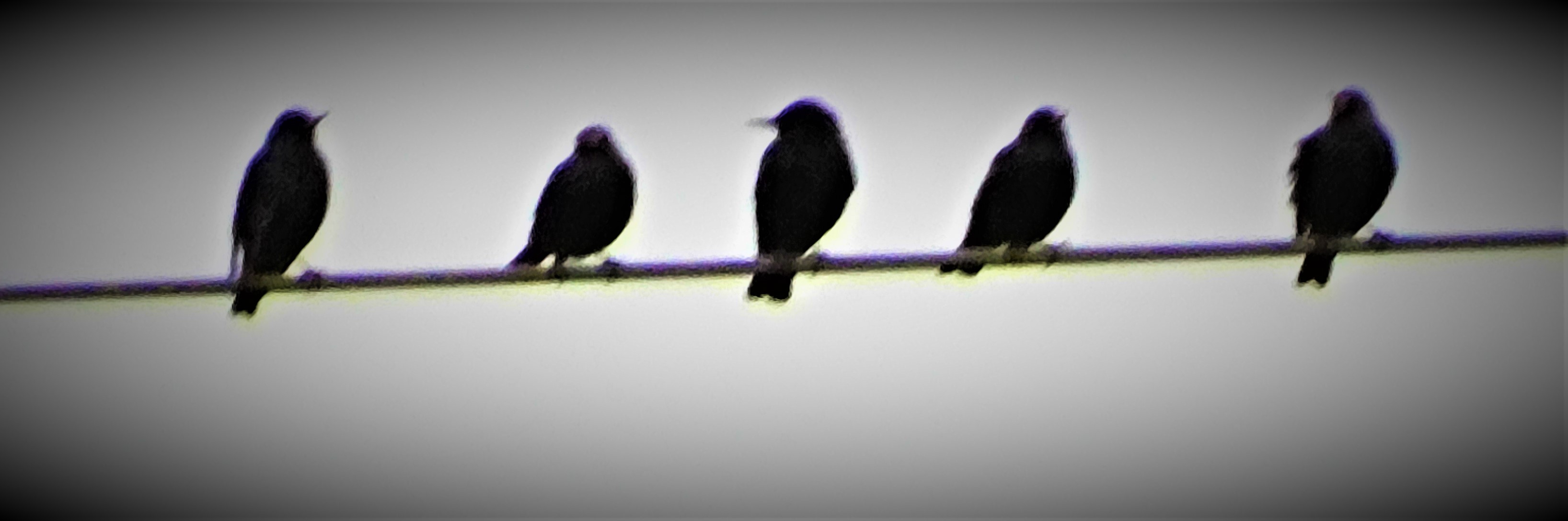
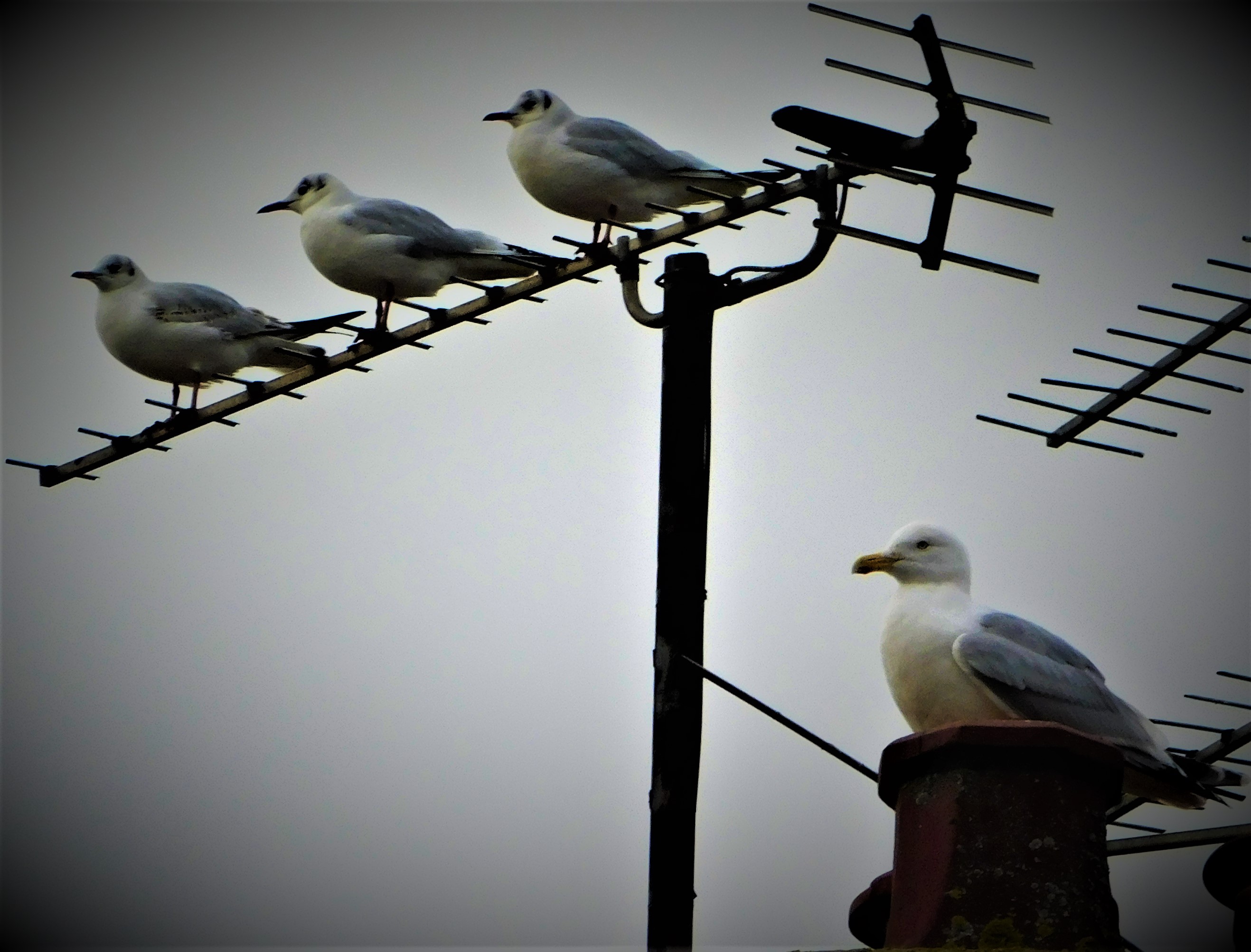
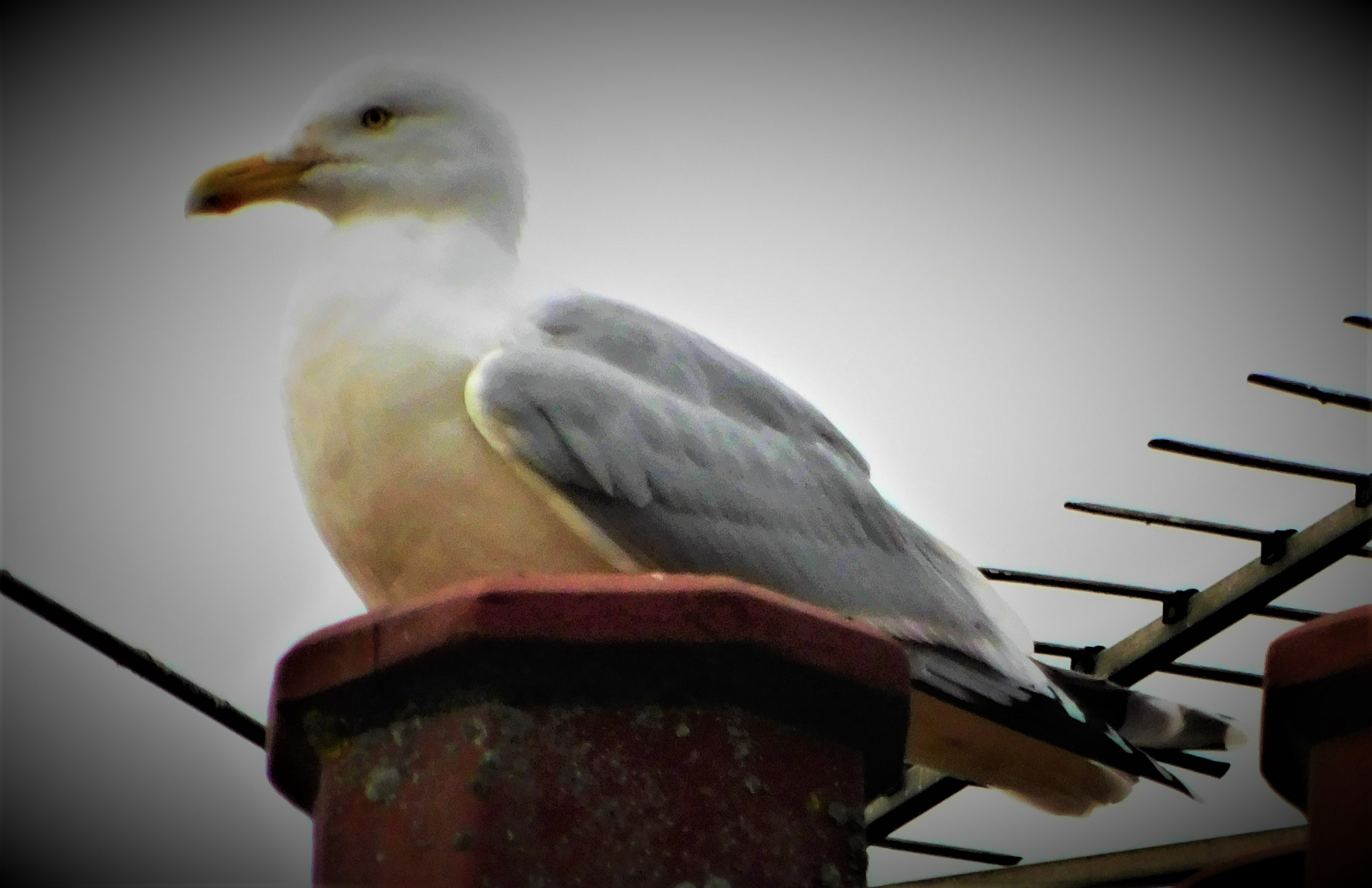
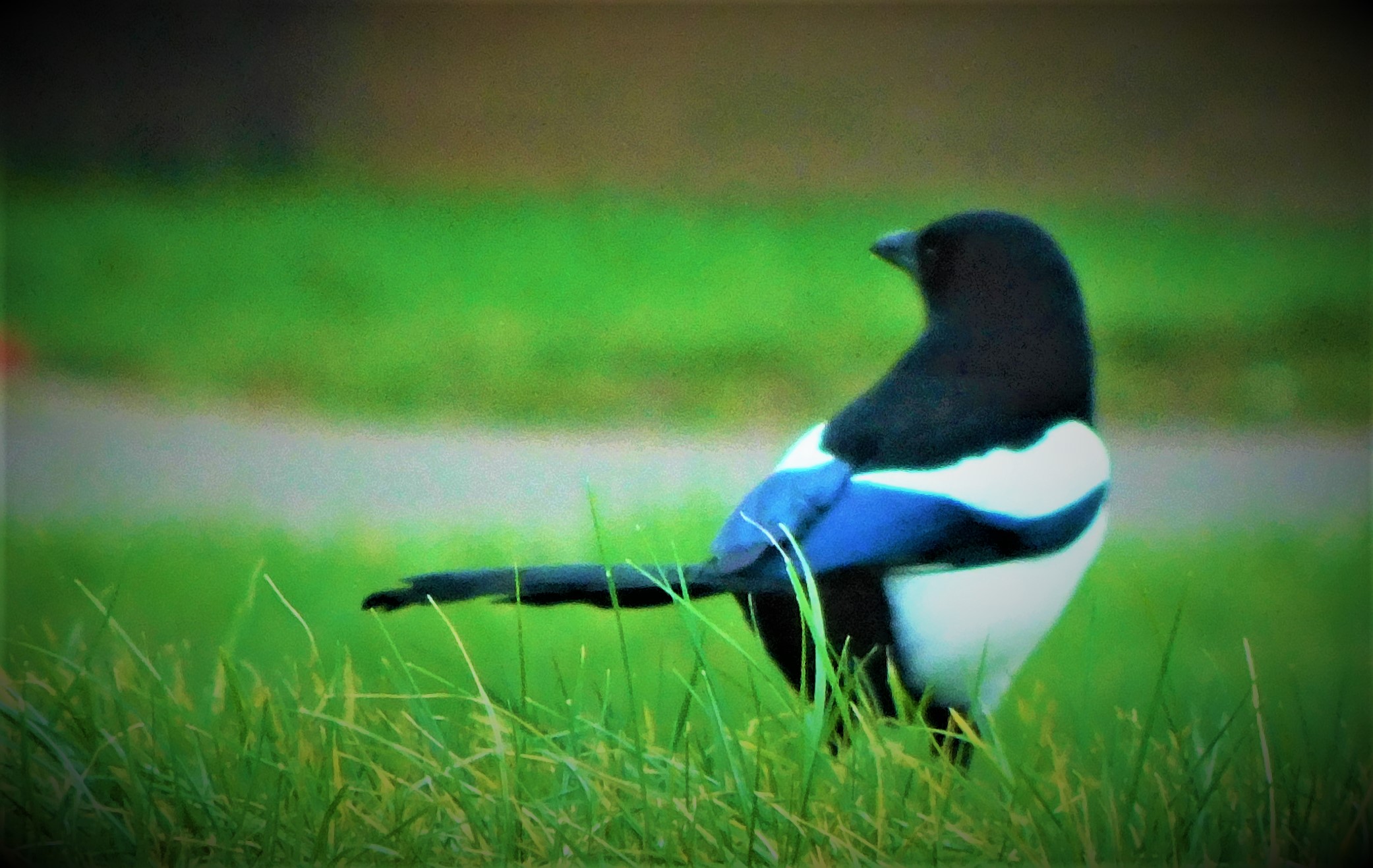
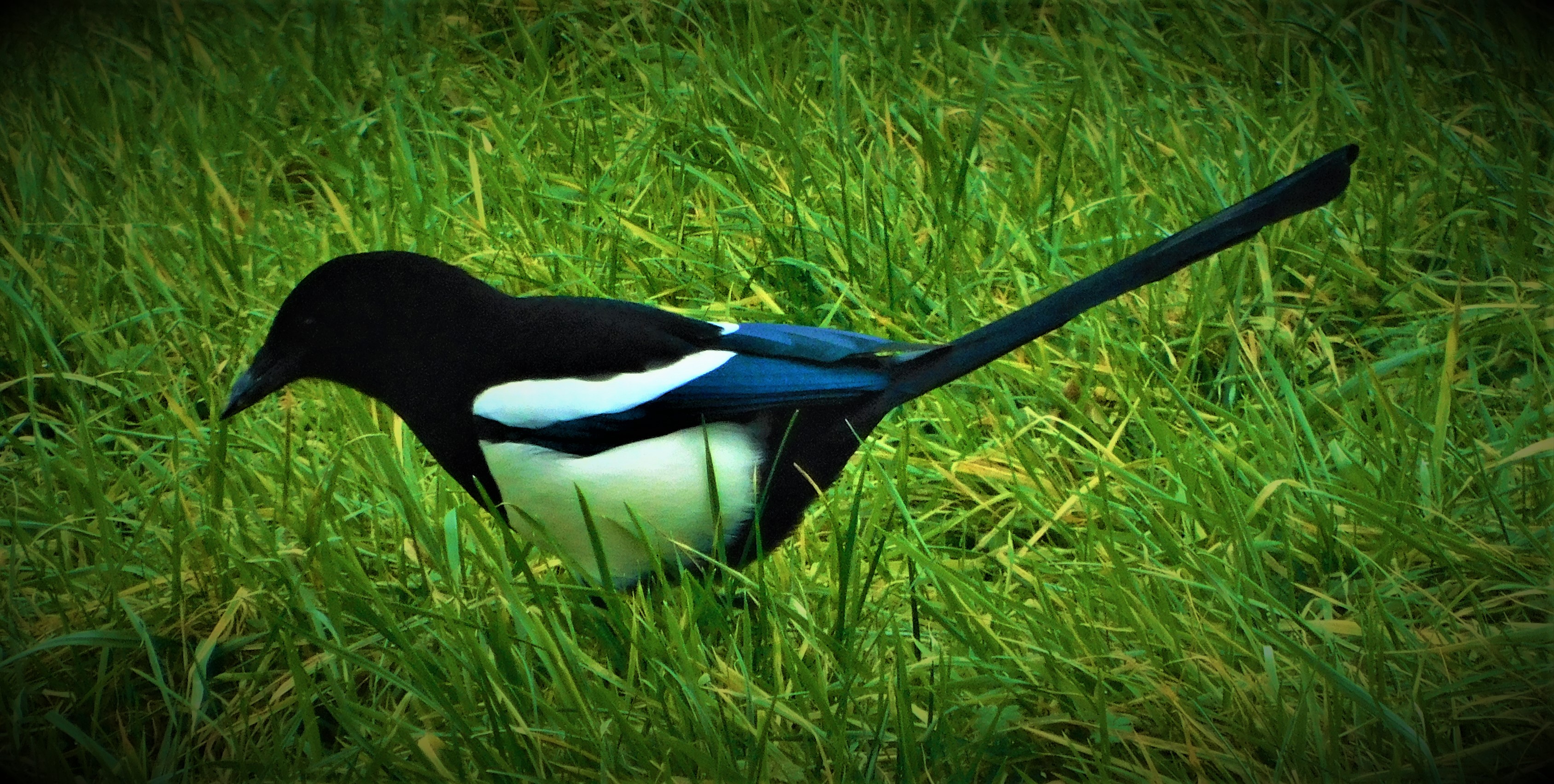
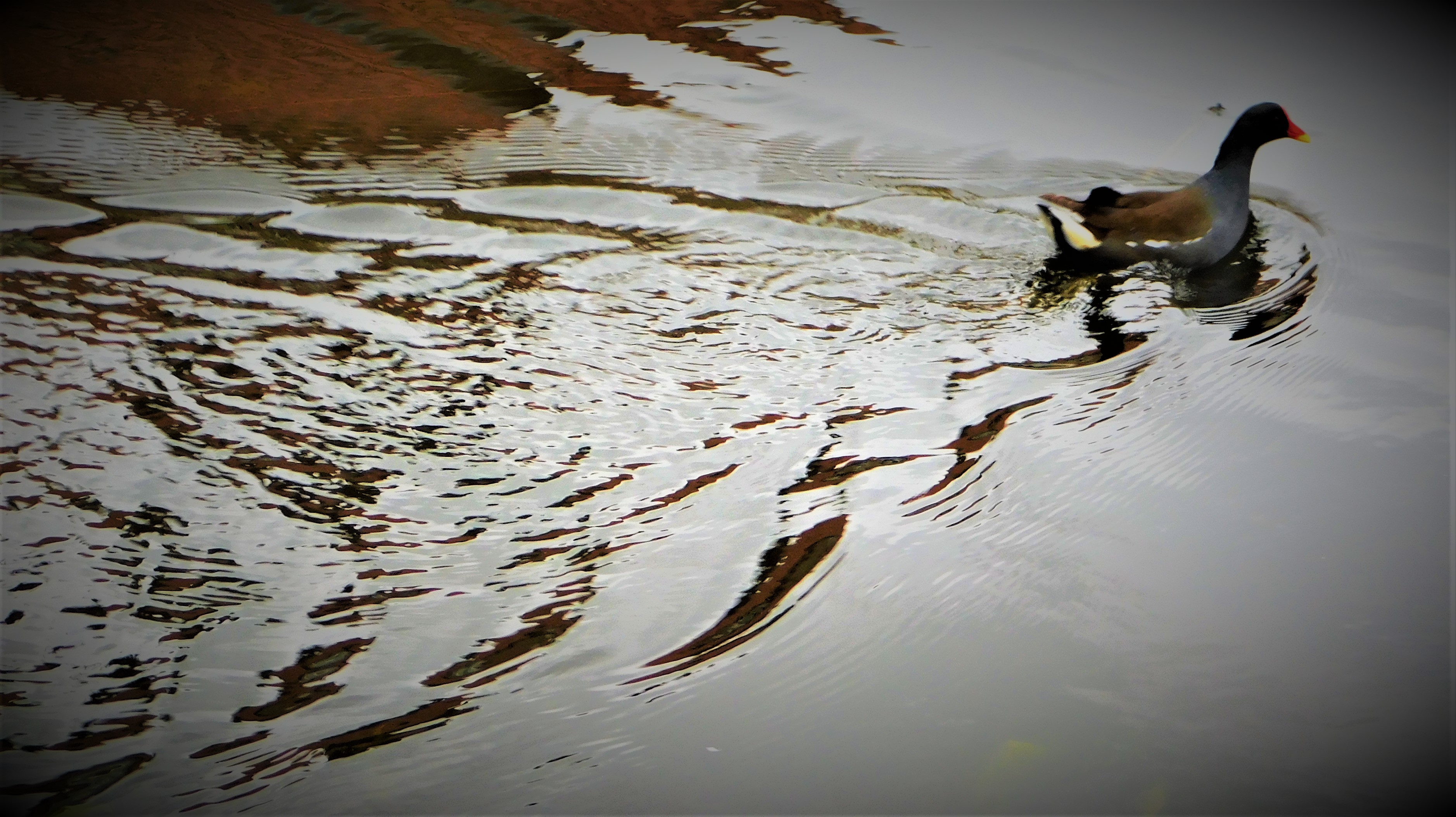
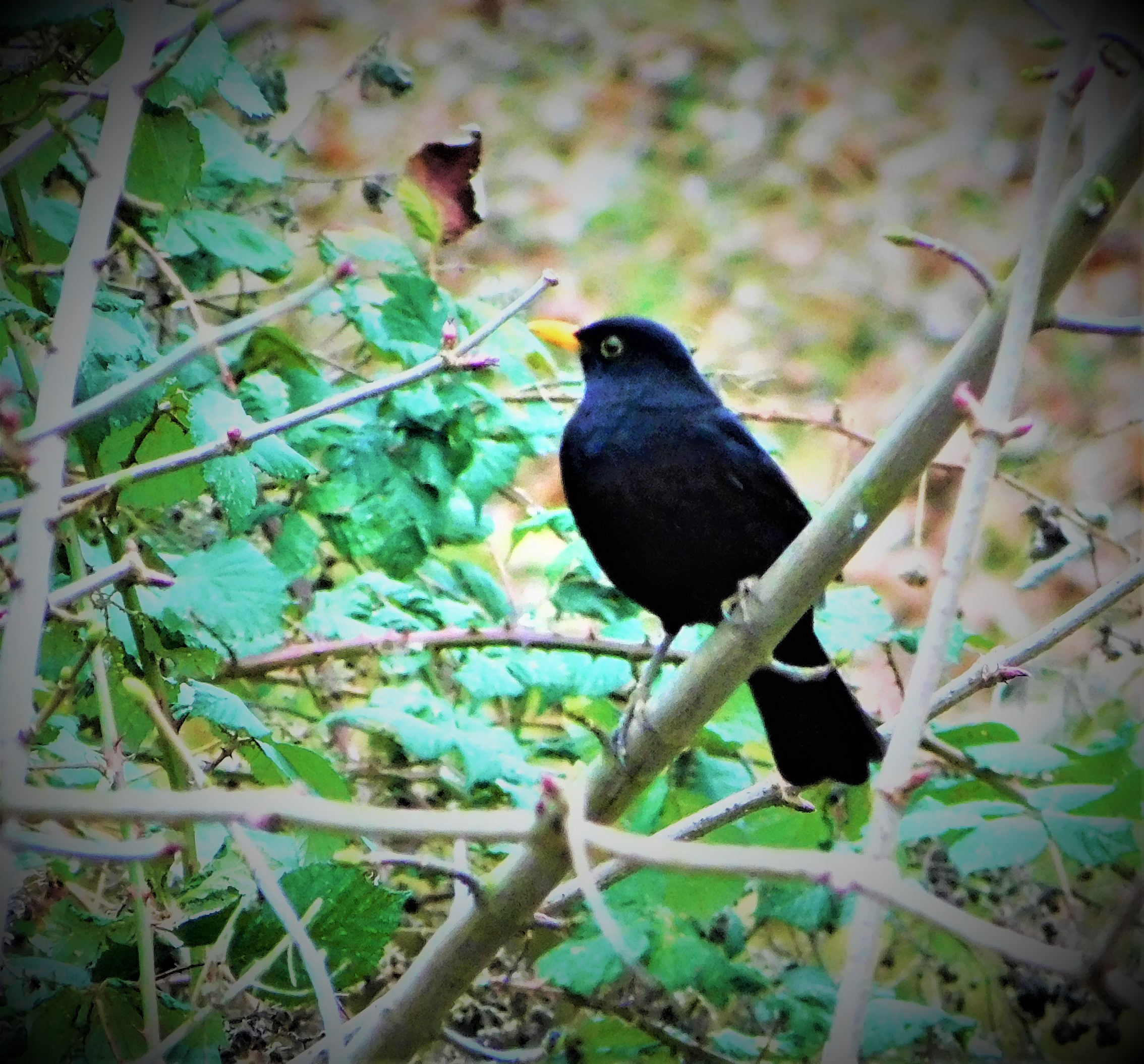
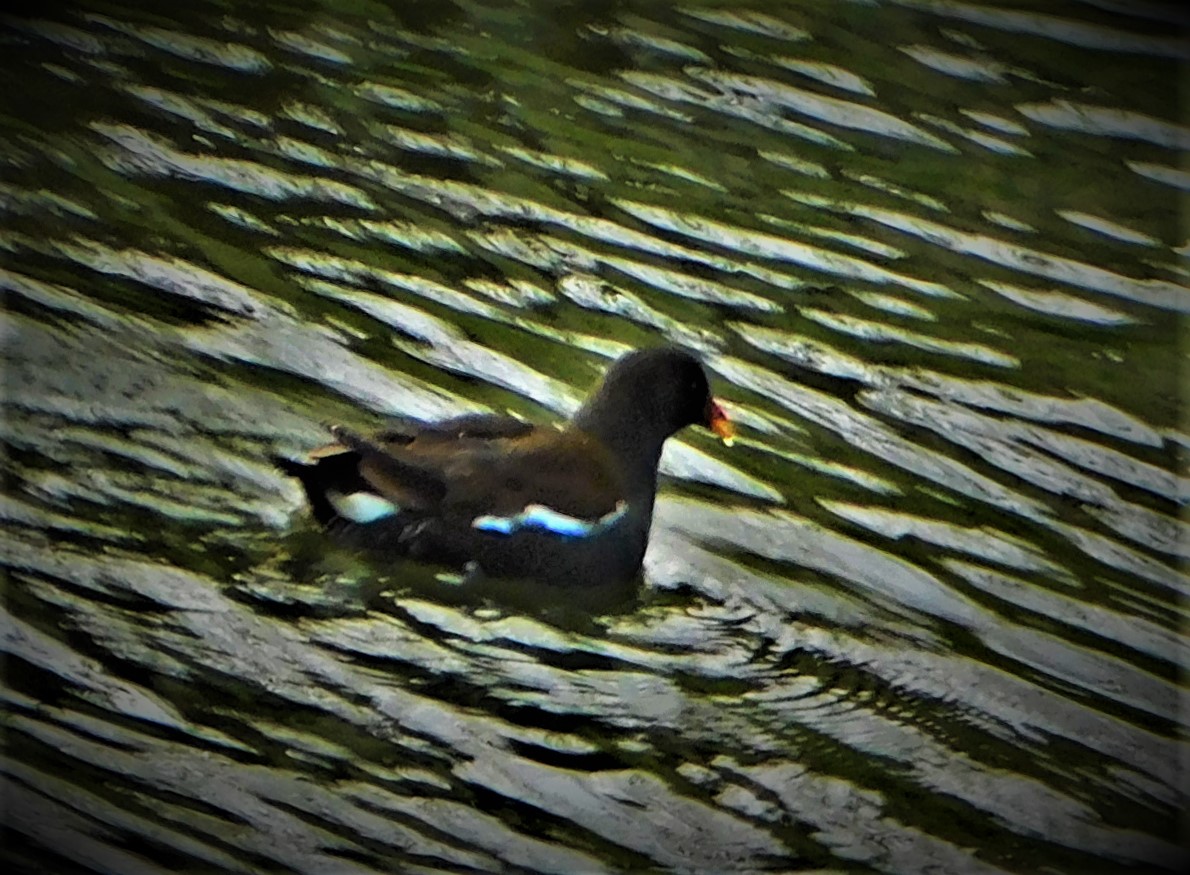
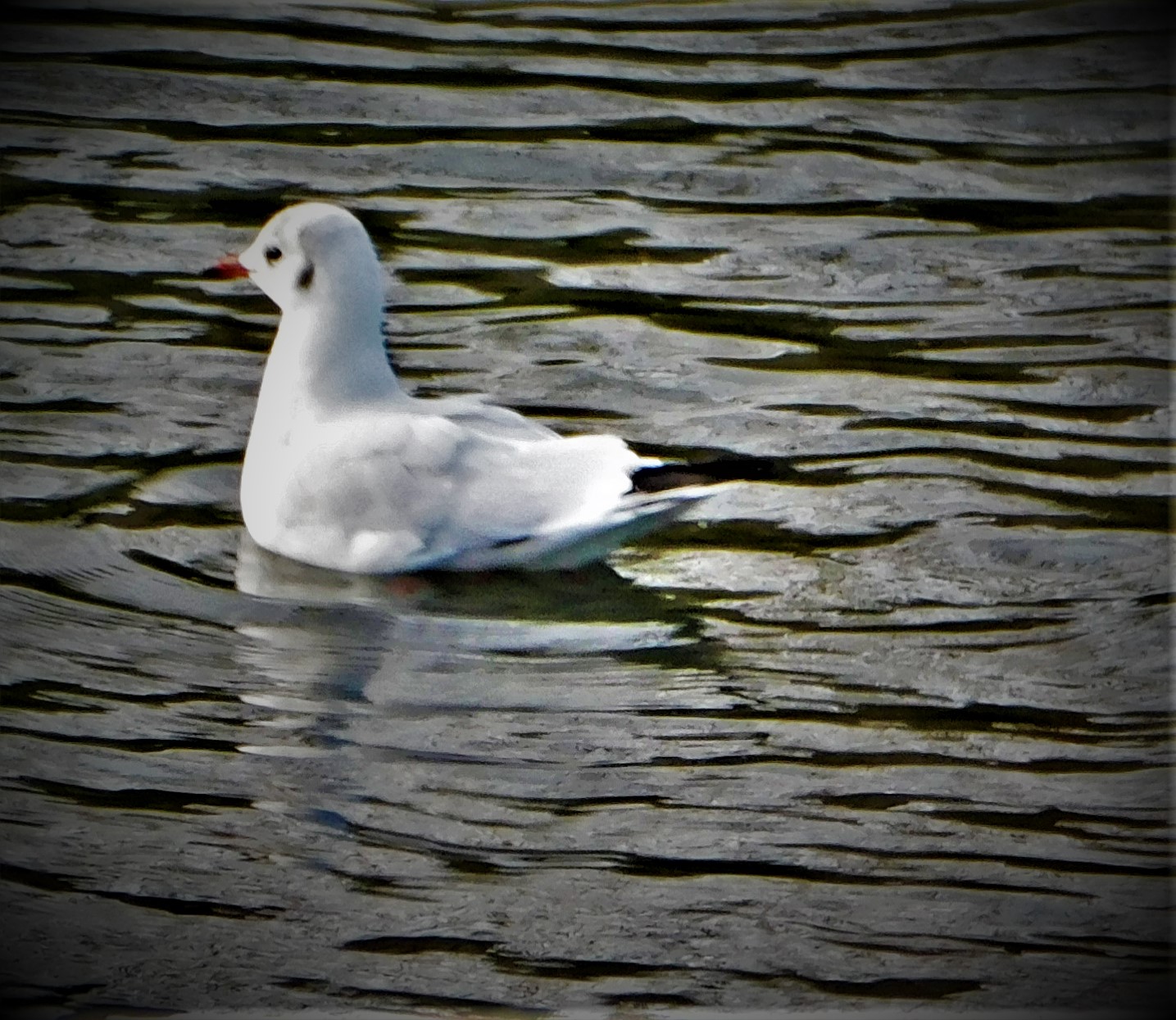
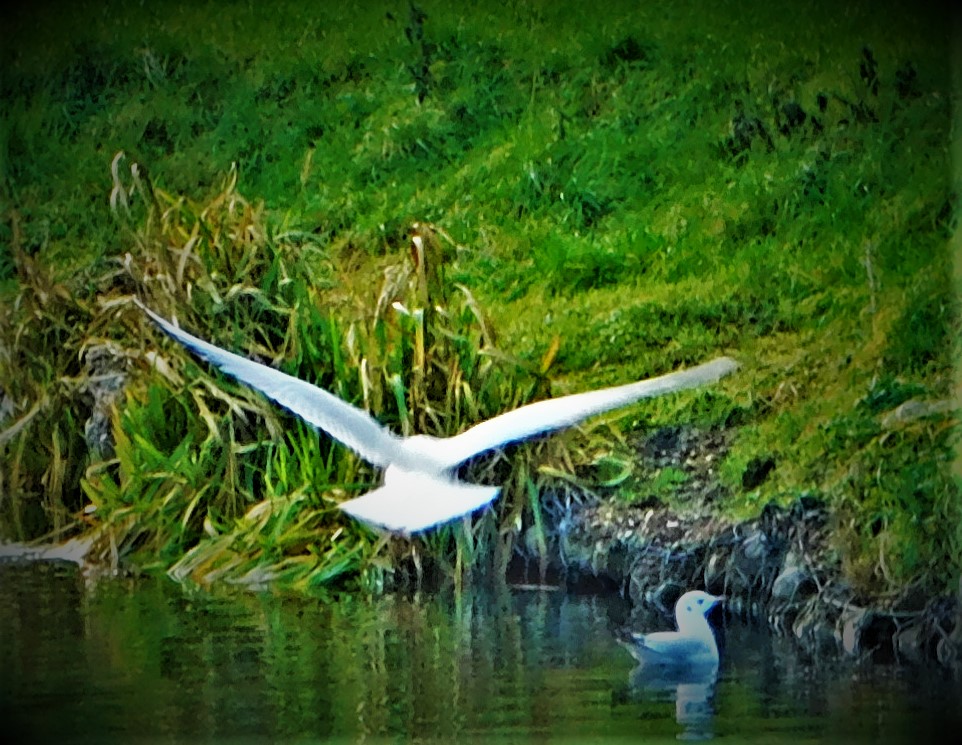
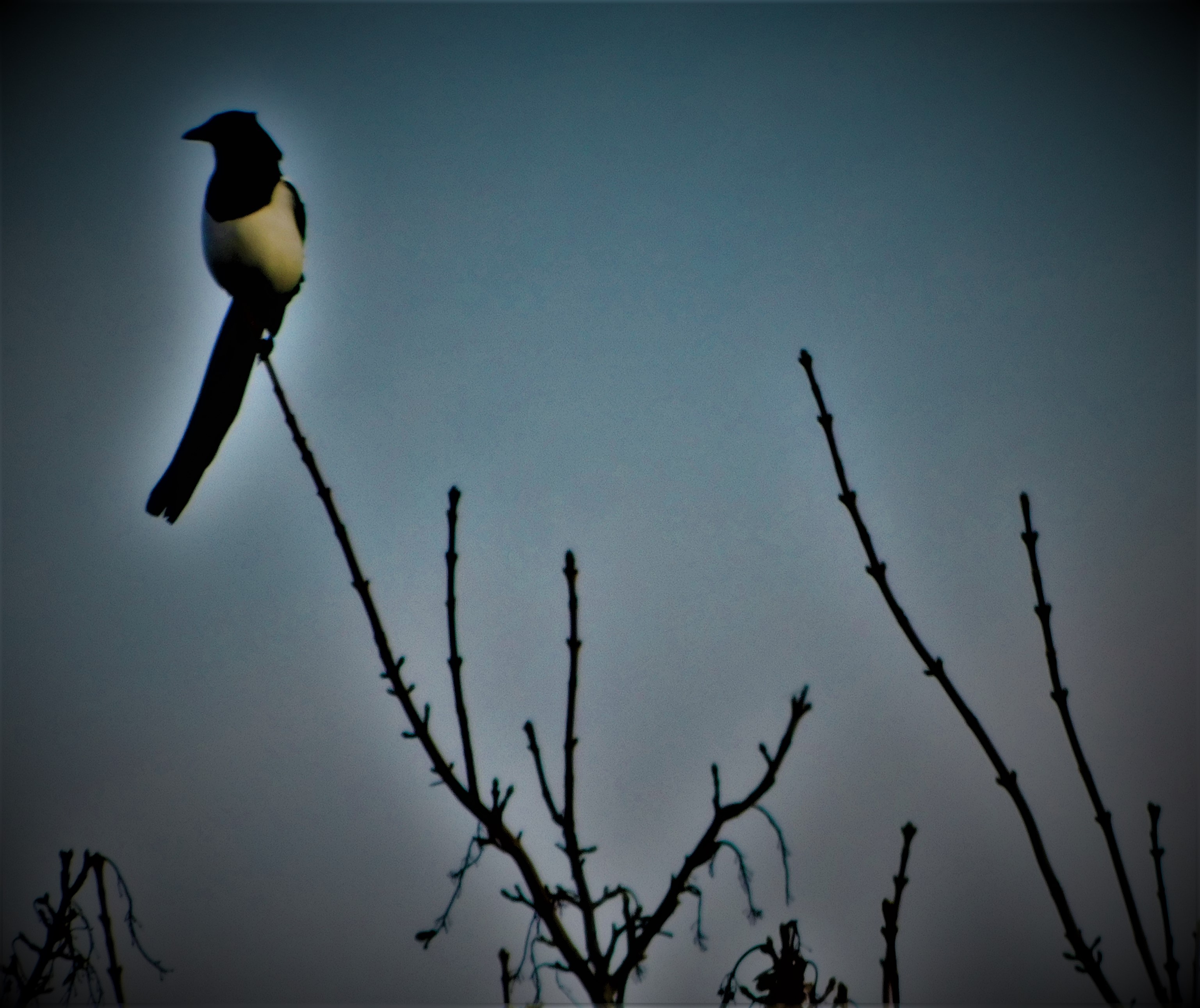
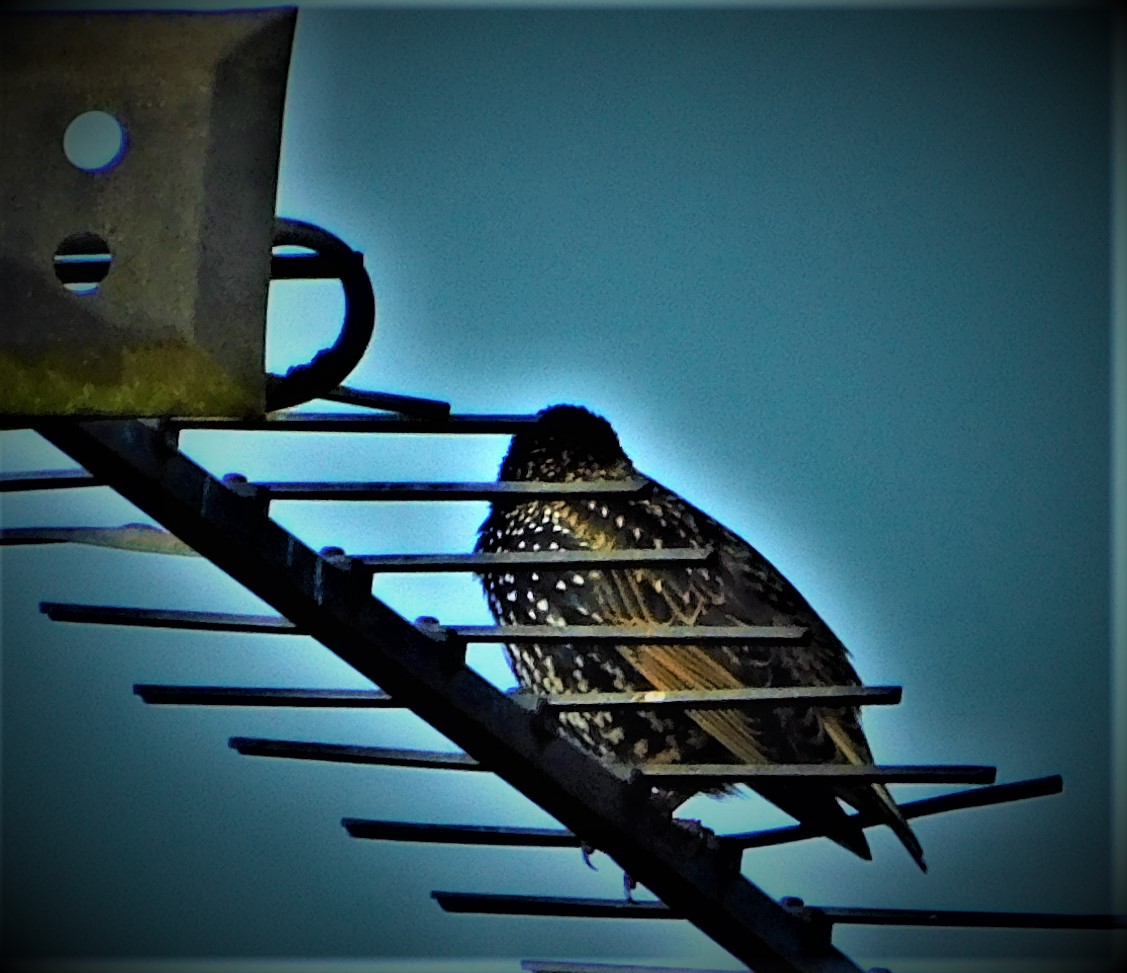
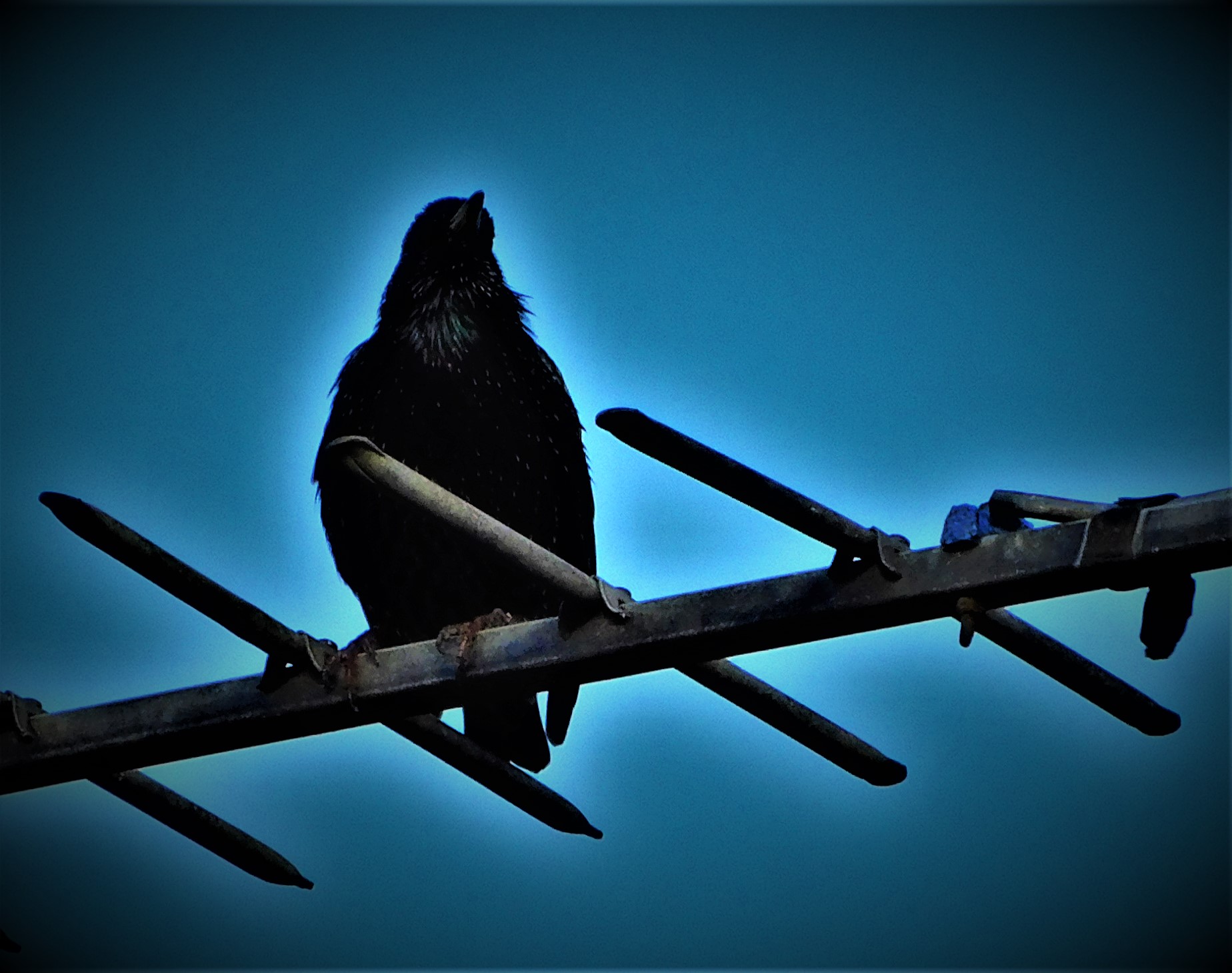
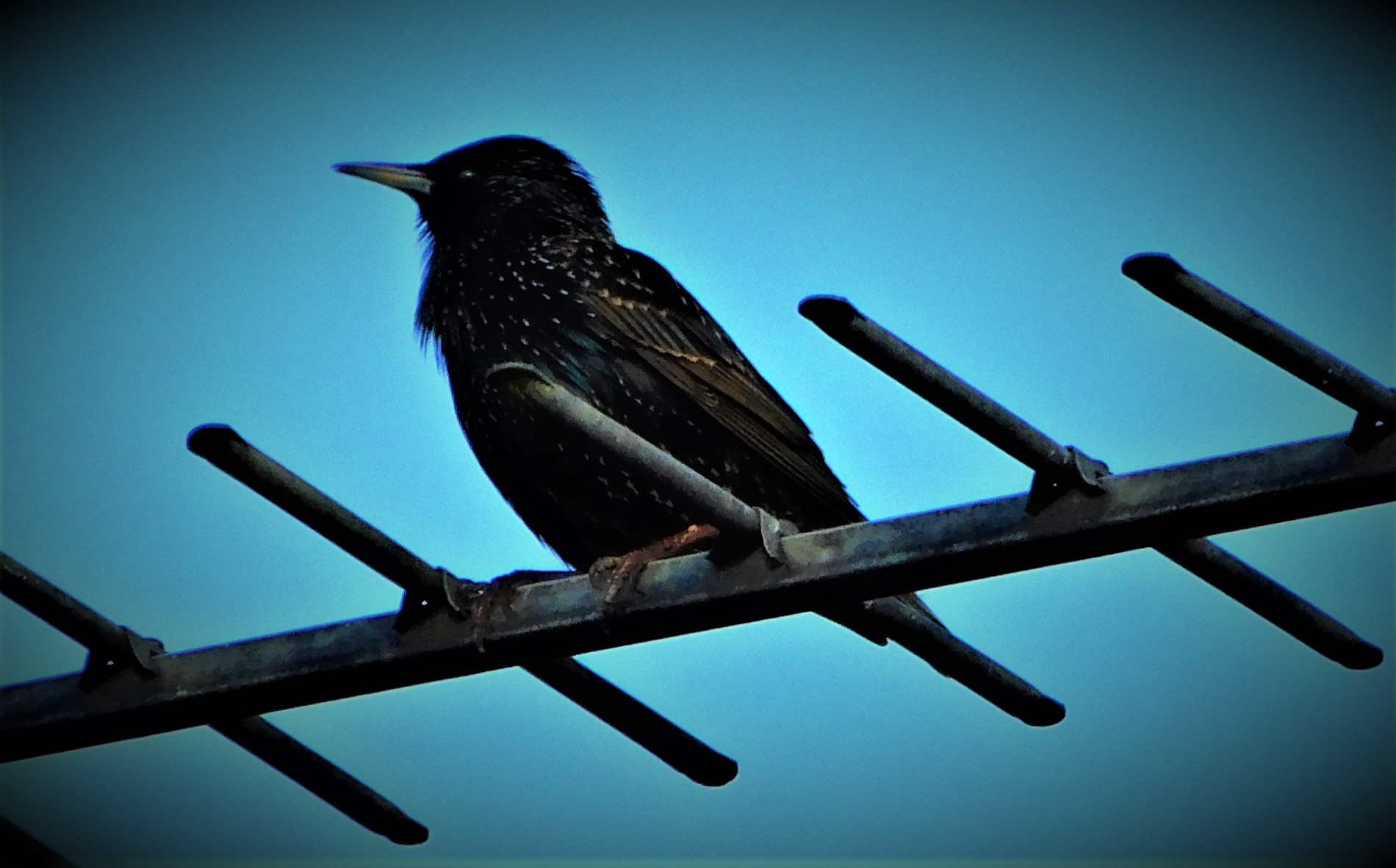
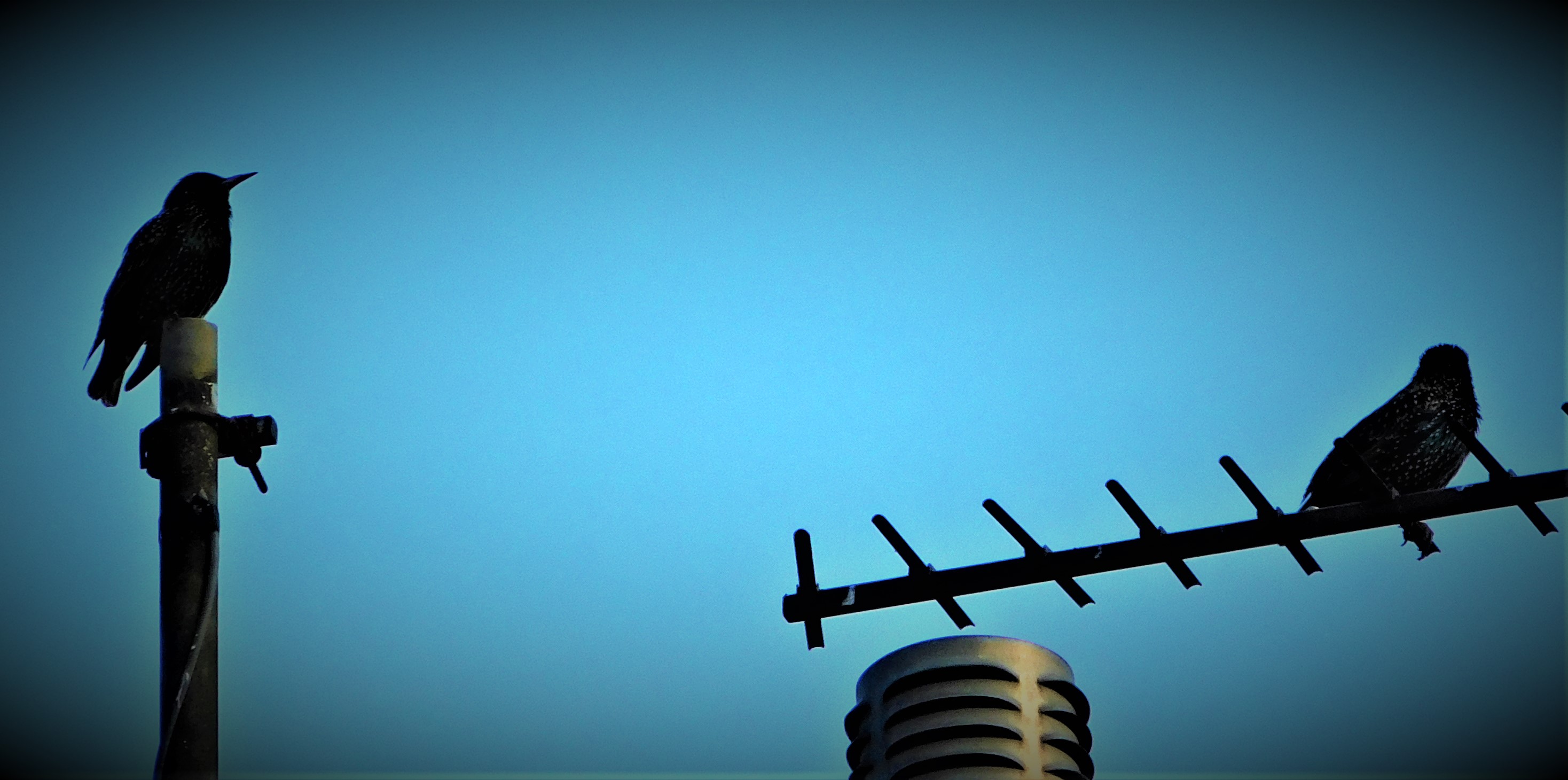
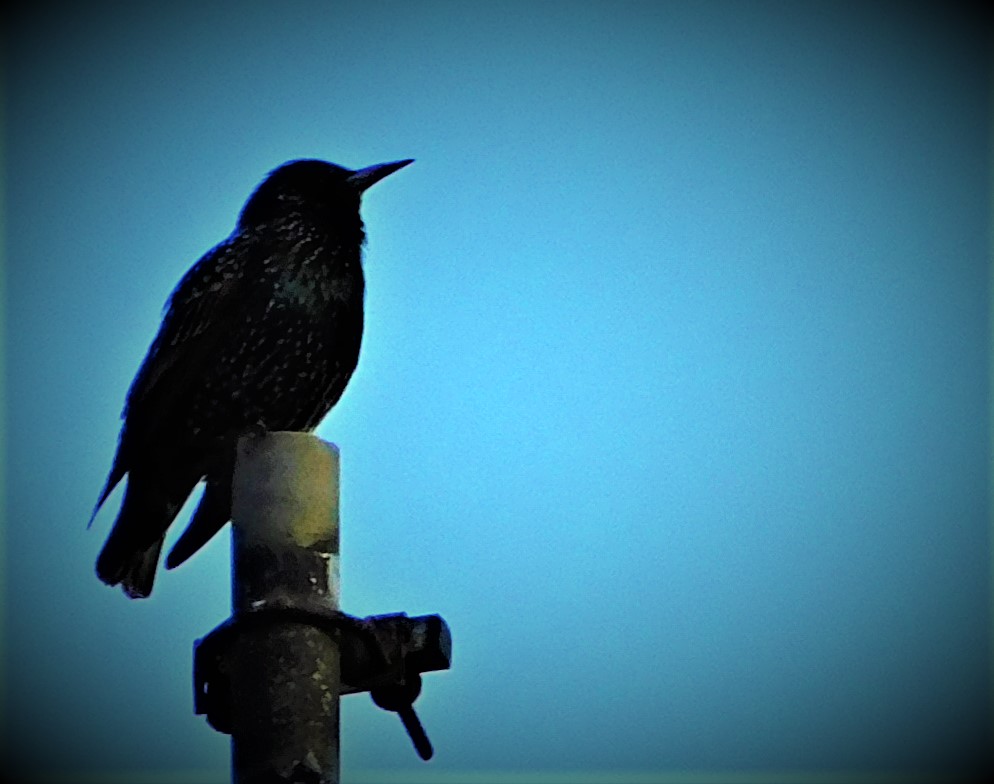
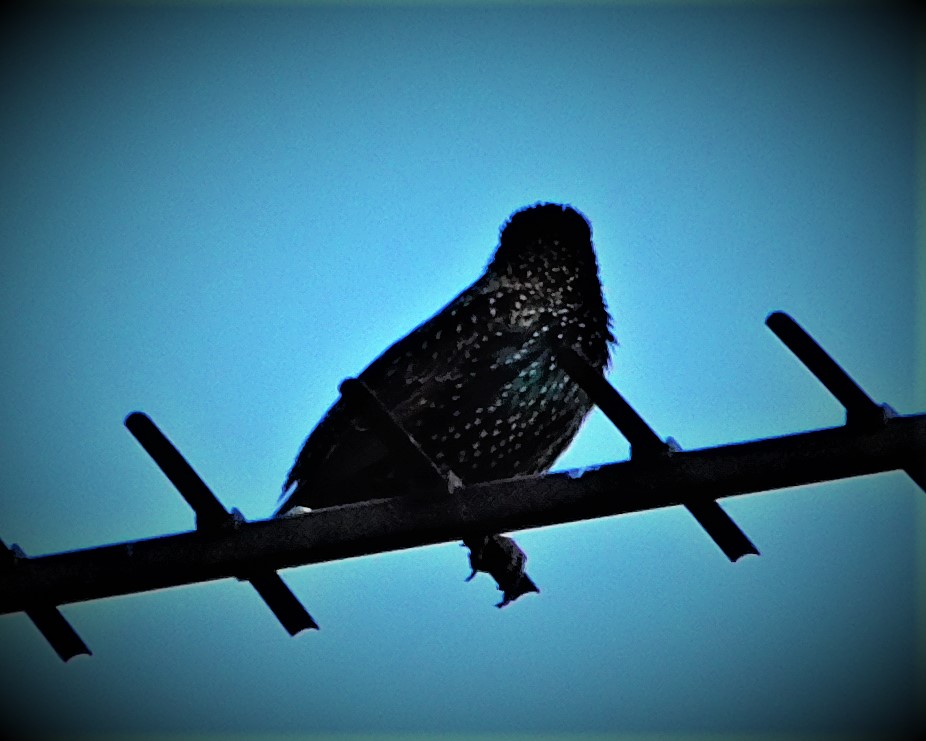
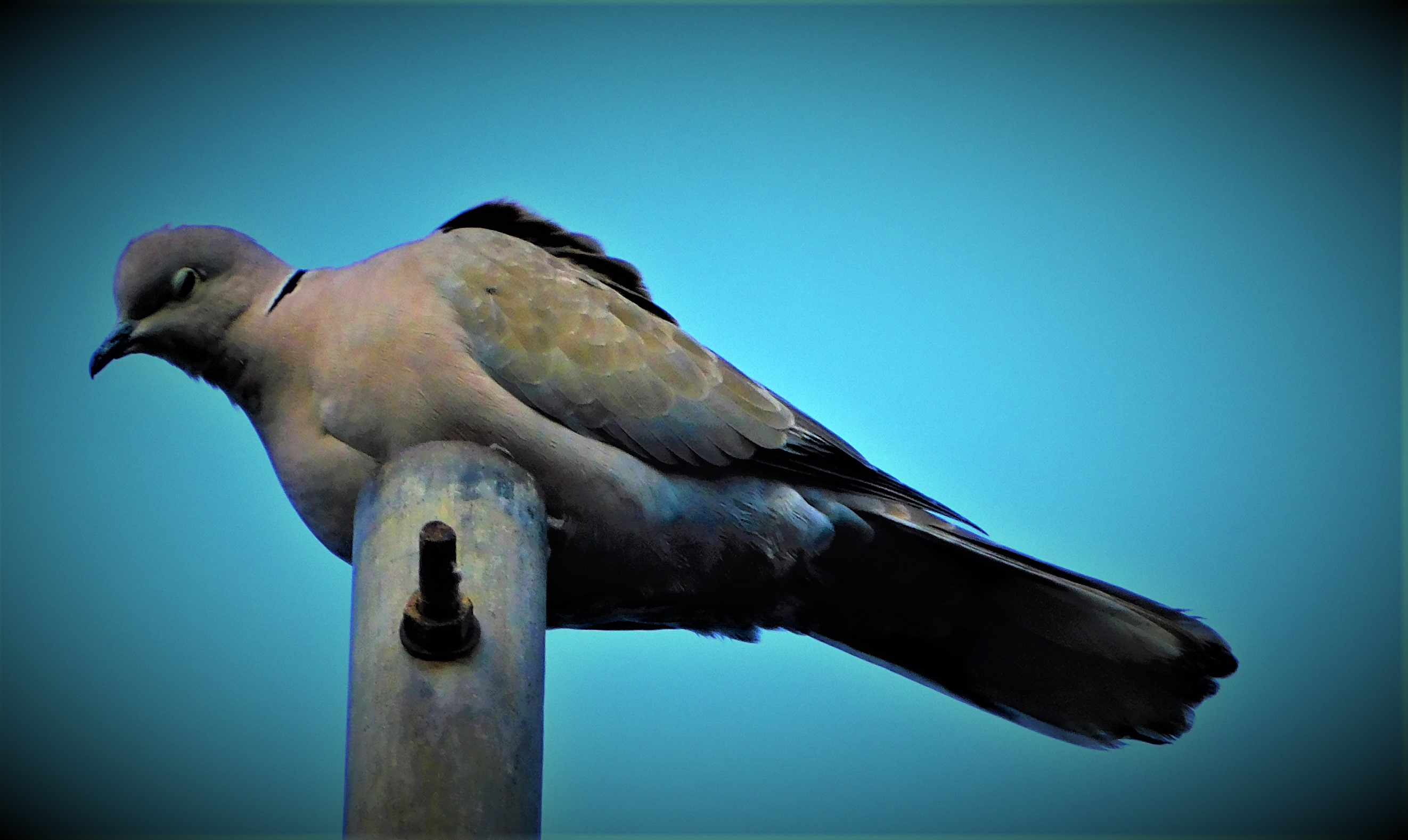
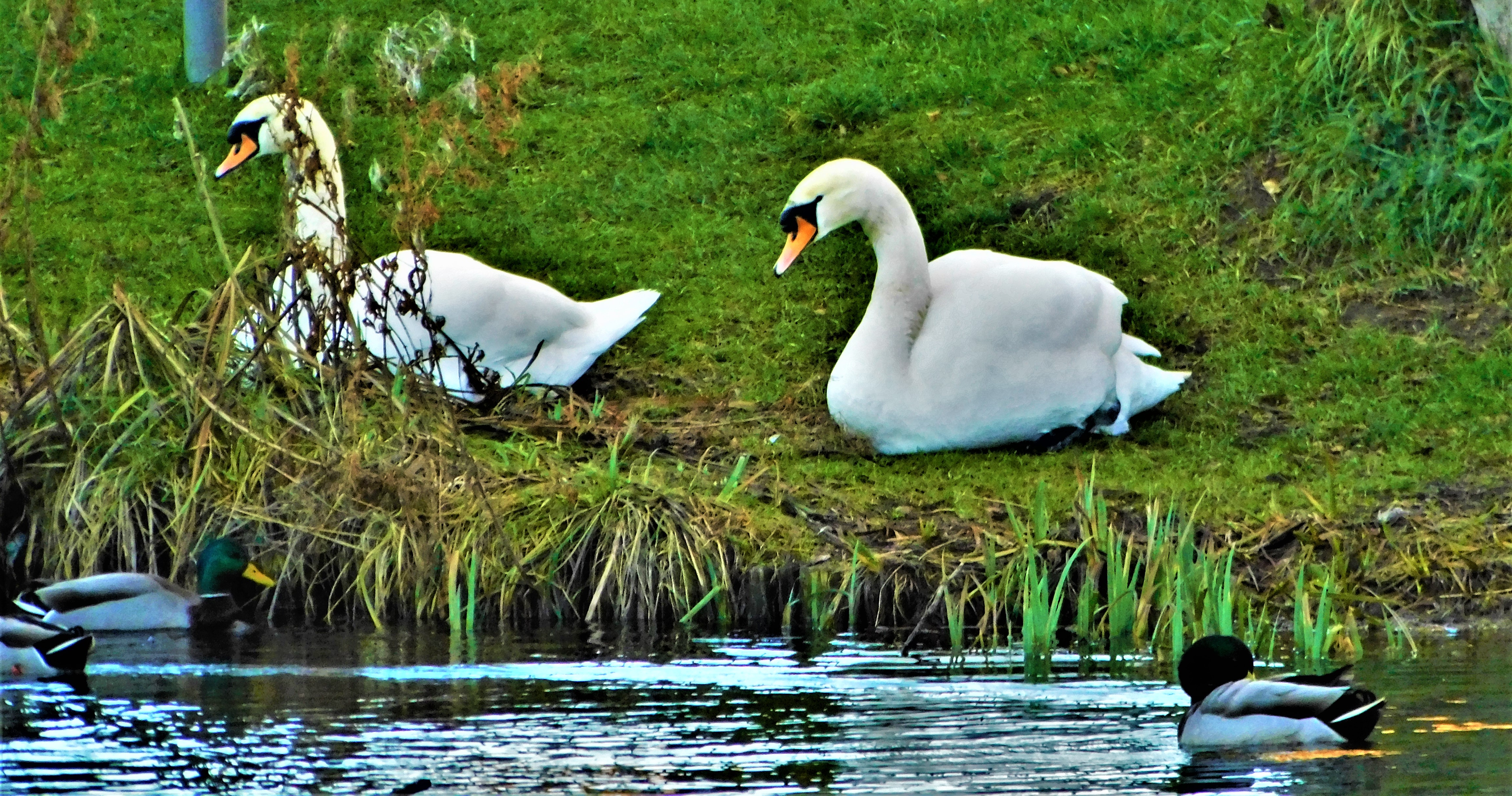
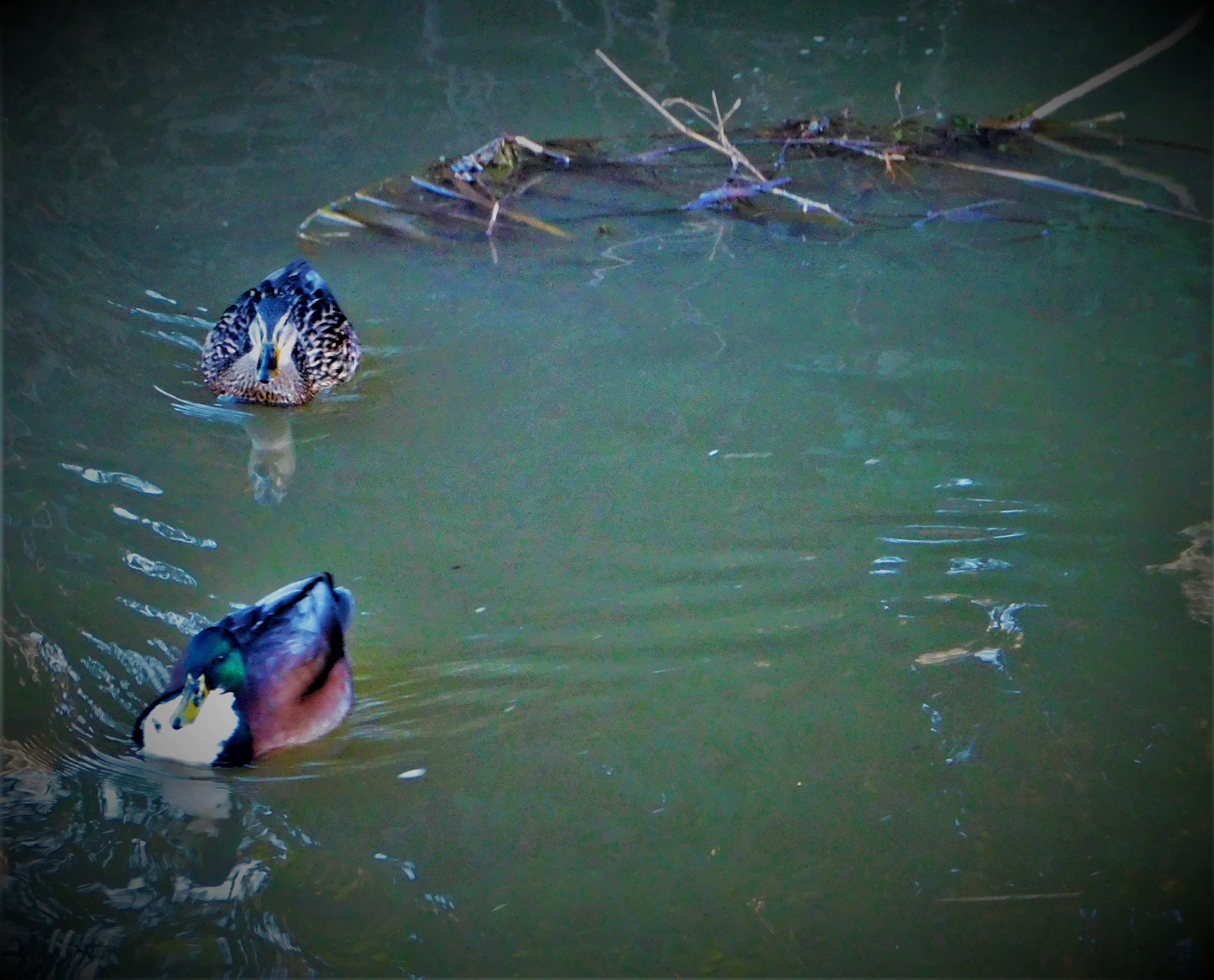
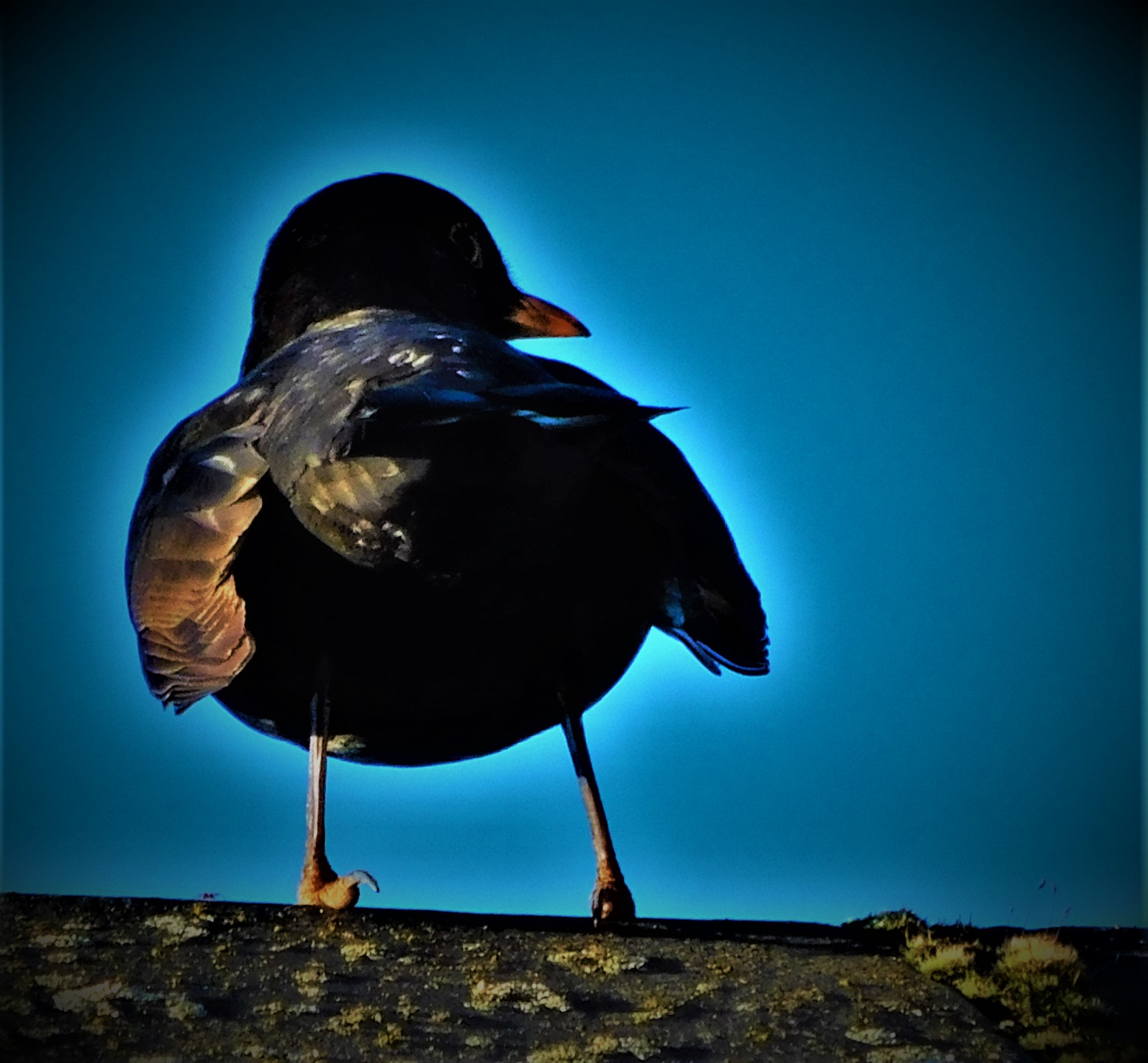
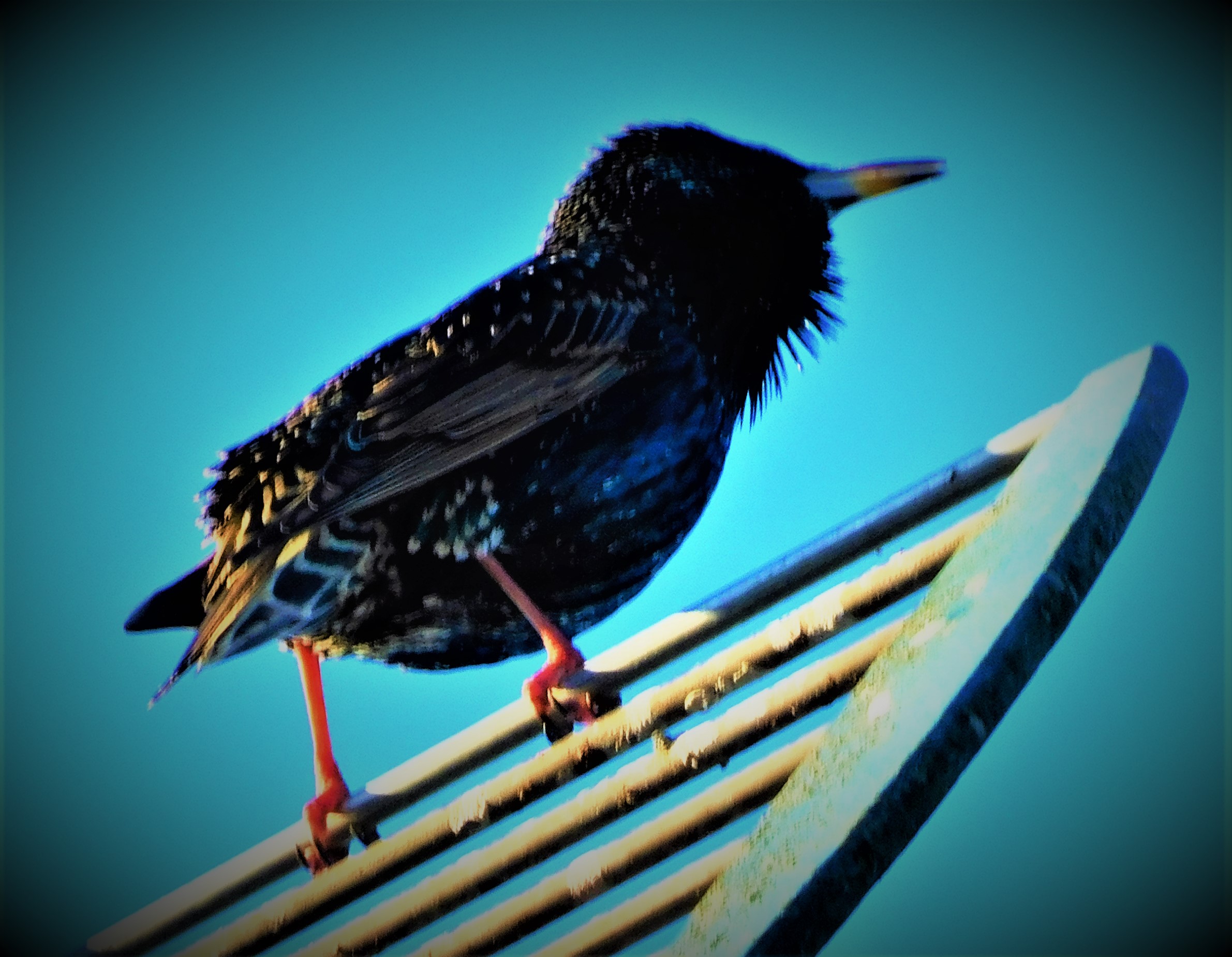
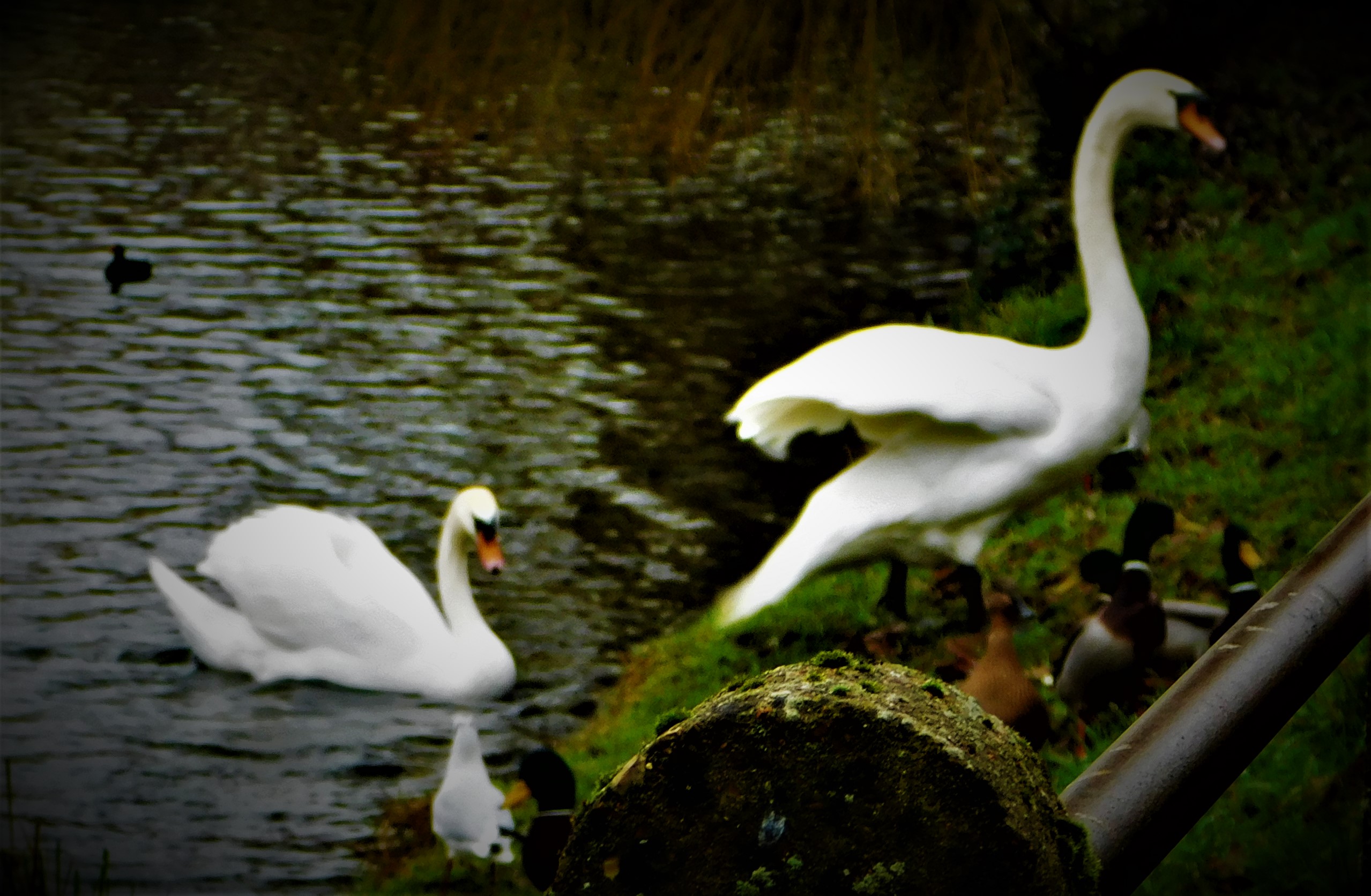
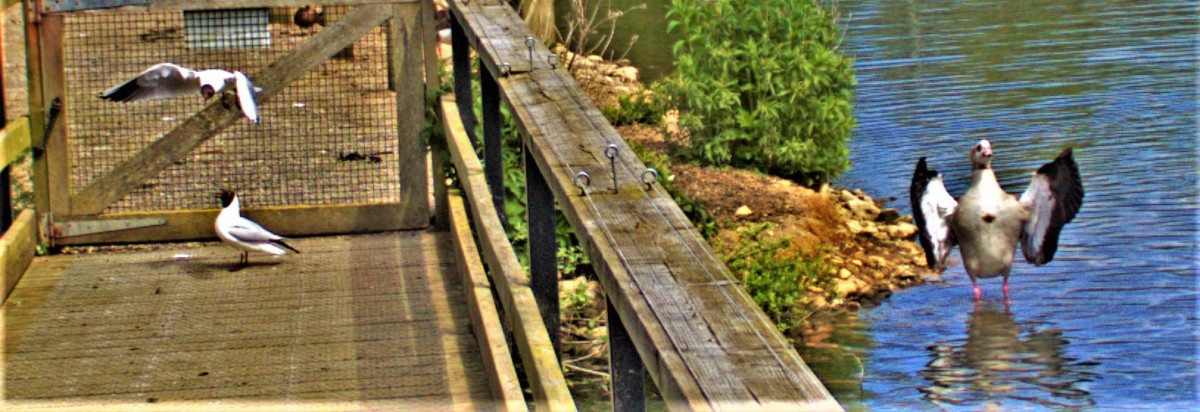
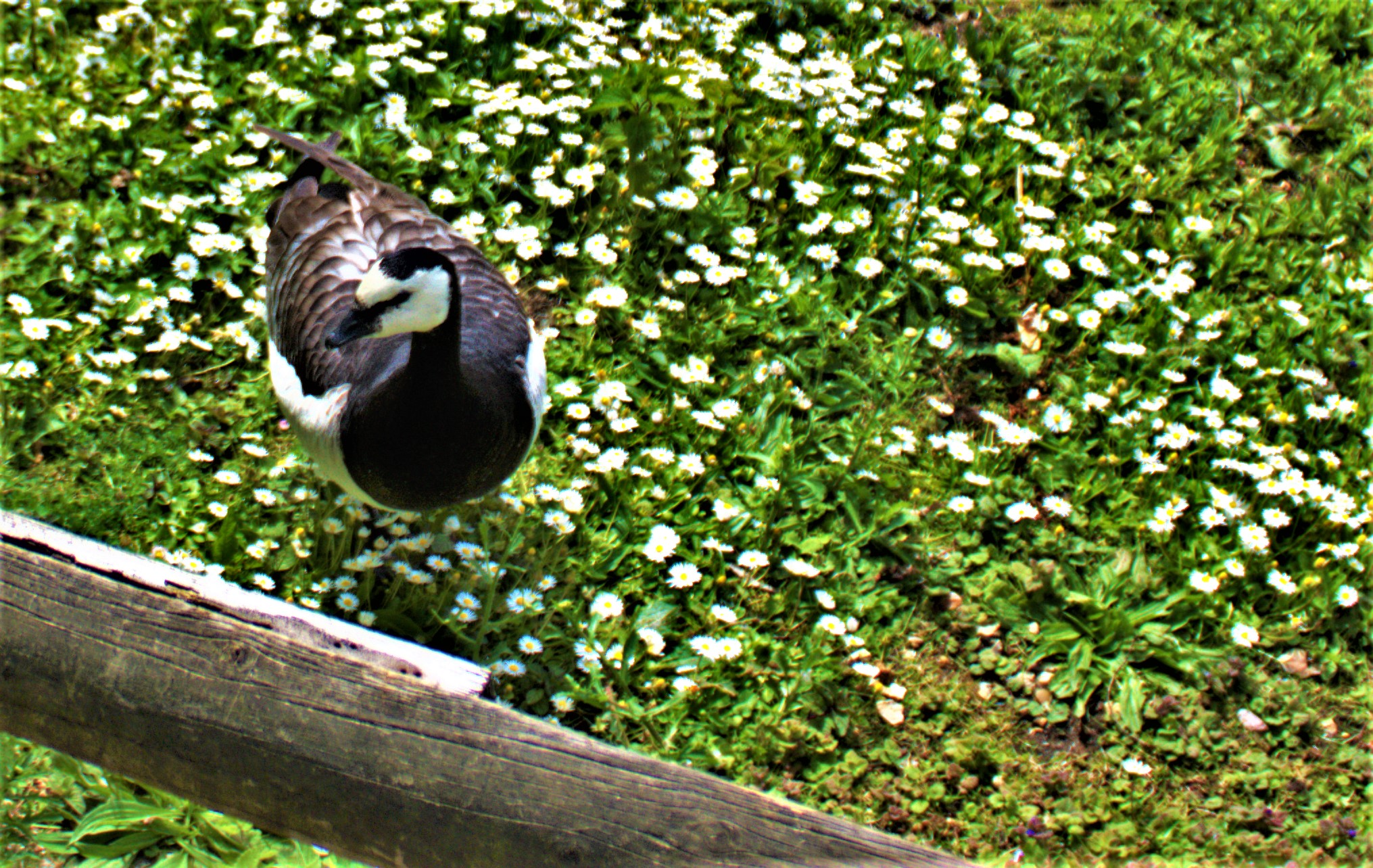
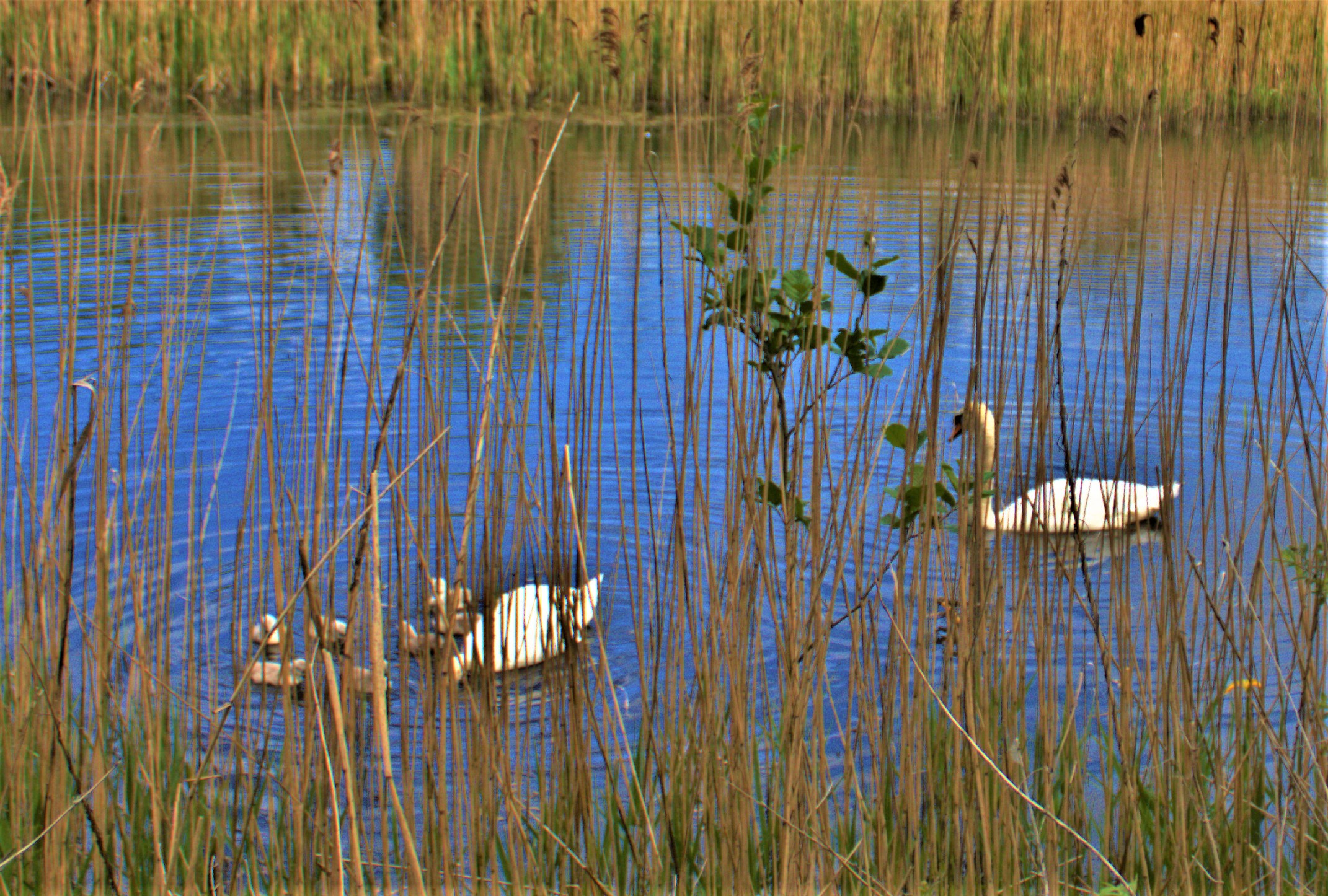
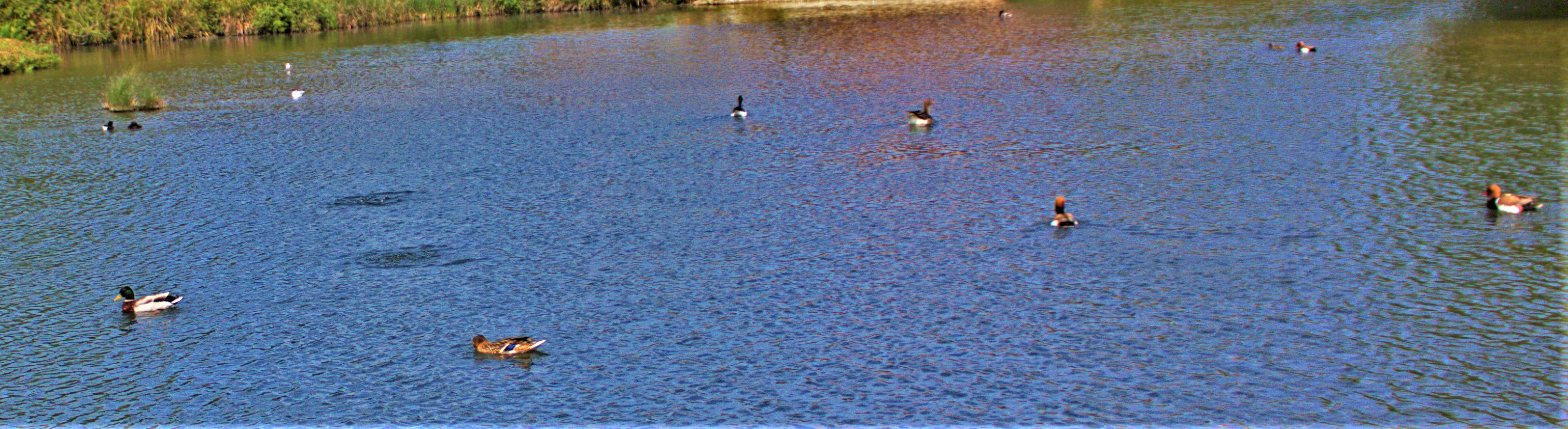
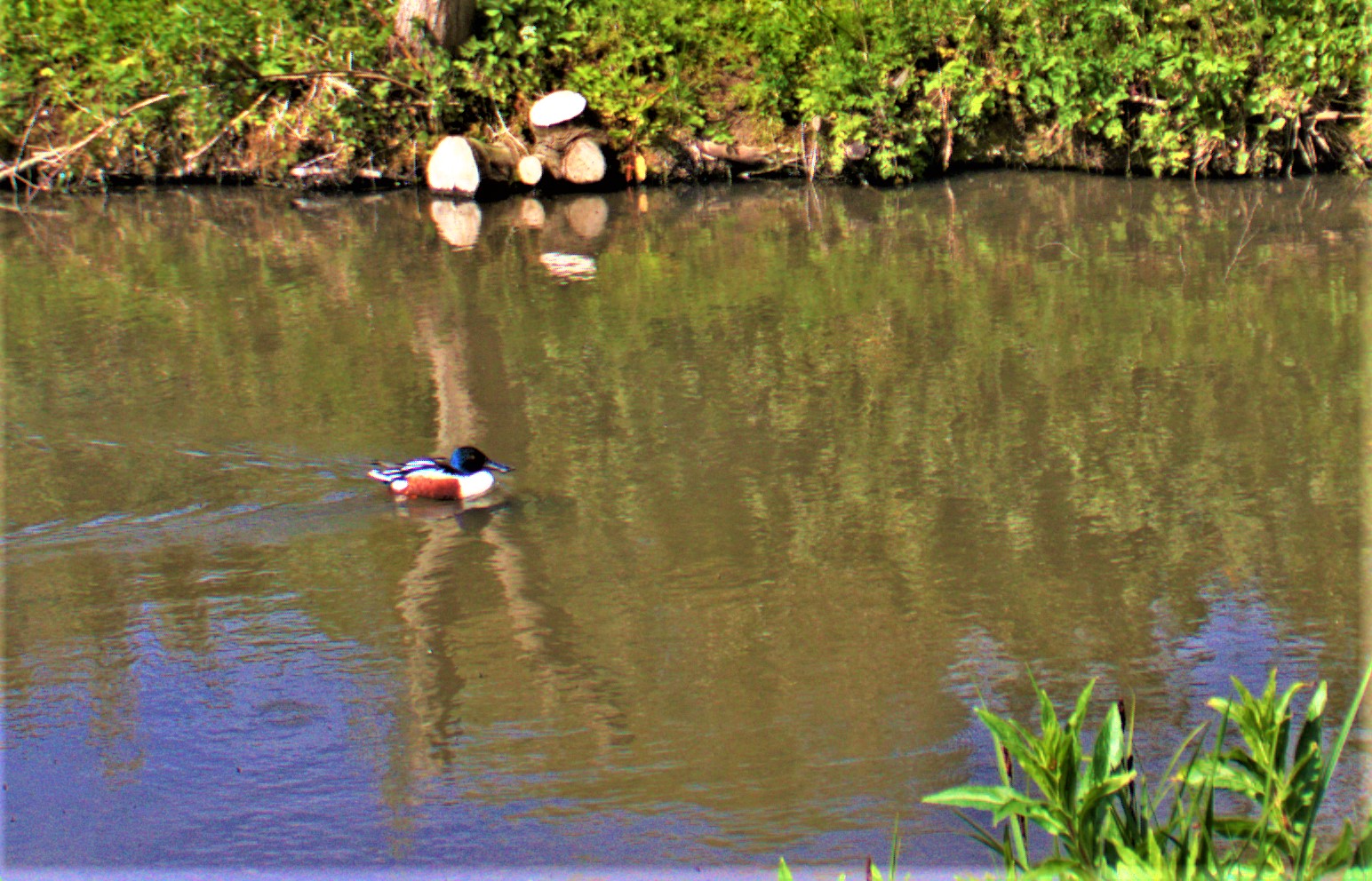
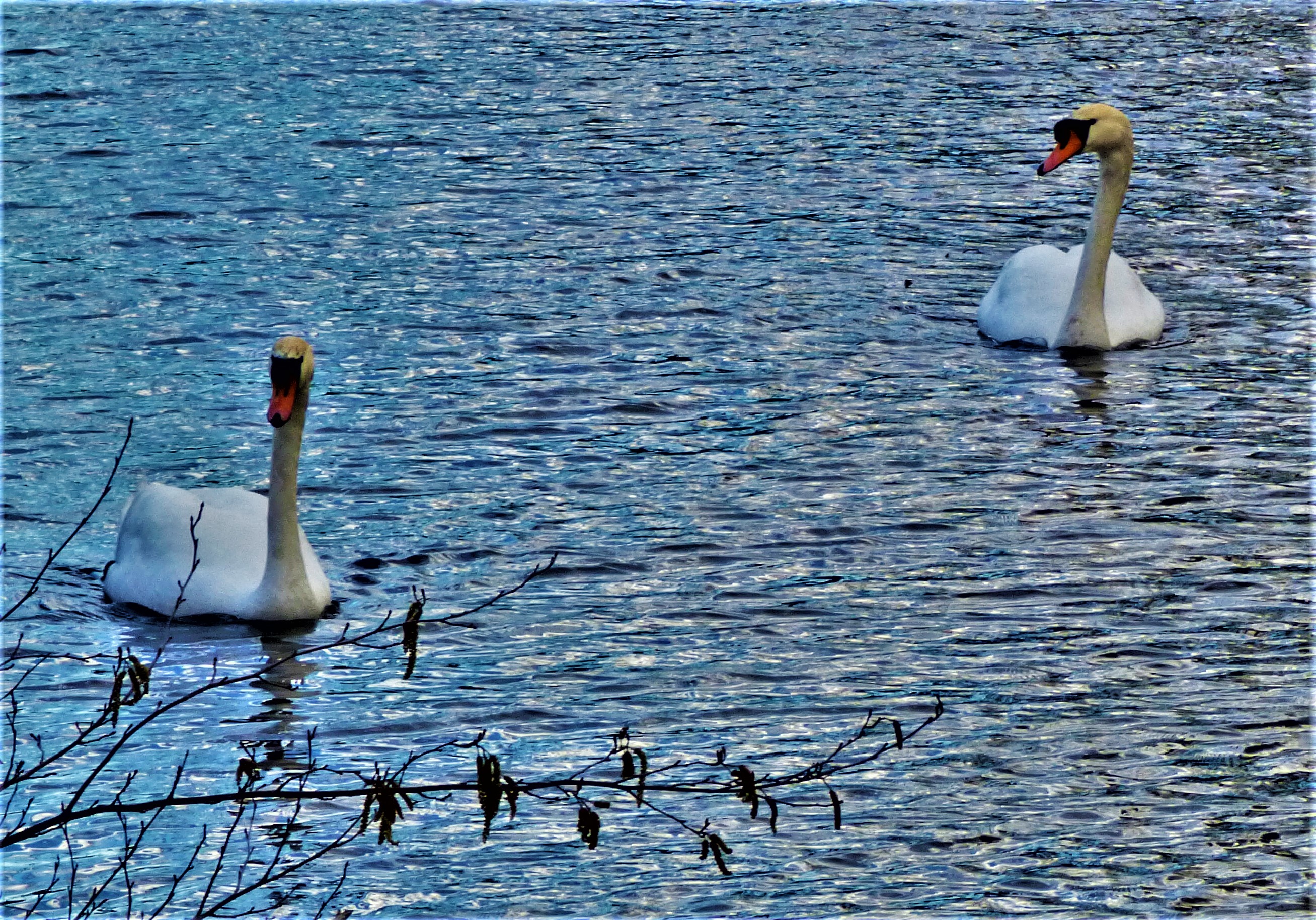
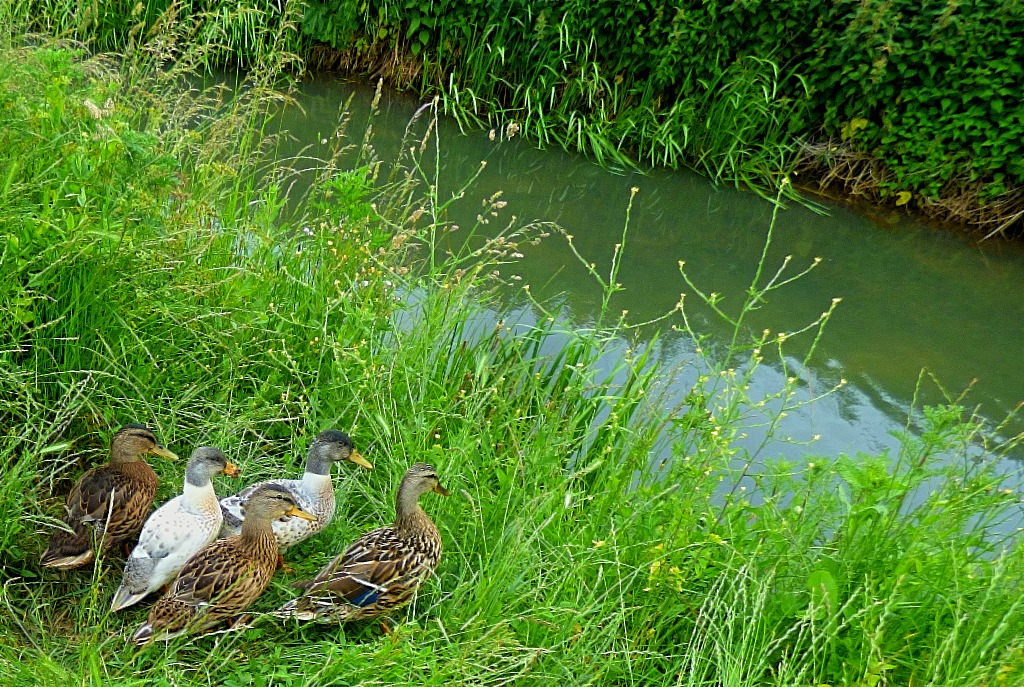
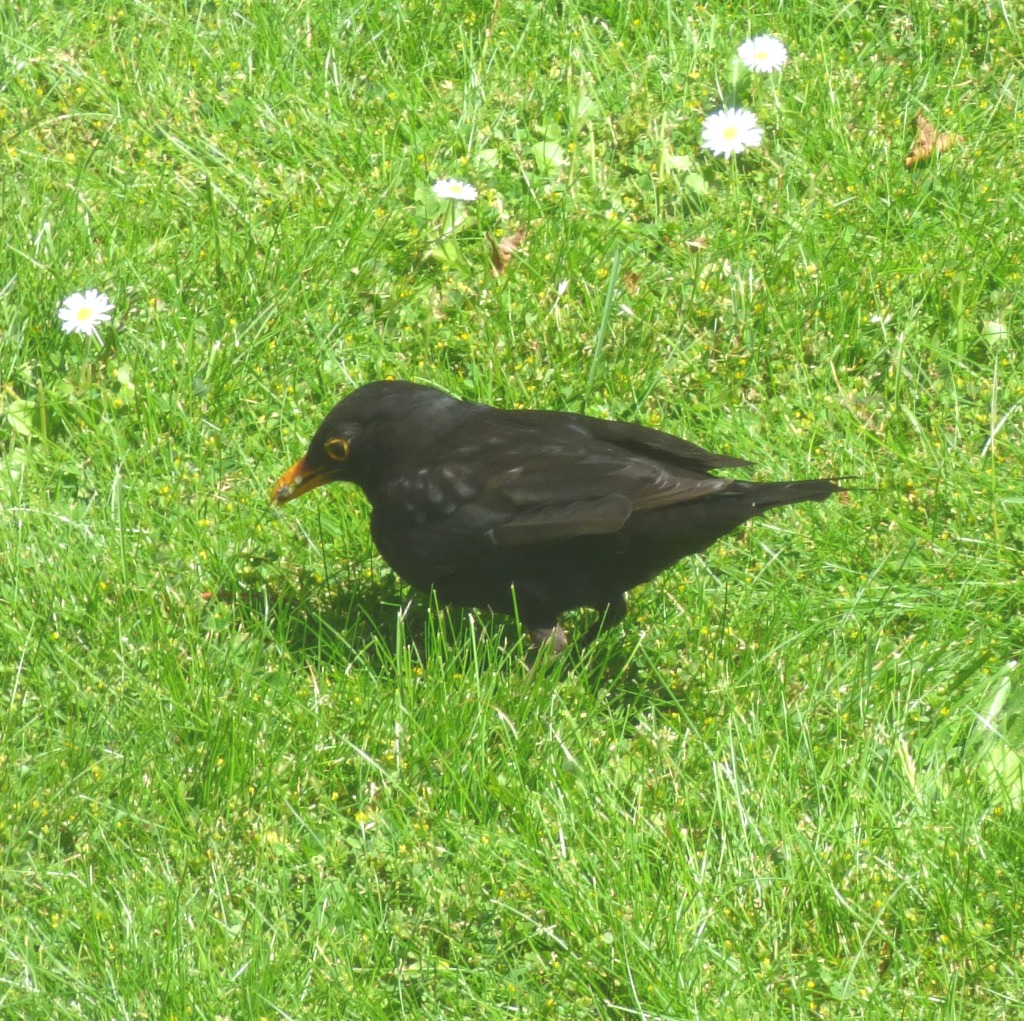
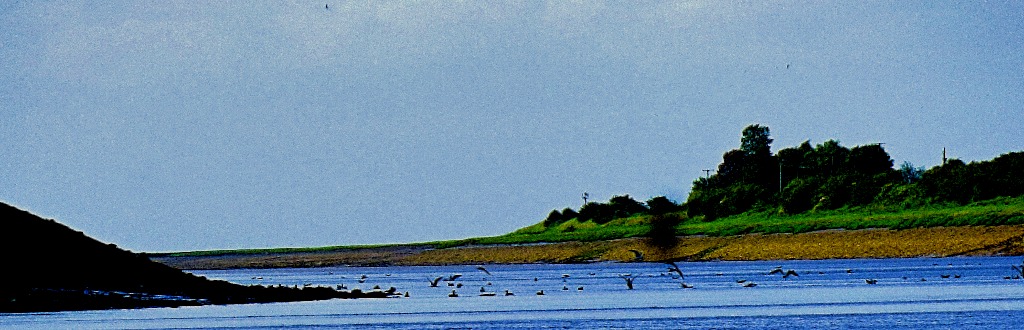
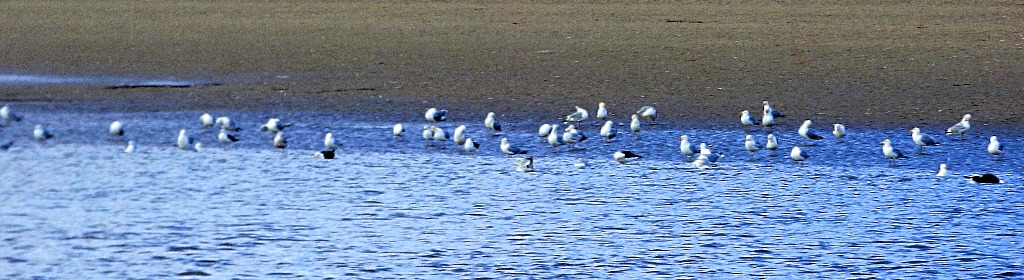
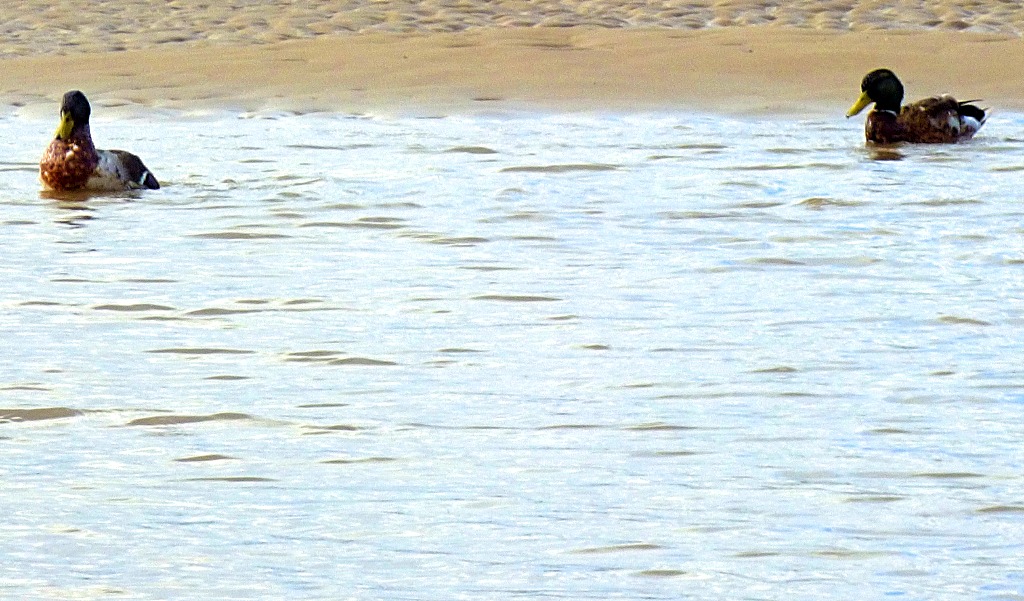
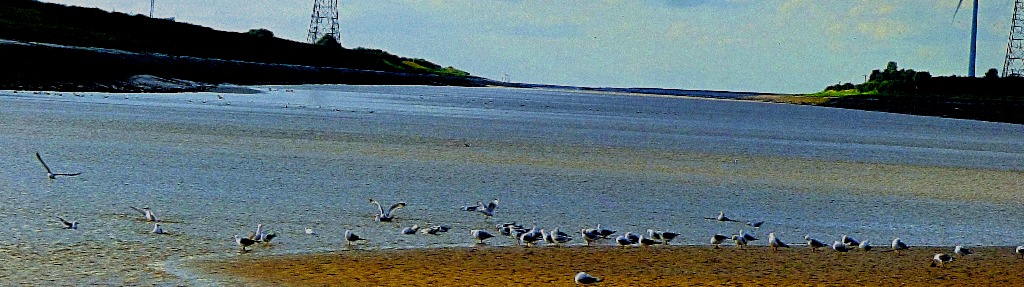
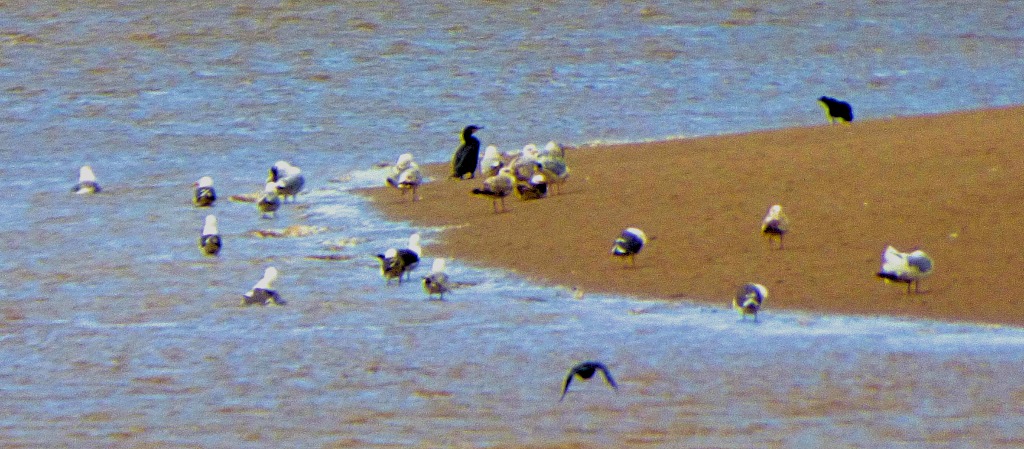
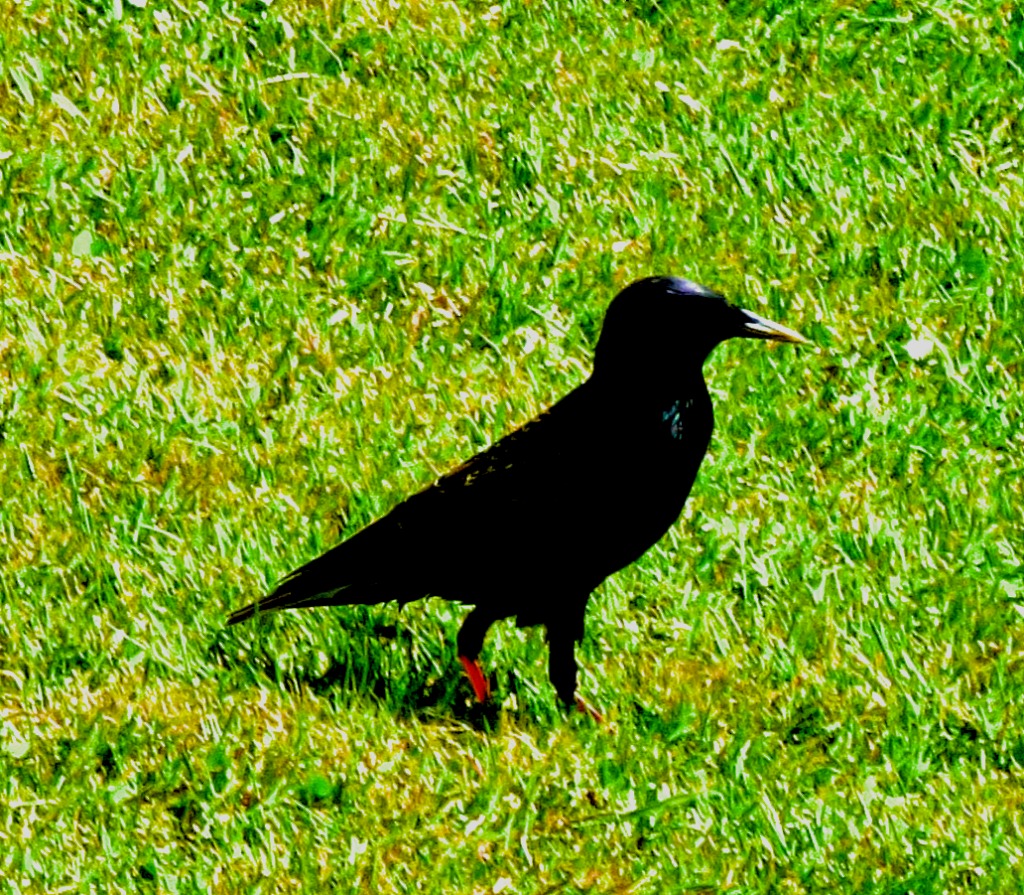
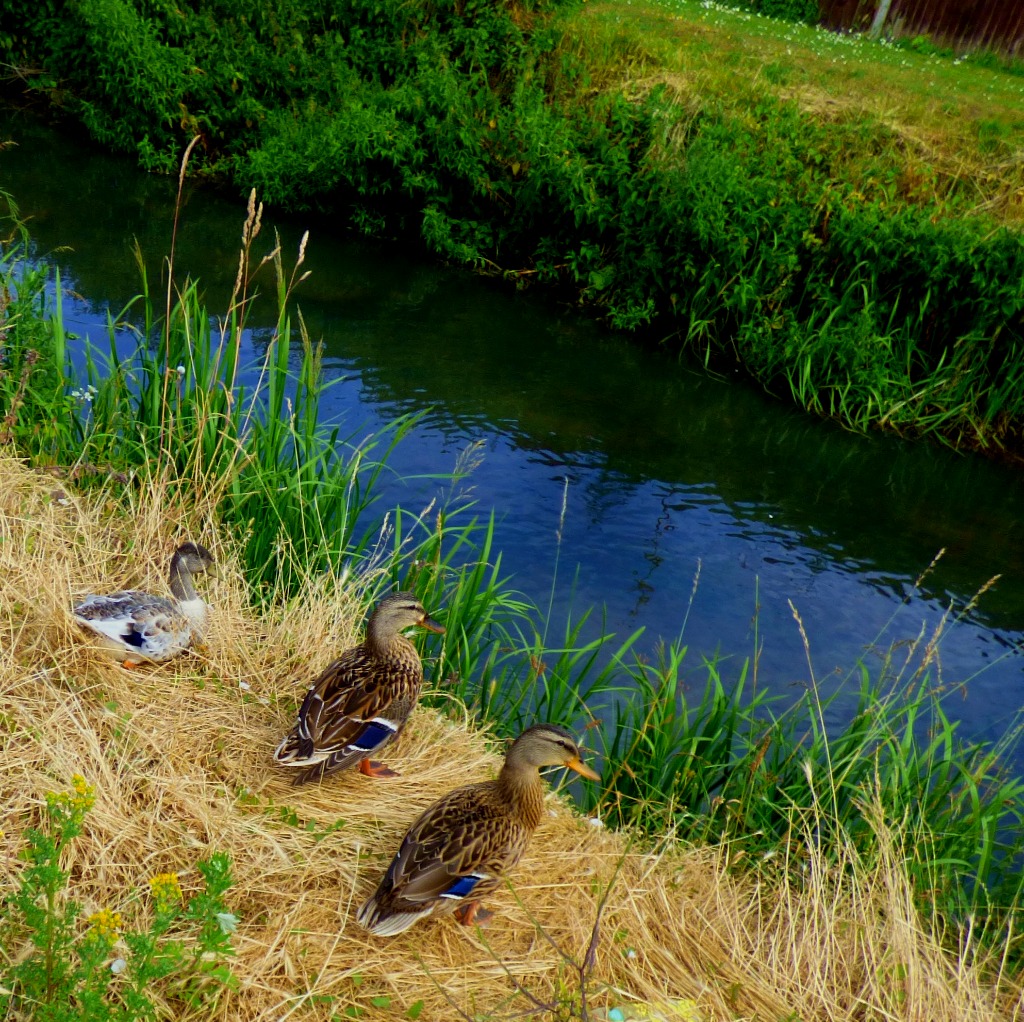
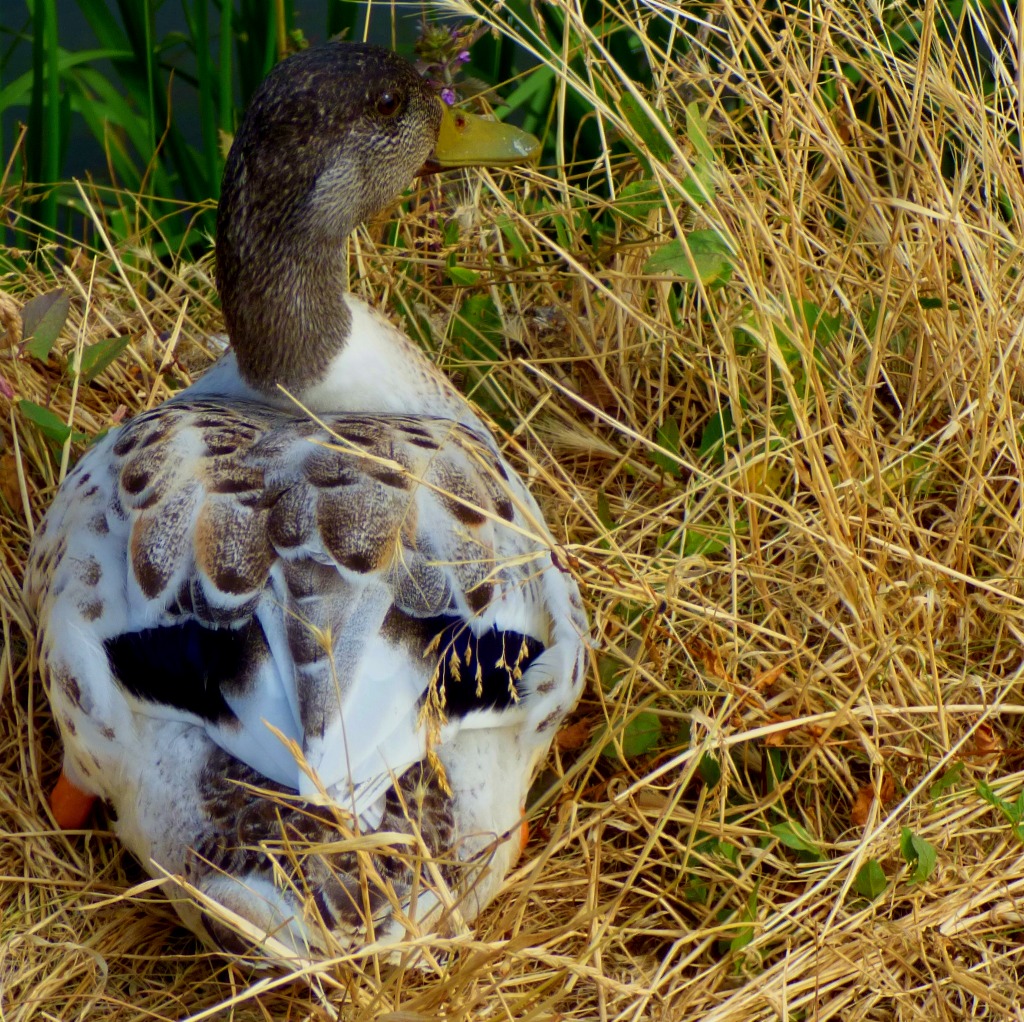
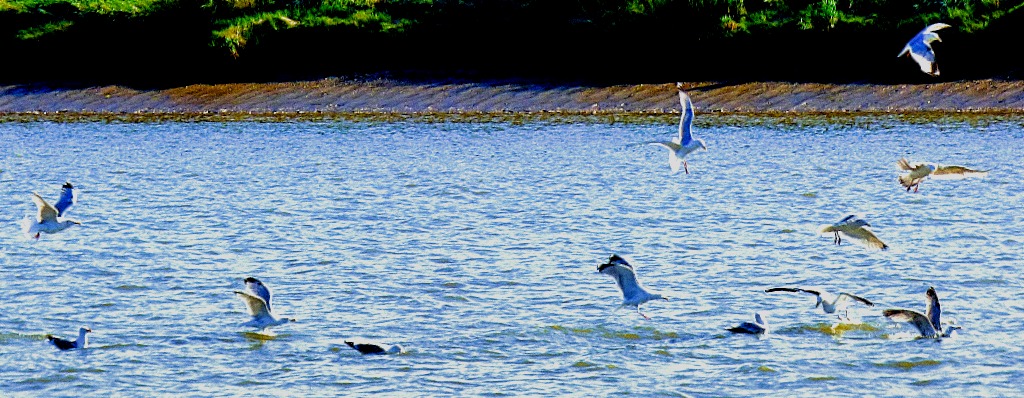
Moorhen and black headed gullMagpieThe size and colour of this bird suggests female ring ouzel to me.StarlingTree sparrowCollared doveLesser blackbacked gullsMute swansblackbirdmallardsGrey heronmainly herring gulls
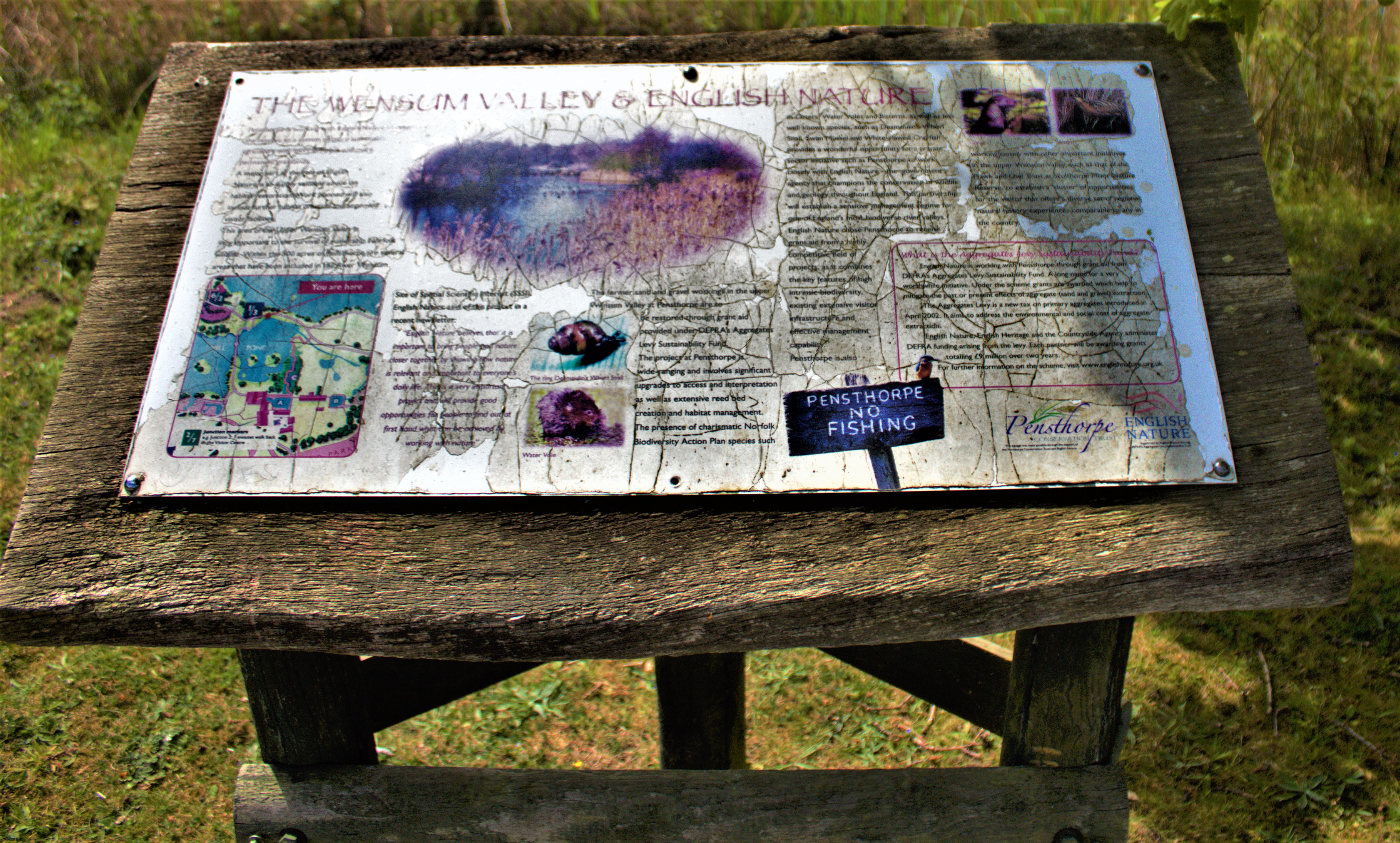
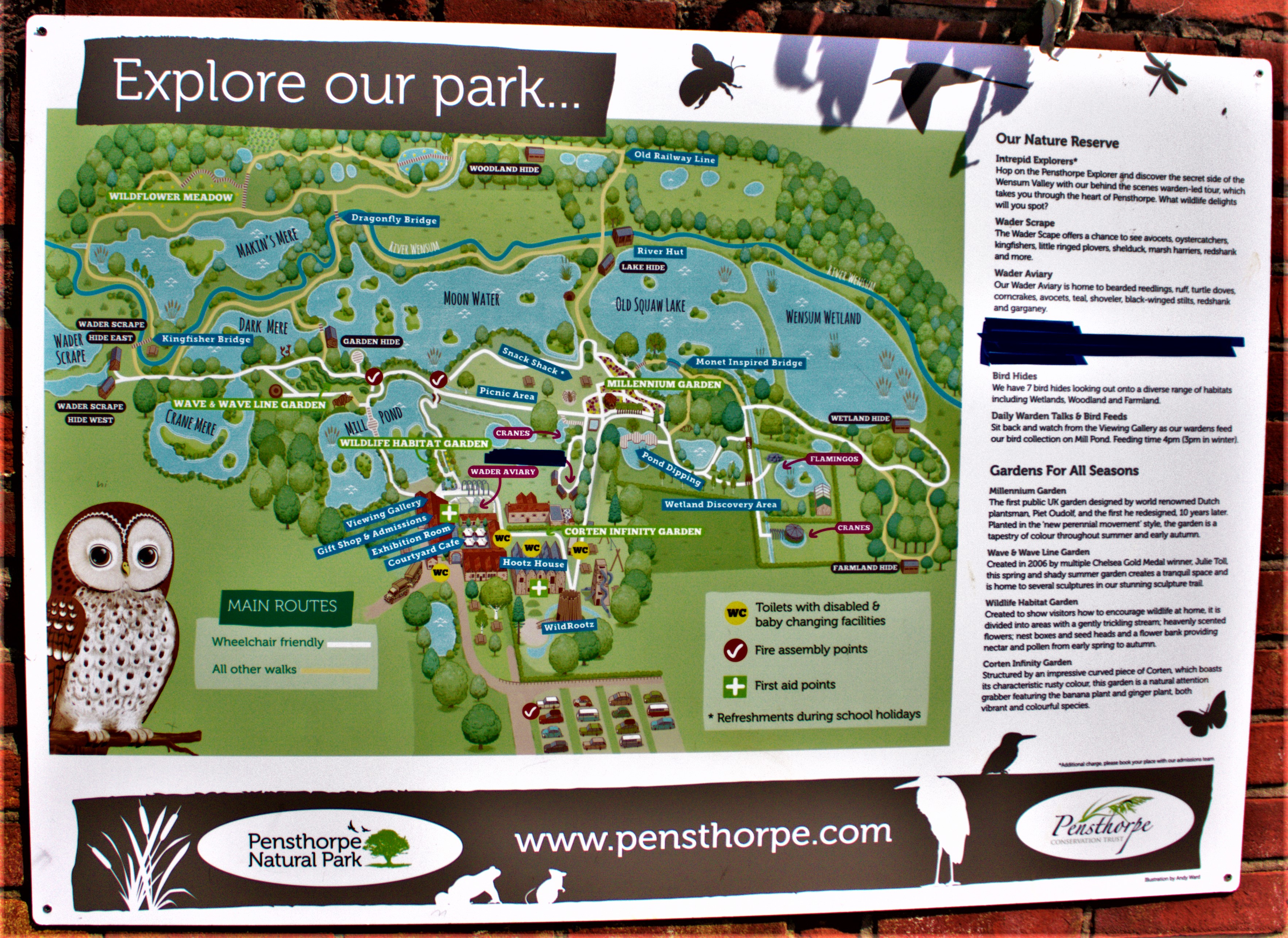
I followed the paths onward from the Monet inspired bridge, taking a few detours along the way, until I arrived back near the entrance. I had brought food and water with me, and I consumed them at this point, and finished my book while waiting for the next stage of the day, the ride on the Pensthorpe Explorer.
PHOTOGRAPHS
The same question/challenge that I introduced yesterday’s photo section with applies today…
Part one of a three part account of the West Norfolk Autism Group’s inaugural activity, a visit to Penshtorpe Natural Park. The photograph section comes with a question/challenge.
The West Norfolk Autism Group was established in an effort to secure more local funding for activities for autistic people and also because a degree of disillusionment with the conduct of the National Autistic Society’s head office. More details about the new group can be found on its website to which I have already linked, and also in this article published by Your Local Paper.
GETTING TO PENSTHORPE
Pensthorpe is located just off the the road from Fakenham to Norwich (the X29, the bus between Fakenham and Norwich could easily include it in their route if they wanted to, and the route of the 36 between Fakenham and Wells could be adjusted to include without massive upheaval) but I did not have to worry about working out how to get there because a coach had been hired, with a pick up point at Gaywood Tesco, within comfortable walking distance of my home in North Lynn. Those using the bus were supposed to be there for 9:30AM yesterday for a 9:45AM departure. Thus at 9AM yesterday morning I set off, with a bag containing food, water and a book and made my way to the appointed place. The ride took about 45 minutes (a law abiding driver cannot do it any quicker even in light traffic, which we benefitted from). A few minutes after arrival we were good to start our exploration. Before lunch we were going to be walking around those parts of the site that can be seen on foot, and then after that some of us were booked on the Pensthorpe Explorer to experience the rest. The rest of this post covers the first part of the exploration I did on foot.
STARTING TO EXPLORE
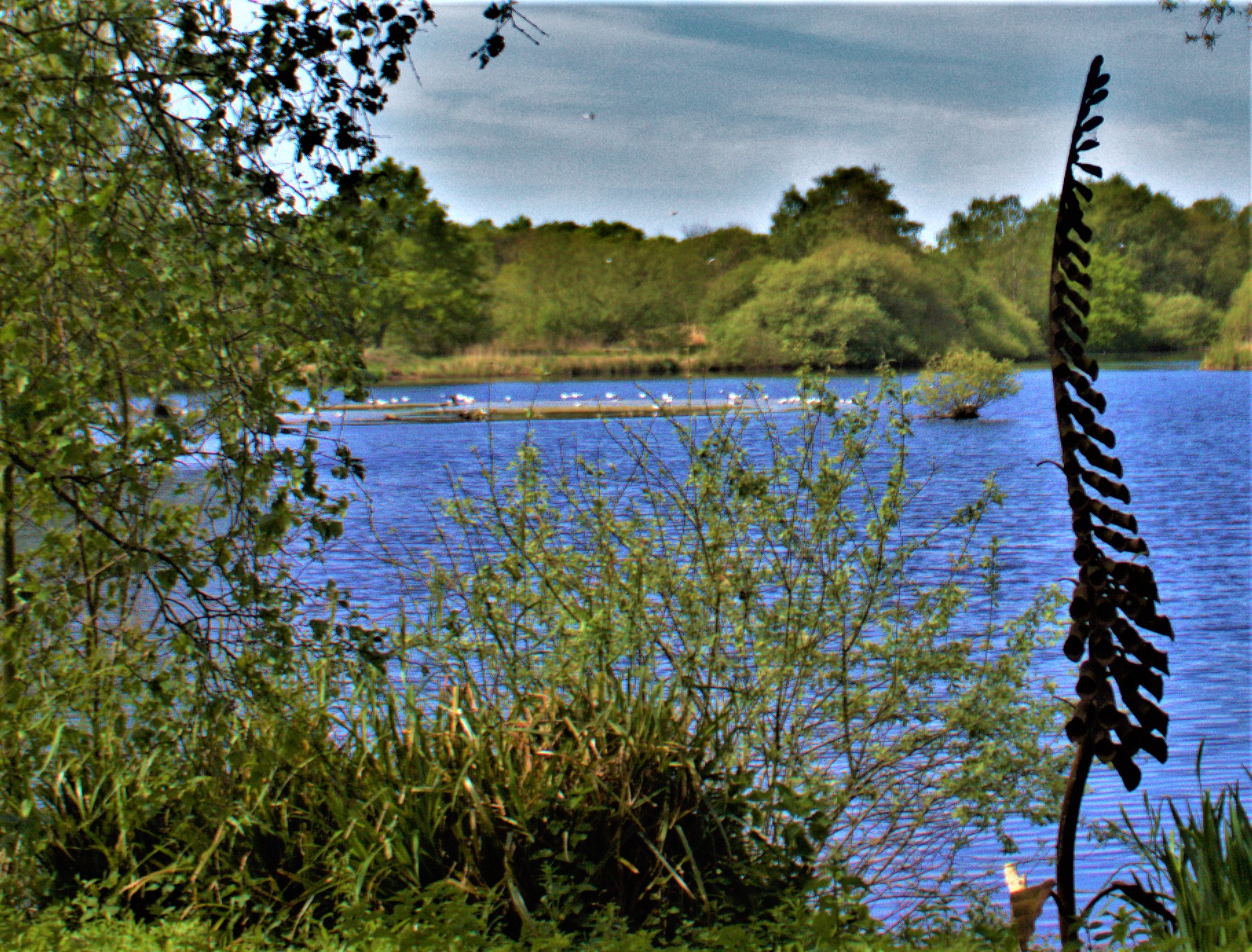
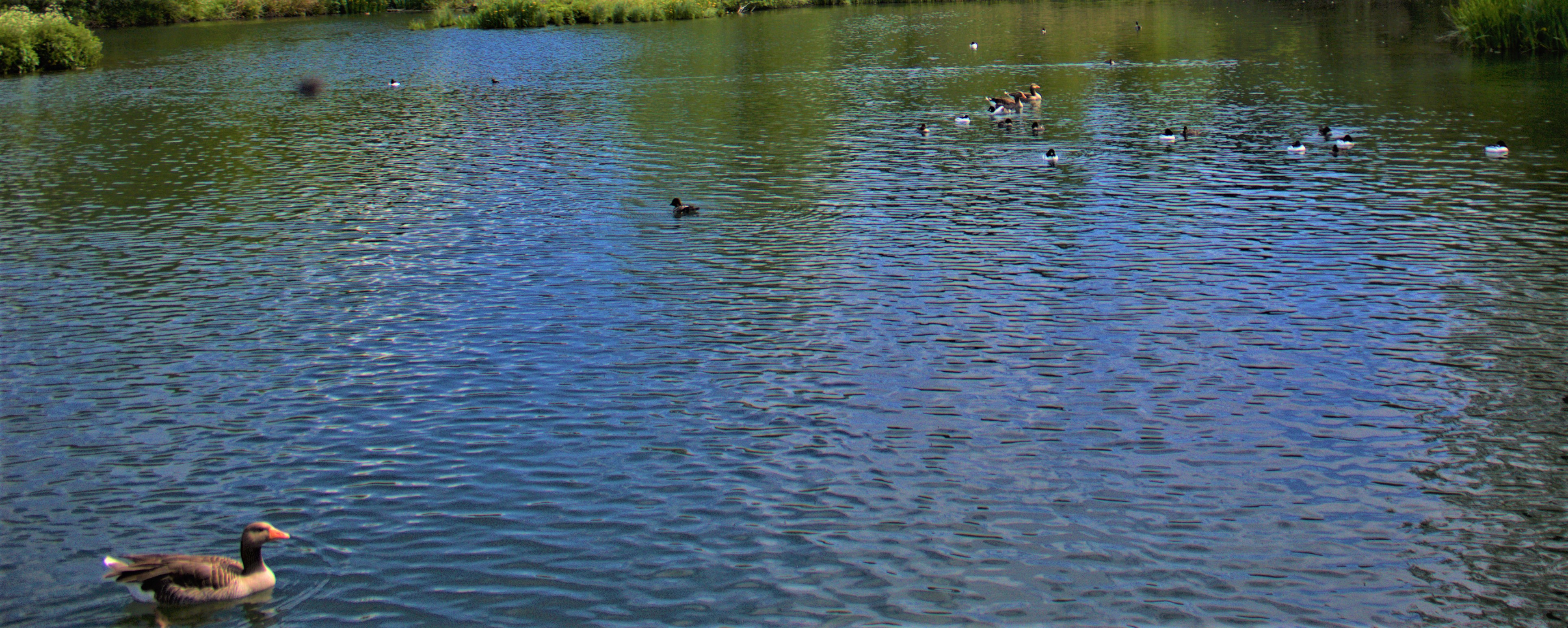
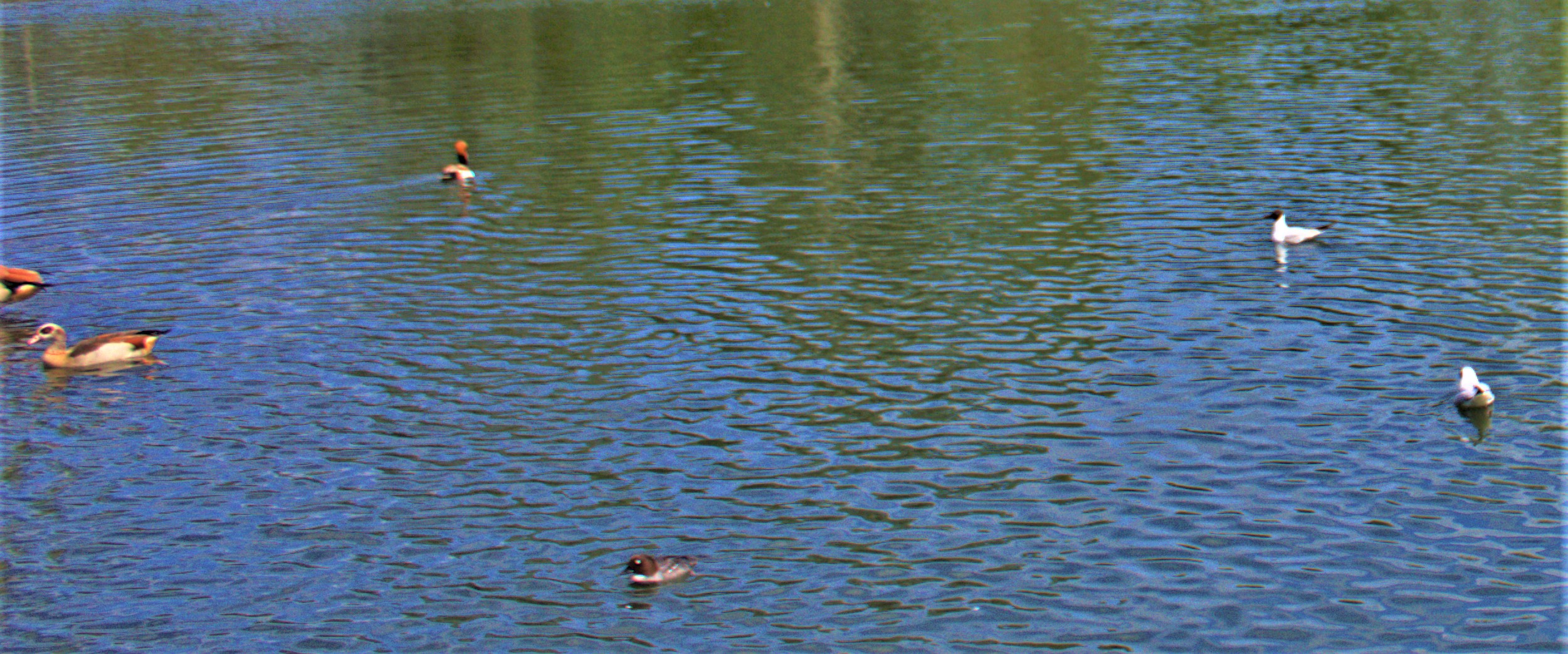
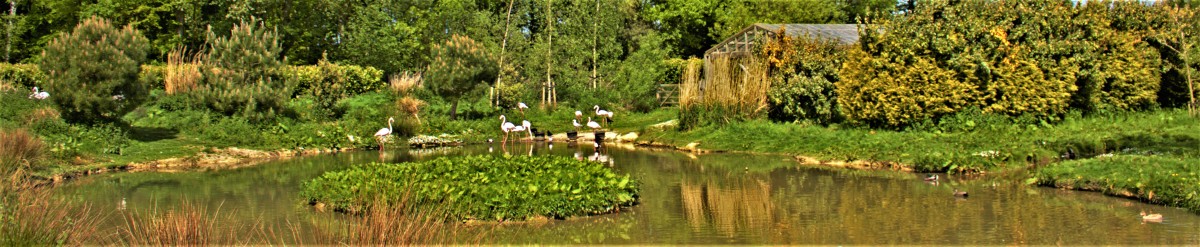
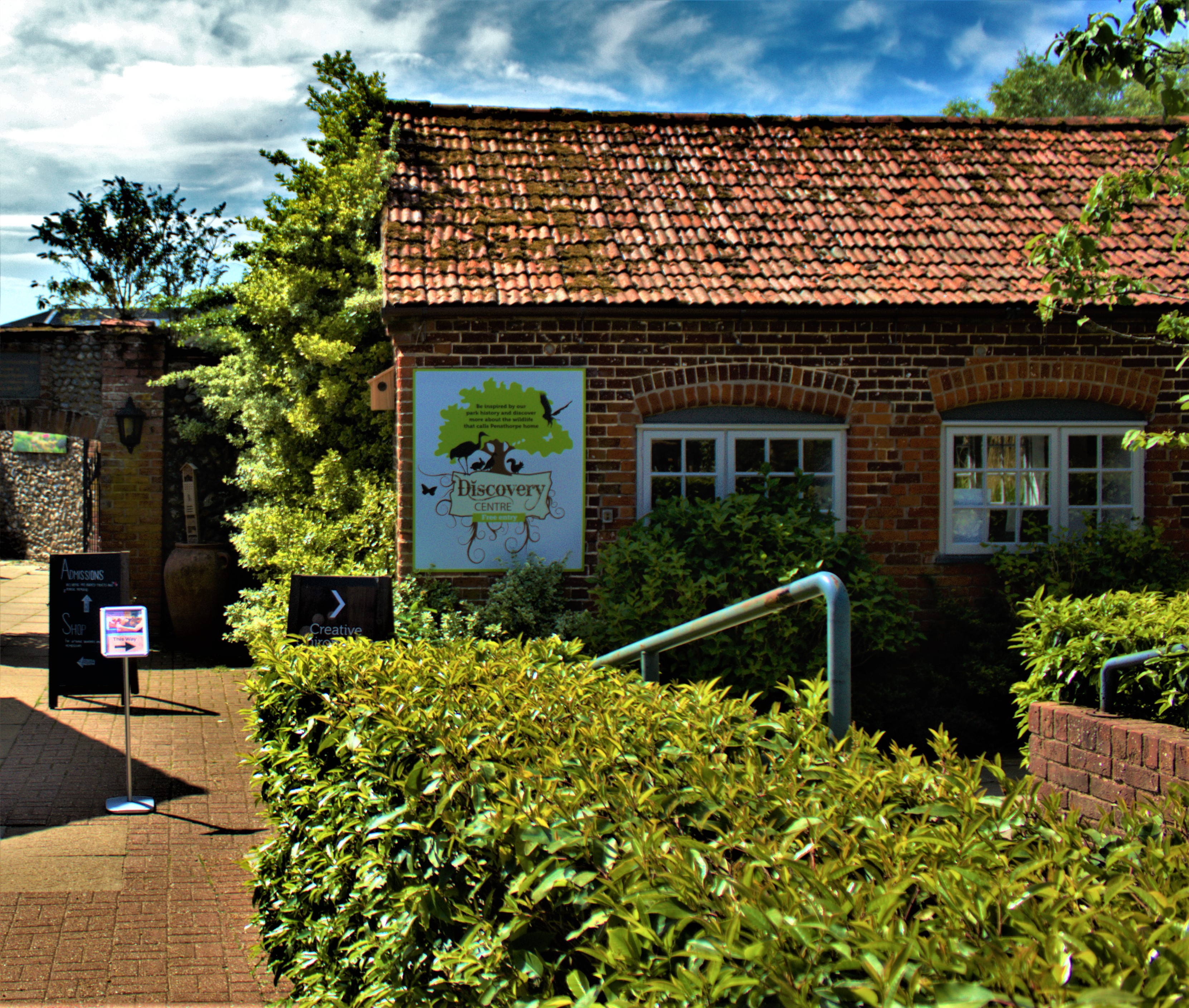
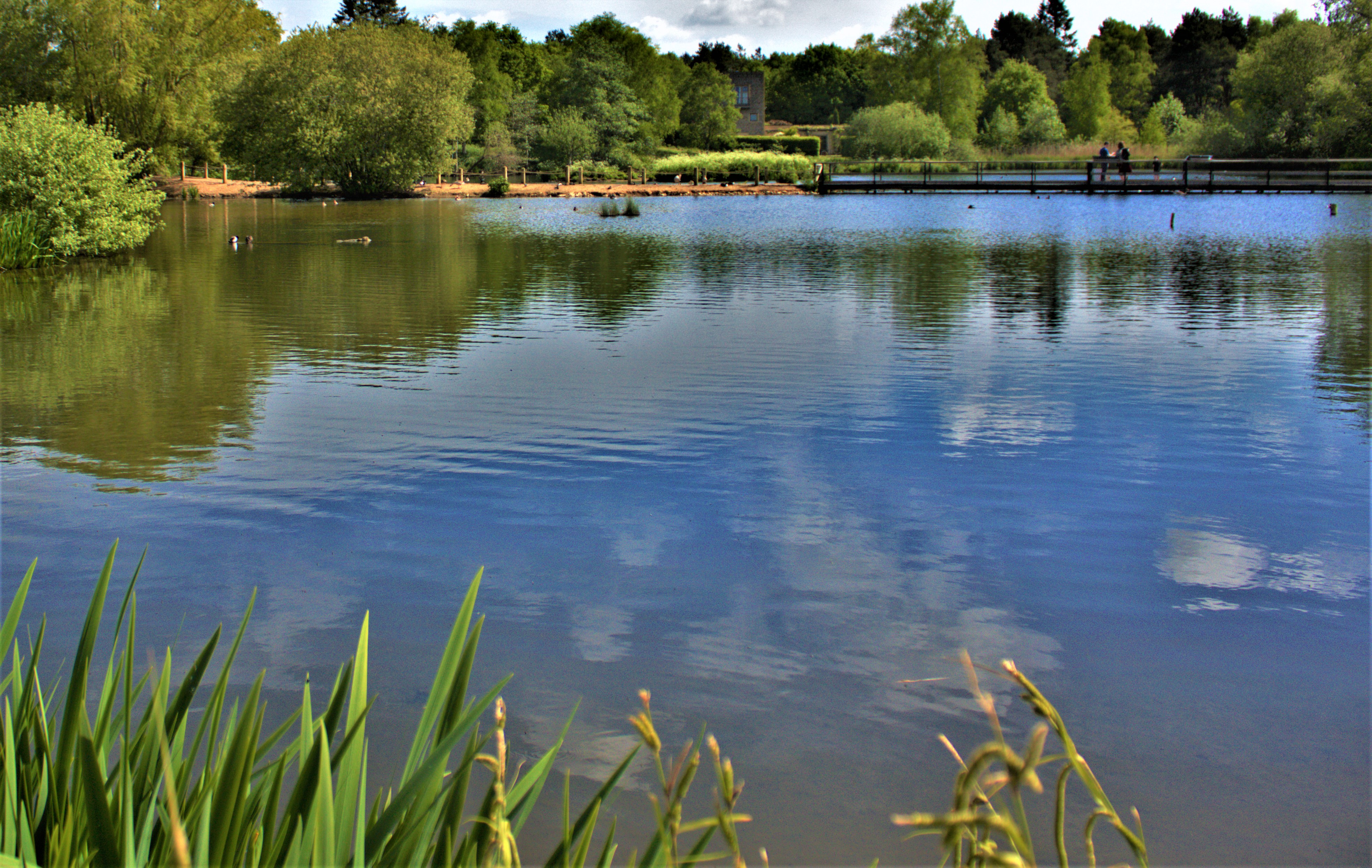
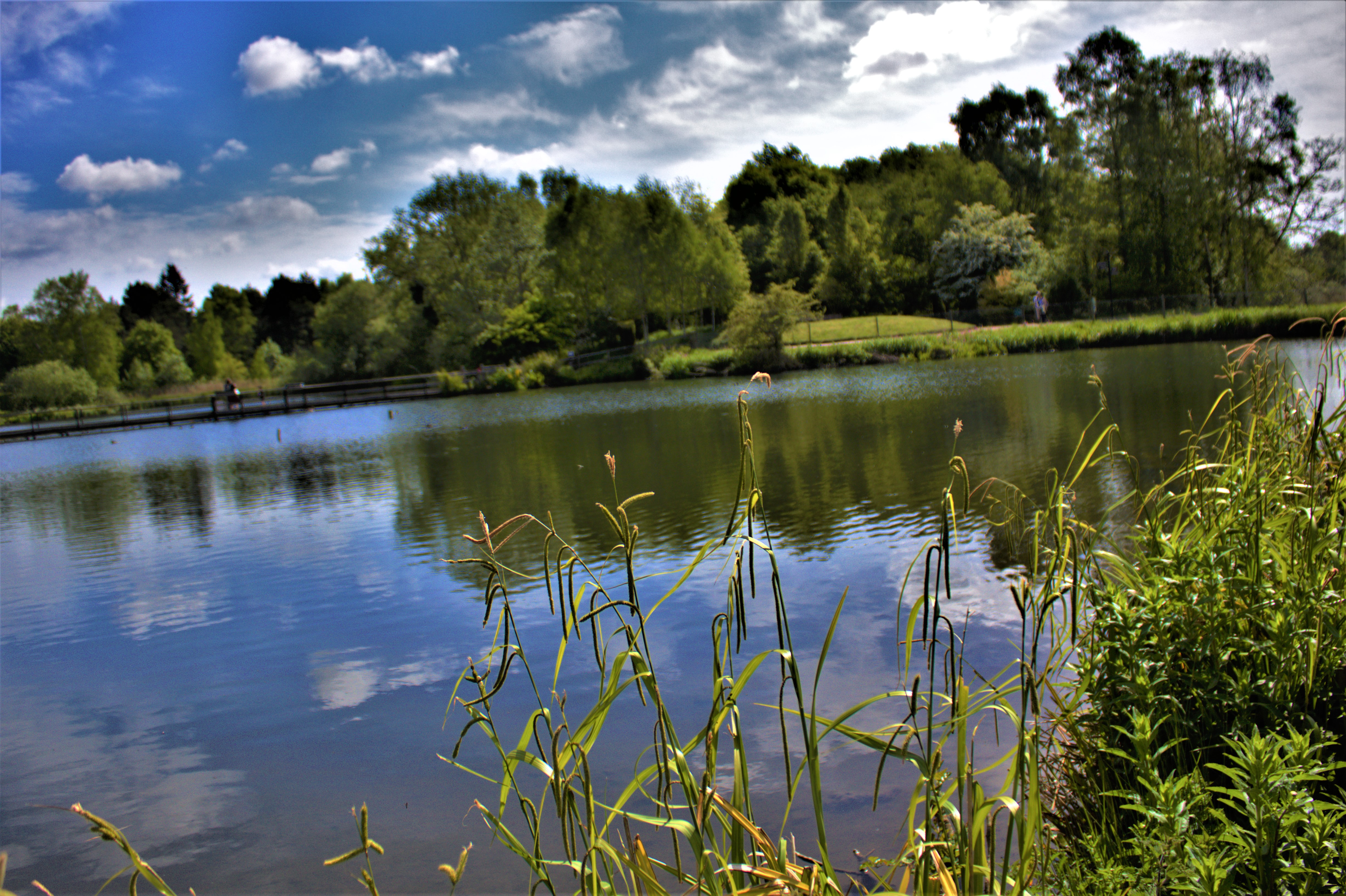
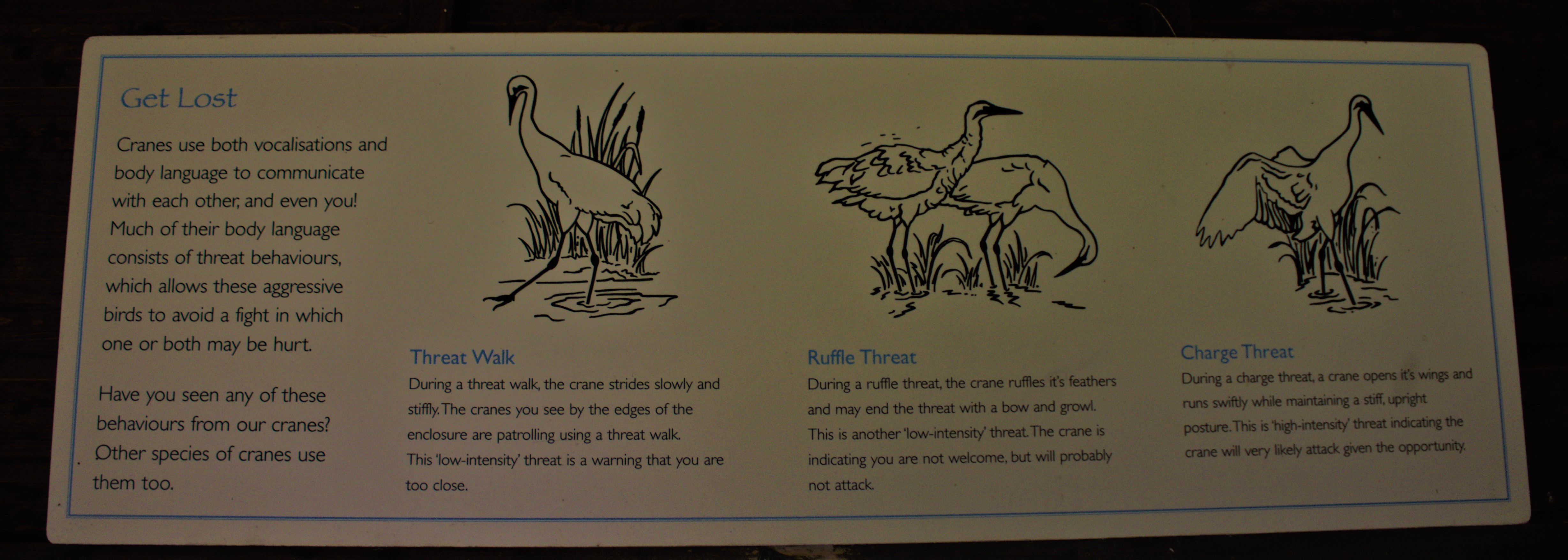
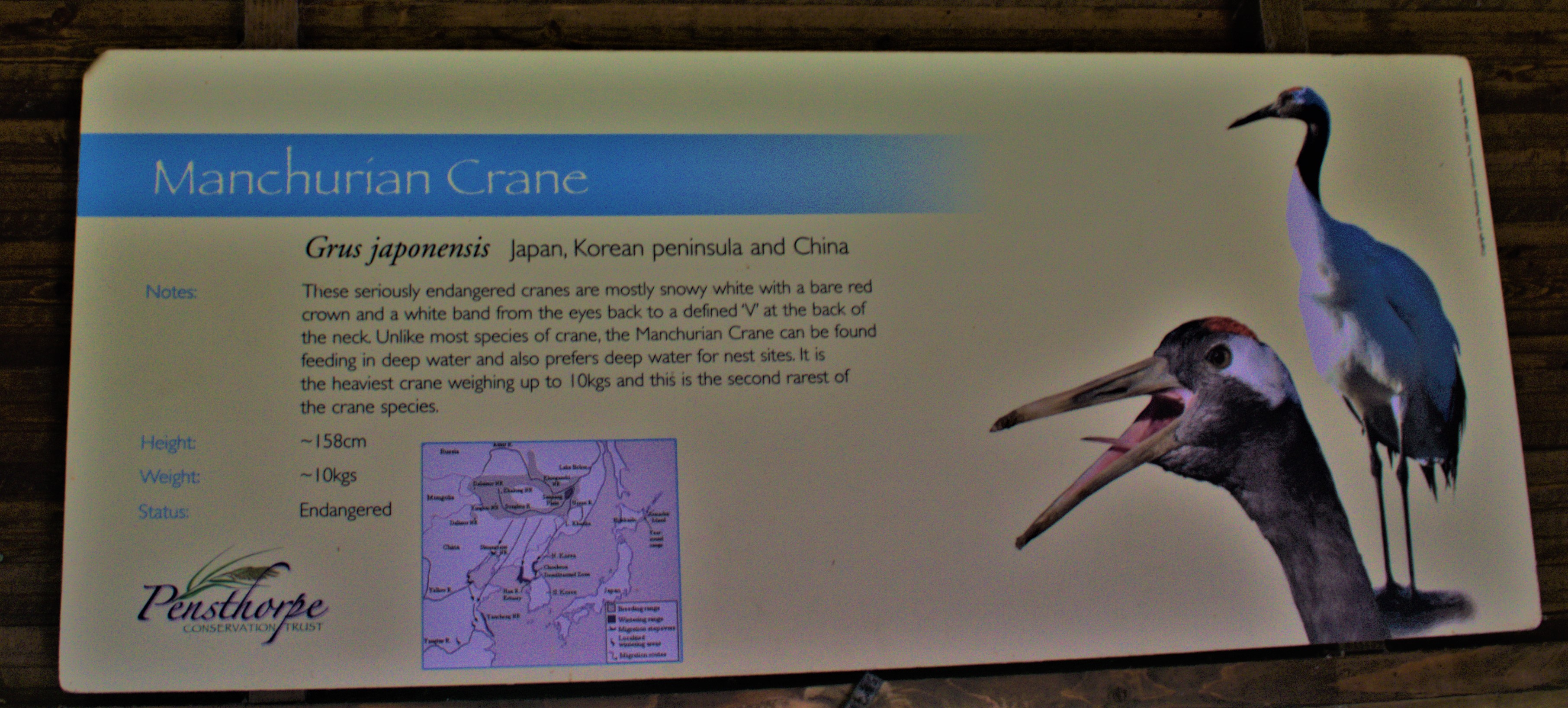
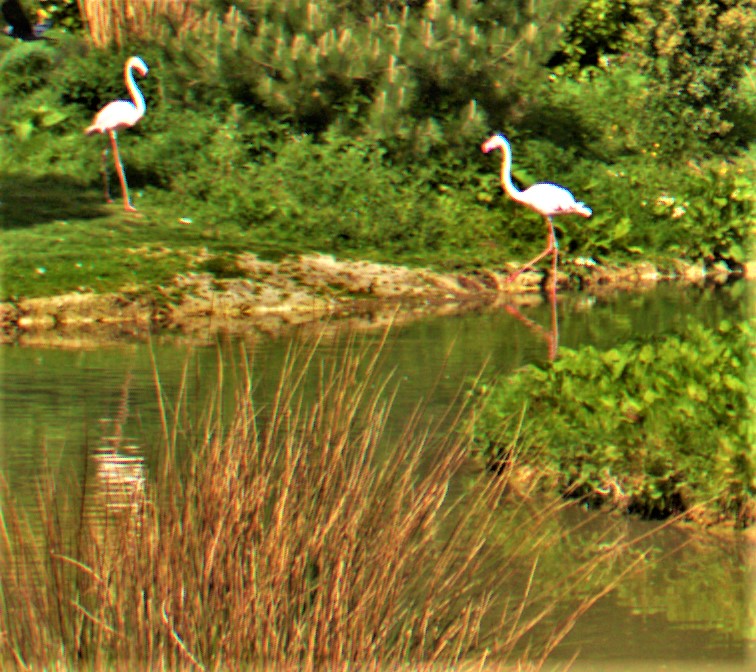
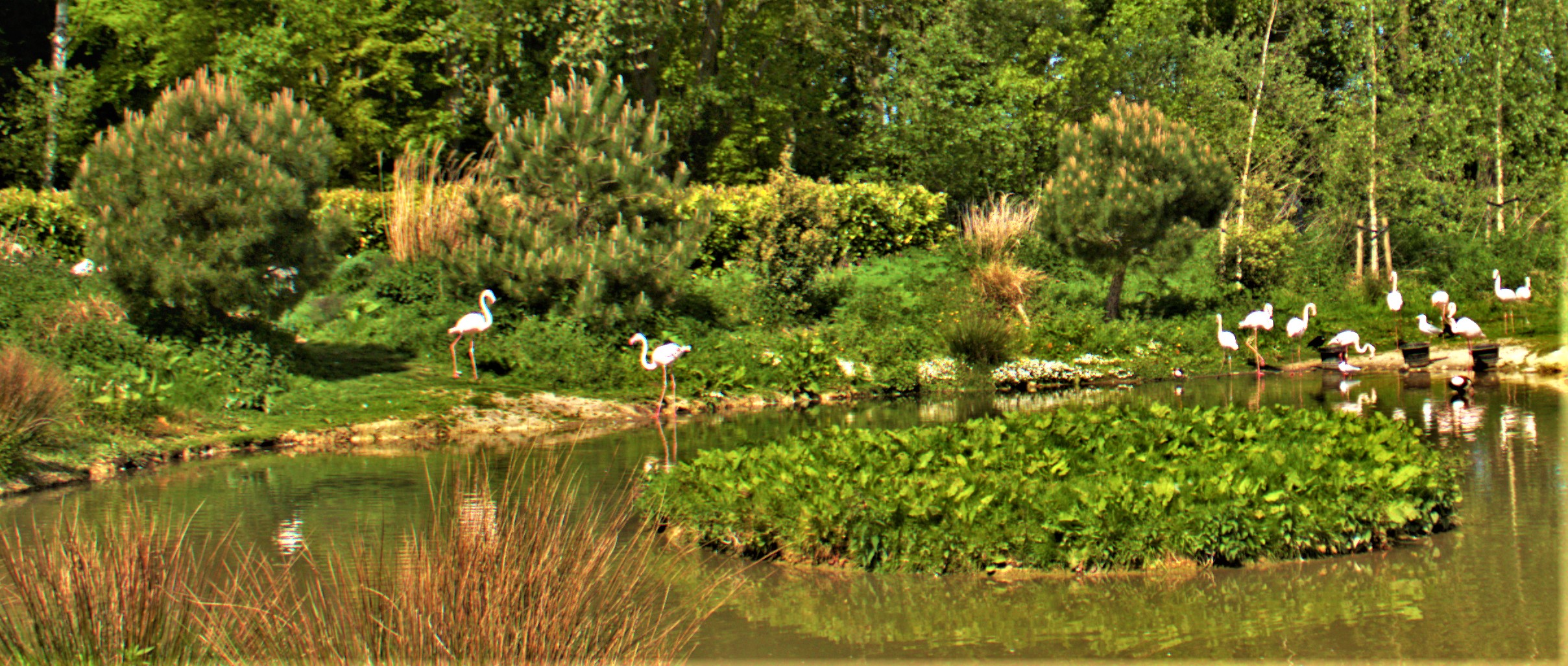
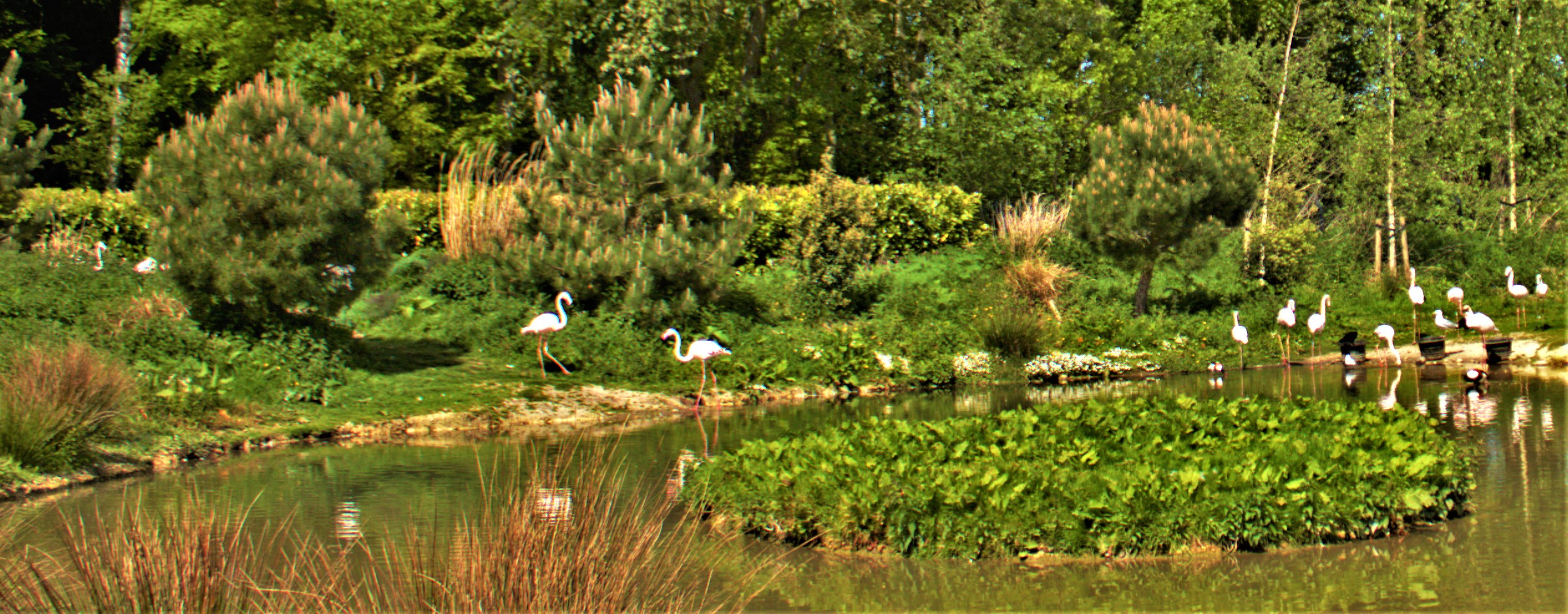
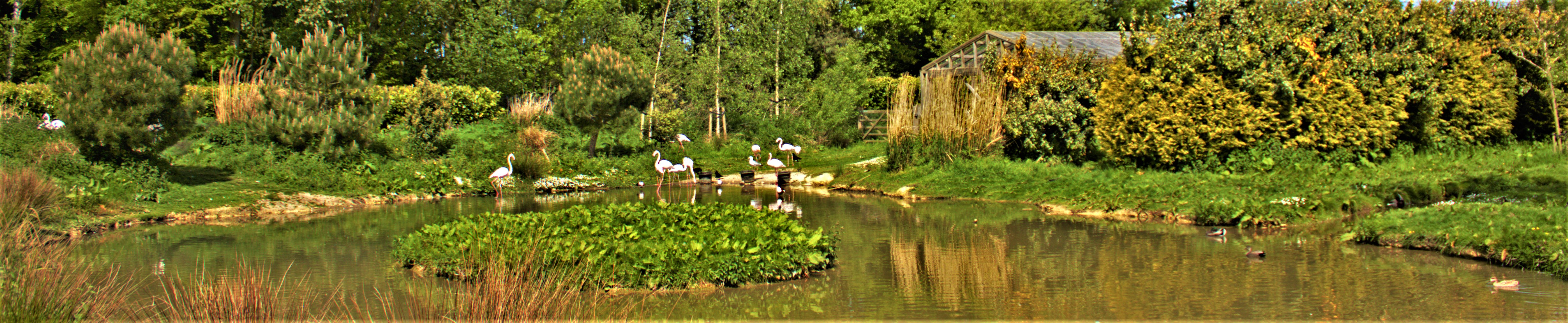
Once one gets past the entrance, the shop and the courtyard cafe one is confronted by an expanse of water and a range of splendid water birds which set the stage for the wonders to come. I started by heading in the direction of the cranes and flamingoes, and then headed on beyond them, eventually reaching a sign pointing to the Monet inspired bridge (Claude Monet, the great French impressionist painter, had an ornamental bridge in his garden at Giverny, which his painting made famous). The bridge is quite impressive, and it does indeed resemble the structure that inspired it.
PHOTOGRAPHS
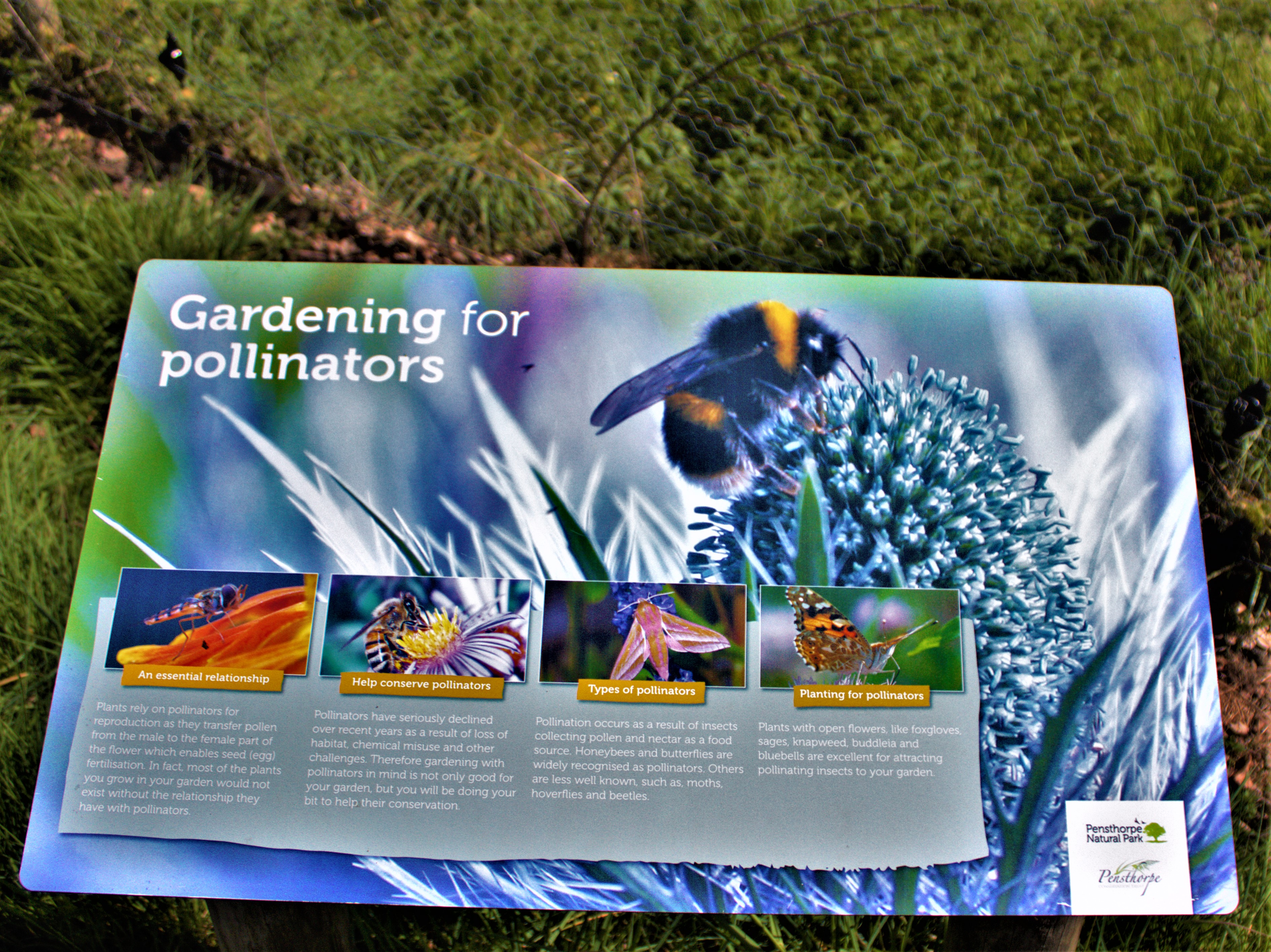
I end this with the photographs from the section of the visit up to and including the bridge, and a question/challenge. Should I go back to creating calendars as I used to do? Please comment with answers to this question, if possible fleshed out with details of photos you would like to see featured in said calendar. To view a photo at full size click on it.
Continuing my account of my recent holiday in the channel islands with a special post dedicated to the birds of Alderney.
I continue my account of my recent visit to the channel islands with a special post dedicated to the birds of Alderney (the island is justly famed for its bird life).
TWO MISSES
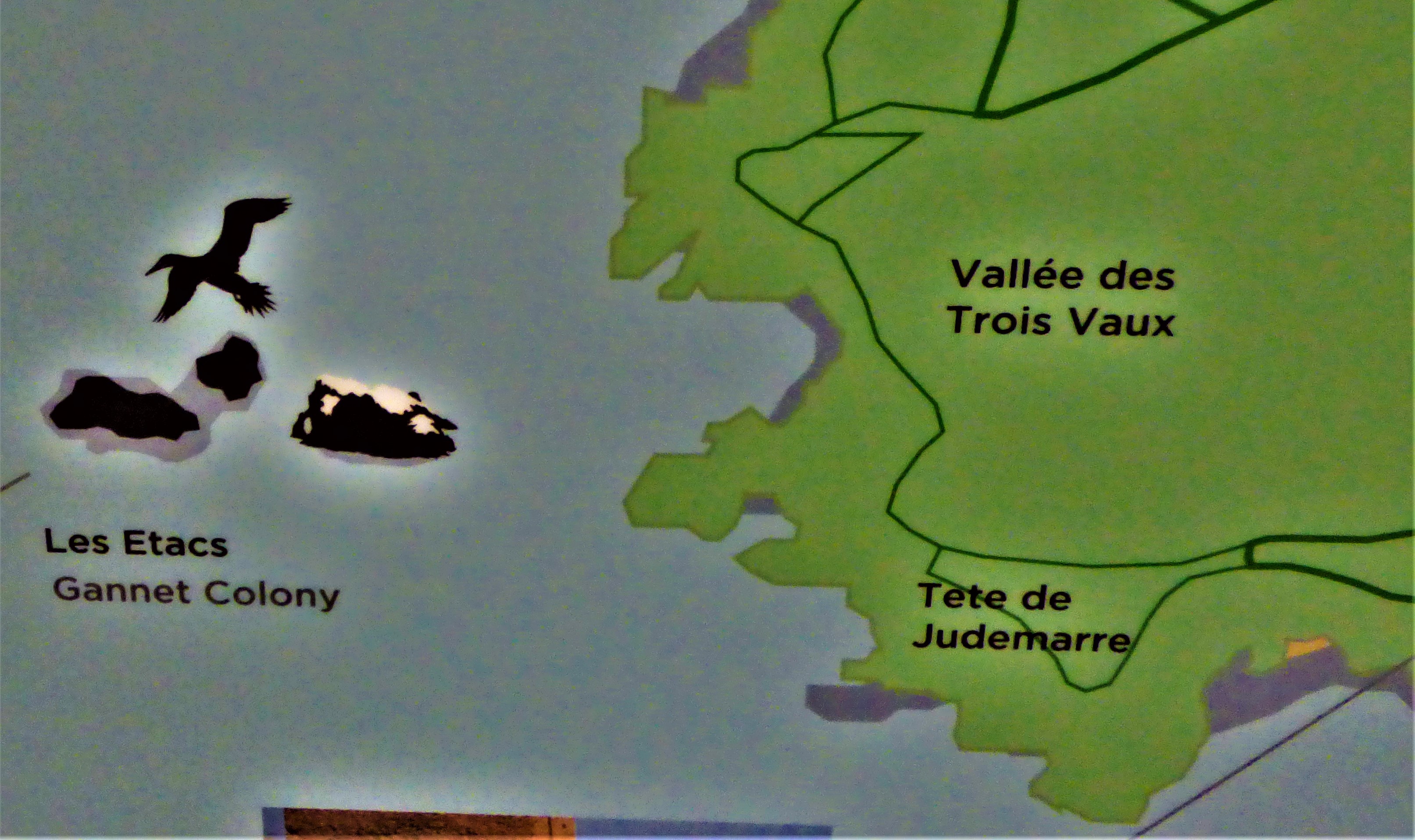
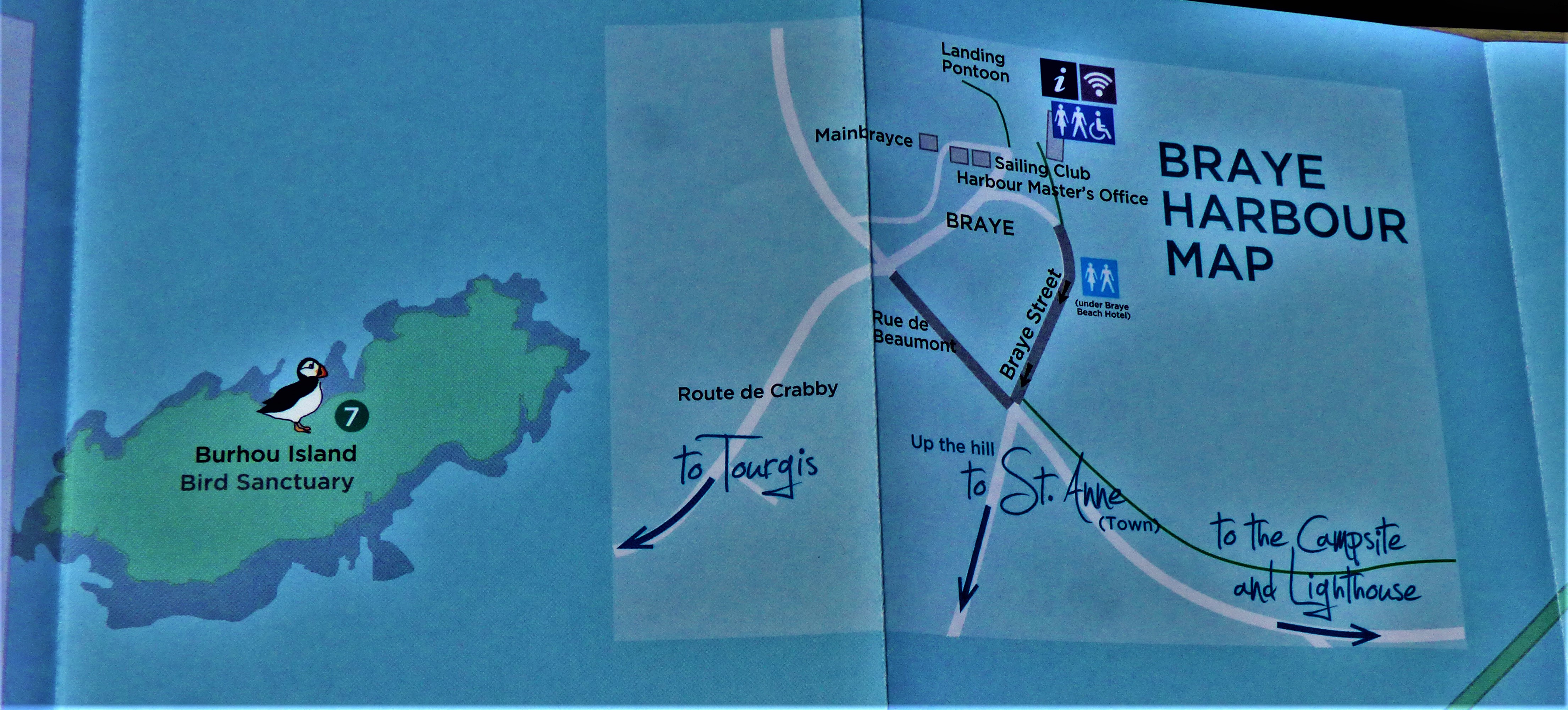
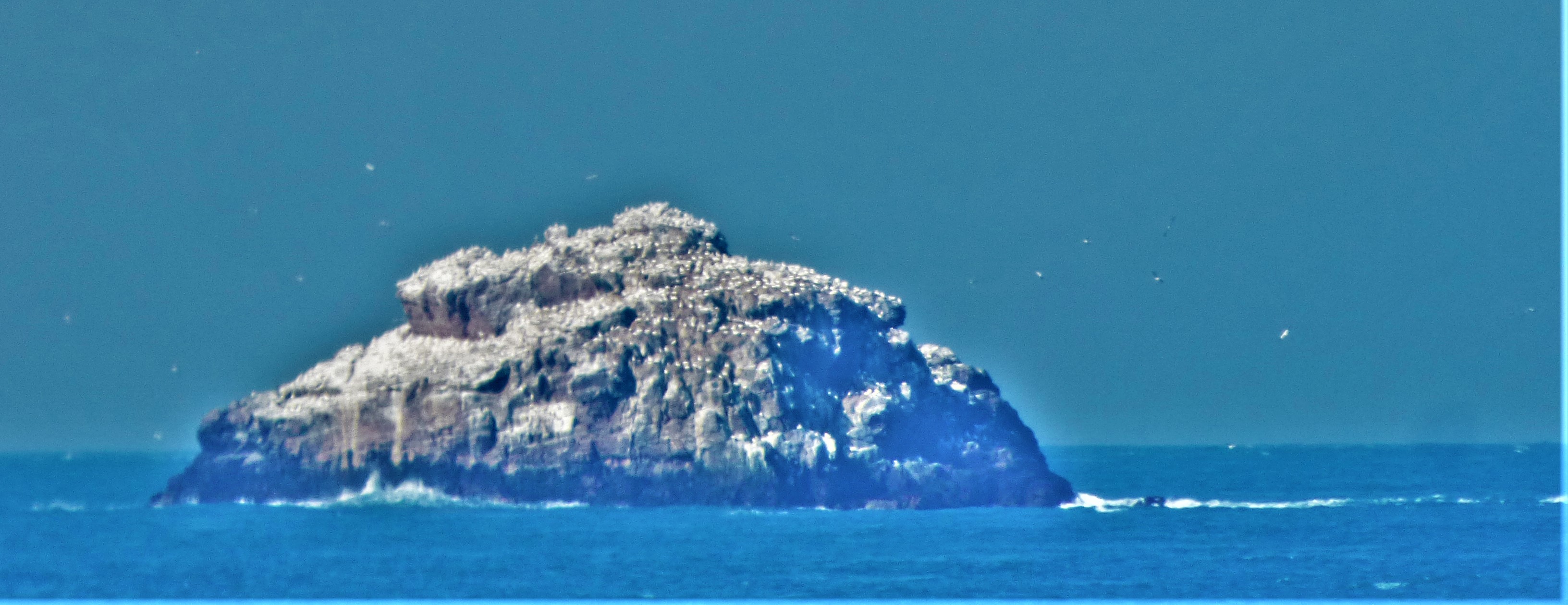
It was too early in the year for boat trips to be running to the island of Burhou, just off the coast of Alderney to the north, and home to puffins (it has no human residents at all), and Wednesday took so much out of me that on the Thursday I was unable to face to fairly steep and fairly rough path that would have started the walk towards a point from which I could view the gannet colony. Here a few maps…
THE BIRDS I DID SEE
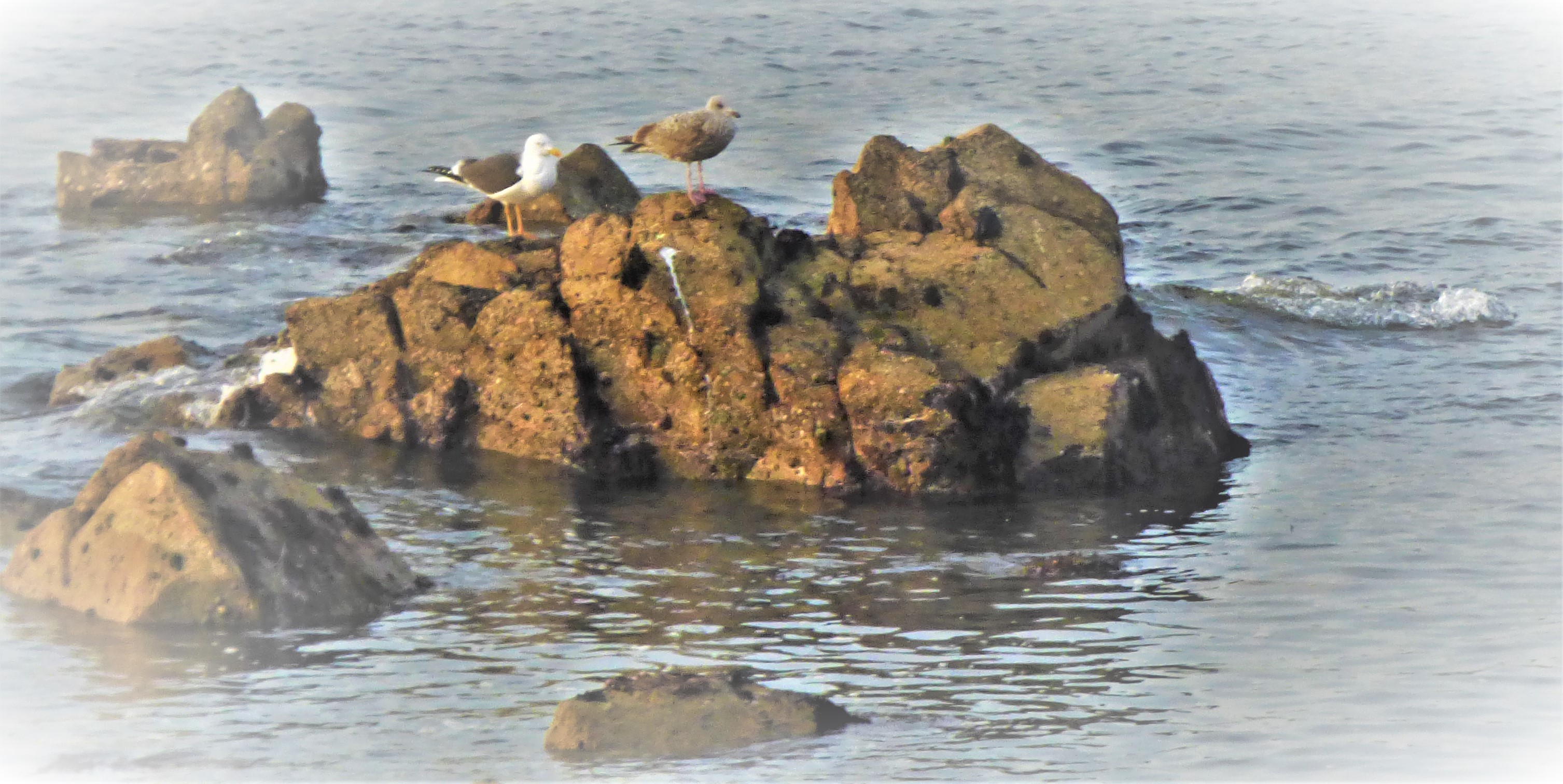
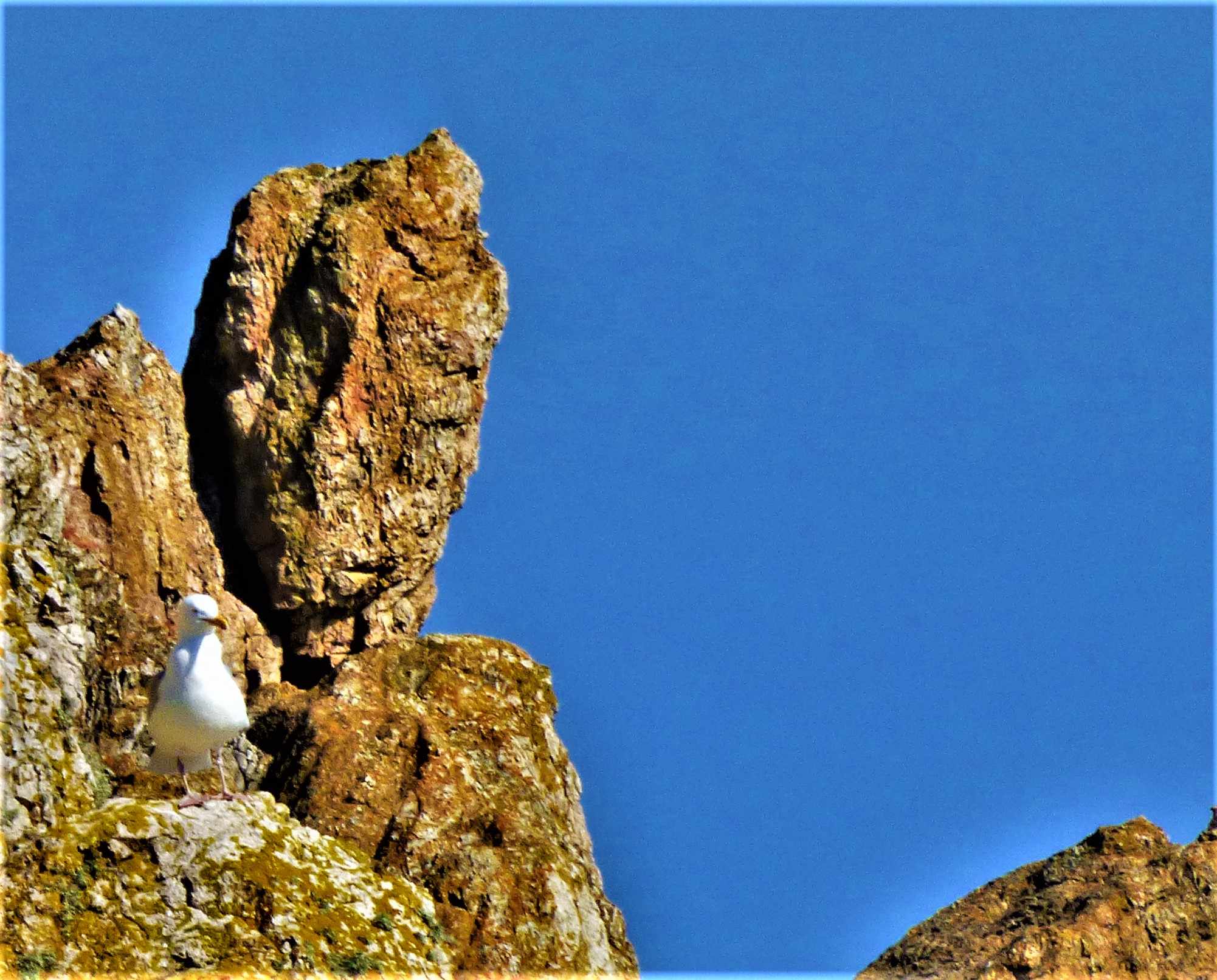
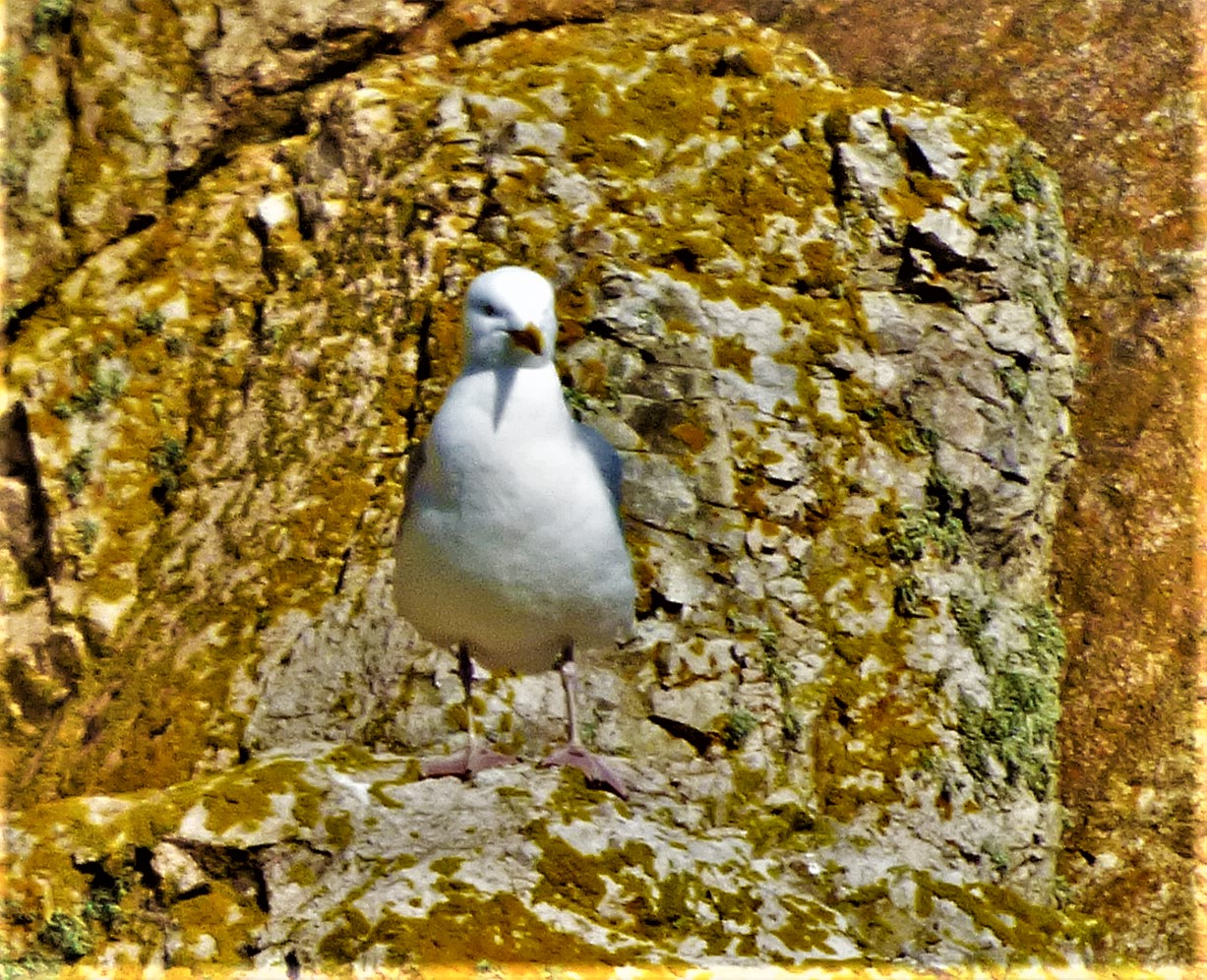
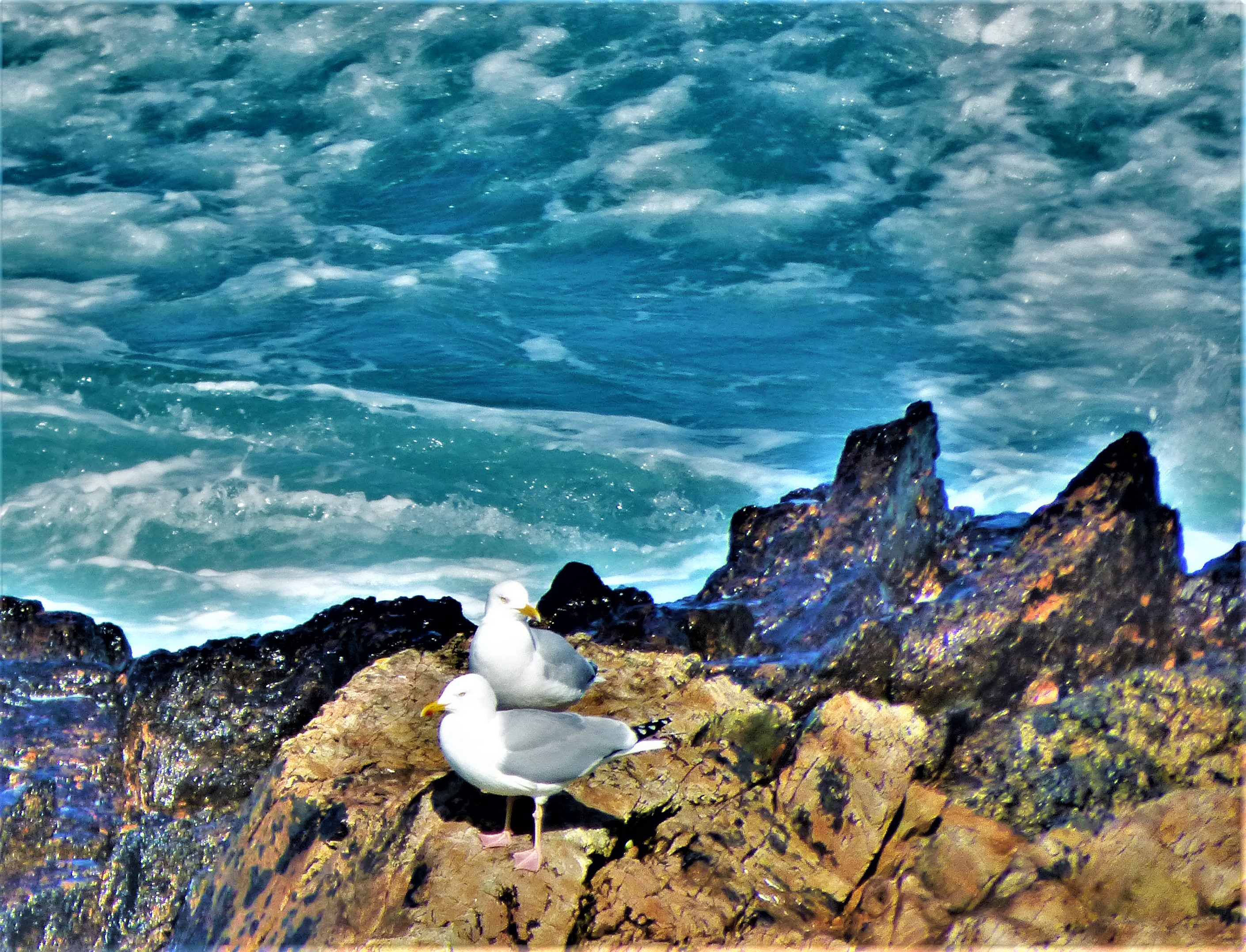
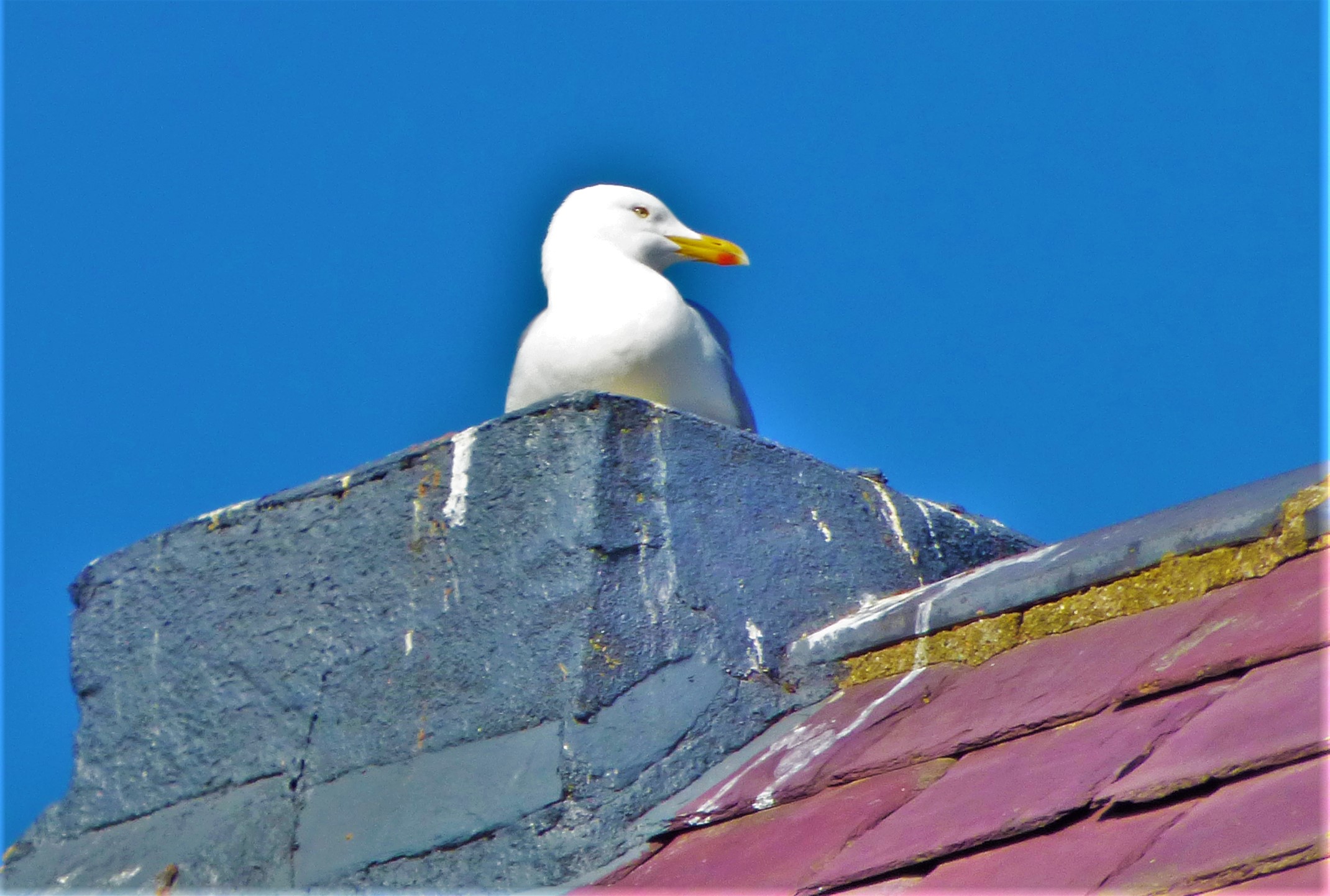
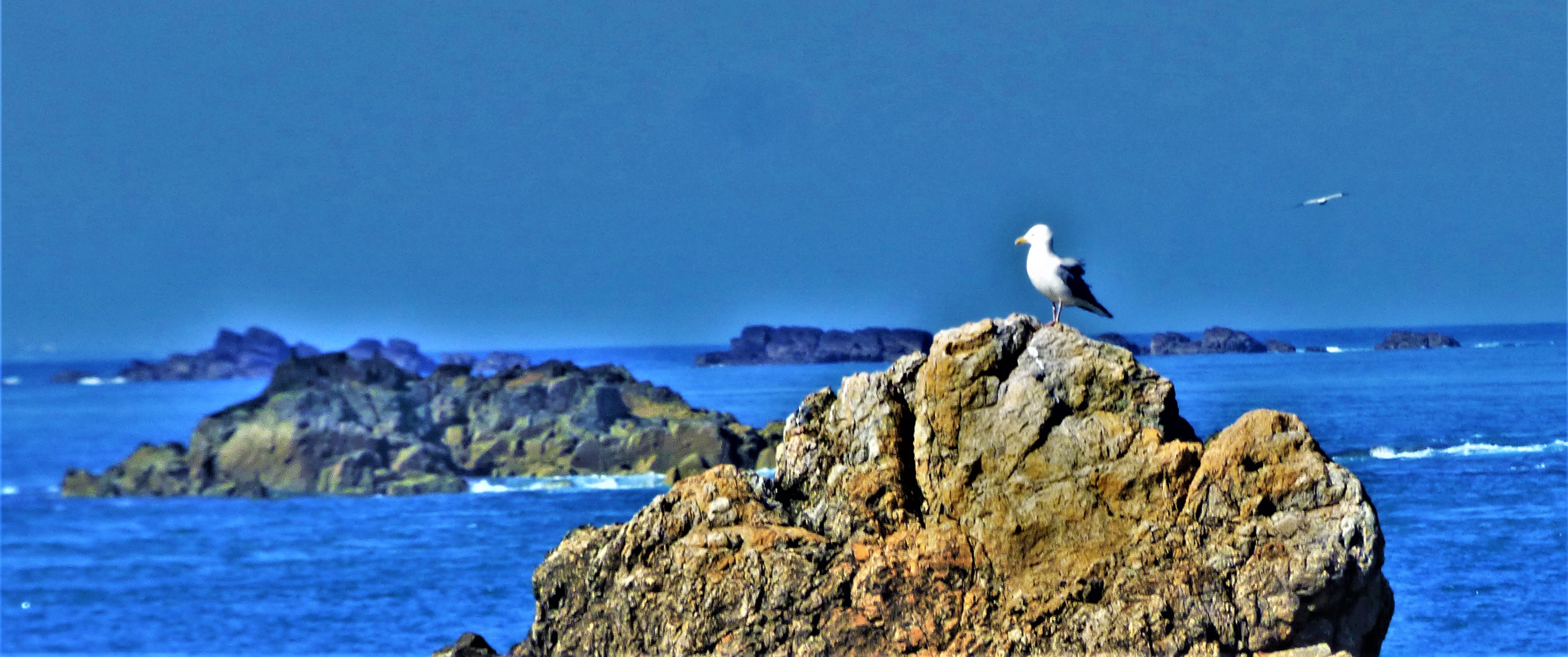
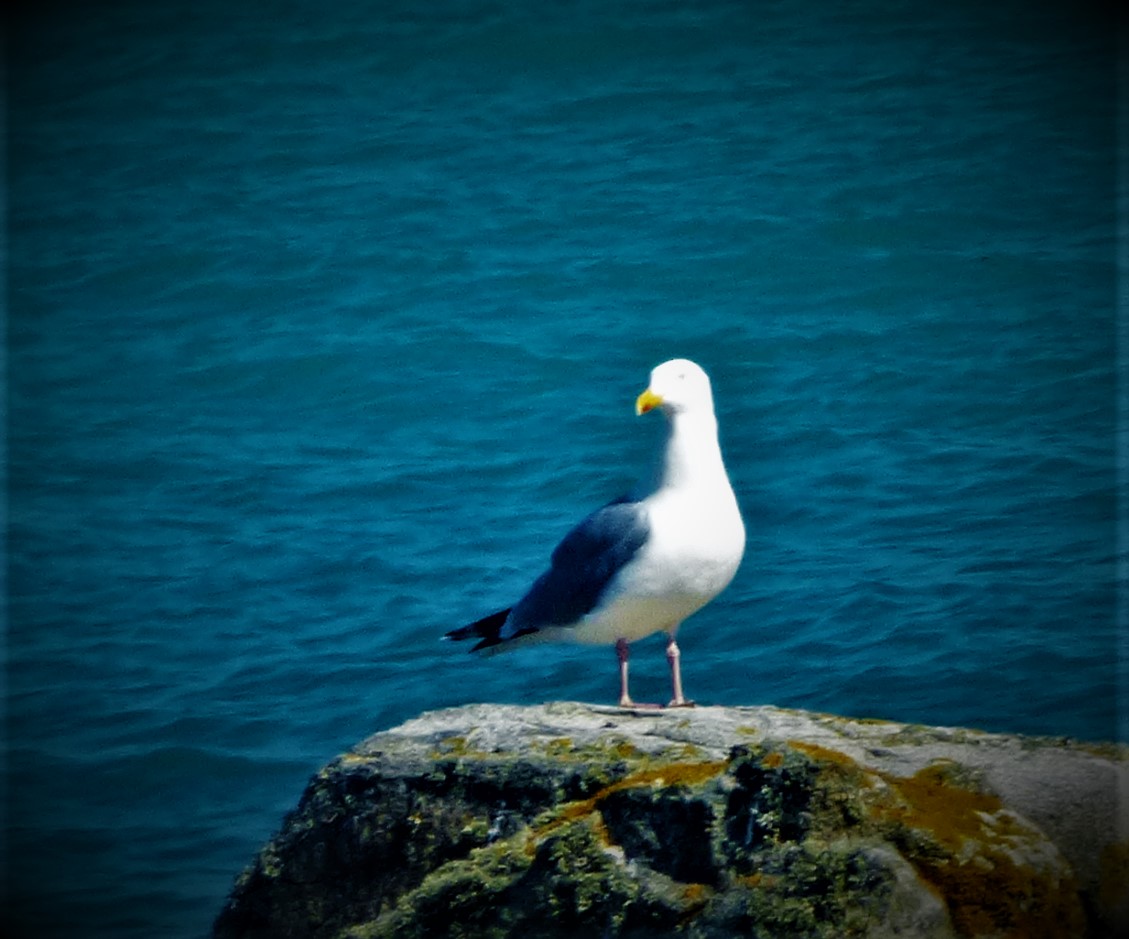
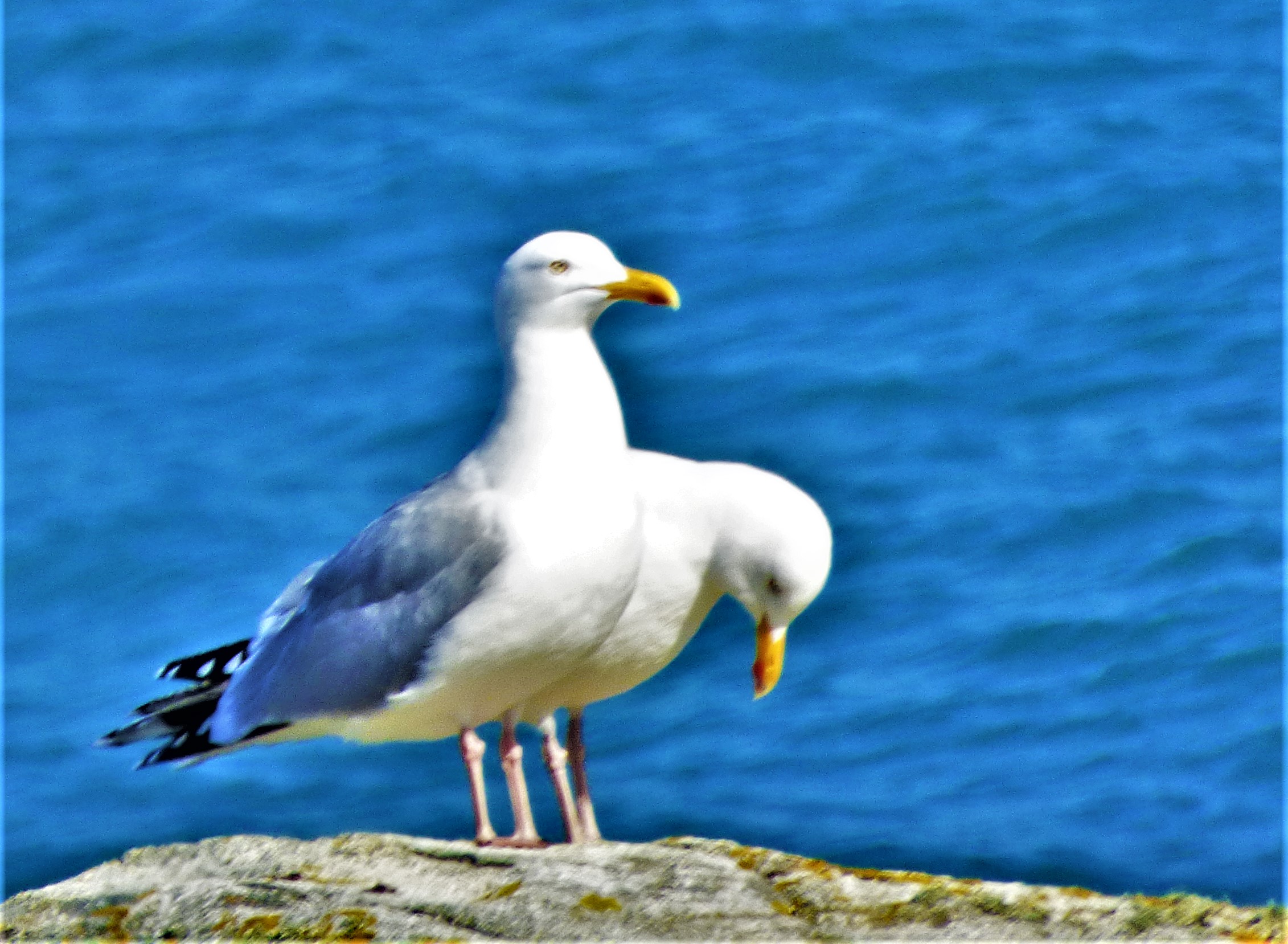
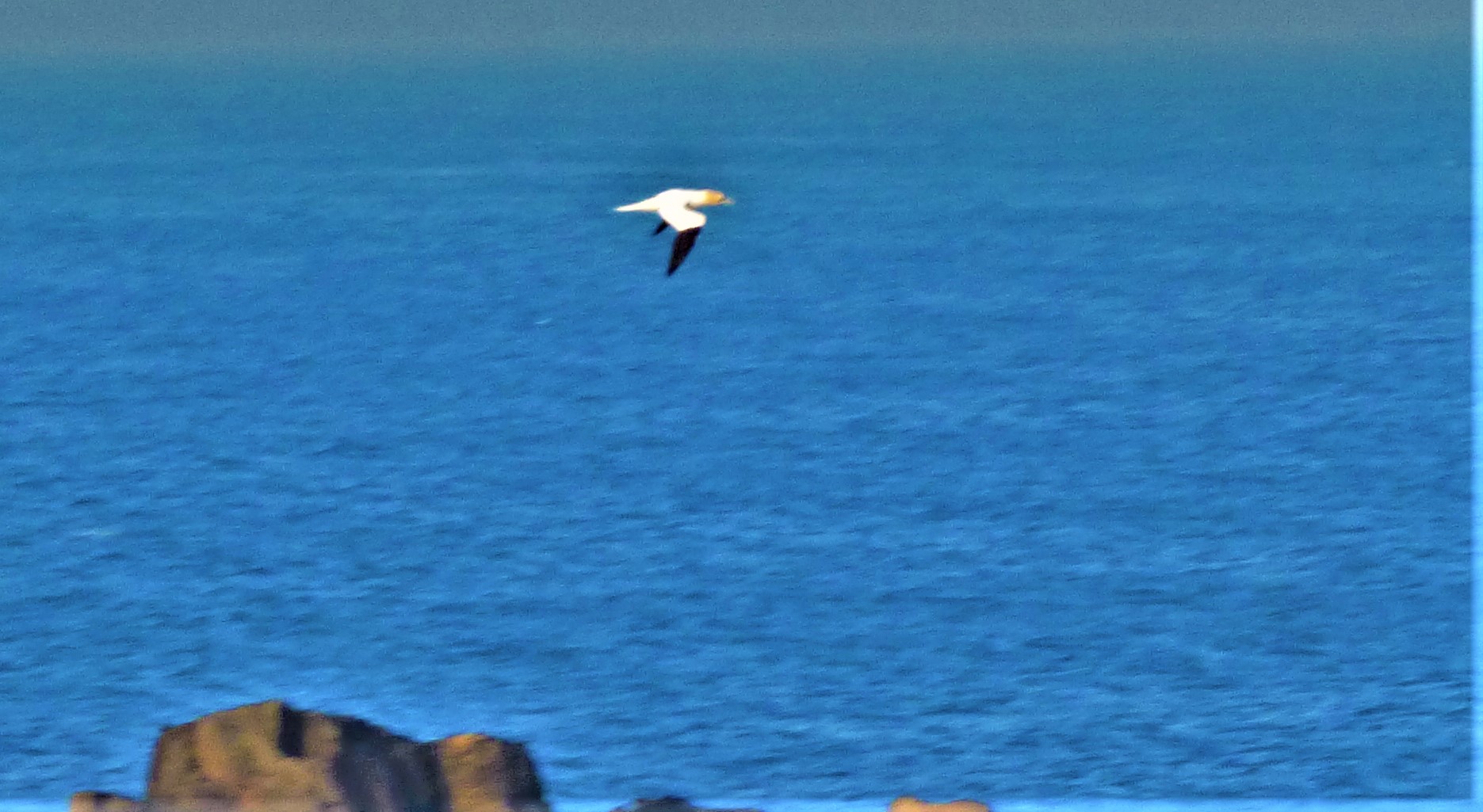
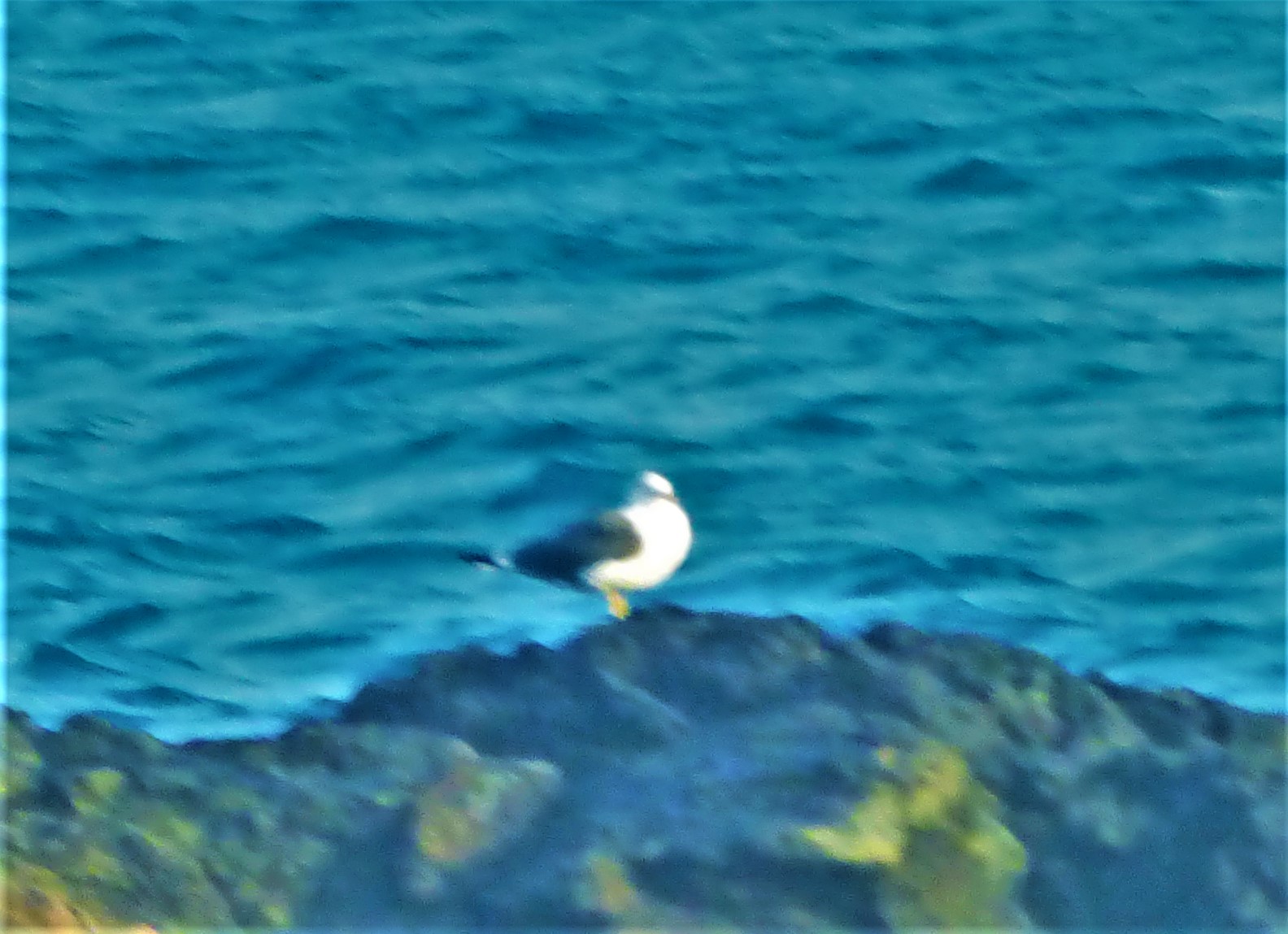
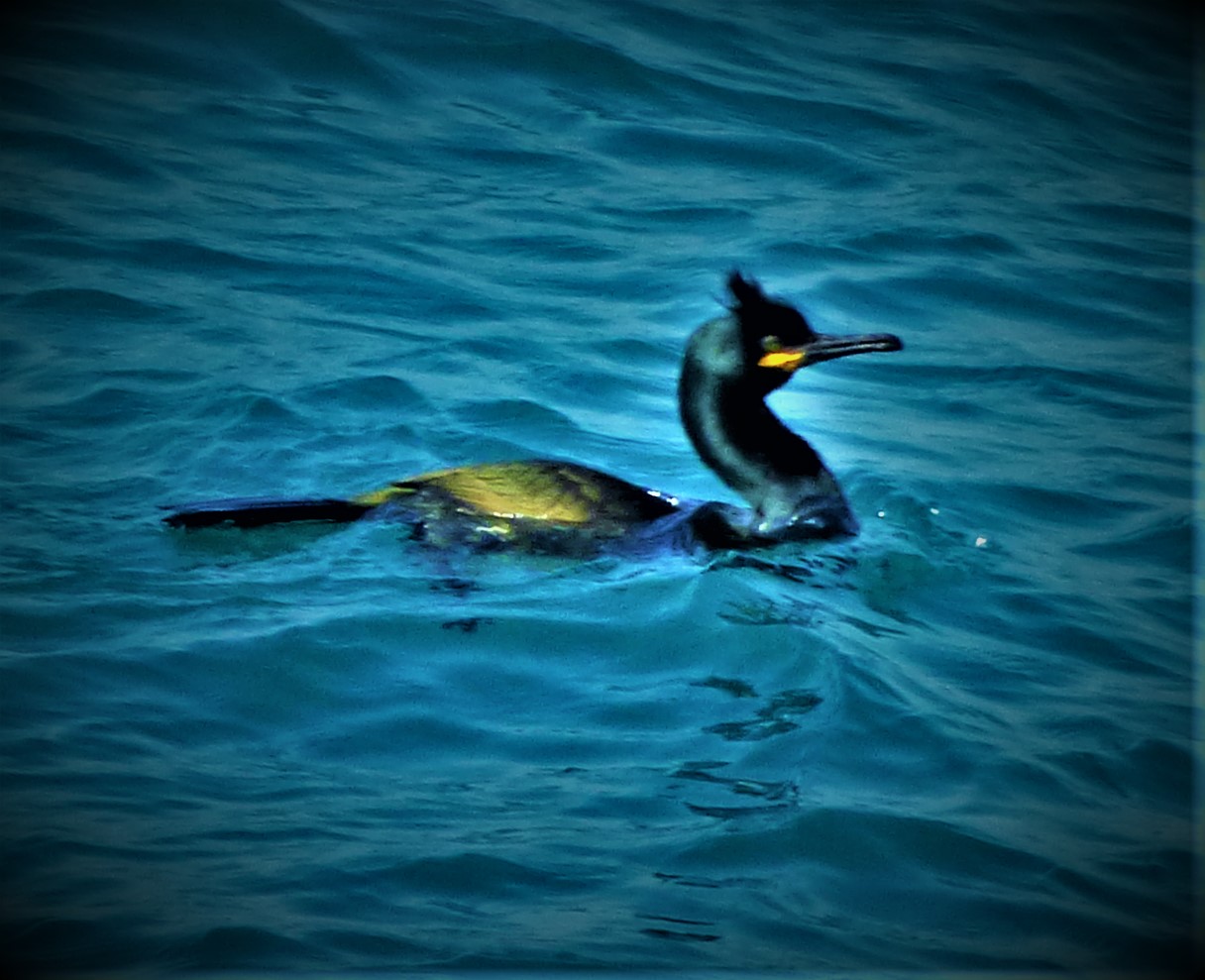
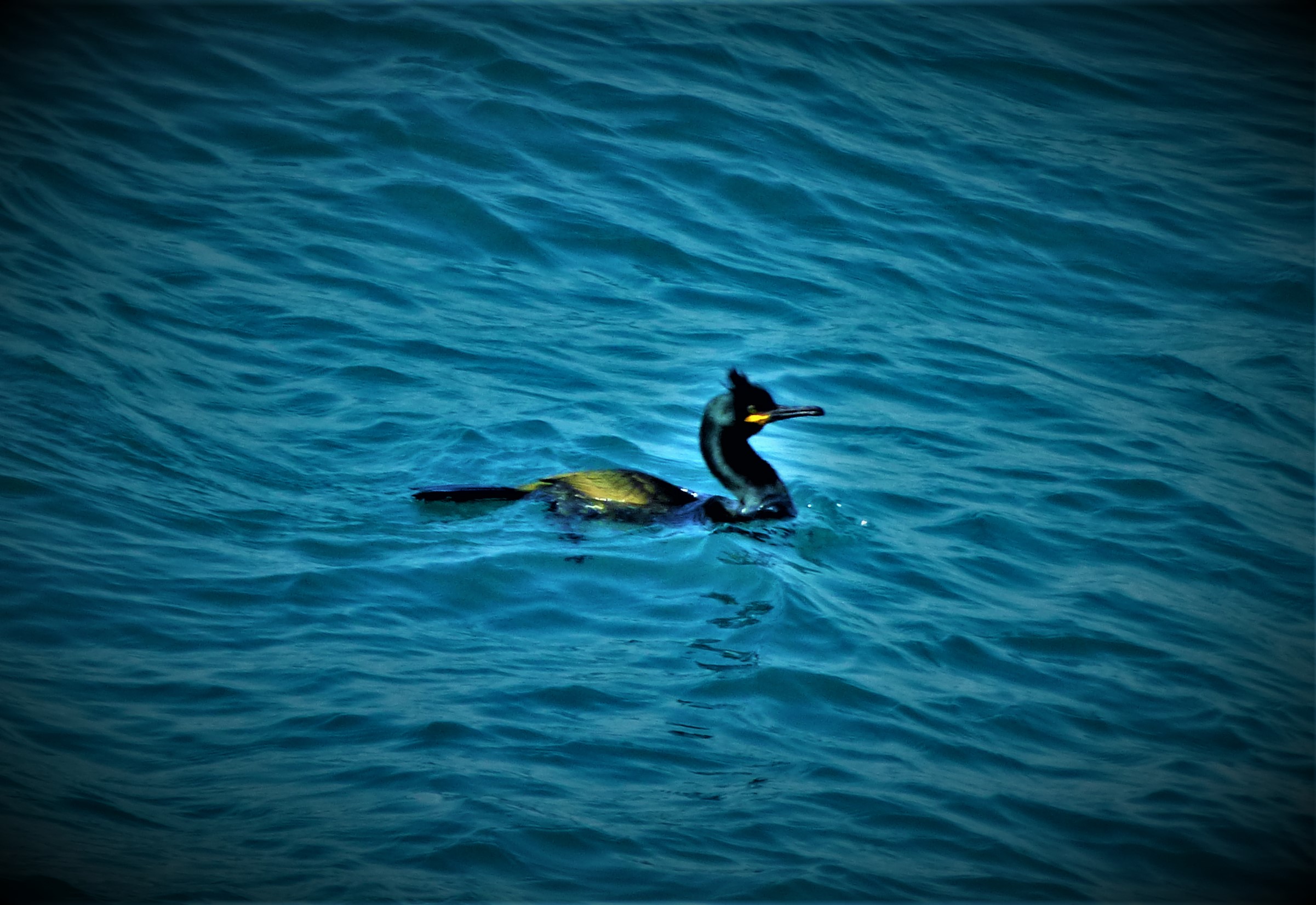
Although I missed two great ornithological sites for different reasons, I still saw a fine range of birds during my few days on Alderney…
I spotted this one (and took the picture) through the window of the taxi taking us to the harbour to catch the boat back to Guernsey.
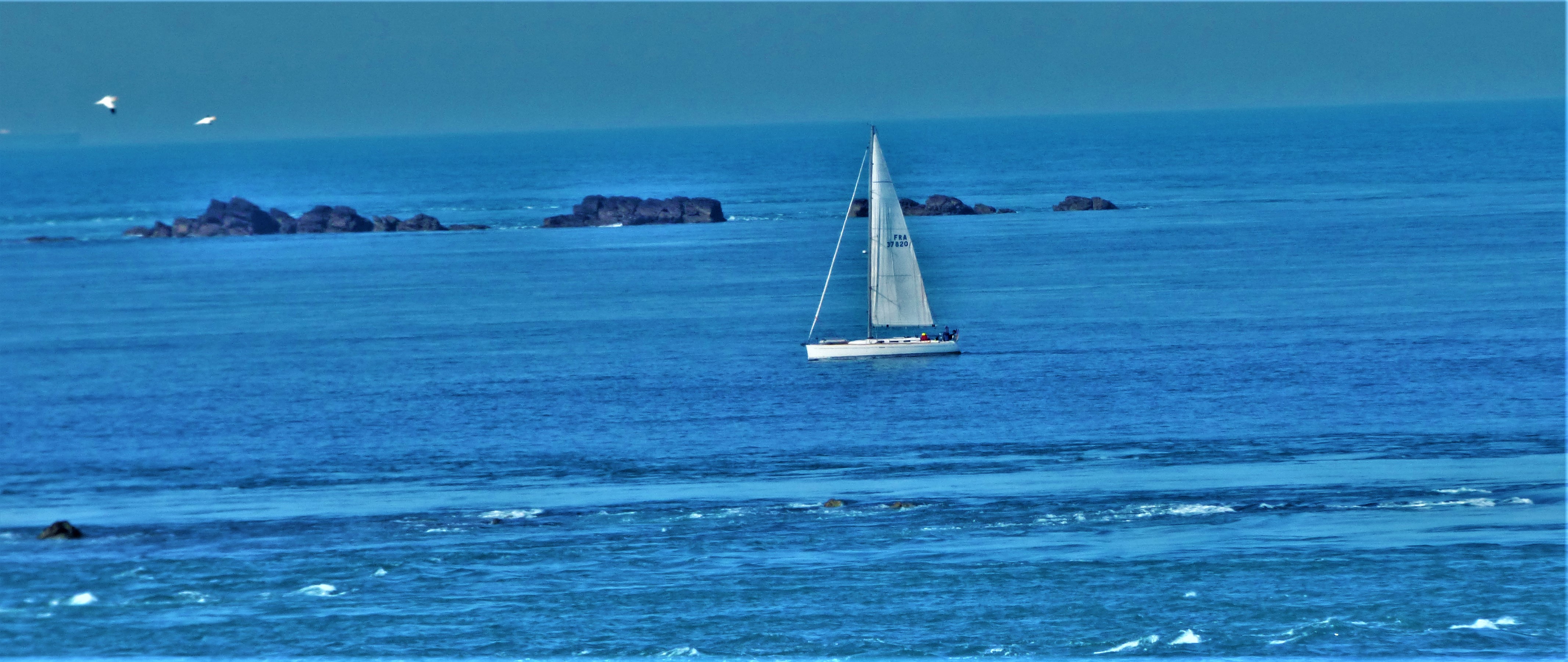
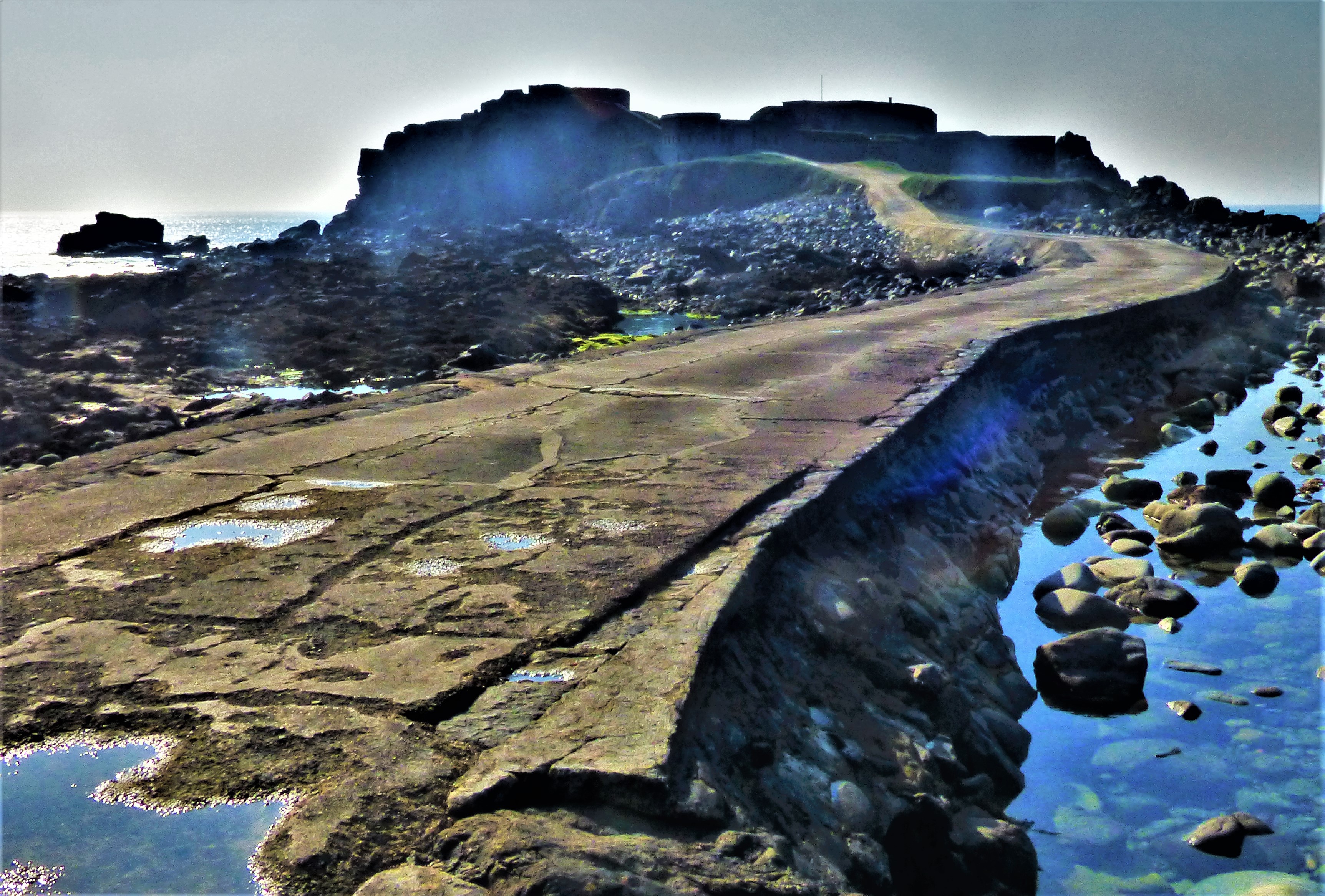
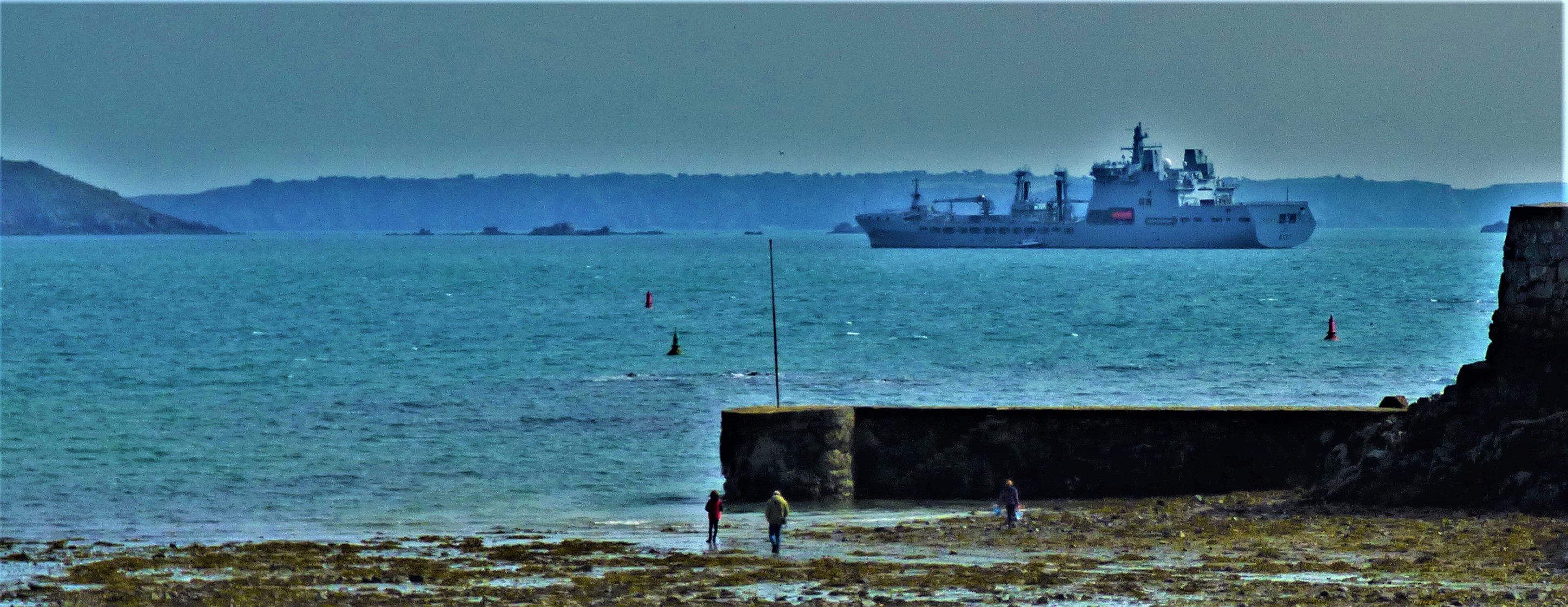
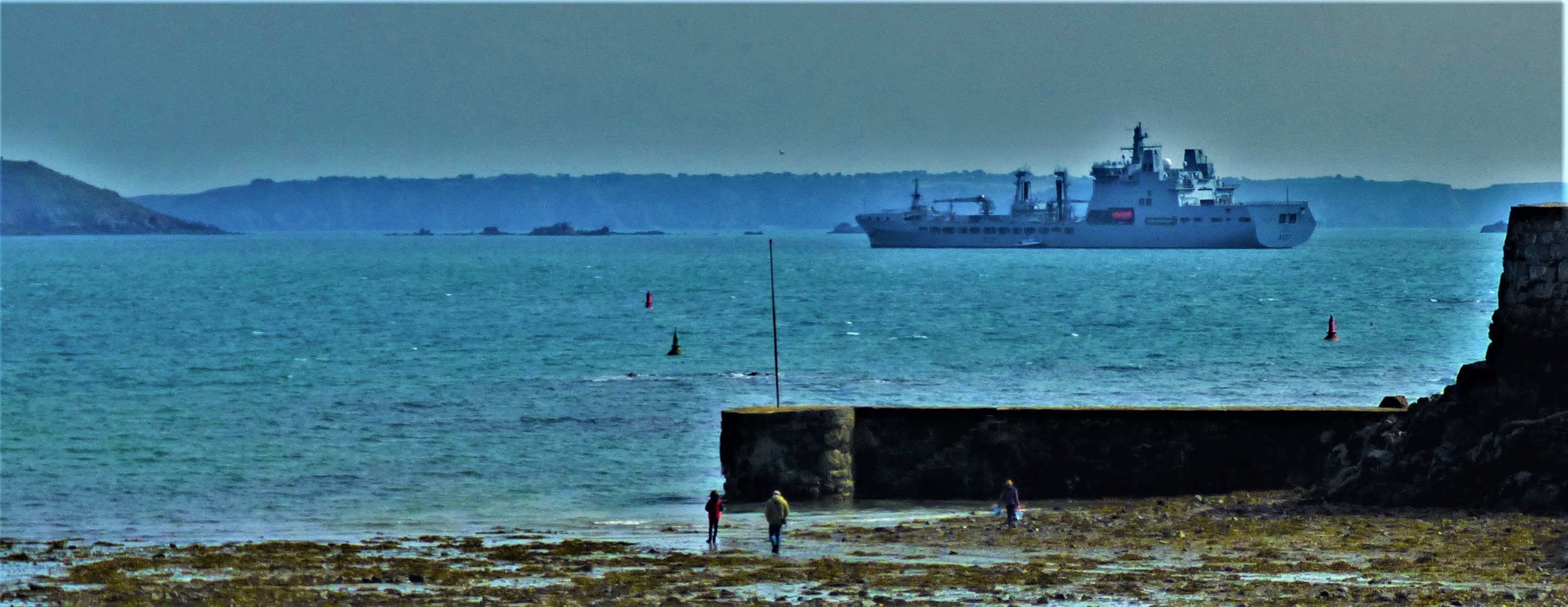
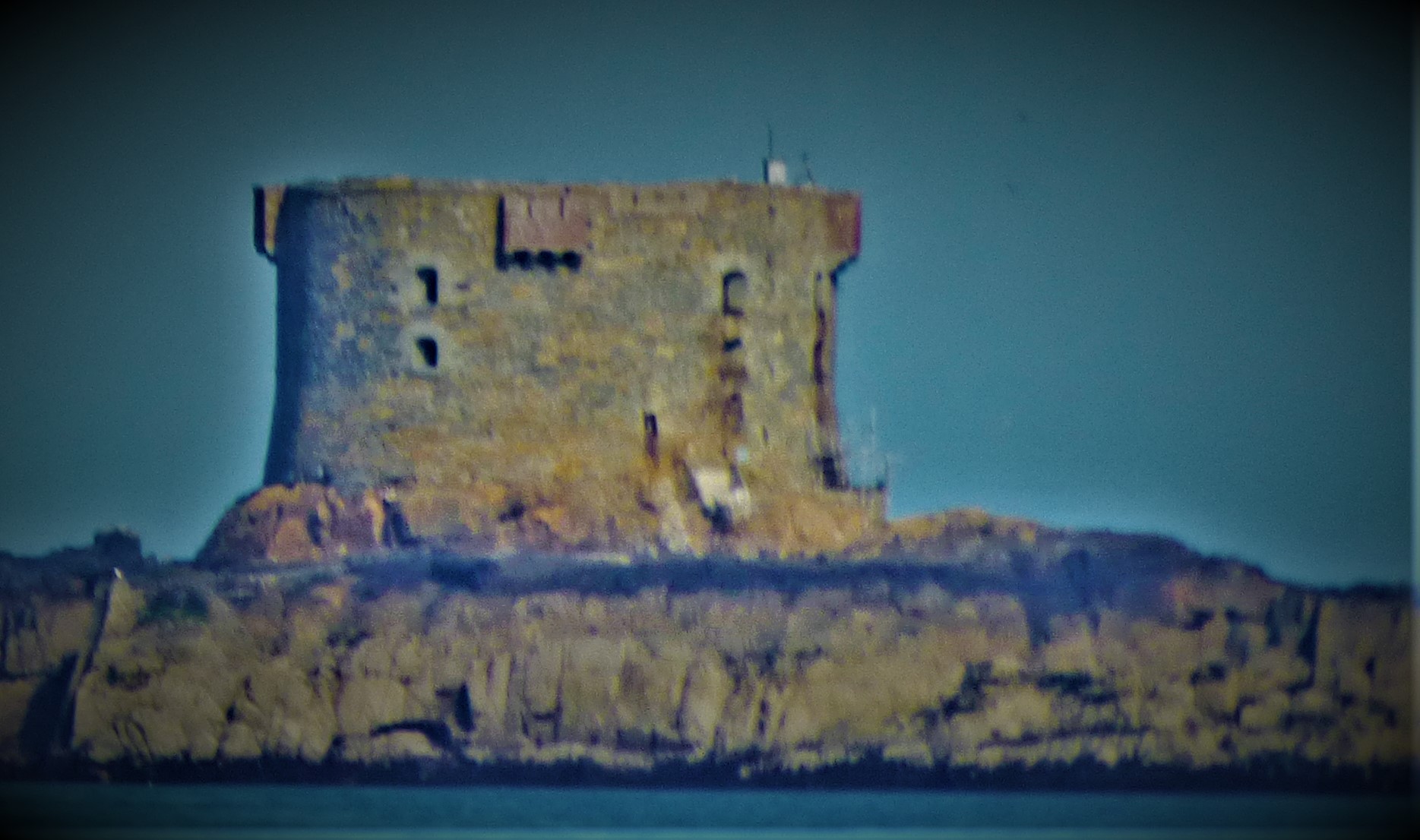
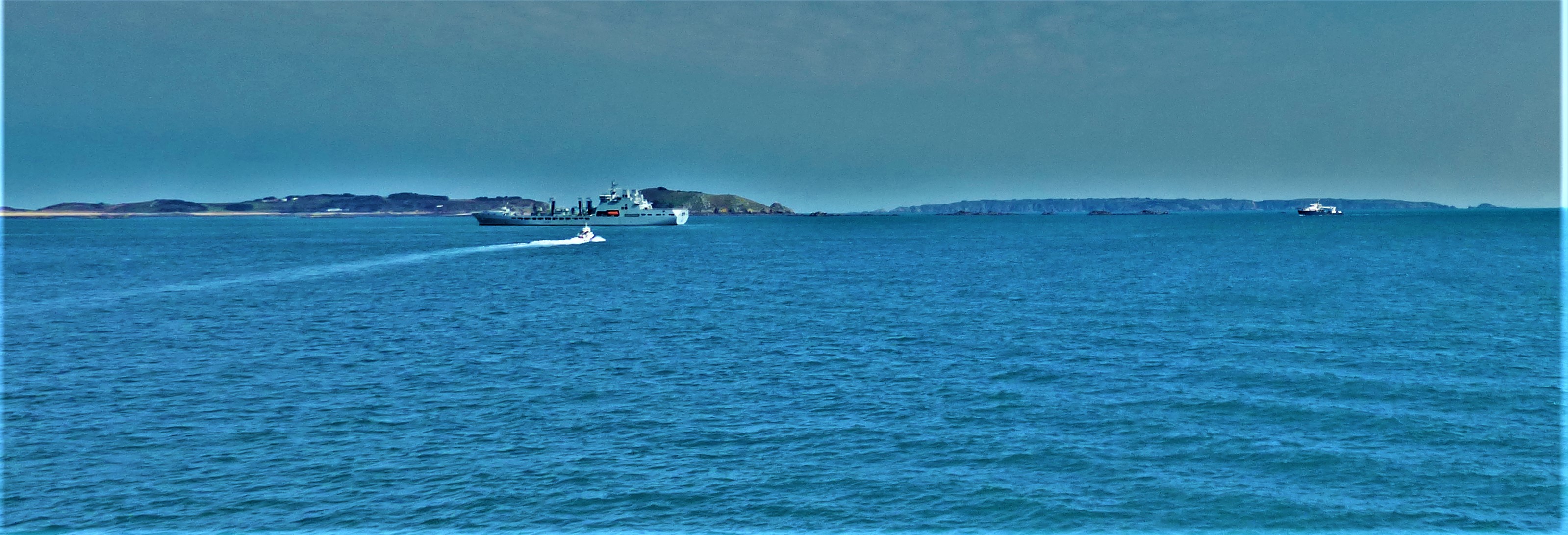
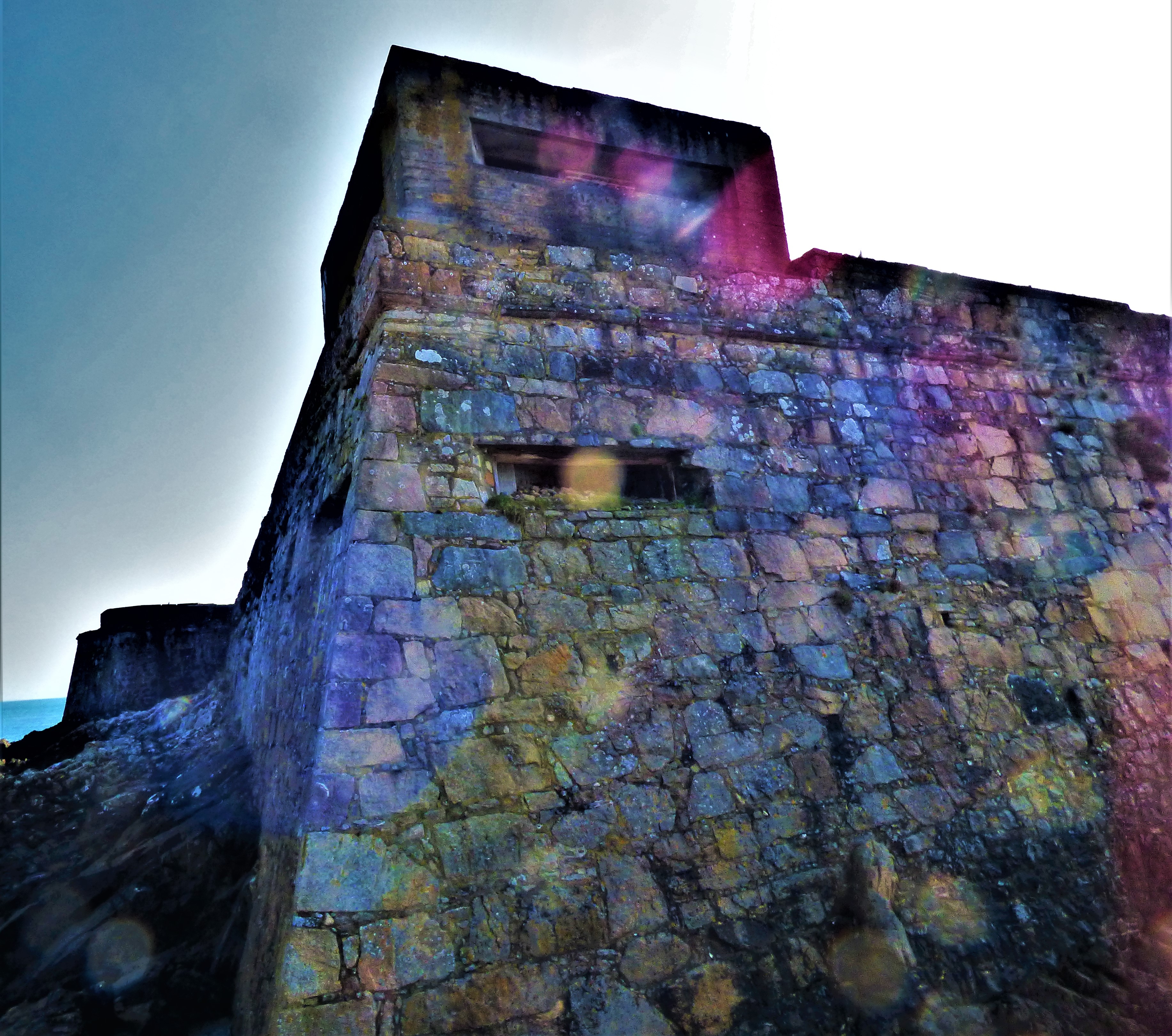
I end this little post with a view of Fort Clonque:
An account of a full day on Guernsey as part of my series on my recent holiday.
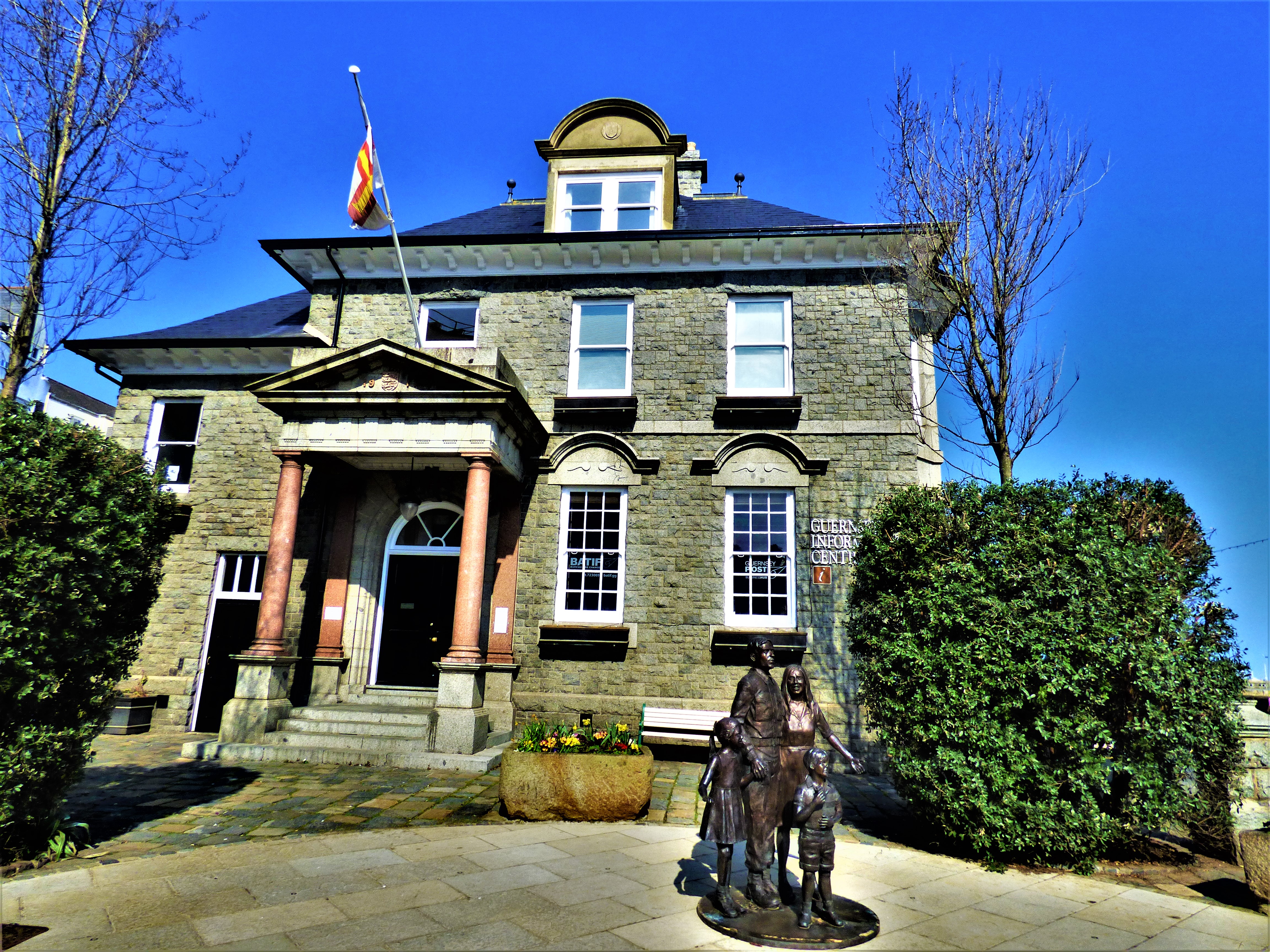
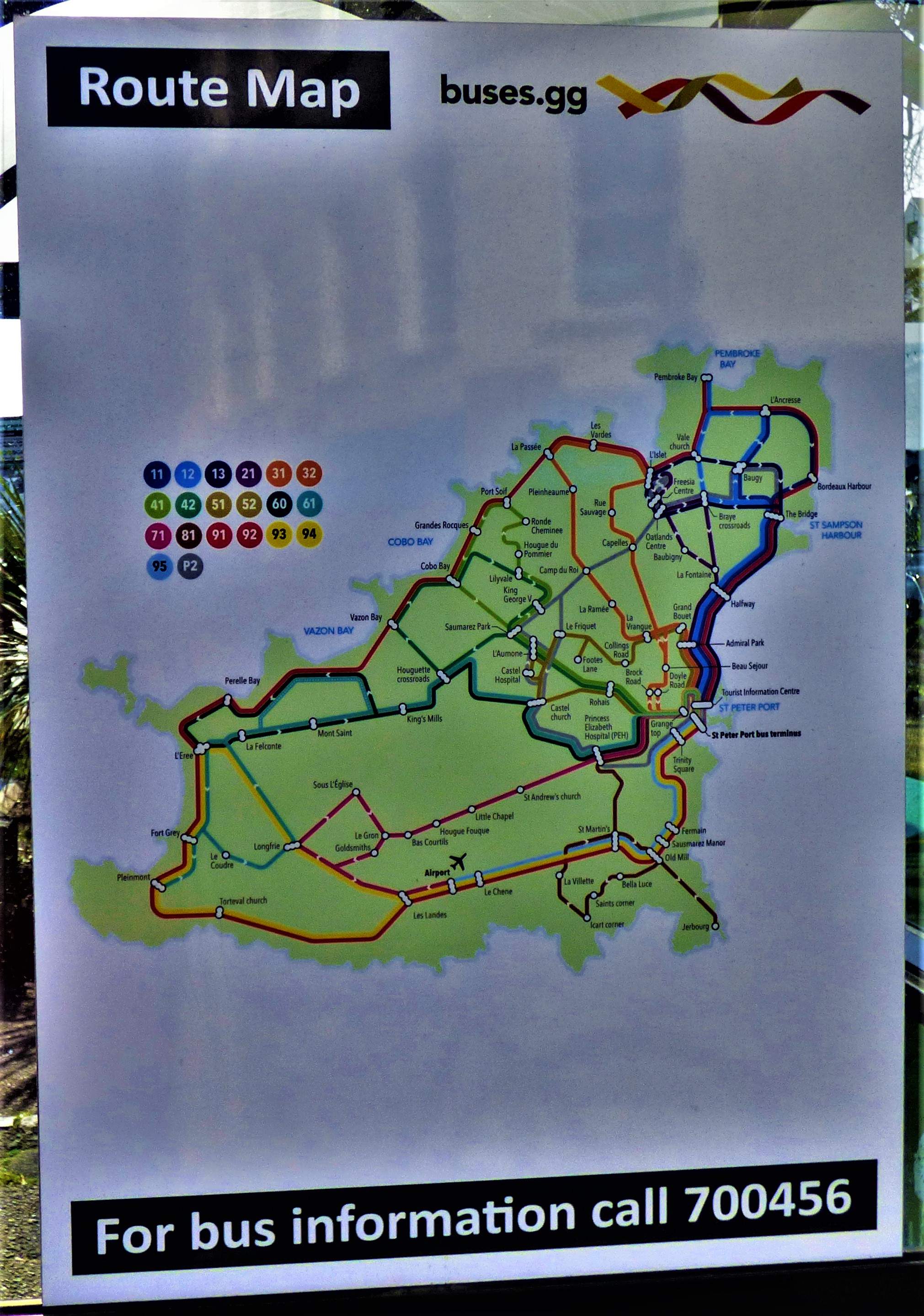
Welcome to the latest post in this series about my recent holiday (I am now back in Lynn, so these posts will be coming less sporadically). This post covers the one full day we spent on Guernsey en route to Alderney.
A FRENCH RESTAURANT
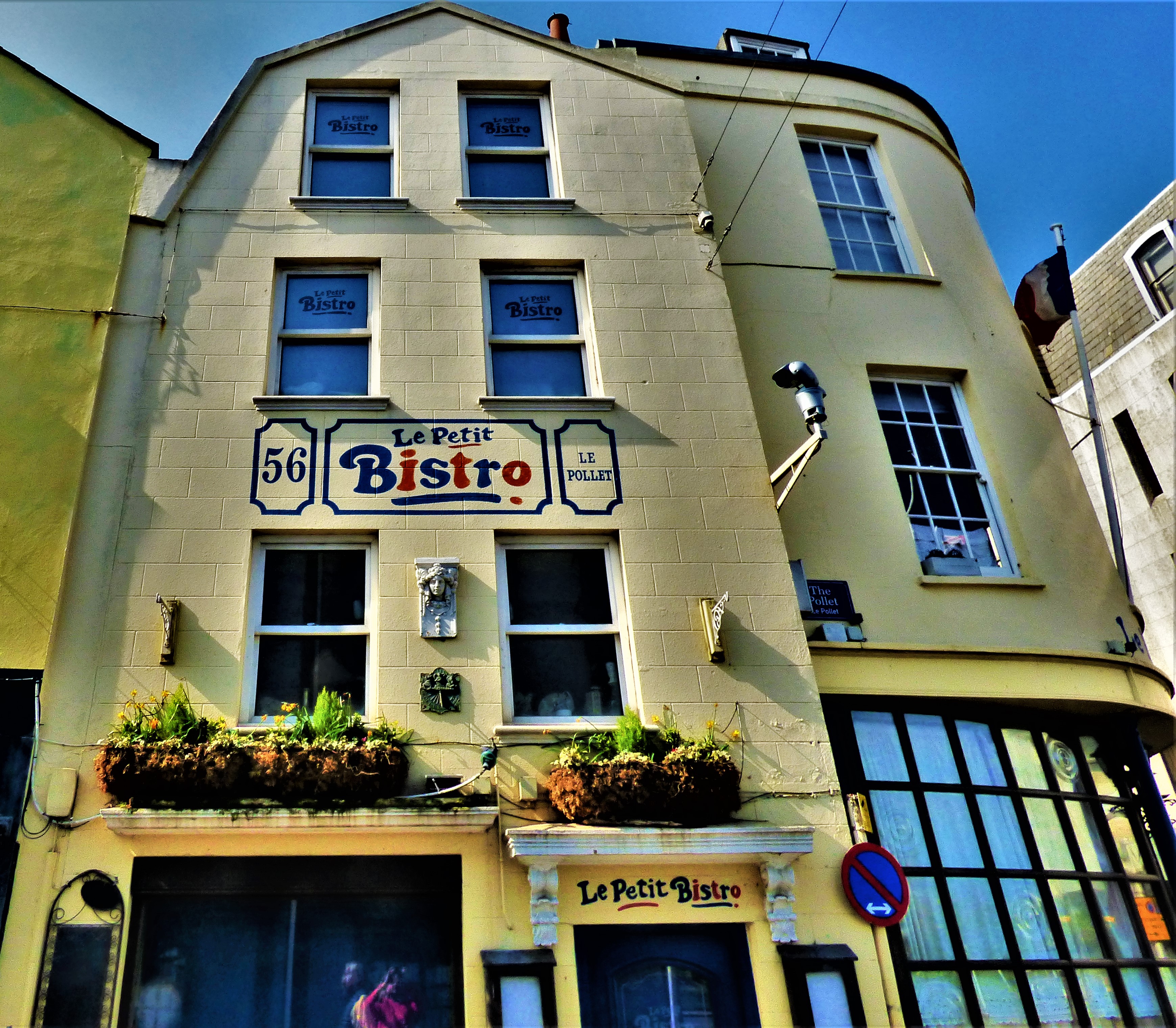
On the Saturday evening, having established ourselves at St Georges Guest House, roughly a kilometre from the centre of St Peter Port, we went out to find a restaurant to eat at. We settled on a French establishment, and the food and drink were both excellent.
We were given seats in the ‘2CV Room’ – this pic should explain the name.
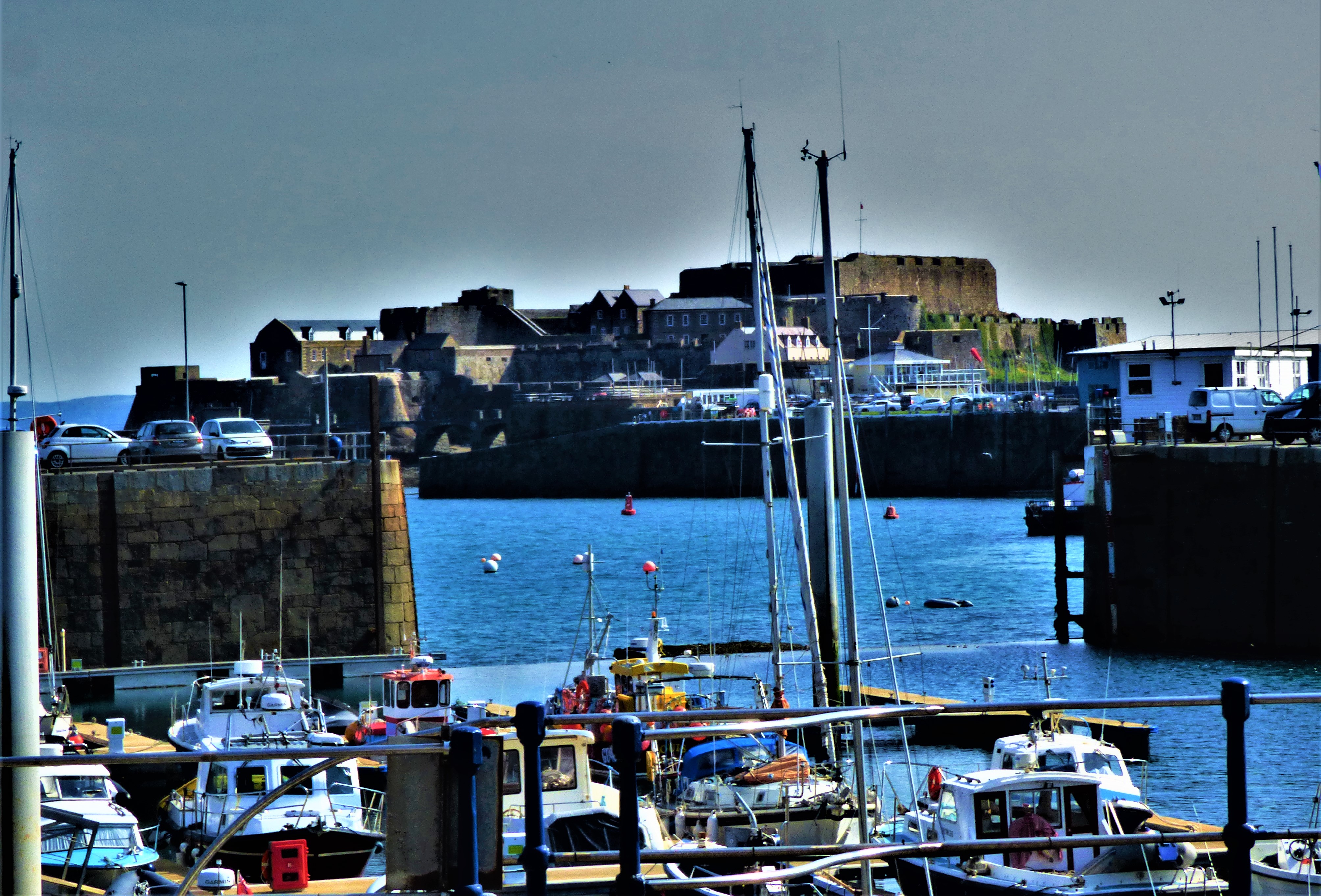
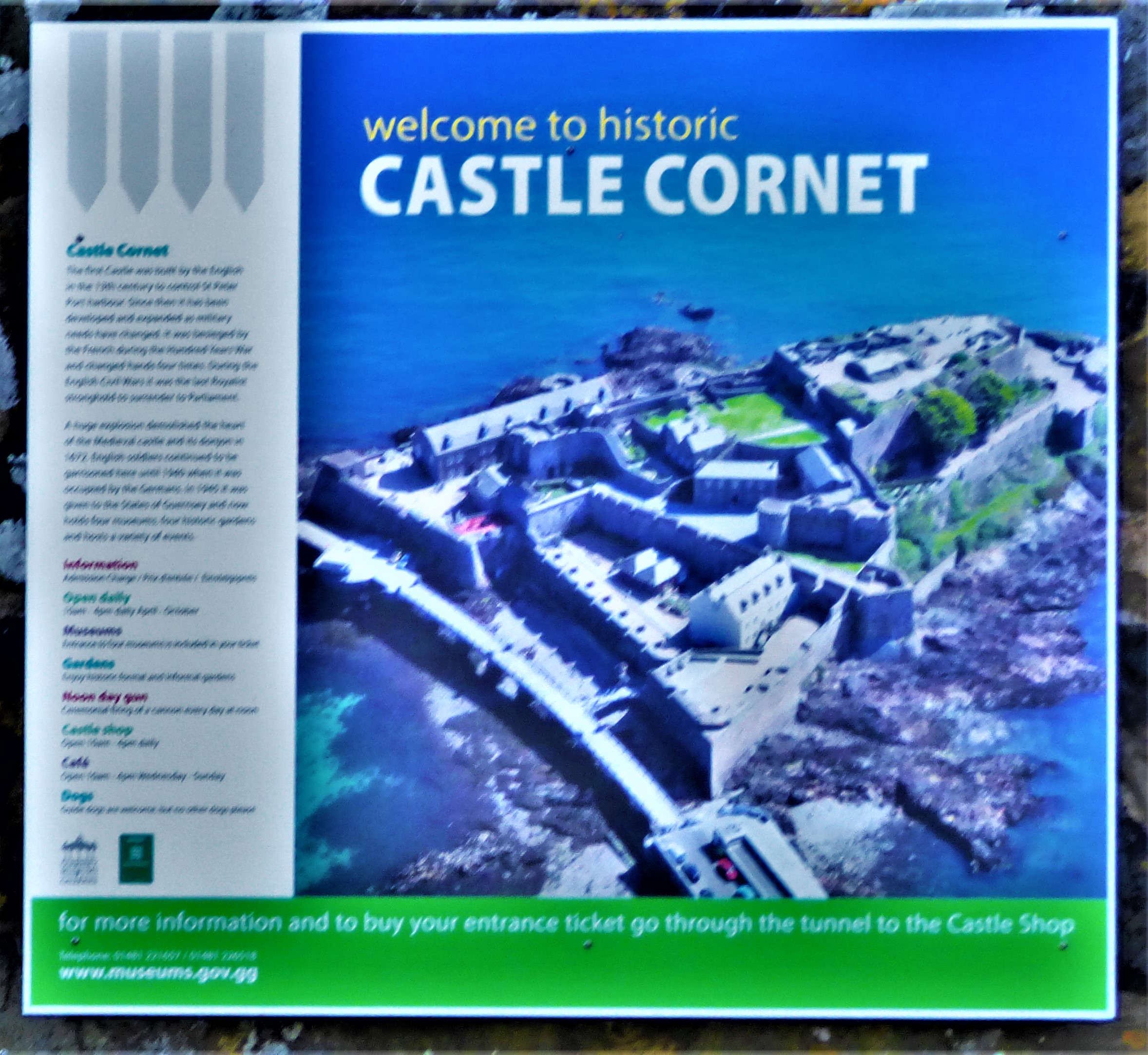
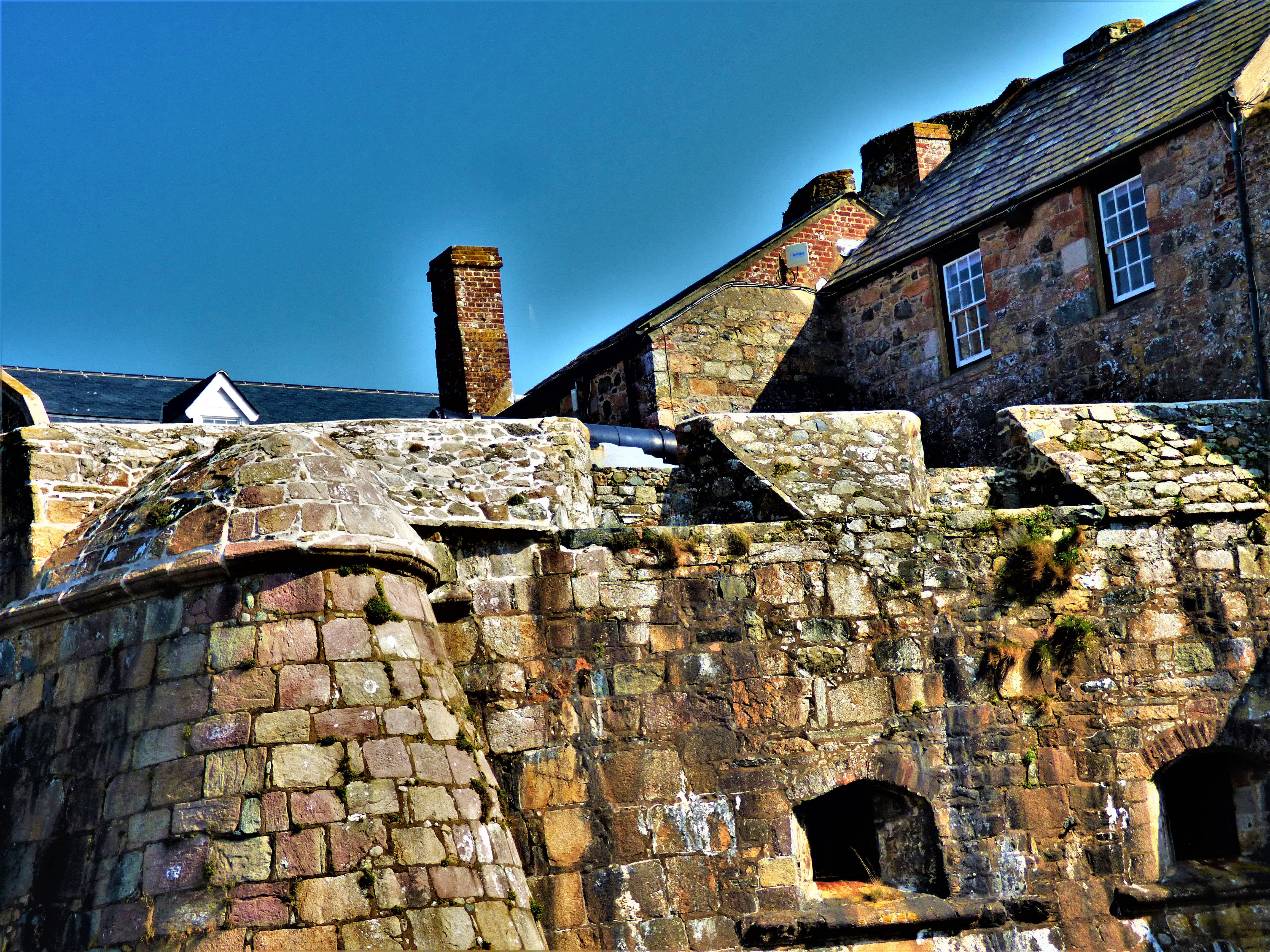
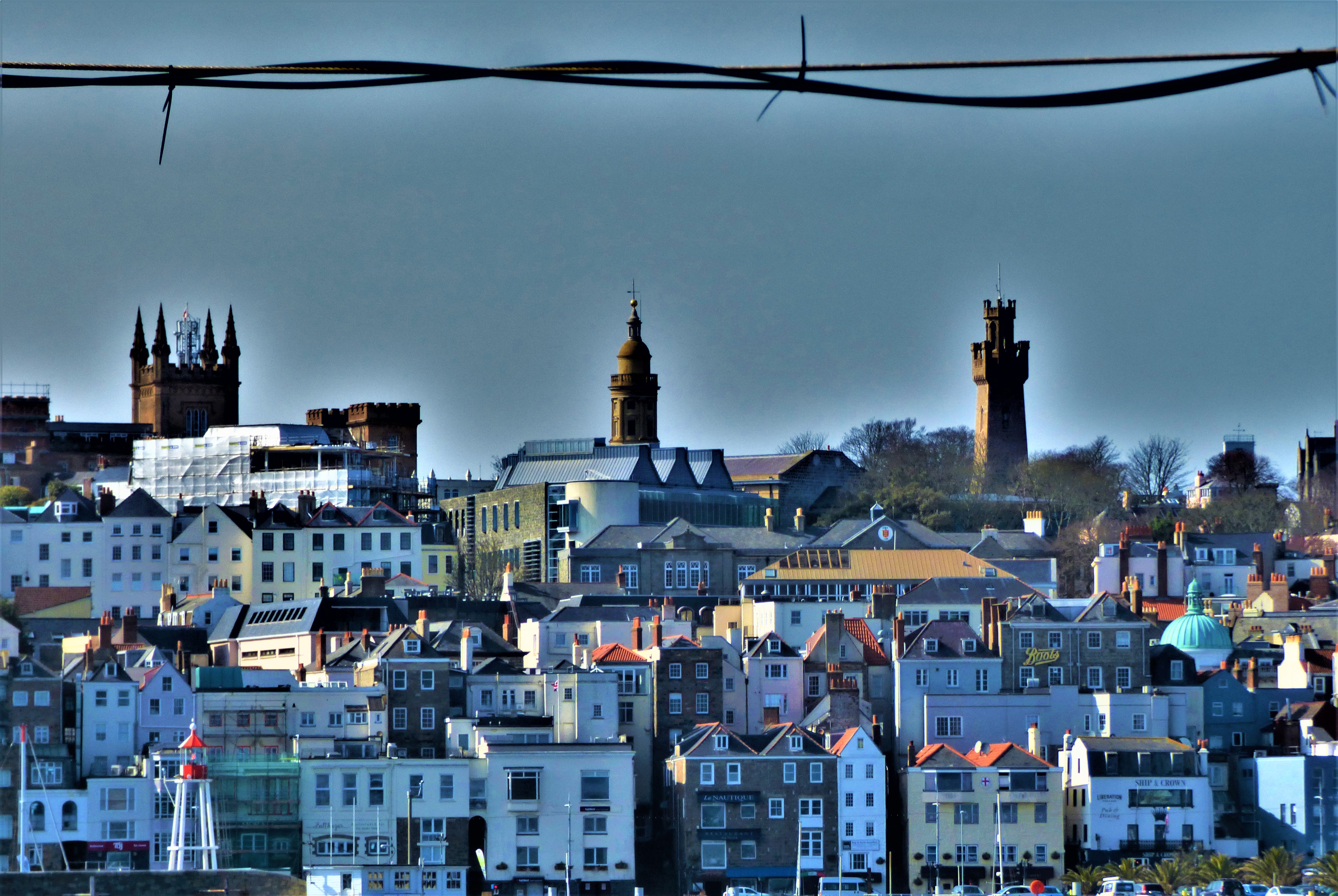
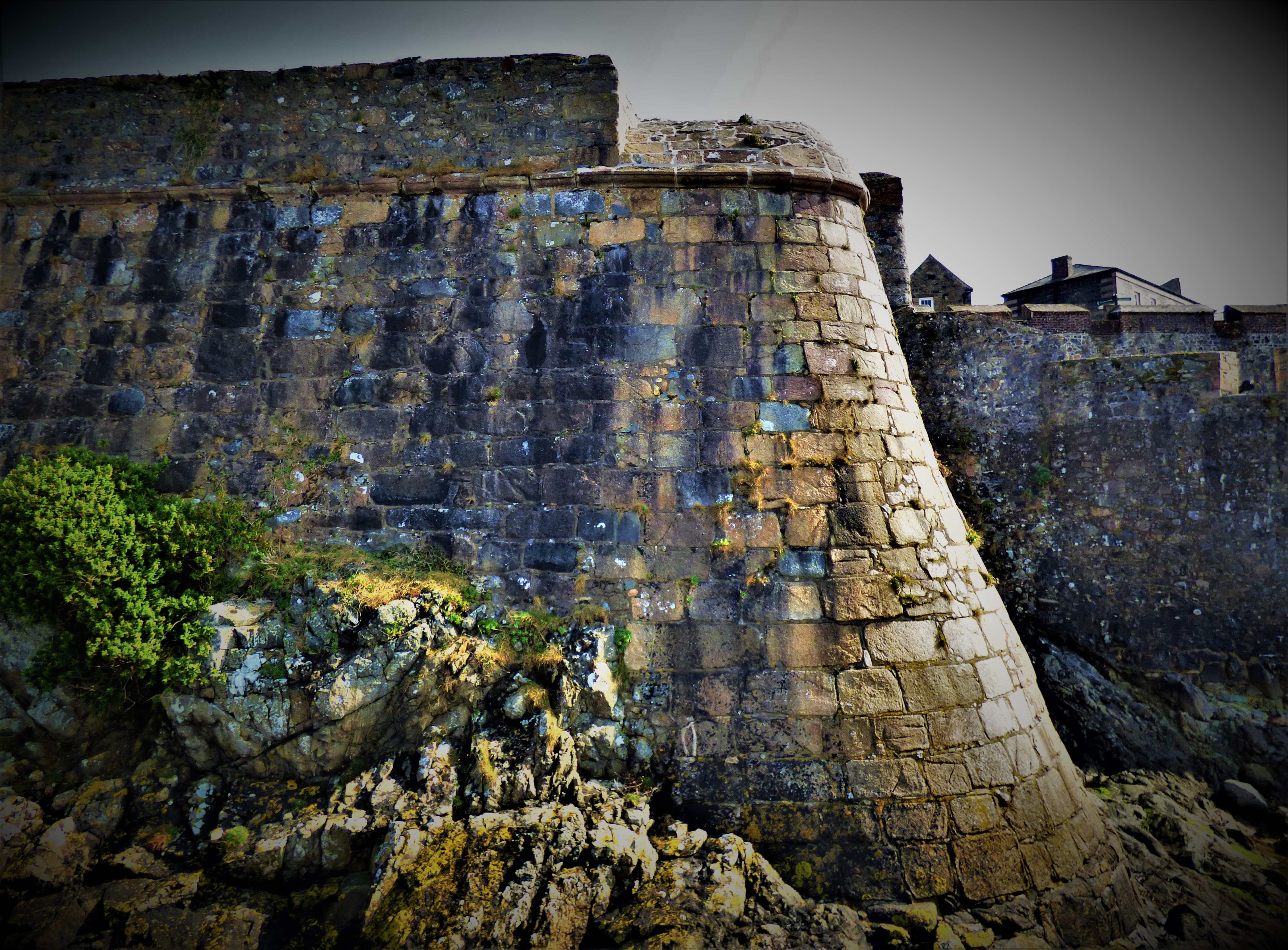
Castle Cornet
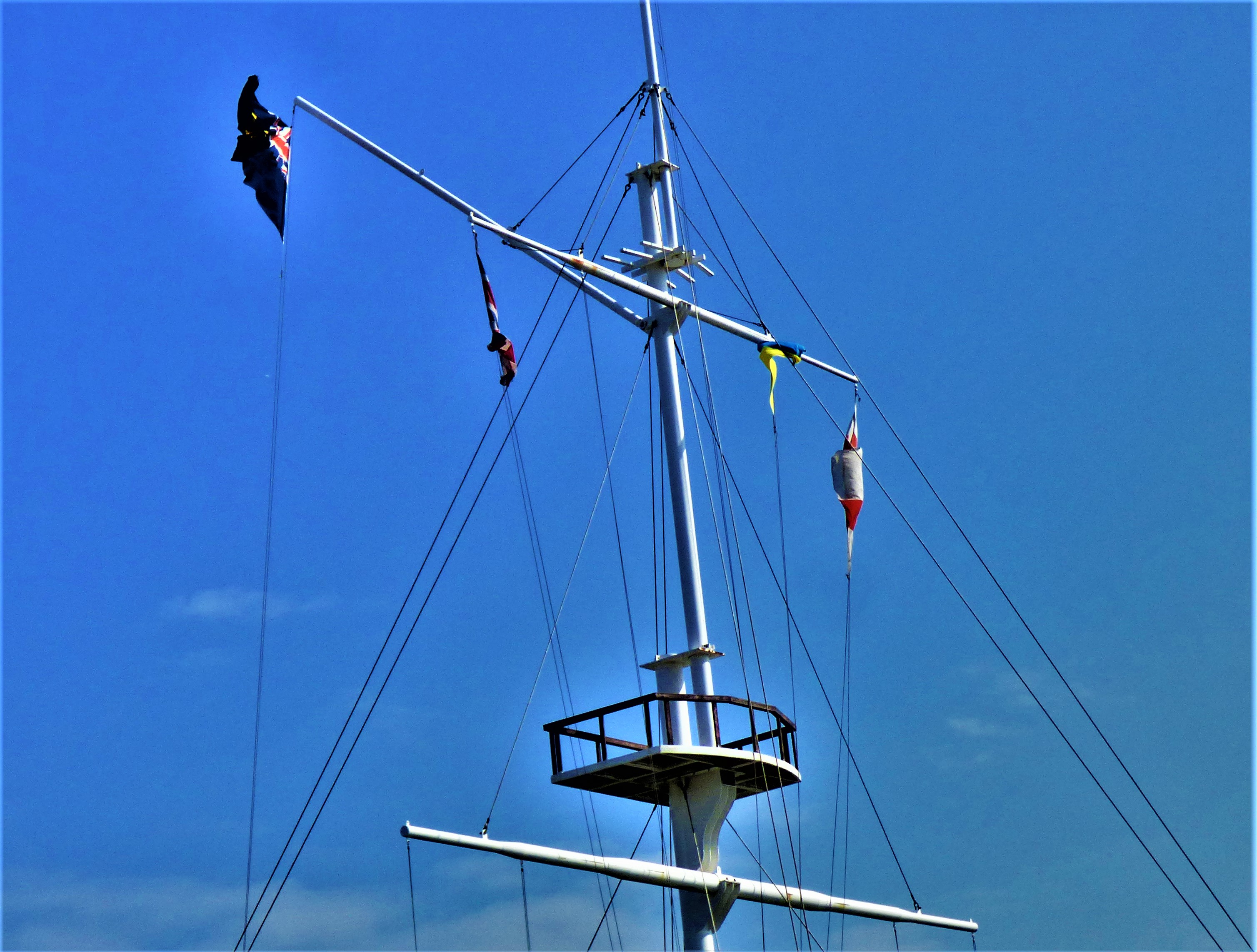
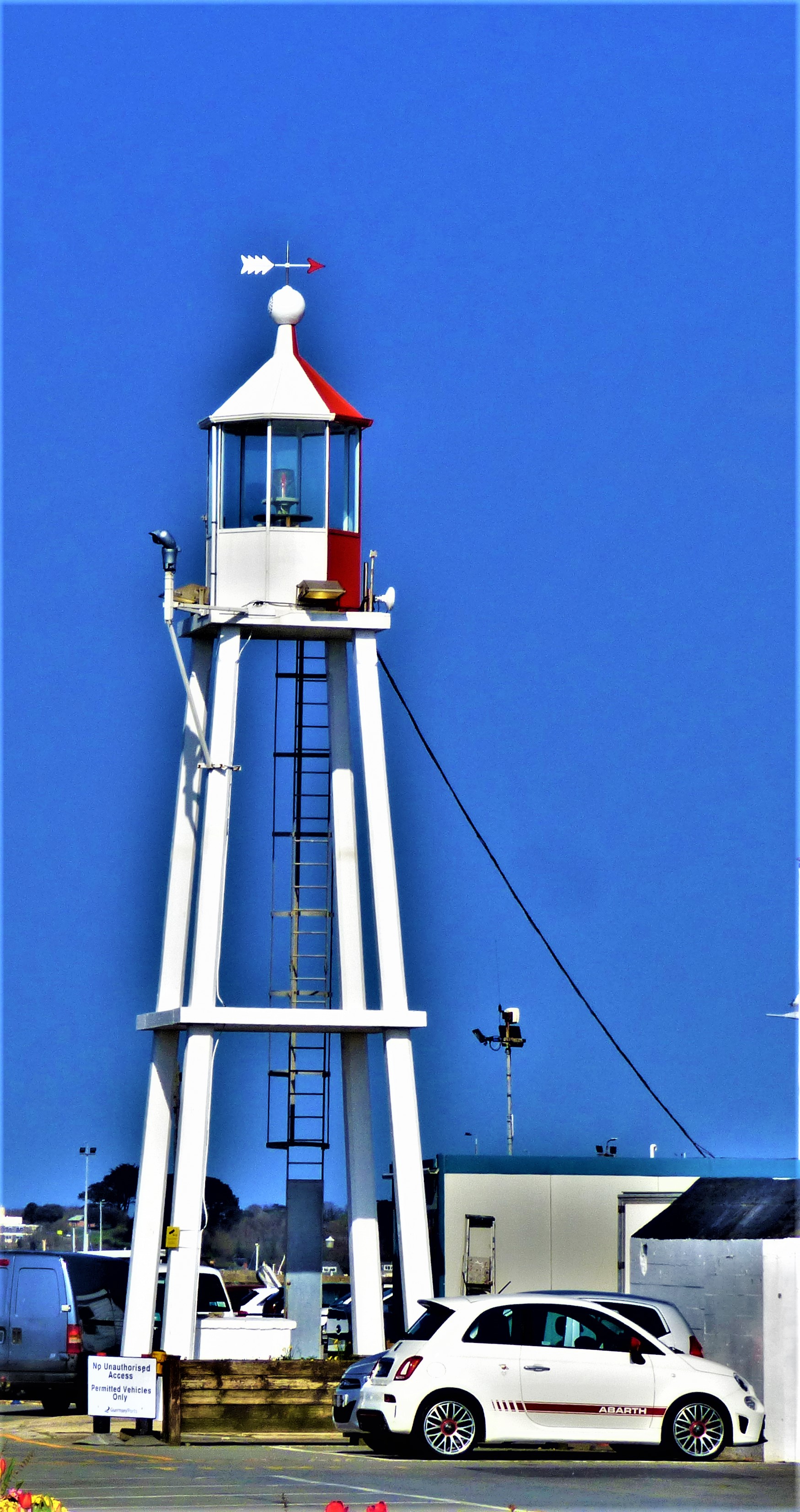
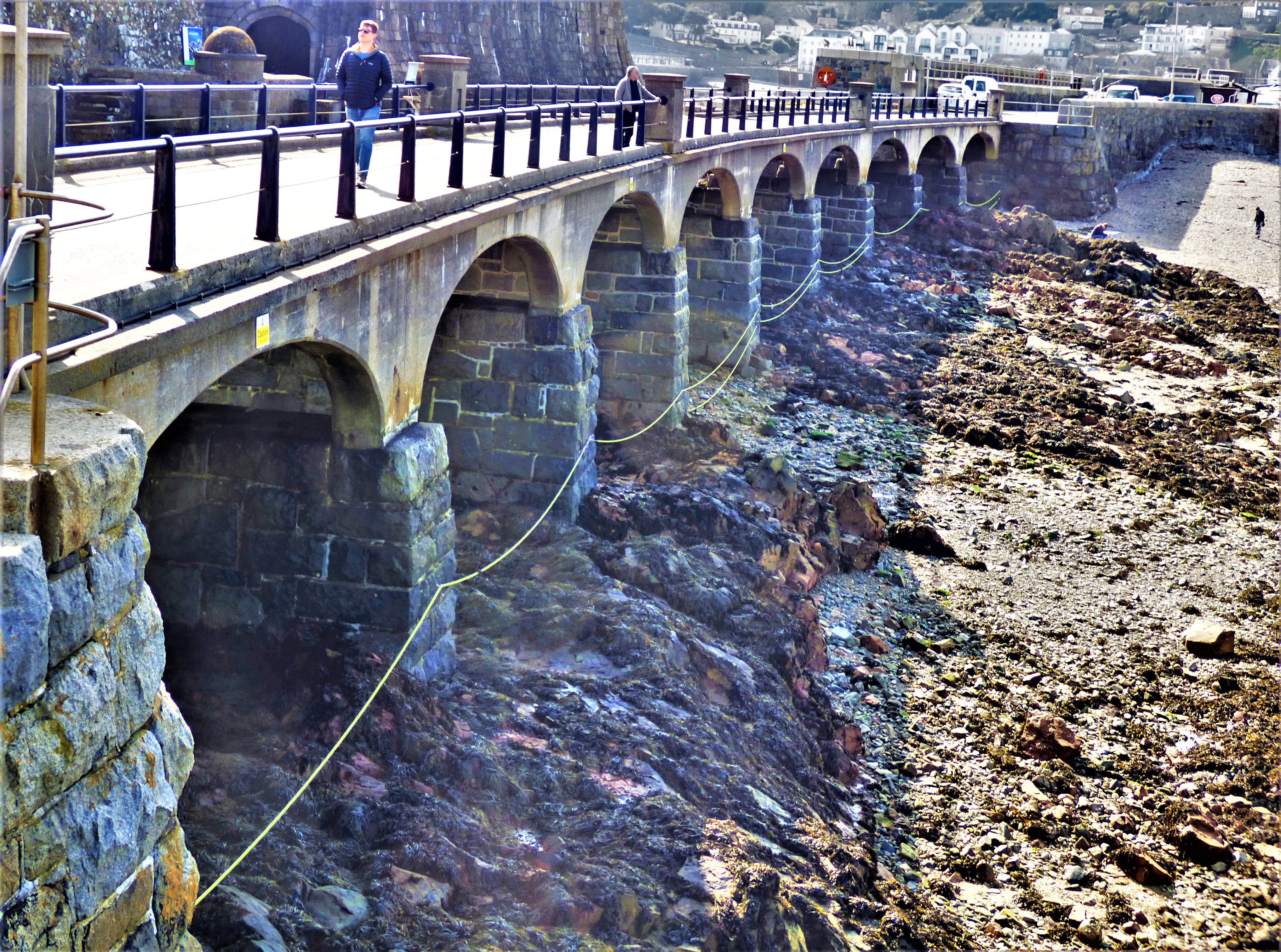
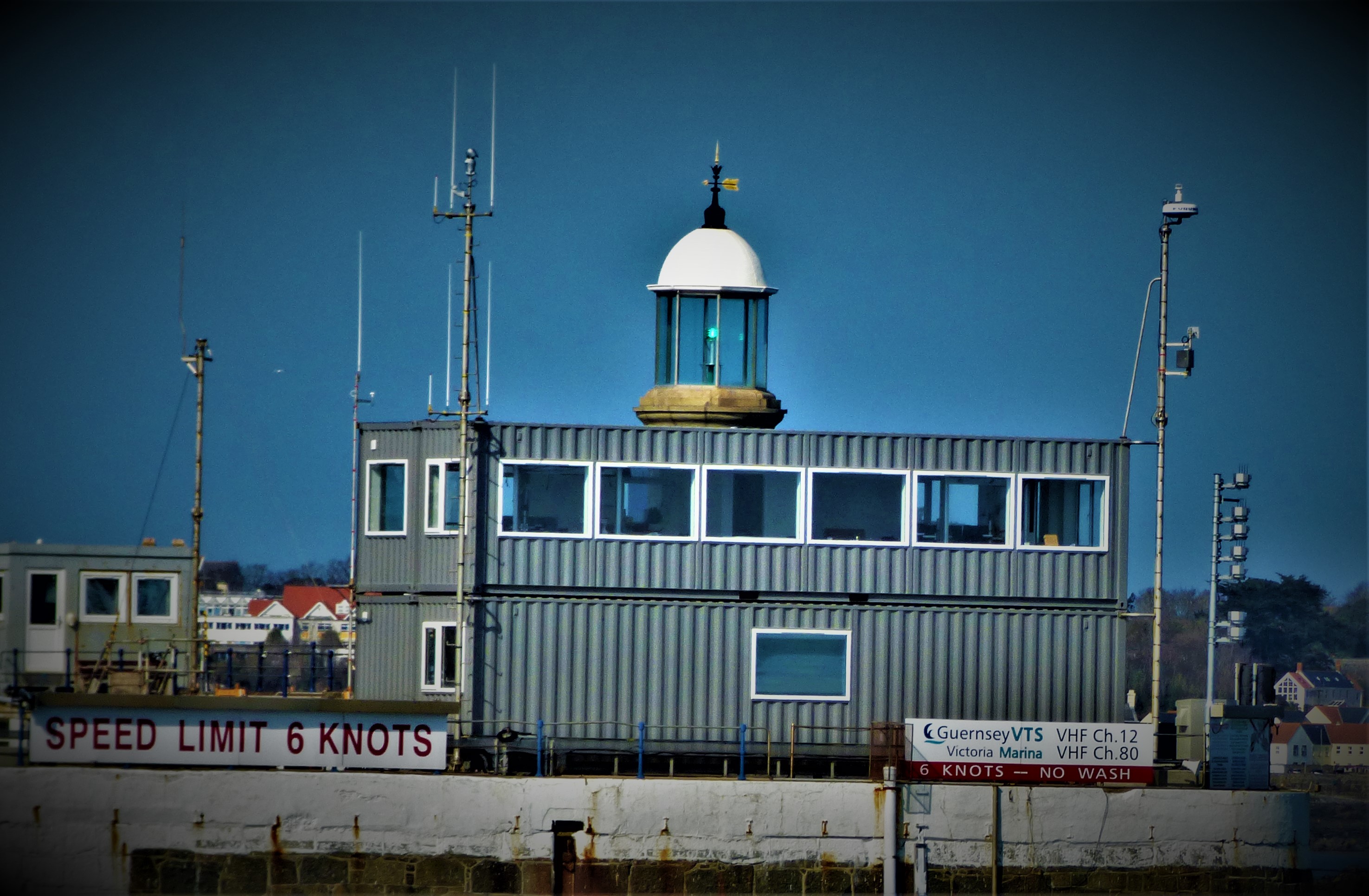
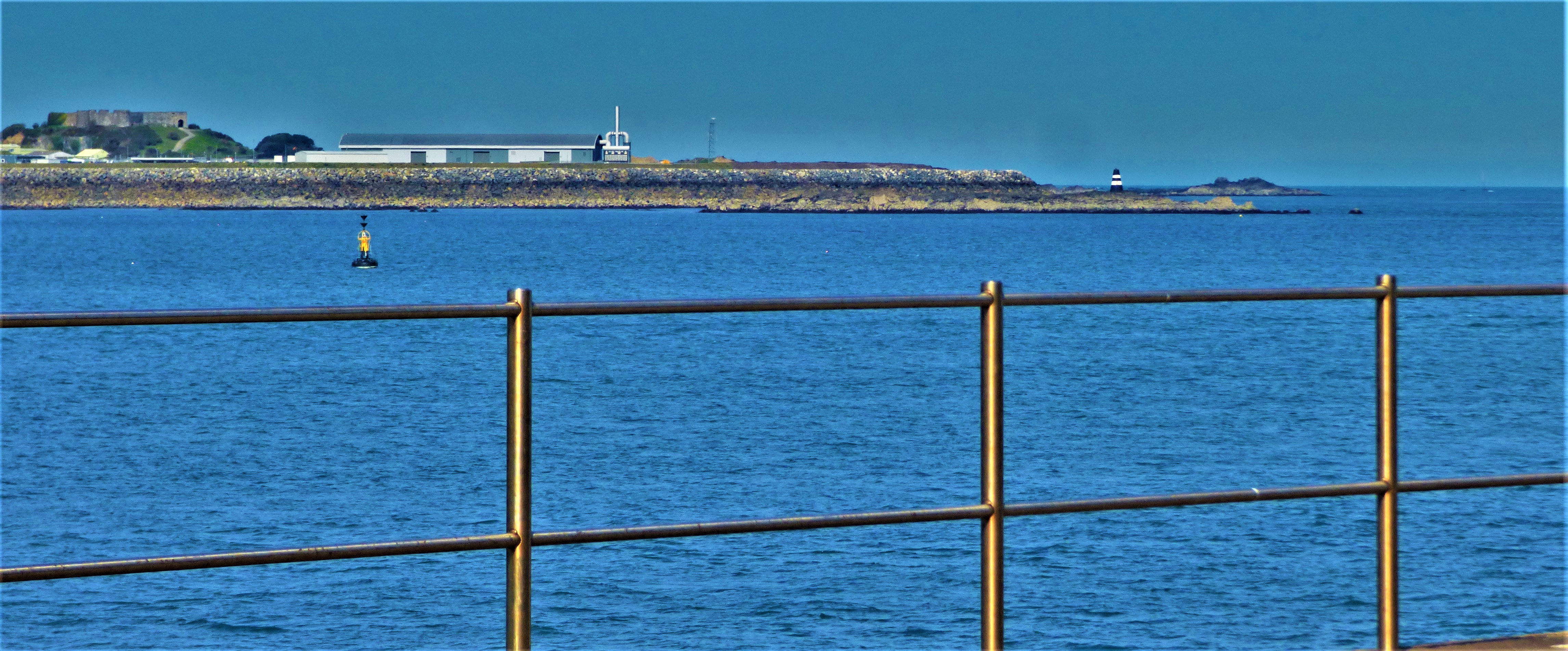
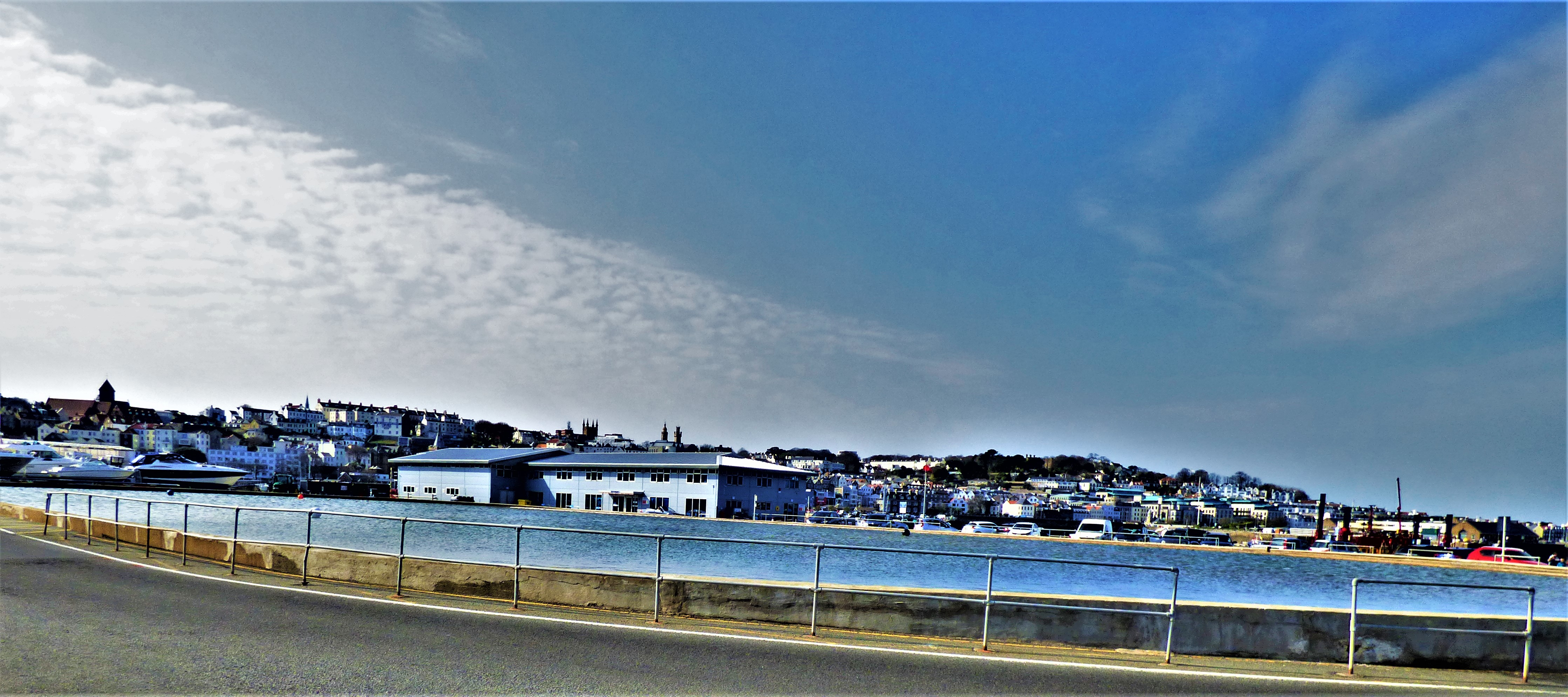
The following morning we walked out to Castle Cornet, purchasing food at an M&S Food Hall on the way. We ate near a lighthouse, which I subsequently walked out to – it was very windy around the lighthouse but worth it for the views.
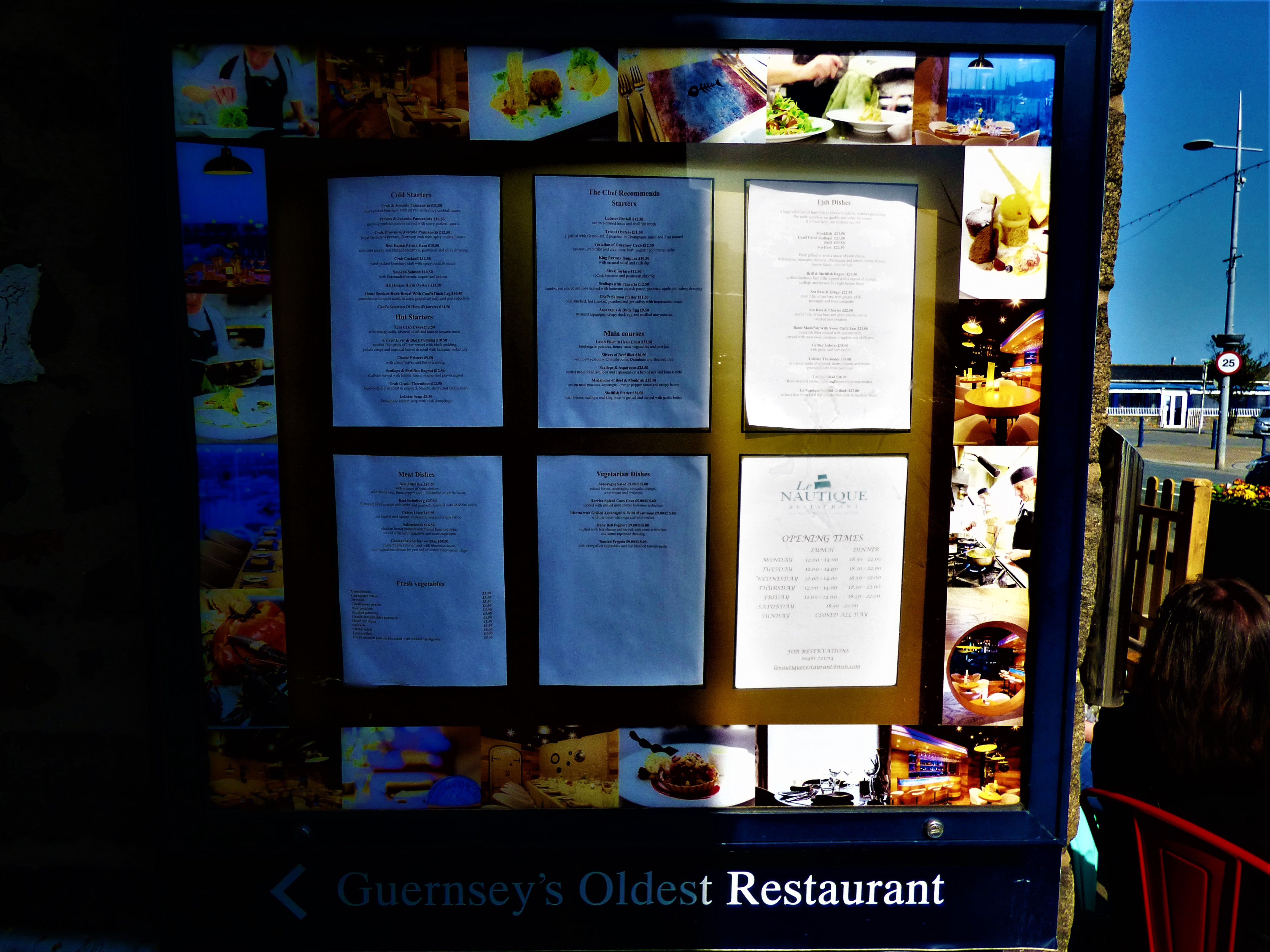
The restaurant we booked for supper
THE GUERNSEY MUSEUM
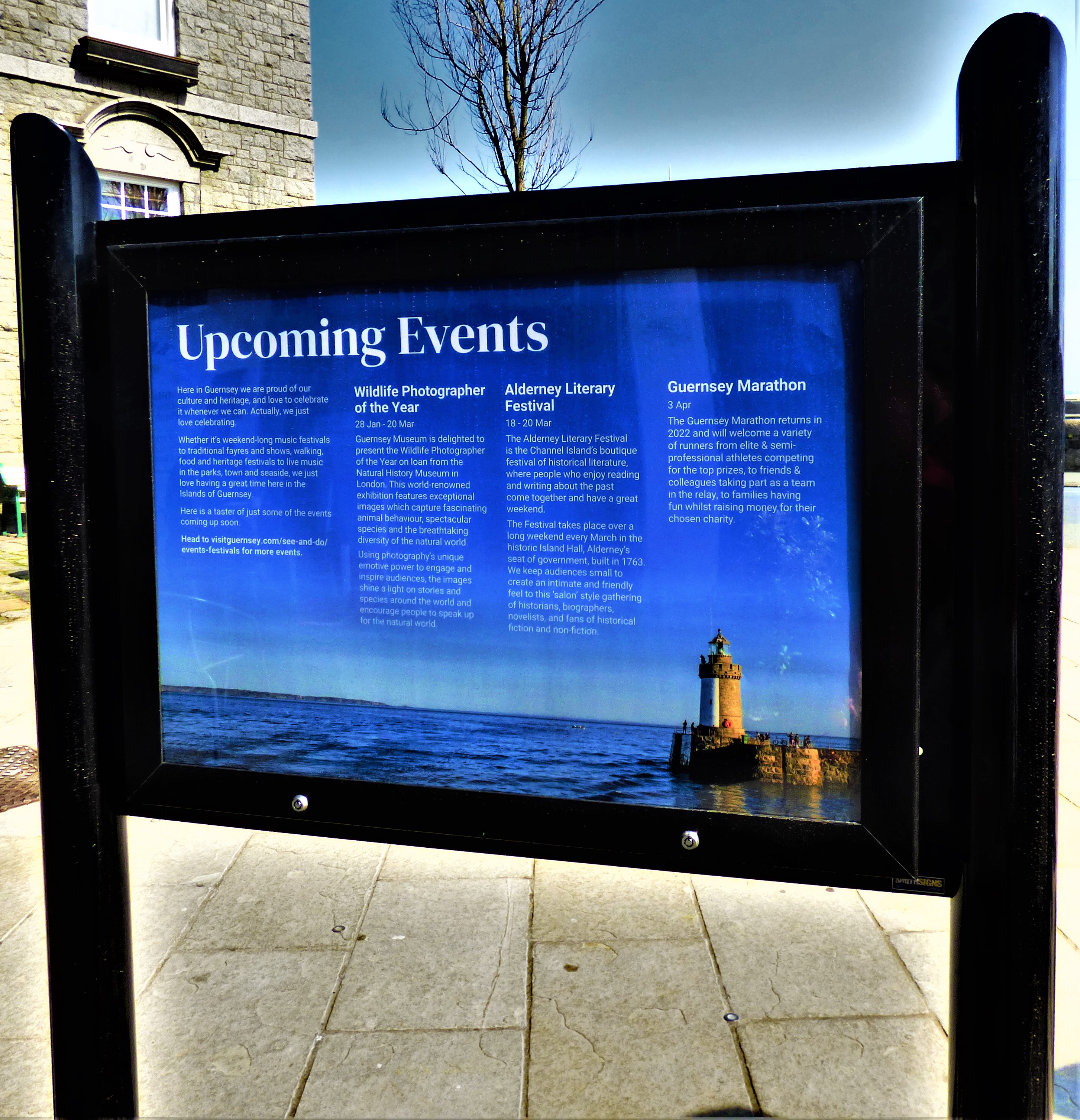
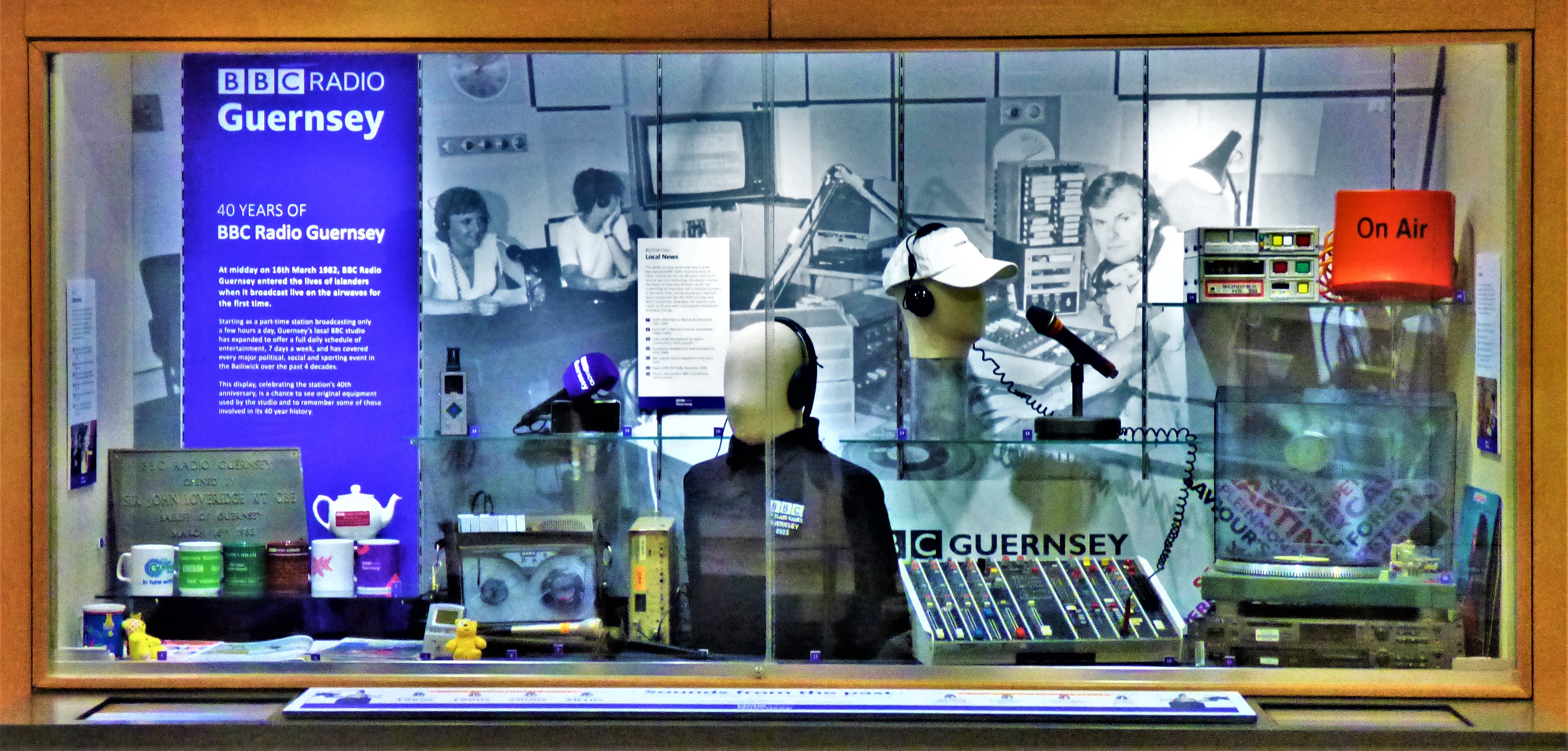
There was a wildlife photography exhibition at the Guernsey Museum as well as some stuff on the history of the island.
Just a brief post to remind people of my existence. I shall follow my title precisely…
ONE: HEARING AID
Ten days ago I was fitted with a hearing aid. I have had to change the batteries once (this is in keeping with the advice I was given that these batteries, which are specially made for use with hearing aids, and can be obtained free of charge either at the hospital or at the West Norfolk Deaf Association have a lifespan of approximately one week.
TWO: A MASSIVE AUCTION
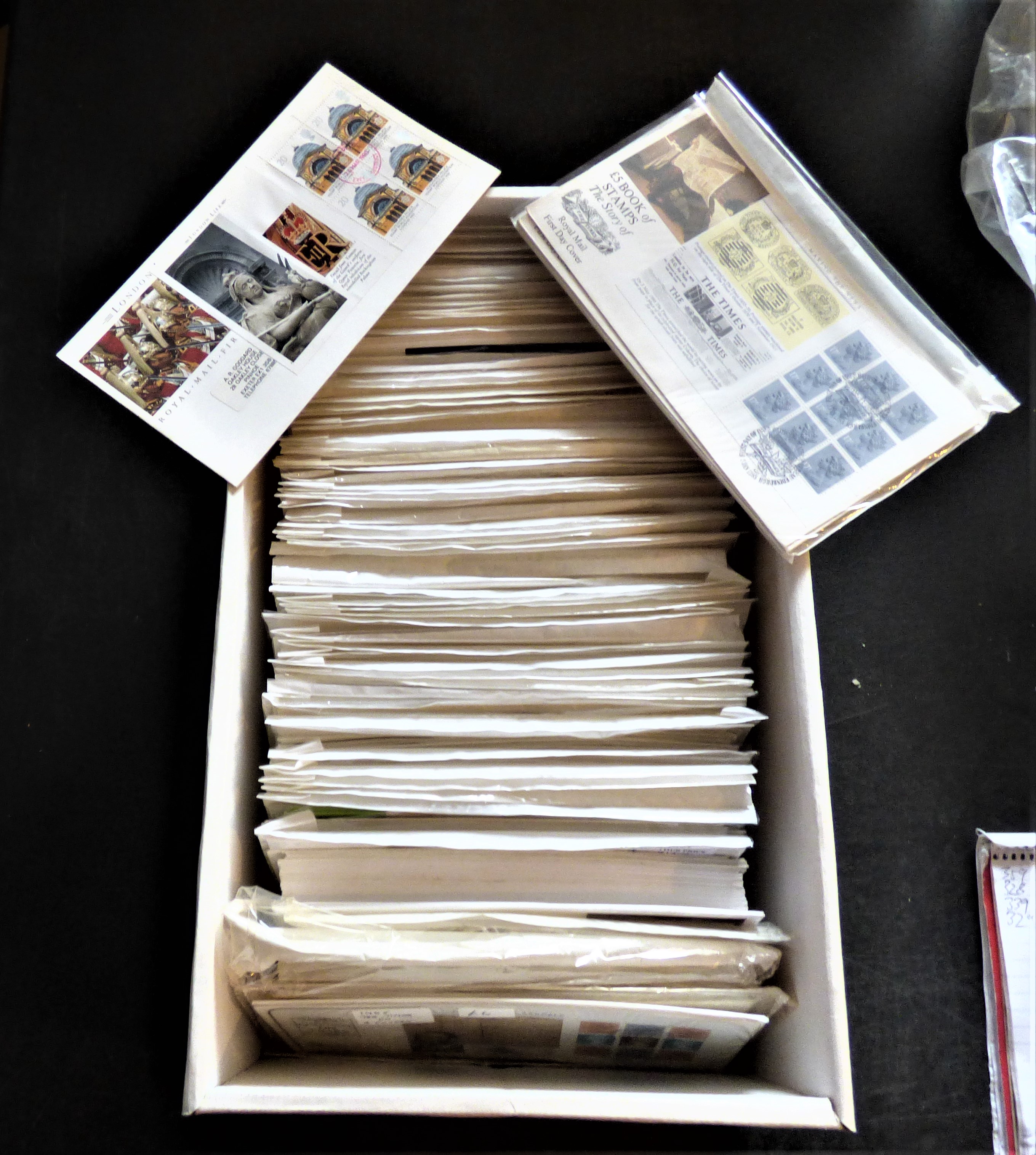
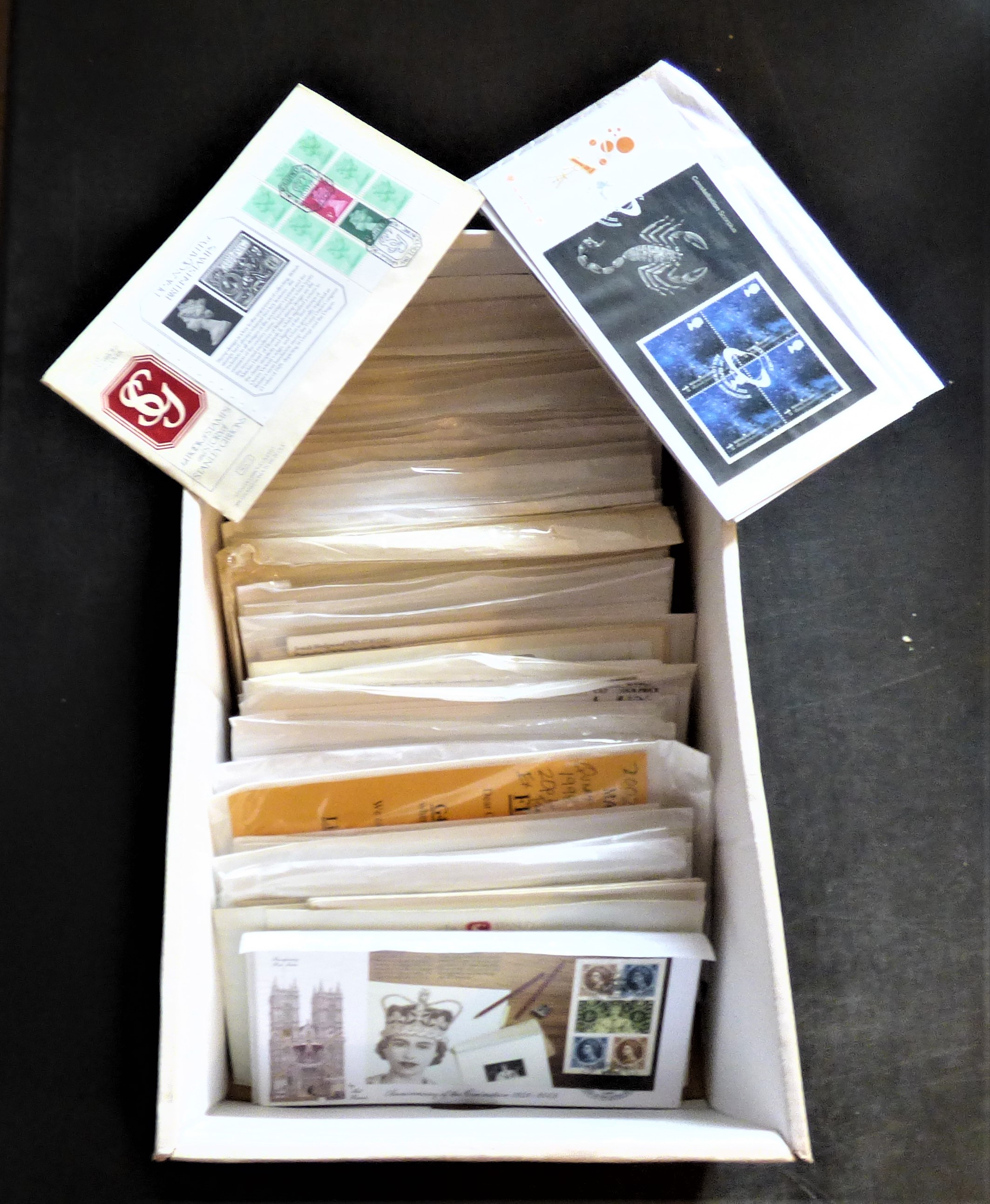
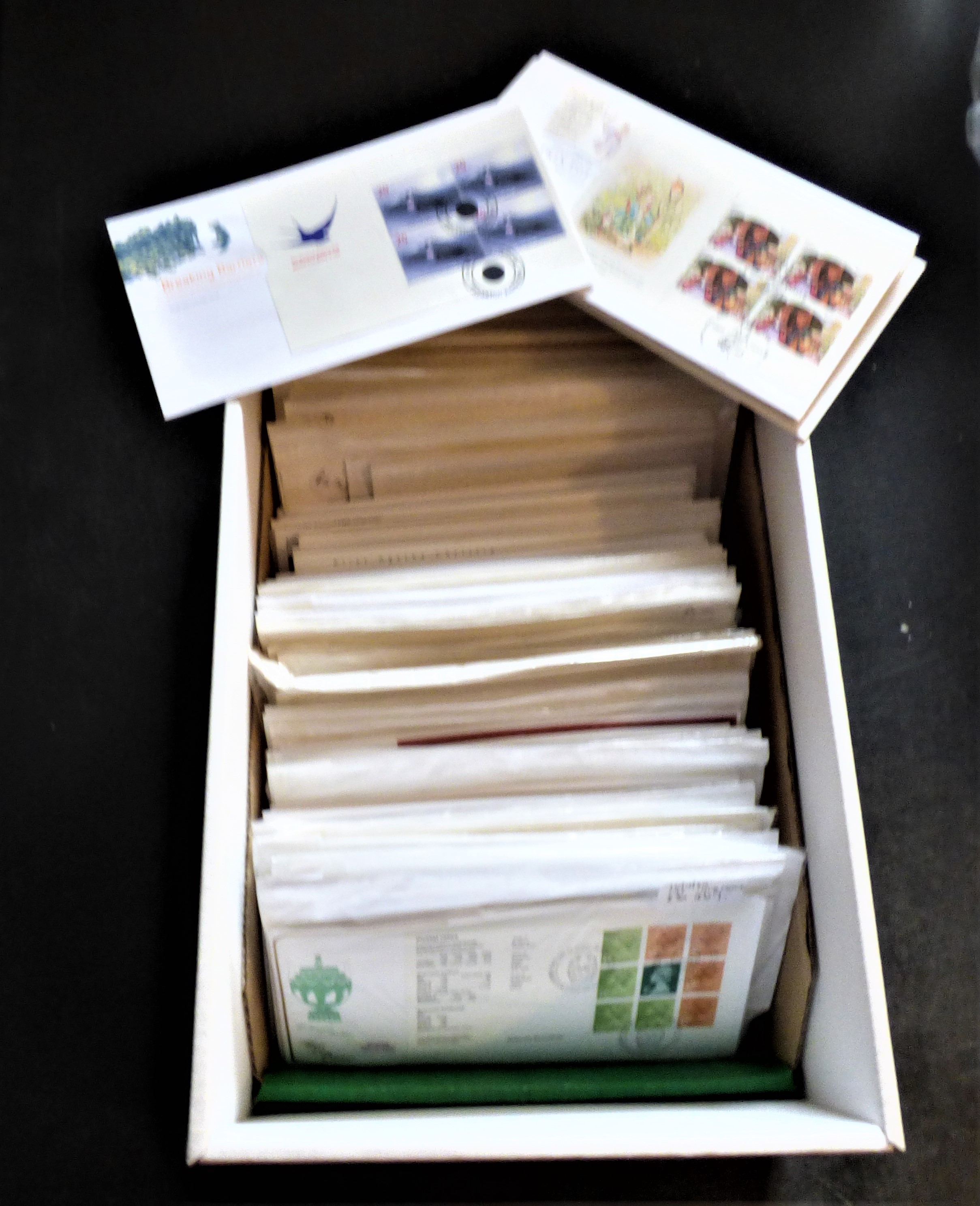
A longstanding client of James and Sons is selling his collection. He was a bulk collector of stamps, postal history and first day covers. Yesterday I began the process of imaging these items, which will be going under the hammer in April. Even selling the stuff by the box/ crate, with no small lots, it will be a two day sale. Here are some samples from yesterday…
Lot 396 (I extracted the close ups above at home from this image).
UNUSUAL BIRD SIGHTING
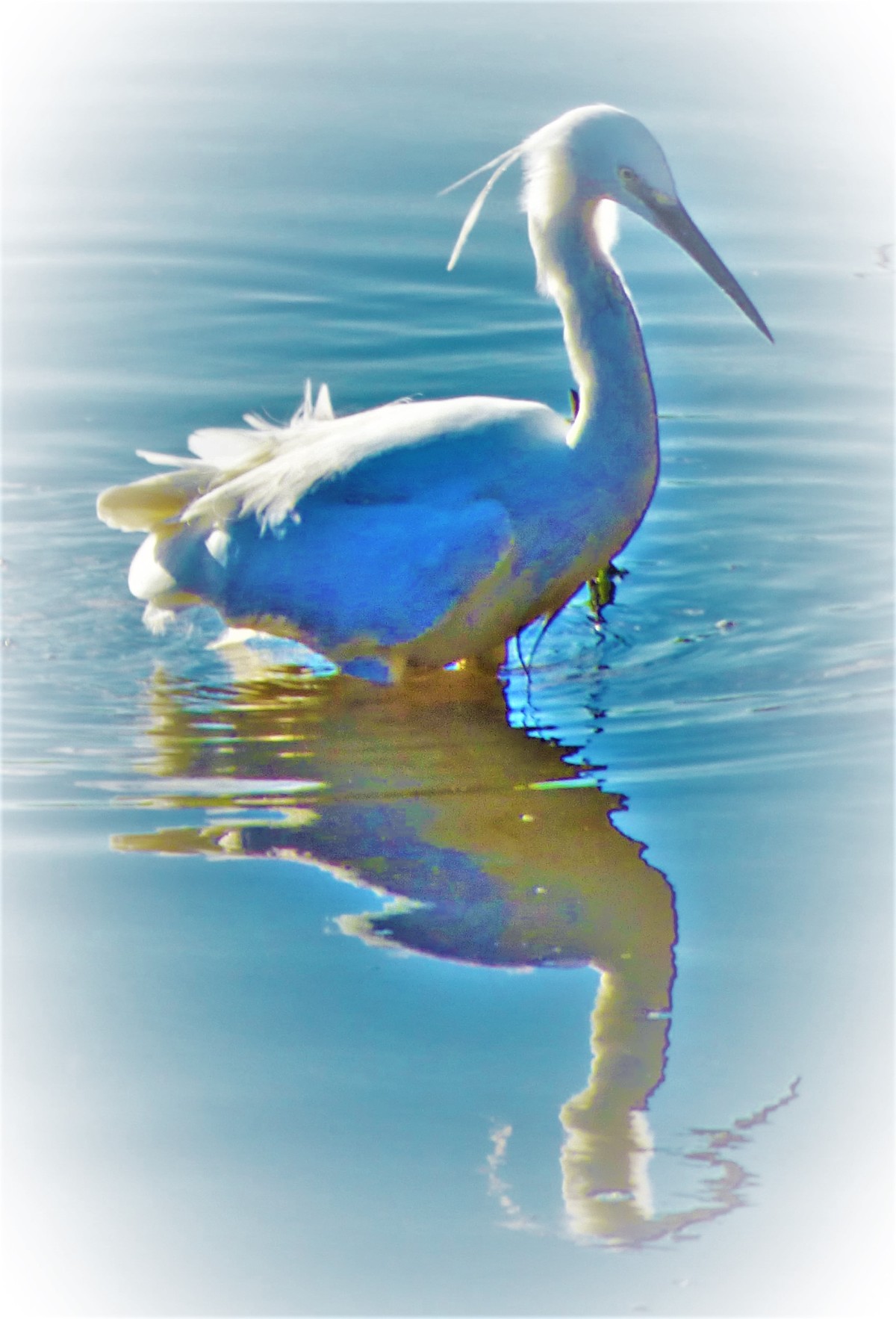
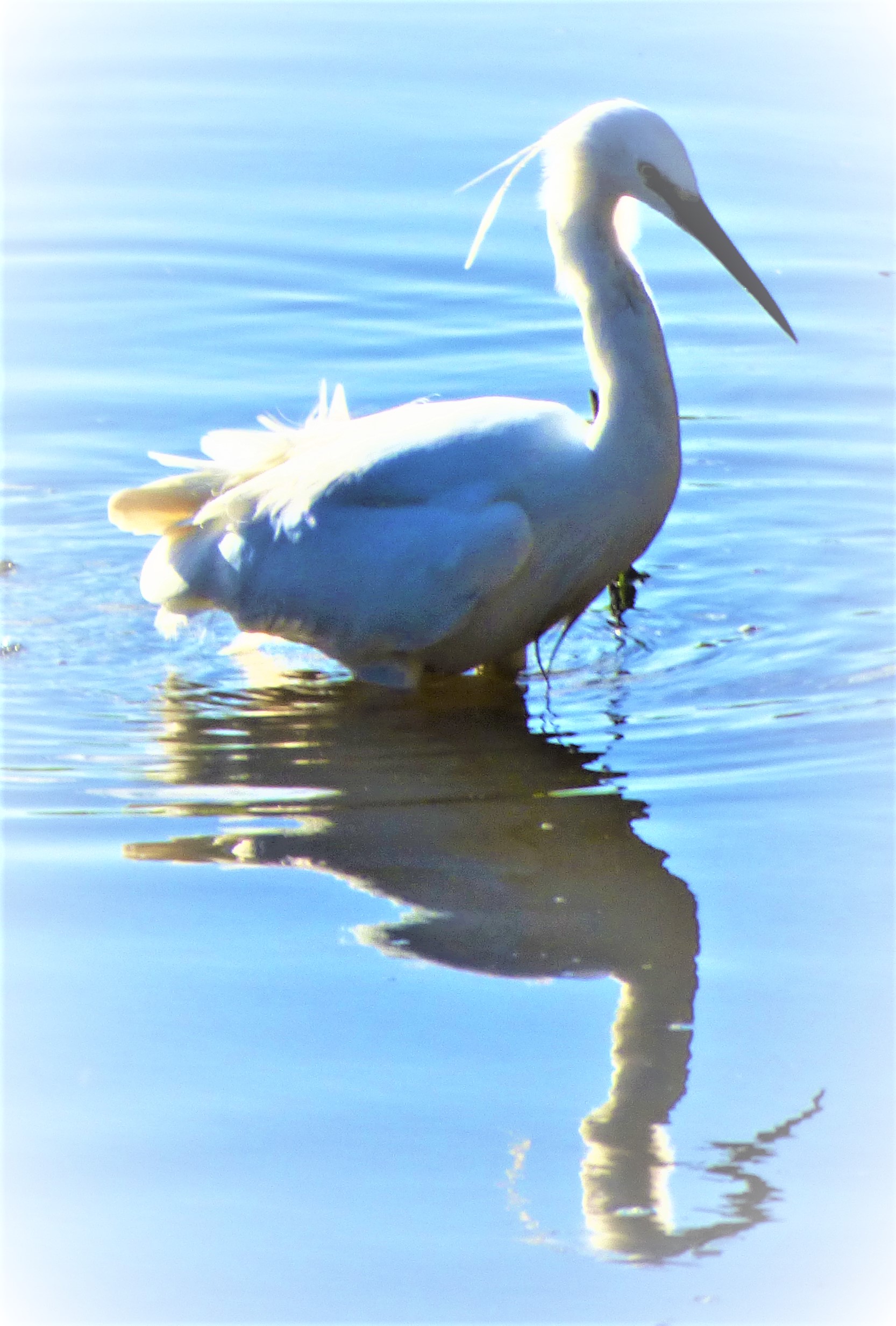
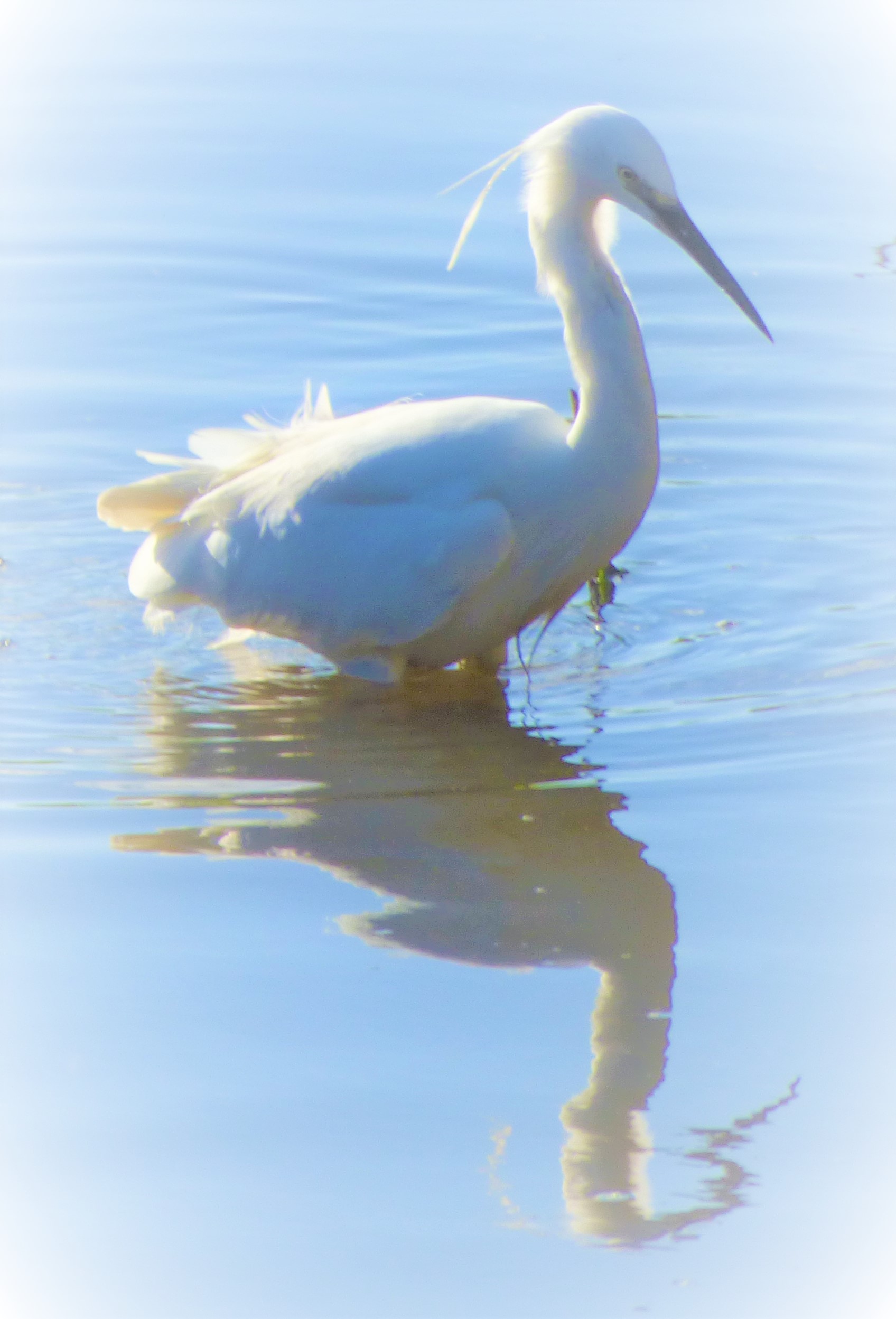
This is today’s sign off – I was out walking earlier (it is sunny today in King’s Lynn, though still cold enough to warrant a coat), and I saw a Little Egret in Bawsey Drain, not very far from my house…
Concluding my account of the day at St Michael’s Mount as we near the end of my series about my visit to Cornwall.
INTRODUCTION
Welcome to the latest installment in my series of posts about my recent visit to Cornwall. This post completes the day at St Michael’s Mount, leaving me with a post to do about the journey home and finally a page from which all the posts about this trip can be accessed. The fact that this will mean (including the page) 13 pieces relating to the trip bothers me not a jot – I have no more time for triskaidekaphobia than I do for any other ridiculous superstition.
WRAPPING UP ST MICHAEL’S MOUNT
Having finished our exploration of the mount itself it was time for lunch, which was excellent. The establishment at which we ate our lunch has a rule that alcoholic drinks can only be served if food is ordered at the same time, and according to their interpretation cream teas do not count as food, so on two occasions in the course of that meal we ordered portions of chips to go with drinks. Mention of cream teas (a speciality of the far west of England) brings me to a debate that rages unchecked: which goes on the scone first, the cream or the jam? The cream advocates argue that cream in this context is the equivalent of butter (and if it is Cornish clotted cream it is so thick that one can pretty much slice it like butter!), and that if you put the cream on first you do not get jam in it. I am not sure what the jam advocates base their case on.
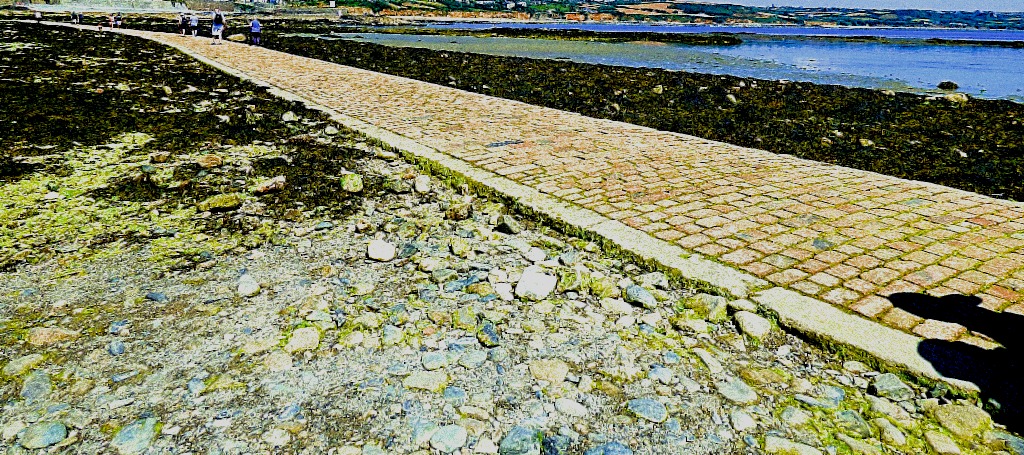
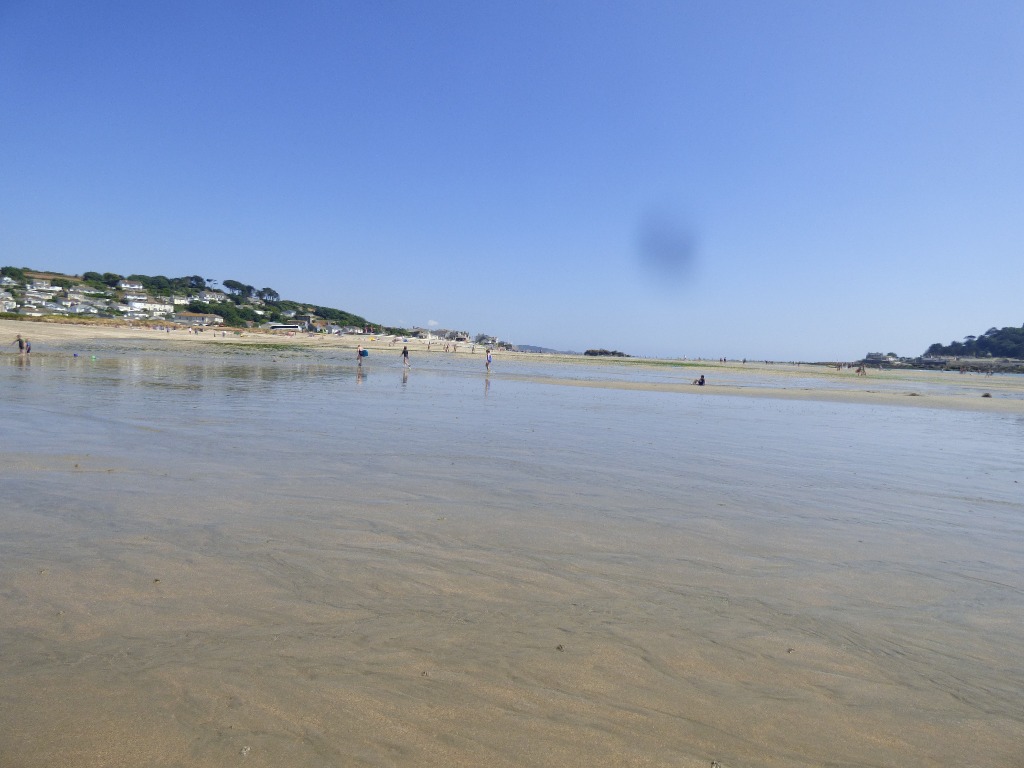
Lunch consumed it was time to head back to our parking place on the edge of Penzance. The tide was just starting to turn but was still a long way out, and unlike the Mont St Michel, on which the current setup of St Michael’s Mount is modelled the tide here comes in slowly (no danger of galloping horses being swallowed by an inrushing tide, as allegedly happened at Mont St Michel on one famous occasion), so we were still able to walk back across a vast expanse of beach to rejoin the official footpath just west of Marazion. I omitted to remove my socks and shoes for this part of the journey, and they ended up thoroughly soaked, although by the end of the walk they had dried out again (without the sea breeze the heat would have been fiendish).
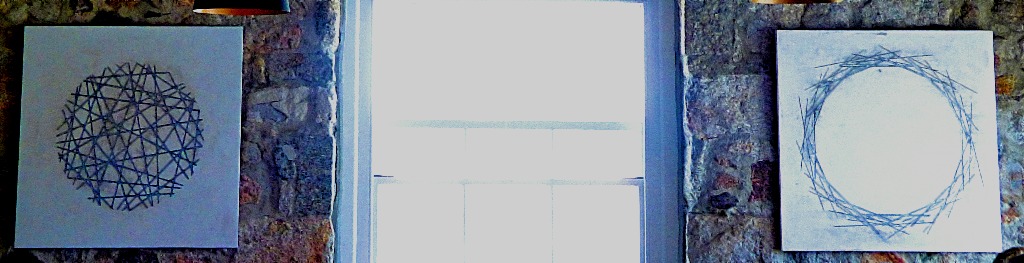
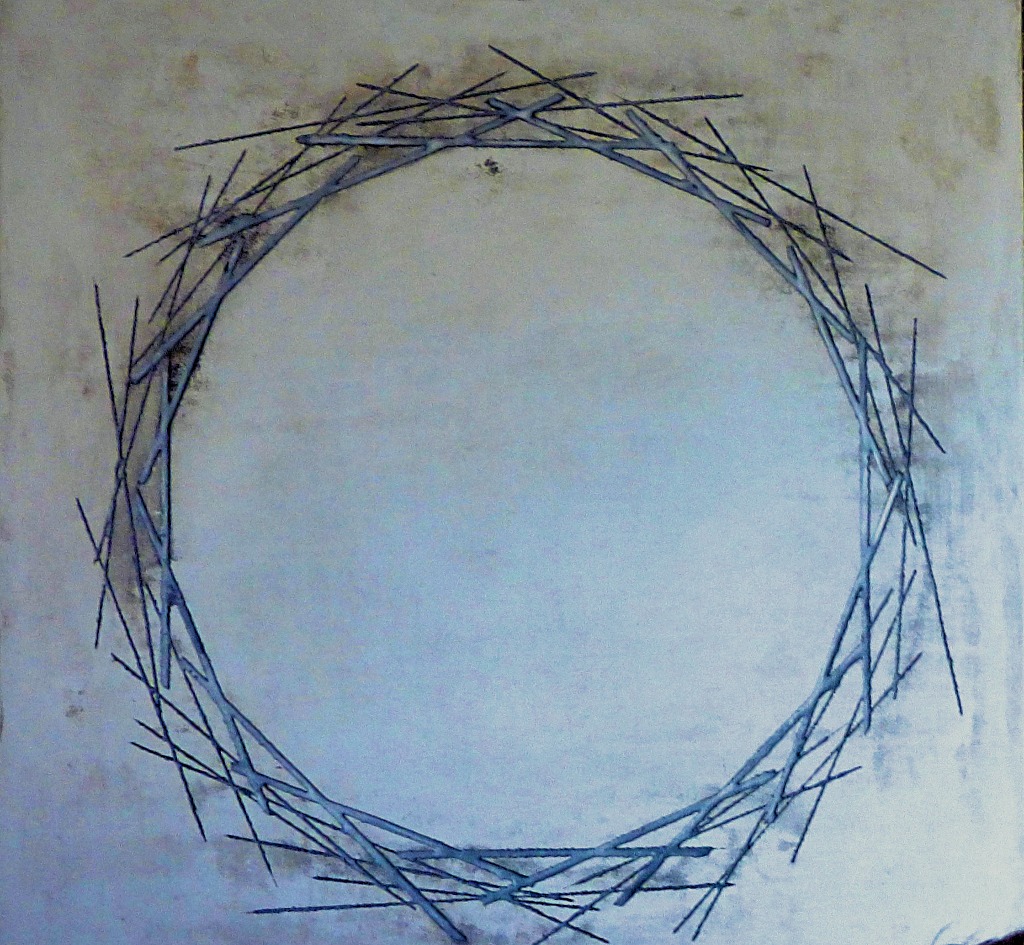
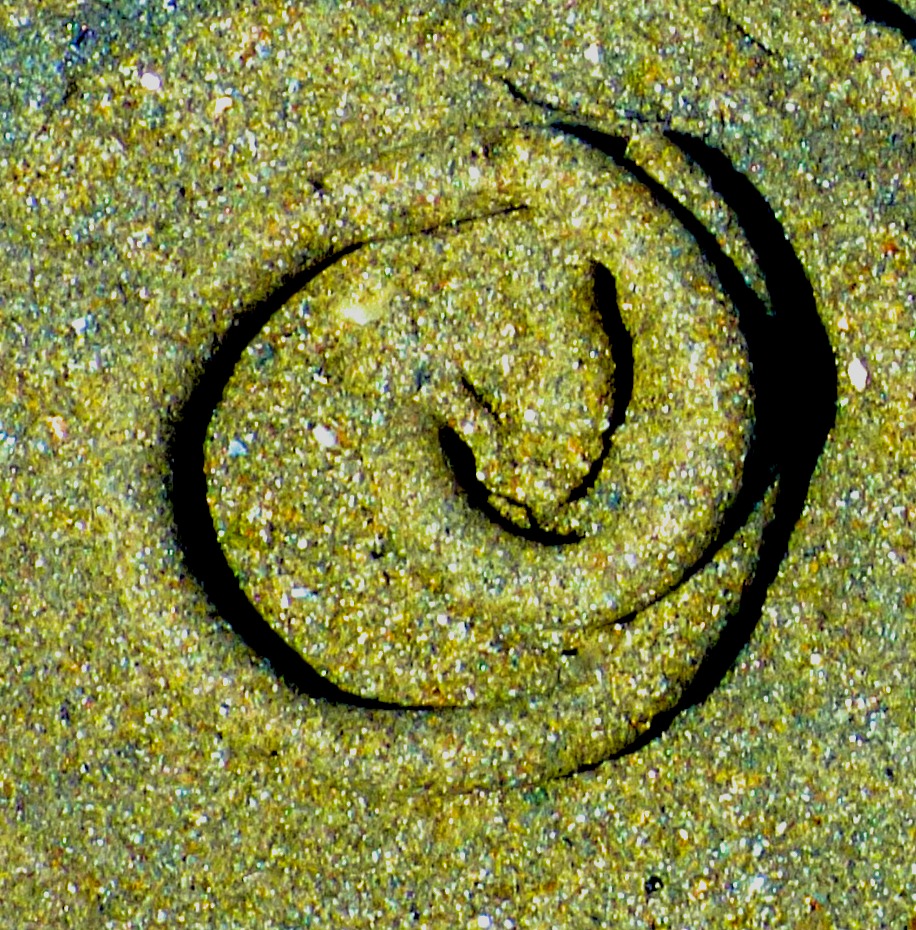
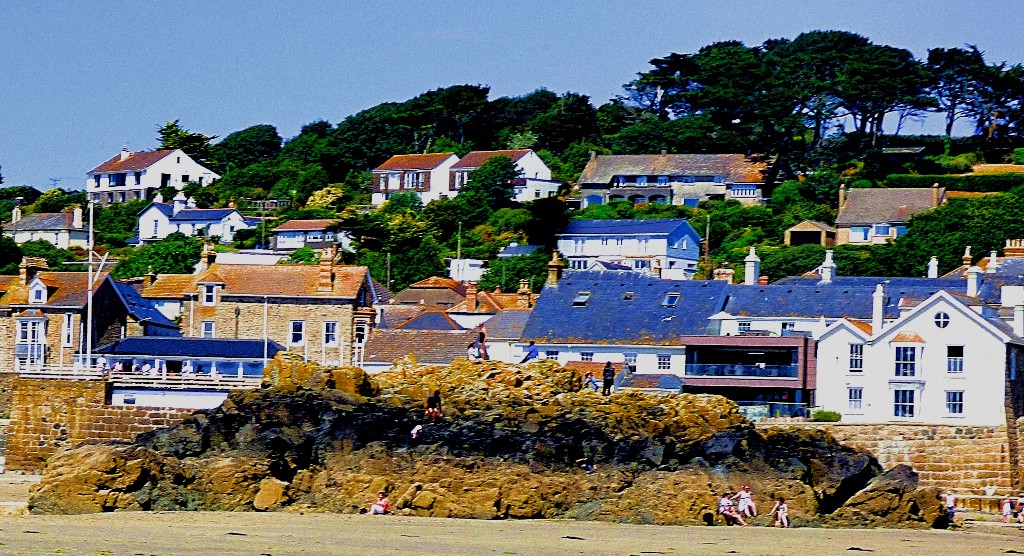
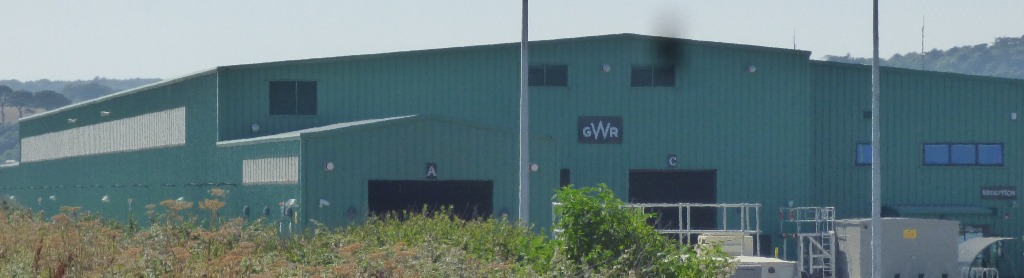
The first few photos here, including these mathematical pictures are from lunch
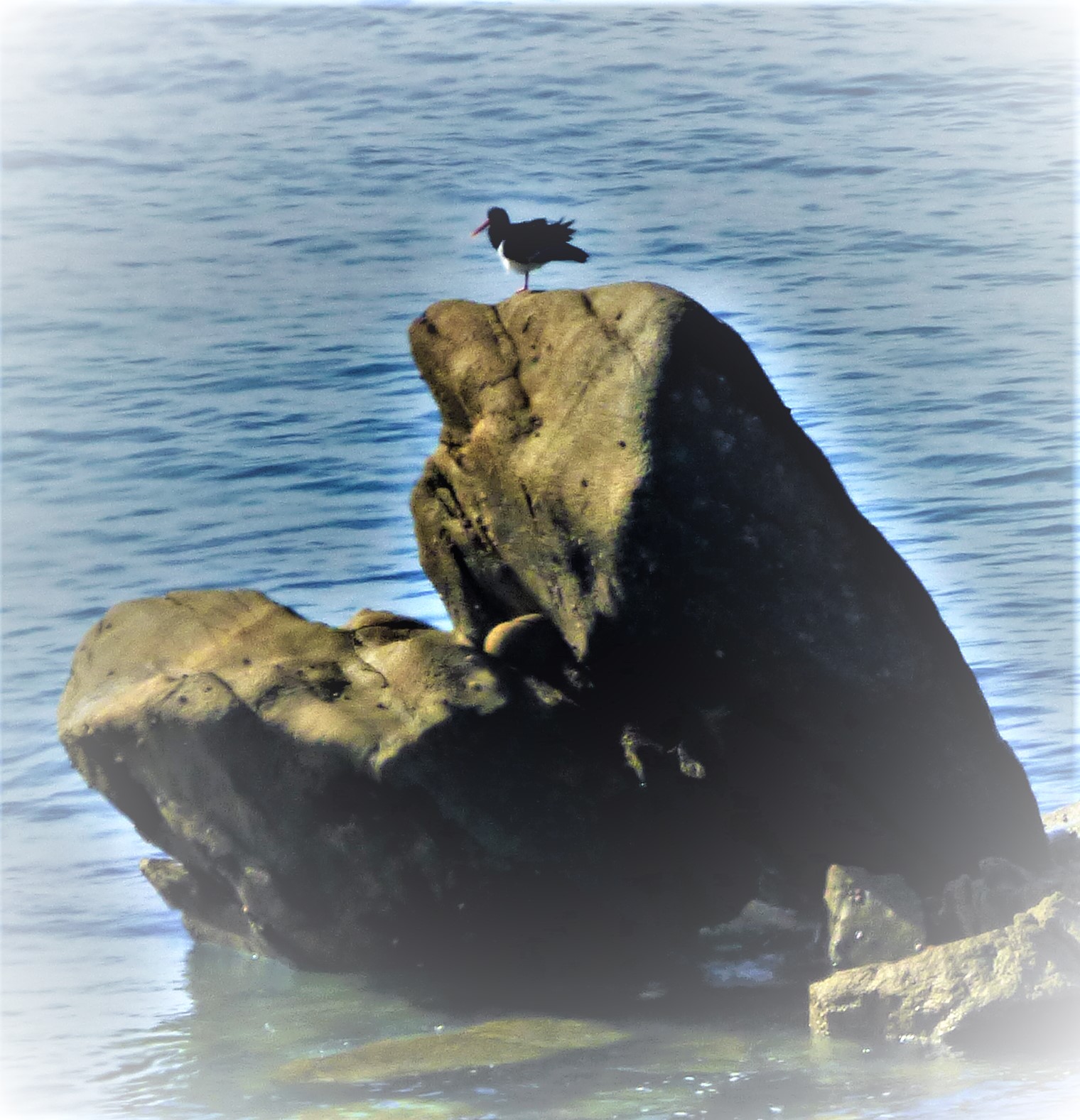
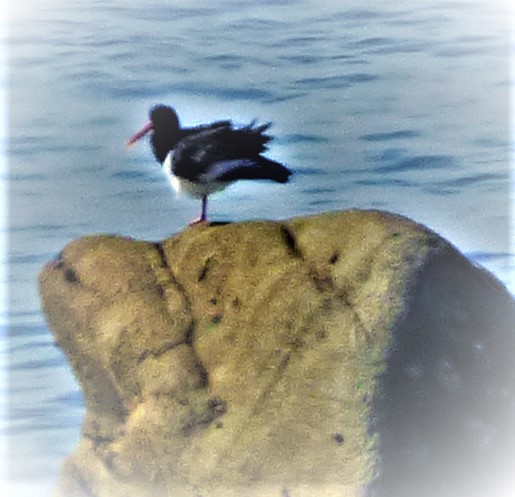
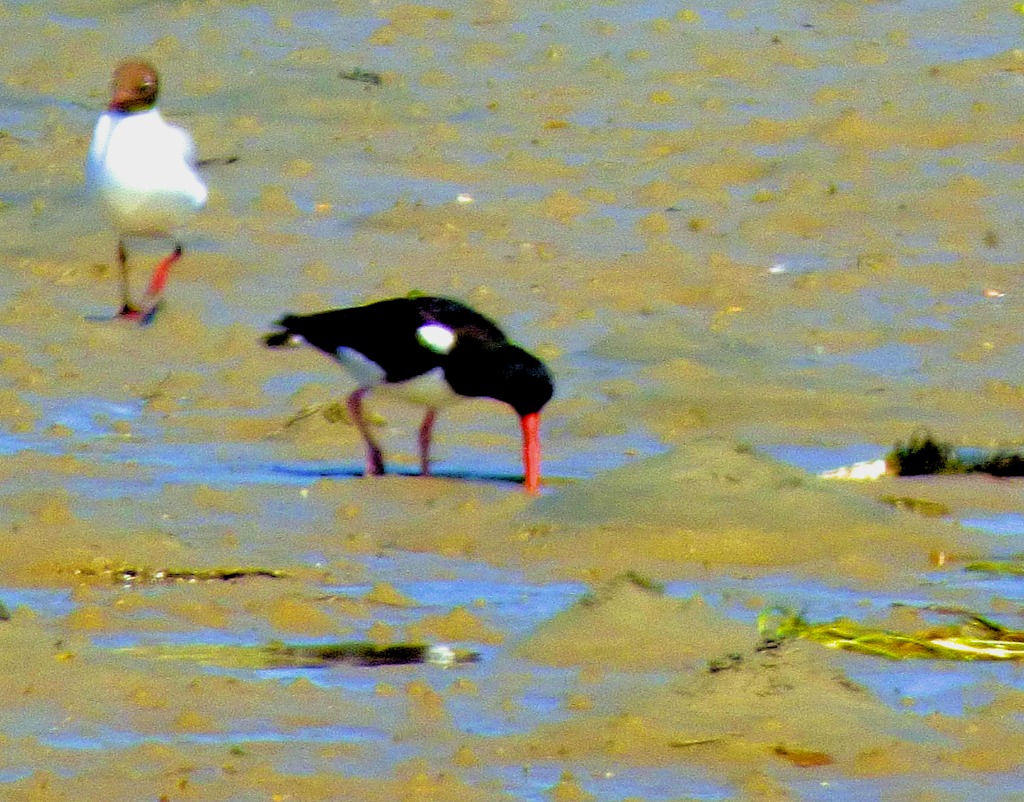
Just before recrossing the causeway to the mainland, we saw these birds – the one with the red bill used for digging would have been having a bonanza – there were huge numbers of worm casts in the sand.
A post celebrating recent successes for the England men’s and women’s cricket teams.
INTRODUCTION
The last few weeks have been magnificent for English cricketers of both sexes. Each side has been very dominant through a sequence of games, and each have set a team scoring record during the sequence of games.
THE WOMEN
The women warmed up with an ODI series against South Africa, losing the first match but winning matches 2 and 3 very comfortably, in each case with their efforts being spearheaded by centuries from Tammy Beaumont. Then they moved into a T20 tri-series featuring South Africa and New Zealand, the latter fresh from three straight 400-plus ODI tallies against Ireland, the last of which featured the first part of a ‘script rejection’ performance by Amelia Kerr – 232 not out with the bat, and then to settle things 5-17 with the ball. No author of a cricket themed novel would dare have a 17 year-old do that in an international match, but it happened in real life.
On Day 1 of the tri-series New Zealand opened proceedings by scoring 217 from their 20 overs against South Africa, which at the time was a new record in that form of the game, and won them the match comfortably. That record lasted until later that same evening when England took on South Africa, and with Beaumont scoring yet another century (getting there in a mere 47 balls) and Katherine Brunt responding to a promotion up the order by running up 42 not out off just 16 balls reached a total of 250-3. This proved way out of SA’s reach. On Saturday, the second set of games in the tri-series, England lost to South Africa but bounced back to beat New Zealand in the other match.
THE MEN
The men started the limited overs segment of their summer by losing to Scotland at The Grange, but then they commenced a five match series against Australia and were absolutely dominant through the first four matches, winning all comfortably and racking up 481-6 in the third match. The fifth match was a very different kettle of fish. Australia were all out for 205, a modest total that featured the most misjudged leave-alone in cricket history (perpetrated by Ashton Agar). England then collapsed to 114-8 and I was getting ready to point out that wins in dead rubbers don’t really count. However, Jos Buttler was still there, and now Adil Rashid provided some sensible support, and the pair put on 81 for the ninth wicket, turning the match into a nail-biter. Jake Ball, the England no 11 only scored 1 not out, but he survived 11 deliveries, while Buttler first completed an astonishing hundred (with a six that on sheer distance should probably have been a nine) and then sealed England’s one-wicket victory in this game and with it a 5-0 whitewash against the old enemy.
Tim Paine thus became the second Tasmanian born captain with a surname that begins with P to surrender a match in which the opponents had needed 92 with only two wickets left (look up Mohali 2010 for more details).
Buttler’s innings secured him both the player of the match and player of the series awards. Buttler was 110 not out in a score of 206-9, and the joint second biggest scores were 20 for Alex Hales and Adil Rashid, and he finished the series with 275 runs at a handy 137.50. In the course of this innings he passed 3,000 ODI runs. Unlike most of his previous big innings which have been all about putting opponents to the sword (his 3,000th ODI run came up off only just over 2,500 balls faced in this form of the game) this one involved getting his team out of trouble and probably rates as his finest for precisely that reason.
MAJOR CONTRIBUTORS
Both the men’s and women’s teams have benefitted from the fact that everyone has contributed somewhere along the line, but each also have had certain players who have been especially outstanding (see Buttler above), and I offer the following composite list of the best:
Moeen Ali: Watching the way the Aussies tackled his off-spin you might have thought they had been put in a time machine and taken back to 1956.
Jonny Bairstow: about the only thing he did wrong all the way through was get out in the game at The Grange when he was putting Scotland to the sword and would have had England firmly in control had he batted a few more overs. None of the Aussie bowlers, even the highly impressive Billy Stanlake, had any idea where to bowl at him.
Tammy Beaumont: the smallest player in physical stature in this list (5’3″ tall) she has been a metaphorical giant in these matches with three centuries from her position at the top of the order.
Katherine Brunt: In the first match she made 72 to give England something to defend. After her 42 not out in the 250-3 T20 game she followed up by picking up 2-18 from her four overs. Ignore talk of imminent retirement – so long as her body remains in one piece she will keep going.
Jos Buttler: The batsman-keeper did all that was asked of him in the first four matches of the series against Australia and when the going got tough in fifth match he got going and carried England to victory.
Alex Hales: started these matches as favourite to miss out once Stokes was available again but played several incredible innings, and I would now say that for all his all-round credentials Stokes has to be considered as far from certain to regain his place.
Adil Rashid: another of the ‘role-reversal’ aspects of this series was that on this occasion it was Aussie batsmen who looked like rabbits in headlights when facing an English leggie. In addition to his success with the ball he played that crucial little innings in the final match.
Jason Roy: the leading run scorer of the series with 304, including a ton which spearheaded the chase-down of 310 in the 4th game.
Anya Shrubsole: reliable as ever with the ball, and when really needed in the game against New Zealand on Saturday she delivered some quick runs.
Sarah Taylor: quite possibly the best wicketkeeper of either sex on the planet at present and she also scored some important runs.
Danielle Wyatt: opening with Beaumont in the 250-3 game she was quite magnificent, and she had other successes through the season.
PHOTOGRAPHS
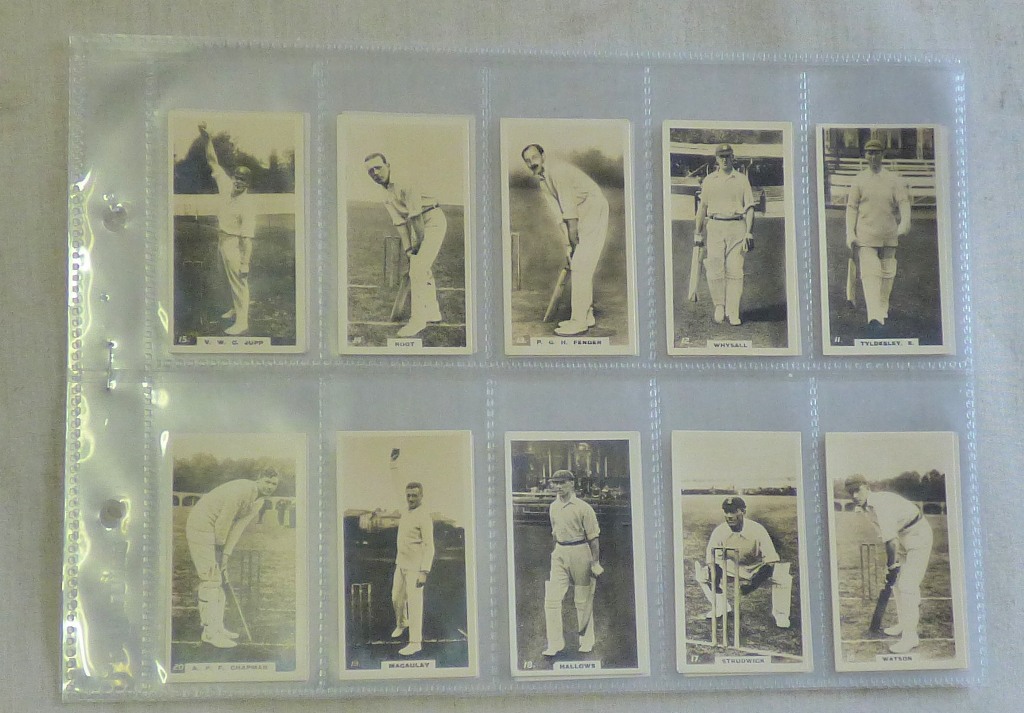
Time now for some photographs, starting with a cricket themed one from James and Sons’ upcoming cigarette cardauction.
While not super-famous these cricketers all have some noteworthy achievements: Vallance Jupp achieved the double of 1,000 runs and 100 wickets in each of eight successive seasons, Fred Root once took a seven-for against Australia. Percy Fender once reached a century in 35 minutes. Dodge Whysall batted no 3 for Nottinghamshire for many years. Ernest Tyldesley scored more first class runs for Lancashire than anyone else. Percy Chapman led England to victory in each of his first eight matches as captain. George Gibson Macaulay was a very successful bowler and enough of a batsman to have scored 76 in a test match. Charles Hallows was one of three cricketers to score 1,000 first-class runs within the month of May (half a dozen others reached 1,000 first class runs for the English season before the start of June, but had runs in April in that record). Herbert Strudwick was England’s first-choice keeper for 15 years in spite of regularly batting at no 11. Frank Watson was a good county player, who once made a triple-century.
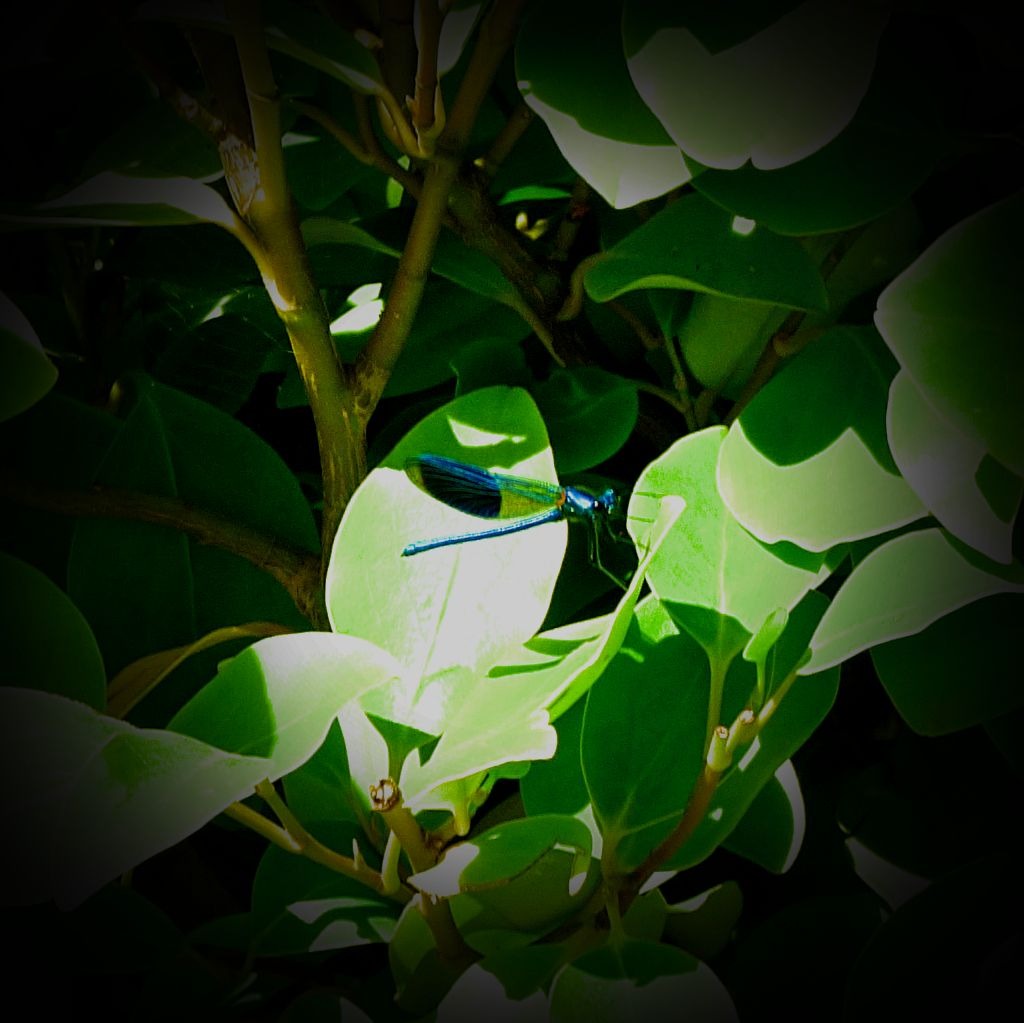
A spectacular creature, presumably some form of dragonfly.
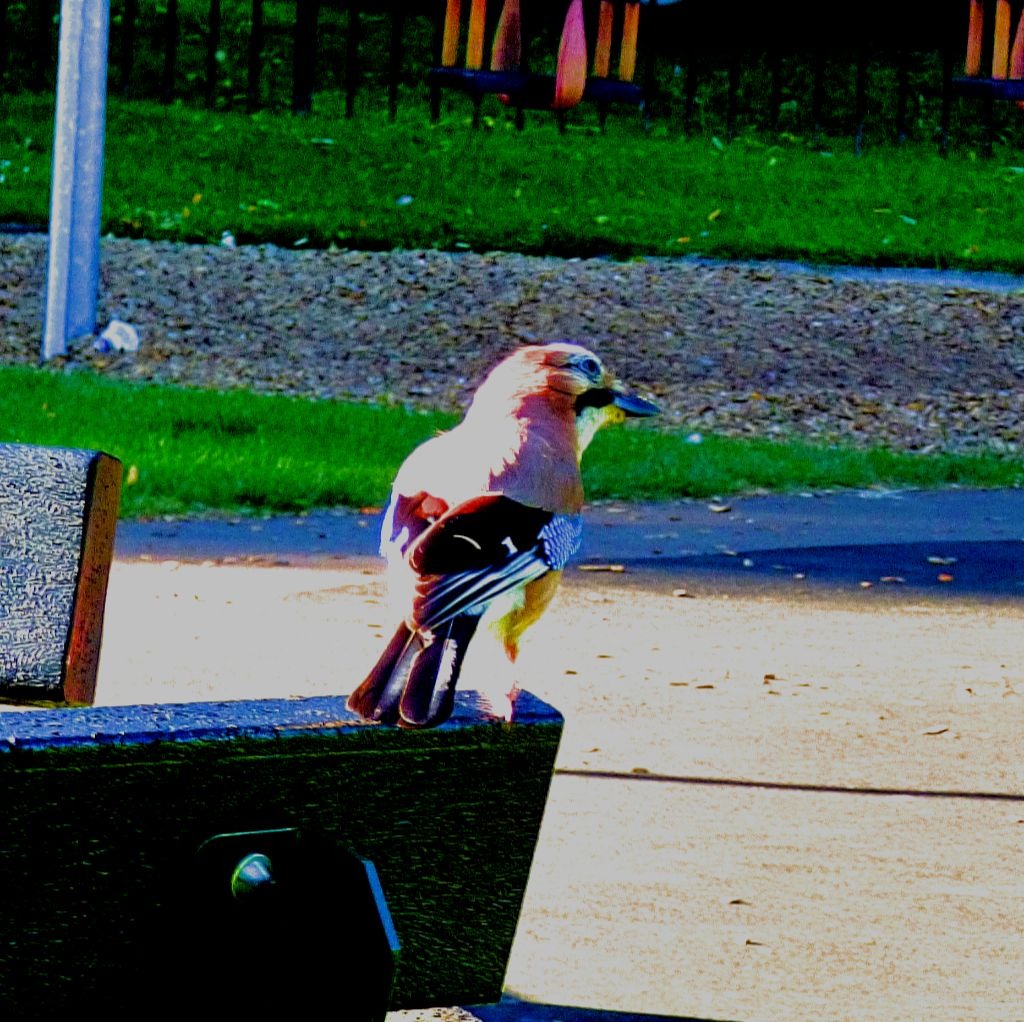
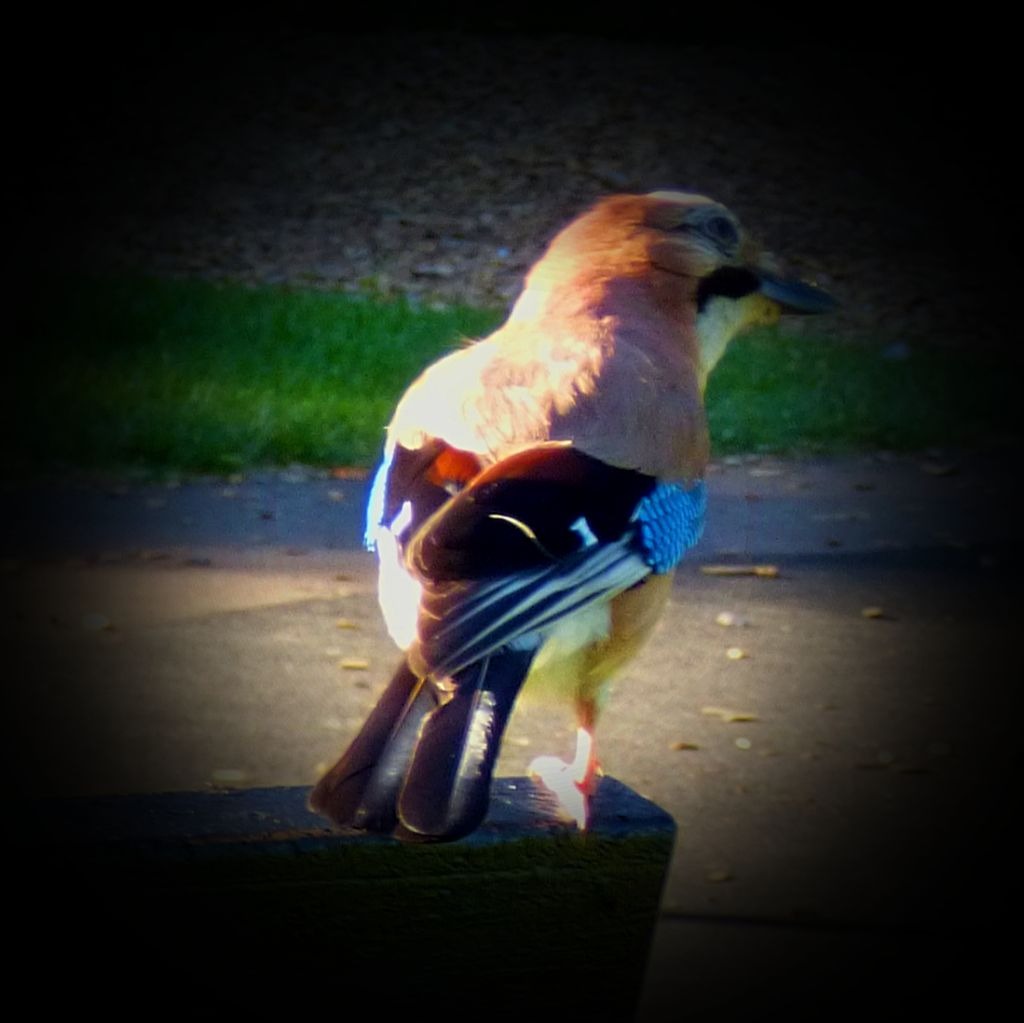
I saw this jay yesterday. This species is not threatened, but I use this caption to draw your attention to one that is, the nightingale. There is a petition to protect a threatened habitat for this bird at Lodge Hill – please sign and share it.
Where lego and New Zealand birds meet, courtesy of Heather Hastie.
The creation is magnificent, and Heather’s idea of using it to launch a whole lego range devoted to indigenous New Zealand birds is even better. It is a little unfortunate to use this phrase given one of the most famous quirks of these birds, but the products would absolutely fly off the shelves…
Note – this is Heather’s story and if you wish to comment you will need to visit the original.















































































































 aspiblog