Rachel Caine’s Great Library Novels

A review of Rachel Caine’s series of books featuring the Great Library.

INTRODUCTION

There are three novels under consideration in todays post, and they form a series. 

GLT

OVERVIEW

These books are an exercise in “Alternative History”. They are set in the 21st century in a world in which the Great Library of Alexandria did not get destroyed, but instead ended up as a global power, not merely a centre of learning. For some centuries a conflict has raged between the forces of the Library and rebels known as Burners. Also, since the Great Library have decreed that no books shall be privately owned there is a third group in the mix, the smugglers who for a price satsify the cravings of those who in defiance of the law still want to own books. 

BOOK 1: INK AND BONE
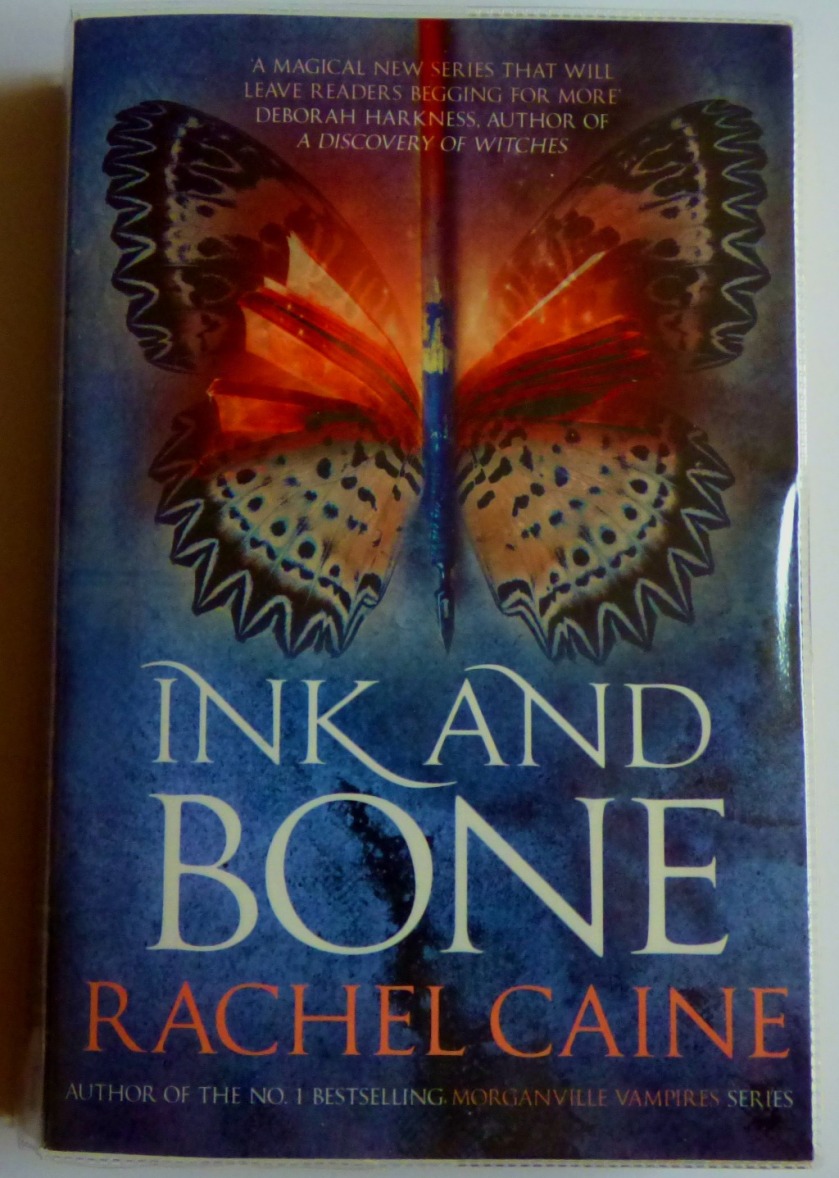
Ink and Bone

In the opening pages of this book we meet Jess Brightwell, then 10 years old, and already running contraband books as part of his father’s smuggling business. Jess performs a mission which leads him to an encounter with an ‘ink eater’ – a man who in this instance eats the pages of the only known copy of a book by Aristotle. The effect witnessing this has on Jess sets the scene for the subsequent story. We skip forward six years and Jess’s father has entered him (at vast expense) for the Great Library entrance exam, considering that it would be useful to have someone on the inside. Jess manages to pass and finds himself bound for Alexandria along with 30 or so other scholars. Among his fellows are Thomas Schreiber, a German with massive talents for engineering and inventing, Khalila Seif who has achieved the first ever perfect score in the entrance exam, Glain Wathen, a tough Welsh girl who has an eye on a place in the High Garda, the Library’s security force/ army and Dario Santiago, from a wealthy and influential Spanish family.

These and the other postulants find themselves being put through their paces by Scholar Christopher Wolfe, a very harsh judge. Twelve of the postulants have gone by the end of the first week, and their numbers continue to fall regularly. One new person arrives on the scene, Morgan Hault, who it turns out is an obscurist, and as such vital to future of the library. Her unwillingness to suffer the obscurist’s usual fate of being confined in the Iron Tower is one of the causes of conflict between these scholars and the Library. The other direct cause is Thomas Schreiber’s passion for inventing – he designs and creates a printing press which would enable the bulk production of books, not realising that various previous scholars have been harshly punished for the same invention, as the Library will tolerate nothing that might reduce its power. It further harms Thomas’ cause that Christopher Wolfe is one of those scholars who have previously been punished for this offence.

Before Thomas  Schreiber gets hauled over the coals there are major clues that all is not rosy in the garden. As a final exercise the postulants are sent to Oxford to retrieve some rare books gthat have come to light there, and the only way to get them there in time is to use a technique called ‘translation’, which is fraught with danger. One of them, Guillaume Danton, dies while being translated, which generates suspicion. Then, when they have barely escaped from Oxford with their lives and are being returned to Alexandria on the Archivist’s personal train they are ambushed by Burners who have somehow found out their whereabouts. 

This book ends with Morgan Hault confined in the Iron Tower, Thomas Schreiber in prison, with the others having been told that he is dead, and all the other main characters having been assigned various positions. 

BOOK 2: PAPER AND FIRE

Paper and Fire

This book follows on directly from the end of book one. It deals with the discovery that Thomas is not dead, merely in prison, and the subsequent quest to break him out and escape from the Library’s clutches. In the Iron Tower, above the levels occupied by the obscurists, the Black Archives are revealed to us for the first time. The Archivist (boss of the whole library) has ordered the Artifex Magnus to destroy them, but the rebel scholars get away with a quantity of the most important books and head for London, Jess Brightwell’s home town. They then find themselves betrayed and sent to the Burner city of Philadelphia. It is also in the course of this book that we see how the automata (I dropped a hint about these in this post)  that the Libfrary uses in addition to the High Garda can be switched off. Thomas, with the help of Morgan Hault the obscurist, manages to change one of the automata so that it works for them.

BOOK 3: ASH AND QUILL
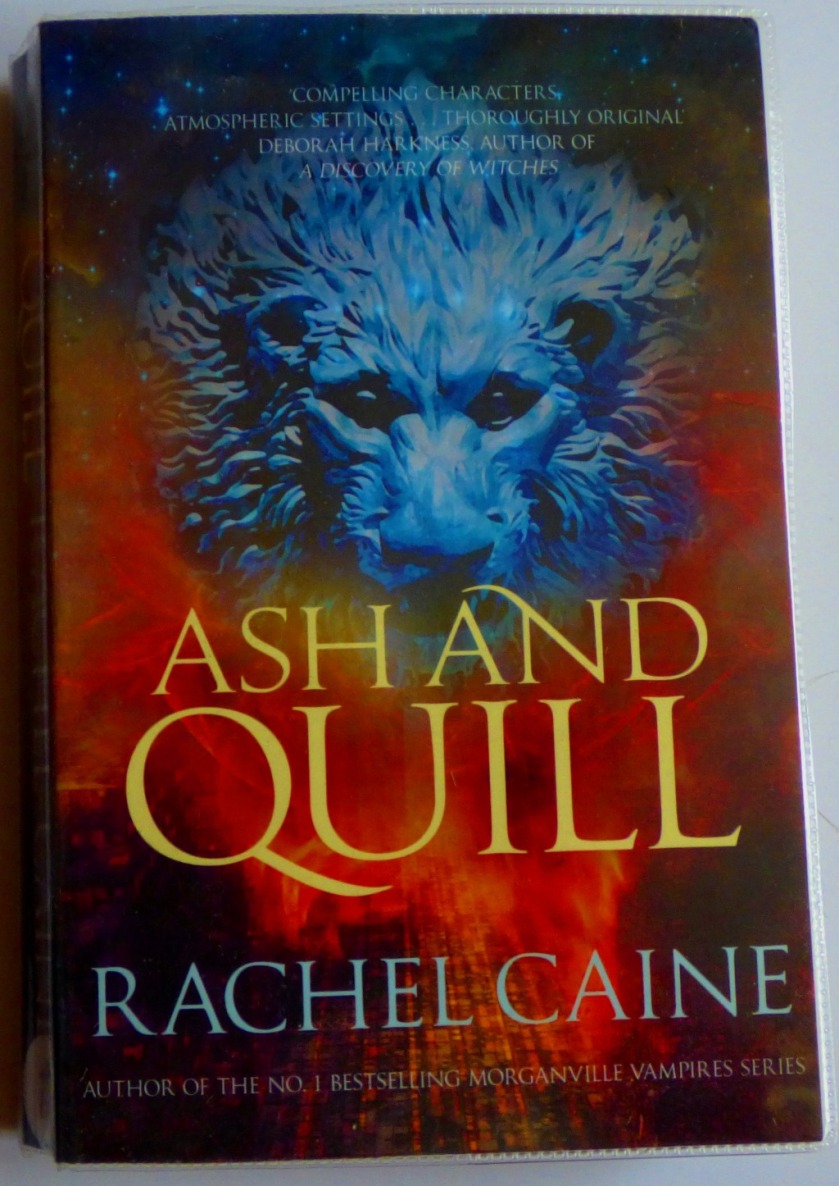
Ash and Quill

Thomas Schreiber creates a version of his press from materials available in Philadelphia, which works sufficiently well to impress the Burners but not to end his usefulness. He also makes a weapon that will ultimately be used to make a hole in Philadelphia’s walls so that he and his band can escape. 

Meanwhile, having previously kept the city under siege for a hundred years, the Library having discovered that their rebel scholars are there have ordered the complete destruction of the city.

While the city is being destroyed, Thomas Schreiber’s weapon creates enough of a hole in the walls for the scholars to escape, and one of Jess’ smuggler acquaintances gets them back to Britain. London is now off bounds, having finally fallen to the Welsh forces who have been attacking it for some time, but Jess’ father owns a castle in the north of England.

While hiding there Thomas builds a sophisticated press which is immediately put to work churning out bulk copies of previously concealed works, and he also creates a better version of the weapon he used in Philadelphia to make a gap in the walls. The book ends with Jess, disguised as his brother, about to visit the Archivist. It is fairly clear that whatever happens in that meeting only one of those two will emerge alive (at most).

THE EPHEMERA

Interleaved with the story proper are regular sections titled Ephemera, which give as insights in to the history and development of the Library. We learn through these, and through discoveries in the Black Archives, that the first Archivist with a view to making the Library a military as well as an intellectual power base (“using the sword as well the pen”) was Zoran who saw in a conflict between the Roman emperor Aurelian and the eastern queen Zenobia the opportunity to bring this about, that the first scholar to suggest a printing press was a Chinese man in the year 868, and the scholar Gutenberg was punished for the same “crime” some six centuries later. Thus we can trace the corruption of the Library, and the view that its power counted above all else back at least to 868AD, almost 1,200 years before the action in these books takes place, and possibly all the way back to the scheming Archivist Zoran half a millennium before that.

FINAL THOUGHTS

These books are excellent, the story being thoroughly gripping. Although a couple of minor errors slipped in to the history (“Scholar Plato”, which reference is made during the story is incorrect, since he lived and died before the Great Library was created, and Archimedes of Syracuse lived a century and more earlier than Heron of Alexandria, not vice versa) they are not sufficient to detract from the overall quality of the work, which is excellent. I really enjoyed reading these books and hope that there are more to come. You can find out more about Rachel Caine from her website and on twitter. Also, shrewd observers will have noted that my pictures are of Library books, so I finish this long post about a library system that went badly wrong somewhere along the line by thanking a library system that is still working nicely, Norfolk Libraries, through whose good offices I gained access to these books.

Musical Keys and Birds

A brief account of Musical Keys and some bird pictures.

INTRODUCTION

Saturday was a music day, and I have plenty of pictures to share from recent days.

MUSICAL KEYS – THE KORG

These sessions are organised for the benefit of autistic people, so before I get into the meat of this section here is stimtheline’s magnificent Autistic Bill of Rights:

Autistic Bill of Rights.pub

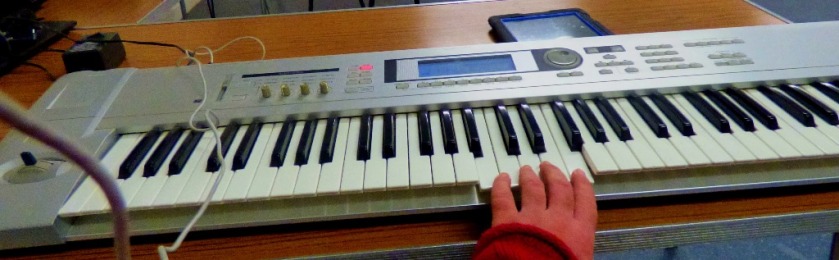
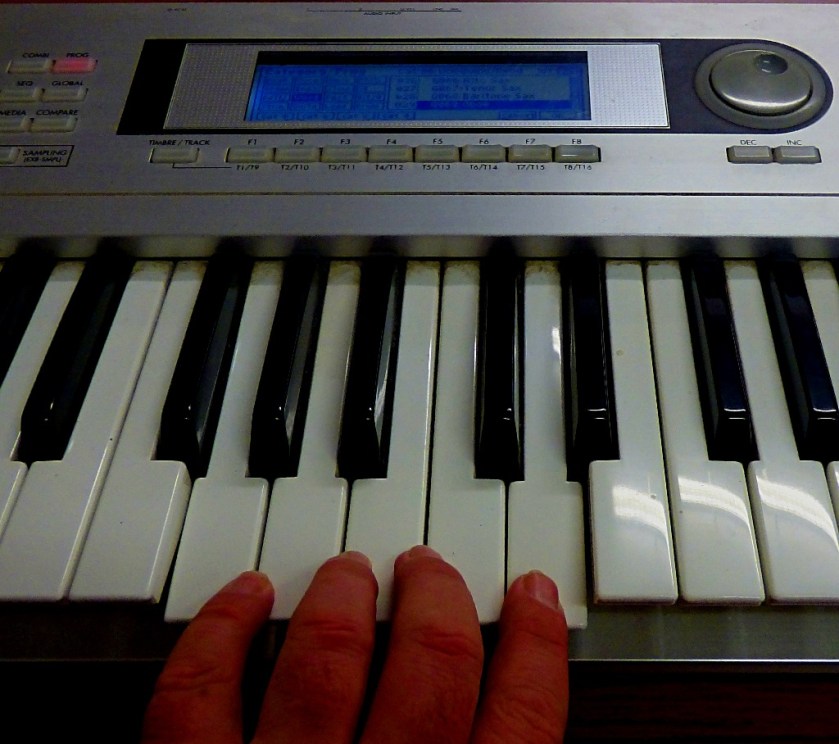
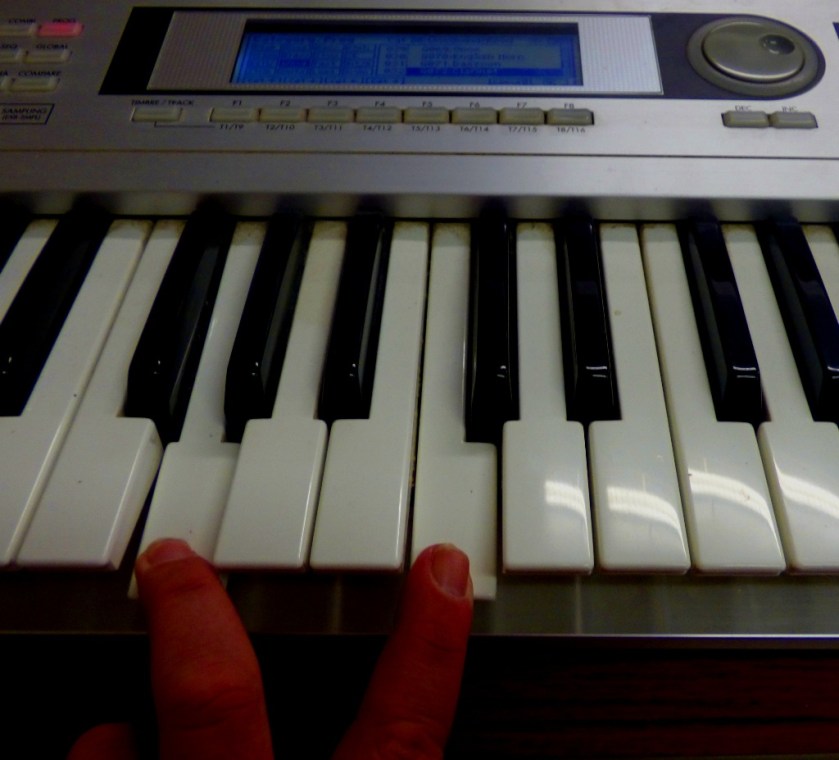
The Korg is a very sophisticated machine (for classical music enthusiasts it looks a 21st century version of a clavichord, but it does so much more). I will let the photographs tell the story (I got most of these by playing with my left hand while using the camera with my right FYI):

Korg IKorg IIKorg IIIKorg IVKorg VKorg VIKorg VIIKorg VIIIKorg IXKorg X

BIRDS OF ALL SIZES

We start with the largest bird to be a regular feature of life in Britain – the mute swan:

MSXMSXIMSXIIMSXIIIMSXIVMSXVMSXVIMSXVIIMSXIXMSXXMSXXI

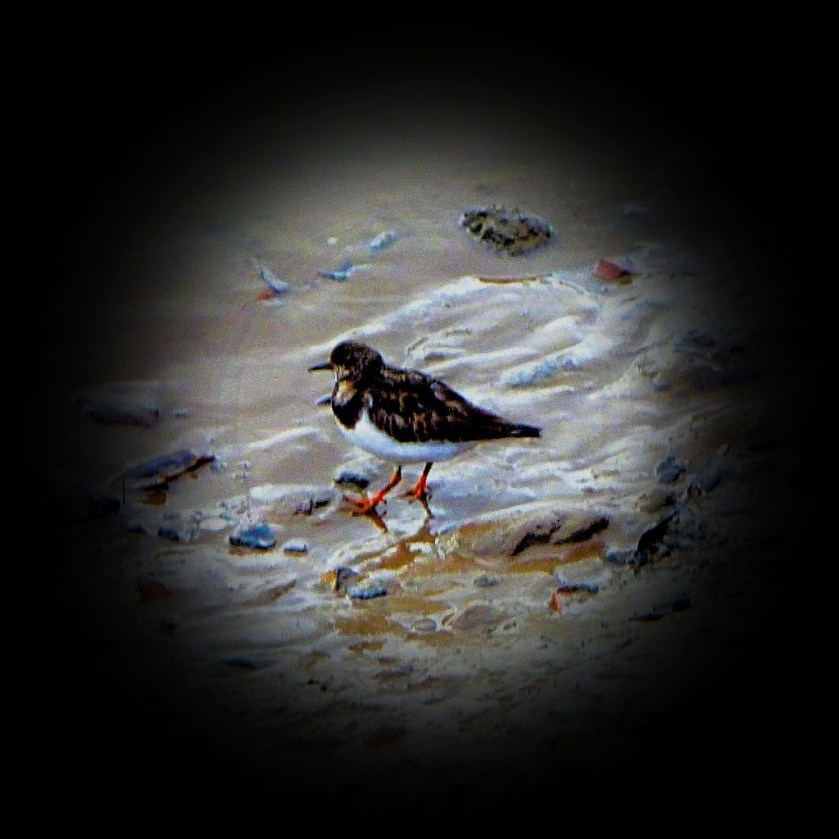
Next we come to a much smaller species, which I have not previously captured on camera, a little wader called a turnstone (I seem to recall that a few years back The Lynn News had a columnist who used Turnstone as a nom de plume):

Turnstone ITurnstone II

Further along the Great Ouse and on the side of the river were a few specimens of a larger bird that is not a regular sight in these parts – the greylag goose:

Greylag geese

We end with a couple of cormorant shots:

Cormorant CSwimming cormorant


En vision blir verklighet – vi flyttar in!

A very interesting post from lagnobo, brought to my attention by Anna. The original post is in Swedish, so here is an English translation courtesy of Google:

A vision becomes reality – we move in!
7 JANUARY 2018LAGNOBO
In autumn 2010, Sörmlands Nyheter had an article with a picture about a house to be built in Nyköping. Very big, not so beautiful but with large conservatory. It sat on the fridge at Lagnö Gård and raised thoughts about a house, but smaller, more beautiful and in the countryside. In December 2010, on a journey to Gothenburg, a vision was formed which later became the basis for a leader application and a preliminary study.

A report on the preliminary study with the whole vision and the work to the association was formed (pdf). ✎ EditSign

Excerpt from Vision:
We thought:
“We like to have close to the neighbor to go in and have a cup of coffee, have a party in the evening or on a walk.” _ _
“We want to grow old with company because we feel better. We think of many dinners with company without having to go somewhere.
We think it will be cheaper to have some things together. Perhaps guest room, dining room, cafe,
car pool or electric car, conservatory, storage room, library, spa.
We think that this accommodation creates jobs for others, like gardeners, housekeepers,
cooking driver, foot care, massage, wellness etc. By coordinating our needs we can get
economic opportunity to utilize these services. “

“We think that if we want our children to be able to live on our soil, we need to develop housing that is scared of the environment, both in the construction process and in the accommodation.
We think of a house with maybe 10-12 apartments, two-three rooms and a kitchen, large garden, please both
inside and out, adapted for building in the countryside.
We think of a house that we own and manage, for example, cooperatively or otherwise in common.
We are thinking of a house for residents, not to make money. “

We who lived at Lagnö Gård invited everyone interested in exploring the possibilities. The architect who helped us when we got started urged us to write a wish list, without limits, before we started. Here is the one we liked wild wish list:

“Our very own wildly wish list!
All this we would wish for in our common, comfortable and sustainable home!
Here is the place for dreams and fantasies! Everything is possible!” _ _
“Winter garden, Spanish bar, party room, dining room, kitchen, kitchen kettle with stove, hot air oven and
sorting space!
Living room, guest room, laundry room with drying room and lack, carpentry, sewer and ironing room, storage room for
the apartments, common storage inside and out, food storage and pantry both for common and
private.
Caretaker / personal butler, sauna, broadband, thrift room, compost, garden land or colony lilac,
pets, reclining room, wellness area, pool, fireplace.
Patio, room with library and computer, film screen and projector, glass door to the greenhouse section,
solar collectors and water tanks, solar cells, car pool with shared car, echo at the pier, electric bicycle,
parking, bicycle storage, electric car with garage to, earth source.
Berry bushes, fruit trees, boulebana, storage room, playroom, tv, indoor and outdoor seating, barbecue area,
music system, bulletin board, speed dial phone …… ..
and in the apartments we wish
bathroom, kitchen / kitchenette, walk-in closet, pantry, open plan living, fireplace, balcony / patio, bay windows. “

Moving in!
After 7 years and an incredible amount of people’s commitment and non-profit work, the first tenants now move! And when we read the vision and wish list that then felt so unattainable, that’s incredibly probably the most. Surely there is a bit left, but we see that everything is possible!

Sure it’s amazing!

lagnobo's avatarLagnö Bo kooperativ hyresrättsförening

Hösten 2010 hade Sörmlands Nyheter en artikel med bild om ett hus som skulle byggas i Nyköping. Väldigt stort, inte så vackert men med stor vinterträdgård. Den satt uppe på kylskåpet på Lagnö Gård och väckte tankar om ett hus, men mindre, vackrare och på landet. I december 2010 på bilresa till Göteborg formulerades en vision som senare blev grunden för en leader-ansökan och en förstudie.

Rapport om förstudien med hela visionen och arbetet fram till föreningen bildades (pdf). 

Utdrag ur Vision:
Vi tänkte oss:
“att vi gärna har nära till grannen för att gå in och ta en kopp kaffe, få sällskap på  kvällen eller på en promenad.” _ _
“Vi vill bli gamla med sällskap för att vi mår bättre så. Vi tänker oss många middagar med sällskap utan att behöva åka iväg någonstans.
Vi tänker oss att det blir billigare att ha en del saker tillsammans. Kanske gästrum, matsal…

View original post 377 more words

Autism Acceptance Months II – Luke Beardon Joins The Fray

Sharing a wonderful post on the theme of autism accpetance from Luke Beardon. As this is a pure sharing post comments are closed – please comment on the original.

INTRODUCTION

Yesterday I was inspired by a wonderful piece of work done by Jennifer Lisi to create a blog post titled “Autism Acceptance Months“. Well I was not alone in being inspired by it, and I now share with you a post created by Luke Beardon titled “Inspired by Jennifer Lisi“. Because this is a pure sharing post I am closing it for comments – to comment please visit Luke’s post, linked to above and in the next section.

INSPIRED BY JENNIFER LISI

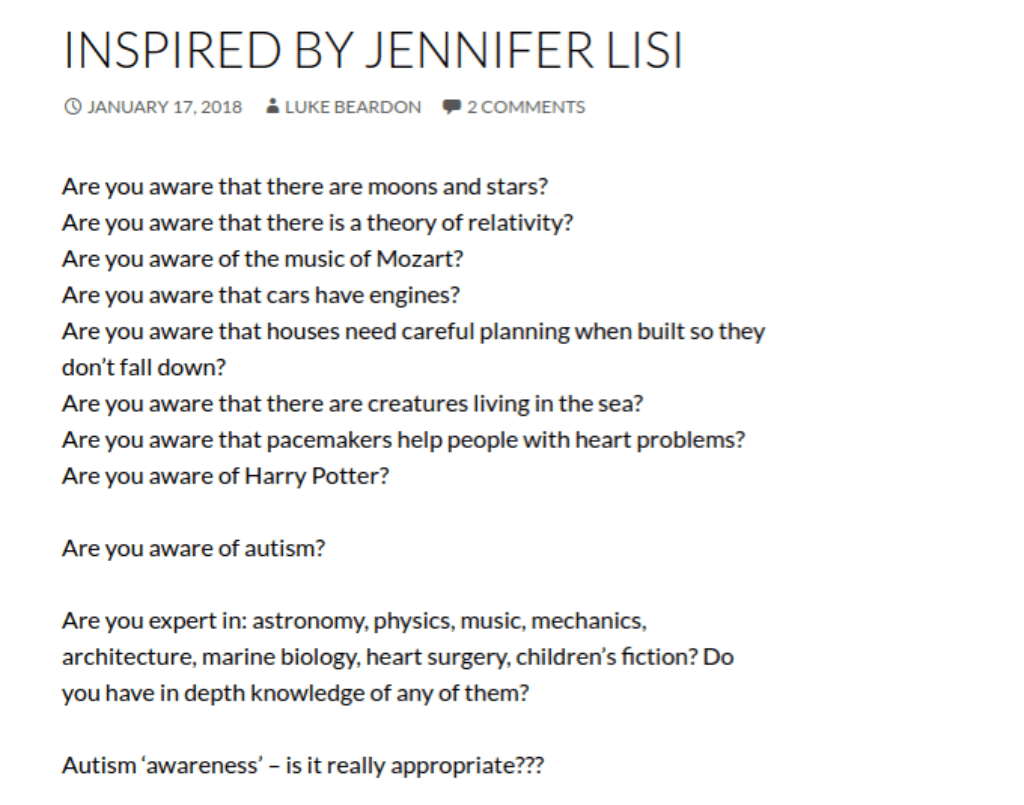
Below is the opening of the post, and a screenshot showing a bit more of it:

Are you aware that there are moons and stars?
Are you aware that there is a theory of relativity?
Are you aware of the music of Mozart?
Are you aware that cars have engines?
Are you aware that houses need careful planning when built so they don’t fall down?
Are you aware that there are creatures living in the sea?
Are you aware that pacemakers help people with heart problems?
Are you aware of Harry Potter?

LB

JENNIFER LISI’S NEW MEME

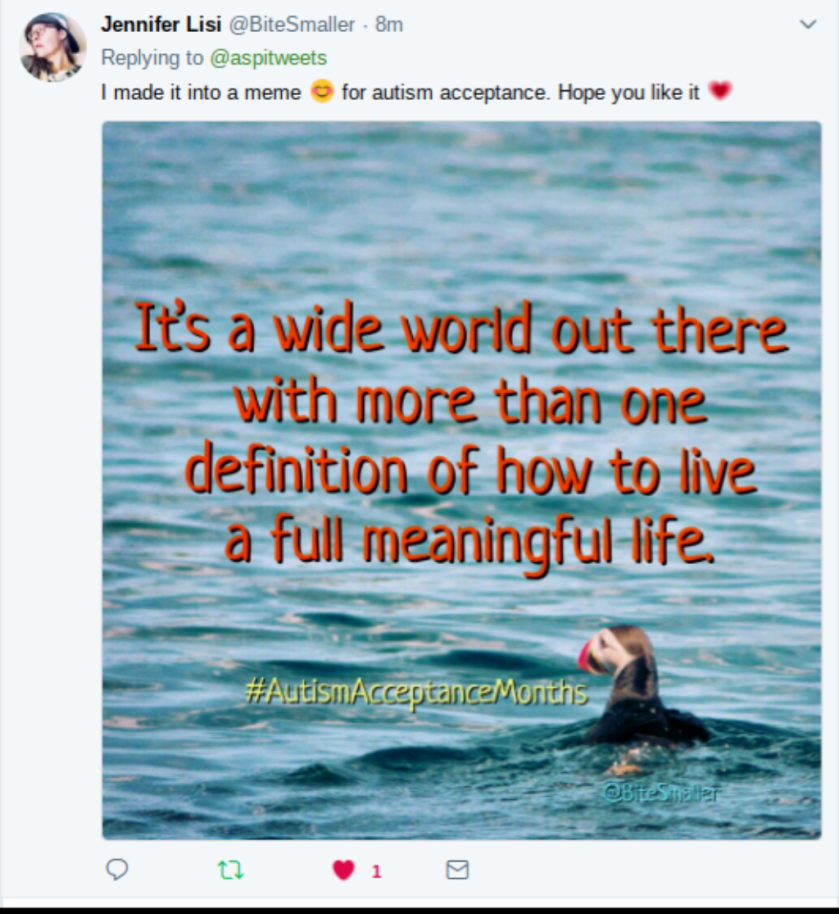
Having set the ball rolling by providing the inspiration for both my and Luke’s posts, Jennifer has subsequently created this lovely meme:

AAccMeme

National Park Cities Thunderclap

Introducing the concept of National Park Cities, publicising a thunderclap about the same and displaying some of my own photographs.

INTRODUCTION

To take part in a Thunderclap you have to be on at least one of facebook, twitter or tumblr, so for the benefit of those among my readers who cannot take part I am also including some recent photos of my own that tie in well with this particular thunderclap. 

NATIONAL PARK CITIES

The idea behind this thunderclap, set up the folks at team4nature is that there are recognized health benefits to people having easy access to nature. Among the potential pioneers of the concept of a National Park City is London, and you can declare your support here. To take part in the thunderclap click here, or on the image below, which shows the story in full:

NPCTC

PHOTOGRAPHS

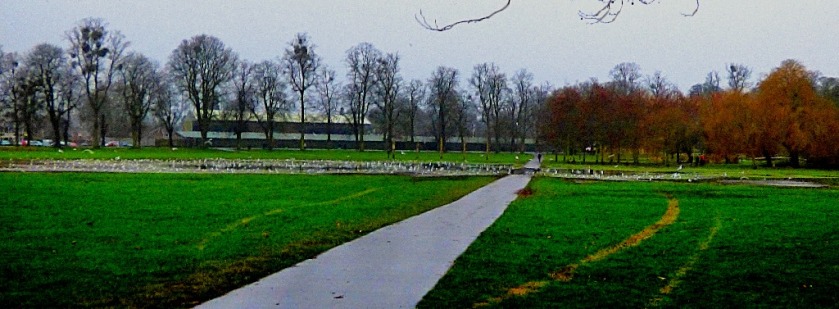
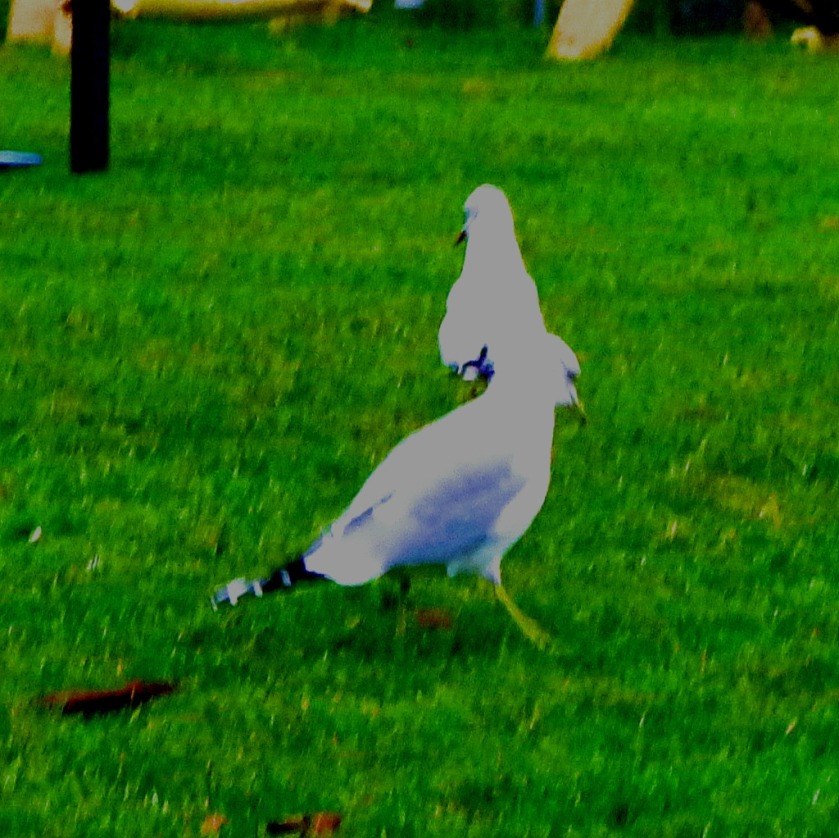
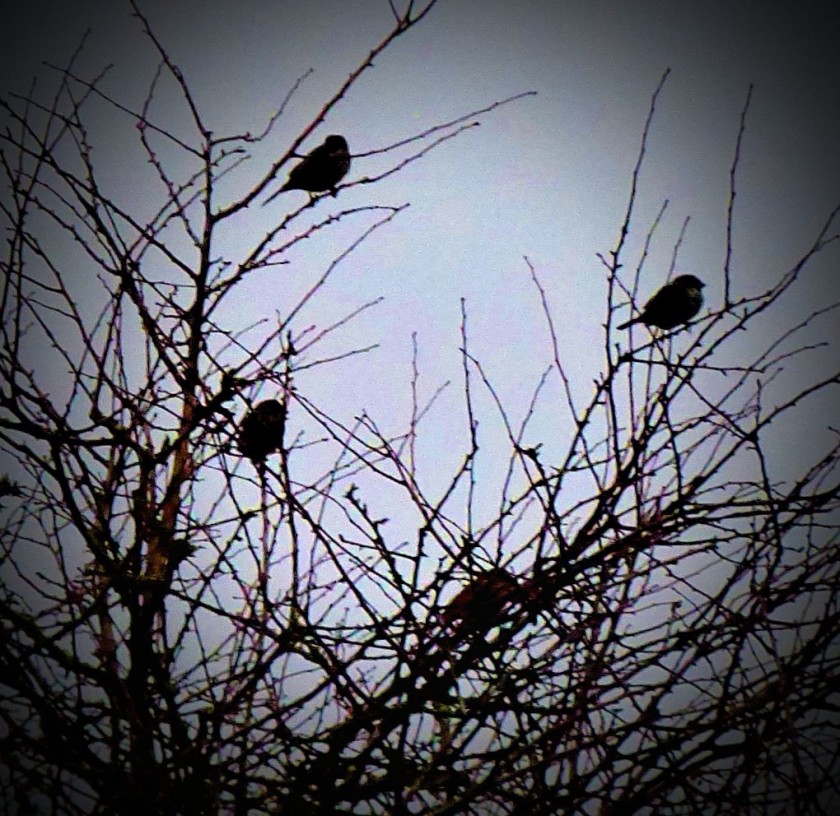
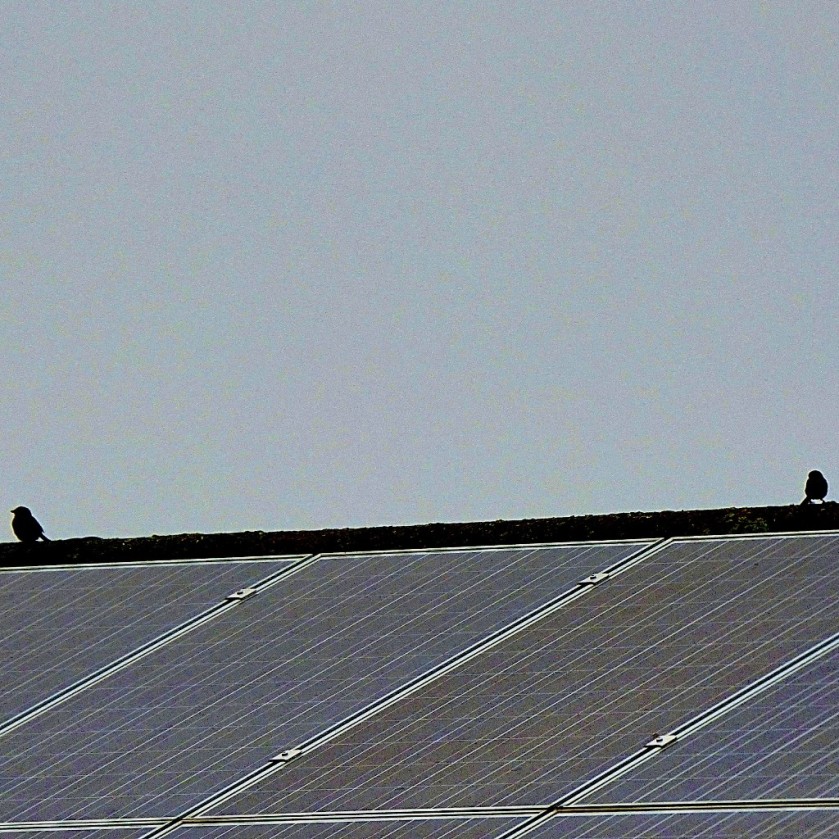
Here are some of my recent nature pictures, which also feature the two main parks in King’s Lynn, The Walks and Lynnsport Park and sections of Bawsey Drain and The Gaywood River.

GullsMerula IWalks IWalks IIWalks IIIWalks IVWalks VMerula IIMerula IIIMagpieGulls IIbirdsSmall birds ISmall birds IISmall birds IIISmall birds IVMerula IVbrown patchesOmniaOmnia IIgrey specklesdark muscovydark muscovy IItwo foron the bridgedark muscovy IIIGreymuscovies and mallardseightPanoramaParting shot

Blogger Recognition Award

stimtheline is the first of my nominees to produce a post of their own in response to being nominated and it is a splendid effort 🙂

stimtheline's avatarStim the Line

See the source image
Gratitude
First of all, I’d like to tell you all how pleased and surprised I am to have been nominated for a Blogger Recognition Award by Thomas of Aspiblog! I always see people doing these, and now that I’ve been given the opportunity, I feel so included! One of my favorite parts of blogging is getting to participate in my community, and the fact that I’ve connected with enough people to be included in something like this, well, it makes me feel like I’m doing something right.
What does Stim the Line mean anyway?
Stim the Line began as a compromise. My therapist, who is an autism specialist, get it into her head that I needed to write a book. She insisted that I was self aware,  good at explaining things (especially to neurotypical people), and that people empathize with me. I pointed out that I’d never written anything, ever…

View original post 342 more words

8 Favorite Quotes About Autism

These are some splendid quotes about Autism – though I would prefer the fourth one down to be in shades of #RedInstead rather than blue!

stimtheline's avatarStim the Line

If you interact at all with social media, you’ll know that quotes are everywhere. They’re usually posted on top of images on mountains or sunsets, and are more often than not credited to ‘anonymous’. Not to say there aren’t some good quotes out there, especially ones that describe experiences, instead of forcing vague positivity on the reader. It can be hard to sort through Autism quotes, because a large percentage of them are made about Autistic children by Neurotypical adults. These often border on inspiration porn- and they infuriate me.

So, in order to combat these, I’d like to share some quotes about Autism that I enjoy.

Image result for quotes about autismSee the source image

See the source image

See the source image

See the source image

See the source image

See the source image

So here they are! If I had to pick one, I think that the square peg one is my favorite, but there’s some may quotes out there, that I’ve probably missed some great ones! So, dear reader, if you’ve got a quote you…

View original post 16 more words

A Video From We Own It

A short video from campaign group We Own It.

INTRODUCTION

This short but powerful video was brought to my attention by an email from We Own It, and I am sufficiently impressed by it to share it here, so that those of my followers on this blog who do not use Twitter, Facebook or Youtube can see it.

THE VIDEO

Some Suggestions Re Public Transport

Some thoughts on public transport, prompted in part by Lord Adonis’ resignation statement.

INTRODUCTION

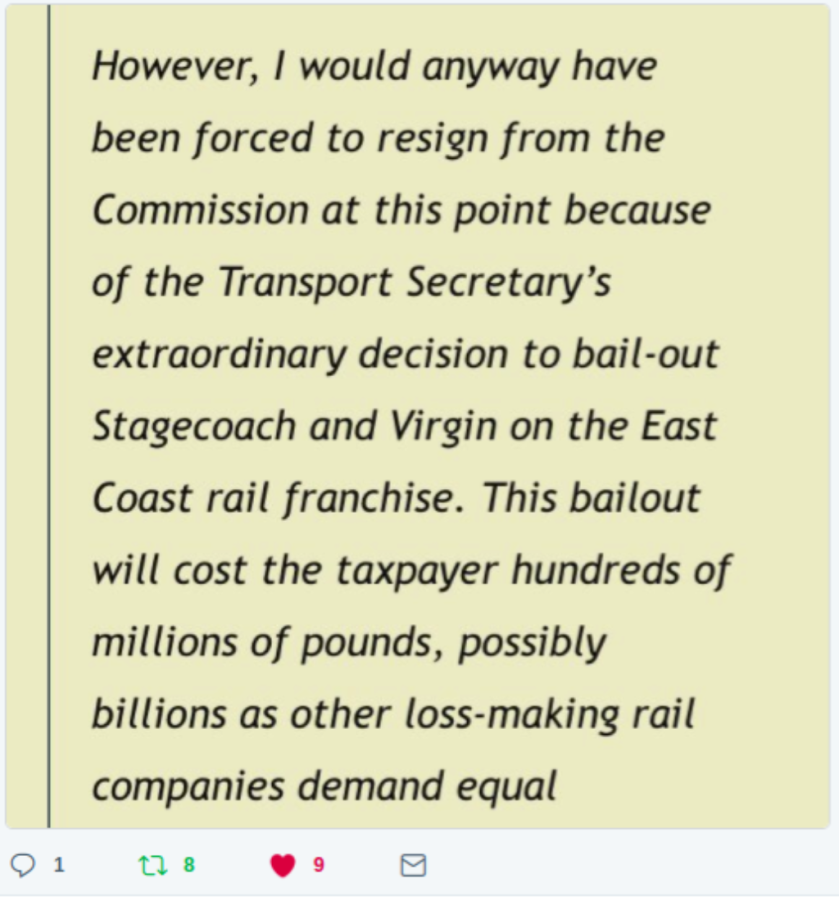
The timing of this post is due to the resignation statement of Lord Adonis, a man who I have very little in common with, but who hits the nail on the head with his resignation statement, which you can read in full, courtesy of The Guardian, here (an excerpt is reproduced below, courtesy of twitter):

adonisresig

EAST COAST FRANCHISE LOWLIGHTS

The first time the East Coast Franchise hit difficulties, it was being run by National Express. The then government took it into public ownership, albeit with the (stupid) rider that it be reprivatised as soon as it was back in the black. On reprivatisation it passed into the hands of Virgin Trains, run by a combination of tax exile Richard Branson and the Stagecoach Group (as a non-driver who lives in Norfolk I know them too well and like them too little for comfort). The East Coast Franchise is now back in trouble, and the current transport secretary, Chris ‘Failing’ Grayling, as well as being a strong contender in the ‘most incompetent minister ever’ contest is such a ‘private good, public bad’ zealot that rather than take the logical option of taking it back into public ownership is bailing it out at vast cost, thereby setting a horrendous precedent which will enable any other rail franchise that hits trouble to demand a bail out. 

RENATIONALISATION AS START POINT

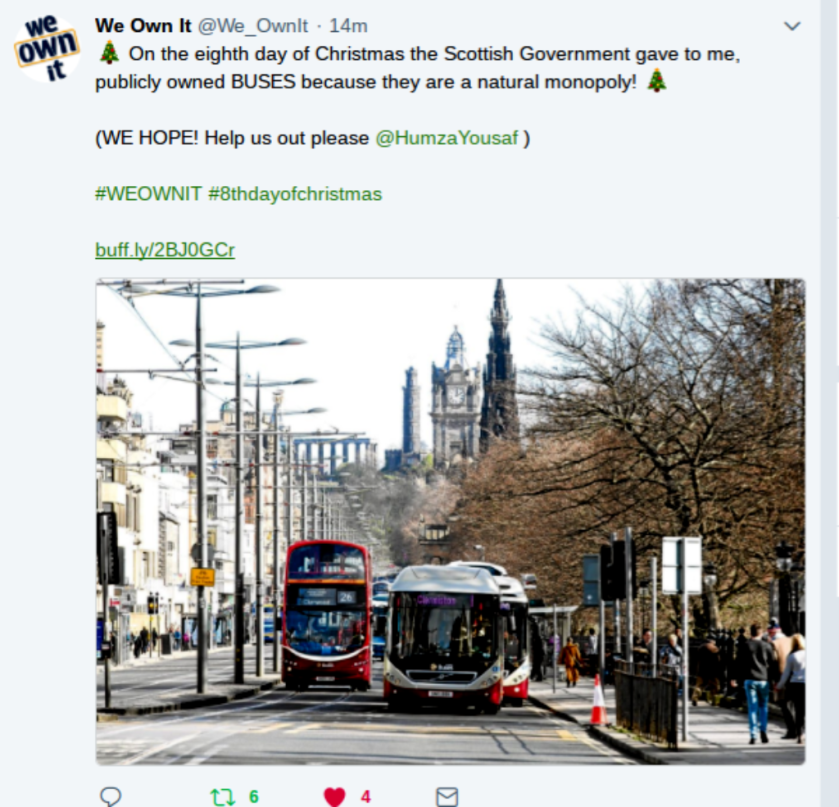
Not only should the East Coast Franchise be renationalised now, with it being made clear that it will not be privatised again, the whole railway network needs to be renationalised. The Labour party have laid out how this can be achieved – namely by refusing to put each franchise up for tender as and when it expires. For further detail check out We Own It’s Railways page. However, this is only a beginning – both because railways are only one part of public transport – there are also buses, and because one needs to consider how the system should be run. As I was typing this, the following came through on twitter from We Own It:

we own it buses tweet

Bus and railway services need renationalising, and they need to be run jointly. As to how they should be run – well there are two groups of people who should be represented in the body that runs public transport services: those who use the services and those who provide the services. If services are to be publicly owned (and these should be), they need to be fully publicly accountable. 

SOME EXTRA RESOURCES

I have three final links to share which relate to this piece:

  • A second piece from the Guardian on the Adonis Resignation
  • Mike Sivier of Vox Political has offered his take here.
  • The Mirror has demonstrated yet another way in which privatisation is failing us, with fares going up by an average of 3.4% (when we already pay on average five times as much as our fellow Europeans for a service that is probably not even on fifth as good as most of them get – I have travelled extensively in Europe over the years and most countries provide far better services than are available here in Britain) – we have on average the oldest carriages since records began (that average is 21 years old, with the Caledonian Sleeper holding an unwanted record with 42 year old carriages).

PHOTOGRAPHS

Here is you reward for reaching the end of this piece:

TW30TW29TW28climbing squirrelrunning squirrelTW27TW26TW25TW23TW22TW21TW20TW19TW18TW17TW16TW15TW14Sun on the Great Ouse11 lapwingslapwings and gullMallard drakes and white duck