A look back at the Men’s Hundred (mis)match between MI London and Sunrisers Leeds at The Oval yesterday and a large photo gallery.
The Hundred has undergone a major revamp since last summer, with the IPL getting involved in a big way. This post looks at the early stages of the competition.
NEW ERA OFF TO A FAMILIAR START
The first match of the Hundred in 2026 featured MI London (the former Oval Invincibles, and although the MI derives from the IPL franchise Mumbai Indians, who now own this franchise as well as many others we have been instructed that the required pronunciation is ‘My London’ not ‘M I London’) in action against Sunrisers Leeds (nee Northern Superchargers, also now owned by an IPL franchise, in this case Hyderabad). I missed the women’s match due to being at work, but I did listen to the men’s game.
Sunrisers Leeds, batting first, started brightly, and for more than half of their allotted 100 balls looked to be going very well. The key moment was the dismissal of Mitch ‘the bison’ Marsh for 41, caught by Sam Curran off Tom Curran, which made it 84-3 from 56 balls. That started a collapse, and Leeds were all out for 143 off the penultimate ball of their innings. Richard Gleeson had 4-25 from 19 balls and Sam Curran 2-27 from 15 balls.
Will Jacks and Jason Roy were both out cheaply for the London side, but a good stand between James Vince and Sam Curran took them past 50 before Vince was bowled for 17 to make it 51-3 from 44 balls. That brought Nicholas Pooran, one of the ultimate ‘guns for hire’ in this era of franchise cricket, to the crease to join Curran. Curran batted beautifully, but even he was overshadowed by the pyrotechnics of Pooran. The Oval is a big ground, but most of Pooran’s five sixes cleared the ropes by a very long way. In all the West Indian hammered 58 not out from 22 balls with five of each kind of boundary, Curran ended on 60 not out from 39 balls with five fours and three sixes. The London side had romped home by seven wickets with 16 balls to spare, a barely credible margin in a match in this format. Sam Curran’s all round efforts plus his captaincy of the London side secured him the ‘Match Hero’ award. Some names of changed and there is more money involved, but the franchise based at The Oval still looks formidably strong. Full scorecard here.
PHOTOGRAPHS
After a reminder to click on photos to view them at larger size we move to my usual sign off…
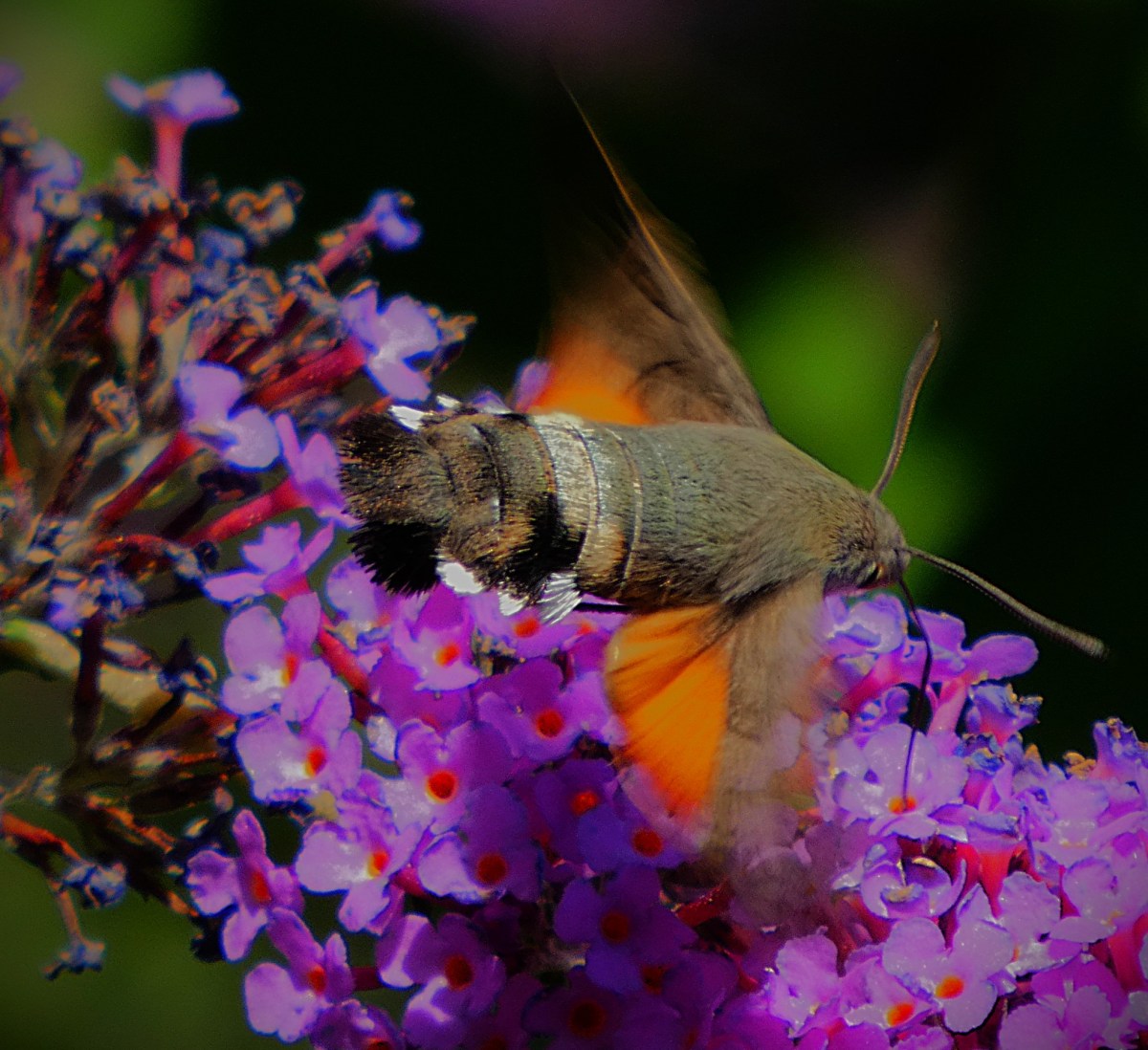
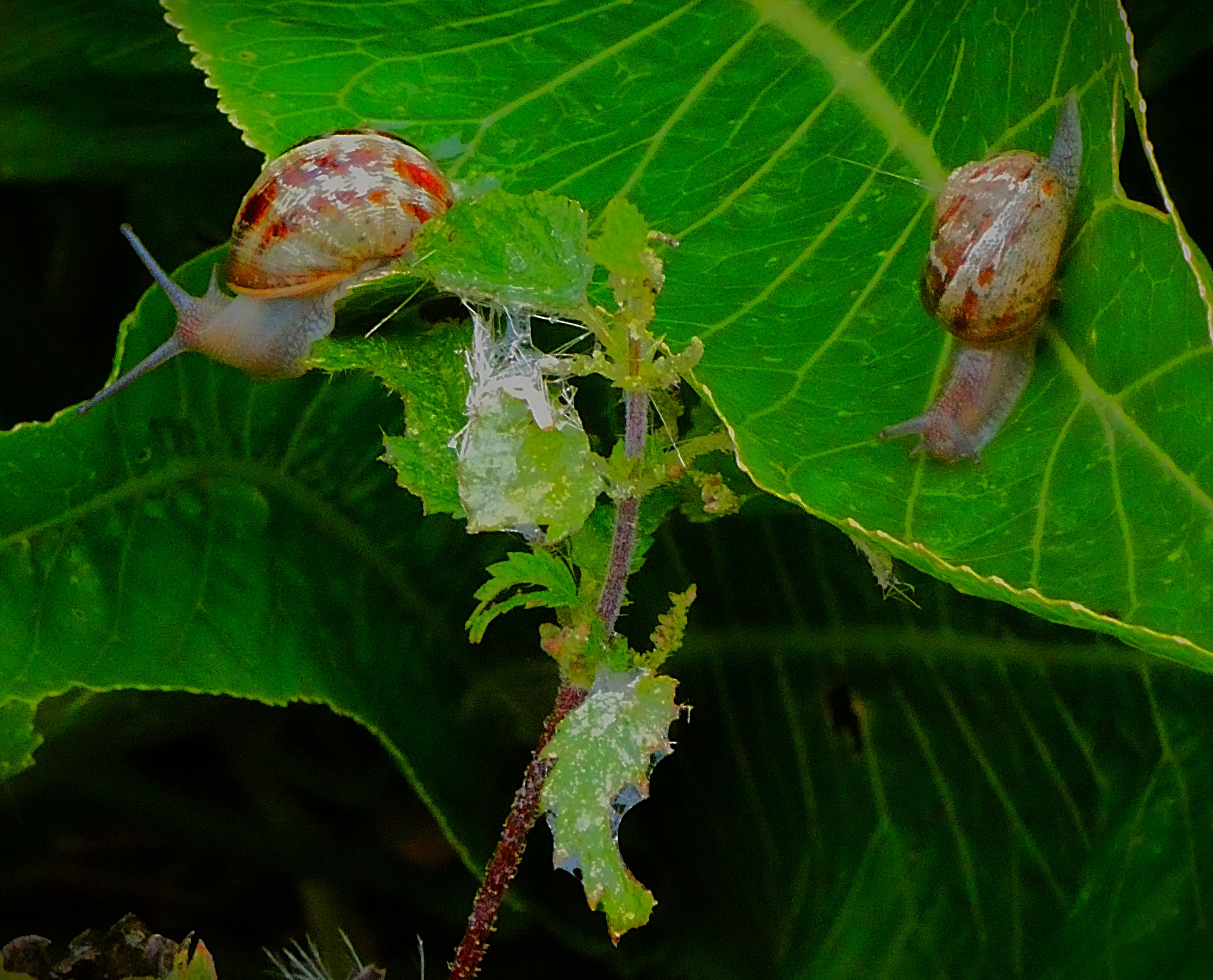
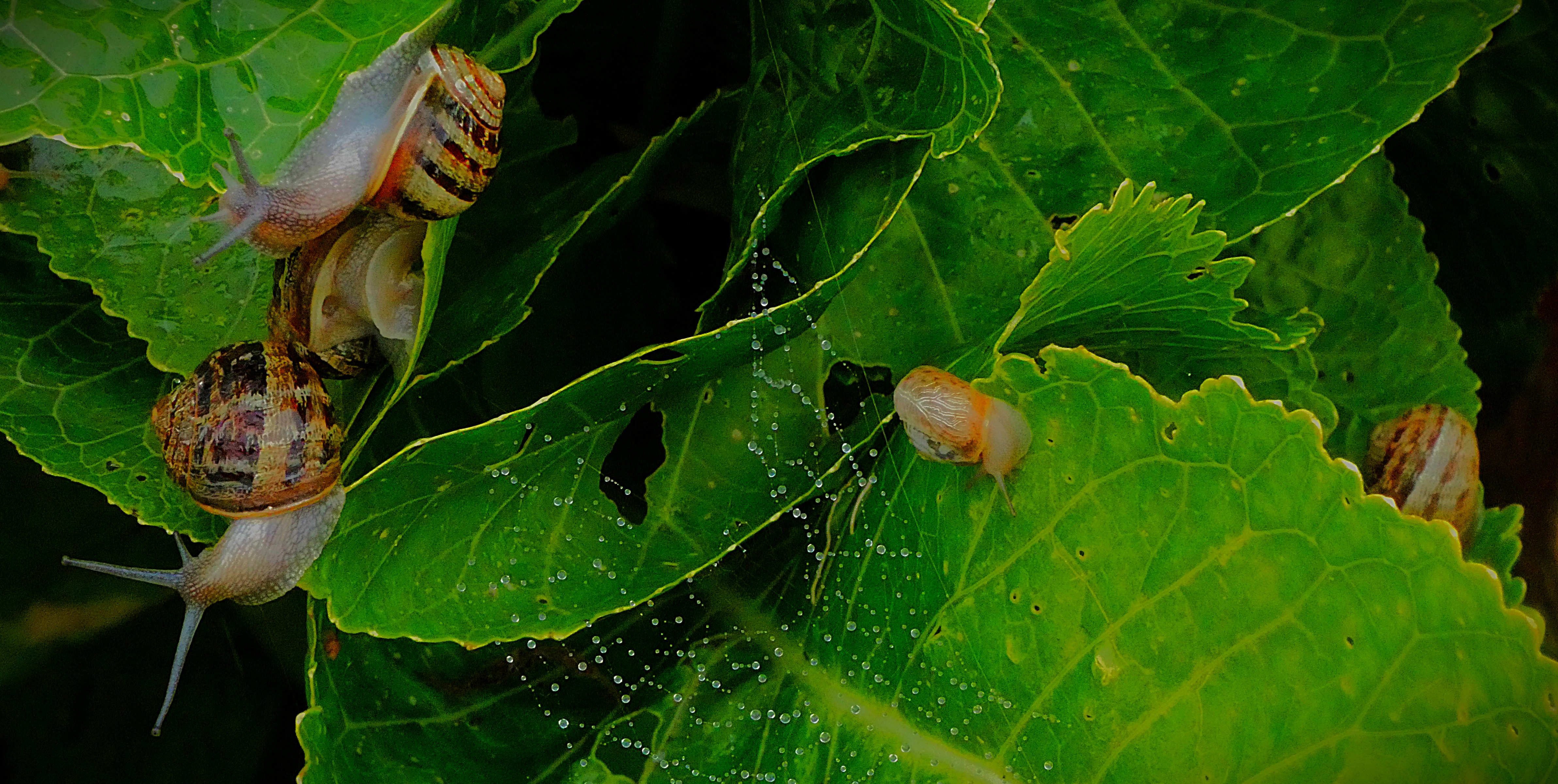
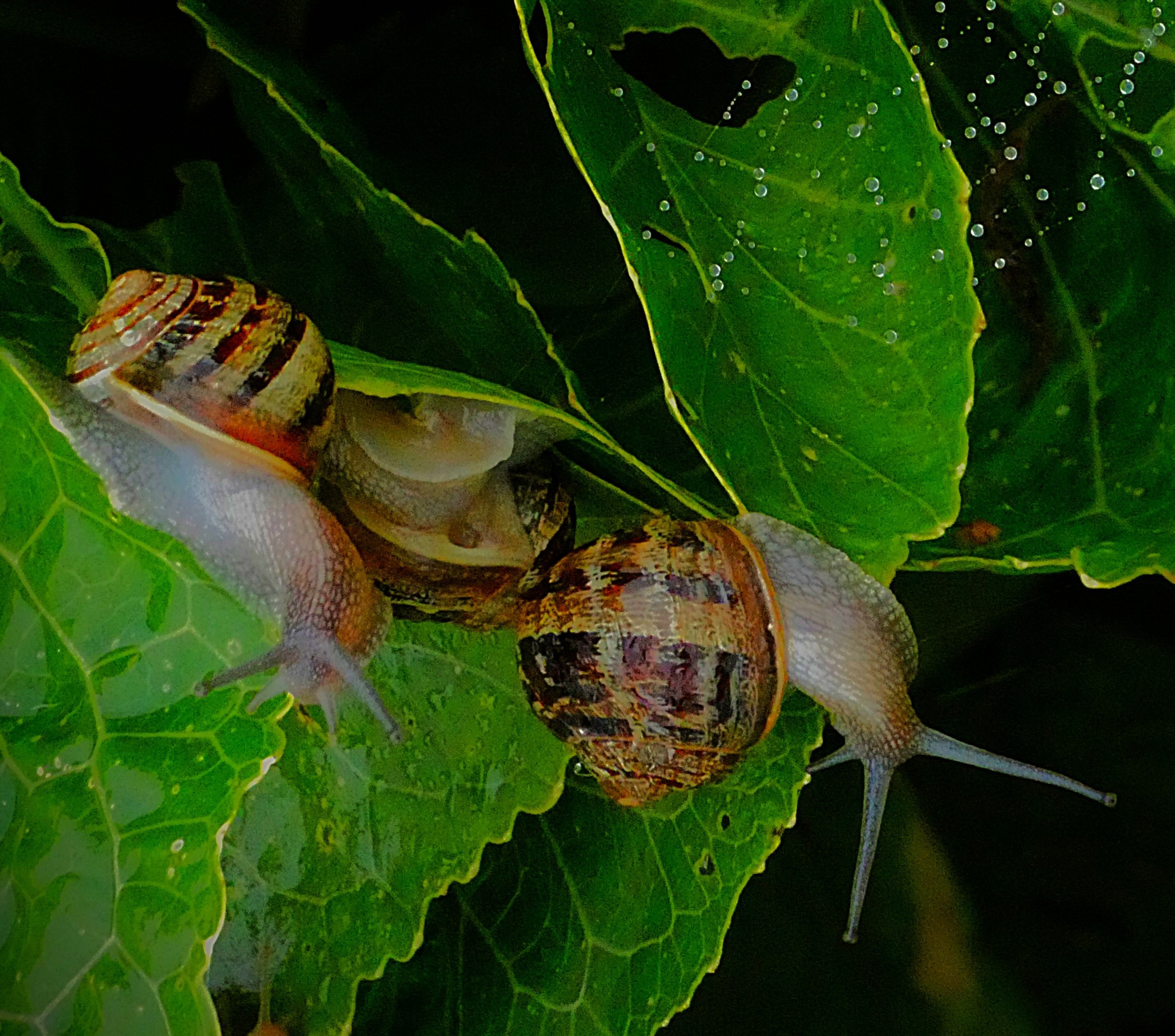
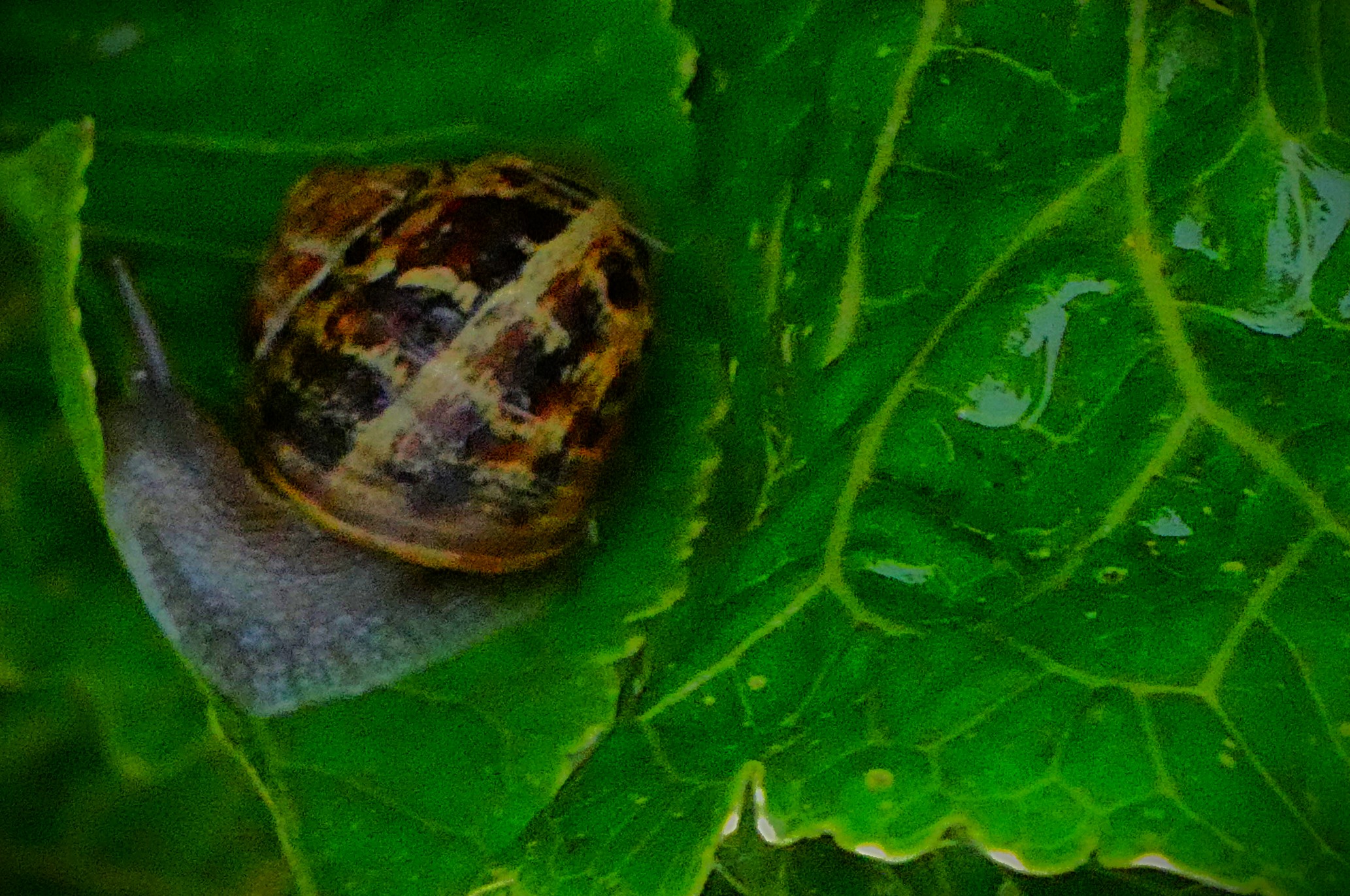
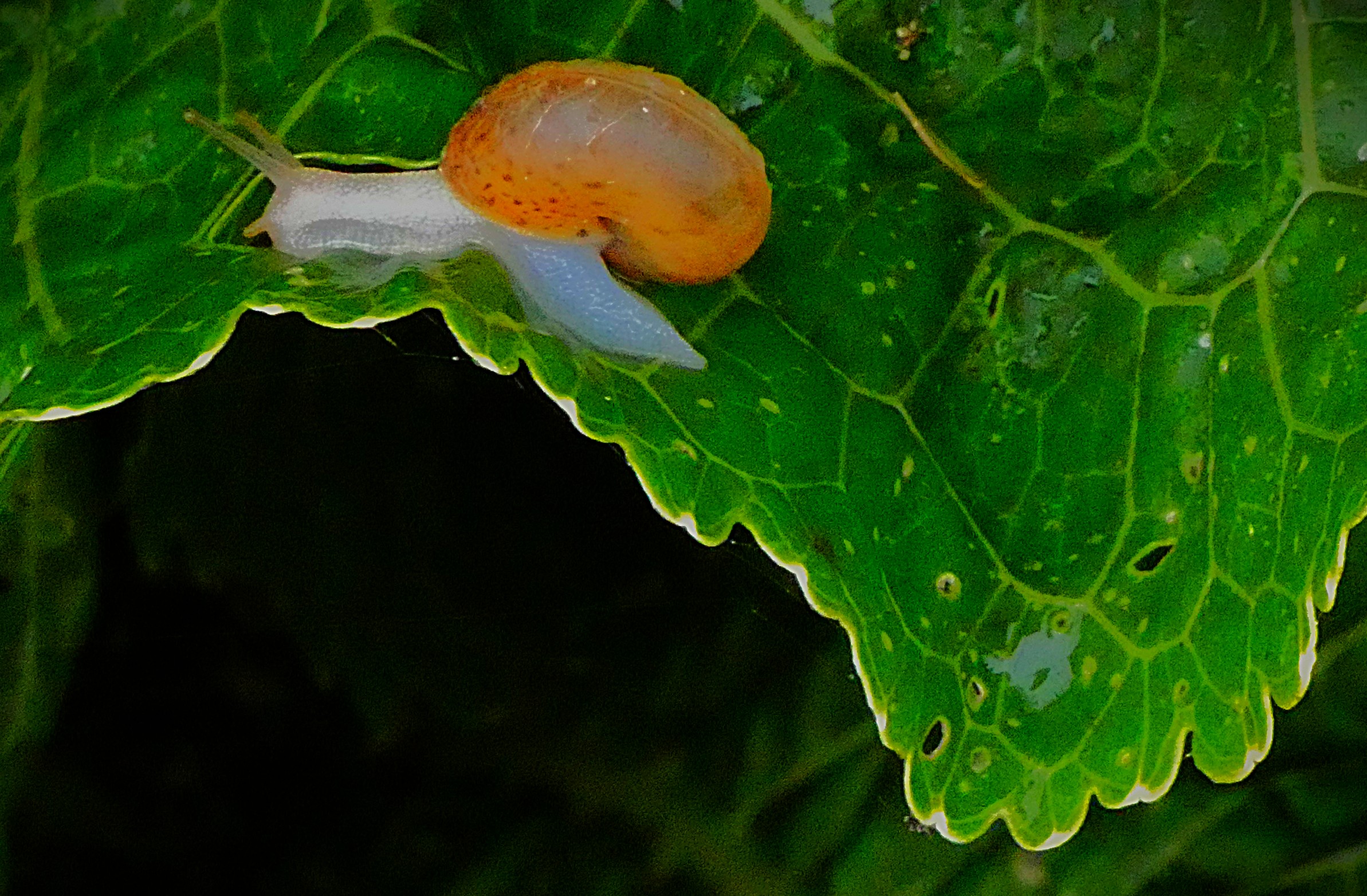
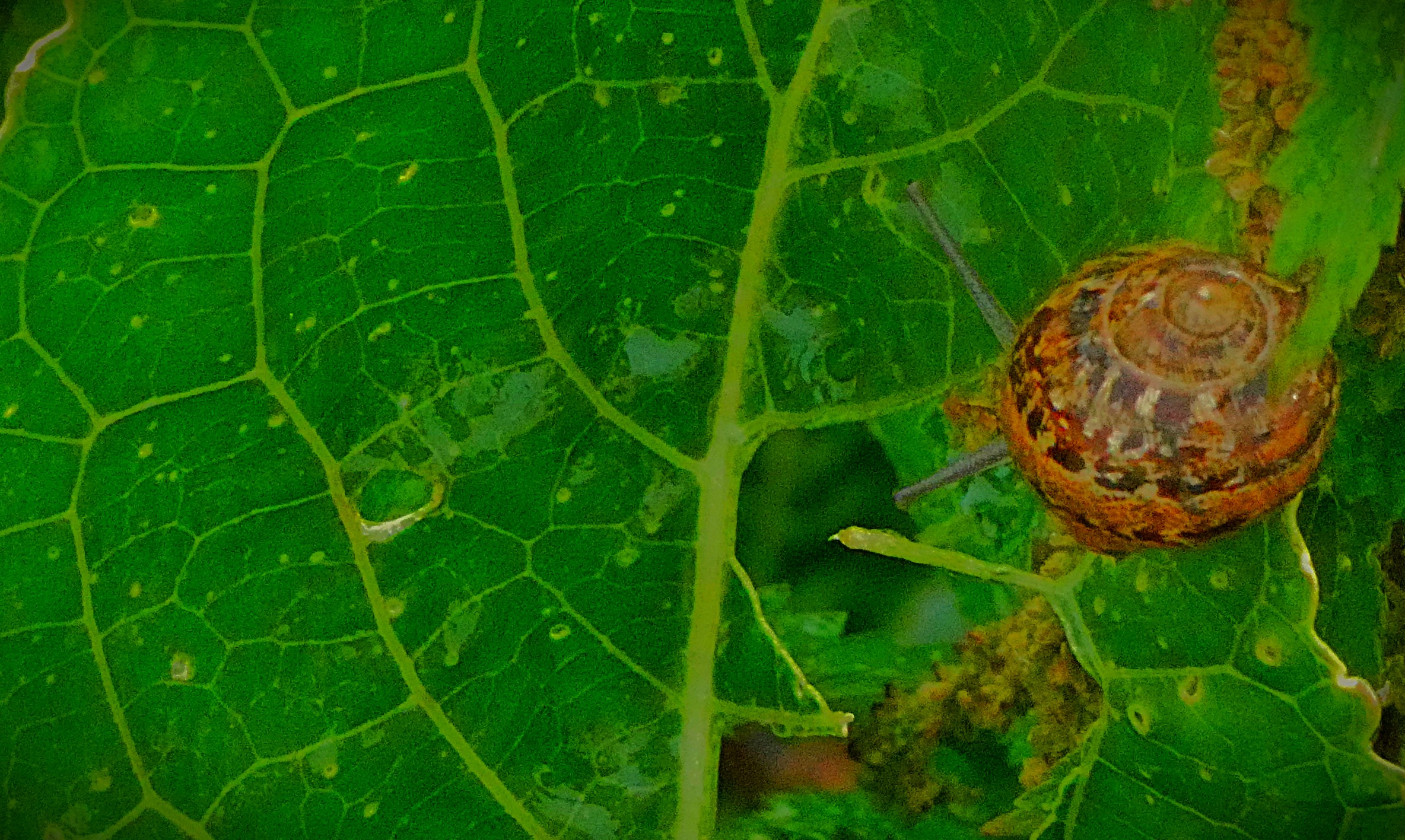
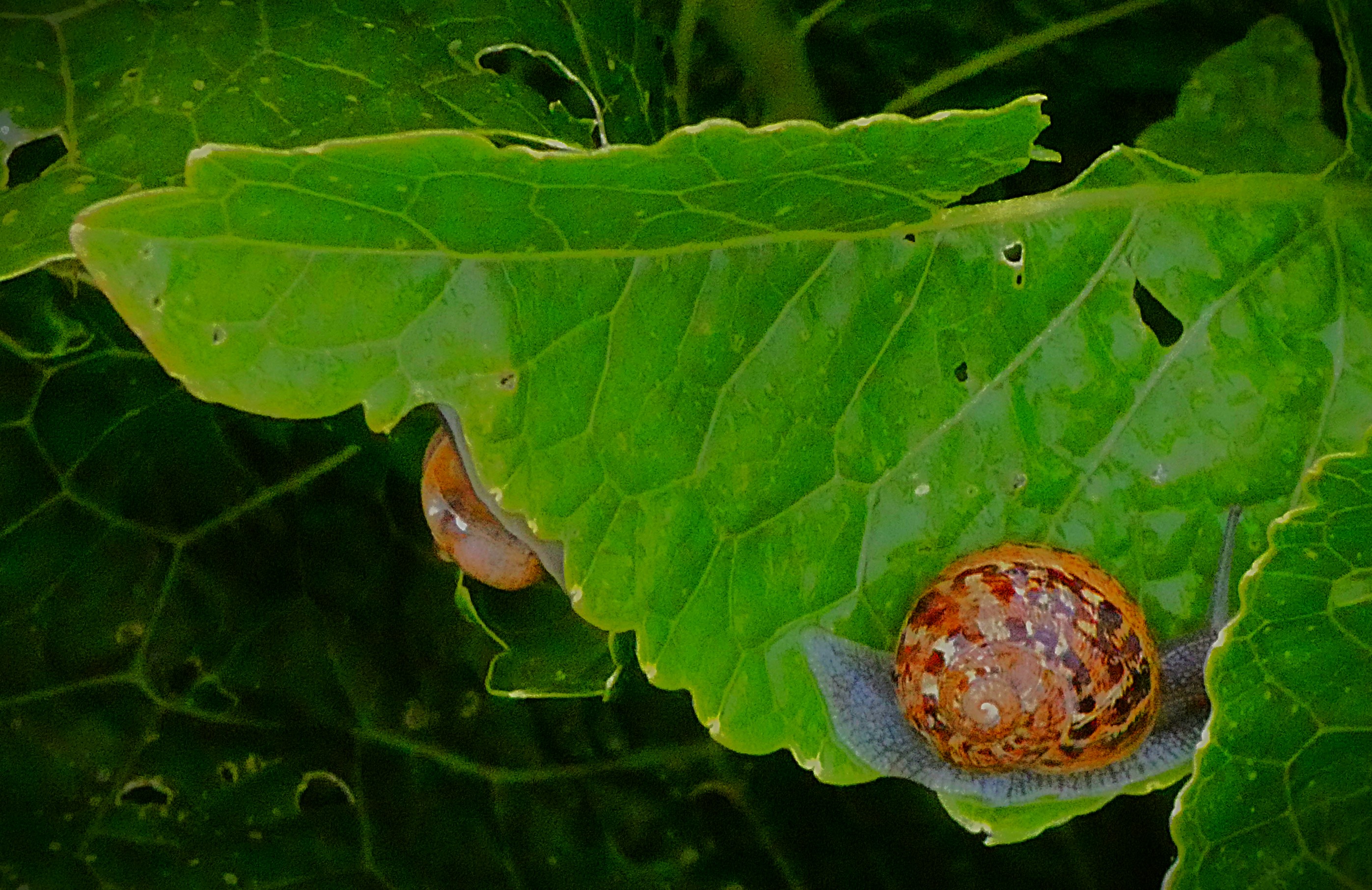
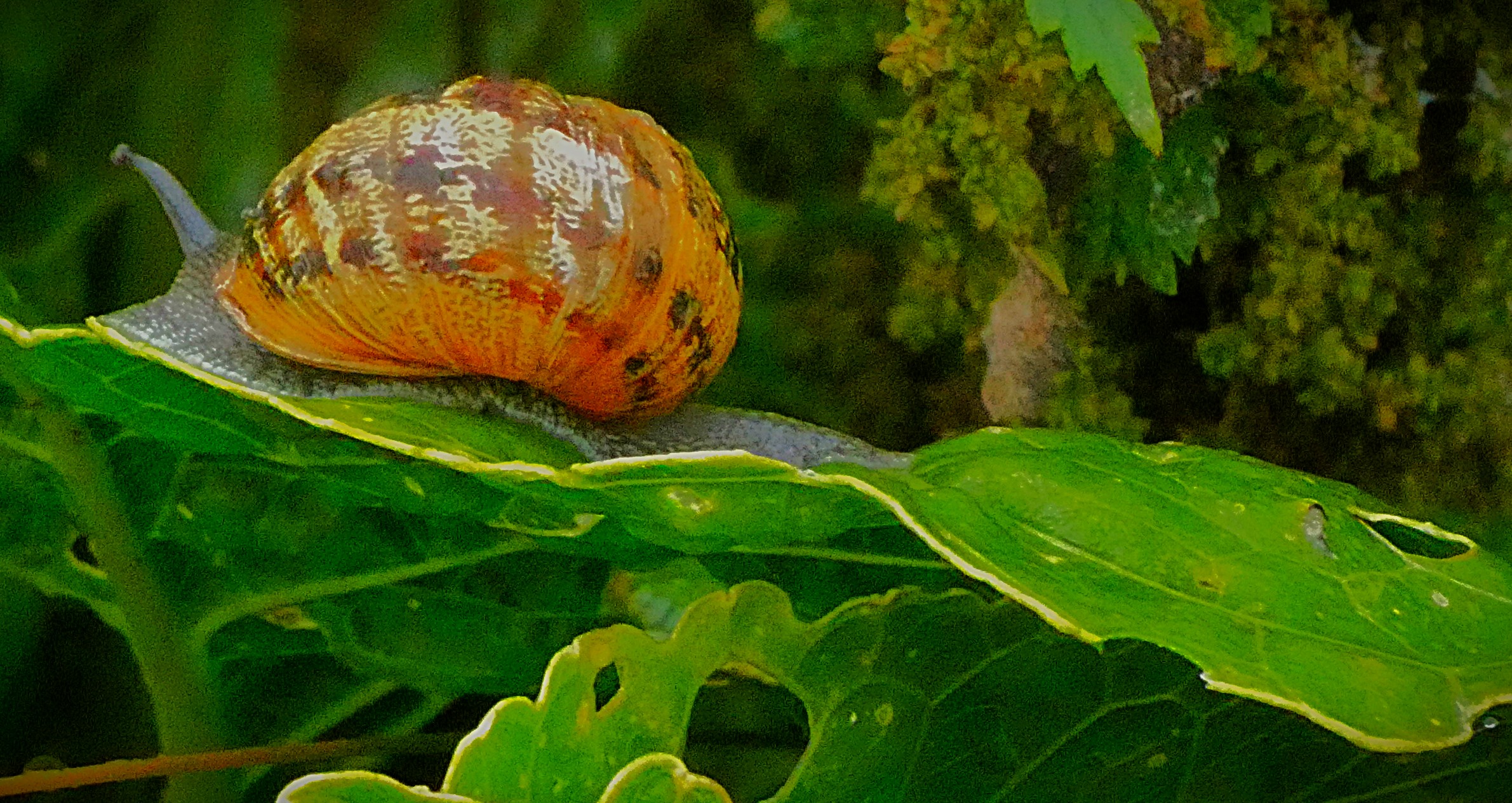
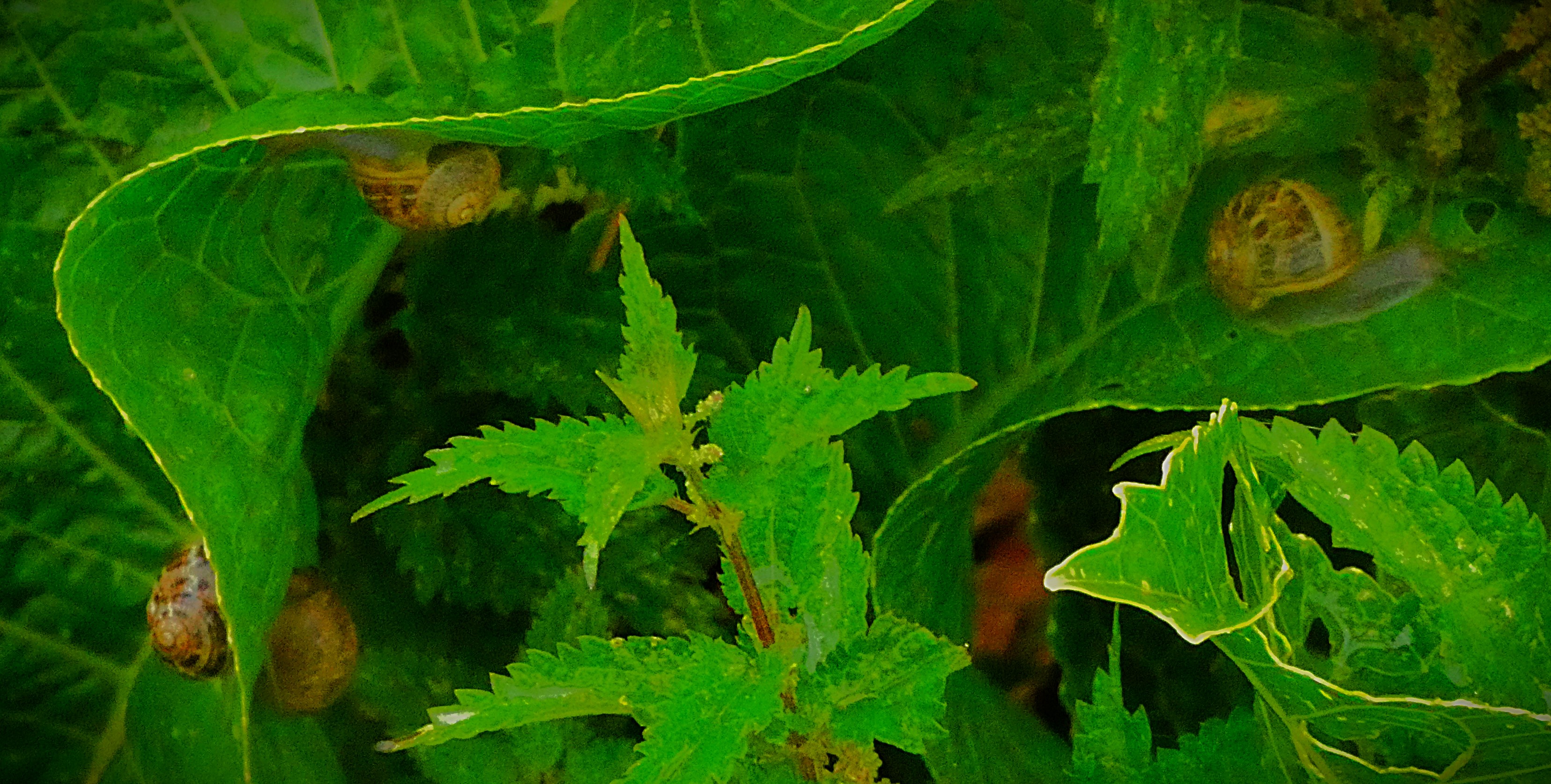
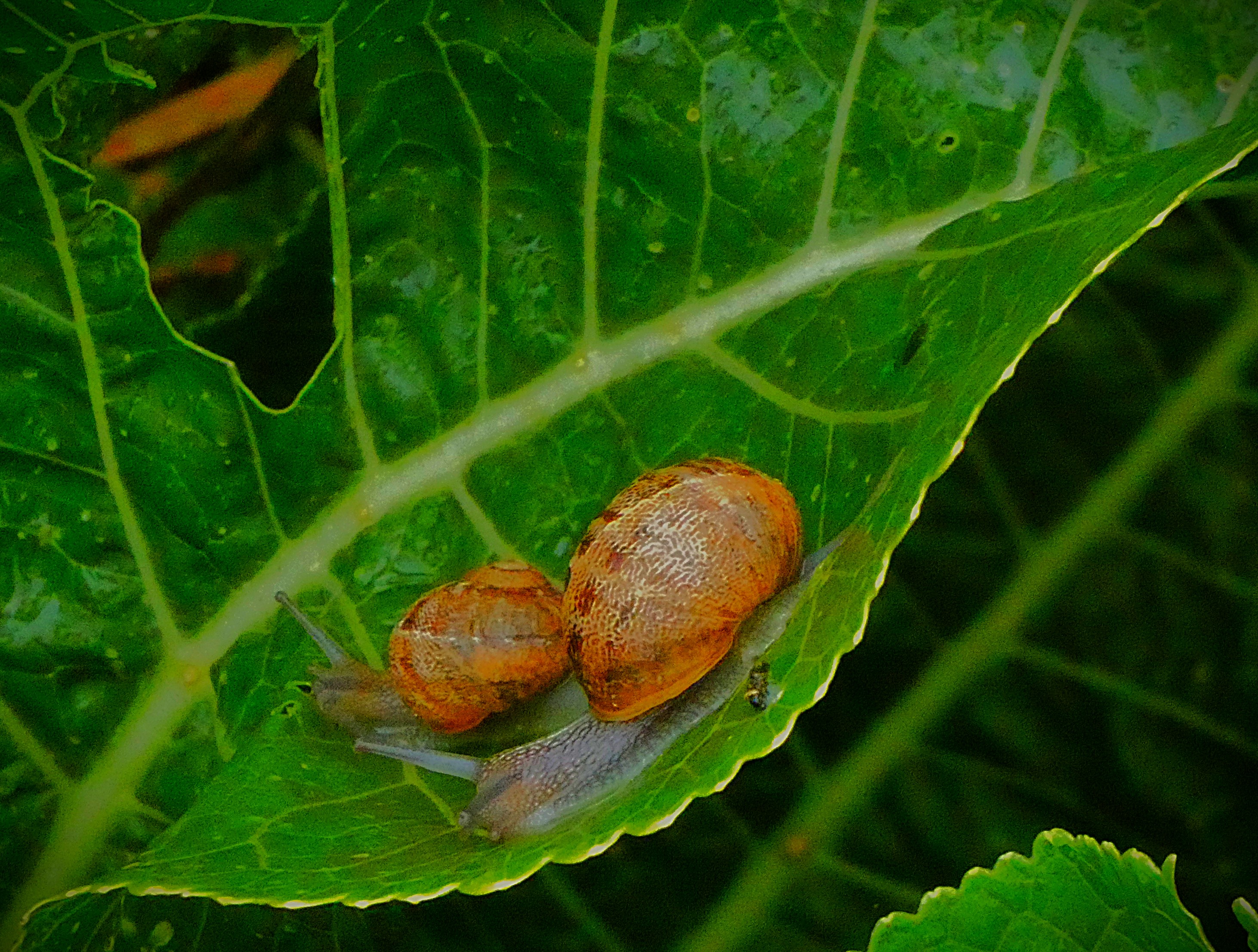
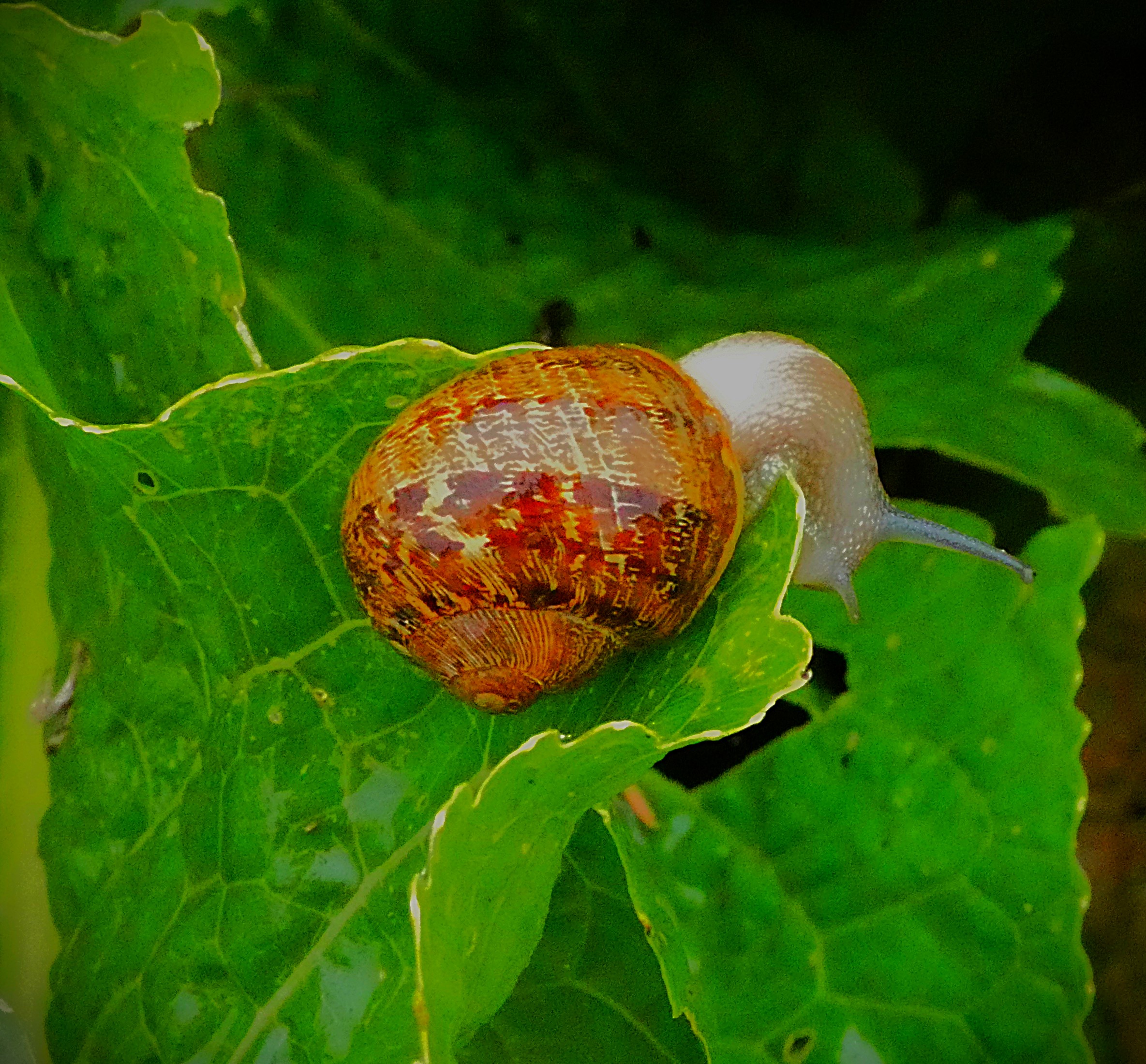
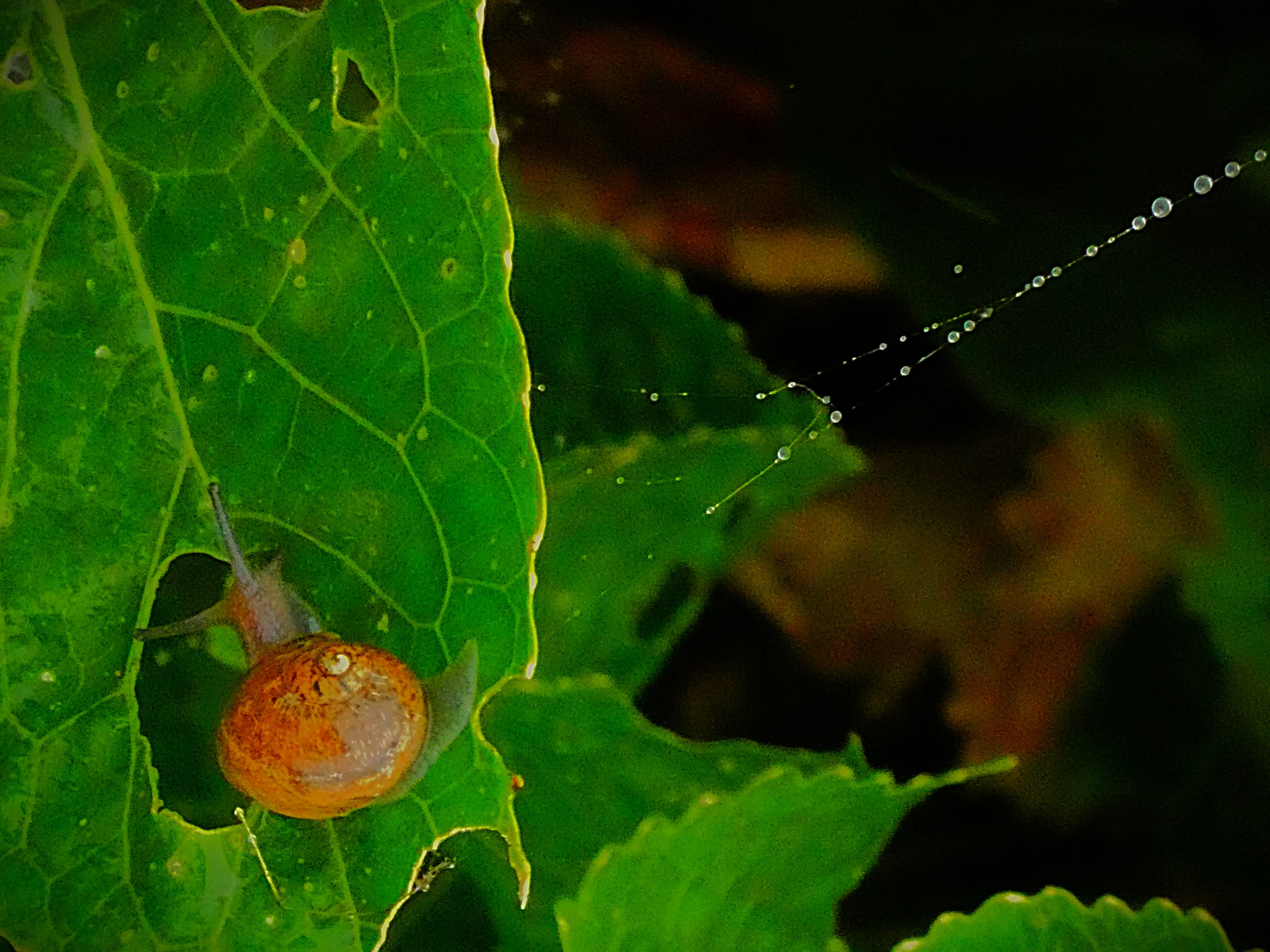
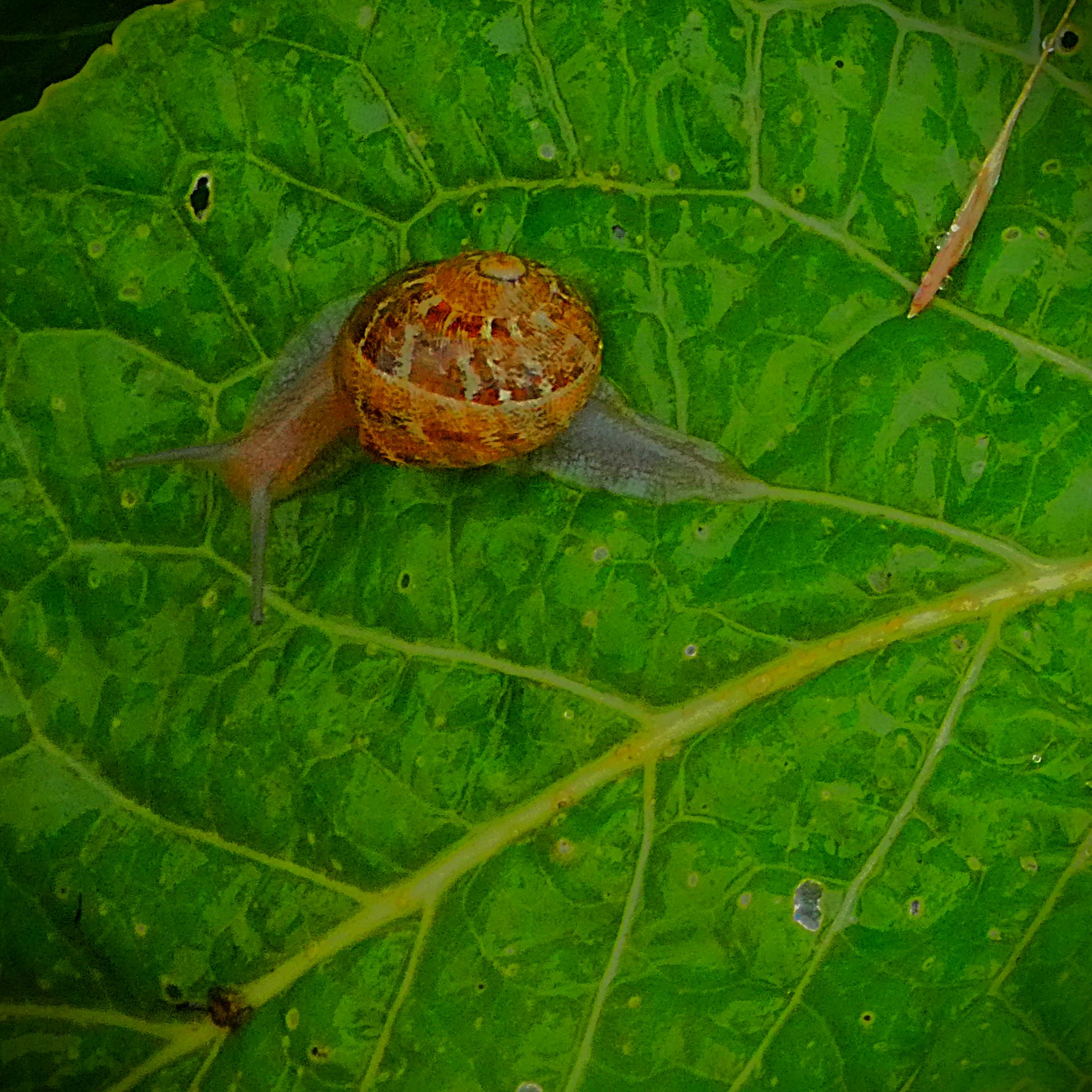
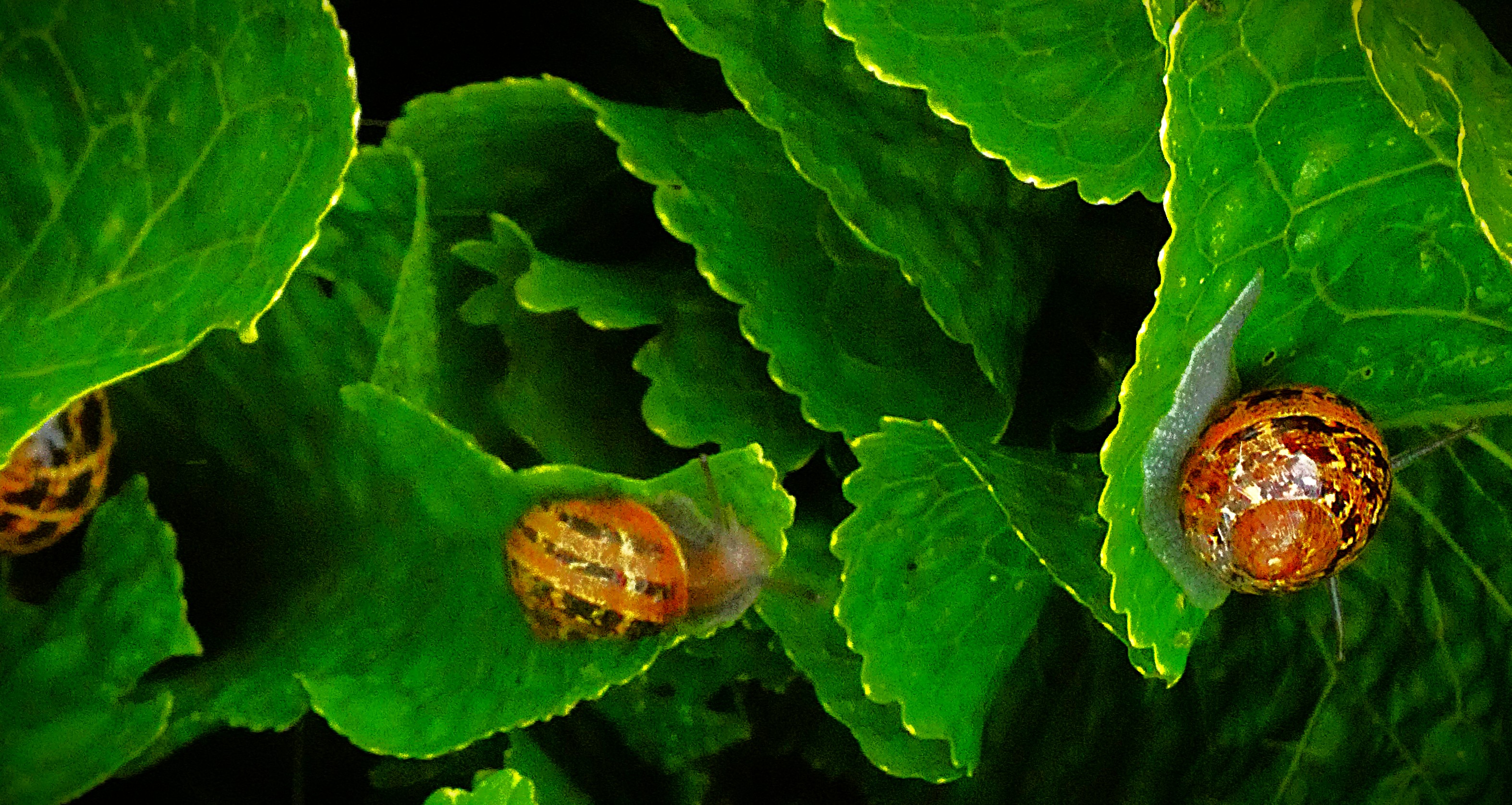
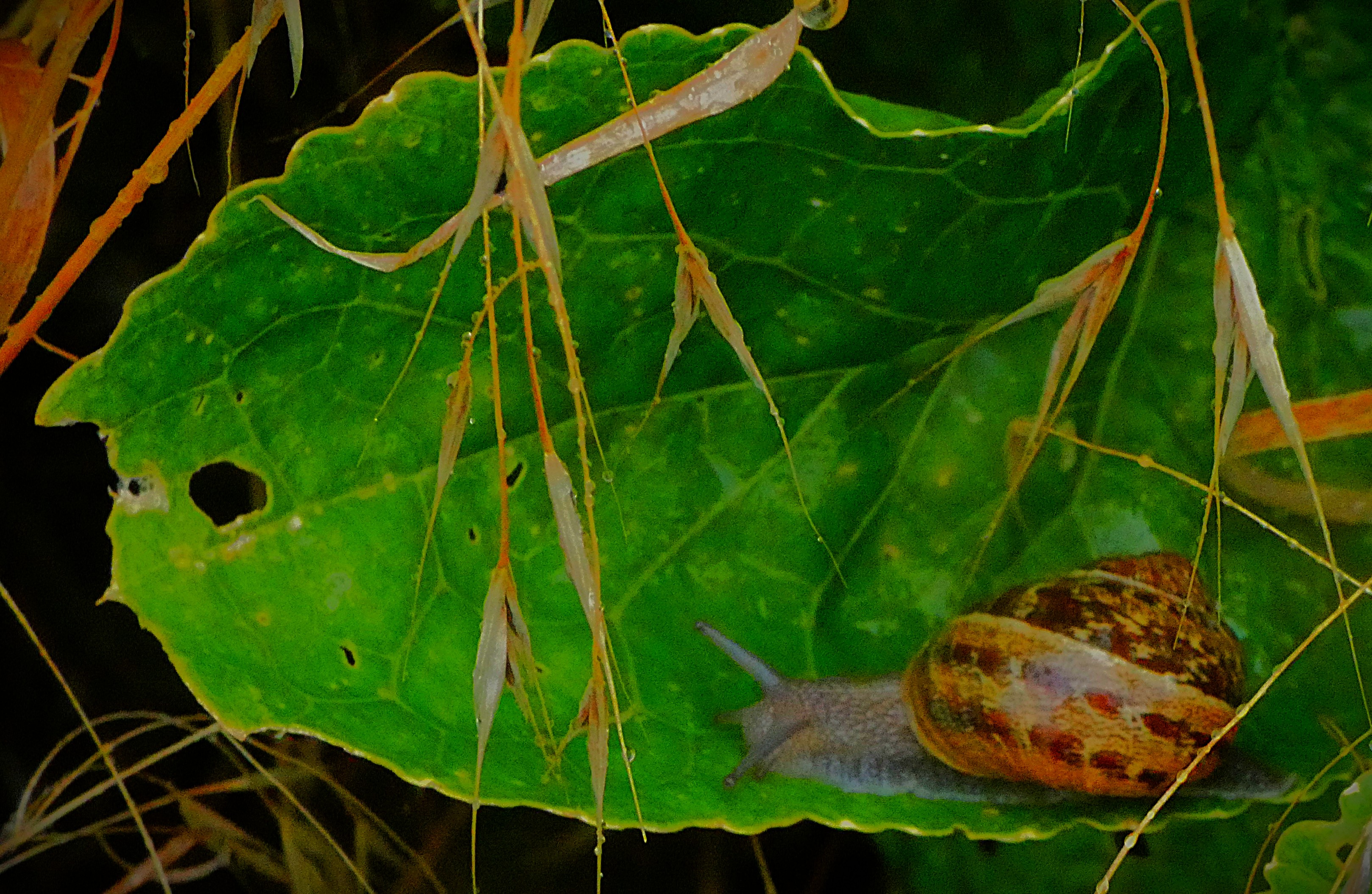
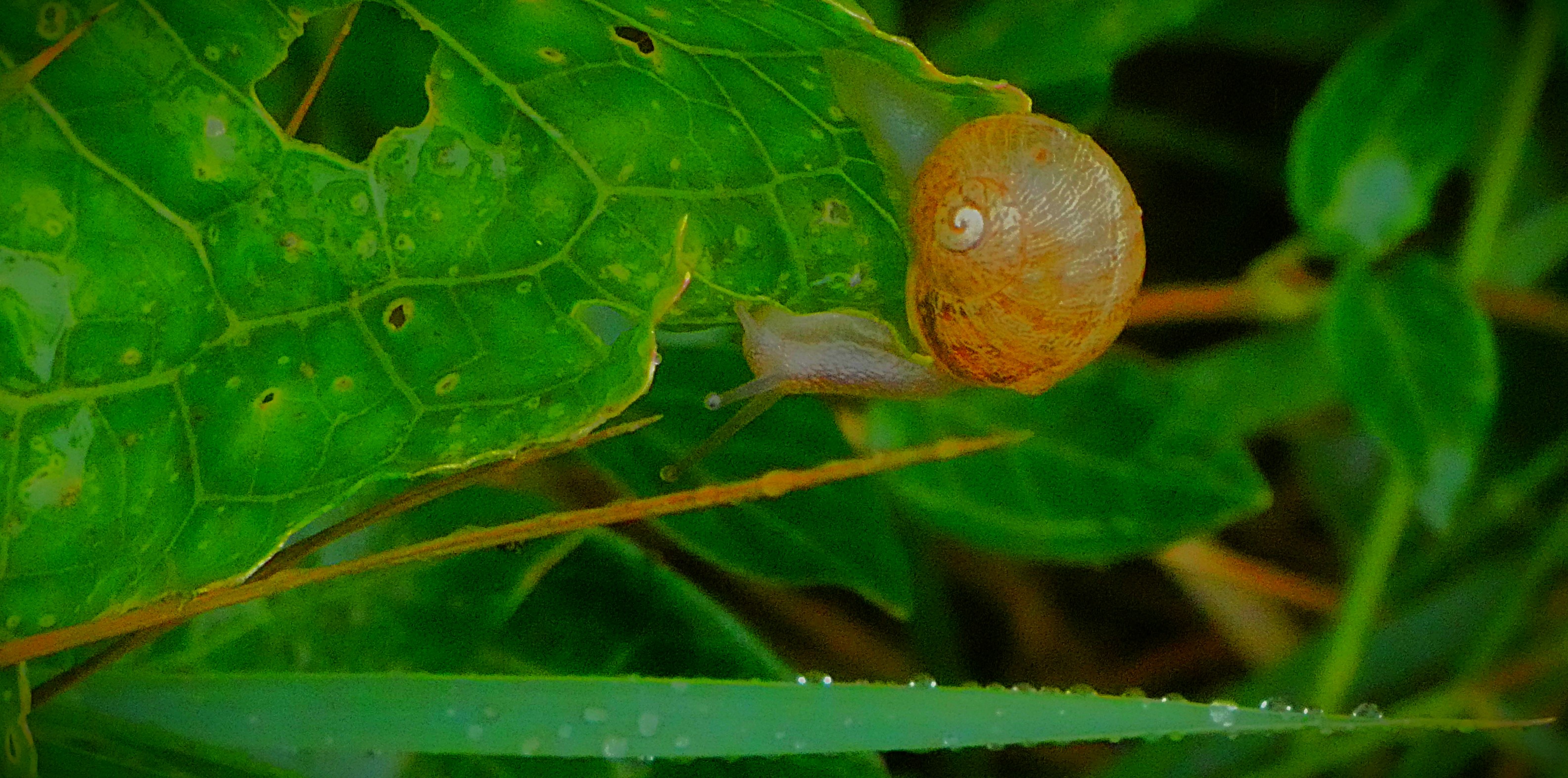
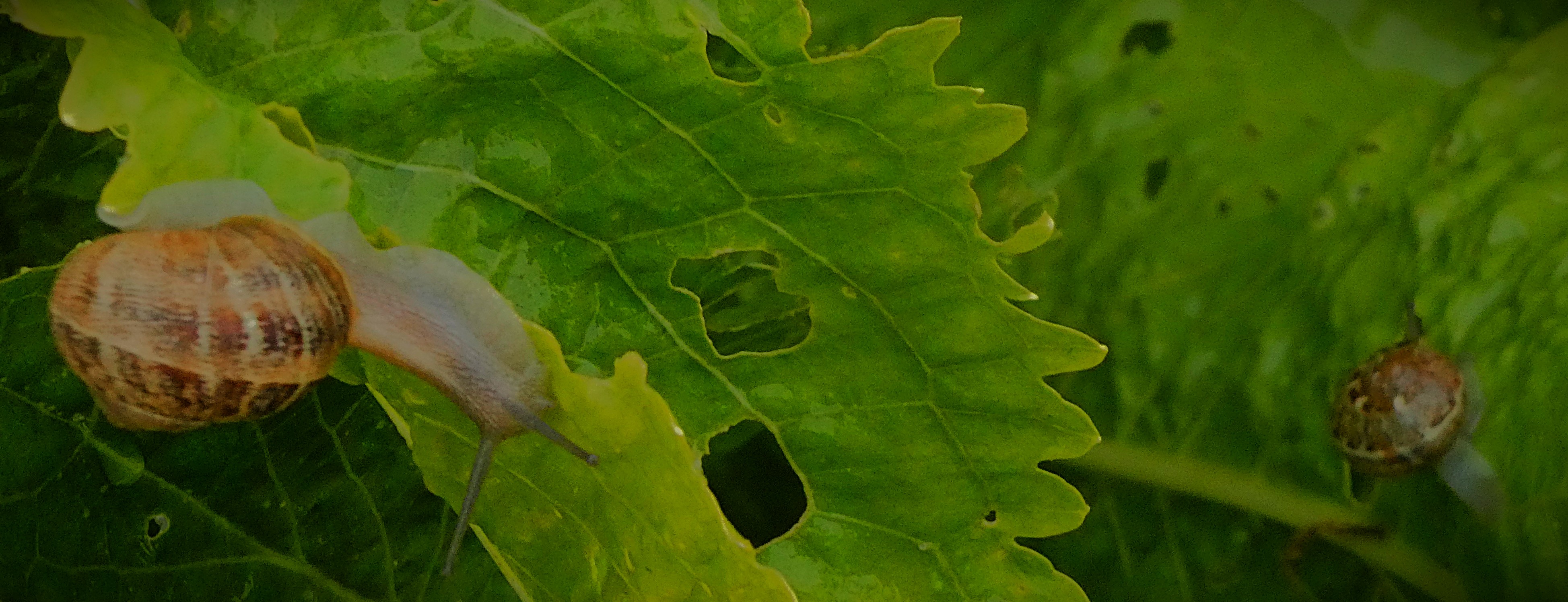
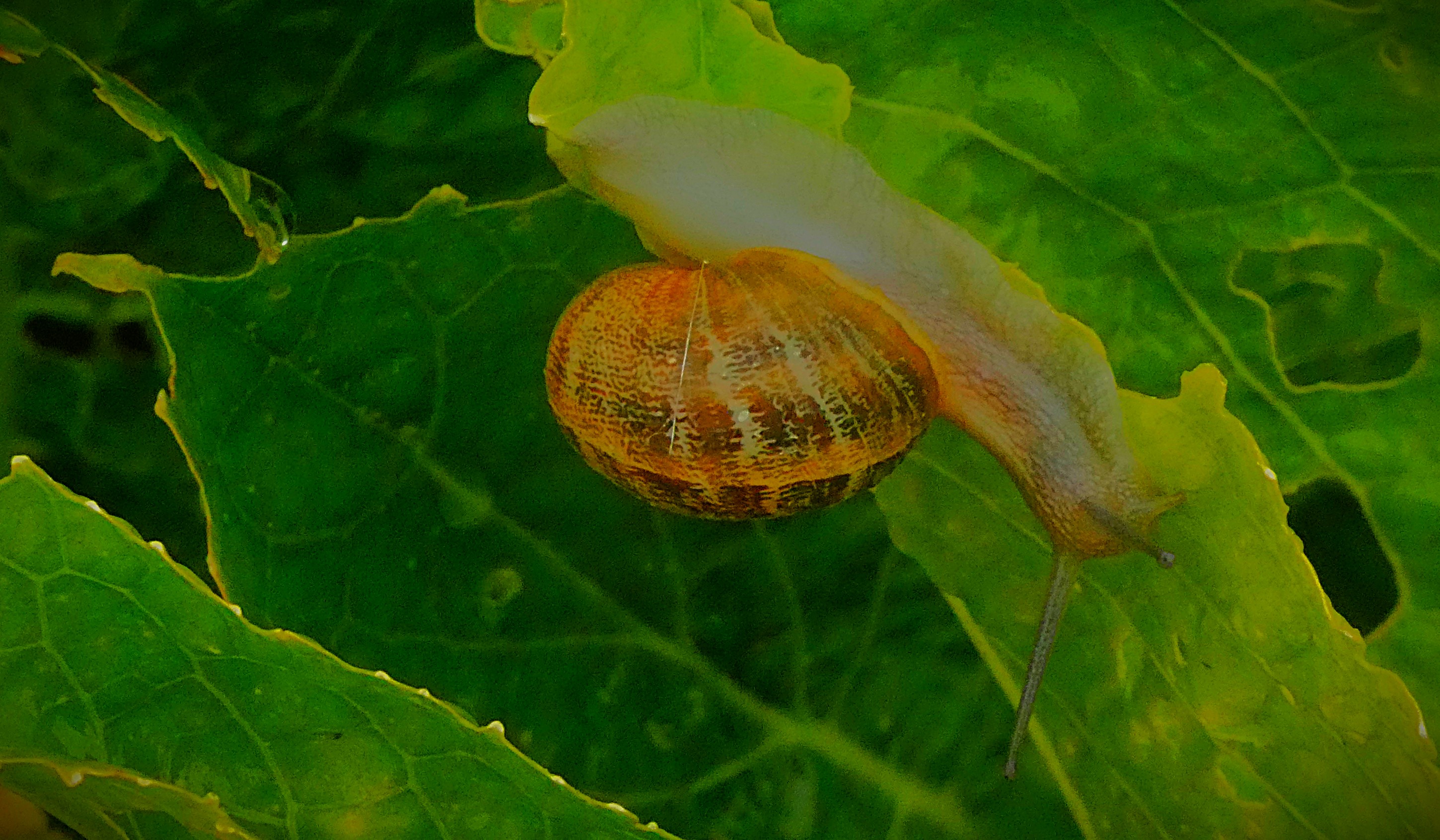
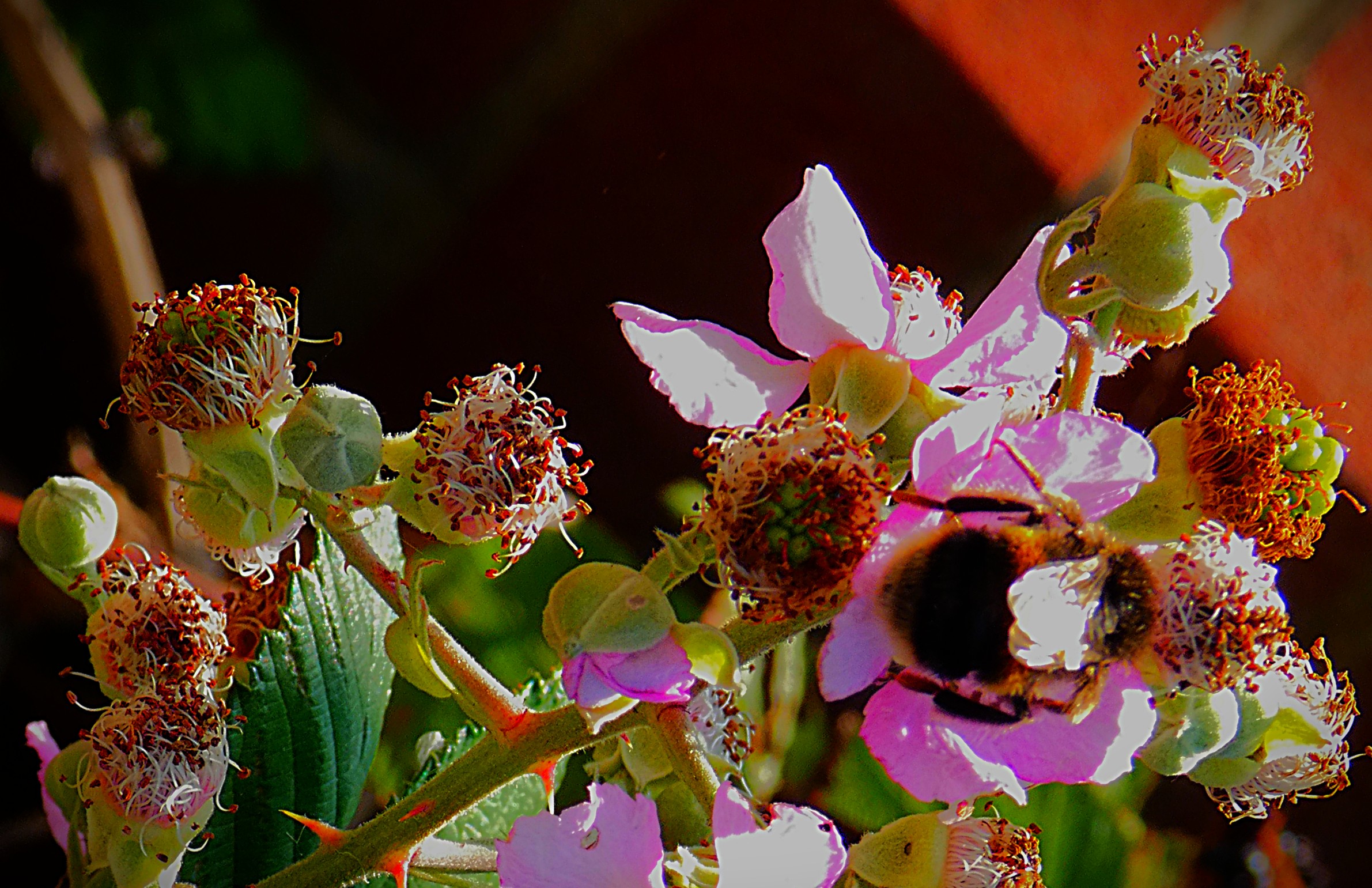
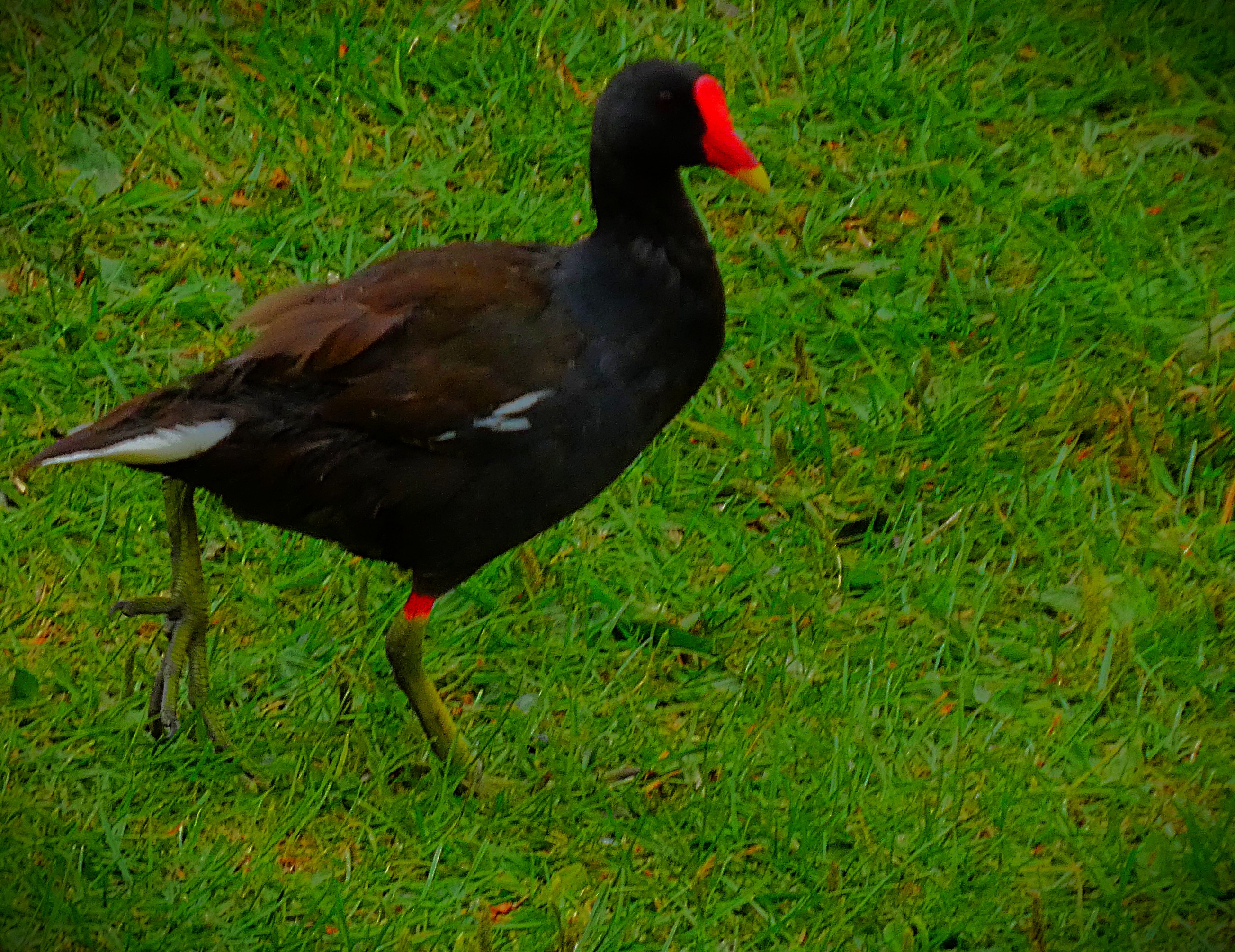
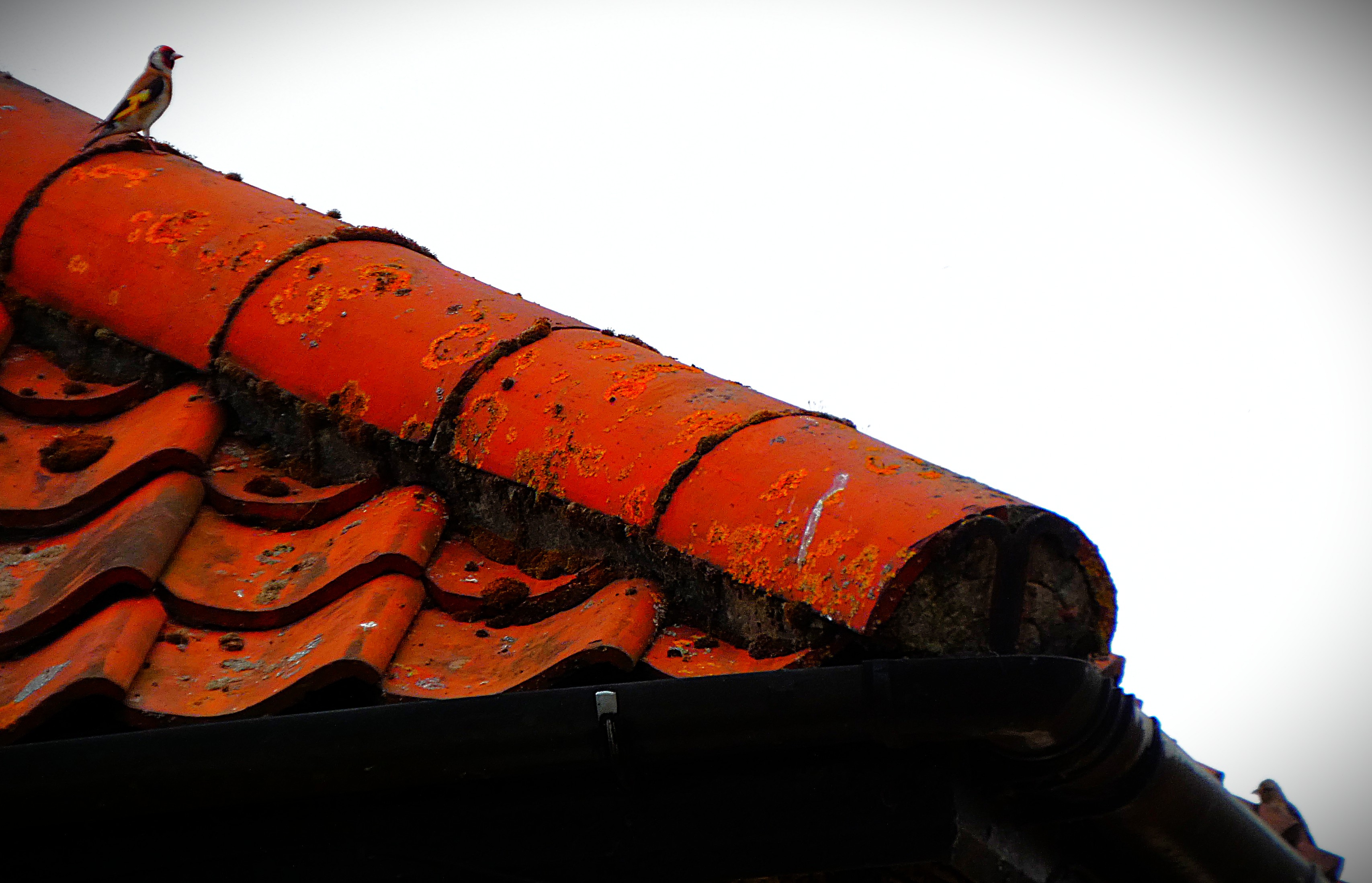
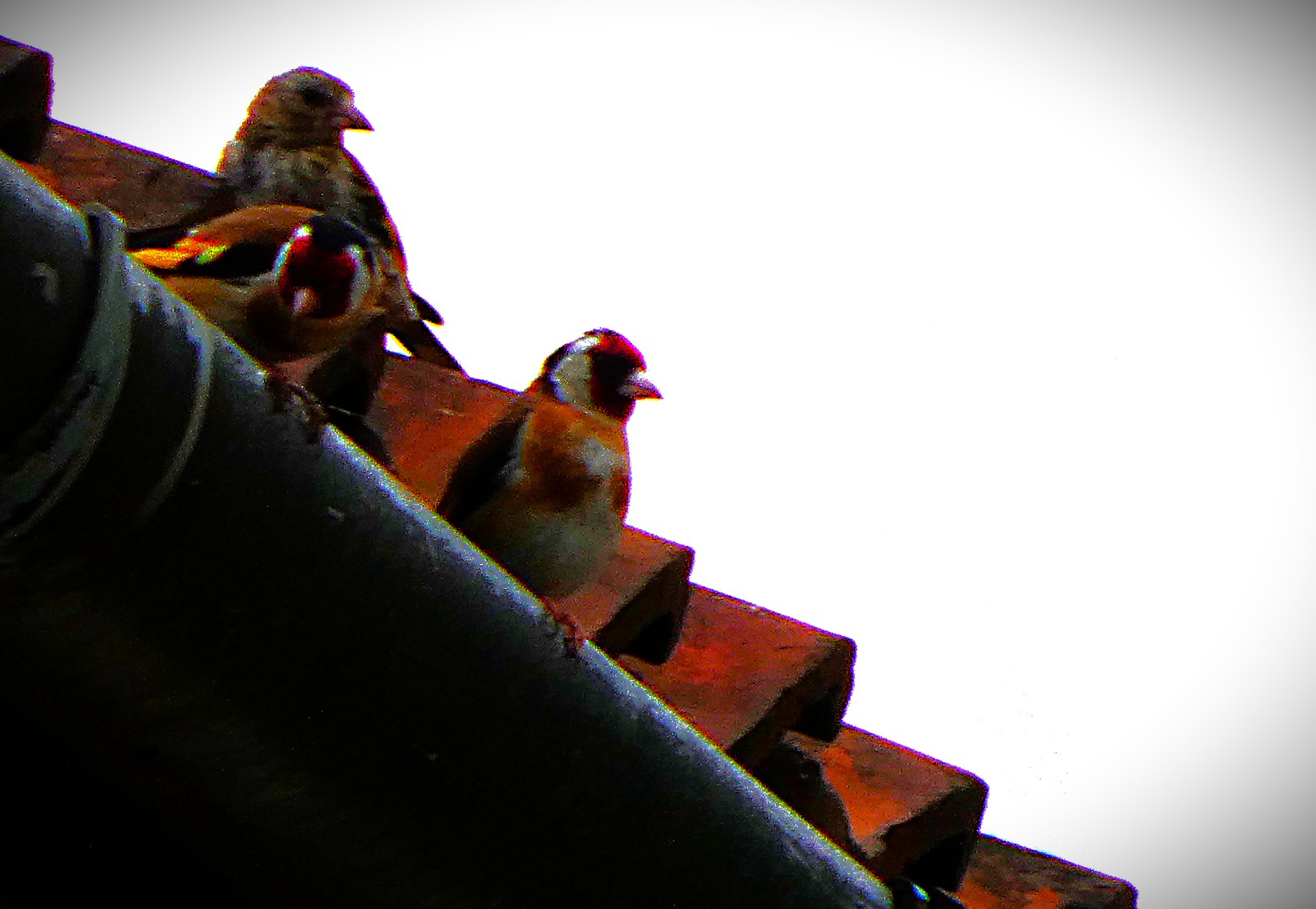
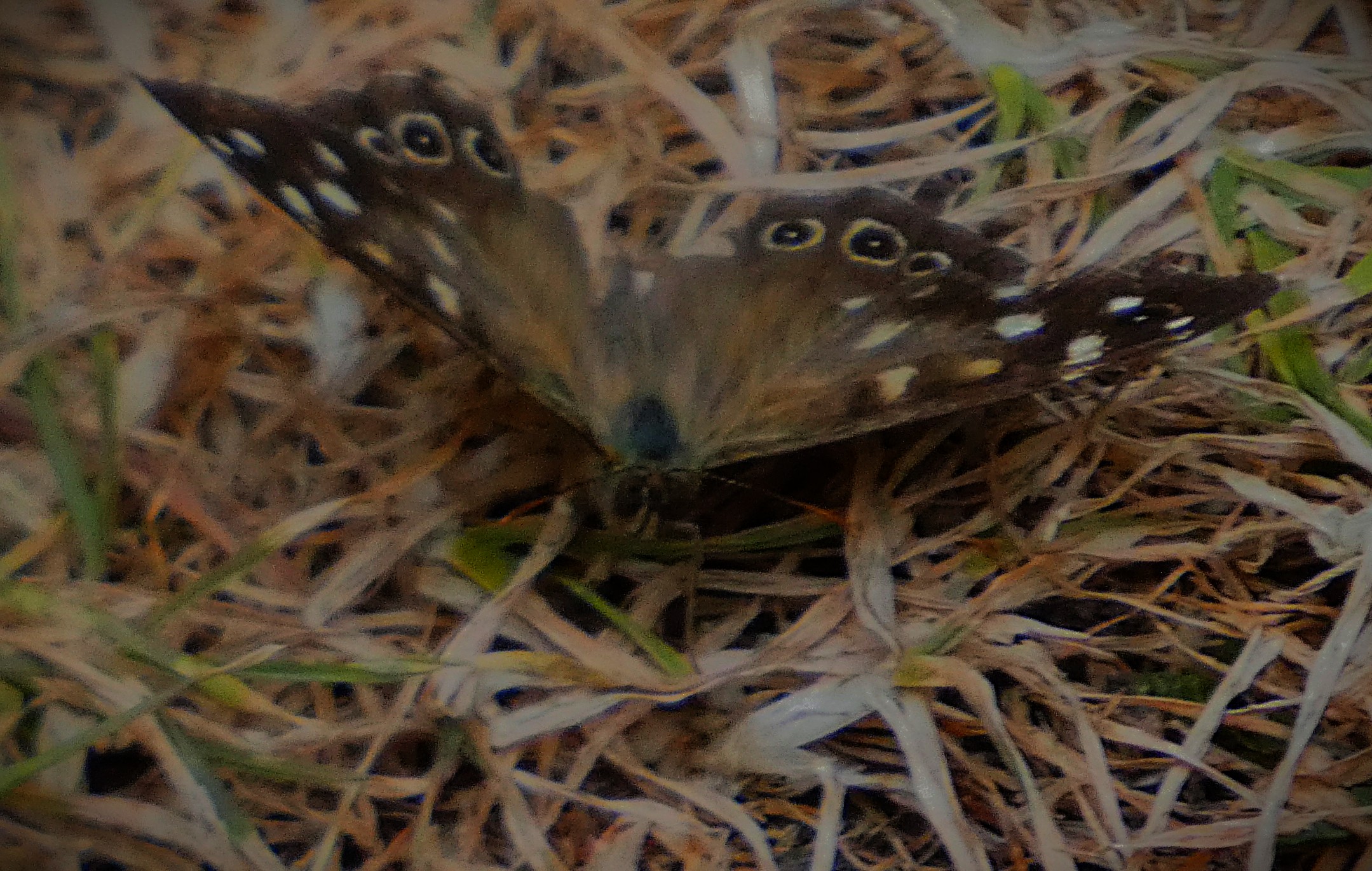
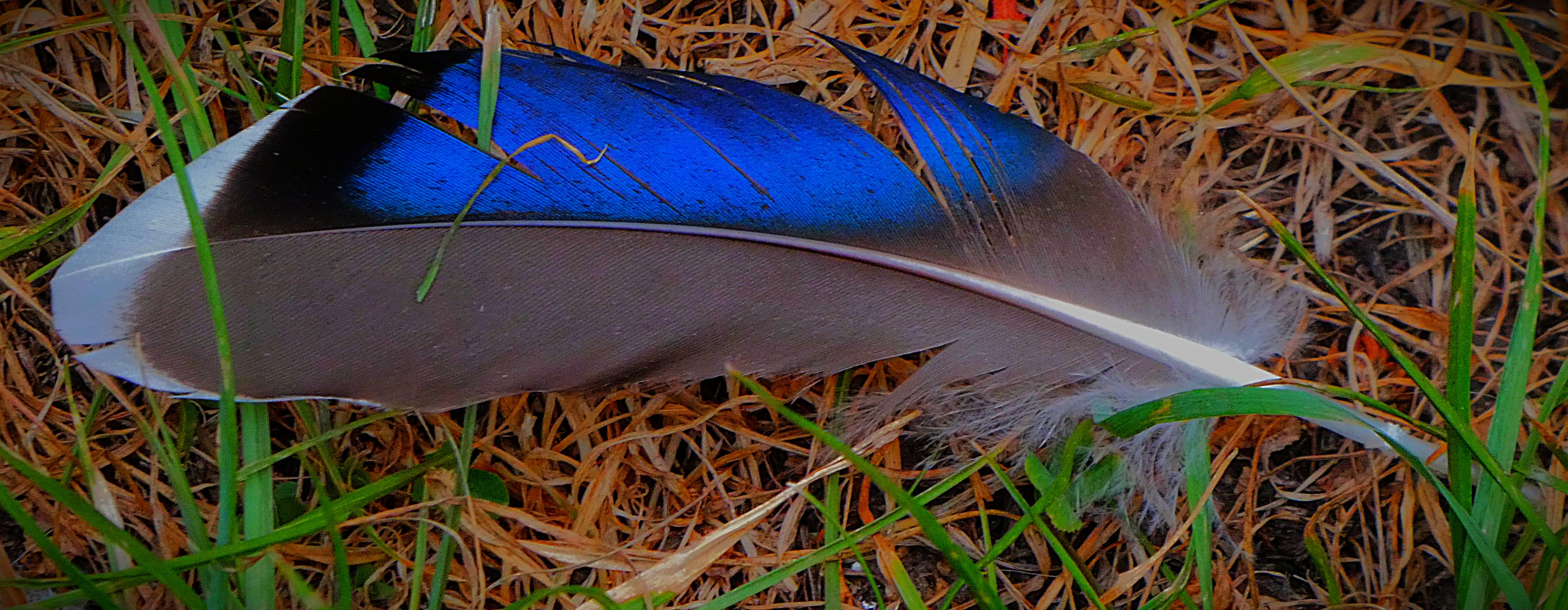
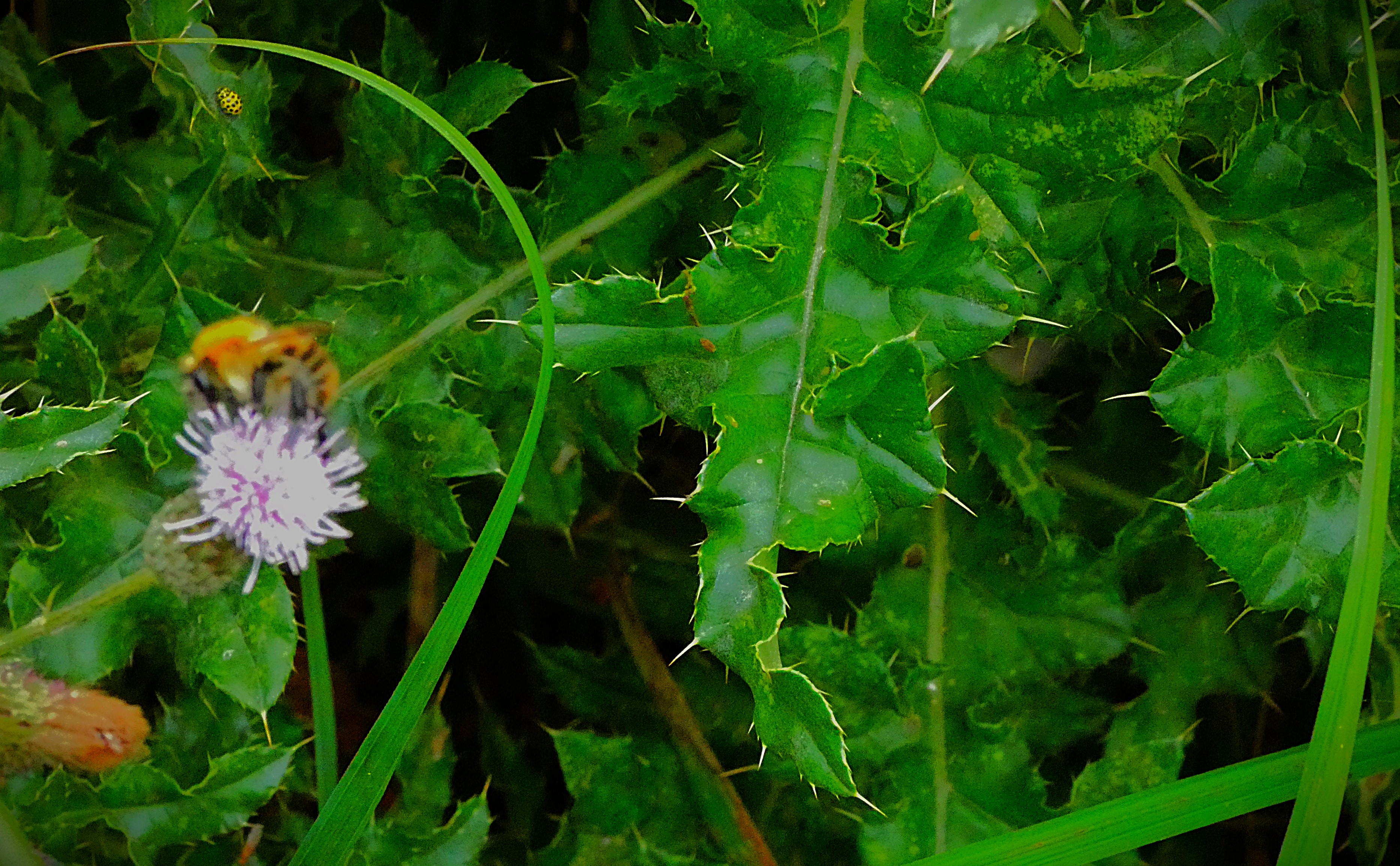
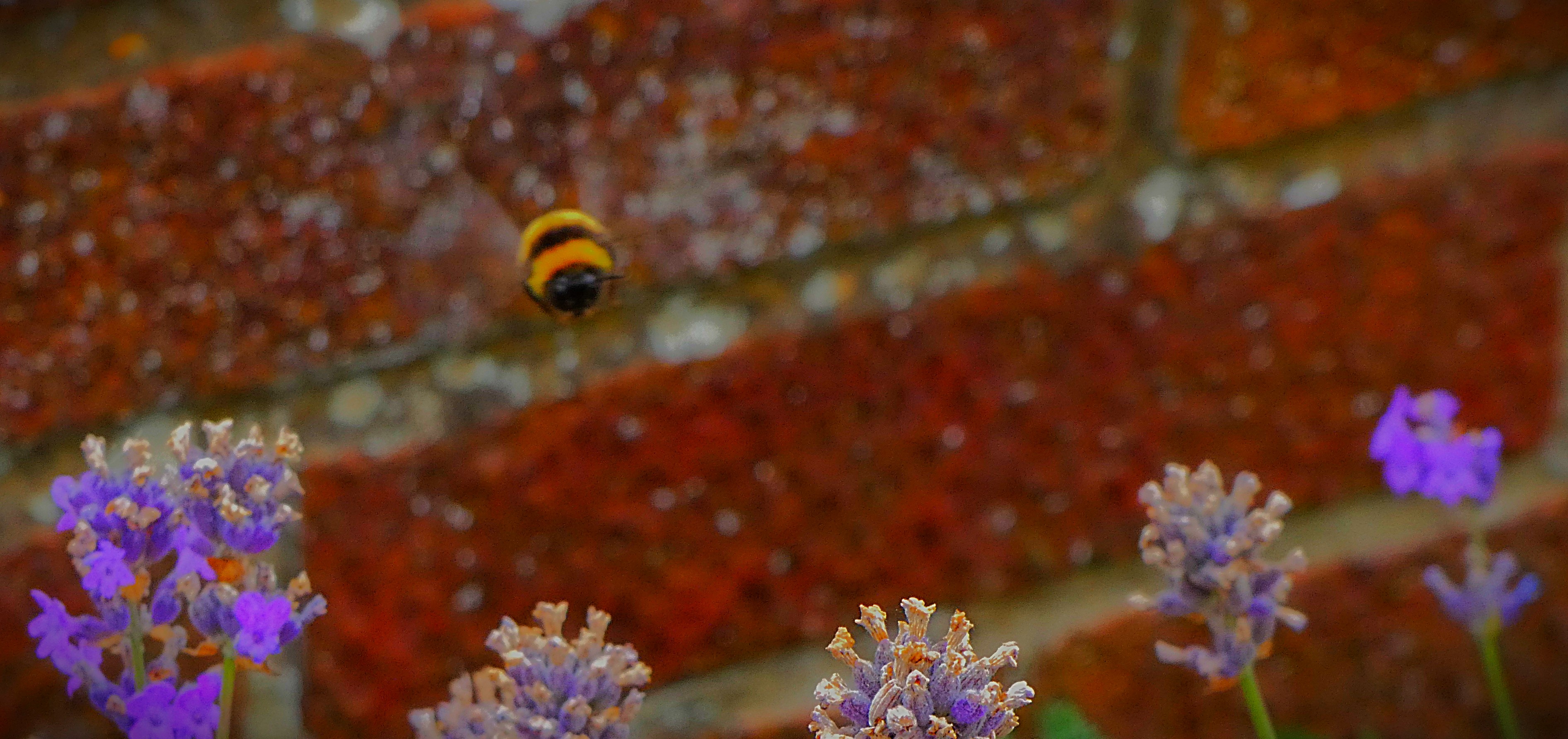
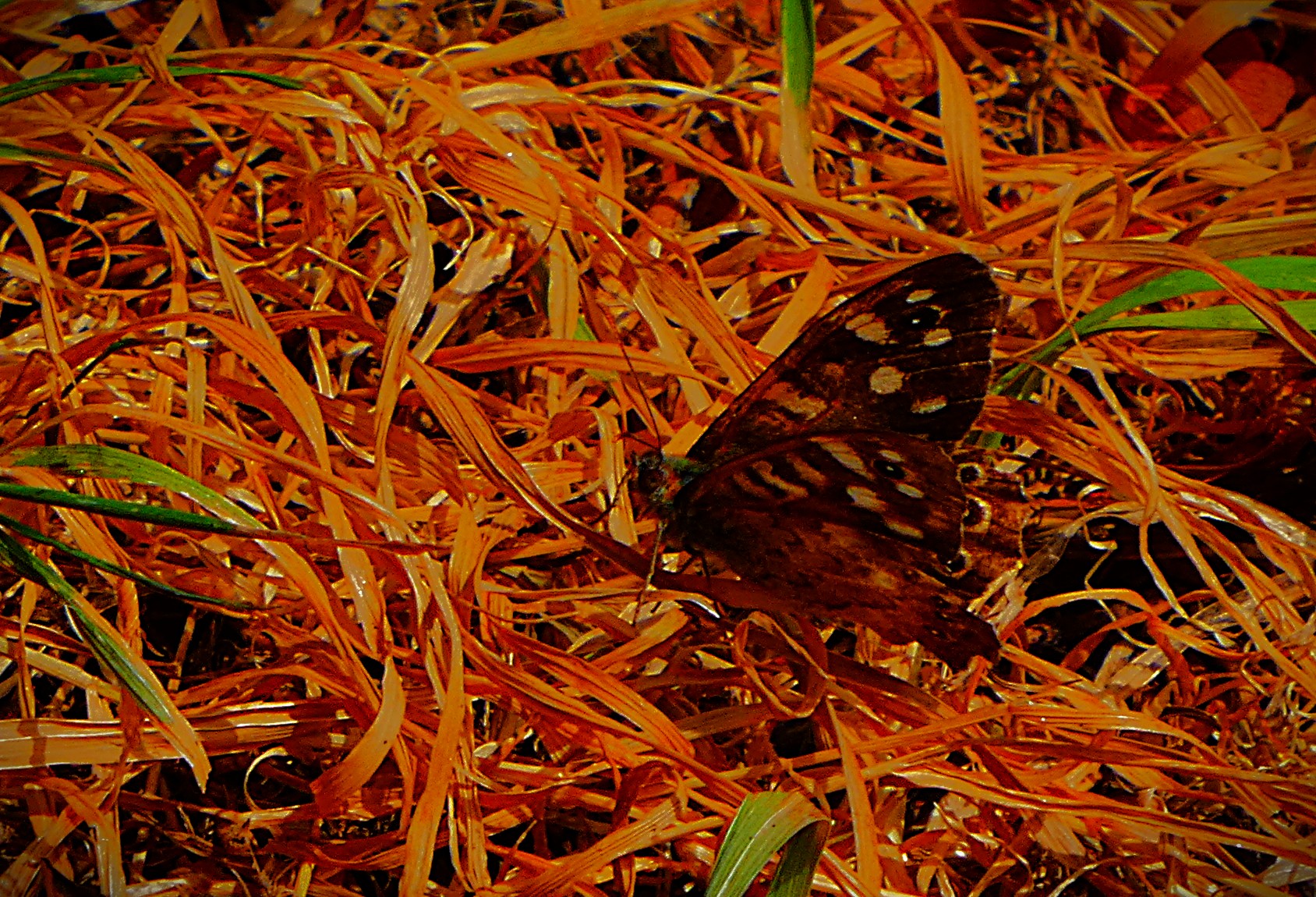
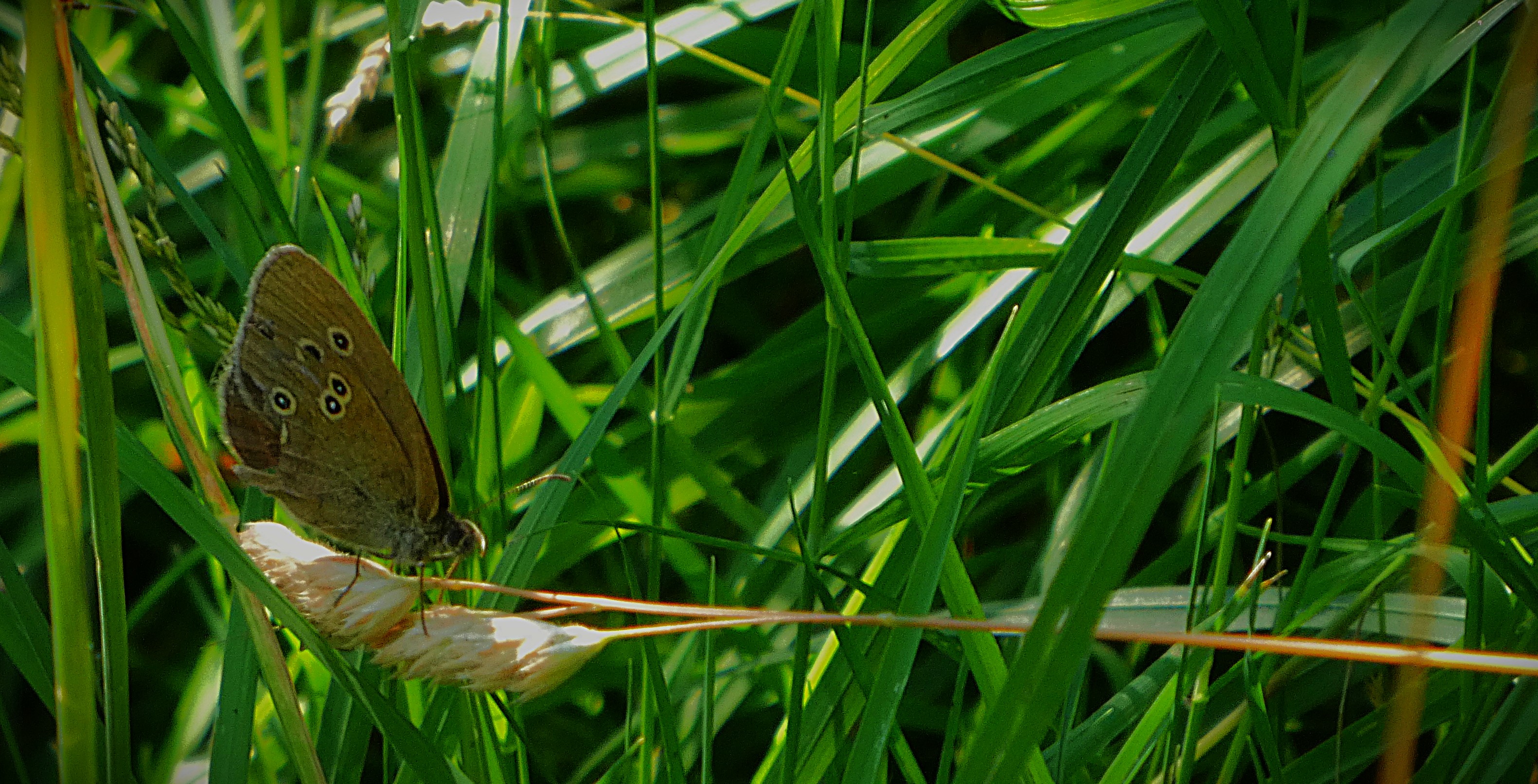
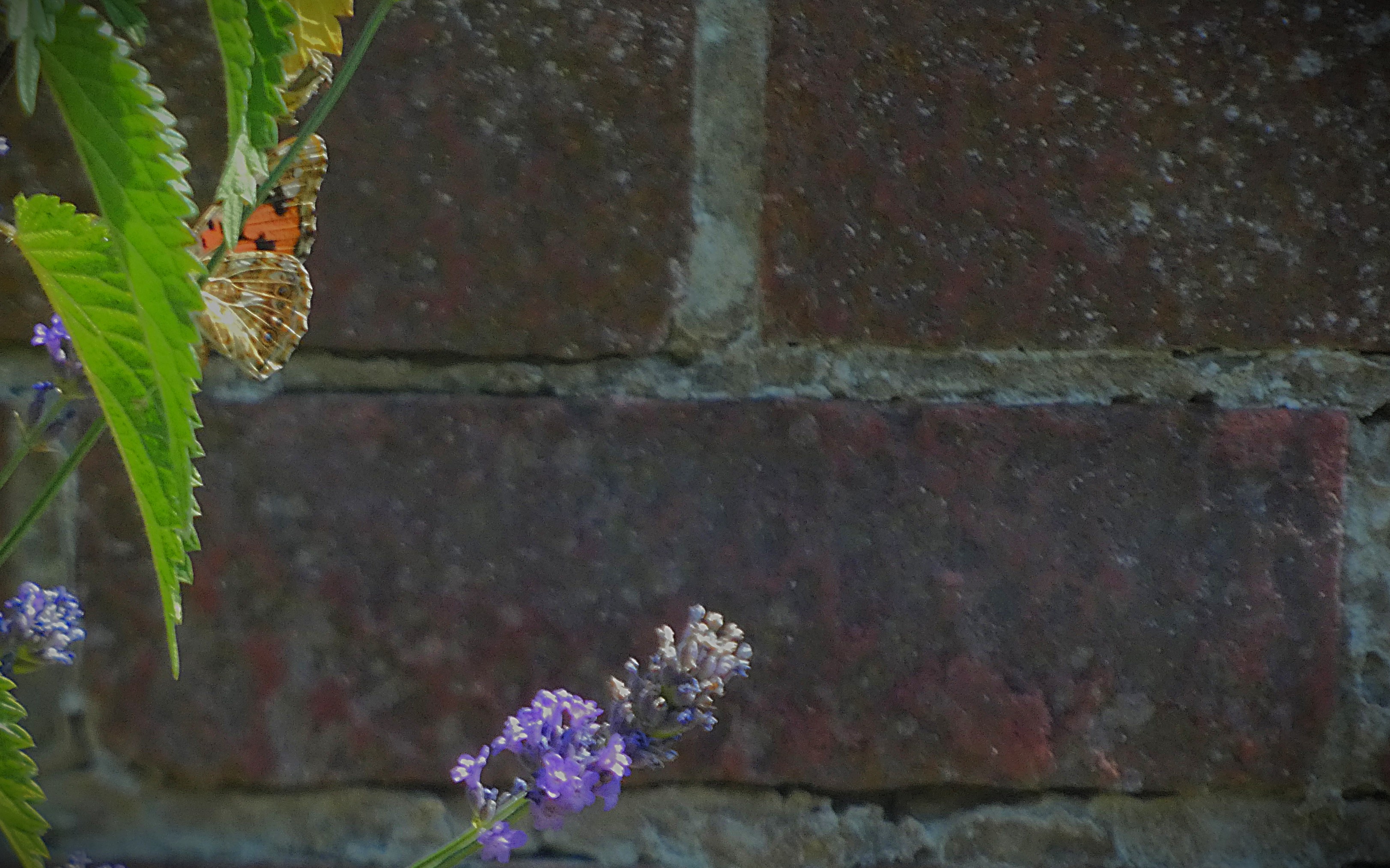
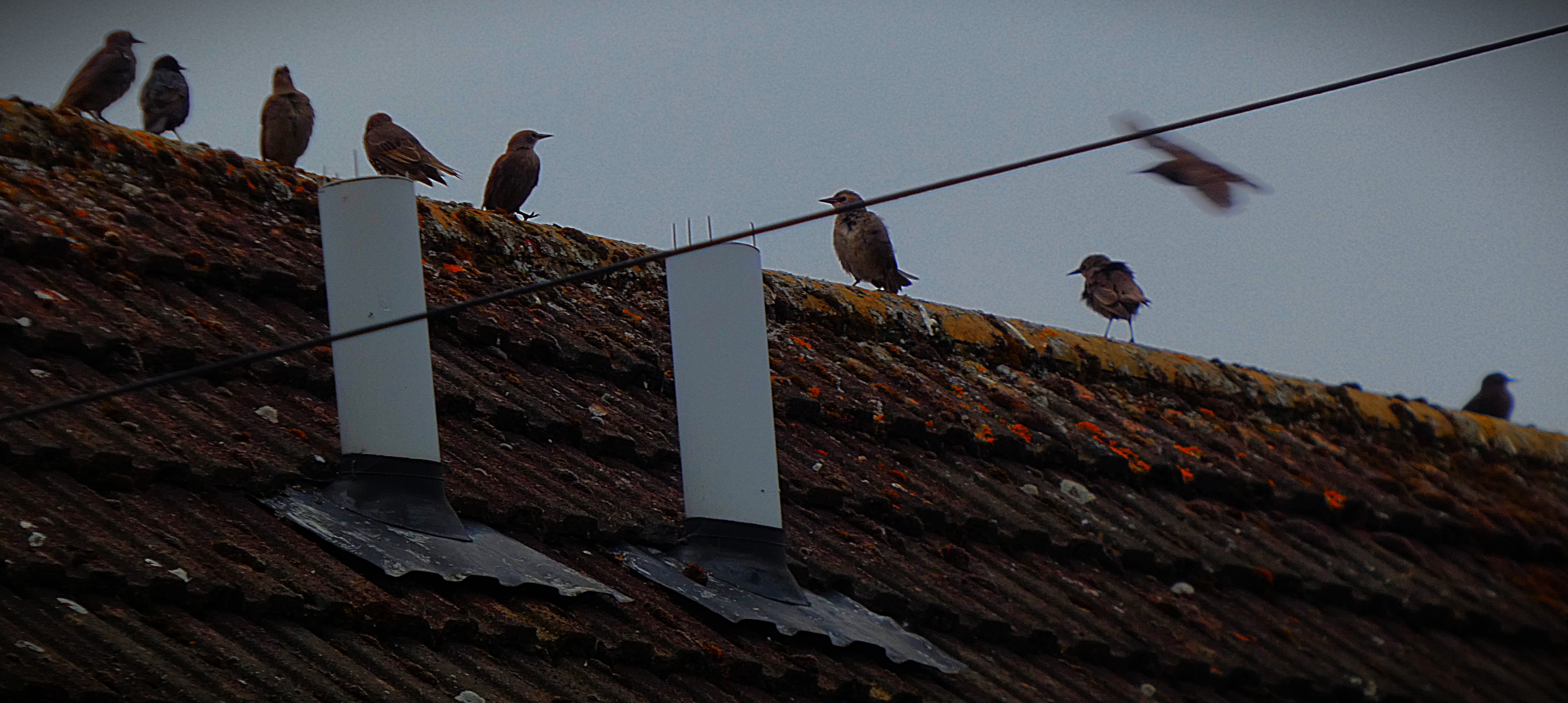
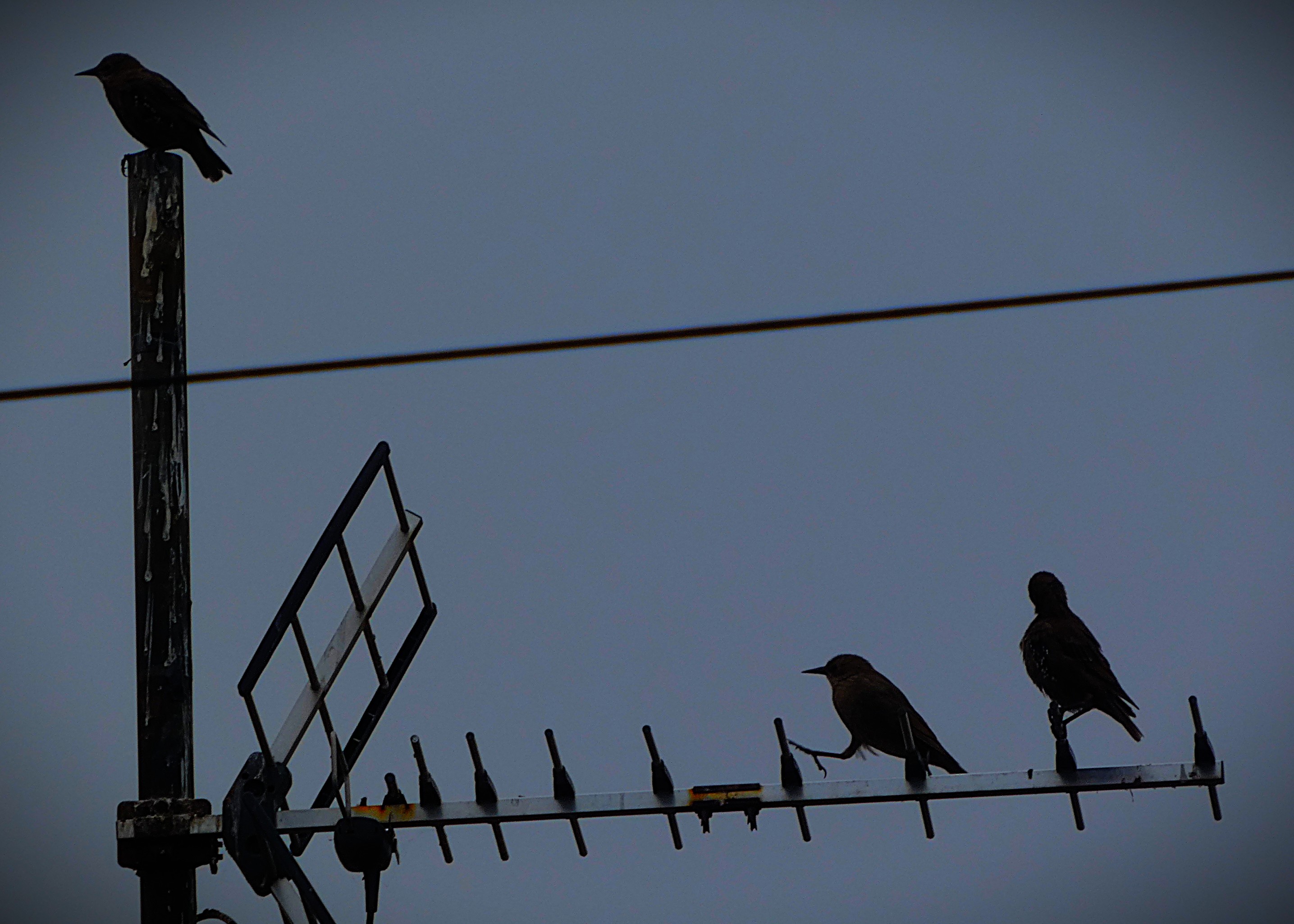
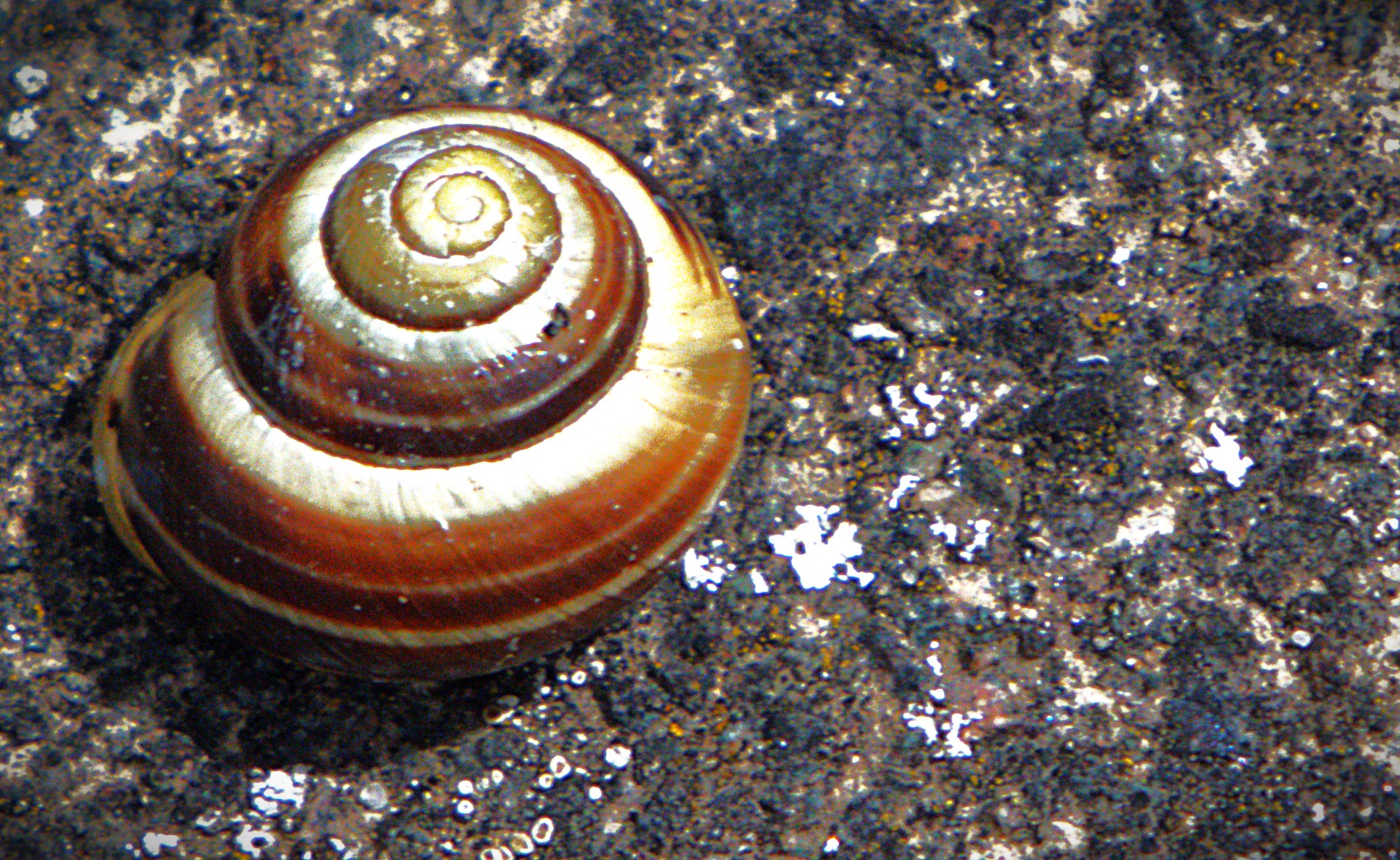
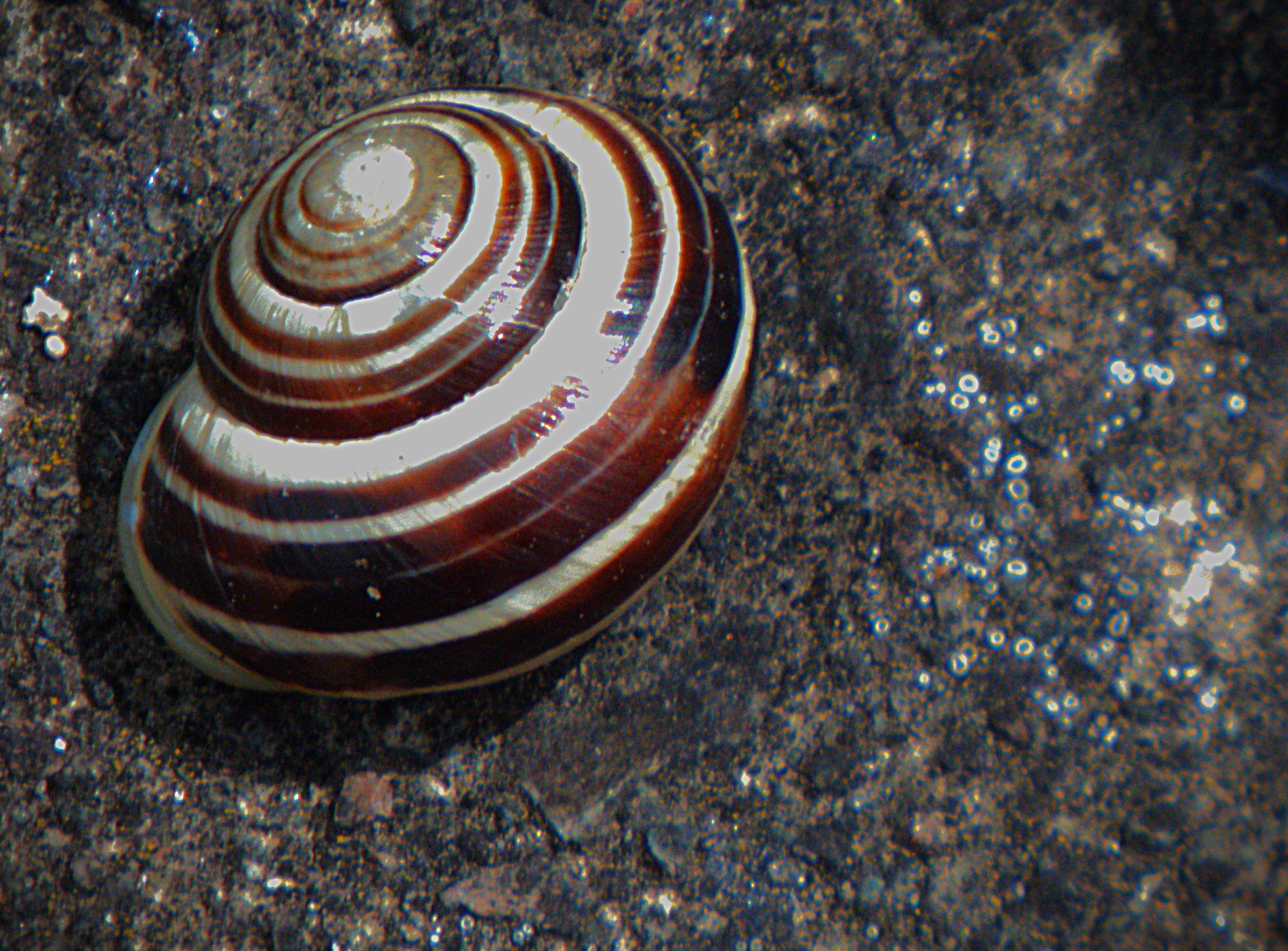
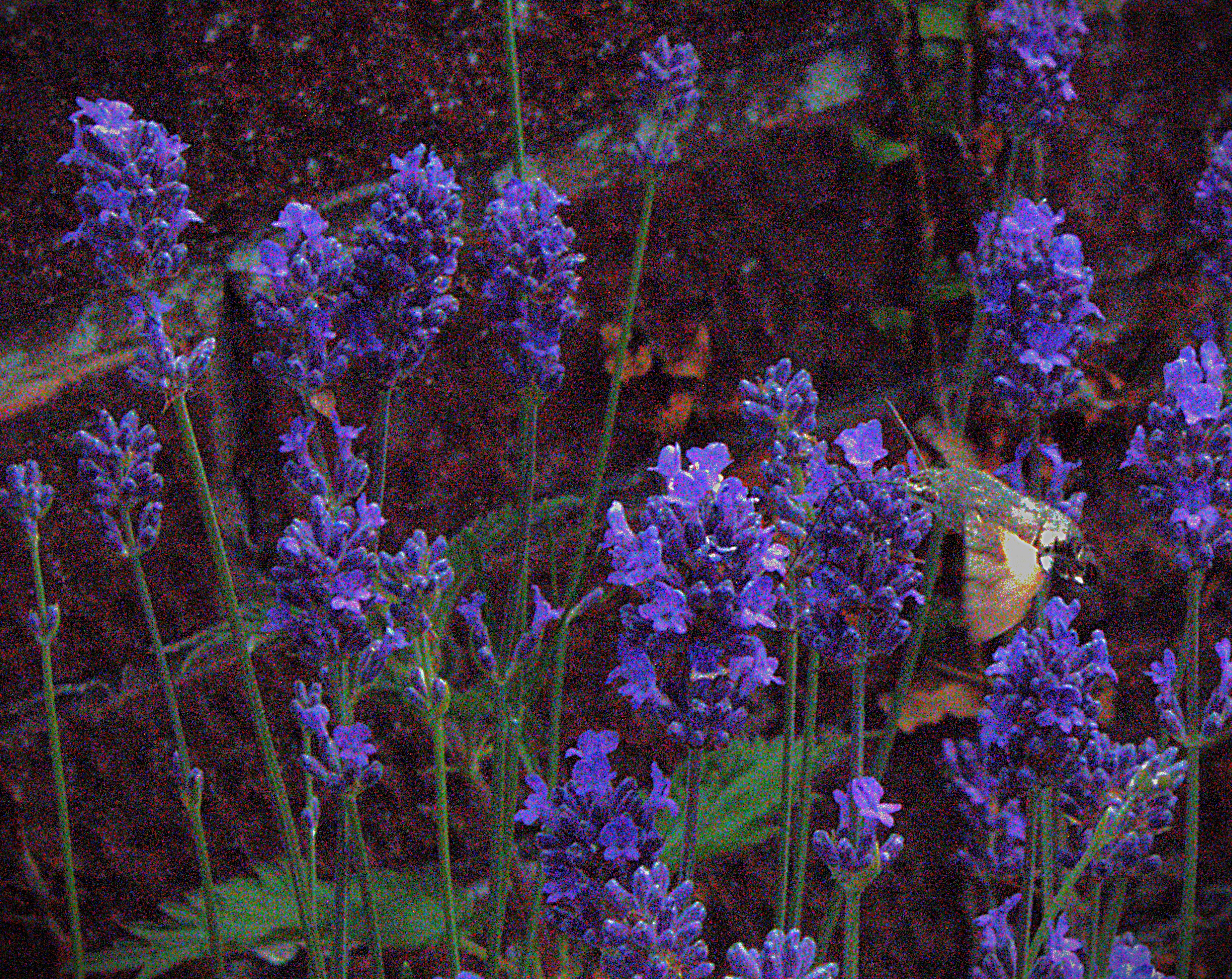
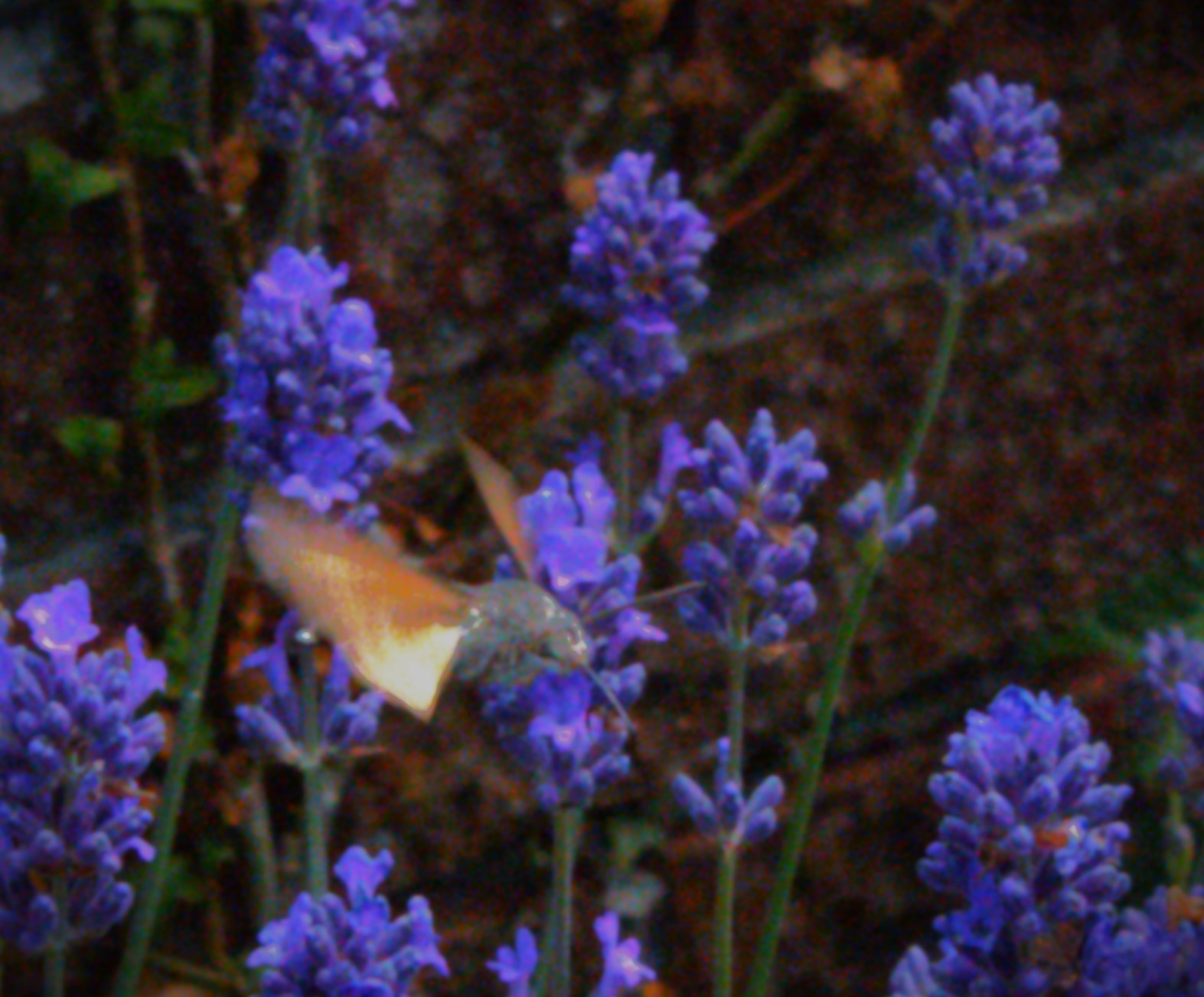
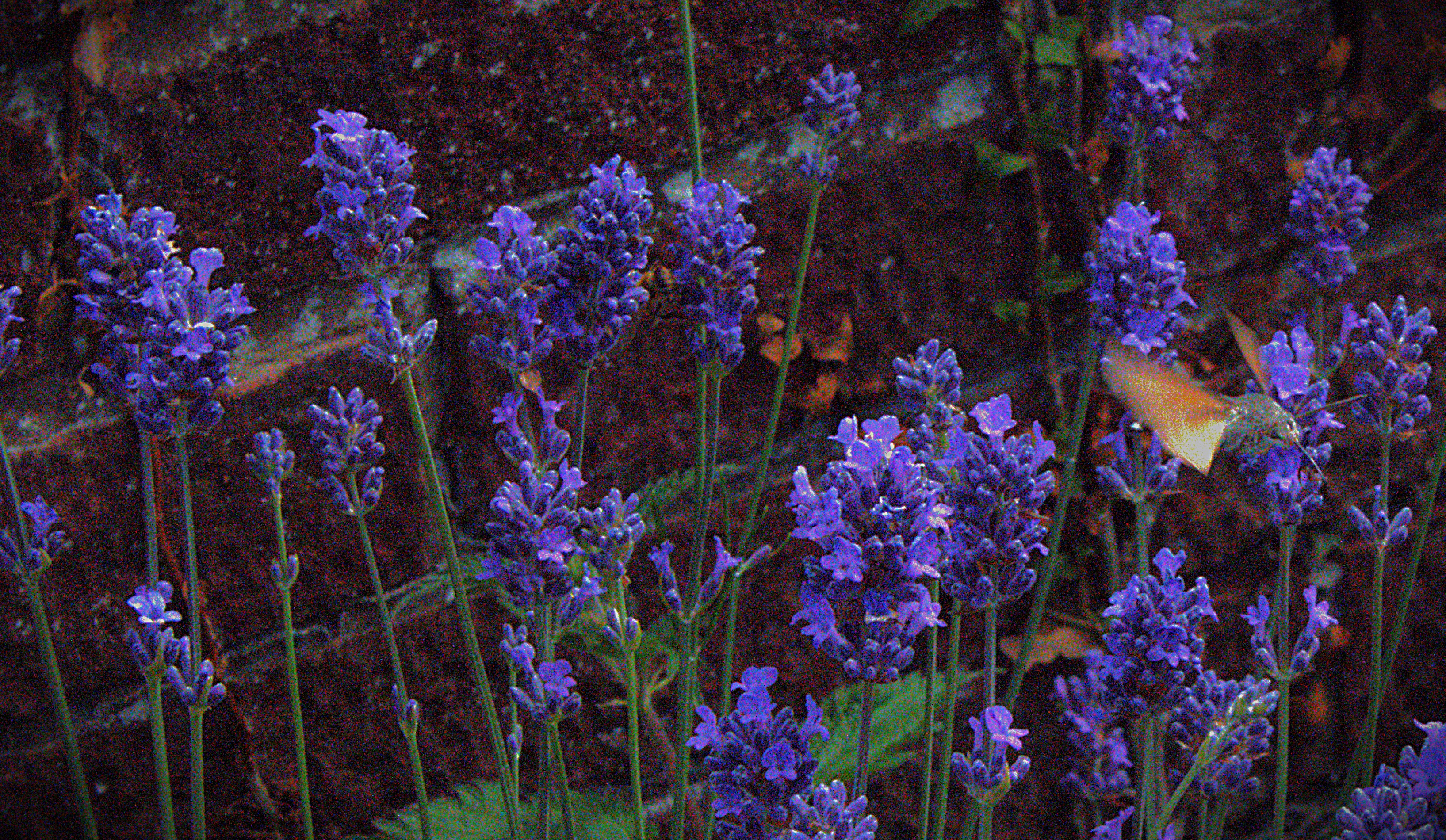
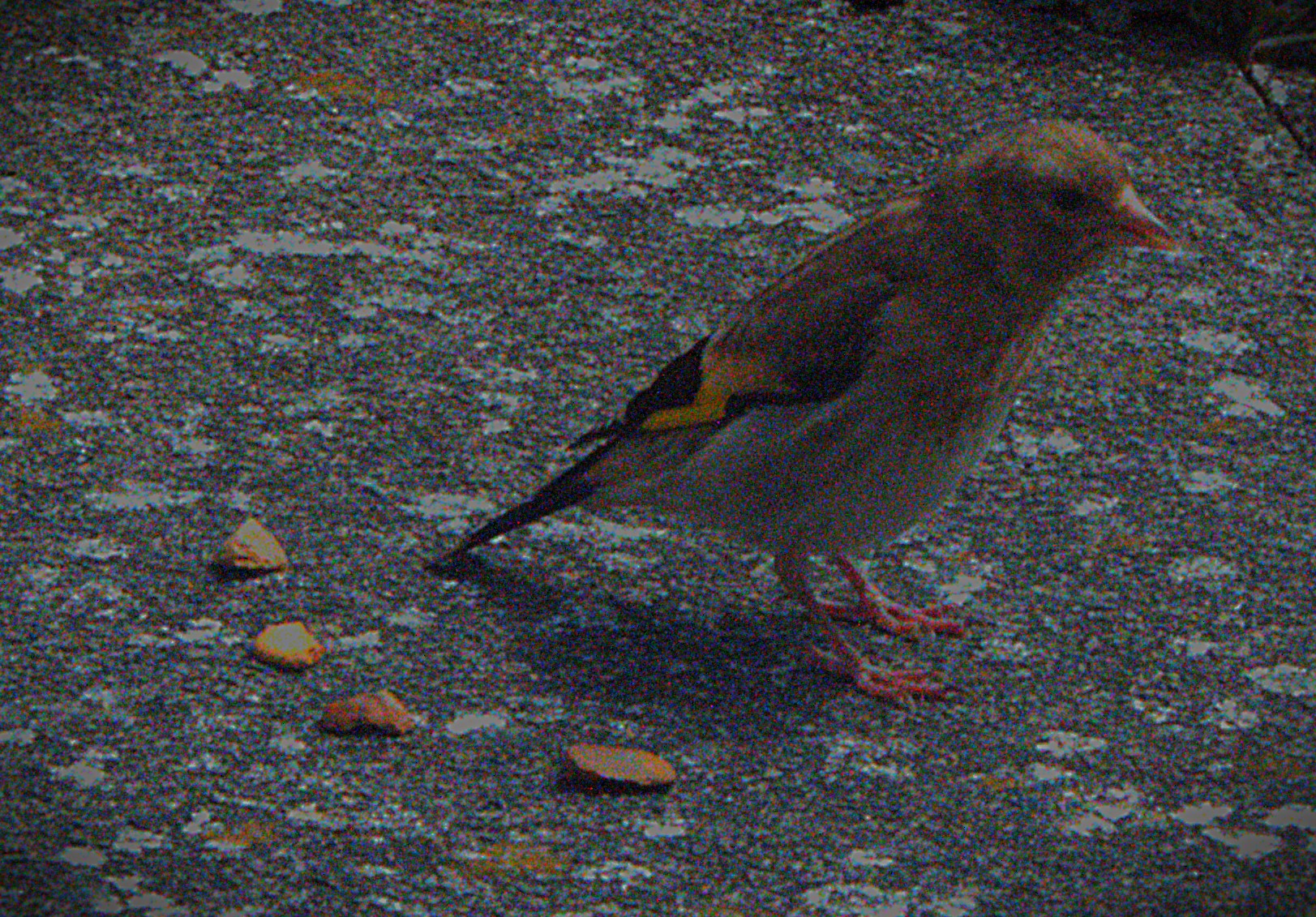
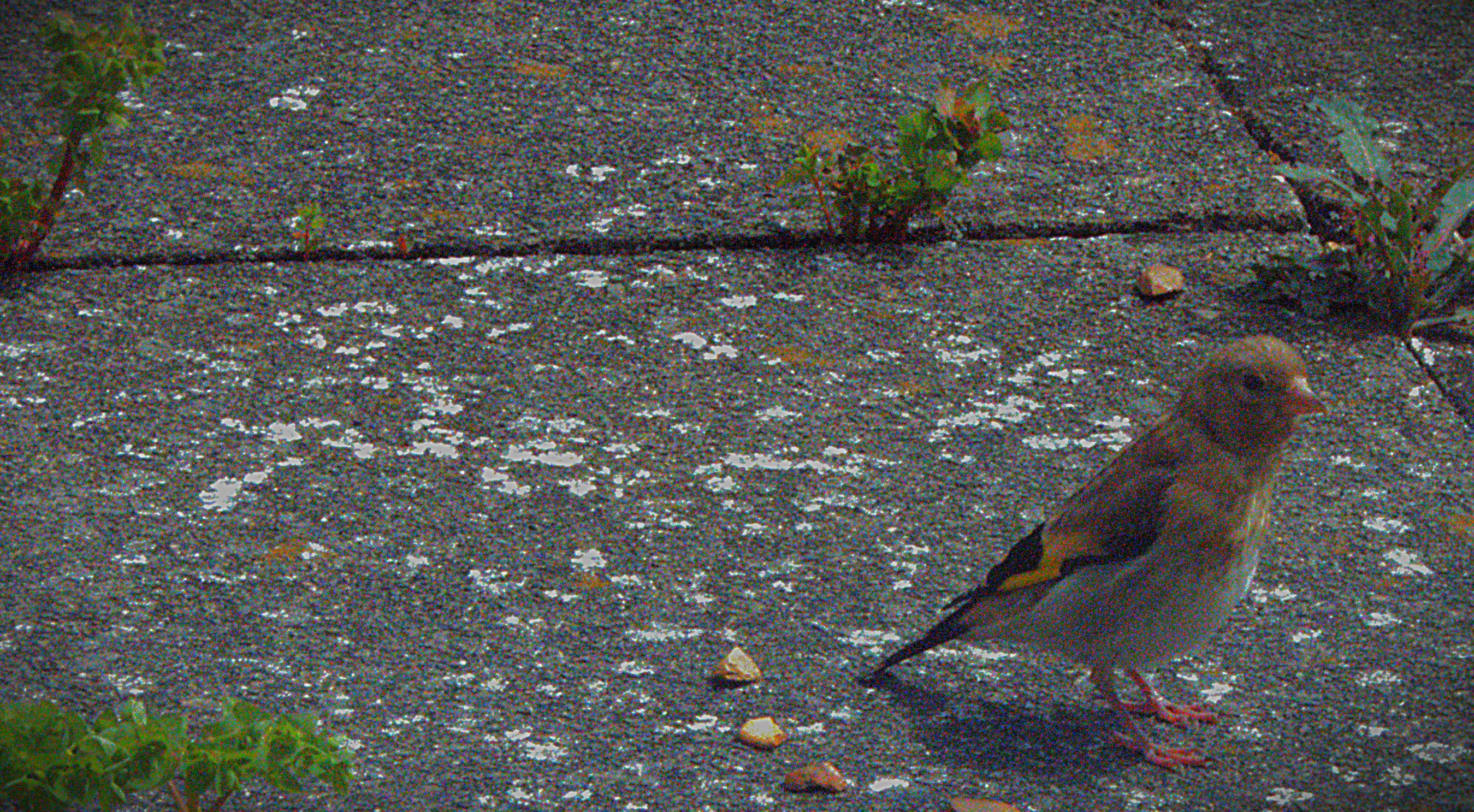
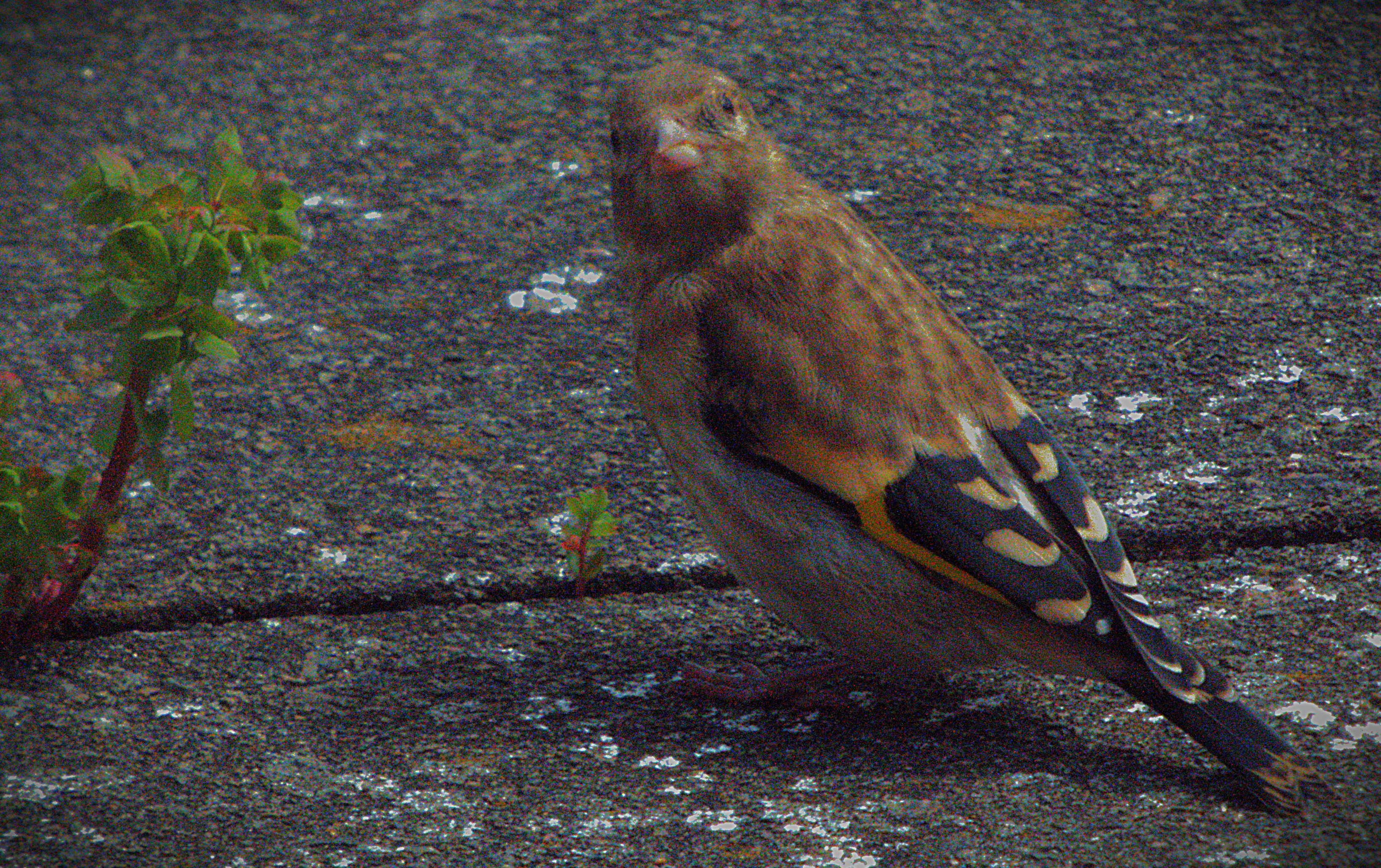
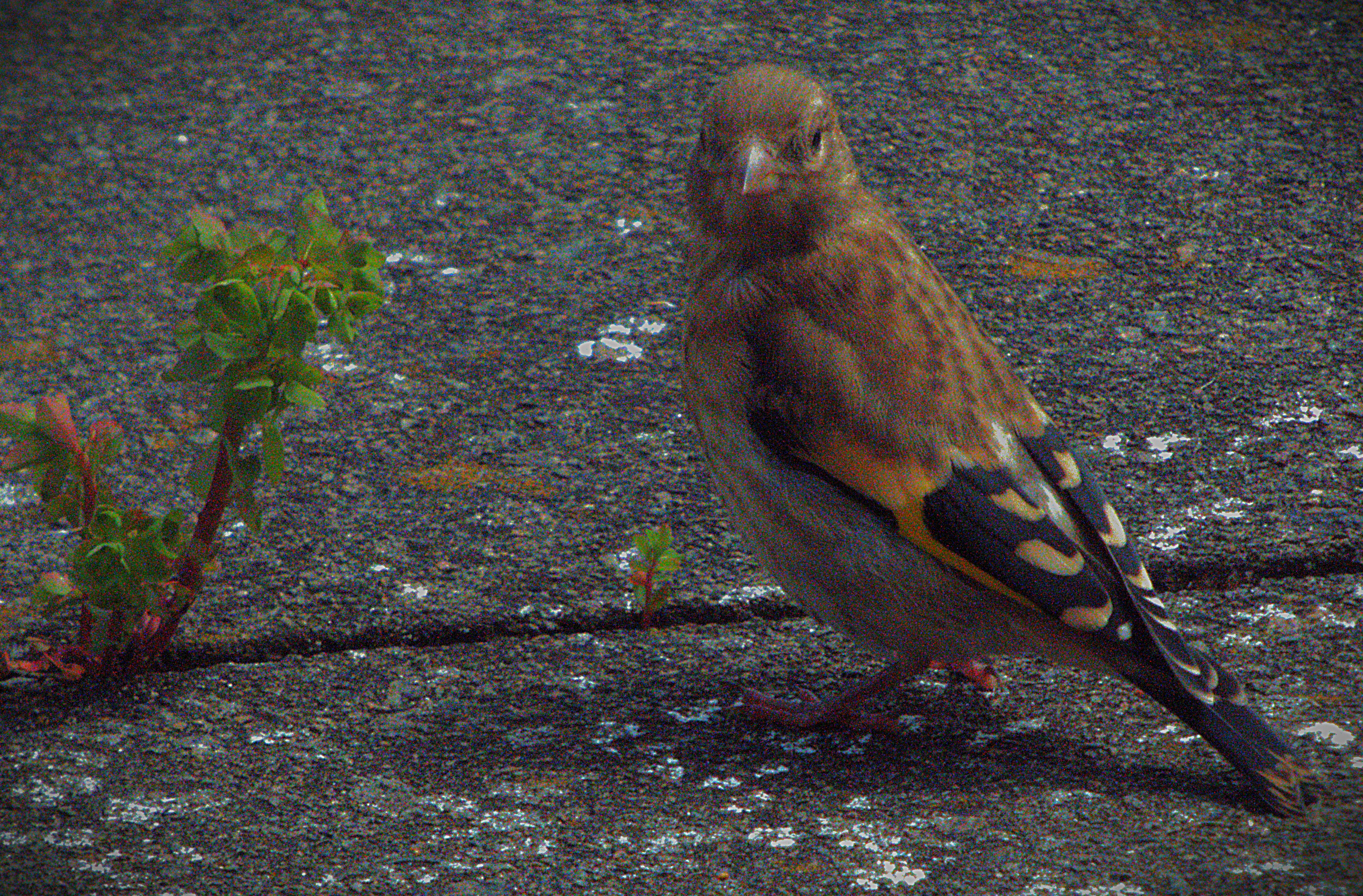
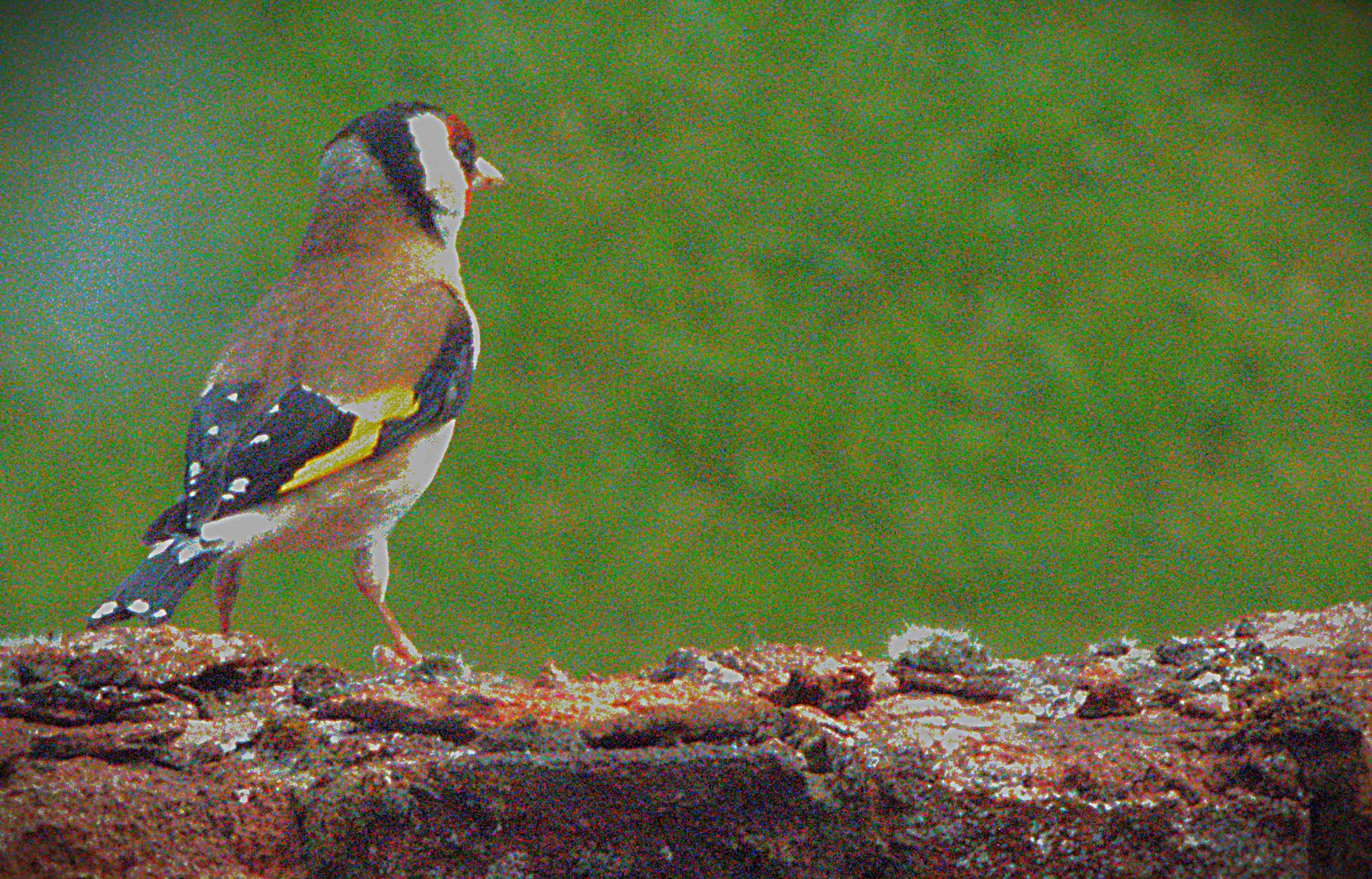
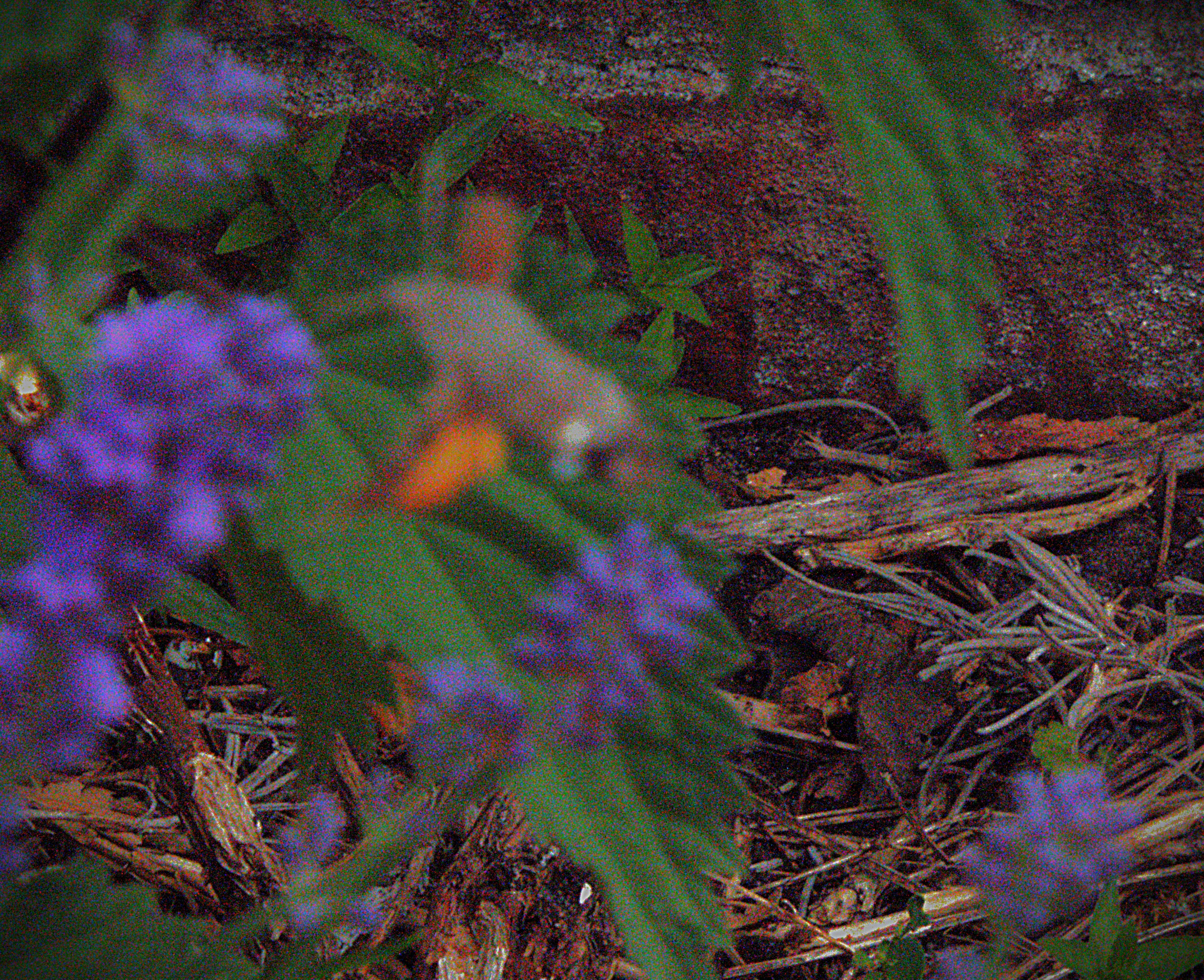
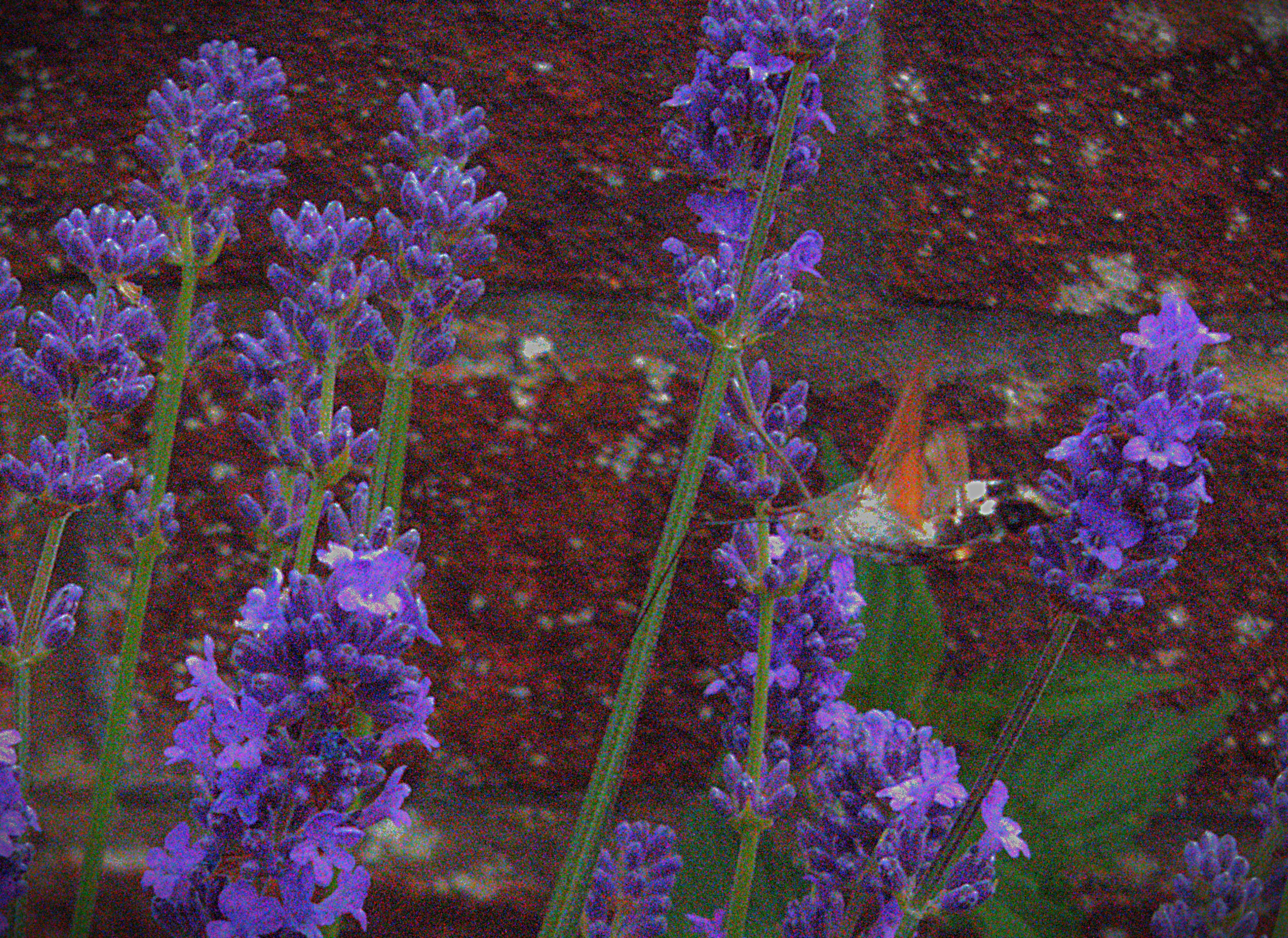
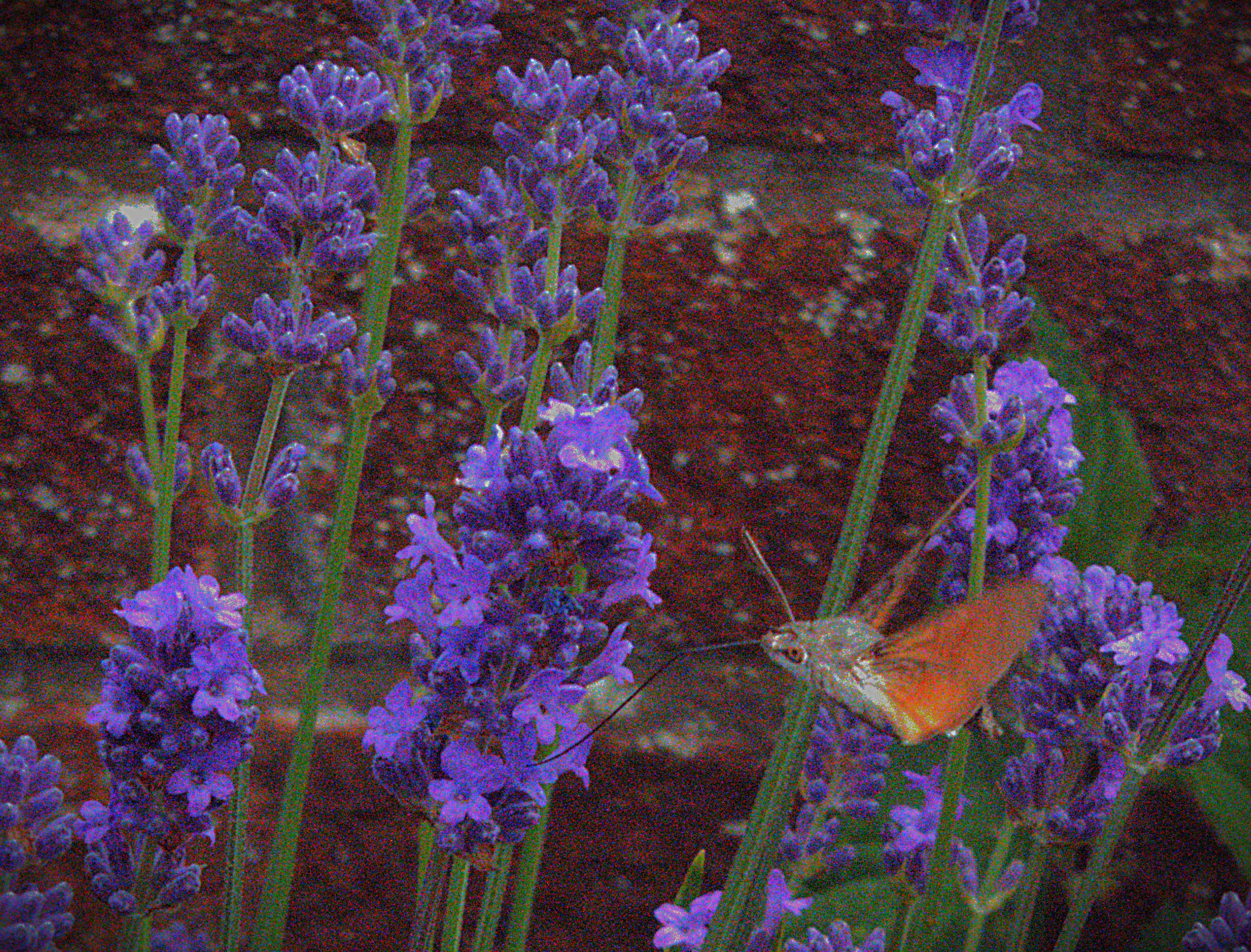
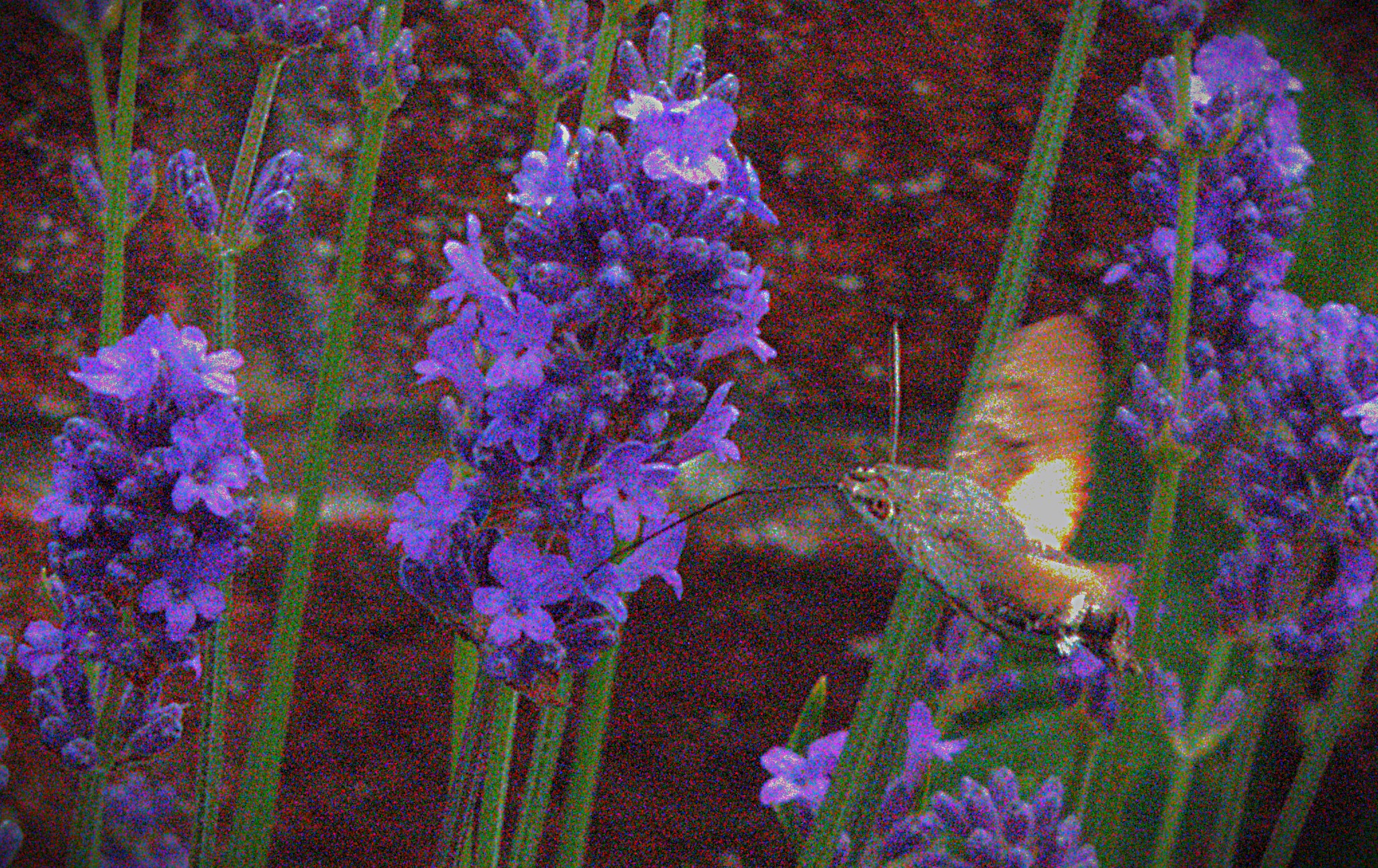
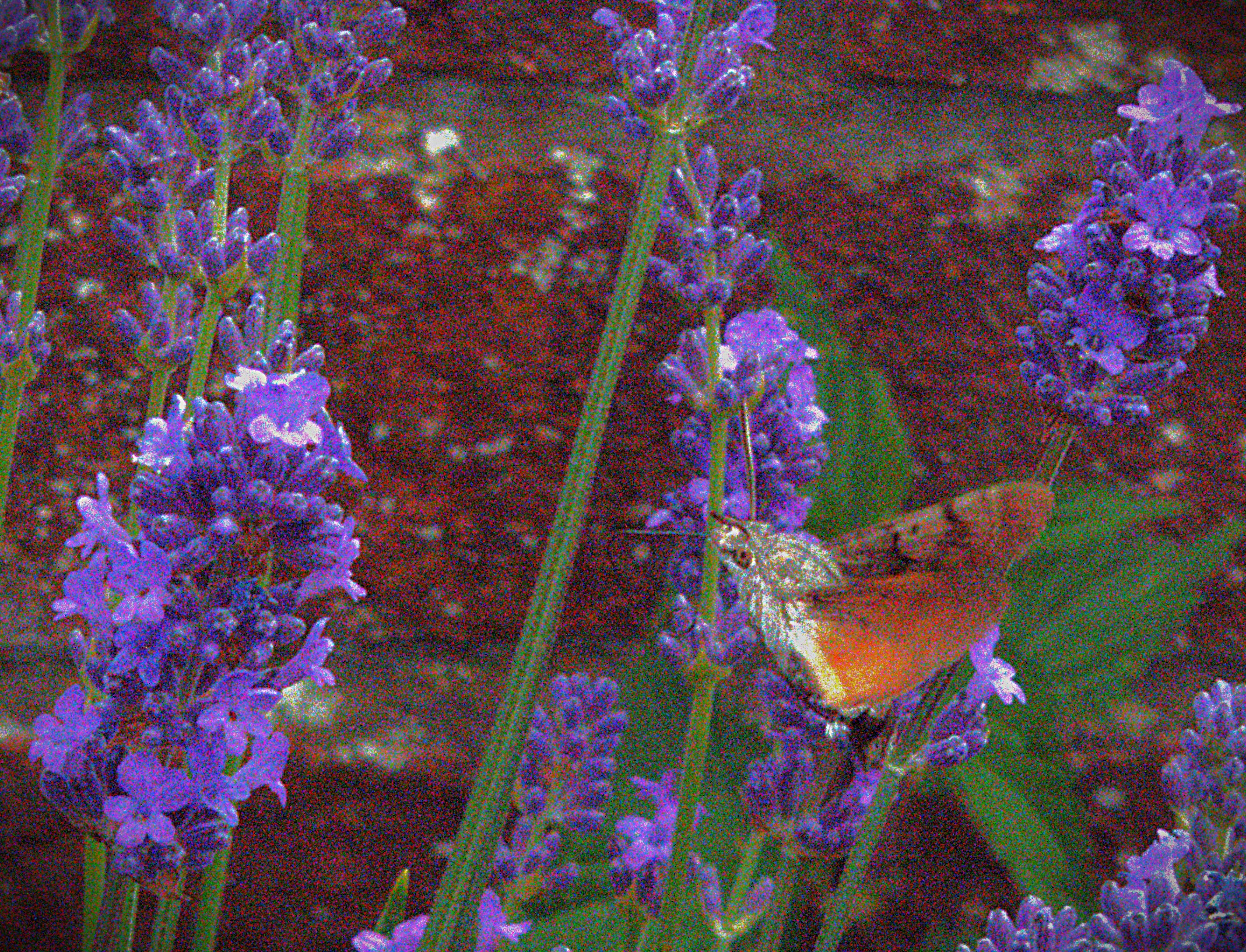
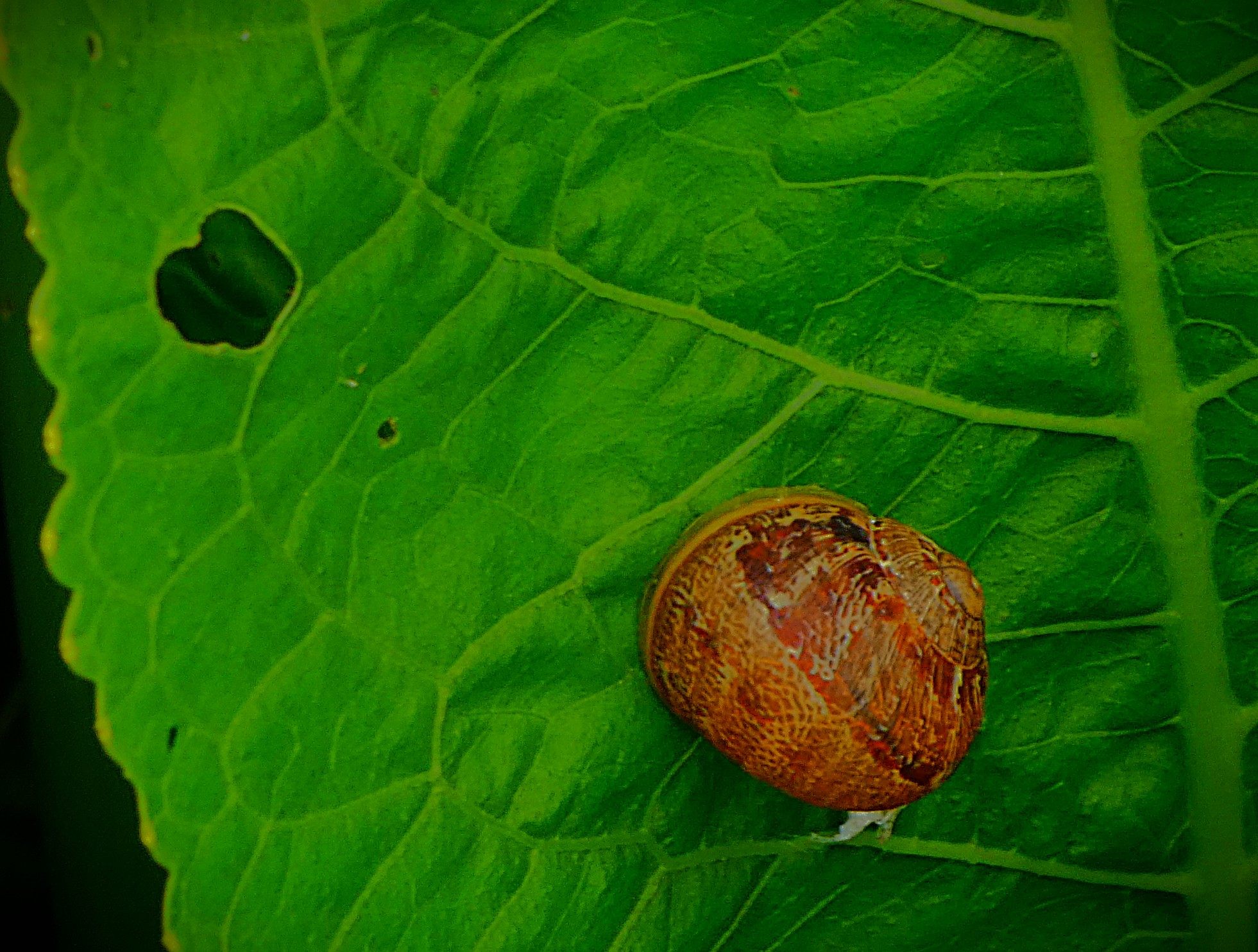
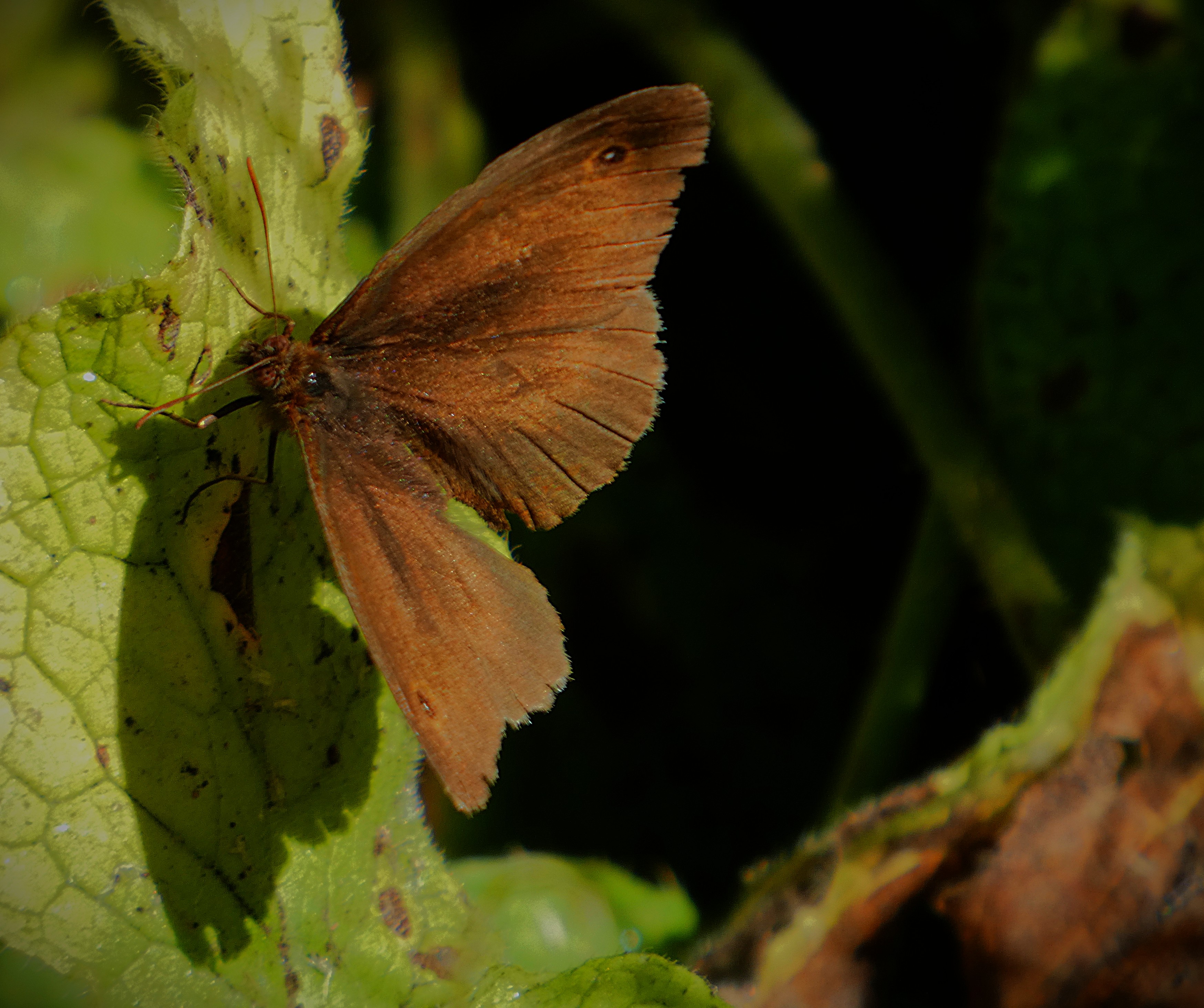
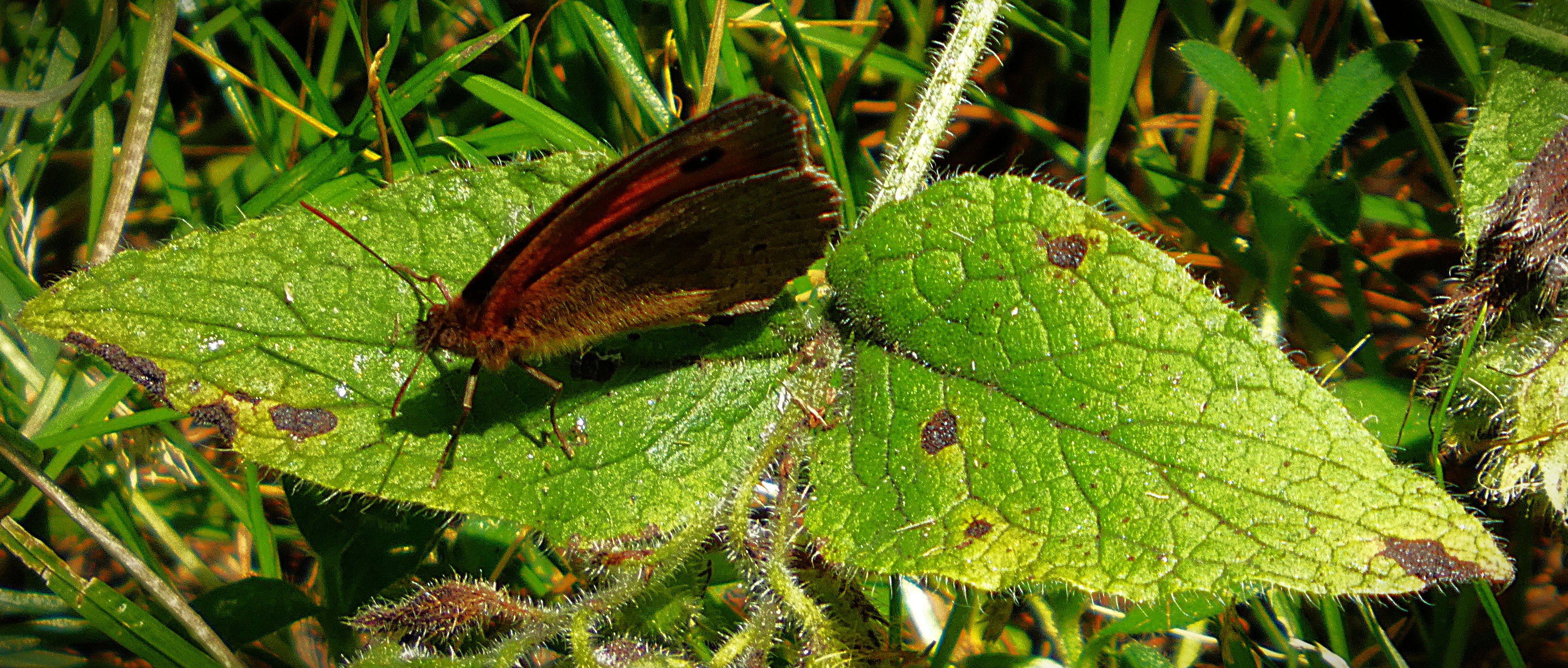
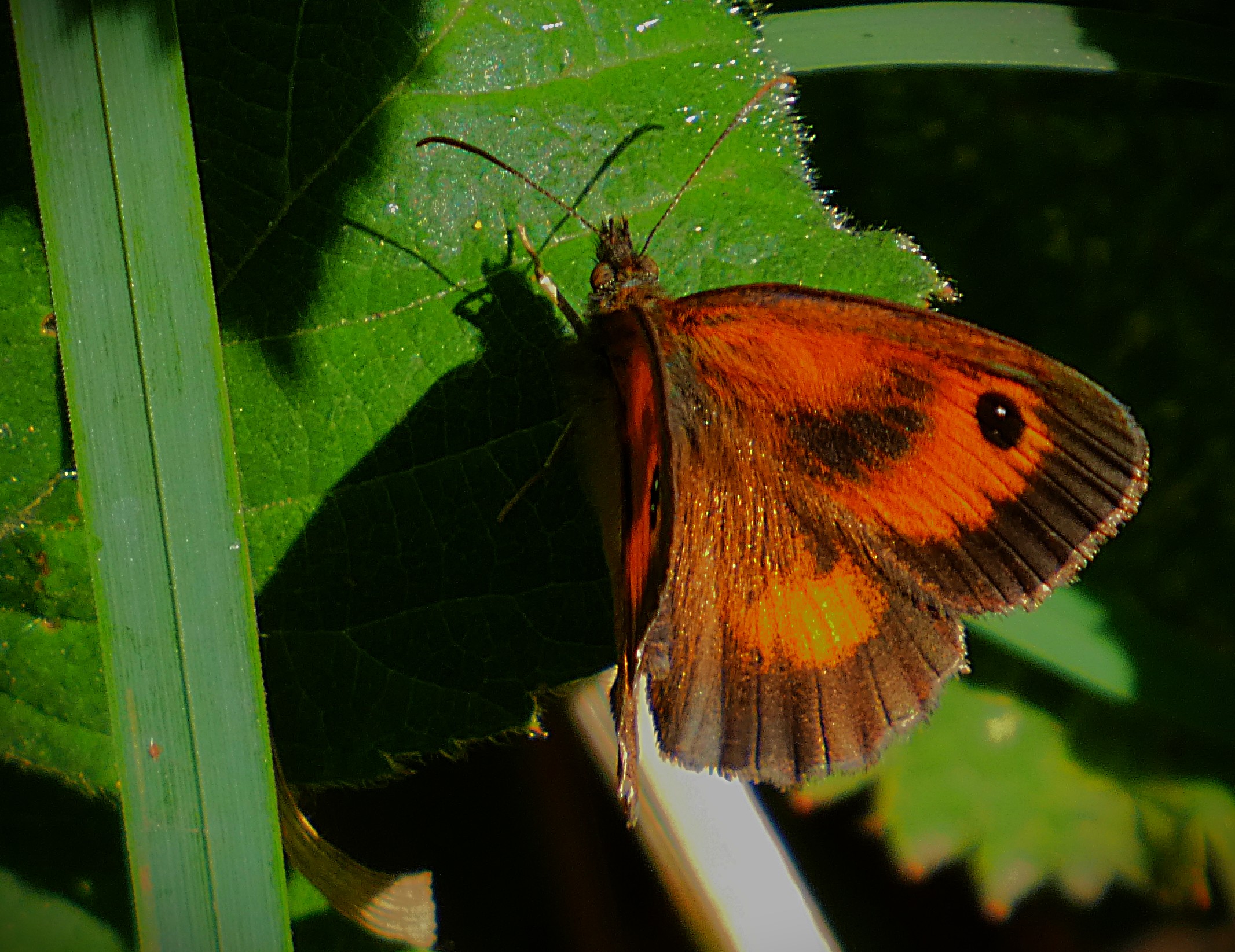
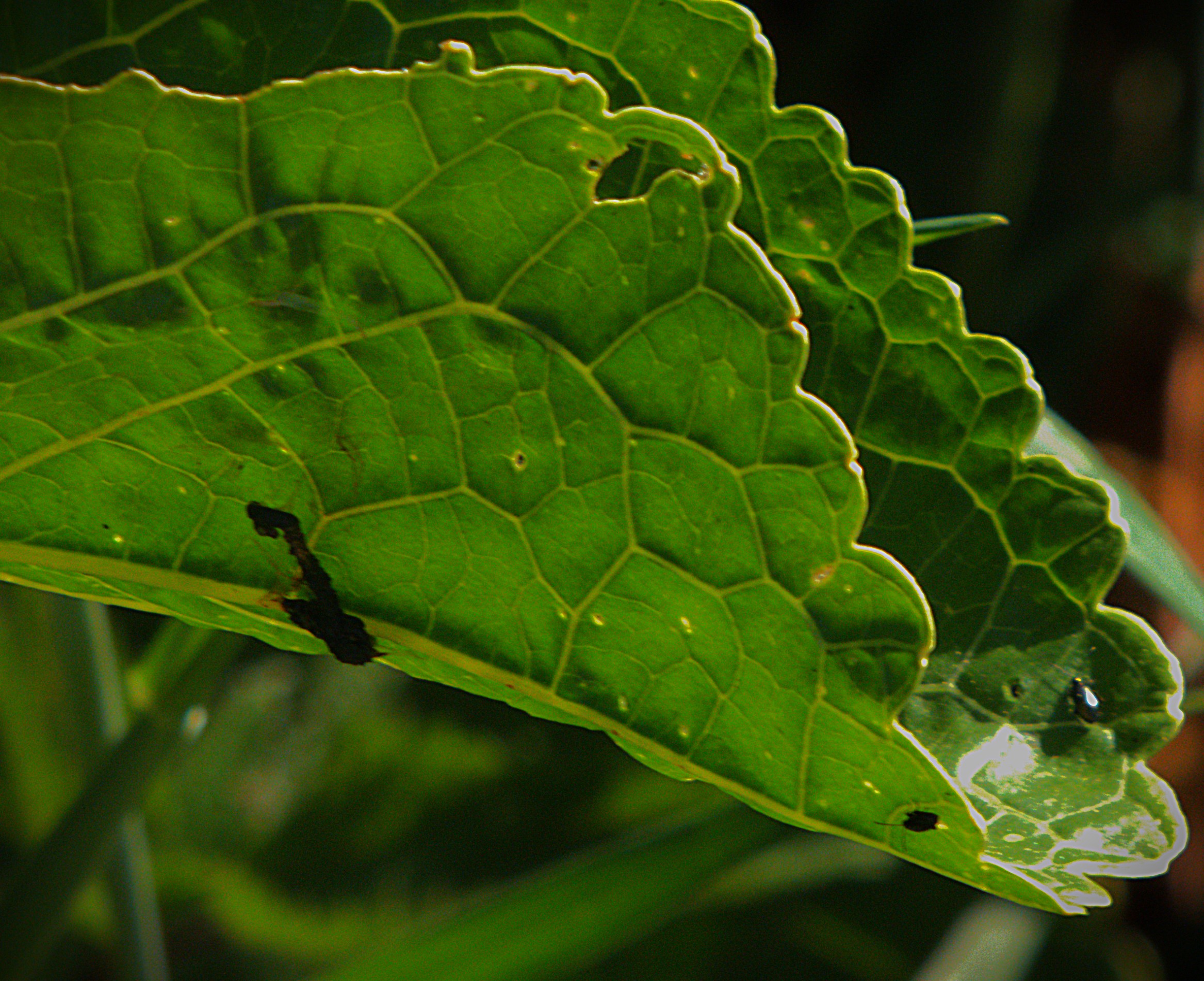
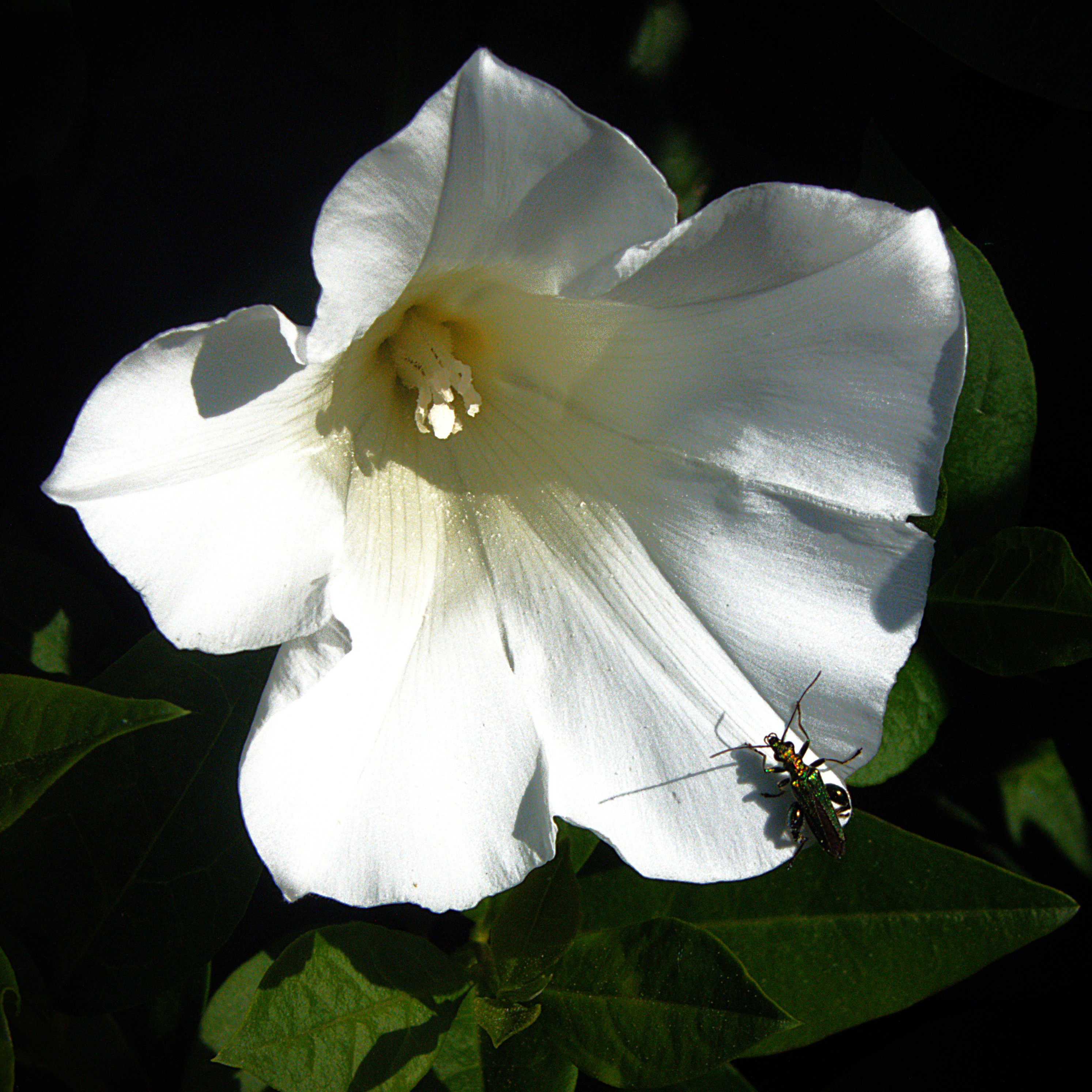
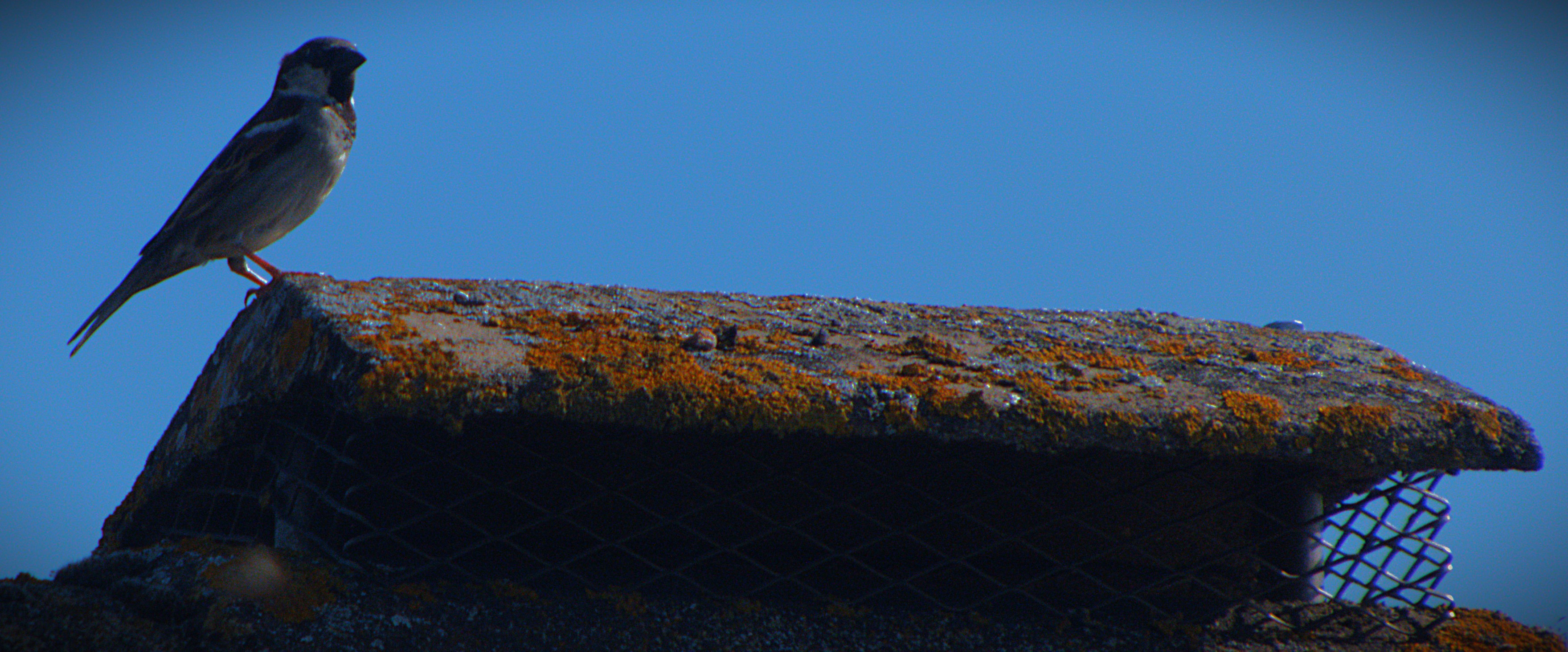
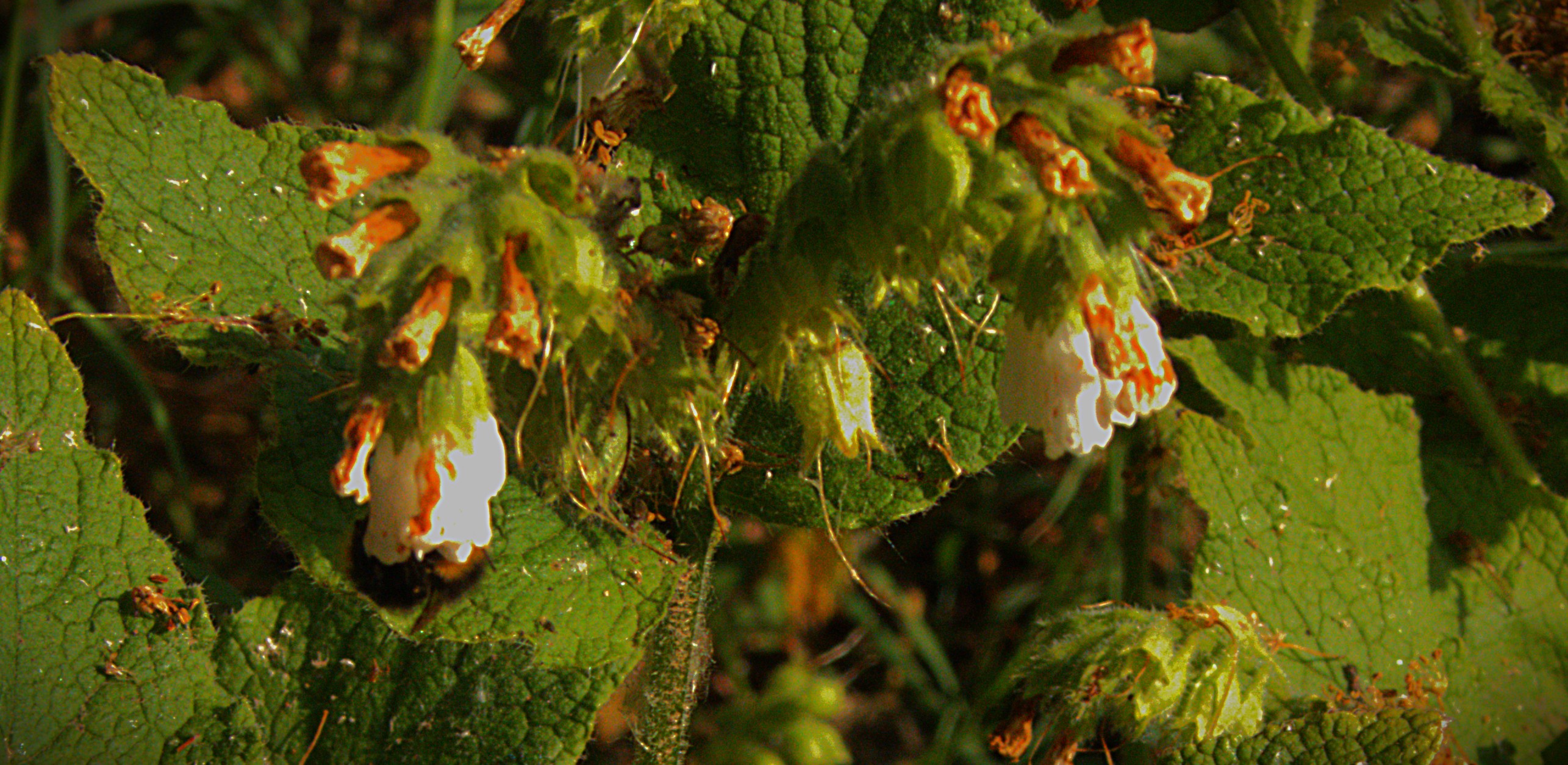
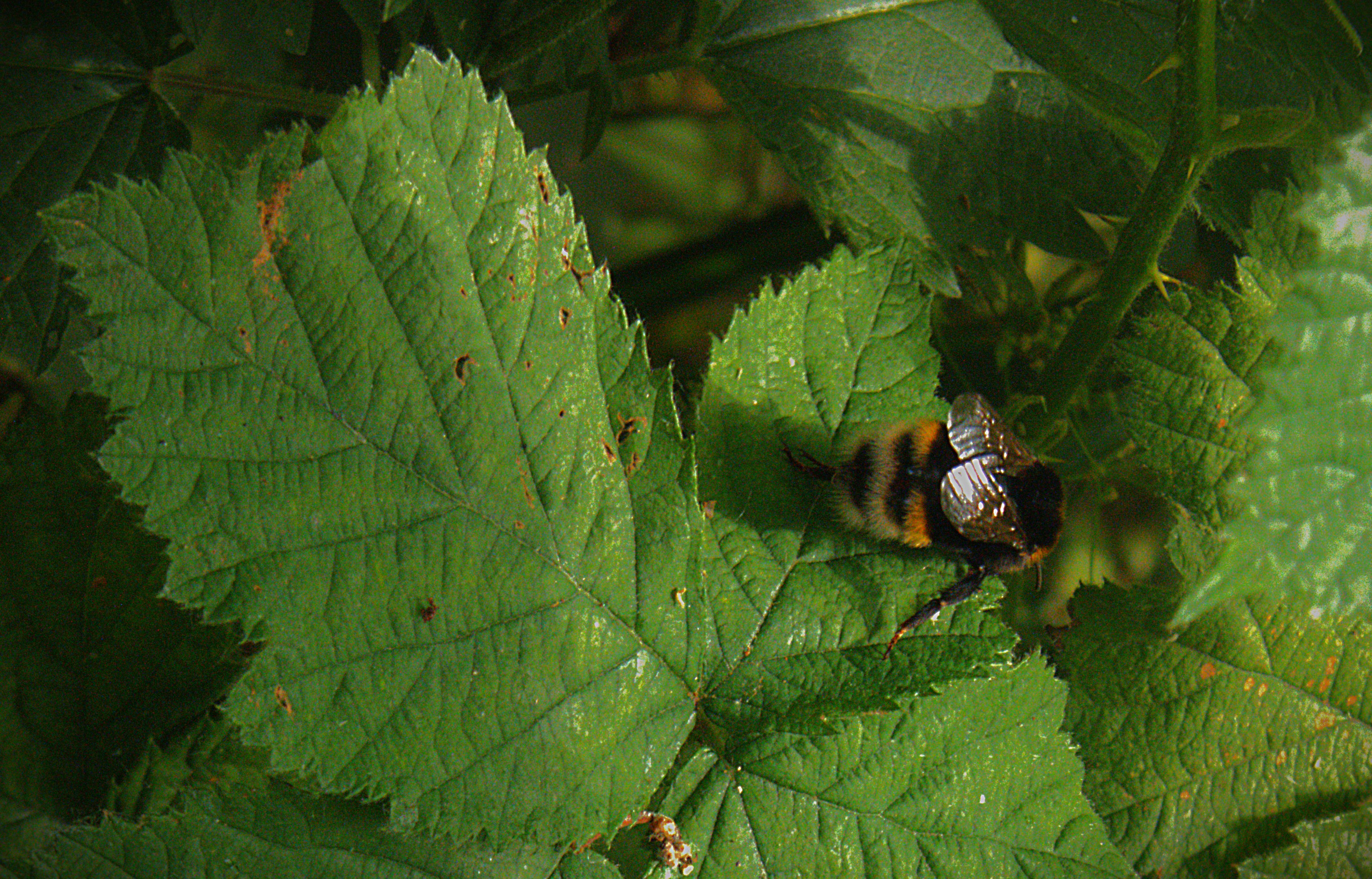
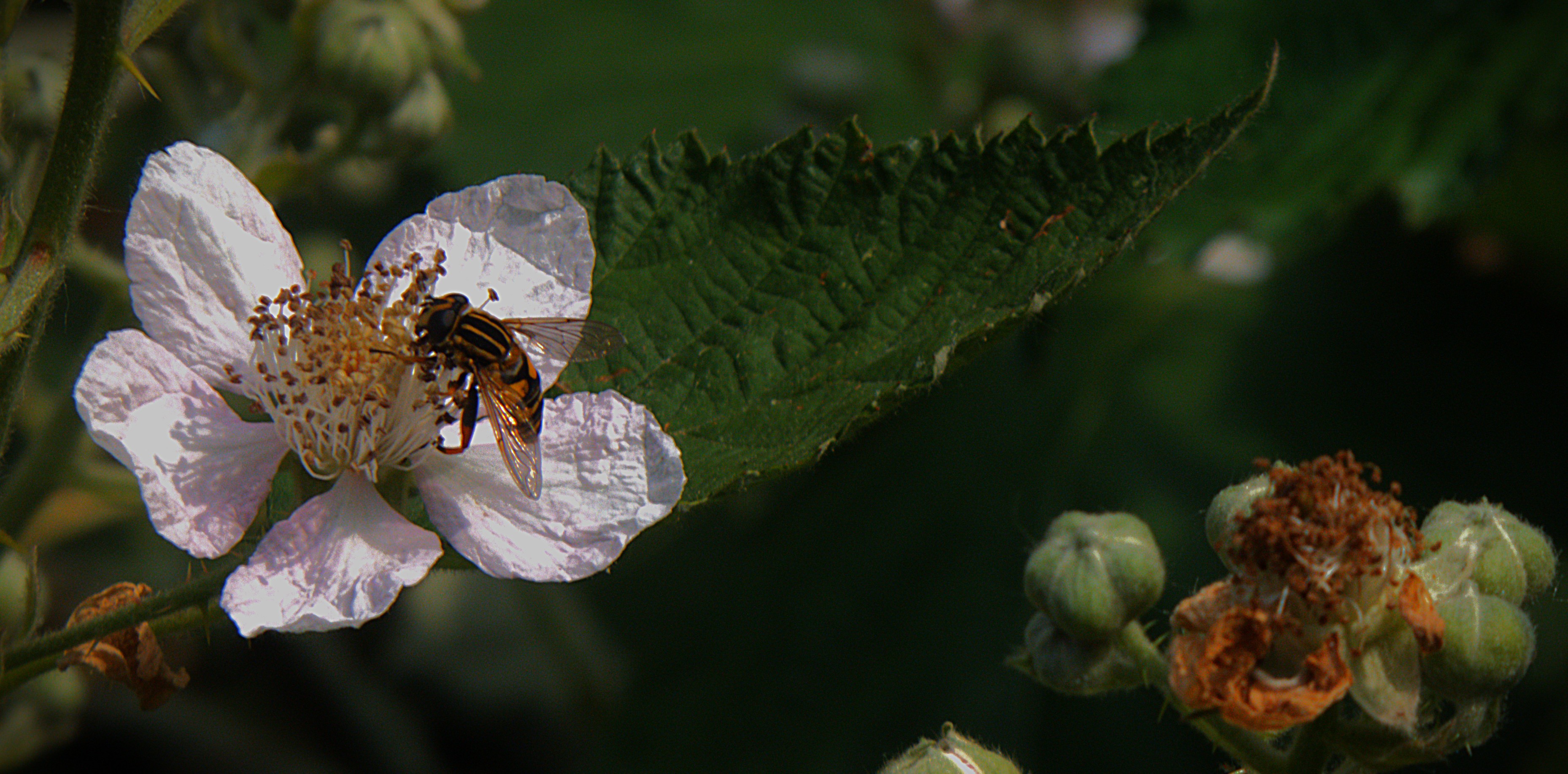
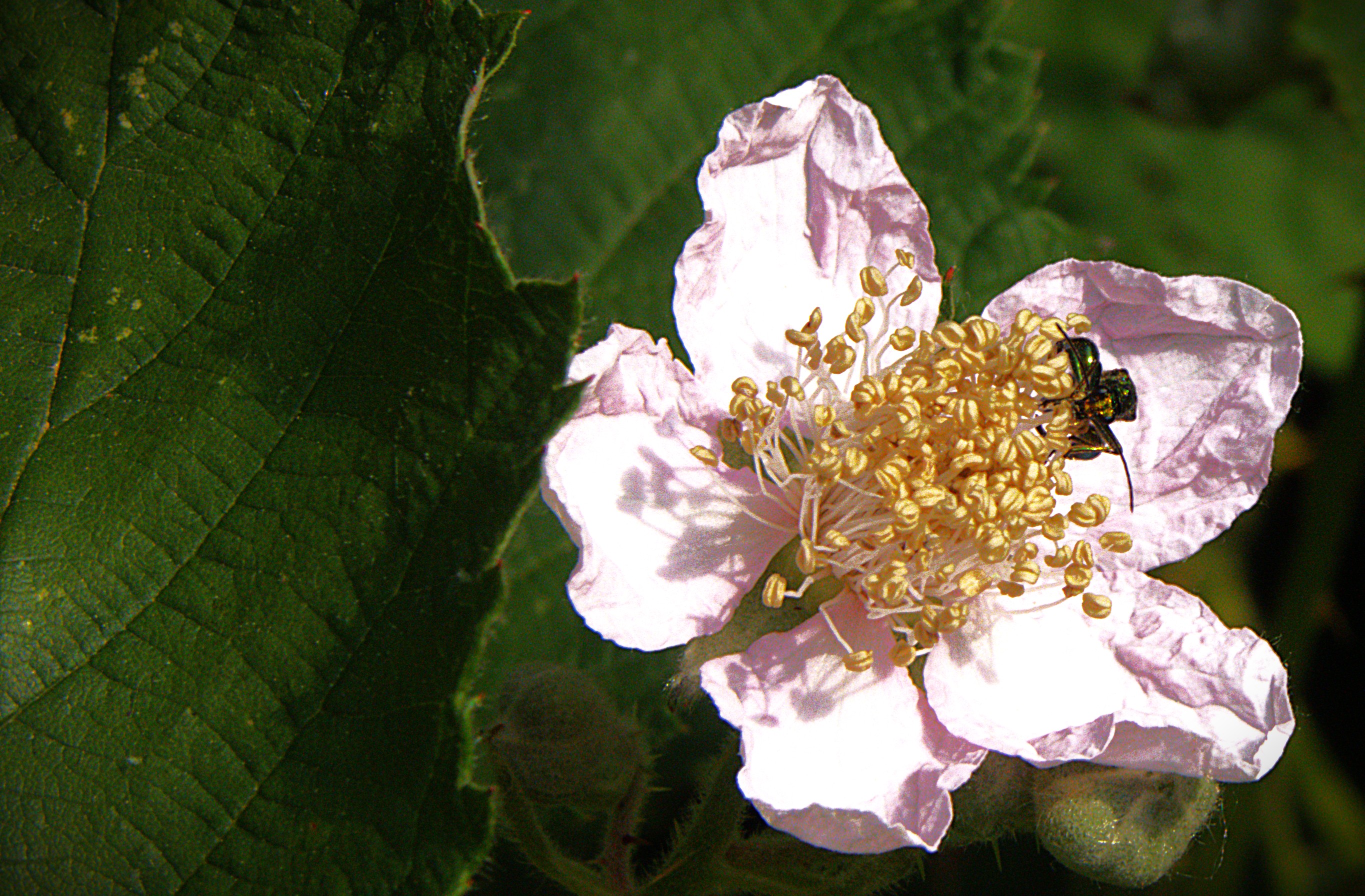
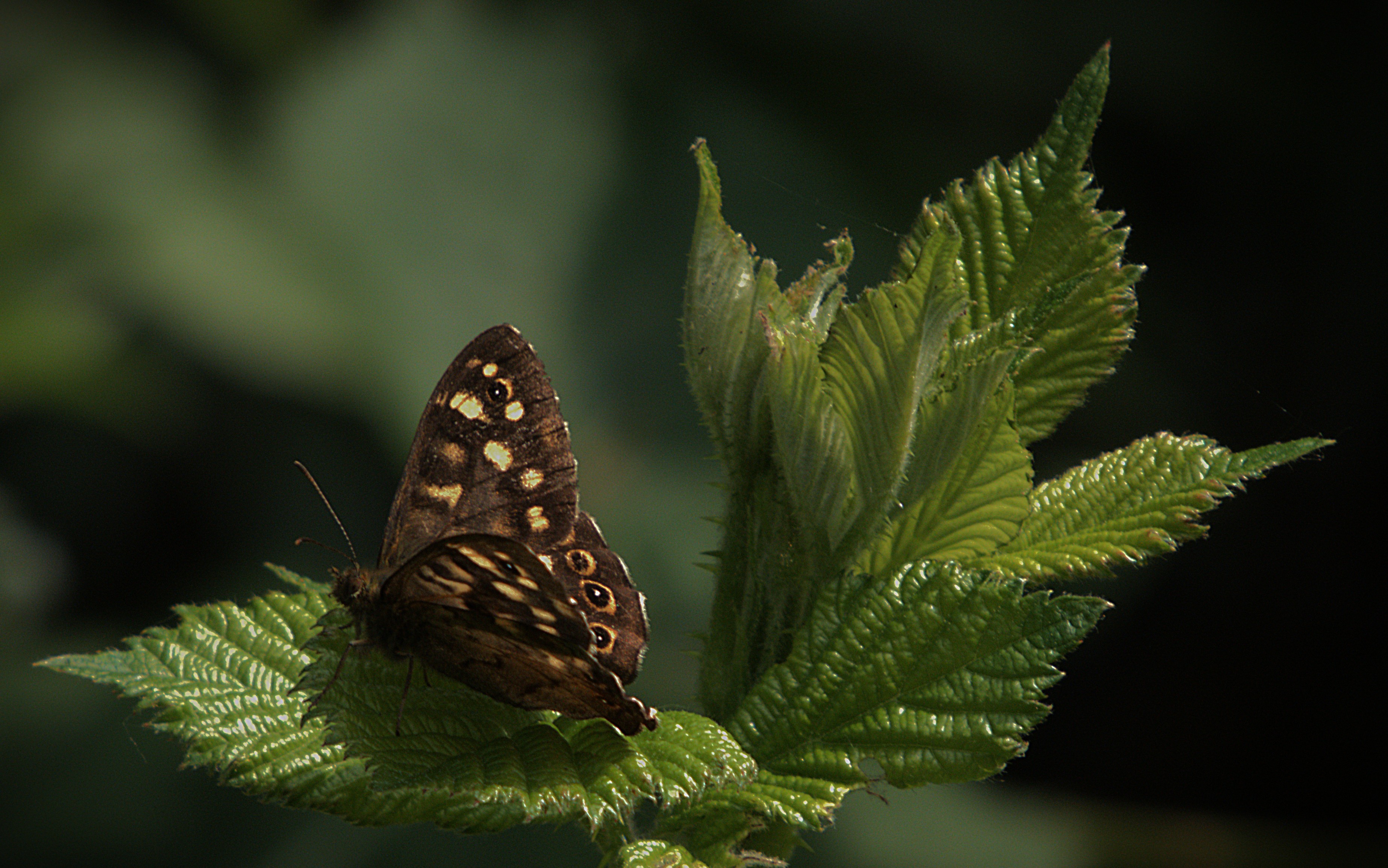
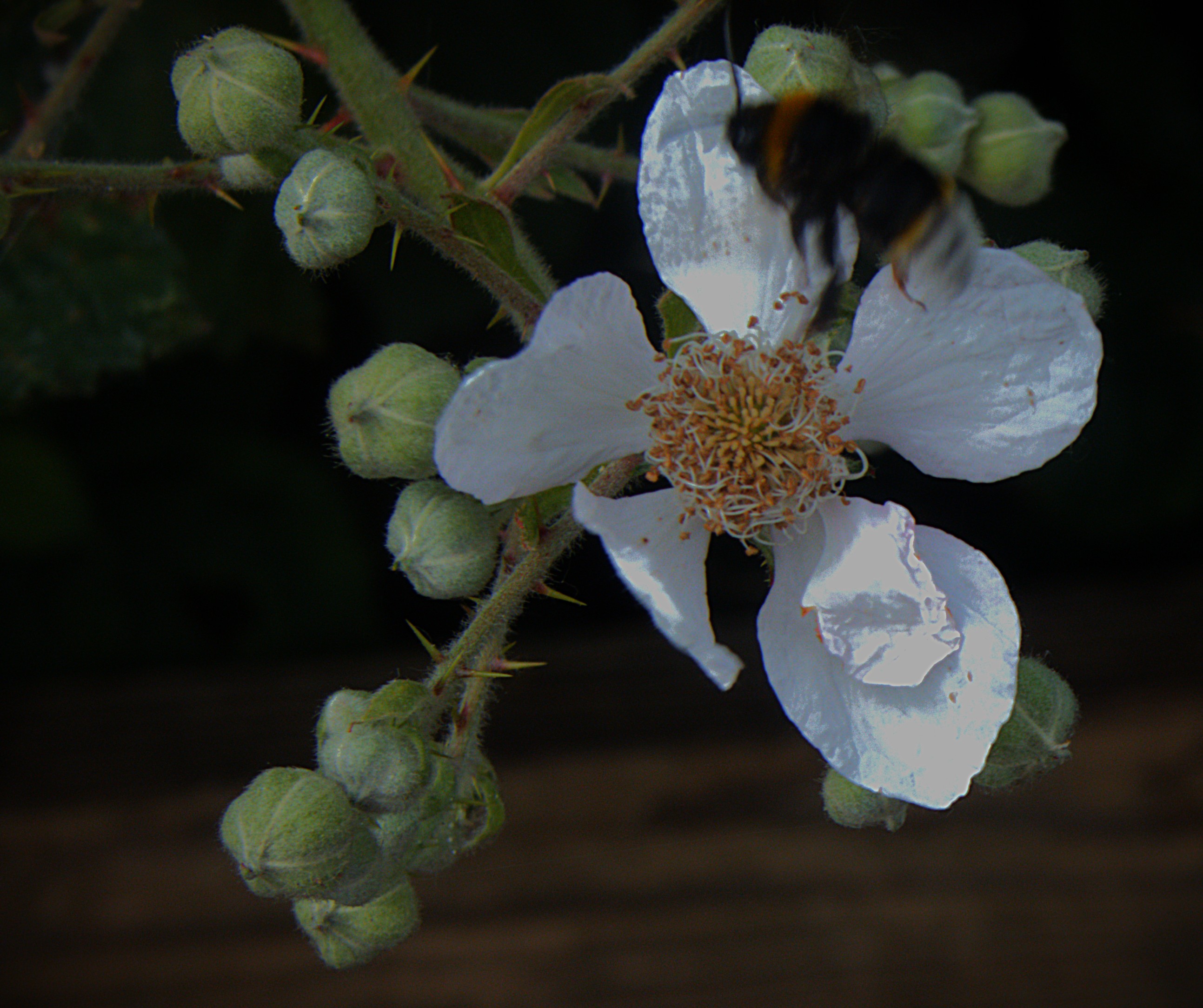
A hummingbird hawkmoth extracting nectar from a buddleia plant……and close up in all its glory.It rained lightly but persistently yesterday morning, and that brought the snails out in force.This red admiral has seen better days.goldfinches on a roof.This feather, which I saw lying near the Gaywood river at Kettlewell Lane Park originally belonged to a blue jay.Two bumblebees enjoying the same buddleia head.A painted lady rests on a patch of gravelA gatekeeper oblingly spreads its wings.
An account of how the first women’s test match to be staged at Lord’s panned out and a photo gallery.
Just after 12:30 UK time Sneh Rana bowled Sophie Ecclestone who had fought hard to complete her maiden international half century and England were all out for 186 in their second innings, giving India victory by 270 runs in a match they had dominated pretty much from start to finish. This post looks back at the developments in the later stages of the match.
THE INDIAN SECOND INNINGS
India led by 115 on first innings, and by the end of day two had extended that by a further 154 runs for the loss of Shafali Verma. Although Sophie Ecclestone toiled hard for England and was ultimately rewarded by becoming the first English woman to gain a place on the test match honours board at Lord’s India were always in control, and Yastika Bhatia became the first woman to get on the batting honours board at the ground when she reached her maiden international hundred. Later, when the only question was exactly when India would opt to declare Richa Ghosh racked up a rapid half-century. It was her getting to that landmark that heralded the declaration at 341-7, 456 ahead. This was over 200 more than any side had made in the fourth innings to win a women’s test match, and 38 more than the men’s all time record of 418. Ecclestone’s final figures deserve a mention: 33.3-4-118-5. Lauren Bell was highly economical, but Lauren Filer leaked runs at over five an over while going wicketless, and Issy Wong, also wicketless, was nearly as expensive.
TWO BADLY TIMED ANNOUNCEMENTS
This day saw two announcements that for my money should not have been made at such a time. I have some sympathy with Heather Knight’s snap decision to join Tammy Beaumont in international retirement, but the announcement of this decision was definitely mistimed. The other big announcement was inexcusably timed on the part of the ECB: they chose the penultimate day of this historic women’s test match to reveal that they had axed Brendon McCullum as coach of the men’s test side. This was an announcement that should definitely have been held back until after this match had been completed. We should have been hearing about this on Wednesday, no matter that it happened on Sunday.
THE REST OF DAY THREE
The England innings had a shocking start when Tammy Beaumont in her last international innings suffered the only golden duck of her great career, bowled by an absolute beauty from Kranti Gaud. The Indians gave Beaumont a guard of honour as she left the field for the last time in international cricket. That brought the other retiree, Knight, to the crease. It was the other opener, Maia Bouchier, who was next to go, pinned LBW by the other Indian new ball bowler Sayali Satghare for 2. Off spinner Sneh Rana clean bowled England skipper Sciver-Brunt for 11 to make it 23-3. Fourth out was Knight, caught by Ghosh off Gaud for 13. Alice Capsey and Amy Jones showed signs of fighting spirit until Satghare found a way through Capsey’s defences, bowling her for 21. That brought in Mady Villiers, whose off spin had certainly been less effective than Charlie Dean’s would have been. Villiers did bat decently, but just before the close a freak catch by Ghosh did for her. Villiers hit a ball from Rana fiercely, Ghosh, close in at mid off, grabbed at the ball as it was passing her and it stuck. That was 126-6, and by the end of day three Jones and Ecclestone had added another four runs to the score.
THE LAST RITES
The powers that be had got one thing right yesterday: they had announced that admission would be free today, which meant that decent numbers showed up for what could end up being very little cricket. That eventuality gained in probability when Amy Jones was caught by Verma off Rana for 54 to make it 135-7 very early on. Jones had scored two fifties in the match, the first keeper to do so in a women’s test match, and at the time she was out they were the only two fifties for England in the match. Wong, who had had a poor time with the ball in this match, showed some heart by holding out for 33 balls in support of Ecclestone until Deepti Sharma bowled her for 1. That was 157-8, and not very long later it was 159-9, with Lauren Bell bowled by Sharma for a ten ball duck. Lauren Filer was in serious jeopardy of losing her wicket three times in her first five balls, but settled in to support Ecclestone who was batting well. Ecclestone’s innings included that rarity, an all-run four. This meant that when she reached 50 off her 61st ball care was needed – although there were seven fours in her 50 runs only six of them were actually boundaries (veteran commentator Alison Mitchell, from whom mistakes are usually rarer than hens teeth, was caught out by this detail). Then came Sneh Rana’s match ending delivery, and it remained only to settle Player of the Match. There were three candidates: Gaud for her five cheap wickets that tore apart the first England innings plus the scalps of Beaumont and Knight early in the final innings to put England right on the back foot; Bhatia for that century and her wicket keeping, and Mandhana who had scored twin fifties opening the batting for India. It was Kranti Gaud, who, rightly in my opinion, got the verdict.
A look at developments in the first women’s test match ever to be played at Lord’s, a video and a photo gallery.
Yesterday morning a test match between the England and India women’s teams, at Lord’s, the first time a women’s test match has been played at that ground (a mere 89 years behind the other big London ground, The Oval, which staged the final match of the 1937 Women’s Ashes). With many ex-players present for the great occasion (from former world cup winner Alex Hartley, in her 30s and part of the commentary team as well to Enid Bakewell, some five decades older and still in full possession of her faculties) England won the toss and opted to bowl first. This post looks at developments so far in this match.
THE INDIAN INNINGS
For much of the day it looked as though India were headed for big score, but in the end they were held to 285. Sophie Ecclestone took the last three wickets in the space of six balls, in the process going past Katherine Sciver-Brunt to become England’s leading all format wicket taker. She is also the leading test wicket taker among current England bowlers, and sits third in the all time all format wicket takers list behind two Indians, the retired Jhulan Goswami and Deepti Sharma, also playing in this match (contributed a 50 to the Indian cause). Goswami’s record will be going in the not too distant future to one or other of these contemporary greats. Ecclestone is the younger of the pair, 27 years old to Deepti Sharma’s 28.
THE ENGLAND REPLY
By the end of day one England had lost veteran opener Tammy Beaumont, whose last international match this will be. They started very badly today, with overnight batters Bouchier and Knight departing quickly, and being followed in short order by Capsey. Amy Jones struck an aggressive 50 before being caught by Ghosh off Sneh Rana. Then Kranti Gaud, with three wickets already to her name already pinned England skipper Natalie Sciver-Brunt plumb in front. Because of the desperate situation the decision was sent upstairs, but it was definitively out – crashing into middle stump. That was 142-6. Ecclestone was eighth out caught behind off Sayali Satghare for 11. Shortly after that Gaud was recalled to the bowling crease, and became the first woman to claim a place on a test match honours board at Lord’s when a superb catch by Shafali Verma accounted for Lauren Bell. Her figures at that juncture were Gaud 15.2-6-33-5. Had she taken the tenth wicket of the innings and conceded 12 or fewer runs doing so she would have had the best innings figures by a woman in any international match at Lords, beating the 6-46 taken by Anya Shrubsole in the 2017 ODI world cup final. As it happened the final wicket, that of Lauren Filer, fell to Deepti Sharma, so Shrubsole’s record figures stand for now (when it comes to bowling figures in cricket the number of wickets is considered paramount, and it is only when considering hauls of the same number of wickets that the number of runs conceded becomes relevant). As it was Gaud, with final figures of 17-7-37-5 had been instrumental in securing her side a first innings lead of 115, which is likely to prove a match winning lead. Kranti Gaud is 22 years old, and as recently as 18 months ago she was not even on the Indian selectors’ radar. The other England v India match today, a men’s T20 at the Hampshire Bowl near, but crucially not actually in Southampton. got underway half an hour behind schedule due heavy traffic causing the Indian team to arrive late. That match is in its early stages, but not showing any great sign of ending the Indian men’s horror tour which has seen them reach this point with five defeats and a no-result to show for their endeavours.
PHOTOGRAPHS
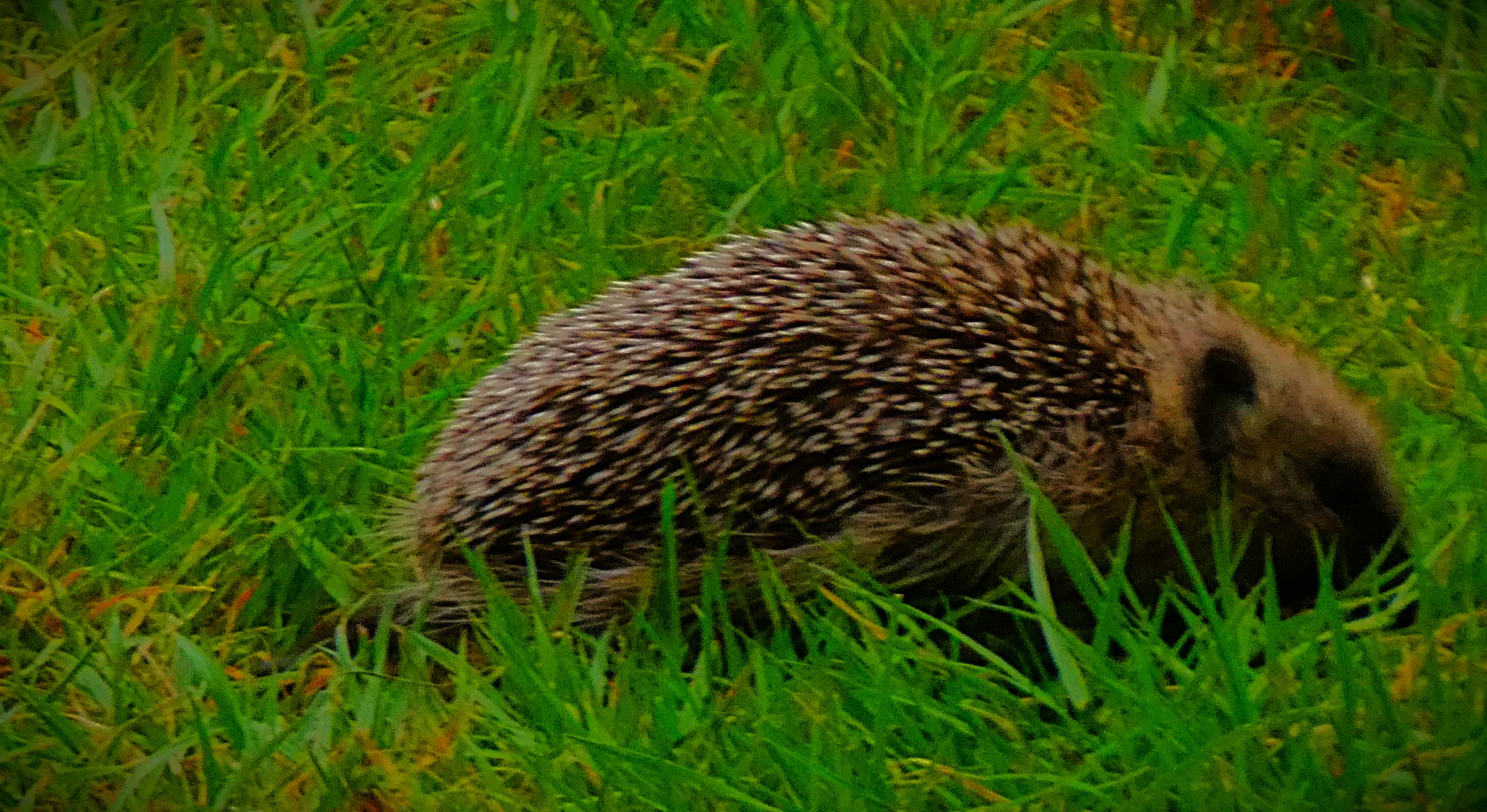
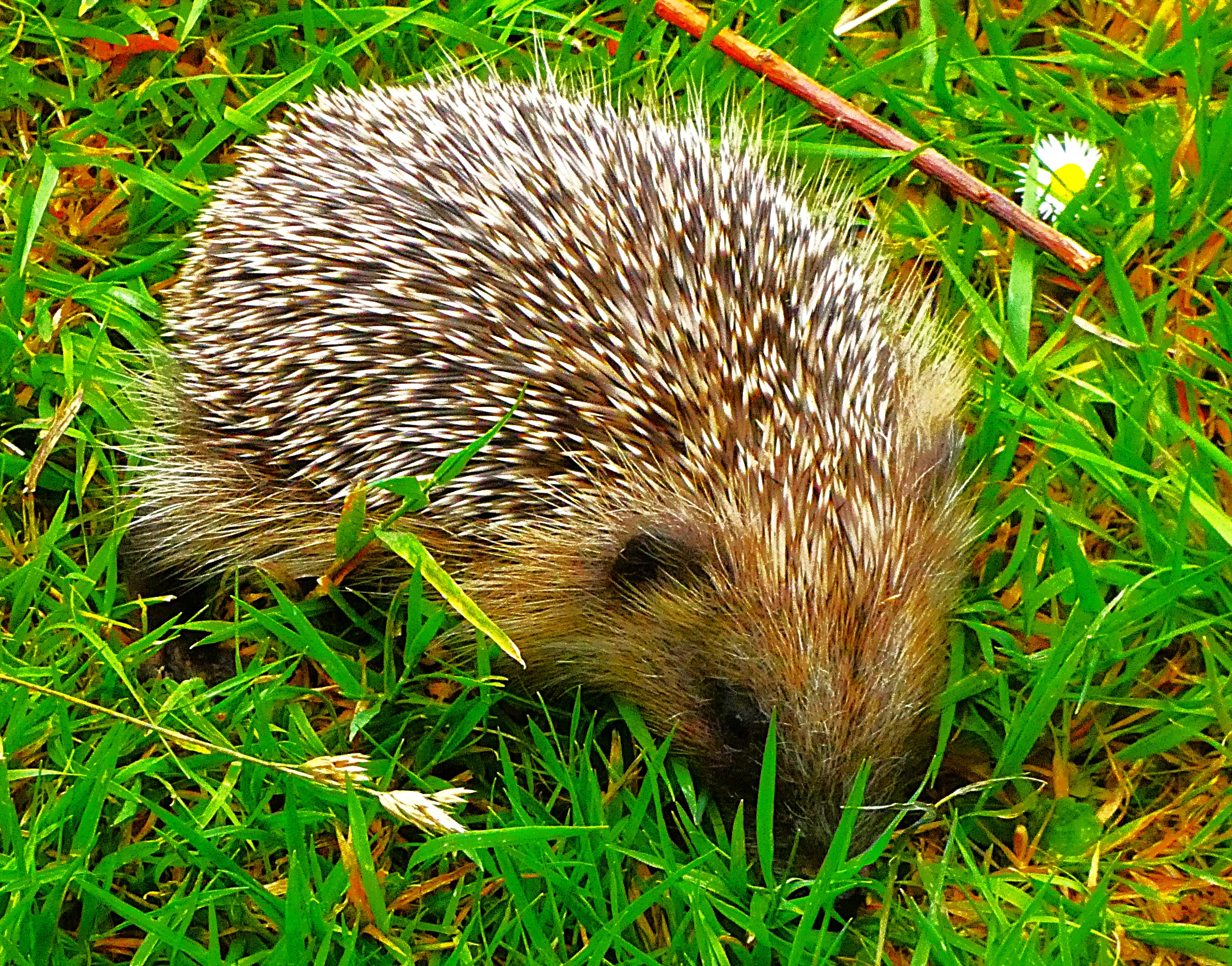
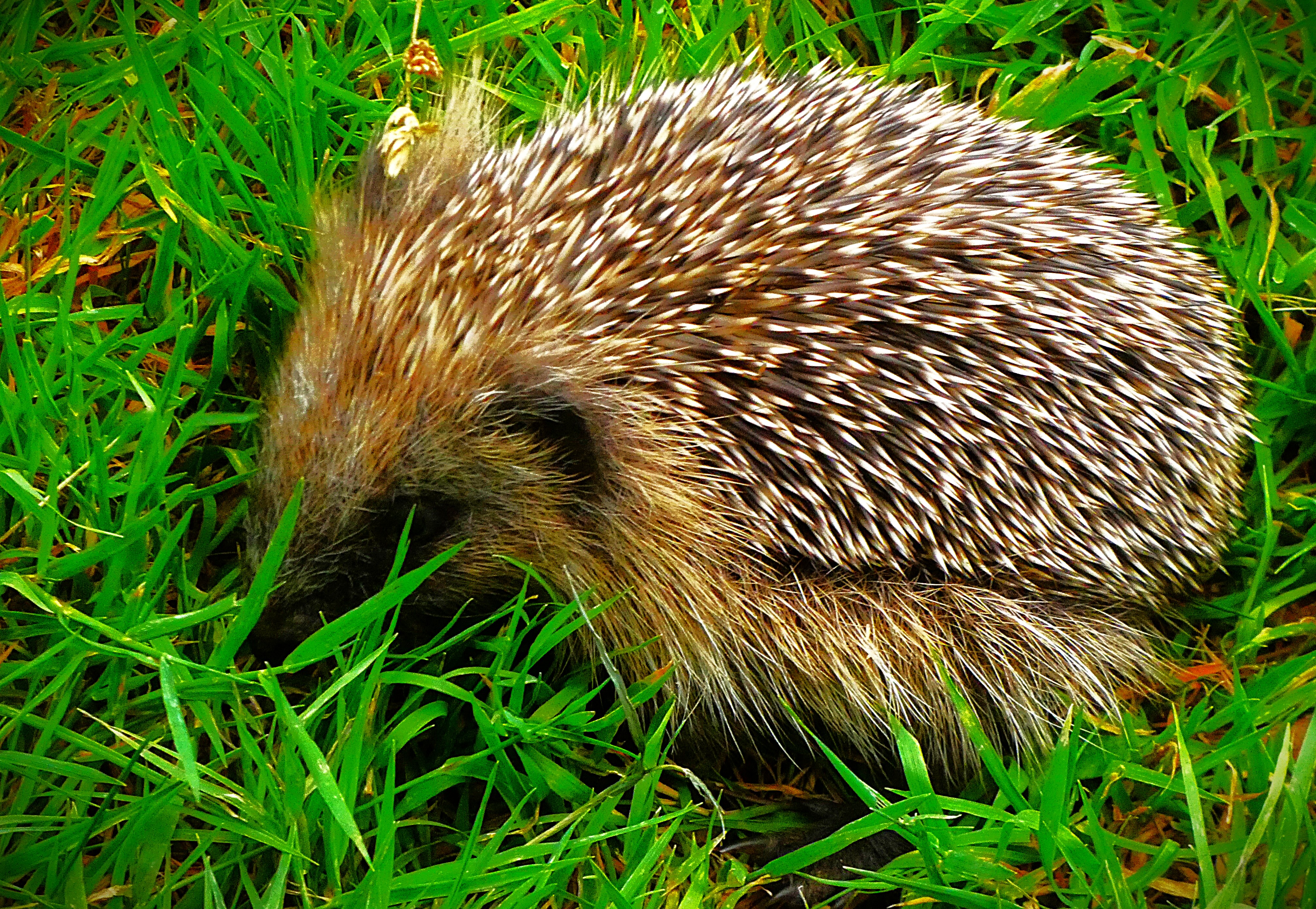
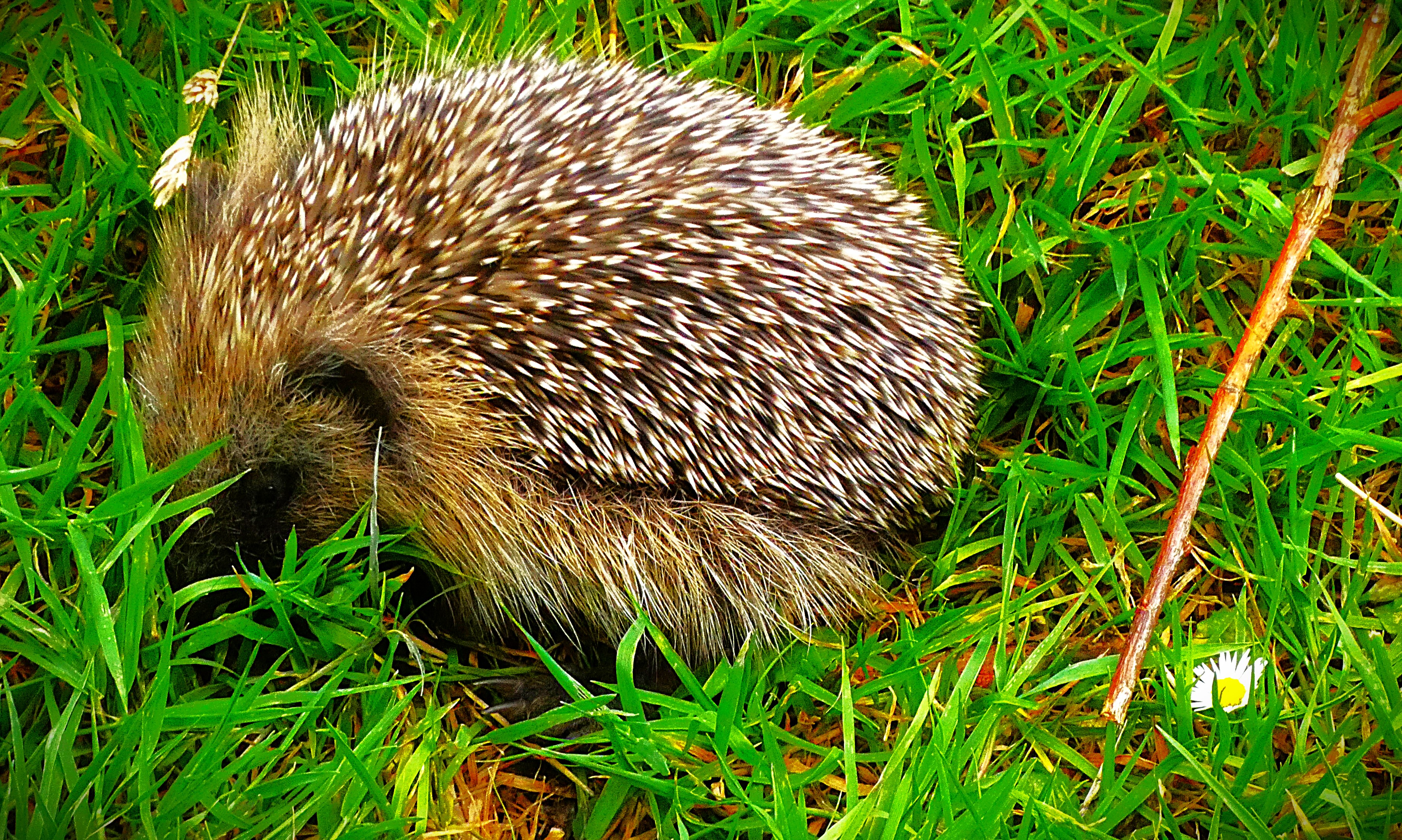
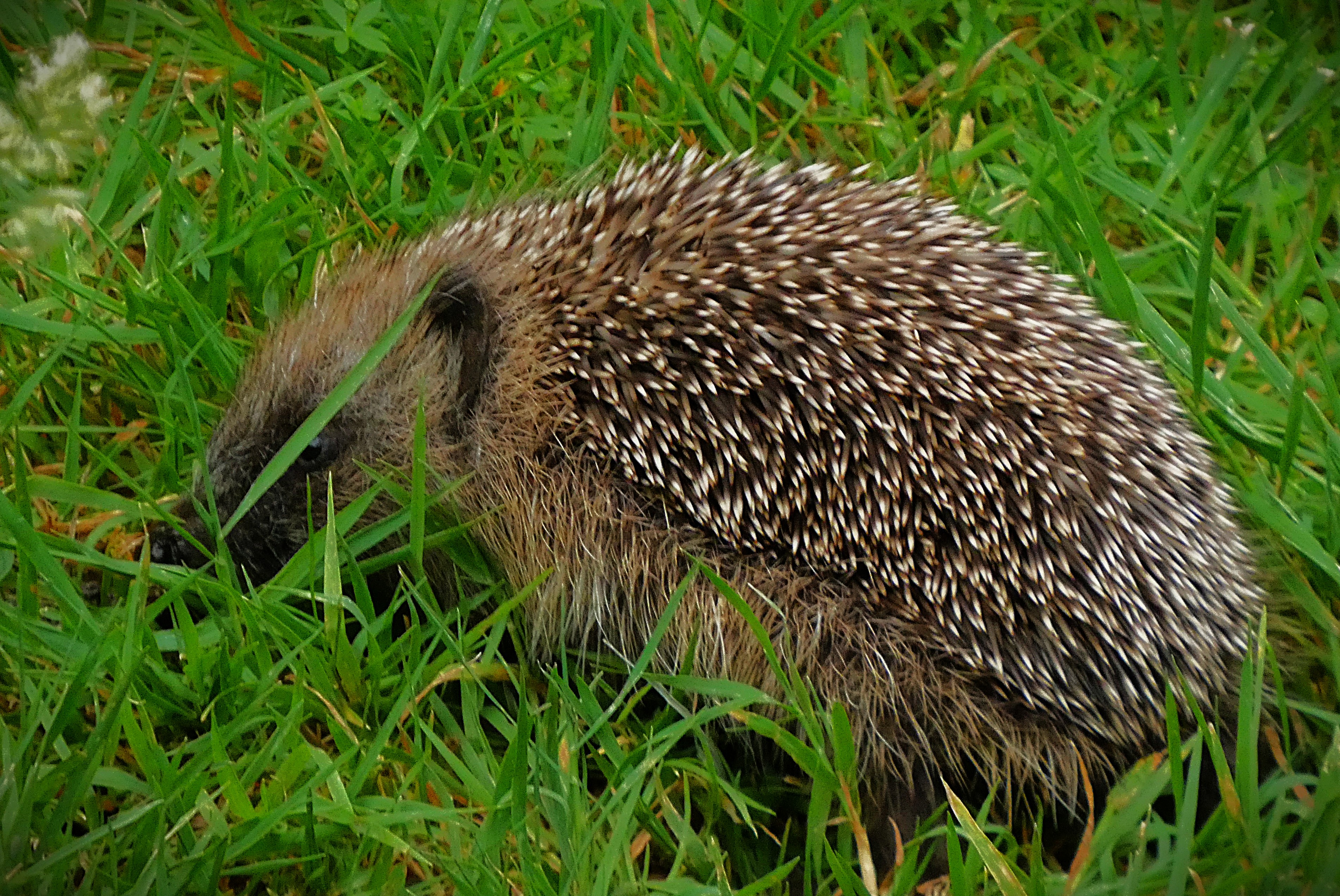
We start with a short video of a small hedgehog which was in the grass at Kettlewell Lane Park this morning:
Now for the photos…
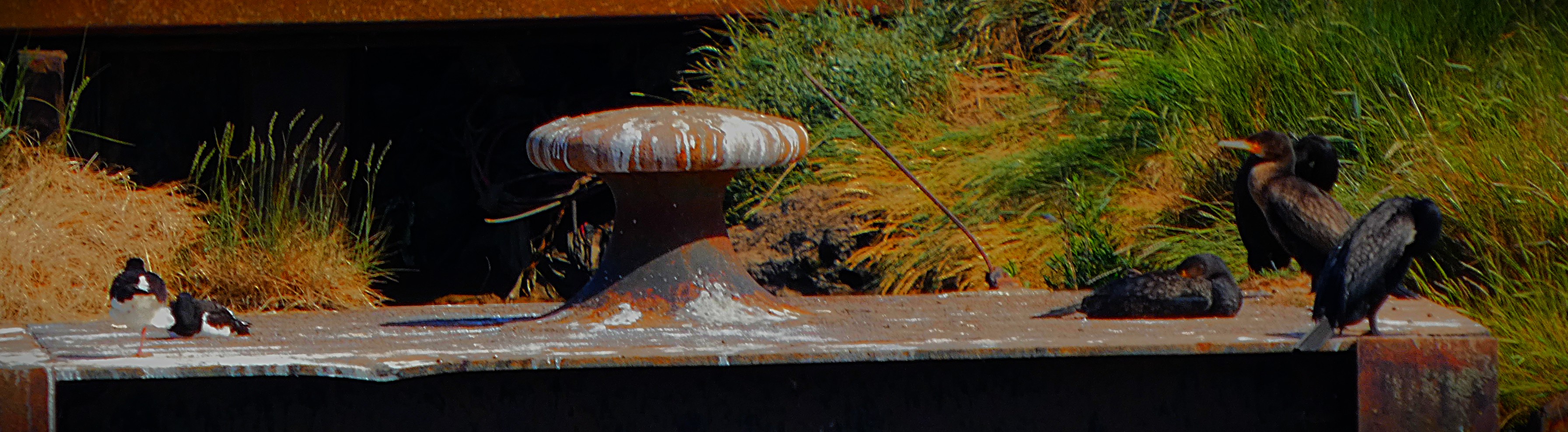
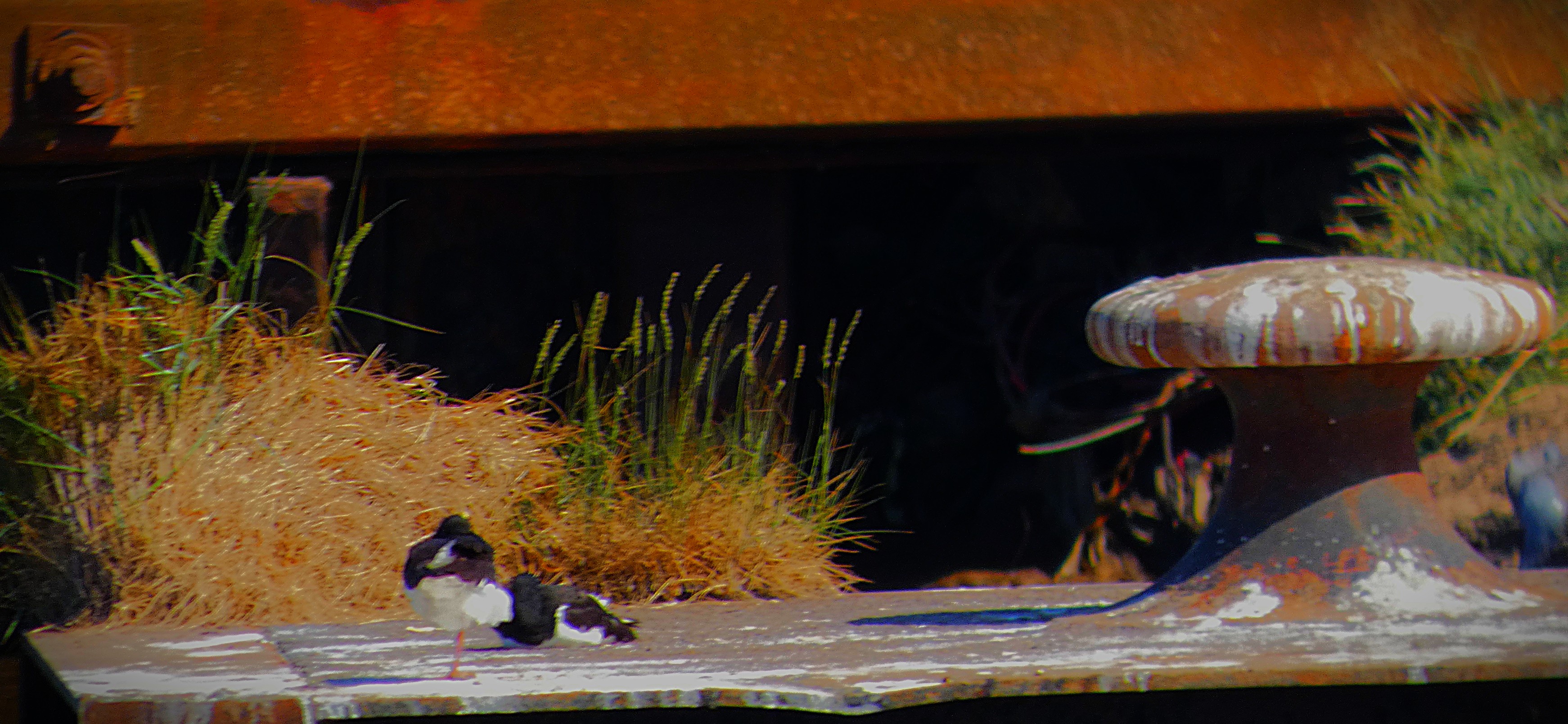
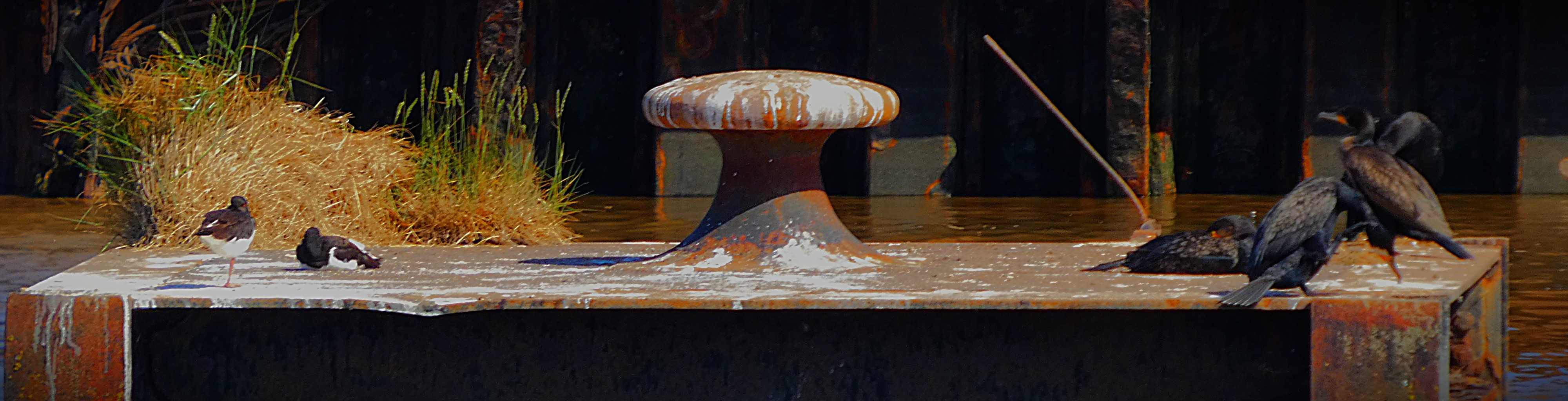
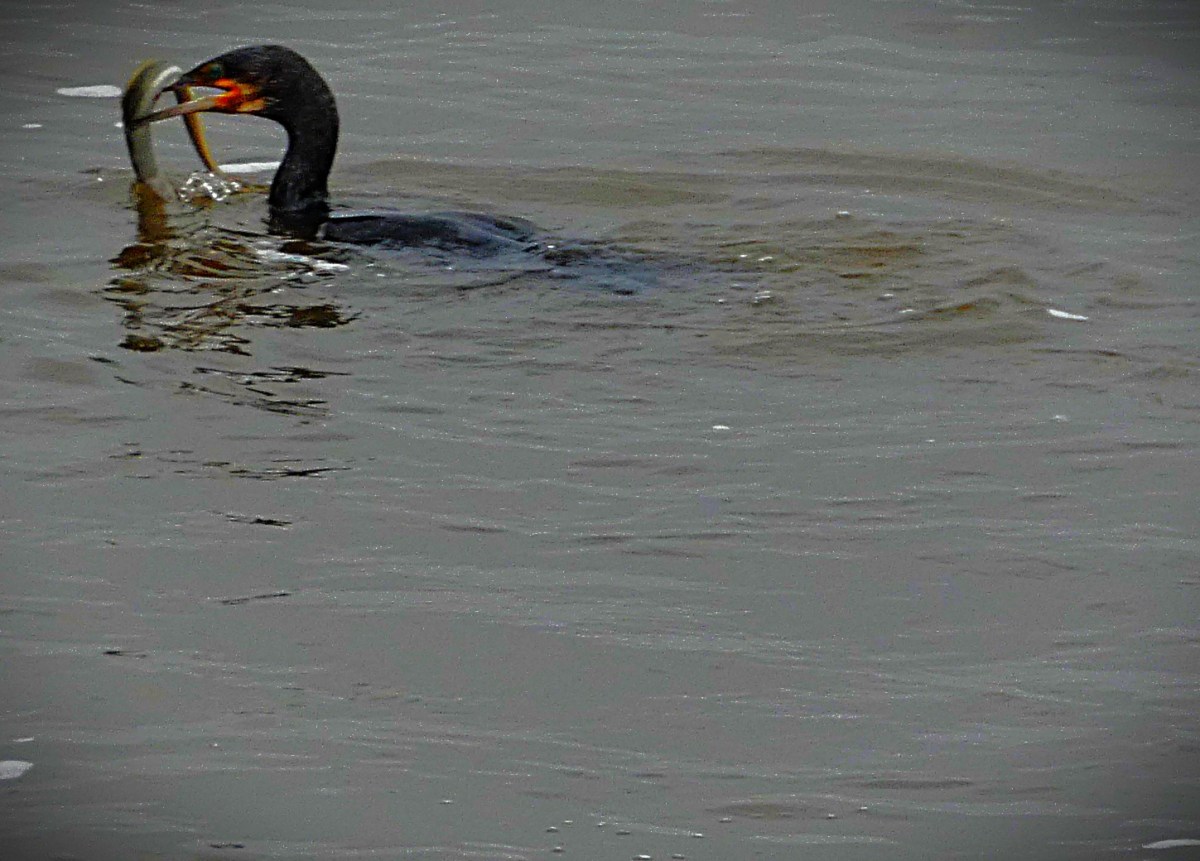
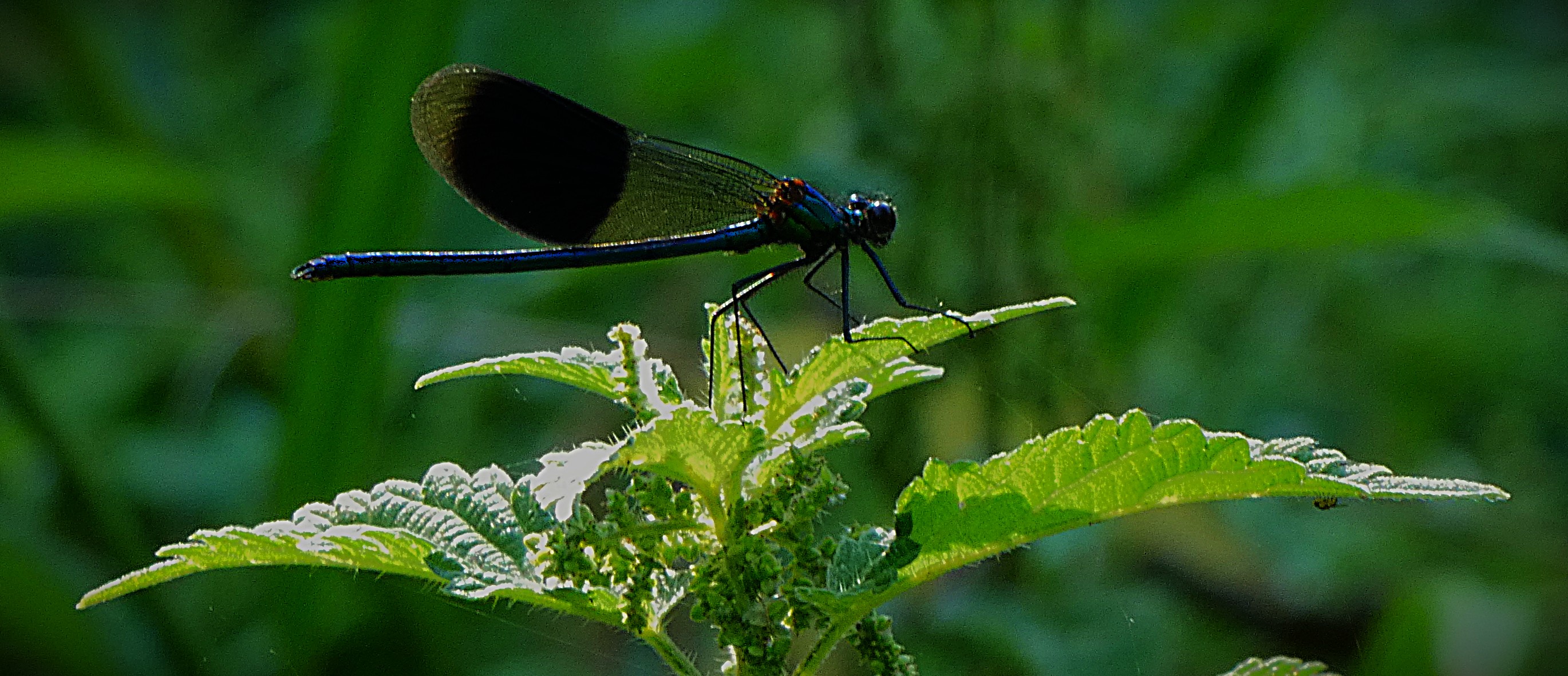
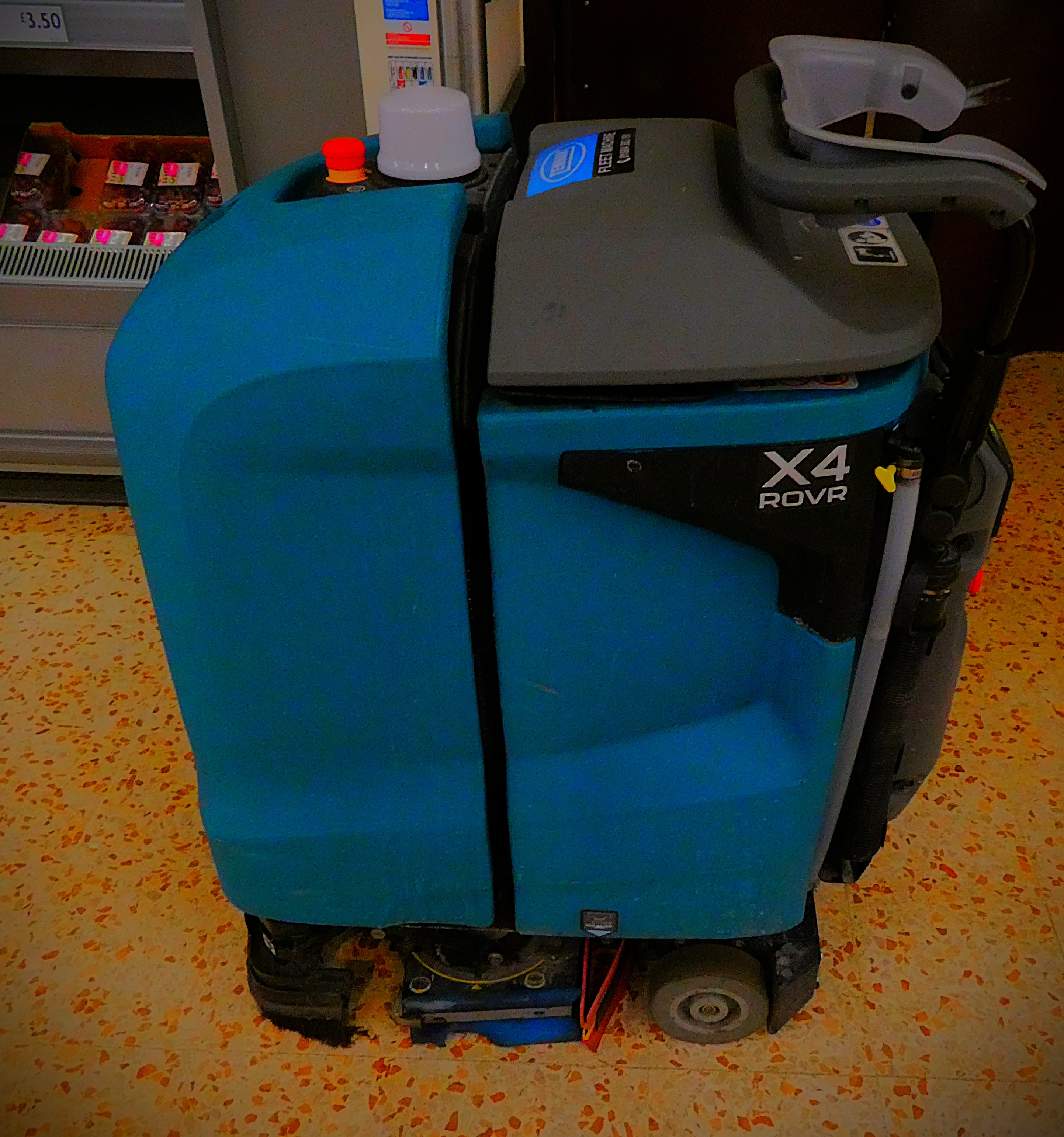
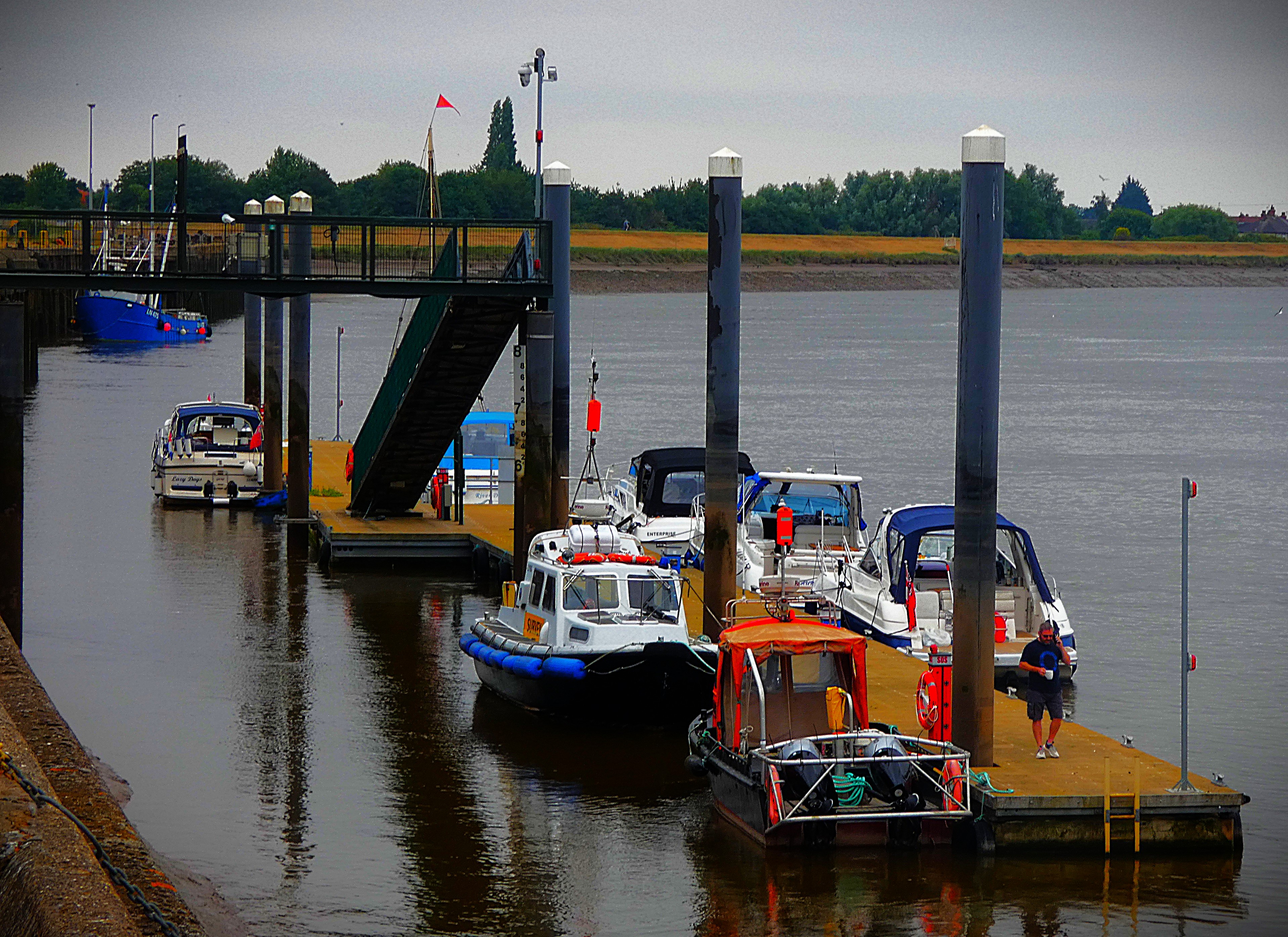
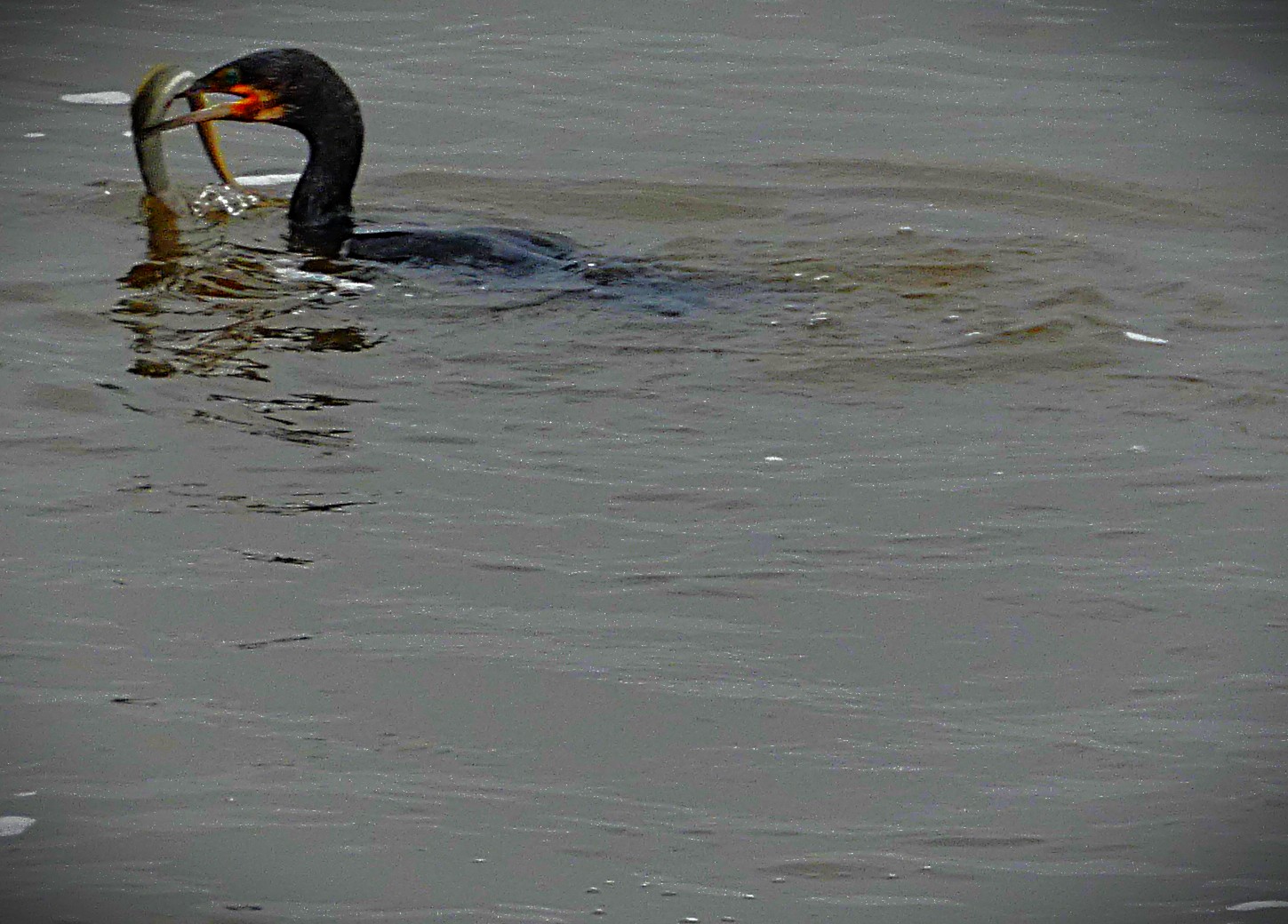
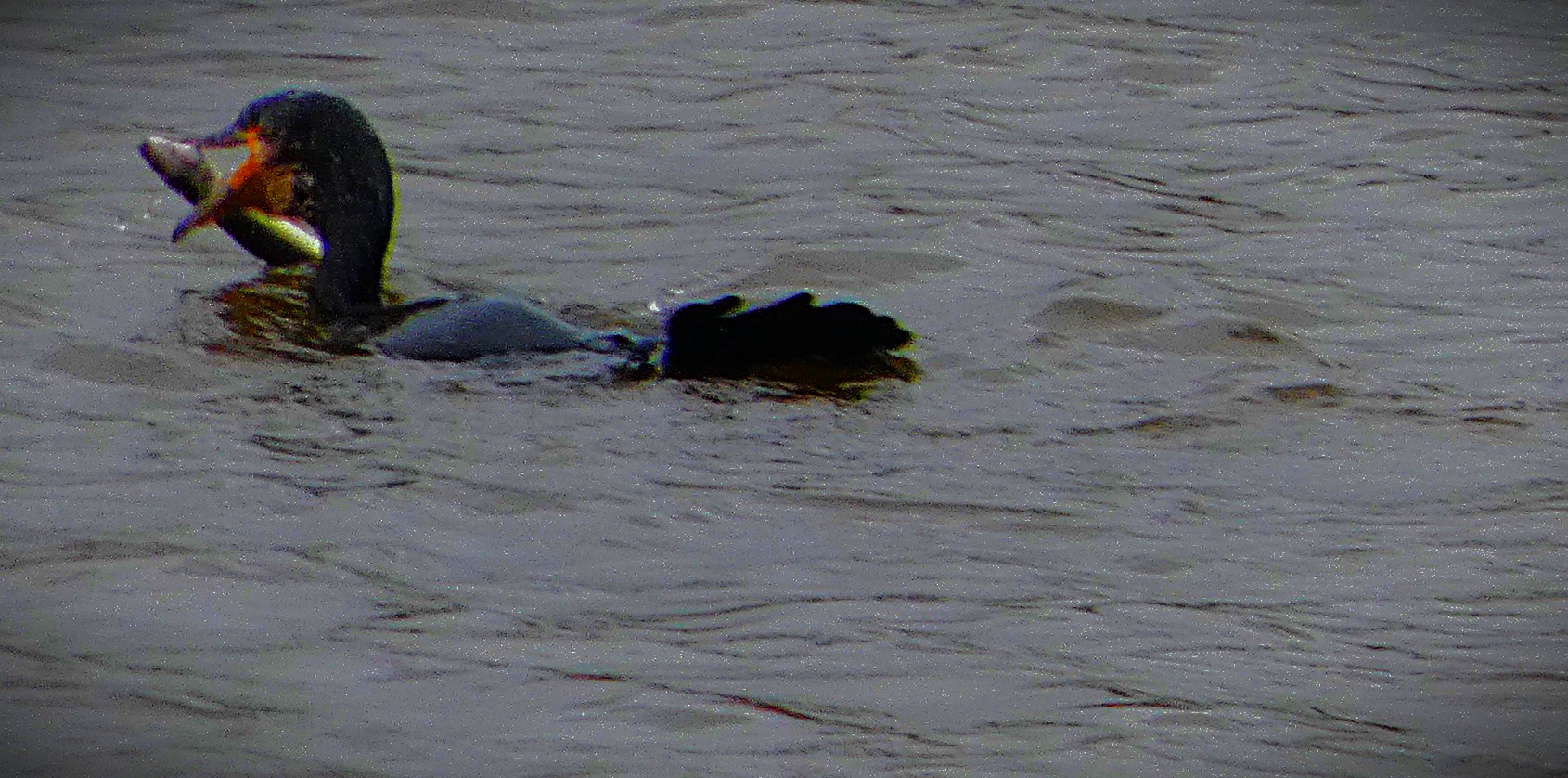
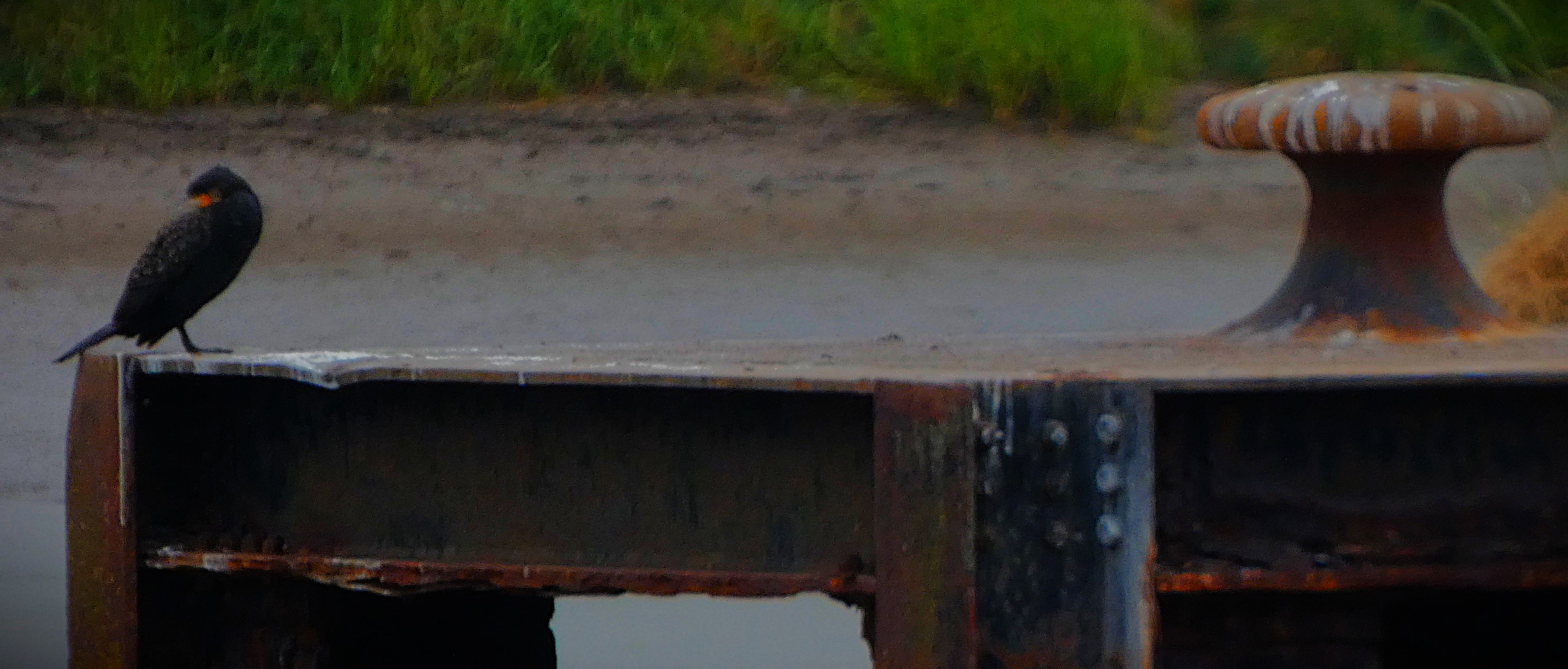
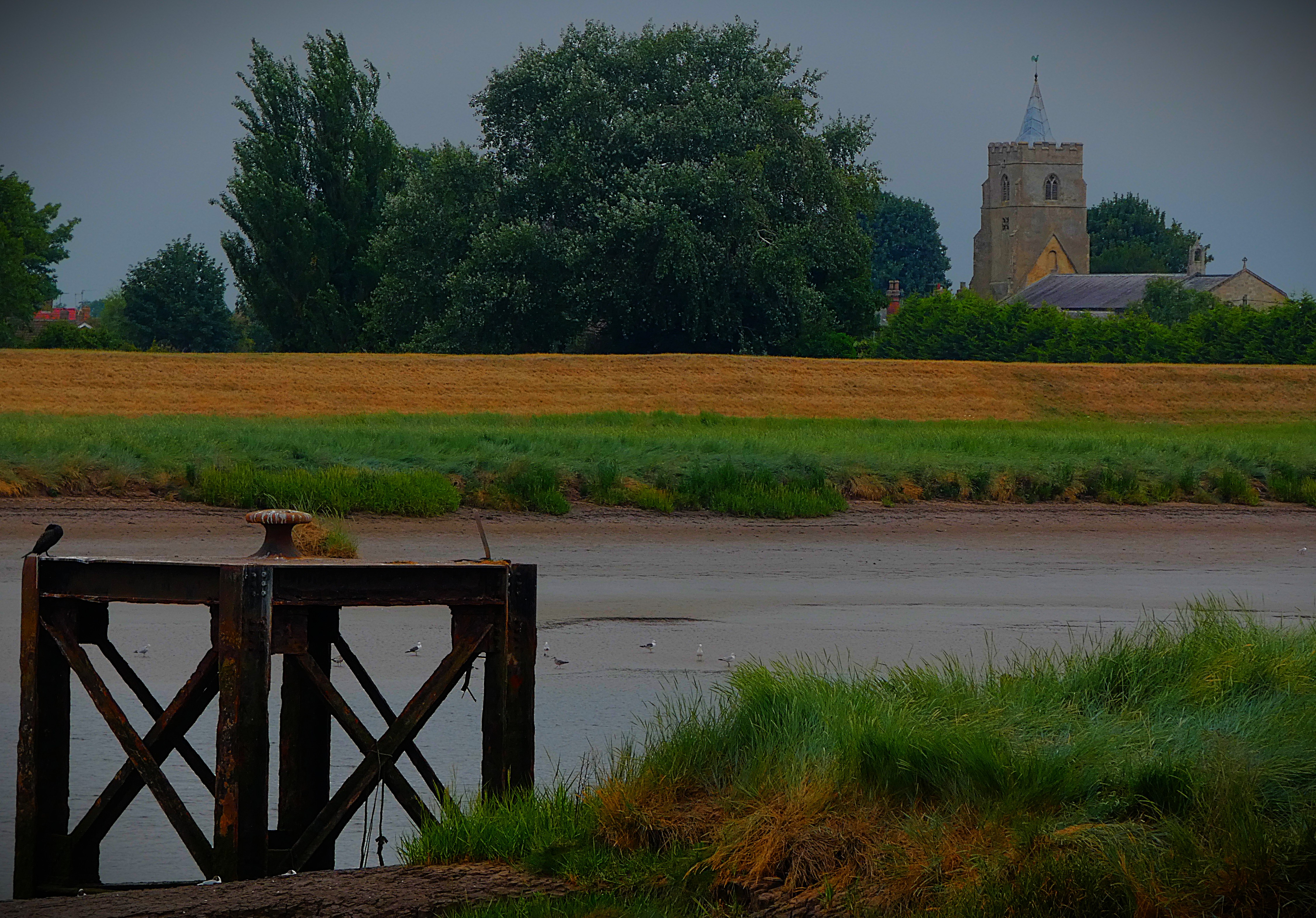
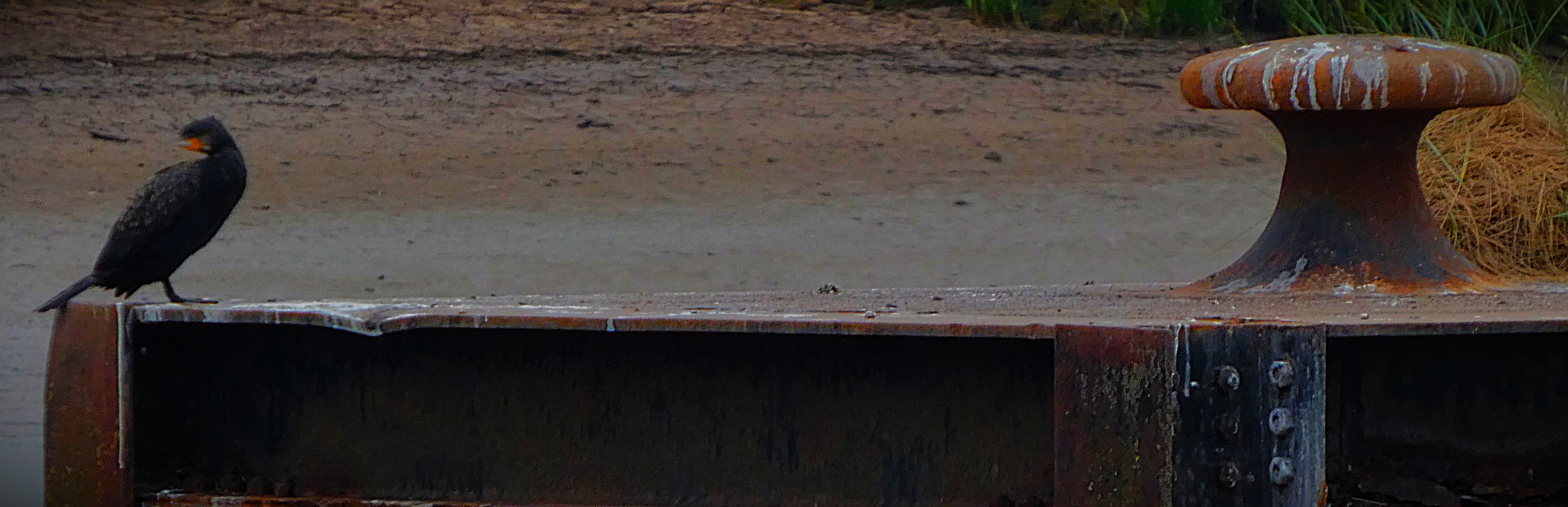
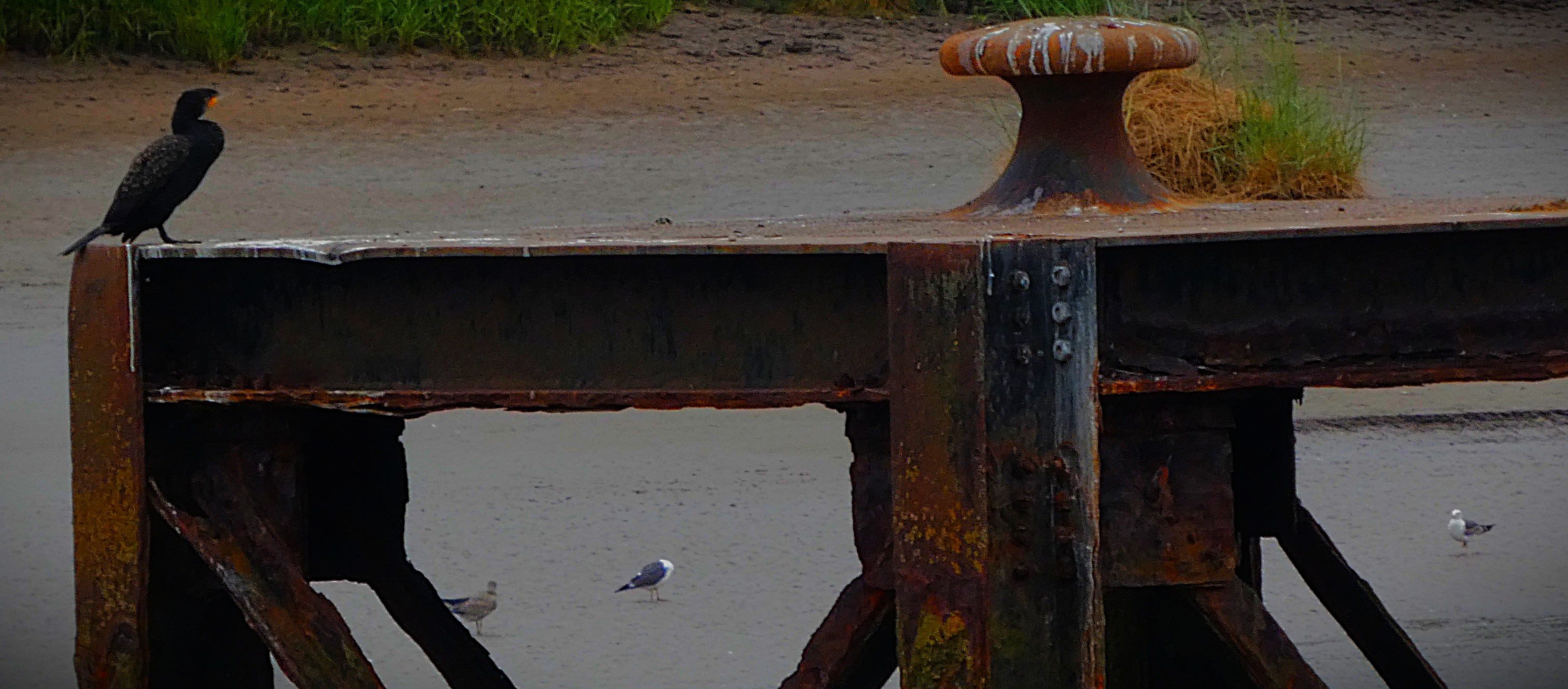
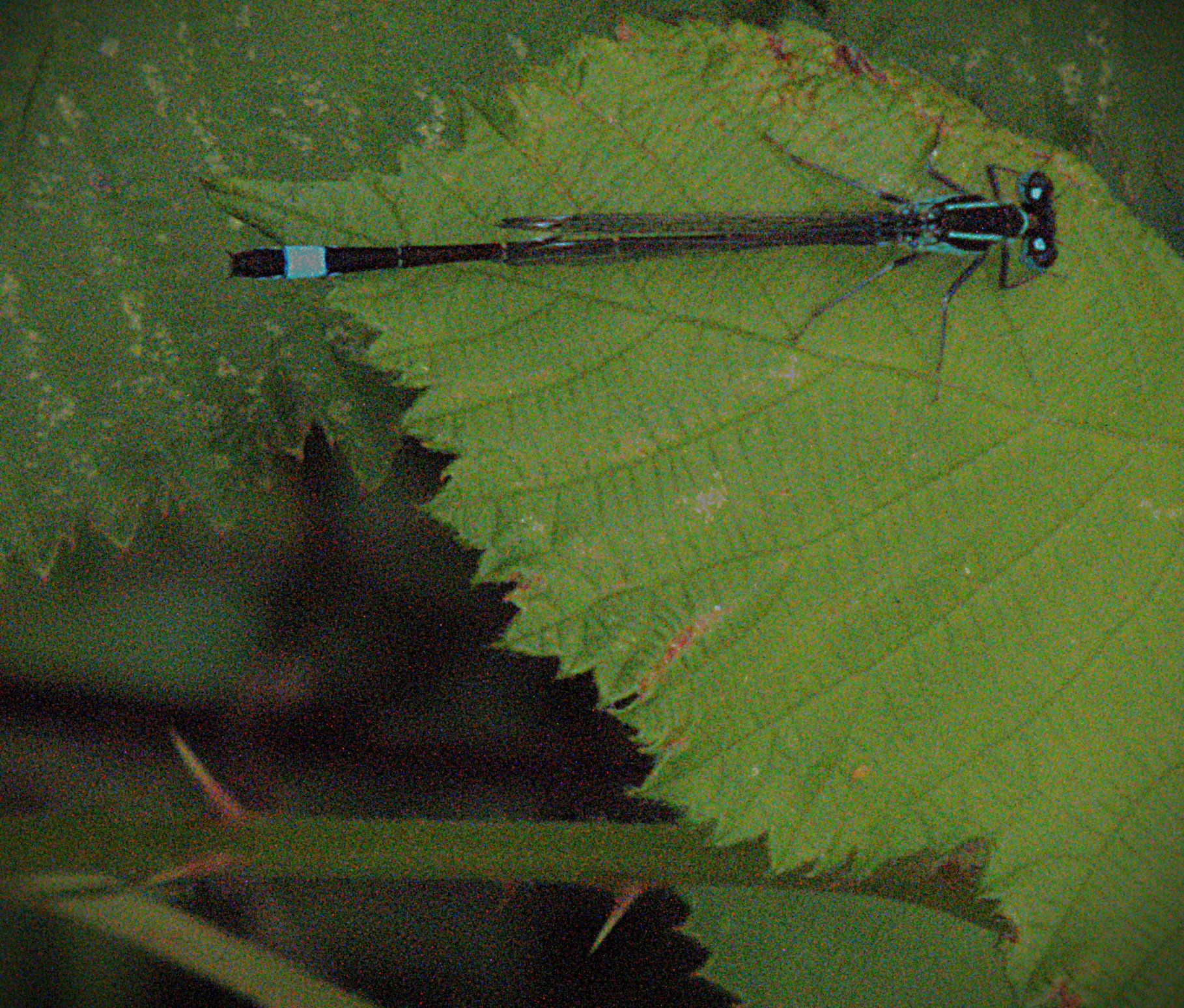
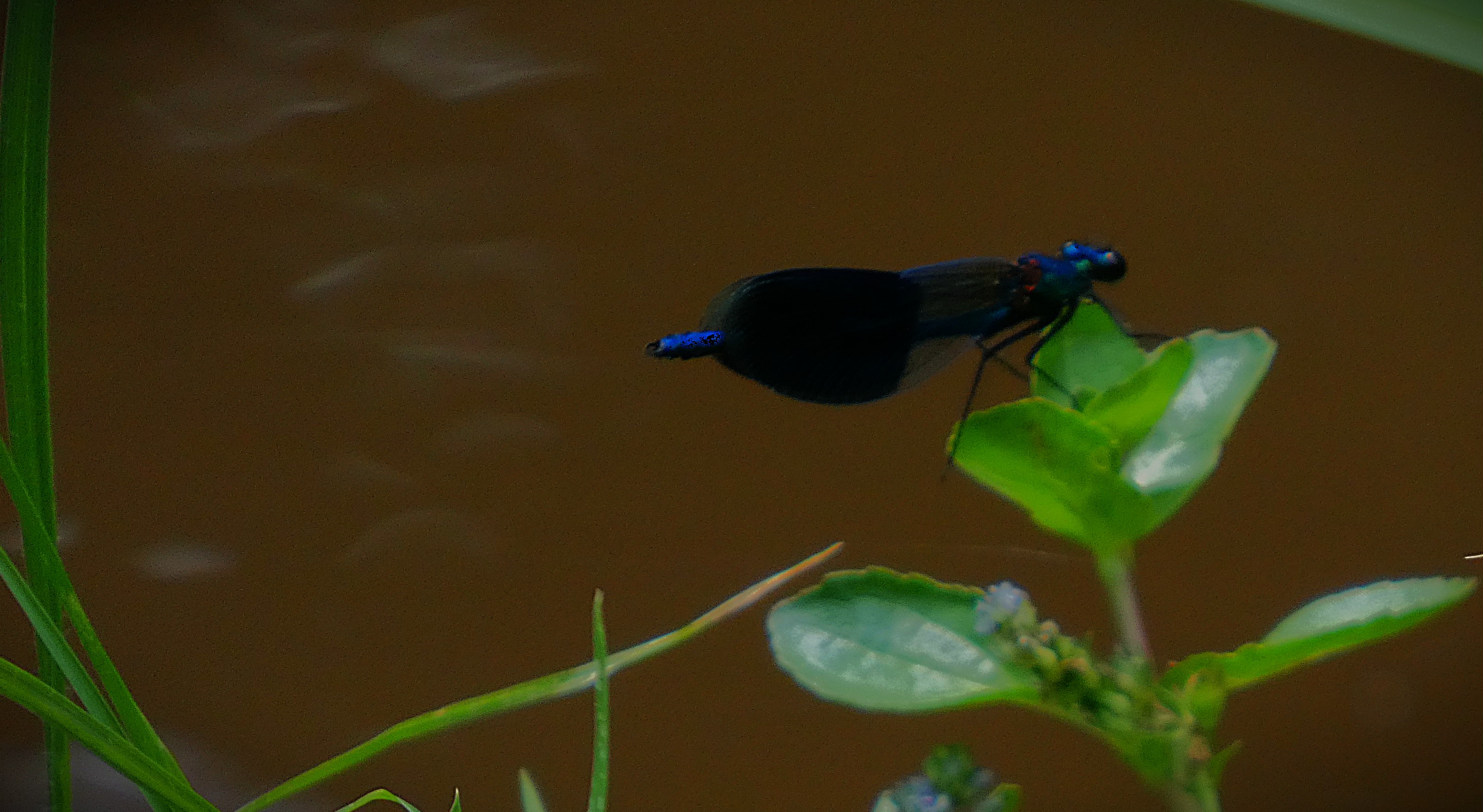
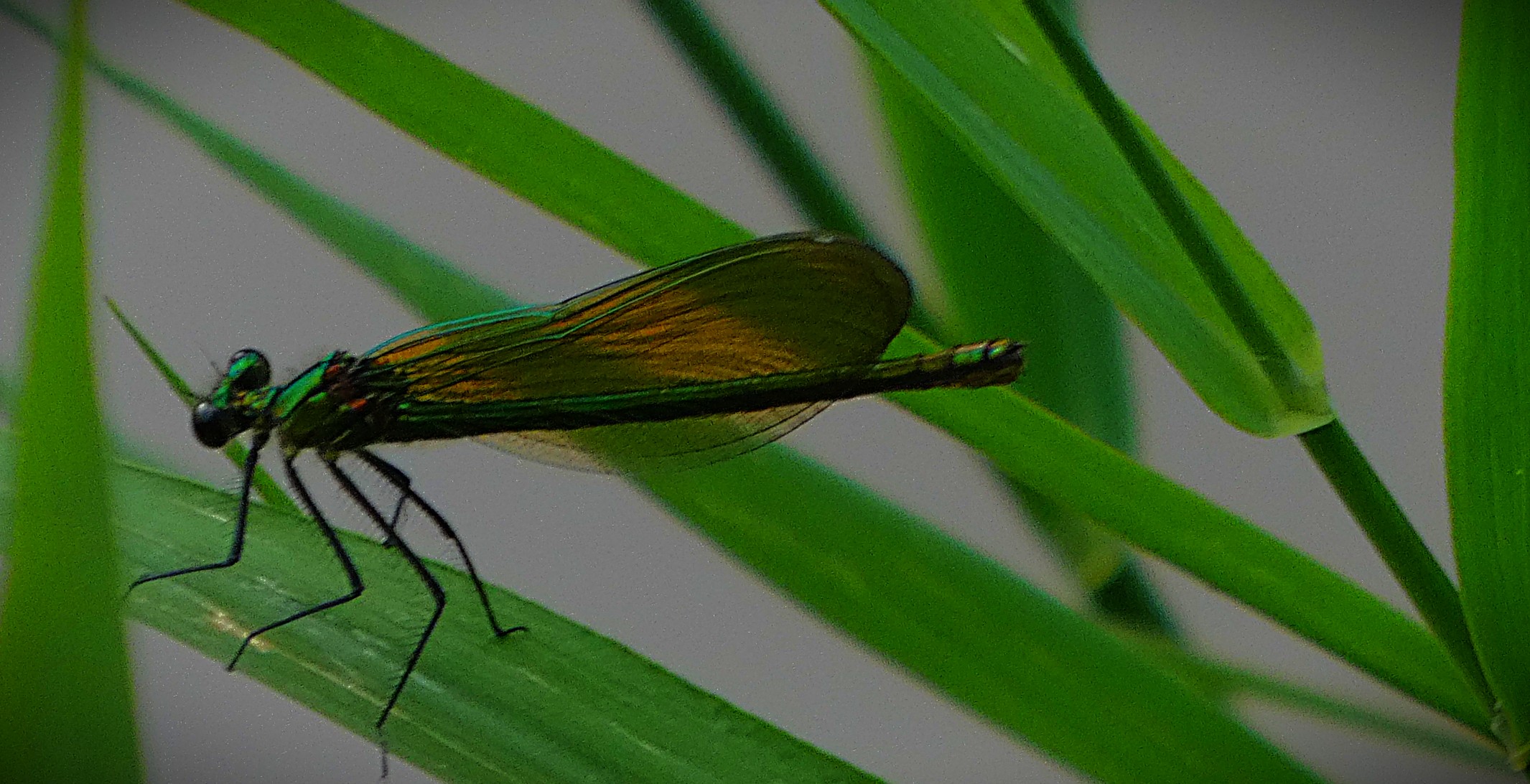
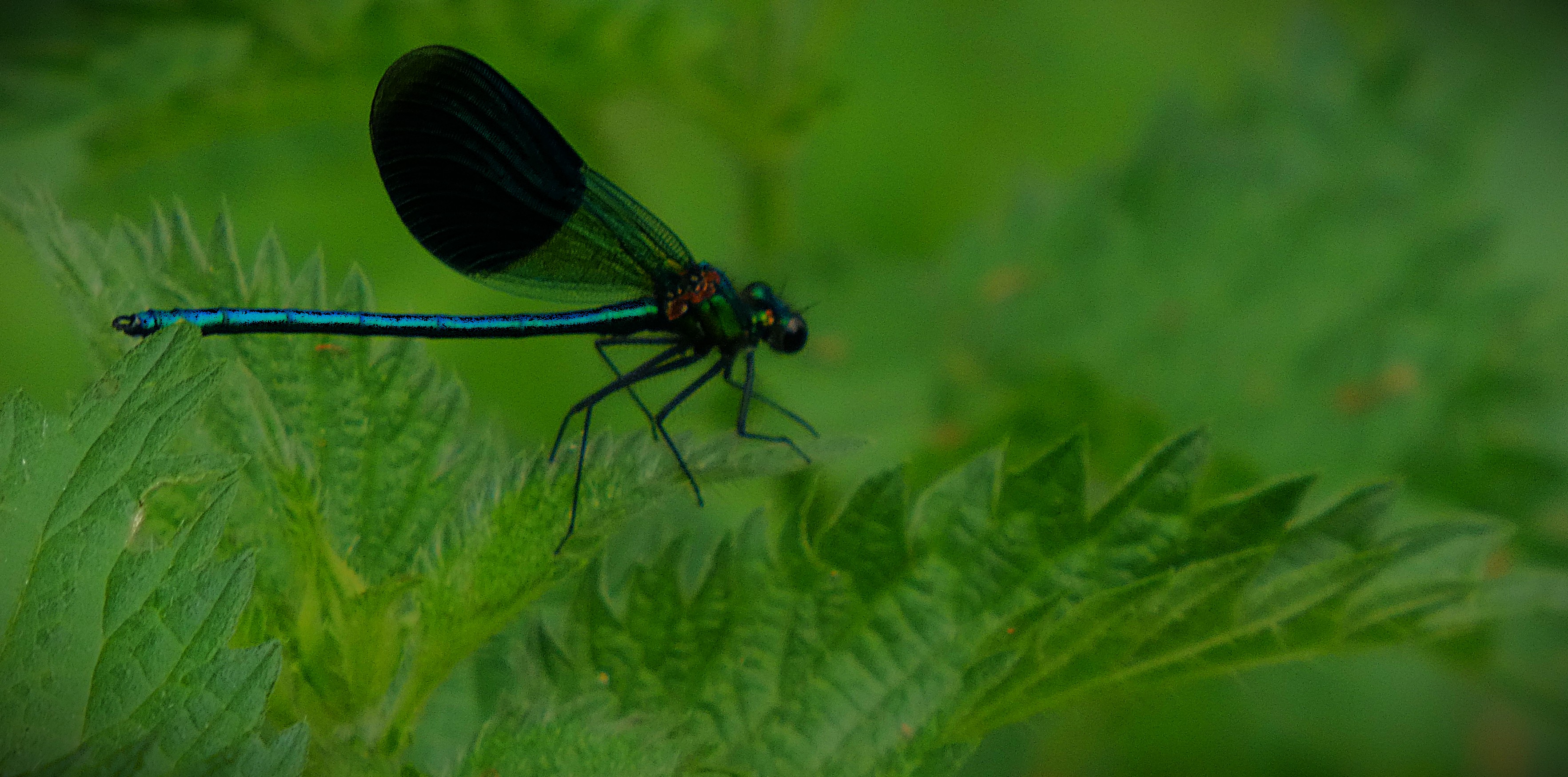
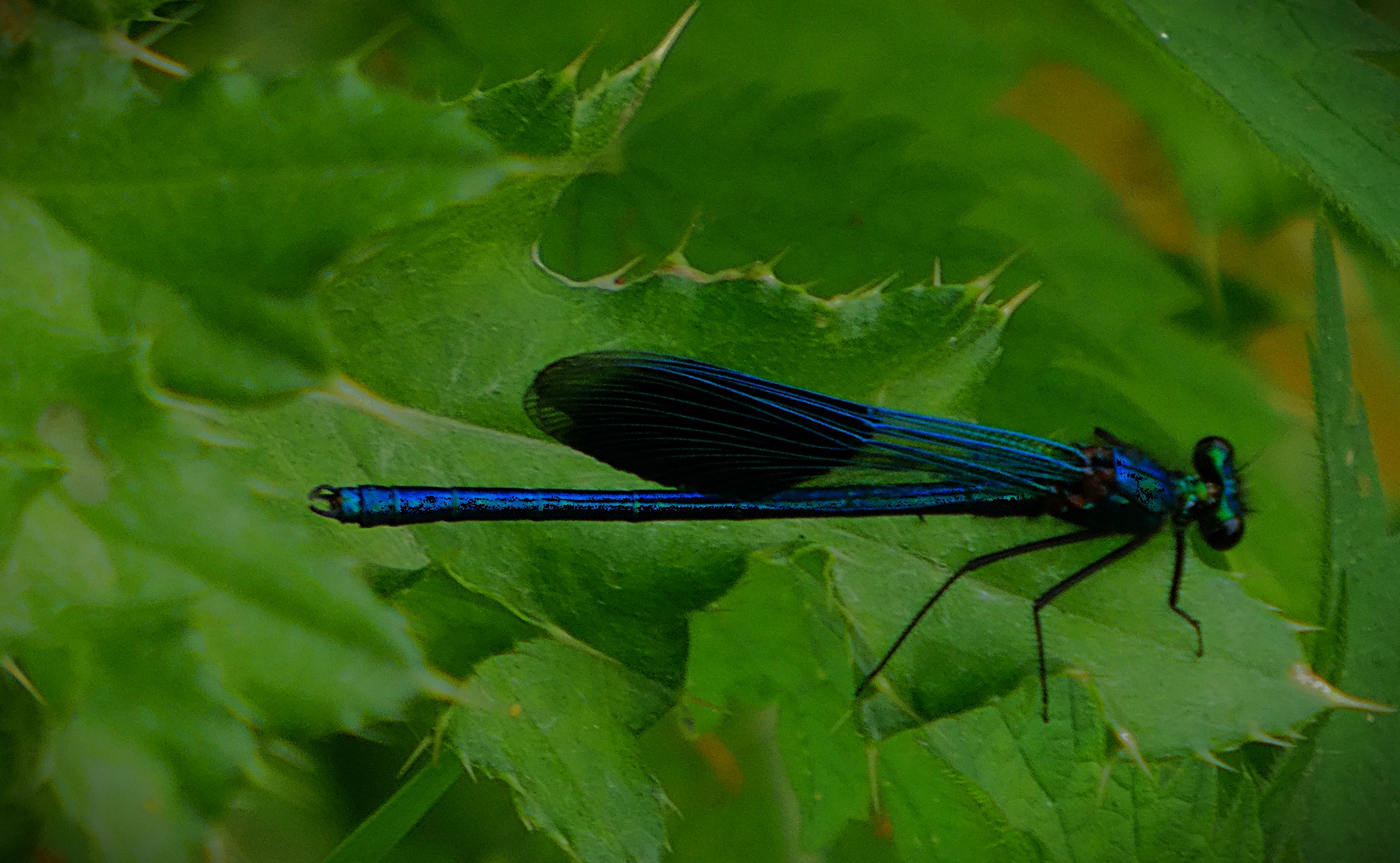
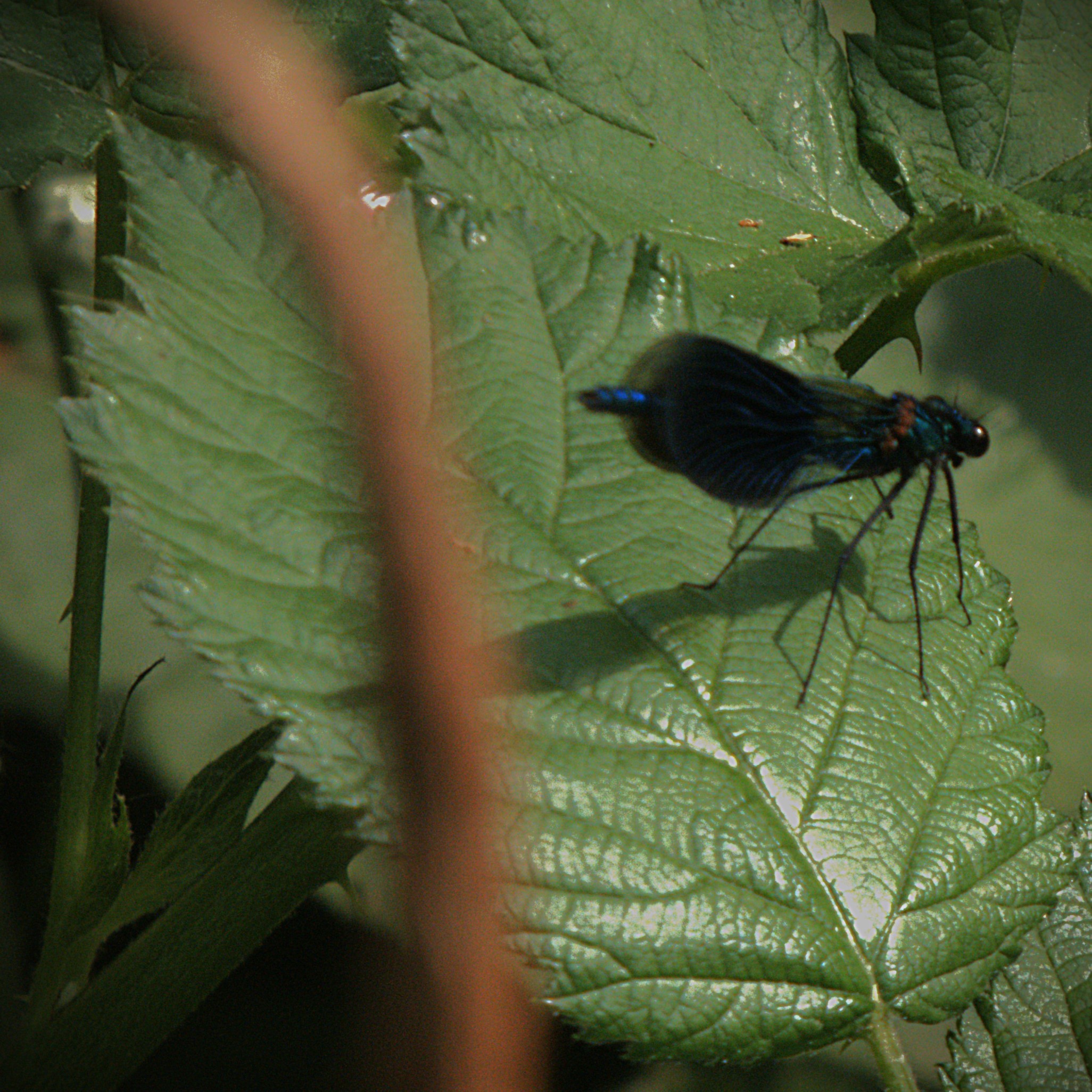
A demoiselle with a slender dark blue body and wings that are half translucent and half black sits right on top of a nettle plant.A robot in Morrison’s yesterday (two pics)The pontoon jetty being well used – eight boats, of which two are survey boats that are regularly there and one is the old cockling boat the Baden Powell, but five are bona fide visitors.This cormorant has secured itself a decent breakfast (it was about 9AM when I took this one).The gallery ends with the hedgehog (five pics)
A look at the Indian men’s cricket team’s visit to Ireland and England, the latter part of which i s still in progress, a link to a chronological listing of my ‘Arisaig 2026’ posts and a photo gallery that is basically a highlights package of the last month.
I completed my series about my Scottish holiday on Wednesday, and have today created a page which lists all the posts in that series in chronological order. I now move back to the present. The Indian men’s and women’s cricket teams are both in England at the moment, with the latter playing their first ever test match, at a venue (Lord’s) whose pavilion was barred to women within the lifetimes of some of the players. I will have much to say about that match in due course, but as today is day one I look instead at the doings of the men’s side who have been playing T20Is (20 overs per side international matches) in Ireland now England.
THE EMERALD ISLE
Ireland have a bit of a tradition of embarrassing theoretically more illustrious opposition, going back as far as 1969 when they caught a visiting West Indies side on a very green pitch and rolled them for 25. They have added India to their scalp bags. Their victory in the opener might have been put down as a fluke, or to India being unfamiliar with Irish conditions, but when they repeated the dose in the second and last match to win the series it looked like India had major problems.
IN ENGLAND SO FAR
From Ireland India travelled east to England for a five match series. India had put up a good total in the first match when rain intervened and washed the rest of the match out. Three more matches have been played since then, and England have bossed all three. The most recent took place yesterday evening, and showcased most of India’s problems, with one exception – until last night Shreyas Iyer, recently promoted to the captaincy had done little with the bat since taking the reins. Last night he batted beautifully, scoring an unbeaten 80 from 49 balls. The problem was that his team mates combined to score a mere 78-7 from the 71 balls he did not face in the innings, a truly abysmal rate of scoring for this format. That total of 158 did not look likely to pose a threat to a confident England side, and in the end it was made to look an almost comically bad one. Harry Brook led the rampage with 79 not out from just 35 balls, while Phil Salt was also in brutal form. In the previous match India had bowled first, seen England score 201 and responded to a stiff challenge by slumping to 76 all out and defeat by 125 runs. With the final match of the England leg of this tour to take place at 2:30PM tomorrow India’s record for the trip stands at five defeats and one washout – and although at the time of the washout I thought they had been favourites to win that match their subsequent efforts suggest that actually England would have chased that one down as well. I have an idea as to the root cause of India’s problems on this tour: the IPL happens in (generally) small grounds on incredibly flat tracks, where scores of 250 in 20 overs are not uncommon and bowlers are seen as merely providing the deliveries to be hit for yet another succession of sixes, while the pitches in Ireland and England although good for batting have not left the bowlers completely out of things. Indian T20 batters tend to struggle in anything other than conditions tailor made for them, while the bowlers have grown unused to being significant factors.
PHOTOGRAPHS
While I have been concentrating for blogging purposes on my Scottish holiday it has been a splendid time for photography, and the gallery I now present is a highlights package spanning most of the period from 7th June, my first day back from holiday, to the present (reminder that photos can be seen at full size by clicking on them)…
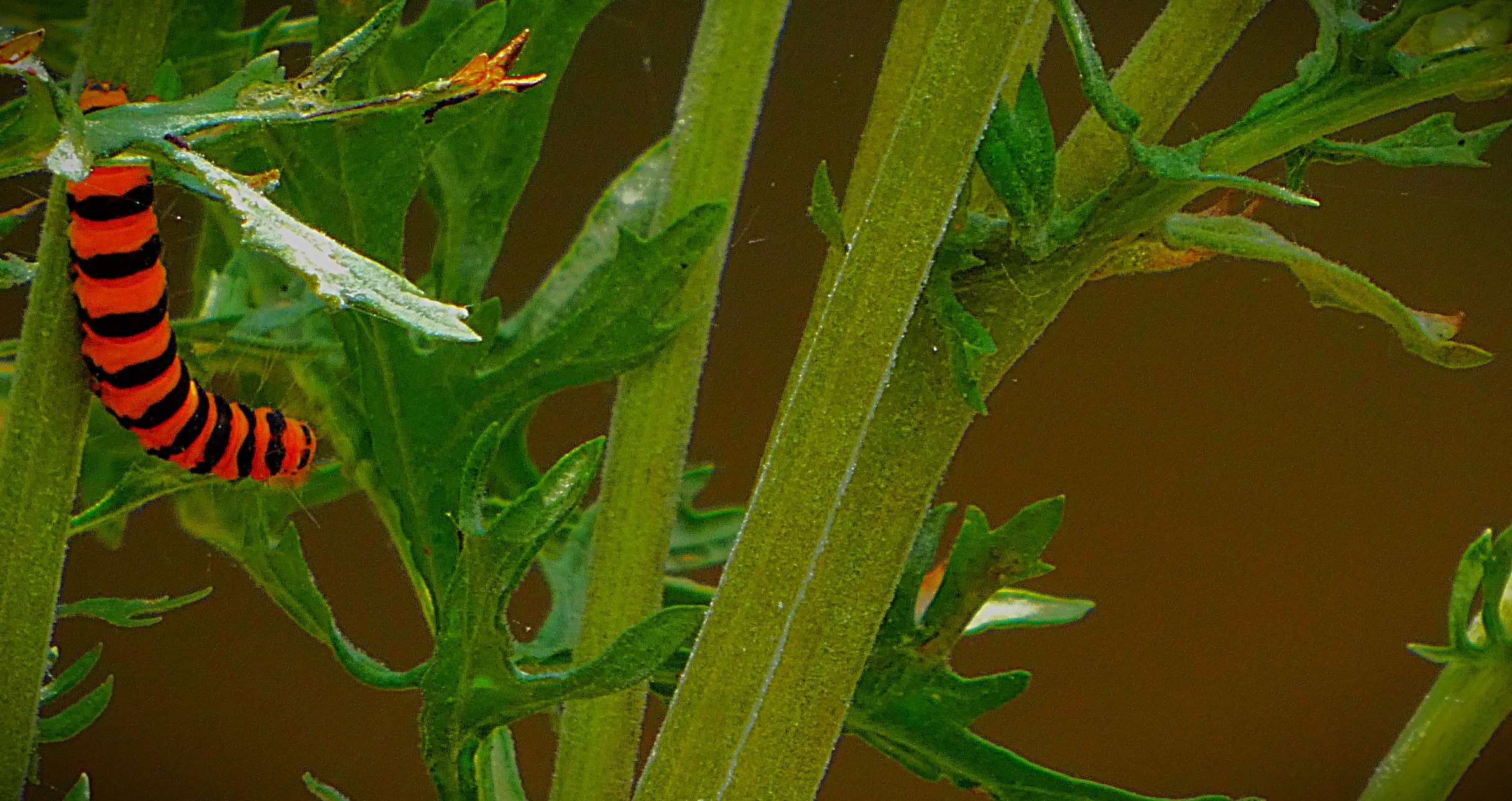
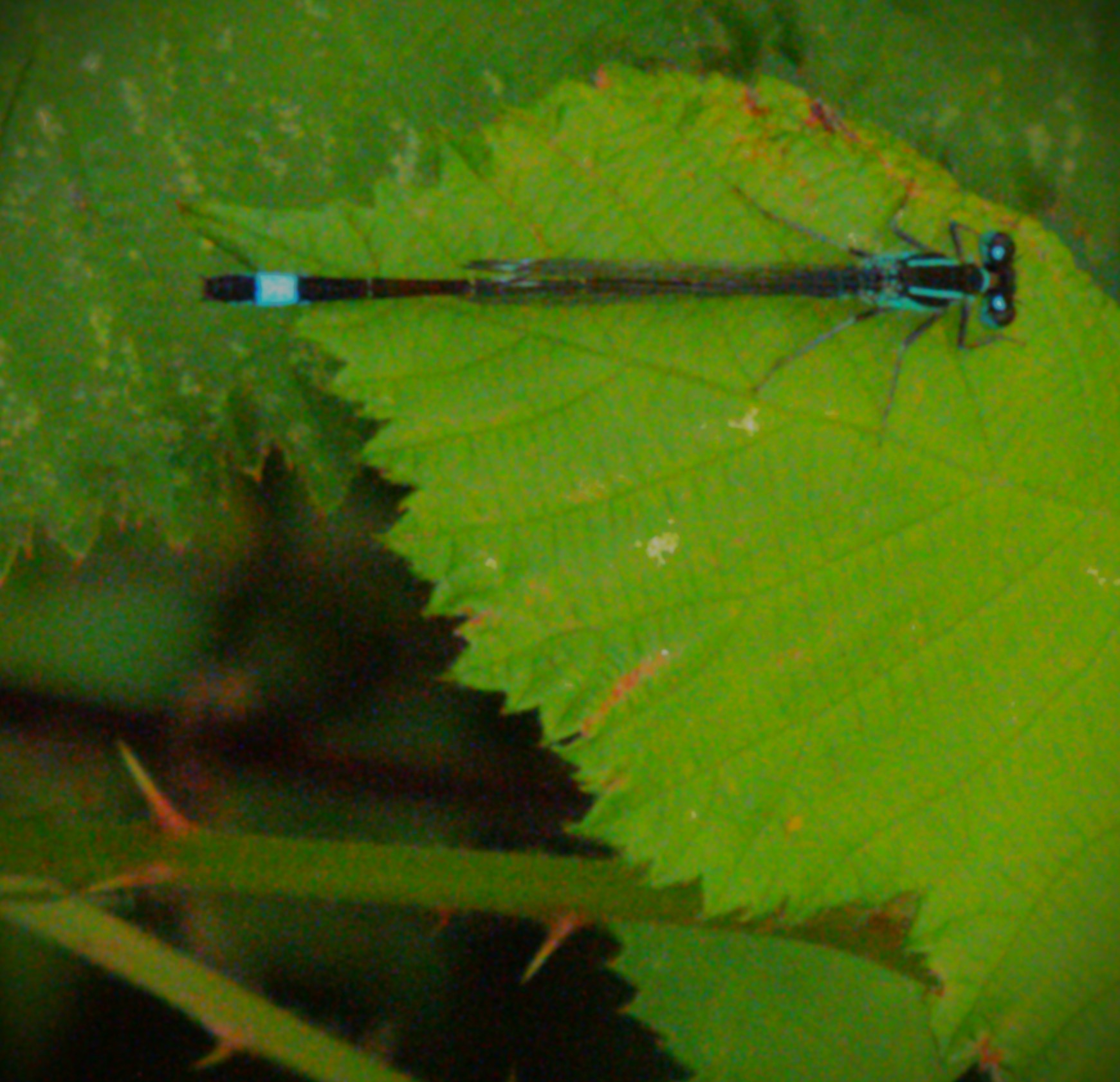
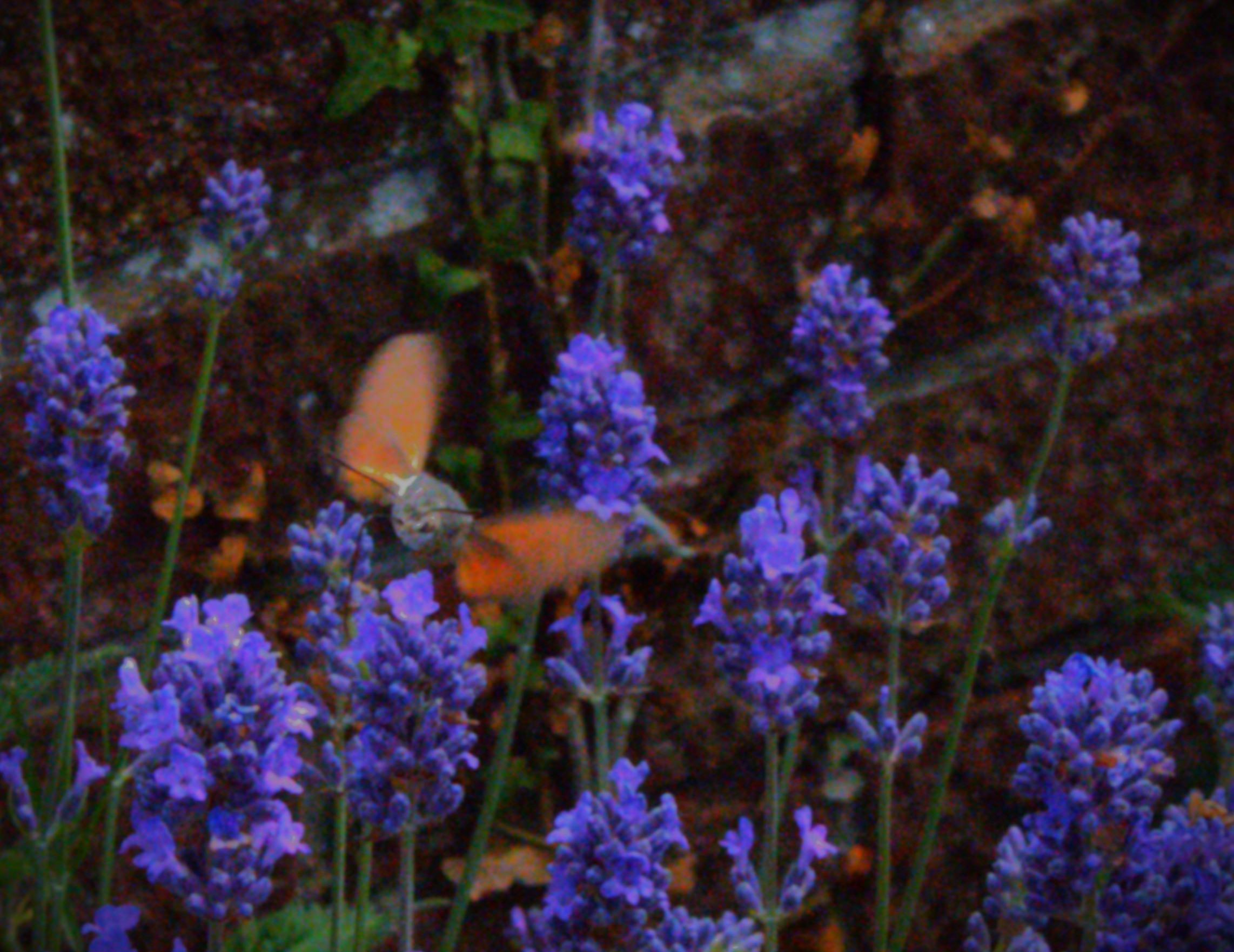
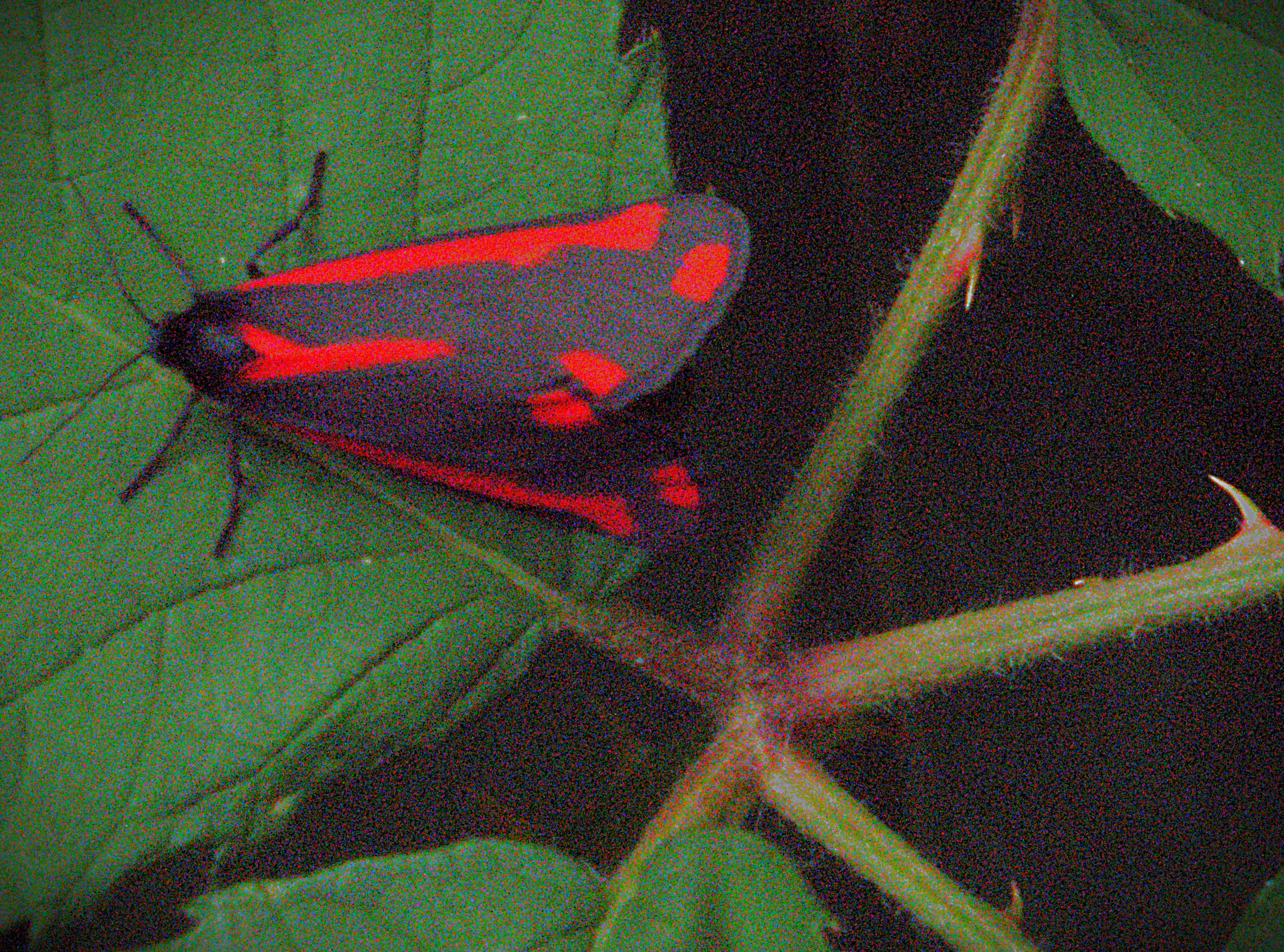
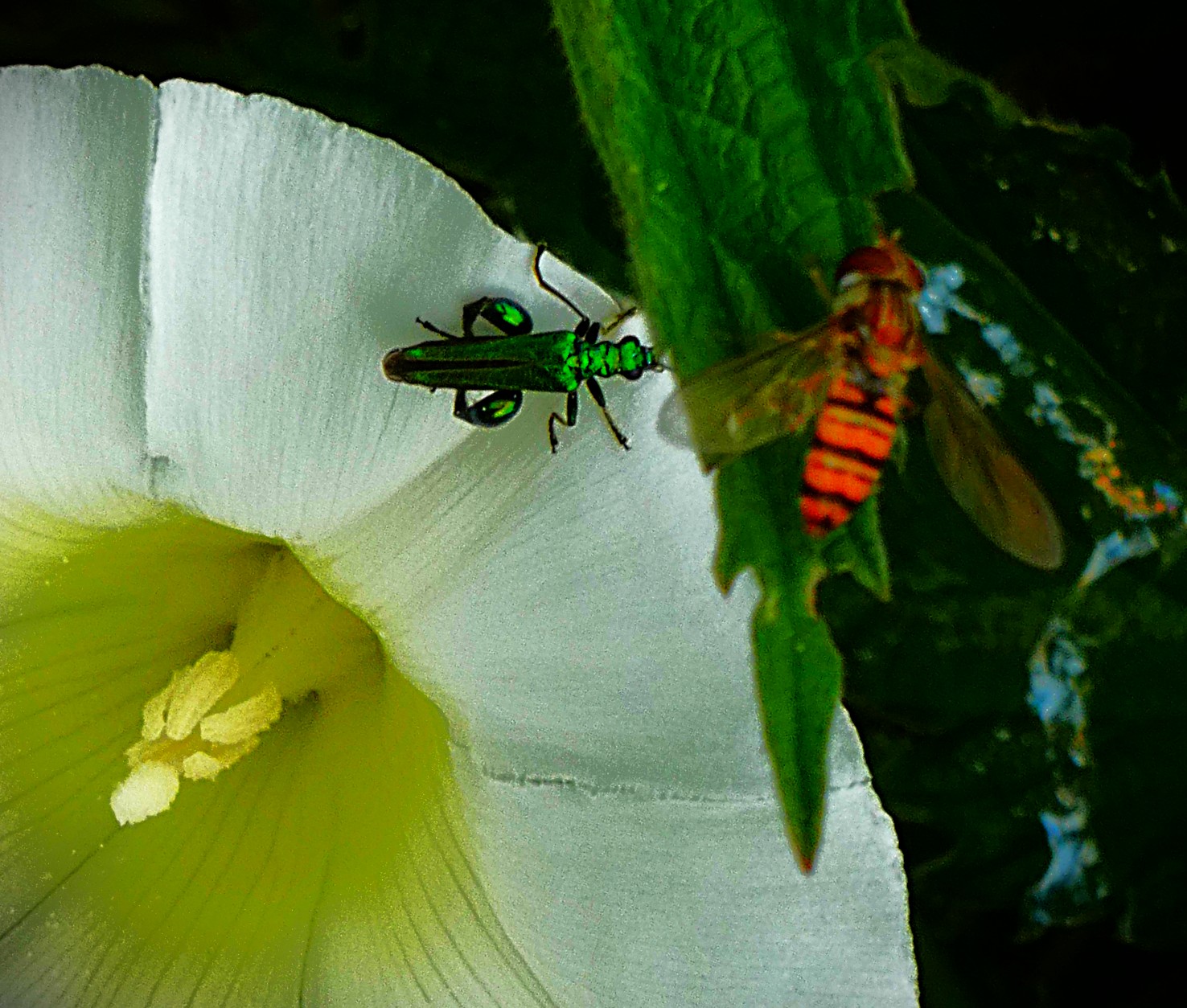
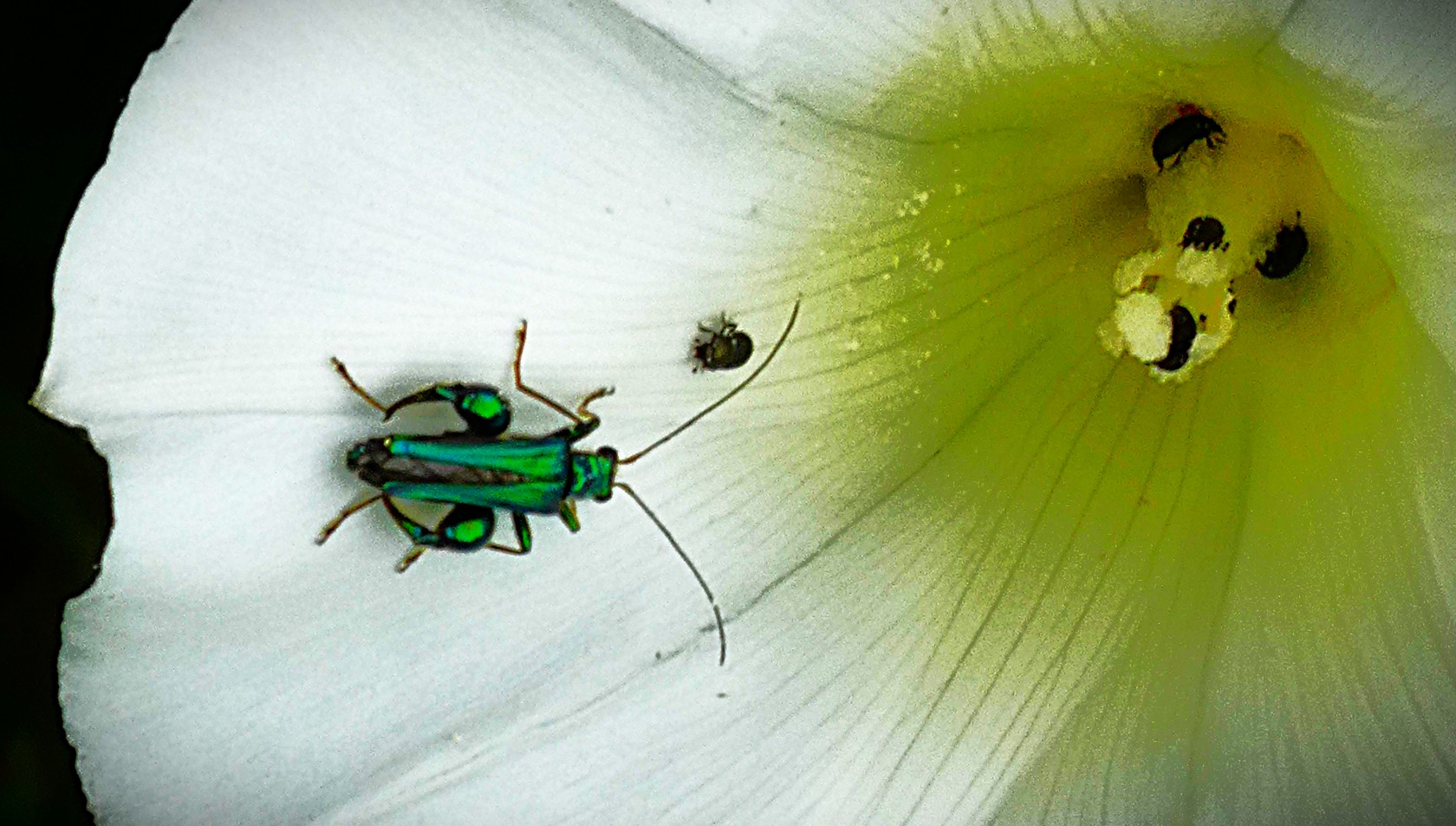
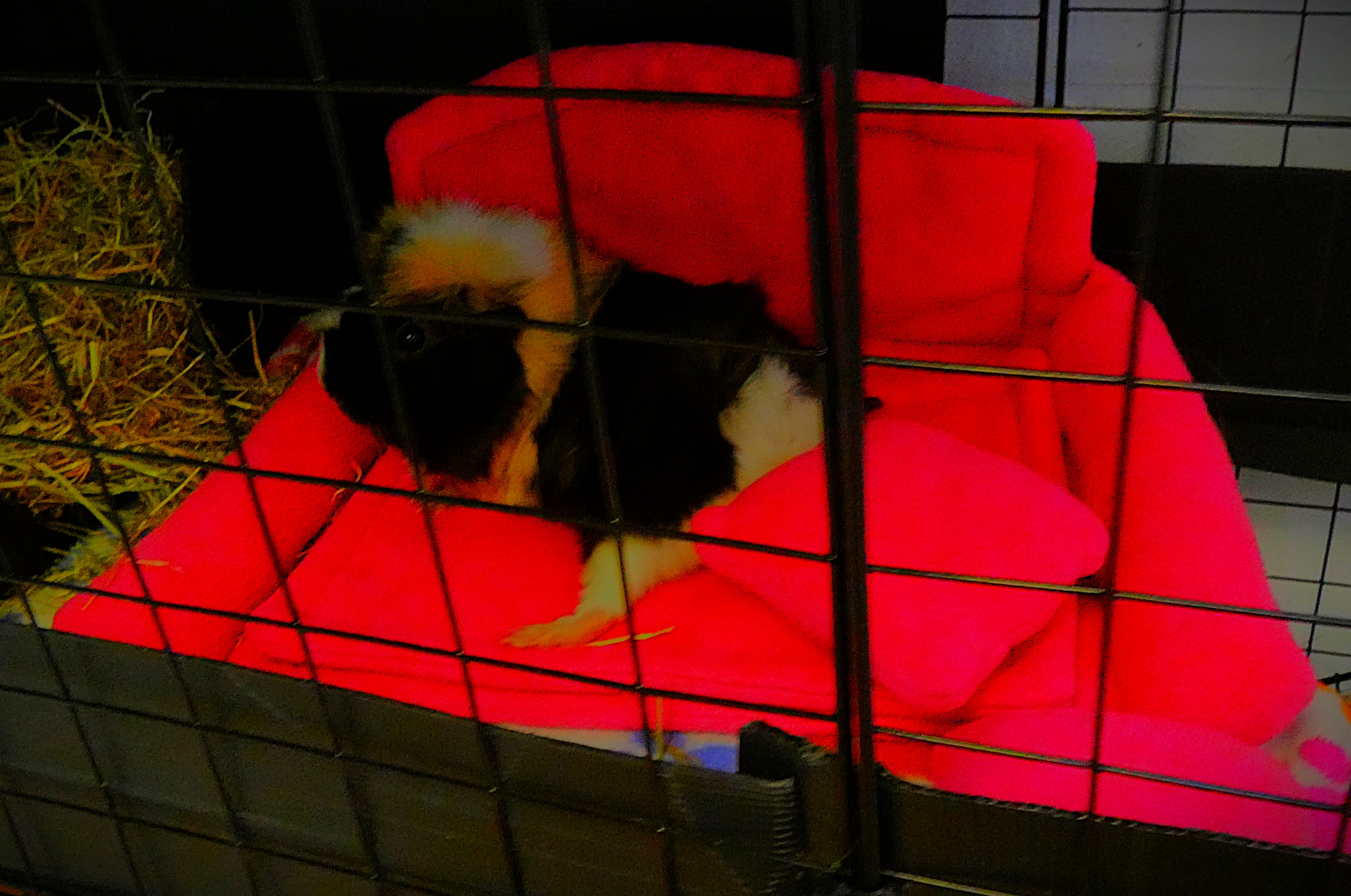
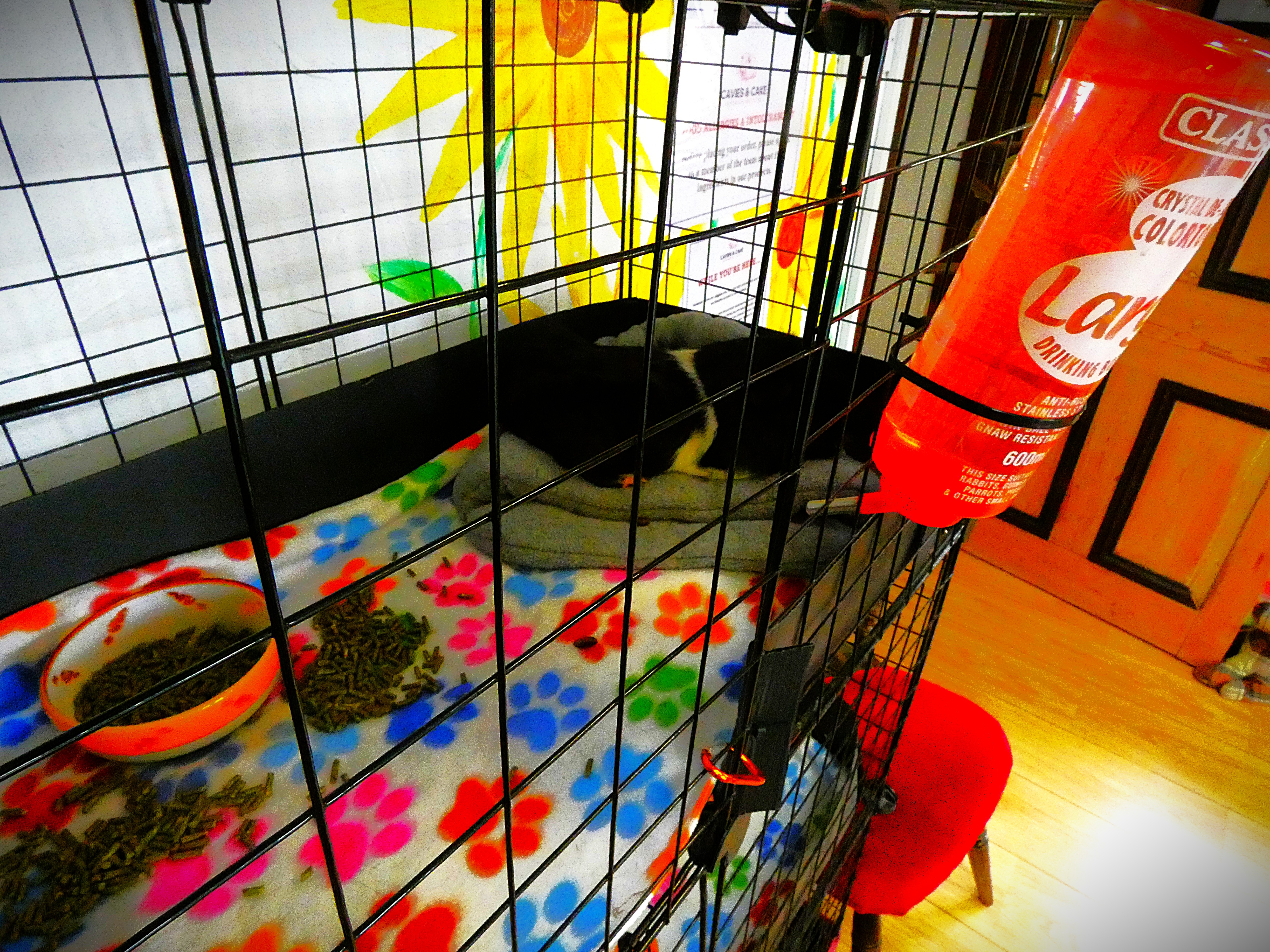
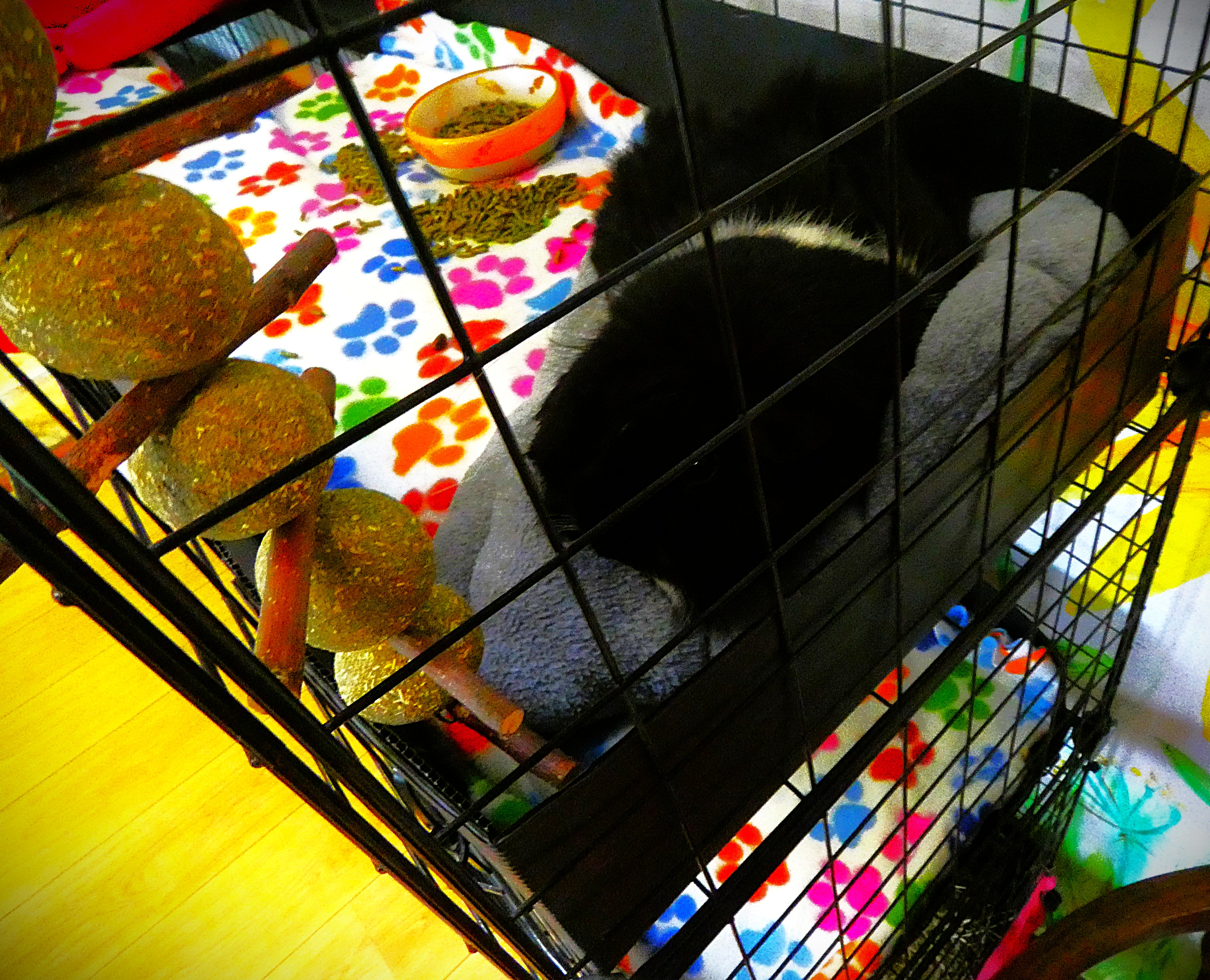
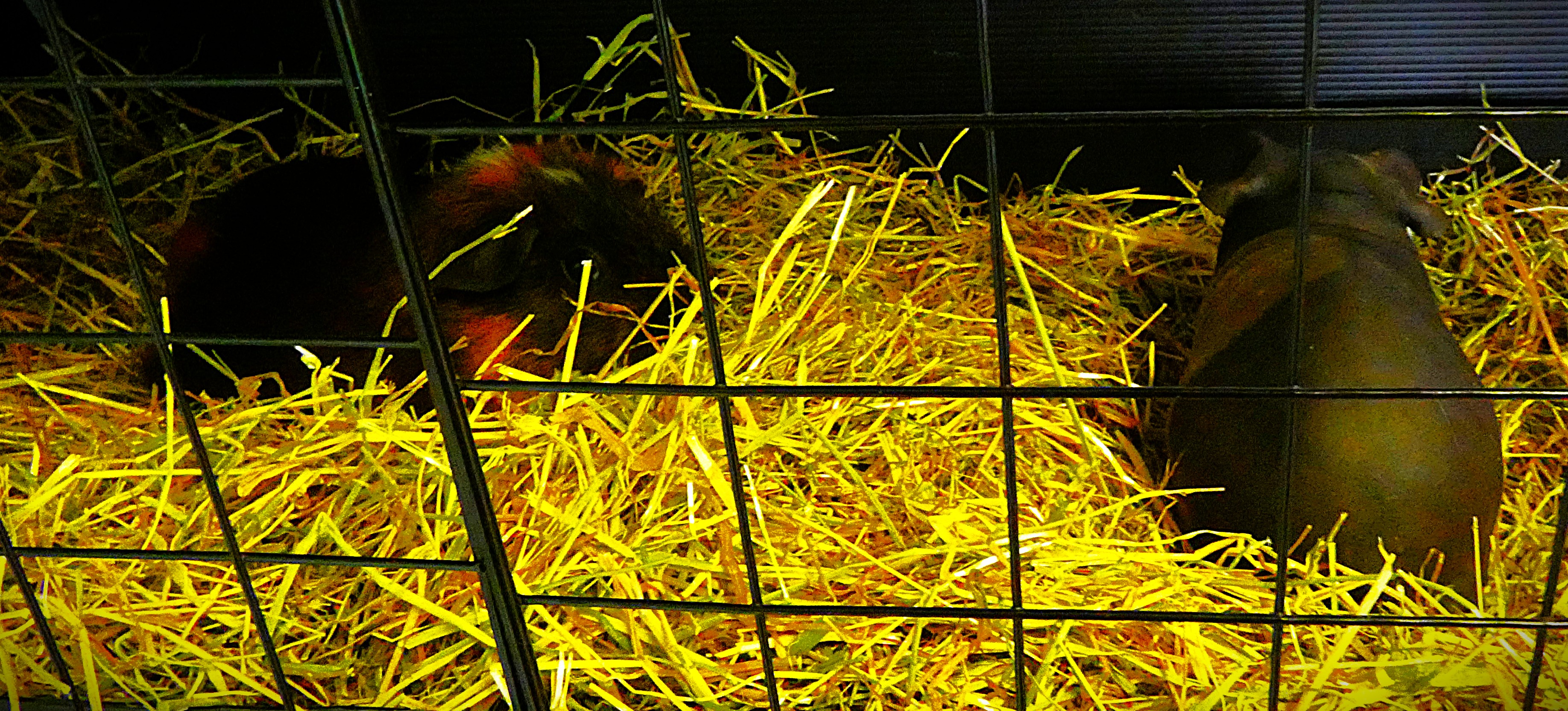
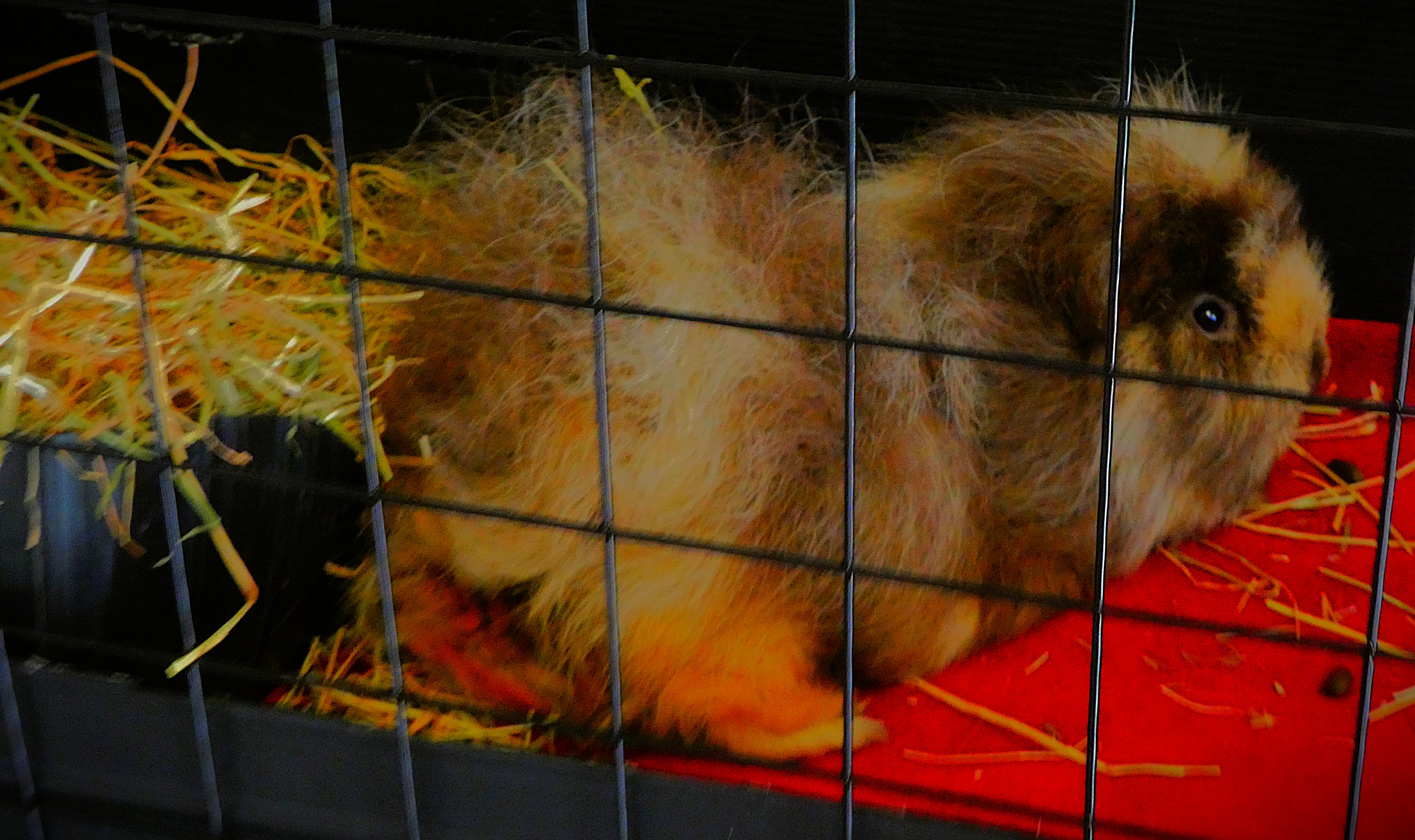
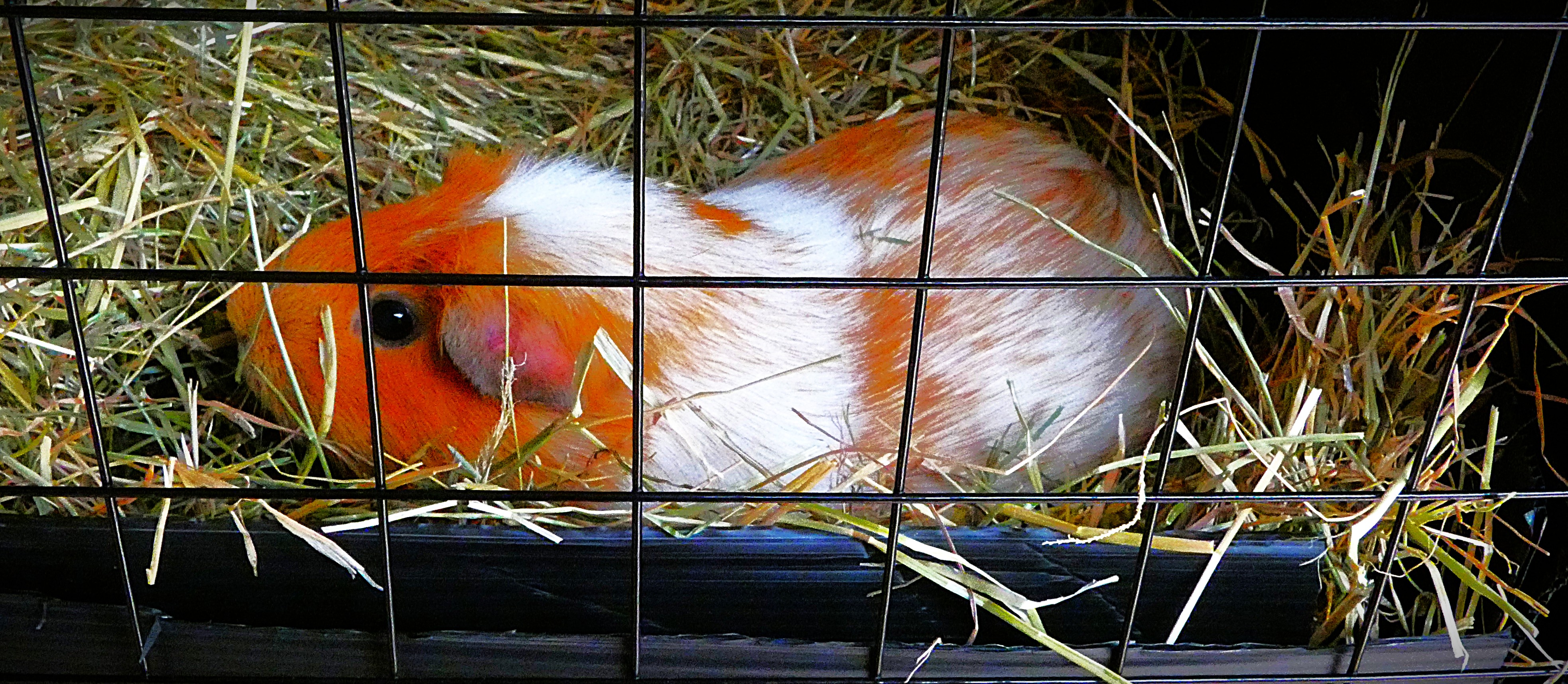
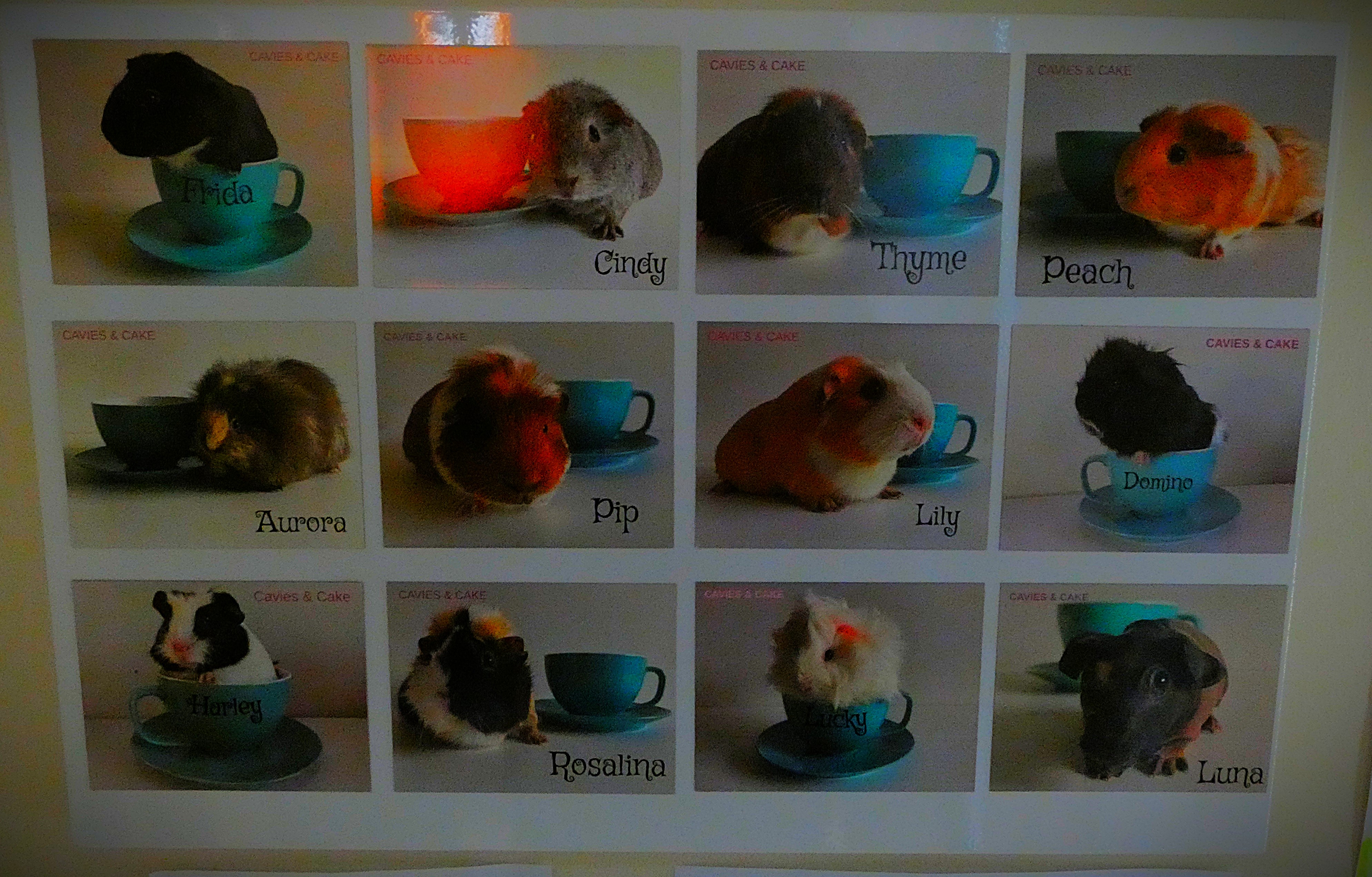
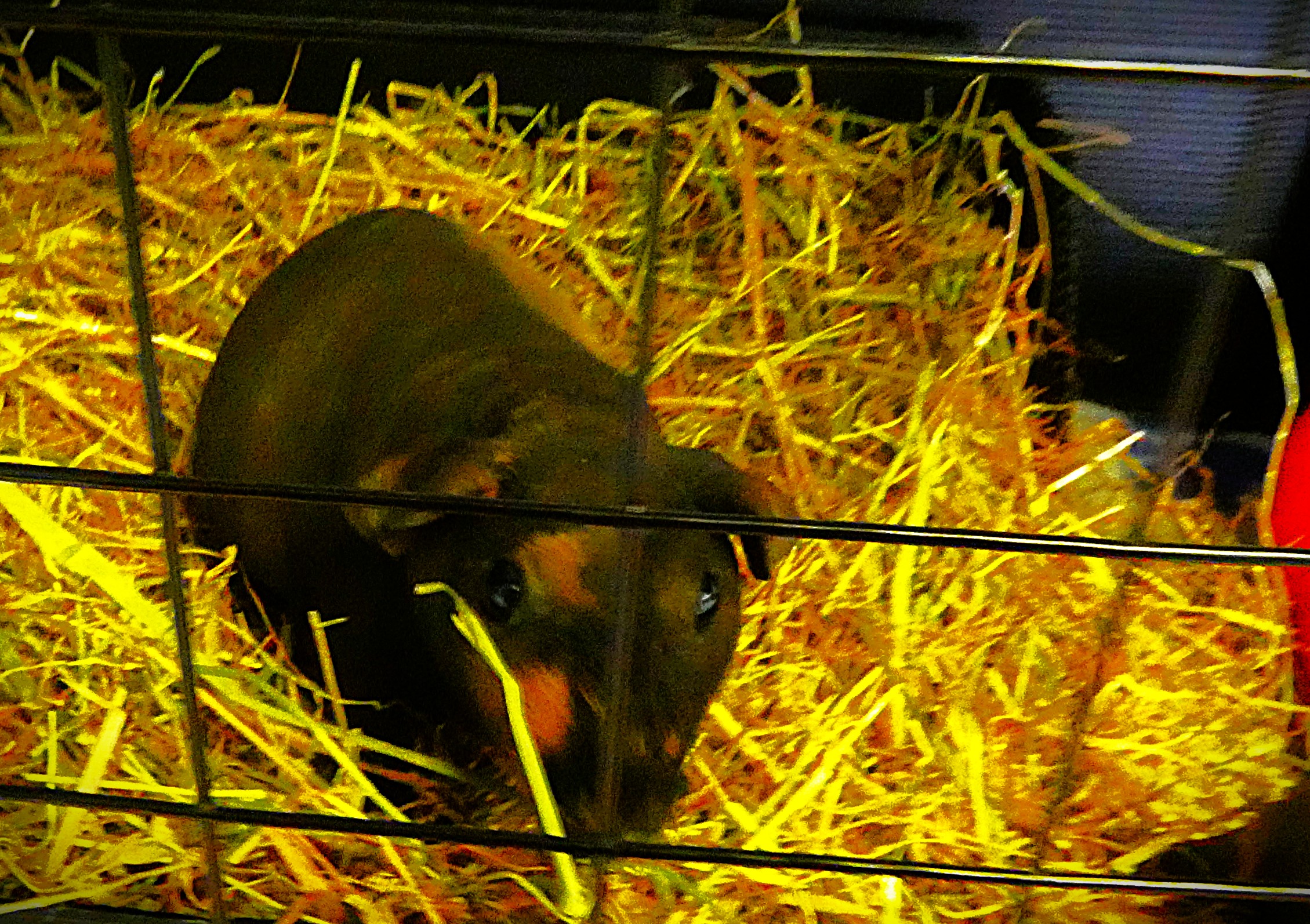
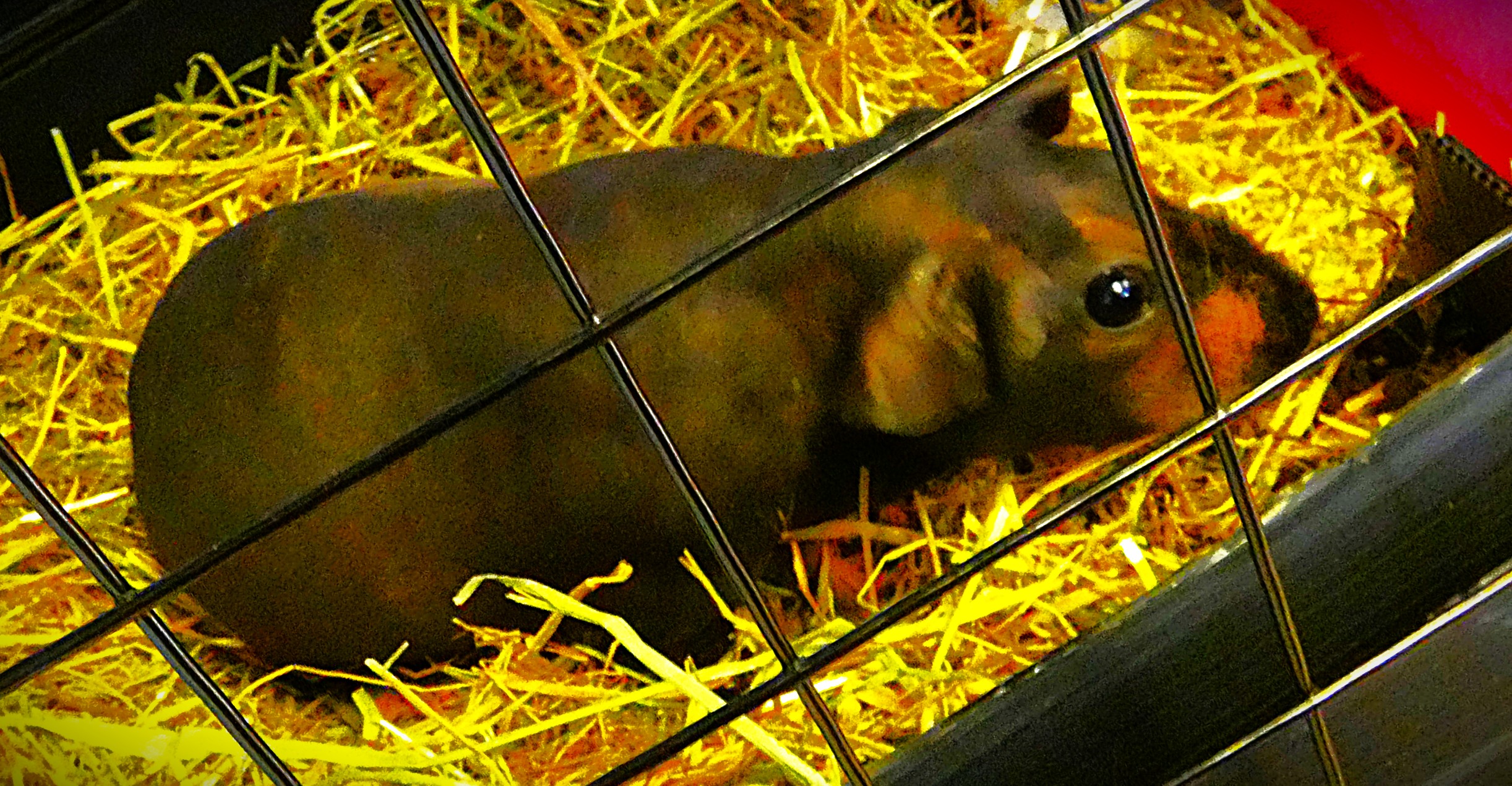
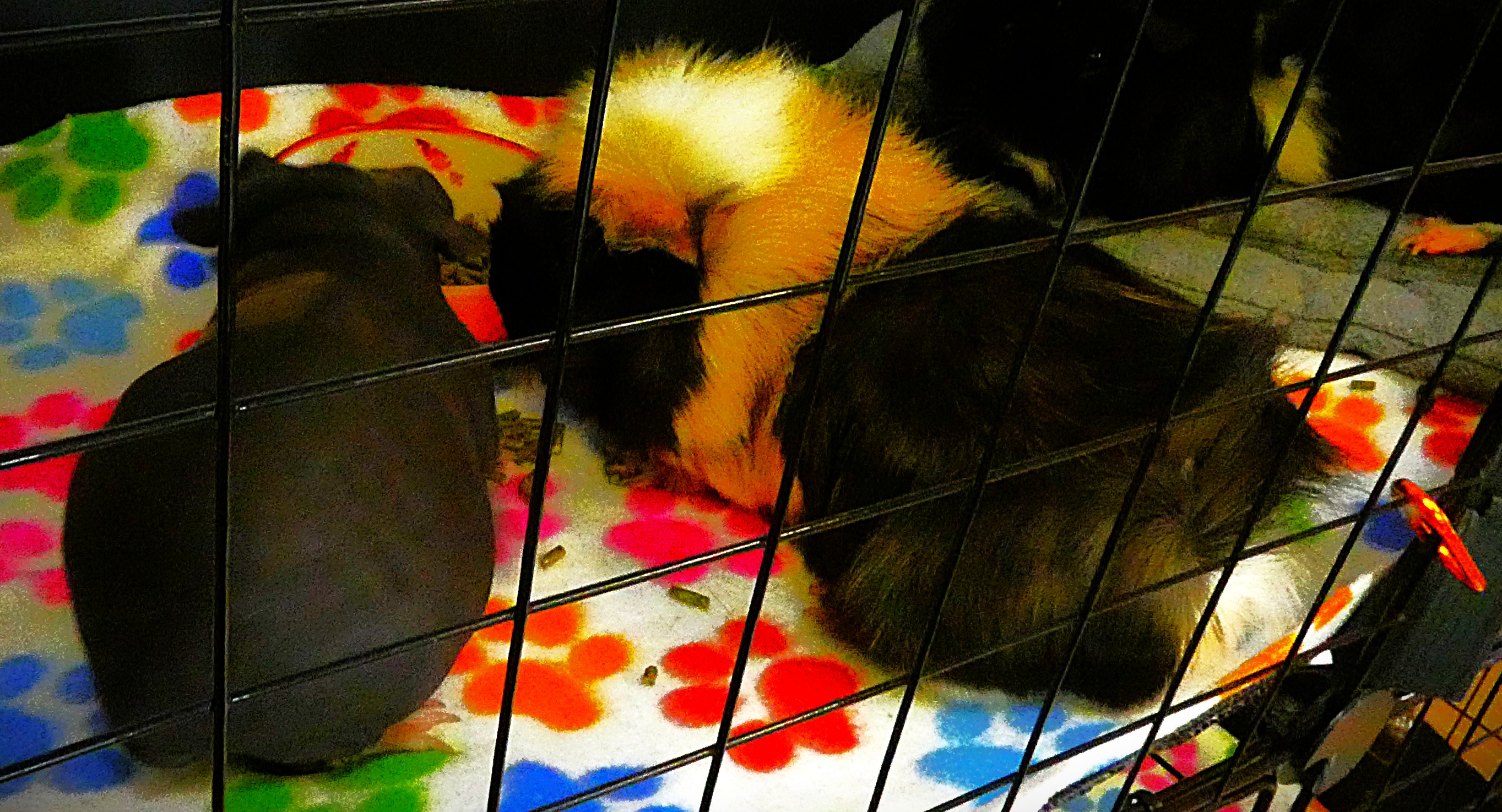
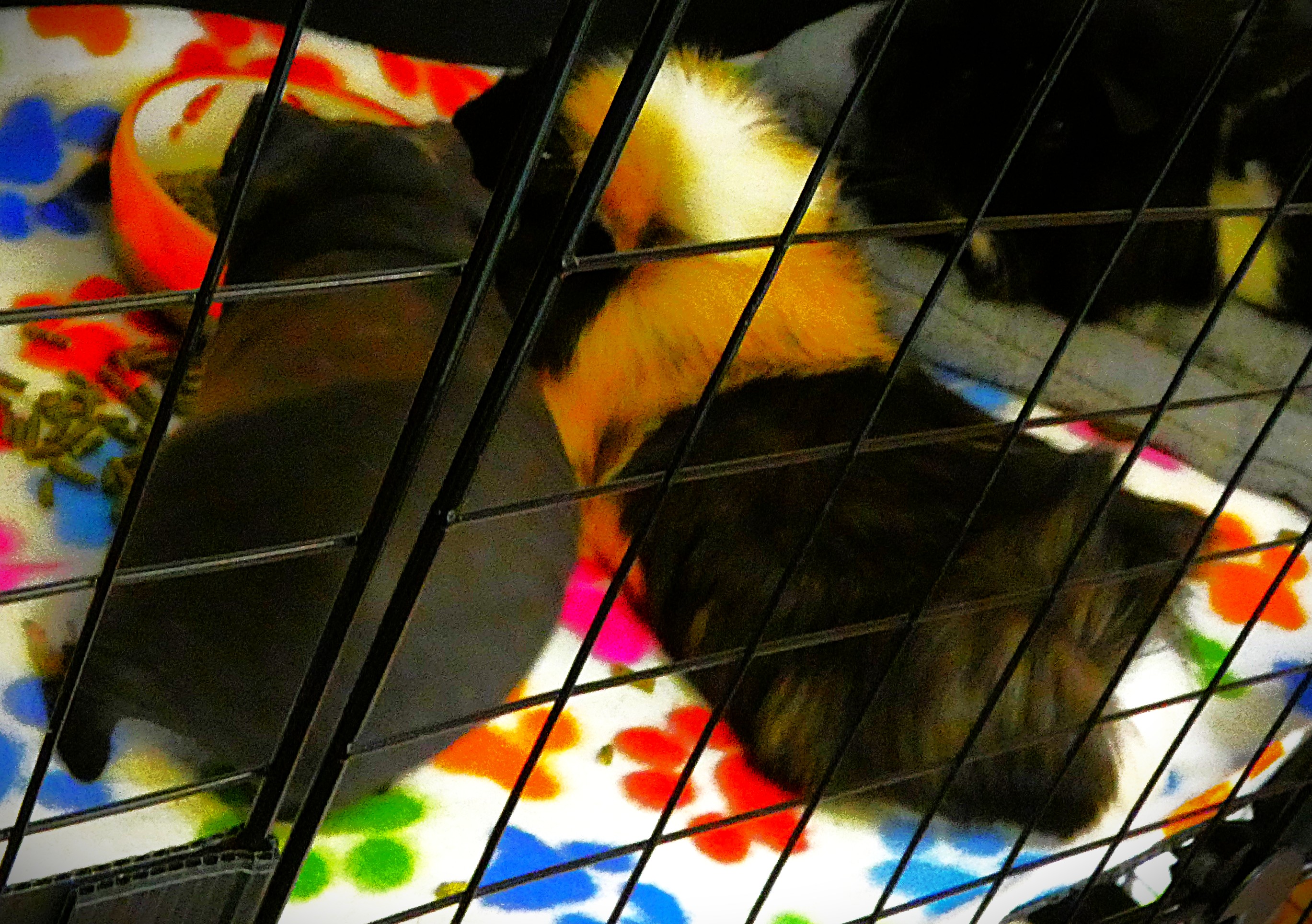
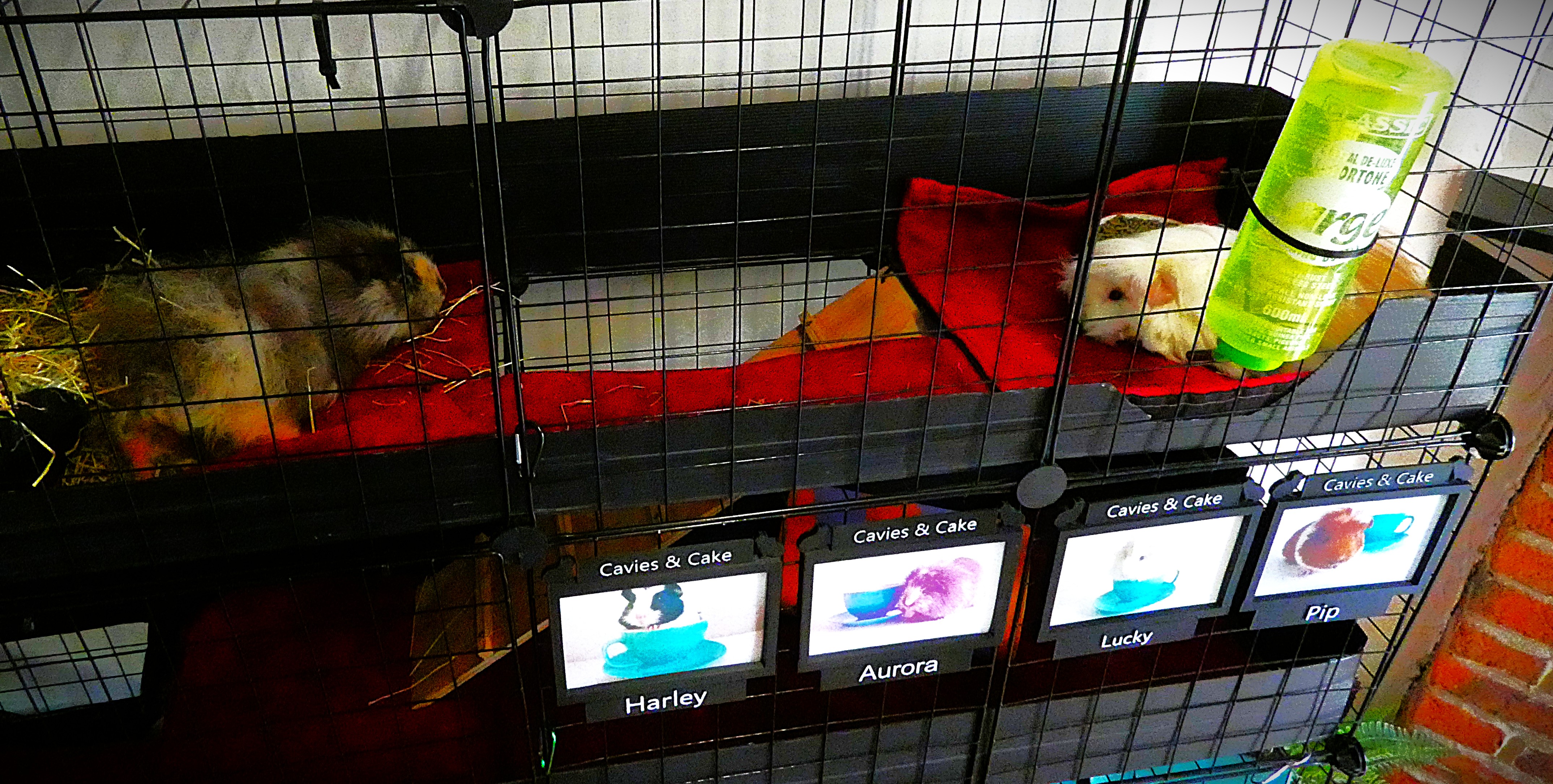
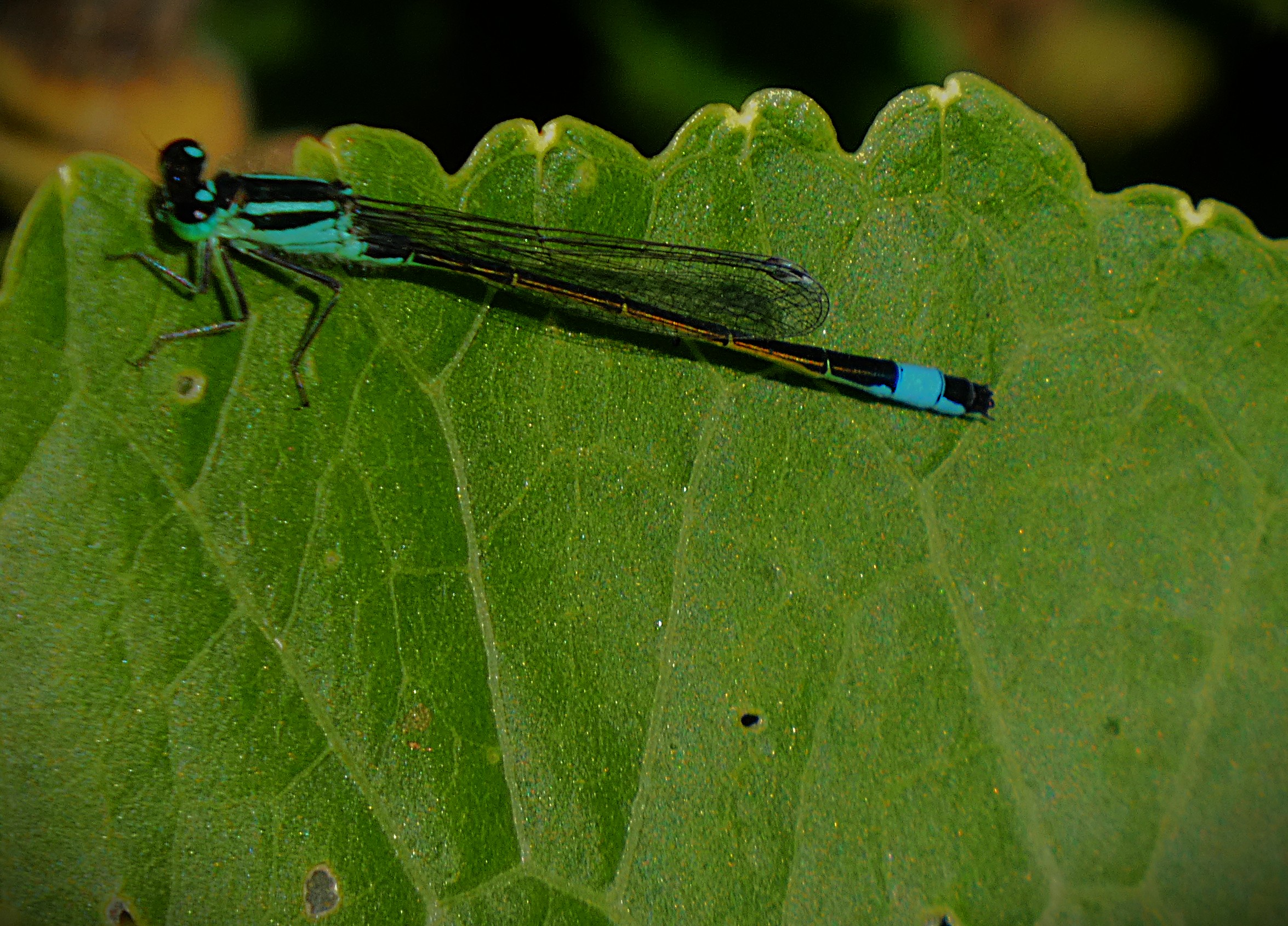
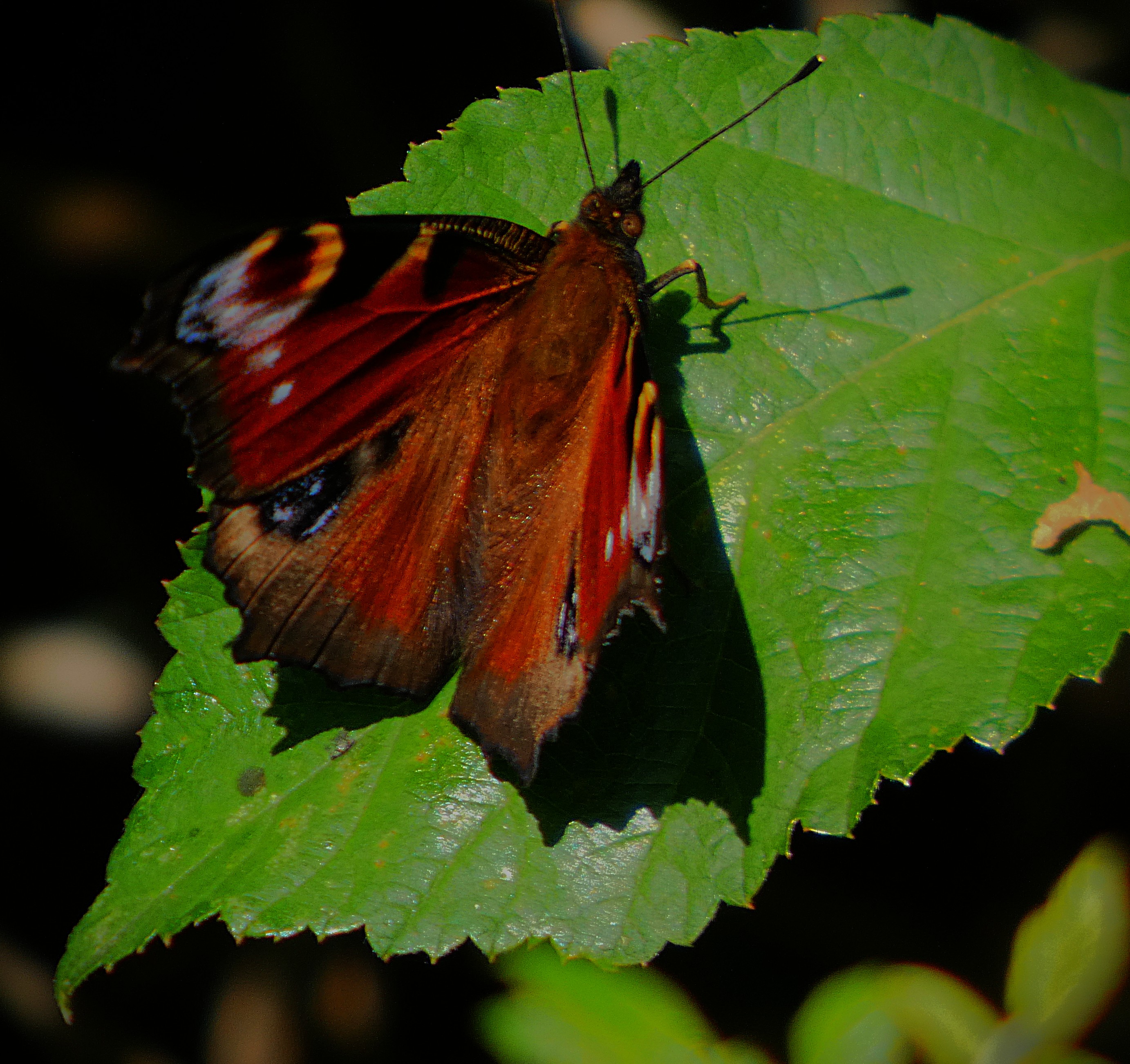
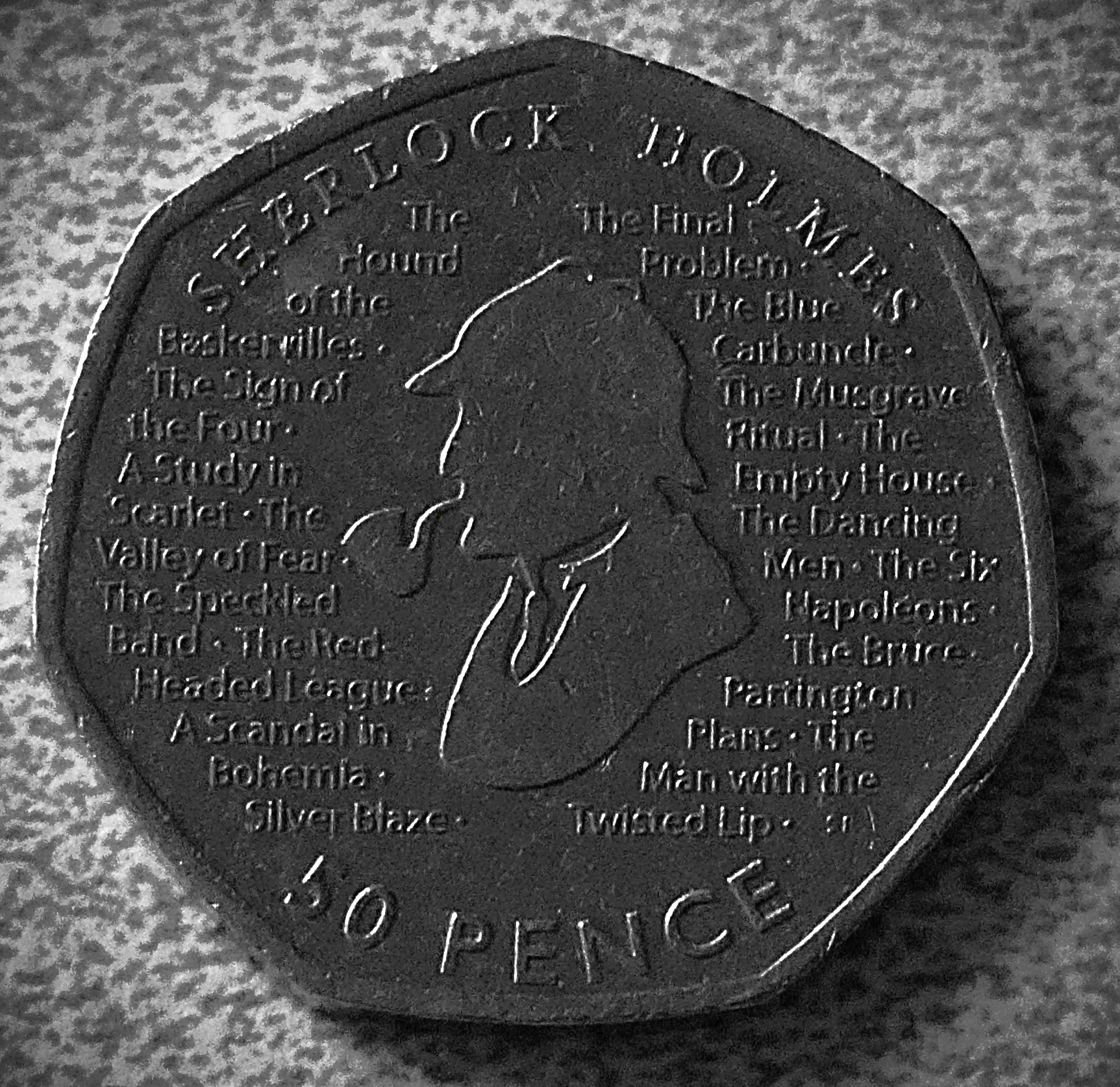
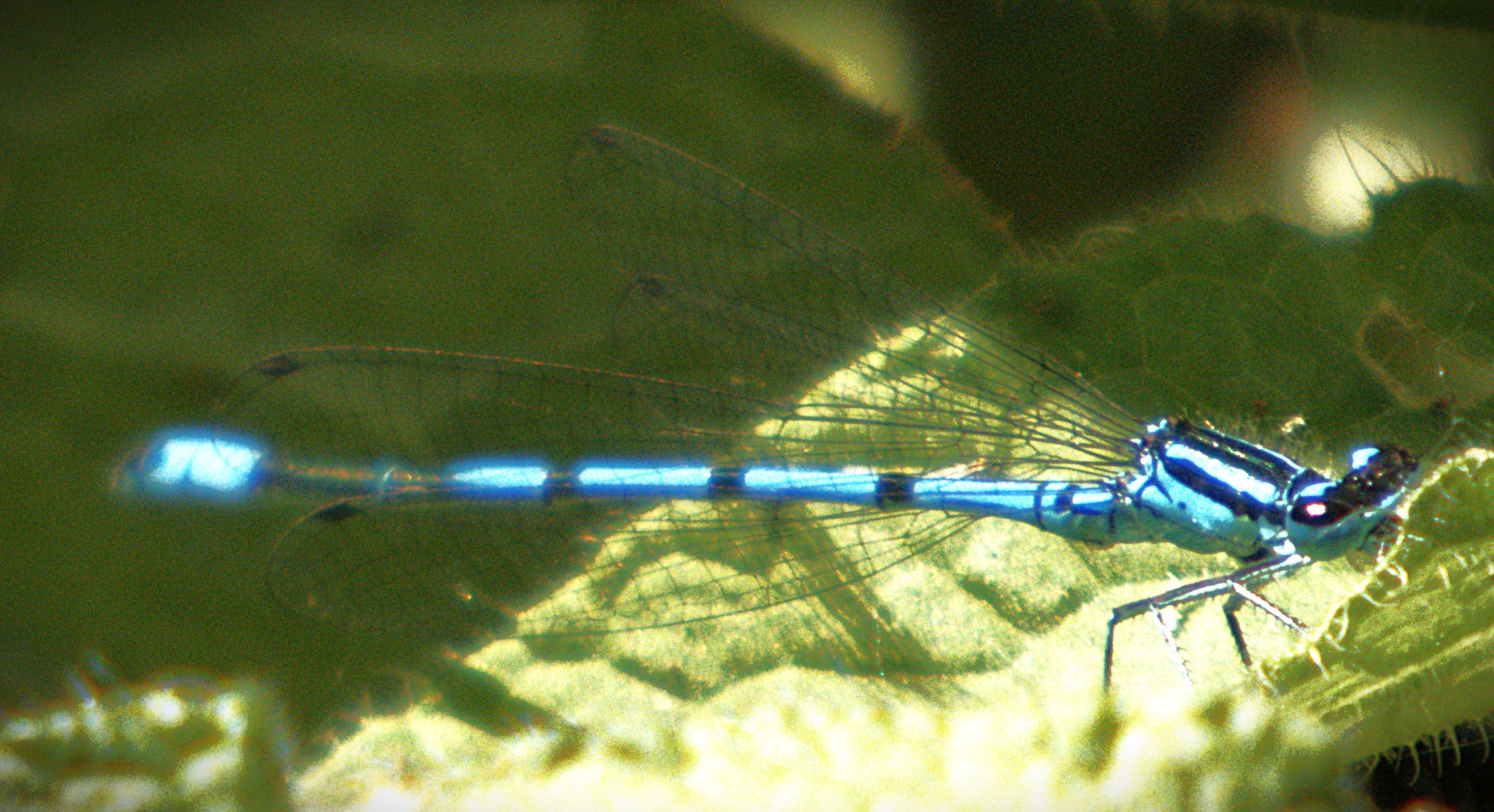
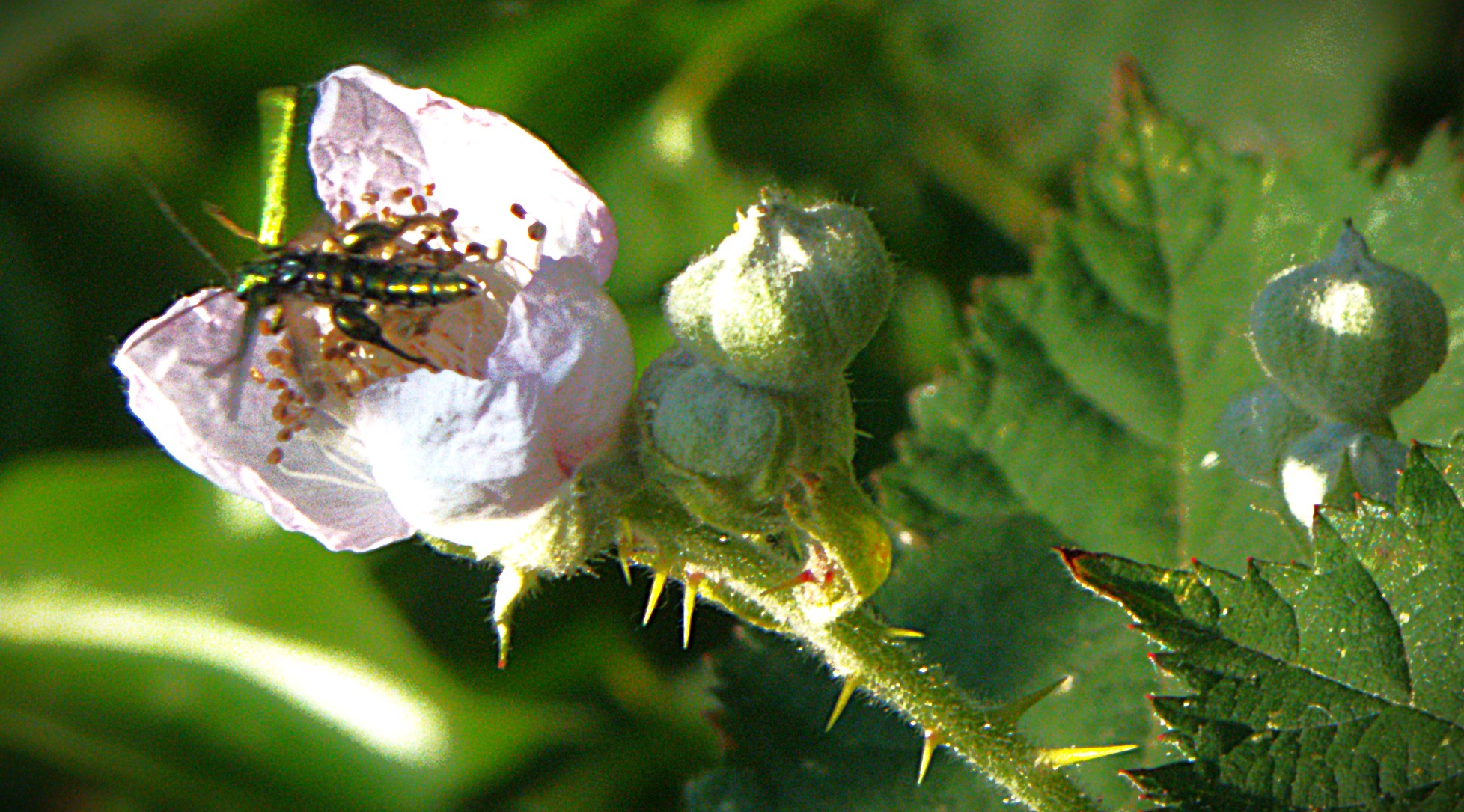
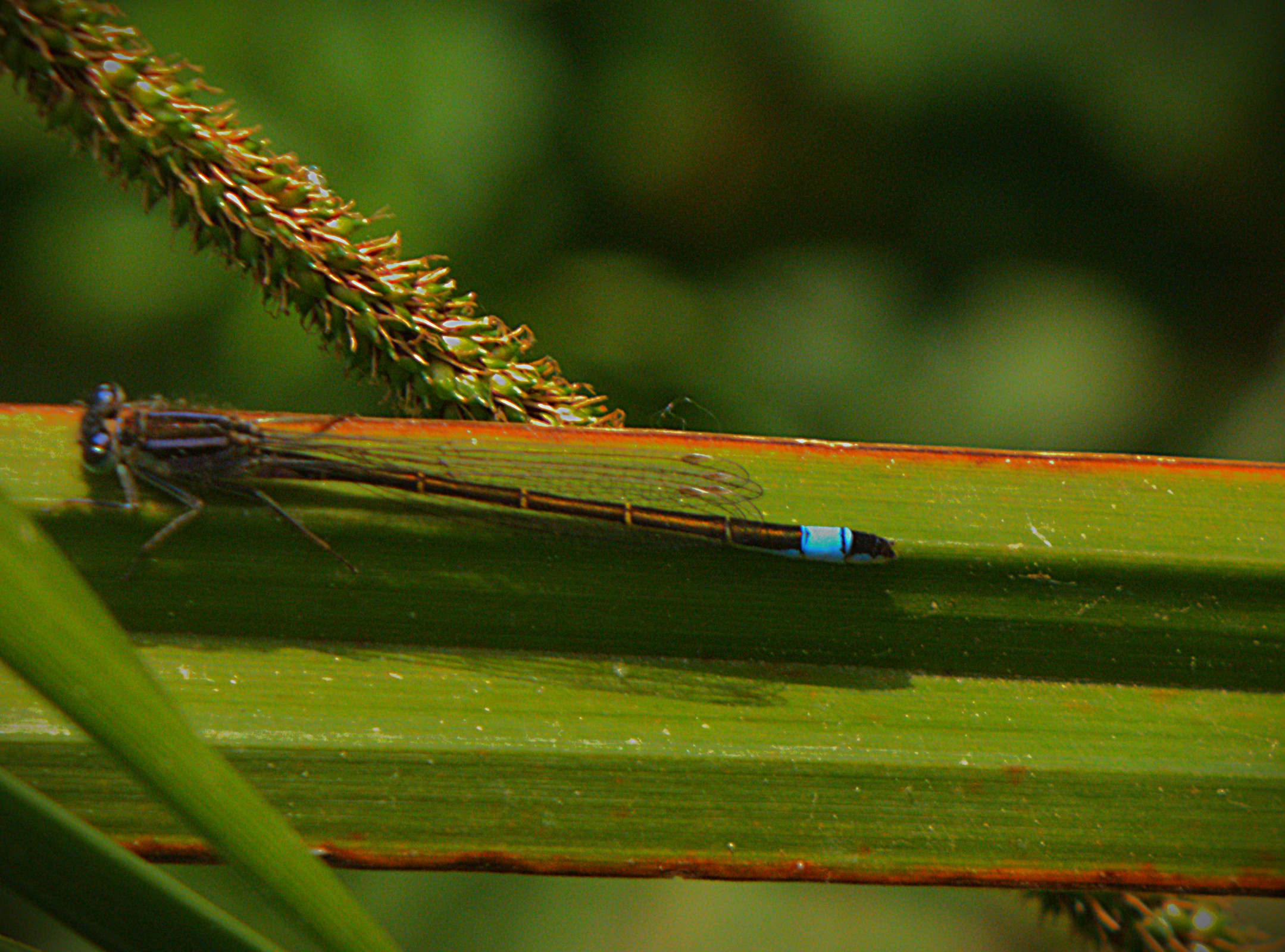
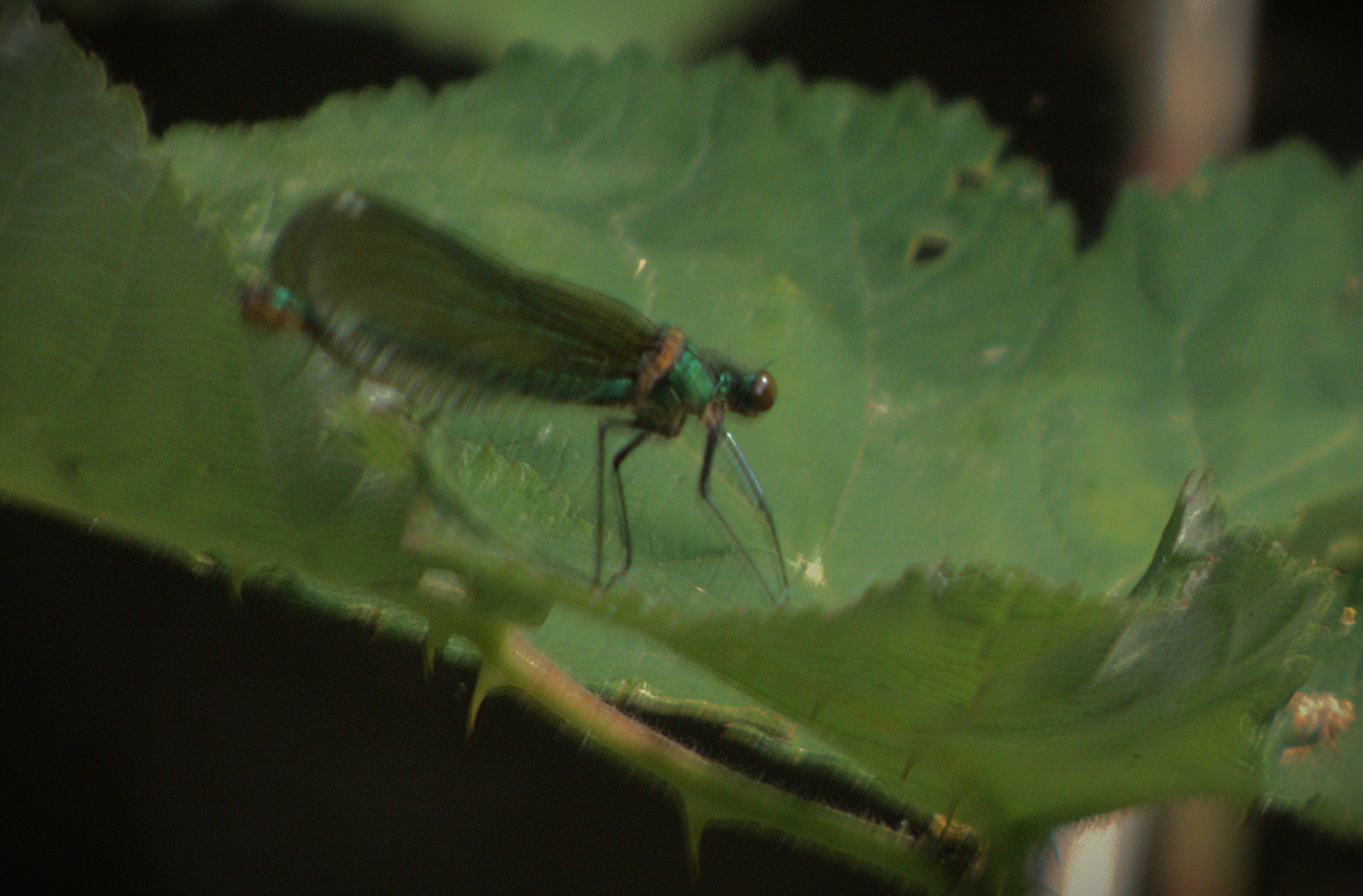
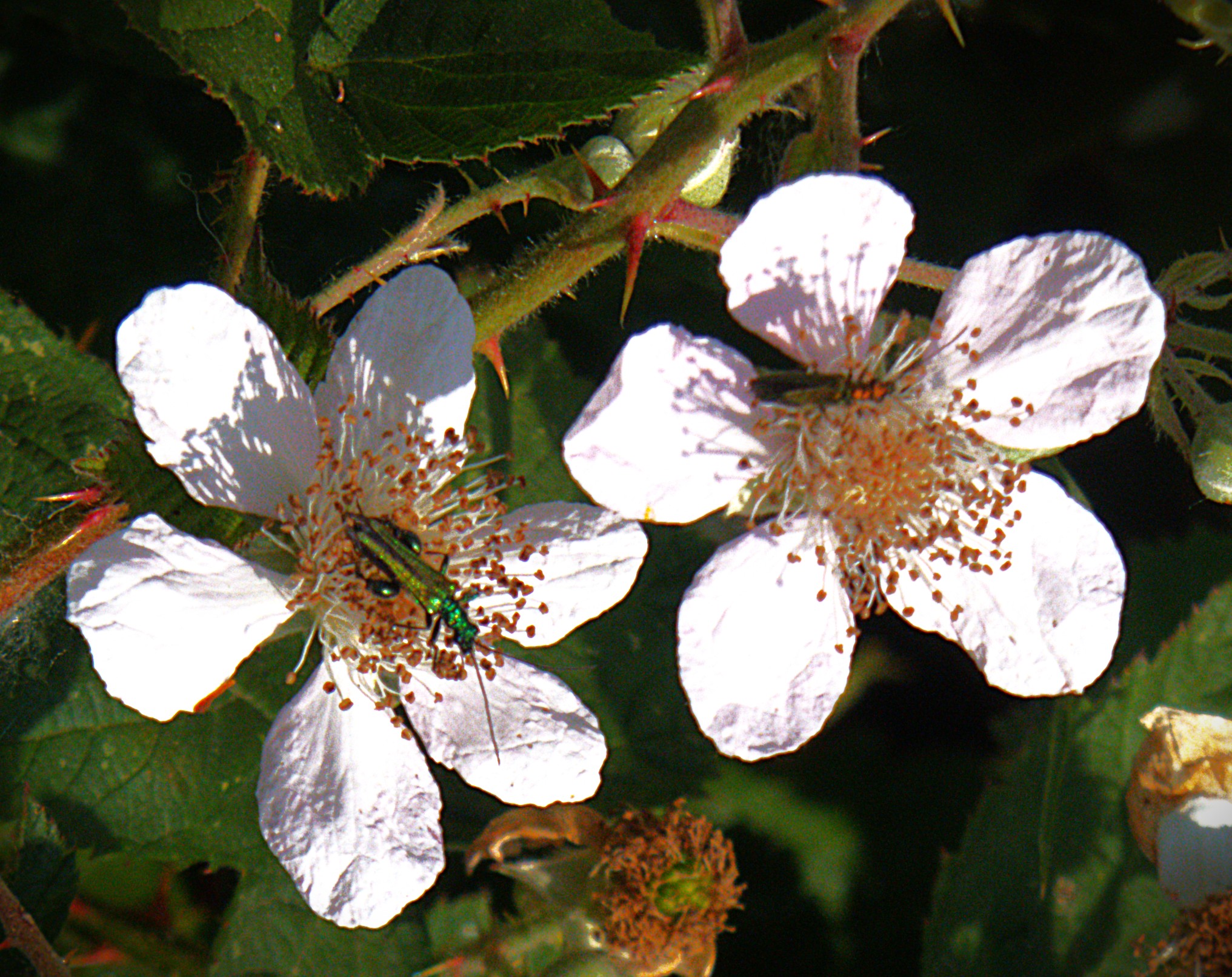
A damselfly with a slender mainly black body and blue ring round the tail segment.Some pictures (six) of a hummingbird hawkmoth among the lavender.Goldfinch pictures taken through my front window.Cinnabar moth (four pics)red admiralAll legs and antennae (two pics)A set of pictures taken at Cavies and Cake in Fakenham just before work one Thursday (I was there with WNAG)Pictures from the NSOs second ever relaxed concert at the Corn Exchange on the 21st of JuneCaterpillars (three pics)A painted lady A spectacular beetle on a nettle leaf.A green damselfly of some description.This insect with a ,long blue body and wings with black tips is a demoiselleCaterpillarA red admiral and a European peacock on the same buddleia head.This coin recently passed through my hands (it is in circulation, not a proof coin).A comma butterfly
Continuing my account of my Scottish holiday with a second post about our visit to the Knoydart peninsula.
Welcome to the latest instalment in my account of my Scottish holiday (May 30th to June 6th). This post, which concludes my account of the time actually at the Knoydart peninsula, comes after a small hiatus caused by first work and then yesterday’s weather. It got so hot yesterday that one of the things I did after returning from the West Norfolk Autism Group committee meeting, getting home around lunch time, was to use my shower to give myself a sluicing with cold water just to cool down. Today is still hot, but it is not as brutal as yesterday was.
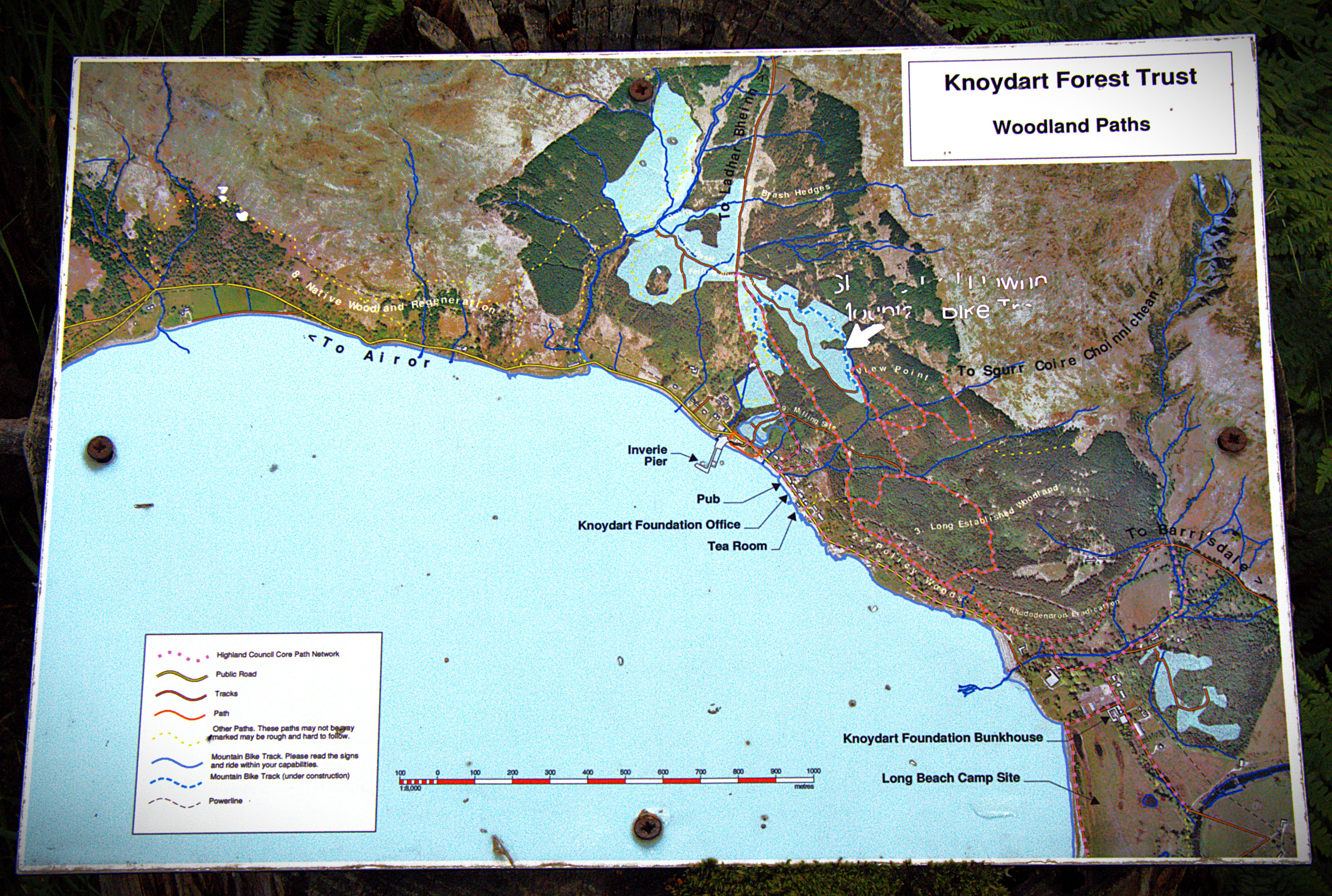
INVERIE HOUSE TO THE PUB
The walk from Inverie House took in a food garden (no picking allowed, and in any case there was precious little that was actually pickable), and a loop back to the main road, which we followed to the pub.
THE PUB
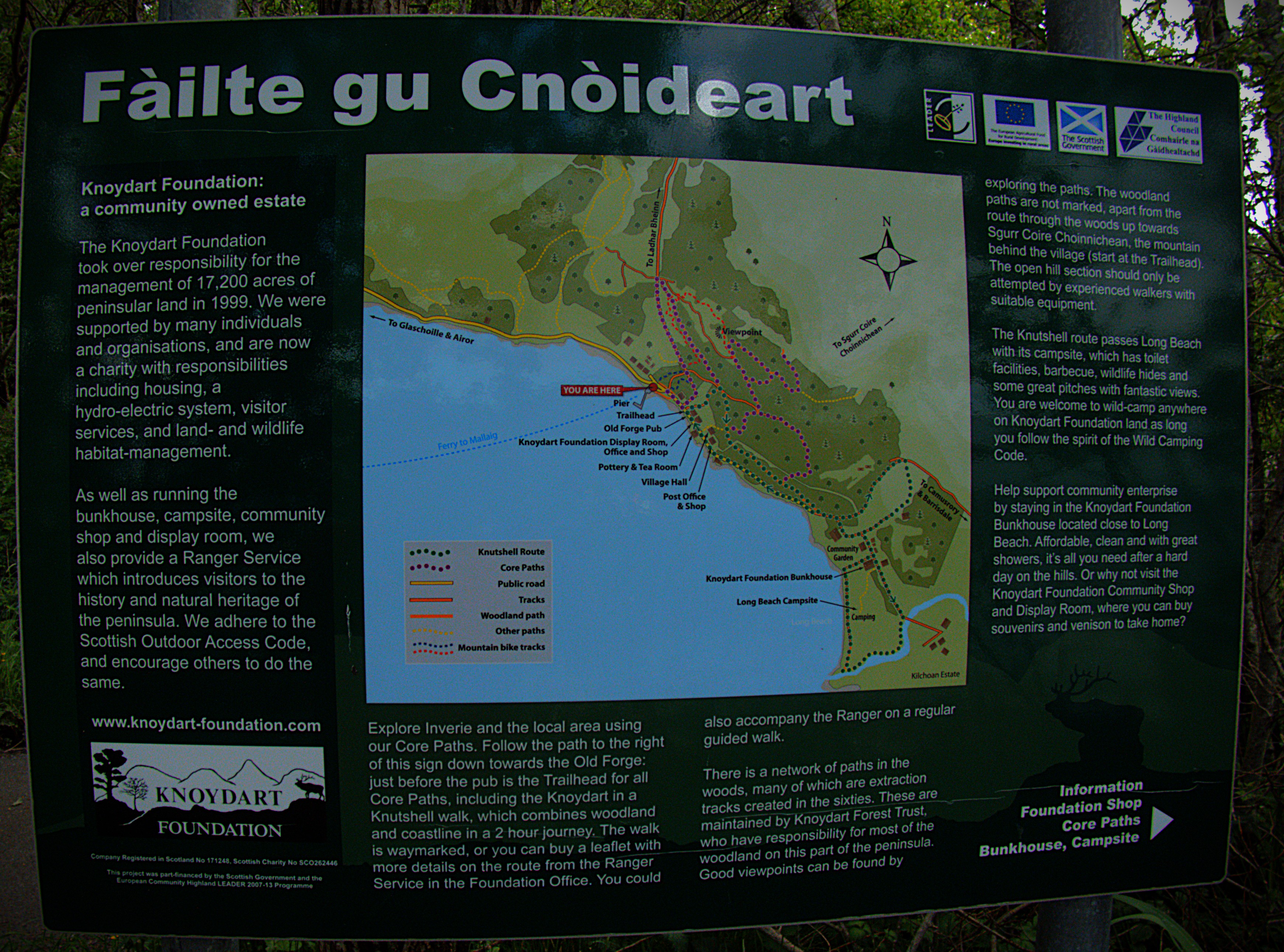
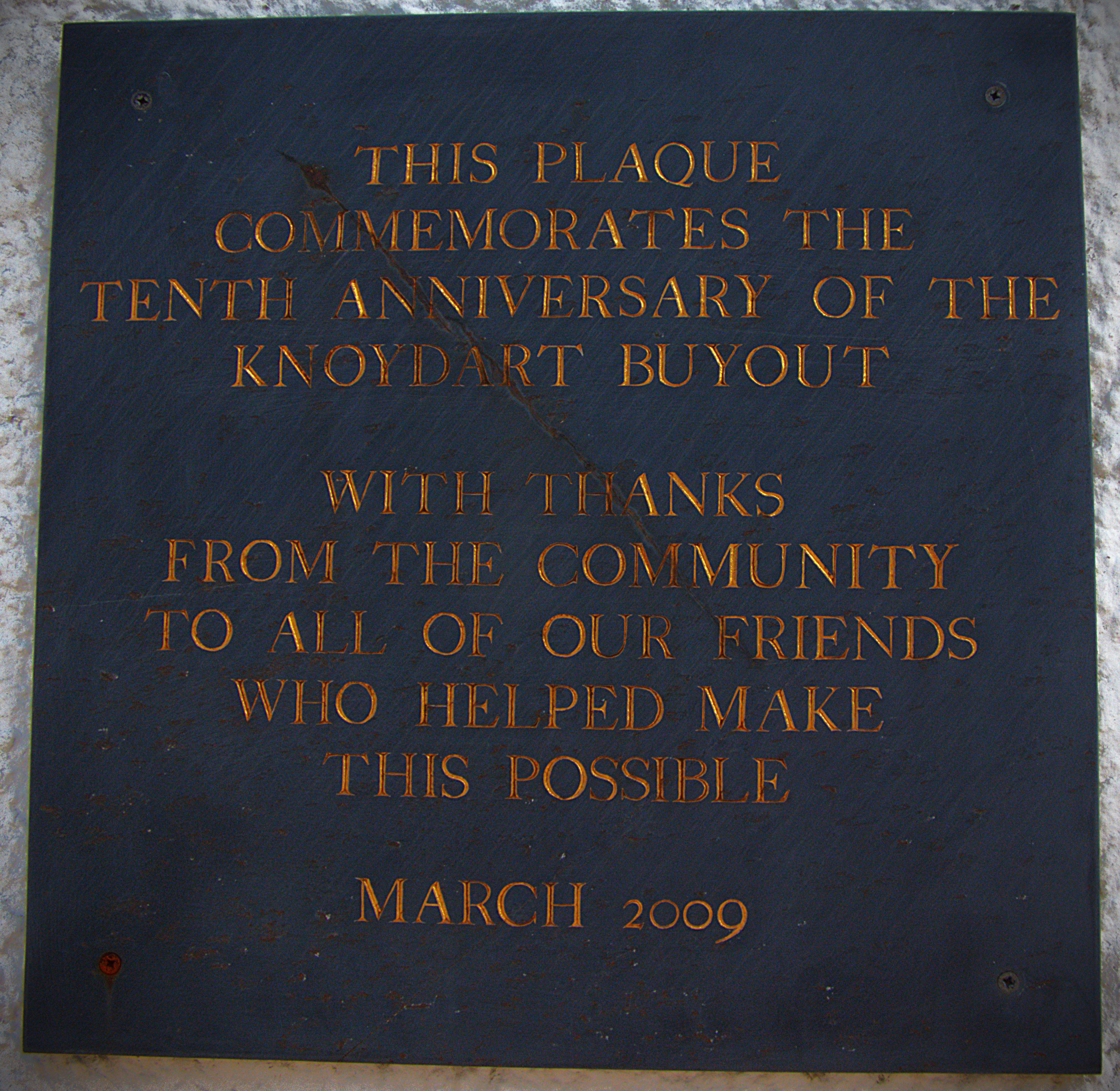
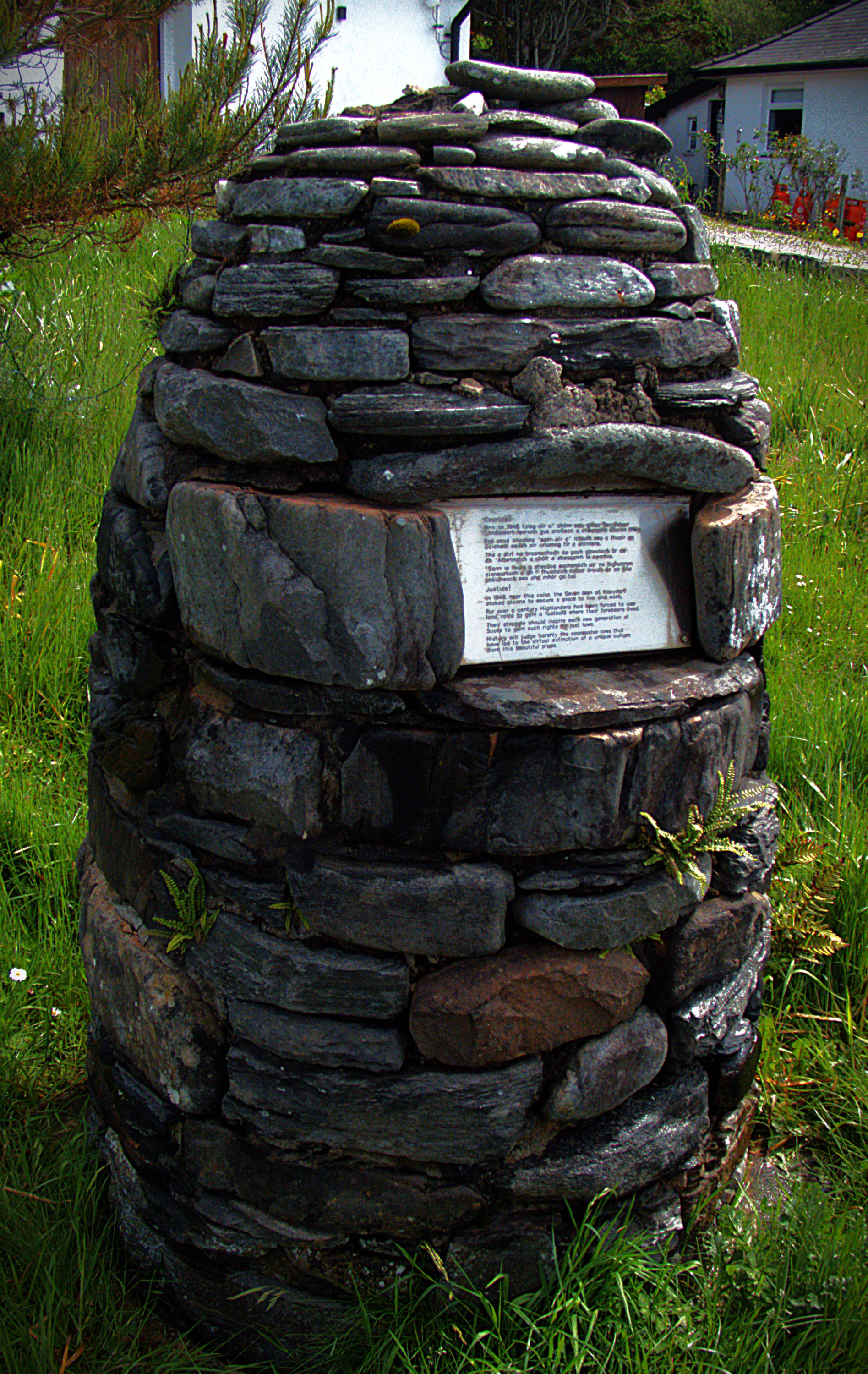
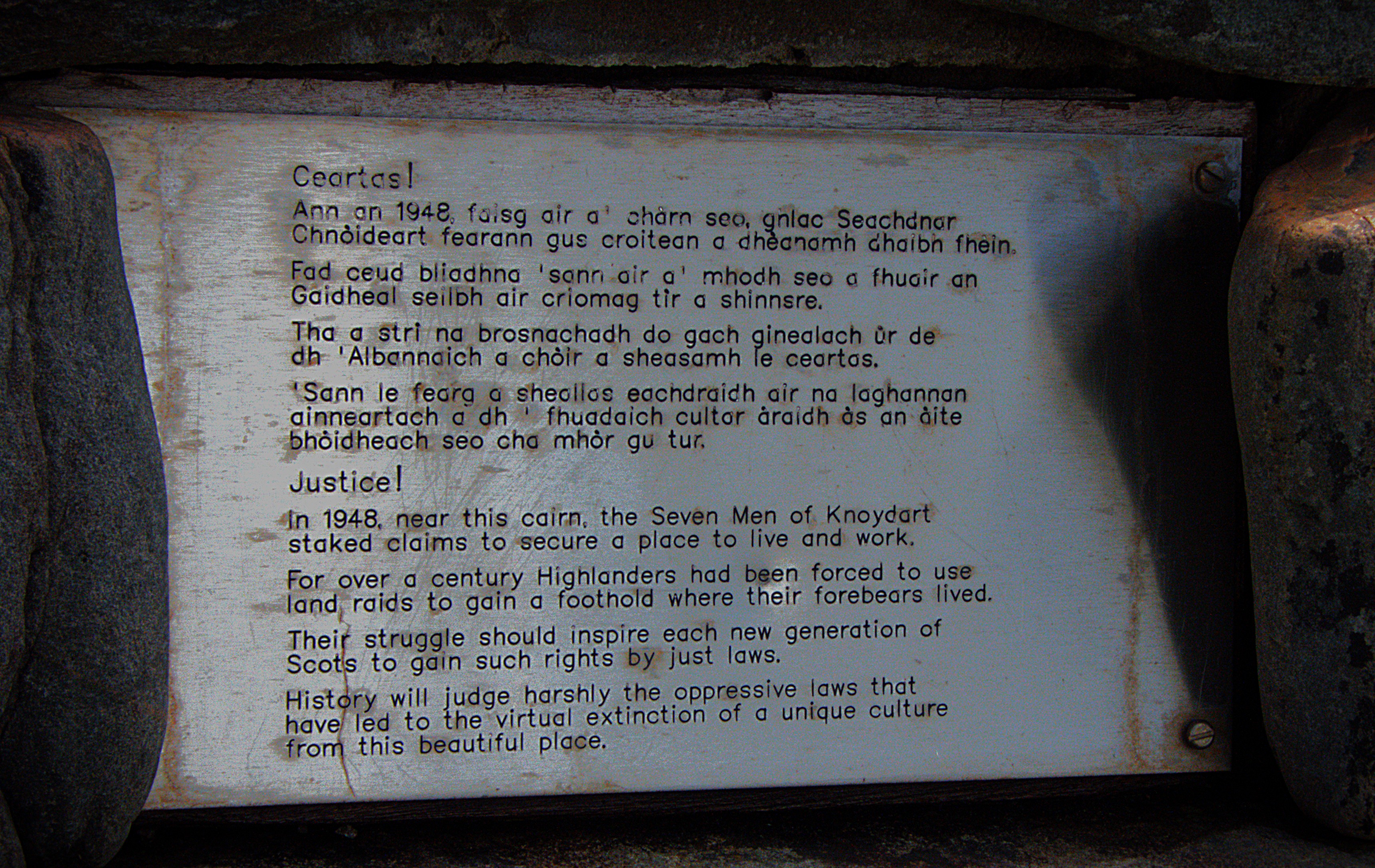
The Old Forge proved to be a splendid establishment. They had two locally brewed beers on tap, and I went for the historically named “Seven Men of Knoydart” – this designation referring to the first stand taken in the area against oppressive landlords (nb Knoydart has been community owned since 1999). The food was also good.
POST LUNCH
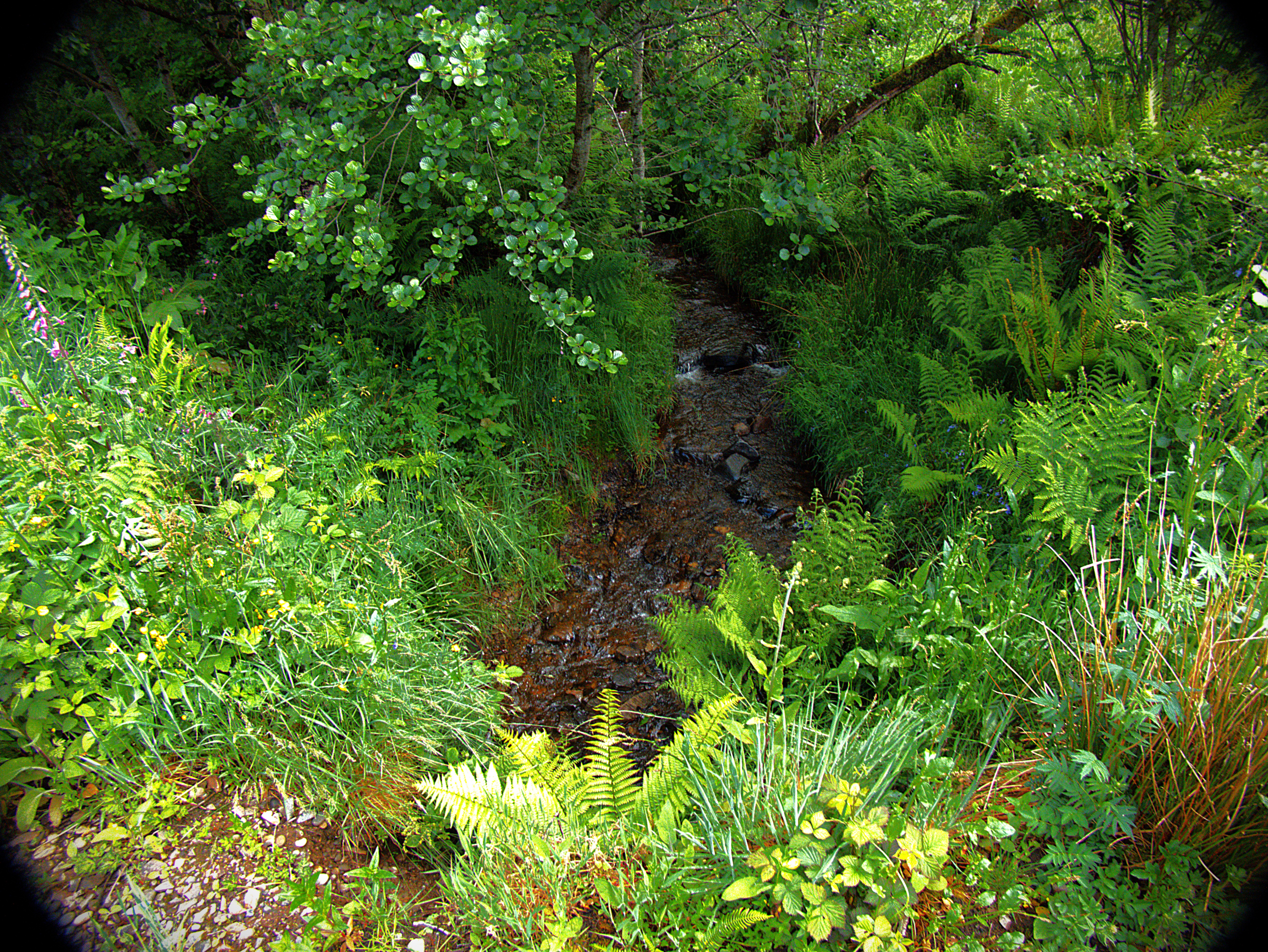
After lunch we walked a bit the other way, and it was during this walk that we saw the waterfall a video of which featured in my previous post (there is another today). We got back to the quayside in good time and waited for the boat back to Mallaig.
The first post covering our explorations of Knoydart. Features a waterfall video as well as lots of photographs.
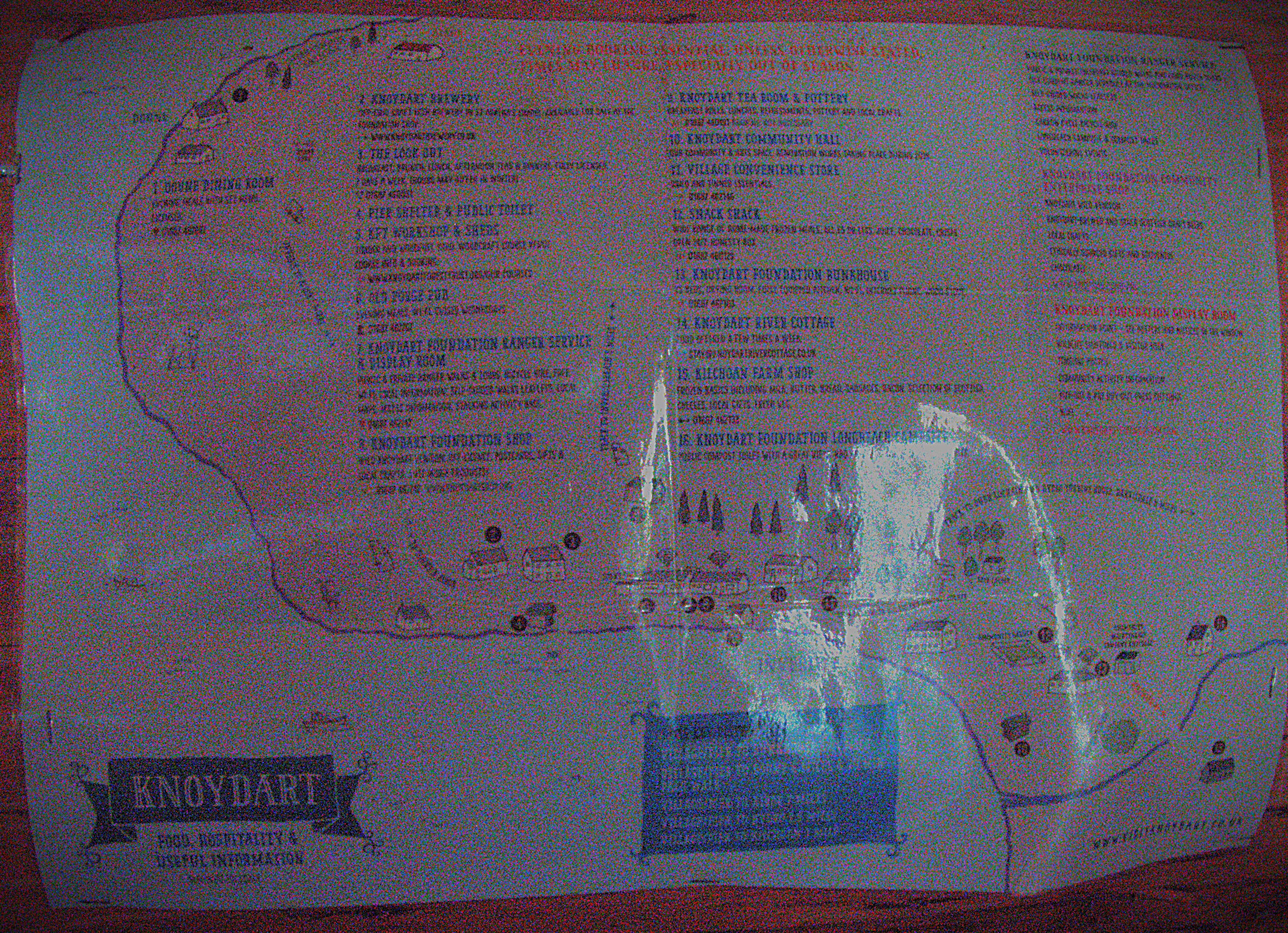
As Norfolk swelters in a red alert heatwave I welcome you to the latest post in my series about my Scottish holiday. In the previous post in this series I covered the voyage from Mallaig to Knoydart. This post starts my coverage of Knoydart itself.
EXPLORING KNOYDART
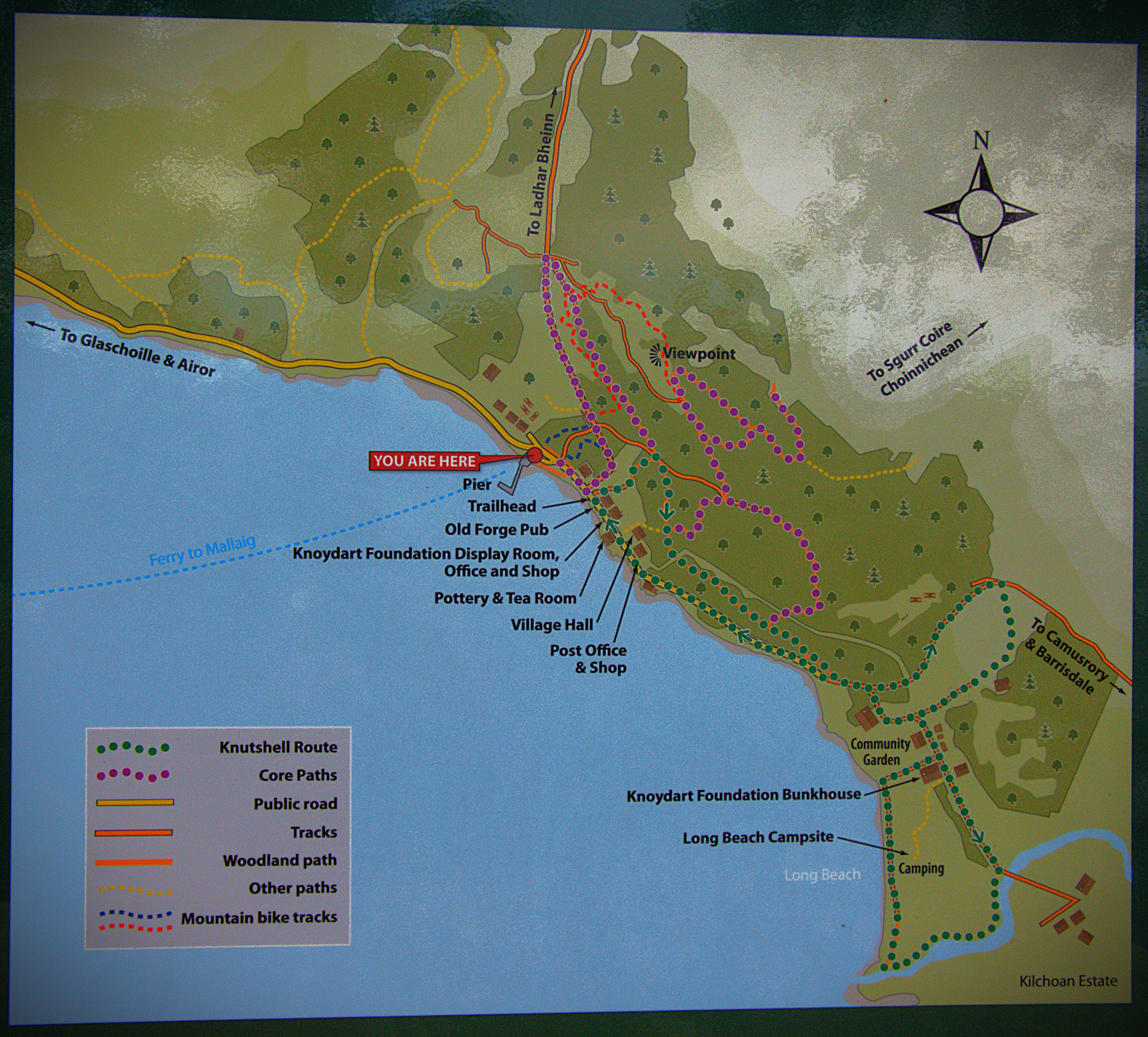
We made our plan – we would walk to the beach and Inverie House beyond it, then turn and come back as far as the pub where we would have a break, before walking a bit in the other direction. There were lots of interesting things to see along the way.
PHOTOGRAPHS
As a bonus feature I start this section with a video, one of two I have of a waterfall that we saw after lunch.
Now for the photos…
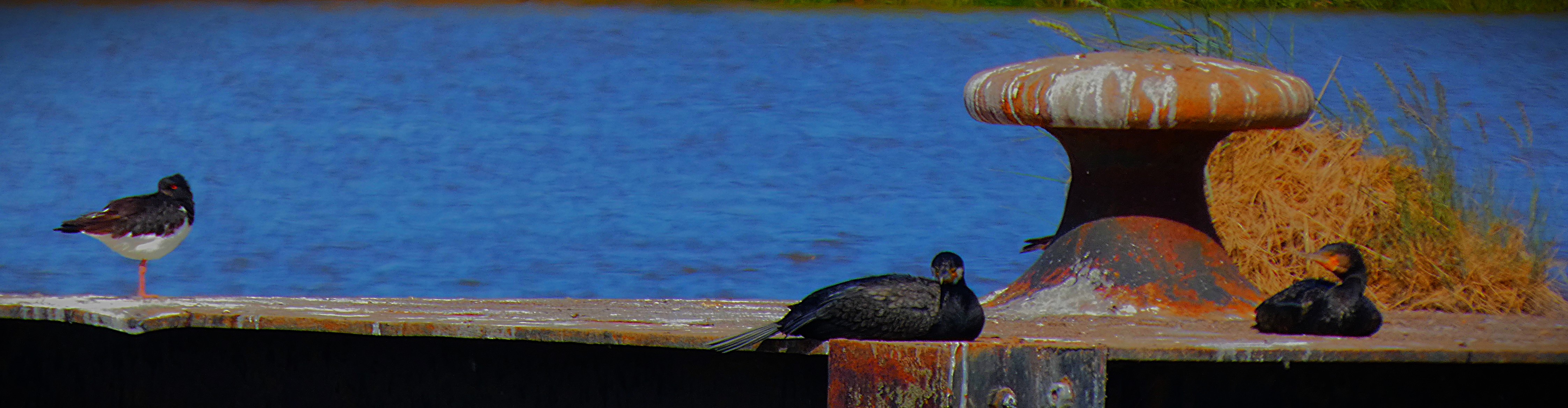
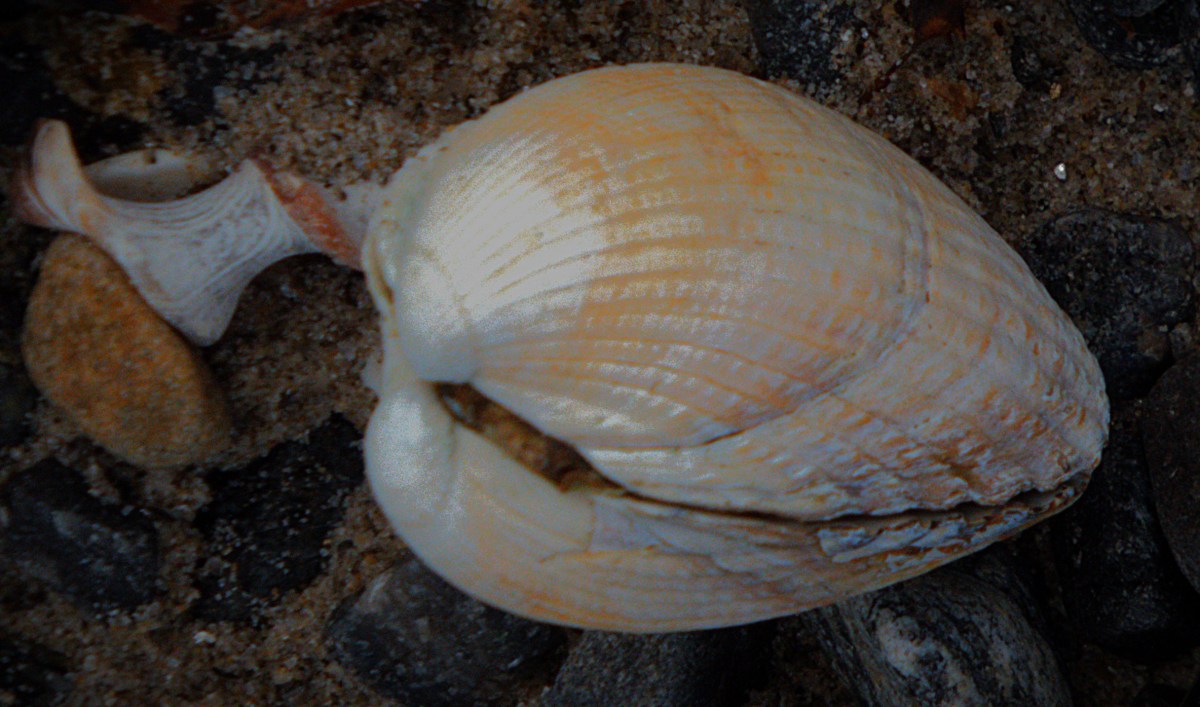
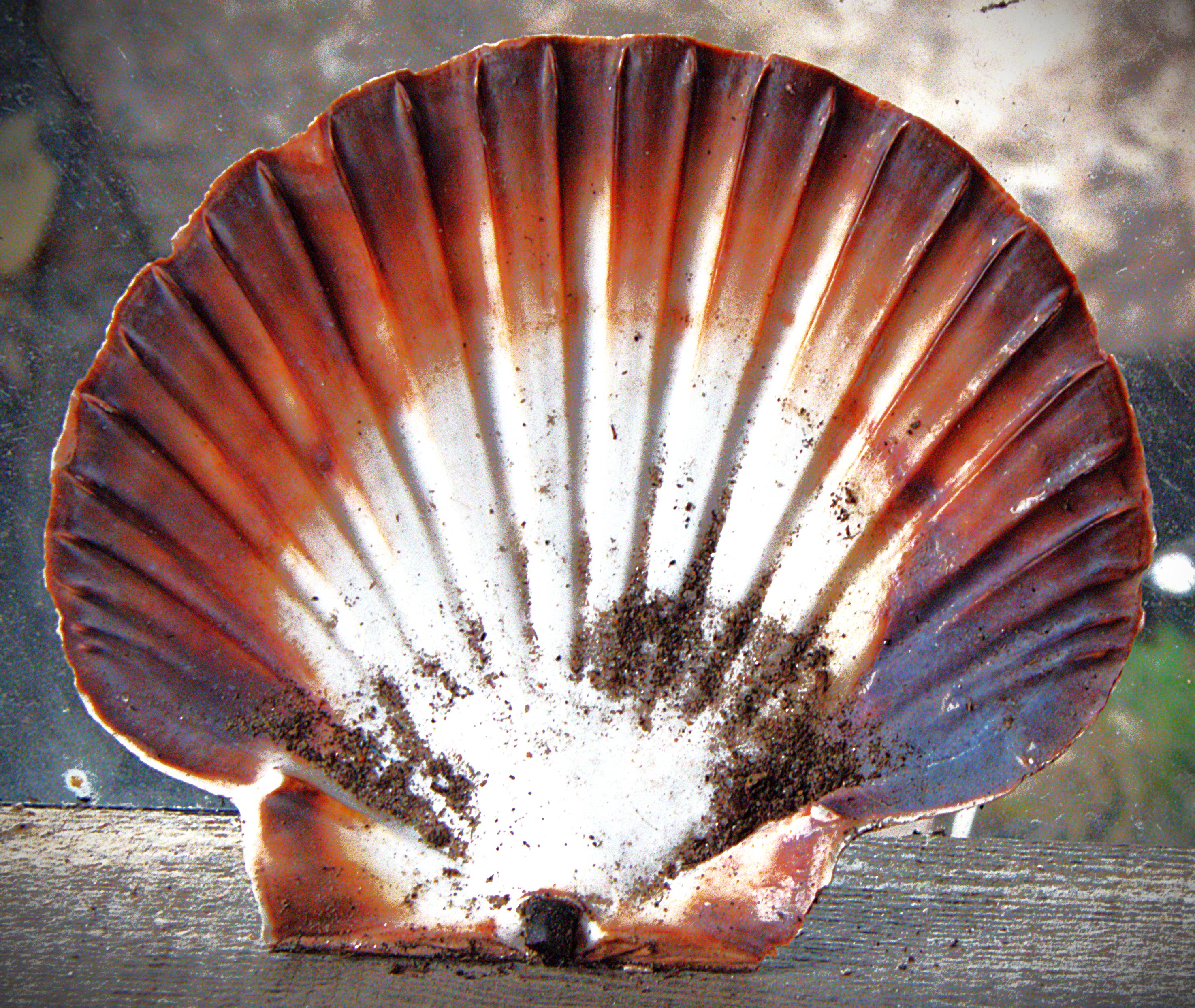
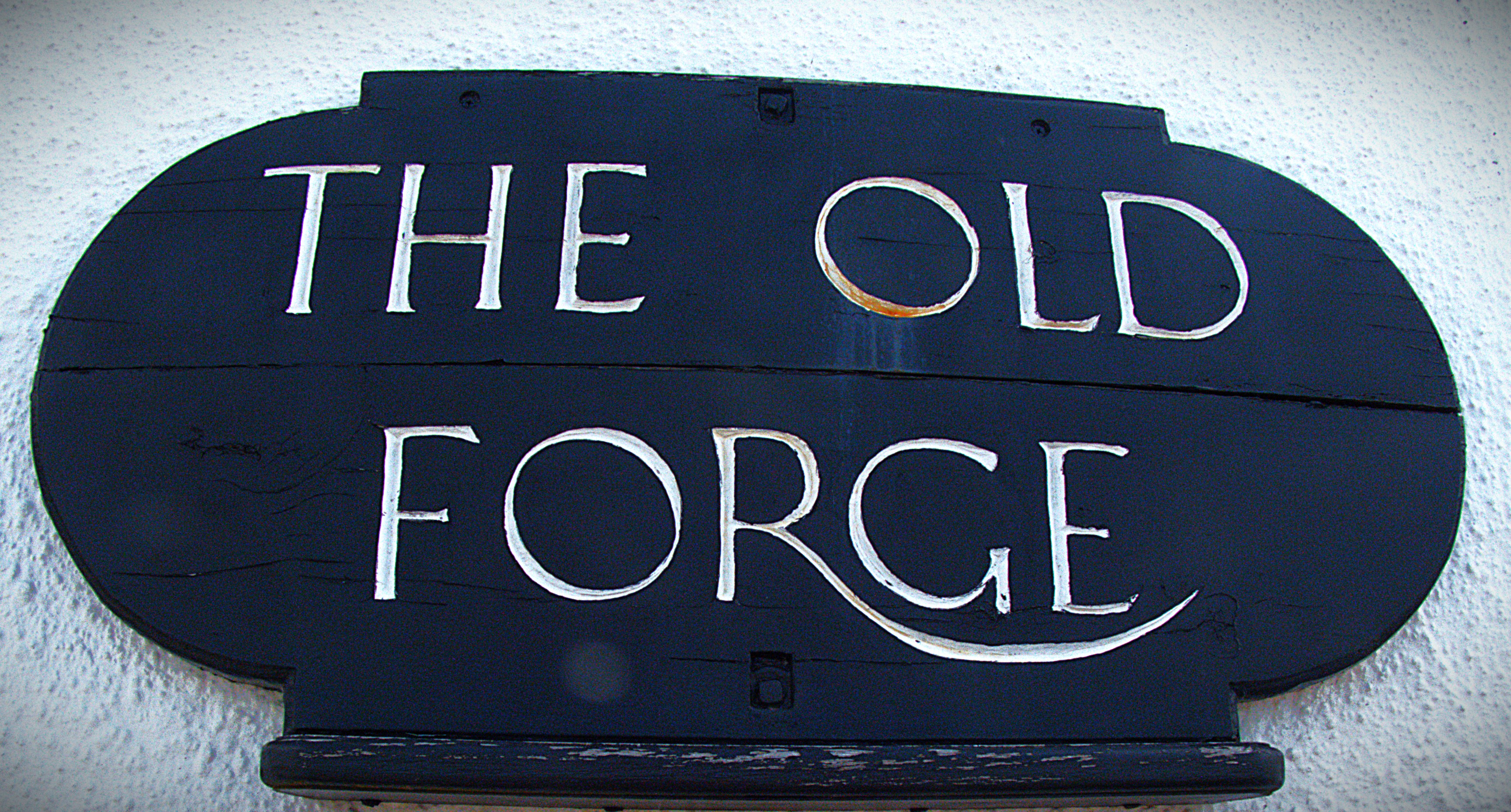
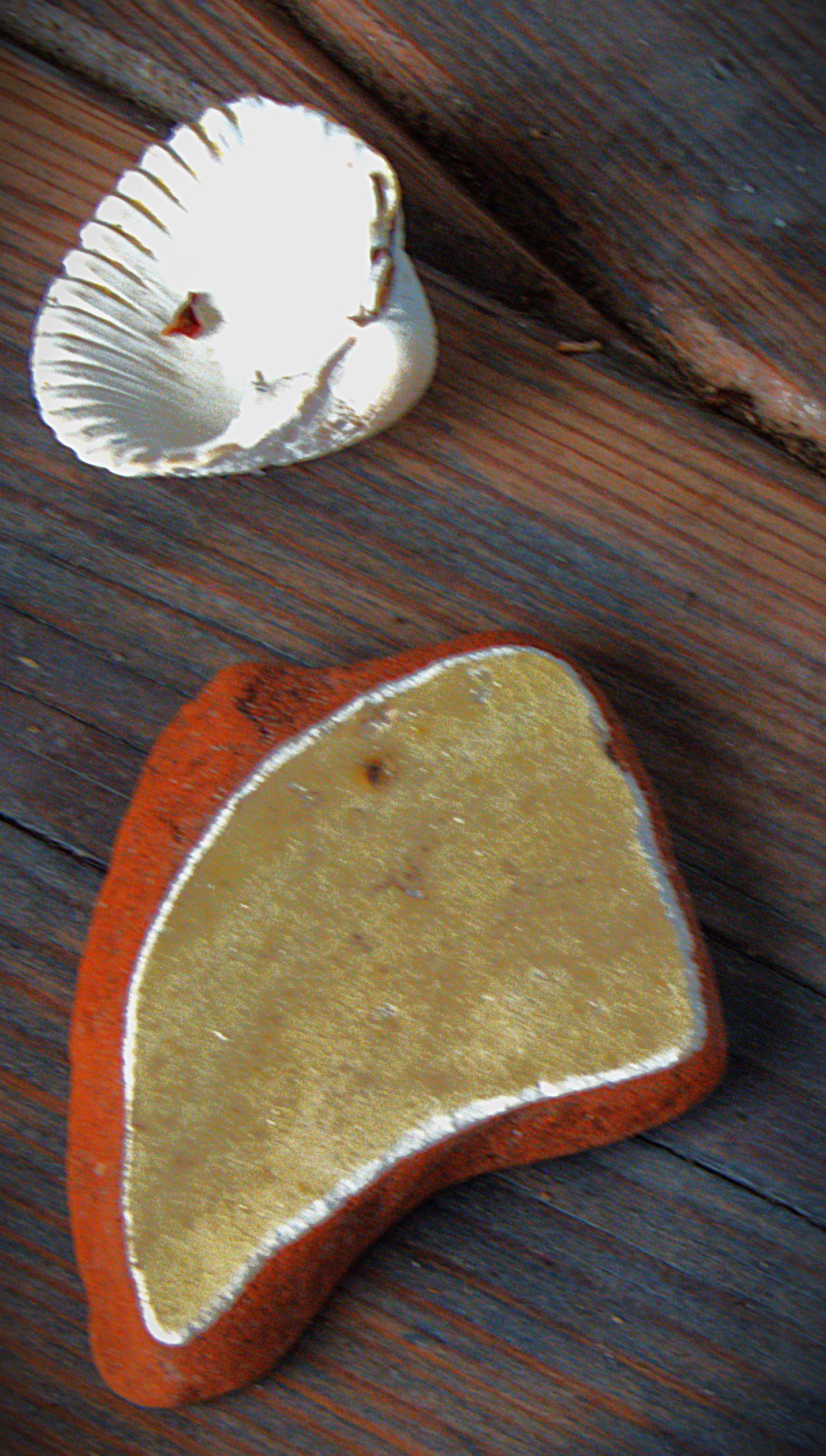
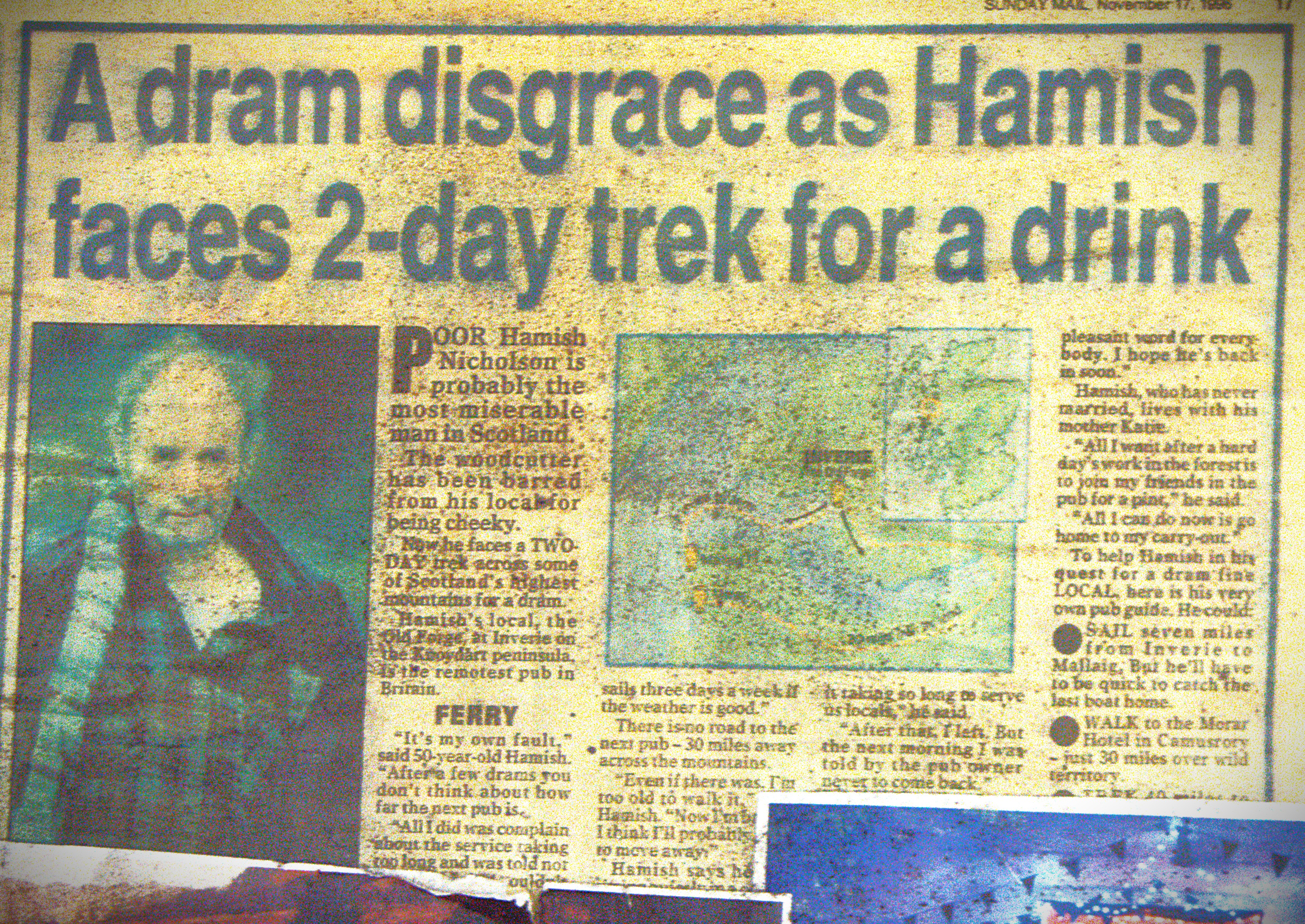
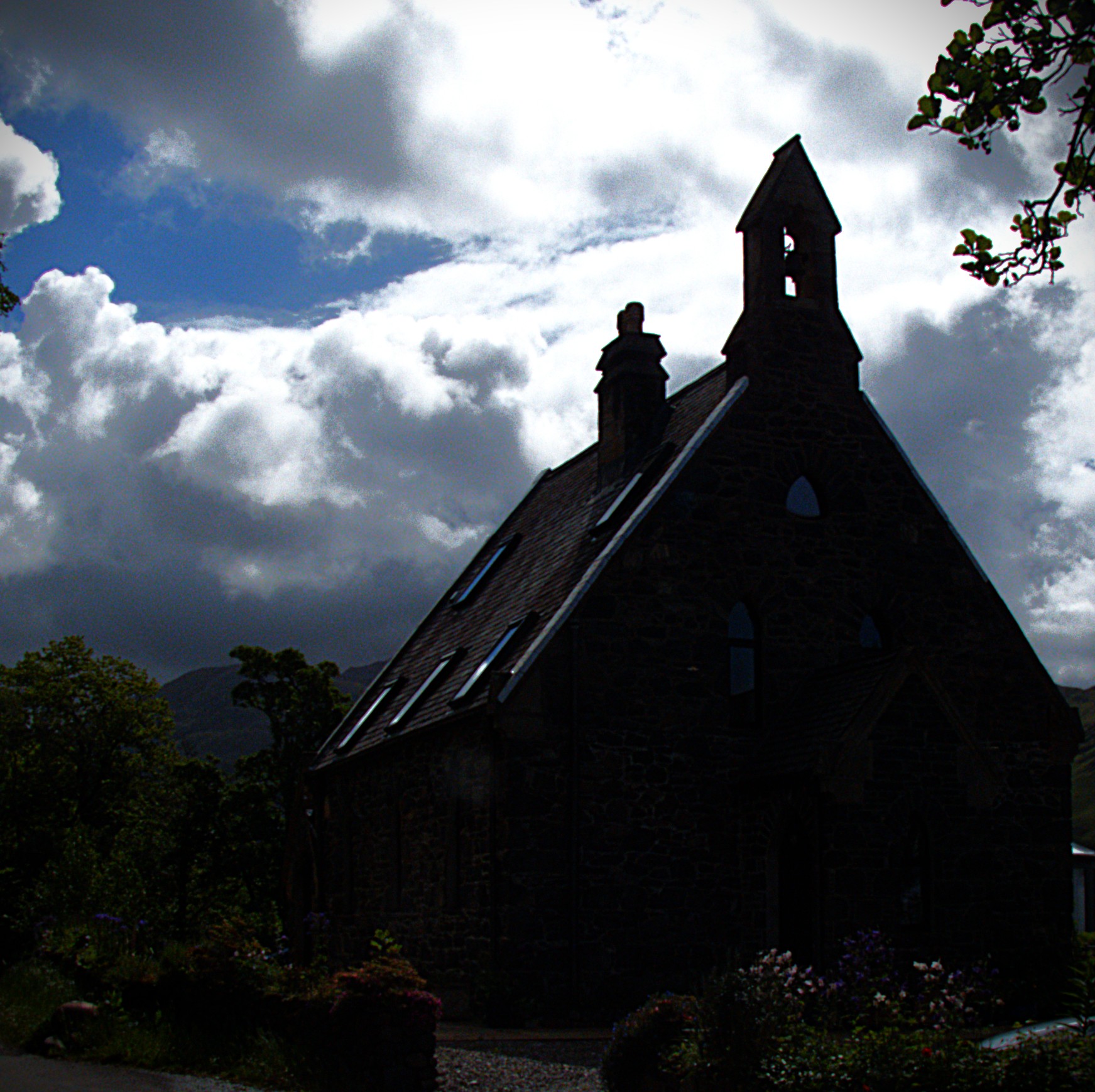
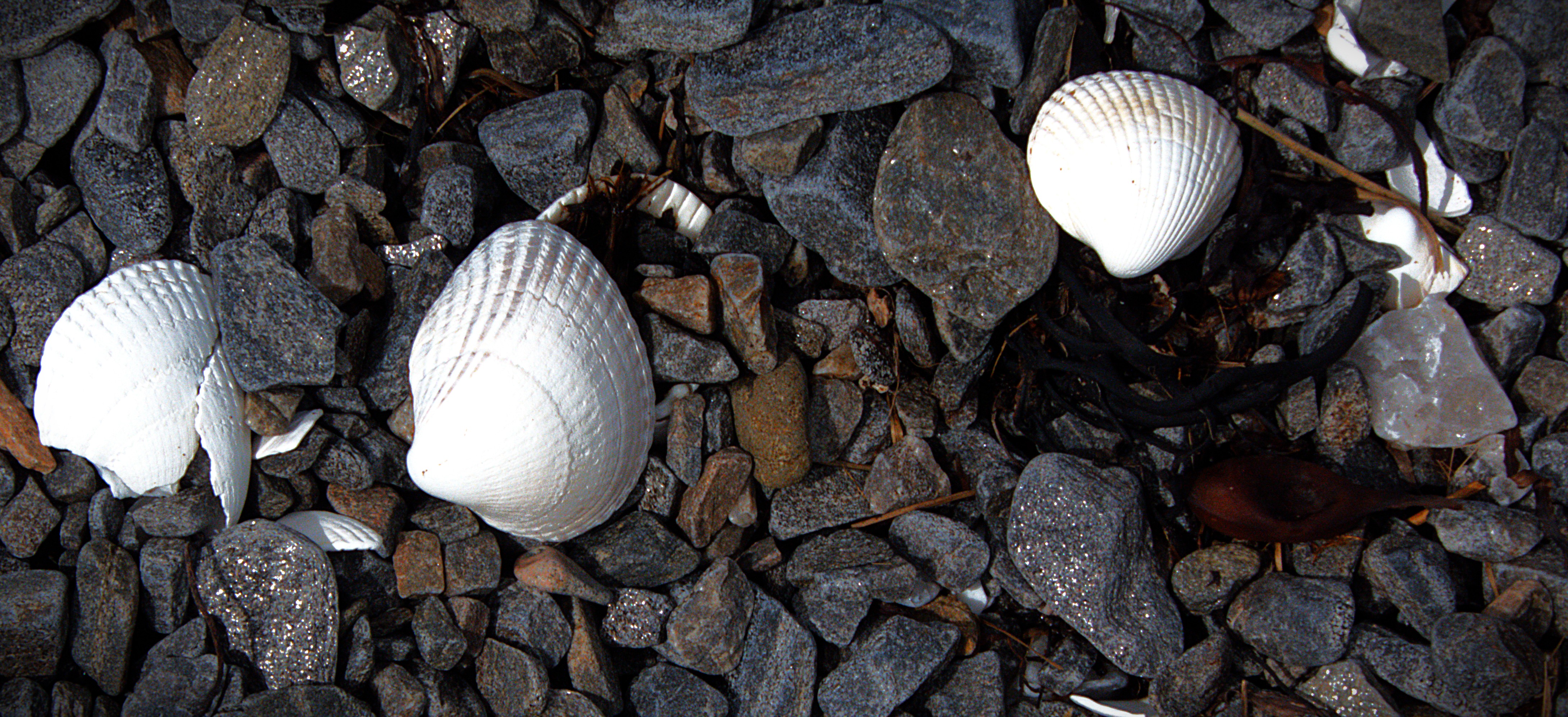
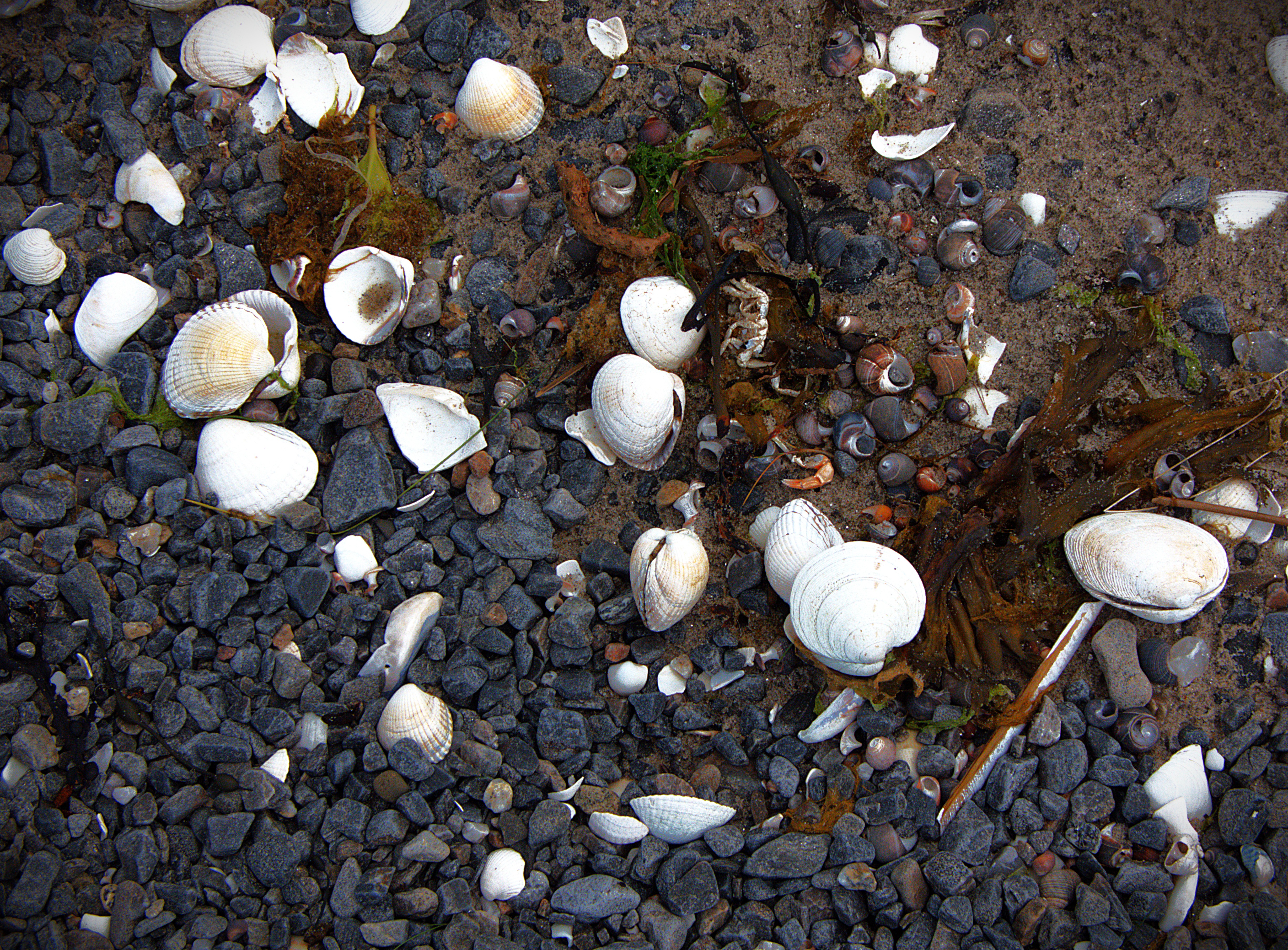
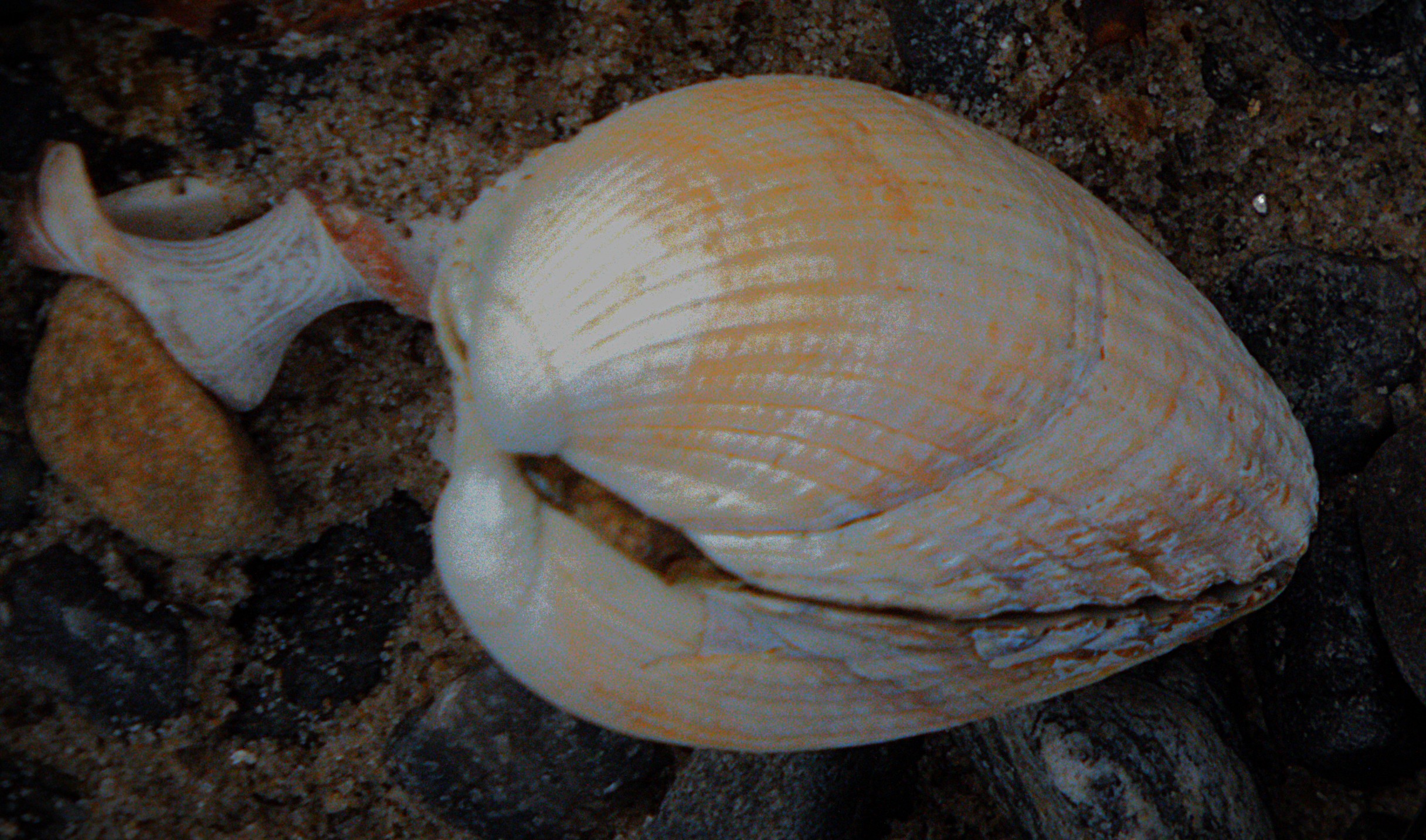
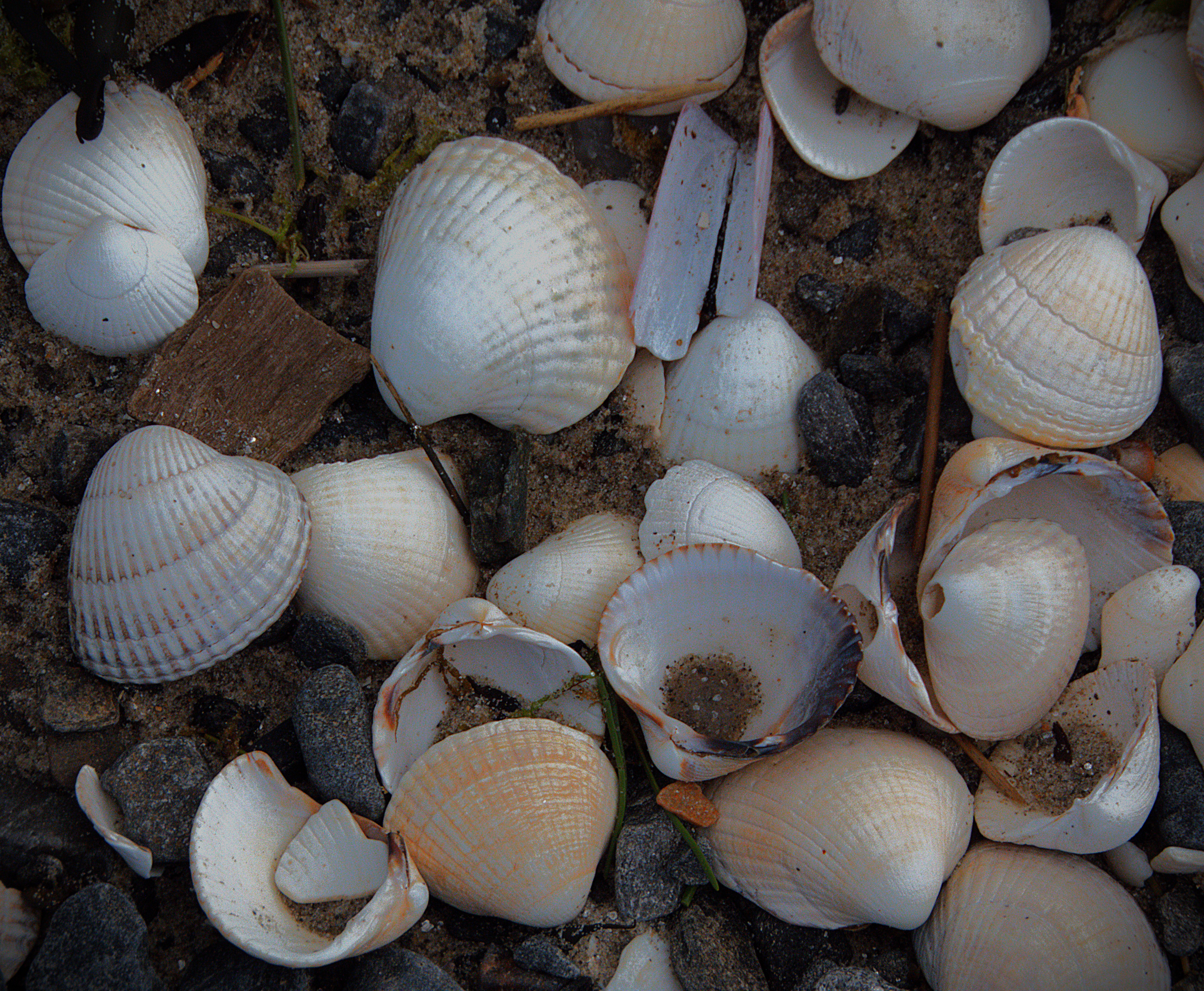
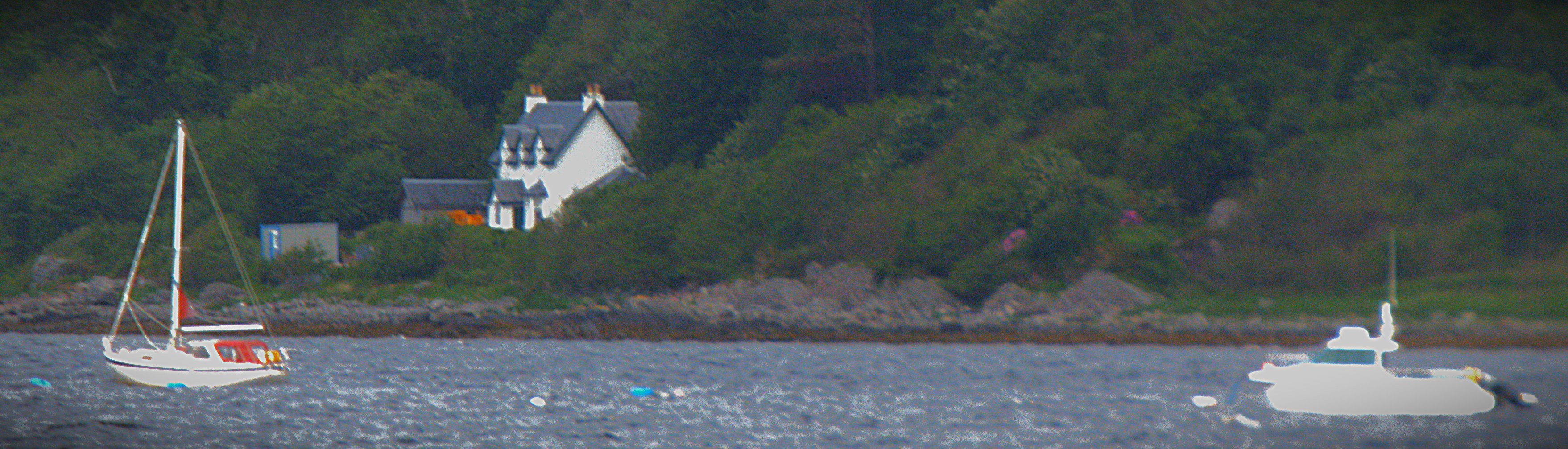
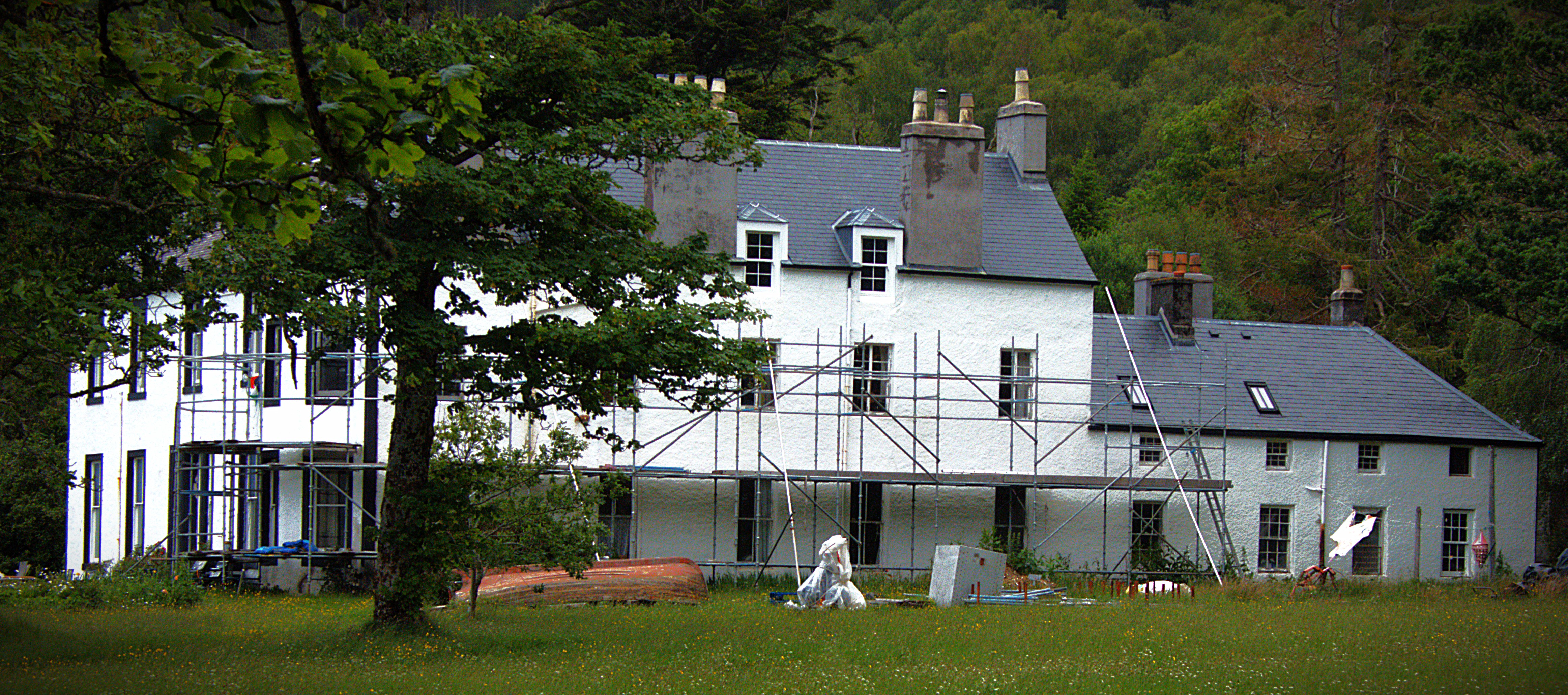
The sign for Britain’s remotest pub, of which more will be said in the next post.When you in as remote a location as this getting yourself banned is a very big deal!This is no longer a church – as the skylights suggest it is now a private dwelling.On the beach – there many shells – I looked for the most interesting ones, and rigidly followed the guideline for such situations “take nothing except photographs, leave nothing except footprints”Inverie House
Continuing my account of my Scottish holiday with a look at the grounds of Canna House.
My most recent post in this series about my Scottish holiday (May 30th to June 6th) covered the outbound voyage to Canna, which was run as a wildlife cruise. This post now deals with the only special activity we had time for on the island.
CANNA HOUSE
Canna House is now owned by the National Trust. One can only go into the house if one books a tour, which we did not have time for. The grounds however are freely accessible, and feature a lot of interesting stuff. The gardens feature a lot of food plants, and there is some interesting historical stuff to be seen as well.
PHOTOGRAPHS
Here are the photographs for this post…
This was the first of a number of ‘information trays’ that found within….…this structure, which challenged visitors to look inside in a way that I just had to respond to. Ancient stonework preserved in the grounds of Canna House (three pictures)An excellent view of the front of Canna House.
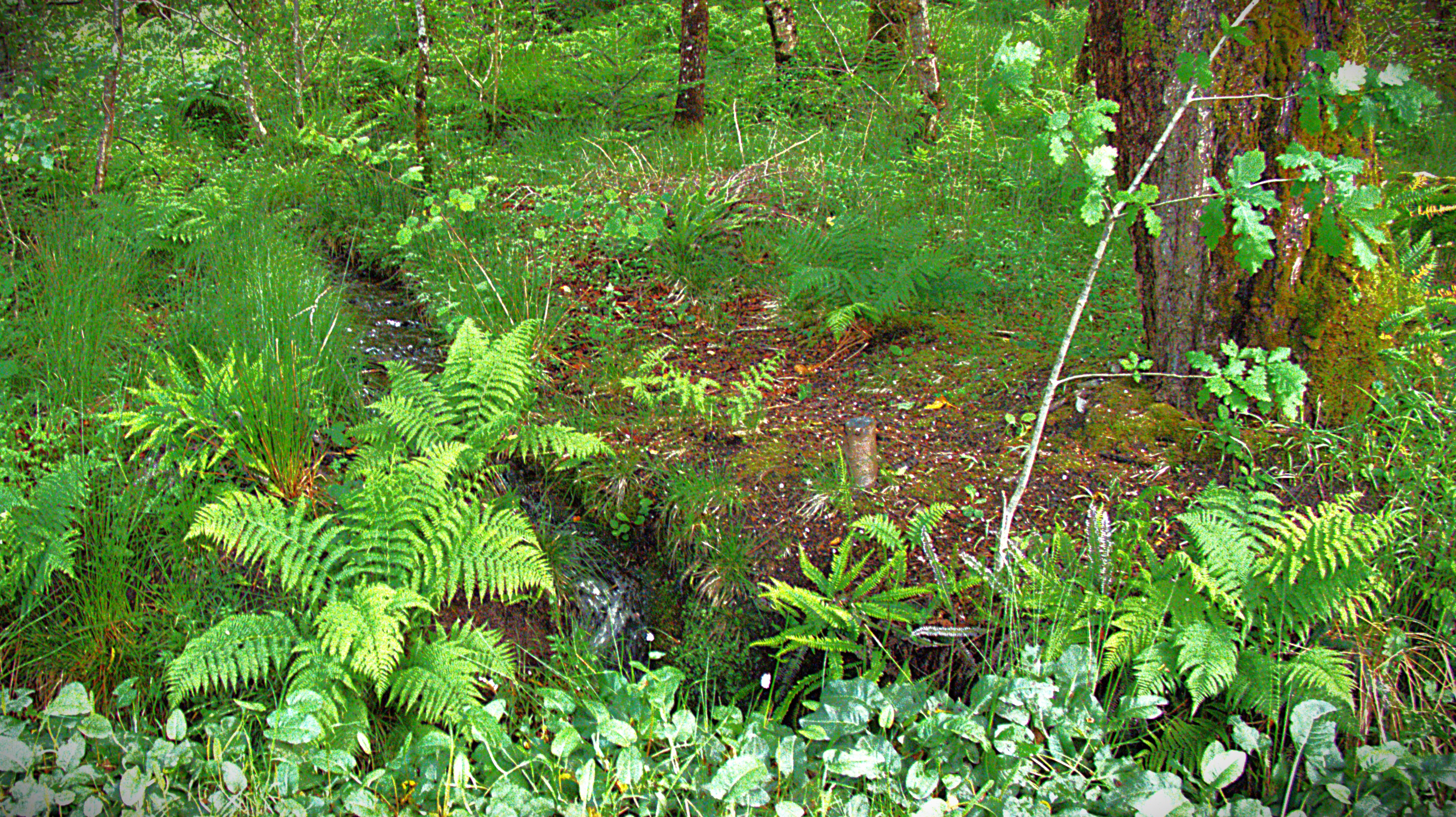
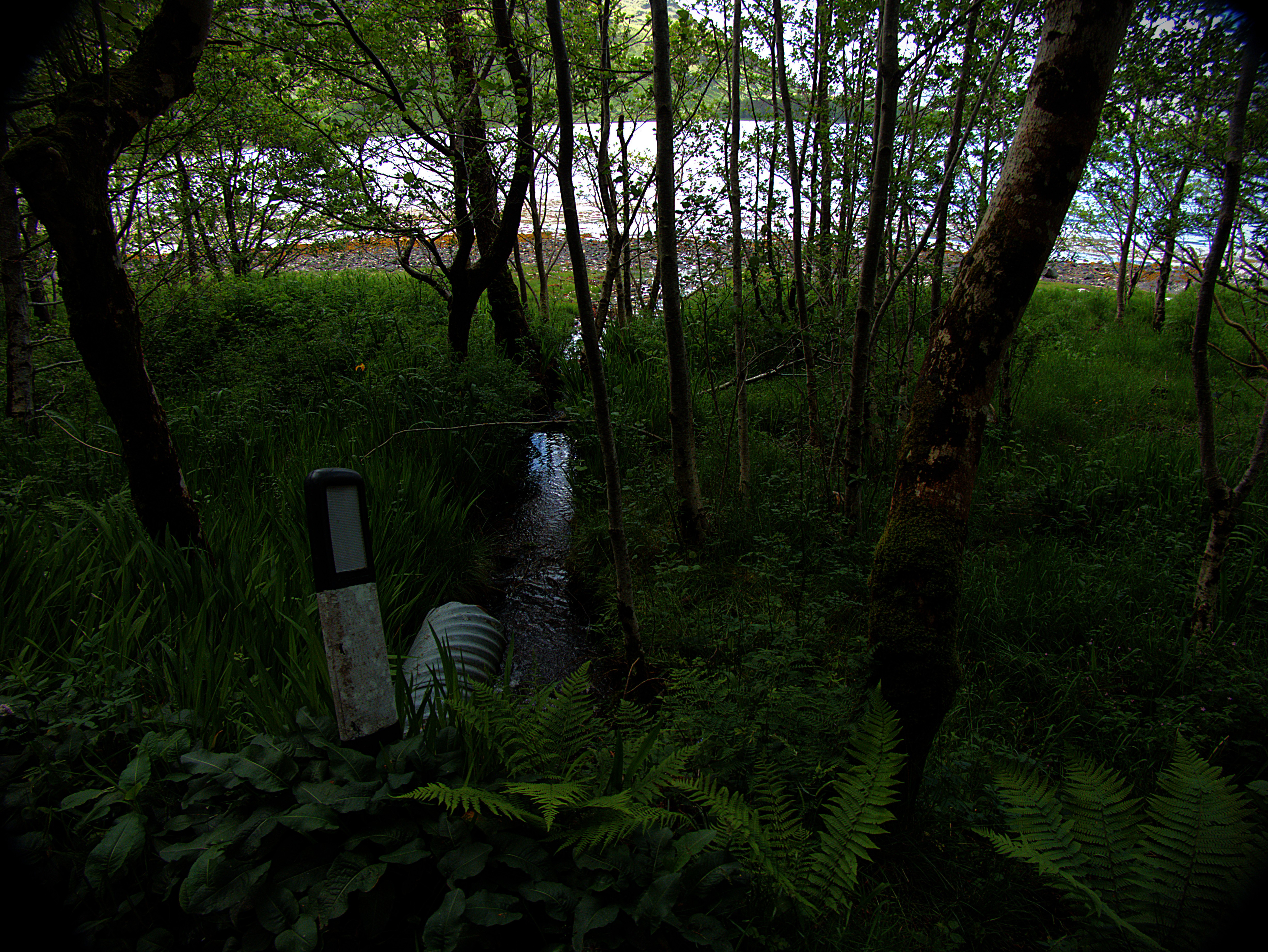
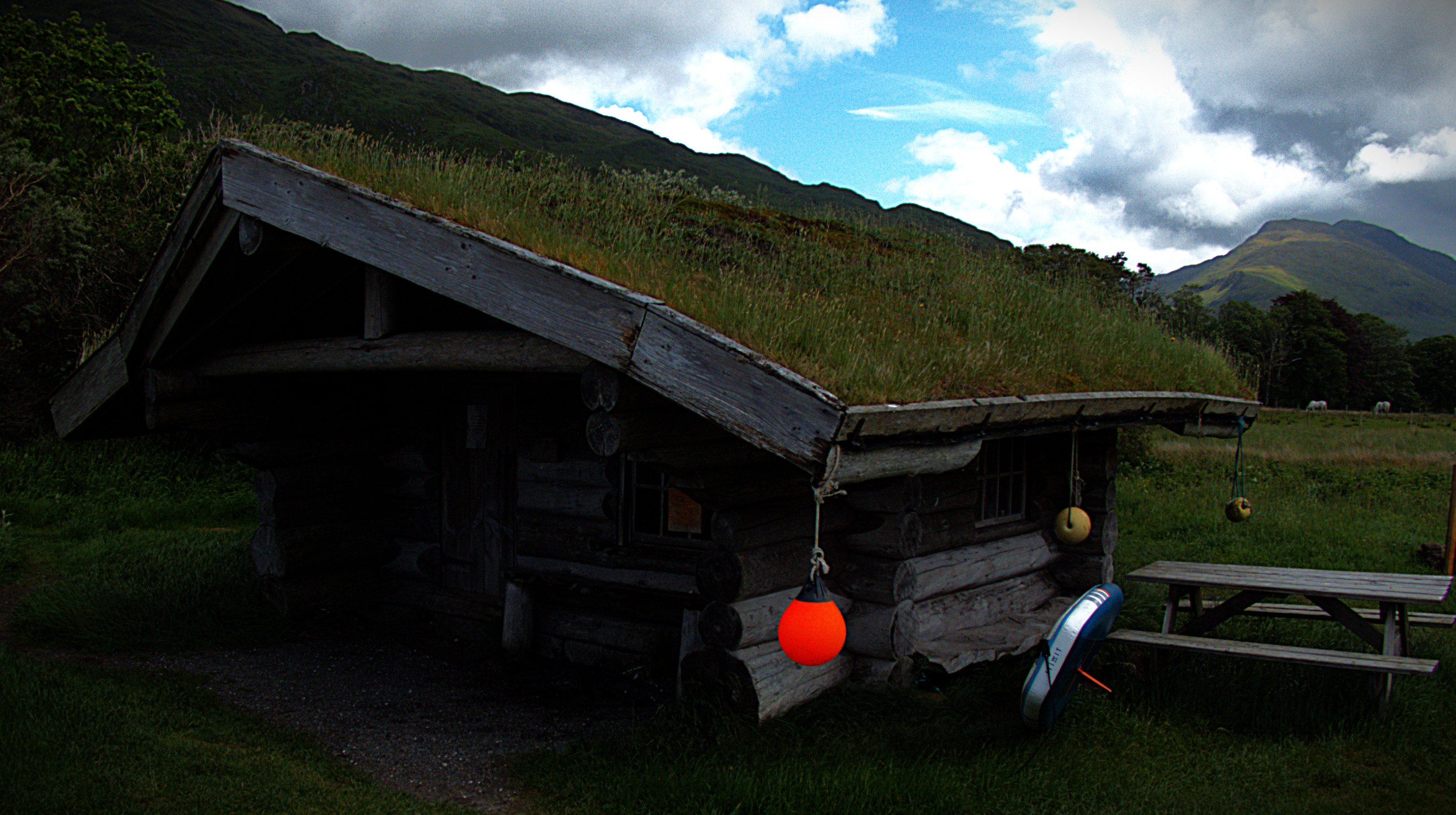
A look at the cottage we stayed in and its surrounding area, featuring pictures from among others three walks that I took on the Monday.
I am now back from my Scottish sojourn, though I have a large amount of photo editing still to do. I put out a few small posts while in Scotland, though have not put anything up since Thursday. I now resume chronological coverage of the week, going back to my second full day in the area, the Monday. My parents had to go to Fort William and back, and had to do so by car, because the most important thing they had to do was set for a specific time that was enough to rule out the train journey. I opted to stay at our cottage, and was left with the key so that I could go walking if the weather allowed.
THREE WALKS
My first walk started at 11:30AM after a couple of false starts, when opening the front door revealed that the rain had not in fact abated. I was out for an hour and a half on this walk, and did not get wet. I walked in an unfamiliar direction and got as far as Traigh Golf Course before I decided to return. For my second walk I took the second unfamiliar road and followed it for a while before turning back. The third walk followed the route of the first as far as the river crossing before I returned. Two of the pictures that featured in the ‘wildlife feature‘ post were taken during these walks, and in the gallery that follows you will see another of these pictures, taken through my kitchen window.
PHOTOGRAPHS
My usual sign off…
The walk pictures start with this one.The last walk picture.
How an auction catalogue is put together and uploaded, a coda on the ‘computer is not always right’ theme and a photo gallery.
Yesterday at work I finalised and uploaded a stamp and postal history auction that will happen on June 23rd, starting at 10AM. This post describes the process of creating and uploading this auction.
CATALOGUE CREATION
Creating an auction catalogue involves the use of ExCel, and in the case of this auction involved typing up handwritten descriptions provided by our stamp expert. All the lots also had be imaged, with some requiring image galleries rather than just a single image. It is not sensible for the describing to run too far ahead of the imaging – if a catalogue ends up going live with lots of missing images the first thing that happens thereafter is a flood of incoming emails on the theme of ‘where are the pictures for x lot?’. Therefore I followed a system of doing a chunk of typing, then a chunk of imaging and so on (usually 10 lots per block, and depending on the imaging required either five or six such blocks in a day). Going into yesterday I had 460 descriptions typed up and 451 lots imaged, and because my employer decided he wanted me to upload the catalogue that day I imaged lots 451-60 and then typed up the descriptions and imaged lots 461-470 before calling a halt.
THE PROCESS OF UPLOADING
We used two online platforms, the-saleroom.com and easyliveauction and the process auction creation is different for each. On the-saleroom it is easier to copy an old auction and change the details that need changing (date of sale, category of item being sold and so on) than to start the process from scratch. To be uploadable (this applies to both platforms) the catalogue has to be in csv format and set to comma delineated), while on the saleroom the images can be bulk uploaded by way of the media manager, a long but straightforward process. On easylive the image gallery has to be compressed before it can be uploaded, and when the compression has been done the images will be processed and then uploaded. Fortunately on this occasion there were no hitches, and the catalogue was ready to go on both platforms by not long after 2PM – and it would have been a little earlier than it was but for a little detail that forms a….
…CODA: THE COMPUTER IS NOT ALWAYS RIGHT
On the saleroom there are never problems with image galleries – the method used to separate main images from secondary images is one we adopted at their request. However for reasons which are beyond me the easylive system is not to be trusted in this regard. I went through the easylive gallery, and as I had anticipated most of the lots with multiple images had to have the so-called primary imaged changed. If it helps the programmers at easylive then when it is a catalogue I have been involved with the primary image is always the one whose name consist of just a number, while the secondary images, usually close ups of features of particular interest, have a number, a dash, and then a letter (or on odd occasions when the lot has warranted a really big gallery two letters). Once I had sorted everything I sent out emails to bidders in our two most recent stamp auctions. Before ending this part of the post with an illustrative example of an image gallery I offer you links to both catalogue listings:
A quick reminder – click on an image to view it at a larger size.
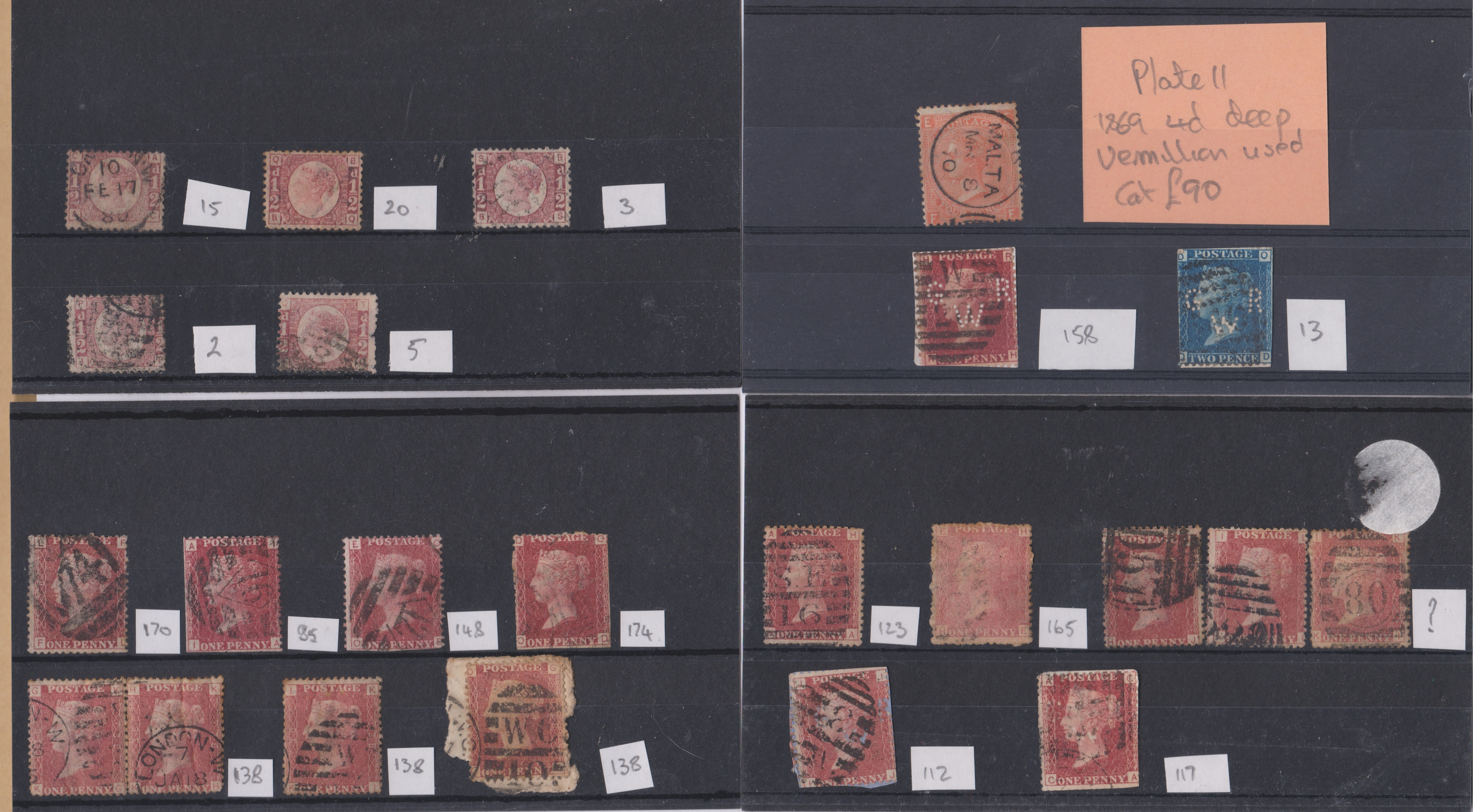
The main image for lot 155, showing the whole lot, and just named ‘155’.A total of five secondary images, named 155-a, 155-b,. 155-c, 155-d and 155-e for those who like what they see and fancy a closer look at the best parts of the lot.
A look back at three splendid cricket matches and a photo gallery.
Not only are both the women’s and men’s English domestic T20 tournaments now in full swing, there is also a T20I series going on between England and New Zealand women’s teams. This post, typed as I listed to Bears v Somerset in the men’s tournament looks back at three classic matches.
ENGLAND v NEW ZEALAND
This one did not start out as though it would develop into a classic – New Zealand were 5-3 in the second over and 11-4 in the fourth, batting first. Linsey Smith was the chief destroyer, claiming three victims with her crafty slow left arm swing (note she rarely if ever actually spins the ball, it is all about movement in the air for her). Then New Zealand were dug out of trouble by a fifth wicket stand of 159. Sophie Devine with 87 off 57 balls was the principal scorer. England were never quite on terms in the chase, and the issue was virtually settled by two errors in successive balls from Maia Bouchier. First she was guilty of ball watching, resulting in the run out of the vastly experienced Heather Knight, and then on the very next ball she suffered one of the softest dismissals you could ever see. That left England needing pretty much two a ball and with two brand new batters together at the crease, and New Zealand were in control from then on, winning eventually by 14 runs to level the series, with the next match to be played tomorrow.
THE SEVERN BRIDGE DERBY
Yesterday in the men’s T20 tournament Glamorgan entertained Gloucestershire. The match was an absolute nailbiter, going right down to the last ball, when Matt Taylor succeeded in getting a delivery from Fazalhaq Farooqi away for the four runs Gloucestershire still needed. This match was 158 plays 157, and was a far better spectacle than 260 plays 240 on a road could ever have been.
THE LONDON DERBY
At noon today Middlesex and Surrey assembled at Lord’s in the men’s T20 tournament. Yet again a low scoring match proved to be an absolute belter of a game. Middlesex batted first and managed 143-8 from their 20 overs, and that represented a decent recovery from a low water mark of 89-6. After 10.3 overs of the Surrey innings Middlesex looked in charge, with Lawrence having just gone to make it 56-4. That brought Laurie Evans in to join Surrey skipper Sam Curran. Curran assumed control of proceedings and played a magnificent knock, while Evans did all that was required of him. With three overs to go the pair were still together and the ask was down to 27. The 18th over effectively sealed the deal, with 24 accruing from it, including three sixes by Curran, the last of which took his score to 70. It took four more balls, three of them legal, for the job to be done, a wide and two singles accruing, with Curran appropriately scoring the winning run. In the end Curran and Evans did their jobs so well as to make it look like a very comfortable win for Surrey, but those who actually followed the game know different, and that the final margin of six wickets with nine balls to spare is a deceptive one.