A mention of the biggest upset in the history of the FA Cup and a photo gallery.
The weekend just gone saw the third round of the FA Cup, football’s oldest domestic cup competition. This is the stage of the tournament at which the big beasts enter the fray, and there is always the possibility of an upset…
A TINY DAVID AND A HUGE GOLIATH
One of the early kickoffs on Saturday saw lowly Macclesfield Town, a club that only re-formed in 2020 after having gone bust, and who are still in the sixth tier of the English football pyramid entertaining Crystal Palace, the FA Cup holders, and 117 places above Macclesfield in the pyramid.
Macclesfield were inspired by that occasion, and not only took the lead, they actually went two goals clear. Crystal Palace scored one late on in the game, but their revival was too little too late, and when the final whistle went it confirmed officially the greatest shock upset in the over 150 year history of this tournament. Macclesfield Town, the lowest ranked side to have made it this far in the tournament (having come in in the second qualifying round) had successfully taken down the holders.
PHOTOGRAPHS
My usual sign off…
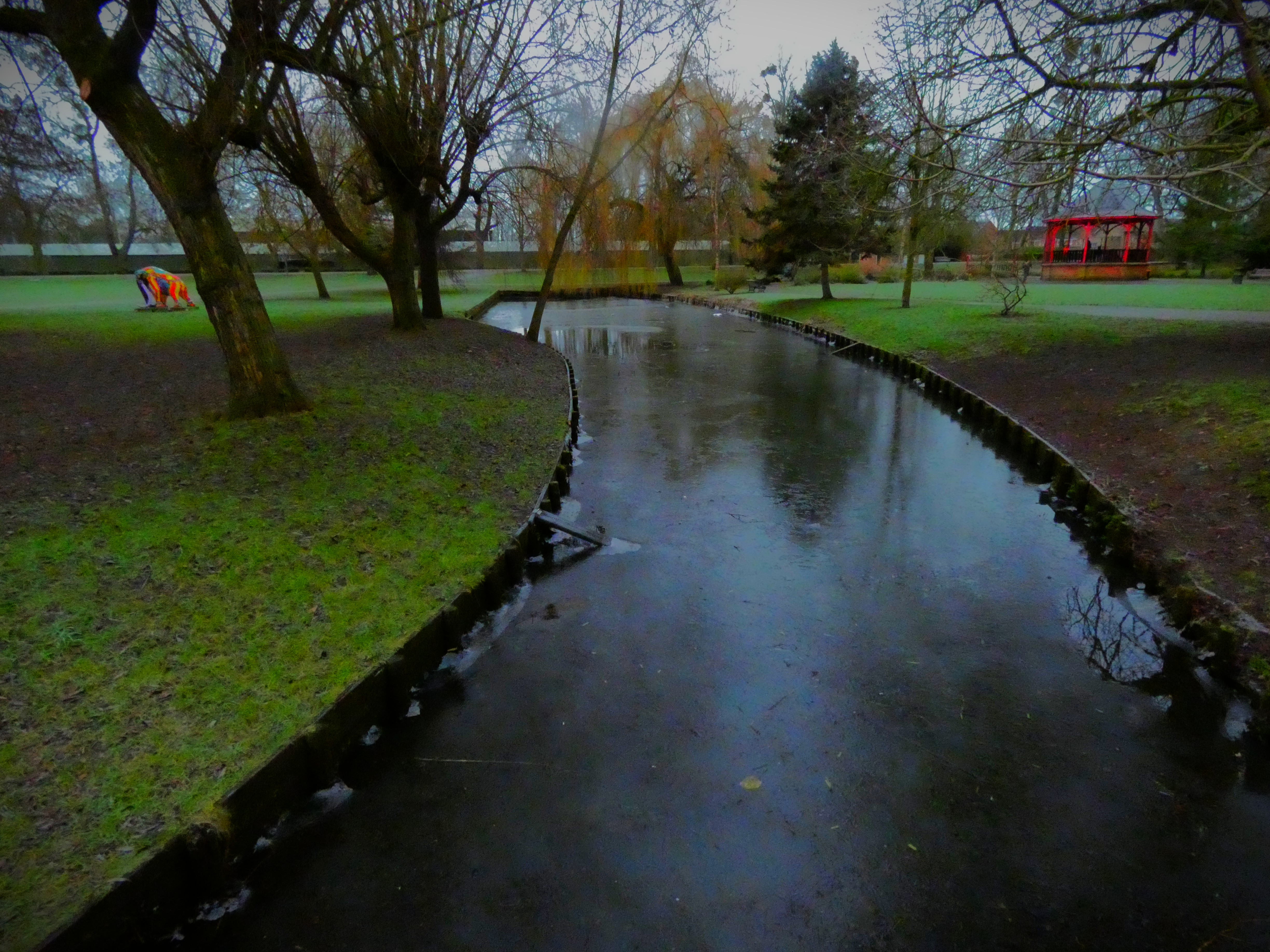
Yesterday the ponds near my home were frozen so solid that bricks were able to rest on the surface of one of them.An unusual visitor to the Kettlewell Lane woods, of which I was able to get several photographs.These last two pictures were taken today at the Nar outffall.
A look at day four at the SCG, a link and a photo gallery.
This post deals with day four of the final test match of the Ashes series, at the SCG.
A NEW TALENT ANNOUNCES ITSELF
Play resumed on day four with Australia 518-7, already 134 runs ahead of England on first innings. The last three Australian wickets boosted that total to 567, an overall lead of 183. England were further handicapped as they prepared for their second innings by a muscle strain suffered by Ben Stokes. Ben Duckett contributed 42, his highest score of the series. There was also a score of 42 from Harry Brook. Will Jacks, who as I have said elsewhere is actually more batter than bowler failed horrifically to take advantage of a promotion to number six, Stokes having decided to bat later in the order, playing a horrible shot to his second ball to give Cameron Green a catch off the bowling of Beau Webster. First to go had been Zak Crawley, LBW to Starc for 1. That meant that Jacob Bethell, batting at number three in spite of never having scored a first class hundred had to come in right at the start of the innings. He rose to the challenge brilliantly, playing a proper test match innings, showing skill, technique and the right temperament for the job in hand. It was during the stand with Brook that he reached that maiden first class century (while it is not commonplace for this to happen in a test match it is not super rare either – Charles Bannerman’s 165 in the first ever test match was his maiden FC century, and there is another member of the current England setup to have done the same thing, Gus Atkinson). Even after Brook’s dismissal and the Jacks howler referred to earlier he went on unperturbed, finding some support from Jamie Smith. Brydon Carse helped the eighth wicket to advance the score by 30, and at the end Matthew Potts was supporting Bethell, who ended the day unbeaten on 142, having faced 232 balls and hit 15 fours, with England 302-8, 119 to the good. Bethell’s innings was England’s third three figure score of the series, and both the previous two were scored by Joe Root, a universally acknowledged master of test match batting technique. I am not yet fully prepared to renounce my scepticism regarding Bethell’s selection, but I see no reason for this century not to be the first of many, and if he continues to deliver the goods as he did this day I will acknowledge that fact.
PHOTOGRAPHS
First I have a link to share, from science.org, to this article about how multi-cellular life may have come about. It is an appropriate share since my gallery includes pictures from all three of the multi-cellular or eukaryotic kingdoms. Now for my usual sign off…
A pair of swans on the Gaywood RiverA purely plant picture – a leaf lying on grass.Three cormorants perched on the structure I have named in their honour, with a large gull in among them.A Little Egret just far enough into the Nar to be reflected back by the water.And just a tad later on the wing.A lapwing at the edge of the Nar.A bracket fungus of some sort fairly high up a big tree. The sculpted sections of the Gaywood, in The Walks, clearly did freeze to some extent (and bear in mind that today has been less cold than Monday or Tuesday and that there was rain overnight).A kite flying above Bawsey drain.
A look back at today’s WBBL clash in Drummoyne between Sydney Thunder and Brisbane Heat, a note about future posts and a photo gallery.
Today in the Women’s Big Bash League Sydney Thunder were hosting Brisbane Heat at Drummoyne. Neither side could qualify, but a win for Thunder if they managed it would condemn Heat to the wooden spoon (even if Heat had won they would need another win in their final game, another loss for Thunder and a substantial change in net run rates to avoid this fate).
THE THUNDER INNINGS
Thunder, batting first, had a slow start, and were 24-1 after their four over Power Play. That took a turn for the worse in the fifth over when English leg spinner Sarah Glenn making her debut for Heat struck twice in successive balls, bowling Voll with a ball that went straight through, and then bowling Knight round her legs with the next ball. Anika Learoyd and young all rounder Lucy Finn both also fell for single figure scores, and when veteran Laura Harris was LBW for 13 it was 93-6. Phoebe Litchfield, who had survived this carnage, had been dropped twice in the early stages of her innings, and these lapses would prove crucial, as she now found an excellent partner in Em Arlott. At 120 Litchfield’s innings ended for 61, but now, having played the support role for Litchfield, Arlott took control, in a partnership with Taneale Peschel that yielded a further 33 runs off the last 3.5 overs of the innings. Thunder thus had 153 to defend.
THE HEAT RESPONSE
The Heat innings began with Samantha Bates bowling to Charli Knott. The first three balls were all dots, and then Bates took a magnificent return catch to get Knott off the fourth ball. Lauren Winfield-Hill came in at number three, but never got going at all, and the fourth ball of the third over, bowled by Voll, pinned her LBW for 2 (5). In the next over Georgia Redmayne, batting at number four, was caught behind of Shabnim Ismail for 1. At the end of the four over opening Power Play the Heat were 10-3 and the game was effectively done. When Lucinda Bourke had reached 18 she fell to a catch by Voll off Peschel to make it 30-4. West Indian all rounder Chinelle Henry now joined Sianna Ginger, and they fared well for a time, until Henry was hit and retired hurt with the score at 53. Ten runs later Ginger who had scored an impressive 28 was caught and bowled by Arlott. The sixth wicket pair of Annie O’Neil and Mikayla Wrigley more than doubled that total, but were never on terms with the runs rate, and Thunder ran out winners by 23 runs in the end. Heat thus remain winless after nine games, and also remain without an individual 50+ score in this year’s tournament (Litchfield’s innings today was the fifth such score for the Thunder by comparison).
PHOTOGRAPHS
Just before the main purpose of this section a note for the future: I intend to write about yesterday’s auction on Friday – one of two posts I intend to write that day, with the other being about what is happening in the second Ashes test in Brisbane (in over 2,600 test matches to date there has never been a definite result in one day’s play, though MCC v Australia at Lord’s in 1878 was done and dusted in a day – MCC 33 and 19, Australia 41 and 12-1 won by nine wickets – and I do not see this one being done in a day either, even with Stokes’ England being involved!). Now it is time for my usual sign off…
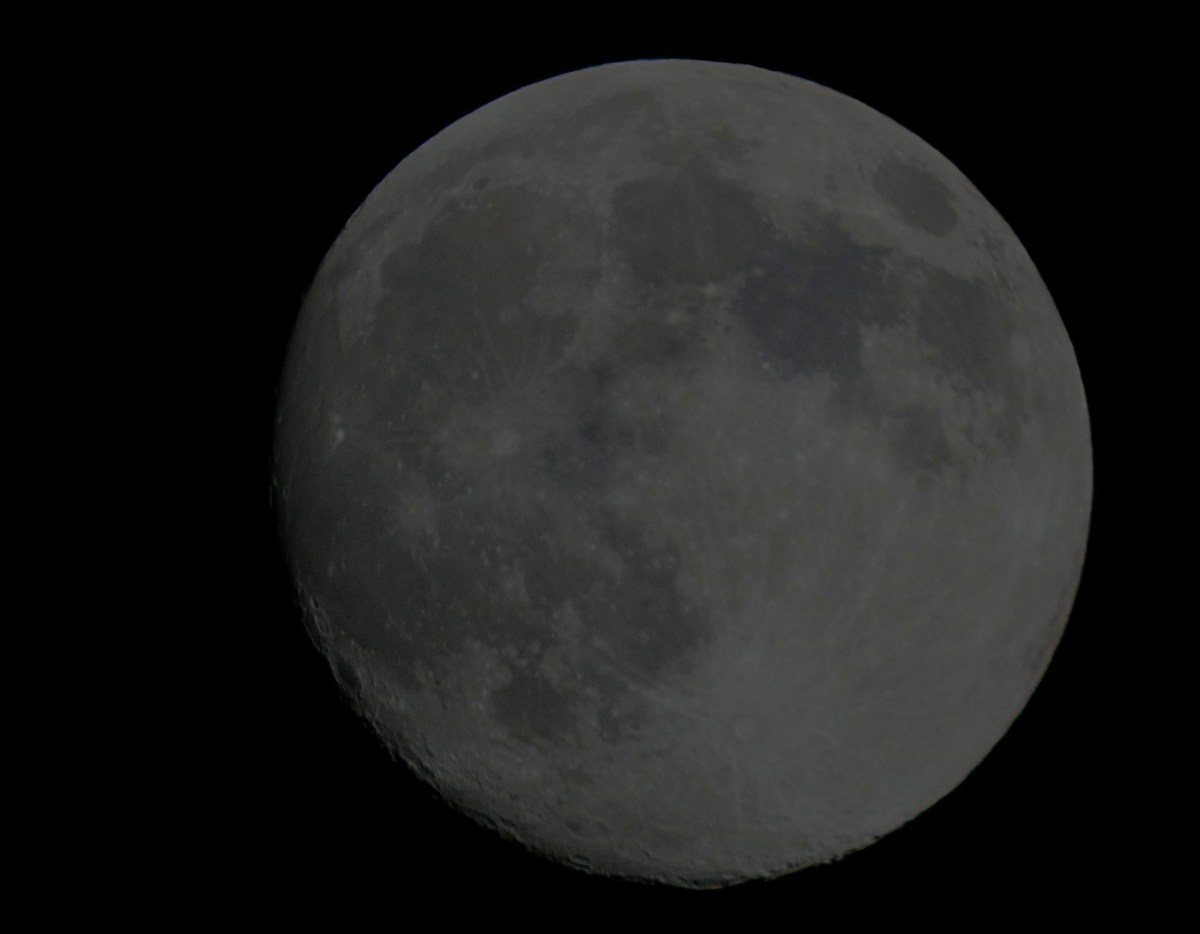
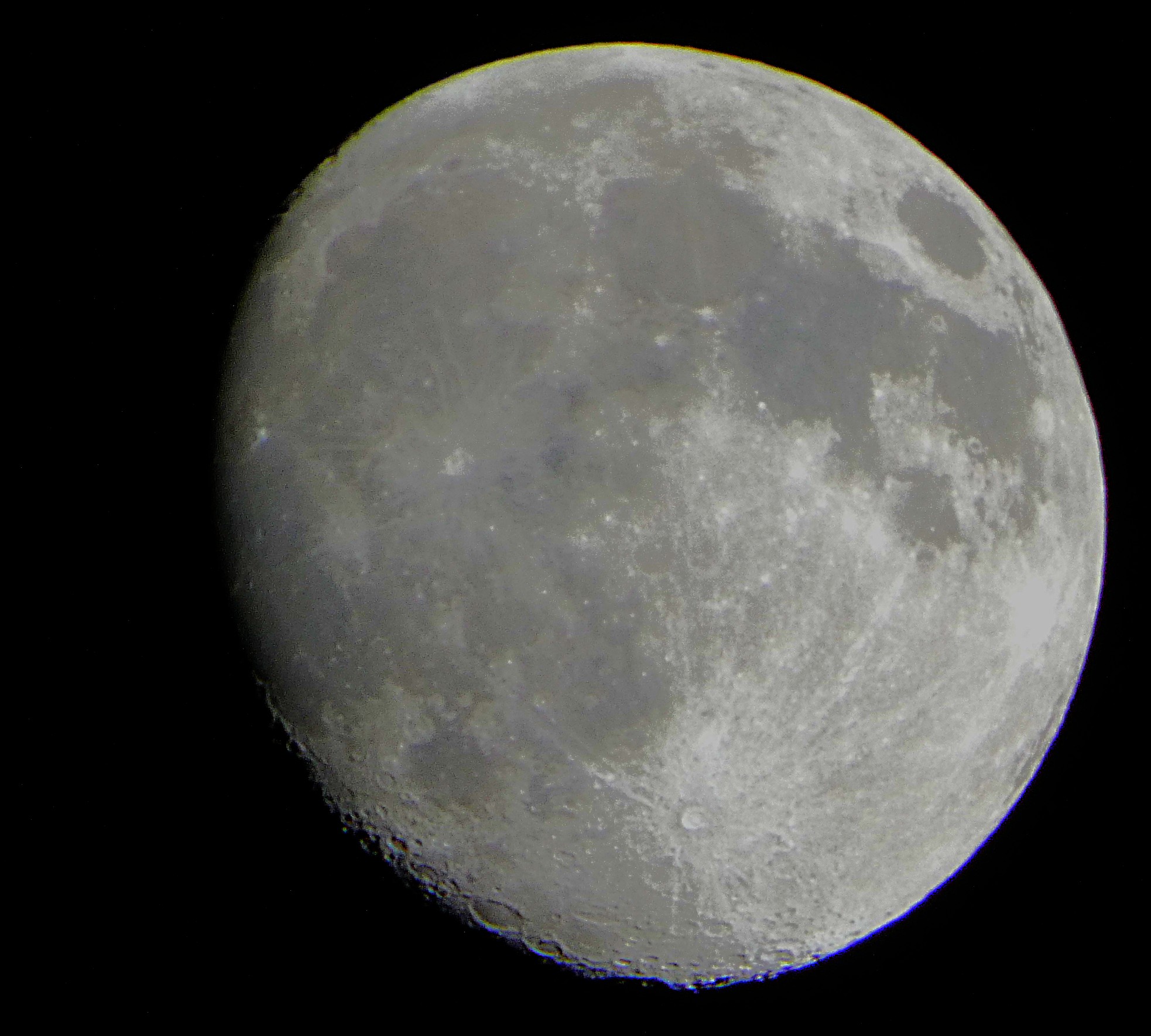
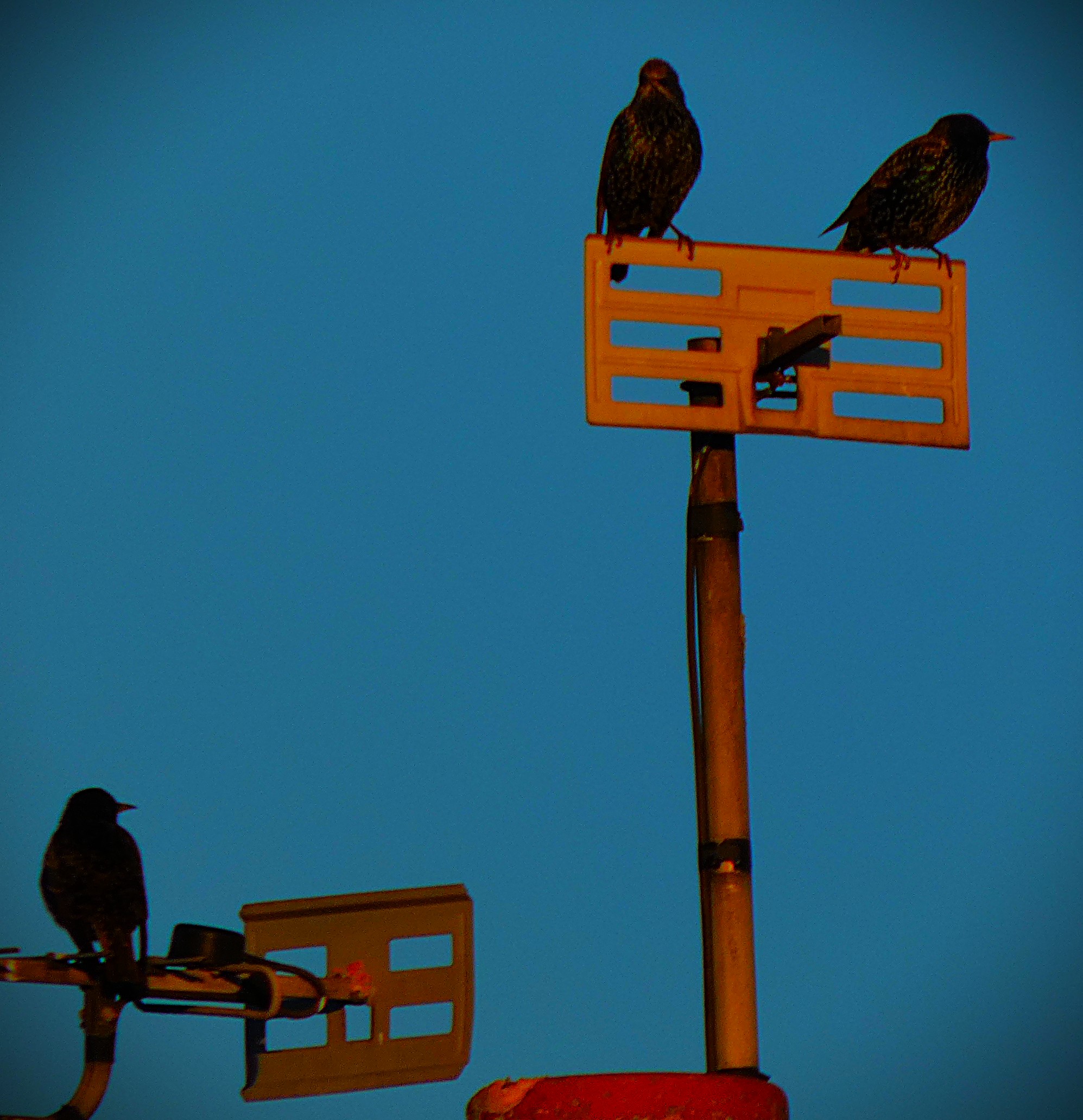
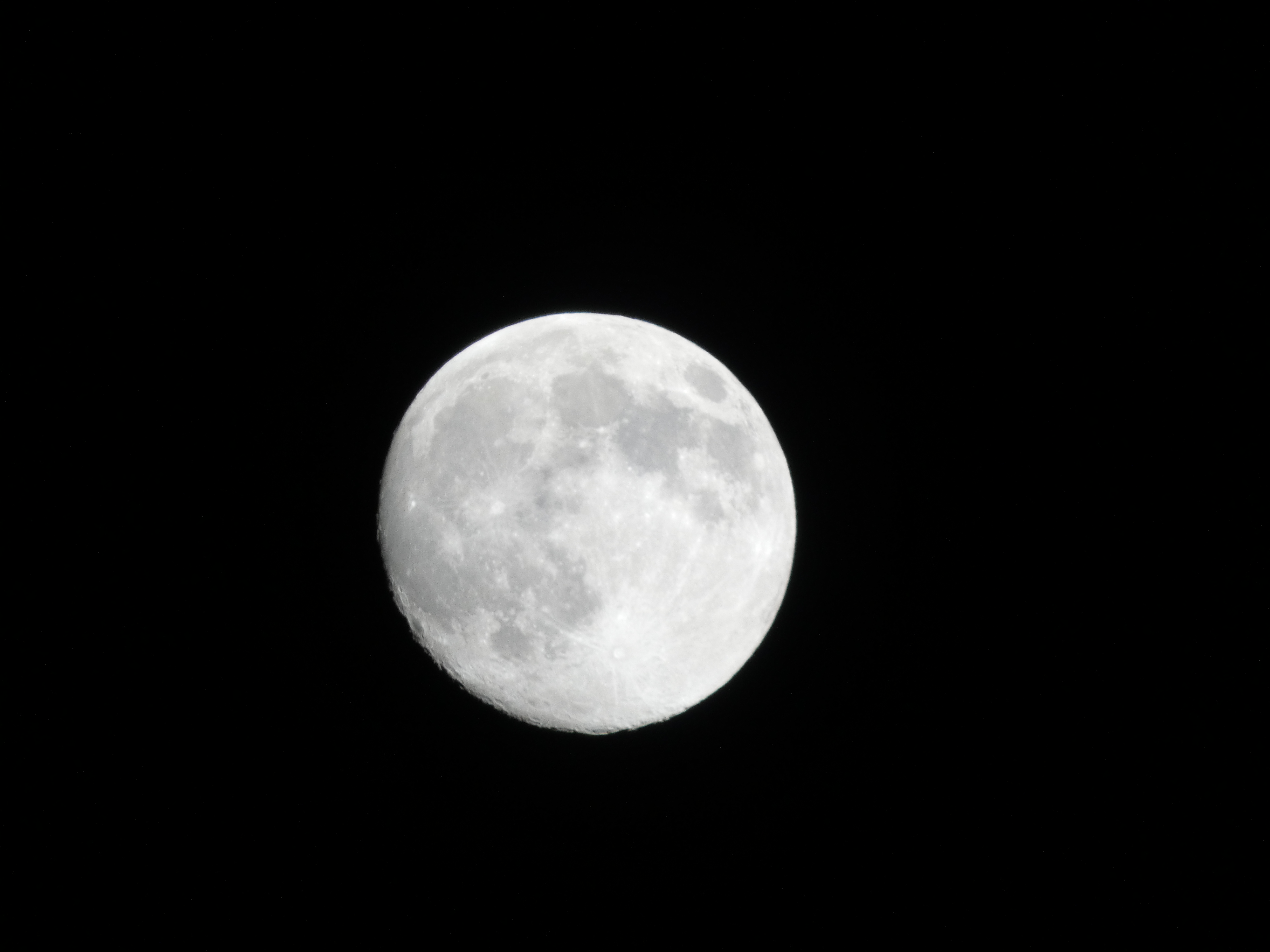
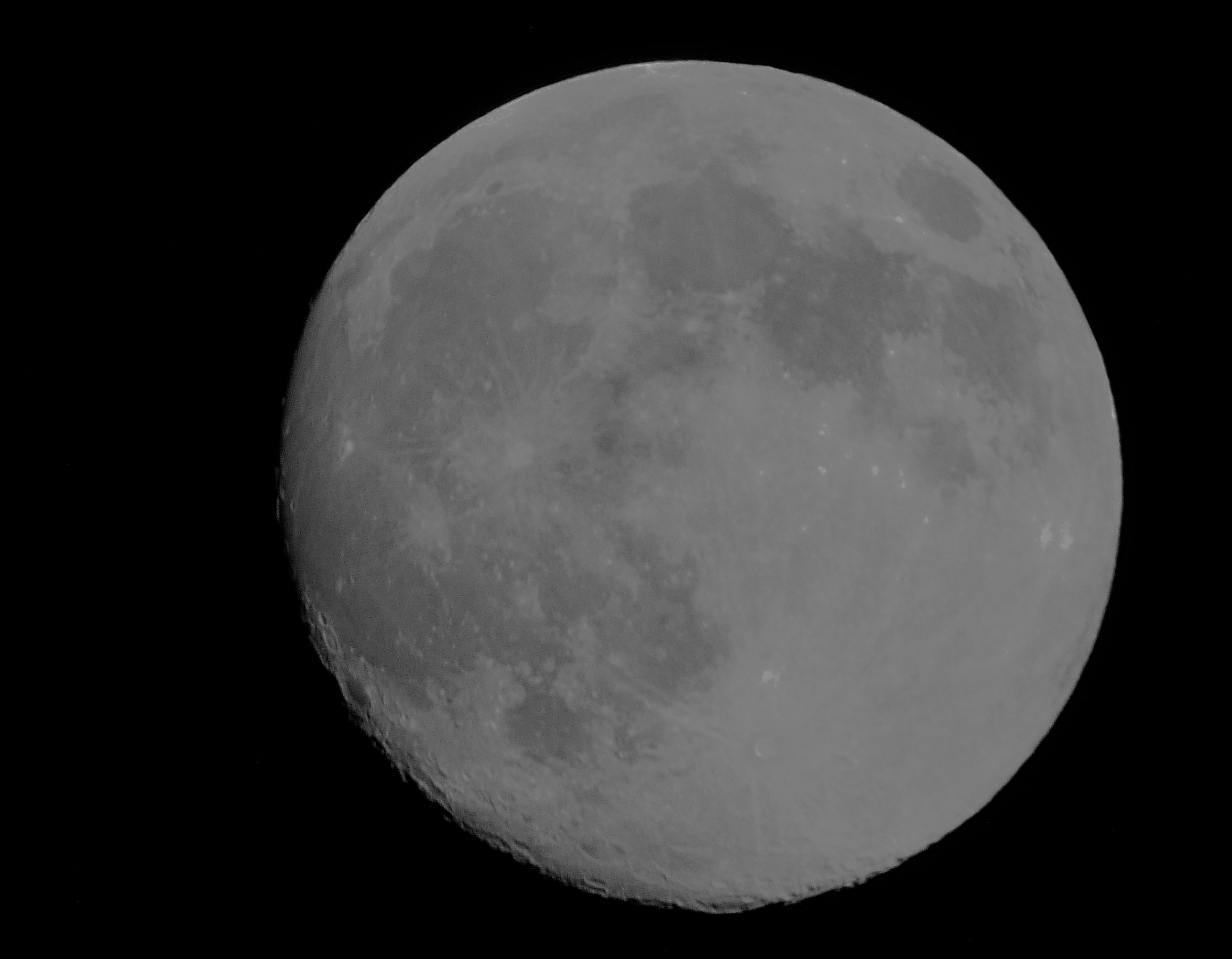
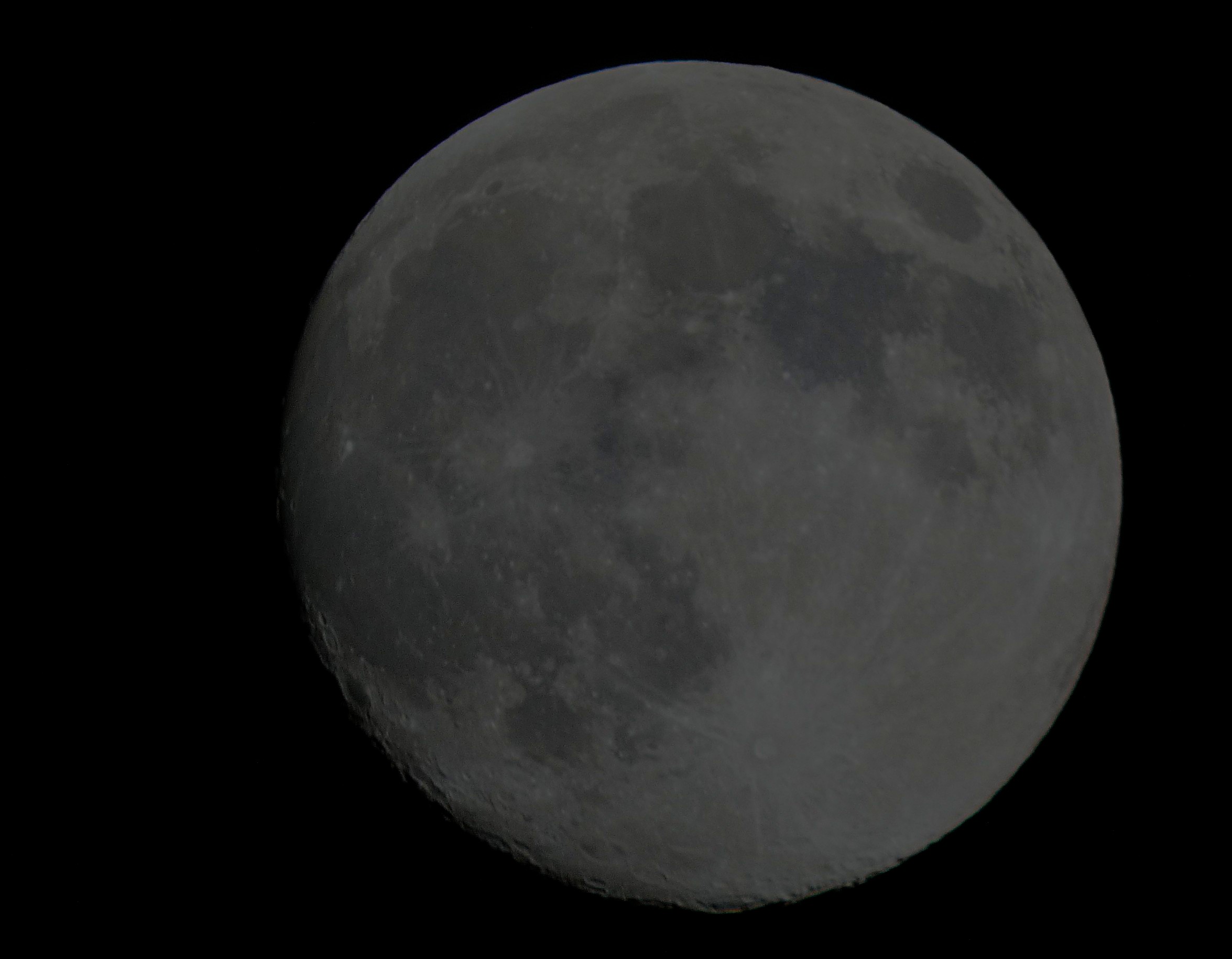
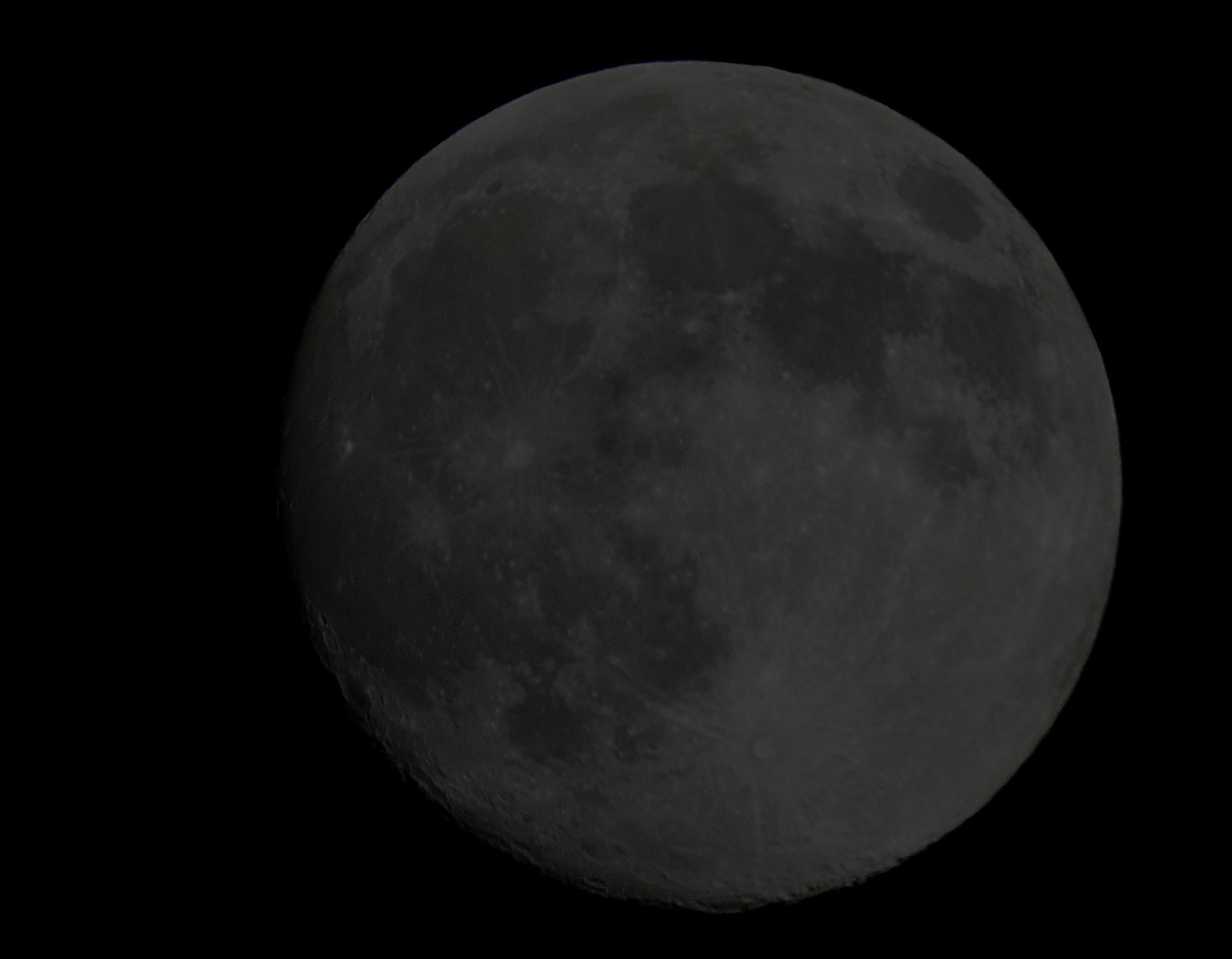
Last night’s moon was approaching fullness……and tonight’s. seen in this shot against a day time sky was full and spectacular.A shot of the moon against the blackness of a clear night sky, unedited……cropped but not otherwise edited……the first of four different edits……of which I consider this the best.
A look back at today’s ‘Sydney Smash’ – Thunder v Sixers – in the WBBL, including a historic performance from Caoimhe Bray and a photo gallery featuring pictures taken with three cameras.
Today in the Women’s Big Bash League saw the Sydney Smash – Thunder hosting Sixers at Drummoyne, just west of Sydney. This post looks back at a bizarre game that ended up being dominated by the youngest player involved.
SIXERS SLUMP AFTER STRONG START
Sydney Thunder skipper Phoebe Litchfield won the toss and chose to bowl first, a decision that her cross-city counterpart Ashleigh Gardner would also have made had she been the one to win the toss. Each side had a youngster in the ranks, Thunder giving a debut to 18 year old all rounder Lucy Finn, while Sixers had 16 year old bowling all rounder Caiomhe Bray (that given name is pronounced like ‘Keeva’ just for the record).
Ellyse Perry was out fairly early, pinned LBW by Georgia Voll with just 16 on the board. Thereafter, with Sophia Dunkley in prime form, and Alyssa Healy taking full toll of a few loose balls things initially looked bright for the Sixers. Their innings took a dramatic turn when Healy tried to go after one from Shabnim Ismail and succeeded only in picking out Samantha Bates who made no mistake with the catch. That was 76-2, and off the last ball of the tenth over Dunkley fell for 43, pinned LBW by Sri Lankan veteran Chamari Athapaththu to make it 80-3 at the halfway stage of the innings. In the second half of the Sixers innings wickets tumbled regularly, with the shining exception of English spin bowling all rounder Mady Villiers who emerged as third top scorer of the innings, with an unbeaten 24. A final total of 142-9 looked on the meagre side, especially from that high water mark of 76-1 after 8.4 overs…
THUNDER TUMBLE
…Sixers needed to start well, and veteran seamer Lauren Cheatle struck with the fourth ball of the Thunder innings, having Voll caught by Villiers to make it 2-1. Then the other new ball bowler, Maitlan Brown, struck twice more, first accepting a soft return chance to dismiss the other opener Tahlia Wilson for 7, and then having the vastly experienced Heather Knight feather one through to Healy for 6 to make it 19-3 in the fourth over. Neither Phoebe Litchfield nor Anika Learoyd played fluently, but they held the fort together until the last ball of the seventh over, bowled by the youngster Bray. Litchfield, who had reached 8 from 14 balls tried to attack against Bray and succeeded in being caught by Gardner to make it 33-4. The next over yielded nine runs, before it was back to Bray, and the biggest events of the night. The first ball of the ninth over did for Learoyd, bowling her for 11 to make it 42-5. That brought the explosive Laura Harris to the crease. Harris tried to do her thing off her first ball and was brilliantly caught by a diving Erin Burns for 0 to give the 16 year old Bray a hat trick comprising three front line batters, some 175 years after All-England skipper Heathfield Harman Stephenson caused the term to be coined by dismissing three batters with successive balls in a match in Sheffield, which led to the crowd, impressed by the performance, to pass round a hat for a collection and present both hat and contents to Stephenson. Incidentally, though this match was flawless in this regard this edition of the WBBL had not overall been notable for catches being held. That was 42-6, and Lucy Finn came to the crease. Four balls into the second half of the innings Athapaththu holed out to Gardner to give Bray her fourth scalp of the innings and make it 49-3, the Sri Lankan managing only 3 (6). Bray had two balls of her allocation left to make it a five-for, but was not able to do so. However, her final 4-0-15-4 including the hat trick had settled who would be named Player of the Match. Thunder’s own youngster, Finn, now took centre stage, as she, with good support from tail enders Taneale Peschel and Shabnim Ismail (number 11 Samantha Bates not being required in the end) proceeded to produce an innings that exposed just how badly her supposed betters had handled their duties. She just missed on reaching 50, but her 49 not out, in the course of which she never looked in any trouble was the highest score of the match on either side – quite something for a debutant who came into the match considered more of a bowler than a batter (and though, like all else, it was overshadowed by Bray’s performance 3-0-27-1 on professional T20 debut is no one’s idea of a failure). Thunder with this late revival reached 118-8, beaten by 24 runs.
PHOTOGRAPHS
This gallery features images taken with three cameras – the Nikon Coolpix B500 that was my first choice camera until it died on Tuesday morning, the Canon EOS 4000D that is my reserve camera, and the Panasonic DC-FZ82D which I ordered on Wednesday and arrived yesterday and is now my new first choice camera…
This gallery consists of the last pictures with the Nikon.The pictures in this gallery were taken with the Canon……and starting with this one, the Panasonic.I used this Canadian train coin to test the Panasonic’s ability to handle detail.The Red Mount Chapel.
An account of a somewhat convoluted path to a 300 lot banknote and coin auction that is now up and running, plus a photo gallery.
Yesterday, with a little assistance from the former colleague who used to do such things, I sent an auction live on both the platforms James and Sons regularly use, the-saleroom.com and easylive. This post explains about that auction and its somewhat less than straightforward origins.
A FALSE START
Ten days ago sale 2285 was as follows: Lots 1-50 books, all described and imaged, lots 51-105 ephemera, described and imaged, with an unknown number of further such lots to go in, Lots 451-500 Banknotes, described and imaged, Lots 501-737 coin and coin related lots, described and imaged, lots 738-800 yet to be filled, lots 801-900 postcards, described and imaged, and lots 901-1000 militaria, as yet unfilled. Then my employer decided he wanted the coin and banknote lots under the hammer. Originally, on Thursday of last week, we were going to do this a timed-bidding auction, and had sent it live on the-saleroom as such, but then my employer panicked and went back on that, and that sale had to be deleted.
THE REAL DEAL
On Tuesday of this week I prepared as much as I could for a launch on Thursday. On Thursday the auction finally did go live on both platforms, with 300 lots in total, which will go under the hammer on December 2nd (I also have a 1,000 lot, two-day stamp sale complete and ready to go, and sending that online should be much more straightforward) starting at 10AM. Owing to the fact that the images had originally been saved as lots 451-750, and with those numbers, the images files had to be renumbered appropriately before they could be uploaded, which is why the auction does not have all the images yet – I have renumbered and uploaded up to lot 180, and have renumbered lots 181-90 but had no time to upload them yesterday. Fortunately I will not need to renumber the much larger number of images in the stamp/ postal history auction – this auction features about 900 images in total, the larger one some 4,000. I will have the rest of the renumbering done at some point on Tuesday, and may be able to get an email out that same day, or that might have to wait until Thursday. The heart of this auction is a collection of Polish coins spanning about half a millennium. To see what the auction currently looks like on easylive go here, while the catalogue on the-saleroom is still pending approval.
PHOTOGRAPHS
My usual sign off…
These sunset shots were taken from a bus that had broken down yesterday evening. We had a wait of about 20 minutes before the replacement arrived.
A look back at today’s T20I between Australia and India men’s teams at Melbourne and a large photo gallery.
There is no women’s world cup cricket on at the moment – yesterday saw the second semi-final of which I was unable to catch a single ball due to being at work. It must have been a classic game, with India chasing down 339 with nine balls to spare. This morning UK time there was a T20I between the Australia and India men’s teams and this post looks back at that match.
INDIA FAIL IN MULTIPLE WAYS
India were in trouble early, crashing to 32-4, and never really recovered. India also showed a chronic lack of game awareness and tactical nous. The only Indian batter to play with real fluency was Abhishek Sharma, who produced a gem of an innings, but also only had the strike for one-third of the deliveries bowled during his innings (37 balls faced out of 111 bowled). As an indication of how much this cost India he scored 68 off those 37 balls, while the rest of the batters managed 57 from the other 74. The innings lasted one ball after his dismissal – Bumrah wanted a run off the ball in question, Varun Chakravarthy failed to respond, and that kind of mix-up leads to only one result, which duly happened here – J Bumrah run out 0 (1). Thus India had a beggarly 125 to defend, which was never going to be enough on a pitch that offered bounce but could not be described as difficult to bat on.
Although Bumrah took two late wickets to lend the match a veneer of closeness, reducing that side of the margin to a mere four wickets the truth of the scale of the home side’s win is better illustrated by the fact that they took a mere 13.2 overs to chase down the runs, thus doing the job with exactly one-third of their innings to spare. Being English I have to note that if the test pitches in a little while offer a bit of bounce then England, with the phalanx of express bowlers they have named in their party, will be delighted.
PHOTOGRAPHS
This is a large gallery, and reflective of weather that cannot quite seem to make its mind up. Today, though mainly cloudy and with odd spots of rain has been almost absurdly warm for the end of October in England – the outside temperature is still officially 15 Celsius (59 Fahrenheit) at 5PM…
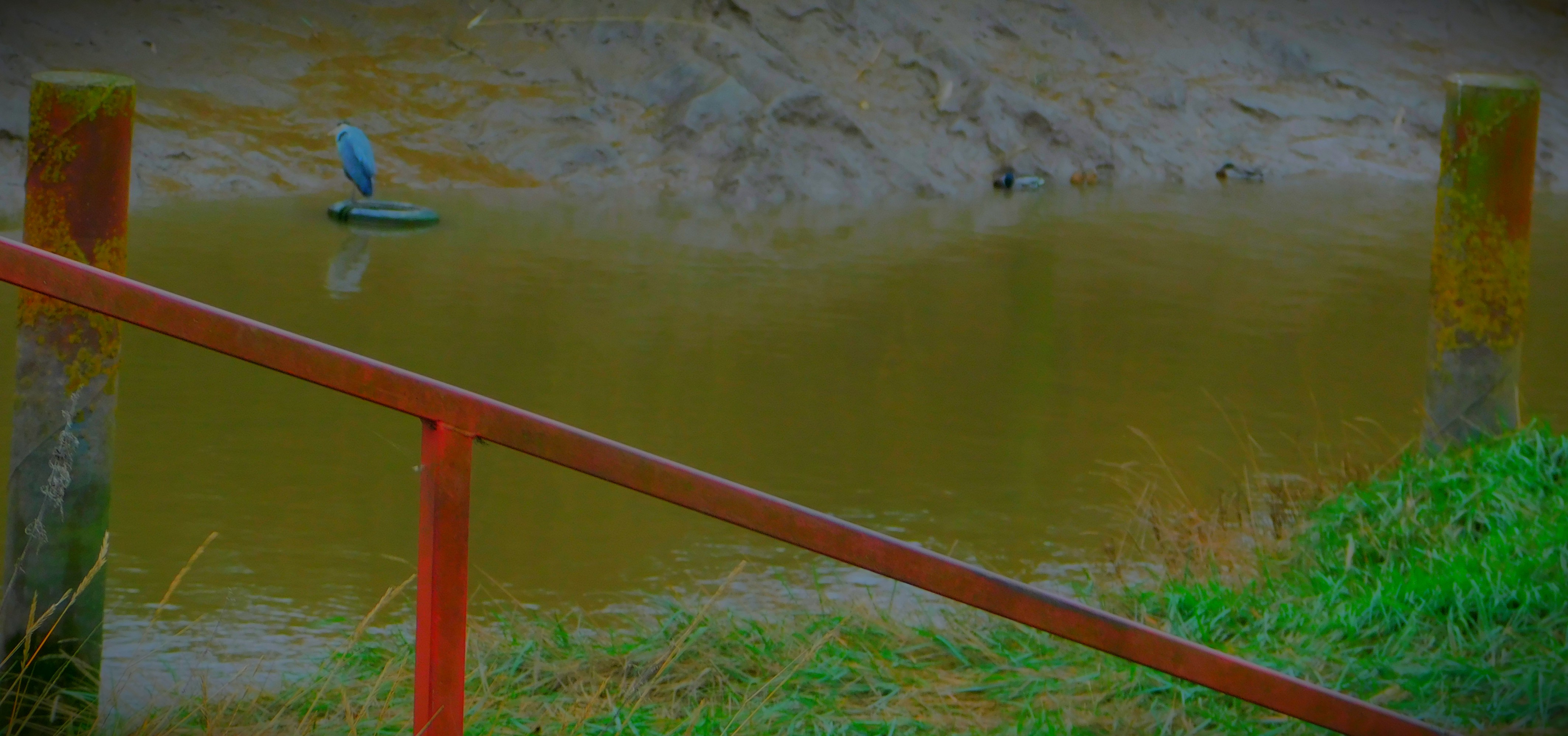
Before today I had only ever seen gulls making use of this discarded tyre, but this old Grey Heron clearly found it a useful vantage point.
A look back at yesterday’s thriller at the women’s cricket world cup between India and England, with links to the scorecard and to a post by Hypocaust about the the numbers, plus a photo gallery.
Yesterday’s match at the women’s cricket world cup saw England facing hosts India at Indore. This post looks back at a remarkable match.
THE PRELIMINARIES
Lauren Bell and Sophie Ecclestone were recovered from the sickness that kept them out of England’s previous match, so England were back at full strength. India had opted to bolster their bowling. Natalie Sciver-Brunt won the toss and decided, to some surprise, that England would bat first.
THE ENGLAND INNINGS
Amy Jones and Tammy Beaumont gave England a solid start, and then the rest of the England innings was dominated by a command performance from former skipper Heather Knight. Knight, well supported by current skipper Sciver-Brunt who helped the third wicket to put on 115 at better than a run a ball, took a mere 86 balls to reach her third career ODI hundred and first against India. After Sciver-Brunt was out we saw a familiar scene as Sophia Dunkley, Emma Lamb and Alice Capsey all fell cheaply – the England numbers 5,6 and 7 have a combined aggregate of 111 runs between them for the tournament so far, and then a second familiar scene as Charlie Dean ensured that the good early phase of the innings was entirely wasted by scoring a rapid undefeated 19 to boost the final total to 288, not massive on a good pitch but surely defensible.
THE INDIAN CHASE
For much this innings it looked like the hosts were heading to a comfortable win. In particular when the two left handers, Smriti Mandhana and all rounder Deepti Sharma were both going well England looked beaten for all money. Then Mandhana had a rush of blood to the head against Linsey Smith and holed out to Alice Capsey for 88 off 94 balls to make it 234-4 in the 42nd over and open up a possible way back in to things for England. Richa Ghosh never got going and managed a mere 8, caught by former skipper Knight off the bowling of current incumbent Sciver-Brunt to make it 256-5 in the 46th over. It was in the following over that England got the breakthrough that put them ahead on points for the first time in a long while, when Deepti Sharma, who had batted very well for her 50, got over aggressive against Ecclestone, who by her own lofty standards had had a poor time with the ball, and was caught by Dunkley to make it 265-6. With two overs to go India needed 23, and England were definitely favourites. The first ball of the 49th over, bowled by Lauren Bell, went for four, but the tall seamer came back well in the rest of the over, and India needed 14 off the final over, with Linsey Smith, England’s most economical bowler on the day, to bowl it. Smith bowled a superb over, and by the time the fifth ball had gone for a mere two runs India needed eight to tie off the last ball of the match, meaning that in effect Smith only had to bowl a legal delivery for England to get the win that would secure their semi-final berth. She did so, and it was hit for four irrelevant runs, meaning that England had won by four runs and became the third side to book a semi-final slot. India meanwhile are now in serious jeopardy of suffering the fate of the England men in 1999 – being ejected early from their own party. Even with that final irrelevant four Linsey Smith’s figures were 10-0-40-1, absolutely crucial to England’s success, though unsurprisingly Knight was named Player of the Match for her century. Scorecard here, and a for the numbers people here is Hypocaust’s post.
A look back at the first three days of the first test of a five match series between Australia and India, taking place in Perth.
The opening test of a five match series between the Australia and India men’s teams is under way in Perth, contested for the Border-Gavaskar Trophy. This post looks back at the action from the first three days of that match.
THE PRELIMINARIES
This series had one very unusual feature – both captains, Pat Cummins, who is Australia’s regular incumbent, and Jasprit Bumrah who is standing in for the unavailable Rohit Sharma are specialist fast bowlers. Australia had a controversial debutant in Nathan McSweeney. McSweeney has a fine batting record at state level, but his most productive positions in the order are numbers four and five, and at number three he averages a very modest 30, while he has never opened in professional cricket, and that was the job he was being selected to do in a test match. India won the toss and chose to bat first.
DAY ONE – BOWLERS ON TOP
At lunch on day one India’s decision to bat first was looking questionable – they were four wickets down, and no one had looked remotely good for them. Two further wickets shortly after the interval and it was looking like India were handling Perth no better than most visiting sides. Rishabh Pant, returning to test ranks after a long layoff due to injuries sustained in a car crash, and Nitish Kumar Reddy making his test debut. staged something of a revival for India, getting the total to 150 all out, which did not seem enough for a side choosing to bat first.
Jasprit Bumrah had other ideas. The captain and star bowler for India was soon getting busy among the Australian batters. His first victim was McSweeney for 10, pinned absolutely plumb in front of the stumps. Then he had the other opener Khawaja caught by Kohli for 8 and with his very next ball pinned Steve Smith plumb in front to make it 19-3. Labuschagne dug in, but simply could not get the ball away, and wickets fell at the other end from him with great frequency. Travis Head was clean bowled to become the first victim of the second of India’s test debutants, Harshit Rana., having scored 11. That was 31-4, and when Siraj had Mitchell Marsh caught behind for 6. Siraj struck again nine runs later, putting Labsuchagne out of his misery by pinning him LBW for 2, scored off 52 balls. For a slower innings of 2 by an Australian one has to go back to the 1960s and Bill ‘Phant’ Lawry who once took 55 balls over a score of 2. Australia were 47-6. There was still one wicket to come on this eventful day, one that symbolised the respective positions of the sides by then as Indian skipper Bumrah had his opposite number Cummins caught behind to make it 59-7. By the close Australia were 67-7. The pitch had pace and bounce, but no real mischief – the bounce was consistent and reliable, and there was nothing in the way of extravagant sideways movement. Bumrah ended his first day as Indian test skipper with figures of 4-12 from seven overs.
DAY TWO – CONSOLIDATION
Jasprit Bumrah completed his five-for by dismissing Alex Carey, caught behind for 21. That was 70-8. When Harshit Rana had Lyon caught by KL Rahul it was 79-9. The final Australian pairing of Starc and Hazlewood added 25 to this score, Starc becoming along the way top scorer of the innings, in itself a devastating statistic for Australia. Starc had scored 26, and had faced 112 balls to do so. Bumrah’s final figures were 5-30, while Rana had 3-48 and Mohammed Siraj 2-20.
Australia needed wickets, and quickly if the match wasn’t to get away from them. Yashavsi Jaiswal and KL Rahul realized this, and batted superbly for the situation. They batted through the 57 overs that Australia managed by stumps (over rates have been dire in this match from both sides), leaving India in complete control on 172-0, an overall advantage of 218. Jaiswal had 90*, Rahul 62* and 20 extras had been donated by Australia.
DAY THREE: RIPLEY’S BELIEVE IT OR NOT
If you had asked Jasprit Bumrah to script the third day of this match I don’t think he would have dared to make it as favourable for India as it actually was. India spent the first two sessions building their advantage steadily, Jaiswal advancing his score to 161, his fourth test century, and all four scores have ended up crossing 150. Only one other person in test history has a similar distinction, Graeme Smith of South Africa, also an opening batter. Although India had a minor blip, a high water mark of 275-1 becoming 321-5, Kohli, supported first by Washington Sundar and then by Nitish Kumar Reddy steadied the ship, and then in the final stages of the Indian innings attacked as a declaration loomed. Kohli reached his hundred off 143 balls, at which point India declared, with Reddy 38 not our from 27 balls at the other end. Australia needed 534 to win and had about 20 minutes plus two full days to bat. With the fourth ball of the innings Bumrah pinned McSweeney LBW for a duck to end a miserable debut for the ersatz opener. McSweeney’s efforts here, and those of Daniel Lawrence when asked by England to open the batting for the first time in his professional career in a test match constitute fairly damning evidence about how doing this works in practice, i.e. it doesn’t. Cummins now made what I consider a ‘right wrong call’ – he wrongly deemed this a sensible situation in which to use a nightwatch, but having made that error at least assumed responsibility for playing that role himself, rather than sacrificing one of his fellow bowlers. Siraj got Cummins, caught by Kohli for 2 to make it 9-2. Then just to put the cherry on top of this most one-sided of days, Bumrah pinned Labuschagne, the guy Cummins had tried to protect, LBW with what turned out to be the last ball of the day – there were four balls still to come in the over but were past the official close, so the umpires correctly called stumps (slow over rates have been around long enough that the Laws of Cricket have this contingency of a wicket falling after the scheduled close covered). That left Australia 12-3, and Bumrah with figures of 2-1. This means that Bumrah currently has 180 test wickets at 19.94 a piece. The last person to finish a test career with over 150 wickets at under 20 was Syd Barnes, with 189 wickets at 16.43, and the last of his 27 test appearances was in 1914. Australia with two whole days to come need 522 more runs to win and have seven wickets standing. India had won all three days outright, and on session scores I make it 7.5-1.5 – Australia had the better of the morning session on the opening day with those four wickets, the afternoon session was about even, the evening session of that day was overwhelmingly India’s, and days two and three belonged entirely to India, with Australia’s one decent passage of play on those days, when they reduced India from 275-1 to 321-5 being too insignificant in the scheme of things to matter – India were so utterly in command by then that even the wicket taking had continued and India had been say 350 all out it would have made no difference to the final result. With it also being IPL auction time, the commentators raised a question about their four expert summarisers, Sunil Gavaskar, Darren Lehmann, Glenn McGrath and Tom Moody: if all were available and in their pomp but you could sign only one for an IPL who it be? My answer is McGrath – I reckon I am getting four cheap overs, and wickets into the bargain, in pretty much every match. Moody’s all round skills make him second choice in my view, with Lehmann a poor third, and Gavaskar due to his approach to batting not even worth considering in this context.
PHOTOGRAPHS
My usual sign off…
The photos in this gallery were taken on three different days, Friday which was sunny but very cold……Saturday which was just plain horrible……and today, grey but dry, and much warmer (indeed so warm that I deemed a coat unnecessary)
A look back at today’s world cup matches, especially England v Pakistan, , analysis of the group standings with one group match to go, a mention of a couple of upcoming auctions being held by my employer and my usual sign off.
Today saw two group matches at the 2023 ODI World Cup, Australia v Bangladesh and England v Pakistan. Most of this post is dedicated to the second of these fixtures. In the early game Bangladesh posted just over 300, and Australia chased them down very comfortably, Mitchell Marsh setting a new record for an Australian number three in ODIs by scoring 177 not out.
THE PRELIMINARIES
England were already eliminated, while Pakistan had a very outside chance of staying in the tournament. The least vanishingly unlikely scenario to allow this to happen would have seen Pakistan bat first, score a huge total and bowl England out cheaply. Going this way round would still have left Pakistan needing to win by 287 runs to go ahead of New Zealand on net RR. As it happened Buttler won the toss and decided to bat. This meant that the first landmark for England to reach was 169, at which point Pakistan would be in the position of needing at least one no-ball from England even if they hit everything for six if they were to overhaul New Zealand on net RR.
THE ENGLAND INNINGS
In the event England batted the best they had all tournament, and it was soon very obvious that any scenario involving Pakistan overhauling New Zealand was not so much vanishingly as Daniel Dennett’s usage of Vanishingly unlikely (in the book “Darwin’s Dangerous Idea”). Various players contributed for England, and all Pakistan’s bowlers took a fair amount of stick. In the end England posted 337 from their 50 overs.
THE PAKISTAN REPLY
Pakistan never looked at the races, and there were times when it looked like their net RR was going to take such a battering that they dipped below Afghanistan into sixth place. The magic number to avoid that was 187, and they reached that figure with eight wickets already gone, losing a ninth shortly afterwards. The last pair of Mohammad Wasim and Haris Rauf then managed to connect with some meaty blows, but long before they were even close to worrying England one such shot went higher than it did long and Stokes managed to get himself underneath it. Pakistan were all out for 244, beaten by 93 runs. Two England bowlers reached career landmarks along the way – David Willey whose retirement is already confirmed reached 100 ODI wickets with the second of his three scalps, and Adil Rashid claimed his 200th ODI wicket. Willey was given the Player of the Match award, making the decision not to award him a new central contract look even sillier than it already did (while the timing of the central contract details being made public, right in the middle of a tournament, verged on the criminally insane). England are in seventh place, and unless the miracle of the tournament happens tomorrow and the Netherlands somehow beat India by a really big margin in the last group match seventh is where they will finish. However, two of their three wins came after their eliminations was already confirmed, and those two late consolation victories should not be allowed to overshadow just how dire a tournament this was for the team who “didn’t come here to defend anything”.
TWO UPCOMING AUCTIONS
James and Sons’ November auctions (on Tuesday 21st and Wednesday 22nd) are now ready to view online.
Tuesday’s auction features stamps and postal history, and contains 500 lots. Lot 105 (below) is one of them:
There are two ways to view a catalogue listing and/or sign up to bid online:
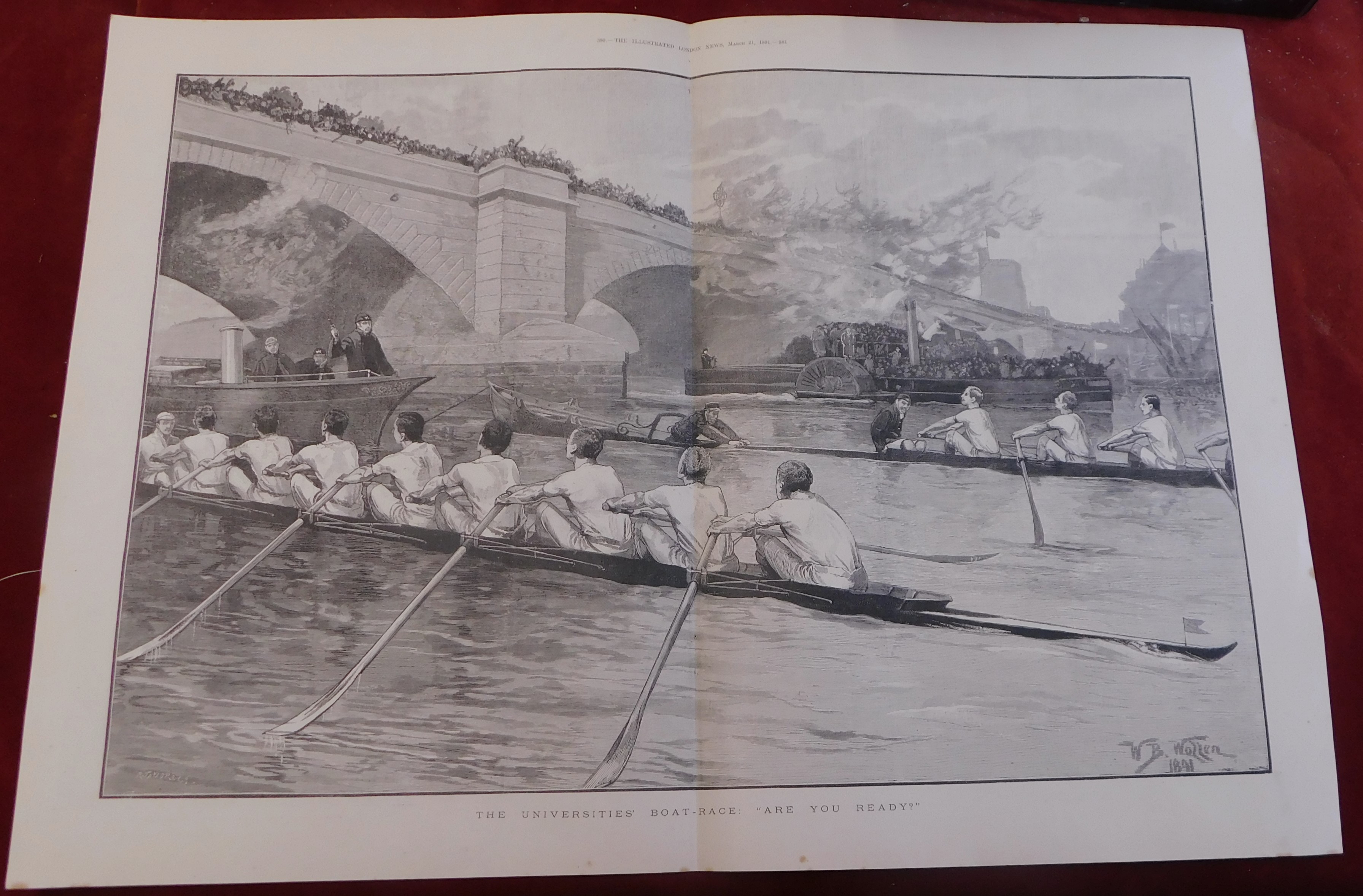
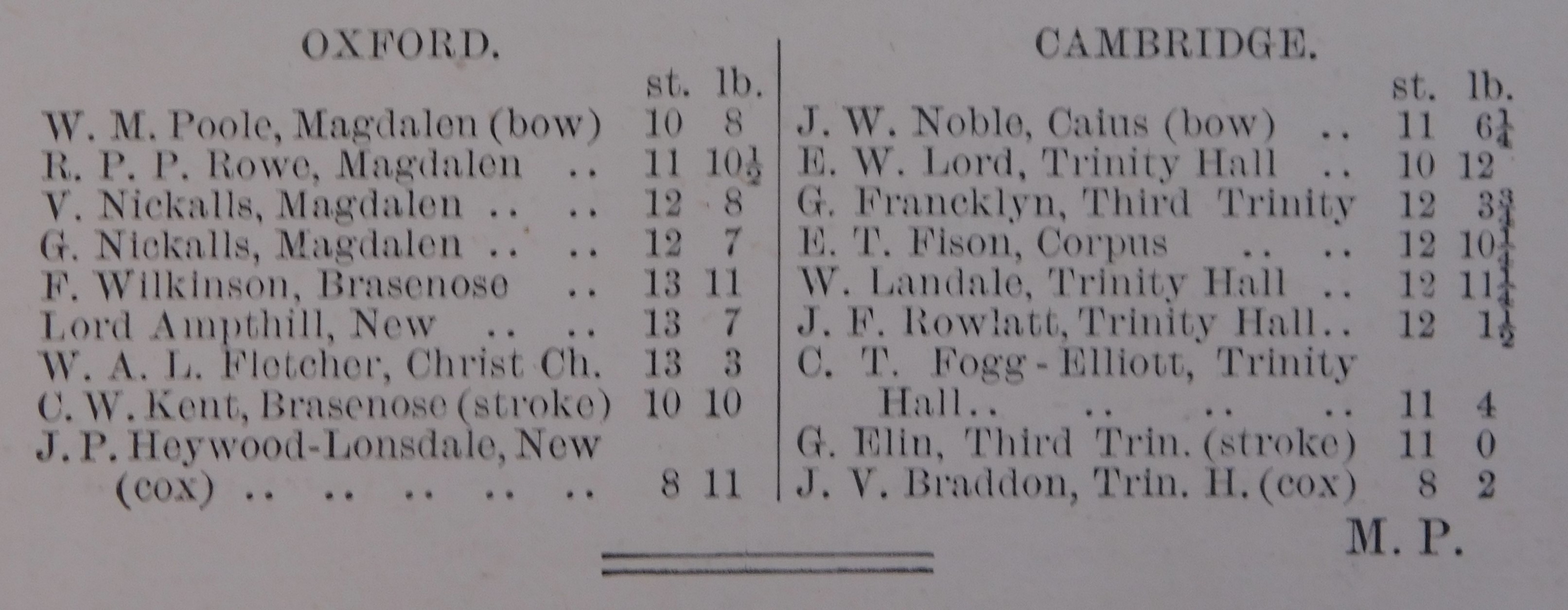
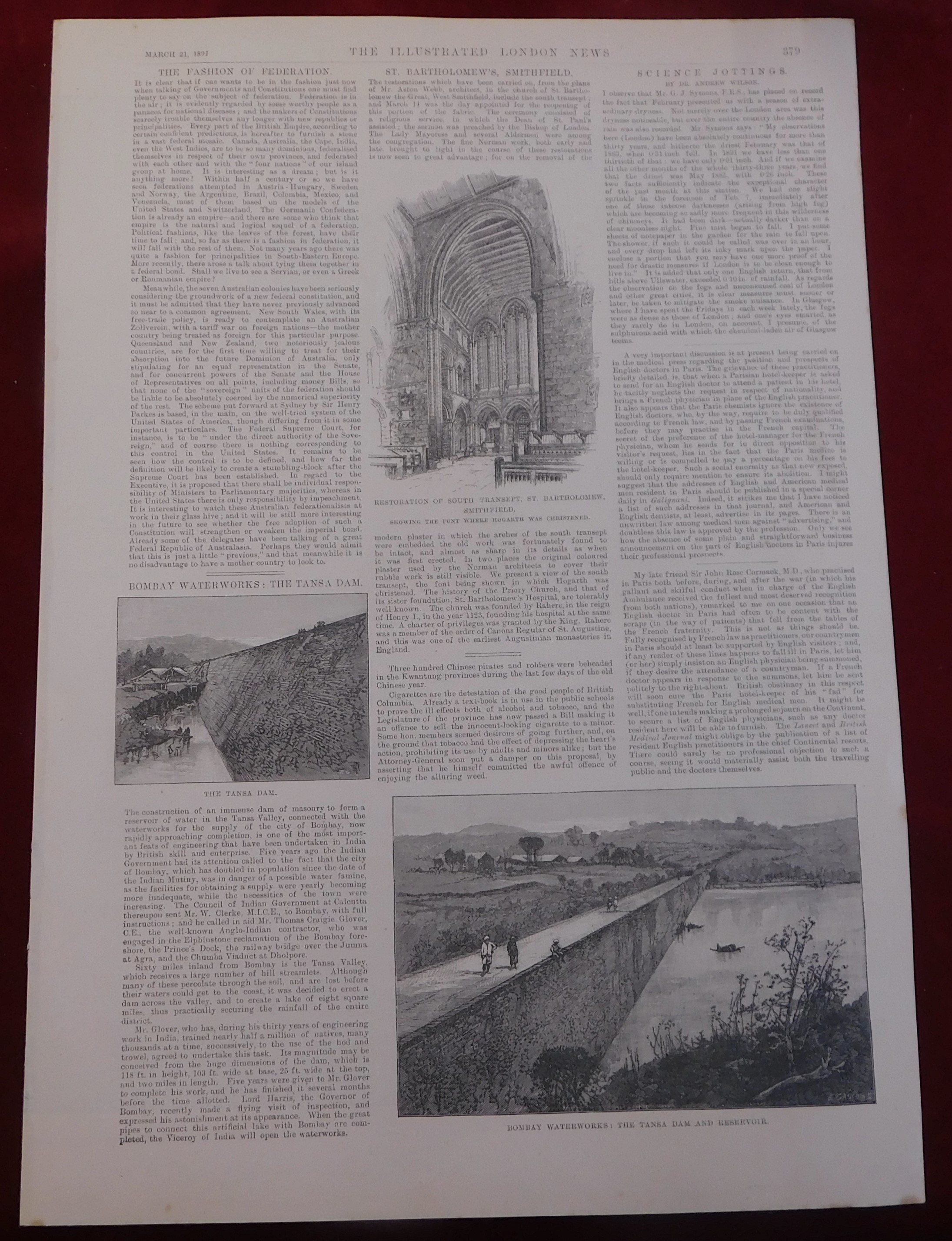
The second day’s sale features advertising and ephemera. The main feature image is the centrepiece of lot 702, a poster sized picture of the 1891 Boat Race crews in action:
Full catalogue listing online, starting from lot 501
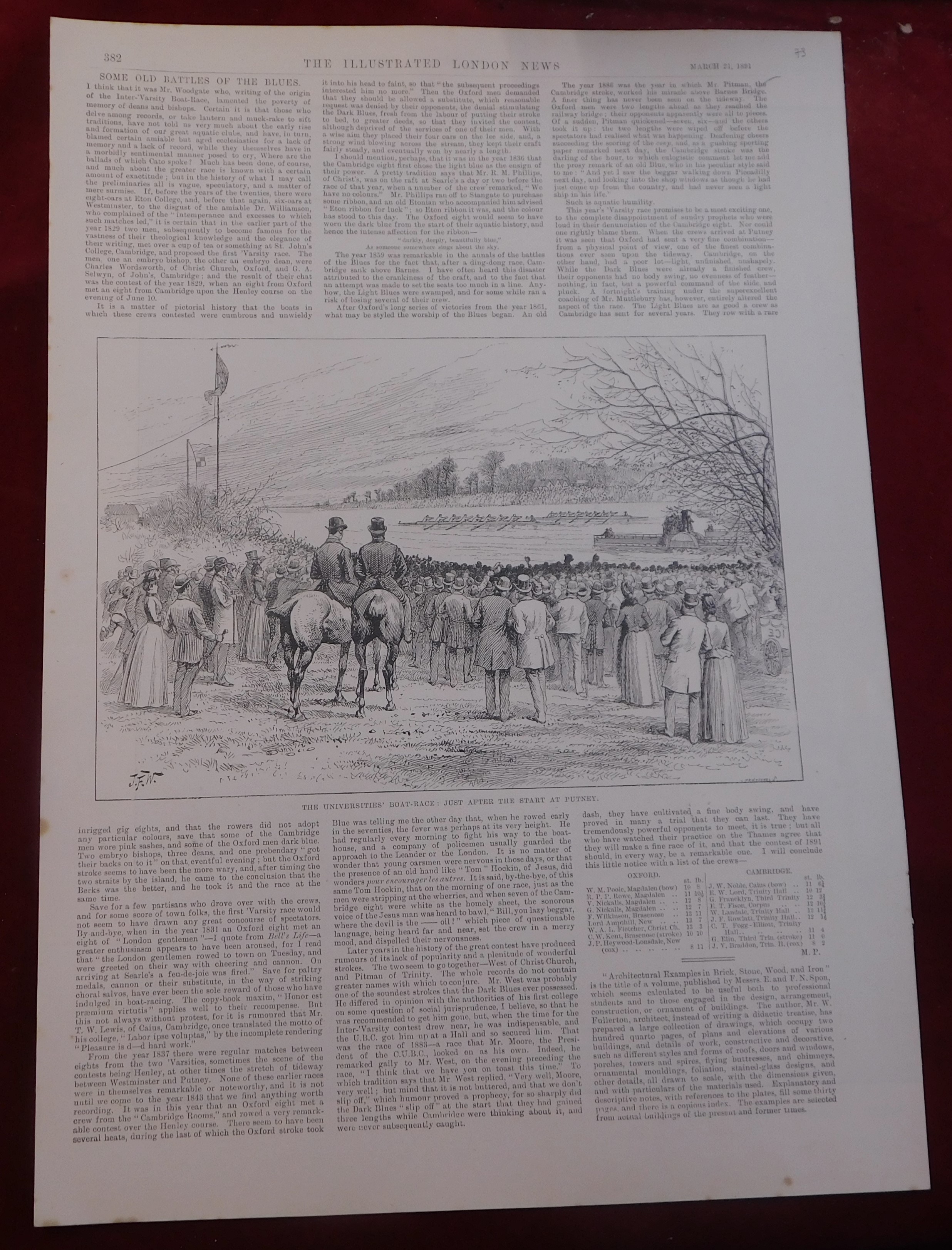
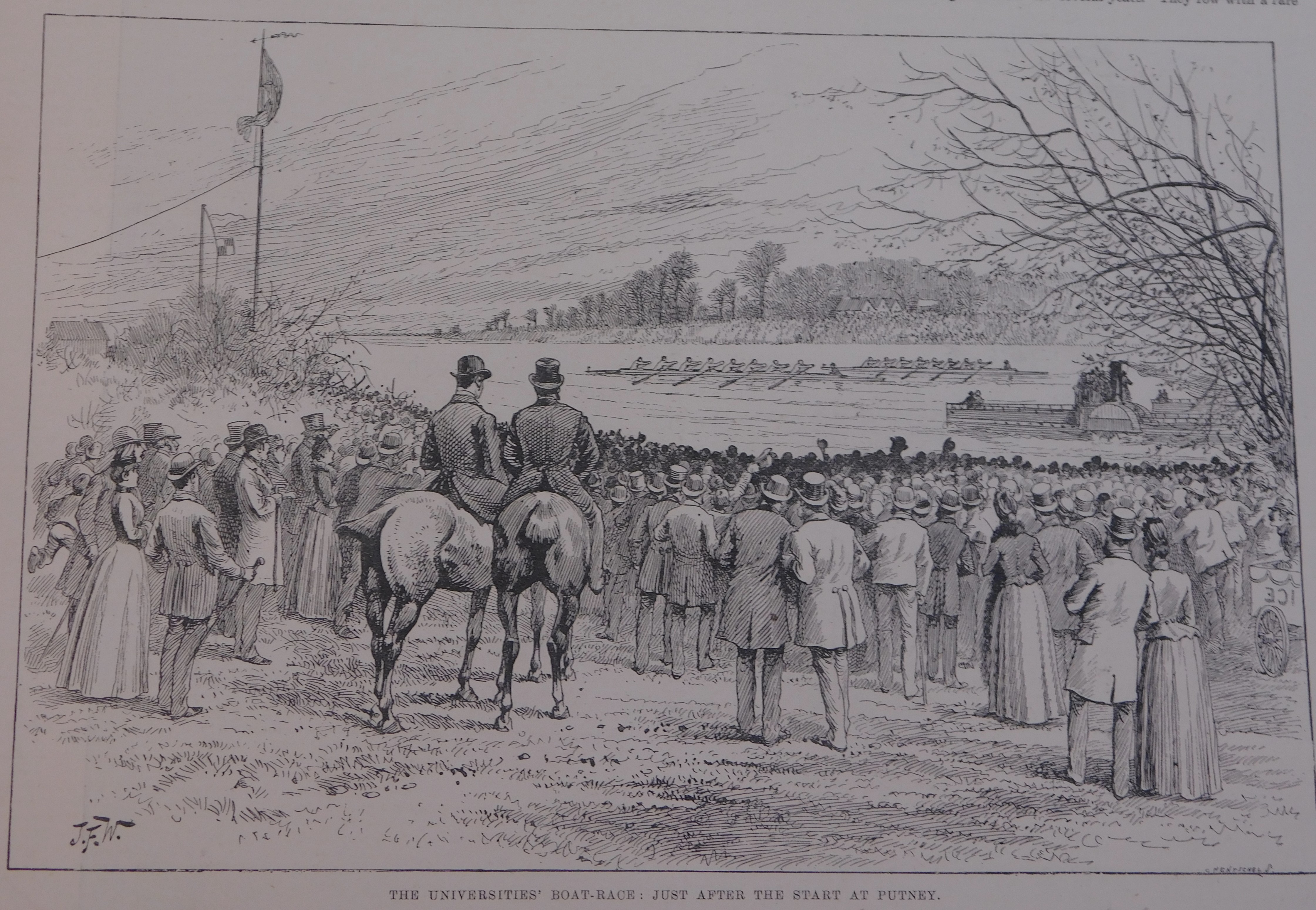
As a lead in to the final section I have a few more ephemera images, including the rest of the gallery for lot 702…
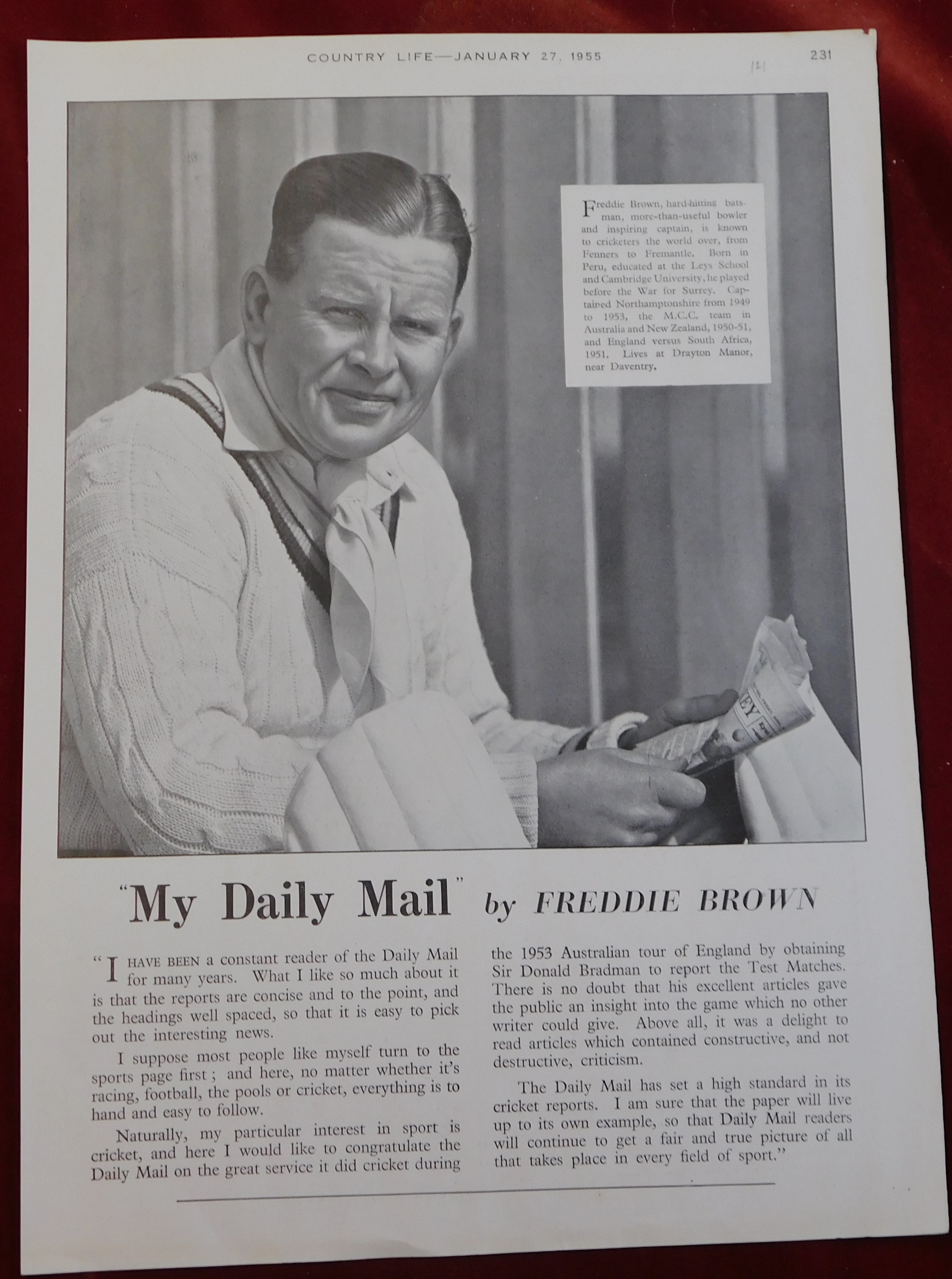
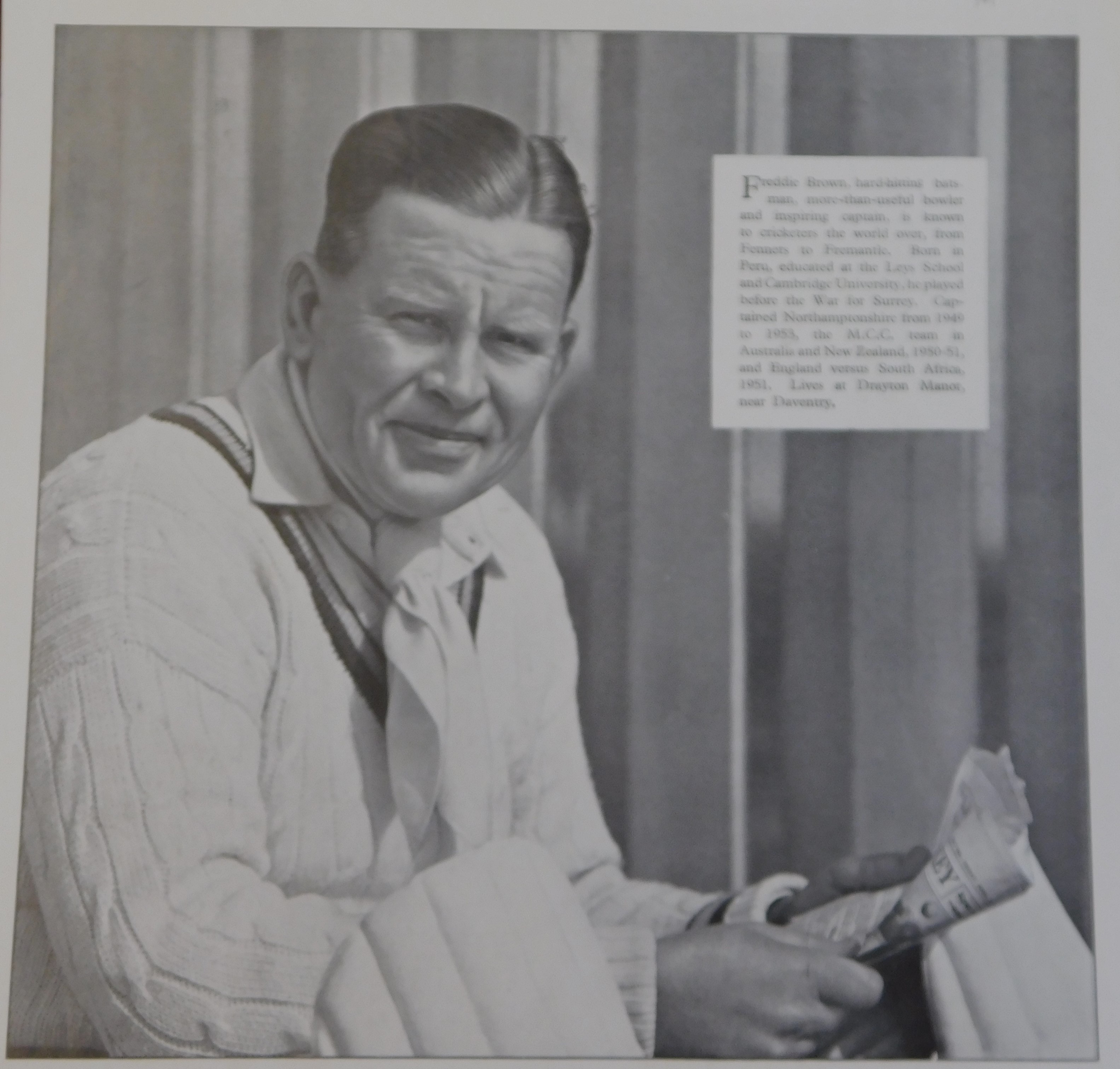
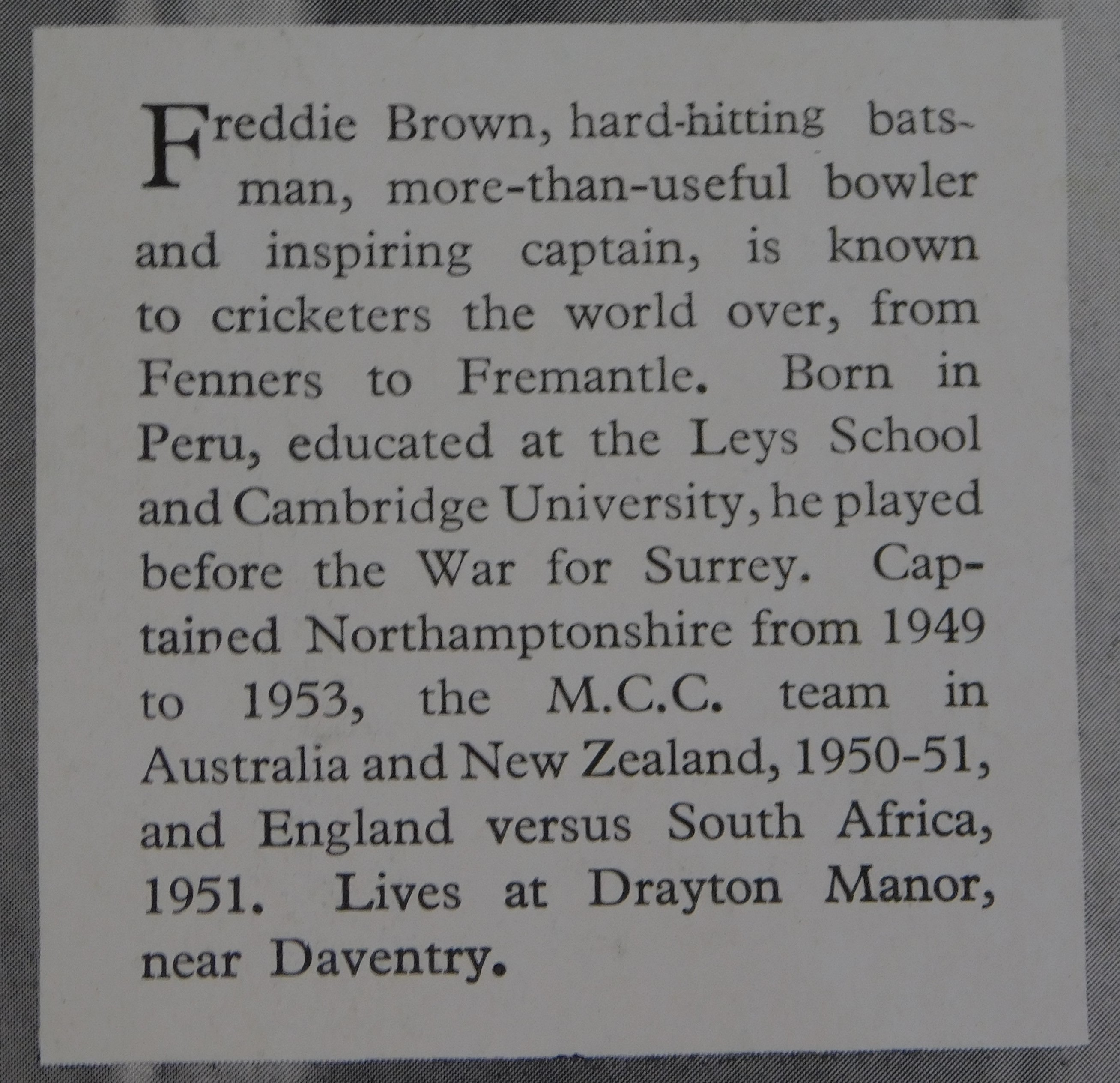
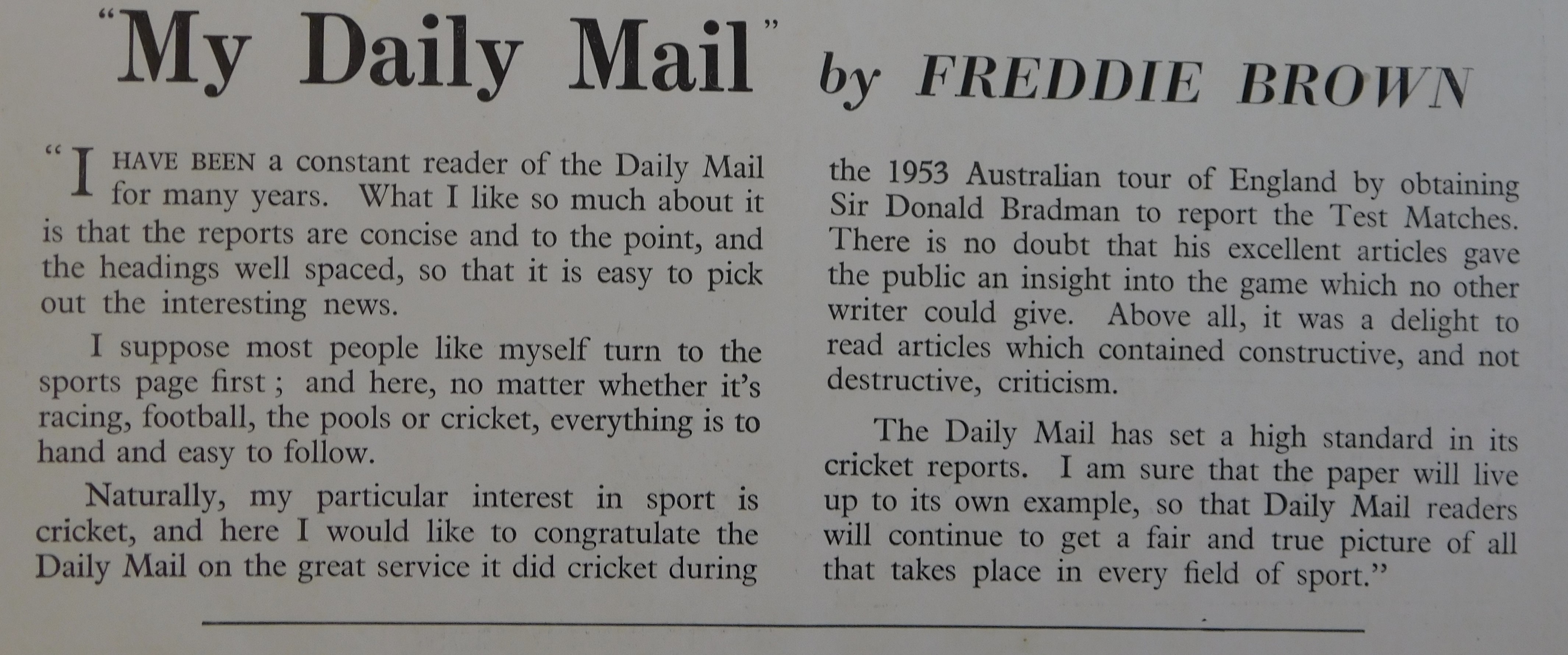
These last two lots are included because to my mind they illustrate the value of not ignoring anything – in each case the stuff on the reverse side is at least as interesting the supposed main feature of the item.I abhor the publication that Mr Brown was spruiking here, but it is of interest that they saw him as valuable.
PHOTOGRAPHS
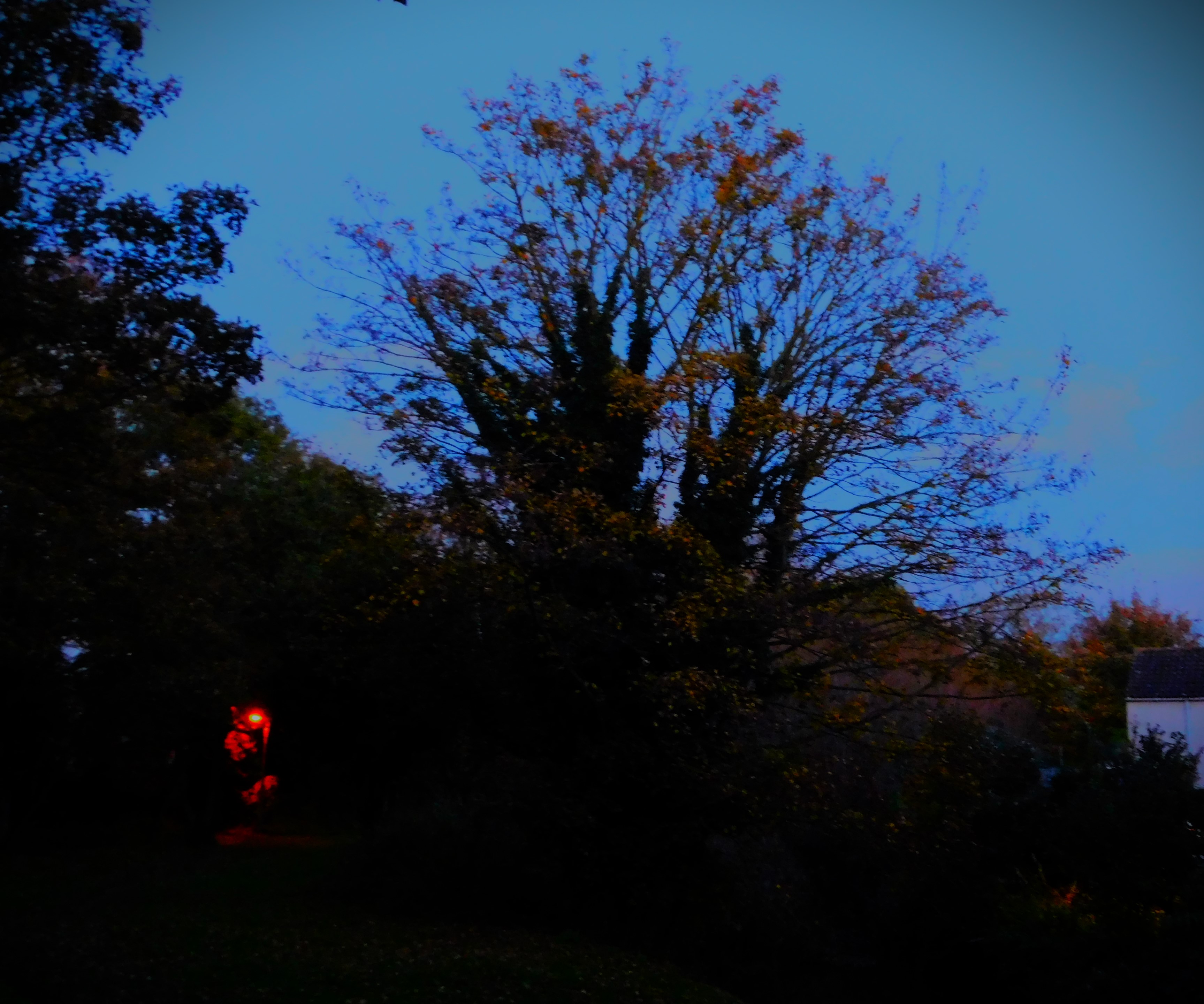
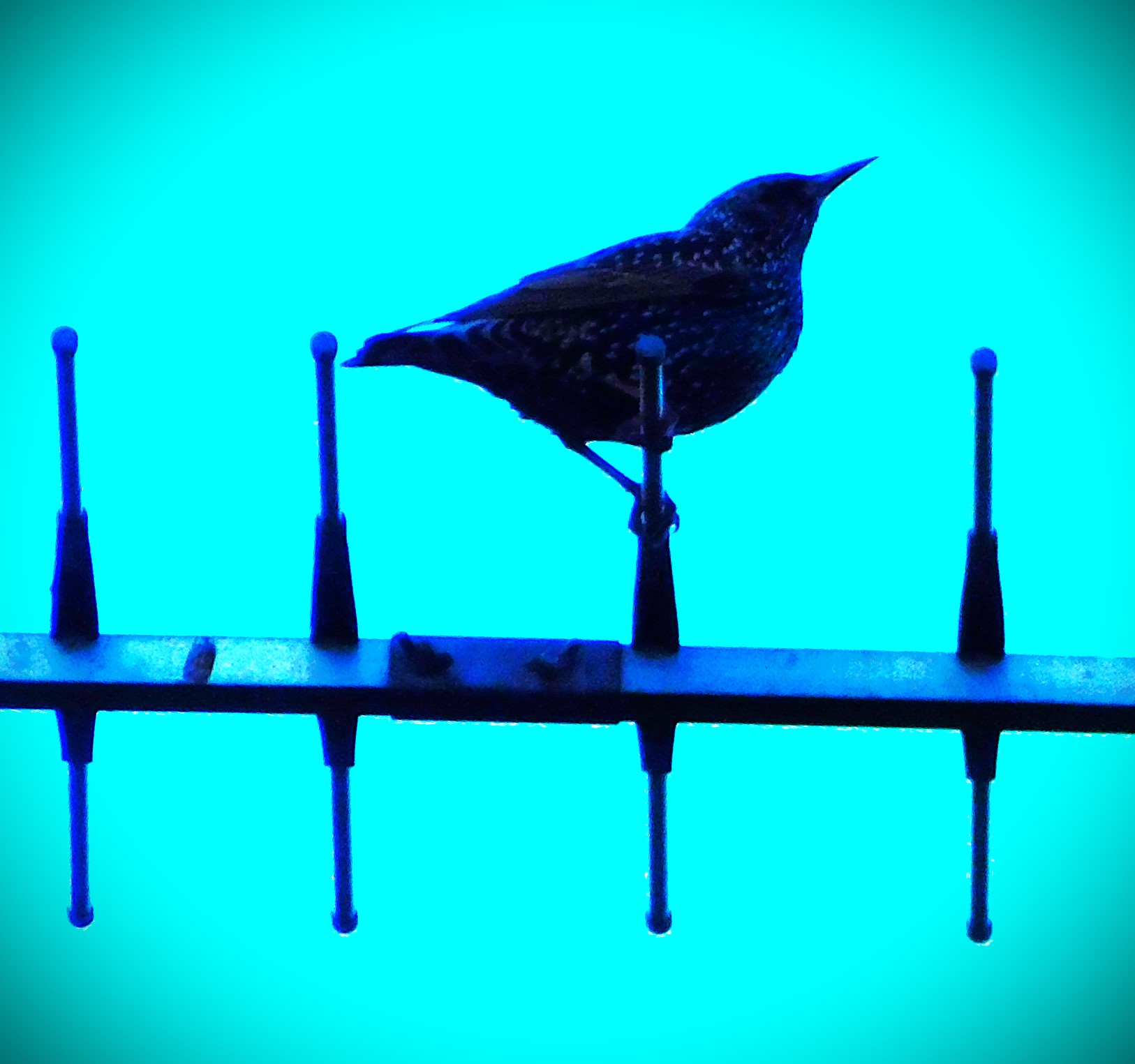
It is getting to the time of year when really good things to photograph become harder to come by, but I do have my usual sign off…
A look at today’s world cup match between Afghanistan and the Netherlands, and the affect that the result has on the battle for semi-final qualification. Also a very large photo gallery.
Today’s world cup match saw Afghanistan facing the Netherlands. This post looks back at that match and at the fight for a semi-final slot. I did not catch a single ball of yesterday’s game in which India obliterated Sri Lanka (another “we’ll have a bowl” disaster at this world cup – India put in to bat tallied 357 from their 50 overs and Sri Lanka sank to 55 all out in response).
THE PRELIMINARIES
Afghanistan opted to go with four front line spinners, relying on Fazalhaq Farooqi and Azmatullah Omarzai to bowl such seam as was required. The Netherlands won the toss and chose to bat first, clearly the correct decision on a turner. However, winning the toss and making the right decision are the first two steps of a three-step process, with the third step, playing good cricket, by far the most important…
A DUTCH COLLAPSE
The Netherlands started very well, but the dismissal of O’Dowd, run out for a rapid 42, put the skids under them. That dismissal made it 73-2, and Colin Ackermann and Sybrand Engelbrecht put on 19 together before Ackermann became the second run out victim of the innings. Scott Edwards was then given Run Out first ball to make it 92-4. This was unlucky for Afghanistan keeper Ikram Alikhil, who pulled off a superb piece of work behind the stumps and deserved by credited with a stumping, but apparently Edwards had made contact with the ball, which meant that officially it had to be called a run out. Five runs later Bas de Leede played a wild shot at Mohammad Nabi and succeeded only in edging to Ikram Alikhil to make it 97-5. Saqib Zulfiqar offered Engelbrecht some support, but after scoring a very slow 3 he edged one from Noor Ahmad into the safe gloves of Alikhil and it was 113-6. Logan van Beek stayed while a further 21 runs accrued, of which his share was 2, before he was stumped by Alikhil. Roelof van der Merwe helped the Netherlands past the 150 mark, but shortly thereafter caused the run out of the determined Engelbrecht for 58 (86), and it was 152-8. Roelof van der Merwe and Aryan Dutt devoted themselves almost solely to seeing out overs at this point. The first really aggressive shot by either, from van der Merwe resulted in a lobbed catch to Ibrahim Zadran off Noor Ahmad to make it 169-9. Dutt and Paul van Meekeren cobbled together another 10 for the last wicket before Mohammad Nabi trapped van Meekeren LBW. The Dutch number 11 reviewed it, but it was plumb and the Netherlands were all out for 179 in 46.3 overs. 38.3 of those overs had been bowled by spinners, an all time record for a men’s world cup match. Ikram Alikhil had had a hand in six of the wickets, the three officially credited to him, and three of the four run outs (one was a direct hit throw from Azmatullah Omarzai), and with the four run outs and one official stumping this was the first ever men’s world cup innings in which as many as five batters had been out through being out of their crease at the wrong time. The Netherlands had lost their last nine wickets for 106 runs, and their last eight for 87.
THE AFGHANISTAN CHASE
Can be summed up with one word: clinical. Although both openers were out cheaply Rahmat Shah and Hashmatullah Shahidi had a fine partnership for the third wicket, and then Azmatullah Omarzai joined Shahidi in the stand that saw Afghanistan over the winning line with 18.3 overs to spare. Rahmat Shah scored 52 (54), Omarzai 31* (28) and Shahidi 56* (64), a thoroughly professional display from the numbers three, four and five for Afghanistan. This puts Afghanistan firmly in the mix for a semi-final slot. If they can beat either Australia or South Africa, their last two opponents, that will probably be enough for them. New Zealand look the most vulnerable of those currently in qualifying slots – they have lost three in a row, while India and South Africa are both guaranteed to qualify, and Australia could only be dragged into the dogfight for the fourth slot if they somehow lose against bottom of the table England tomorrow.
PHOTOGRAPHS
Just before I terminate this post, two posts ago I included in my gallery two street names which each connected to two cricketers. The connections are as follows: Wyatt Street – current England T20I women’s opener Danni Wyatt and former England men’s captain Bob Wyatt, and Archdale Street – England women’s first ever captain, Betty Archdale, and former long serving Somerset wicket keeper the reverend Archdale Palmer Wickham.
Now for my usual sign off…
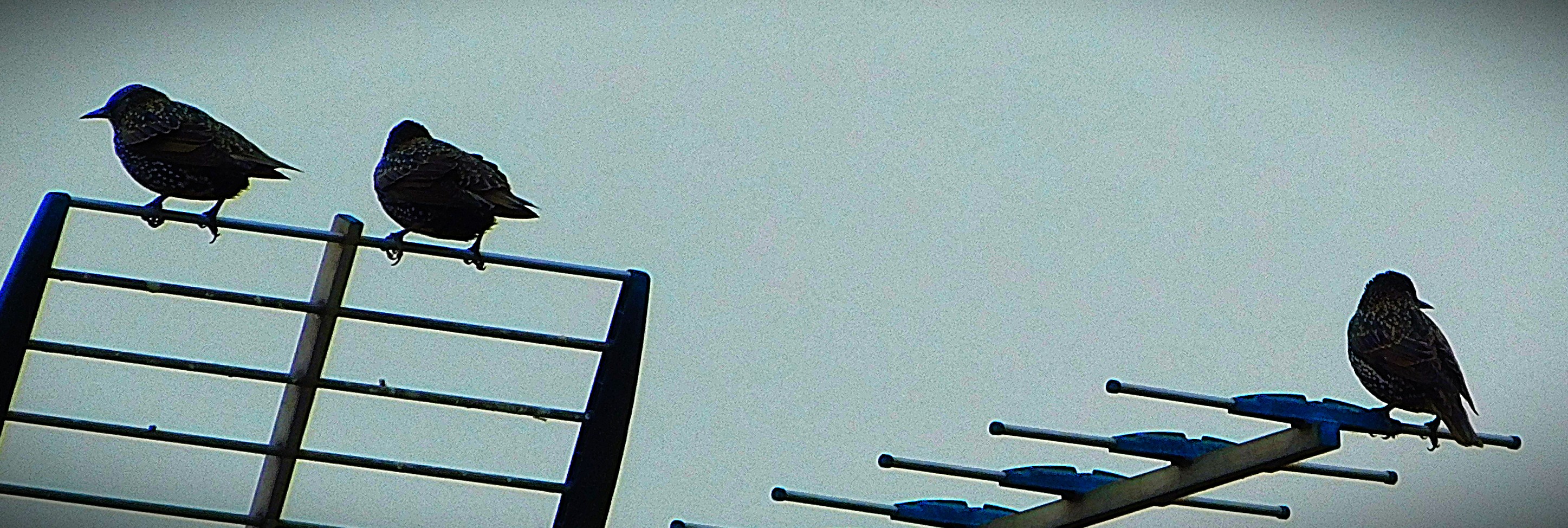
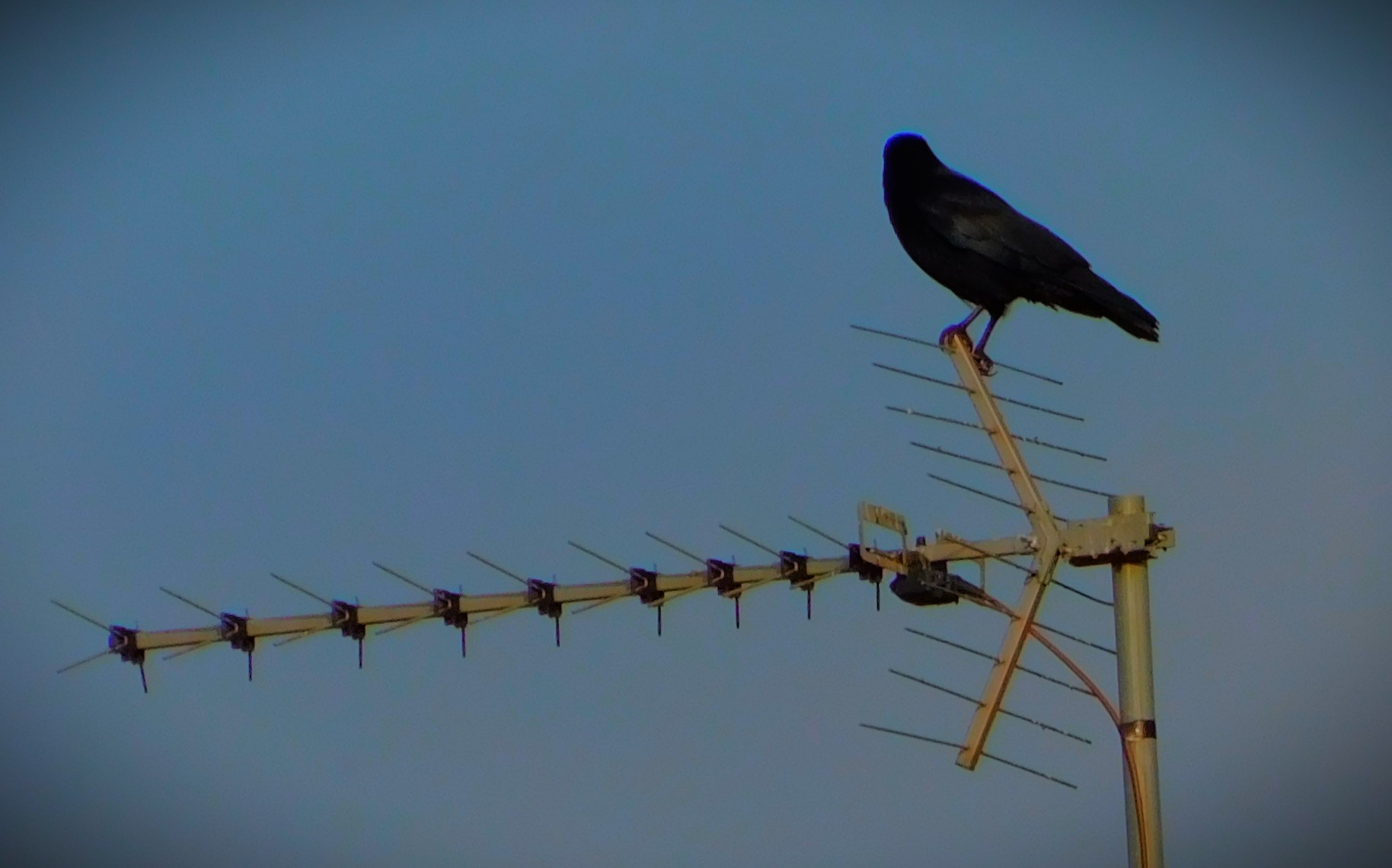
A pair of goldfinchesThe moon in a clear morning sky (taken not long after 7:30 this morning)





























































































































































































































































































































































































































































































































































































































































































































































































































































































































 aspiblog