A look at the first innings of today’s Hundred (women’s) match between Trent Rockets and Birmingham Phoenix. Phoenix put up a respectable total, but maybe not enough – they certainly didn’t use all their batting resources. Also a large photo gallery.
Today in the Hundred the Trent Rockets are entertaining Birmingham Phoenix. I am typing this immediately after the end of the Phoenix innings (they won the toss and batted first).
139-3 NOT GOOD ENOUGH?
The Phoenix total referred to in the headline above is roughly equivalent to 165 in a T20 innings for comparison purposes. Undoubtedly a respectable score, but not an invincible one. Ellyse Perry scored 66 of the runs off 33 balls in a magnificent display. That means that the rest of the Phoenix innings was 73 off 67 balls. Sterre Kalis was scoring at a rate of below a run a ball for most of her innings, and even after picking things up late on she had a mere 48* (42) to show for her efforts, and it is not as though she had the excuse of worries over Phoenix’s batting depth – Amy Jones faced only three balls in the innings, and Suzie Bates, down to bat at five, never got in at all, the third wicket, a run out, happening on the 100th ball of the innings. Even after those two there were still Fran Wilson, Emily Arlott and Seren Smale who can handle a bat to come – Phoenix left a lot of resources unused in this innings. Rockets themselves have questions to answer – Alexa Stonehouse bowled the first 10 balls of the match straight through, yielding only six runs and was not called on for the rest of the innings. The ten balls she did not bowl were bowled by Amanda-Jade Wellington who leaked 29. Of the four Rockets bowlers who bowled a full allocation Heather Graham was the stand out with 1-15. Nat Sciver-Brunt (0-30) and Kirstie Gordon (0-32) were expensive, and such are Alana King’s usual standards that she would regard 1-26 as a disappointing return.
PHOTOGRAPHS
My usual sign off…
If you click to view this one at larger size you will see a swallow.A green shieldbug.
A test match XI made up of players some or all of whose prime years were in my lifetime, a few honourable mentions and a photo gallery.
In this post I select an all time XI intended to be perfectly balanced, and made up exclusively of players at least some of whose peak years have been in my lifetime. I also look at some of the players I omitted and explain my reasoning- in an exercise like this the challenge is just who one leaves out.
THE XI IN BATTING ORDER
Graeme Smith (South Africa, left handed opening batter). Over 9,000 test runs at an average of 48.
Sunil Gavaskar (India, right handed opening batter). The first ever to reach the career milestone of 10,000 test runs, and an average of over 50 at that level, and a good record outside Asia as well.
Brian Lara (West Indies, left handed batter). The greatest left hander to have batted in my lifetime, with any number of extraordinary knocks to cite in support of that claim.
Sachin Tendulkar (India, right handed batter). Holder of the records for most test career runs, most test centuries and various others.
Allan Border (Australia, left handed batter). For much of his career he carried a decidedly moderate Australian batting line up – it was only in the last few years of his career that he got to be part of a strong line up.
*Imran Khan (Pakistan, right handed batter, right arm fast bowler). My chosen all rounder, and my chosen captain. Ian Botham was sensational for the firts few years of his career, a producer of occasional sensations for another few years and then tailed off badly as the 1980s wore on, whereas Imran Khan was a much more enduring cricketer.
+Adam Gilchrist (Australia, wicket keeper, left handed batter). The man who revolutionized the role of the wicket keeper, playing many match winning innings from number seven. Unfortunately too many sides since his prime have been dazzled by the batting side of the equation and have given the gauntlets to folk whose keeping is not up to scratch (Gilchrist’s was).
Wasim Akram (Pakistan, left arm fast bowler, left handed batter). While it is possible that peak Mitchell Johnson was even more devastating with the the ball than peak Akram it is certain that Johnson when the force was not with him operated at a lower level than Akram ever did.
Malcolm Marshall (West Indies, right arm fast bowler, right handed batter). The greatest fast bowler of the golden age of West Indies fast bowling and a handy lower order batter.
Shane Warne (Australia, leg spinner, right handed batter). Leg spin was a dying art when he appeared on the scene – Abdul Qadir of Pakistan was the only leg spinner of real quality in the 1980s, and until Warne’s emergence there was no one coming through in the 1990s either.
Muthiah Muralidaran (Sri Lanka, off spinner, right handed batter). Only one bowler has ever taken 800 test wickets in a career, and unless James Anderson somehow continues to defy Father Time for another few years there is no prospect of anyone else reaching that landmark – the rise of franchise leagues around the world makes it likely that few if any of today’s younger players will be looking at having exceptionally long test careers. Murali took those 800 wickets at a rate of six per match, better among those to have played 20 or more test matches than anyone save SF Barnes who claimed 189 wickets in 27 matches for a wicket taking rate of seven per match.
This XI has good balance of left and right handed batters, great depth with everyone down to Akram at eight capable of playing a match winning knock and Marshall and Warne far from being genuine tail enders. The bowling above with three great fast bowlers and two great spinners is ideal for most pitches. If the match were to be played at Perth or Johannesburg I would drop Muralidaran and further strengthen the pace attack by bringing in McGrath, while on an absolute raging Bunsen I would replace Imran Khan with Ravindra Jadeja (India, left handed batter, left arm orthodox spinner) and rely on Akram and Marshall to bowl such pace as would be required. I also take this opportunity to explain the positioning of the captain and wicket keeper in the listed order – Gilchrist always said he never wanted to bat above seven at test level, while Imran Khan was comfortable batting at number six, so although Gilchrist was undoubtedly a finer batter than Imran Khan I have respected the Aussie keeper’s preferences and kept him at number seven.
SOME UNLUCKY ONES
A full honourable mentions section for a post of this nature would be virtually book length, there being so many potential candidates. So, if I make no mention of your favourite please assume I have my reasons for having not picked them – the listing that follows is not remotely comprehensive.
Left handed openers: Alastair Cook’s sheer longevity deserves a mention, and I would entertain arguments made on behalf of any of Saeed Anwar, Mark Taylor, Matthew Hayden, Justin Langer or Chris Gayle. I would not give the time of day to any arguments on behalf of David Warner – the absence of a single test century in any of seam friendly England/ New Zealand and spin friendly India/ Sri Lanka in my view disqualifies him from being regarded as a genuine great.
Right handed openers: The West Indian pair of Gordon Greenidge and Desmond Haynes come closest in my view to challenging Gavaskar.
Number three: I wanted a left hander in this slot, and I considered Lara’s case to be unanswerable.
Number four: Besides my actual choice there were three serious challengers for the slot – Steve Smith, Virat Kohli and Joe Root, the latter of whom enters the equation because he spent so much of his career carrying a weak England batting line up.
Number five: I opted for the left hander for extra balance. Jacques Kallis was unlucky to be right handed given that he would also have offered an extra bowling option. The other potential candidate had I wanted a right hander would have been Viv Richards. As it was the main challenger to Border was Sangakkara, and I would in no way object to the Sri Lankan’s inclusion in place of the gritty Aussie.
Number six: has been covered in the main part of the post. Had circumstances allowed him to play test cricket Clive Rice (SA) would almost certainly have provided stiff competition for this slot.
Number nine: In a few years time, if he maintains his current standards up to the end of his career Jasprit Bumrah of India will require that I move Warne up one place to this slot and put him in at number 10, but at the moment I am not quite prepared to make such a massive call as dropping Marshall, though I fully acknowledge the Indian’s greatness.
Number ten: Warne at the moment looks unchallengeable, but Rashid Khan (Afghanistan) merits an honourable mention.
Number 11: There are two remotely credible challengers for Murali’s slot – R Ashwin of India, who would make the batting ridiculously deep – he would slot in at nine, with Marshall at ten and Warne at 11, and Nathan Lyon of Australia, who gets extra credit for having succeeded as an off spinner when playing his home matches in Australia (check out the records of English off spinners in Australia for an emphatic illustration of this point).
Noting that the county championship is only 95 days away, by featuring Tom Soar’s career best. Also the first photo gallery of the new year.
Welcome to a new year. I have decided to make the main body of my first post of 2024 fit with the start of a new county championship season being 95 days away. I then have a photo gallery to share – today has been largely bright and sunny and I have been out and about.
TOM SOAR’S CAREER BEST
Tom Soar is not an illustrious name in the history of cricket, and fast bowling was his main occupation (323 FC wickets at 23.82 with a best of 8-38). His highest score with the bat was 95, and it came in a truly remarkable match.
Somerset had batted first and posted a total of 315, Ernie Robson top scoring with 74. Hampshire began poorly in reply and it would have been even worse for them had Somerset keeper Wickham pulled off a stumping chance against Major Robert Poore. Poore survived, which would have felt ominous to Somerset, given that at Portsmouth earlier that season he had already smashed them for two centuries in the match. Hampshire were 62-4 when Soar joined Poore. The pair put on 196 together before Soar was out for 95. Poore was now joined by another army officer, Captain Teddy Wynyard, and just over four hours this pair proceeded to hammer 411 runs, before Wynyard fell for 225. Poore was out a few balls, for precisely 300 runs more than he had scored at the time Wickham missed that stumping. Hampshire declared at 672-7, an advantage of 357. A dispirited Somerset could only manage 206 at the second time of asking and lost by an innings and 151 runs.
PHOTOGRAPHS
My usual sign off…
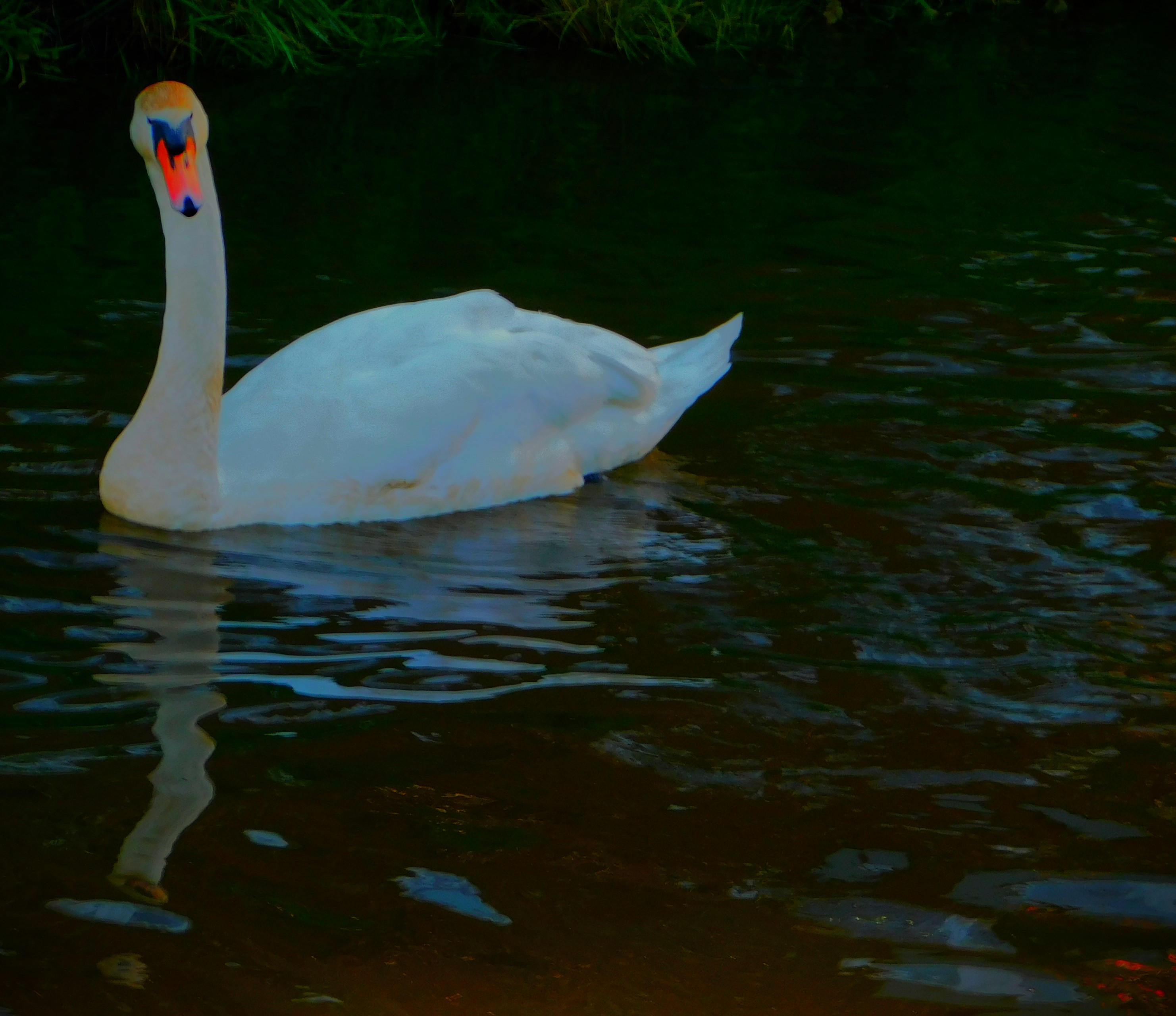
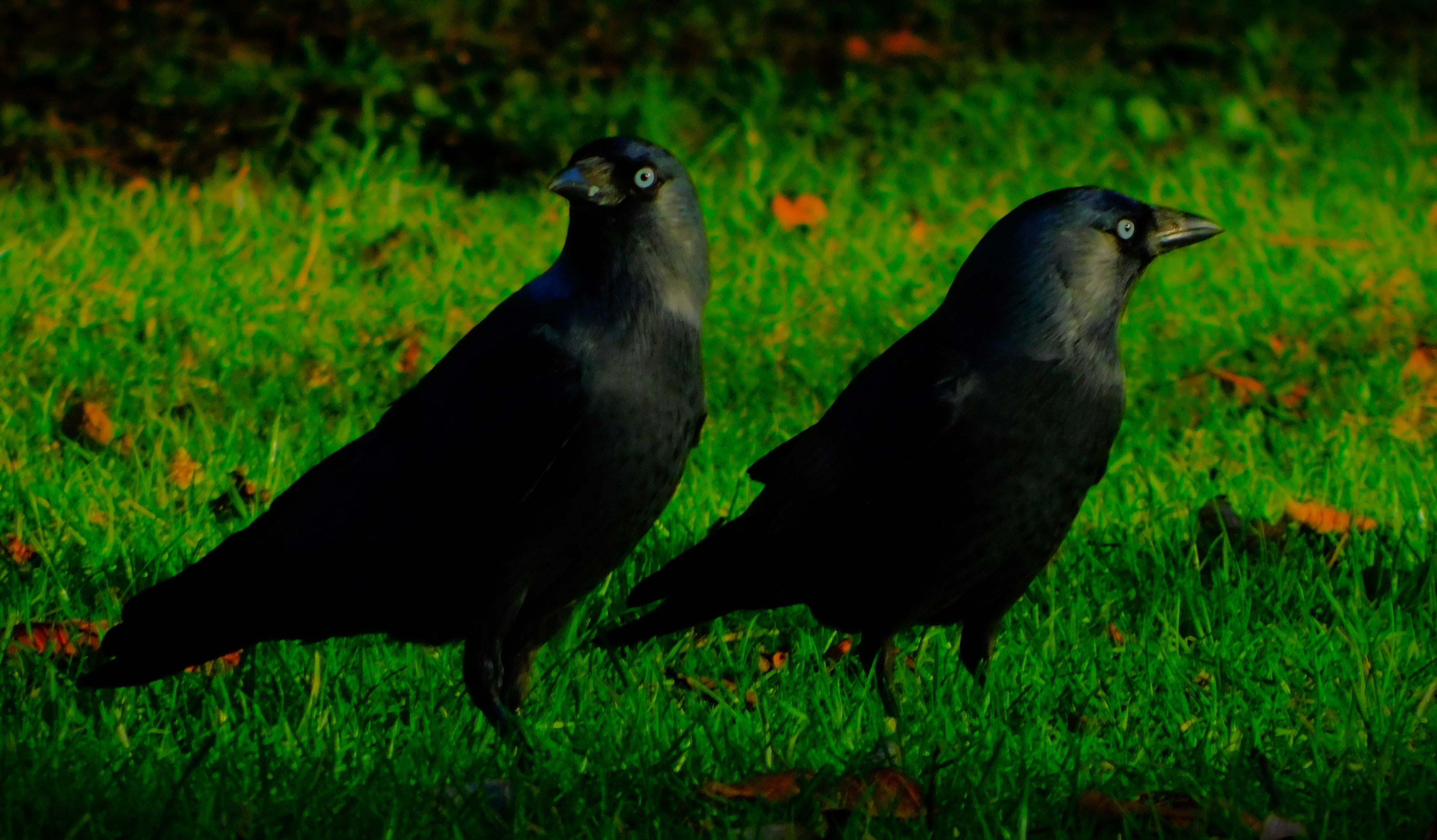
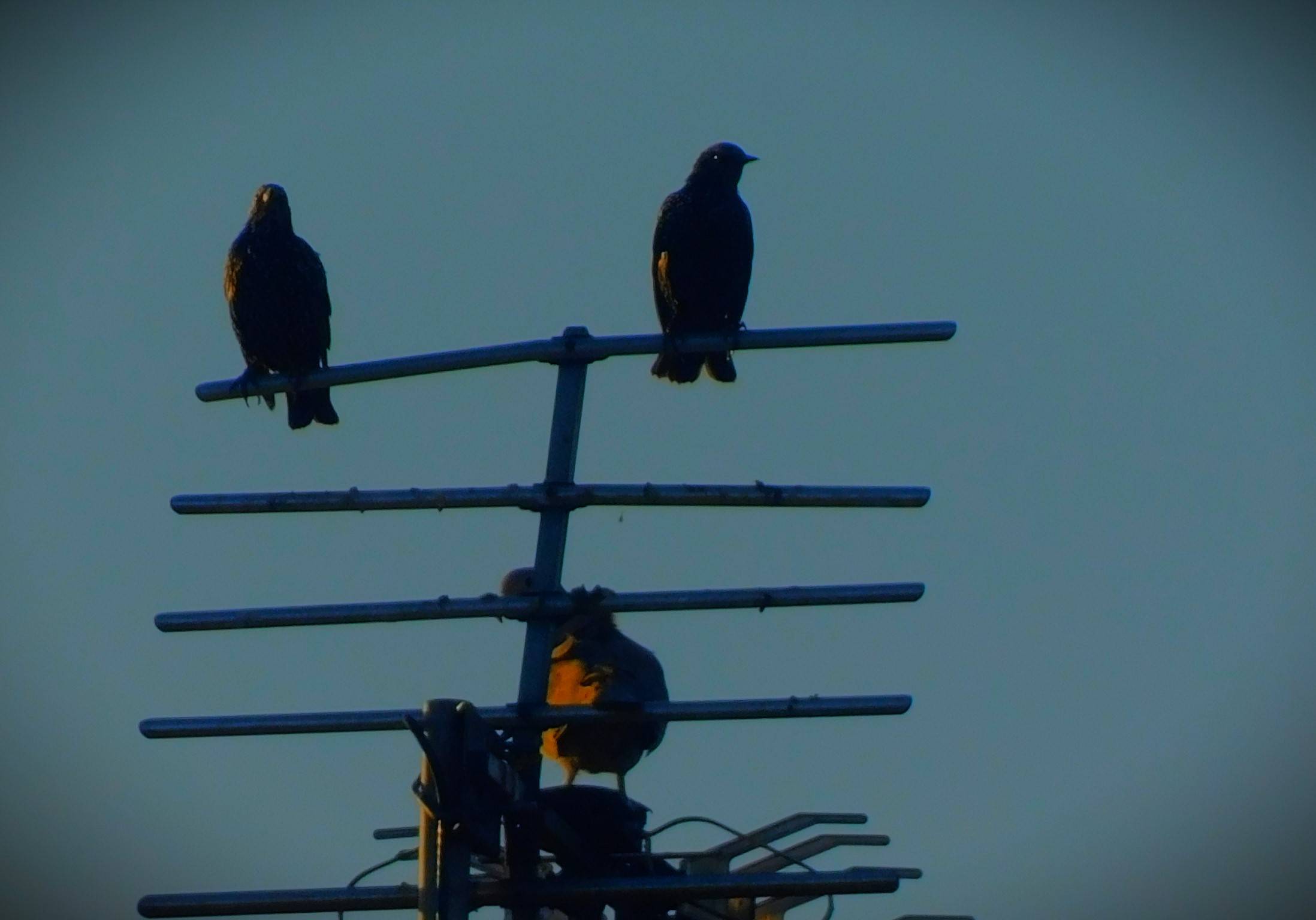
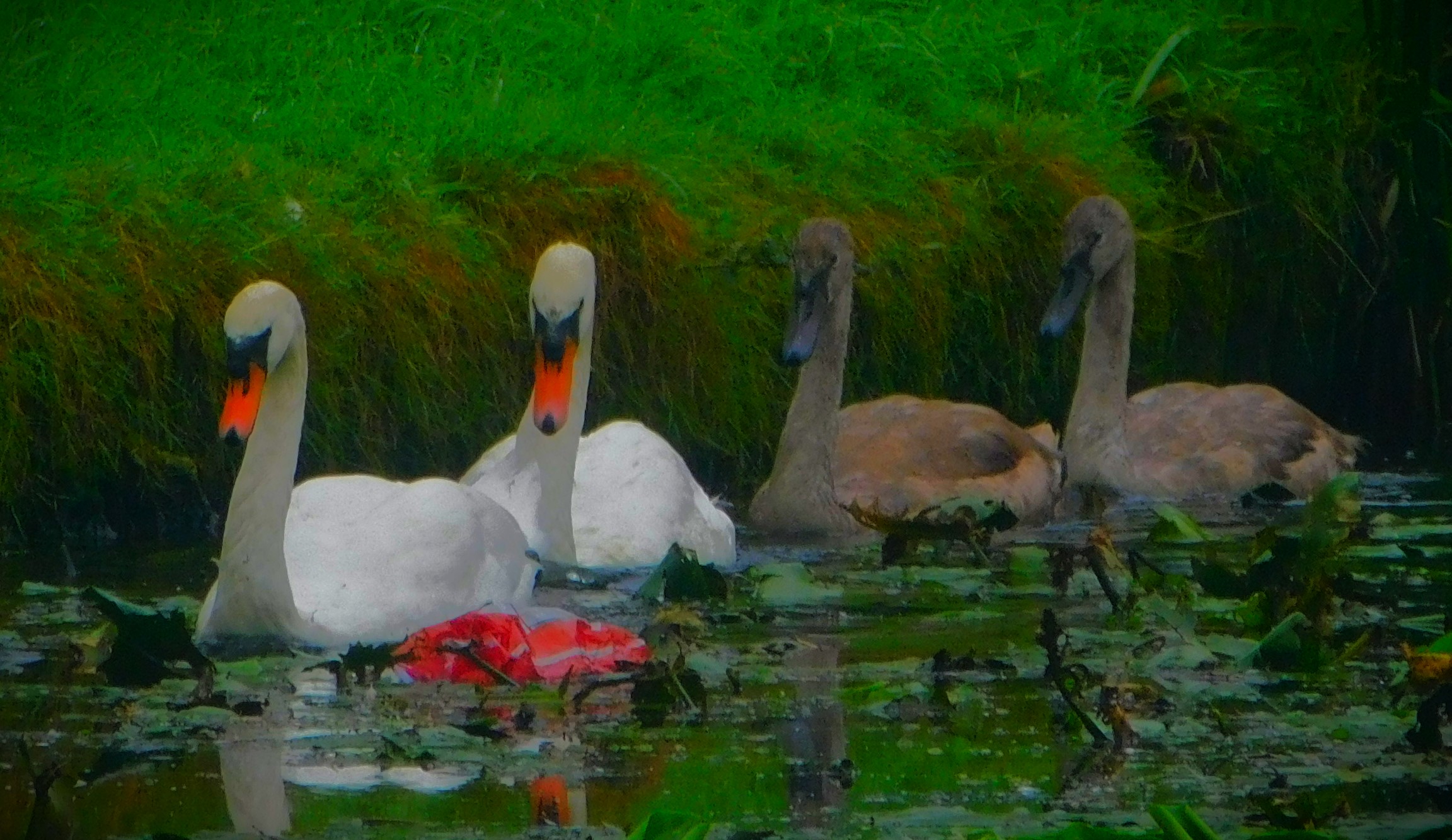
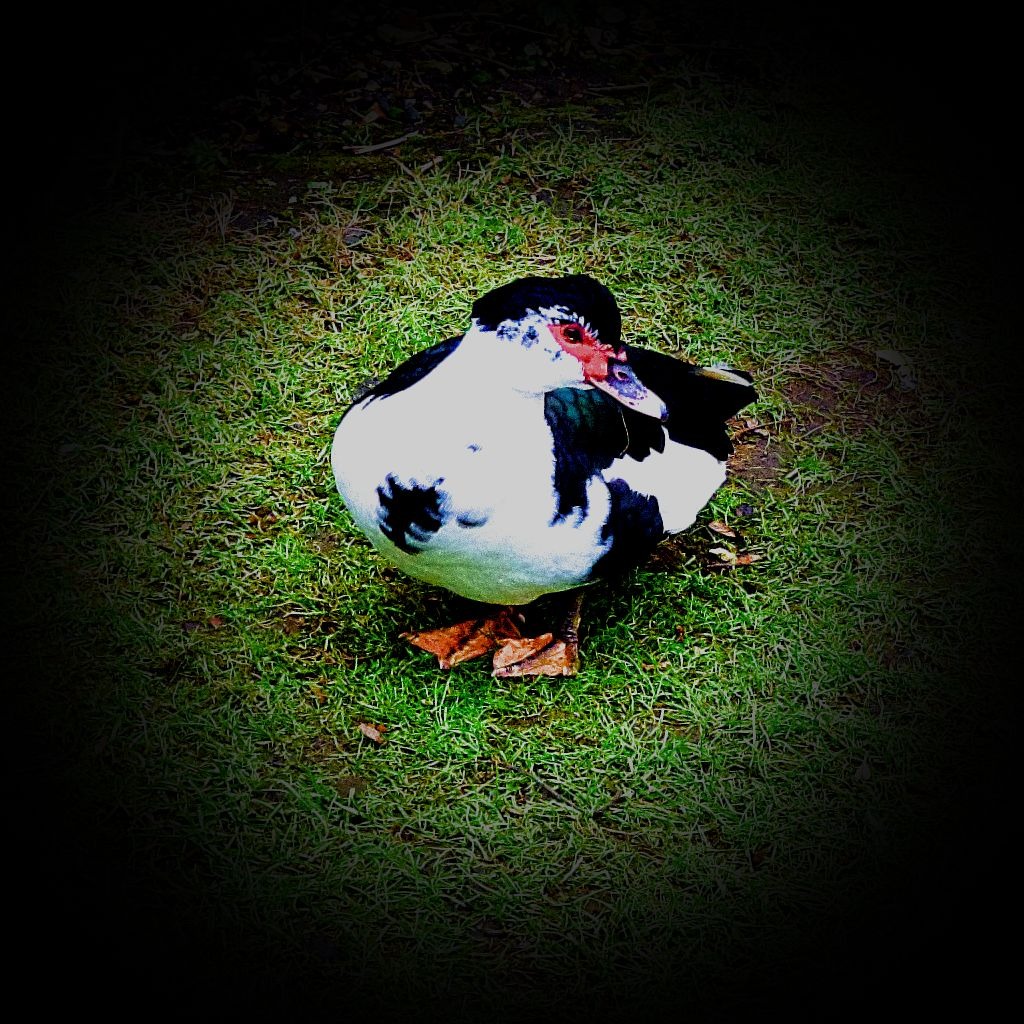
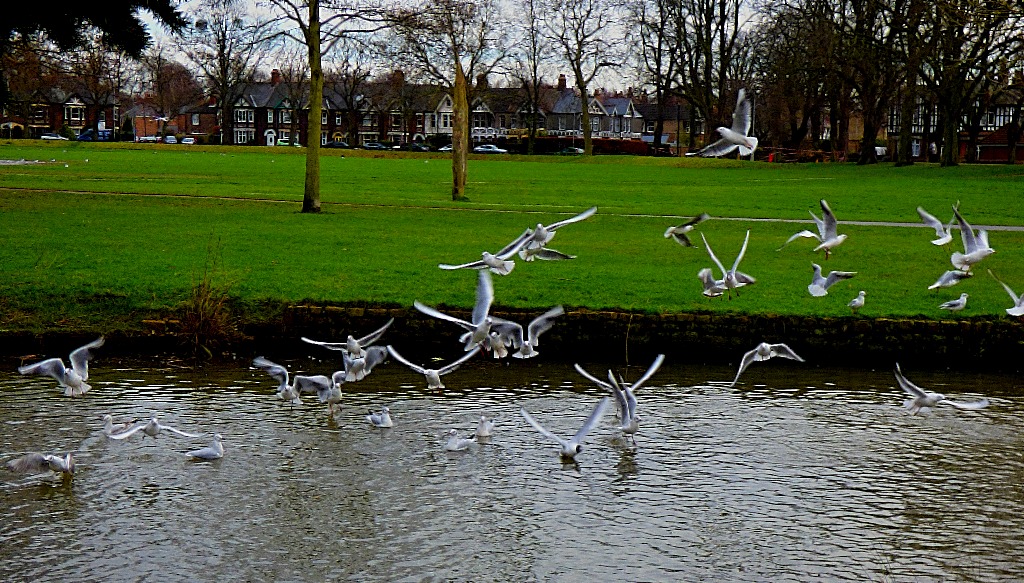
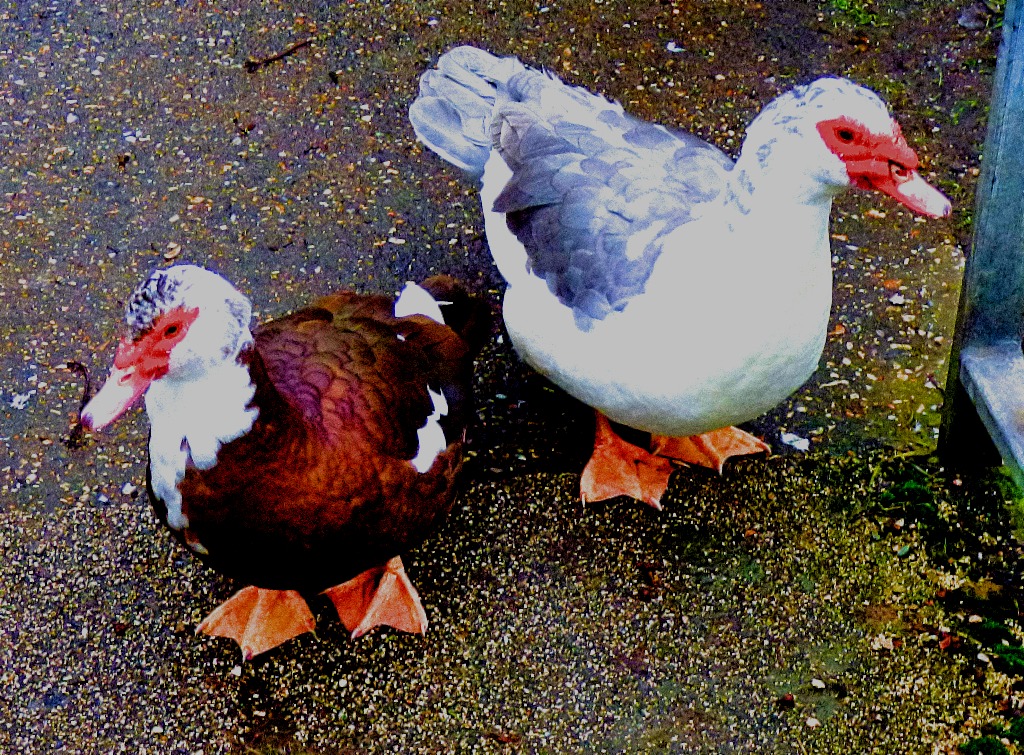
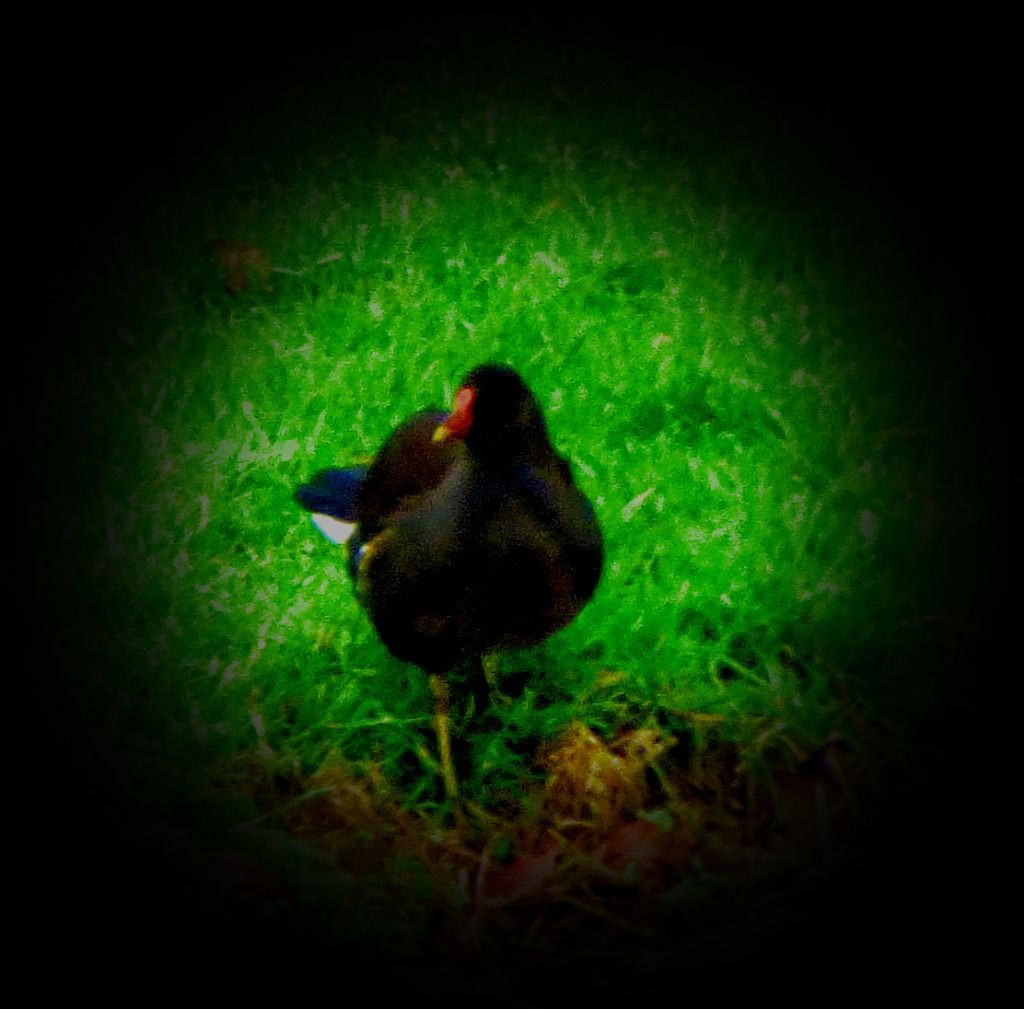
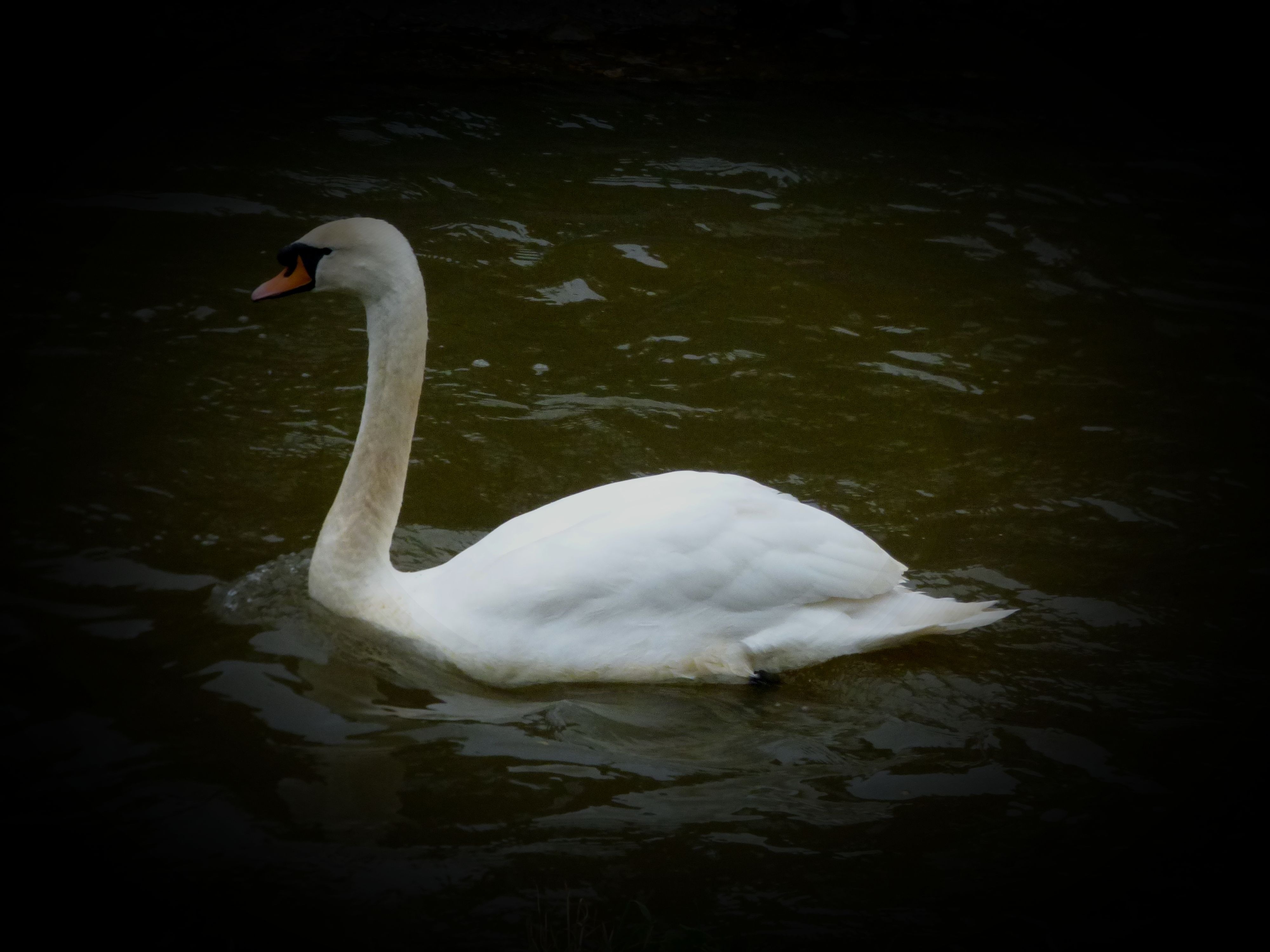
A gathering of gulls.MoorhenWhite duckSwansBlue tit.I think this was a skein of geese, going by the shapes of the birds.BlackbirdMy first starling of 2024JackdawsSparrows
A look back at Surrey v Warwickshire in the county championship, a mention of the state of play between Essex and Middlesex and a photo gallery.
Surrey consolidated their position at the top of the County Championship table by claiming victory over Warwickshire yesterday morning. Essex, Surrey’s closest challengers, are poised for victory over Middlesex, in spite of off spinner Josh de Caires claiming eight wickets in the first Essex innings.
DAY ONE – THE CALM BEFORE THE STORM
An unbeaten century for Foakes and 50+ scores from Sibley, Jamie Smith and Steel (the latter also unbeaten overnight) enabled Surrey to end the day on 339-4 and seemingly destined for a massive score.
DAY TWO – WICKETS GO DOWN LIKE NINEPINS
Surrey seemed to have lost the initiative when their last six wickets only advanced their score by a further 57, Foakes last out for 125, his 15th FC century and an innings that left him 16 short of 8,000 FC runs. However by the lunch interval Warwickshire were 38-3 and in deep trouble. They never looked like extracting themselves from this situation, and their first innings ended for 161, giving Surrey an advantage of 235. With Warwickshire clearly demoralized Surrey rightly went for the jugular, sticking their opponents back in. Warwickshire were soon 35-5 in their second innings. The sixth and seventh wickets offered some resistance, with Dan Mousley completing the only Warwickshire 50 of the match along the way, but Warwickshire ended day two 124-7 in the second innings, still 111 short of avoiding the innings defeat. The Surrey bowling performance was typical of them, with the wickets widely shared rather than any one bowler dominating proceedings. Their general approach this season has been to select four specialist batters, Ben Foakes and give themselves six genuine bowling options, a luxury permitted them by the presence of all rounders and the fact that almost all of those picked purely as bowlers have some degree of skill with the bat. Essex, their closest rivals, are less well served by all rounders/ bowlers who can bat reasonably well and tend to select six batters, a keeper and rely on four bowlers doing the job.
DAY THREE – THE LAST RITES
I was at work when this unfolded, but it took very little time. The key dismissal was that of Mousley, ninth out for 61. Warwickshire had folded for 138 in their second innings, giving Surrey victory by an innings and 97 runs.
ESSEX V MIDDLESEX
This is the key match among those still in progress from a Surrey point of view, as Essex are the only side with any serious chance of denying them the championship. Middlesex are showing little appetite for the battle, the scores as I type being Essex 304 and 319-7 declared, Middlesex 179 and 41-3, meaning that Middlesex need 404 with seven second innings wickets standing. Middlesex are in serious danger of relegation – the two relegation slots would seem to be between Northamptonshire (almost certainly doomed), Middlesex and Kent.
A look at today’s cricket action and a lot of photographs.
INTRODUCTION
Today’s ODI between England and Pakistan is just past the half way stage. There are also fixtures under way in the county championship. This post looks at all the action.
AROUND THE GROUNDS
First the ODI:
England v Pakistan at Bristol – Pakistan 358-9 from 50 overs, Eng 46-0 after 7 overs.
Pakistan have put up a good total, but not one that is by any means out of England’s reach.Imam-ul-Haqwith 151 was the principal contributor. Chris Woakes took 4-67, a superb performance in the circumstances. I reckon England will chase these down.
With the close of play approaching on day 1 this is what is happening in the County Championship:
Essex v Nottinghamshire – Nottinghamshire 187, Essex 35-0.
This is looking good for Essex. Forties from Ben Slater and Joe Clarke were the only notable batting efforts for Nottinghamshire. Jamie Portertook 4-75 for Essex, while Simon Harmer had 2-20 from 17 overs, an extraordinarily economical performance for a spinner on day 1.
Kent v Yorkshire – Yorkshire 210 all out, Kent 114-4. Yorkshire were 96-6 at one point, but a lower-order fightback got them to respectability, and they have then bowled well. No Yorkshire batter topped 30 – Brook and Tattersall with 29 each were top scorers. Milnes took three wickets and Podmore two. Zak Crawley is going well for Kent, having passed 50. Tim Bresnan has taken two wickets for Yorkshire.
Somerset v Surrey – Surrey 325-6. Centuries from Rory Burns and Dean Elgar saw Surrey dominate most of the day, but late wickets for Somerset have brought them back into things. Lewis Gregorywith 3-44 has been by far the most successful bowler for Somerset.
Glamorgan v Gloucestershire – Gloucestershire 360-6.
This match is taking place not in either county, but instead in Newport, Gwent (Glamorgan play ‘home’ matches in various odd locations, including Colwyn Bay). James Bracey made 152 and Gareth Roderick 88. Marchant de Lange has been the least ineffective of Glamorgan’s bowlers with 3-76.
There are apparently three Koi Carp in this pond – and according to my informant various people have been trying to catch and keep them. I managed to photograph two of them during this visit.
An update on my slowly improving health, some of the recent cricket, a few interesting links and lots of photographs.
INTRODUCTION
This post looks at my slowly but surely improving health and a few other things as well.
CRICKET UPDATE
My last set of predictions did not work out too well. I was right on one, and wrong on two, albeit the second wrong one (Scotland/Afghanistan owing more to a D/L calculation that gave the match to Afghanistan when rain intervened with them needing 57 off 31 balls with seven wickets standing (it was the latter that helped Afghanistan), a target that they would almost certainly not have succeeded in chasing down had the match gone the distance. Had Middlesex started less dreadfully they may have borne out my prediction of a successful chase, since even after slumping to 24-5 they finished up not far short of the target. In the semi-finals, which took place yesterday, Somerset thrashed Nottinghamshire while Hampshire won a closer game against Lancashire. Thus the final will be between Hampshire and Somerset, with the former starting as favourites.
In the first match of their ODI series England beat Pakistan by 12 runs in an extraordinary game which saw 734 runs scored in 100 overs – England 373-3 from 50, with a very rapid century from Jos Buttler, Pakistan 361-9. Left-arm medium pacer David Willey bowled superbly in the closing stages to save England from potential embarrassmAent.
There are County Championship games starting tomorrow, so watch this space!
HEALTH UPDATE
Yesterday I was feeling sufficiently good to venture somewhat further afield than for some time, although still not very far, going as far as the pond opposite Harewood Parade. Today I was again feeling good, and encouraged by the continuing sunshine did the same thing, although I had forgotten that BB Care were due to visit and missed them in my eagerness to get out. There is a long way to go, but things are definitely improving.
LINKS AND PICTURES
An article appeared in Saturday’s Times in which the head teacher of Stowe School (£38,000 per year to have your children educated there) had the cheek to complain about the fact that slightly more state school students are now getting into Oxbridge. Many have pitched into him, but the best evisceration of both him and the article came from Richard Murphy of Tax Research UK:
Some thoughts about the early stages of the English Cricket Season, some photographs and some puzzles.
INTRODUCTION
The second round of County Championship matches in season 2018 are now on their second day. Additionally the fact that here in England we seem to have skipped spring, going dorectly from a long, unpleasant winter into summer means I have a particularly fine selection of photographs for you, and there will be puzzles.
THE COUNTY CHAMPIONSHIP
Scoring is low everywhere. At Chester-le-Street it is looking a first innings tally of 169 will be sufficient for Kent to record an innings victory (Durham, shot out for 91 yesterday morning are 39-7 in their second innings, needing their last three wickets to double that paltry tally just to avoid the innings defeat). Essex and Lancashire are already into their third innings as well, Essex having scraped together 150 first up and Lancashire replying with 144. Essex are 39-0 in their second innings. Somerset, having actually claimed a batting bonus point by reaching 202 are poised for a handy first innings lead, Worcestershire being 153-8 in response. Surrey also topped 200 – making 211, and Hampshire are 79-6 in response. Yorkshire made 256 in their first innings, and Nottinghamshire are 110-6 in response. Derbyshire made 265, and Middlesex have also reached three figures, being 101-5 in response. Gloucestershire are 47-0 in response to Glamorgan’s 236. Northamptonshire were all out for 147 and Warwickshire are about to overhaul them, with wickets in hand. Finally, Sussex batting first are a comparatively monumental 304-7 (three batting bonus points, although they will not get a fourth as they have had 108.3 overs, and bonus points are only awarded in the first 110 overs of a team’s first innngs) against Leicestershire.
Every match is in progress, which beats last week, when Yorkshire failed to produce a playing surface on which the game could be played, resulting in their match against Essex being abandoned without a ball being bowled.
The low scoring is a major problem – the batters will gave little confidence since they are not making runs, and as soon as they face conditions in which the ball does not get up to mischief most of the wicket-taking bowlers will revert to being their workaday selves (we saw, unforgettably for all the wrong reasons, over the winter how seamers who bowl accurately but not especially fast are cannon fodder for international class batsmen on good pitches).
From the point of view of England possibles these two rounds of championship matches have been largely valueless – the 75 from James Vince on the opening day was the usual Vince fare – excellent while it lasted, but did not last long enough to be satisfactory and given the conditions no bowling figures can be taken with anything other than a substantial helping of salt.
PHOTOGRAPHS 1: AN ASPI.BLOG FIRST
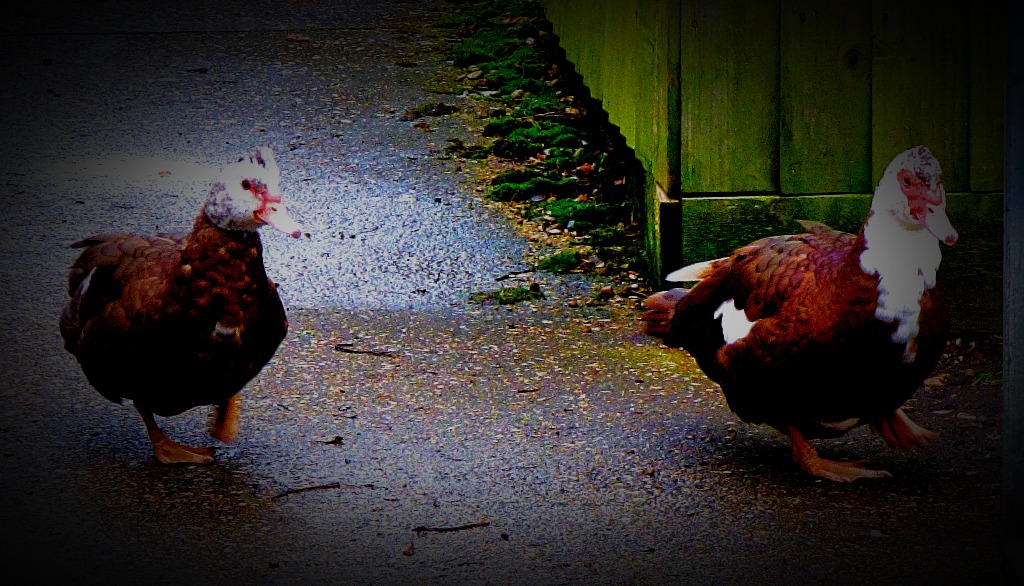
The Muscovy ducks first saw a few months back are still in residence, and they have been joined by an unusual visitor, the second largest bird species I have seen in King’s Lynn – Canada Geese.
The white patch at the top front of the otherwise pure black neck (the head and bill are also pure black) is, along with the colossal size, the key identifier of these birds as Canada Geese.
PUZZLE 1: MATCHSTICKS
My first offering from brilliant(the source of all of today’s puzzles – note also that all can be solved without even using pen and paper, never mind mechanical assistance – I did) is an exercise in visualization:
PHOTOGRAPHS 2: MUNTJAC
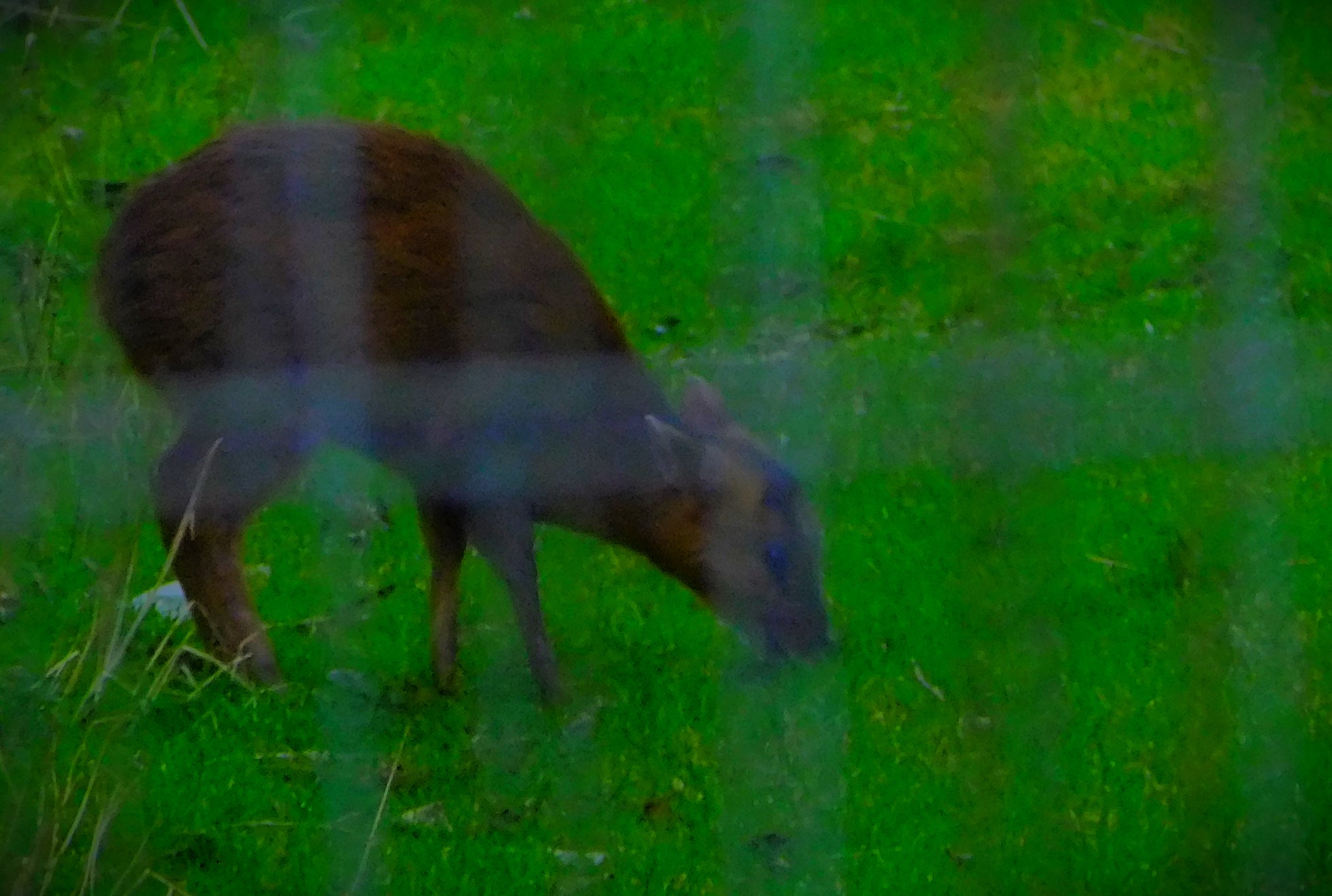
This muntjac was nibbling the grass on the playing field of the Lynn Academy, and I was taking pictures through a screen of plants:
PUZZLE 2: CLEAR ICE
PHOTOGRAPHS 3: SQUIRREL
I got two shots of this squirrel, one om the ground, and one as it swarmed up a tree trunk:
PUZZLE 3: POLYOMINO
Another exercise in visualization (my own success with this one enabled me to celebrate what I call my brilliant.org Pi Day – 314 successive days on which I had solved at least one of their problems!):
PHOTOGRAPHS 4: SMALLER BIRDS
PUZZLE 4: CONVERGENCE
PHOTOGRAPHS 5: BUTTERFLIES
PUZZLE 5: CUBE
My own method for solving this one once again involved visualization, although other methods were also used.
In view of some of the moans that appeared on brilliant in relation to this problem please note the crucial words “by rotating” in the question – they are absolutely key.
PHOTOGRAPHS 6: THE REST
AFTERWORD
While I have been completing this post Durham have succeeded in making Kent bat again, though it is still massive odds against that game even making it onto the third of the scheduled four days.
Links to some of the best pieces from today, includign several about autism, a solution, a problem and some photographs.
INTRODUCTION
This post is divided into three main sections – a sharing section, because there has been some truly outstanding stuff come to my attention today, a problems and solutions section and some photographs.
I have already reblogged stimtheline’s magnificent Autistic Bill of Rights, but I take the opportunity to point you all in that direction once again, complete with a jpg of the suggested Bill of Rights…
My remaining shares in this section are all from a new find…
Not many people have produced three full-length posts in the space of a day that I am eager to share, but this blogger has managed it with the following:
Think Different, on of the best pieces I have ever seen on the theme of embracing one’s diversity, in this case neurodiversity.
The Nuances of Discrimination, which deals with protecting autistic people from discrimination, and is an absolute must-read.
Is Autism a Disability? A wonderful post which tackles head on some of the ways in which the conversation about autism is currently cooked against us from the start. I quote the closing lines of the post as an appetiser:
It’s a label that holds me down and pushes me into a box I can’t escape from. Give me some new words to define me. Or better yet, let me define myself.
A SOLUTION AND A PROBLEM
First, a solution to the problem I posed on Saturday in “Failing to Convert“:
Here is Hamz George’s explanation of why this is so:
Since every statement is false, let us convert them into true statements, and number each statement:
Ann: 1) One of us took the painting. 2) The painting was gone when I left.
Bob: 3) I arrived first, third, or fourth. 4) The painting was still here.
Chuck: 5) I arrived first, second, or fourth. 6) The painting was gone when I arrived.
Tom: 7) Whoever stole the painting arrived after me. 8) The painting was still here.
According to statement #7, Tom is not the thief. #8: Since the painting was there when Tom arrived, he could not have been the last to arrive. Tom must have gone there first, second, or third. #6: The painting was gone when Chuck was there, so he didn’t arrive first. #5: So Chuck got there second or fourth. #4 and #8: As two other members (Bob and Tom) arrived to see the painting, Chuck didn’t get there second, either. So Chuck arrived fourth. #3: This means Bob arrived first or third. #2: Since the painting was gone when Ann left, she didn’t arrive first. Otherwise, no member after her would have seen the painting. So Ann went there second or third and Chuck arrived fourth. But since two other members (Bob and Tom) saw the painting when they arrived, Ann didn’t go there second, either. So Ann arrived third. #3: Therefore, Bob arrived first, and Tom arrived second.
In summary, Bob arrived first. Tom got there next and the painting was still there, so Bob was not the thief, and neither was Tom. When Ann arrived, the painting was still there, but it was gone when she left. So Ann was the one who stole the painting. Chuck arrived last and discovered that the painting was gone.
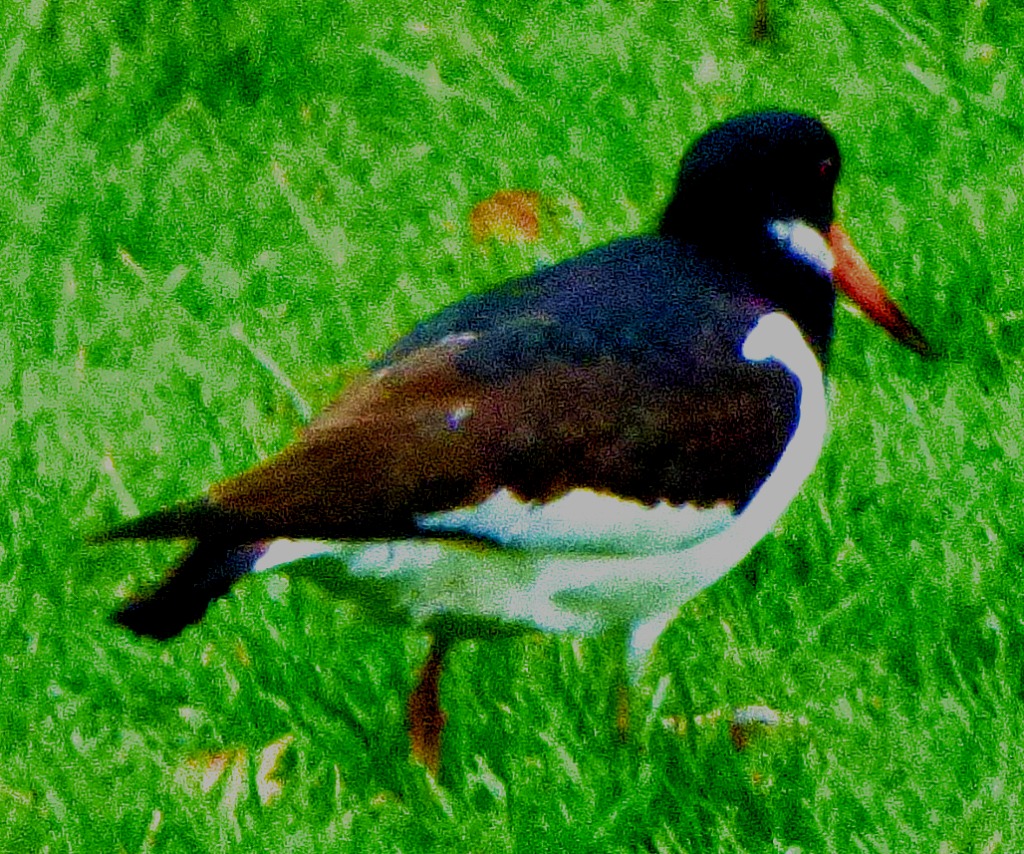
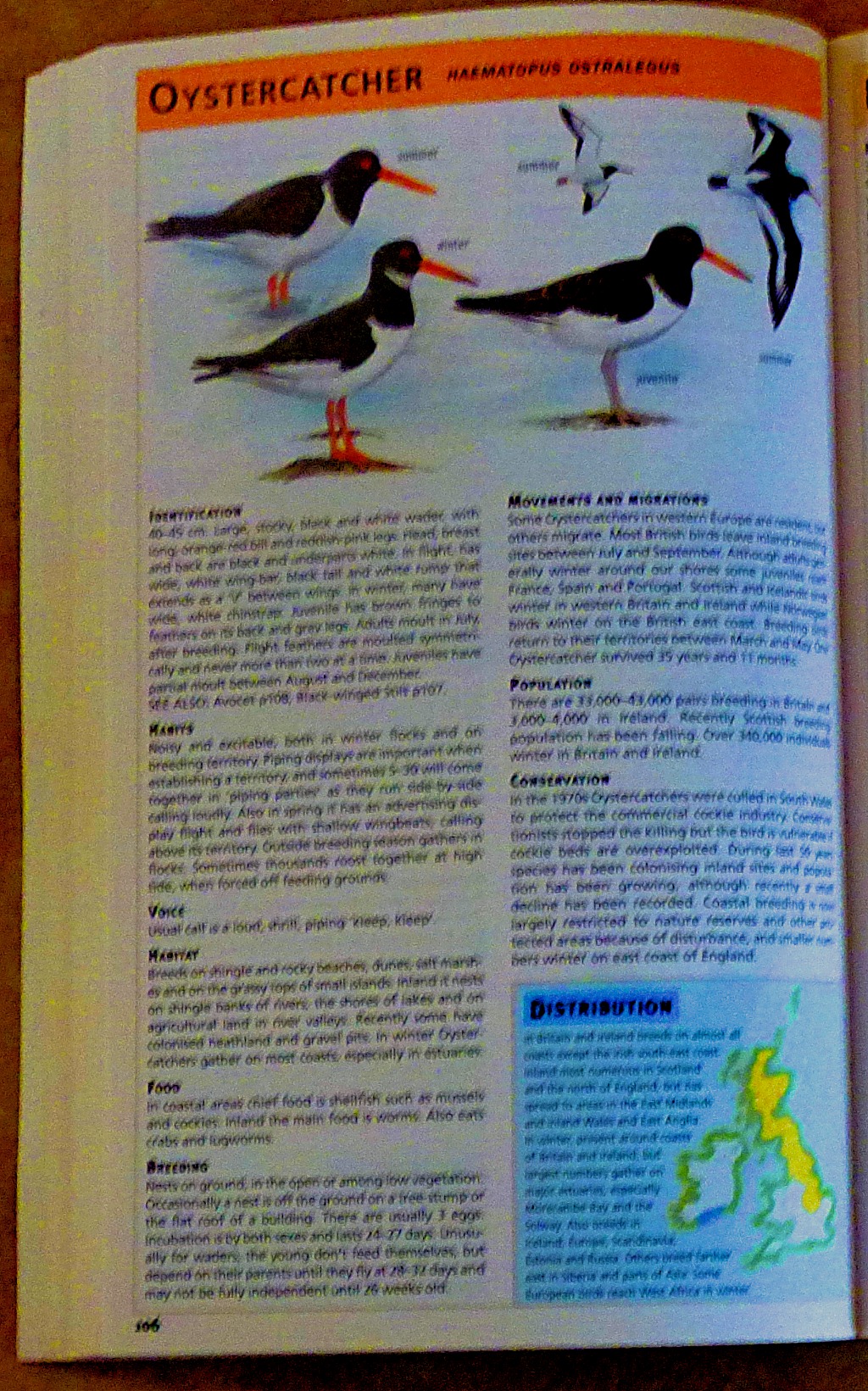
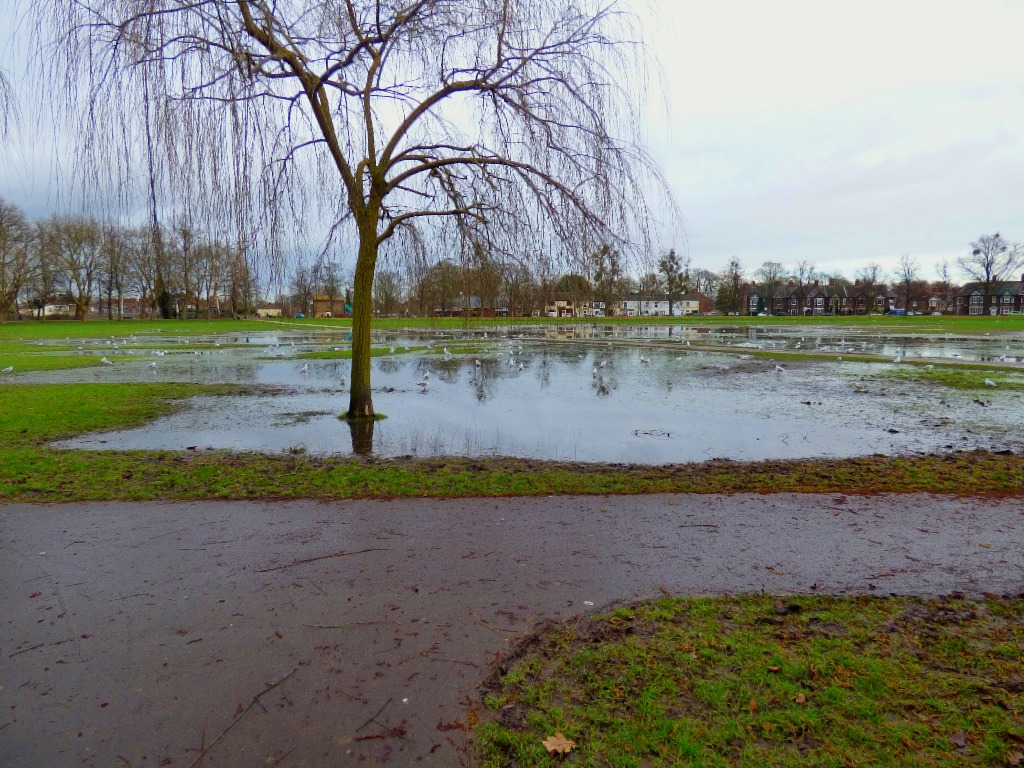
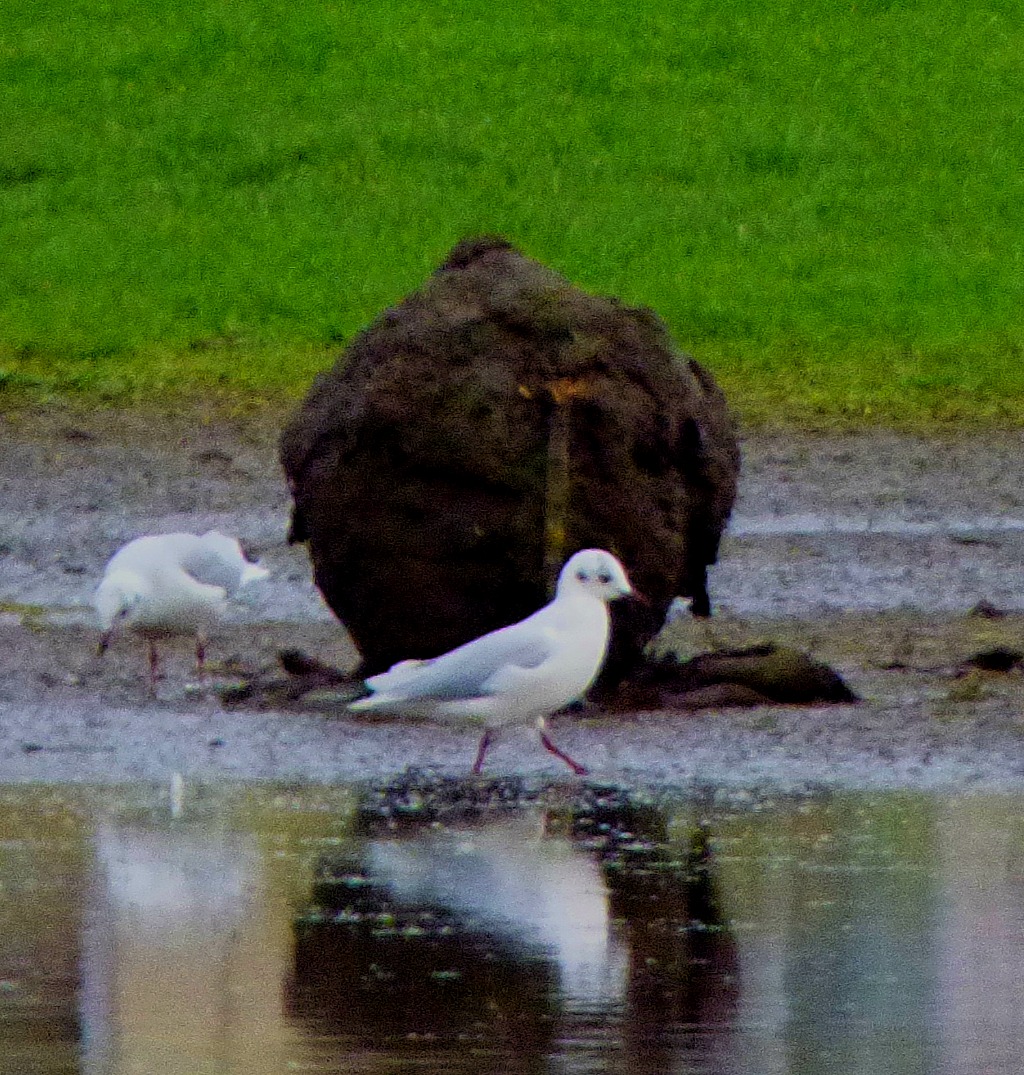
Although not as dramatic as a few weeks back, The Walks, King’s Lynn’s best known park, is still somewhat lacustrine, which has led to it receiving a most unusual visitor – an Oystercatcher, a wading bird which would normally visit a park and for which King’s Lynn would be the extreme South of its possible living area…
The oystercatcher in shot with a gull.
A close-up of the oystercatcher
a second close-up of the oystercatcher
What my bird book has to say about the oystercatcher
The Oystrecatcher’s range
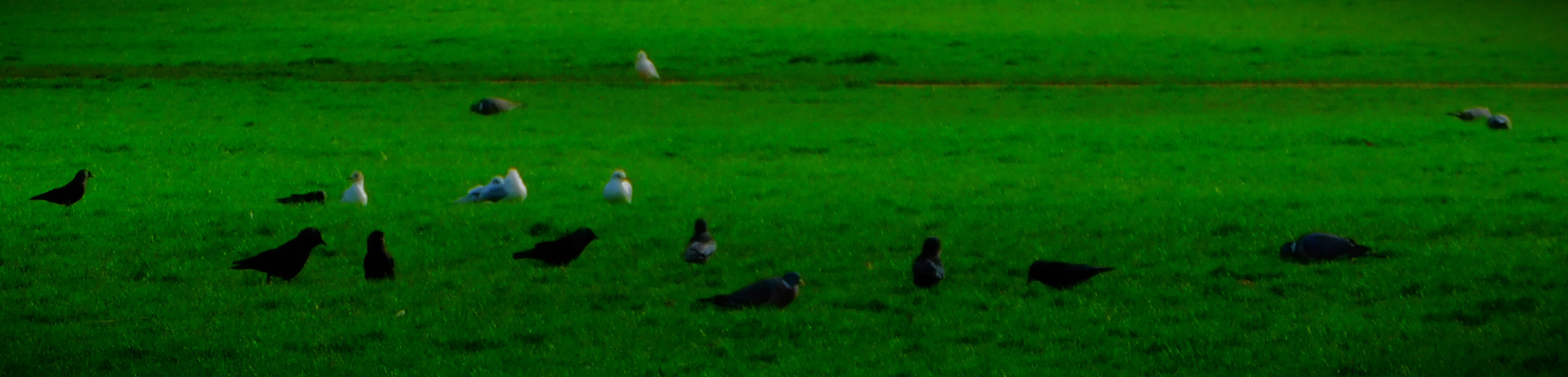
As you will see there were a few other fine birds on show today…
Close examination of this display of local publicity materials just inside King’s Lynn Library, will make my contribution to it obvious – it has looked like that for some time.
My composite Ashes XI with reasoning and justification. Also some photographs.
INTRODUCTION
A common feature of final days of series is the selection of a composite XI based on performances in said series. This is my effort for the current Ashes series. I am going to name my team in batting order first and then explain/amplify/justify these selections.
THE TEAM
My team in batting order (England player names in dark blue, Aus in green):
Alastair Cook
David Warner
Dawid Malan
Steven Smith (Captain)
Shaun Marsh
Jonny Bairstow (Wicketkeeper)
Mitchell Marsh
Mitchell Starc
Pat Cummins
Nathan Lyon
Jimmy Anderson
MY REASONING
The openers need no justification – the only major contribution from an opener not named Warner in the series was Cook’s monumental innings at the MCG. Number three is a thorny one. James Vince has demonstrated clearly that he does not belong there, and his huge score here at the SCG notwithstanding I remain skeptical about Usman Khawaja, hence my decision to promote England’s leading run scorer in the series to a position he occupies for his county. Number four, and with it the captaincywas the easiest selection of the whole lot. Shaun Marsh has not put a foot wrong since being called up to replace the inadequate Handscomb at number 5, and I regarded him as a must pick. Jonny Bairstowand Tim Paine have both had good series with the gloves, but I have opted for Bairstow as definitely the superior batsman. Mitchell Marsh has had a magnificent series, and was an absolute shoe-in at number 7, especially as Moeen Ali has had a terrible series – he has batted poorly in every match and his bowling average reads like a Bradman batting average. Of the specialist bowlers I have picked those at number 8,9 and 10 in the batting order are absolute stand outs. Number 11 was tricky, since Anderson with virtually no support has had a good series, and the better supported Hazlewood as also had a fine series. Accepting that even were it possible vivisection is not permissible (though ‘Anderwood’ is only one letter removed from a former test great!) I have opted for Anderson as I rate his the greater achievement.
FINAL THOUGHTS
Looking at the makeup of the team (and accepting that Hazlewood for Anderson and Khawaja for Malan would both be valid changes), Australian picks predominate in both batting and bowling, though it is especially the bowling, which in my team comes out at 4-1 (including all-rounder Mitchell Marsh) to Australia and is reality more like 4.3-0.7 (rating my selection of Anderson over Hazlewood as a 70:30 pick) which has split the sides. England have collected barely more than half of the 100 wickets that were available to them at the start of the series, whereas Australia assuming that they take the six England wickets that remain in this match will have managed 90, failing to take 20 opposition wickets only on the MCG pitch.
PHOTOGRAPHS
I always like to include a few photographs in my blog posts, so I end with these recently taken pictures:
The first five pictures were taken while walking to the Scout Hut on Beulah Street for Musical Keys yesterday.
These last four pictures were taken in Fakenham on Thursday.
Happy new year everyone. This post will give you a few hints as to what you can look forward to in 2018 on aspi.blog.
ASPI.BLOG STYLE GUIDE
Headings will generally be in a cycle that runs red/green’purple, although this is subject to variation in certain circumstances.
Body text will always be in black unless I am writing about autism, in which case I will use #RedInstead.
When sharing content from another site I will always link to the host site and the specific post and where possible will mention the author by name – such links will be a different colour from regular body text and will be both bold and underlined.
It will be a very rare post that does not congtain photographs.
LIKELY SUBJECTS FOR 2018
Autism
Public Transport
Nature
Science
Religion
Cricket
Books
Photography
I will also probably find other things to blog about in 2018.
PHOTOGRAPHS
A COUPLE OF CLOSING QUESTIONS
Please feel free to use the comments to answer the questions below?








































































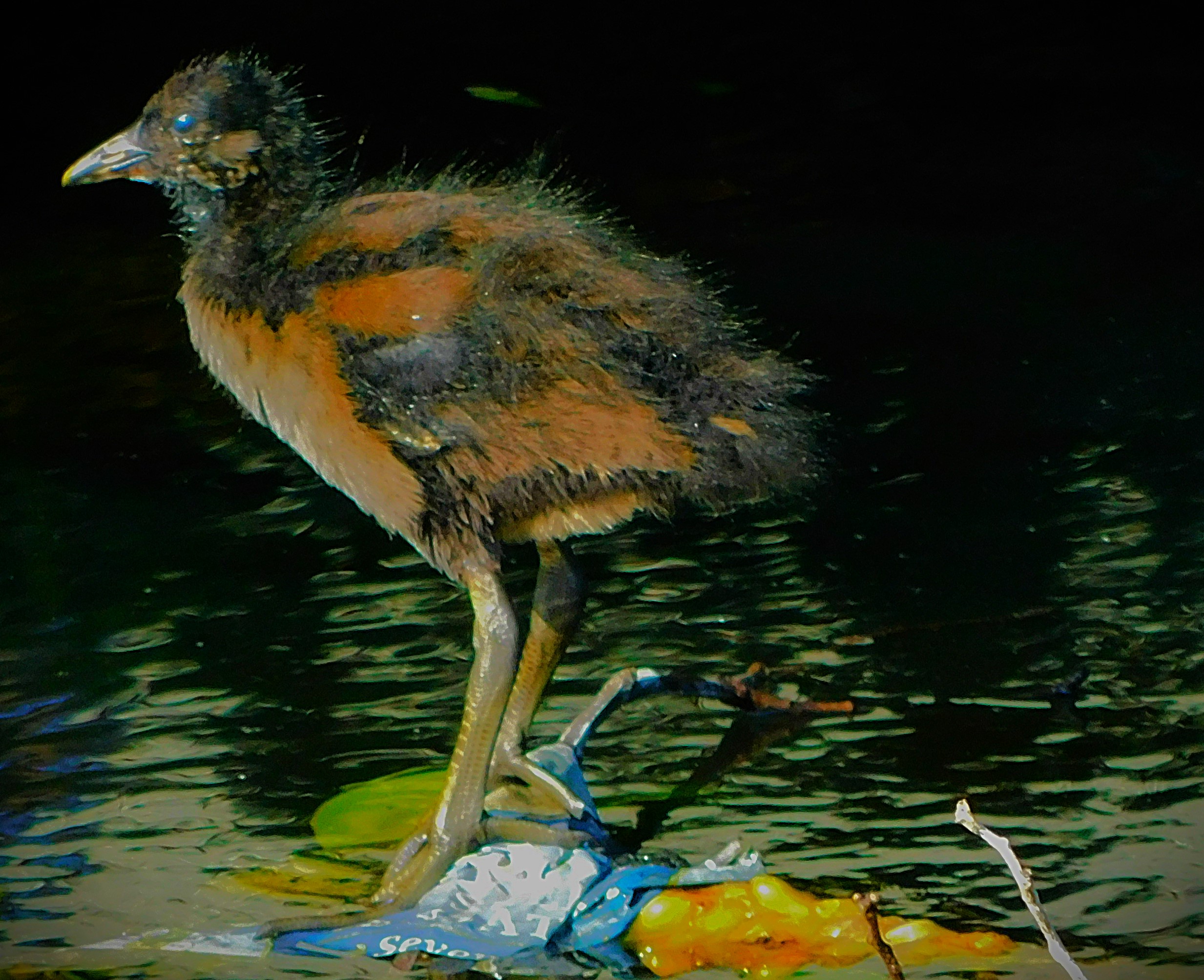













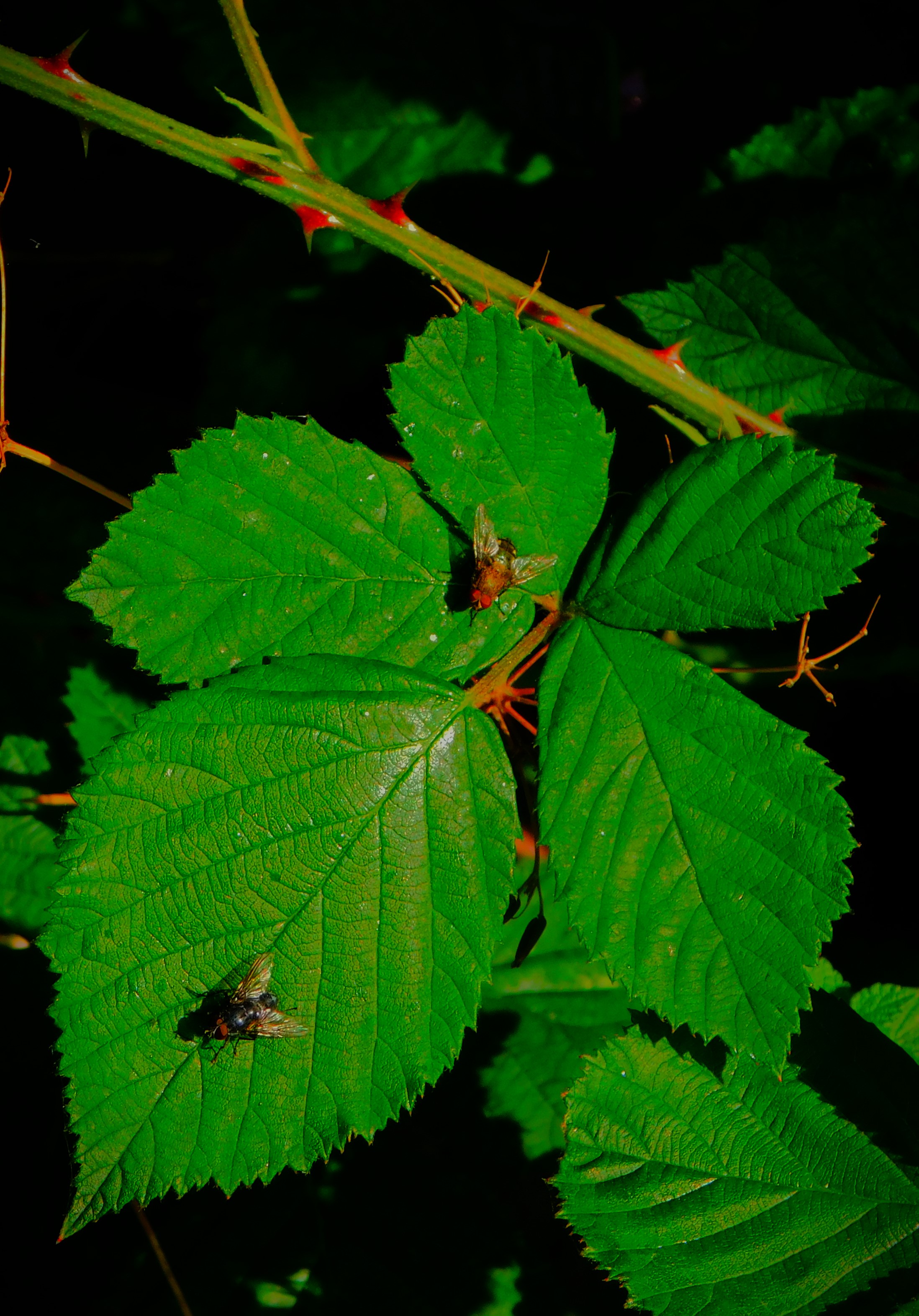






















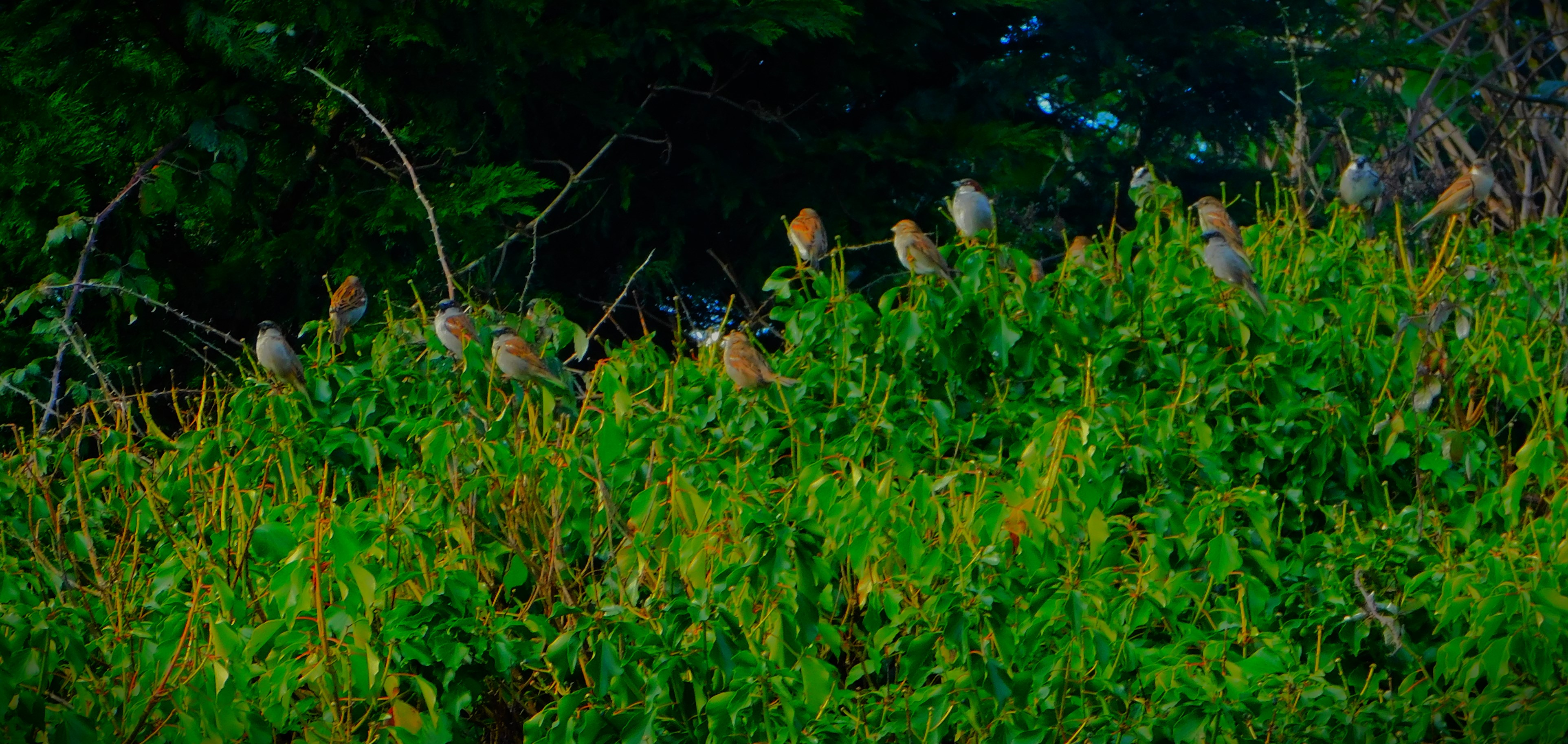










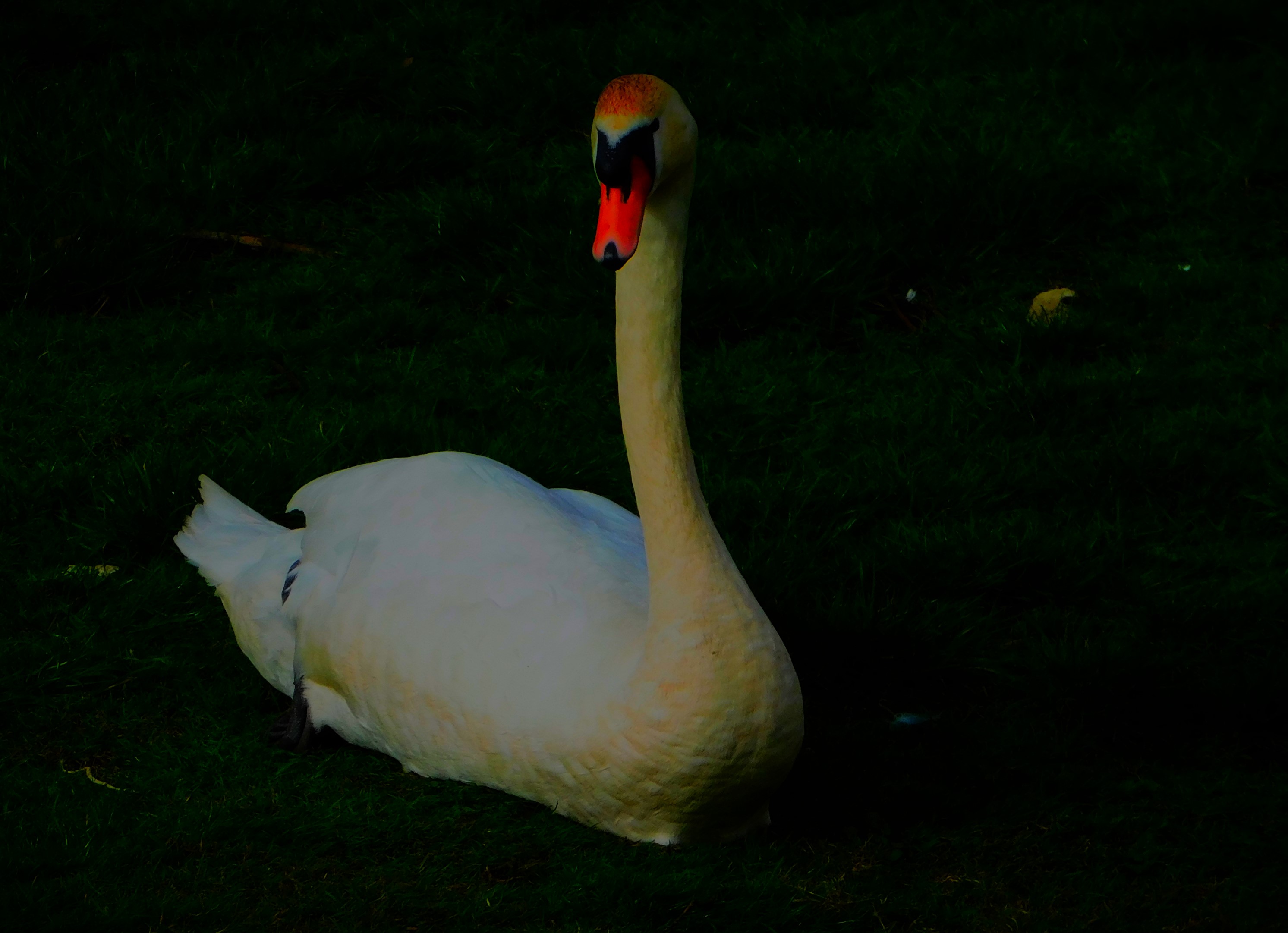




















































































































































































































































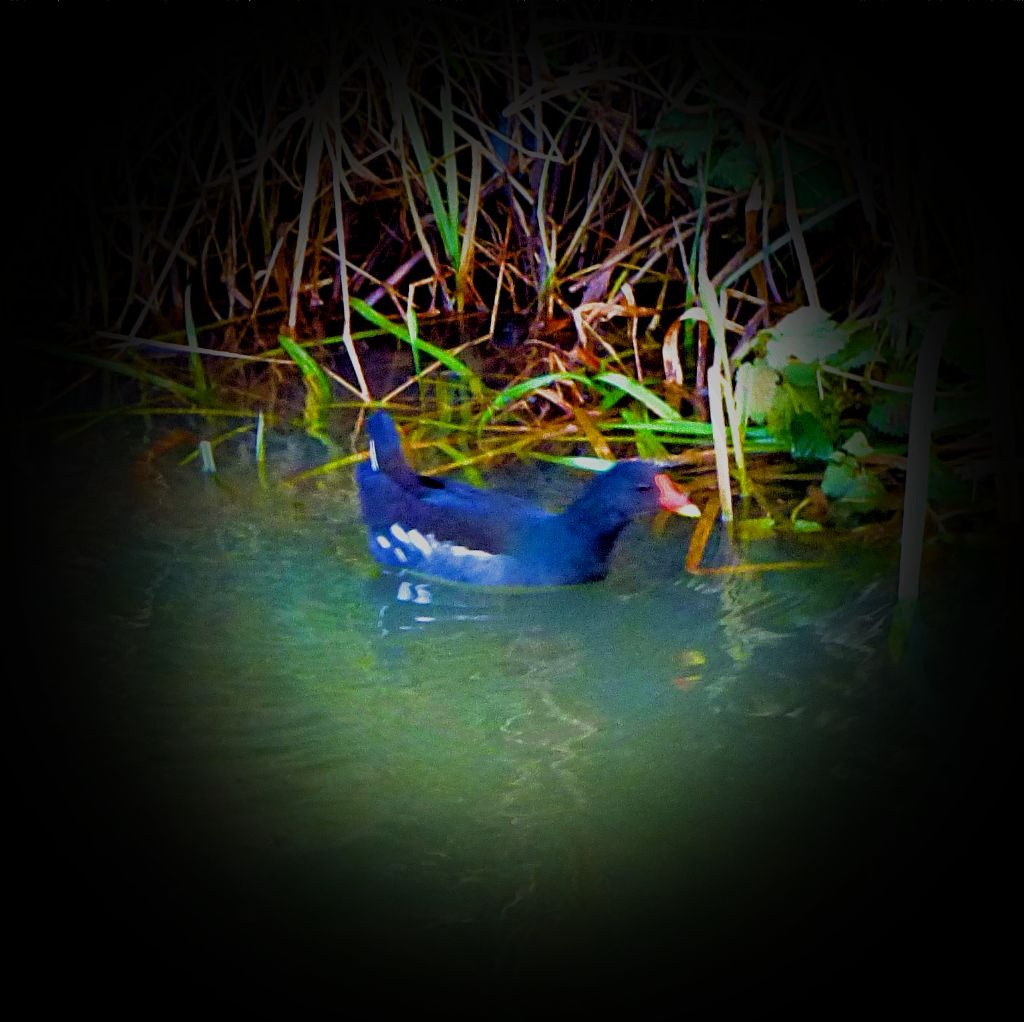
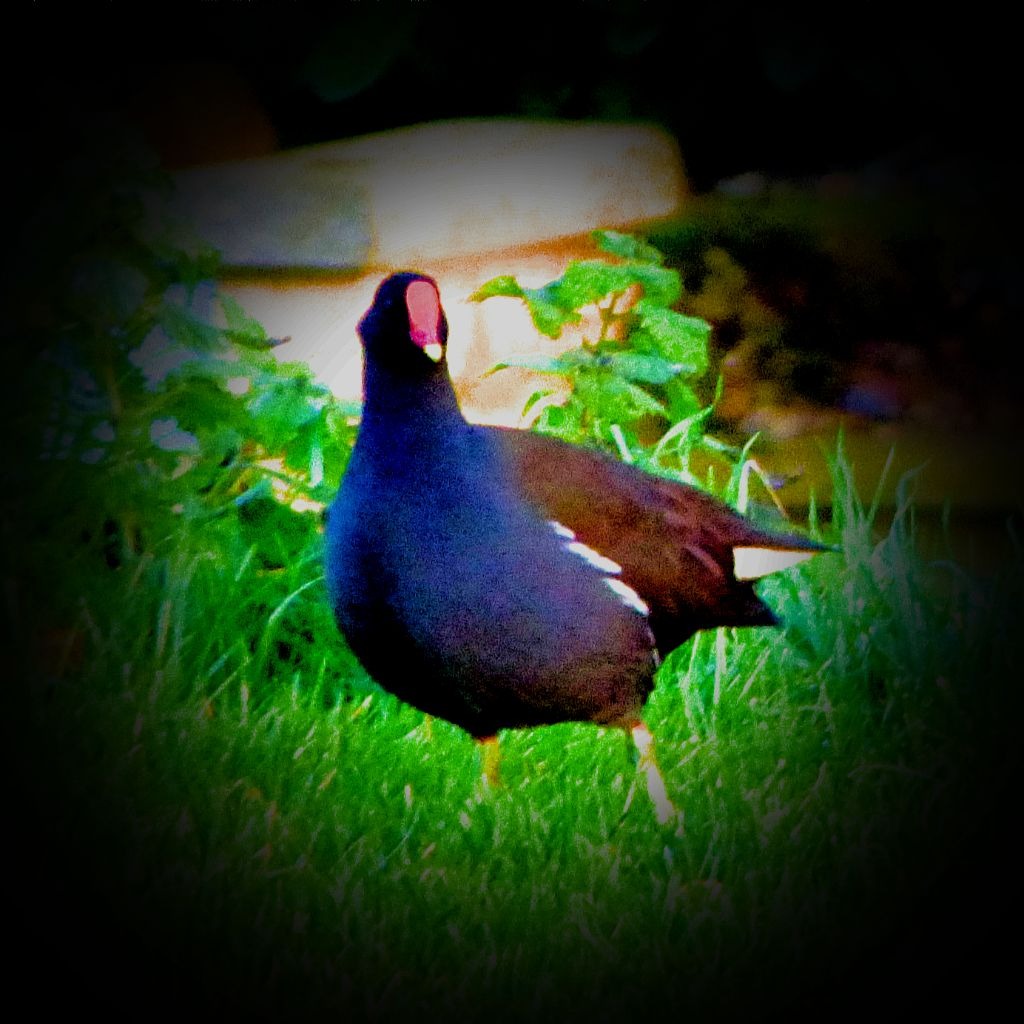










 aspiblog
Relevant wiki: Truth-Tellers and Liars
Since every statement is false, let us convert them into true statements, and number each statement:
Ann: 1) One of us took the painting. 2) The painting was gone when I left.
Bob: 3) I arrived first, third, or fourth. 4) The painting was still here.
Chuck: 5) I arrived first, second, or fourth. 6) The painting was gone when I arrived.
Tom: 7) Whoever stole the painting arrived after me. 8) The painting was still here.
According to statement #7, Tom is not the thief. #8: Since the painting was there when Tom arrived, he could not have been the last to arrive. Tom must have gone there first, second, or third. #6: The painting was gone when Chuck was there, so he didn’t arrive first. #5: So Chuck got there second or fourth. #4 and #8: As two other members (Bob and Tom) arrived to see the painting, Chuck didn’t get there second, either. So Chuck arrived fourth. #3: This means Bob arrived first or third. #2: Since the painting was gone when Ann left, she didn’t arrive first. Otherwise, no member after her would have seen the painting. So Ann went there second or third and Chuck arrived fourth. But since two other members (Bob and Tom) saw the painting when they arrived, Ann didn’t go there second, either. So Ann arrived third. #3: Therefore, Bob arrived first, and Tom arrived second.
In summary, Bob arrived first. Tom got there next and the painting was still there, so Bob was not the thief, and neither was Tom. When Ann arrived, the painting was still there, but it was gone when she left. So Ann was the one who stole the painting. Chuck arrived last and discovered that the painting was gone.