Happy new year everyone. This post will give you a few hints as to what you can look forward to in 2018 on aspi.blog.
ASPI.BLOG STYLE GUIDE
Headings will generally be in a cycle that runs red/green’purple, although this is subject to variation in certain circumstances.
Body text will always be in black unless I am writing about autism, in which case I will use #RedInstead.
When sharing content from another site I will always link to the host site and the specific post and where possible will mention the author by name – such links will be a different colour from regular body text and will be both bold and underlined.
It will be a very rare post that does not congtain photographs.
LIKELY SUBJECTS FOR 2018
Autism
Public Transport
Nature
Science
Religion
Cricket
Books
Photography
I will also probably find other things to blog about in 2018.
PHOTOGRAPHS
A COUPLE OF CLOSING QUESTIONS
Please feel free to use the comments to answer the questions below?
Some thoughts on the recent test match at the Melbourne Cricket Ground, solutions to my lest set of puzzles and some photographs.
INTRODUCTION
This is a two part post – first of all a bit about the test match that finally ended in a draw at about 6AM UK time, and then the companion to piece to “Puzzles and Pictures“, answering the puzzles posed there.
5-0 AVERTED
England had the better of Australia in the fourth test match of this Ashes series, but neither team stood a chance against the real winner of this drab affair – the MCG pitch which offered no assistance to any kind of bowler and was also so slow that batsmen could not play their strokes. Alastair Cook ended his poor run of form emphatically, with an innings demonstrating once again his astonishing powers of concentration. Australia without Mitchell Starc and on a pitch that was utterly lifeless looked an ordinary bowling unit.
At lunch on day 1 Australia were 102-0 with Warner going well and Bancroft surviving, but that was the only session of the game that Australia unequivocally won. Although wickets were in short supply on that opening day Australia reached the close at 244-3 – a definite failure to build on that fast start. The second day belonged to England – Australia were all out 327, losing their last five wickets for 13 runs and England in response reached 192-2, Cook 104 not out, Root 49 not out. The third day was also England’s – 491-9 at the end of it, with Cook 244 not out. On the fourth day rain intervened. Anderson lost his wicket to the first ball of the day, giving Alastair Cook yet another place in the record books – highest score by anyone carrying their bat through a complete test innngs, beating Glenn Turner’s 223 not out v West Indies. Bancroft and Khawaja were both out fairly cheaply, but when the rain finally halted proceedings for the day Australia were 103-2 with Warner and Smith in occupation. On the final day Warner fell 14 short of his second hundred of the game. Smith did reach his own hundred, after seven and a quarter hours, and then declared which officially ended the game as there was no time left for England to chase to 100 they would have needed to win.
The Melbourne Cricket Ground has a huge seating capacity, and the Boxing Day test is for that reason the best attended of all test matches. In particular, the Boxing Day Ashes test is habitually hugely attended. Because of the failure to produce a proper pitch the biggest crowds test cricket ever sees got a game that was not worthy of the occasion, and that is not acceptable. The MCG need to sort this out – on proper pitches test cricket can be the most fascinating of the three forms of the game, but on lifeless rubbish such as the MCG groundsman produced for this match it is a poor spectacle. The ICC (cricket’s global governing body) should come down on the MCG like the proverbial ton of bricks.
Alastair Cook’s epic innings deservedly gained him the player of the match award. A full scorecard and links to further detail about this match can be found on cricinfo. The final match of this series is in Sydney, starting on January 4th, and I sincerely hope that they produce a better pitch (they cannot produce a worse one – such a thing does not exist).
PHOTOGRAPHIC INTERLUDE
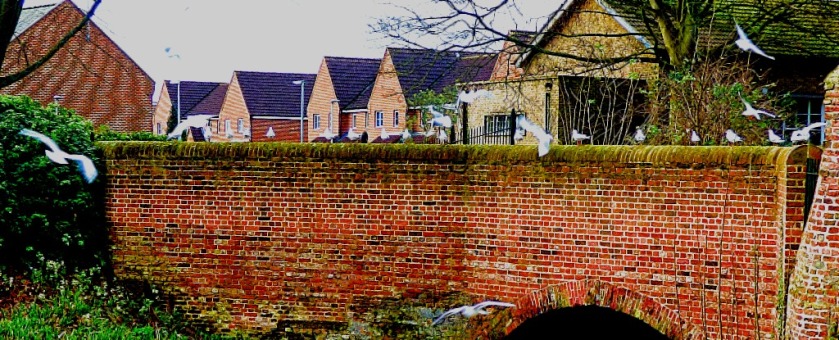
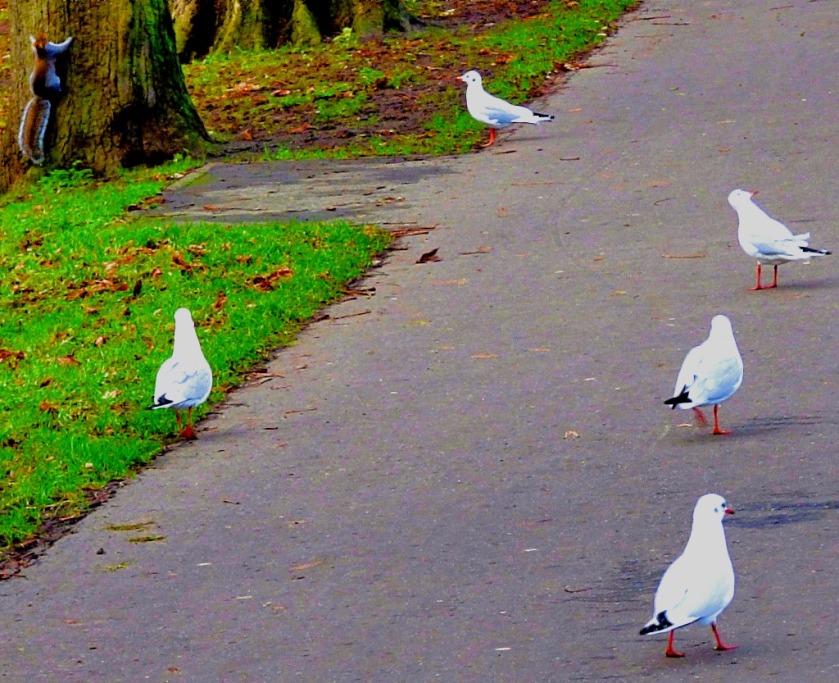
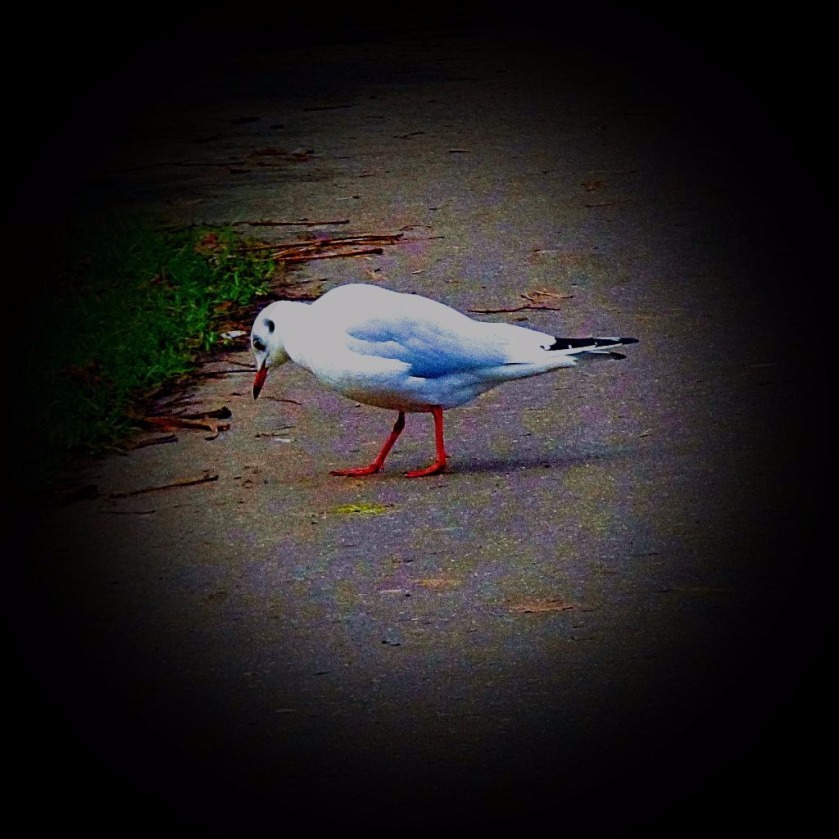
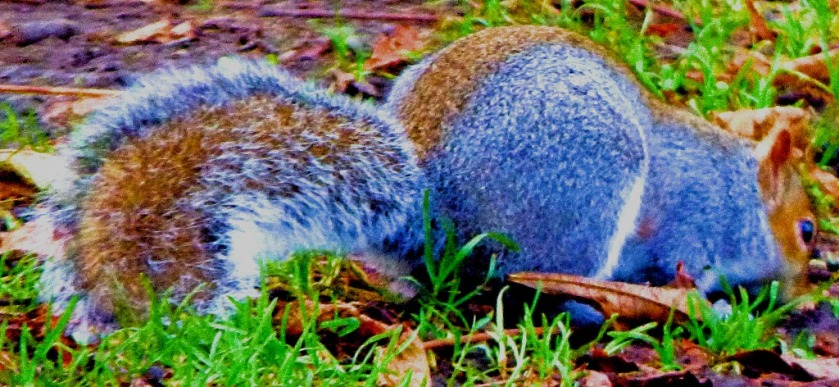
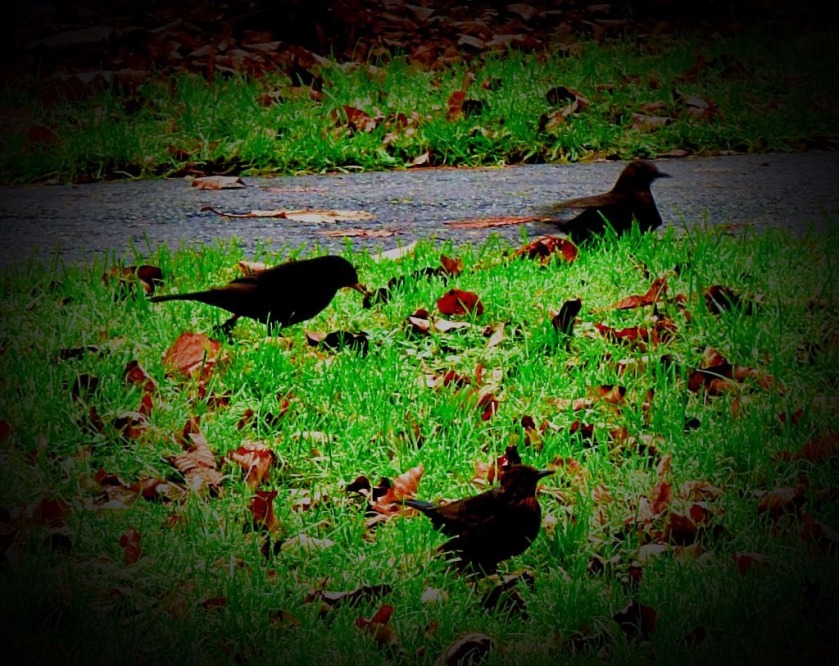
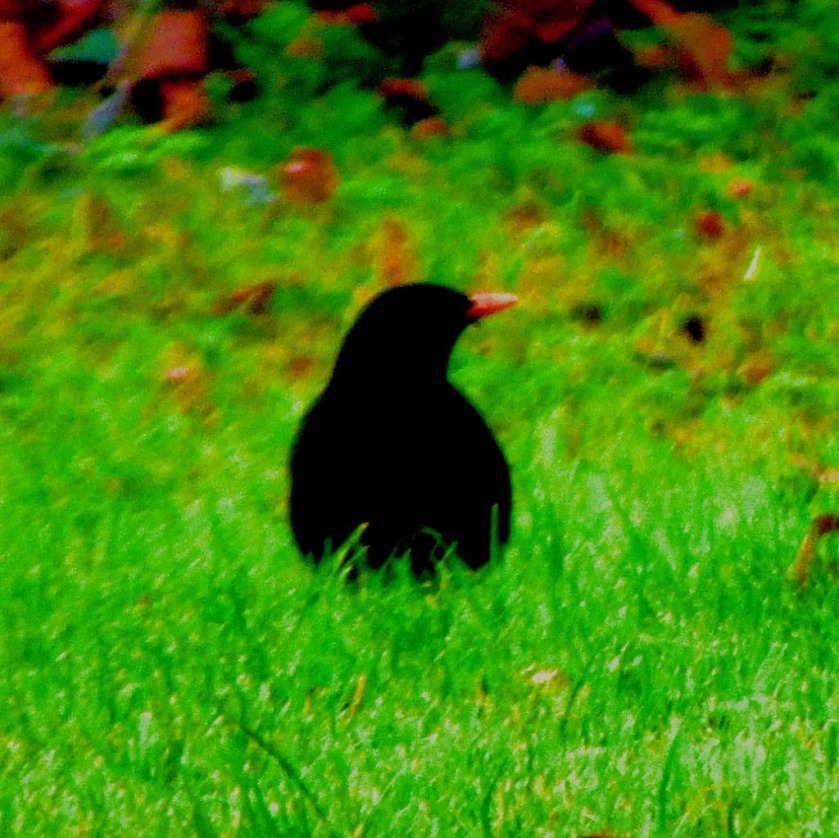
As we switch focus the the puzzles I presented a couple of days ago, here are some bird pictures from yesterday:
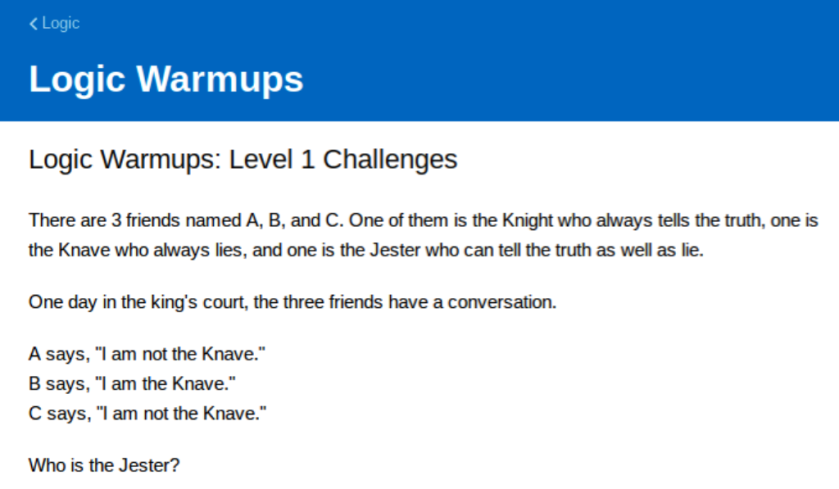
PUZZLE 1: LOGIC
As I said when I set it, this one is very straightforward. The key is that person B has said “I am the Knave”. The Knight cannot say this as it would be a lie, and the Knave cannot say it as it would be true, so the only person who can say “I am the Knave” is the Jester. Therefore the Jester is person B (note that both Knight and Knave can say “I am not the Knave”, so we cannot say which of A and C is which).
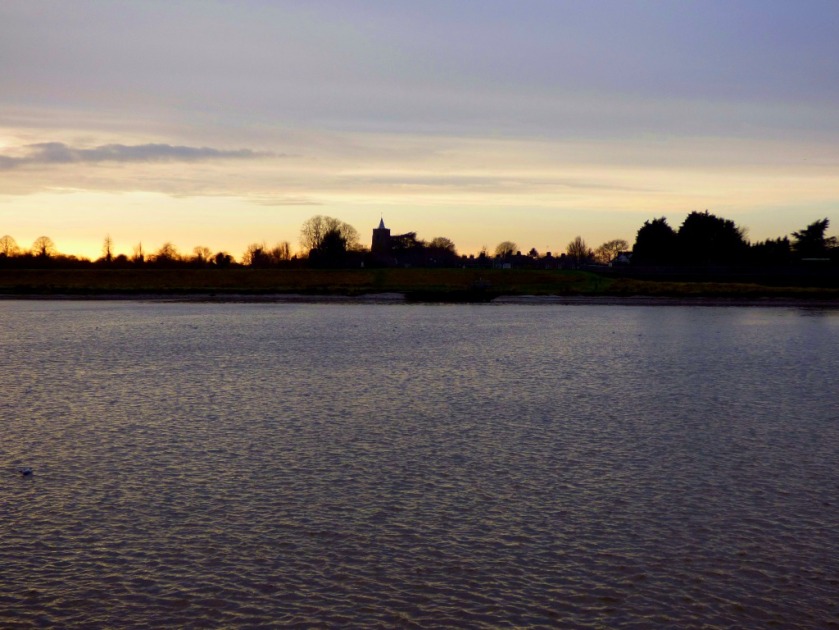
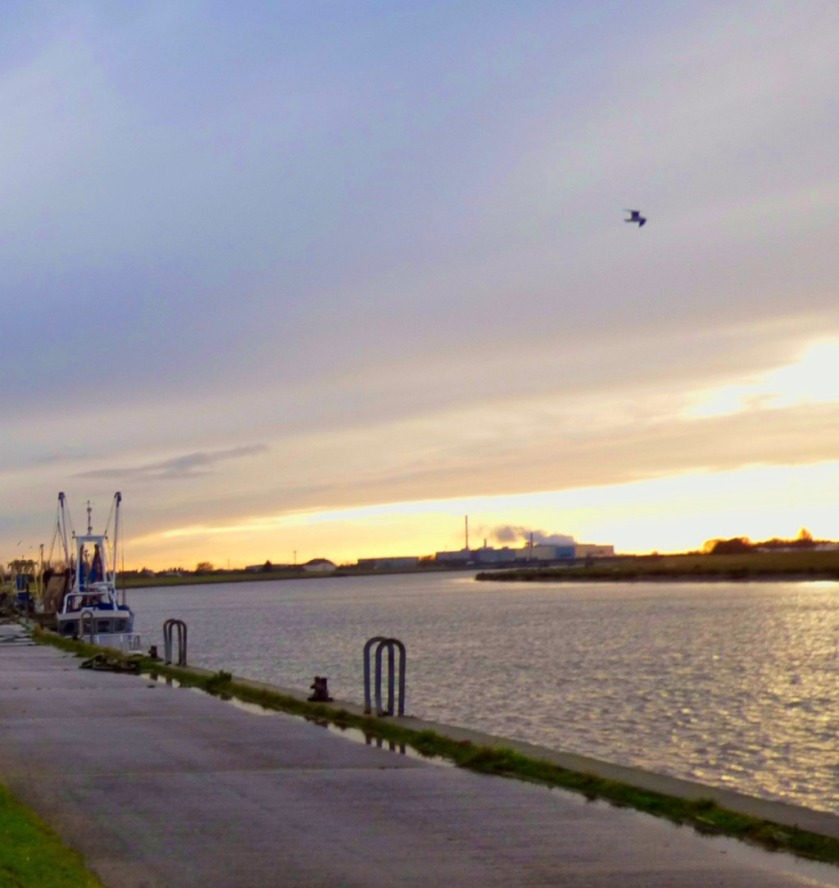
PHOTOGRAPHS – THE GREAT OUSE
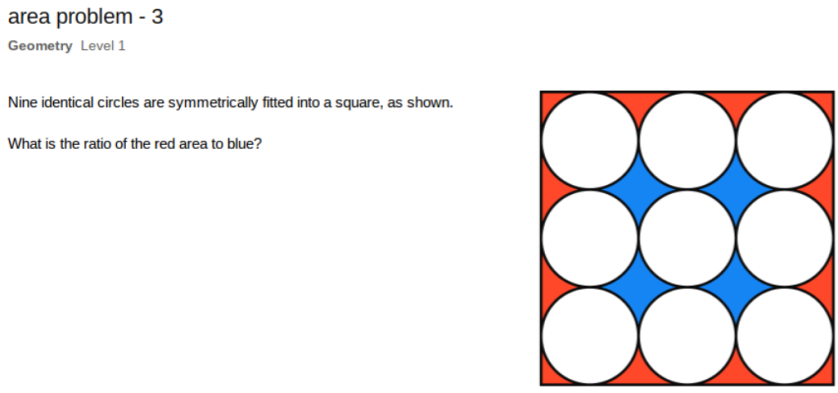
PUZZLE 2: AREA CHALLENGE
The red sgements in the four corners of the shape are each half the size of the red segments along the sides of the shape, which in turn are each half the size of the blue shapes in the middle of the pattern. Thus counting the smallest segments as 1 there are (4 x 1) + (8 x 2) red segments = 20 red segments. Each blue shape in the middle comprises four segments and the are four of them = 16 blue segments. Thus the ratio of red area to blue is 20:16 = 5:4
PHOTOGRAPHS: THE WALKS
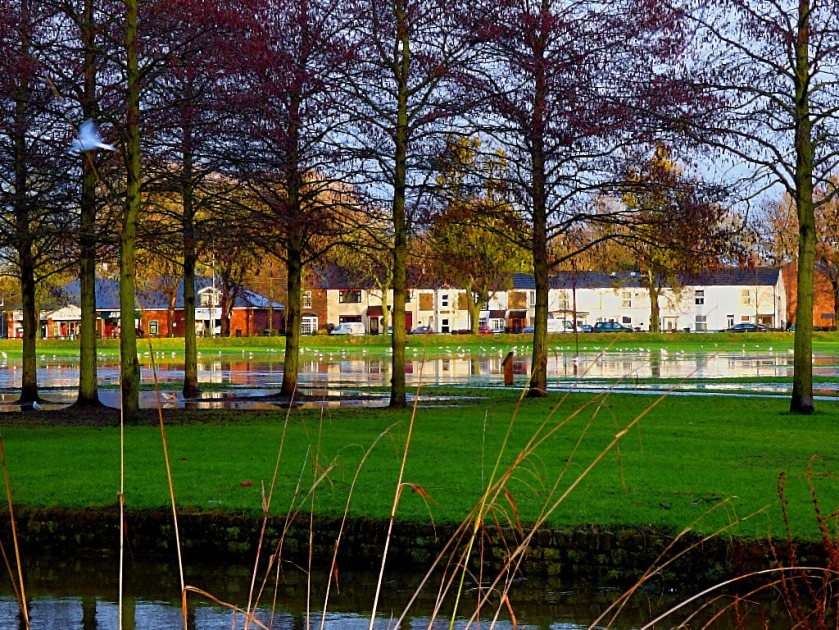
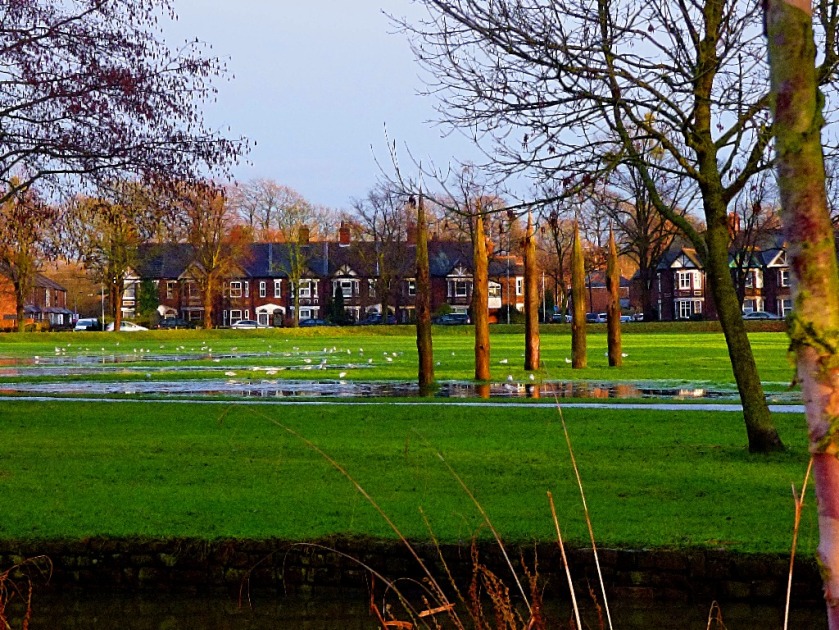
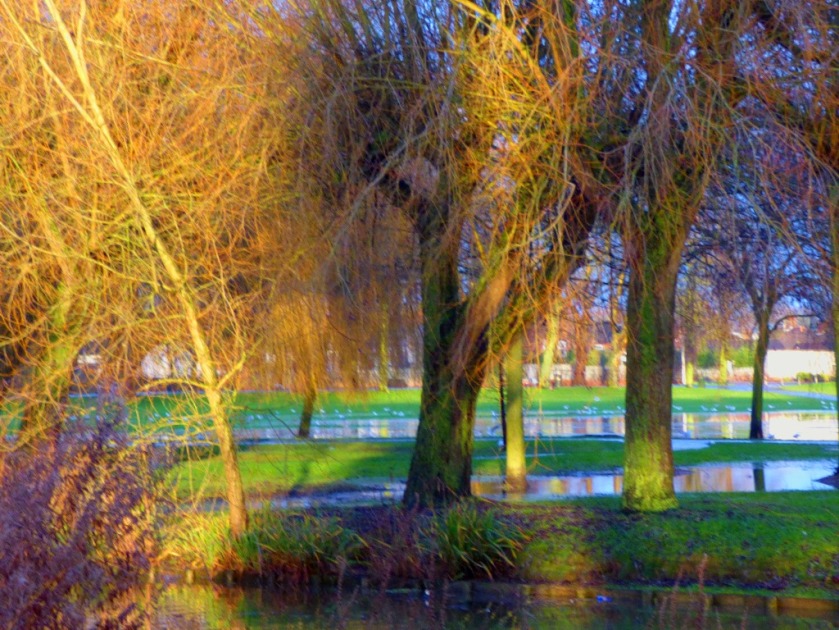
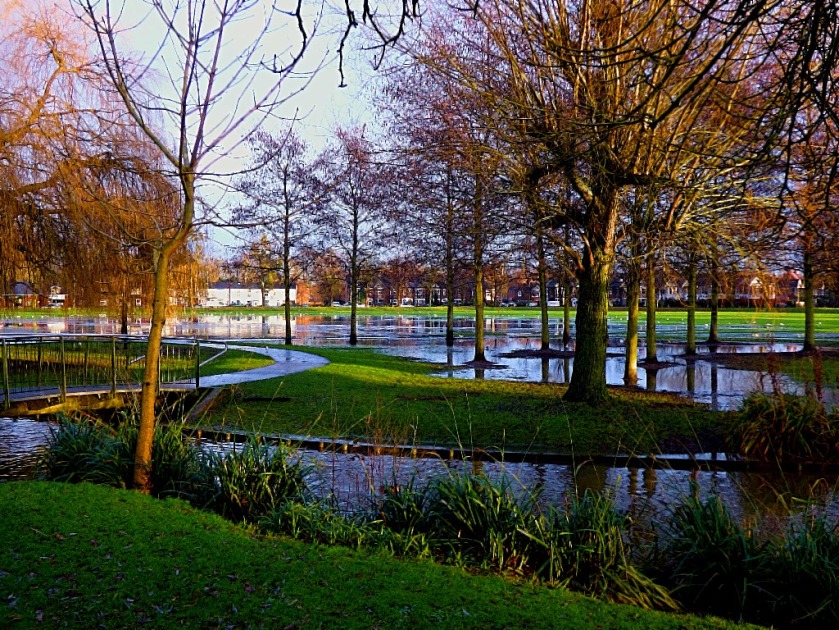
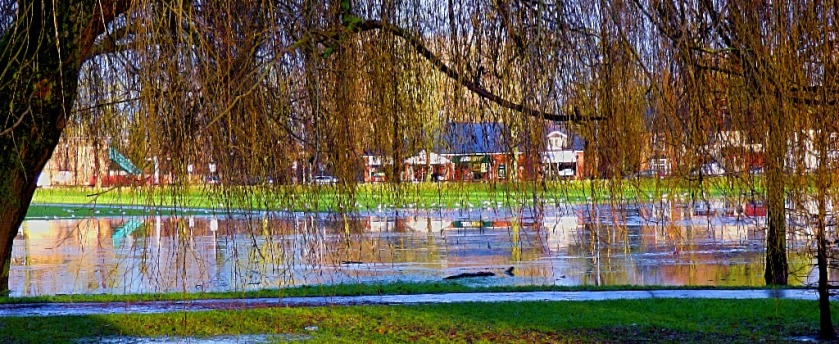
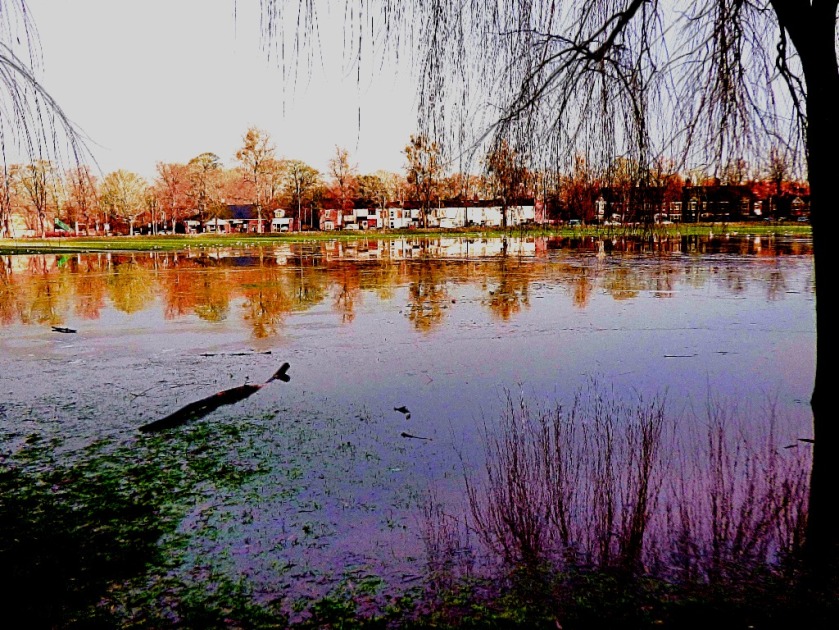
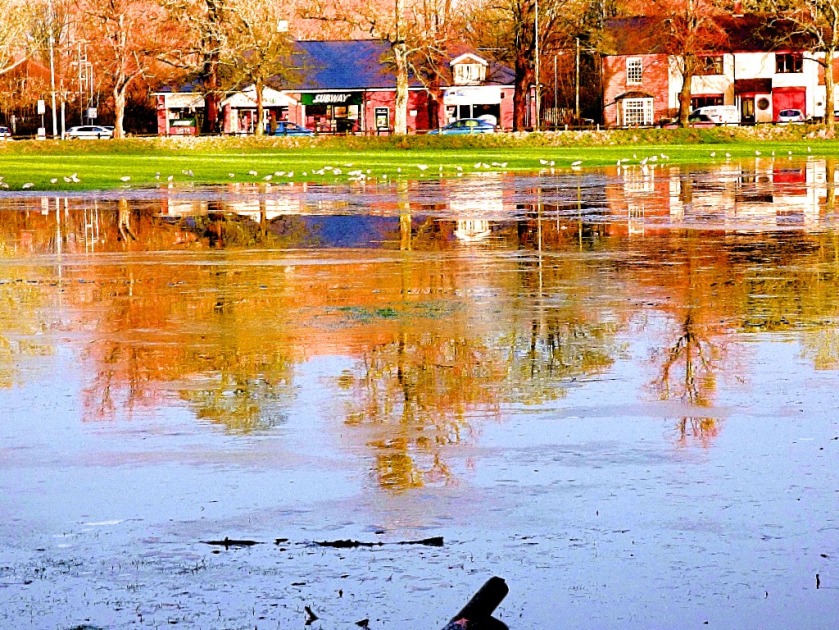
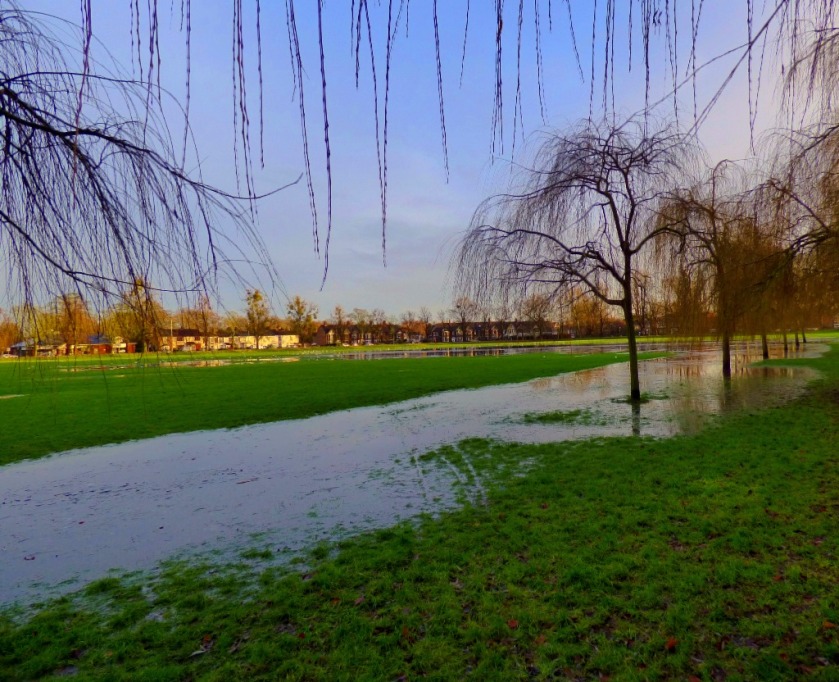
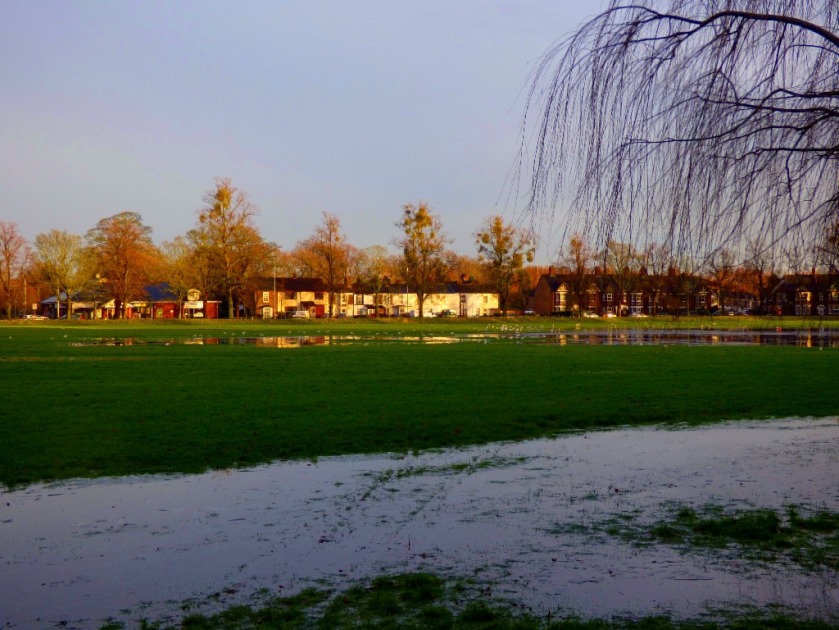
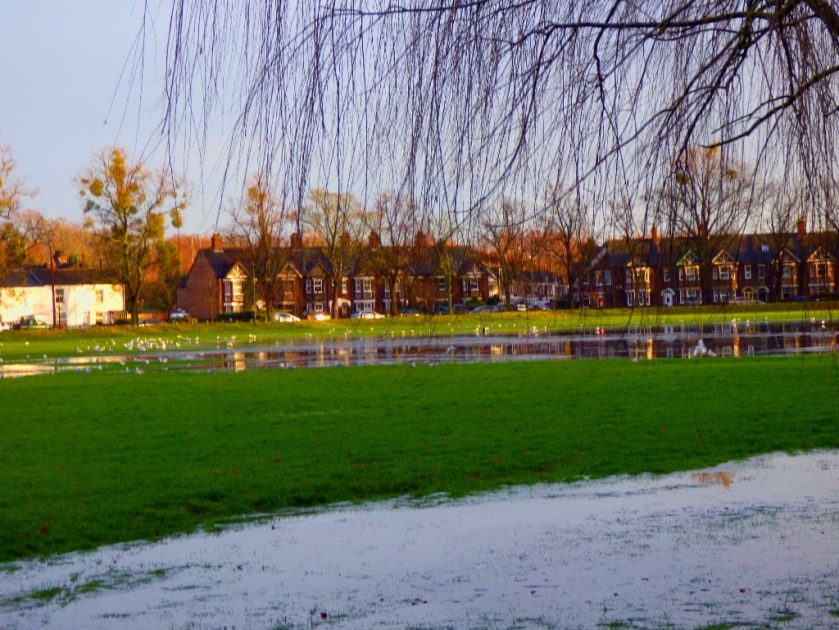
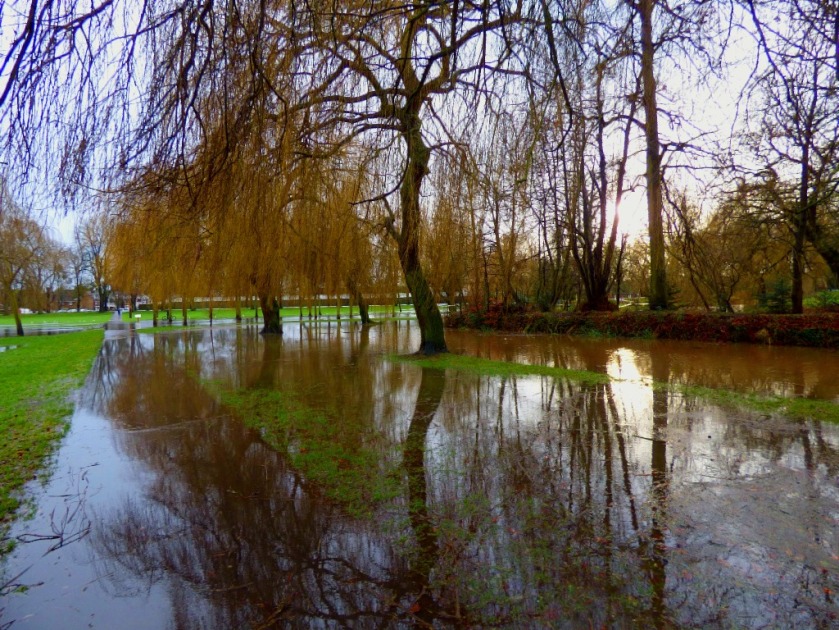
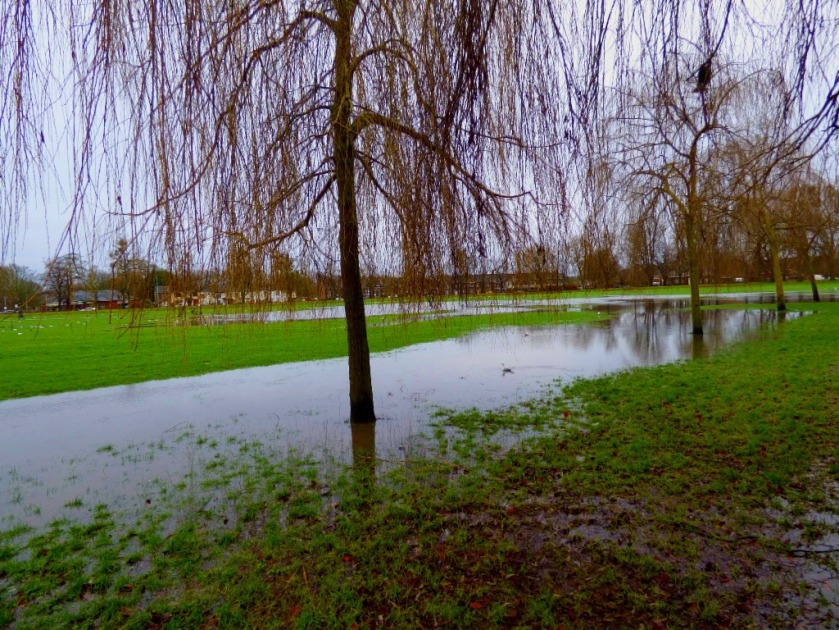
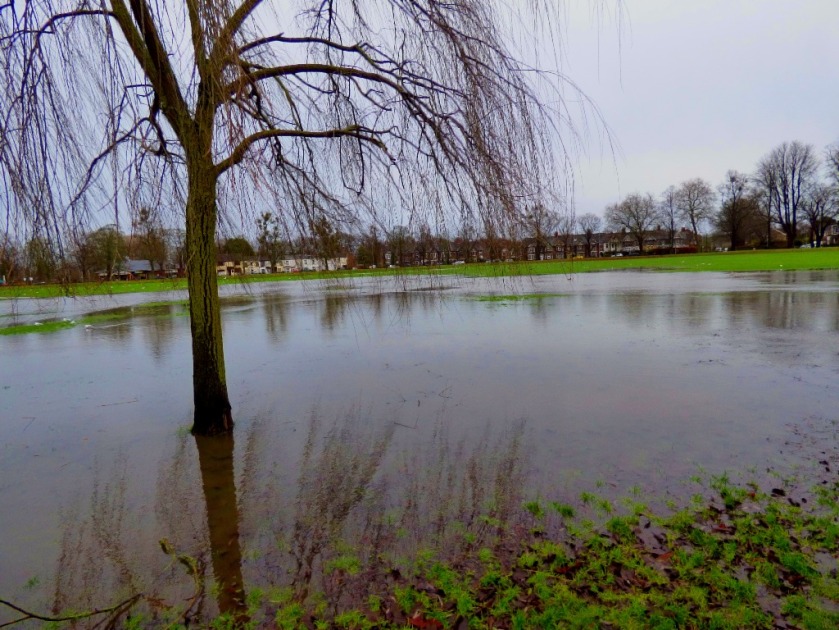
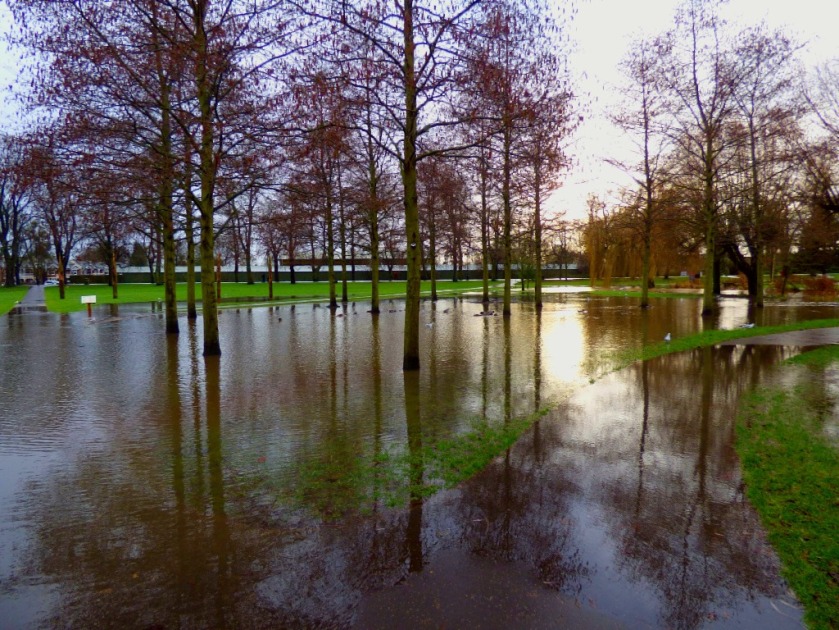
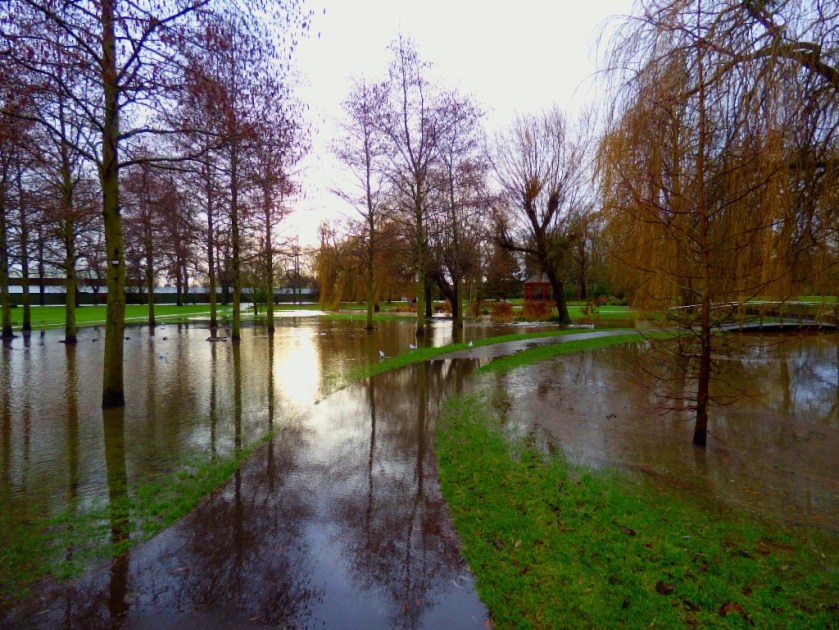
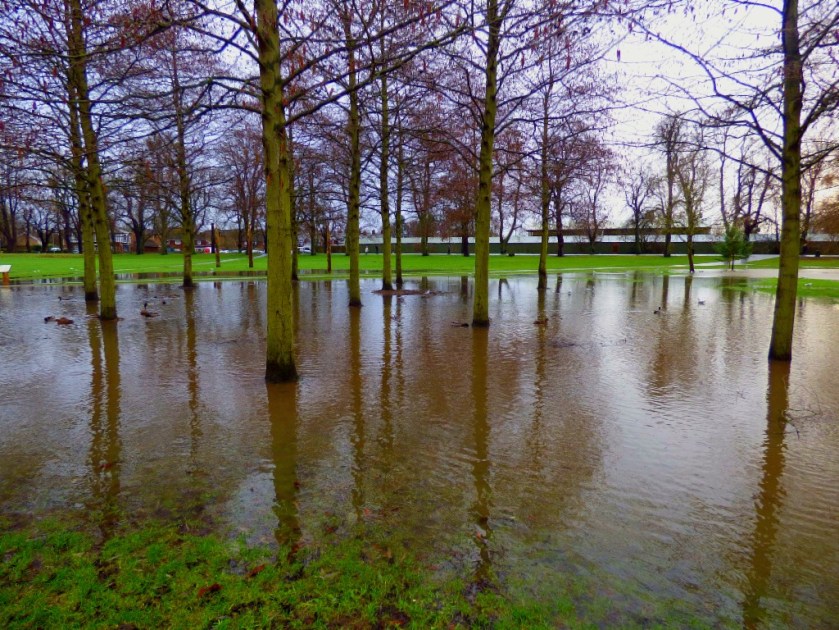
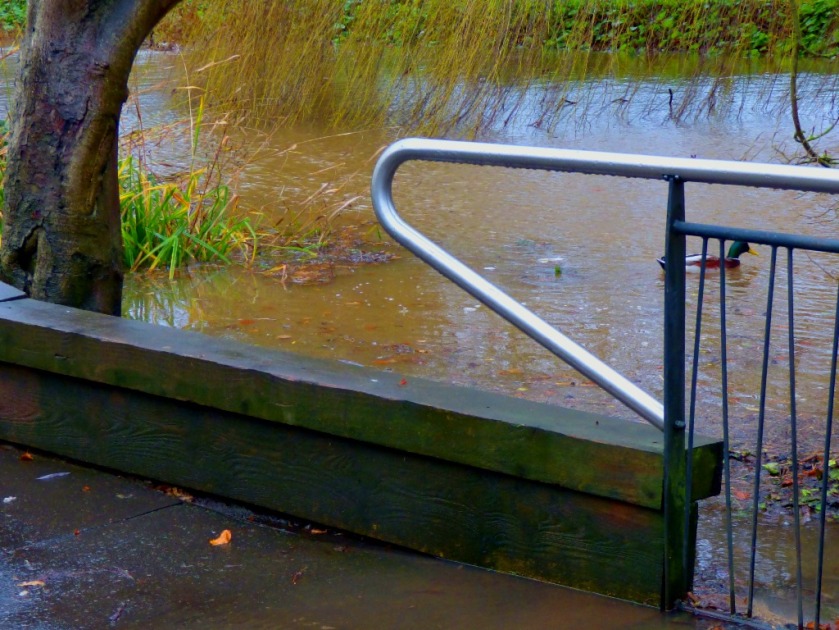
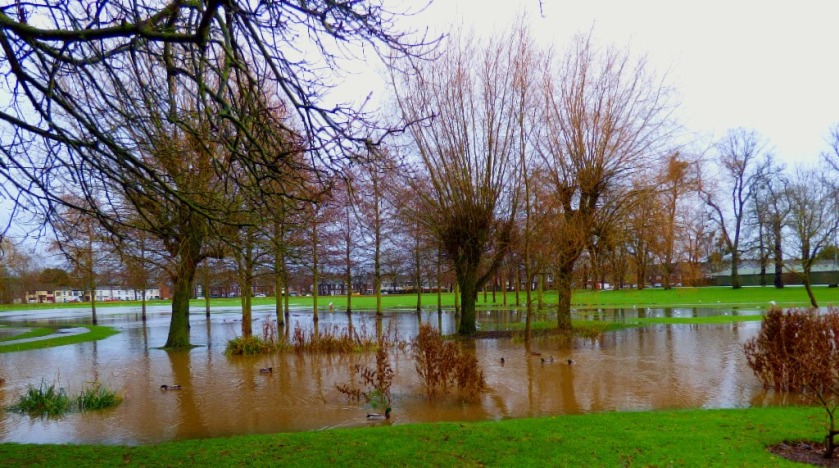
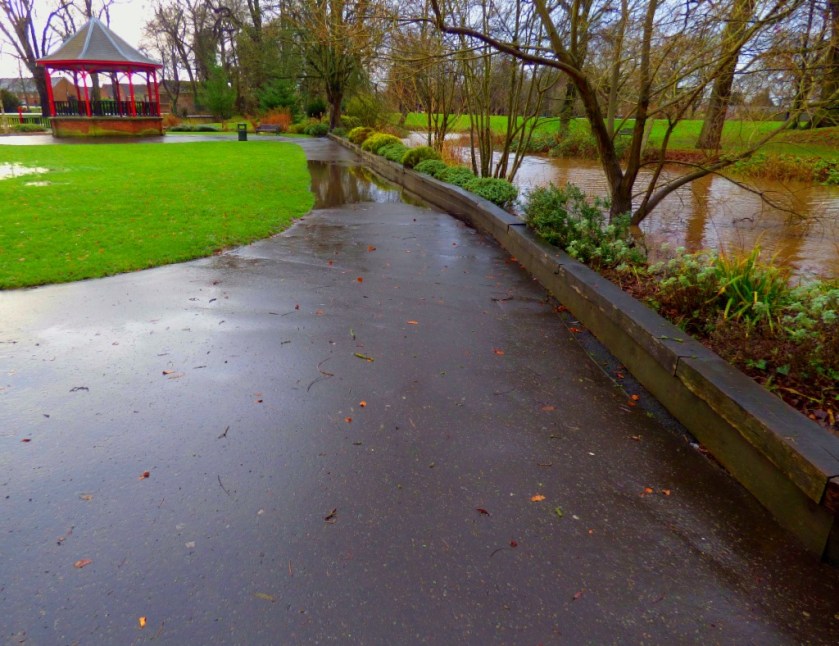
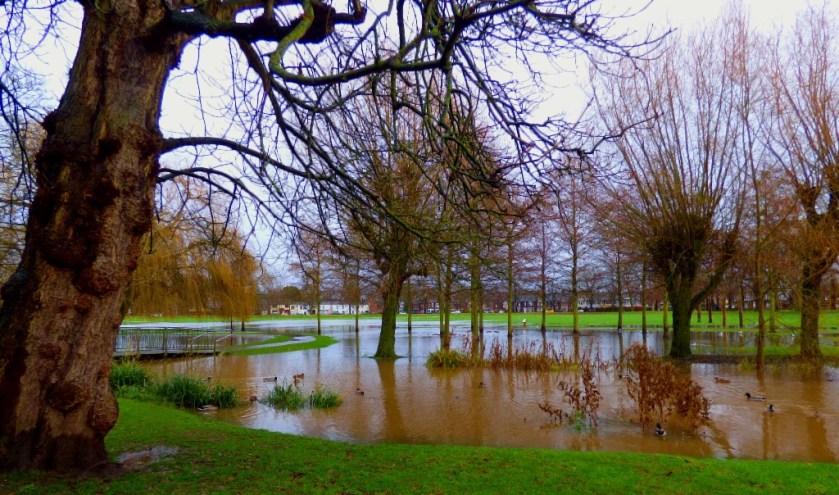
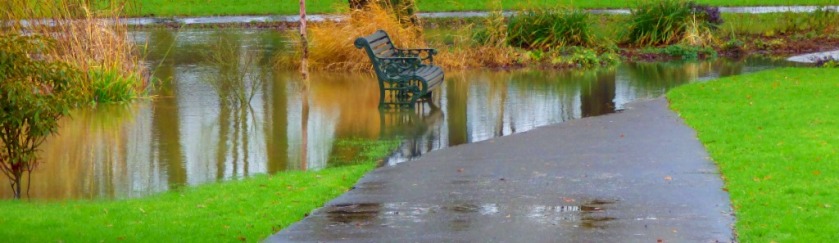
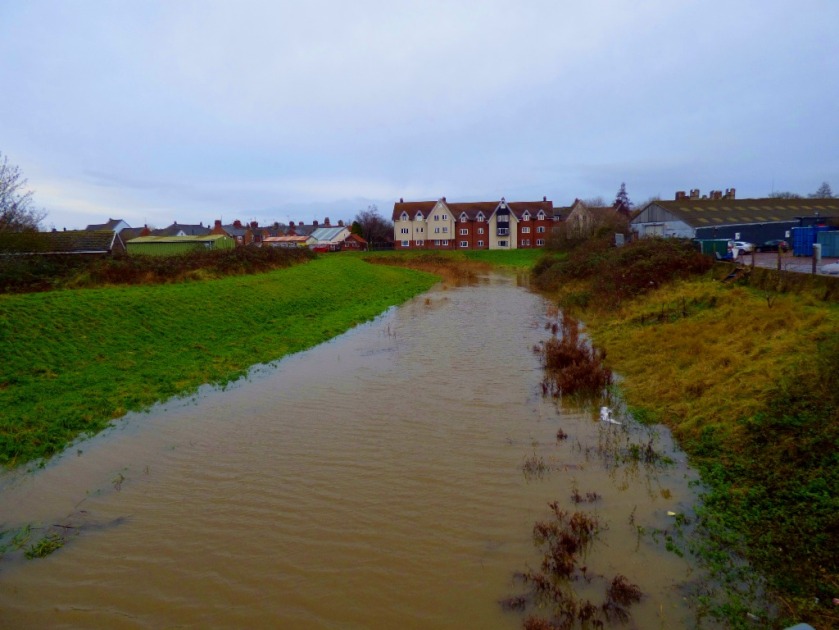
The Walks was still flooded yesterday, although less than it had been when I took my last set of pictures there two days previously.
PUZZLE 3: EVEN AND ODD
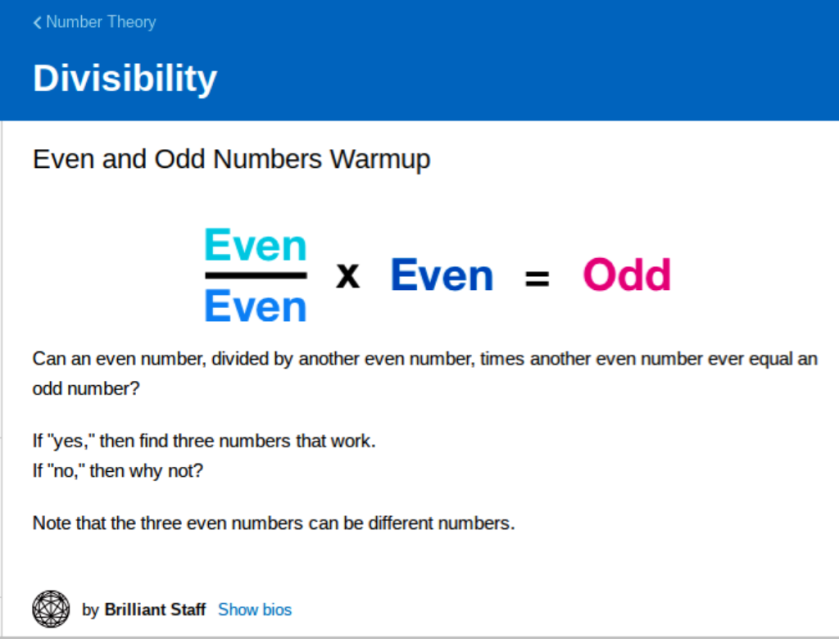
Instinct suggests that the answer should be no, but this is one of those occasions when one should mistrust one’s instinct. To demonstrate a solution (one of many along these lines), I choose as my three even numbers 6, 8 and 4 in that order. Six divided by eight is 0.75, and 0.75 x 4 = 3 = an odd number.
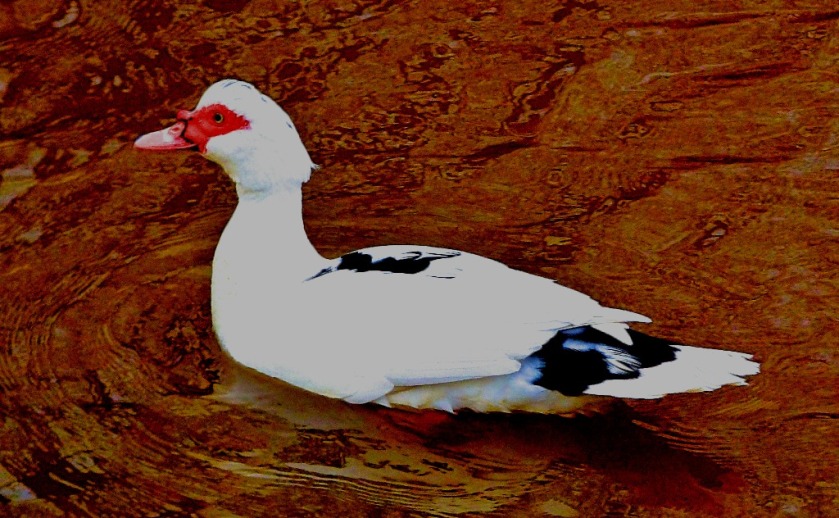
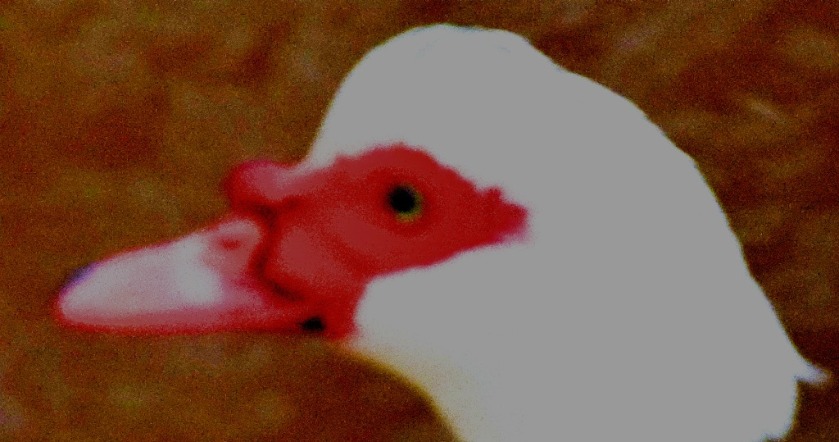
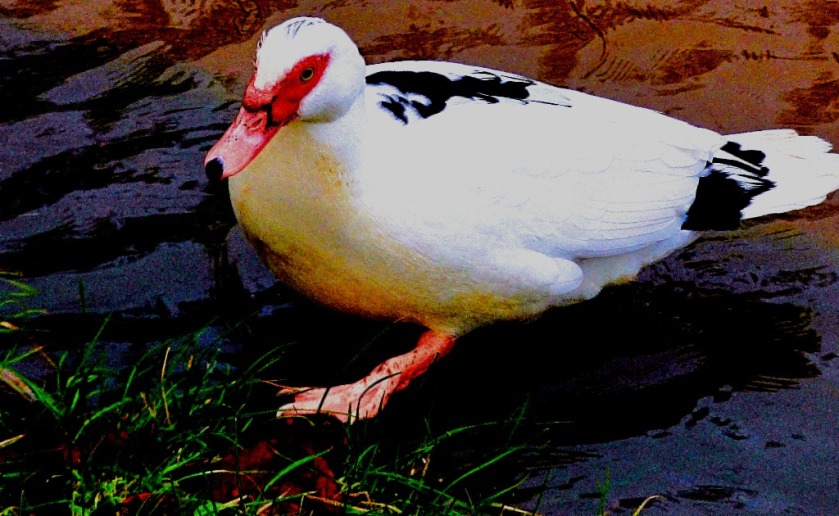
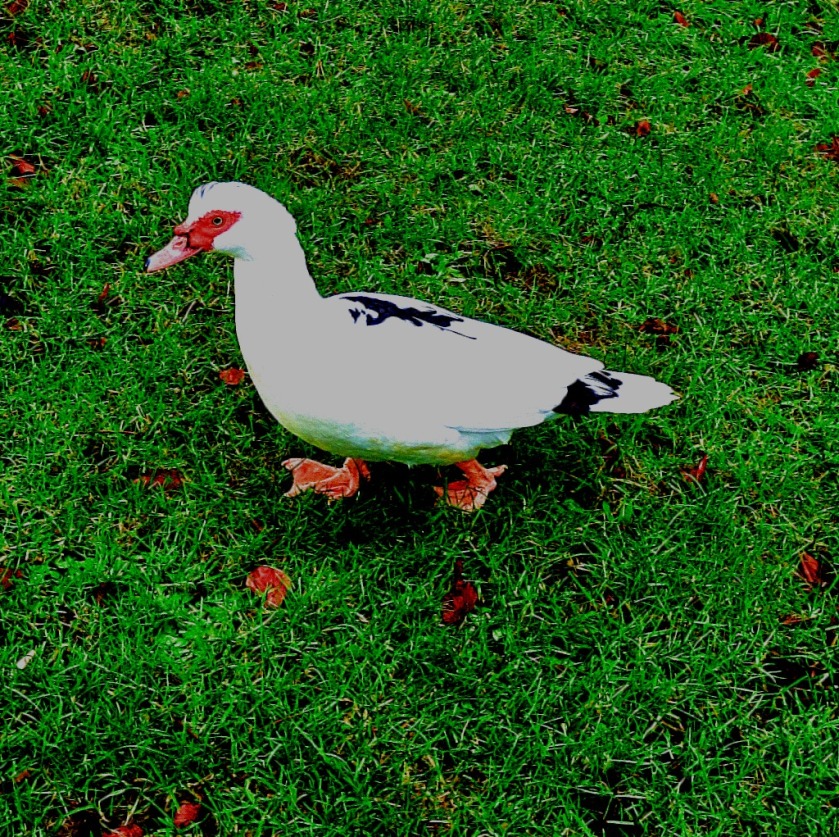
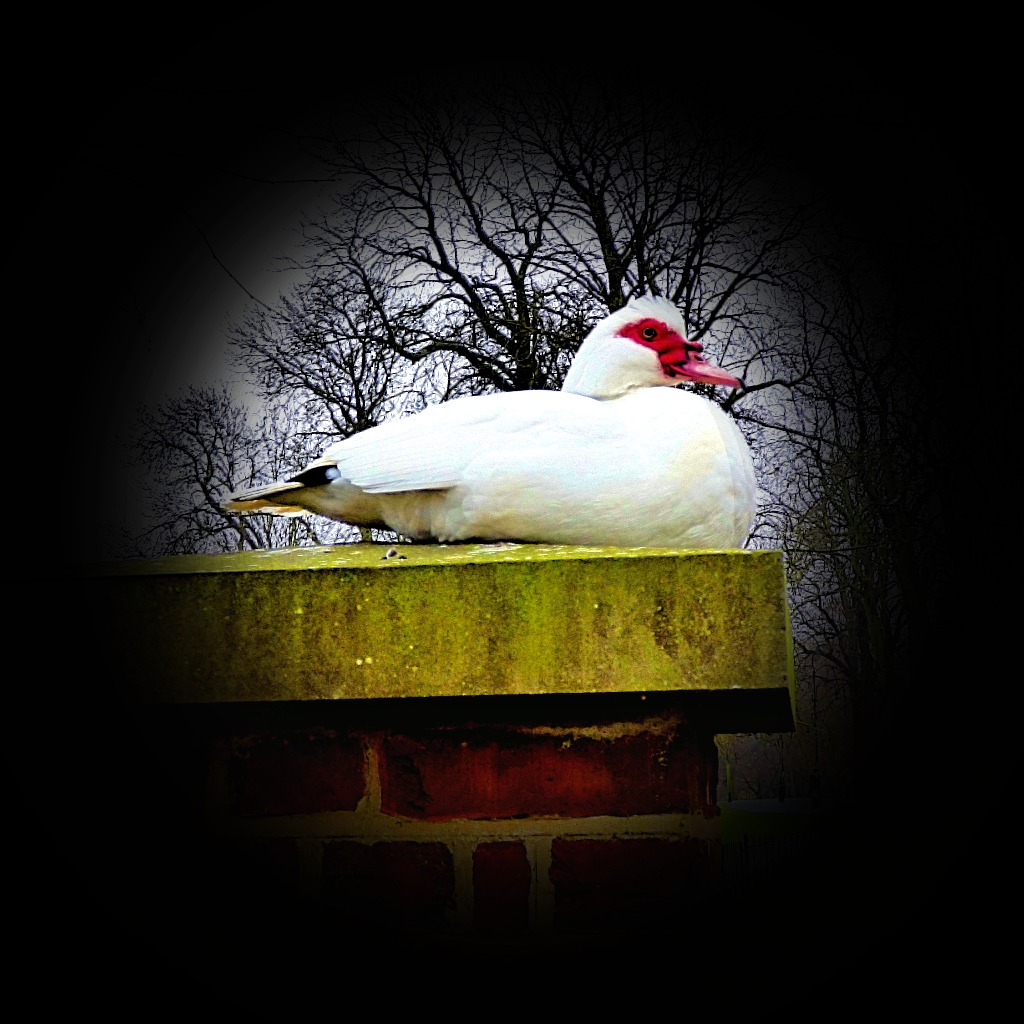
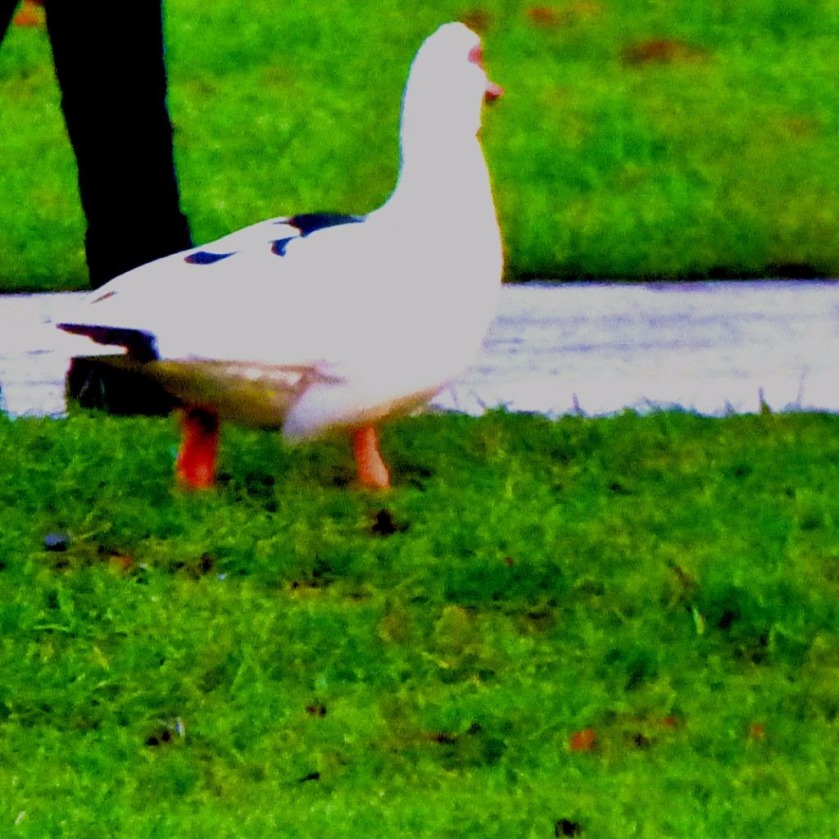
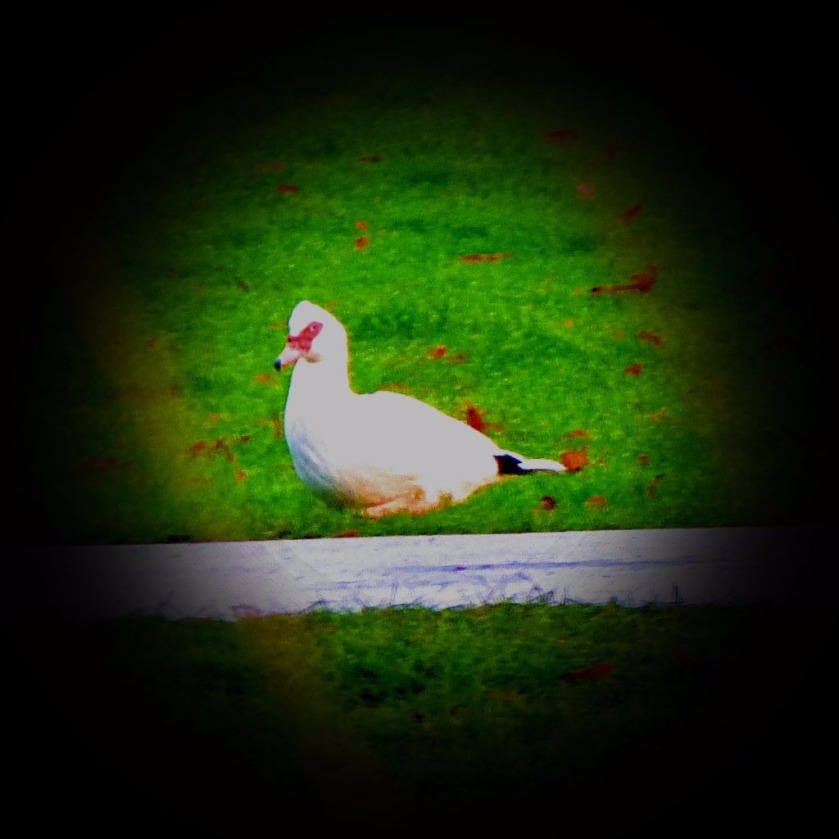
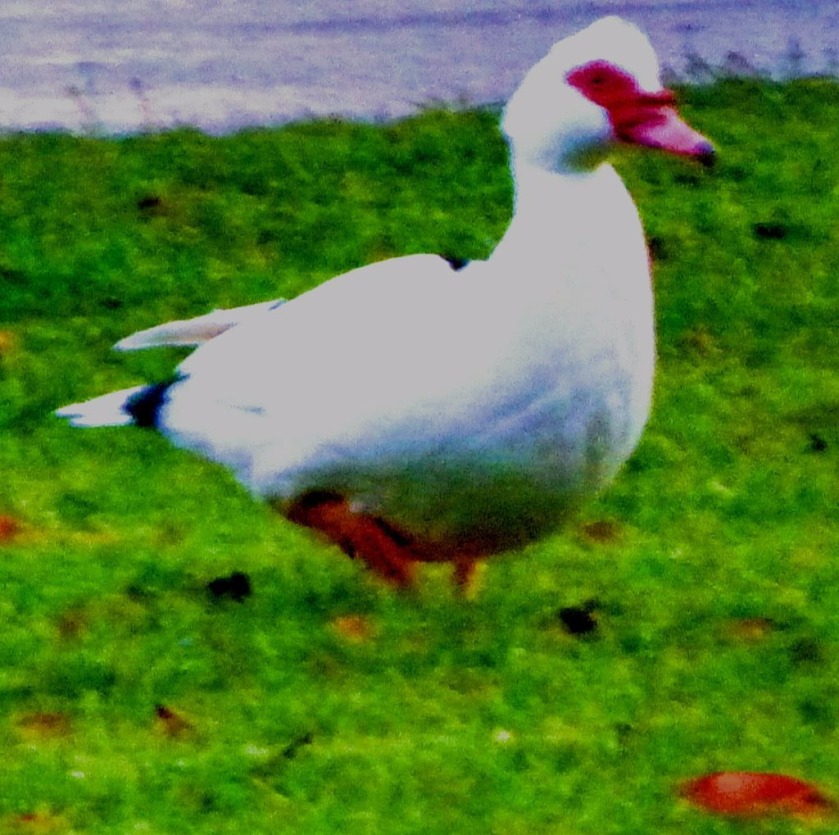
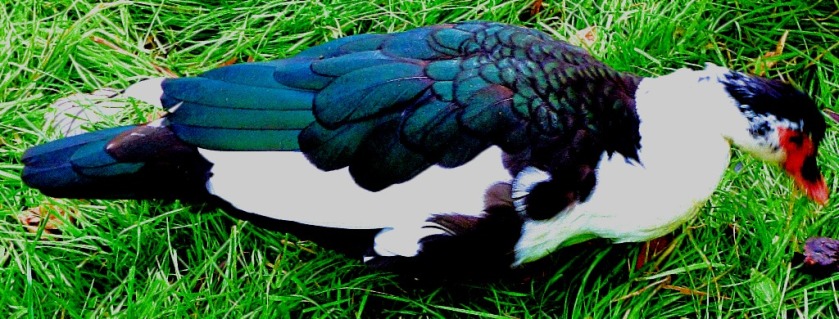
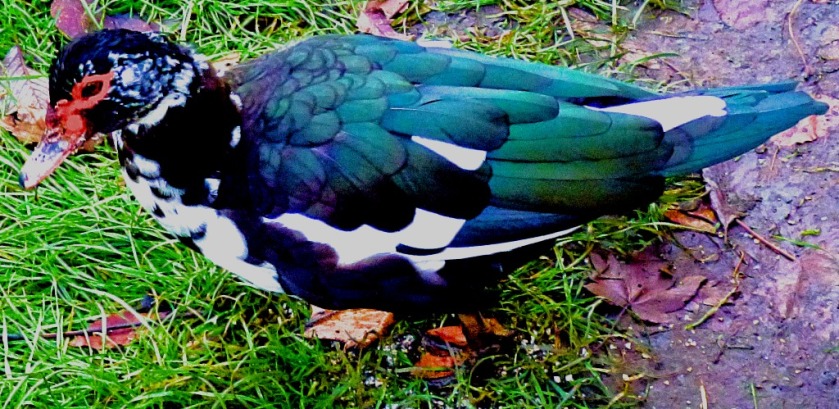
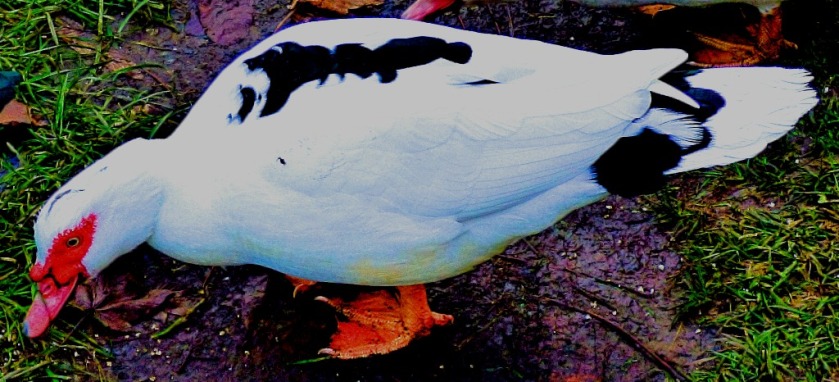
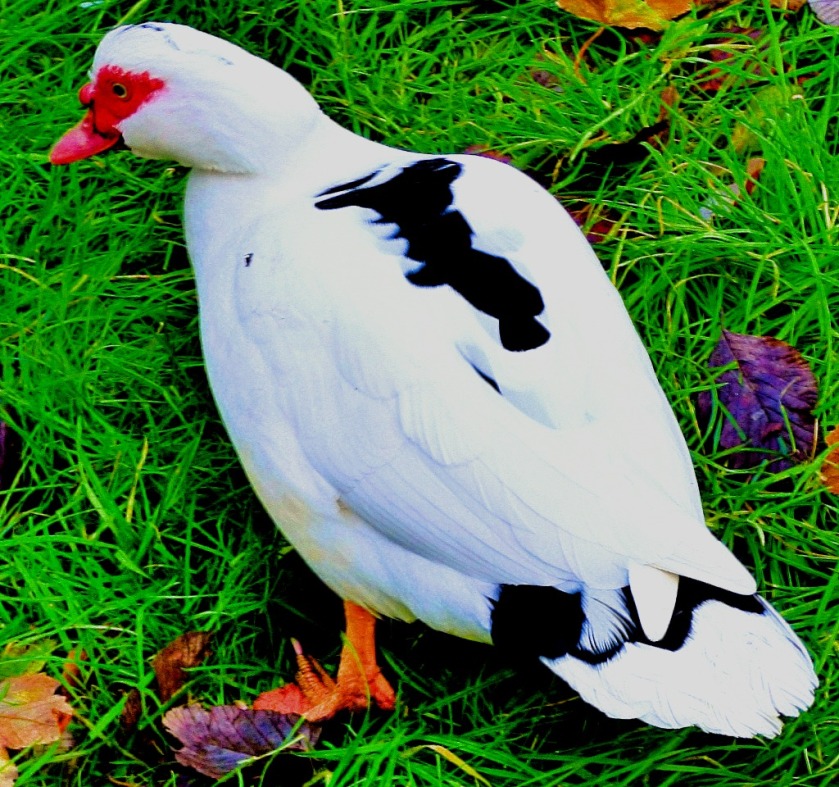
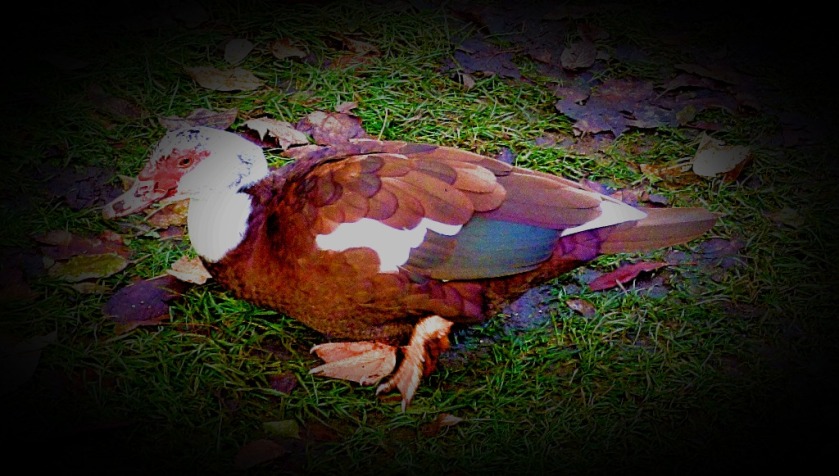
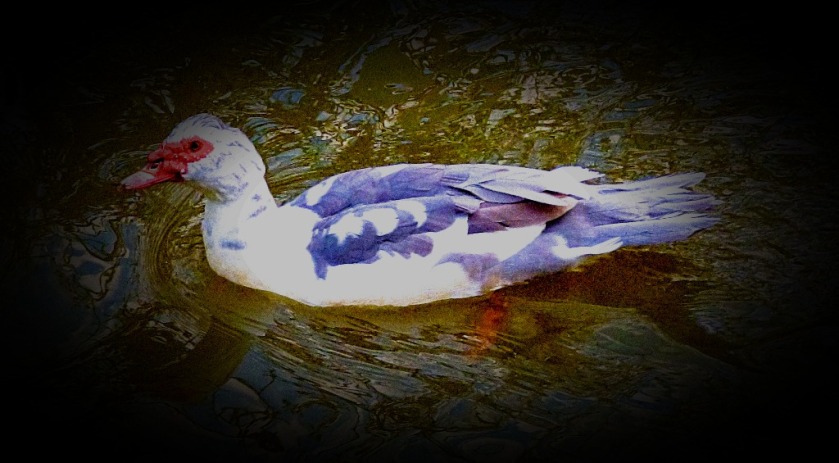
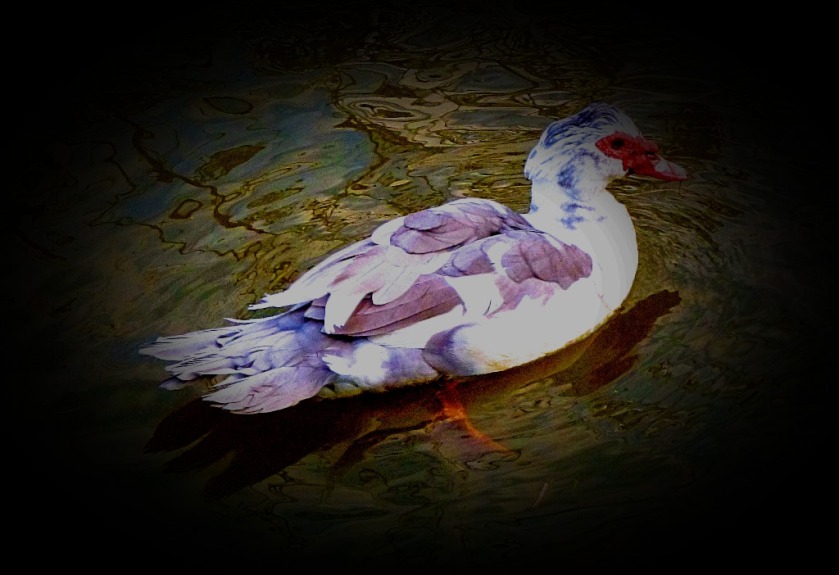
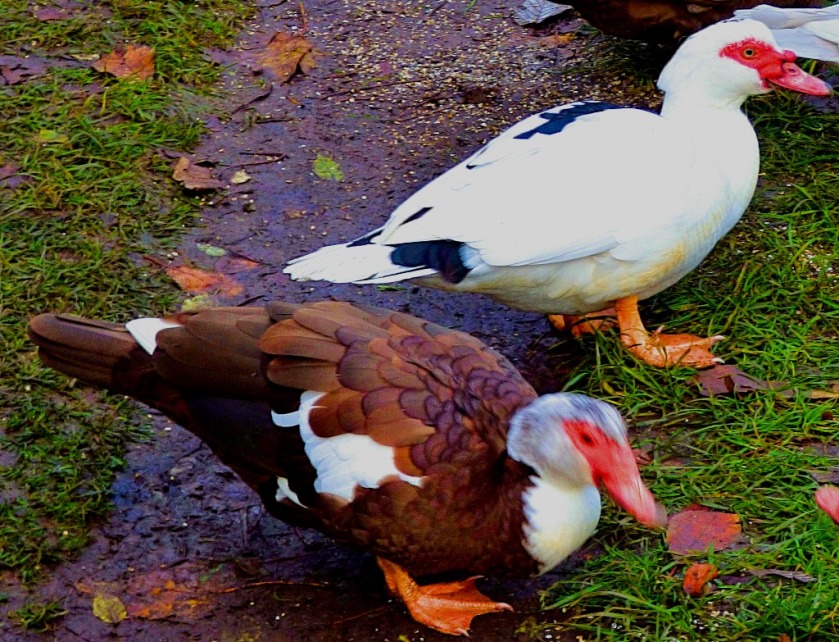
PHOTOGRAPHS: MUSCOVY DUCKS 1
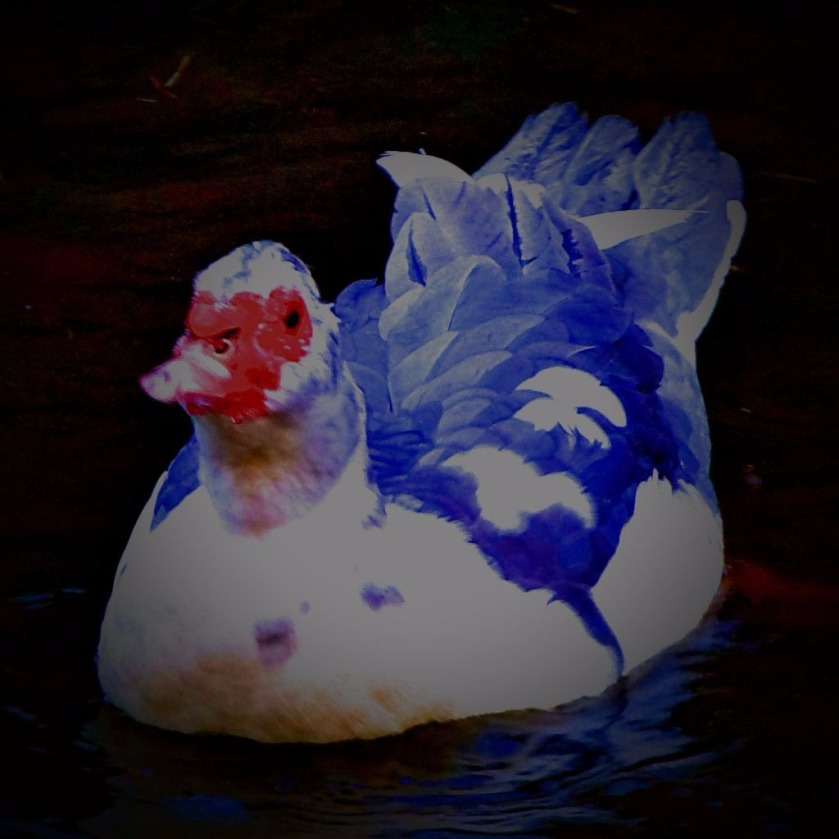
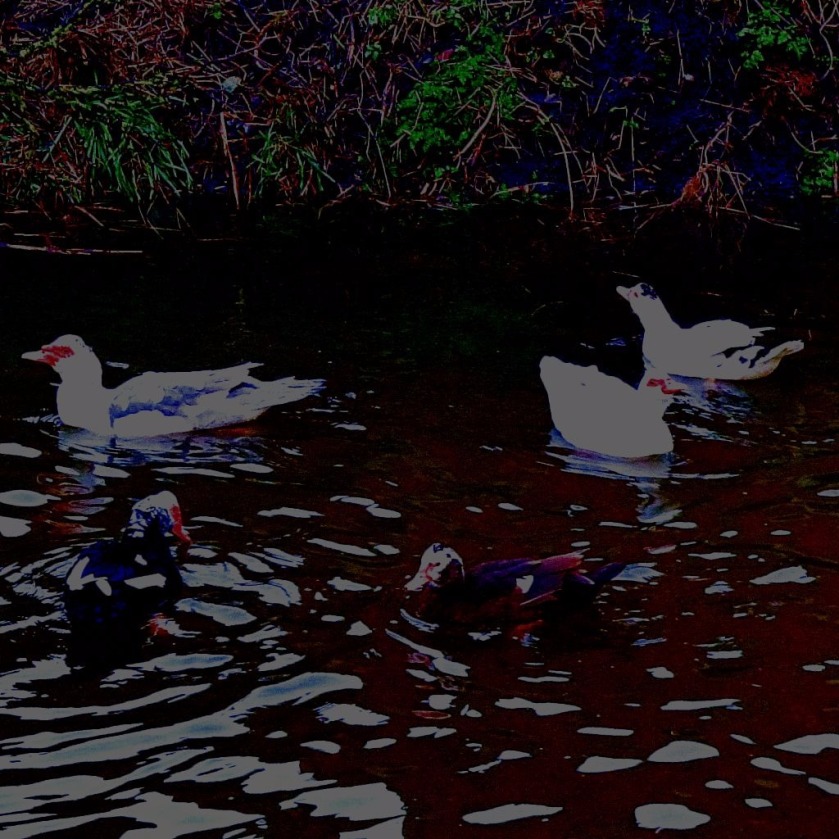
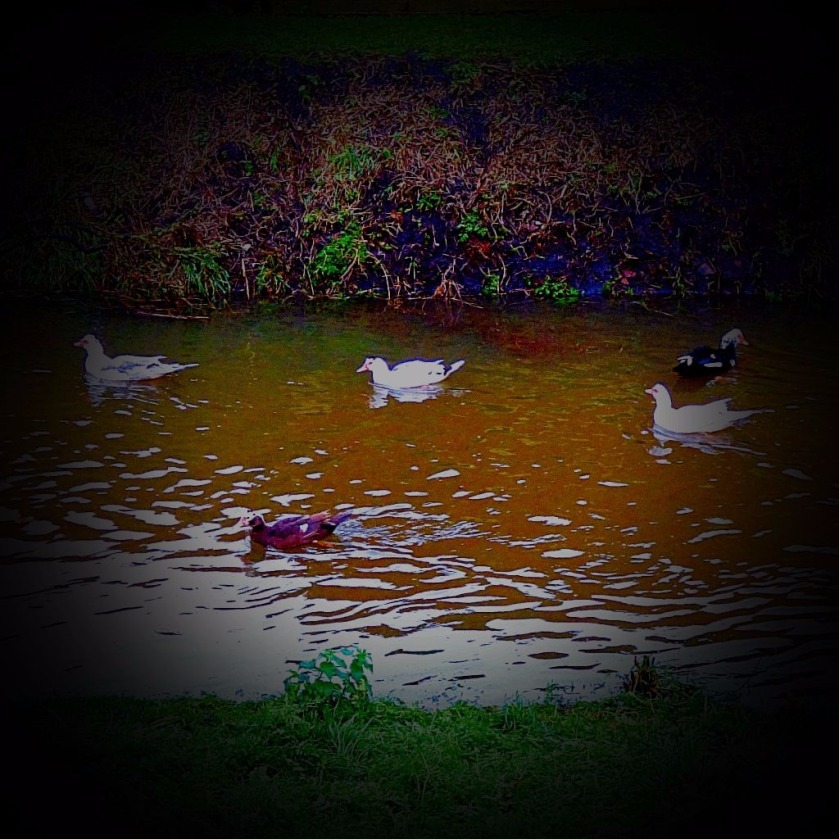
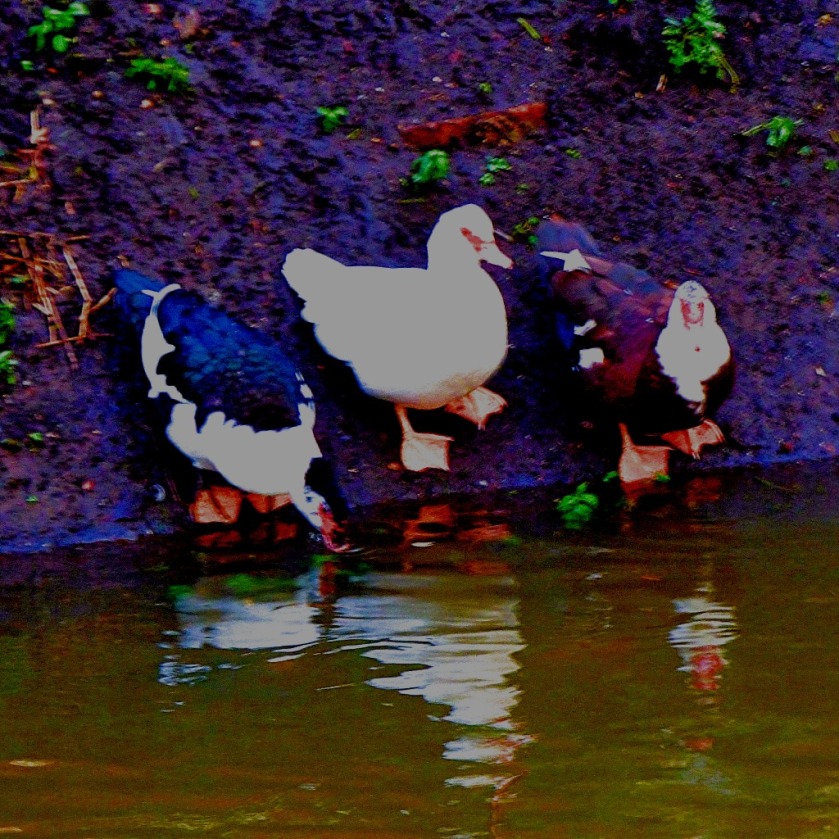
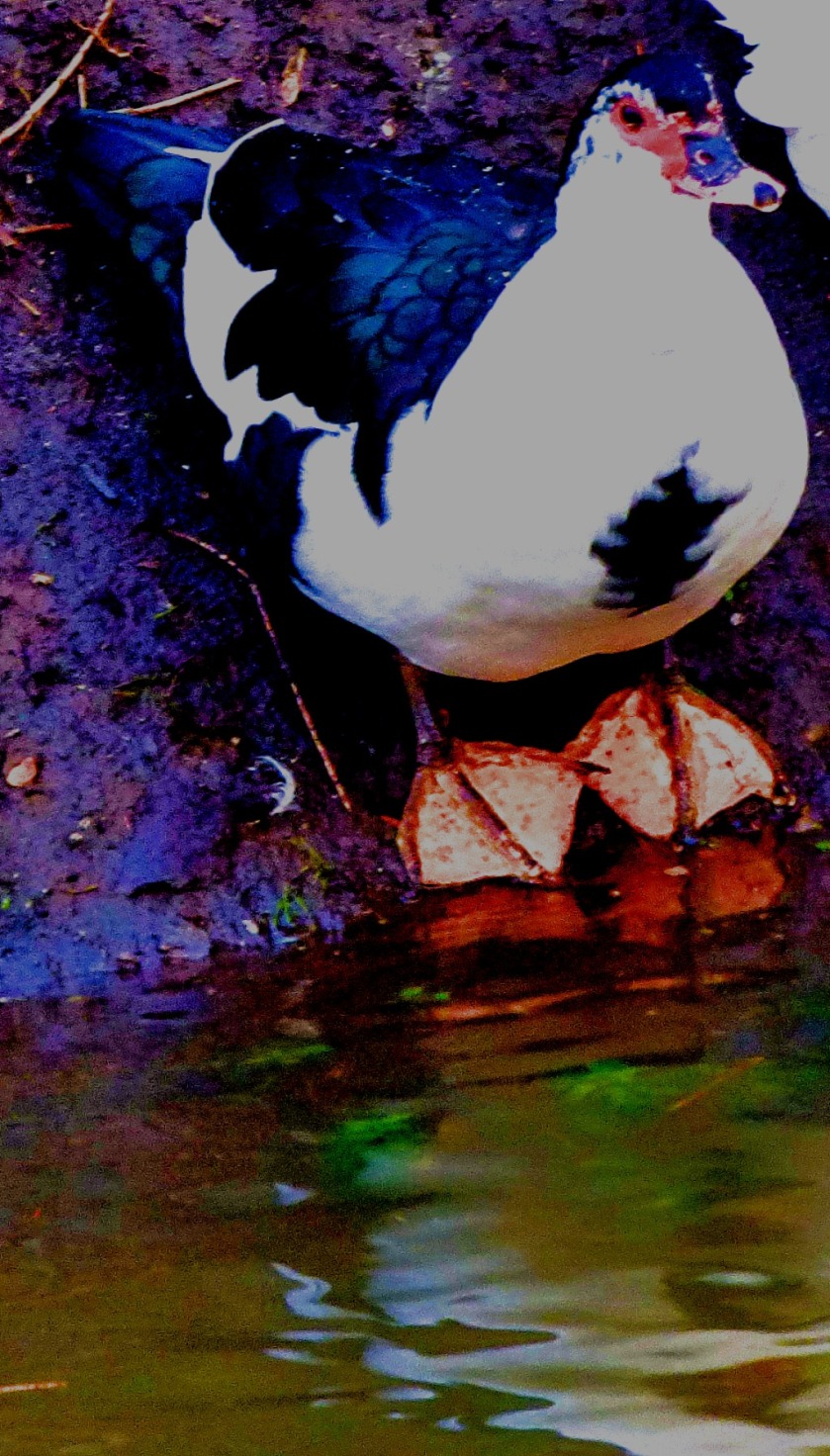
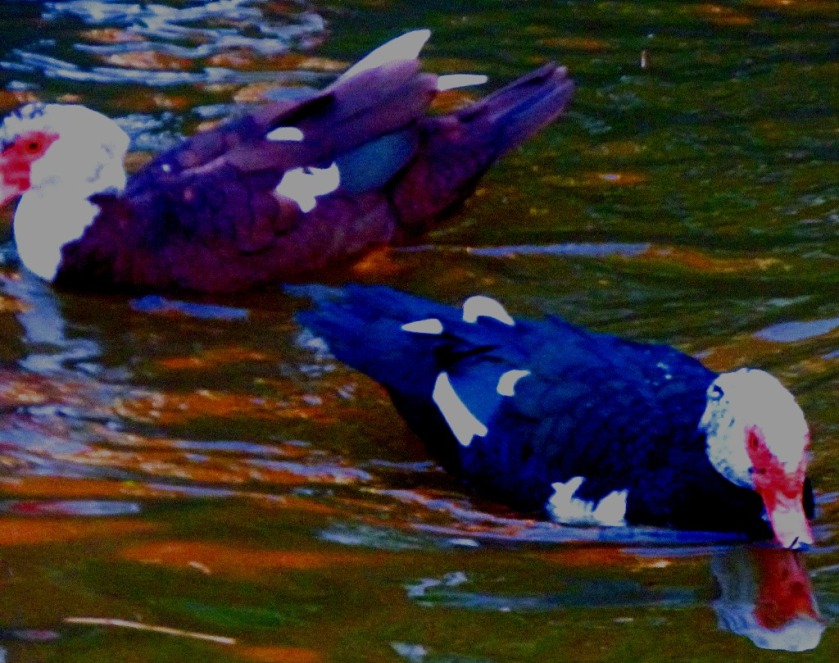
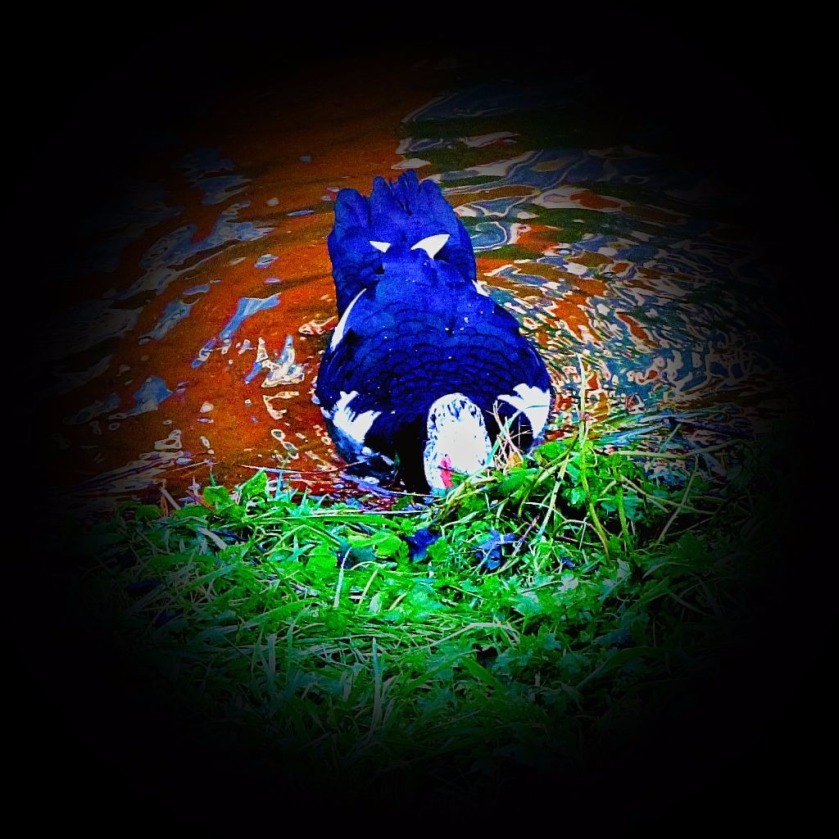
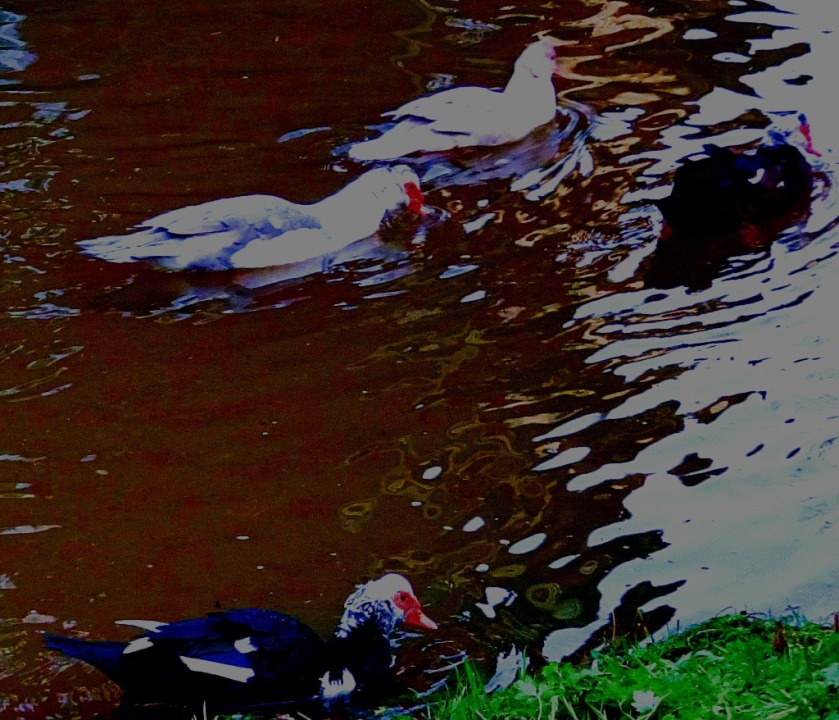
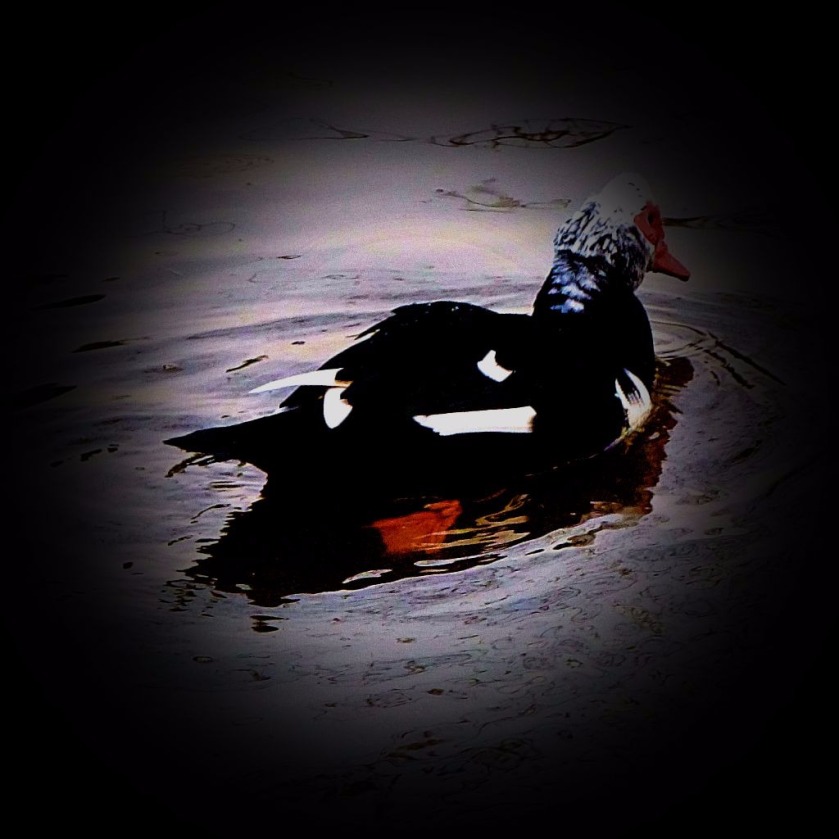
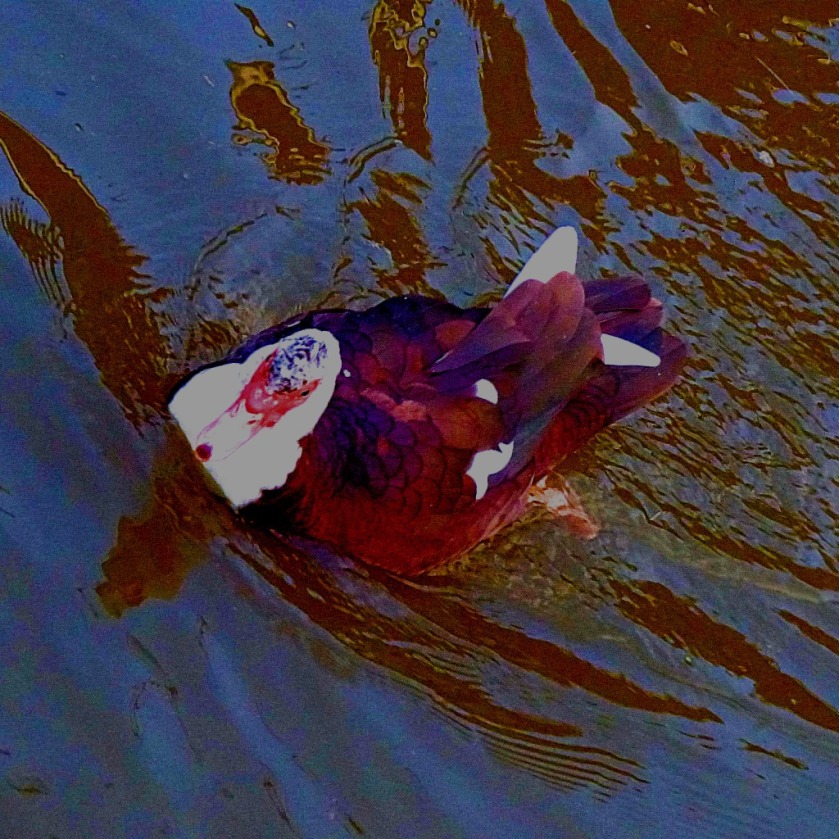
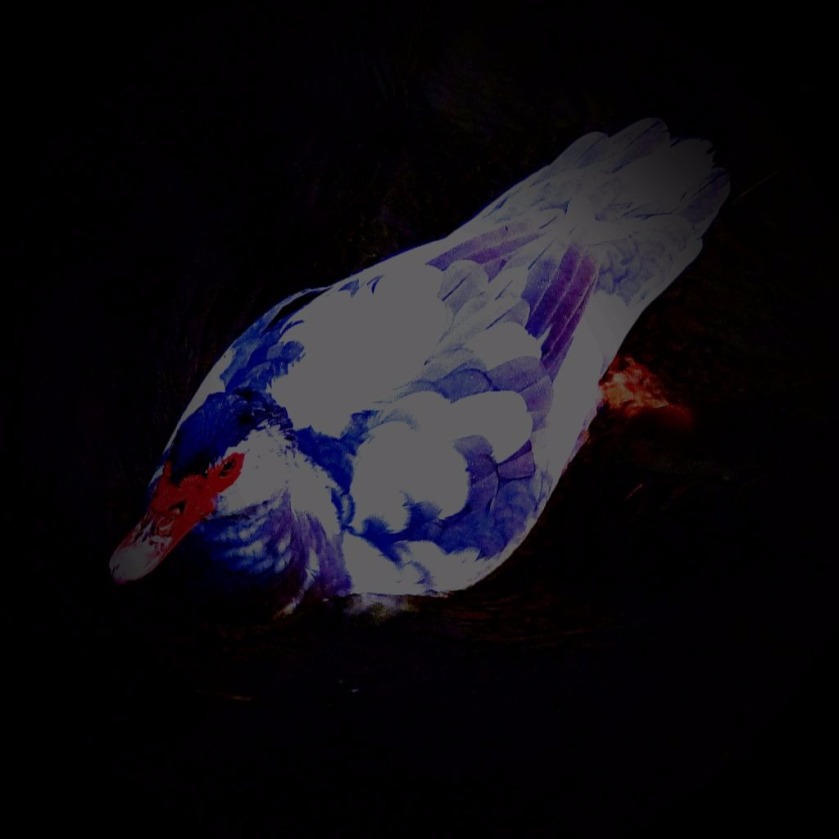
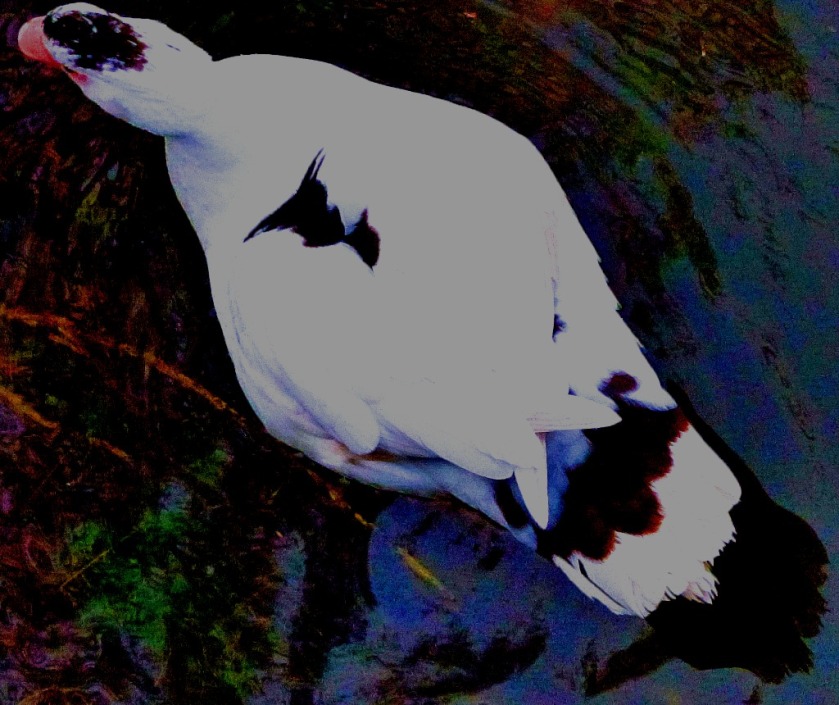
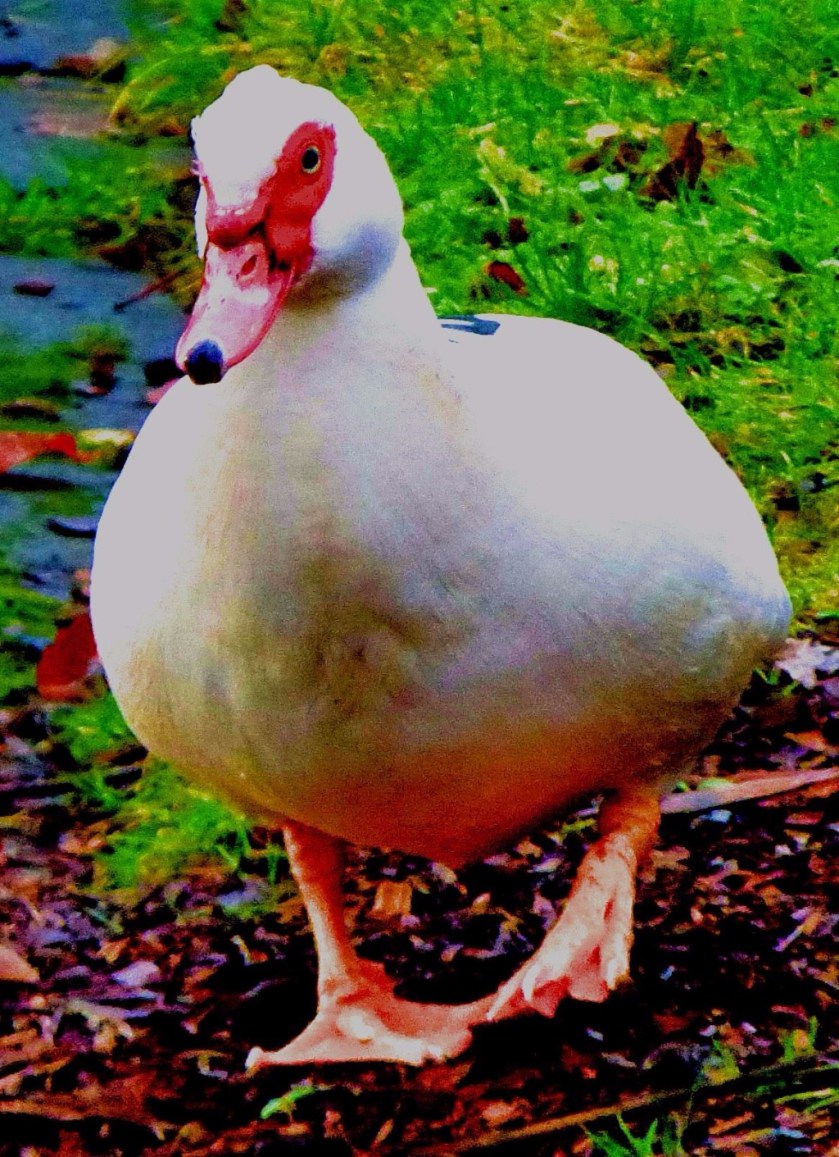
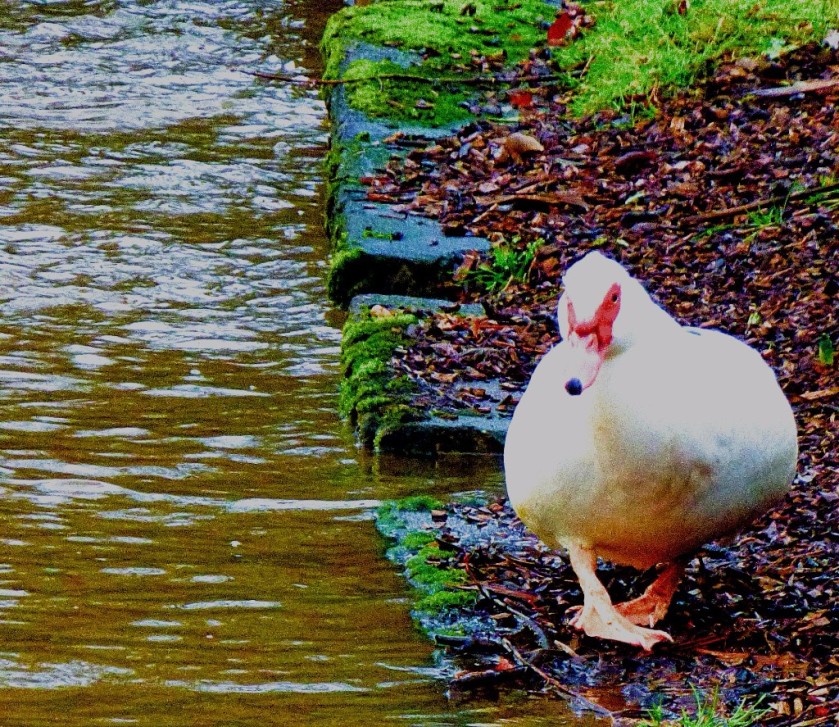
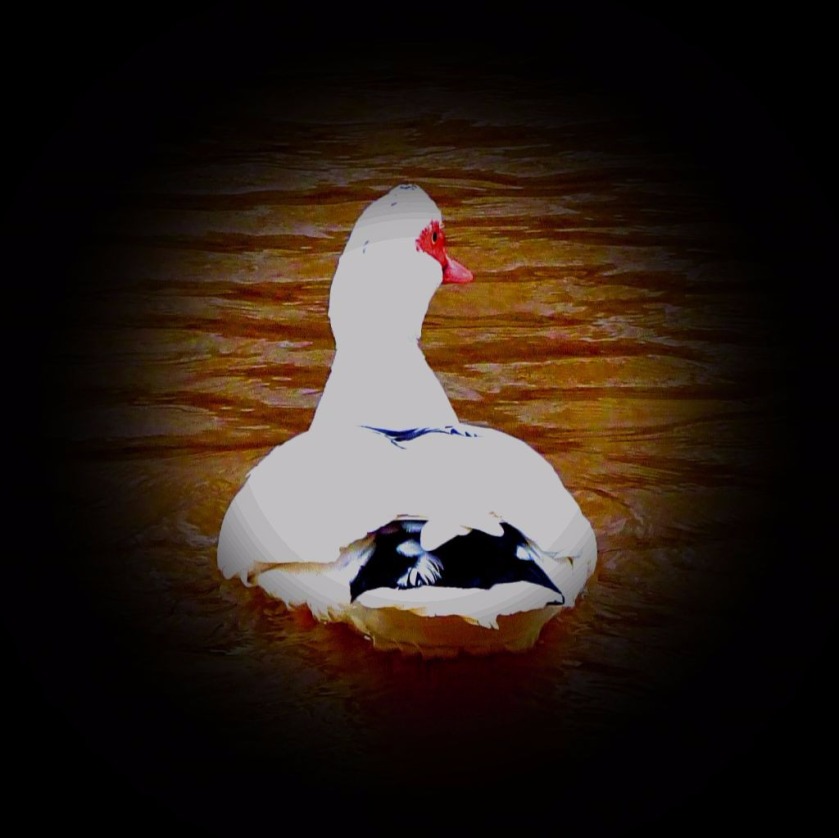
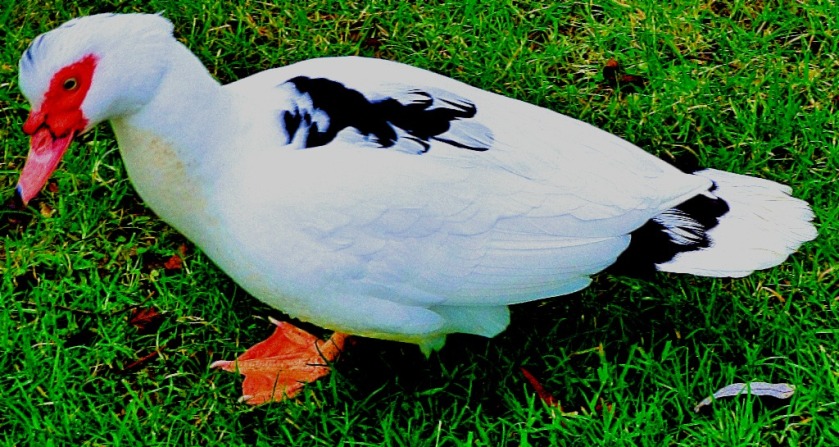
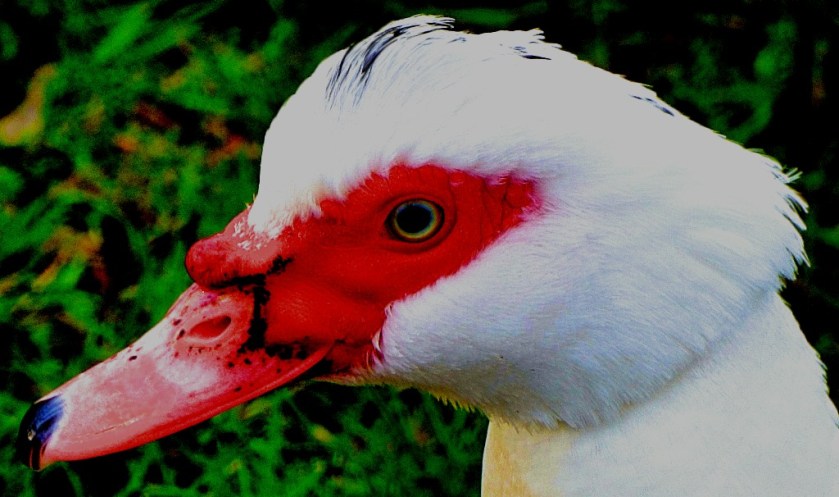
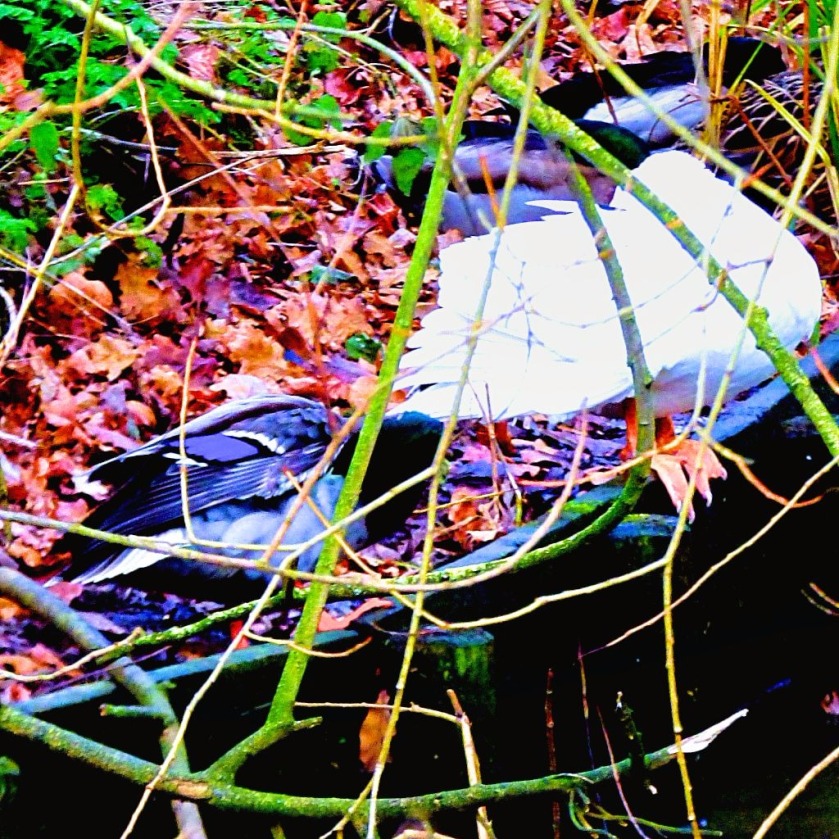
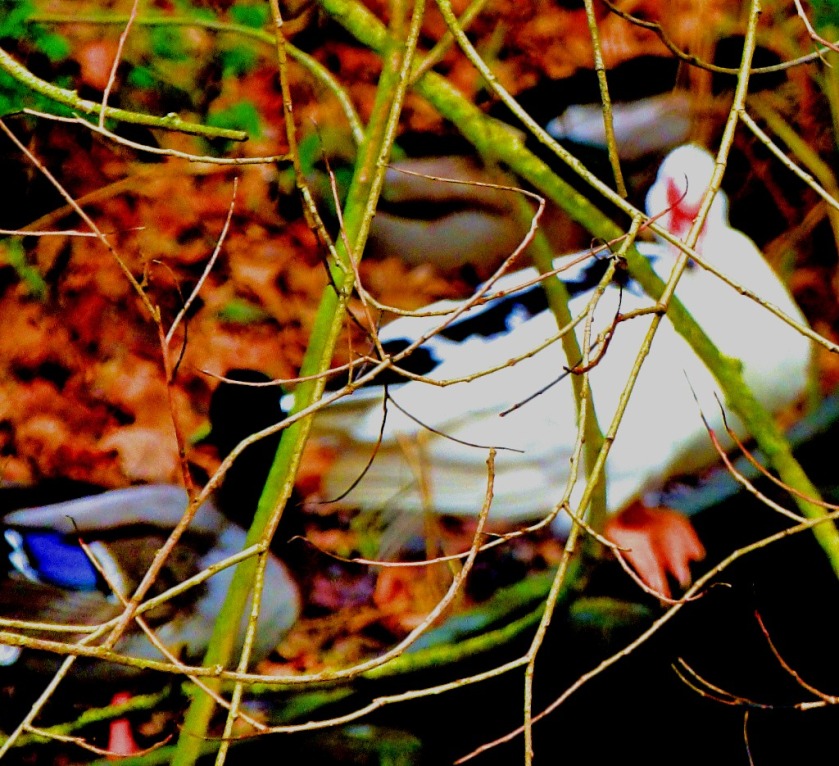
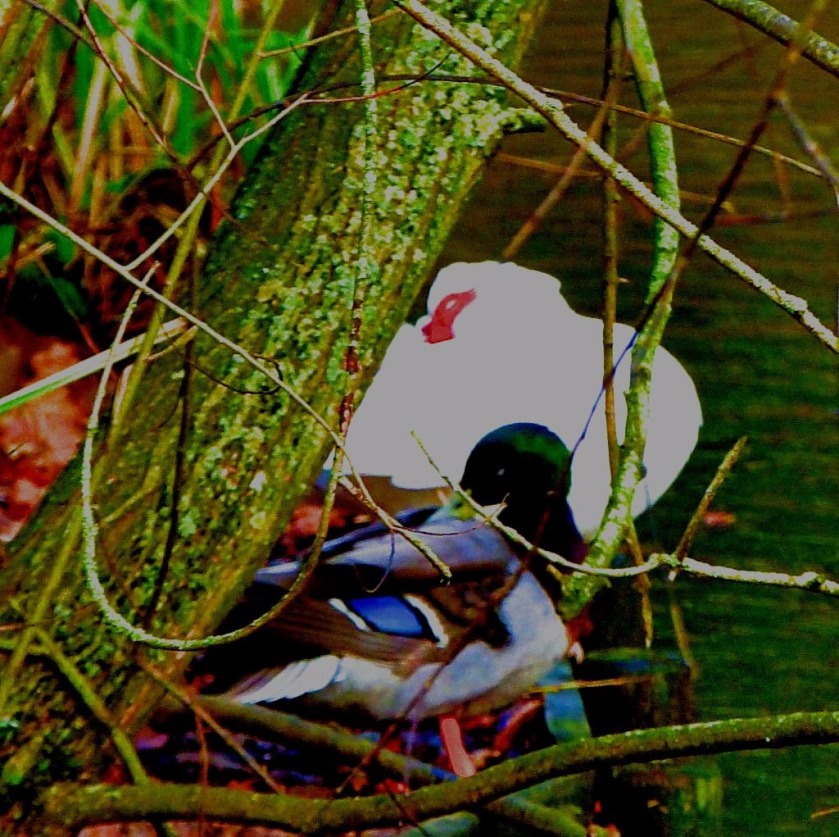
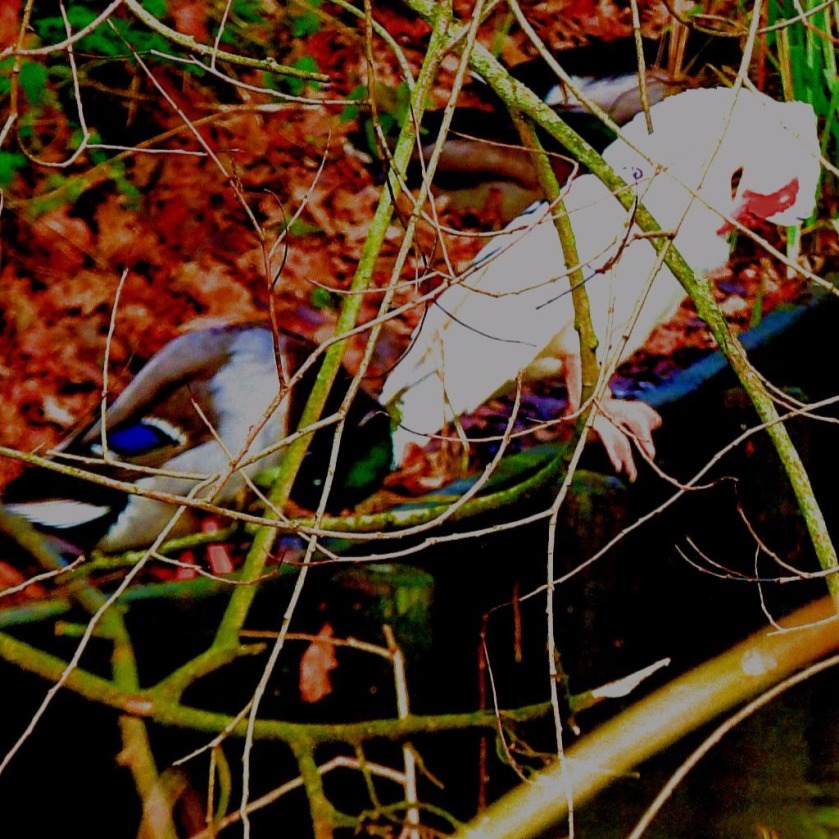
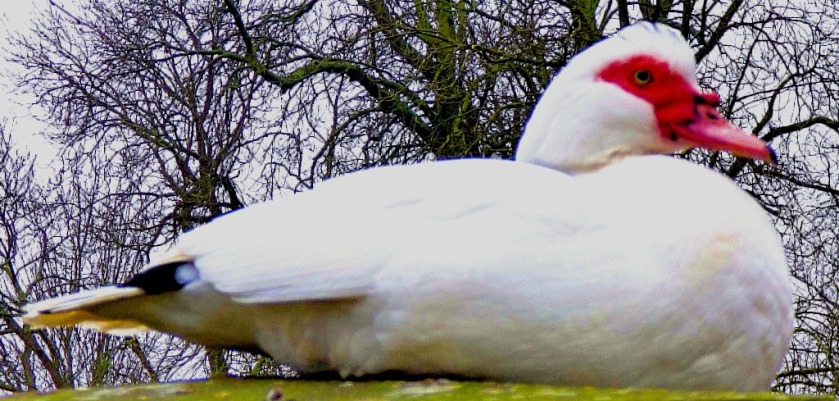
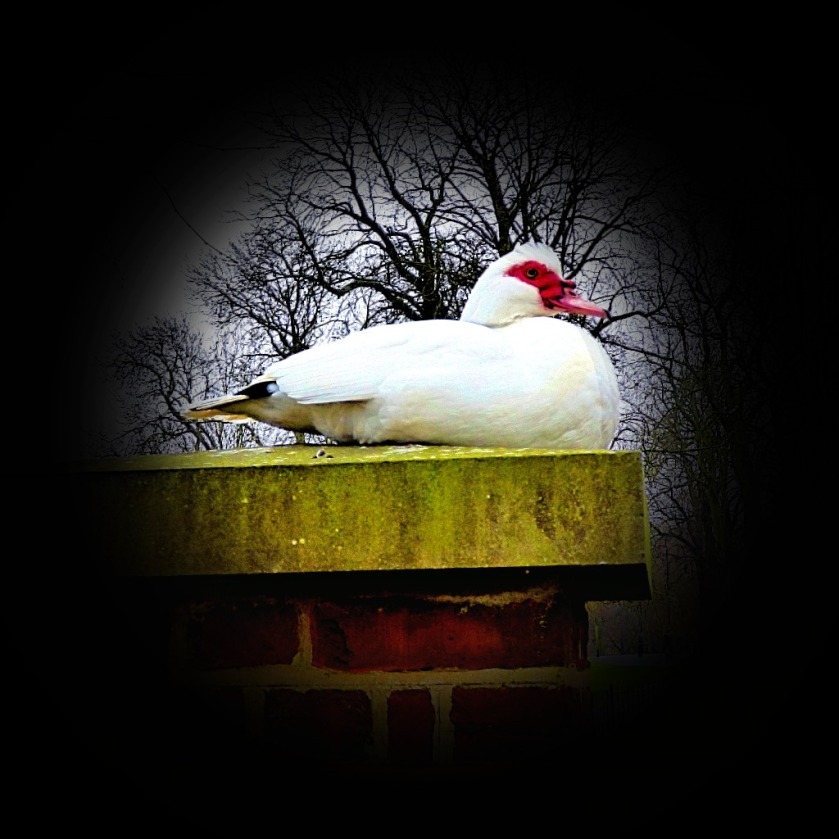
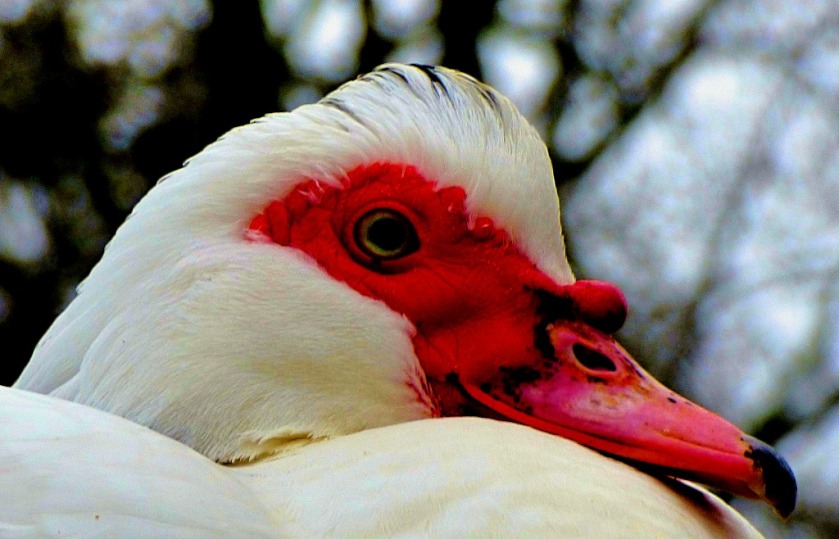
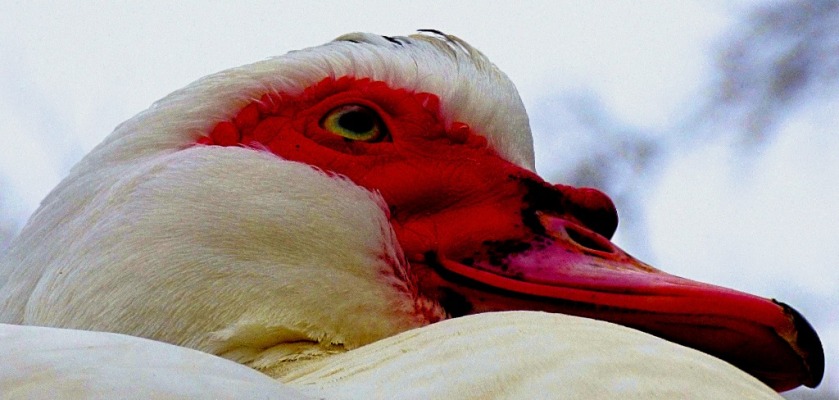
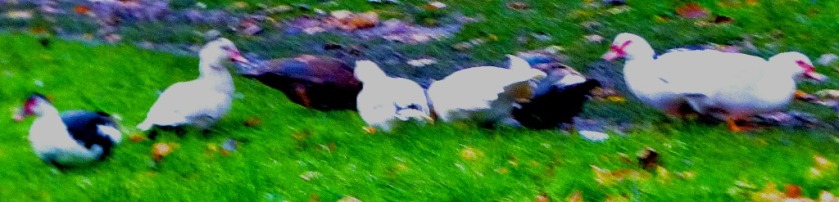
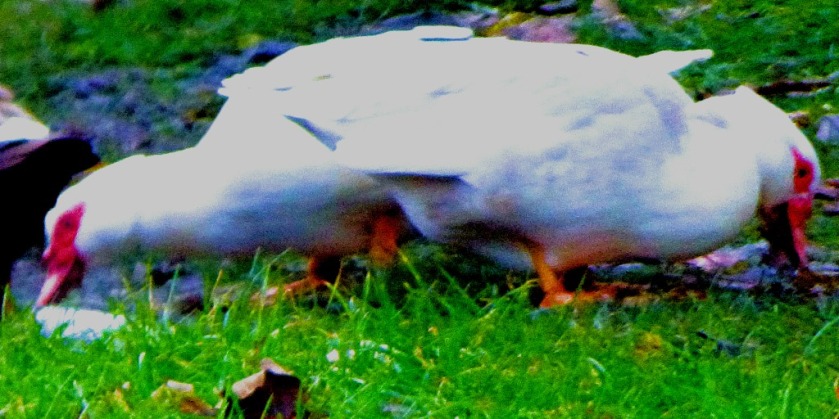
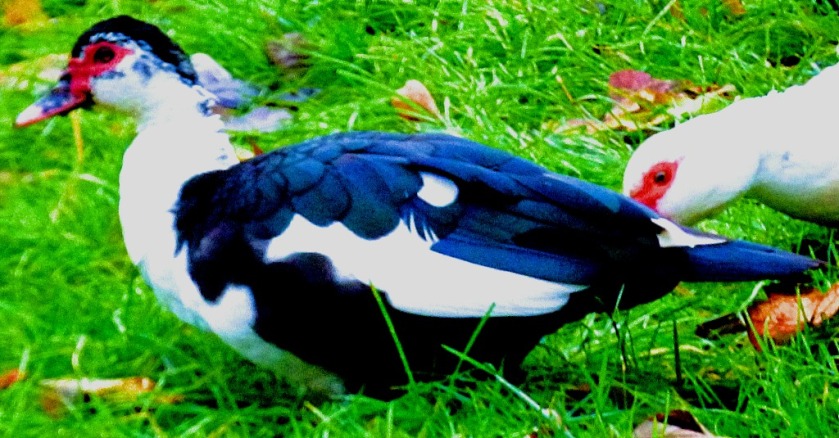
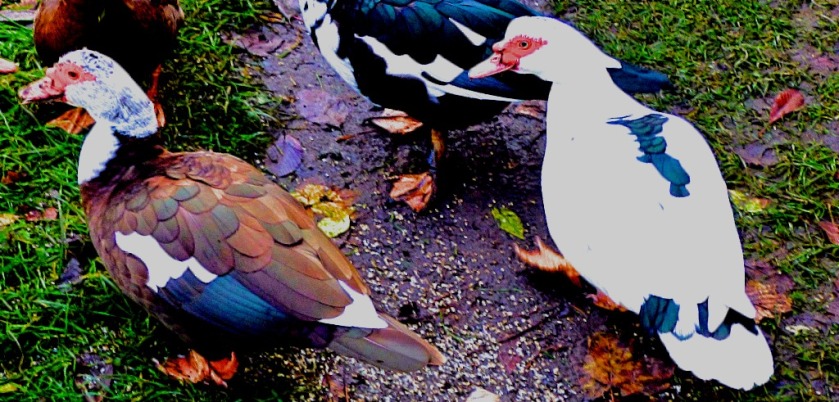
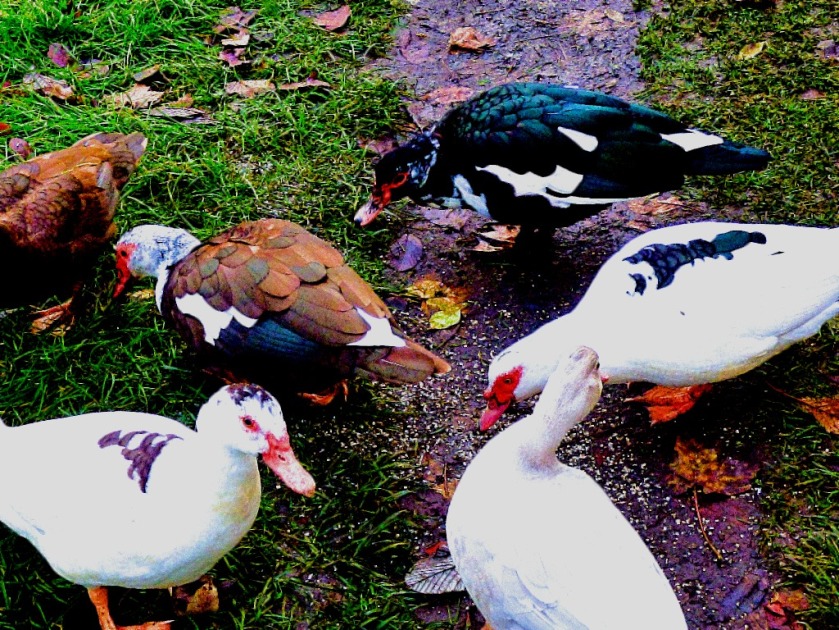
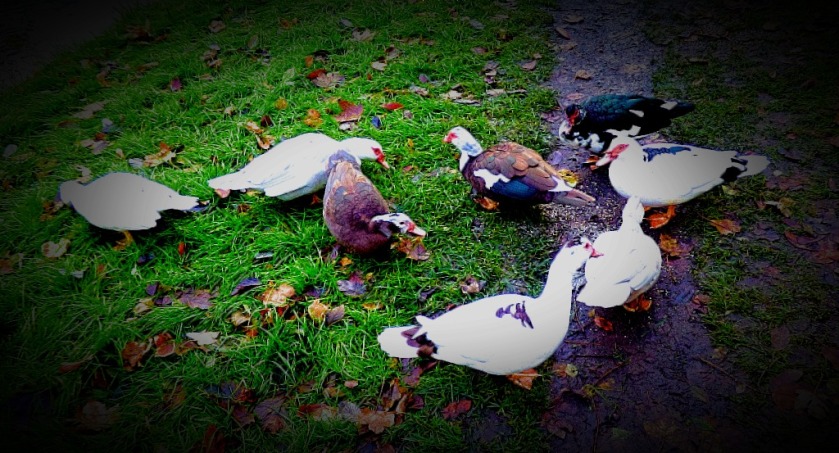
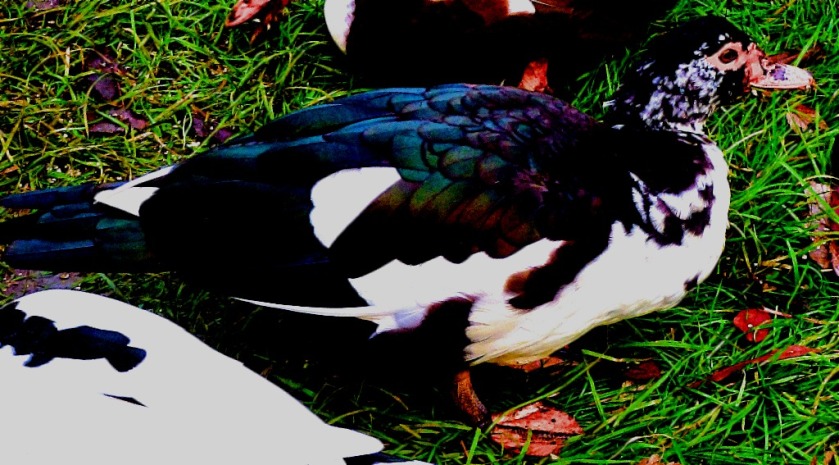
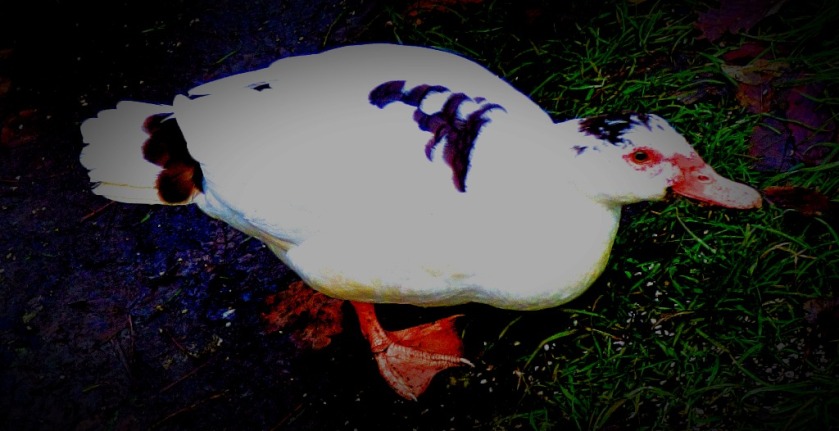
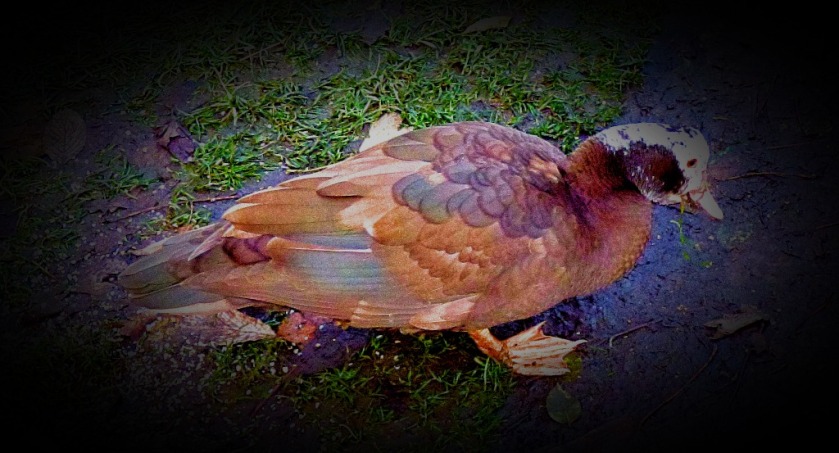
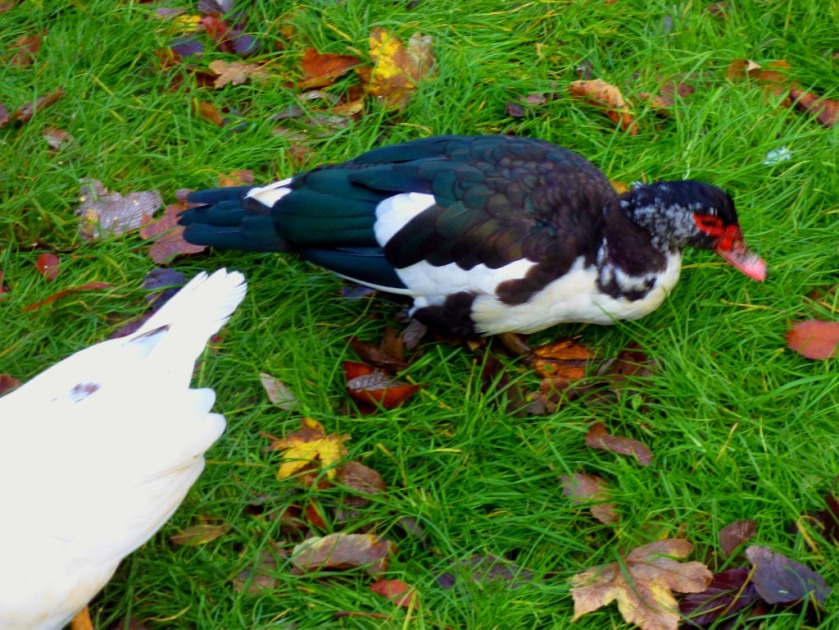
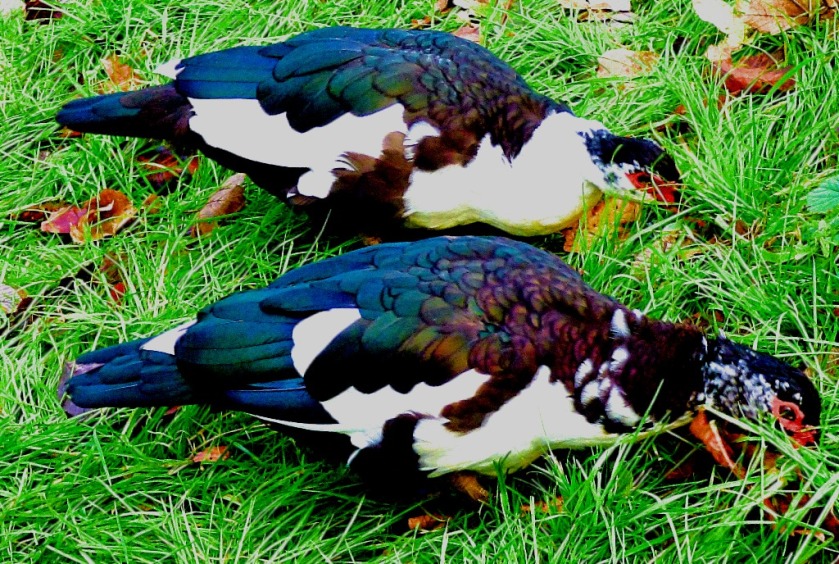
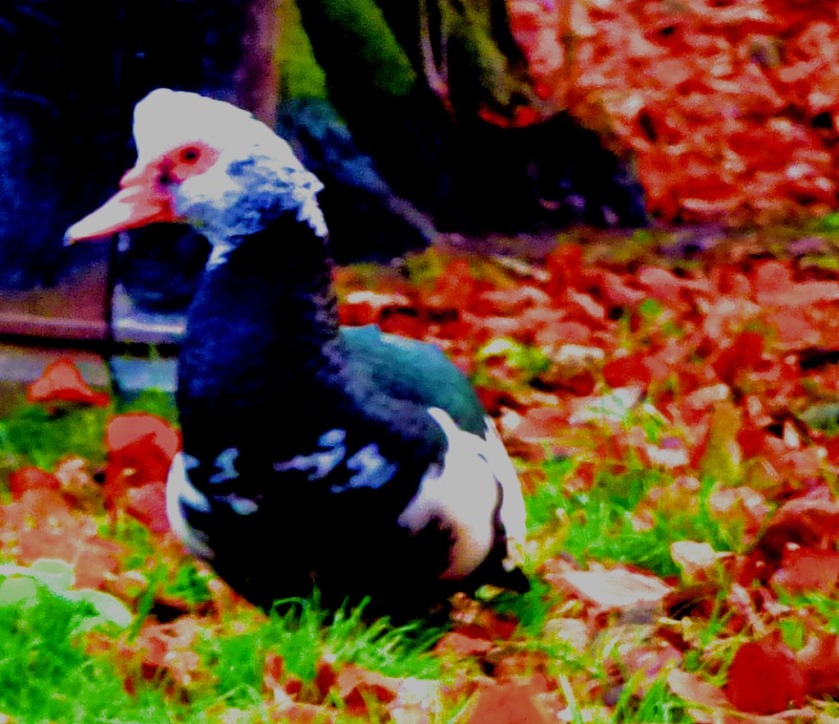
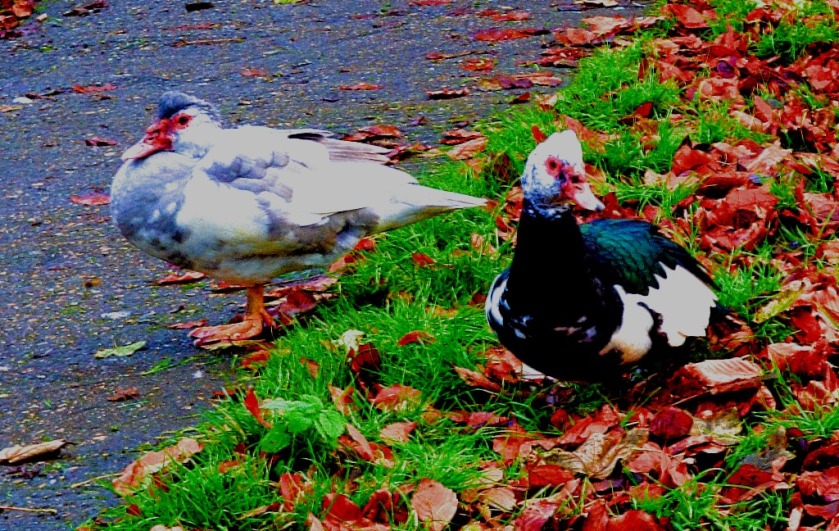
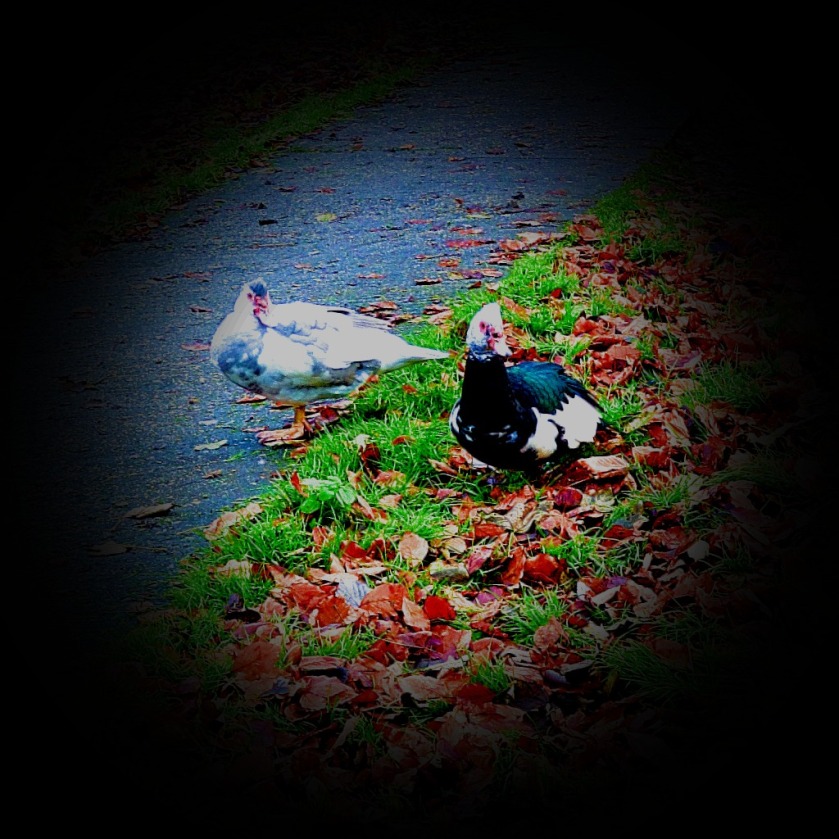
The Muscovy duck that I had seen in The Walks recently was not there yesterday, so I finished my walk by heading towards the place where I had firstseen the species. I waqs rewarded when just on across Littleport Street from that location I saw the entire flock. Here are some of the pictures.
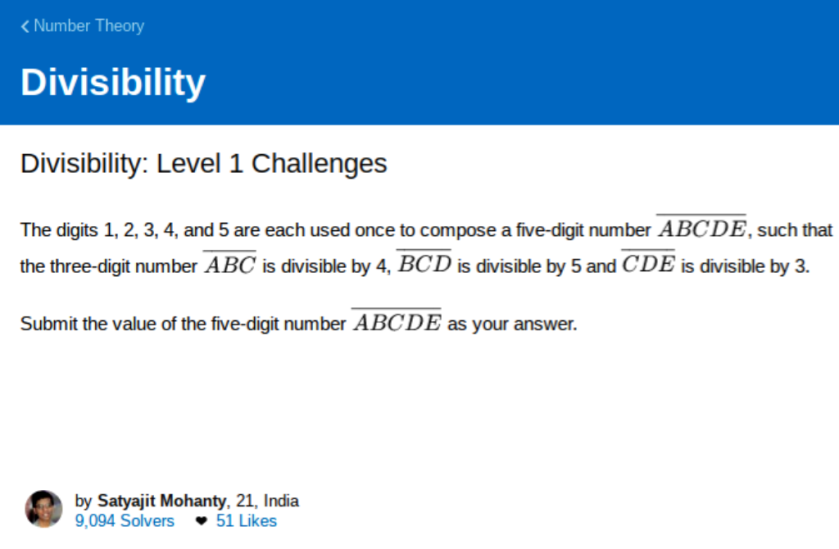
We have to use the numbers 1,2,3,4 and 5 to make a five digit number. The first requirement is that the first three digits form a number dvisible by four, which can only be achieved from these numbers by using 124 (= 31 x 4), then digits 2,3 and 4 must form a number divisible by five, so the fourth digit has to be 5 as numbers divisible by five end either in five ior zero and zero is not available to us. That leaves us the fifth digit to fill, and the only number we have not used is 3, hence the number is 12,453, and back checking using the last limitation, that the final three digits be divisible by three confirms this (453 = 151 x 3).
PHOTOGRAPHS – OTHERS
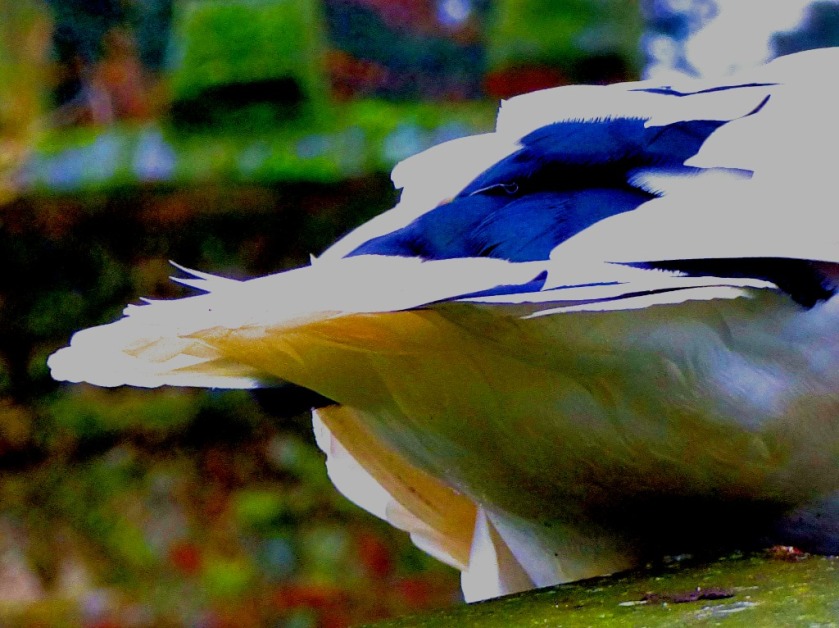
These were taken near the end of my walk:
PUZZLE 5: INVESTMENT EXPERT
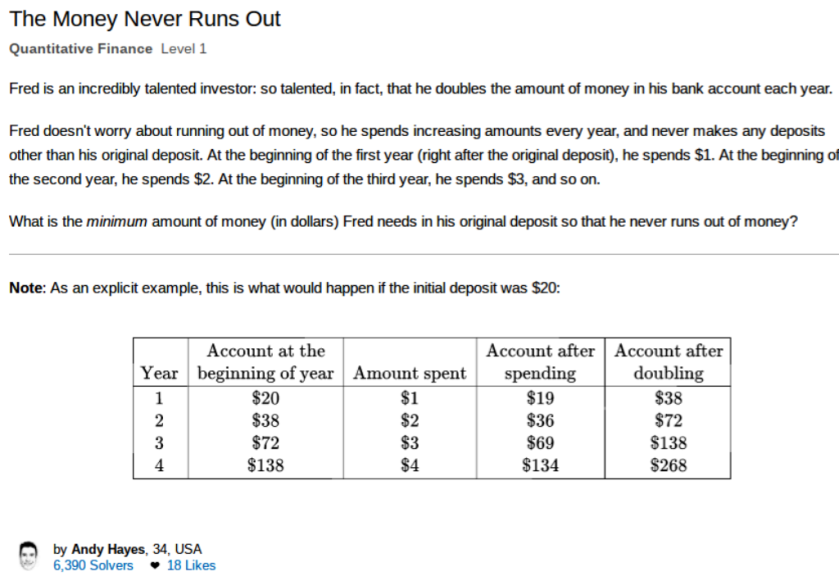
The minimum starting amount he needs to ensure that it stays growing on these terms is $4. On my subsidiary question, although this starting point only yields a fortune of two billion and four dollars after one billiSuch is the power of exponential growth that if you increase this starting amount by even a small amount it will suffice. According to Denis Husudvac on brillaint even a stgarting point $4.01 will be enough.
A survey for autistic people and some photographs, some of which feature flooding in The Walks.
INTRODUCTION
The pictures that feature in this post were taken earlier today, and I saw the survey while editing them.
THE SURVEY
The survey is afacebooksurveyintended for autistic people being conducted by Emma Dalmayne and asks one question: do you prefer person first or identity first? At the momnet the poll is running at 86% for Autistic Person and 14% for Person with Autism, and the fact that the latter percentage is even that high has led some people to suspect that some of those who have answered so far are not autistic (for example none of the authors of the many excellent blogs by autistic people that I follow have ever expressed a preference for ‘Person with Autism’. I urge those of my readers who are autistic and on facebook to take part in this survey by following the link – and if you are not autistic kindly do not take the survey.
THE PICTURES
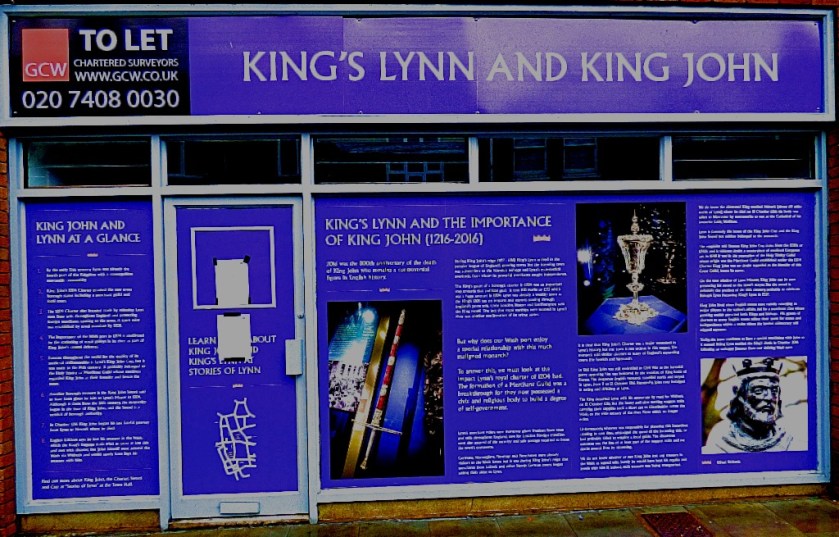
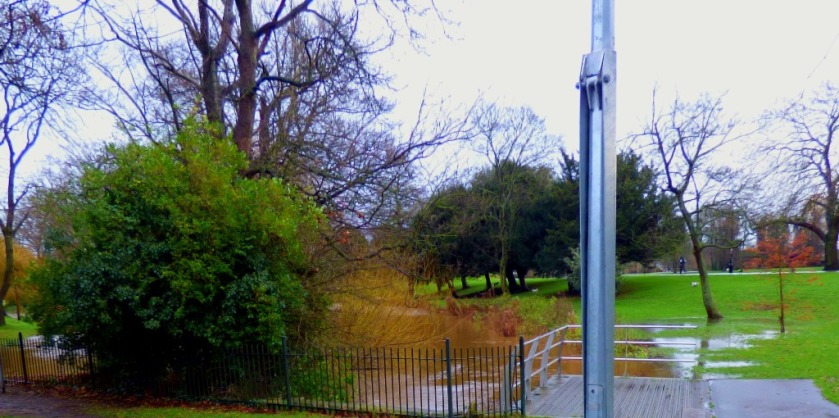
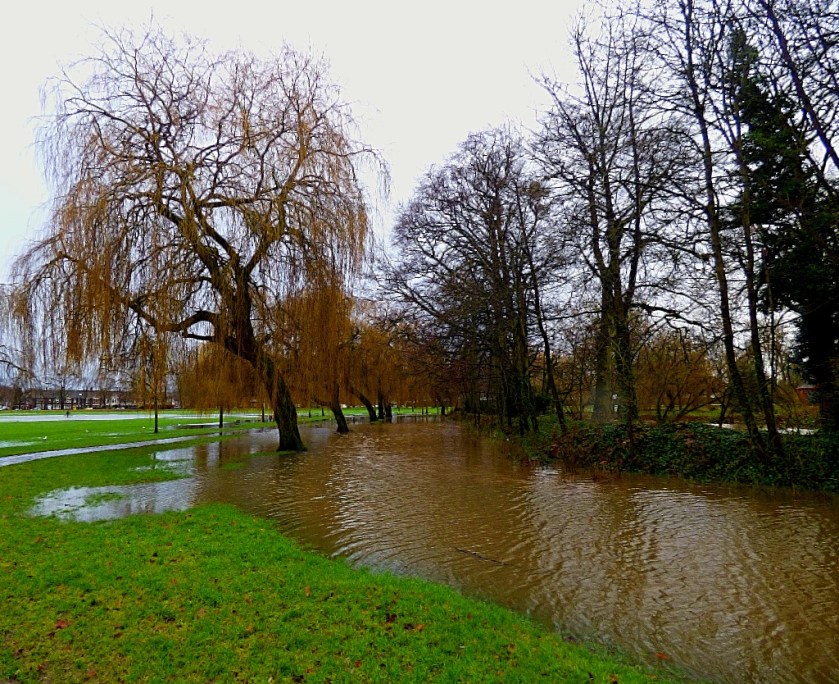
Although nothing like as dramatic as the stuff that John Jonasson has recently been displaying on fotobloggarna.seabout floods in his area, there has been some small scale flooding in The Walks, and some of the pictures show that.
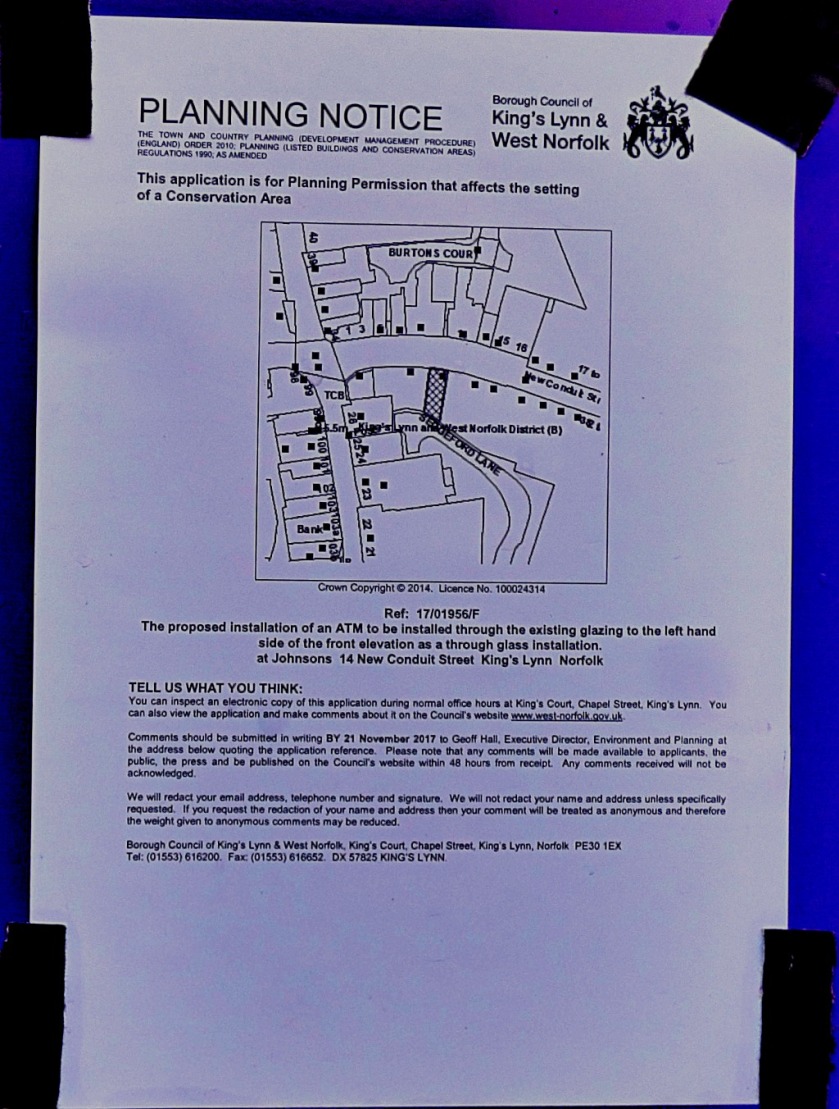
A shop front turned display board and a planning application (two pics)
My first clue about the flooding in The Walks.
The willows here are normally close to the edge of the river – not in it.
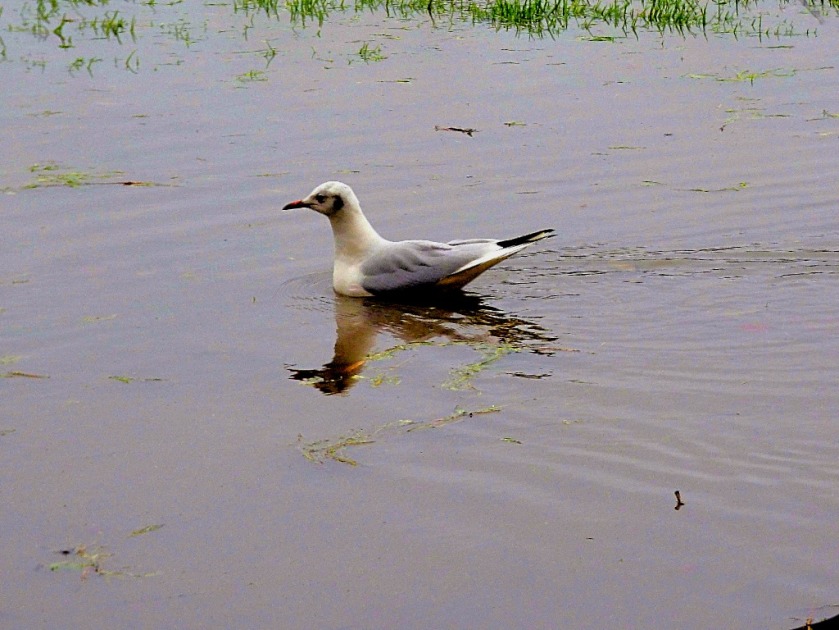
This gull is swimming over what is normally part of a field.
Here overspill water was running over the path so fast that it formed a mini waterfall cascading down over the side of the path.
I don;t think this bench will be getting much use today!Heading towards Seven Sisters.The Nar (the last pic I was able to take as I ran out of battery power)Our friend of the species Cairina moschata was not unduly troubled by the flooding (17 pics of it today)
A Boxing Day post composed of pictures and puzzles – enjoy!
INTRODUCTION
I have five puzzles to share (all via the mathematical website Brilliant– I am approaching a double century, my current solving streak now extending to 199 days) and photos that I have categorized in four groups. Therefore I will be interleaving puzzles and pictures.
PUZZLE 1: LOGIC
This is an easy one – Lestrade would probably solve it without amateur assistance!
PHOTOGRAPHS 1 – CAIRINA MOSCHATA
In preparation for the Christmas Day festivities I went for a walk yesterday morning, and many of the photos you will see were taken during that walk – others were taken at other times of the day. I first came across these birds when they were in a group near Kettlewell Lane, and since then I have seen a single specimen, in The Walks, on three separate occasions, most recently yesterday:
PUZZLES 2: AN AREA CHALLENGE
This one should not be too difficult either:
PHOTOGRAPHS 2: BUILDINGS
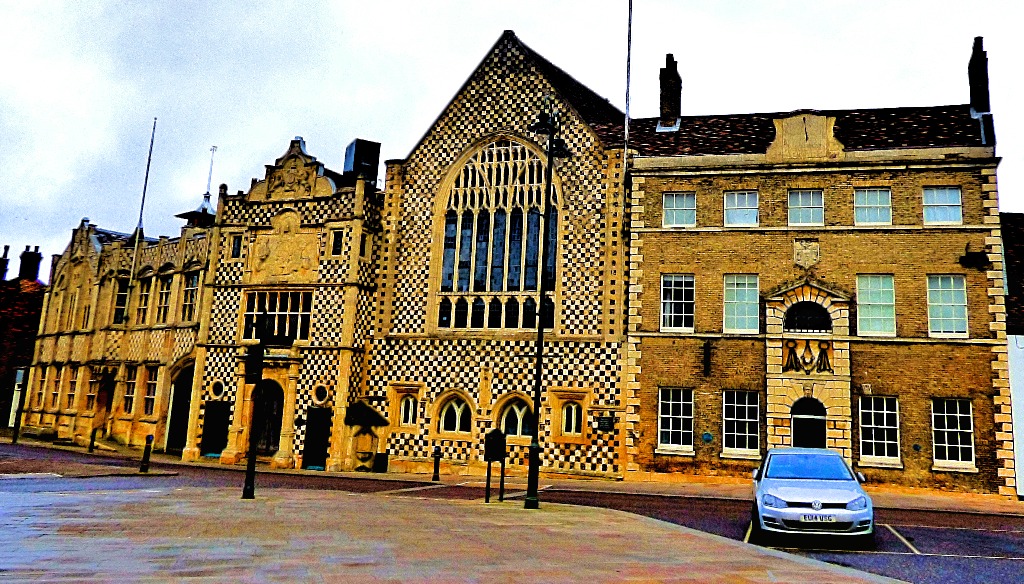
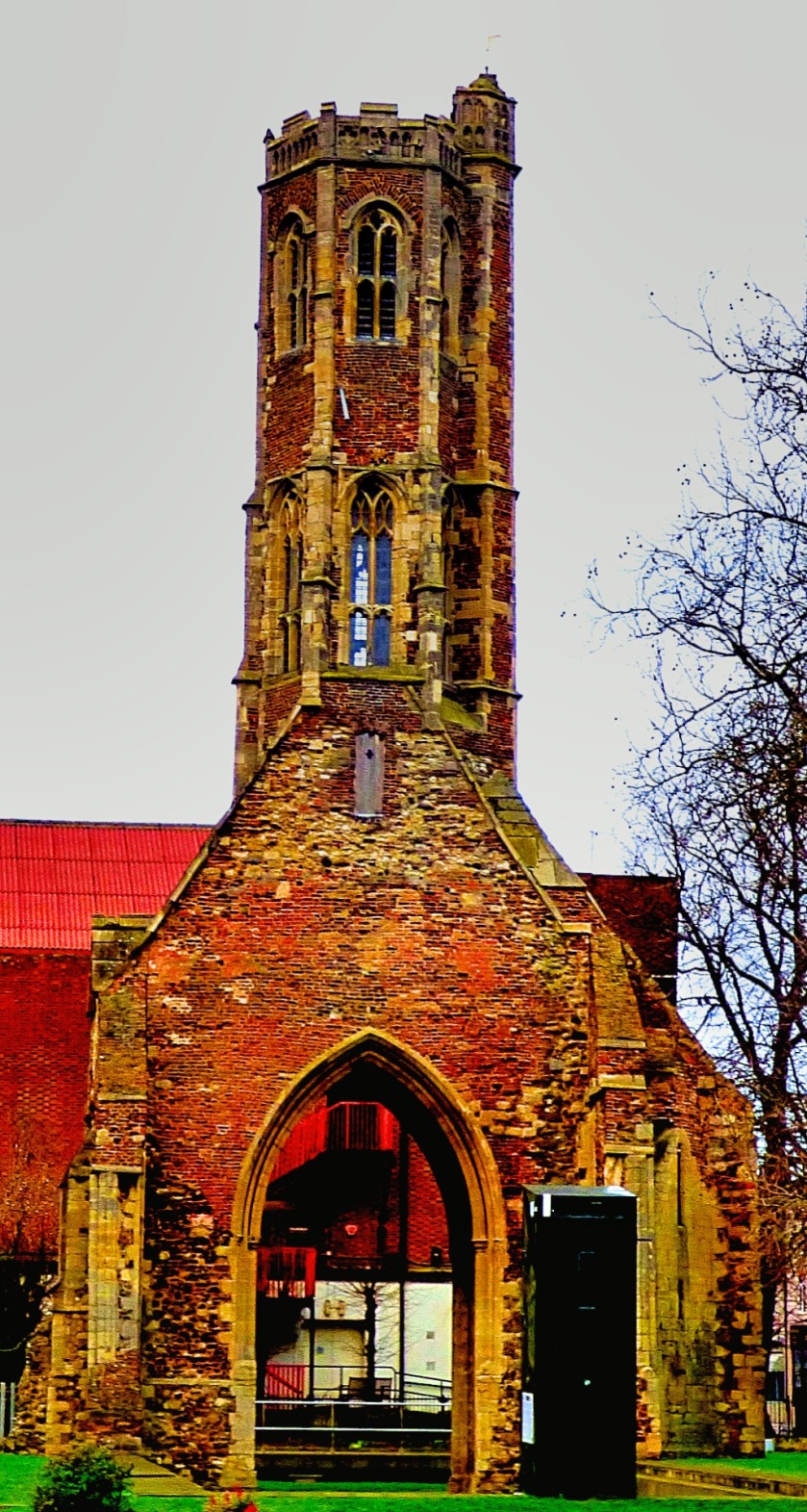
When everything is closed the opportunity is there to get unimpeded pictures of buildings that are usually busy.
PUZZLE 3: EVEN AND ODD
This is one is tricky rather than difficult per se – and only 37% of solvers on Brilliant managed to crack it:
PHOTOGRAPHS 3: LOCAL HISTORY
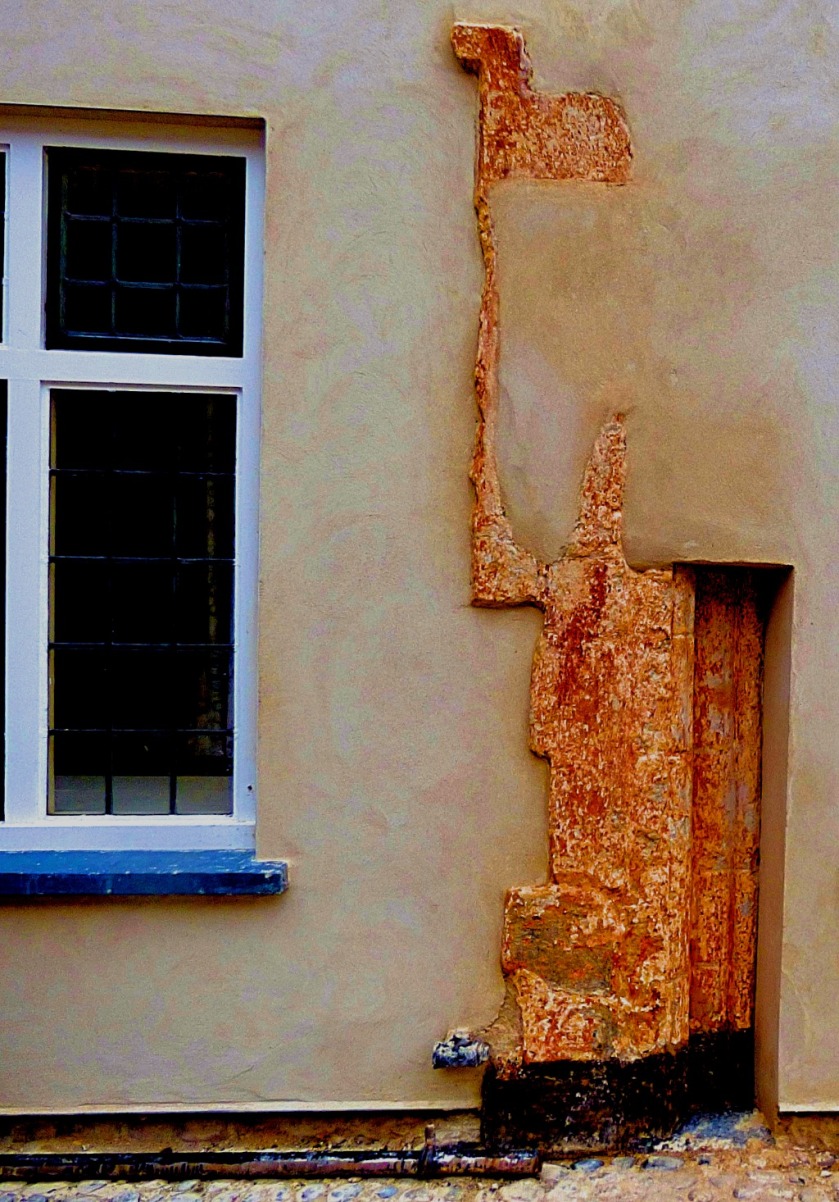
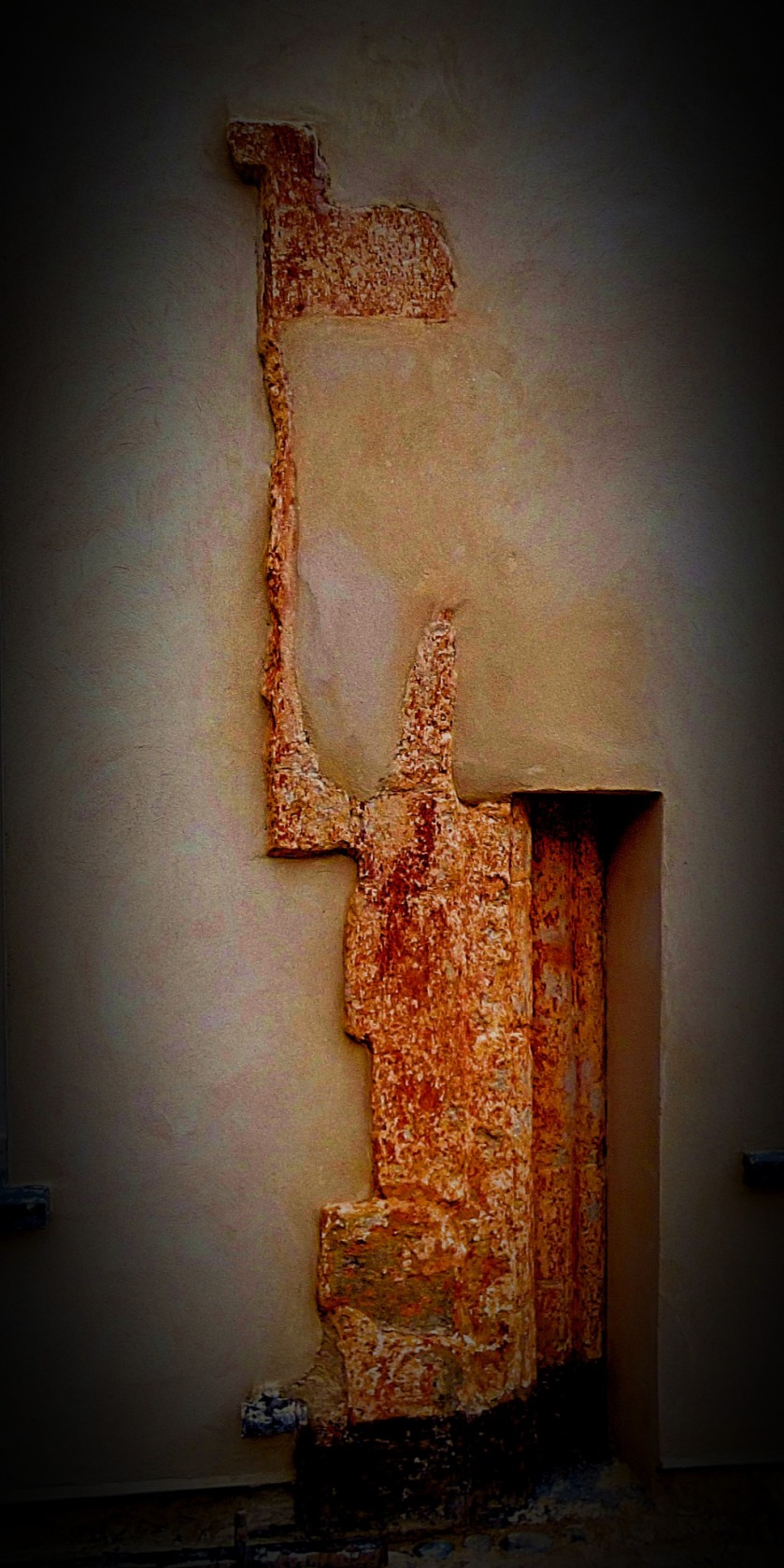
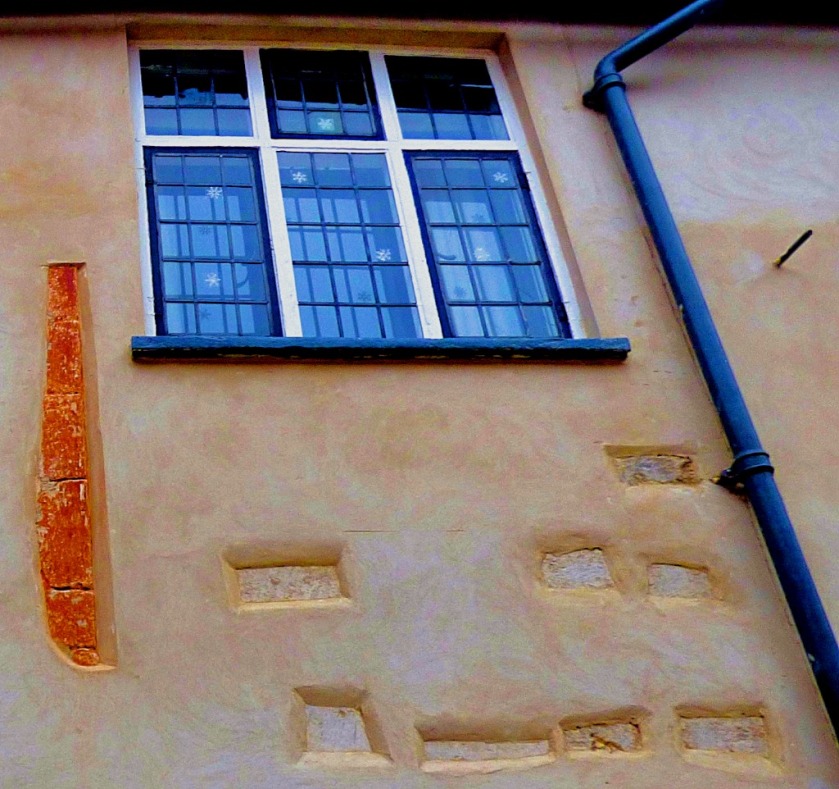
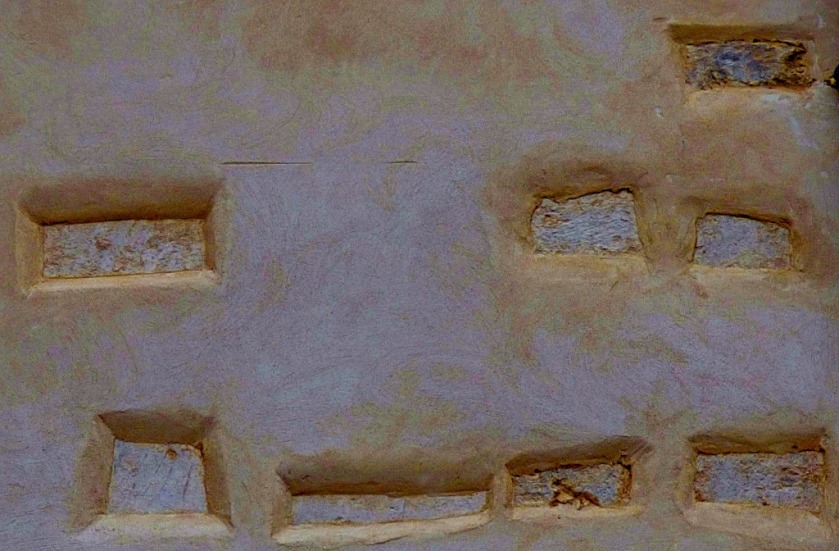
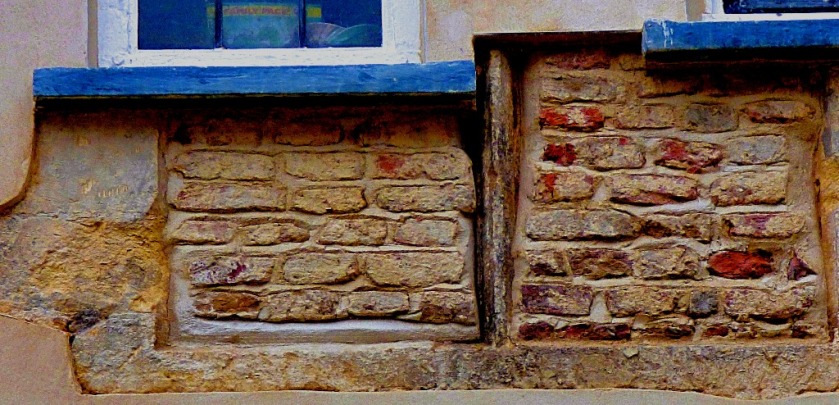
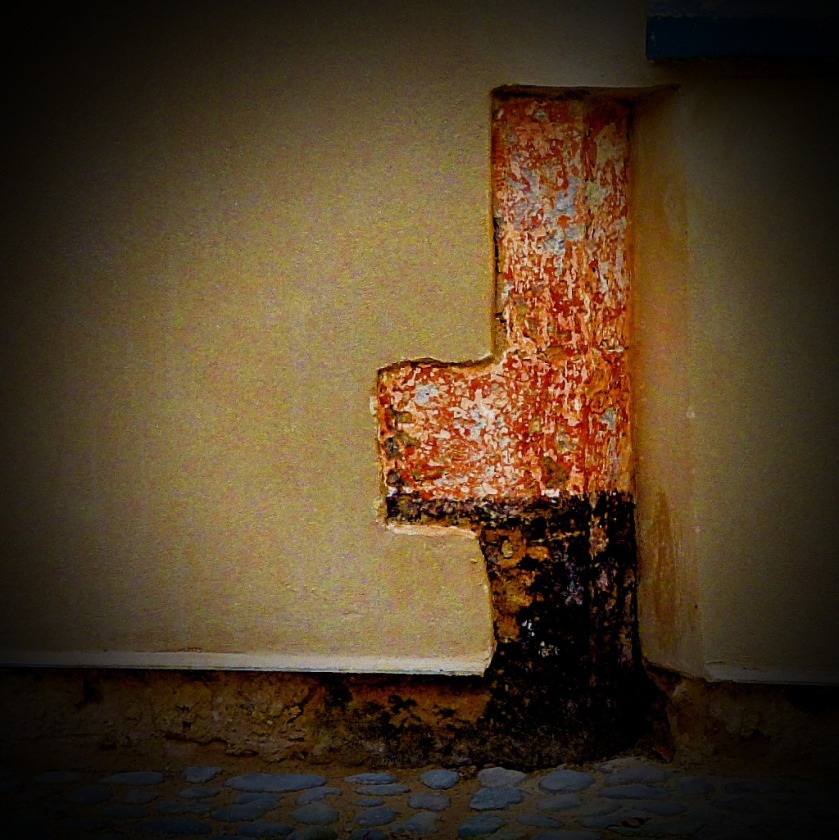
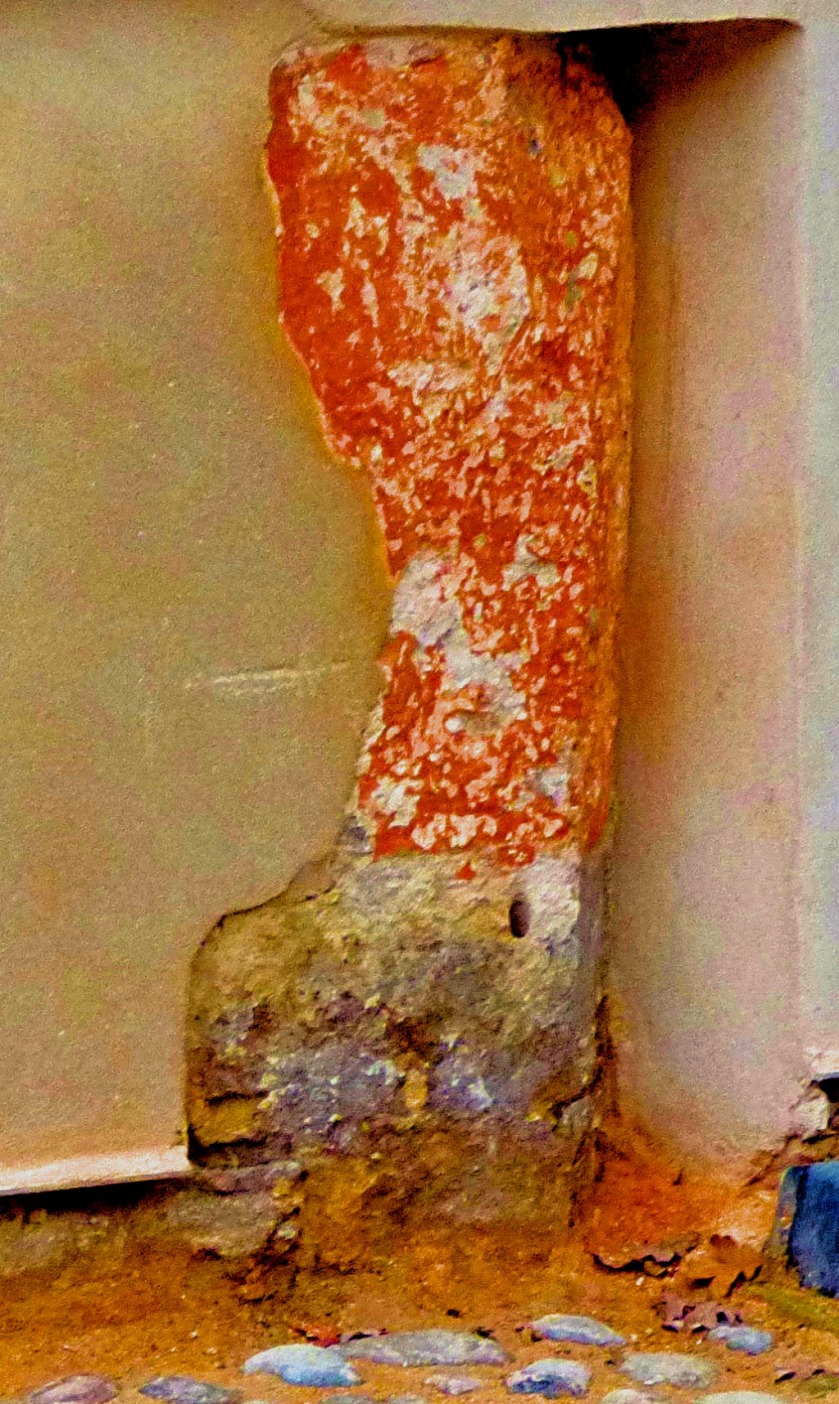
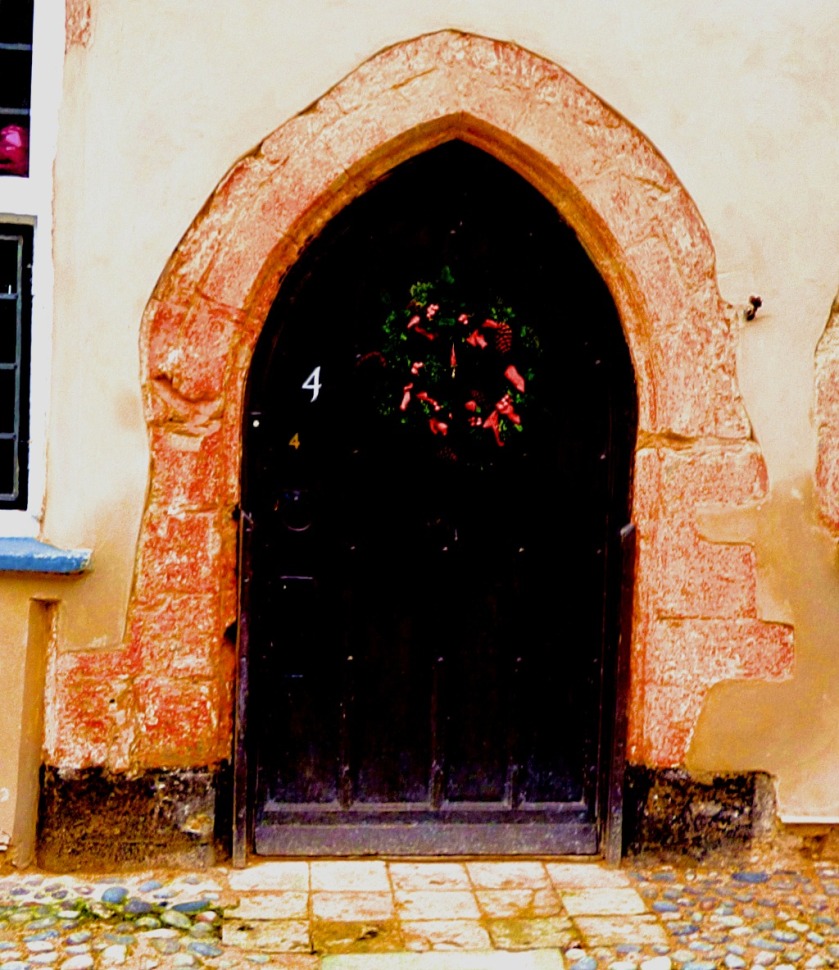
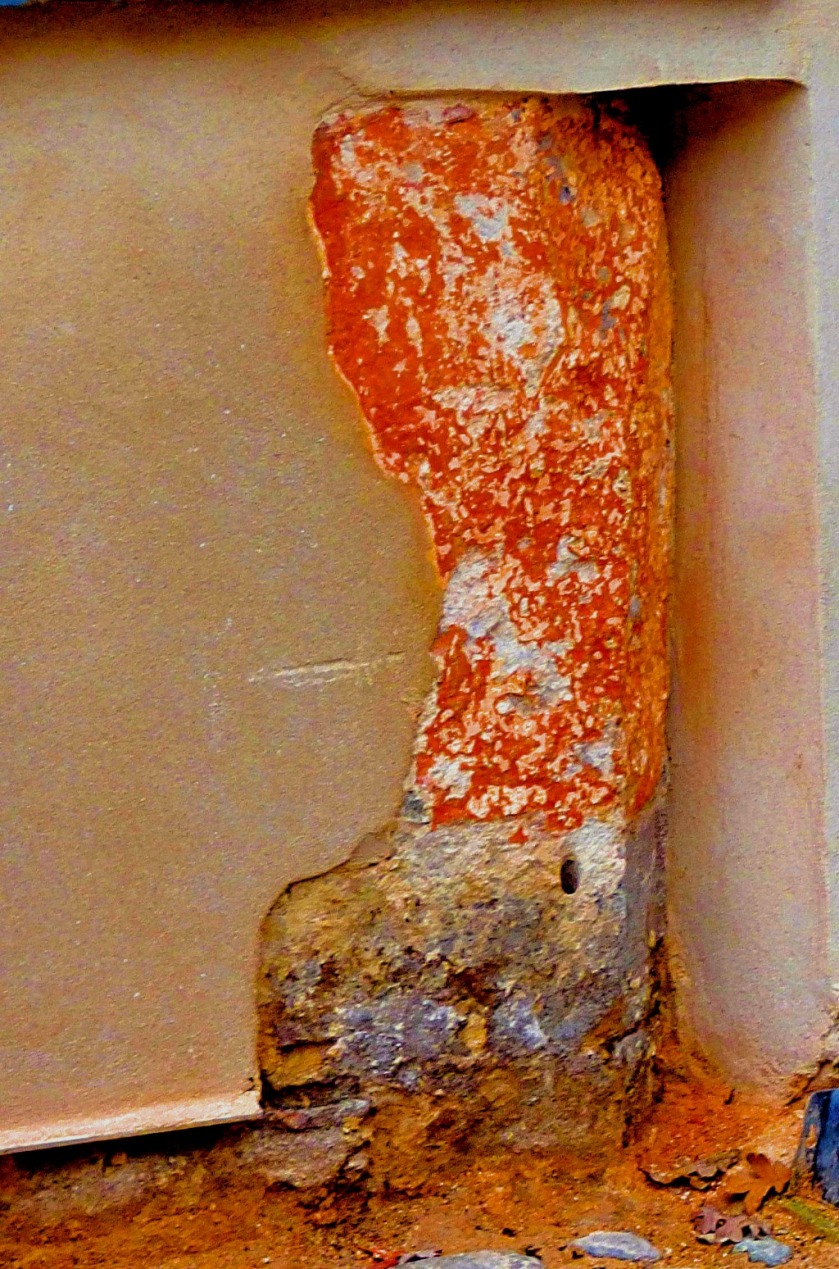
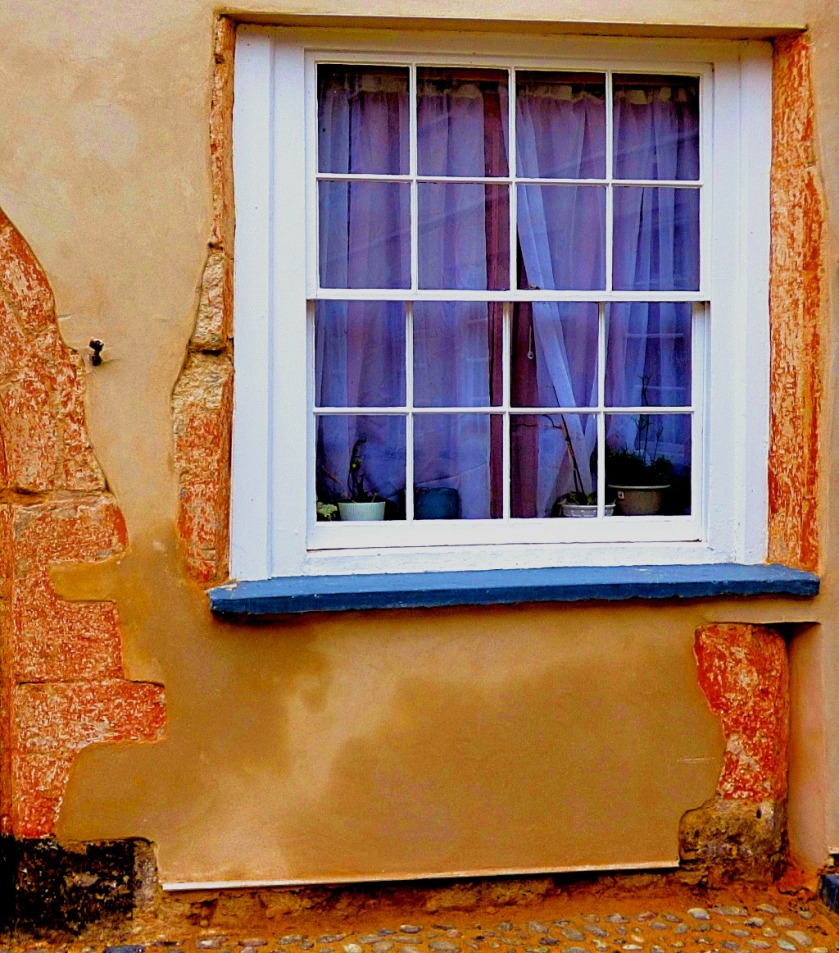
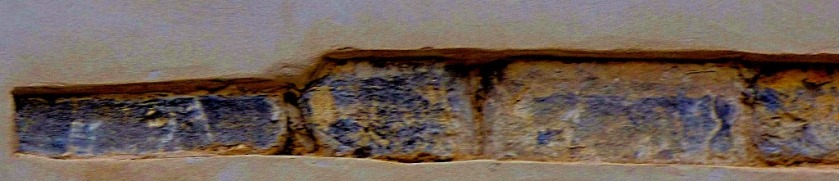
Recent renovations in the building that my aunt’s house is part of have revealed some very interesting little details, and I also got some interesting shots from the house of the person with whom we had Christmas lunch.
The first 13 pictures are from Hampton Court (no superstitions and no truck with triskaidekaphobia here!)
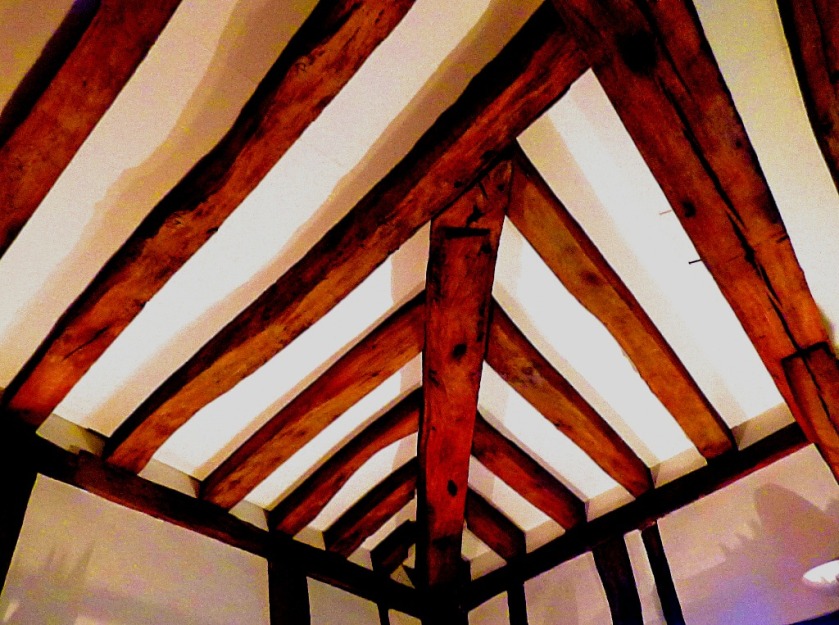
Two shots of the wooden beams at the house where we had Christmas lunch
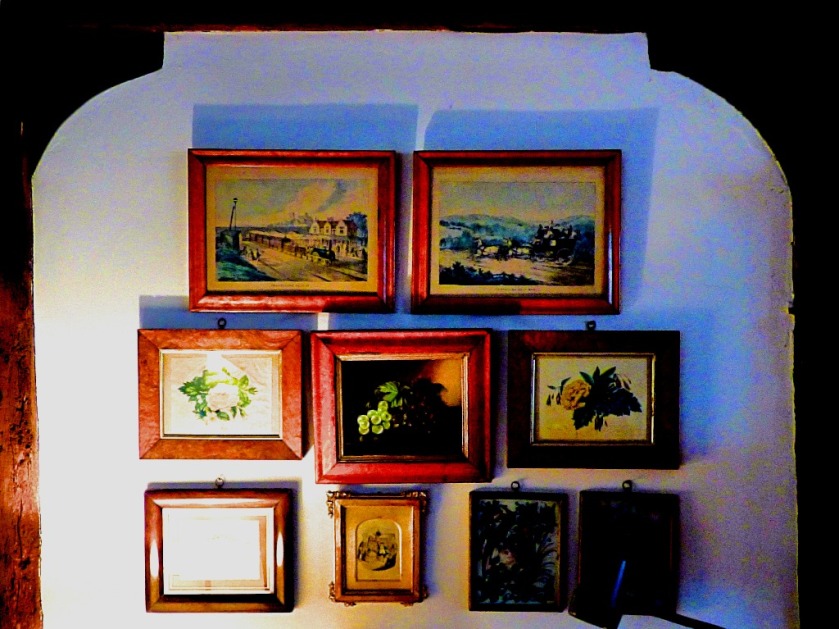
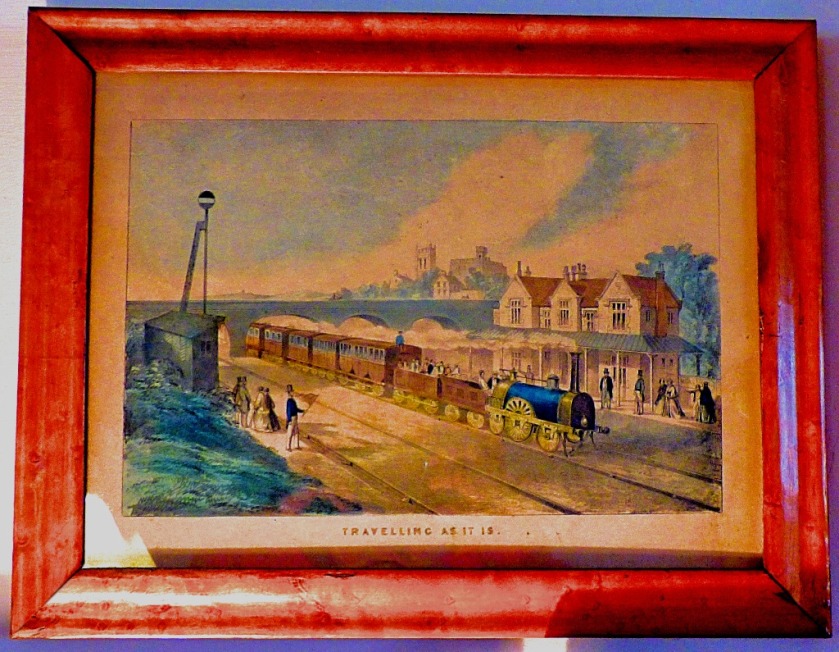
An artwork display at that same house that caught my eye……one picture in particular!
PUZZLE 4: A DIVISABILITY TEST
Not at all difficult, but very enjoyable to tackle:
PHOTOGRAPHS 4: WILDLIFE
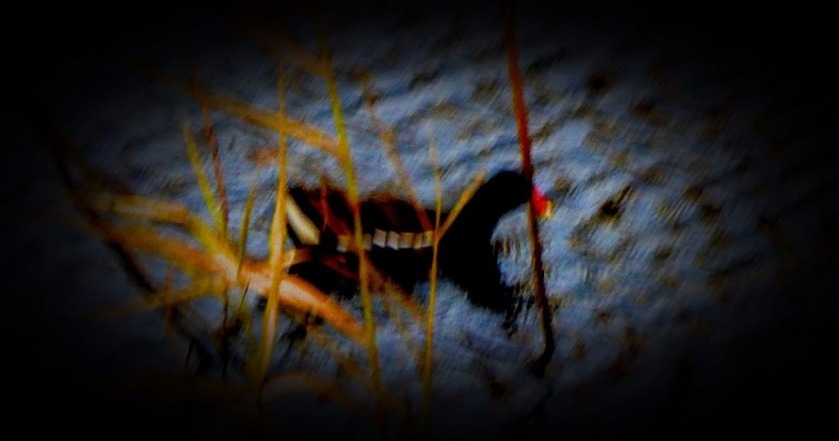
We finish our photographs as we started, with a nod to nature:
PUZZLE 5: THE INVESTMENT EXPERT
We end with a fairly tough problem to which I have added an even tougher subsidiary question.
My follow up, adapted from a question raised by someone named Anne on Brilliant is this: What is the minimum initial deposit required to ensure that Fred’s money grows at a sufficient rate for him to become a trillionaire if he lives for as long as Earth remains an inhabitable planet (the increasing size and temperature of the sun will cause this in 1 billion years, assuming that some stupid species has not already done so,
Christmas report on the England men’s team, and some Muscovy duck pictures.
INTRODUCTION
While the England Women’s team have had a fabulous year, thoroughly deserving to win Team of the Year at the BBC Sports Personality of the Year awards (and had there been any justice Anya Shrubsole would have been Sports Personality of the Year) life has been tougher for the men. The confirmation in the early hours of Monday morning UK time that the Ashes had been lost (yes folks, I was listening to TMS right to the bitter end) lies behind this post (going up now through a combination of thinking before I wrote and work commitments yesterday). I end as usual with some of my own photographs.
THE FIRST THREE TEST MATCHES
Gritty fifties from Stoneman and Vince on the opening day notwithstanding Brisbane was a bad match for England. The ease with which Warner and Bancroft knocked off the 170 needed to win in the second innings, and the immovability of Aussie skipper Smith in their first innings were the most worrying sings.
Adelaide kicked off with Joe Root deciding to field first when he won the toss. An Australian tally of 442-8D in the course of the first day and a half made that decision look worse than it was (it was still poor, though not down there with Nasser Hussain at Brisbane 2002). England were then all out for 227, and as this was as a day-night test with the night session due to start it seemed mandatory to enforce the follow-on, but Steve Smith declined to do so. Australia stuttered under the lights to 50-4, and England’s best bowling effort of the series so far continued the following morning reducing Australia to 138 all out, leaving England 354 to get. England made a decent fist of things, and at 170-3 it looked like they might just get them. Unfortunately both for England and for cricket as a whole (there are a lot of captains these days who almost automatically decline to enforce the follow-on, and had England chased down this target of 354 it might have made those people think) a wicket just before the close of day 4 and then a clatter the following morning put paid to that.
So it was on the Perth for the last Ashes game to be staged at the WACA (a new stadium just across the road will stage future Perth tests), a venue where England had only one once, way back in 1978. Precedents for a comeback from 0-2 down in a five match series are equally thin on the ground – the only successful example being Don Bradman’s 1936-7 Aussies (Bradman himself produced scores of 270, 212 and 169 in the third, fourth and fifth matches of that series, and also produced a tactical masterstroke in those days of uncovered pitches in that third test when faced with a terror track he sent in tail-enders O’Reilly and Fleetwood-Smith to miss everything until the close of that day – Bradman emerged the following day at 97-5 to join regular opener Jack Fingleton who had come at no 6, and with the pitch now eased they put on 346 for the sixth wicket to settle the issue), although 42 years earlier Australia had won the 3rd and 4th matches after being 0-2 down before England won the final game of that series.
England batted first in Perth, and at 131-4 a familiar pattern seemed to be emerging, but then Dawid Malan and Jonny Bairstow got going, and both made hundreds. Malan went on to 140. Once their 237 run partnership was broken the rest of the innings subsided quickly, but 403 still seemed a respectable total. When Australia were 248-4 England still looked in with a shout, but by the end of day 3 Australia were 549-4, Smith having set a new career best and Mitchell Marsh in front of his home crowd turning his maiden test hundred into 181 not out. Smith and Marsh both fell quickly the following morning, and Starc was also out cheaply, but Tim Paine and Pat Cummins made useful contributions, and Australia declared at 662-9, leaving England four and a half sessions to survive for the draw. By the close of that fourth day Bairstow and Malan were together once more, with the only convincing batting effort up to then having come from Vince, who played very well for his 55 and was unlucky to get an absolute brute of a ball from Starc.
It rained overnight, and the covers at the WACA proved inadequate, leaving a wet patch on a good length at one end, which delayed the start of the fifth day’s play. Root argued for an abandonment, while Smith of course tried to hasten the start of play. I fully understand why Root tried to get play abandoned, but actually I am glad he failed in the attempt – to keep a series alive in that fashion would have been deeply unsatisfactory. At Headingley in 1975 a delicately poised final day (Australia 220-3 needing 445 to win, and Rick McCosker five away from what would have been a maiden test hundred) was abandoned after protesters sabotaged the pitch (“George Davis is innocent” – according to Peter Chappell, namesake of two members of that Australian team, but not according to the courts, or his future record – released from that sentence for armed robbery, he was soon back inside for another armed robbery to which he pleaded guilty).
Once the game finally commenced it was soon obvious which way the wind was blowing, and for the third time in the space of a year (following two occasions against India last winter) England had managed to lose by an innings margin after tallying 400 first up.
ENGLAND PLAYER BY PLAYER
Alastair Cook: 150 tests, the last 148 of them in sequence – remarkable longevity. At the moment he is having a rough trot, and when Cook is having a rough trot (as he did in the early part of 2010) it is often hard to imagine where his next run is coming from.
Mark Stoneman: some gritty performances thus far, but he needs to start turning those fifties in to hundreds some time soon.
James Vince: to put it mildly a controversial choice for the crucial number three slot, and notwitshstanding two fine innings so far, one in Brisbane and one in Perth, he has not yet done enough to convince – see my closing comment about Stoneman.
Joe Root: would seem to be the latest in a long line of England players to suffer captaincy-itis, not only he is failing to make runs, he is getting out in un-Rootlike ways. England need his batting to be at its best, so perhaps someone else should be made captain (see later for my controversial suggestion).
Dawid Malan: his 140 at Perth and fighting effort in the second innings as well confirms his arrival as a test batsman of quality. Also, while it never looked threatening his part time leg spin was at least economical.
Jonny Bairstow: other than his first innings performance at Perth not thus far a great series for the wicketkeeper-batsman.
Moeen Ali: Fulfils a useful all-round role, although England offspinners have rarely been successful in Australia (the chief exceptions being Laker in 1958-9, Titmus in 1962-3 and Emburey in 1986-7). Also, if England do decide that Root needs to be replaced as captain to enable him to concentrate solely on what he does best – his batting – then Moeen would be my choice for the job.
Chris Woakes: Save for his bowling in the second innings at Adelaide he has not looked very threatening in this series. That game was also the scene of his only significant batting effort of the series so far. Right-arm medium fast when the ball is not deviating (and it generally doesn’t in Australia) simply will not trouble good batsmen.
Craig Overton: Looks like he belongs at this level, but my comments about Woakes’ style of bowling in Australian conditions also apply to him.
Stuart Broad: A nightmare series for him, not because he has bowled especially badly, though he has consistently been pitching it too short, but because he has looked completely unthreatening and has bowling figures that reflect that.
Jimmy Anderson: continues to climb the wicket taking charts. His 12 wickets at 25 apiece in this series, while all his colleagues have been taking drubbings is a remarkable effort in the face of adversity. I fully expect that in the early stages at Melbourne he will move ahead of Courtney Walsh in the wicket takers list (current Anderson 518, Walsh 519), leaving only Glenn McGrath among the quick bowlers ahead of him. He has bowled beautifully this series but with Broad off the boil his ‘support’ has simply not been up to standard.
THE REST OF THE SERIES
Before I get into this section let me clear that I do not believe for an instant that had the likes of Ben Stokes, Mark Wood and Toby Roland-Jones been available England would be doing a whole lot better. Certainly to be deprived of the services of three such excellent cricketers simultaneously is unfortunate but England are 3-0 down because they have been outclassed throughout this series (only in Adelaide to England ever look close to making a game of it – the Malan-Bairstow partnership in the first innings at Perth was the only other major period in the series to date in which England had the whip hand).
The good news for England is that their records at Melbourne and Sydney are better tahn their records elsewhere in Australia. While the batsmen need to score more runs, it is the bowlers who (Anderson apart) really need to pick things up – England have not yet taken 20 wickets in a match in this series, and at Perth they failed to even take 10.
I think England can pick themselves up and win at least one of the two remaining matches. In many ways it would be an injustice to Australia were England to win both and make it look respectable at 3-2 – this England side does not deserve better than 4-1 (though I also think it does not deserve worse – it is not as shambolic as Flintoff’s 2006-7 squad who really did deserve to be on the wrong end of a 5-0, as in the end they were.
The take home message of the three matches played so far is one that England should already have learned a long time ago – a bowling ‘attack’ of four right-arm medium-fast bowlers and an offspinner will not cut the mustard in Oz.
PHOTOGRAPHS
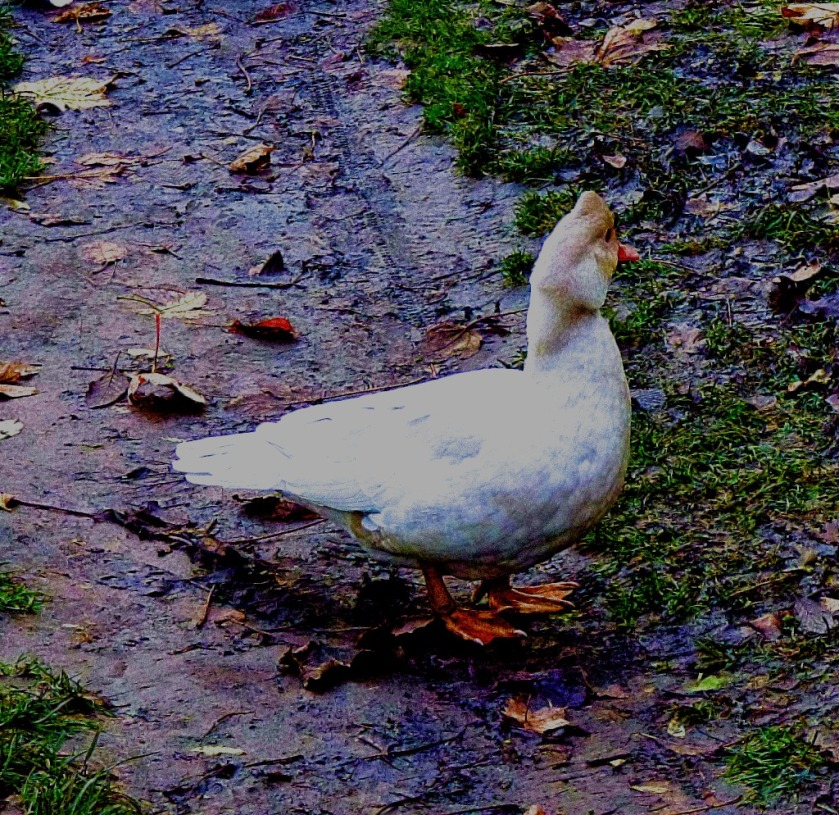
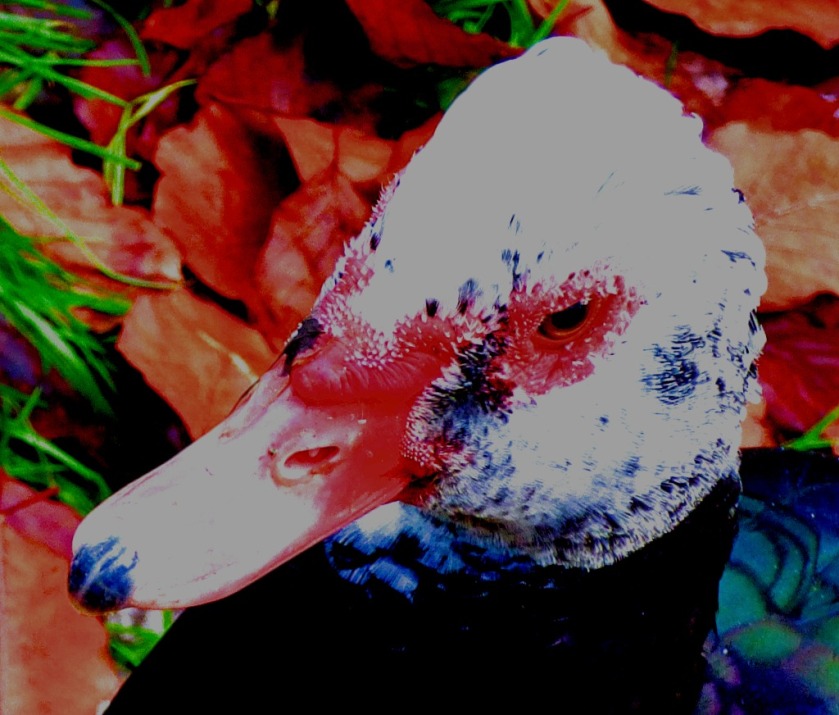
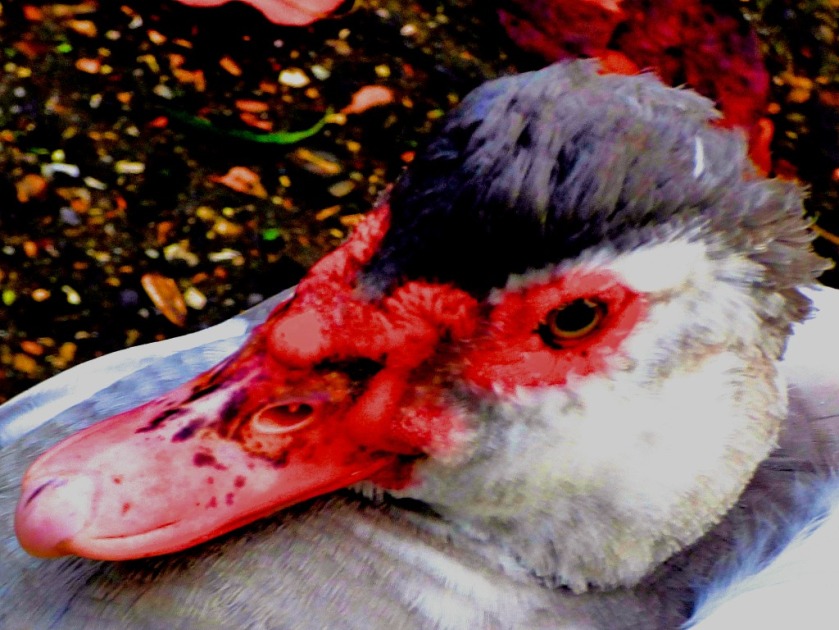
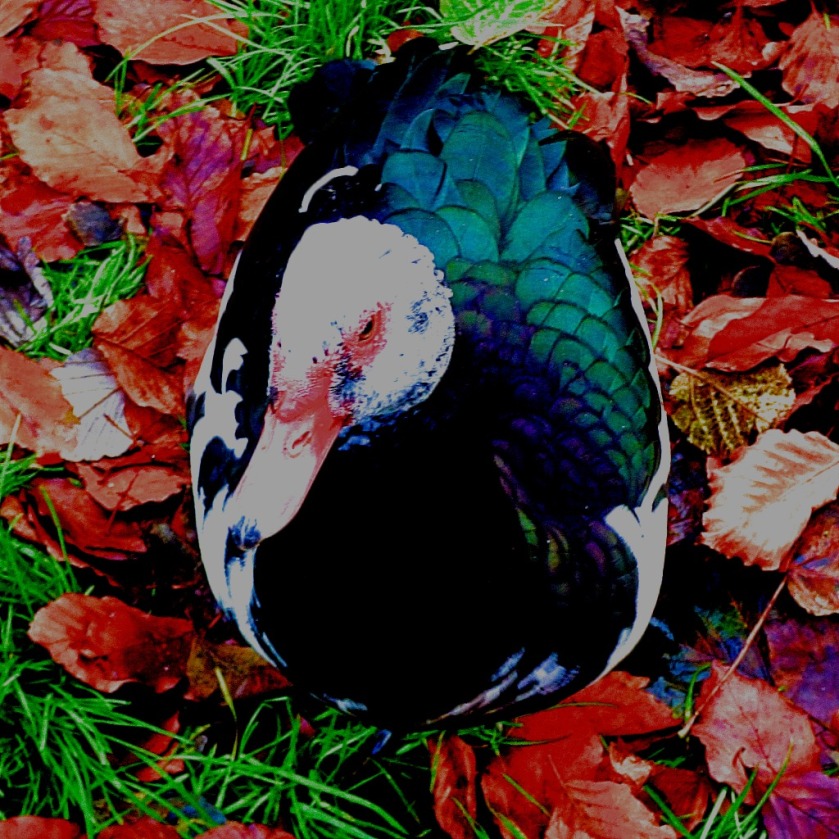
A little while back I reported sighting some birds which turned out to be Muscovyducks (Cairina moschata). Well, I have seen another (this time a single bird), this time in The Walks.
The first four pictures were taken on Monday afternoon.
These are all from today – six pictures of the whole bird…
An account of my recent doings at Musical Keys with a photographic interlude.
INTRODUCTION
A few sessions back at MusicalKeys, an event run for autistic people that I am a regular attender of, I switched from using Scratch to using a different package called Reaper. This Saturday just gone I reached a point at which I feel that my work on Reaper is now worth talking about. Also I have some good pictures that I can slip in as part of the back story.
SCRATCH AND REAPER
Scratch enables one to play notes on various musical instruments and also has some saved sound loops for variation. Effectively therefore Scratch enables one to play music and sounds but not really to create anything beyond the framework within which to do so. Reaper is both less and more – less in that it has no versions of musical instruments, more in that is really all about combining different recorded sounds into a larger whole, and therefore has much more of a creative element to it.
BEFORE SATURDAY’S SESSION
I had spent one session assessing the available sound segments, working out which ones I liked and which of those combined well together, and a second session combining shorter segments into longer ones by putting together segments that would or could naturally flow together, but at the start of Saturday what I actually had was a set of useful components that I could start to think about assembling into proper length pieces…
INTERLUDE – WALK TO THE SCOUT HUT
I had decided to lengthen my walk to the venue by taking in a stretch of the Great Ouse before rejoining the regular walking route to Gaywood by way of Seven Sisters and the Vancouver Garden, and a quick sampling of the air outside my flat convinced me of the need to don an extra jumper – it was cold, as some of the photos will make very plain. I had also allowed myself time for a visit to Gaywood library, since I would naturally pass very close to it. It may have been cold, but the birds were out in force, especially near the Great Ouse.
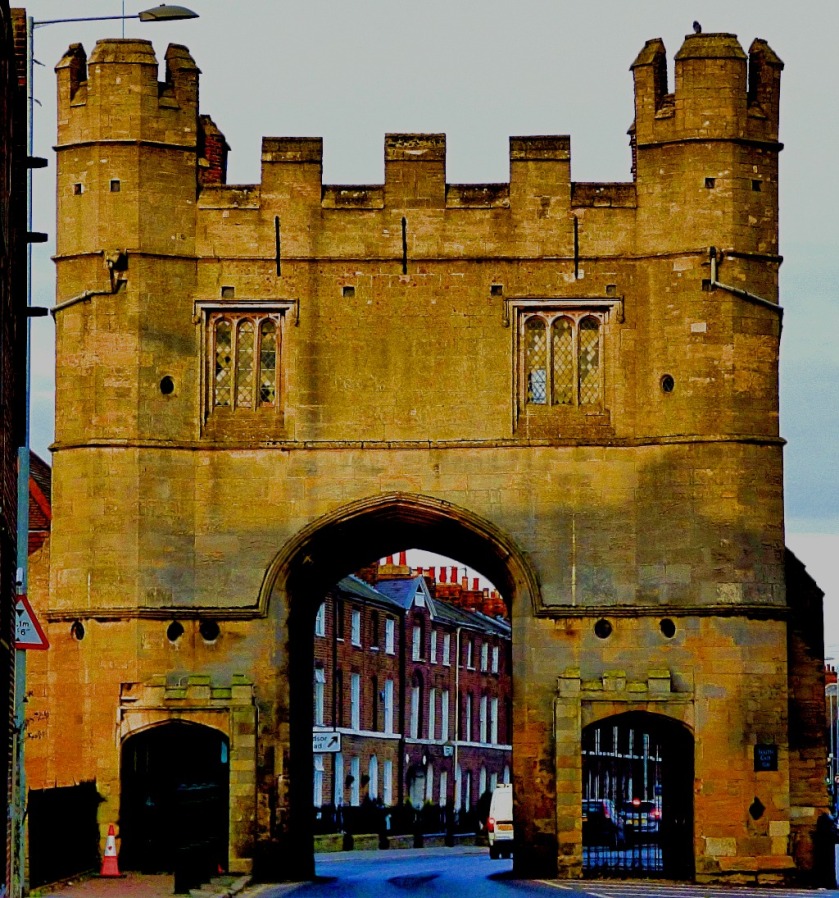
Leaving the river by way of Hardings Pits I headed for the South Gate and thence Seven Sisters and the parkland areas…
Among other things the walk through the parkland provided me with absolute proof of how cold it was – gulls walking on water.
DECEMBER 9TH AT MUSICAL KEYS
John, who usually supervises the sessions was not feeling well, so having driven the equipment over he spent the afternoon sat in his car, while his assistant Kirsten took charge of the sessions.
Once I had opened up Reaper, checked and adjusted the speaker volume (at least 99% of the time it is set too loud for me and I have to reduce it, often considerably – on this occasion it had been set to 70% of full volume and I reduced that to 35%) it was time to put my plan of exploring options for combining various elements to make a larger whole into practice. Before moving on here is a photo I took at the end of the session.
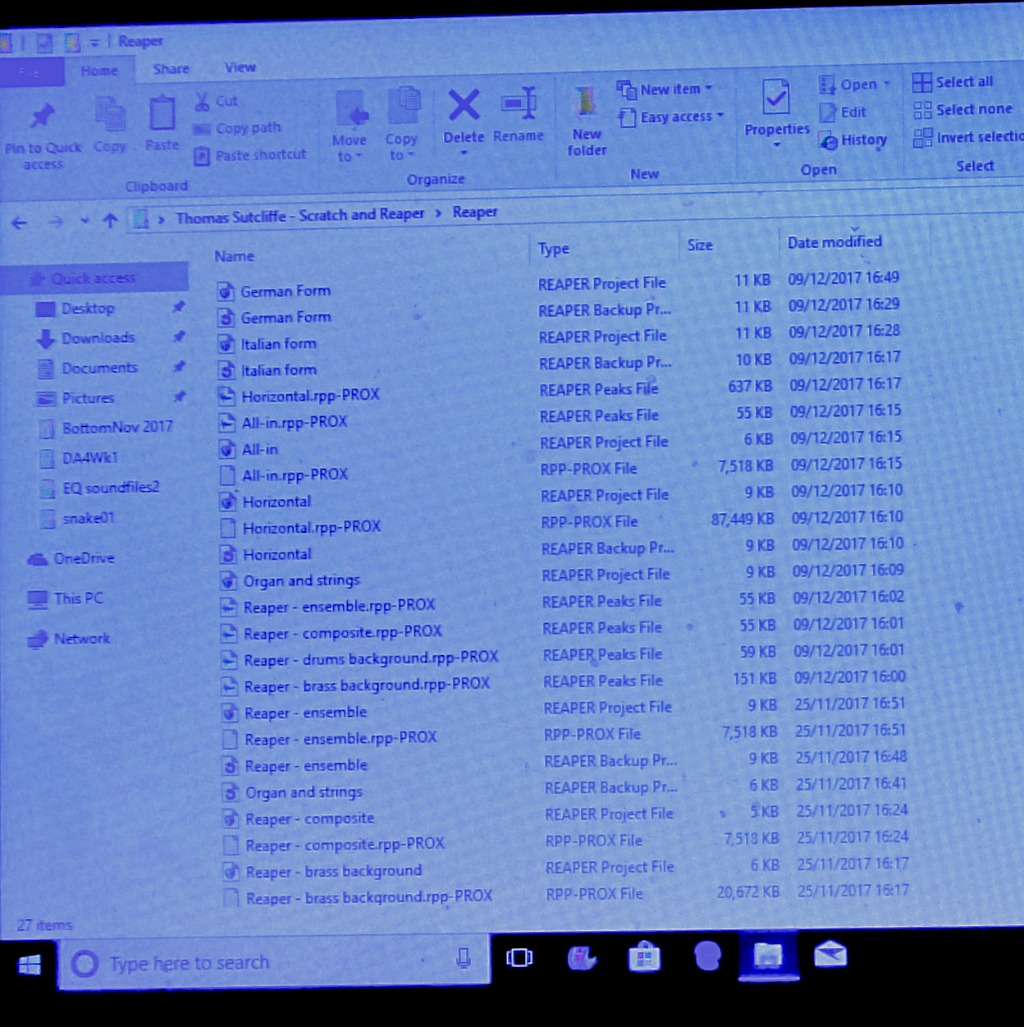
The piece that I called Organ and Strings was one of three background sounds that I used in the bigger pieces, the others being the drum and brass backgrounds. “Ensemble” and “Composite” as those names suggest were medium sized components, while “Horizontal” and “All in” were the two large scale components that I combined to make the final full size pieces. The two big pieces (12 and 16 minutes long respectively) were comprised of “Horizontal”-“All-in”‘-“Horizontal” and “Horizontal”-“All-in”-“Horizontal”-“All-in” respectively. By the time I had listened to the 16 minute piece at the end it was pretty much the end of the session. The next session is on January 6th and I shall work out some way to build on what I have already created.
Some links to excellent pieces by autistic writers, especially on the subject of Judith Newman’s book To Siri With Love. Details of a thunderclap on the subject of driven grouse shooting and some of my own photos.
INTRODUCTION
I have had a busy few days imaging for James and Sons’ final auction of the year (takes place on Wednesday – click here to view on online catalogue), so it is only today that I have time for another post. Before getting into the main meat of today’s post there is a small matter of an…
APOLOGY
Some of you may have noticed snowflakes falling across pictures on this blog (as I did today, when I accessed it at the library to get a picture I needed for something I was doing). I am aware that some of my followers have sensory issues that make this sort of thing unwelcome, and I have changed my settings so that those snowflakes will not appear again. I apologise to any who were inconvenienced by this ‘seasonal’ addition of WordPress’s.
SOME AUTISM RELATED PIECES
I will start this section by stating that most of the pieces I link to here were drawn to my attention by Eve Reiland at americanbadassactivists. Another excellent source of good material by autistic people is Laina, both in her own right at thesilentwaveblog and via her specialist sharing blog Lainascollection.
My first links concern the representation of autistic people in the media:
Eve (see above) has produced an excellent piece giving details about how we are misrepresented in the media and linking to a…
The remaining links in this section all related to…
#BOYCOTTTOSIRI
The title of this section refers to the backlash by the autistic community against Judith Newman’s book To Siri With Love. Although they make unpleasant reading, because of what they reveal about the book, I urge you to follow up the links I give, all of which, save one, are to pieces about this book written by autistic people. The exception, which ends this section, is to an alternative reading list, and was also created by an autistic person.
I start with what is actually last piece I read about this issue, “An Autistic’s Thoughts On To Siri, With Love by Judith Newman” which was posted on writeabledreams.
To take part in a thunderclap you have to be on at least one of facebook, twitter and/ or tumblr. I am on the first two named, and as such have contributed approximately 5,500 connections to this thunderclap calling for a ban on driven grouse shooting.If like me (see here for a previous piece on this subject) you hold those who take pleasure in shooting at birds in utter contempt, and you are on one of the three networks mentioned please add your voice to thunderclap – more details below:
PICTURES
This network of cracks were in the upstairs front window of an X29 bus – when it is a double decker I invariably sit upstairs, and the best seat is the front window seat on the side opposite the driver.
I needed this 50p for my bus fare, so I could not keep it until a better opportunity to photograph it arose.
Answers to a query of mine and to a puzzle that I set, accompanied by some photos.
INTRODUCTION
This little post features answers to two problems and at the end a few photos.
BIG AVIAN FIND
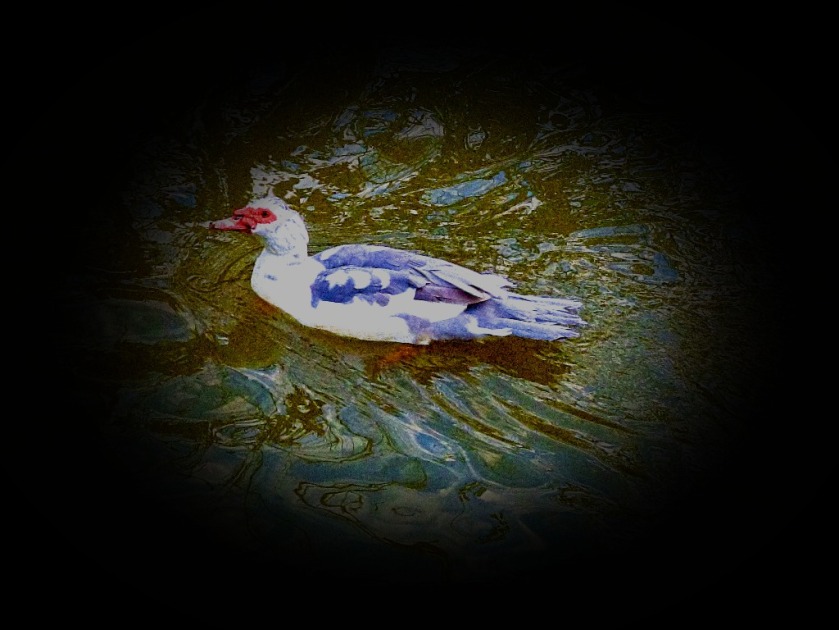
A couple of hours ago I put up a post featuring some large water birds that were new to me. Since then two people in the comments section (Cindy and Vicki) have suggested Muscovy Ducks as a possibility, and my twitter friends @team4nature have made a similar though more detailed suggestion.
This level of consensus is sufficient for me – these are Muscovy ducks, possibly domesticated and possibly crossed with some other breed (possibilities raised by @team4nature). Here to conclude this section is the feature image from the previous post:
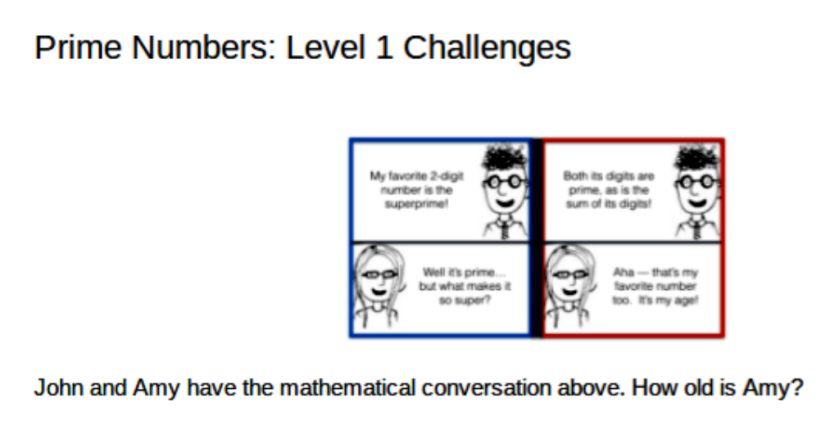
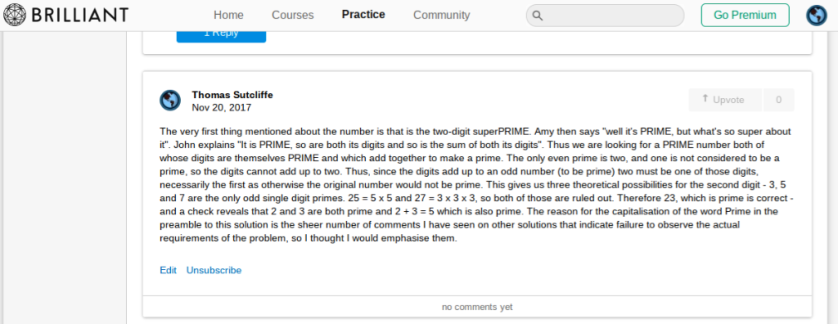
SUPERPRIME RESOLVED
I offered up this problem from brilliant last night:
This is my own solution, posted as such on brilliant, and reflecting mu frustration at the sheer number of people commenting based on failure to fully read the terms of the question:
Can you identify these large water birds that I saw near Kettlewell Lane, King’s Lynn, today?
INTRODUCTION
I was out walking this afternoon, and one of the places I walked was a section of river that runs parallel to Kettlewell Lane in King’s Lynn. It was there that I saw some birds I have never seen before…
BIG NEW AVIAN FIND
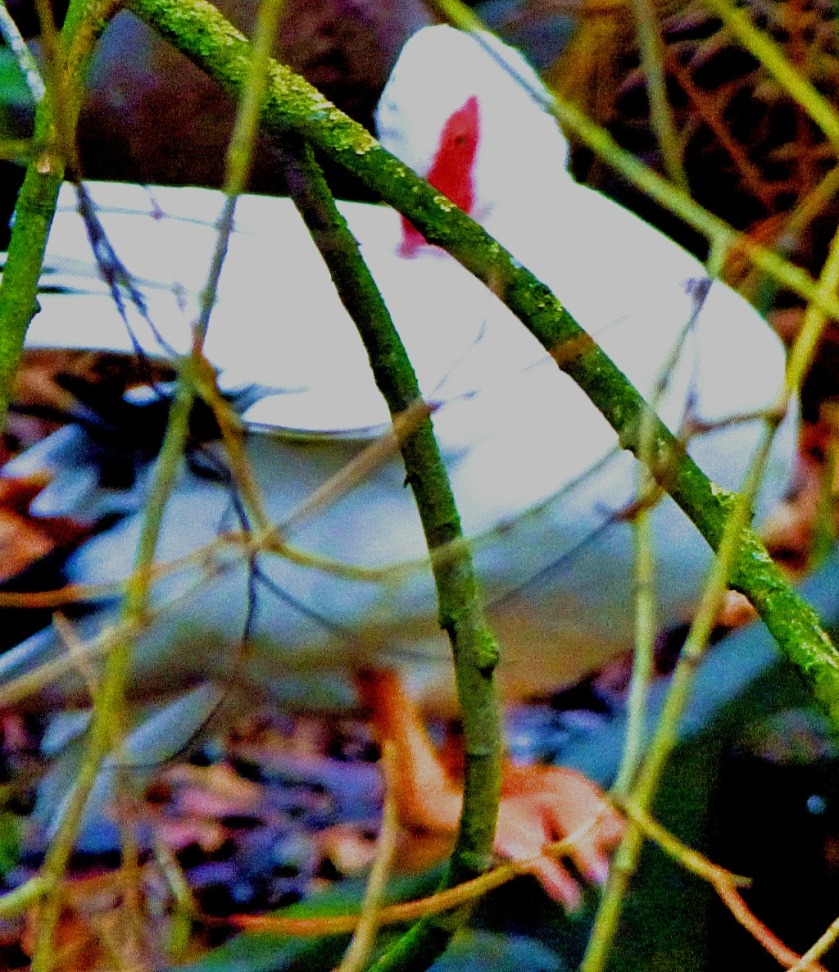
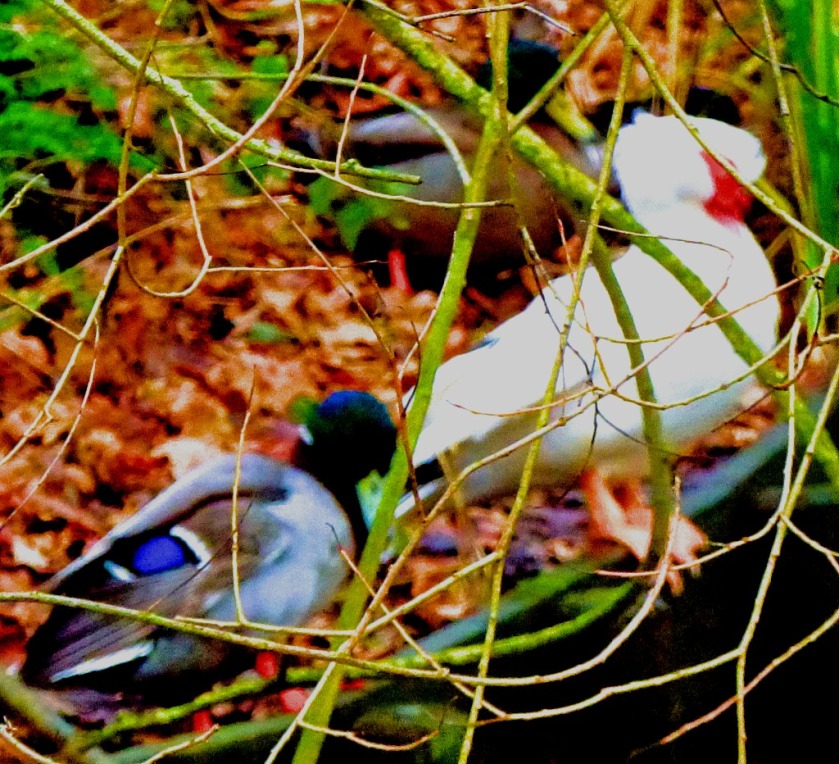
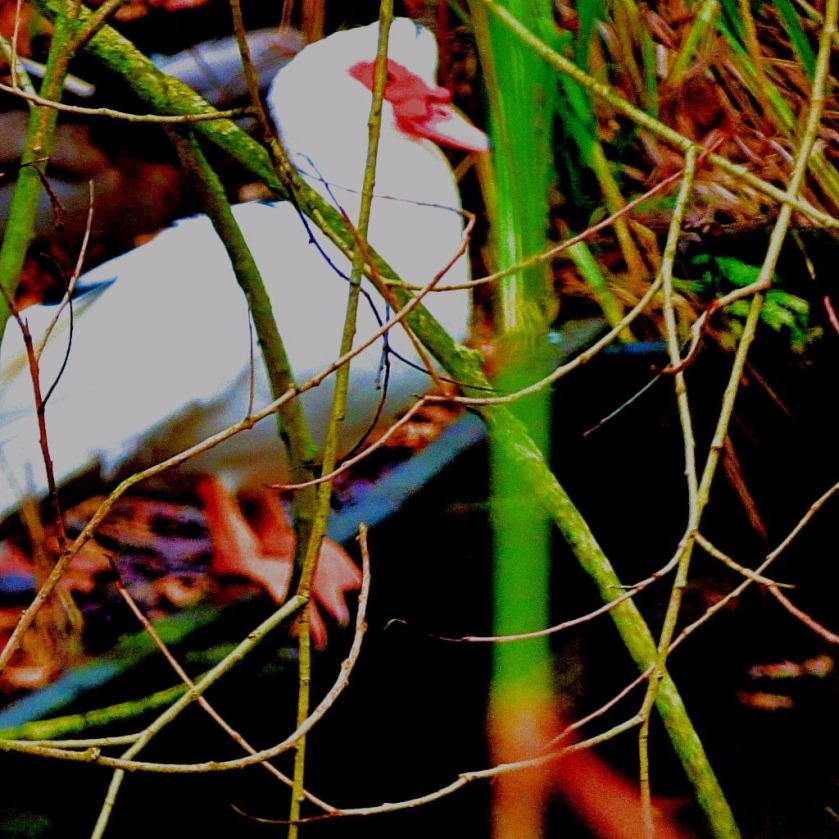
These are large birds, similar in size and build to a goose, but with colouring unlike any goose I have ever seen, and not matching any of the goose species listed in my bird book. They were probably about half as big again in each direction as the mallards that I also saw (and due to being overfed King’s Lynn mallards are bigger than average mallards!). I have lots of photos for you…
Based on the size of the birds and all the features that my camera managed to pick up can you identify them? If you can please let me know by commenting.
This little problem generated a surprising amount of controversy on brilliant – though it is not particularly difficult, and there were no real grounds for controversy:
I will reveal the solution tomorrow.
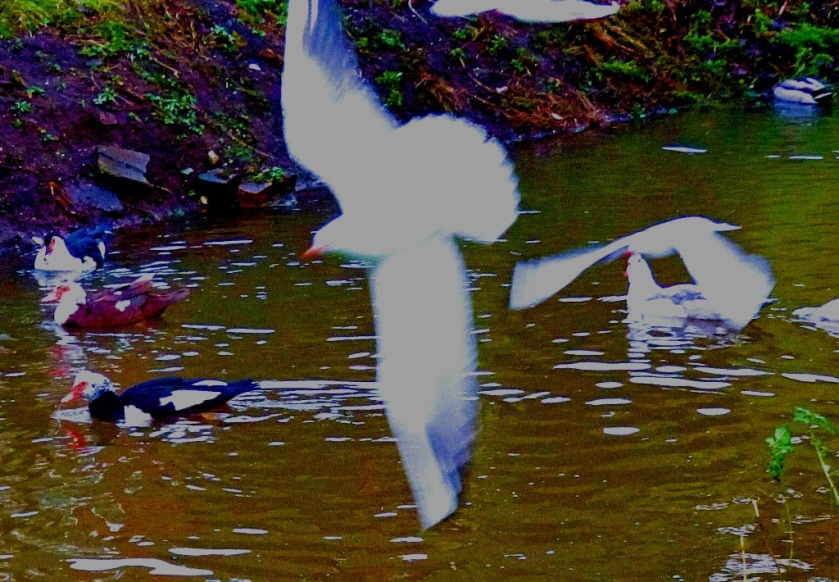
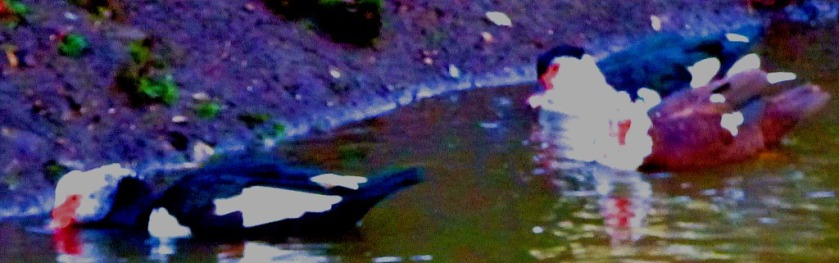
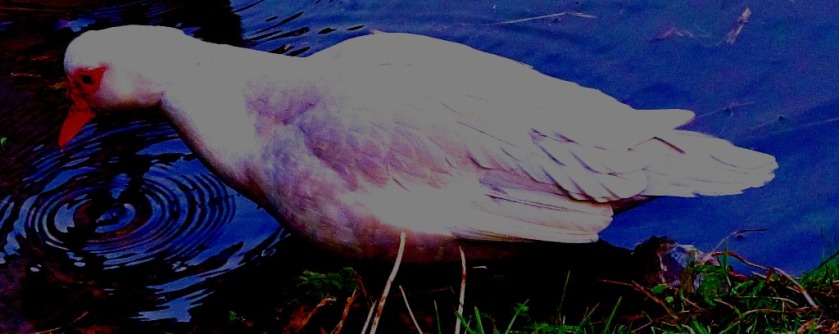
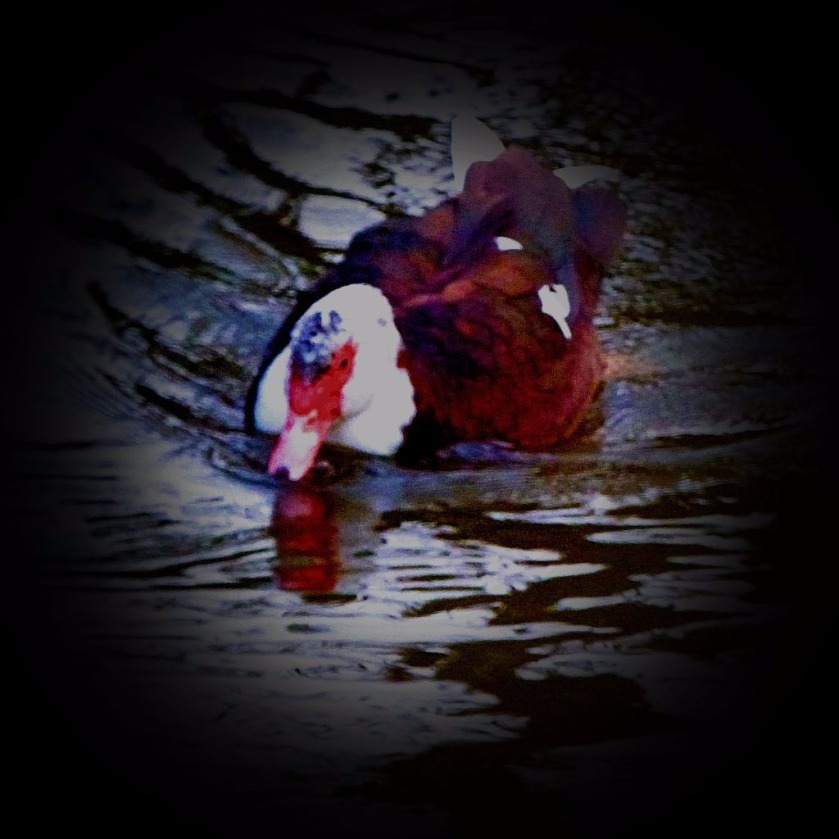
BIRD PICTURES FROM KINGS LYNN
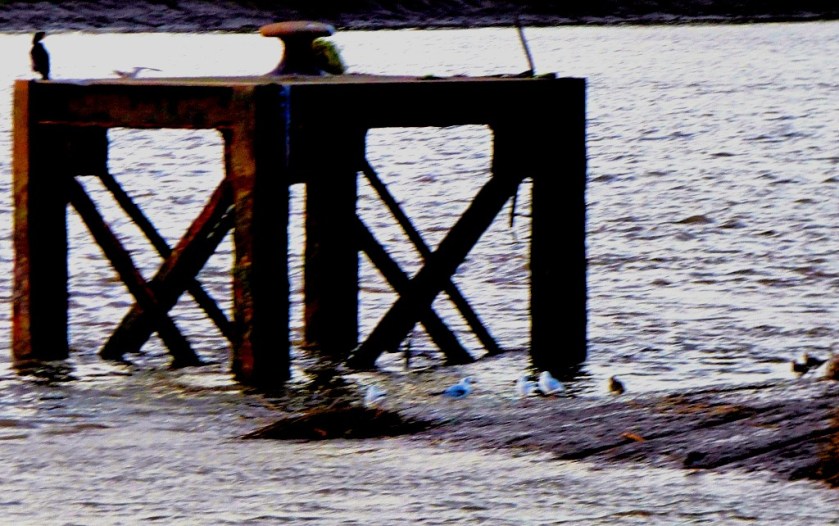
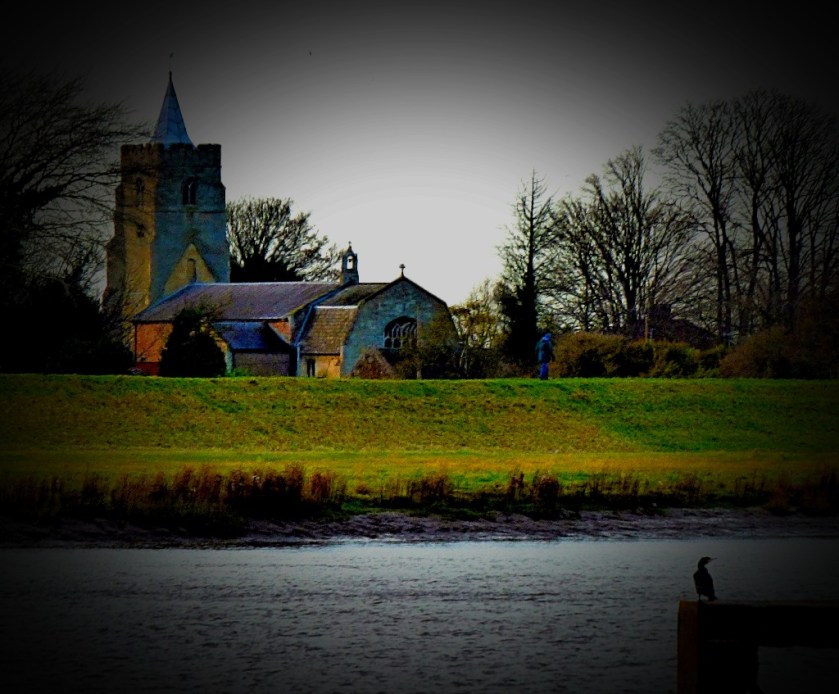
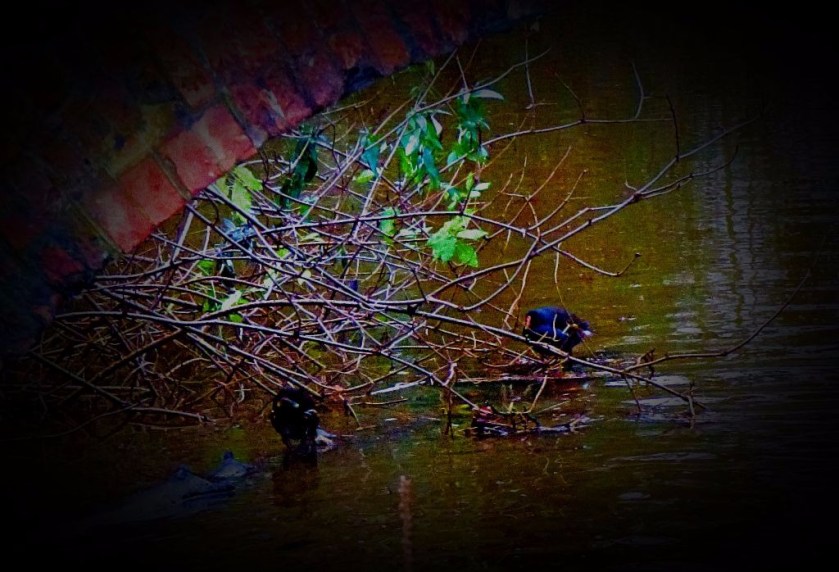
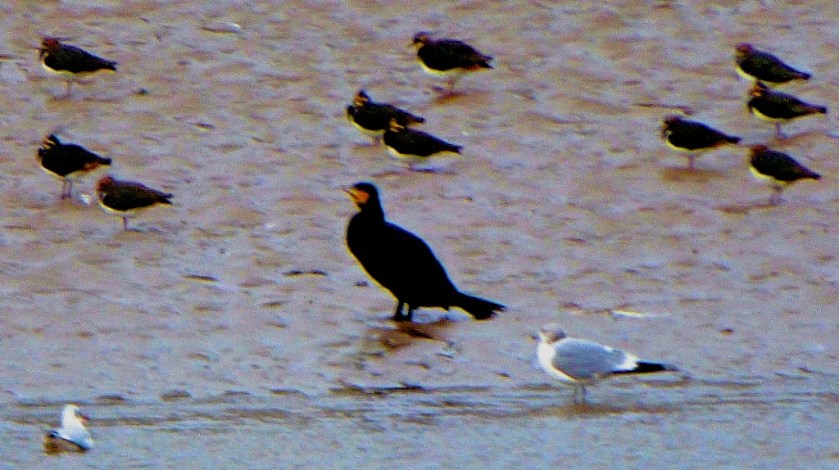
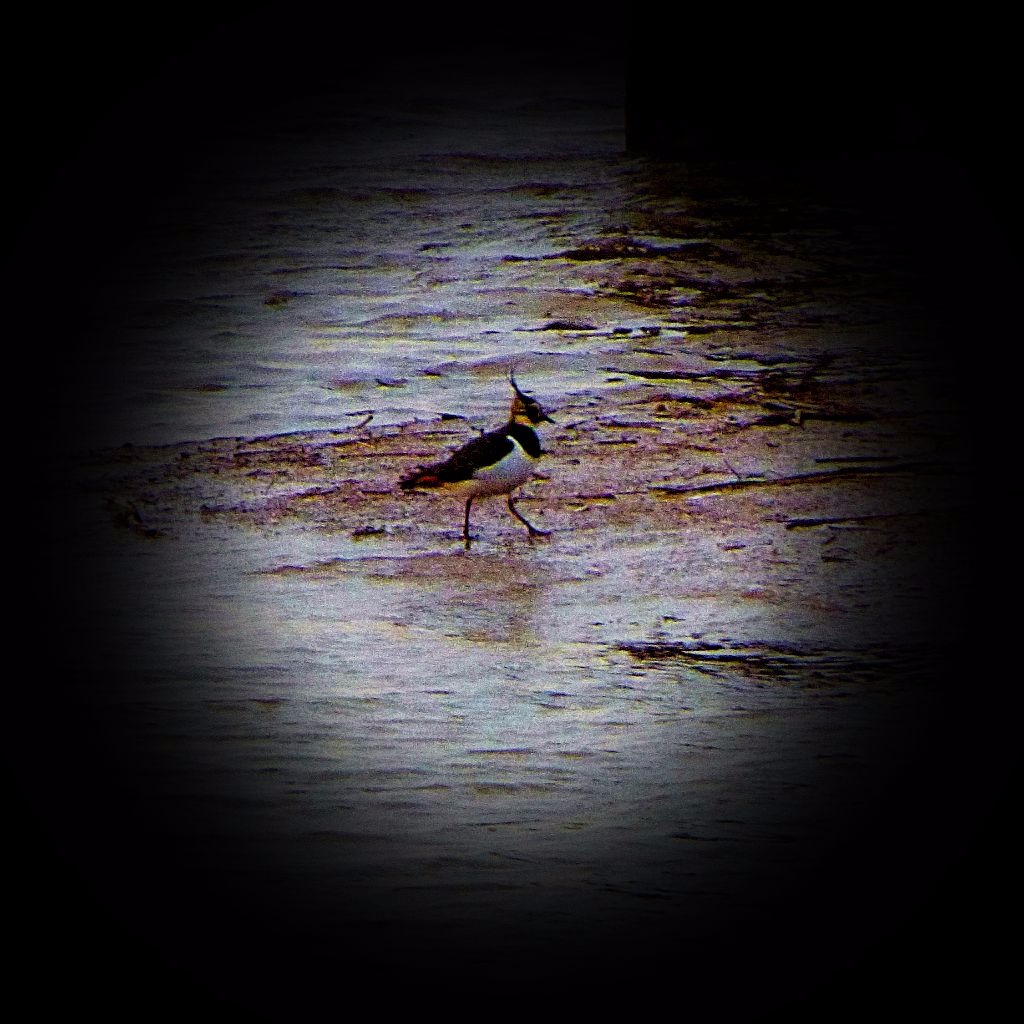
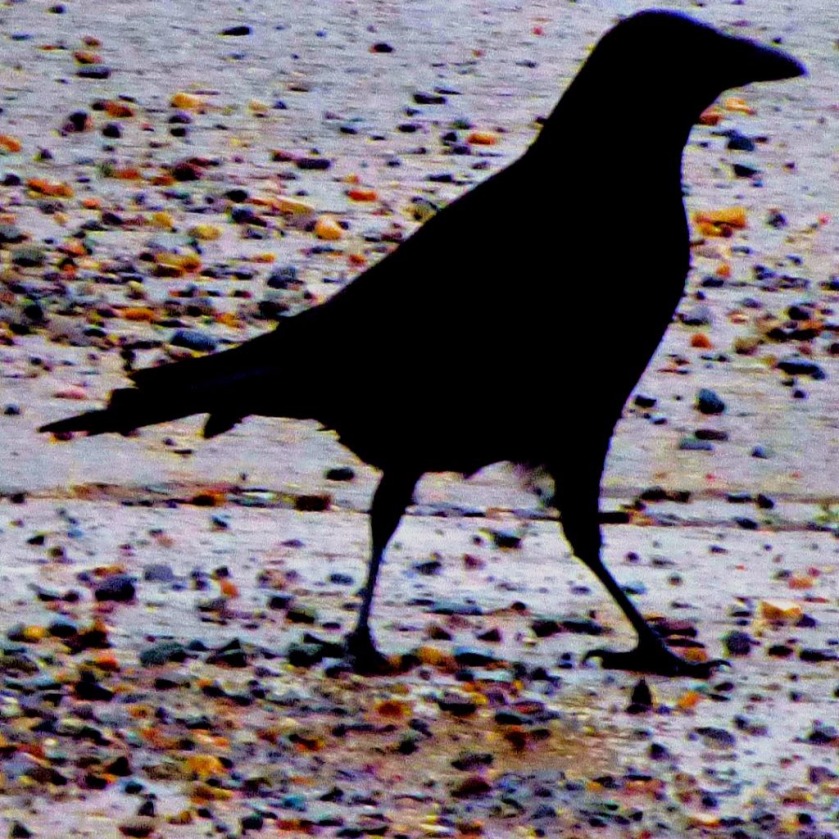
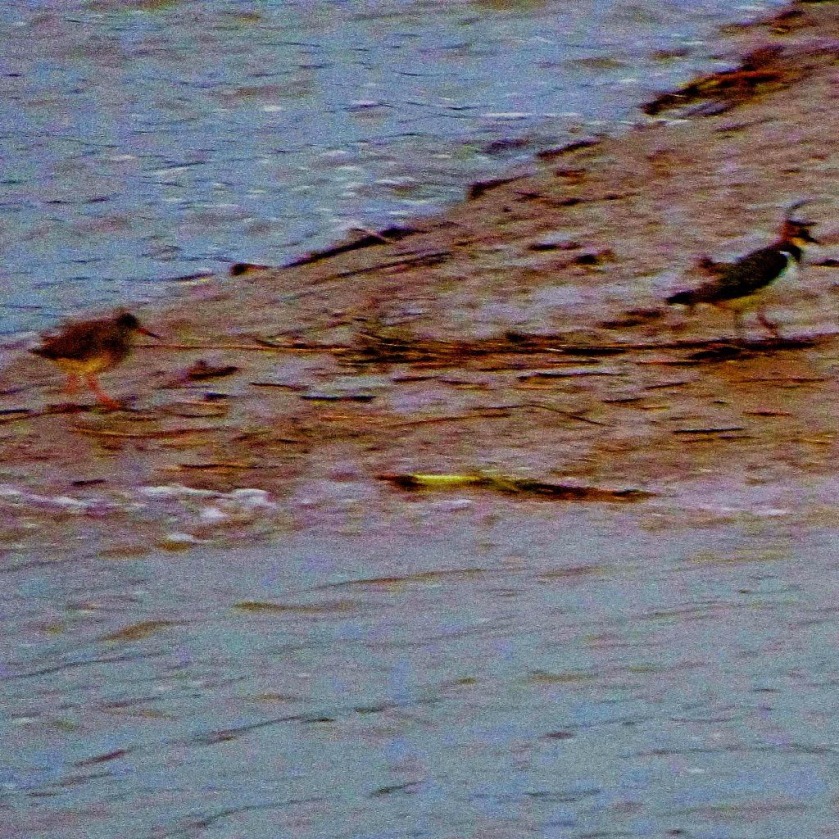
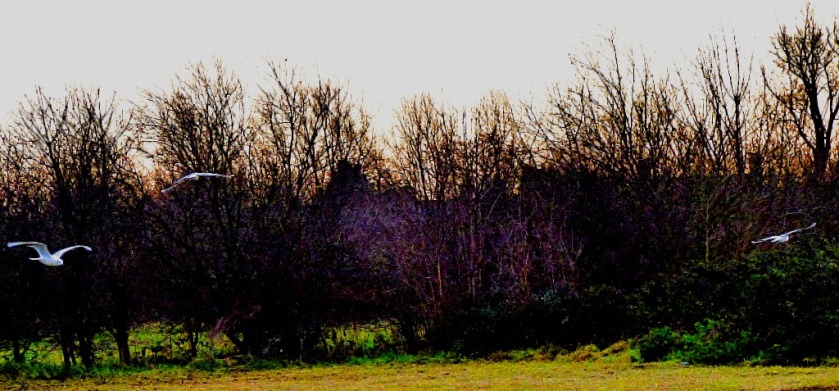
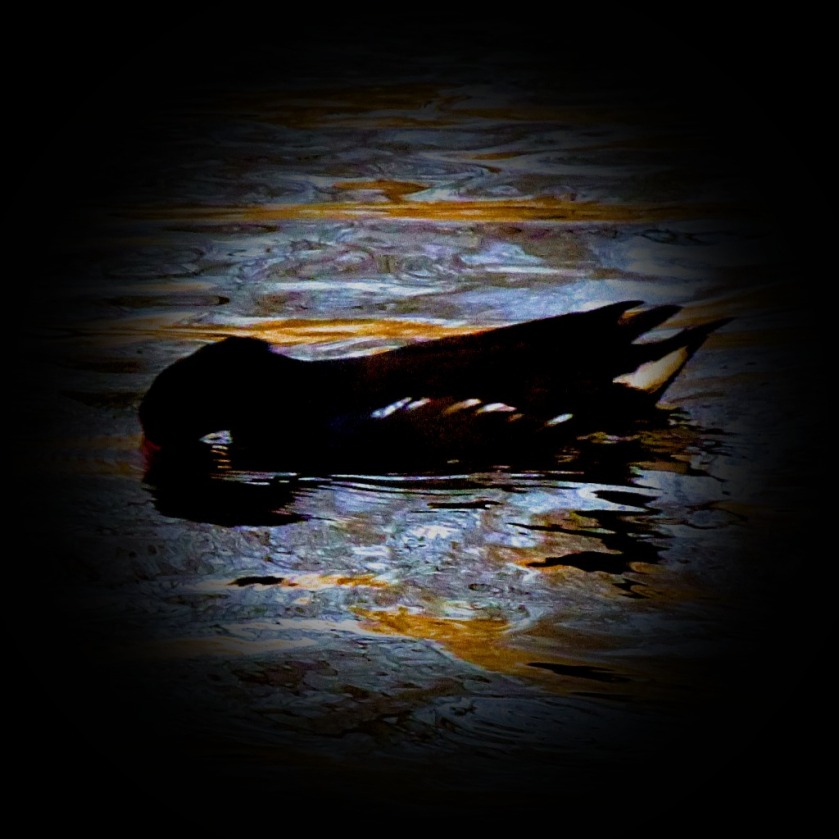
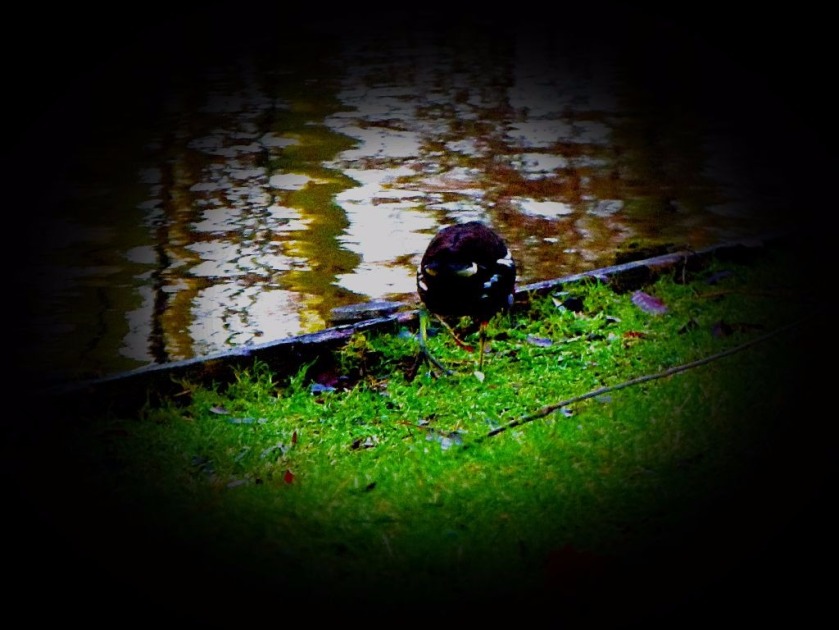
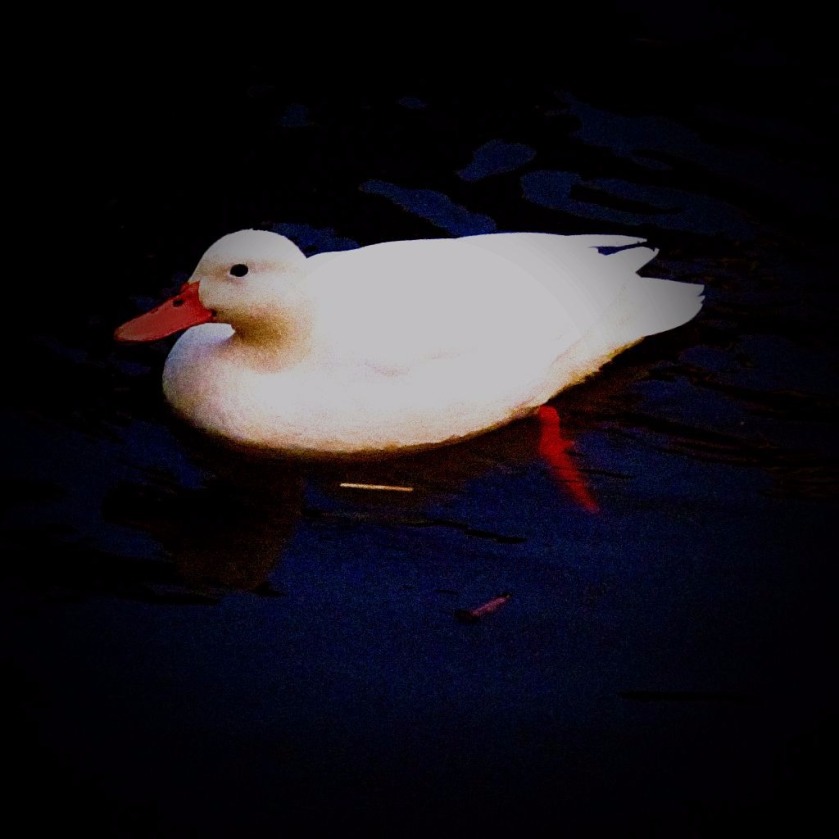
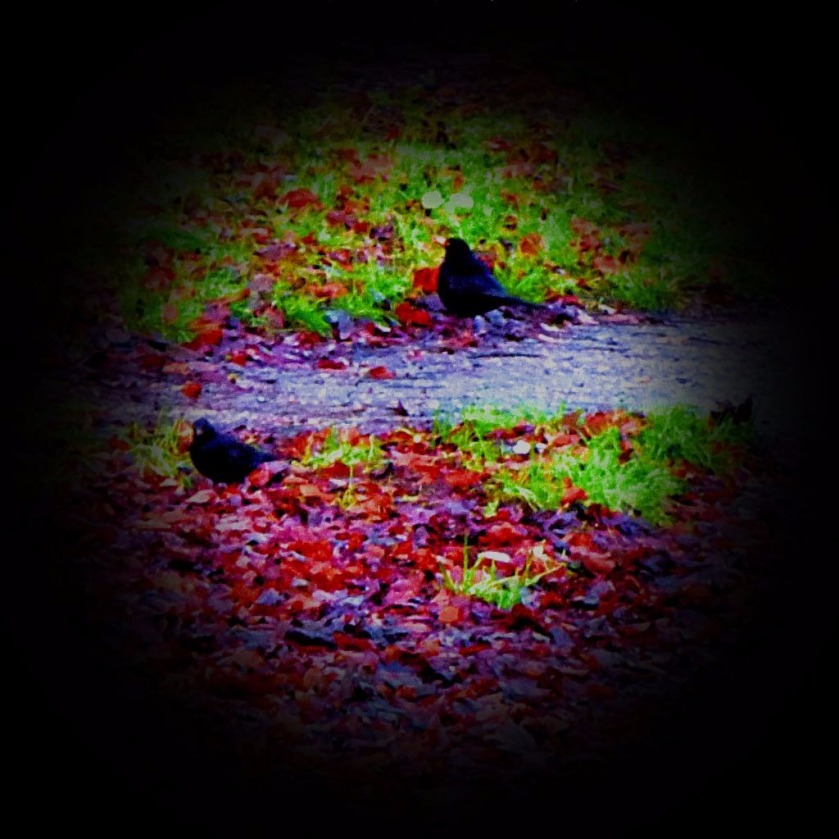
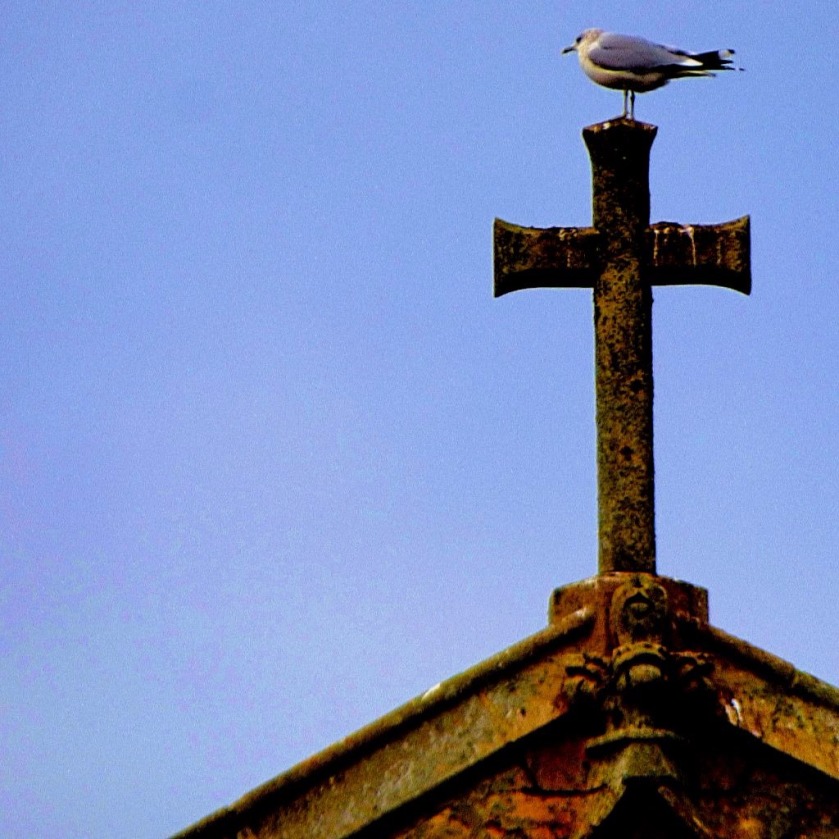
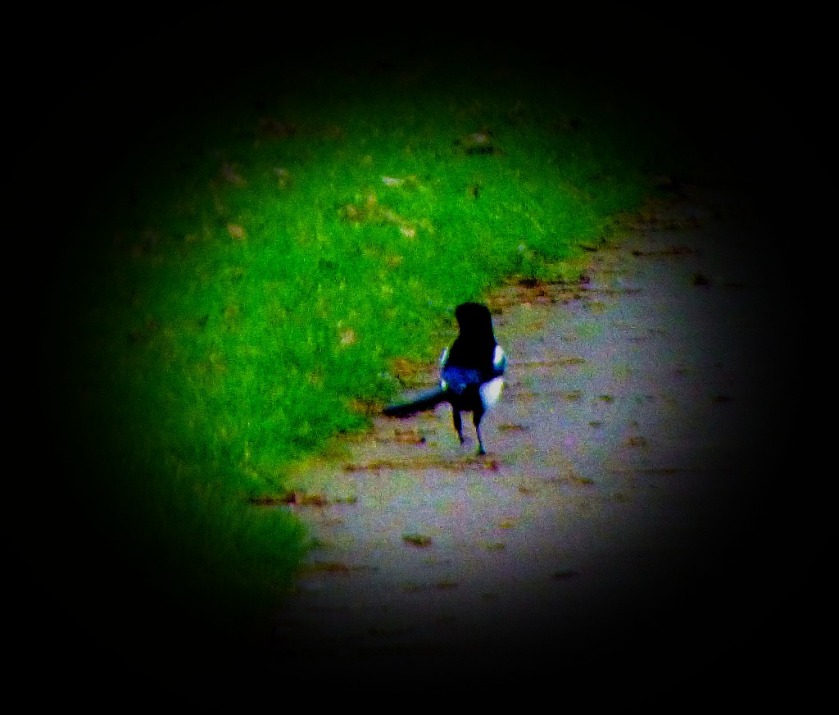
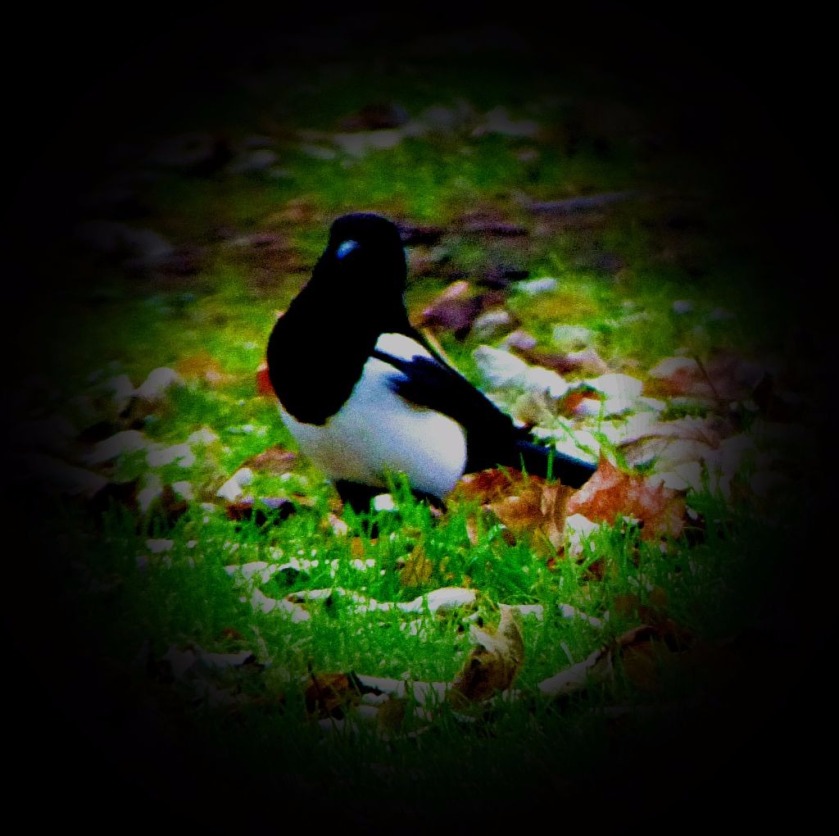
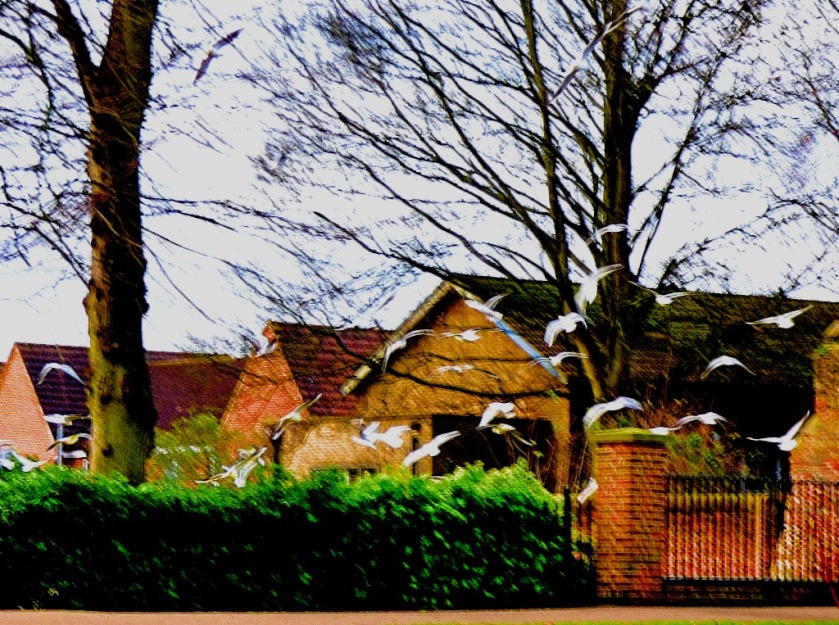
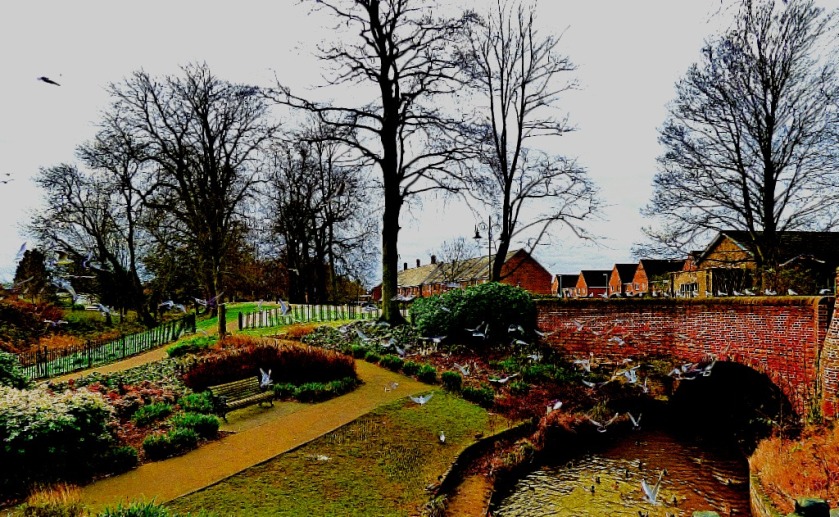
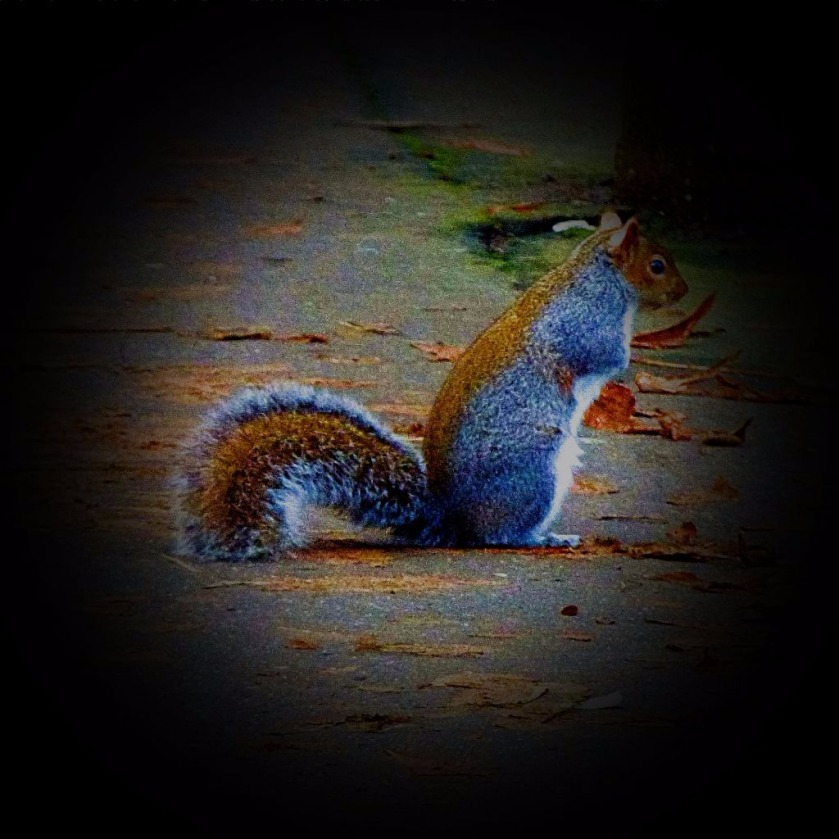
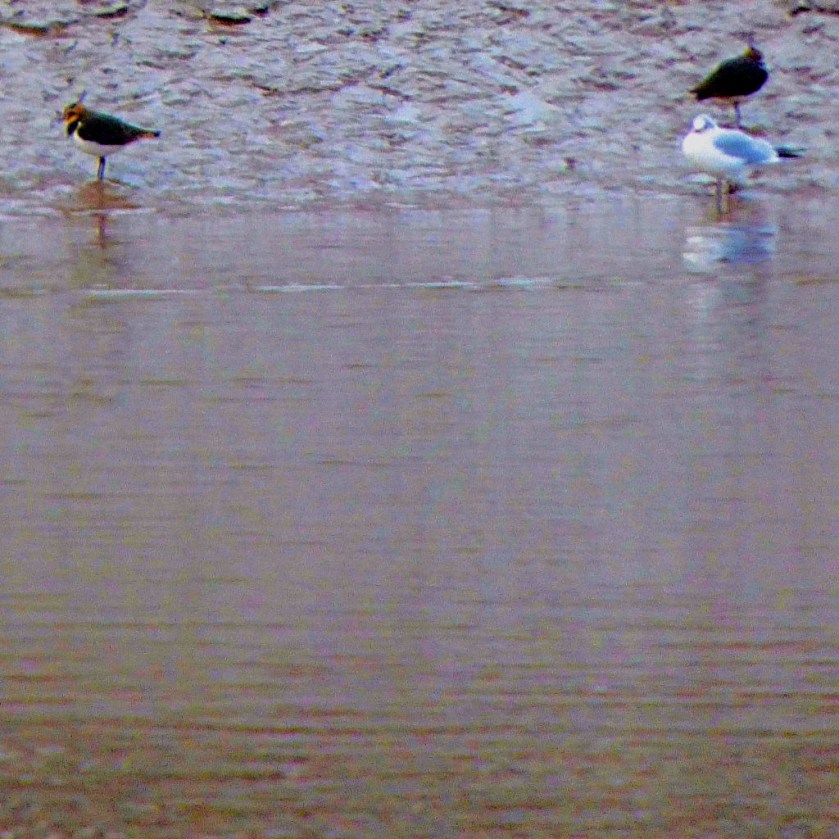
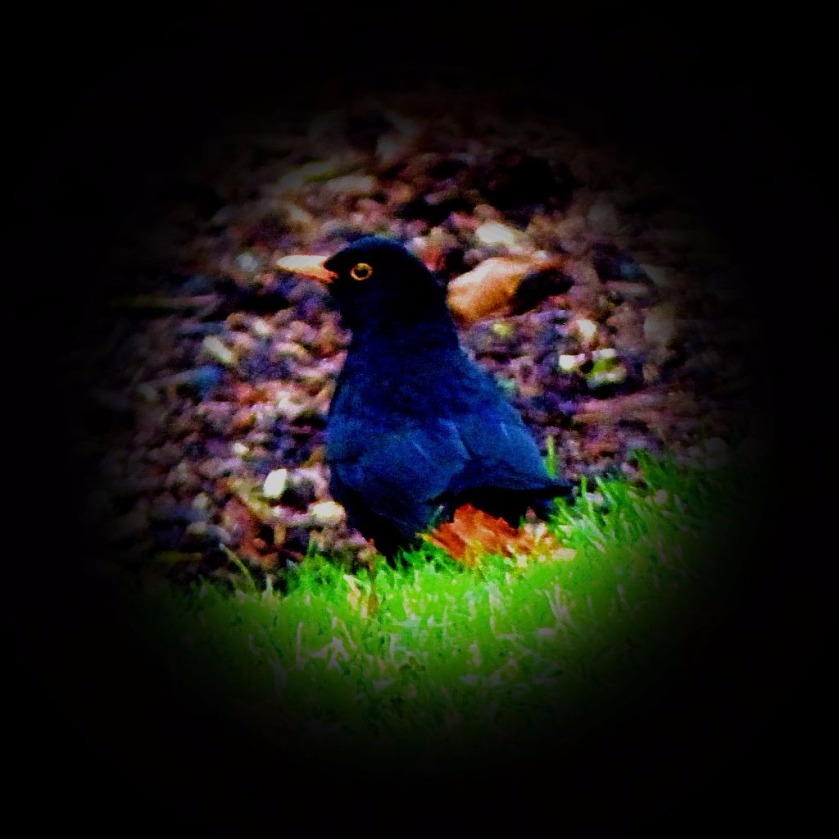
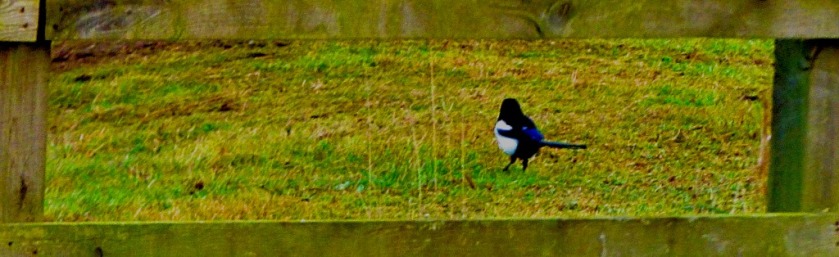
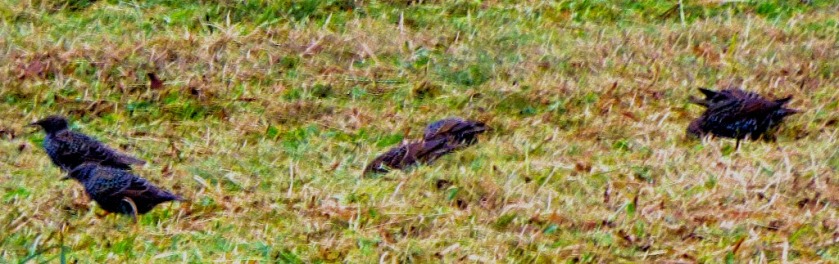
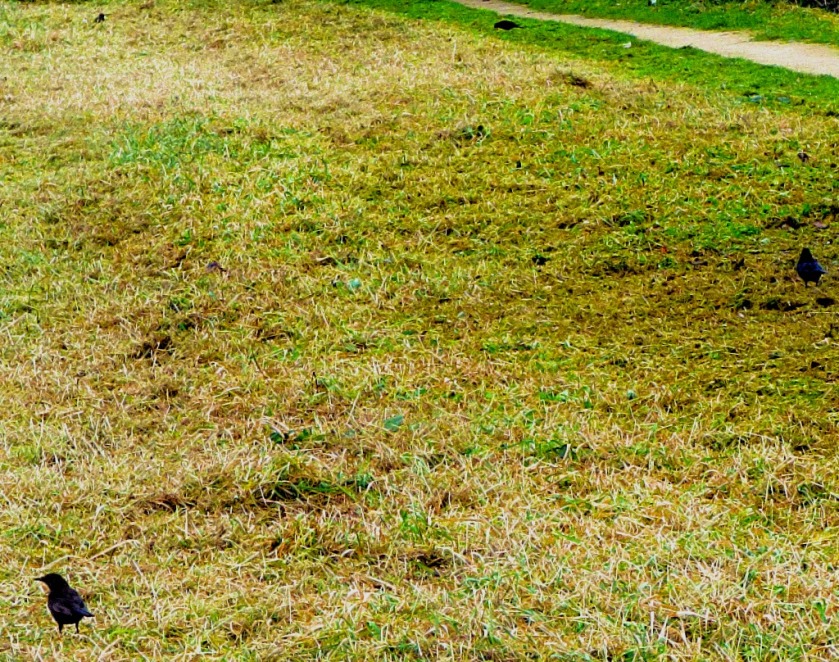
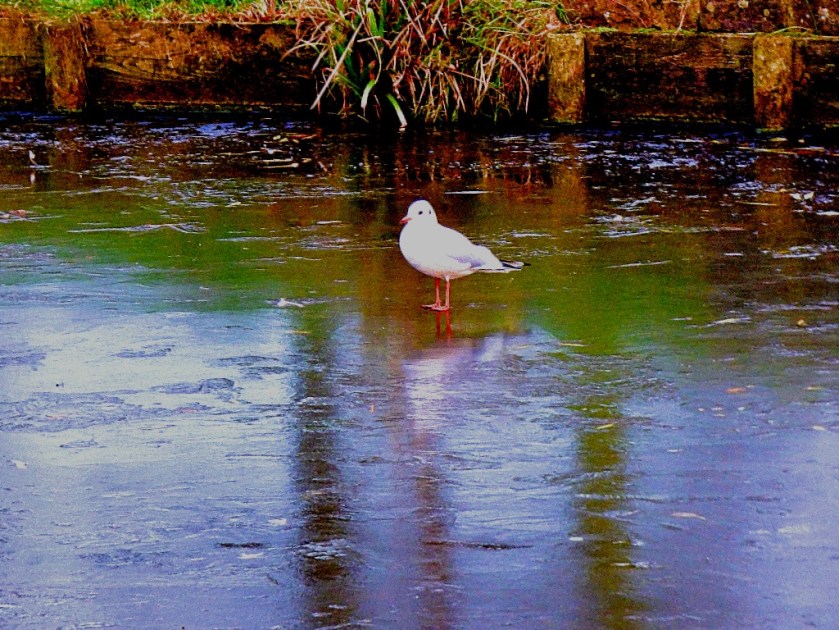
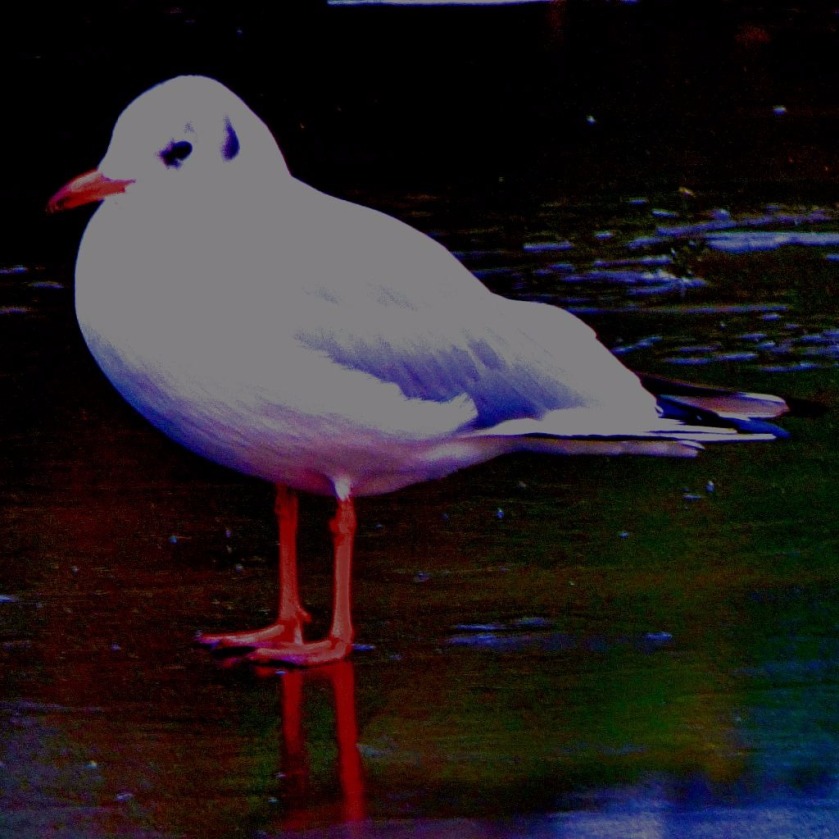
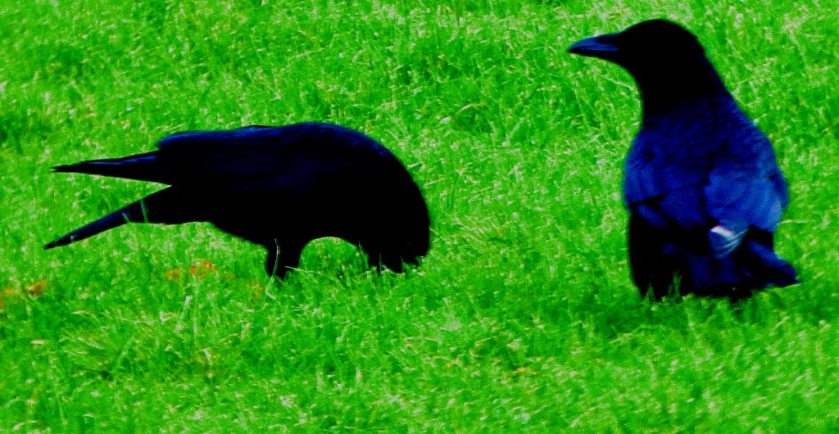
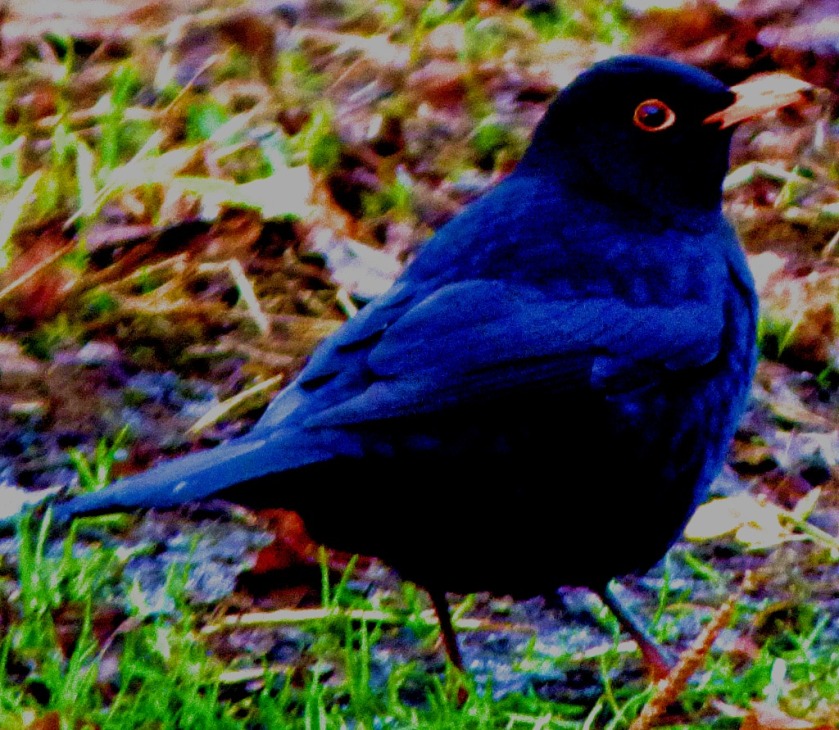
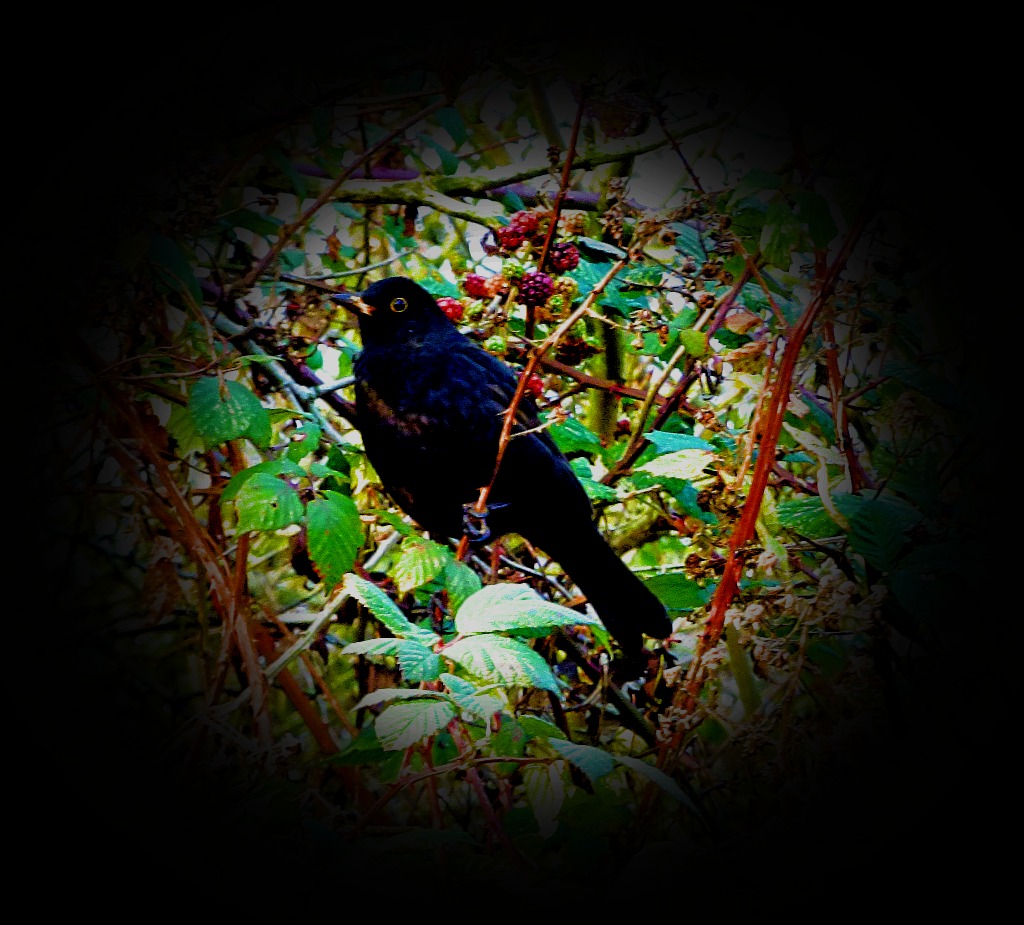
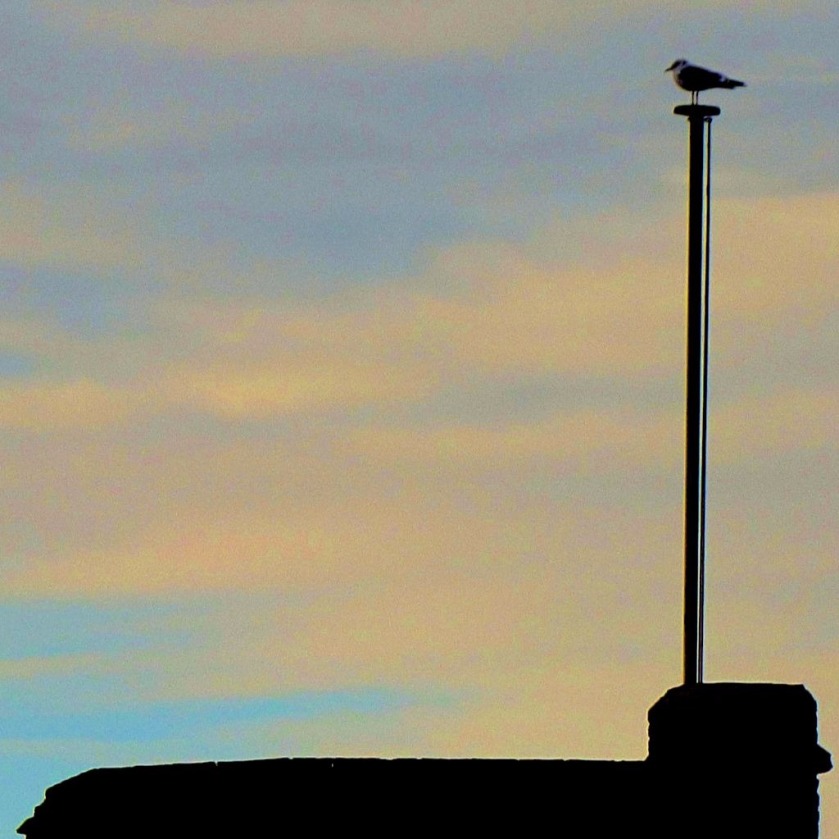
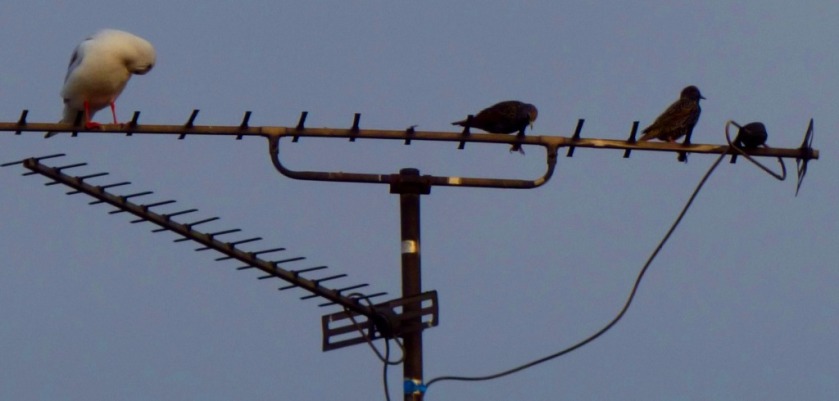
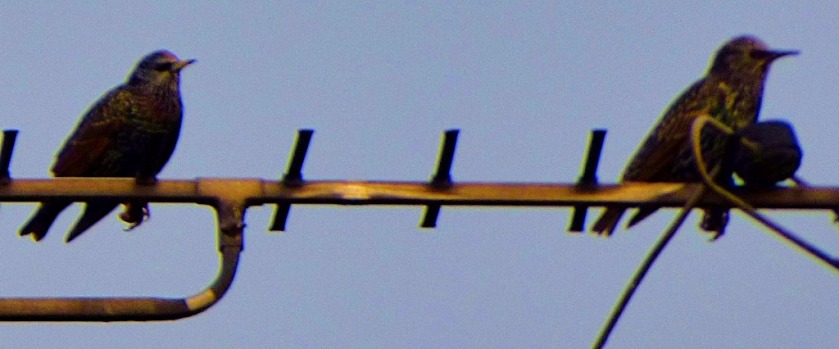
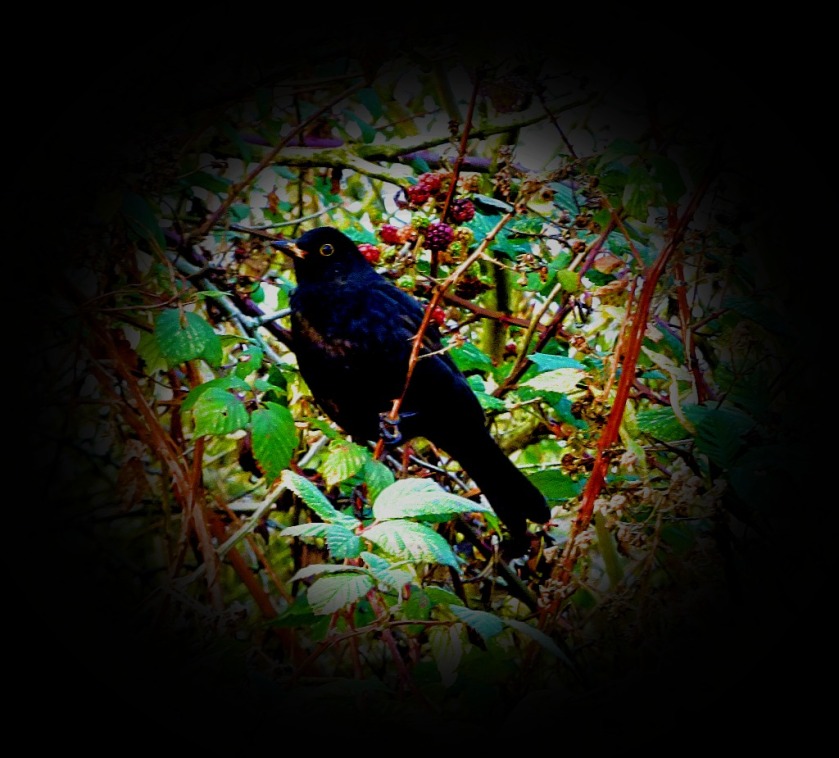
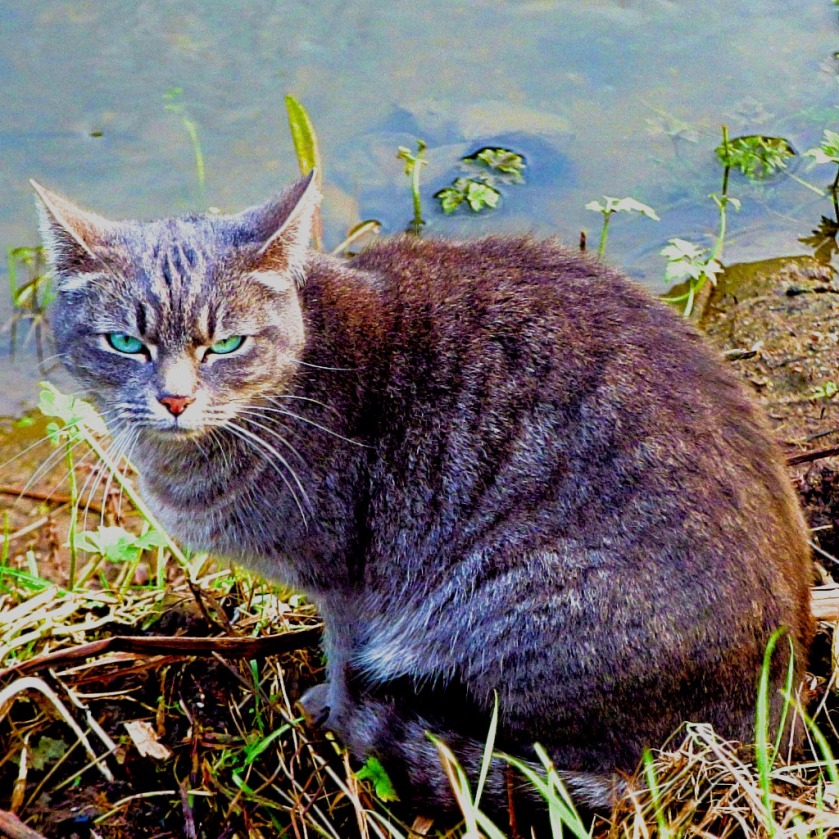
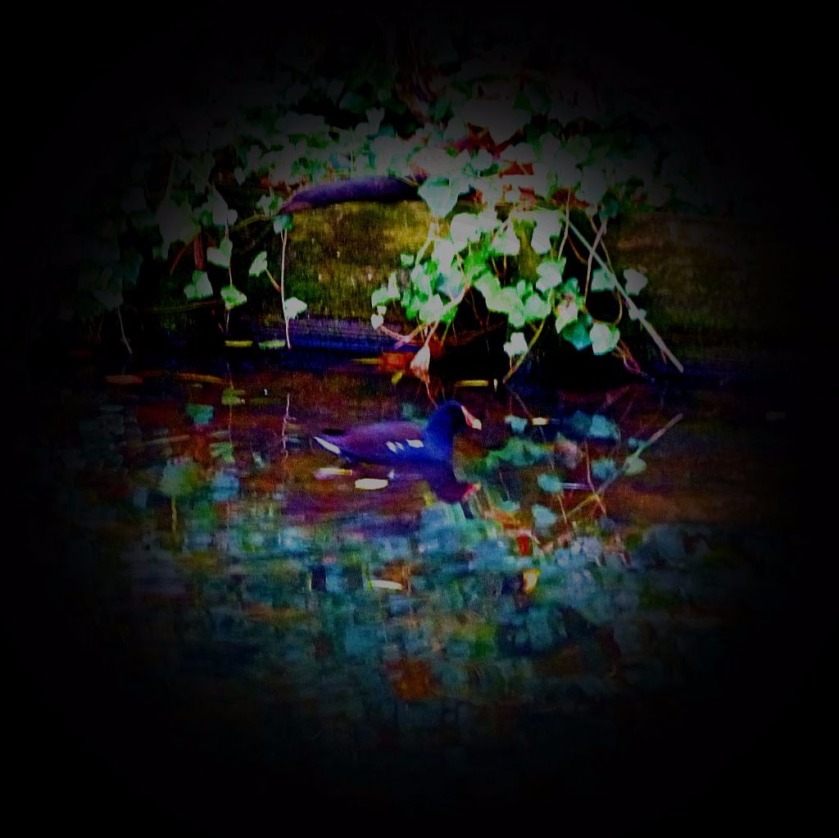
We had a bit of sun in King’s Lynn today, but in consequence of it being December it was already virtually level with the horizon by 3PM. However, it being as pleasant as a December day in Blighty can be I did get out a couple of times, and augmented my stock of bird pictures along the way:










































 aspiblog
We have to use the numbers 1,2,3,4 and 5 to make a five digit number. The first requirement is that the first three digits form a number dvisible by four, which can only be achieved from these numbers by using 124 (= 31 x 4), then digits 2,3 and 4 must form a number divisible by five, so the fourth digit has to be 5 as numbers divisible by five end either in five ior zero and zero is not available to us. That leaves us the fifth digit to fill, and the only number we have not used is 3, hence the number is 12,453, and back checking using the last limitation, that the final three digits be divisible by three confirms this (453 = 151 x 3).
PHOTOGRAPHS – OTHERS
These were taken near the end of my walk:
PUZZLE 5: INVESTMENT EXPERT
The minimum starting amount he needs to ensure that it stays growing on these terms is $4. On my subsidiary question, although this starting point only yields a fortune of two billion and four dollars after one billiSuch is the power of exponential growth that if you increase this starting amount by even a small amount it will suffice. According to Denis Husudvac on brillaint even a stgarting point $4.01 will be enough.
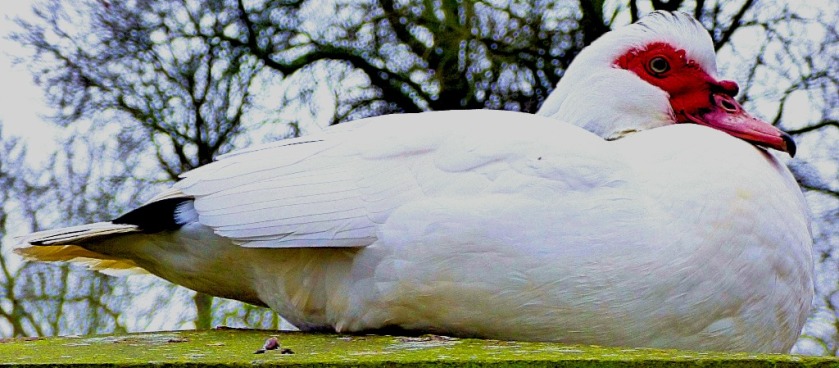
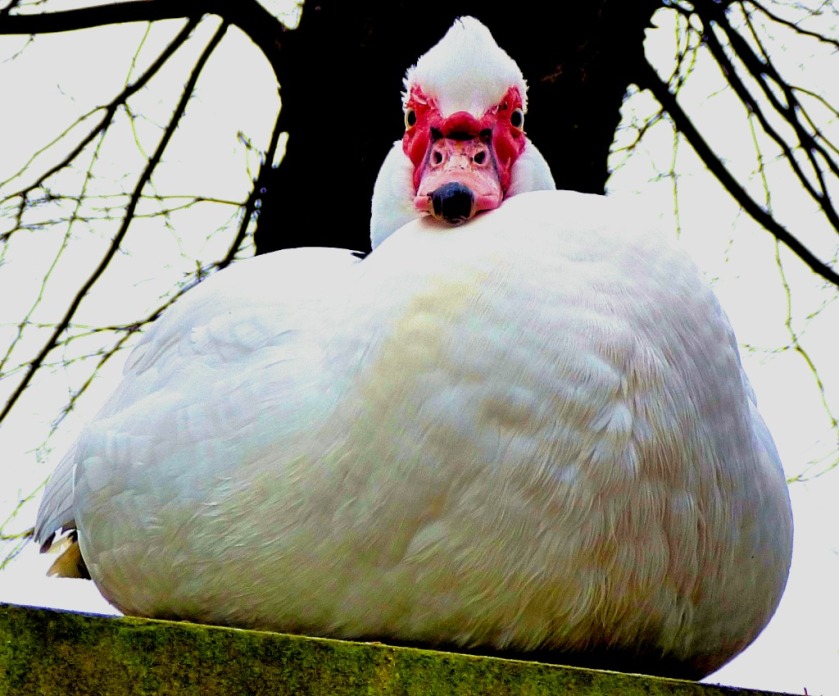
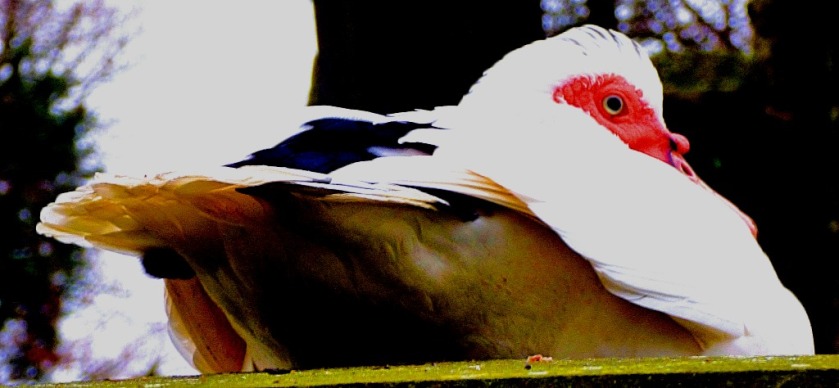
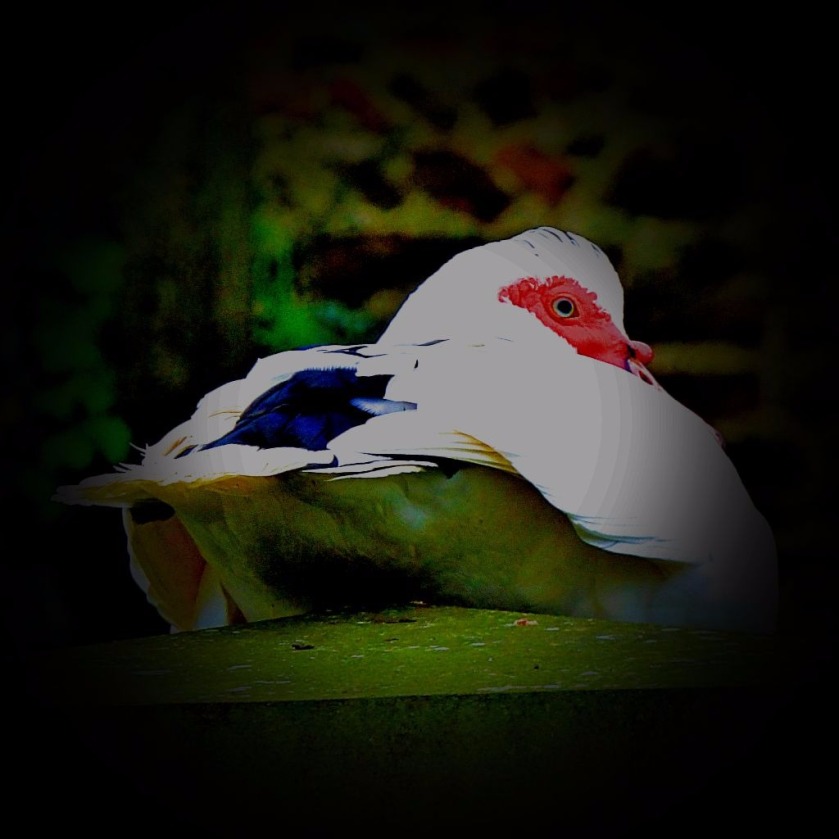
PHOTOGRAPHS: MUSCOVY DUCKS 2