I am a founder member and currently secretary of the West Norfolk Autism Group and am autistic myself. I am a very keen photographer and almost every blog post I produce will feature some of my own photographs. I am an avidly keen cricket fan and often post about that sport.
A brief account of another staging post on my road to recovery.
INTRODUCTION
This afternoon saw another staging post in my receovery from cancer…
MY FIRST INDEPENDENT OUTDOOR WALK SINCE BECOMING ILL
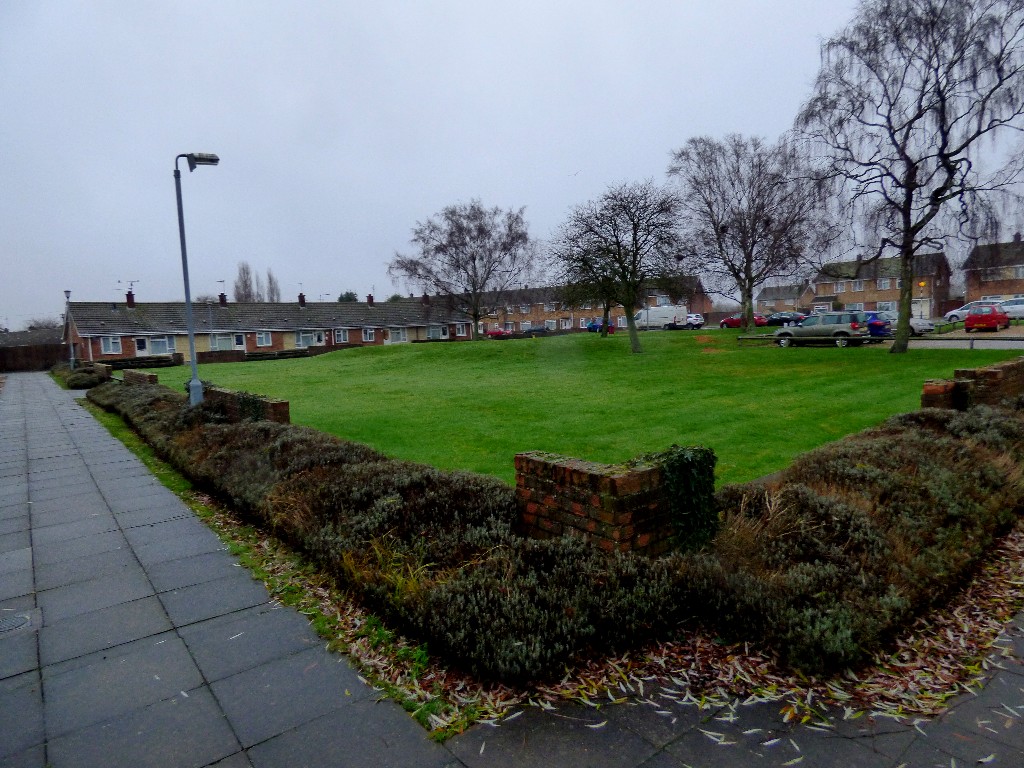
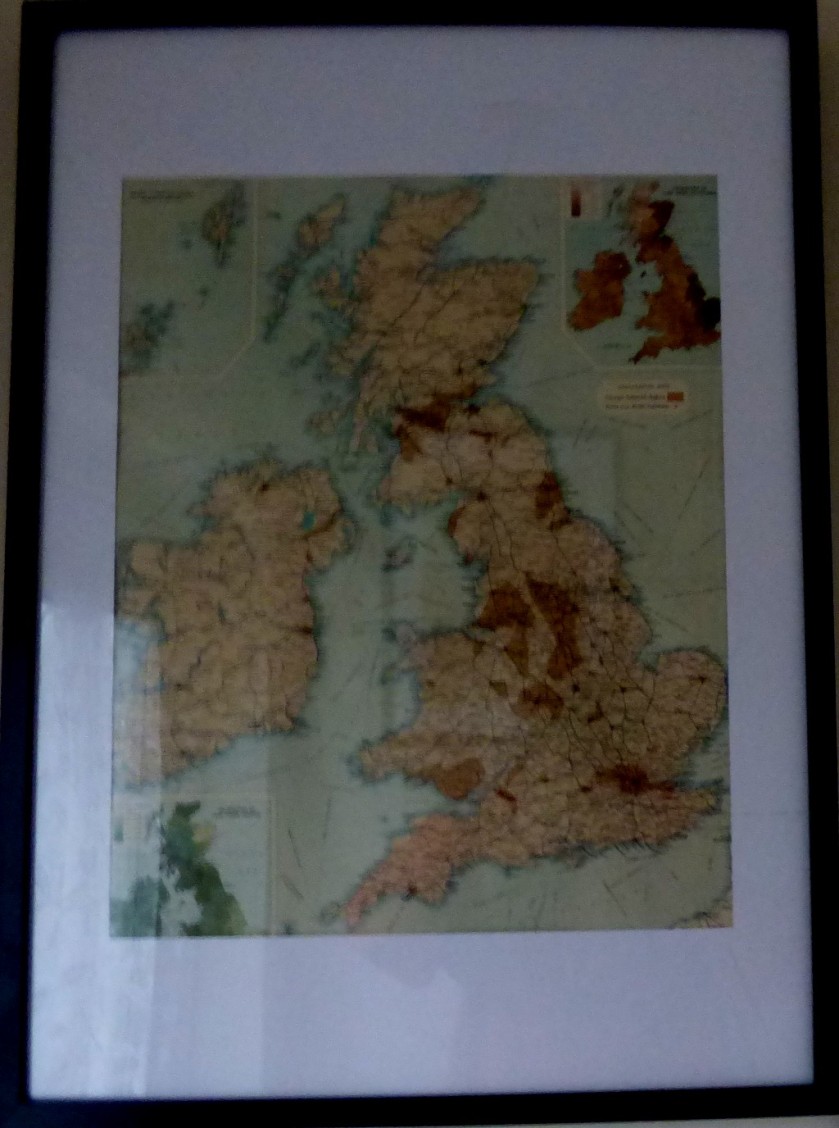
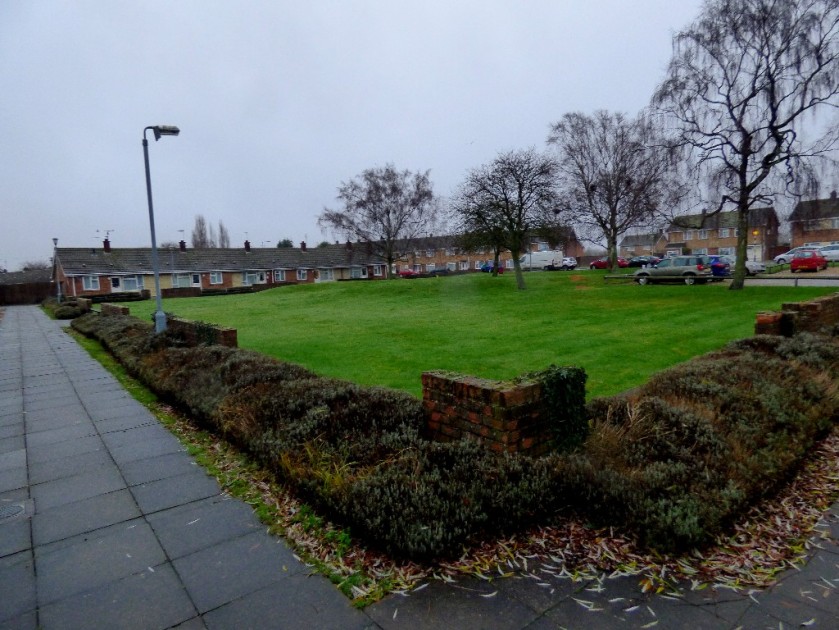
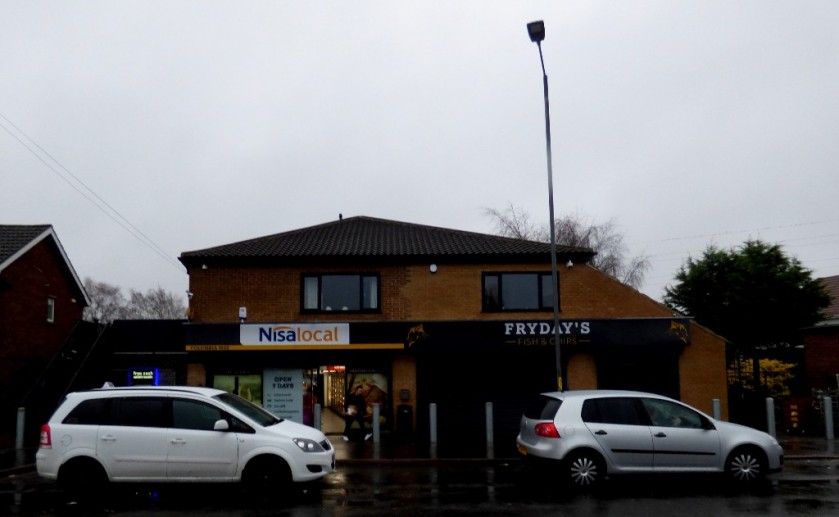
Just before 2PM this afternoon I left my bungalow for a short walk. Although fairly cold and very grey the weather here is by no means terrible given that we are at the back end of December, so having donned by black beanie to cover the most obvious signs of the treatment that I have been undergoing I was ready to sally forth. I was out and about for approximately 15 minutes and save for occasional photography stops was walking all that time on my unaided own. Here are some pictures…
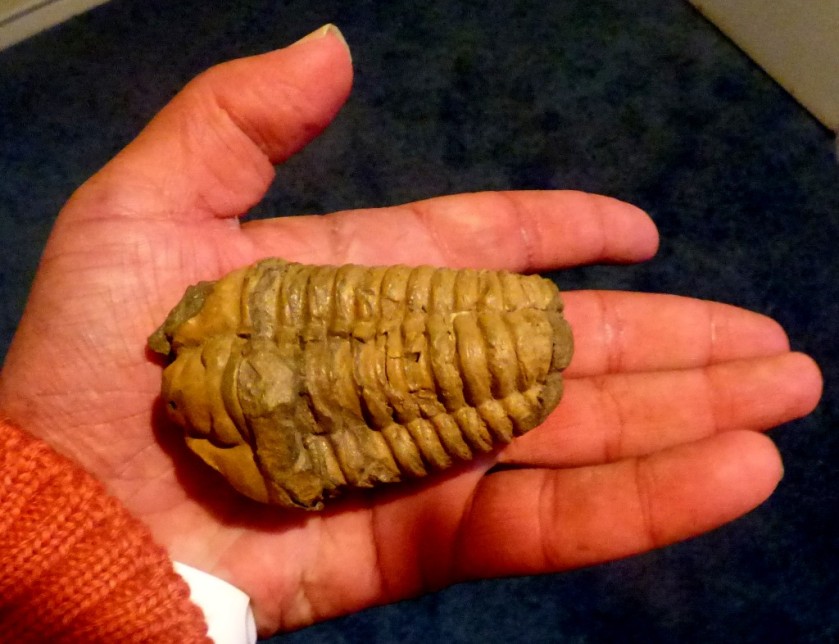
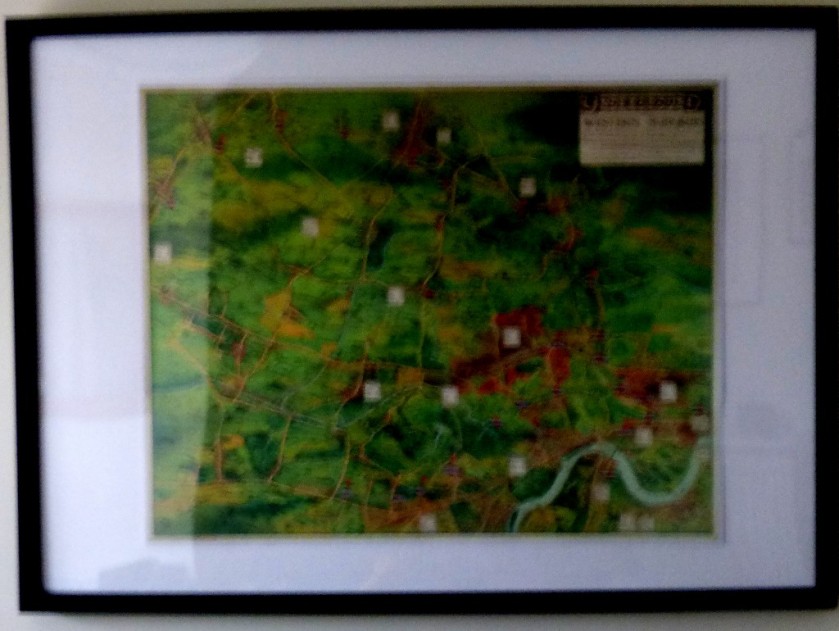
This map is on display in my front porch.A Czech sculpture and some other bits beneath the map.The green space I look out on to viewed from one corner.My local shops (the chippy is closed, it being Sunday).A swiming gull on a pond that faces out on to Harewood Parade.The oldest item in my collection – this trilobite lived approximately 438 million years ago.
This post will consist of some early thoughts about Autism and Cancer and also some pictures from my new abode. However before getting into the main meat of the post there is an issue to address briefly first…
AUTISM AND FUNCTION LEVEL LABELS
In brief: DO NOT USE!! For more detail read the rest of this section. Before moving on to my onw thoughts a couple of honourable mentions: the Neurodivergent Rebel has posted some good stuff about the abuse of function level labels in relation to autism and Laina via both thesilentwave.wordpress.com and her sharing site lainascollectionshas also covered the issue.
I am often labelled as a high functioning autistic (indeed readers of this site will be aware that I was already into my 30s before being recognized as autistic at all) but that is highly misleading and dangerous. People noting my overall intelligence and articulateness and the fact that I devour books at rapid rate assume I need little support. Not true – there are some things that I struggle badly with and where support is needed. The “High Functioning” label is at best misleading and at worst it is downright dangerous.
MANAGING AUTISM AND CANCER
Managing cancer is a challenge but considered in isolation one that can be handled. Managing autism is sometimes a challenge (and sometimes autism works in my favour), and taken in isolation it is not too difficult. Managing cancer through the prism of autism is an enormous challenge. Apart from my regular blood thinning injections (I had two blood clots while being treated in hospital), which are still administered by a district nurse I am now largely responsible for taking my own medications of which there are huge quantities. I also need to do things like monitor body temperature (currently seems to be stabilised at 36.1 C) and weight (one effect of being so ill is that now weigh less than at any time since my mid-teens.
ADDENBROOKES ACKNOWLEDGEMENT
A small army of staff at Addenbrookes went way above and beyond the call of duty in looking after me and treating me during the worst of the illness. To name names would be invidious – you all know who you are and you are all absolute heroes. Understaffed and underfunded as it is the NHS is kept functioning by the efforts of people like this, who can still crack a smile when they have been rushed off their feet for 13 hours straight.
HOSPITAL TALES: WALKING STRENGTH BACK INTO THE LEGS
For about the first two weeks I spent at Addenbrookes I was effectively completely immobile (for a few days I was wired up to an oxygen mask), and for about a week before that I had hardly been mobile at all, so I lost a lot of strength from my legs. Once I was able to be mobile I took to walking up and down the ward when I felt strong enough, starting with small distances and working my way up gradually. Before I finished I could on a good day walk up and down the ward 20 times without stopping. I felt a benefit of this yesterday when I did a small amount of walking in King’s Lynn town centre to do my christmas shopping.
PHOTOGRAPHS
I promised some pictures and here they are:
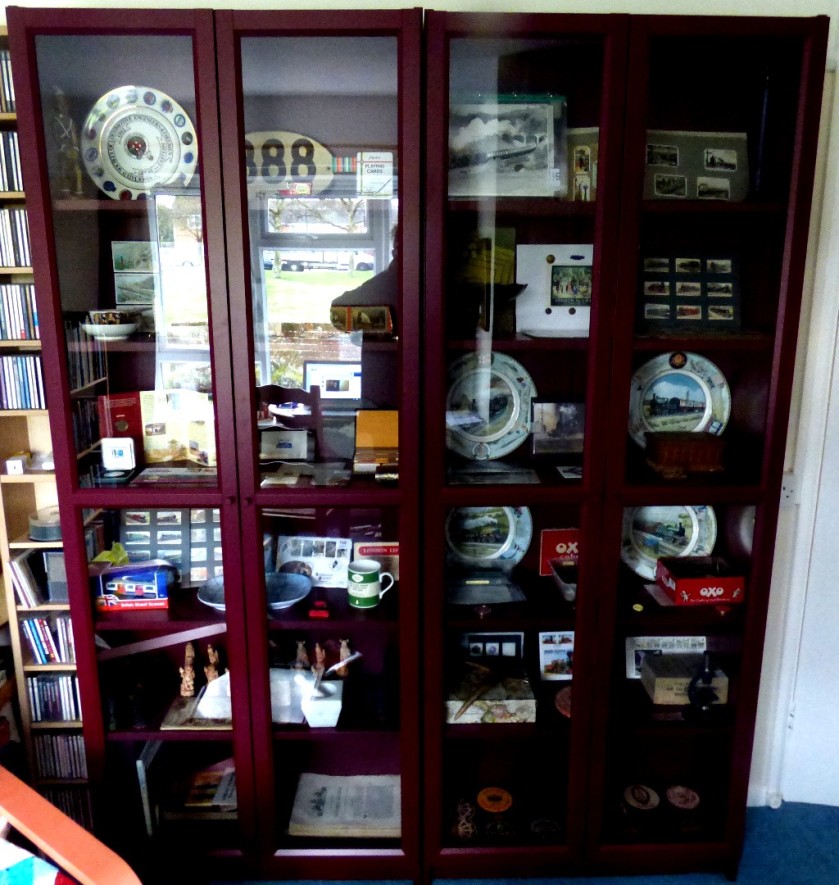
Cricket Corner! (some of my cricket books are on other shelves as well but this is most of them)Display items in sitting room
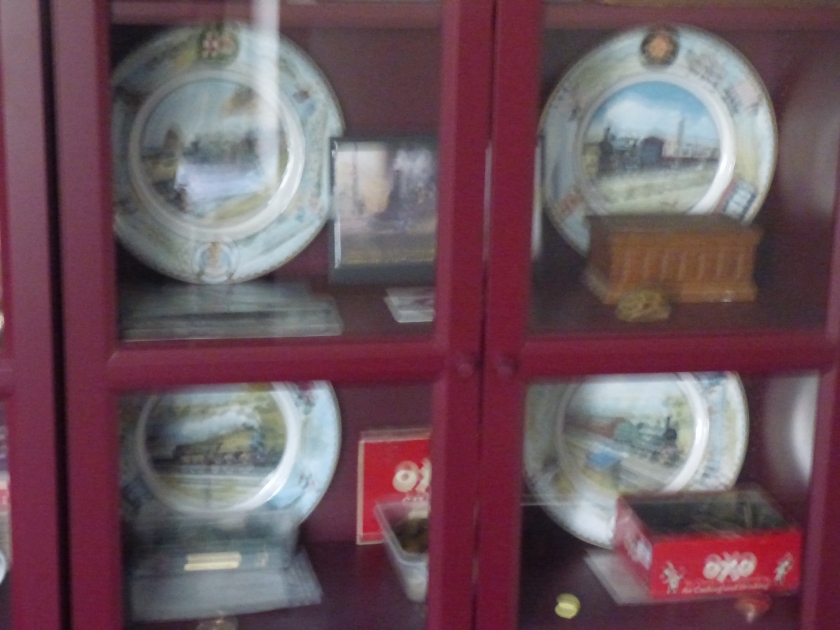
Thomas’ Cabinet of Curiosities (units assembled by Simon from NAS, treasures arranged by my father) – named in honour of Ian Stewart;s “Cabinet of Mathematical Curiosities”.A close up of one section.
1907 railway map (facsimile)
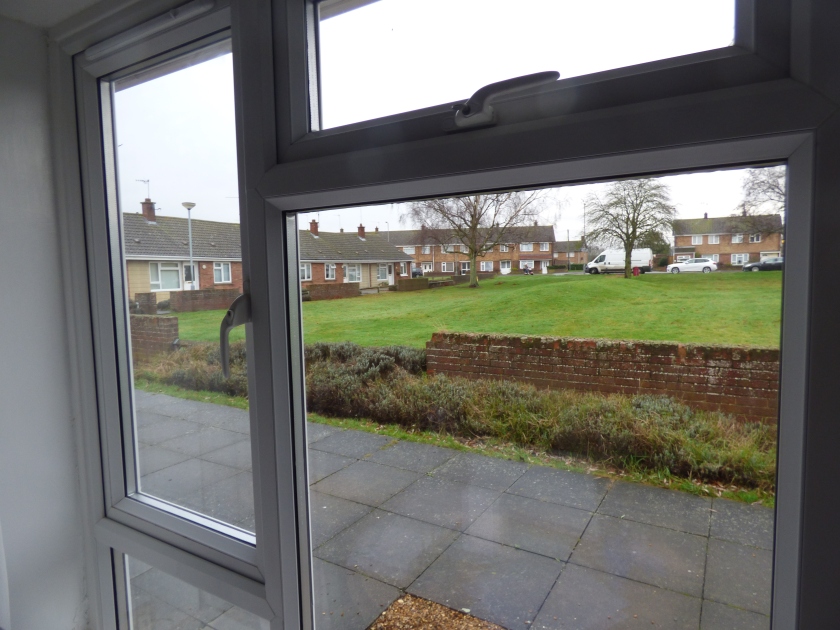
The Morden Map of Norfolk in its new niche.Two views through the windows to finish – being able to look straight at green space is a privilege.
A brief account of my illness, treatment and fledlgling recovery from cancer.
INTRODUCTION
I have been undergoing treatment for cancer under the aegis of Addenbrooke’s Hospital, Cambridge for over two months, and today is the first time sime I started receiving hospital treatment that I have been online (I have done a massive bulk delete of accumulated emails and will now start paying proper attention once again. In the rest of this post I will set out a rough timeline of events over the course of this illness. Unusually for one of my posts there will be no pictures.
WEEK 0 – THE ILLNESS TAKES HOLD
On September 29th I attended the wedding of a cousin in Sheffield. This was the last occasion on which I recall feeling truly well. During the following week I became noticeably ill, on on the Friday I left work early (an almost unheard of thing for me) because I just could not go on. On Saturday morning I cried off an intended visit to my mother at Godalming where she has recently been working because I was too ill to even consider it. On the Sunday evening having not ingested anything other than water since Friday I projectile vomited and realised I was in serious trouble, although not as yet just how serious.
WEEK 1 – TWO NARROW ESCAPES
On the Monday I collapsed between the bathroom and the bedroom of my old flat at about lunchtime, and by the evening of that day was in such a dreadful state that I could only be got into an ambulance by being out on a saline drip and assisted down the stairs that separated me from street level. Another day before receiving hospital treatment might well have been my last. On the Friday of that week, my body still unable to accept anyhthing other than fluids, but the real problem now known about I was referred on from QEH (my local hospital) to Addenbrookes(one of the best hospitals in the world for cancer treatment) just in time to avoid an operation that in my weakened state would very likely have finished me. The root cause of the mischief was a hugely swollen testicular tumour that had metastasized into large tumours on each lung (one of these was threatening a vein), a small tumour on the spleen and four small tumours in the brain.
WEEKS 2-9 – IN PATIENT AT ADDENBROOKES
I accepted the opportunity to be part of a clinical trial at Addenbrooke’s and by good fortune (and yes, I regard it as such, gruelling though the resulting treatment program was) got put into the group receiving accelerated treatment (chemo on a two-week rather than the usual three-week cycle). I am pleased that my treatment will have contributed in a small way to the advance of medical science (similarly I was delighted to be of assistance to student nurses and doctors when they accompanied their mentors – why wouldn’t I want the NHS workers of the future to be better able to do their jobs?!)
My treatment consisted of five days of intensive chemo one week, followed by a dose of bleomycin the Monday afterwards (always the toughest day of the cycle) and then the rest of week 2 of the cycle quiet. I have also been on huge quantites of pills and have had many scans and x-rays to monitor progress.
Because my flat was unsuitable in several ways for someone convalescing from cancer (isolated by the stairs that separate it from street level and afflicted by damp) somewhere had to be found for me to go instead, and faced with a crisis the local council came up trumps with a bungalow just north of the town centre on an estate run by Freebridge Community Housing (the nearest there is to social housing in Tory Britain). Because the tenancy of the bungalow only became available just as I was due my fourth and last week of intensive chemo I remained an in patient until after the follow-up bleomycin which was on Tuesday December 11th (delayed by the fact that on the Monday my platelet count was too low). That same evening I was taken to my new home and became an outpatient.
WEEK 10 ONWARDS – OUT PATIENT
I remain extremely prone to tiredness and although I walk about my bungalow with no great difficulty I need assistance to venture outside. However, I had a very long Monday at Addenbrookes, because I needed more blood transfusions (the amount of new blood I have been given in the course of this illness would send Dracula green with envy) in addition to the bleomycin, and yesterday I not only managed to stay out of bed the whole day for the first time since the illness took hold, I was also able to watch and enjoy the autism friendly performance of the Christmas pantomime at the Corn Exchange.
THE FUTURE
I am on the mend, though it will be a while before I am back to anything like my old form. My camera battery is charging and I hope to be sharing some new pictures with you before very long. My thanks to all who have waited patiently for the resumption of activity on this blog, and especial thanks to those who have read the whole of this relaunch post.
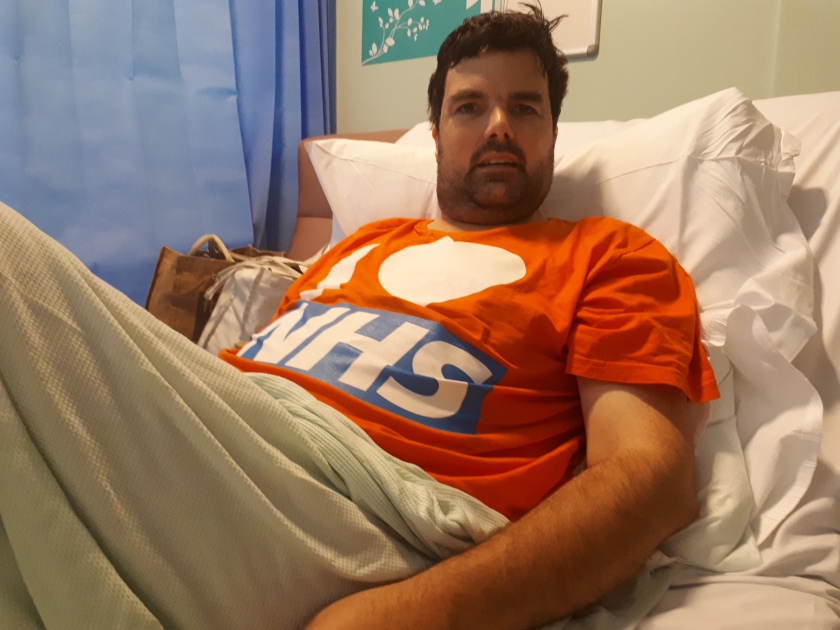
Thomas is currently undergoing treatment for cancer and won’t be in a position to blog, let alone take photographs, for a month or perhaps longer. He has asked me (Theodora, his sister) to put up a quick post advising readers of this: do feel free to leave comments which I will pass onto him as he recovers.
Here is Thomas in his hospital bed, sporting his “I love the NHS” t-shirt.
This year’s Heritage Open Day (Sunday 16th September) came in the middle of a very busy period for me. I was scheduled to cover the Bank House for two hours, and imagined spending a bit of time both before and after that taking in the rest of the event. As it happened I was laid up for the whole of the Saturday with a bug, and still not completely recovered by the Sunday morning.
THE DAY ITSELF
Eventually, at just after 10:30AM, I set off to visit Hampton Court, reassure my aunt that I was well on the way to recovering and then make a fairly leisurely trip round to the Bank House. I took in an arts exhibition and made myself known to the photographers there. I also visited a solicitor’s office which is set in a Norman house. I arrived at the Bank House a bit early, and after reminding myself what the cellars looked like I spent a few minutes watching my predecessor handle things before I relieved him a little early because he was doing another session immediately afterwards. After two hours of what was basically a crowd control job (right in the slot for an autistic person – natch) I was quite tired, so after a brief visit to a club on Ferry Lane where I could consume some lqiuid refreshment while looking out over the river I went home to chill for a while before having supper with my aunt.
PHOTOGRAPHS
I will be giving the solicitor’s office a post to itself, and will also be giving the Bank House extended coverage, so this pictures are from elsewhere:
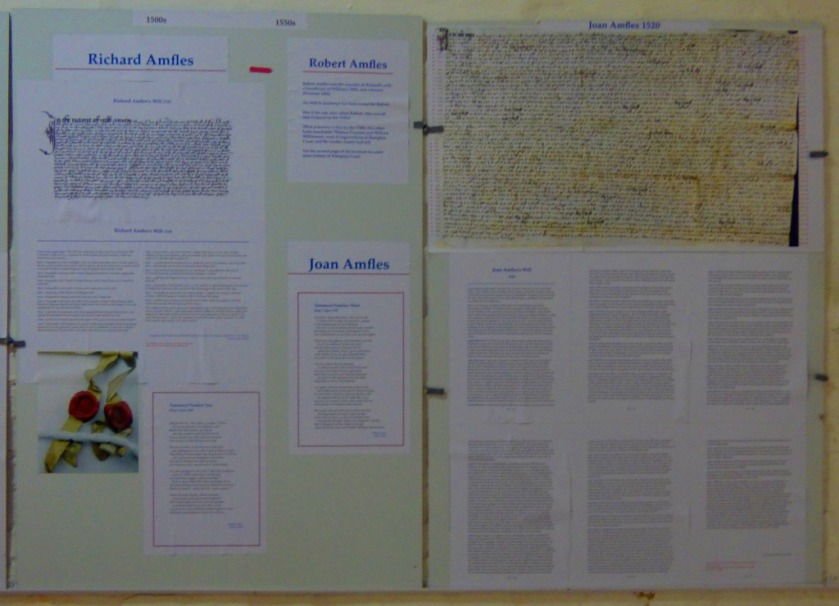
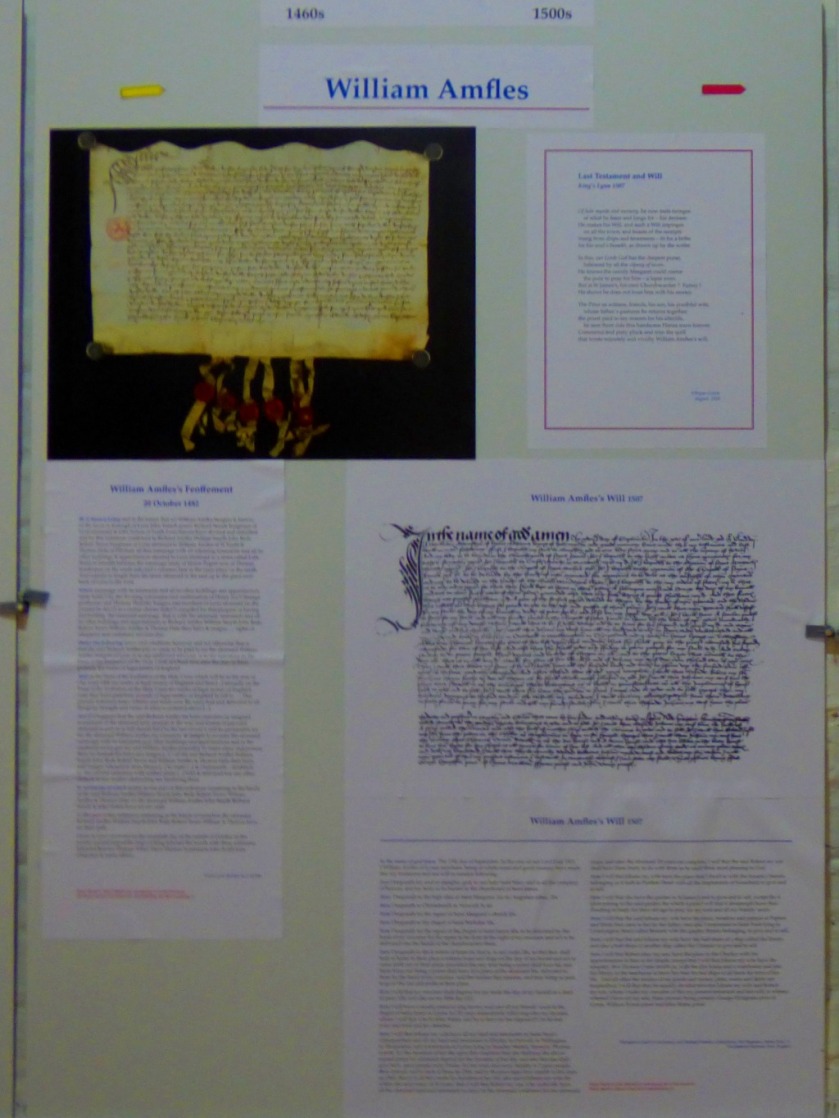
This is an old red bus, made by Leyland who manufactured the iconic old London buses, but it is not a genuine London bus.The passgeway leading in to the Secret Garden featured a historical display put together by the indefatigable Hendrina Ellis.
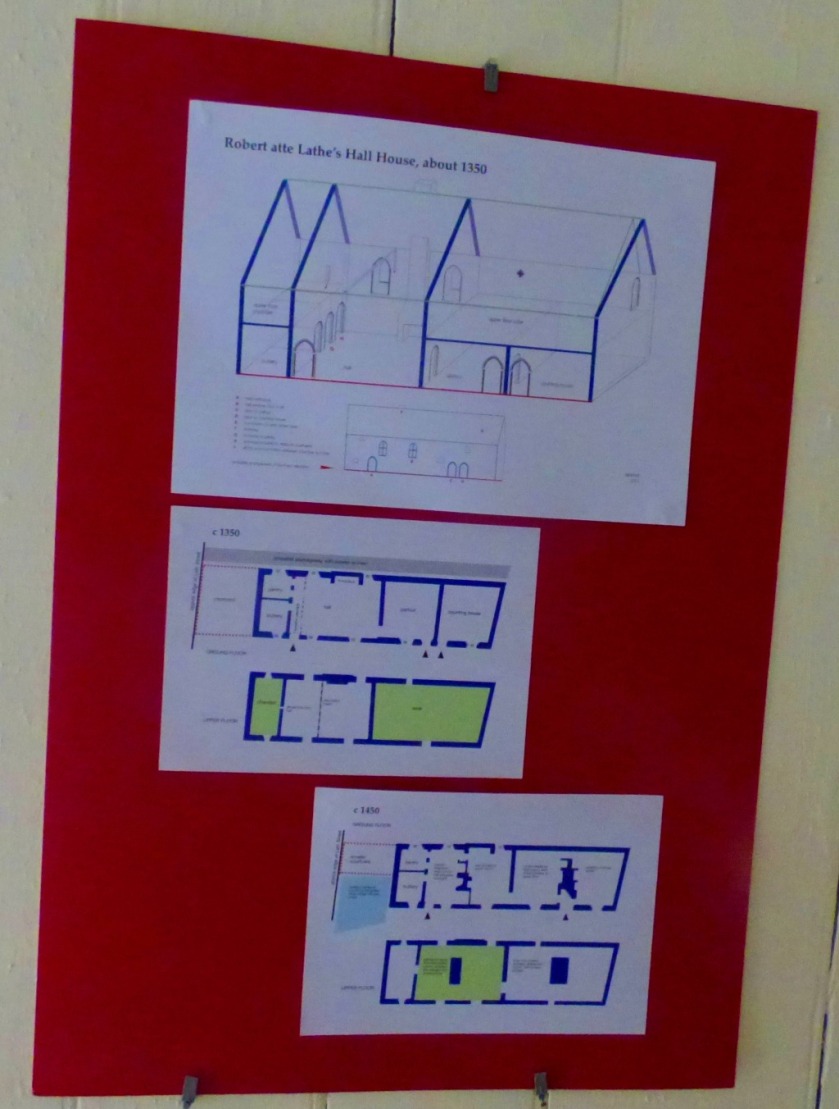
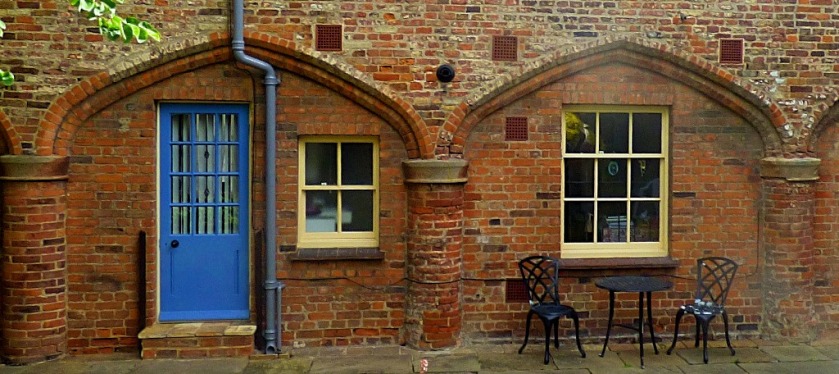
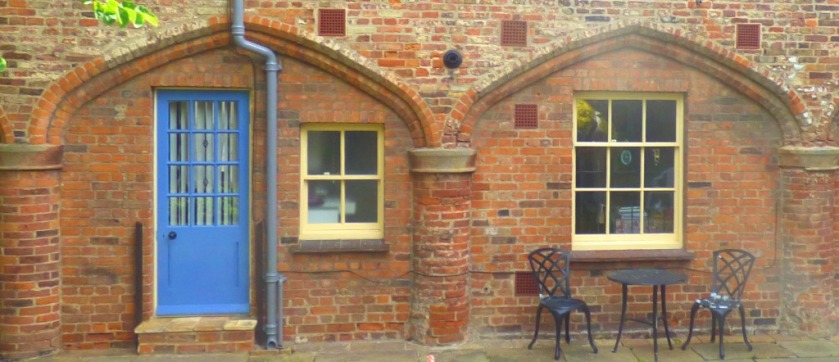
The series of arches at the rear of this shot were a warehouse frontage which in those days looked directly out on the river (now almost 100m distant from them)
A rowing regatta was happening on the river.
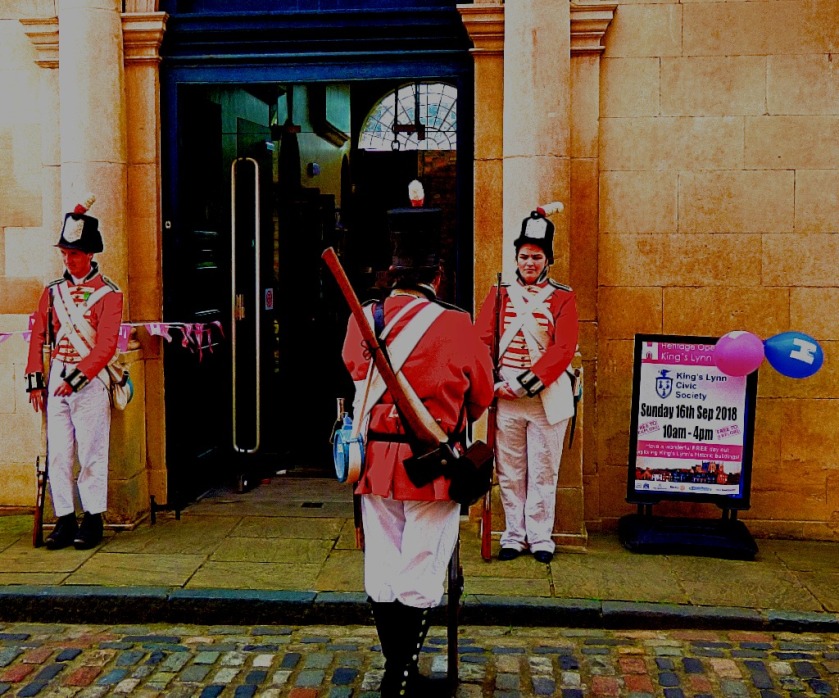
A militia company were stationed near the Custom House (the rifles were loaded with blanks btw)
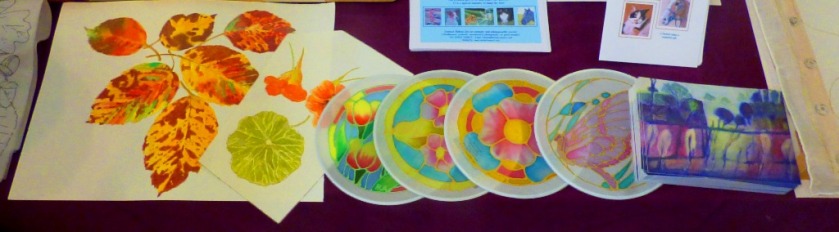
The first of a number of pictures from the art exhibition.
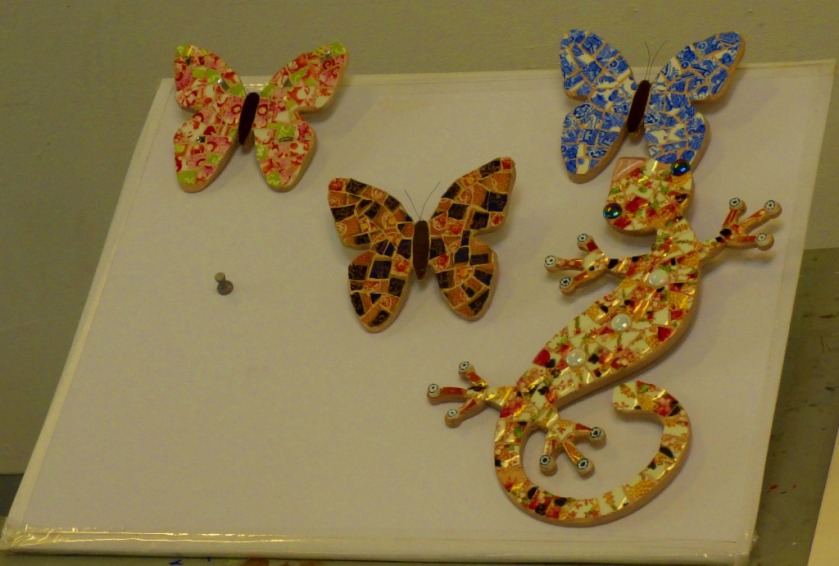
Creatures made using tessaraeThis butterfly set into a mosaic frame particularly impressed me.
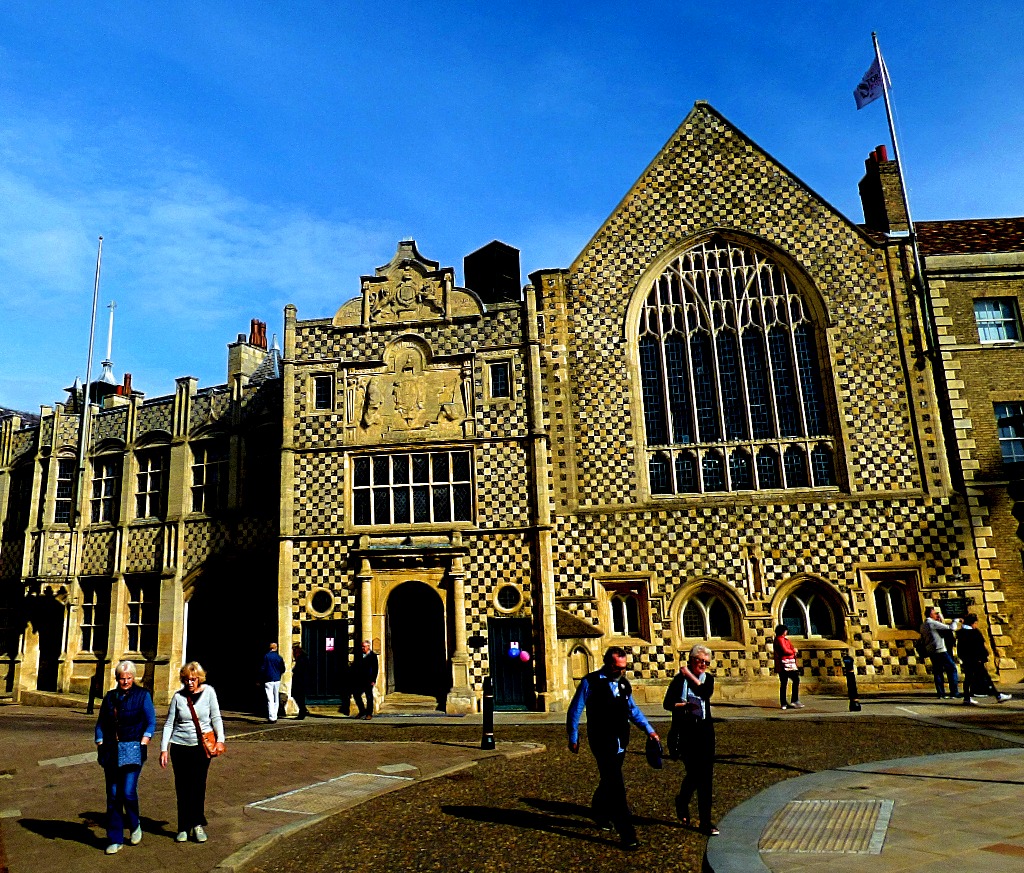
A glimpse of the Tuesday Market PlaceThe Guildhall of St George
A walking boat – and no this is not the West Stand at Headingley on a Saturday!Two riverside views on display at Ferry Lane.
An explanation of my recent lack of blogging activity and a sneak preview of the 2019 aspi.blog Cornish wall calendar (I will receive the printed versions by September 24th).
INTRODUCTION
The principal purpose of this post is to give you all a sneak preview of next year’s aspi.blog wall calendar. I am also going to explain why it has been a while since I last put up a blog post.
APOLOGY/ EXPLANATION
The reason why it has been a while since my last blog post is that I have had a very busy schedule of late, between work and various volunteering activities, and the one day on which I might have done a significant amount of blogging (Saturday) I lost to illness. I was sufficiently recovered by Sunday morning to do my volunteering for Heritage Open Day at the Bank House and to enjoy some of the experience, though I curtailed things somewhat so as not to set my recovery from the horrors of the previous day back. My opportunities will be somewhat limited during the rest of this week as I will be at the Corn Exchange helping to run an NAS West Norfolk stall for much of tomorrow and will be working Wednesday, Thursday and Friday.
THE CALENDAR
Here are sneak previews of the 13 key pages of the calendar (not actual size). I decided to make this calendar a celebration both of my pictures and of the fine county of Cornwall…
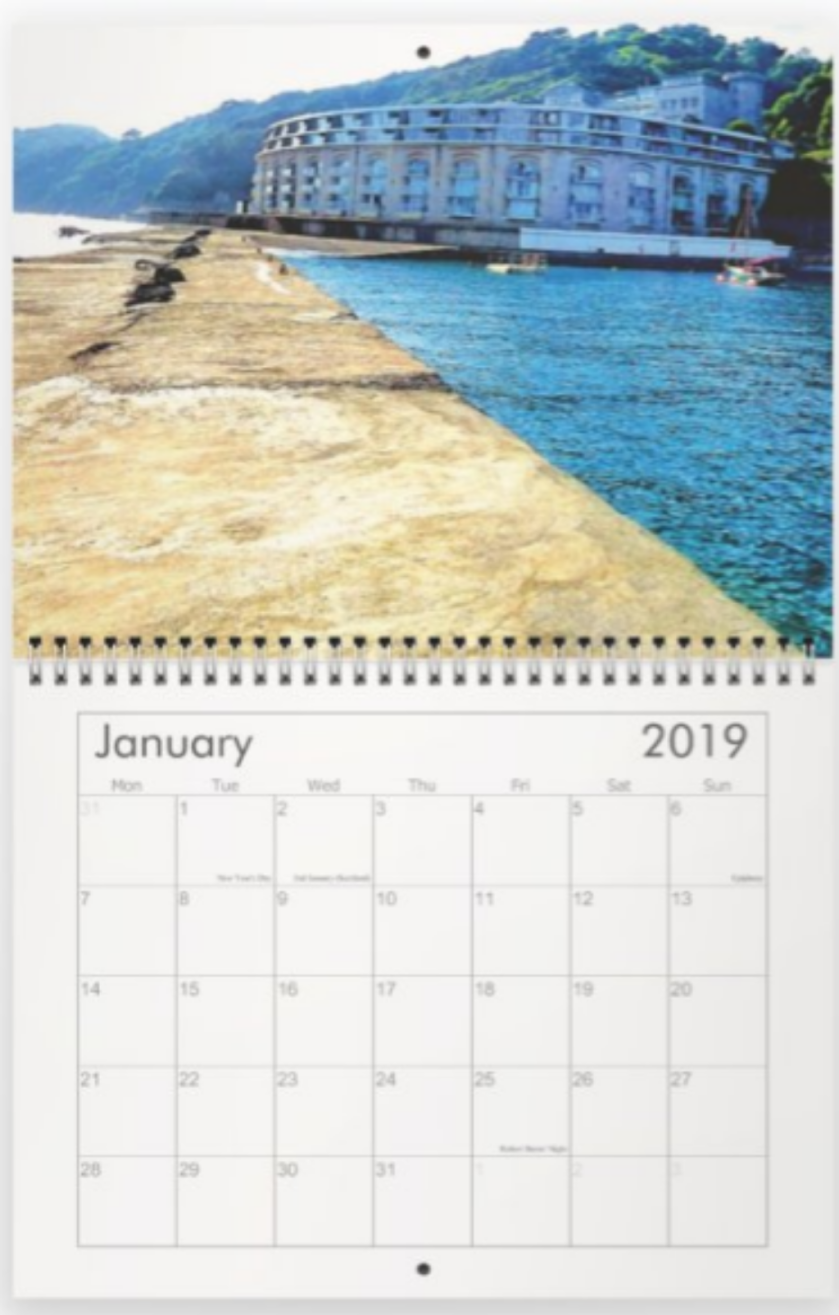
For January we have a picture of Fort Picklecombe:
February features Brunel’s famous bridge at Saltash:
For March the focus shifts to the far west of Cornwall, where with the exception of November and December it remains for the rest of the year. This is one of two pictures from a seal colony near St Ives to make an appearance.
The April picture is a trio – across the top a view from St Michaels Mount to Marazion, and sharing the bottom a heron at Lelant Saltings and a crab at St Ives.
May features a shot of Carbis Bay.
June features our second seal picture:
July features the seaside garden at St Michael’s Mount, which members of the public can view only from above:
August is double-up, featuring a cannon emplacement at St Michaels Mount on top and a panoramic view of the mount and causeway below:
September is a double up from St Ives showing an old phone box with a an antique Great Western Railway clock attached on one side and a close-up of the clock on the other:
October features a red admiral butterfly spotted on the descent from St Michael’s Mount:
November, sharing with July the distinction of a photo taken that month, features the lighthouse picture that is also my desktop background and the reverse side of my personal cards.
December, just to emphasise what this calendar is all about features a shot of the Cornish flag.
Each page of the calendar is 28cm wide and 21 cm high, meaning that when hanging up open and ready for use it is 28cm wide and 42cm high.
Final thoughts on the just concluded England v India test series.
INTRODUCTION
Jimmy Anderson just a few minutes ago rattled the stumps of Mohammad Shami to finish the England versus India series and simulataneously move ahead of Glenn McGrath and test wicket taking list to become the all time leading wicket taker among seamers. He still possibly has enough juice left to get past wrist spinner Anil Kumble (619) into third place overall but I suspect that the tallies of Warne (708) and Muralitharan (800) are too far distant for him. In the rest of this post I will summarise the series from my perspective.
MATCH BY MATCH THROUGH THE SERIES
Englandcame into this series off the back of a poor recent run in test matches (obliterated in Australia, a clear second best in New Zealand and an unconvincing drawn home series against Pakistan) but a lot of success in ODIs, which national selector Ed Smith decided to channel by means of the selections of Buttler and Rashid. India mean time were ranked no 1, a good margin clear of the rest.
MATCH 1: EDGBASTON
England led by 13 runs on first innings, which looked like meaning precisely nothing when they then began their second innings by slumping to 87-7. However, for the first but not last time in the series, India proved unable to complete the job, baulked on this occasion by Sam Curran’s first major contribution, and England eventually left India 194 to chase, which proved to be more than they could handle.
MATCH 2: LORD’S
From the moment India were all out for 107 in their first innings the fate of this match was pretty much settled. At 130-5 England were making heavy weather of their response but a maiden test century from Chris Woakes and 96 from Jonny Bairstow put the game well and truly out of India’s reach and in the event they collapsed a second time to lose by an innings and 159 runs.
MATCH 3: TRENT BRIDGE
This match was settled in the space of an hour and a half on the second day, when England facing an Indian first innings of 329 slumped from 54-0 to 128-9. Even then the last apir cobbled together 33 to reduce the deficit, but the damage had been done, and India ran out comfortable and deserving winners
MATCH 4: THE AGEAS BOWL
When England were 86-6 after winning the toss and batting it looked like the final match would be a decider. However, with Sam Curran playing a second fine innings to rescue a dreadful start England reached 246. India took a small first innings lead, but England batted better second time around and India never threatened to get close in the fourth innings. England had sealed the series with a match to spare.
MATCH 5: THE OVAL
England were playing for pride and a bit of history in this match. After Jennings had fallen cheaply to the surprise of precisely no one who had been following the series Cook and Moeen Ali looked to have stabilised things, but then a clatter of wickets reduced England to 181-7. Buttler and Rashid made it through the the close at 198-7. When Rashid was dismissed early on the second day to make it 214-8 India seemed to be in the box seat. Then in what had become a recurring theme of the series India failed to finish what they had started. Kohli, one the three best batters currently eligible for test cricket (alongside Root and Kane Williamson of New Zealand), is also one of its worst ever captains, and here he was concentrating so much on trying to prevent Buttler from getting the strike that he seemed to forget about taking wickets with the result that England’s total mushroomed to 332. India in their own first innings staged a late order revival to reduce what had looke like being a three figure deficit to a mere 40. After Jennings had gone cheaply and Moeen Ali had also not done very much Cook in his final test innings and Root joined forces. This was the partnership that placed England’s boot firmly on India’s throat, as both completed hundreds, Cook in the process becoming test cricket’s all time most prolific left hander. Both lost their wickets in successive balls, and then after a bit of bat throwing by those lower in the order England declared setting India 464 to win.
Anderson took two wickets with the new ball to draw level with McGrath, while Kohli managed to complete his series without once falling to Anderson (by instead being done first ball by Stuart Broad), at which point India were 2-3 and the 4-1 outcome looked nailed on. A thunderous partnership on the final day between Lokesh Rahul and Rishabh Pant who both made centuries (Pant’s, his first in test cricket, could almost be described as a Gilchristian effort) but England broke through, and although for a long time it looked like India might escape with a draw the prospect of defeat never really loomed. Sam Curran took the eighth and ninth wickets with the second new ball (the latter of them being Jadeja, leaving nos 10 and 11, both out and out rabbits – indeed Bumrah at no 11 may even merit the term ferret). Bumrah managed to survive the last two balls of a Curran over, which meant that Anderson had a full over at two out and out tailenders in which to make history. With the third ball of said over Anderson did the trick as mentioned in the introduction.
Curran, who by taking his late wickets here had become only the second person to record 250 runs and 10 wickets in a test series before reaching the age of 21 (the other was chap by the name of Kapil Dev who may be familiar to some of you!) was rewarded for his all-round endeavours by being named England player of the series, while scores of 71 and 147 in his international swansong saw Cook named player of the match.
This was a truly extraordinary match, leaving me to ask a question: William Shakespeare did you secretly emerge from the grave to script this?!
4-1 – FAIR OR HARSH ON INDIA?
I have written about this before (see here), but I am now going to dot the is and cross the ts. Yes, as well as their big win at Trent Bridge India had good chances in three of the other matches, including the one just concluded, but the simple fact is that far too often they could press home the advantage when they had it, and every time they had an opportunity to close out a match England did so. Therefore, I say that 4-1 is a fair reflection of the series. However, not all in the England garden is rosy – the departure of Cook and the repeated failures of Jennings mean that England need a new opening pair, and have seven test matches before the arrival in town of the oldest enemy, the Aussies, for that pair to establish themselves. Also, given the reluctance of Root to bat there and the fact that Ali while adequate seems to morph into a darker skinned version of Chris Tavare when he bats there England also have problems filling the number three slot. This uncertainty at the top has been reflected in a series of poor starts to the England innings, most of which, save at Trent Bridge, were turned around by the middle and lower orders into something at least respectable.
PHOTOGRAPHS
A few from James and Sons collector’s auction on September 26, which is now ready for viewing online.
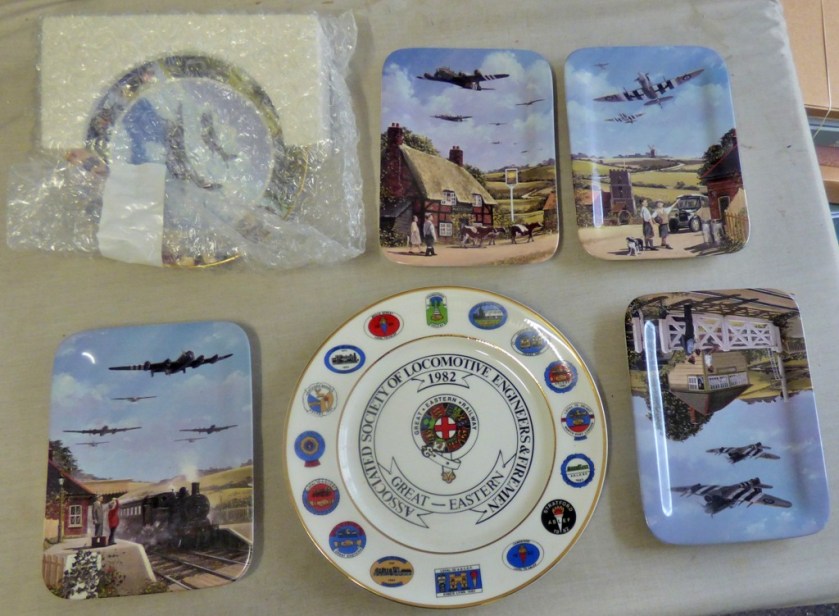
Lot 283, slightly frustrating for me……because if this ASLEF commemorative plate had been being sold as a single item I would certainly bid for it.
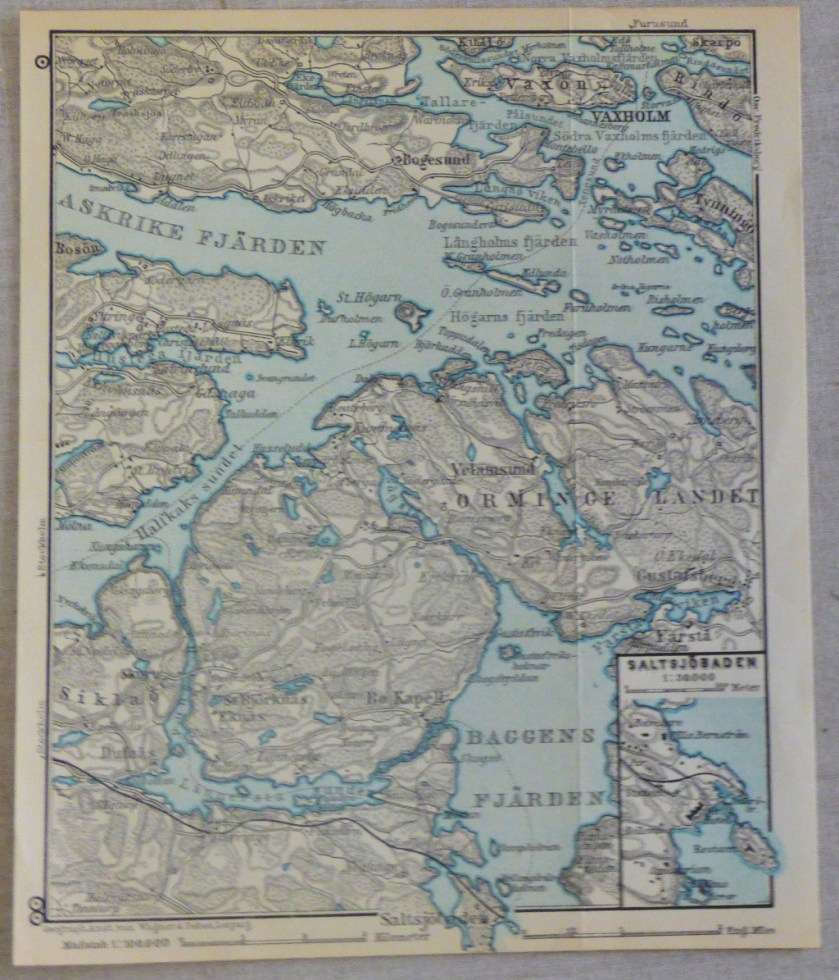
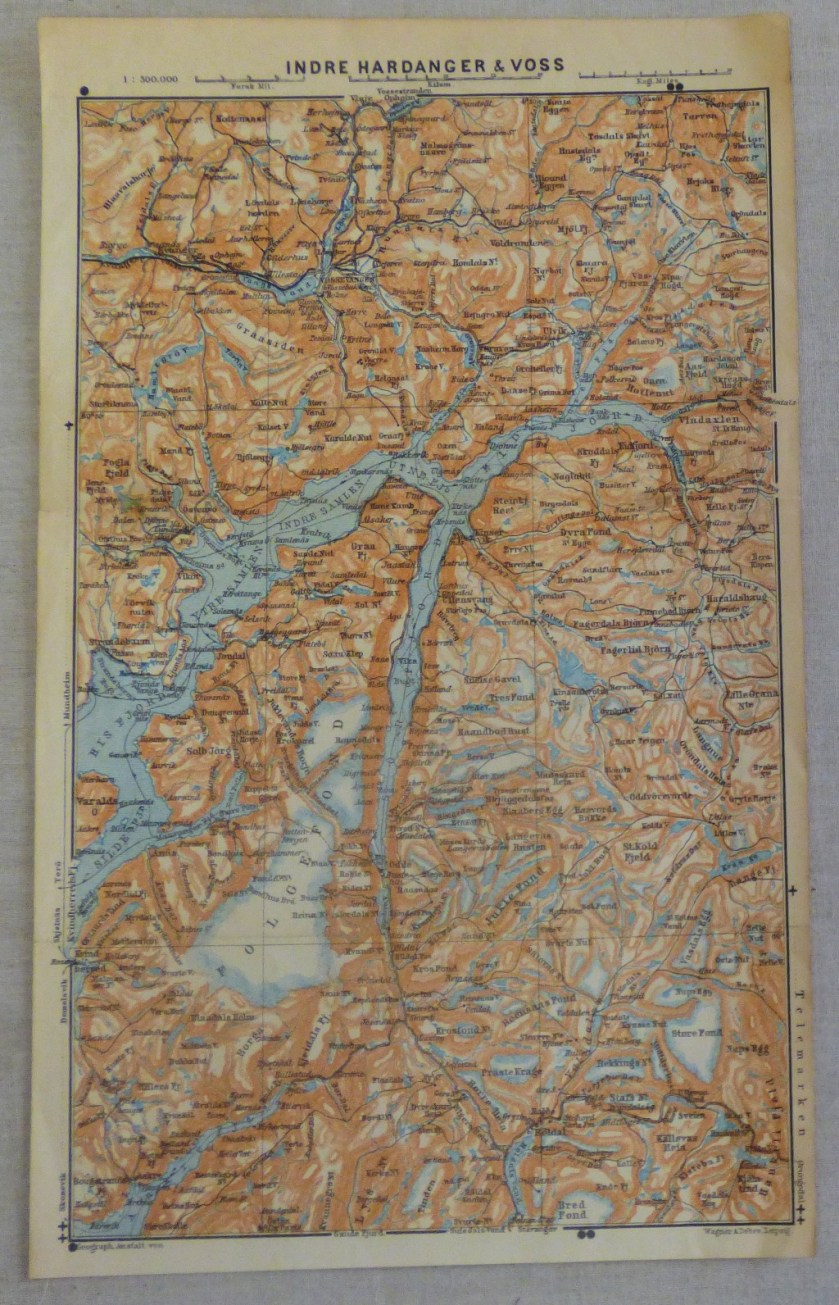
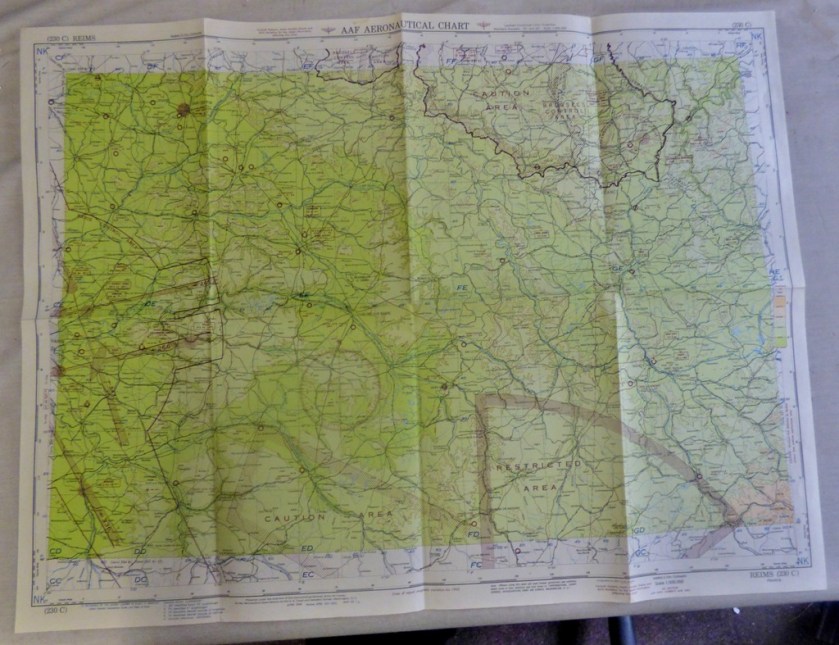
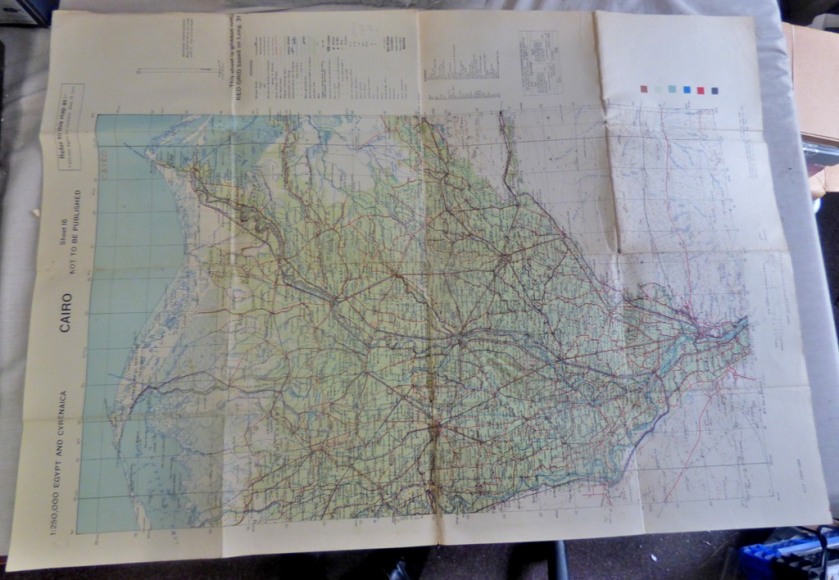
A selection of antique maps (lots 100-5 inclusive)
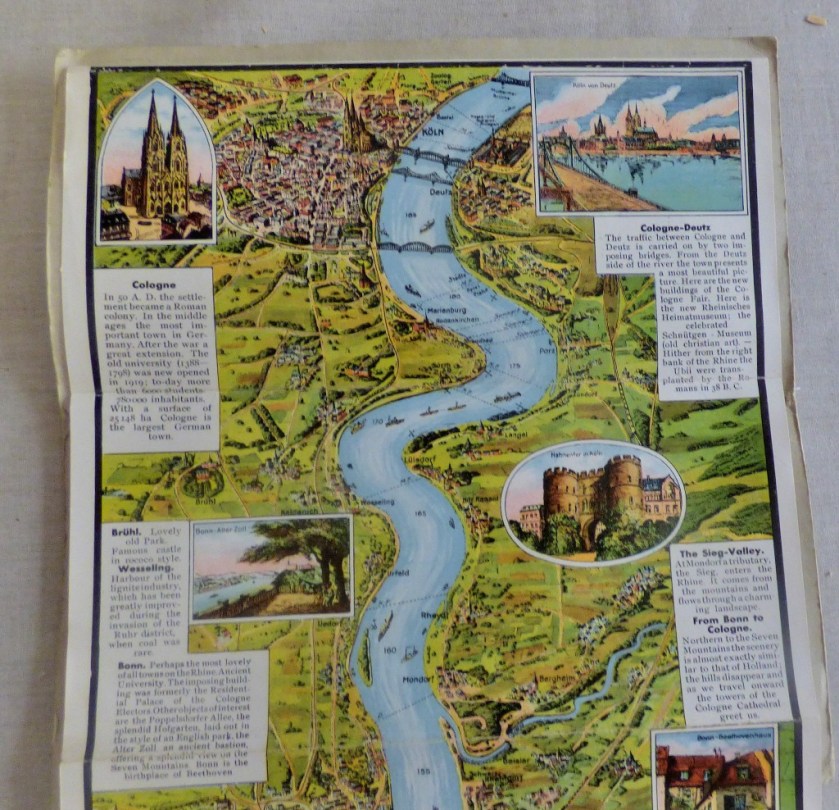
This picture of the Rhine is lot 110 (four images)
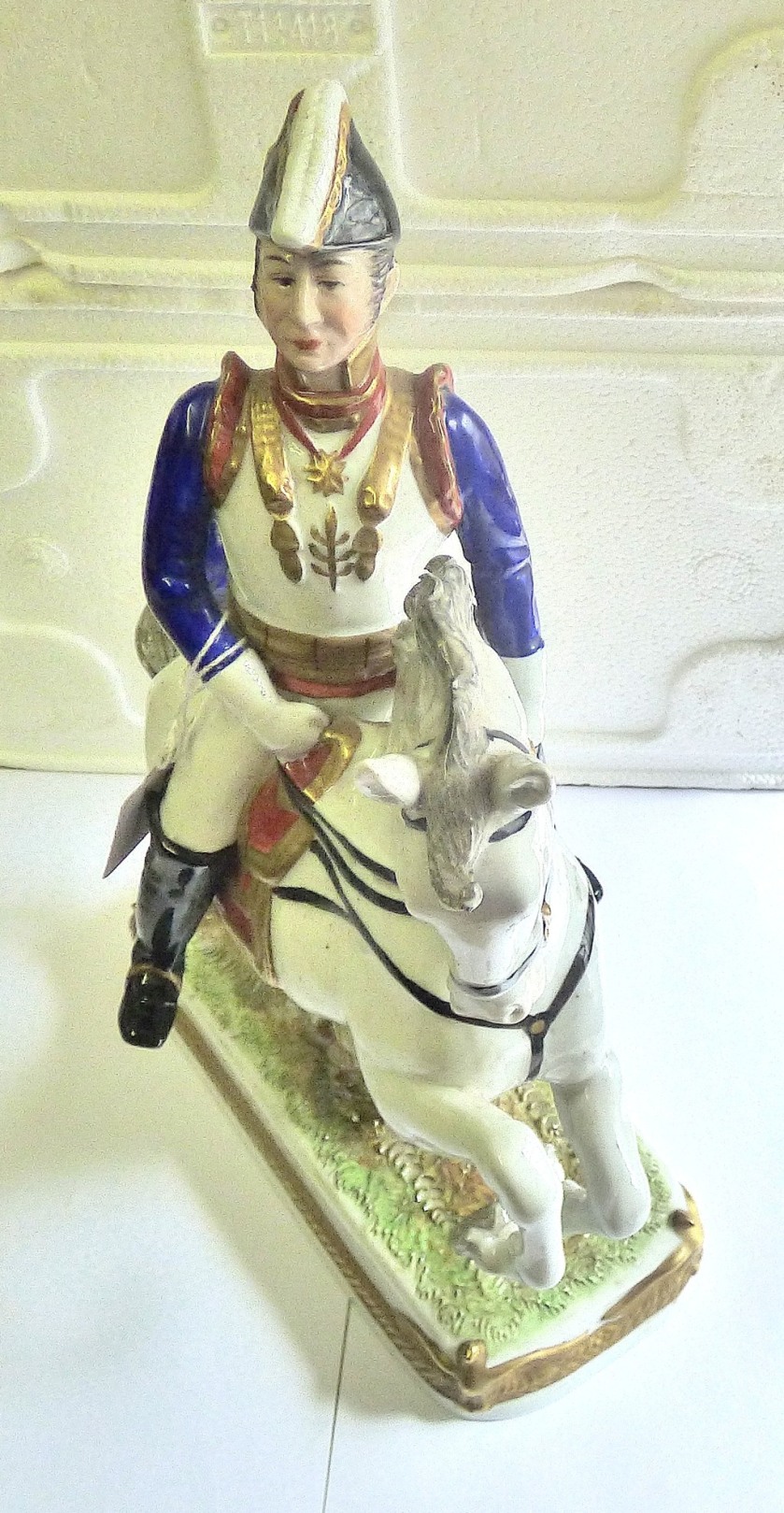
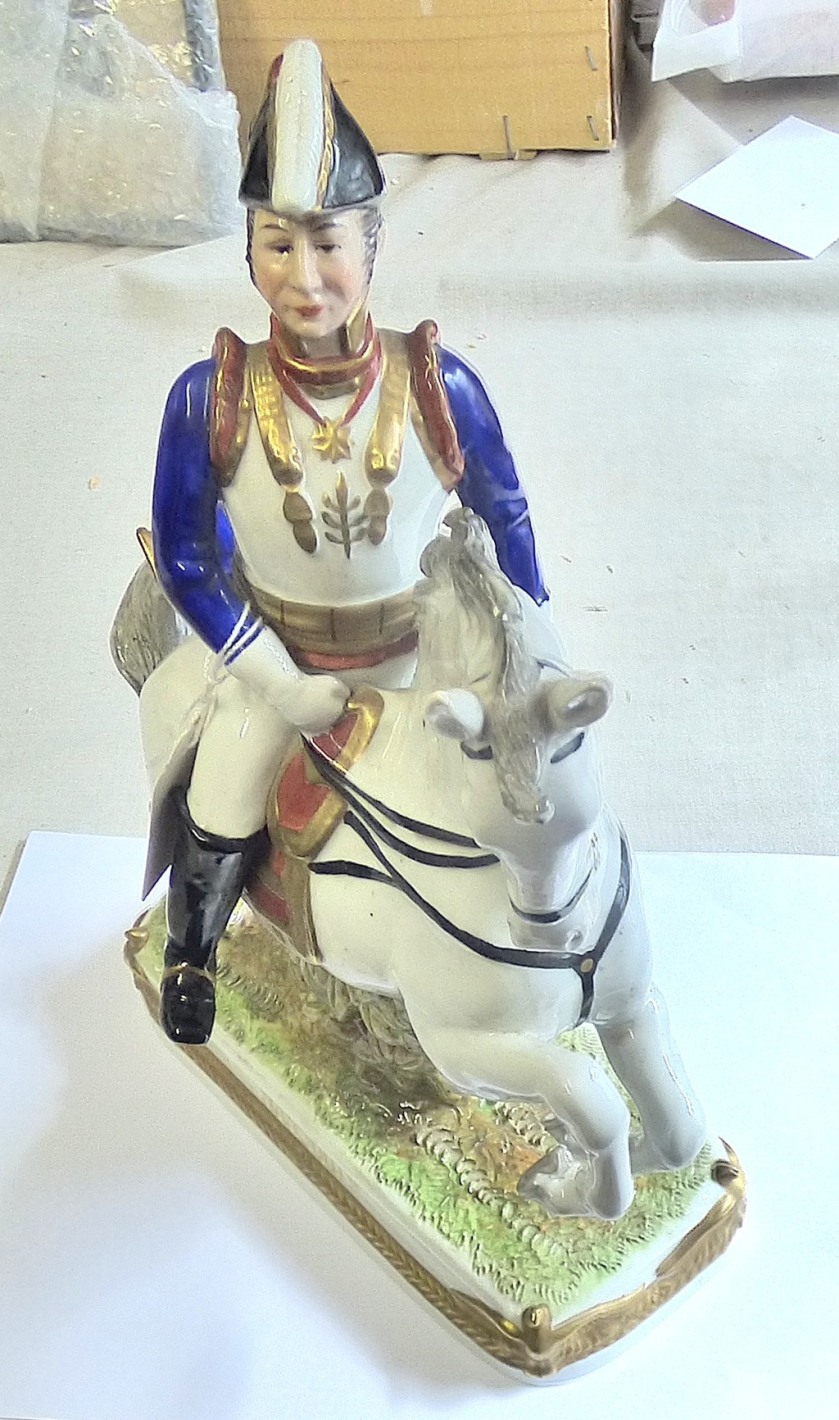
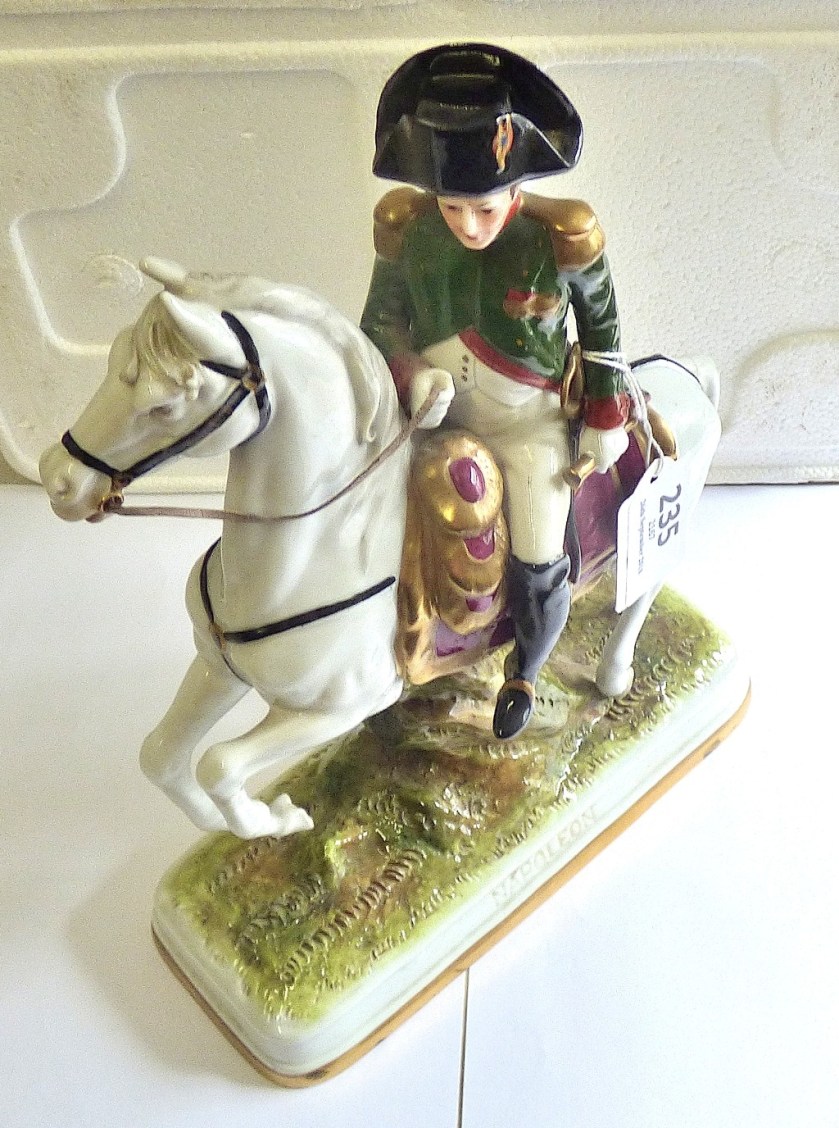
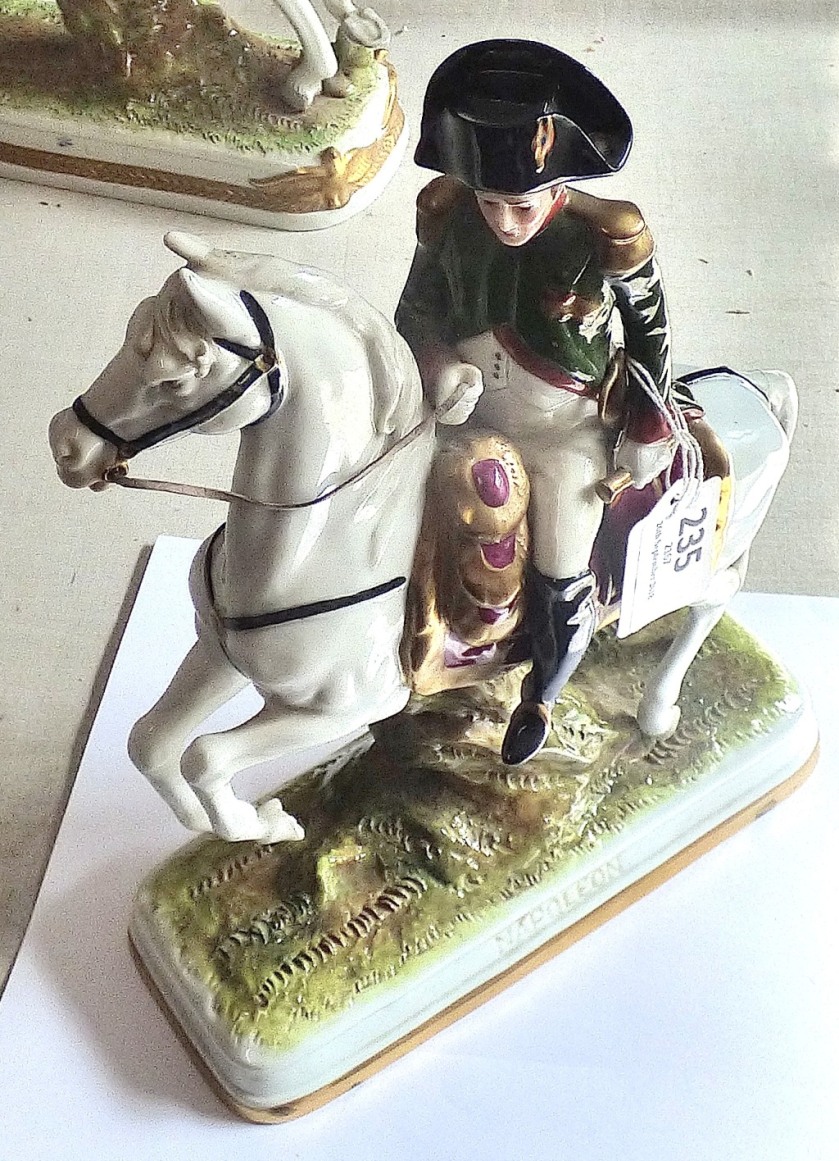
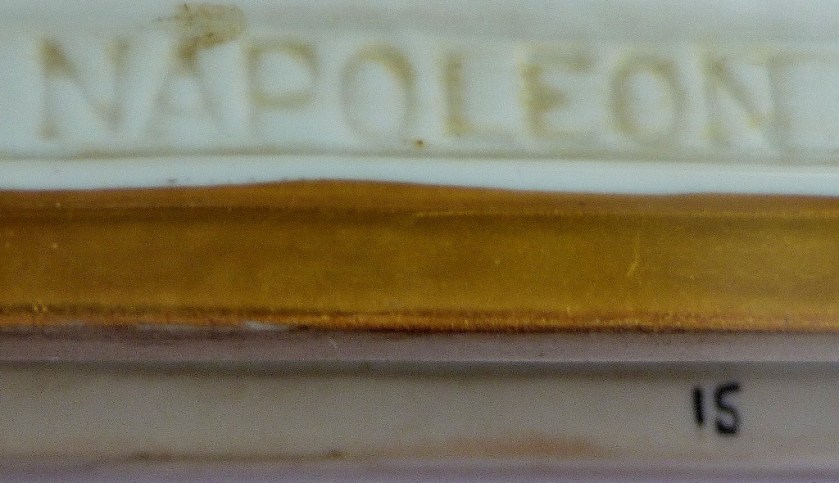
Lot 234, one of two figurines featuring leading French generals fron the Napoleonic era.
A ‘farewell to Alastair Cook’ post, with some suggestions for the future.
INTRODUCTION
As well as this current match I will be looking to the future (and inevitably back to the past).
ENGLAND IN COMPLETE COMMAND
Alastair Cook has ensured that tomorrow’s sports pages will feature one story and one story only by reaching a century in his final test innings (it is not quite a duplication of Greg Chappell’s ‘full circle’ act of scoring centuries in his first and last test innings, because Cook reached his maiden ton in the second innings of his debut match, but it is a unique bookending double for Cook because he scored a fiftty and a century on debut and has now done the same in his final test match. The hundred was brought up courtesy of Jasprit Bumrah’s KP impression – shying wildly at the stumps with no chance of a run out even if he had hit and seeing the ball race away for four overthrows, allowing Cook the rare distinction of completing his hundred with a five. Cook has just gone for 147. His aggregate of 218 in his final match is not a record – that belongs to Andy Sandham who at the age of 39 scored 325 and 50 against the West Indies at Sabina Park (in a match that was abandoned as a draw after two days were washed out and England then had to catch the boat home). For the home series against Australia England reverted to the regular opening combo of Hobbs and Sutcliffe, and as fortune would have it Sandham never played again, while second in that roll of honour is Bill Ponsford who scored 266 and 23 the Oval in 1934, helping Australia to clinch the Ashes with victory by 562 runs. Among the welter of records generated by this final innings Cook is now established as the most prolific test match left hander of all time, having moved ahead of Kumar Sanggakkara. Cook finishes with 12472 runs at 45.35 and having occupied the crease in test match cricket for just over 621 hours in the course of his career (103.5 days play = batting for the equivalent of just over 20 of his 161 test matches).
The fairytale script for the rest of this match has Anderson moving ahead of McGrath to become the leading wicket taking seamer in test cricket history, preferably with the history making wicket being that of Virat Kohli. Given the size of England’s lead and the amount of time left in the game the victory is pretty much nailed on.
THE FUTURE
Thanks to their policy of sticking with Jennings long past his sell by date England now need two new openers. I see the following options for England now:
The cowardly (and in my view indefensible) option of sticking with Jennings and recalling Stoneman so that they have an opening pair who have both played test cricket.
The “safe” option of going with one of Stoneman/ Jennings and presumably one out of Rory Burns or Nick Gubbins
Go for a complete fresh start with Burns and Gubbins both debuting at the top of the order. Preferable in my view to either 1 or 2 but hardly ideal.
The left-field option that I have mentioned in previous posts (herefor example) of giving Tammy Beaumont who has been scoring bucketloads in international cricket the opportunity to play alongisde the men and giving the other opening slot to either Burns or Gubbins.
Option 1 if taken would see me breathing fire, option 2 would be disappointing but unsurprising, I would applaud the taking of option 3, while I recognize that there is basically zero chance of option 4 being taken I would love to see it happen.
Apart from the retired Cook and the (I hope) dropped Jennings I would include the other nine from this match, Ollie Pope, Chris Woakes and Mark Wood in the touring party to Sri Lanka, add in Bess as an extra spinning option (likely to be needed in that part of the world), certainly give consideration to further beefing up the spin department with Amar Virdi, and pick top order batters Beaumont, Burns and Gubbins envisaging the first two as regular openers and Gubbins as back-up in case of injury. Certainly three genuine openers are needed, and as far as I am concerned if either Stoneman or Jennings feature the selectors will have failed in their duty. England have seven matches to develop a settled side before the Aussies come calling next year, and need to use them properly – and picking two openers who are proven failures at the highest level would not be doing that.
BACK TO THE PRESENT
While I have been writing this England have reached tea with their lead already past 400. The final session should go as follows: cram on as many runs as possible in 1st hour after tea and then declare if not all out, and then get stuck into India hoping to knock the top off their second innings before the close. Being greedy, and tomorrow being a work day, I hope Anderson gets his three to move ahead of McGrath tonight, as if he doesn’t I will almost certainly miss that historic moment.
If, as now seems likely, England win this series 4-1 will they have deserved it? Absolutely – yes India had good chances at times of four of the five matches in this series but save at Trent Bridge they could not close things out. In match 1 England were 87-7 in their second innings, only 100 to the good, but the last three wickets more than doubled their score to set a target that India could (and ultimately did) get in trouble chasing, in the second game England dominated from start to finish, while in the third India did likewise, in the fourth England were 86-6 in the first innings and recovered to reach 246, and in this match England were 181-7 and then 214-8 in the first innings before India let things slip to such an extent that England tallied 332 in the end, and since that late order revival they have been in control (although India’s tail staged a minor wag of their own to restrict the first innings advantage to a mere 40).
PHOTOGRAPHS
Here are a few photographs to finish with:
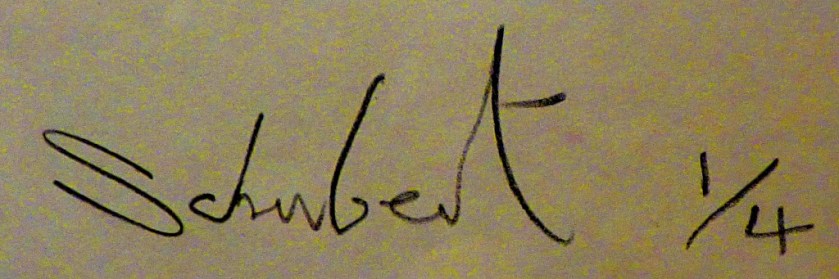
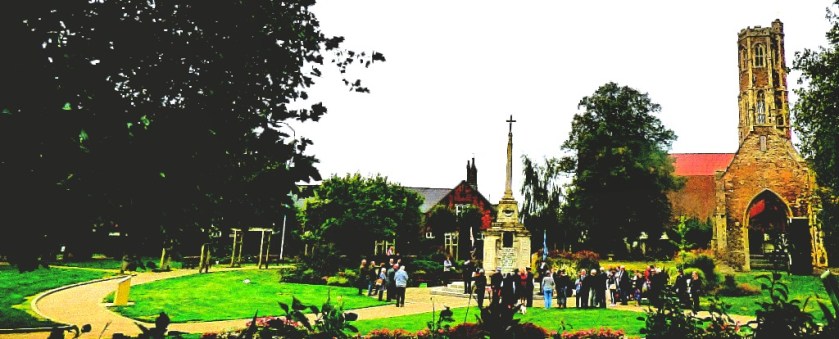
The latest addition to my aunt’s collection of pictures – a very good representation of an EmuThe artists signatureA high quality jigsaw of Oxburgh Hall, which I photographed before I had to disassemble it and replace in its box as we needed all the space on that table clear (it was Sunday supper at my aunt’s house and there were five of us there).A ceremony taking place at the main King’s Lynn war memorial.An antique bike outside a shop on Tower Street.
Some thoughts on the current test match, some mathematics, some climate change themed links and some photographs from an upcoming militgaria auction.
INTRODUCTION
Although my first and main focus in on the current test match between England and India I also have my usual assortment of other goodies.
SWITCHBACK RIDE AT THE OVAL
When England were 120-1 at one point yesterday it looked like they were making a solid if slow start. India then took control of the game, England finishing the day 198-7, with Jos Buttler looking to marshal the tail in a recovery act (the first time this millennium that an uninterrupted test match day in England has yielded less than 200 runs). When Rashid was out fairly early this morning to make it 214-8 the question was whether the Broad and Anderson could last long enough to see England to 250. Thanks to some crazy Indian tactics the final England wicket did not fall until the total had reached 332, Buttler top scorer with 87 and Broad a useful 38. Buttler was last out when it finally occurred to India that it might not be a good idea to allow him singles at will and set a field that necessitated improvisation if he wanted to farm the strike.
The “tactic” of concentrating all one’s efforts on the tailender and declining to make any effort to pressurise the senior batter is not one I have ever approved of, and today saw one of it’s many ignominious failures.
Having failed yet again Jennings now surely has one innings left to save his test career. There are seven test matches for England, six overseas and one at home against recently elevated Ireland before the Aussies come calling, and it is those matches which can be used to bed in a new opening pair (it would be a major ask for an opener to make their debut against them) – and I do not see Jennings being one half of that pair. As I was writing this paragraph Stuart Broad picked up the first Indian wicket. Those who read my previous postknow that I have my own highly unorthodox solution to the problem of who the new opening pair should be (the driver of the bus I travelled home from work on yesterday, who is a follower of this blog, commented approvingly on the controversial element of this, so I am not alone).
If, as now seems to be one of two live possibilties (a draw and overall 3-1 being the other) England end this series with the scoreline 4-1 in their favour India will have chucked this match in the first part of day 2. Virat Kohli is a great player but on all available evidence he has precisely no aptitude for captaincy. In thirty years of being an avid cricket follower I cannot recall a finer demonstration of how not to polish off an innings.
TEASERS
First up solutions to the problems I set on Wednesday (all problems in this section come by way of brilliant.org):
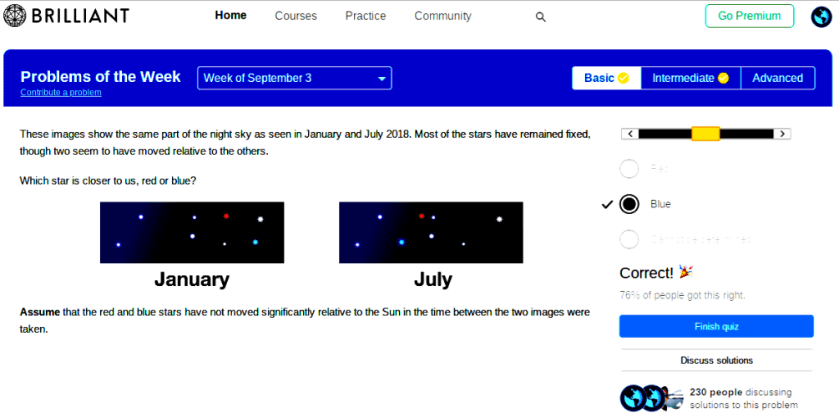
WHICH STAR IS CLOSER?
First the answer:
The blue star has changed relative position more than the red, hence it must be closer, while all the other stars are so far distant that they have not changed relative position.
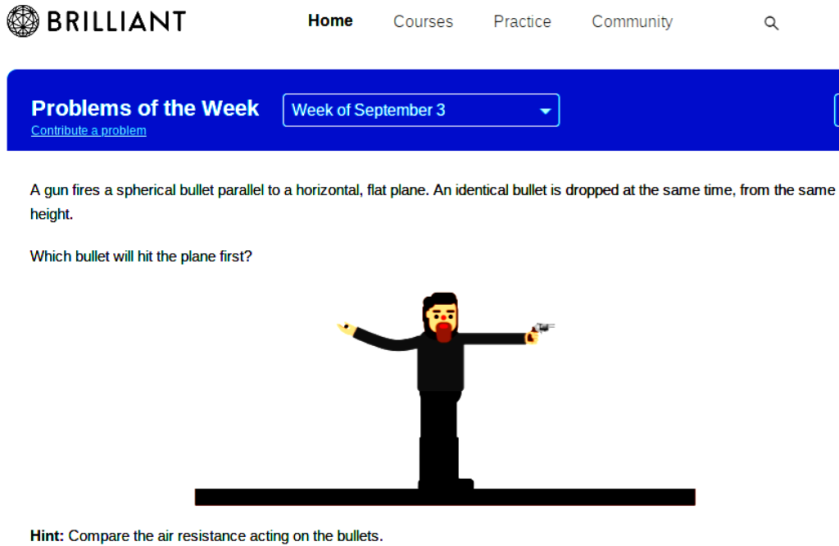
BULLETS
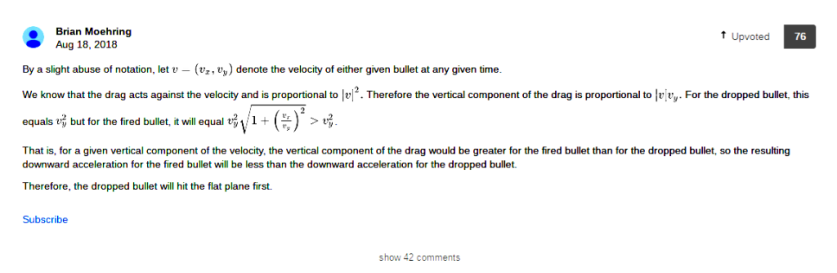
The answer:
Here is Brian Moehring’s solution:
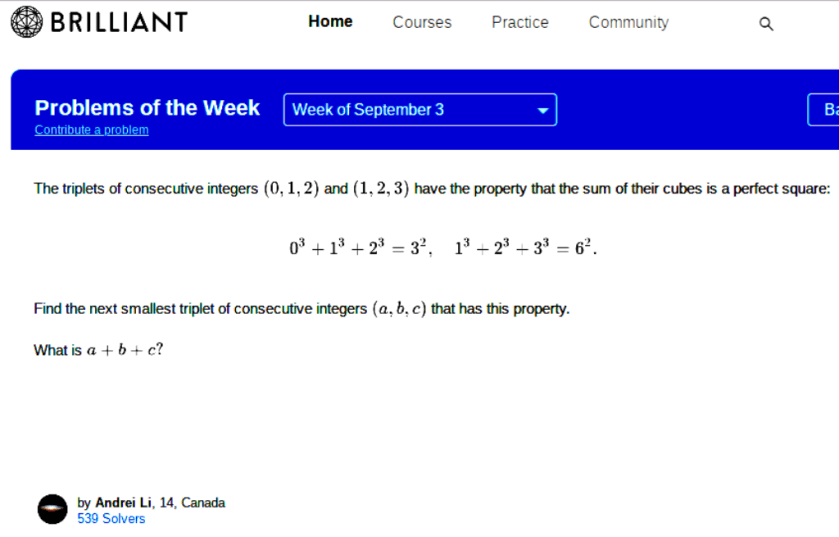
NEW PROBLEMS
Here is another problem:
LINKS
Three closely related pieces here.
Richard Murphy brings news of a campaign victory – the BBC has admitted to getting its coverage of climate change wrong and has warned people that it is not necessary to give airtime to climate change deniers for the sake of balance. Here is the end of Murphy’s pieceon this: Of course I am pleased.
Rise for Climate – this is a new source of information about actions being taken to combat climate change – feel free to visit and sign up for emails as I have.
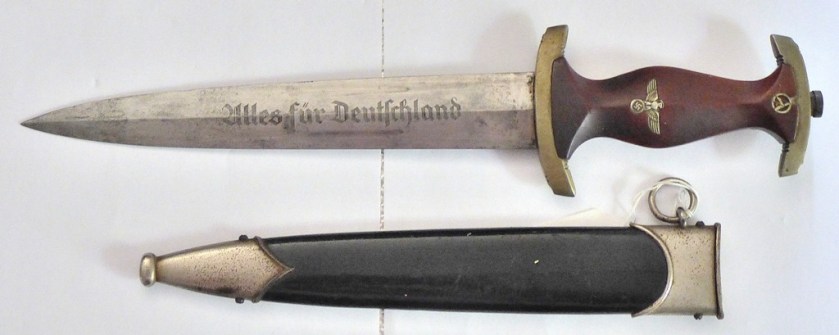
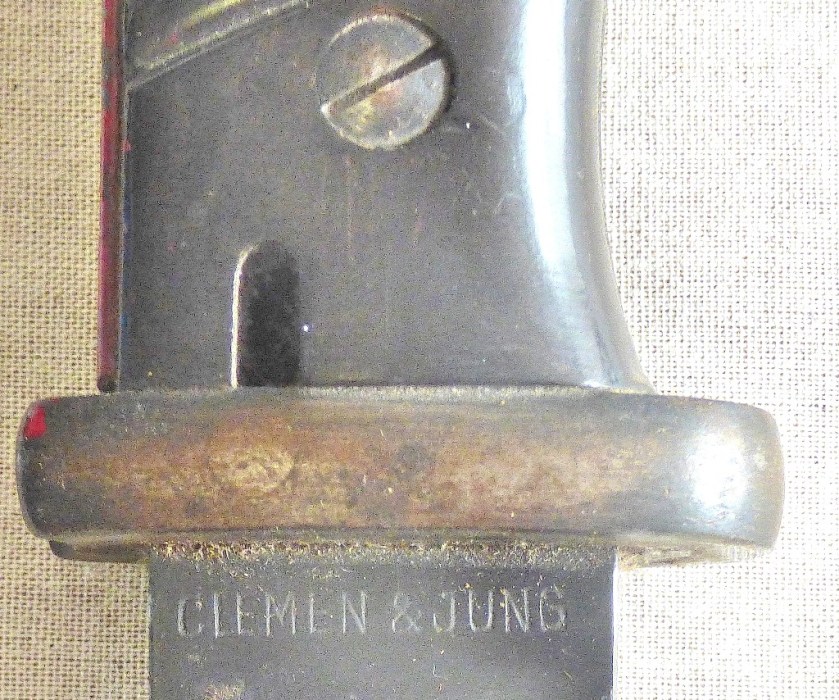
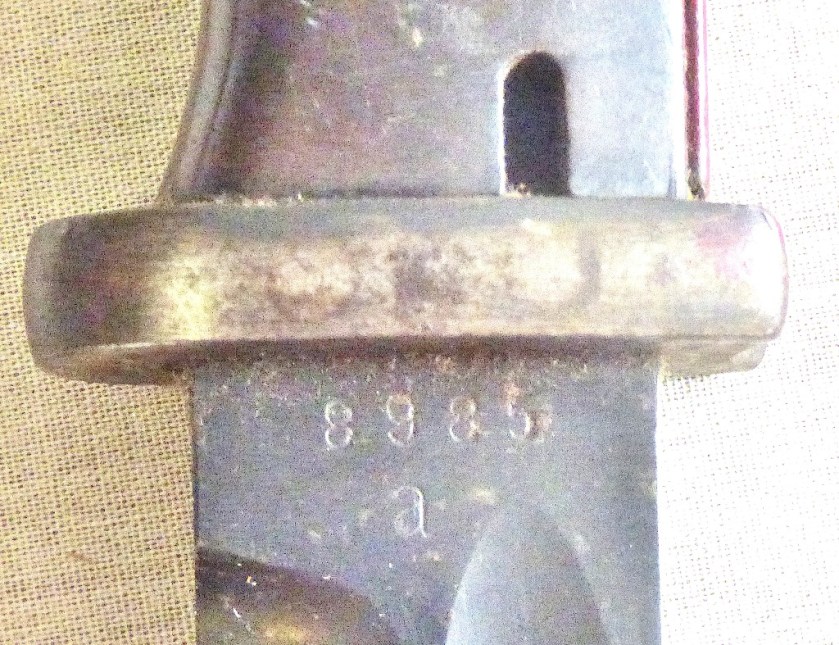
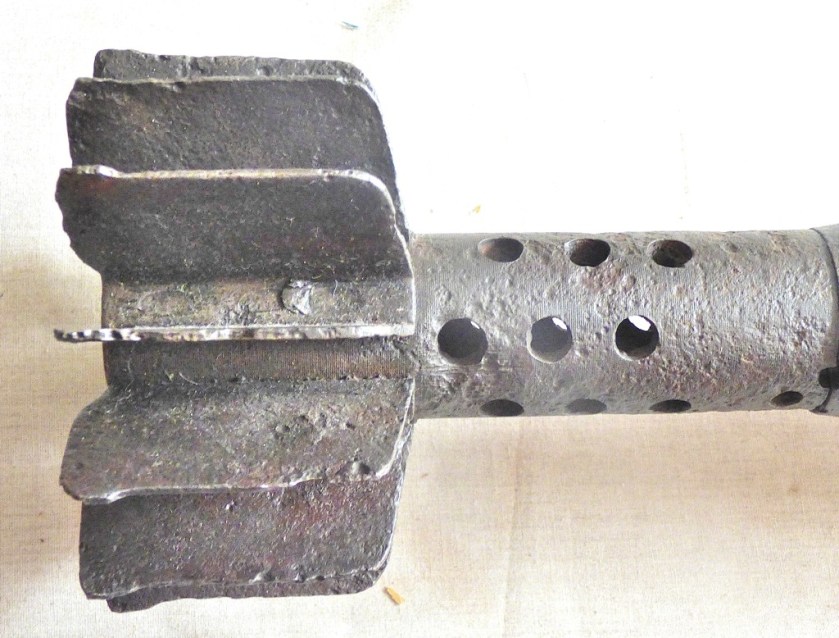
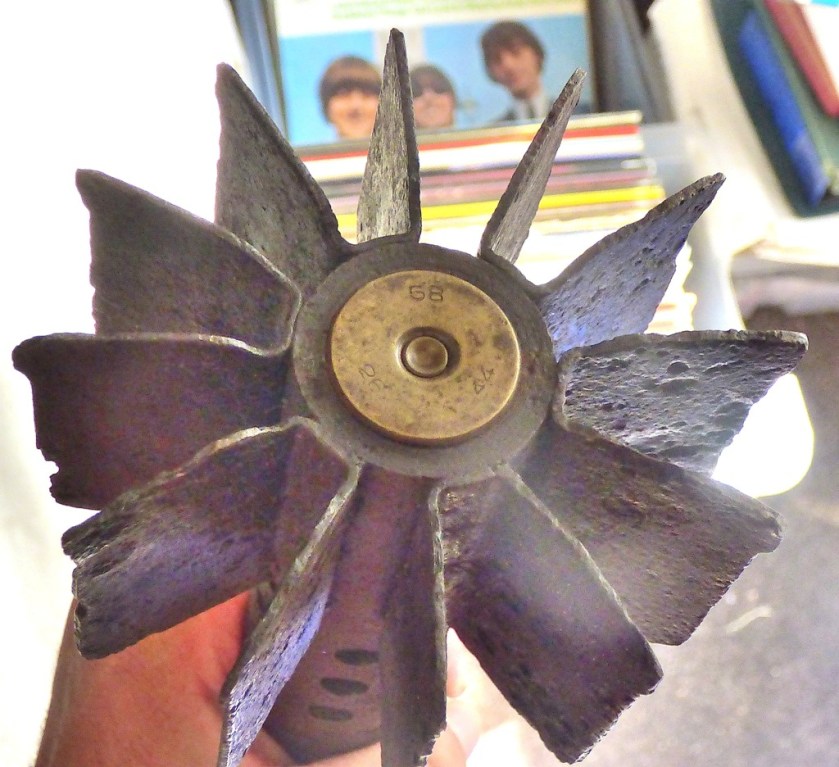
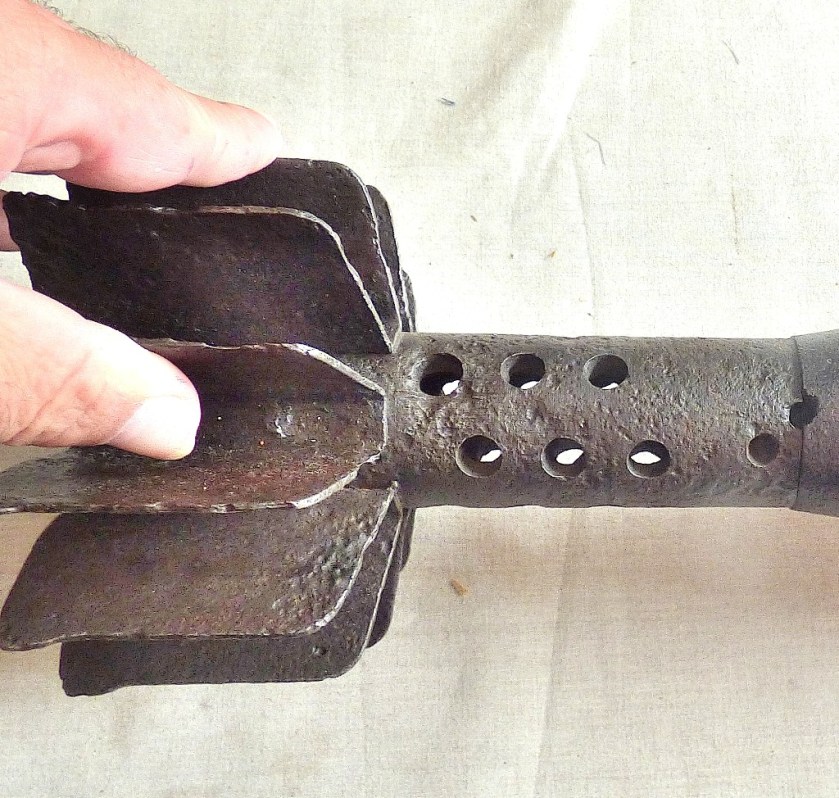
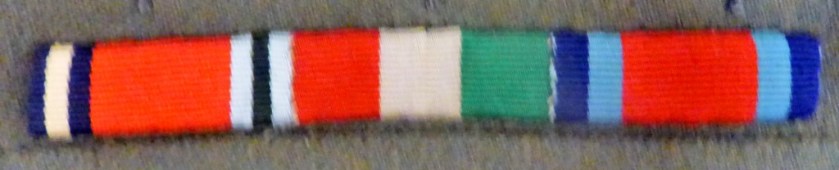
These pictures all come from our militaria sale that will be happening on September 19th. Disclaimer: one of the items pictured is a relic from one of history’s vilest regimes – I show it because it is a remarkable specimen which has already attracted large amounts of interest.
Lot 2 – this dagger is definitely genuine – and will go for a lot of money.
Lot 10, this will be on the front cover of the catalogue.Lot 51
Lot 231Lot 402Lot 406Lot 405
Lot 404
Lot 204
Lot 373Lot 372
Lot 407 – this uniform will bring the cujrtain down on the sale.