All Time XIs – Through The Alphabet IV

Our all time XIs resume the alphabetic progression seen on Friday, Saturday and Sunday. Lots of photographs.

INTRODUCTION

For today’s all time XI cricket post we revert to the alphabetic progression that I started on Friday and continued on Saturday and Sunday. No 11 in Sunday’s second XI began with an N, so today’s first XI starts with an opener who begins with O.

HEDLEY VERITY’S XI

  1. Javed Omar – right handed opening batter. His test record looks modest, but he had very little support at the top of the Bangladesh order (his most frequent opening partner, Hannan Sarkar, was once out to the first delivery of each of three successive test matches).
  2. Alviro Petersen – right handed opening batter. A so-so record in test cricket for South Africas, but a regular big scorer in the county championship. His overall FC average is just above 40 runs an innings, good enough to suggest a player of quality.
  3. Willie Quaife – right handed batter, occasional leg spinner. A fine and consistent upper order batter for Warwickshire for a very long period, signing off with a hundred in his last match, at the age of 56 years and 4 months, the oldest scorer of first class hundred there has ever been (WG Grace notched his 126th and last on his 56th birthday, going on to 166 in that innings). There were question marks about the legality of his bowling action, and the most famous occasion on which his bowling featured prominently did not end well for Warwickshire – when Hampshire made their astonishing recovery at Edgbaston in 1922 after being rolled for 15 in the first innings he bowled 49 overs, being then 50 years of age, as Hampshire reached 521 at the second attempt. Warwickshire, exhausted from their efforts in the field and dispirited by Hampshire’s Houdini act then collapsed to 158 all out in their own second innings, the match ending in a Hampshire victory by 155 runs at 4:20PM on third and final scheduled day.
  4. Viv Richards – right handed batter, occasional off spinner. Had he been able to play all five tests of the 1976 ‘grovel’ series against England Don Bradman’s 974 runs in the 1930 Ashes series would almost certainly have been overtaken. Richards missed the third match of that series through injury, scoring 829 in the other four games. In the final match of the 1985-6 home series v England, with quick runs the order of the day as the Windies pushed for a second successive blackwash of their opponents, Richards smashed a century off 56 balls, at the time the fewest ever to reach that mark in a test match (still third on that list).
  5. Kumar Sangakkara – left handed batter, occasional wicket keeper. Only one left handed batter has scored more test career runs than him, Alastair Cook. The biggest partnership for any wicket in first class cricket is the 624 that he and Mahela Jayawardene put on against South Africa.
  6. +Sarah Taylor – right handed batter, wicket keeper. One of the most accomplished keepers the game has ever seen and a fine stroke making batter as well. Mental health issues cut short her career, but she did plenty enough in the time she did play to justify her selection.
  7. George Ulyett – right arm fast bowler, right handed batter. An attacking all rounder for Yorkshire and England in the late 19th century. He had a test best score of 149, and test best innings bowling figures of 7-36. In the test match at The Oval in 1882, the second ever on English soil after 1880, he top scored with 26 in the England first innings, and was third out in the second, with the score at 51, and only another 34 needed to win. Grace fell two runs later, having become only the second player in the game to record a 30+ innings, and the middle and lower order froze in the face of Fred ‘the demon’ Spofforth’s unbridled hostility. In the end Peate’s wild heave against Harry Boyle might contact only with fresh air, and the stumps were rattled, leaving England beaten by seven runs. He also had a famous fielding moment in the course of his England career, when he took a catch of a shot that Bonnor, the legendary Aussie hitter had absolutely middled.
  8. *Hedley Verity – left arm orthodox spinner, useful lower order batter. 1,956 first class wickets in less than a full decade at that level, at 14.90 each. 144 test wickets at 24 – when contending with a combination of doped pitches and Bradman’s batting. I have awarded him the captaincy that the mores of his time withheld from him, because I believe he would have been excellent at the job.
  9. Bill Whitty – left arm fast medium bowler. He had an excellent record in the years just prior to World War 1 breaking out. In terms of bowling averages only two Aussie left armers of pace have subsequently had records to compare with his (65 wickets at 21.12 from 14 test appearances), Alan Davidson (186 wickets at 20.53) and Bill Johnston who will be meeting later.
  10. Xara Jetly – off spinner. The young Kiwi is very much a prospect rather than an established player, but her last set of bowling figures recorded on cricinfo were 3-35, and I expect the hear more of her in due course (she is only 18, and has appeared a handful of time for Wellington Women).
  11. Waqar Younis – right arm fast bowler. Has all the ingredients – extra pace, rikght handed as opposed to left, etc, to make an excellent new ball partner for Bill Whitty. His first big moments were in the 1992 test series in England, when the home batters simply could not handle him. He subsequently played county cricket for first Surrey, and then Glamorgan, spearheading the bowling for the latter when they won the championship in 1997. Once in an ODI against England he took the first seven wickets to fall, the first time that had ever been done.

This team has a fine top five, albeit there is a question mark over Javed Omar, a great wicket keeping all rounder at six, the perfect type of all rounder to be coming at seven, and four well varied bowlers. Waqar Younis and Bill Whitty as mentioned should combine well with the new ball, Ulyett wuld be an excellent third seamer, and Verity’s class as a left arm spinner as unchallengable. His ‘spin twin’, Xara Jetly is admittedly an unknown quantity, but bowling in tandem with Verity could only help her. Quaife’s leg spin is more than adequate for a sixth bowler.

DON BRADMAN’S XI

  1. Hazratullah Zazai – left handed opening batter. Whatever he does he will do at a rapid rate.
  2. Azhar Ali – right handed opening batter. Averages 42 in test cricket, and had some very fine innings for Somerset as their overseas player. He and Zazai don’t need to score bucket loads opening for this team, just enough to set the stage for…
  3. Don Bradman – right handed batter. The greatest batter there has ever been, and number three was his preferred slot.
  4. Denis Compton – right handed batter, occasional left arm wrist spinner. A man who averaged 50 in test cricket, including scores of 145 and 184 against the 1948 invincibles. His record would have been even more amazing but for a long term knee injury.
  5. Basil D’Oliveira – right handed batter, right arm medium pacer. Had he been able to make his debut for his native land when in his mid 20s, instead of for his adopted land ten years later he would probably have had a record to put him among the all time greats. As it was, he averaged 40 in test cricket, starting at age 35 and ending at age 41. He also played probably the most important innings ever, the 158 at The Oval in 1968 that underlined his claim to a place in the tour party to South Africa that winter, and that triggered the events that led to the sporting isolation of apartheid South Africa.
  6. Grant Elliott – right handed batter, right arm medium paced bowler. Another cricketer born in South Africa  who sought pastures new, albeit for different reasons. He has played for New Zealand, mainly in limited overs cricket.
  7. +Bruce French – wicket keeper, right handed batter. He was in his prime when the England selection approach was at its most inconsistent – the second half of the 1980s, which saw the England gauntlets spread around Paul Downton, him, Jack Richards and Jack Russell (and probably others I have forgotten).
  8. Joel Garner – right arm fast bowler. His ODI economy rate was just 3.09 runs per over, he also had a magnificent test record, and as a youngster possessed one of the most powerful throwing arms ever seen on a cricket field. He was broad and solid in proportion to his 6’8″ height, which helped to spare him from the kind of stress related injuries that plagued beanpoles such as Bruce Reid. The immense height from which he brought the ball down (approx 10 feet given the length of his arms and the fact that he had a high action) made things extremely tricky for opposing batters, especially at his native Barbados where his arm was coming from above the height of the sight screen.
  9. Bill Hitch – right arm fast below. Over 1,000 first class wickets at 21 a piece, but he was never an England regular such was the bowling strength available in his day. Playing for Surrey meant that a lot of his bowling was done at The Oval, not a ground that tops many bowler’s lists of favourites.
  10. Jack Iverson – right arm wrist spinner. A one place promotion from his usual spot for ‘wrong grip Jake’. I have used the designation right arm wrist spinner because although he bowled with a leg spinner’s action (augmented by flicking the ball with his middle finger) his principal delivery was the off break, which confused opposition batters no end. He was only once collared in first class cricket, when Keith Miller and Arthur Morris realized that getting well down the pitch was the way to play him. He played one test series, and was instrumental in Asutralia winning it, capturing 21 cheap wickets.
  11. Bill Johnston – left arm medium fast bowler, left arm orthodox spinner. Three times in the post World War Two era he was Australia’s leading wicket taker in a series. It was not unknown when conditions warranted it for Johnston to switch straight from spinning the old ball to swinging the new. His 40 test match appearances yielded 160 wickets at 23.91.

This team has an adequate looking opening pair, the incomparable Bradman at three, Compton at four, two fine players at five and six who can fill in as support bowlers, an excellent keeper and a marvellous line up of bowlers. Garner, Hitch and Johnston look an excellent pace trio, while Iverson’s spin would pose a stern test, and if a second spinner is needed Johnston can bowl in his slower style.

AN HONOURABLE MENTION

Some would argue that I should have picked Sobers ahead of Sangakkara, but with virtually all of Sobers’ bowling skills covered by specialists in the persons of Verity and Whitty I felt that Sangakkara’s batting style was more suited to the team’s needs than that of Sobers. It is a very close call.

THE CONTEST

This is a close call – the advantage the Bradman gives his own XI is to an extent negated by the presence of Verity, the one bowler he acknowledged facing as an equal in the opposition. Also, bearing in mind 1932-3, if Younis were to strike early with the new ball I would be tempted to set a 7-2 legside field for him and see how Bradman stands up to a barrage – possibly deploying Ulyett from the other end, also with a packed legside field as well. I would just about favour Verity’s XI to emerge victorious, and if the match was being played on an uncovered pitch I would make them distinct favourites, because they are better equipped to take advantage of a rain affected surface than Bradman’s XI, and Bradman himself rarely succeeded with the bat on such surfaces.

PHOTOGRAPHS

We end with my usual sign off:
IMG_0960 (2)IMG_0961 (2)IMG_0963 (2)IMG_0964 (2)IMG_0965 (2)IMG_0966 (2)IMG_0967 (2)IMG_0968 (2)IMG_0969 (2)IMG_0973 (2)IMG_0974 (2)IMG_0975 (2)IMG_0976 (2)IMG_0978 (2)IMG_0979 (2)IMG_0983 (2)IMG_0984 (2)IMG_0985 (2)IMG_0987 (2)IMG_0990 (2)IMG_0991 (2)IMG_0992 (2)IMG_0993 (2)IMG_0995 (2)IMG_1001 (2)IMG_1002 (2)IMG_1003 (2)IMG_1006 (2)IMG_1007 (2)IMG_1008 (2)IMG_1011 (2)IMG_1012 (2)IMG_1014 (2)IMG_1015 (2)

IMG_1018 (2)
Caterpillar on anettle 1
IMG_1019 (2)
Caterpillar on a nettle 2
IMG_1019 (3)
Caterpillar no nettle 3
IMG_1020 (2)
The aerial view of the indivdual nettle plant selected by this caterpillar.

IMG_1024 (2)IMG_1025 (2)IMG_1026 (2)IMG_1027 (2)IMG_1028 (2)IMG_1029 (2)IMG_1032 (2)IMG_1035 (2)IMG_1037 (2)

TTA IV
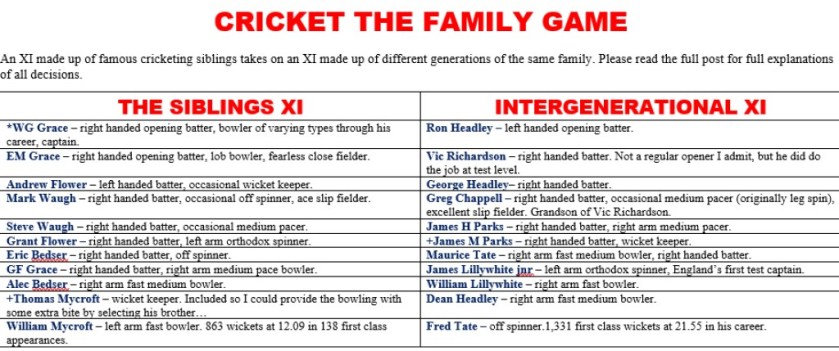
The teams in tabuilated form.

All Time XIs – The Family Game

Today’s all time cricket post looks at cricketing families – an XI of siblings takes on an intergenerational XI. Please note the requirement that at least two members of each selected family feature in the team.

INTRODUCTION

For today’s all time XI cricket post we are looking at cricketing families. A team made up of groups of siblings do battle against an intergenerational XI. There are a number of famous cricketing families I could not include – I set myself a rule of including at least two members of each chosen family – not just select one and name their cricketing relations.

THE SIBLINGS XI

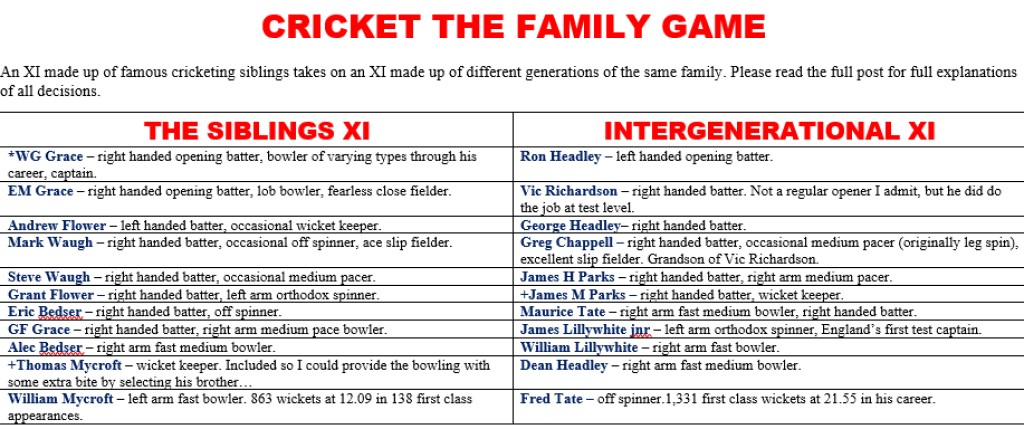
  1. *WG Grace – right handed opening batter, right arm bowler of varying types through his career, captain. The way to get round 11 being an odd number when selecting a team of siblings is to pick one group of three siblings, and fortunately there is a darned good such grouping readily available. His test batting average was only 32.29, but he made his debut at the age 32 and played on at that level until he was almost 51 – had the first test in England been in 1870 rather than 1880 his record would have been considerably better. He won eight of his 13 tests as captain, and all 13 of those matches were against the oldest enemy.
  2. EM Grace – right handed opening batter, lob bowler, fearless close fielder. Seven years WG’s senior, that inaugural test in England was his only one, and he shared an opening stand of 91 with his brother in the first innings thereof. England would probably have fared better in the 1882 match that inaugurated the Ashes had he been present in place of AN Hornby. Before WG’s rise overshadowed everyone else EM had been regarded as a phenomenon.
  3. Andrew Flower – left handed batter, occasional wicket keeper. He averaged over 50 in test cricket (see my ‘Minor Nations’ post from Monday), and makes a good selection for the critical number three slot, especially since other considerations prevented the use of the only other sibling to have been a really good test no 3, ‘Chappelli’.
  4. Mark Waugh – right handed batter, occasional off spinner, ace slip fielder. The first of two pairs of twins to make their appearances in this XI. He announced his presence at the highest level (selected in place of his brother!) with a scintillating 138 against England and went to establish a superb record.
  5. Steve Waugh – right handed batter, occasional medium pace bowler. He was first picked in 1985 at the age of 20 as a ‘bowling all rounder’, but it is his batting that gets him in – he averaged over 50 at the highest level, and that after taking 27 matches to reach his first century (177 not out at Headingley, as Australia, put in by England skipper Gower cashed in on an ‘attack’ comprising four medium pacers to the tune of 601-7 declared). He would be vice captain of this side.
  6. Grant Flower – right handed batter, occasional left arm orthodox spinner. Andrew’s younger brother, averaged just over 40 in test cricket.
  7. Eric Bedser – right handed batter, off spinner. His averages are just the wrong way round – 24.00 with the bat, 24.95 with the ball (833 first class wickets in total), and he is the first of three members of the XI not to have played test cricket.
  8. GF Grace – right handed batter, right arm medium pace bowler. In his case his sudden death from a freak illness prevented him from having a better record – he was 29 years old and just two weeks previously had played in the inaugural test in England, and had there been such a thing in 1880 his catch to dismiss George Bonnor would have been a shoo-in for the ‘Champagne Moment’. He averaged 25 with the bat and 20 with the ball, and the former figure puts him on a par with Richard Daft, rated no2 to WG Grace in the 1870s, GF’s decade.
  9. Alec Bedser – right arm fast medium bowler, useful lower order batter. Eric’s identical twin brother – and they used to wear identical clothes as well apparently. Because they considered playing for separate counties unthinkable they tossed a coin for who would stick to medium pace, and who would work on batting and off spin, and Alec won. There is a story that once in a benefit match Eric finished an over that Alec had started, and no one noticed the substitution, which suggests that Eric remained quite useful as a medium pacer.
  10. +Thomas Mycroft – wicket keeper, right handed batter. The most obscure of my choices, but he did average almost three dismissals a game in his brief first class career, and his presence enables me to give some much needed punch to the bowling by selecting his brother…
  11. William Mycroft – left arm fast bowler. 138 first class matches, 863 wickets at 12.09 each, and hopefully a suitable new ball partner for Alec Bedser.

This team is strong in batting, and the three Graces plus Eric Bedser should between them be able to provide sufficient bowling back up to the new ball pairing of Mycroft and Eric Bedser.

OTHER POSSIBILITIES

I might have opted for a new ball pairing of half brothers, Fidel Edwards and Pedro Collins, with Alec Bedser coming on first change, but that could only have been done by giving Andrew Flower the gauntlets and dropping the Mycrofts, and I prefer my no3 not also have to keep wicket. Although both captained England neither Arthur nor Harold Gilligan had a record to merit inclusion, and I certainly could not accommodate both. The Pitheys of South Africa were good rather than great. John and Hugh Trumble and Richie and John Benaud were two pairings that each had one weak link and so could not be accommodated. Johnny and Ernest Tyldesley were also in the mix, but would you drop either the Flowers or the Waughs for them? Richard and Dayle Hadlee could also have been picked to share the new ball, using the same method as for Edwards and Collins.

INTERGENERATIONAL XI

  1. Ron Headley – left handed opening batter. The Headleys provide three members of this side. He opened for Worcestershire for many years, although his two matches for the West Indies were not a great success.
  2. Vic Richardson – right handed batter. He was not an absolutely regular opener, but he did do the job at test level. We shall meet one of his grandsons at no4 in this order.
  3. George Headley – right handed batter. Averaged 60.83 in test cricket, and no3 was his regular position. The first of the family to play top level cricket.
  4. *Greg Chappell – right handed batter, occasional right arm medium pace (started as a leg spinner), excellent slip fielder, captain. Averaged over 50 in test cricket, one of three grandsons of Vic Richardson who all played test cricket.
  5. James H Parks – right handed batter, right arm bowler. The only player ever to have scored 3,000 runs and taken 100 wickets in the same first class season.
  6. +James M Parks – right handed batter, wicket keeper. Son of James H Parks, a fine batter/ keeper for Sussex, and had today;s attitudes to selecting keepers existed in the 1960s he would have played many more times for England in that role than he did.
  7. Maurice Tate – right arm fast medium bowler, right handed lower middle order batter. One of the greatest of all bowlers of cutters, and the first bowler to be able to use the sea fret at Hove to facilitate movement in the air.
  8. James Lillywhite jnr – left hand batter, left arm orthodox spinner. England’s first test captain; 1,210 wickets at 15.12 in first class cricket. Nephew of…
  9. William Lillywhite – right arm fast roundarm bowler. Known as the ‘nonpareil’ such was his superiority to other bowlers of his era.
  10. Dean Headley – right arm fast medium bowler. The third of the Headley family trio, he played for England and would have had more success had he not been plagued by injuries.
  11. Fred Tate – off spinner, good close fielder. His one test appearance, coming late in his long career, was undistinguished, but 1,331 first class wickets at 21.55 confirms that he is not just here to get his son into the side.

This side has a solid batting line up, and the bowling looks adequate, albeit that Fred Tate is the only front line spin option.

OTHER CRICKETING FAMILIES

Sussex have a grand tradition of cricketing families, as the above team shows – and I did not include the two members of the ruling family of Nawanagar, ‘Ranji’ and ‘Duleep’. The Tremletts produced three generations of first class cricketers, but accommodating all three would have been a challenge. Chris Broad would have been preferable to Ron Headley as opening batter, and Stuart preferable to Dean as a bowler, but if I had made that call I would have had to drop George Headley, and likewise dropping Vic Richardson would have necessitated dropping Greg Chappell. The Cowdreys are the only cricketing family to have produced four successive generations of first class cricketers, but of them all only Colin was truly top class. I would have liked to include the D’Oliveiras but to do so I would have to have found room for either Damian or Brett, so Basil missed out. Charles Townsend, the Gloucestershire leg spinning all rounder would have been useful, but I would have to had to find a place for either his father Frank or his son David, neither of whom were genuinely top class. I could have selected Jonny Bairstow as a batter and David as a keeper in place of the Parkses, but considered JH’s bowling to be a valuable asset. Perhaps the biggest miss caused by my criteria of demanding at least two members of each family feature was Denis Compton, but that would have necessitated finding space for his grandson Nick. The Gunns of Nottinghamshire also missed out. Billy Quaife would have been a solid opener, but I would have had to accommodate his son Bernard, less good, as well. The Quaife’s once faced up as opening batters to Billy and Robert Bestwick, likewise related, but again Robert Bestwick would not have been worth his place. Len Hutton would have strengthened the batting, but accommodating his son Richard would have been a challenge, while the same applies even more strongly to Herbert and Billy Sutcliffe. The great-grandfather/ great-grandson pairing of William Cooper and Paul Sheahan obviously appealed, but neither were really of the highest class. Richard Hadlee missed out because there was no way to accommodate his father Walter. Vinoo Mankad was another in this mix, but again his son Ashok was not good enough to warrant a place. Had I been willing to forego Greg Chappell I could have had an adhesive opening pair of Hanif and Shoaib Mohammad.

THE CONTEST

The contest for the ‘Cowdrey-Tremlett trophy’ (honouring two of the great cricket dynasties) would be a good one, with a splendid contest within a contest between Alec Bedser and Maurice Tate at the heart of it. I think the better balance of the intergenerational side just gives them the edge.

PHOTOGRAPHS

Time for my usual sign off:

IMG_0822 (2)IMG_0823 (2)IMG_0824 (2)IMG_0825 (2)IMG_0827 (2)IMG_0828 (2)IMG_0829 (2)IMG_0830 (2)IMG_0831 (2)IMG_0832 (2)IMG_0833 (2)IMG_0834 (2)IMG_0835 (2)IMG_0836 (2)IMG_0838 (2)IMG_0839 (2)IMG_0840 (2)IMG_0841 (2)

IMG_0843 (2)
Butterflies will soon be in evidence…
IMG_0843 (3)
…a caterpillar dozing on a leaf

IMG_0844 (2)IMG_0844 (3)

IMG_0846 (2)
Two caterpillars visible in this shot…
IMG_0846 (3)
…this one and…
IMG_0846 (4)
….this one.

IMG_0847 (2)

IMG_0848 (2)
A flower that lures…
IMG_0848 (3)
…bugs like this one…
IMG_0849 (2)
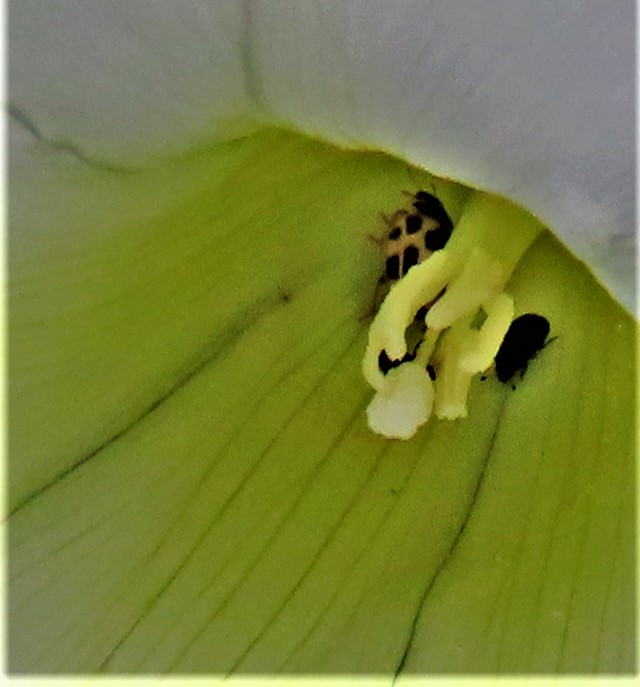
…to their dome – besides the one I was focussing on, which crawled in but was not going to be getting out any time soon you can two other bug bodies in there.
IMG_0850 (2)
This bee has a large load of pollen.

IMG_0852 (2)

IMG_0853 (2)
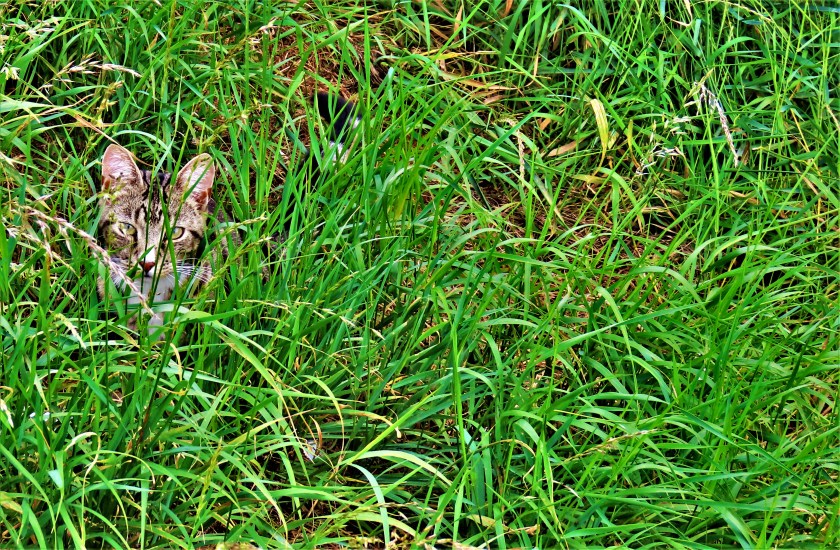
A flick of a dark coloured tail caught my attention, but it was merely an adventurous young cat…
IMG_0854 (2)
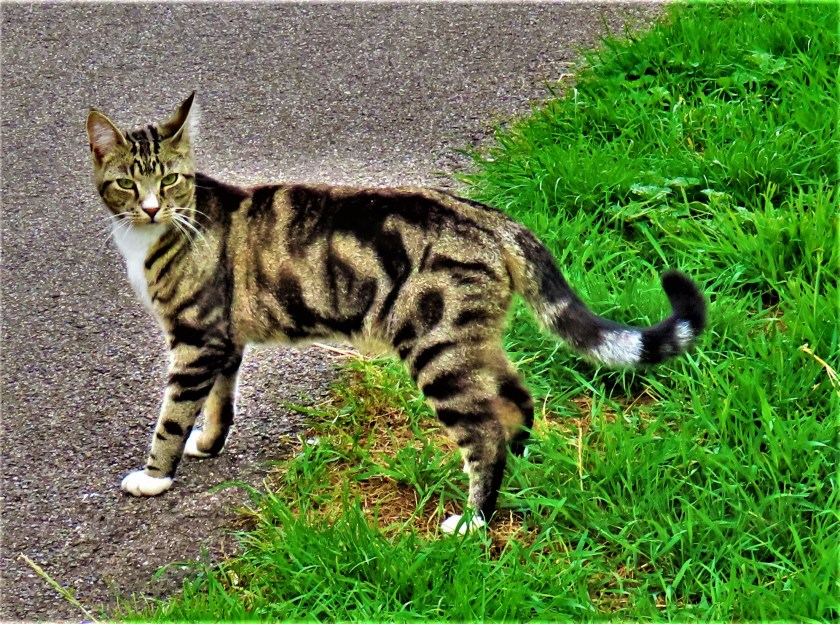
…returning the the path shortly afterwards.

IMG_0855 (2)IMG_0856 (2)IMG_0857 (2)IMG_0858 (2)IMG_0859 (2)IMG_0860 (2)IMG_0863 (2)IMG_0863 (3)IMG_0864 (2)IMG_0864 (3)IMG_0865 (2)IMG_0865 (3)

Family Game
The teams in tabulated form.

All Time XIs – Overseas Stars

Today is overseas players day as an XI of the best county overseas players to on an XI of the best overseas players not to play for counties. Also features a very important petition, a measure of mathematics and some very interesting links, as well as my usual photographs.

INTRODUCTION

Welcome to my latest variation on the All Time XI cricket theme. Today overseas players have the floor, as I pit a team of the best county overseas players against a team of overseas stars who were not county players.

THE COUNTY OVERSEAS PLAYERS

  1. Barry Richards – right handed opening batter. Played for Hampshire for many years, producing a number of extraordinary performances. See my recent South Africa post for more about him.
  2. Roy Marshall – right handed opening batter, occasional off spinner. The Barbadian scored a huge number of runs for Hampshire, and the speed with which he scored them was a crucial factor in Hampshire’s first ever County Championship, when he several times led successful run chases.
  3. Brian Lara – left handed batter. The holder of the highest individual scores in both test and first class cricket, the latter made for Warwickshire against Durham in his and their record breaking 1994 season.
  4. Viv Richards – right handed batter, occasional off spinner. An all-time great who featured in my West Indies team but had to make do with an honourable mention in the Somerset post due to my selection policies regarding overseas players.
  5. *Allan Border – left handed batter, occasional left arm orthodox spinner. The Aussie was as respected for Essex as he was in native land.
  6. Garry Sobers – left handed batter, left arm bowler of every kind known to cricket, brilliant fielder. The most complete all rounder ever to play the game, he played for Nottinghamshire for a number of years.
  7. +Stewart Dempster – right handed batter, wicket keeper. One of the most talented cricketers ever to come from New Zealand, he averaged 65.72 in his brief test career before signing up to play for Leicestershire, whom he served well for a number of years.
  8. Richard Hadlee – right arm fast bowler, left handed attacking middle order bat. The Kiwi legend was also outstanding for Nottinghamshire over a number of years. In 1984 he achieved the double of 1,000 runs and 100 wickets in the first class season, the first time it had been done since the reduction of first class fixtures to make space for the John Player League in 1969. Could such a ‘double’ be achieved in a 14 game first class season such as has been the case in England in recent years? Yes – WG Grace once had a run of 11 matches in 1874 in which he achieved the feat, but anyone who does manage it will achieve a feat comparable to the great George Hirst’s 1906 season when he scored 2,385 first class runs and took 208 wickets, the only ever season’s ‘double double’.
  9. Malcolm Marshall – right arm fast bowler, right handed lower order batter. The biggest haul of wickets in a first class season since the reduction of fixtures referred to above is 134, taken by Marshall for Hampshire, for whom he played over the course of a number of years.
  10. Shane Warne – leg spinner, right handed lower order batter. Our fourth player with a Hampshire connection and the greatest leg spinner of the modern era.
  11. Ted McDonald – right arm fast bowler. One half of the first great pair of fast bowlers in test history along with Jack Gregory, and the first truly great player to come from Tasmania (with due respect to Charles Eady who once took a seven-for and then scored 566 in a club final, and to Kenny Burn, selected for an England tour as reserve keeper after a misunderstanding – he was a specialist batter, and his brother was a keeper), he then signed up to play as a Lancashire League pro and ultimately signed for the county, and was fast bowling spearhead for them during their greatest ever period, the second half of the 1920s. In 1930 when Bradman was taking all the headlines McDonald greeted the boy wonder by rolling back the years, posting five slips, making the ball fly and dismissing him for nine.

This XI features a stellar top five, the greatest of all all rounders, a keeper-batter and four fabulous and varied bowlers. The batting is very deep with Shane Warne due to come in at no 10, and the three fast bowlers, Hadlee, Marshall and McDonald backed by Warne and Sobers with Roy Marshall, Richards and Border in reserve looks like a superb bowling attack as well.

THE NON-COUNTY XI

  1. Arthur Morris – left handed opening batter, named by Bradman as the best he ever saw.
  2. George Headley – right handed batter. He was known as ‘the black Bradman’, and his average at test level was 60.83. He usually batted three, but the West Indies so often lost an early wicket that he was effectively opening anyway,  so I have promoted him to do that job, making way for…
  3. *Donald Bradman – right handed batter, the best ever.
  4. Everton Weekes – right handed batter. He averaged 58 in test cricket, including five successive centuries. He also played Bridge for his native Barbados.
  5. George Giffen – right handed batter, right arm medium/ off spin. An all-rounder whose deeds saw him dubbed ‘the WG Grace of Australia’, his most astounding match performance came at the expense of Victoria when he hit 271 and then took 7-70 and 9-96. In the 1894-5 Ashes he scored 475 runs and took 34 wickets, still finishing on the losing side. I decided that my top four here were so strong that I could afford to start the all rounders at no 5, naming two as compensation for the presence of Sobers in the ranks of the opposition.
  6. Keith Miller – right handed batter, right arm fast bowler. Australia’s greatest ever all rounder. 2,958 test runs at 36.97 and 170 wickets at 22.97 at that level.
  7. +Adam Gilchrist – left handed batter, wicket keeper. Statistically the best keeper batter in test history.
  8. Fazal Mahmood – right arm fast medium bowler. His size and build combined with his mastery of the leg cutter led to him being labelled ‘the Bedser of Pakistan’. He took 12 wickets in the match when Pakistan achieved their first test victory. His test average per wicket was 24 for 139 wickets, while his fast class wickets came at 18.96 each.
  9. Dennis Lillee – right arm fast bowler. He did play a few games for Northamptonshire, but he was not a regular county cricketer. He took a then record 355 test wickets from 71 appearances at that level, 167 of them against England.
  10. Palwankar Baloo – left arm orthodox spinner. I wrote about him in my piece on India. I consider his 179 wickets in 33 first class games at a mere 15.21 each doubly outstanding because he contended against caste prejudice all his life (he was one of three ‘untouchables’ who negotiated the pact that ended Gandhi’s fast against separate electorates for depressed castes) and because Indian cricket was chiefly known for tall scoring rather than for any sort of bowling success.
  11. Clarrie Grimmett – leg spinner. He crossed the Tasman from his native New Zealand, and then twice moved states in his new adopted home before establishing himself as a first class cricketer. In consequence of this circuitous route to the top he was 33 years old when he finally got to don the baggy green. He took 11-82 on test debut v England and never looked back. In all he played 37 test matches and took 216 wickets, his career at that level ending when he was passed over for the 1938 tour of England, but he was still taking big first class wicket hauls two seasons later than that. In all first class cricket he captured 1,424 wickets, a record for anyone who never played county cricket (we met no2 on this list yesterday), from 248 appearances, averaging over 5.7 wickets per match.

This team has a top four with a combined average of approximately 267 at test level, two quality all rounders at five and six, a great keeper batter at seven and four excellent and varied bowlers. The bowling, with Lillee and Miller as outright fast bowlers, Fazal Mahmood’s cutters, Baloo and Grimmett as specialist spinners plus Giffen also looks highly impressive.

THE CONTEST

These are two awesomely strong and well balanced sides, and the only thing I can say for sure about the contest is that it would be an absolute humdinger.

A SOLUTION AND A NEW PROBLEM

Yesterday I offered you a little teaser from brilliant.org

This is how I resolved this:

  • The bottom shape is a right angled triangle and we are told that all angles of the same colour are identical. This means that 180-90 = 3x yellow angle, so yellow angle = 90/3 = 30 degrees.
  • The four top left triangles together form an angle of 180 degrees, and three of the four contain the blue angle, while the other contains the yellow angle, established at 30 degrees, so (180-30)/3 = blue angle, this simplifies to 150/3 = blue angle = 50 degrees.
  • The big central triangle is a right angled triangle with a blue angle and the green angle. Since the internal angles of a triangle sum up to 180, 90 + 50 + green =180, which means that the green angle that we are looking for is 180 – (90 + 50) which equals 40 degrees.

From the same source comes another teaser, this time on the theme of pattern recognition:

Square spiral

As with the previous one this was originally multiple choice but I am just leaving you to work out the answer.

AN IMPORTANT PETITION

A petition seeking justice for Belly Mujinga, a transport worker who died after being spat at by someone who knew they had covid-19, is running on change.org. There was a second victim of this despicable assault who did not die, so when the perpetrator is found they should face a charge of attempted murder as well as one of murder. Please sign and share the petition by clicking on the screenshot below.

Mujinga

LINKS AND PHOTOGRAPHS

Just a few links before it is time for my usual sign off:

  • Marina Hyde hits top form on the subject of Johnson apparently needing a baying mob behind him to be able to handle Prime Ministers Questions, with this splendid piece in The Guardian.
  • Elizabeth Dale who runs a blog called Cornish Bird which is devoted to revealing some of the less well known parts of her home county has a splendid post up at the moment about St Loy Cove, Penwith.
  • National Geographic have a post up at the moment introducing the guina, a tiny South American wild cat weighing just six pounds and in danger of extinction.
  • Finishing these links where we started, with The Guardian, Lucy Jones has a piece titled “Noticing nature is the greatest gift you can get from lockdown“, which is both an excellent read, and an appropriate place from which to provide my usual sign off..

P1320698 (2)P1320700 (2)P1320701 (2)P1320702 (2)P1320704 (2)P1320705 (2)P1320706 (2)P1320707 (2)P1320708 (2)P1320709 (2)P1320710 (2)P1320711 (2)P1320712 (2)P1320714 (2)P1320715 (2)P1320716 (2)P1320717 (2)P1320718 (2)

Overseas
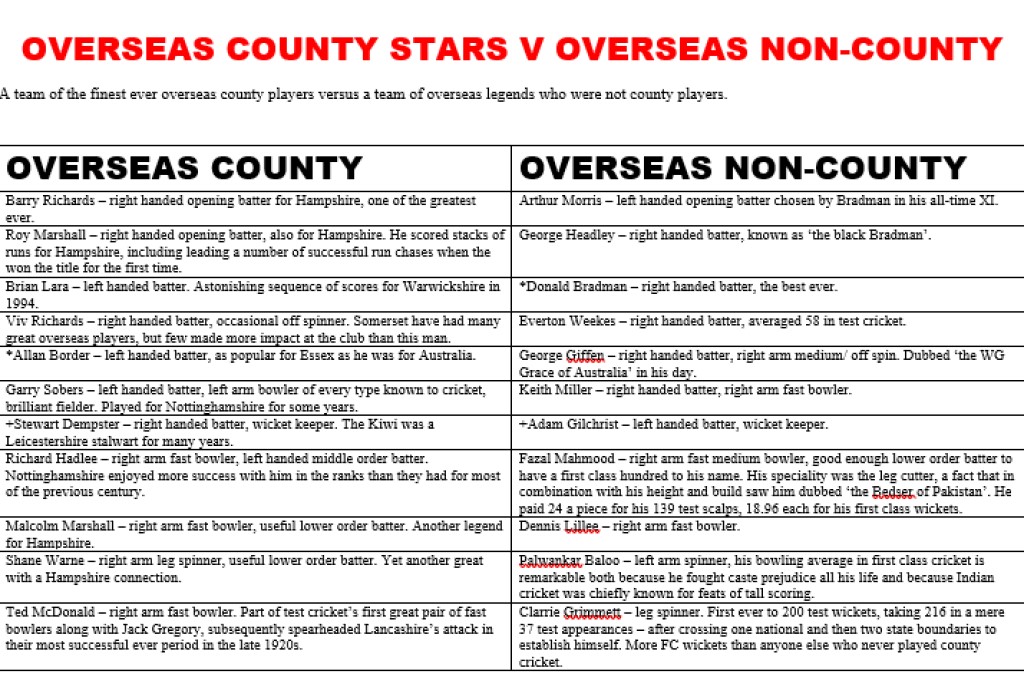
The teams in tabulated form.


All Time XIs: Functional Left Handers v Elegant Right Handers
My latest variation on the ‘All Time XI’ theme, the answer to yesterday’s maths teaser, an important petition, a soupcon of science and nature and some photographs – enjoy!

INTRODUCTION

Another day brings another variation on the ‘All Time XIs‘ theme. Today’s is based on a well known piece of cricket folklore – the belief that left handers are naturally more elegant than their right handed colleagues. Like all good folklore it has a basis in fact, but it is definitely an overstatement of the case. Thus today I challenge it by providing an XI of strictly functional left handers and to oppose it an XI of notably elegant right handers. Note that some the bowlers in the left handers XI  batted with their right hands – it is their bowling for which they are picked, and mutatis mutandis for the right handed batter who bowled with his left. First to parade their skills are…

THE FUNCTIONAL LEFT HANDERS XI

  1. Gary Kirsten – the South African, half brother of Derbyshire’s Peter Kirsten, had seemingly limitless patience and concentration but a decidedly limited range of strokes.
  2. Sir Alastair Cook – the Essex and England man, his country’s all time leading scorer of test runs, was another who cultivated a limited range of strokes but used those he did possess to great effect.
  3. Graeme Smith – the former South African was mighty effective, but an aesthetic disaster (among top order batters named Smith it is an interesting question as to whether he or current Aussie right hander Steve represents the greatest aesthetic outrage).
  4. Shivnarine Chanderpaul – the Guyanese stayer had the oddes batting stance I have ever seen, so open that he was almost at 45 degrees to the bowler as opposed to the recommended side-on position (Austin Matthews who played for Glamorgan many decades ago as a bowler of medium pace and lower middle order batter wrote a coaching manual after his retirement in which he stated “cricket is a sideways game”), and while the method worked for him it was very much ‘one not to watch’.
  5. *Allan Borderthe nuggety NSW, Queensland and Australia middle order man had in the words of Frances Edmonds “not so much a style as a modus operandi”. This quote appears in “Cricket XXXX cricket” her humorous book about the 1986-7 Ashes (she also wrote “Another Bloody Tour”, which somehow managed to be amusing about England’s unqualified disastrous Caribbean excursion of 1985-6. For about the first decade of his long career he pretty much was, in batting terms, Australia’s resistance.
  6. Jimmy Adams – his obdurate approach saw him dubbed ‘Jimmy Padams’.
  7. +Jack Russell – wicket keeper and as a batter just about the ultimate in lower middle order irritants, sometimes very usefully for his country.
  8. Richard IllingworthWorcestershire and England slow left armer (emphatically NOT a spinner – if he ever turned one I never saw it). His economical, reliable but unthreatening methods were often preferred by England selectors of the time to the higher risk Phil Tufnell.
  9. Ryan Sidebottom – the Yorkshire, Nottinghamshire and England fast medium bowler had long run up which his pace never quite seemed to justify.
  10. Doug Bollinger – the NSW and Australia fast medium bowler was another whose run up appeared to promise more pace than he actually proved capable of delivering. I saw him bowl live at Adelaide v the West Indies in 2009, and, the first innings scalp of Gayle not withstanding he looked unimpressive, while his ‘efforts’ at the same ground in the 2010 Ashes match there were of a very low order.
  11. Paul Adams – the left arm wrist spinner’s action was once memorably likened to a frog in a blender. South Africa have not in recent times been overly understanding or supportive of spinners, and Adams probably should have played more test cricket than he actually did.

This line up has a solid top six, though no genuine all rounder, a splendid keeper who could do useful work with the bat and four bowlers of differing left handed types. They would take some digging out and might put up some decent totals because of that, but they would struggle to capture 20 wickets unless Paul Adams found some assistance in the surface. Now we meet their opponents…

THE ELEGANT RIGHT HANDERS

  1. Jack Robertson – the Middlesex man was a highly regarded stylist, and although he only got picked for 11 test matches an average of 46 at that level suggests that he had steel to go with that style.
  2. Reggie Spooner – opener for Lancashire and occasionally England. Noted for grace and poise at the crease. Neville Cardus used to watch Lancashire whenever he could in his schooldays, and later, established through his decades of work for the Manchester Guardian as one of cricket’s finest writers he waxed lyrical about Spooner and his part of what Cardus claimed as a uniquely distinctive top three – MacLaren, Spooner, JT Tyldesley. (the latter an ancestor of Michael Vaughan – can elegant batting be inherited?!). Spooner was the first ever to score 200 in a ‘Roses’ match, and did so in under four hours at the crease – they were not always dour affairs.
  3. *Sir Frank Worrell – the first black captain of the West Indies (yes, as with England and so-called ‘amateur’ skippers the Windies had their own captaincy fetish, in their case a belief that blacks had to be led by someone white skinned), and generally reckoned the most stylish of the ‘Three W’s” who dominated Caribbean batting in the 1950s and early 1960s.
  4. Tom Graveney – another whose grace and elegance at the crease had folk waxing lyrical – and he backed it up with over 47,000 first class runs.
  5. Kenneth Lotherington Hutchings – noted as one of the most attractive batters in a very successful Kent unit (four championships in seven years) that was also noted for playing particularly dazzling cricket. Such was the nature of his driving that for him and him alone George Hirst would retreat a few yards from his usual mid off position.
  6. Keith Miller – whether batting, bowling fast (or his occasional off spin with which he once took a test match seven-for on a rain affected Gabba pitch) or fielding he never failed to cut a dash. Once when playing in a ‘picnic match’ at East Molesey (the opposite bank of the Thames to Hampton Court Palace) he took on a challenge to land a ball on Tagg’s Island, a carry of 140 yards (just over 125 metres), and was only just short of making it.
  7. +Jeff Dujon – wicket keeper who kept with panther like grace to the quick bowlers (given the nature of Caribbean bowling units is his day it is impossible to comment on his keeping to class spinners) and batted attractively in the middle order, scoring four test centuries and averaging 30 at that level.
  8. Ray Lindwall – fast bowler, attacking lower order bat. His run up and bowling action are routinely described as being ‘poetry in motion’, and in addition to the pace he possessed he could swing the ball both ways seemingly at will.
  9. Michael Holding – fast bowler, referred to as ‘Whispering Death’ on account of the silence of his approach to the bowling crease. His opening over to Boycott at Bridgetown in 1981 has become a classic cricketing scare story – the Yorkshireman was beaten by four of the six deliveries, got bat on one and was comprehensively bowled by the sixth. Five years earlier, on a pitch at The Oval from which no one else could even raise a squeak he had recorded match figures of 14-149, the best ever test match figures by a West Indian.
  10. Sydney Barnes – the greatest bowler of them all. Even at Warwickshire in 1894 where he achieved little his bowling action was noted for its beauty, and CLR James, watching a 59 year old Barnes in action in the Lancashire League, noted that his arm remained classically high and straight. Mr James, by the way is the author of that sine qua non of cricket books “Beyond a Boundary’, which takes as its theme the question “what do they know of cricket who only cricket know?”, and my collection also features a book of his writings titled “Cricket”, and he contributed a chapter about Worrell to “Cricket: The Great Captains”, as well as being the author of “Black Jacobins”, a history of the Toussaint l’Ouverture rebellion in what is now Haiti.
  11. David Harris – cricket’s first great bowler (see Phil Edmonds “100 Greatest Bowlers” and John Nyren’s “Cricketers of My Time”) and even if you refuse to permit under arm (he played in the late 18th century when all bowling was under arm) I counter by saying that I reckon he could have mastered over arm had it been legal in his day. See also my Eccentric XI post for my opinion on real under arm, as opposed to Trevor Chappell style grubbers (although Harris was in part responsible for a change in cricket’s approach from relying on balls either rolling or at least shooting through to looking to cause problems by generating extra bounce, which he was an expert at – the very early bats looked more like hockey sticks than today’s cricket bats precisely because they were intended to counter balls at ground level, and it was Harris who was more responsible than any other for the shape of bats changing towards what we now recognize). Late in his career Harris suffered dreadfully from gout, but such was the value of his bowling that his team would bring an armchair on to the field, and when not actually engaged in bowling he would have a sit down. The Hambledon ace, who I felt I could not mention in connection with Hampshire, for all that he lived there, gets his moment in the sun this time round.

This team as a high quality to five, a great all rounder at six, an excellent wicket keeper at seven and four varied bowlers (Barnes, for all his official fast medium designation, can be classed as a spinner, while Harris if his actual bowling style is permitted offers a variation of a different sort, Miller as mentioned had off spin as a variation, and Worrell was a recognized bowler of left arm fast medium who also occasionally turned his hand to left arm spin.

THE CONTEST

I suspect that what I shall provisionally call the Strauss/ Trumper trophy, honouring a functional left hander and a stylish right hander, would go to the Elegant Right Handers, because while the functional left handers would take a lot of dislodging I have no doubts that the right handers could take 20 wickets, whereas the left handers are lacking in that department. The big question for Worrell as captain of the right handers, given that Barnes would not tolerate not being given the new ball is which of Holding or Lindwall does not get it – my reckoning is probably that Lindwall shares the new ball with Barnes and Holding comes on first change when Lindwall needs a rest.

A QUESTION ANSWERED

Yesterday I included a teaser from brilliant.org:

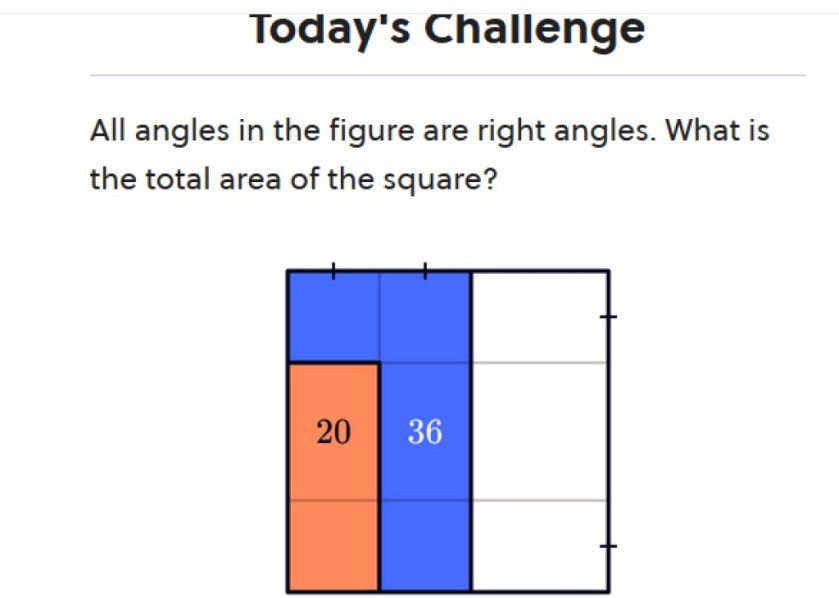
Brilliant Challenge

The four possible answers were 94, 96, 98 or 100.

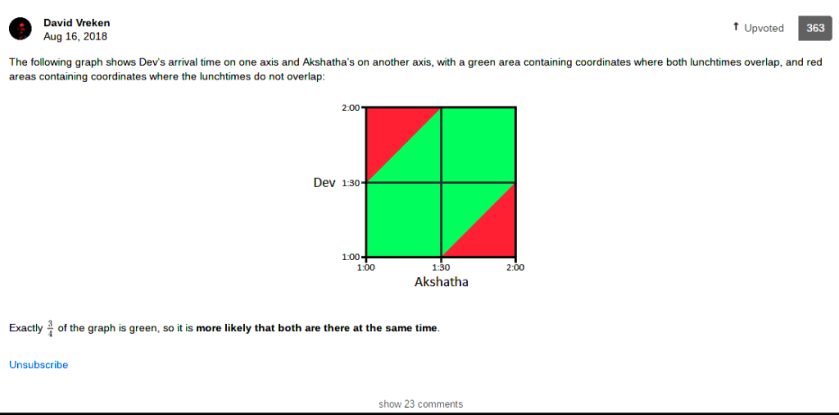
My own method of solving this, a mixture of cheat and punt, was to start by ruling out 100, as that is a square number, and it would therefore be out of keeping with brilliant for it to be the right answer. I then looked at the the areas given and noted that they added up to 56 – could I see a connection between 56 and one of the other answers? Yes, a very appealing one came instantly to mind – both have seven as a factor. A quick mental calculation confirmed that the ratio of 98 to 56 was 1.75, and that was enough for me to take a punt (I had already ensured that my problem solving streak had gone into another day – and it is now equal in days to Bobby Abel’s indvidual Surrey record innings in runs), and I was right.

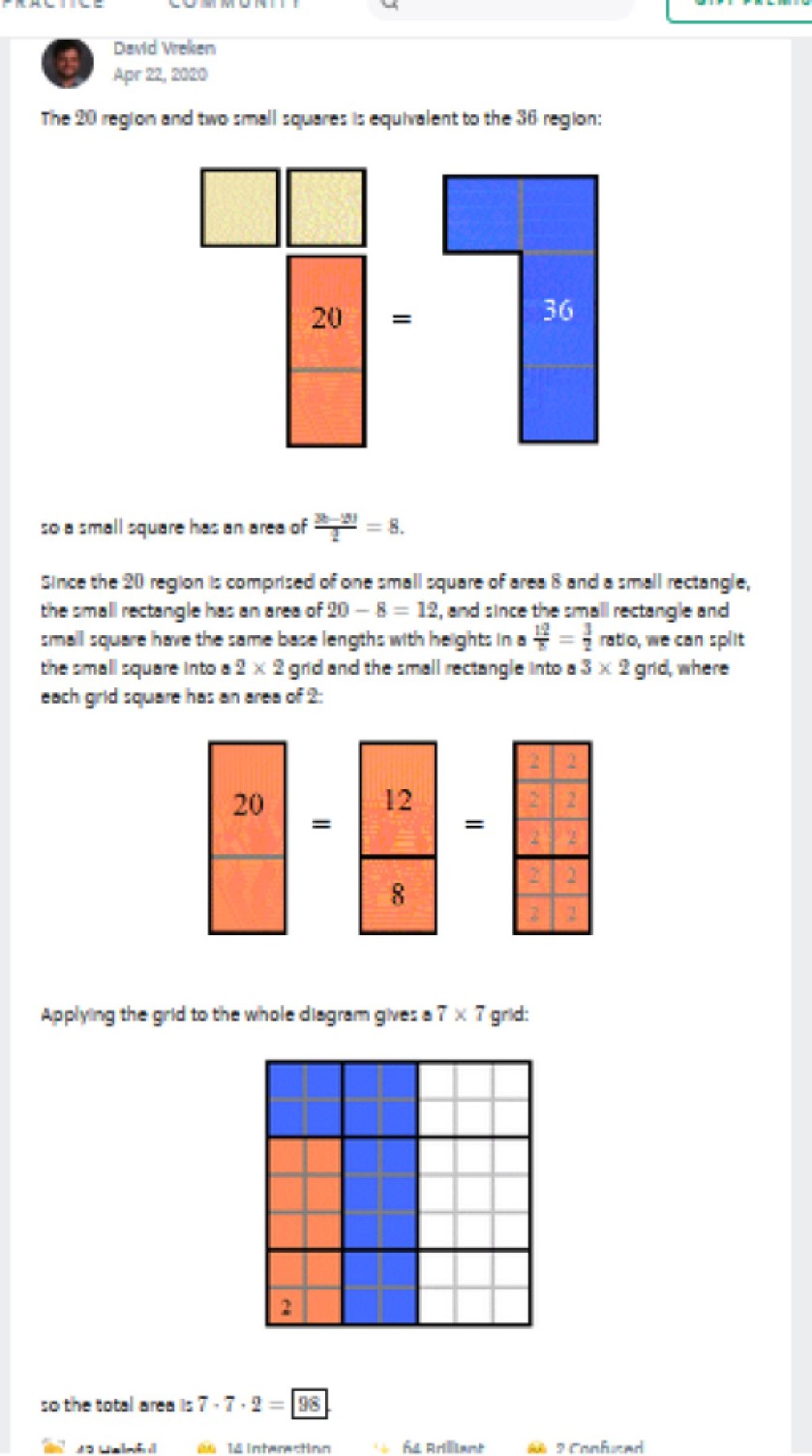
Here is a more authentic solution courtesy of David Vreken:

DV Sol

LINKS AND PHOTOGRAPHS

As we move towards the conclusion of today’s post I have a few links to share.

  • The pinchhitter have given me an extended mention in today’s offering, and apparently a copy of one of the ‘Chapelli’ books I mentioned in yesterday’s post is en route to pinchhitter HQ. If you have found this blog by way of pinchhitter please comment, and likewise, if anyone has found pinchhittter by way of me why not let them know.
  • A very important petition on change.org, calling for the surcharge that penalises NHS and Care workers from abroad to be scrapped – as someone who owes a huge debt of gratitude to workers in both categories I urge you to sign and share.
  • A science piece from Culture’s Ways about Sagittarius A*, believed to be the location of a supermassive black hole – the picture below is formatted as a link:
    Sagittarius A*, thought to be the location of a supermassive black hole Culture's Ways

And now it is time to sign off with my usual photographic flourish…

P1320093 (2)P1320093 (3)P1320099 (2)

P1320100 (2)
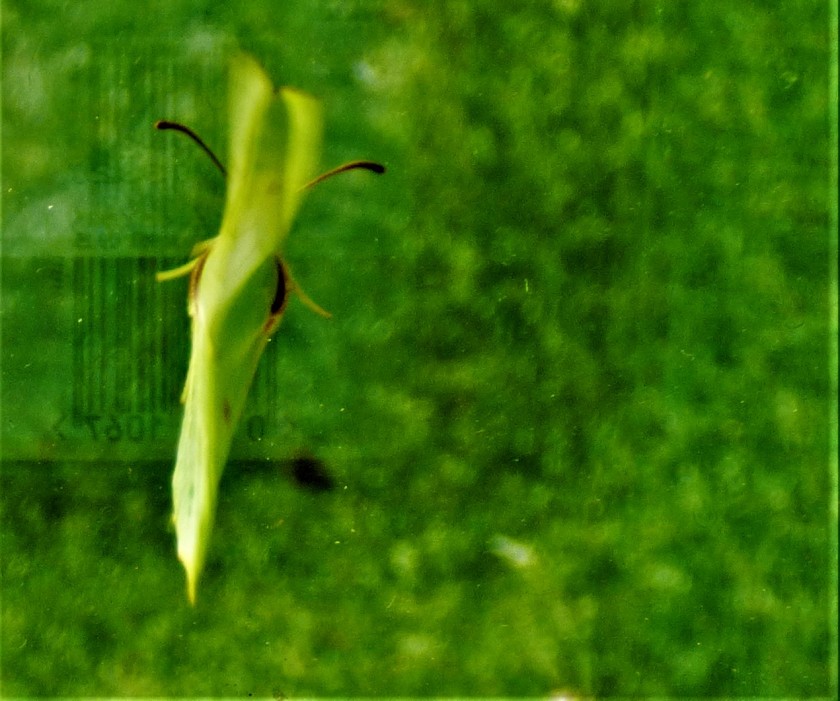
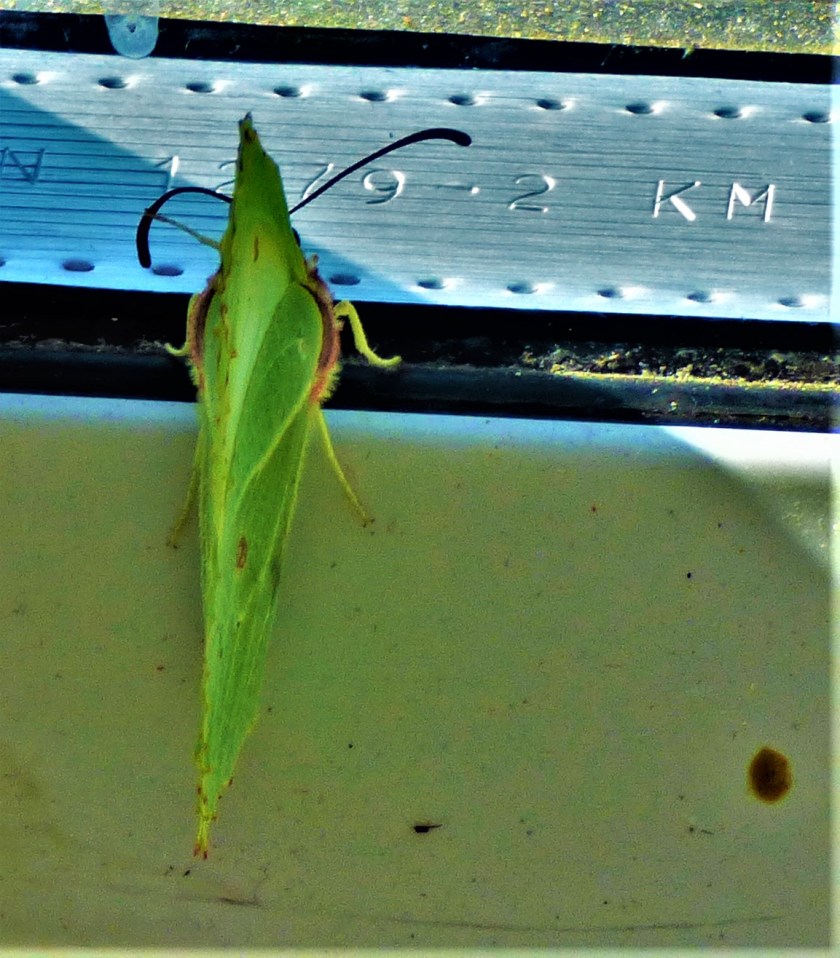
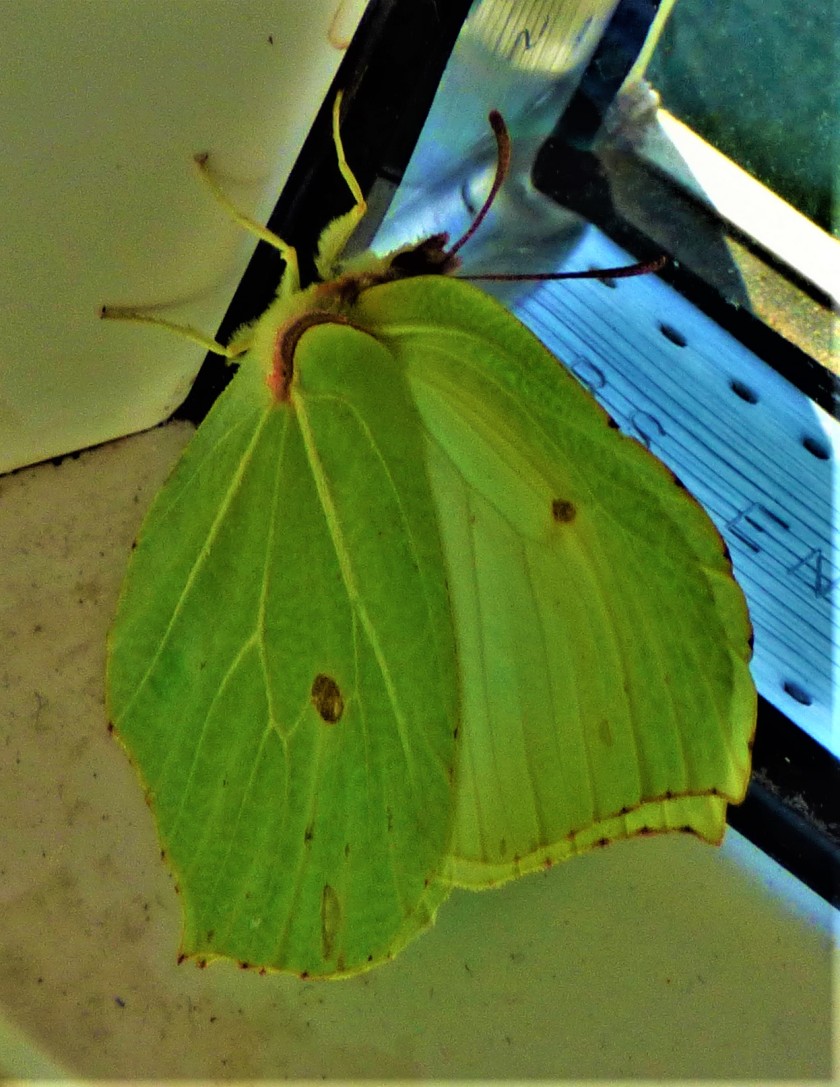
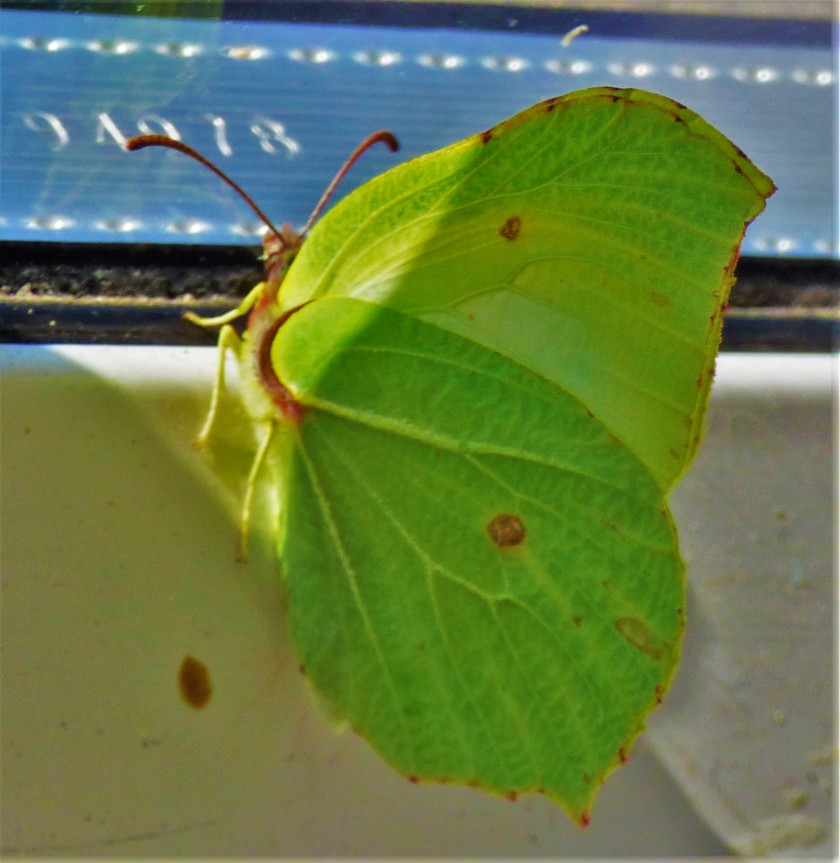
This butterfly, which strayed into my bungalow yesterday, set me a poser – it was not in a my Butterfly book. My sister responded to my twitter inquiry with a reference to butterflyconservation.org and a suggestion of either Brimstone or Clouded Yellow. My own feeling having visited the site and looked at their pictures is that is a Brimstone.

P1320101 (2)P1320102 (2)P1320103 (2)P1320105 (2)P1320107 (2)P1320109 (2)

P1320110 (2)
The combination of the colour and the delicate veining in the wings lends them the appearance of small green leaves – a fine example of mimicry in the natural world.

P1320112 (2)P1320115 (2)P1320116 (2)P1320118 (2)P1320119 (2)P1320120 (2)P1320123 (2)P1320129 (2)P1320131 (2)P1320132 (2)P1320133 (2)P1320134 (2)P1320136 (2)P1320136

The teams
The teams in tabulated form with abridged comments.


Autism, Elections, Cricket

Some thoughts on Autism, Elections and Cricket, a couple of interesting links and plenty of photographs.

INTRODUCTIONS

I have some excellent stuff on Autism to share, and it is no great secret that a General Election is looming here in Britain, and nor would it be a surprise to anyone that I have something about cricket to fit in.

AUTISM THREADS FROM TWITTER

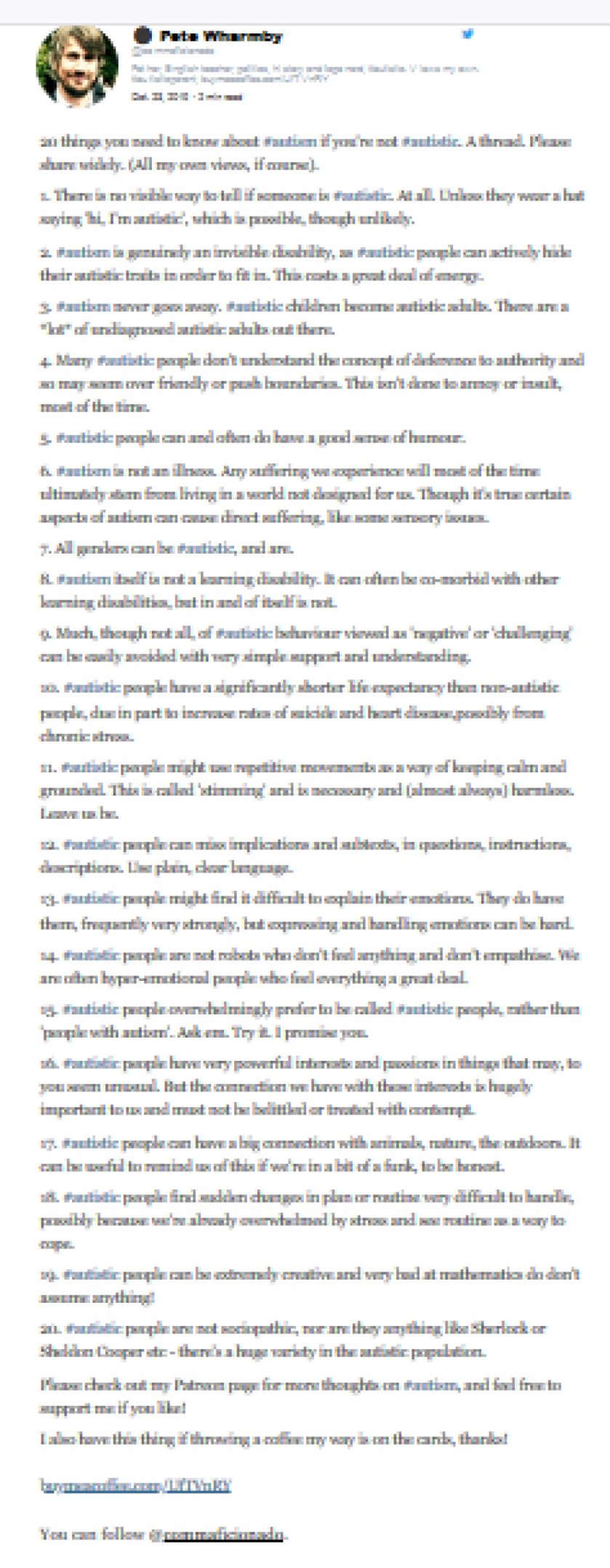
I have two and a bit threads relating to autism to share with you. In all cases this is #ActuallyAutistic people talking about autism – I always prefer primary sources. First of all, “20 things you need to know about autism if you are not autistic“, by Pete Wharmby:

PW1

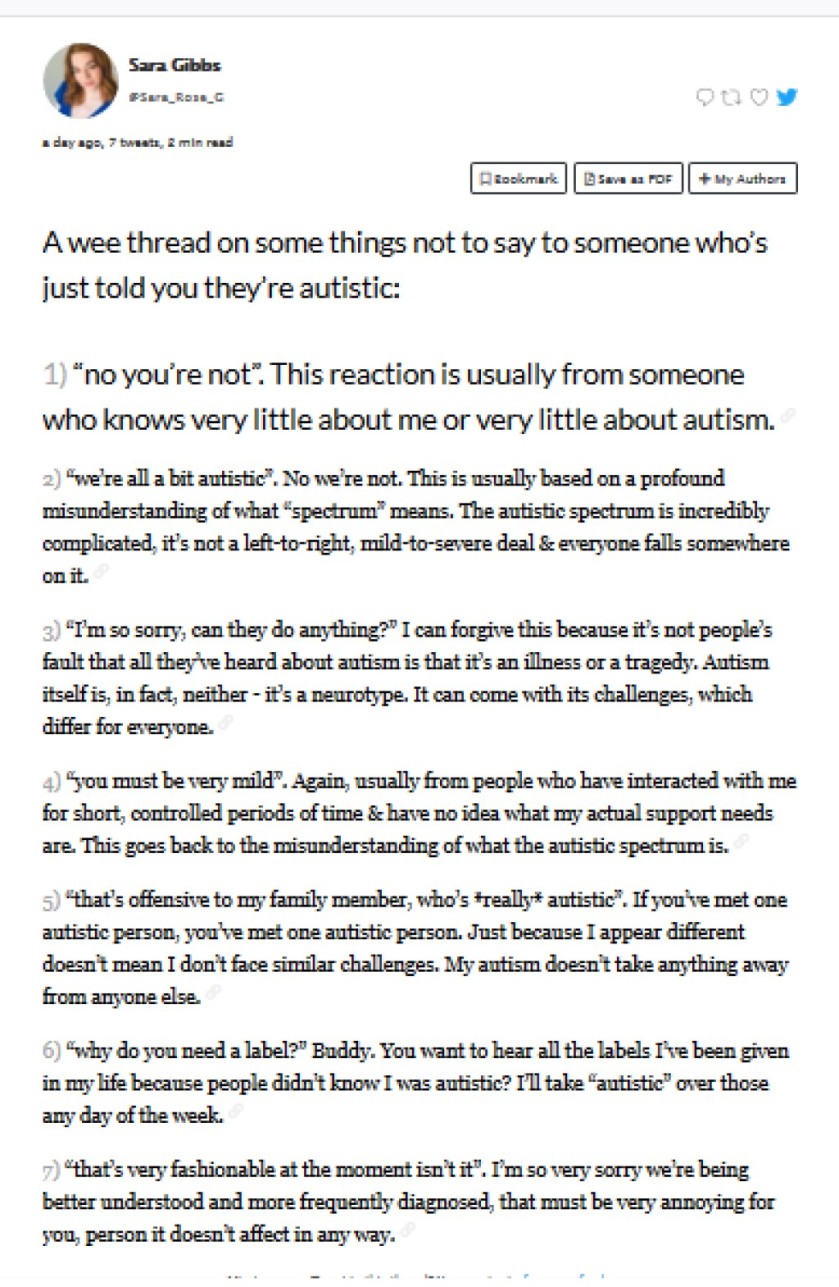
Next up, Sara Gibbs lists some things not to say to someone who has just told you they are autistic:


SG

Finally for this section the first 17 posts in another thread from Pete Wharmby on the subject of diagnosis:

PW2

That concludes this section of the post.

ELECTION THOUGHTS

Some time in the not too distant future there is going to be a general election. Boris Johnson, the lame duck Prime Minister, sees a general election as the only way out of the hole he is currently in, while the main opposition party, Labour, are also ready for one, as soon they have guaranteed the election period cannot be used as a means of forcing a no deal Brexit through. In my constituency the decision for anyone opposed to the Tories is a very straightforward one – only two parties in this constituency have a share of the vote even worth thinking about, the Tories who hold the seat, and Labour who polled 15,000 votes last time round. Support for the Greens is increasing in this area, as it should, and as shown by Michael De Whalley being elected a local councillor, but constituency wide they are building from too small a base, and would be well advised to sit this one out, leaving the field clear for Labour.

In Scotland the SNP will clean up everywhere – the callous disregard shown for that country by the UK’s current misgovernment has all but ensured that Scotland will be an independent country before too long (and good luck to them – were it not for the necessity of travelling to and from Cambridge for some years to come I might well be looking at flats in Fort William or Inverness with a view to moving north post indepndence, and were I a Scot I would undoubtedly be voting SNP). Northern Ireland for different reasons is also an exception, but in England and Wales I would recommend that Labour and the Green Party operate as follows:

  1. Labour do not stand in Caroline Lucas’ seat, nor in any seat where the Greens came second last time round.
  2. The Greens do not stand in Labour held seats or in seats where Labour were second last time round.

Post election, in the event that the combination of Labour, Greens and SNP have enough seats to form a government (at least until Indyref 2 has been organised – which will be the SNPs condition for assisting) Labour should also offer cabinet places to people from these parties (e.g Caroline Lucas being put in charge of environmental policy, someone from the SNP getting the position of Secretary of State for Scotland etc.). Additionally, abolishing the outdated and flawed FPTP voting system should be high on the agenda.

My advice to people in England and Wales who want rid of the Tories is look at who in your area has more support out of Labour and Green (and possibly Plaid in Wales) and vote for that party. It is important to maximize the chances of turfing the Tories out by not giving them any opportunity to capture seats against a split opposition.

A COUPLE OF EXCELLENT VITALITY BLAST SIGNINGS FOR SURREY

One of the claims advanced on behalf of The Hundred, aka “Harrison’s Harebrained Have a Hit” (acknowledgements to The Full Toss blog for that excellent alternative name) is that it has attracted top overseas players, a claim that The Full Toss put to the sword here. There are two parts to exploding this claim: firstly no Indian players at all are involved in the new competition, and secondly that counties are in any case capable of attracting overseas players of real quality, which leads to Surrey’s recent overseas signings for next years Vitality Blast (T20) competition. Darcy Short has been the leading run scorer in the last two seasons of the Mens BBL (Australia’s T20 competition), and is a fine signing for Surrey. Pakistan’s young legspinning all-rounder Shadab Khan is if anything an even more impressive signing than Short. At 21 he already has 117 international wickets to his name, and being a legspinner he nicely complements Surrey’s existing slow bowling talent (Freddie Van Den Bergh, SLA, and Amar Virdi, OS), and his batting talent means that Surrey if so minded could certainly select all three, thereby giving themselves three spinners of differing types.

TWO LINKS AND SOME PICTURES

Greta Thunberg, the autistic teenager who has become the face of the international movement against climate change, has been honoured by having a new species named after her. Click on the picture below to read the full article about this on the Natural History Museum’s website:

New species of beetle named after Greta Thunberg

In a Darwin Award worthy piece of karma, a US hunter got himself killed by a deer he thought he had shot dead. Click on the picture below to visit the BBC website’s article about this:

Stock image of a whitetailed deer buck in the US

Now for my usual sign off…

P1280073 (2)P1280074 (2)P1280076 (2)P1280077 (2)P1280078 (2)P1280079 (2)P1280080 (2)P1280081 (2)P1280082 (2)P1280083 (2)P1280084 (2)P1280085 (2)P1280086 (2)P1280087 (2)P1280088 (2)P1280089 (2)P1280090 (2)P1280091 (2)P1280091 (3)P1280092 (2)P1280092 (3)P1280093 (2)P1280094 (2)P1280095 (2)P1280096 (2)P1280097 (2)P1280098 (2)P1280099 (2)P1280100 (2)P1280101 (2)P1280103 (2)P1280105 (2)P1280107 (2)P1280108 (2)P1280109 (2)P1280110 (2)P1280111 (2)P1280112 (2)P1280113 (2)P1280114 (2)P1280115 (2)P1280116 (2)P1280117 (2)P1280118 (2)P1280119 (2)P1280120 (2)P1280121 (2)P1280122 (2)P1280127 (2)P1280128 (2)P1280129 (2)P1280130 (2)P1280131 (2)P1280132 (2)P1280133 (2)P1280134 (2)P1280143 (2)P1280150 (2)P1280151 (2)P1280152 (2)P1280153 (2)P1280155 (2)P1280156 (2)P1280157 (2)P1280158 (2)P1280159 (2)P1280160 (2)P1280161 (2)

Cricket, Petitions and Photographs

Some thoughts about the early stages of the 2nd Ashes test at Lord’s, two petitions and some photographs.

INTRODUCTION

This is mainly a sharing approach, but I have some comments about the test match that has finally gotten underway a day late as well.

BURNS CONTINUES TO ANSWER CRITICS

What should have been day 1 of the second Ashes test at Lord’s was yesterday washed away without the toss even taking place (such are the vagaries of English late summer weather!) but today we have action. Australia won the toss and decided to field (a decision on the borderline between confident and arrogant, based on attempting to bat only once in between two England innings). England a currently 112-3, Jason Roy having fallen to the third ball of the match, Joe Root having also fallen cheaply and Denly having done a “Vince” with a nicely made 30. Rory Burns is still there, currently 53 not out, with Buttler at the other end. This is an impressive follow-up to his first innings ton at Edgbaston after commentators had been unanimous in not thinking him worth persevering with. Having supported him all the way through since I first mentioned him when the Cook/ Jennings pairing was due to split due to continuous failings by the latter and impending (now confirmed) retirement by the former, I am especially pleased that he has picked an Ashes series to announced his arrival at this level (not quite on a par with the great opener who shares my surname, whose first four Ashes knocks were 59, 115, 176 and 127 – in two matches that England lost). Burns has just gone as I write this, but it is still a fine effort by him. England are now 116-4, and need a big partnership. Stokes has joined Buttler, with Bairstow, Woakes, Archer, Broad and Leach to come (I suspect that Leach, given his recent batting at Lord’s may get a promotion from his official no 11 slot, but we shall see). Only one team has ever come back from losing the first two matches to win a five match series, Don Bradmans 1936-7 Aussies, when the captain himself scored 270, 212 and 169 in those last three matches, so a collapse now would be doubly bad news (the 1894-5 Aussies levelled at 2-2 after losing the first two, but then Andrew Stoddart’s England rallied to win the decider and take the series).

PETITIONS

I have two petitions to share here:

1. A company called Adani are seeking to build a huge and very dirty coalmine near the Great Barrier Reef. Sum Of Us have a petition up and running about this atrocity and I urge you to sign and share it by clicking the screenshot below.

AIG

2. My second petition is open only to UK based signatories. The grouse shooting season, a source of shame to most of us Brits who do not participate in it, is underway, and a petition is running (and has already attracted over 40,000 signatures) to ban the practice. Please sign and share, clicking the screenshot below:

BDG

PHOTOGRAPHS

My usual sign off…

P1260010 (2)P1260010 (3)P1260011 (2)P1260012 (2)P1260013 (2)P1260014 (2)

P1260015 (2)
More shots from my favourite place for observing butterflies

P1260016 (2)P1260017 (2)P1260018 (2)P1260019 (2)P1260020 (2)P1260021 (2)P1260022 (2)P1260023 (2)P1260024 (2)P1260025 (2)P1260026 (2)P1260027 (2)P1260028 (2)P1260028 (3)P1260032 (2)P1260033 (2)P1260034 (2)P1260035 (2)P1260036 (2)

P1260037 (2)
These last shots were taken before and after physio at Tapping House today.

P1260038 (2)P1260040 (2)P1260042 (2)P1260043 (2)P1260044 (2)P1260045 (2)P1260046 (2)P1260049 (2)P1260050 (2)P1260051 (2)P1260052 (2)P1260053 (2)P1260054 (2)

Calendars and an Apology

An explanation of my recent lack of blogging activity and a sneak preview of the 2019 aspi.blog Cornish wall calendar (I will receive the printed versions by September 24th).

INTRODUCTION

The principal purpose of this post is to give you all a sneak preview of next year’s aspi.blog wall calendar. I am also going to explain why it has been a while since I last put up a blog post.

APOLOGY/ EXPLANATION

The reason why it has been a while since my last blog post is that I have had a very busy schedule of late, between work and various volunteering activities, and the one day on which I might have done a significant amount of blogging (Saturday) I lost to illness. I was sufficiently recovered by Sunday morning to do my volunteering for Heritage Open Day at the Bank House and to enjoy some of the experience, though I curtailed things somewhat so as not to set my recovery from the horrors of the previous day back. My opportunities will be somewhat limited during the rest of this week as I will be at the Corn Exchange helping to run an NAS West Norfolk stall for much of tomorrow and will be working Wednesday, Thursday and Friday. 

THE CALENDAR

Here are sneak previews of the 13 key pages of the calendar (not actual size). I decided to make this calendar a celebration both of my pictures and of the fine county of Cornwall…

Front cover

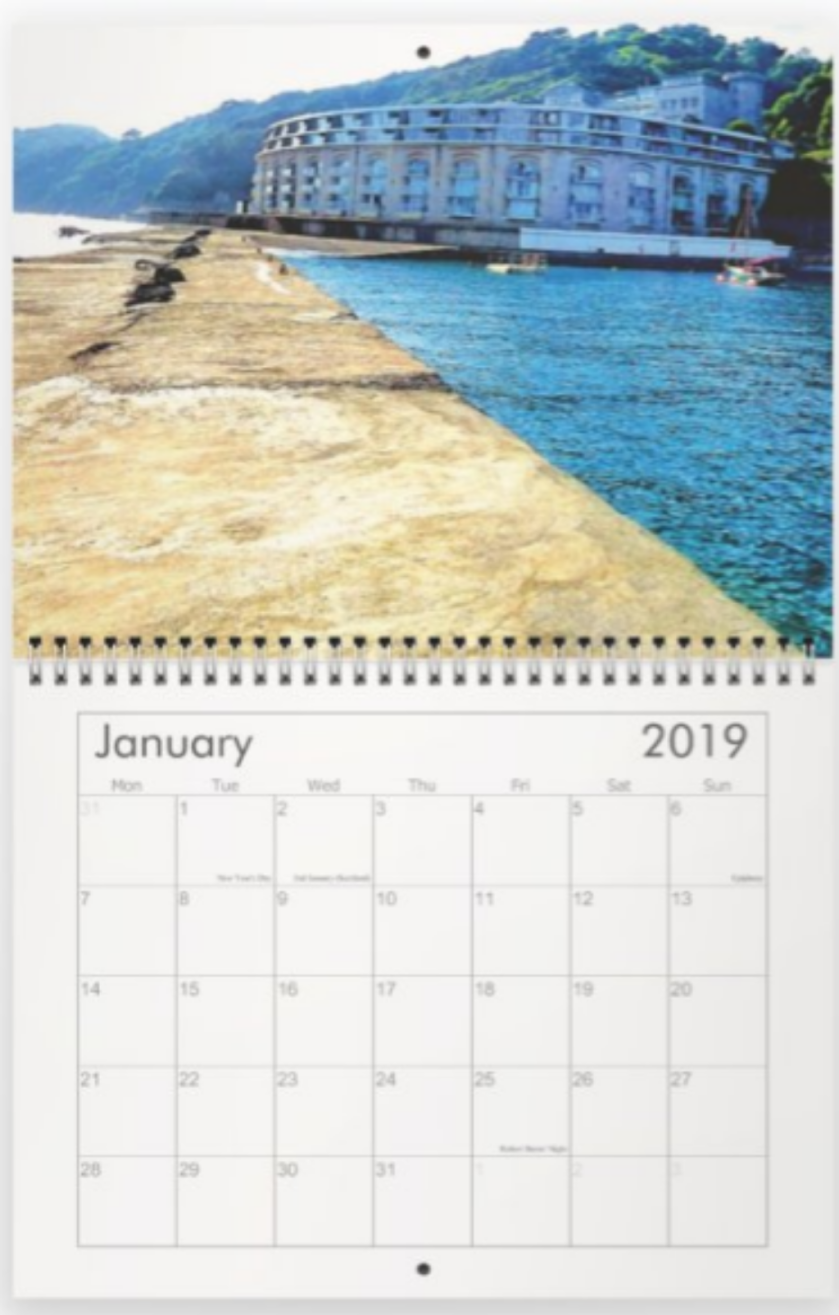
For January we have a picture of Fort Picklecombe:

Jan 2019

February features Brunel’s famous bridge at Saltash:

Feb 2019

For March the focus shifts to the far west of Cornwall, where with the exception of November and December it remains for the rest of the year. This is one of two pictures from a seal colony near St Ives to make an appearance.

March

The April picture is a trio – across the top a view from St Michaels Mount to Marazion, and sharing the bottom a heron at Lelant Saltings and a crab at St Ives.

April 2019

May features a shot of Carbis Bay.

May 2019

June features our second seal picture:

June 2019

July features the seaside garden at St Michael’s Mount, which members of the public can view only from above:

July

August is double-up, featuring a cannon emplacement at St Michaels Mount on top and a panoramic view of the mount and causeway below:

Aug 2019

September is a double up from St Ives showing an old phone box with a an antique Great Western Railway clock attached on one side and a close-up of the clock on the other:

Sep 2019

October features a red admiral butterfly spotted on the descent from St Michael’s Mount:

Oct 2019

November, sharing with July the distinction of a photo taken that month, features the lighthouse picture that is also my desktop background and the reverse side of my personal cards.

November 2019

December, just to emphasise what this calendar is all about features a shot of the Cornish flag.

Dec 2019

Each page of the calendar is 28cm wide and 21 cm high, meaning that when hanging up open and ready for use it is 28cm wide and 42cm high.

India Demonstrate How Not To Polish Off an Innings

Some thoughts on the current test match, some mathematics, some climate change themed links and some photographs from an upcoming militgaria auction.

INTRODUCTION

Although my first and main focus in on the current test match between England and India I also have my usual assortment of other goodies.

SWITCHBACK RIDE AT THE OVAL

When England were 120-1 at one point yesterday it looked like they were making a solid if slow start. India then took control of the game, England finishing the day 198-7, with Jos Buttler looking to marshal the tail in a recovery act (the first time this millennium that an uninterrupted test match day in England has yielded less than 200 runs). When Rashid was out fairly early this morning to make it 214-8 the question was whether the Broad and Anderson could last long enough to see England to 250. Thanks to some crazy Indian tactics the final England wicket did not fall until the total had reached 332, Buttler top scorer with 87 and Broad a useful 38. Buttler was last out when it finally occurred to India that it might not be a good idea to allow him singles at will and set a field that necessitated improvisation if he wanted to farm the strike.

The “tactic” of concentrating all one’s efforts on the tailender and declining to make any effort to pressurise the senior batter is not one I have ever approved of, and today saw one of it’s many ignominious failures. 

Having failed yet again Jennings now surely has one innings left to save his test career. There are seven test matches for England, six overseas and one at home against recently elevated Ireland before the Aussies come calling, and it is those matches which can be used to bed in a new opening pair (it would be a major ask for an opener to make their debut against them) – and I do not see Jennings being one half of that pair. As I was writing this paragraph Stuart Broad picked up the first Indian wicket. Those who read my previous post know that I have my own highly unorthodox solution to the problem of who the new opening pair should be (the driver of the bus I travelled home from work on yesterday, who is a follower of this blog, commented approvingly on the controversial element of this, so I am not alone). 

If, as now seems to be one of two live possibilties (a draw and overall 3-1 being the other) England end this series with the scoreline 4-1 in their favour India will have chucked this match in the first part of day 2. Virat Kohli is a great player but on all available evidence he has precisely no aptitude for captaincy. In thirty years of being an avid cricket follower I cannot recall a finer demonstration of how not to polish off an innings.

TEASERS

First up solutions to the problems I set on Wednesday (all problems in this section come by way of brilliant.org):

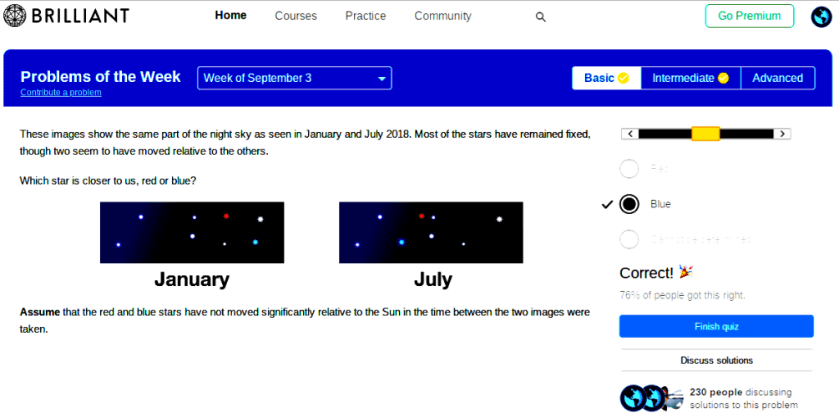
WHICH STAR IS CLOSER?

astroproblem

First the answer:

Star answer

The blue star has changed relative position more than the red, hence it must be closer, while all the other stars are so far distant that they have not changed relative position. 

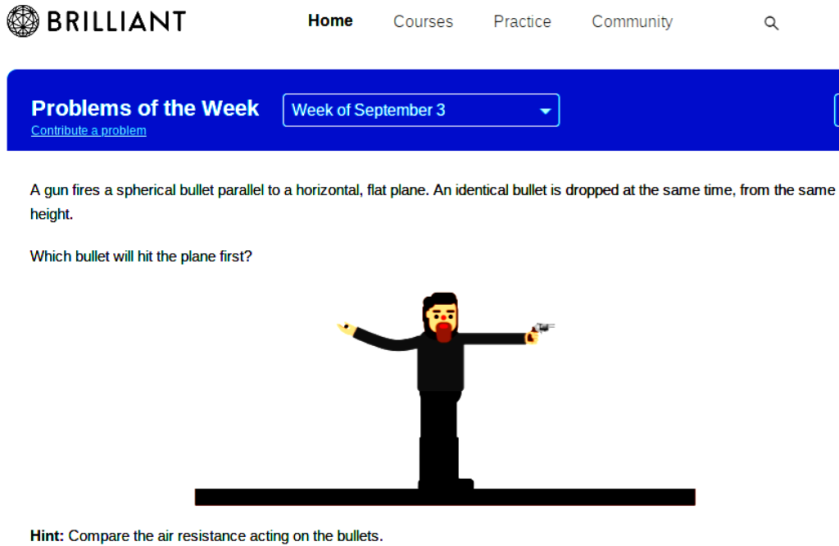
BULLETS

Bullets

The answer:

Bullet answer

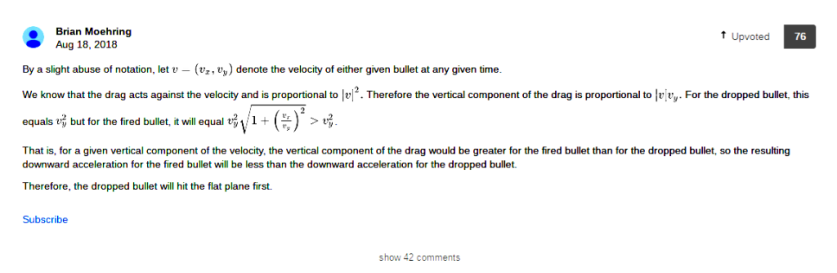
Here is Brian Moehring’s solution:

BMbullets

NEW PROBLEMS

31 problem

Here is another problem:

squacubes

LINKS

Three closely related pieces here. 

  1. Richard Murphy brings news of a campaign victory – the BBC has admitted to getting its coverage of climate change wrong and has warned people that it is not necessary to give airtime to climate change deniers for the sake of balance. Here is the end of Murphy’s piece on this:
    Of course I am pleased.

    And massive credit to Rupert Read for achieving this.

    Next the BBC should stop platforming tax deniers.

    And those who will not disclose their funding.

  2. Rise for Climate – this is a new source of information about actions being taken to combat climate change – feel free to visit and sign up for emails as I have.
  3. Anna presents a detailed and very clearly laid out Q & A on the campaign the prevent the building a big new road through Trosa. An English version follows the Swedish.

PHOTOGRAPHS

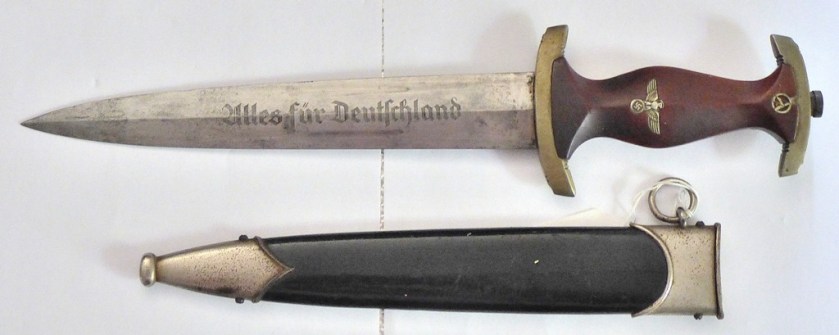
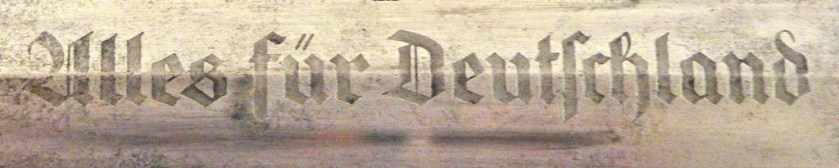
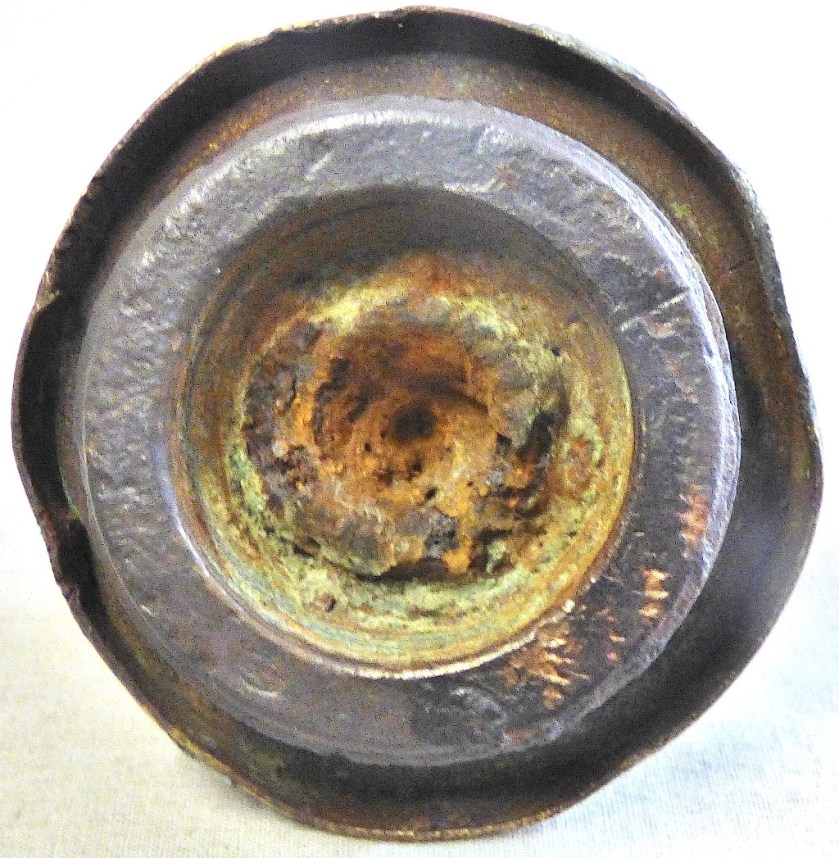
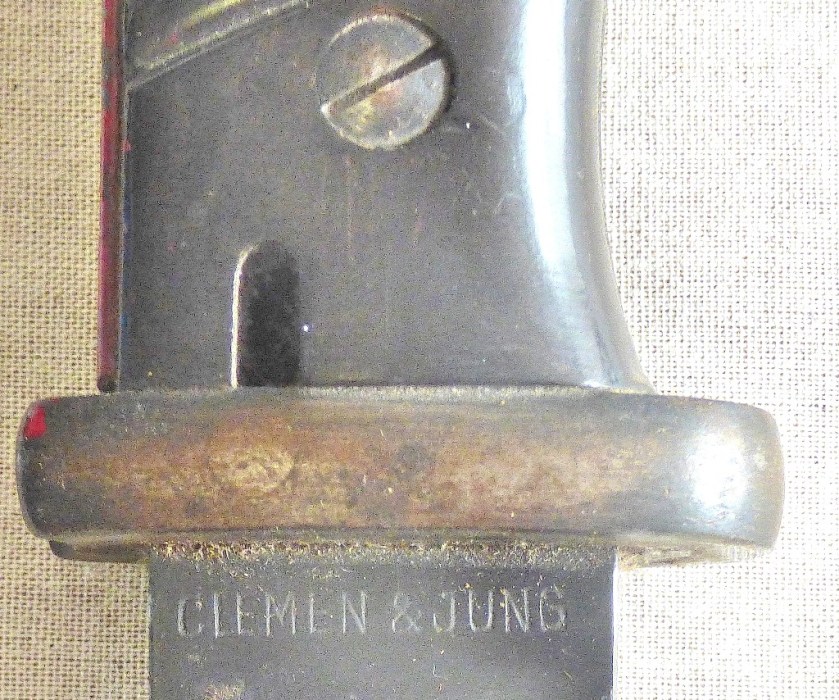
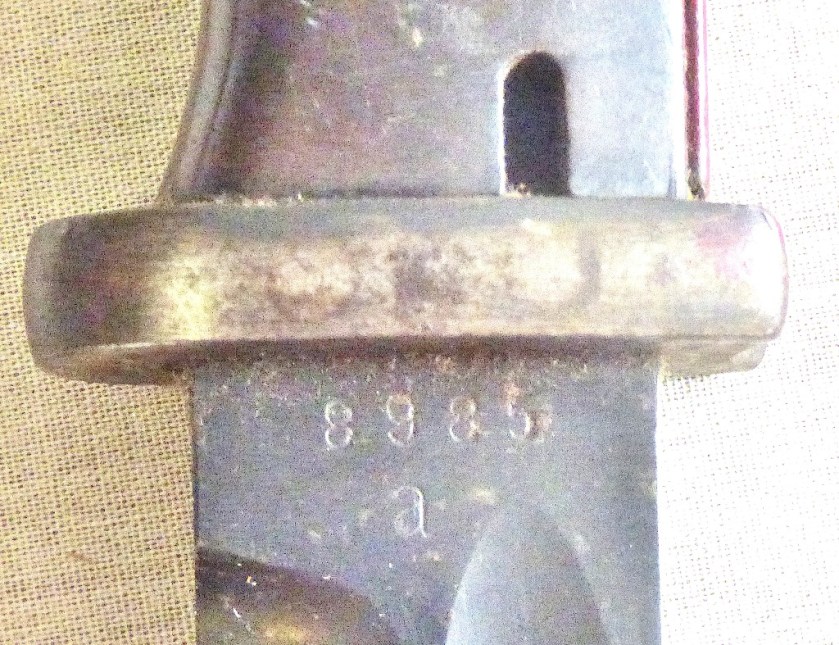
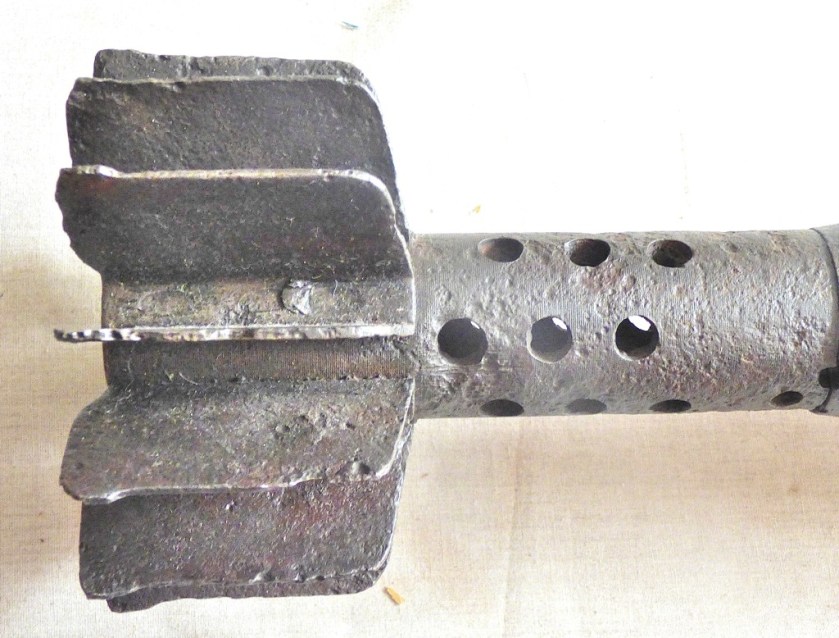
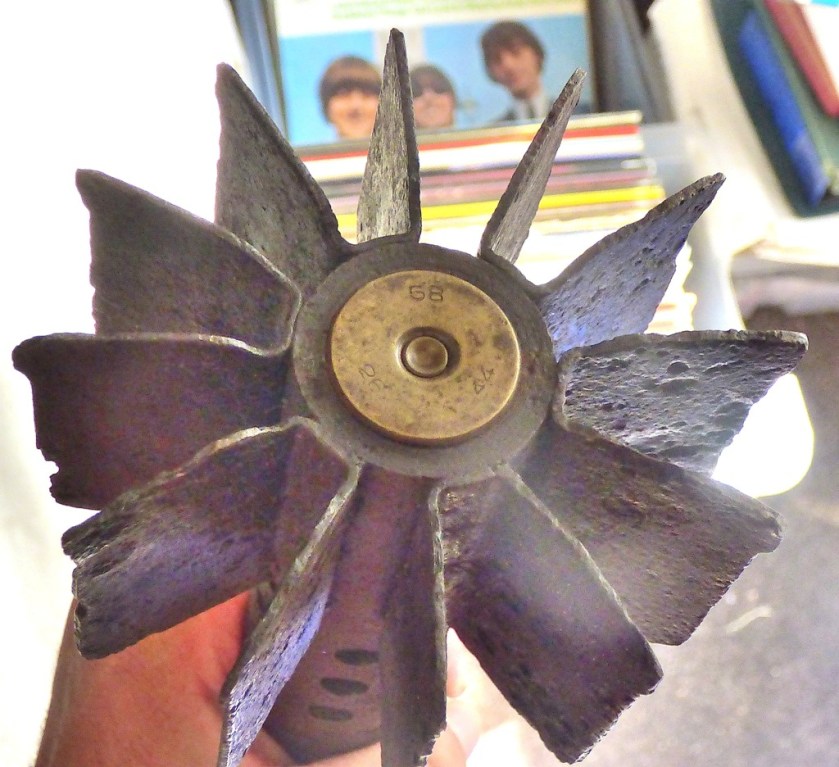
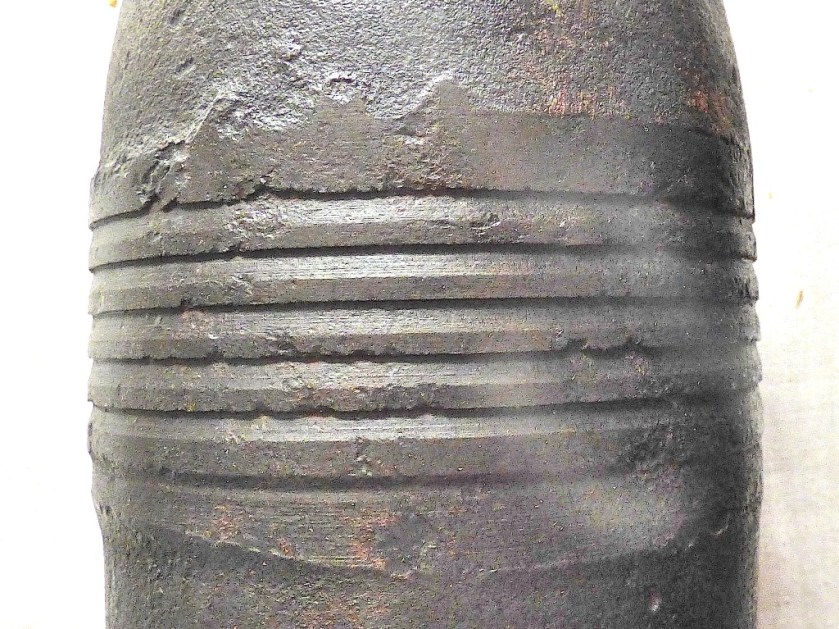
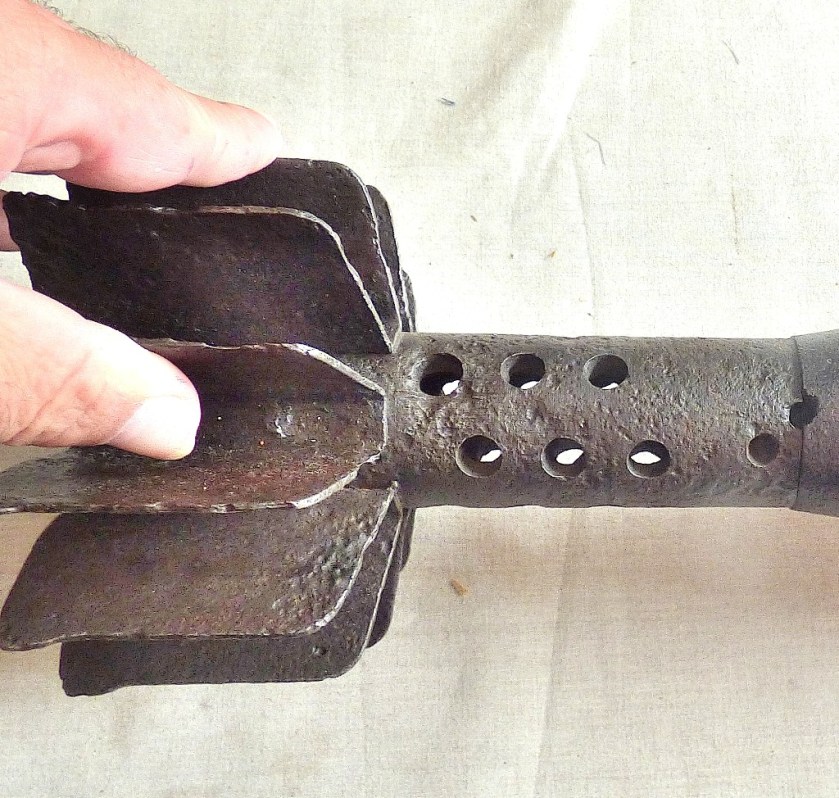
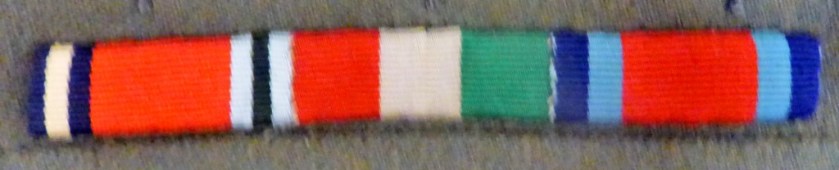
These pictures all come from our militaria sale that will be happening on September 19th. Disclaimer: one of the items pictured is a relic from one of history’s vilest regimes – I show it because it is a remarkable specimen which has already attracted large amounts of interest.

2
Lot 2 – this dagger is definitely genuine – and will go for a lot of money.

2-a2-b2-d2-e2-f2-g2-h2-c2-i

10
Lot 10, this will be on the front cover of the catalogue.
51
Lot 51

51-a51-b51-c51-e51-f51-g51-d

231
Lot 231
402
Lot 402
406
Lot 406
405
Lot 405

405-d405-c405-b405-a

404-c
Lot 404

404-b404-a404

204
Lot 204

204-a204-b204-c

373
Lot 373
372
Lot 372

372-a372-b372-c372-d372-f372-e

407
Lot 407 – this uniform will bring the cujrtain down on the sale.

407-a407-b407-c

England Selectors’ Ostrich Impression and Other Stuff

Some thoughts on the (in)action of the England selectors this week, some mathematical teasers and a few pictures.

INTRODUCTION

A couple of days ago I wrote about England’s series win over India and presented some problems and solutions. This post is on similar lines, dealing with the actual behaviour of the England selectors and my thoughts thereon.

AN OPPORTUNITY SQUANDERED

England, with the series already in the bag, had a diamond-encrusted golden opportunity to experiment with options to fill gaping holes in their top order. Cook’s announcement of his impending retirement from international cricket should have acted as an extra spur. Instead of which we see very little in the way of forward planning or of experimentation of any sort. Even with the certain knowledge that a new opener will have to come in to replace Cook the selectors persevere with the proven failure Jennings.

Three individuals who can feel more aggrieved than most by this behaviour are Rory Burns (another 90 against Essex yesterday after the latter won the toss and chose to bowl first), Dan Lawrence and Liam Livingstone

In view of Cook’s impending retirement I would have recognized openers at 1,2 and 3 (not a bad approach in test cricket anyway), with a view to the two other openers than forming a partnership in future matches. This is why in the previous post I mentioned Tammy Beaumont, a recognized opener who has been scoring stacks of runs recently. Batting is at least as much about timing and placement as it is about brute power, and that is why I believe (unlike in the case of fast bowling) a woman could mix it with the men even at the highest level, similarly with slow bowling and possibly wicket-keeping (for my money the best user of the gauntlets in world cricket across the board at the moment is Sarah Taylor). A number of the all-time greats of test match batting have been of diminutive stature (Bradman, Gavaskar, Tendulkar, Sehwag, Hanif Mohammad and several of the finest Sri Lankans spring to mind instantly). I am well aware that this super-radical option will not happen, but the alternatives that that leaves with are:

  1. Two brand new openers, neither of whom have any experience of international cricket.
  2. One new opener and one opener who has shown already that they are not actually good enough (Jennings)
  3. Two openers who gave failed to prove themselves (presumably Jennings and a recalled Stoneman). 

Of those three options, none of which massively appeal, my choice would number 1, which might end up working out well, and then the question is who to choose to open alongside Burns (whose case for selection is undisputable in the circumstances). 

Having taken the “ostrich option” re their top order difficulties the only outcome from this game that could be acceptable is not merely a win to make it 4-1 for the series but a win by a massive margin. The timidity of the England selectors means that at least one and possibly two England openers will be starting their careers on overseas tours, with their first home test series being against those well known softies, the Aussies.

PROBLEMS AND SOLUTIONS

I will start as usual with answers and solutions to the previous problems (all from brilliant.org) before offering up some new problems.

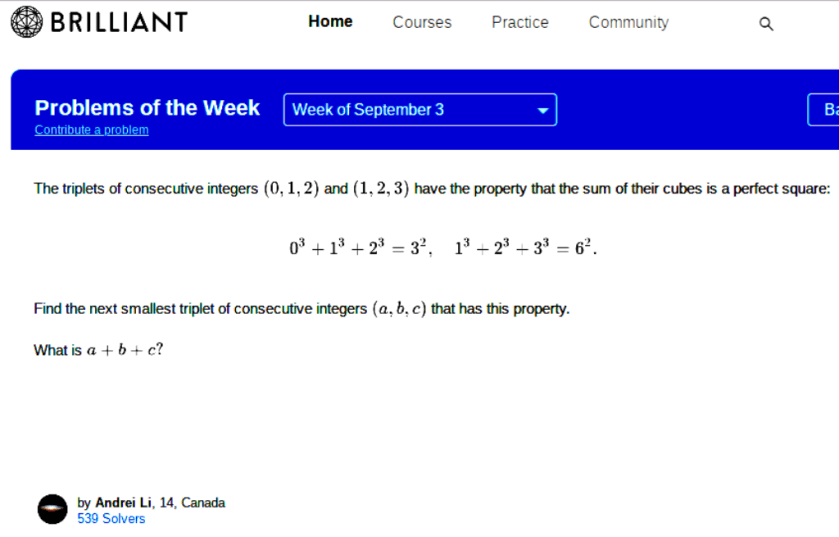
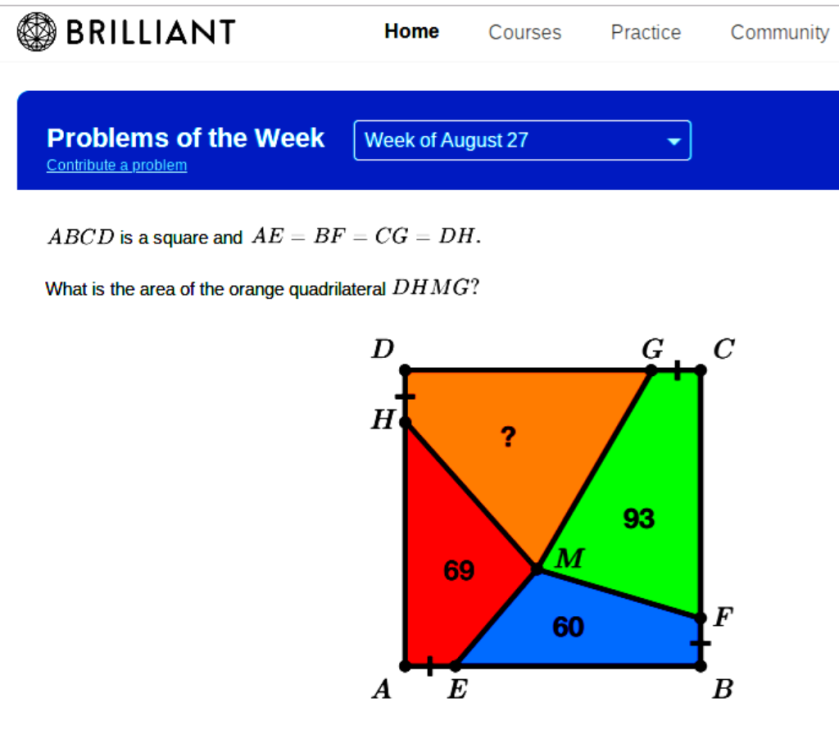
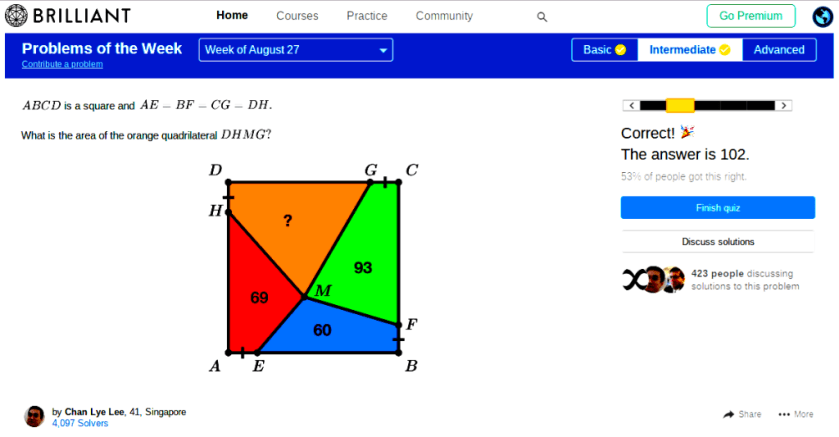
WHAT IS THE AREA OF THE QUADRILATERAL

Screenshot 2018-09-03 at 5.08.56 PM

First the answer:

quad answer

The hackers solution is that there are only two really serious possibilites since the shape is a square, namely 67 (giving an area of 289 = sides 17 units long) and 102 (giving an area of 324 = sides 18 units long), and since the question gave one three tries just enter those values for the first two tries (if your first entry does not come up right). Here, courtesy of Jeremy Galvagni is an elegant genuine solution:

quadsol

THE .99 STORE

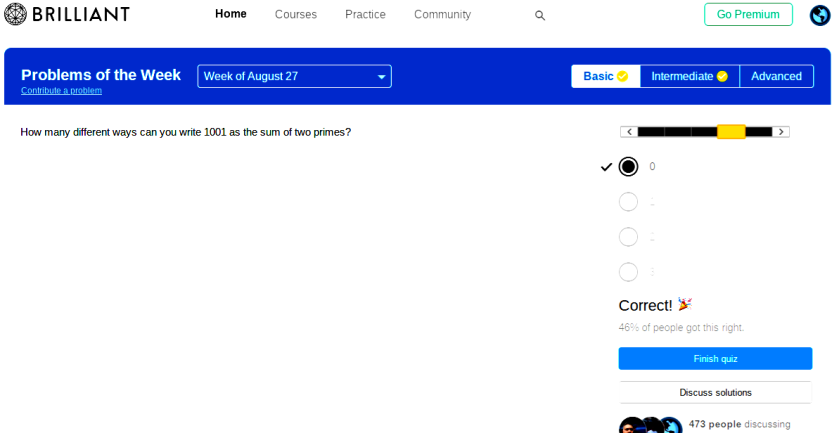
First the answer:

Screenshot 2018-09-05 at 3.09.42 PM

The figure in front of the .99 part of the price can vary, so all we need to know is how many .99s add up to answer ending in .89, and the answer is 11 (11 x 99 = 1,089, so 11 x 0.99 = 10.89), and the next number of items after 11 that would give us an answer ending in .89 is 111, the lowest price total for which would be $109.89. Thus Marie purchased 11 items.

NEW PROBLEMS

First an astronomy themed problem:

astroproblem

Now a question that has got almost three-quarters of those who tackled in on brilliant, but is not actually difficult:

Bullets

PHOTOGRAPHS

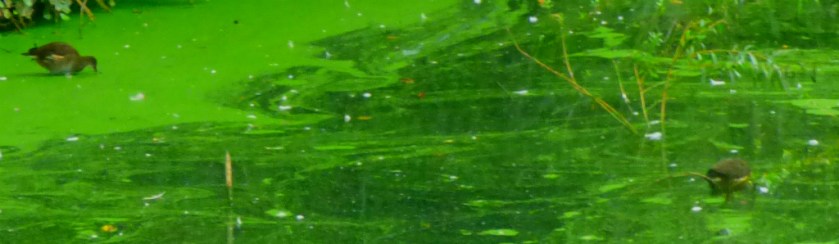
Swimming MoorhenMoorhen on branchTwo MoorhensMoorhensMagpie

Congratulations to England on a Series Win Against the World Number One Ranked Test Nation

Congratulations to England on their series win, a farewell to Alastair Cook who has announced his impending retirement from international cricket, some maths problems and solutions and some photographs.

INTRODUCTION

This is going to be a long post because there is a massive story to cover concerning the cricket in addition to the match itself. I will also be including some mathematical problems and solutions and of course some of my own photographs.

ENGLAND WIN A THRILLER TO TAKE THE SERIES 3-1 WITH A MATCH TO GO

On Thursday when England stumbled to 86-6 after winning the toss and batting I was not expecting to be writing a piece of this nature. England failed to polish off the Indian first innings when they had a chance of a lead. When Stokes stuffed skipper Root (run out 48) it was 122-5 and England led by only 97. Then came another lower order fightback, and with Curran adding 46 to his first innings 78 England set India 245 to win. The match was settled while I was at the Mencap Beach Hut, Old Hunstanton on an NAS West Norfolk day out. As usual the key wicket was that of Kohli, and once he had gone India never got back into contention, Moeen Ali adding four wickets to the five he took in the first dig (he is very much a bowler who likes being at home – 91 wickets at 31 in England, 51 at 52 abroad) to help settle things. In neither innings did England’s top order deliver sufficiently (a recurring problem). Aside from Root’s 48 from his preferred no 4 slot in the second innings, the highest score from an England player in the top four was Jennings’ second innings 36. I am now going to through England player by player.

  1. A N Cook – see next section
  2. K K Jennings – a failure in the first innings, and in many ways a worse story in the second – an opener who gets as far as 36 should be settled in for the long haul. I believe that with the series safely won and the situation ripe for experimentation he should be dropped.
  3. J E Root – the skipper dropped himself to no 4 in the second innings and it took a run out to get rid of him then. 
  4. J M Bairstow – he was sufficiently injured to prevent him from keeping but not apparently from batting, but if he is to play as a specialist batsman it should be at no 3.
  5. B A Stokes – the new, responsible Stokes played well up to a point in this match but in the second innings he overdid the blocking to the point of handing the initiative to India. Also running out the skipper never looks great (save perhaps at Christchurch in 1978 when Botham, allegedly acting on instructions from vice captain Willis to do whatever was needed to up the run rate, stitched up skipper Boycott).
  6. J C Buttler – one of only two England batsmen to have topped the 250 run mark thus far in the series (the other being the wunderkind Curran) and competent behind the stumps.
  7. M M Ali – a useful batting effort after England’s disastrous start on day 1 and two good bowling performances. His mid-match promotion to number three (where he did recently hid a double century for Worcestershire v Yorkshire) shows how desperate England are to find a way for Root to bat at four.
  8. S M Curran – about the only thing the youngster hasn’t done in this series is walk on water! He is establishing himself as a star player.
  9. A U Rashid – a poor match with both bat and ball, but he is too good not be firing again soon.
  10. S C J Broad – a solid match for the veteran new ball bowler. He has now drawn level with Sir Richard Hadlee in the all-time test wicket takers list.
  11. J M Anderson – a quiet match for one of the all-time great swing bowlers, but even though he did not take many wickets he continued to command respect. 

I will end the cricket part of this post by naming my team for The Oval.

FAREWELL ALASTAIR COOK

Alastair Cook, after 160 test matches, the last 158 in sequence (the longest unbroken run of appearances in test history, and not likely to be challenged any time soon) has announced that the last match of this series, at The Oval, will be his international swansong. This marks the end of an epoch not just for England but for test cricket – in many ways Cook is the last true test match batsman, having made his debut before T20 was a really major thing and unlike many who get seduced by the bright lights and big money at tournaments such as the IPL he abandoned short form cricket to concentrate on his test match career. His achievements in test cricket placve him firmly among the greats of the game, and I think he has timed his announcement exactly right, bowing out on his own terms (which he had more than earned the right to do)  and before too many people began to ask just why he continued to be picked. 

On the 2010-11 Ashes tour Alastair Cook had to most successful visit to that part of the world by anyone named Cook since Captain James called by in 1770, and the most successful by an England batsman since Hammond in 1928-9. He played three monumental innings in that series, a match saving 235 not out at the Gabba (also sometimes referred to as the ‘Gabbatoir’ on account of what often happens to visiting sides there), his 148 at Adelaide that set the stage for the Pietersen innings that put Australia right out of that game and the 189 at Sydney in the final game that ensured that the final scoreline for the series would reflect England’s dominance (a 2-2 draw would have been an utter travesty, and even 2-1 to England after a drawn final match would have looked better than Australia deserved).

I have no doubt that there will be occasions in the near future when England find themselves wishing for Cook’s cool head and fighting qualities. It will be hard to get used to an England order without the name Cook at the top of it. 

From this huge cricket fan and devotee of test cricket the message is “Well done Alastair, and thanks for some fabulous memories, especially of the Aussies being humbled in their own backyards”.

THE TEAM FOR THE OVAL

HI do not expect that thsi team will actually be picked (!) but it is what I would do in these circumstances, with the series already won: A N Cook, R J Burns, T T Beaumont, *J E Root, O J D Pope, S M Curran, +J C Buttler, M M Ali, A U Rashid, S C J Broad, J M Anderson.

PROBLEMS AND SOLUTIONS

I begin with the solutions to the two problems I posed in my last post:

AKSHATHA AND DEV

A & D Answer

I give you a beautiful published solution from David Vreken:

Vreken strikes again!

1001 PROBLEM

Here is the answer:

1001 ans

I published a solution to this problem, which although more than half of all solvers got it wrong is actually very easy. My solution:

  1. 1001 is odd, and the only even prime number is two.
  2. 1001 – 2  = 999, which is obviously divisible by three (full prime factorization is 3 x 3 x 3 x 37)
  3. Negative numbers do not apply to these questions as with them no number matches the definition of a prime, but even if they did, 1,003 (1,001 – -2) is composite anyway (17 x 59).

WHAT IS THE AREA OF THE QUADRILATERAL?

This is first of two new problems from brilliant.org for you:

Screenshot 2018-09-03 at 5.08.56 PM

There are two ways to solve this one, the official method and a hack (no bonus points awarded for guessing which method I adopted!).

HOW MANY ITEMS?

Prices ending in 99

Incidentally this question should not be taken as suggesting that I approve of this method of pricing – the reverse is actually the case, I think it is utterly ridiculous and very irritating.

PHOTOGRAPHS

Church, North Norfolk
A church in North Norfolk
Sandcruiser
The new ‘Sandcruiser’ wheelchair at the beach hut.
Shell deposit
A deposit of shells

Hovercraft

Sandcruiser in action
The sandcruiser in action

Wind turbinesLincolnshire

Dolphin kite
No – not a real dolphin performing a record breaking acrobatic feat – merely a flashy kite being flown in the breeze.

No Flying birds

Bentley I
A vintage Bentley (six shots in total)

Bentley IIBentley MascotAA badgeThrough the windscreenDashboard

Amber
Possibly a small piece of amber with something preserved inside it.
fish
there were fish in this shballow water.