England Versus India

An account of the first three matches of the test series between England and India plus some photographs

INTRODUCTION

I have not written about the goings on in the current England versus India Test series as yet, because I have been busy writing about other stuff. This post repairs the omission.

MATCH 1 AT EDGBASTON

This was a nail-biter of a game, with fortunes swinging constantly as it progressed. When India were 115-6 in response to England’s 287 it looked like the home side were firmly in the driving seat, but Virat Kohli marshalled the lower order to such purpose that India trailed by only 13 on first innings. When England then slumped to 87-7 in their second innings it looked settled in India’s favour, but Sam Curran played a fine innings to give England a target of 194 to defend. England took wickets consistently, but not until Kohli was finally dislodged by a Ben Stokes yorker that trapped him plumb in front to make it 141-7, leaving nos 8, 9, 10 and 11 needing to cobble together a further 53 did the home side actually look favourites. They managed only 20 of those runs, and England were one up in the series. Curran was deservedly named player of the match (Kohli’s contribution of 149 and 51 was not enough to save his side from defeat, so it would have been wrong for him have got the award).

SECOND TEST MATCH AT LORD’S

India batted first in very difficult conditions. Nevertheless, and magnificently as England’s seamers bowled in conditions made to measure for them, a tally of 107 all out looked pretty definitively inadequate. When England were 131-5 themselves it looked less so, but a monster partnership between Bairstow and Woakes (in in place of the unavailable Stokes) effectively settled the outcome of the match. Woakes completed his maiden test century, being 137 not out when England declared, while Bairstow missed adding to his own tally of such scores by a mere four. India collapsed again (130 all out this time) and England were 2-0 up in the series. Anderson became the first bowler to take 100 test wickets at Lord’s in the course of this game, and only the second ever to 100 at a single venue anywhere (the first, Muttiah Muralitharan, did so at no fewer than three different venues). Woakes’ century meant that joined the select list of cricketers to feature on batting and bowling honours boards at Lord’s (Ian Botham is there, and among overseas cricketers Keith Miller is the sole person on both boards). 

THE THIRD TEST AT TRENT BRIDGE

Before this match got underway England perpetrated a blunder, setting the scene for four and little bit days in which such things would become routine, by dropping Sam Curran after two matches in which he performed excellently to make way for Ben Stokes, now cleared of all criminal charges, to return to the squad. I personally would not have selected Stokes at all, but even had a gun at the head proposition forced me to do so nothing would have induced to me to drop Curran (yeah, pull that trigger if dropping Curran is the price to pay for you not doing so!). 

Perhaps feeling after the first two matches that they could bowl India out on anything England put them in after winning the toss. India tallied 329, helped by some butter-fingered English fielding. The match was won and lost in the space of an hour and a half on day two when England being 54-0 in reply to 329 became England 128-9 in reply to 329. Buttler and Anderson got the final England first innings total up to 161. In their second innings India reached 352-7 before declaring leaving England two days and a mini-session to negotiate or 521 to score. Kohli had his second century of the series, having misssed out by three in the first innings. Cook and Jennings did the first part of their mammoth task, getting England to the close without losing a wicket. Both then fell early on day four, and two more quick wickets followed, at which point Buttler and Stokes joined forces. Their partnership at least showed some belated fight, and Buttler completed his maiden test hundred, while Stokes batted for a long time in largely defensive manner. Another clatter of wickets followed the breaking of the partnership and it was only some bloody-mindedness on the part of Rashid and Anderson (who had earlier in the game become only the second bowler to record 100 wickets in test matches against India, behind Muralitharan) took the game into a fifth day.

Somewhat bizarrely the Trent Bridge authorities decided to charge £10 for admission on a day that could have lasted for one ball (actually it managed to last for 17, meaning that anyone who paid to get in did so a rate of just under 59p per delivery). At the MCG in 1982, when again the final day could have lasted one ball, but there was also an outside chance of a home victory (37 needed with one wicket left BUT at the crease with no 11 Jeff Thomson was a certain Allan Robert Border) the authorities there did not charge admission. On that earlier occasion those who took advantage of the freebie got 85 minutes of gut-wrenching tension and one of the closest finishes of all time (England won by three runs after Thomson nicked one from Botham that would have had the umpire spreading his arms had the no11 simply ignored it, Tavare palmed the ball upwards and Geoff Miller took the rebound. Here, with in excess of 200 required and nos9 and 11 together at the crease there could only be one result (the largest number of runs that a last wicket pair have ever knocked off to win a first-class match is 76 way back in the fifties). Thus England were well beaten and lead the series 2-1.

LOOKING AHEAD

England’s top four is their major current problem area. At Trent Bridge those positions were filled by:

  • England’s all-time leading test run scorer but also someone who has not had a decent score since the Melbourne featherbed in December.
  • Someone who is clearly out of his depth at this level (Jennings)
  • One of the three best batsmen currently eligible for test cricket (Root – Kohli and kiwi Kane Williamson are the other two) to be found anywhere in the world.
  • A fine young batsman who at this stage of his career is not a test match number four.

The above situation, India managing a decent first innings total and the fact that Root for once had a poor game put a lot of pressure on the middle order, and Buttler and Stokes kin the second inninsg apart, they folded under it.

My suggested squad for the fourth test is: A N Cook, R J Burns (someone with a magnificent record as an opening batsman who is probably ready for elevation to the test match ranks), B A Stokes, J E Root*, O Pope (I did not say that he is not a test match batsman, and I believe that he can be, and should be persevered with, just not as high as number four, a position he never occupies even for his county), J C Buttler+, C Woakes, S Curran, A Rashid, S C J Broad, J M Anderson. If two spinners are warranted then Bess comes in for Broad, with Curran sharing the new ball with Anderson (the latter being a change I might make anyway, having Broad as third seamer). When recovered from his injury Bairstow comes in to the squad, probably replacing Stokes at no 3, just possibly coming as opener, bringing down the curtain on Cook’s illustrious career. Some of these suggestions, especially even considering dropping Cook might be seen in certain quarters as heretical. 

I still just about make England favourites for the series (after all, they are still ahead), but they need to respond better to opponents making decent totals – this not the first time in recent years that they have folded in response to a respectable but not massive total – it happened twice against South Africa last year.

PHOTOGRAPHS

For you hardy souls who have made it to the end of this post, here are some of my photos:

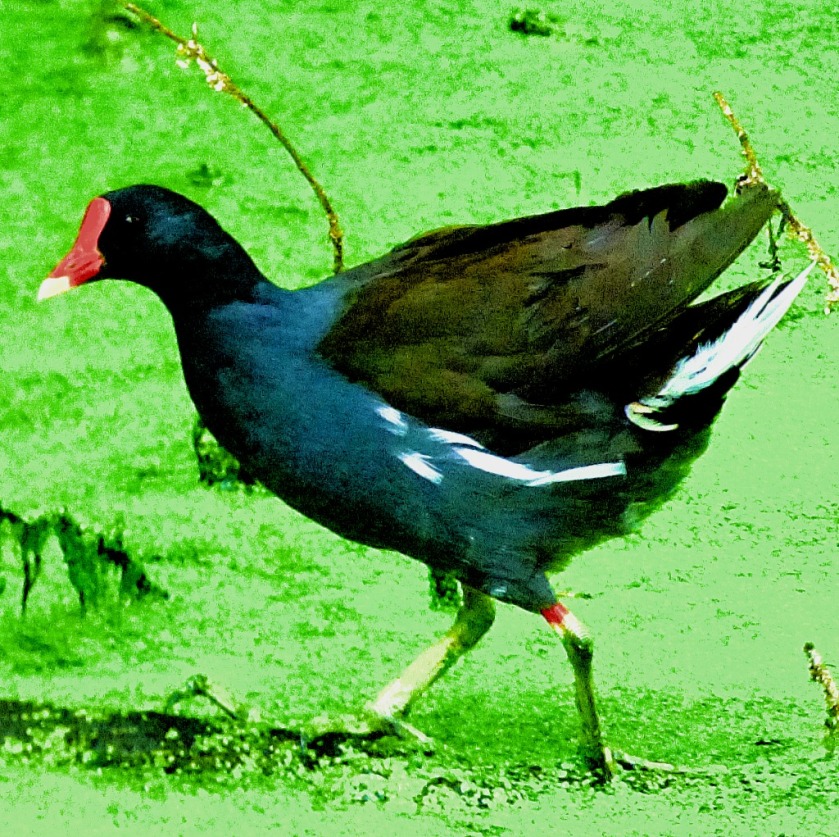
White buiterfly with black spotsMoorhen and chick

Pride in the Park from afar II
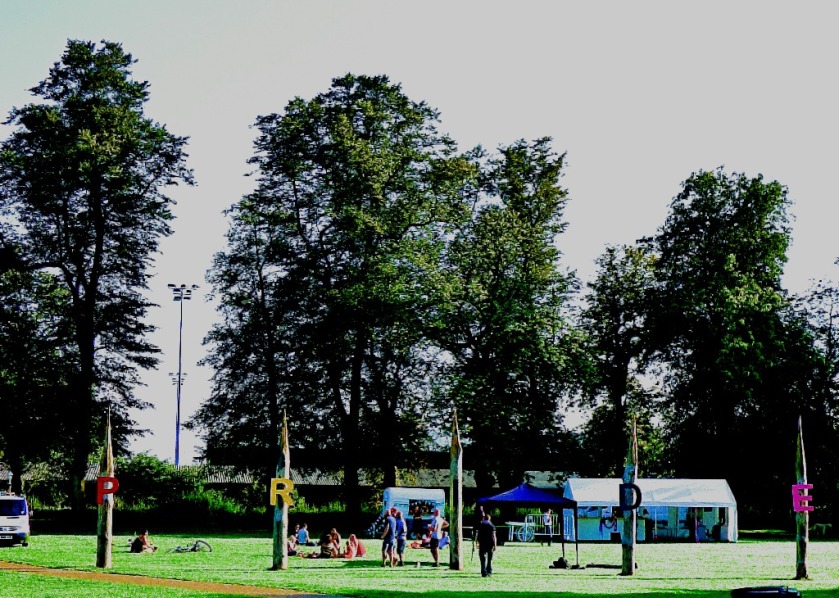
The first of a number of shots here featuring the inaugural King’s Lynn and West Norfolk Pride – I found out about the event which took place a week ago too late to take part, as I already had other commitments, one of which I was on my way to honour when I took this.

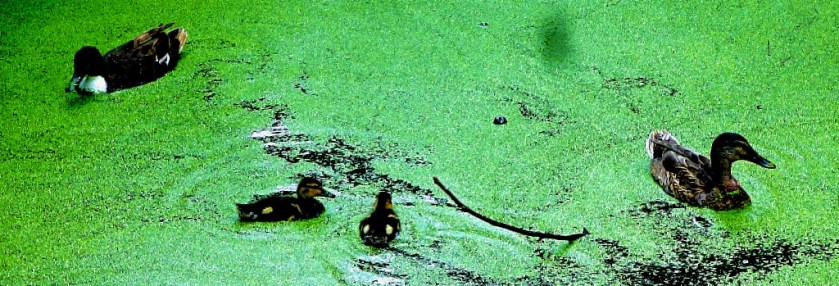
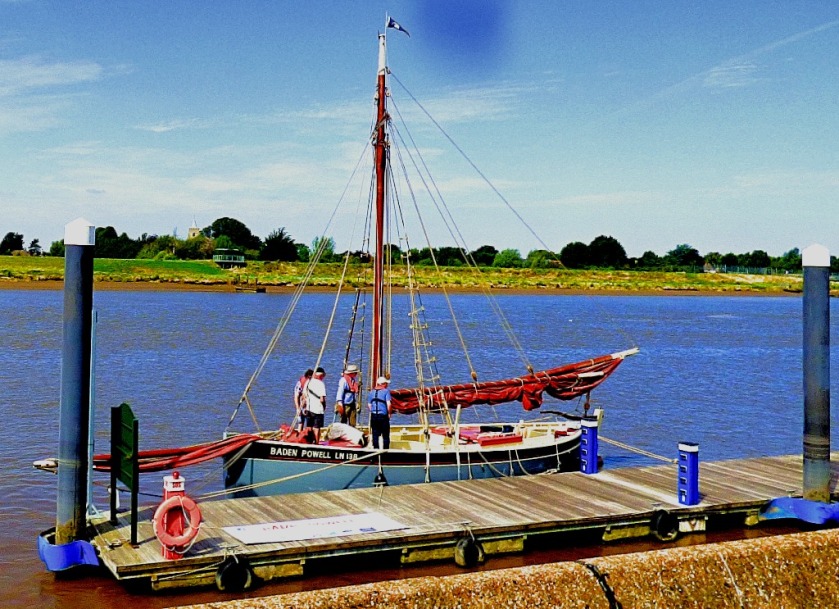
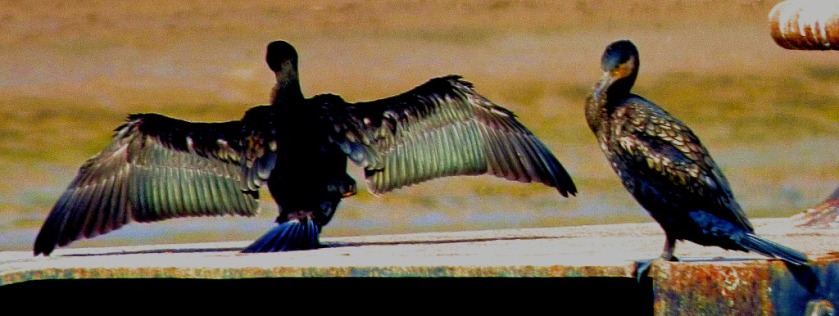
Pride in the Park from afar IMoorhenMallard familySquirrelBaden Powellbirds and a churchWing spanCormorants and gullsWhite Butterfly

Muntjac II
I had to photograph this muntjac from long range – as soon as they spot a human they flee.

Red Admiral IIRed AdmiralBandstandPride in the parkPride flagGuildhall

England Seal ODI Series Victory

An account of the third ODI between Australia and England, and some of my own photographs.

INTRODUCTION

Just after 11AM yesterday UK time England completed a victory over Australia in the third One Day International that also secured them the series victory with two matches remaining. This post tells the story of that victory

THE MATCH

Steve Smith won the toss for Australia and sent England in to bat, which given that England had won the first two matches batting second was a sensible decision. Moeen Ali’s dismissal to the first ball of the 39th over left England at 181-6, at which point Australia looked favourites, and Smith’s decision to send England in looked to be thoroughly vindicated. Jos Buttler and Chris Woakes then batted so well in the last 11.5 overs, the former reaching his 5th ODI hundred along the way, that England finished their 50 overs with 302-6.

Australia in response were then ahead on comparison for much of the way. In the closing stages Stoinis and Paine batted well up to a point but they were dropping further and further behind the rate. When Stoinis holed out at the death Australia needed 19 off three deliveries which meant that Woakes only had to avoid overstepping or slinging the thing wide – and he very comfortably achieved this, England’s final margin being 16 runs. Stoinis played a quality knock, but Tim Paine’s 31 not out off 35 balls was as clear an example of a match-losing innings as I can recall (though skipper Smith’s 45 off 66, which first put Australia behind the rate merits a dishonourable mention in this category). 

A CONTROVERSIAL DISMISSAL

Smith was given out caught by Buttler. The onfield umpires referred with a ‘soft decision’ of out, meaning that to give Smith not out the TV Replay Umpire needed to find incontrovertible evidence that it was not out. The mere fact that even with replays to help them people were not in agreement as to whether it was out or not says that the evidence was not incontrovertible, so the TV Replay Umpire was right to stick with the decision of out. Also, because of camera foreshortening TV replays are notoriously unreliable when it comes to assessing whether catches have carried (and I write this as a fan of technology overall). Finally, the way Smith was batting his dismissal benefitted Australia at least as much as it did England.

A TALE OF TWO 49th OVERS

England went into the 49th over of their innings on 264-6. Pat Cummins not only got smacked around (always likely at that stage of an innings), he also unforgivably bowled a wide, and then with the seventh delivery, which had been necessitated by the earlier misdemeanour, a no-ball. The eight delivery, necessitated by the no-ball, and a free hit for that reason, was walloped for four. The meant that the over cost 25 in total, and Cummins’ indiscipline accounted for eight of those 25 (1 for the original wide, 2 for the no-ball, one taken off the no-ball and the last four).

Australia went into their 49th over at 273-6, needing 30 to win. Mark Wood was disciplined enough to limit his over to the regulation six deliveries, and he managed one dot ball, conceded four singles and only one four – eight off the over – a good fairy offering that outcome at the start of the over would have found herself one-handed! The difference between Cummins’ over and Wood’s was 17 runs (25 minus 8), and England’s winning margin was 16.

PHOTOGRAPHS

La TraviataMoorhensMerulaIMerulaIIMerulaIIIscout hut roofCrescent moon 1Crescent moon 2Crescent moon 3Crtescent moon 4Moonlit North Lynn


Failing to Convert

A post provoked by an asinine comment I saw on cricinfo yesterday, dealing with the question of failure to convert in cricket.

INTRODUCTION

This post was provoked by something I saw yesterday morning on cricinfo’s online coverage of the second ODI between England and Australia (I was at work, so could not listen to the commentary, but having this tab open and peeking occasionally in between doing other stuff was manageable – I was constantly using the internet for work purposes anyhow). 

ENGLAND 2-0 UP IN SERIES

England won this match by four wickets, with plenty of time to spare. Joe Root was there at the end on 46 not out. In the first match he had been there at the end on 91 not out. This coincidence that both times he was just short of a personal landmark led to a character posting under the name Dave (knowing what I do of such types I am not prepared to say that this is actually their name) to post a comment about Joe Root failing to convert. My response to this display of asininity is as follows:

  1. Failing to convert implies regularly getting out before reaching important landmarks and Joe Root was undefeated in both innings.
  2. Individual landmarks are valuable, and generally to win one needs someone to go to and well beyond several such, but cricket is a team game, and on both occasions Root missed his landmarks through playing a support role to people who were going more fluently at the other end (Jason Roy in game one, and Jos Buttler and Chris Woakes in game two).
  3. Joe Root has proven frequently that he can go on to and well past significant personal landmarks.

To end this section I quote a post from a few minutes after Dave’s which provides an indication of how good Root actually is in ODI chases:

Hypocaust: “Joe Root now has the 3rd highest average (87.06) in victorious ODI chases (min. 20 innings), behind Dhoni (102.72) and Kohli (93.64) and just ahead of Bevan (86.25).”

A PUZZLE

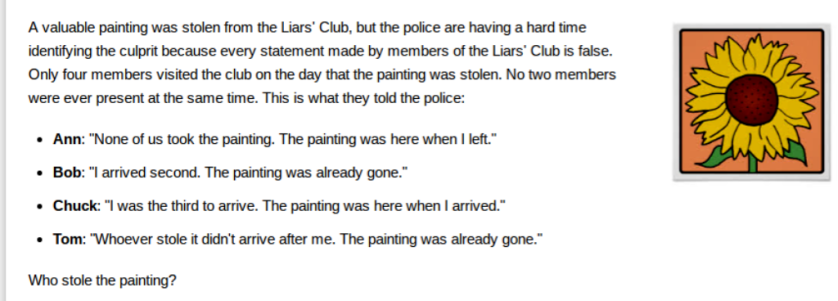
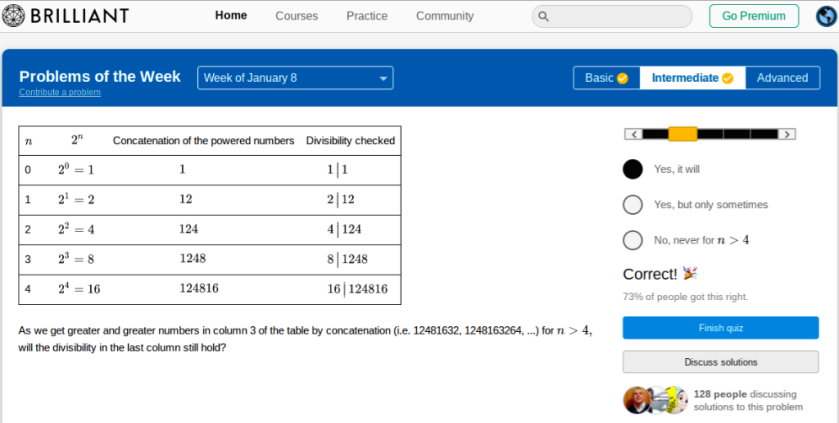
Here courtesy of brilliant is a puzzle:

LC

A SOLUTION

Here is the solution to the problem that I included in my post England One Day International Record:

solution

PHOTGRAPHS

As usual we end with some photographs:
 

Christmas Report On The England Men’s Cricket Team

Christmas report on the England men’s team, and some Muscovy duck pictures.

INTRODUCTION

While the England Women’s team have had a fabulous year, thoroughly deserving to win Team of the Year at the BBC Sports Personality of the Year awards (and had there been any justice Anya Shrubsole would have been Sports Personality of the Year) life has been tougher for the men. The confirmation in the early hours of Monday morning UK time that the Ashes had been lost (yes folks, I was listening to TMS right to the bitter end) lies behind this post (going up now through a combination of thinking before I wrote and work commitments yesterday). I end as usual with some of my own photographs.

THE FIRST THREE TEST MATCHES

Gritty fifties from Stoneman and Vince on the opening day notwithstanding Brisbane was a bad match for England. The ease with which Warner and Bancroft knocked off the 170 needed to win in the second innings, and the immovability of Aussie skipper Smith in their first innings were the most worrying sings.

Adelaide kicked off with Joe Root deciding to field first when he won the toss. An Australian tally of 442-8D in the course of the first day and a half made that decision look worse than it was (it was still poor, though not down there with Nasser Hussain at Brisbane 2002). England were then all out for 227, and as this was as a day-night test with the night session due to start it seemed mandatory to enforce the follow-on, but Steve Smith declined to do so. Australia stuttered under the lights to 50-4, and England’s best bowling effort of the series so far continued the following morning reducing Australia to 138 all out, leaving England 354 to get. England made a decent fist of things, and  at 170-3 it looked like they might just get them. Unfortunately both for England and for cricket as a whole (there are a lot of captains these days who almost automatically decline to enforce the follow-on, and had England chased down this target of 354 it might have made those people think) a wicket just before the close of day 4 and then a clatter the following morning put paid to that.

So it was on the Perth for the last Ashes game to be staged at the WACA (a new stadium just across the road will stage future Perth tests), a venue where England had only one once, way back in 1978. Precedents for a comeback from 0-2 down in a five match series are equally thin on the ground – the only successful example being Don Bradman’s 1936-7 Aussies (Bradman himself produced scores of 270, 212 and 169 in the third, fourth and fifth matches of that series, and also produced a tactical masterstroke in those days of uncovered pitches in that third test when faced with a terror track he sent in tail-enders O’Reilly and Fleetwood-Smith to miss everything until the close of that day – Bradman emerged the following day at 97-5 to join regular opener Jack Fingleton who had come at no 6, and with the pitch now eased they put on 346 for the sixth wicket to settle the issue), although 42 years earlier Australia had won the 3rd and 4th matches after being 0-2 down before England won the final game of that series. 

England batted first in Perth, and at 131-4 a familiar pattern seemed to be emerging, but then Dawid Malan and Jonny Bairstow got going, and both made hundreds. Malan went on to 140. Once their 237 run partnership was broken the rest of the innings subsided quickly, but 403 still seemed a respectable total. When Australia were 248-4 England still looked in with a shout, but by the end of day 3 Australia were 549-4, Smith having set a new career best and Mitchell Marsh in front of his home crowd turning his maiden test hundred into 181 not out. Smith and Marsh both fell quickly the following morning, and Starc was also out cheaply, but Tim Paine and Pat Cummins made useful contributions, and Australia declared at 662-9, leaving England four and a half sessions to survive for the draw. By the close of that fourth day Bairstow and Malan were together once more, with the only convincing batting effort up to then having come from Vince, who played very well for his 55 and was unlucky to get an absolute brute of a ball from Starc.

It rained overnight, and the covers at the WACA proved inadequate, leaving a wet patch on a good length at one end, which delayed the start of the fifth day’s play. Root argued for an abandonment, while Smith of course tried to hasten the start of play. I fully understand why Root tried to get play abandoned, but actually I am glad he failed in the attempt – to keep a series alive in that fashion would have been deeply unsatisfactory. At Headingley in 1975 a delicately poised final day (Australia 220-3 needing 445 to win, and Rick McCosker five away from what would have been a maiden test hundred) was abandoned after protesters sabotaged the pitch (“George Davis is innocent” – according to Peter Chappell, namesake of two members of that Australian team, but not according to the courts, or his future record – released from that sentence for armed robbery, he was soon back inside for another armed robbery to which he pleaded guilty). 

Once the game finally commenced it was soon obvious which way the wind was blowing, and for the third time in the space of a year (following two occasions against India last winter) England had managed to lose by an innings margin after tallying 400 first up.

ENGLAND PLAYER BY PLAYER

Alastair Cook: 150 tests, the last 148 of them in sequence – remarkable longevity. At the moment he is having a rough trot, and when Cook is having a rough trot (as he did in the early part of 2010) it is often hard to imagine where his next run is coming from.
Mark Stoneman: some gritty performances thus far, but he needs to start turning those fifties in to hundreds some time soon.

James Vince: to put it mildly a controversial choice for the crucial number three slot, and notwitshstanding two fine innings so far, one in Brisbane and one in Perth, he has not yet done enough to convince – see my closing comment about Stoneman.

Joe Root: would seem to be the latest in a long line of England players to suffer captaincy-itis, not only he is failing to make runs, he is getting out in un-Rootlike ways. England need his batting to be at its best, so perhaps someone else should be made captain (see later for my controversial suggestion).

Dawid Malan: his 140 at Perth and fighting effort in the second innings as well confirms his arrival as a test batsman of quality. Also, while it never looked threatening his part time leg spin was at least economical.

Jonny Bairstow: other than his first innings performance at Perth not thus far a great series for the wicketkeeper-batsman.

Moeen Ali: Fulfils a useful all-round role, although England offspinners have rarely been successful in Australia (the chief exceptions being Laker in 1958-9, Titmus in 1962-3 and Emburey in 1986-7). Also, if England do decide that Root needs to be replaced as captain to enable him to concentrate solely on what he does best – his batting – then Moeen would be my choice for the job.

Chris Woakes: Save for his bowling in the second innings at Adelaide he has not looked very threatening in this series. That game was also the scene of his only significant batting effort of the series so far. Right-arm medium fast when the ball is not deviating (and it generally doesn’t in Australia) simply will not trouble good batsmen.

Craig Overton: Looks like he belongs at this level, but my comments about Woakes’ style of bowling in Australian conditions also apply to him.

Stuart Broad: A nightmare series for him, not because he has bowled especially badly, though he has consistently been pitching it too short, but because he has looked completely unthreatening and has bowling figures that reflect that.

Jimmy Anderson: continues to climb the wicket taking charts. His 12 wickets at 25 apiece in this series, while all his colleagues have been taking drubbings is a remarkable effort in the face of adversity. I fully expect that in the early stages at Melbourne he will move ahead of Courtney Walsh in the wicket takers list (current Anderson 518, Walsh 519), leaving only Glenn McGrath among the quick bowlers ahead of him. He has bowled beautifully this series but with Broad off the boil his ‘support’ has simply not been up to standard. 

THE REST OF THE SERIES

Before I get into this section let me clear that I do not believe for an instant that had the likes of Ben Stokes, Mark Wood and Toby Roland-Jones been available England would be doing a whole lot better. Certainly to be deprived of the services of three such excellent cricketers simultaneously is unfortunate but England are 3-0 down because they have been outclassed throughout this series (only in Adelaide to England ever look close to making a game of it – the Malan-Bairstow partnership in the first innings at Perth was the only other major period in the series to date in which England had the whip hand).

The good news for England is that their records at Melbourne and Sydney are better tahn their records elsewhere in Australia. While the batsmen need to score more runs, it is the bowlers who (Anderson apart) really need to pick things up – England have not yet taken 20 wickets in a match in this series, and at Perth they failed to even take 10. 

I think England can pick themselves up and win at least one of the two remaining matches. In many ways it would be an injustice to Australia were England to win both and make it look respectable at 3-2 – this England side does not deserve better than 4-1 (though I also think it does not deserve worse – it is not as shambolic as Flintoff’s 2006-7 squad who really did deserve to be on the wrong end of a 5-0,  as in the end they were. 

The take home message of the three matches played so far is one that England should already have learned a long time ago – a bowling ‘attack’ of four right-arm medium-fast bowlers and an offspinner will not cut the mustard in Oz. 

PHOTOGRAPHS

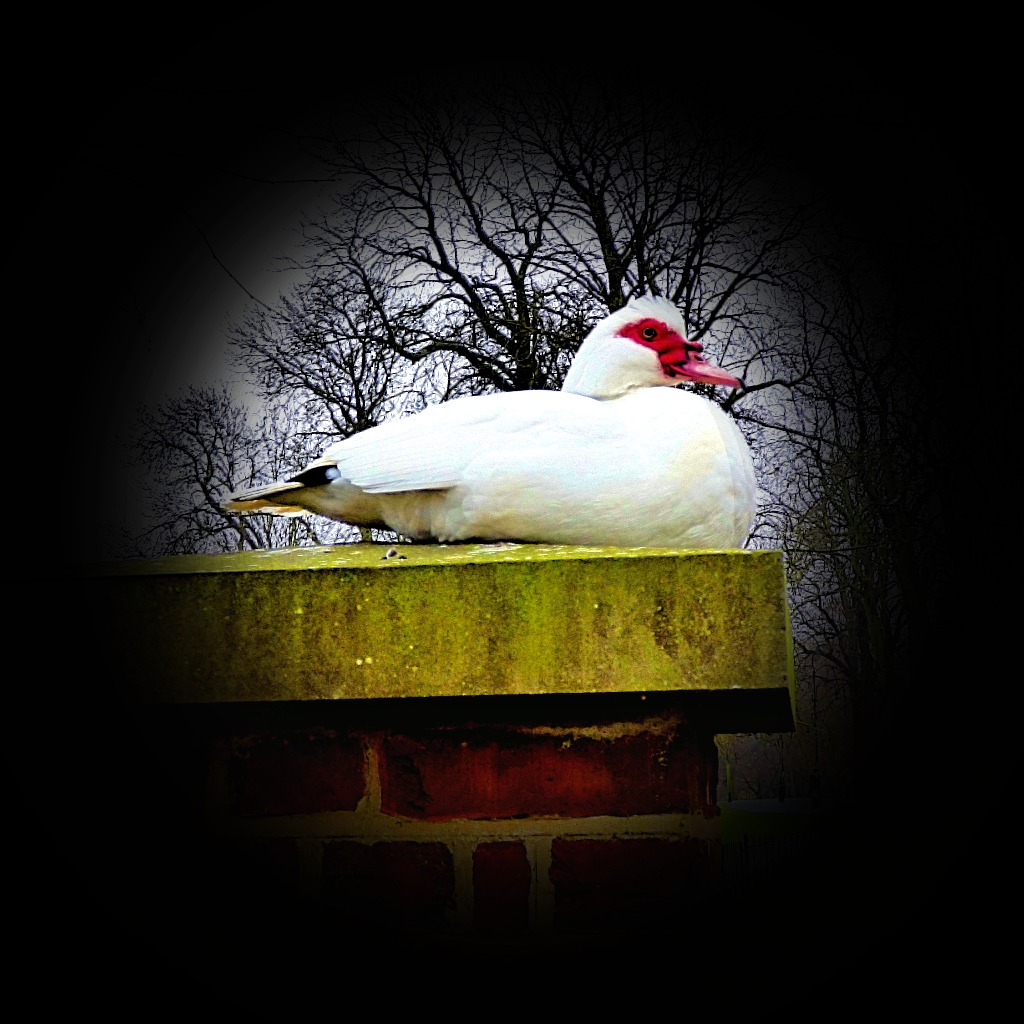
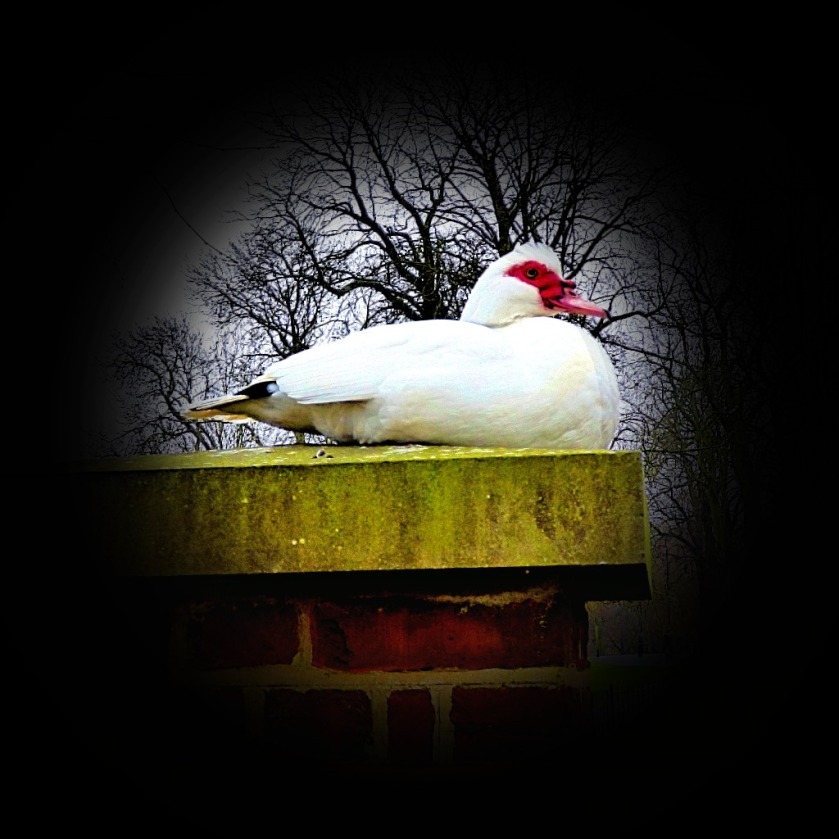
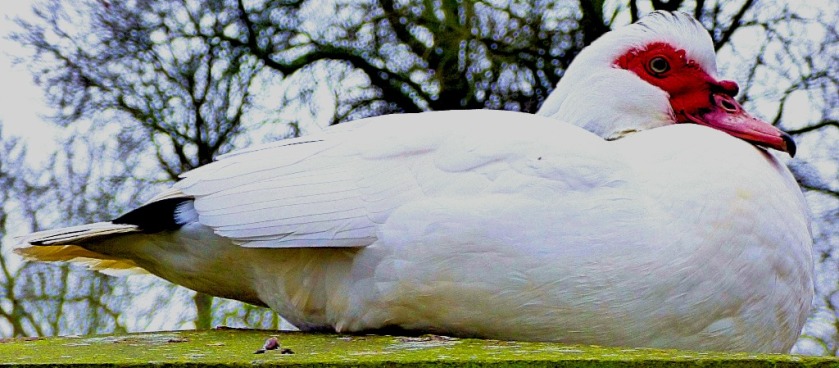
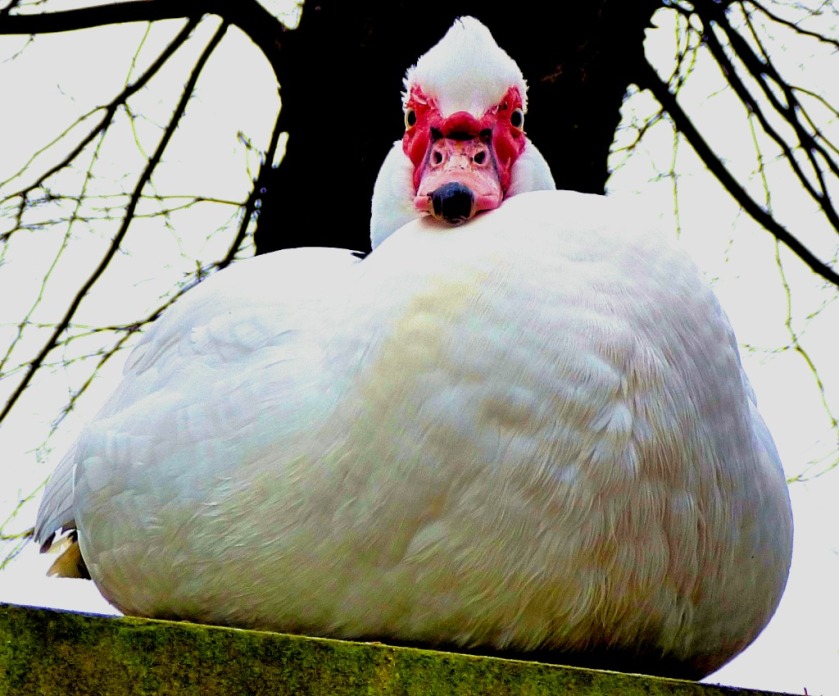
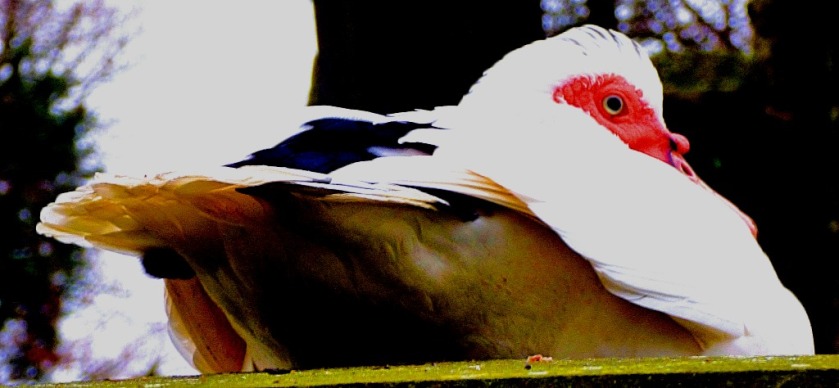
A little while back I reported sighting some birds which turned out to be Muscovy ducks (Cairina moschata). Well, I have seen another (this time a single bird), this time in The Walks. 

Cairina Moschata 1
The first four pictures were taken on Monday afternoon.

Cairina Moschata 2Cairina Moschata 3Cairina Moschata 4

CmI
These are all from today – six pictures of the whole bird…

CmIICmIIICmIVCmVCm VI

Cmsideprofile
…two pictures of the profile view of its head.

Cmprofile

Cmheadfronton
…a front-on pic…
Cmtailfeathers
…and a pic of the tail feathers.


Ashes Selections

On Ashes selections…

INTRODUCTION

The cricket section of the BBC website gives you a chance to pick your XI for the opening ashes match this winter. It is not a free selection – they give you a pool of names to pick from, which is why I am producing this post.

MY SELECTION ON THE BBC WEBSITE

Restricted by the BBC website I selected the following XI:

Cook, Stoneman, Joe Clarke, Root, Liam Livingstone, Stokes, Bairstow, Moeen Ali, Roland-Jones, Anderson, Leach – yes I overlooked Stuart Broad, but I was being deliberately controversial…

VARIOUS POSSIBLE XIs

In actual fact, depending on conditions my selections could vary considerably. England spinners have rarely enjoyed themselves at Brisbane, so in practice I would probably not select two spinners for that particular match, while at Perth I might even consider leaving out Moeen Ali. At Adelaide, where the pitch tends to be exceedingly batsman friendly I would want more bowling options, and if the pitch was obviously going to favour spin then Moeen might even be third spinner in the XI. Thus here are some possible XIs, unerestricted by the BBC website’s preselections:

Normal conditions: Cook, Stoneman, Westley, Root (C), Dan Lawrence, Stokes, Bairstow (WK), Moeen Ali, Roland-Jones, Broad, Anderson.

Fast bowlers’ paradise (Perth would be a possible): Cook, Stoneman, Westley, Root (C), Lawrence, Stokes, Bairstow, (WK), Woakes, Roland-Jones, Broad, Anderson.

On a ‘bunsen’ (rhyming slang, bunsen burner = turner) – unlikely in Oz but you never know: Cook, Stoneman, Westley, Root (C), Lawrence, Stokes, Bairstow (WK), Moeen Ali, Dominic Bess, Jack Leach, Anderson (this is a colossal gamble, relying on Anderson and Stokes to do all the fast bowling between them, a more cautious approach still catering for lots of spin would see Broad retain his place and Ali and Bess or Bess and Leach have the spin bowling roles).

For the batsman’s paradise (e.g Adelaide, or the Bellerive Oval, Hobart): Cook, Stoneman, Root (C), Lawrence, Stokes, Moeen Ali, Bairstow (WK), Roland-Jones, Bess, Broad, Anderson (note that to play the extra bowler I move Ali up two places, keeping Bairstow at 7 – there is a reason why Gilchrist never moved up from number 7 in Australia’s great days).


England Settle One Day International Series Against West Indies

INTRODUCTION

England, having won the opening match of the three match series on Friday could ensure a series victory by winning again yesterday. What follows is my account of how they did this. Cricinfo’s account can be viewed here.

WEST INDIES POOR WITH THE BAT

I missed most of the West Indies innings, but caught the closing overs. Some decent bowling from England and very ordinary batting from the West Indies at that stage meant that with a total of 250-260 (which on that pitch would have been respectable) having looked possible the West Indies ended up with a mere 225, which should not have been much of challenge for England…

A GLIMPSE OF THE 1990s

Sam Billings fell without a run on the board, but then Jason Roy and Joe Root settled in. At 87-1 with Roy having just reached his 50 England looked in full control. At that point Roy was out playing a bad shot, which seemed to trigger a time machine that transported as back to the 1990s. The England middle order simply disintegrated, that high water mark of 87-1 transmuting to 124-6, at which point the West Indies were looking like favourites.

Then, came a reminder that this was 2017 and not a revisit to the 1990s, as Chris Woakes demonstrated his continuing improvement, albeit with some assistance from the Wesr Indies fielders who dropped two absolute sitters. With the imperturbable Root in the anchor role, Woakes’ aggressive 68 not out saw England home with four wickets and an over and a half to spare (Root was 90 not out at the other end). 

Here is a photographic commemoration of the England middle order yesterday…

englandmiddleorder

For the uninitiated a score of 0 in cricket is referred to as a duck. And 1990s England really were as bad as all that.

SOME THOUGHTS ON THE
PLAYER OF THE MATCH AWARD

Predictably enough the Player of the Match award yesterday went to Root for his 90 not out. However, while this decision is understandable I consider it incorrect. Although Chris Woakes was wicketless from his eight overs they only went for 26 runs (a rate of just over three an over compared to West Indies overall 4.5), which in conjunction with his 68 not out when England had got themselves into a big hole, should have secured him the award.

PHOTOGRAPHS

Here are some of today’s photographs for you:

libraryrepairwork
The recent repaired section of King’s Lynn library
libraryfrontage
The frontage of King’s Lynn library.
greyfriarstower
Greyfriars tower.
stnicholas1
St Nicholas from Chapel Court
stnicholas2
Another view of St Nicholas
customhouse
The Custom House from King Street

moorhen2moorhen1crocusescrocuses1

rmc
The Red Mount Chapel through the trees.

gulls

vv
Artwork commemorating the voyages of Captain George Vancouver, New Conduit Street

England Take the Moral Victory in Rajkot

My account of the first test match between India and England at Rajkot.

INTRODUCTION

At just after 11AM GMT yesterday the first test match of the five match series between Inida and England was confirmed as a draw.

THE FIRST INNINGS

Alastair Cook made the first right move of the series when he won the toss and chose to bat (on a plumb pitch, with the only hope of interesting developments being if it deteriorated this was a clear cut decision). Gary Ballance’s wretched form had finally caught up with him, and 19 year old Haseeb Hameed whose family originated in these parts came in for his debut, with Ben Duckett dropping to number four so that Hameed could open. In the two match series in Bangladesh England’s top five had a combined record of three 50 plus scores in 20 innings with no one reaching three figures. Here Joe Root and Moeen Ali (nos 3 and 5 respectively) racked up centuries, and Ben Stokes, for once given a base from which he could build rather than attempt to rebuild added another as England totalled 537, effectively putting defeat out of the question right from the start.

Ravi Ashwin, the offspinner who was expected to prove far too good for England’s batting finished with the less than commanding innings figures of 2-167. Jadeja, on home turf (with that surname he is definitely connected to the old royal family of Nawanagar, who ruled here in the days of the princely states, and produced cricketing legends of earlier times Ranjitsinhji and Duleepsinhji) took three wickets.

THE SECOND INNINGS

Murali Vijay and Chesteshwar Pujara each reached three figures, while Ashwin somewhat redeemed his bowling figures with 70. India were all out for 488, giving England a lead of 49. These two huge first innings scores had been acquired comparatively slowly as both sides bowled tightly, and the fourth of five days was nearing its conclusion by the time India’s last wicket fell. Adil Rashid, given the opportunity to bowl with runs on the board, picked up 4-114, while the other spinners, Moeen Ali and Zafar Ansari each picked up two wickets. None of the faster bowlers were able to extract anything from this pitch, but Stuart Broad, playing in his 100th test, was economical, taking 1-78 from his 29 overs and Woakes who finished wicketless was positively Scrooge like in only conceding 57 from 31 overs.

THE THIRD INNINGS

While it would have been nice to see England go on the all-out attack and see if they could make a genuinely challenging declaration I can fully understand, especially given events in Dhaka not so long ago, why Cook took the safer option of batting the game into oblivion before declaring to see if his bowlers could take a few Indian wickets at the end.Cook himself made 130, his 30th test century, while the debutant Hameed made 82, and Ben Stokes, promoted to have a bash before the declaration made 29 not out in quick time. England called a halt at 260-3, leaving India a purely nominal target of 310 off 49 overs. Ashwin took 1-63 in this innings, giving him match figures of 3-230.

THE FOURTH INNINGS

Given that four and a half days of action had produced a combined 1295-23 it was most unlikely that any result other than a draw would eventuate, so the real question was whether England could nab some wickets and thereby claim a moral victory. In the event, India finished on 172-6, with only Virat Kohli, 49 not out, emerging from the innings with real credit. Rashid took 3-64, emerging with comfortably the best match bowling performance on either side, while Woakes, Ansari and Ali all picked up wickets.

THE FINAL VERDICT

A total match score over the five days of 1467-29 makes the truth about this game obvious. The pitch, which never offered serious assistance to any kind of bowler, won hands down. For England almost everyone emerged with some kind of credit, with most of the batsmen making runs and the bowlers sticking well to the Sisyphean task inflicted on them by the groundsman. India, although never in serious danger of losing this game have less to be happy about – although he is a spinner rather than a quick bowler Ashwin’s 3-230 in this match have a bit of a look of Gillespie ’05 about them. England have bounced back well from their disaster in Dhaka. Haseeb Hameed has made a splendid start to his career, and has probably settled the question of an opening partner for Cook – in a few years time England will probably be faced with finding someone to replace Cook as Hameed’s opening partner.

PICTURES

These pictures are from work…

581
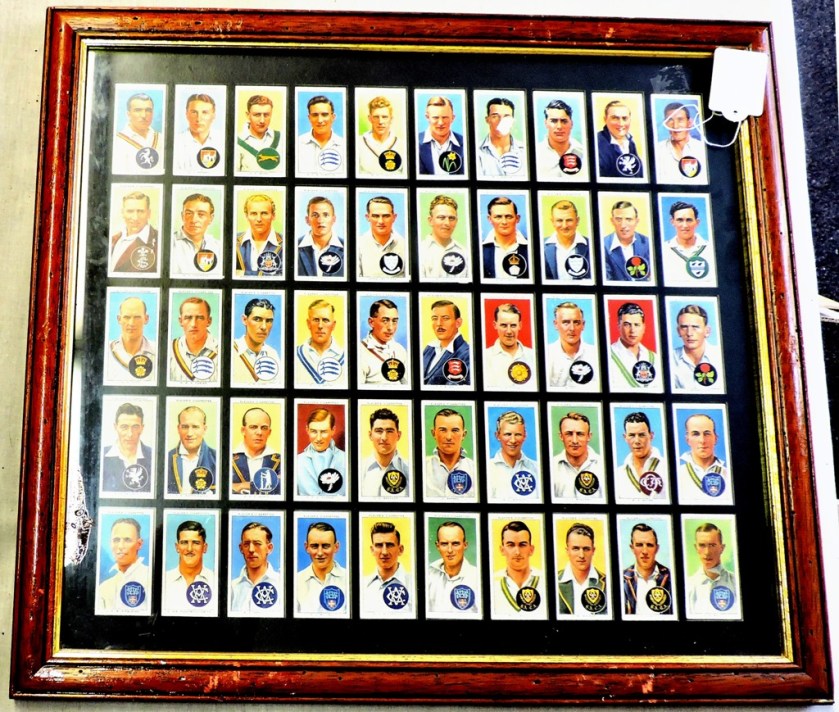
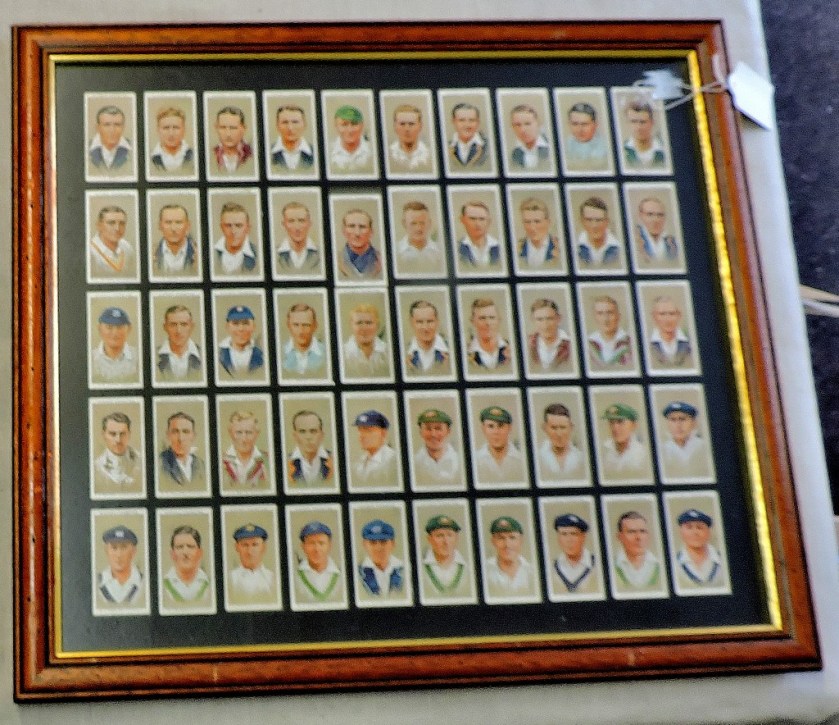
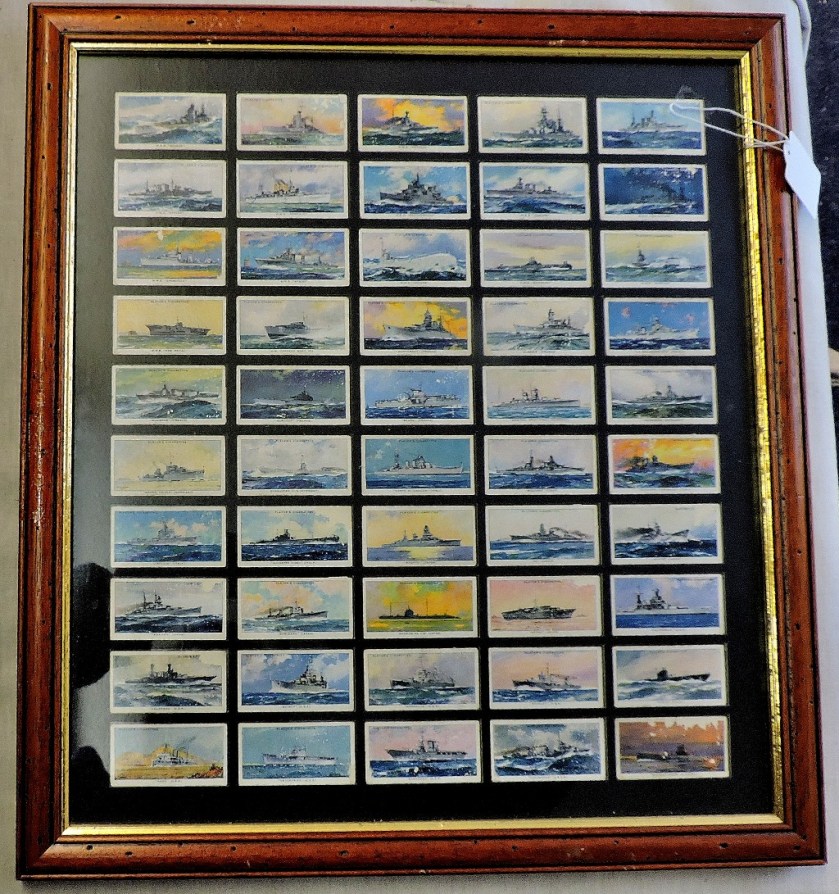
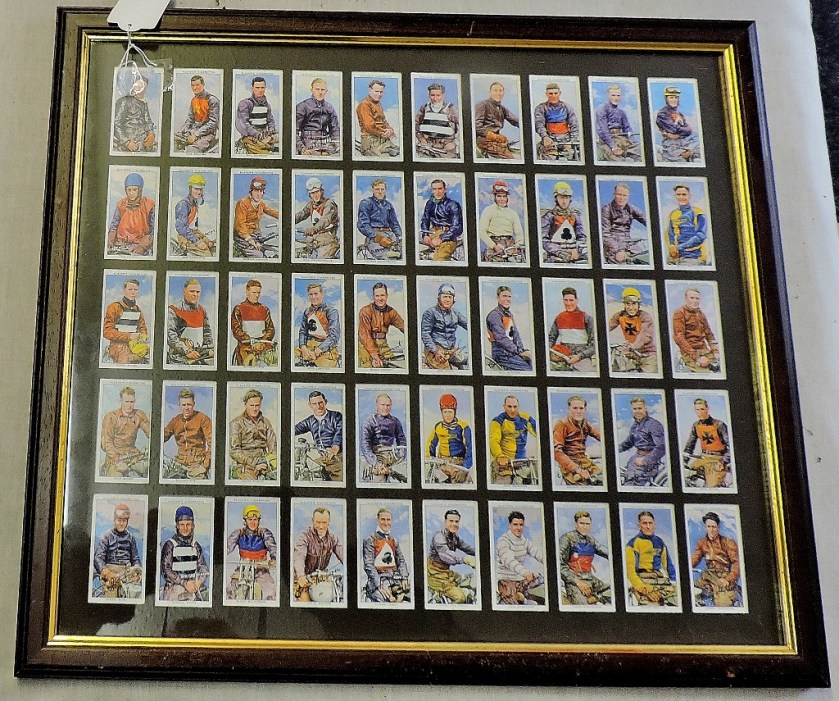
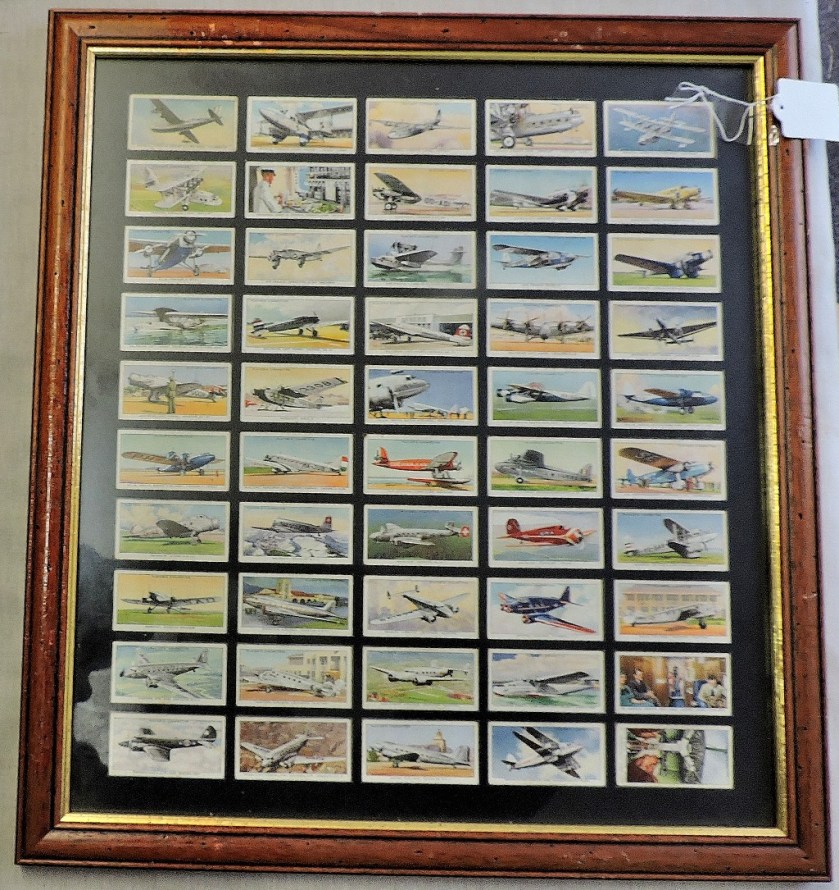
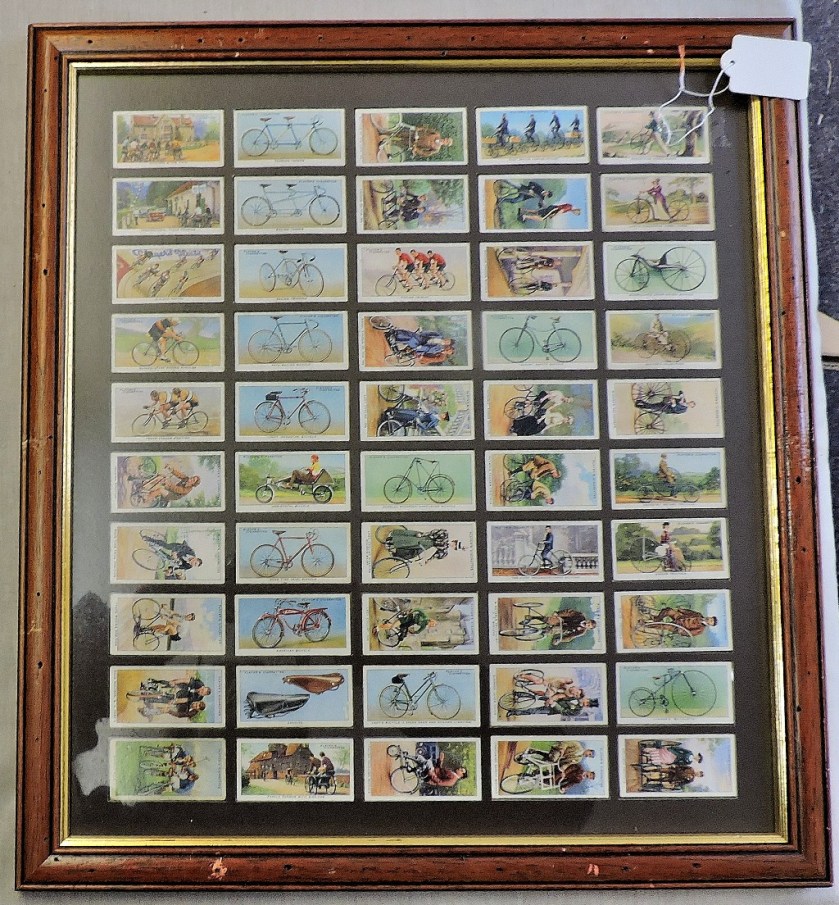
The first ten images here are of framed sets of cigarette cards, the first two bieing crickets from 1938 and 1934 respectively.

582583584585586587588589590

410
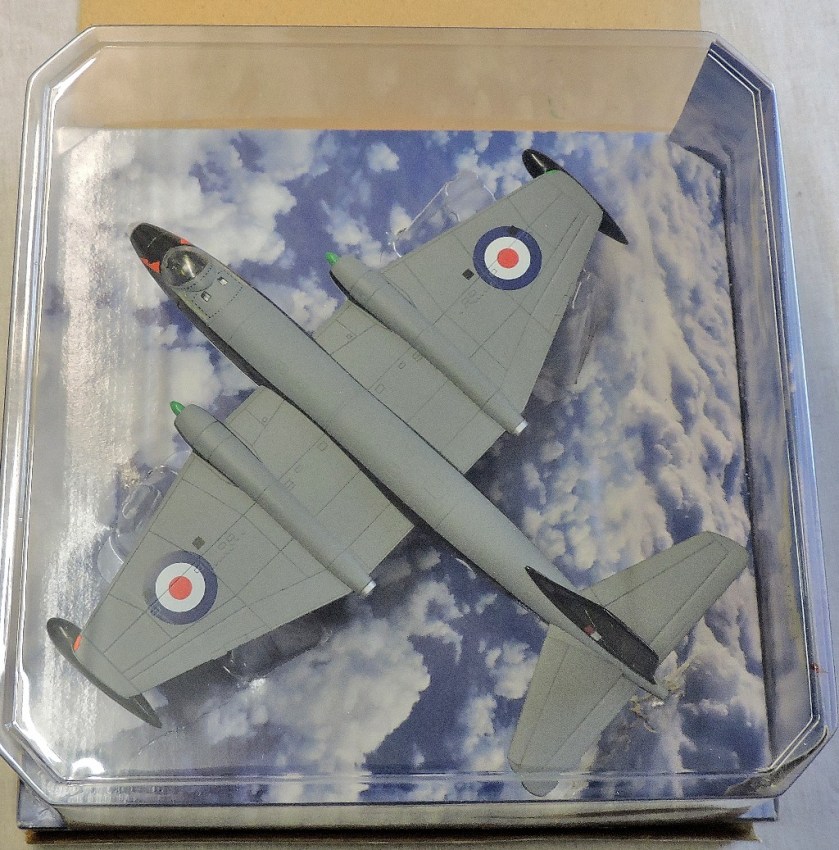
These two images are of the last of the collector’s models

418

brass-for-ebay
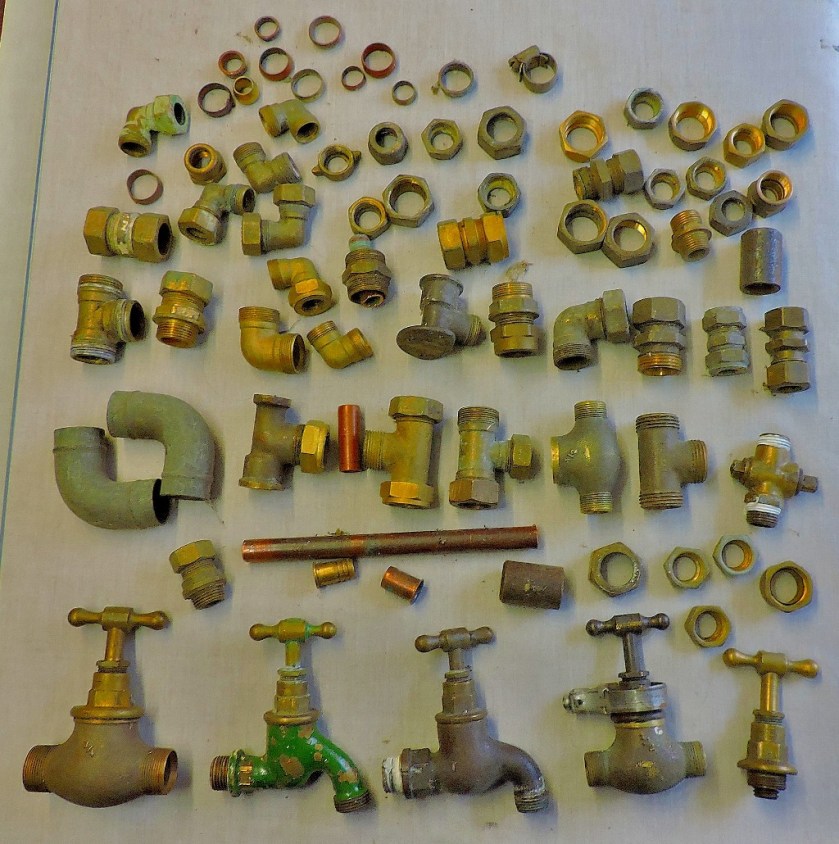
Not an auction lot – this collection of brass taps and fitments are being sold on ebay!

..


Musical Keys and Other Stuff

Musical Keys, Cricket, Photography and some links.

INTRODUCTION

The title of this post refers to Saturday’s Musical Keys session at the Scout Hut on Beulah Street (a place that by now is almost as familiar to me as my own humble abode such is the number of events I have attended there). I also have plenty of other stuff to share.

MUSICAL KEYS

Having missed the previous Musical Keys session because I was attending the “Marxism and Nature” Day School in London (well done to the International Socialism Journal team, you organised a great event) I was anticipating this session more eagerly than usual. Then came the news that the branch chair would probably not be able to attend as her son was playing up, which meant that I would be the sole NAS West Norfolk committee member present.

THE WALK THERE

I decided to go via Bawsey Drain (there was no decision to make as regards the mode of transport although it is a longish walk) and I was able to  take some pictures along the way.

dscn6974
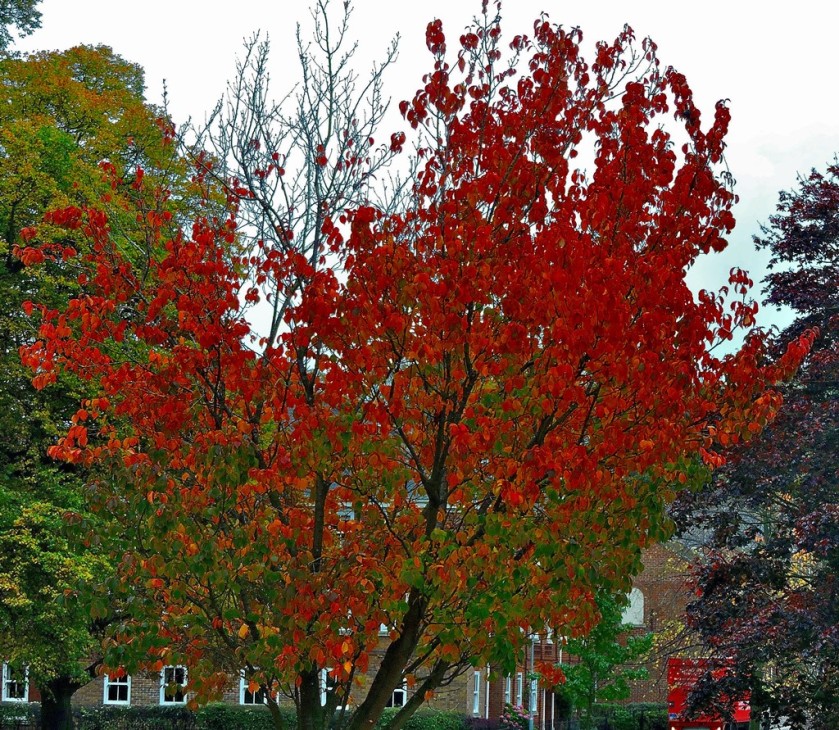
Another splendid tree (to see lots of tree pics visit Anna’s blog and look at some of the recent posts there)

dscn6975dscn6976dscn6977

dscn6978
The outside of the scout hut.
dscn6979
This section of path has recently been resurfaced.

dscn6980

THE SESSION ITSELF

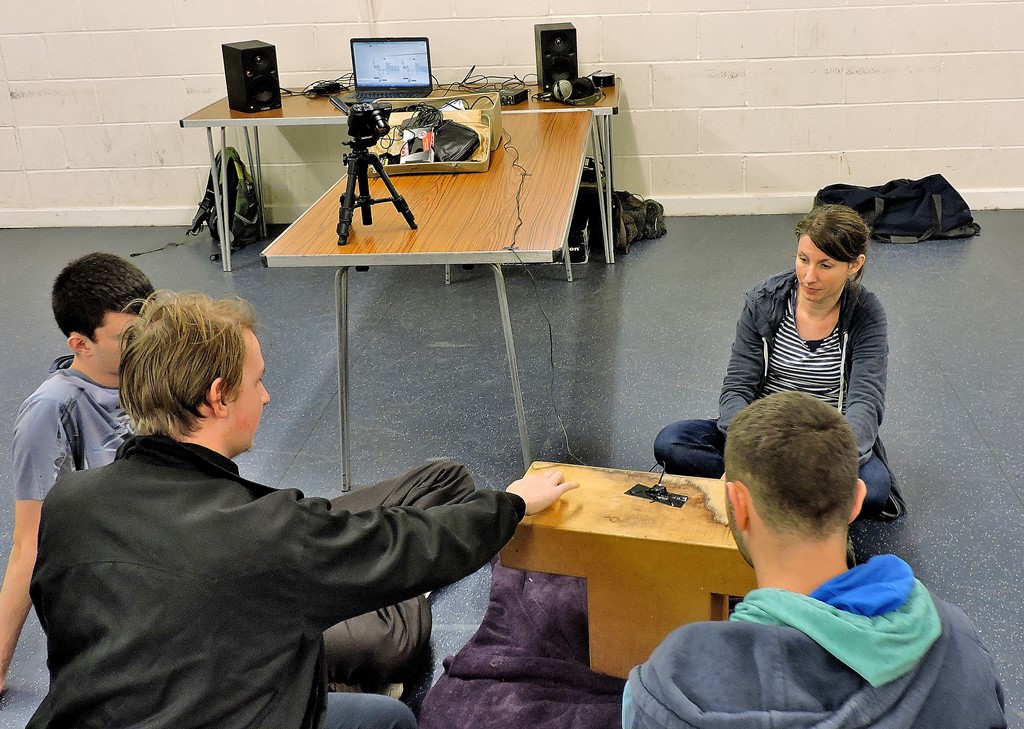
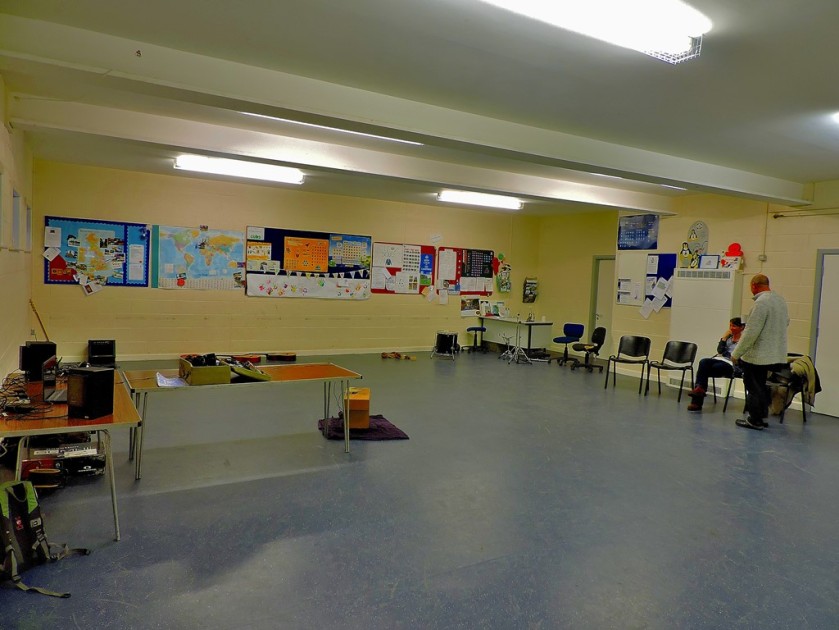
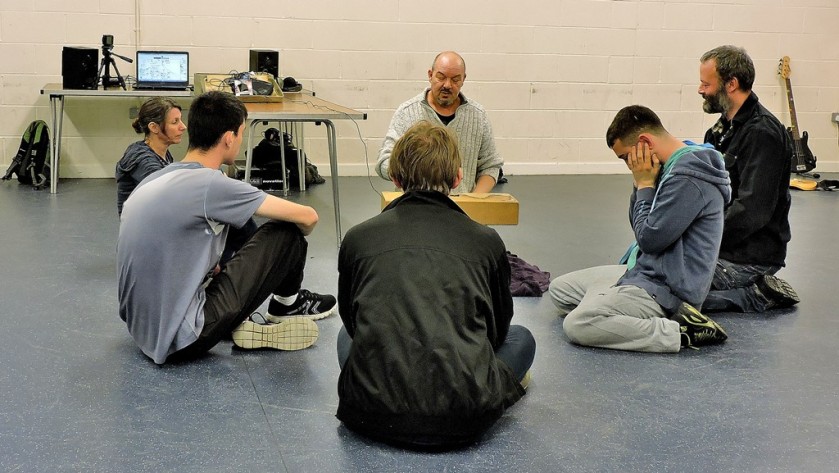
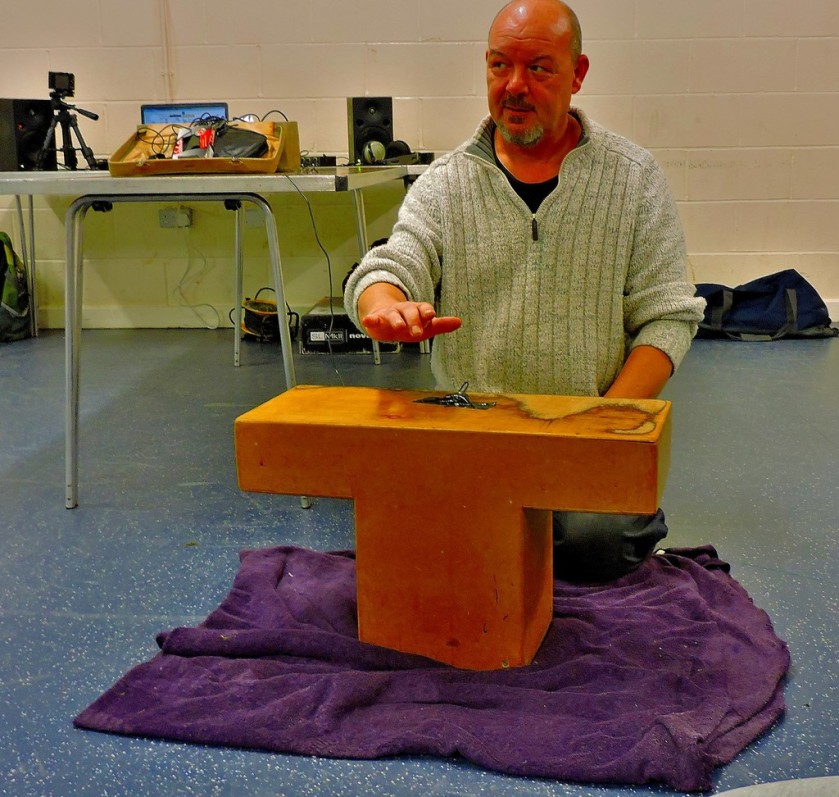
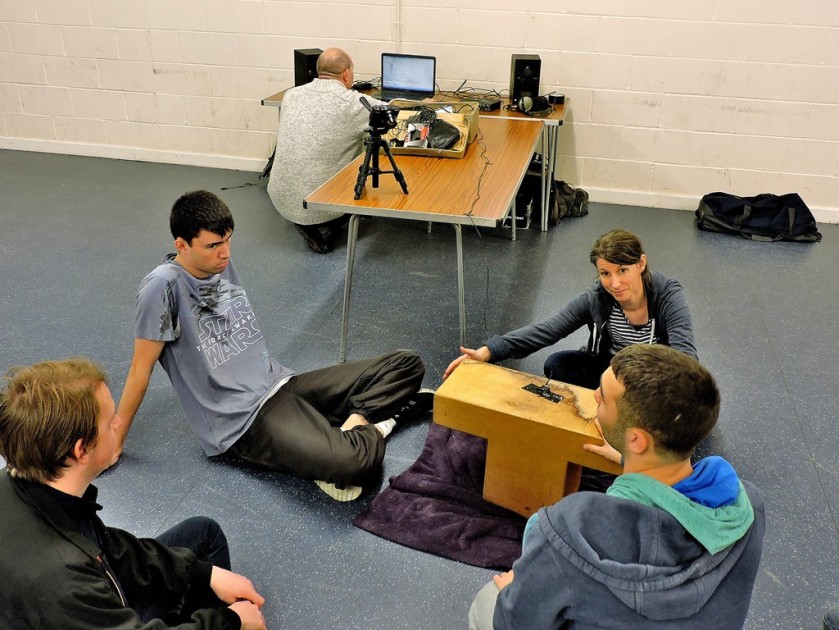
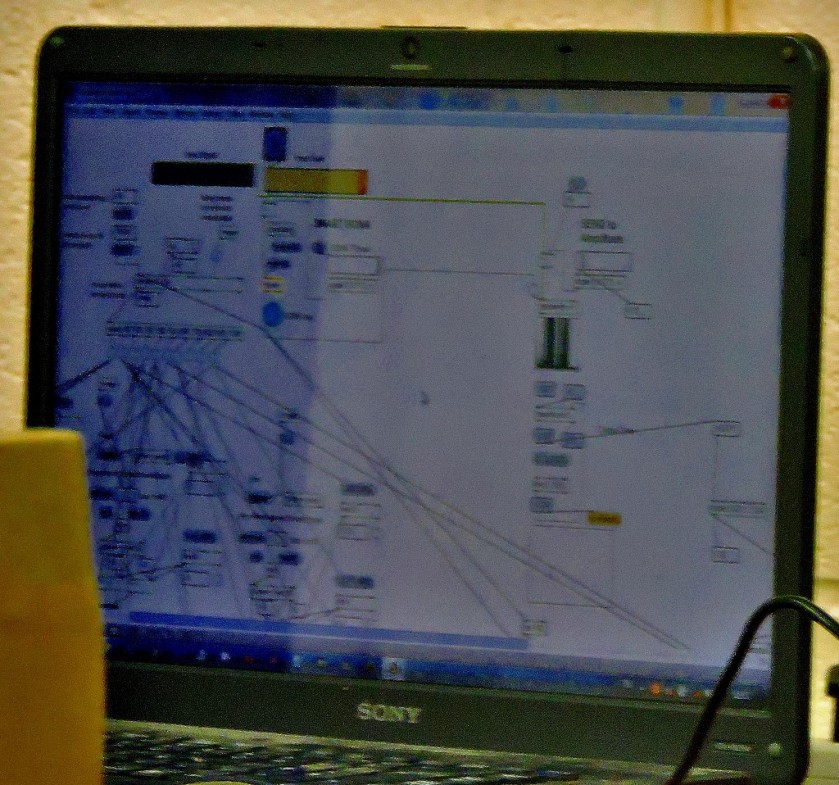
I was specifically requested to take pictures during this session by John and Kirsten, who run the sessions for Musical Keys. Therefore I have lots of pictures. The session began with the focus exclusively on a kind of wooden drum, shaped like a three dimensional capital T, which had been cunningly wired up to a computer.

dscn6981dscn6982dscn6983dscn6984dscn6985dscn6986dscn6987dscn6988dscn6989dscn6990dscn6991dscn6992dscn6994dscn6995

dscn6996
How this wooden instrument was wired up to a computer.

dscn6997dscn6998

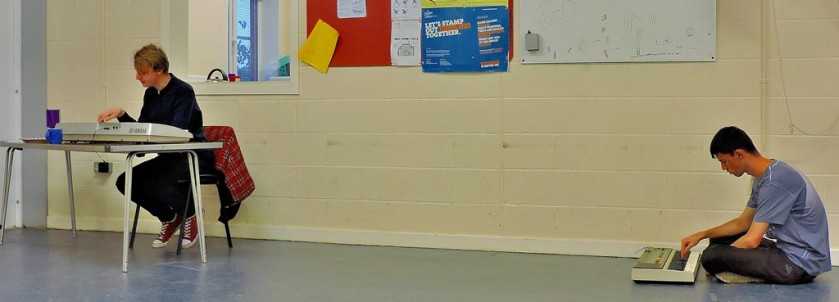
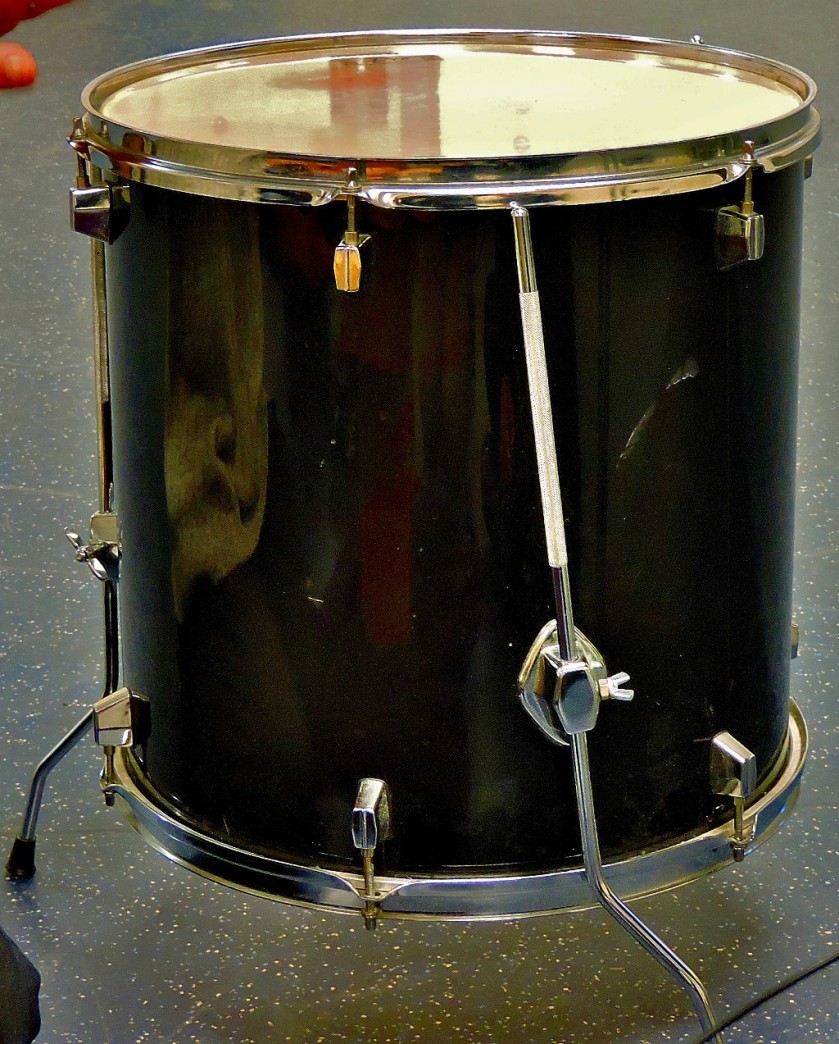
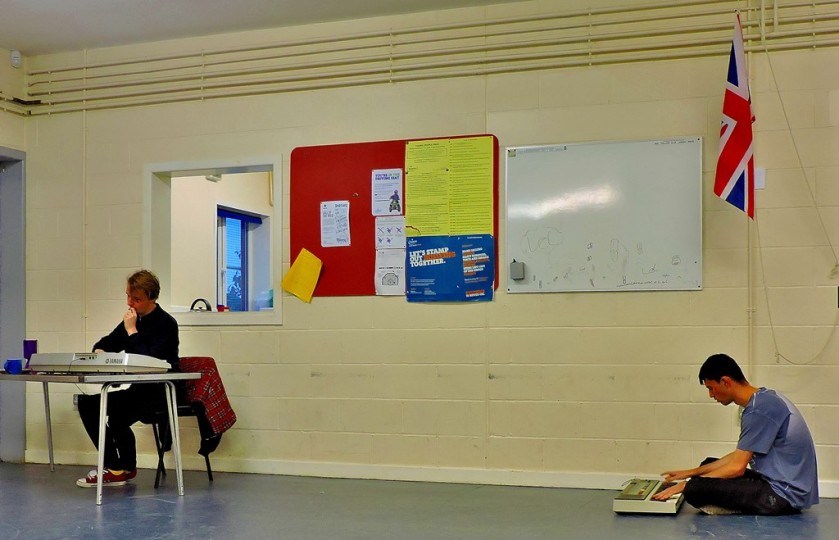
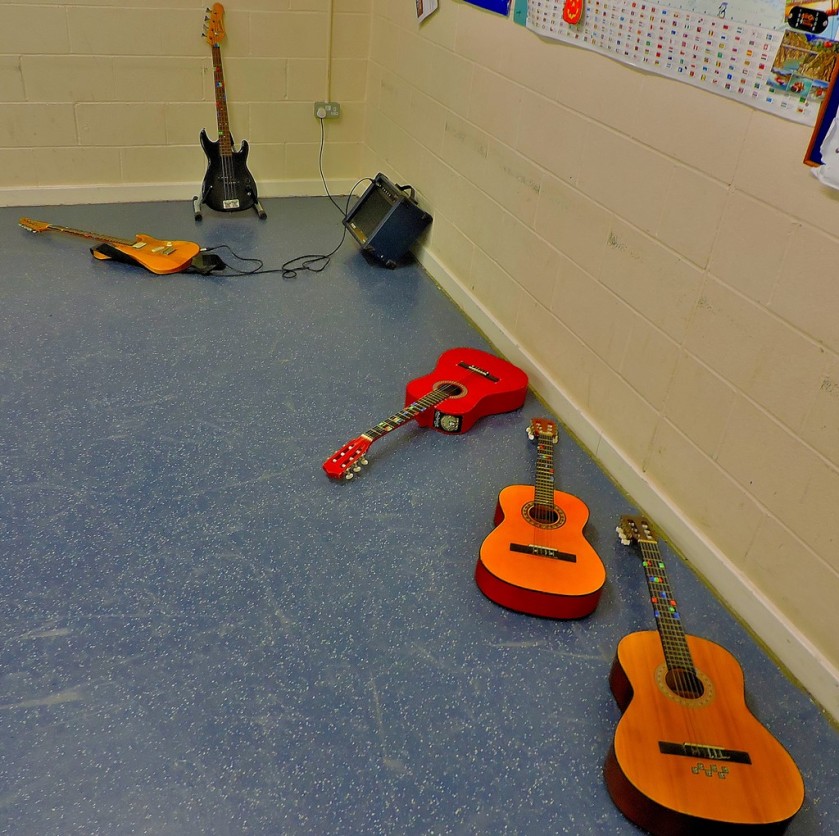
Later in the session people were encouraged to try other instruments – two electronic keyboards were available and both were used, I sampled an acoustic guitar and also an electric bass guitar, and a single drum was available for most of the session, with the full set (which tends to drown out everything else) in action for the last few minutes.

dscn6999
The keyboards being played.
dscn7000
A stand alone drum

dscn7001dscn7002

dscn7003
The range of guitars.
dscn7004
A couple of close-ups of the particular acoustic guitar that I played.

dscn7005

dscn7006
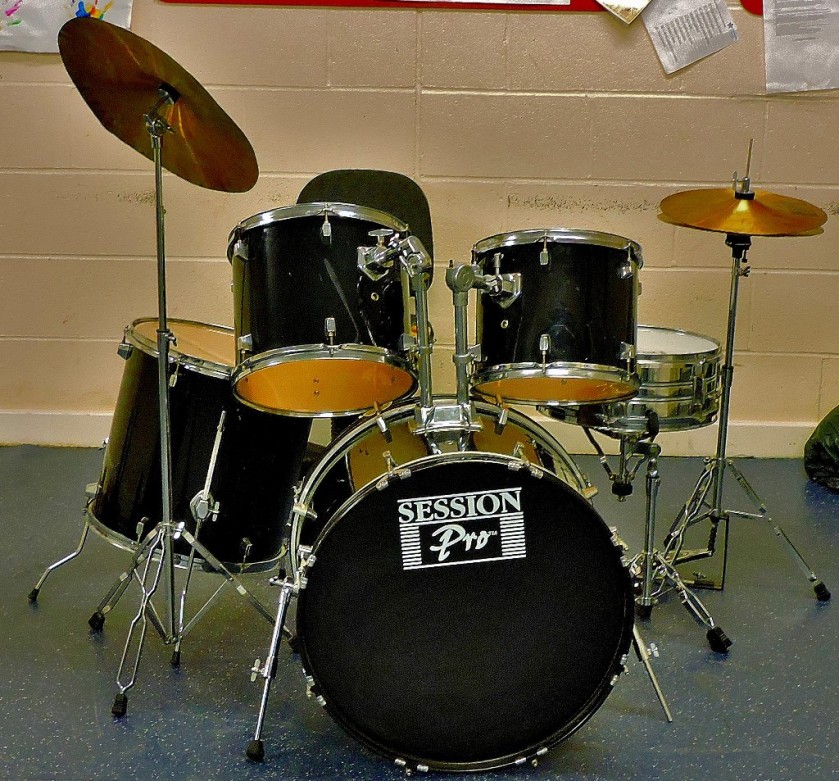
The full drum set ready for action
dscn7007
The drum set in use.
dscn7008
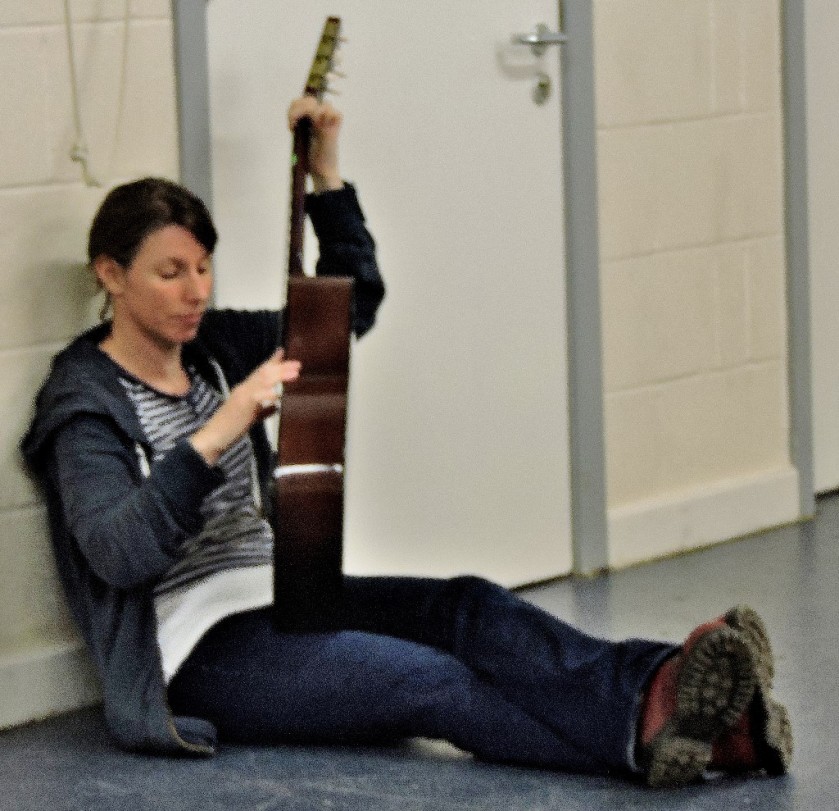
Kirsten (one of the two people who run the sessions) playing an acoustic guitar.

SOME FINAL THOUGHTS ON THE BANGLADESH – ENGLAND SERIES

The result of the second match in this two match series, which I celebrated here, was splendid not just for Bangladesh, but also for cricket as a whole. England now head for a five match series in India, where they can confidently expect every pitch to be turning from minute one of every match (and can have no complaints given the number of times they have had sub-continental teams play on green seamers at places such as Durham and Leeds early in the English season). Frankly having seen how England have handled spin friendly conditions in Bangladesh, India should probably reckon that any series outcome other than 5-0 to them is a disappointment.

England this series have been exposed in several areas:

  • Top order batting – in four completed innings the top five contributed only three individual scores above 50 between them, one a piece for Joe Root, Moeen Ali and Ben Duckett. Cook’s 39 in his final innings of the series was his best effort, while Ballance failed badly in all four innings, being out to a particularly gruesome shot in the final one.
  • Spin bowling – of the four front-line spinners played by England in this series (Moeen Ali, Adil Rashid, Zafar Ansari and Gareth Batty) none produced a really convincing performance overall, although Moeen Ali took five wickets during Bangladesh’s collapse from 170-1 to 220 all out in the first innings at Dhaka and Rashid 4-52 in second innings of that same match. England, in a spin dominated series, were saved from complete embarrassment by Ben Stokes who captured 11 wickets at 10.09 to be their joint leading wicket taker, as well as being their leading run scorer.
  • Captaincy – Alastair Cook had an even poorer series in this respect than he did with the bat. Whenever the spinners were bowling they had right from the word go fielders at deep long off and at deep point – meaning that singles were always easily obtainable. These field setting seem horribly like covering the bad ball (of which it must be said there were far too many from all of England’s spinners).

I am going to finish this section with individual player ratings for all those used by England (the player of the series on either side was Mehedi of Bangladesh btw).

Alastair Cook (C): a poor series with the bat and a poorer one as captain. Rating 3/10.

Ben Duckett: looked unconvincing in his first three innings, but redeemed himself to an extent in the fourth – his approach in that innings got Bangladesh on the back foot. His dismissal straight after tea in that innings was the trigger for Bangladesh’s greatest ever session in the field in test cricket. Rating 5/10

Joe Root: a gritty 50 in the first innings at Dhaka when no one else offered serious resistance until the partnership between Rashid and Woakes was his only major contribution with the bat. Rating 5/10

Gary Ballance: after his first three innings of this series I commented that he was not batting long enough to know what sort of form he was in. His fourth innings was equally brief, but the shot with which it ended was truly dreadful. Rating 0/10

Moeen Ali: a useful 50 in Chittagong, and wickets in both games. However as an off-spinner he was comprehensively outclassed by 19 year old Mehedi on the other side. Rating 7/10

Ben Stokes: England’s player of the series, his 85 at Chittagong was England’s highest individual score of the series, he was the teams overall leading run scorer and joint leading wicket taker (this latter in a series were quick bowlers were mainly bystanders). Without his efforts this series would certainly have been 2-0 to Bangladesh. Rating 9/10

Jonny Bairstow (WK): A competent series with gloves in difficult conditions and a fifty in the first match. Rating 6/10

Zafar Ansari: his selection in place of fellow Surrey man Batty for the second match of the series gave England a more varied bowling attack, and he picked up a couple of wickets. He failed to contribute with the bat. Rating 4/10

Chris Woakes: significant contributions with the bat in both matches, though his bowling was not of much significance in this series. Rating 5/10

Adil Rashid: A useful batting effort in the first innings at Dhaka, when he and Woakes rescued their supposed betters and gave England a lead, his bowling in favourable conditions was disappointing. Rating 5/10

Stuart Broad: Bowled well at Chittagong, was rested for Dhaka. Rating 5/10

Gareth Batty: His selection for this tour at the age of 39 and after a 12 year hiatus in his international career was a major indictment of English spin bowling, and he contributed little in the one match he played, at Chittagong. Rating 2/10

Stephen Finn: Came in for Stuart Broad at Dhaka, and his only contribution of note was to become the answer to the quiz question “whose dismissal gave Bangladesh their first ever test victory against England?” Rating 1/10

FAWKES IN THE WALKS

dscn6957

This has historically been a very successful event and I hope it will be so again. However, as an autistic person who reacts badly to sudden loud noises, I would also like to say that fireworks should be restricted to official displays of this sort.

LINKS

My first link in this section is to an online protest against the charity Mind, taking place between 3:30 and 5PM today.

The Climate Reality Project have produced this very accessible guide to climate change.

My next two links both relate to Debbie Abrahams’ announcement that they will replace the Work Capability Assessment:

My next and penultimate link is to Anna’s effort to get people to post about tree walks. To view her most recent post on the subject click on the screenshot below.

tw

My final link is to a book review on my London transport themed website – click the screenshot below to visit it.

dscn6956


A Spectacular Recovery

An account of the dramatic finish to yesterday’s ODI between England and Sri Lanka, some links and some photographs.

INTRODUCTION

This post is about the closing stages of yesterday’s ODI between England and Sri Lanka, which I listened to once I had got home from work.

A DISTANT PROSPECT

When I switched the commentary on Sri Lanka had made a respectable 286, which by that stage was looking positively mountainous since England were 39-4. When skipper Eoin Morgan was out for 42 to make the score 73-5, and Moeen Ali also fell cheaply to a poor shot the situation looked even grimmer for England, as Chris Woakes walked out to join Jos Buttler…

A GREAT PARTNERSHIP

Buttler and Woakes fared better than had seemd posssible when they came together, and gradually victory moved from the realms of fantasy to a distant but imaginable outcome to a genuine possibility. Two wickets in quick succession, Buttler and then Dvaid Willey seemed to have once again settled things in Sri Lanka’s favour, but Liam Plunkett (surely the most talented batsman ever to be at number 10 by design) played well alongside Woakes who established a record score for a number 8 in an ODI. In the end it came down to…

A SPECTACULAR FINAL OVER

At the start of this final over 14 were needed for England to win. Good bowling restricted England to seven off the first five, meaning that unless a wide or a no-ball was bowled England could no longer win. Neither was forthcoming, but Liam Plunkett did hit that final ball for six to level the scores and earn England a tie after a come-back of epic proportions.

LINKS

My first link, just to tie up the loose ends from the first part of this post is to an official account of yesterday’s ODI, courtesy of cricinfo.

My remaining links are all on the subject of referendums and one referendum in particular. I start with David Hencke’s post about why he will be voting for remain.

My next two links are both to posts from that legal eagle of the blogging world jackofkent, first a detailed analysis of what he sees as the flaws of referendums, and second, acoompanied by a screenshot below and some subsidiary comments of my own afterwards a proposal for banning referendums:

JoK

I would change clause 2 of the above act to read:

2. This Act can only be repealed by a unanimous vote in the house (for the purposes of this Act abstentions and absences count as votes against).

PHOTOS

For anyone who has read all the foregoing text here is your bonus in the form of some recent photographs:

DSCN6784DSCN6785DSCN6787DSCN6788DSCN6789DSCN6790DSCN6791DSCN6792DSCN6793DSCN6794DSCN6799DSCN6800DSCN6802DSCN6803DSCN6804DSCN6805DSCN6806DSCN6808DSCN6809

DSCN6810
Although the day rider plus that is my standard bus ticket specifically excludes the coasthopper whose route map is pictured here, coasthopper buses sometimes run other routes, notably the X8 between King’s Lynn and Fakenham.