All Time XIs – Given Name Begins With B

An all time XI of players whose given names begin with B with a lot of honourable mentions, a look at plans for the creation of a new library/ community hub in King’s Lynn and a large photo gallery.

Today I look at cricketers whose given names begin with B. My XI is I believe a very good one and quite a few fine players had to miss out.

  1. Bert Sutcliffe (New Zealand, left handed opening batter, occasional off spinner). The Kiwi left hander, scorer of the two highest first class innings ever played by anyone from that country (385 and 355) and successful at test level as well deserves his place here.
  2. Barry Richards (South Africa, right handed opening batter, occasional off spinner). He played in what turned out to be the last series of South Africa’s first incarnation as a test nation, and in four matches scored 508 runs at 72.57 with two centuries. Normally I would not read much into such a small sample size, but pretty much everyone who saw him bat and has expressed an opinion on the matter reckons that he was good enough to have maintained that average over a long test career had he been given the chance (among them Don Bradman, who officially consigned South Africa to exile from the international arena) and that domestic cricket was just too easy for him to keep him properly motivated.
  3. Brian Lara (West Indies, left handed batter). The holder of the world first class and test record individual innings (501* and 400*), also scorer of 688 runs in a series in which he, a left hander, had to contend with Muralidaran on pitches made to measure for the off spinner.
  4. Babar Azam (Pakistan, right handed batter). One of the finest of contemporary batters.
  5. Basil D’Oliveira (England, right handed batter, right arm medium pacer). In spite of the fact that due to the circumstances of his birth (born in South Africa and possessed of dark skin) the opportunity to play international cricket arrived far later than it should have done, and at an age when many are thinking about the impending end of their careers he established a fine test record.
  6. +Ben Foakes (England, wicket keeper, right handed batter). This slot was one of the first to be filled in this XI.
  7. *Ben Stokes (England, left handed batter, right arm fast medium bowler, captain). I have named him as captain of this XI due to his success with the England test team, and placed him at number seven because I think he is well suited to batting in that position in a strong line up, which this is.
  8. Bart King (Philadelphians, right arm fast bowler, right handed batter). over 400 wickets in 65 first class appearances at just 15 runs a piece, and a batting average of 20 as well. In the last of his four visits to England with Philadelphian touring sides he topped the first class bowling averages for the season, claiming 87 wickets at 11 each.
  9. Brian Statham (England, right arm fast bowler, right handed batter). For England, where he was generally number two bowler to either Tyson or Trueman, and had to take the end they did not want he took 252 wickets at 24 a piece. For Lancashire, when he had the choice of ends, he claimed wickets at just 18 a piece.
  10. Bishan Singh Bedi (India, left arm orthodox spinner, right handed batter, vice captain). I don’t always name a vice-captain in these XIs, but although there are several other former skippers in this XI I feel that while Stokes has to be skipper, Bedi stands far enough clear of the rest to warrant being named vice-captain. 266 test wickets at 28.71 each earn him his place in this XI.
  11. Bhagwath Chandrasekhar (India, leg spinner, right handed batter). Whereas Bedi was a classic left arm orthodox spinner and was simply better at doing what such bowlers do than most other such this guy was an absolute one of a kind bowler. The pair were regular team mates through their careers, and I reckon they would do even better in this side than they did in actual life.

This side has a powerful batting line up – a very strong top four, and arguably four all rounders, with King’s batting and bowling averages being the right way round. The bowling, with Statham and King opening the attack, Stokes and D’Oliveira available as back up seam options, two superb specialist spinners, and the opening batters able to bowl fill-in off spin if needed is both strong and superbly varied. This side will take a lot of beating.

Before I get into the actual honourable mentions there are two things to be cleared up to set the scene.

Bill and Billy are nearly always diminutive forms of William, and would therefore belong under the letter W in my classification. The two main exceptions I can think of are Billy Stanlake and Billy Taylor, both of whom were actually given the name Billy. Neither have records that would enable them to dislodge any of my choices, though Stanlake would enter the reckoning were I thinking in limited overs terms. Similarly, Bob and Bobby are generally diminutives of Robert and would be filed under R. NB while it is a diminutive Ben escapes this because it is short for either Benjamin or Benedict, which begin with the same letter.

I will go through the actual honourable mentions in batting order. Belinda Clark of Australia was closest to dislodging either of my chosen openers, though not massively close. Brendon Kuruppu, scorer of Sri Lanka’s first ever test double century did little outside of that one huge innings, while two Bens, Compton and Charlesworth, have yet to be given the opportunity to show their mettle at the highest level. Barry Wood would have merited serious consideration for a limited overs XI – his list A record was outstanding, and in that format his medium pace was often very valuable as well. Brad Hodge like so many of his generation missed out on international recognition due to the sheer strength of Australian sides in that era. Basil Fitzherbert Butcher had a fine test record, but not good enough to dislodge any of my chosen batters. There have been many quality keepers whose given names begin with B: Ben Barnett, Brian Taber, Brad Haddin, Budhi Kunderan and Brendon McCullum being five who deserve a mention, with the last named obviously getting a coaching gig. Brian Close had a fine record for Yorkshire and later for Somerset, where he taught a county unused to winning how to do so, but his England record does not stack up. Another Yorkshire Brian, Sellers, could only have been considered had I been struggling for a skipper, and I wasn’t. Brian McMillan had a fine record for South Africa, but not good enough IMO to dislodge D’Oliveira. Bruce Taylor of New Zealand was a decent all rounder, but not good enough to dislodge Stokes or King. Ben Hollioake’s untimely death in a car accident prevented him from qualifying. Brett Lee had a respectable record as a fast bowler, but he was somewhat expensive. Bruce Reid might well have had a place had he been able to keep himself in one piece for any length of time, but his actual record does not qualify him for selection. Ben Hilfenhaus was a useful fast-medium bowler, but in the 2010-11 Ashes when confronted with a strong batting line up he looked decidedly unthreatening. Brydon Carse is genuinely quick, but is also very erratic and hence always likely to be expensive. The almost anagrammatical Brian Brain fell too far short of the necessary class for me to accommodate him. Brian Langford and Bruce Yardley were fine off spinners, but with Bert Sutcliffe and Barry Richards both part time offies I preferred the Indian duo of Bedi and Chandrasekhar as my specialist spinners.

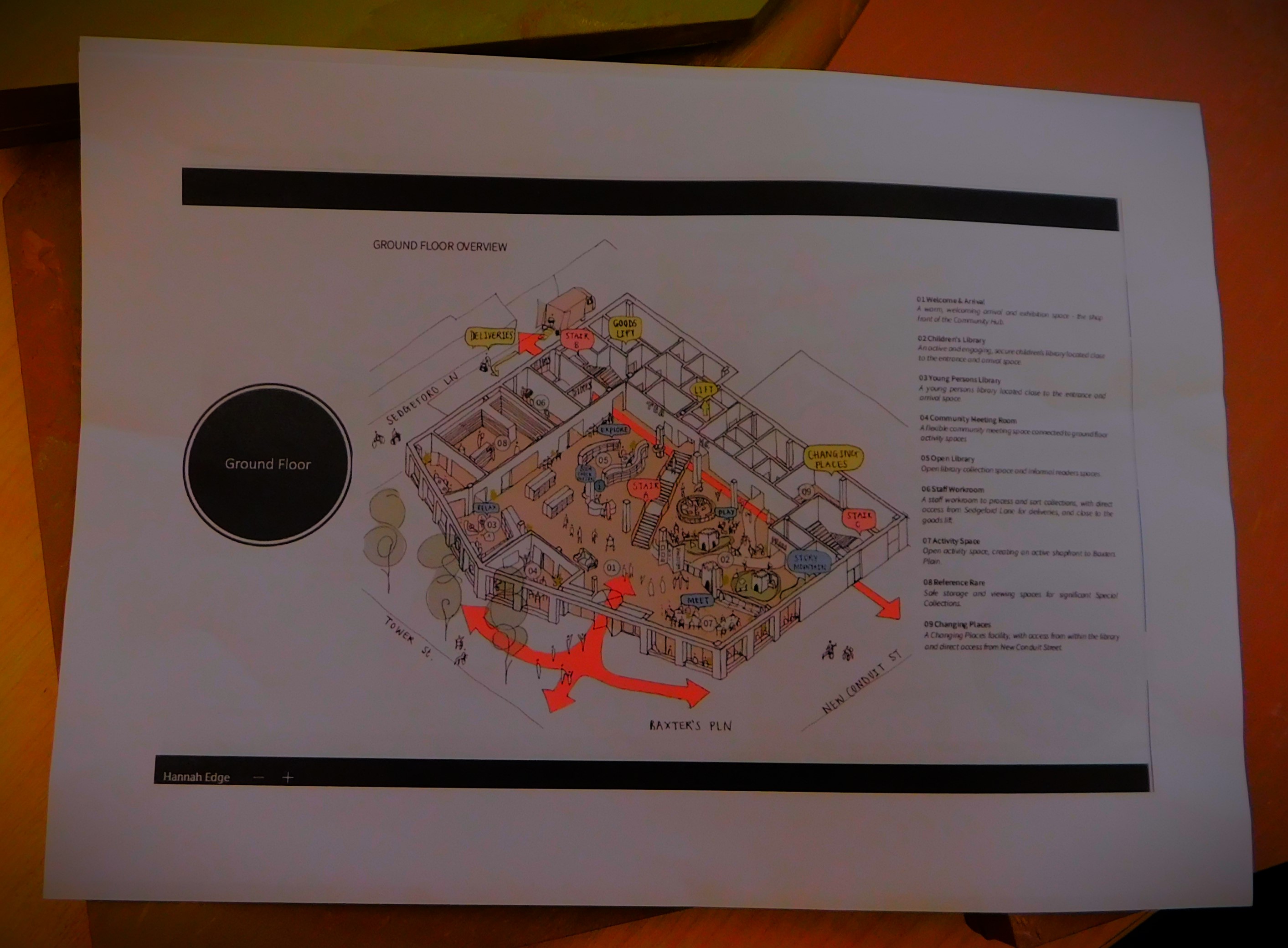
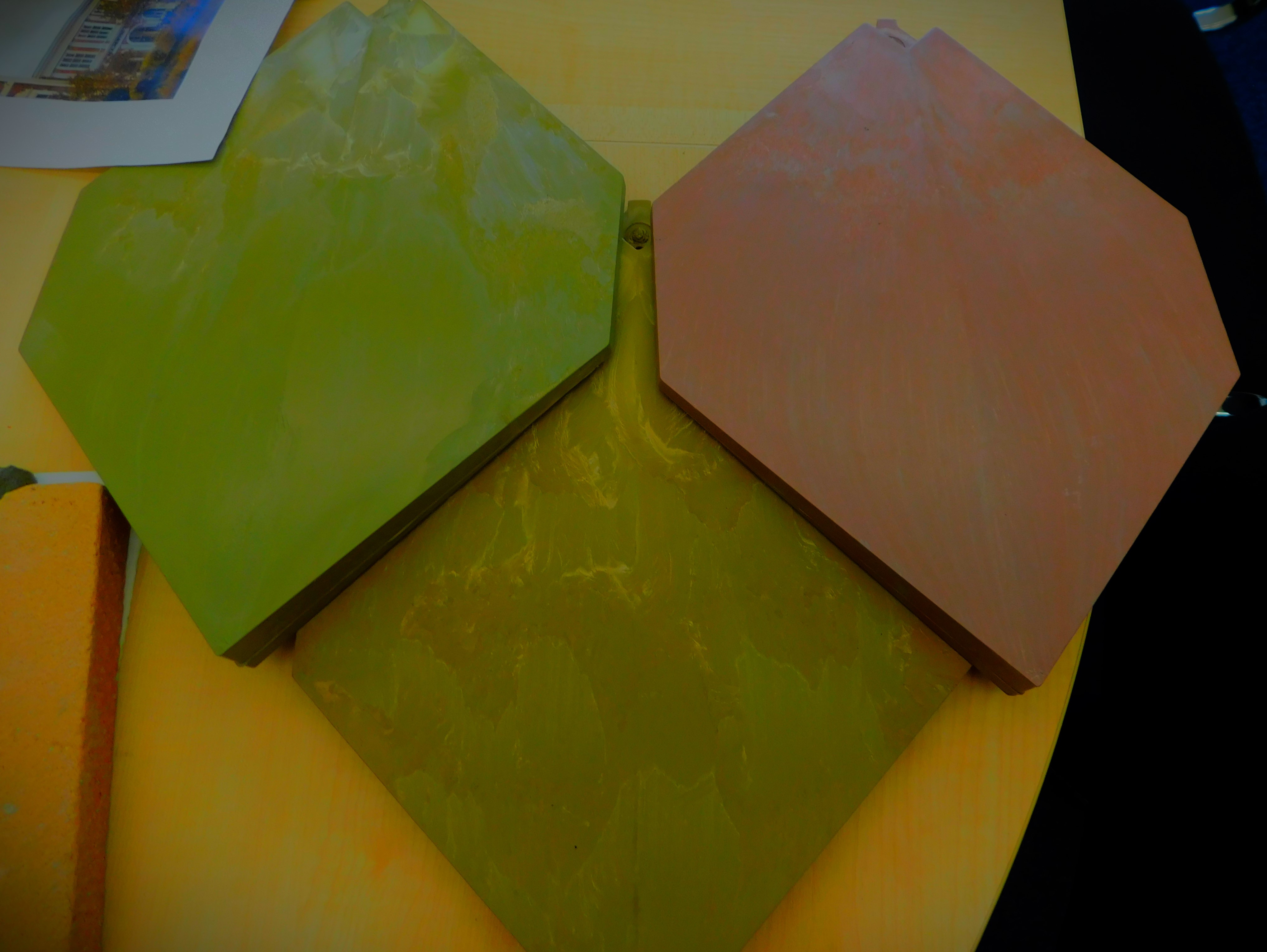
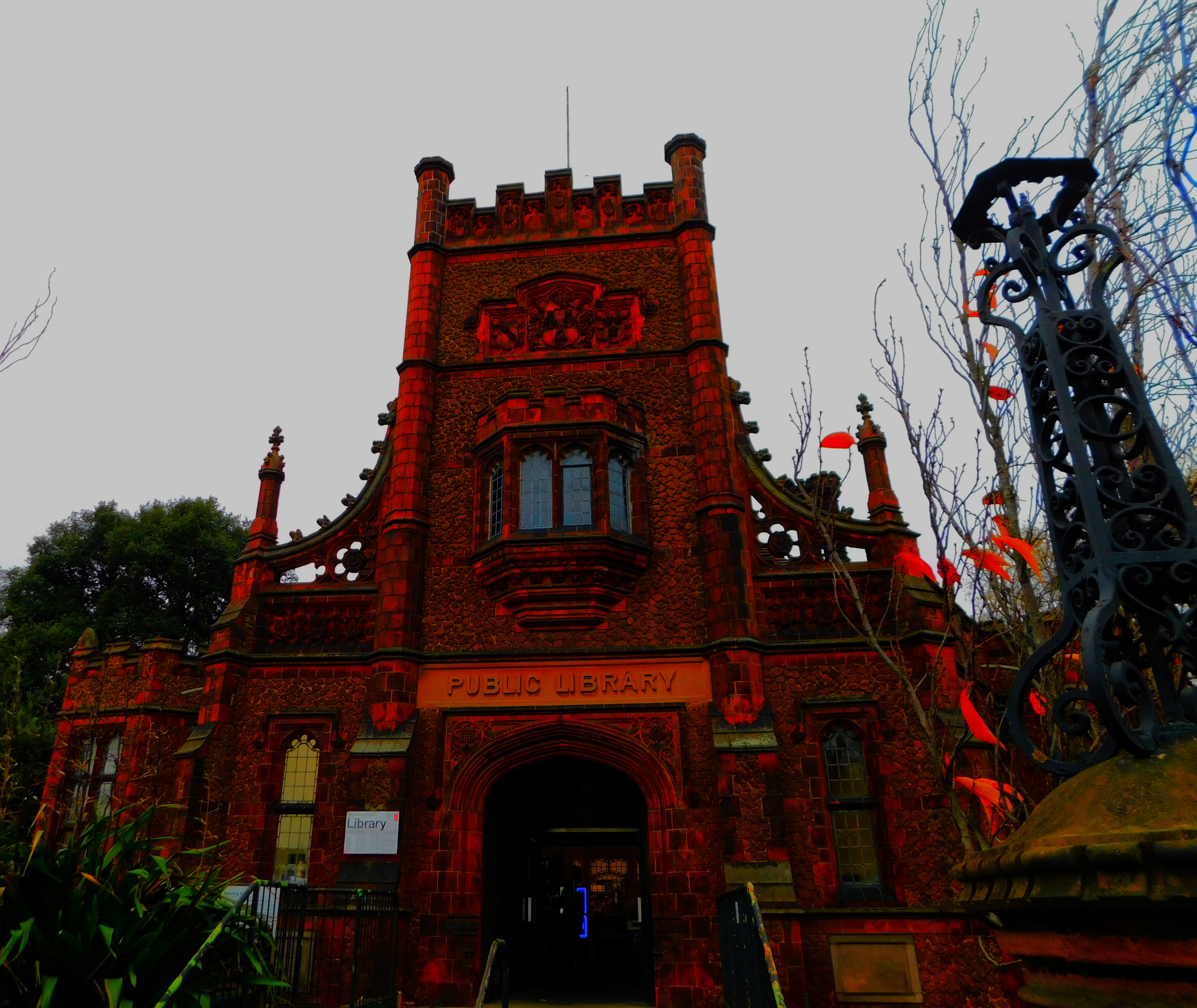
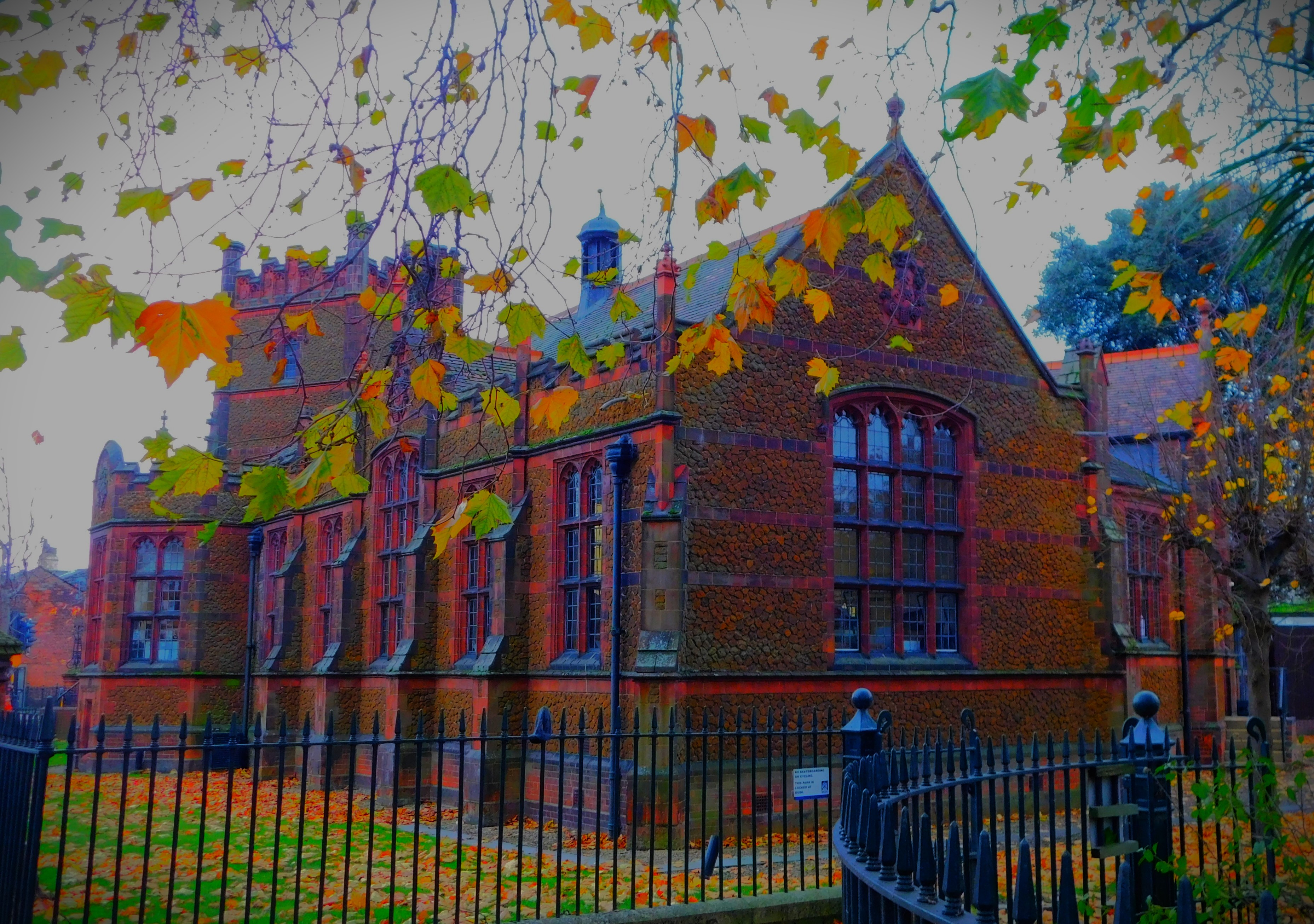
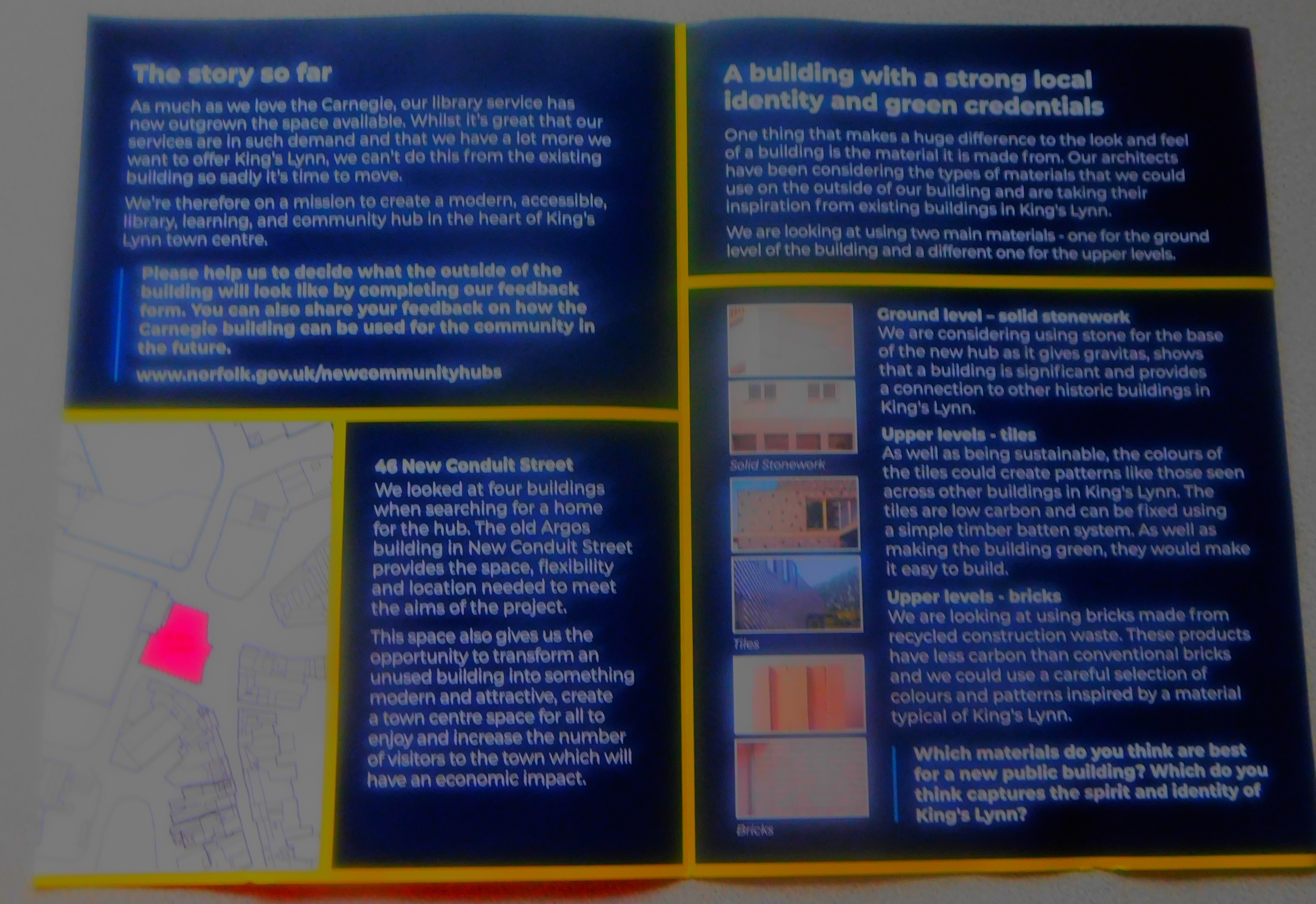
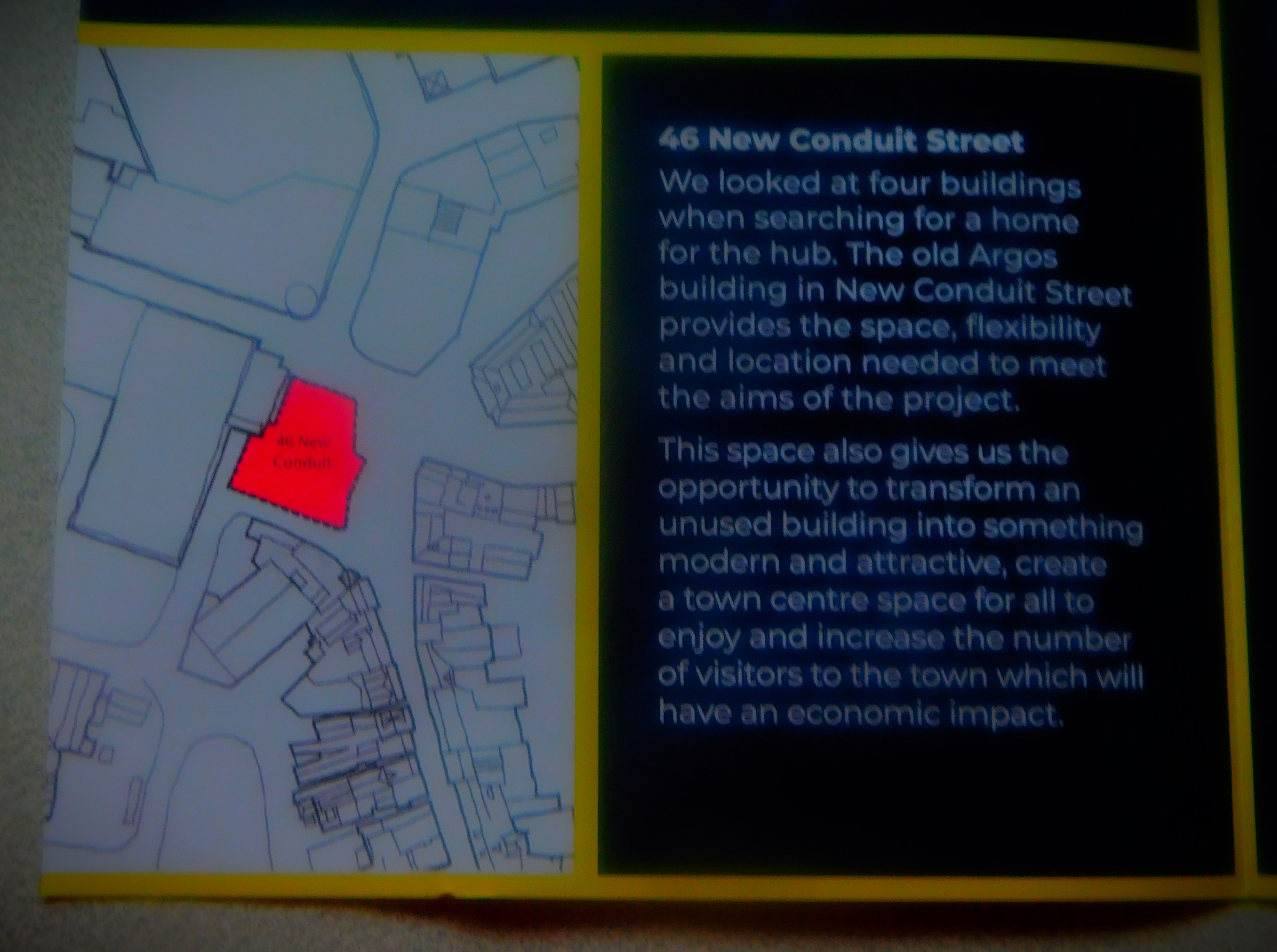
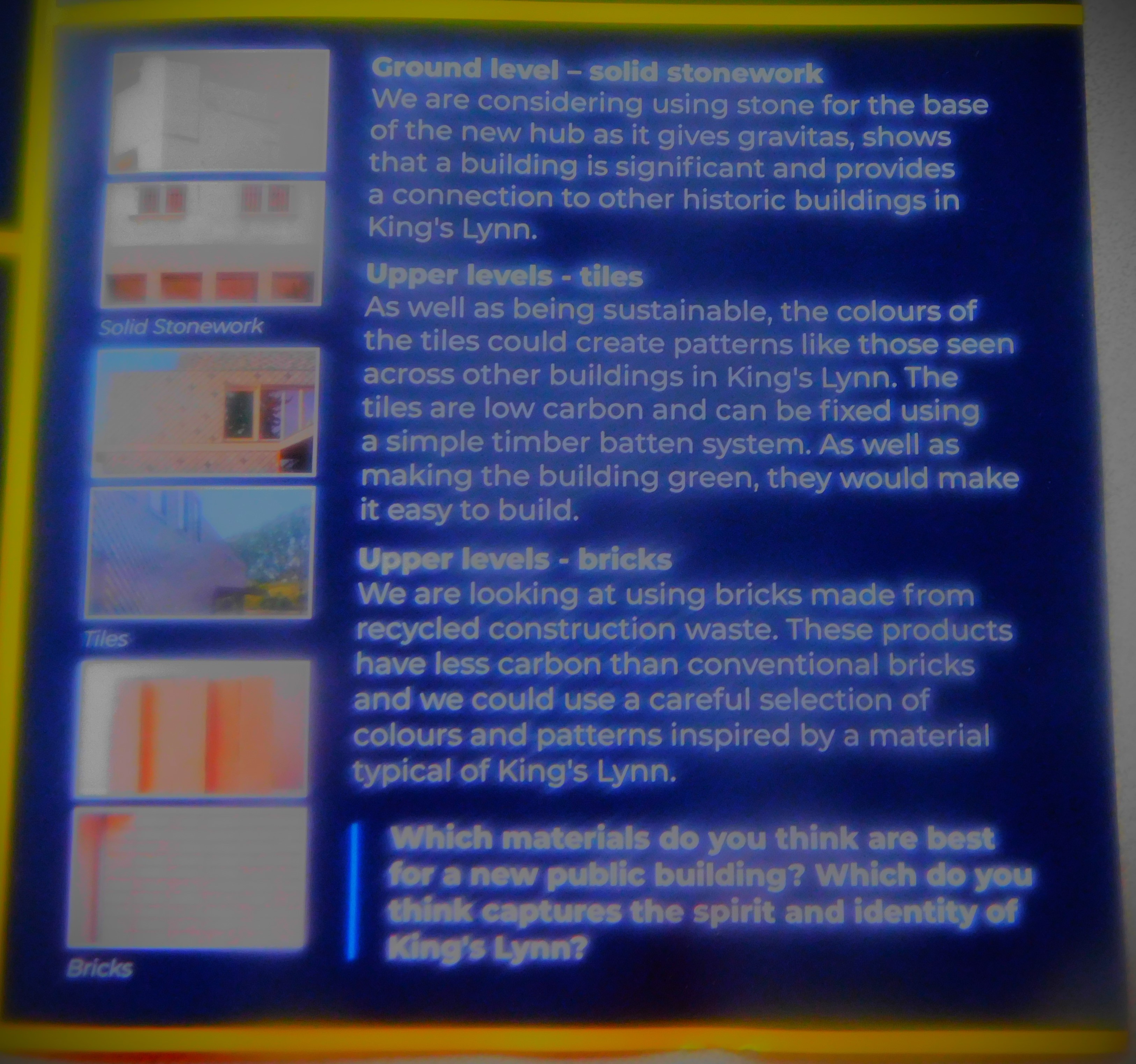
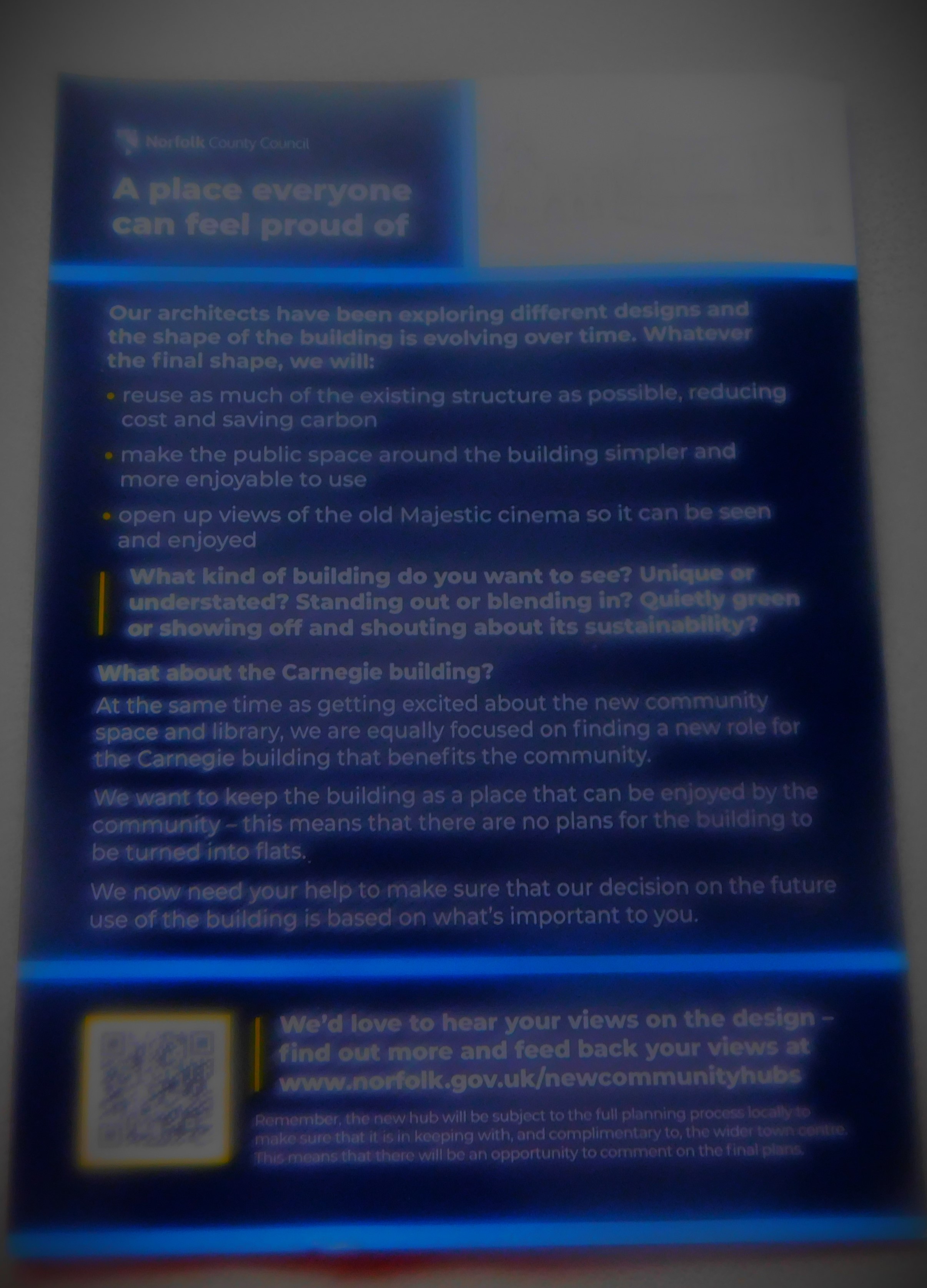
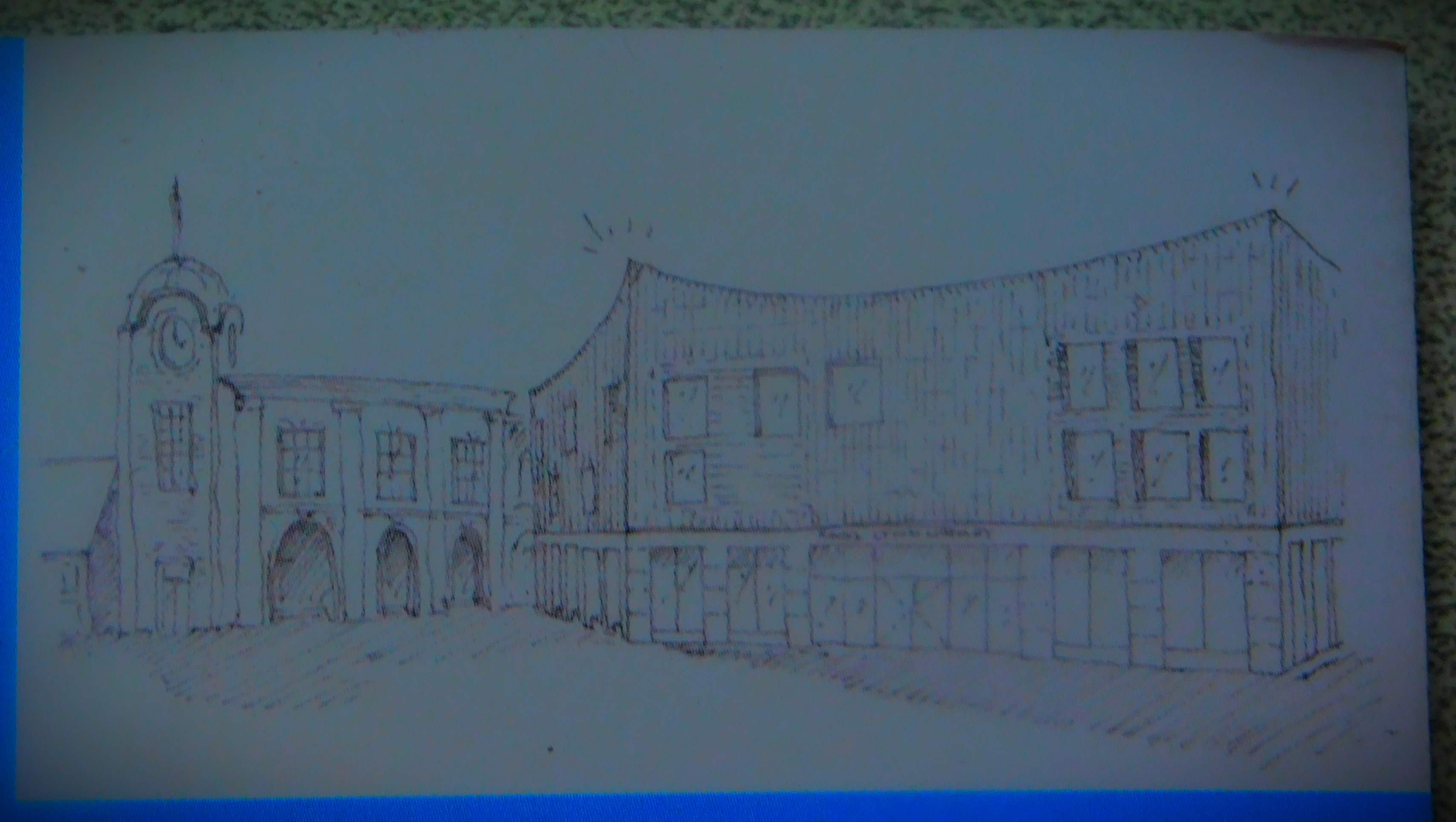
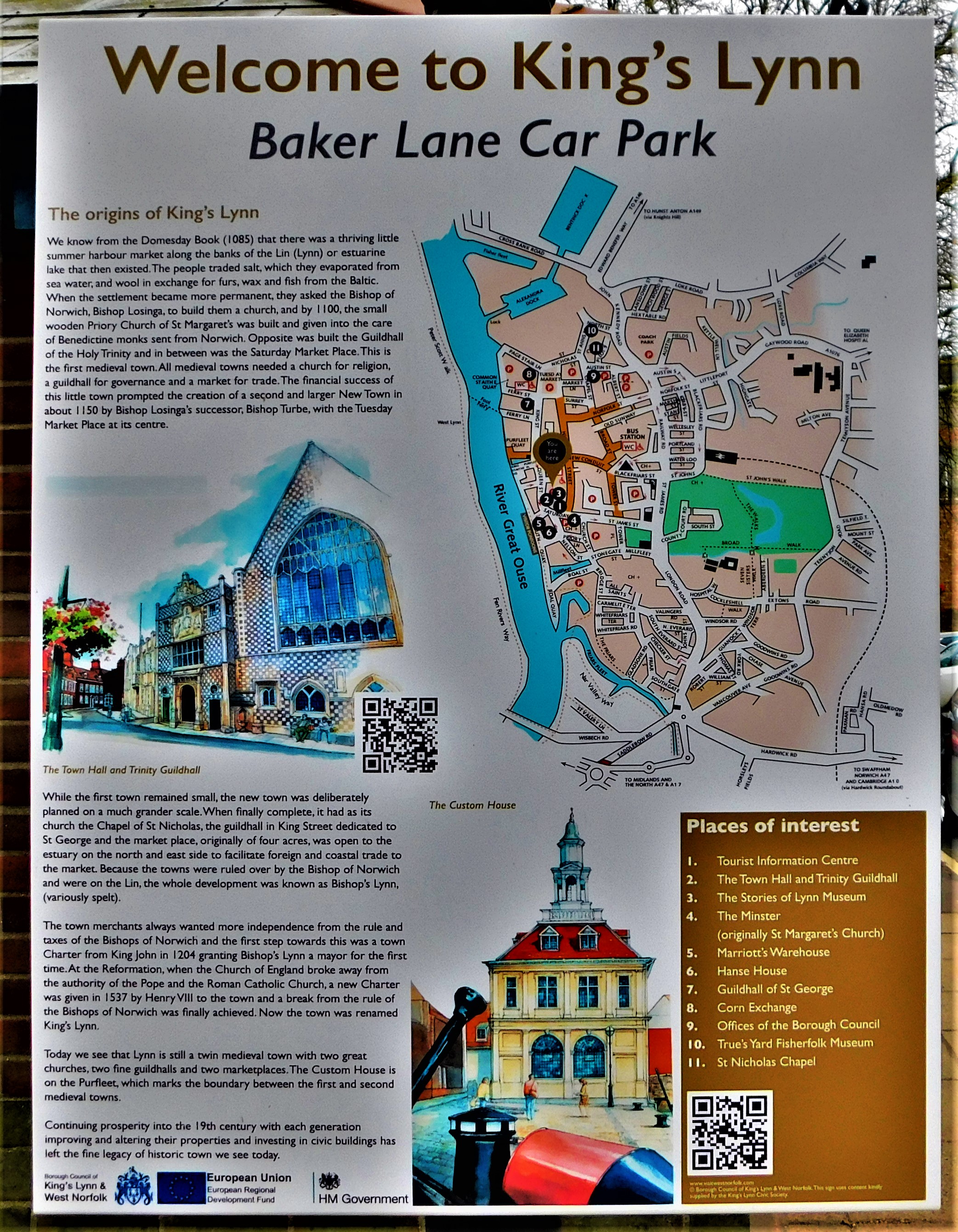
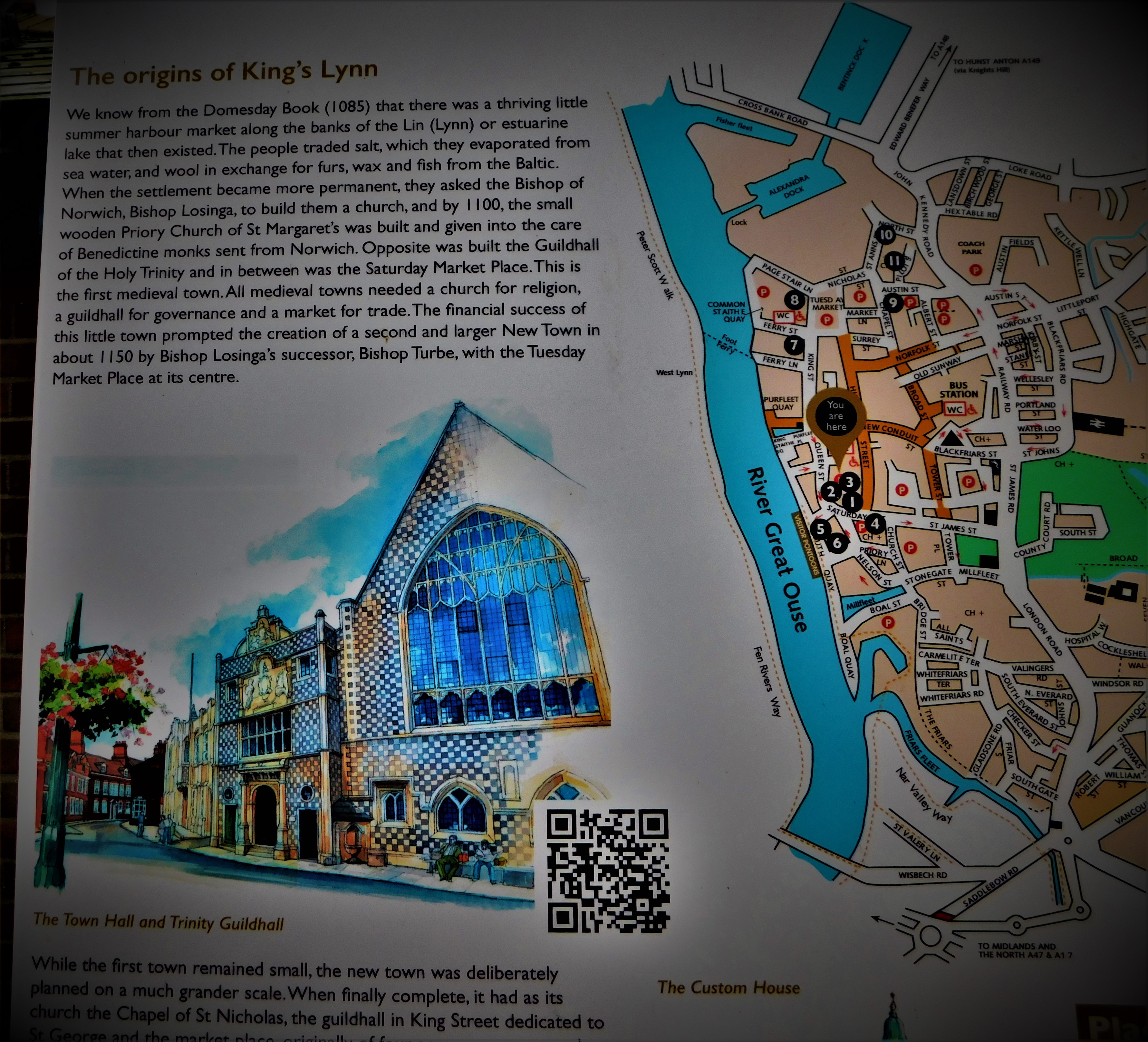
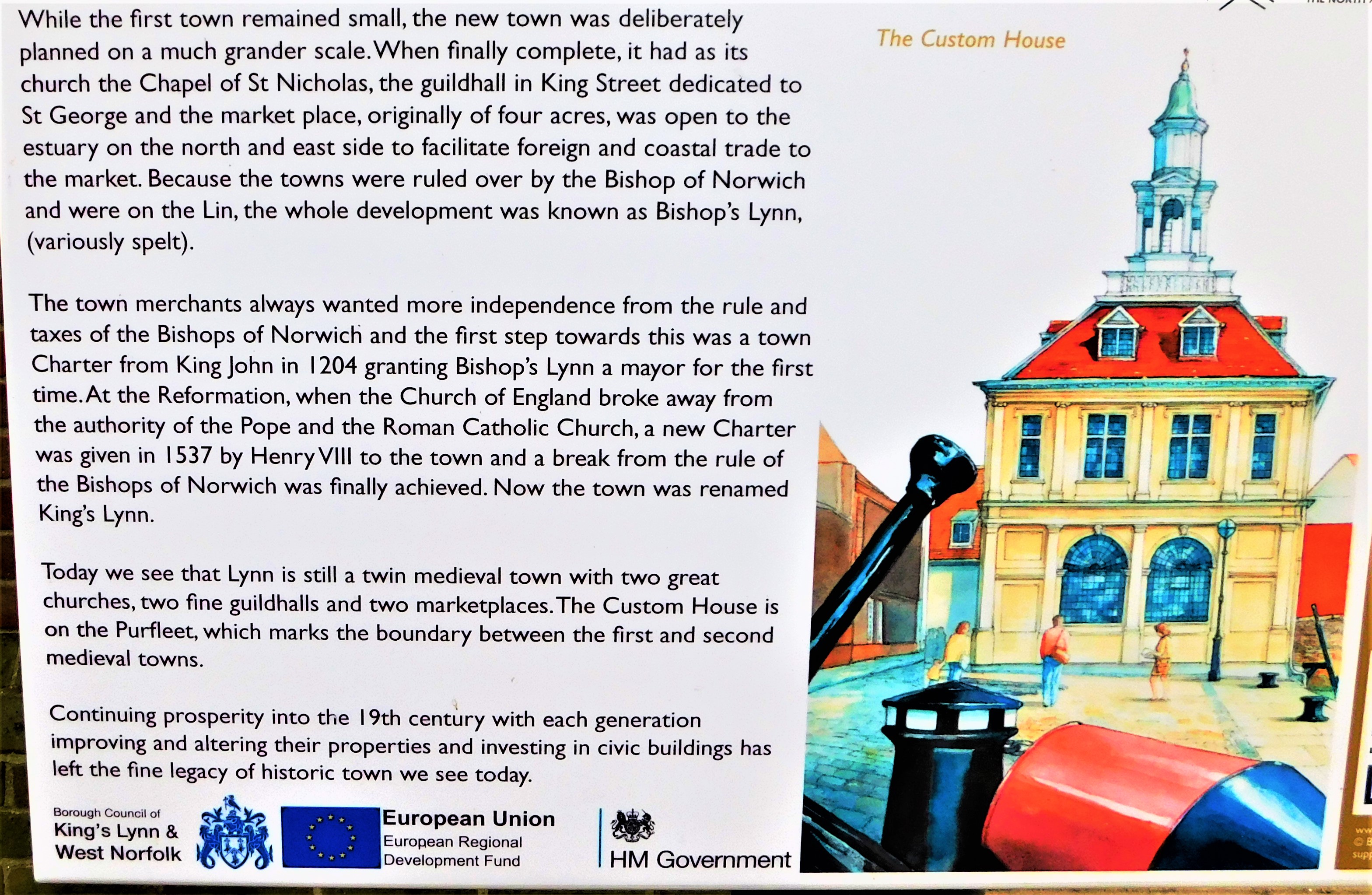
King’s Lynn Library will be moving from its current premises to the site of what used to be the King’s Lynn branch of Argos. The current premises are a listed building and therefore have to be preserved, and it is an essential part of the plan that whatever the current premises become it will be something that is fully accessible to the public (so no flats, no private business premises etc.). The new building will be constructed using environmentally friendly materials, with the ground floor featuring stone, and the upper floors and the roof featuring bricks and tiles, the latter made from recycled materials (I have seen samples of such materials at the library, and was favourably impressed). There is an initial consultation taking place which has two days to run (click here). If this scheme is carried out properly the new library/ community hub could become a modern landmark fully in keeping with Lynn’s history as a medieval town, as well as serving its purpose as library and community hub. Also a vibrant new establishment in place of the shell of the old Argos cannot fail to be an improvement.

Time for my usual sign off…

Two Great Run Chases

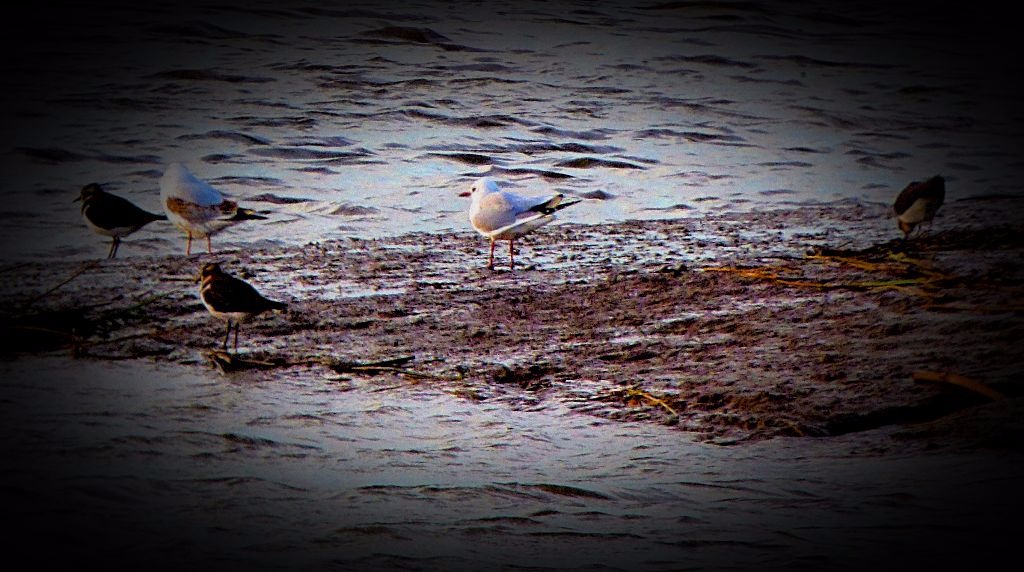
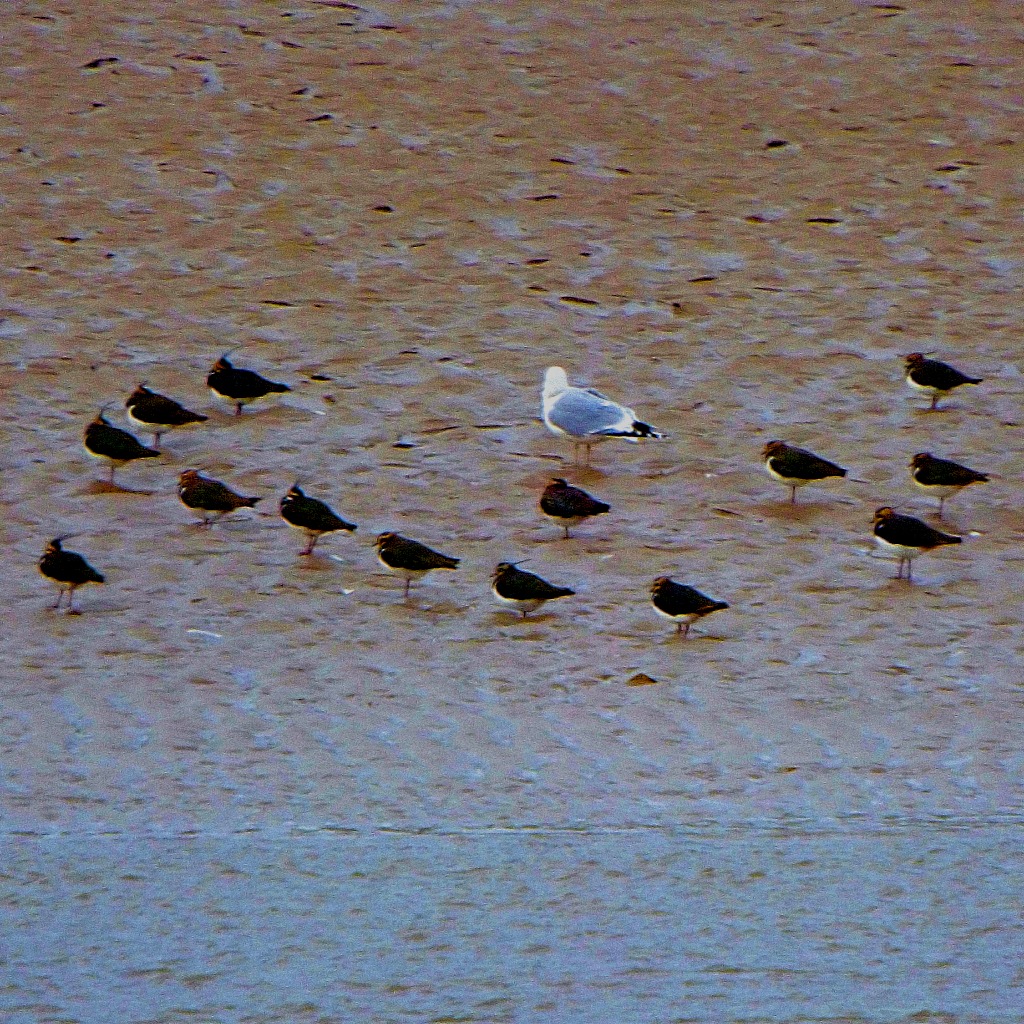
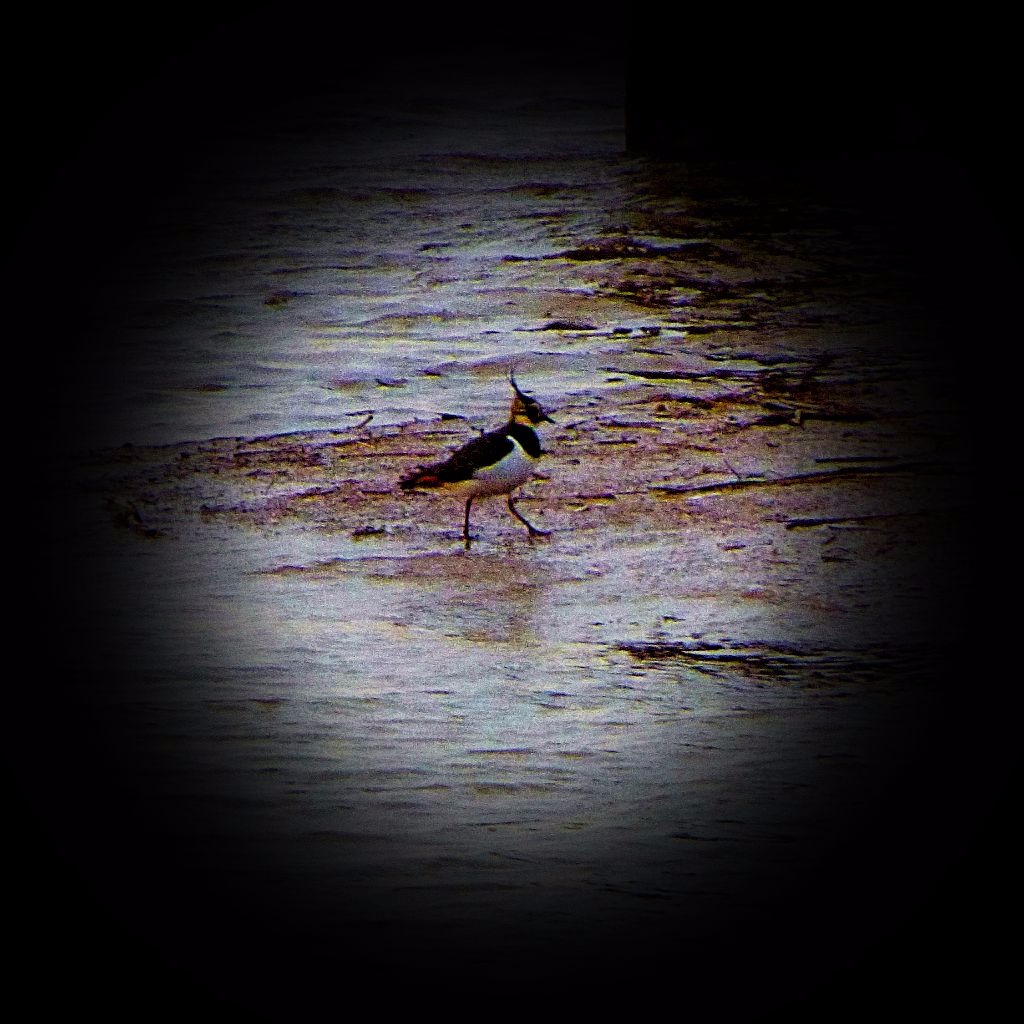
A brief look back at yesterday’s cricket and a huge photo gallery, including the first lapwings of 2023.

Yesterday was Subcontinent day in the Womens T20 World Cup. In the first match of the day India were pitted against Pakistan, while in the second Bangladesh took on Sri Lanka.

INDIA V PAKISTAN

Pakistan looked to have done pretty well when they tallied 149 from their 20 overs. The experienced Bismah Maroof scored 68* off 55 balls, while Ayesha Naseem made an aggressive 43* off 25 balls. India were second best for 16 of their allotted 20 overs, but a combination of poor Pakistani bowling and some good batting by them in overs 17,18 and 19 saw them turn things round and win with a whole over to spare.

BANGLADESH V SRI LANKA

Bangladesh made a not terribly impressive 126 from their 20 overs. However, when teenager Marufa Akhter took 3-0 in her first eight balls as an international bowler Sri Lanka were 25-3 and looking shaky. The fourth wicket pair stopped the rot, and upped their tempo once the immediate danger of a collapse had past. In the end, like India earlier in the day they had a whole over to spare when the winning boundary was hit. The unbroken 4th wicket stand was worth 104* and both players had topped 50.

PHOTOGRAPHS

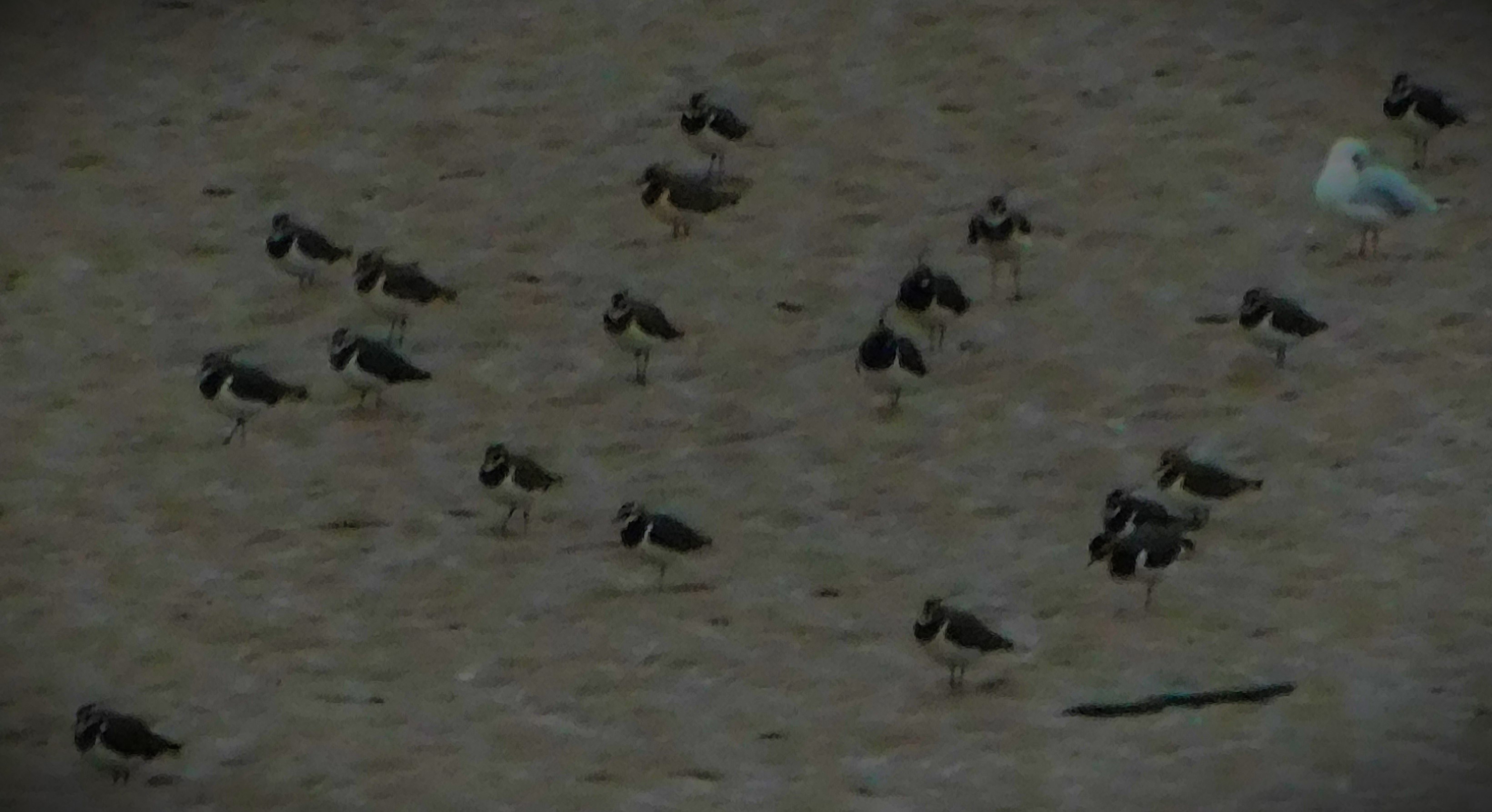
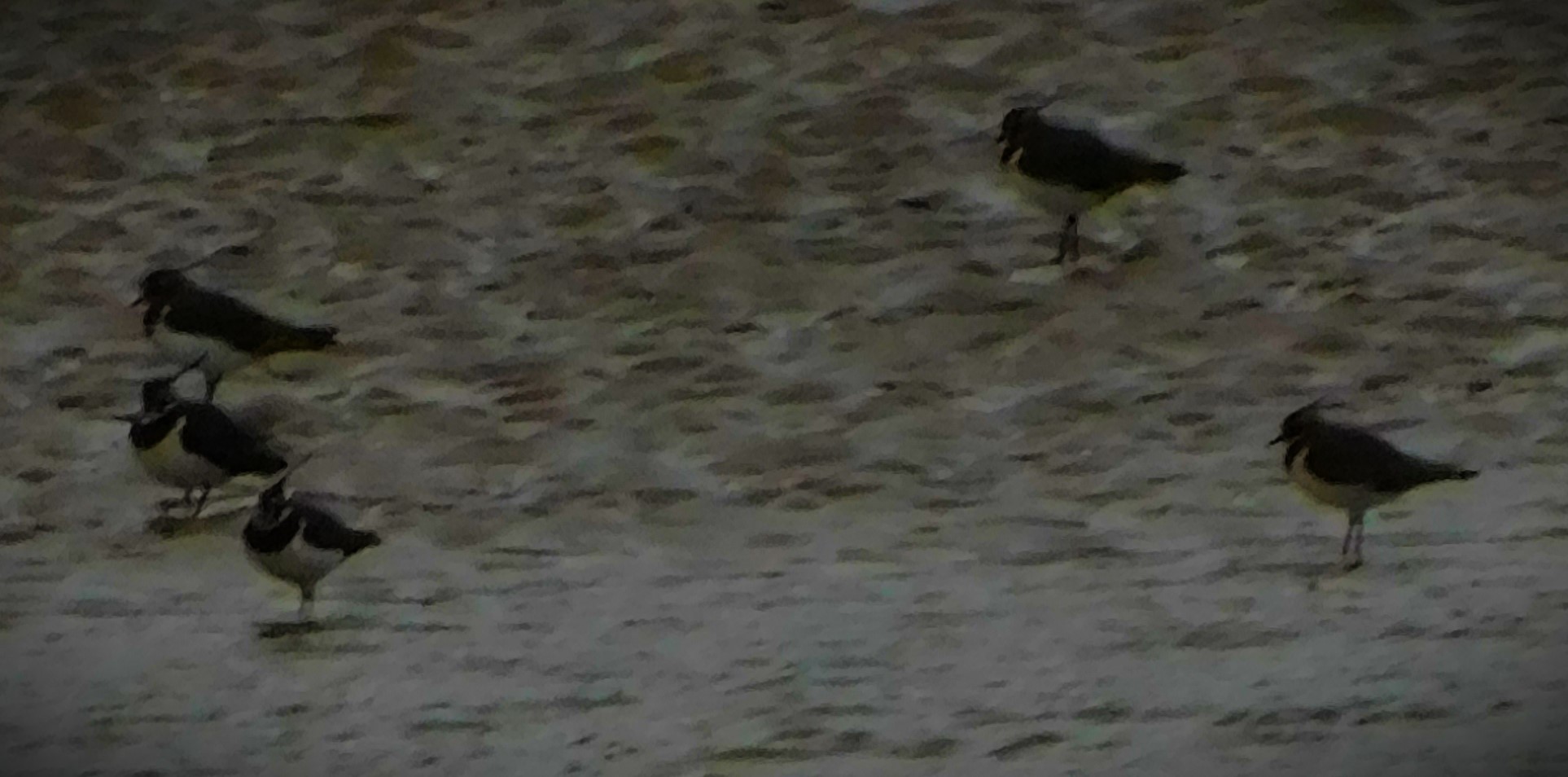
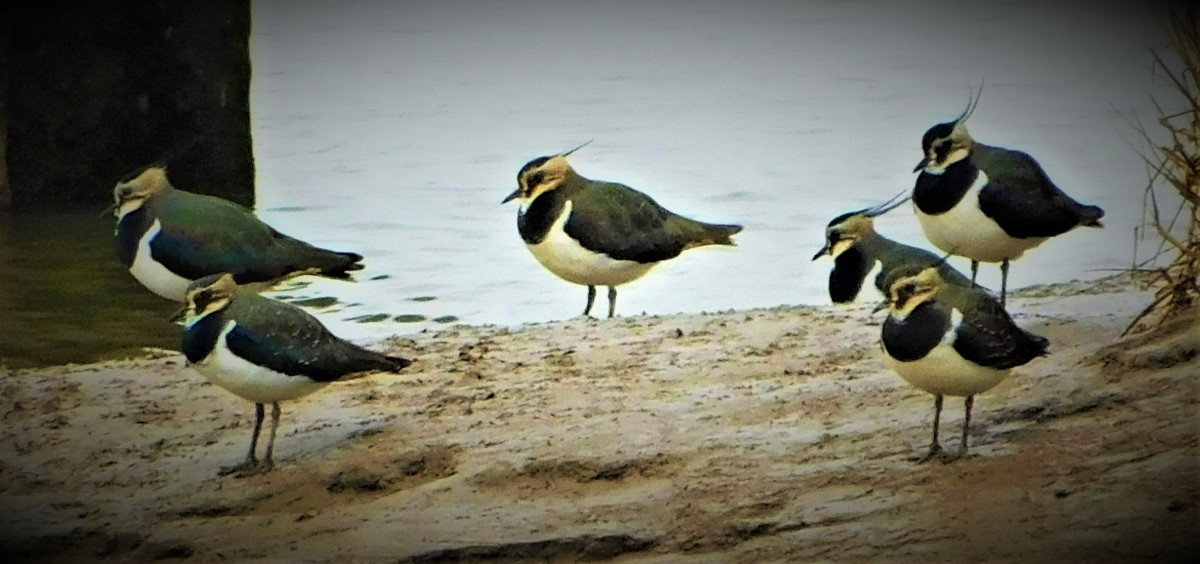
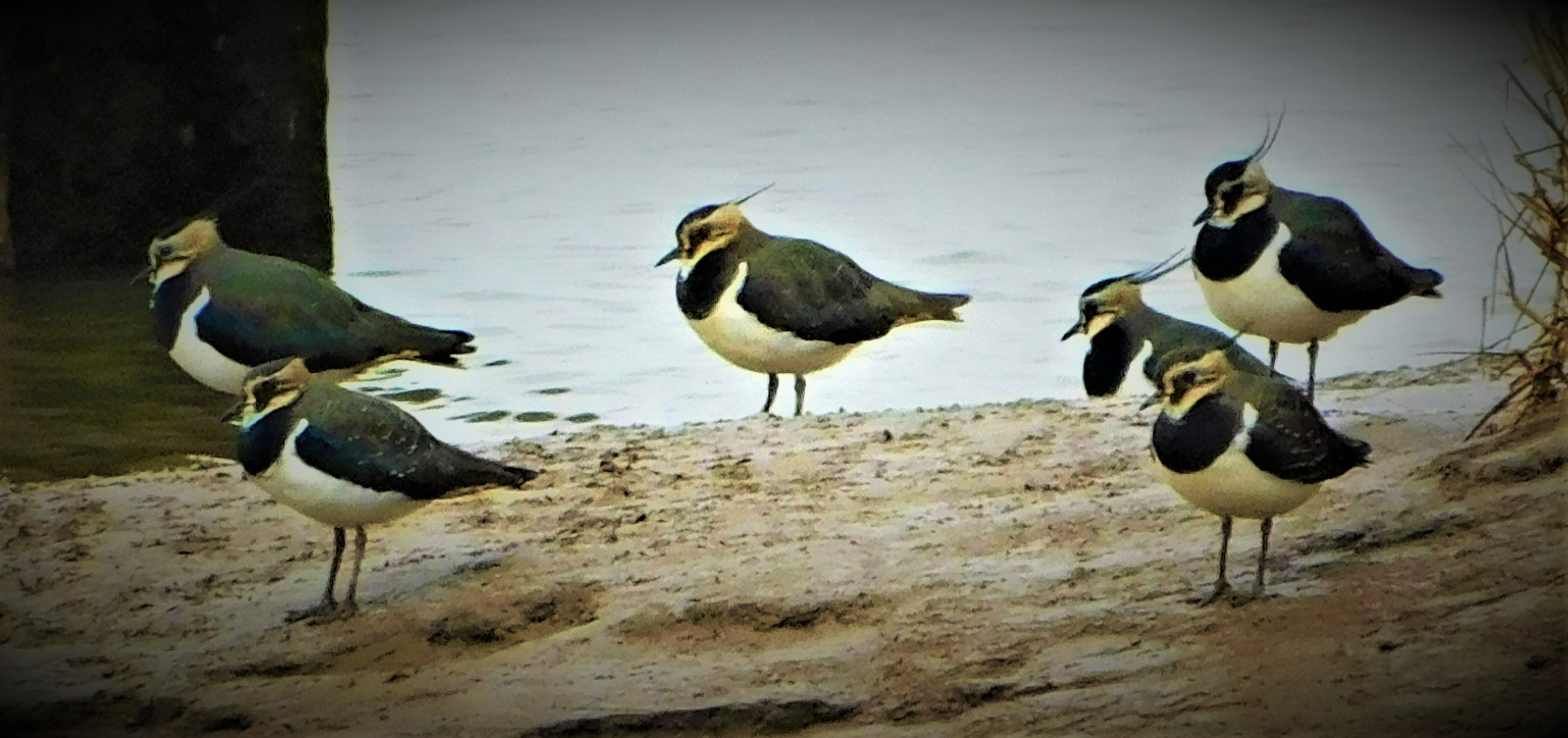
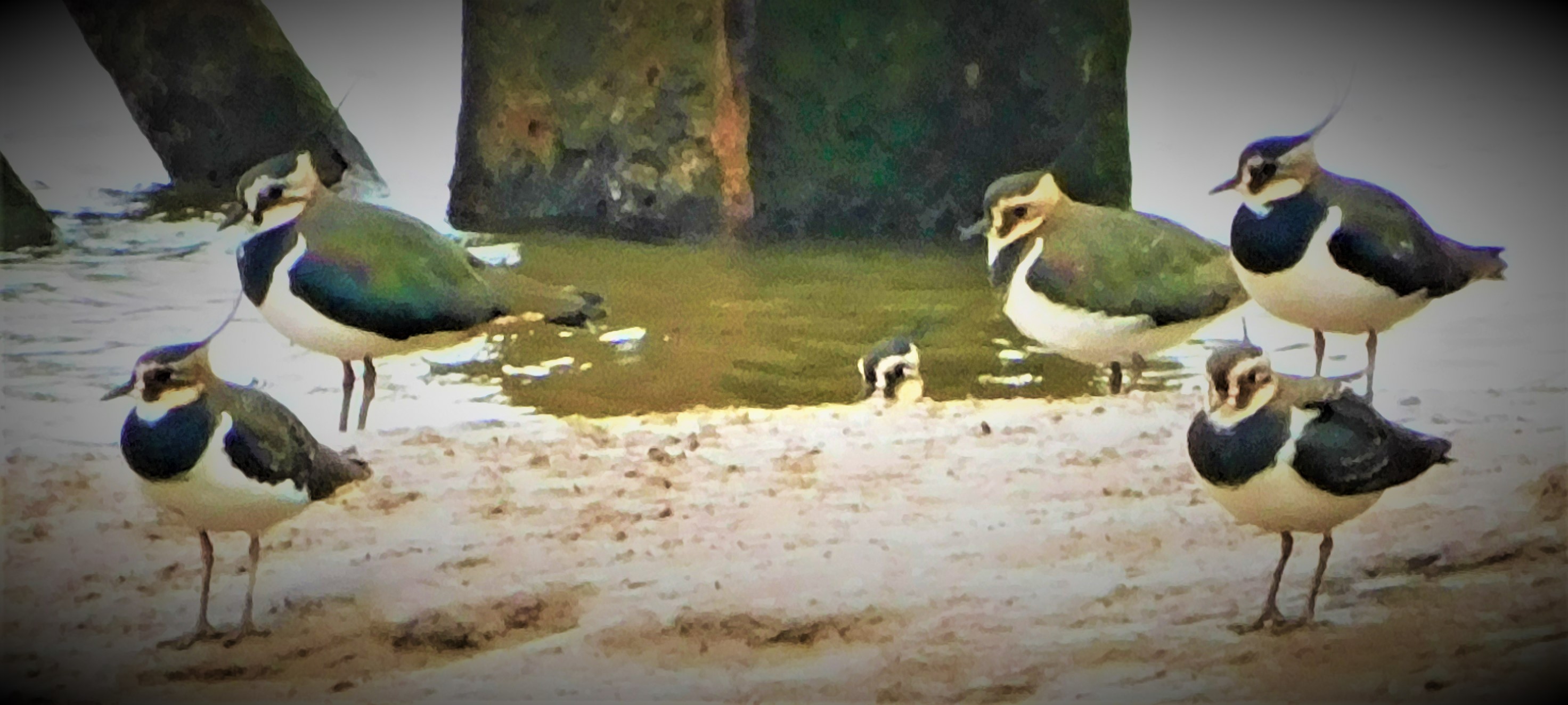
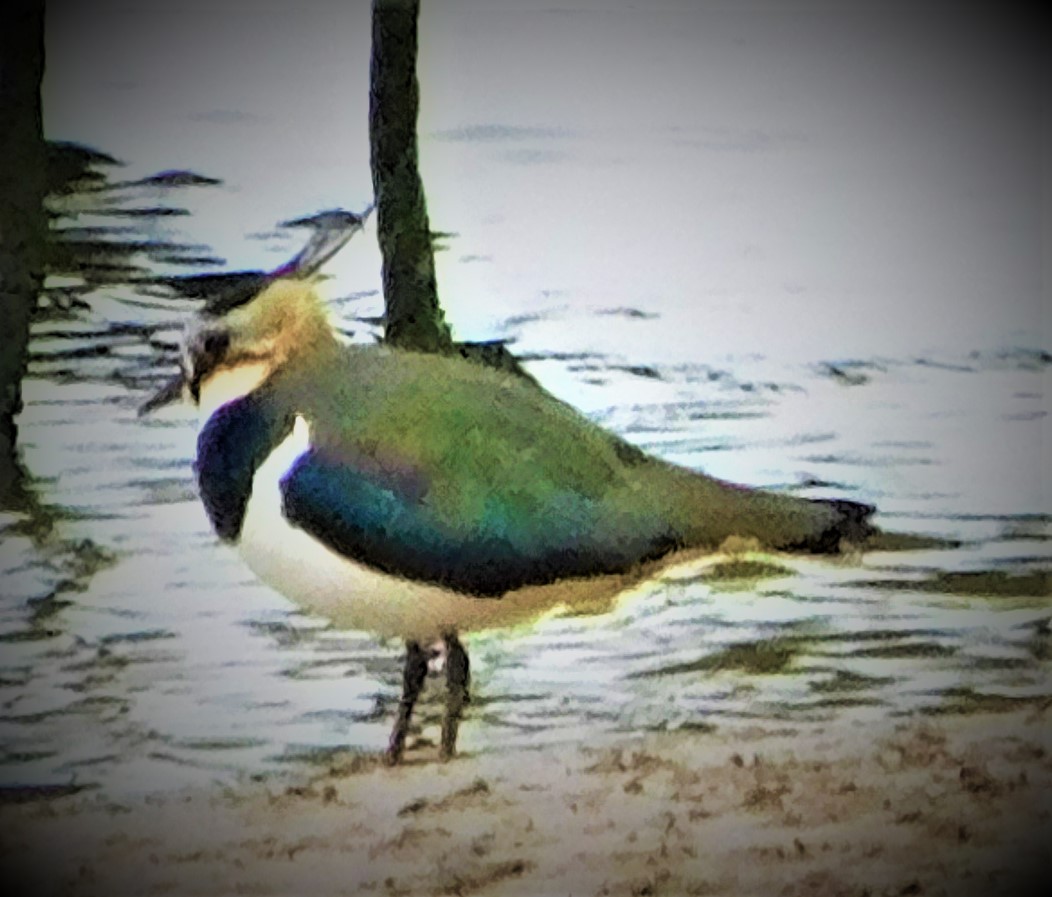
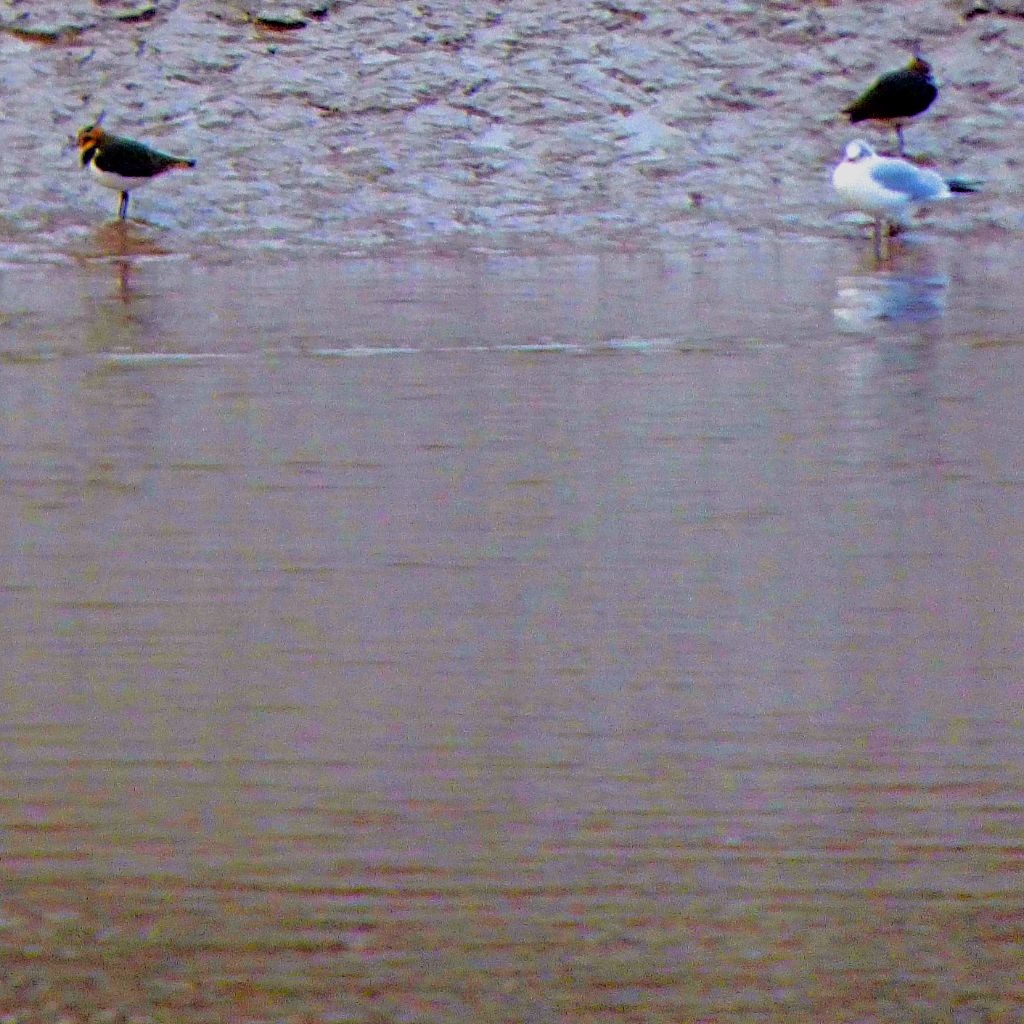
I have a huge gallery to share with you, including the first decent pictures I have managed to get of lapwings in 2023 – this morning at the point where the Nar flows into the Great Ouse.

Have West Indies Men Found A Proper Opening Pair?

A post noting a new West Indies men’s test record opening partnership and looking at what this might mean for West Indies going forward. Also walk details and of a course a photo gallery.

In today’s post I look a story developing in Zimbabwe, and what it might mean for West Indies Men’s test team.

A NATIONAL RECORD OPENING STAND

Zimbabwe are not the most threatening of opponents, but as against that West Indies had to contend with regular interruptions due to the weather and the fact that overhead conditions when play was possible during the first two days certainly favoured the bowlers. Remarkably, the opening pairing of Kraigg Brathwaite and Tagenarine Chanderpaul were still together for the start of the third day’s play. With the score on 296 Brathwaite was dropped, and he then hit the next ball for four to bring up WI’s first ever 300 run opening stand in test cricket (also beating the previous national record of 298 by Gordon Greenidge and Desmond Haynes in the process). The stand had reached 336 by the time Brathwaite was dismissed. England’s all time record opening stand was also achieved in southern Africa – Len Hutton and Cyril Washbrook putting up 359 at Ellis Park, Johannesburg during the 1948-9 tour of South Africa. Tagenarine Chanderpaul was still there on 207* when West Indies declared at 447-6, while Brathwaite had scored 182. Zimbabwe ended the day 114-3 in reply. They can only hope to save the match, while West Indies need 17 wickets in the last two days to win it (and also for Zimbabwe’s first innings to end up at 247 or less – with so little time left WI cannot hope to win if they have to bat a second time unless it is in pursuit of a very small total, with Zimbabwe having just avoided an innings defeat).

WEST INDIES OPENING WOES

In their entire history West Indies have had two authentically great opening partnerships, Greenidge and Haynes already referred to, and the earlier combination of Allan Rae and Jeffrey Stollmeyer. Conrad Hunte, an excellent test match opener in the late 1950s and early 1960s, never had a truly reliable opening partner, and neither did Chris Gayle in the 2000s. A side who can get away to a strong start when batting have a much better chance than one that regularly loses early wickets, and while finding a reliable opening pair has been far from the only problem West Indies have had since the end of their golden era in the early 1990s it will be big news not just for them, but for cricket as a whole, if this pair prove to be the real deal (Brathwaite already has a substantial test record, but Tagenarine Chanderpaul has only played a few matches, though he has made a stellar start to his test career).

PHOTOGRAPHS

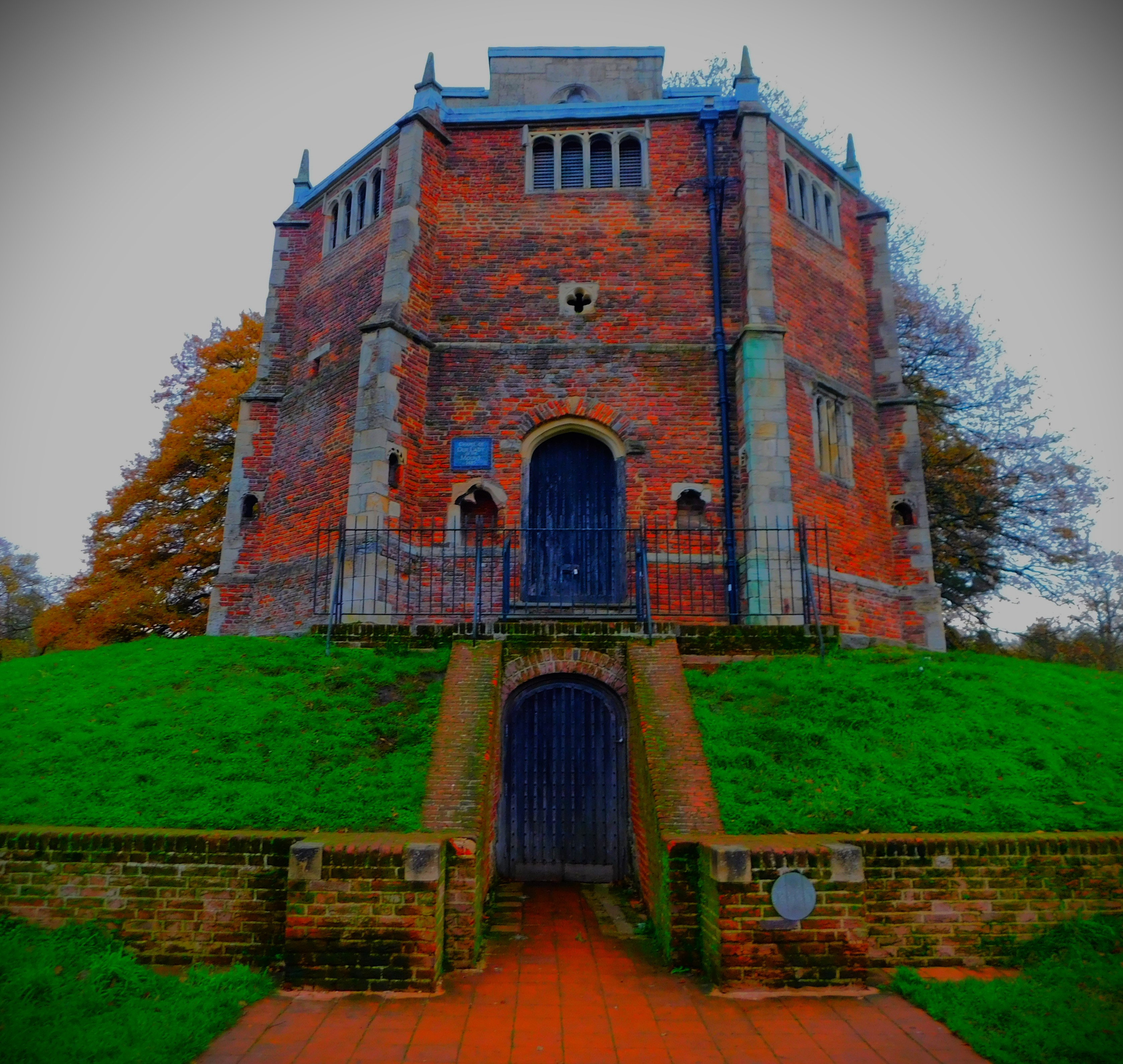
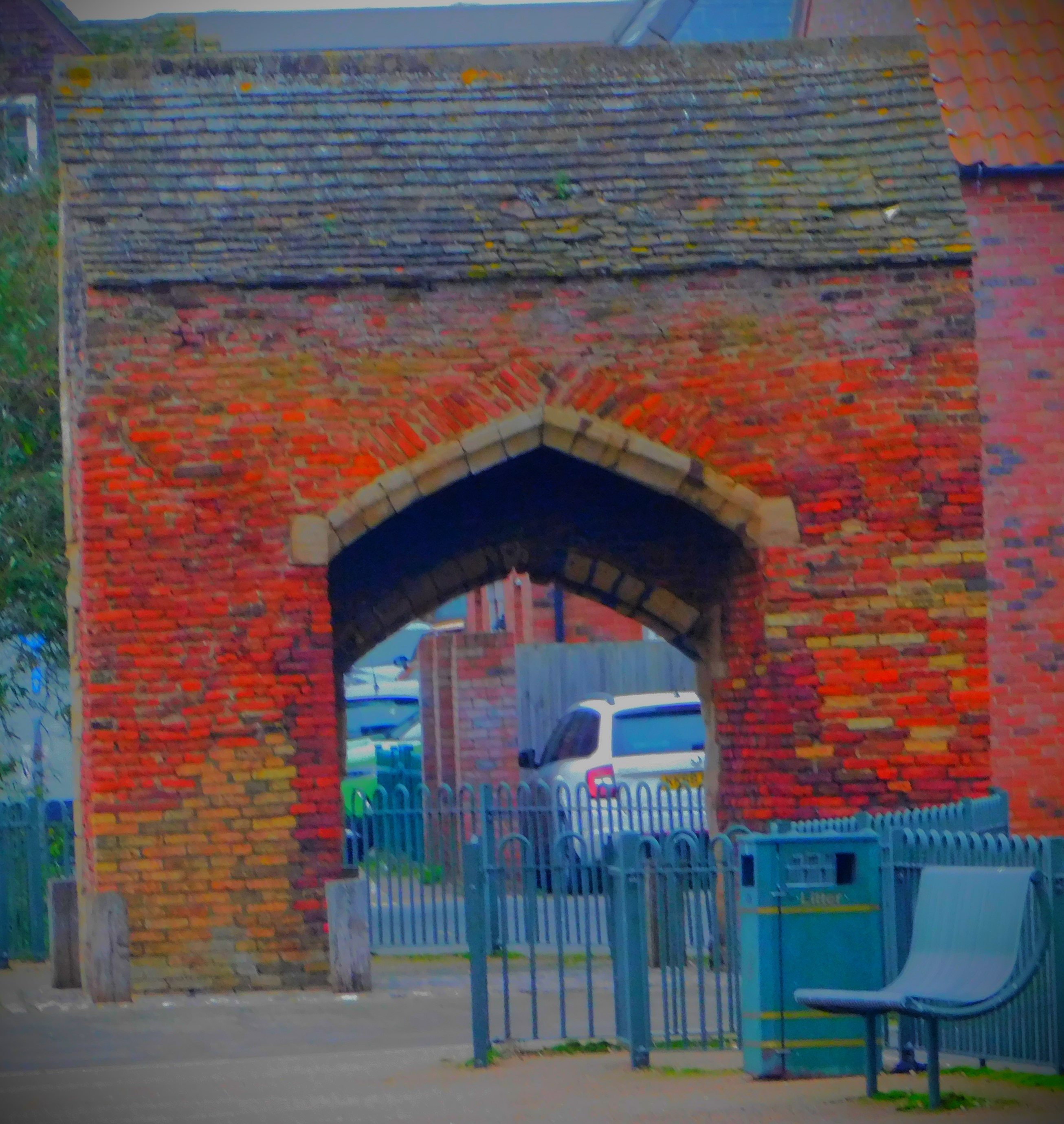
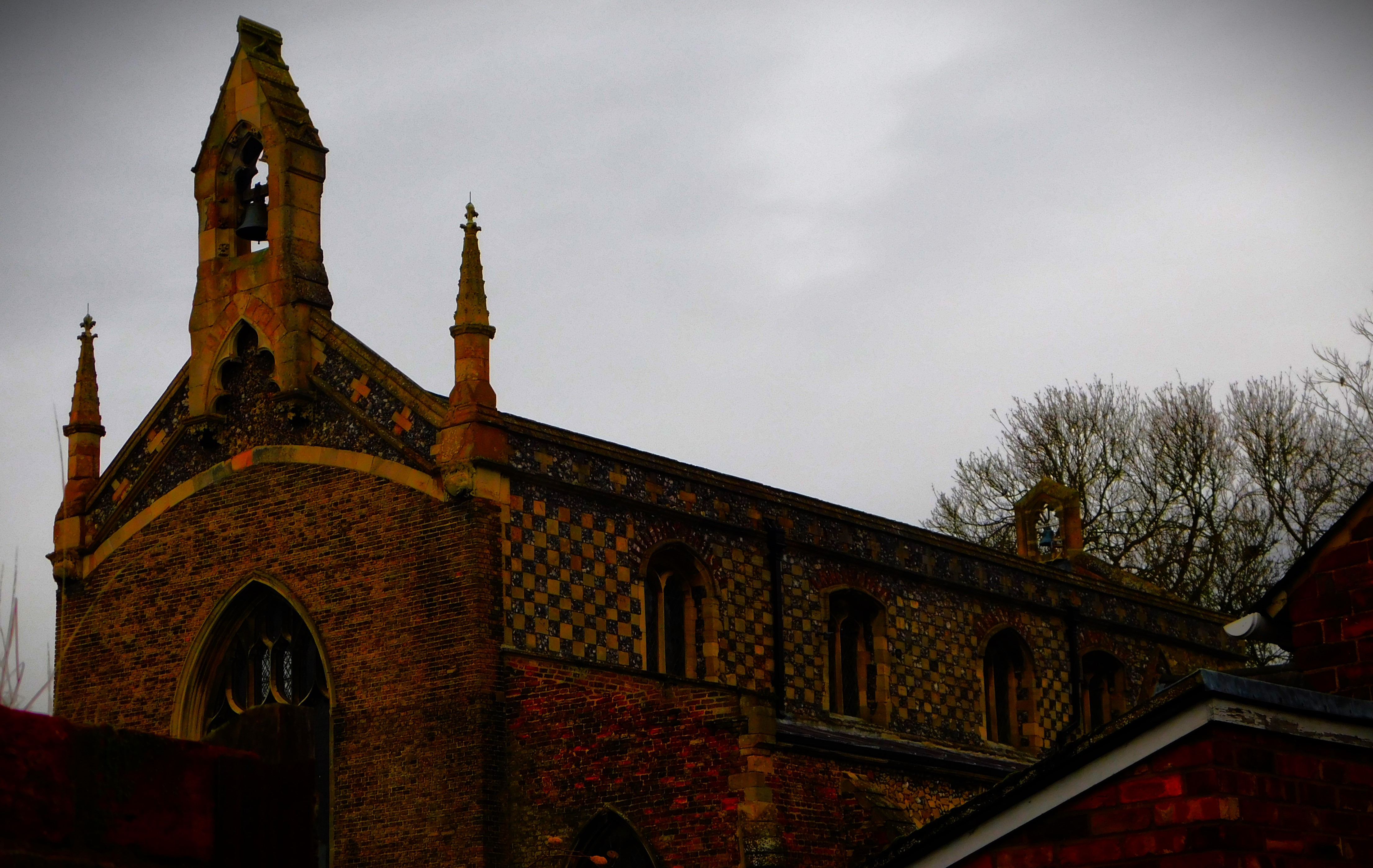
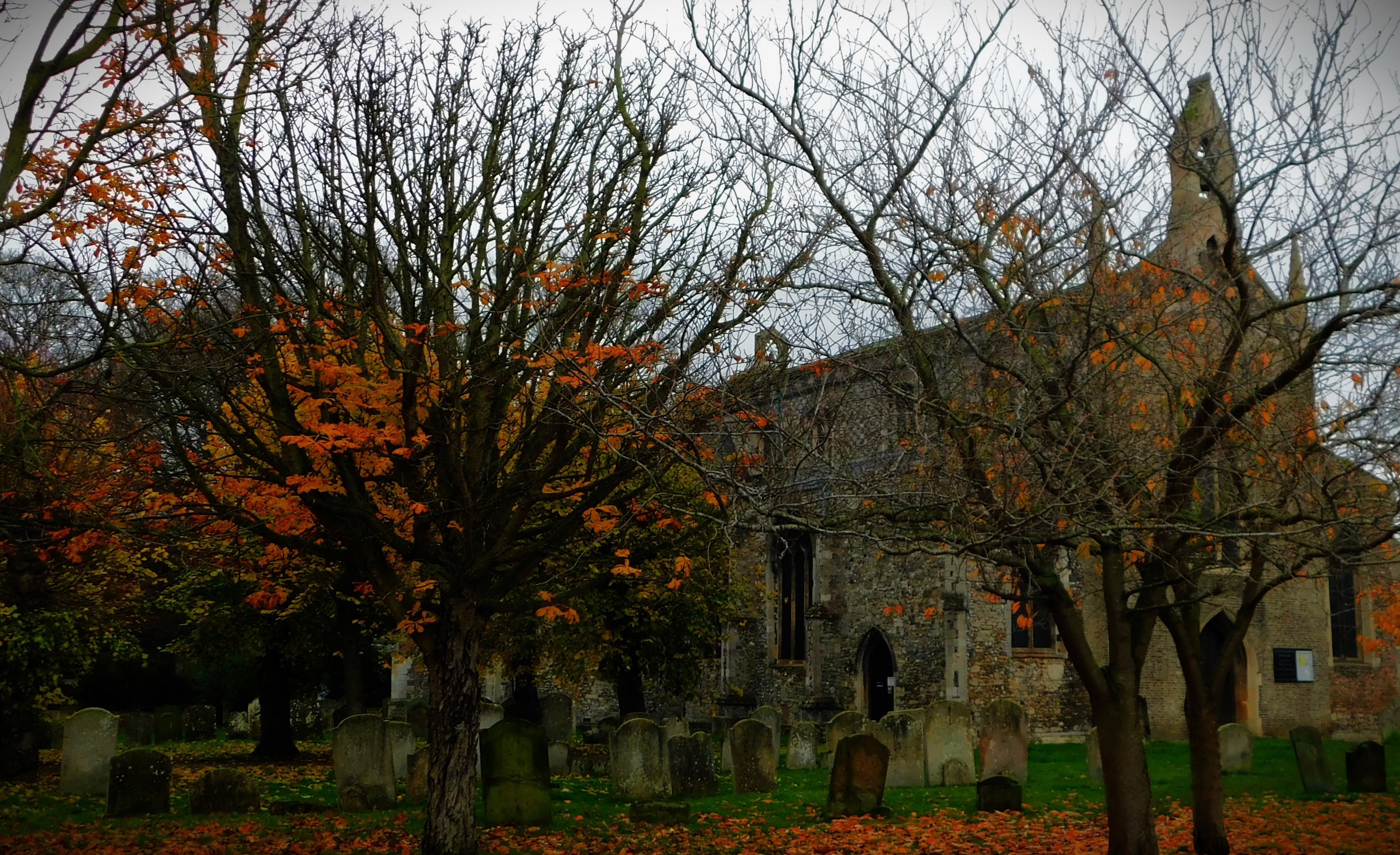
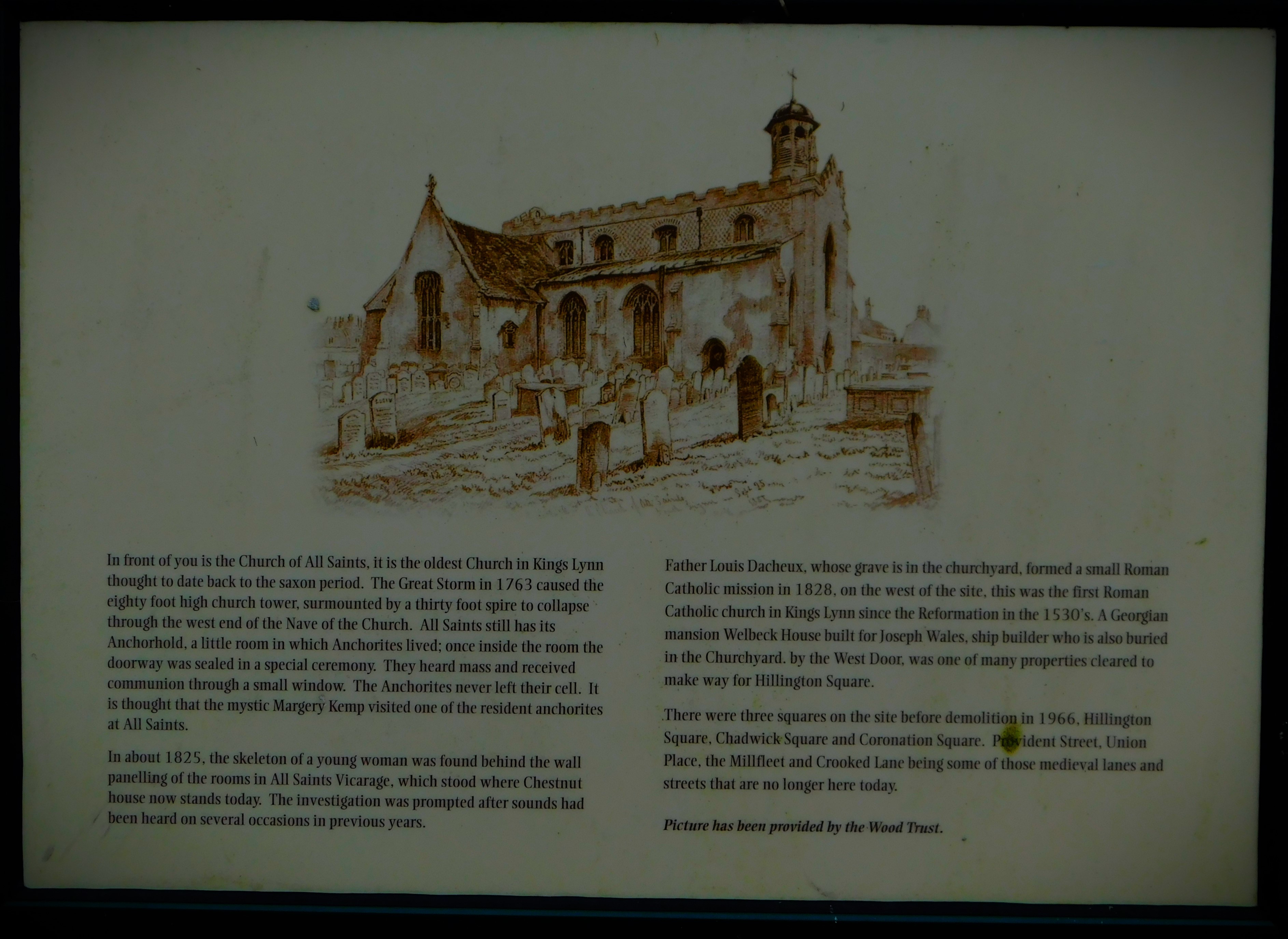
Most of the photographs in today’s gallery come from two walks, with a few in between them. Yesterday I was invited to an early supper at a flat on Purfleet Quay. By the direct route this a walk of 15-20 minutes, but I had decided to go a long way round on the way there and take the quick route home due to the fact that the latter walk would be entirely in the dark. Thus I headed by way of the two ponds near me, the stretch of the Gaywood near Kettlewell Lane, across Littleport Street, past Highgate Methodist Chapel, across another section of the Gaywood, along the only section of main road I followed during the walk down past the station to the entrance to The Walks. I headed onto St John’a Walk, then took the footpath past the Red Mount Chapel and turned onto Broad Walk, emerging onto London Road, which I crossed onto the top of Millfleet, then passing through Hillington Square and inter alia All Saints Church, the oldest in King’s Lynn. Then it was down to the river by various side roads, a quick check in at the location where the Nar joins the Great Ouse, then round the dike that overlooks old Boal Quay, and on to the Great Ouse which I followed as far as the point where the Purfleet joins it, and having crossed the bridge I then headed up Purfleet Quay to the flat.

The second walk was today, and I started by walking along Columbia Way until it meets Bawsey Drain, along which I headed towards town. I departed from Bawsey Drain via the last bridge across it before one reaches town, headed by a combination of minor roads and footpaths through to Loke Road near Loke Road Recreation Ground, from which I followed a path which leads to the Kettlewell Lane river section, and then I looped round by way of Morrison’s, before passing the Kettlewell Lane river section a second time, heading past the two ponds and thus back to my back door.

Now for the photos…

Election News

Thoughts on two important election developments and England’s T20 series victory. Also plenty of photographs.

INTRODUCTION

The main body of this post is inspired by two developments that have occurred today. There is also some other stuff later.

TWO MAJOR ELECTION DEVELOPMENTS

It has been announced today that the Brexit Party will not be standing in any Tory held seats, a development that leads to me to suspect that if the election goes as planned for Johnson and cronies there will soon be a Lord Farage of Dot-on-the-Map (he does not plan to stand as a candidate for his party, being 0 for 7 in that area, and he does nothing without having his price).

The other big development is that The Greens have stood aside in Chingford & Wood Green to give Faiza Shaheen a clear run at Iain Duncan Smith. I am firmly of the opinion that a degree of reciprocation is called for. My immediate suggestions in that regard are:

1)Stand aside in Brighton Pavilion so that Caroline Lucas has a clearer run at retaining her seat.

2)Stand aside on the Isle of Wight, so that Vix Lowthion is in a straight fight with the Tories there.

Also, the grubby Farage/ Johnson stitch up really does make this The Rest vs The Hard Right, so everyone who does not want Johnson running riot in the commons backed by Farage in the Lords must be prepared to vote for whoever can give them a non-Tory. In my own constituency I have a very obvious and appealing choice – Jo Rust and Labour. Elsewhere in the mainland I would vote Labour, Green, SNP, Plaid Cymru or Liberal Democrat according who could defeat the Tories in that area. In NI things are different, but there is even one seat there where my vote might be dictated by necessity – unappealing as voting for Unionist of any stamp would be to me I would were I in her constituency vote for Lady Hermon to reduce the chances of those Tory stooges the DUP taking it.

Following on from that last paragraph, this necessity of tailoring one’s vote to fit the circumstances in one’s area is why I devoutly hope that GE2019 will be the last to be held using the outmoded FPTP method. Proponents of this thoroughly discredited method for running elections say that it delivers stable majority governments. Well, in appropriate language for the season: Oh No It Doesn’t – since Labour’s last majority in 2005 only Cameron in 2015 has had an outright majority, and that was very slender – and if GE2019 produces an outright majority for anyone I will be very surprised. Also, after the five years of the coalition we are now looking at a third GE in less than five years – some stability! For another interesting take on this election visit Miles King’s latest post on A New Nature Blog by clicking here.

Finally, before moving on to other matters, it will surprise no one to read that I consider a head to head debate between Johnson and Corbyn unrepresentative of the current state of British politics – I would also include the Lib Dems (presumably Swinson), Plaid, SNP (Sturgeon or if it must a Westminster figure either Joanna Cherry or Mhairi Black), The Greens (I would reckon that Sian Berry would be their best spokesperson) and possibly even representatives from Northern Ireland.

ENGLAND WIN T20 LEG OF NZ TOUR

For the second time this year England and New Zealand could only be split by a Super Over, and for the second time this year England emerged with the spoils, although this time they won the Super Over outright, rather than further tie-splitting being needed. Rain delayed the start of the fifth and final match of the T20 series, and reduced to an 11 overs per side contest. With three balls left England needing 147 to win had 134 and it looked like New Zealand were snatching it at the death, but Chris Jordan, who has had a fine series, hit those last three balls for 12 to level the match and bring about the Super Over. England batted first in the Super Over and Bairstow and Morgan combined to rack up 17 of Trent Boult’s over. Jordan, who would have been England’s third batter had they lost a wicket (one is allowed to lose one wicket, but two ends one’s batting effort) then prepared to bowl the deciding over, while New Zealand sent Guptill and Seifert in to bat (De Grandhomme waiting in the wings). Jordan’s second delivery was called wide, somewhat harshly, but thereafter a combination of good bowling from him and a little too much cleverness on the part of Seifert worked in England’s favour. Seifert’s dismissal left 10 needed off two balls, with Guptill on strike (the batters having crossed before the catch to dismiss Seifert was taken). Guptill was held to a single, and Jordan just had to bowl a legal delivery to win it for England. He did so, and De Grandhomme was unable to score off it, meaning that England had won the Super Over by a comparatively enormous margin of nine runs. The red ball stuff starts tonight GB time with day 1 of a two day practice match, and then there is one proper first class match before the two test matches end the tour.

PHOTOGRAPHS

My usual sign off…

P1280455 (2)P1280456 (2)P1280457 (2)P1280458 (2)P1280459 (2)P1280460 (2)P1280461 (2)P1280462 (2)P1280463 (2)P1280464 (2)P1280465 (2)P1280466 (2)P1280467 (2)P1280468 (2)P1280470 (2)P1280471 (2)P1280472 (2)P1280474 (2)P1280475 (2)P1280476 (2)P1280477 (2)P1280478 (2)P1280479 (2)P1280480 (2)P1280481 (2)P1280482 (2)P1280483 (2)P1280484 (2)P1280488 (2)P1280492 (2)

P1280493 (2)
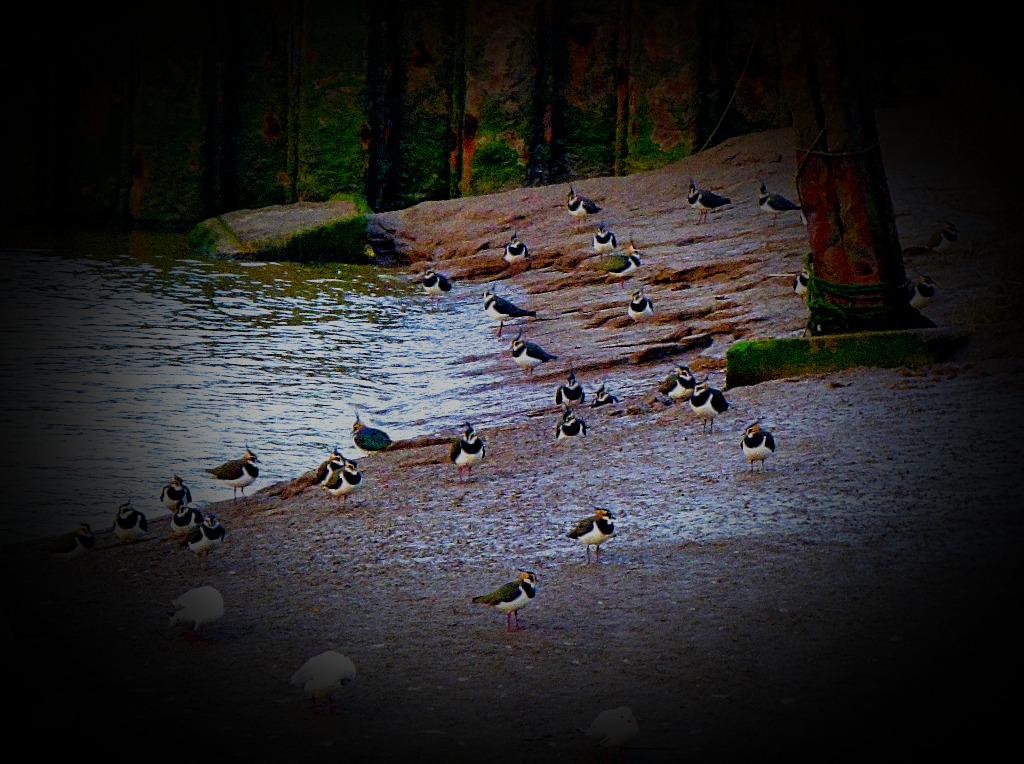
A large gathering of….

P1280493 (3)
…lapwings

P1280495 (2)

P1280496 (2)
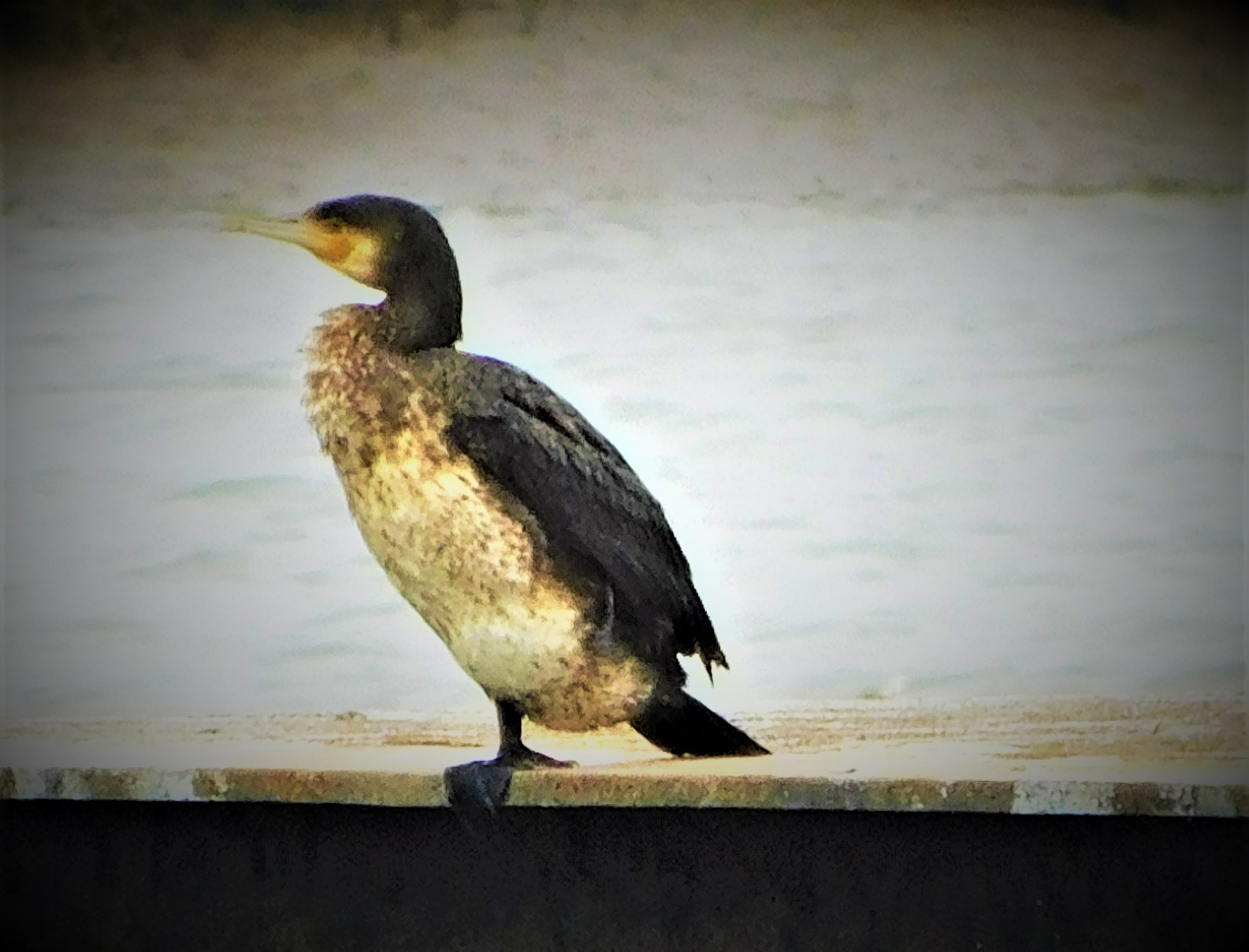
Two flying cormorants

P1280497 (2)
And completing the set of cormorant pics this one is swimming.

P1280498 (2)P1280502 (2)

Autism Acceptance Months

Inspired by Jennifer Lisi on twitter, who created the graphic at the heart of it, this post sets out aspi.blog’s stall, taking autism acceptance is starting point and looking ahead to autism appreciation.

INTRODUCTION

This is a post about something magnificent I have just seen on twitter and wish to share with all of you. The text of this post is #RedInstead because it is specifically about autism.

AUTISM ACCEPTANCE MONTHS

To start with, below is a screenshot of the tweet, by Jennifer Lisi,  that prompted this post:

AAM

Now we move on to some extra thoughts of my own:

  • Although I will on occasions, when I believe people are doing it for the right reasons share stuff about “autism awareness” I will not use the phrase on my account because…
  • We have been banging on about awareness for ages, and I do not believe there is a problem any more with people not knowing of the existence of autism and autistic spectrum conditions, though there are a raft of problems when it comes to understanding of such conditions.
  • For me Autism Acceptance as shown in the graphic above is what we should be considering as our basic start point, with the hope that acceptance of us for who and what we are will lead to…
  • Appreciation of our strengths and good qualities.

Thus the journey we look to trace out runs not awareness-understanding-acceptance  but awareness-understanding-acceptance-appreciation.

PHOTOGRAPHS

I end this post with some photographs, in this case with a cormorant in the starring role:

lapwings close up
We lead in with four pictures featuring lapwings…

Lapwings group shotlapwings Ilapwings x 8

Cormorant and lapwing I
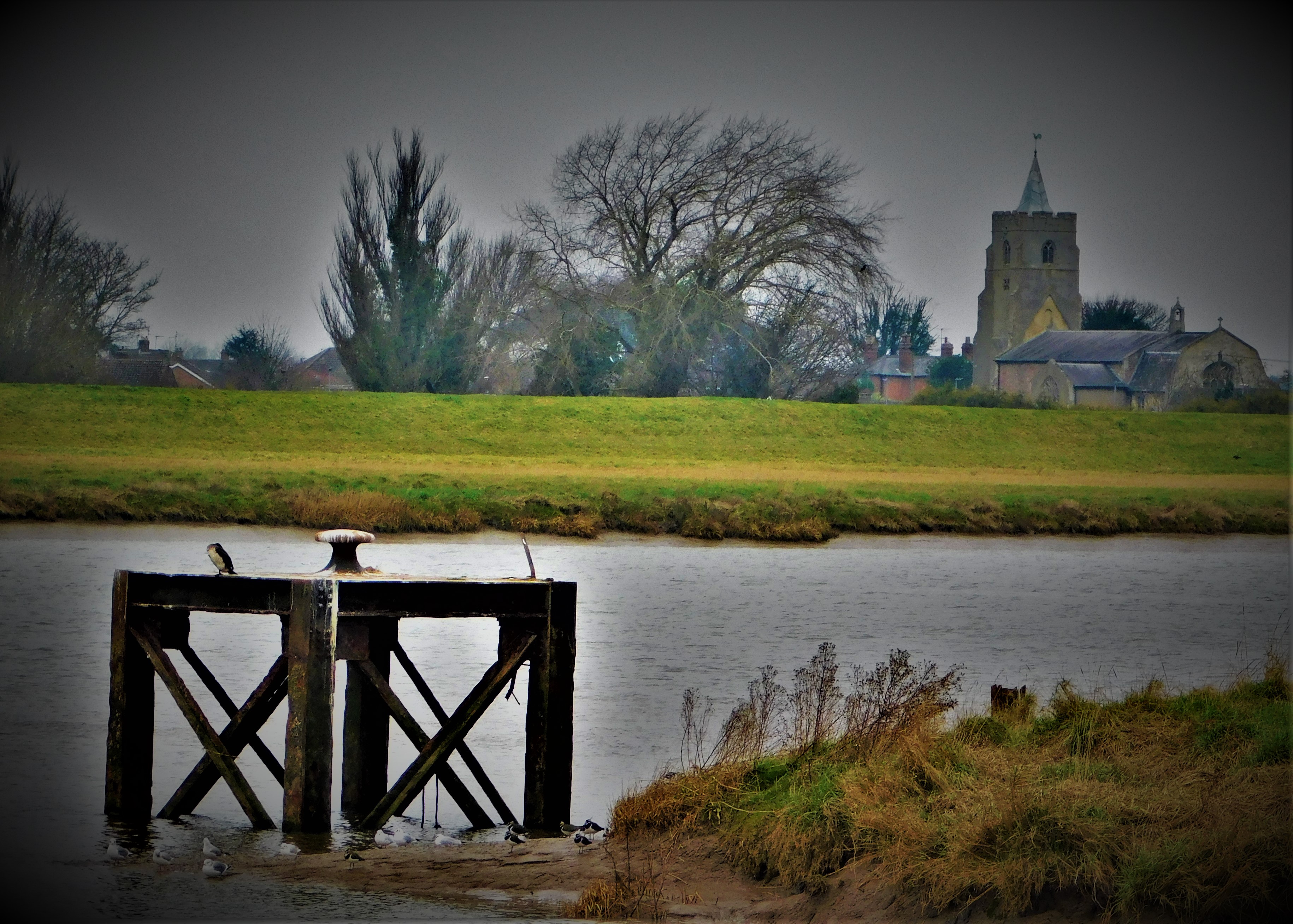
…this picture introduces the cormorant who is present in all the remaining shots.

Cormorant ICormorant IICormorant and lapwingsCormorant, lapwings, church, flying gullCormorant and lapwings IICormorant IIICormorant and lapwing IICormorant IVCormorant, lapwings, churchCormorant VCormorant VICormorant with spread wings

England One Day International Record

Some stuff about the ODI at the MCG, a neurodiversity quote, a mathematical puzzle and some photographs

INTRODUCTION

After the horrors of the Ashes test series it makes a change to write about a winning performance from an England cricket team in Australia. I also have a few other things to share of course, including more of my photos.

RECORDS GALORE AT THE MCG

The pitch at the MCG for the first of five One Day Internationals (50 overs per side) was a vast improvement of the strip they had produced for the test match, and the players produced a match worthy of the occasion. England won the toss and chose to field. England;s improvement in this form of the game since their horror show at the 2015 World Cup has been such that even before they started batting an Australia tally of 304 seemed inadequate.

England got away to a quick start, although Jonny Bairstow did a ‘Vince’ – looking very impressive for 20-odd and then giving it away. Alex Hales also fell cheaply, but Joe Root came out and played excellently, while Jason Roy produced the major innings that England needed from one of their top order. When his score reached 124 Roy had an England ODI record for the MCG, and that soon became an all-comers MCG record, to match Cook’s all-comers test record score for the MCG. When he went from 171 to 175 Roy establish a new England ODI individual scoring record. His dismissal for 180, with 200 just a possibility was a disappointment but by then the result was not in doubt, and even the loss of a couple more wickets in the dying overs served only to reduce the final margin. England won by five wickets with seven deliveries to spare, and it was a much more conclusive victory than those figures suggest because three of the wickets came with the outcome already settled courtesy of Roy. Joe Root also deserves credit for his support role to Roy’s pyrotechnics, a selfless display that saw him finish just short of his own hundred when the winning runs were scored. The Test squad has a lengthy shopping list of new players needed (two openers given Cook’s age, at least one new batsman for the middle order, a couple of genuine quicks and a serious spinner at minimum), but the ODI squad is in splendid fettle.

A CLASSIC NEURODIVERSITY COMMENT

This comes courtesy of twitter:

ND

PHOTOGRAPHIC INTERLUDE

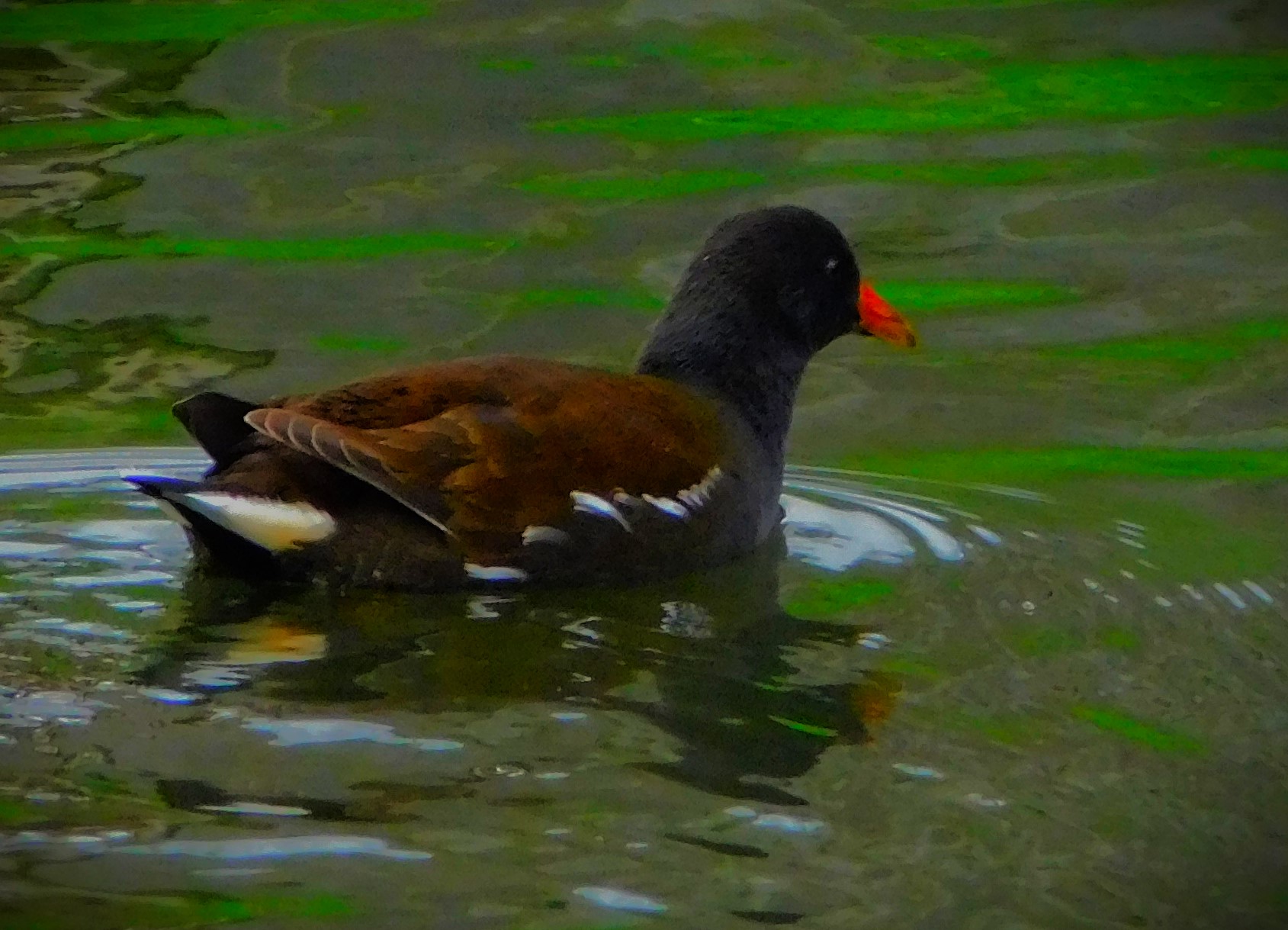
Moorhenmixed birdslapwingsGulls and lapwings IItwo lapwingslapwing IIlapwing IGulls and lapwingsboat

A PUZZLE

Those of you who have read Alison’s response to my nominating her for a Blogger Recognition Award will have noticed that she specifically mentioned enjoying the puzzles that sometimes feature here. Here courtesy of the mathematical website brilliant is another:

Cioncatenation

PHOTOGRAPHS

The colony of muscovy ducks that I first saw in late 2017 are still in residence along a section of the Gaywood River that is close to where it enters The Walks en route to becoming the Millfleet, in which guise it flows into the Great Ouse…

Group shotdark muscovyGrey Muscovy IGrey Muscovy IIIMuscovy headdark muscoviesdark muscovy IIdark muscovy iiidark musciovi ivdark muscovy with white frontdark muscovies IIdark muscovies IIIdark muscovy with white front IIdark muscovy with white front IIIDark muscovy with white front VDark muscovy V


Welcome to 2018

A little something to kick off 2018 on aspi.blog

INTRODUCTION

Happy new year everyone. This post will give you a few hints as to what you can look forward to in 2018 on aspi.blog.

ASPI.BLOG STYLE GUIDE

Headings will generally be in a cycle that runs red/green’purple, although this is subject to variation in certain circumstances.

Body text will always be in black unless I am writing about autism, in which case I will use #RedInstead

When sharing content from another site I will always link to the host site and the specific post and where possible will mention the author by name – such links will be a different colour from regular body text and will be both bold and underlined. 

It will be a very rare post that does not congtain photographs.

LIKELY SUBJECTS FOR 2018

  • Autism
  • Public Transport 
  • Nature
  • Science
  • Religion
  • Cricket
  • Books
  • Photography

I will also probably find other things to blog about in 2018.

PHOTOGRAPHS

Cormorant and otherslapwingsCormorantfive lapwingsChurch and cormorantlapwings and gulls IIMoorhenssmall birdlapwings, cormorant and otherslapwings and gull11 lapwingsCormorant, gulls, lapwings

A COUPLE OF CLOSING QUESTIONS

Please feel free to use the comments to answer the questions below?

  1. What are your blogging ideas for 2018?
  2. What do you think about mine?


MCG, Photographs and Solutions

Some thoughts on the recent test match at the Melbourne Cricket Ground, solutions to my lest set of puzzles and some photographs.

INTRODUCTION

This is a two part post – first of all a bit about the test match that finally ended in a draw at about 6AM UK time, and then the companion to piece to “Puzzles and Pictures“, answering the puzzles posed there. 

5-0 AVERTED

England had the better of Australia in the fourth test match of this Ashes series, but neither team stood a chance against the real winner of this drab affair – the MCG pitch which offered no assistance to any kind of bowler and was also so slow that batsmen could not play their strokes. Alastair Cook ended his poor run of form emphatically, with an innings demonstrating once again his astonishing powers of concentration. Australia without Mitchell Starc and on a pitch that was utterly lifeless looked an ordinary bowling unit.

At lunch on day 1 Australia were 102-0 with Warner going well and Bancroft surviving, but that was the only session of the game that Australia unequivocally won. Although wickets were in short supply on that opening day Australia reached the close at 244-3 – a definite failure to build on that fast start. The second day belonged to England – Australia were all out 327, losing their last five wickets for 13 runs and England in response reached 192-2, Cook 104 not out, Root 49 not out. The third day was also England’s – 491-9 at the end of it, with Cook 244 not out. On the fourth day rain intervened. Anderson lost his wicket to the first ball of the day, giving Alastair Cook yet another place in the record books – highest score by anyone carrying their bat through a complete test innngs, beating Glenn Turner’s 223 not out v West Indies. Bancroft and Khawaja were both out fairly cheaply, but when the rain finally halted proceedings for the day Australia were 103-2 with Warner and Smith in occupation. On the final day Warner fell 14 short of his second hundred of the game. Smith did reach his own hundred, after seven and a quarter hours, and then declared which officially ended the game as there was no time left for England to chase to 100 they would have needed to win. 

The Melbourne Cricket Ground has a huge seating capacity, and the Boxing Day test is for that reason the best attended of all test matches. In particular, the Boxing Day Ashes test is habitually hugely attended. Because of the failure to produce a proper pitch the biggest crowds test cricket ever sees got a game that was not worthy of the occasion, and that is not acceptable. The MCG need to sort this out – on proper pitches test cricket can be the most fascinating of the three forms of the game, but on lifeless rubbish such as the MCG groundsman produced for this match it is a poor spectacle. The ICC (cricket’s global governing body) should come down on the MCG like the proverbial ton of bricks.

Alastair Cook’s epic innings deservedly gained him the player of the match award. A full scorecard and links to further detail about this match can be found on cricinfo. The final match of this series is in Sydney, starting on January 4th, and I sincerely hope that they produce a better pitch (they cannot produce a worse one – such a thing does not exist).

PHOTOGRAPHIC INTERLUDE

As we switch focus the the puzzles I presented a couple of days ago, here are some bird pictures from yesterday:

RookLapwing Ilapwing and waderFlying gullsMH1MH2MH3white duckblackbirdsMH4

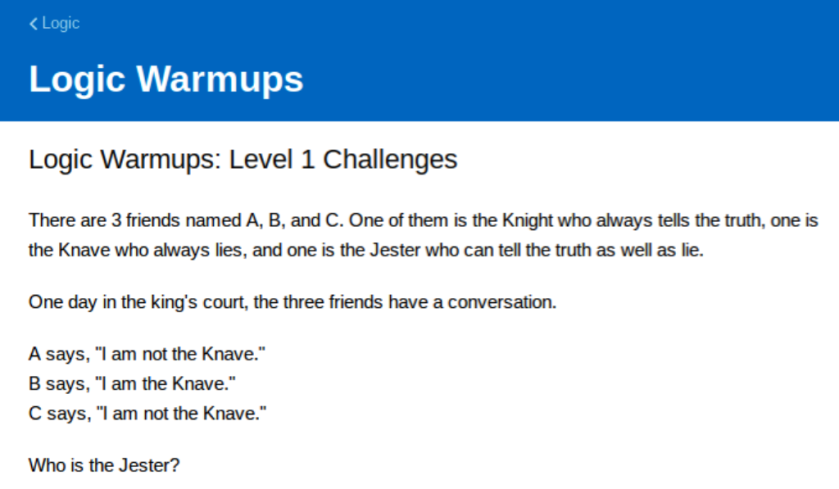
PUZZLE 1: LOGIC

jester

As I said when I set it, this one is very straightforward. The key is that person B has said “I am the Knave”. The Knight cannot say this as it would be a lie, and the Knave cannot say it as it would be true, so the only person who can say “I am the Knave” is the Jester. Therefore the Jester is person B (note that both Knight and Knave can say “I am not the Knave”, so we cannot say which of A and C is which).

PHOTOGRAPHS – THE GREAT OUSE

Great OuseGreat Ouse 2

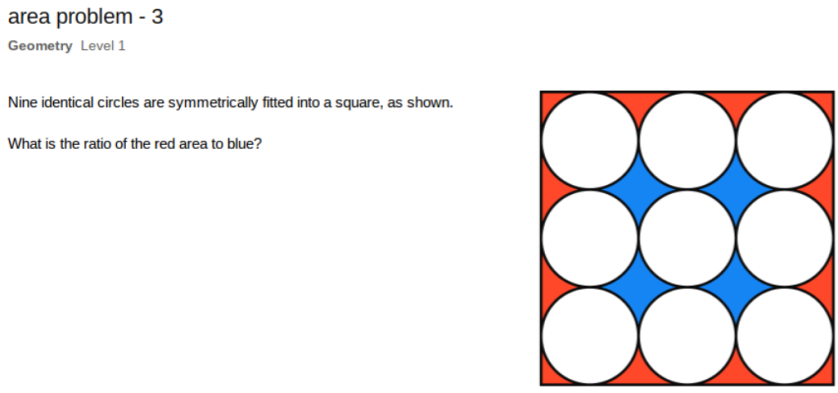
PUZZLE 2: AREA CHALLENGE

area test

The red sgements in the four corners of the shape are each half the size of the red segments along the sides of the shape, which in turn are each half the size of the blue shapes in the middle of the pattern. Thus counting the smallest segments as 1 there are (4 x 1) + (8 x 2) red segments = 20 red segments. Each blue shape in the middle comprises four segments and the are four of them = 16 blue segments. Thus the ratio of red area to blue is 20:16 = 5:4

PHOTOGRAPHS: THE WALKS

The Walks was still flooded yesterday, although less than it had been when I took my last set of pictures there two days previously.

TW1TW2TW3TW4TW5TW6TW7TW8TW9TW10TW11

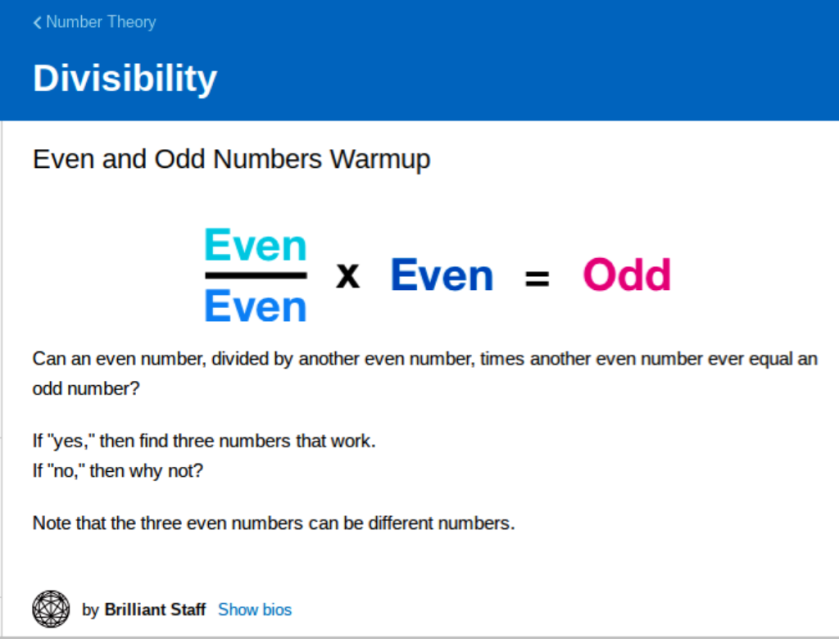
PUZZLE 3: EVEN AND ODD

Odd and Even

Instinct suggests that the answer should be no, but this is one of those occasions when one should mistrust one’s instinct. To demonstrate a solution (one of many along these lines), I choose as my three even numbers 6, 8 and 4 in that order. Six divided by eight is 0.75, and 0.75 x 4 = 3 = an odd number.

PHOTOGRAPHS: MUSCOVY DUCKS 1

The Muscovy duck that I had seen in The Walks recently was not there yesterday, so I finished my walk by heading towards the place where I had first seen the species. I waqs rewarded when just on across Littleport Street from that location I saw the entire flock. Here are some of the pictures.

white muscovygrey patched muscovyBlack and white muscovyFive muscoviesFive muscovies IIthree muscoviesdark muscovyblack and borwn bodied muscoviesblack muscovyfour muscoviesblakc muscovy IIMuscovies and gullsthree dark muscovieslight muscovieslight muscovybrown muscovybrown muscovy IIMuscovy and mallardsmottled muscovymainly white muscovyside by side

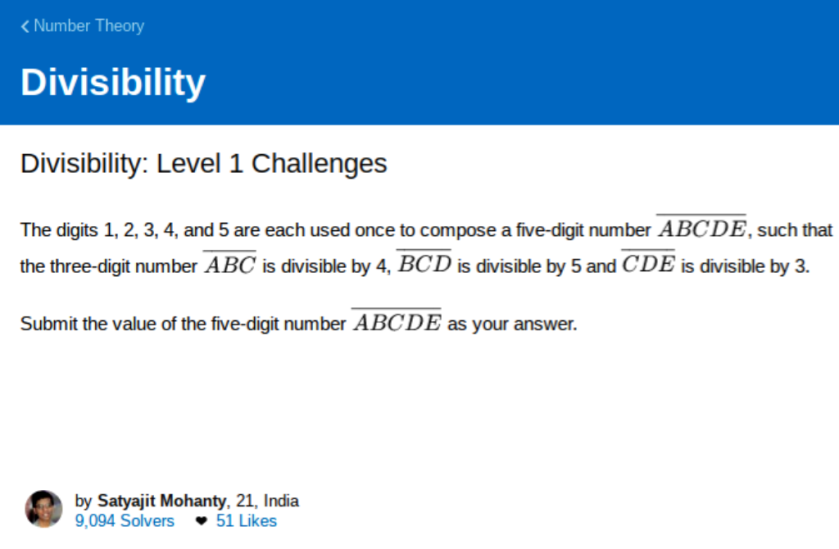
PUZZLE 4: DIVISIBILITY

divisability

And here is my own solution posted on brilliant:

Thomas Sutcliffe 
Dec 26, 2017
 Upvote0

We have to use the numbers 1,2,3,4 and 5 to make a five digit number. The first requirement is that the first three digits form a number dvisible by four, which can only be achieved from these numbers by using 124 (= 31 x 4), then digits 2,3 and 4 must form a number divisible by five, so the fourth digit has to be 5 as numbers divisible by five end either in five ior zero and zero is not available to us. That leaves us the fifth digit to fill, and the only number we have not used is 3, hence the number is 12,453, and back checking using the last limitation, that the final three digits be divisible by three confirms this (453 = 151 x 3).

PHOTOGRAPHS – OTHERS

These were taken near the end of my walk:

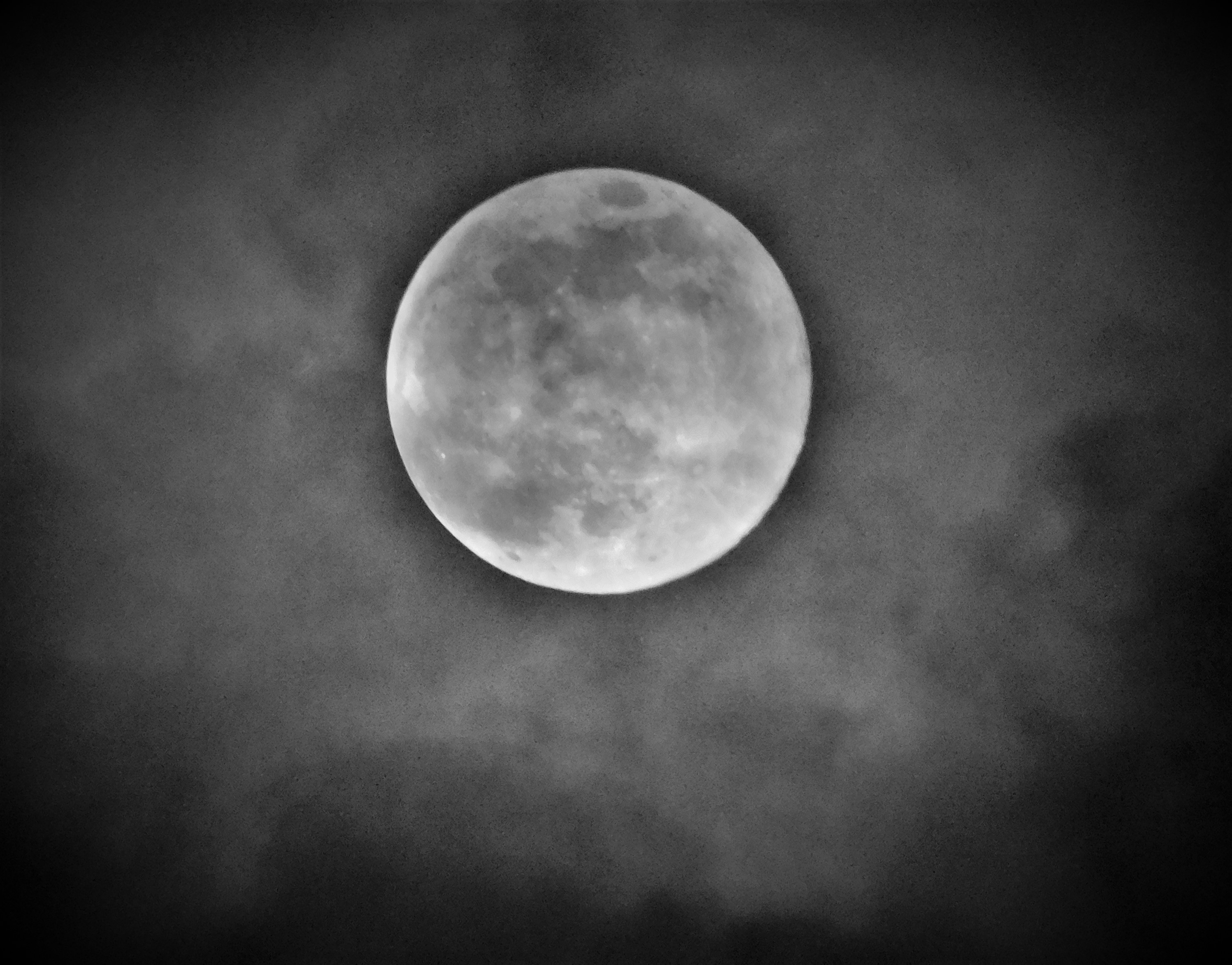
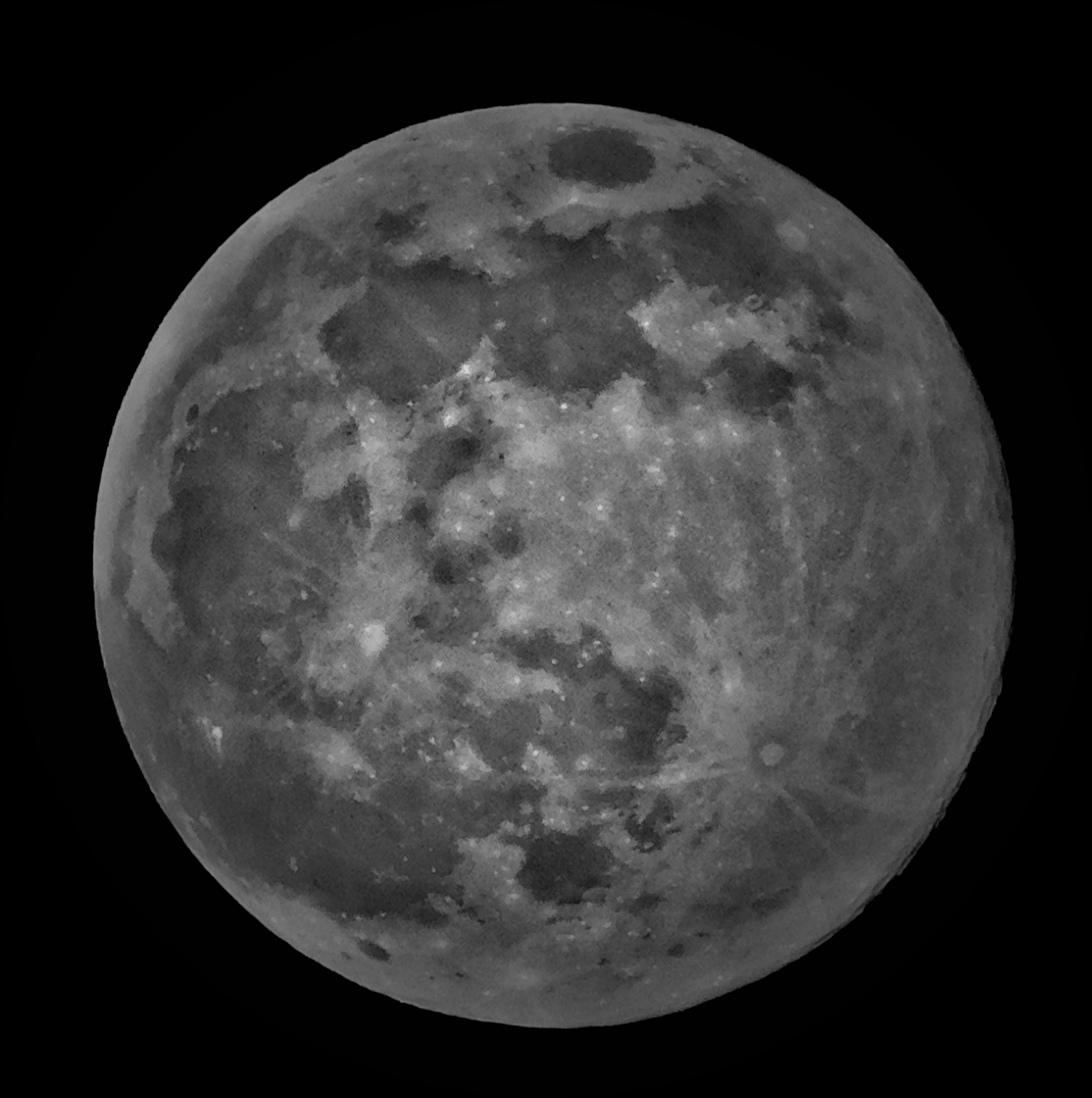
Corn ExchangeMoon IMoon IIMoon III

PUZZLE 5: INVESTMENT EXPERT

Investment

The minimum starting amount he needs to ensure that it stays growing on these terms is $4. On my subsidiary question, although this starting point only yields a fortune of two billion and four dollars after one billiSuch is the power of exponential growth that if you increase this starting amount by even a small amount it will suffice. According to Denis Husudvac on brillaint even a stgarting point $4.01 will be enough.

PHOTOGRAPHS: MUSCOVY DUCKS 2

dark muscovy IIdark muscovy IIImottled muscovy IIGrey muscovyGrey muscovy IIImuscovy and mallard drakemuscovies and mallardsMottled muscovy IVMuscovy Headfour muscovies IIbrown muscovy IIImottled muscovy Vblack muscovy IIImuscovy head IItwo muscoviesbrown muscovy Vtwo brown muscoviesblack muscovy IVIn convoymuscovy ducklight muscovy II


Computer Aided Composing

An account of my recent doings at Musical Keys with a photographic interlude.

INTRODUCTION

A few sessions back at Musical Keys, an event run for autistic people that I am a regular attender of, I switched from using Scratch to using a different package called Reaper. This Saturday just gone I reached a point at which I feel that my work on Reaper is now worth talking about. Also I have some good pictures that I can slip in as part of the back story.

SCRATCH AND REAPER

Scratch enables one to play notes on various musical instruments and also has some saved sound loops for variation. Effectively therefore Scratch enables one to play music and sounds but not really to create anything beyond the framework within which to do so. Reaper is both less and more – less in that it has no versions of musical instruments, more in that is really all about combining different recorded sounds into a larger whole, and therefore has much more of a creative element to it. 

BEFORE SATURDAY’S SESSION

I had spent one session assessing the available sound segments, working out which ones I liked and which of those combined well together, and a second session combining shorter segments into longer ones by putting together segments that would or could naturally flow together, but at the start of Saturday what I actually had was a set of useful components that I could start to think about assembling into proper length pieces…

INTERLUDE –  WALK TO THE SCOUT HUT

I had decided to lengthen my walk to the venue by taking in a stretch of the Great Ouse before rejoining the regular walking route to Gaywood by way of Seven Sisters and the Vancouver Garden, and a quick sampling of the air outside my flat convinced me of the need to don an extra jumper – it was cold, as some of the photos will make very plain. I had also allowed myself time for a visit to Gaywood library, since I would naturally pass very close to it. It may have been cold, but the birds were out in force, especially near the Great Ouse.

lapwings and a gulllapwings and gullsFlying lapwingswimming birdBlackbirdsBlackbird

Leaving the river by way of Hardings Pits I headed for the South Gate and thence Seven Sisters and the parkland areas…

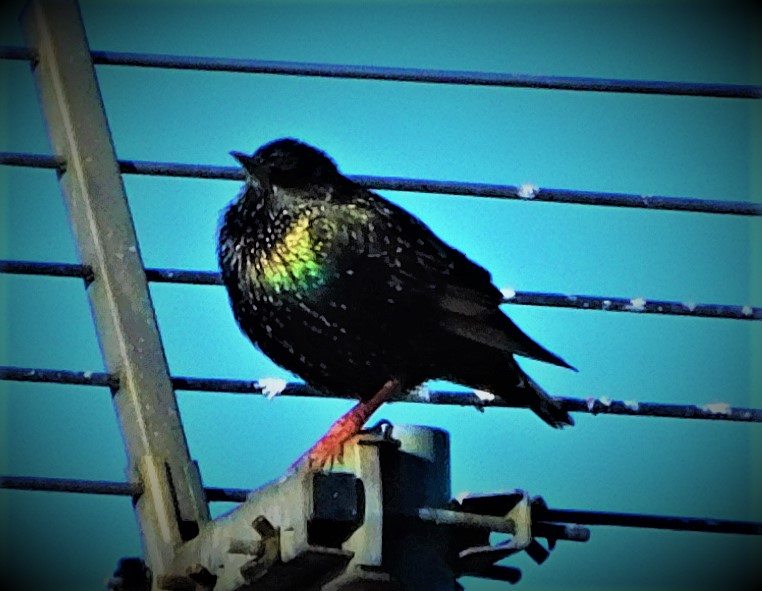
framed magpieKL signSouthgatestarlingsthree birds

Among other things the walk through the parkland provided me with absolute proof of how cold it was – gulls walking on water. 

Gull walking on waterGull walking on water 2Gull walking on water 3rooksBlackbird II

DECEMBER 9TH AT MUSICAL KEYS

John, who usually supervises the sessions was not feeling well, so having driven the equipment over he spent the afternoon sat in his car, while his assistant Kirsten took charge of the sessions. 

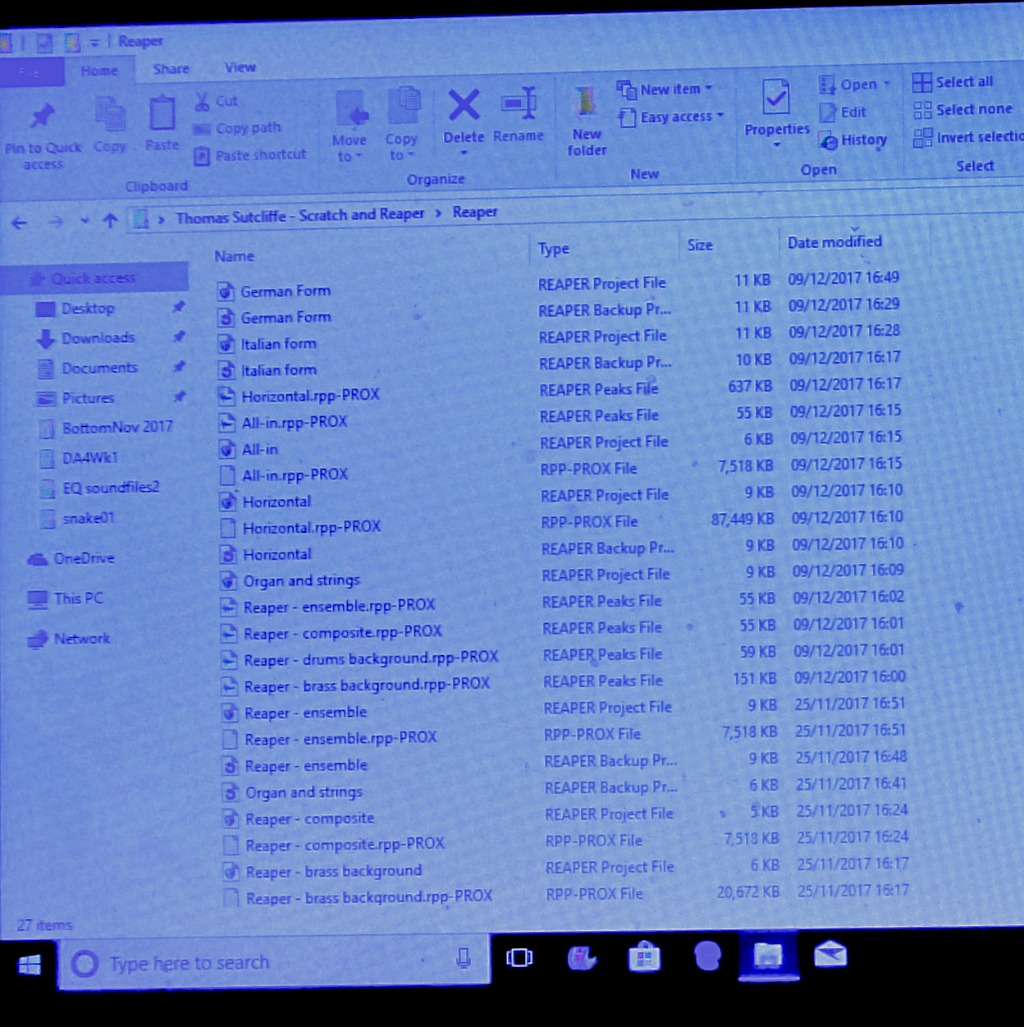
Once I had opened up Reaper, checked and adjusted the speaker volume (at least 99% of the time it is set too loud for me and I have to reduce it, often considerably – on this occasion it had been set to 70% of full volume and I reduced that to 35%) it was time to put my plan of exploring options for combining various elements to make a larger whole into practice. Before moving on here is a photo I took at the end of the session.

Reaper

The piece that I called Organ and Strings was one of three background sounds that I used in the bigger pieces, the others being the drum and brass backgrounds. “Ensemble” and “Composite” as those names suggest were medium sized components, while “Horizontal” and “All in” were the two large scale components that I combined to make the final full size pieces. The two big pieces (12 and 16 minutes long respectively) were comprised of “Horizontal”-“All-in”‘-“Horizontal” and “Horizontal”-“All-in”-“Horizontal”-“All-in” respectively. By the time I had listened to the 16 minute piece at the end it was pretty much the end of the session. The next session is on January 6th and I shall work out some way to build on what I have already created. 


Birds

A bird post provoked in part by the Angling Trust seeking permission to double the rate at which they cull cormorants.

INTRODUCTION

This post has two elements: first, I saw on twitter something about the Angling Trust calling for cormorants to be shot “to protect stocks of coarse and game fish”, and following the link located the details which you can see here, and second while out looking for cormorants to photograph for this post I saw something else that I had not previously captured.

CORMORANTS

I would take a lot persuading that increasing the number of cormorants licensed to be shot copuld be justified in any case, but the grounds given, which amount to a statement that “our sport counts for more than cormorants” fail to come even remotely close. There is a cormorant colony within walking distance of central King’s Lynn, and although they were not about in big numbers when I went looking, there were four of them in evidence. Here are the pictures:

Posing Cormoranttwo cormorantsCormorant sandwichFour cormorantssingle cormorant close up

AN ASPI.BLOG FIRST

While observing the cormorants I also a got a couple of pictures of this:

LapwingLapwing 2

Going through my bird book I could find only two birds with black wings and a white bar across their tail. The first, the Storm Petrel was an unlikely option given how far King’s Lynn is from the nearest ocean (it is an ocean going bird). That left me with the second, the Lapwing, a medium sized wader that likes marshy or muddy conditions (not a problem in the vicinity of the Great Ouse!). Here to conclude this post is what my bird book has to say about Lapwings:

Lapwing - book