An account of my return journey from Cornwall to Norfolk, with a photo gallery.
This is my final post about my Christmas in Cornwall, and details the return journey.
A JOURNEY OF MANY PARTS
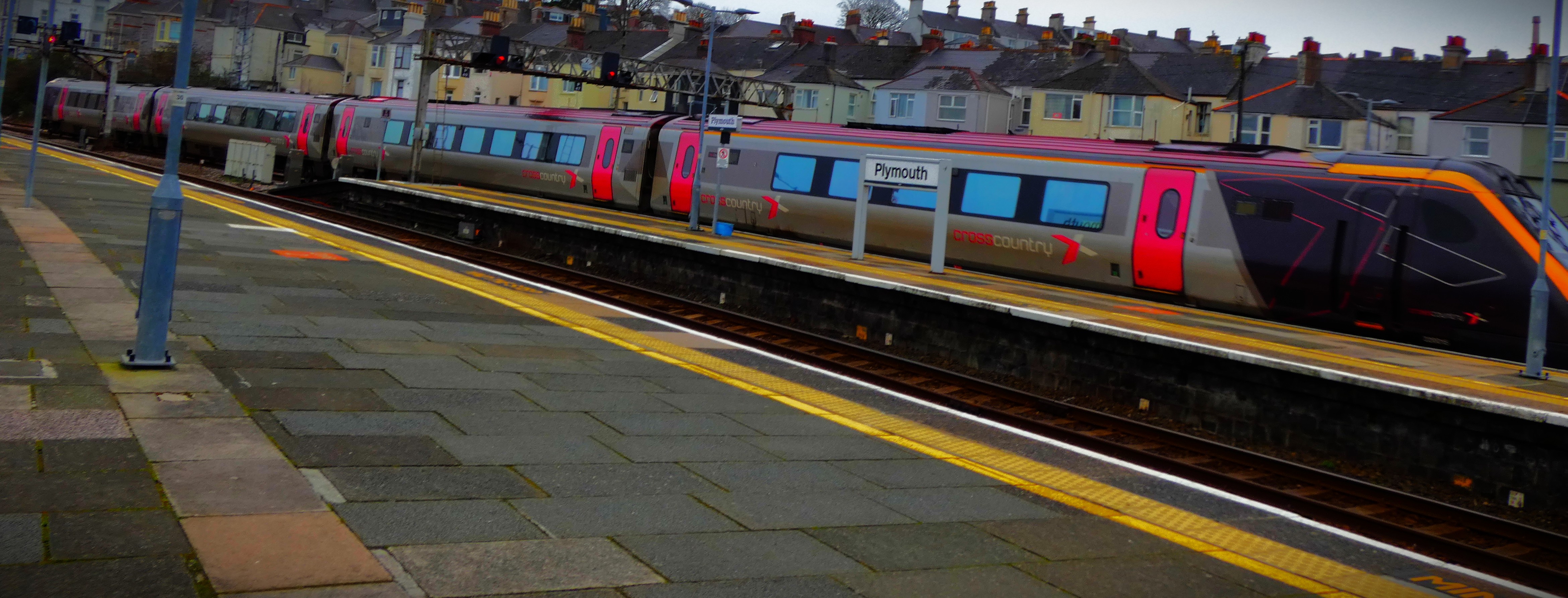
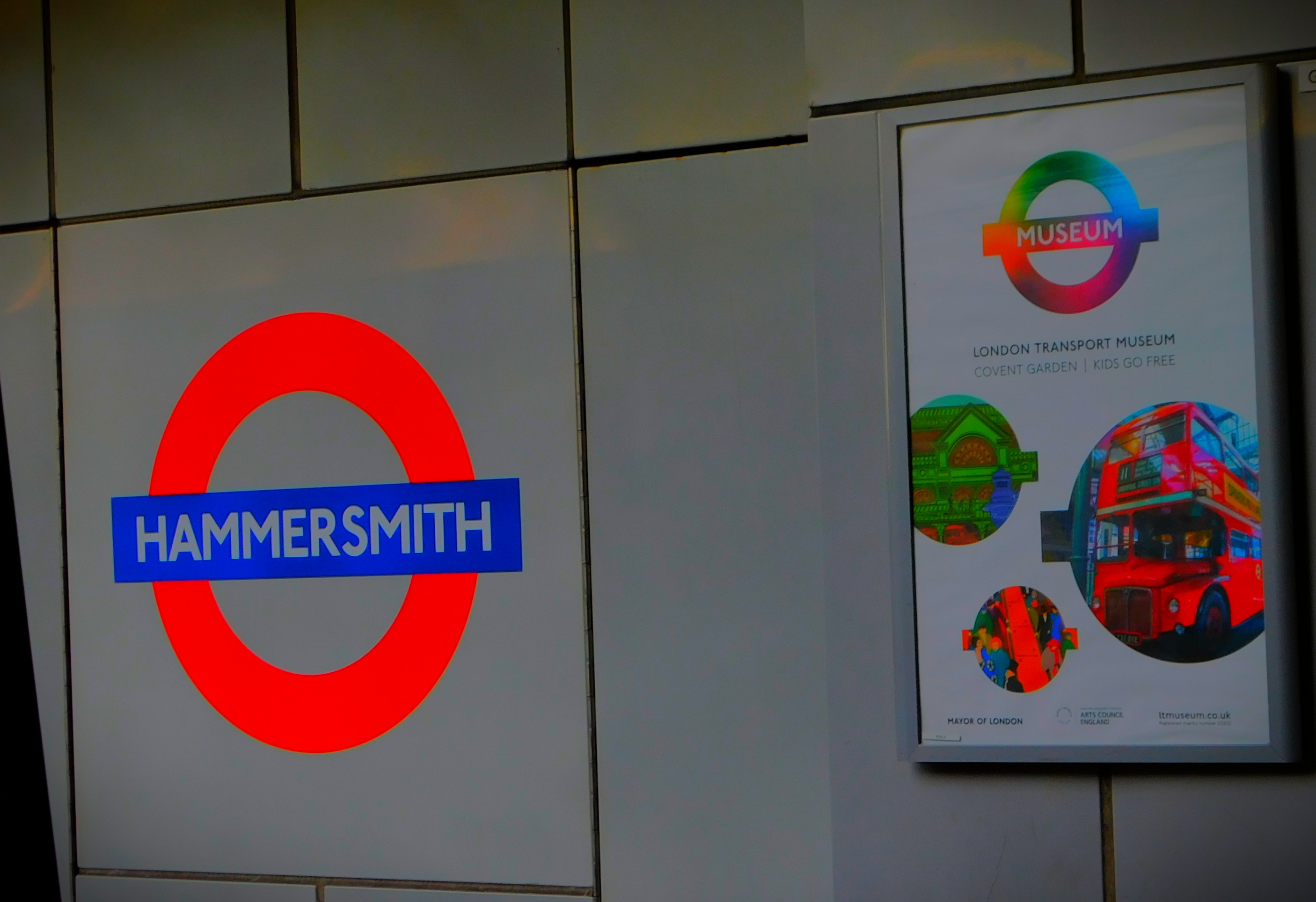
I was travelling on a Sunday, something I normally try to avoid because it can be problematic. I was booked on the 14:15 from Plymouth, and had various subsequent connections to make. We left Fort Picklecombe at 12:45, and arrived at Plymouth station a little over an hour after that. As I was booked in coach A I had to get to the far end of the platform to be able to get to my booked seat. The train ran a little bit late, but not enough to disarrange my subsequent plans (incidentally GWR have already paid compensation for the problems with my outbound journey). Because I was right at the front of the train I would have had to walk the entire length of the platform at Paddington to get to the bridge that gives access to the Hammersmith and City line platforms, which was never a practical proposition. I therefore went through the ticket gates onto the concourse at my end of the platform, and boarded a circle line train at the Praed Street platforms, changing trains at Edgware Road as required. At King’s Cross I found my way to my next train, a non-stop service to Royston from where I would catch a replacement bus to Cambridge North and then board a train for the last stage of the journey to King’s Lynn. Everything on this stage of the journey went smoothly, and I arrived into King’s Lynn station exactly on schedule at 20:48. It remained only to walk home, a journey of about 20 minutes, and then unpack.
PHOTOGRAPHS
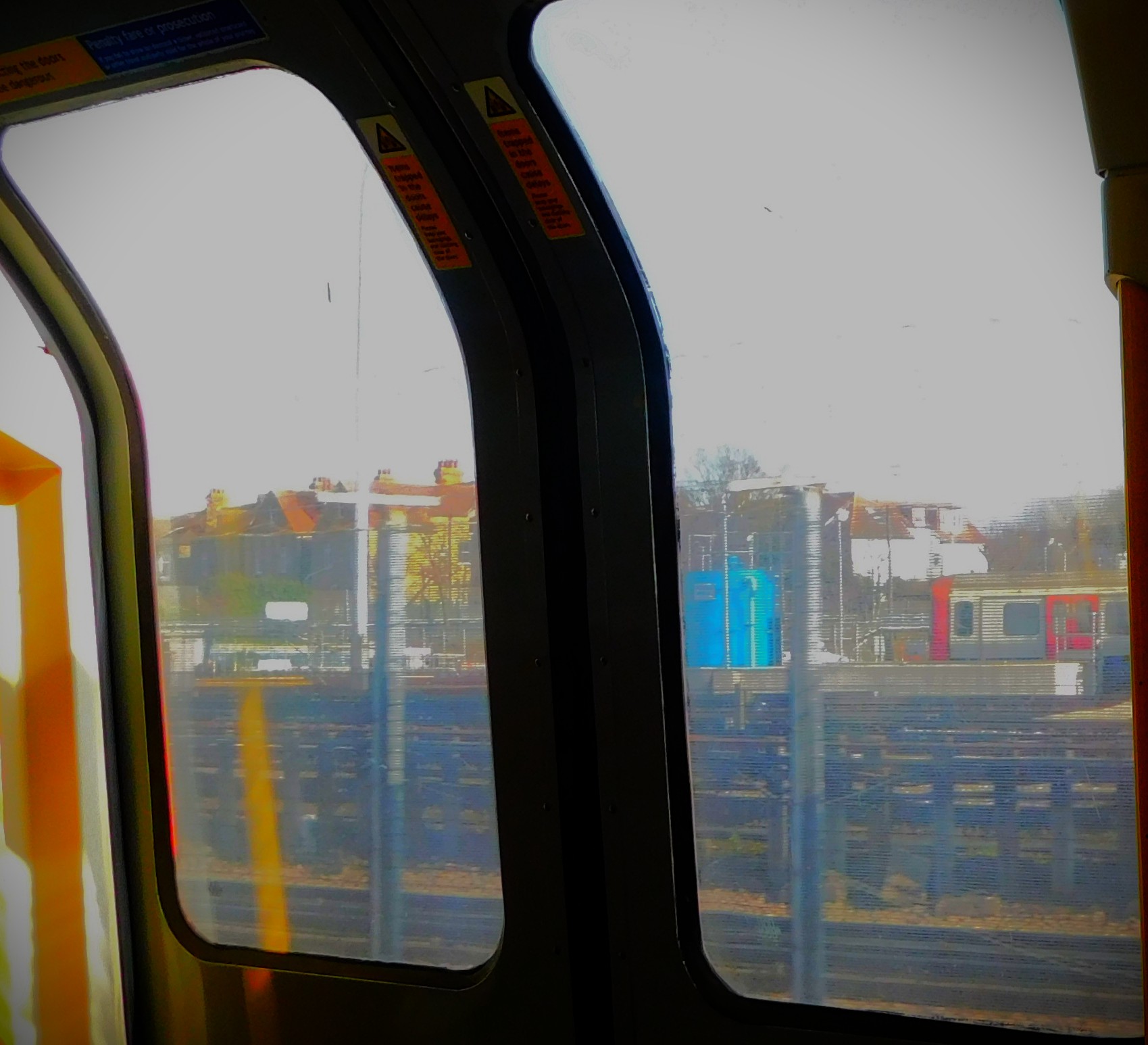
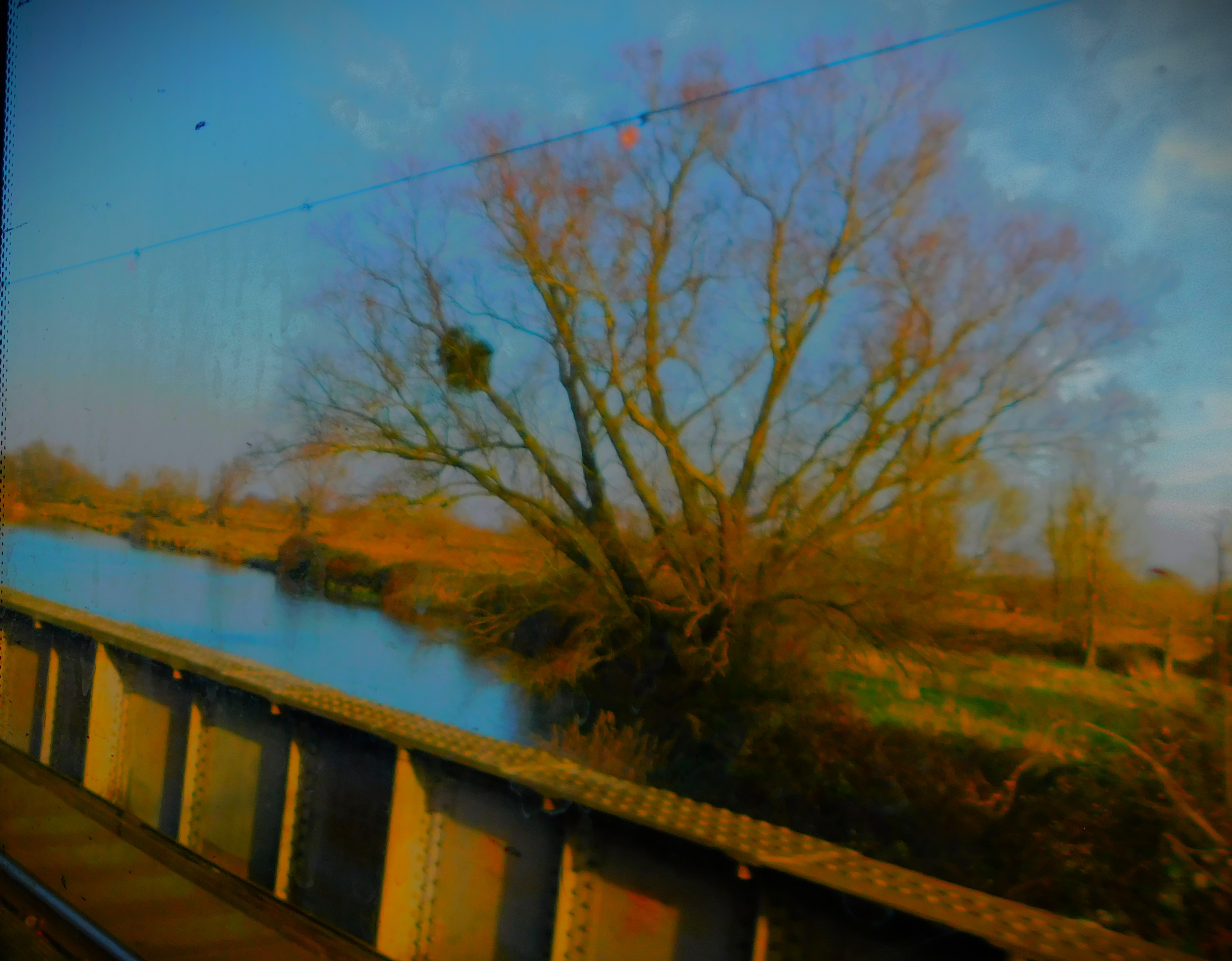
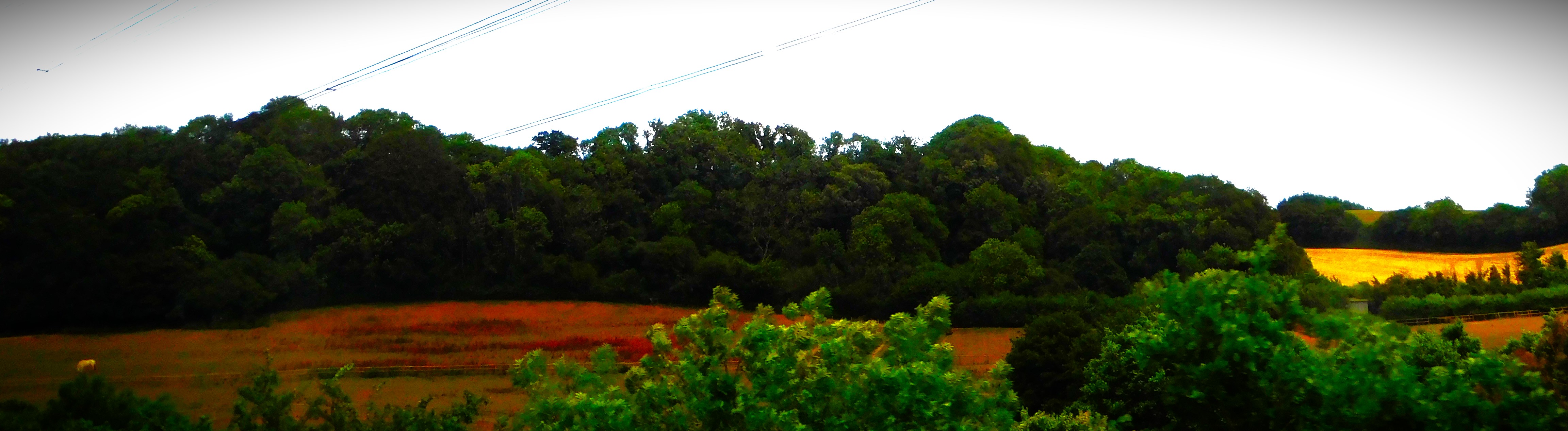
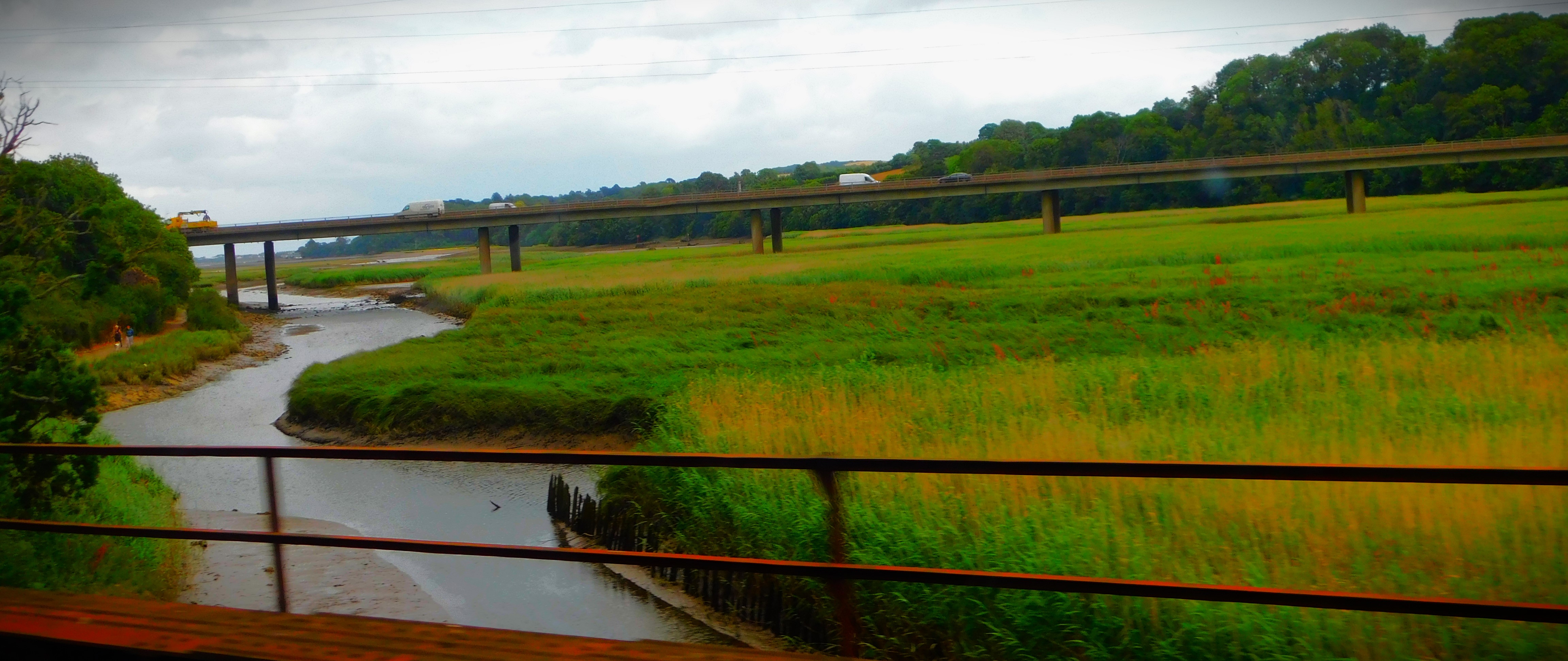
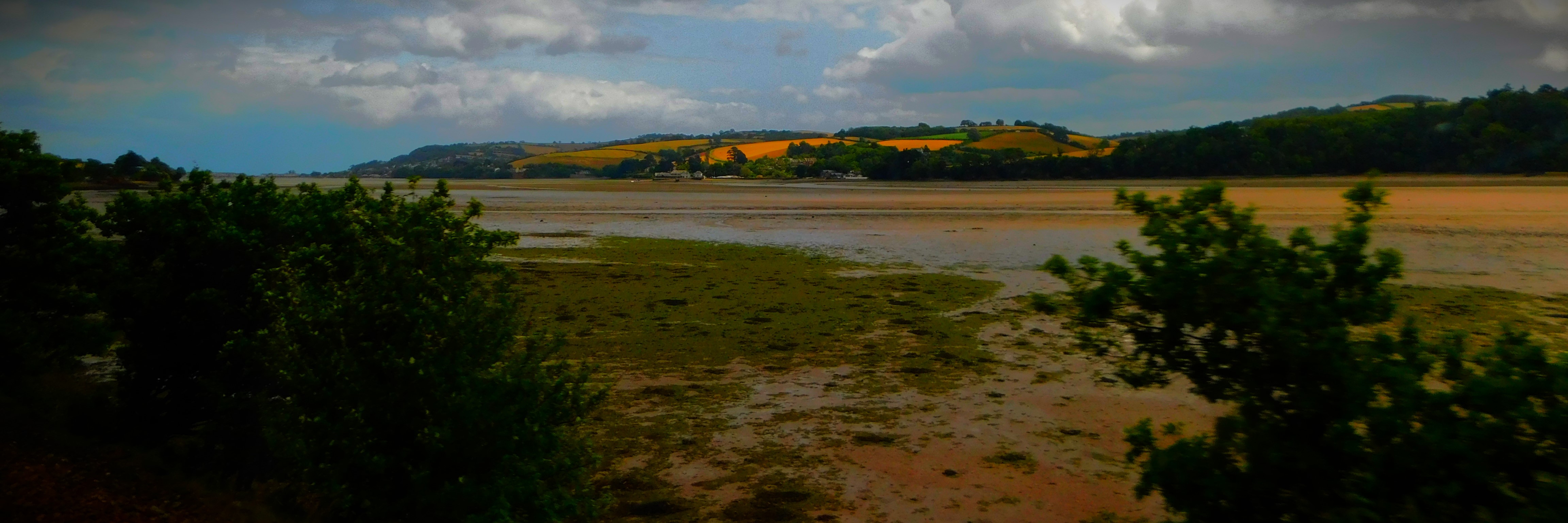
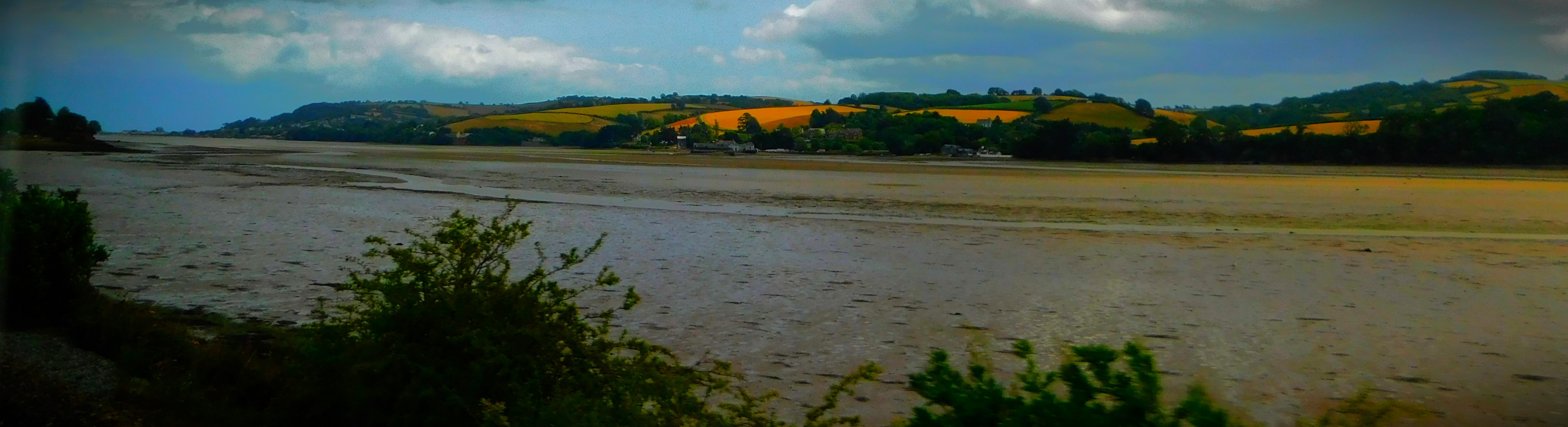
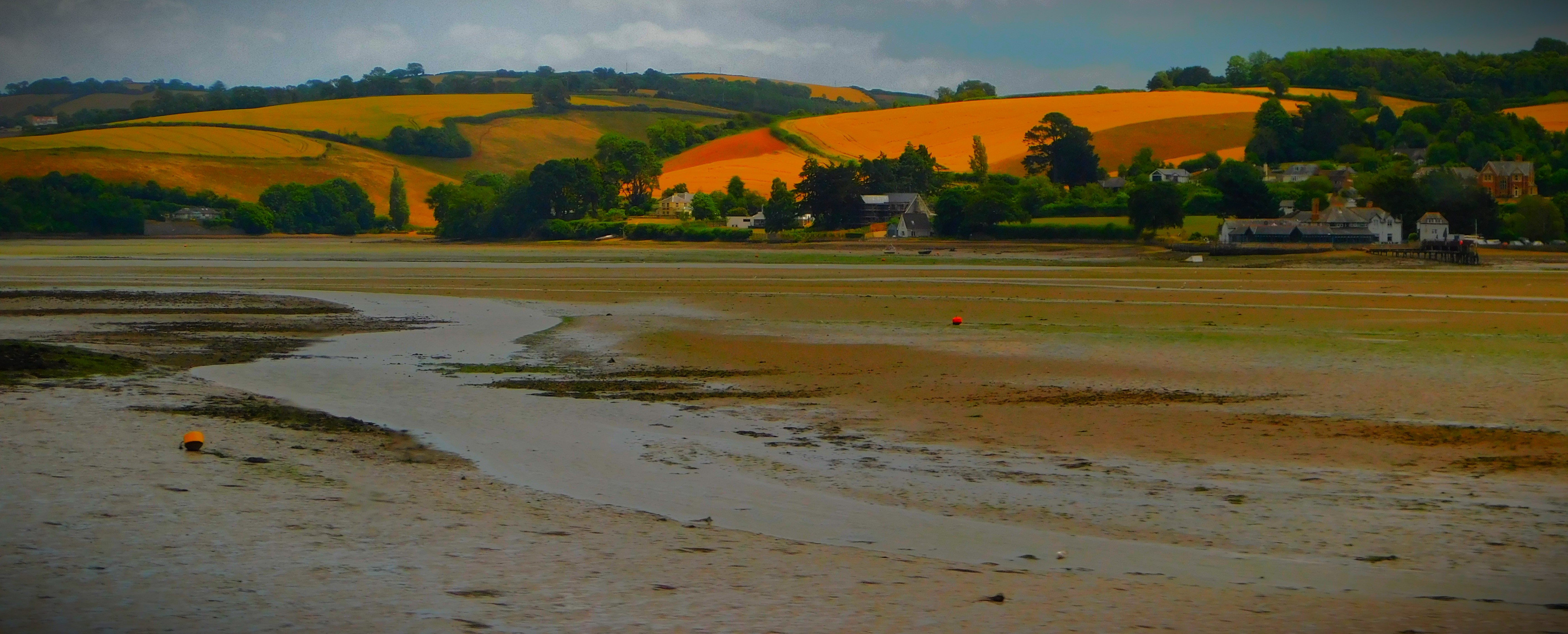
It was of course dark for much of the time I was travelling, but not for the really scenic part of the journey before Exeter, though I was on the wrong side of the train to get the full benefit of that.
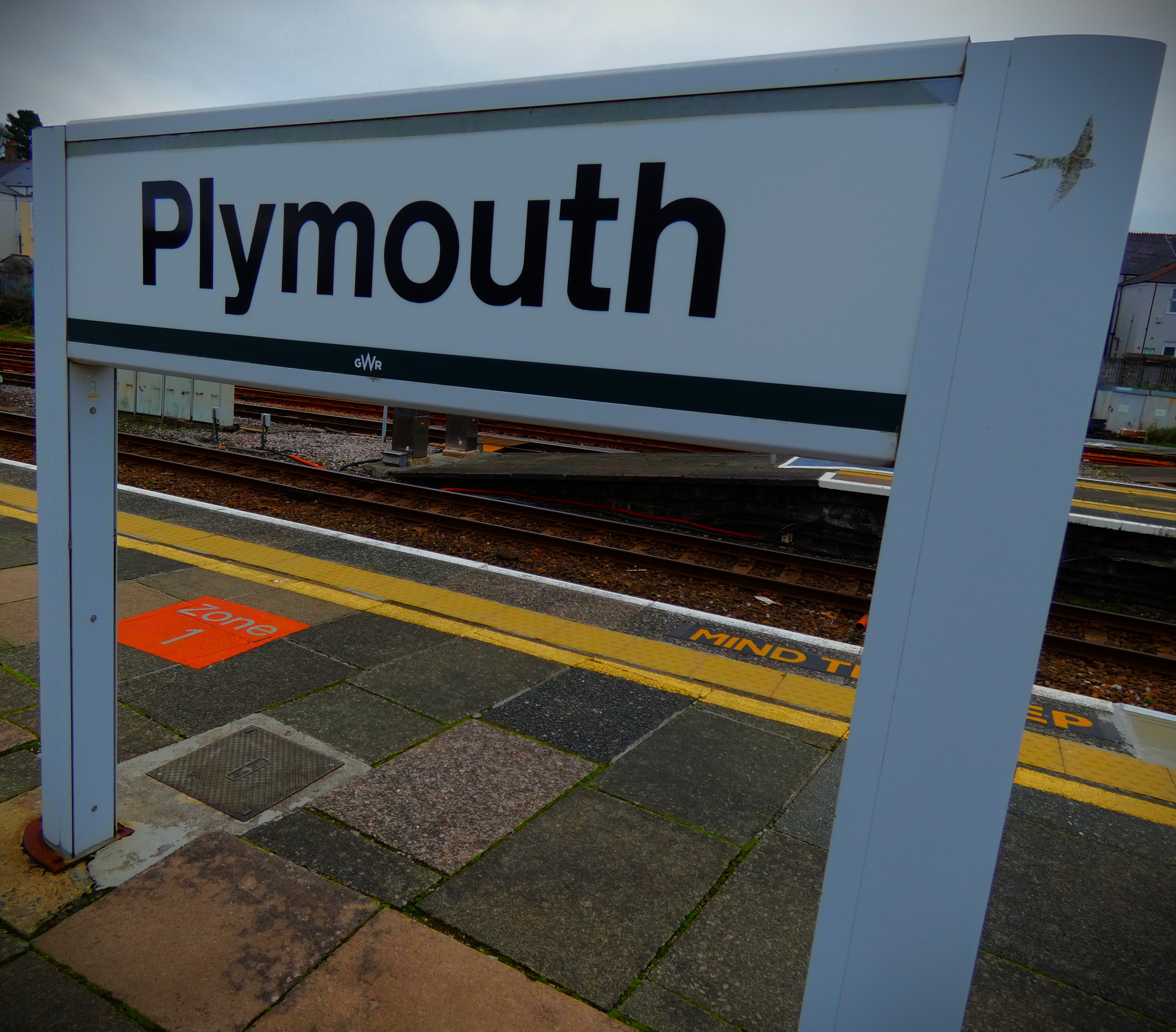
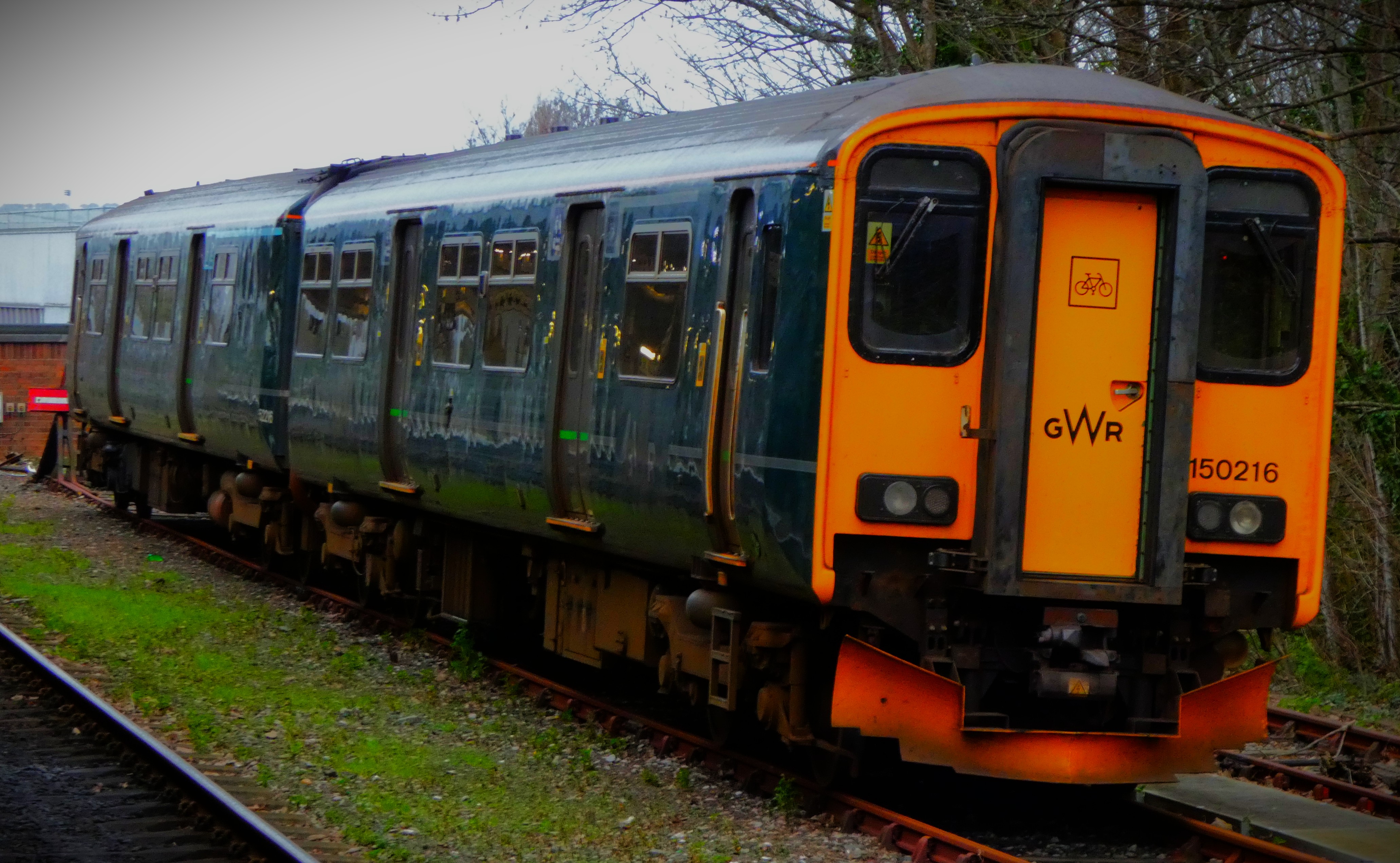
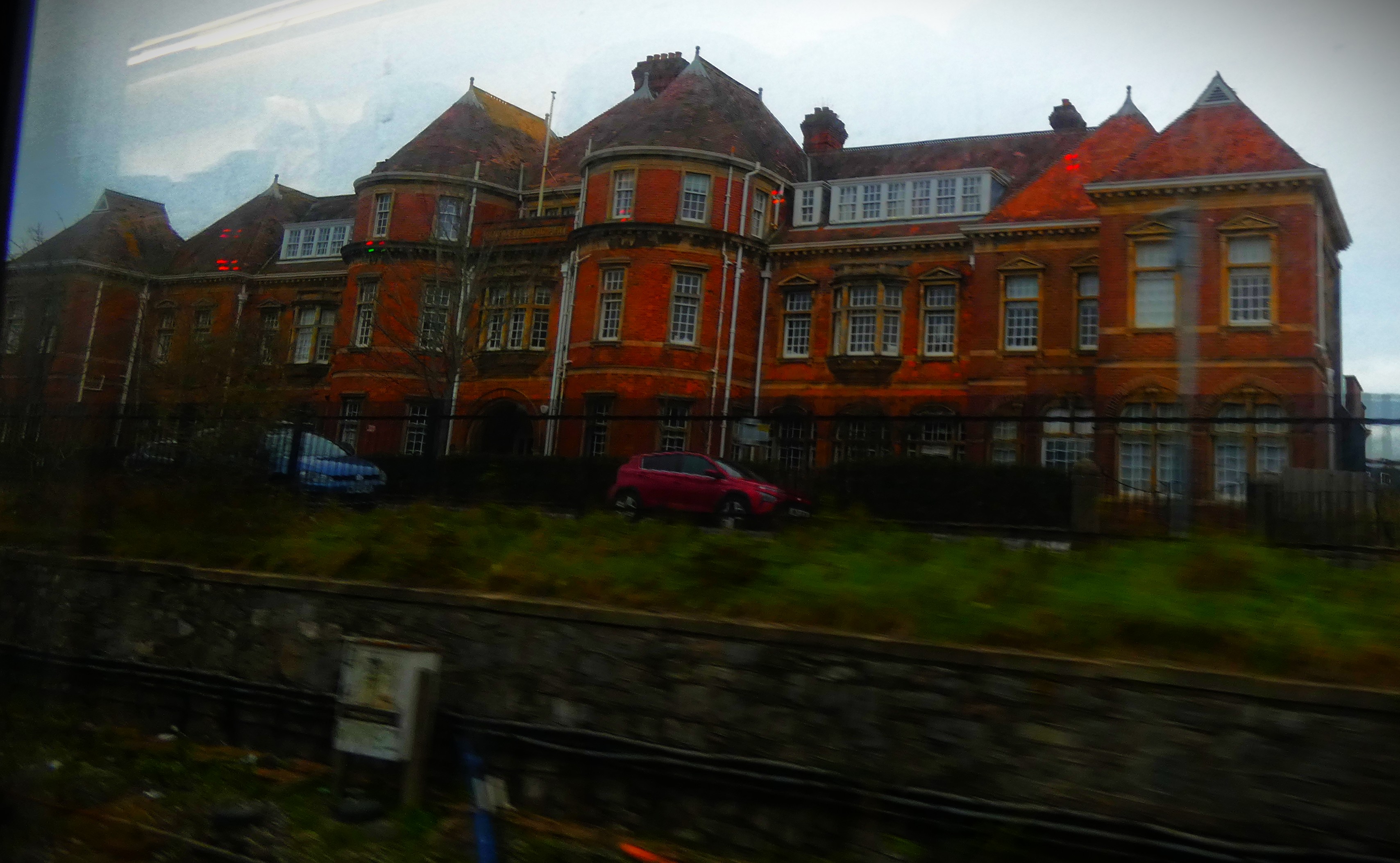
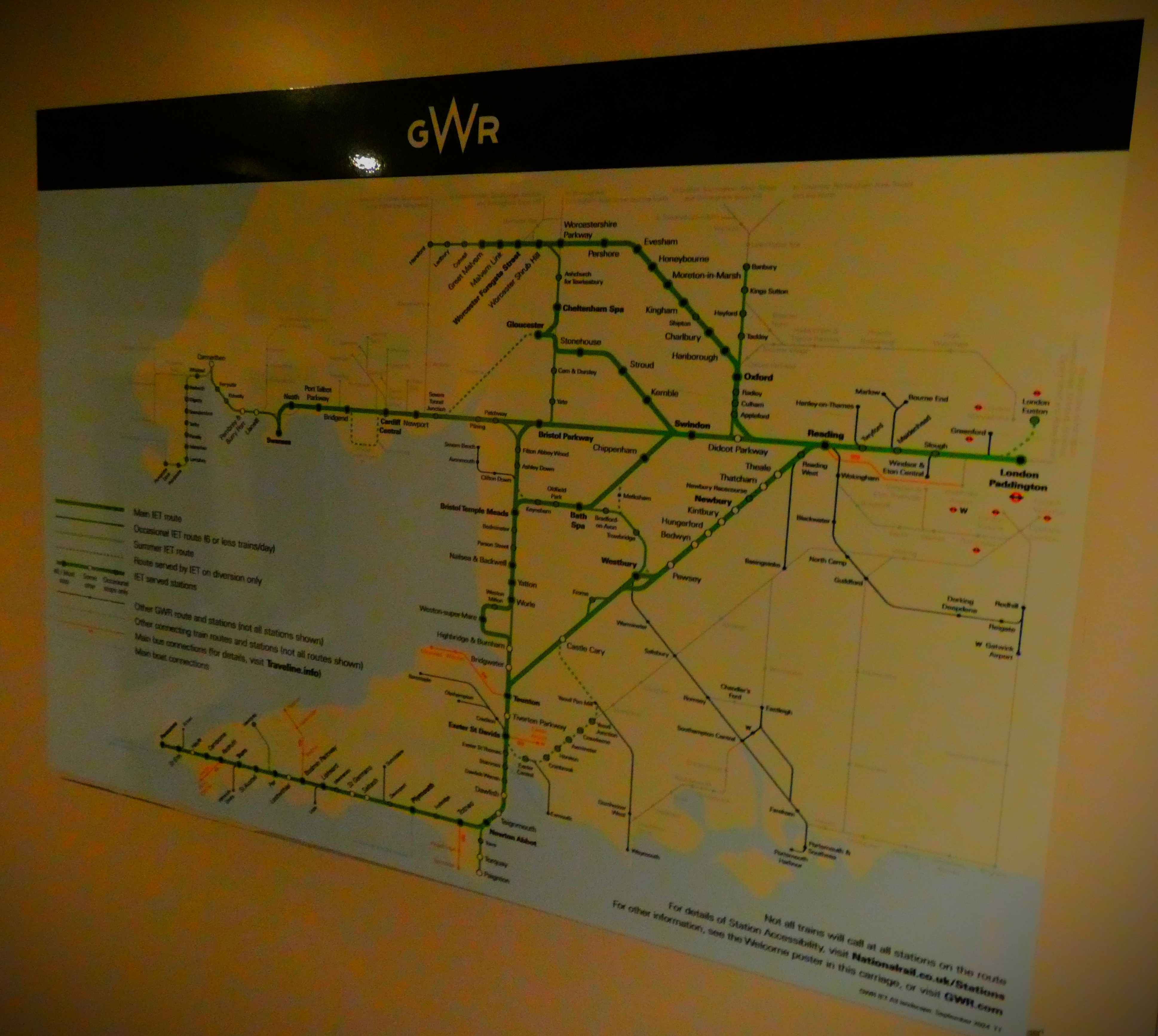
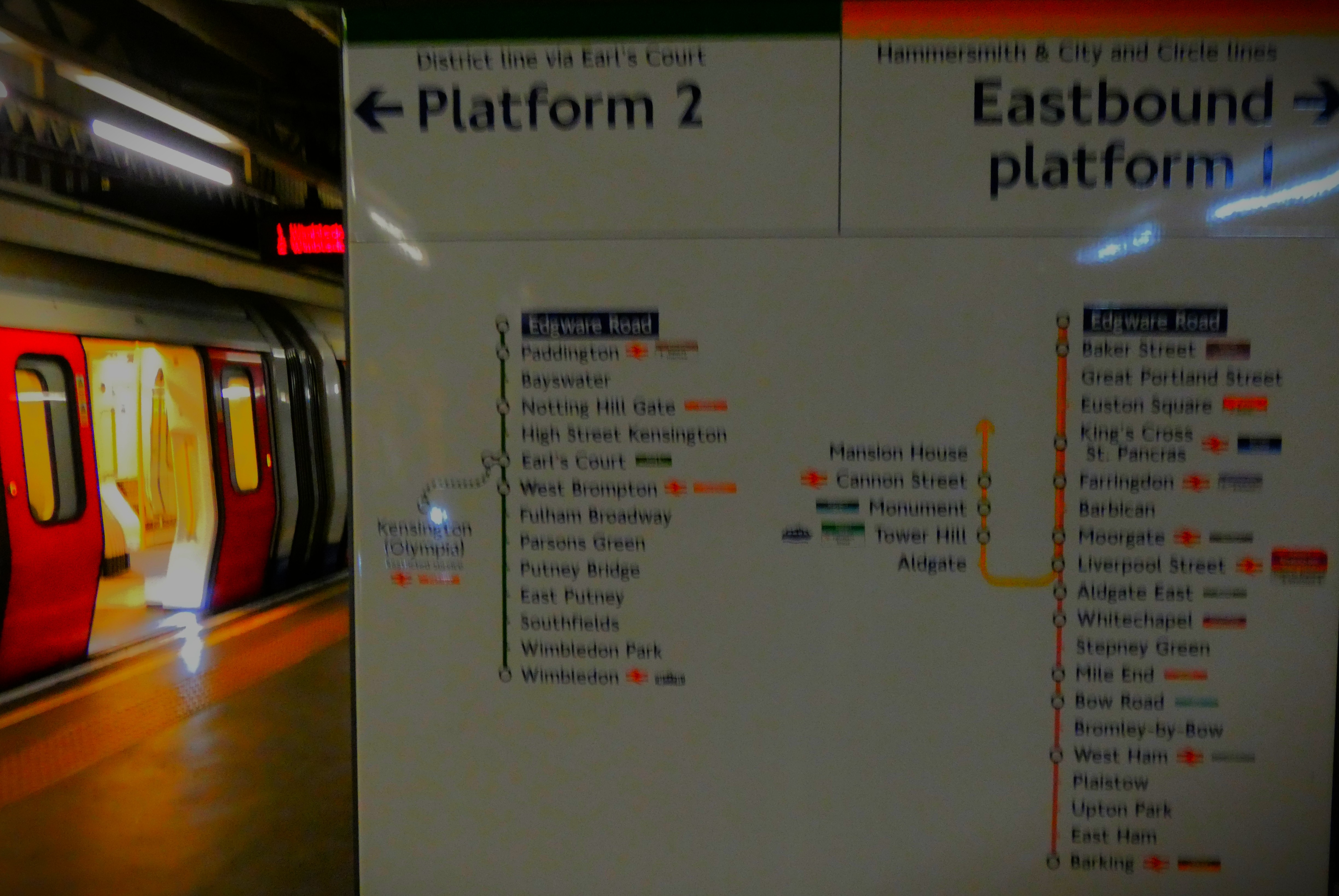
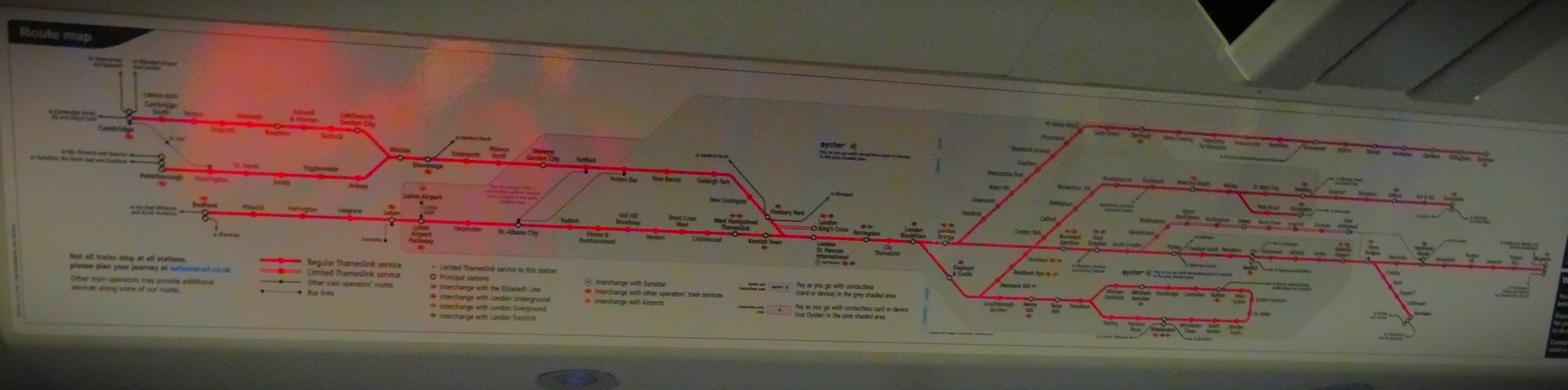
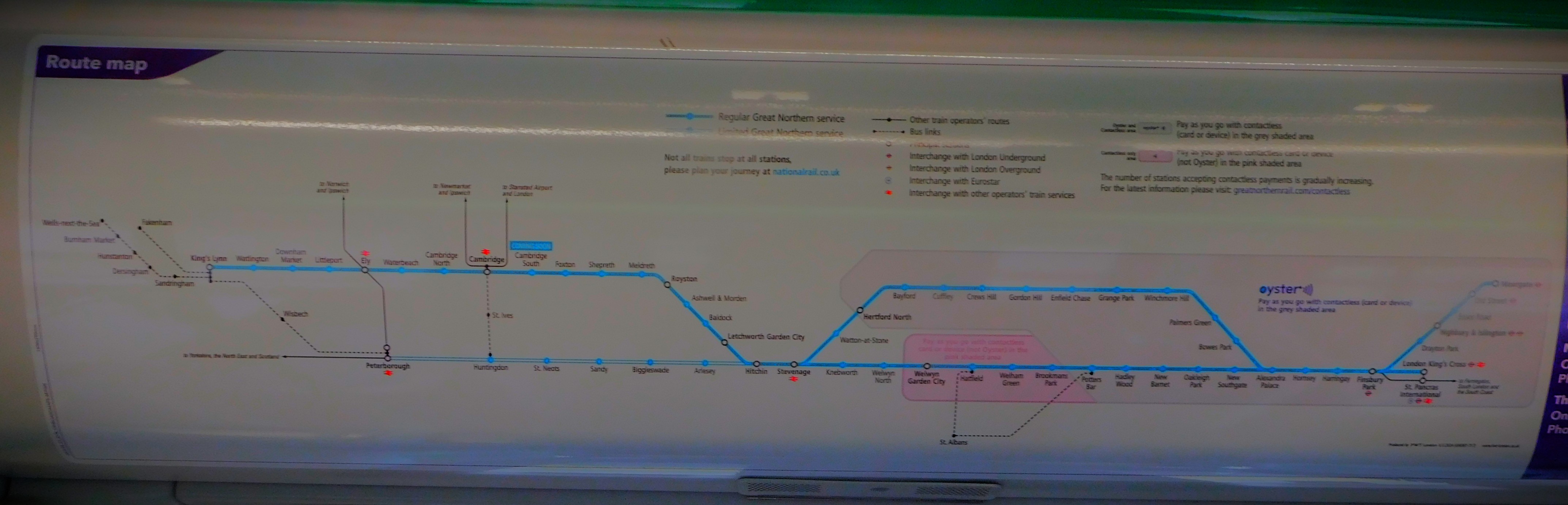
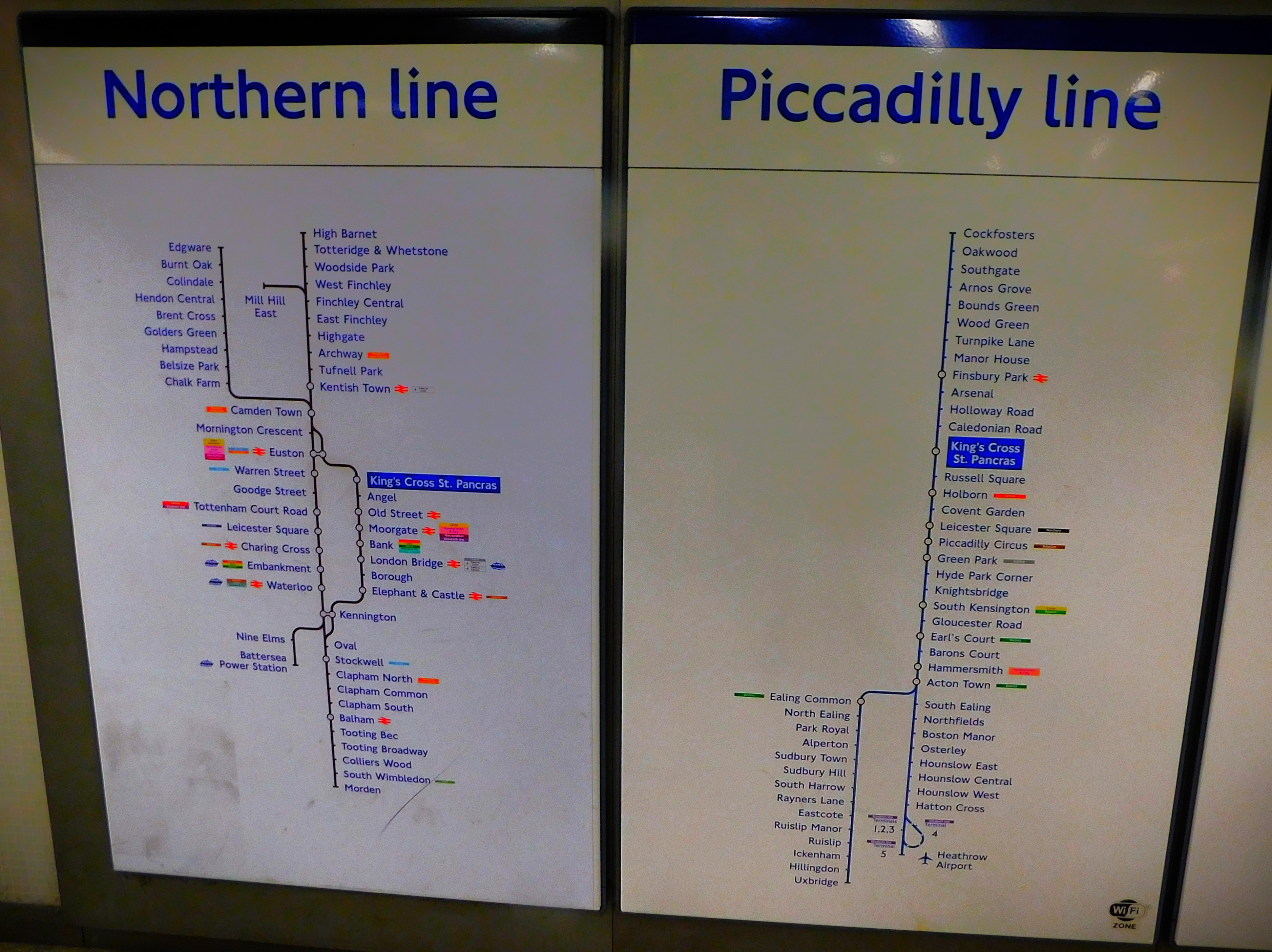
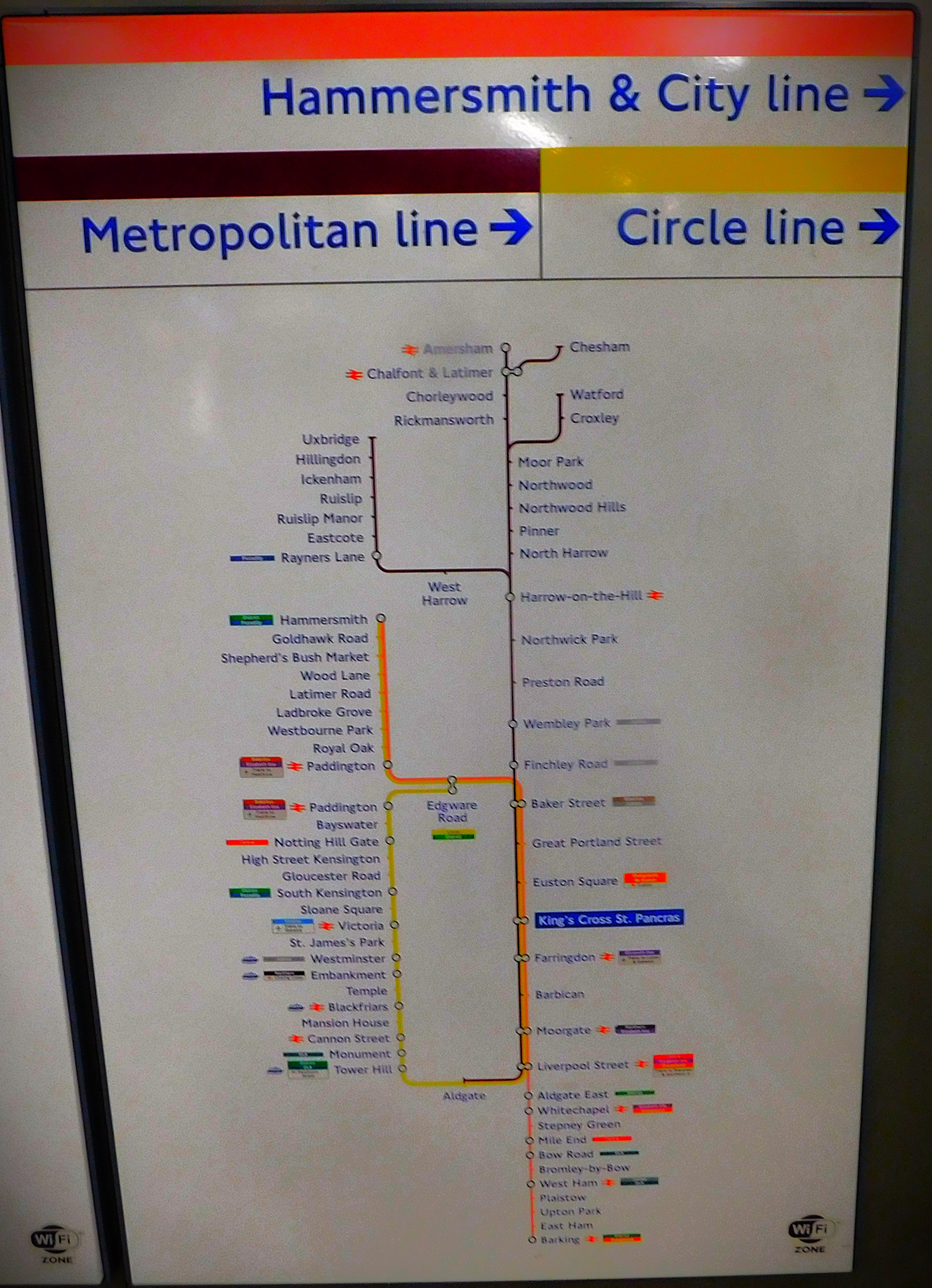
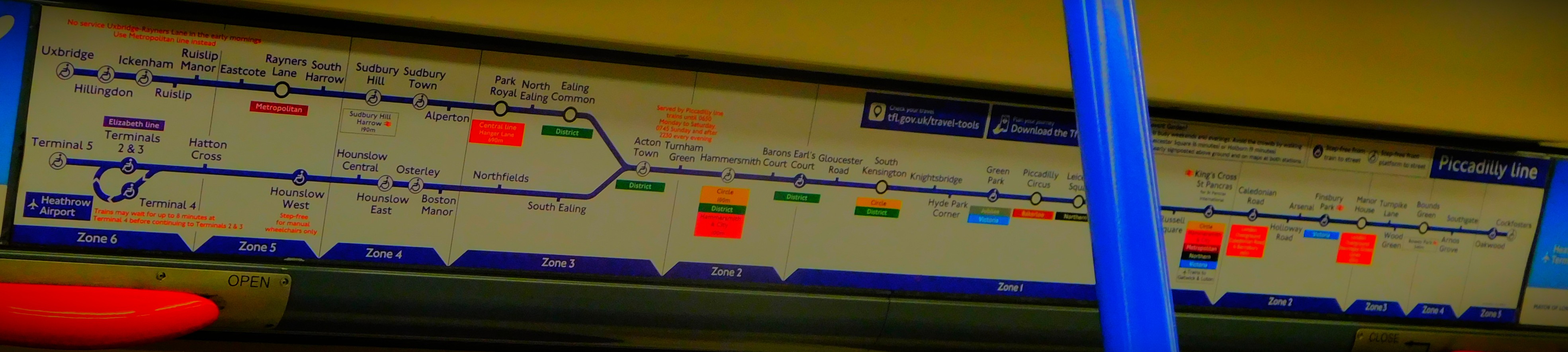
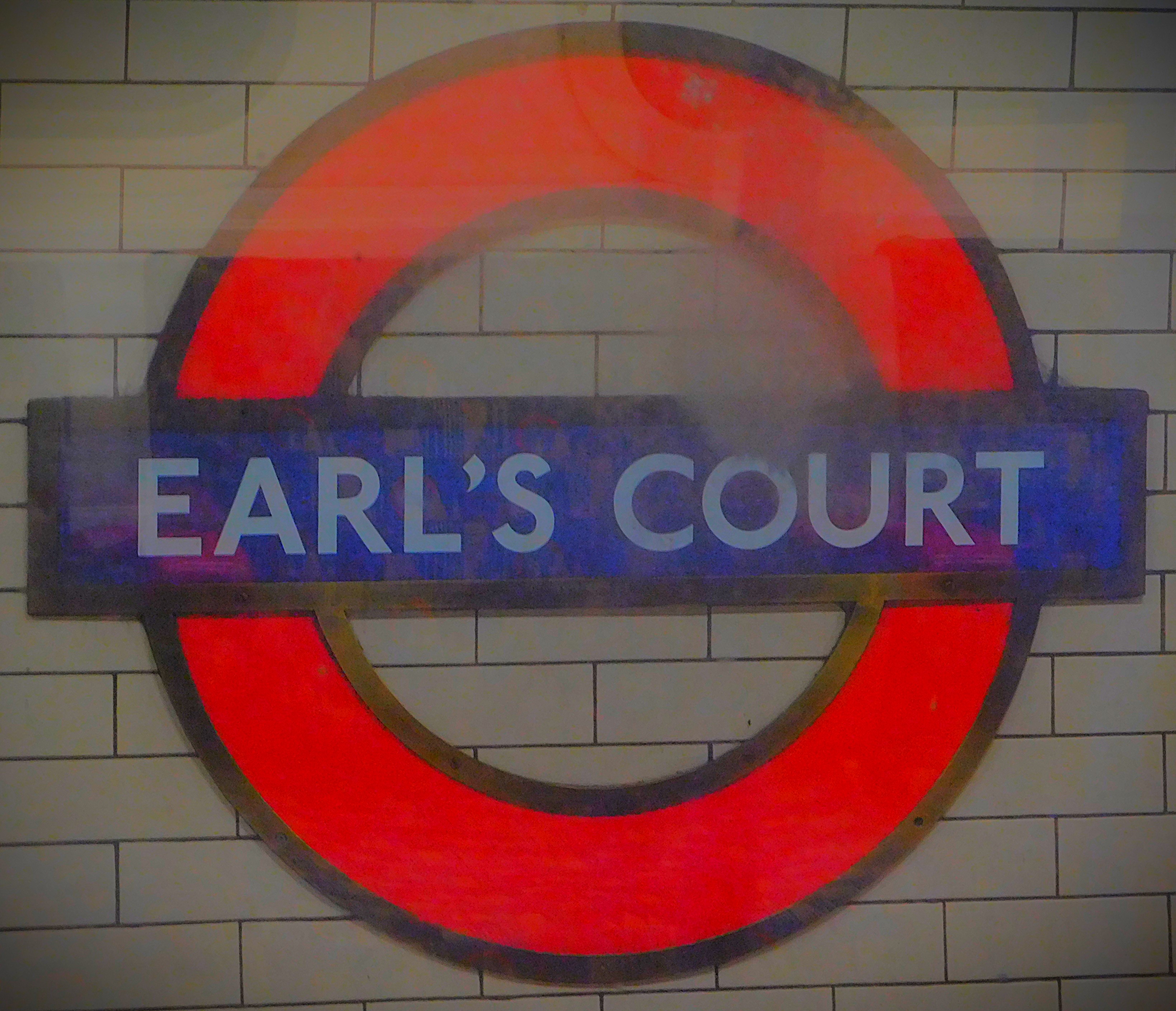
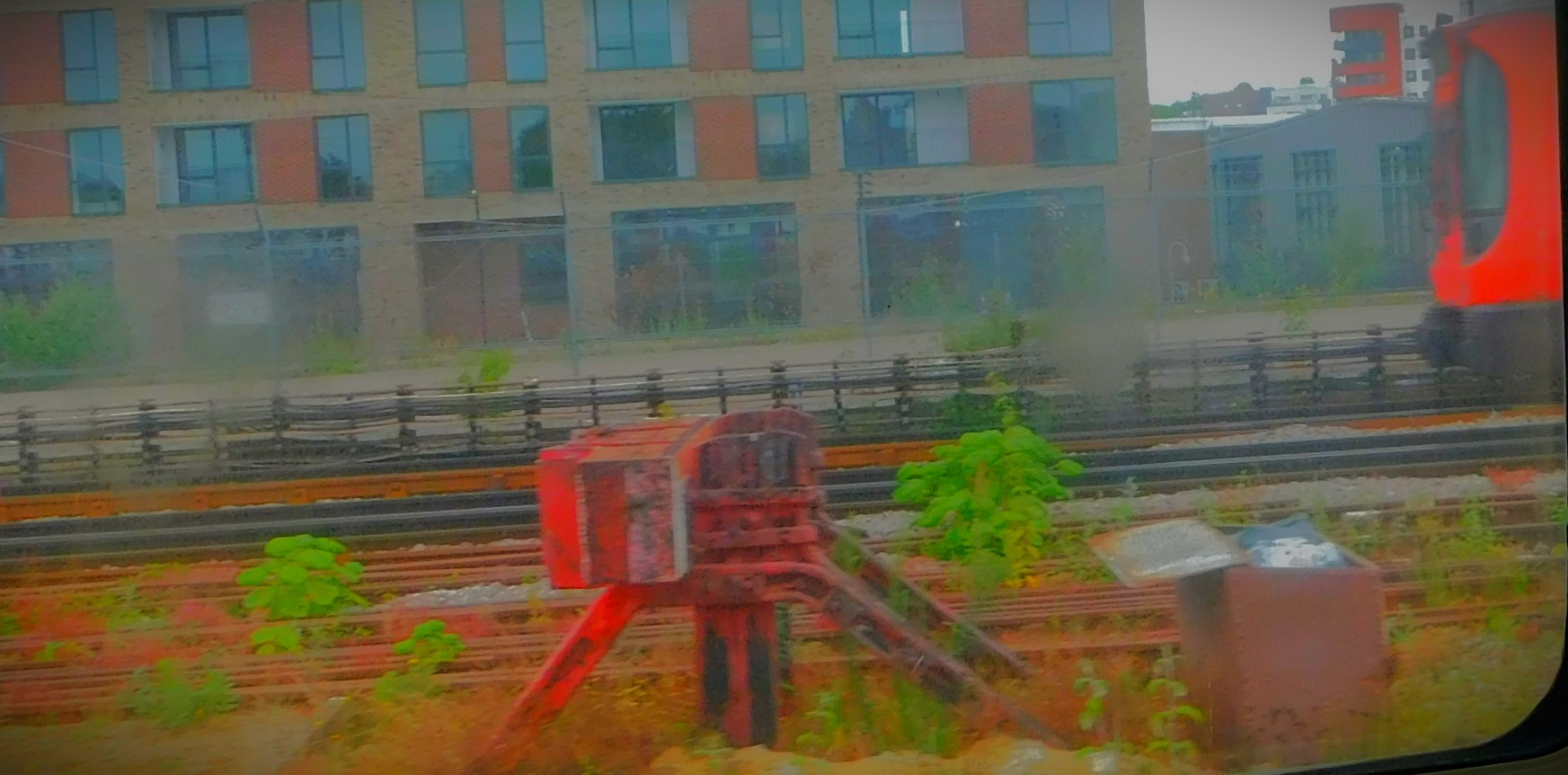
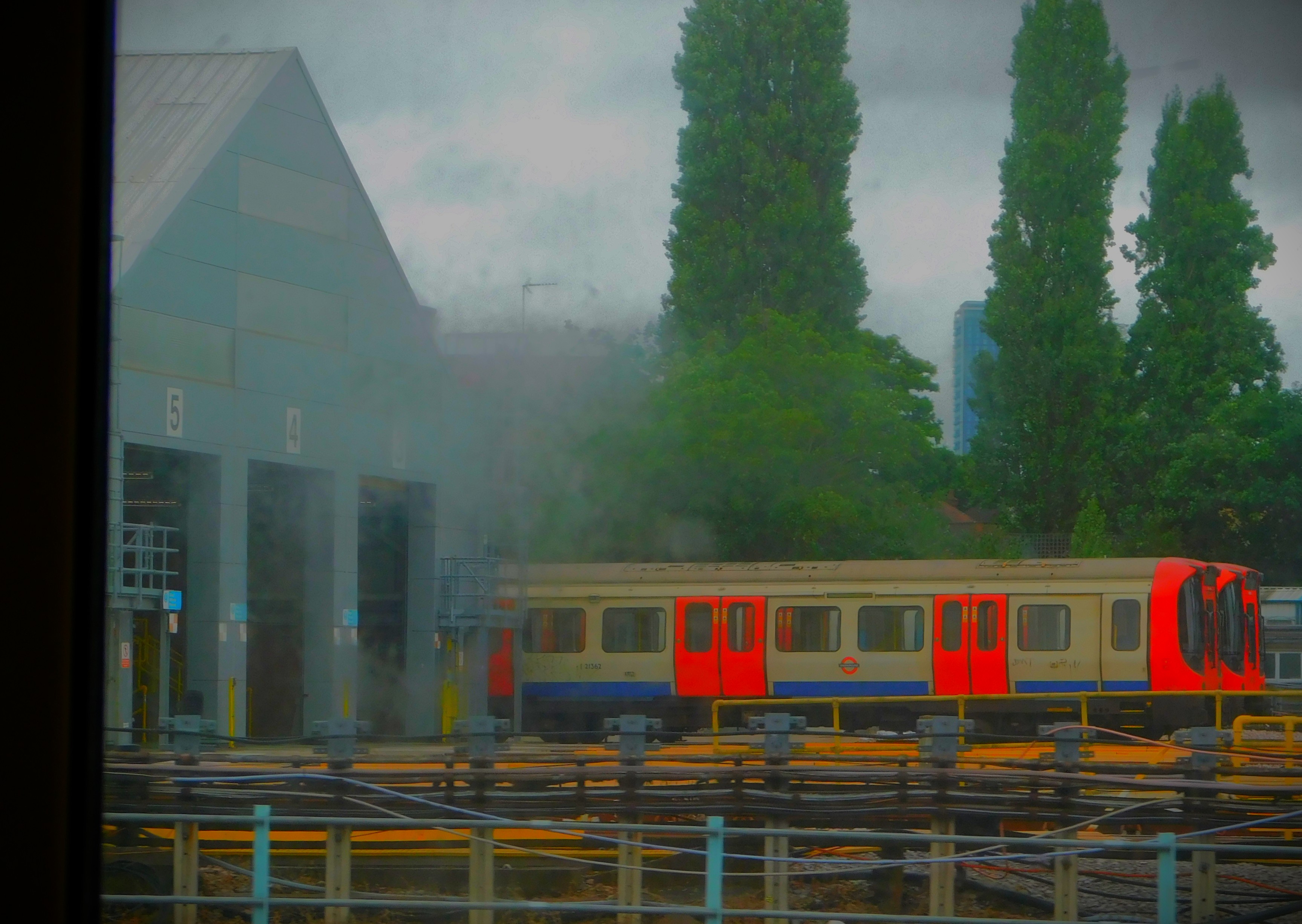
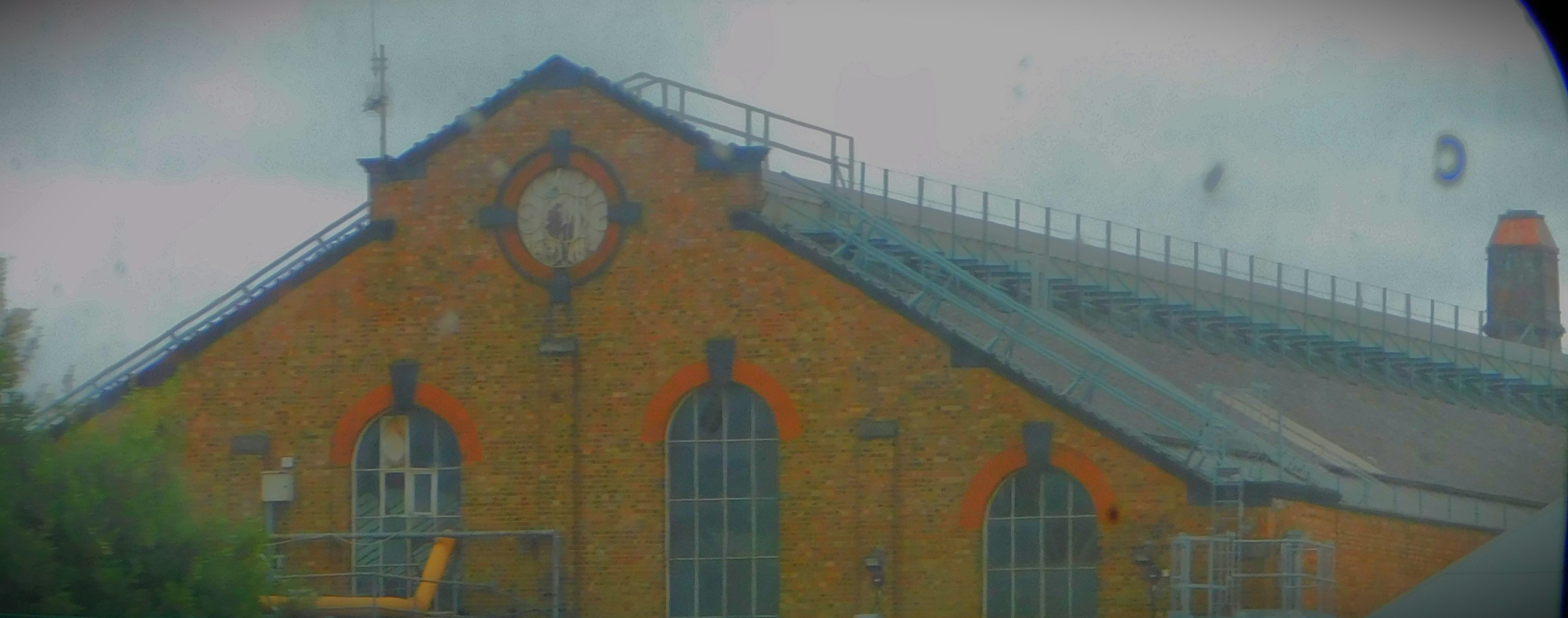
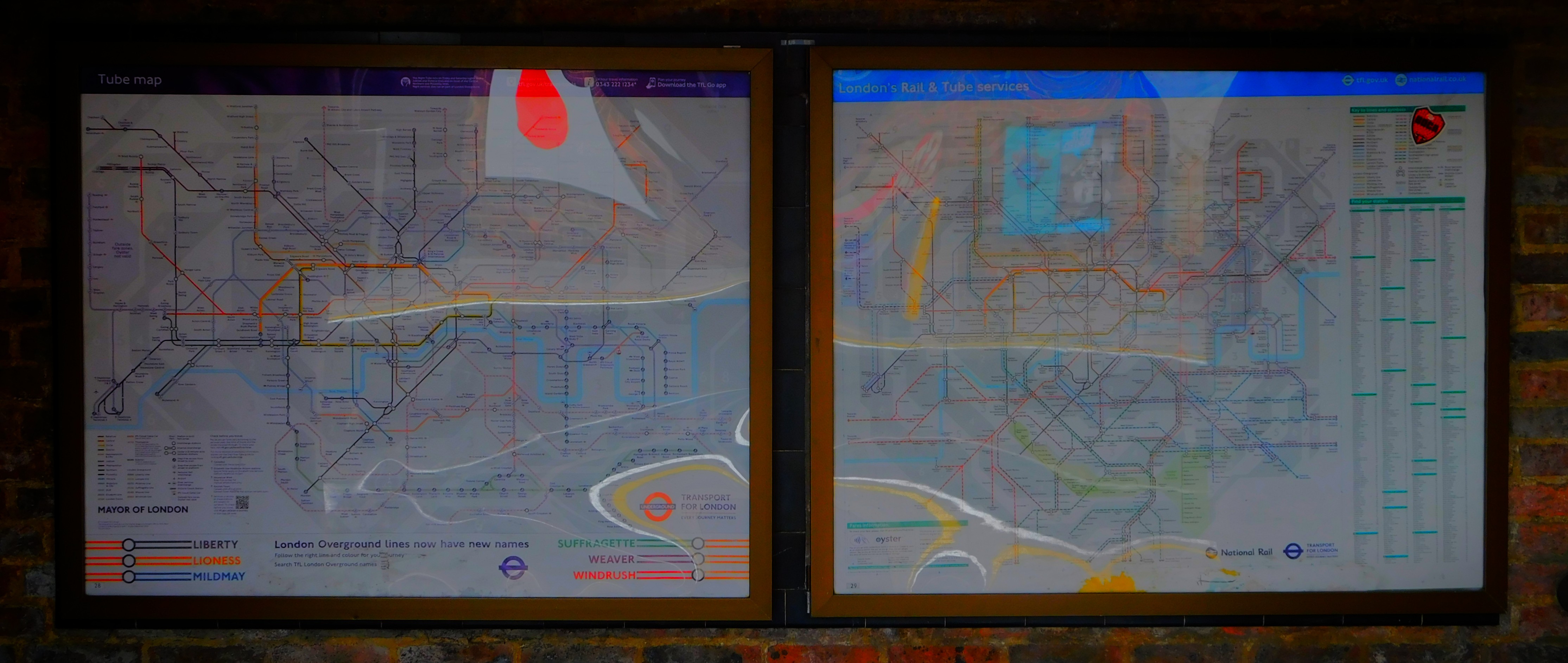
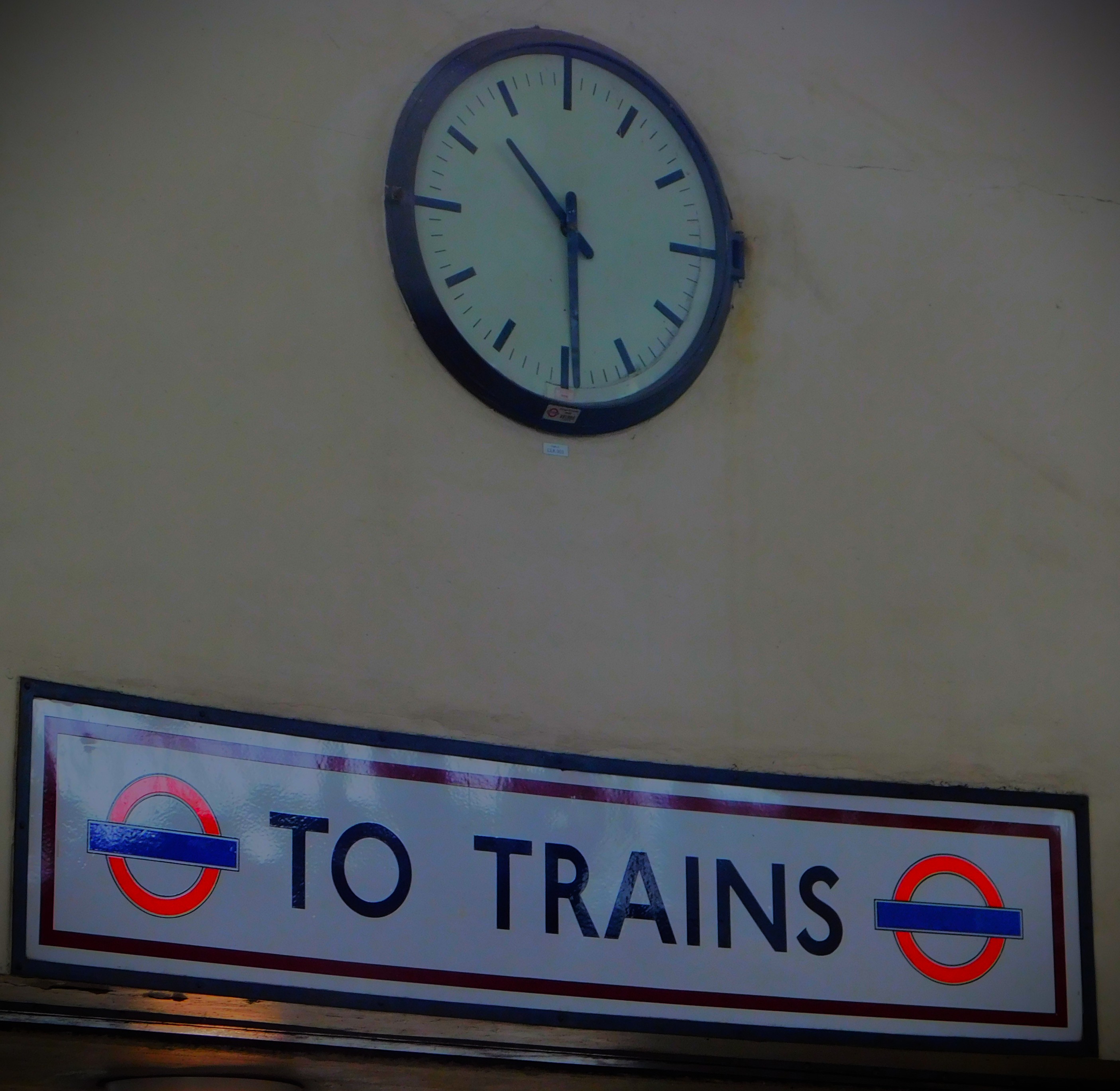
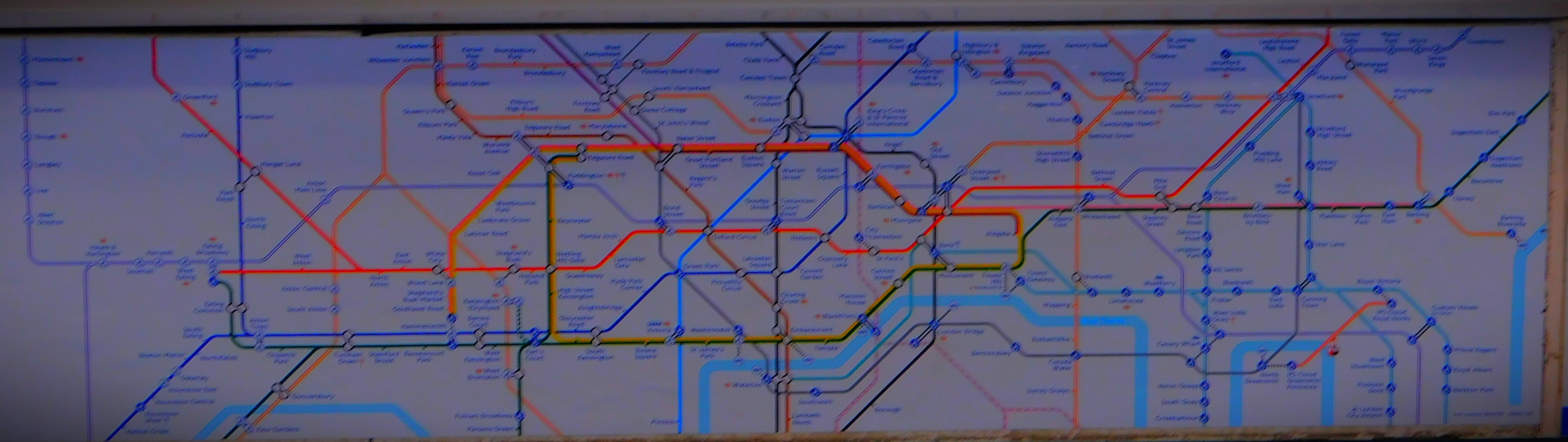
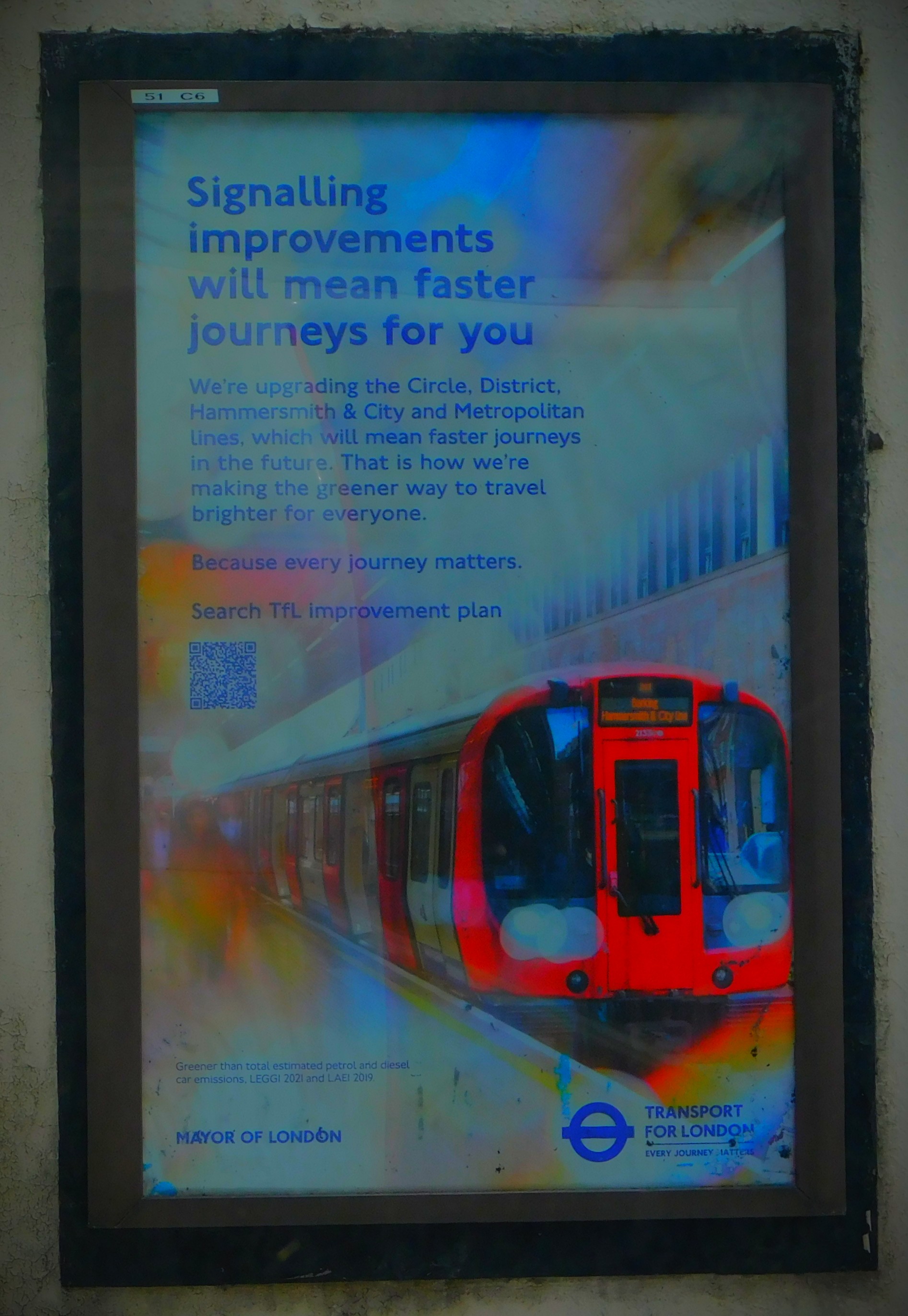
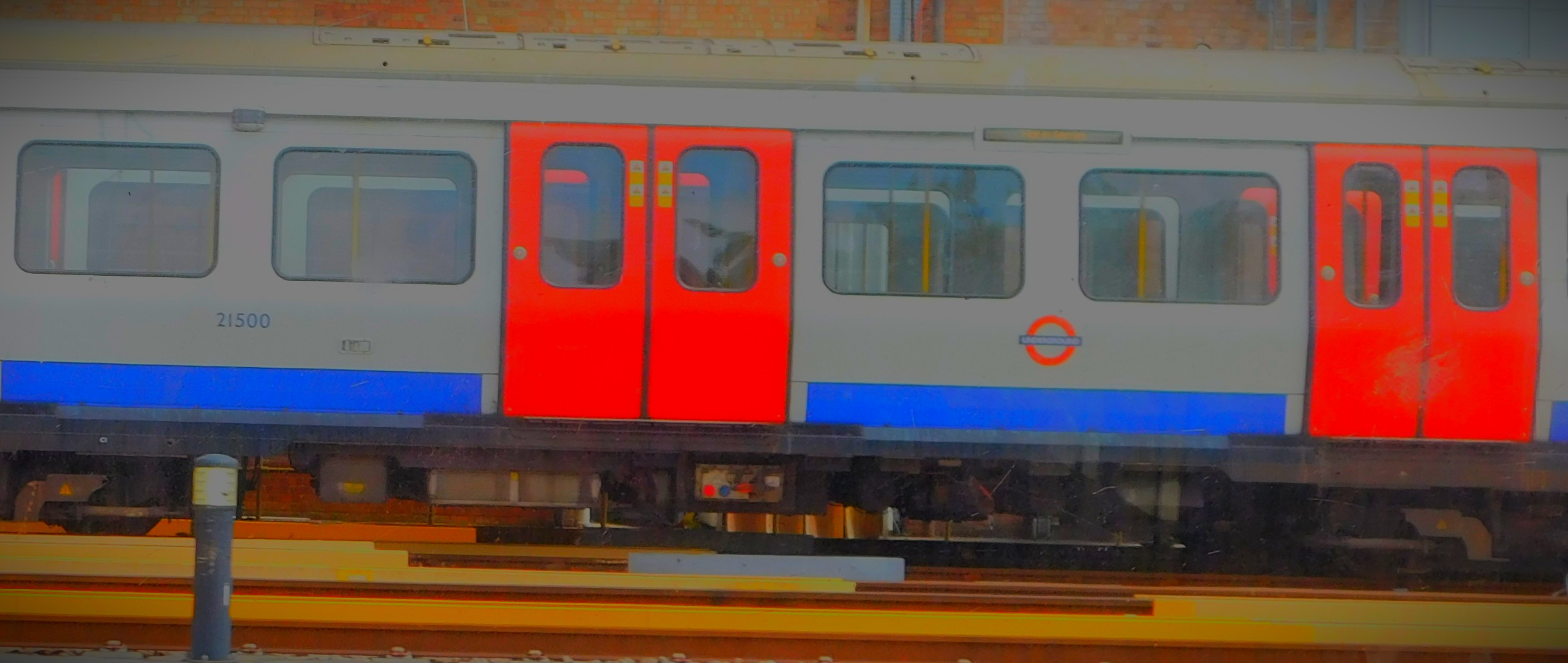
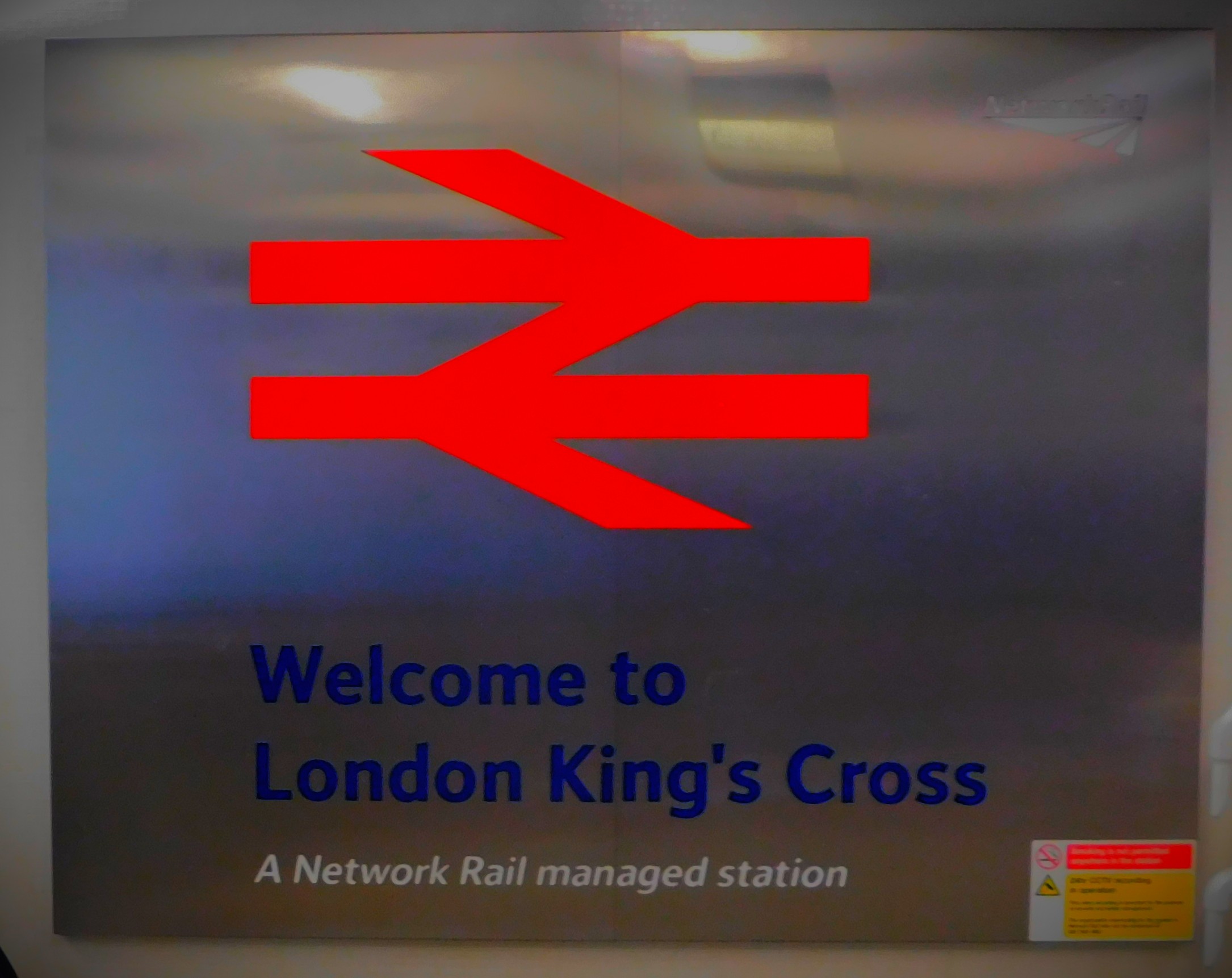
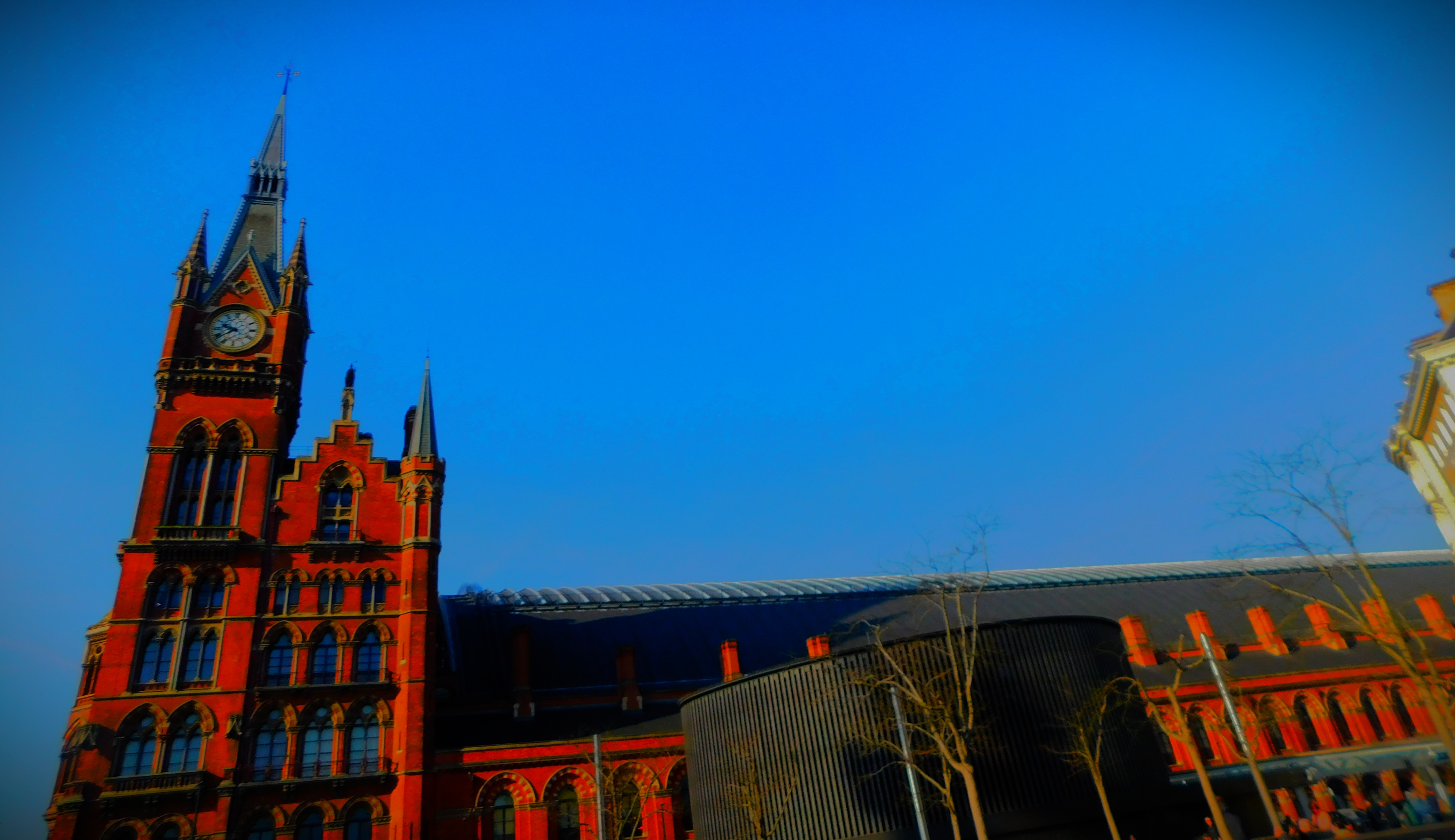
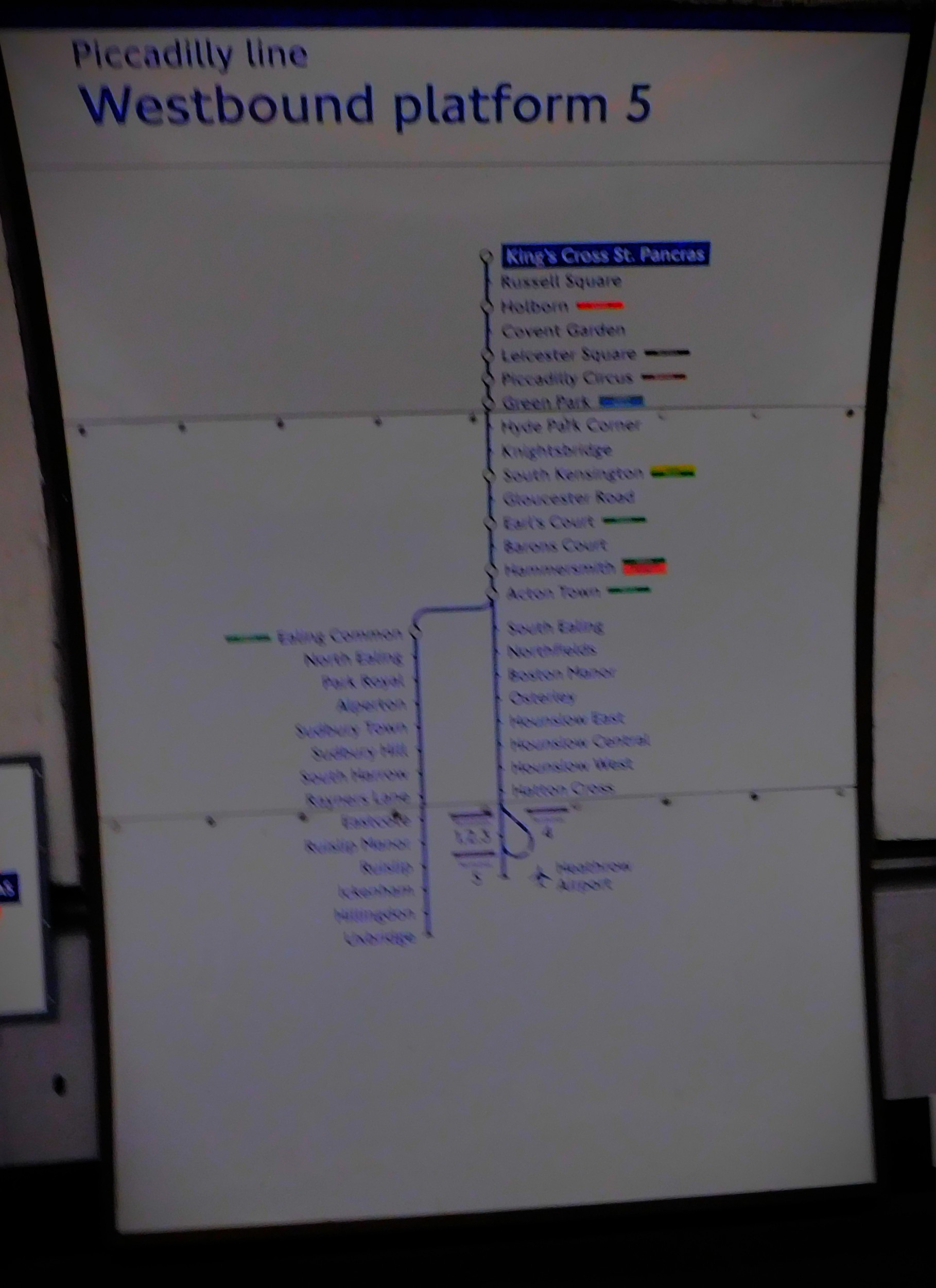
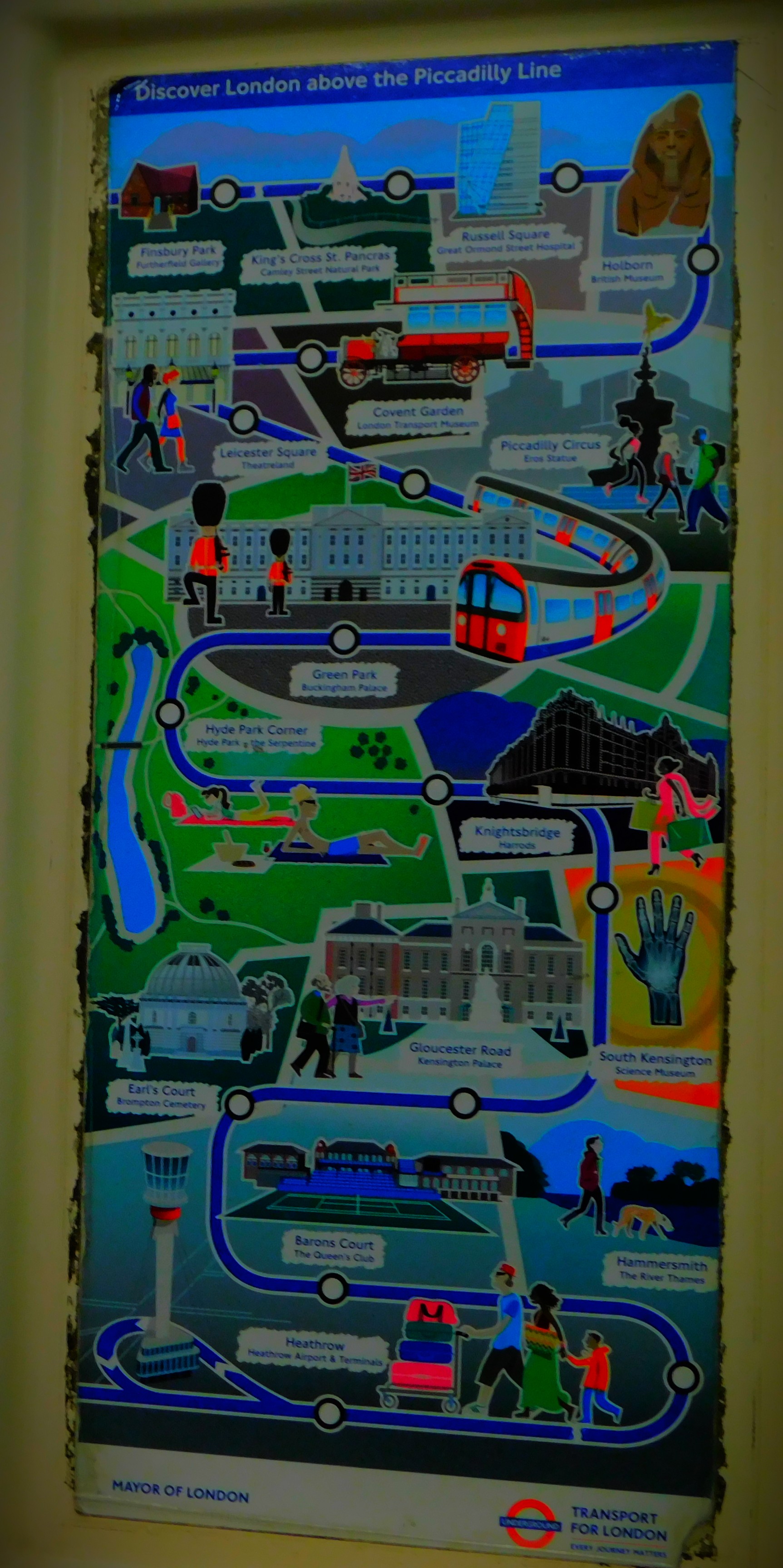
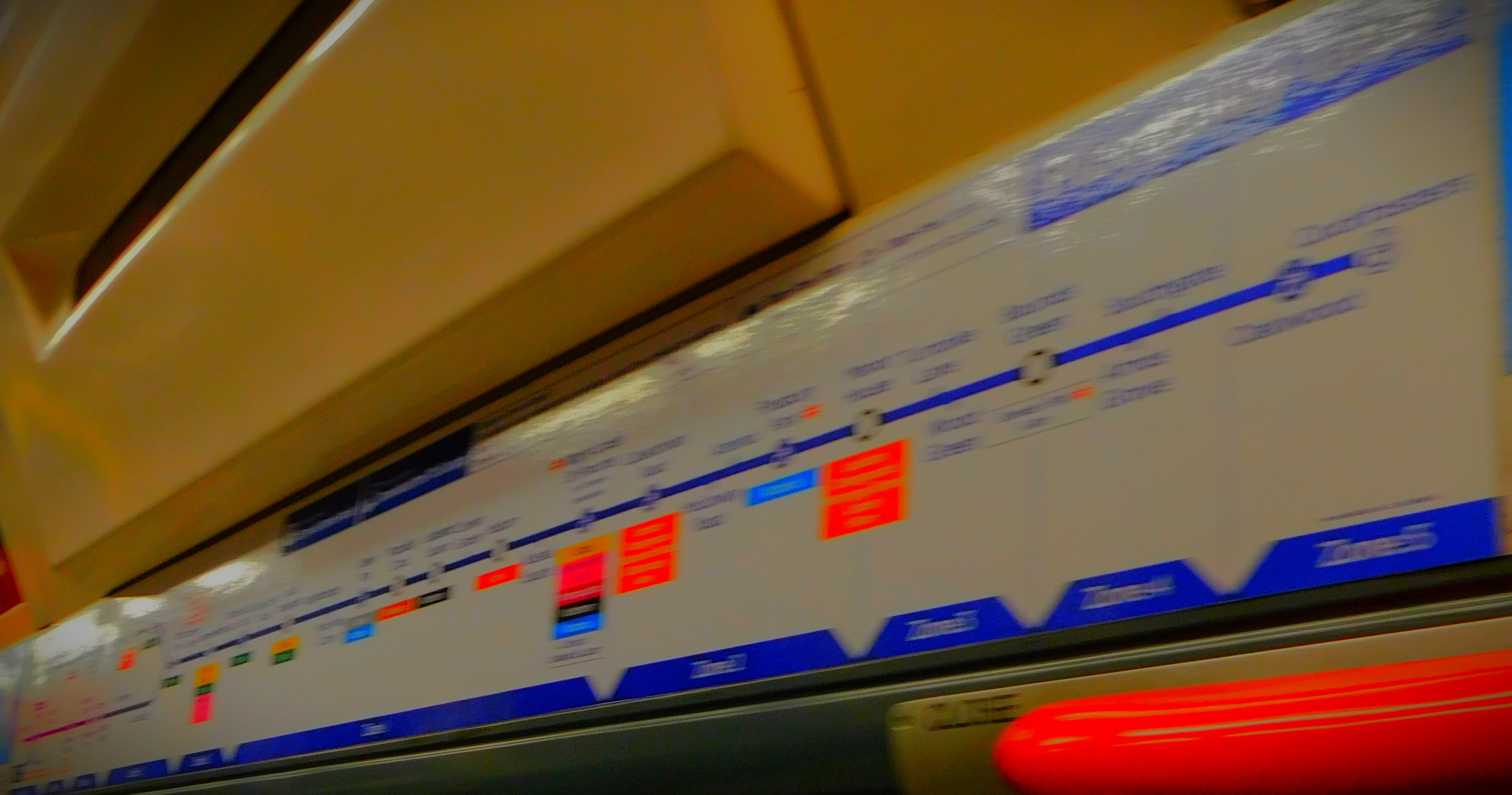
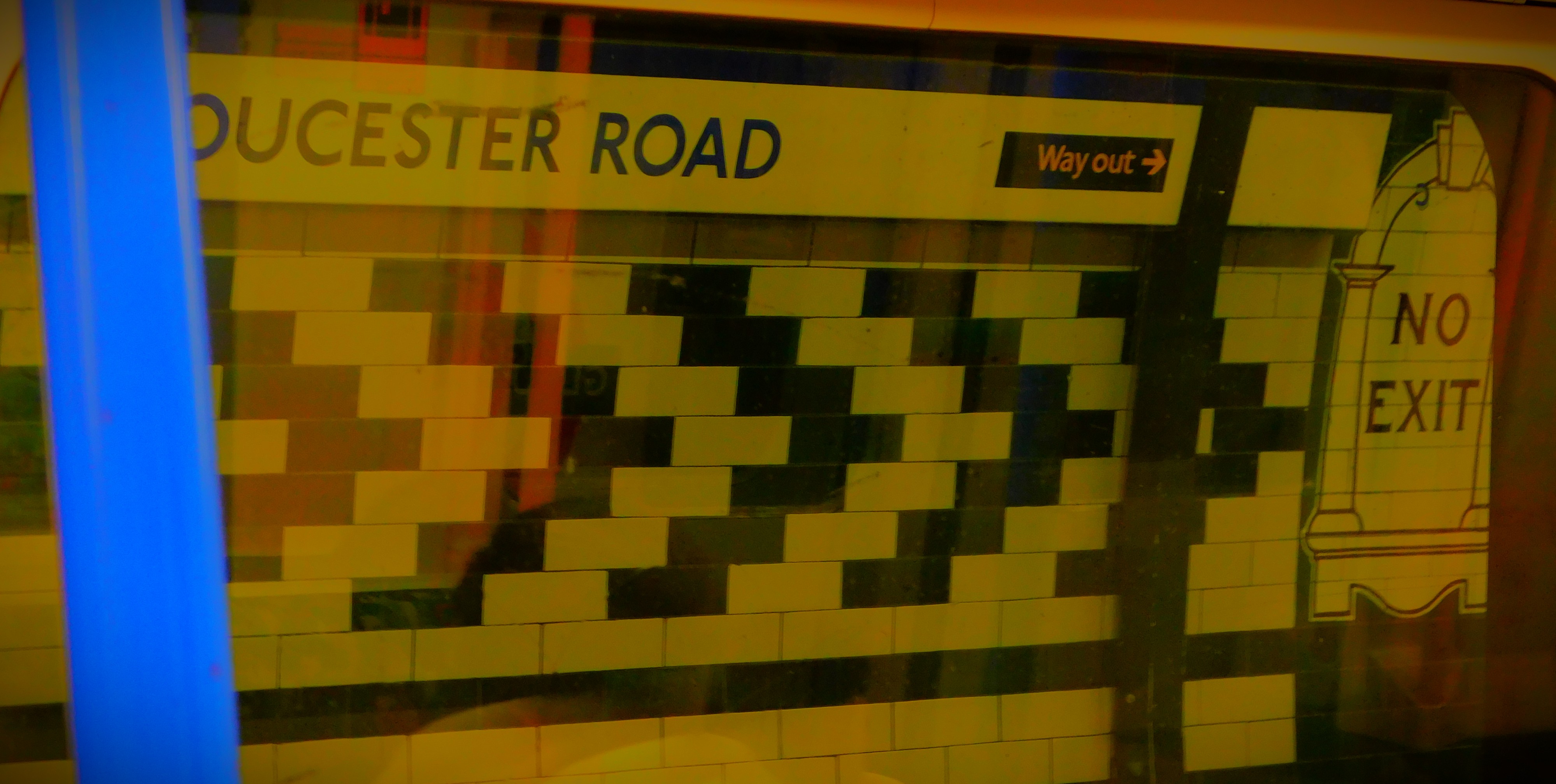
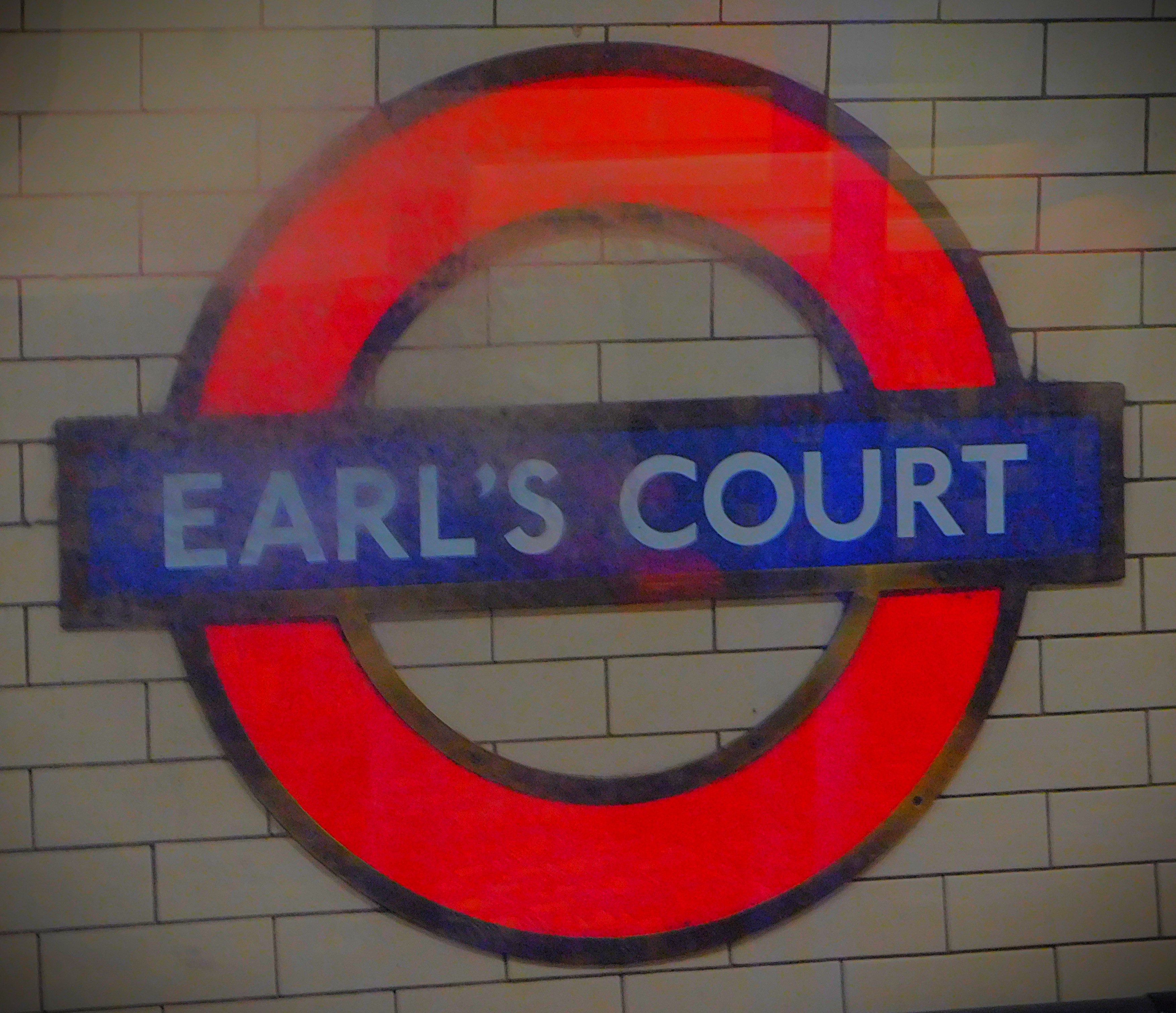
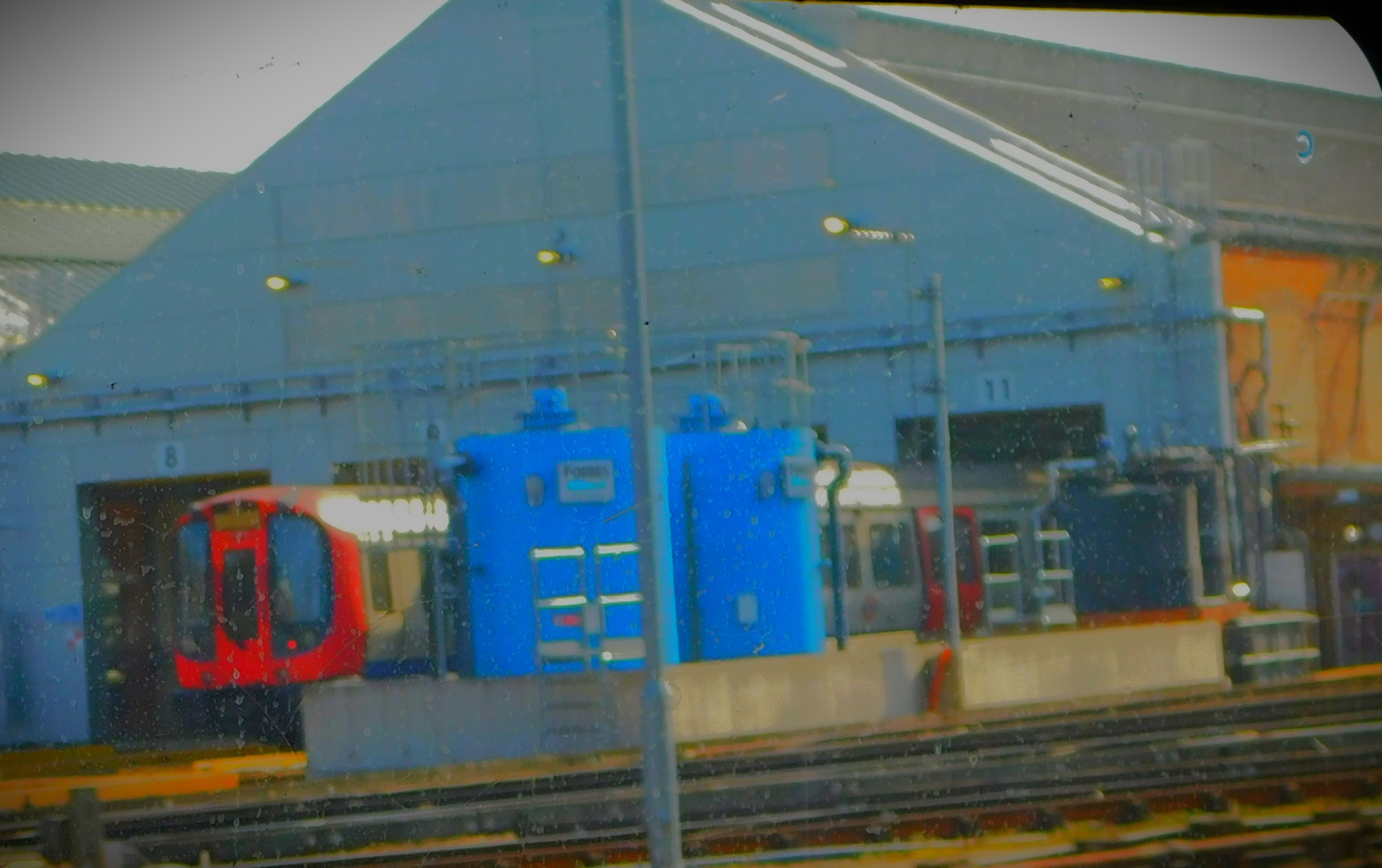
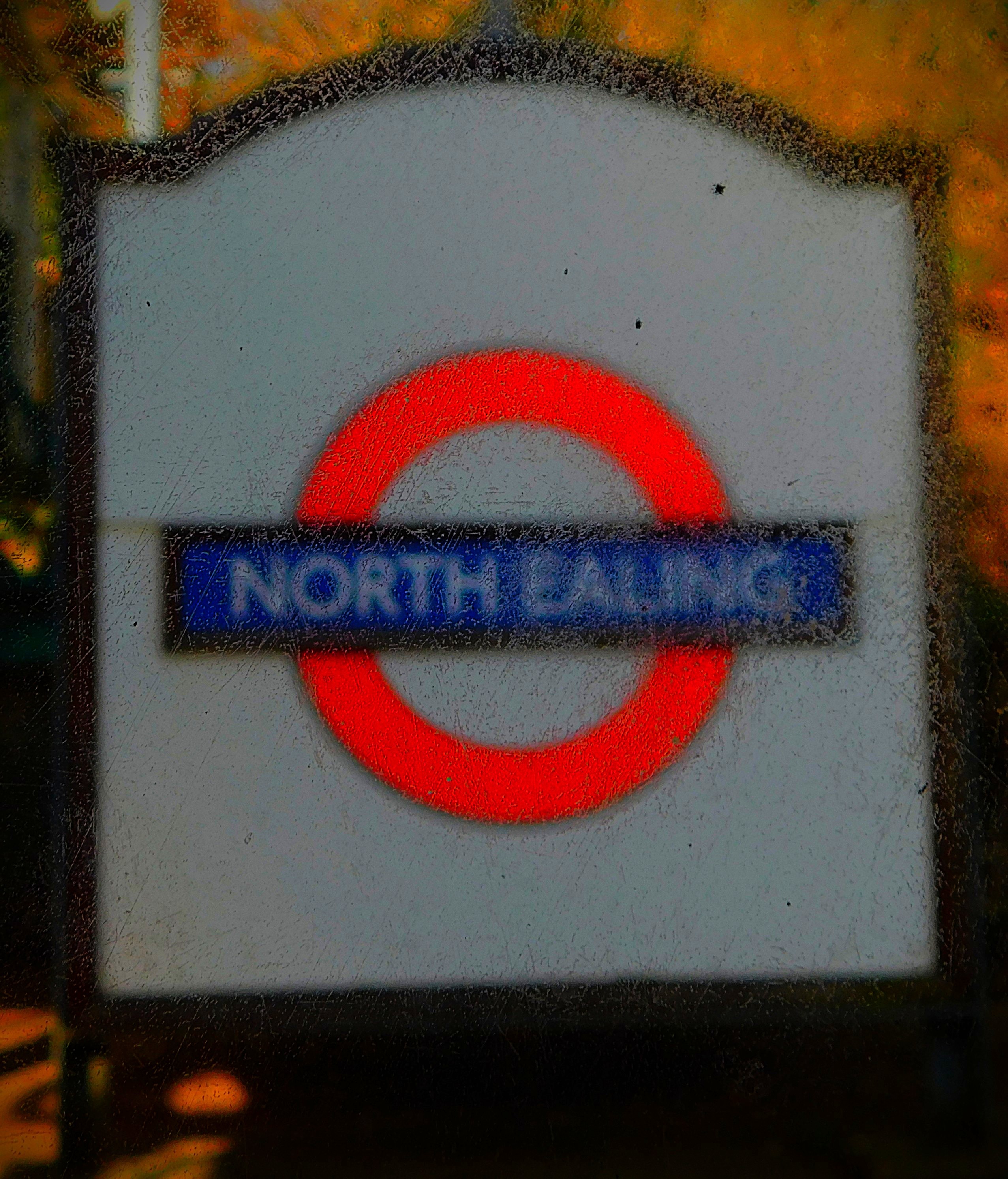
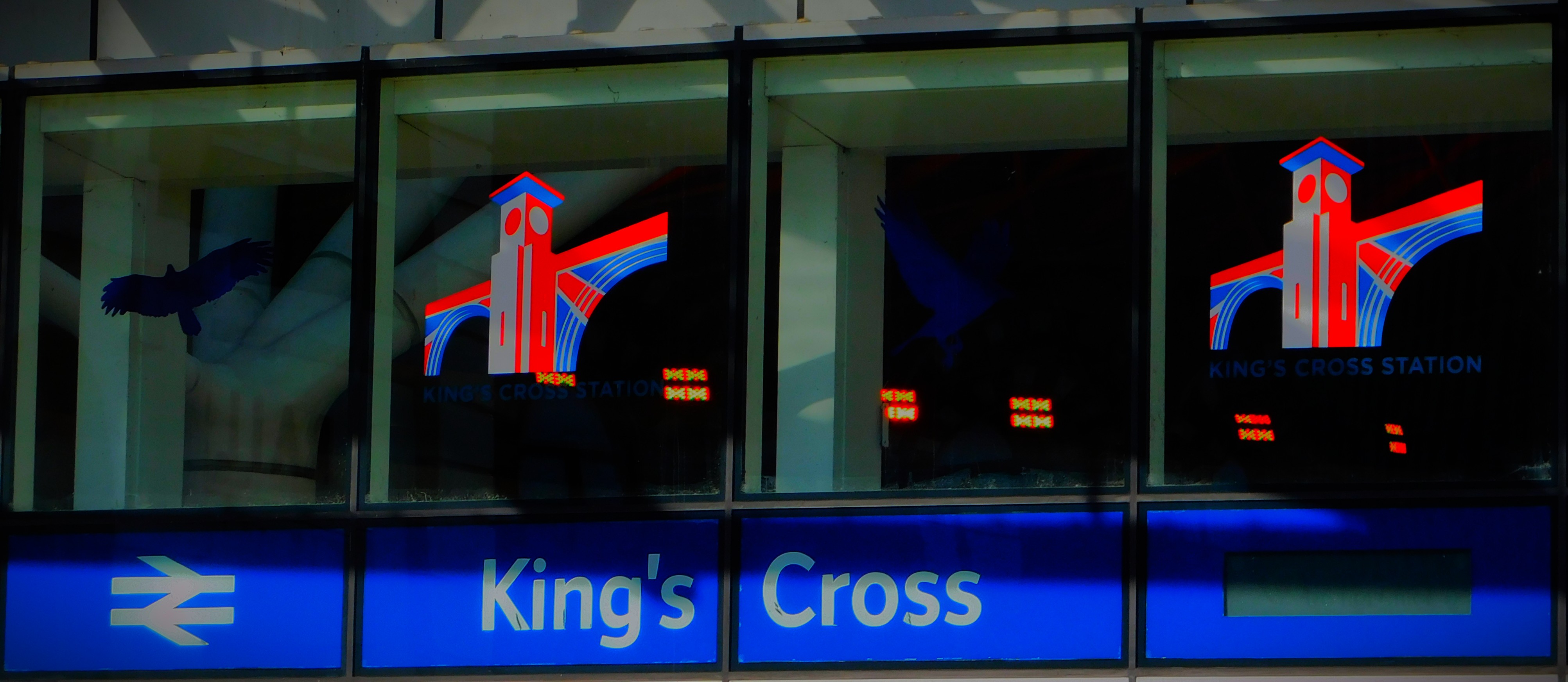
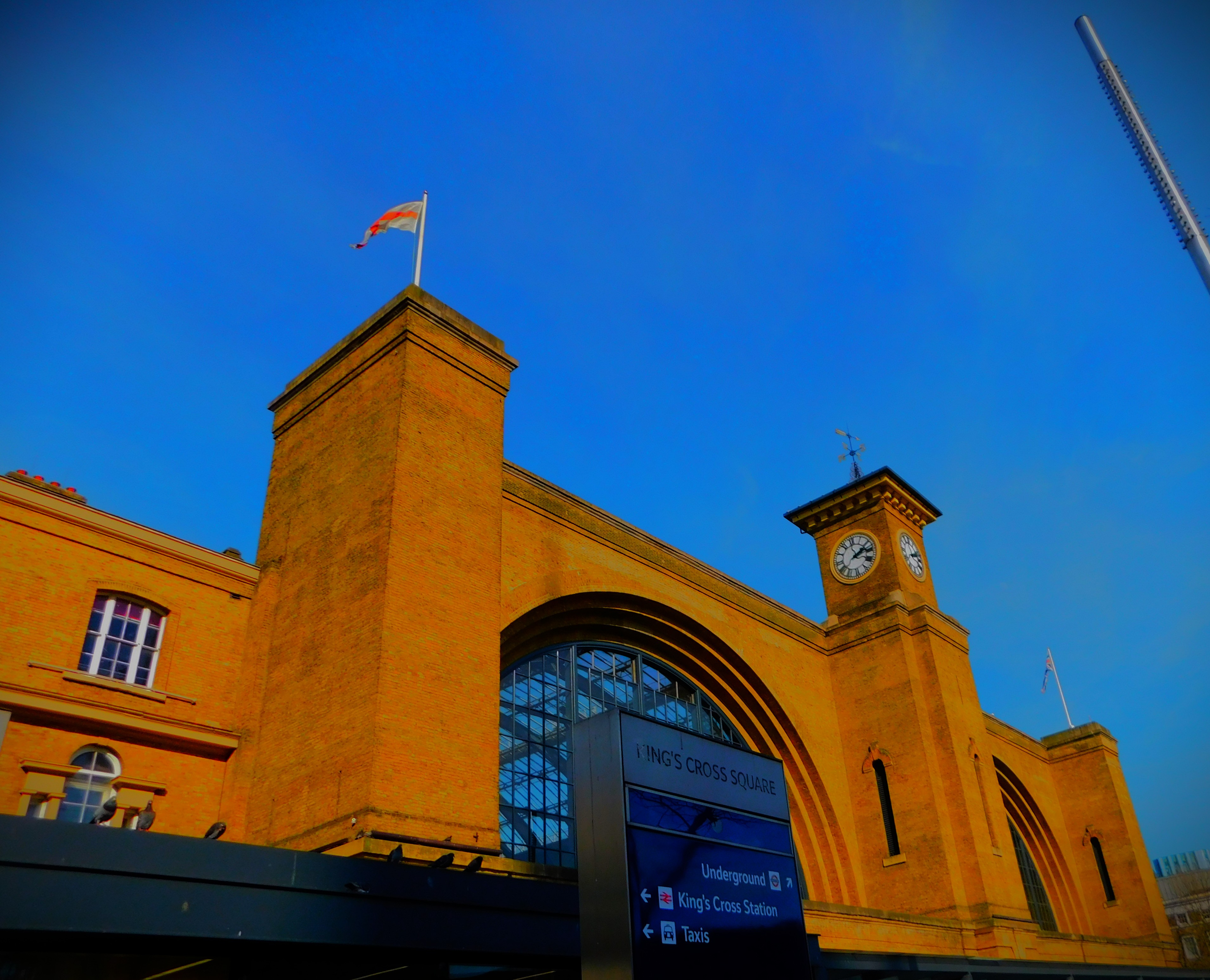
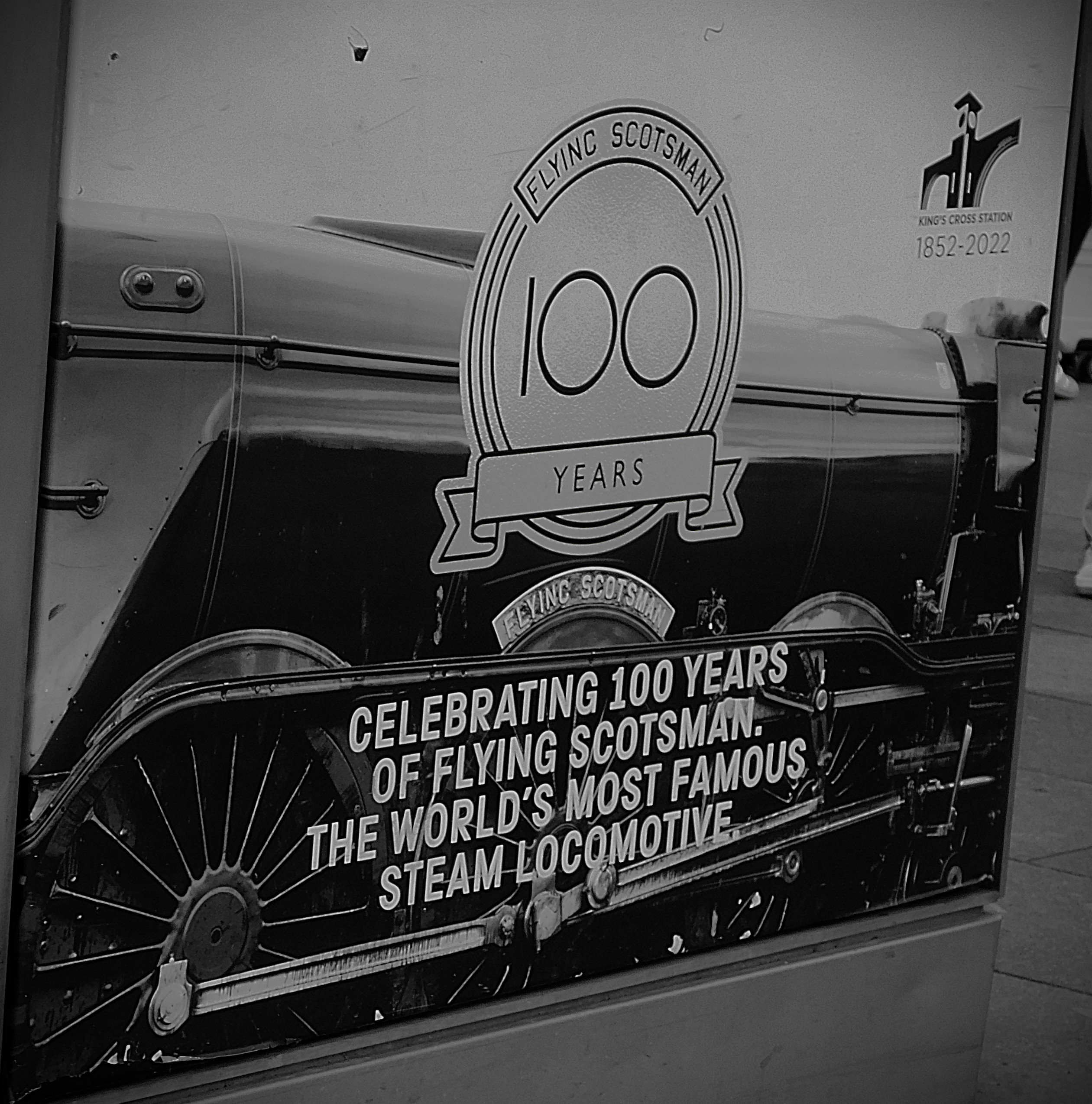
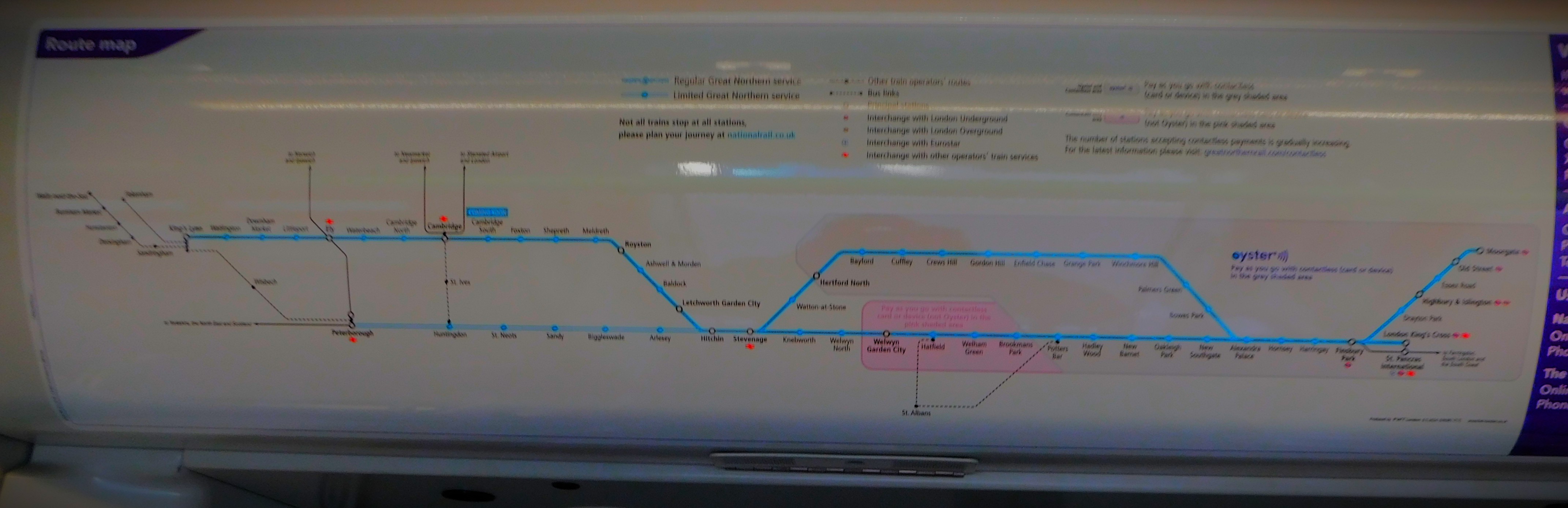
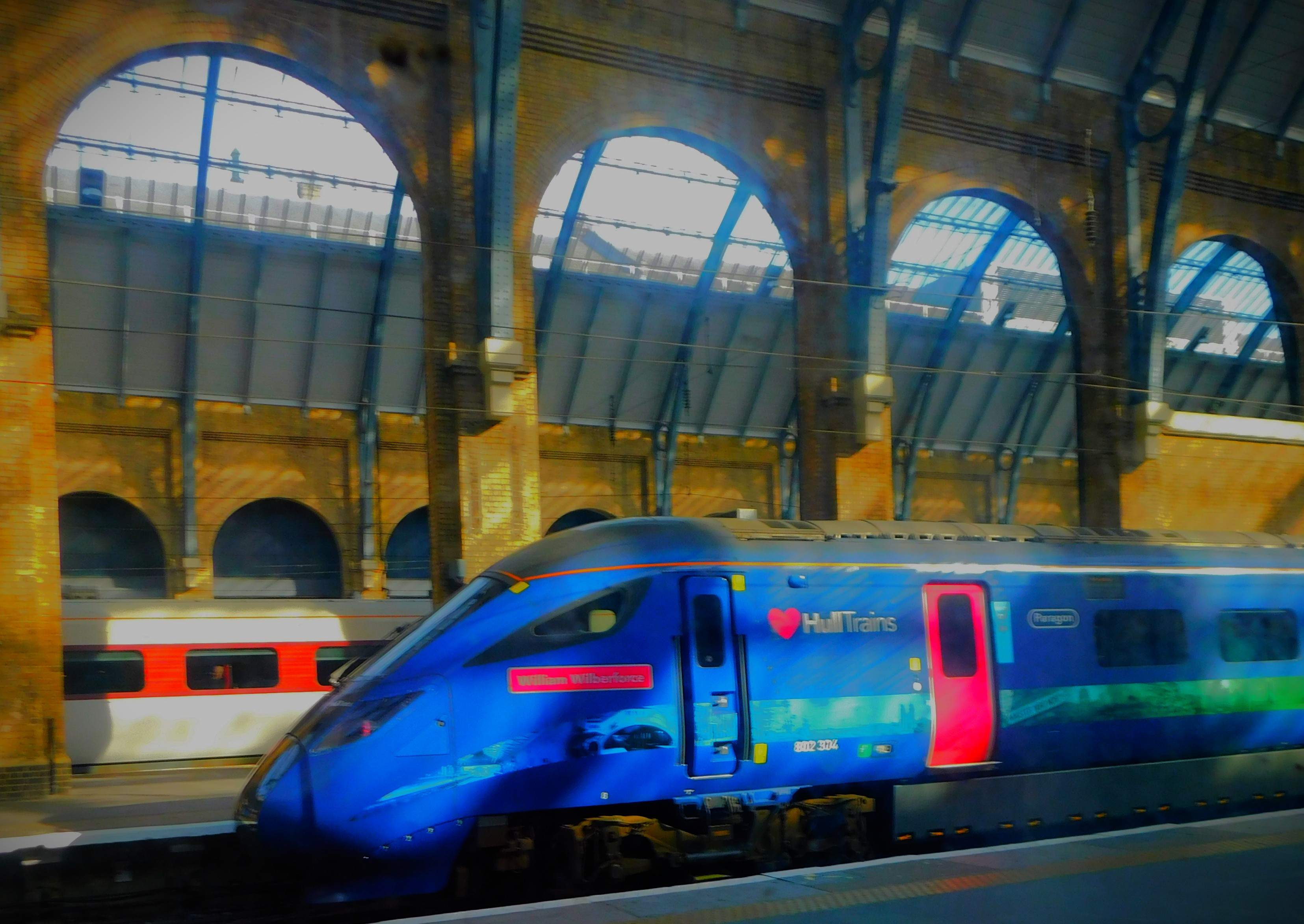
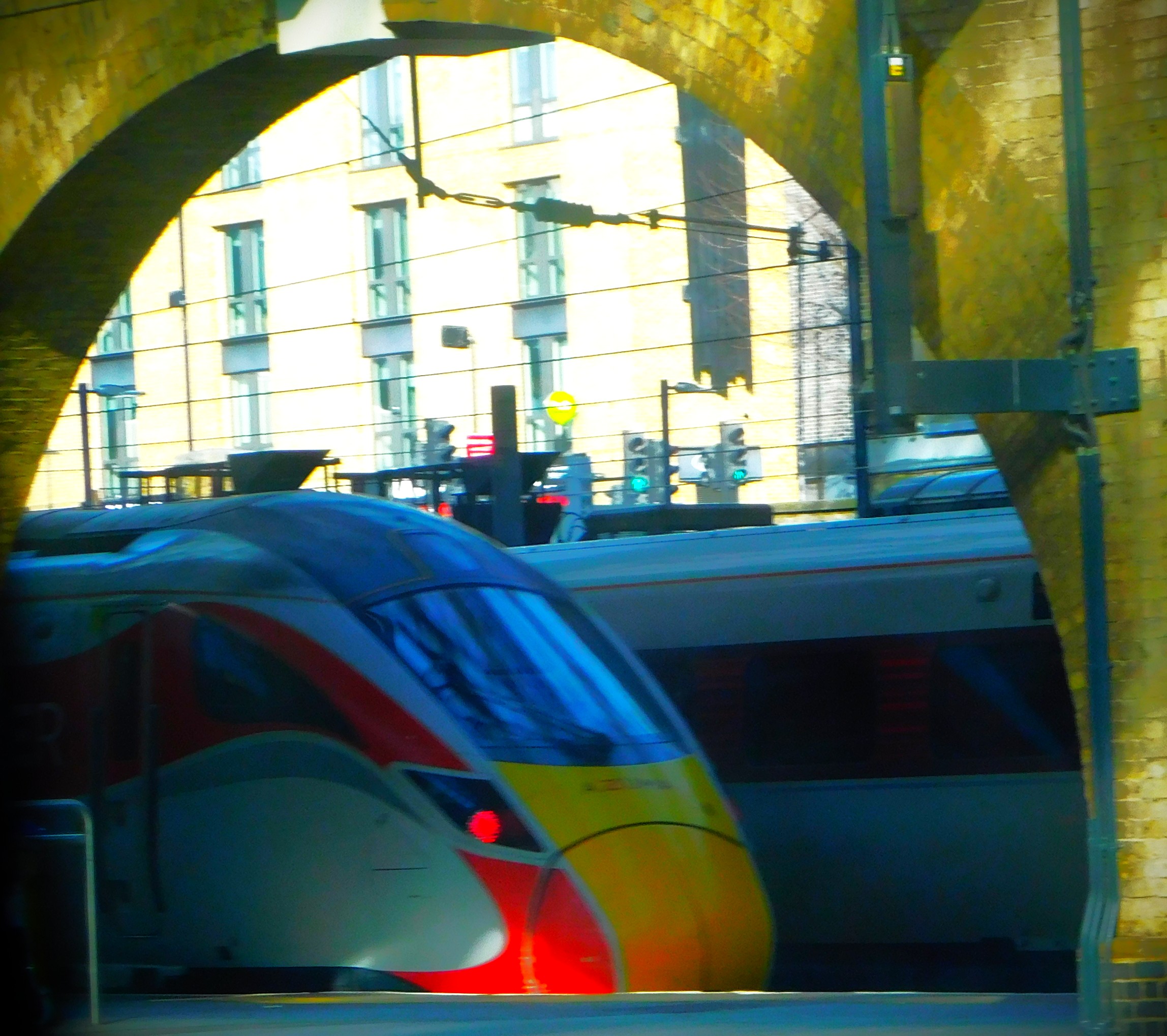
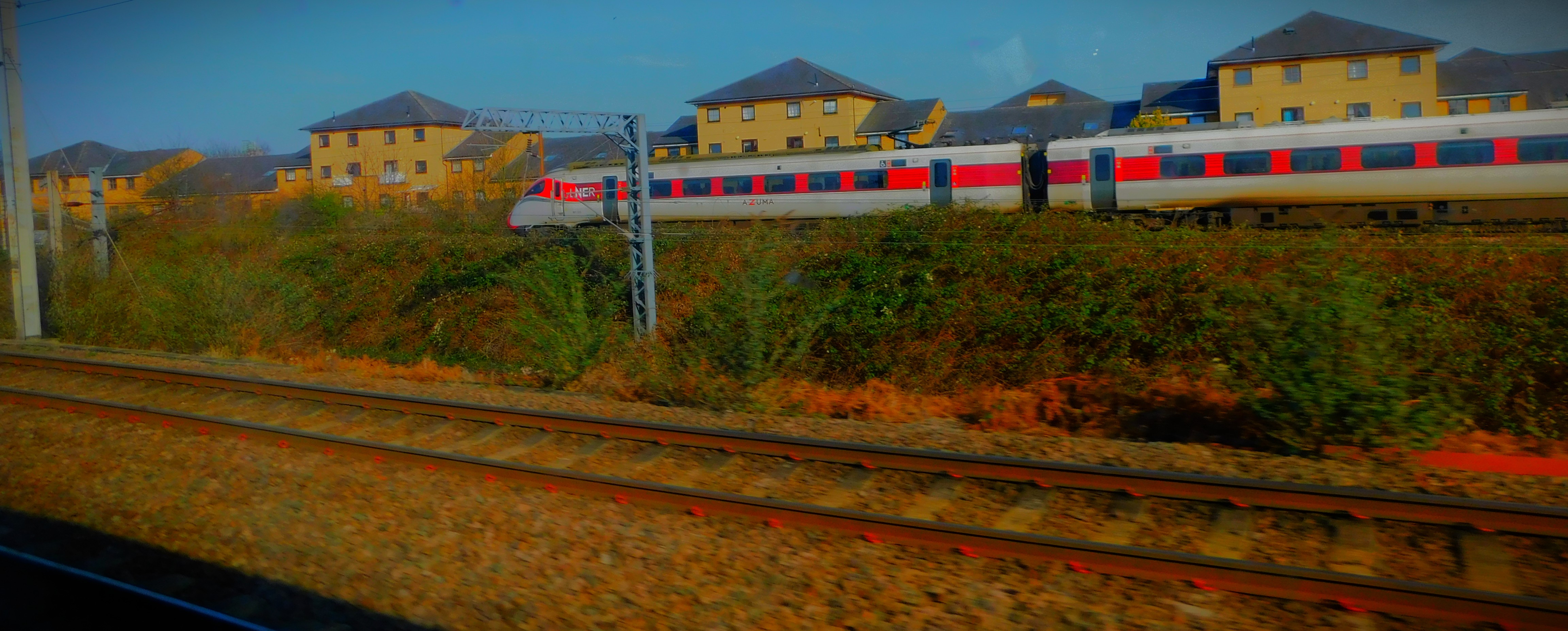
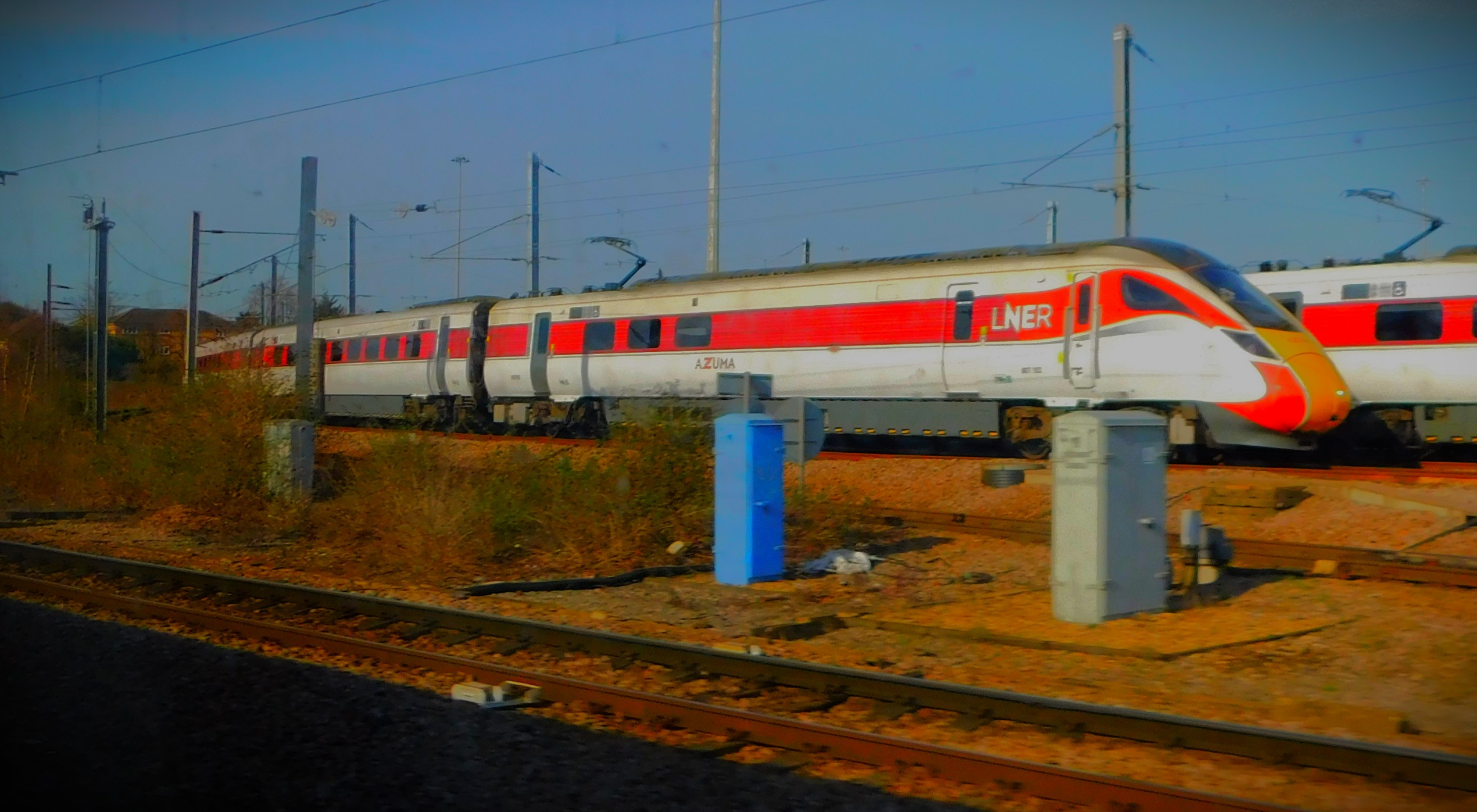
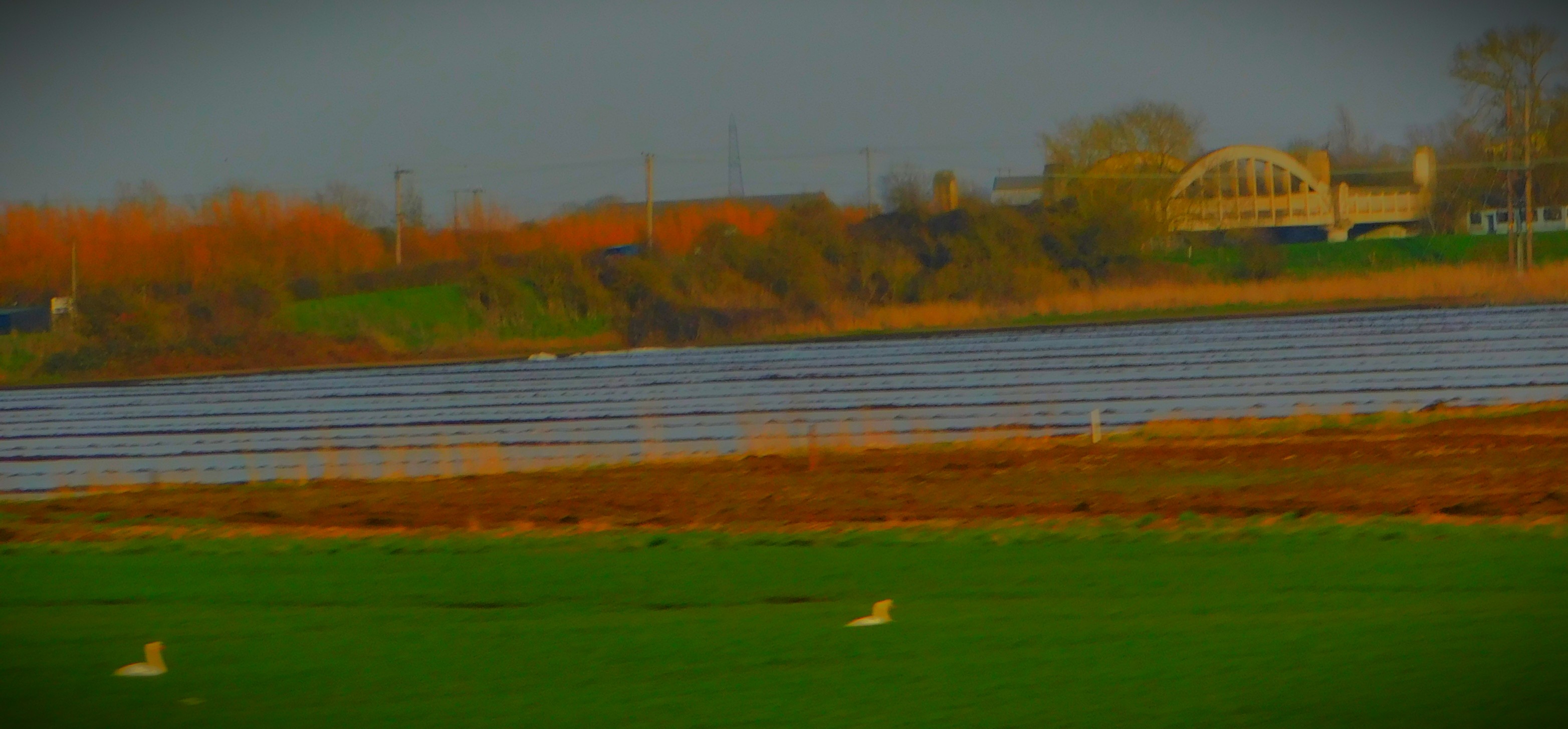
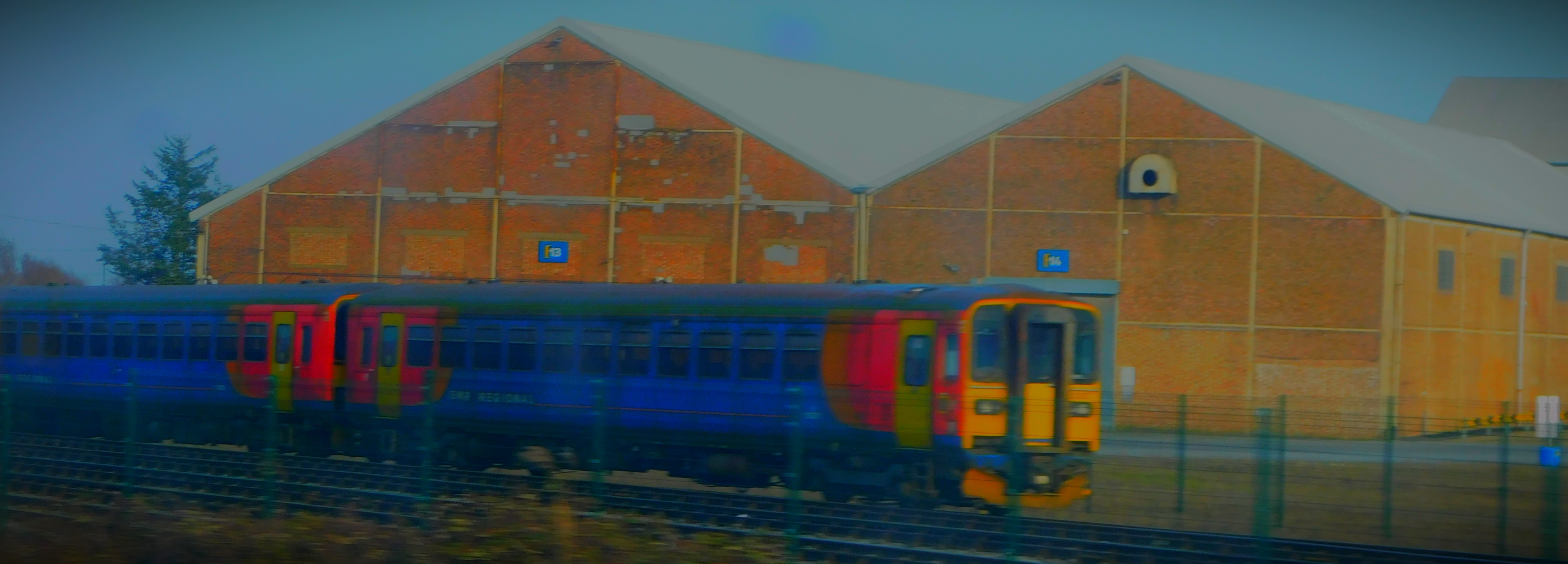
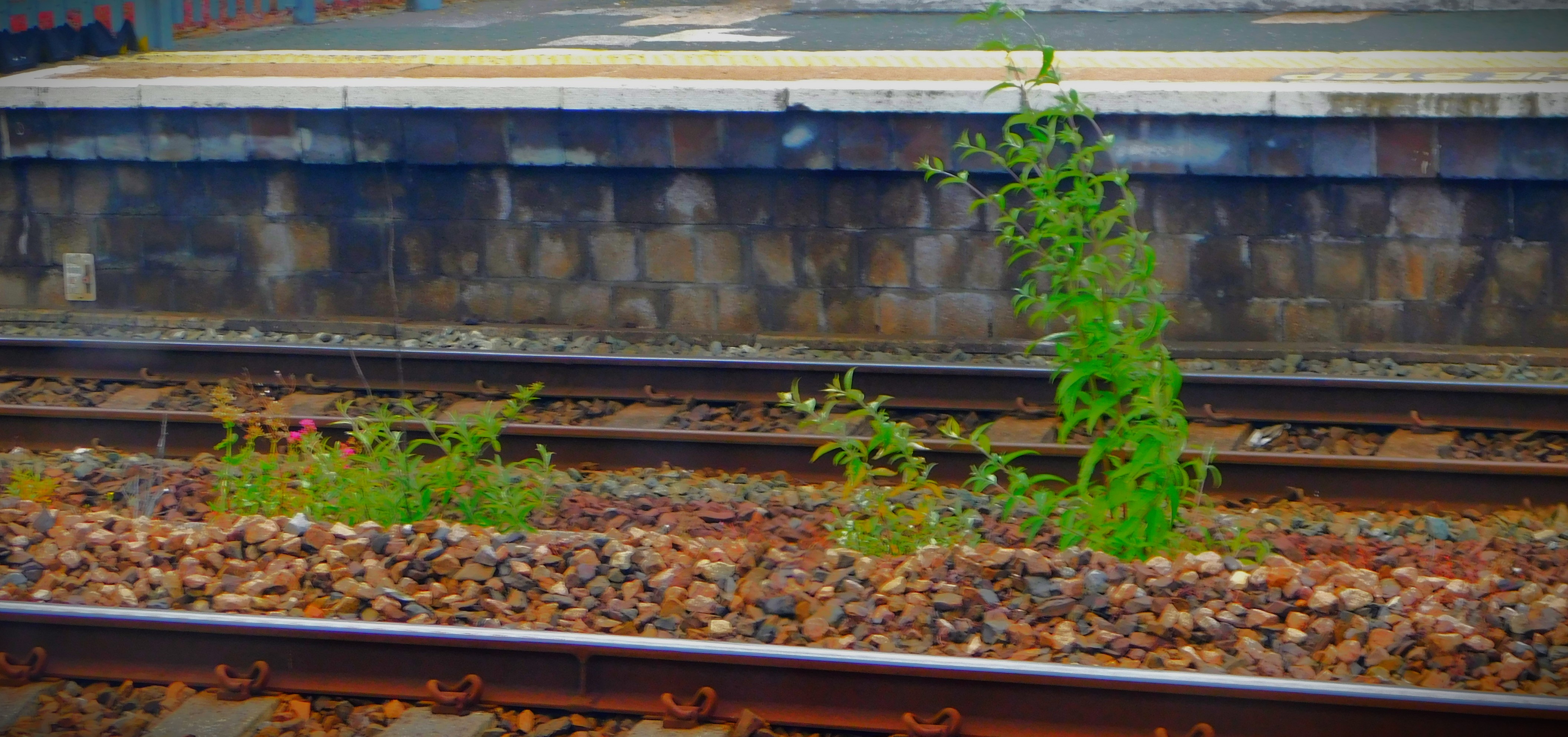
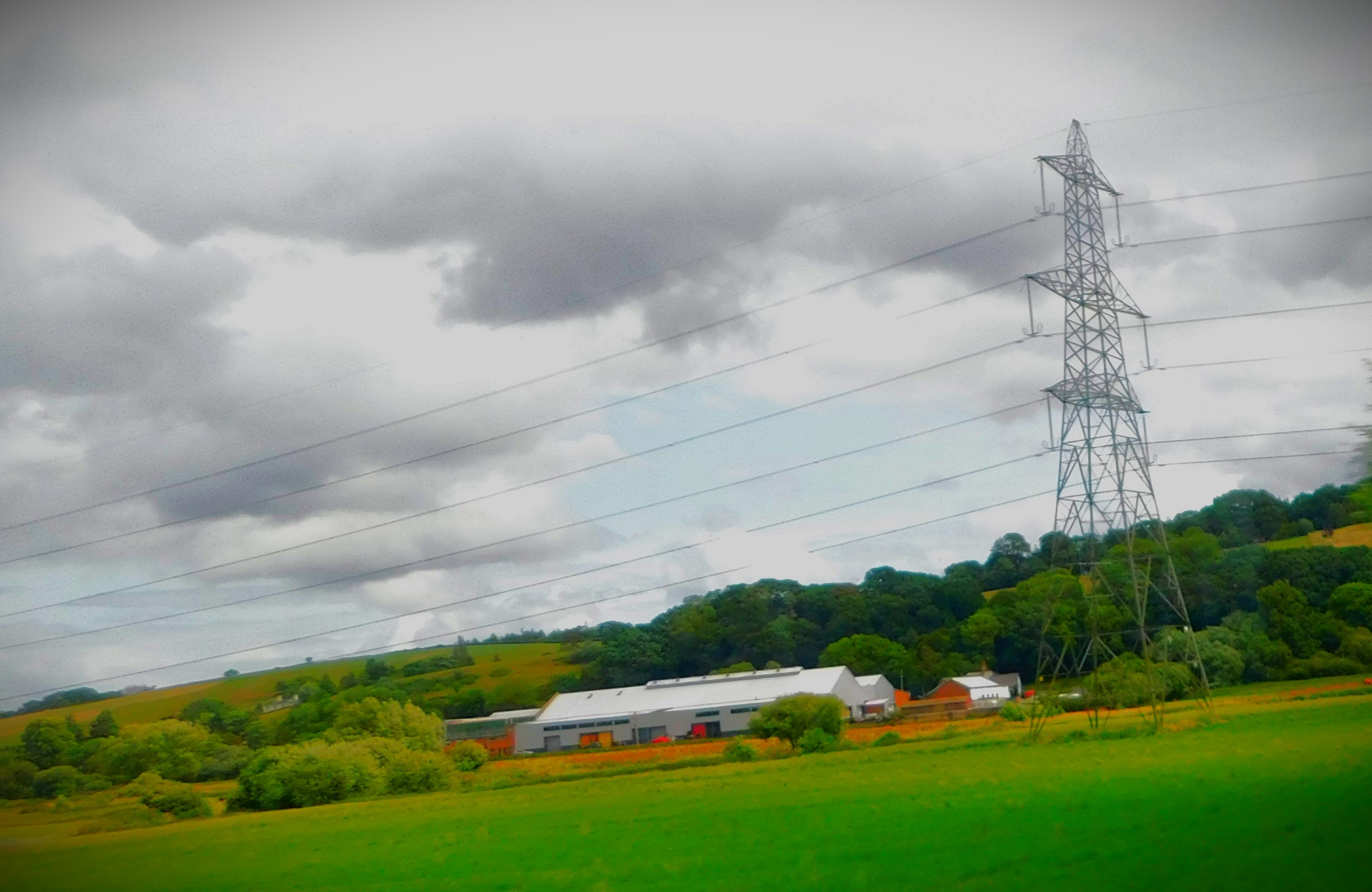
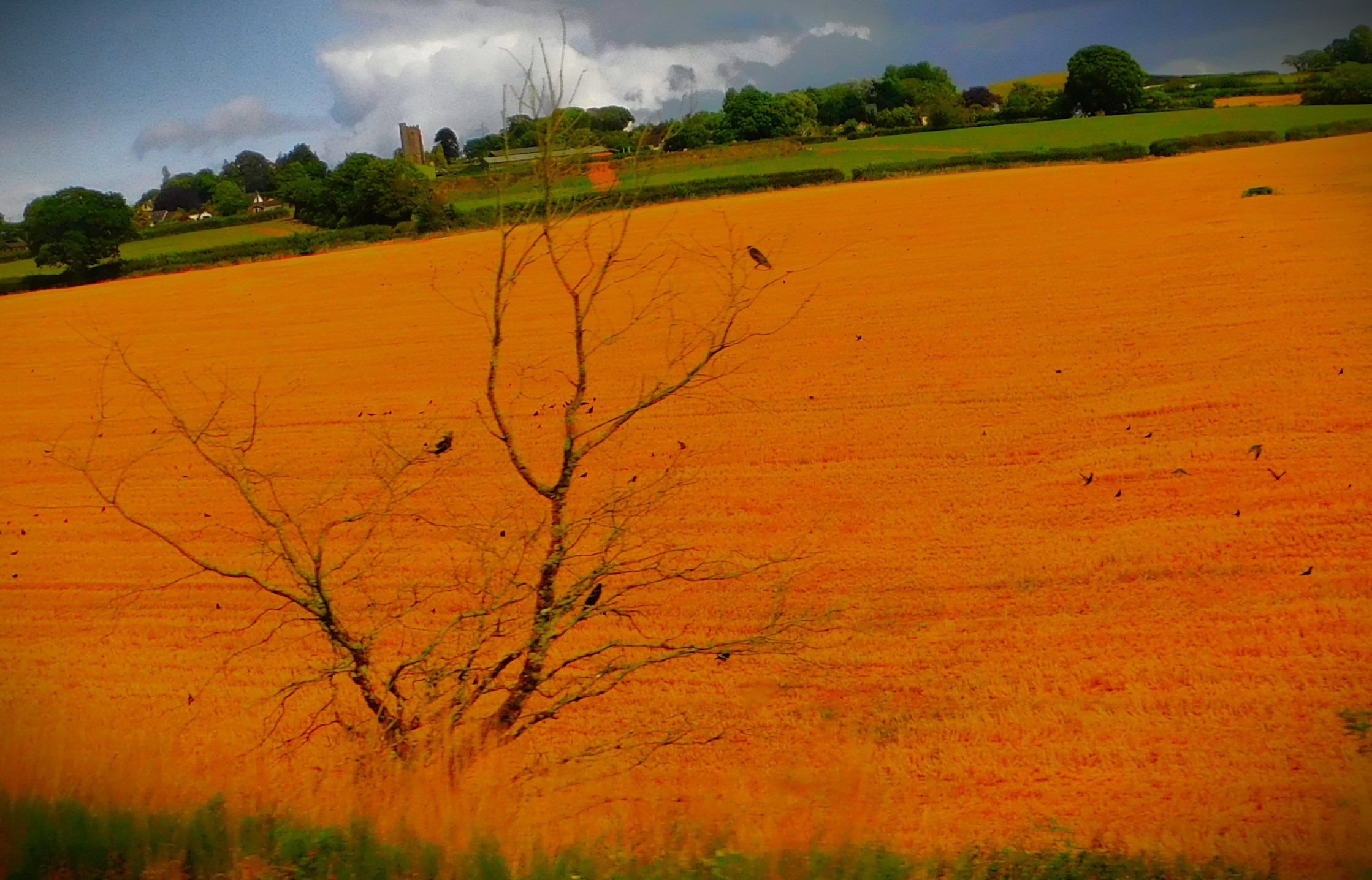
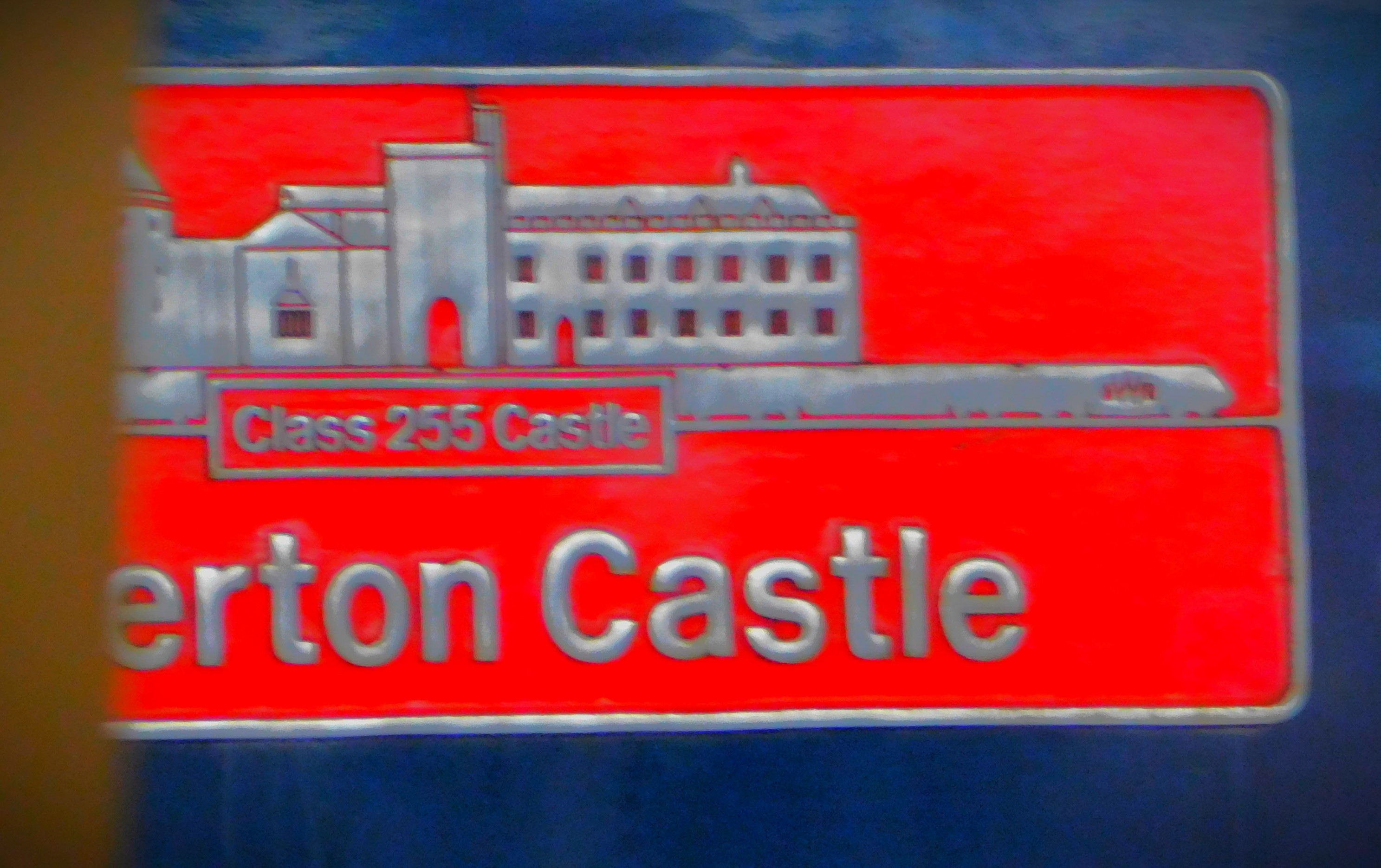
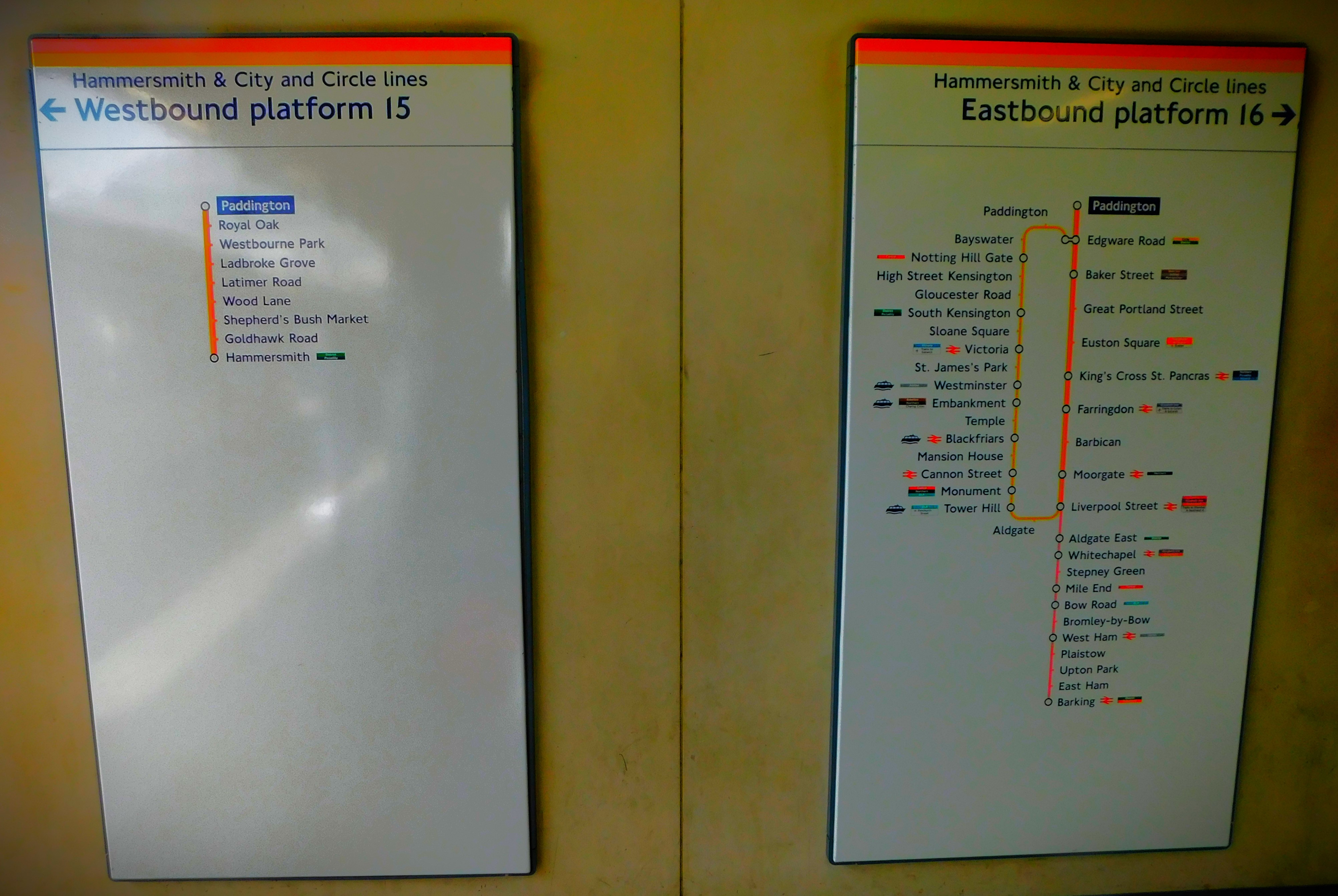
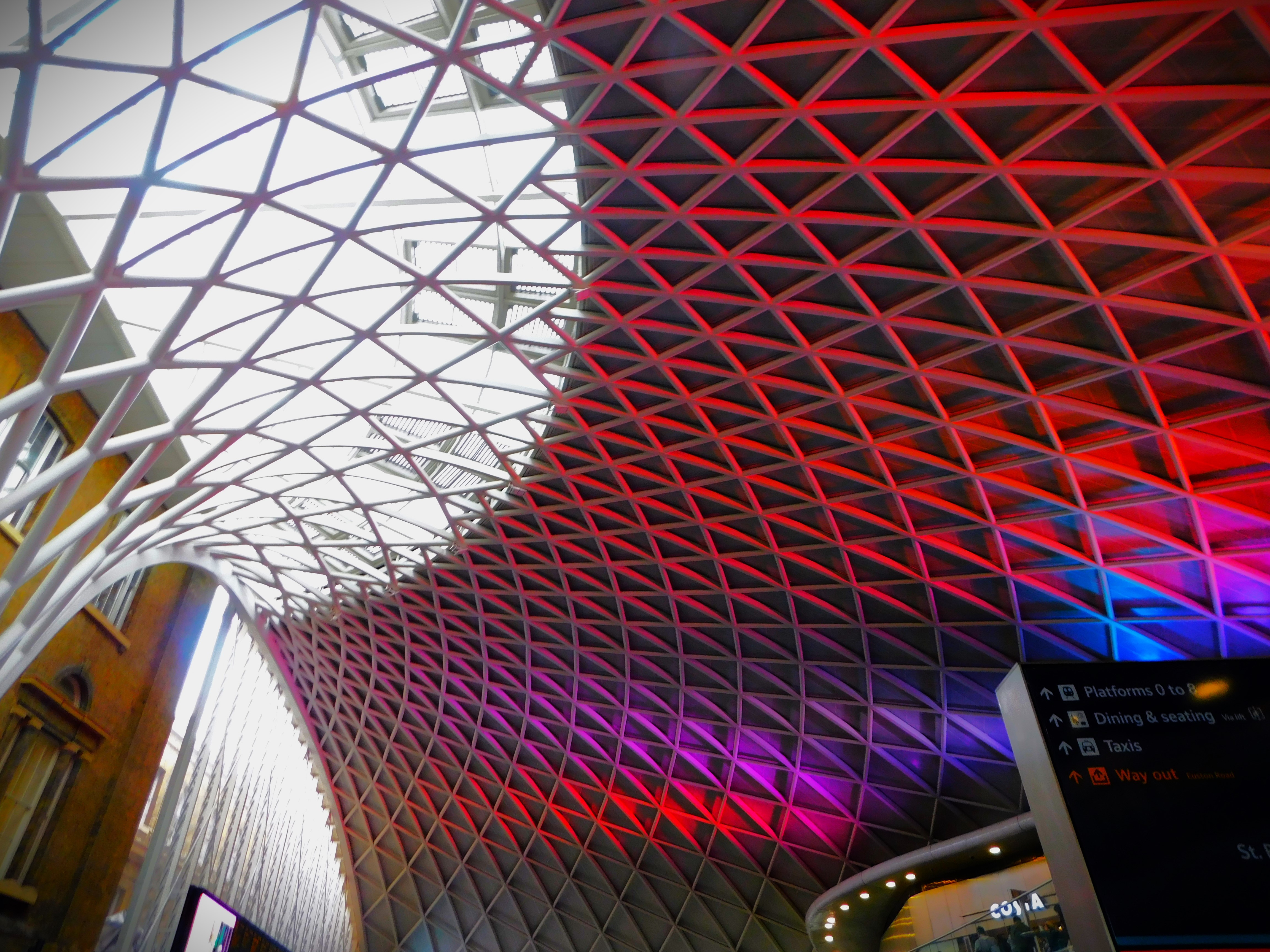
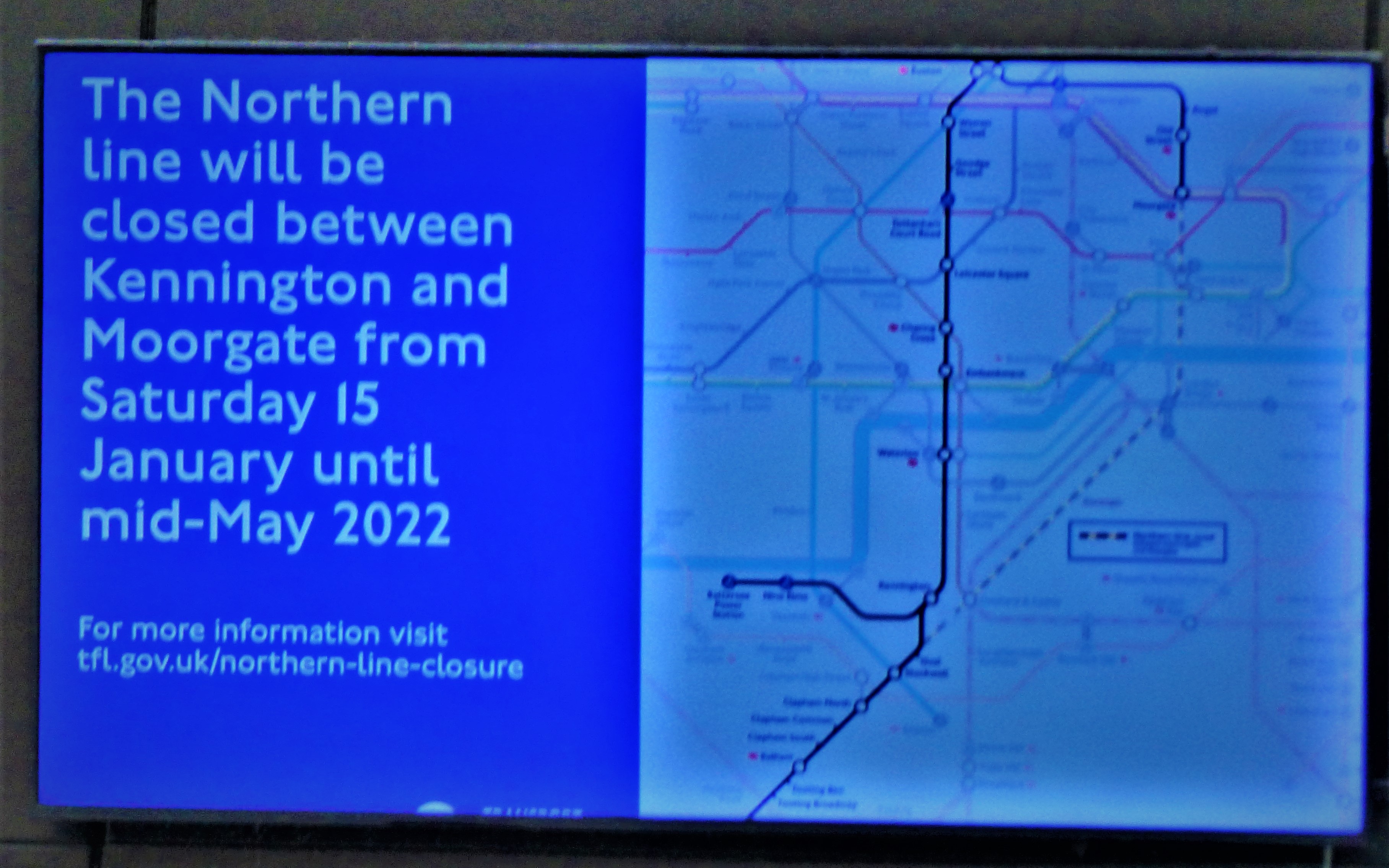
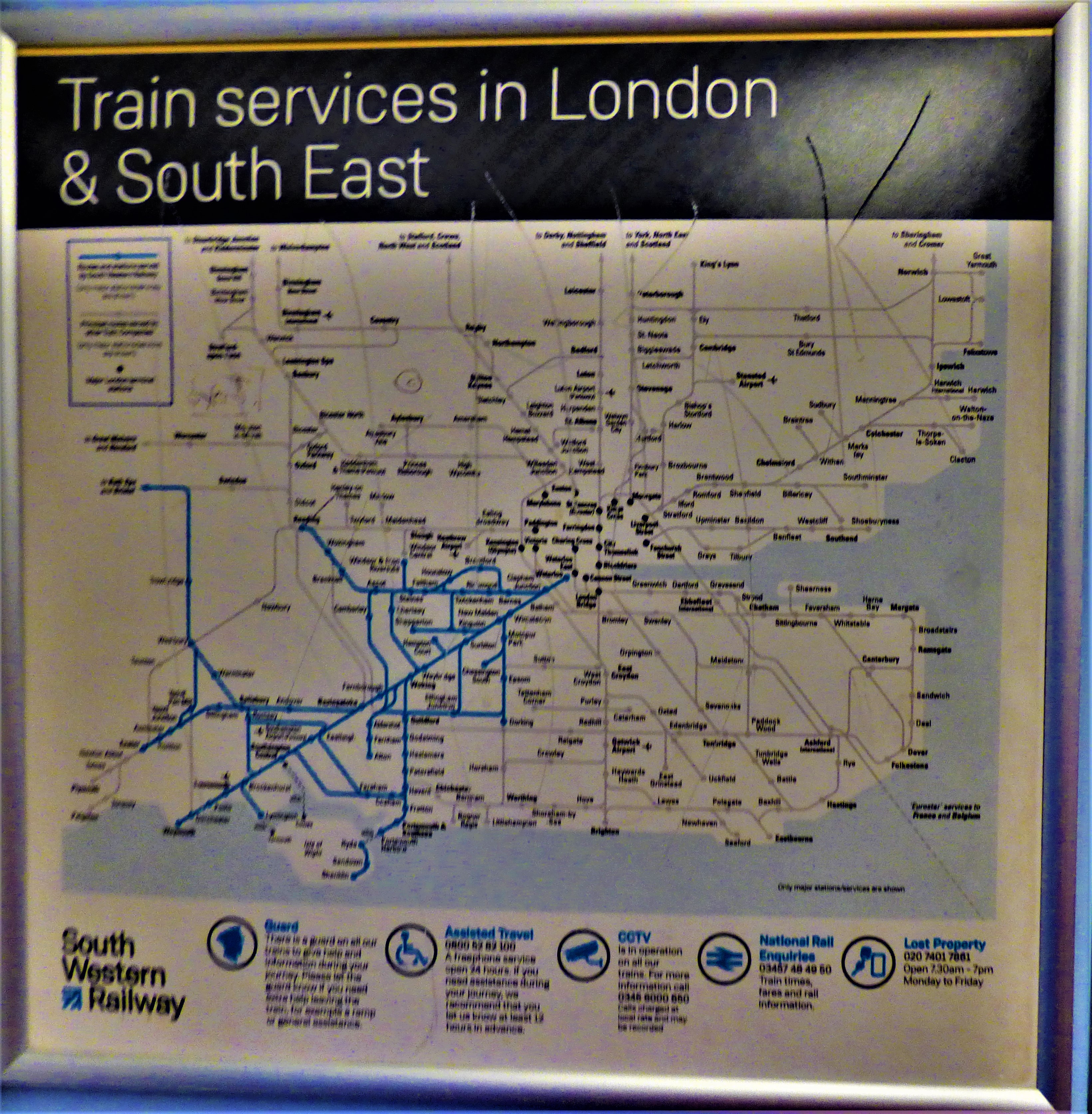
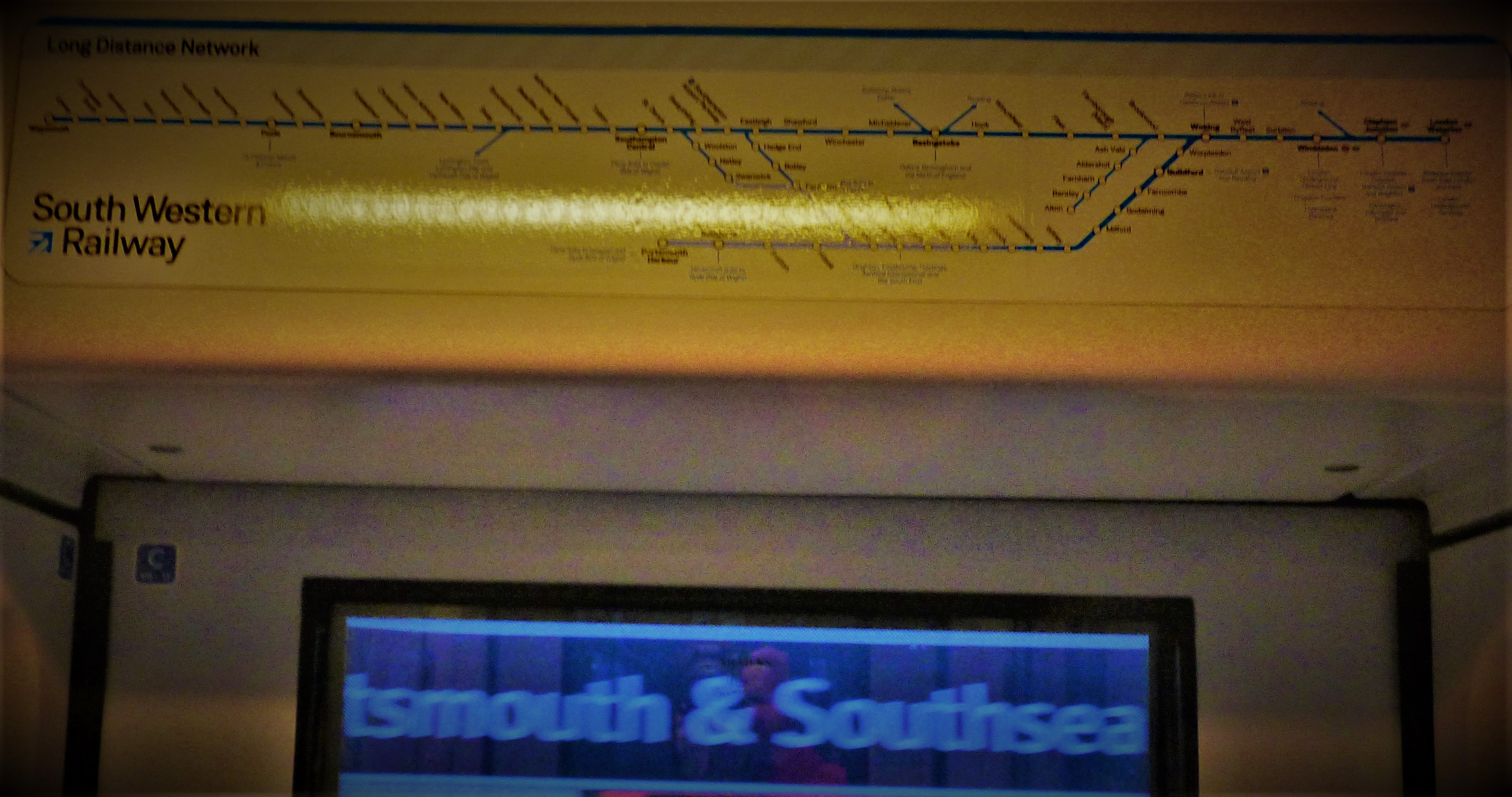
The first two pictures in this gallery were taken through the car window on the journey to Plymouth.Then there were some pictures taken at Plymouth.Pictures taken in transit from Plynouth start here.On the Praed Street platforms.At Edgware RoadPart of the sign indication the Metropolitan line platforms at Baker Street.This picture should have featured a roundel as well as this, but someone walked right in front of the roundel while I was taking it/Railway 200 stuff at King’s CrossThe route map on the train to Royston.
An account of my involvement in an ‘Unhappy birthday, Elon’ event yesterday, complete with photos.
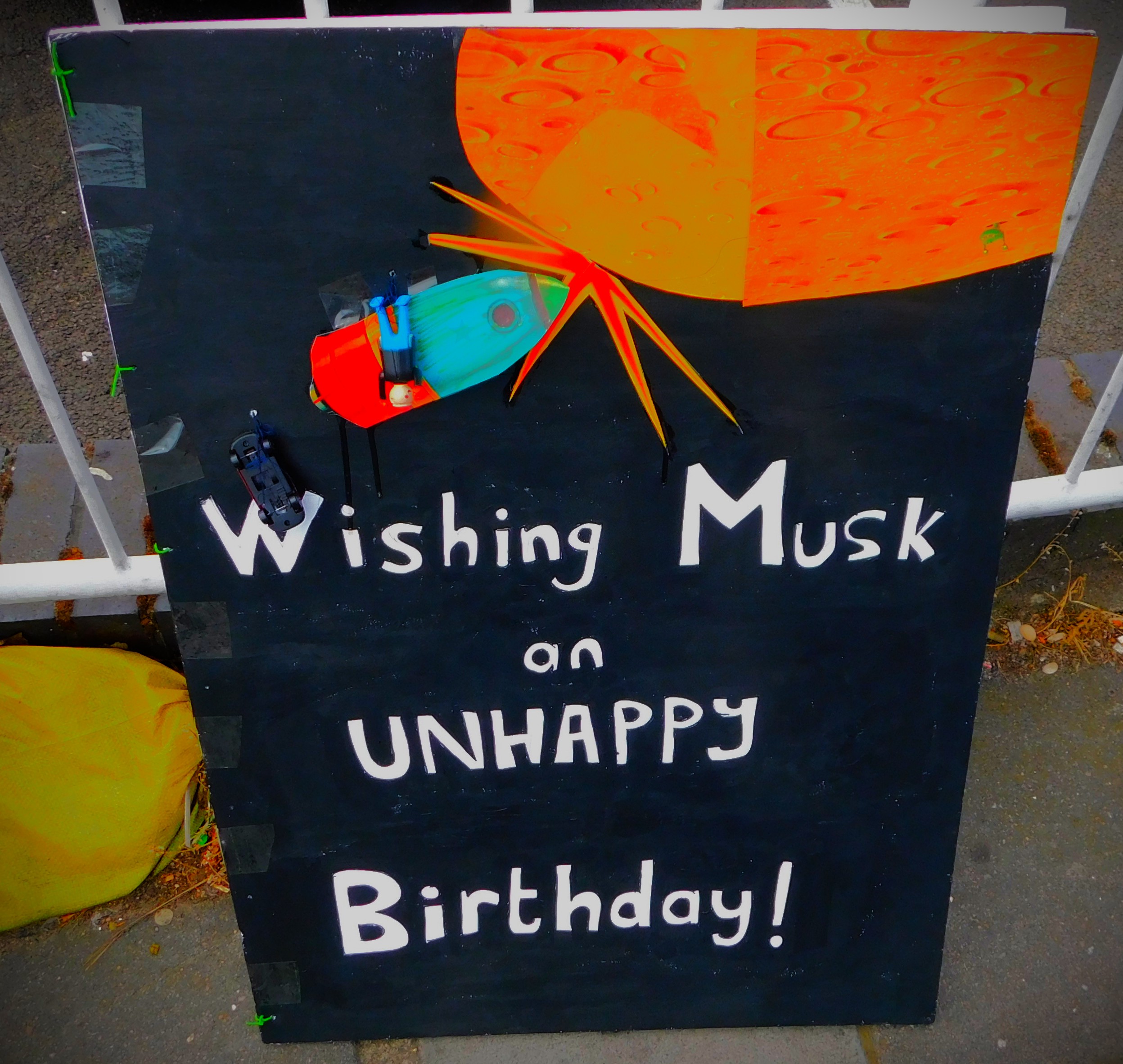
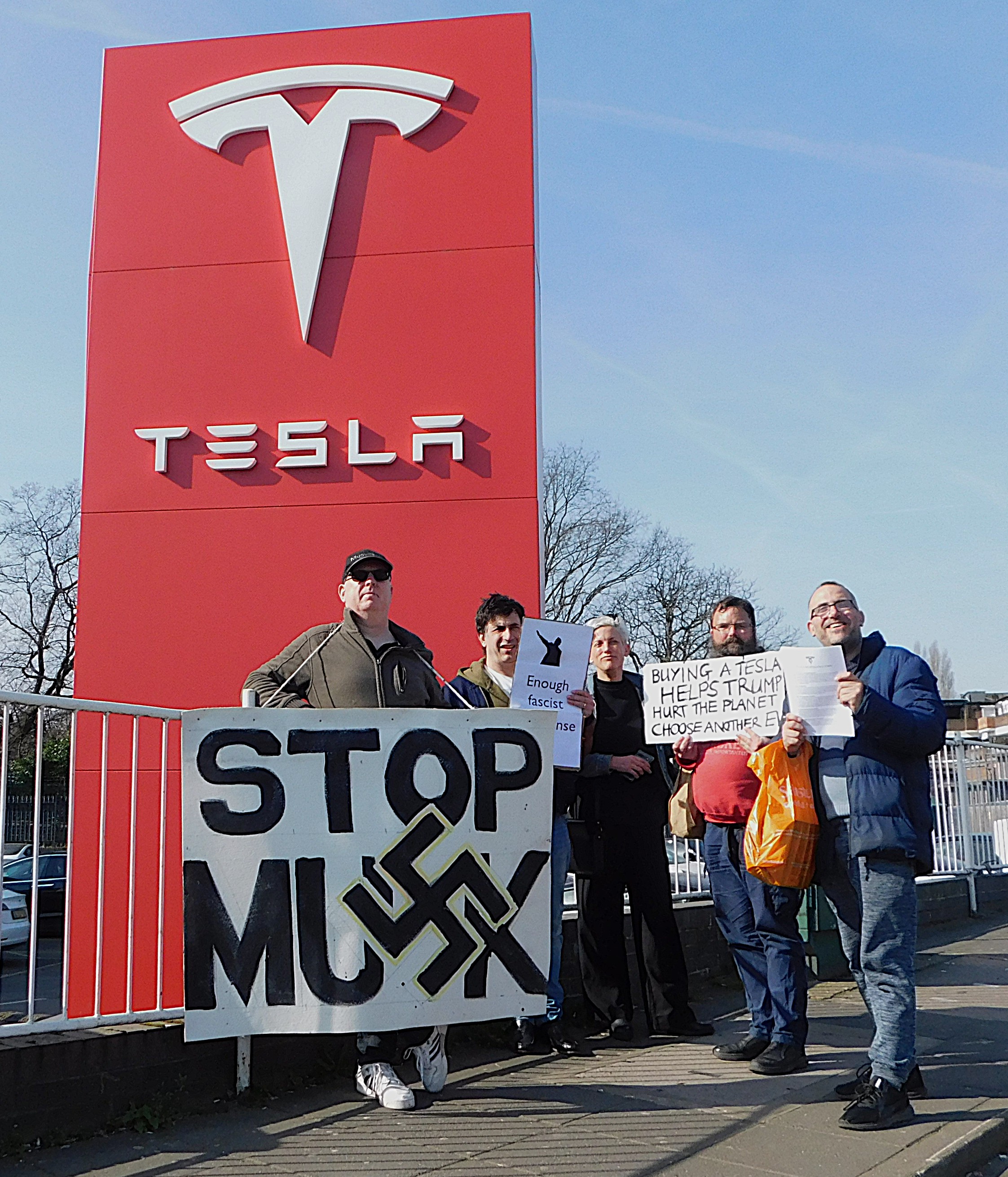
Yesterday was Elon Musk’s birthday, and activities had been organized in various places to make it an unhappy one for him. I took part in the event in London, outside the Tesla dealership in Park Royal.
THERE AND BACK
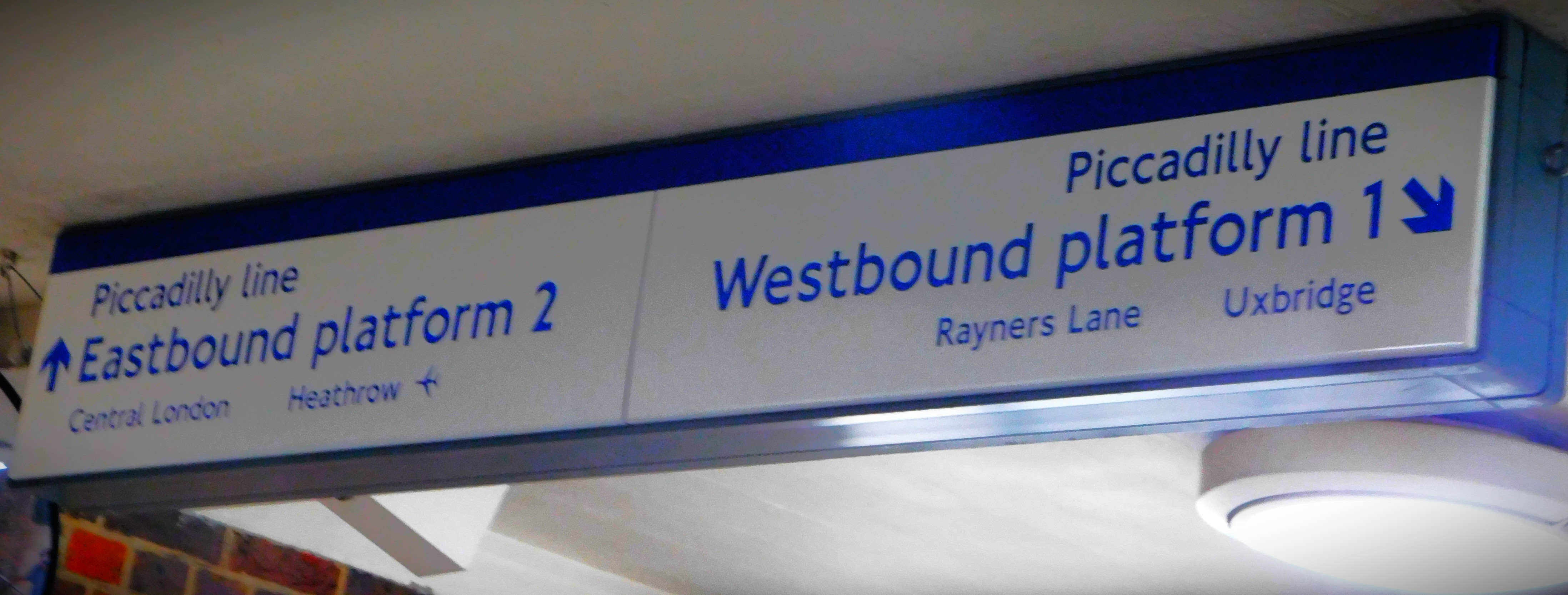
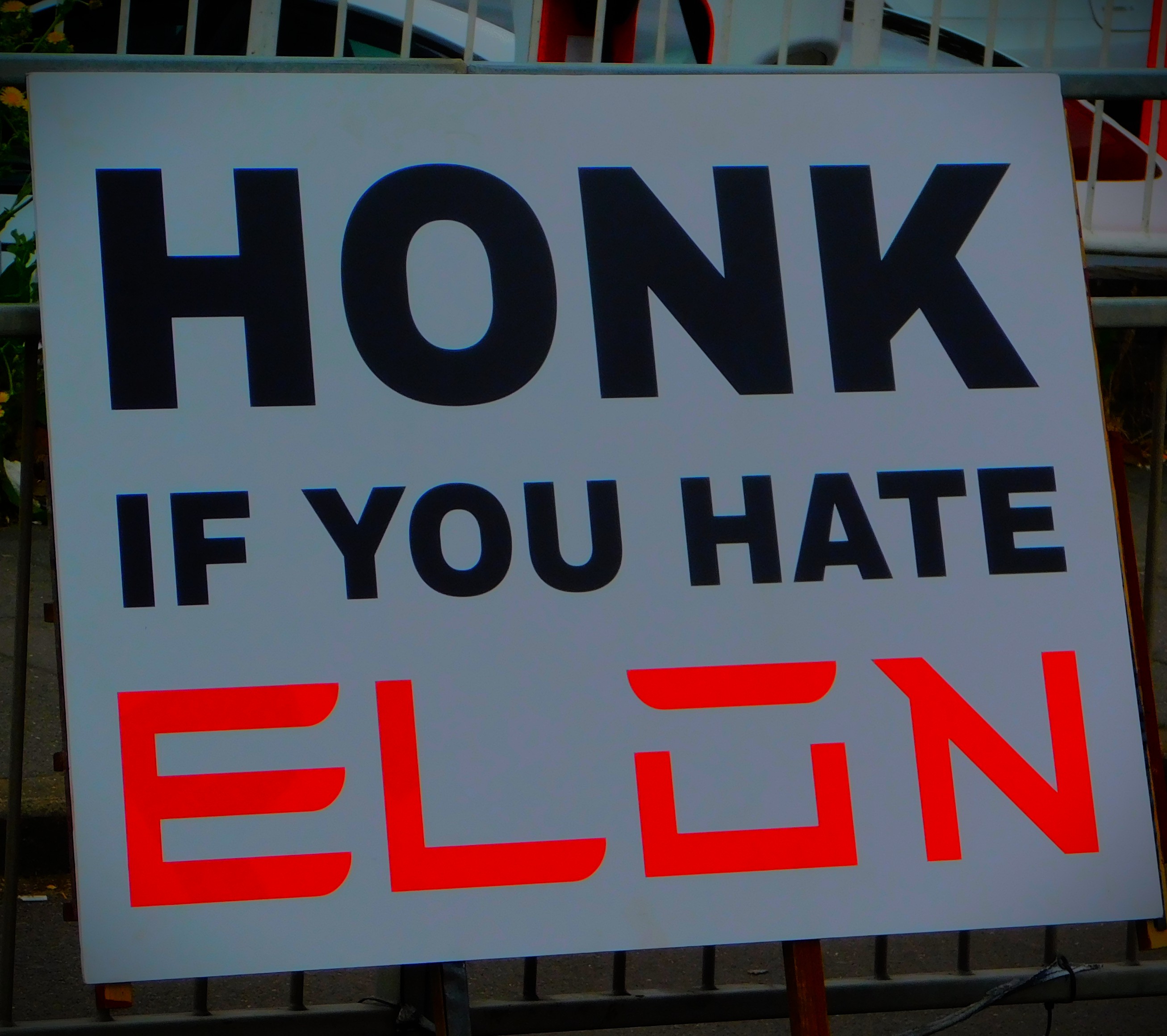
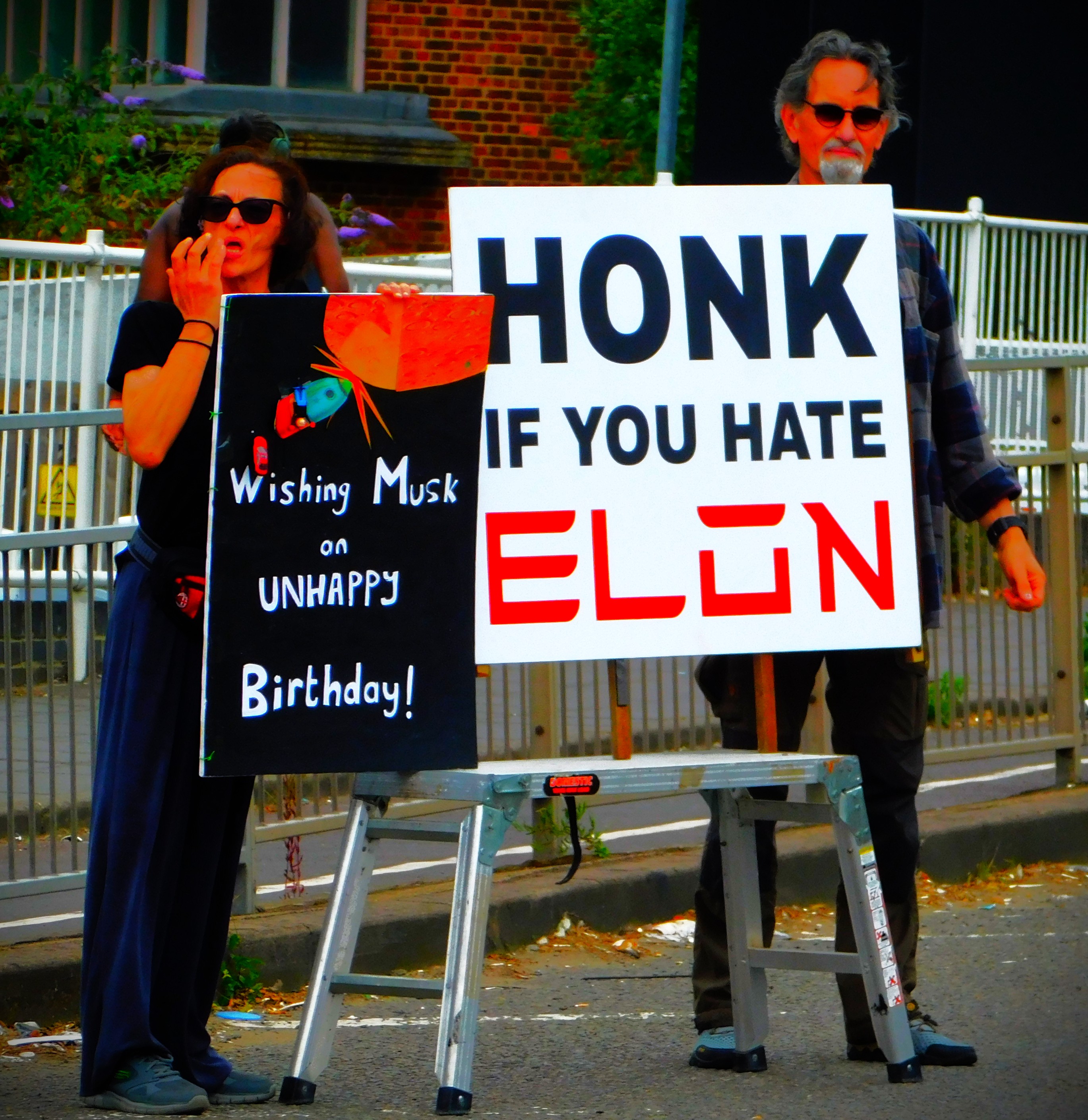
I caught the 7:42 train from King’s Lynn to London King’s Cross. I had been speculating over the possibility of travelling on the Metropolitan line to Rayner’s Lane and then going back down the Piccadilly line to Park Royal, but an announcement to the effect that the Metropolitan was experiencing delays saw me change plans and go the direct route along the Piccadilly. I arrived early, and did my best to assist with the setup. I did not stay hugely long, and was back home in time to catch most of the T20I between the England and India women’s teams. Most of the time I was there was spent with a sign urging passing motorists to “HONK IF YOU HATE ELON” – and quite a few did so.
PHOTOGRAPHS
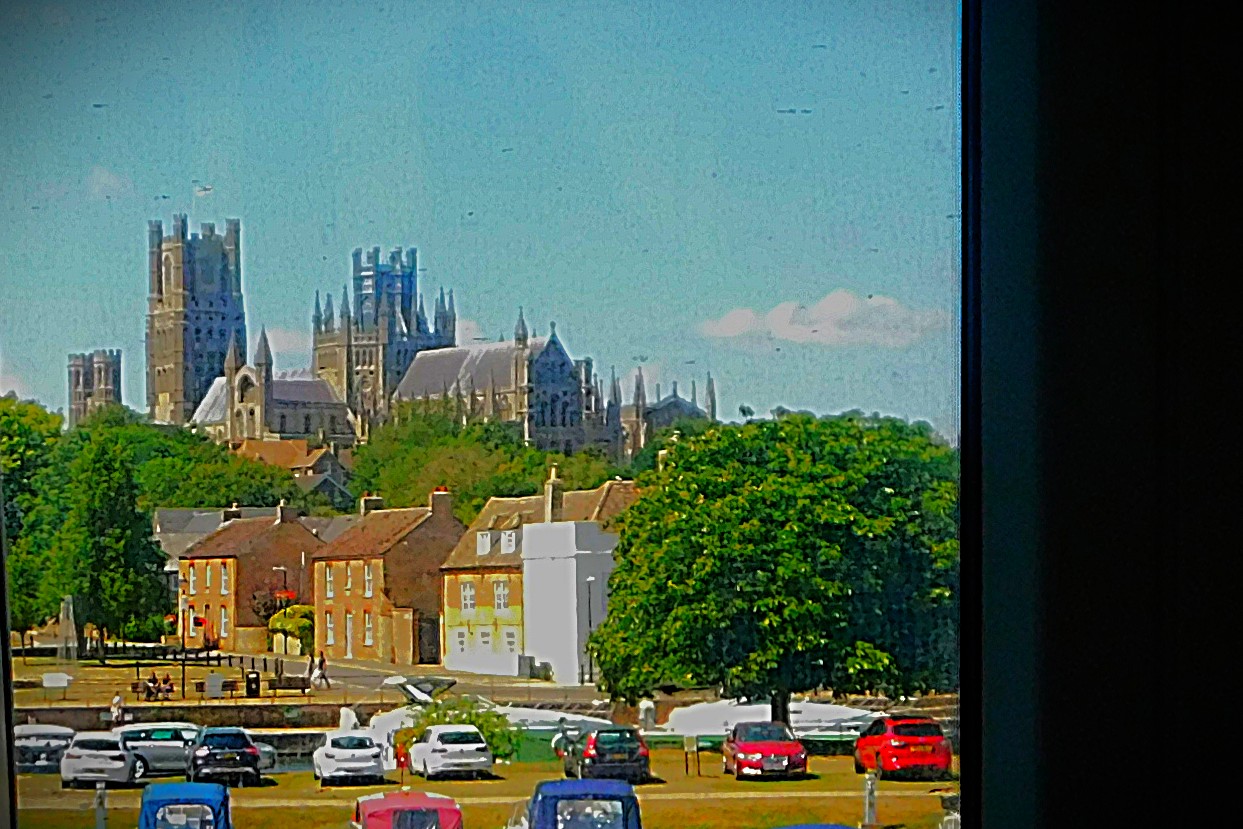
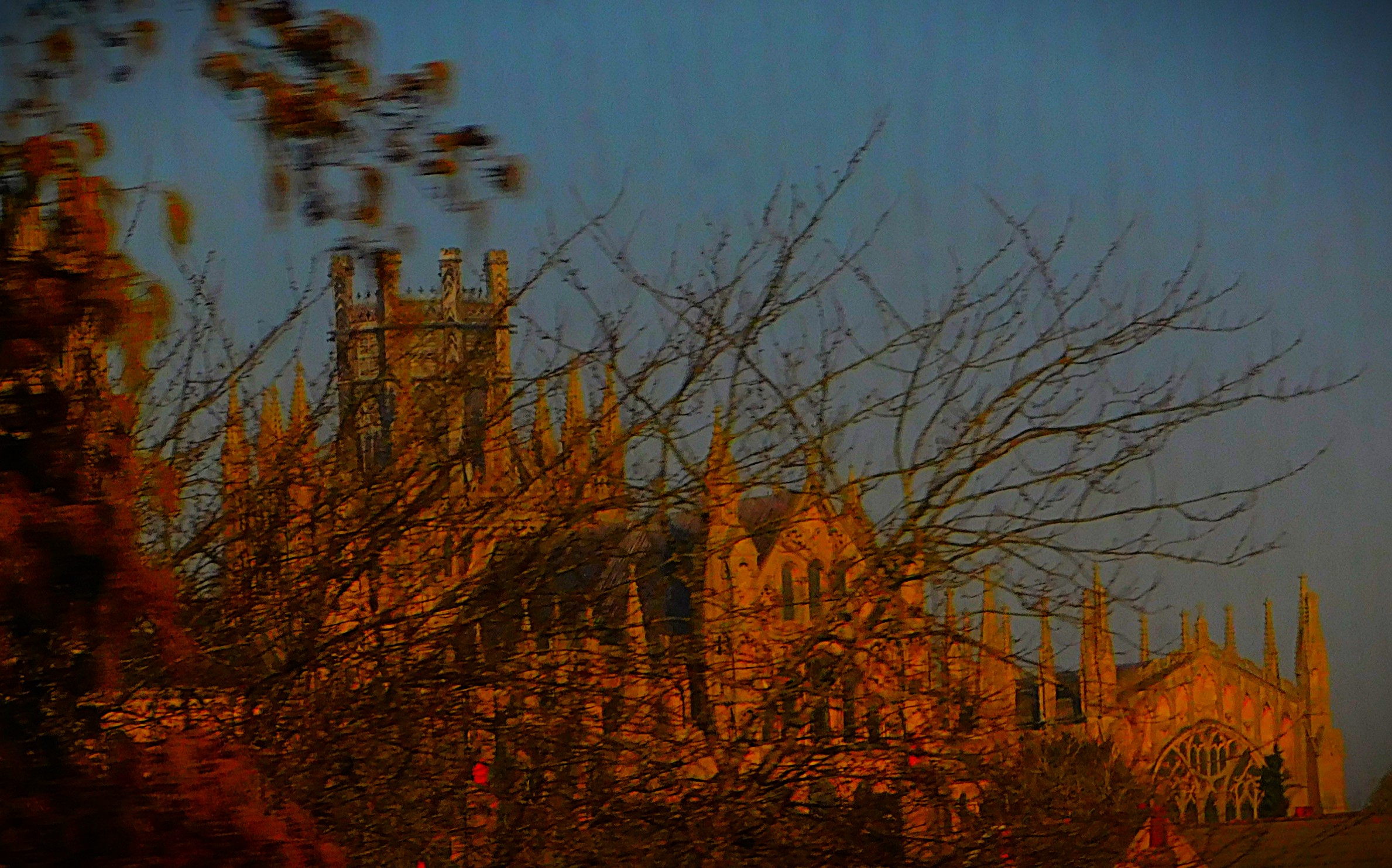
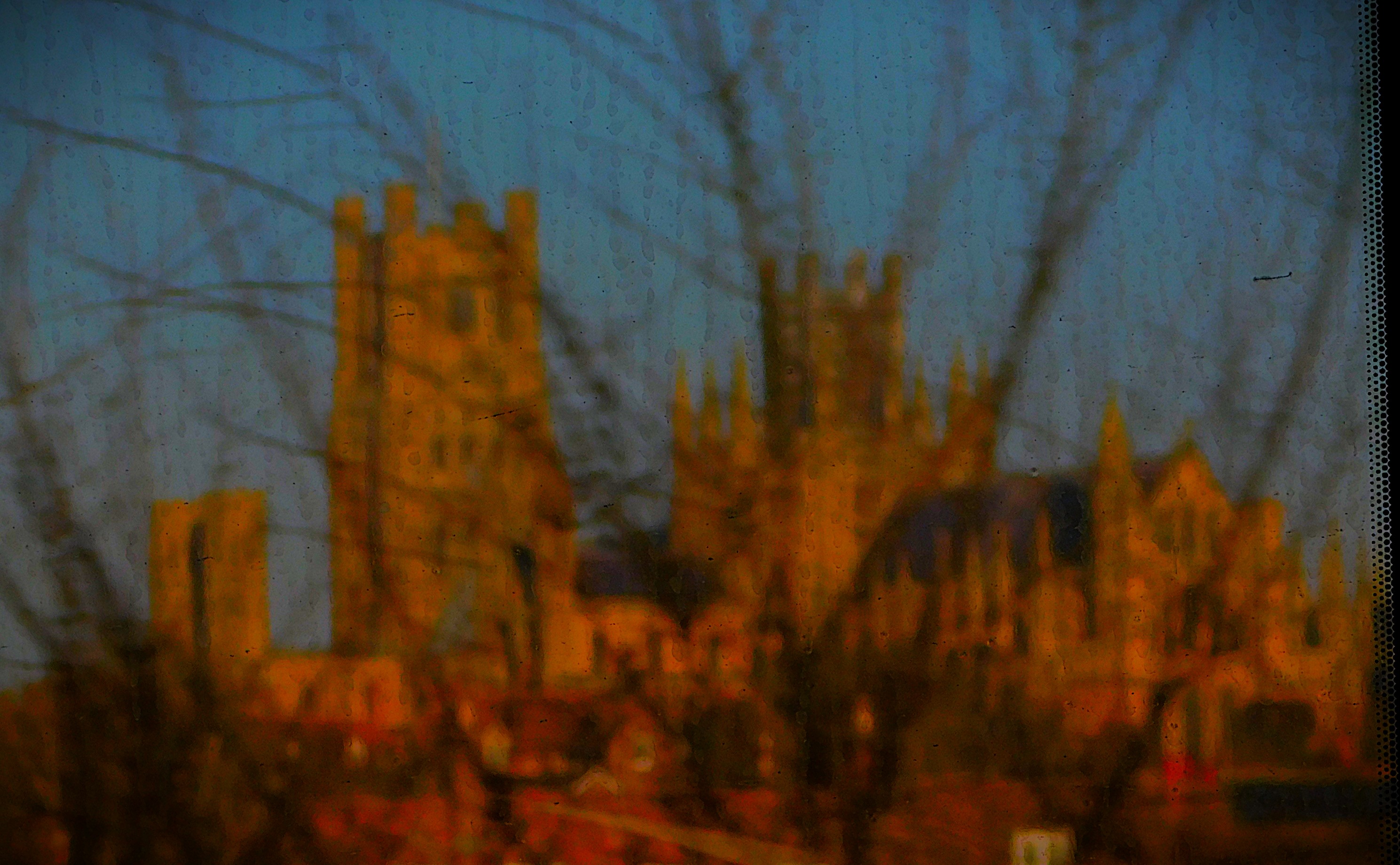
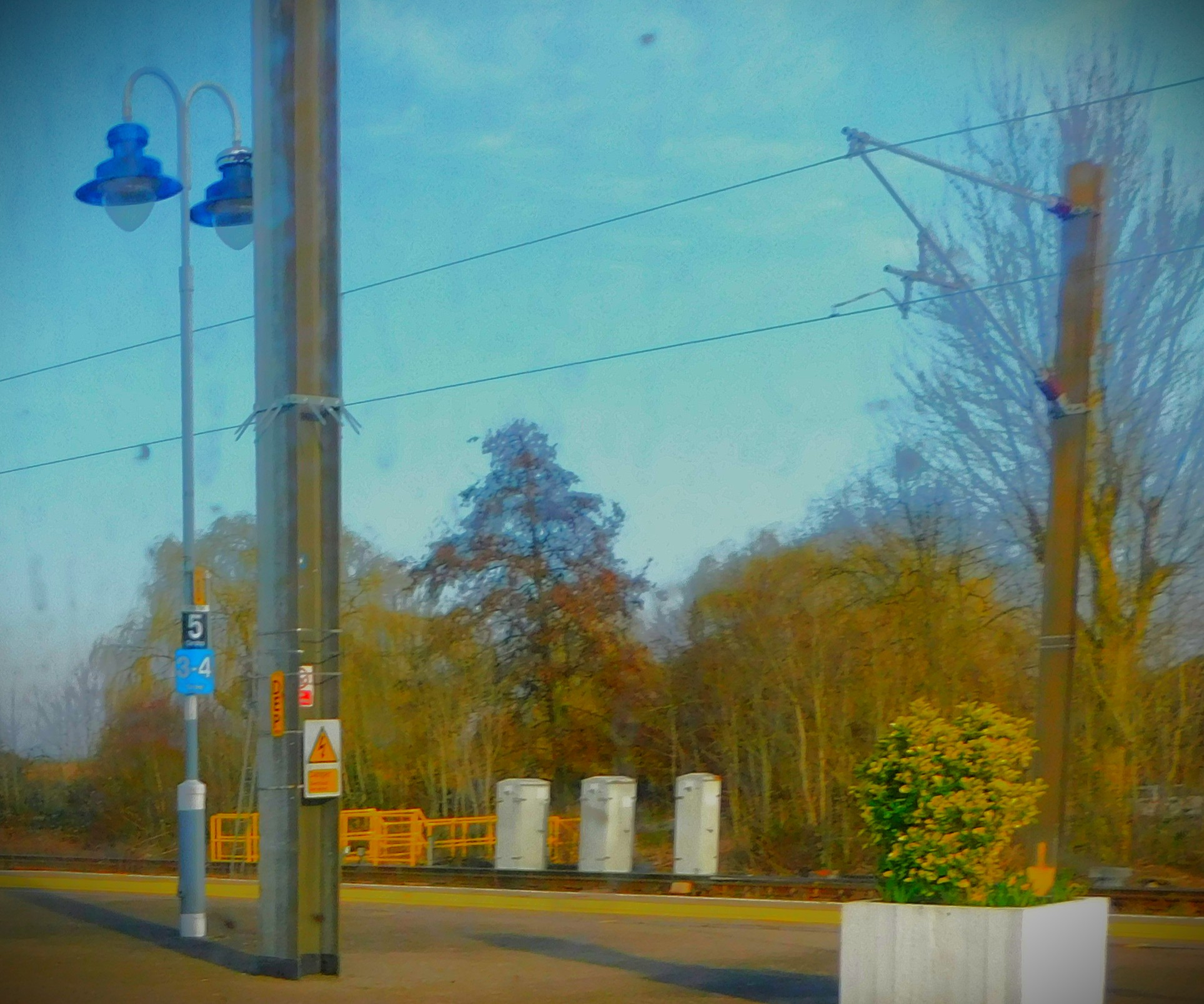
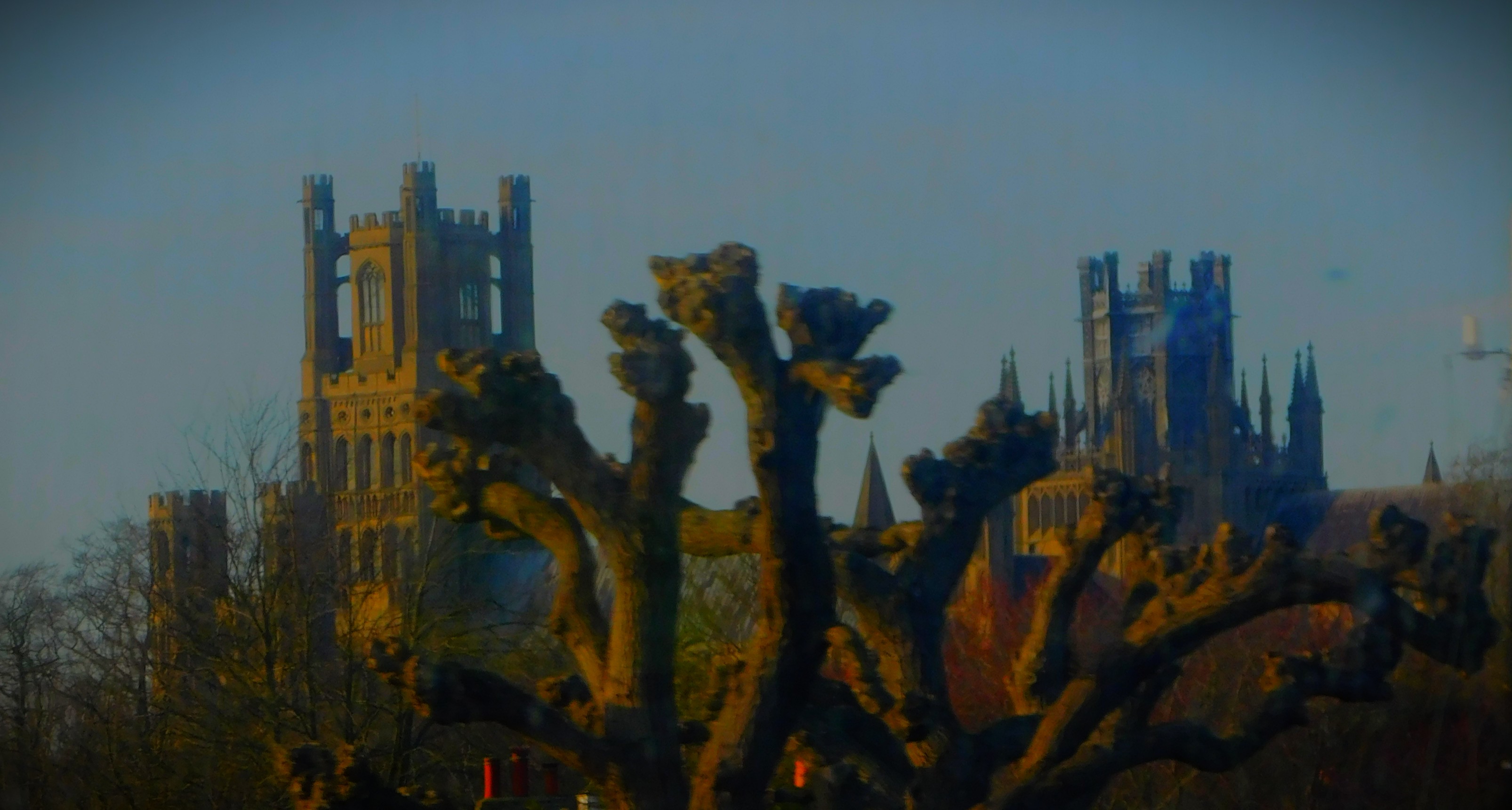
Here are my photographs starting at King’s Lynn Station and ending with a distant view of Ely Cathedral on the return train journey…
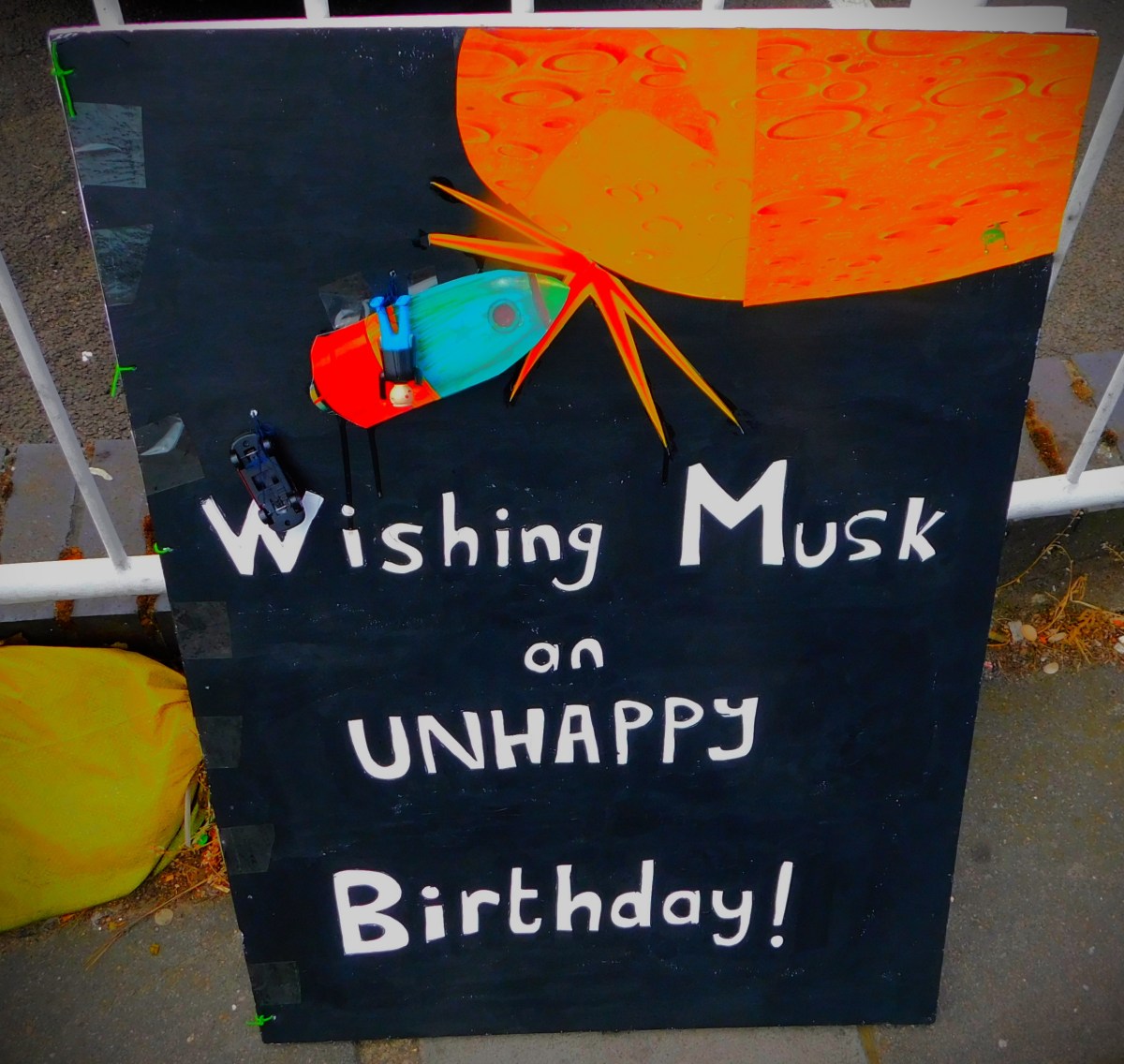
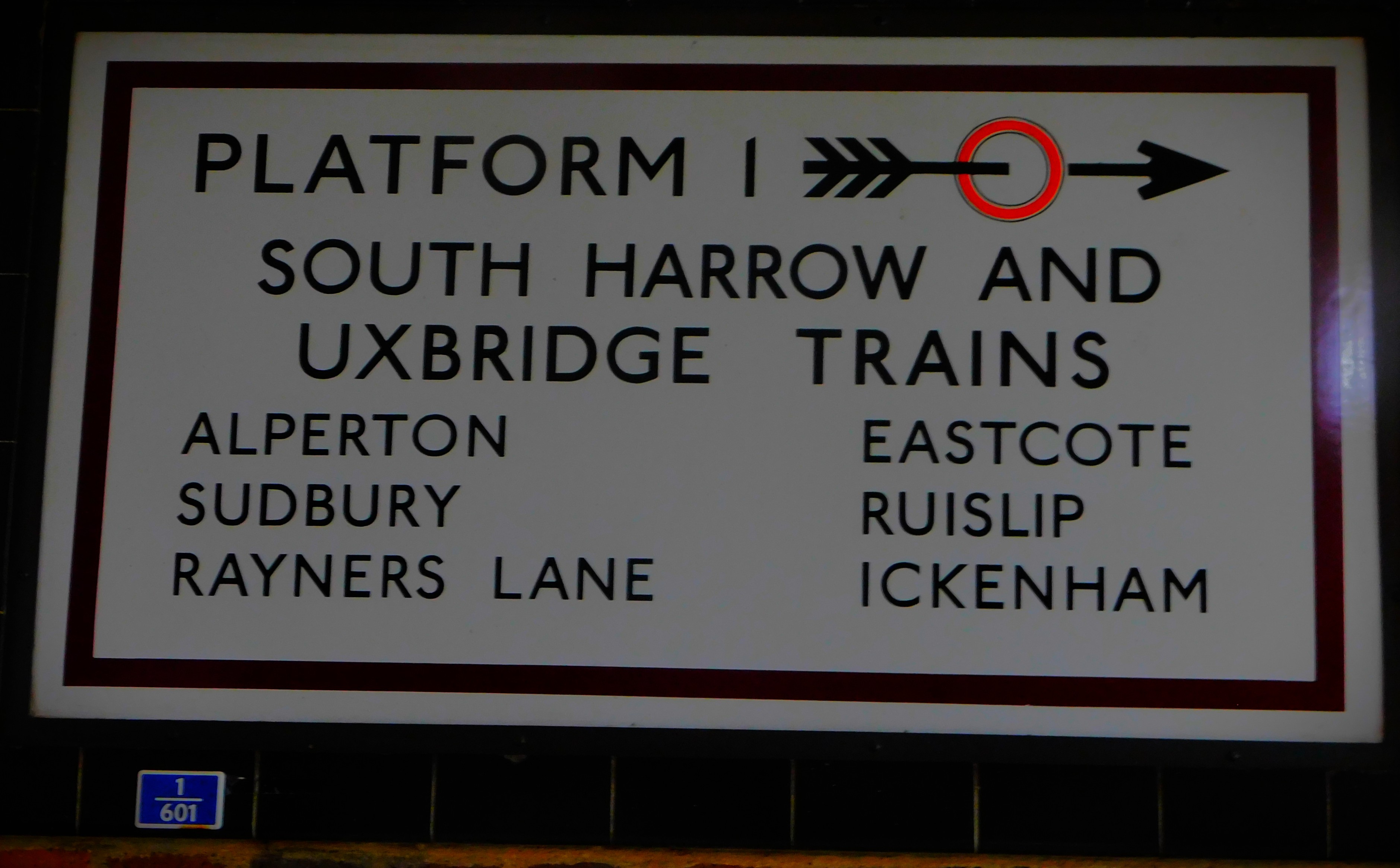
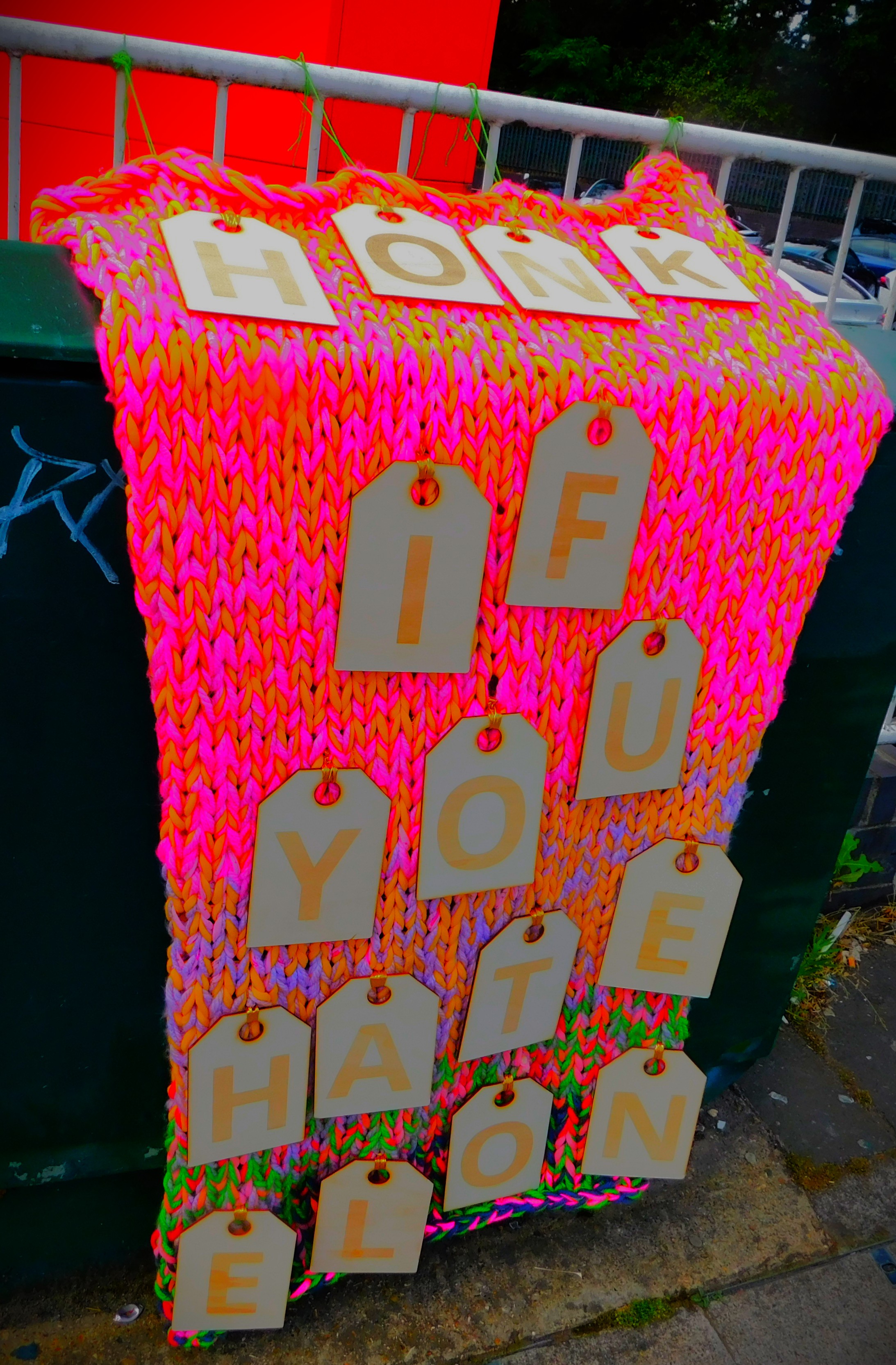
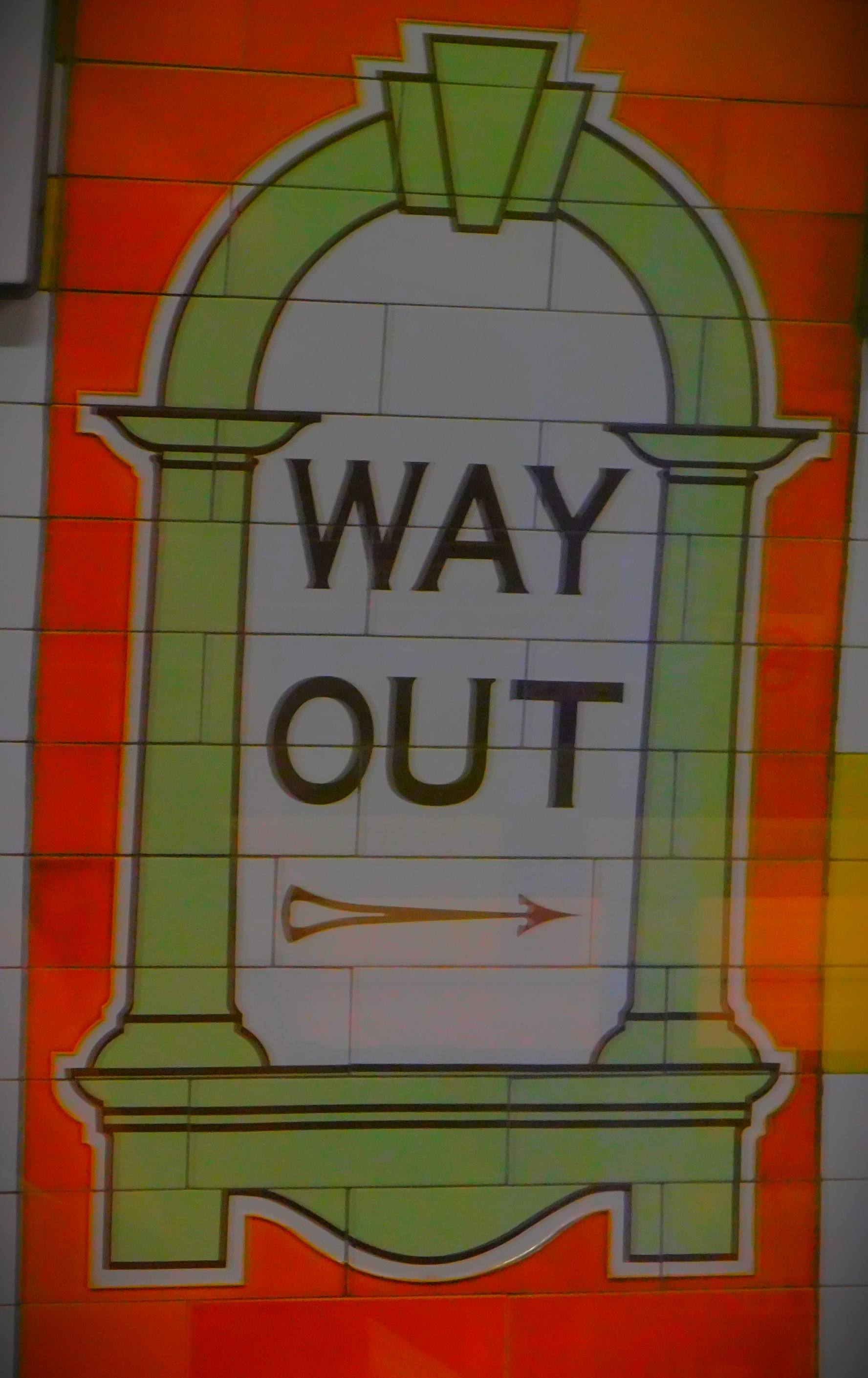
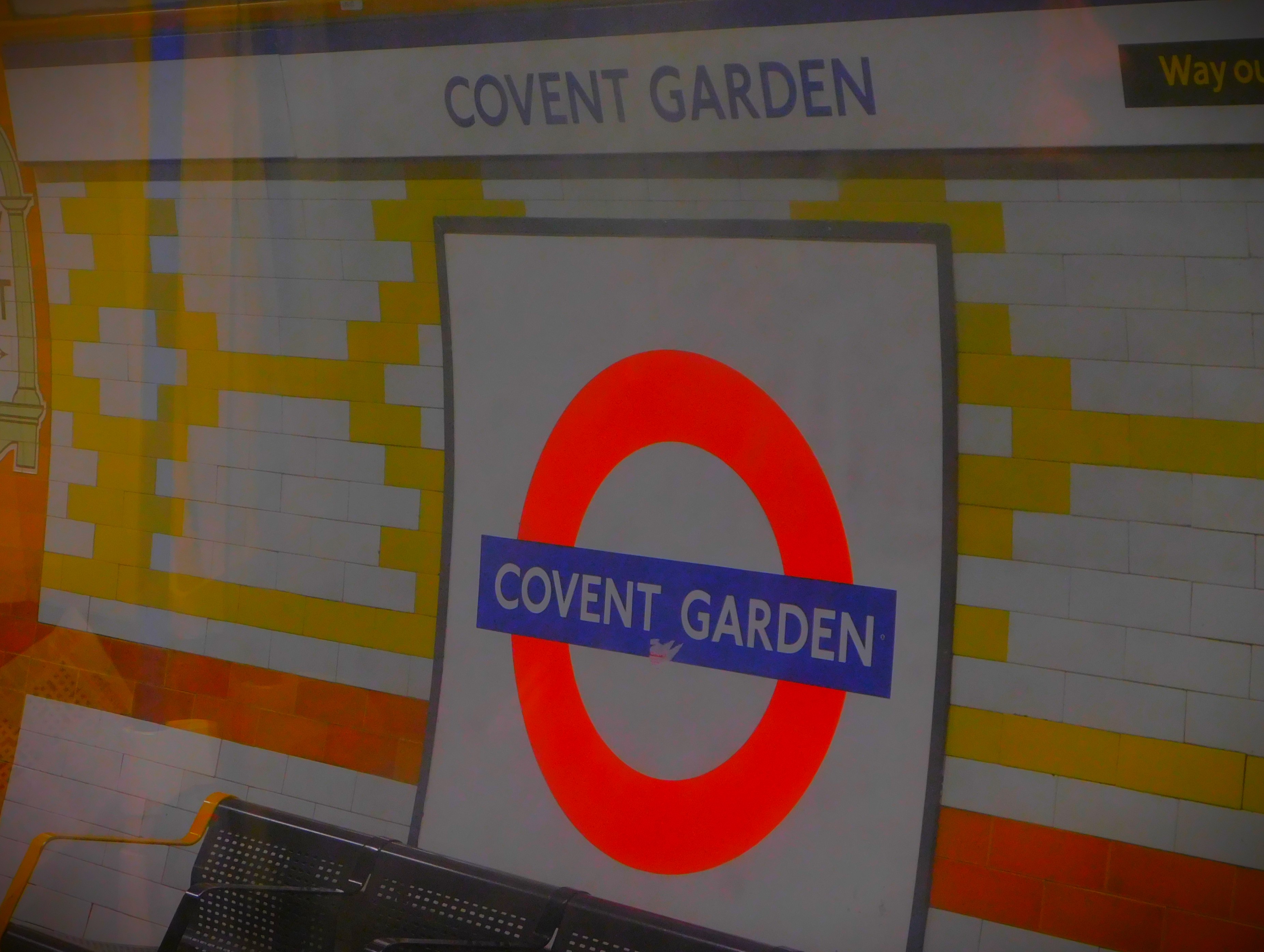
This arch is part of the remnants of a viaduct that carried what is now the Hammersmith and City line by way of a station named Hammersmith Grove Road to Ravenscourt Park for the run to Richmond. Part of the displayA giant ‘unhappy birthday card’The Tesla sign and a protest sign in the same shot.I was delighted to get this picture of the name ‘Covent Garden’ picked out in tiling.
An account of my involvement in the first Tesla Takedown event, outside the dealership at Park Royal, London. Features a special section on the magnificent Park Royal station.
Yesterday saw the first Tesla Takedown event take place outside the Tesla dealership at Park Royal in west London. I was one of the participants, and this post describes my day.
PREPARATION AND TRAVEL
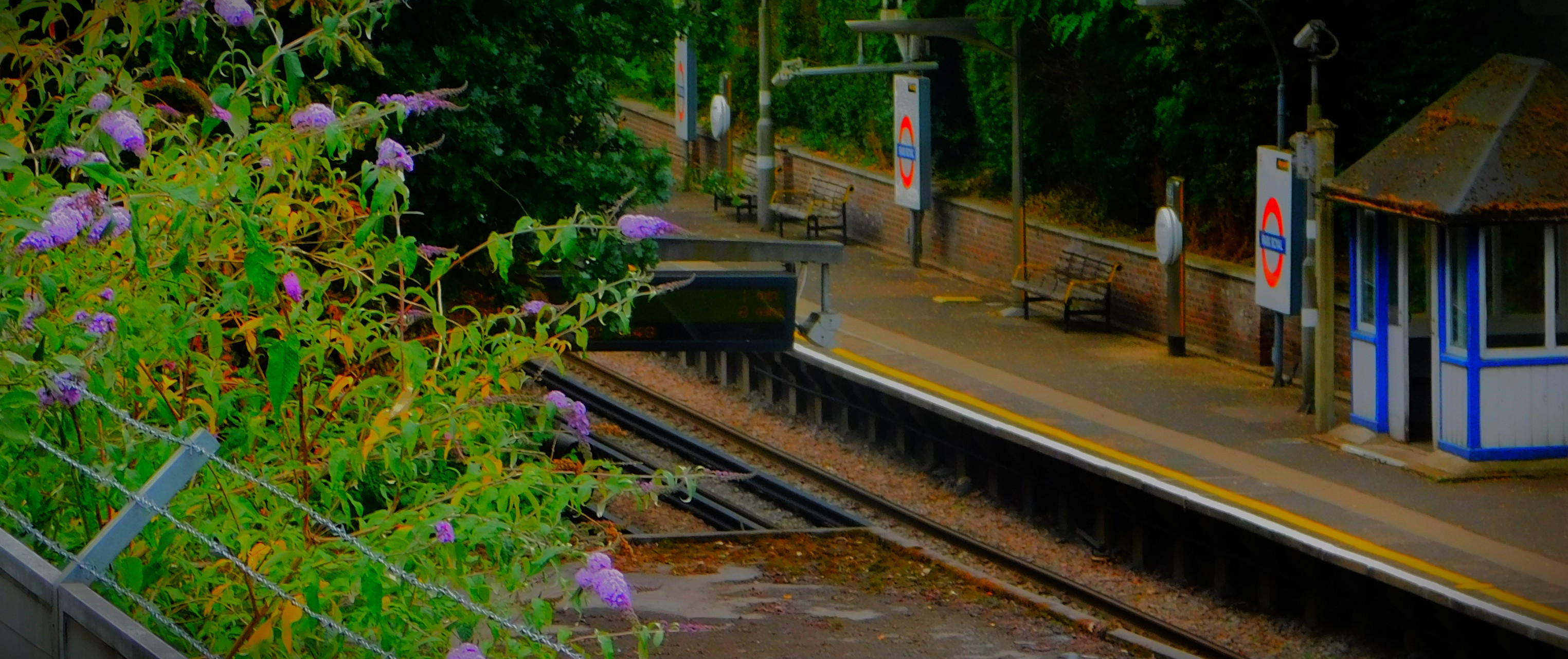
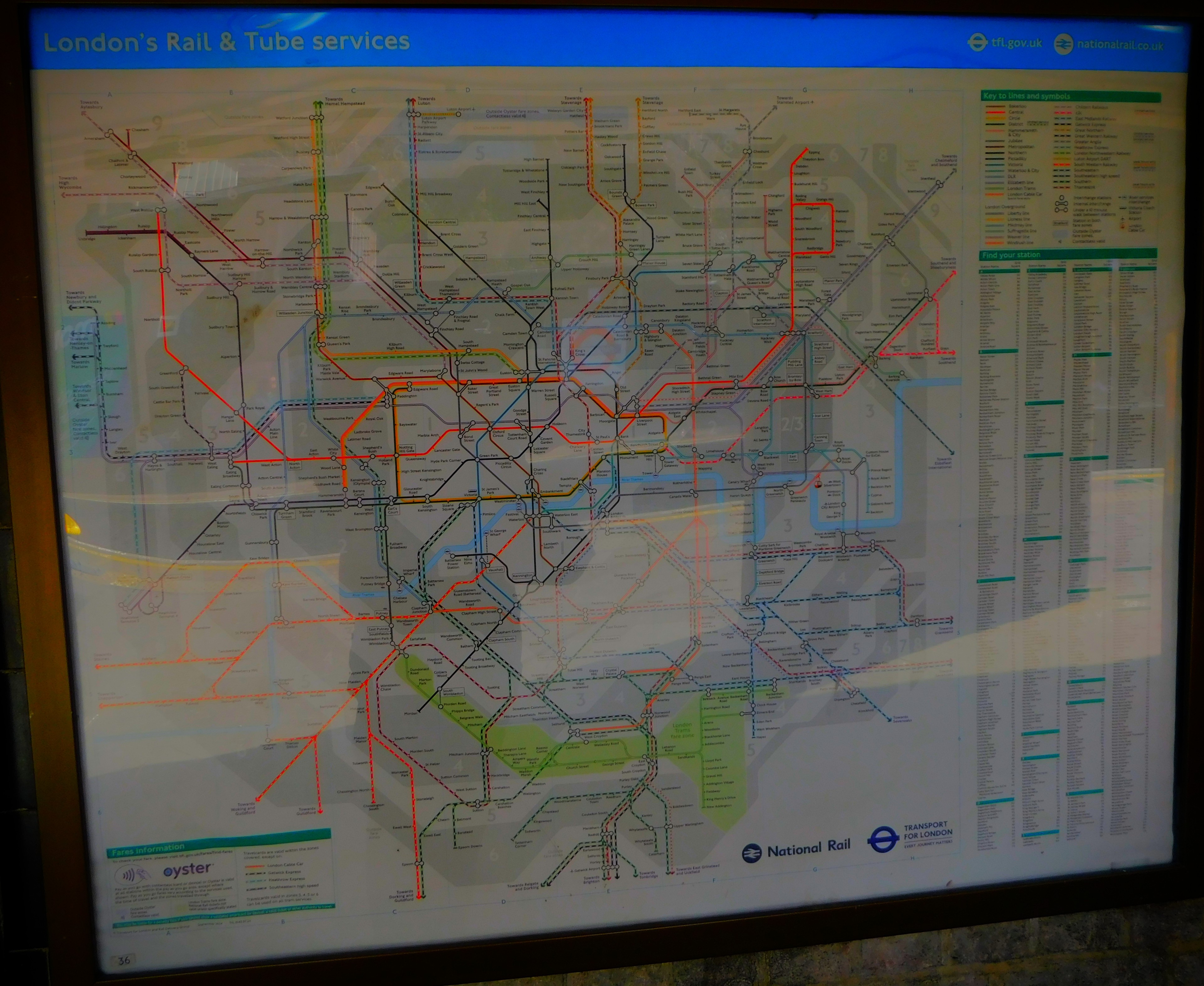
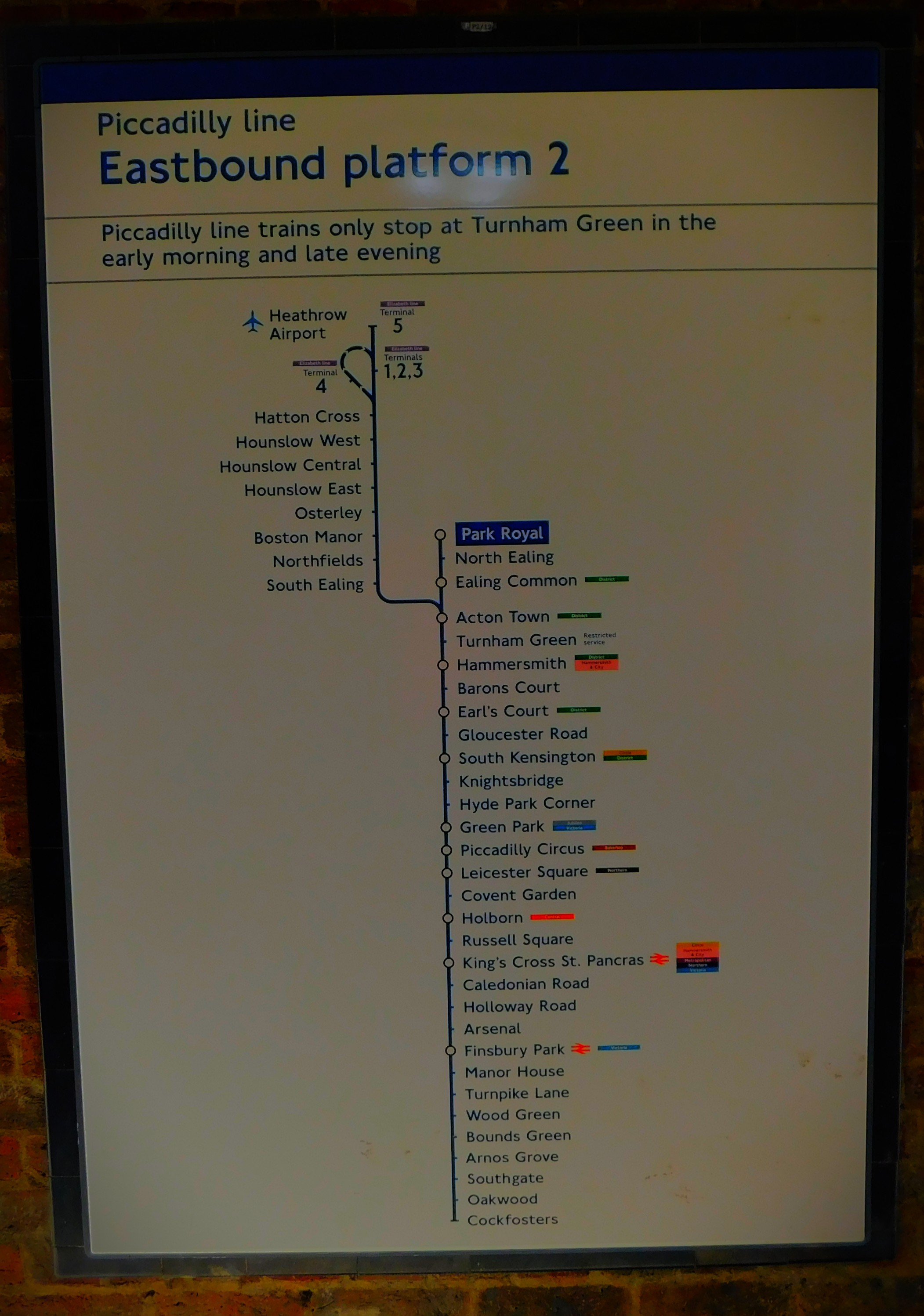
The event was scheduled to start at 11AM, which necessitated catching the 7:42 ntrain from King’s Lynn and then changing to the Piccadilly line at King’s Cross. I had agreed to meet my sister at King’s Lynn station for the oublic transport element of the journey. Given the importance of making that train I planned to leave my house in North Lynn at 7AM to be absolutely sure that there was no possibility of missing it. The journey to King’s Cross was smooth, and the weather was so benign that had I been religiousI might have reckoned thAt someone up there was on our side and ipso facto opposed to Elon the Execrable. It prpved to be just as well that we had lots of time for the cross London journey on the Piccadilly lin, as this part of the journey saw us delayed. Ironically the problem area was what is usually the quickest portion of a journey onn the Piccadilly line, the non-stop run from Hammersmith to Acton Town (the District line has intermediate stops at Ravenscourt Park, Stamford Brook, Turnham Green and Chiswick Park, in a reversal of the situation between Baker Street and Wembley Park, where save for a stop at Finchley Road the Metroplitan line runs fast, while the Jubilee line stops everywhere). We had just past Turnham Green when the train stopped, and we were then told after a substantial pause that it would move forward before stopping suddenly and then rpoceeding slowly. There was then another unscheduled stoo before Acton Town, followed by precisely the same rigmarole, which was then followed by an announcement that the train would now terminate at South Harrow rather than going on to Rayners Lane. The last few stops of our journey passed without further incident. Park Royal is such a fine station that I am giving it a sectionof its own later in the post. Before moving on, here are the pictures taken between King’s Lynn and just before arrival at Park Roya…
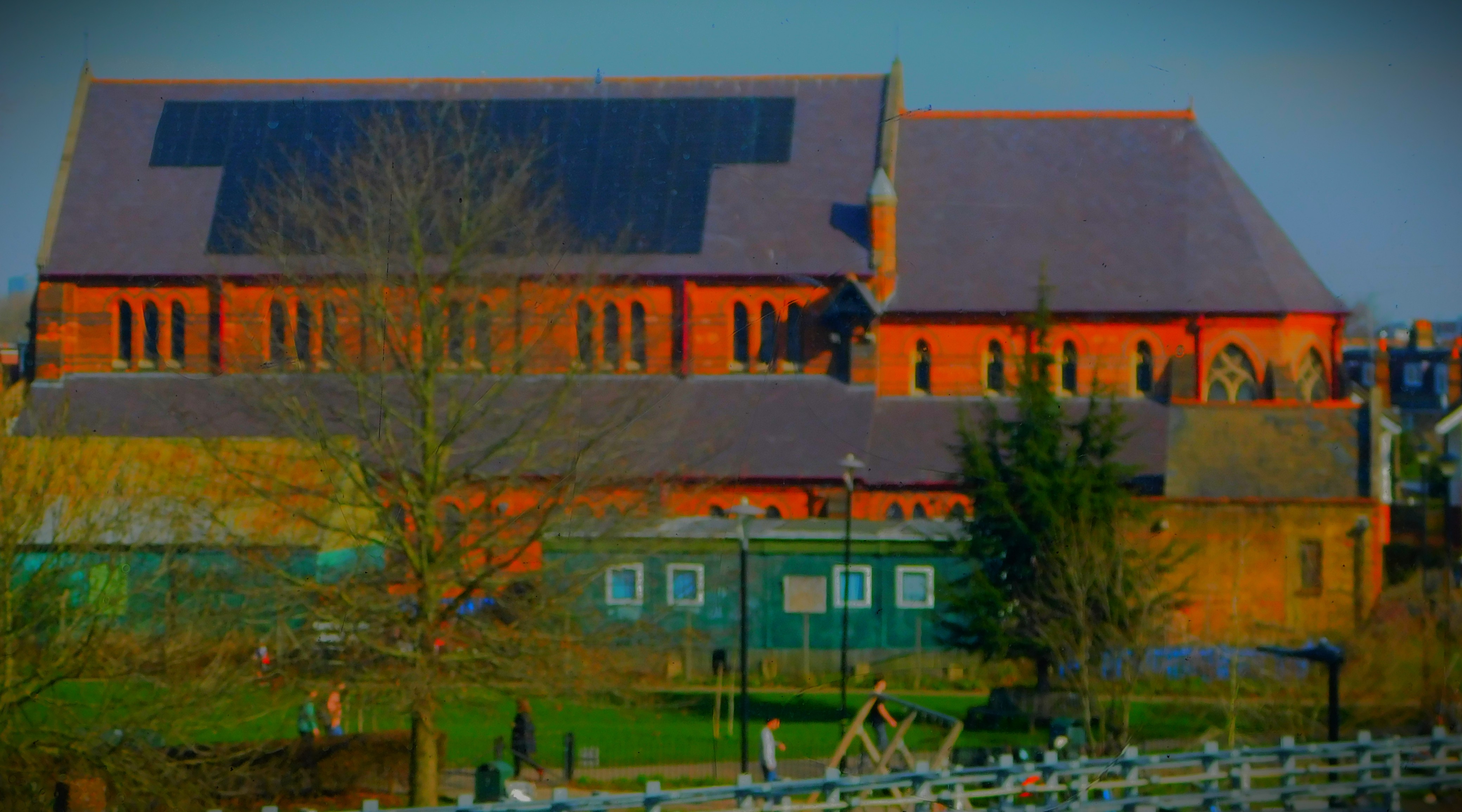
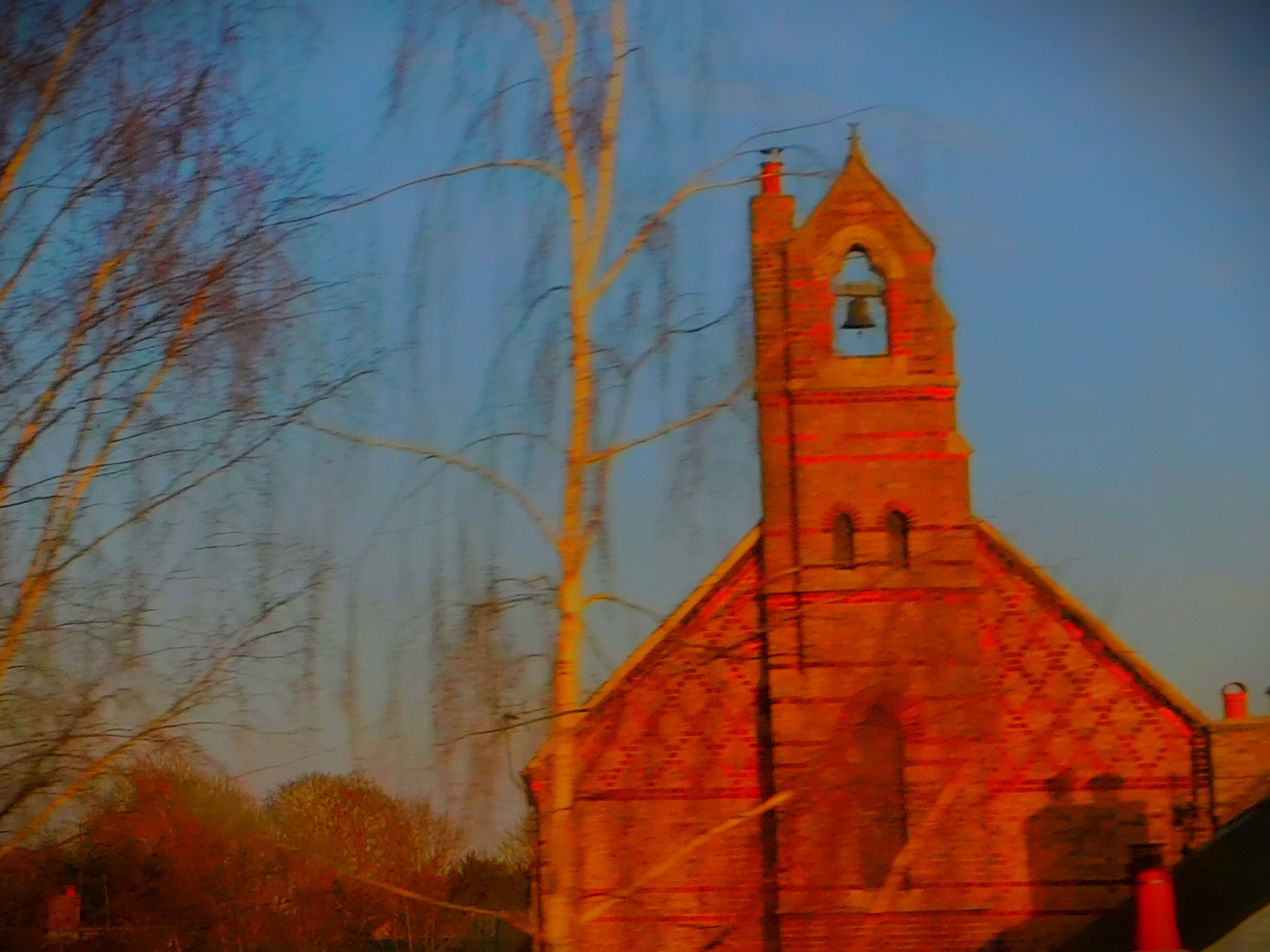
I haven’t seen many churches with solar panels on the roof.
TAKING DOWN TESLA
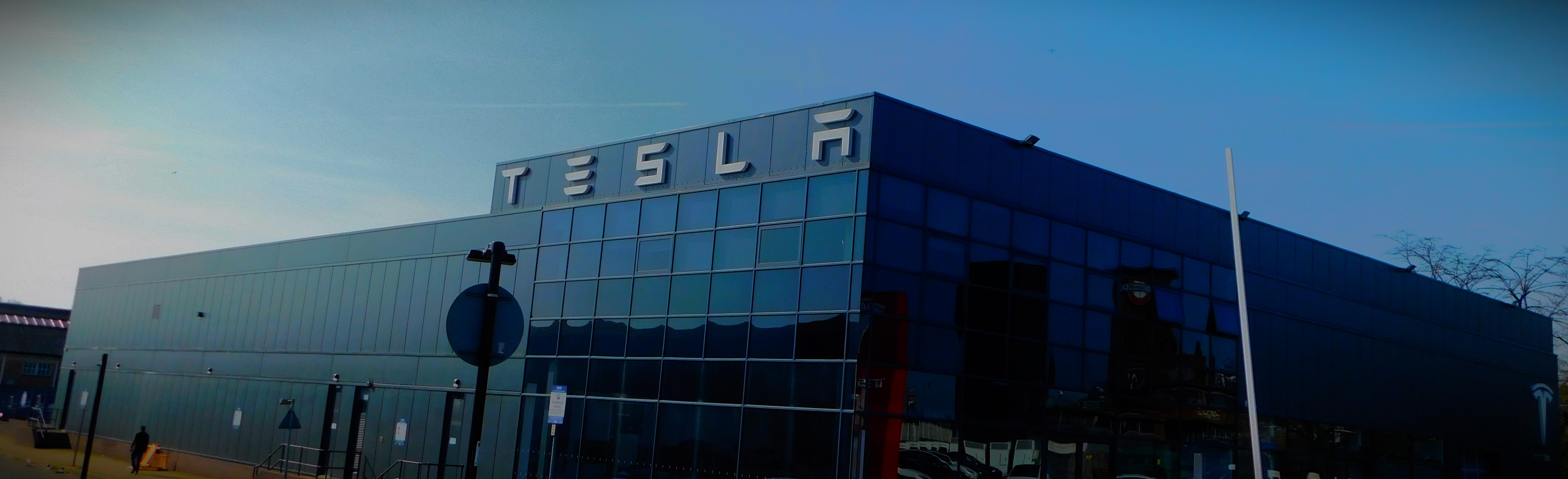
The Tesla dealership is actually visible as you step out of Park Royal station, and it is located just off the A40 (the main road between London and Oxford – the Oxford Tube bus service was in evidence – four Oxford bound buses passed on our side, and although I did not observe them all probably as many coming into London came the other way. We garnered plenty of support from passing motorists. The principal organizer was asked to take down his handmade banner because it featured a swastika (no one actually seeing it could have interpreted it as supporting that ideology, and it features in the photo gallery at the end of this section, but apparently some drivers had seen the symbol and looked no further before contacting the police. The police were very friendly about it, and the banner was taken down. I spoke to a couple of media people who were covering the event for their publications. I left a little early, feeling the need to get home…
A version of the official publicity shot using the Tesla sign as background taken with my camera. I am in the red top, holding a placard made by my sister.
PARK ROYAL STATION
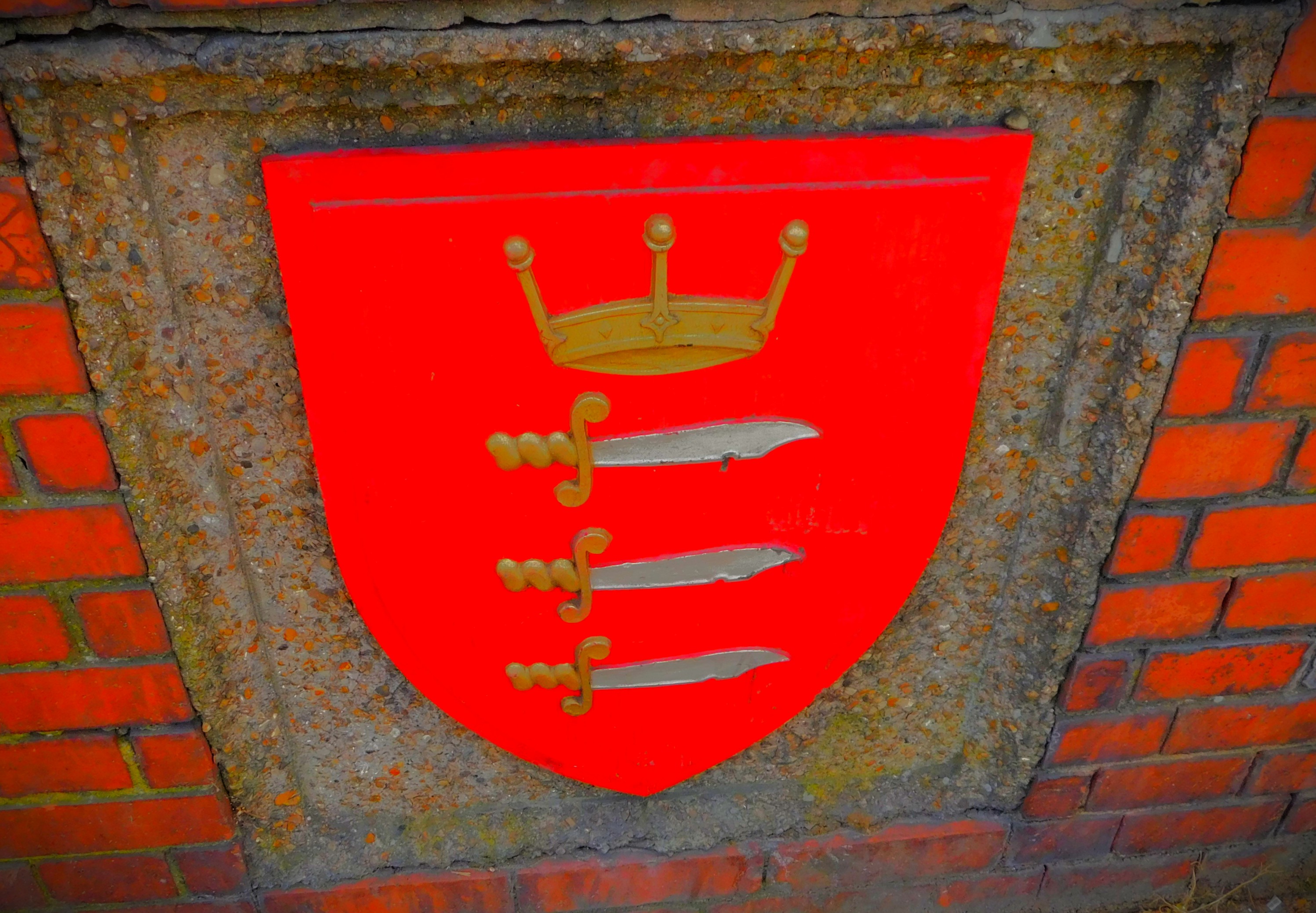
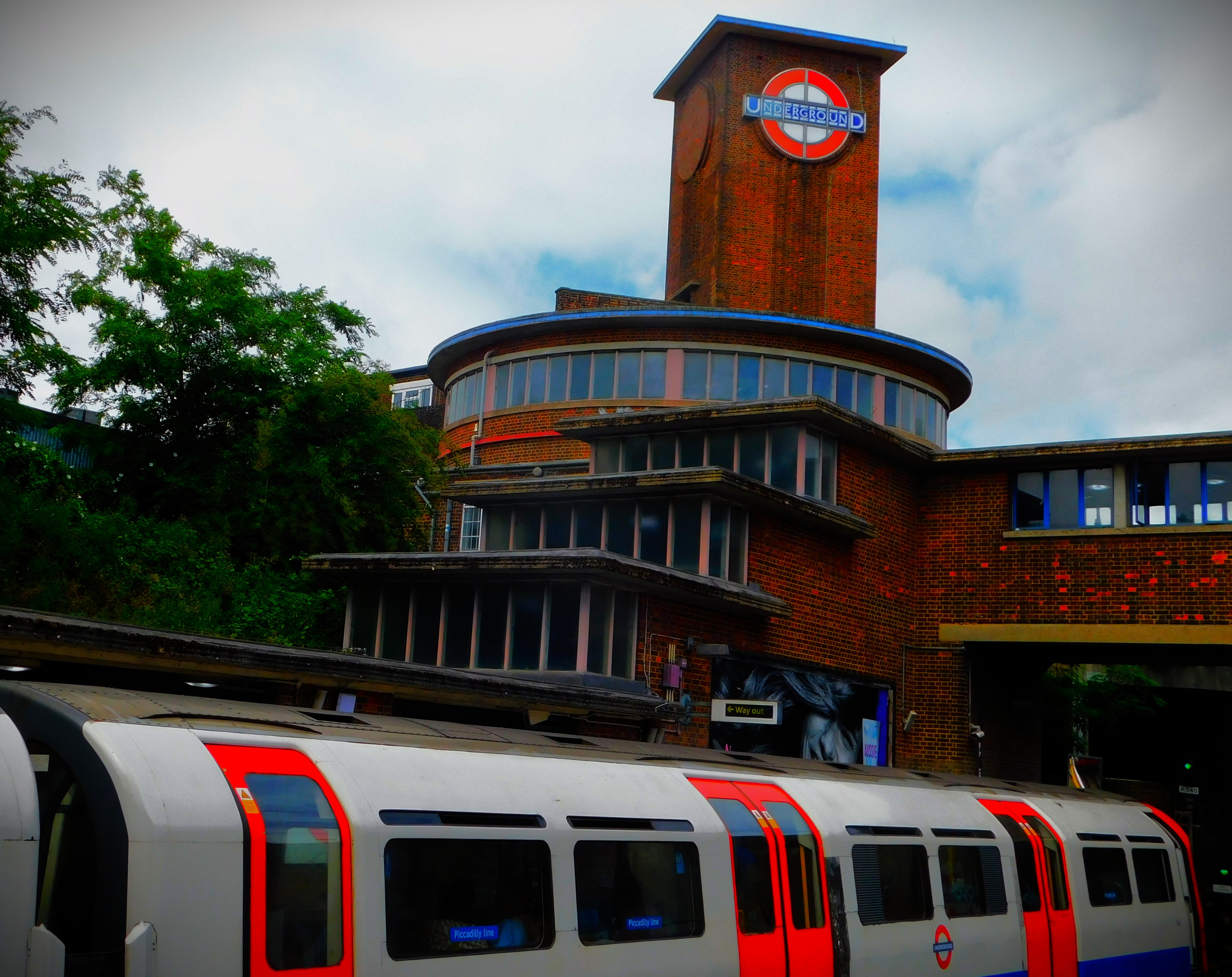
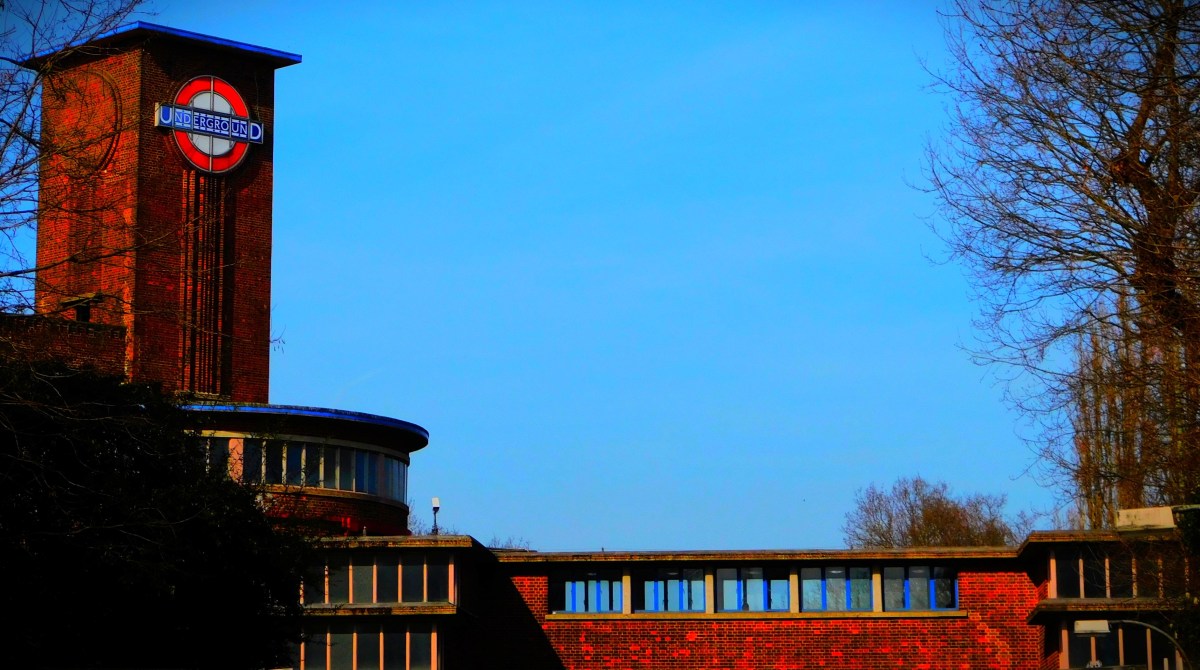
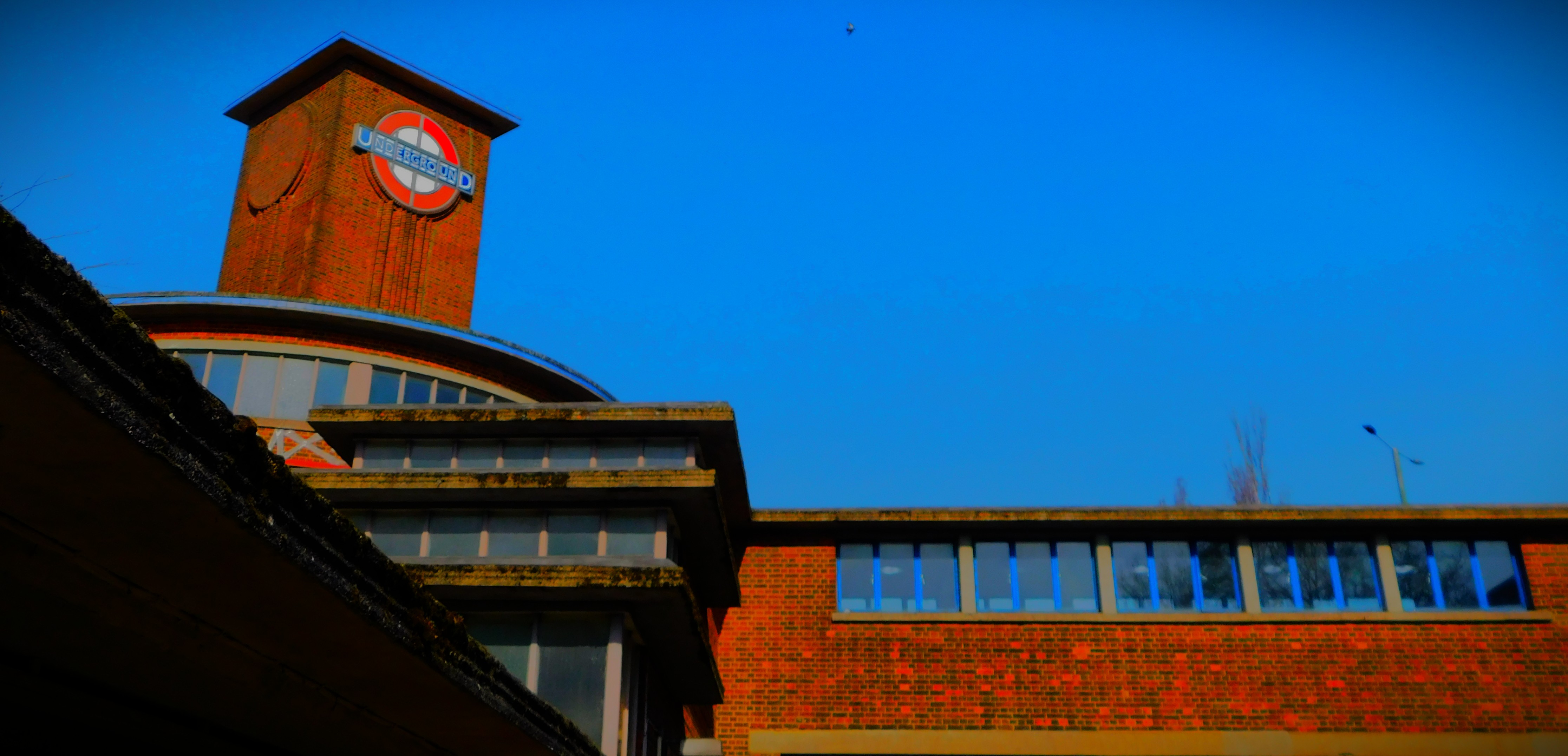
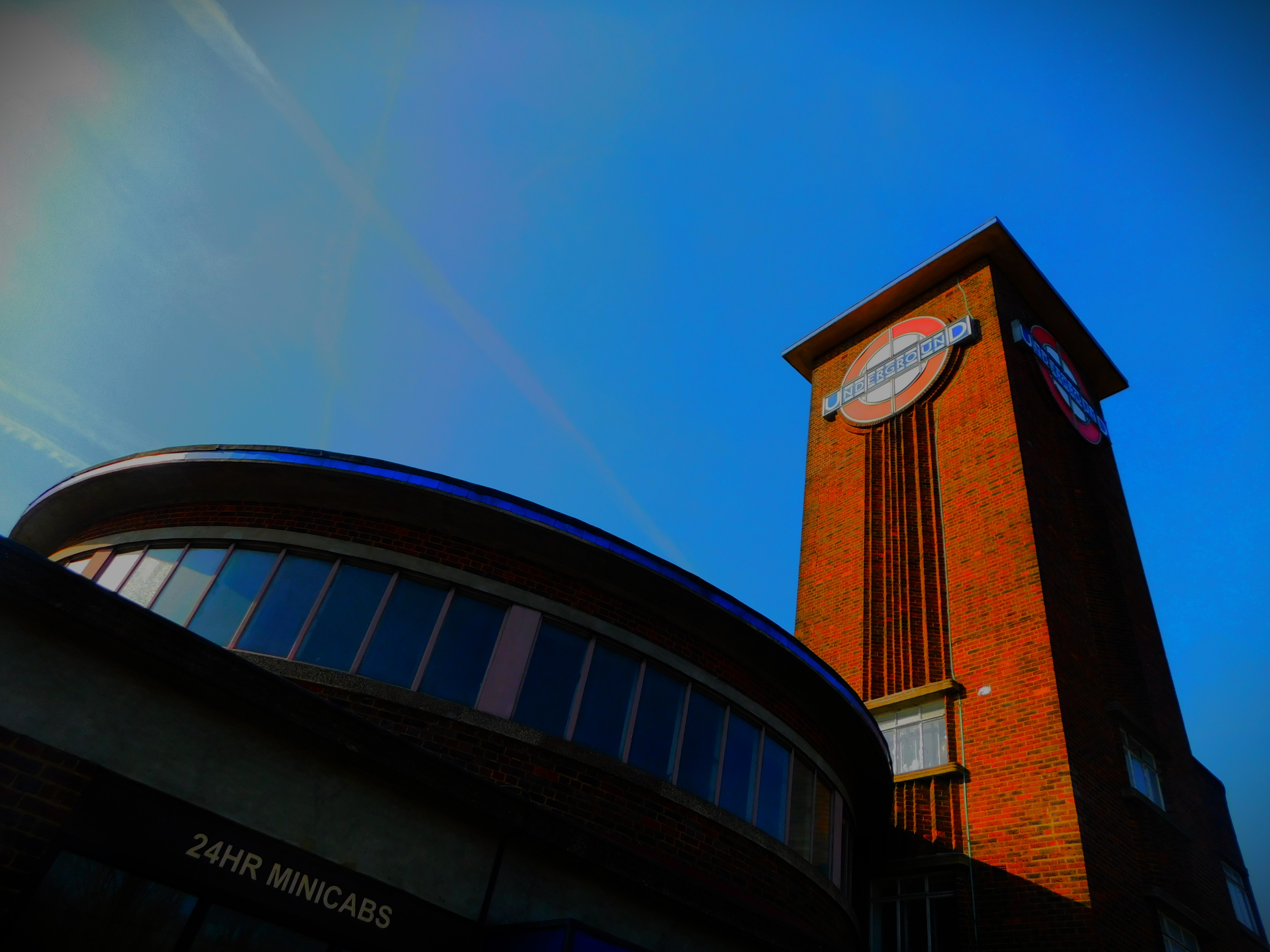
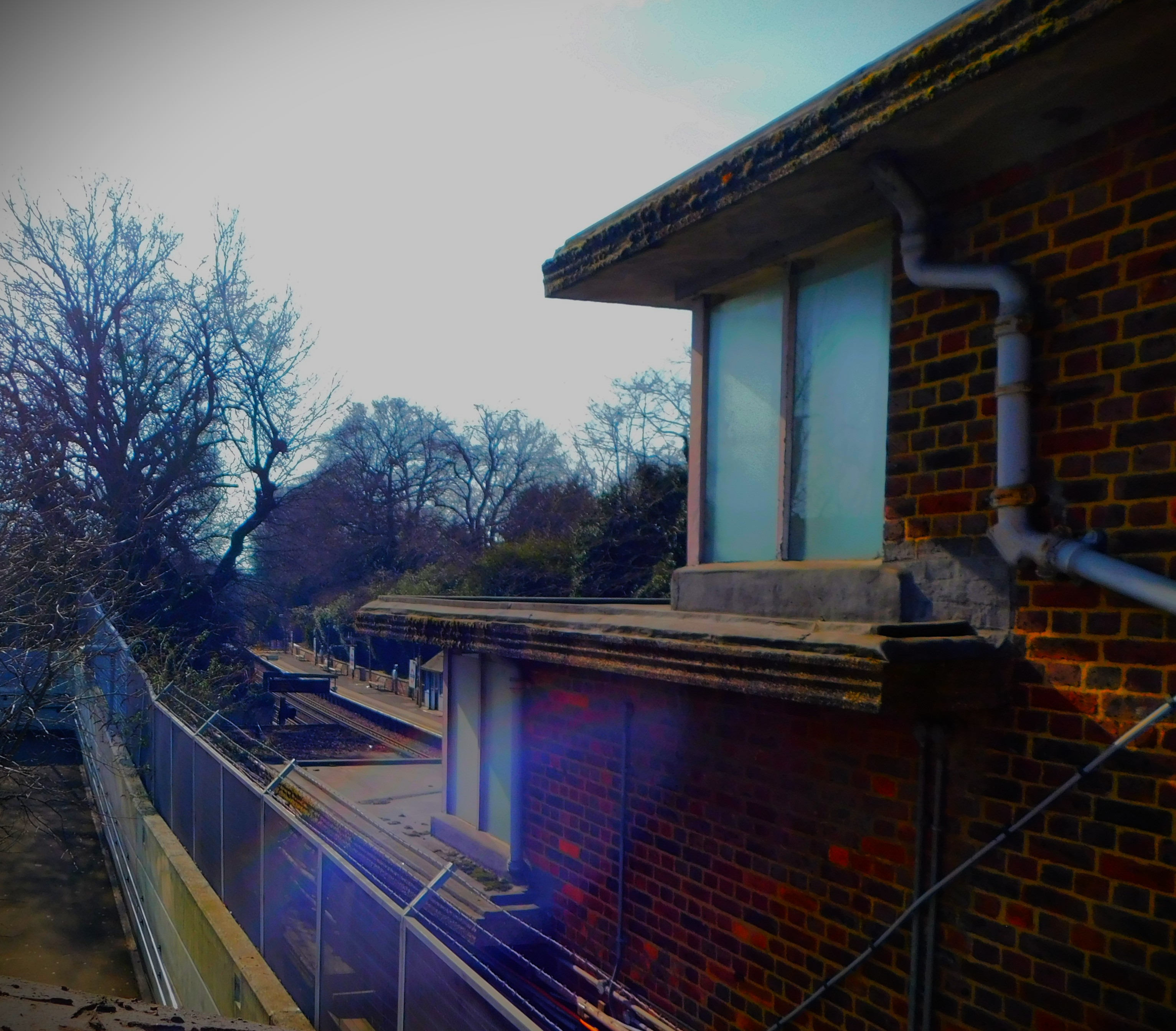
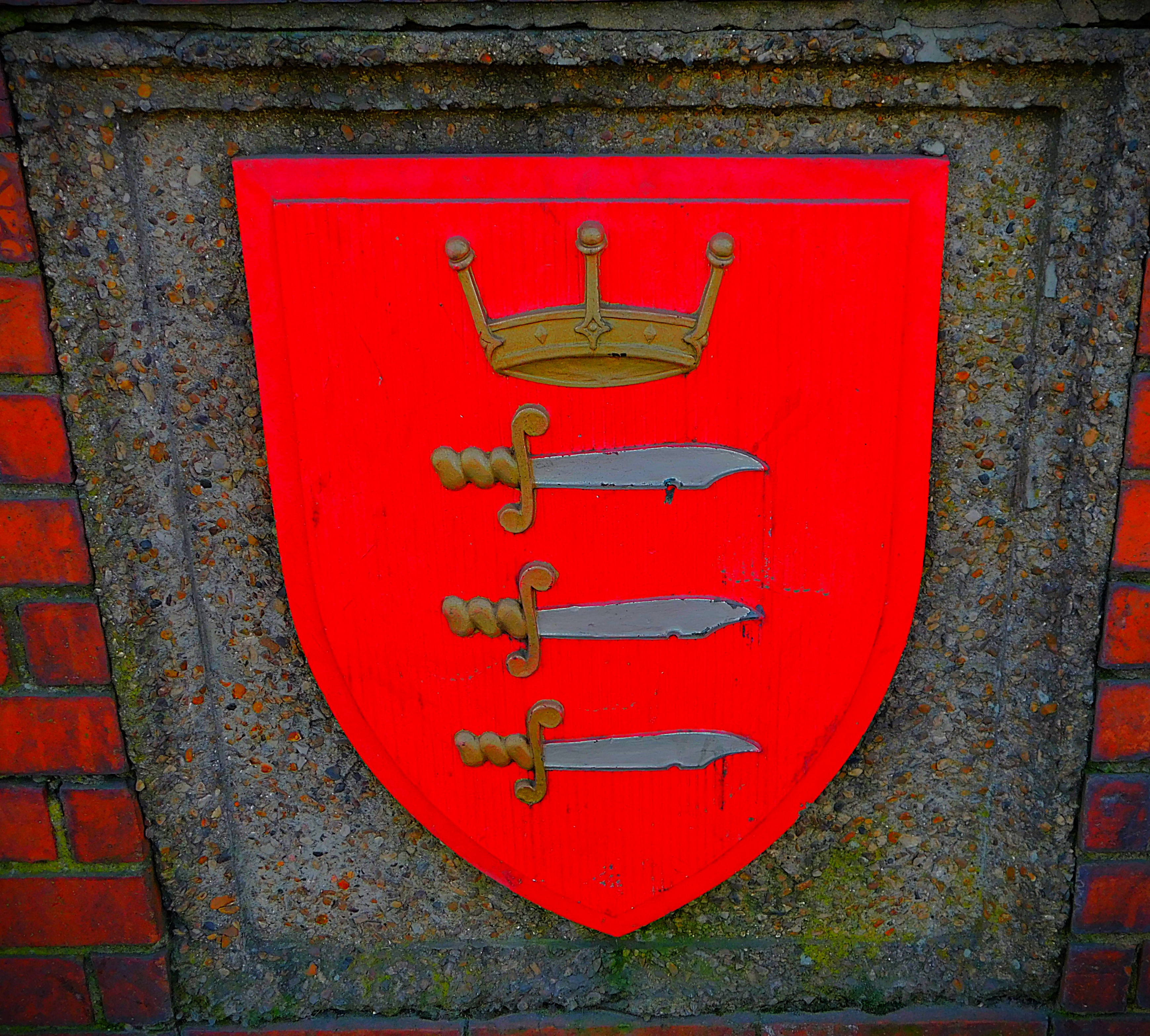
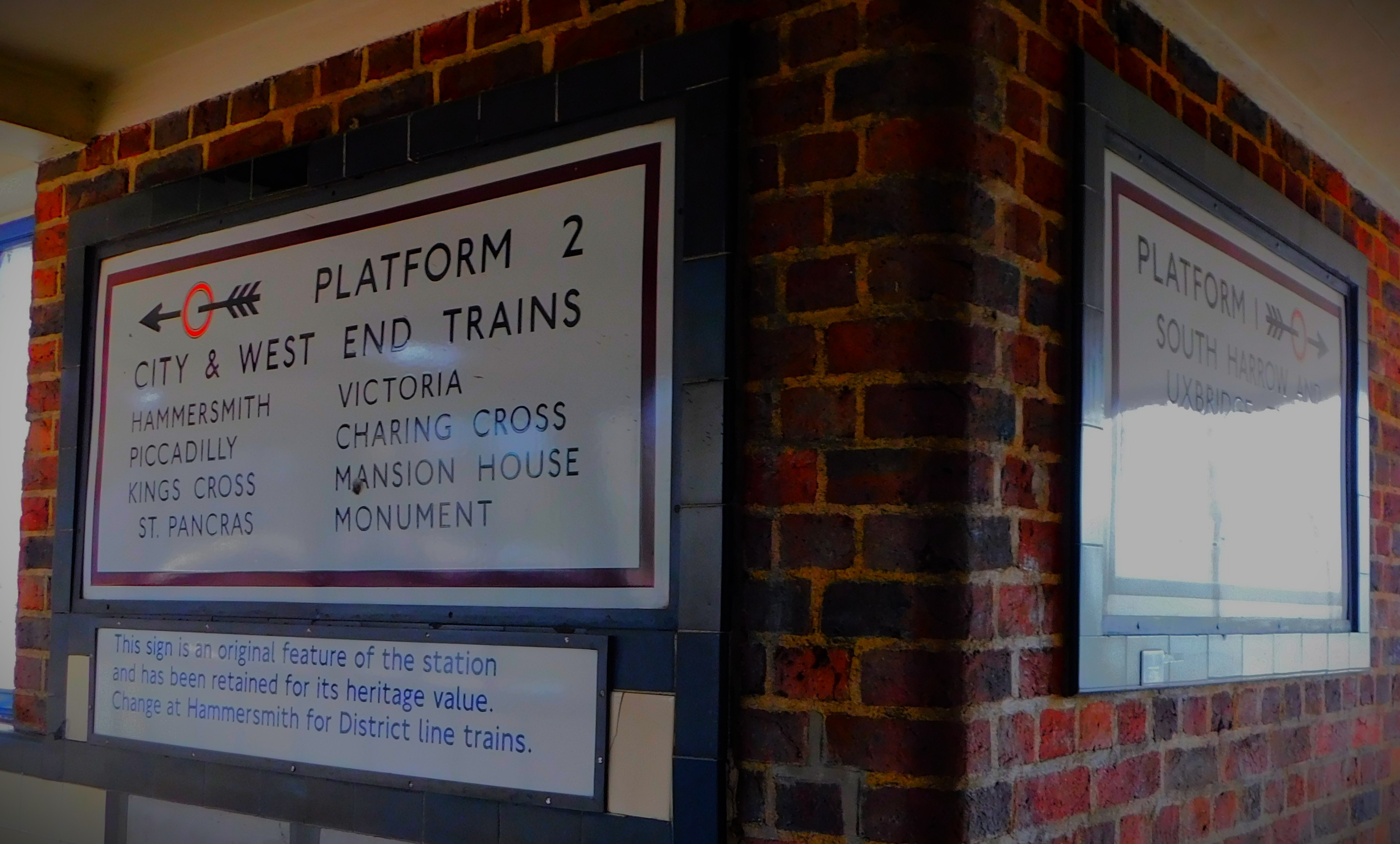
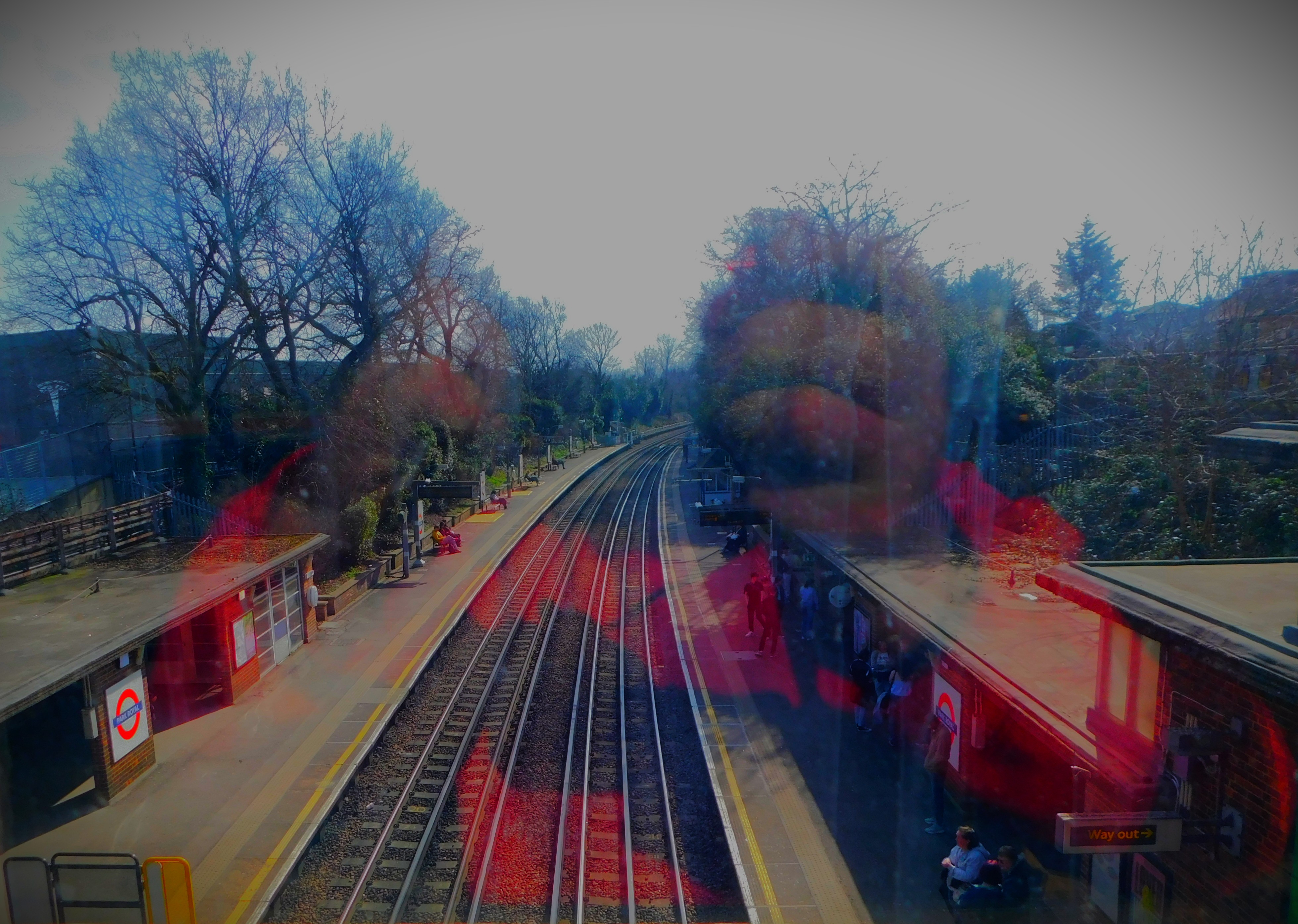
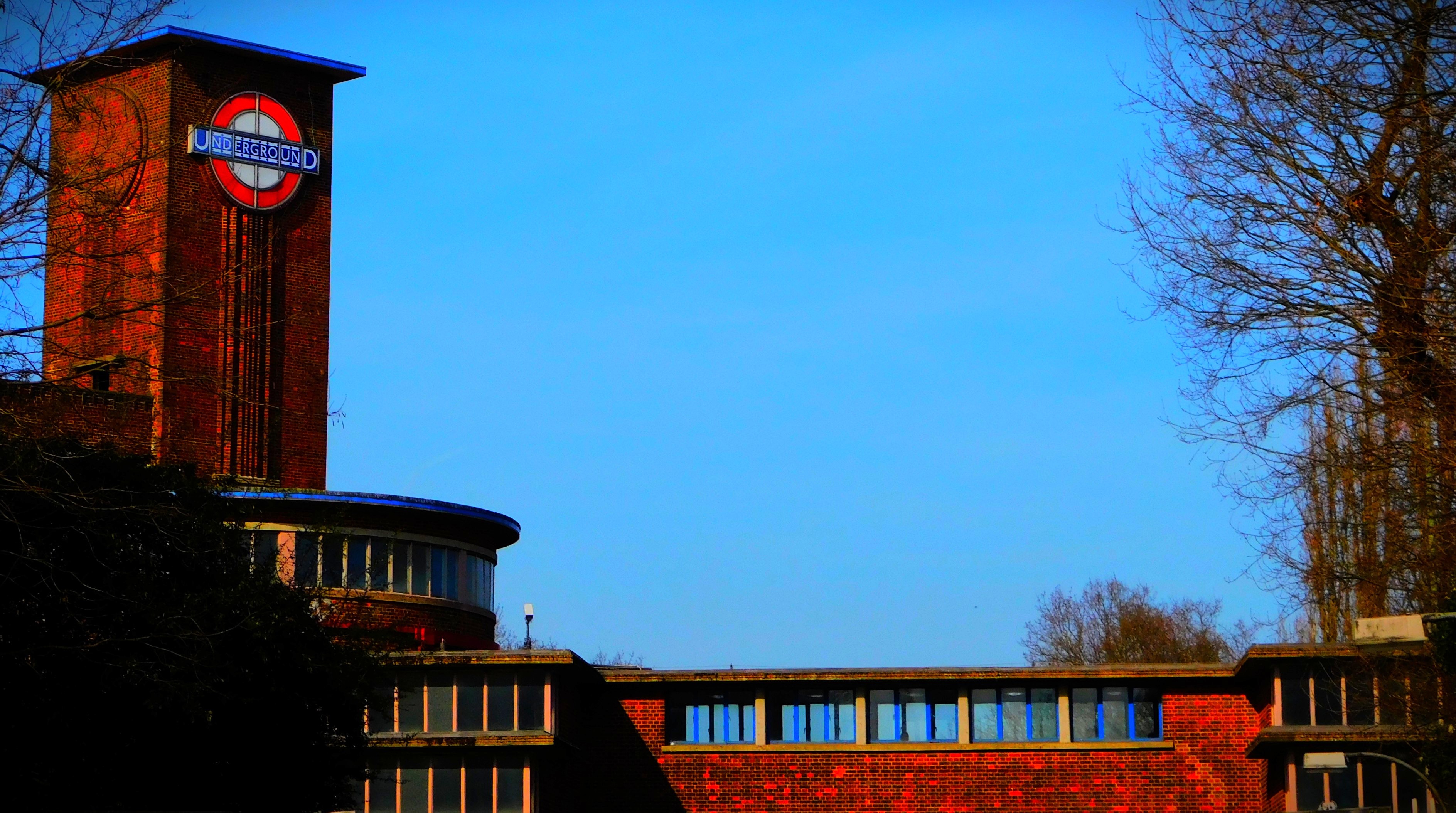
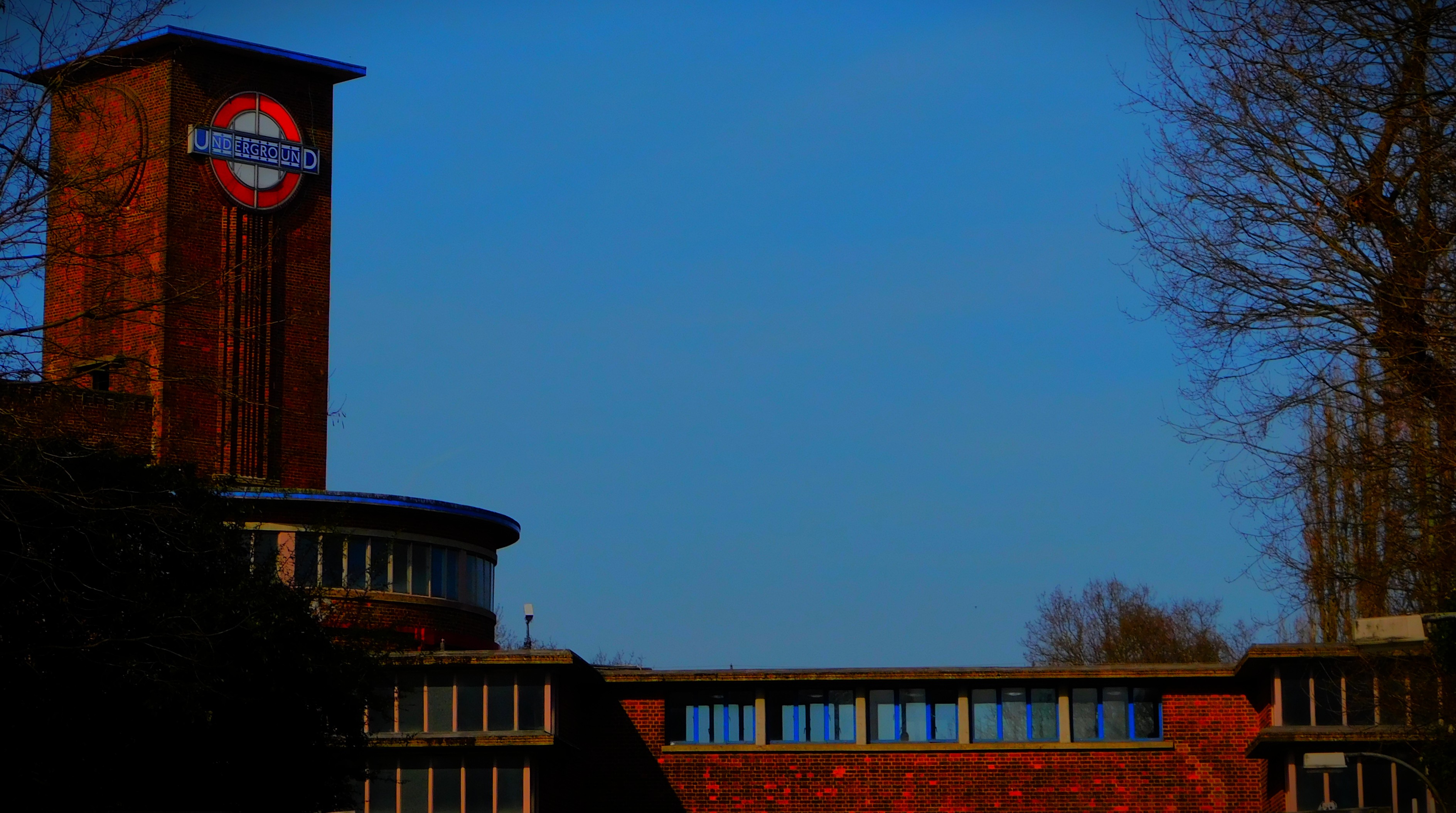
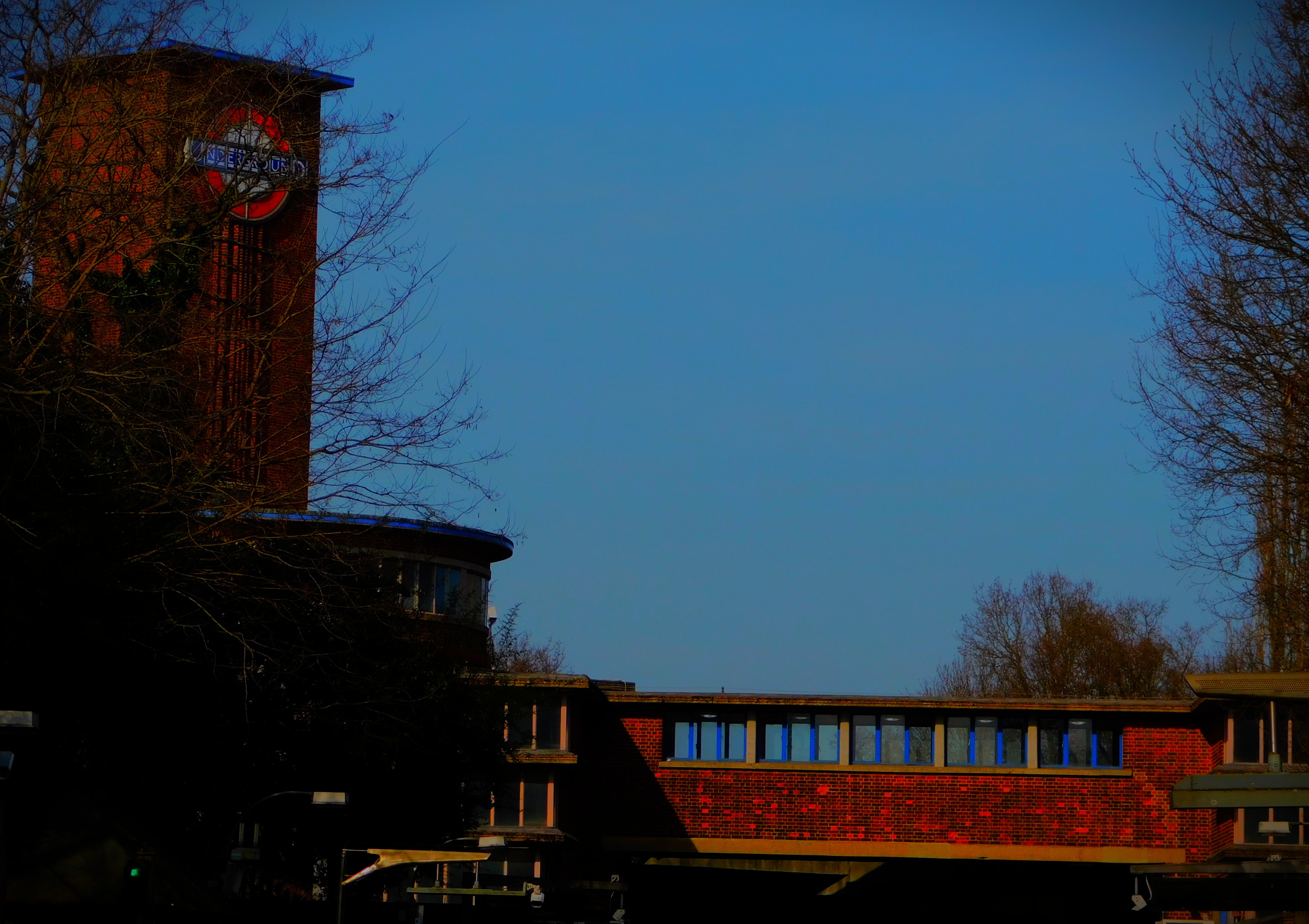
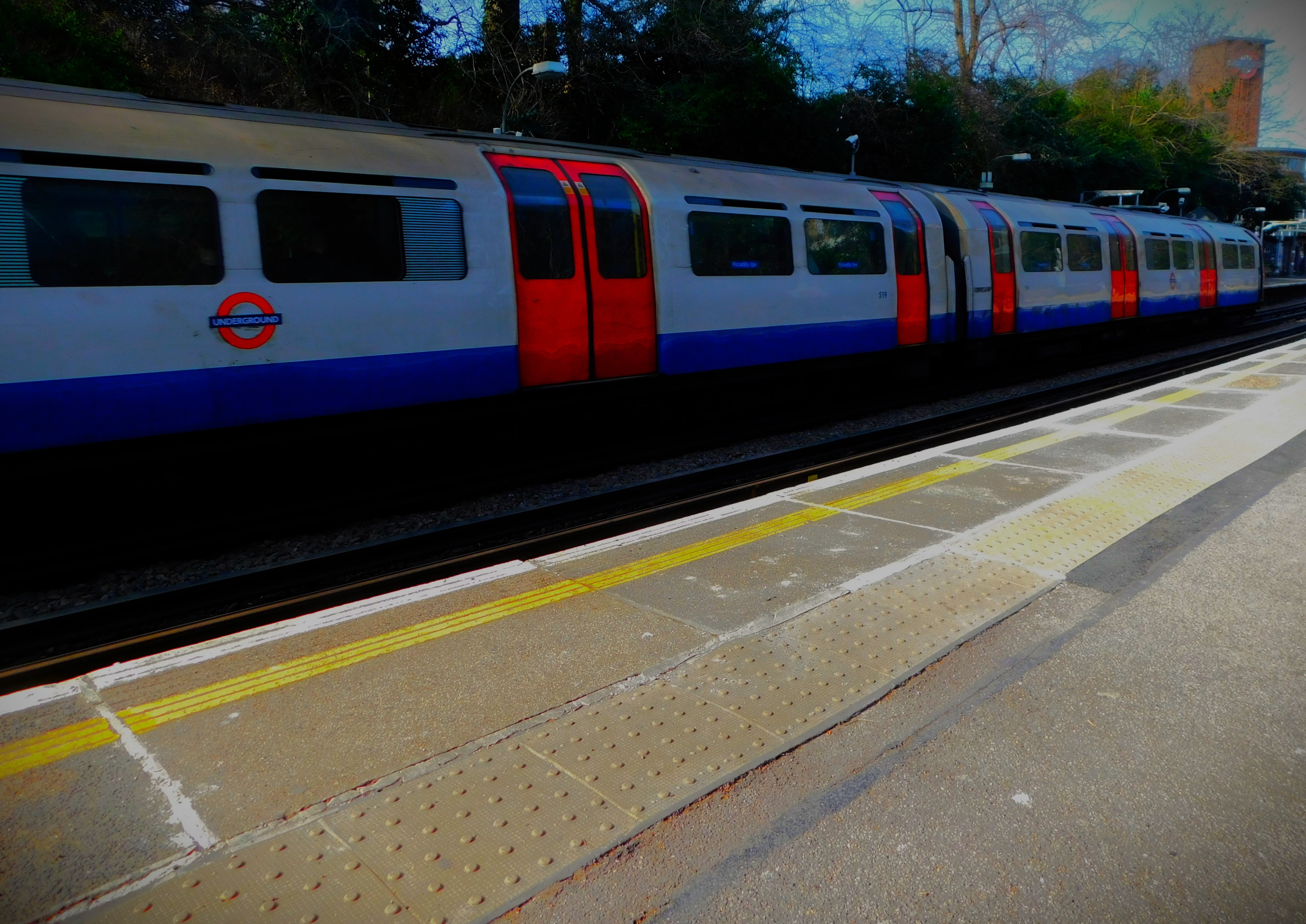
I noticed a number of very distinctive elements about Park Royal Station, including an ornamental tower that sits on top of a circular ticket hall, and a covered walkway which links Platform two (eastbound, towards central London) to the rest of the station. At the top of the tower are roundels on three sides with a concrete ‘shadow roundel’ on the fourth side. I have included on ‘rogue’ picture in this section, a picture of a ‘Middlesex shield’ which is not actually anything to do with the station but cannot be put anywhere else in this post. Enjoy this splendid example of station architecture…
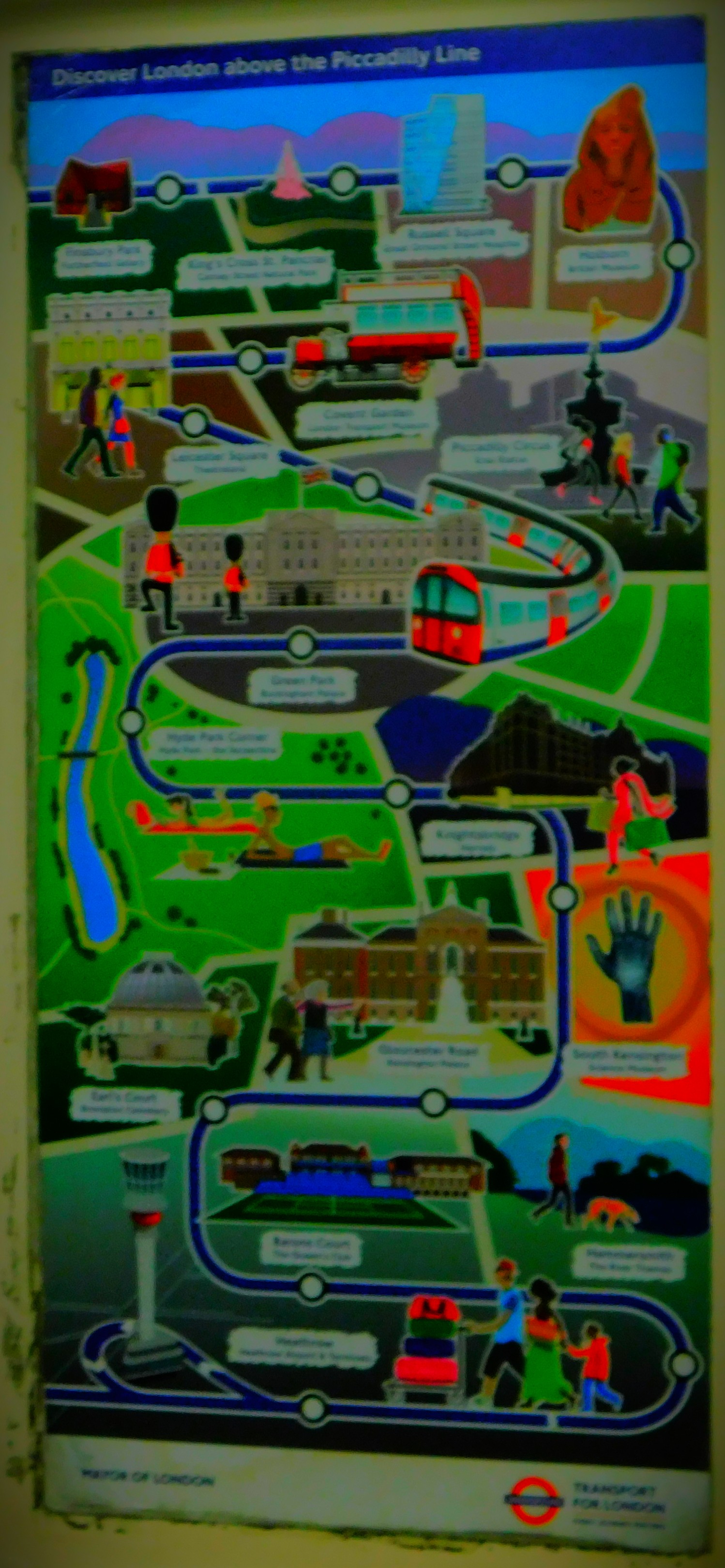
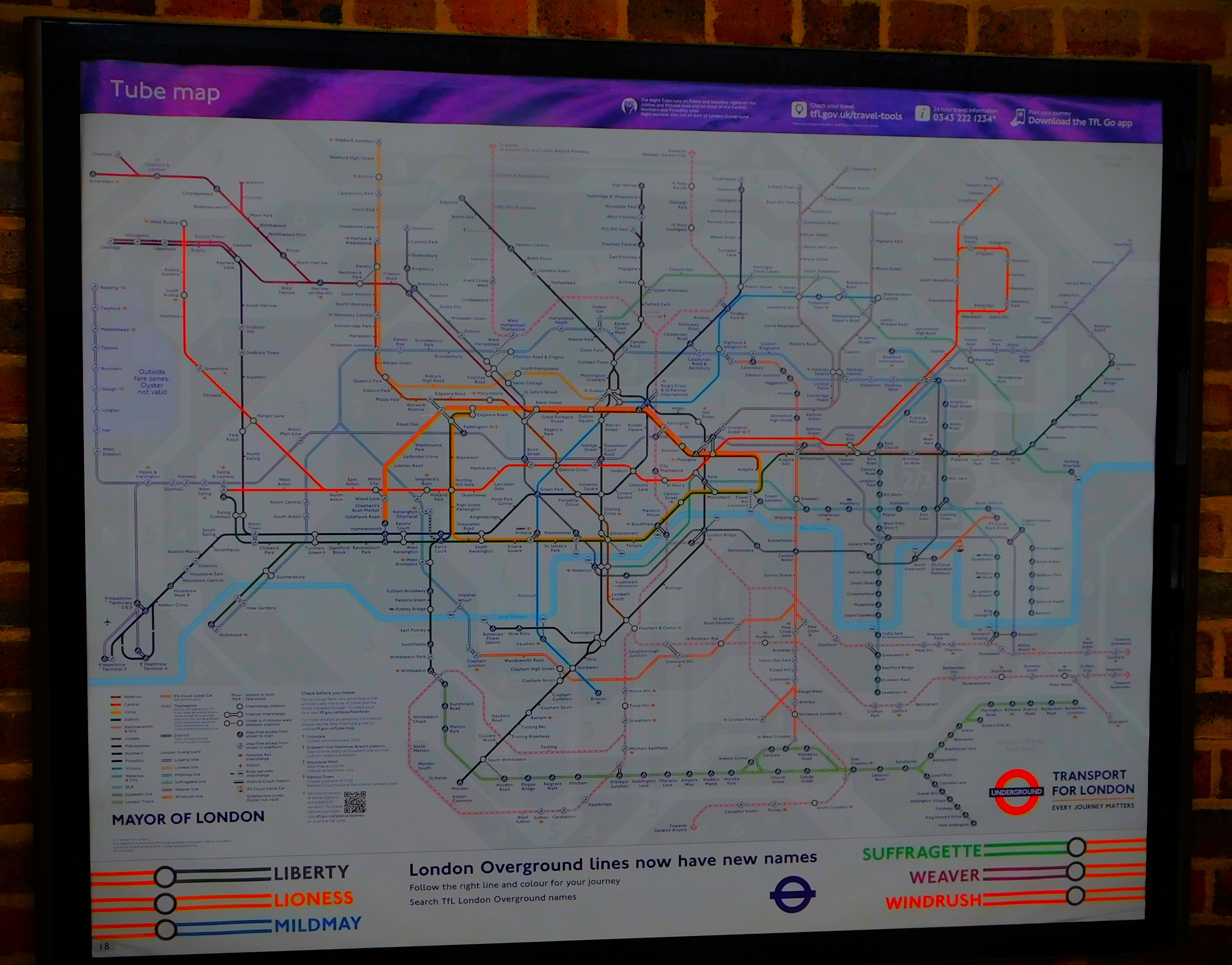
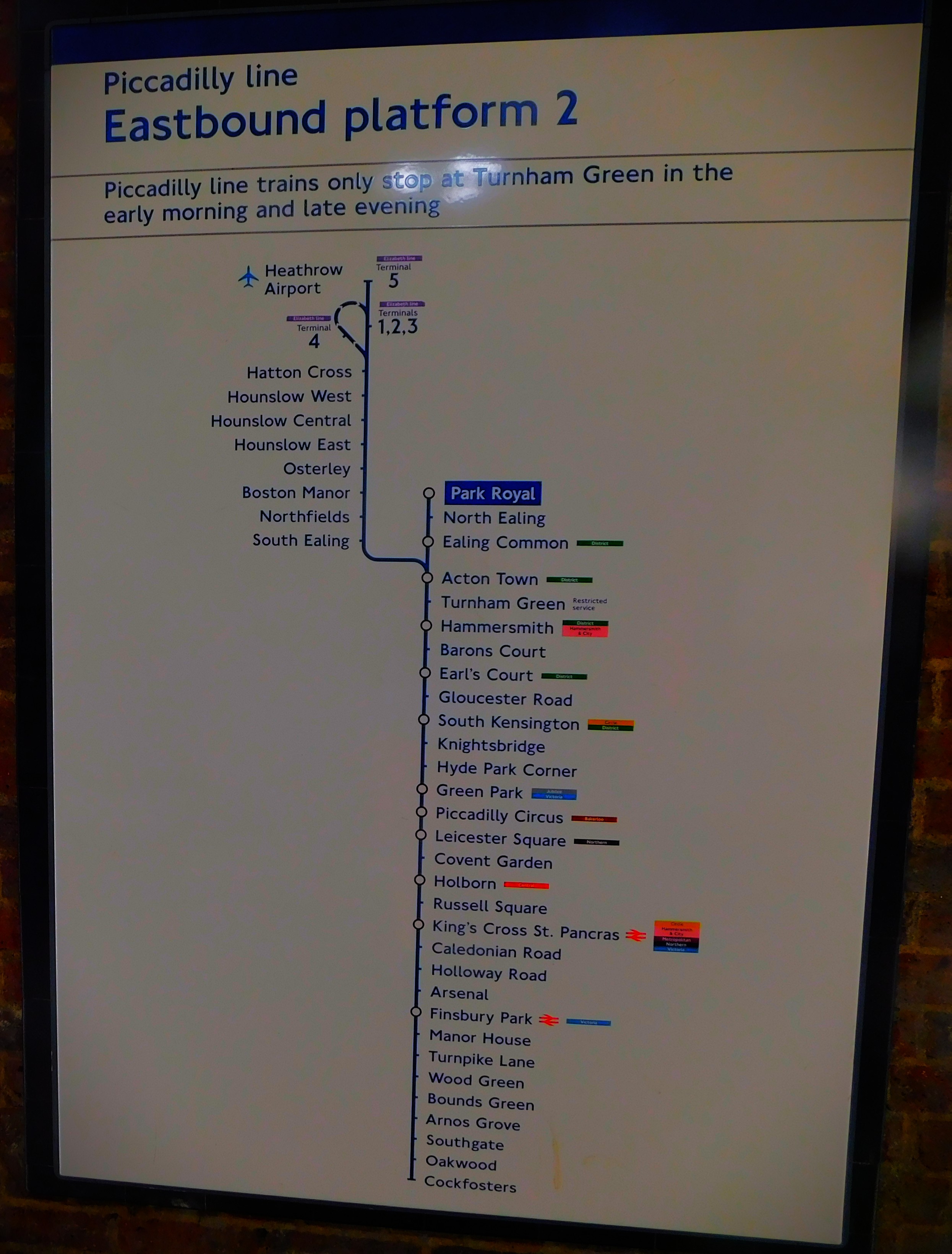
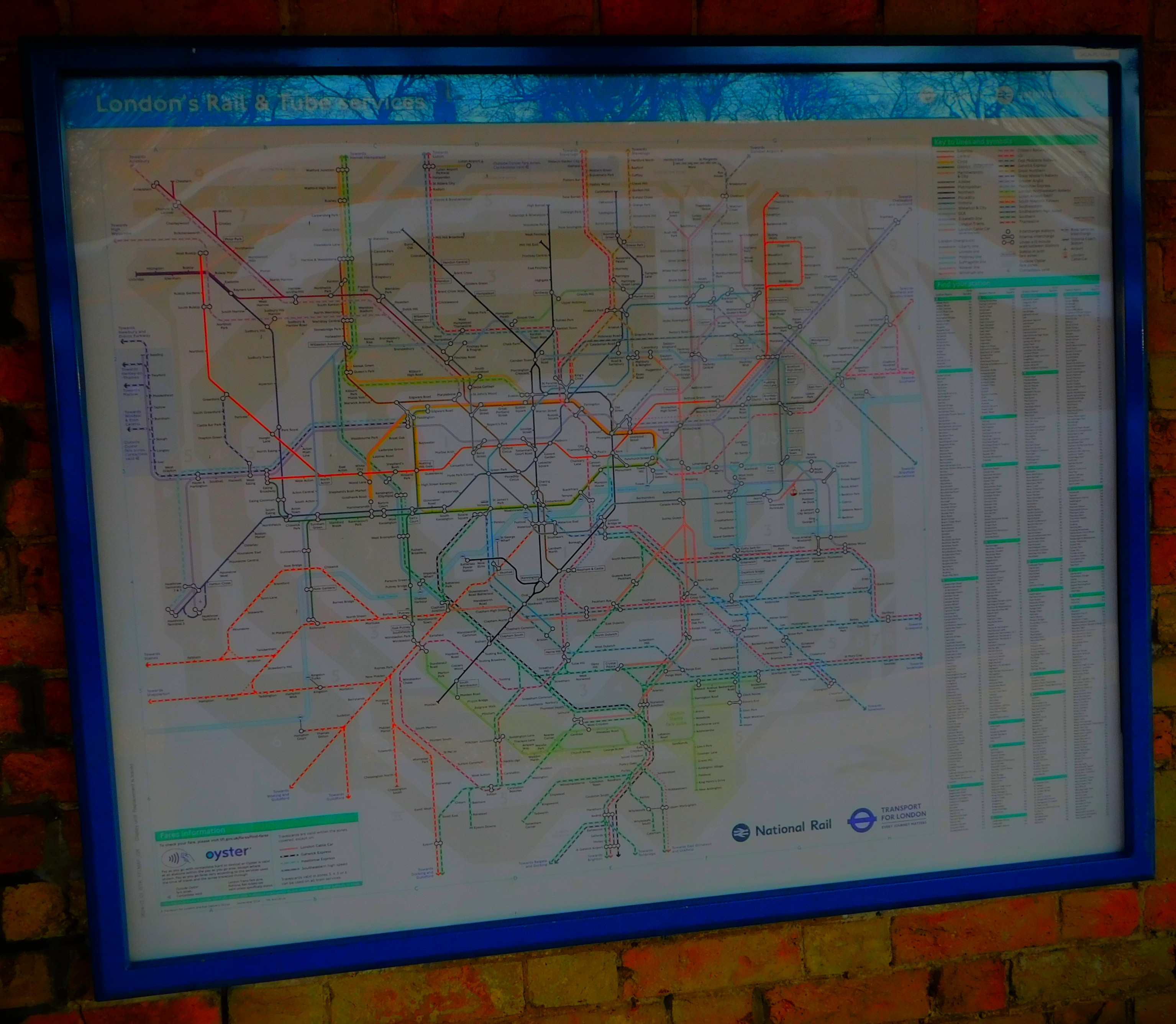
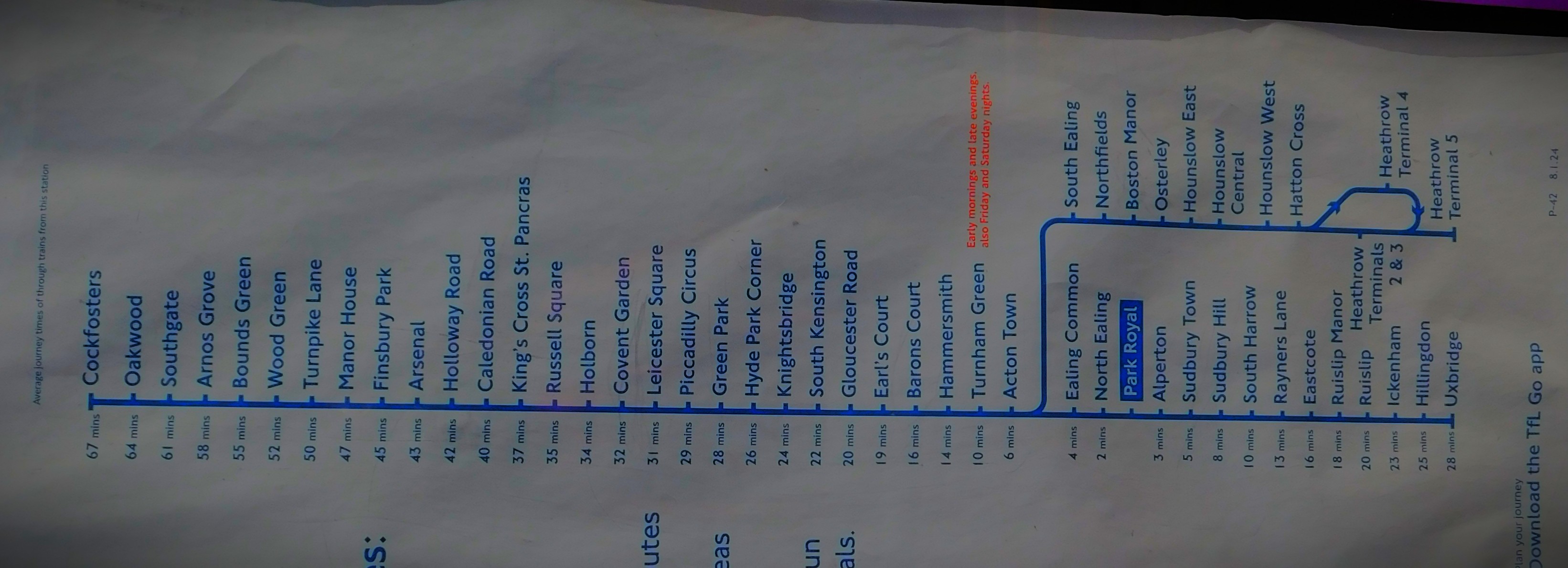
A view of the platforms from the street.A close up of the tower roundel.A map showing times to each station on the Piccadilly line.
HOMEWARD BOUND
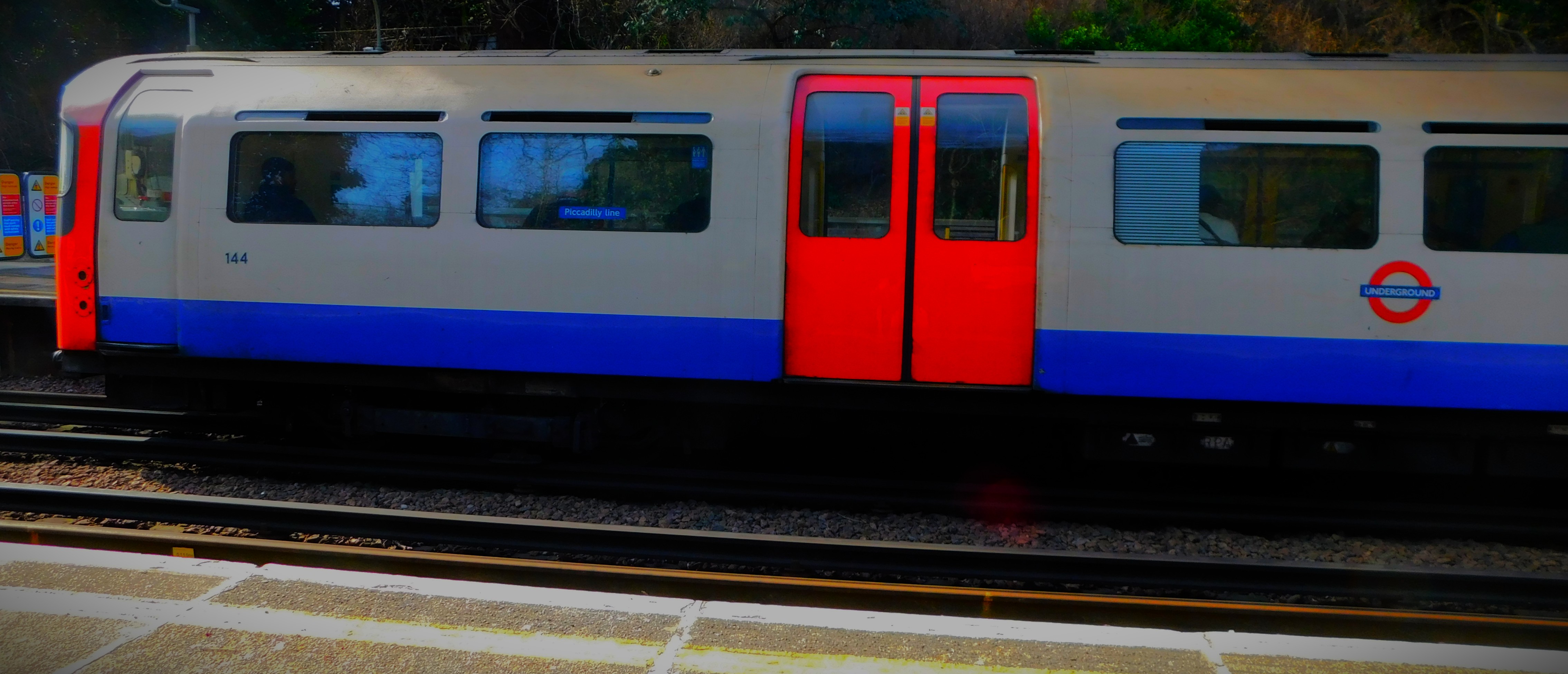
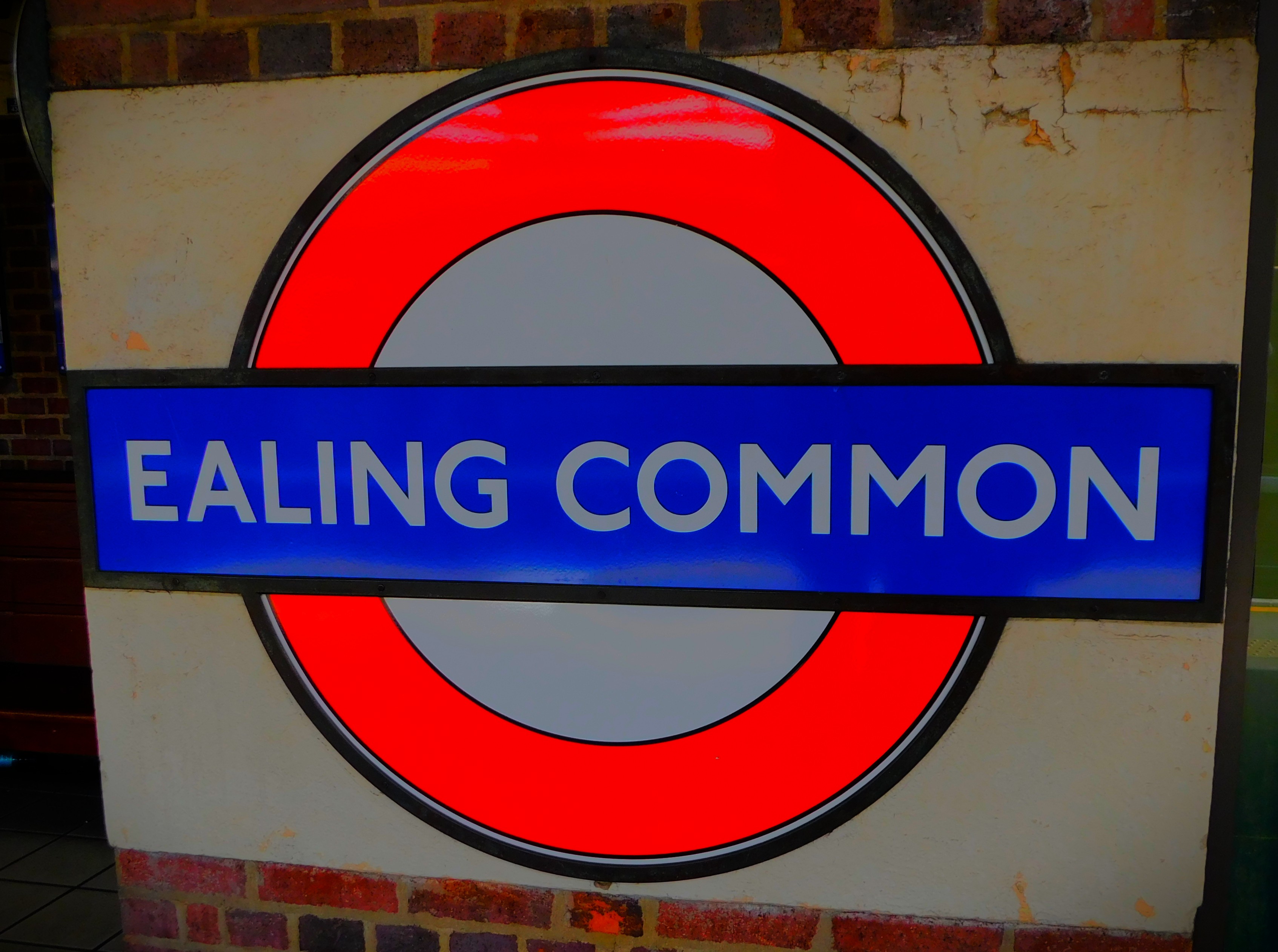
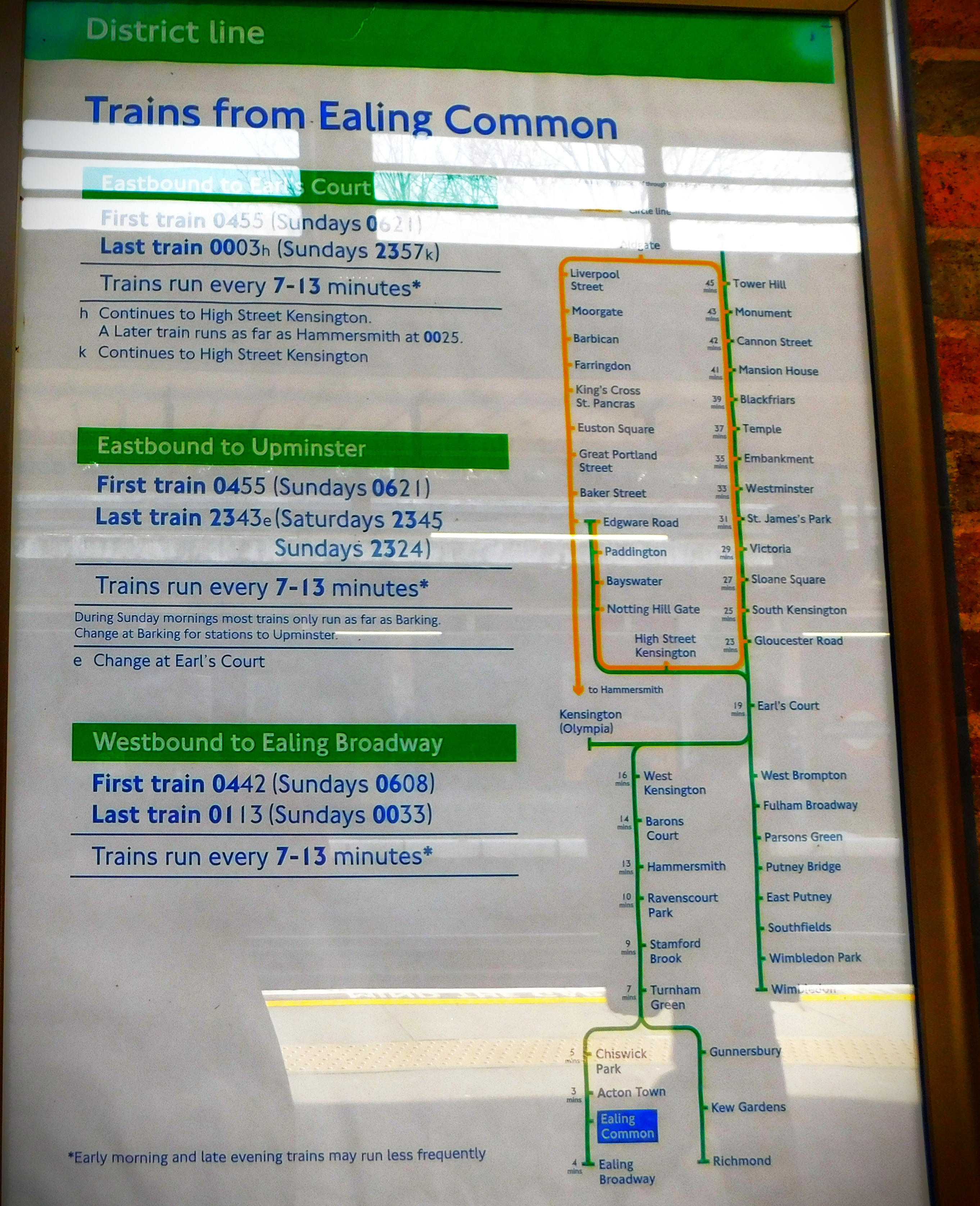
As suggested by the last pictures in the Park Royal gallery the Piccadilly line was srill not back on peak form by the time I was heading back. I did consider heading for Hanger Lane on the Central line, but although it is marked as walkable signage outside Park Royal station is non-existent, and so in the end I settled for Park Royal. By the time an eastbound train arrived it was jam packed, and I alighted at Ealing Common, where there was the possibility of a District line train (and change to the Hammersmith & City at Hammersmith), but in the event the next eastbound train was another Piccadilly line service, and had lots of space on it. I got to King’s Cross with a fair wait until the next train to King’s Lynn, and ate the sandwiches I had prepared in the morning while waiting for the train. The journey back to King’s Lynn was uneventful. Here are my remaining photos from the public transport part of the journey…
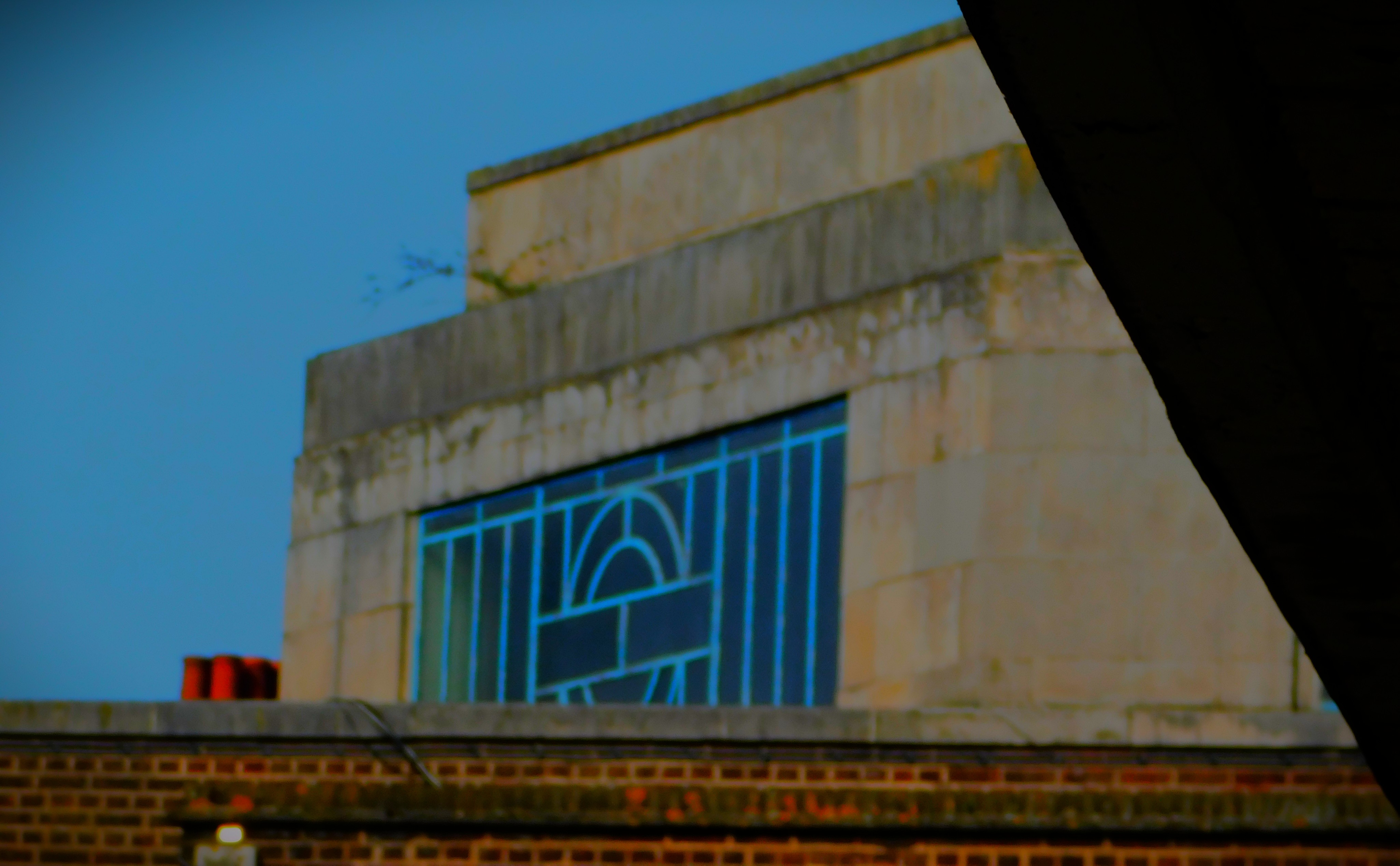
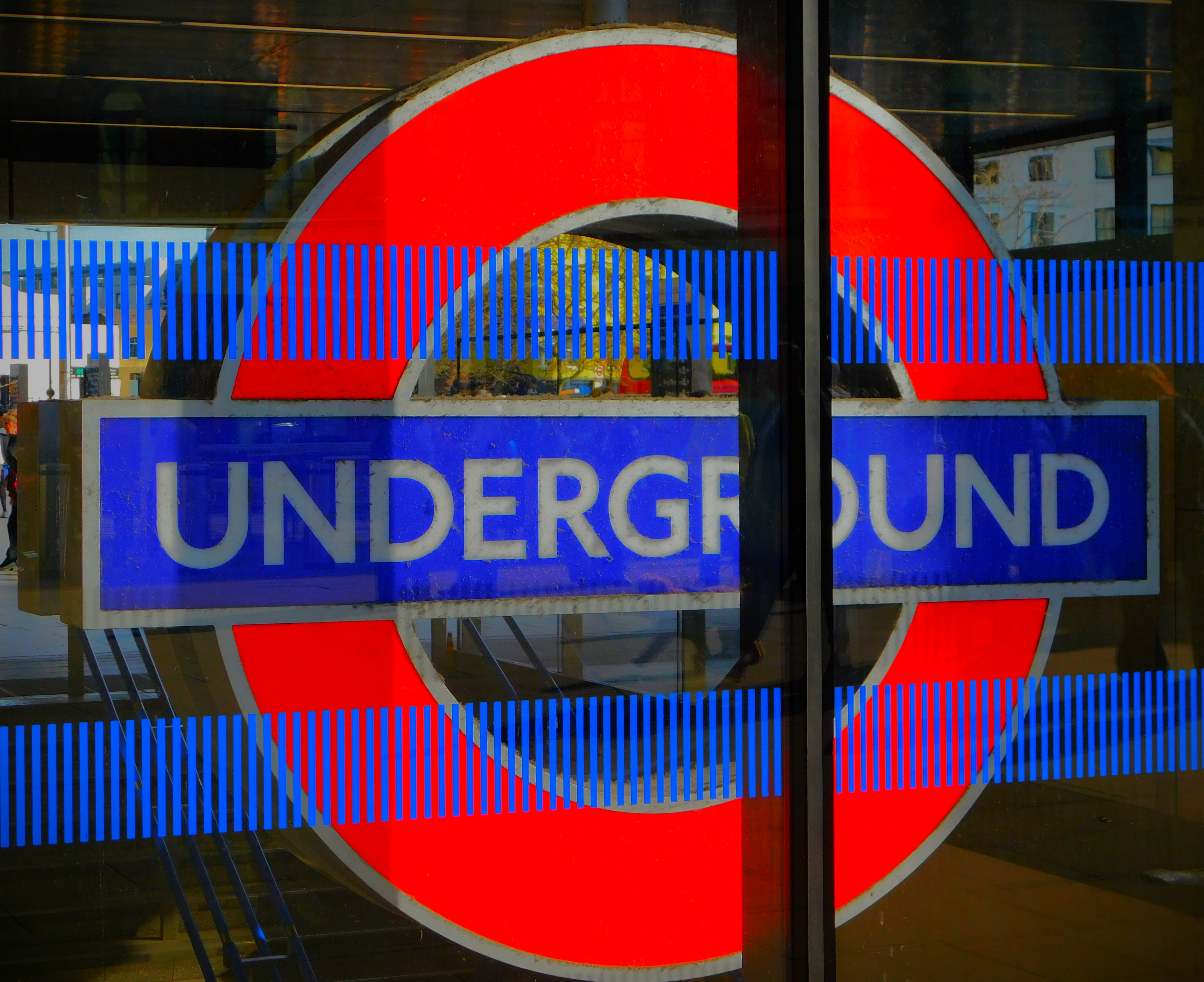
Another variation on the roundel theme – here there is a roundel shape in the glass, but it has not been coloured.A bronze statue of one of the greats of locomotive engineering, Nigel Gresley.
PHOTOGRAPHS
Of course I have been taking my usual kind of photographs as well…
Concluding my mini-series about my long weekend in Cornwall with an account of the return journey.
Welcome to the final post in my mini-series about my long weekend in Cornwall. This post deals with the journey back to King’s Lynn.
THE BEST LAID PLANS OF MICE AND MEN
I was initially booked on the 11:15 from Plymouth, which would have seen me get home by approximately 6PM. Unfortunately due to ASLEF having an overtime ban that service was cancelled, and I opted instead for the same train my nephew was travelling on, which departed two hours later.
PLYMOUTH TO EXETER
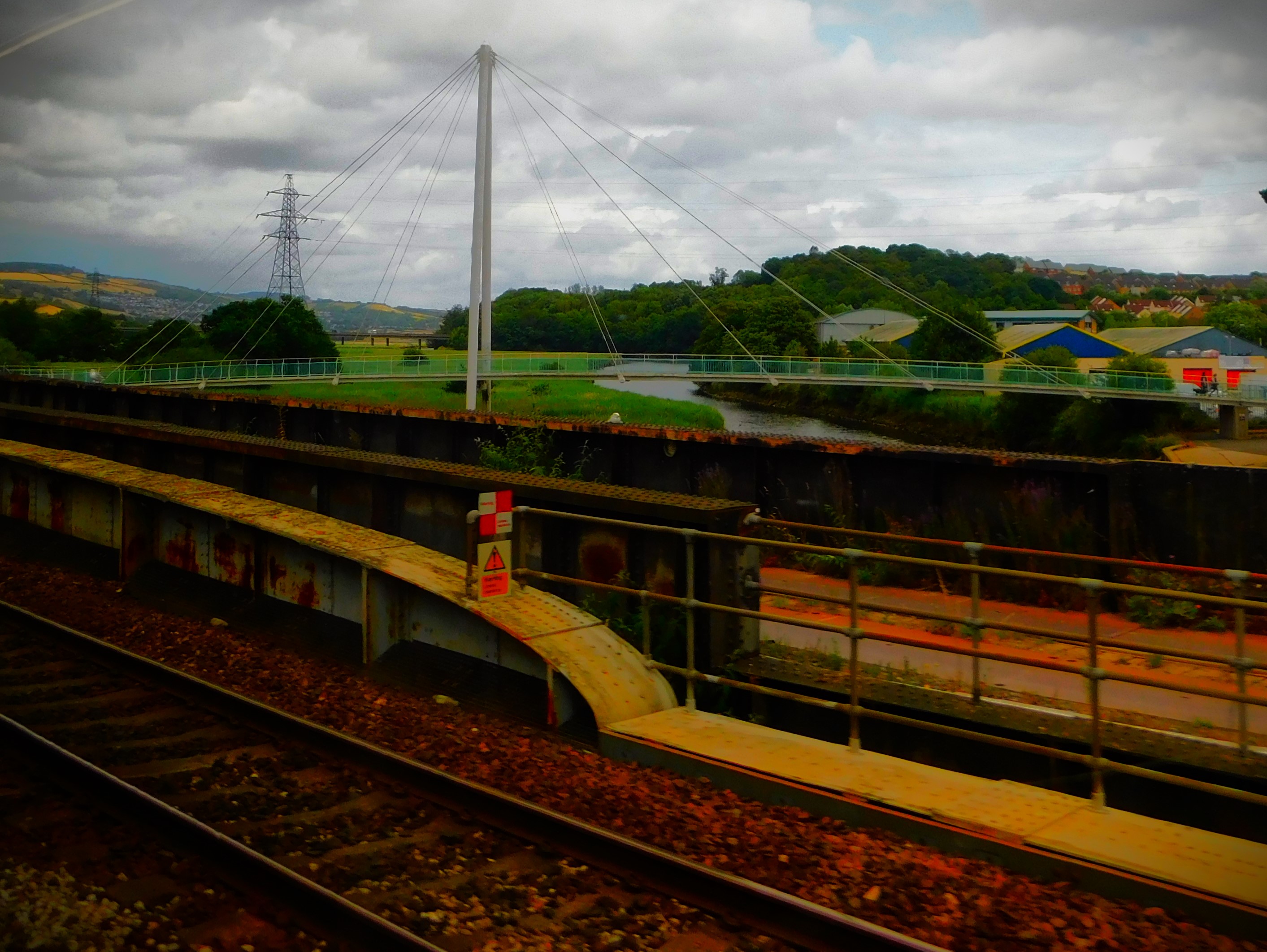
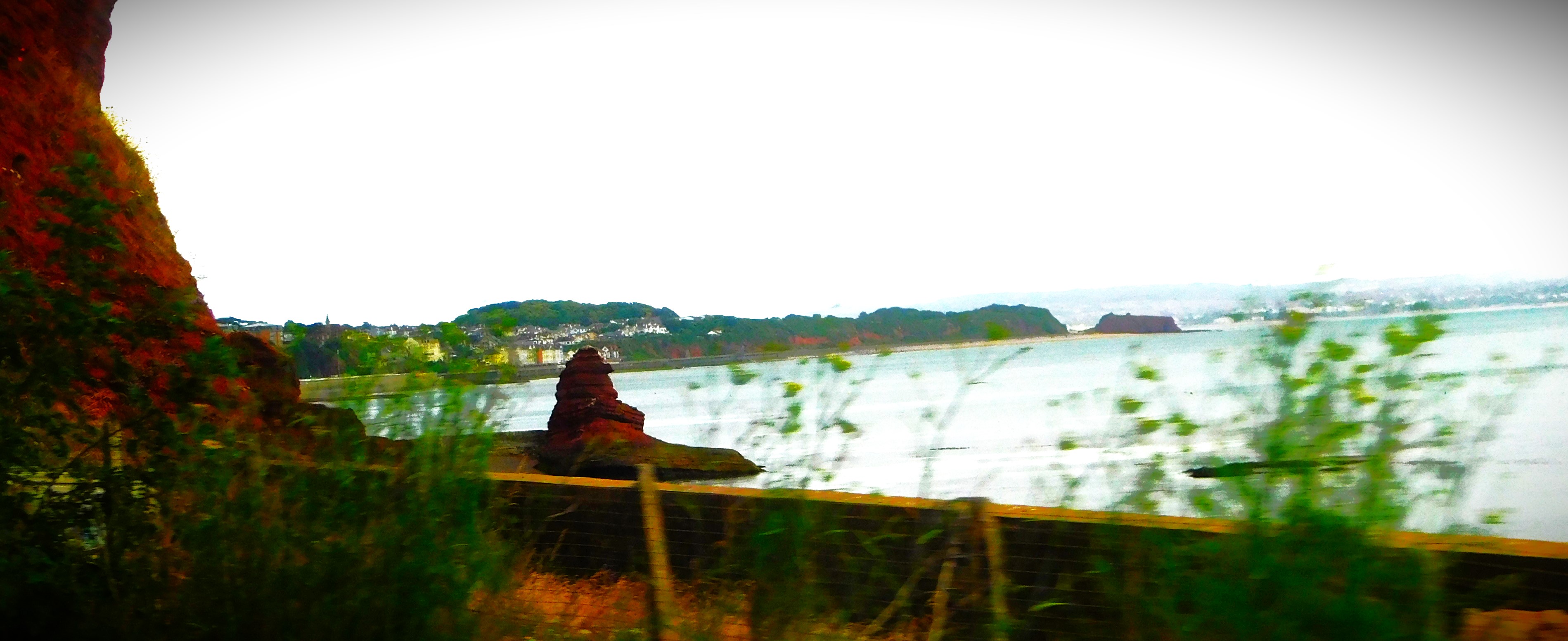
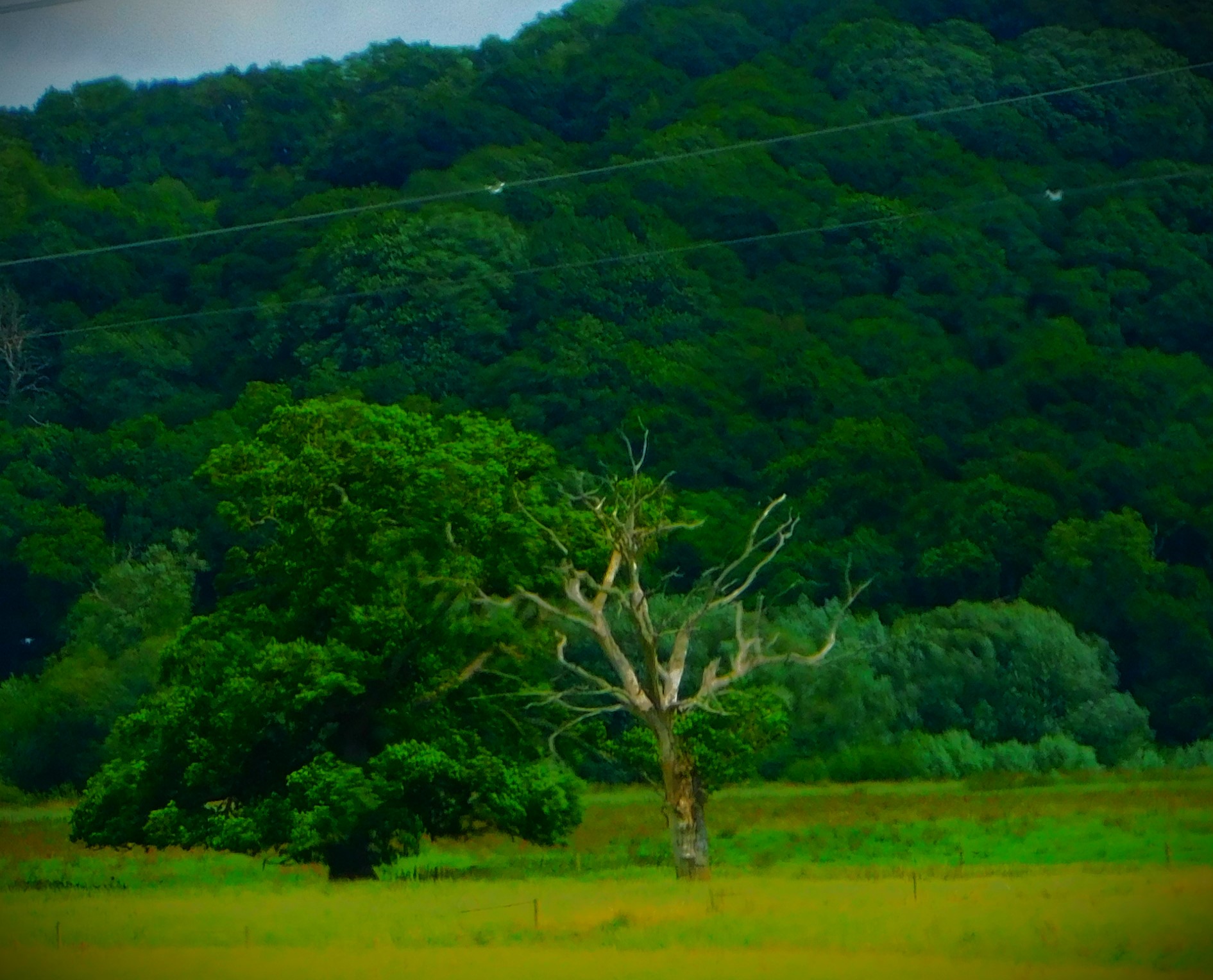
My booked seat on the new train was not a window seat, but I observed two seats on the other side of the carriage that had been reserved from Plymouth to London, and once enough time had lapsed to be sure that neither passenger was actually aboard I moved across so that I got the good views available between Newton Abbot and Exeter. Thus I went from annoyed at not having a window seat to relieved and delighted. I made full use of it, as the following shows:
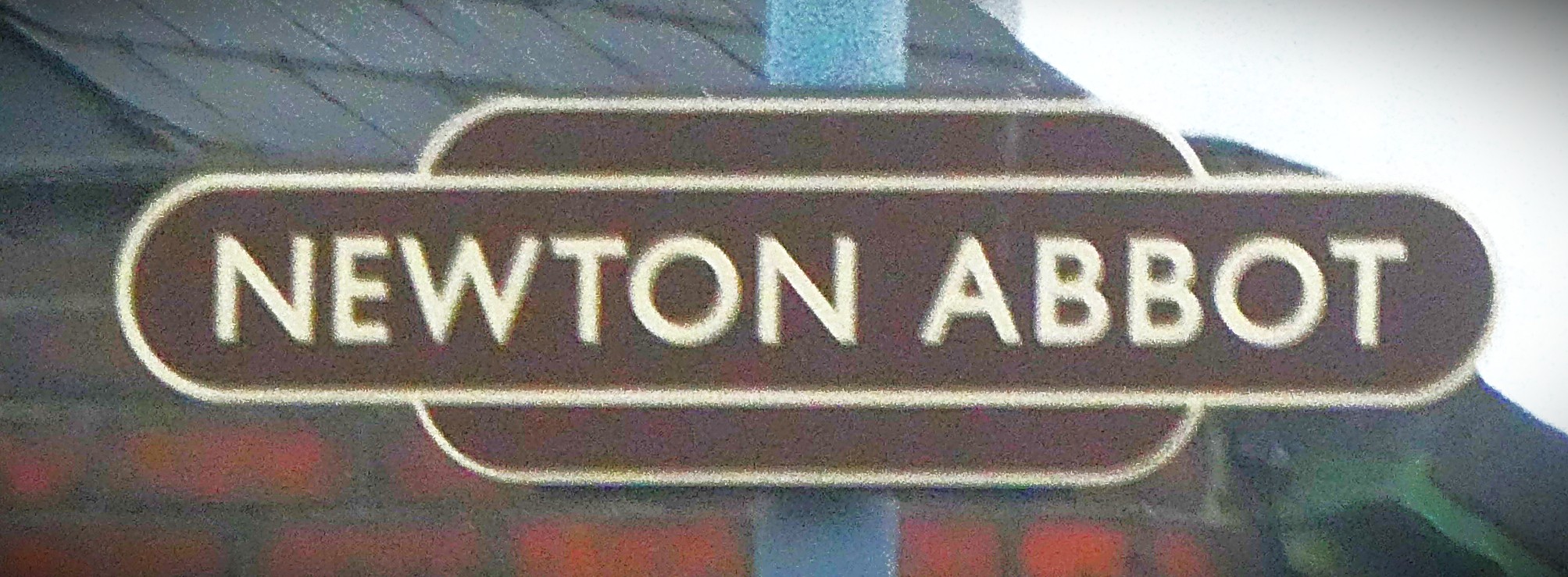
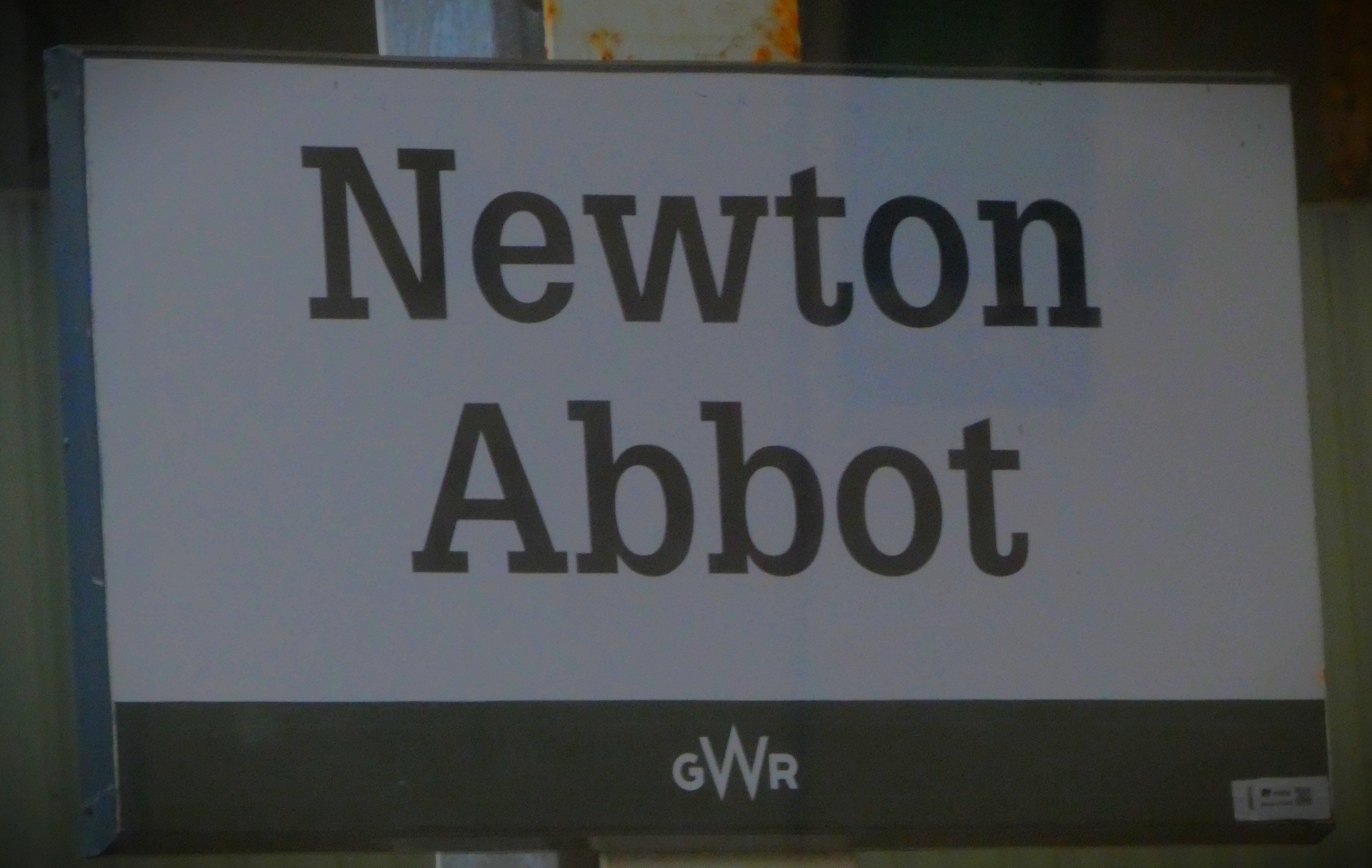
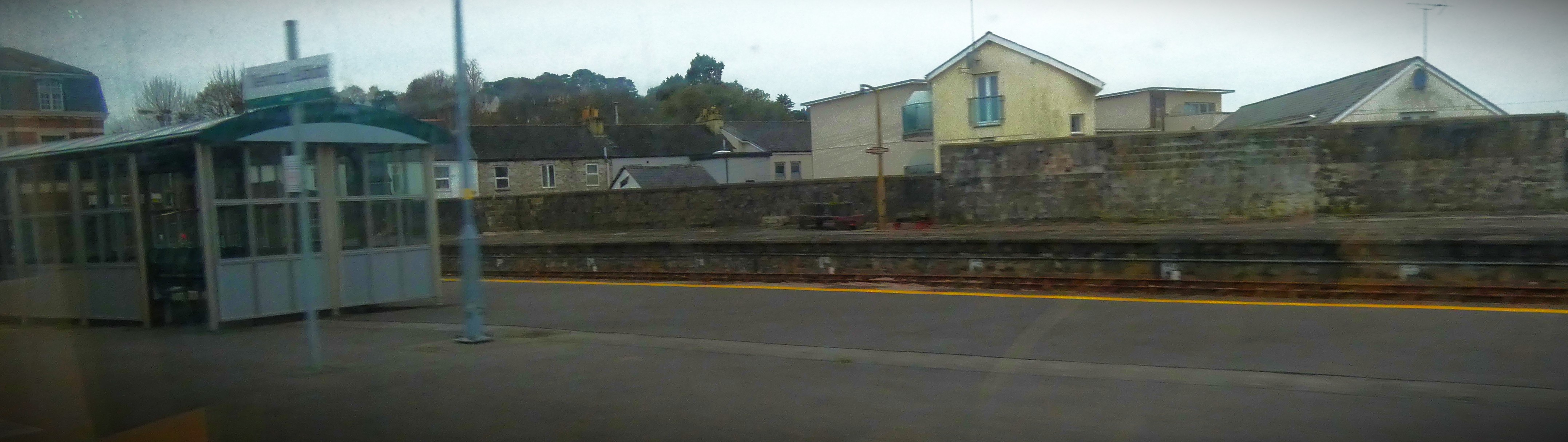
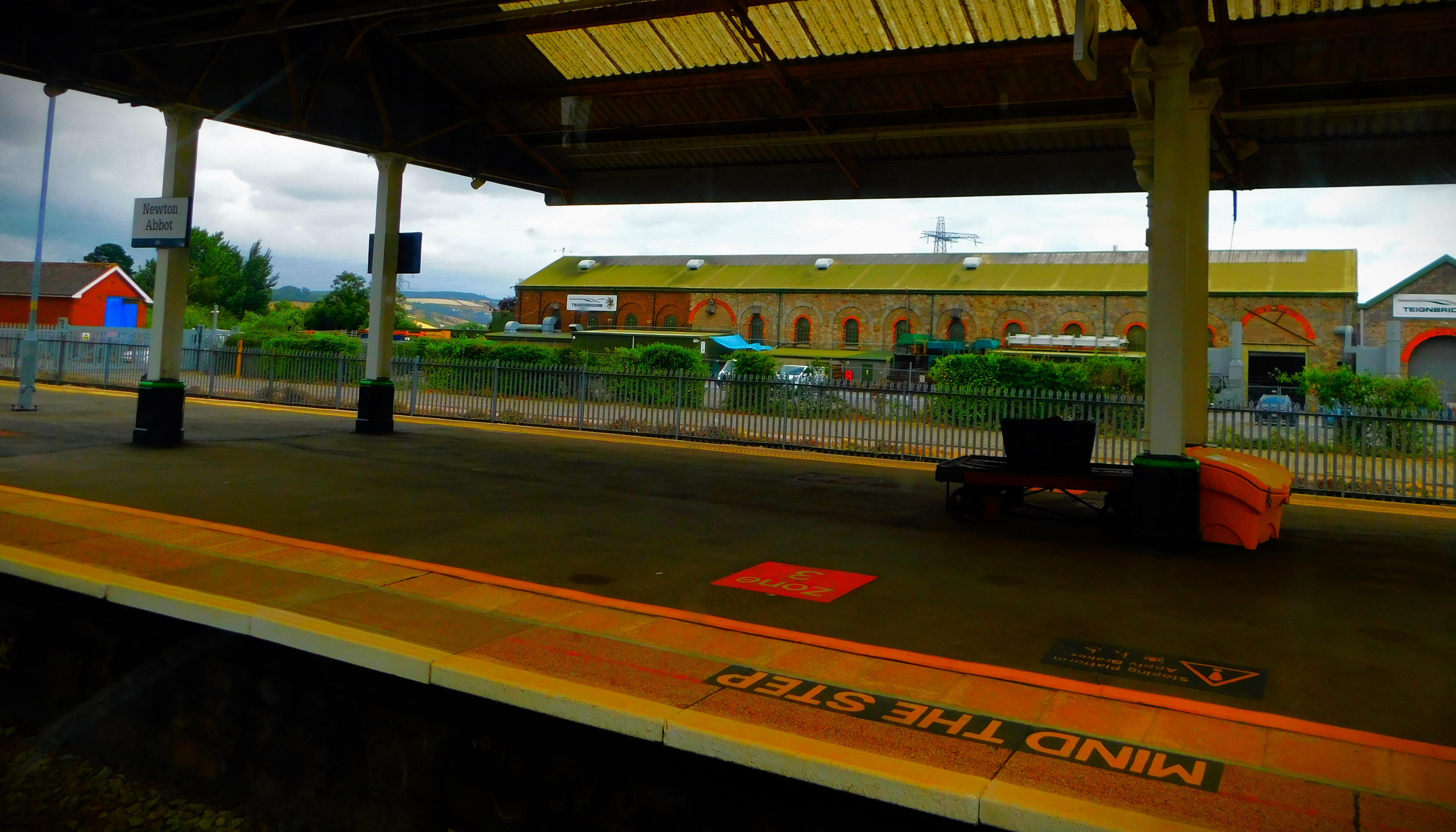
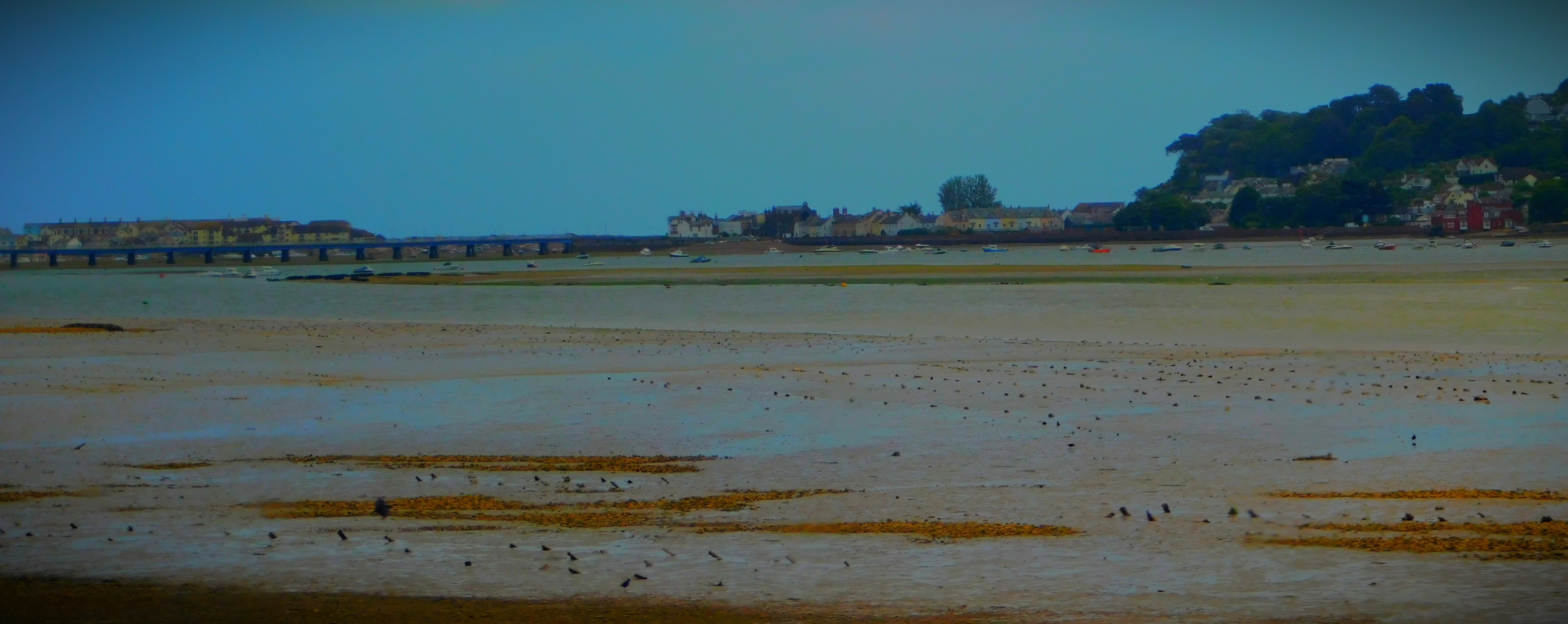
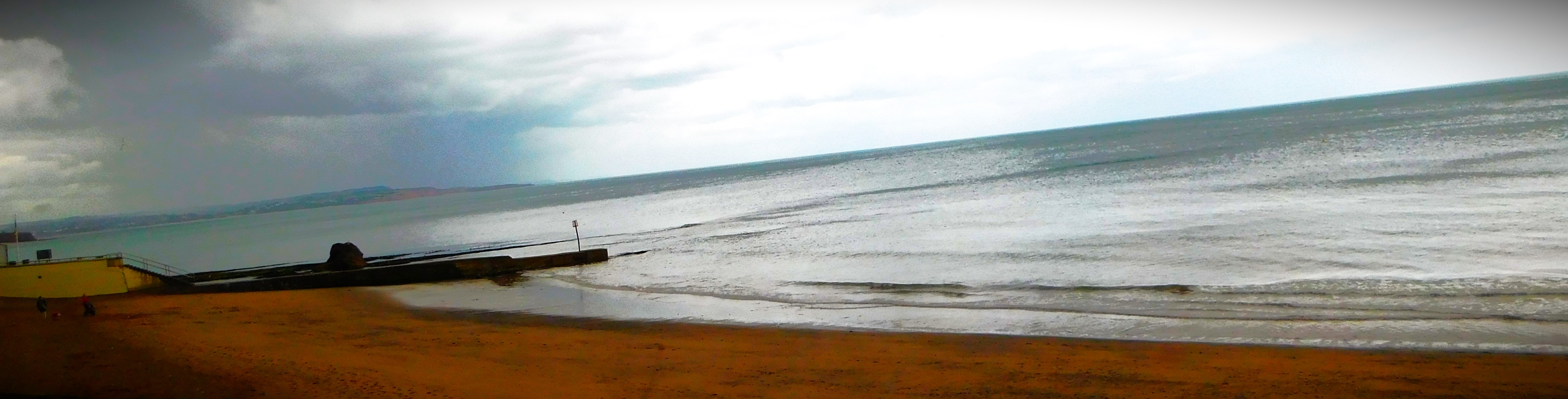
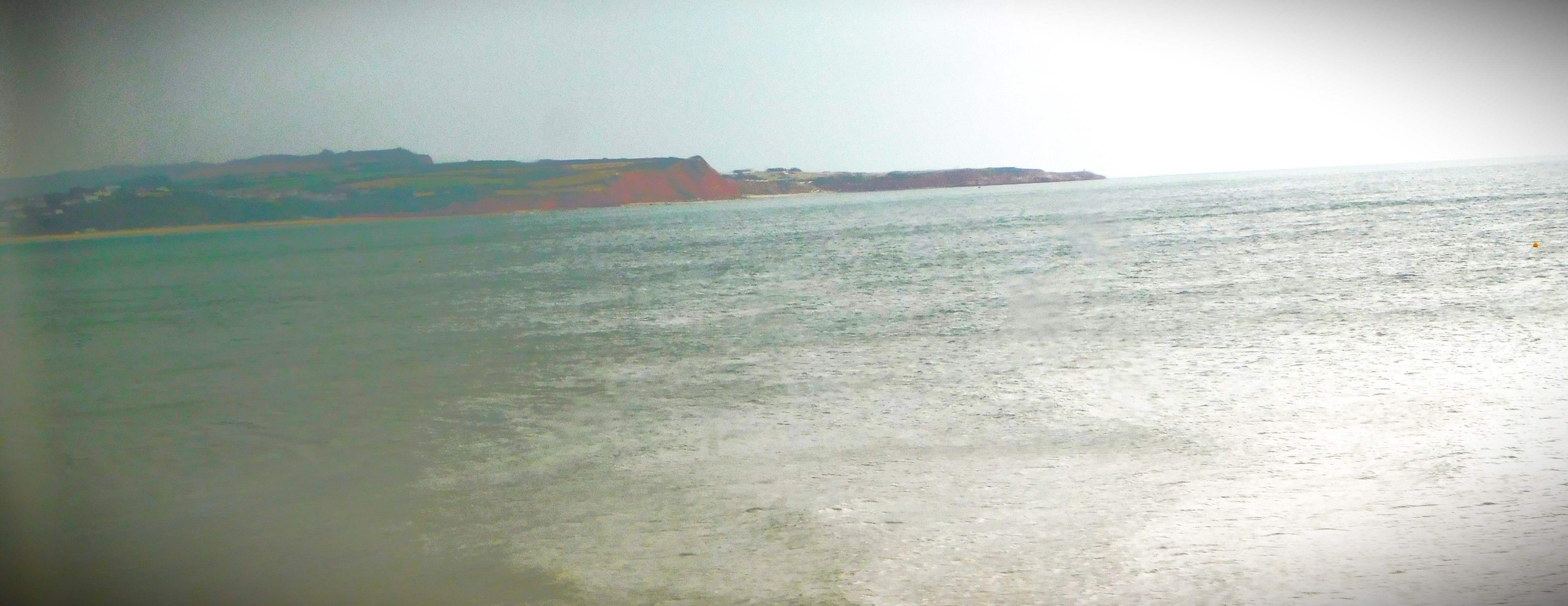
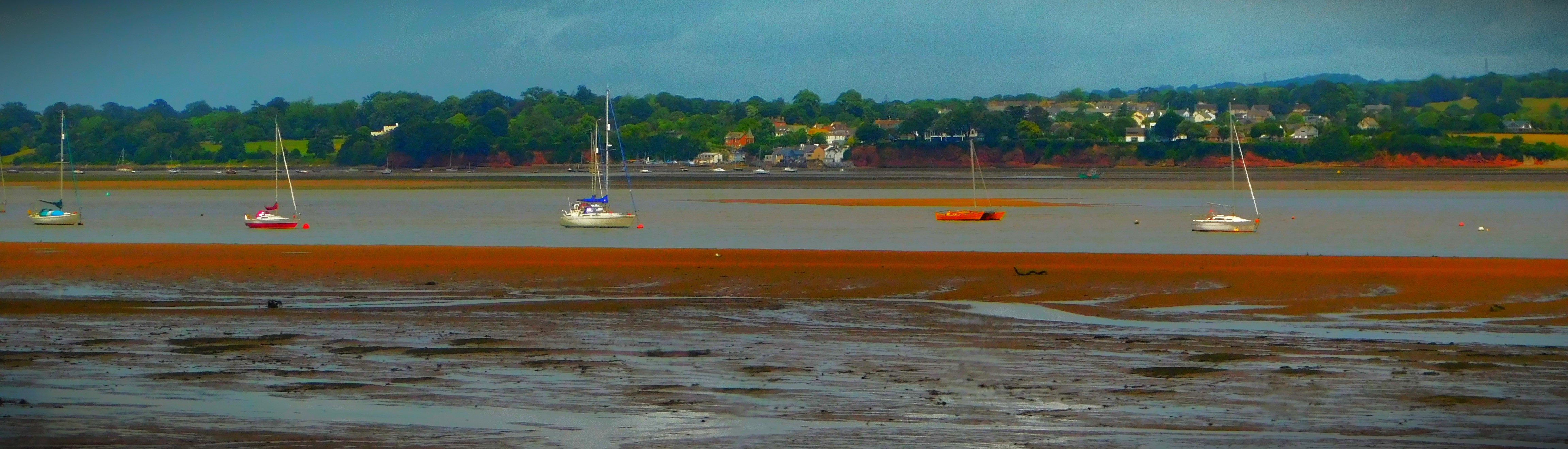
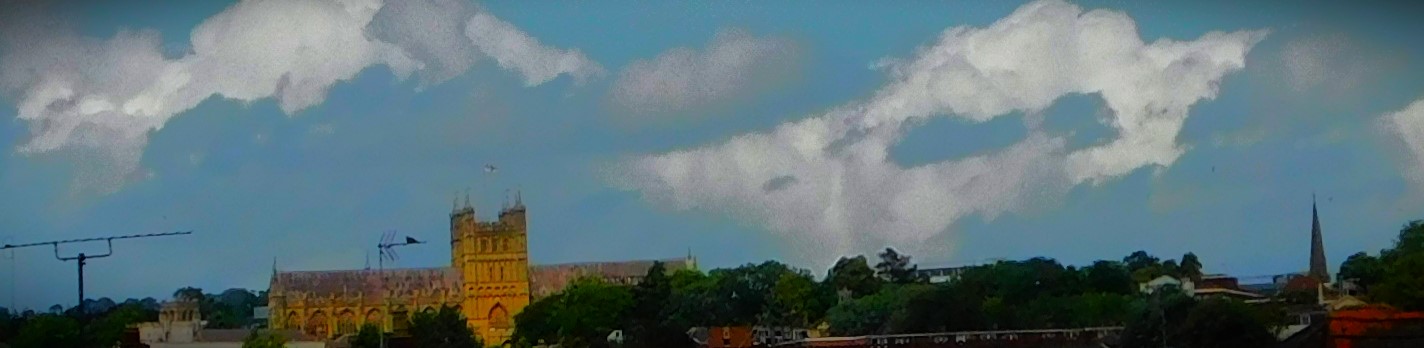
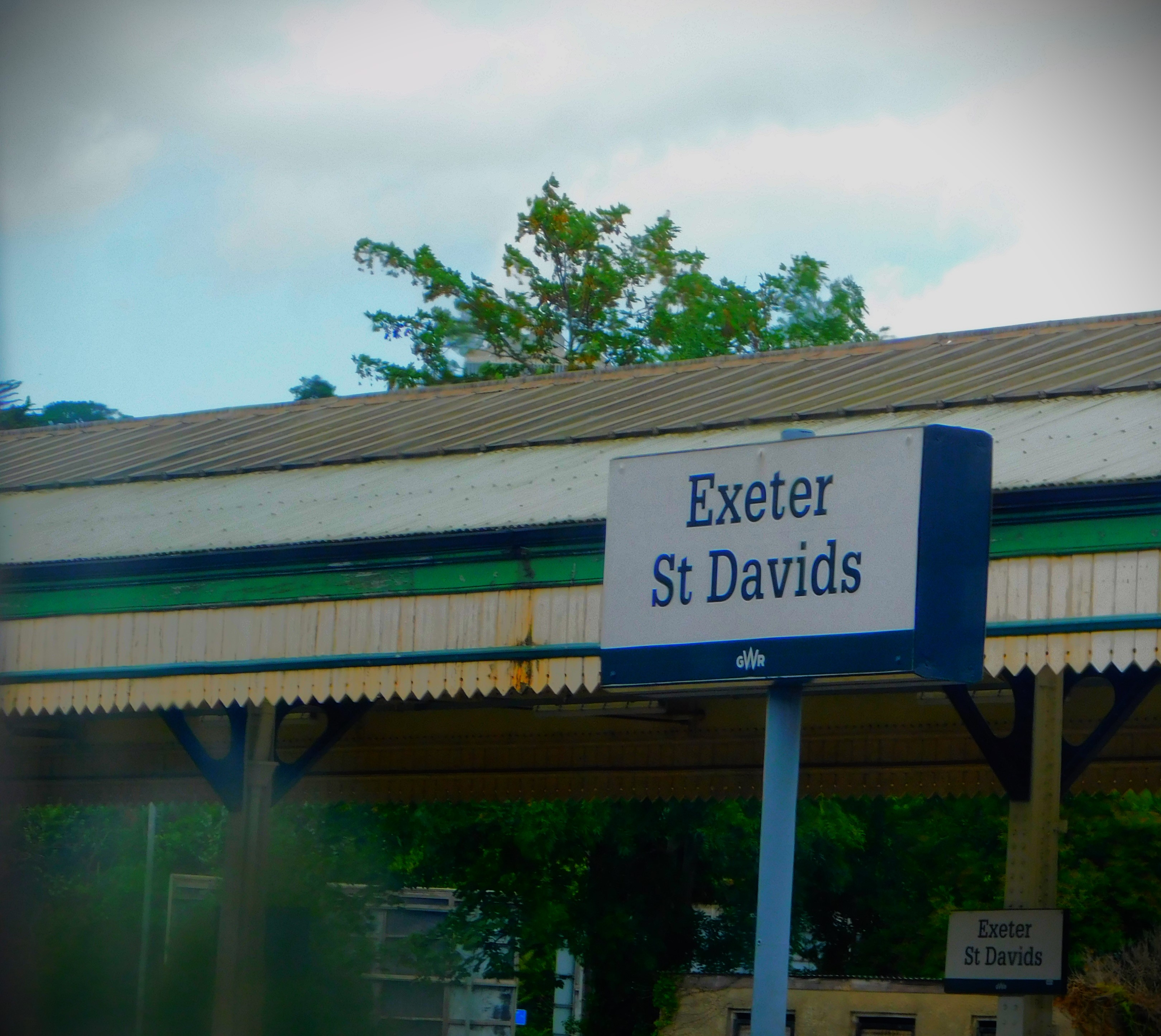
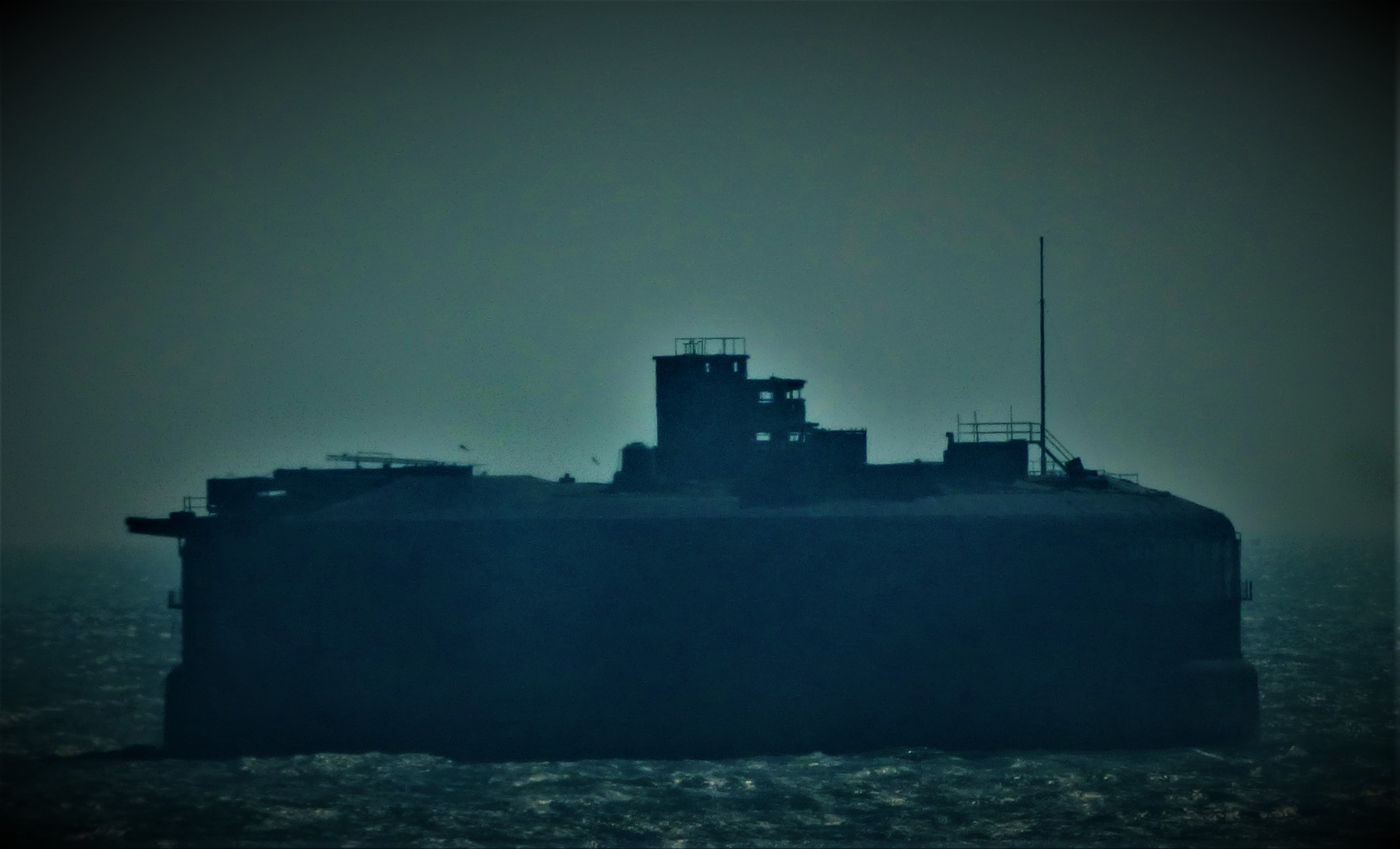
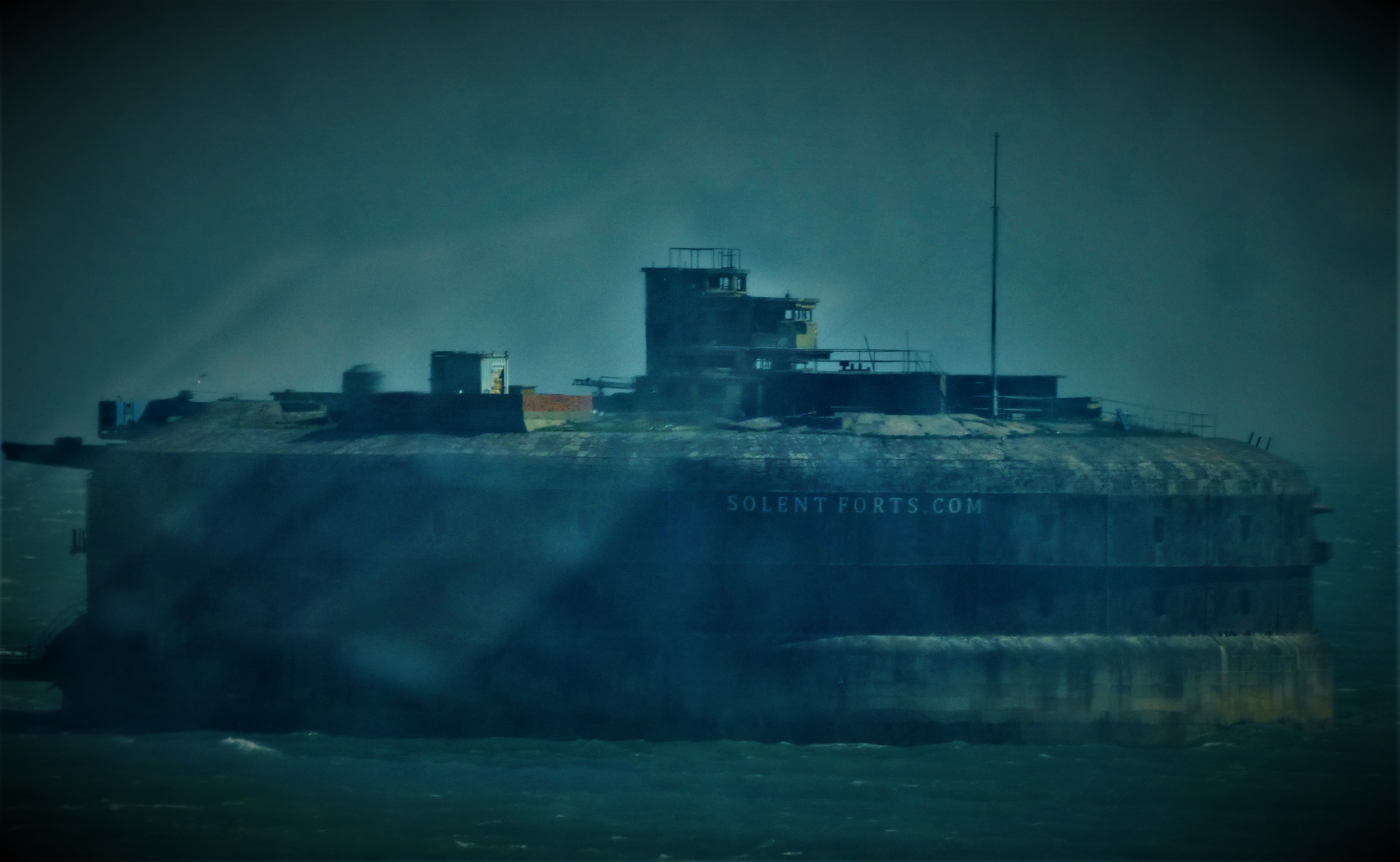
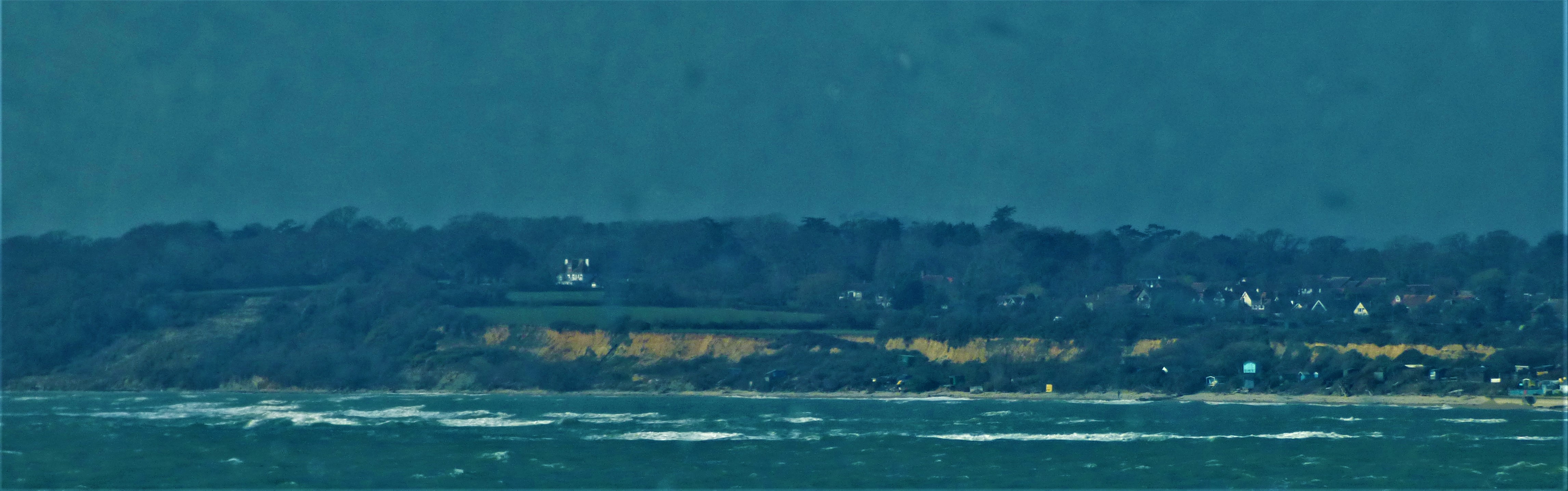
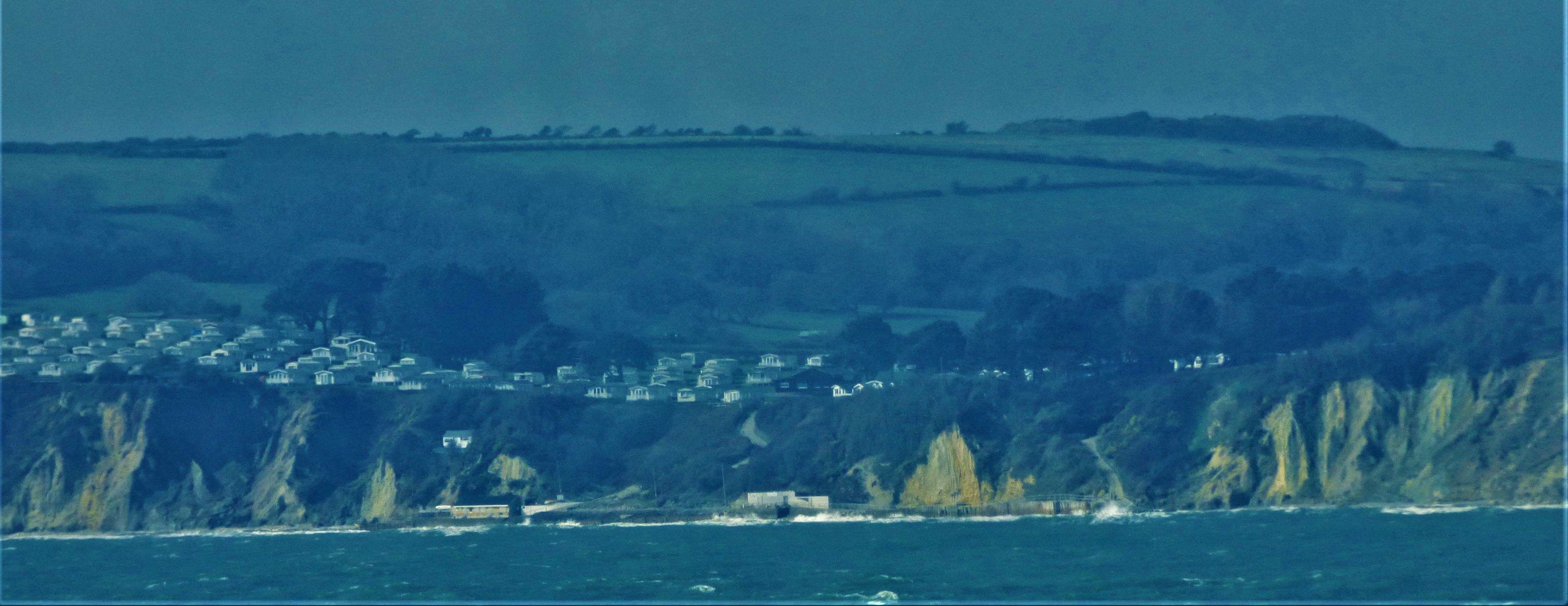
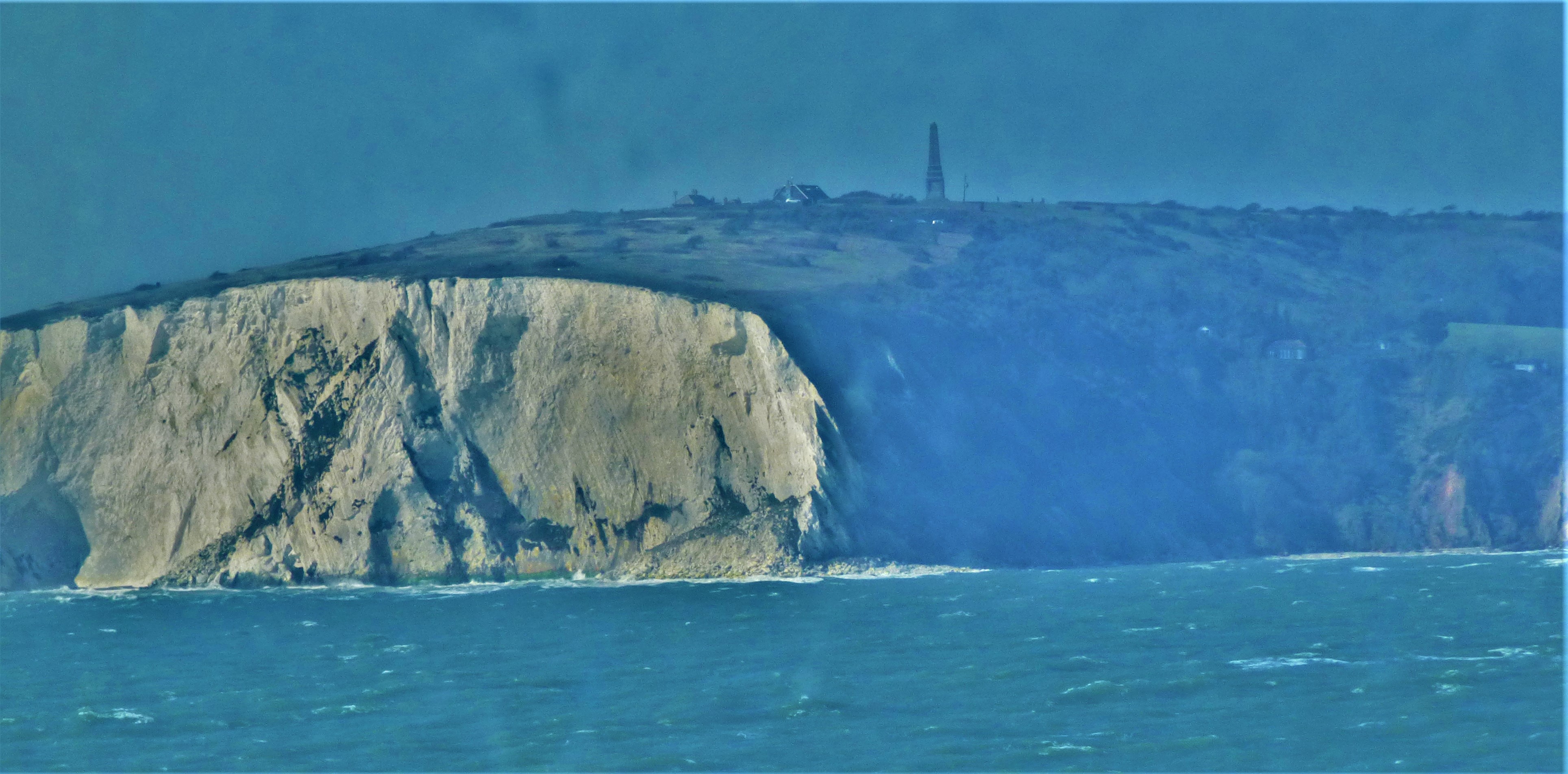
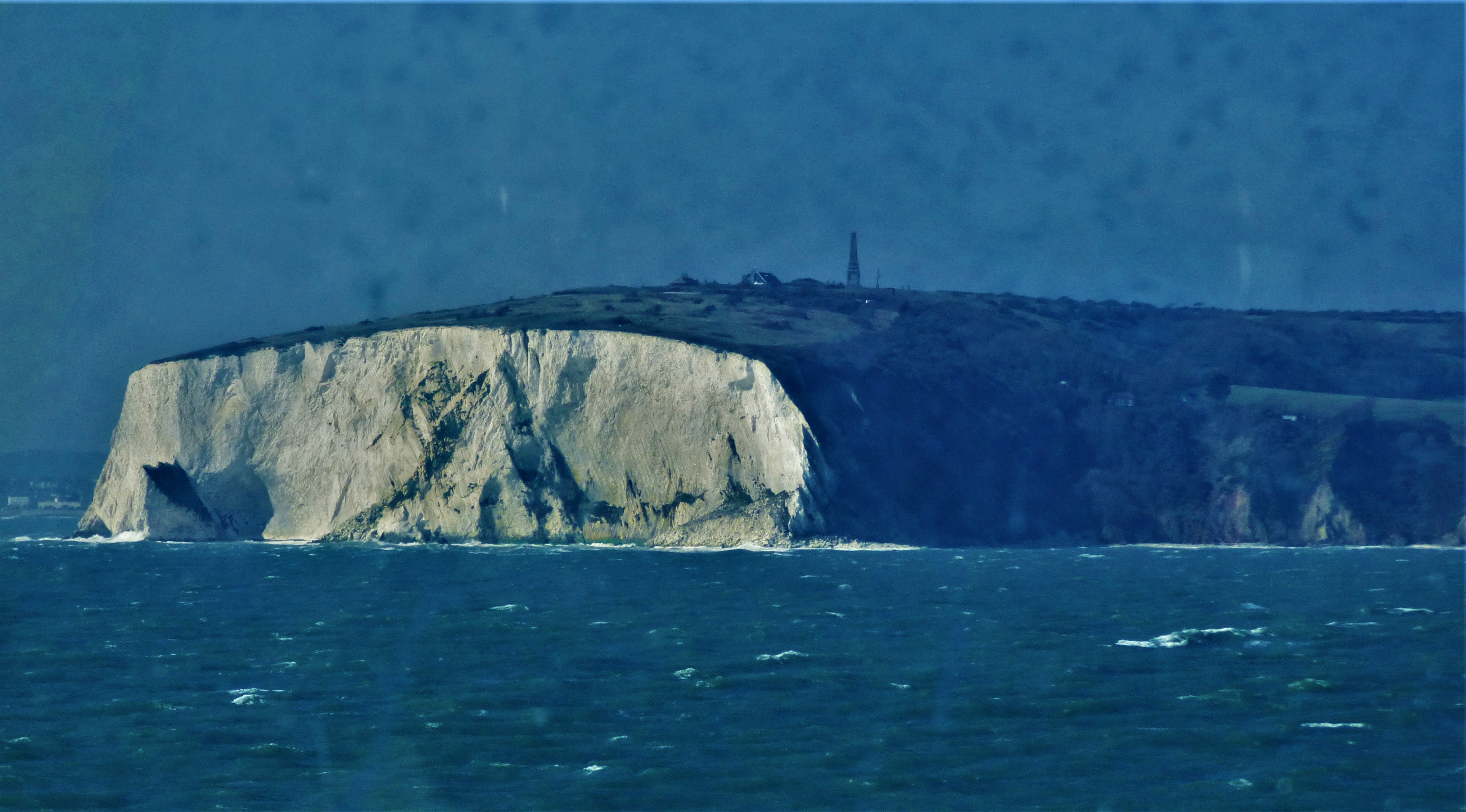
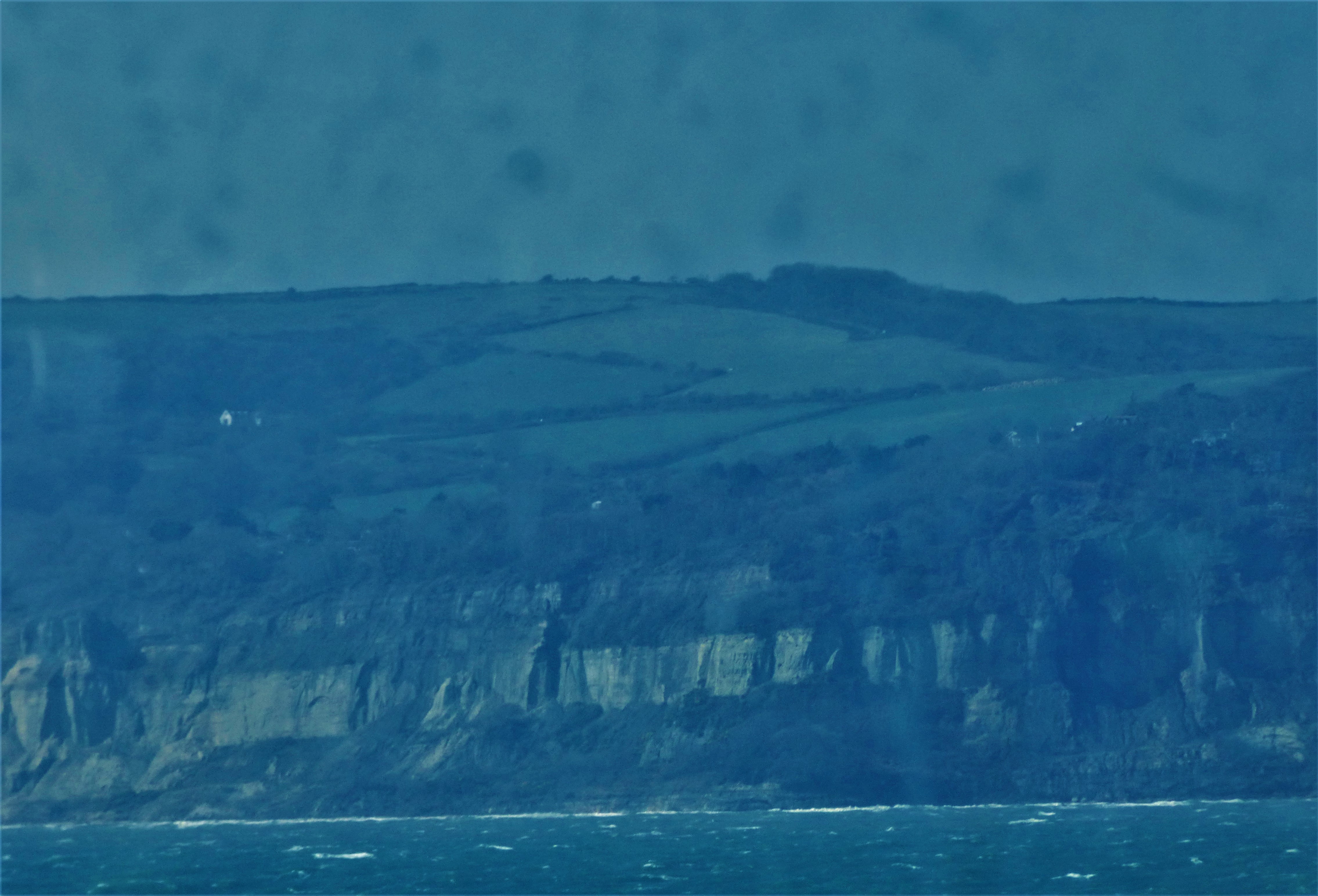
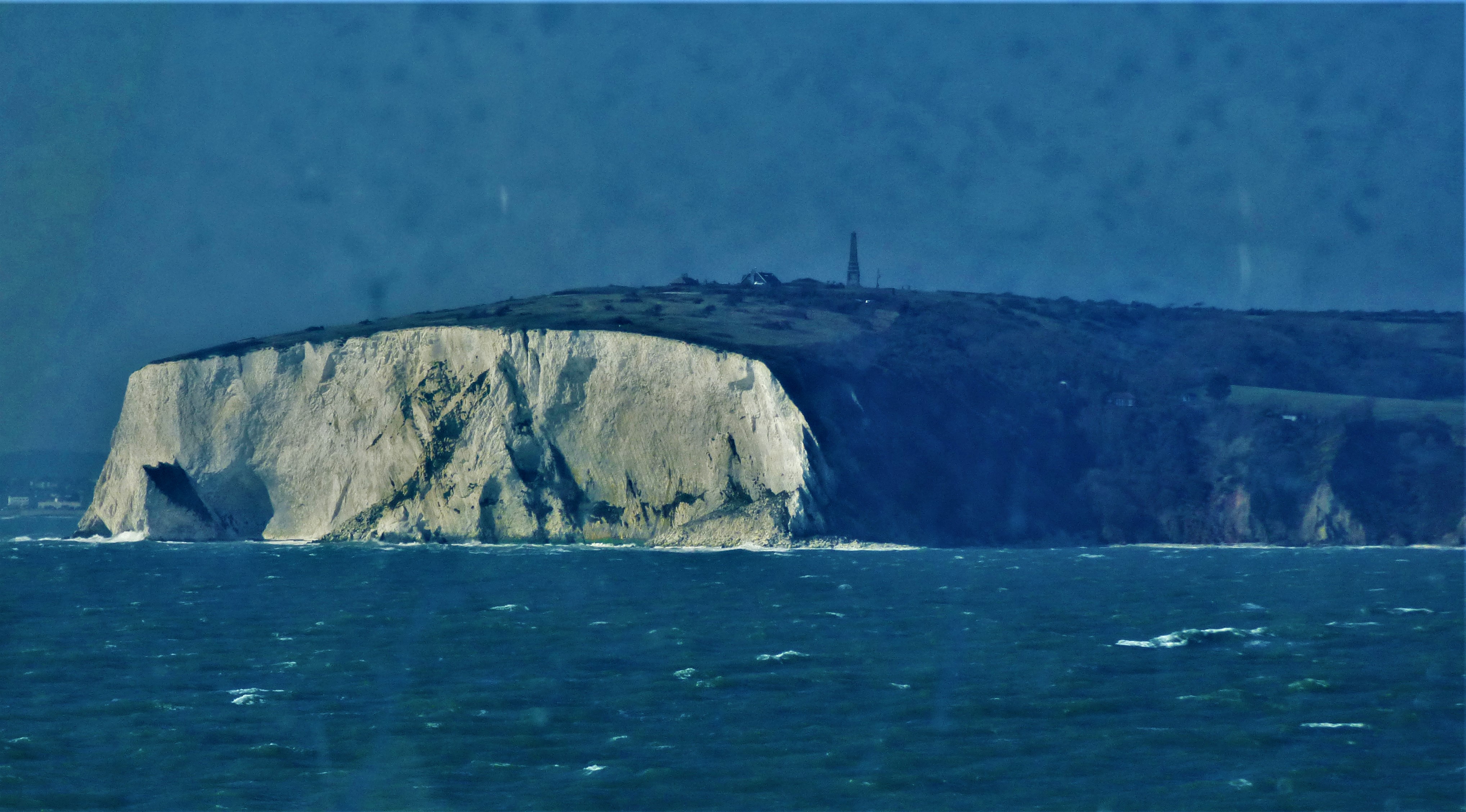
The first three pictures were taken from Fort PicklecombeNewton Abbot- the best bit of the route is between here and Exeter St DavidsA stack close to the cliff edge – a view which tells a story of coastal erosion.
EXETER ST DAVIDS TO HOME
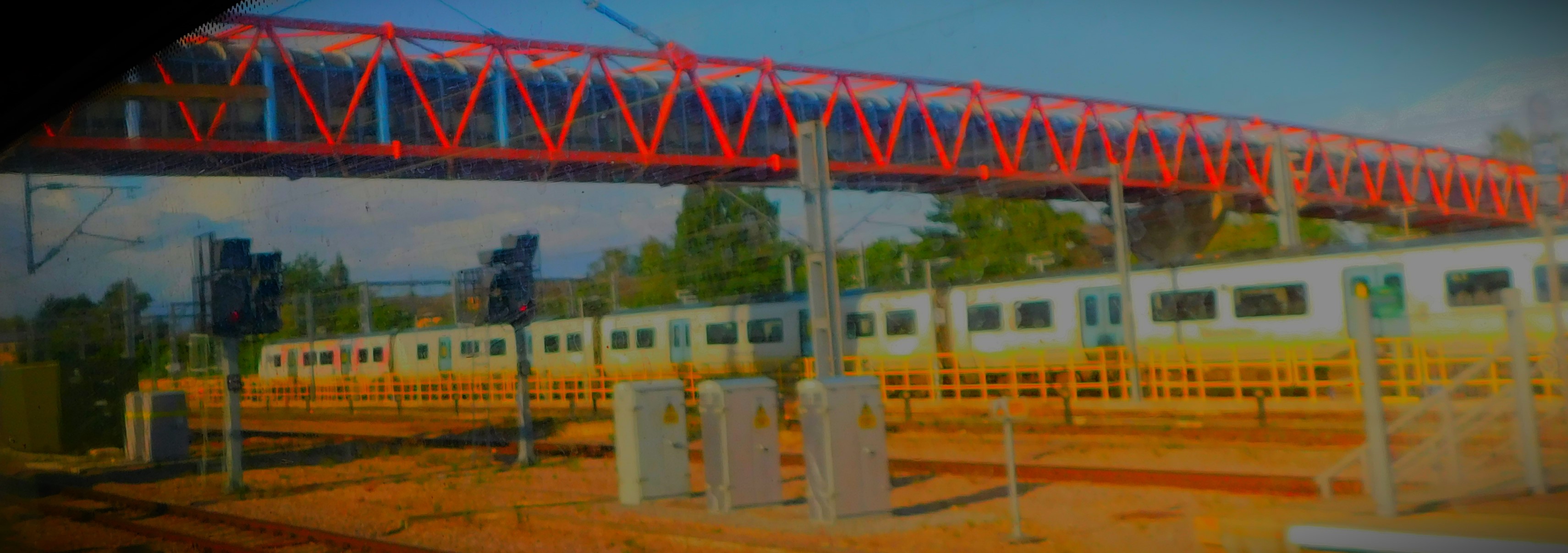
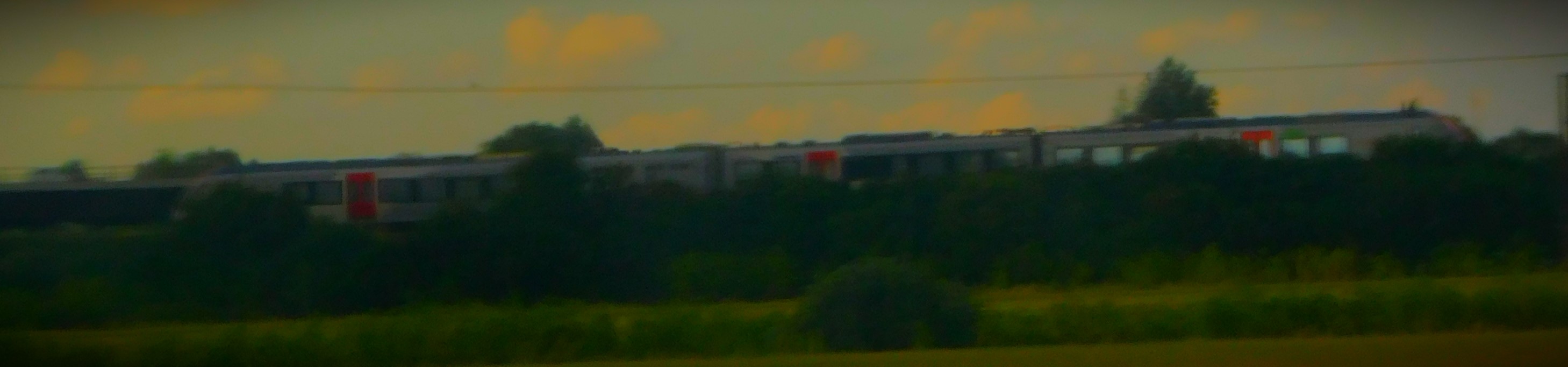
The train arrived into Paddington as scheduled, and the journey to King’s Cross was pleasingly rapid. I had a substantial wait at that station before leaving on the 17:39 to King’s Lynn. That service ran well enough, and I made a quick stop at Morrison’s for some bare essentials on the way home. I got home at about 8PM, unpacked and then cooked supper. Although none of the rest of the journey offers quite such views I still got some decent photos…
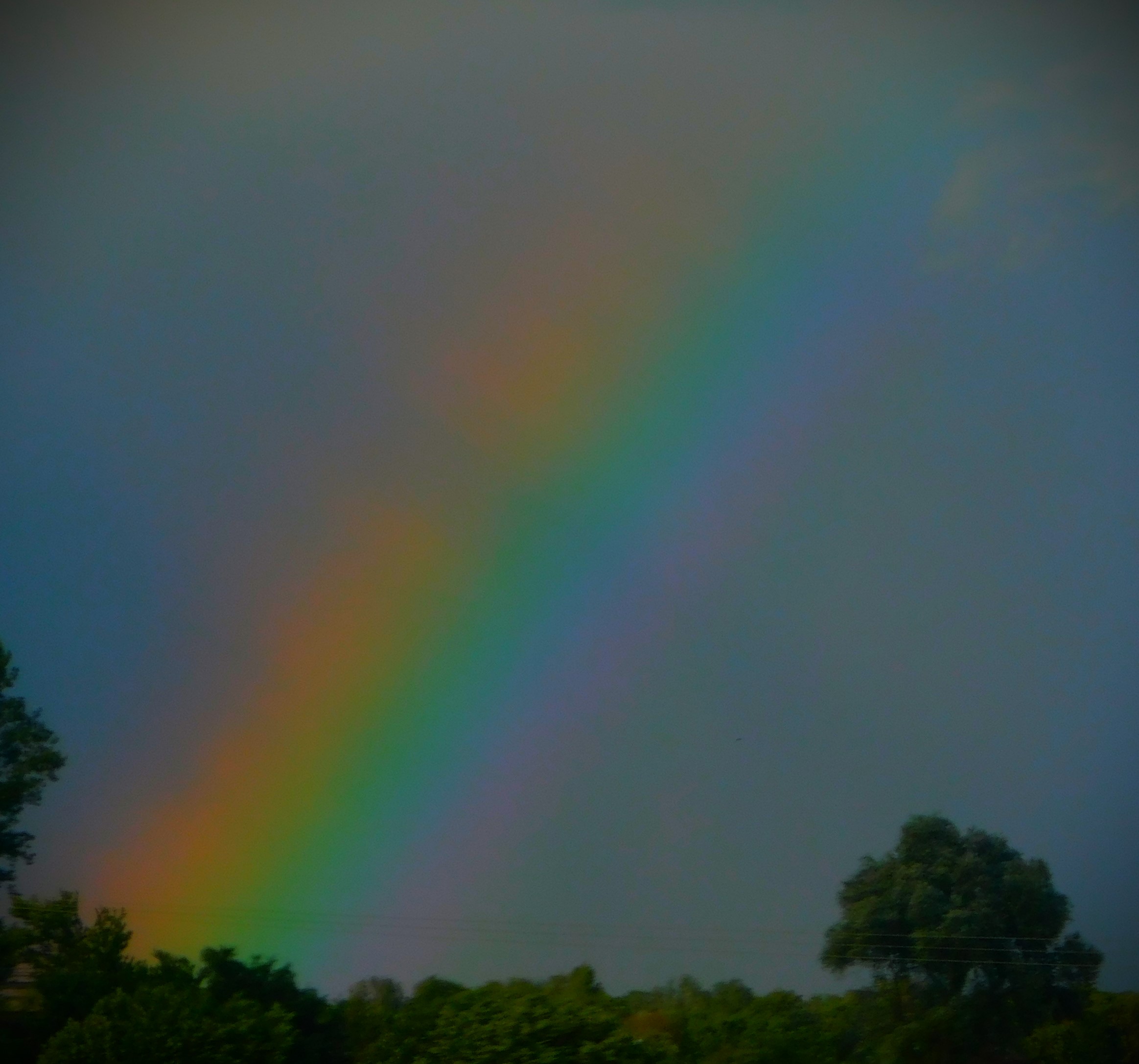
From the position of these floodlight pylons and the church in the distance I deduce that this is Taunton Cricket Ground.A white horse on a hillside (this is a chalk hill, so this would be constructed by removing grass and topsoil).A rainbow at Waterbeach
Beginning my account of a family holiday in Guernsey and Alderney with an account of getting to Guernsey.
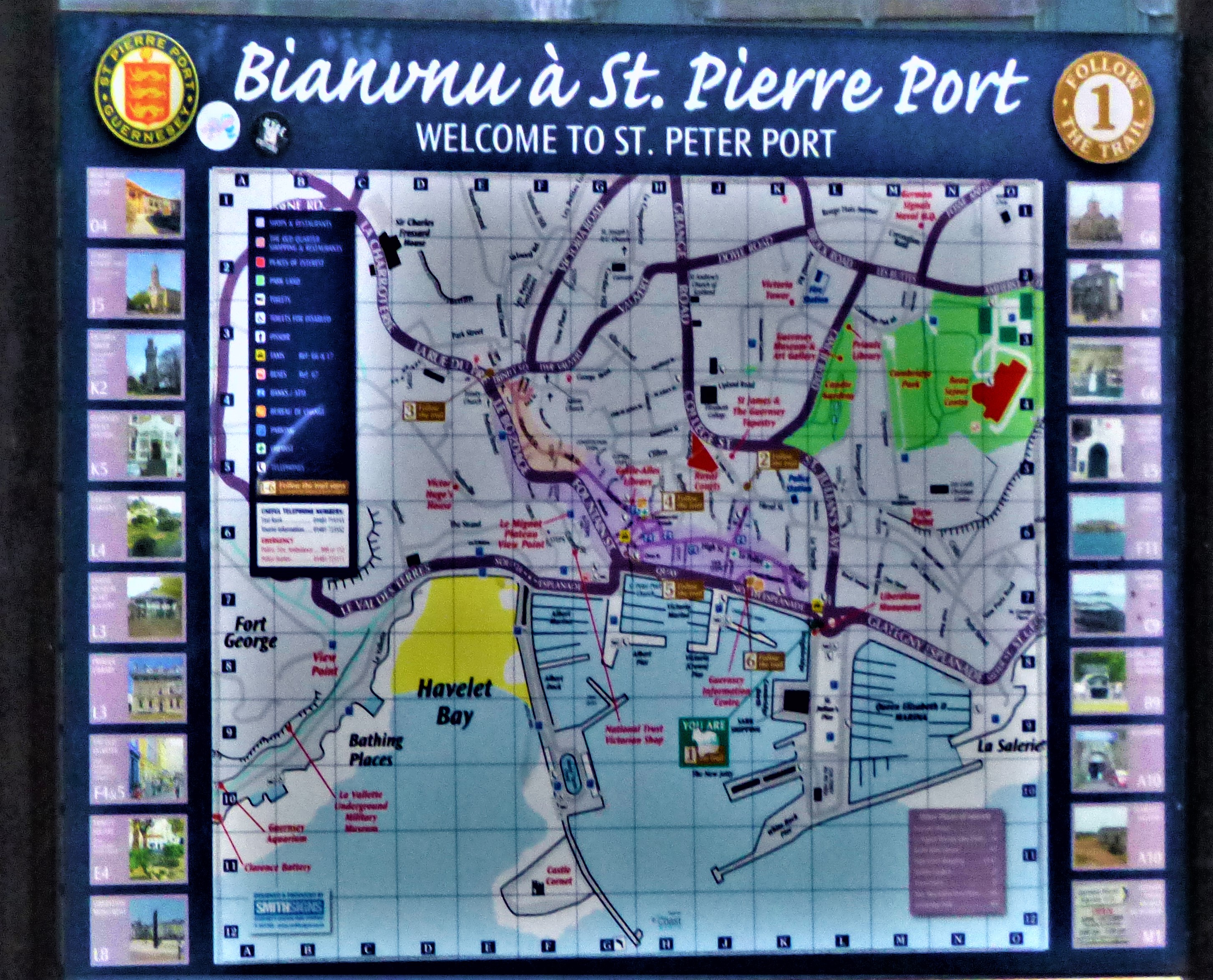
I am writing this post in a guest house at St Peter Port on the island of Guernsey. I am on a family holiday the centrepiece of which is a few days in Fort Clonque on the island of Alderney. We have time on Guernsey either side of that due to the fact the only ferries we could book were one going out of Portsmouth yesterday morning and one returning to Poole a week today. Just for the record these ferries are run by Condor, which is not part of the Pathetic & Obnoxious Group (P&O for short) who are currently treating their employees so atrociously.
KING’S LYNN TO PORTSMOUTH
Owing to the amount of stuff she and my nephew were taking my sister drove from King’s Lynn to Portsmouth, then took her car to Poole ready for the return journey before getting a train back to Portsmouth. I travelled by train (I had intended to do the same for the return journey from Poole before change in ferry times nixed that idea, so I will be a passenger in her car for the return journey). I got the 13:44 from Lynn to London which ran to time, giving me just under an hour to get from King’s Cross to Waterloo for the train to Poole, far more time than needed for that journey. I elected to take the Victoria line to Oxford Circus and then the Bakerloo line to Waterloo, deciding that although changing to the Jubilee at Green Park was quicker in terms of time spent on trains that difference would be more than accounted for by the difference between the cross-platform hop at Oxford Circus and the long interchange at Green Park, especially given the weight of my bags.
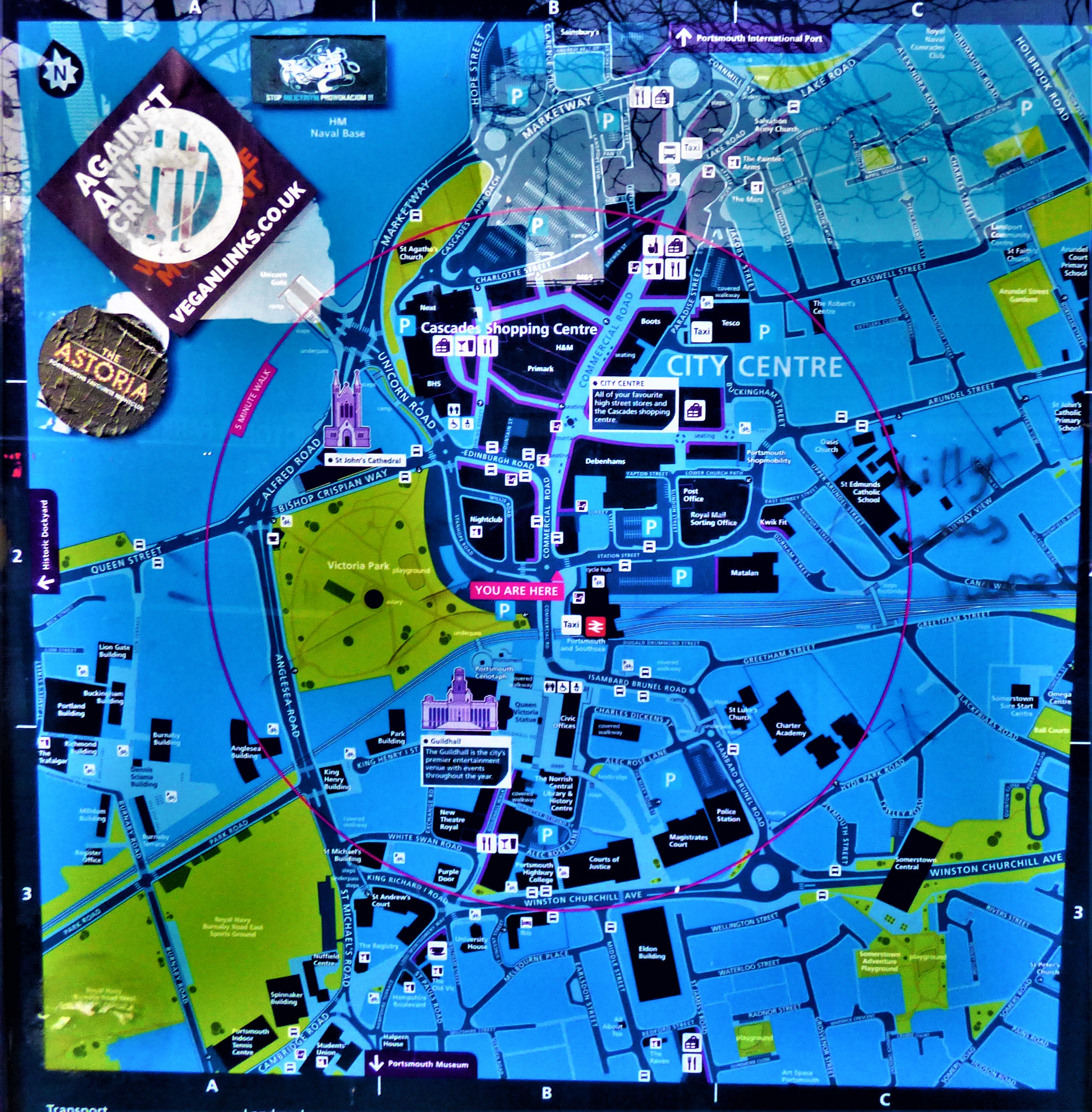
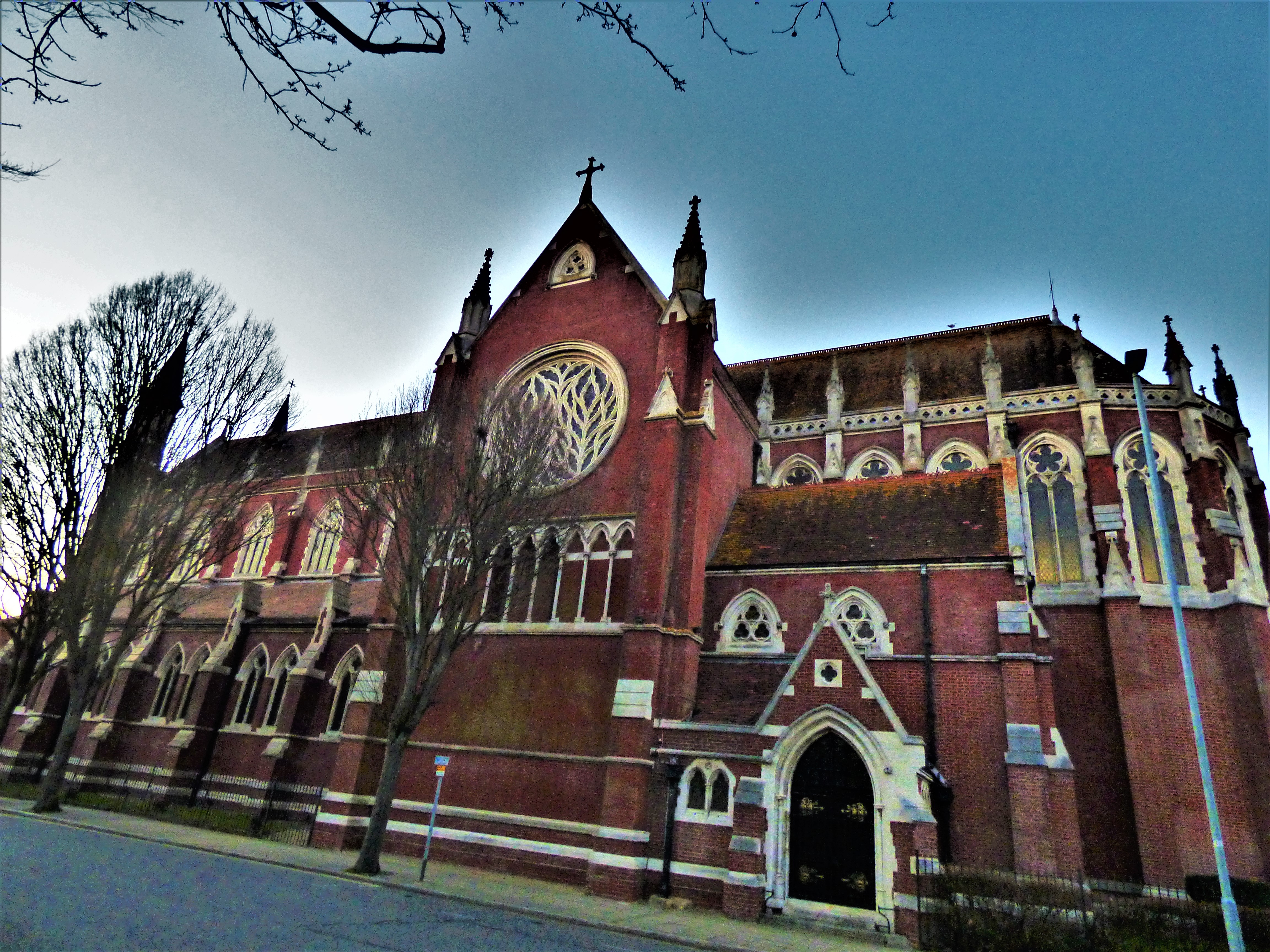
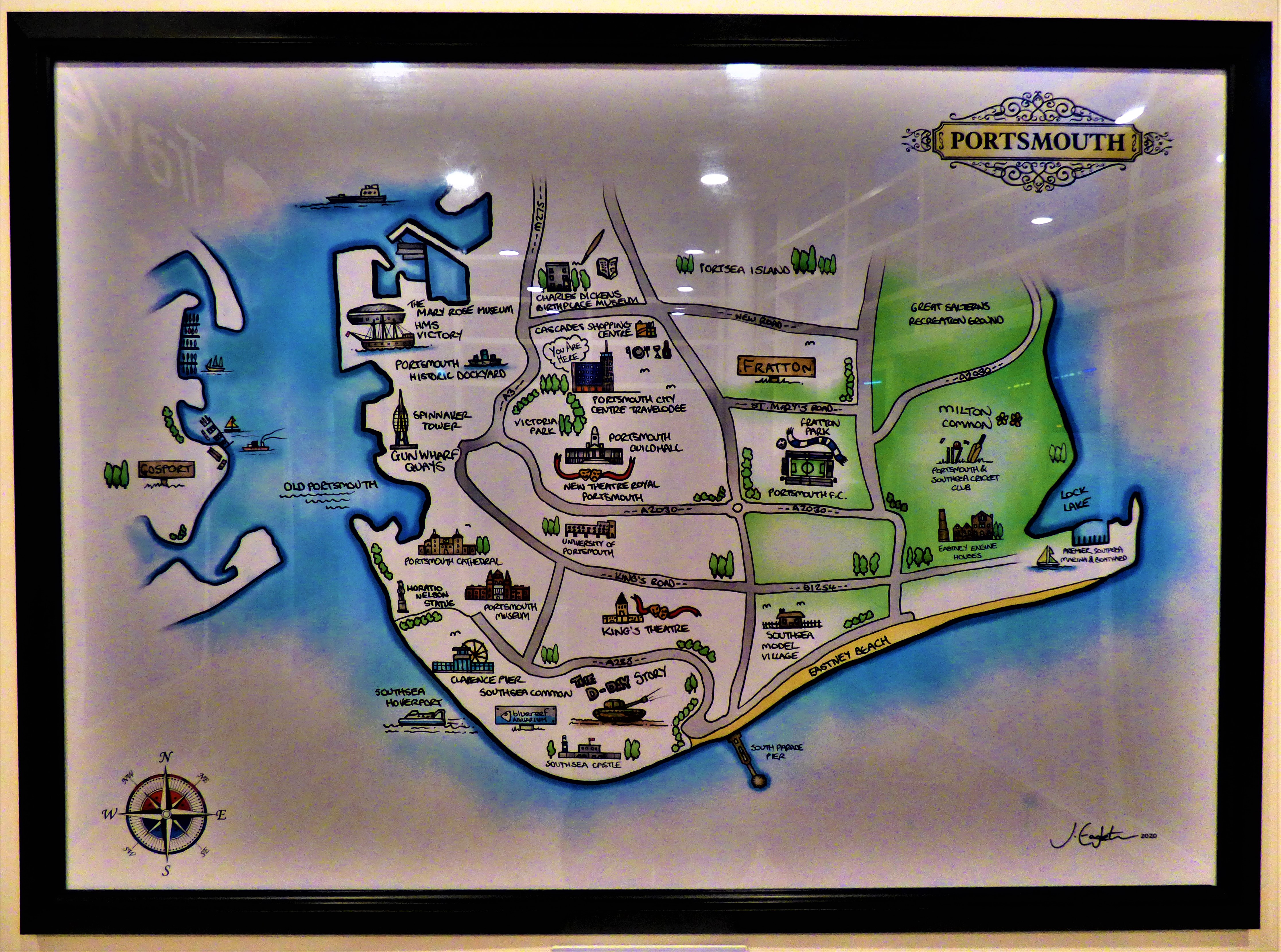
I arrived at Waterloo half an hour before my train to Portsmouth was due to depart, and had to wait for the platform to be confirmed. The train arrived in Portsmouth on time, and I made my way to the Travelodge, about three minutes walk from Portsmouth and Southsea station, where my sister my nephew and I were booked into a three bed room for the night.
PORTSMOUTH TO GUERNSEY
Originally our ferry was supposed to set out at 9AM, which would have meant being at the terminal by 8AM (Guernsey is a ‘crown dependency’, not part of Britain, so this is officially an international journey), but a delay meant that check was not until 9:30AM. Once we got underway it was smooth sailing – there were a few small waves in evidence in the open sea but it was never remotely rough.
We arrived into St Peter Port just after 5PM, and were established at our guest house an hour later.
Using an ‘accepting extra walking’ post to introduce a very scenic area of West Kent, connect to some of my more radical public transport notions, share an autism related thread and a bumper haul of photographs.
Today feels to me like a day for a non-cricket post, so here comes another variation on my ‘accepting extra walking’ theme. This is one is entirely, though tenuously, based on my London days. However, just before I move on, I must mention an extraordinary cricket related endeavour being undertaken by the folks at Inside Edge Cricket by way of their twitter account, @InsideEdgeCrick: They have just started going through the whole list of 697 England male test cricketers. As I type this they have covered the eleven who played the first two test matches of all.
EYNSFORD – SHOREHAM – OTFORD
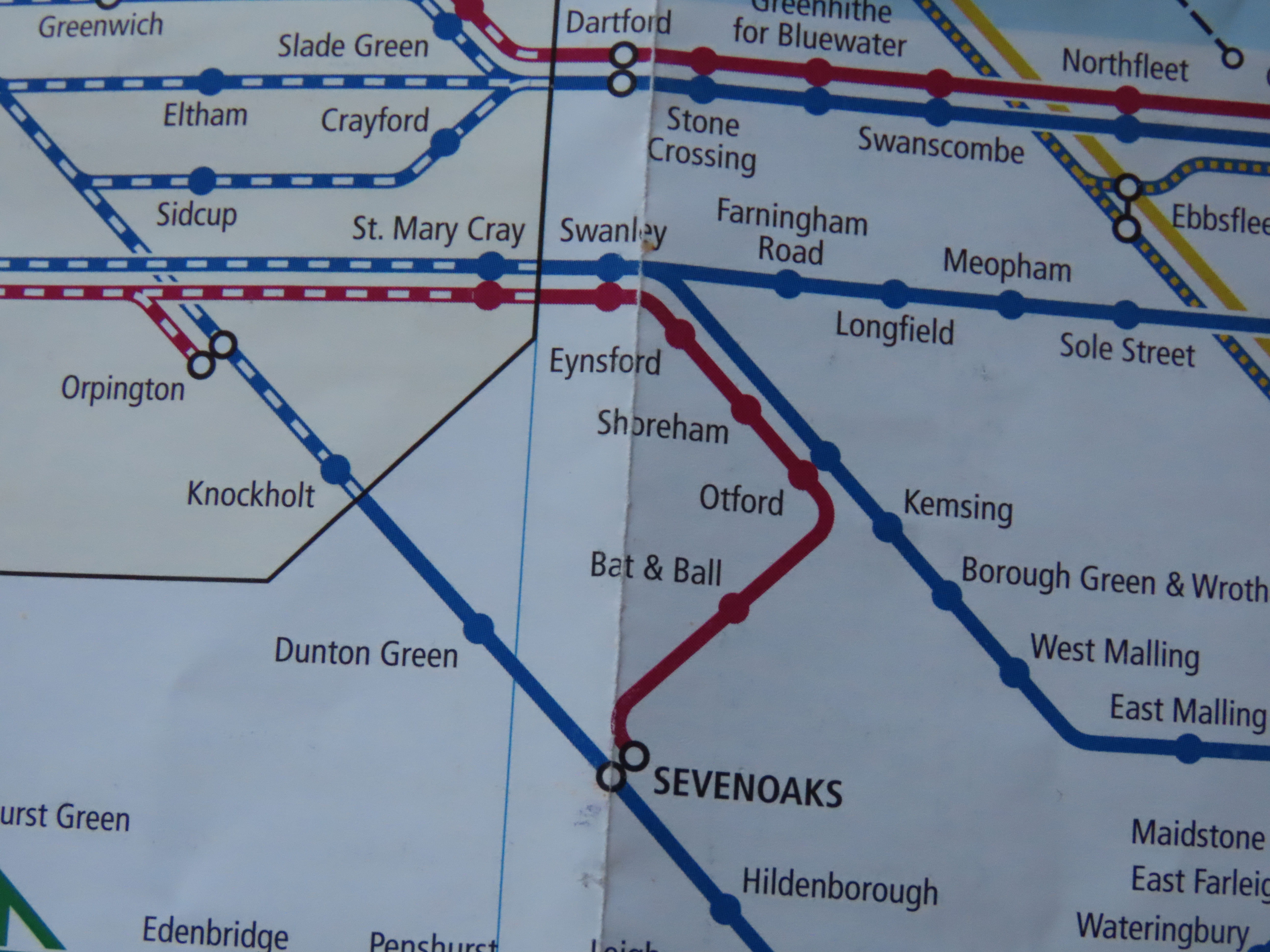
I have made passing mention of this area in my posts about the Piccadilly, Central and Bakerloo lines for various reasons: In the post about the Piccadilly I was suggesting, as I still believe should be considered, a proposal for reviving the Aldwych branch and using it as a starting point for an extension into southeast London and West Kent, in the Central line post I explained its relevance to an even more speculative notion of mine, a London Orbital Railway, while any sensible extension of the Bakerloo line would take it through southeast London – there are plans approved but awaiting funding for an extension as far as Lewisham and from there the a further extension south east would make good sense, with Sevenoaks and Maidstone both major and connected enough to represent good ultimate targets.
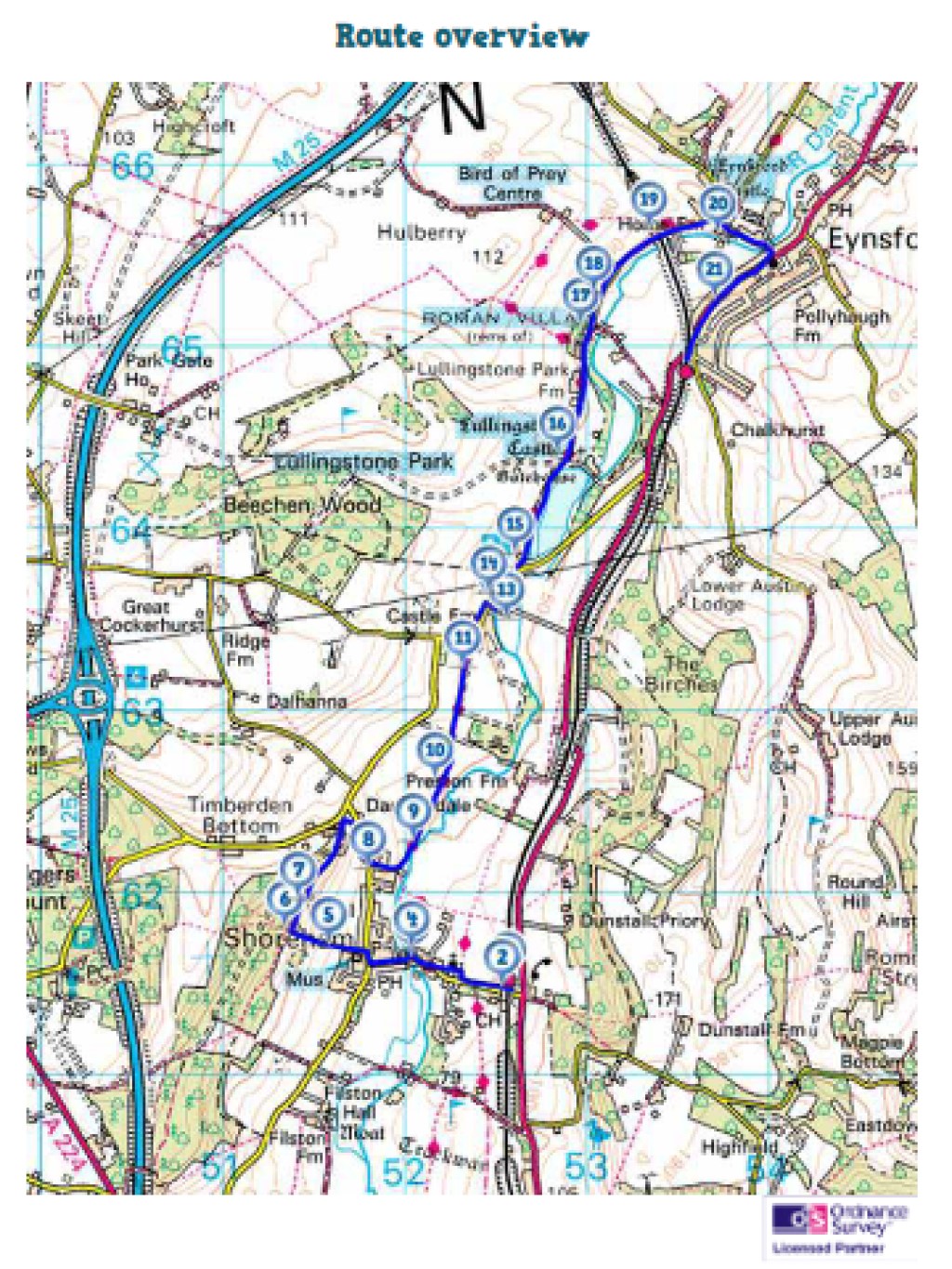
In the late 1990s, when still resident in London, one of the walks I did was one that started at Eynsford Station and finished at Otford Station with a lunch stop in the intervening village of Shoreham (which also has a station, on the same line as the other two). This route took in the Roman villa at Lullingstone, a significant part of the Darent Valley Way and a few other things that together added up to a very scenic and enjoyable walk. This walk was in a Time Out book of London Walks, although even Eynsford, the closest place on the route to London is just beyond the M25. A quick disclaimer at this point: at the moment, and indeed until June 21st even if (big if, this one, in my opinion) Johnson’s lockdown easing plans actually work any travel for purely leisure purposes is out, so this post can be considered for future planning, but not for action in the present. Here are some pictures showing detail of the walk as I did it:
For more on the Darent Valley Path, and for a walk that has a bit in common with the above, please click here (map of a walk of theirs which overlaps with the one I talk about below).
One could explore this very scenic little corner of west Kent by visiting each station separately and seeing only what is within a short walk of each, but the Eynsford – Otford walk, which I several times when living in Tooting, is a far superior way of experiencing the entire picture. From my old home I could do each journey with one change: Streatham – Blackfriars, Blackfriars – Eynsford, and then Otford – Blackfriars, Blackfriars – Streatham (my old home as I have stated in previous posts was on the borders of Streatham and Tooting, and Streatham station was a convenient starting point for a journey). From my current home, if the situation were to permit, it would require two changes each way, at King’s Cross and Blackfriars, while even if able to drive going by car would not be a remotely sensible option from either location. I finish this section of the post with a few more map pictures:
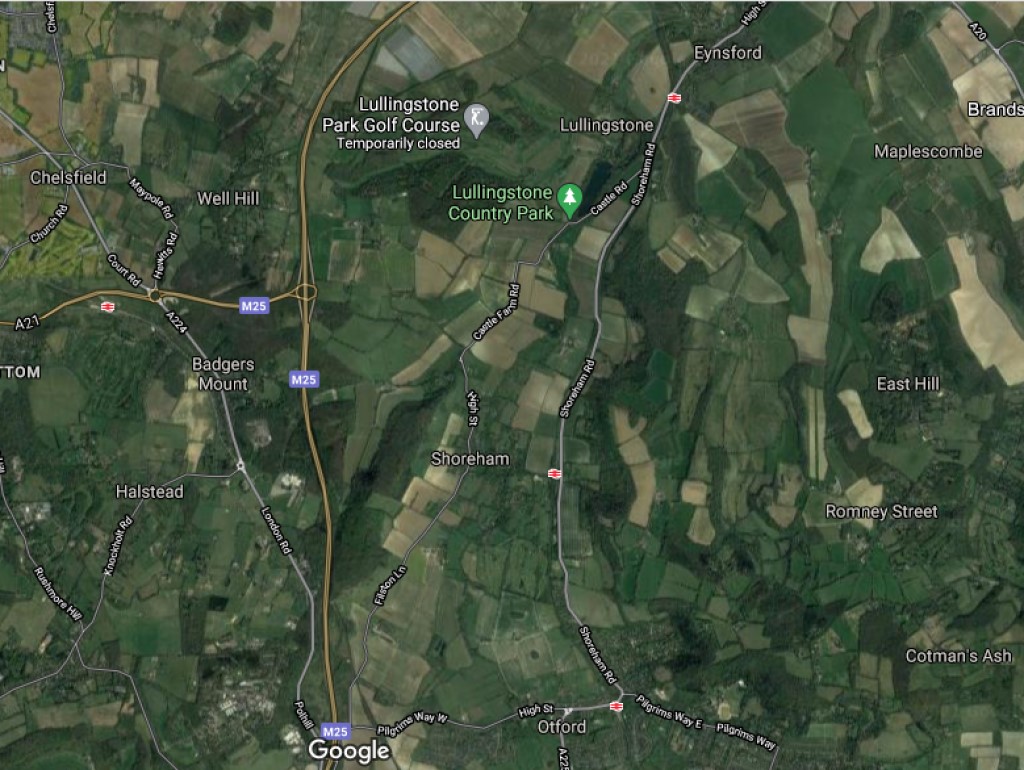
A satellite view of the area between Eynsford (north) and Otford (South)
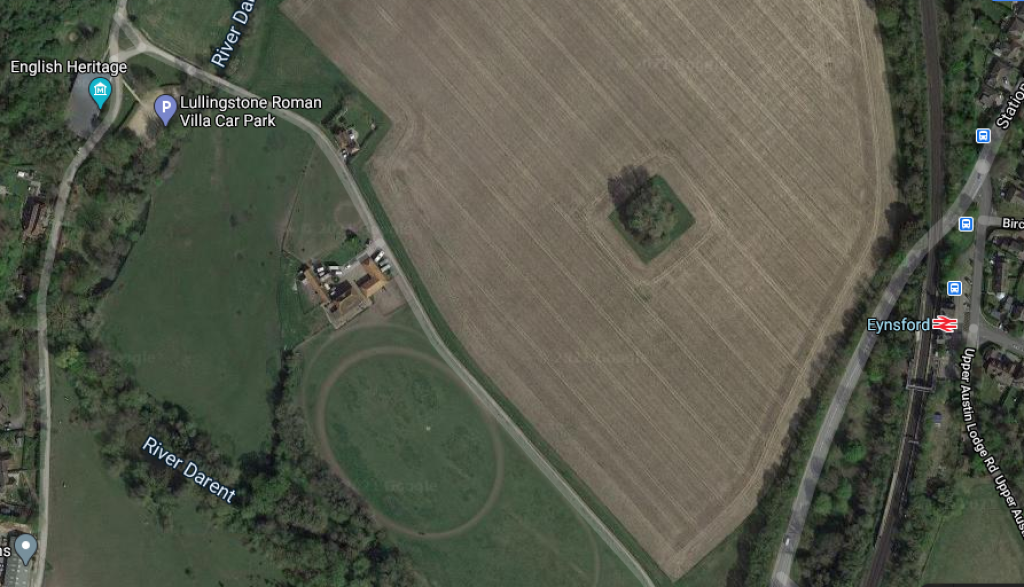
Close focus on Eynsford and Lullingstone.
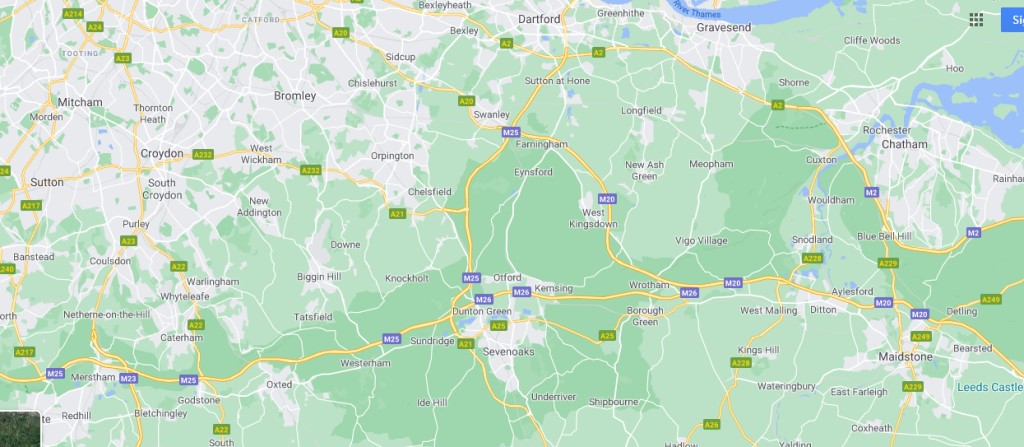
Wider map of the area, showing Maidstone near the south east corner and just in from the northwest corner, Tooting, where my old my home was.
The end of the line that passes through all three key villages.
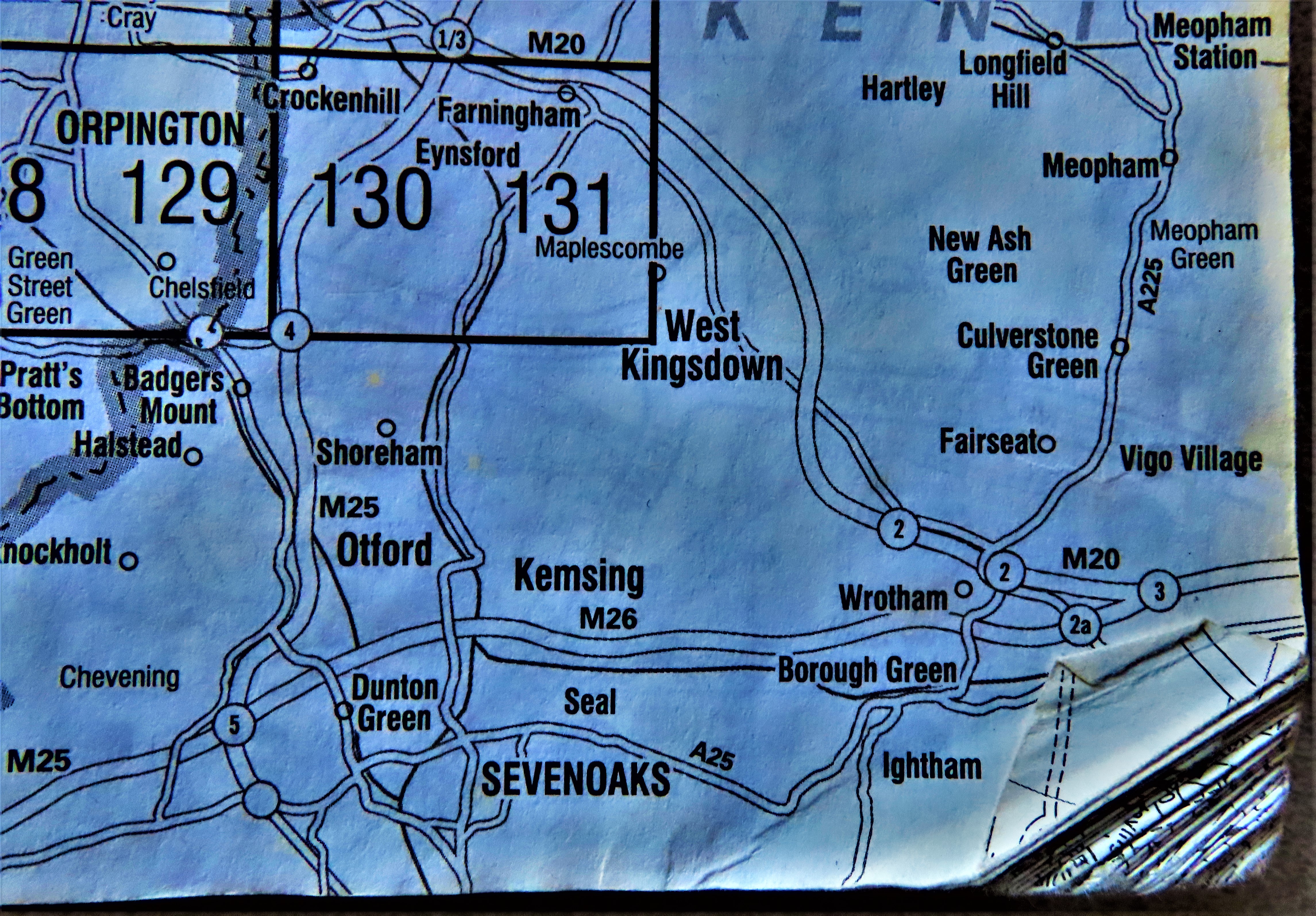
Eynsford and Lullingstone both just sneak into my ancient A-Z.
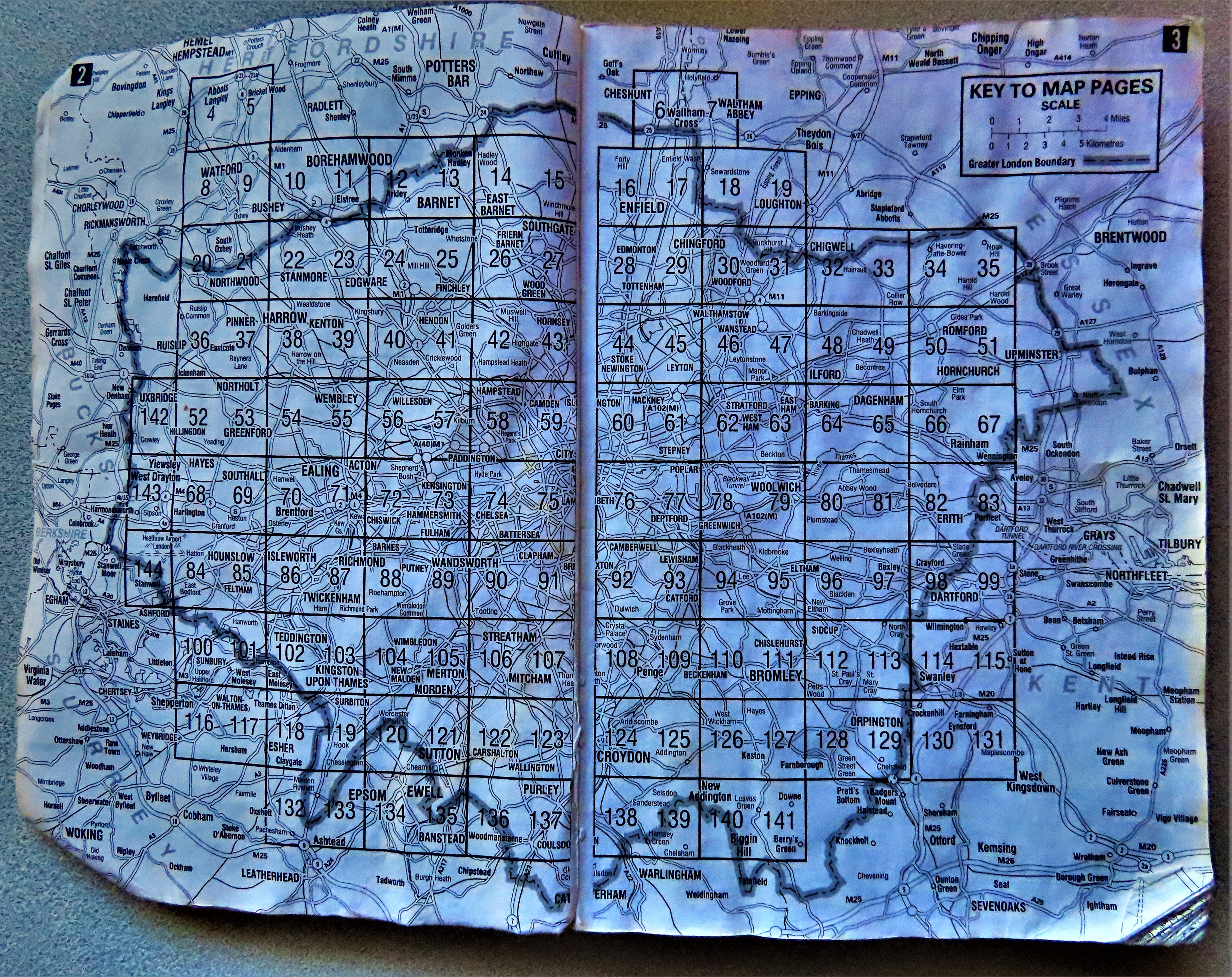
The map pages key from said book.
Close focus on the Eynsford area.
LINK AND PHOTOGRAPHS
Just before moving on to my usual sign off, I have a thread from Ann Memmott in which she expertly picks apart an opening paragraph of a piece recently published in a well known journal. Please read the thread in full (screenshot below)…
Now, all of those who have made their way to this point, you get your reward, with a bumper crop of new photos:
A second ‘accepting extra walking’ post, this time looking at two very different areas.
As promised yesterday, I am doing a non-cricket post today, resuming my ‘accepting extra walking series‘. For this post, and any others along these line that I produce I will start with a London based example and then move on to something from another period of my life.
LONDON: VISITING THE SOUTH BANK CENTRE
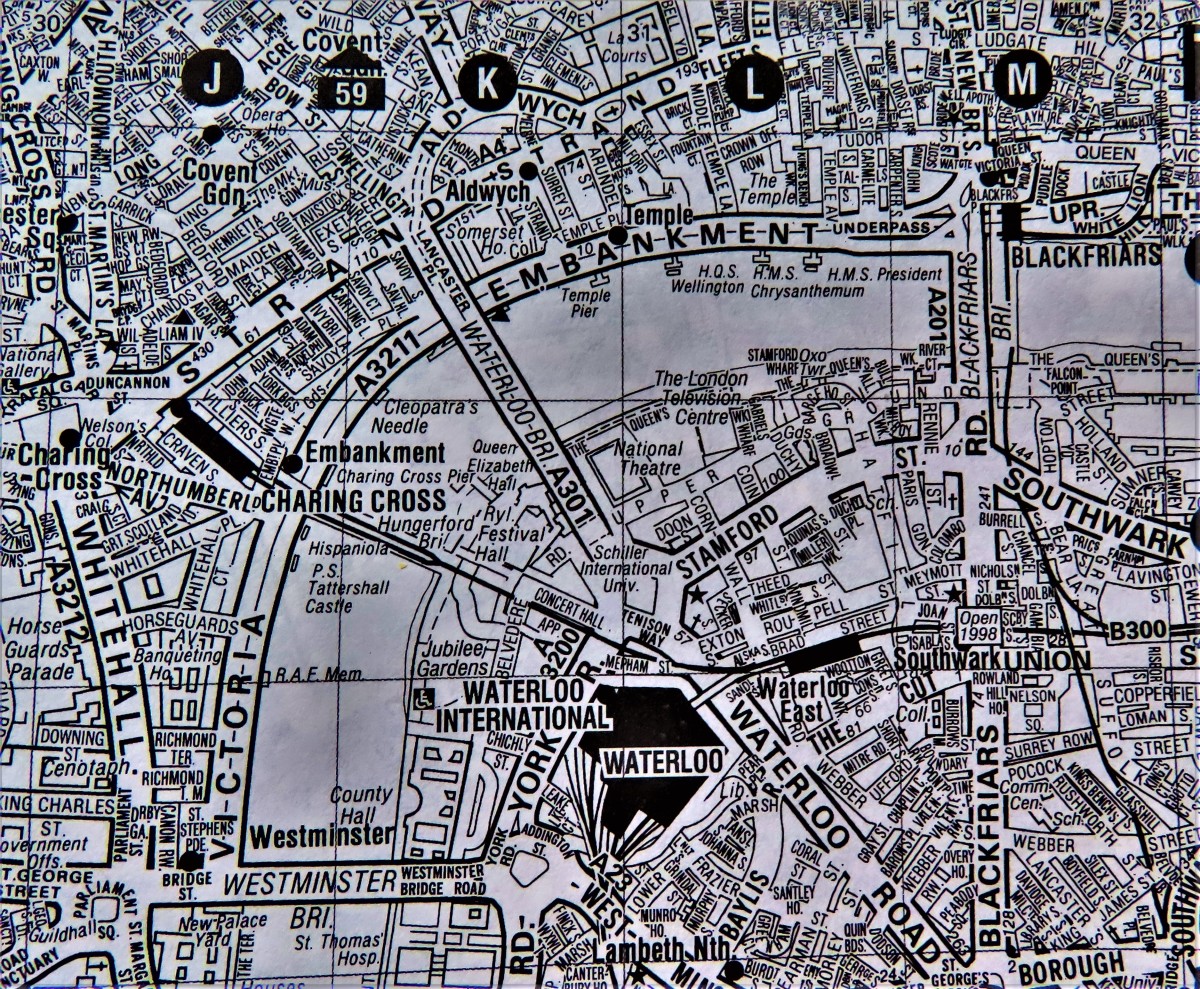
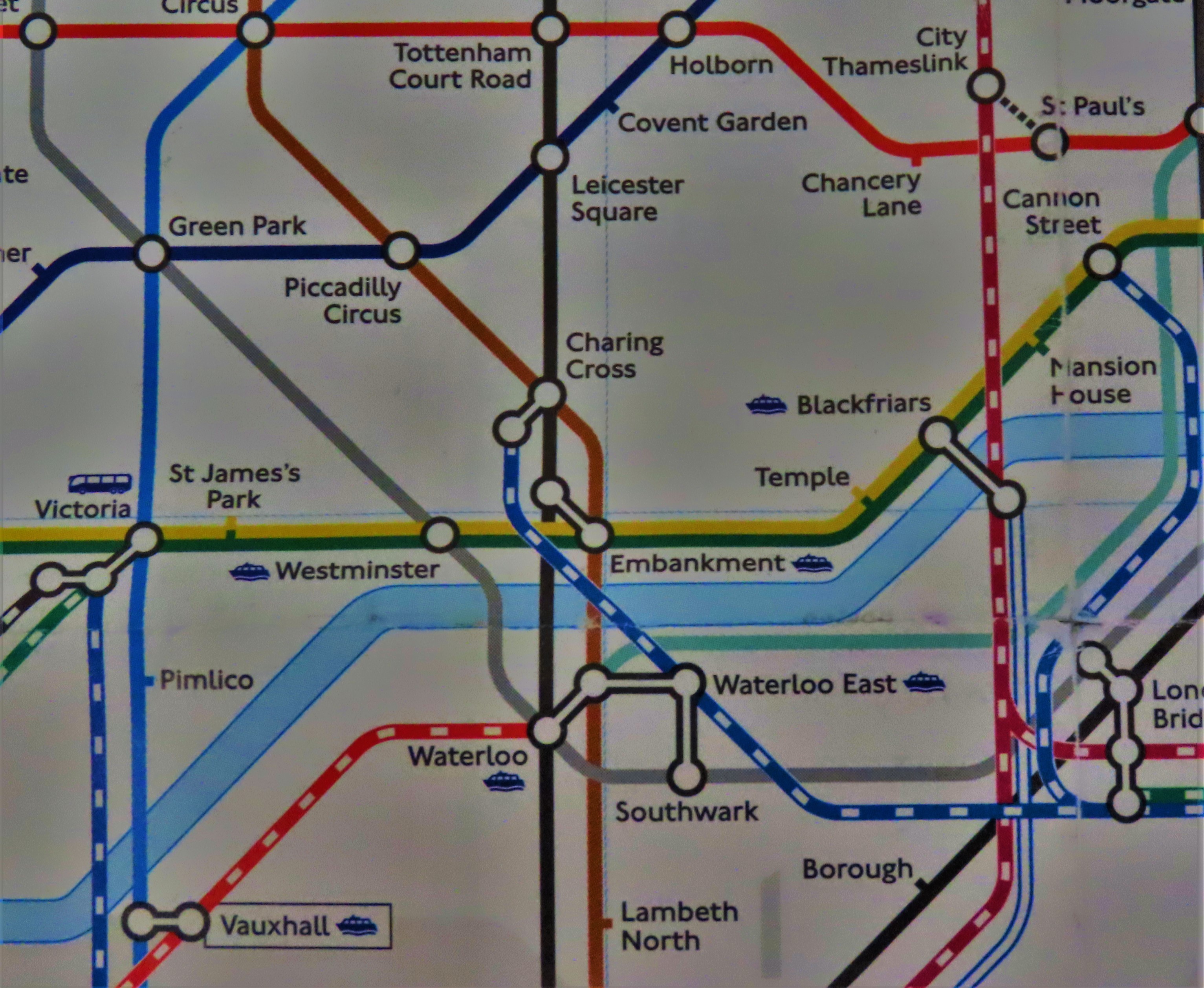
There are many attractions in the South Bank Centre. In my case, with my love of classical music, I was usually going there for a concert either in the Queen Elizabeth Hall or the Purcell Room. From the then family home in southwest London I could take the Northern line to Waterloo or go to Streatham and take a train to Blackfriars (District and Circle as well as various mainline railways) and walk along the Thames from there, a slightly longer but more scenic route than the one from Waterloo. This walking route also takes in Southwark Station (Jubilee). Also, approaching from north of the river one could use Charing Cross (Northern, Bakerloo, mainline railways), from which one could exit direct on to a footbridge across the Thames, and if one was on the Piccadilly line this walk could be extended be getting off at Covent Garden, a short walk away from Charing Cross. Here are some pictures:
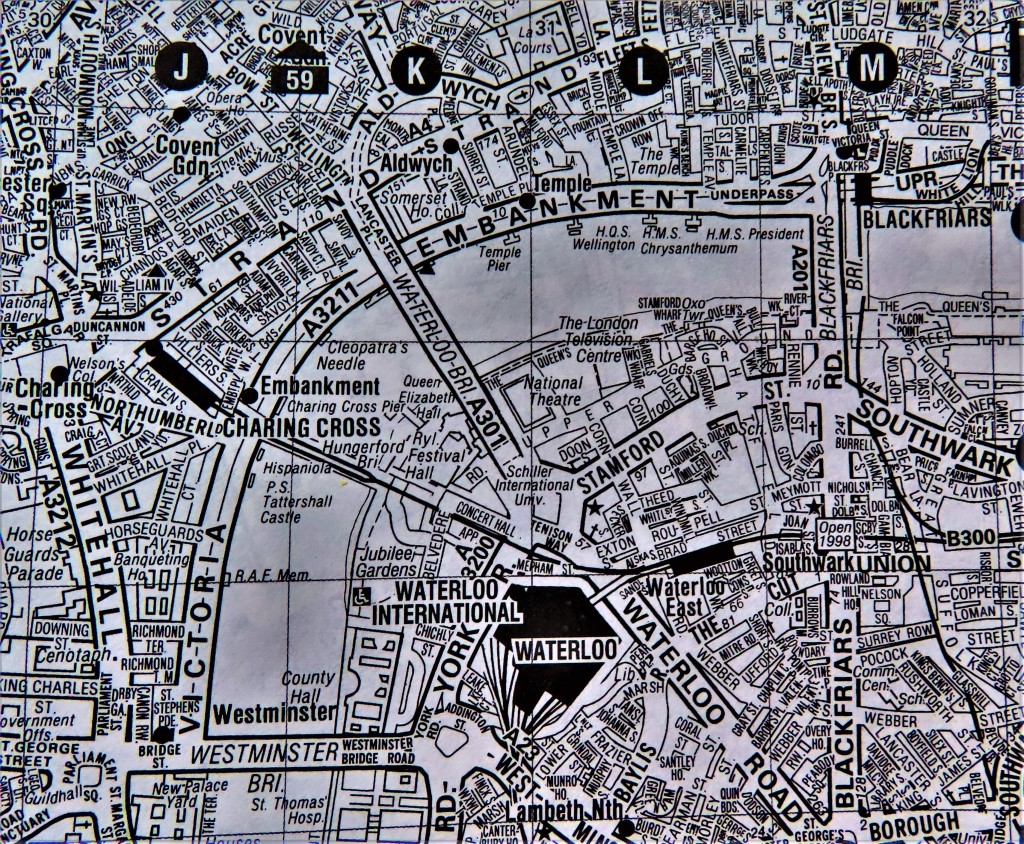
The relevant area as shown in my ancient A-Z
The London Connections map of the relevant area.
BARNSLEY TO WOMBWELL
This one comes from my university days. Barnsley had a leisure centre called the Metrodome, but if you actually wanted to swim rather than just splash around Wombwell Baths was a superior option. The basic journey from Barnsley to Wombwell is one stop by rail with a walk at both ends, but I did sometimes walk all the way there and get the train back. From where I was living at the time, on a side road off Doncaster Road the straight walking route was down to Stairfoot, turn right, and keep walking until you reach Wombwell, which does take quite a while. One little bit of cricket content: one of the roads one passes when walking this way is Roy Kilner Road, named in honour of the Yorkshire and England all rounder of the 1920s who died near the end of that decade from an illness contracted while coaching in India. He only played a few test matches, but his first class record (LHB, SLA) saw him amass over 14,000 runs at an average of 30.58 and take 1,003 wickets at 18.45 a piece. He was born in Wombwell, hence having a road there named in his honour, and died in Kendray, also near Barnsley.
Something very different from my usual fare, but every bit as much me as anything that has appeared on this blog. The focus is on occasions when I accepted a longer walk than necessary.
If this post is well received it could be the start of a new series, hence the 1 in the title. As a lifelong non-driver I am looking at examples of situations where for various reasons one might accept extra walking rather than use public transport. I am starting with a particularly dramatic example from my younger days.
STREATHAM/ TOOTING
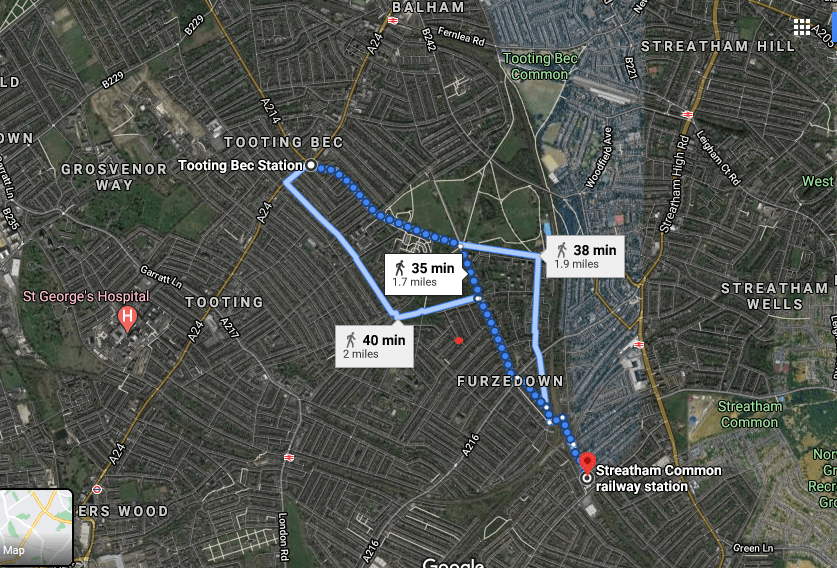
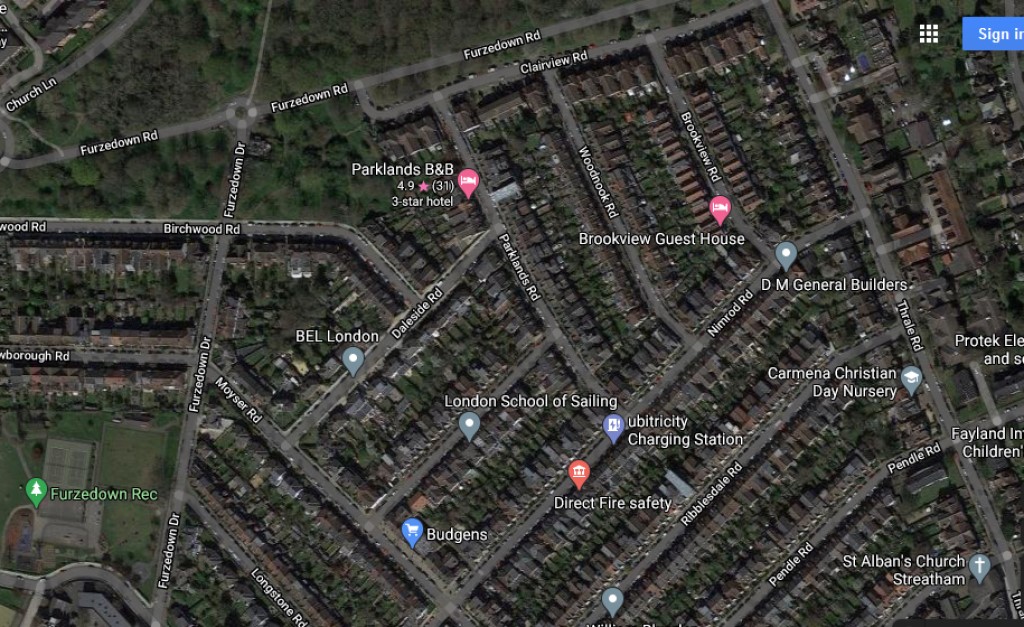
The boundaries between Streatham and Tooting are somewhat blurred. On postcodes, SW16 is Streatham and SW17 is Tooting (the rest of the late SW postcodes are SW18 – Wandsworth, SW19 – Wimbledon and SW20 – West Wimbledon), but on constituencies some of SW16 is in Tooting, including the postcode I called home for 20 years of my life, SW16 6TE. That house was situated pretty much equidistant from four stations, Tooting Bec on the Northern Line, Tooting, Streatham and Streatham Common all on suburban railways, all of which were 15-20 minutes walk away. Before the time I am talking about in this post I had also used Balham, further distant but still walkable, as a starting point for some journeys, and had occasionally chosen to walk home from Wimbledon, a considerably longer walk. The two pictures below, both created by using google maps show the wider area around my old home and then a closer focus on its immediate surroundings:
GETTING FROM TOOTING TO BRIXTON WITHOUT DRIVING
It was in 1997 that I did a few temporary jobs for Lambeth Council via an agency, which involved travelling to and from Lambeth Town Hall, in Brixton. At that time I was not a big fan of buses, so I have to admit they did enter my thoughts. Because of the way the railways both underground and overground work I had basically two options using them: Northern line to Stockwell and then one stop south on the Victoria line, or Streatham to Herne Hill and then Herne Hill to Brixton, three stops in total (2,1), but a change and potentially significant waits for trains at both stages. I actually decided that the time saving was not worth the cost of travel, and opted instead to walk the whole way. There were many possible walking routes, and I experimented with a few different ones. I came to the conclusion that the best route for my purposes was to spend the early part of the walk there/ later part of the walk back away from main roads, so I used Telford Avenue as my link road from the end of Tooting Bec Common to the A23. Immediately after Telford Avenue in the Brixton direction the A23 meets Streatham Place, which is also known as the A205 aka the South Circular, which swings north towards Clapham before turning south again towards Richmond before a final northern turn to where it meets the North Circular (A406) – at the eastern end they do not quite meet.
NEW MALDEN – TOOTING
Between November of 1997 and September of 1999, when I returned to full time education, I worked as a data entry clerk for a furniture company, based in an office above their warehouse in New Malden. That is significantly further from Tooting than Brixton, and I had a pretty much unvaried route in in the mornings: I would get a train north from Balham to Clapham Junction and then travel out from there to New Malden. In the evenings, especially if the weather was decent there was scope for much more variation, as if I started back along the main road, rather than go into New Malden, I get to Raynes Park, Wimbledon Chase, Wimbledon and South Wimbledon with varying lengths of walk, each of which offered ways to travel onwards, and on more than one occasion I actually walked all the way.
Here a few A-Z map pages to help you orient yourself, and to end this section:
These pages are just north of where I lived at the time I am talking about in this post.
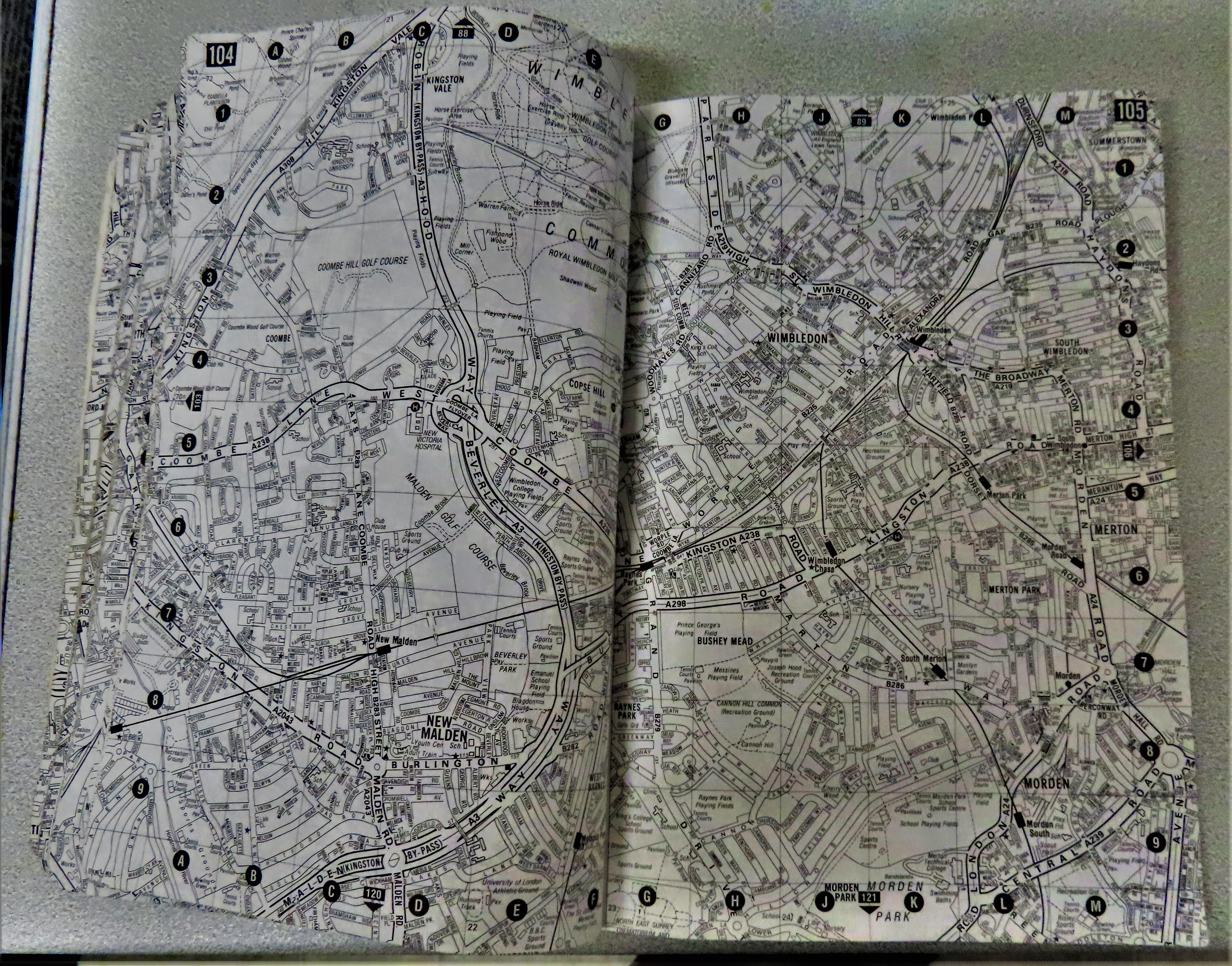
The Wimbledon pages.
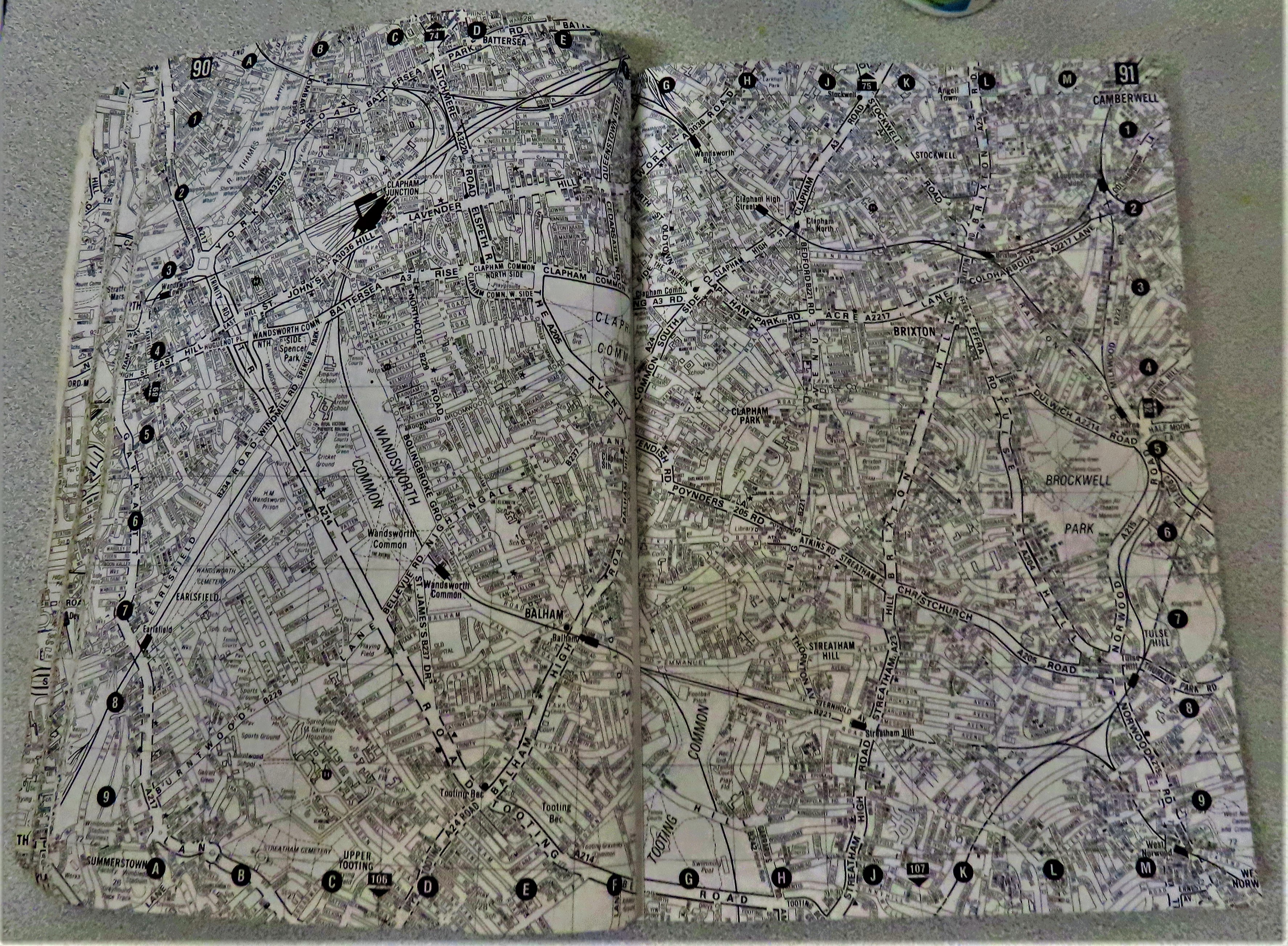
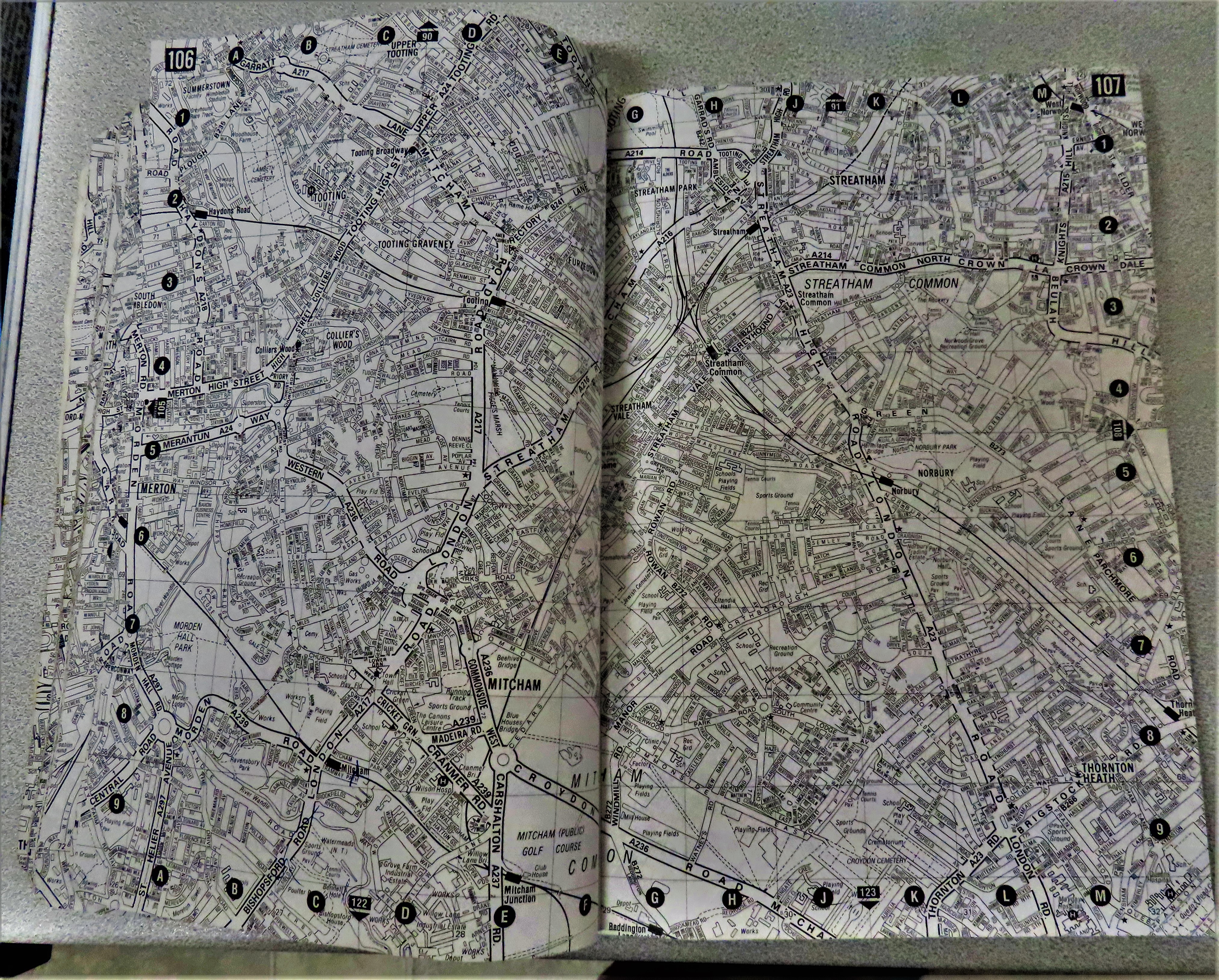
The pages that include my old home.
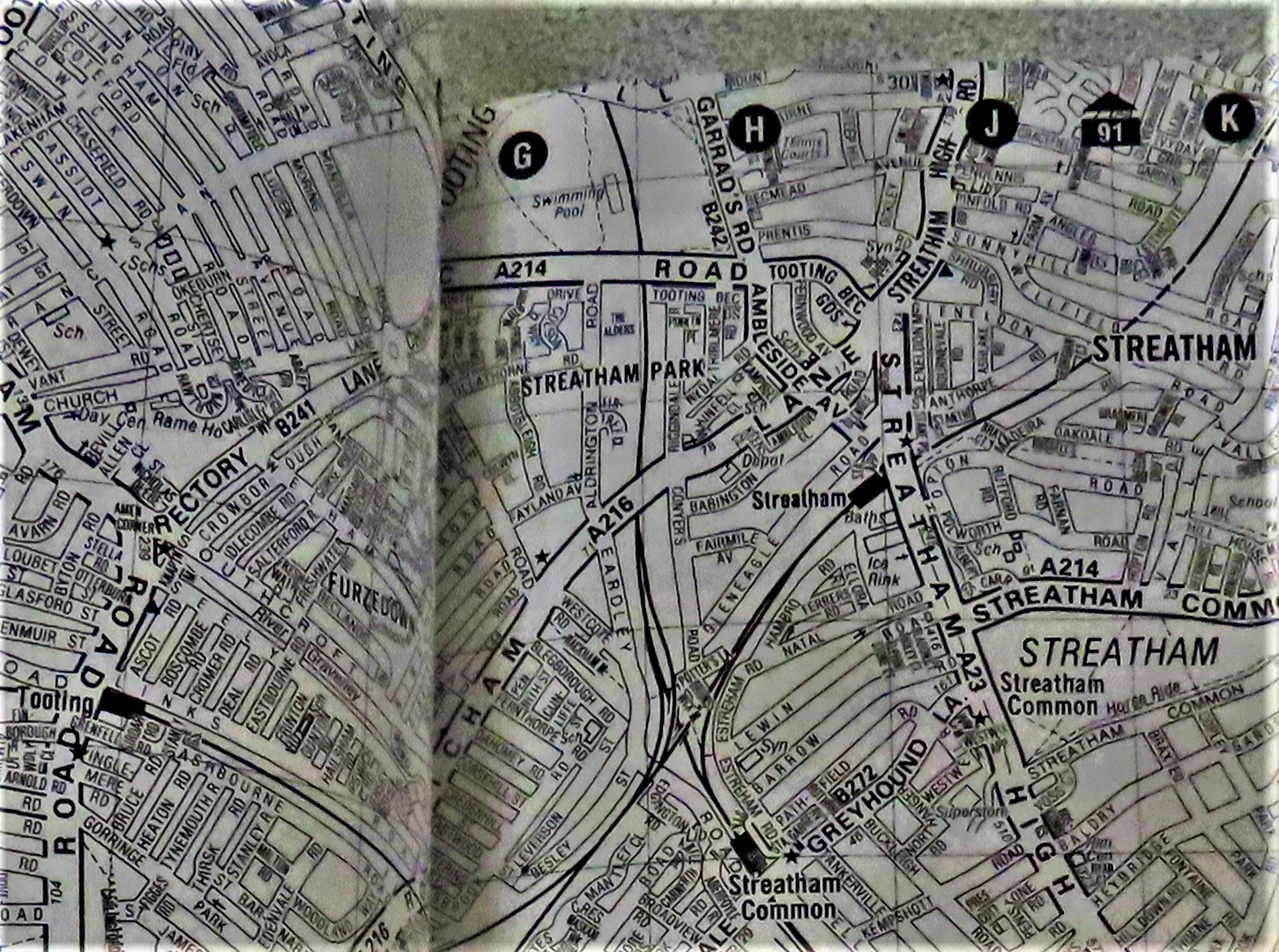
A close up of the area where my old home was – unfortunately because of its proximity to the centre of the book the key area is a little bit blurred.
LINKS AND PHOTOGRAPHS
This post, even more than most of mine, is very much an autistic person’s post, so I start the links section by directing you towards an excellent thread by Ann Memmott in which she superbly takes apart some derogatory stuff about autistic people. A screenshot of the start of the thread is below, and I urge to to read the whole of it by clicking here.
Finally, the London Transport Museum have recently produced bitesize histories of the Metropolitan and District lines, which you can read by clicking the respective line names. If you enjoy their efforts, pieces about those lines that I created can be viewed here, here and here (three links, because the original Metropolitan Railway route is actually now served by the Hammersmith and City line).
A personal A-Z, inspired by a post on The Cornish Maid.
INTRODUCTION
This post was inspired by The Cornish Maid’spost “A-Z about Me!!!“. Like the post I have just referenced there will be one entry for each letter…
MY PERSONAL A-Z
A FOR AUTISM
I am autistic myself, and also branch secretary of NAS West Norfolk. This entry is a very appropriate starting point because it was my diagnosis and the role I then had running a support group for Asperger East Anglia that led me to create this blog.
B IS FOR BOOKS
I have always loved books, and am a very voracious reader. In addition to my own collection I am a regular user of several of Norfolk’s libraries, and yes I do use them to borrow books.
C IS FOR CRICKET
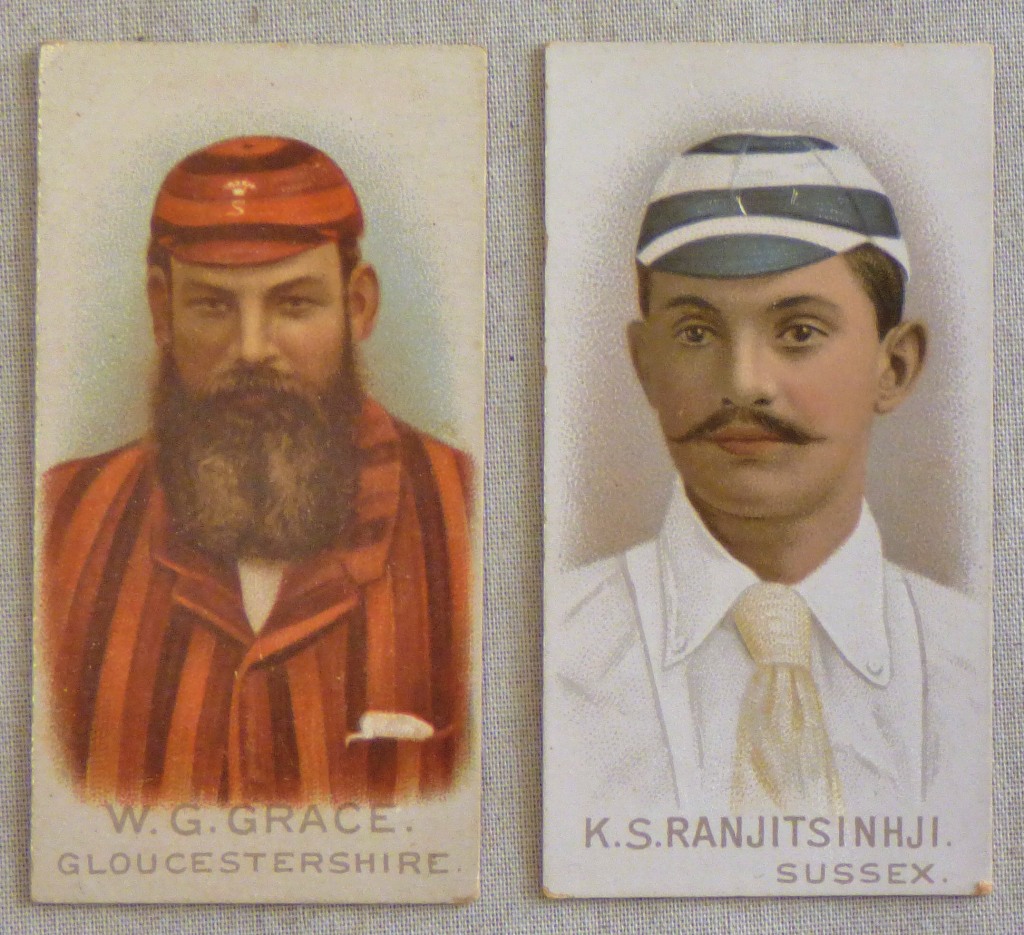
I have been an enthusiastic follower of cricket for over 3o years (my attempts at playing the game foundered on a chronic lack of talent). The fact that my employers had an auction yesterday and have another on Saturday means that I am off work today, and therefore able to listen both installments of the Women’s T20 double header. Here is the feature image from Saturday’s upcoming auction:
D IS FOR DETECTIVE STORIES
This is an extension of my love of books as a whole. I regularly borrow large quantities of detective ficition from thbe libraries. Among my very favourites are Edward Marston’s Railway Detective stories.
E IS FOR EAST RUDHAM
The village in West Norfolk where I began to rebuild my life after mental health issues had nearly destroyed me. I lived there for just over five years and was a regular visitor until my parents recently moved to Cornwall.
F IS FOR FERRY
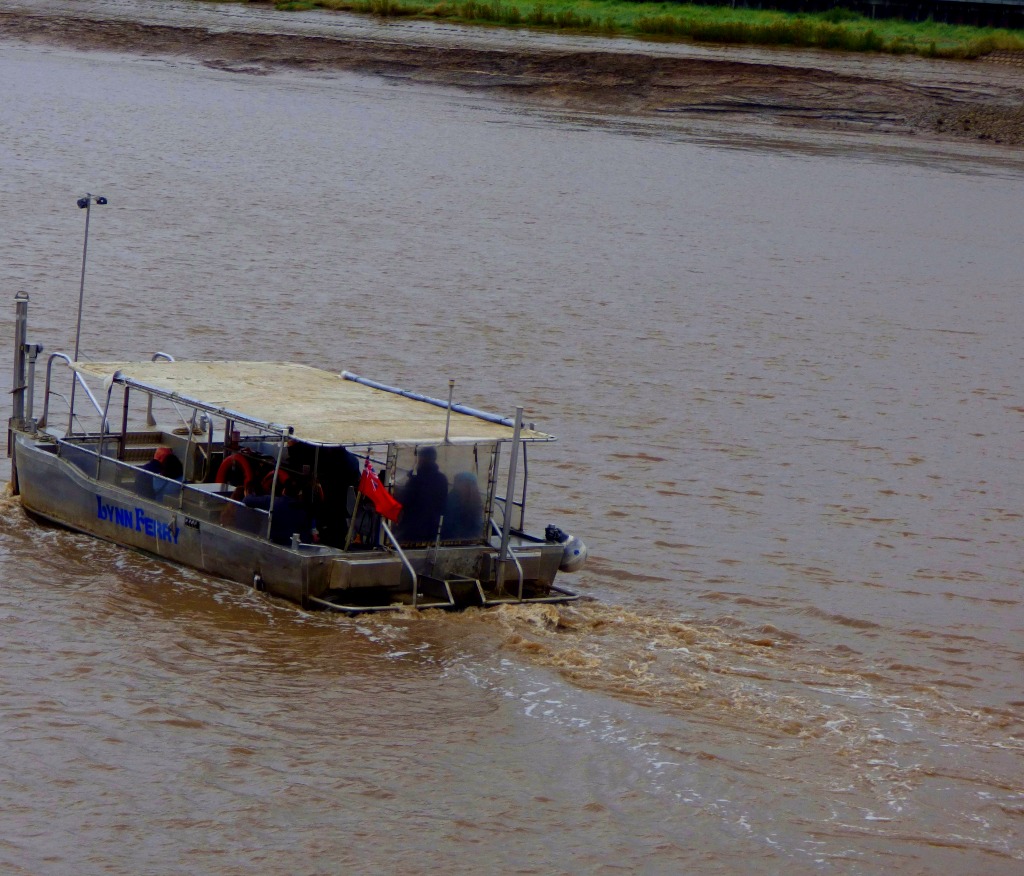
I have travelled on many ferries in my lifetime, but the one I particularly think of nowadays is the Lynn Ferry which has been running for over 800 years.
G IS FOR GREECE
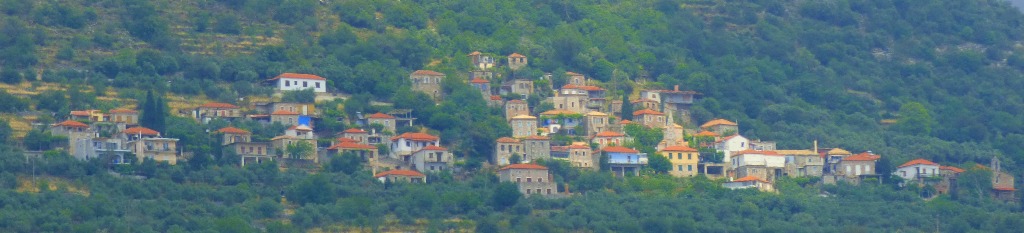
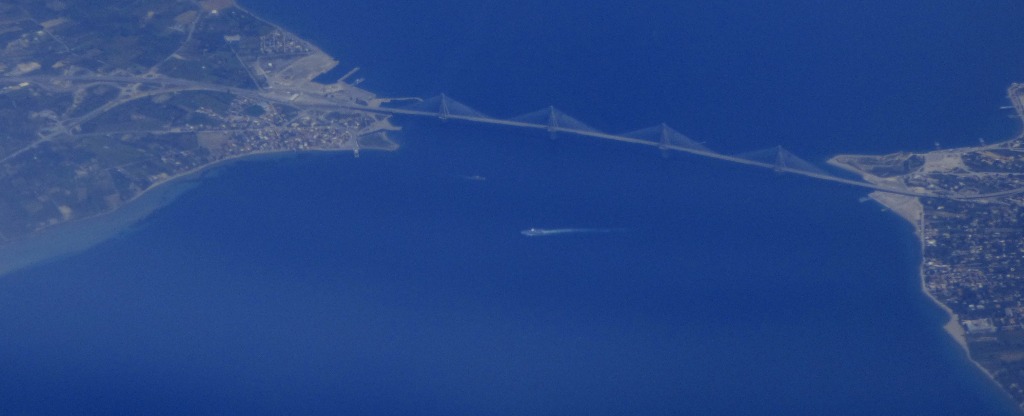
I first visited Greece for a family holiday about 35 years ago and have been back mnay times. It remains a favourite holiday location. I have produced a number of posts about my most recent visit.
H IS FOR HISTORY
One of the many subjects I enjoy reading about. One of the reasons I enjoy going to Greece so much is the presence of so many historic sites.
I IS FOR IRRELIGIOUS
I have been a staunch atheist for my entire adult life. For those who take the approach that the Northern Ireland census form used to I am a “catholic atheist” – that being the specific religion that I rejected. To paraphrase Richard Dawkins most people are as atheist as me about almost every god who has ever been believed in – I just go one god further than they do.
J IS FOR JOURNEYS
I love travelling, and being a lifelong non-driver am able to make good use of almost all my journeys – if the route is not familiar to me I will be observing the scenery and taking photographs, and if it is it represents reading time. K IS FOR KERNOW
Kernow is the Cornish name for Cornwall (this is the only entry in my A-Z that overlaps with The Cornish Maid’s), and although unlike the person who inspired this post I do not live there I have been there a number of times over the years and my parents have recently moved to that part of the world. It is a Cornish picture that appears on the reverse of my personal cards:
L IS FOR LONDON
I grew up in London, and still visit the place on occasion. Also, I run a London Transport themed website, www.londontu.be. I will be back in London during the latter part of next week, for Marxism 2018 which runs from Thursday to Sunday.
M IS FOR MATHEMATICS
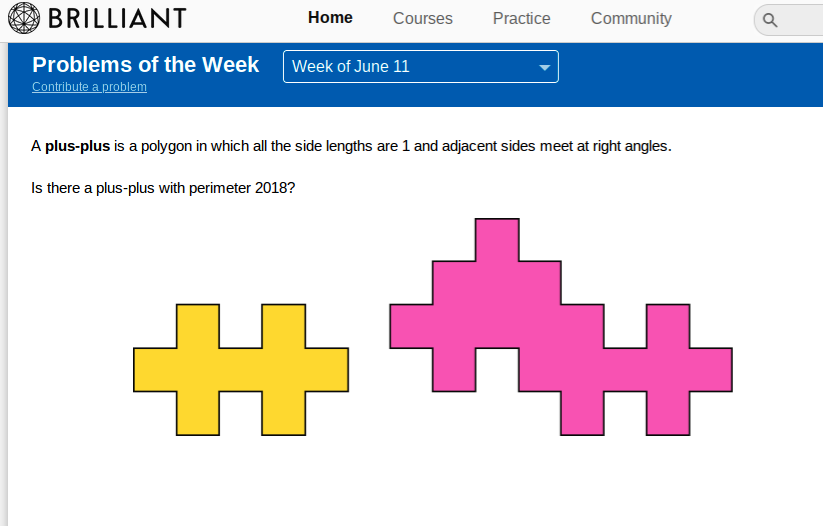
Another lifelong interest, and something that I am very good at. Here is a frecnet problem from brilliant.orgthat took my fancy:
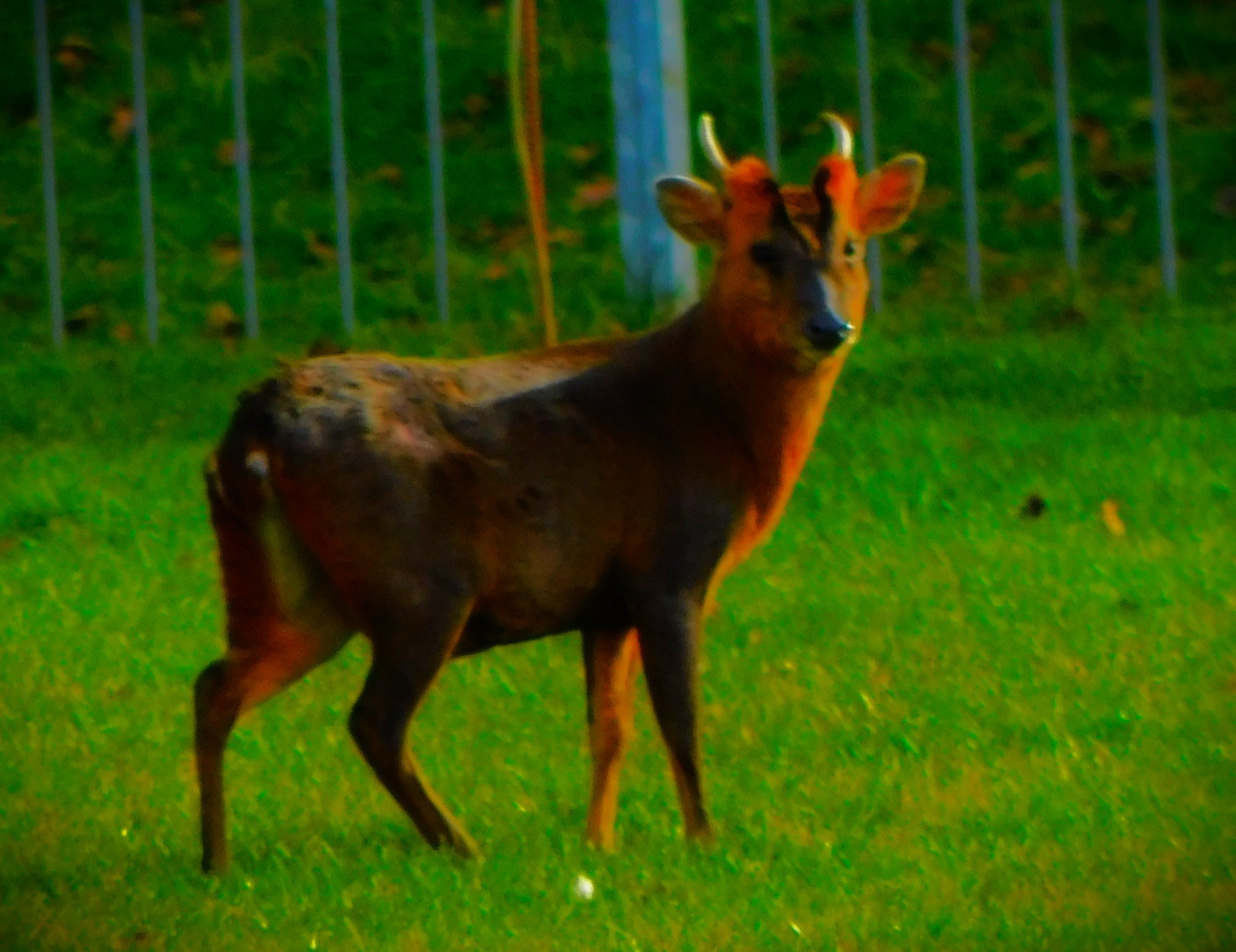
N IS FOR NATURE
Nature has always been very important to me, and I love being out and about in nature with my camera for company. My name is often to be found among those supporting campaigns to protect nature, and as a thoroughgoing internationalist I take pride in having been the first non-Swede to sign the online petition to save Trosa nature.
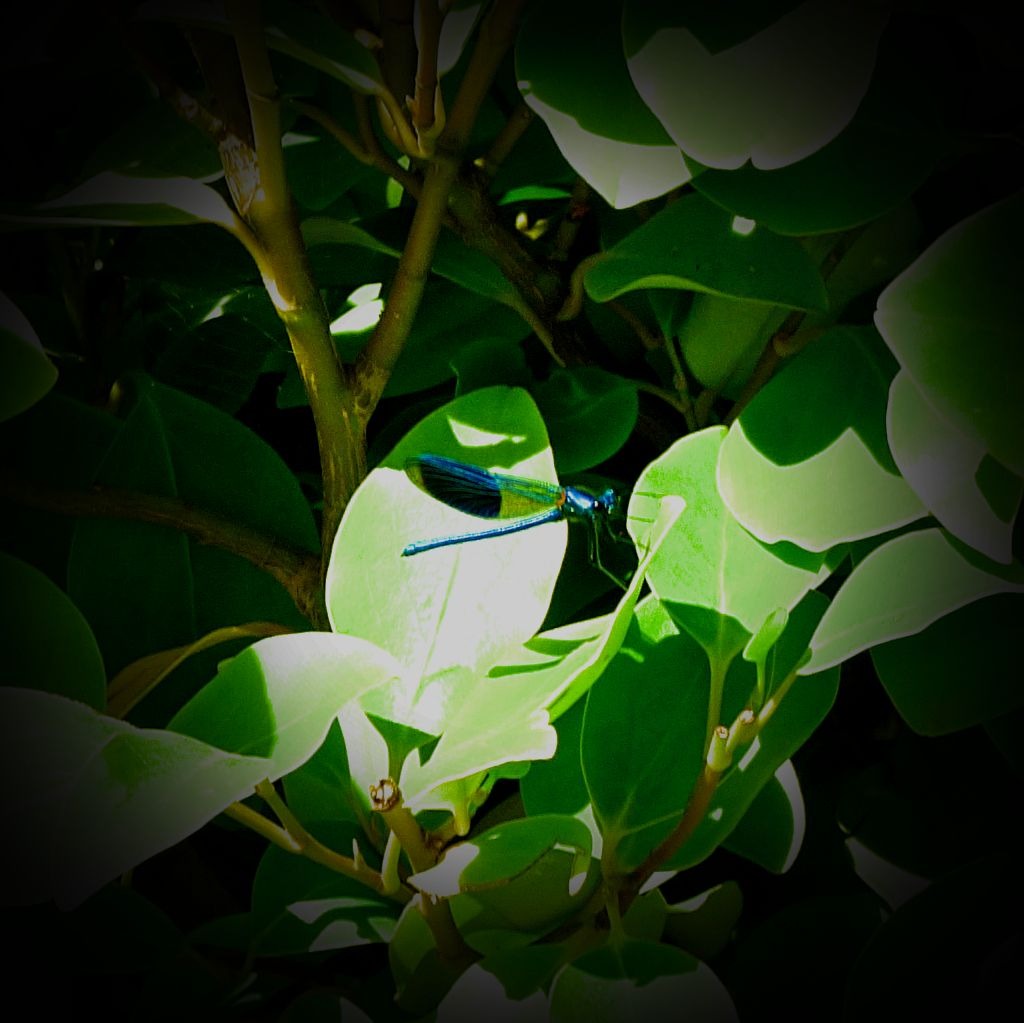
A spectacular creature, presumably some form of dragonfly.
O IS FOR OVAL
Because of their shape many cricket grounds have Oval in their name. The two with which I am most familiar are The Oval, in South London not very far from where I grew up, and served by two stations, Oval and Vauxhall; and the Adelaide Oval, which owes its name to a transplanted Surreyite who suggested it because he wanted to be reminded of home. Of the innings I have seen live at the ground the most memorable at either of these two venues was played by David Gower in 1990. England could do no better than draw the game, which as it happened was enough to give them the series. Gower made 157 in that innings, and by the time he was out the draw had long since been secured.
P IS FOR PHOTOGRAPHY
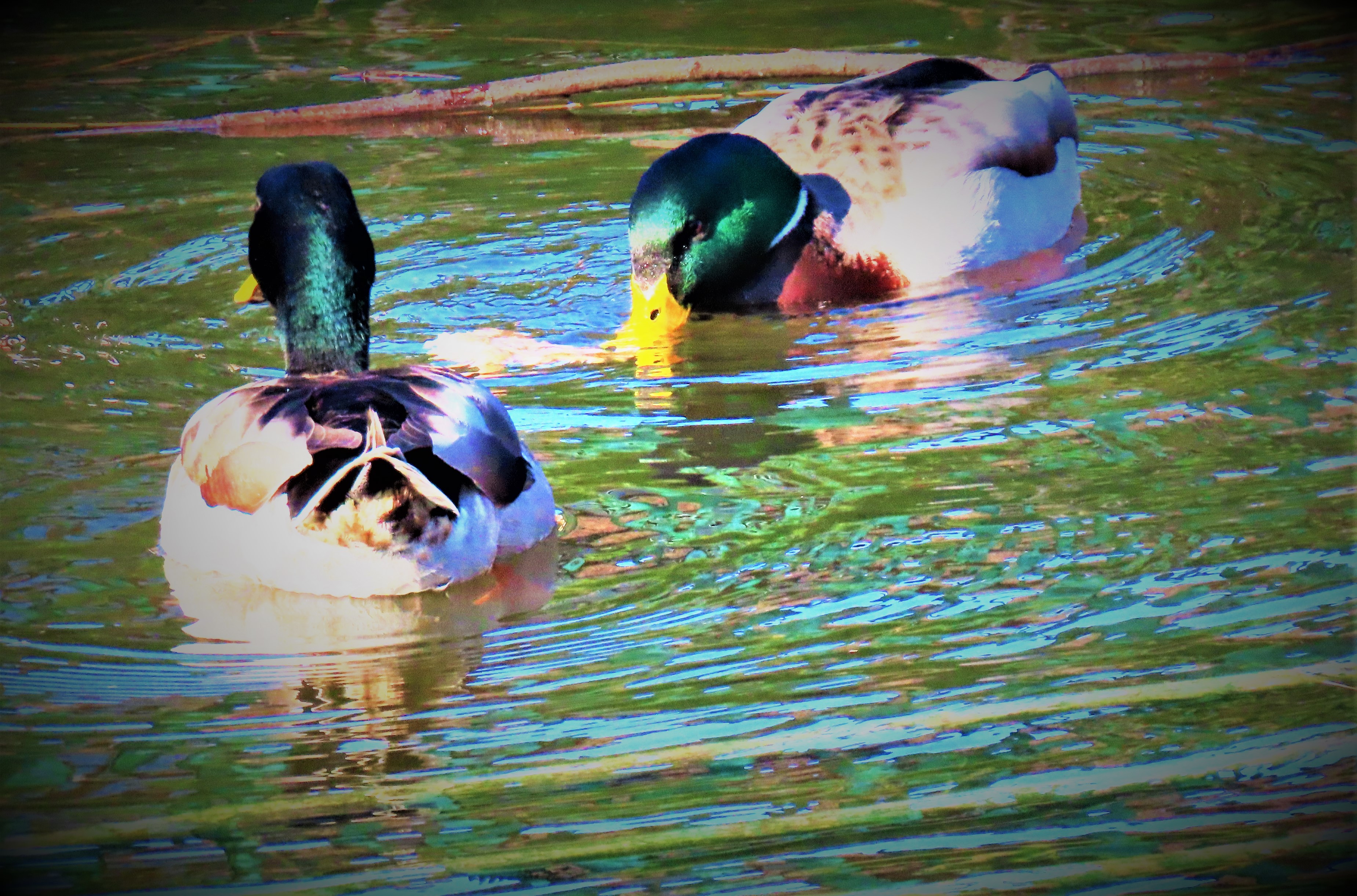
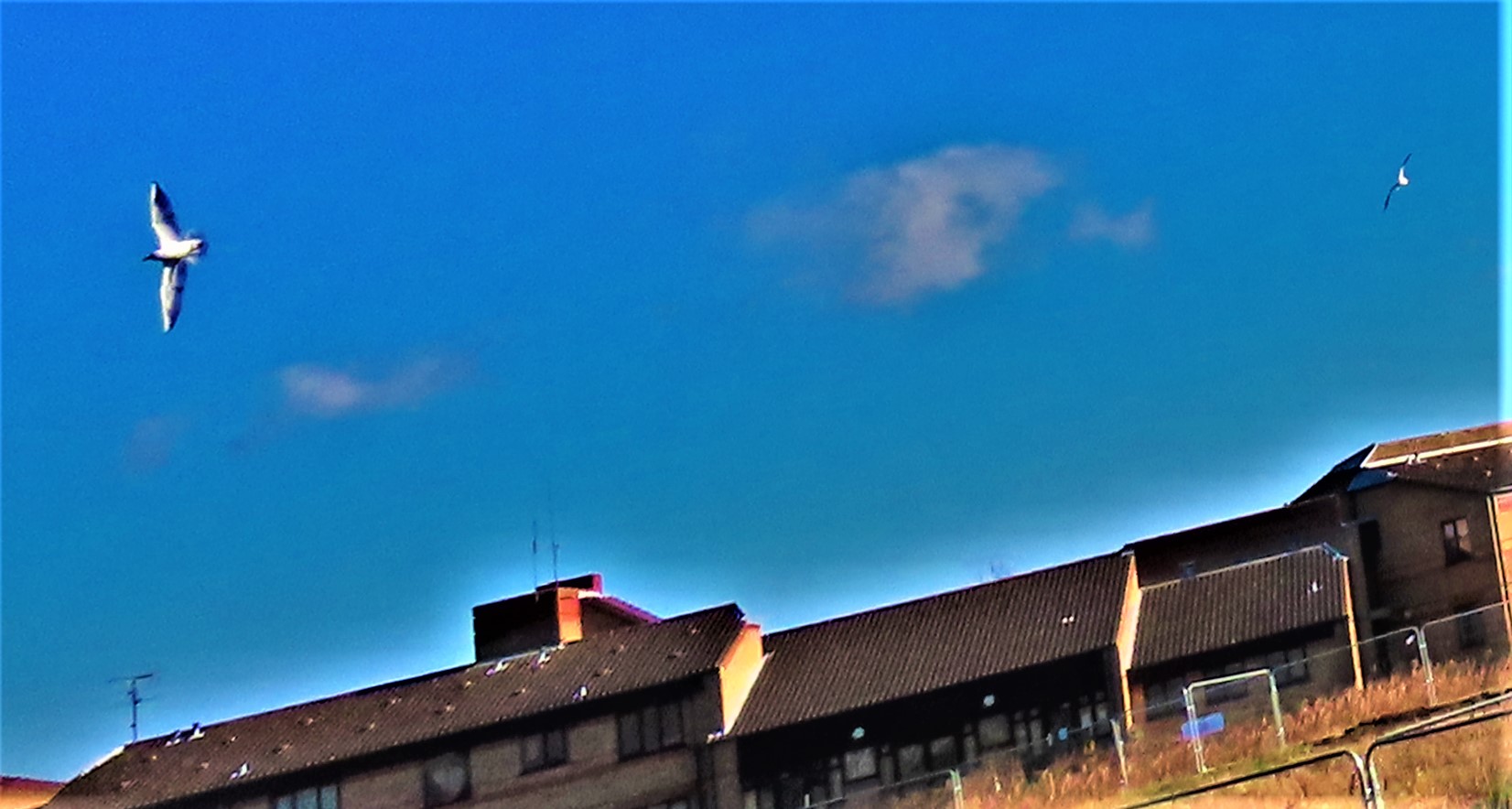
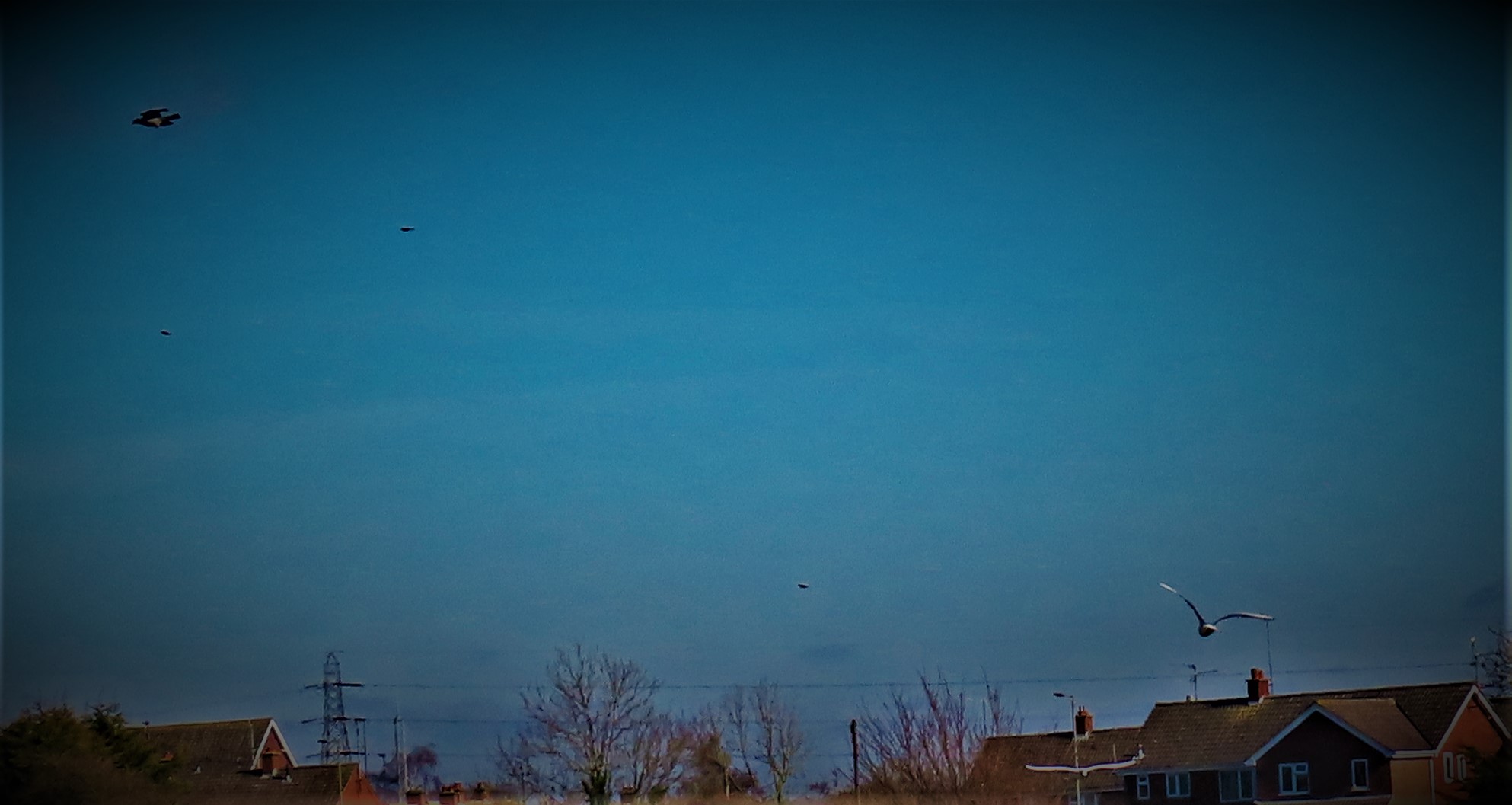
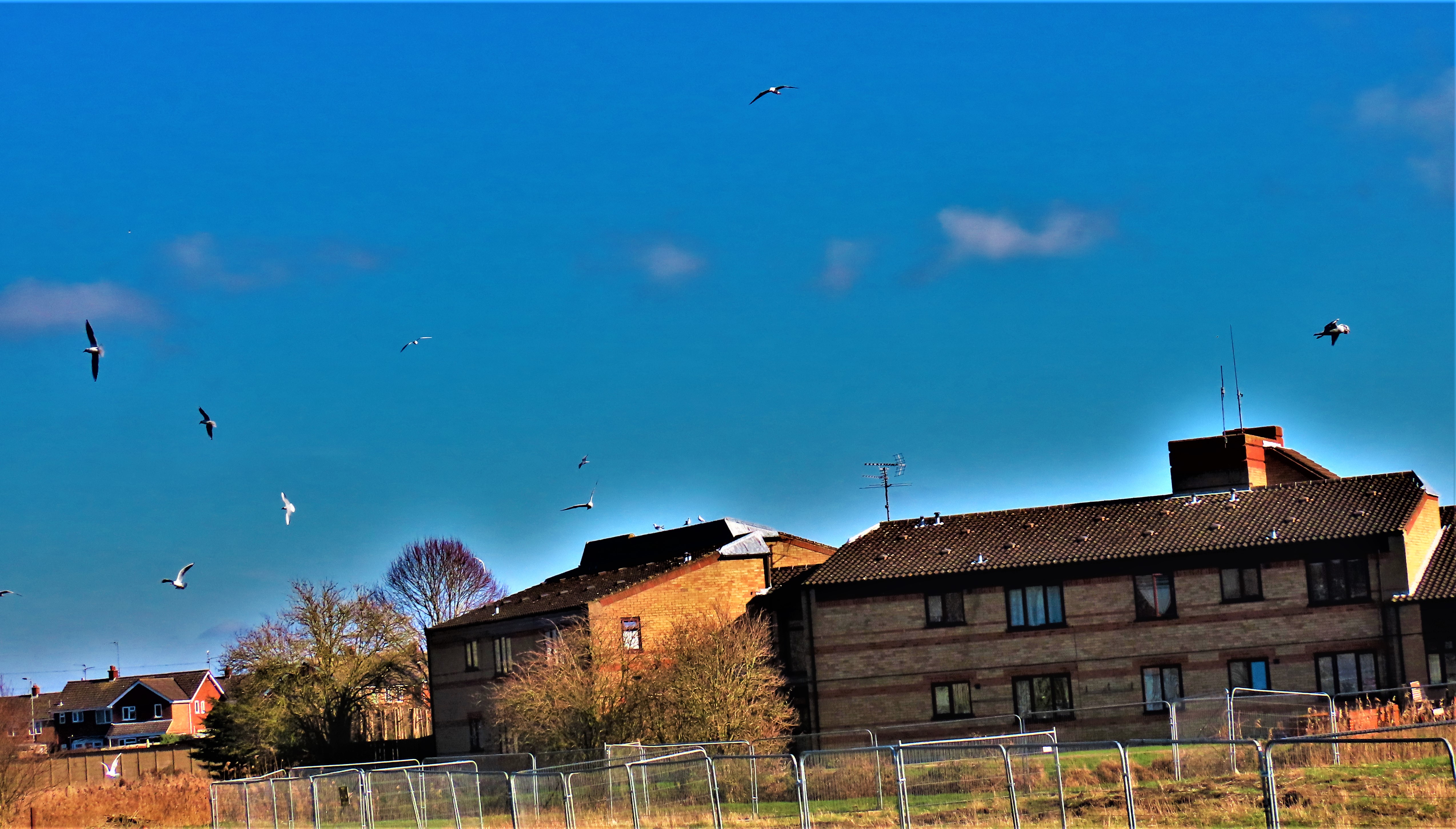
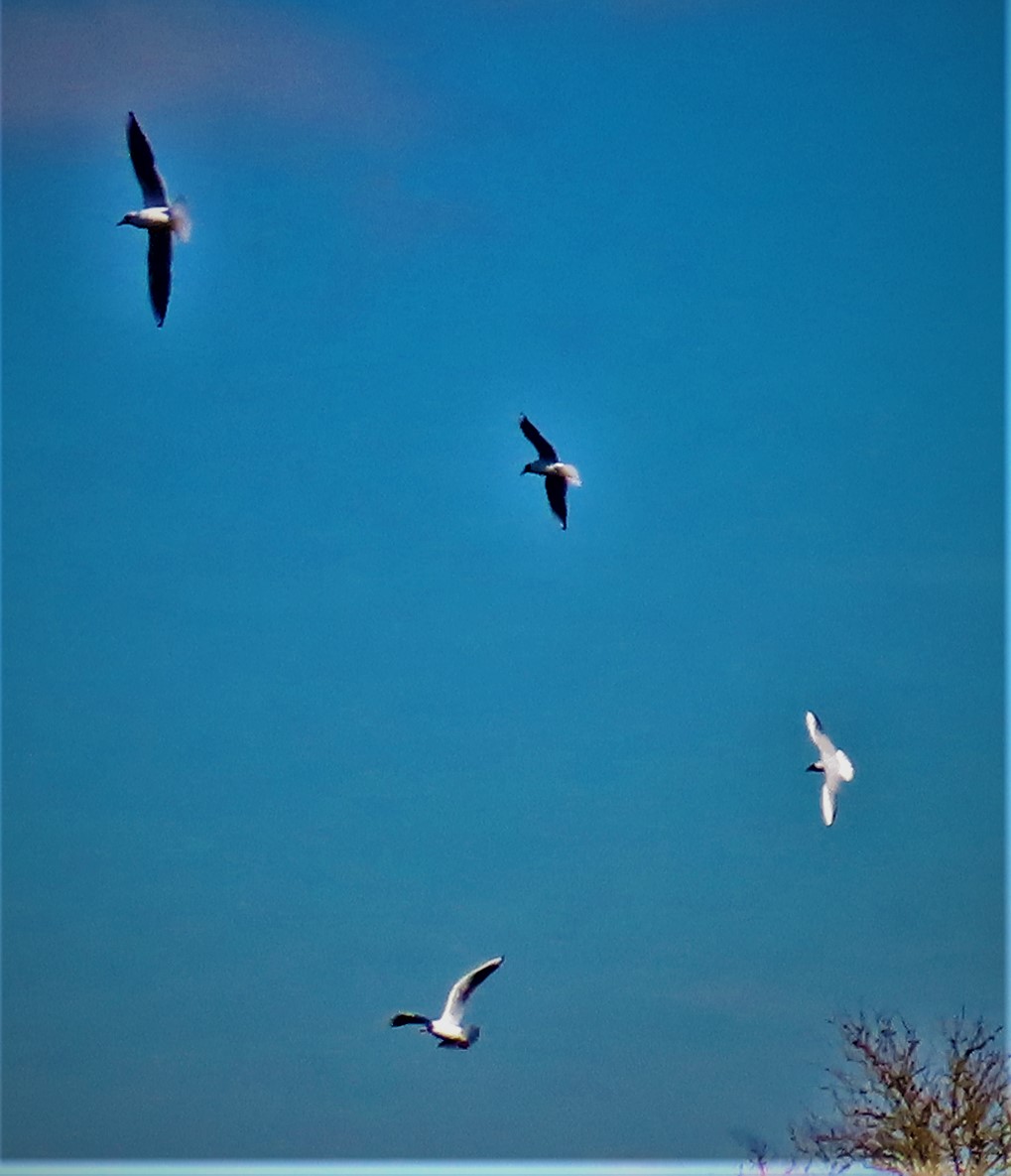
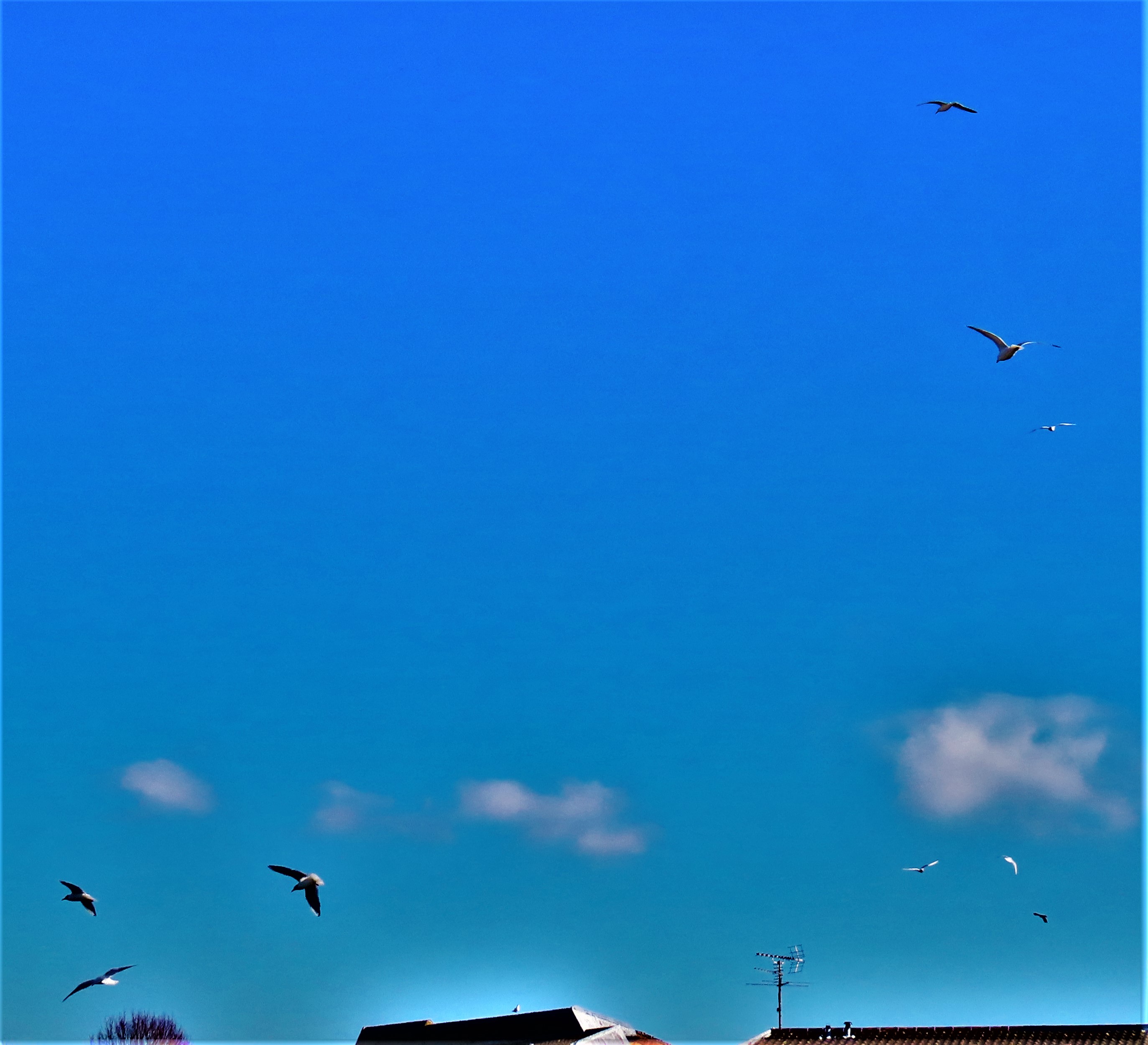
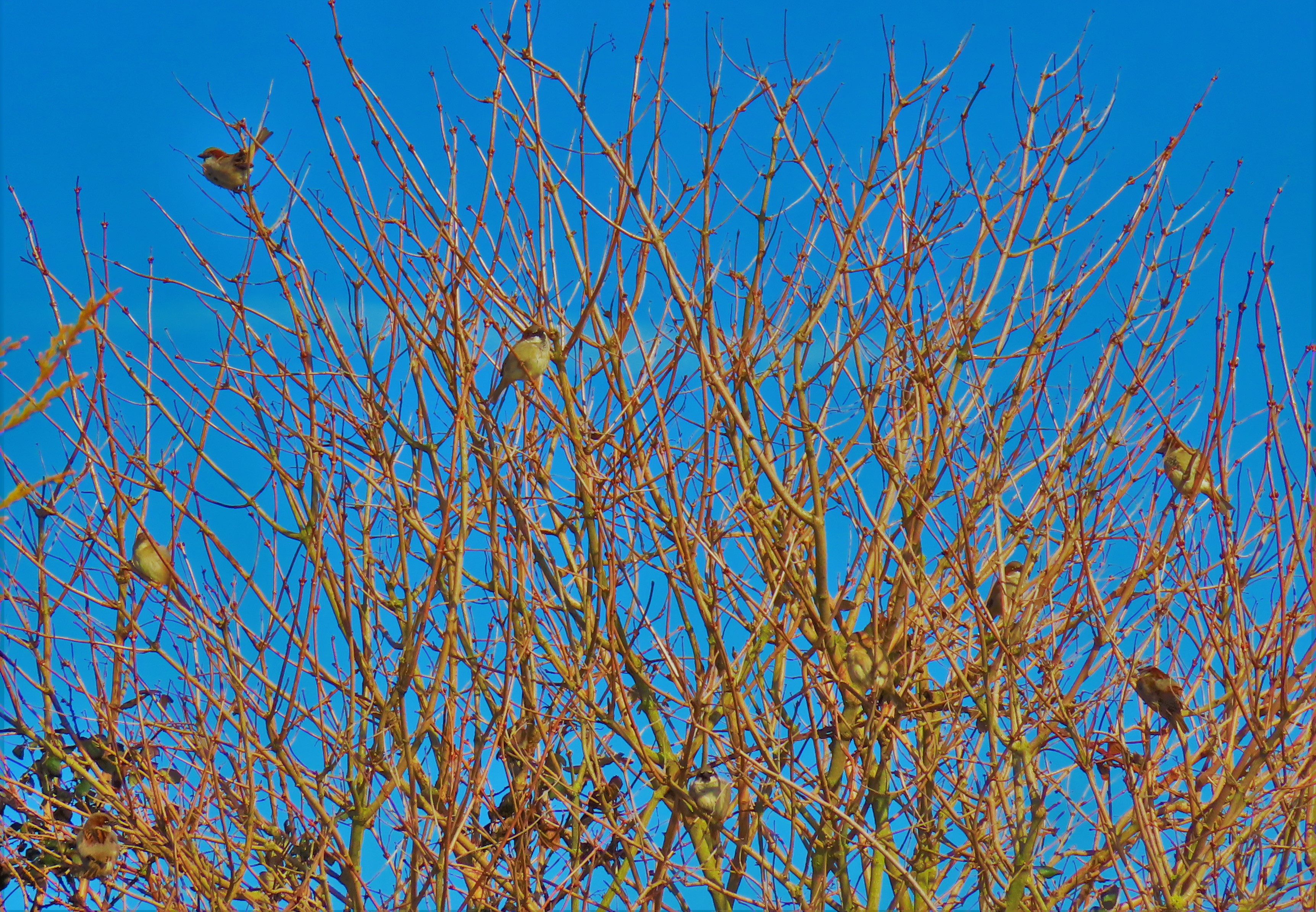
This is a hobby of mine, and also something I do at work. Here are some recent pictures:
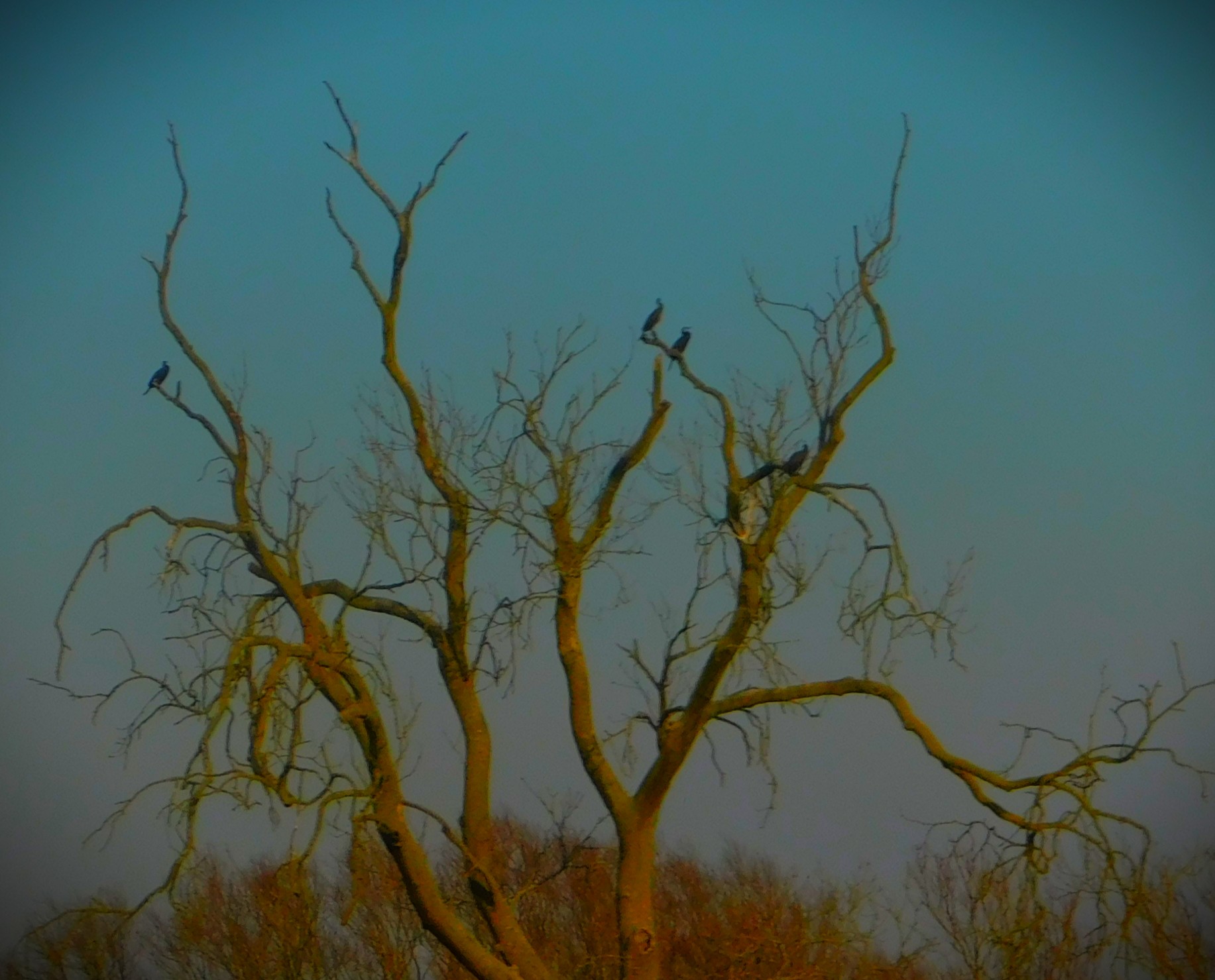
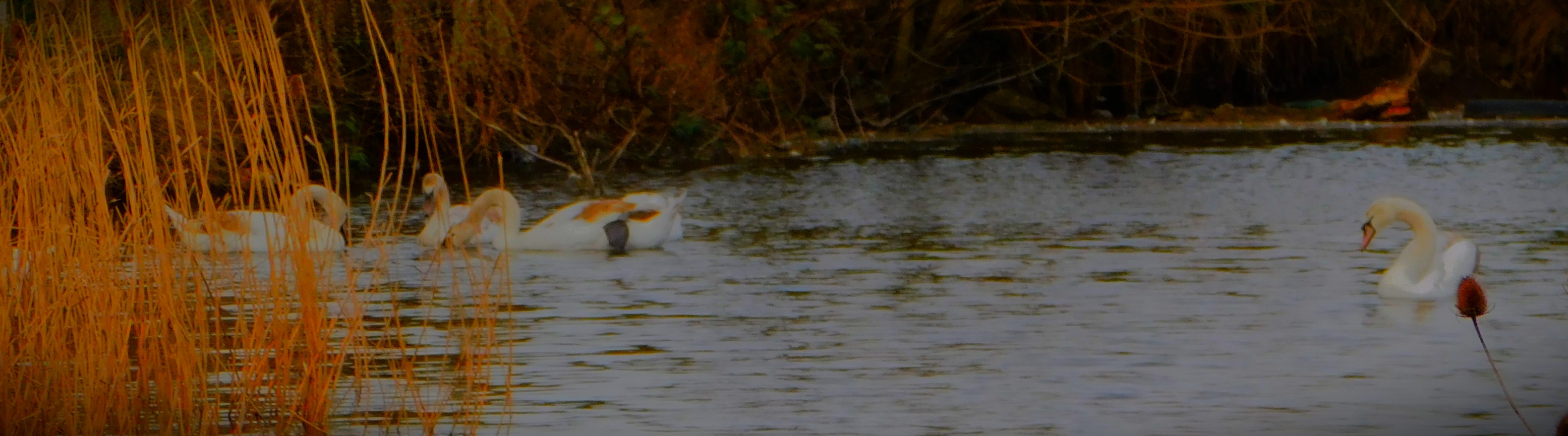
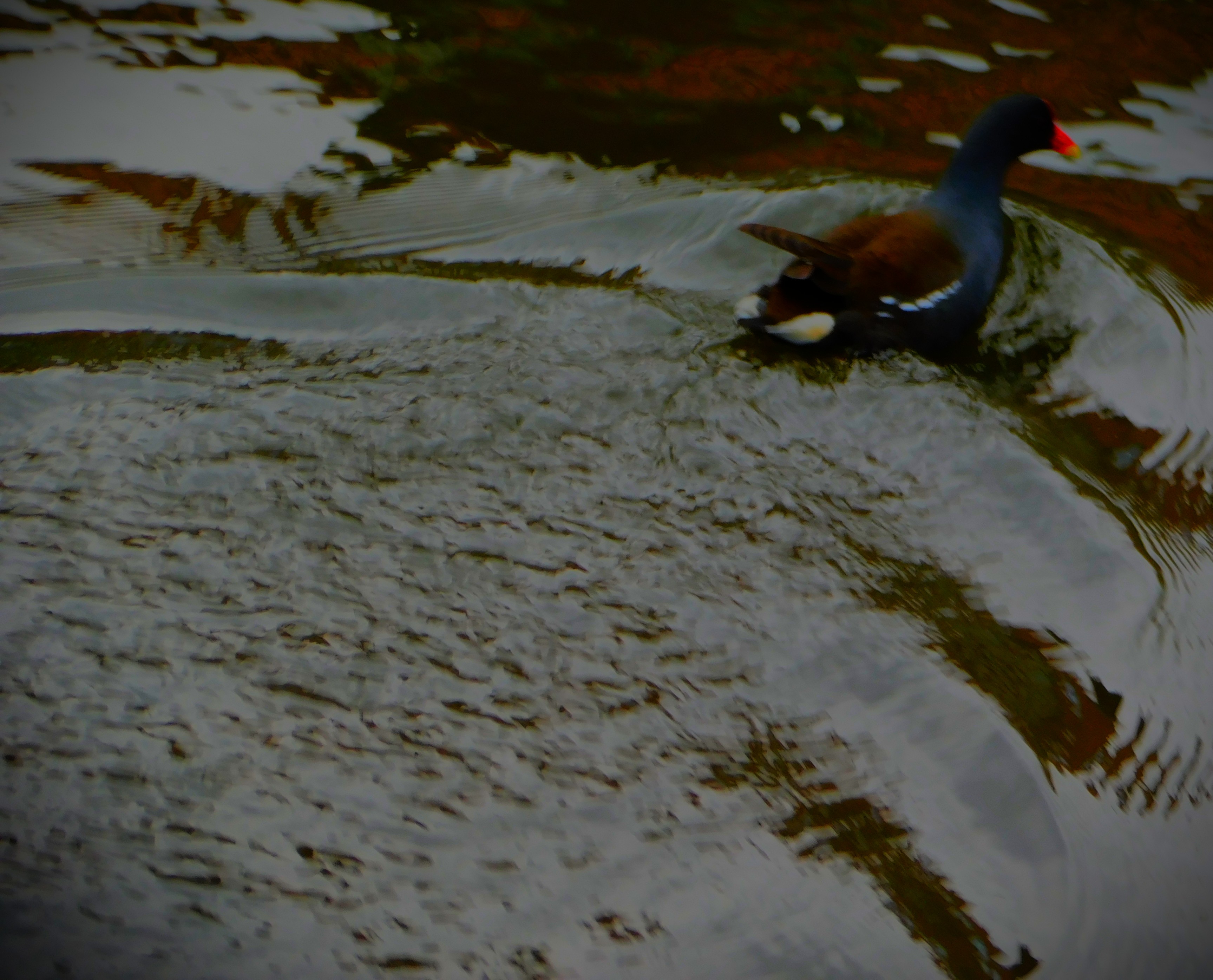
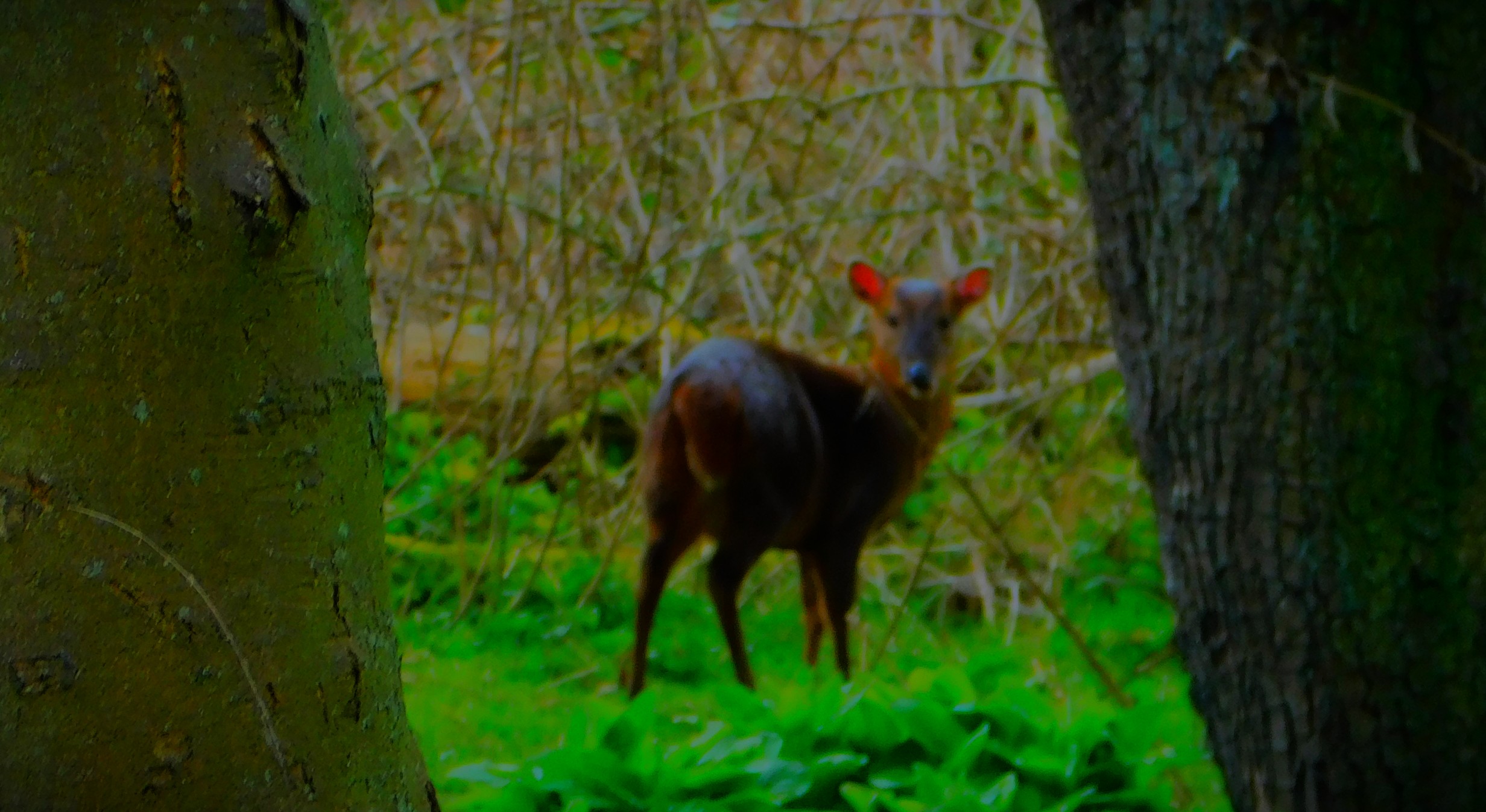
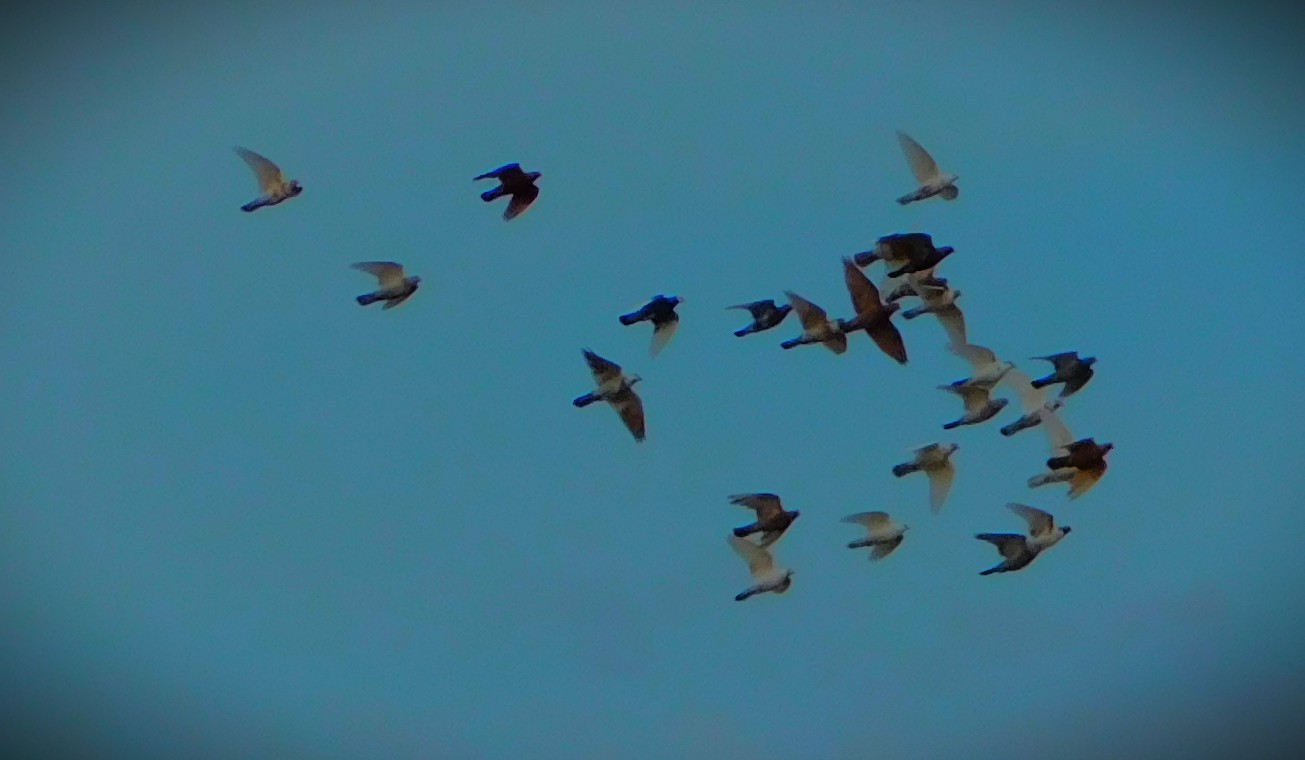
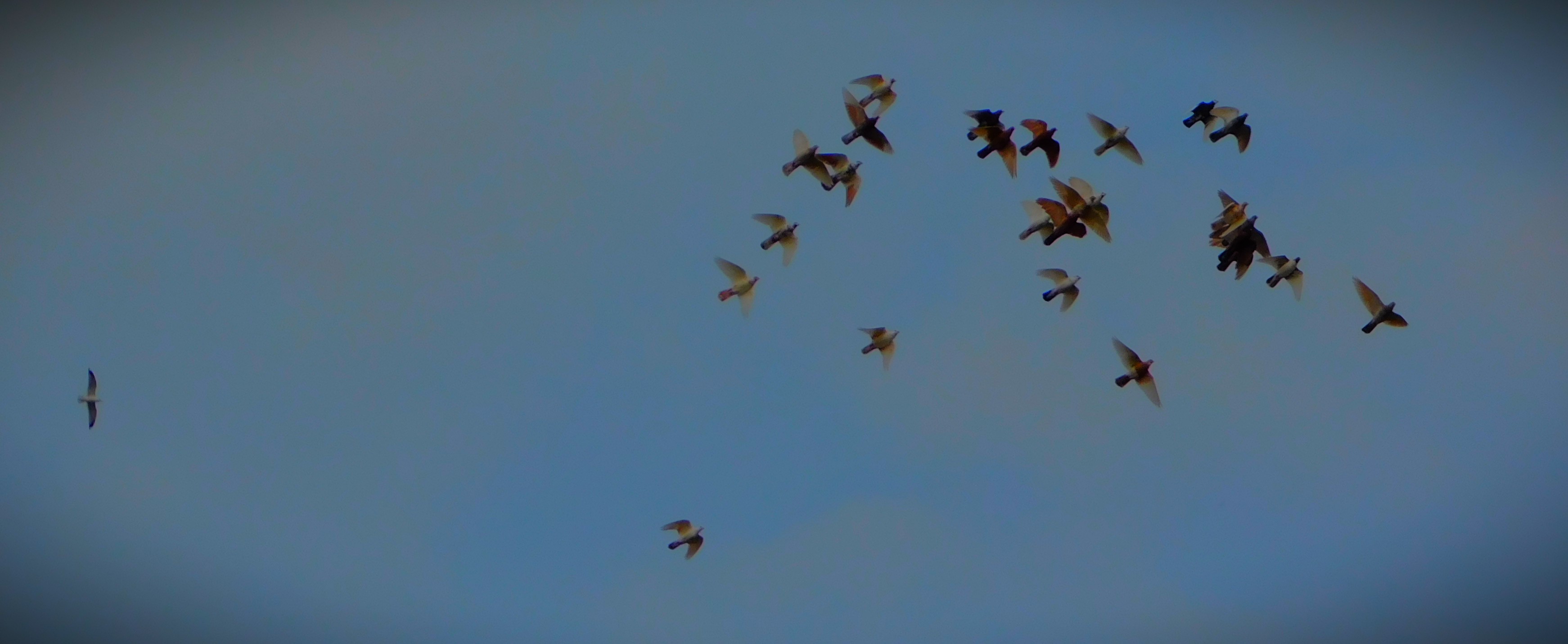
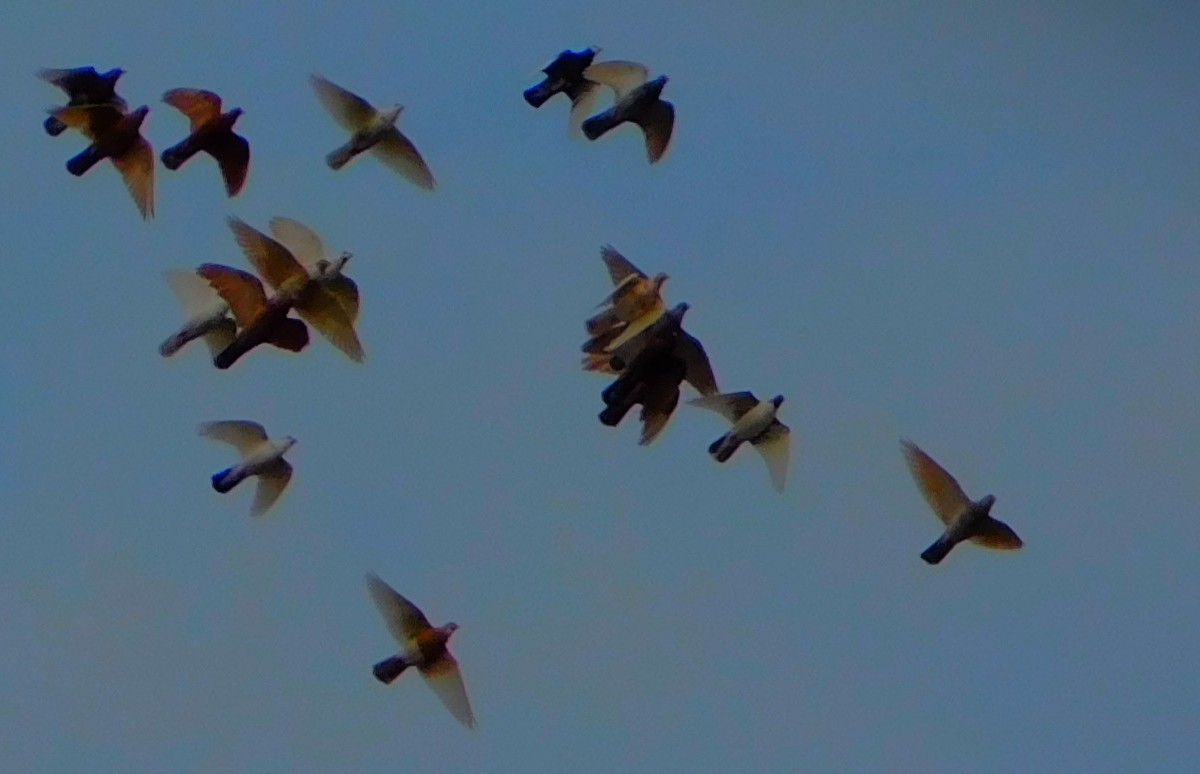
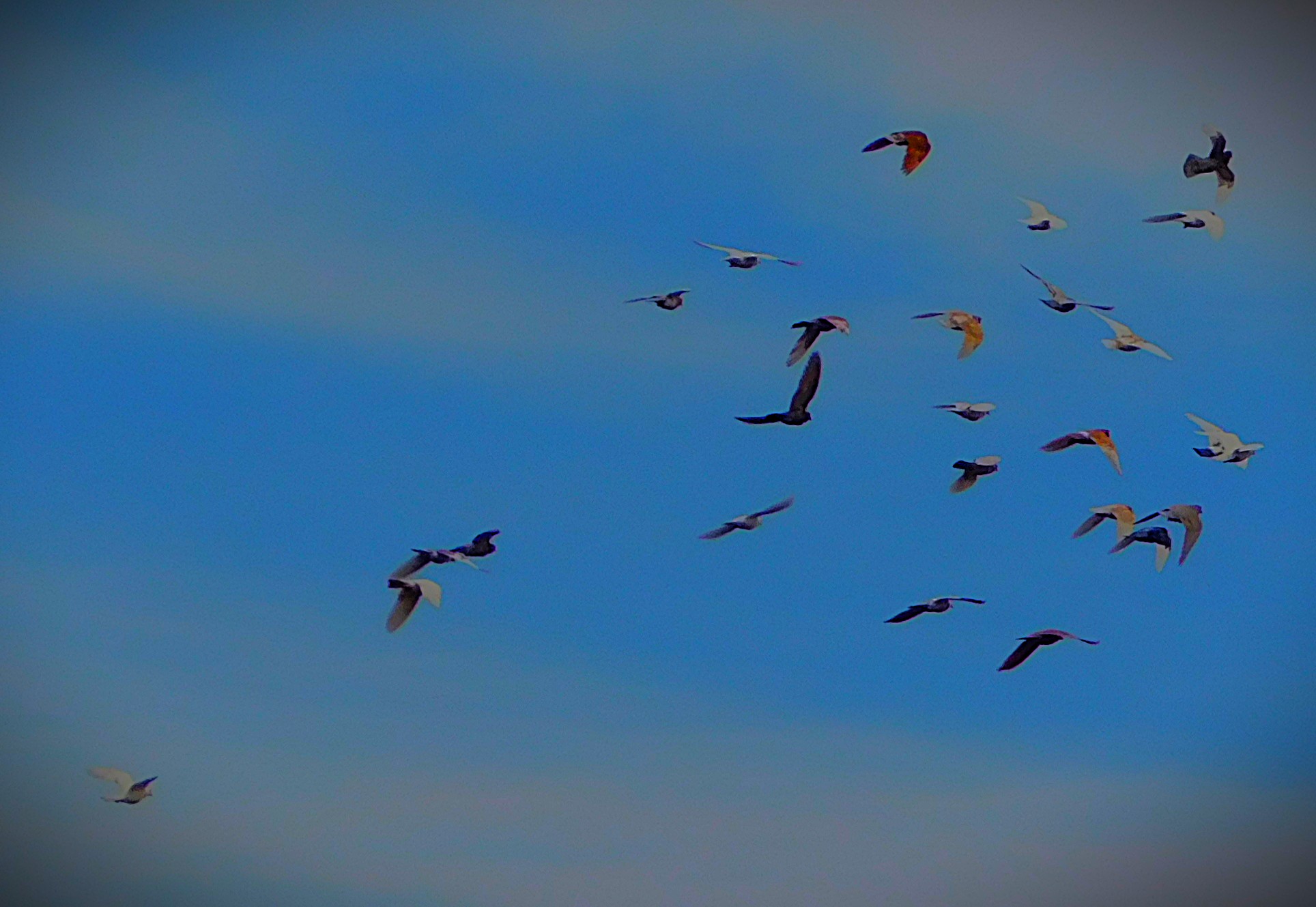
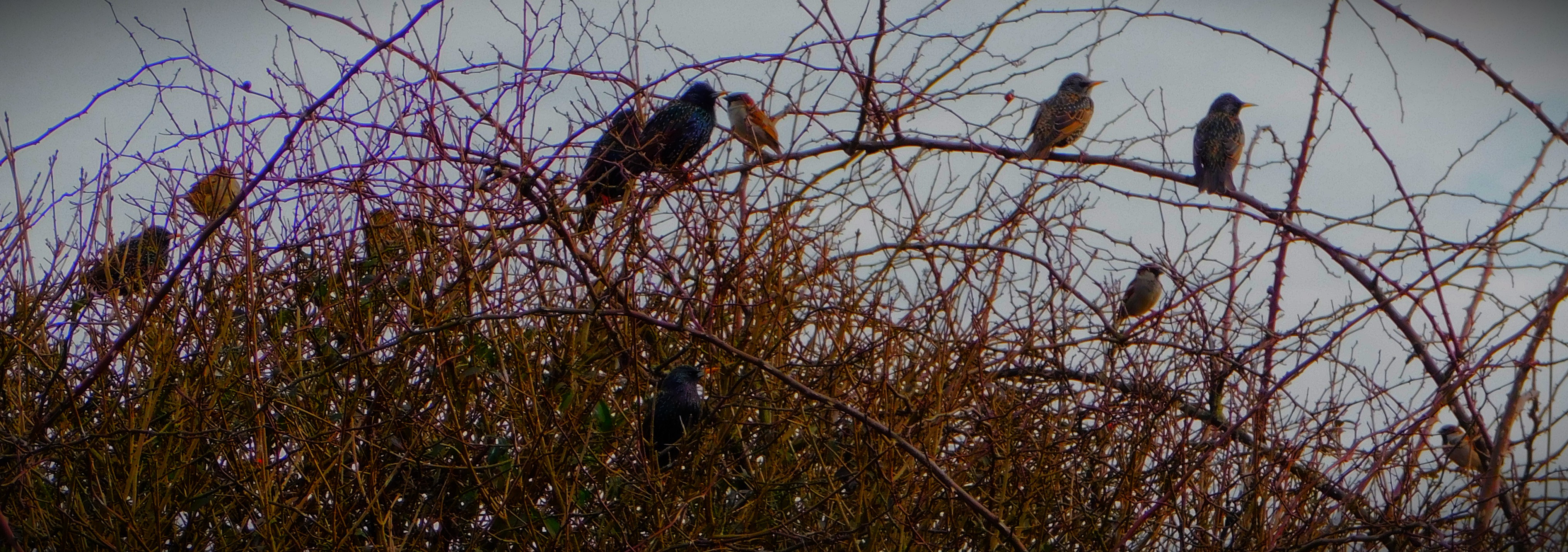
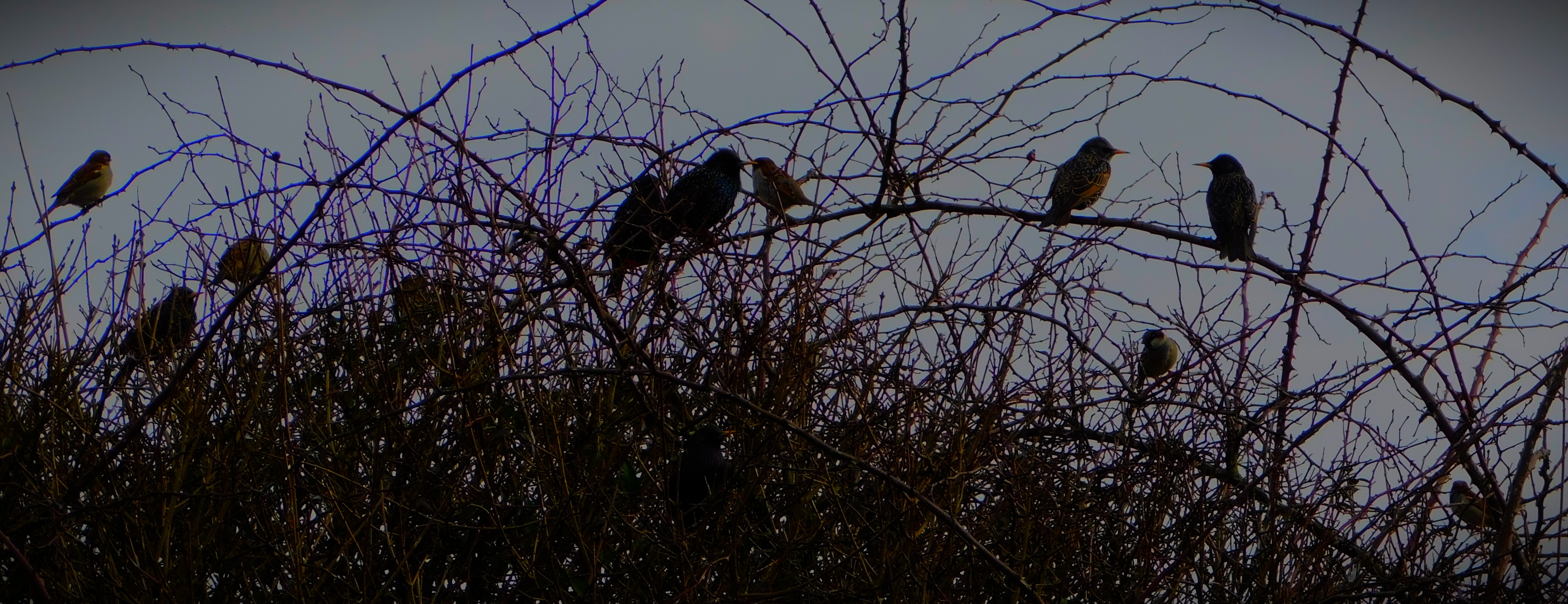
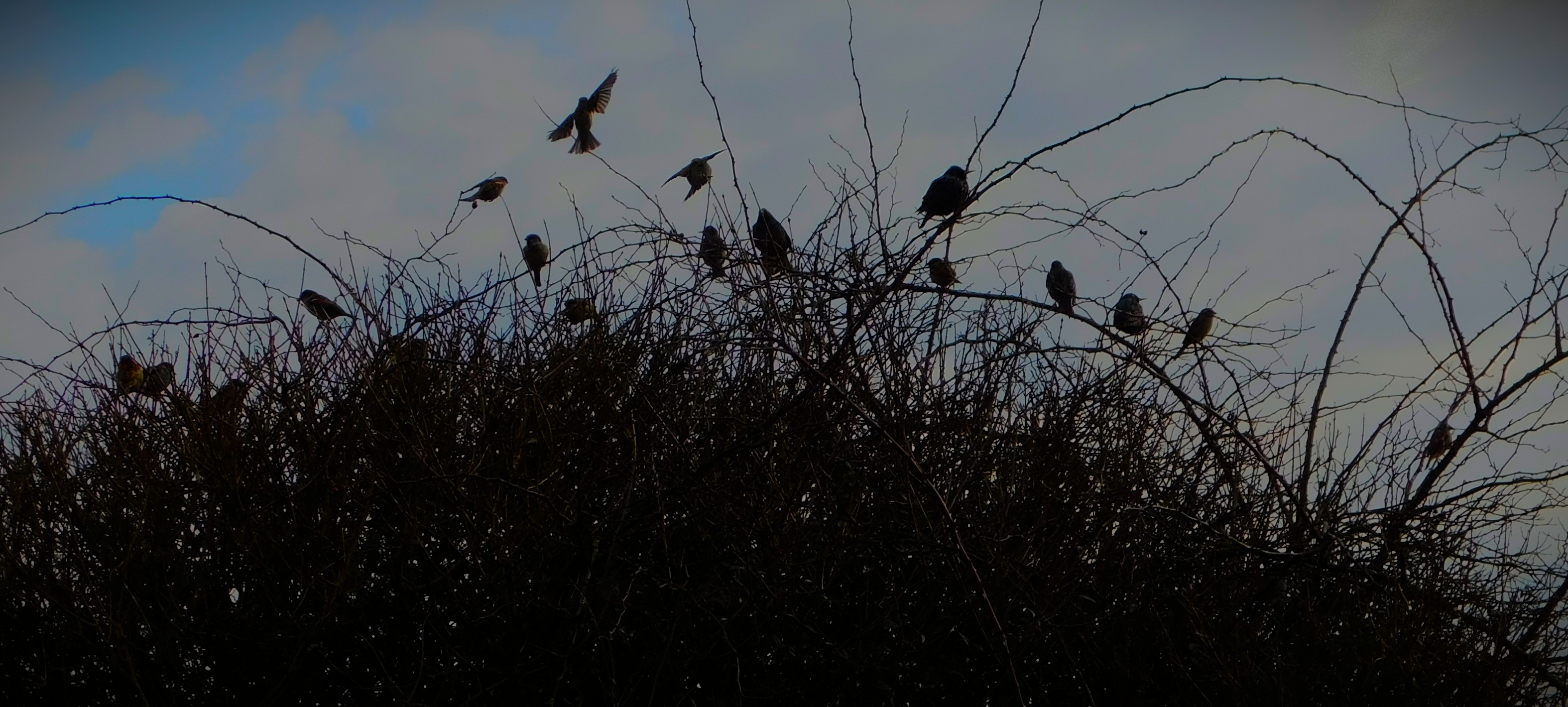
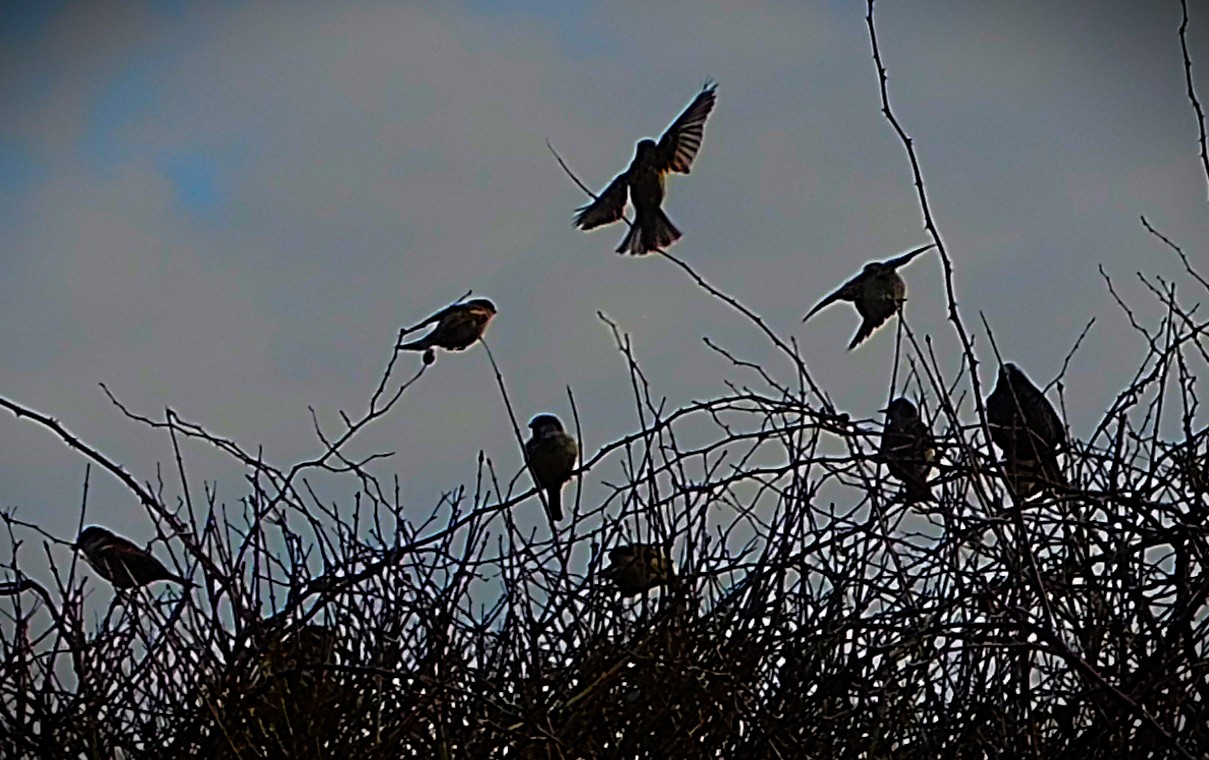
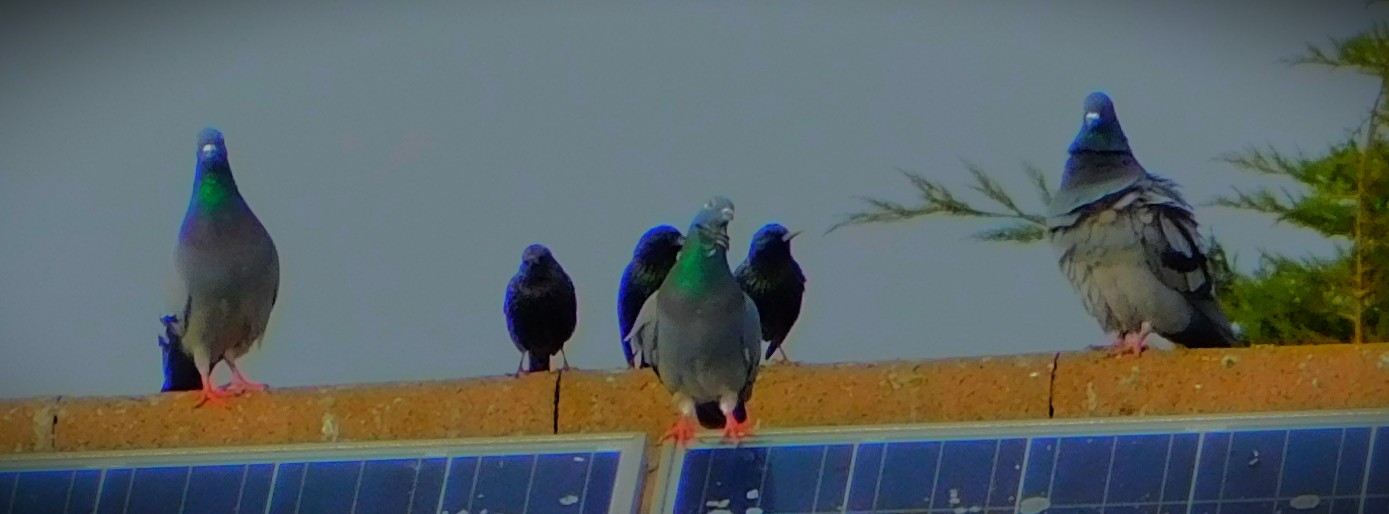
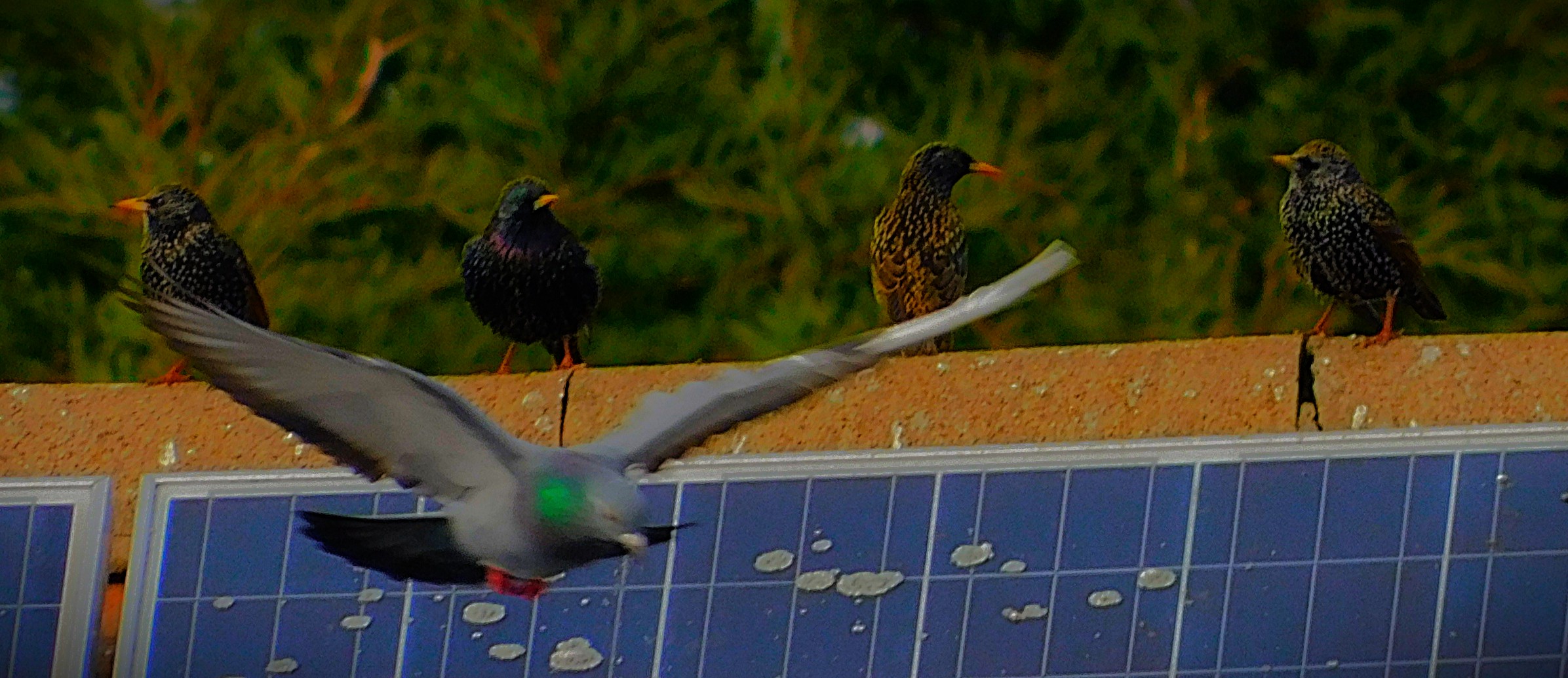
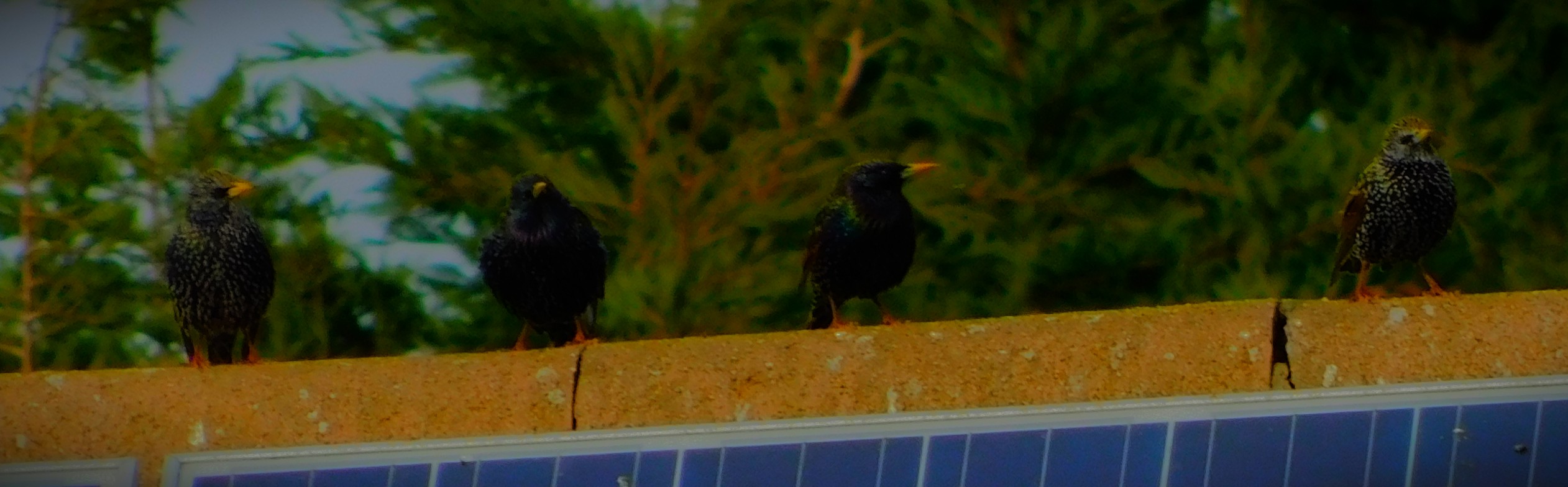
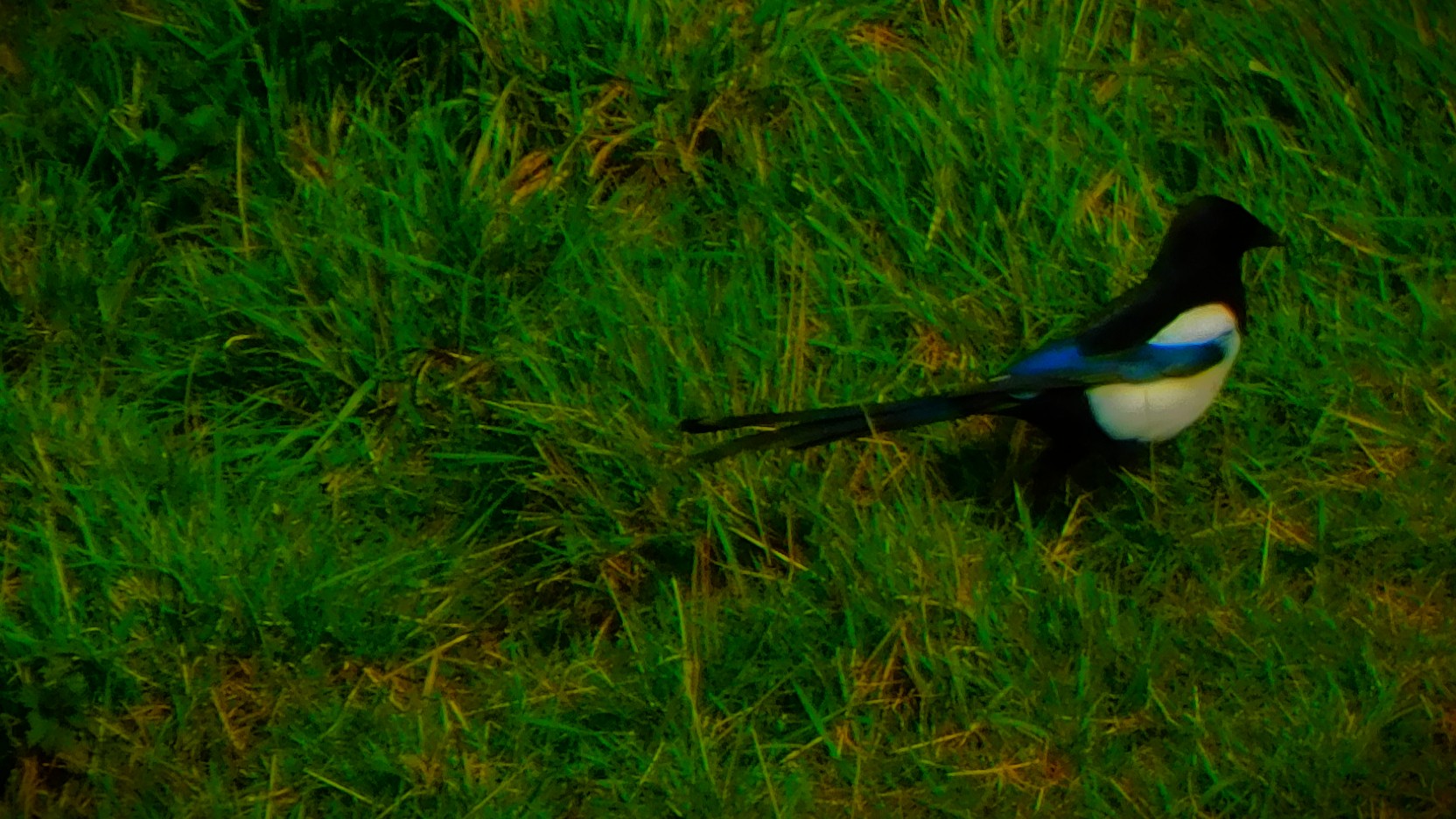
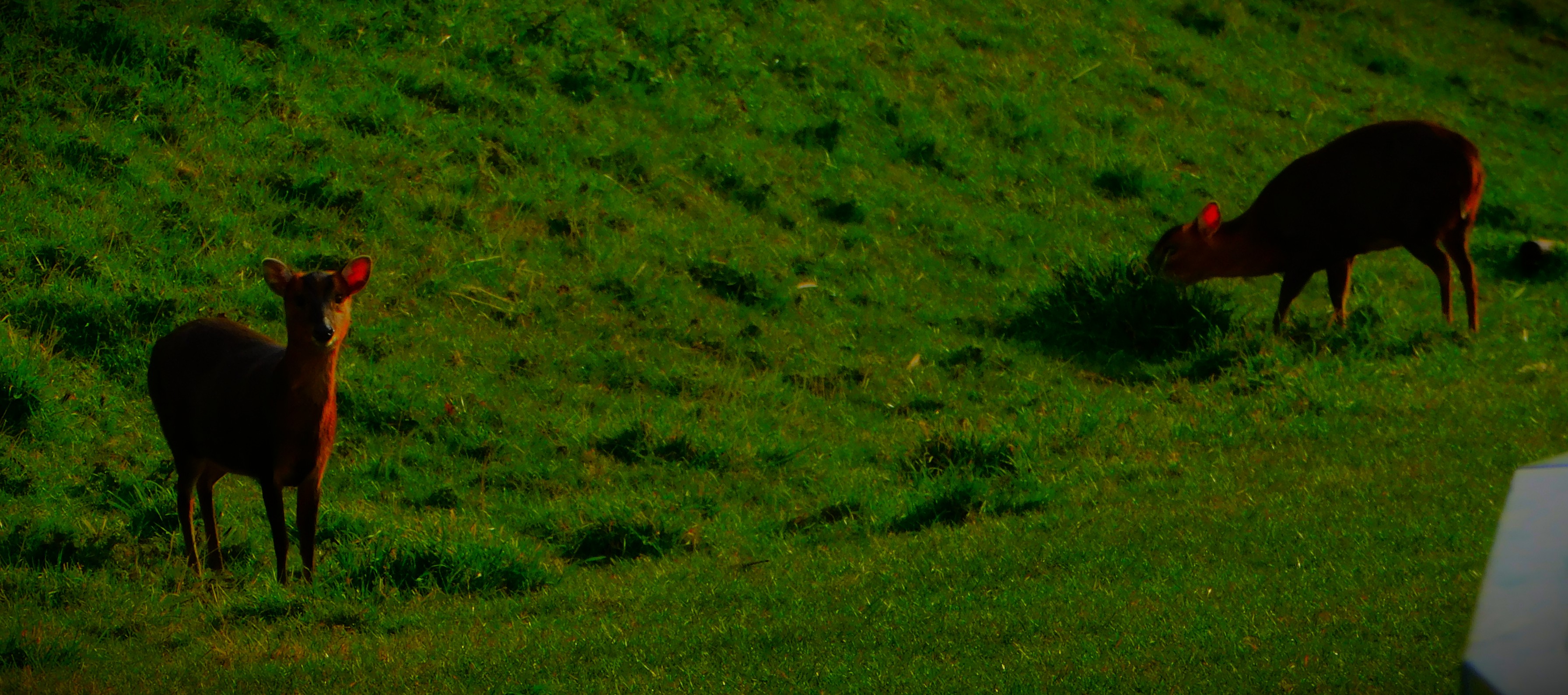
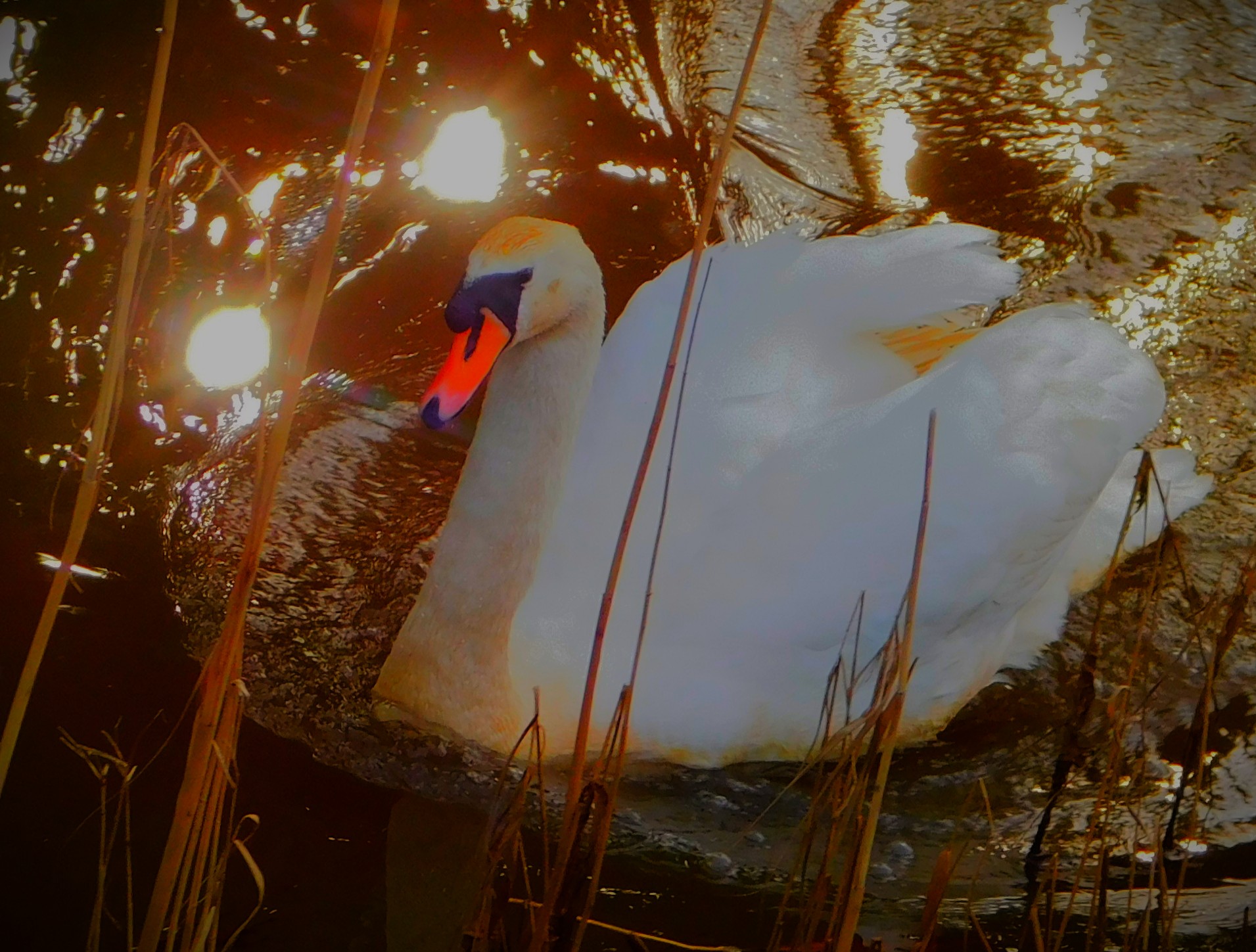
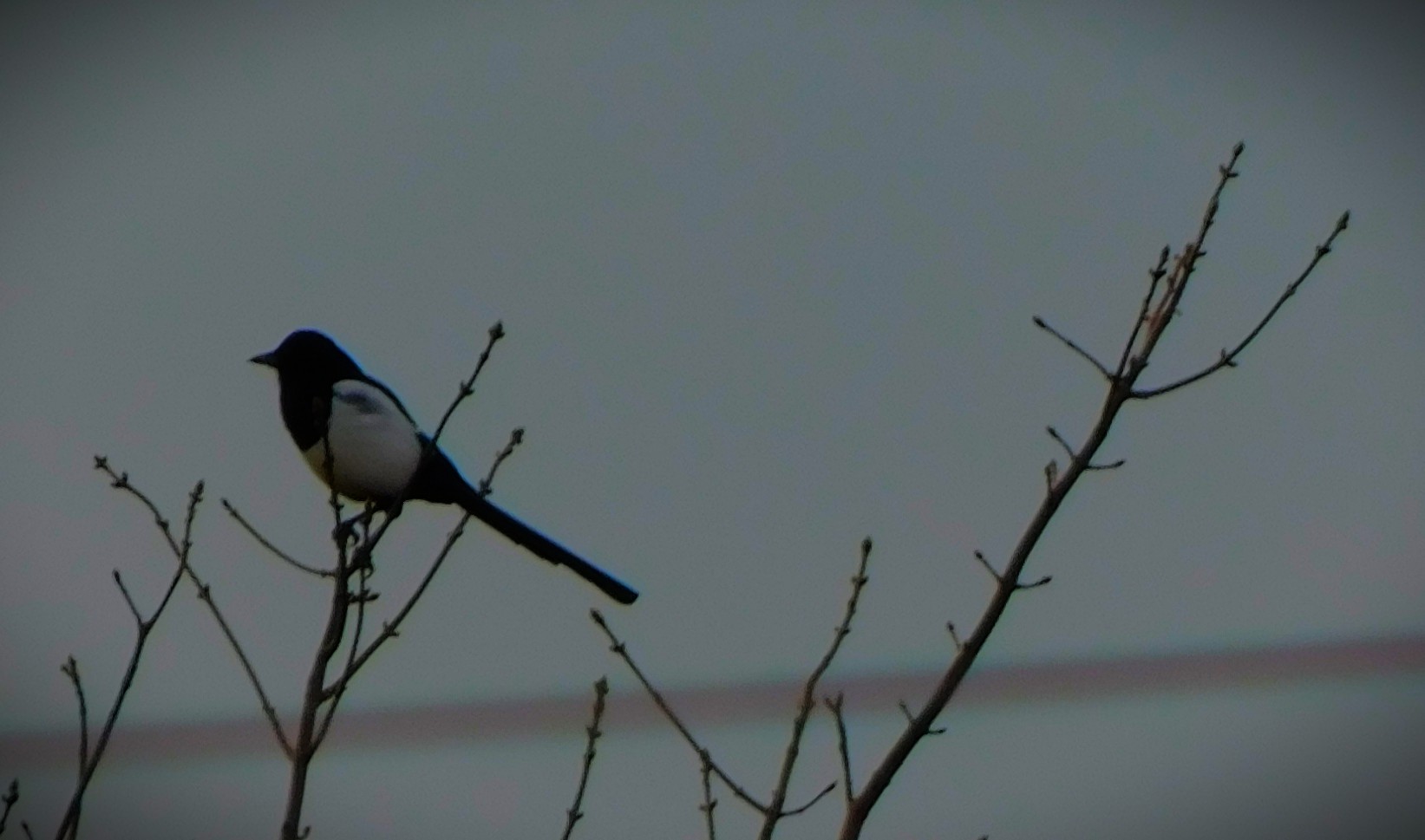
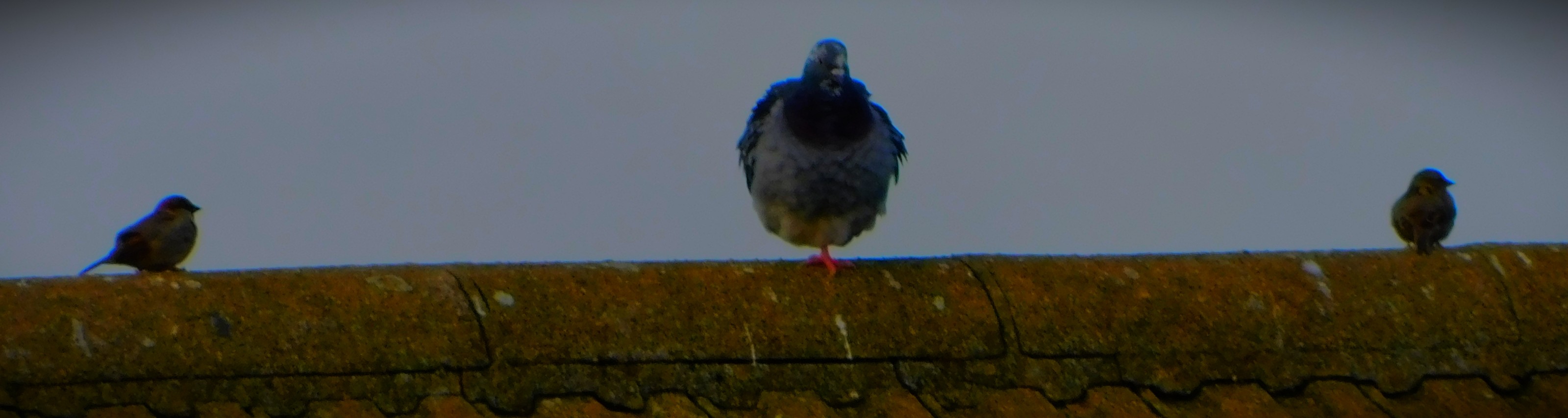
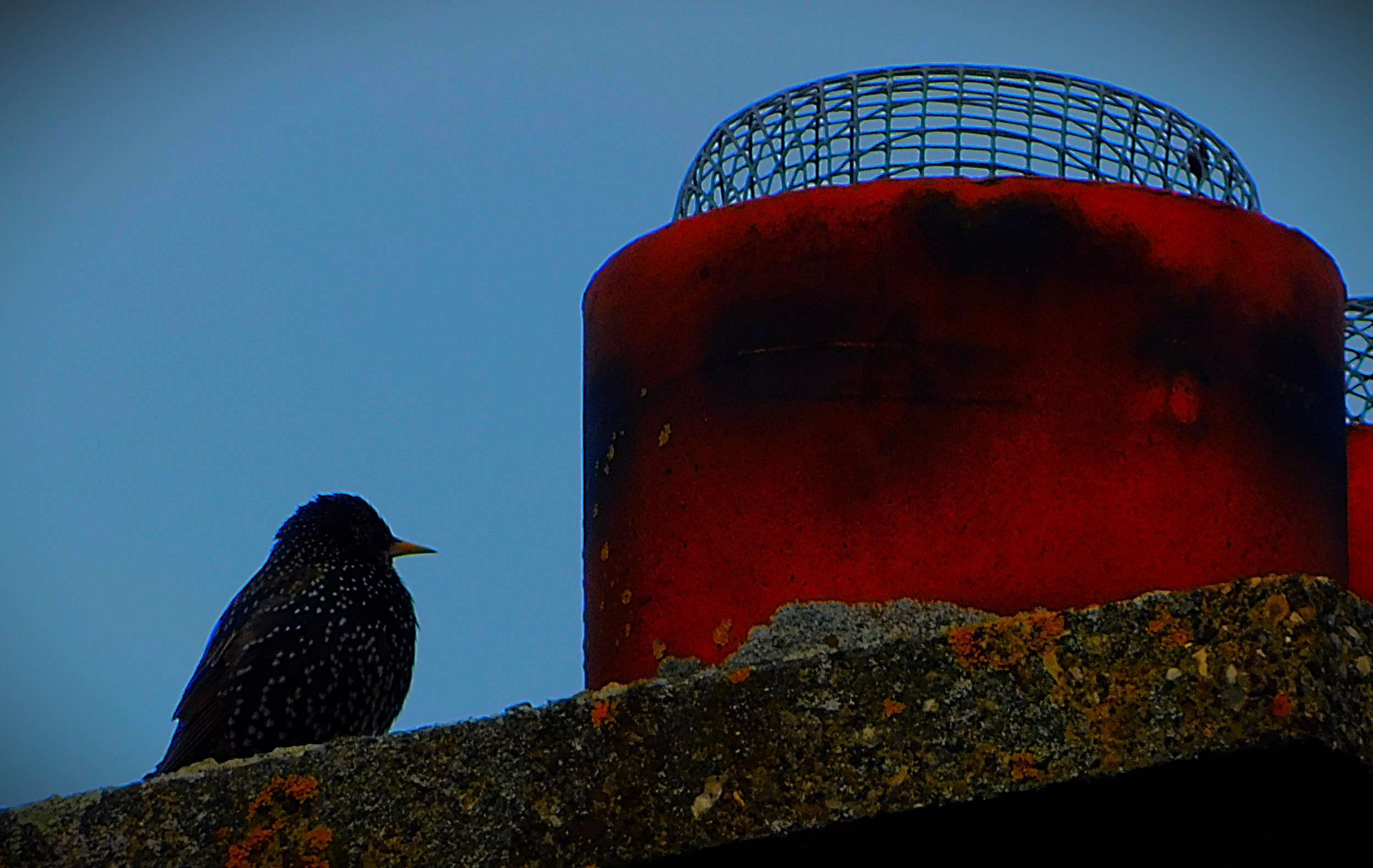
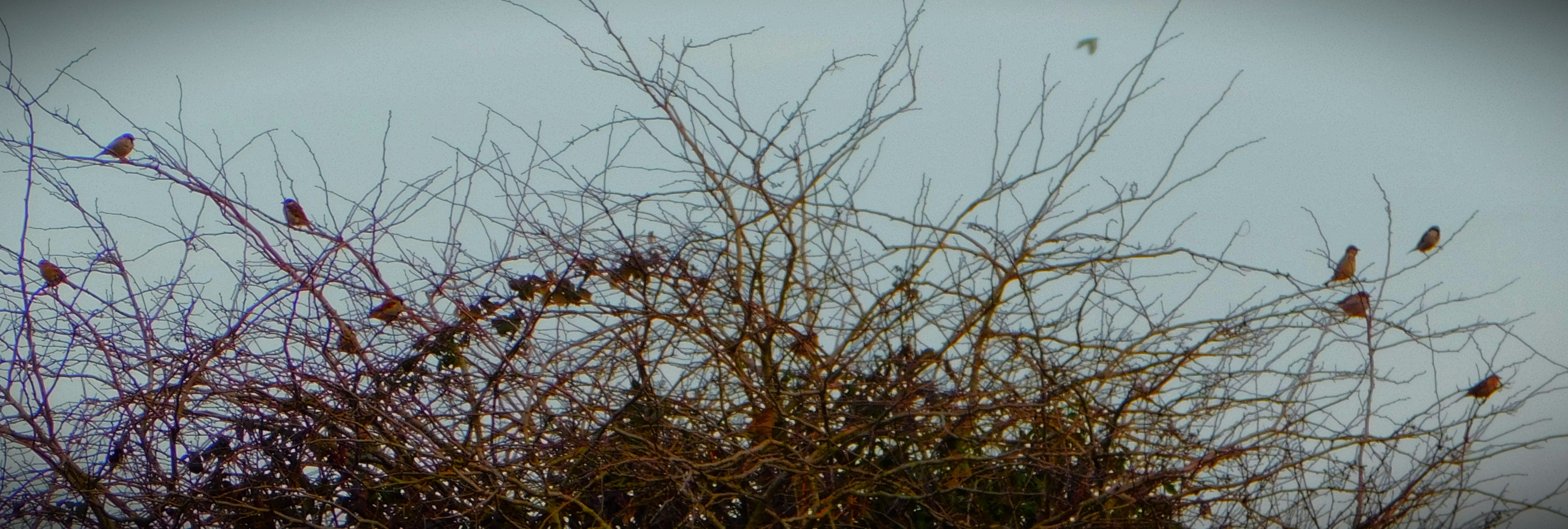
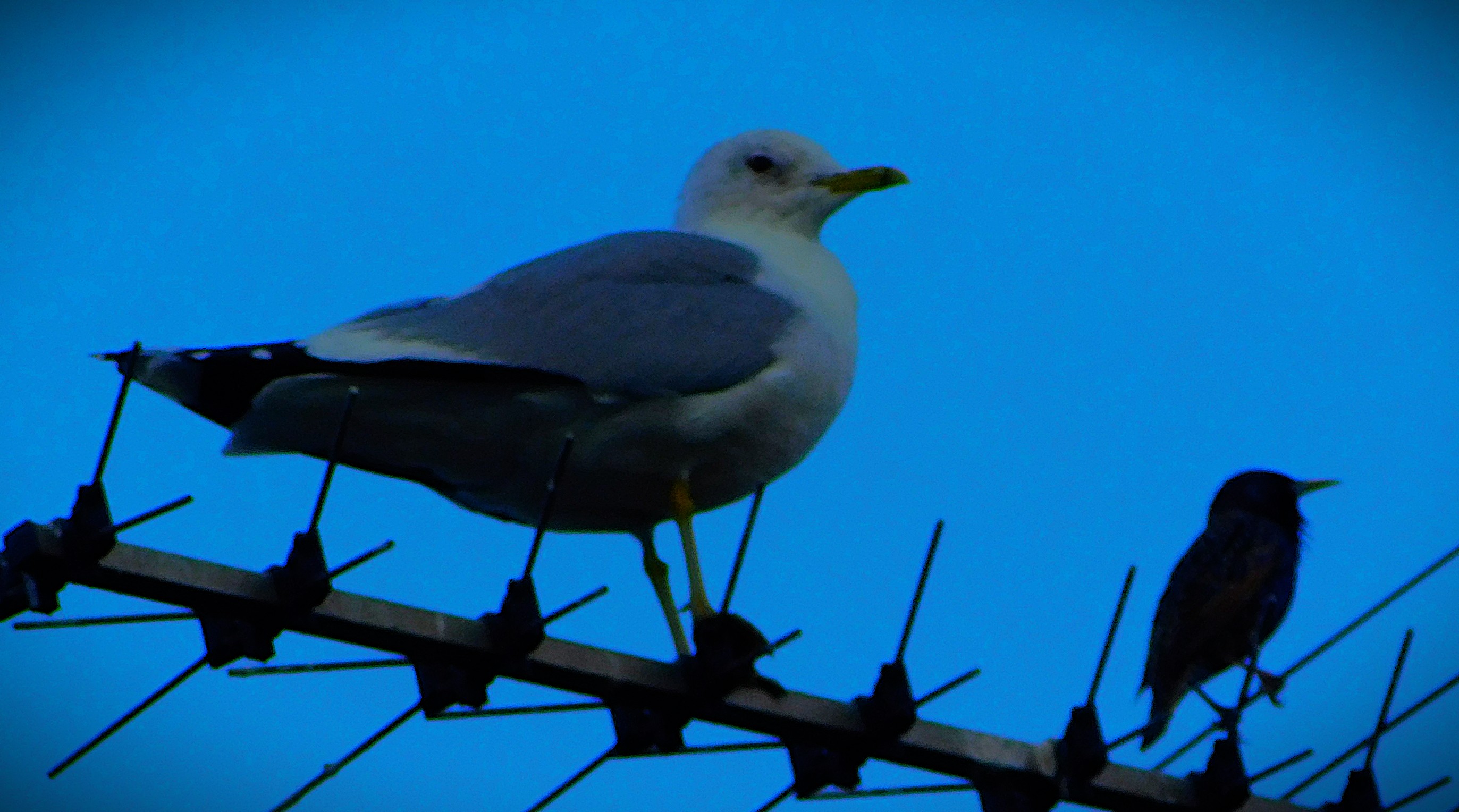
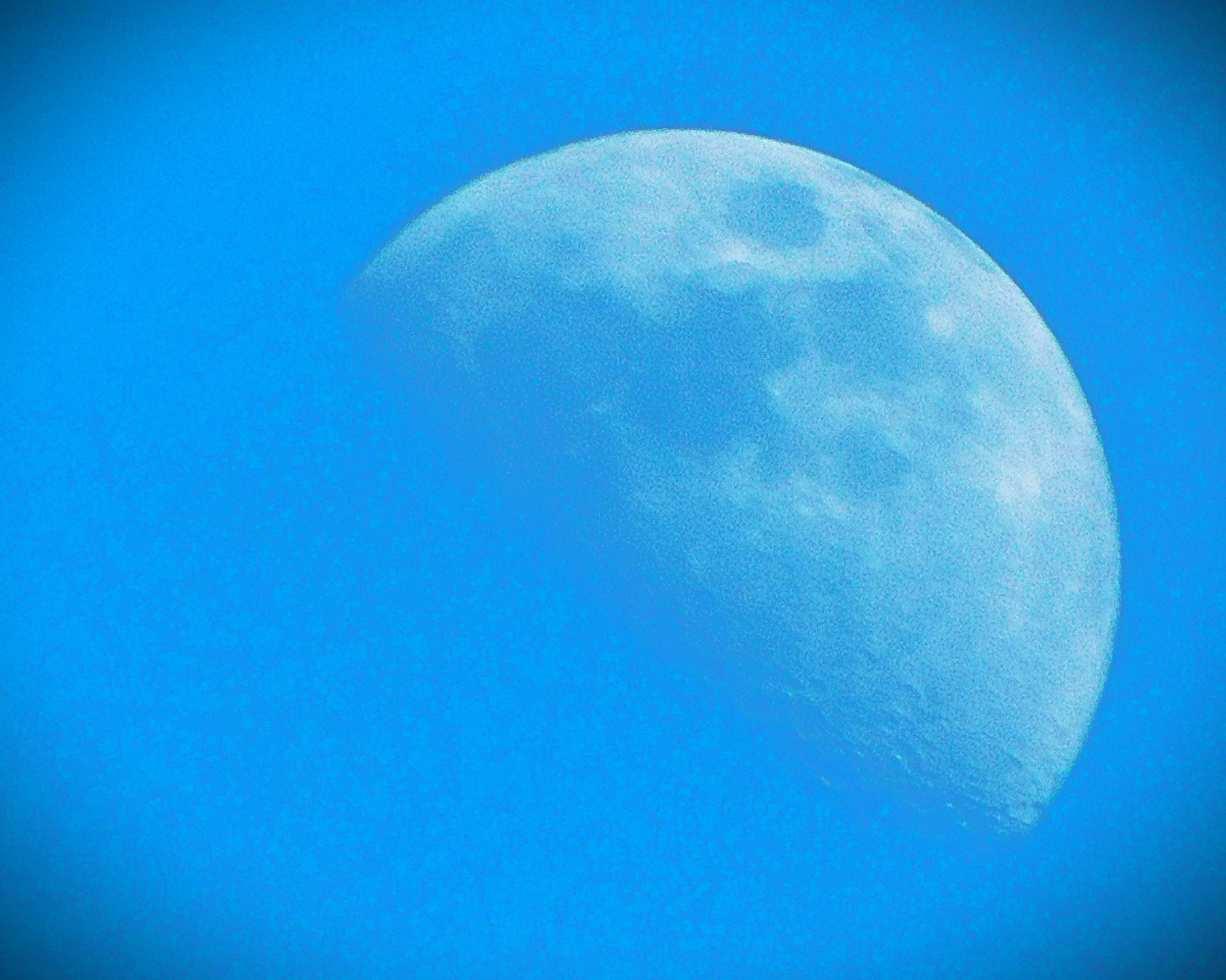
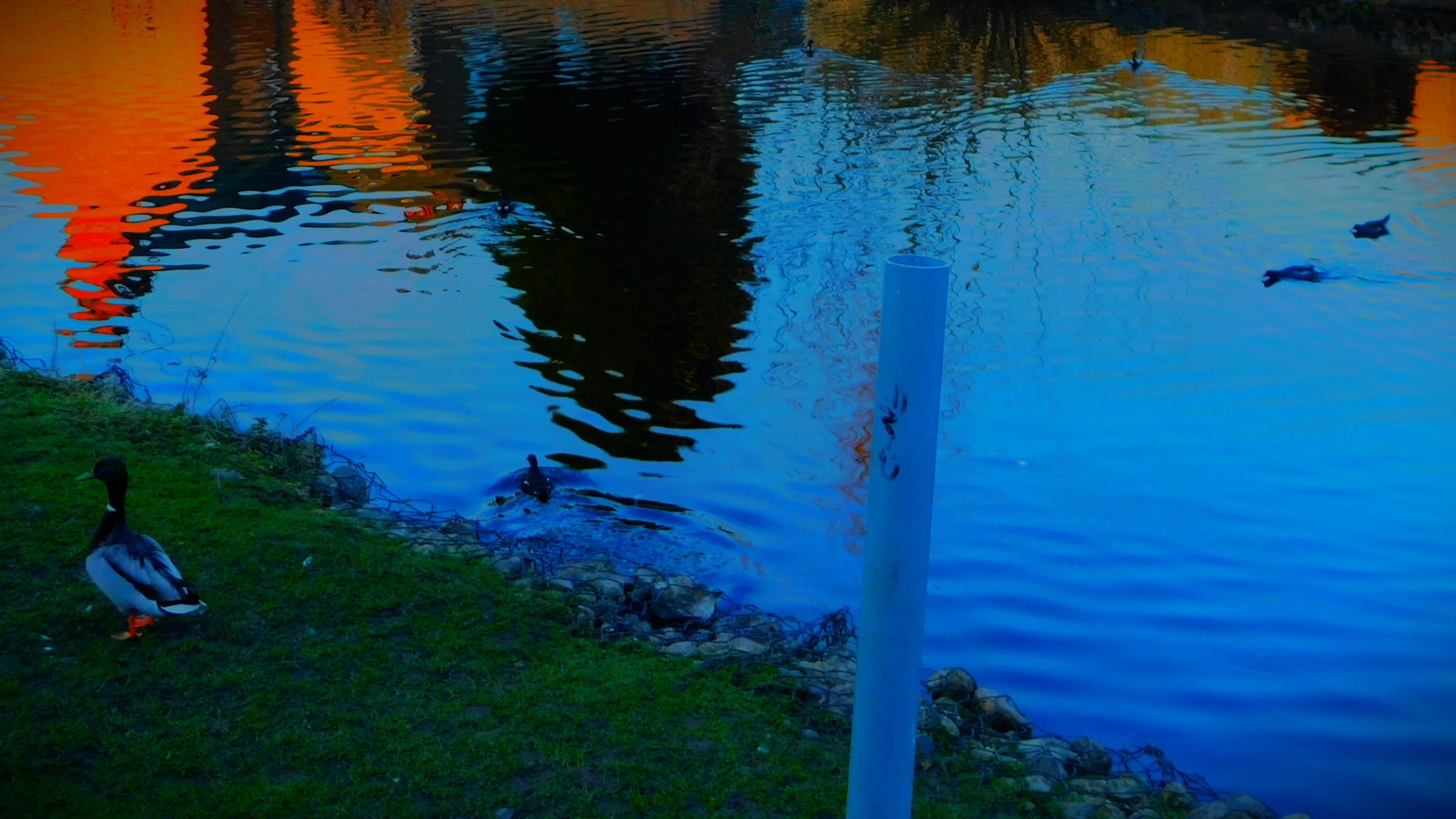
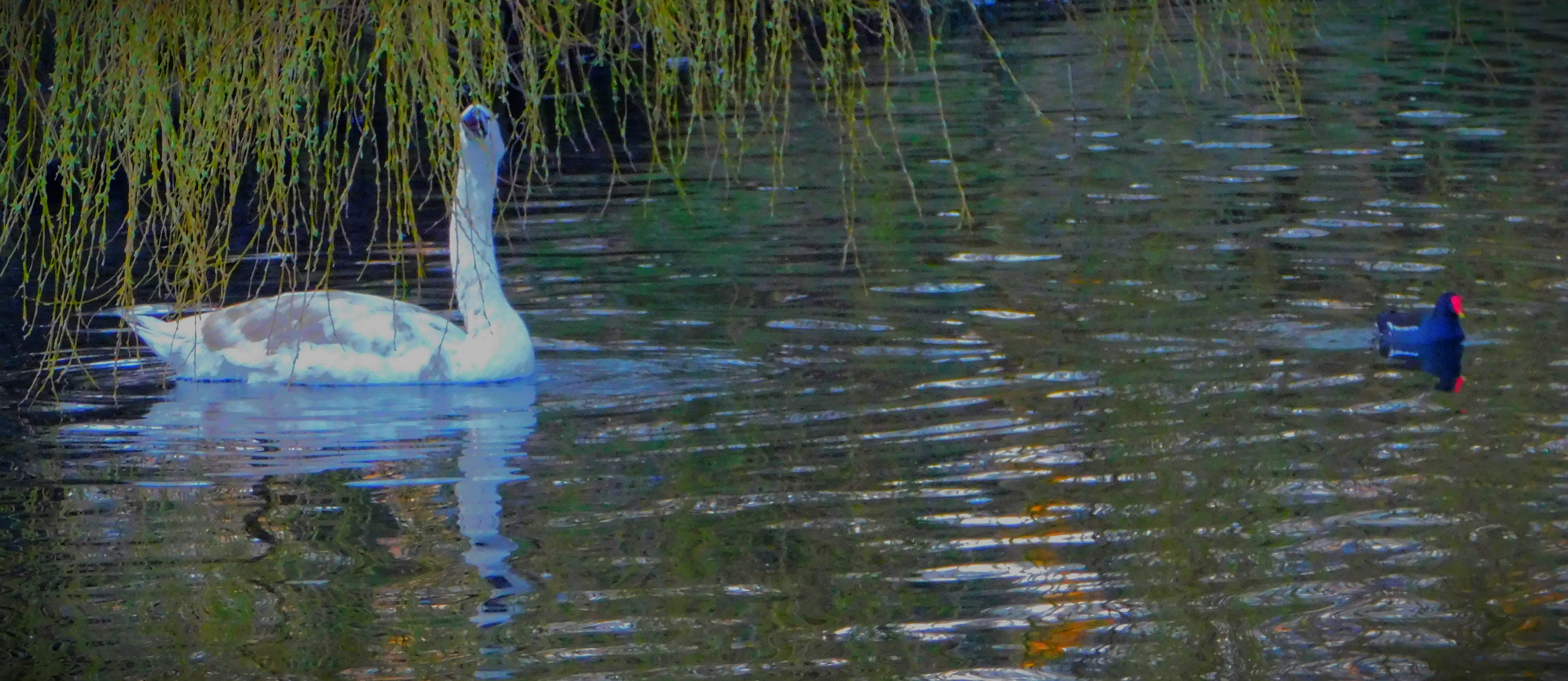
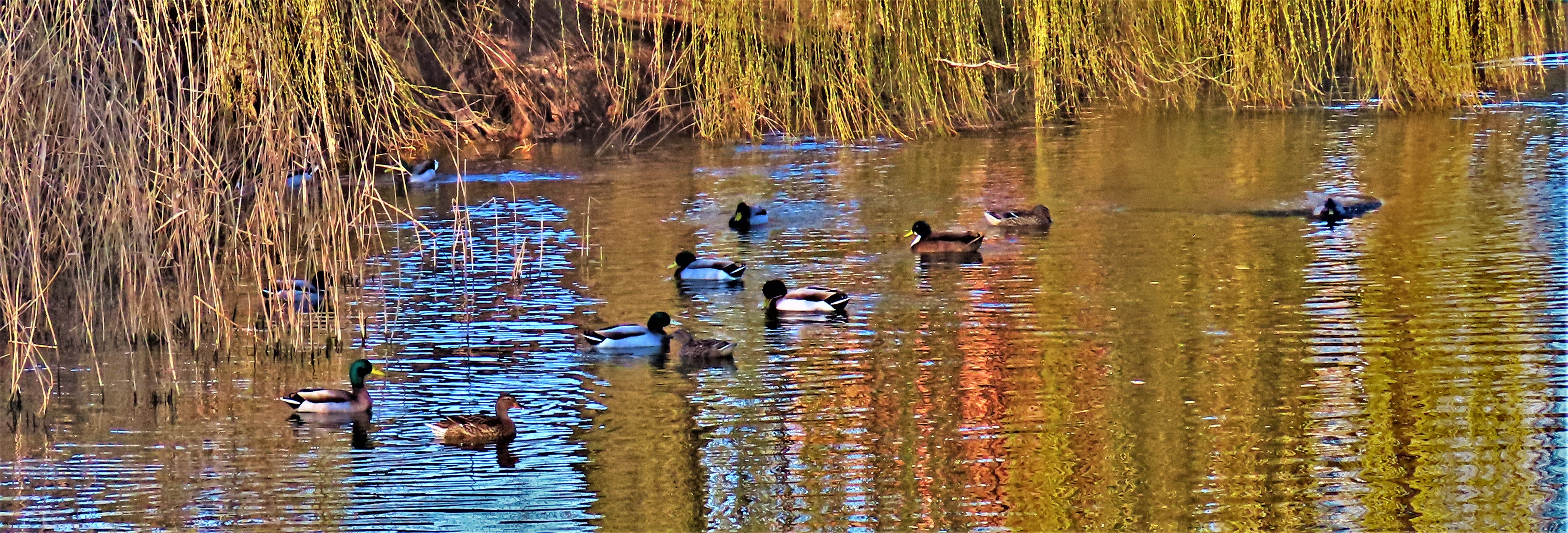
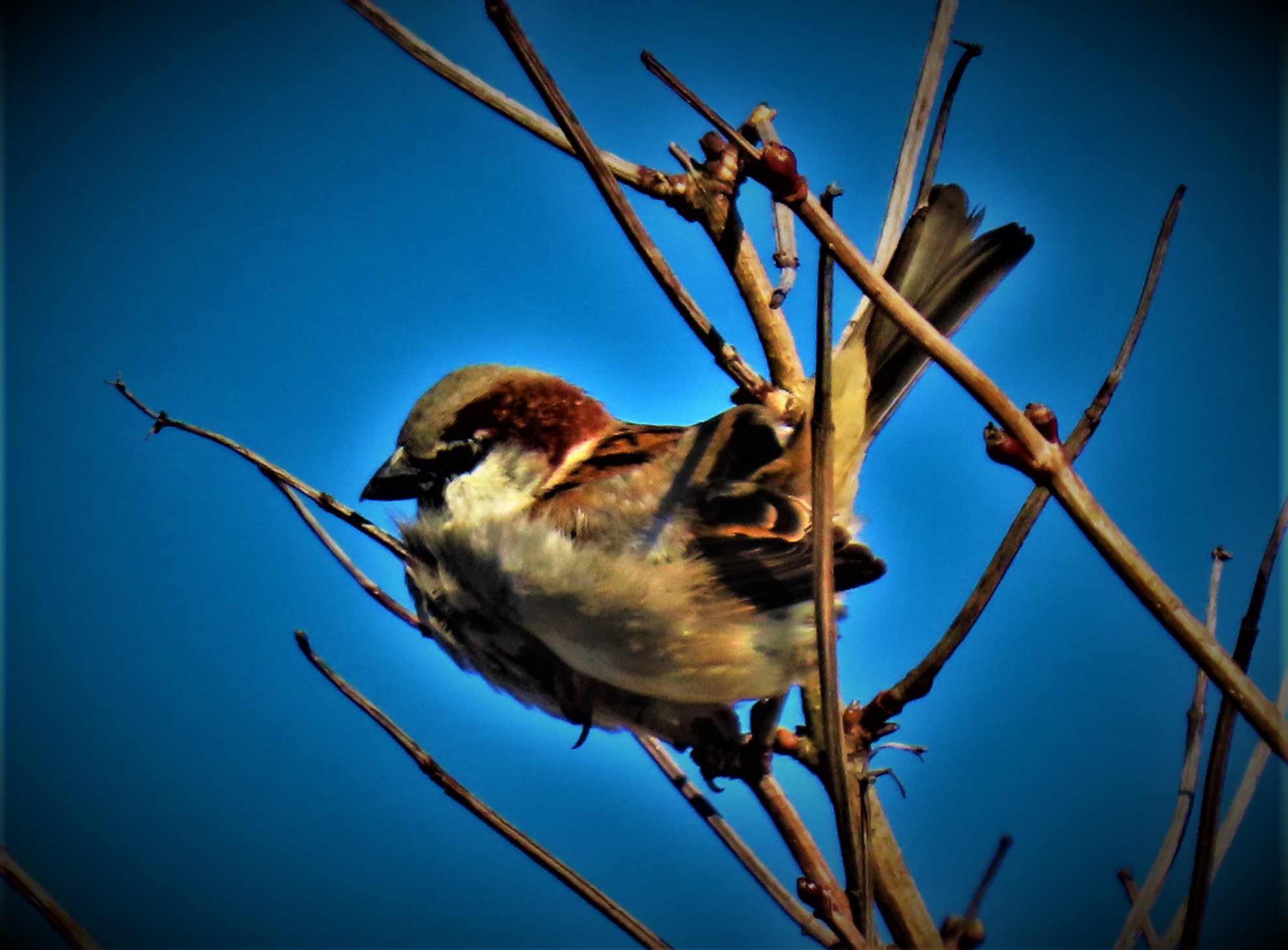
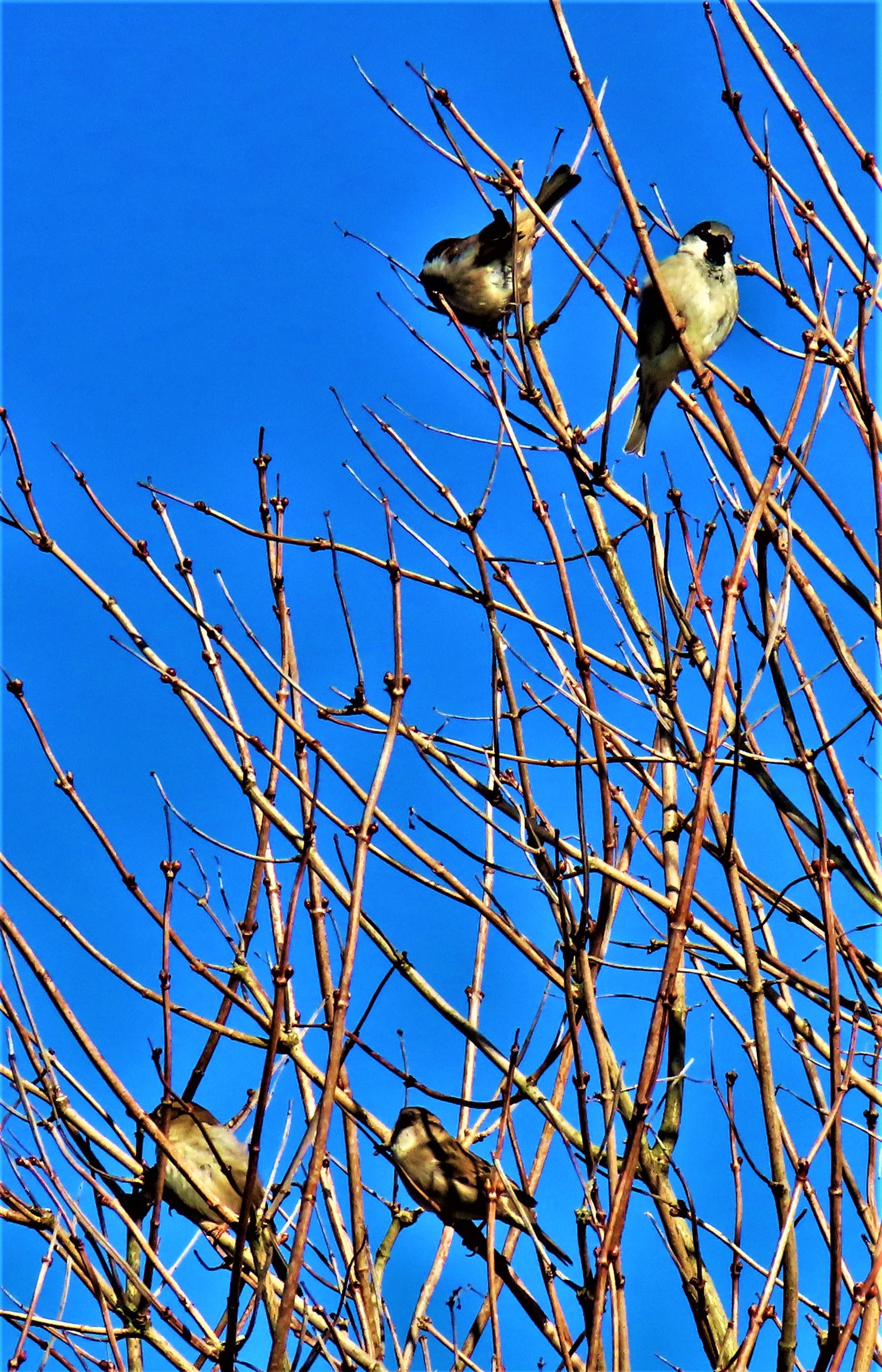
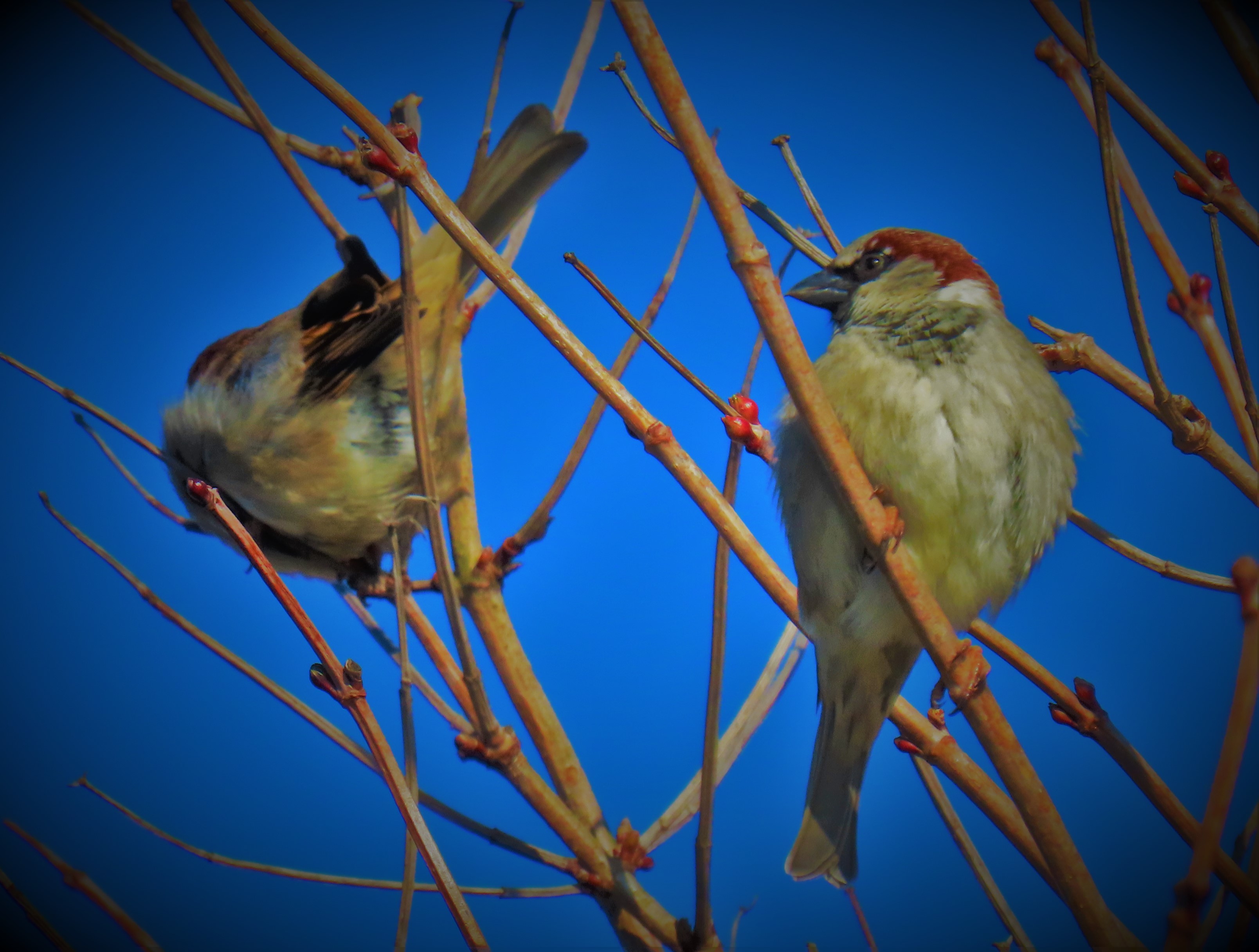
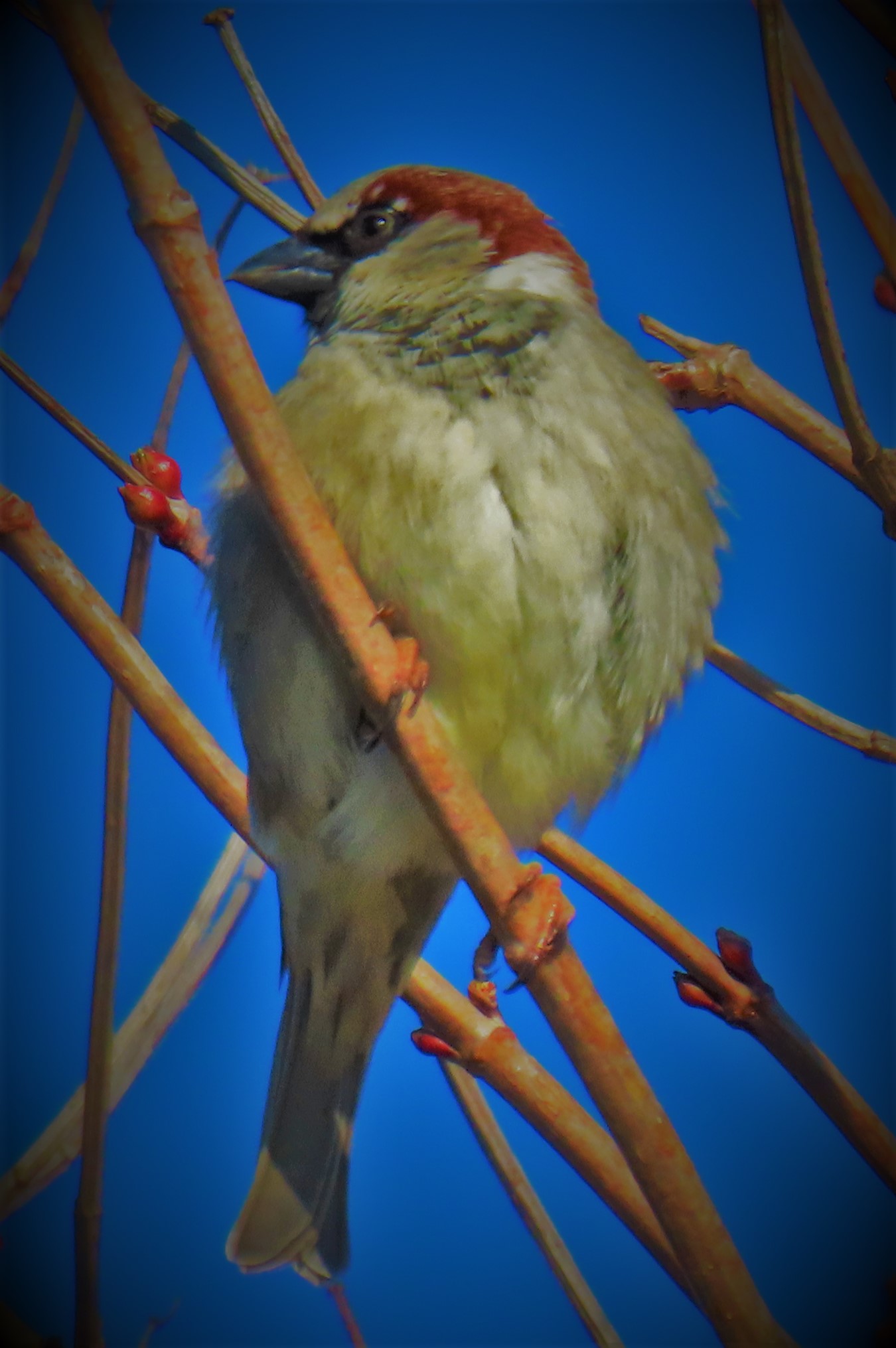
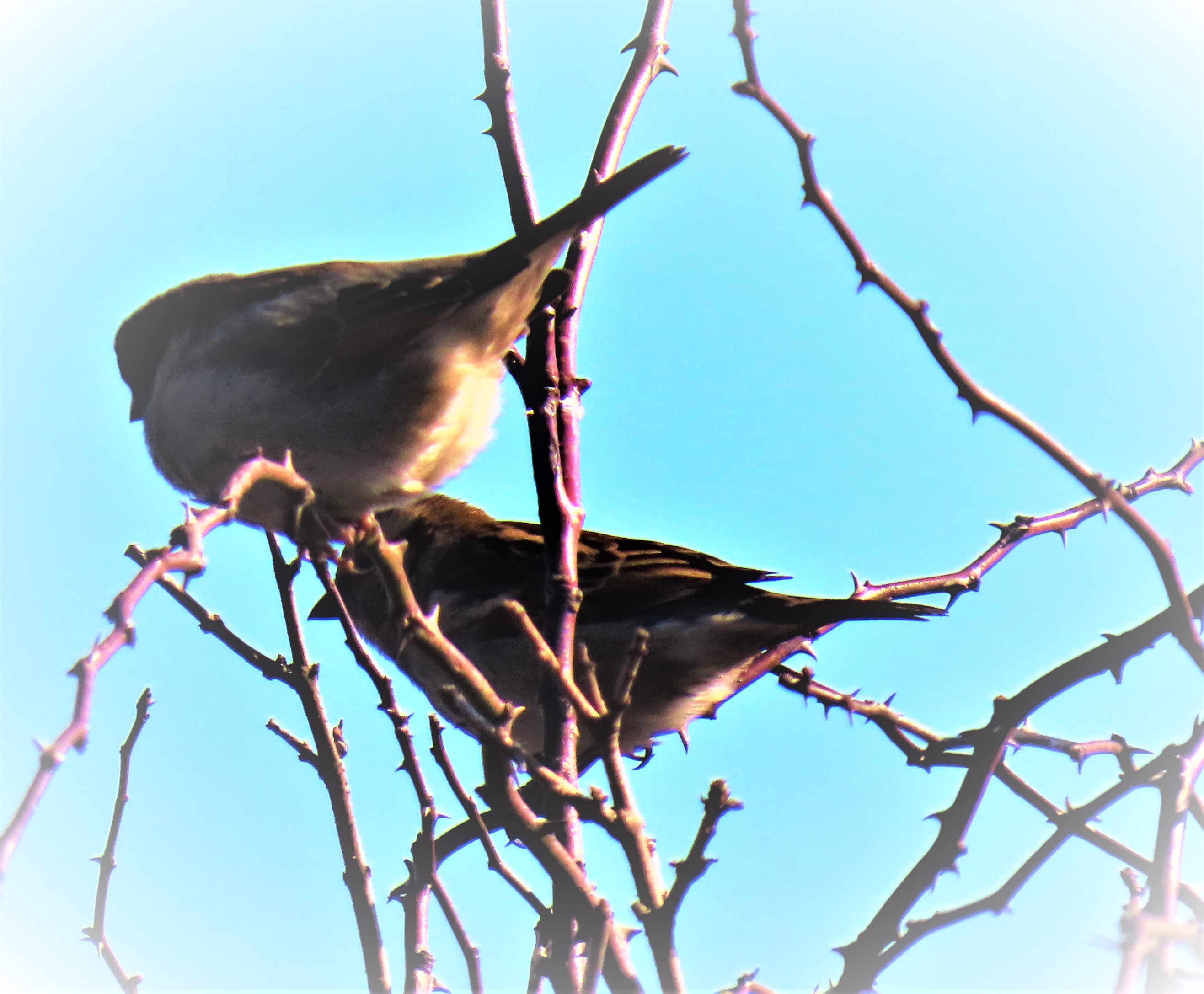
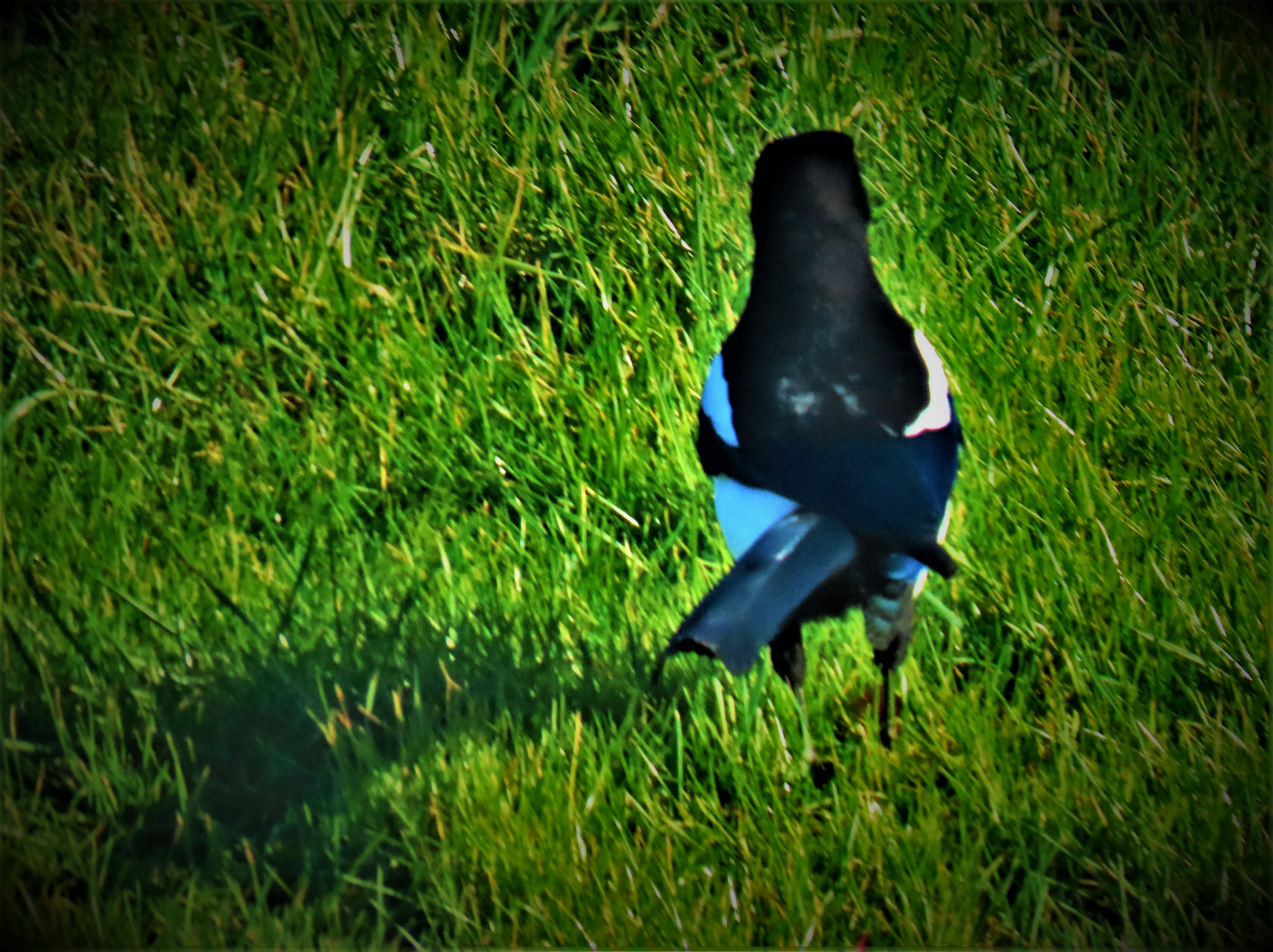
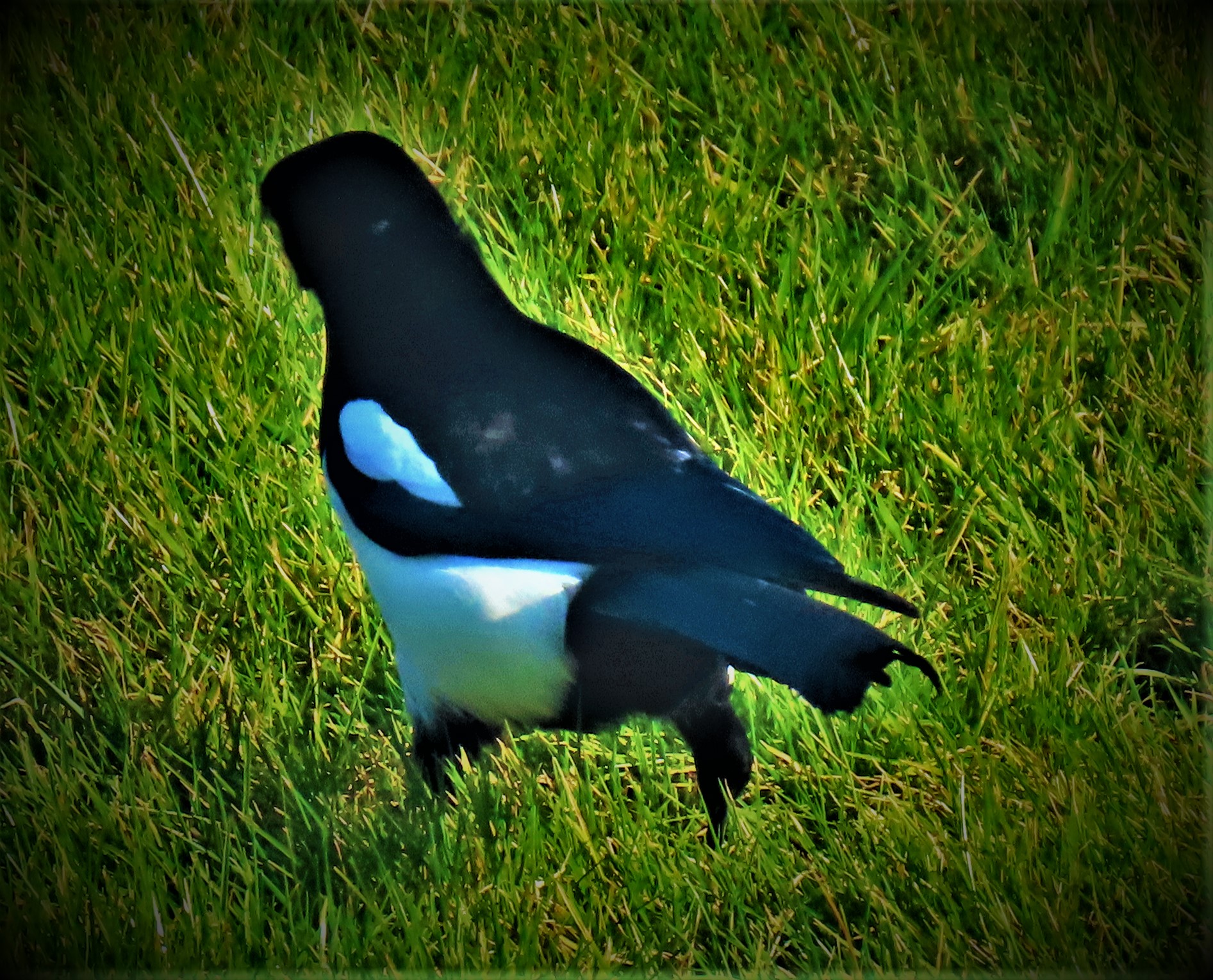
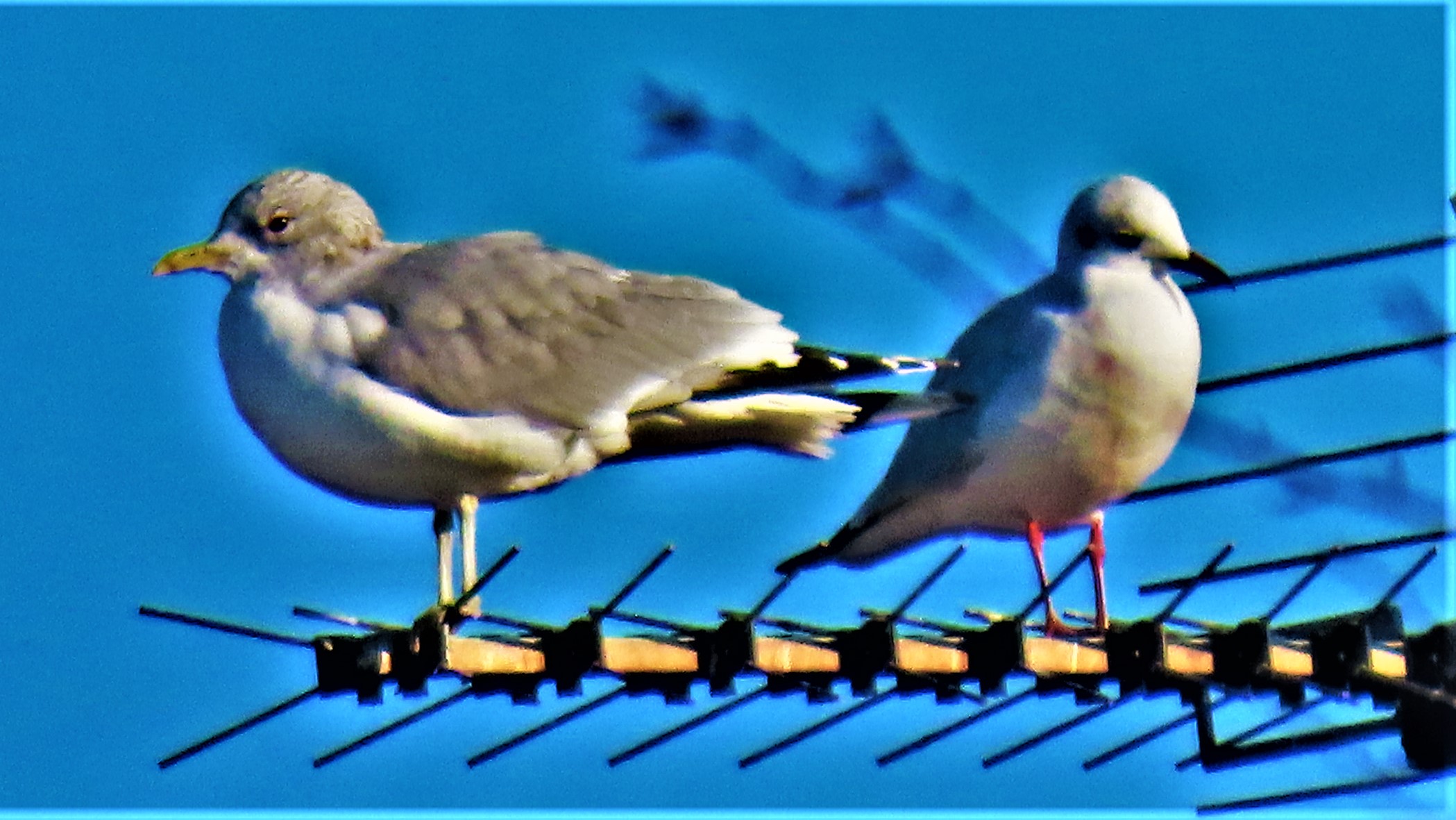
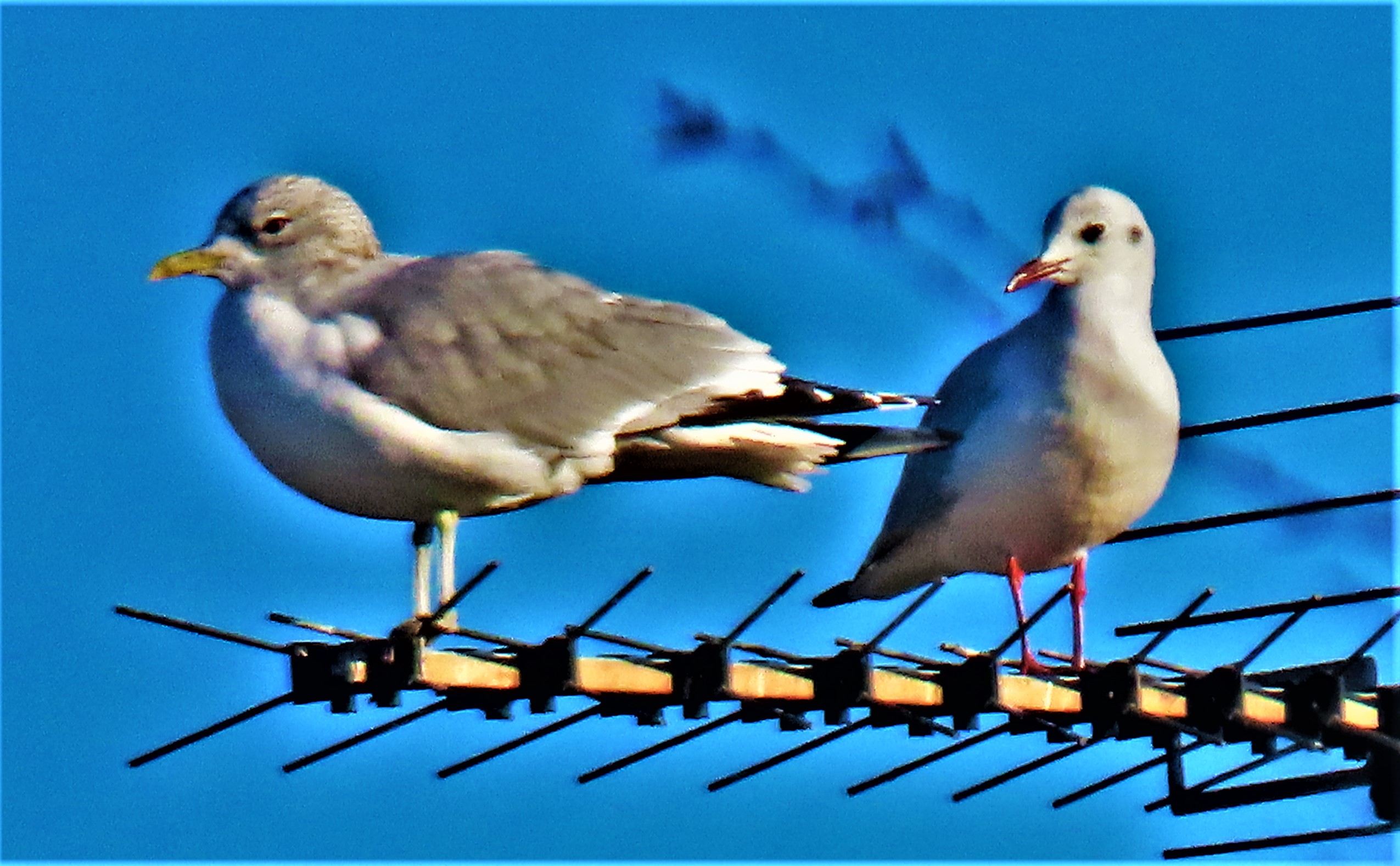
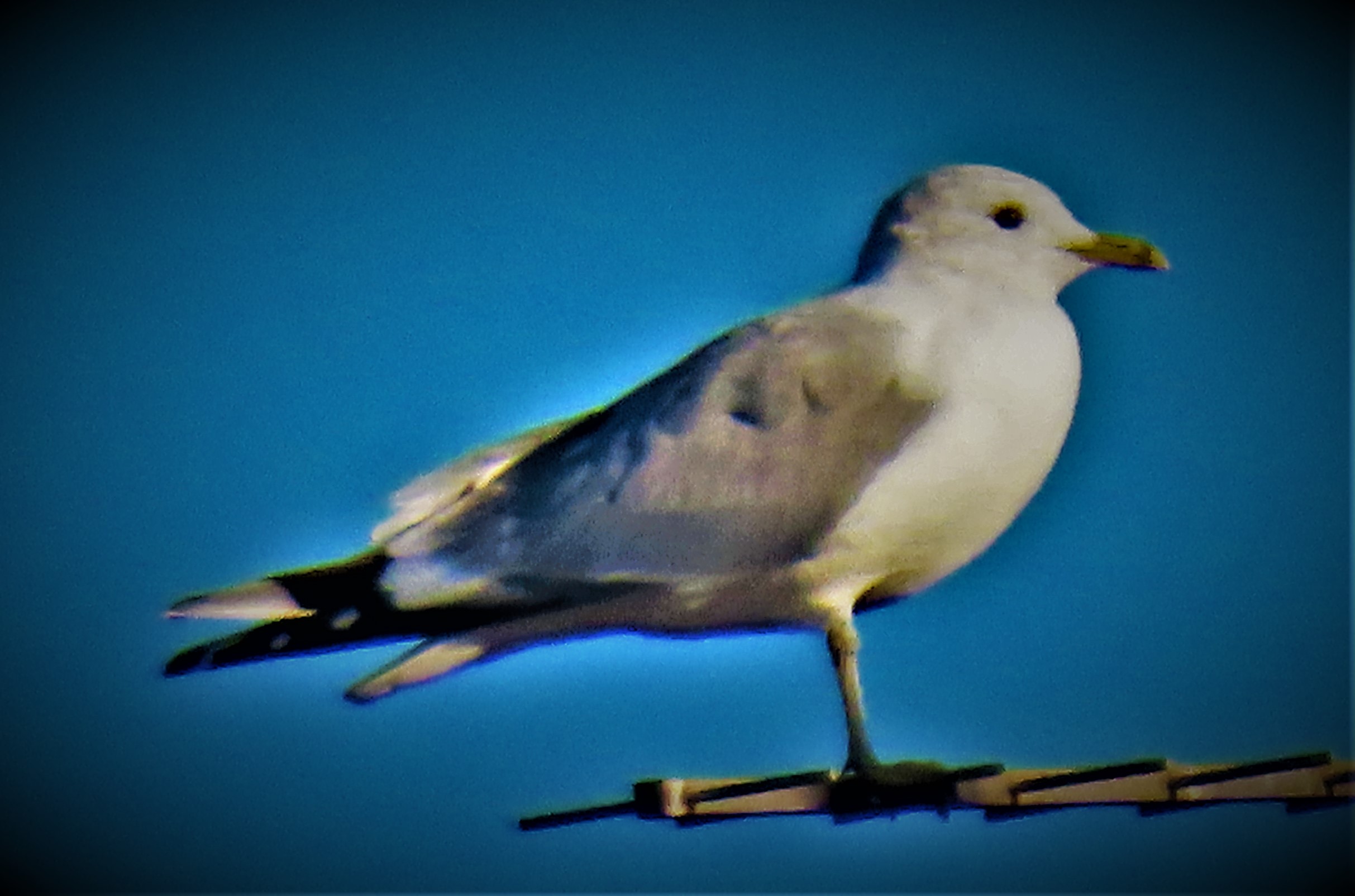
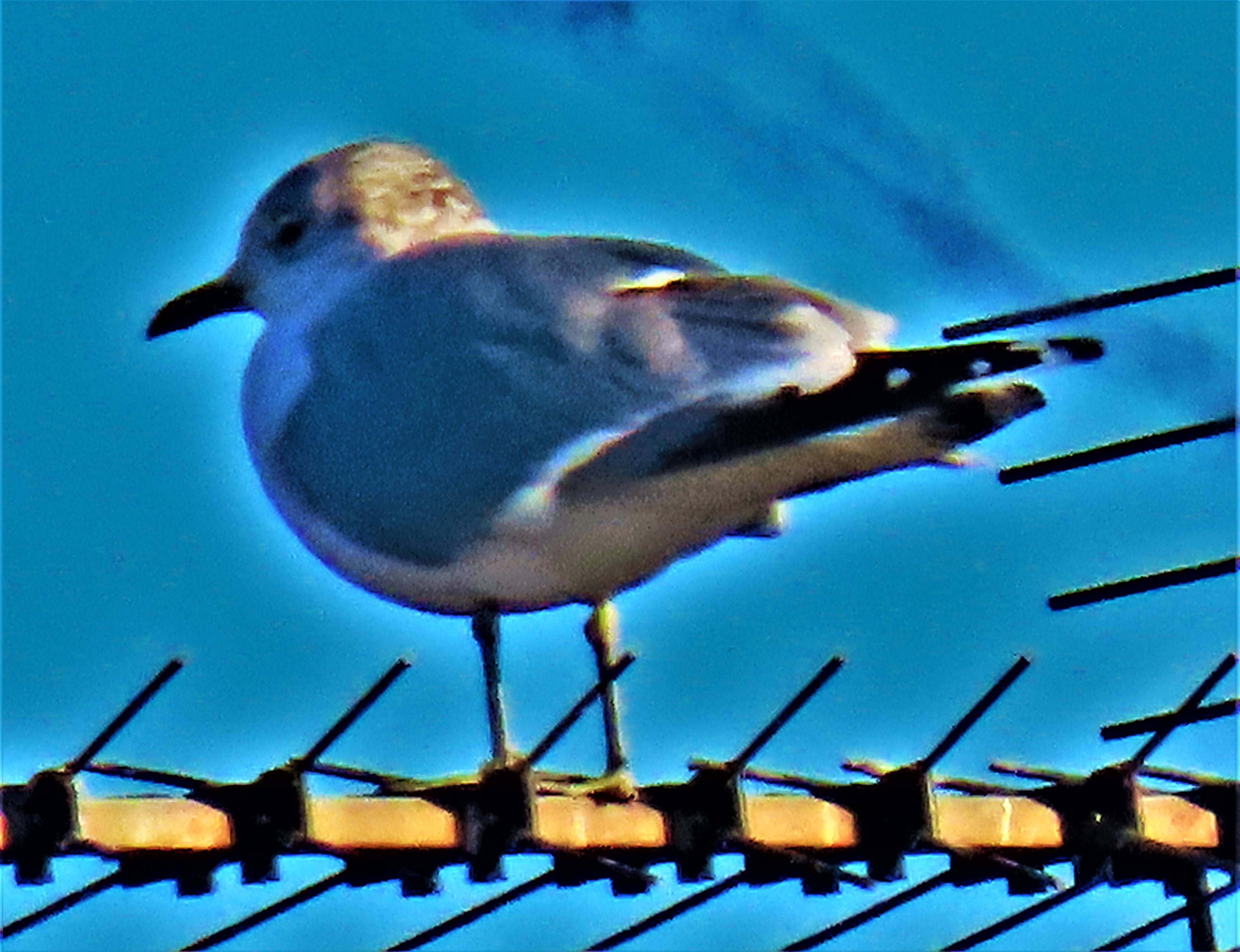
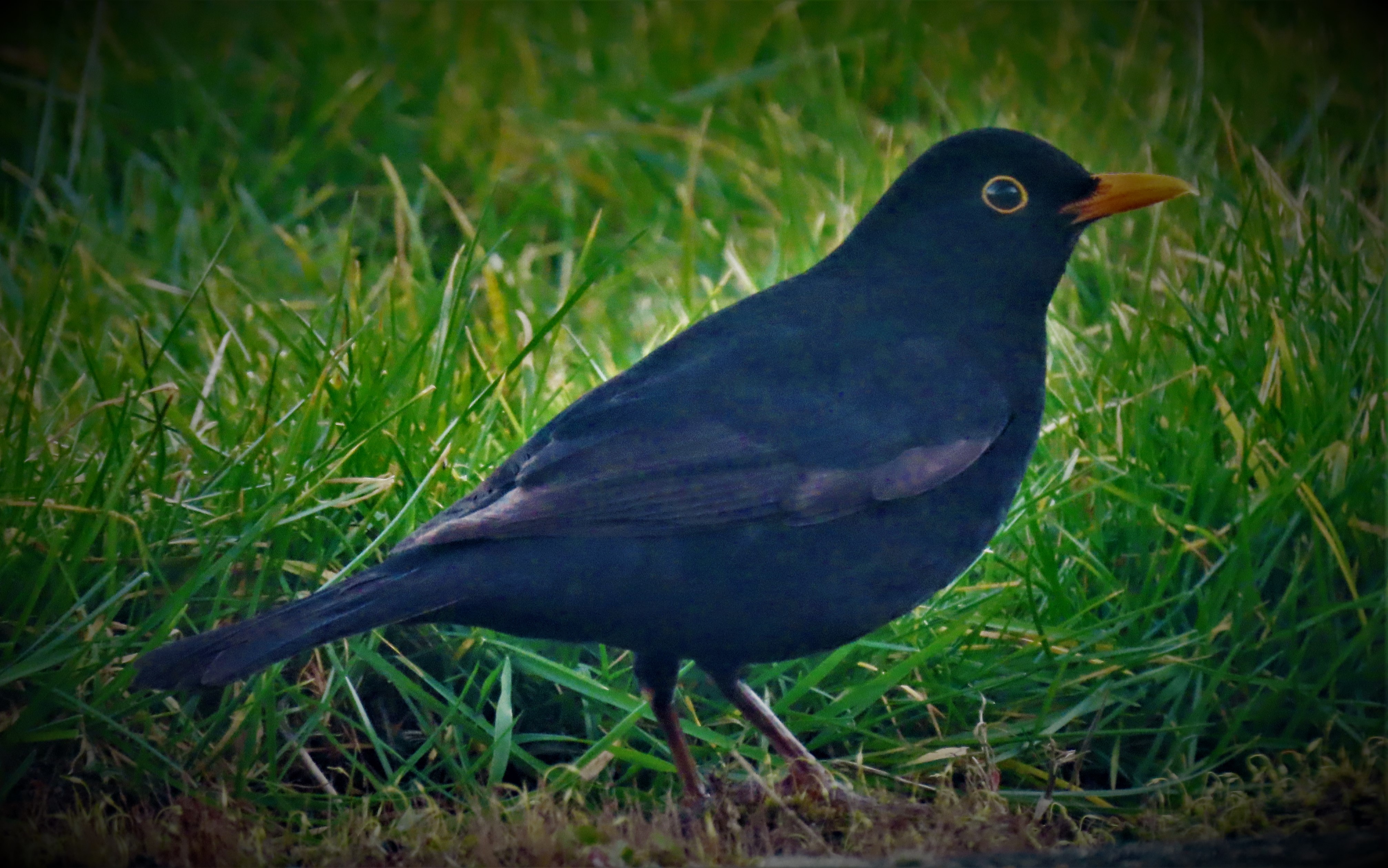
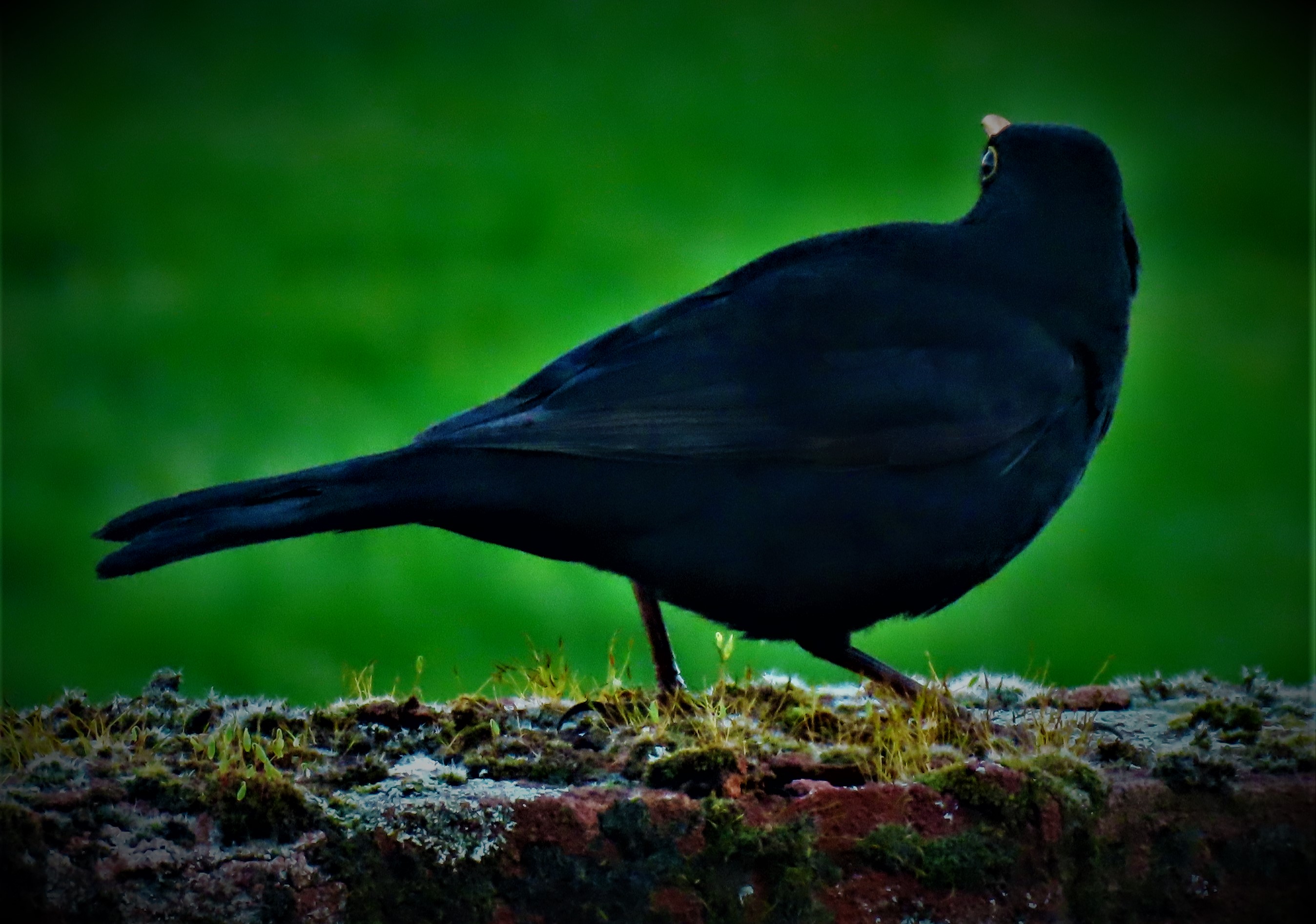
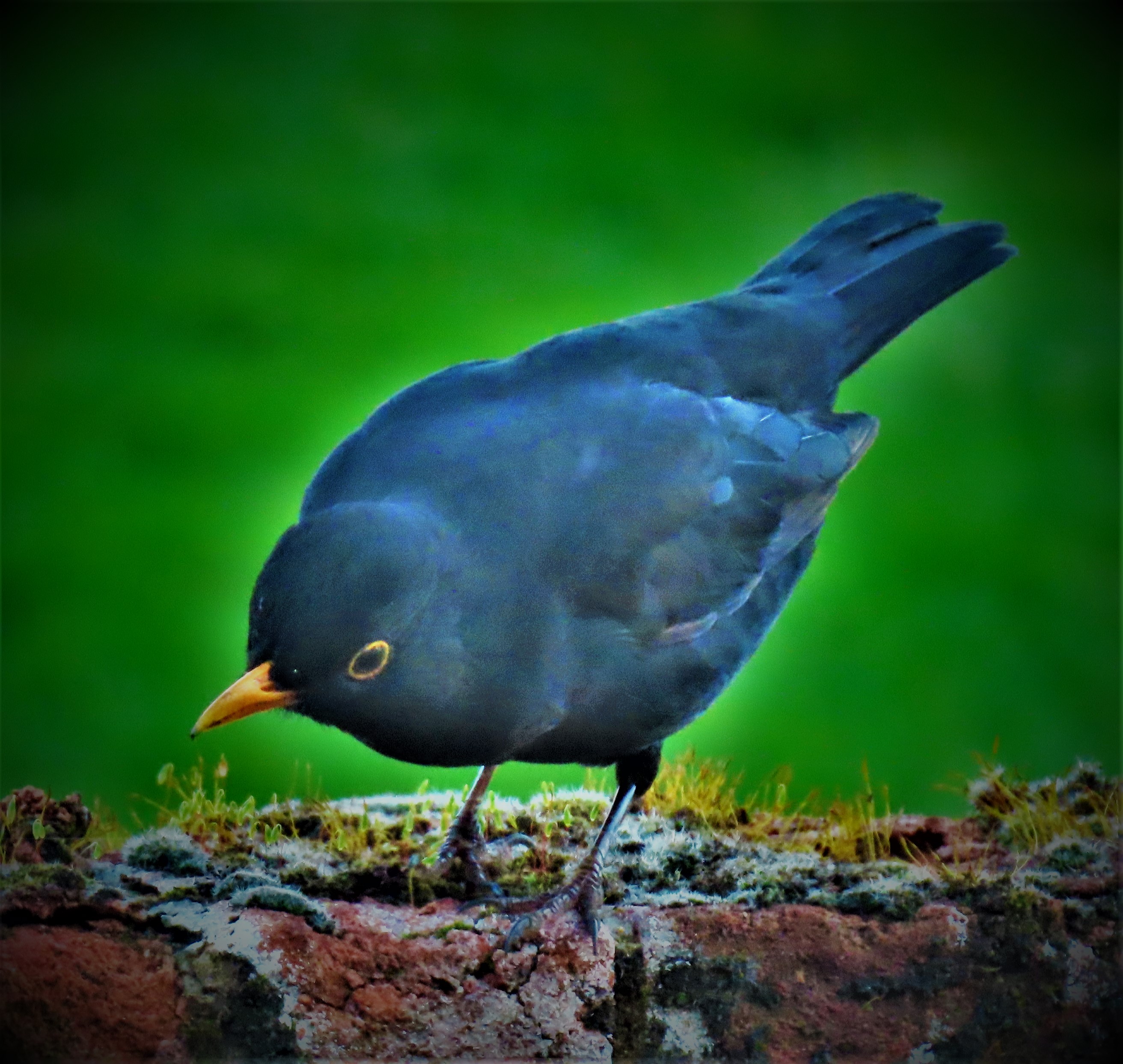
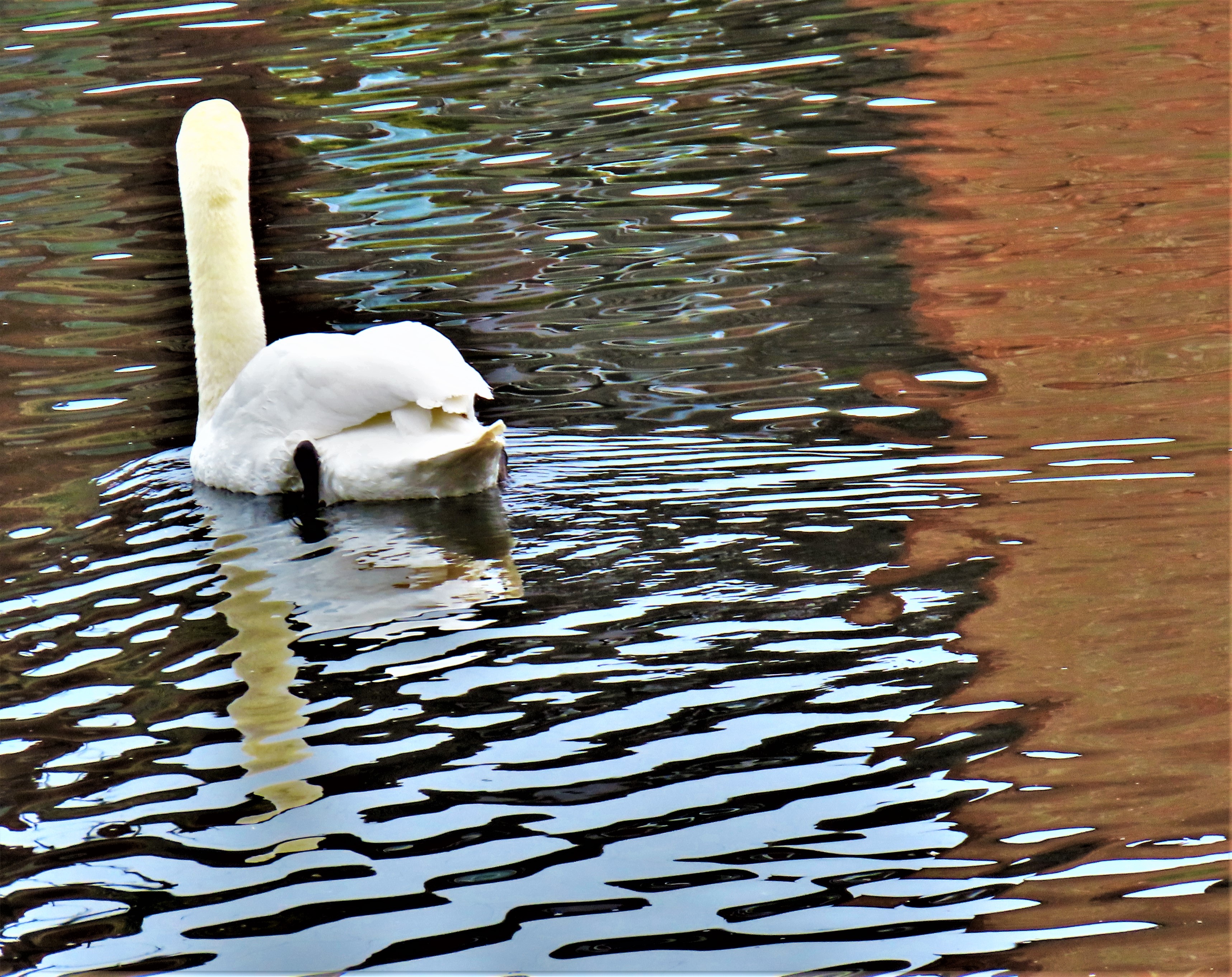
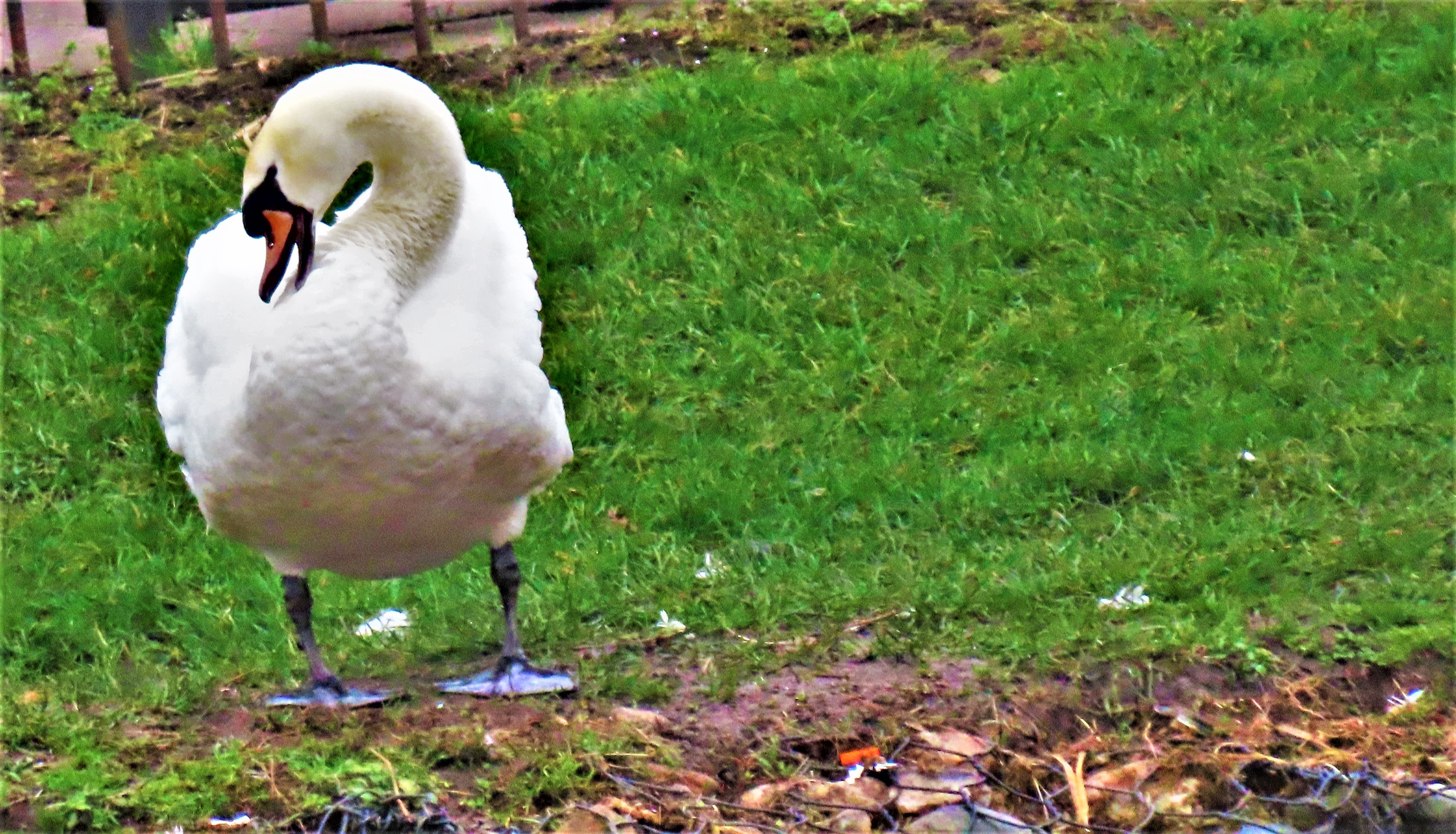
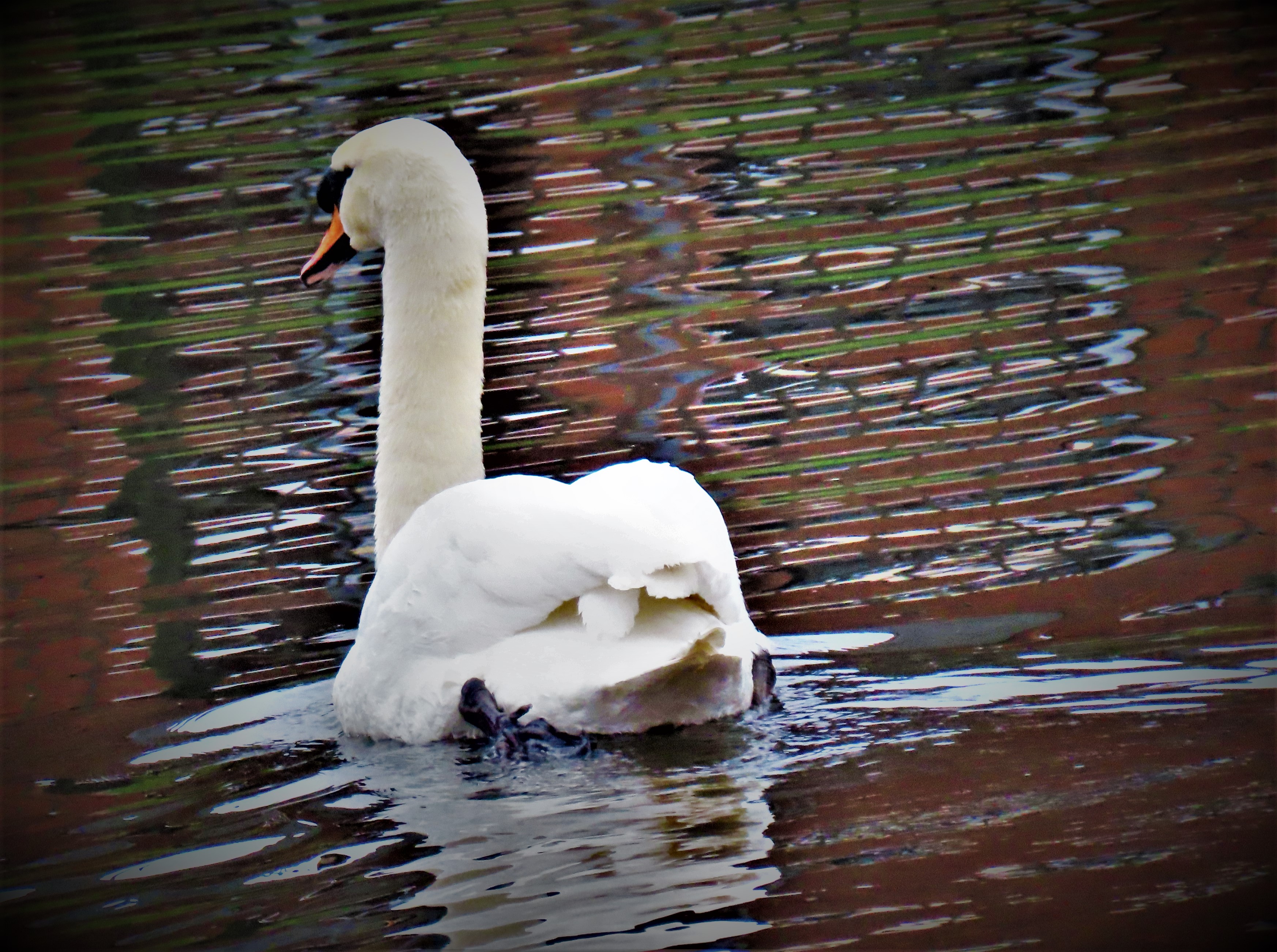
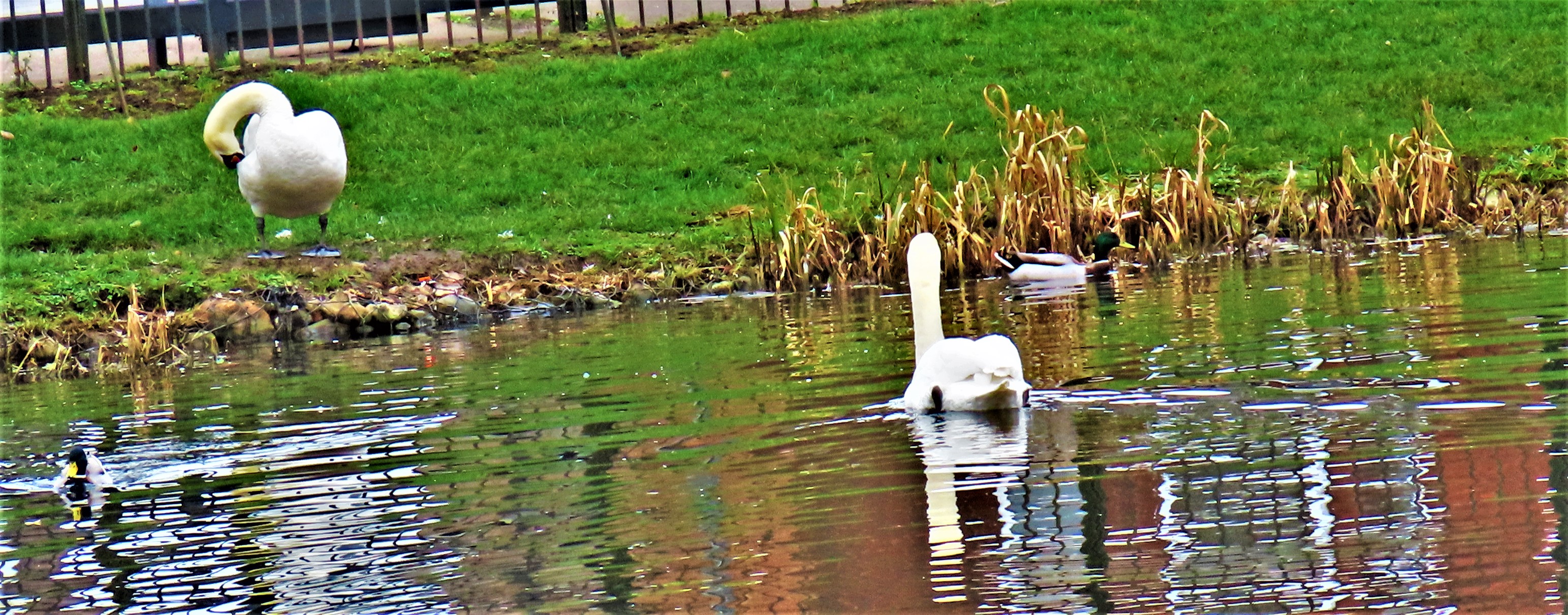
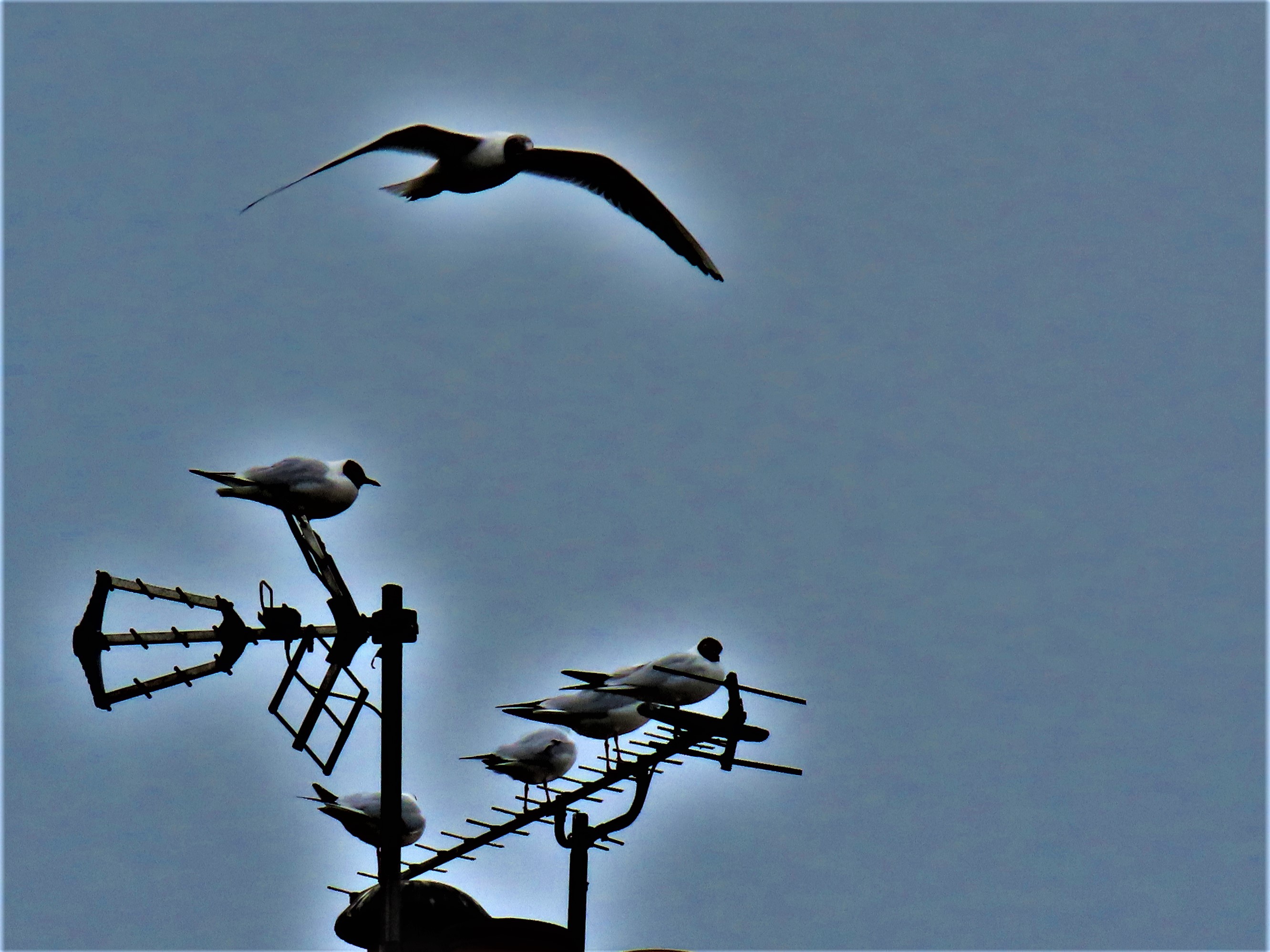
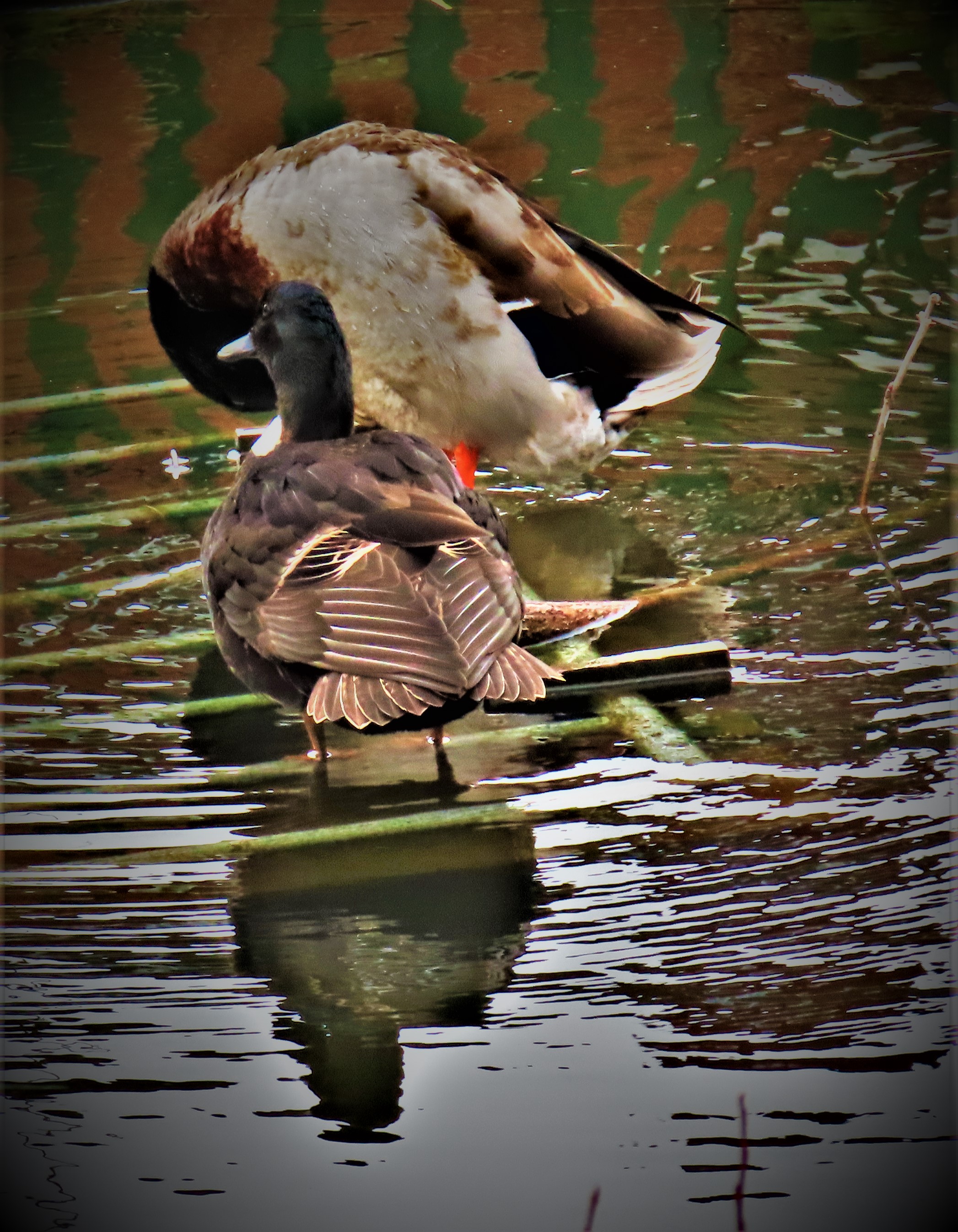
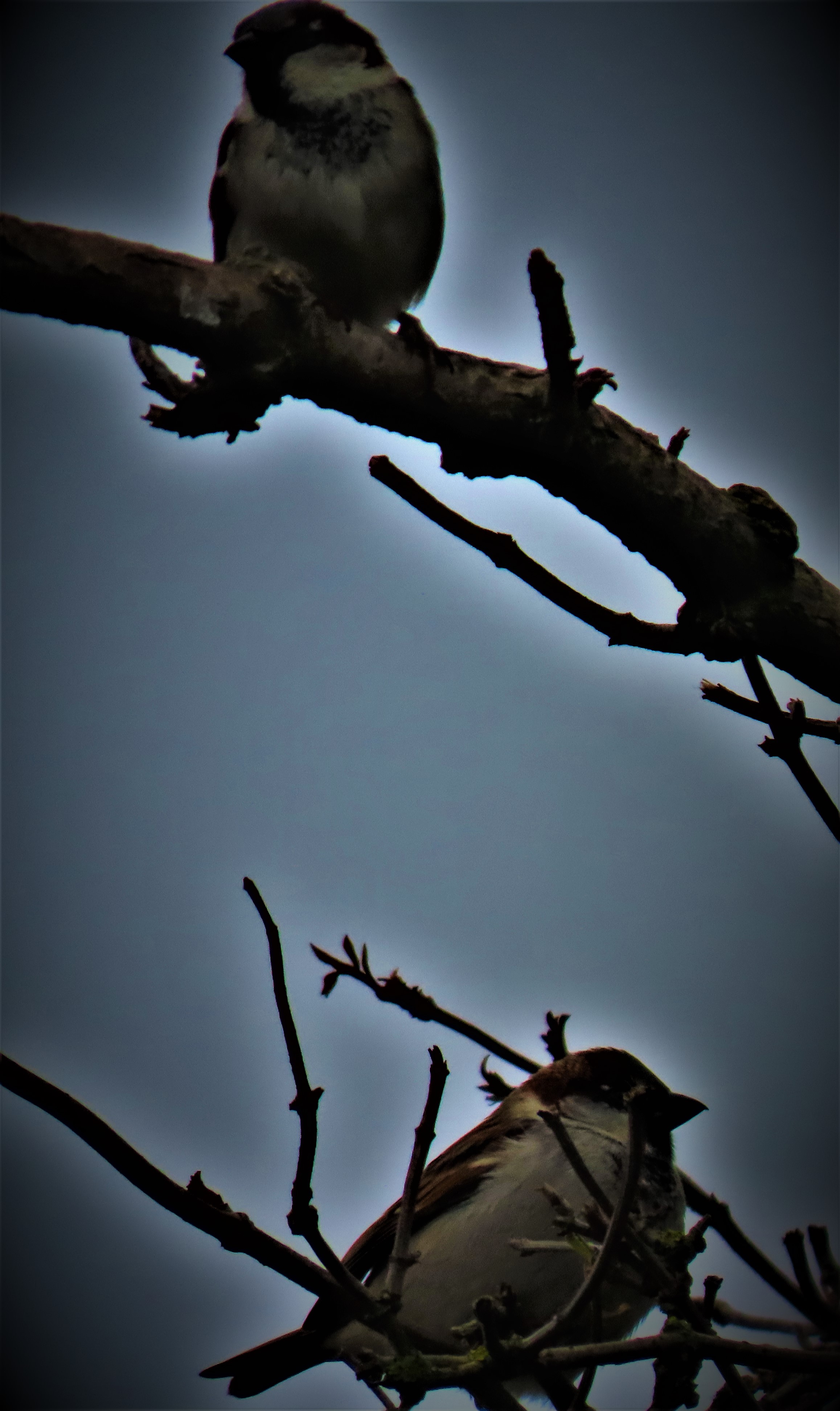
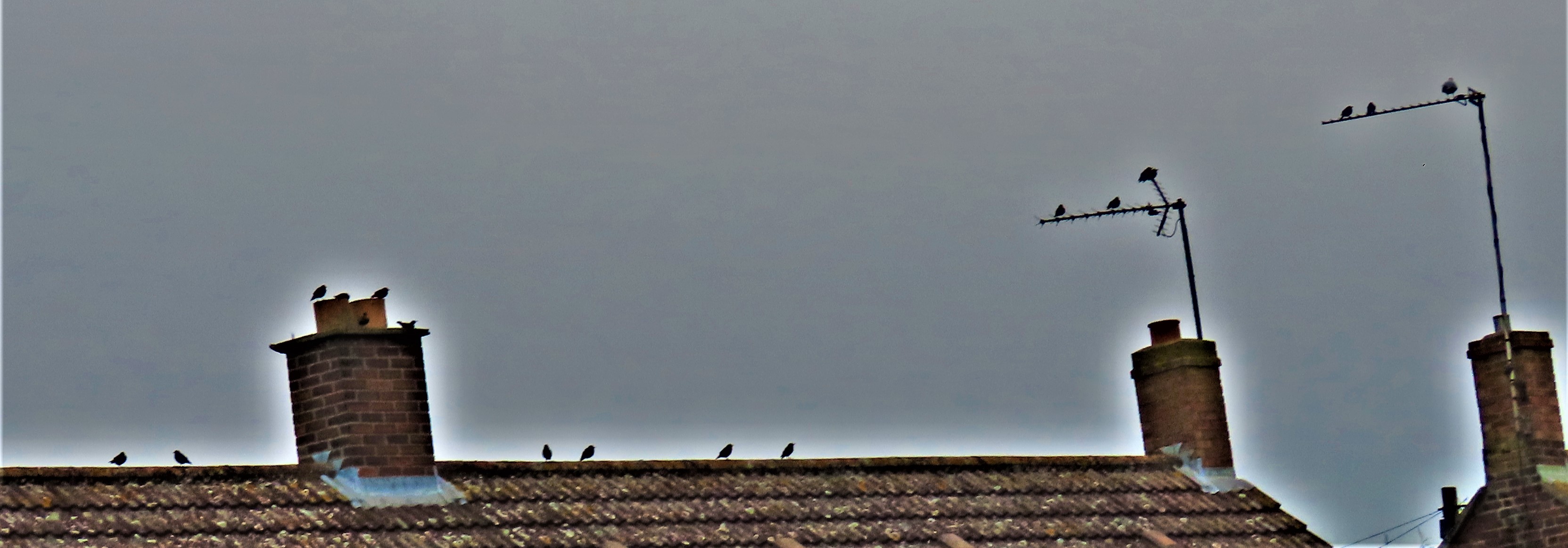
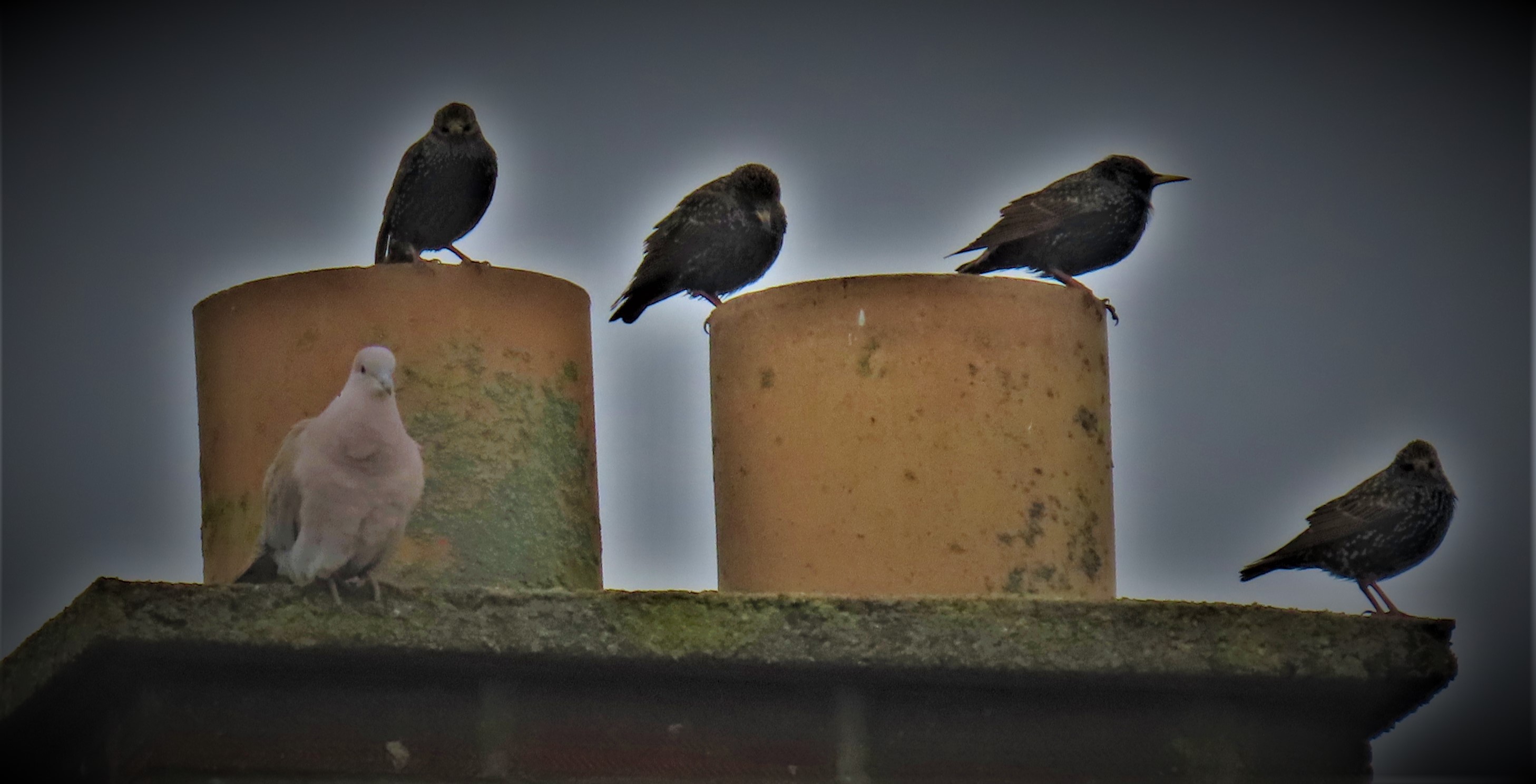
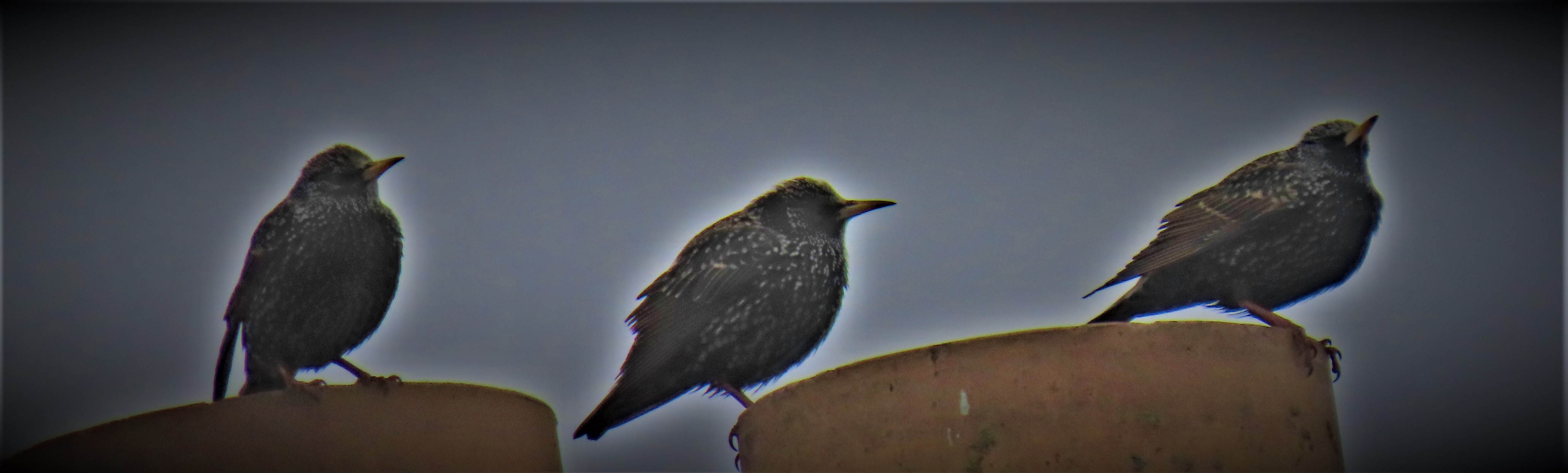
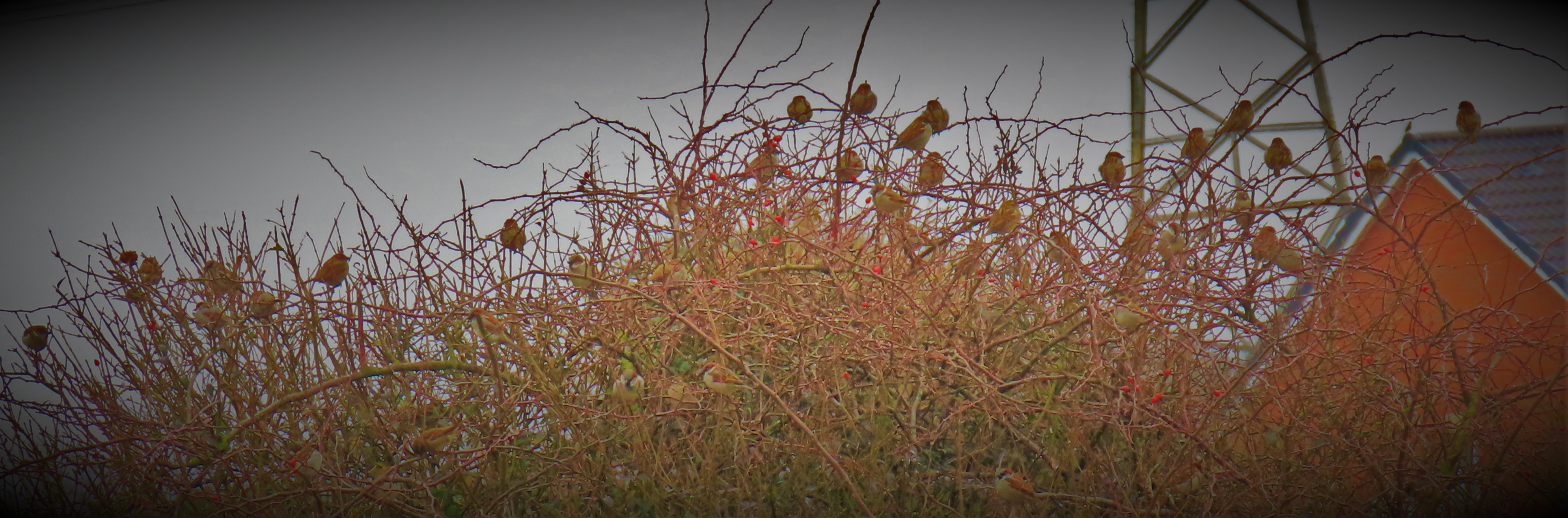
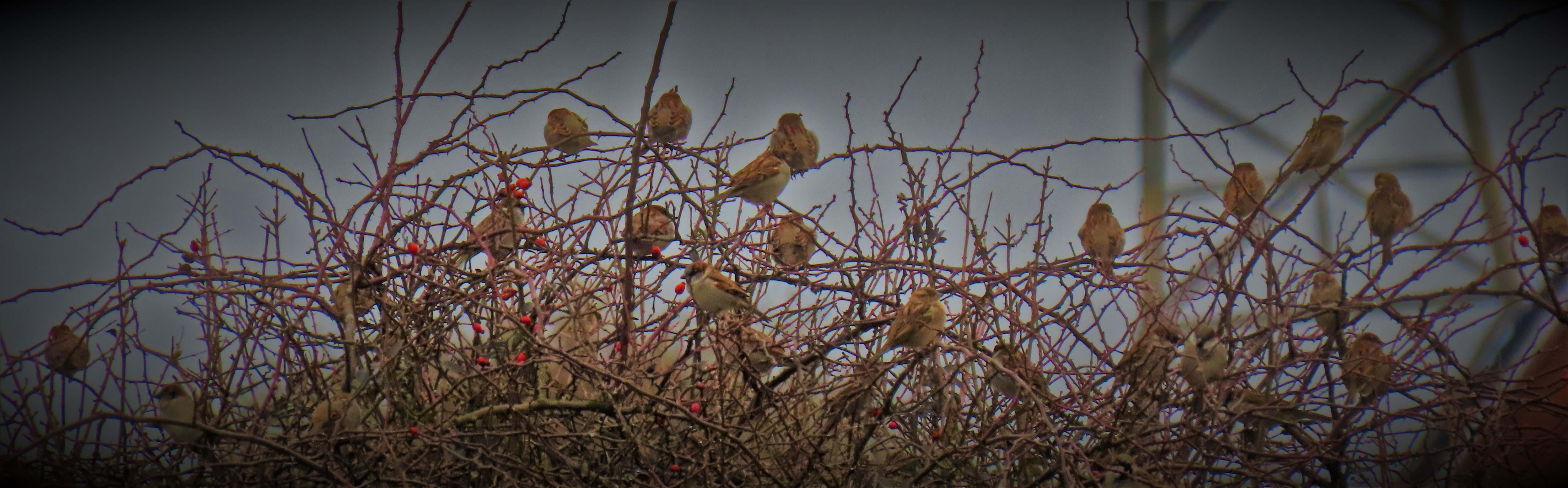
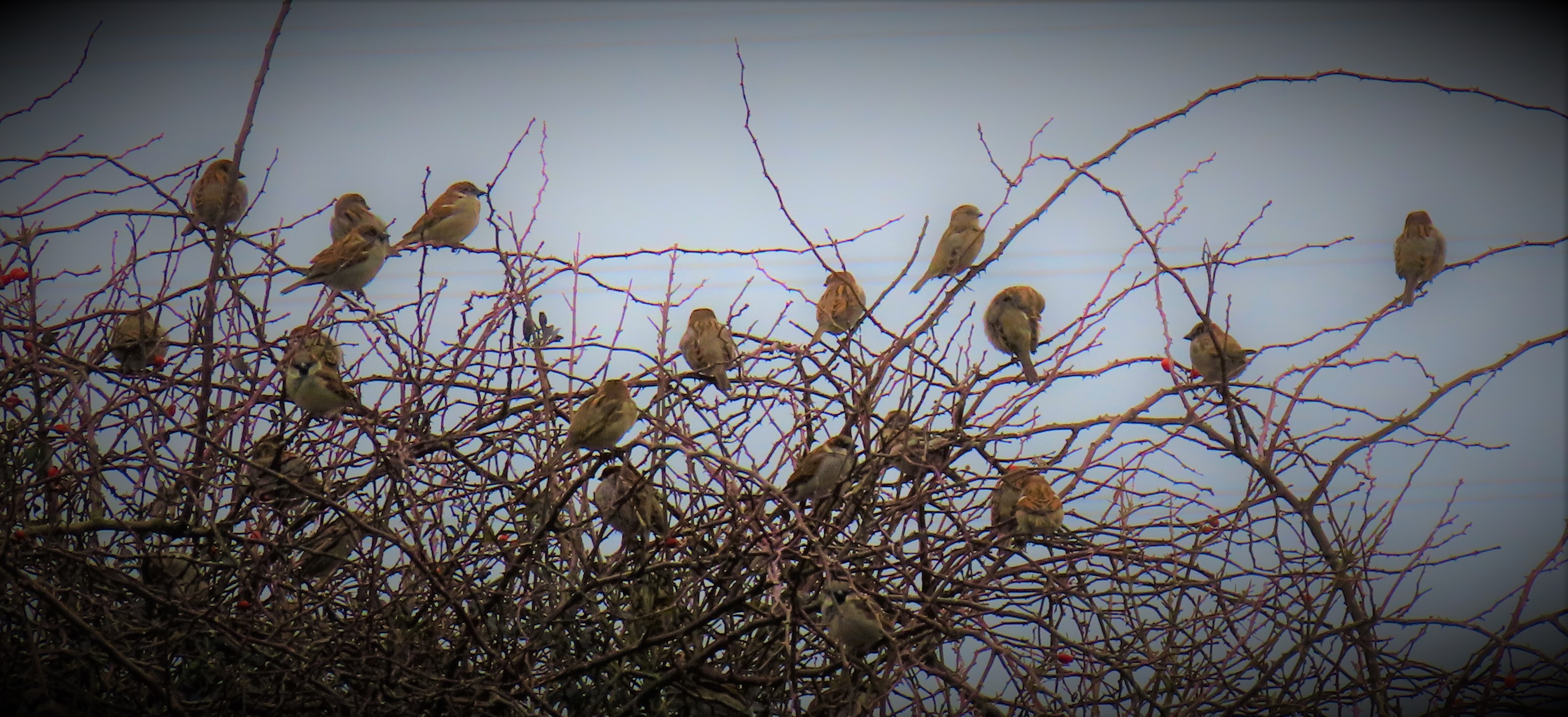
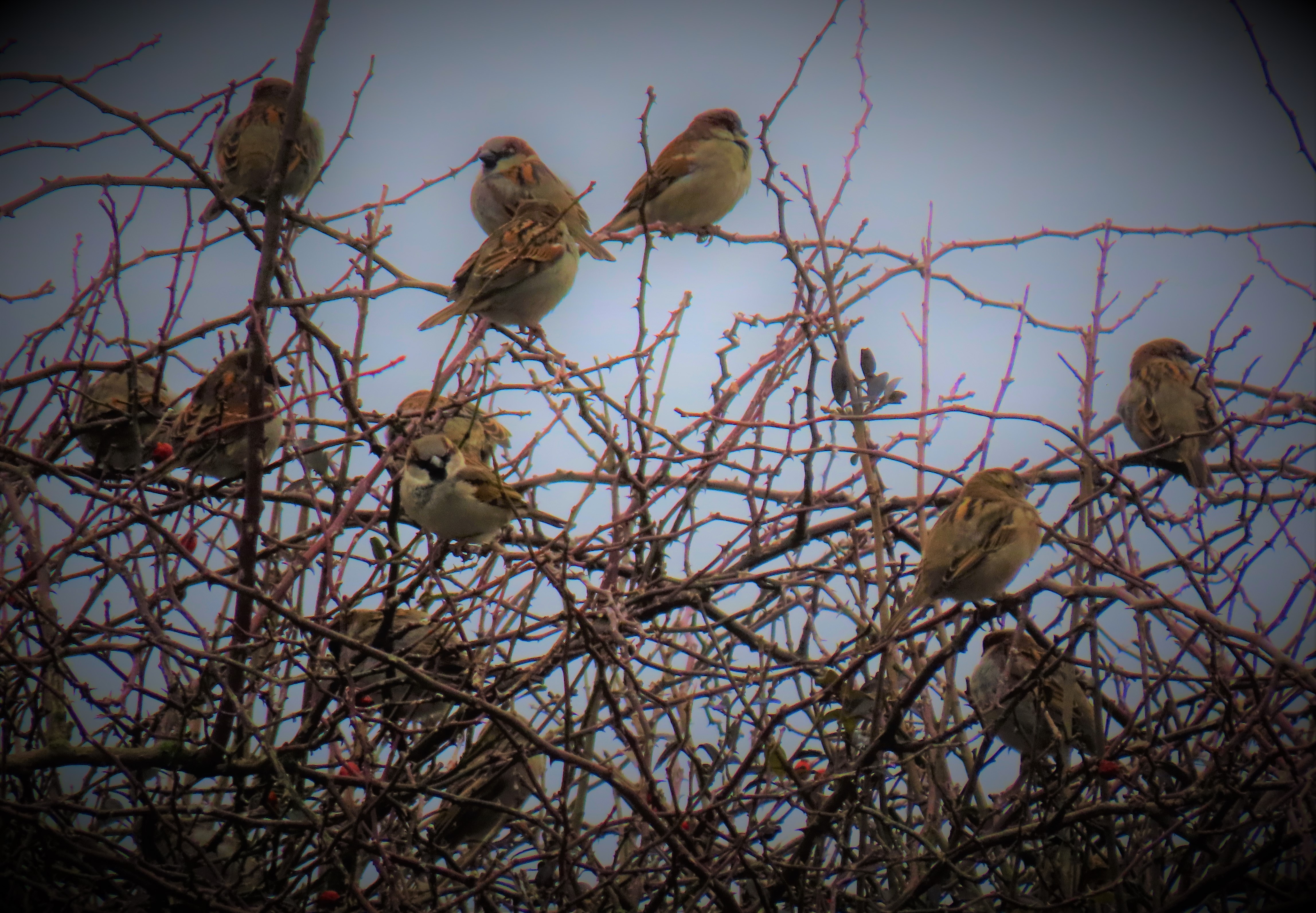
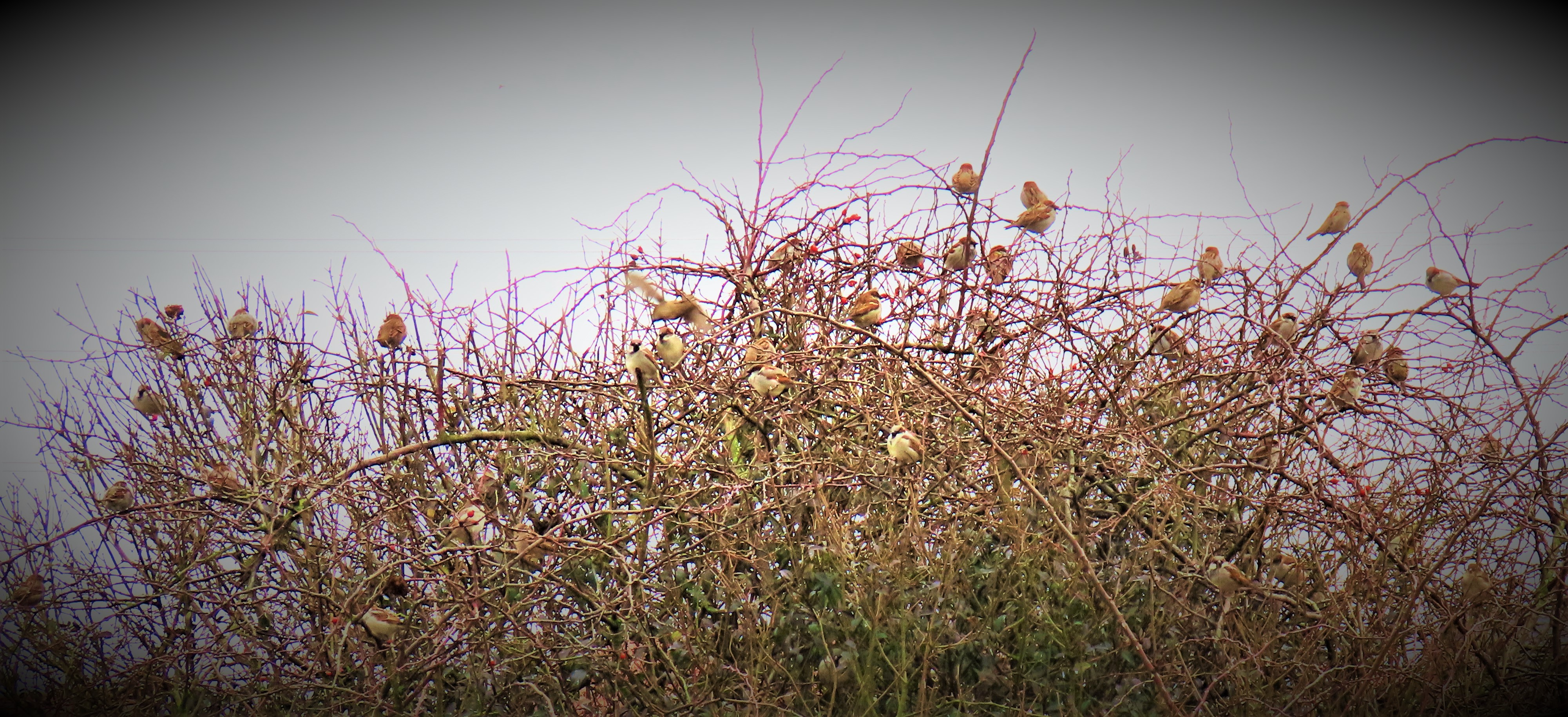
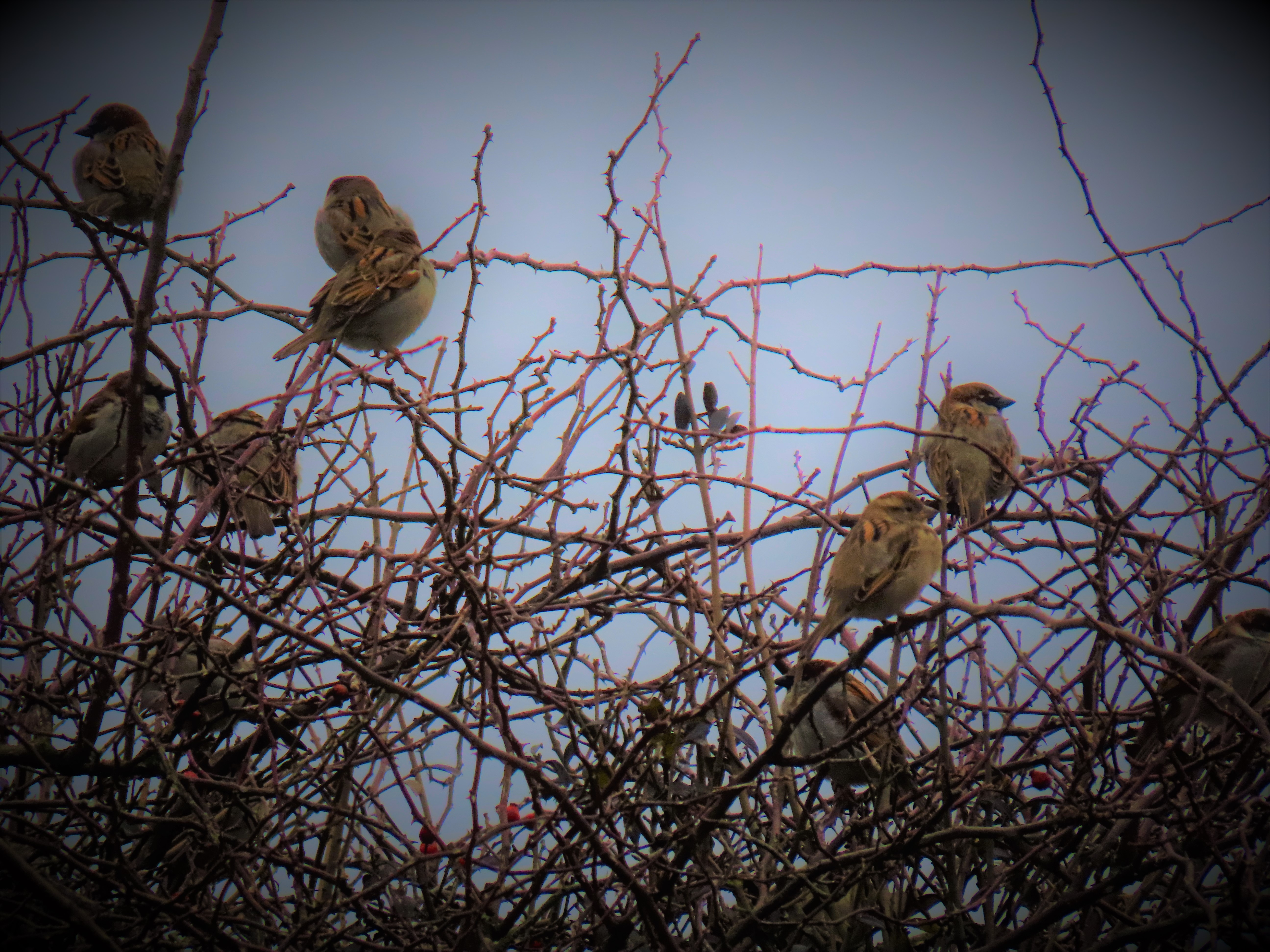
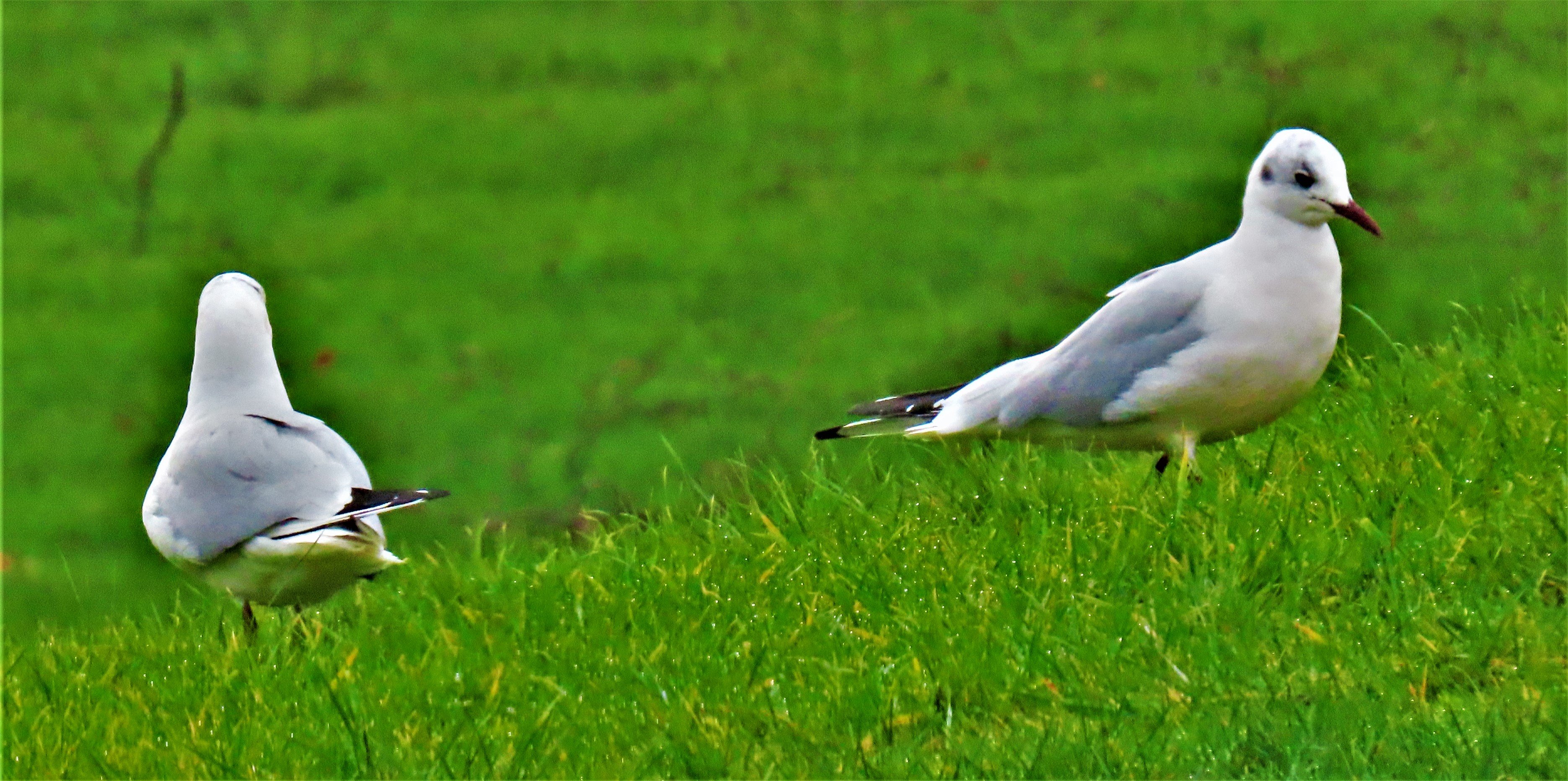
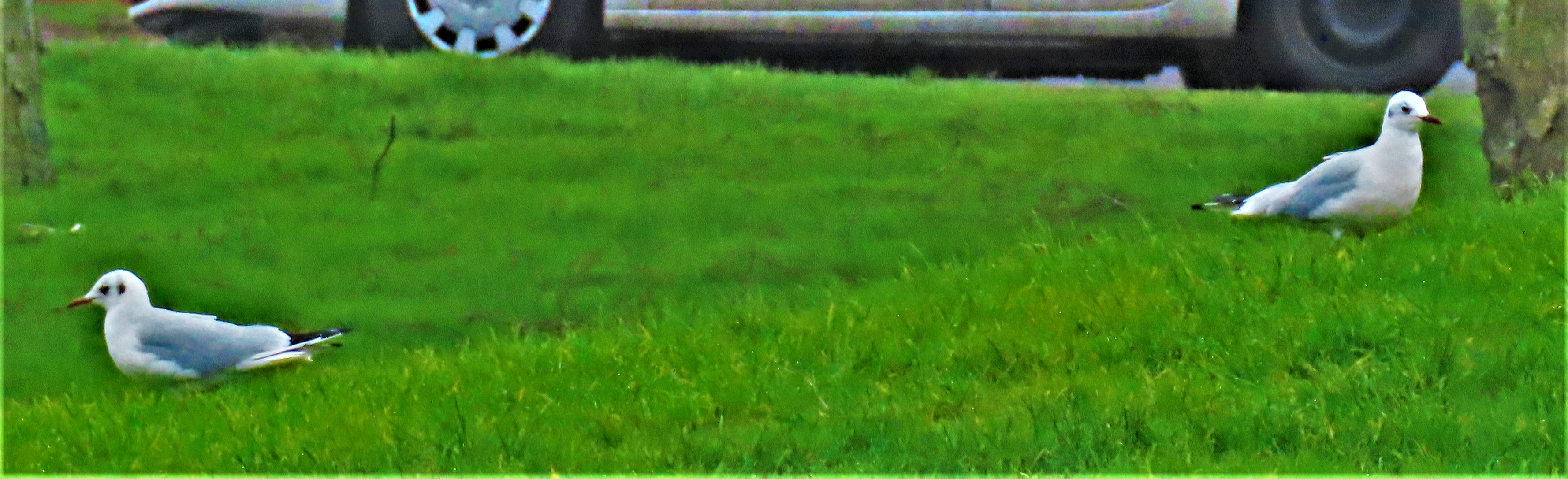
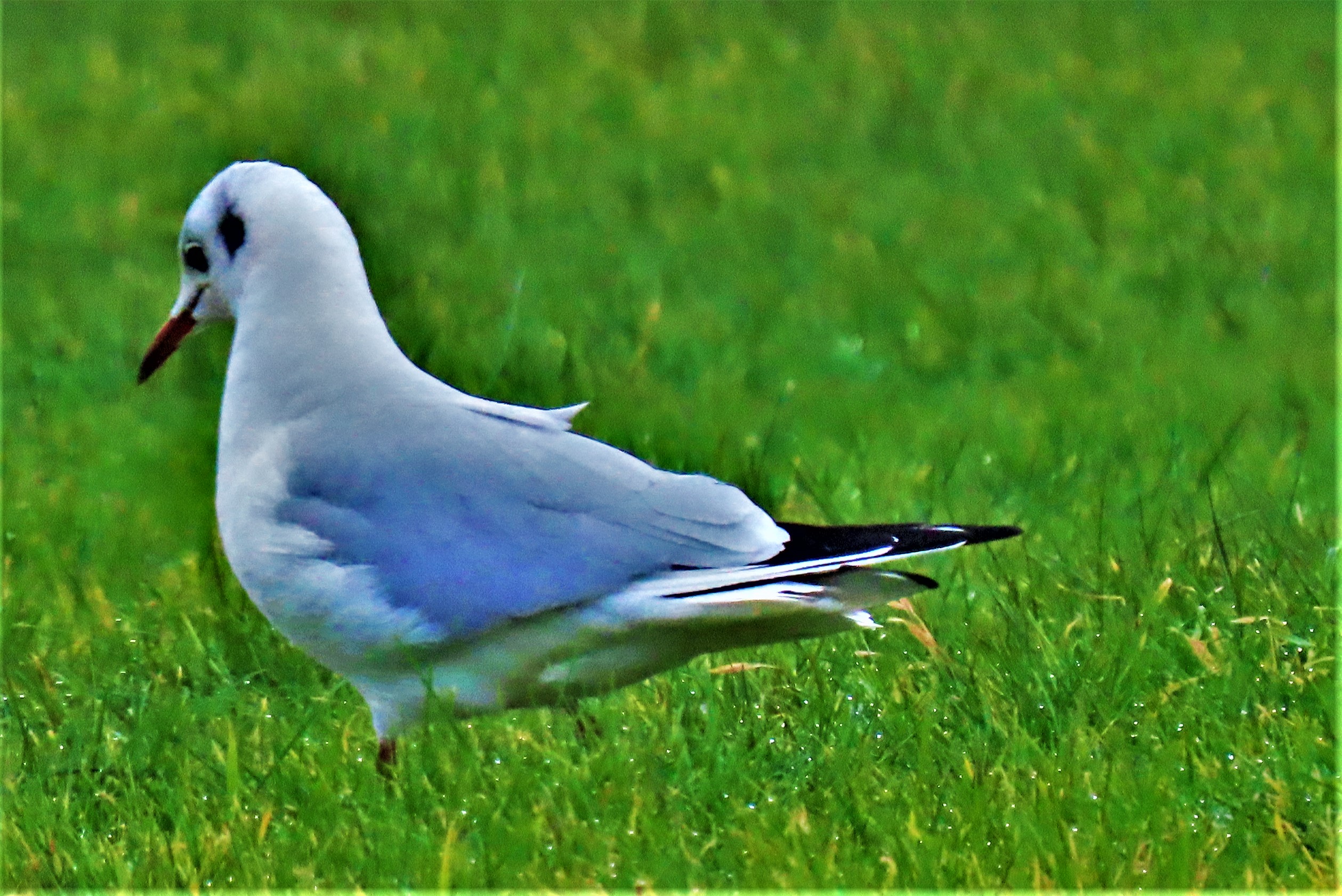
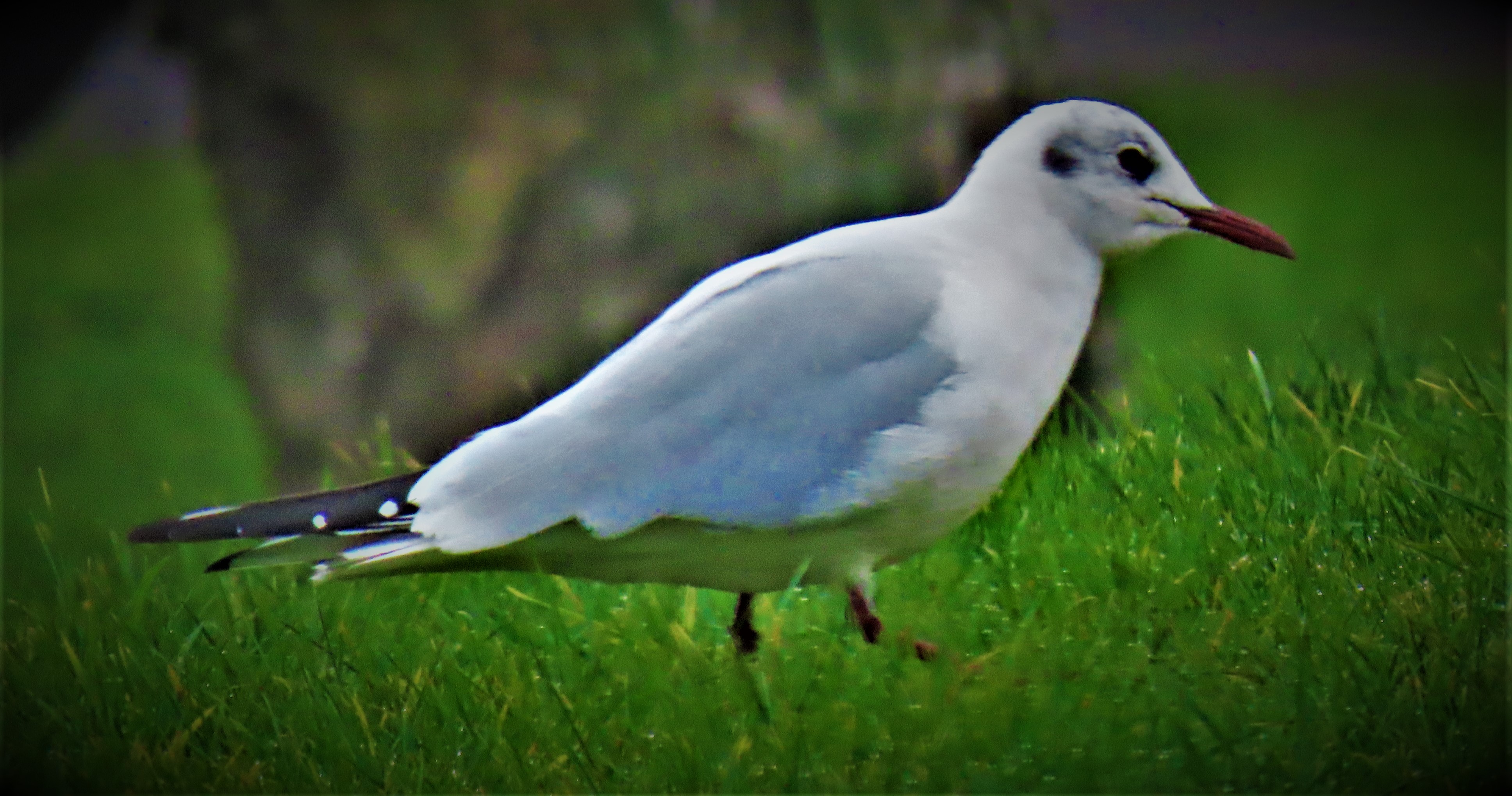
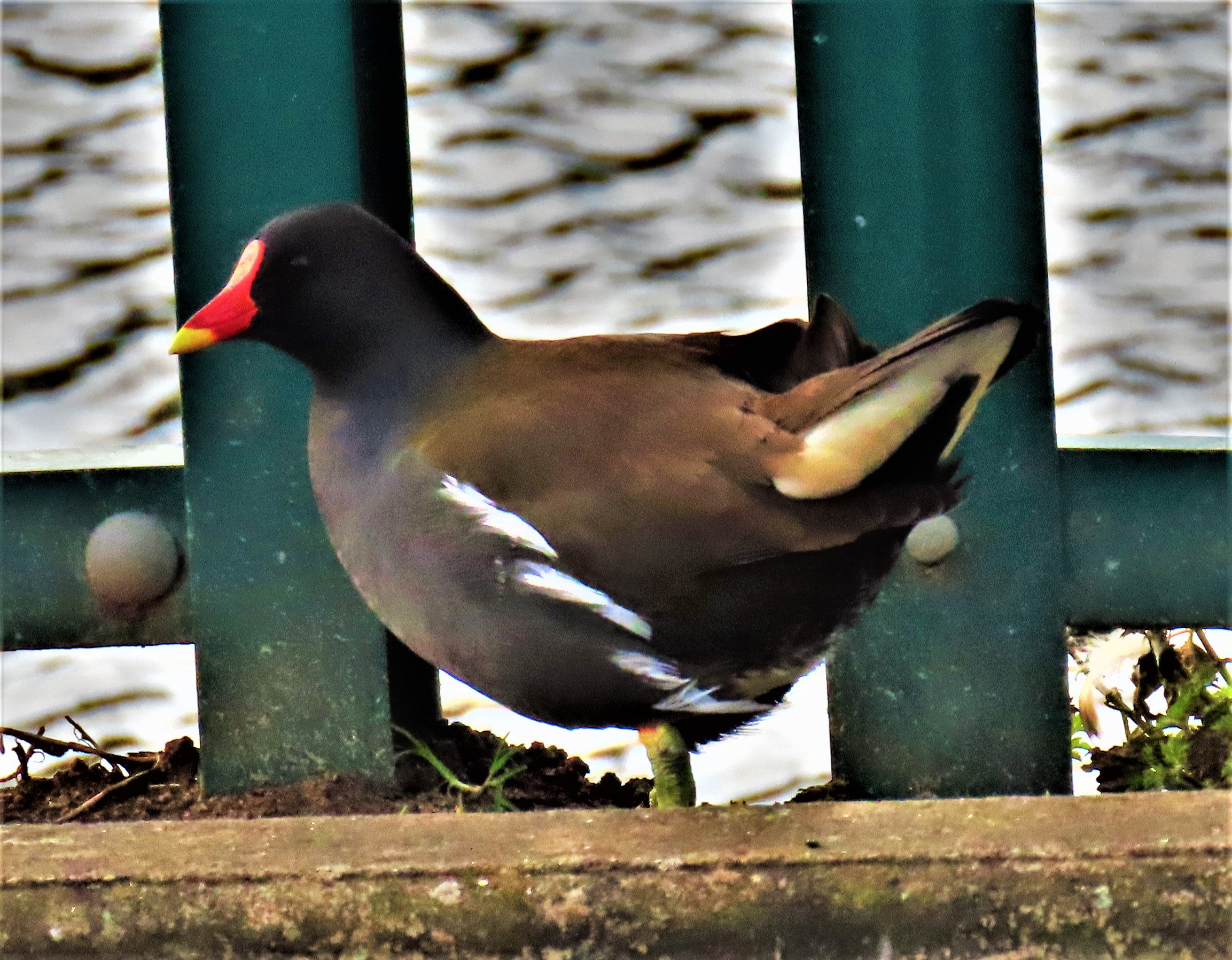
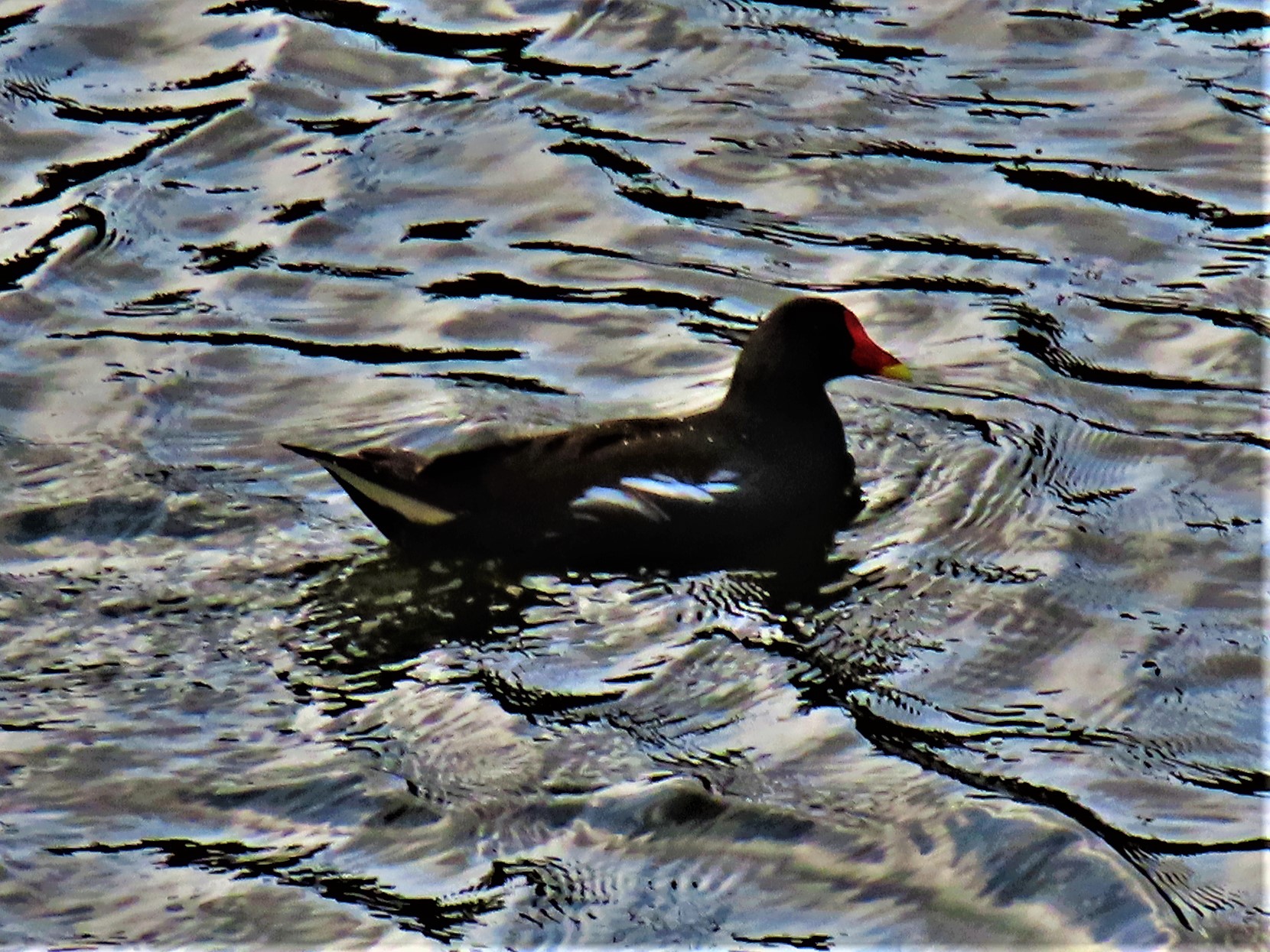
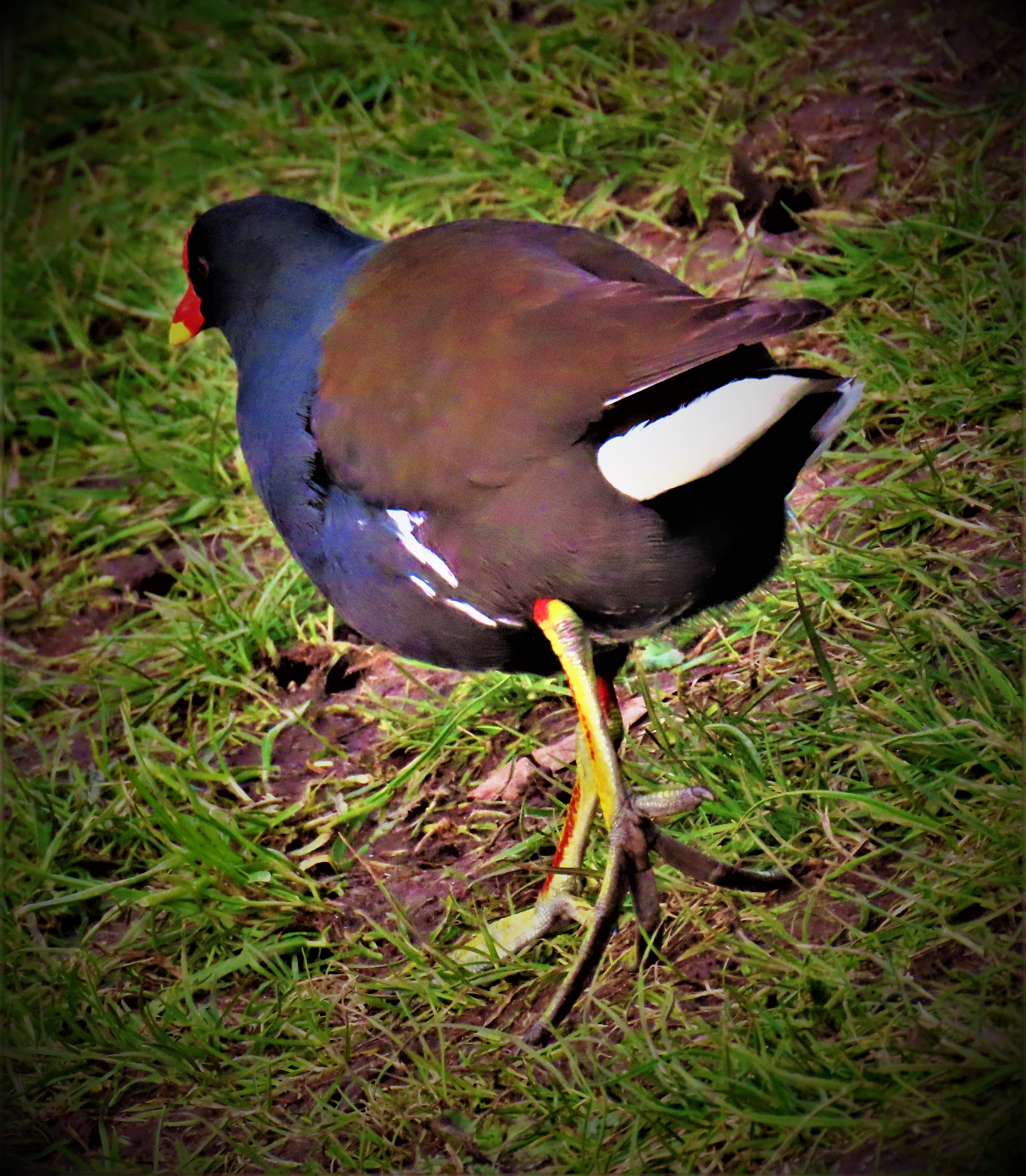
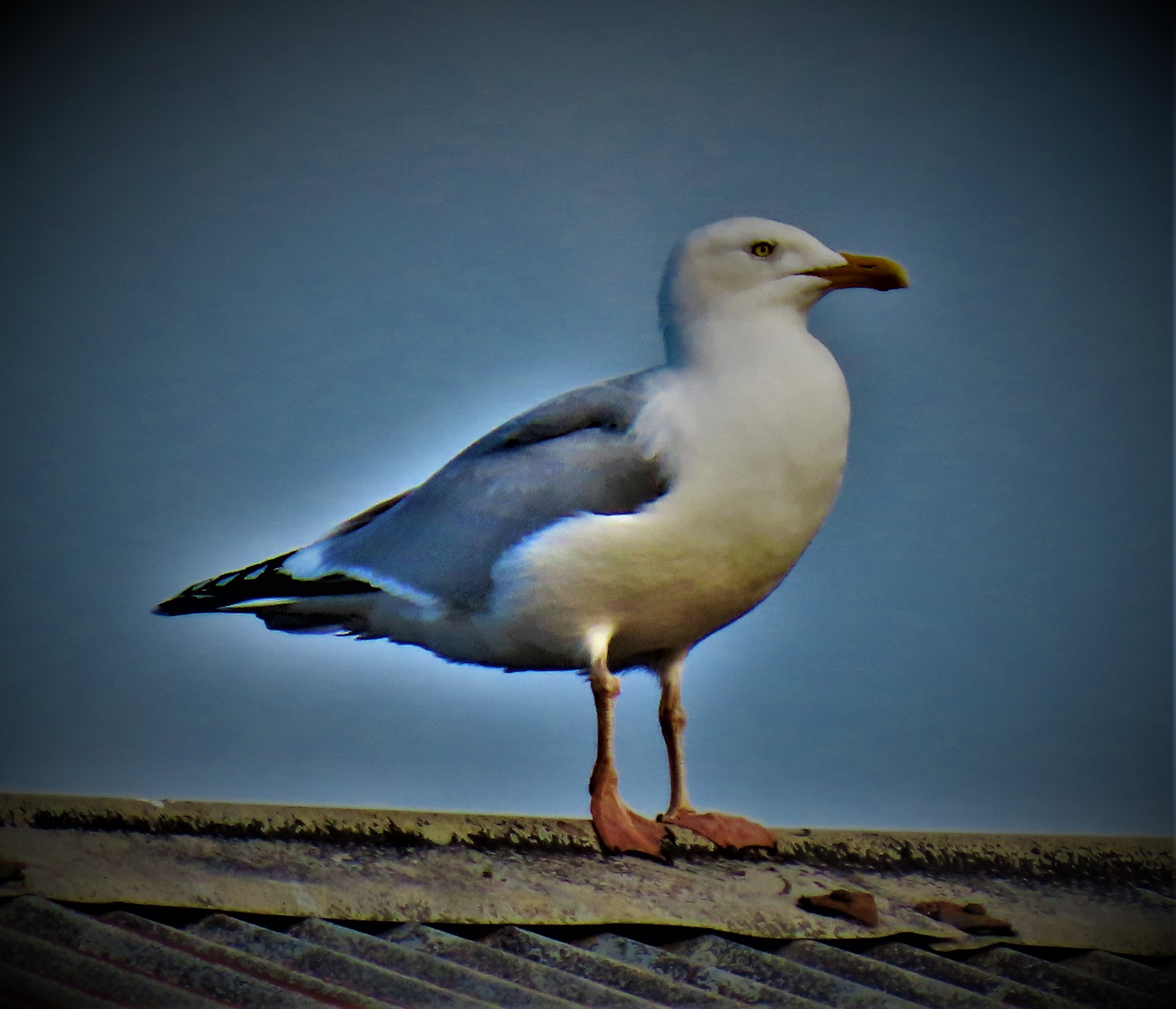
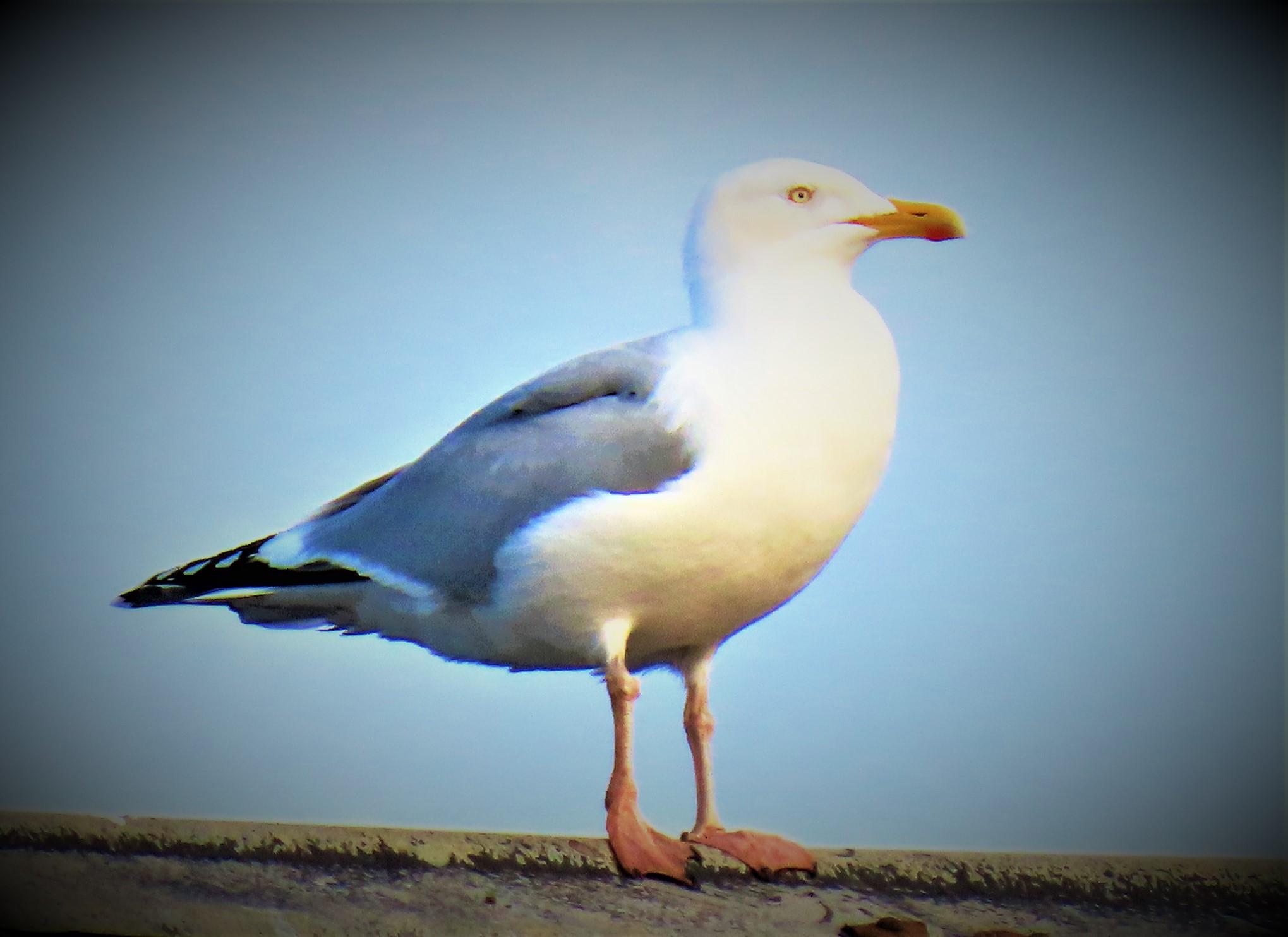
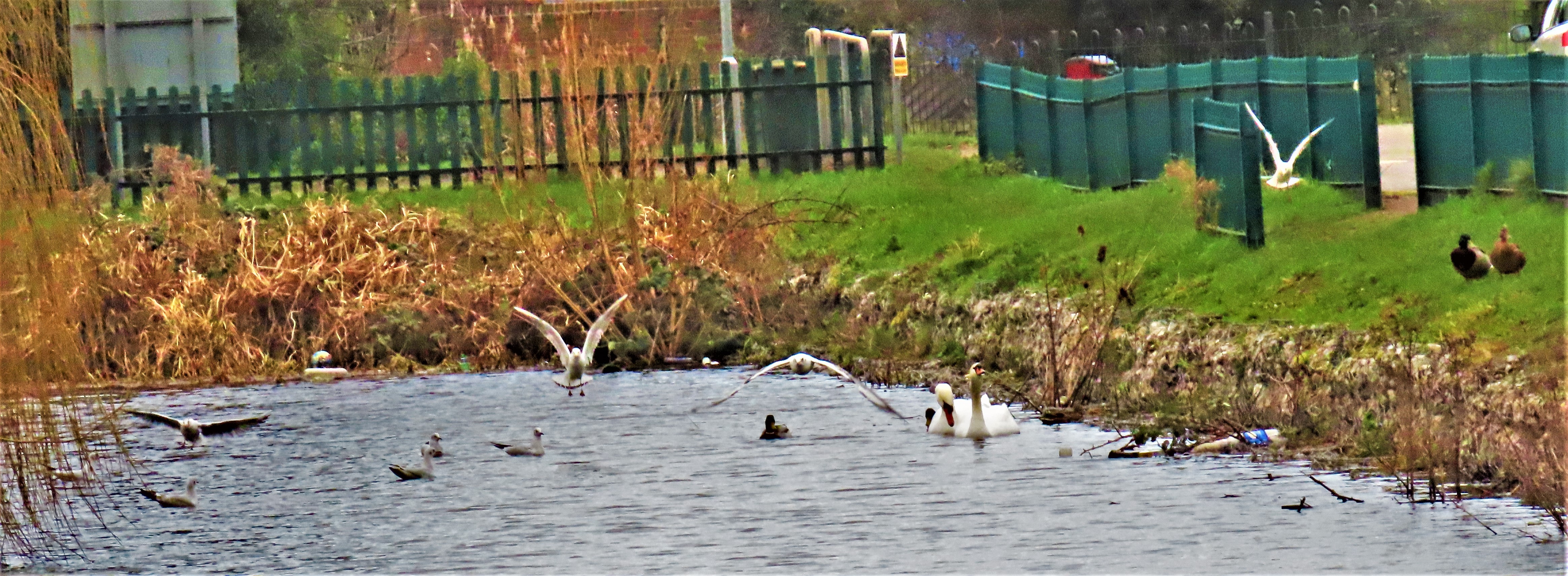
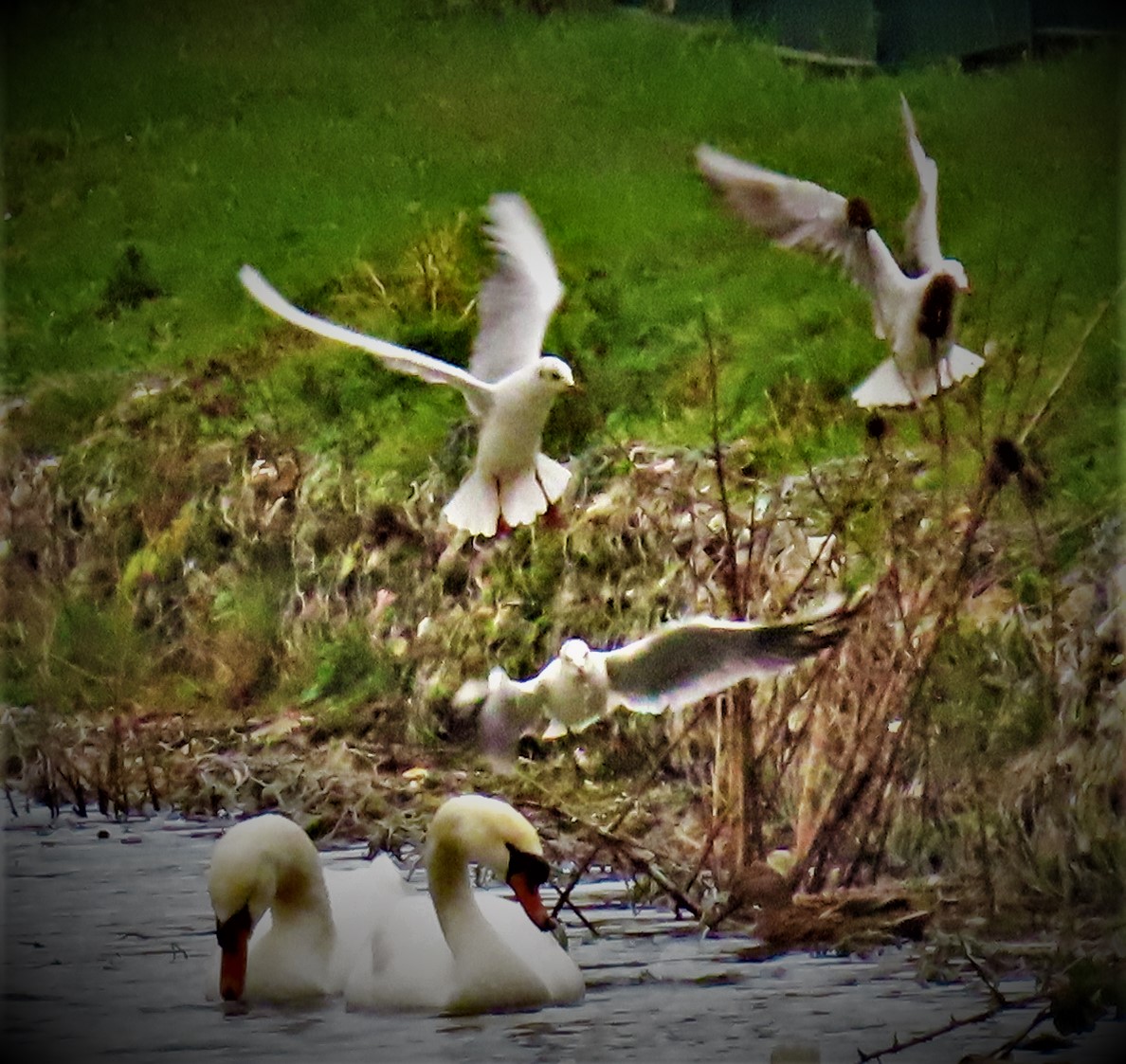
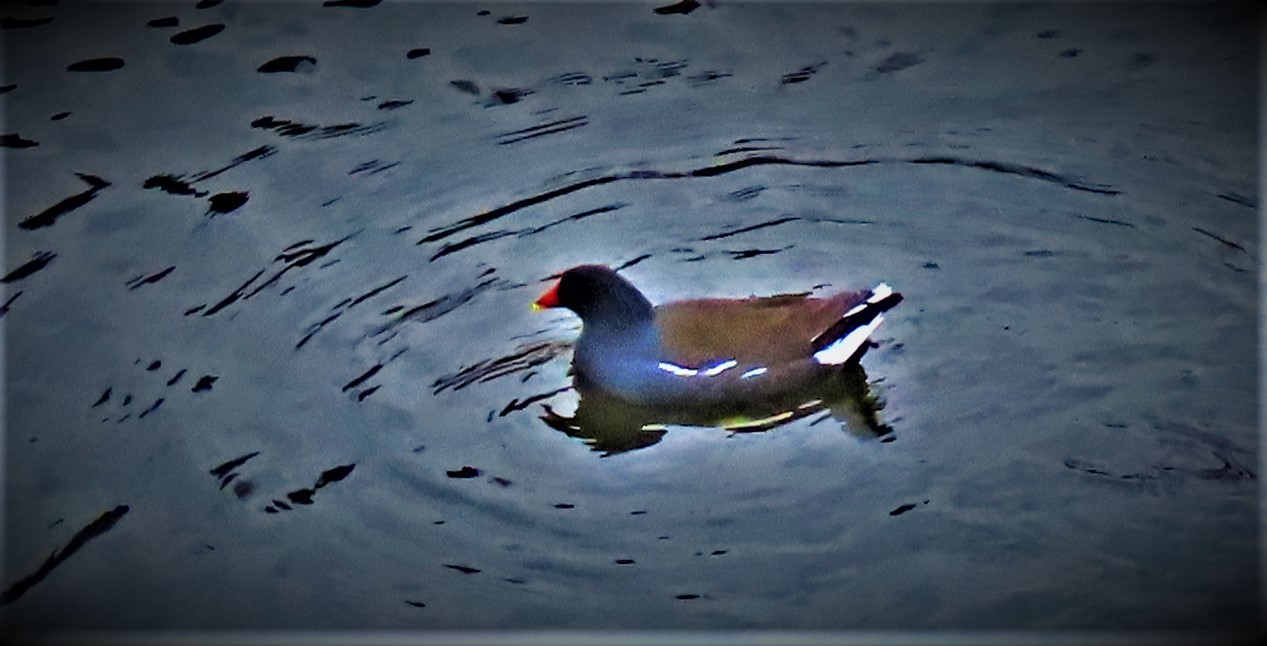
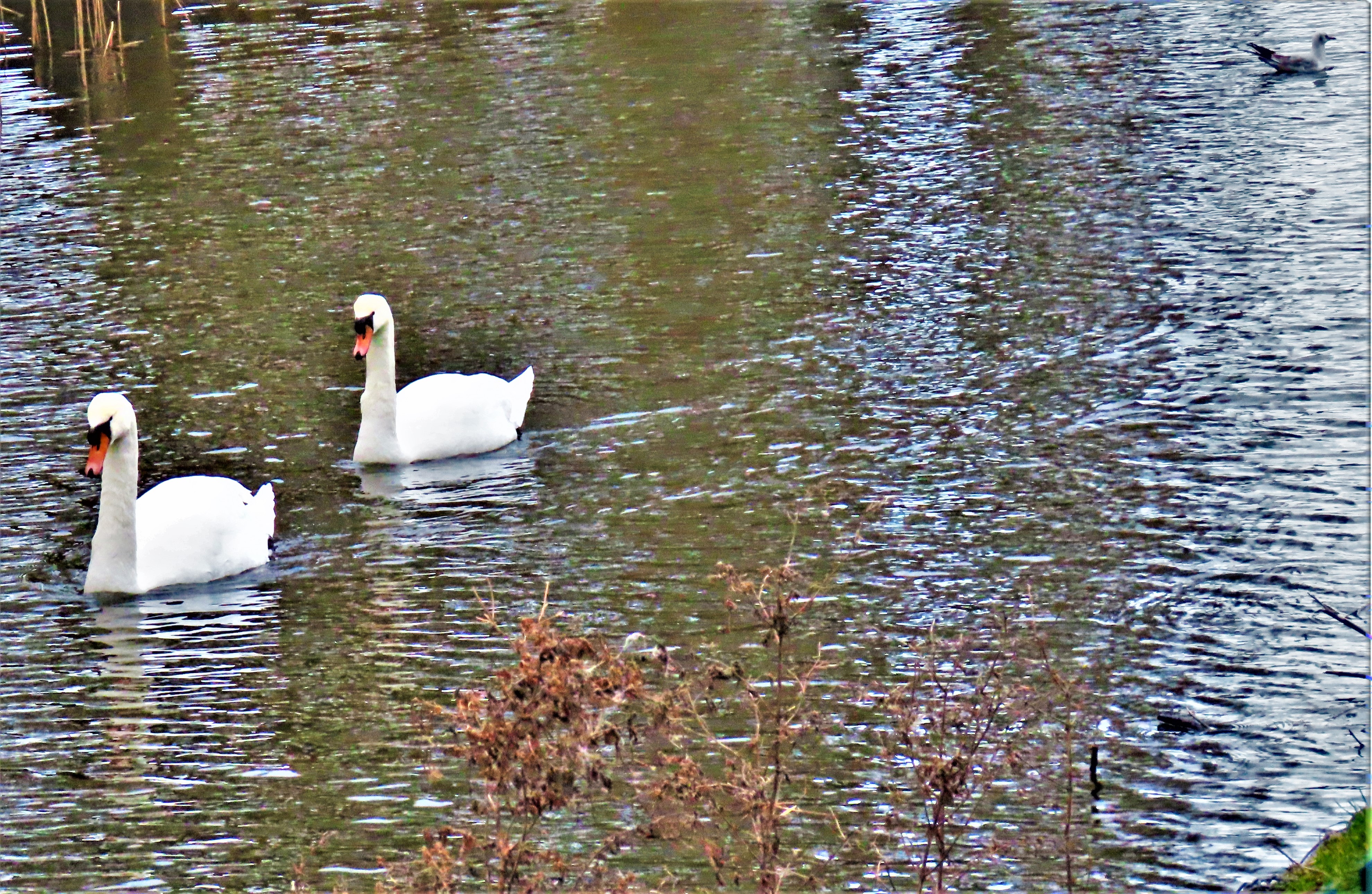
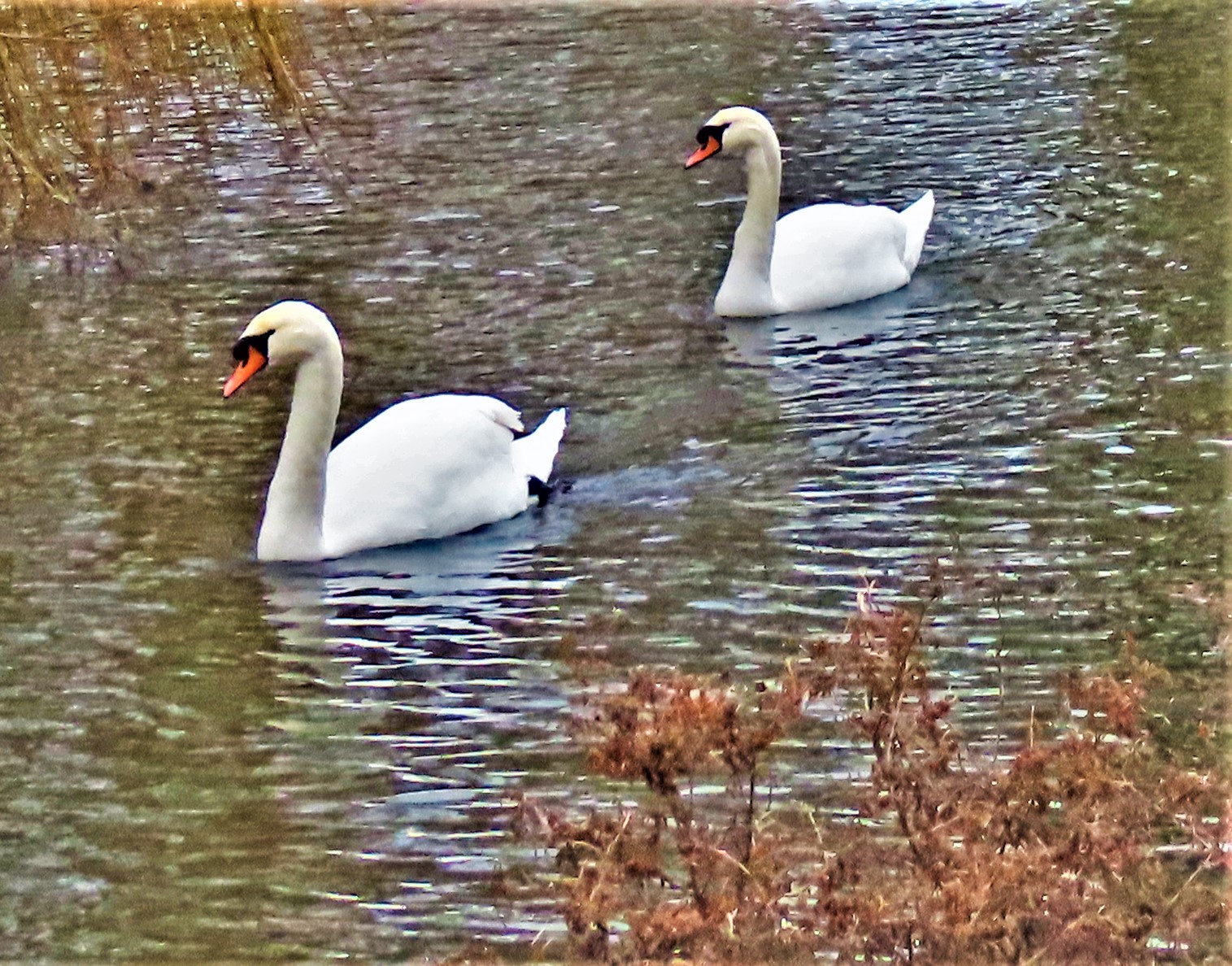
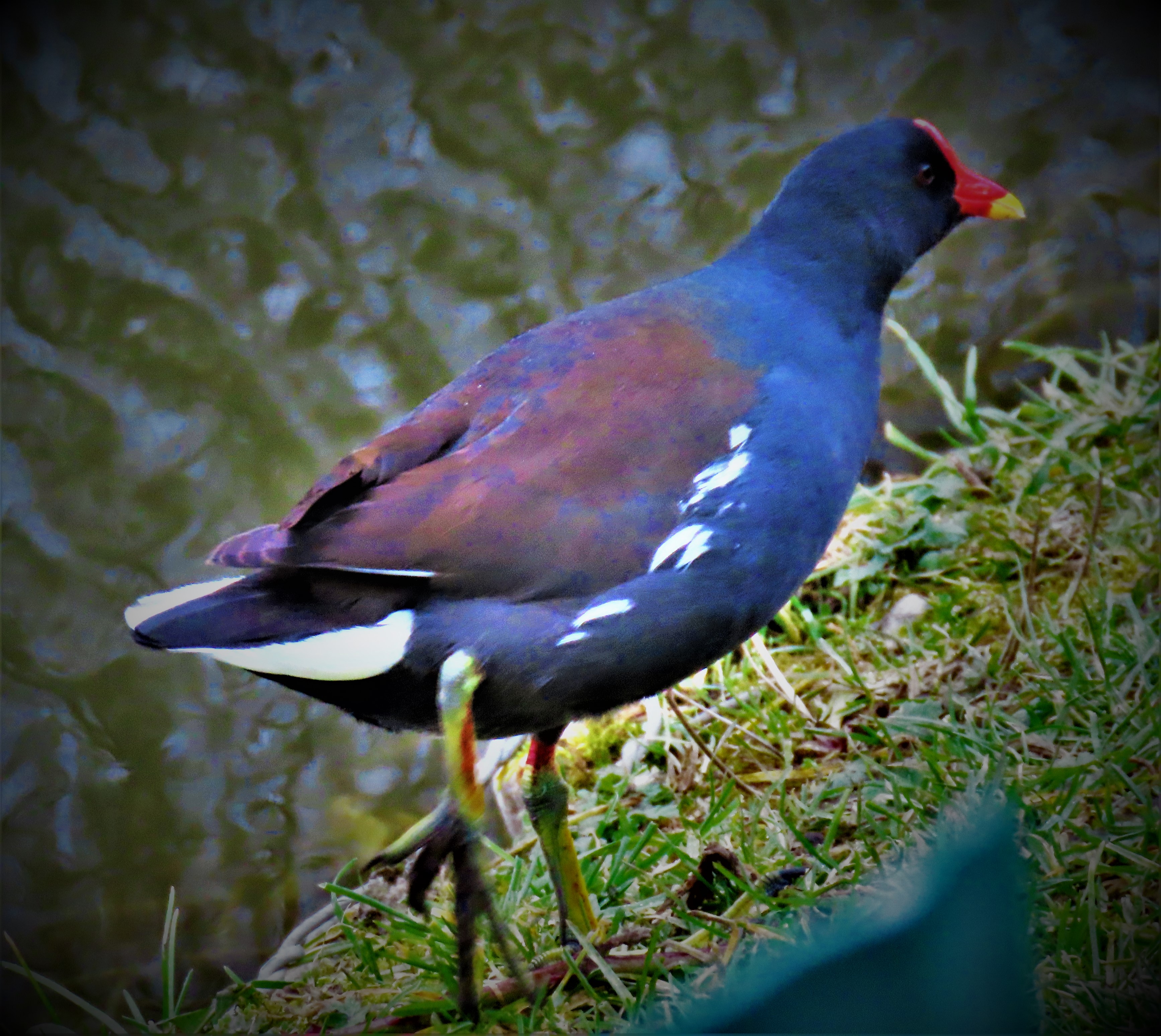
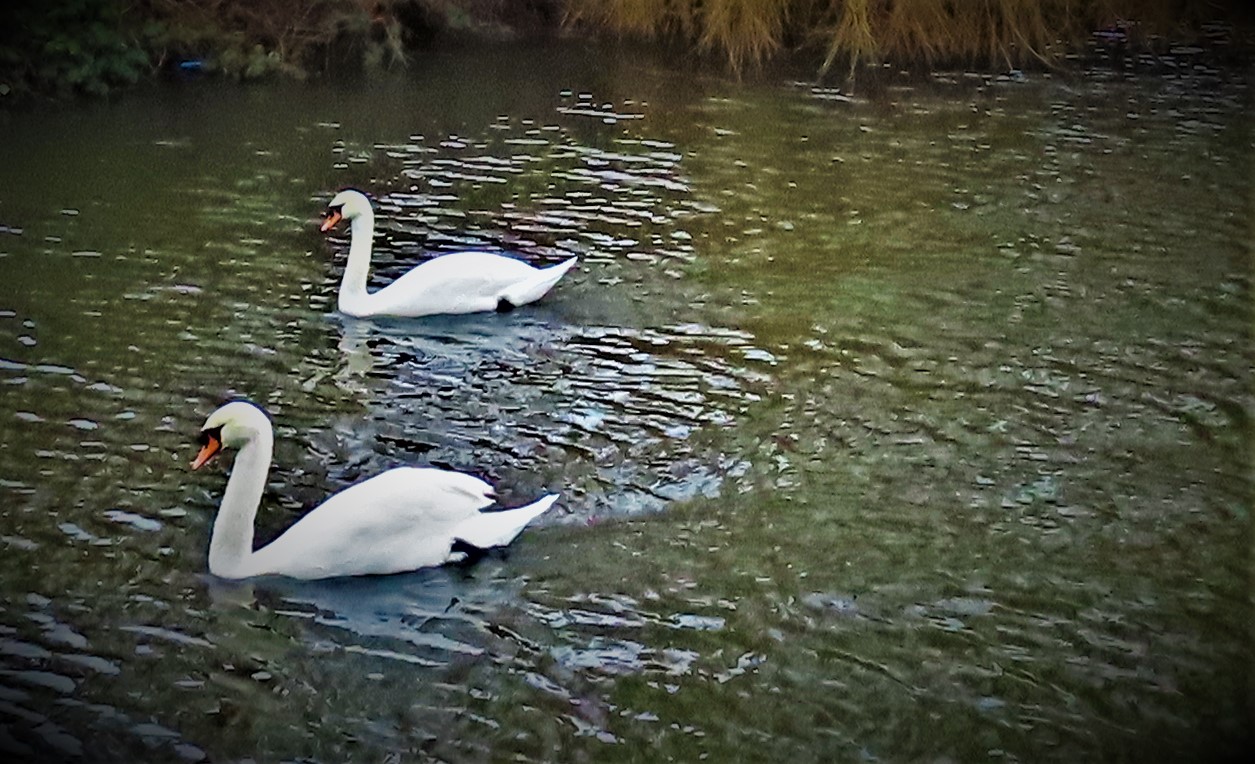
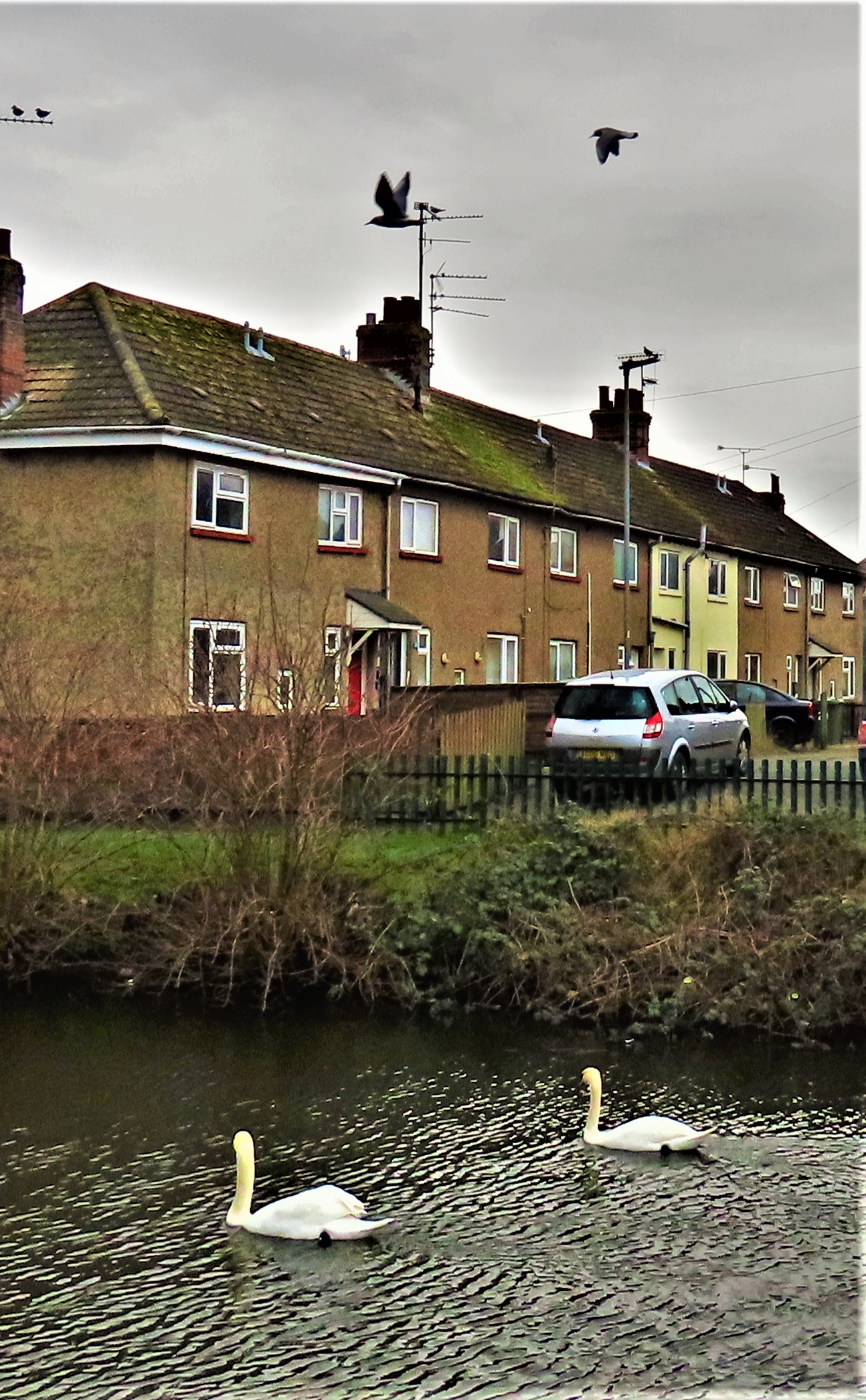
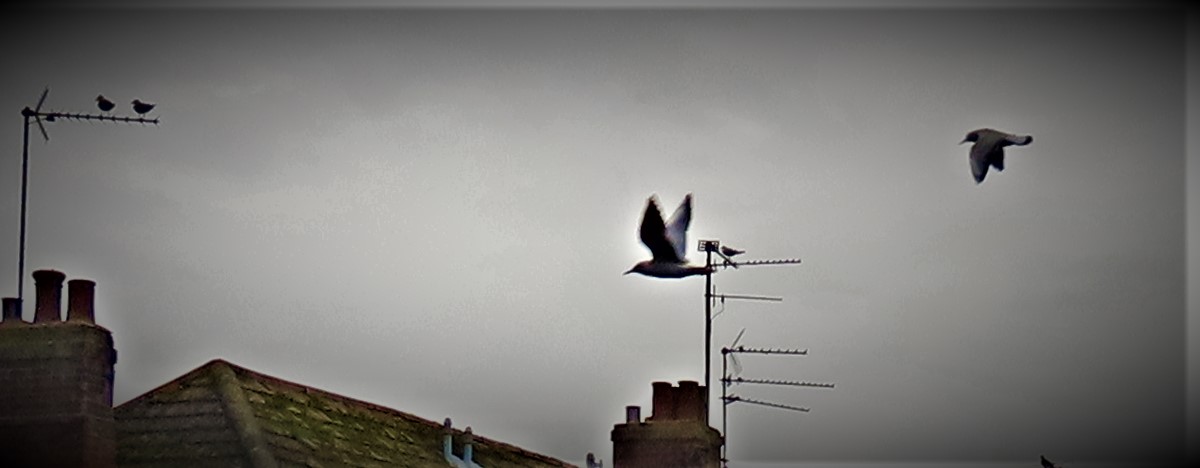
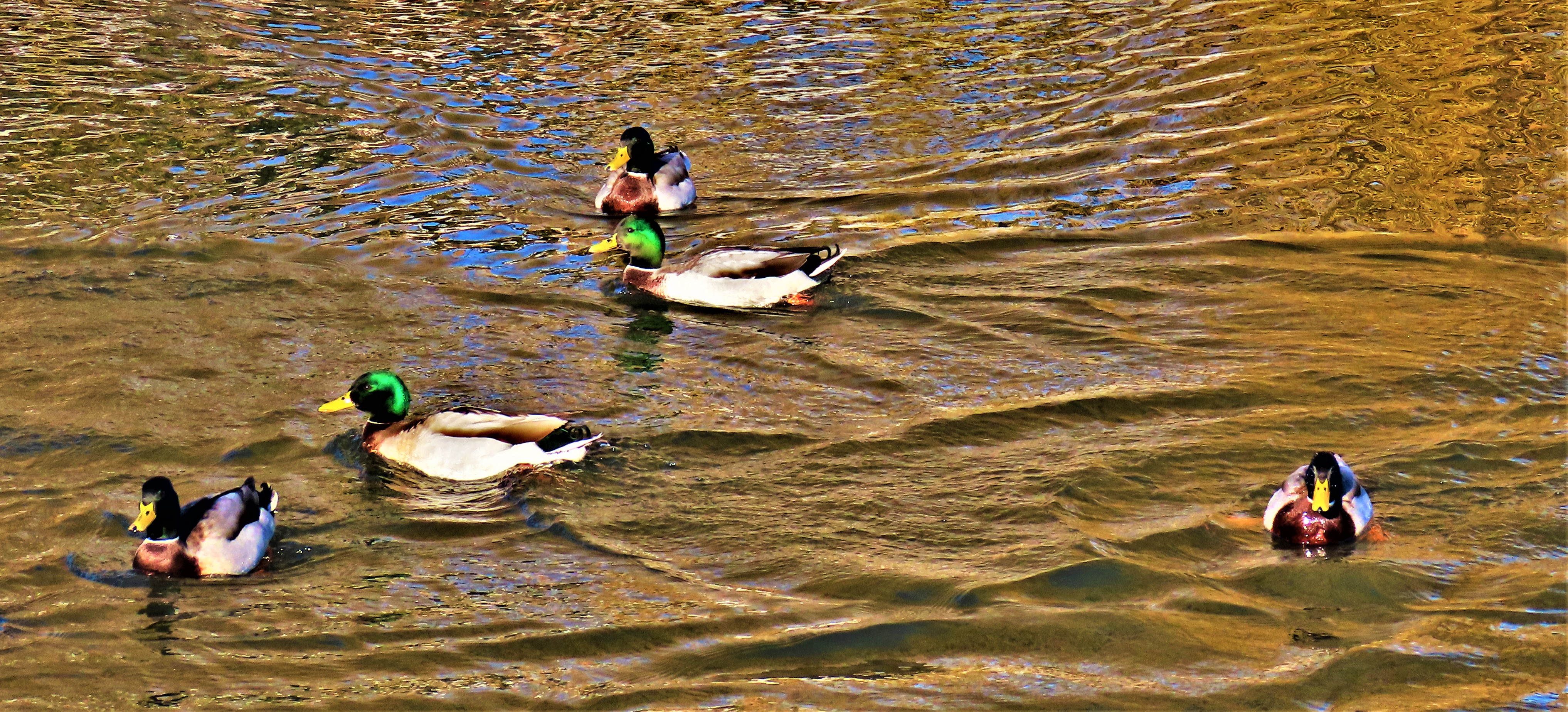
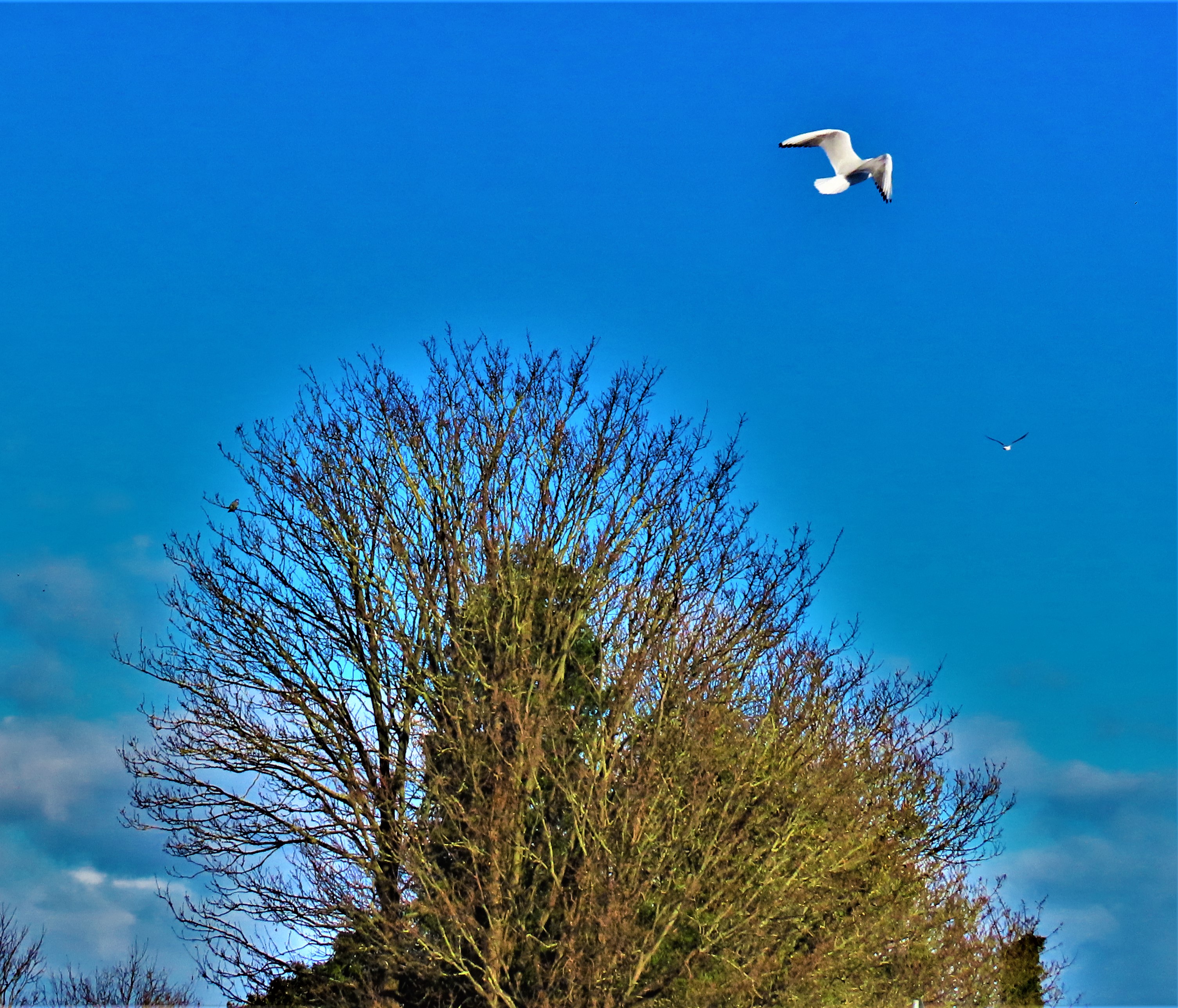
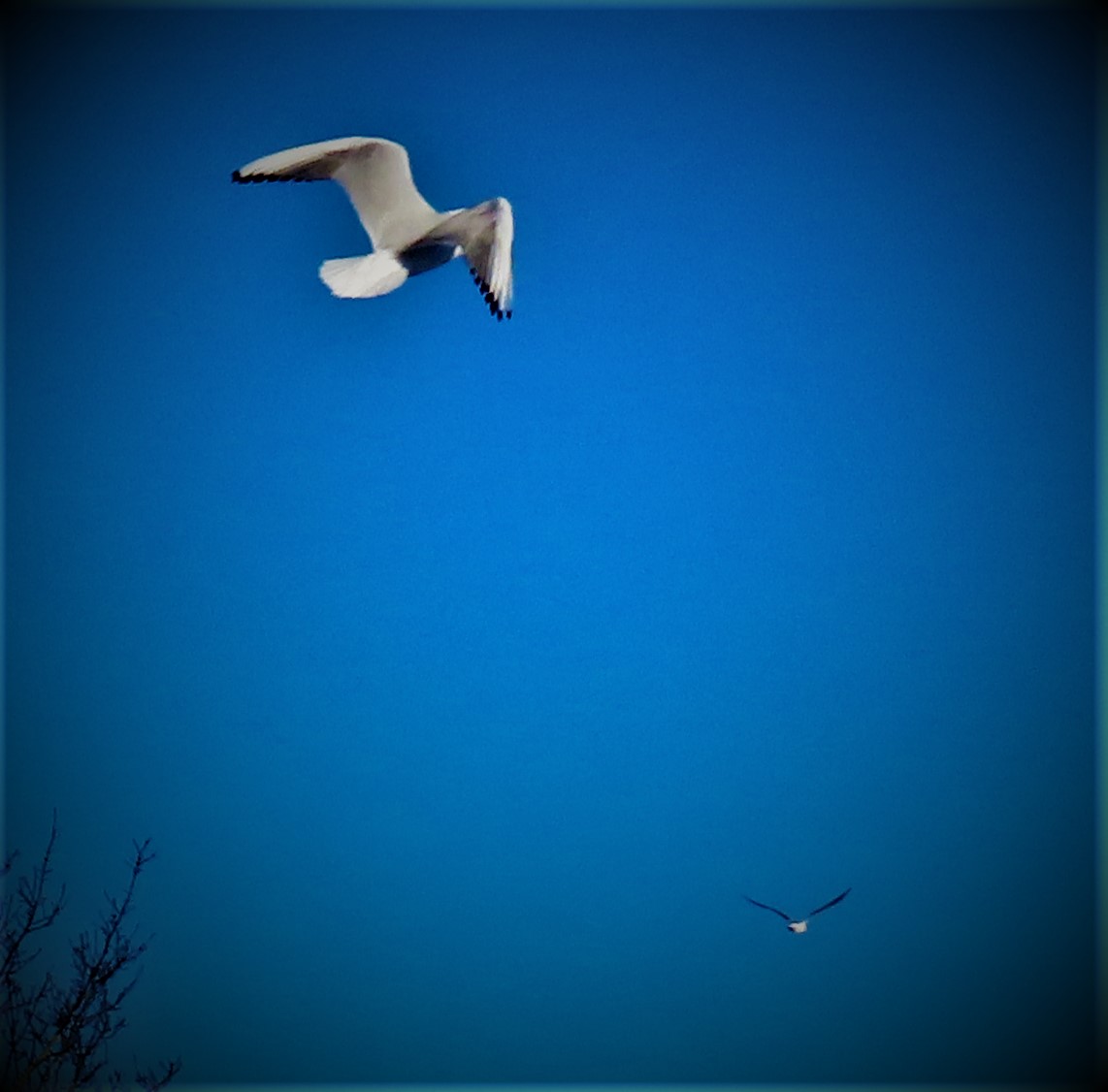
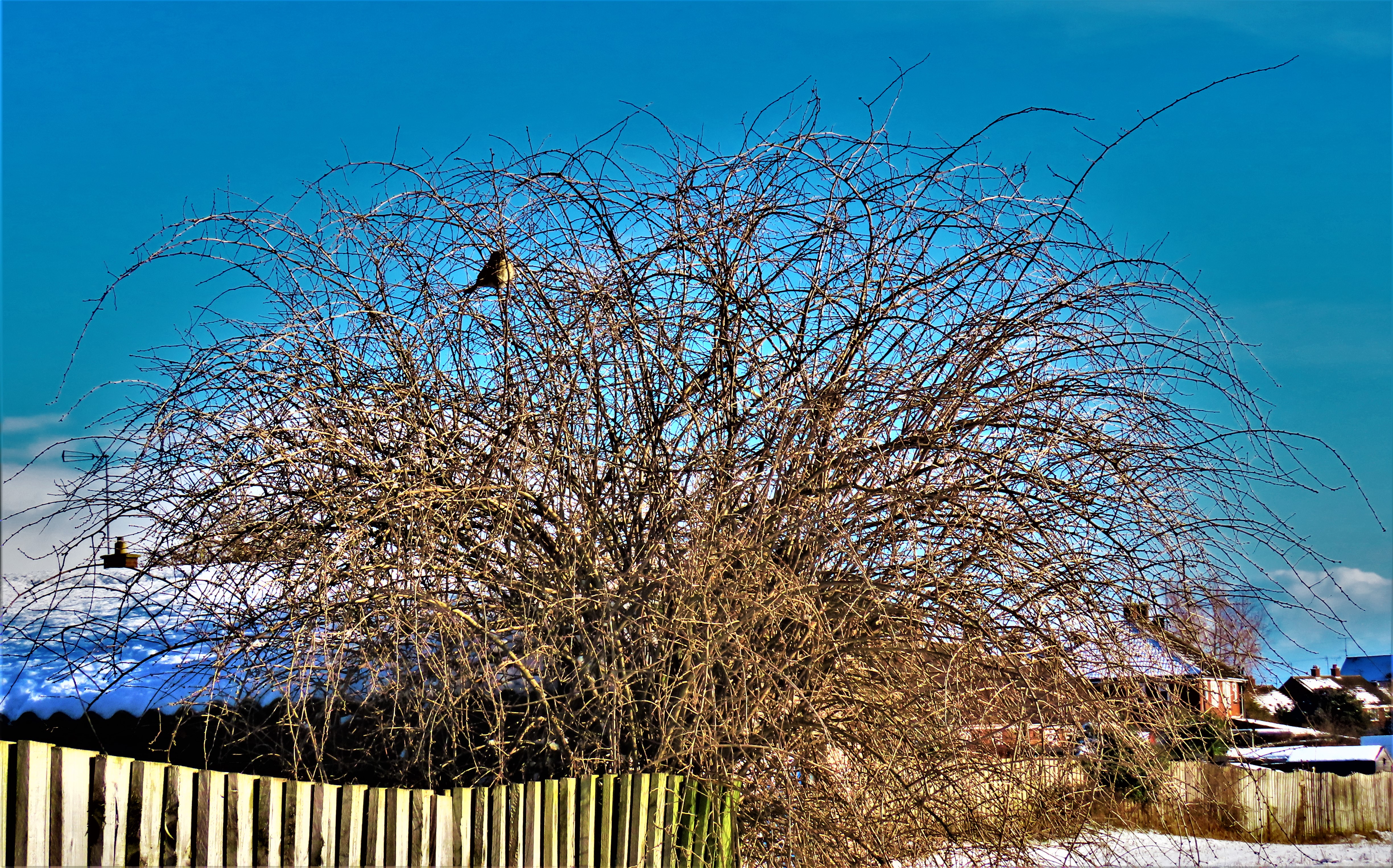
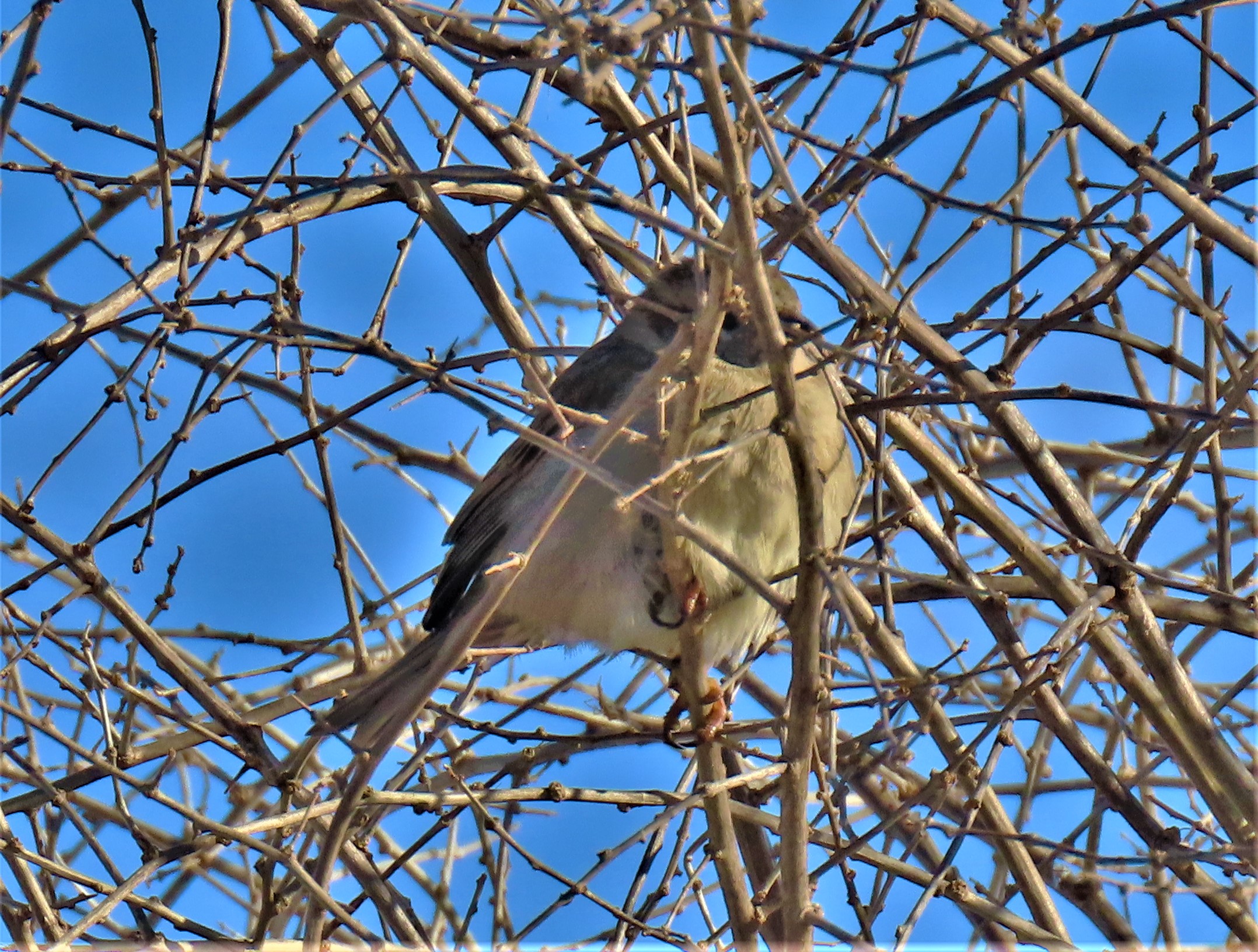
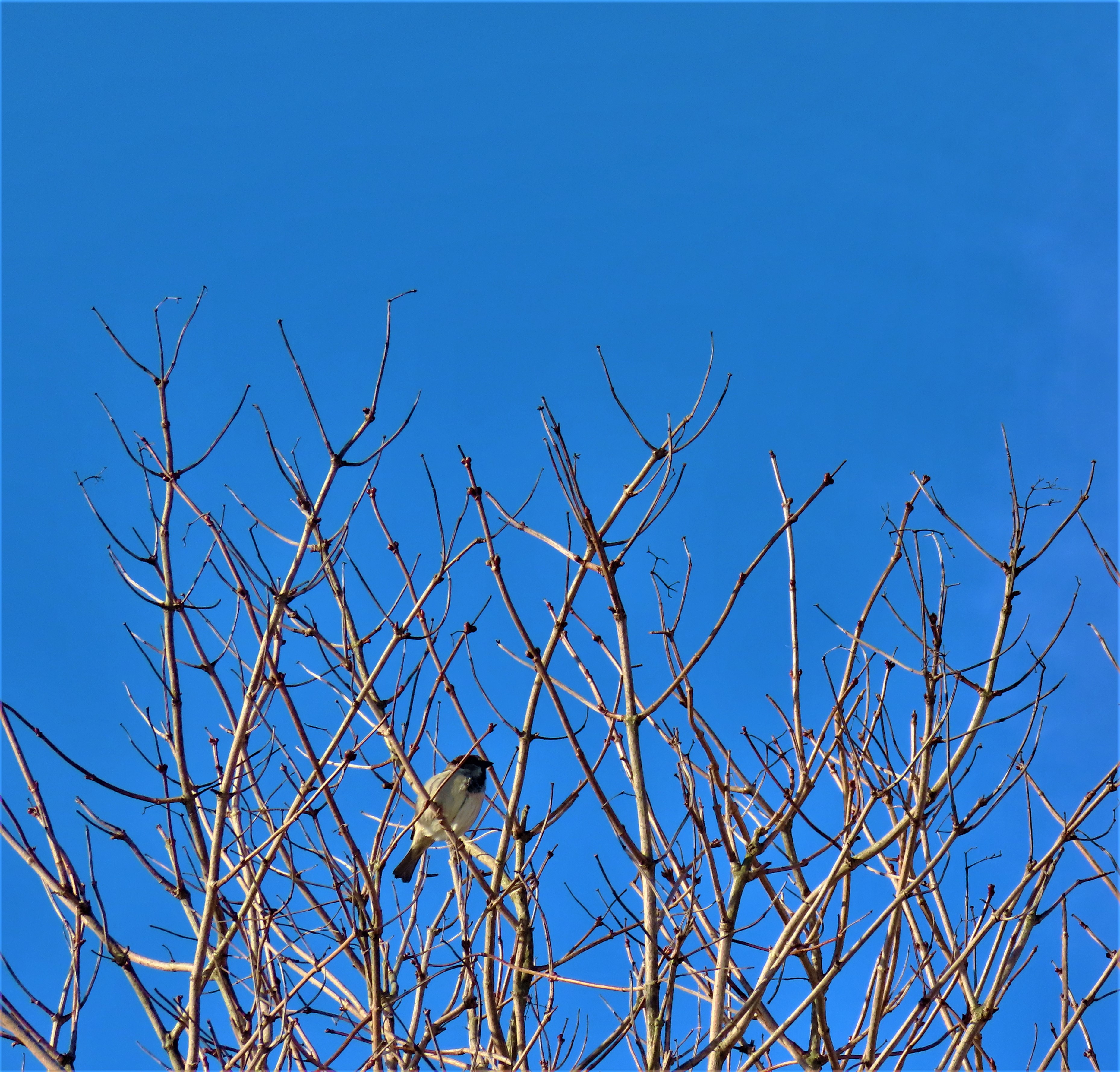
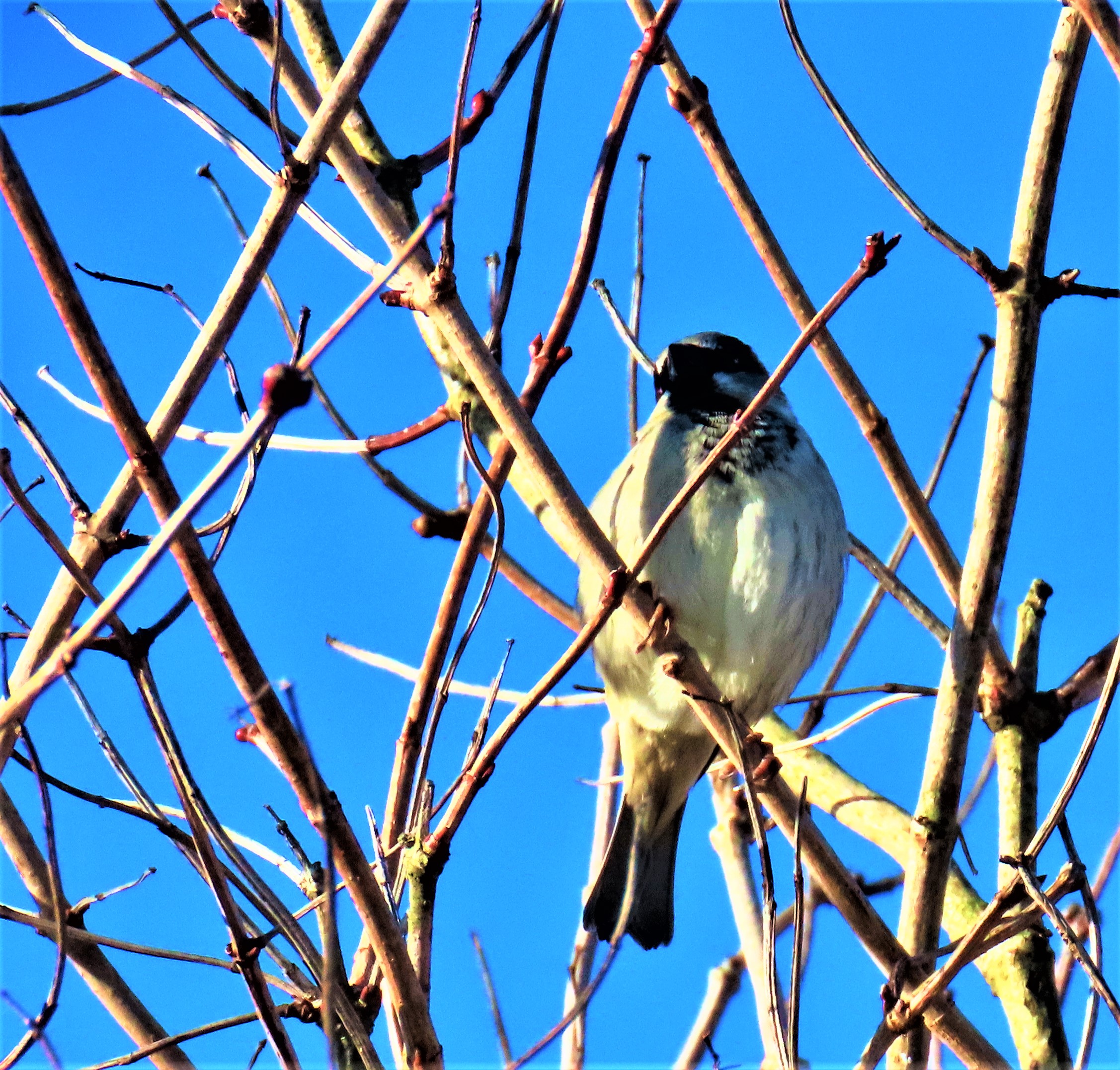
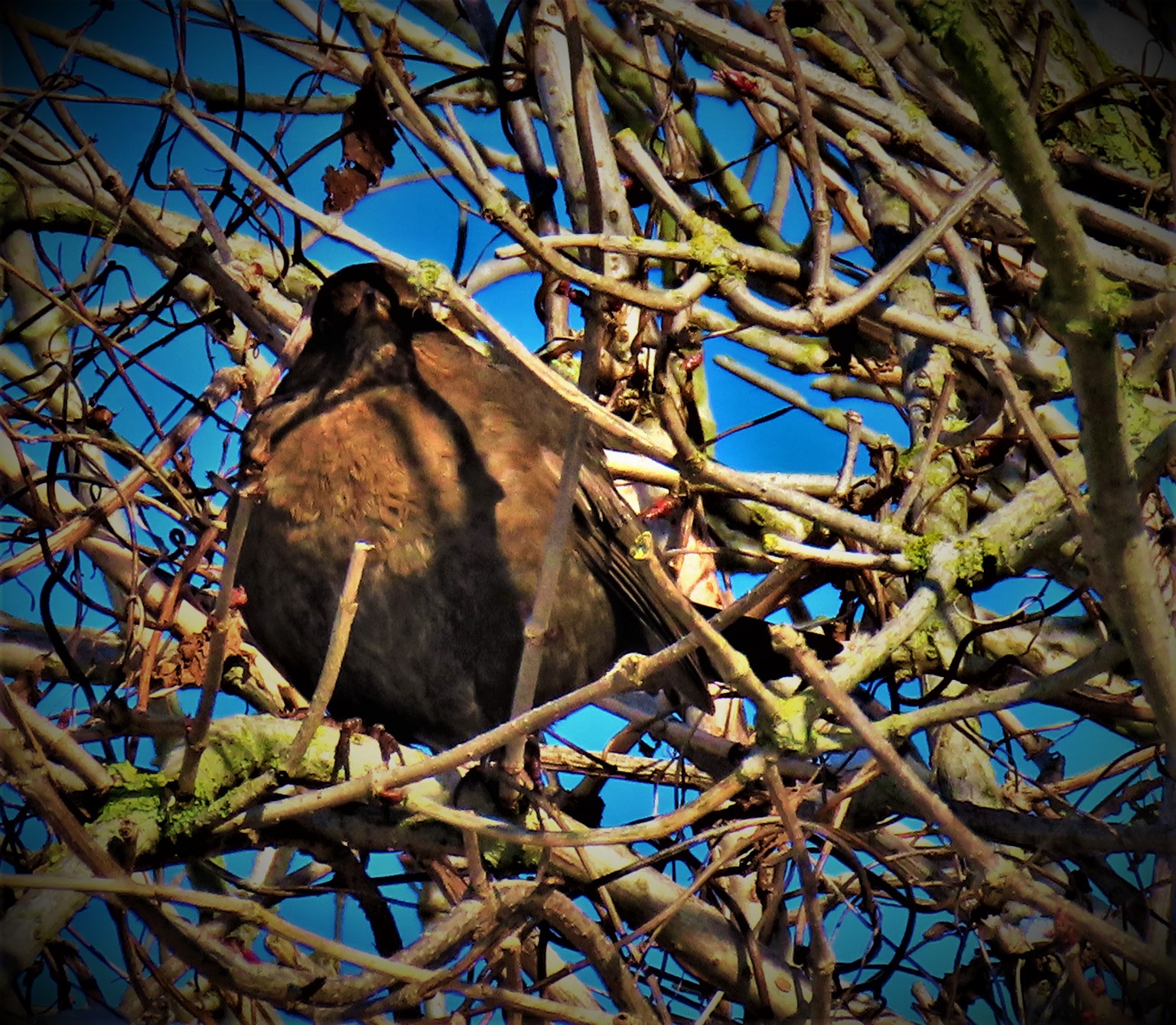
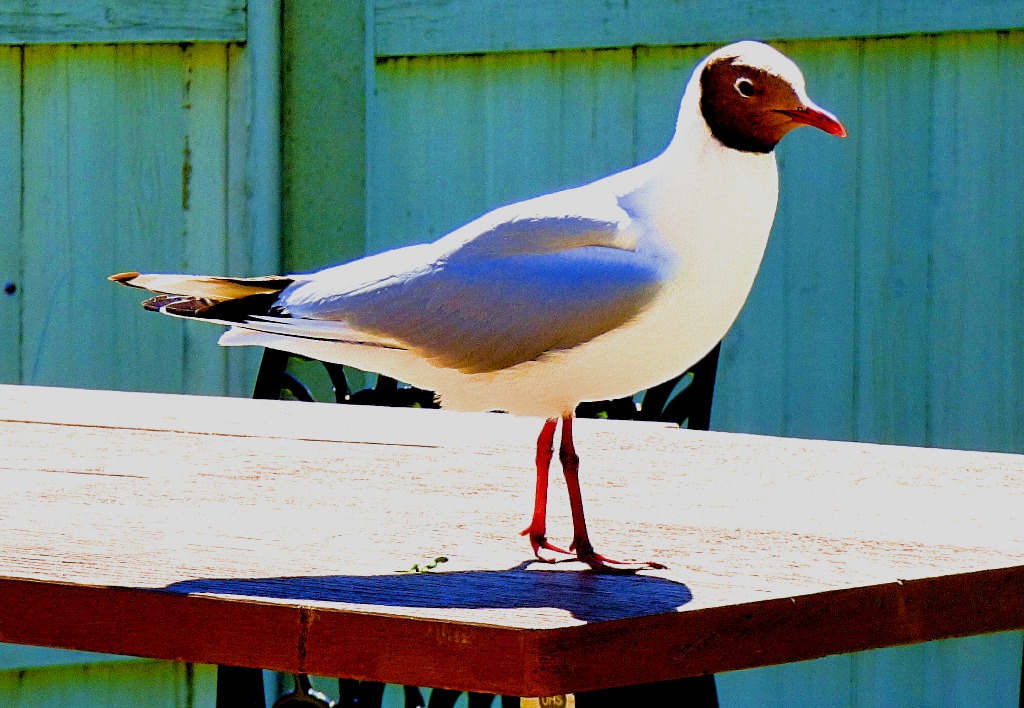
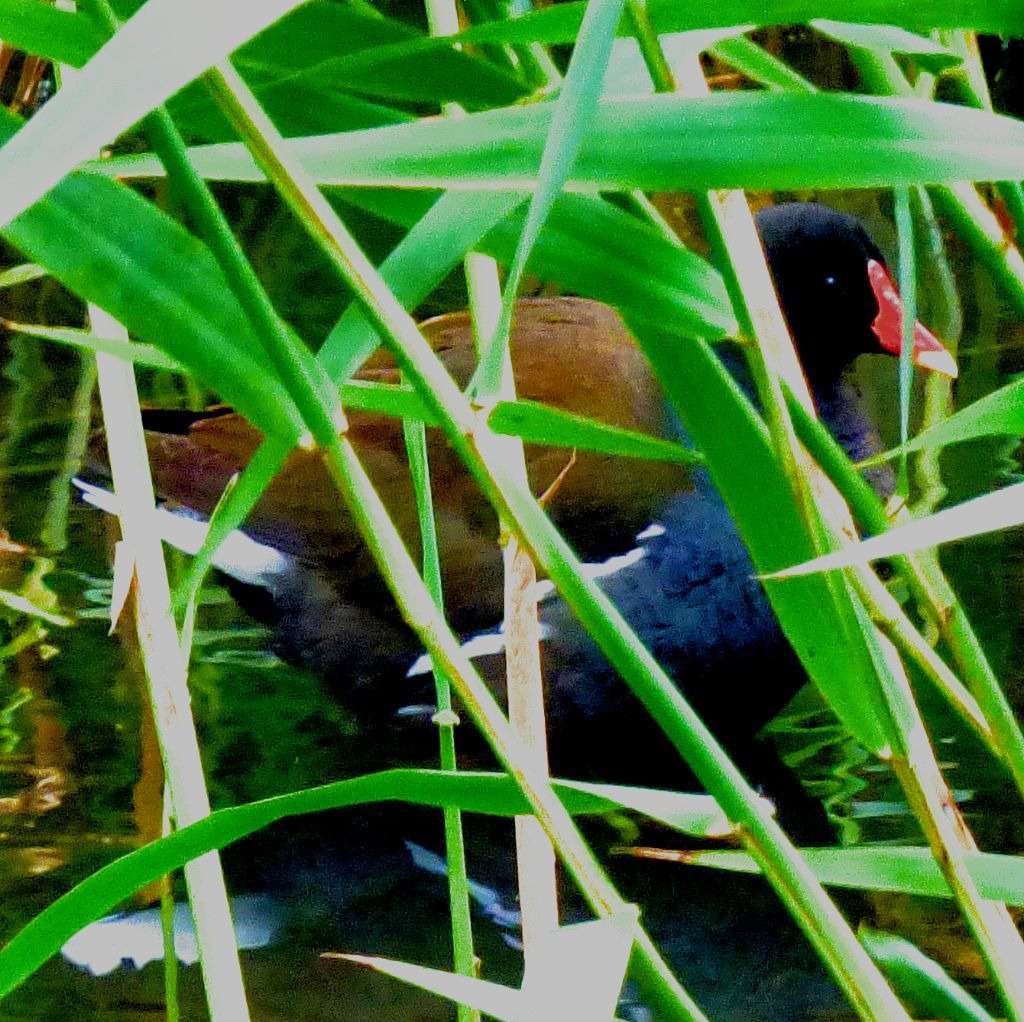
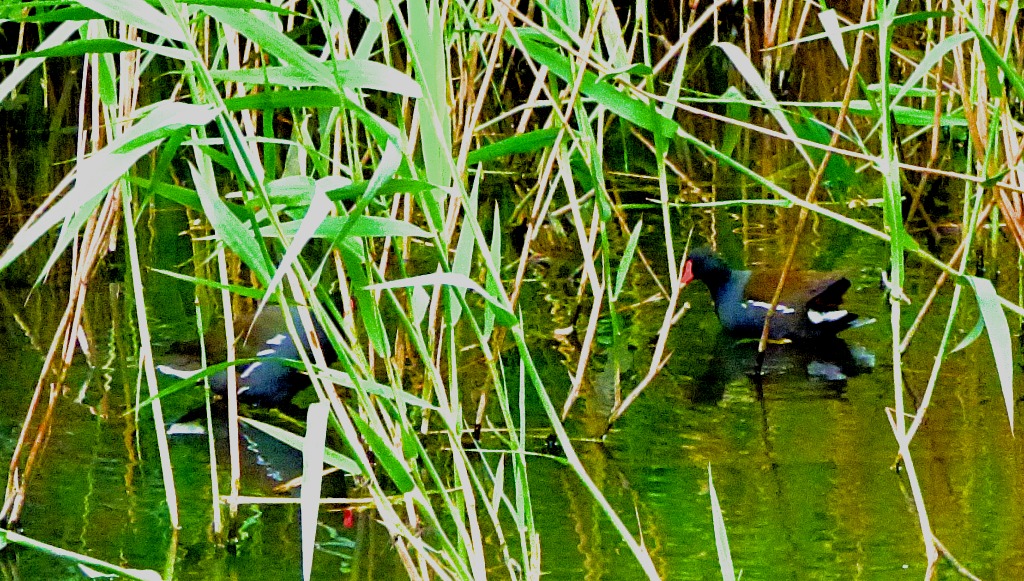
Three recent bird pictures
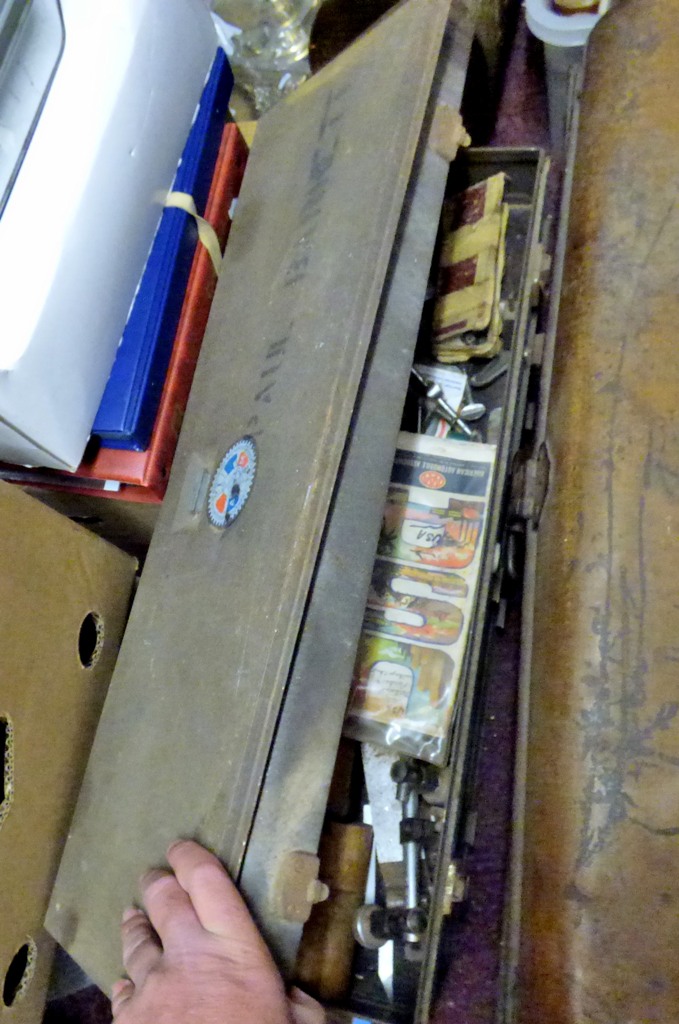
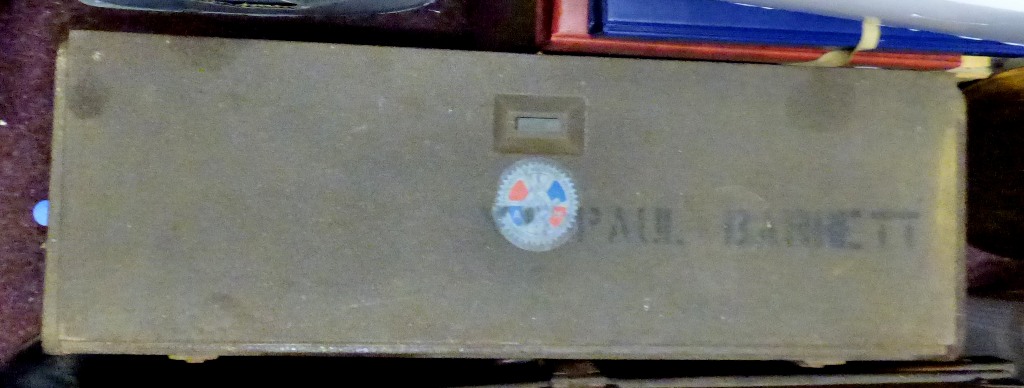
This was lot 840 at yesterday’s auction – some good tools but the box being solid iron makes for an extremely heavy item.
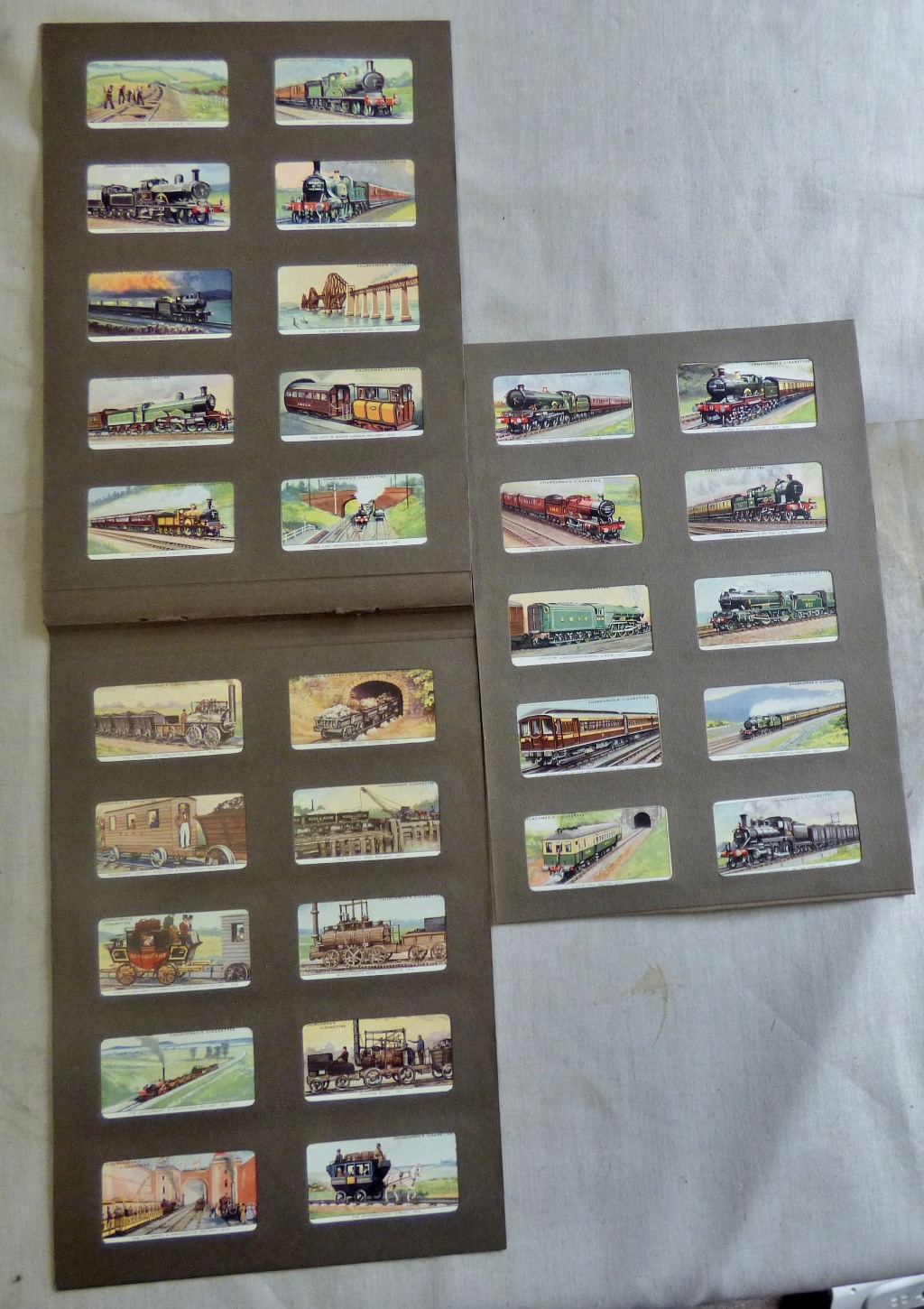
Lot 2188 in Saturday’s upcoming auction.
Q IS FOR QUIZ
With my eclectic interests and retentive memory I am pretty good at quizzes (unless they are overloaded with questions about pop music), and generally enjoy taking part.
R IS FOR RAILWAYS
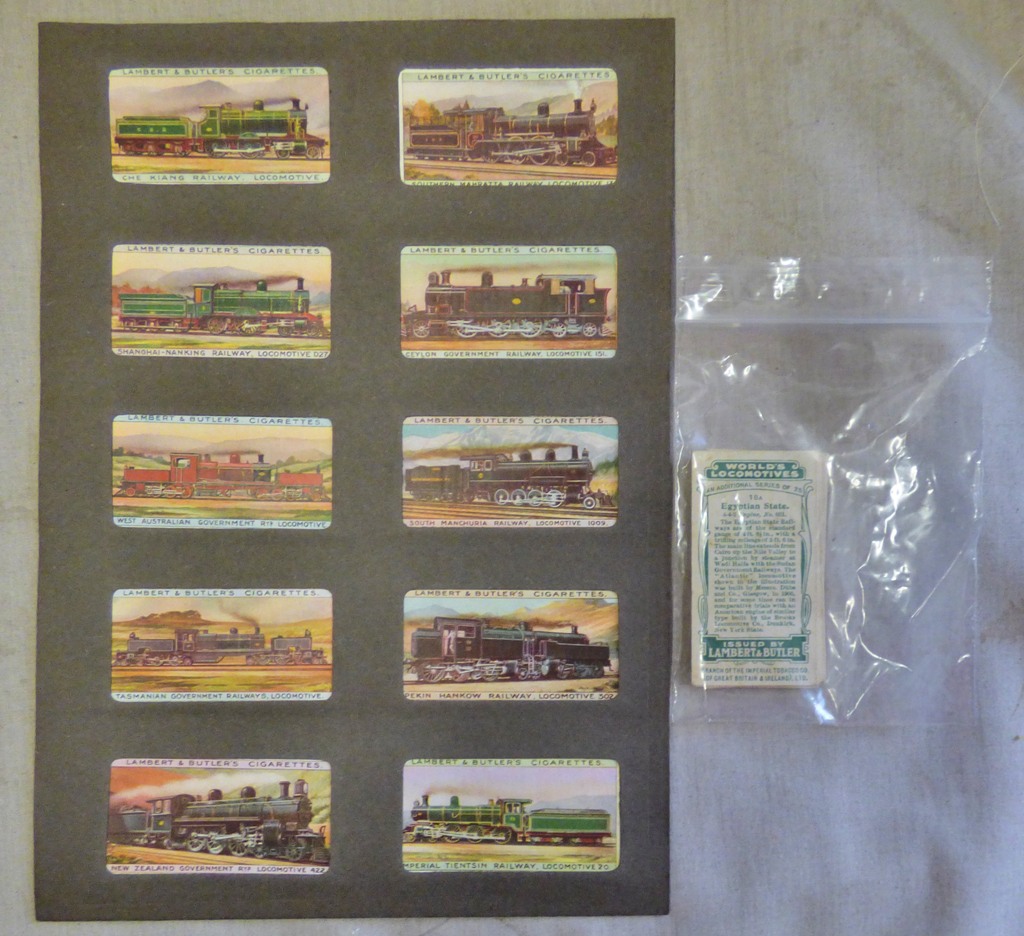
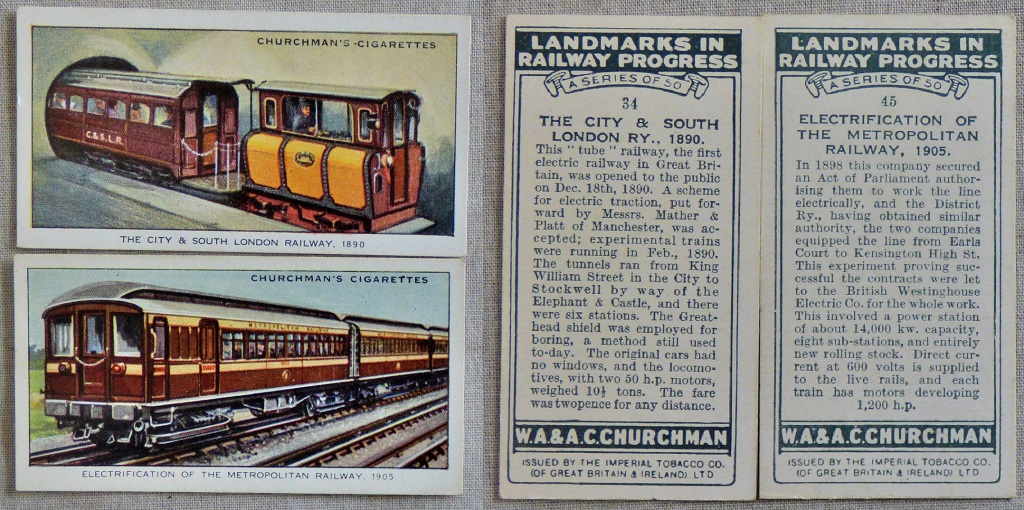
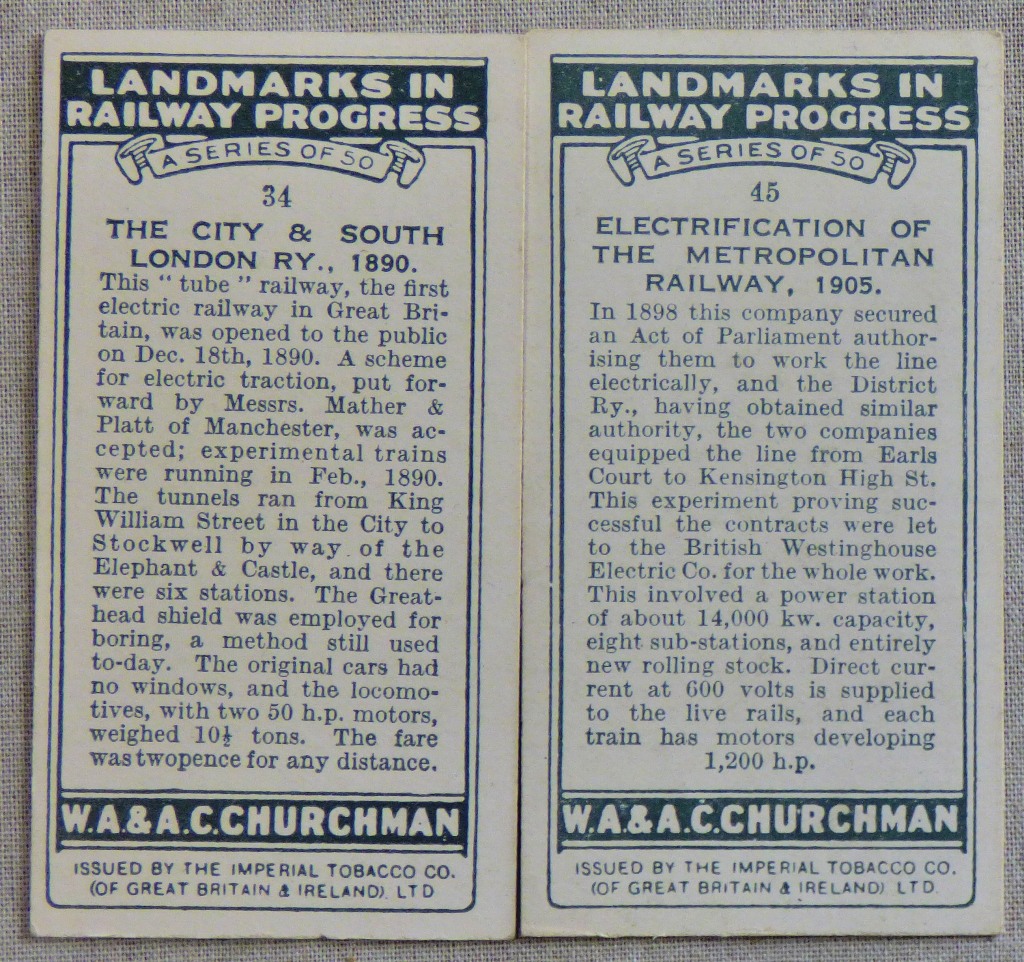
Railways are one of my special interests. I have travelled on railways in many different countries and have also built up a decent collection of railwayana. I may add to my collection on Saturday.
S IS FOR SCOTLAND AND SWEDEN
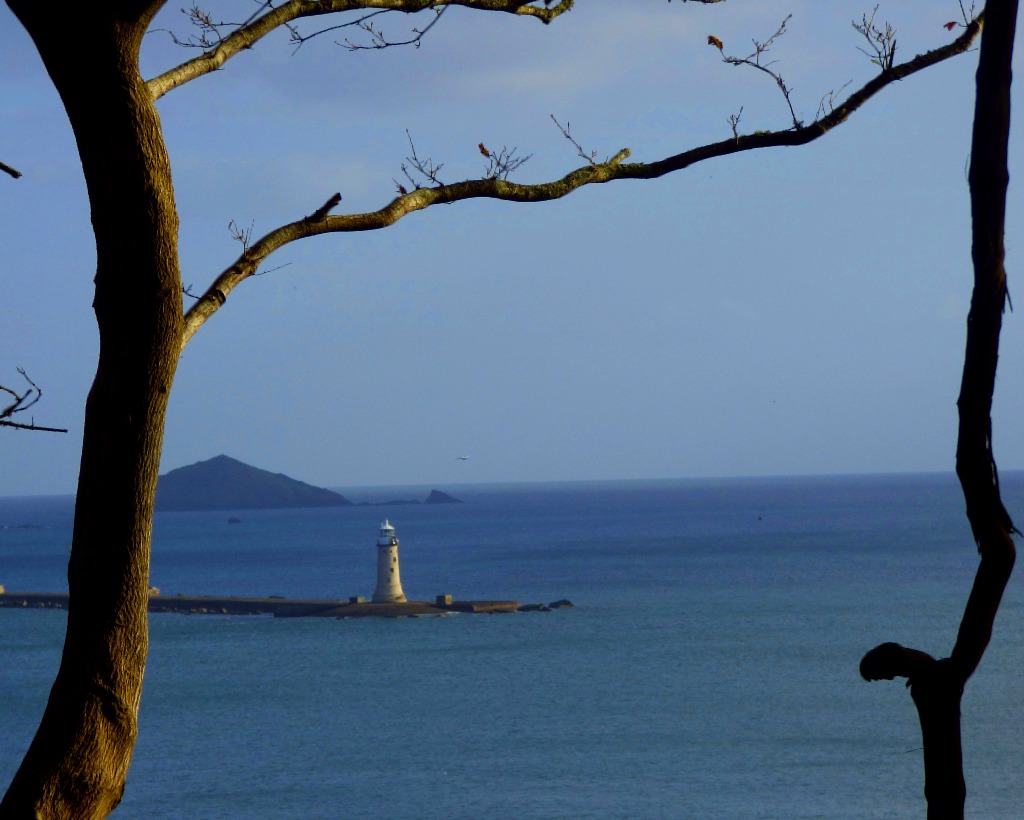
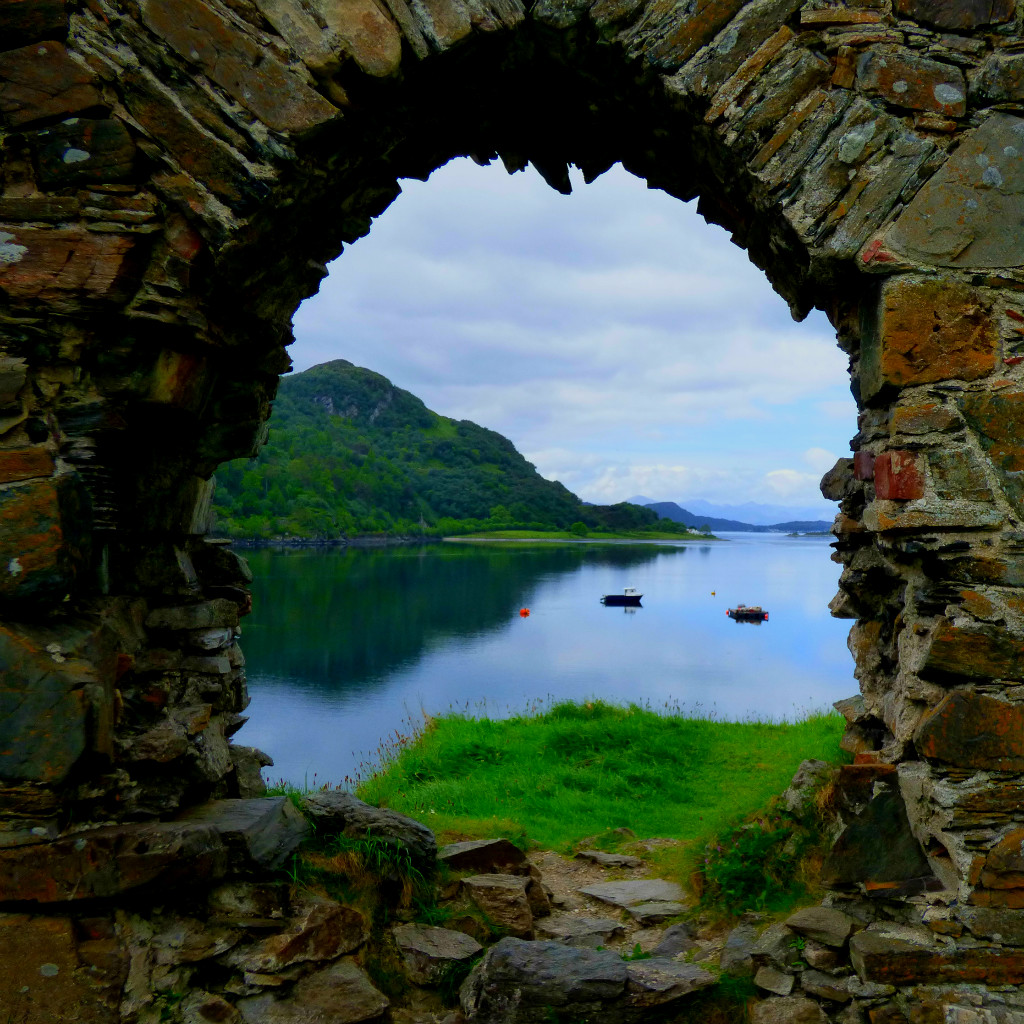
These are two of my favourite countries to visit, both very scenic. I could find no way to split them so I have decided to honour both places.I have produced a number of posts about both Sweden and Scotland. Here are a couple of pics: A view from Strome Castle, Scotland
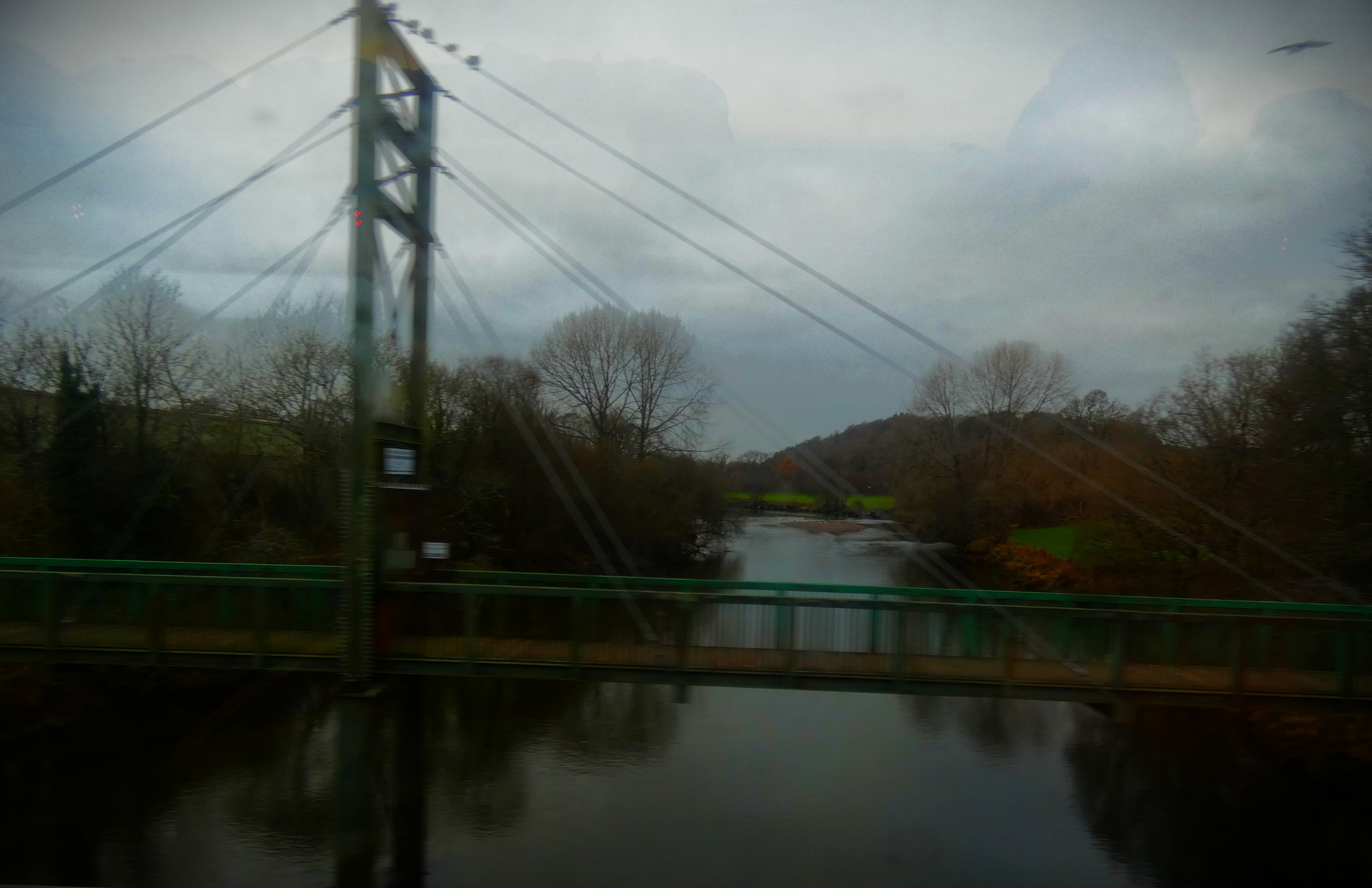
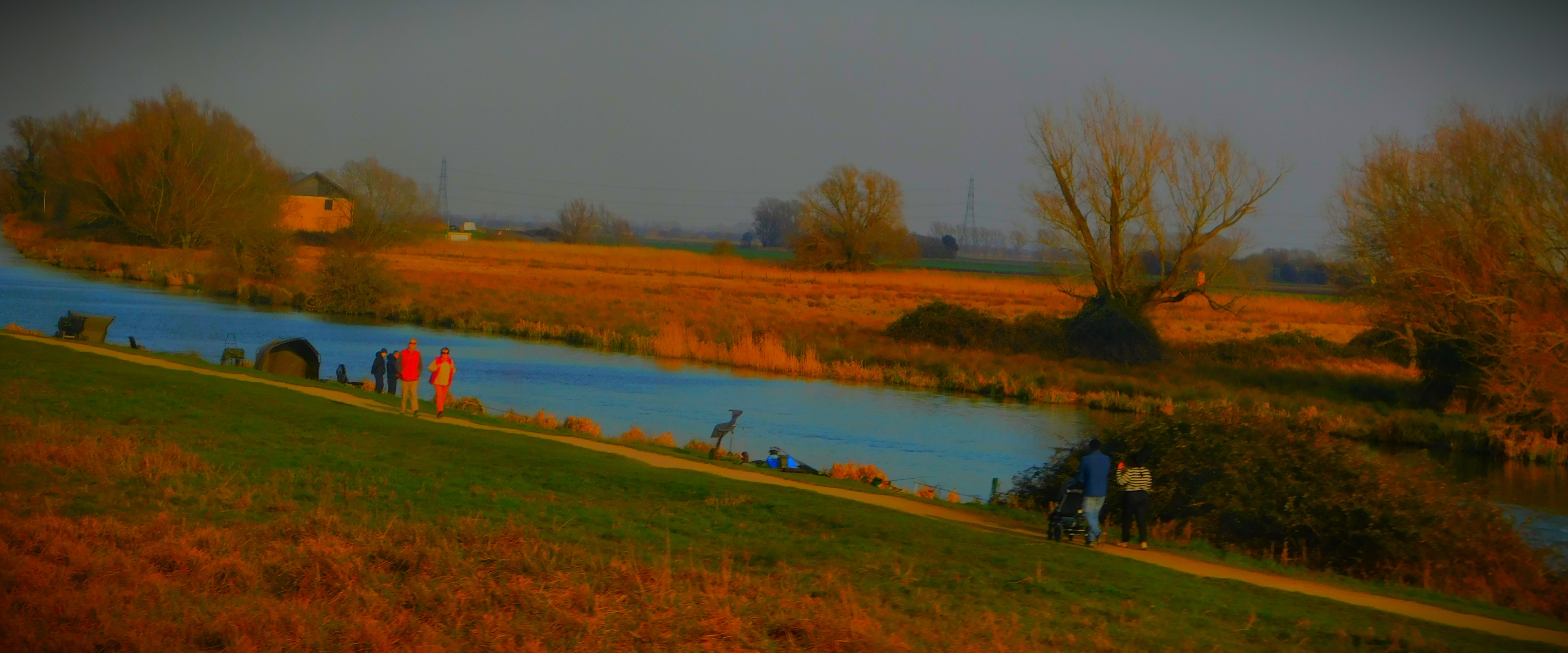
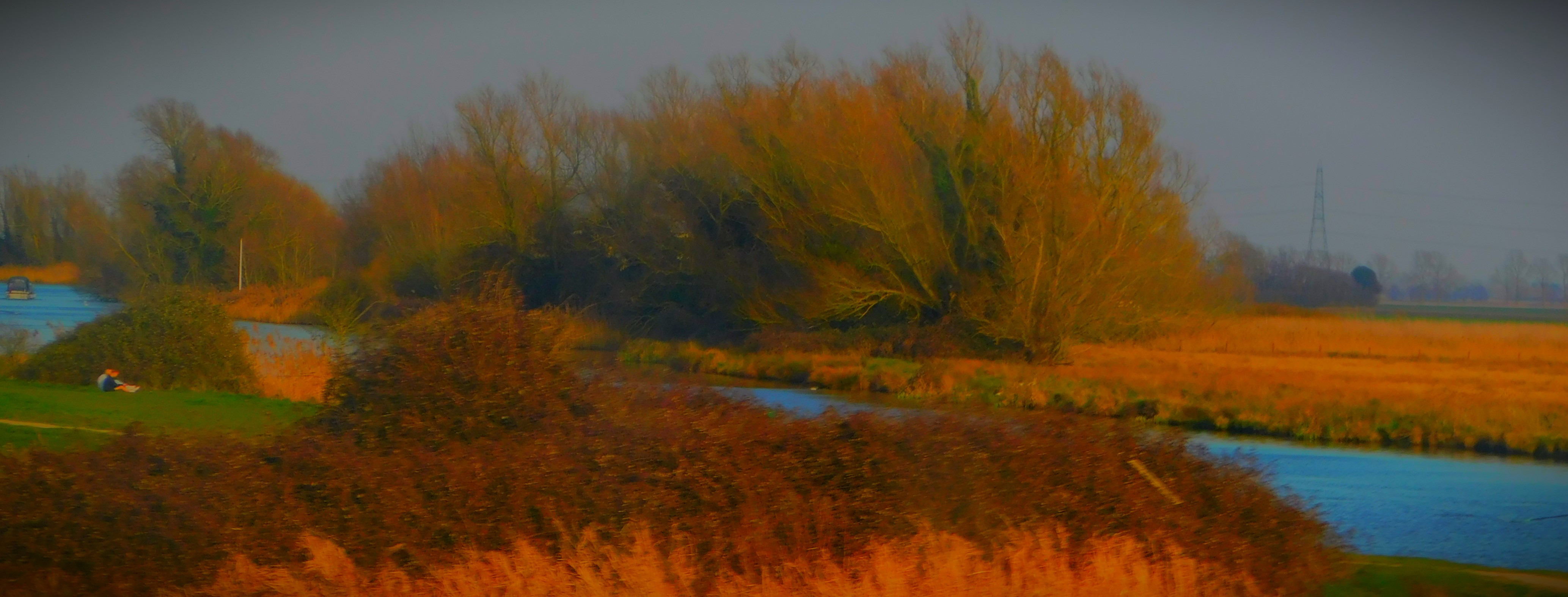
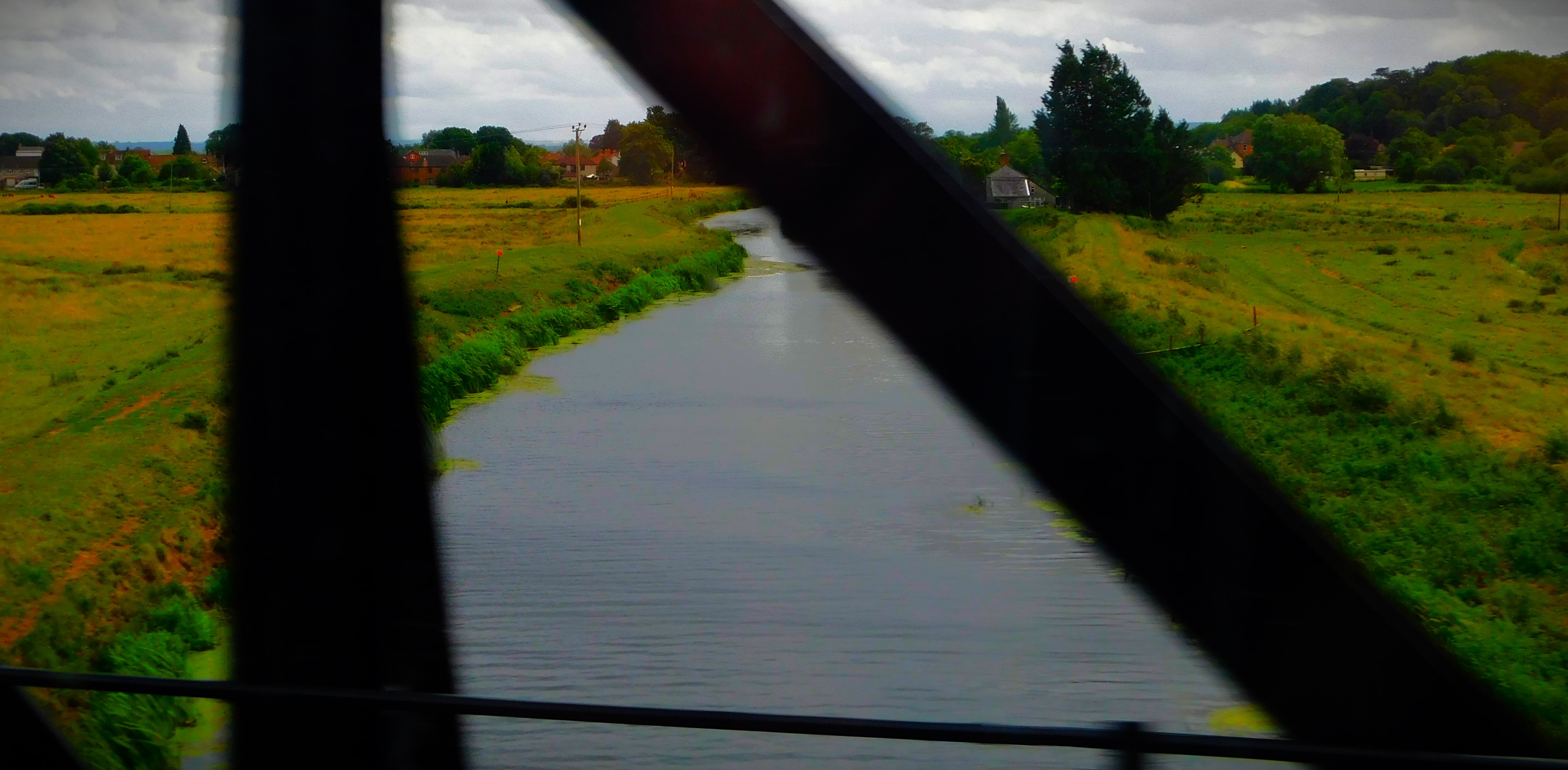
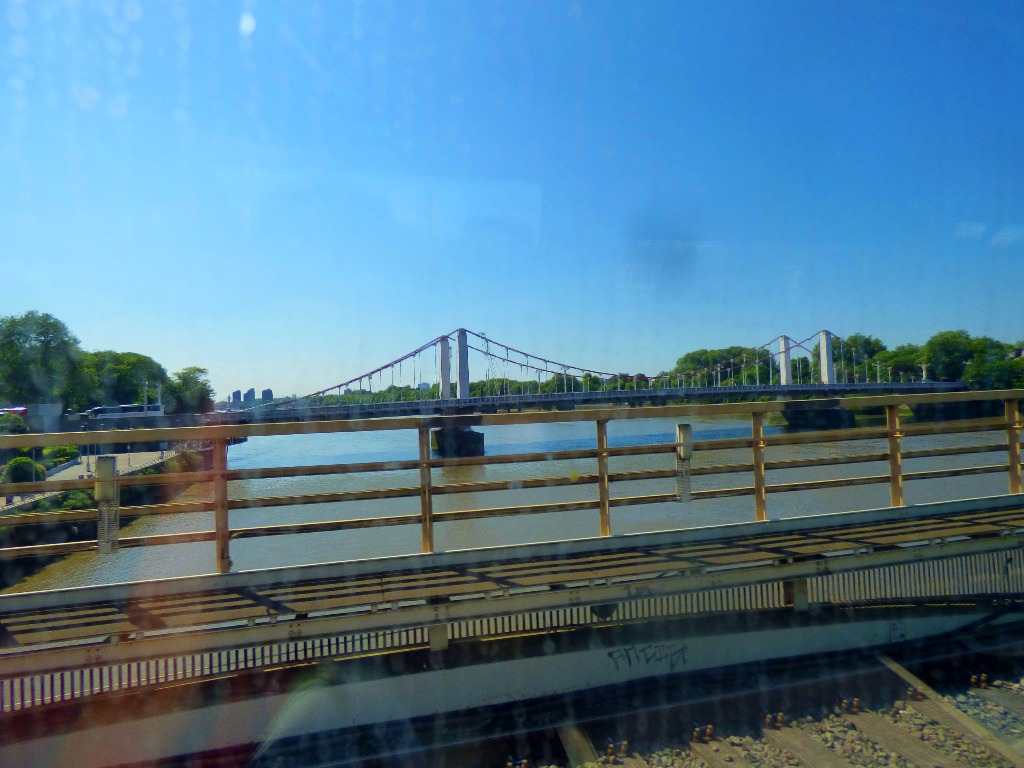
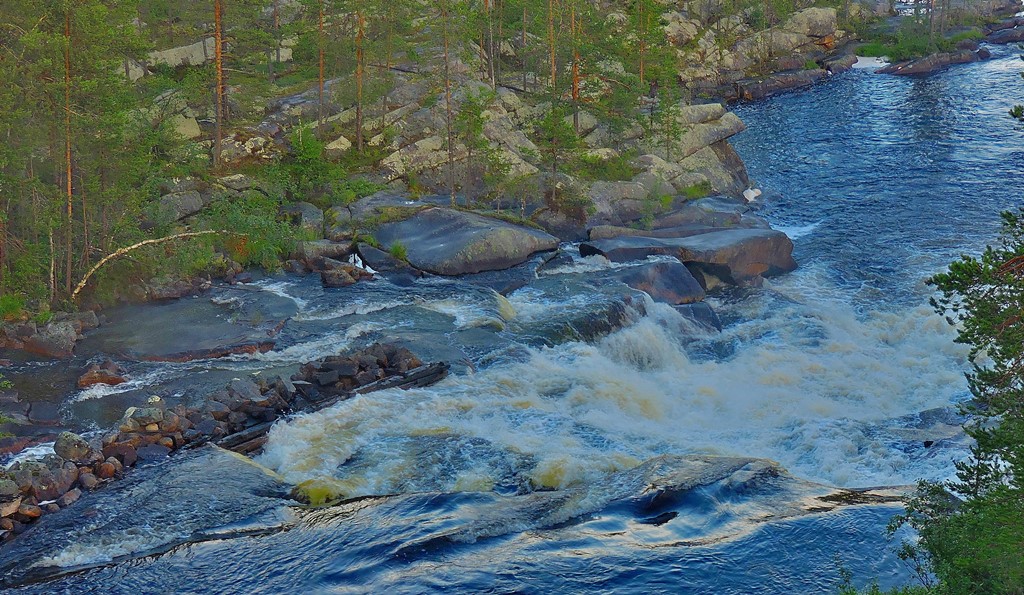
This river is in Northern Sweden.
T IS FOR T20
Yes – another cricket related entry. T20 (where each side bats for 20 overs) has been a great success since its introductiuon in 2003. However the new 100-balls per side competition is being too clever by half (and consigning the County Championship to the start and end of the season when conditions are least suitable for long form cricket).
U IS FOR UNIVERSE
I find it fascination reading theories about our universe, its possible origins and its possible place in a wider cosmos. I also find the history of how we moved from considering our planet to be at the centre of a fixed universe to recognising it as pale blue dot (hat tip to Carl Sagan who wrote a book of that title) in the immensity of the cosmos to be fascinating.
V IS FOR VARIETY
One of the things I enjoy about my current job is that there is plenty of variety there. I am firmly in the camp of those who say that variety is the spice of life.
WHY EVOLUTION IS TRUE
Jerry Coyne’s 2009 book with that title remains a firm favourite (along with his more recent Faith versus Fact), and it is also the title of a blogrun by Professor Coyne that I follow.
X IS FOR EXHORT
As I near the end of this post I exhort you to produce your own version – it is time consuming but fun. You have seen my version, and if you followed the opening link you have seen the version that inspired me to take on this challenge – now go and do likewise!
Y IS FOR YARBOROUGH
This is a bit of a cheat – it is my way of mentioning the game of Bridge which is a firm favourite of mine. A yarborough is a hand with no card higher than a nine and 4-3-3-3 distribution, and is named in honour of Lord Yarborough who had all bridge players at his house contribute a guinea to a kitty, while if someone had the misfortune to be dealt the hand that now bears his name they got 1,000 guineas (he was on to a winner – the actual odds against the hand coming up are 1827 to 1). I do not get to play very often but I am a pretty good player of the game.
Z IS FOR ZOOM
A zoom lens can be a real boon for a photographer (my current camera has a zoom capacity of up to 60X) – a little tip from experience is to not stretch the zoom lens right to its limits – leave a bit of space around whatever you are photographing (you can always crop it out during the editing process). This post was inspired by a Cornish blogger, so I end with a Cornish picture.
The first in a series of posts about #Autisticspecialinterests that will be appearing here during May.
INTRODUCTION
Here as promised is the first of a series of posts I shall be doing about my special interests. I am starting with public transport, and in this post I shall be referring to events that took place long before I was diagnosed as autistic.
GREAT ORMOND STREET HOSPITAL AND THE BIRTH OF A SPECIAL INTEREST
I was a patient in a child psychiatric unit at Great Ormond Street Hospital for over a year in the early 1980s. The trigger for the illness that put me there appears to have been a bout of chickenpox. For the first half of my time there I was an in-patient, at the hospital 24/7, and then when they deemed it safe for me to sent home at nights I was a day patient. Although I cannot remember a time when trains did not interest me, it was during this period that I would say that my special interest in public transport was formed.
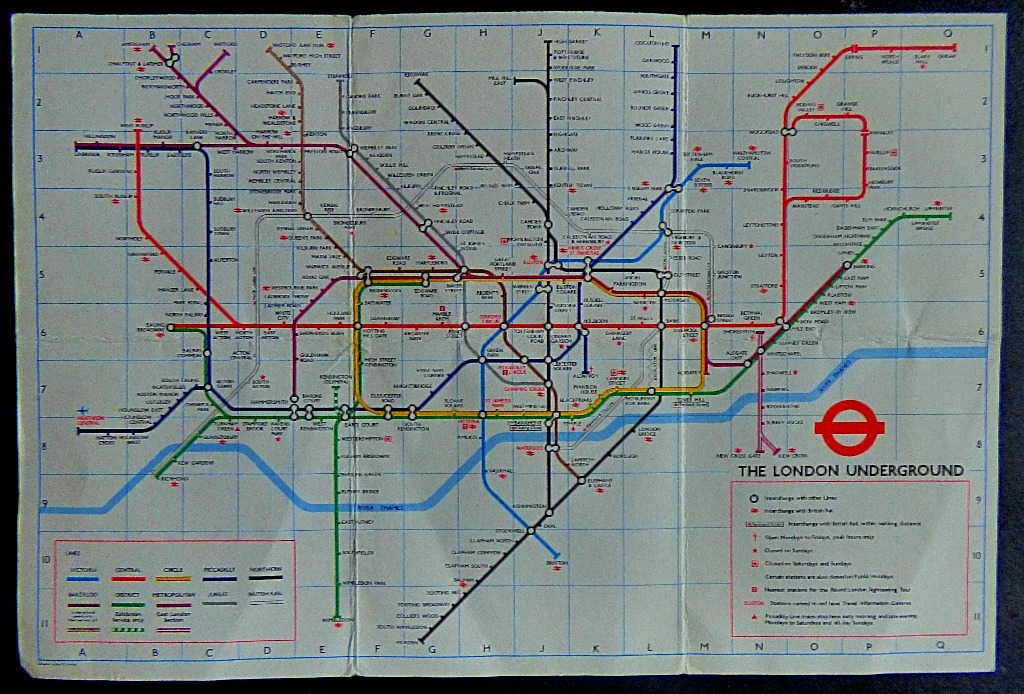
My family moved to London in 1979, when I was four, and I have a London Underground map from that time:
Now, here is an edited version, highlighting the two key stations:
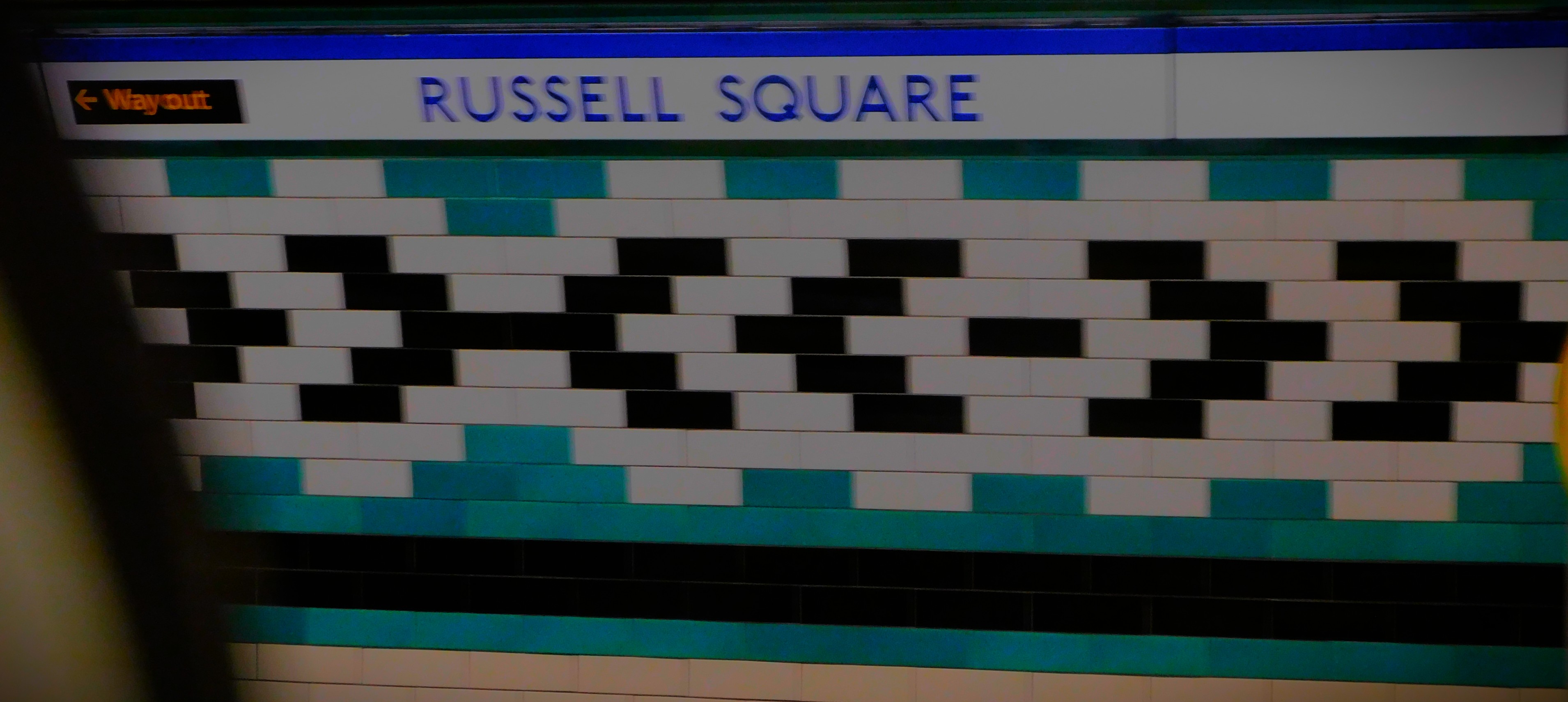
Tooting Bec was our local station, just about a mile from our house, while Russell Squareis the station for Great Ormond Street Hospital. My father would take me there in the mornings and pick me up in the afternoons, using London Underground. We took some very bizarre routes, as my fascination grew, which sometimes led to my father getting awkward questions from ticket inspectors (yes folks, in those days London Underground had on-train ticket inspectors).
TEENAGE YEARS – GOING SOLO
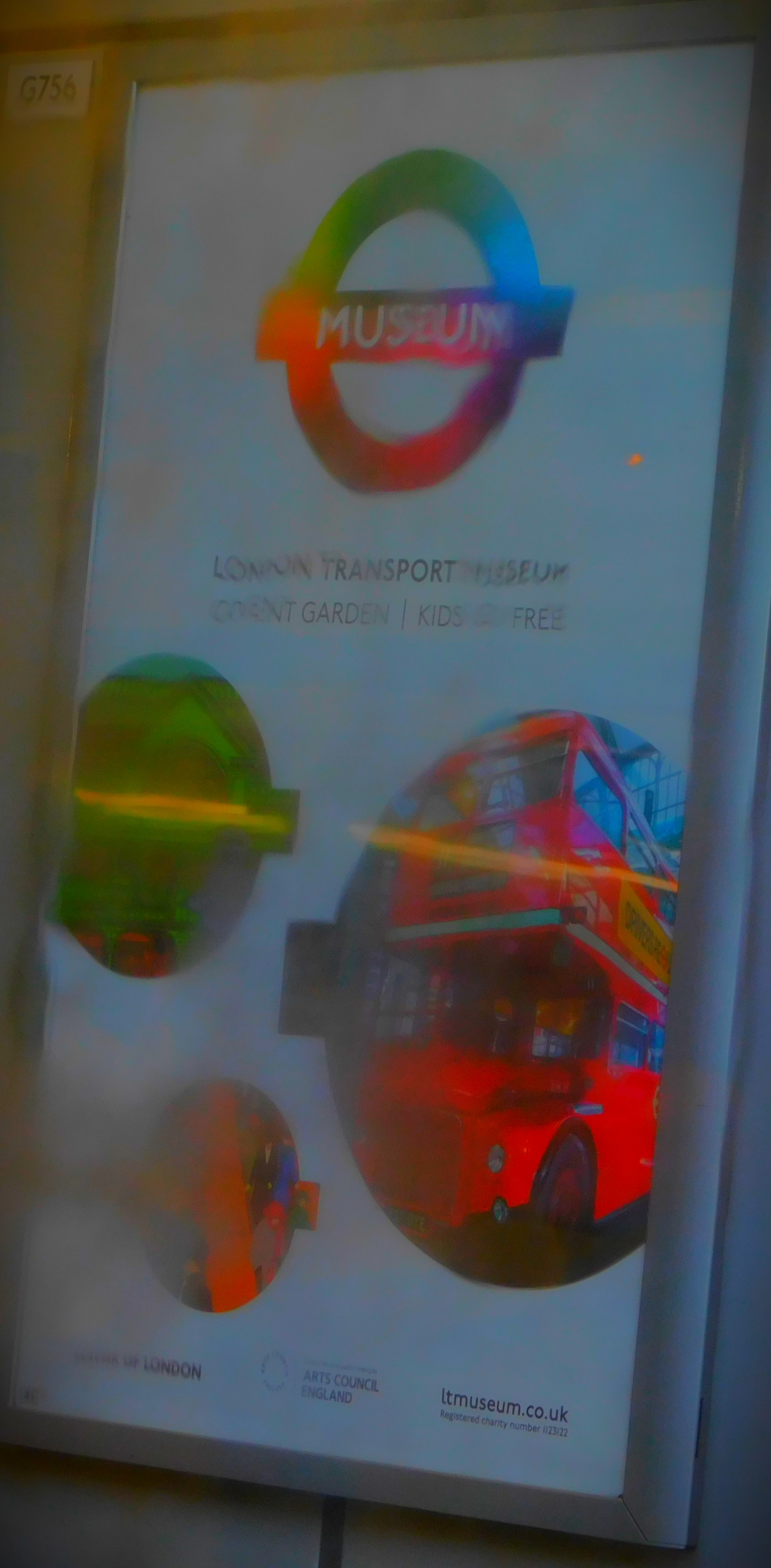
In later years I was able to explore on my own, and when I was in my early teens the child rate for a one-day travelcard was only 90p, so I would often go out on a Saturday and explore London transport in detail (I used various local railway lines as well as the Underground, though in those days I did not make much use of buses). It was also in this period that I discovered the London Transport Museum at Covent Garden.
A big moment for me was the opening of The Docklands Light Railway (I travelled on it on its first day of operation way back in 1987, and it was a huge buzz to be there at the start of a new development in public transport). In particular I first developed the method of visiting Greenwich described in this post on www.londontu.be as a teenager, and since the DLR was then pretty much brand spanking new I claim to be the pioneer of that method.
Like most who have been regular users of it I came to despise the Northern Line, and later in my teenage years it was a thing with me to make my excursions without using the Northern line (this meant starting and finishing at one of various railway stations which were walkable from home – Tooting, Streatham Common, Streatham, or Streatham Hill). A frequent finish to my excursions was to take the Hammersmith & City line to Hammersmith, get an eastbound District line train to Earl’s Court and then cross the platform to get a Wimbledon train, finally changing to railway train to Tooting.
At the same time as I was exploring public transport in London to the full I was also learning more about its history and development.
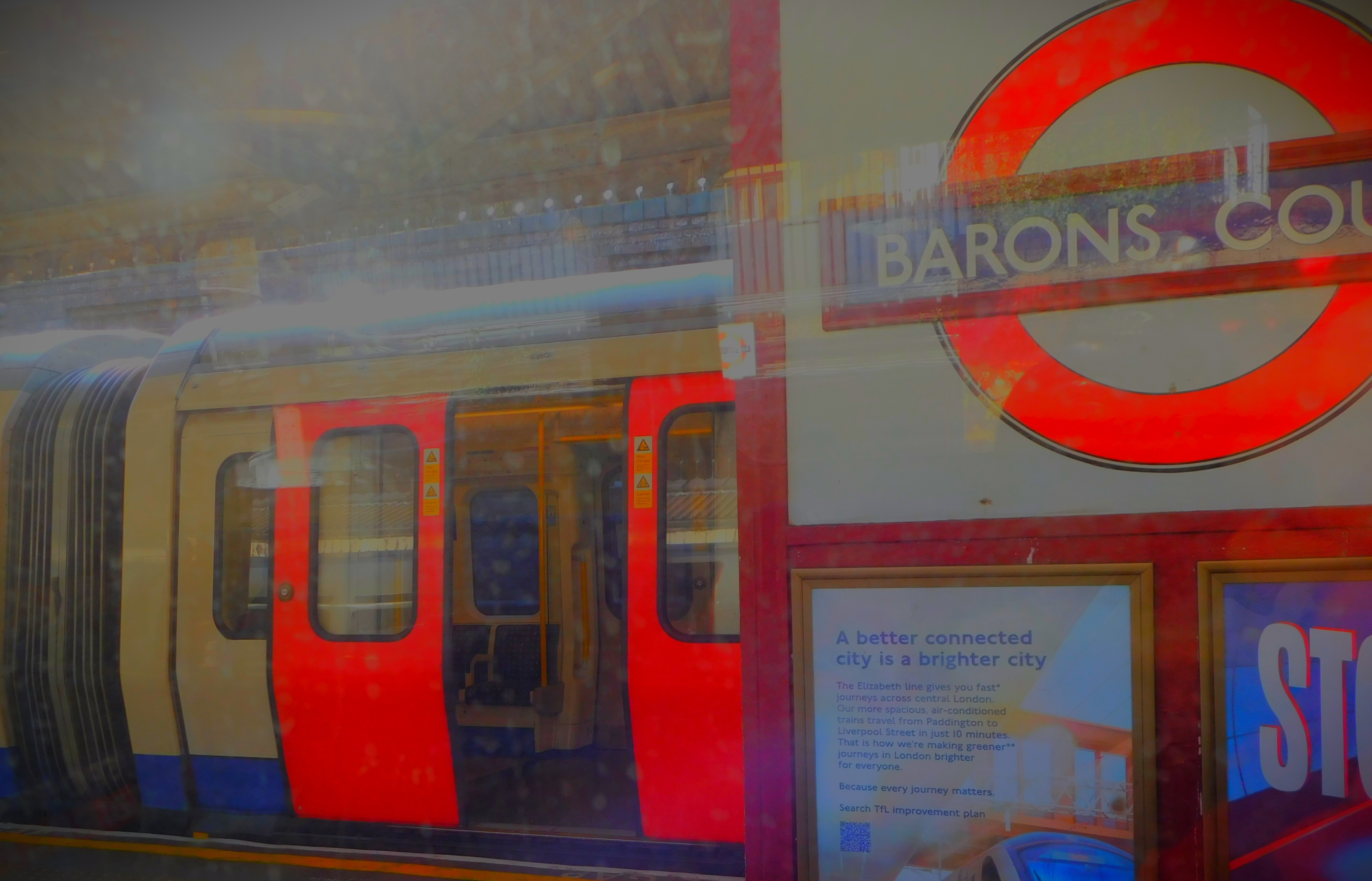
Very late in my teens I became a regular commuter, because after finishing at my local comprehensive I decided to resit my Chemistry ‘A’ Level and do the first year of Maths and Physics ‘A’ Levels at Richmond Upon Thames College of Further Education, whose local station was Twickenham, two stops west of Richmond. I had two regular routes there, either travelling in my mother’s car as far as Baron’s Court (the nearest station to the school she was teaching at in that period), District to Richmond, train to Twickenham, or from home, walk to Balham (about a half-hour walk, perfectly manageable for an 18 year old), get a train to Clapham Junction and change for another train to Twickenham. The fastest trains over the Clapham Junction – Twickenham section were those going to Reading, which did it non-stop. Those trains were also the only ones that still had manually opened and closed doors (two choices folks, either slam the thing, making a monstrous crash, which most people did, or learn, as I did, how the catches worked so that one could shut the door quietly).
FURTHER POSTS
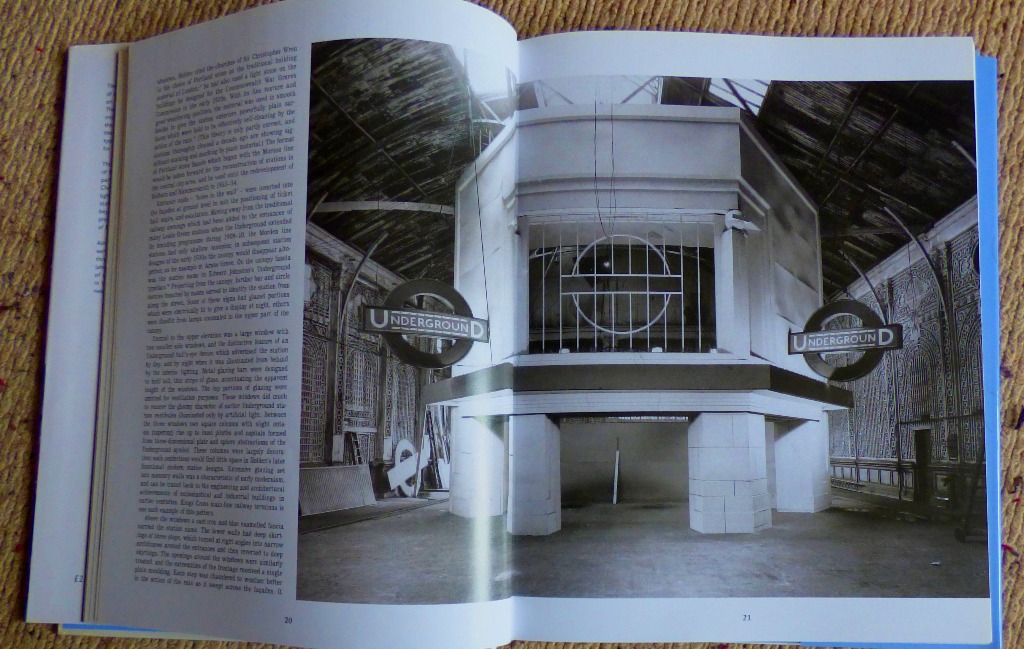
When I revisit this series, probably at the weekend, the story will move away from London, as I did, and will indeed go international. To finish for today, here are some old pictures of Tooting Bec Station, taken from the book Bright Underground Spaces:
The Stapleton Road sufrface building agt Tooting Bec, which was the one I used to enter and exit by.
Both of Tooting Bec;s surface buildings (from 1926-50 the station was called Trinity Road).

































































































































































































































 This river is in Northern Sweden.



 aspiblog