Regular readers will be aware that I have had a tough time lately, including two unscheduled visitsTHto my local hospital. It was therefore with feelings of some trepidation that I approached my scheduled visit to Addenbrookes yesterday. I will take you through what happened at various stages of the day in the rest of this post.
CONSULTATION WITH DR MAZHAR
The encouraging news from this session was that my tumour markers are continuing to fall (having at one stage been up in the hundreds of thousands they are now down at 20). Immediately after this session I went for a chest x-ray, preparatory to an afternoon appintment with a respiratory specialist.
THE RESPIRATORY SPECIALIST
Given my situation the news from this appointment could have been anything from dreadful up to reasonable (given the known state of my lungs it was not going be good on any normal definition of that word). In the event the news was, to adapt a line from S J Simon’s “Why You Lose at Bridge”, the best news possible – the lung infection had cleared up, and it is virtually certain that the main problem in my lungs is not, as some had feared, a case of Bleomycin toxicity. It is almost certainly caused by small scale haemorrhaging (the lungs act like a sponge, soaking up the loose blood, which causes some problems but explains why there is little external evidence in such cases). A CT scan has been booked to further check this out, and if warranted this will be followed by a bronchoscopy.
THE CURRENT SITUATION
My physical state is improving – while I found walking around the hospital tiring I did not actually need to stop at any point, and I never felt like I was close to trouble. Since I went public about having experienced such things I have had no further anxiety/ panic attacks (and given both my recent circumstances and my mental health history it is no great surprise that I did experience such things). The mild tranquilizers (Diazepam for those interested in exact details) that my doctor provided to help with this issue have worked so far. There is a long way to go yet, but at least at the moment I seem to be heading in the right direction.
PHOTOGRAPHS
Here are some photographs from yesterday…
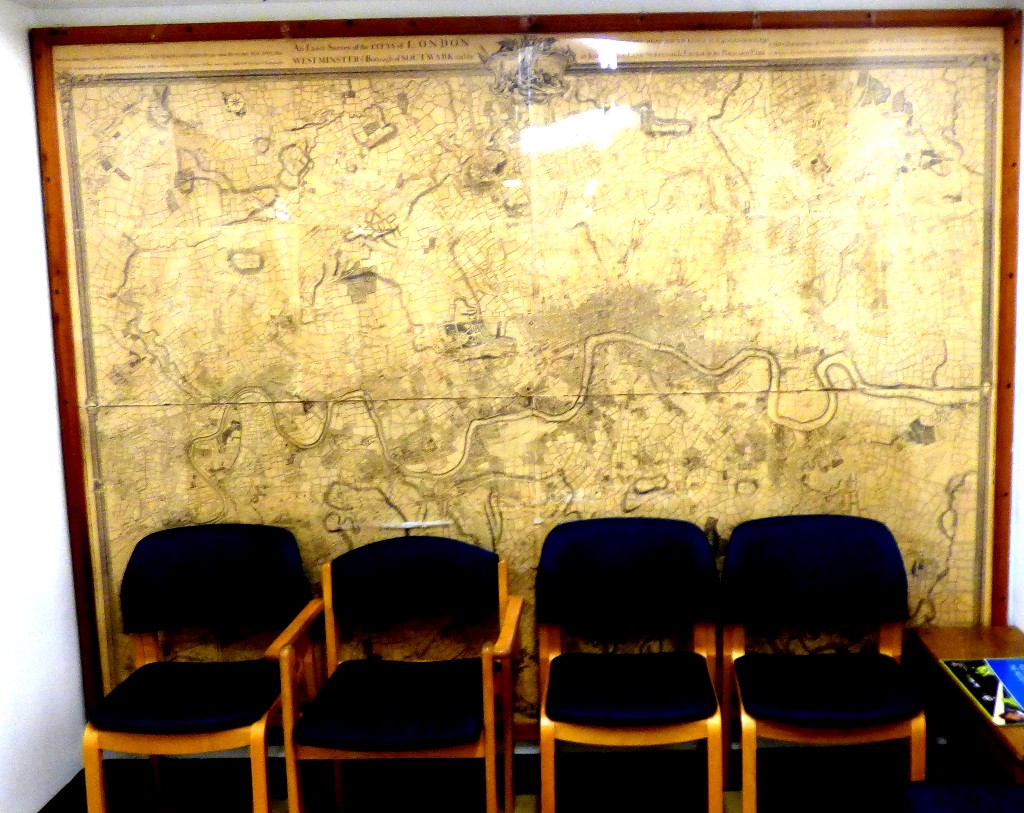
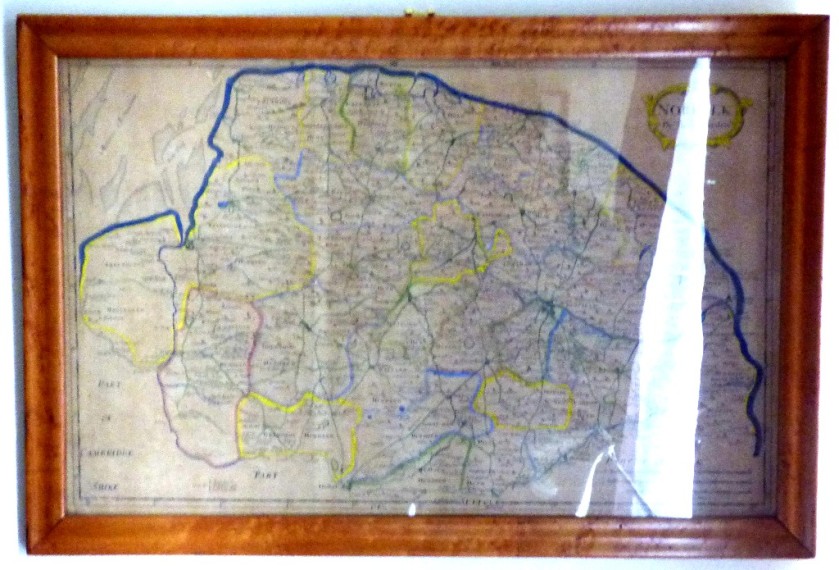
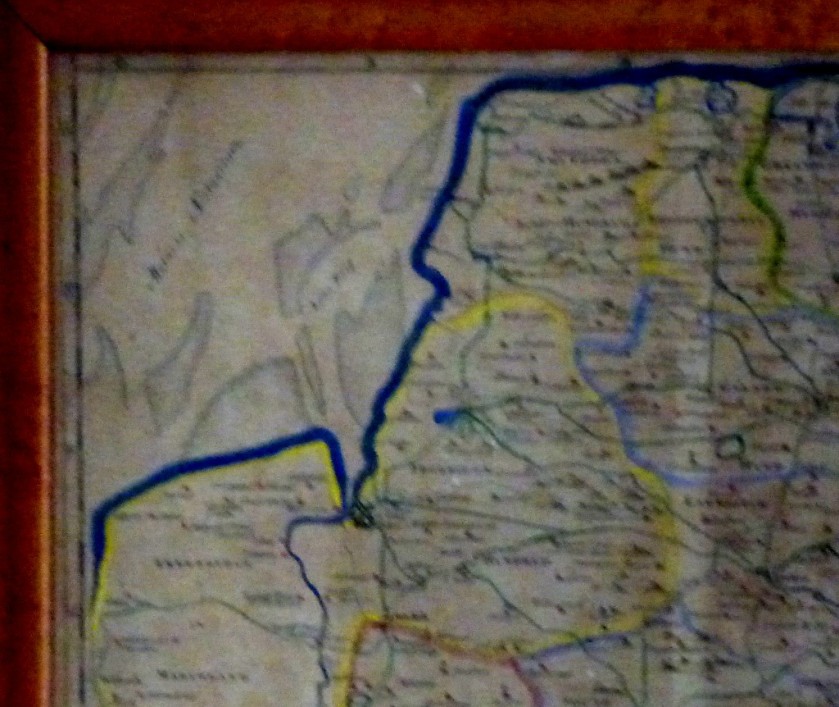
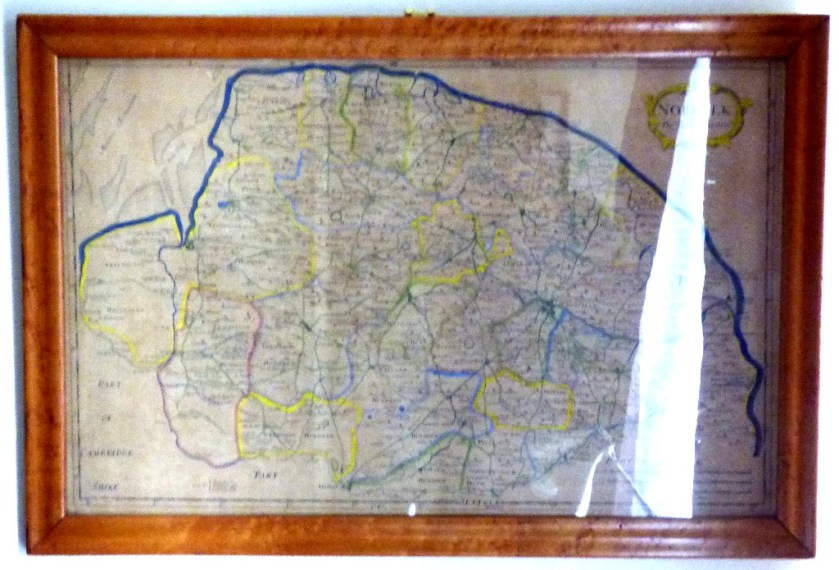
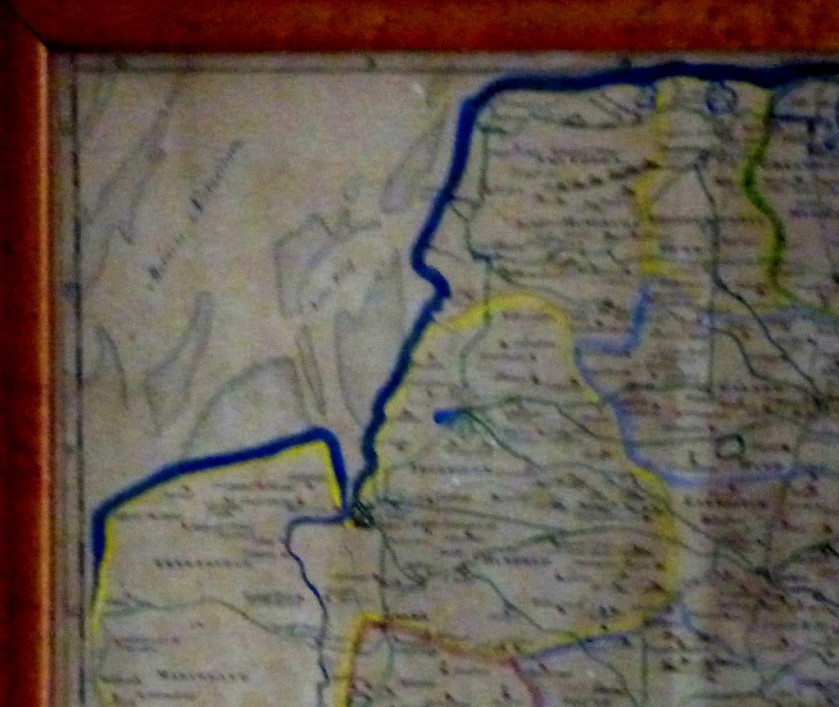
The West Winch village signThis magnificent map adorns one wall of the waiting room for the respiratory clinic.The first of two shots I got of Ely Cathedral during the return journey.
I have just had a visit from Louise, a therapist at Tapping House to fit a new toilet seat and frame to make it easier for me to use the toilet, and to discuss possibilities re therapy at Tapping House. This post attempts to give an overview of the situation.
MY CURRENT STATE OF HEALTH
My body appears to have responded well overall to the cancer treatments I have endured over the last few months – as I have mentioned elsewhere the tumour counts appear to be regularly falling. I am currently experiencing breathing issues which could be caused by any of several possibly linked issues:
One of the areas worst affected by the tumours were my lungs, and although the tumours there appear to have almost gone the current issues could still relate back to the cancer.
One of the drugs used in my chemotherapy is known to sometimes have an adverse effect on chests and lungs, and it is possible that this is a contributory factor.
I have recently had a lung infection, and currently have a mild chest infection for which I am on antibiotics, and there is no doubt that both of these have contributed to the problems.
Finally I have through necessity been been very inactive for some time, and this may also partially explain why such activity as I am currently capable of tends to leave me breathless.
The therapist has given me some tips on breathing and on posture when on my feet (e.g in the kitchen), and will be in contact with me again in about a week to see if I am improving, with a view if I am to starting me on physio sessions at Tapping House. She has also indicated that she could take me out in the wheelchair for sessions in which I sit for some of the time and walk for some of the time (the weather is exceptionally mild for an English February, and getting outside more would be good for me).
My confidence is starting to improve as time goes by and I do more things without falling or having other accidents.
At some stage, when I am strong enough to go through such a procedure, there remains an operation to be endured, and that will probably entail some recovery time as well.
For the time being I will be seeing at least one carer once per day, which remains a necessity as it ensures that someone who can presumably recognise warning signs will be seeing me daily, and one hopes will be ready to take action if needed.
With a fair wind I could be starting therapy sessions in just over a week, and I hope to spending more time out of the bungalow and to be more physically active in the not too distant future.
PHOTOGRAPHS
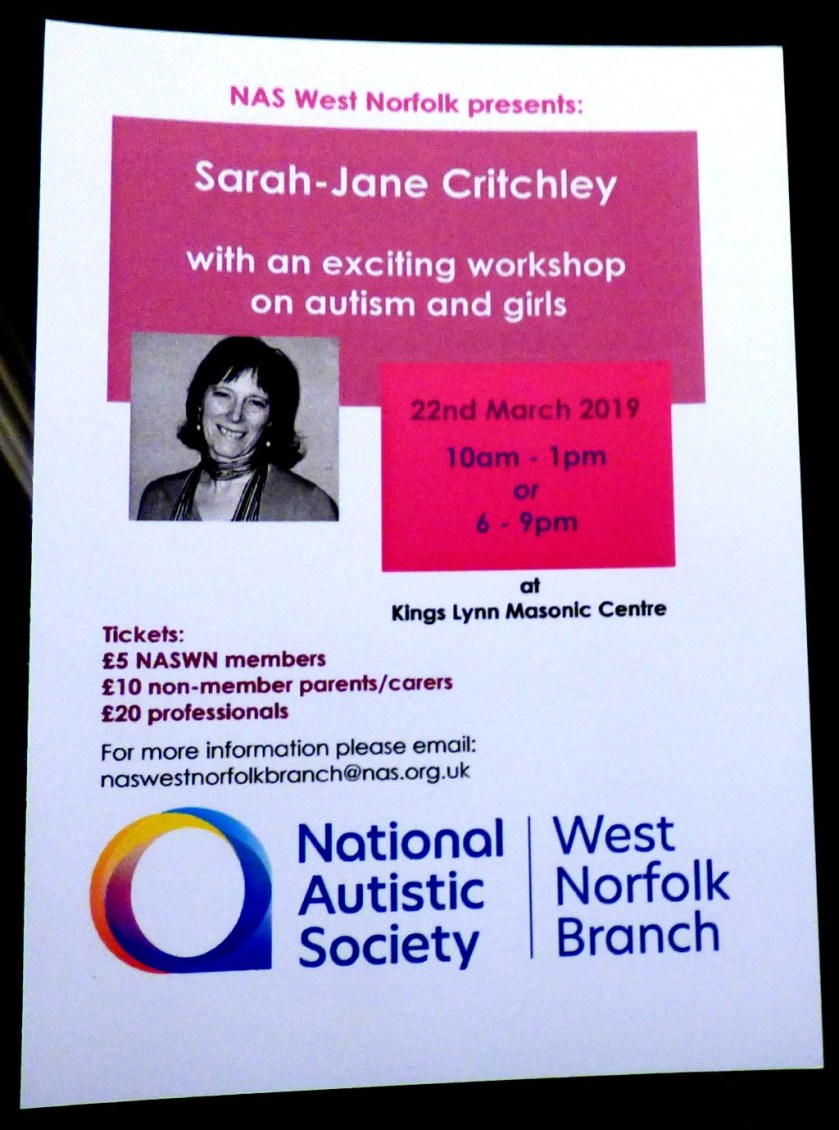
A card from my friends at NAS West Norfolk
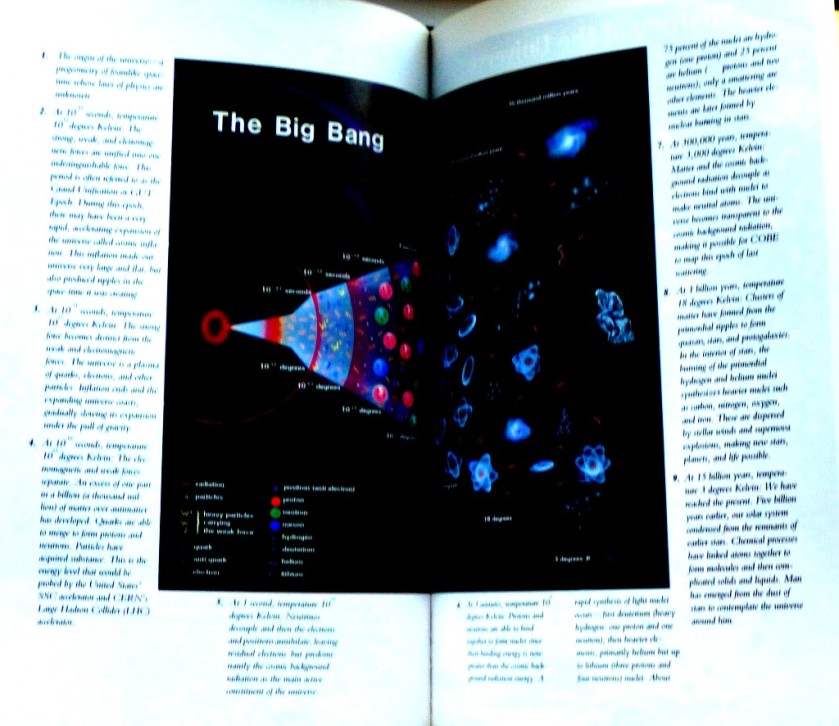
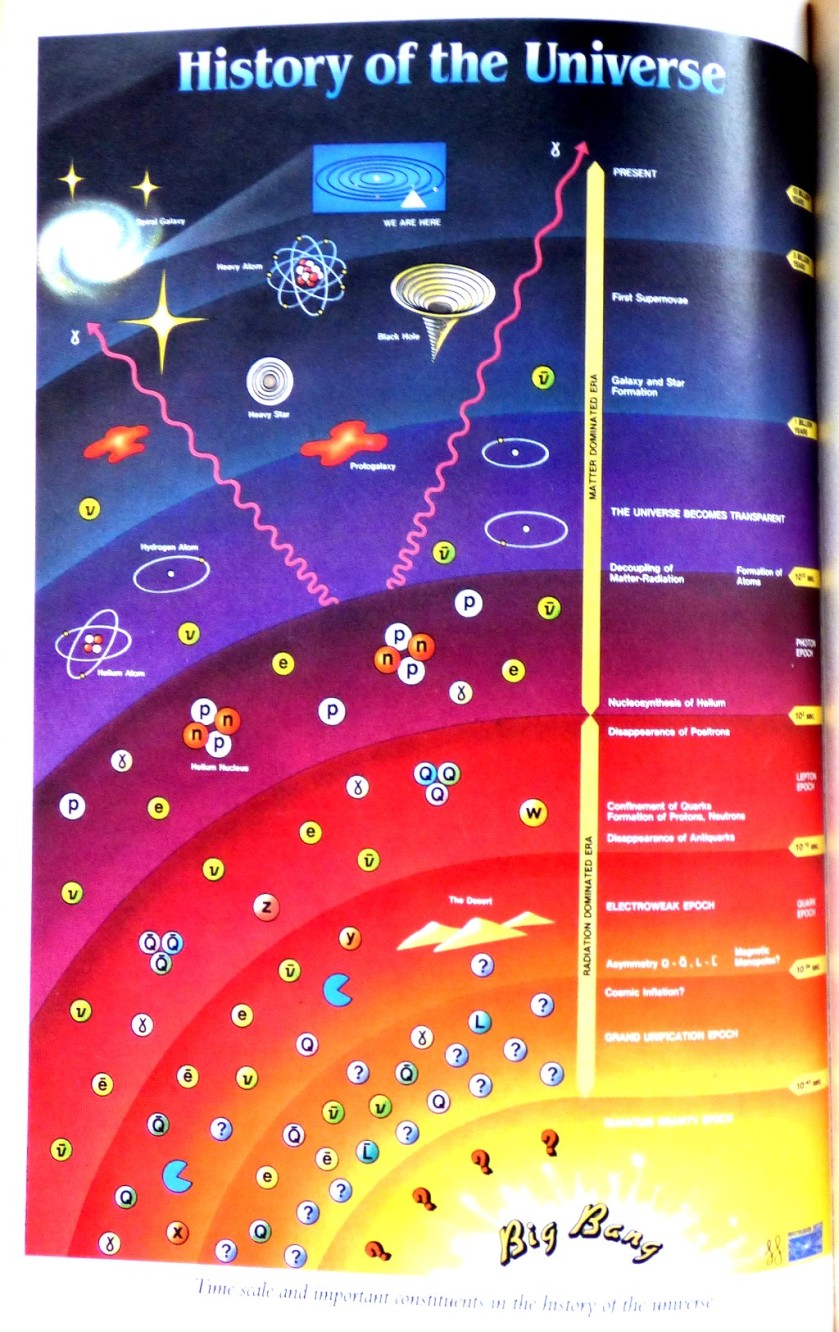
A couple of illustrations from George Smoot’s “Wrinkles in Time”
Comparison between two antique maps of Norfolk – this one in my aunt’s house (four images)…
…and this one which belonged to my grandparents is now on display in my bungalow (five images)
An account of the 1st ODI between England and the West Indies.
INTRODUCTION
After a test match series most of which is best forgotten England last night started the ODI series against the West Indies in emphatic style. I followed the action on cricinfo, since there was no live commentary.
A RUN FEAST
Chris Gayle, playing his last international series at the age of 39, clubbed a spectacular century for the West Indies. The problem was that although he was smashing sixes like the Gayle of old he was no longer able to run at any sort of speed, and as a result his overall scoring rate was not actually that quick by modern standards as there were too many scoreless deliveries there.
The early lead in England’s response to the West Indies 360 was taken by Jason Roy who pretty much matched Gayle for freedom of stroke play and was also able to run properly, with the result that his strike rate was colossally impressive. Joe Root and Eoin Morgan then took over once he was out, and just before the end Root reached the third inidvidual hundred of the day, while Ben Stokes made an unbeaten 20 at the end to ensure that there would be no final wobble. Root was out at the death, caught of a dreadful full toss that was only just a legal delivery, but England’s margin was six wickets, with eight balls to spare, and at no point during the England innings did the West Indies look other than second favourites.
Although Gayle had a higher score the player of the match award went quite rightly to Jason Roy whose innings put England firmly in the driving seat, a position they never subsequently relinquished. In a match in which 724 runs were scored in 98.4 overs Ben Stokes’ bowling figures (3-37 from 8 overs) were noteworthy. Chris Gayle’s 135 came off 129 balls, so just above 100 runs per 100 balls, while Jason Roy’s 123 occupied just 85 balls – a strike rate of over 140 runs per 100 balls. A full scorecard can be viewed here.
In the early hours of tomorrow morning UK time, the England women take on India in an ODI, while the second match of the series in the West Indies gets underway later the same day.
An account of a busy, tiring but important day in my story – yesterday.
INTRODUCTION
Yesterday was a very busy day for me, starting with a session in my home with Capita as part of processing a PIP claim and followed by various things at Addenbrookes Hospital. This post covers the days events in some detail.
THE START OF THE DAY – CAPITA
I was up and about by 7AM as I intended to be, giving myself plenty of time to prepare for the arrival of Capita. At just about 9AM somebody from Tapping House arrived to support me through the session, closely followed by my parents and Capita’s representative.
This session went fairly well, helped by the fact that the Capita representative actually had some knowledge of autism, which meant that I was being asked very direct questions, which in turn made handling them easier.
While I have as yet no expectations about the final outcome of this assessment I believe that it went about as well as it could have done, and therefore I am cautiously optimistic.
ADDENBROOKES PRELIMINARIES
The day at Addenbrookes started with a weigh-in (71.3 Kilos), and then an appointment with my oncology specialists to discuss progress in my case. My tumour markers are continuing to drop (from being in the hundreds of thousands they are now down to 36, while they need to get down to 4 for me to safe) and the overall prognosis is improved (when my treatment started I was told that there was about a 50% chance of all the cancers that were afflicting me being cleared, and I have now been told that the odds are better than that). When my lungs have cleared sufficiently for me to be considered strong enough to through such a process there will be an operation to remove the testicle that was the root cause of all my problems. There remains some uncertainty over what will ultimately be done about the four small tumours in my brain. I am due back at Addenbrookes in two weeks time, and in the intervening week I will receive an email from someone at the hospital to check up on me (I believe that this will be a regular feature for the future).
X-RAY AND BLOOD SAMPLES TAKEN
Following on from this session it was time for a chest X-Ray and then for some blood to be taken. Both went extremely smoothly, with my veins being fully co-operative for once.
After this there remained one last thing to be done at the hospital…
AN IRON INFUSION
The iron infusion looks like liquid rust (this one is the third I have had, and may well not be the last). It takes about half an hour to run, and then one has to wait for another half hour while potential side effects are monitored. Fortunately there were none and I got away fairly swiftly at the end. This was a tiring but very satisfactory day, and one that has boosted my confidence for the future. There will still be tough times ahead, but I can also look forward with confidence to a better future.
PHOTOGRAPHS
Here are some pictures I took yesterday and today…
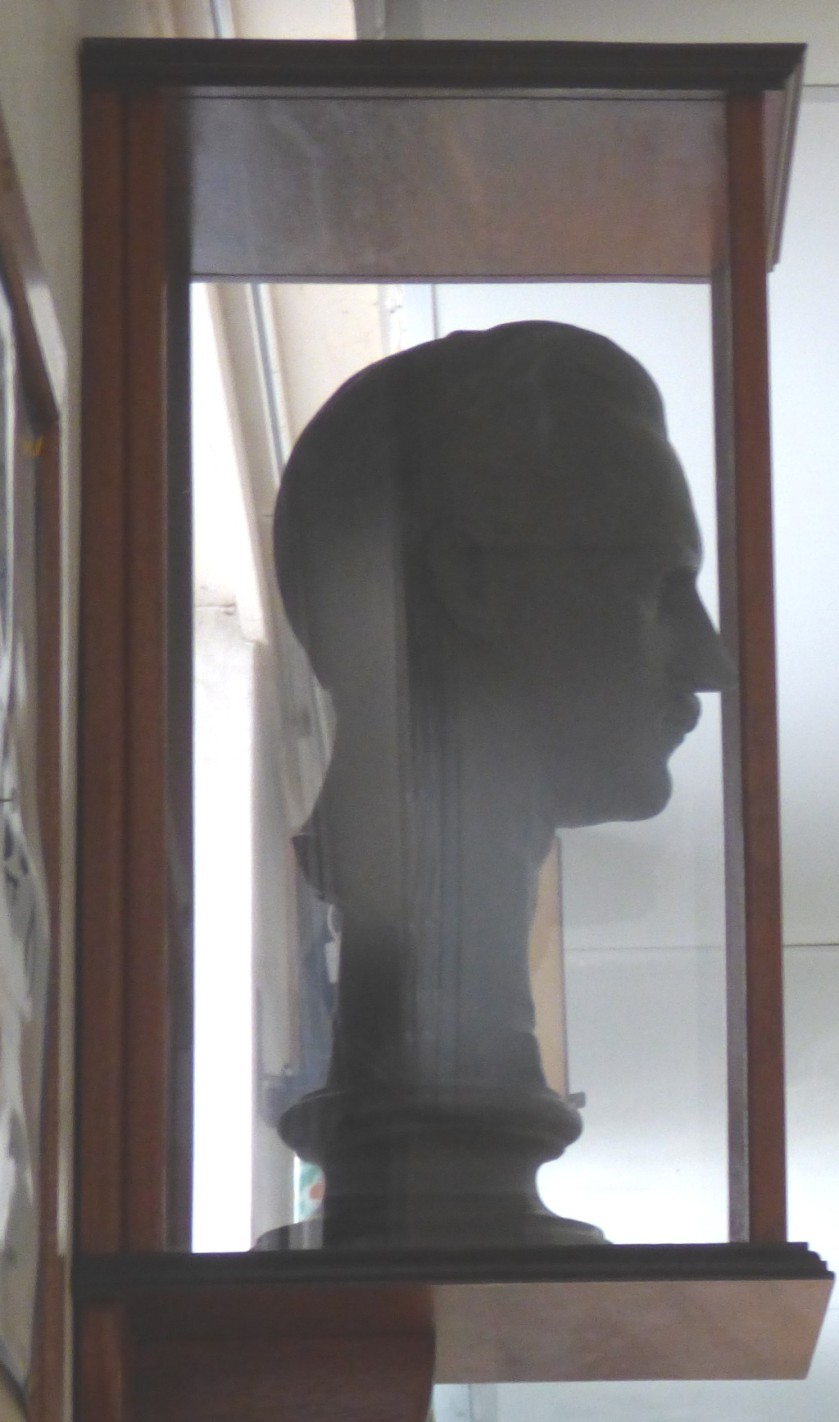
A windmill on the way to Addenbrookes.The first of three pictures taken in the hospital.This bust is of Edward Douty.
A pride flag in the hospital car park.
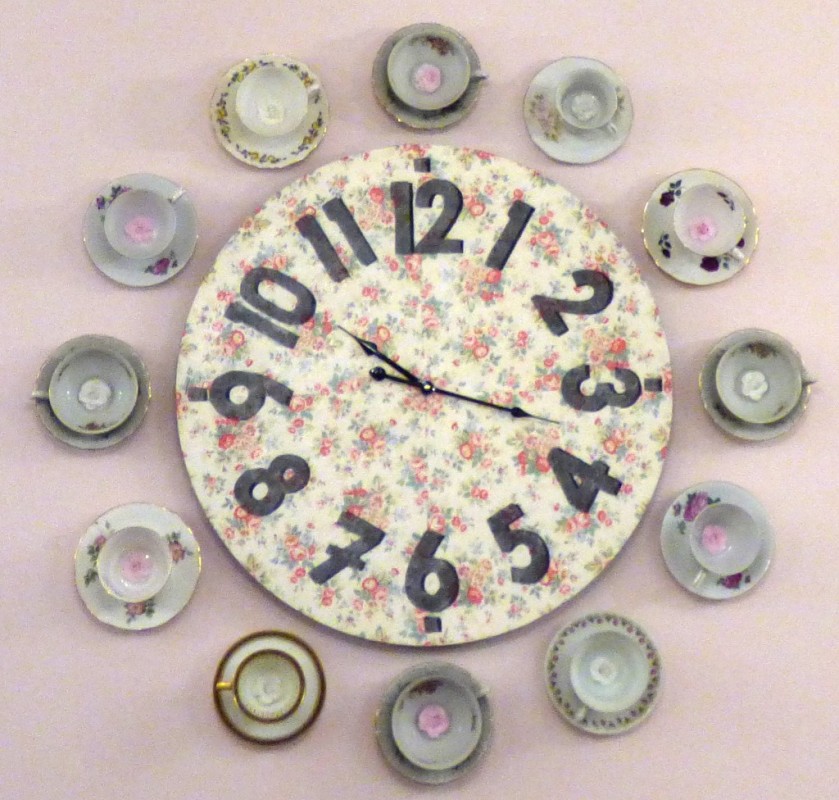
Ely CathedralThe spire of St Nicholas Chapel (1st of today’s pictures)The clock at The Pretty Tea Shop, Norfolk Street, where I went for an NAS West Norfolk coffee morning today (first of six pics from that venue).
A radical suggestion for dealing with the England men’s teams top order batting woes…
INTRODUCTION
Having introduced my new series about cricketersin my last post I now move on to an opening batter who provides a springboard for plenty of other ideas.
VALE ATQUE AVE
The 2015 English cricket season started with the news of the dropping and subsequent international retirement of Charlotte Edwards after a long and illustrious career (she features later in this series). Who was going to fill the monster sized vacancy that her departure left at the top of the England women’s batting order?
The first England women’s squad post the dropping and retirement of Edwards featured an opening pair of Tammy Beaumontand Lauren Winfield. Beaumont immediately began making big runs in her new role at the top of the order, and remarkably a fairly seamless transition from one era to the next took place.
OPENING WOES IN THE MENS TEAM
Meanwhile in the ranks of the England men’s team a gaping hole was emerging at the top of the batting order. Alastair Cook, so long an absolute rock in that position, seemed to have gone into irreversible decline and none of those selected to partner him looked remotely good enough. Mark Stoneman went after a sequence of test matches that brought him four 5o plus scores but never saw him get as far as 60 (and he had several lives in the course of his top score of 59). He was replaced by Keaton Jennings who has scored two test hundreds but who is also looking at an average of 25.86 after 16 test matches (at least 15 runs per innings light for a specialist batter at that level).
When Cook announced that he was retiring from international cricket the problem became greater still. Rory Burns of Surrey was an obvious candidate for one slot at the top of the order, having scored far more runs than anyone else in the English season. For the the other England faced a difficult decision between the following:
Stick with the underachieving Jennings and hope for miracles.
Revert to Stoneman with even less chance of success
Bring in a second brand new opener and hope that (at least) one of the newbies hits their straps right from the start.
Faced with an assortment of unappealing options as listed above go for someone who has been making stacks of international runs at the top of the order and give Tammy Beaumont her chance to play alongside the men.
In the event England took option one, and one big score for him in Sri Lanka apart it has not worked out either for them or for Jennings. In the test match currently under way at St Lucia England are doing well, but they have not had many top order runs to work with, although Burns batted a long time in the first innings. In the first two tests of this series England were roundly defeated, and the less said about their batting efforts, the better.
COULD A WOMAN PLAY ALONGSIDE THE MEN?
The short answer is yes. I would not expect a female fast bowler to be able to hold their own as power is so important in this department, but in batting, fielding, wicketkeeping and slow bowling, where there is less of a premium on pure power I see no reason why a female could not hold their own with the men, and my suggestion relates specifically to an opening batter.
If some new opener makes a succession of centuries in the early part of the English season , thereby forcing themselves on the selectors my current thinking may be modified, but at the moment I remain convinced that the best solution to the England Mens team’s opening woes is to give Beaumont her chance and see what happens.
THOMAS SQUAD FOR 1ST ASHES MATCH
I have misgivings about someone who is almost 33 starting a test career from fresh, but Joe Denly’s 69 in St Lucia would seem to have earned him an extended run, so it is on that basis that he features in my squad for the first Ashes Match. I will list the names, and then append some explanations:
I Beaumont
Rory Burns
Joe Denly
Joe Root*
Joss Buttler
Ben Foakes+
Ben Stokes
Sam Curran
Adil Rashid
Jack Leach
Mark Wood
James Anderson
Olly Stone
I have named 13 because the exact make up the bowling unit will depend on the nature of the pitch and the conditions. I regard Anderson, Wood and Stone as essential for the seam attack (two outright quicks, and England’s all-time leading wicket taker), with Leach and Rashid in that order of precedence as spin options should conditions warrant it, and Curran as a fourth front-line seamer (possibly batting at 7 in place of Stokes) should conditions warrant that option. Bairstow at no 3, as a specialist batter, is also an option but would seem shockingly inconsistent given the Denly has produced a significant score in St Lucia, which is why he is not there in my list.
PHOTOGRAPHS
A recent acquisition, which has also featured on my London Transport themed website.
The start of a new series which will be appearing regularly in this blog…
INTRODUCTION
This is the first in what I envisage being a long series of posts, and will set the scene for the entire series.
A NOTE ON THE DESIGNATION ‘ELEVENS’
Although I have divided my cricketers into elevens, that being the number the usually comprises a team I am not implying that these elevens are in any particular order. There are many ways to pick an 11 person team out of the players I have chosen and you may well have ideas of your own by the end of the series of what your elevens would be. All of my elevens could definitely function as teams, and all are of mixed sex. Within each 11 I have further subidivided into categories based on the types of players in the team.
SOME BASIC CRITERIA
All the players I shall cover are players who have been active during my lifetime, and specifically players who I have witnessed either live, on TV or via radio commentaries (my favourite way of following cricket so long as the commentators are up to the job). All the players featured would be worth a place for one particular specialism, even if they are also excellent at other aspects of the game – a genuine all-rounder if you have such a thing is wonderful news, someone not quite up to the job with either bat or ball is a waste of space. Being English and having come to cricket during the 1980s I witnessed the dread decade of the 1990s when desperation to fill the void created by the decline and eventual retirement of Ian Botham led to a succession of medium pacers who were also respectable lower order batters being pushed as the magic bullet. At one time it seemed that a quick 50 and a three-for somewhere would be enough for the ‘all-rounder’ sign to be draped round the neck.
Some of my selections never got international call-ups – when I cover these players I will explain why I selected them, and there is one who I have named in anticipation of a moment that surely cannot be long delayed.
THE FIRST XI IN BATTING ORDER
My first eleven is as follows:
Tammy Beaumont
Alastair Cook
*Ellyse Perry
Kevin Pietersen
David Gower
Andrew Flintoff
+Ben Foakes
Kathryn Brunt
Jack Leach
James Anderson
Olly Stone
I will be covering this selection in four posts:
A stand alone post about Tammy Beaumont in which I shall expand on women in cricket and on the possibilities of women playing alongside the men.
A piece featuring Cook, Gower and Pietersen, the other specialist batters
A piece on the all-rounders (including Foakes in that category, as a wicketkeeping all-rounder) – Perry, Flintoff, Foakes and Brunt
A piece on the bowlers – Leach, Anderson and Stone
PHOTOGRAPHS
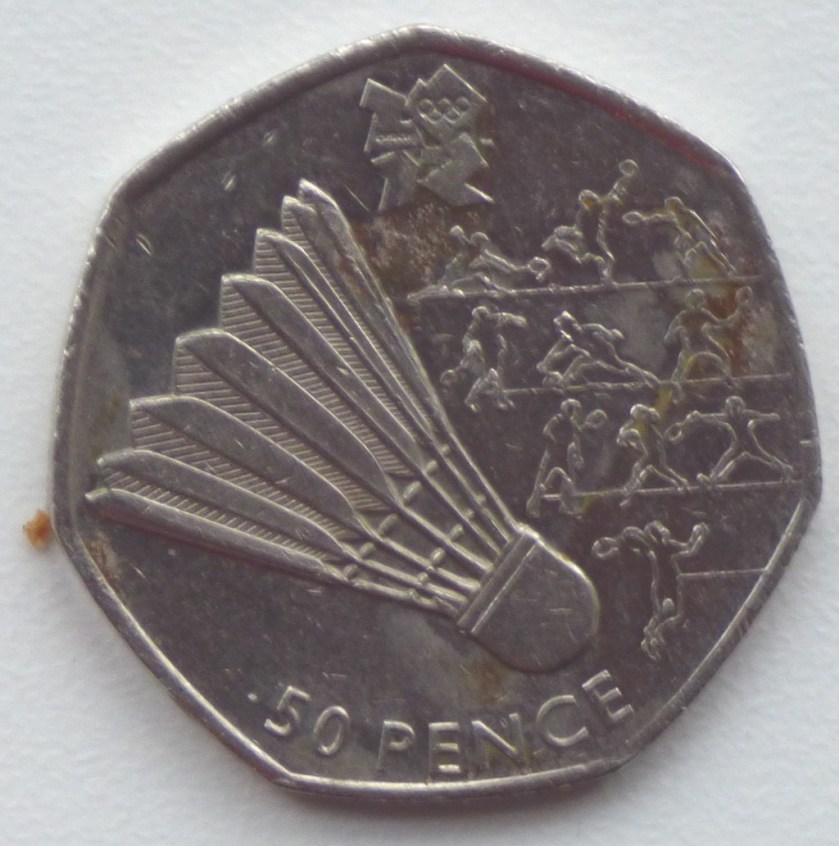
A special issue 50p (three images)
A Stockholm Archipelago winter scene (from postcard)
An account of how I gained an Arts Award (Bronze Level).
INTRODUCTION
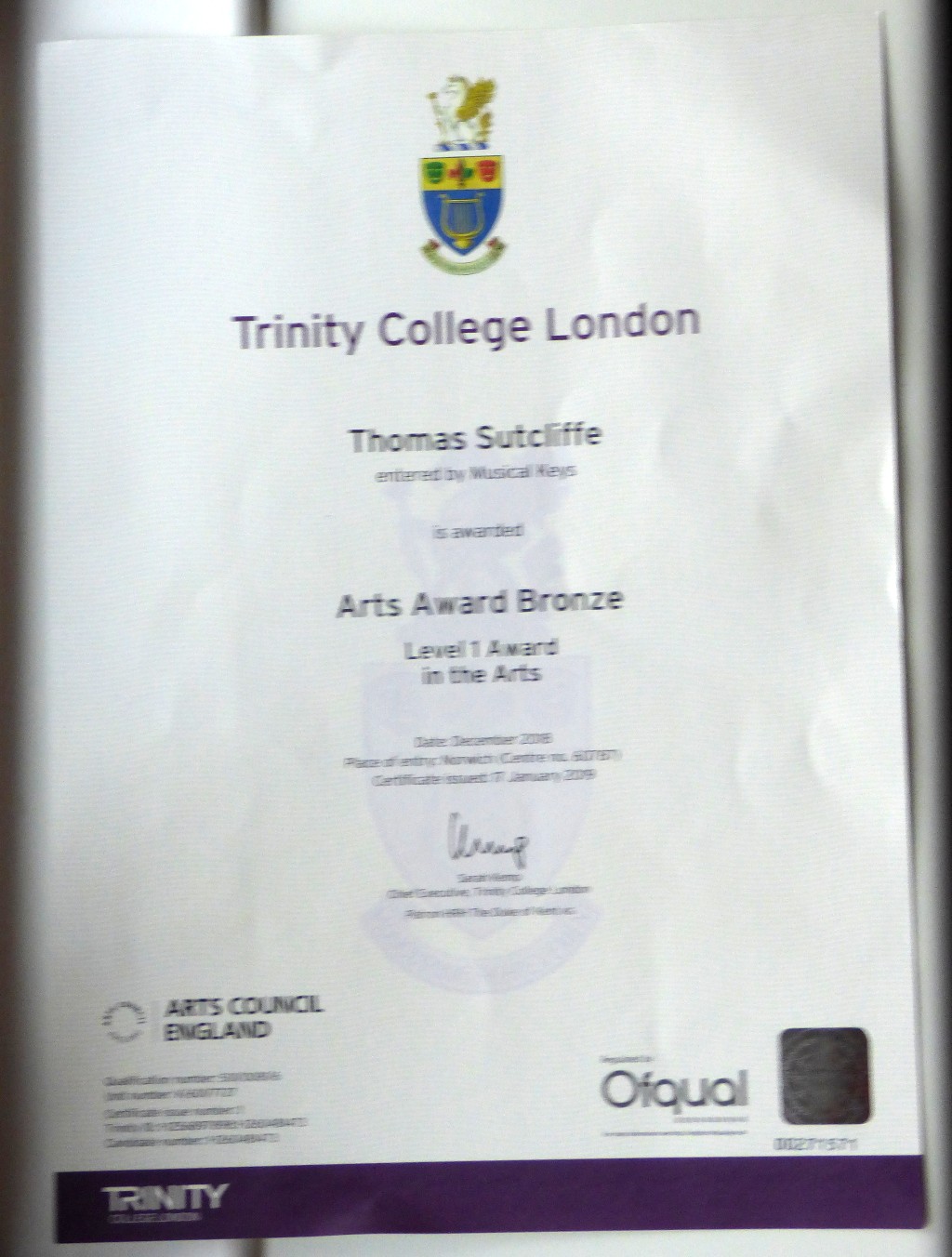
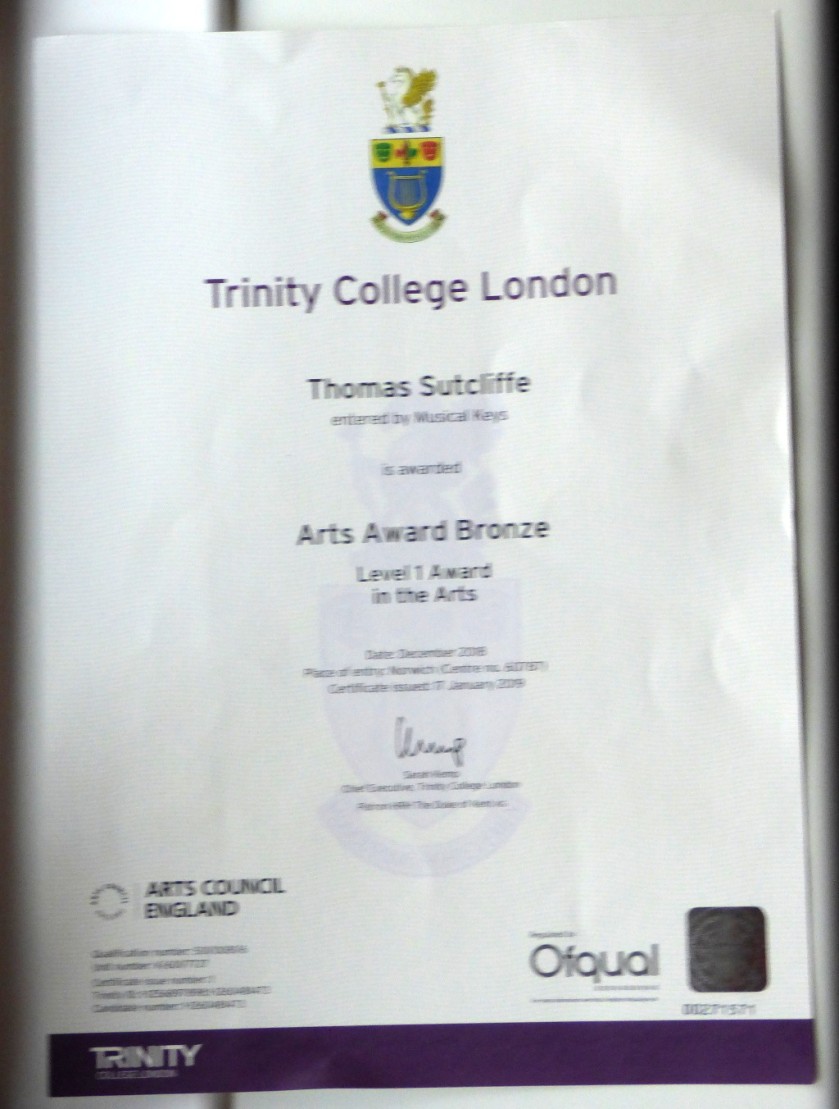
Today was the day I and three other people picked up Arts Awards (Bronze Level) from Trinity College, London, for work done at Musical Keys sessions in King’s Lynn run for autistic people.
THE WORK
There were four elements to the work that had to be done to earn this award:
Creating music during the sessions.
Demonstrating knowledge and understanding of how to create that music and being able to share with the group what one was doing.
Providing a record of an arts related event that one had attended.
Providing some information about one particular artist from whom you have taken inspiration.
I am now going to give you access to each of these four areas.
CREATING THE MUSIC/ SHARING HOW THIS IS DONE
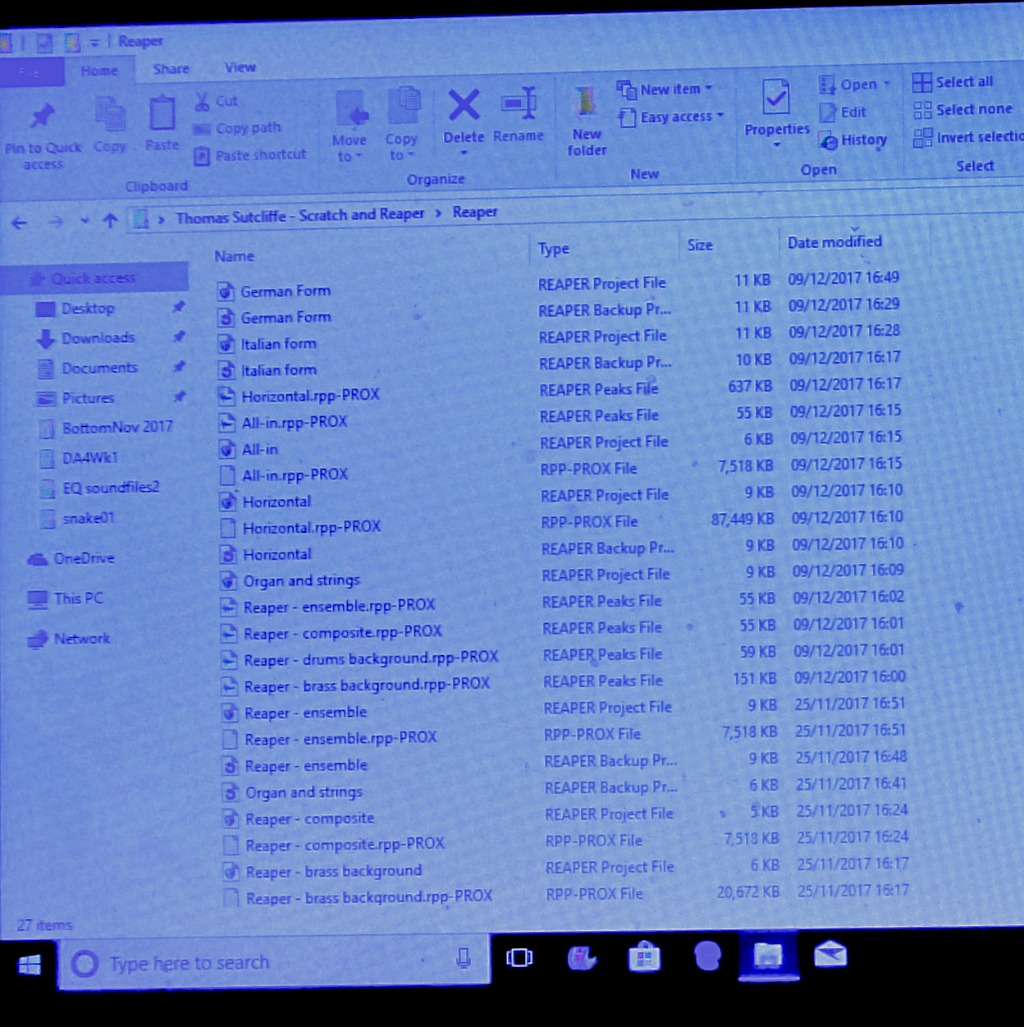
My creative work was done using Scratch and Reaper on the computers. I do not have this work available to share at present, but here is a link to an old post which describes the process.
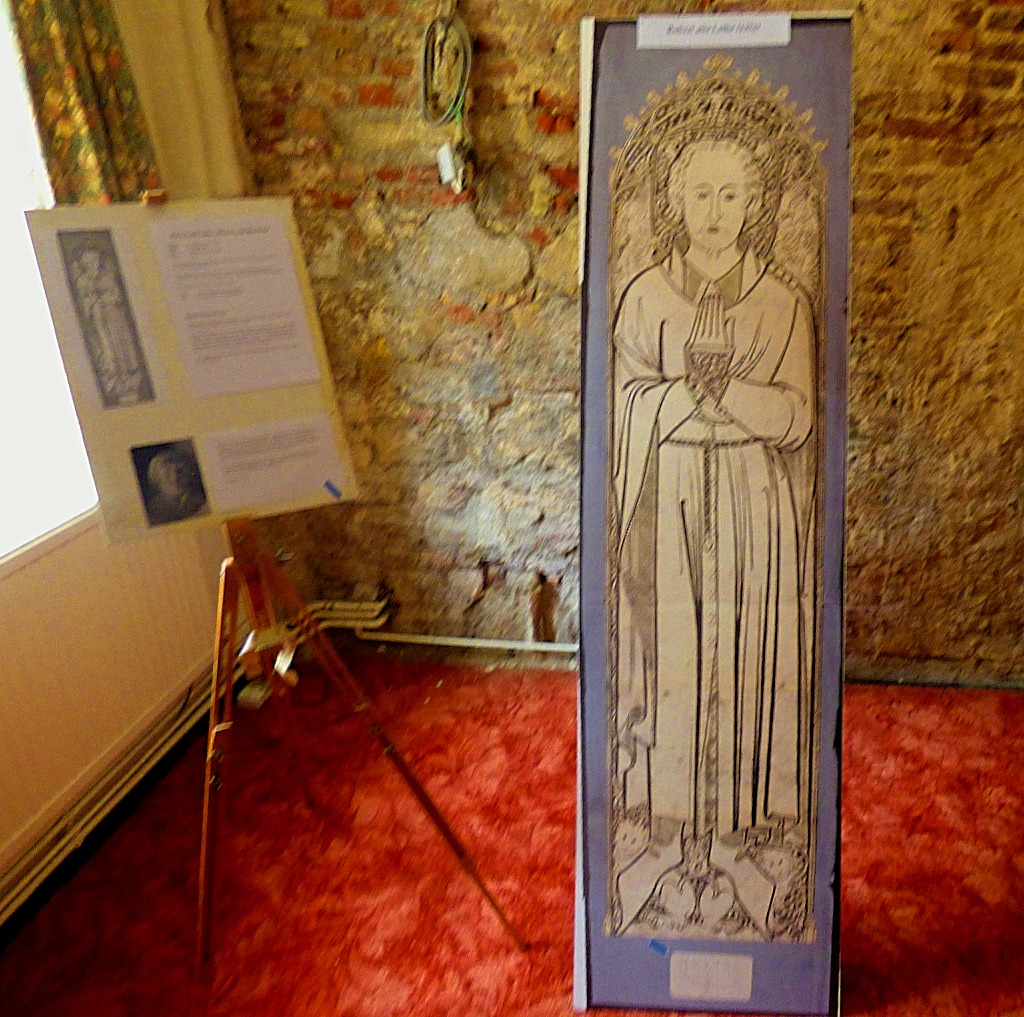
I interpreted this a trifle loosely so that I could use something for which I not only had a record but for which mine was the only photographic record – the time when Number 2 Hampton Court, Nelson Street, King’s Lynn was turned into an exhibition for Heritage Open Day.
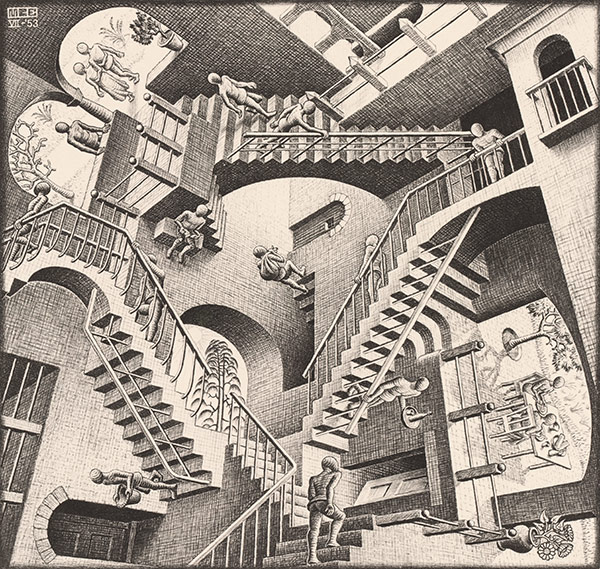
I selected Maurits Cornelis Escher as my featured artist. Before producing my own offering about him, including three sample pictures I give you a variation on one of his pictures from Anna, titled “Never Ending Blogger“
MauritsCornelis Escher has been a favourite artist of mine for a very long time. His mathematical pictures and impossible constructions particularly appeal to me because I enjoy mathematics, and unpicking optical illusions myself.
MauritsCornelis Escher (1898-1972) is one of the world’s most famous graphic artists. His art is enjoyed by millions of people all over the world, as can be seen on the many web sites on the internet.
But he also made some wonderful, more realistic work during the time he lived and traveled in Italy.
Castrovalva for example, where one already can see Escher’s fascination for high and low, close by and far away. The lithograph Atrani, a small town on the Amalfi Coast was made in 1931, but comes back for example, in his masterpiece Metamorphosis I and II.
M.C. Escher, during his lifetime, made 448 lithographs, woodcuts and wood engravings and over 2000 drawings and sketches. Like some of his famous predecessors, – Michelangelo, Leonardo da Vinci, Dürer and Holbein-, M.C. Escher was left-handed.
Apart from being a graphic artist, M.C. Escher illustrated books, designed tapestries, postage stamps and murals. He was born in Leeuwarden, the Netherlands, as the fourth and youngest son of a civil engineer. After 5 years the family moved to Arnhem where Escher spent most of his youth. After failing his high school exams, Maurits ultimately was enrolled in the School for Architecture and Decorative Arts in Haarlem.
Here are the three pictures I selected to show along with this:
“Relativity”, a personal favourite“The Monks”“The Waterfall”
TODAY’S PRESENTATION
I had been worried that my health might prevent me from being present to collect my certificate, but fortunately I improved sufficiently to be discharged from hospital AND a care plan was put in place ready for said discharge, and in the event, although I found the experience quite tiring I was able to attend and collect my certificate in person. Here are some photos from today:
Me with my certificate, with Oliver from Musical Keys next to me (the black beanie covers the most visible effect of the intensive chemo)A group shotA close-up of the certificate.
A detailed account of my third admission to Addenbrookes.
INTRODUCTION
As promised in my previous post I am now going to give a full account of my most recent admission to Addenbrookes.
THE BUILD UP
Although I was admitted on a Sunday this story begins with the Friday (January 25th) before. That day I felt very tired and not really able to do anything, but hoped that a quiet day would see things improve because I was not feeling ill as such. I only managed to eat half of my sausage and chips supper that evening, and was still very tired and downbeat the following day. That Saturday evening I had supper at my aunt’s house but got very tired indeed, and by the following morning I was effectively not functioning at all.
THE READMISSION
On Sunday afternoon my aunt drove me down to Addenbrooke’s for an emergency readmission. Two possible causes of the problem emerged as front runners very quickly – a lung infection or a delayed reaction to the Bleomycin. My breathing was at a dangerously low level, and I was on a high dose of extra oxygen for a whole week, before it was halved, and then, on my eighth day as an in-patient removed altogether.
I was moved up to the very familiar surroundings of Ward D9, having been allocated bed 13 (a sensible choice, as it is in a small room with just three other beds and the arrangements are such as to provide a measure of privacy.
OCCUPYING MYSELF AS A PATIENT
My father made several trips to Cambridge Central Library to get me books to read in my hospital bed (focussing on science – my brain is functioning pretty well at the moment, and low oxygen levels not withstanding I was overall feeling not too bad). I had also been equipped with puzzle books, and I devoted some time to planning future writing in between these activities.
This developed into a plan for a series of cricket posts in the course which I plan to write about 100 cricketers who mean a lot to me. I have divided my cricketers into nine XIs and one player to round out the 100 at the end. Within that division I have subdivided each 11 into parts to be covered in individual posts. The plan is for the 1st and 100th cricketers to get individual posts to themselves (and #cricketer 1 in the list habitually bats at no 1 in the order, being a choice that suits my purpose in several ways).
I also received a postcard from family in Sweden while I was in hospital, which came with a nice little extra:
A Sweden 2019 stamp – I love that fish.
AWAITING DISCHARGE
From Monday morning (three days ago) onwards I was basically waiting to be discharged. I had fully accepted, especially given that this was my second emergency readmission in quite a short space of time, that I could not be discharged until a care package was in place for me. Nevertheless, it was difficult to retain patience when eager to be back home and when particularly wanting to be out in time to attend a certificate presentation. For a while at least I will be needing regular professional attention because my autism causes me not to realise how seriously things can be going wrong (e.g a general feeling of fatigue that turns out to be a lung infection making itself felt), and frankly I am no keener than anyone else on the notion of further readmissions to Addenbrookes, though I will of course be visiting as an outpatient for a considerable time to come.
HOME AGAIN
At last, just after 7PM yesterday, I arrived home and was able to start settling myself back into home life. I am on antibiotics for the lung infection, anabolic steroids and various other medications. Also, I am wearing compression stockings on my legs as a safety device (the swelling in the left leg has now definitely gone, and with it the pain I was experiencing in that area, but I will retain the stockings until told otherwise).
Accounts of a very important and successful meeting yesterday morning and of a personally very satisfying moment also from yesterday when it was cinfirmed that I have got anm Arts Award (Bronze level).
INTRODUCTION
This post deals with two things that both happened yesterday, one of huge significance, the other less so but very personally satisfying.
A VERY SUCCESSFUL MEETING WITH REBECCA FROM TAPPING HOUSE
I had arranged to see Rebecca yesterday morning for a follow-up meeting after our first very successful meet-up a little earlier. This meeting went magnificently, with Rebecca making a number excellent and logical suggestions for ways to help me. I have agreed in principle to meet with either an Occupational Therapist or a Physio to talk about ways to improve my physical fitness. She also suggested that I might be interested in courses they run at Tapping House where I would have the opportunity to meet others who have had similiar experiences to my own, which also sounds a very interesting possibility.
Knowing that I need help and support to get through this difficult time in my life I am minded to consider any options that seem sensible, as all of the above do. I finished yesterday’s session feeling much better about life in general for the knowledge that such potentially useful help and support is being made available.
Whatever happens from here on, Tapping House have already proven to be worth their weight in gold, and I am very grateful for everything they are doing for me.
AN ARTS AWARD
One of the last things I did before illness took over my life completely was to submit a portfolio at Musical Keys for an Arts Award (Bronze Level). It has now been confirmed that I did enough to earn to said award (equivalent apparently to a grade D at GCSE), which I am delighted by. In addition to the specific Musical Keys stuff I had to produce something about seeing art in the flesh, and I had chosen something where the only photographic record of the occasion was my own, so this award means, albeit at a low level, official recogniton for my photography. I also had to produce something about an individual artist who had inspired me, and I opted for Maurits Cornelis Escher, for whom there is an official website from which I cribbed (and of course admitted to doing so).
PHOTOGRAPHS
Here are some pictures to end this little post:
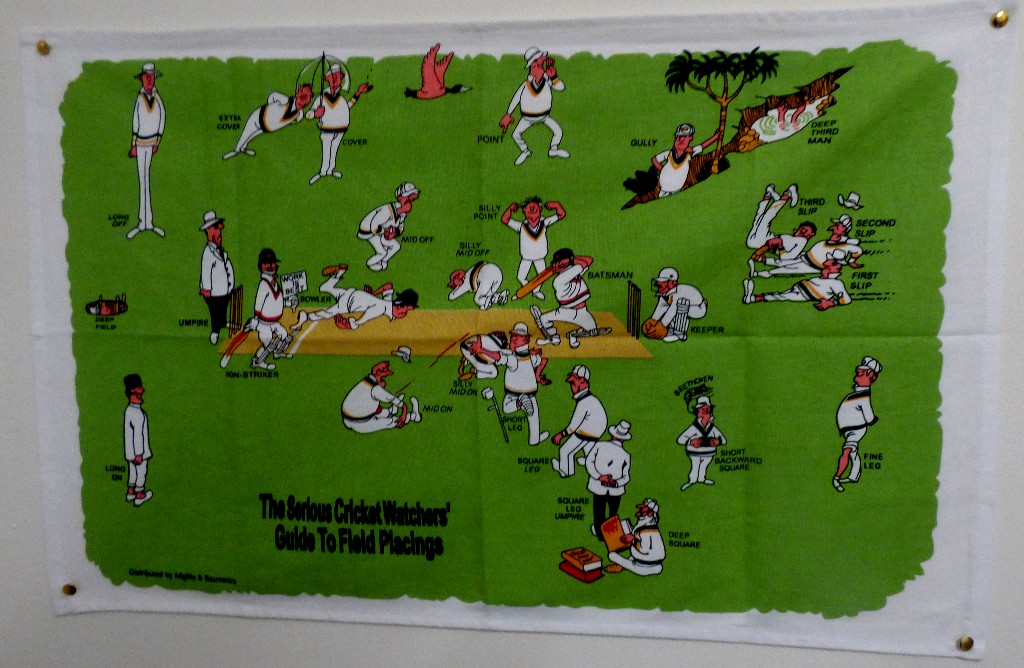
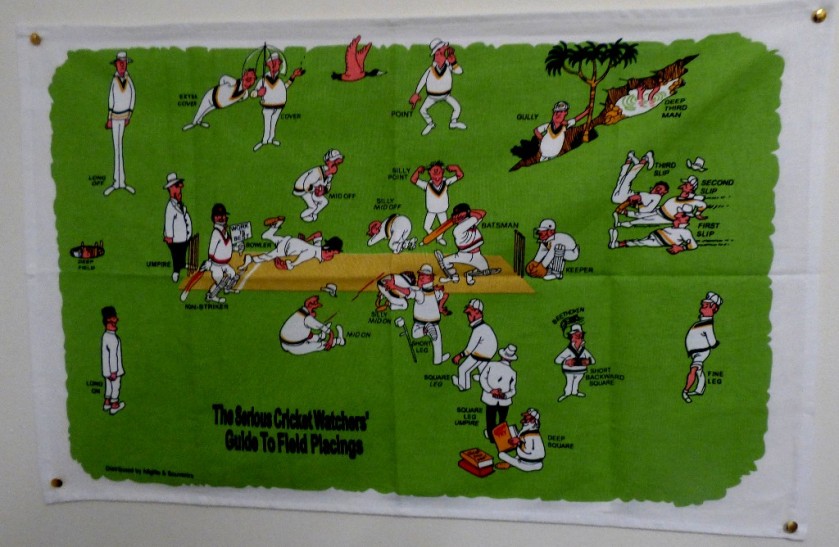
This globe is on display at my aunt’s houseA cricket themed tea towel being displayed as an ornament in my kitchen.
An account of a very busy and important day in my life, intended to be written as positively as possible.
INTRODUCTION
I am finally relaxing at home after being on the go since about 10:30AM today with various things. This has been a very important and very tiring day for me.
DOCTORS SURGERY 1: BLOOD TEST FOR MAGNESIUM COUNT
Owing to the fact that I was nearly out of chewable magnesium pills (I have been on three a day among the large number of medications I take) I was required to attend the doctor’s surgery for a blood test to assess whether I needed more magnesium or not. This was followed by a return home for…
DISCUSSIONS WITH PEOPLE FROM TAPPING HOUSE RE ONGOING SUPPORT AND PALLIATIVE CARE
This session, which ended up lasting for over an hour, was easily the most constructive I have had with any sort of support workers over the whole time since I became ill. They listened and understood as I told them about the negative effects autism has on me specifically and how that impacts on my support needs. They made some wonderdul suggestions about how best to help me, and it is quite clear that are extremely serious about doing everything possible to support me through my recovery.
I actually felt, as I have not in other circumstances over these few months, that I was being regarded as of interest as a human being, not merely as a patient or as an example of an autistic person (though recognition of this last is hugely important and thoroughly welcomed).
I now believe I can look to the future in the certainty that support which is tailored to my specific needs will be available to me, and that is HUGE news.
LUNCH WITH MY AUNT
When my mother and I initially planned today we had intended to have lunch at Pizza Express, but the tightening of the schedule made that an impossibility. My aunt provided an excellent lunch and as proof that my appetite is returning I was able to eat two platefuls of food. Then it was time for…
THE OPTICIANS
My mother had arranged an appointment at Vision Express in King’s Lynn for me to have my eyes properly tested. My current spectacles, which will become my back-up pair in about ten days time definitely address my astimgatism, but they do not fully address the other eye issue I have that lenses can correct, my mild myopia.
I accepted the advice of the experts and for a considerable price went for varifocals tailored to the needs of an IT Professional (which when I am well enough to work is what I what I am).
There do not appear to be any really serious problems with my eyes, although as a safety measure the optometrist made a non-urgent referral to Queen Elizabeth Hospital (which means I shall see them in about six months time – they are permanently struggling).
All in all I was at the opticians for nearly two hours, with a lot of getting up and down and sitting in chairs that may look nice but don’t actually offer a lot of support.
After this it was time for a…
A TOP UP SHOP AT SAINSBURY’S
This was accomplished with a minimum of fuss once we had got there, although there was an incident in the car park that was nearly very unpleasant indeed. A blue van whose driver was clearly about a million light years away mentally pulled out right across our car (it was our right of way – he was bang out out of order), and we came much to close to a crash (of which I would have borne the brunt) for comfort. My mother limited her official response to a single blast on the horn. I can only hope that this near miss woke the driver up properly and he was more careful for the rest of his journey.
We were sufficiently quick shopping to have time for a very short break having…
HOT DRINKS AT MY AUNTS HOUSE
These had to consumed fairly rapidly because of yet another late addition to our busy schedule. I had developed an ache in my left thigh area, which necessitated…
THE DOCTOR’S SURGERY 2: BLOOD TEST FOR POTENTIAL CLOTTING
During my time as an in-patient I had a blood clot around the original site of my piccline, in my left arm, and then a little later an episode of severe chest pain which was mainly caused by pericarditis but contributed to by a small pulmonary embolism, so the possibility of a clot in an unusual location had to be taken seriously.
Thus a tiny sampleof blood was taken from one of my fingers to be tested. Fortunately it came back negative. I have been prescribed extra pain killers but apart from the discomfort it causes there does not be anything serious about the problem with my left leg.
HOME AND PHOTOGRAPHS
Finally, with the clock close to 6PM I was able to leave the surgery and be driven home. I am now somewhat rested from my exertions, and in less pain. Finally for, those of you who have made it to the end, here are some pictures:
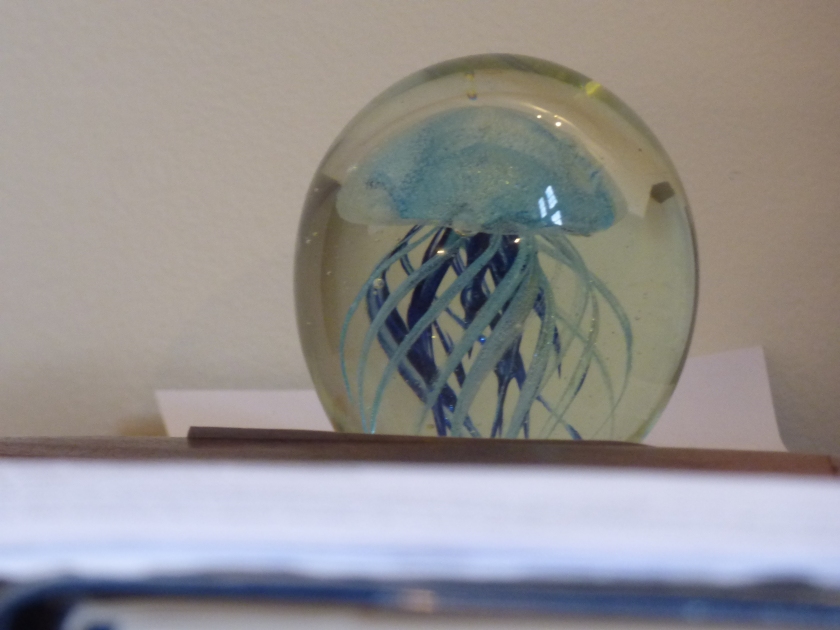
This jellyfish in glass is on display at my aungt’s house.All the remaining pictures come from Addenbrookes, taken this Monday.