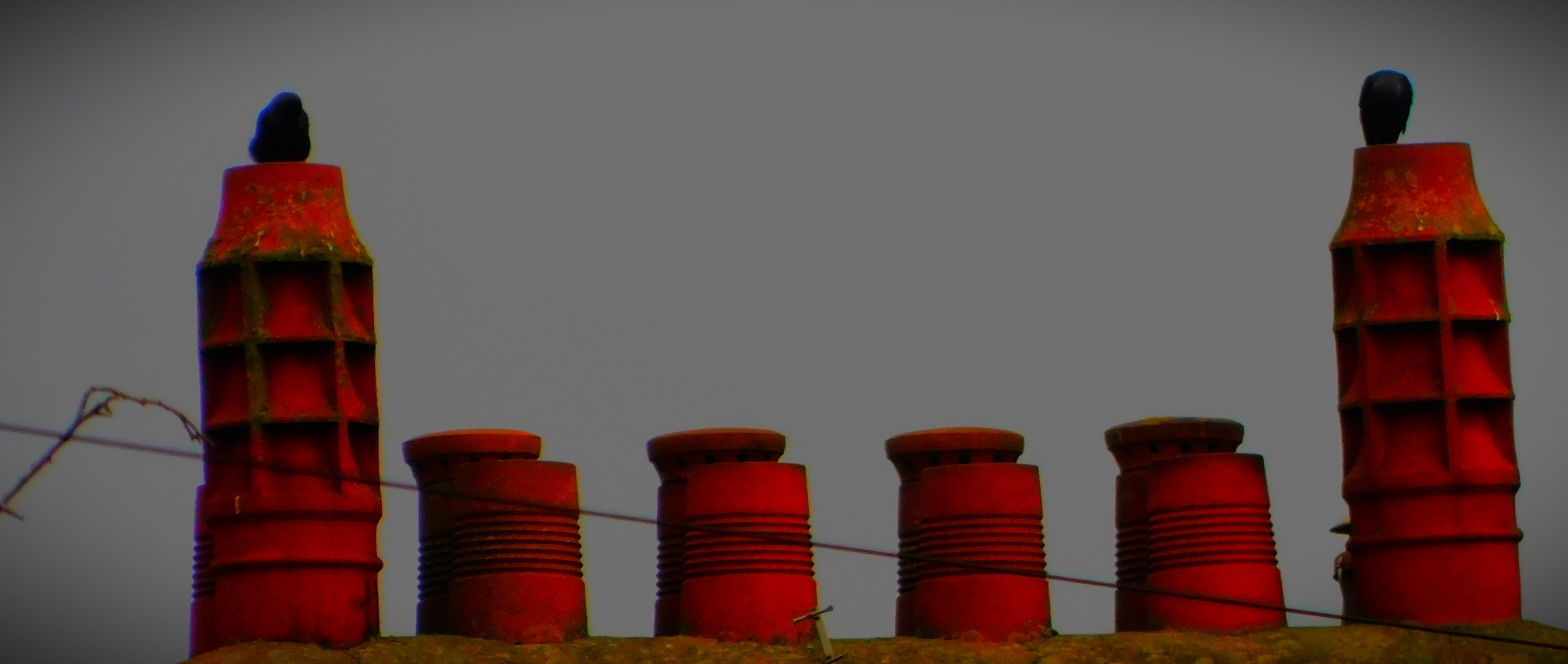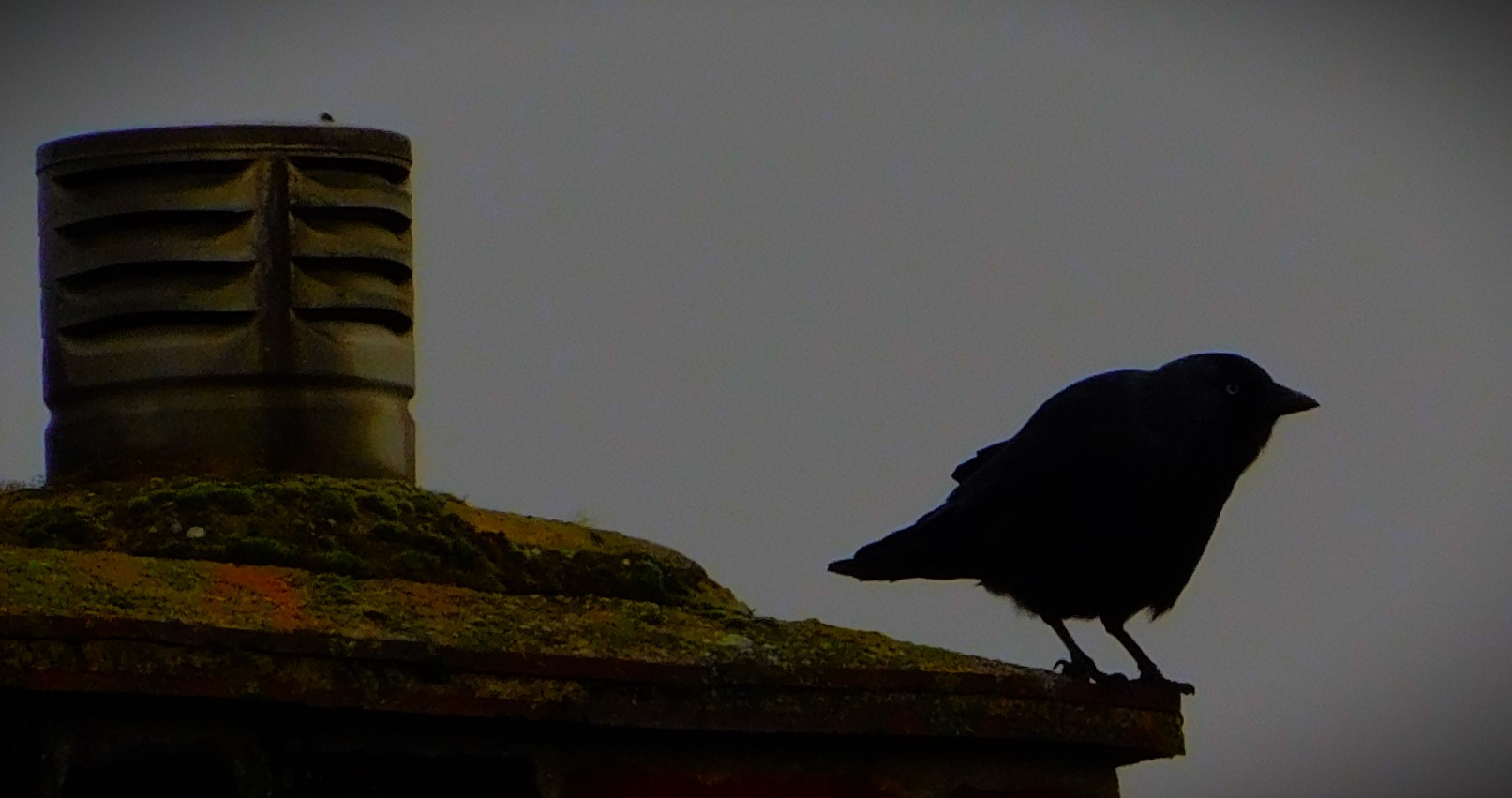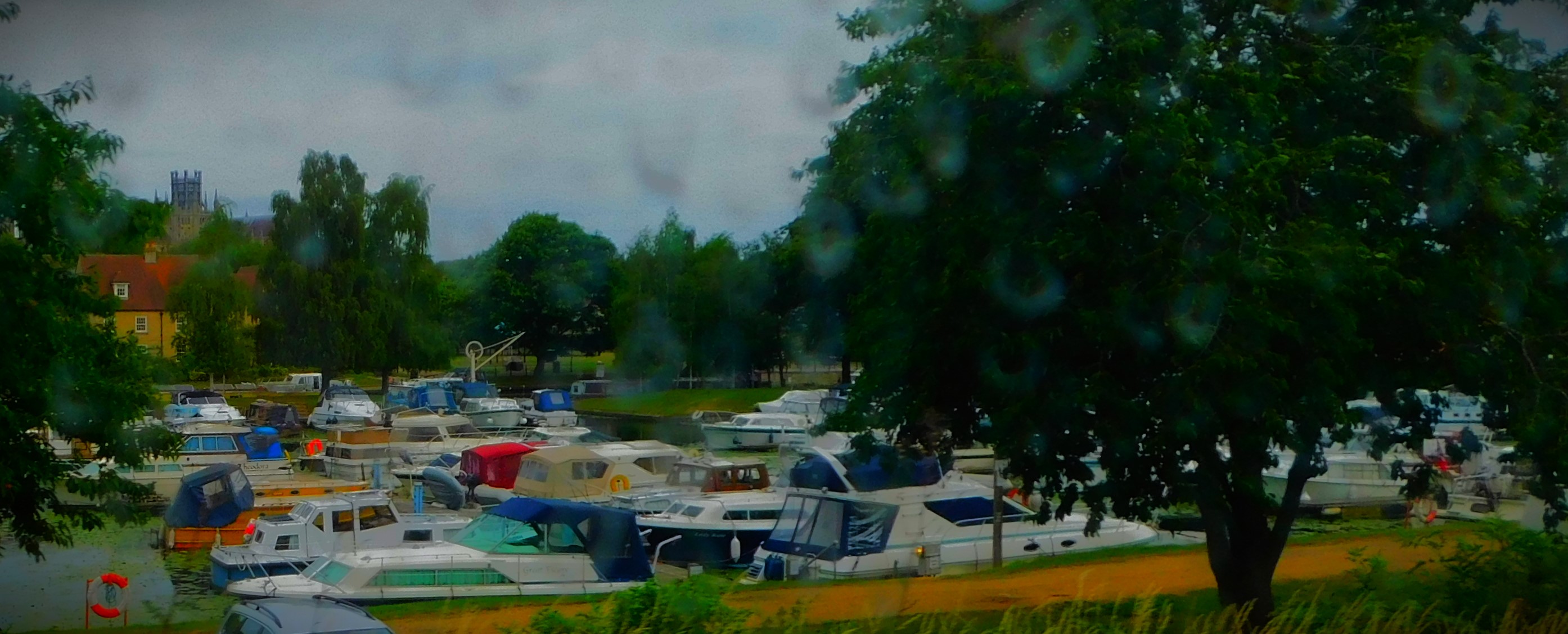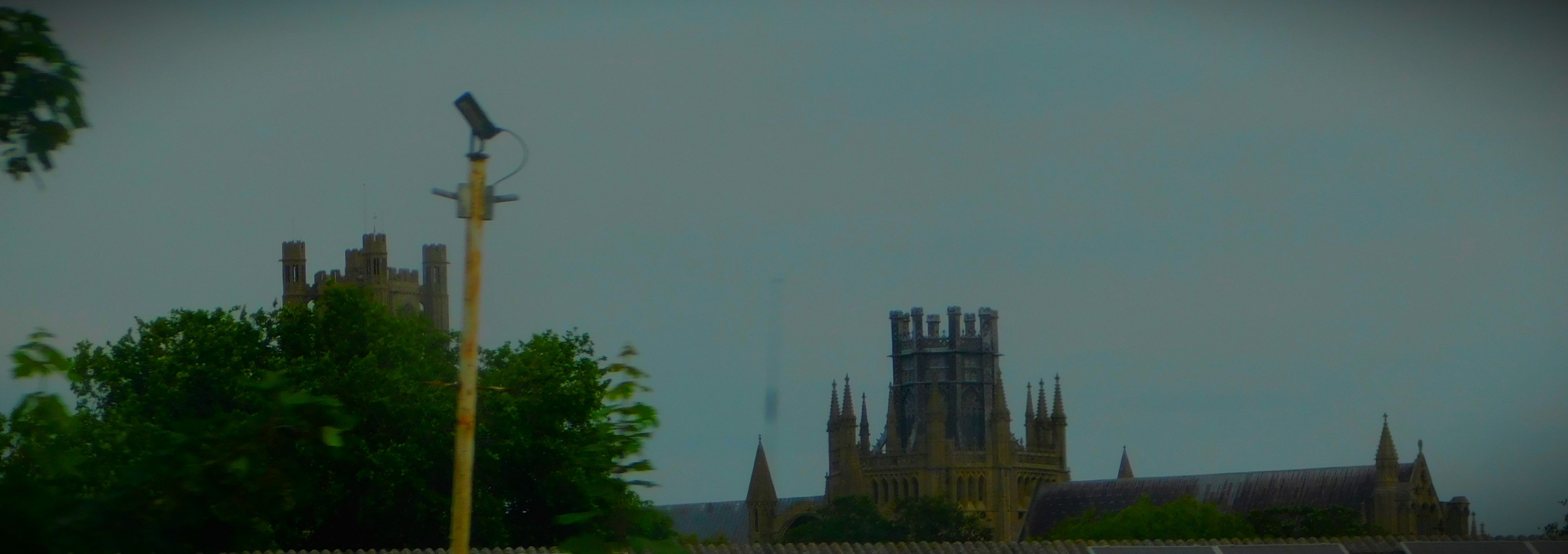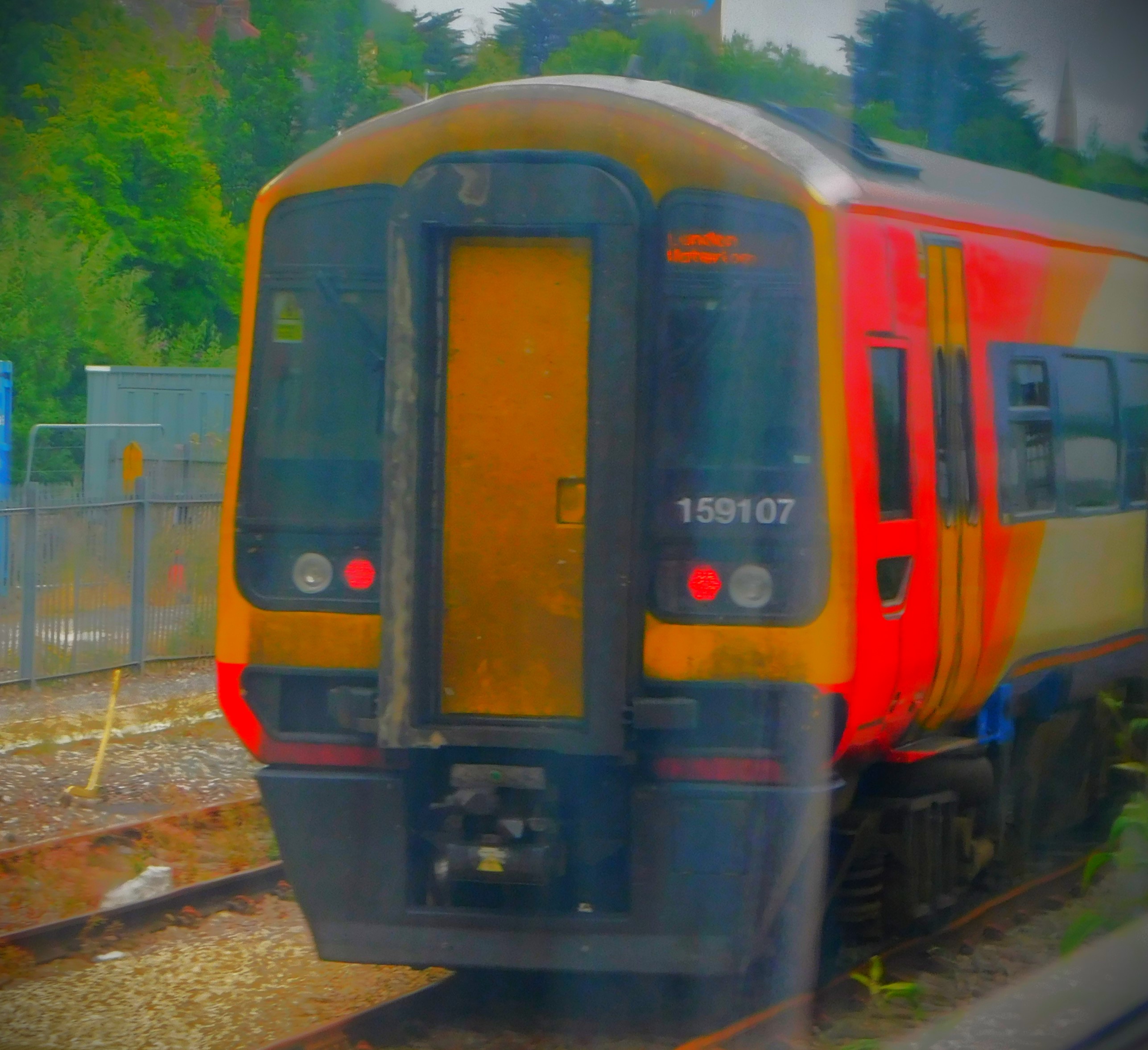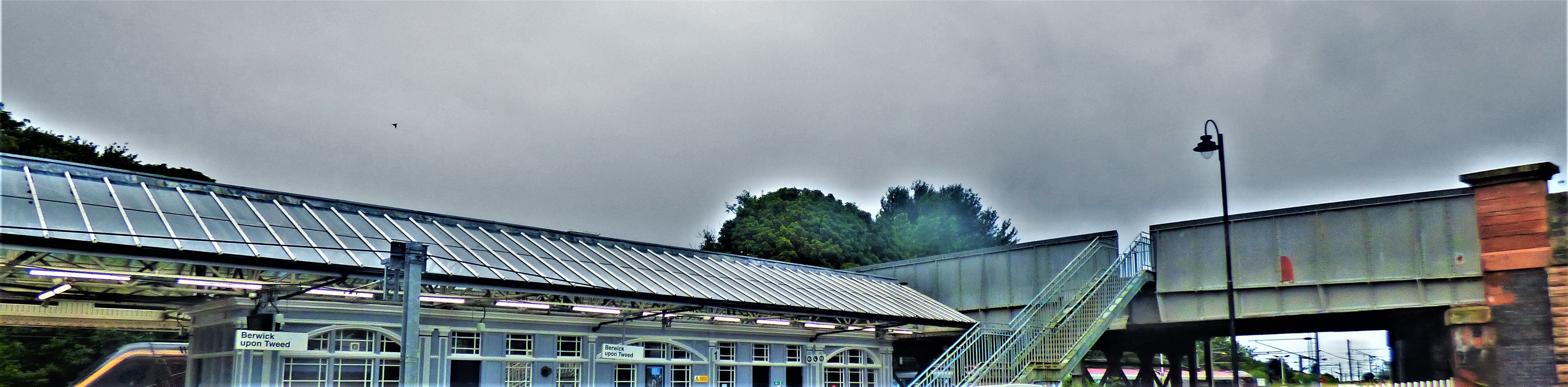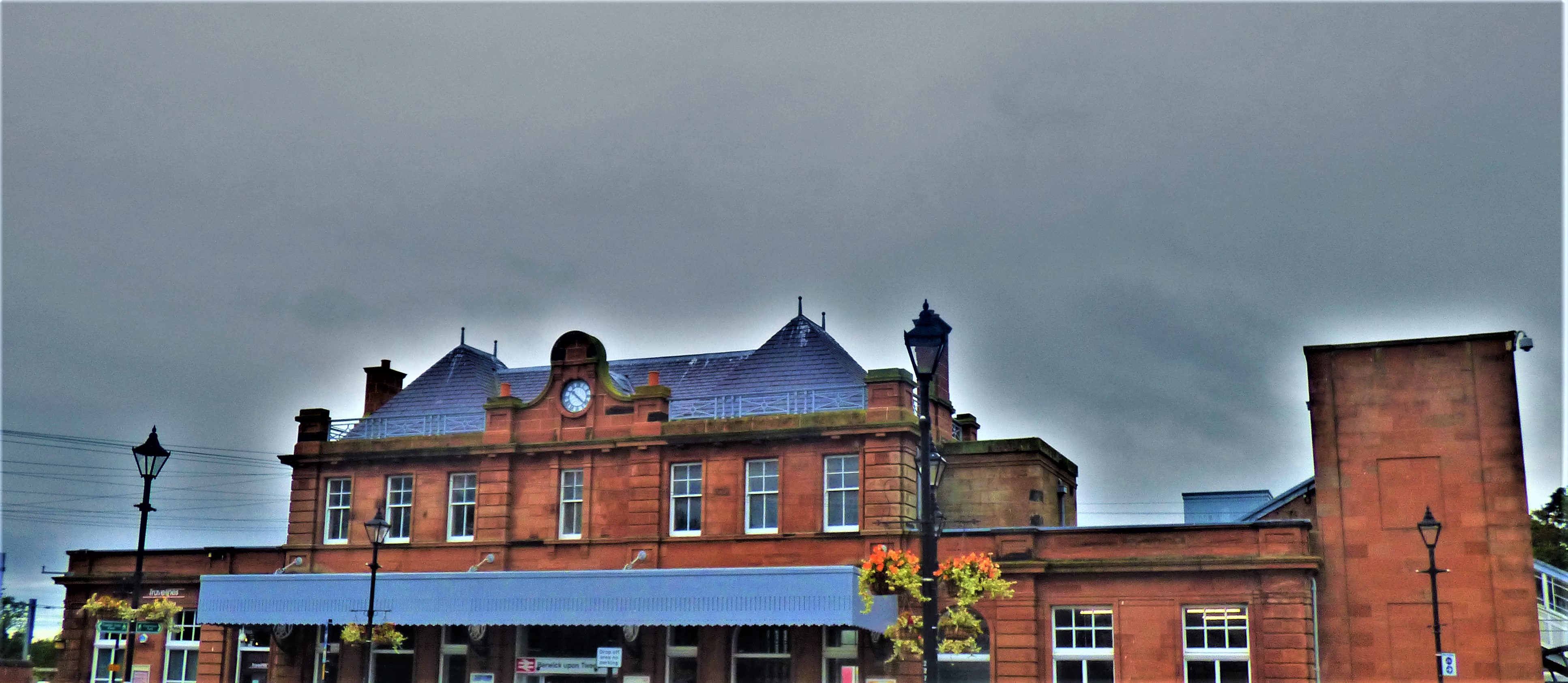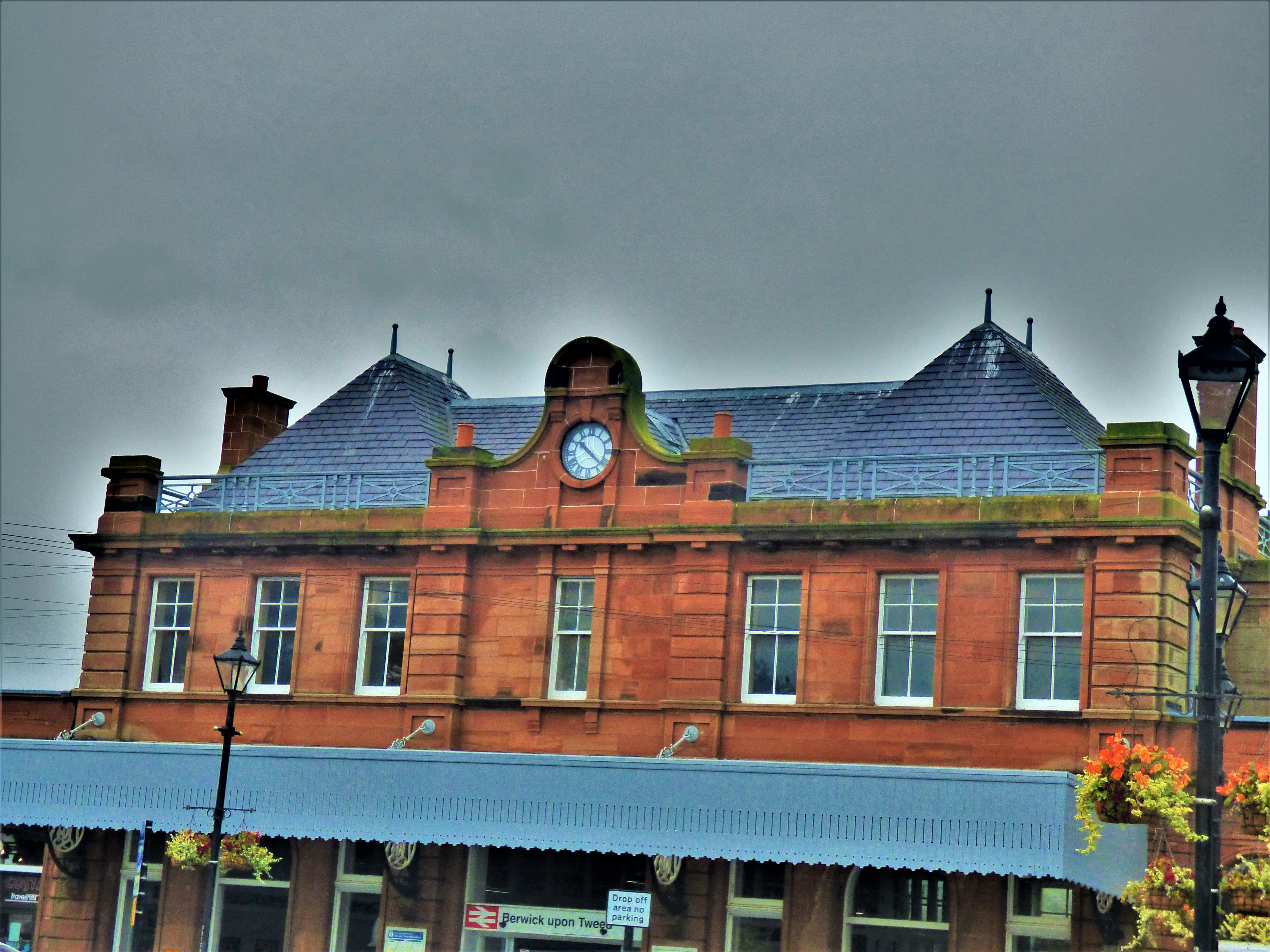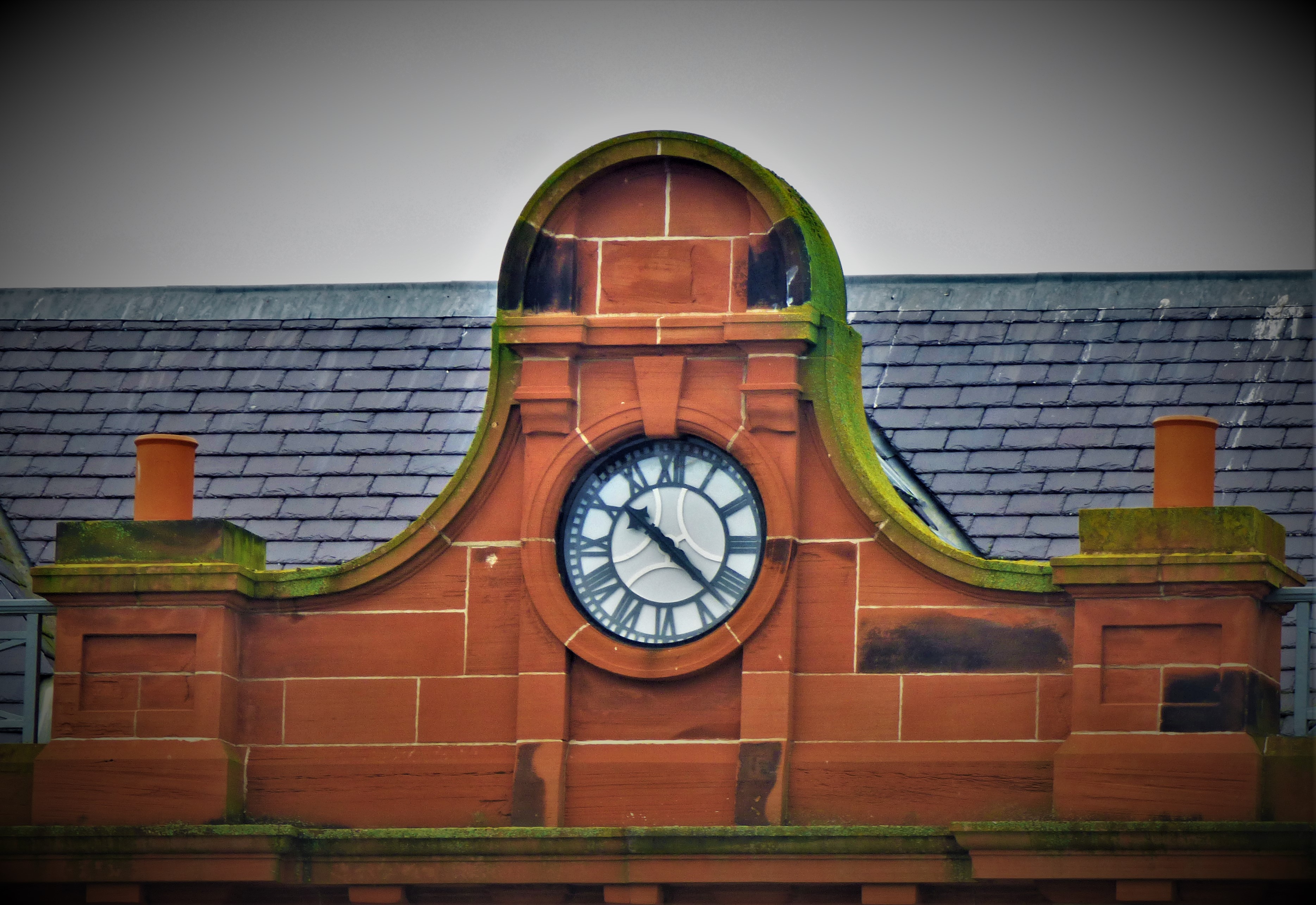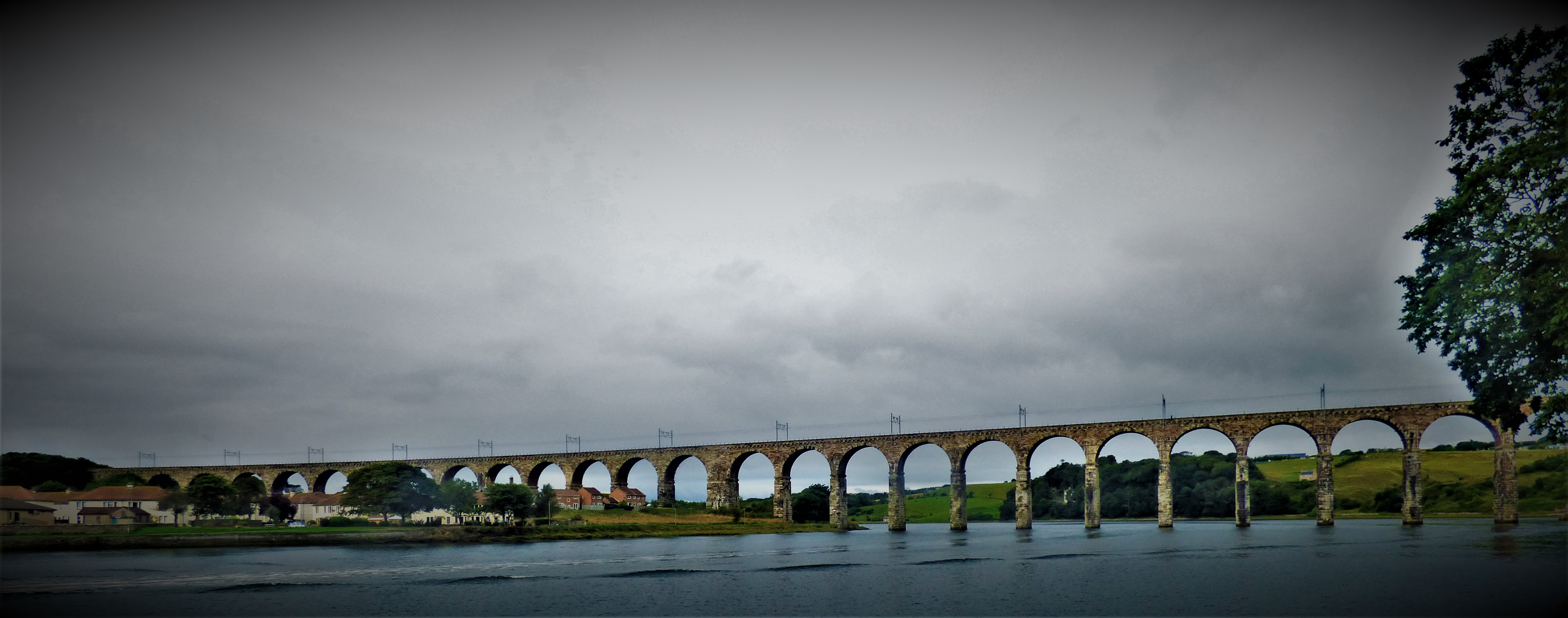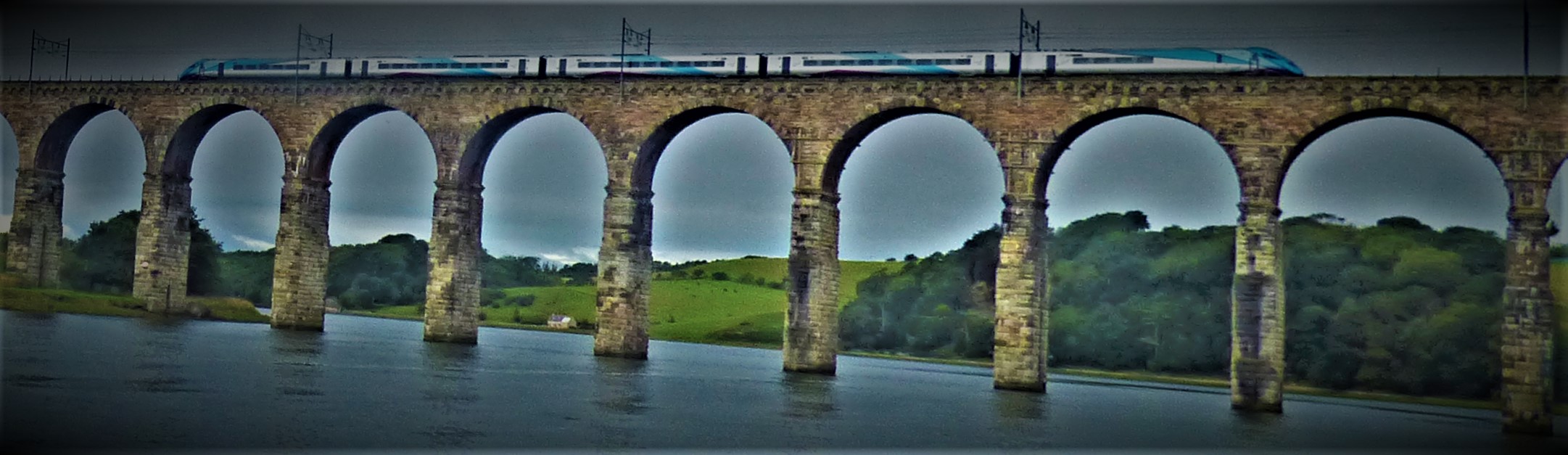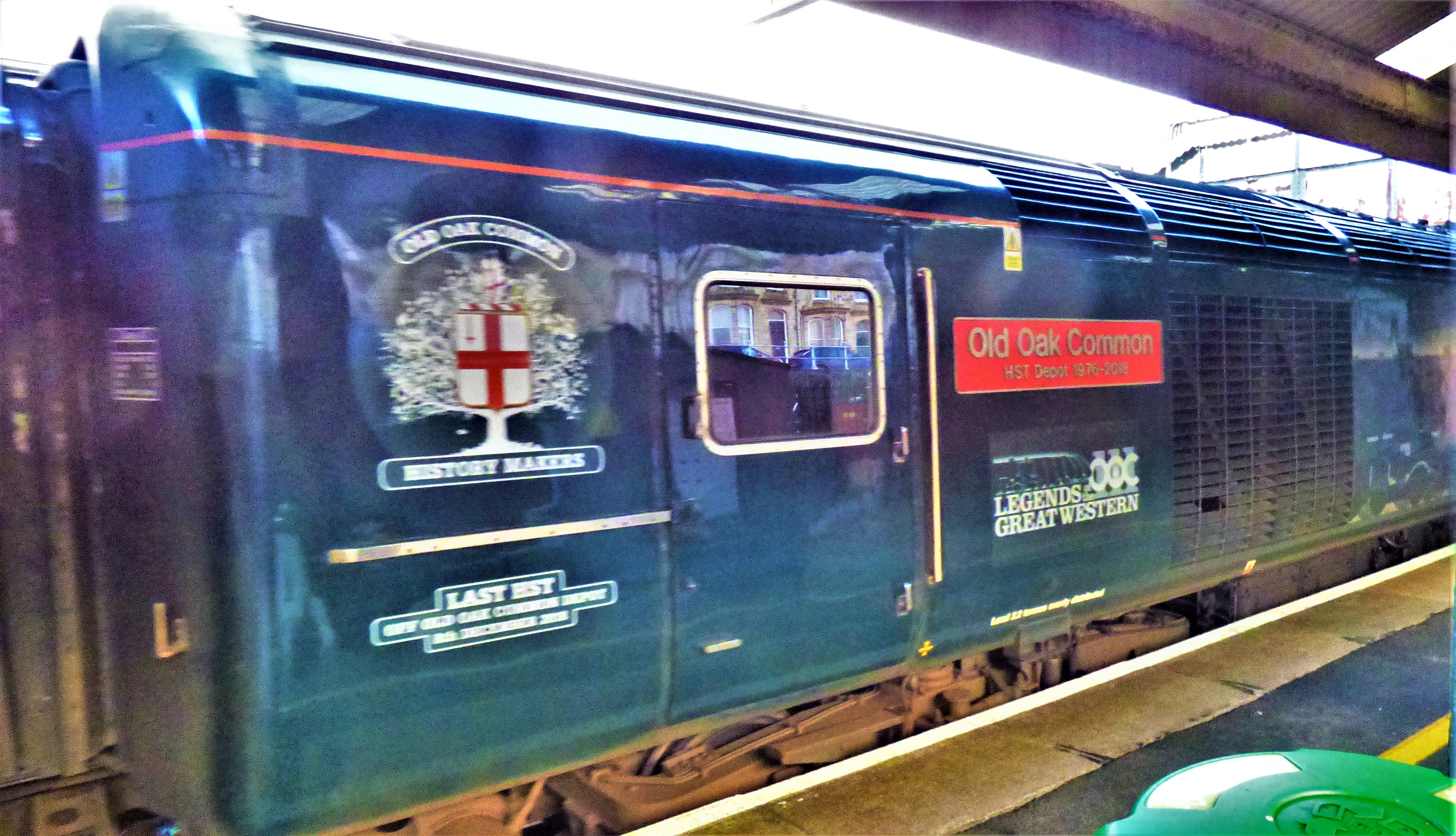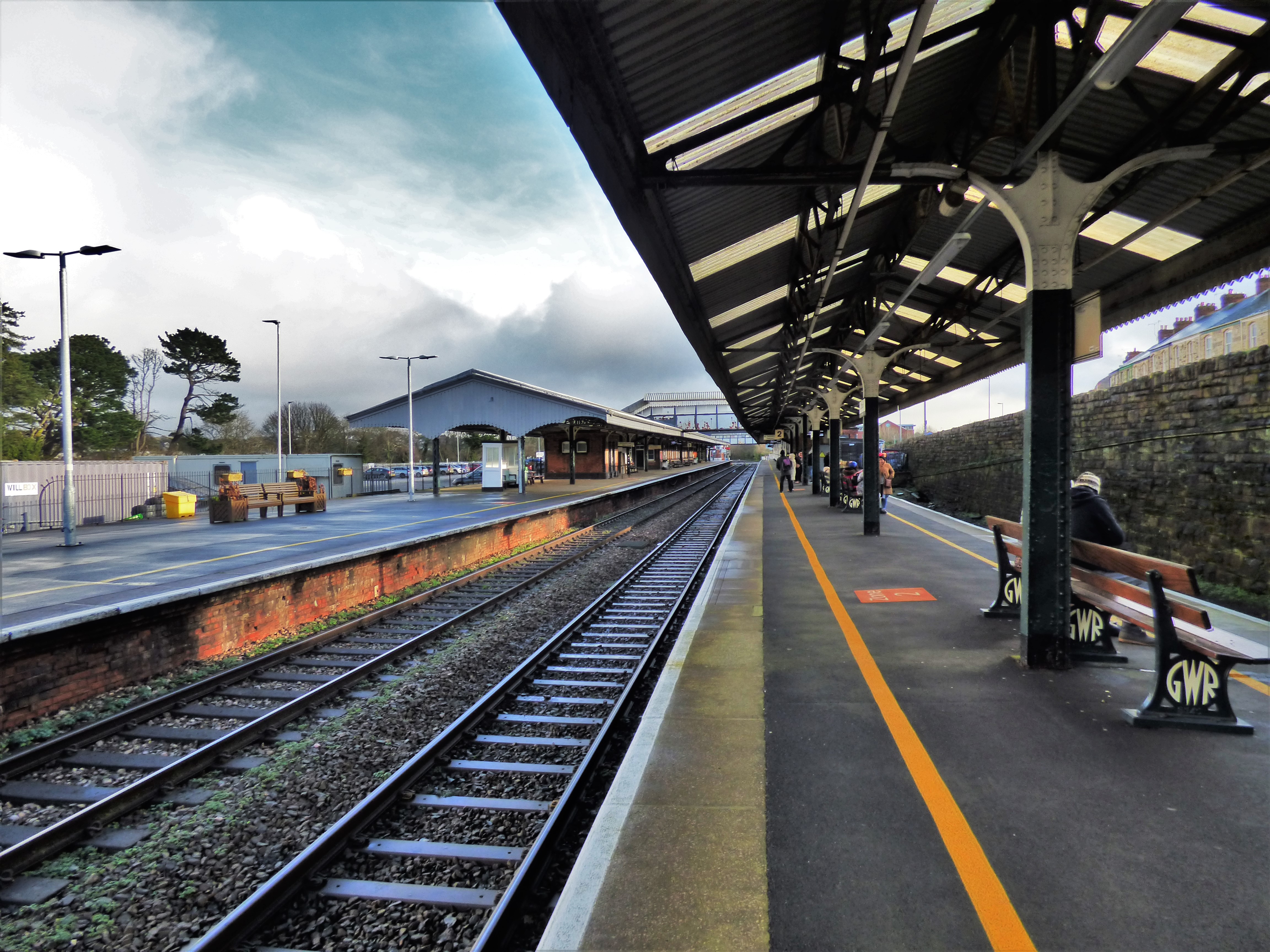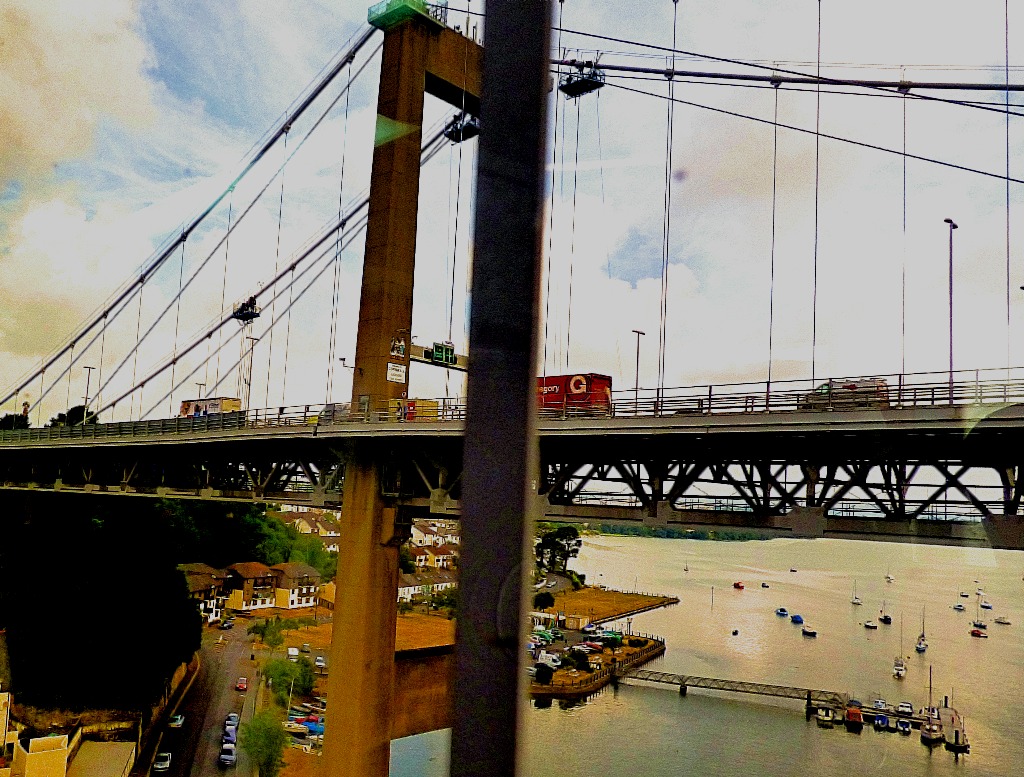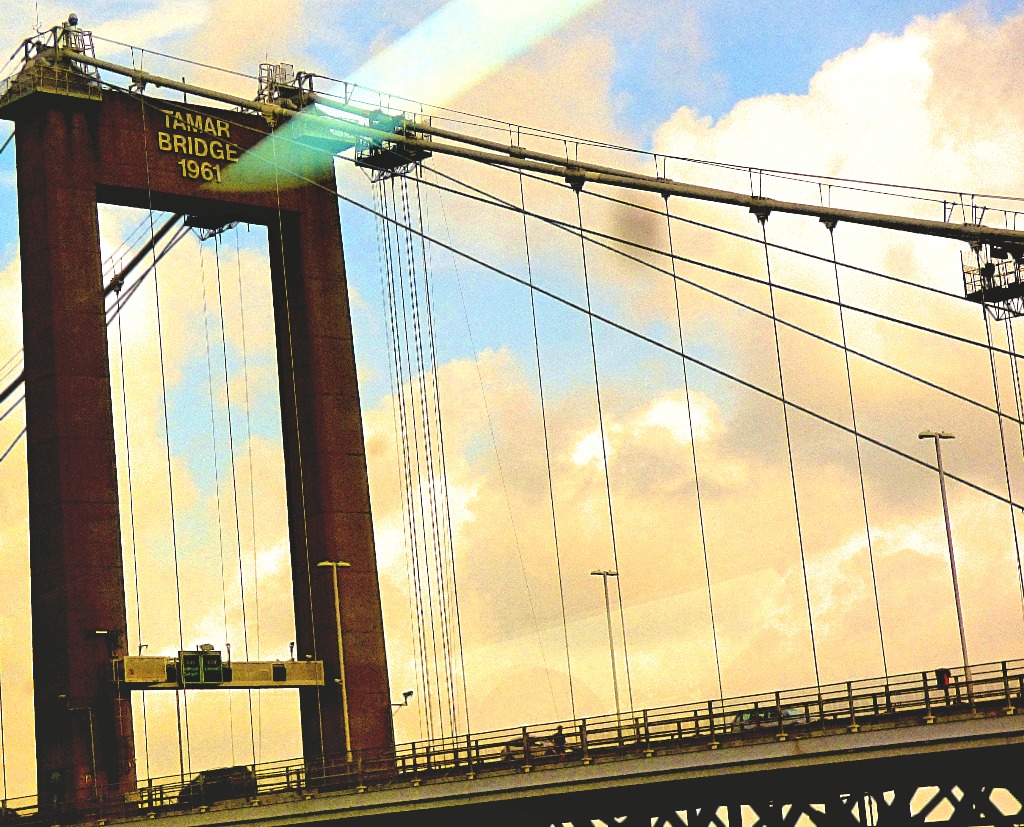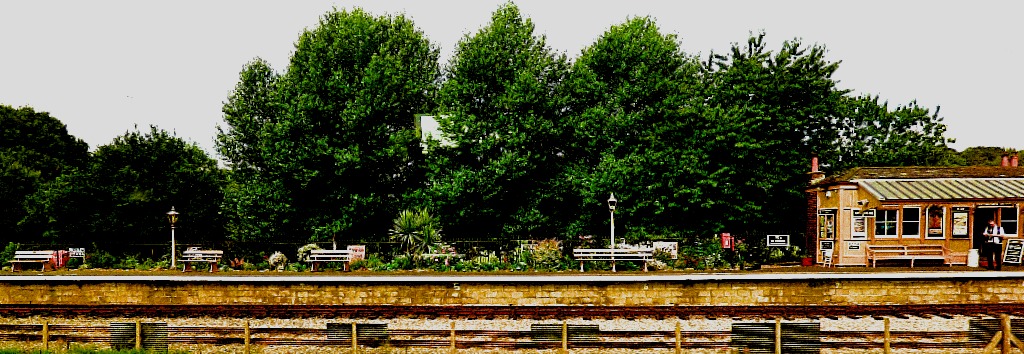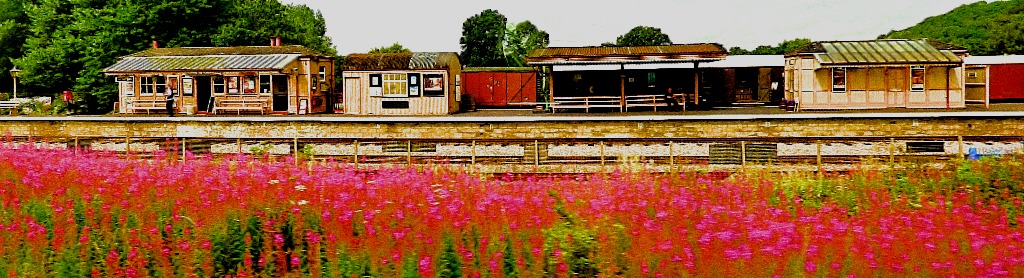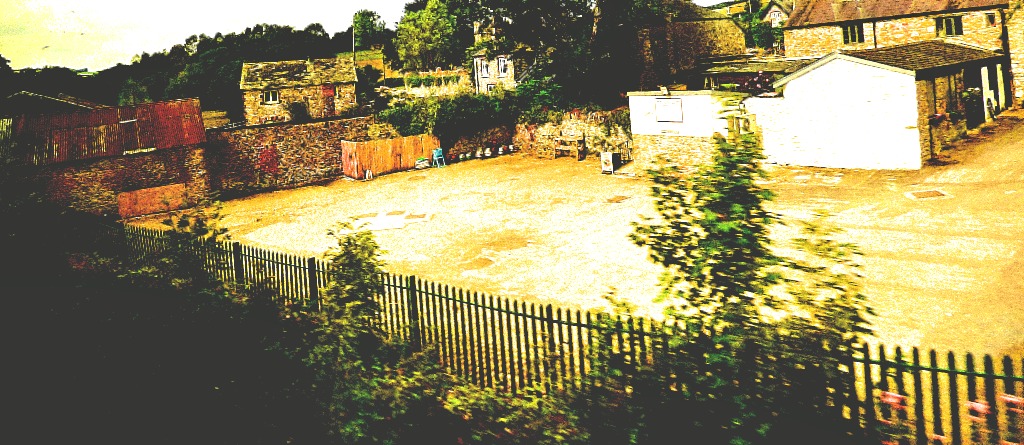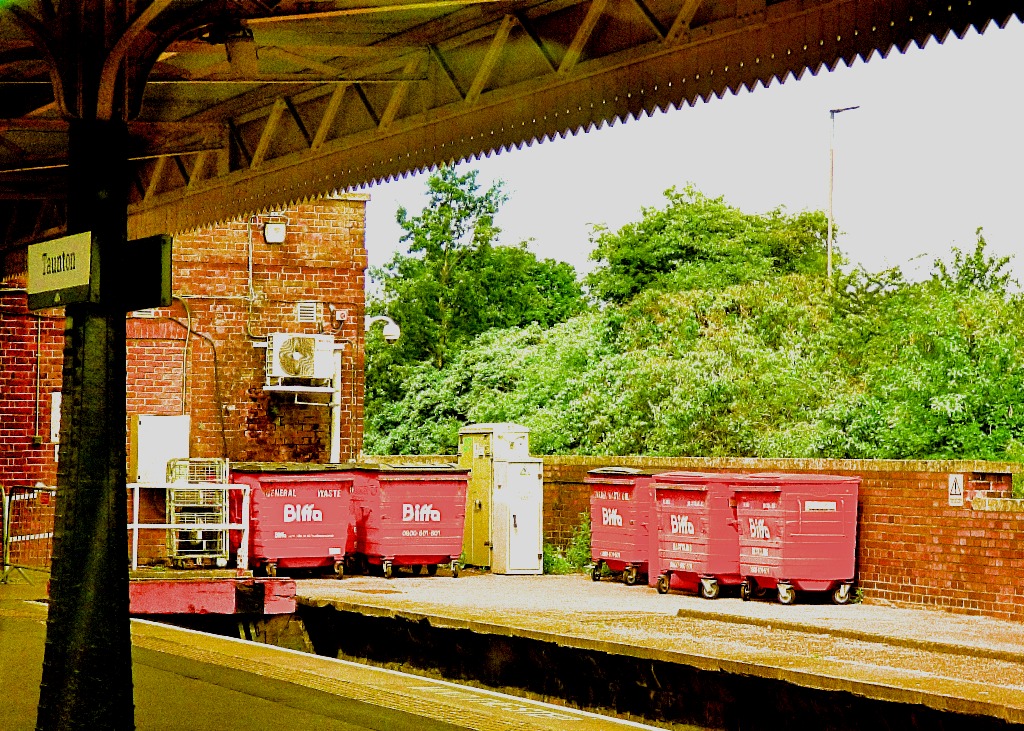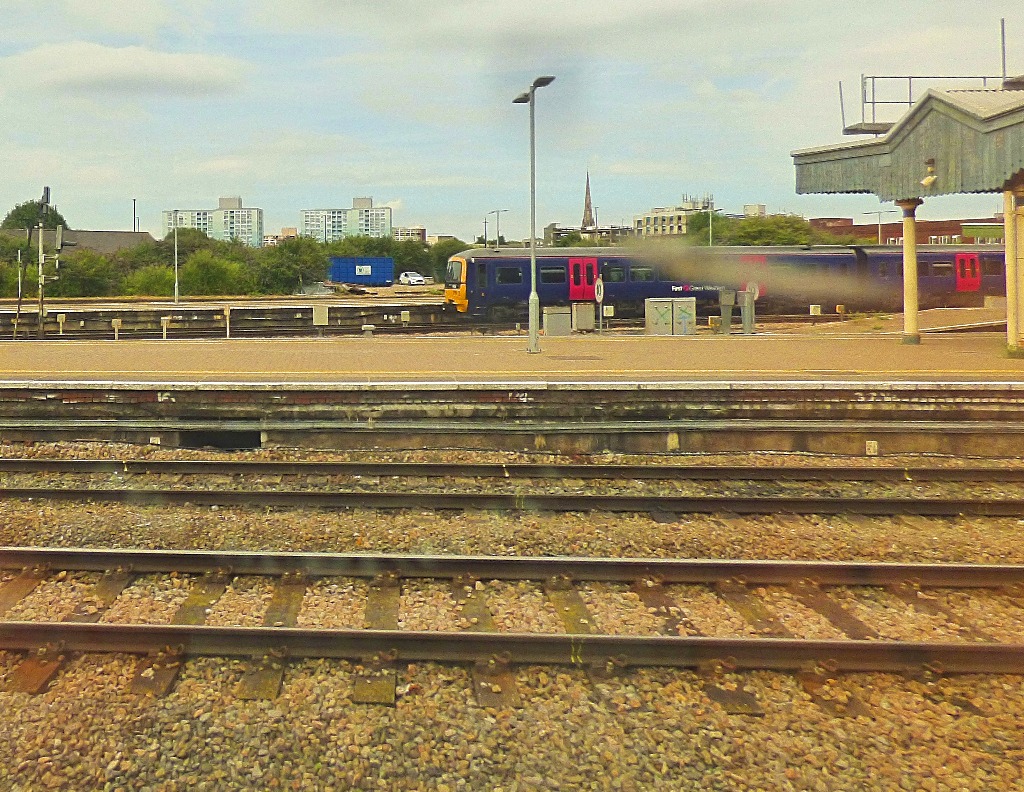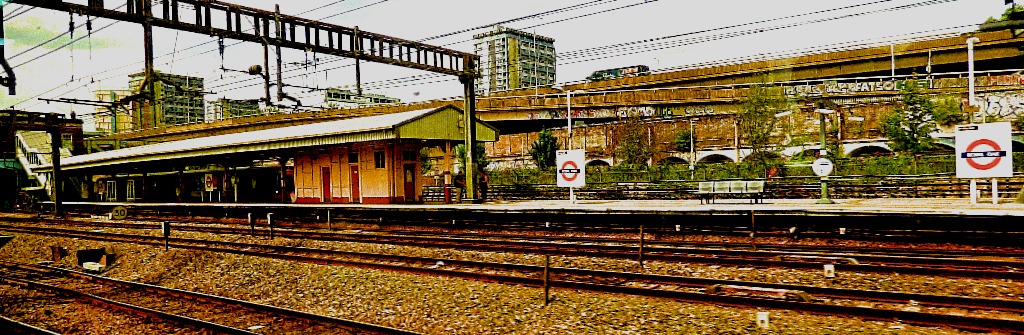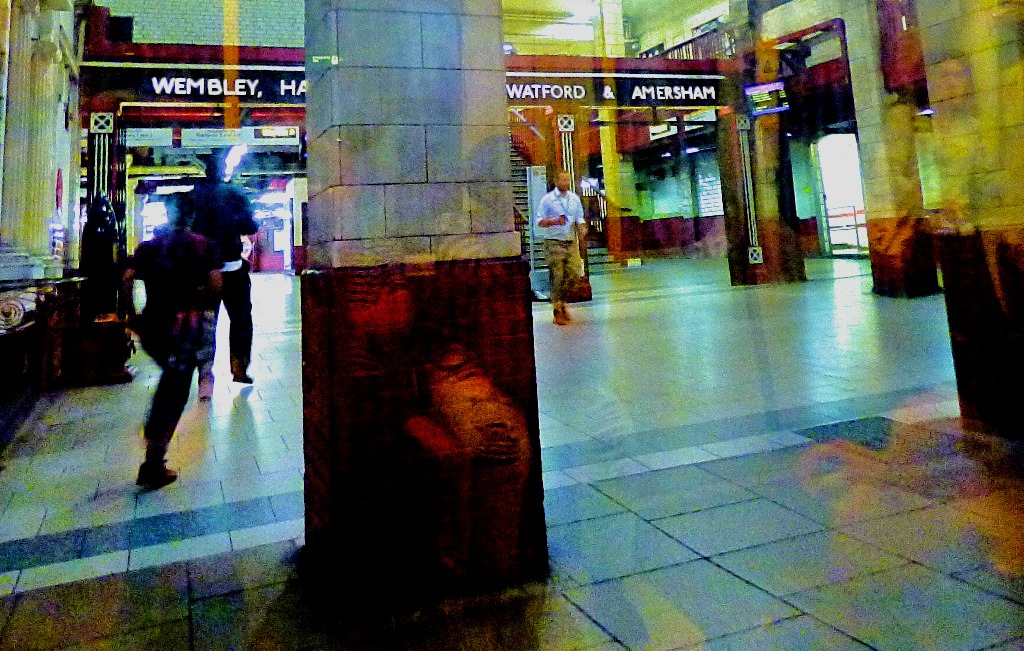
Declarations

A look at declarations in the light of recent events in Brisbane, and a large photo gallery.

Declarations have been in the cricket news again lately after one by Australian captain Pat Cummins didn’t work out for him. In this post I look at that declaration and some stories from cricket history involving declarations or their equivalent.

West Indies had fought back from a poor start to record a first innings score of 311, Australia then had an even worse start to their first innings, being 24-4 at one point. They also fought back hard, and reached 289-9, at which point Cummins declared, opting to look for early wickets under the lights. While declaring when still in deficit is unusual there were justifications for taking this approach. Australia were unbeaten in day/night tests, largely because they as a whole, and Mitchell Starc in particular bowl so well under the lights, so it was natural for Cummins to want to play a potential trump card. Unfortunately for Cummins Australia managed only one wicket in the mini-session under the lights that he engineered for them, and West Indies ended up winning the match by eight runs.

Declarations were only allowed in the late 19th century, and two matches from the tail end of the period in which declarations were not permitted help to illustrate why.

When Surrey played Nottinghamshire in 1889 they were going well in their second innings – so well in fact that they were in danger of not having enough time left to dismiss Nottinghamshire a second time. Surrey captain John Shuter instructed his side to get themselves out quickly, and they did so. Surrey then bowled Nottinghamshire out cheaply. In 1893 England were playing Australia in a rain affected match, and England were batting with a small lead at the end of day’s play. England captain WG Grace inspected the pitch the following morning and getting back to the pavilion he told his team mates “I need you to get out quickly – we need to be bowling by 12:30 at the latest”. Grace was not the sort of skipper anyone would dare ignore, and England duly lost their remaining wickets in 20 minutes of play. Australia then collapsed on a pitch that was every bit as spiteful as WG had reckoned it would be and England won the match.

England were 2-0 up in an away Ashes series after two matches, and all seemed to going well when they got Australia out for 200 in the first innings of the third match. Then the rain came, turning the pitch into a vicious sticky. England limped to 76-9 before skipper Allen declared to get Australia back in again while the pitch was still misbehaving. Bradman countered by sending tailenders O’Reilly and Fleetwood-Smith in to play and miss until the close, and when O’Reilly was out before the close he sent in another tail ender, Frank Ward. All of this meant that by the time Bradman, normally number three, joined Fingleton, a regular opener, the score was 97-5, and the pitch was easing. Bradman and Fingleton put on 346 together for the sixth wicket, Bradman going on to record score for anyone batting at number seven in a test match of 270, and England were beaten by a massive margin.

The England squad for the 1950-1 Ashes arrived in Australia not expected to do much, with both batting and bowling looking questionable and the skipper Freddie Brown known to have been the third choice for that role. In the first match at Brisbane they rose magnificently to the occasion in the first innings and dismissed the Australians for 228 on a plumb pitch. Unfortunately for them it then rained, with the usual effect on uncovered pitches. At 68-7 Brown declared to get Australia in while the pitch was at its worst. Australia were 32-7, and in danger of being all out for a new all time test low, beating the 36 they had been rolled for at Edgbaston in 1902, when Hassett declared to get England back in that night. England held back Hutton for the following day, but unfortunately they did not make a great fist of surviving that evening being 30-6 by the close. The worst of many poor dismissals among those six was that of Arthur McIntyre, reserve keeper but playing that match as a batter, who was run out coming back for a fourth run. Hutton played a superb innings the following day, but England came up short.

Surrey were going a third successive title near the end of the 1954 season when they played Worcestershire. Worcestershire were all out for 27 batting first. With Surrey 92-3 Stuart Surridge decided he wanted another go at Worcestershire that evening and declared. Laker and Lock each claimed a wicket by the end of day one, and on the second morning Worcestershire were all out for 40, and won by an innings and 25 runs, which ensured that they would retain the championship.

A few months before England toured Pakistan in late 2022 Australia had visited, and when they played at Rawalpindi they had a full bowling attack, rated among the best in the world, and took precisely four Pakistan wickets in the match. Thus, England were already well in credit by tea on day four, having dismissed Pakistan in their first innings and built an advantage of 347. At that point Ben Stokes opted to declare, a declaration that many rushed to condemn. I had not been expecting the move, but did not rush to judgement on it. Having been following the match the whole way through I knew that both evening sessions would be abbreviated due to lack of daylight, so it was not quite as generous in practice as it was in theory. England secured the victory with time for probably nine more balls, and at most 15, before the light closed in on the final day (the final wicket went to the third ball of an over, and there were nine minutes left before the time at which the light had been judged unplayable the previous day).

New on my blog:

Cornwall 2023 1: Getting There

Starting a mini-series about a long weekend in Cornwall with an account of the journey there.

I last posted on Wednesday and this post explains why. Thursday was a work day, and then Friday was pretty much entirely given over to travel, as I was going to Cornwall for a long weekend with various relatives, while yesterday was also very busy, as today will be. However, I have time to do a blog post now, the start of a mini-series.

MY BASE FOR THE WEEKEND AND TRAVEL PLANS

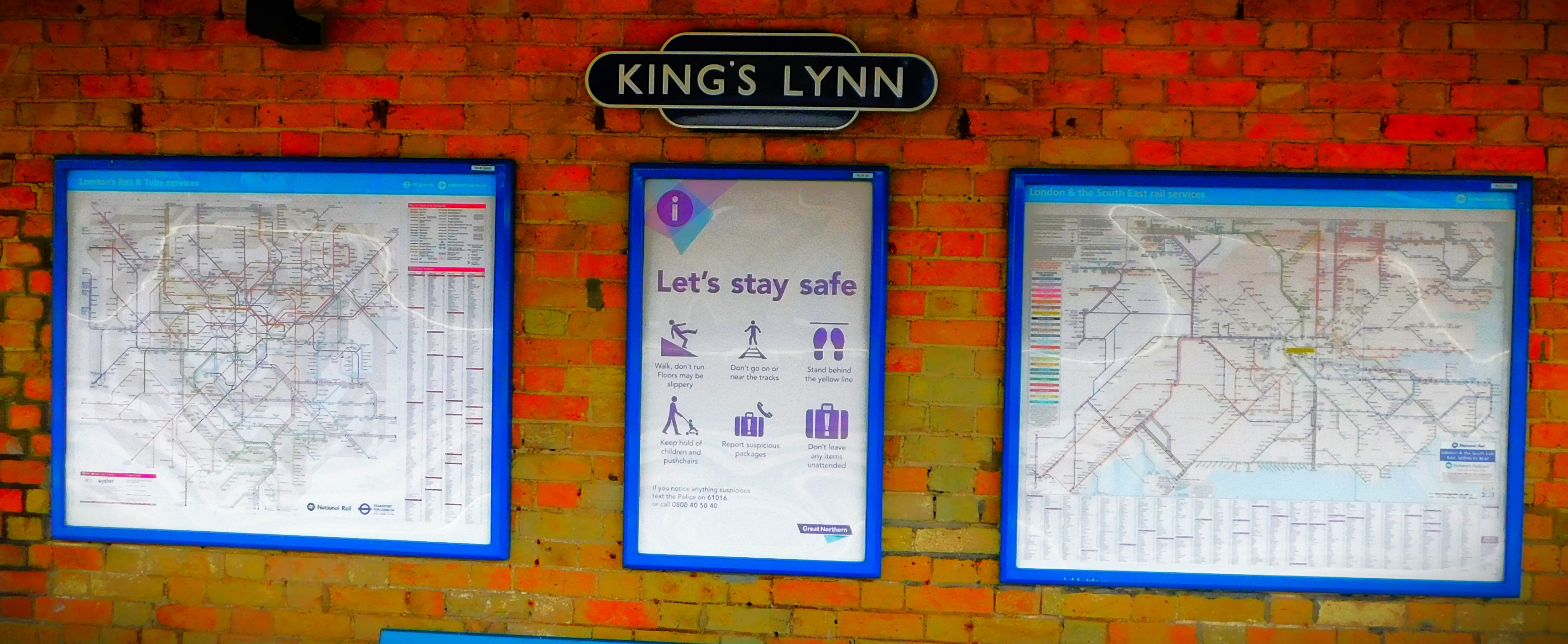
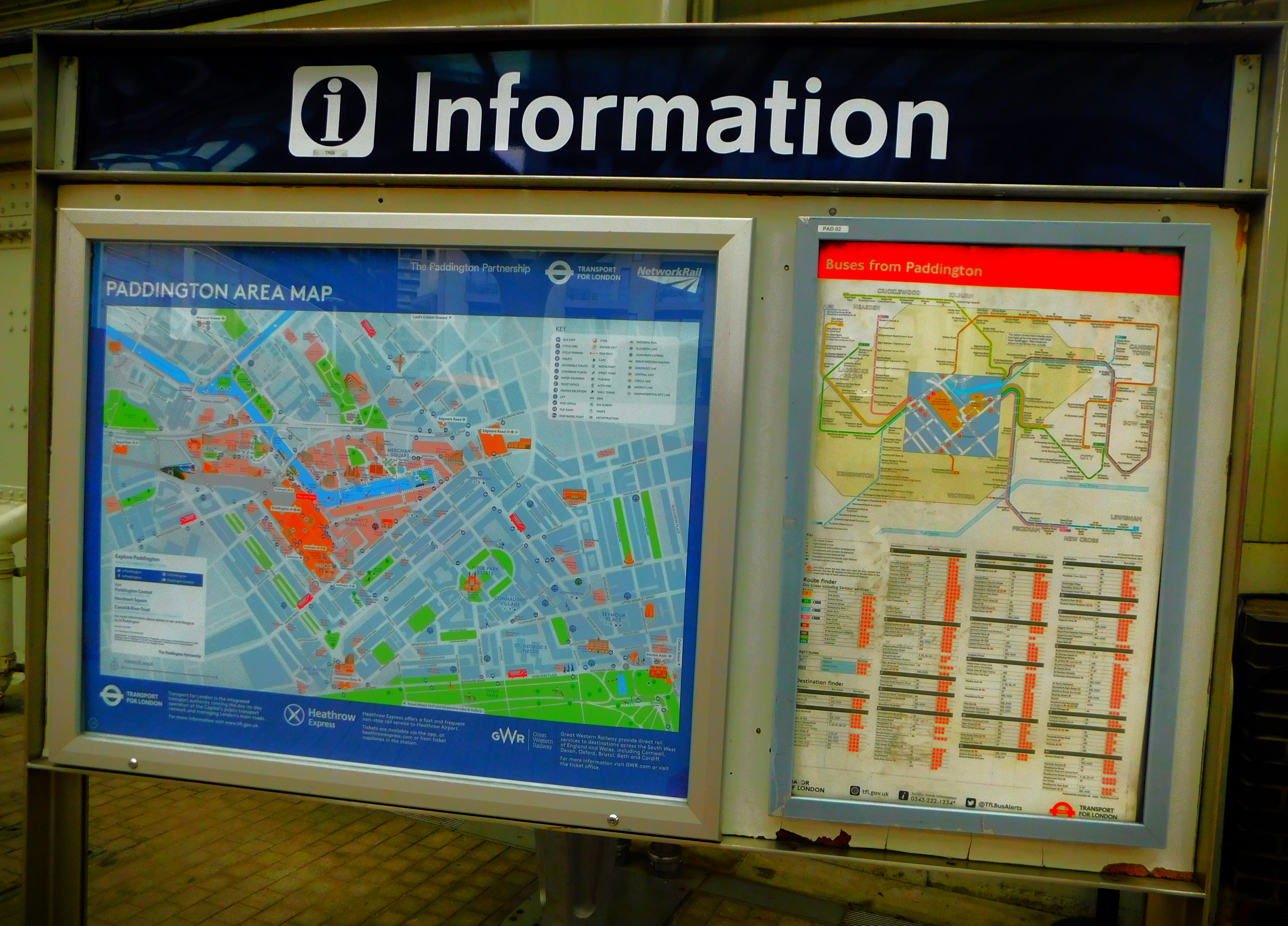
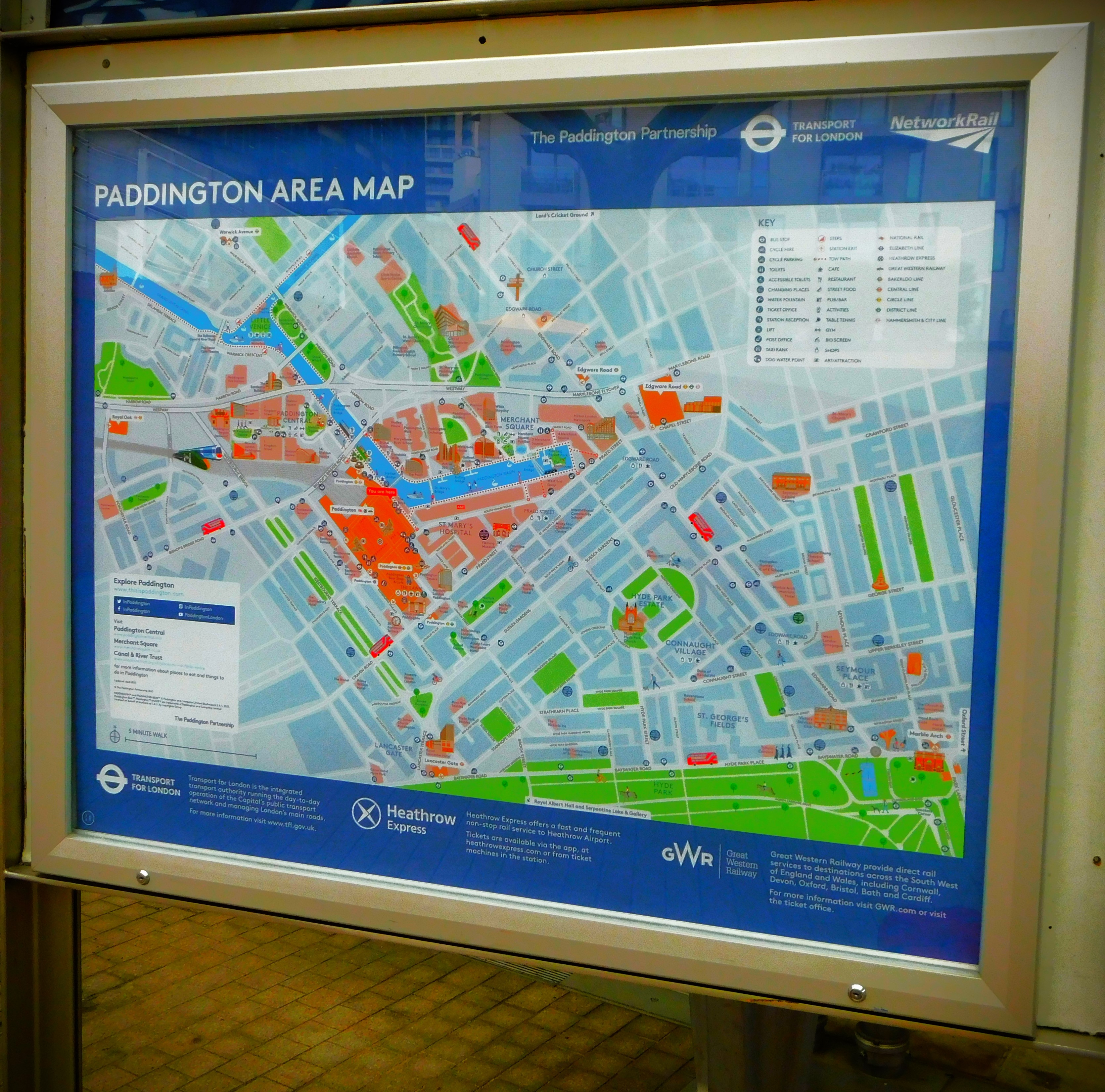
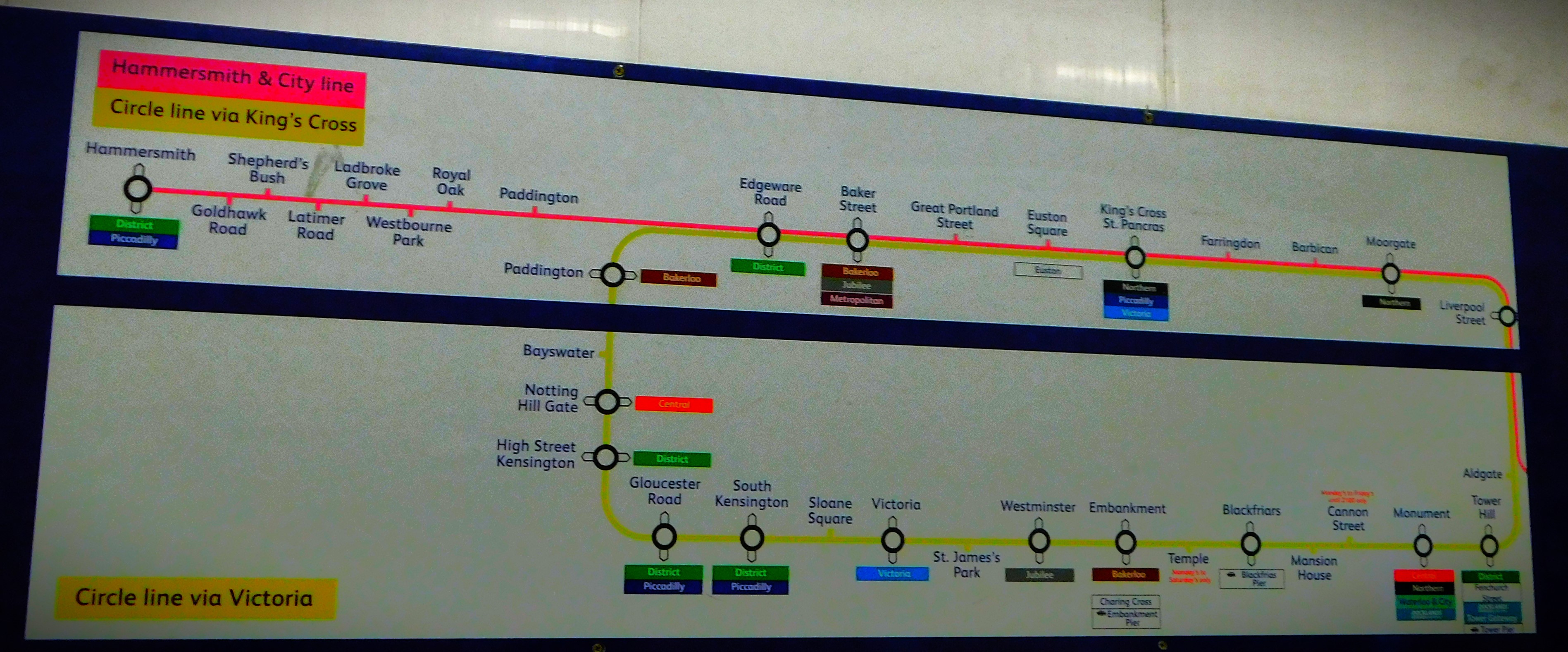
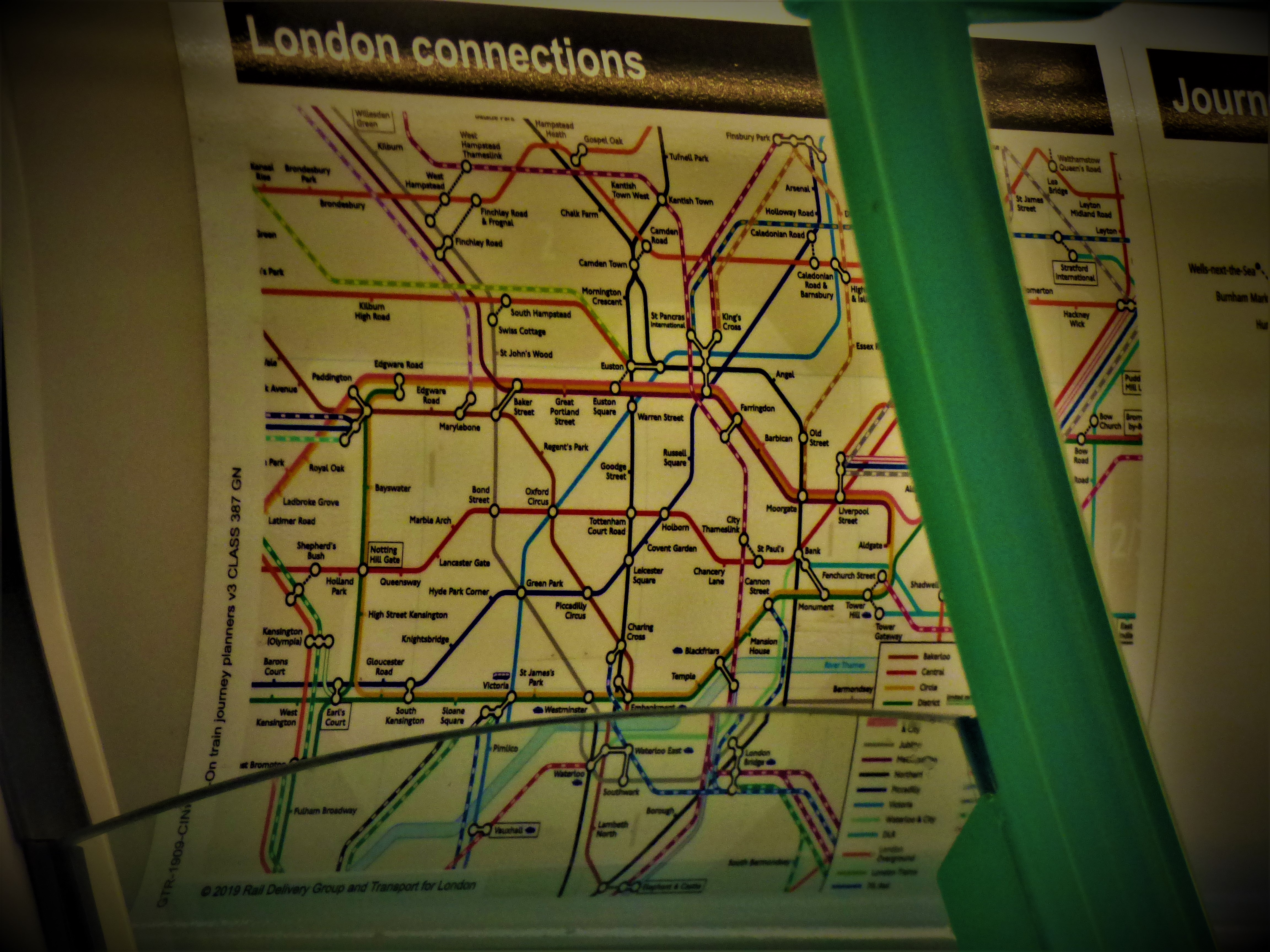
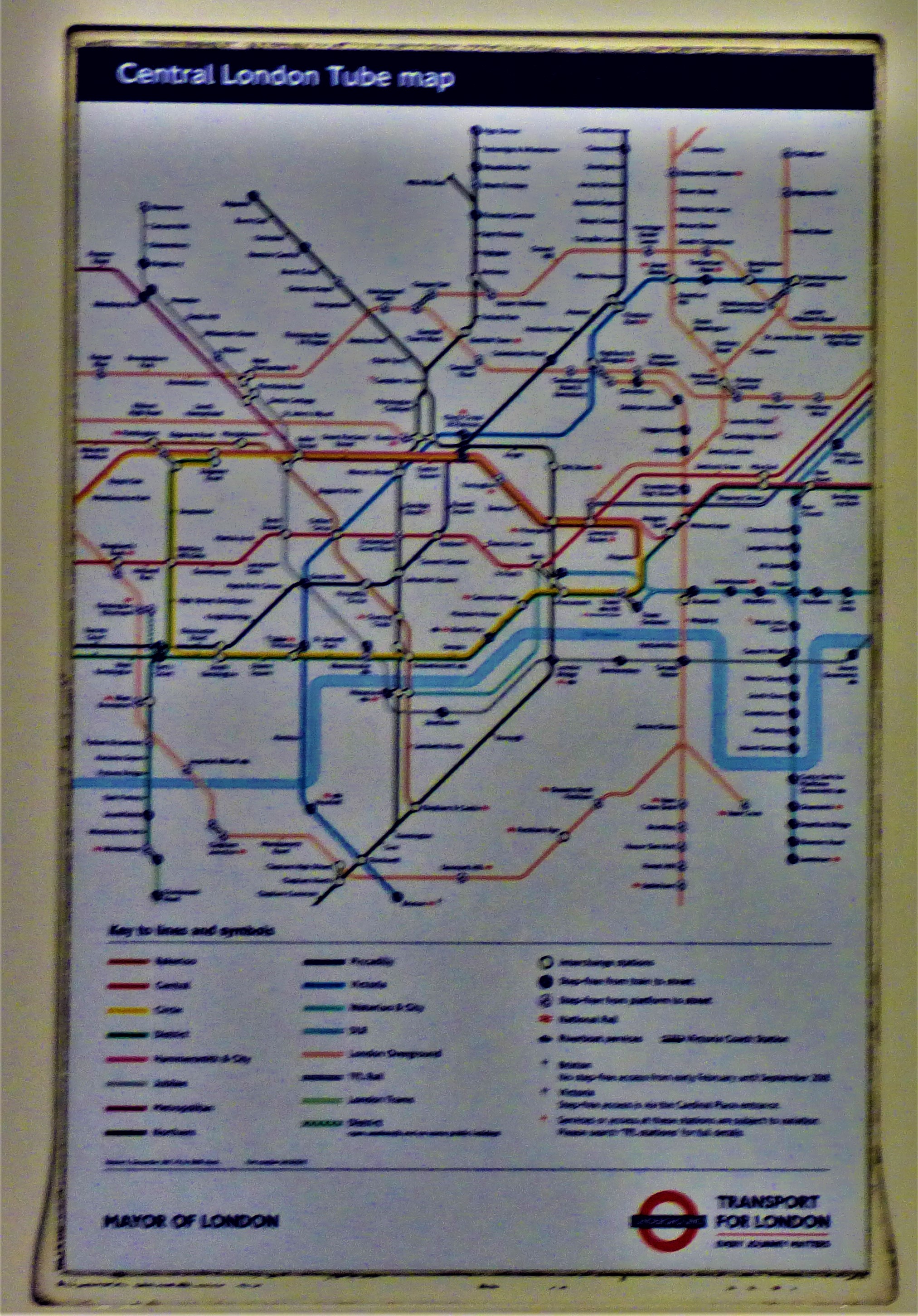
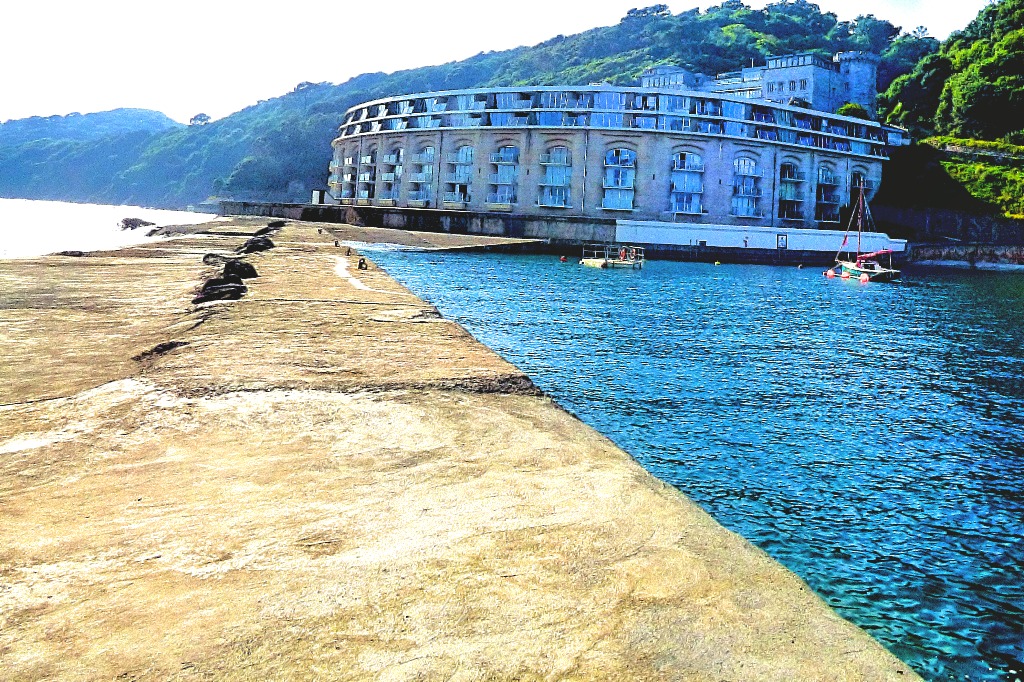
My parents live in Fort Picklecombe just on the Cornish side of the Tamar and about a mile from the village of Cawsand. I would be staying with them for the weekend so my task travel wise was to get from King’s Lynn to Plymouth from where they could pick me up. This journey is accomplished in three parts – King’s Lynn to Kings Cross, Hammersmith & City line to Paddington (NOT the Circle line – the Paddington served by that line should revert to its original name of Praed Street – it is significantly removed from the main line station, whereas the Hammersmith & City line platforms are structurally part of the main station), Paddington to Plymouth. I arranged to leave Lynn on the 09:42, connecting to the 13:03 from Paddington, which would arrive in Plymouth at 16:12.

KING’S LYNN TO LONDON

I reckoned on leaving my flat at 9AM so that I had plenty of time for the walk to the station, and I actually got away by 8:55. The train to London was a little late leaving and lost further time along the way, but with an hour and half between scheduled arrival at Kings Cross and scheduled departure from Paddington my cross London connection was never close to being in jeopardy. I arrived at Paddington with over 40 minutes to spare, and spent half of that time waiting to find out which platform I needed to get to. Then, since my designated seat was in coach A I had to walk the whole length of the platform before boarding and finding my seat.

PADDINGTON TO PLYMOUTH

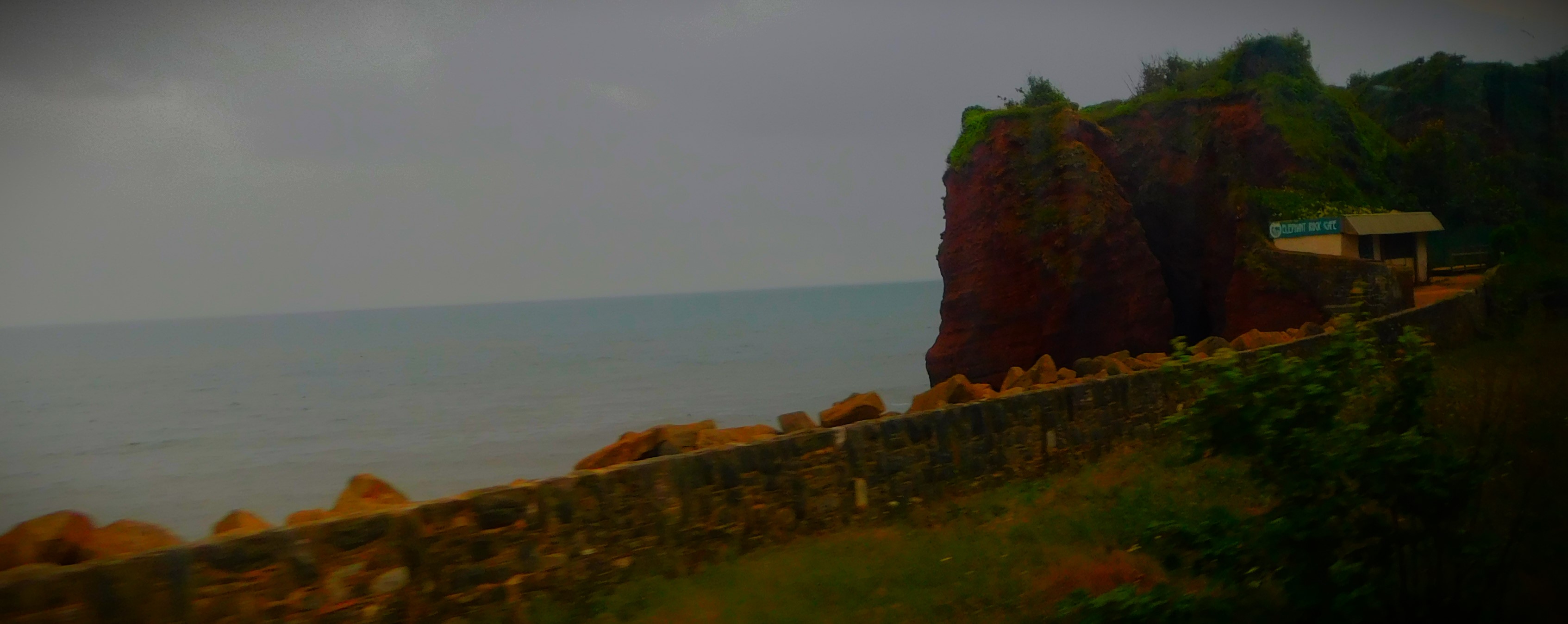
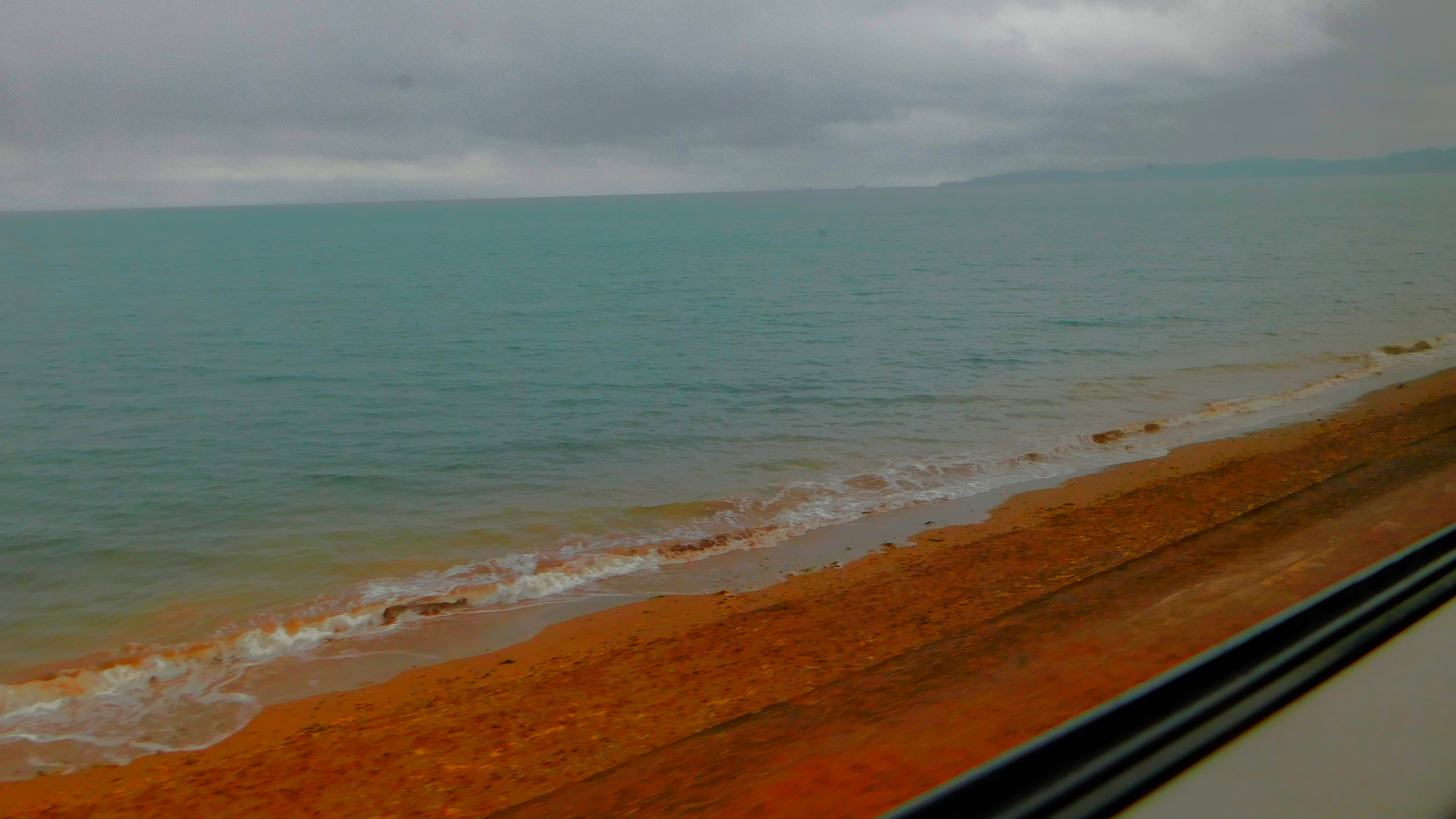
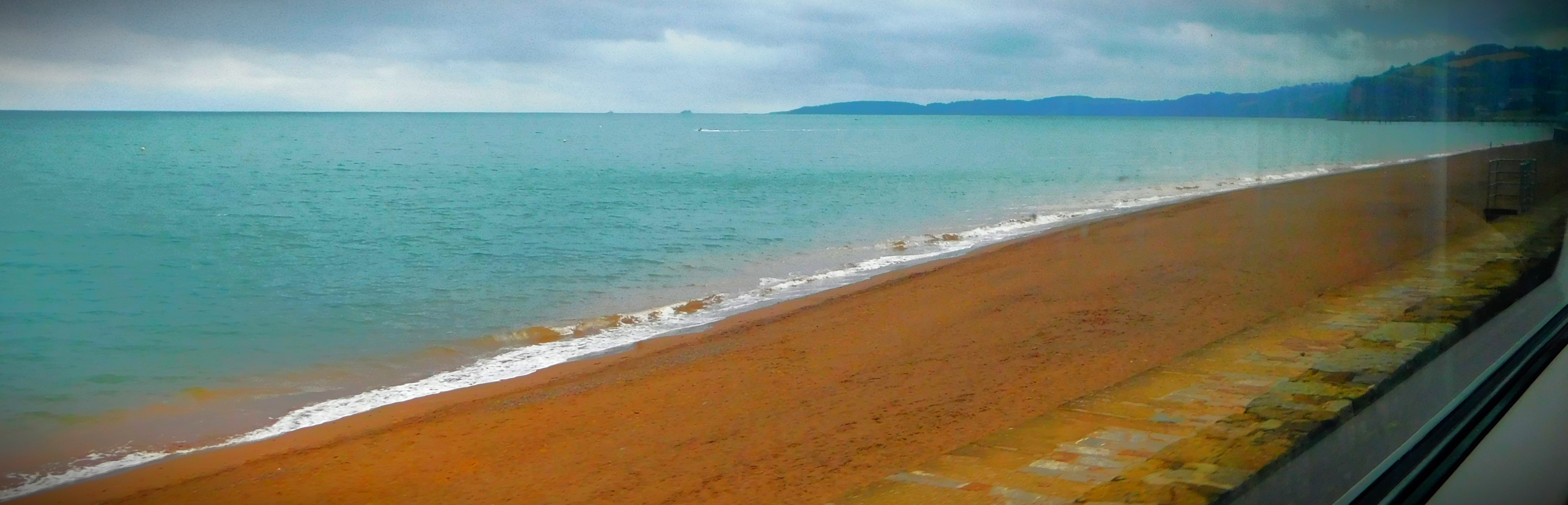
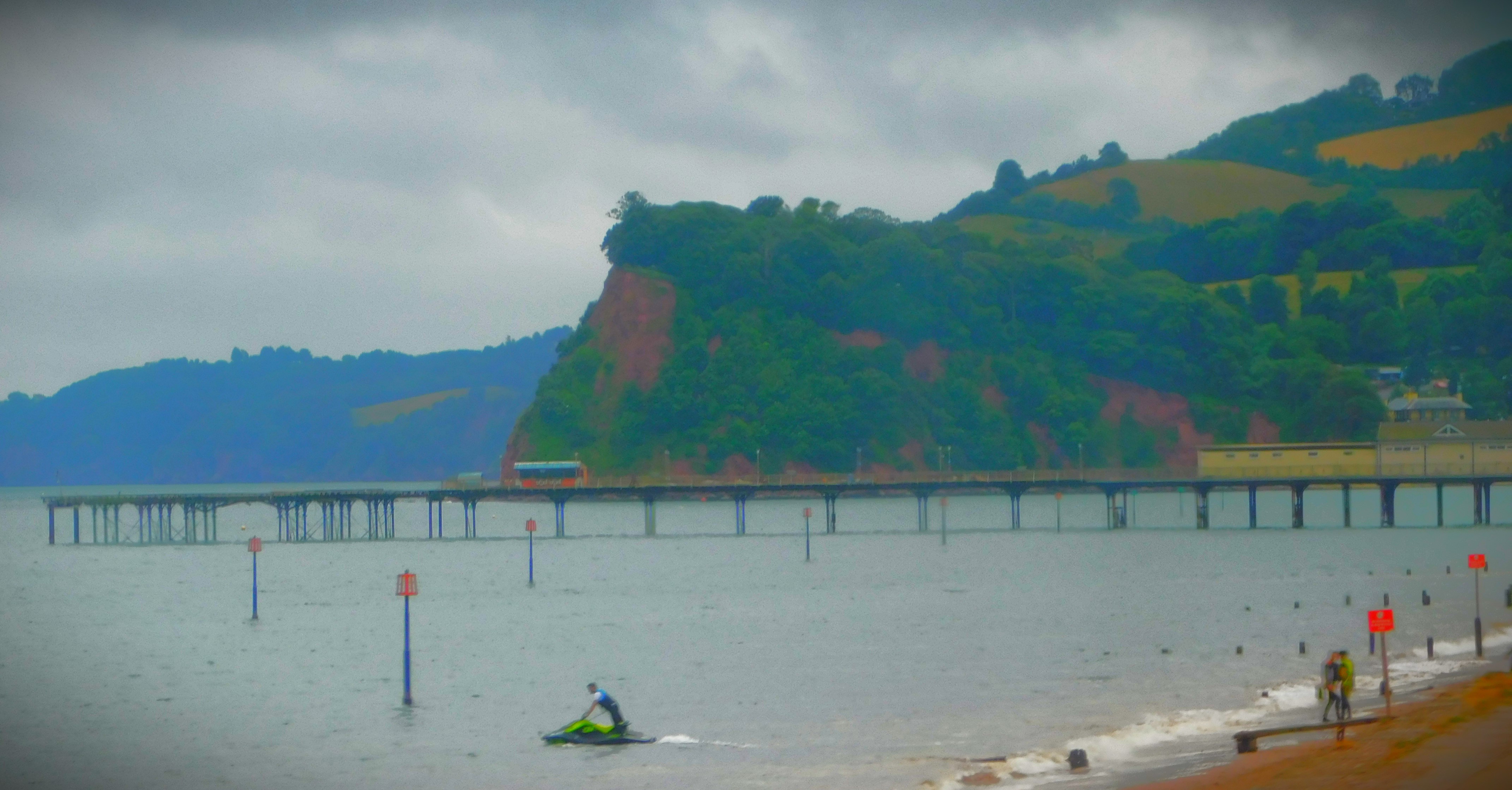
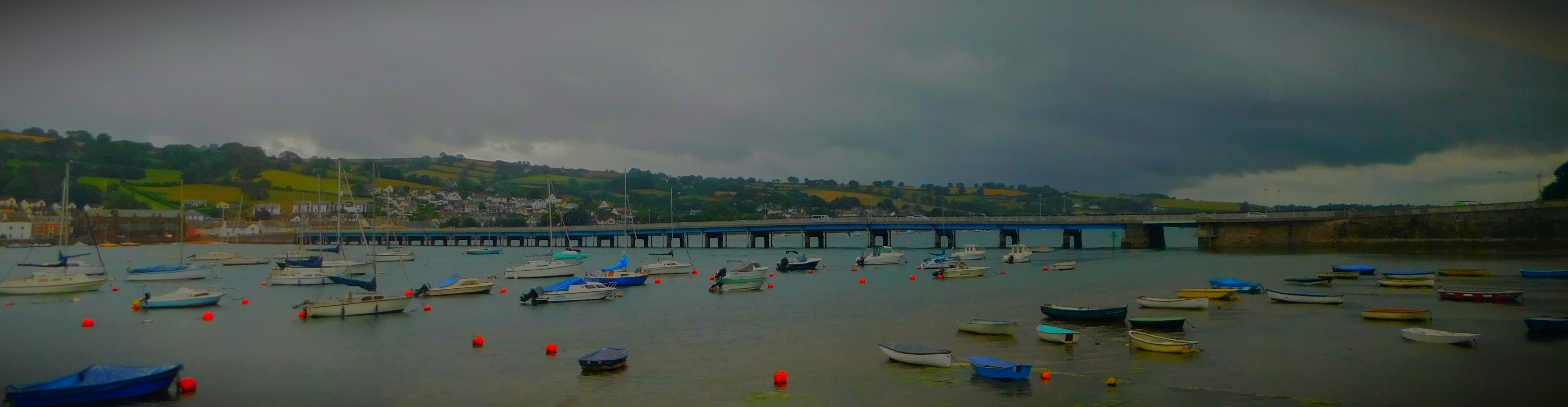
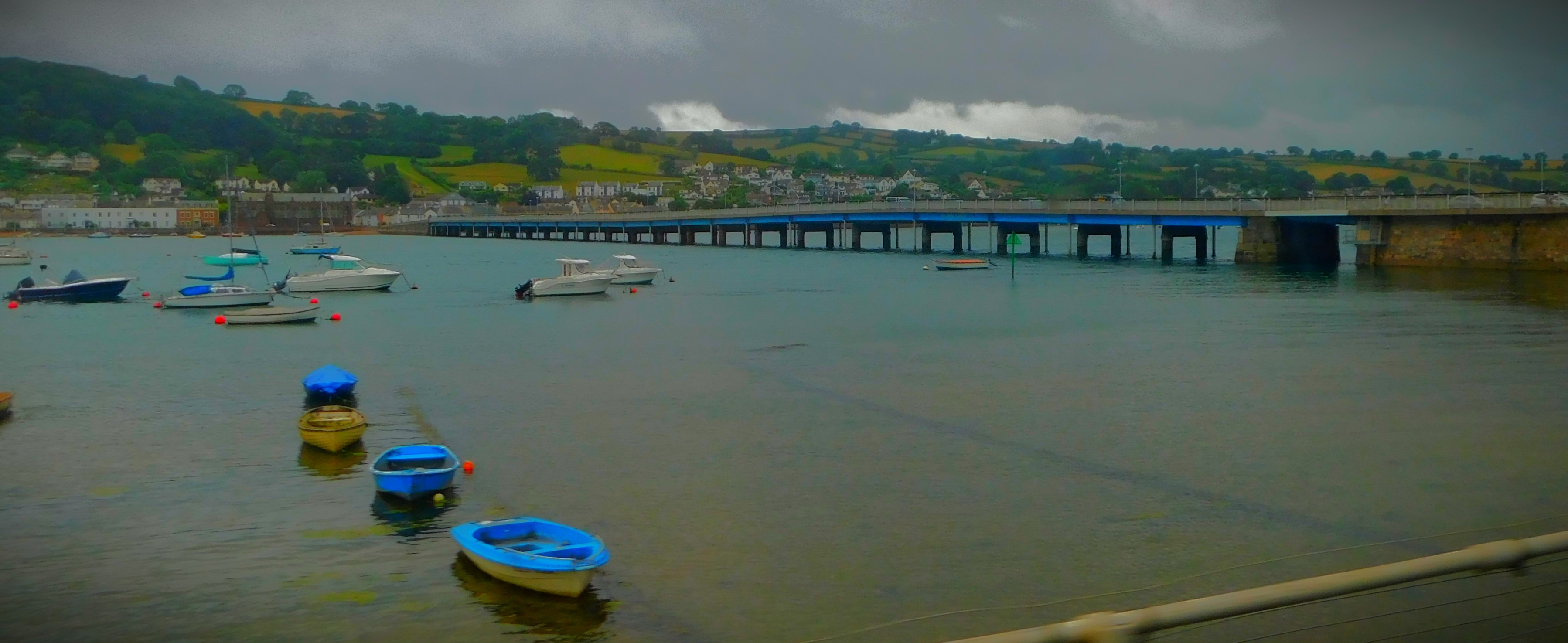
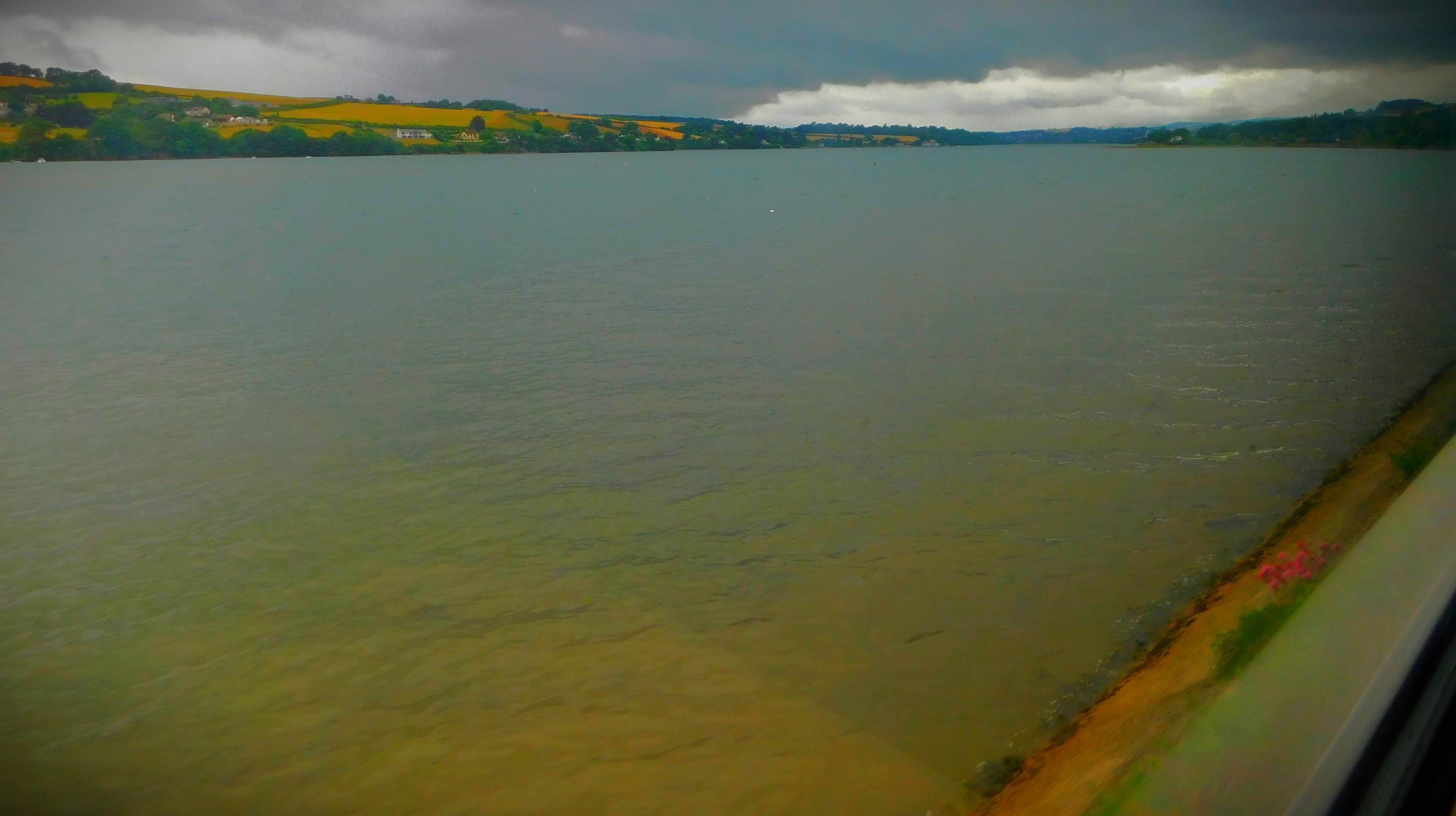
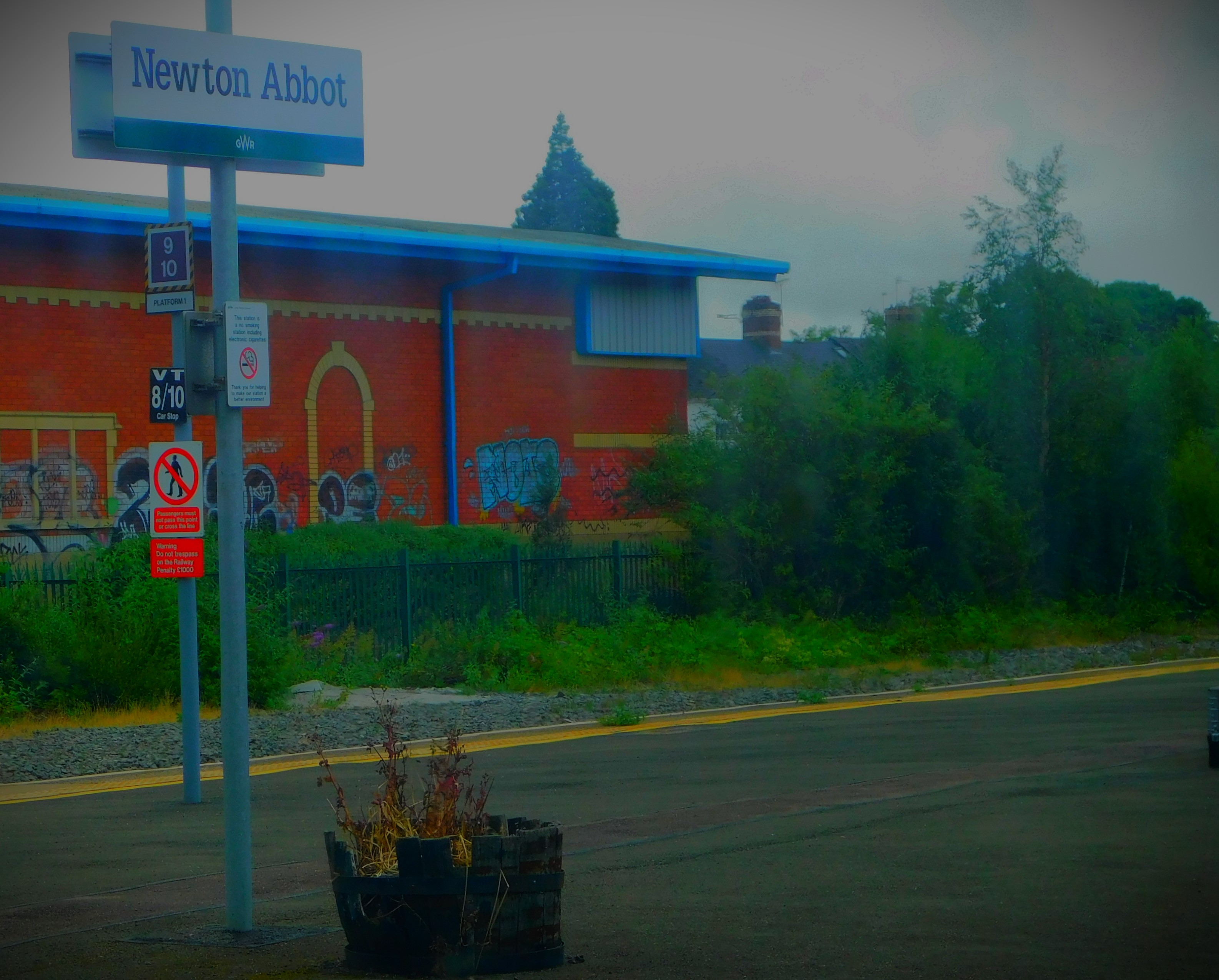
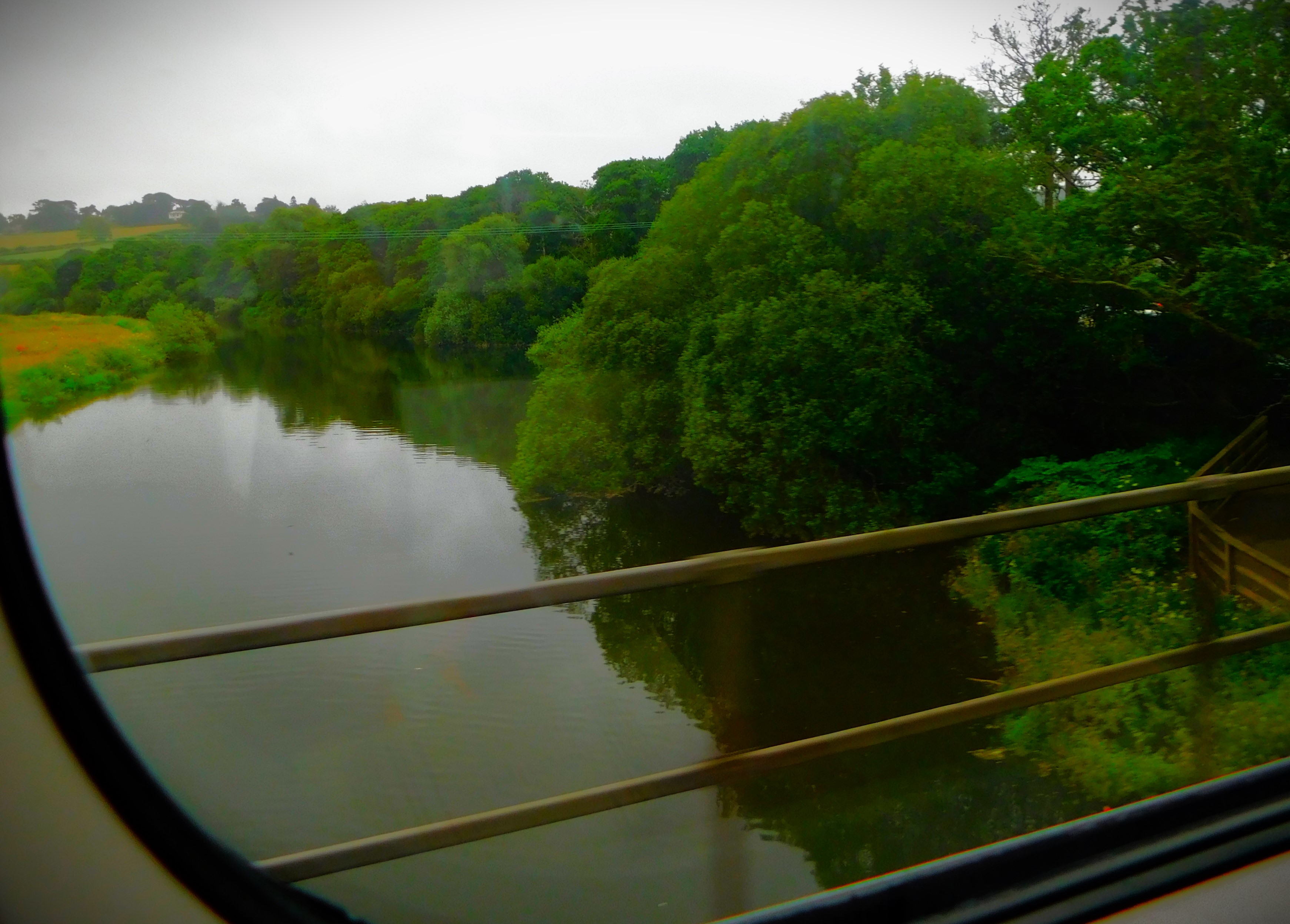
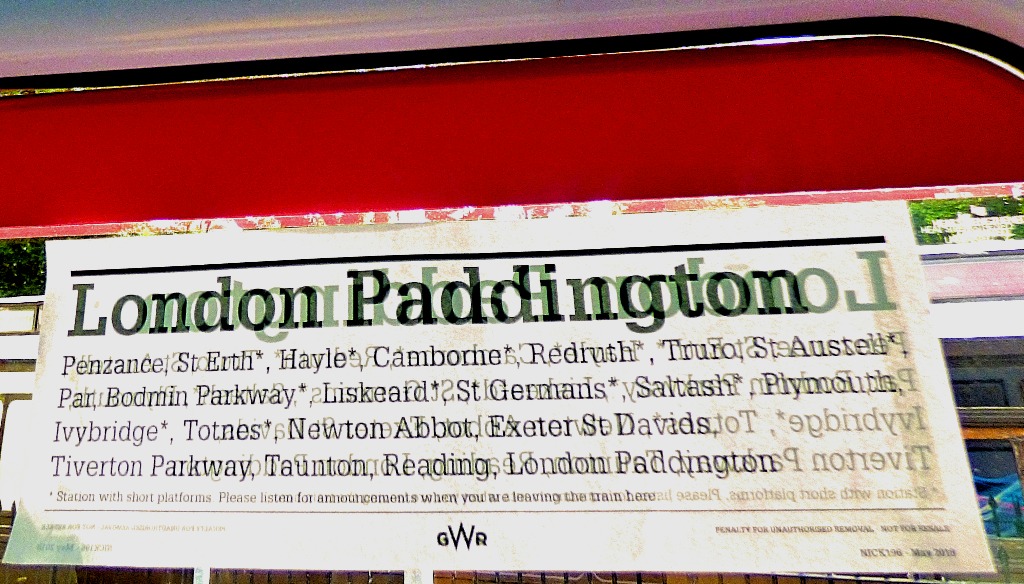
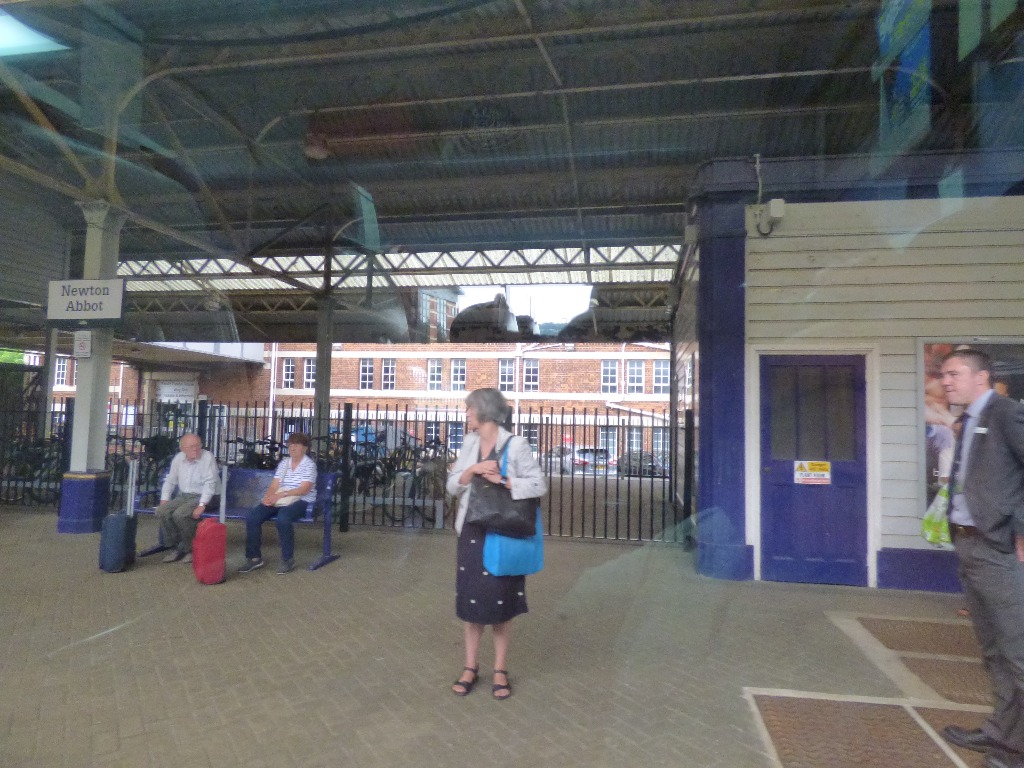
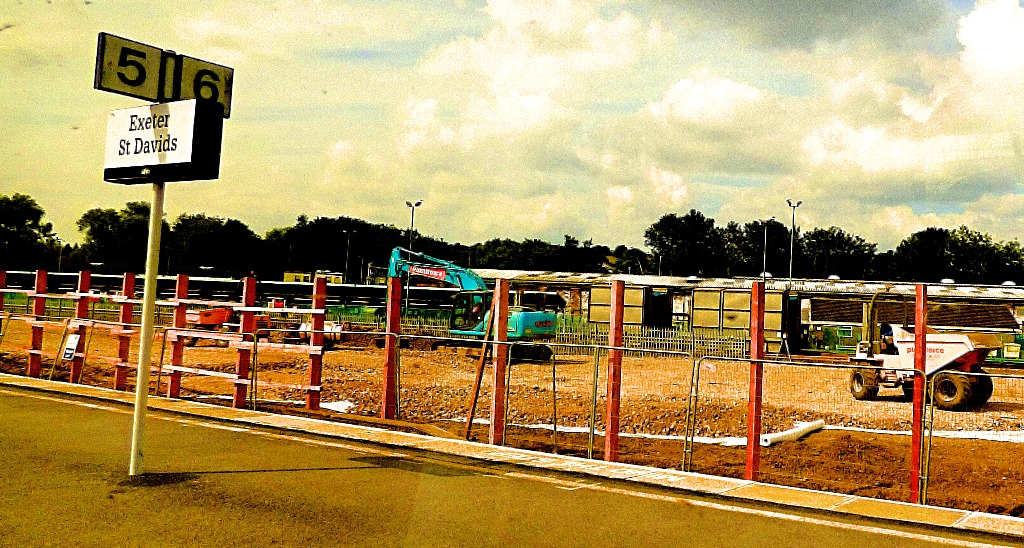
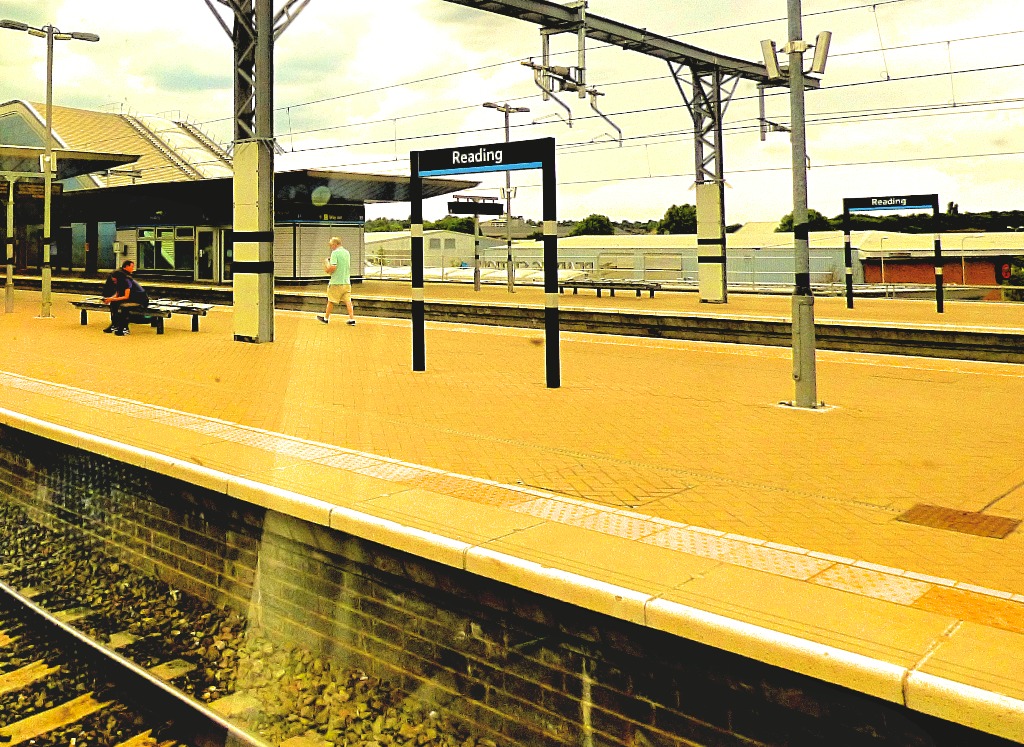
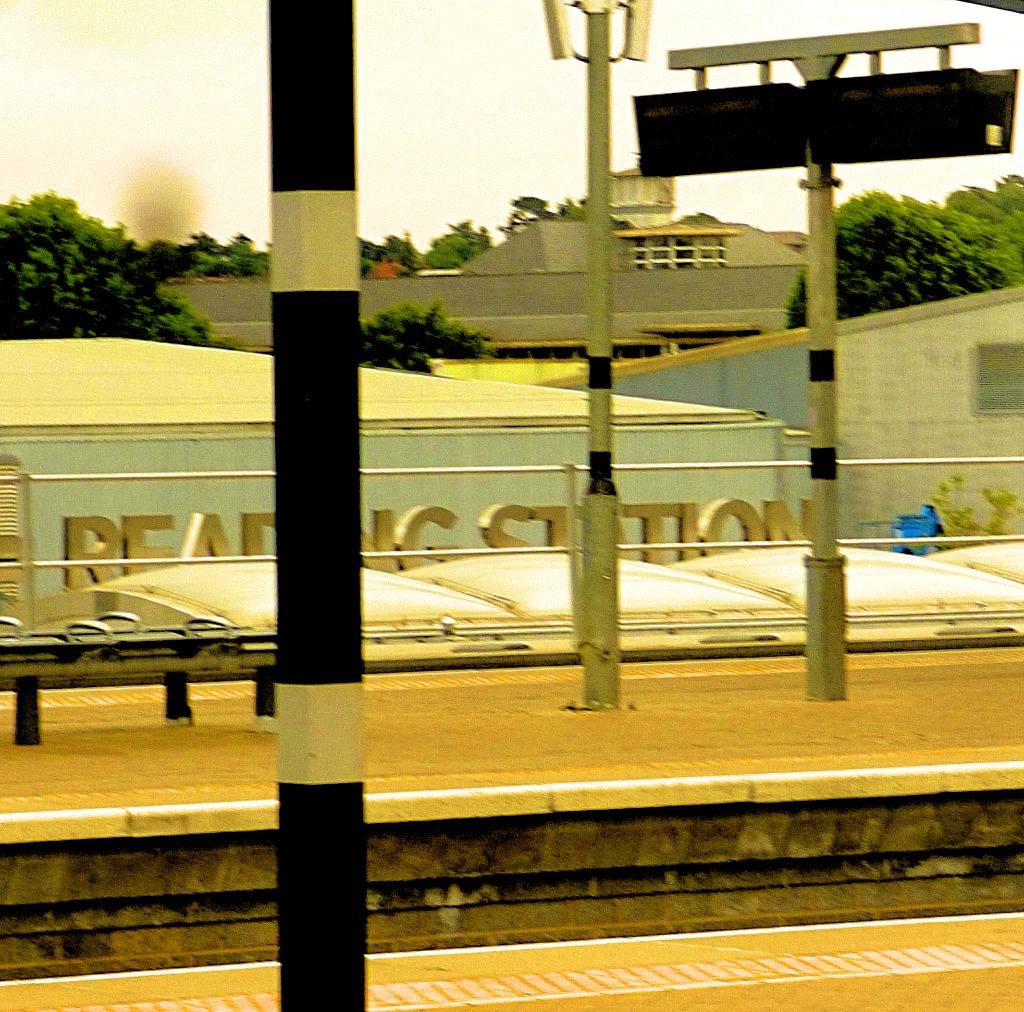
Great Western don’t have the worlds greatest reputation for punctuality, but this time the service set off precisely as scheduled, and ran pretty much exactly as per schedule all the way. This service stops at Reading, then has a long fast run to Taunton before making additional stops at Tiverton, Exeter St Davids, Newton Abbot and Totnes en route to Plymouth. There is one stunningly scenic section on this route, between Exeter and Newton Abbot, where the railway is literally right alongside the sea for most of the way.

PLYMOUTH TO FORT PICKLECOMBE

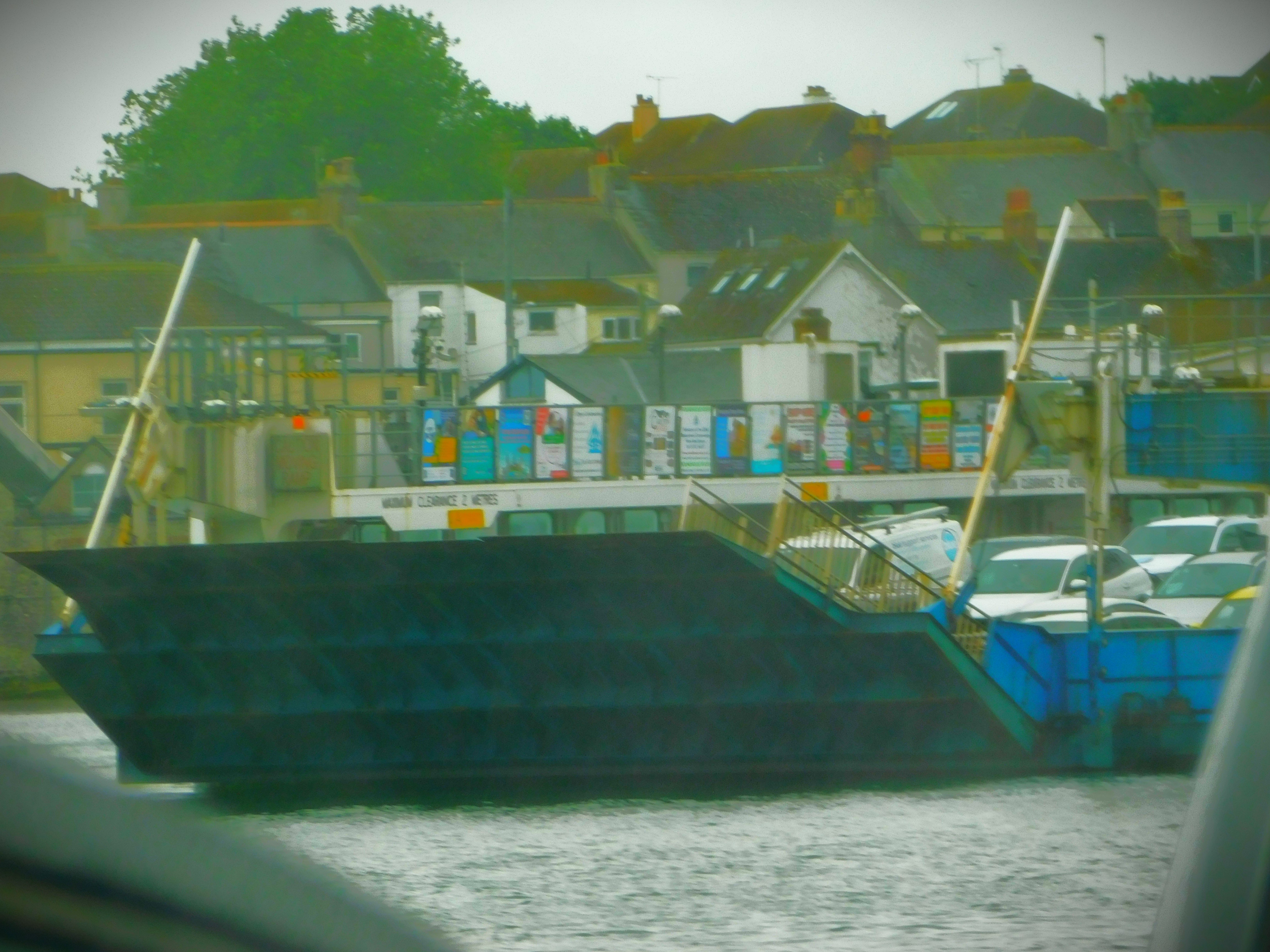
The last part of the journey was in my parents car, and included making use of the Torpoint car ferry. Although my parents car is small and not well suited to photography I did my best even on this leg of the journey.

Scotland 2022: Homeward Bound

Concluding my account of my Scottish holiday with a look at the journey home.

Welcome to the final post in my series on my Scottish holiday. This one deals with my return to King’s Lynn.

A LATE CHANGE OF PLANS

On the Friday evening after getting back from the visit to Eigg I picked up an email warning me that the train I was supposed to be travelling on from Fort William to Glasgow had been cancelled. I was able to establish that I could get back on track by taking a train from Crianlarich (where the Oban and Mallaig lines diverge), but it still meant that I missed the most scenic part of the train journey. It also meant an earlier start to the day.

CRIANLARICH – EDINBURGH

Barring a delay getting into Glasgow, which is was of no relevance given how far ahead of schedule I was due to having had to alter my travel plans there were no hitches on this section of the journey, and I arrived in Edinburgh still miles ahead of schedule…

EDINBURGH TO PETERBOROUGH

I opted to spend time waiting at Waverley station and travel on the train on which I had a booked seat rather than take my chances on earlier train, a decision that although it did not work out for me I still regard as having been the correct one. Unfortunately, the last London bound train before the one I was booked on was cancelled due to someone running about on the tracks, which meant that the train on which I was booked had to take two trainloads worth of passengers. I am cautious about long distance trains and always look to board early, which was a lucky decision on this occasion – I was seated in the seat that was technically reserved to me well in advance of departure time, which was just as well, as an onboard computer malfunction meant that the only way a reservation could actually be enforced was in the way that I had done so – by actually being sat in the seat. The addition of an extra unscheduled stop at Berwick on Tweed, and a couple of other minor delays had me briefly worried about my onward connection at Peterborough, but we actually got to Peterborough 15 minutes before my next train was due to depart, and not even the shocking organization of that station (it is not easy to find general departure information there) could make me miss that train – I was safely seated comfortably ahead of departure time.

PETERBOROUGH TO KING’S LYNN

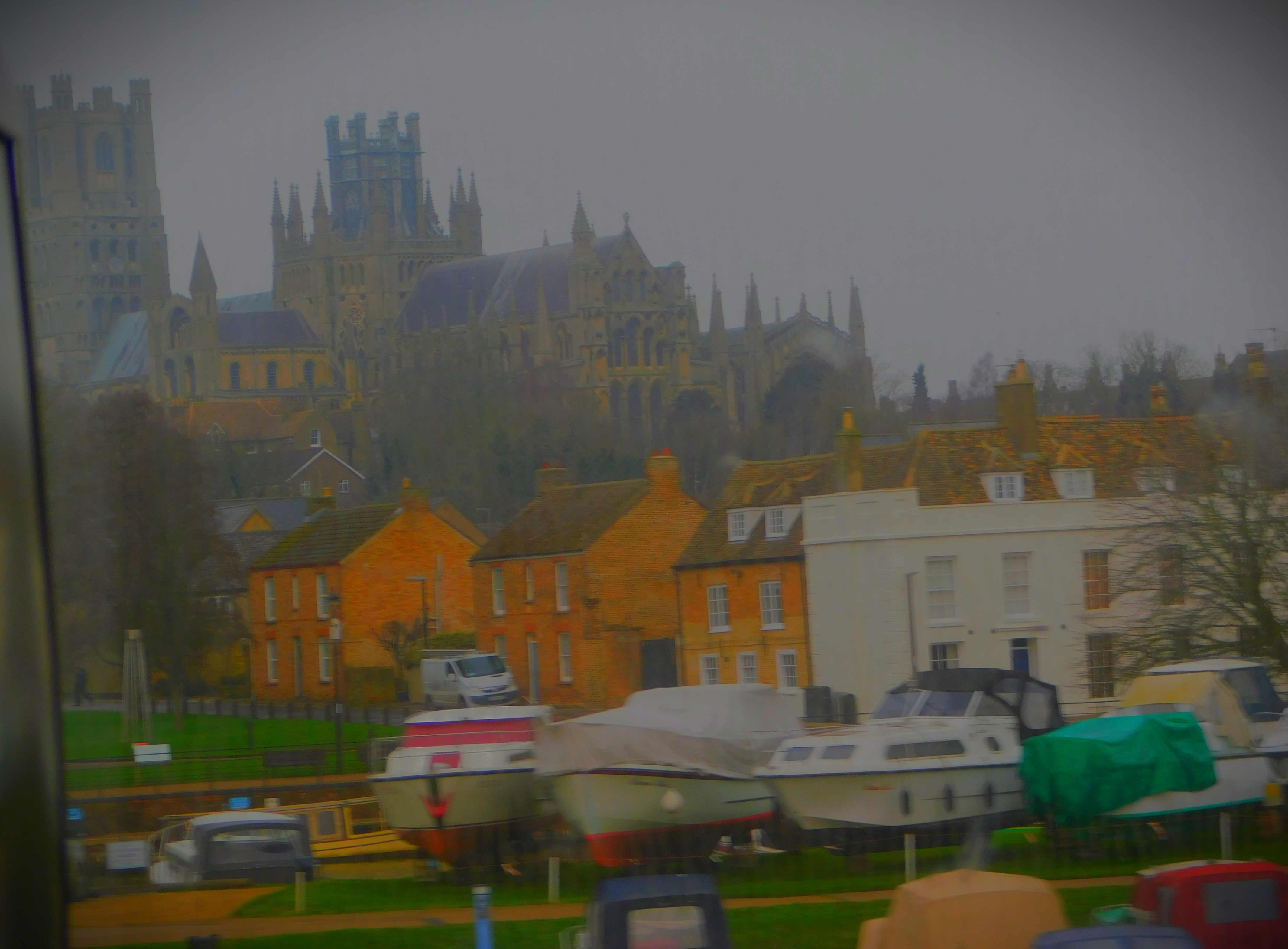
The train from Peterborough arrived at Ely, my last change point, bang on schedule, and there was never a chance of me missing the train on to King’s Lynn. That train also ran to schedule, and I arrived in King’s Lynn just after 10:30PM. I then walked home, and was unpacked by 11:00PM.

PHOTOGRAPHS

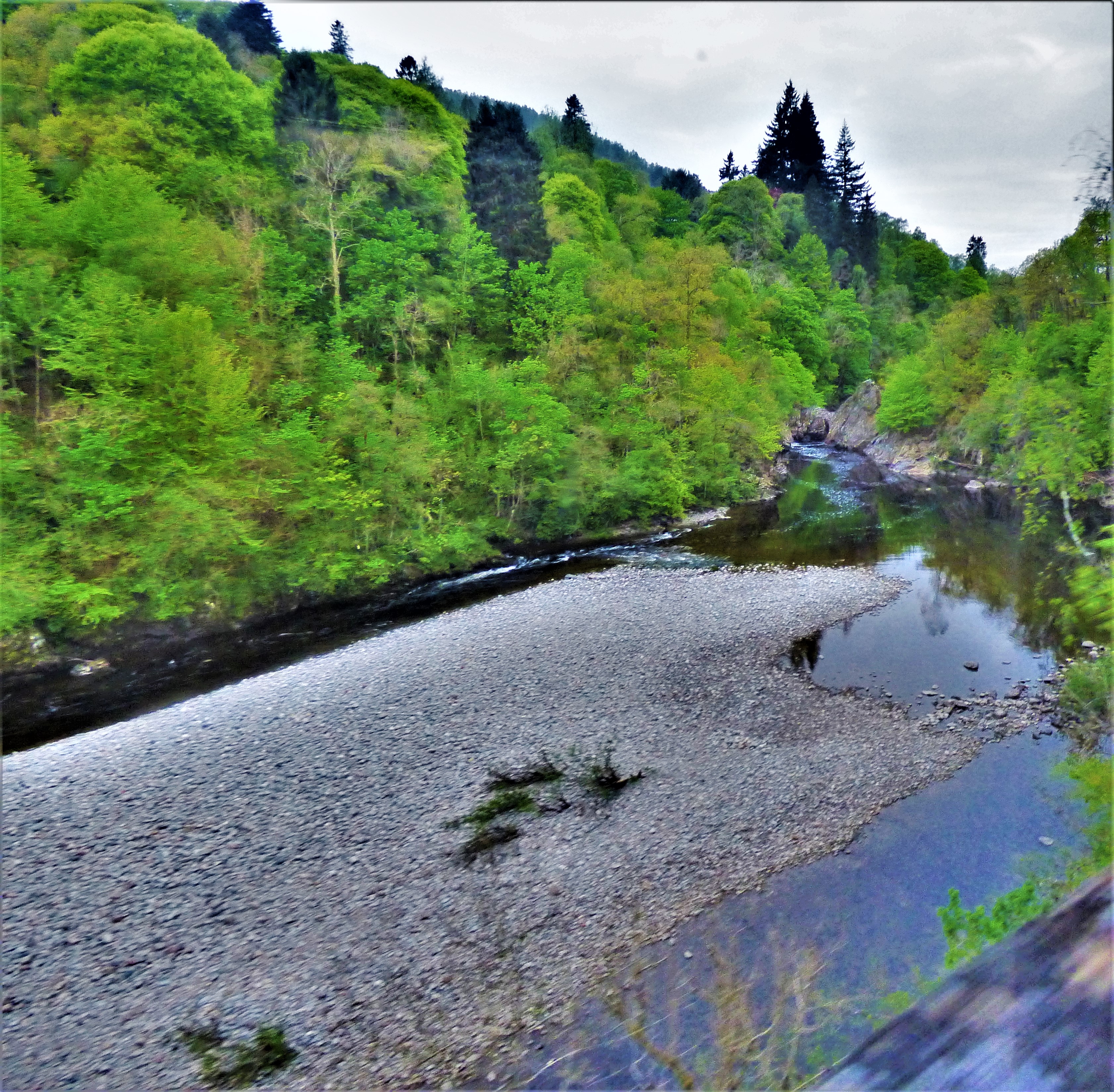
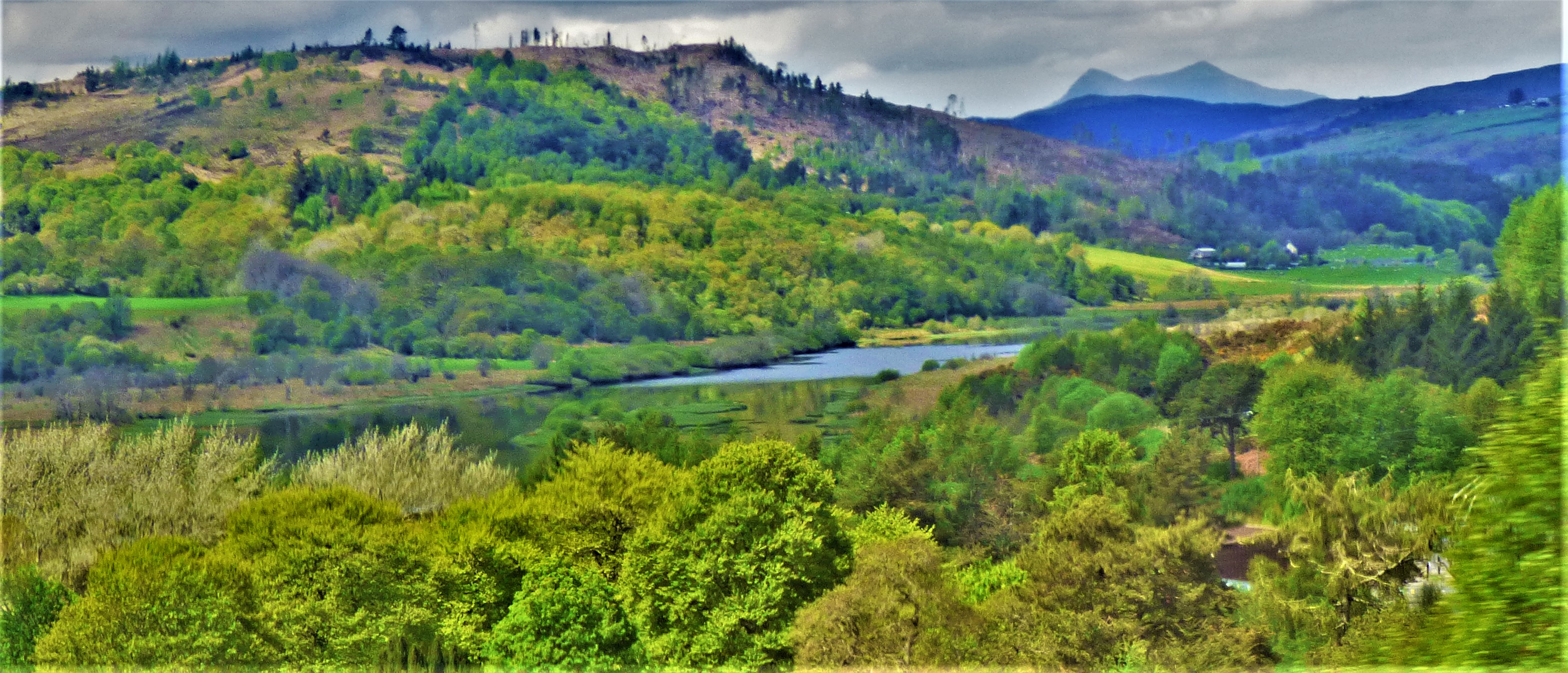
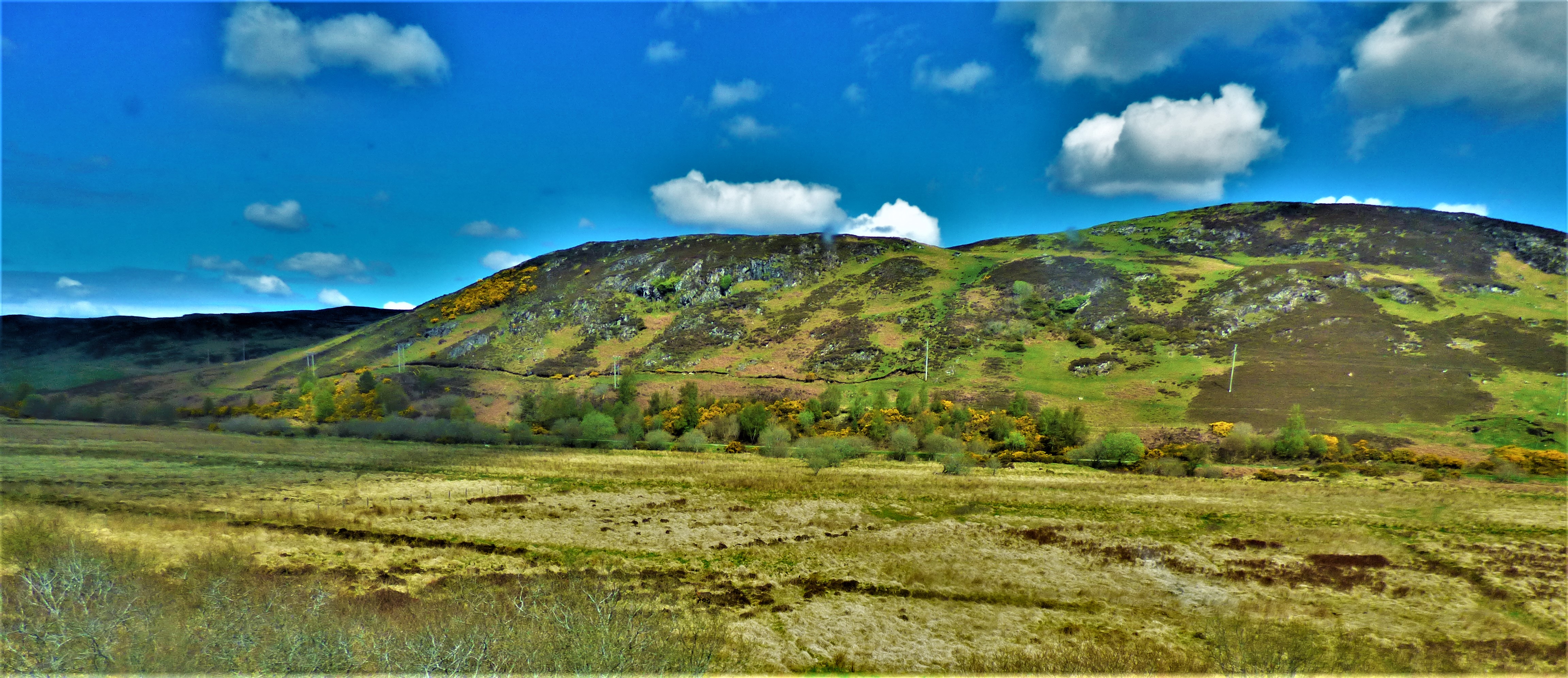
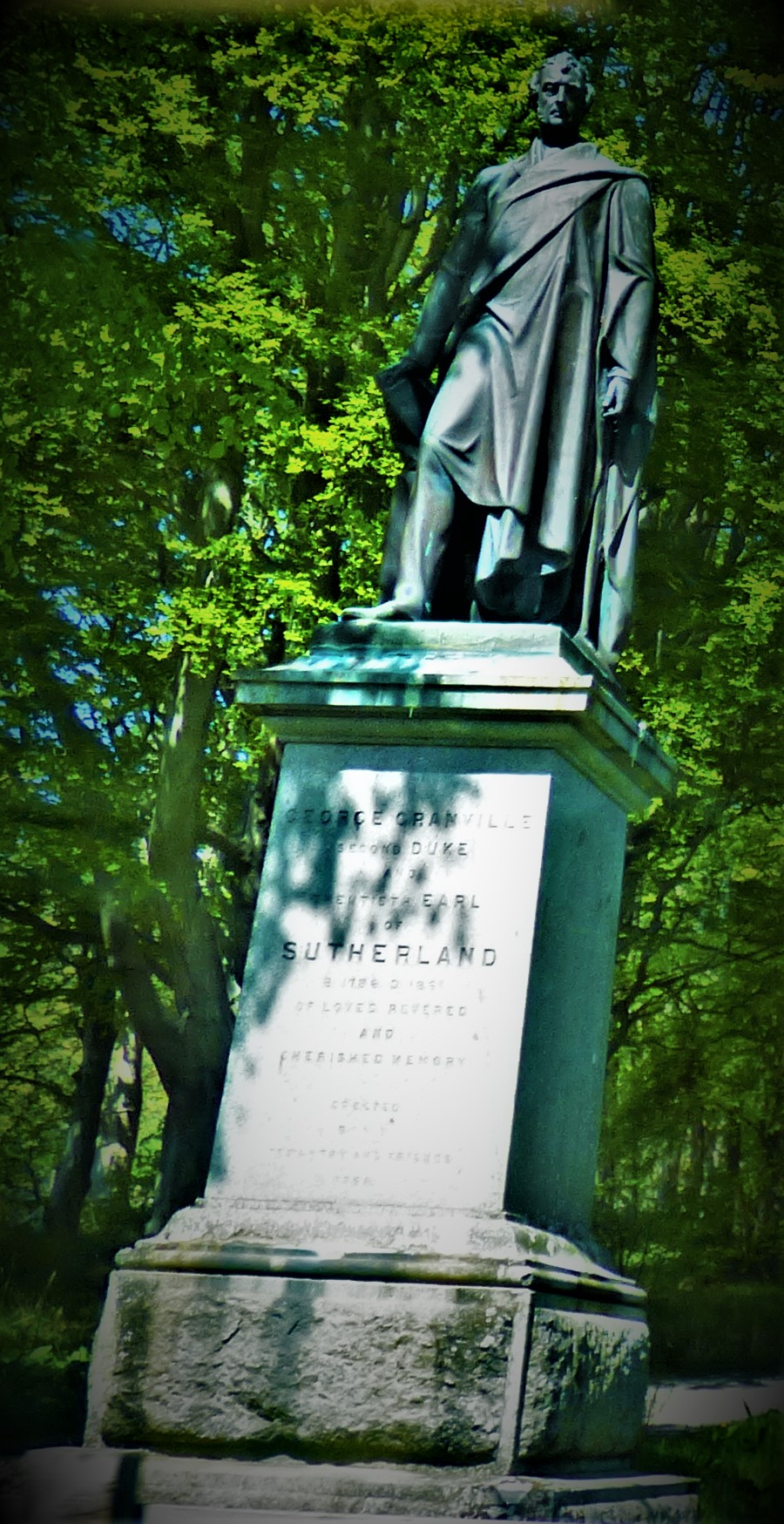
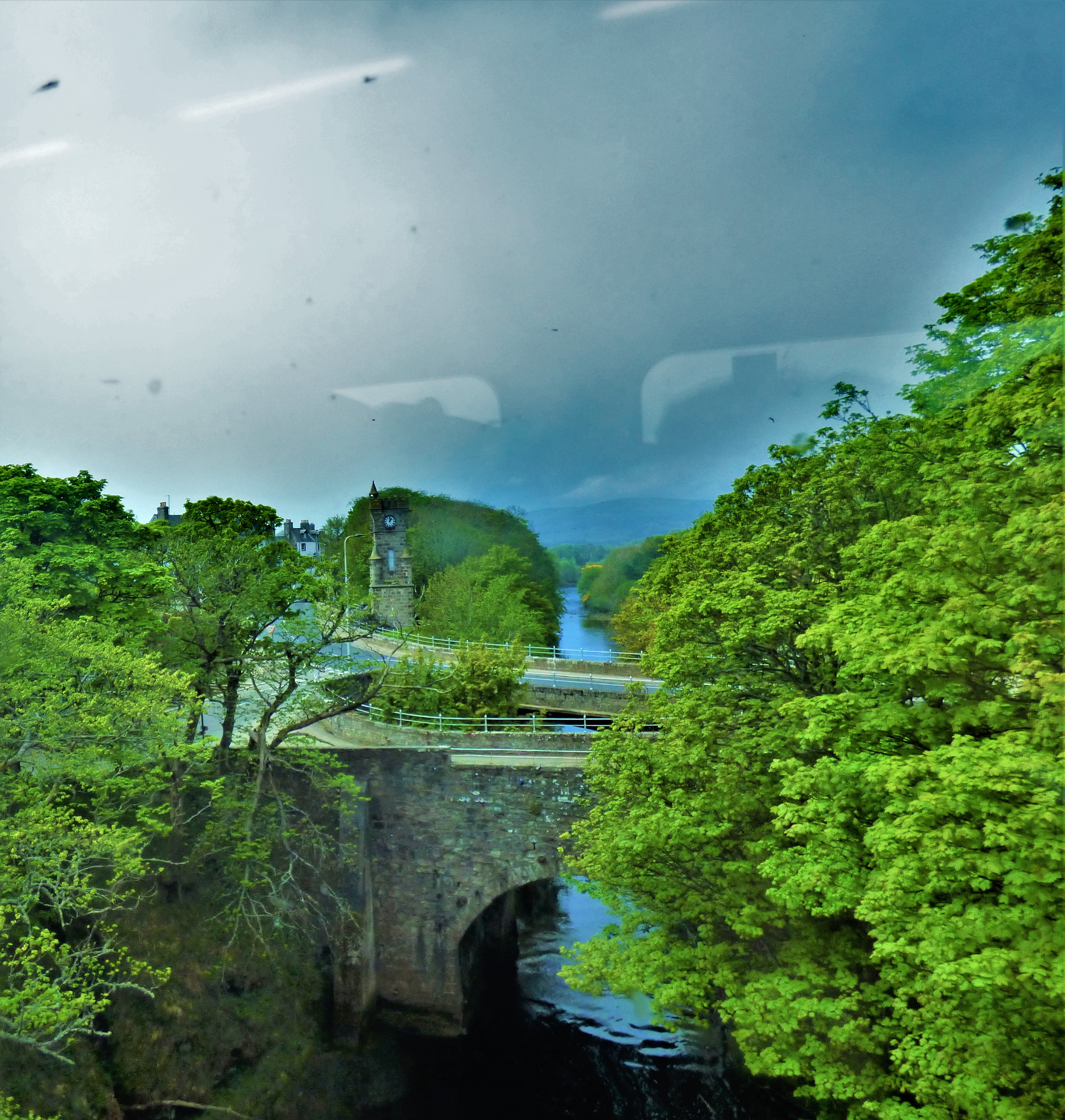
Here are my pictures from this eventful day:

Long Weekend 8: Berwick Upon Tweed and Home

Wrapping up my account of my long weekend away doing family things, plus a couple of important links.

This post wraps up my somewhat syncopated series about a long weekend away doing family things (14-17 August inclusive), by covering the events of the Tuesday. Before I get into the main body of the post I have a couple of links to share: there is a just giving page up in connection with NAS West Norfolk being the Lynn News Charity of the Year 2021, which you can visit by clicking here. Also PhoebeMD has once again opened her blog up to those who wish to promote their own blogs – please do so.

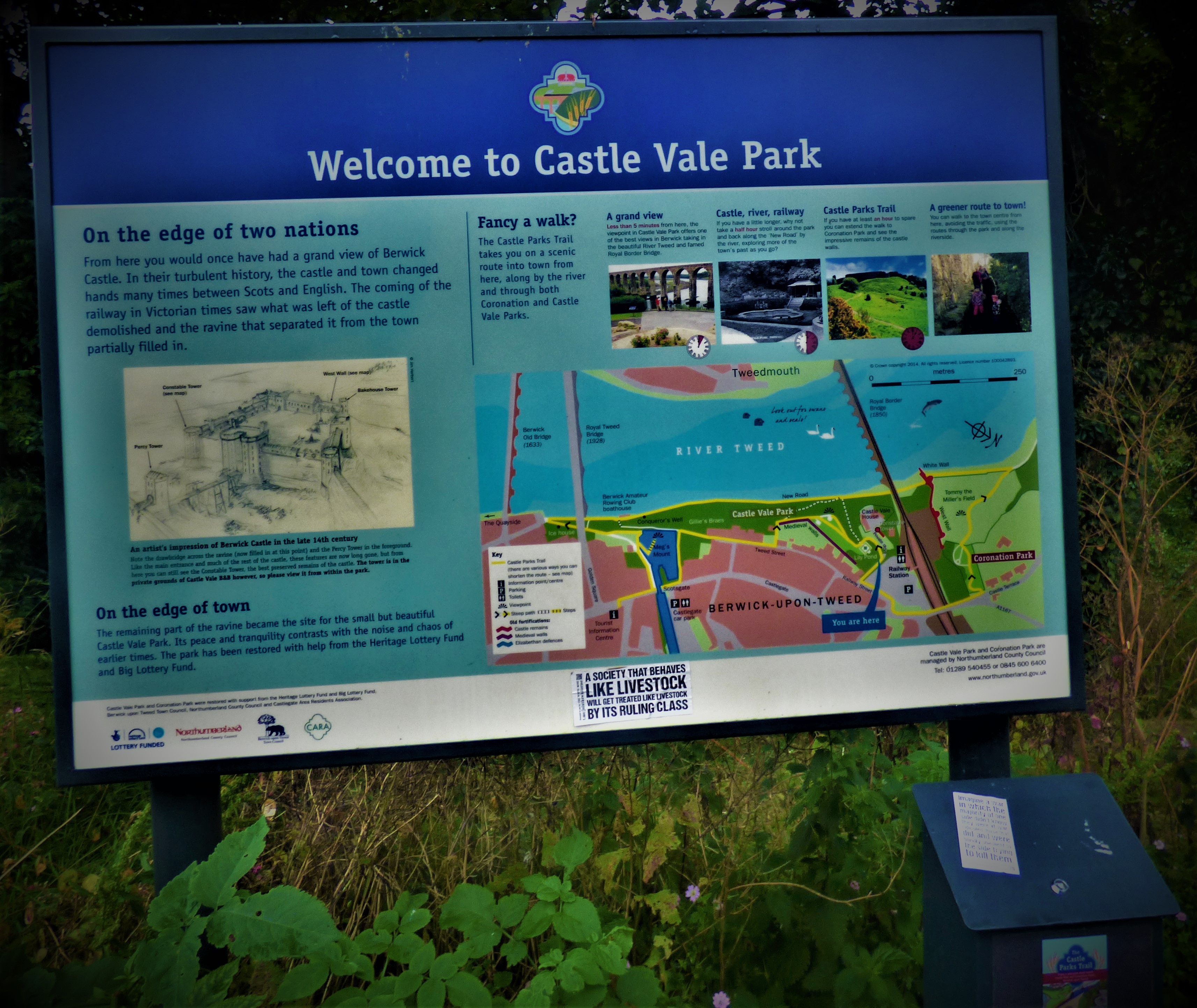
BERWICK UPON TWEED

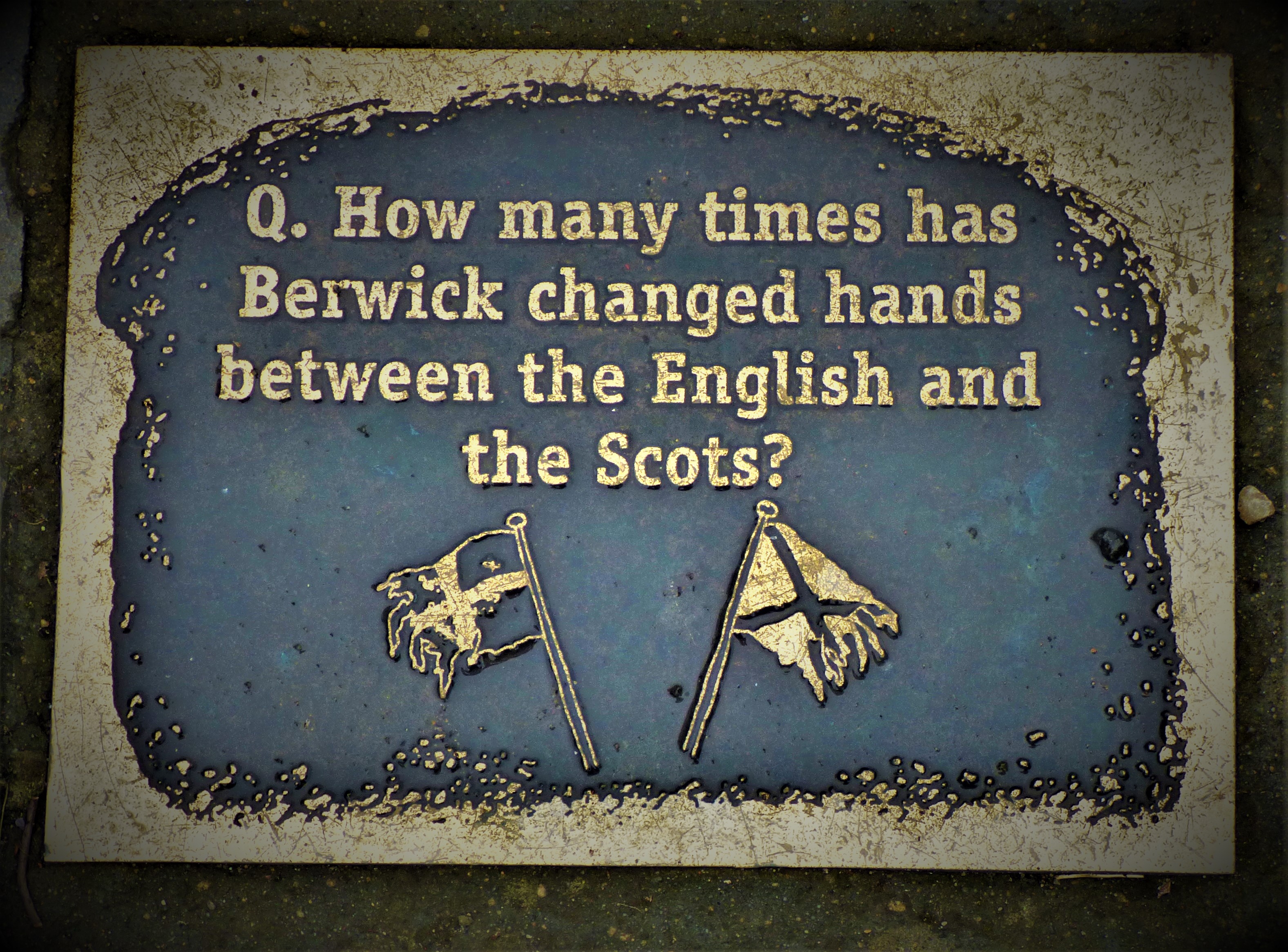
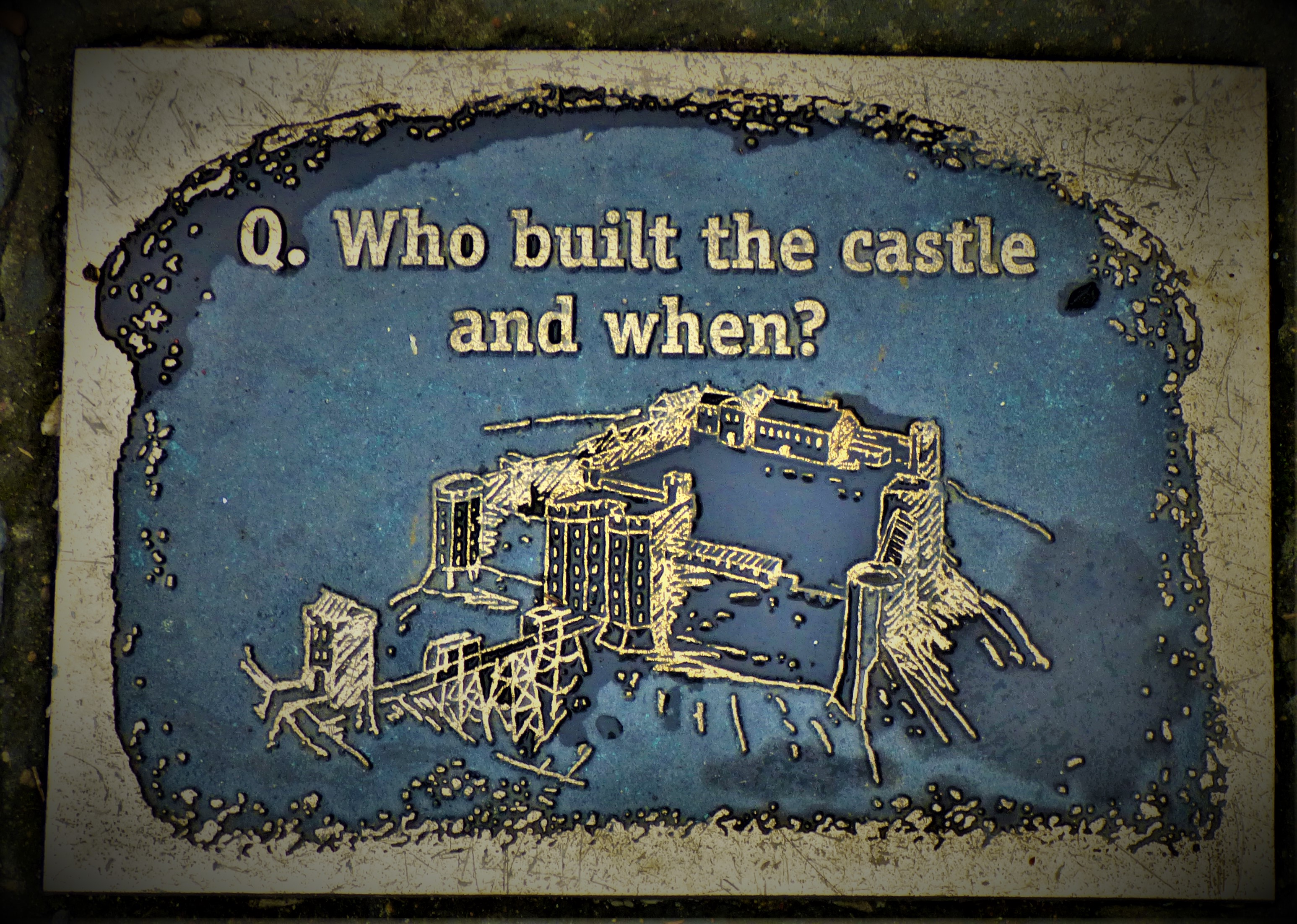
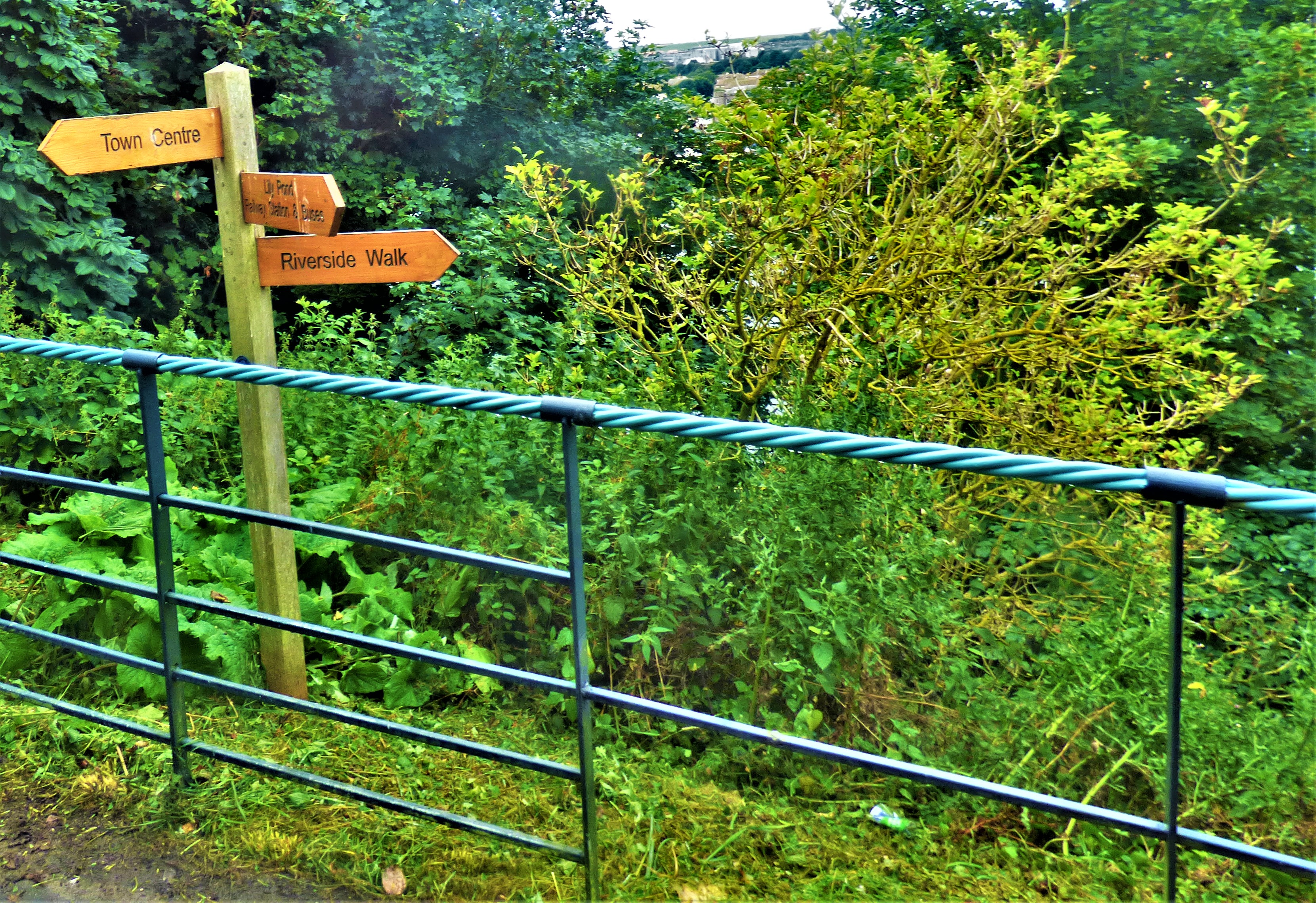
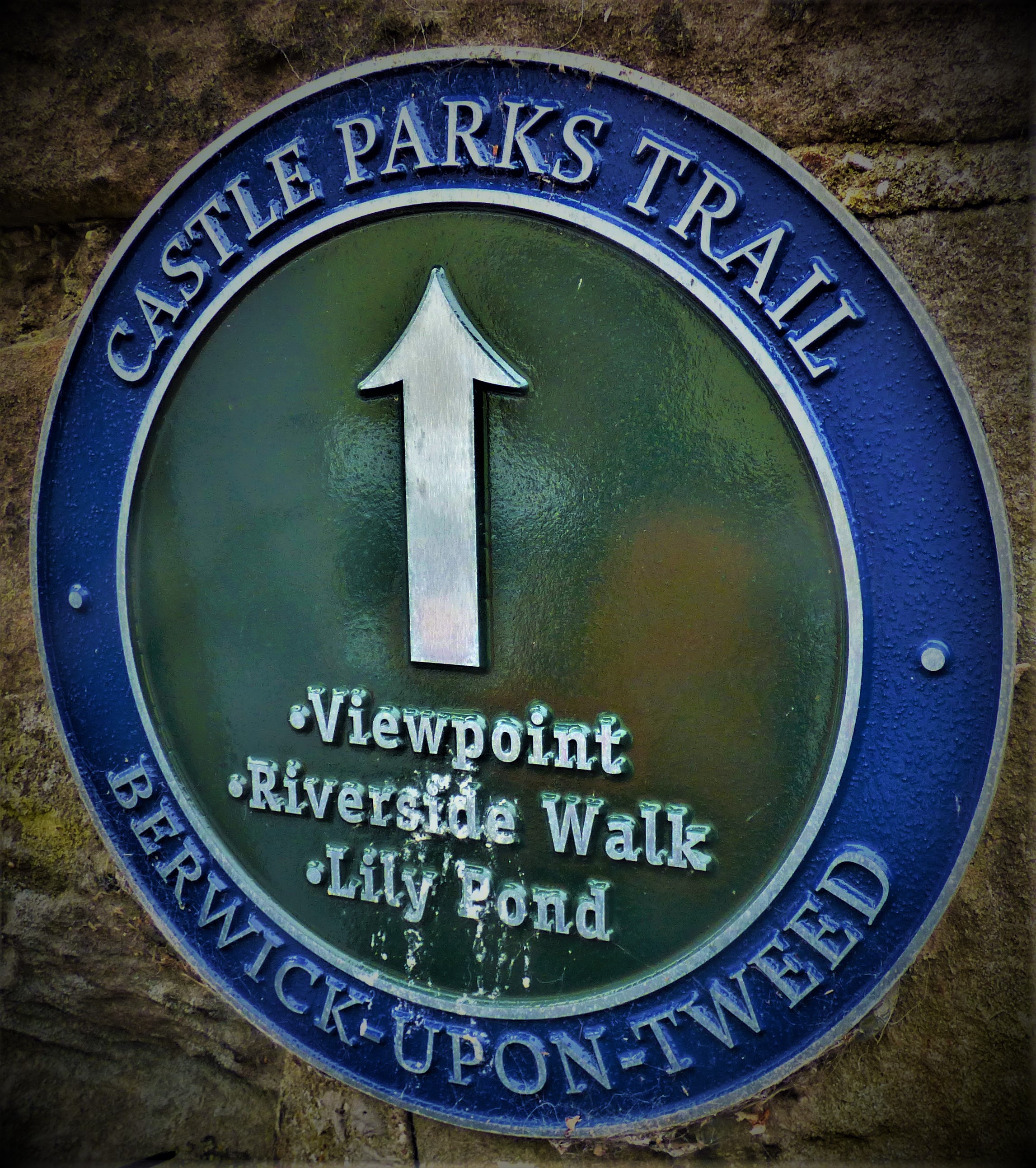
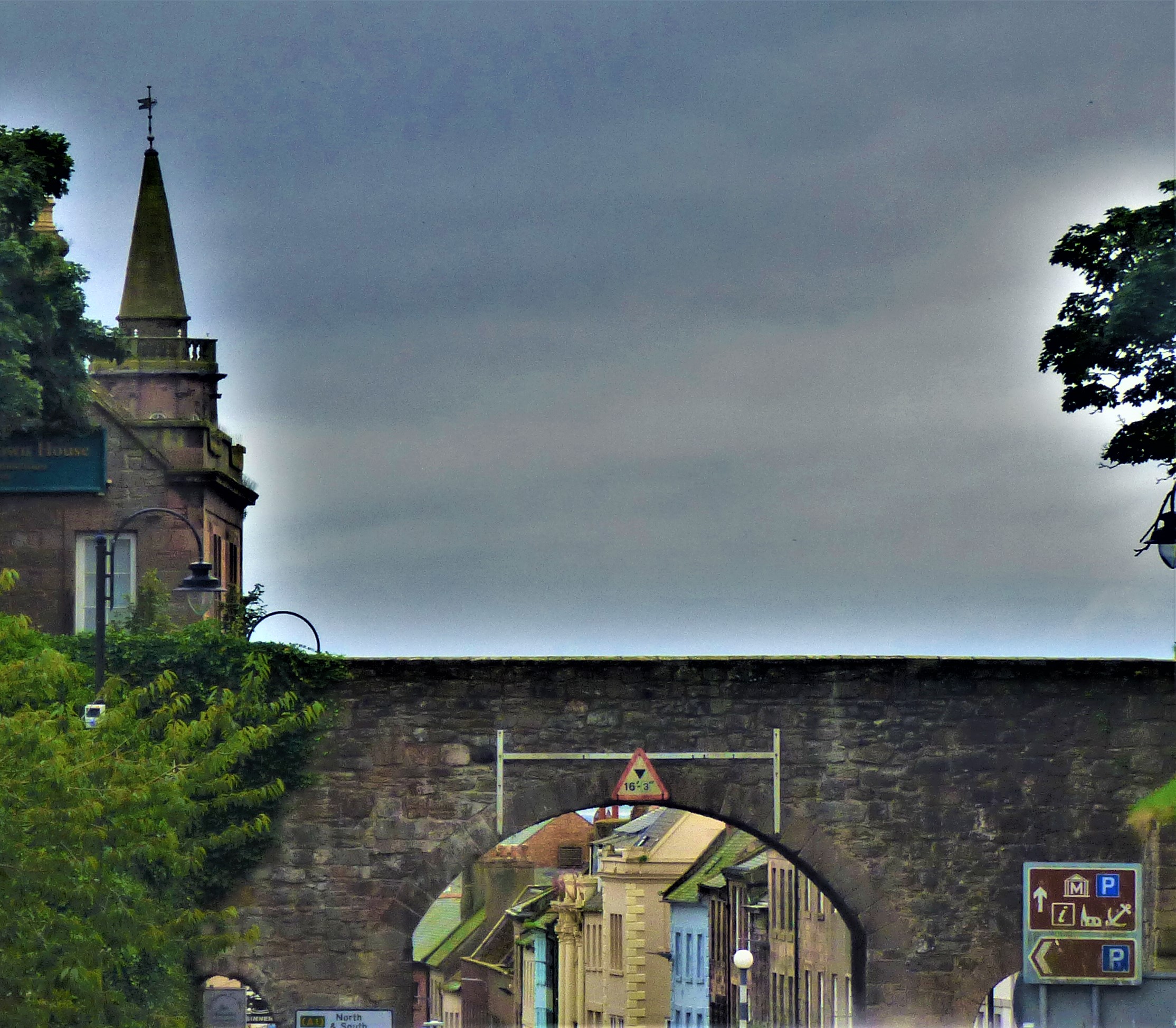
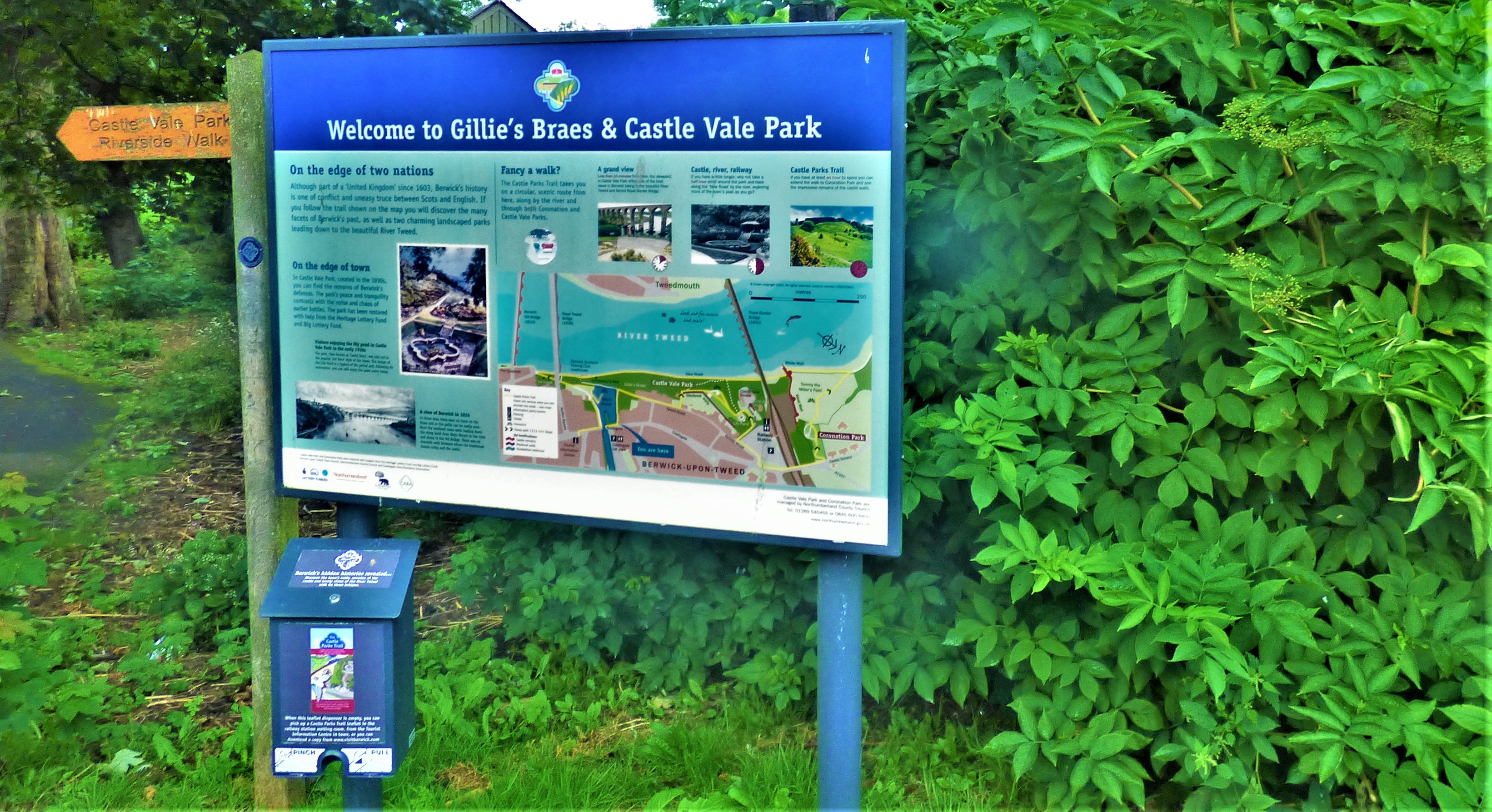
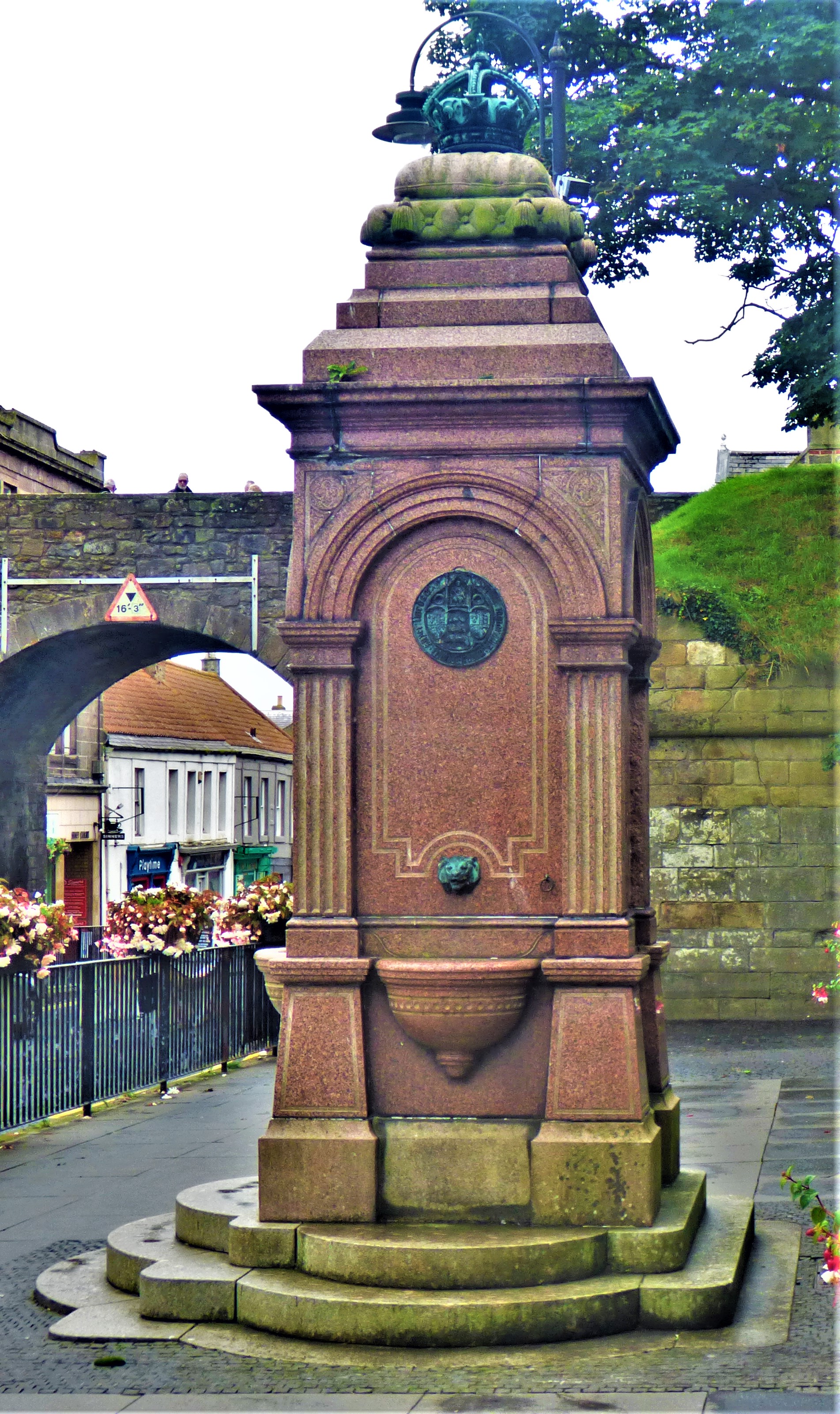
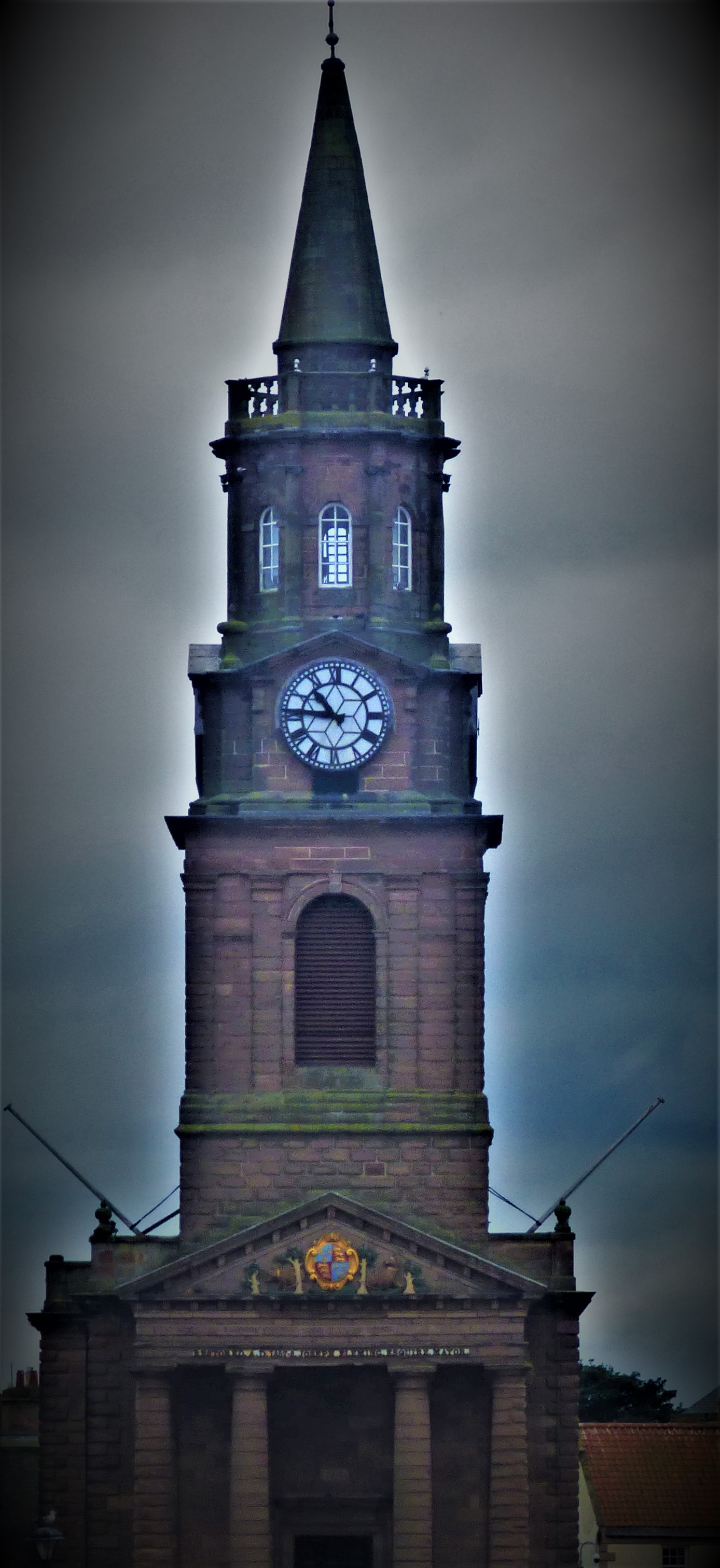
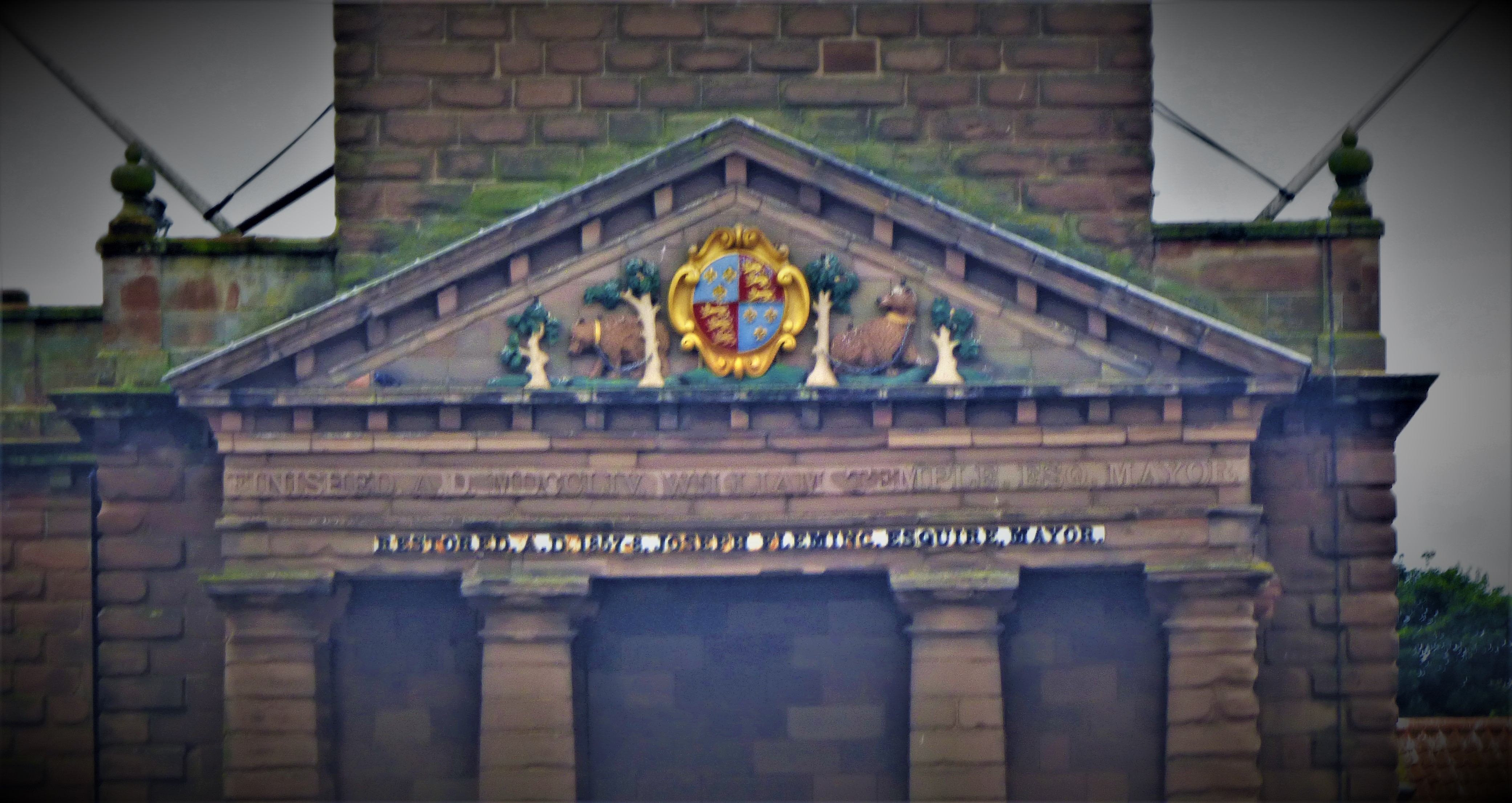
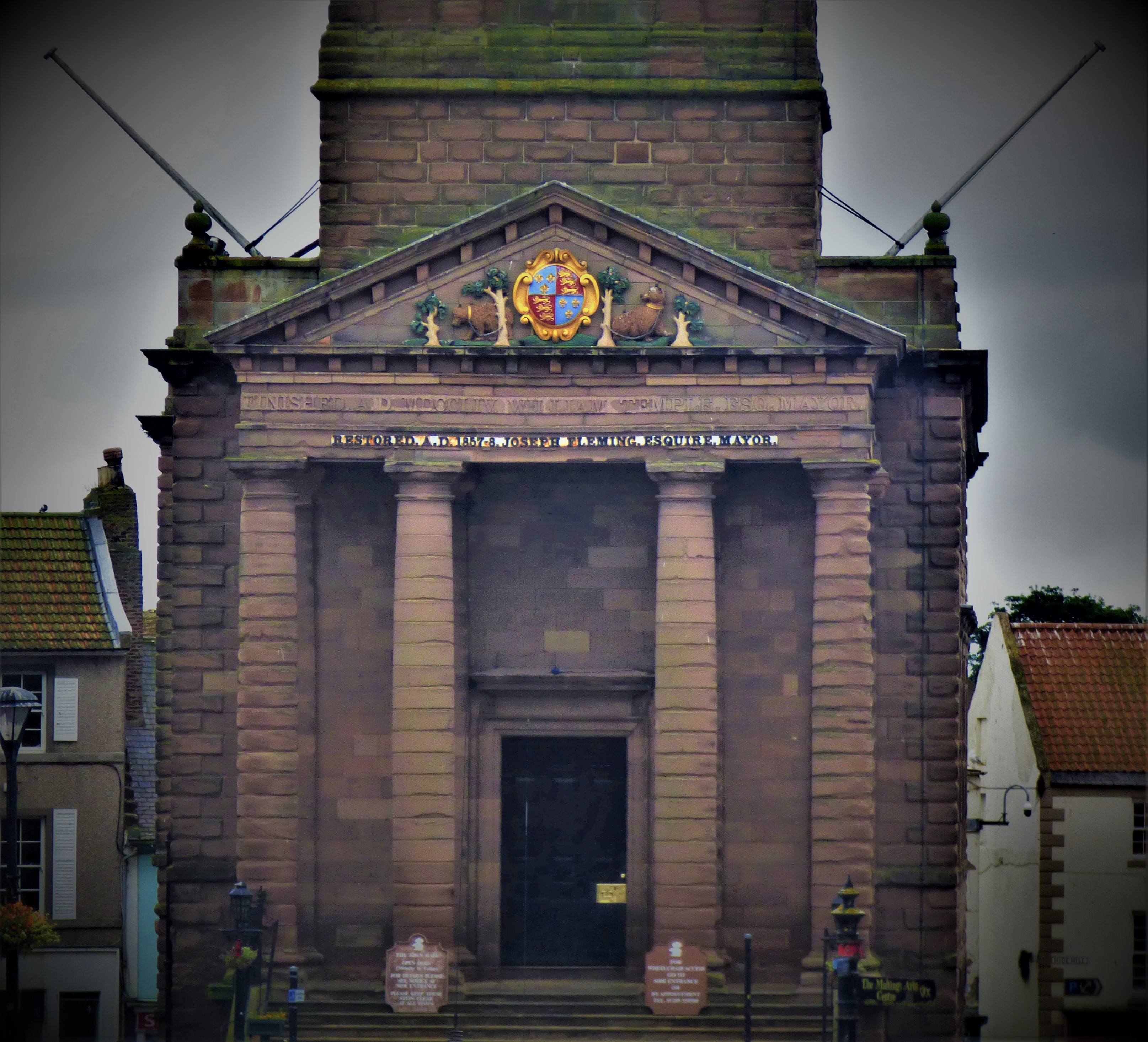
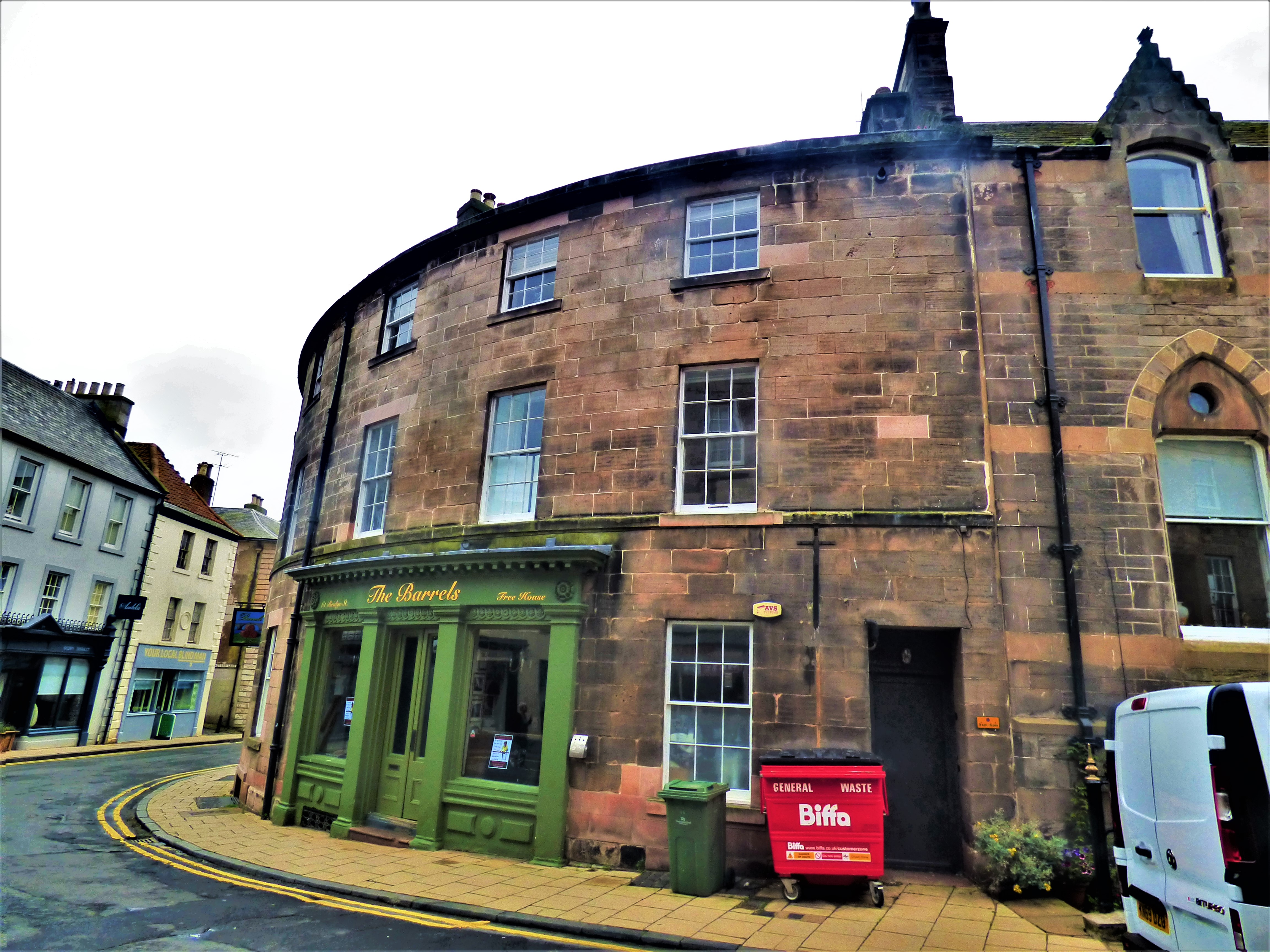
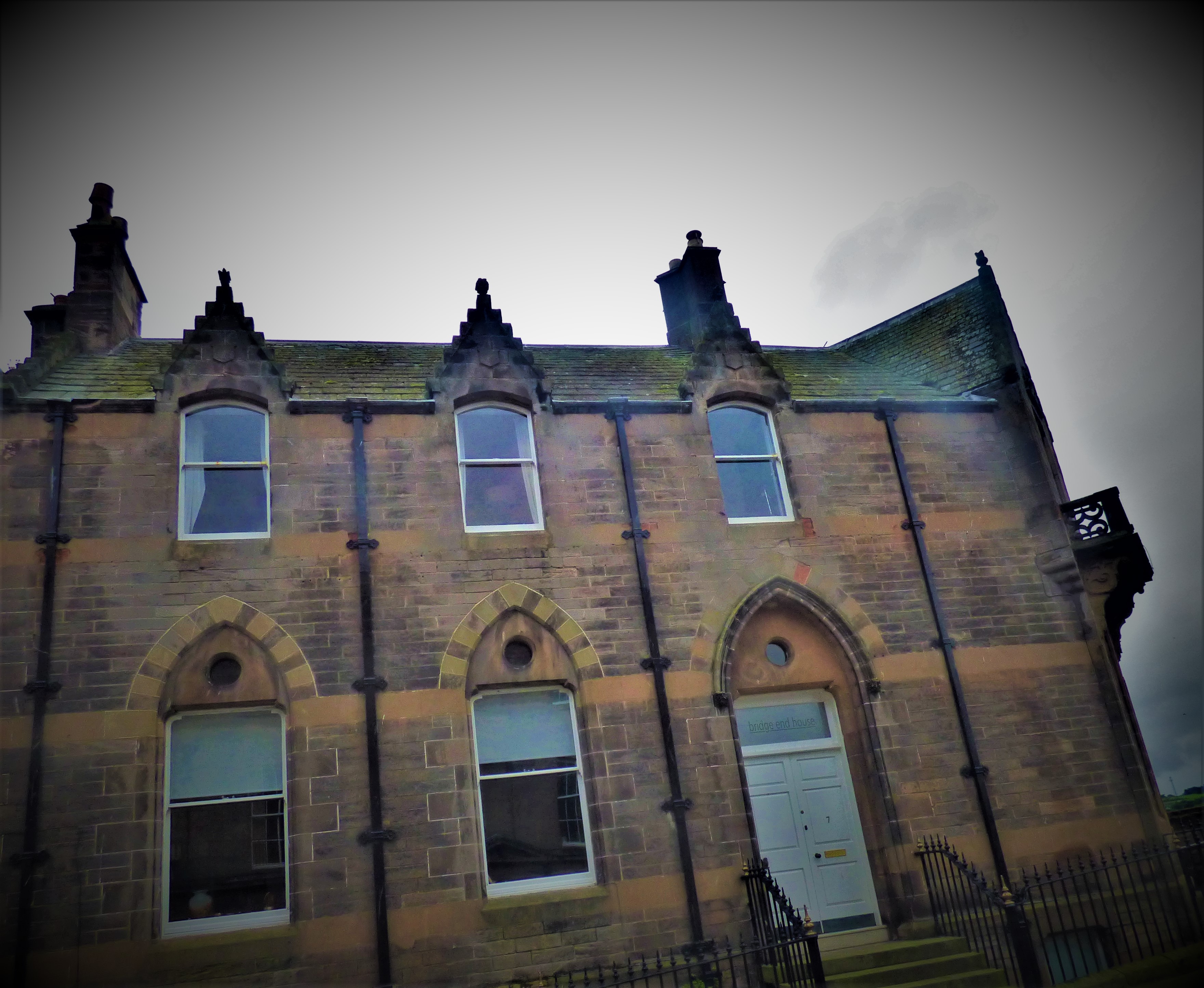
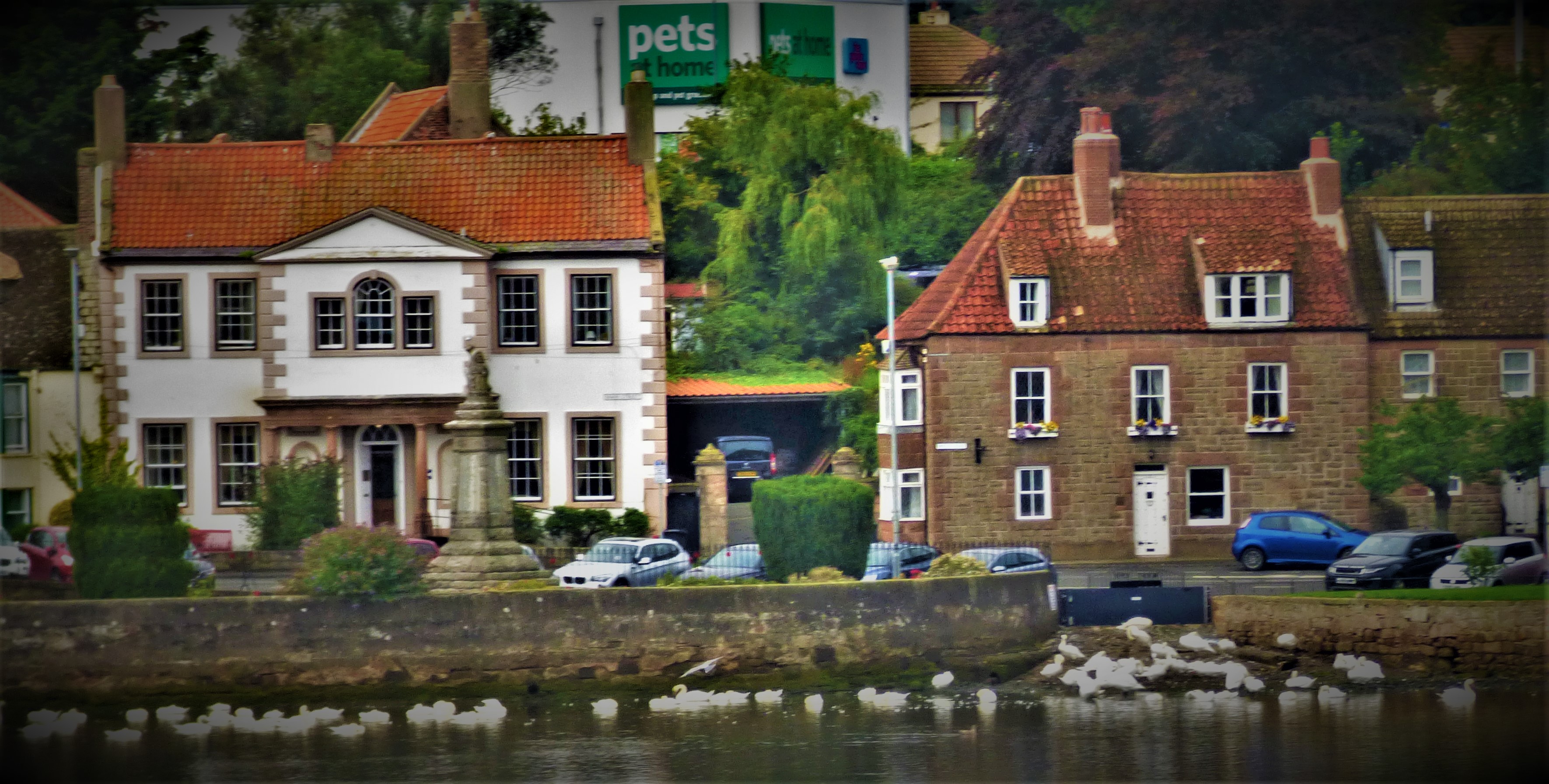
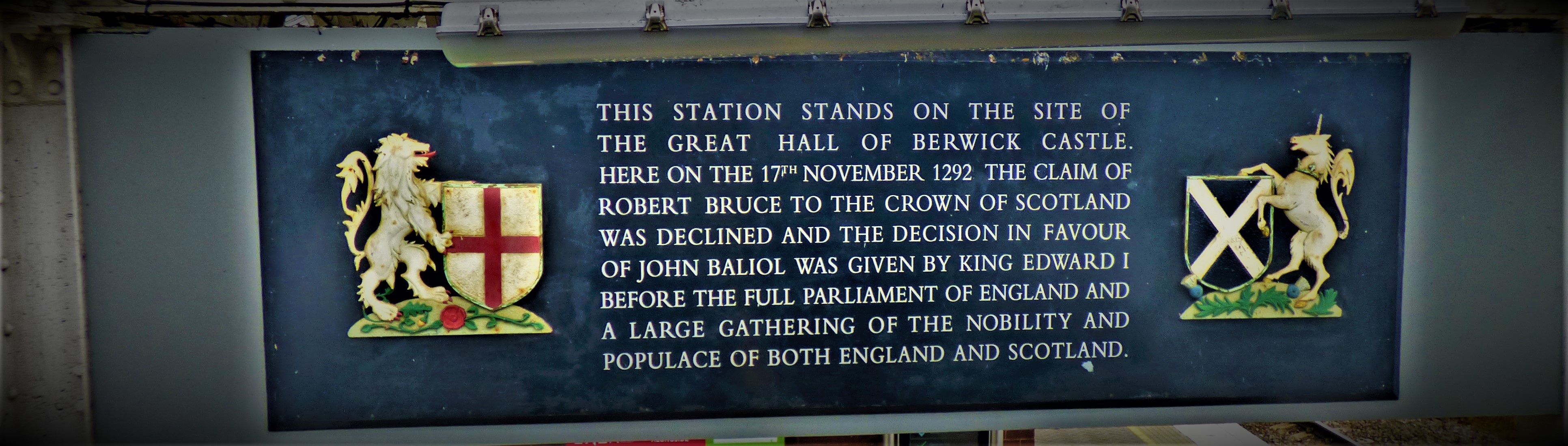
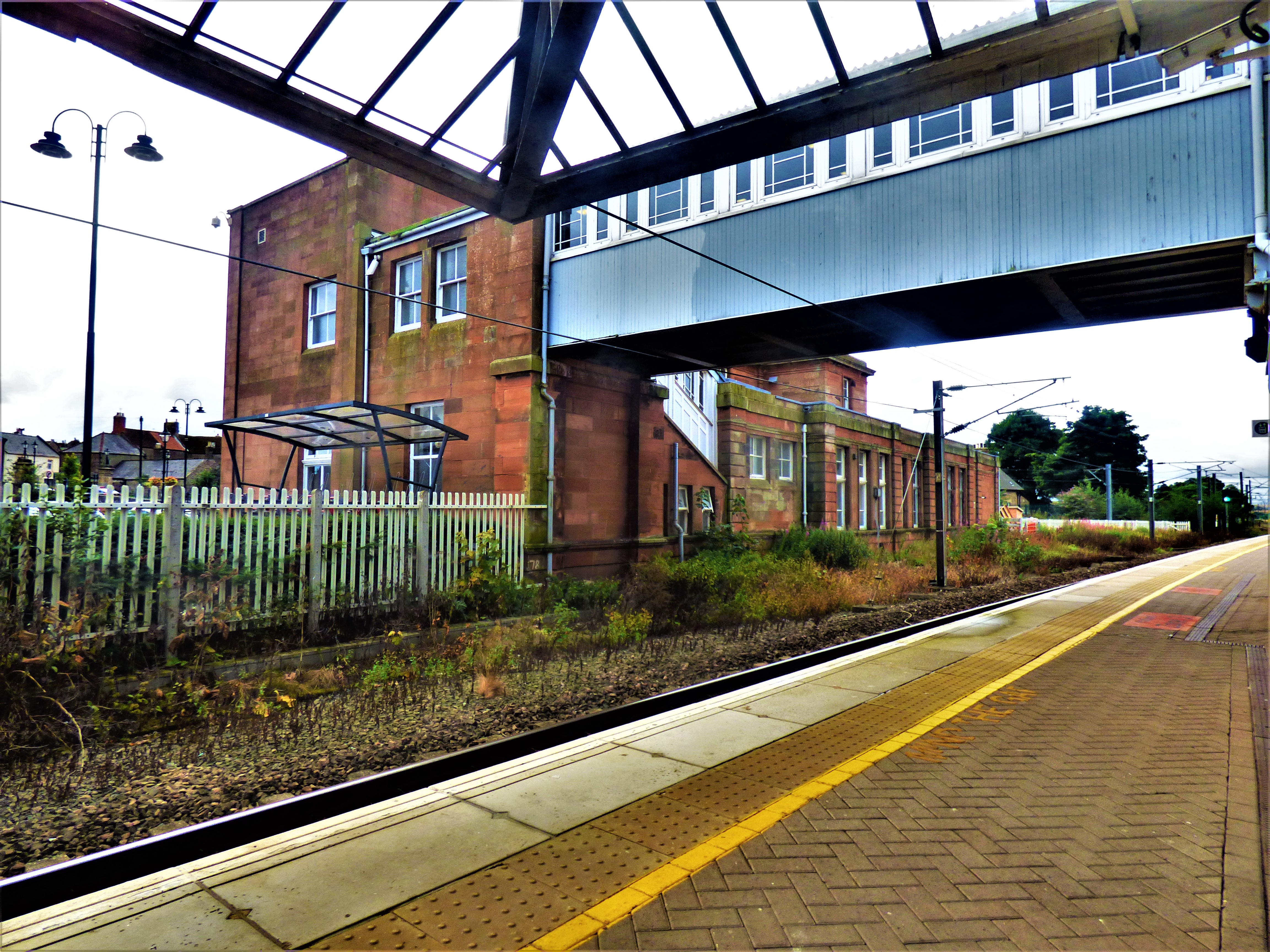
There is plenty of interest to see in this border town (it has changed hands between England and Scotland many a time in its history). My time in the town was limited by the fact that I had a train home to catch in order to back in time for an evening commitment in King’s Lynn, something I just managed, although an inopportune delay which had a knock on effect on the rest of the journey made it very tight indeed.

THE JOURNEY HOME

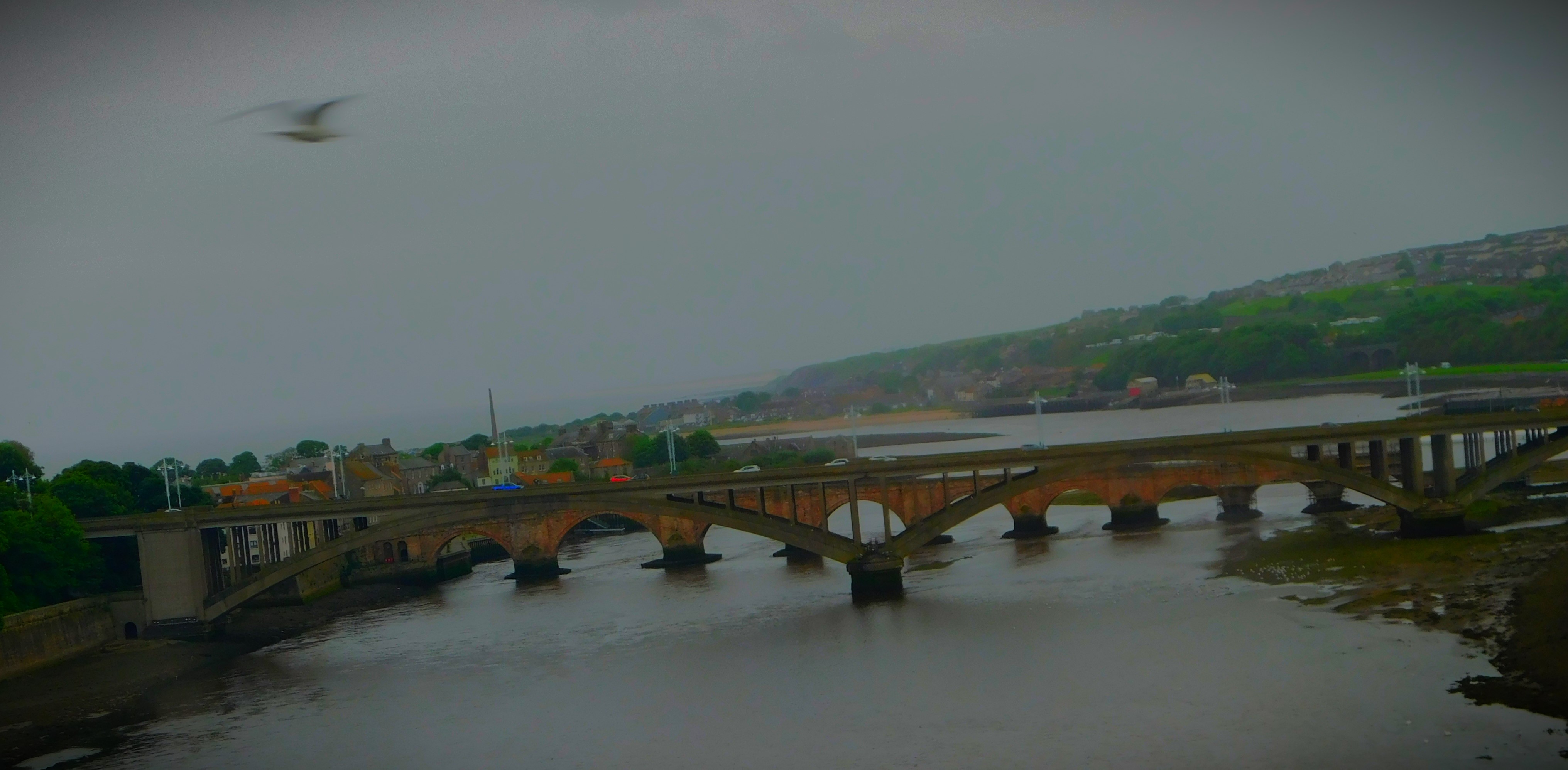
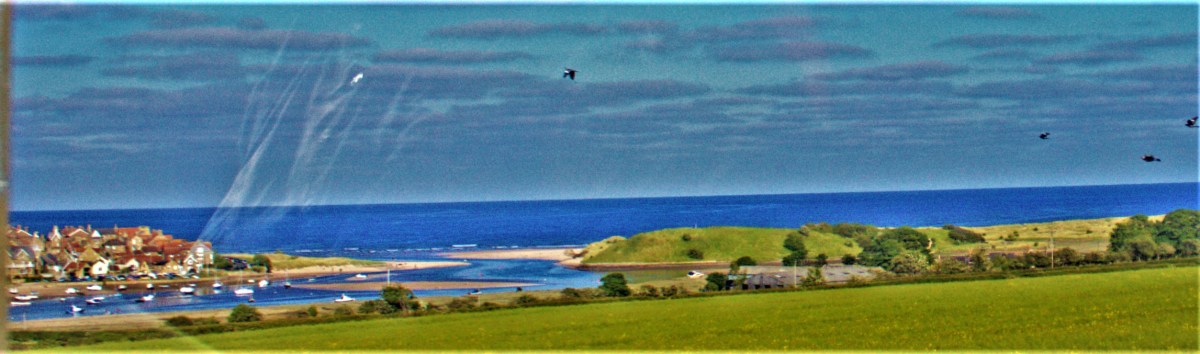
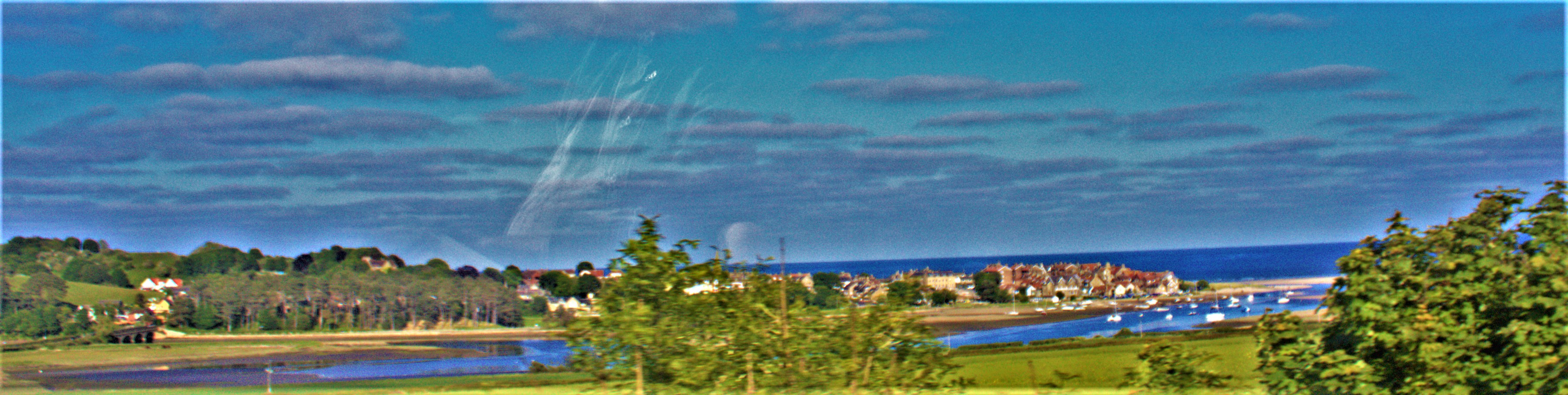
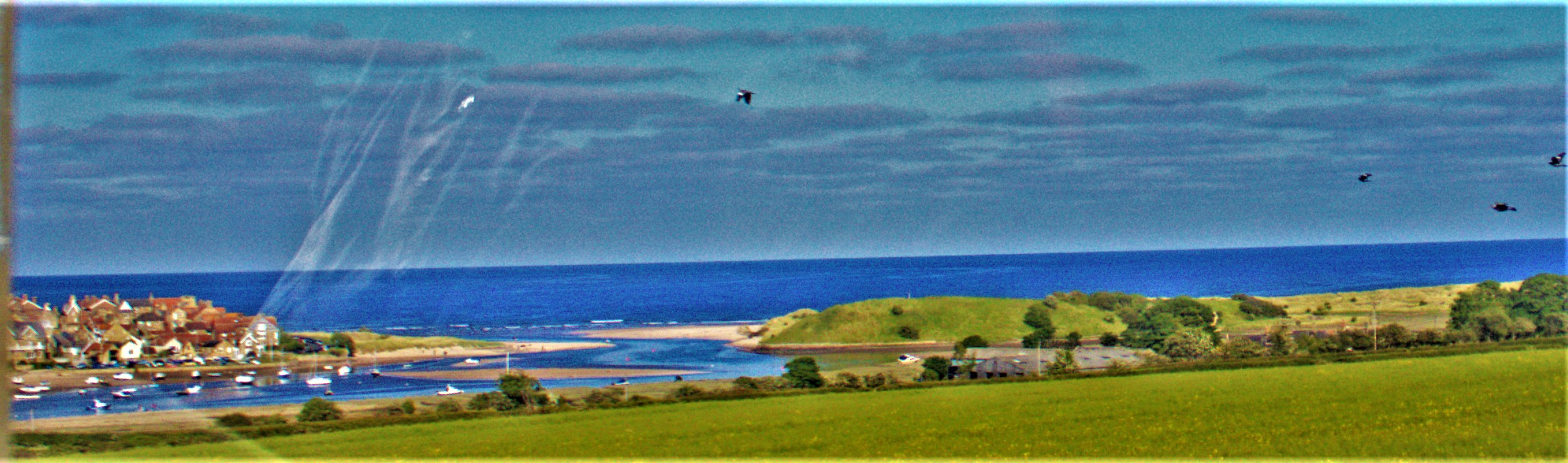
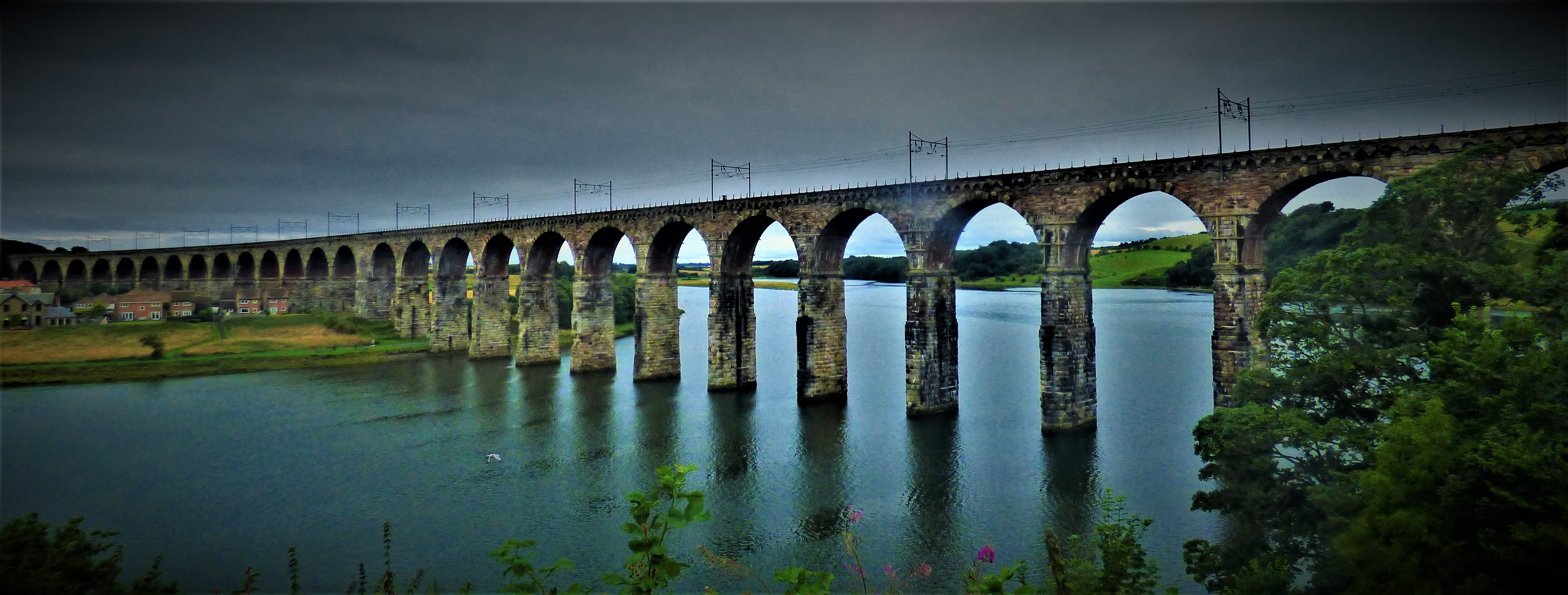
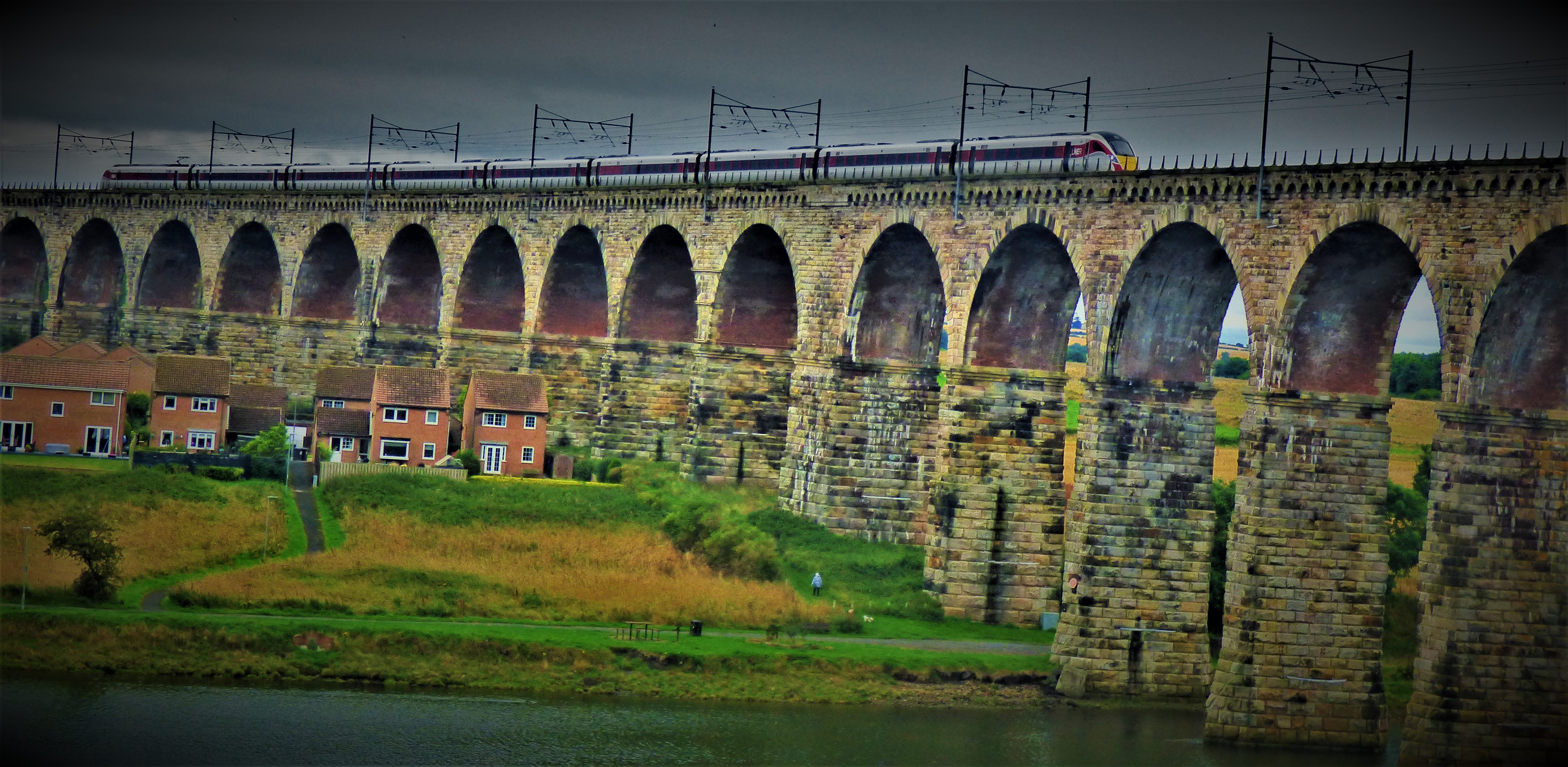
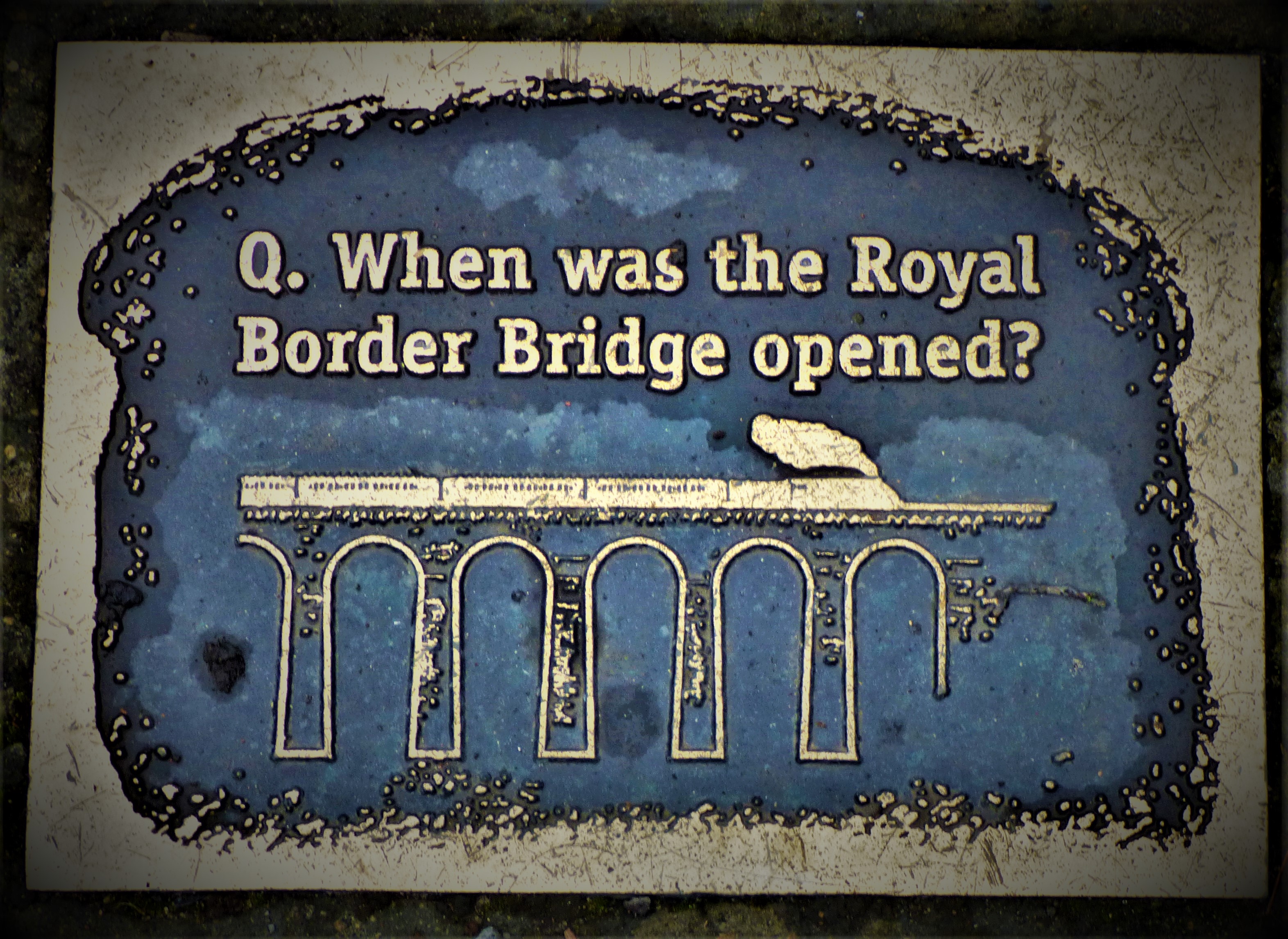
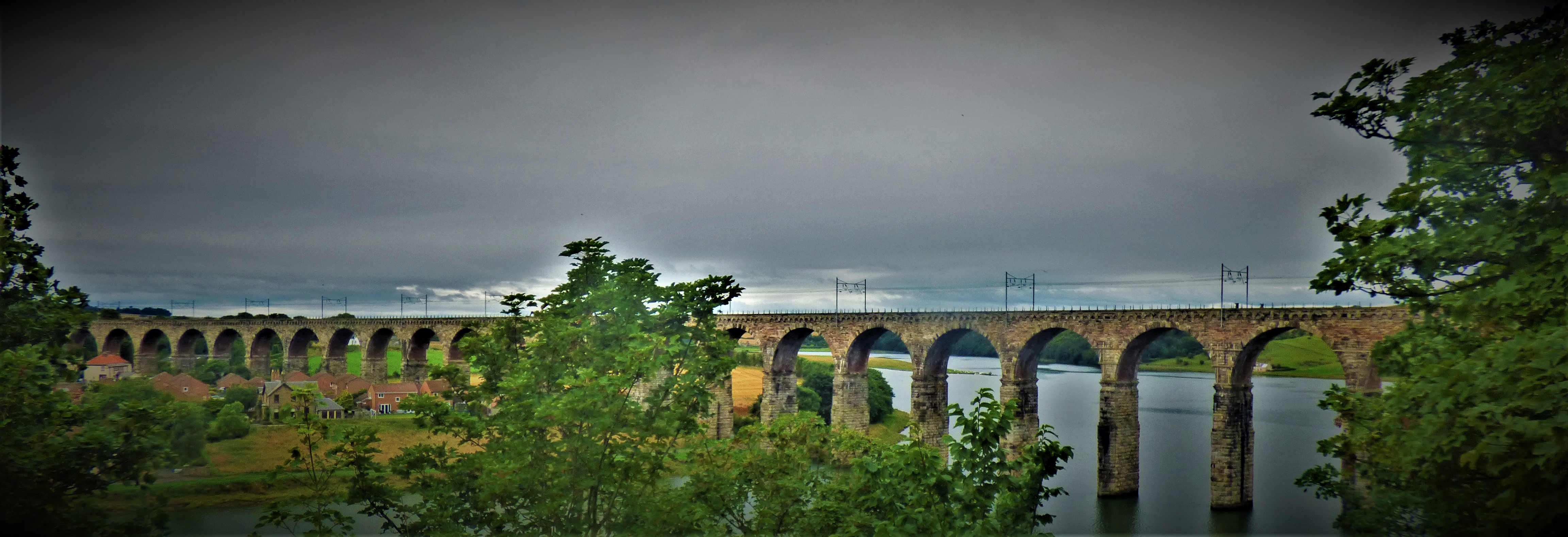
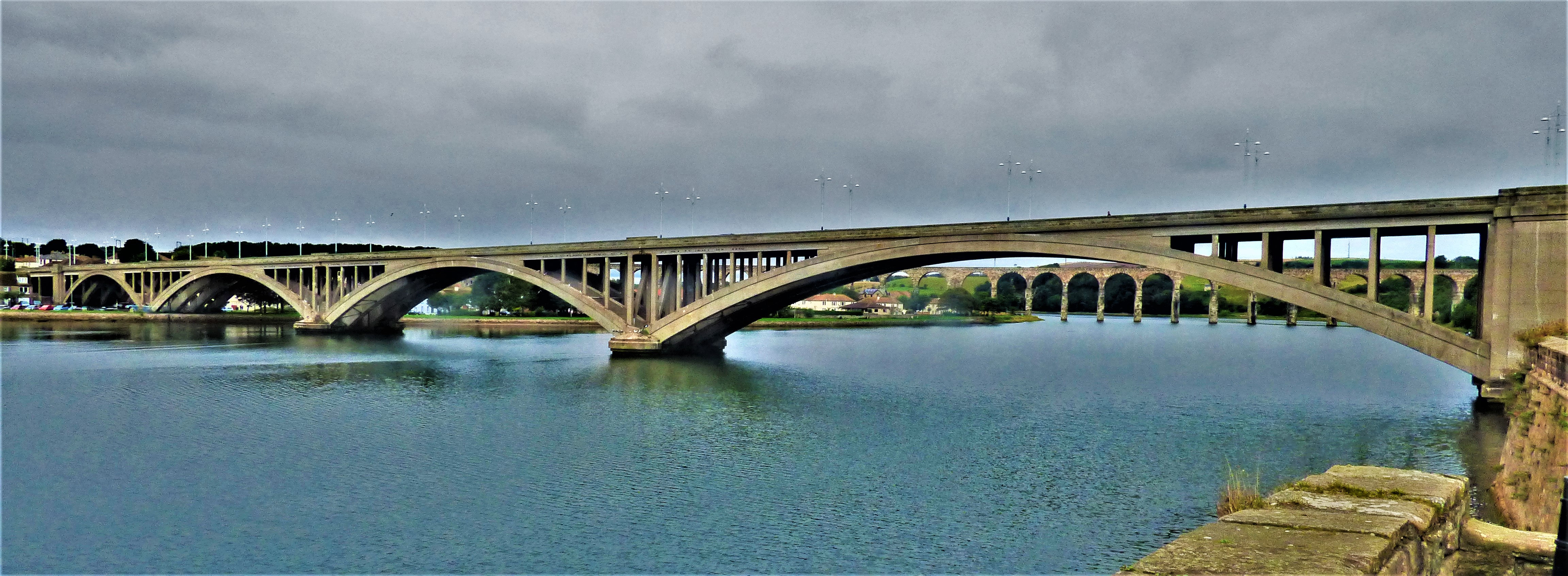
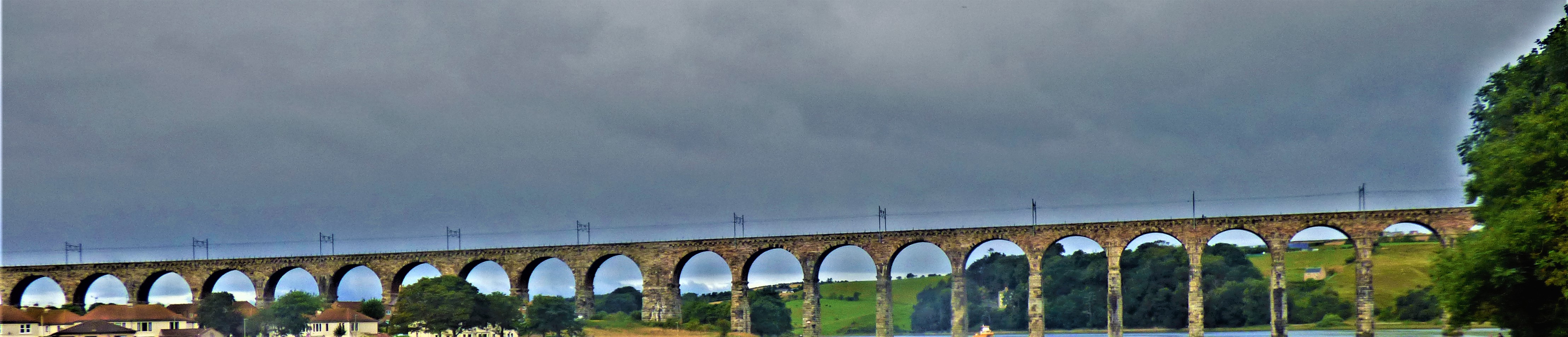
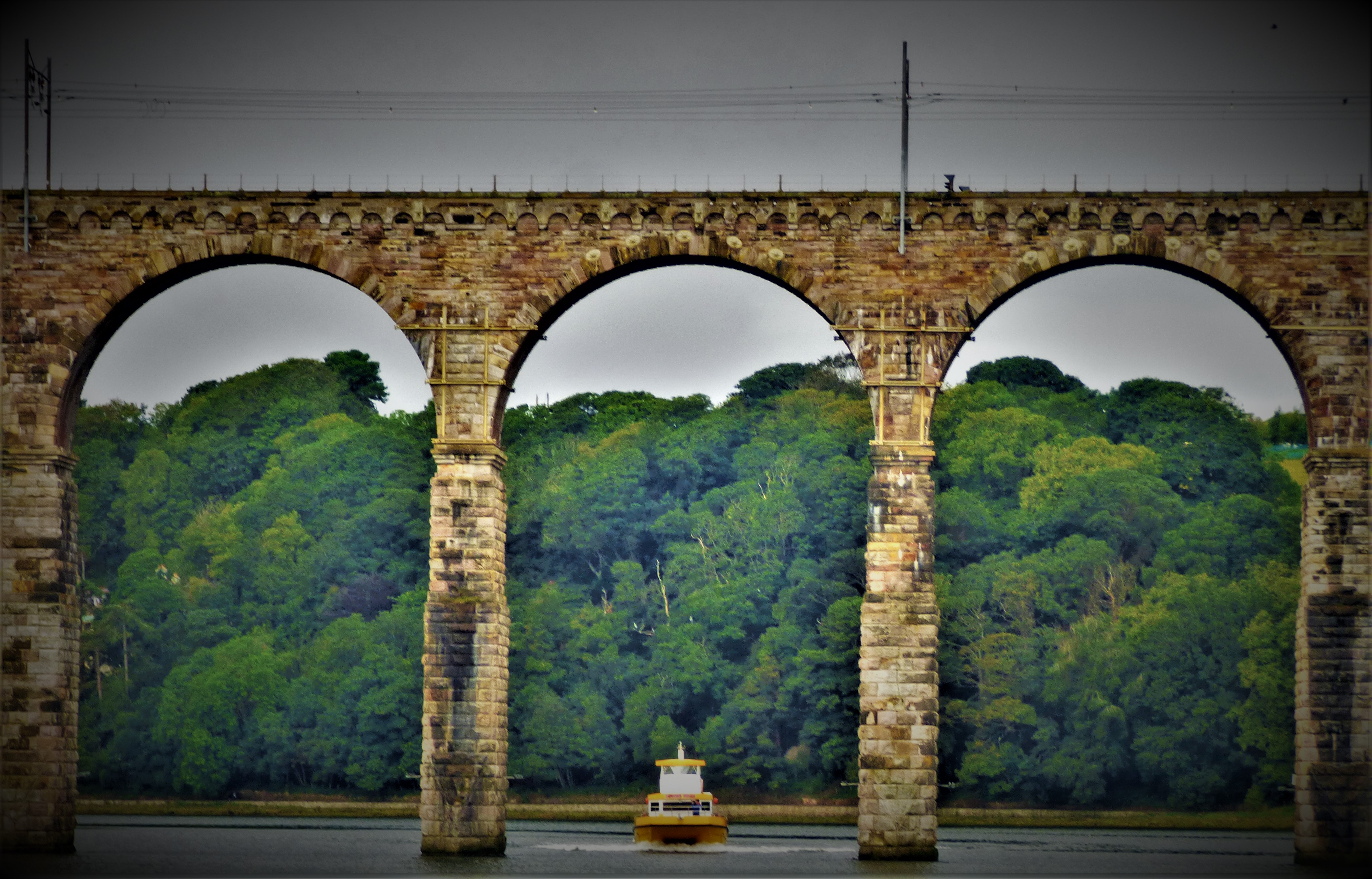
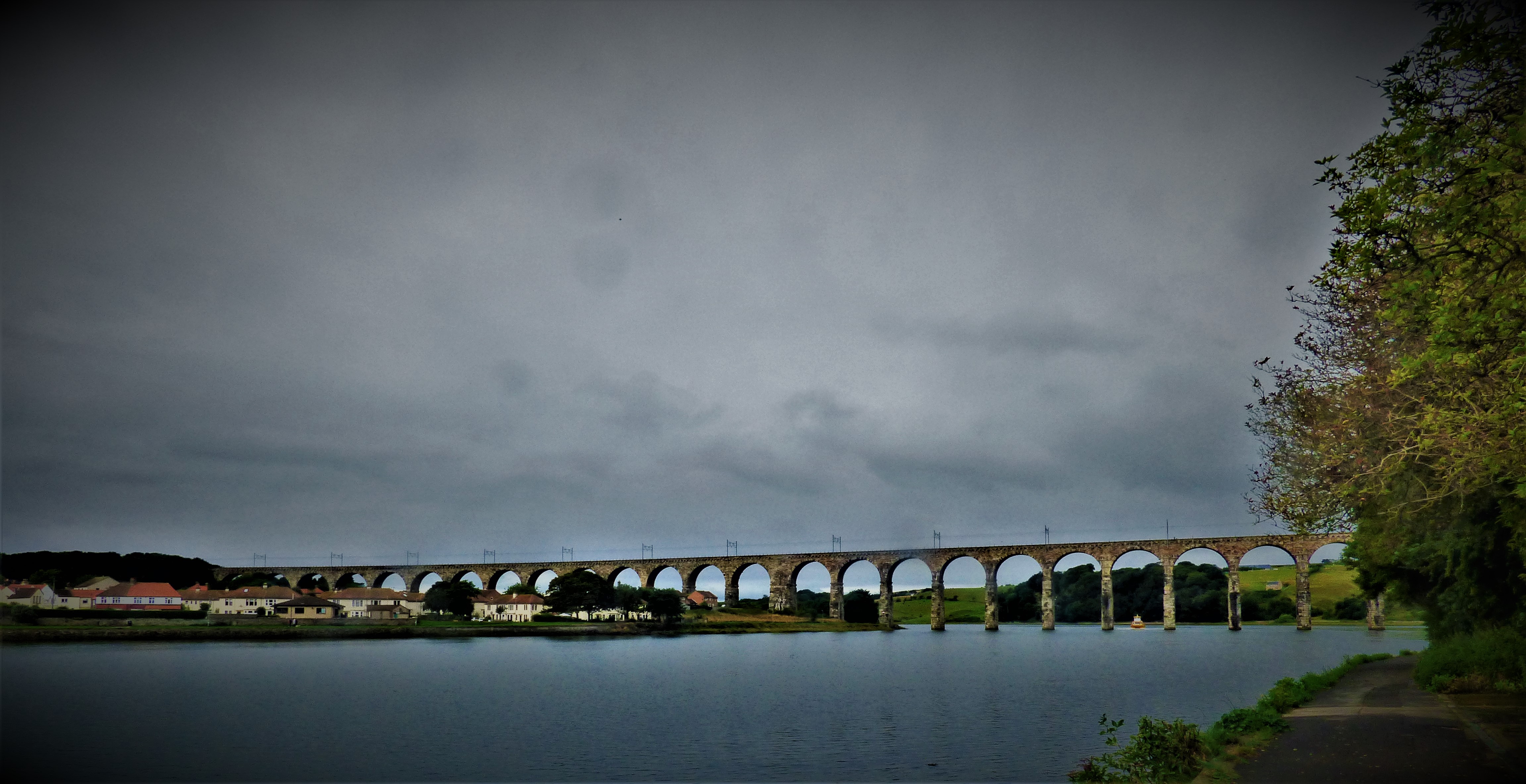
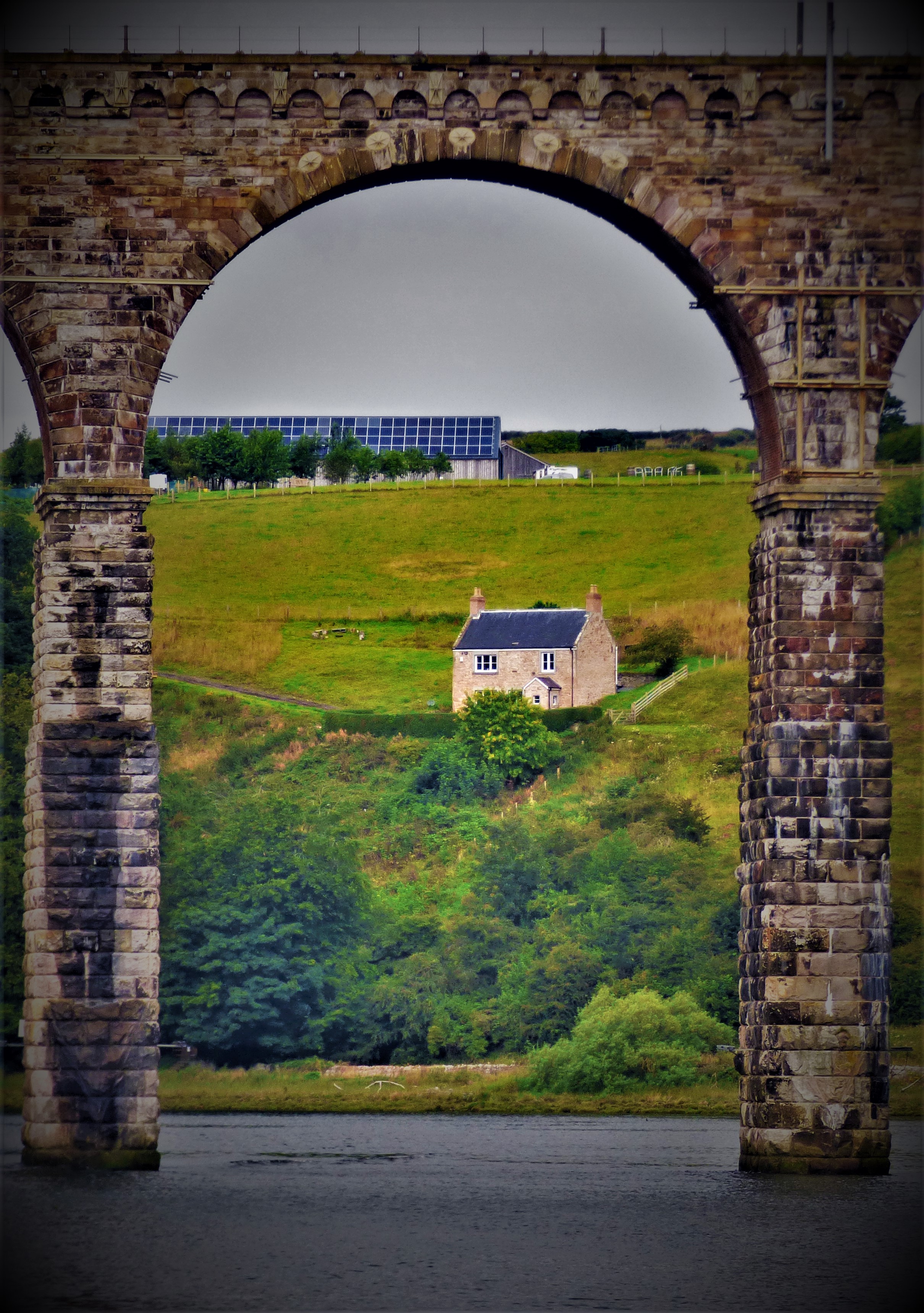
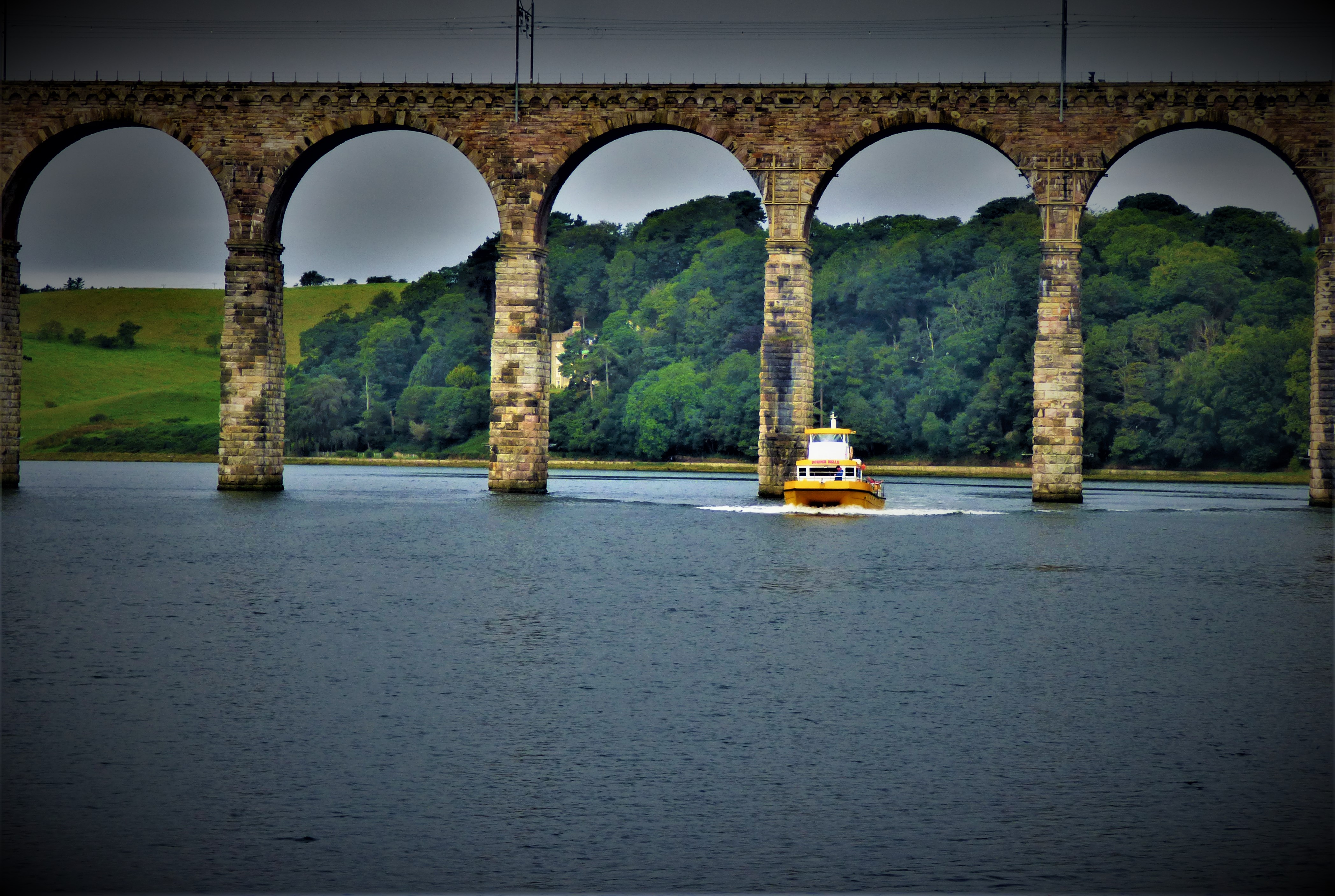
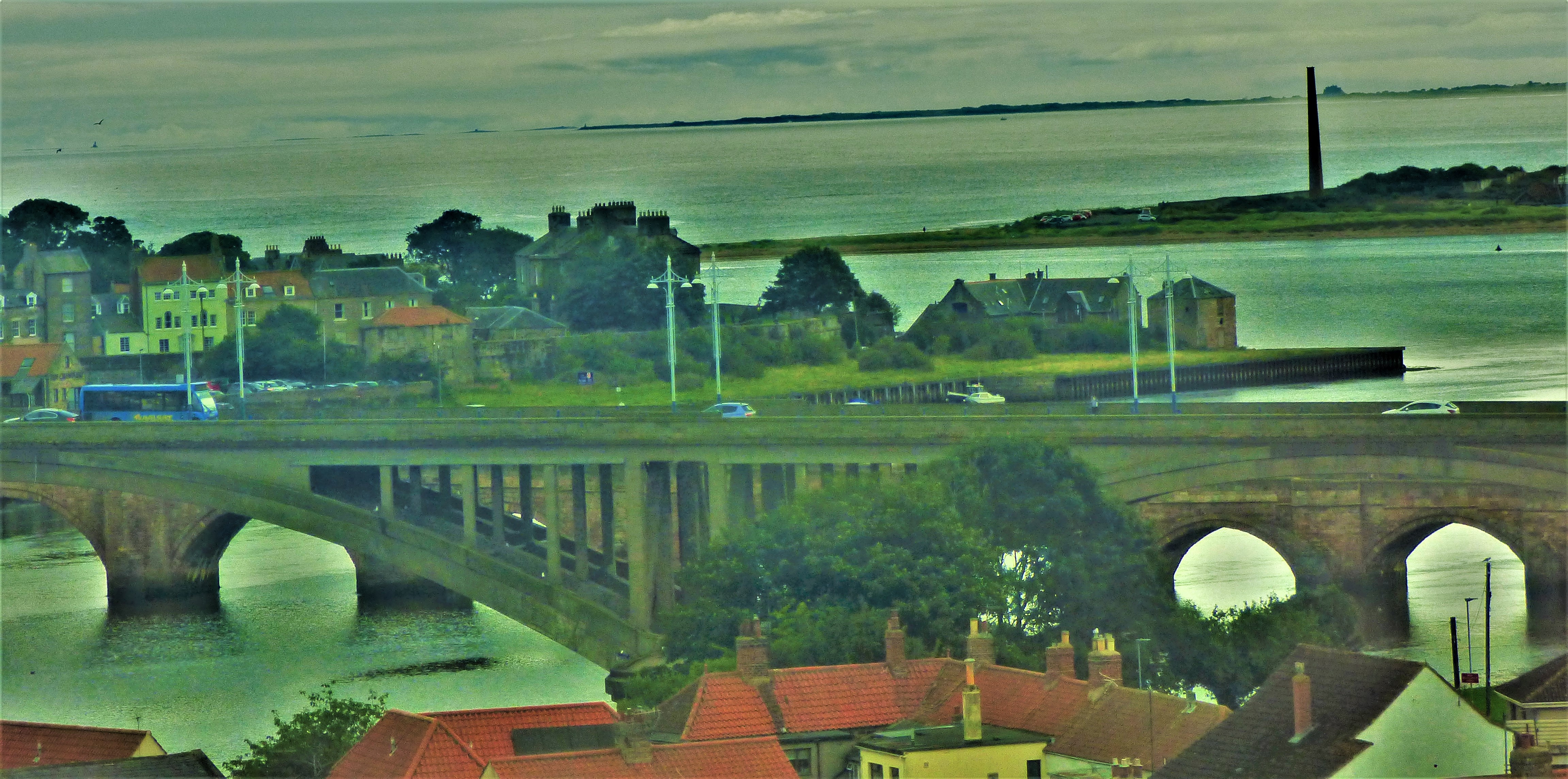
The train route from Berwick to York is very scenic, but once past York it becomes quite ordinary. Overall the journey was not too bad, though I was panicking for some of it due to time constraints. The departure from Berwick takes one over a remarkable bridge which features frequently in the photos that end this post, and Alnmouth, which also serves the adjoining town of Alnwick is remarkably attractive.

PHOTOGRAPHS

I have set the scene above but the main story of this post is told by the pictures that bring it to a conclusion.

Scotland 2021: Getting There

An account of a journey to Scotland that almost went off the rails before it had really started.

Welcome to this first post in a series I shall be putting up about the holiday I am currently enjoying in Scotland with my parents. I am up here for a week which includes my birthday (the day itself is tomorrow, and it is my 46th). We are staying just outside John O’Groats. This post tells the story of my journey up here to set the scene.

PLANNING

The nearest the railway gets to to John O’Groats are the two northern outposts of Wick and Thurso, and these days the end of that line runs as follows: Georgemas Junction, Thurso, Georgemas Junction, Wick, so it made sense to arrange to travel to Thurso and from Wick. I booked from London to Thurso to incorporate an overnight journey, and then later from Wick to King’s Lynn. Thus I had to travel from King’s Lynn to London to connect with the overnight train from Euston. My plan was to get the 17:40 from King’s Lynn and have almost two hours in which to progress along the Euston Road from King’s Cross and on to the train (going onto the underground to travel one stop is in this case literally worse than useless – the interchanges between overground and underground at King’s Cross and vice versa at Euston are both lengthy. Probably the least bad way to do it by public transport would be to use the Circle/Hammersmith & City/ Metropolitan to Euston Square and cross Euston Road at surface level. However it is a fairly short walk along the Euston Road and that method is undoubtedly best…

BEST LAID PLANS O’ MICE AND MEN GANG AFT AGLEY

I boarded the 17:40 from Lynn to London without issue, but then the problems hit. First our departure was delayed because of power problems in the Finsbury Park area, then when we were finally cleared to depart our driver was instructed to run as a shuttle between Lynn and Cambridge, and those of us needing to get to London had to change to a Greater Anglia train. It was soon obvious from the stated timings of this service that staying on to Liverpool Street, from whence I would have to travel to Euston Square was a non-starter, so the only hope of avoiding a long delay, the cost of a night at the Holiday Inn on Euston Road and the cost a new single to Thurso the following day was to change at the last stop before Liverpool Street, Tottenham Hale, and get the Victoria line to Euston. Fortunately the problems between Lynn and London had used up my allocation of misfortune and I made it to my seat on the overnight train. Although this train was fractionally late into Inverness I still had over an hour and a half there before the final public transport leg of my journey to Thurso began. This, the sole purely Scottish leg of the journey, went absolutely smoothly and the train arrived in Thurso precisely when it was supposed to.

SOLUTION TO A TEASER

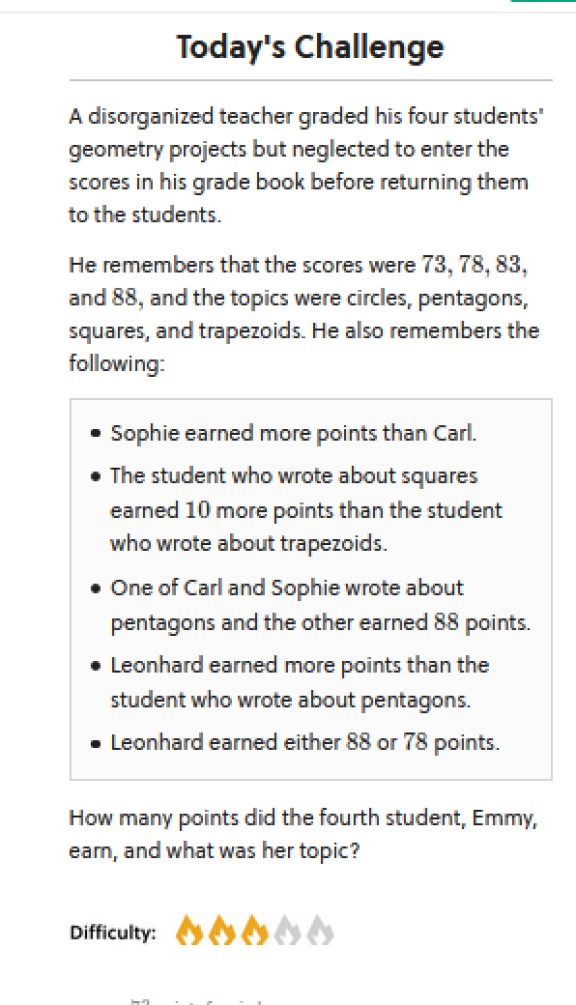
In my last post I included a teaser from brilliant.org and a little addition of my own:

A small additional question: can you identify the four mathematicians after whom Carl, Leonhard, Emmy and Sophie are named (answers to both parts of this question in my next post).

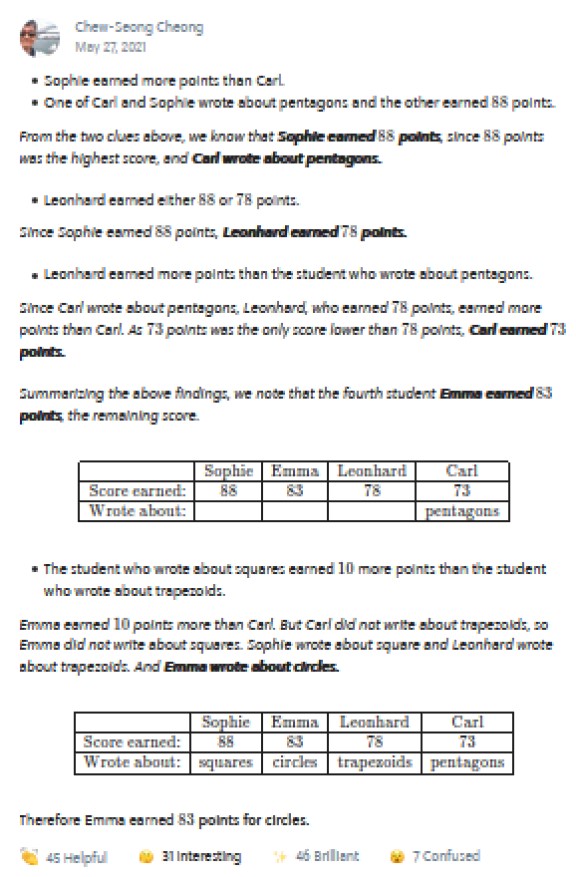
Here is Chew-Seong Cheong’s published solution to the main problem:

As for my little addition: Carl is quite clearly from Carl Friedrich Gauss, Leonhard is equally obviously a tribute to Leonhard Euler, Emmy is Emmy Noether, a great German mathematician of the early 20th century and Sophie is Sophie Germain, who has a class of prime numbers named after her. Sophie Germain primes are those primes where if you multiply them by two and add one you also get a prime number.

PHOTOGRAPHS

These photos comprise one taken en route to King’s Lynn station, two taken on the Victoria line train between Tottenham Hale and Euston, a number taken between Stirling and Inverness on the overnight train, a number from the Inverness to Thurso train and a couple taken at the house where we are staying:

Cornish Winter Break 16: Falmouth – Getting There and Setting the Scene

The first of several posts in my Cornish Winter Break series relating to Falmouth.

INTRODUCTION

I continue my series about my Cornish Winter Break. Today’s is the first of what will be quite a few posts dealing with the last trip that I made as part of that holiday. This trip was unique in two ways among those I made during this holiday:

  1. It was my idea
  2. It featured a train journey

GETTING THERE

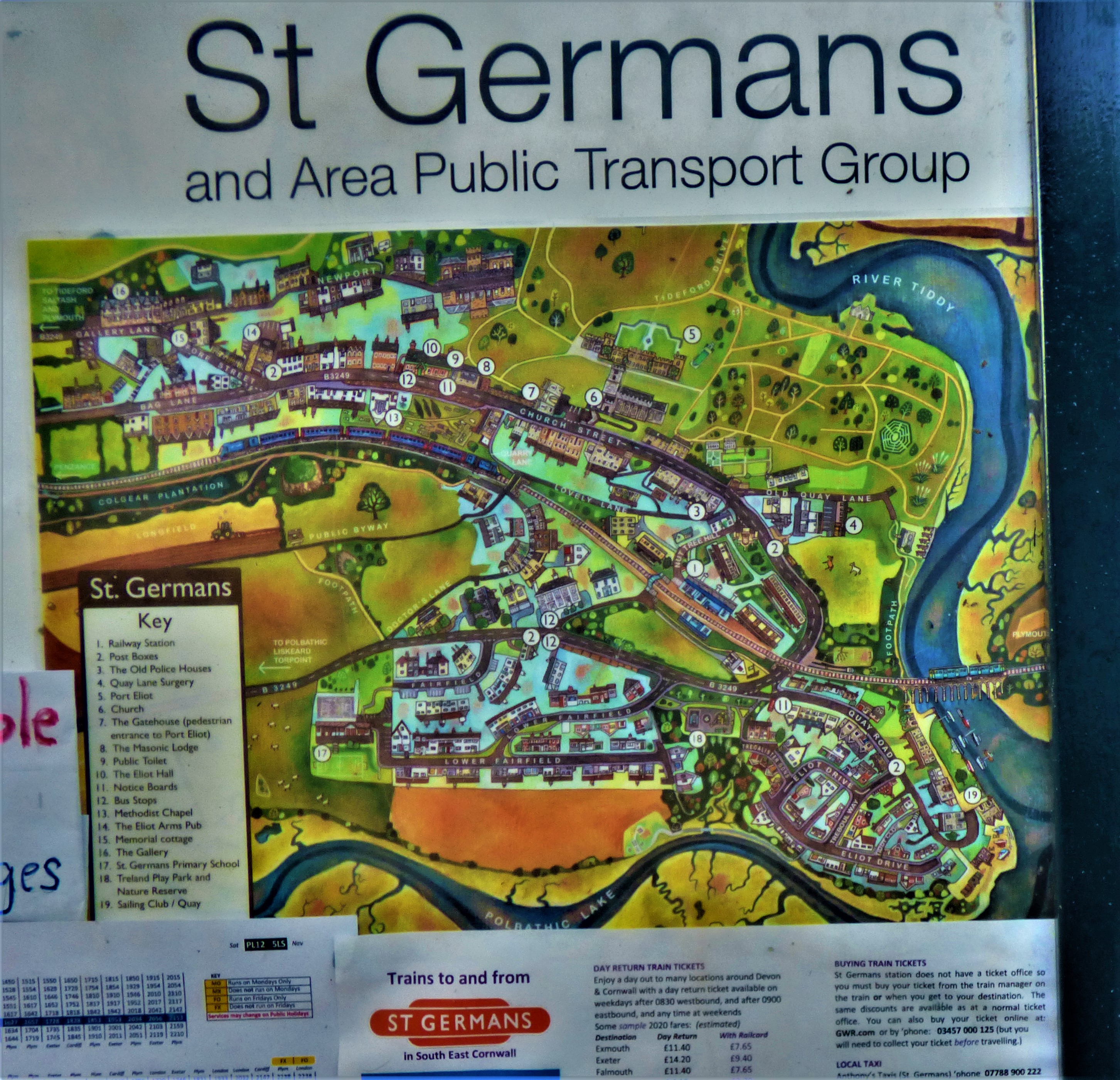
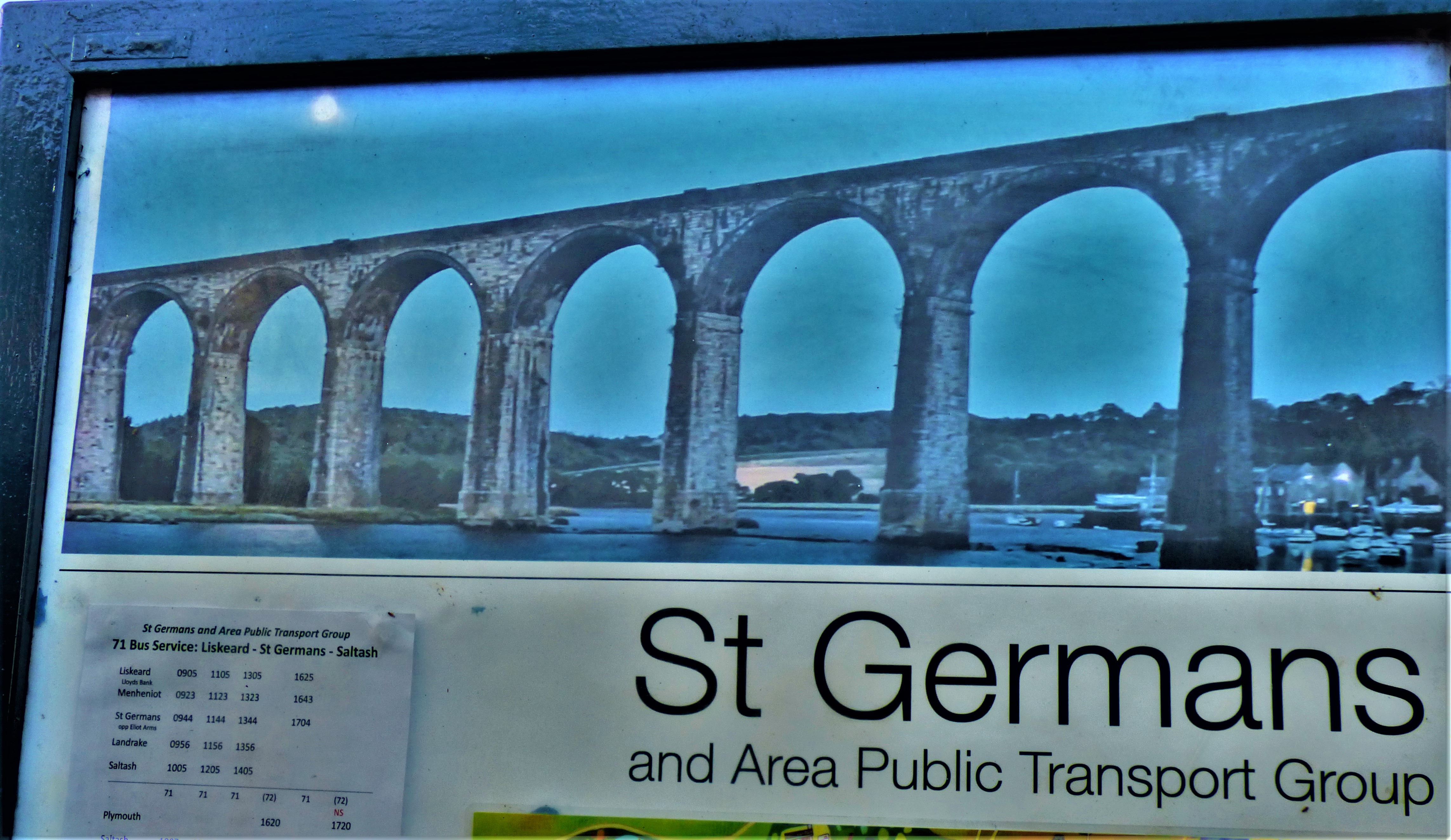
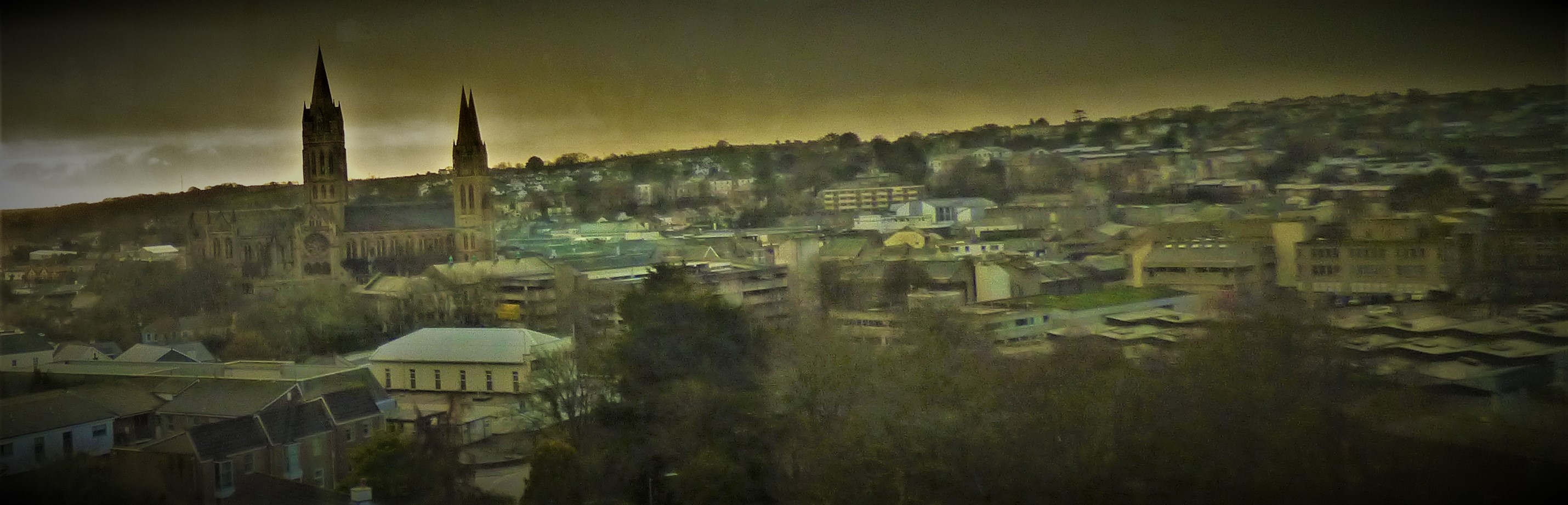
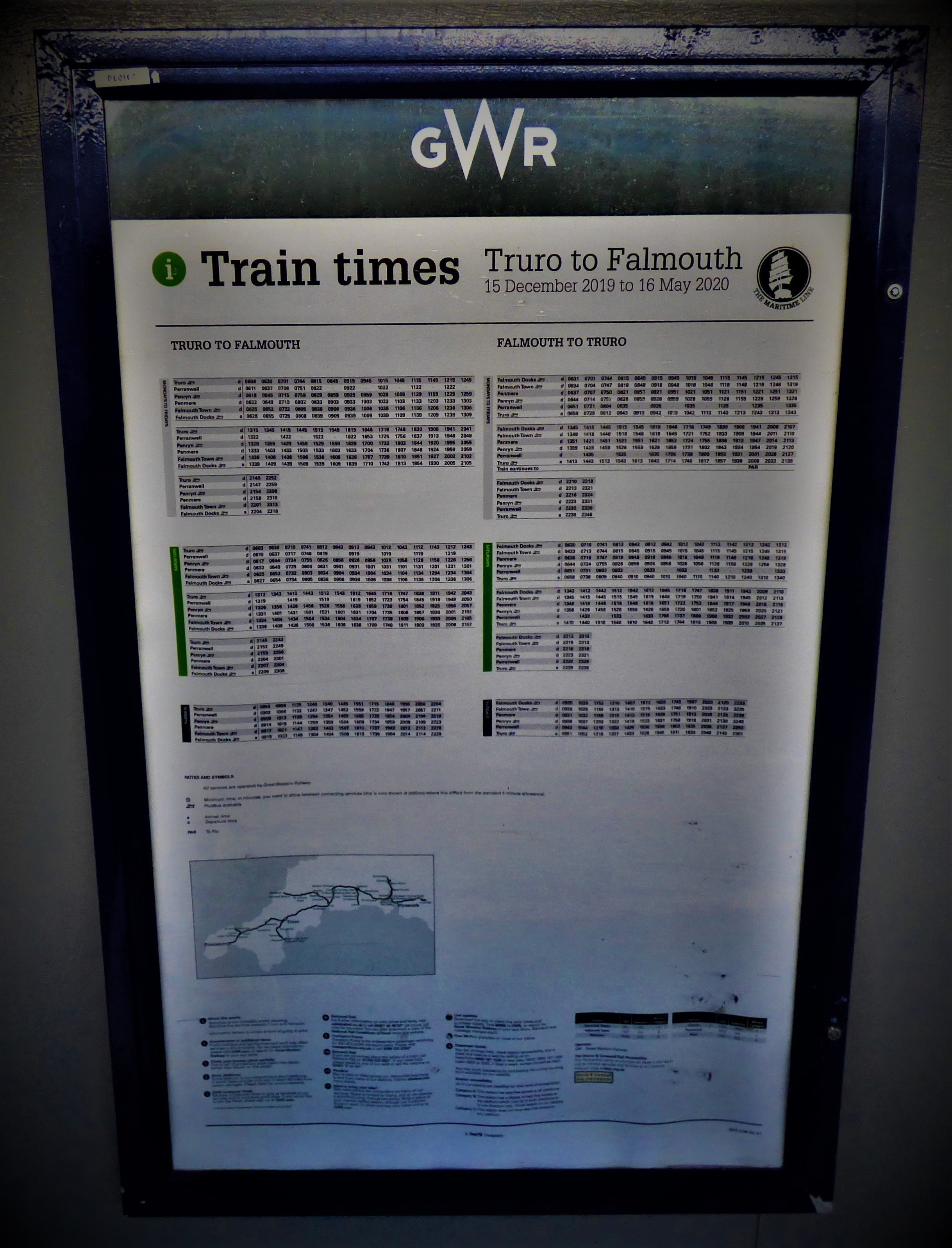
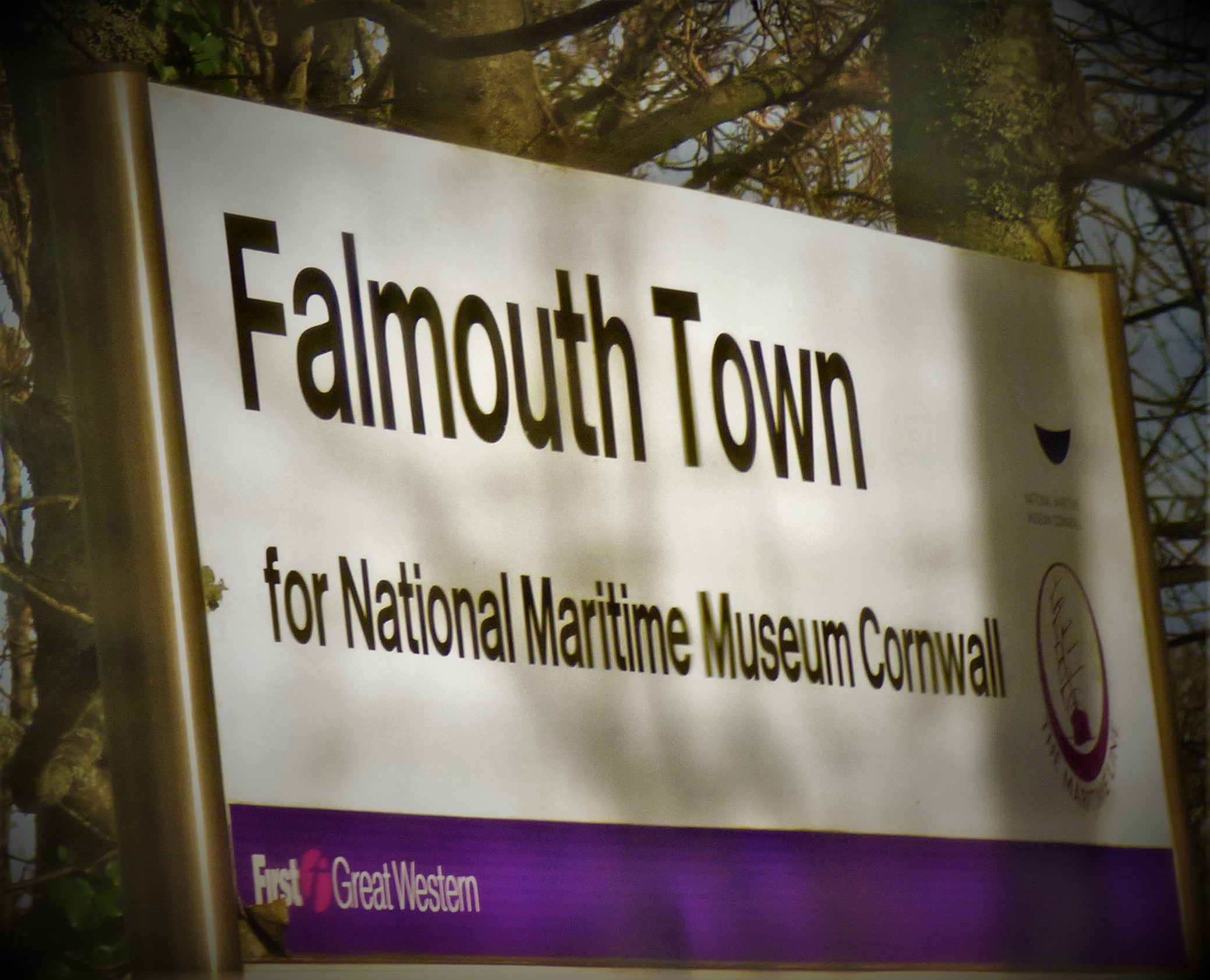
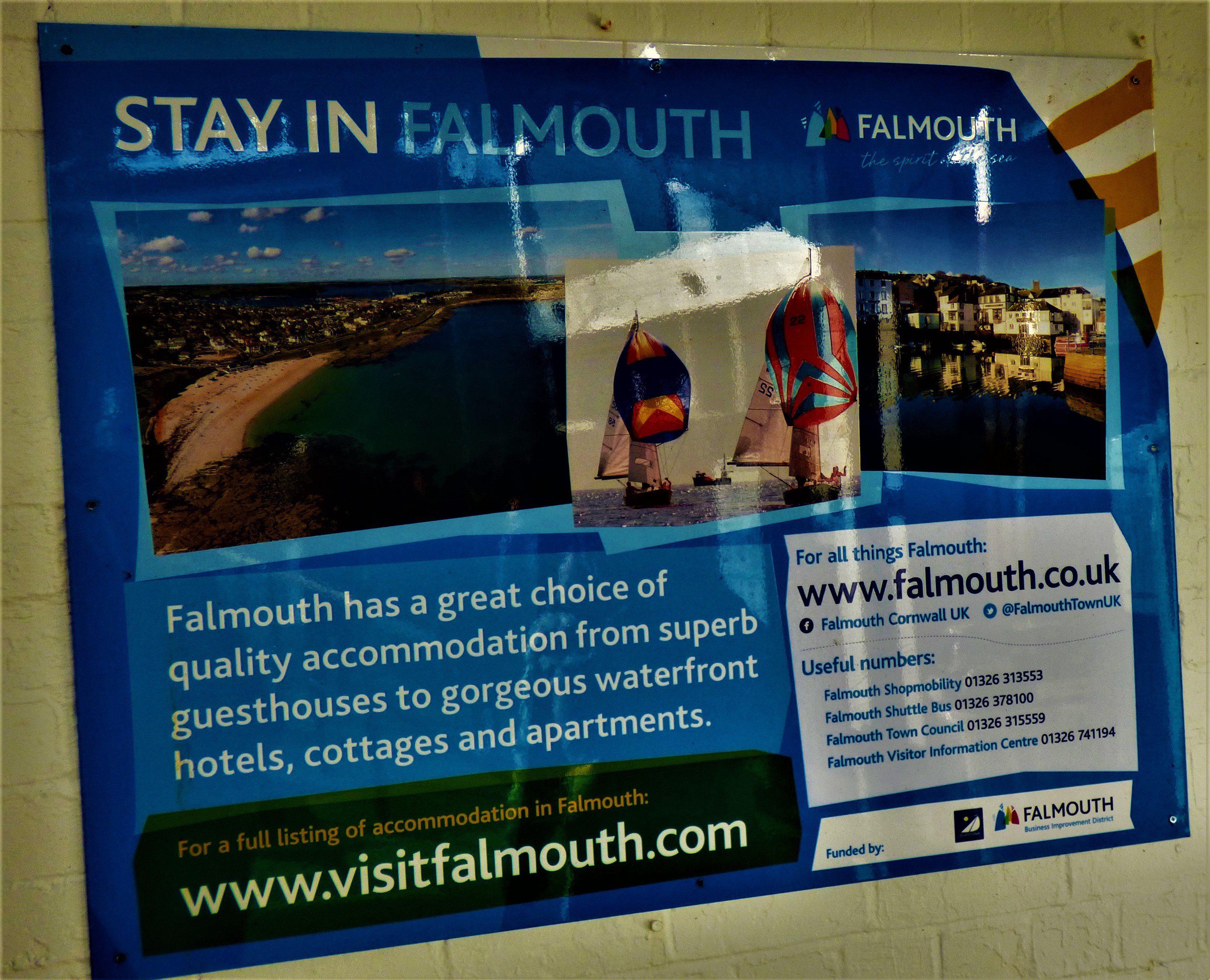
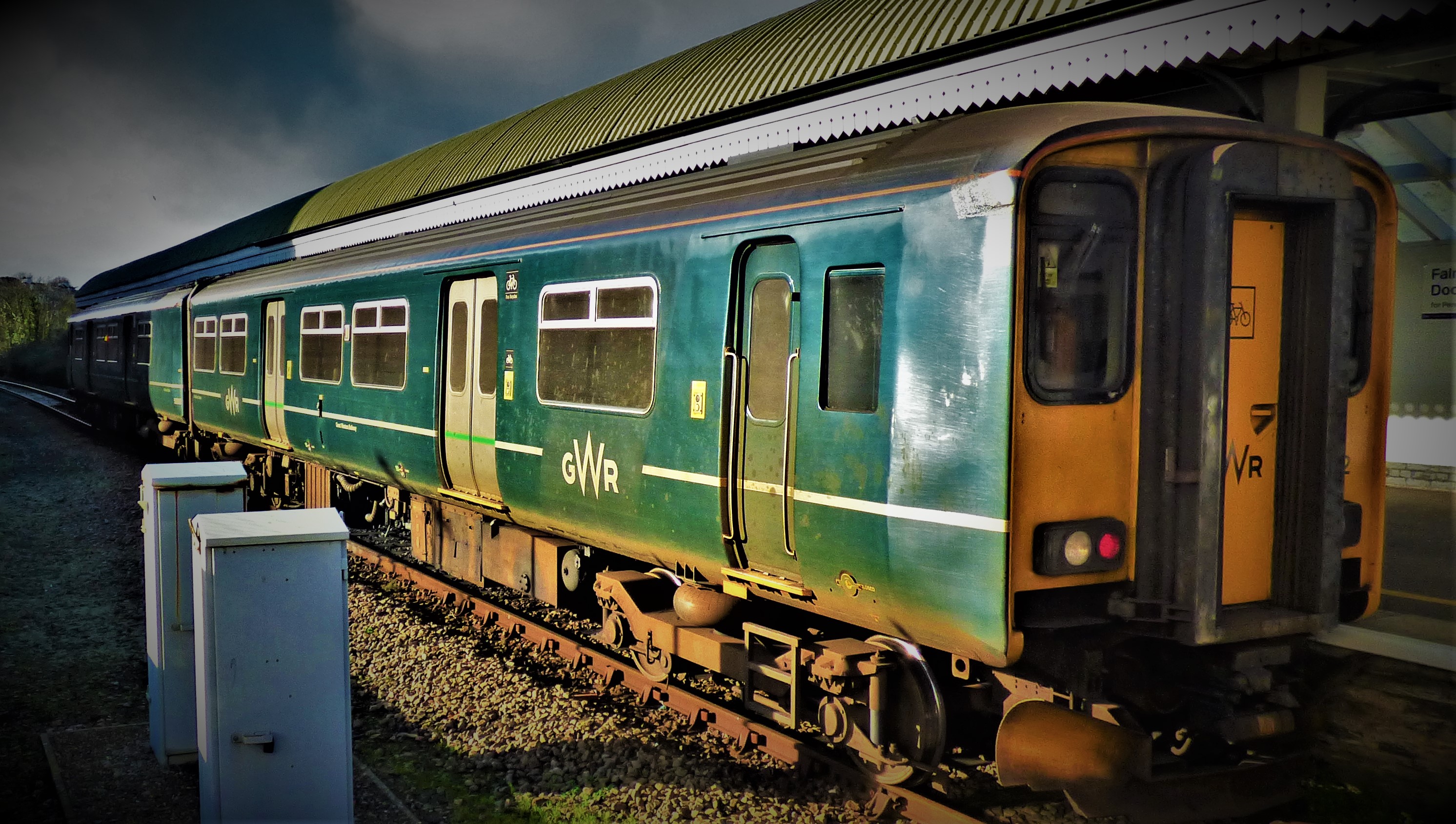
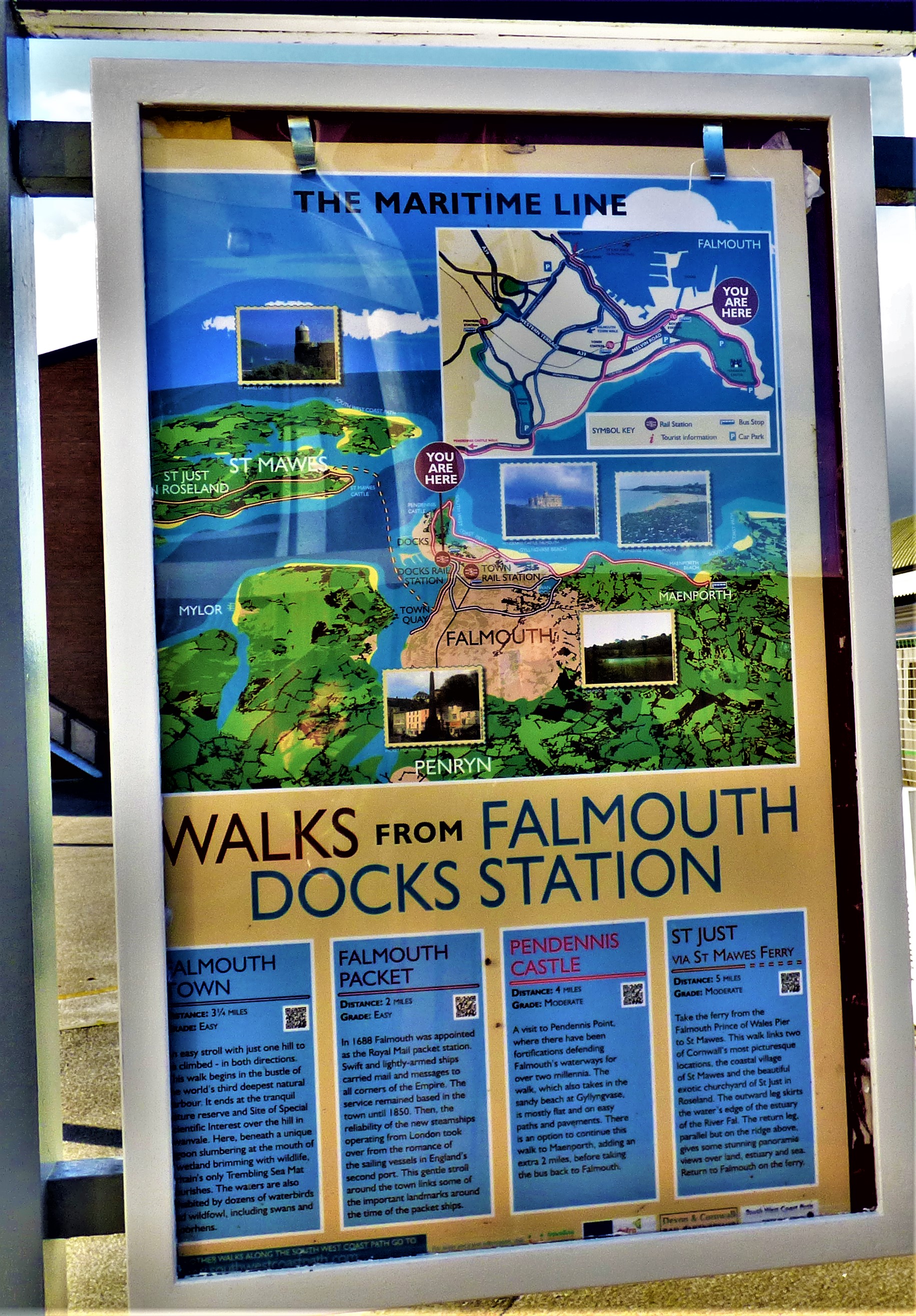
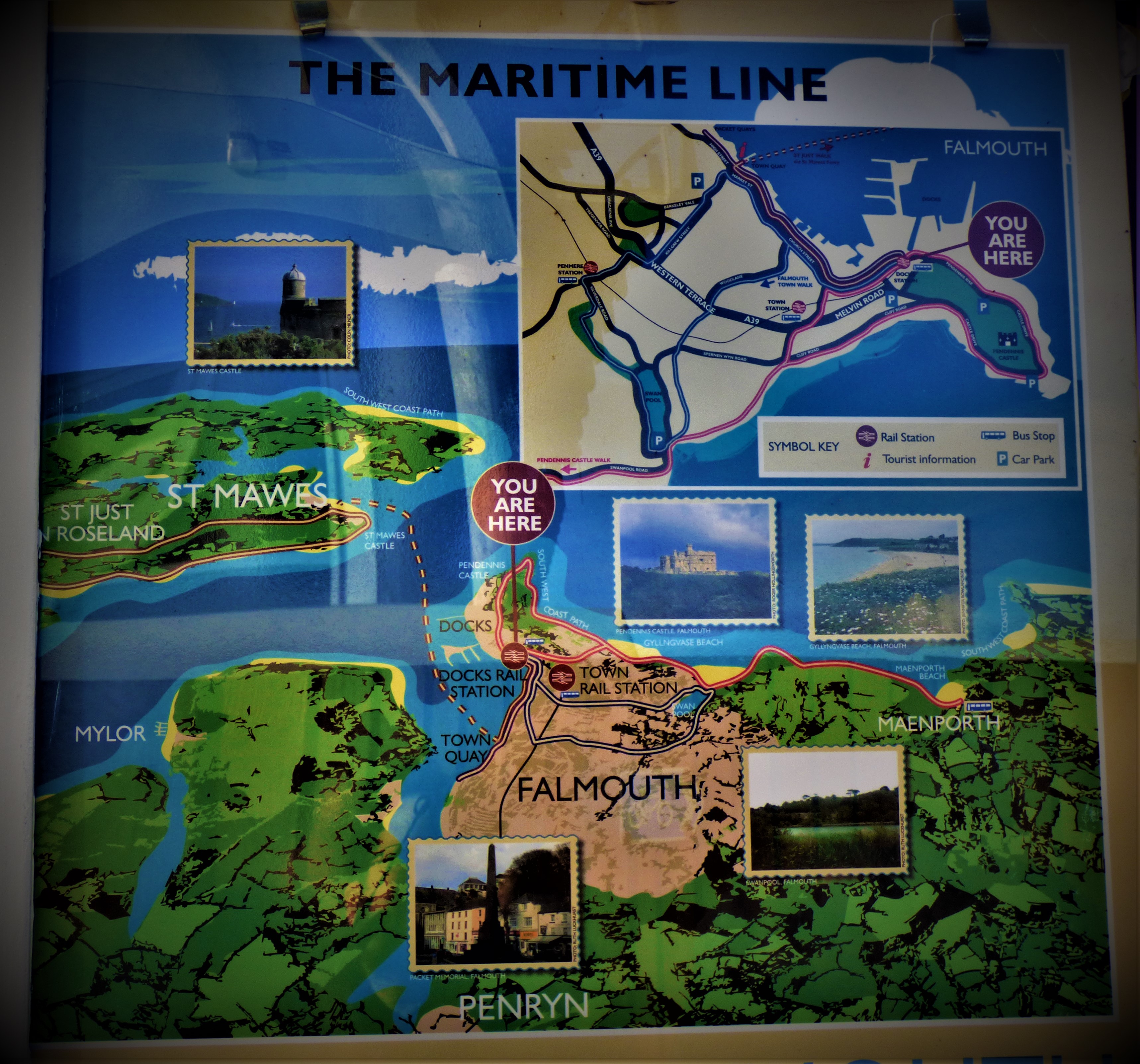
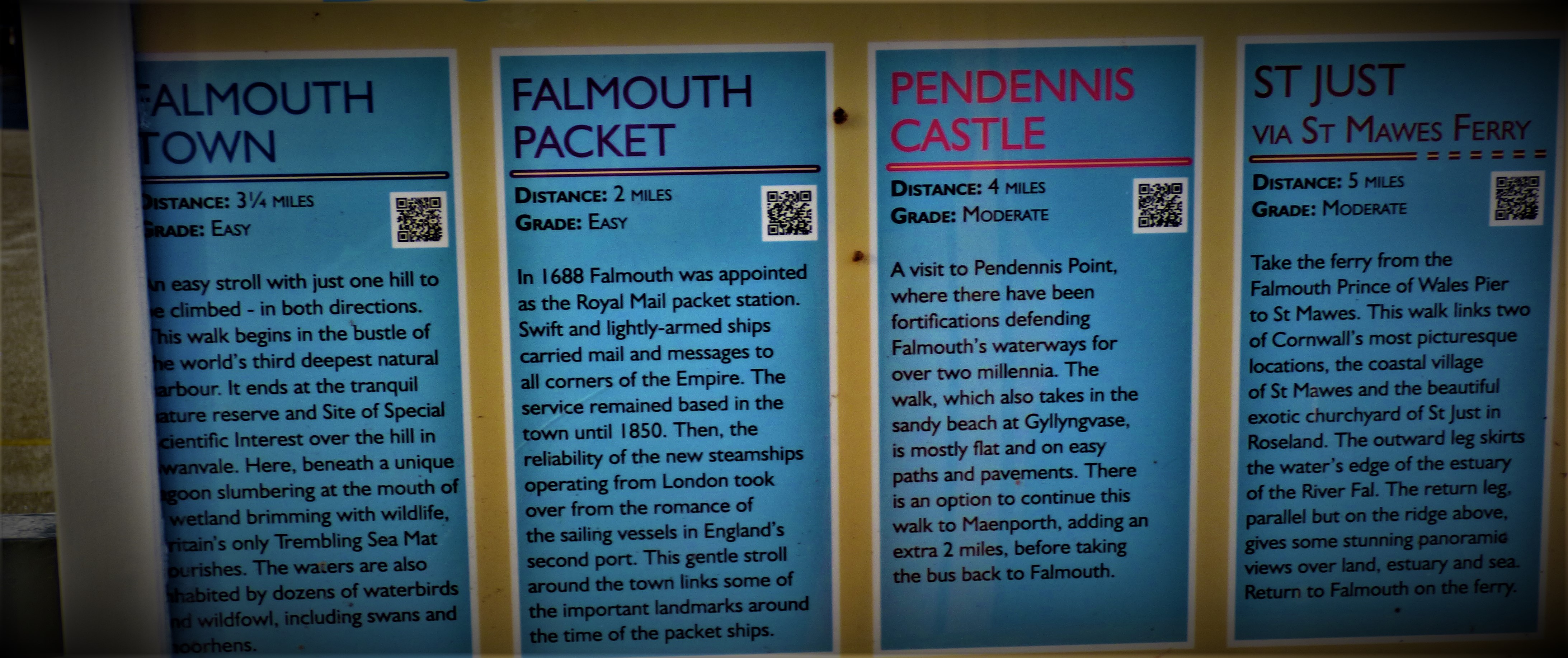
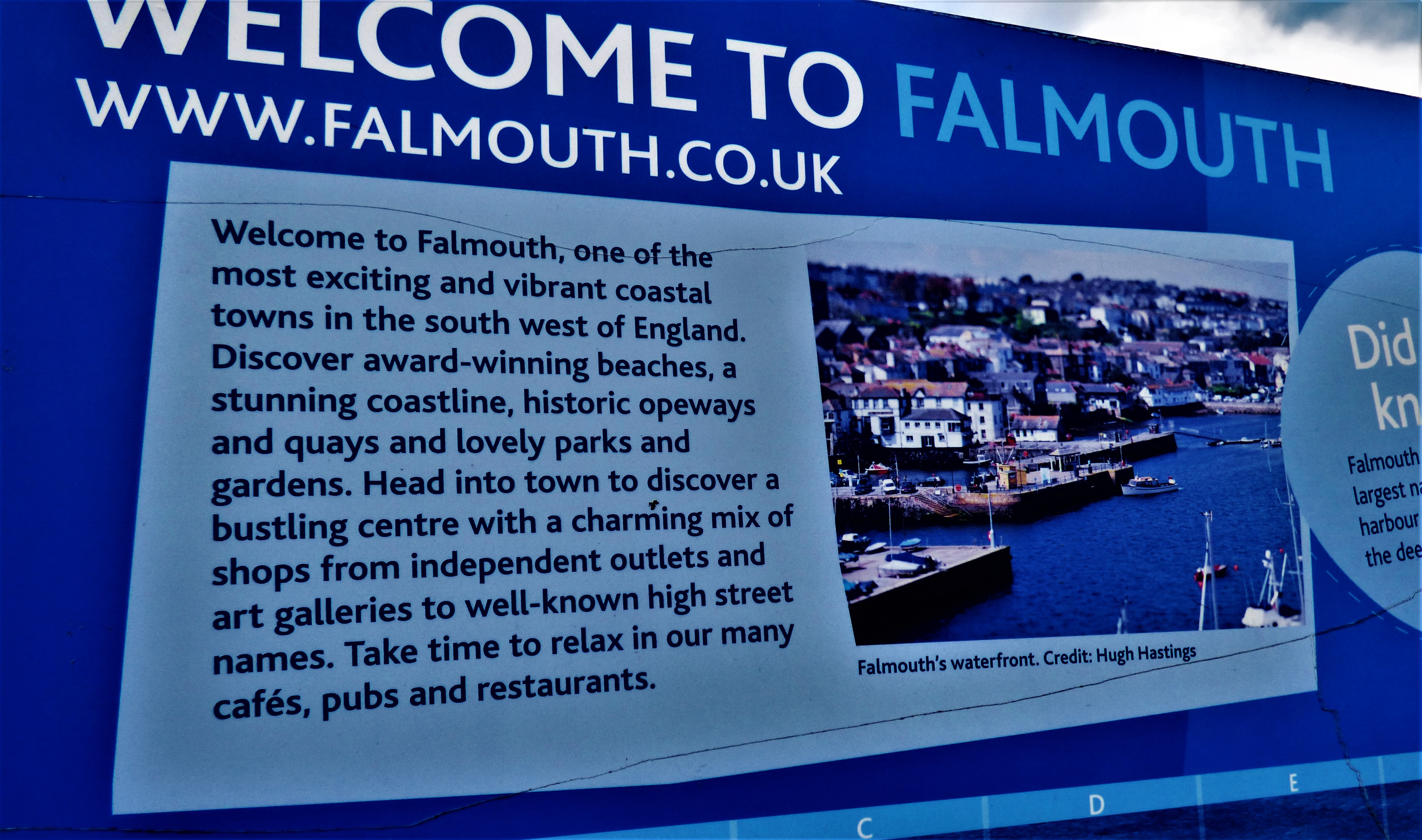
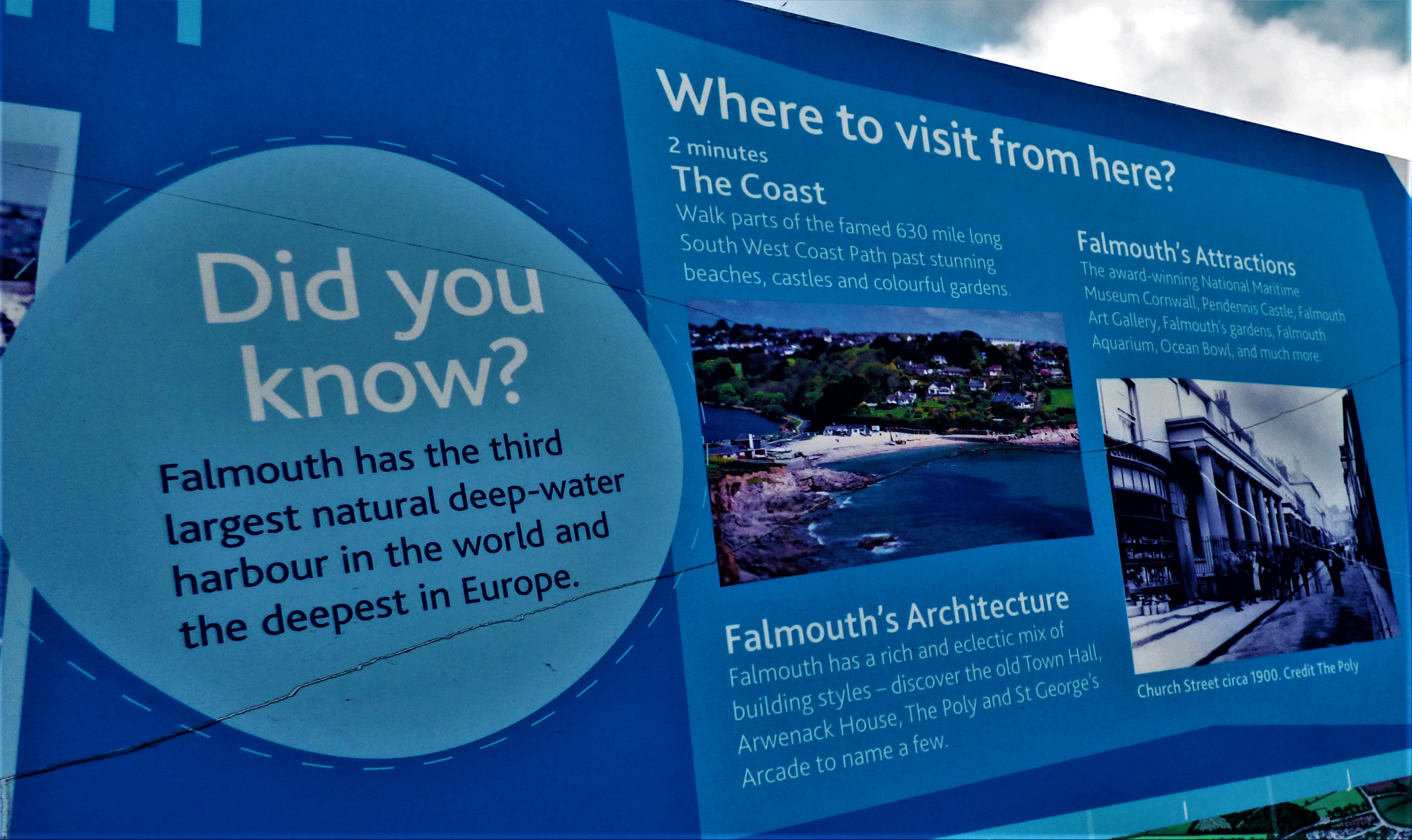
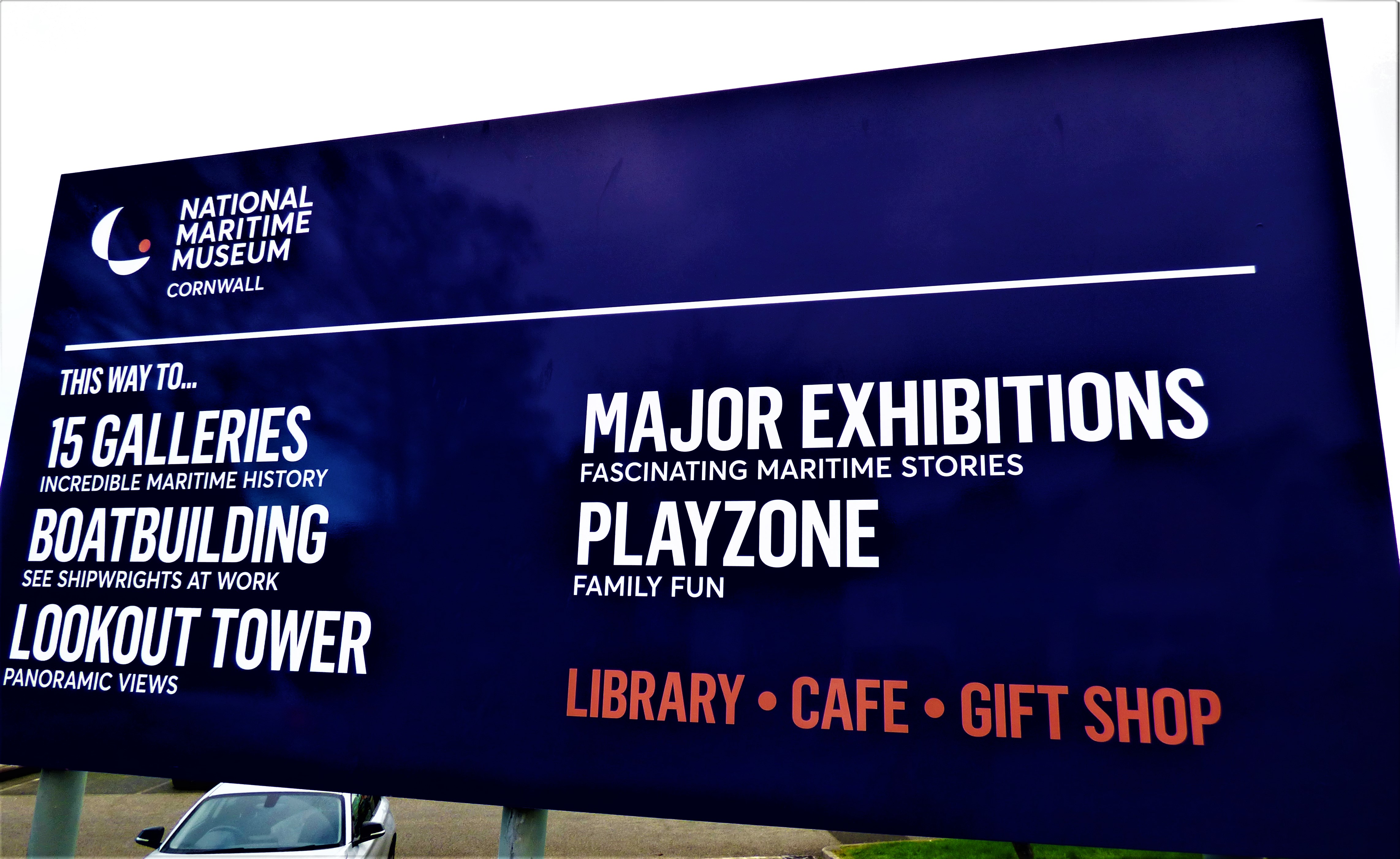
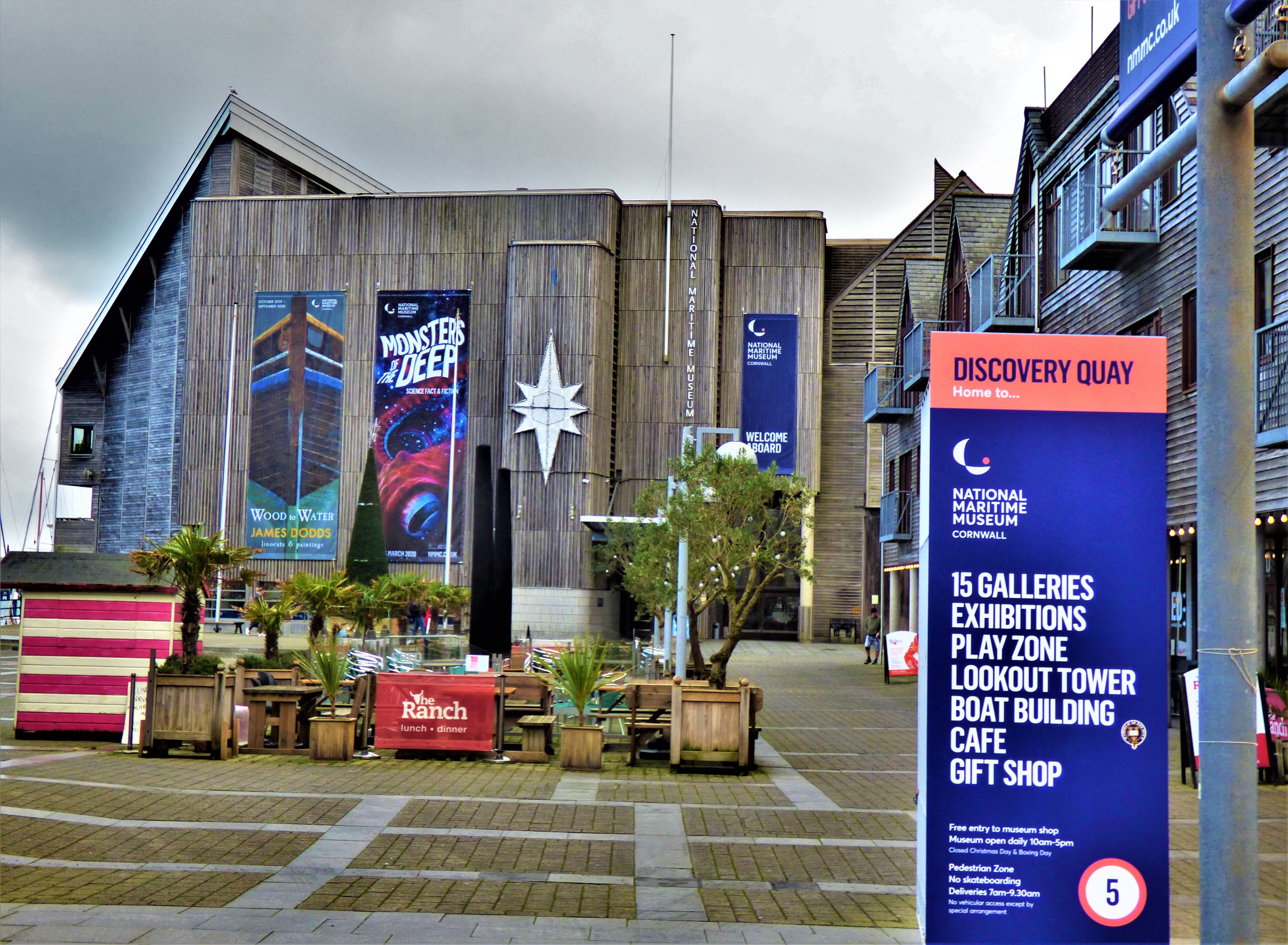
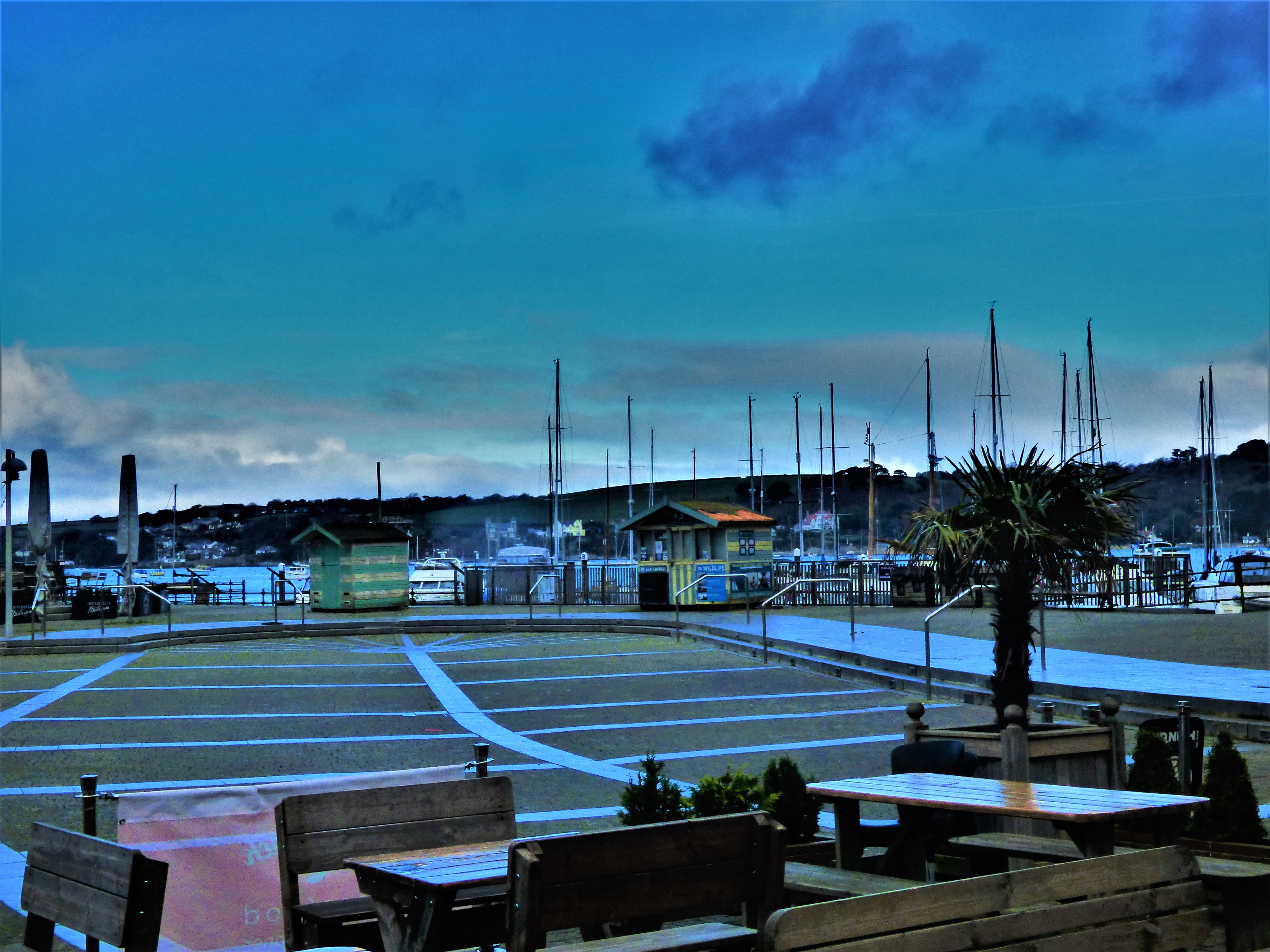
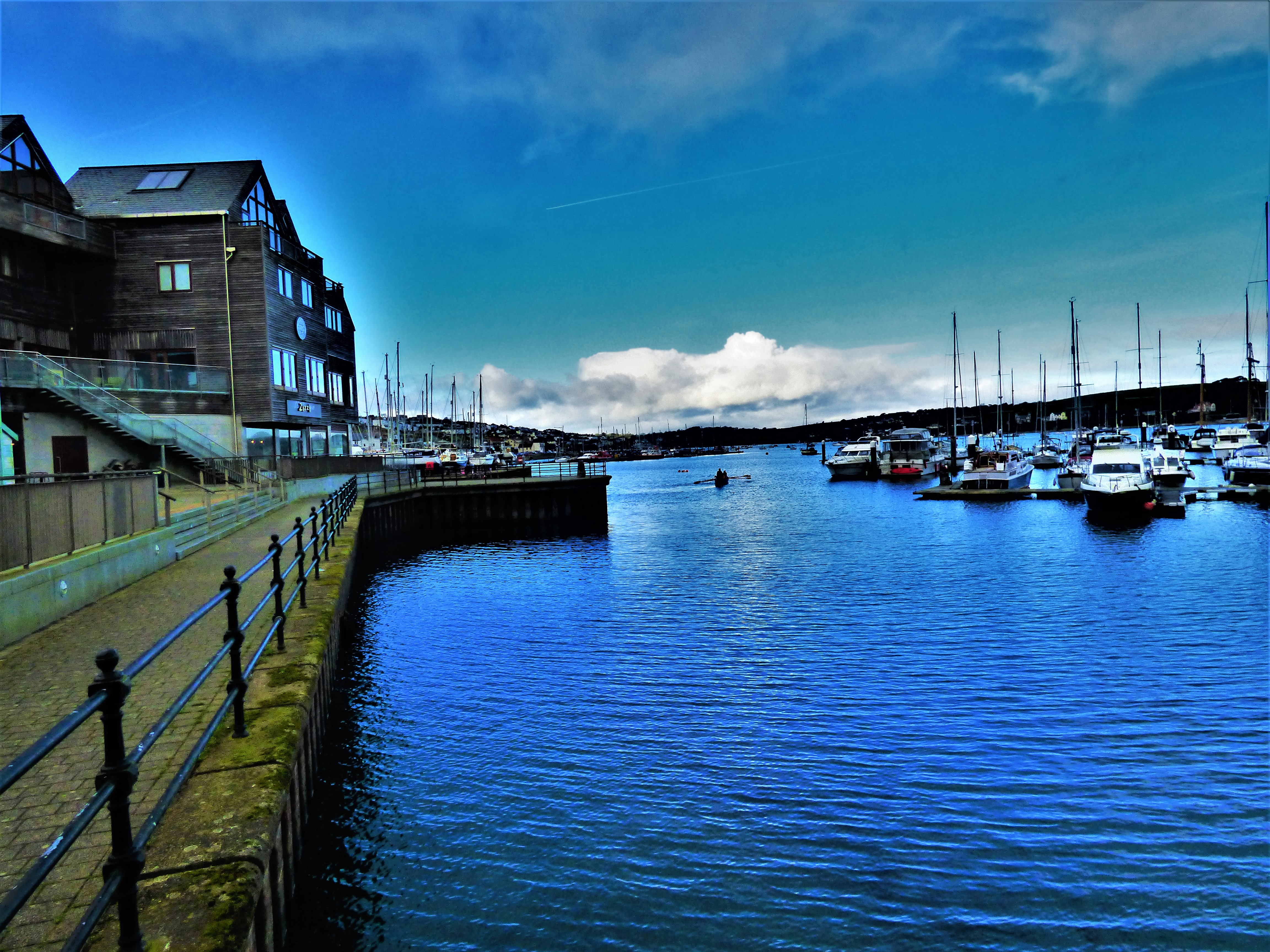
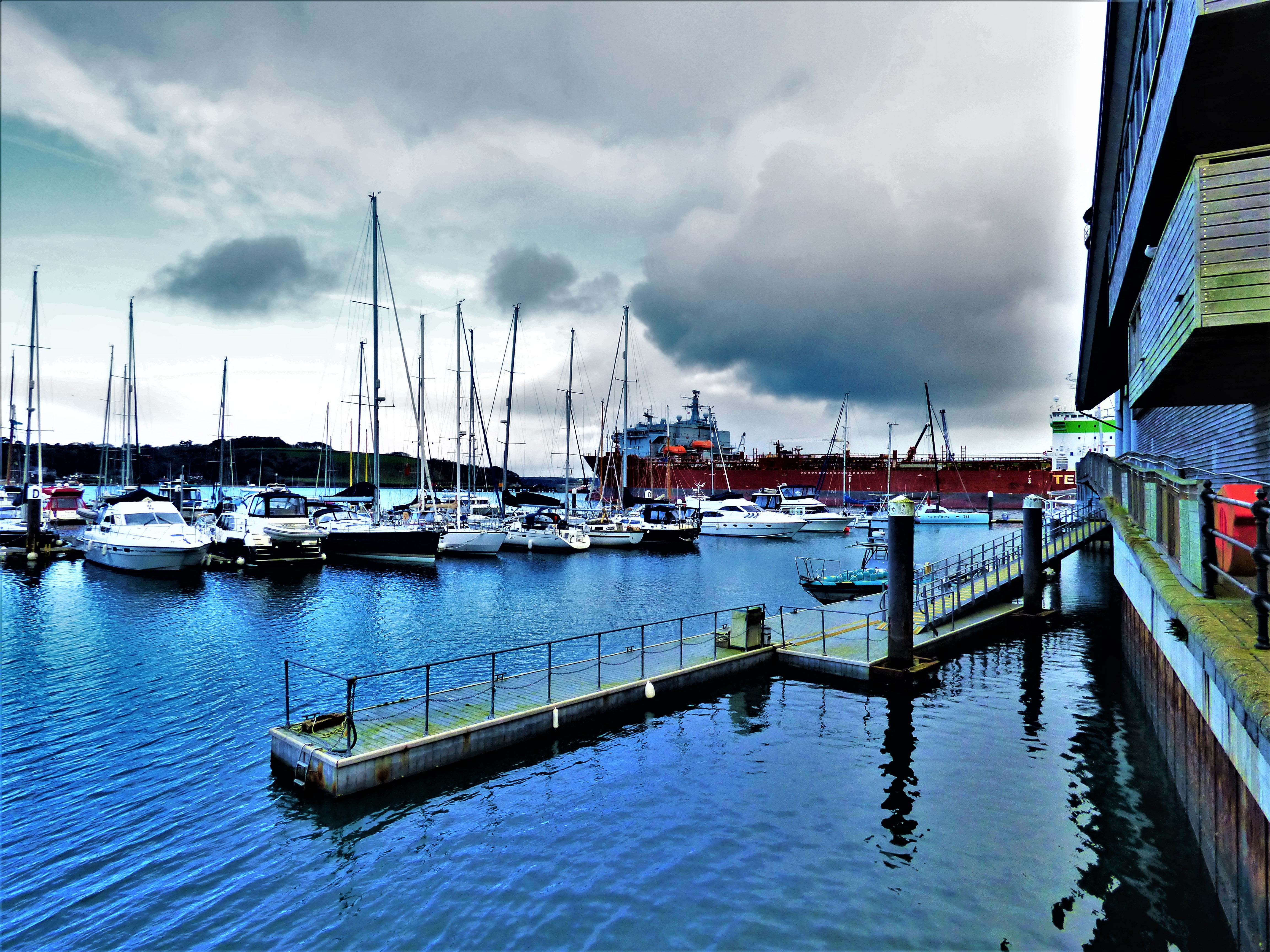
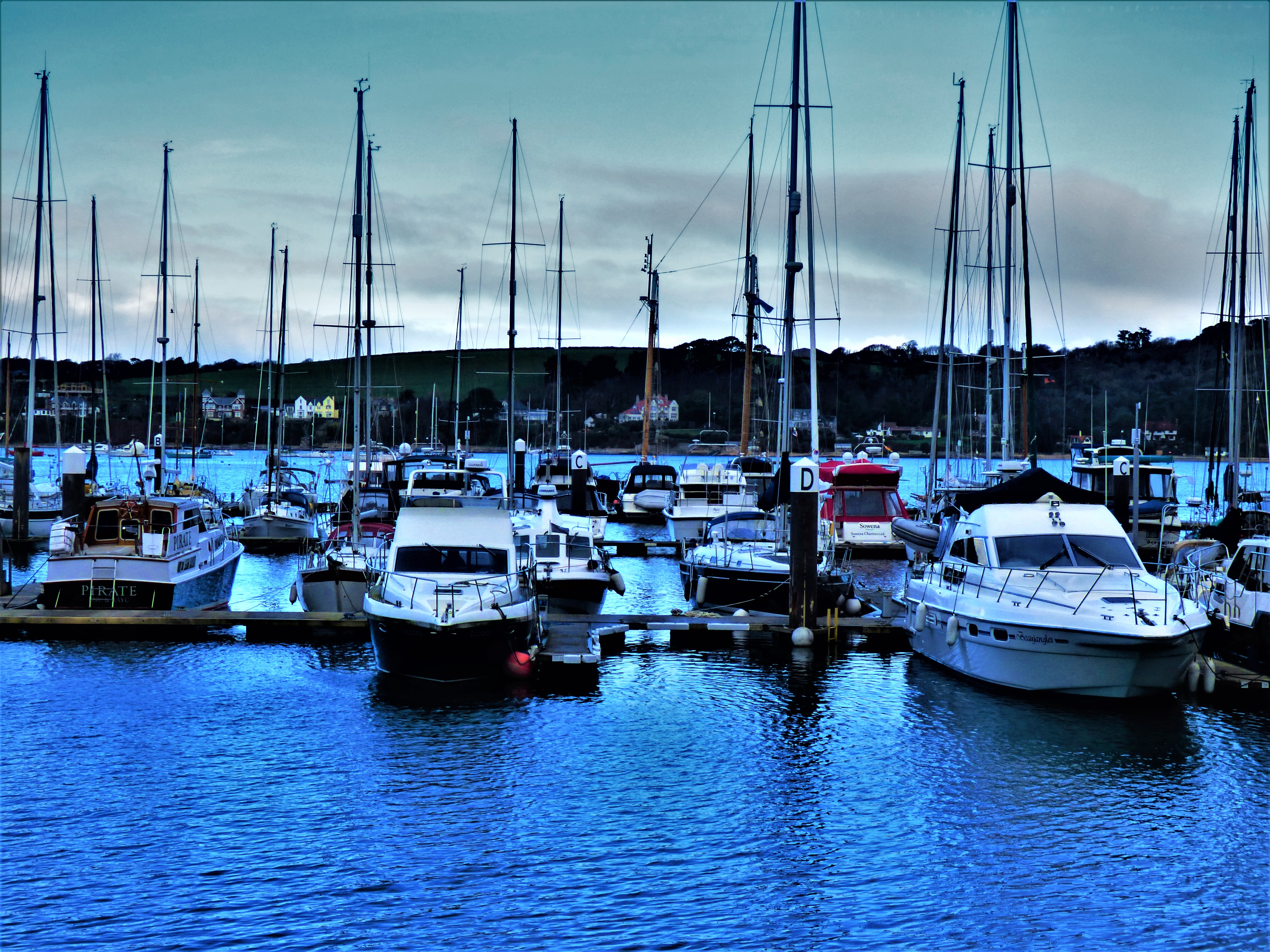
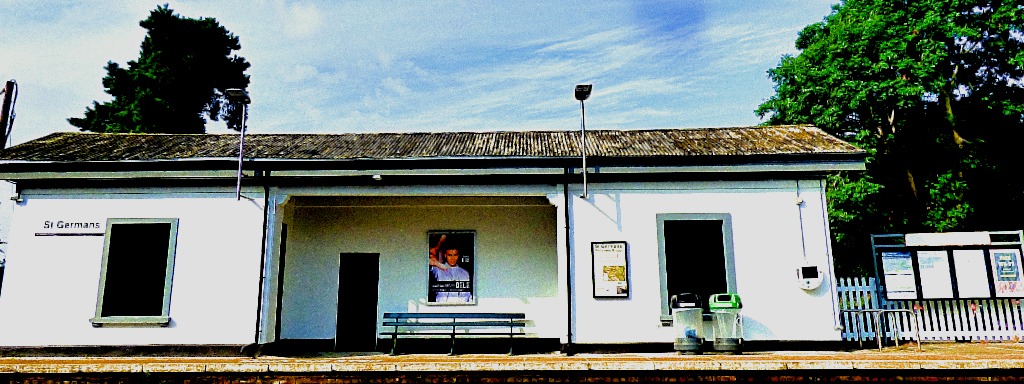
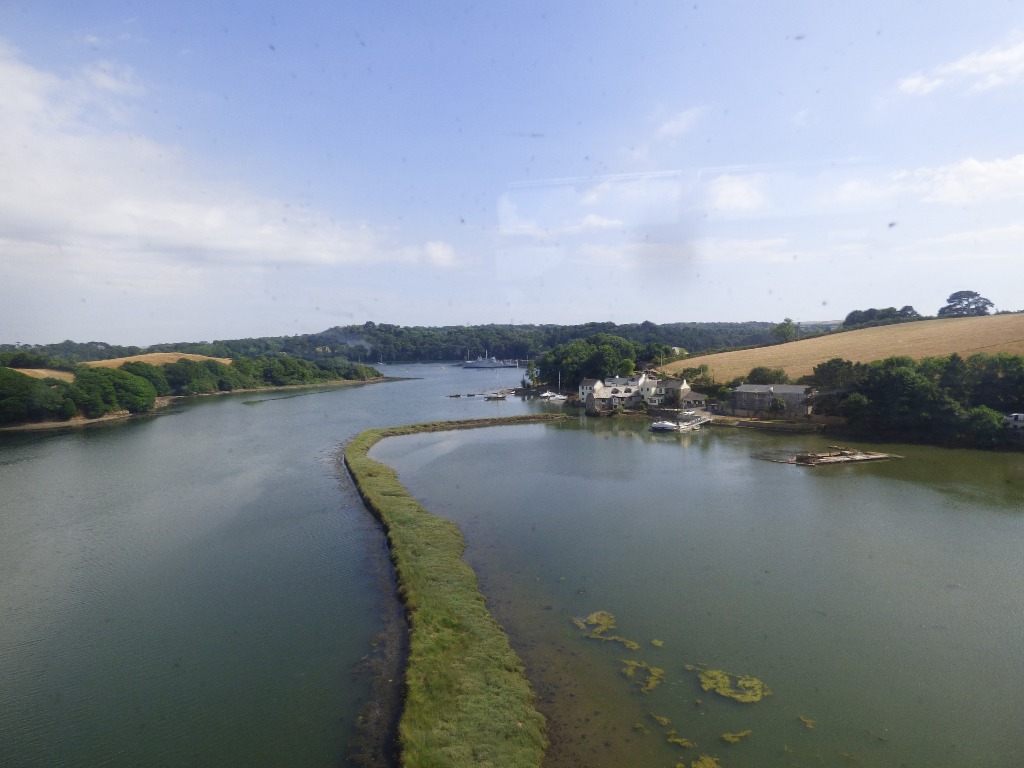
My mother and I got on the train at St Germans at 10:36, changed at Truro for the shuttle service to Falmouth Docks, and arrived at Falmouth just after 12:00. Falmouth was a planned port, first built in the late 16th century to provide an extra starting point for the export of china (it was intended to augment the existing port of Fowey, not challenge it – the person who planned it was actually a native of Fowey). It is a magnificent setting (my camera battery ran out before the end of the trip, but not before I had taken some fine pictures). After a pause to orient ourselves we headed for the National Maritime Museum Cornwall, which will get several posts of its own. The museum occupied as for quite some time, and then we had a brief look at the rest of the town, but I was getting tired by then, and we headed back not very long after finishing at the museum. I intend to revisit both the town and the museum.

PHOTOGRAPHS

P1300529 (2)
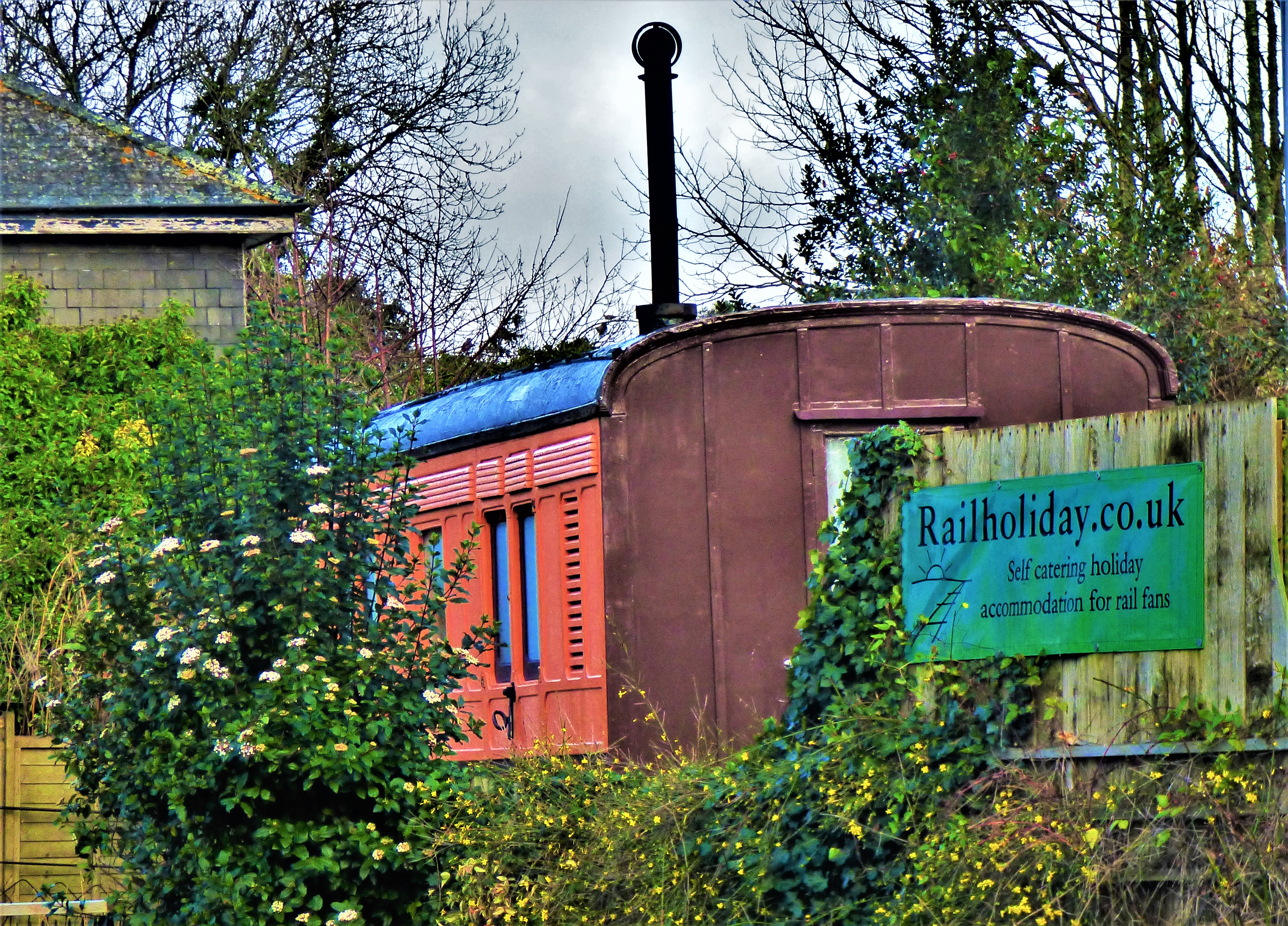
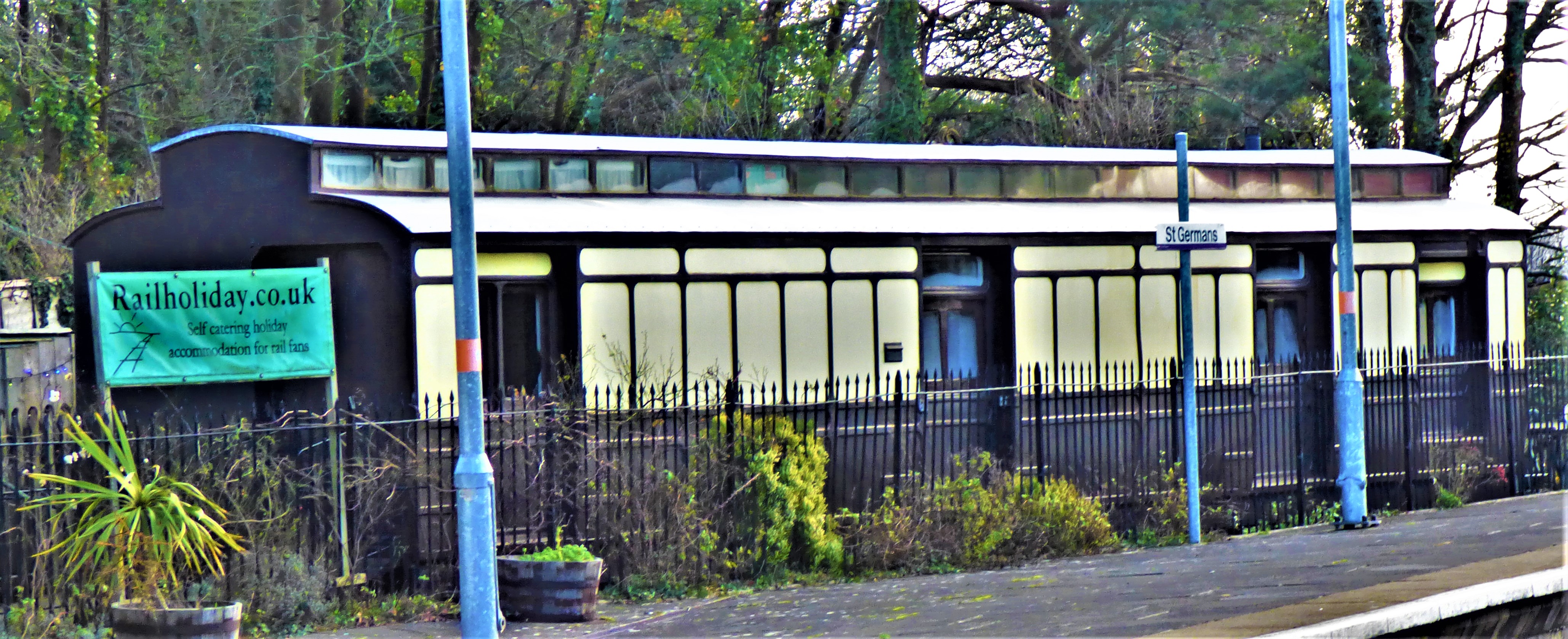
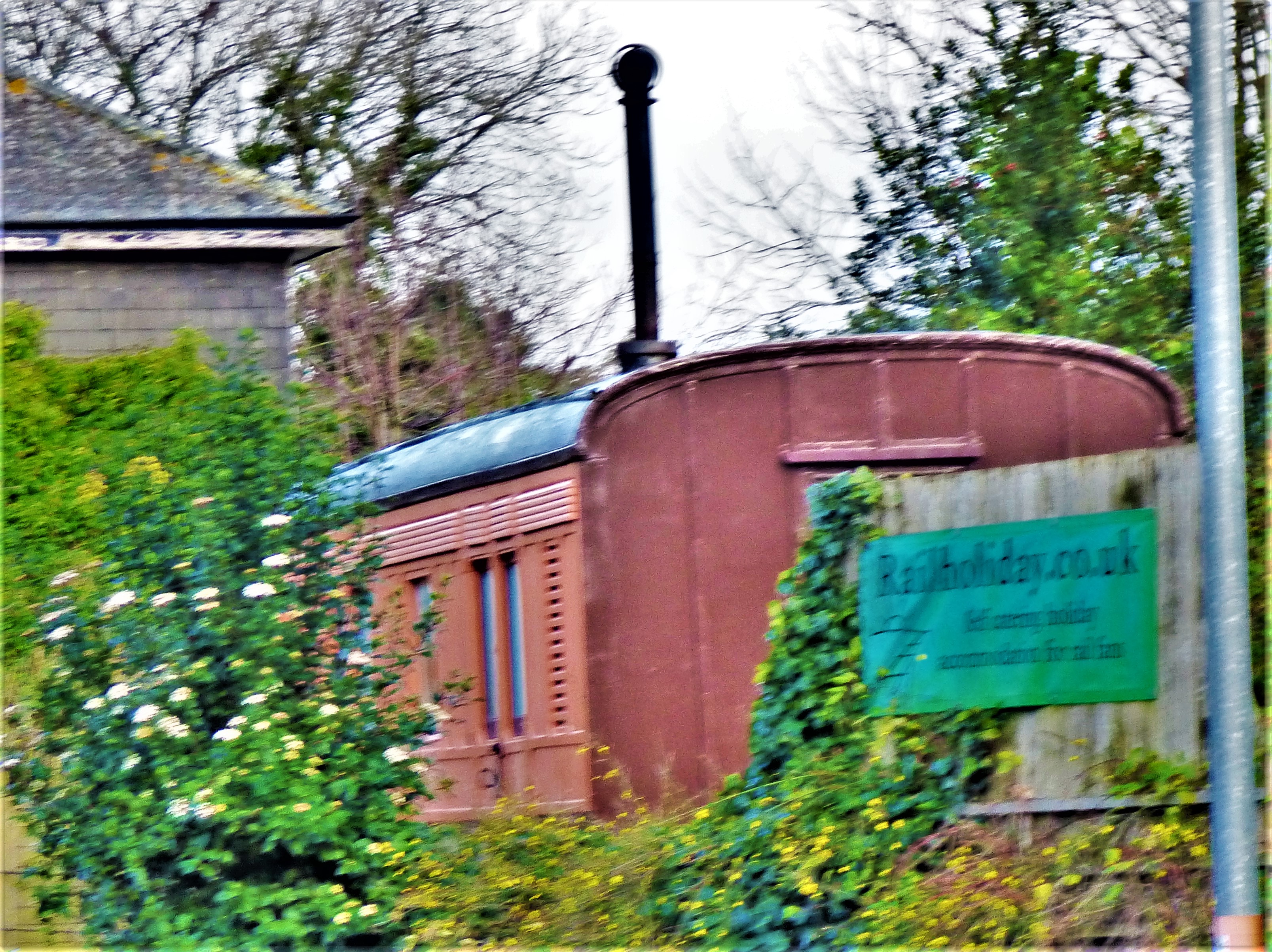
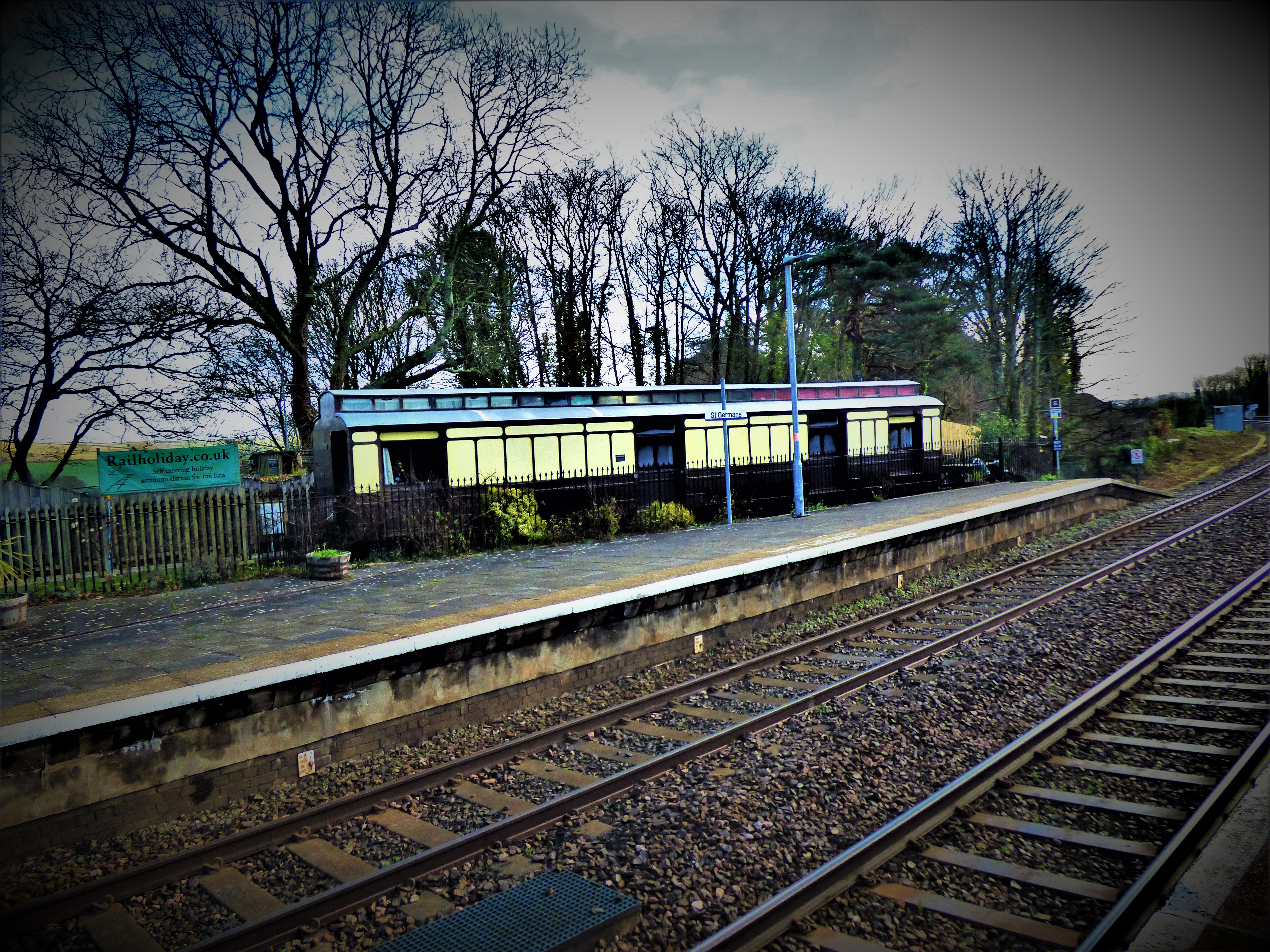
There are a number of these old train carriages in the grounds of St Germans – I am considering staying in one of them when I am in Cornwall in August.

P1300530 (2)P1300531 (2)P1300532 (2)P1300533 (2)P1300534 (2)P1300535 (2)

P1300536 (2)
The train approaching.

P1300538 (2)P1300539 (2)P1300540 (2)P1300543 (2)P1300544 (2)P1300545 (2)P1300546 (2)P1300547 (2)P1300548 (2)P1300549 (2)P1300550 (2)P1300551 (2)P1300552 (2)P1300553 (2)P1300554 (2)P1300555 (2)P1300556 (2)P1300558 (2)P1300559 (2)P1300560 (2)P1300561 (2)P1300562 (2)P1300563 (2)P1300564 (2)P1300565 (2)P1300566 (2)P1300567 (2)P1300568 (2)P1300569 (2)P1300570 (2)P1300571 (2)P1300572 (2)P1300573 (2)P1300574 (2)P1300575 (2)P1300576 (2)P1300577 (2)P1300578 (2)P1300579 (2)P1300580 (2)P1300581 (2)P1300582 (2)P1300585 (2)P1300588 (2)P1300589 (2)P1300590 (2)P1300591 (2)P1300592 (2)P1300593 (2)P1300594 (2)P1300595 (2)P1300596 (2)P1300597 (2)P1300598 (2)P1300599 (2)P1300600 (2)P1300601 (2)P1300602 (2)P1300603 (2)

P1300607 (2)
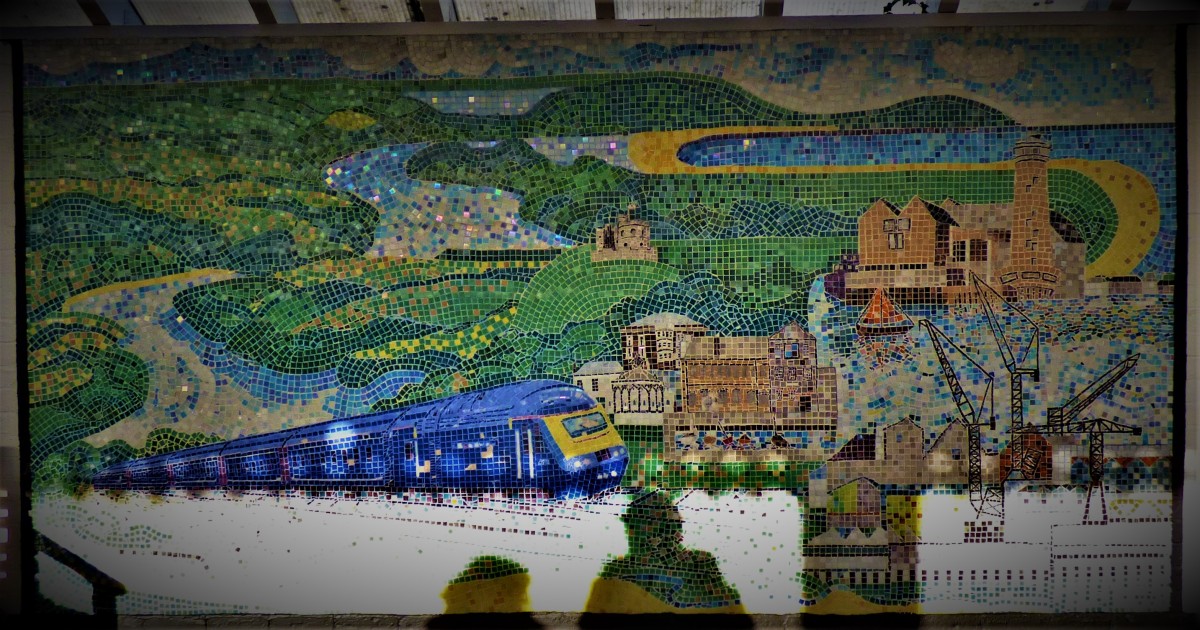
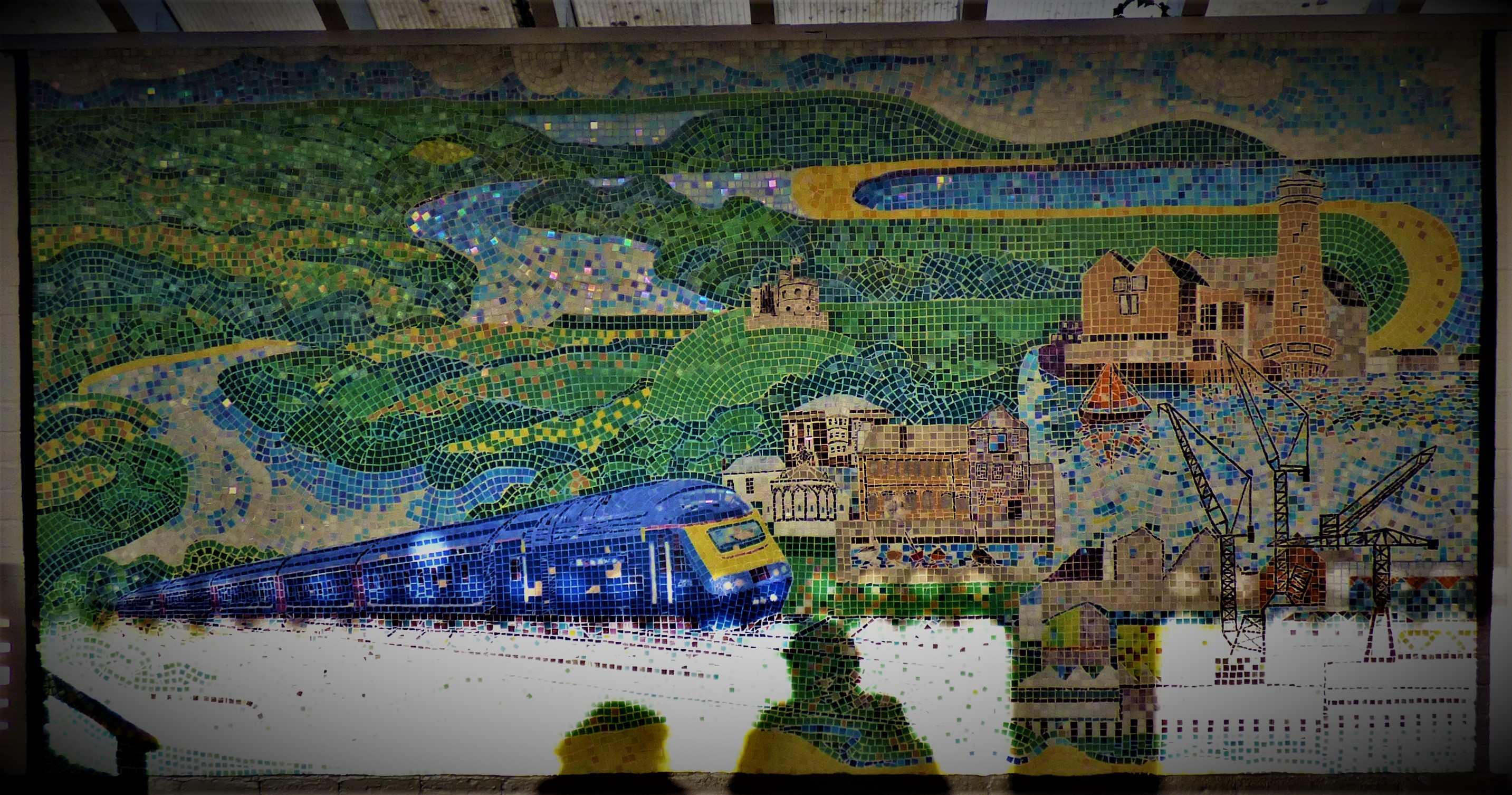
A superb mosaic at Falmouth Docks

P1300608 (2)P1300609 (2)P1300611 (2)P1300612 (2)P1300613 (2)P1300614 (2)P1300615 (2)P1300616 (2)P1300617 (2)P1300618 (2)P1300619 (2)P1300620 (2)P1300621 (2)P1300622 (2)P1300623 (2)P1300624 (2)P1300625 (2)P1300626 (2)P1300627 (2)P1300628 (2)P1300629 (2)P1300630 (2)P1300631 (2)P1300632 (2)P1300633 (2)P1300634 (2)

P1300635 (2)
The museum

P1300636 (2)P1300637 (2)P1300638 (2)P1300639 (2)P1300640 (2)P1300641 (2)P1300642 (2)P1300643 (2)P1300644 (2)P1310005 (2)P1310006 (2)P1310007 (2)P1310007 (3)

Neurology Appointment and Other Stuff

A brief account of my appointment with the neurologist at QEH and of the arrival of my new computer.

INTRODUCTION

Yesterday I attended an appointment with the neurologist at Queen Elizabeth Hospital, and I also dropped my old computer at PC World so that they could transfer stuff from it to my new computer, and my aunt picked up both machines from them today.

THE NEUROLOGIST APPOINTMENT

This went well. The dizziness and disorientation I experienced as an immediate response to my new anti-seizure medication appears to relate to a problem with my inner ear, which meant that organizing an appointment with the audiologists at Addenbrooke’s became of increased importance. This appointment is booked for 11:30 on June 3rd, immediately after I have other appointments at Addnebrooke’s, t0 minimize the number of journeys to and from Cambridge. I also have in case of emergency a medication for taking if the dizziness gets really bad. I am greatly relieved to have some answers and the prospect of further answers at the audiology appointment.

WITHOUT THE COMPUTER

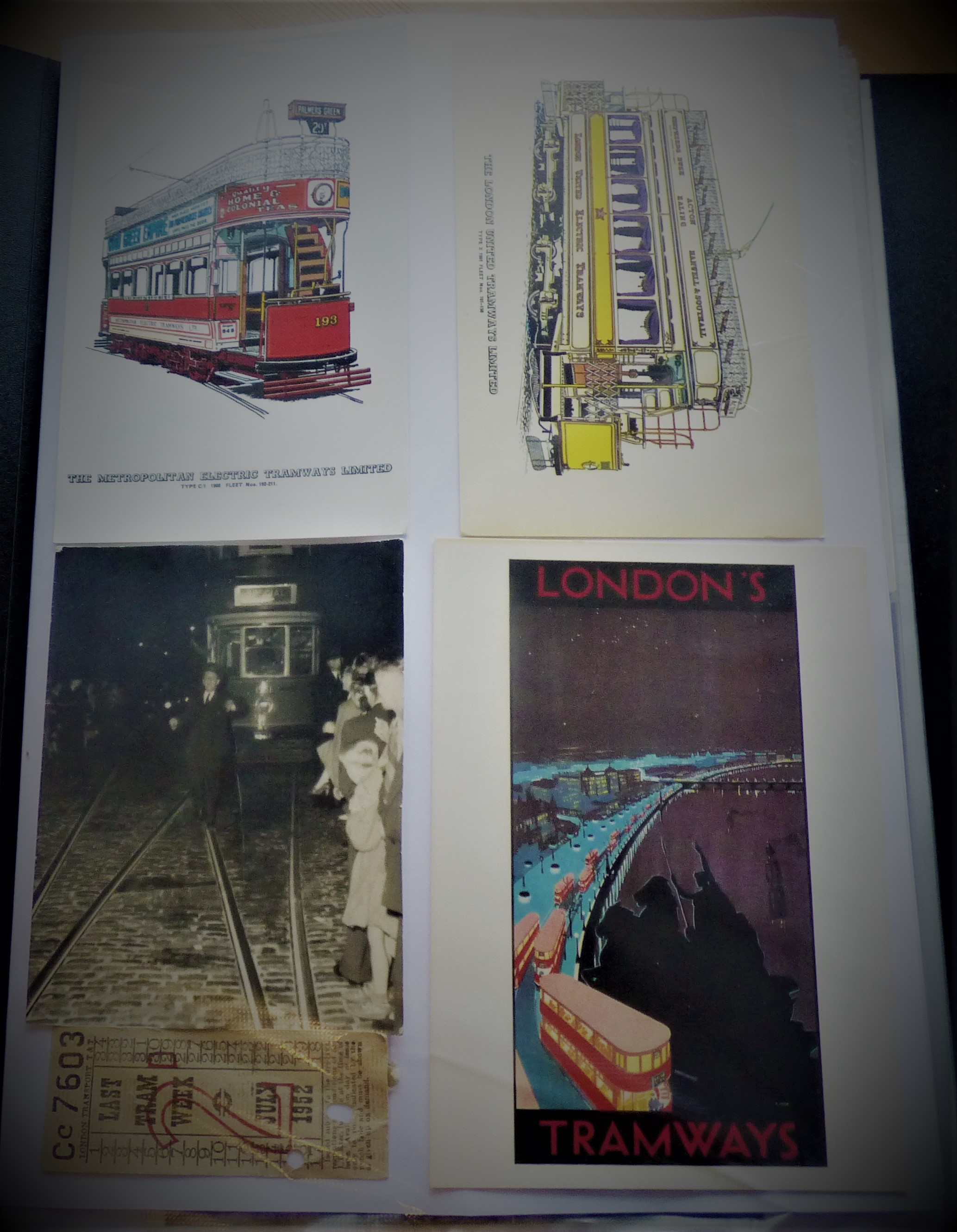
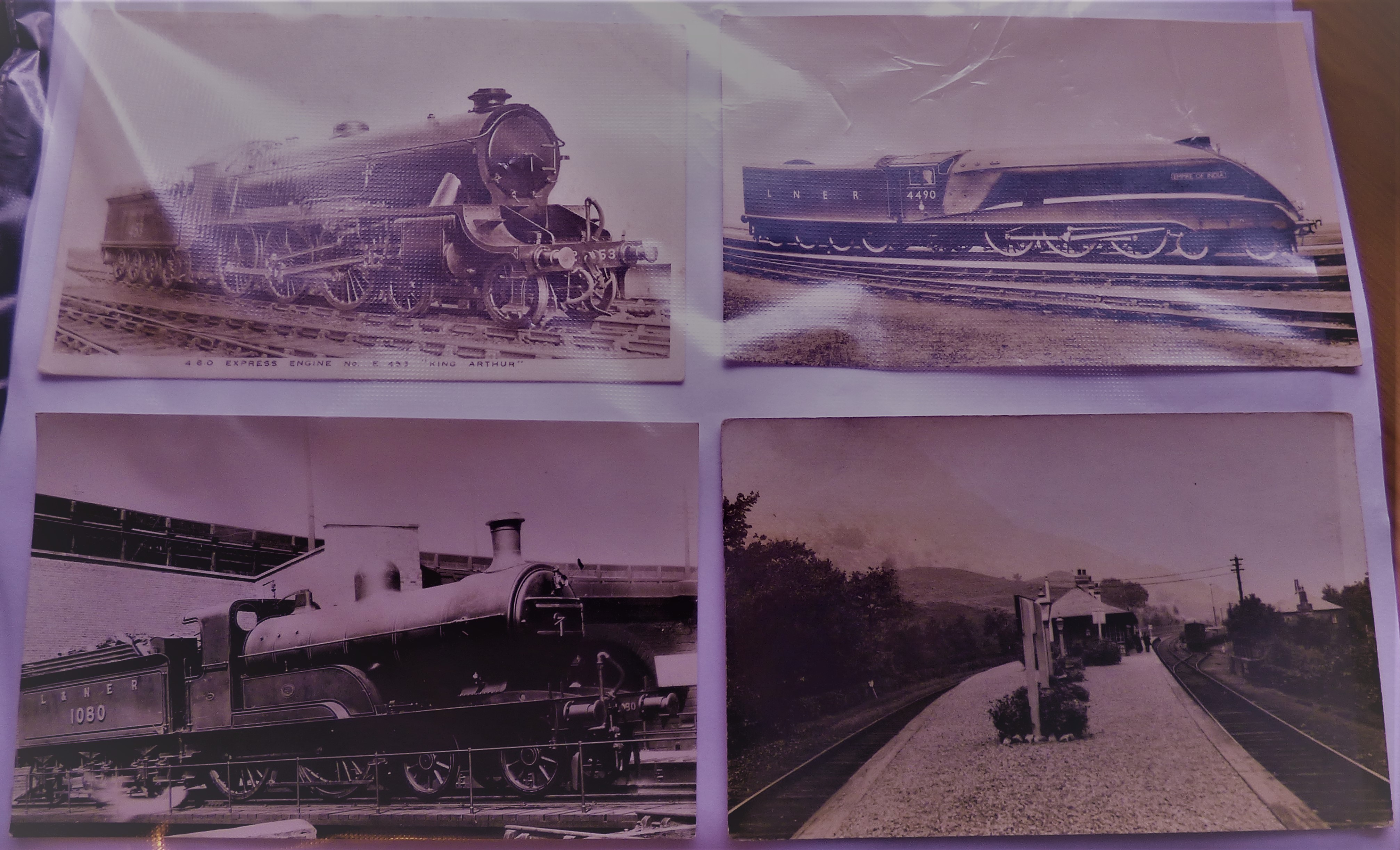
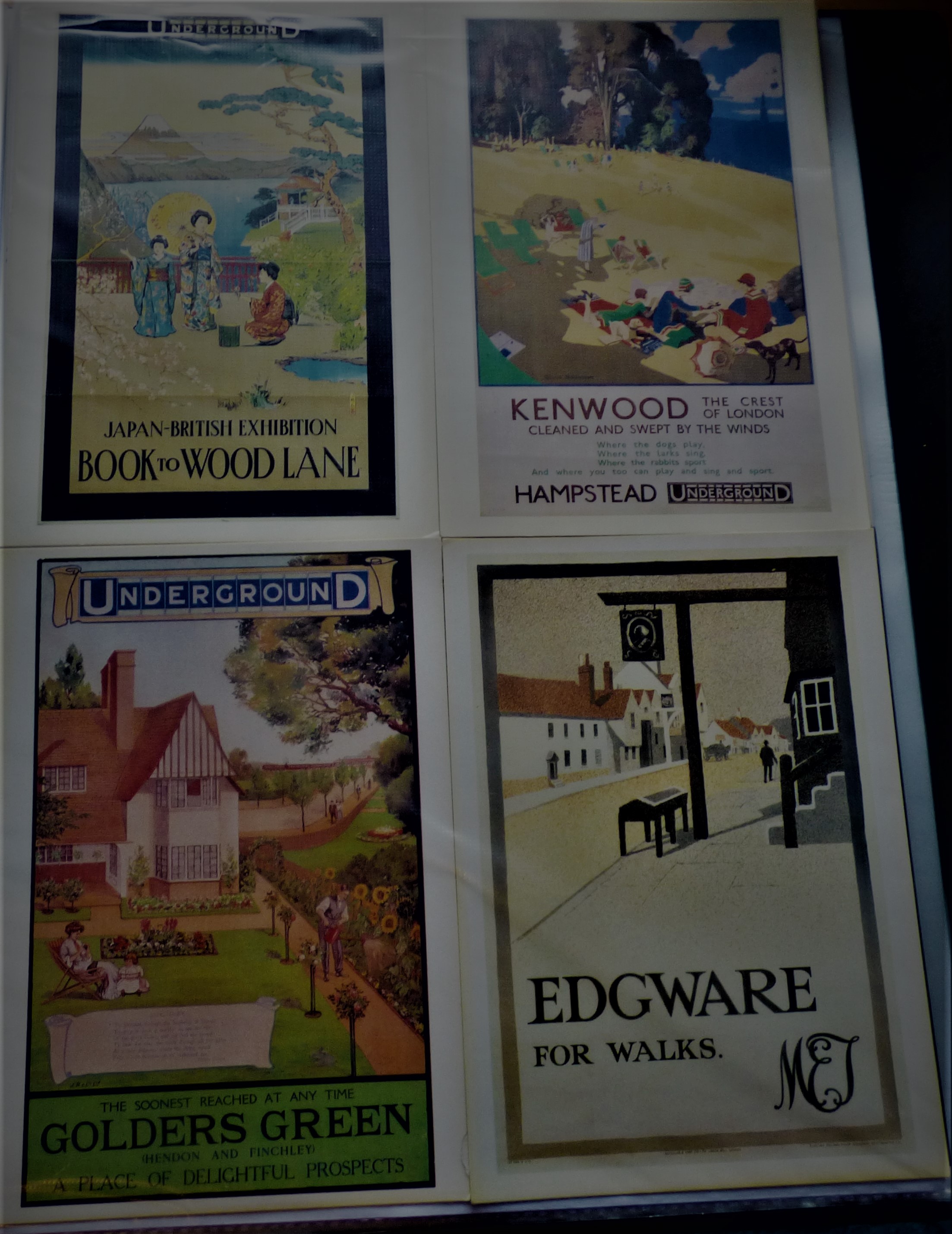
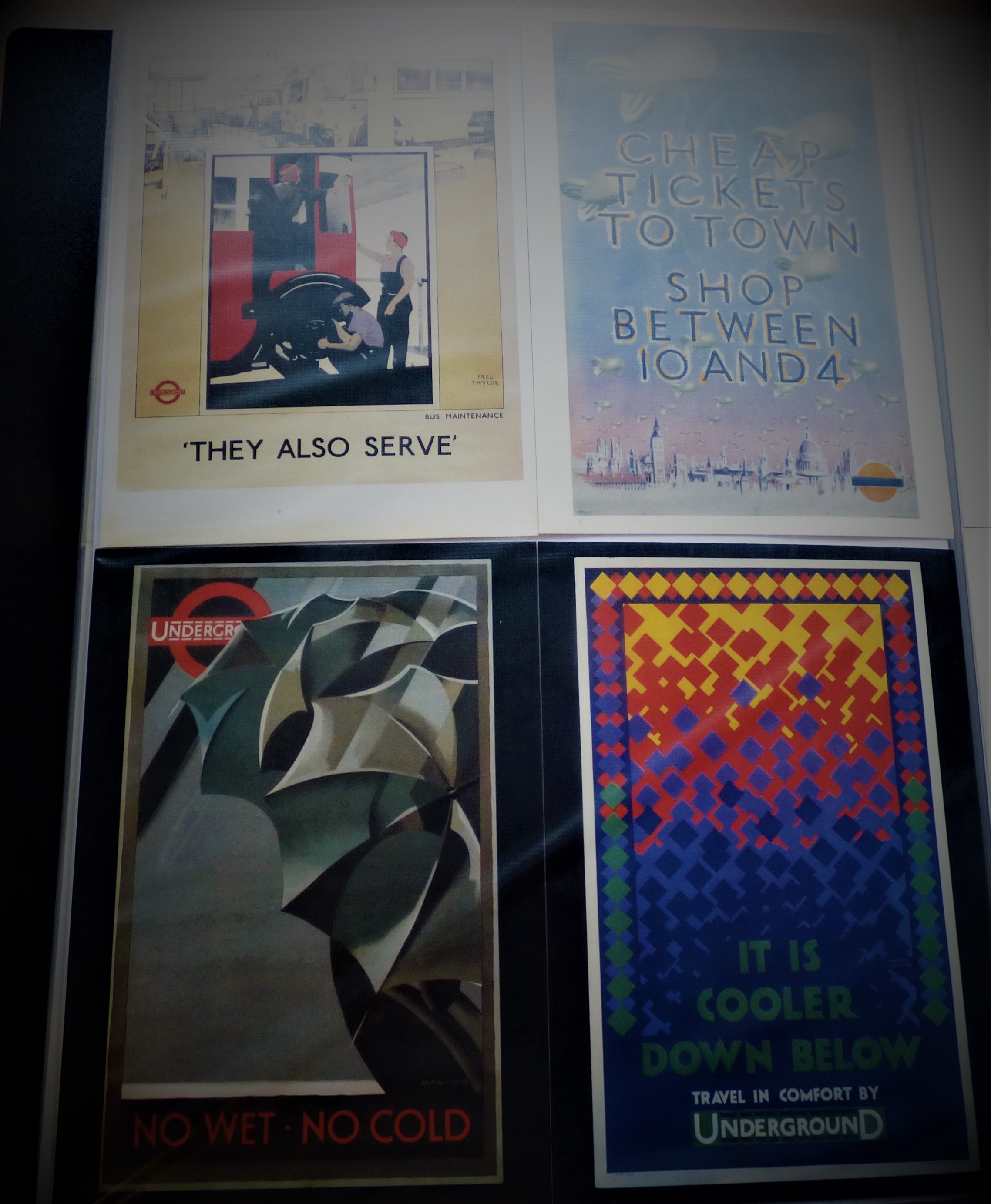
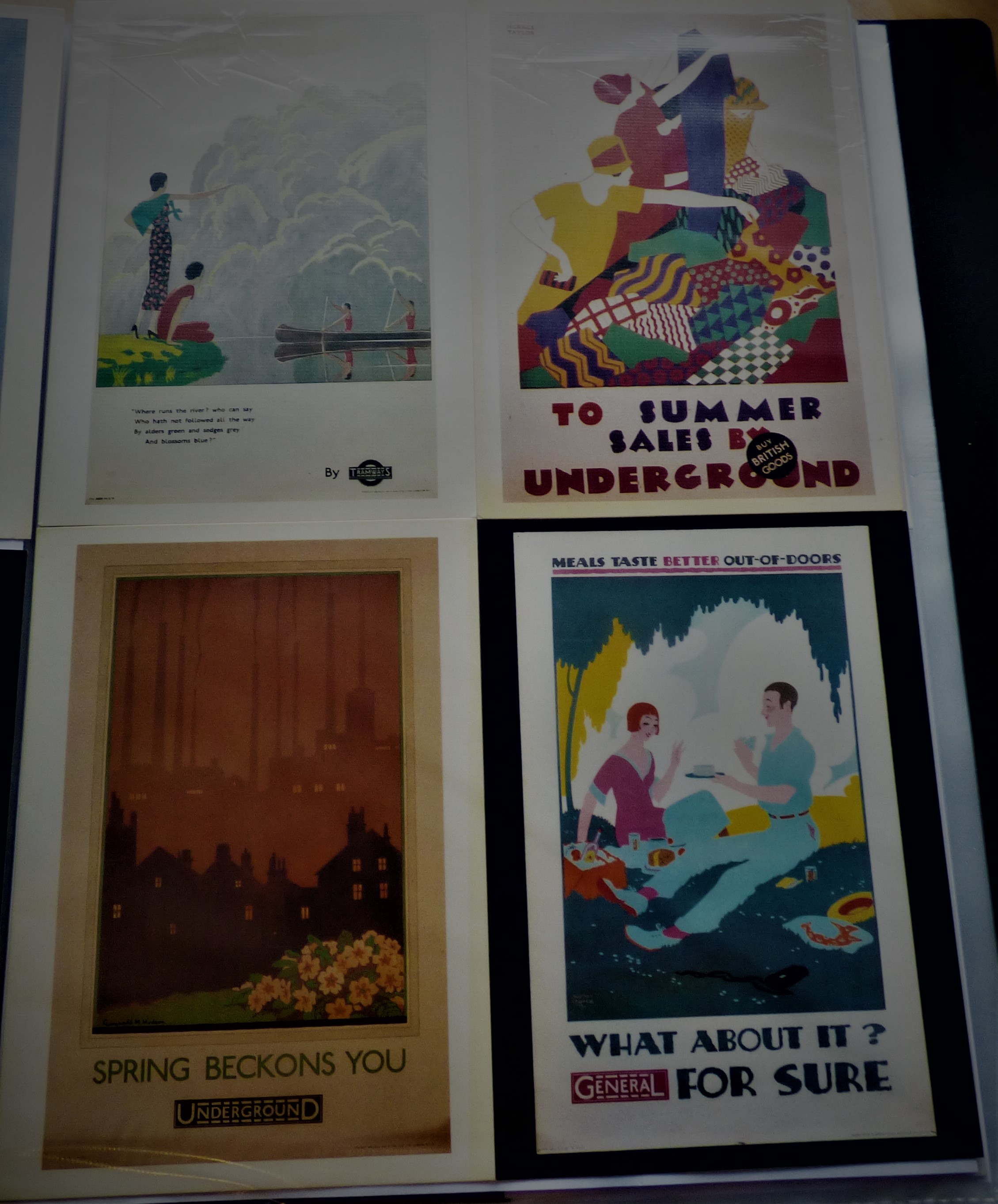
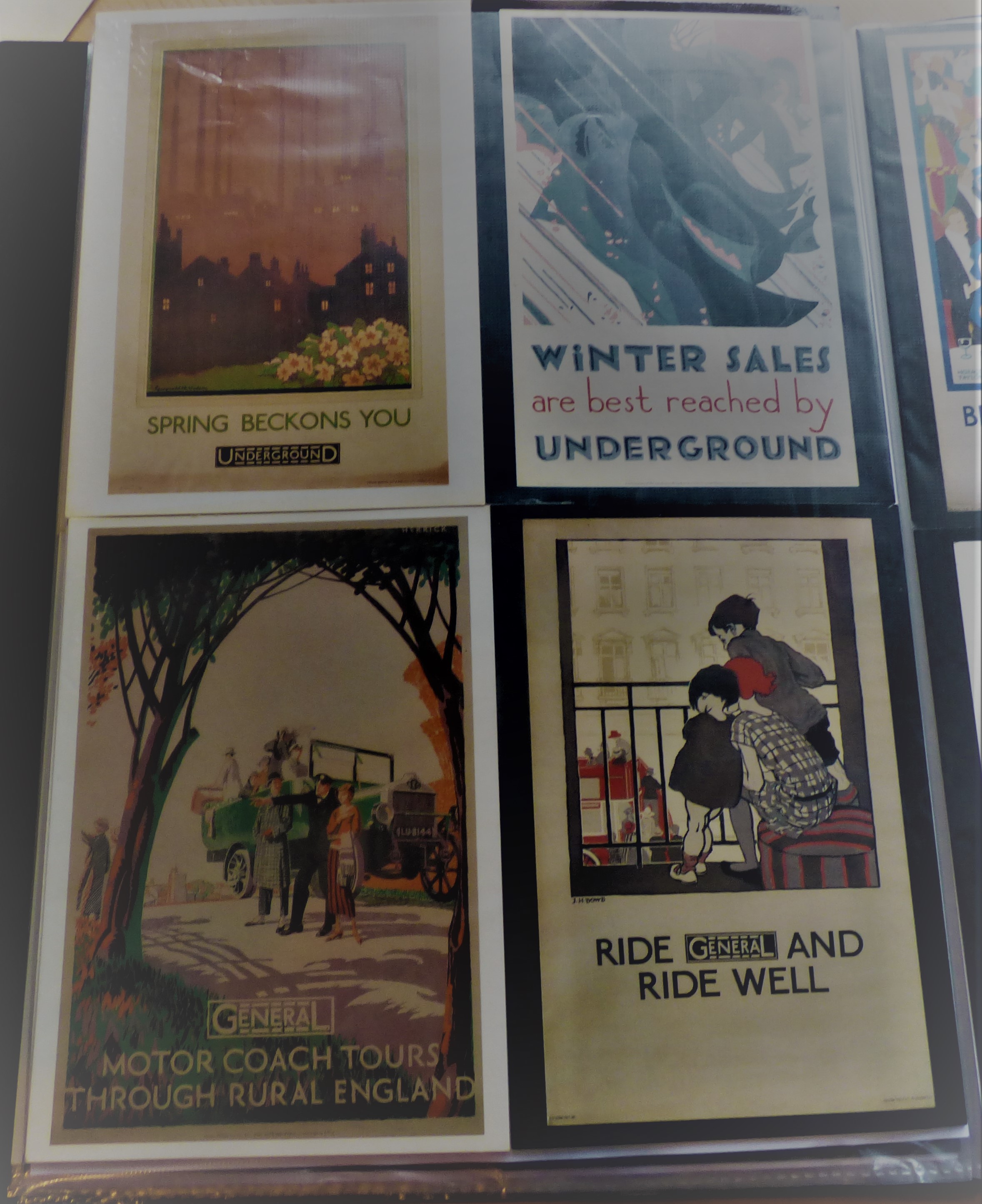
Yesterday afternoon and evening I had a lot of time without access to a computer, and I filled some of it by mounting postcards for display until I ran out of glue dots (I had three postcards still to mount to complete the intended display, as you will see), and I have some stamps that will need the same treatment if I am to display them. This morning I used my phone to open facebook and post a message on the NAS West Norfolk Commitee page. Here are some pictures from yesterday:

P1230537 (2)
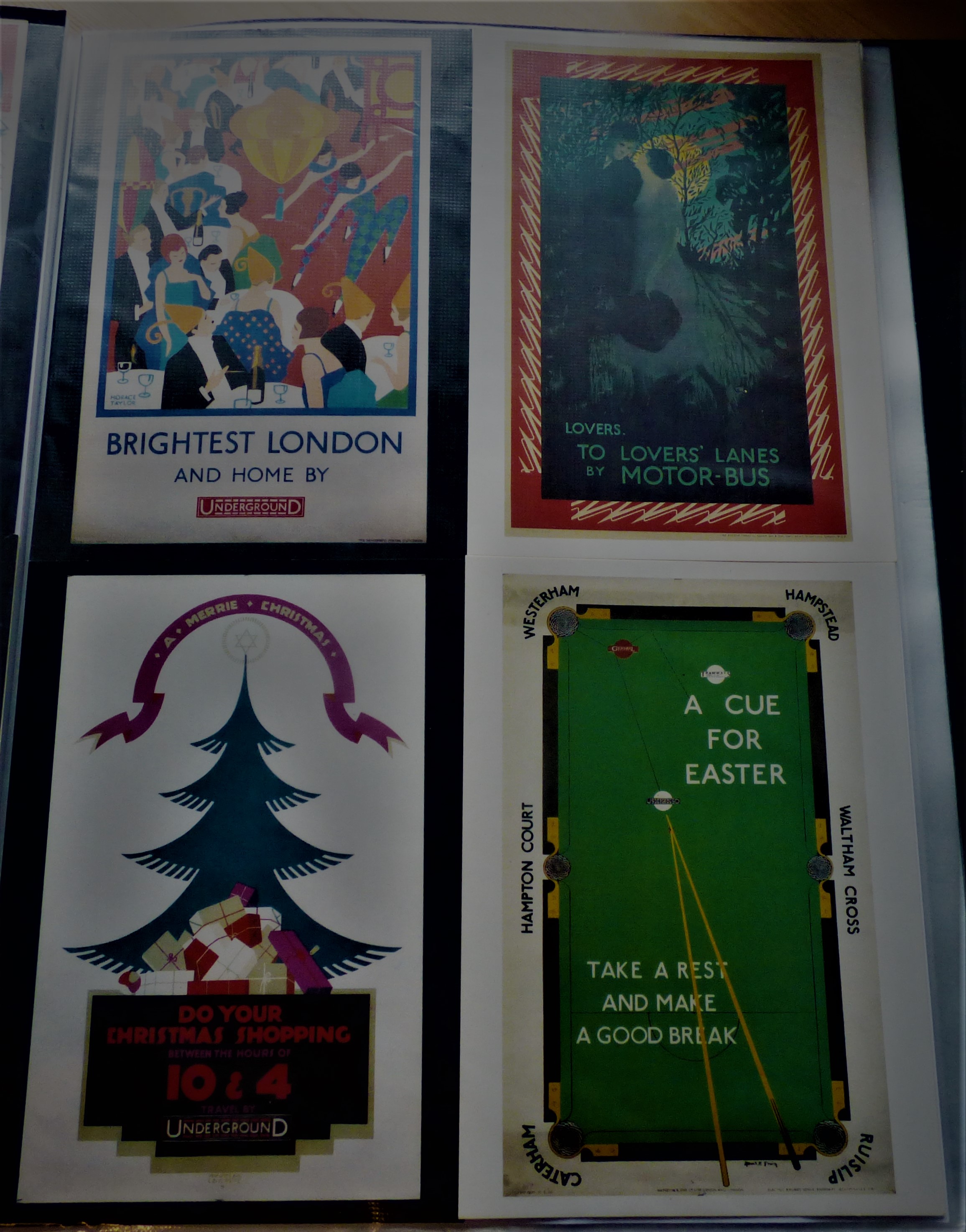
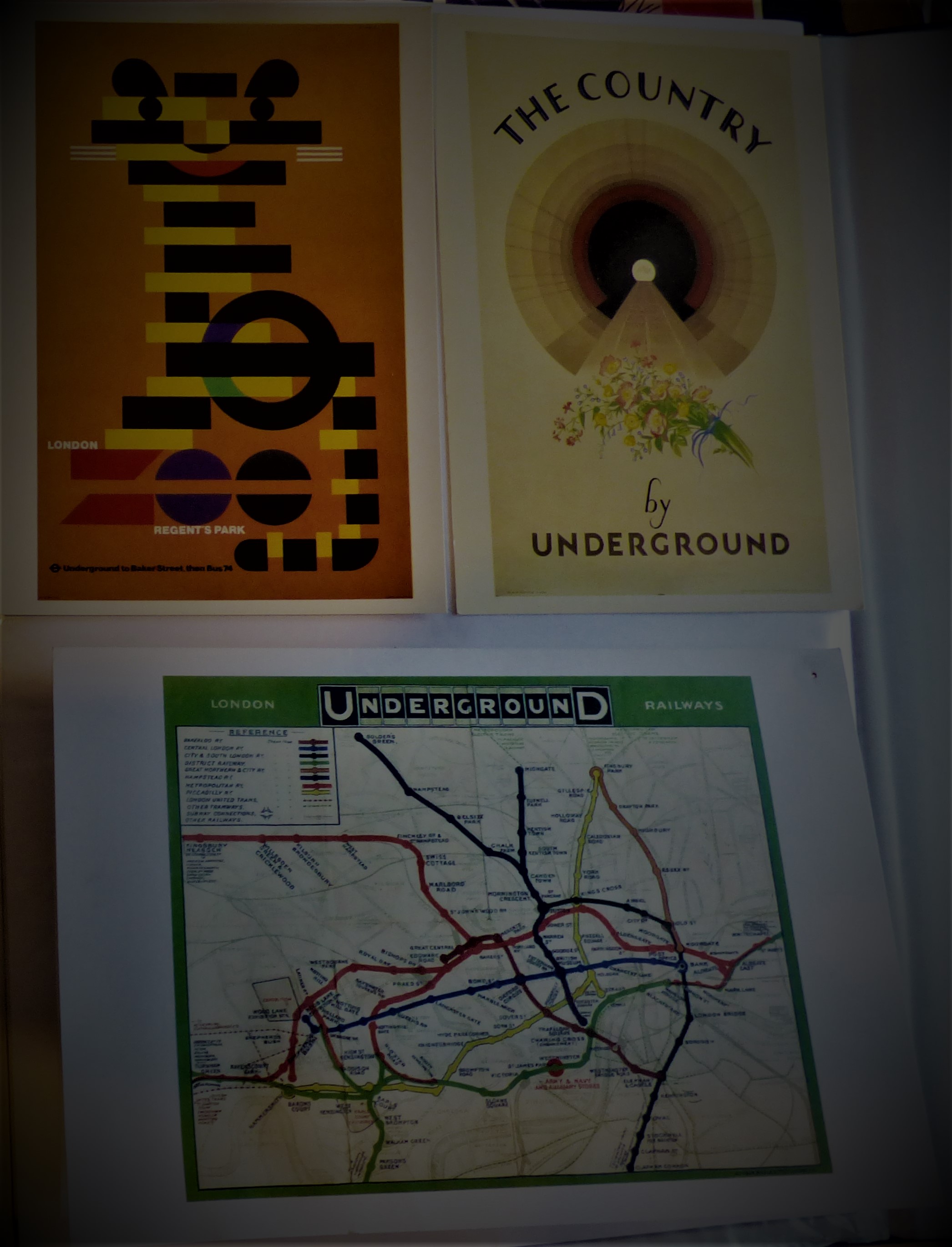
As these pictures show depending on layout considerations one can mount three or four postcards on each side of an A4 sheet, meaning that each section of a Poundland display file contains 6, 7 or 8 postcards according to layout.

P1230538 (2)P1230539 (2)P1230540 (2)P1230541 (2)P1230542 (2)P1230543 (2)P1230544 (2)P1230545 (2)P1230546 (2)P1230547 (2)P1230548 (2)P1230549 (2)P1230550 (2)P1230551 (2)

P1230559 (2)
These are the three I have still to mount…

P1230560 (2)
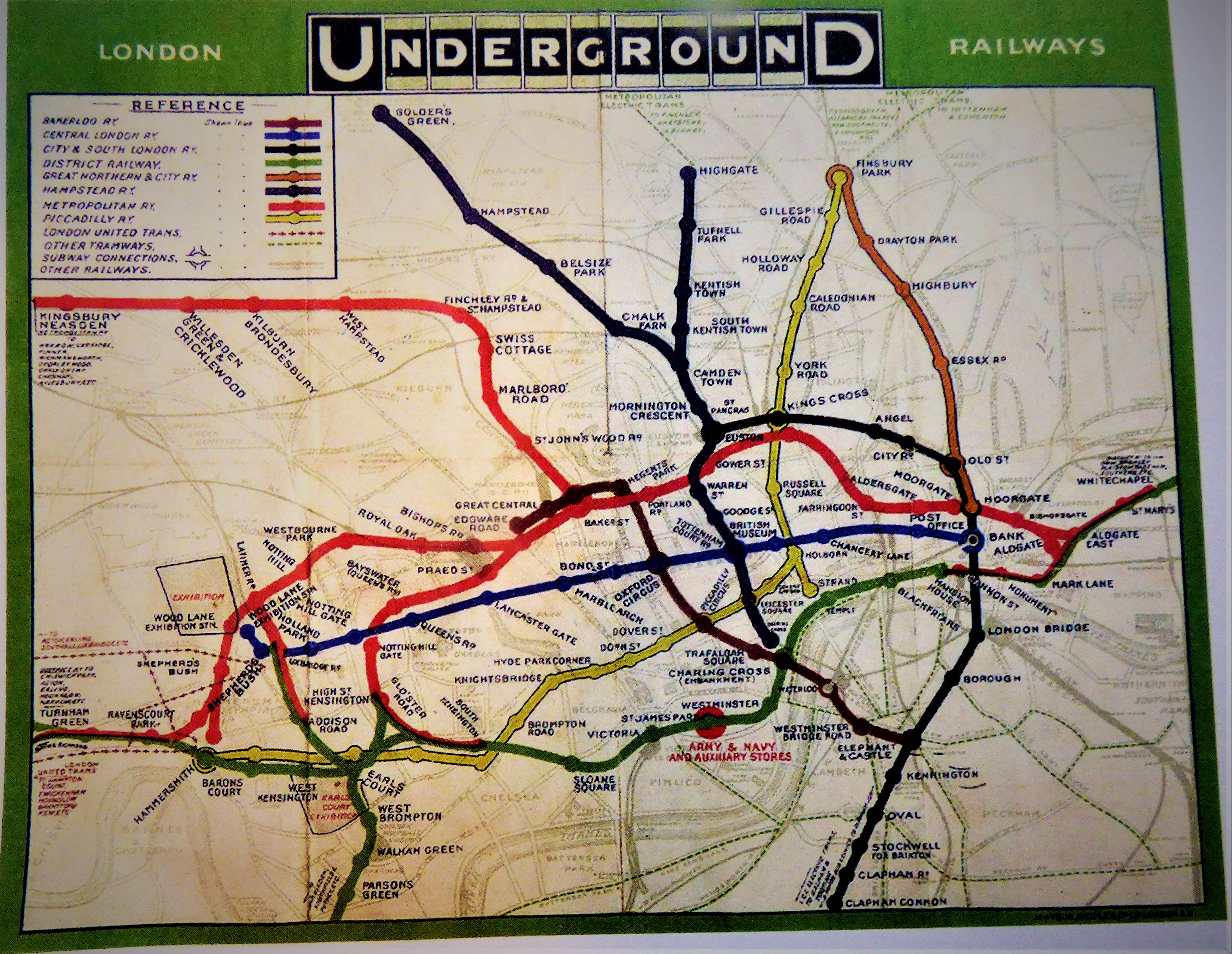
…and I took the opportunity to get a close-up of this one.

OTHER PHOTOGRAPHS

Of course these are not the only photographs I took…

P1230509 (2)

P1230510
This is an unedited photo…

P1230510 (2)
…and this is the edited version.

P1230511 (2)P1230512 (2)P1230553 (2)P1230512P1230557 (2)P1230513 (2)P1230558 (2)P1230514 (2)P1230516 (2)P1230517 (2)P1230518 (2)P1230519 (2)P1230520 (2)P1230521 (2)P1230522 (2)

P1230523
Unedited…

P1230523 (2)
…Edited

P1230561 (2)P1230562 (2)P1230564 (2)P1230524 (2)P1230525 (2)P1230526 (2)P1230571 (2)P1230527 (2)P1230572 (2)P1230529 (2)P1230573 (2)P1230530 (2)P1230532 (2)P1230533 (2)P1230535 (2)

P1230569
Unedited…

P1230569 (2)
…and edited

A Grockle’s Eye View of Cornwall 12: Homeward Bound

Bringing my series on my visit to Cornwall to a close.

INTRODUCTION

All good things come to an end, even this series of blog posts, and with this post we do indeed reach the end of my account of my visit to Cornwall. 

THE JOURNEY HOME

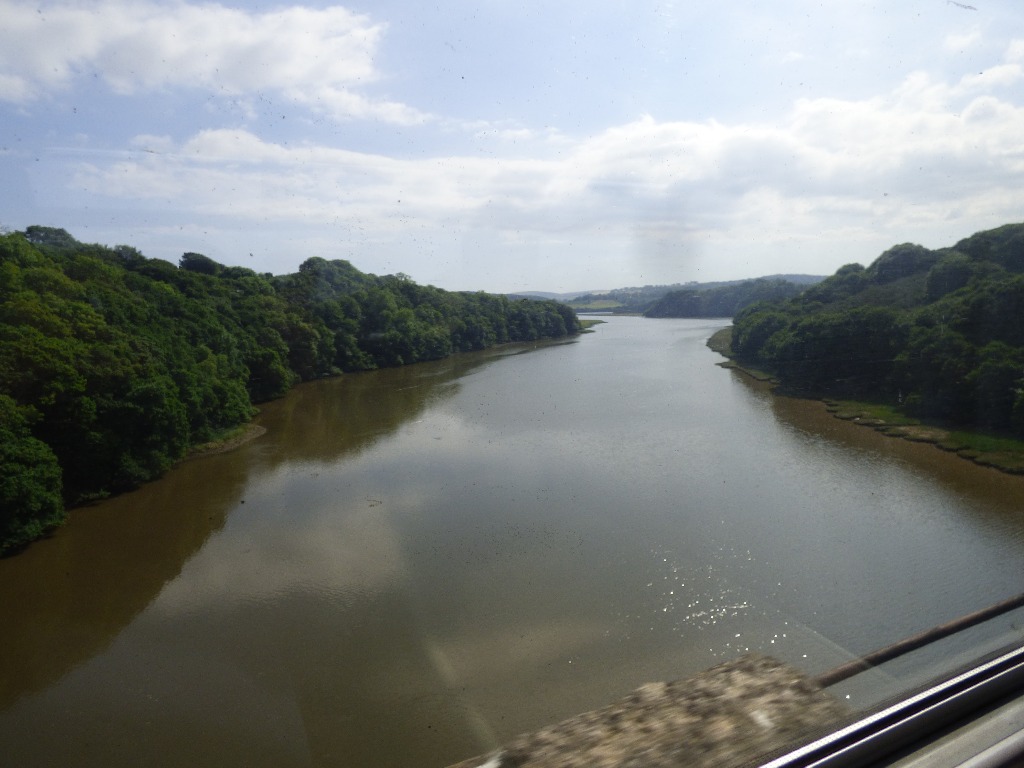
With my train due to leave St Germans at 9:27AM on Monday July 16th we had decided that a departure from Fort Picklecombe at 8:30AM was warranted due to the fact that I had a reserved seat on that train, which was going all the way to London, and would have been in the region of £100 down had I missed it. We arrived early at the station, and once the train arrived I found my seat easily enough, although as had happened on the journey down they had reversed the running order of the train and I was facing against the direction of travel instead of with it (trust me, for a photographer this is quite significant). Here are the last of the Cornish pictures…

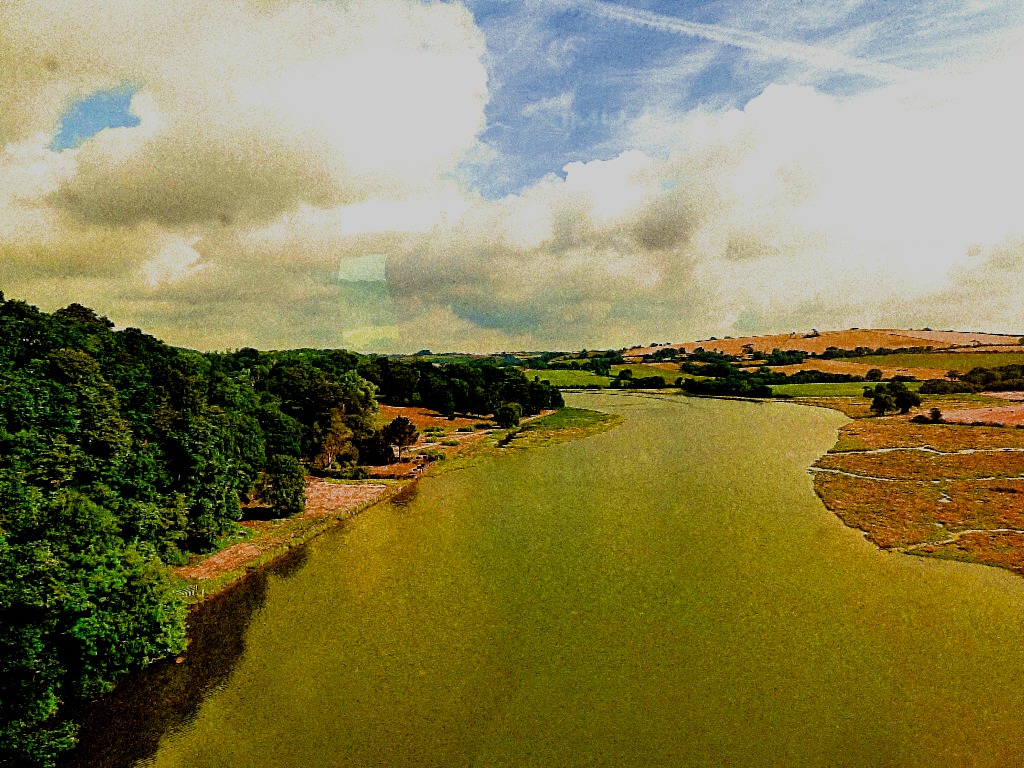
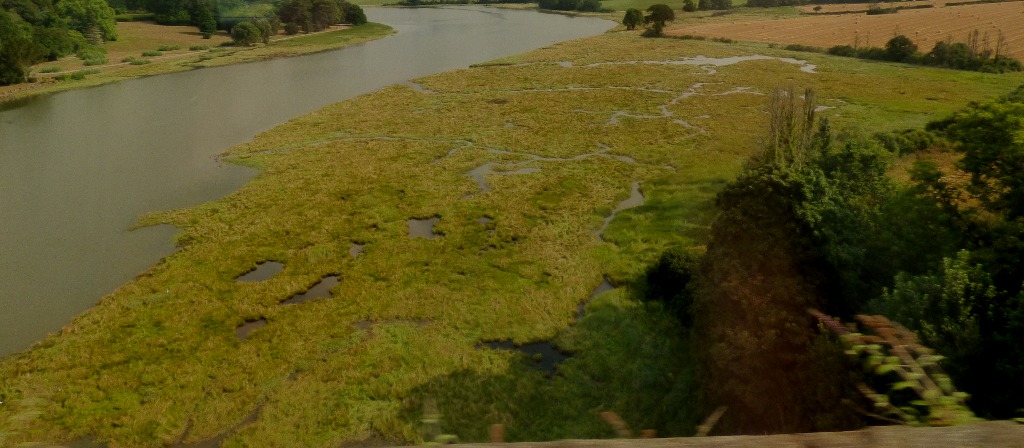
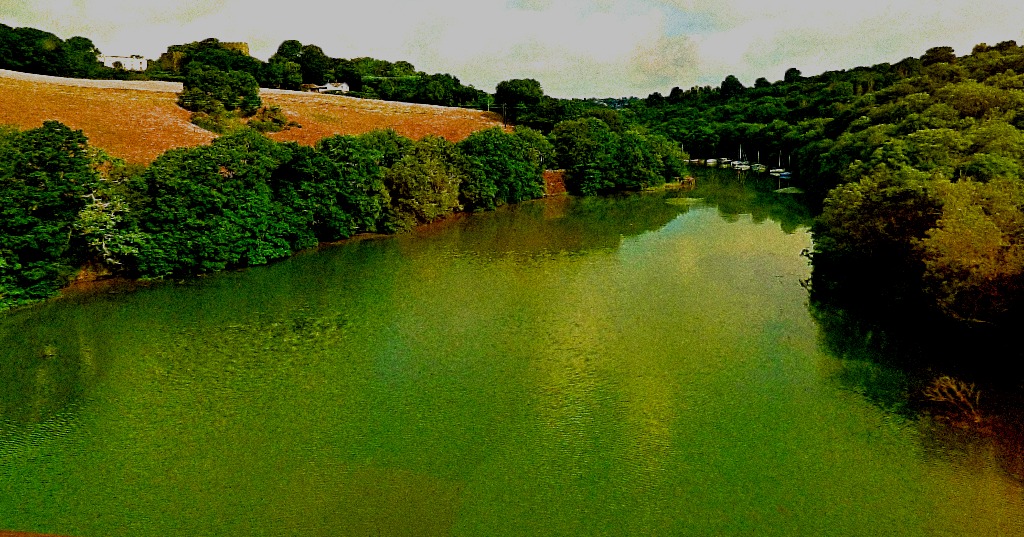
sea birdSt GermansScheduleRiverMarshy riverRiver with boardsYacht and buoyWaterside housesSaltash stationCrossing the Tamardetail from suspension bridgesuspension bridge and boatsTamar Bridge

The rest of this post takes place outside Cornwall. The train ran a trifle slow, arriving into Paddington sufficiently late to ensure that I would not make my intended connection at Kings Cross. However, the failings of Great Western were as nothing compared to those of Great Northern. The train arrived at Cambridge where it was supposed to divide in two as usual with four coaches going on to King’s Lynn and the rest going back to London, then a good couple of minutes later we got an announcement telling us that the split was not happening and that we needed to go to Platform 7. As a direct consequence of this mess up we then hit two red signals, at Waterbeach and again at Watlington, arriving into King’s Lynn much later than we should. This made it four successive journeys on Great Northern where the schedule had not been adhered to. Their failures appear to have got worse – just a few days ago I saw a special bus service running between King’s Lynn and Ely.

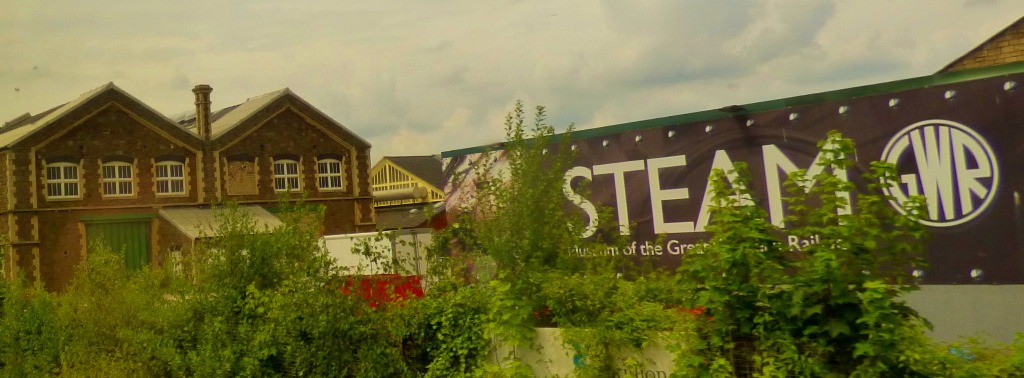
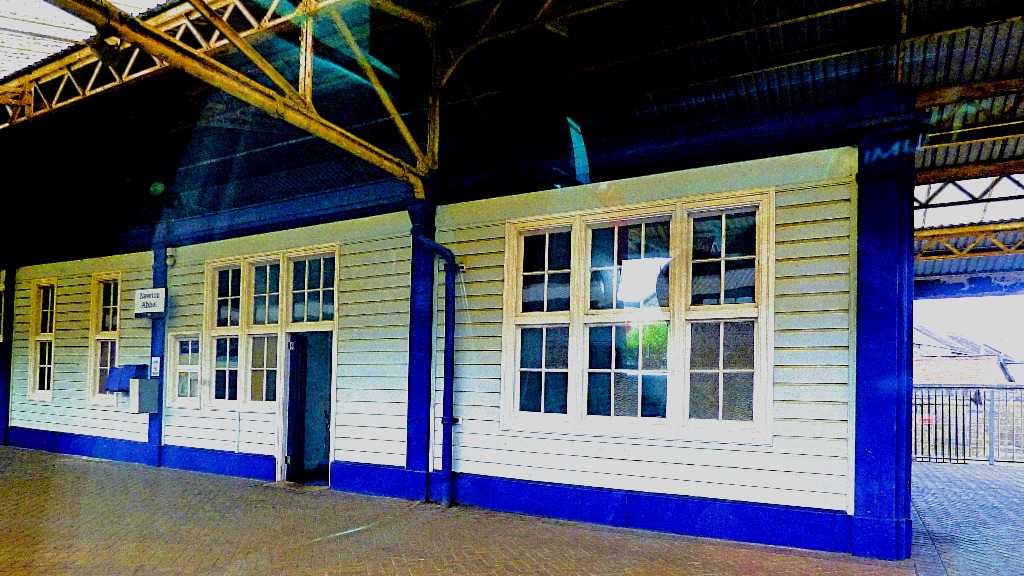
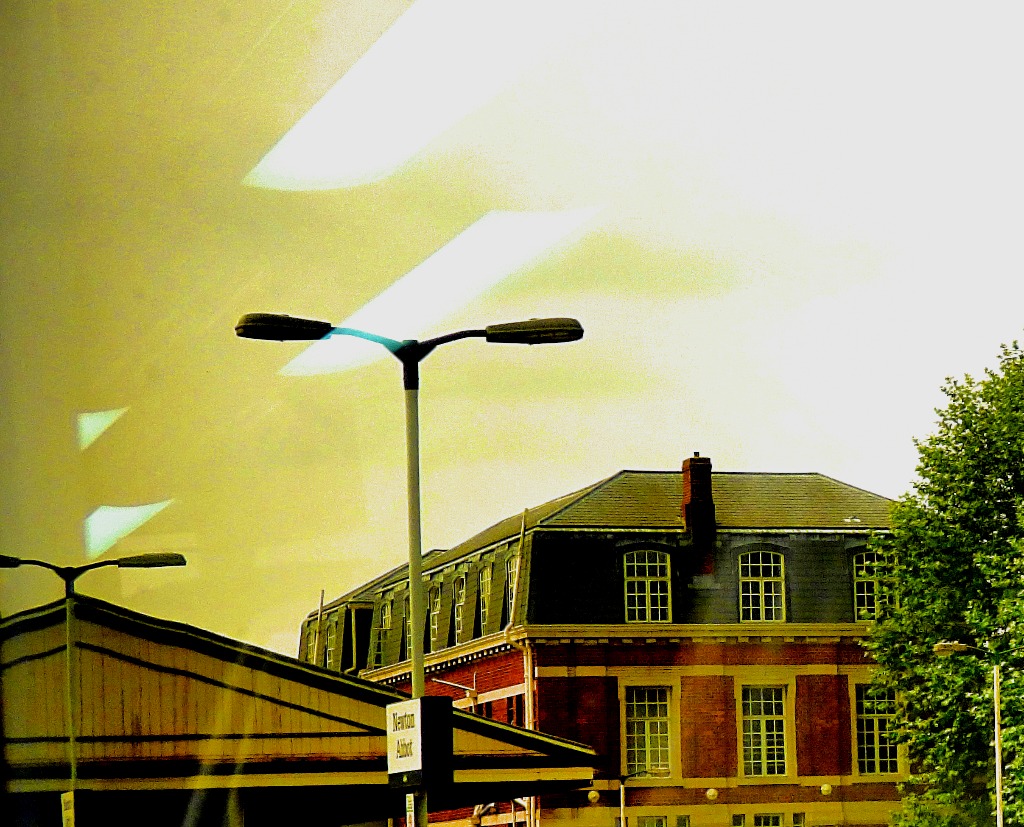
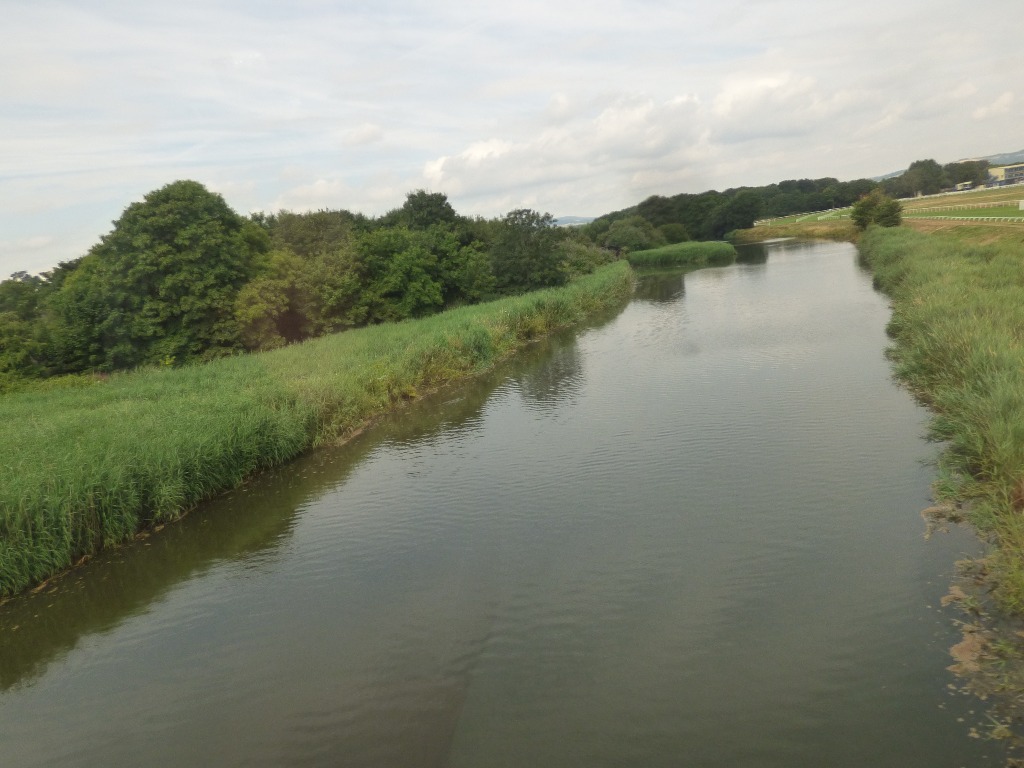
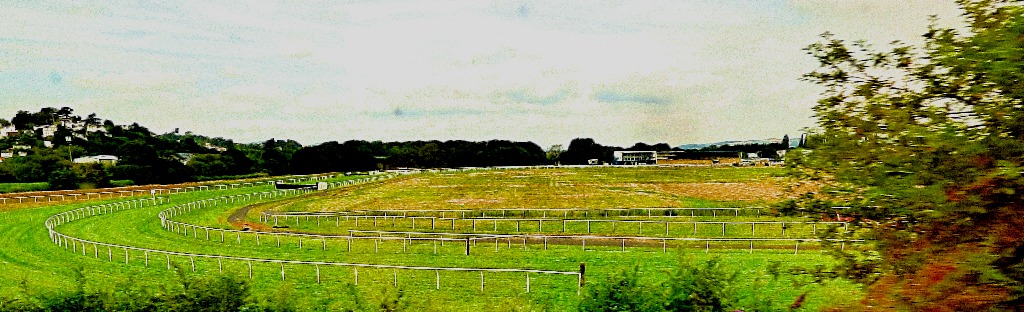
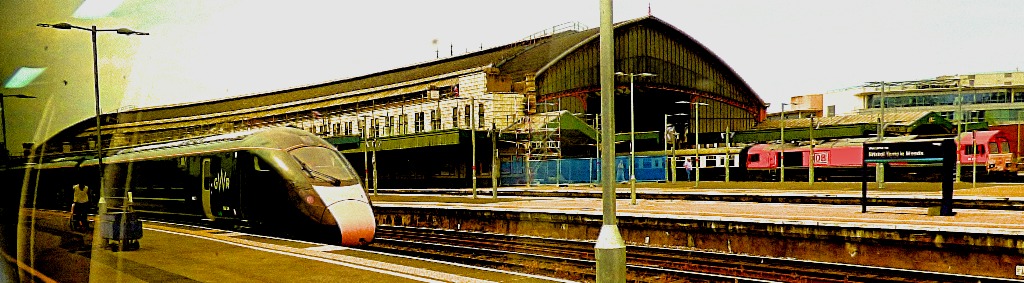
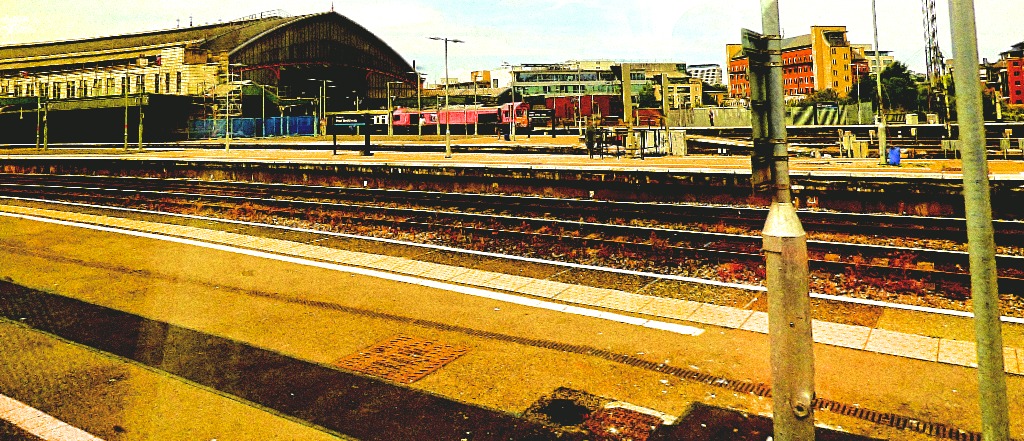
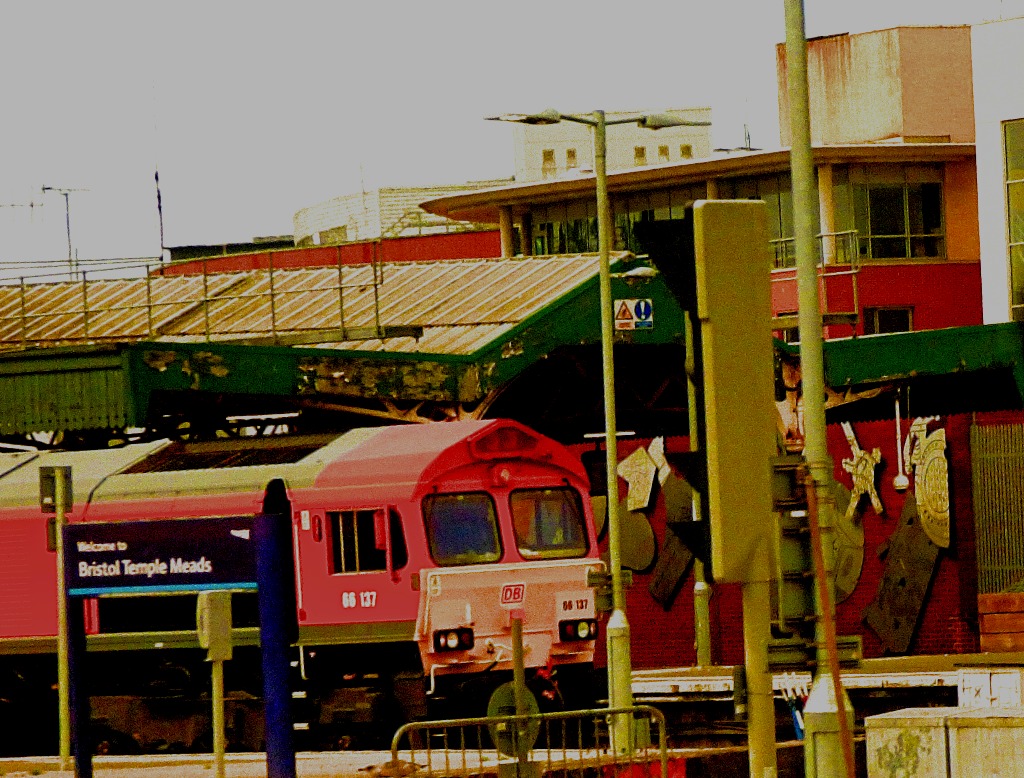
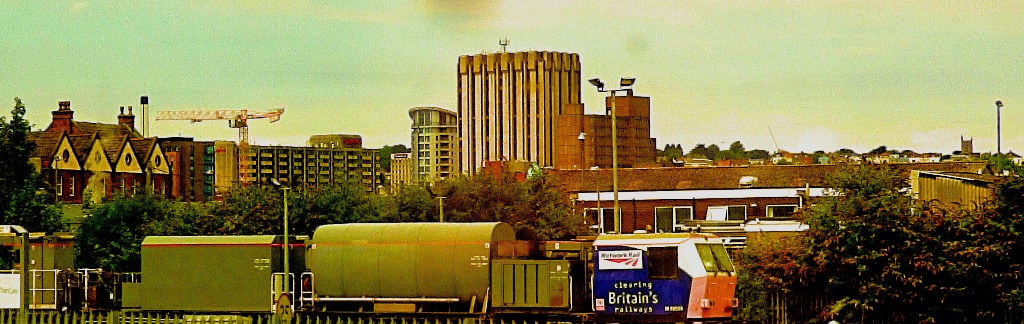
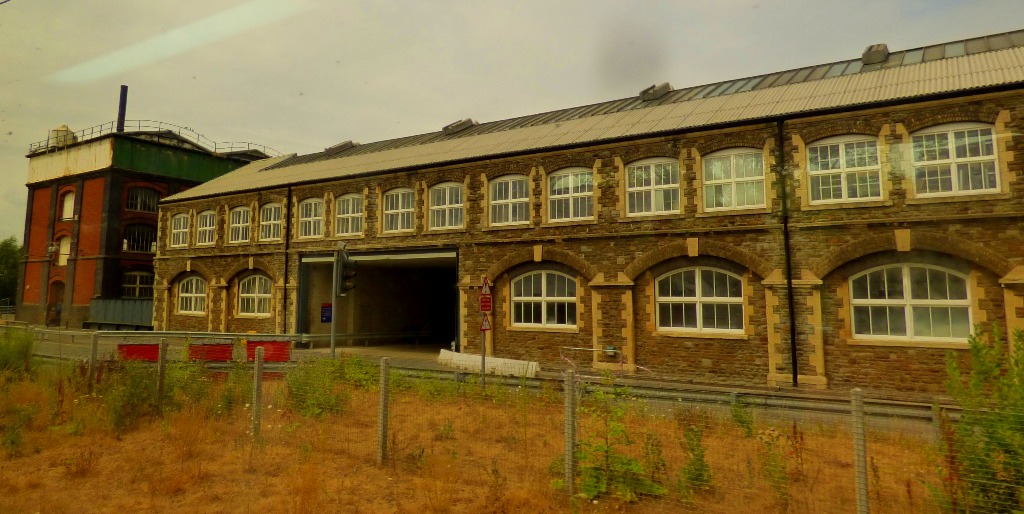
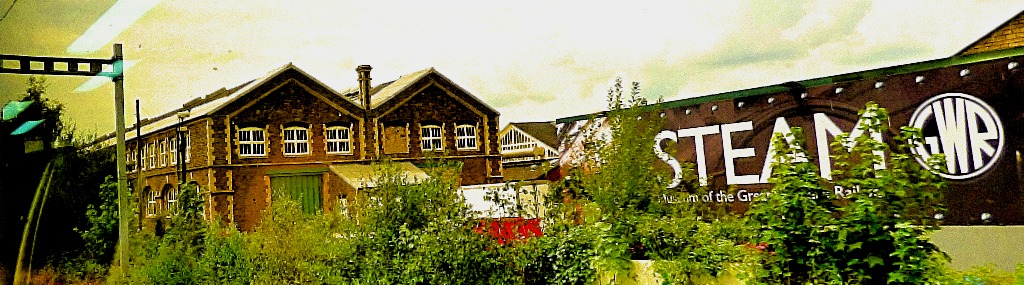
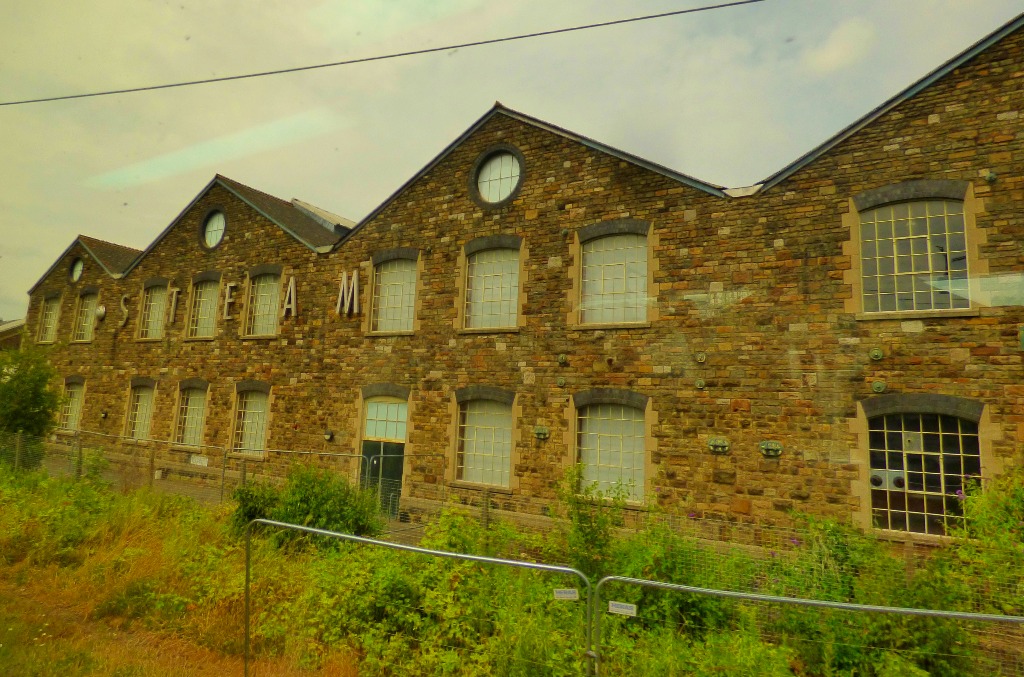
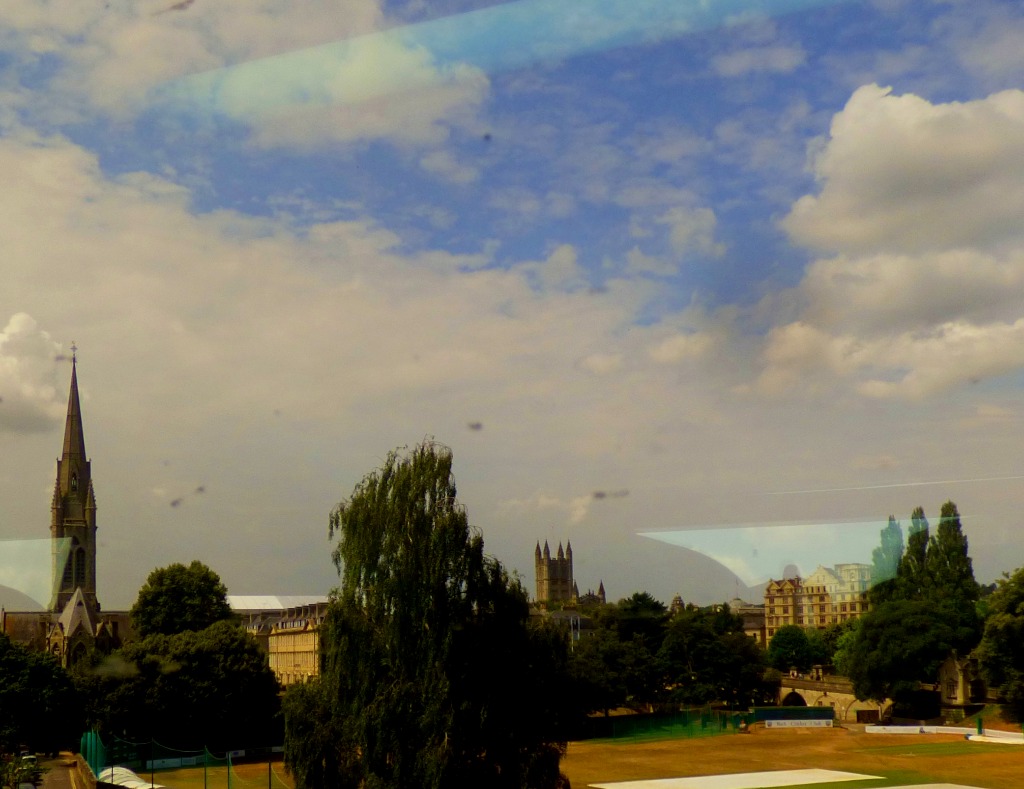
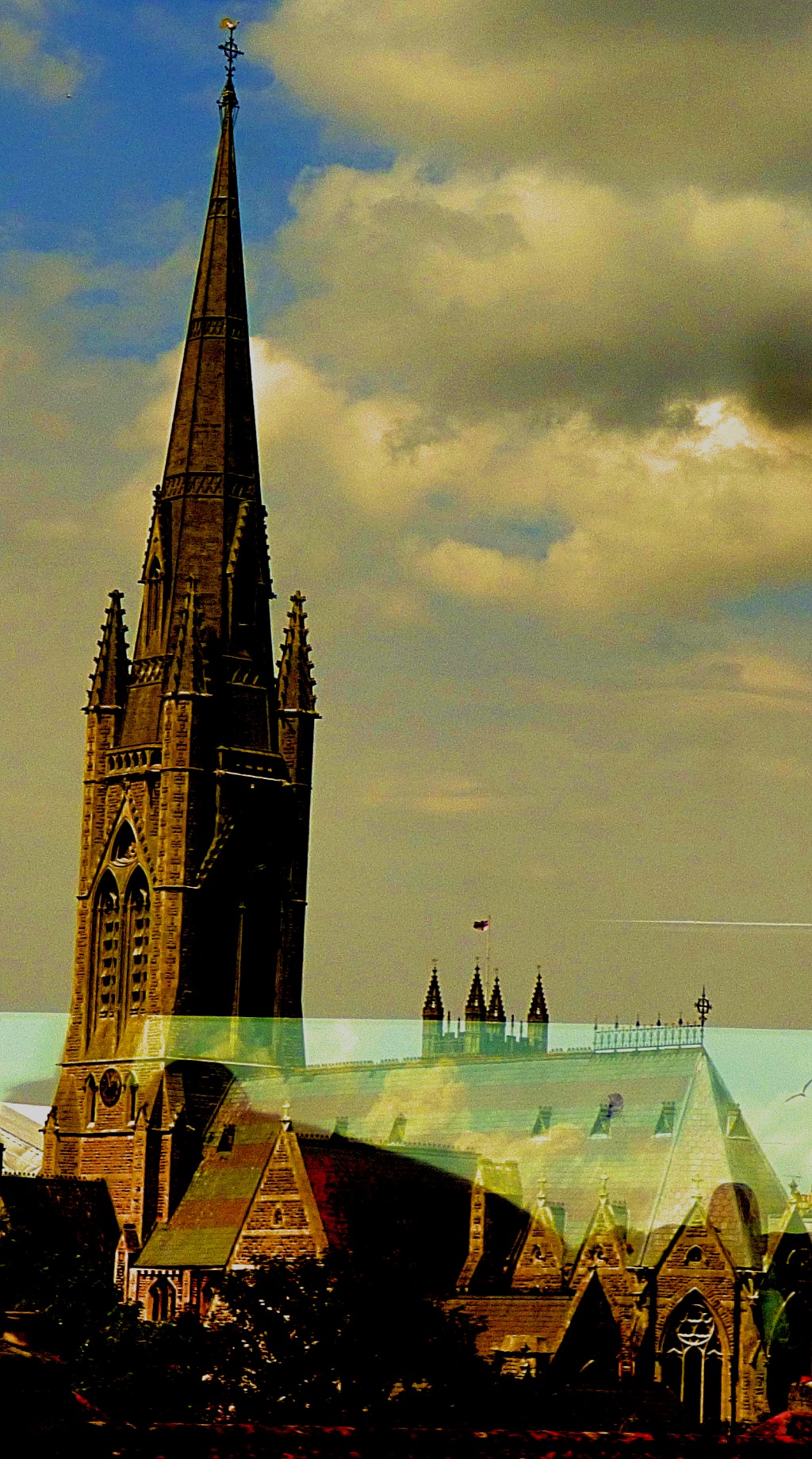
DevonportSouth Devon RailwayStationStation IIView from the trainNewton Abbot stationNewton AbbotNewton Abbot canopy and big buildingRiver near Newton AbbotRacecourselong bridgeLone boatAcross the waterAcross the water IIChurch towerAcross the water IIIBoats and buildingsBoats and hillsidesGrand HouseChurchButterflyriverside walksrural riverExeter St Davidstree and housesTiverton ParkwayTiverton Parkway IITauntonTrain, ExeterTrain, Bristol IIMetal curlicuesTrains, BristolBristol with trainsBristol Temple MeadsCleaning Britain's Railwaysbridge and pipebridge and pipe IIBath SpaBath Spa IIChurch tower IIBarge and churchBig churchcricket fieldRailway buildingGWR MuseumGWR Museum IISTEAM building

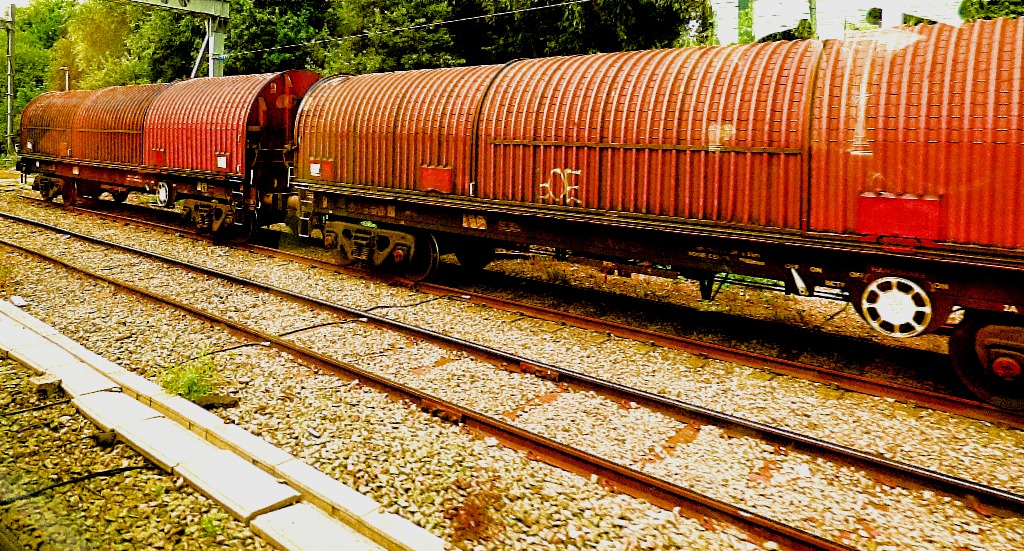
Tunnel trucks
These trucks look like tunnel segments on wheels.

SwindonPlatform detailGoods trainsingle trainReadingReading Stationtrains near ReadingLondon Underground train

Royal Oak
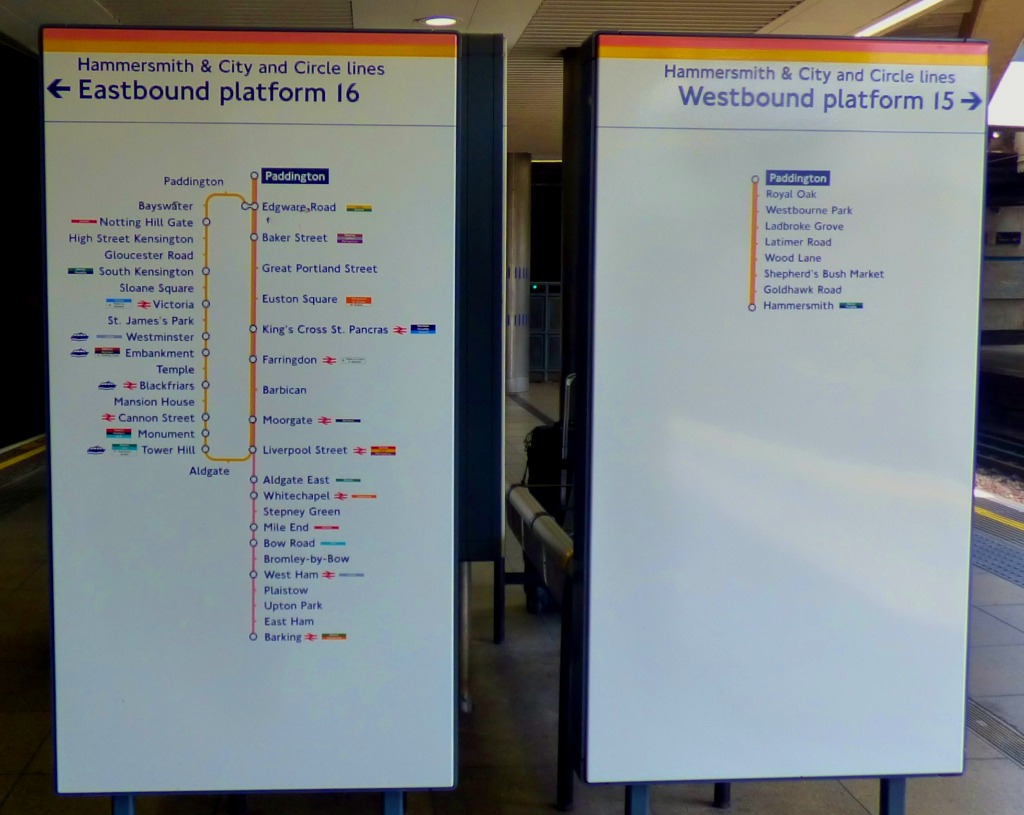
Westbourne Park, the penultimate Hammersmith & City line station west of Paddington – until quite recently local mainline train services stopped here as well. When the Metropolitan Railway opened in 1863 it used GWR rolling stock (broad guage in those days), and there were track connections between the two railways. This line to Hammersmith became part of the Metropolitan Railway in 1864, and between 1877 and 1910 services ran through to Richmond by way of a viaduct from Goldhawk Road the far end of which can still be obeserved at Ravenscourt Park. The last legacy of these connections is that today the Hammersmith and City platforms at Paddington are nos 15 and 16 of the main station.

Hammersmith and City line trainPaddington platforms

Interchange, Baker Street
The interchange from Circle and Hammersmith and City through to the four platforms that serve the Metropolitan line at this station (and escalators down another four platforms which serve the Bakerloo and Jubilee lines)

Screen


A Grockle’s Eye View of Cornwall 1: Getting There

The start of a new series – A Grtockle’s Eye View of Cornwall.

INTRODUCTION

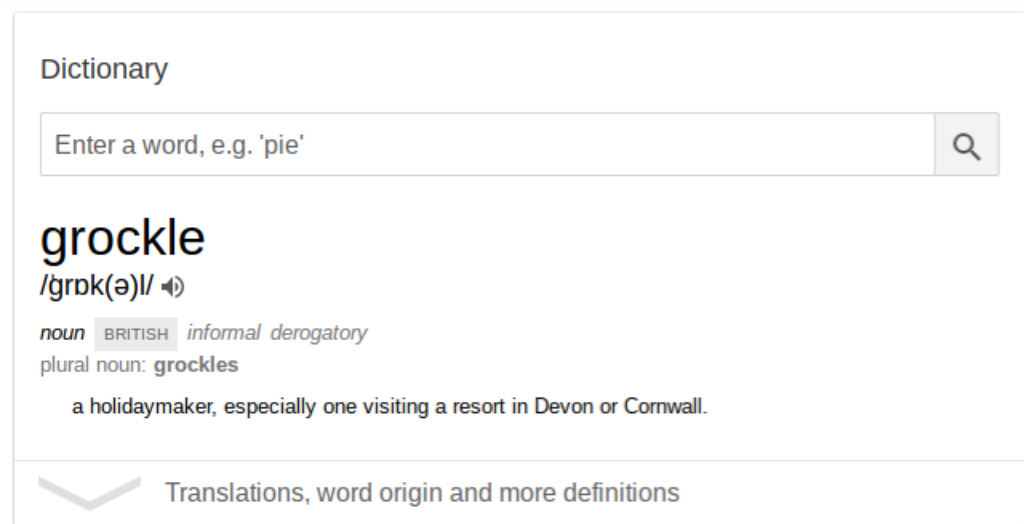
Welcome the first post in my series about my recent visit to Cornwall. Before we move on, here is a little bit of etymology for you:

Screenshot 2018-07-22 at 9.41.12 AM

For an insider’s view of Cornwall check out the Cornish Maid blog. In this post, because it is an introduction, and mainly about the journey down, you will only see Cornish photos near the end of it, but there will be several with many more pictures (St Ives is getting at least two posts and maybe more, St Michael’s Mount may well get more than one post and the Cremyll Ferry may figure in more than one post) before I wrap things up with a post about the return journey.

KINGS LYNN TO PADDINGTON

I had booked my tickets in advance, and part of the deal was that I had to be on a specific train for the long haul section between Paddington and Plymouth. My recommended itinerary had me on the 08:44 from King’s Lynn, but my usual prompt preparations on the morning of a major journey saw me at the station in time to catch the 08:12, and figuring that having extra slack to make the connection across London from King’s Cross to Paddington could not hurt I took that train instead.

This service was listed to call only at Royston between Cambridge and London, but at Cambridge stops were added at Letchworth, Hitchin, Stevenage and Finsbury Park, at which point having got the earlier train seemed an even better idea than it had originally. 

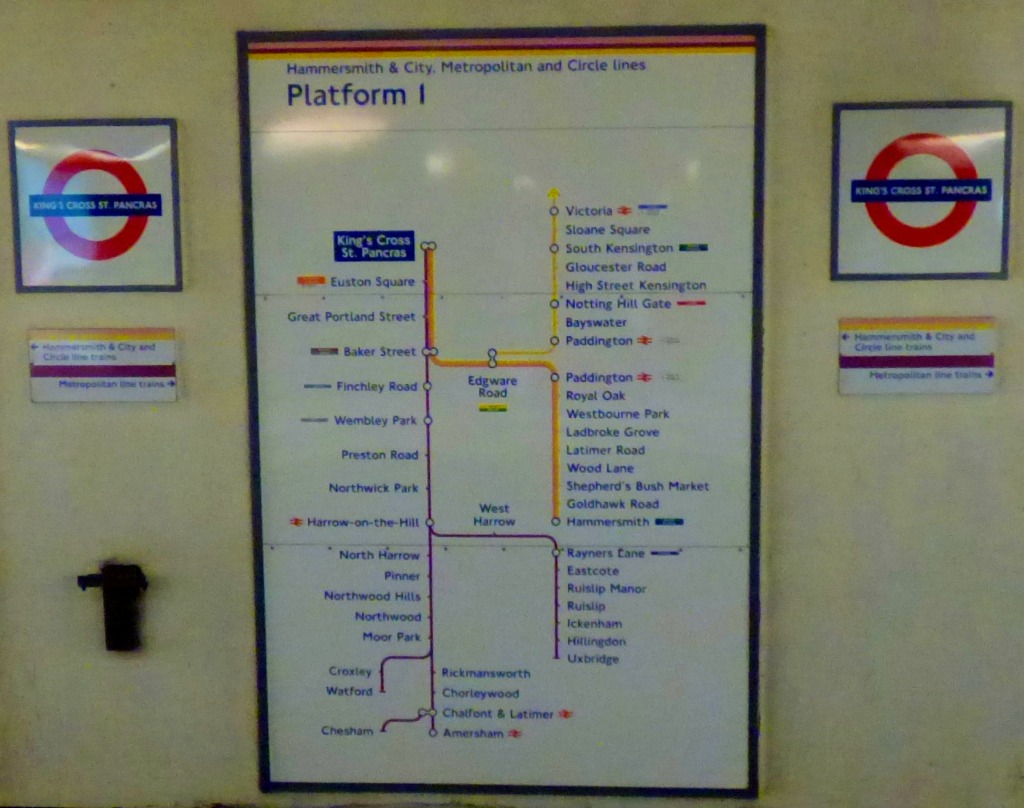
From King’s Cross to Paddington was noteworthy only for the fact that in a situation that is practically headline making these days all of London Underground’s lines were working properly at the same time, and I was early at Paddington, and had to wait for information about the platform. 

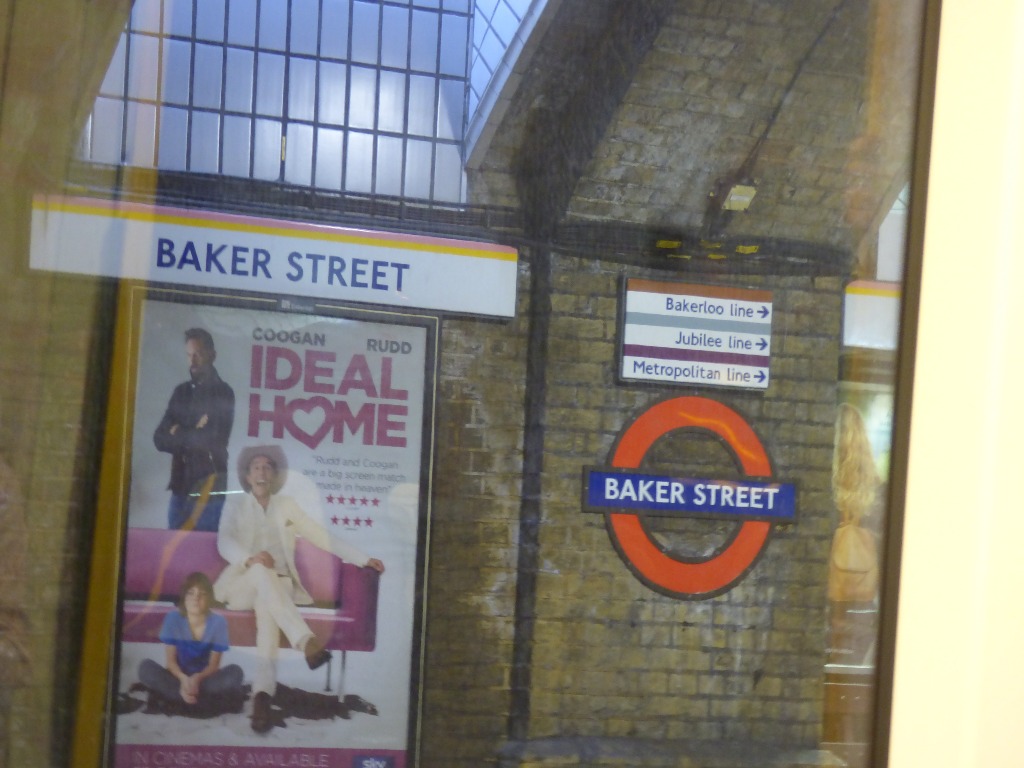
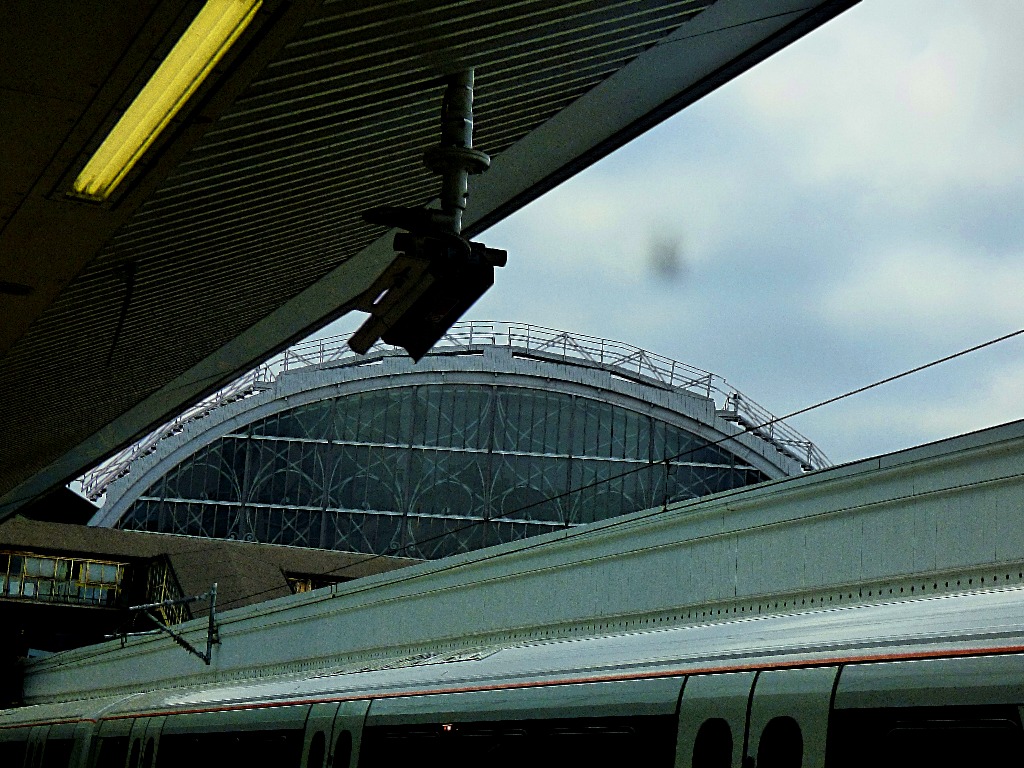
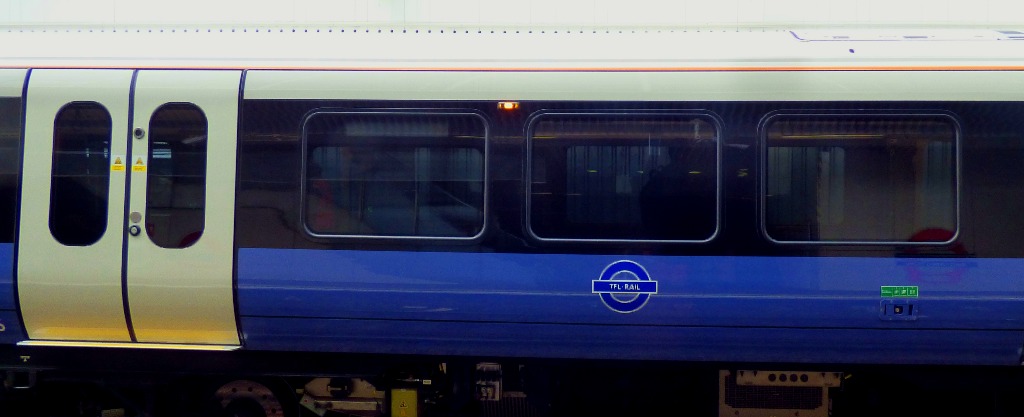
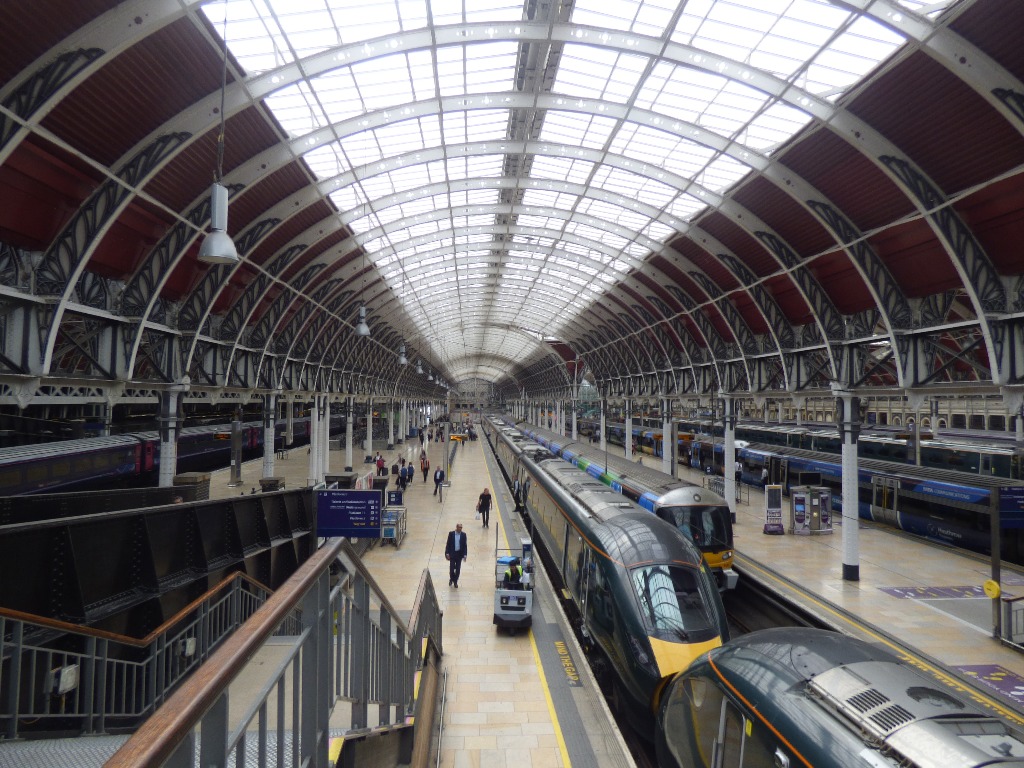
Cambridge NorthKing's Cross main stationKings Cross St Pancras MCHCKCSP roundelUxbridge trainGreat Portland StreetDistrict line mapCHC mapBaker StreetMail trainEdgware RoadPaddingtonTFL RailTFL Rail logoPaddington canopy roof

PADDINGTON TO PLYMOUTH

I was booked in a seat in a designated quiet coach, a window seat that should have been facing the direction of travel, but because someone had decided to reverse the running order of the train was not. However, the coach was quiet, and although I was facing against the direction of travel I did get some pictures along the way, and this train stuck exactly to its schedule.

Near Old Oak Commondistant view of trainsDepotHanwellPassing traintrackside tower, BerkshirePassing a train, BerkshireOld FactoryStation, BerkshirePassing a stationCountry house, BerksApartment blocksReadingPassing a train IIMaintenance trainUrban sceneChurch tower IChurchTrain at stationstation shotMajor station565BoatsBoats IIBoats IIIBoats IVSmall YachtSmall boatFishing boatsLong bridgeHouse through the trees585Water

PLYMOUTH TO FORT PICKLECOMBE

My train from Plymouth to St Germans was due to call at a number of places en route, and at Devonport it picked up a number of schoolchildren, who were fortunately well behaved, and not too noisy. It arrived at St Germans exactly when it was supposed to as well, making two successive trains that had run to schedule. My parents picked me up at St German and we went by car to their apartment in Fort Picklecombe.

Metal SculptureDevonportTamar Valley line590

The Brunel bridge
Crossing the Tamar

Many boatsArmadalarge boatsA medley of boatsBoats all over the placeGathering of boats

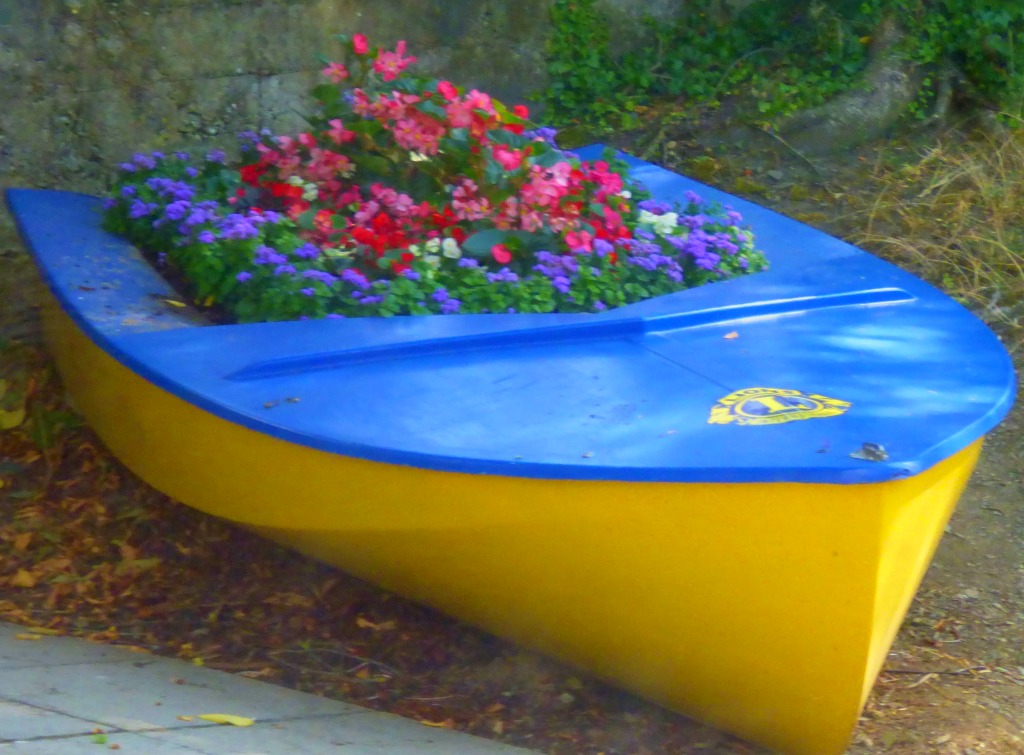
Unusual flower pot
This “flowerpot” can be seen at Saltash station

Bridges
A distant glimpse of the famous bridge. bridge that is used by Saltash station for advertising

HarbourRiverriver with boats

AT FORT PICKLECOMBE

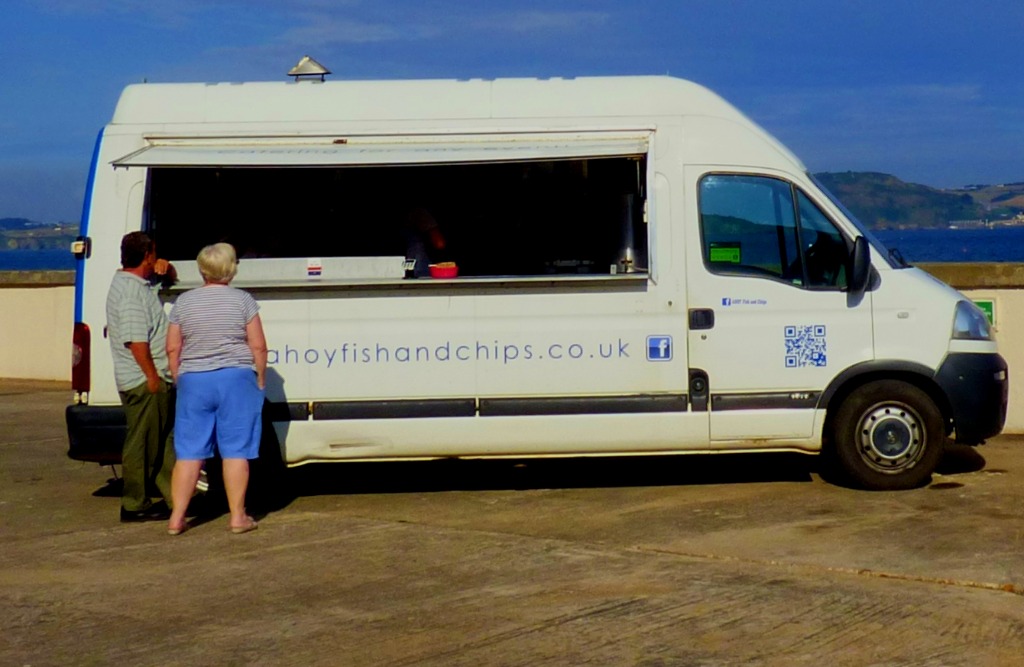
Thursday evening in the vicinity of Fort Picklecombe is fish ‘n’ chips evening, courtesy of the two wonderful girls who run ahoyfishandchips, a mobile chippy. The meal was magnificent – if you are ever in an area being served by Ahoy Fish and Chips do not miss out. 

BreakwaterLighthouseA137sloopdecorative containersLighthouse and boatsBoat and islandOfficers messslipwayemplacementRocks

Fort Picklecombe
A view of the fort from out on the bfreakwater.

Sun on the waterPassenger boatLighthouse and fishing boat

Looking towards The Hoe
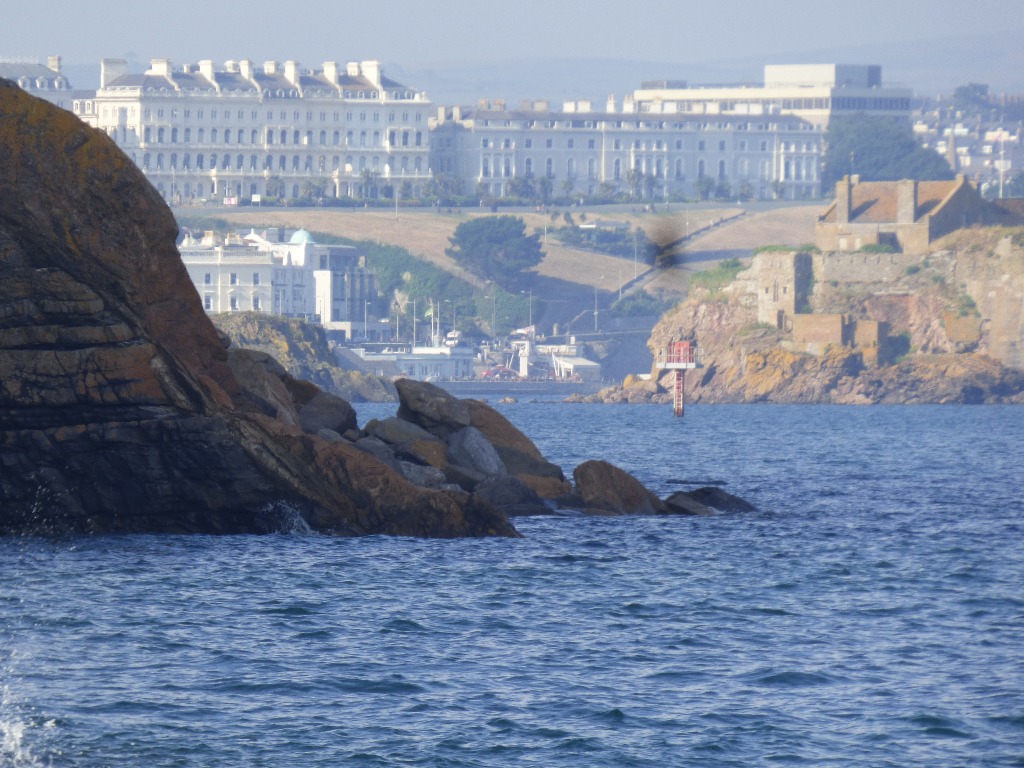
I found a location harbourside from which The Hoe is visible (this is only a couple of miles from Plymouth in straight distance).

Mooring ring

Crab I
A crab in the shallow water

Crab IIlooking out to sea

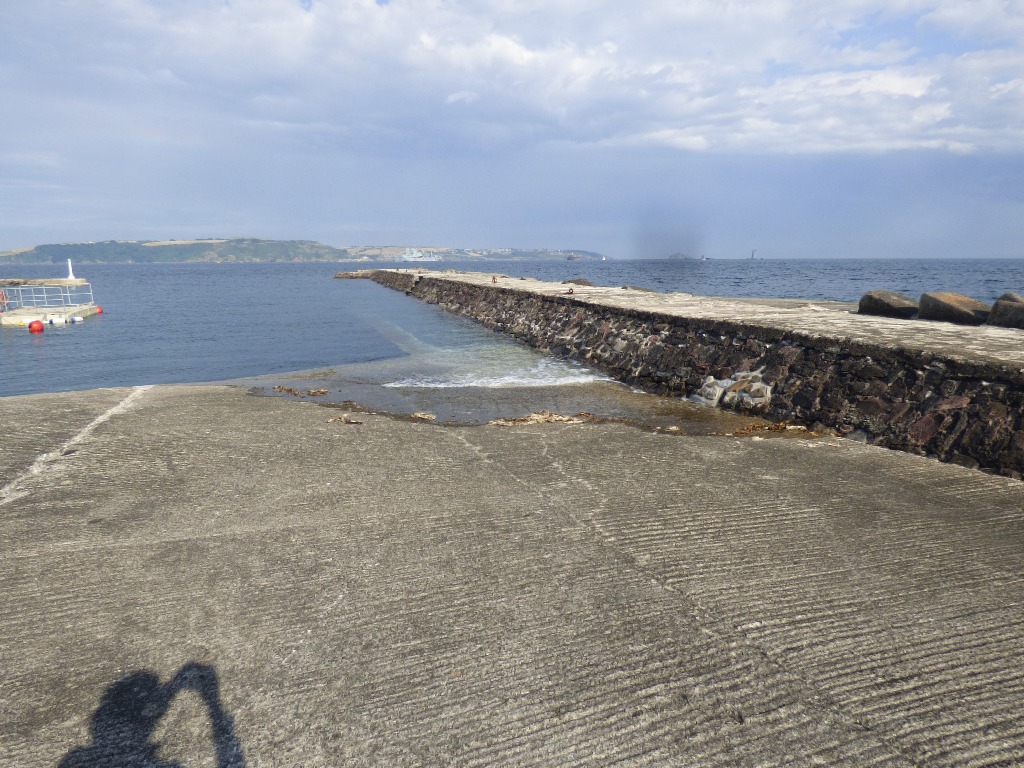
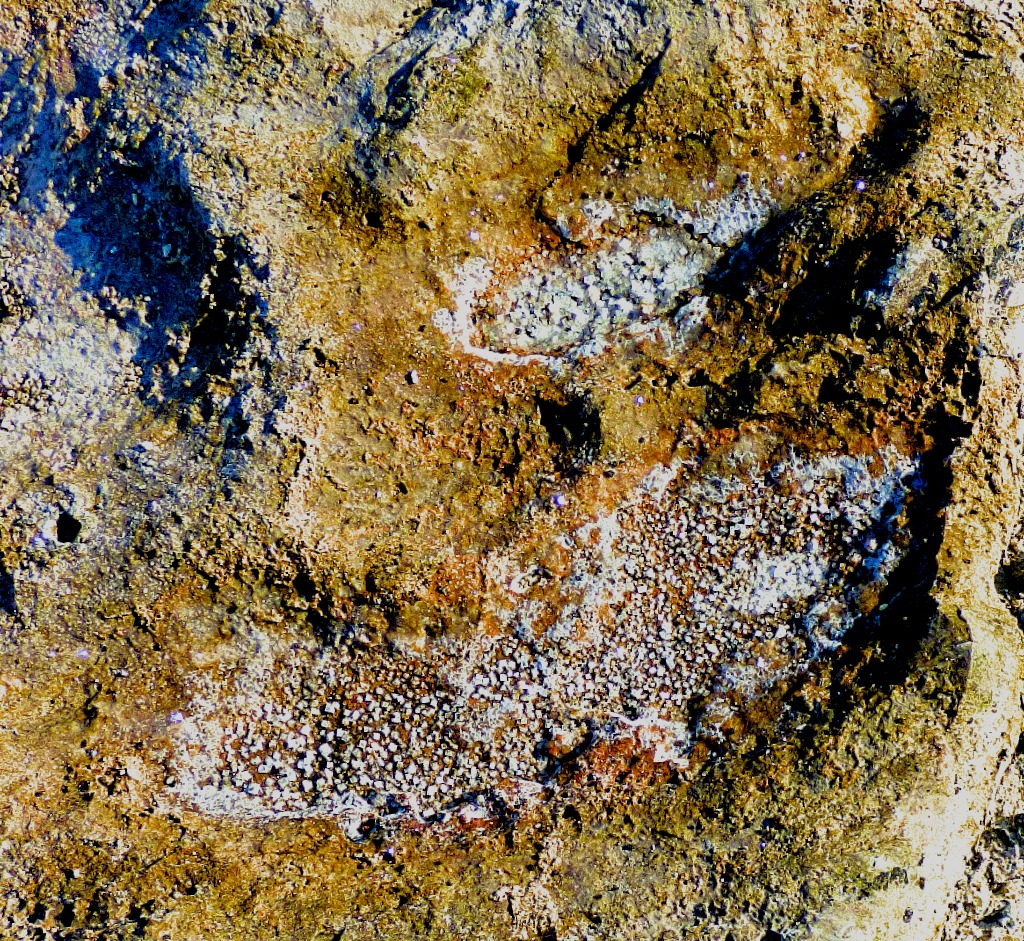
salt deposits, breakwater
This image from the breakwater reveals two things: The concrete had not set before someone walked on it, and that it regularly gets sea water washing over it.

ahoyfishandchipscruise linerCruise liner IIPrinsendam

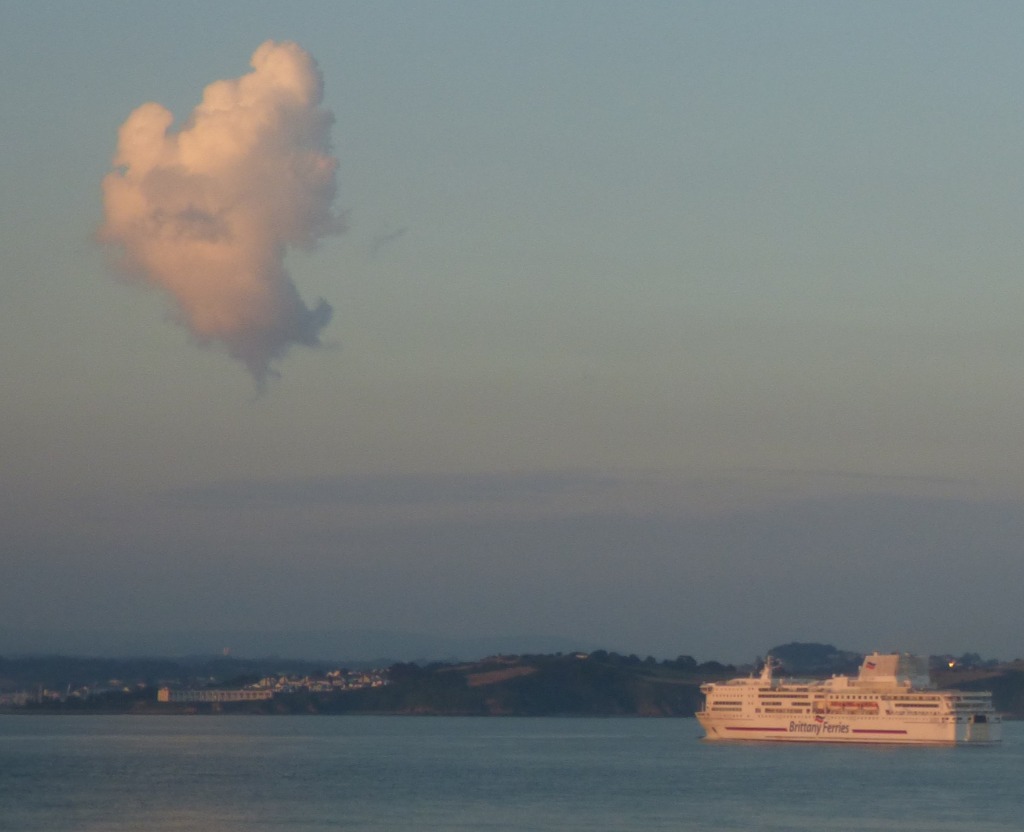
Ferry and cloud
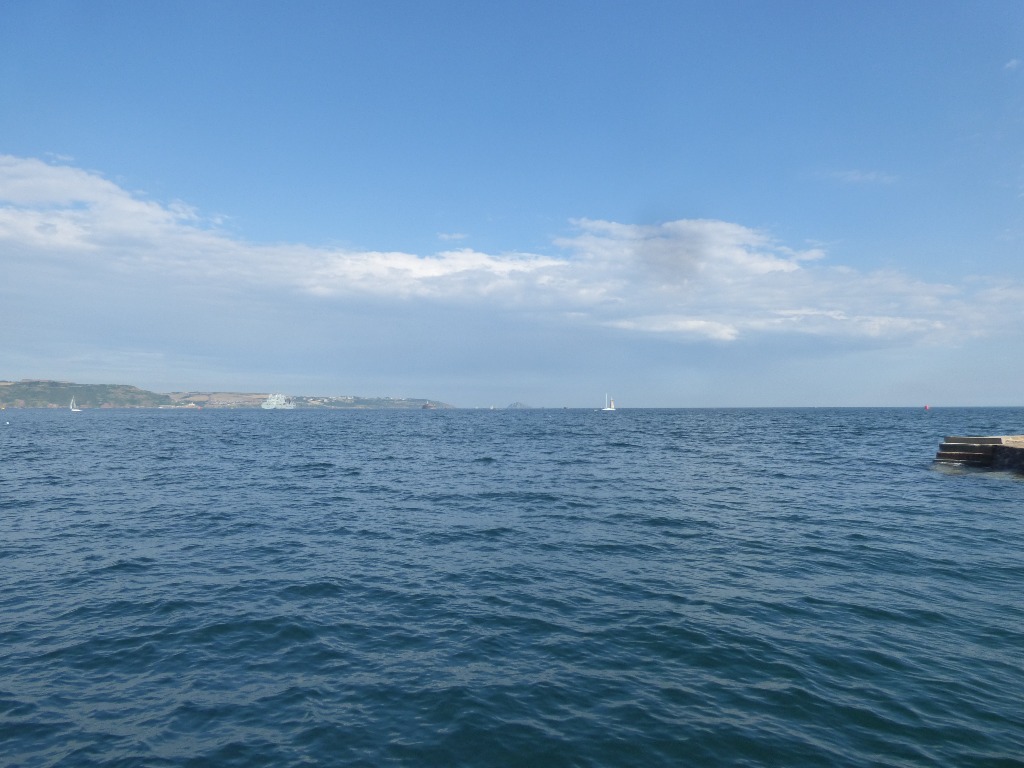
A rarity – a sky with exactly one cloud in it.

An A-Z of Me

A personal A-Z, inspired by a post on The Cornish Maid.

INTRODUCTION

This post was inspired by The Cornish Maid’s post “A-Z about Me!!!“. Like the post I have just referenced there will be one entry for each letter…

MY PERSONAL A-Z

A FOR AUTISM

I am autistic myself, and also branch secretary of NAS West Norfolk. This entry is a very appropriate starting point because it was my diagnosis and the role I then had running a support group for Asperger East Anglia that led me to create this blog. 

B IS FOR BOOKS

I have always loved books, and am a very voracious reader. In addition to my own collection I am a regular user of several of Norfolk’s libraries, and yes I do use them to borrow books. 

C IS FOR CRICKET

I have been an enthusiastic follower of cricket for over 3o years (my attempts at playing the game foundered on a chronic lack of talent). The fact that my employers had an auction yesterday and have another on Saturday means that I am off work today, and therefore able to listen both installments of the Women’s T20 double header. Here is the feature image from Saturday’s upcoming auction:

2412-b

D IS FOR DETECTIVE STORIES

This is an extension of my love of books as a whole. I regularly borrow large quantities of detective ficition from thbe libraries. Among my very favourites are Edward Marston’s Railway Detective stories.

E IS FOR EAST RUDHAM

The village in West Norfolk where I began to rebuild my life after mental health issues had nearly destroyed me. I lived there for just over five years and was a regular visitor until my parents recently moved to Cornwall.

F IS FOR FERRY

I have travelled on many ferries in my lifetime, but the one I particularly think of nowadays is the Lynn Ferry which has been running for over 800 years.

Ferry 2

G IS FOR GREECE

I first visited Greece for a family holiday about 35 years ago and have been back mnay times. It remains a favourite holiday location. I have produced a number of posts about my most recent visit.

Tseria

H IS FOR HISTORY

One of the many subjects I enjoy reading about. One of the reasons I enjoy going to Greece so much is the presence of so many historic sites.

I IS FOR IRRELIGIOUS

I have been a staunch atheist for my entire adult life. For those who take the approach that the Northern Ireland census form used to I am a “catholic atheist” – that being the specific religion that I rejected. To paraphrase Richard Dawkins most people are as atheist as me about almost every god who has ever been believed in – I just go one god further than they do.

J IS FOR JOURNEYS

I love travelling, and being a lifelong non-driver am able to make good use of almost all my journeys – if the route is not familiar to me I will be observing the scenery and taking photographs, and if it is it represents reading time.
Major bridge from 37,000 feet up
K IS FOR KERNOW

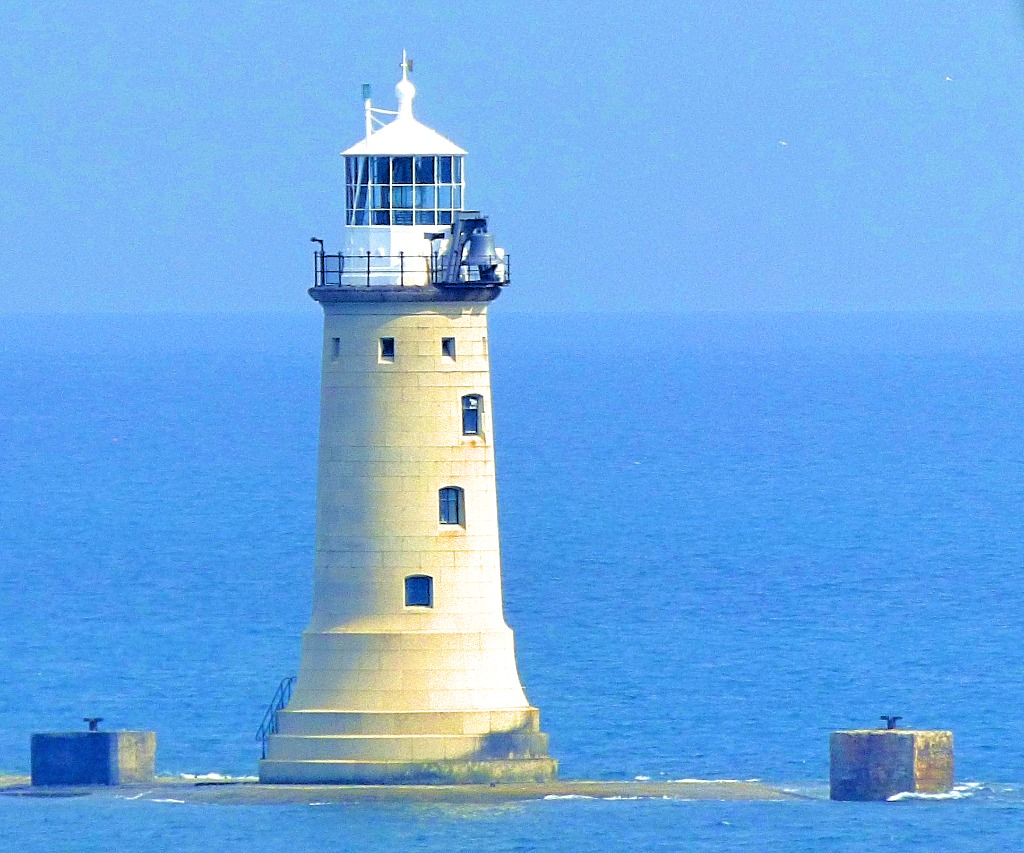
Kernow is the Cornish name for Cornwall (this is the only entry in my A-Z that overlaps with The Cornish Maid’s), and although unlike the person who inspired this post I do not live there I have been there a number of times over the years and my parents have recently moved to that part of the world. It is a Cornish picture that appears on the reverse of my personal cards:

framed lighthouse

L IS FOR LONDON

I grew up in London, and still visit the place on occasion. Also, I run a London Transport themed website, www.londontu.be. I will be back in London during the latter part of next week, for Marxism 2018 which runs from Thursday to Sunday. 

Crossing the the Thames

M IS FOR MATHEMATICS

Another lifelong interest, and something that I am very good at. Here is a frecnet problem from brilliant.org that took my fancy:

plus-plus

N IS FOR NATURE

Nature has always been very important to me, and I love being out and about in nature with my camera for company. My name is often to be found among those supporting campaigns to protect nature, and as a thoroughgoing internationalist I take pride in having been the first non-Swede to sign the online petition to save Trosa nature.

Dragonfly
A spectacular creature, presumably some form of dragonfly.

O IS FOR OVAL

Because of their shape many cricket grounds have Oval in their name. The two with which I am most familiar are The Oval, in South London not very far from where I grew up, and served by two stations, Oval and Vauxhall; and the Adelaide Oval, which owes its name to a transplanted Surreyite who suggested it because he wanted to be reminded of home.  Of the innings I have seen live at the ground the most memorable at either of these two venues was played by David Gower in 1990. England could do no better than draw the game, which as it happened was enough to give them the series. Gower made 157 in that innings, and by the time he was out the draw had long since been secured.

P IS FOR PHOTOGRAPHY

This is a hobby of mine, and also something I do at work. Here are some recent pictures:

Black Headed Gull III
Three recent bird pictures

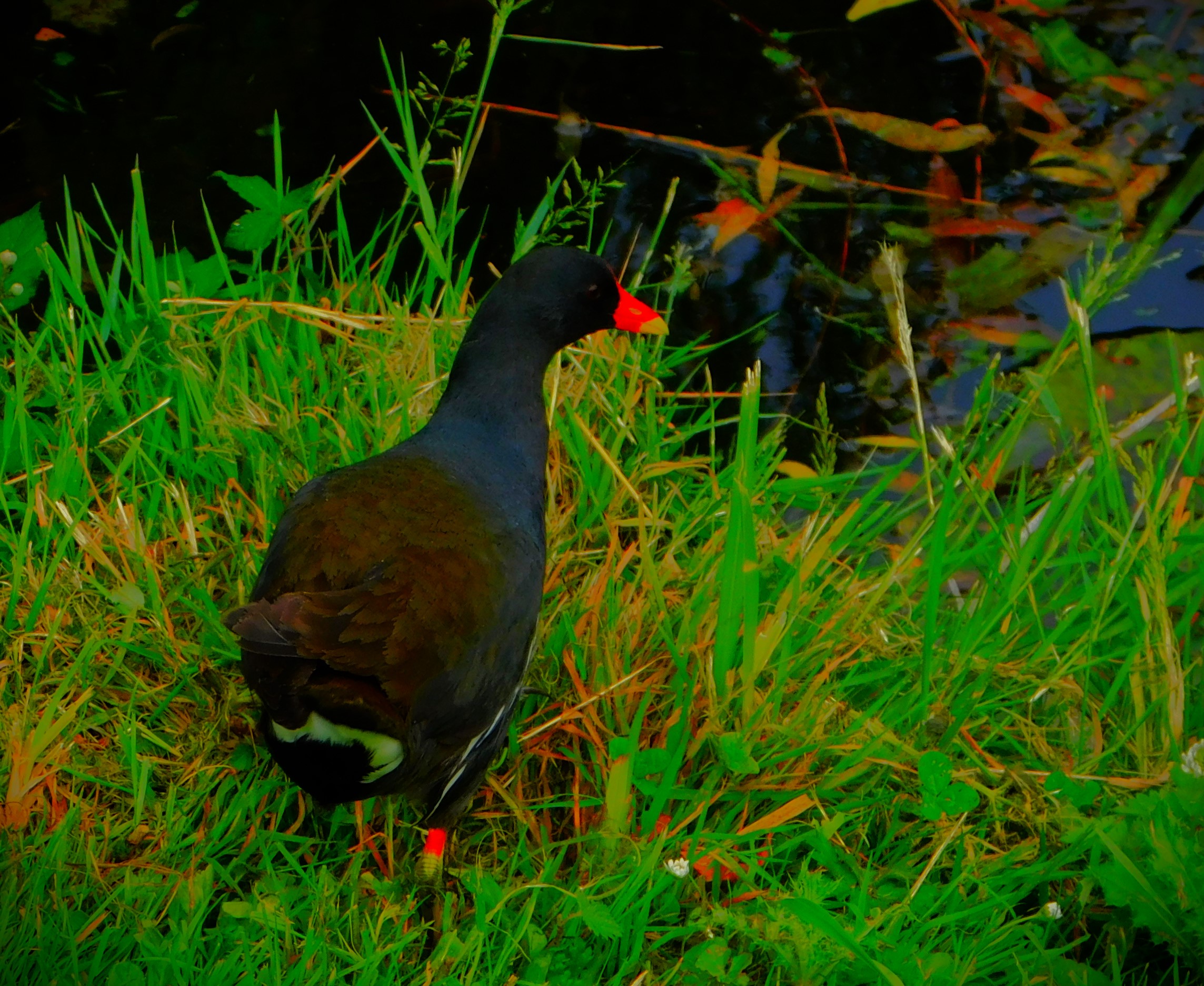
Moorhen IIITwo moorhens

840
This was lot 840 at yesterday’s auction – some good tools but the box being solid iron makes for an extremely heavy item.

840-a

2188
Lot 2188 in Saturday’s upcoming auction.

Q IS FOR QUIZ

With my eclectic interests and retentive memory I am pretty good at quizzes (unless they are overloaded with questions about pop music), and generally enjoy taking part.

R IS FOR RAILWAYS

Railways are one of my special interests. I have travelled on railways in many different countries and have also built up a decent collection of railwayana. I may add to my collection on Saturday. 

20502050-a2050-b2050-c2050-d2050-e

 S IS FOR SCOTLAND AND SWEDEN

These are two of my favourite countries to visit, both very scenic. I could find no way to split them so I have decided to honour both places.I have produced a number of posts about both Sweden and Scotland. Here are a couple of pics: through the window 2A view from Strome Castle, Scotland

DSCN9318This river is in Northern Sweden.

T IS FOR T20

Yes – another cricket related entry. T20 (where each side bats for 20 overs) has been a great success since its introductiuon in 2003. However the new 100-balls per side competition is being too clever by half (and consigning the County Championship to the start and end of the season when conditions are least suitable for long form cricket). 

U IS FOR UNIVERSE

I find it fascination reading theories about our universe, its possible origins and its possible place in a wider cosmos. I also find the history of how we moved from considering our planet to be at the centre of a fixed universe to recognising it as pale blue dot (hat tip to Carl Sagan who wrote a book of that title) in the immensity of the cosmos to be fascinating.

V IS FOR VARIETY

One of the things I enjoy about my current job is that there is plenty of variety there. I am firmly in the camp of those who say that variety is the spice of life.

WHY EVOLUTION IS TRUE

Jerry Coyne’s 2009 book with that title remains a firm favourite (along with his more recent Faith versus Fact), and it is also the title of a blog run by Professor Coyne that I follow. 

X IS FOR EXHORT

As I near the end of this post I exhort you to produce your own version – it is time consuming but fun. You have seen my version, and if you followed the opening link you have seen the version that inspired me to take on this challenge – now go and do likewise!

Y IS FOR YARBOROUGH

This is a bit of a cheat – it is my way of mentioning the game of Bridge which is a firm favourite of mine. A yarborough is a hand with no card higher than a nine and 4-3-3-3 distribution, and is named in honour of Lord Yarborough who had all bridge players at his house contribute a guinea to a kitty, while if someone had the misfortune to be dealt the hand that now bears his name they got 1,000 guineas (he was on to a winner – the actual odds against the hand coming up are 1827 to 1). I do not get to play very often but I am a pretty good player of the game.

Z IS FOR ZOOM

A zoom lens can be a real boon for a photographer (my current camera has a zoom capacity of up to 60X) – a little tip from experience is to not stretch the zoom lens right to its limits – leave a bit of space around whatever you are photographing (you can always crop it out during the editing process). This post was inspired by a Cornish blogger, so I end with a Cornish picture.

St Michael's Mount and Flying Gull