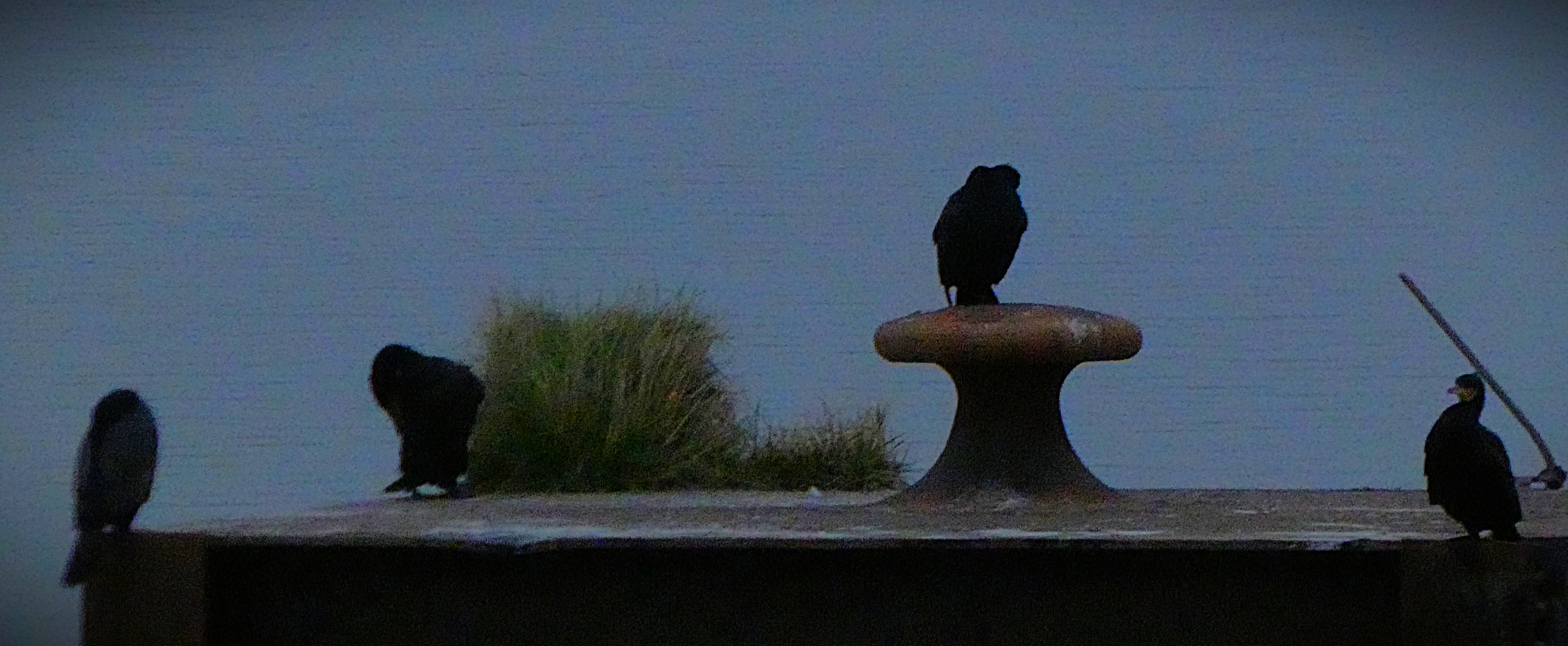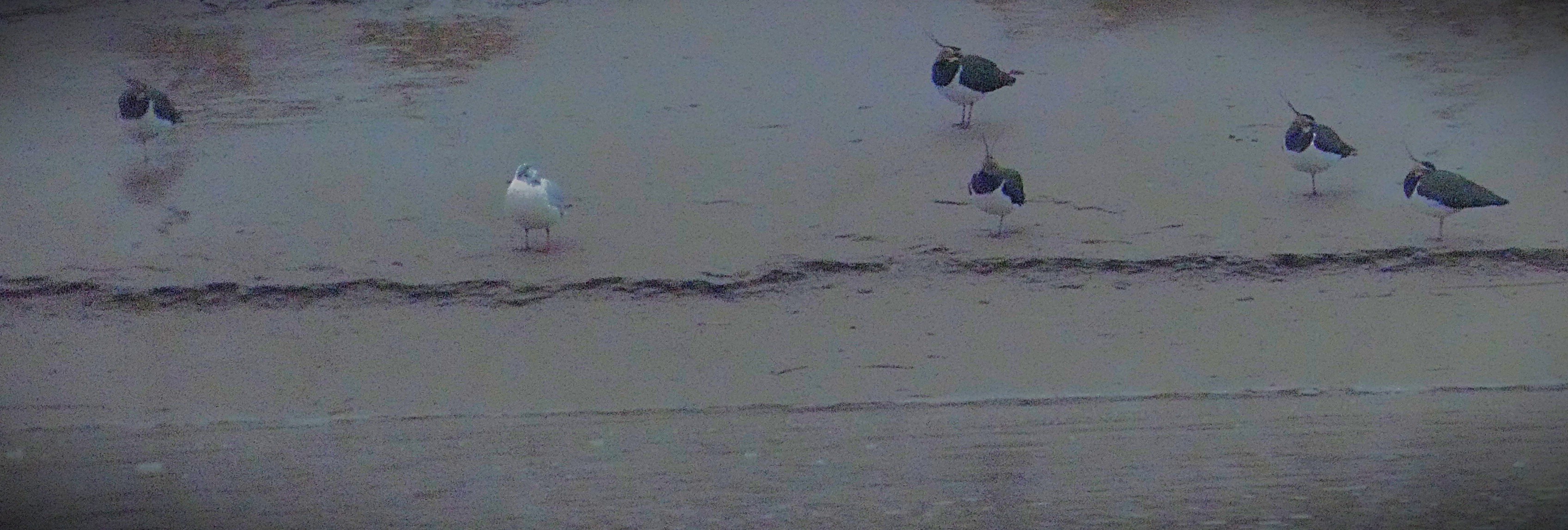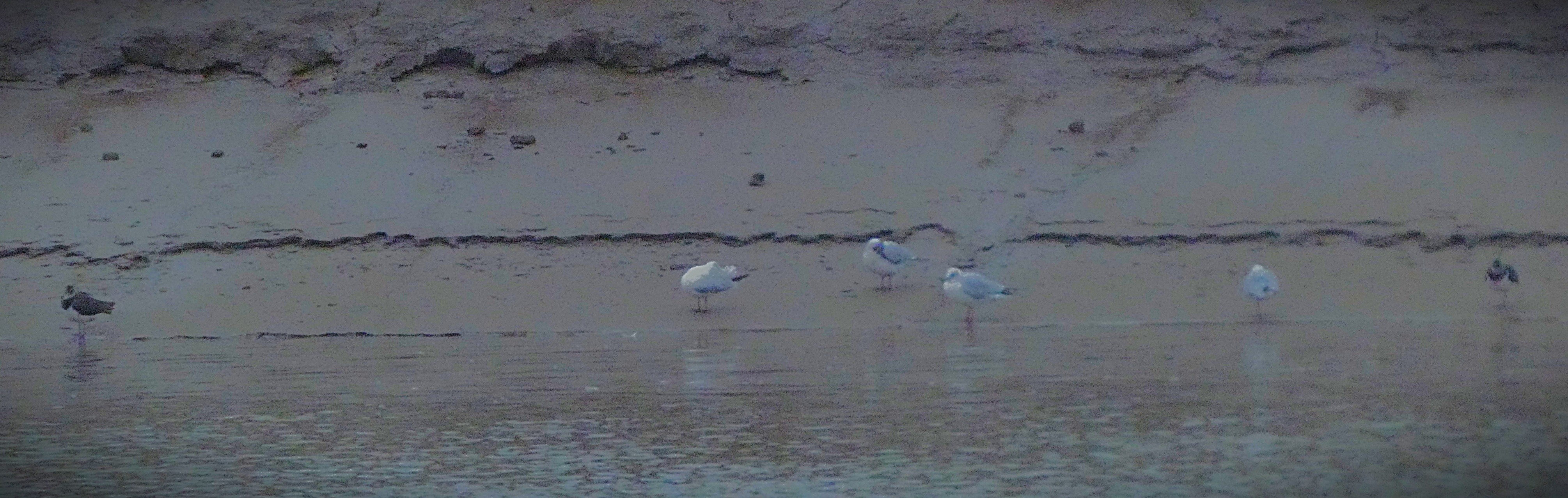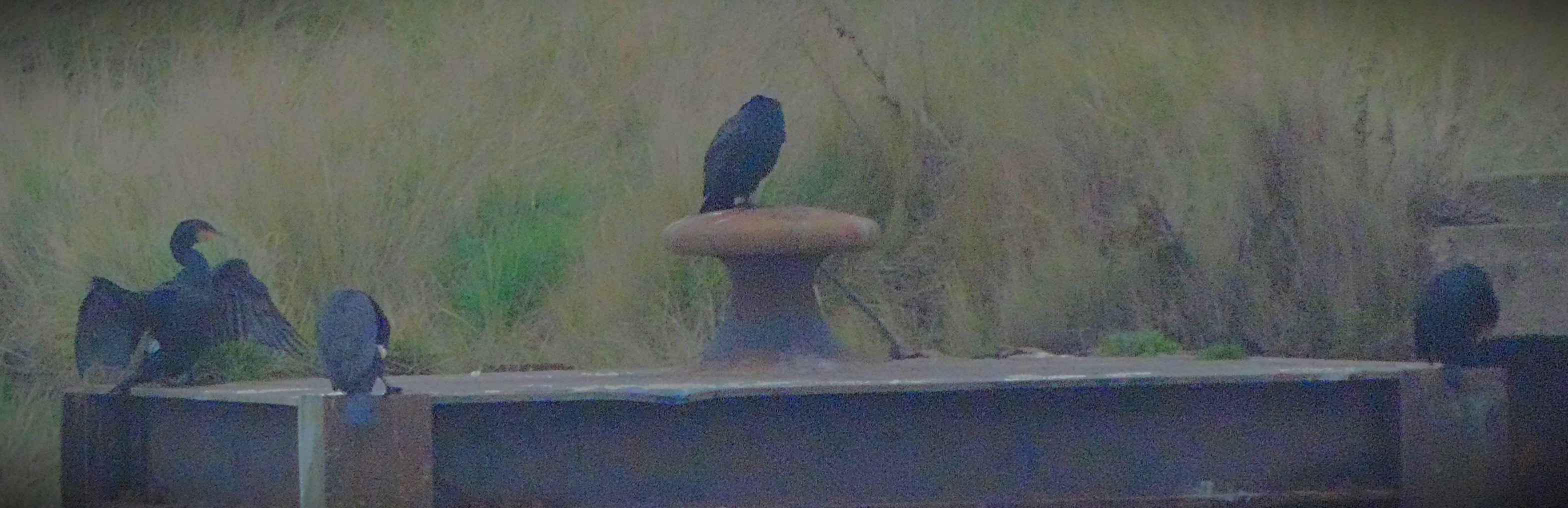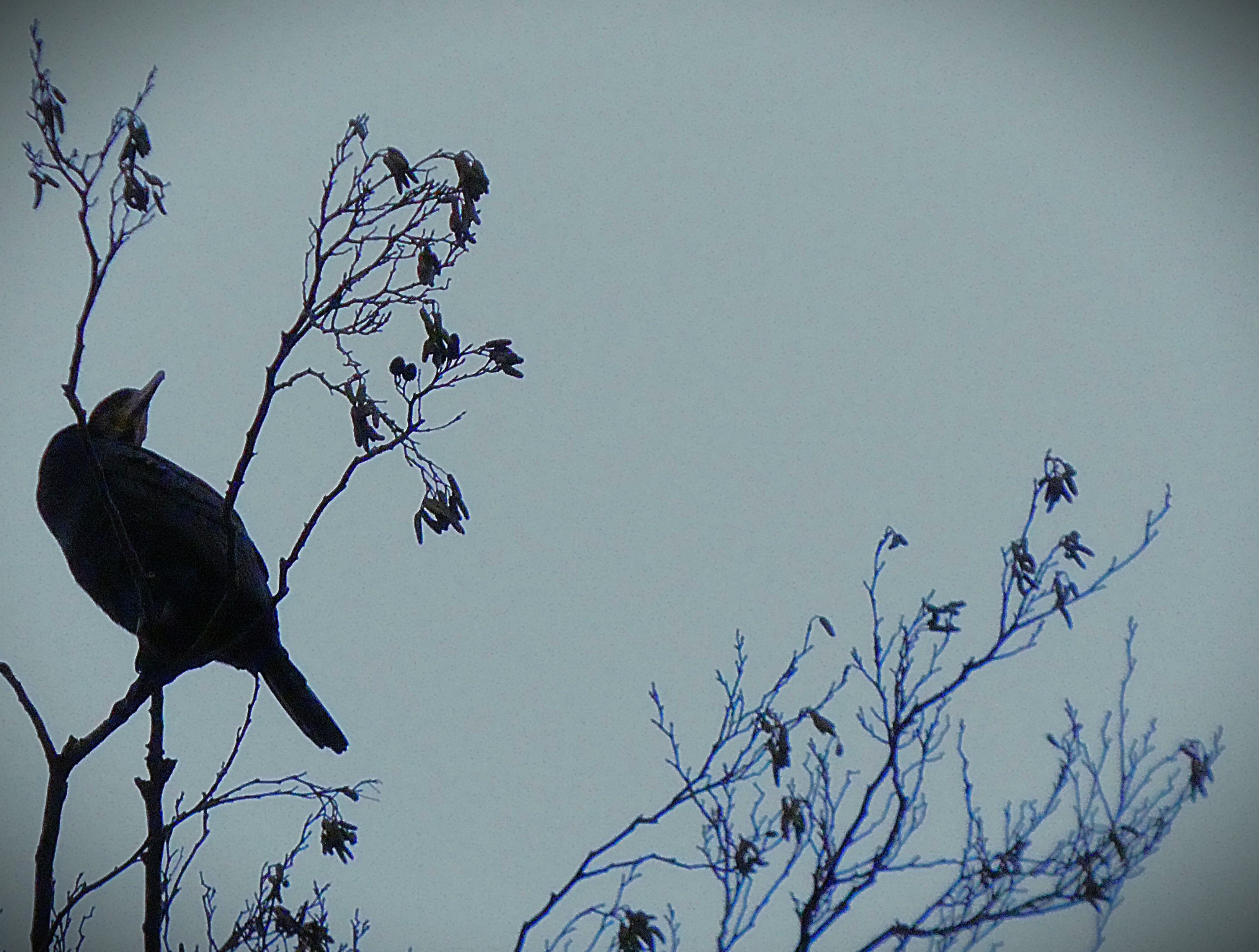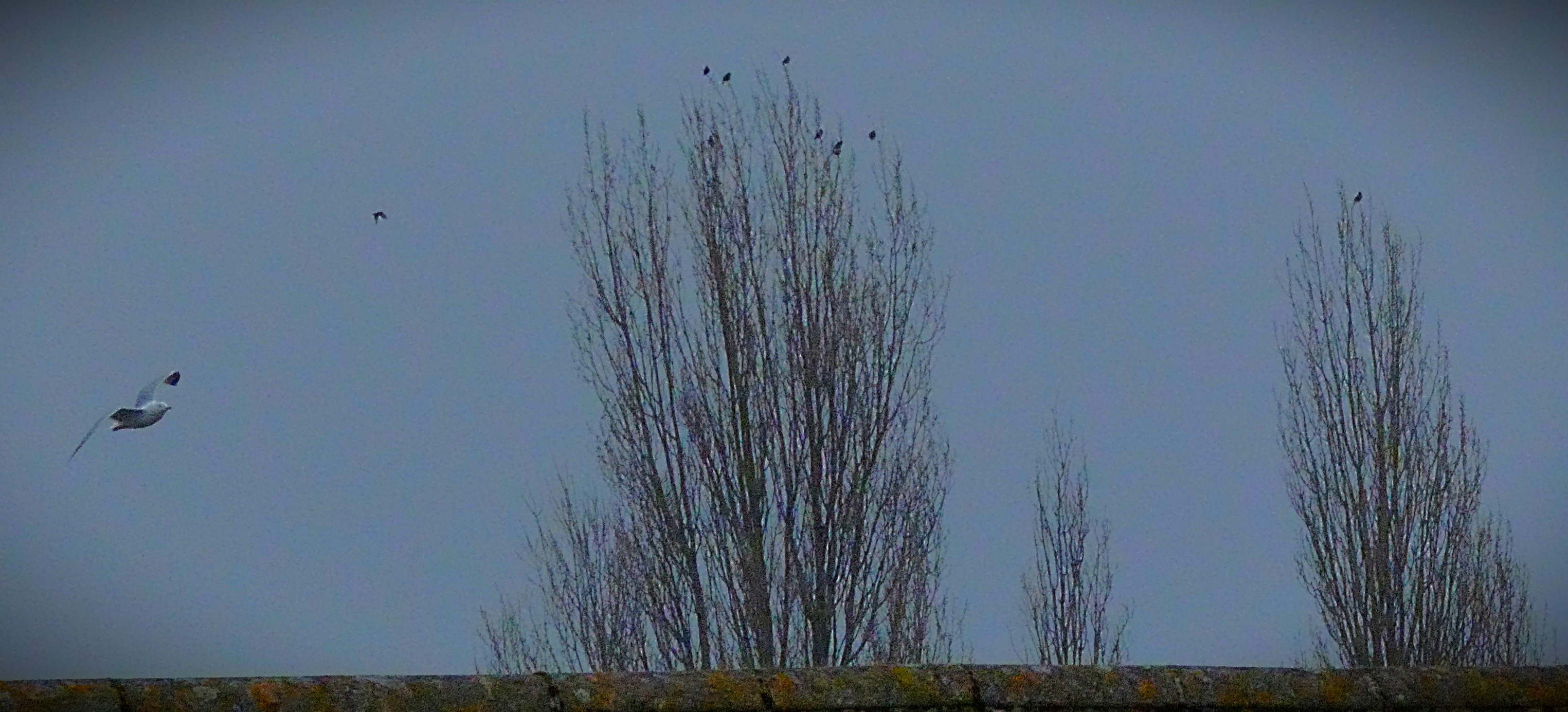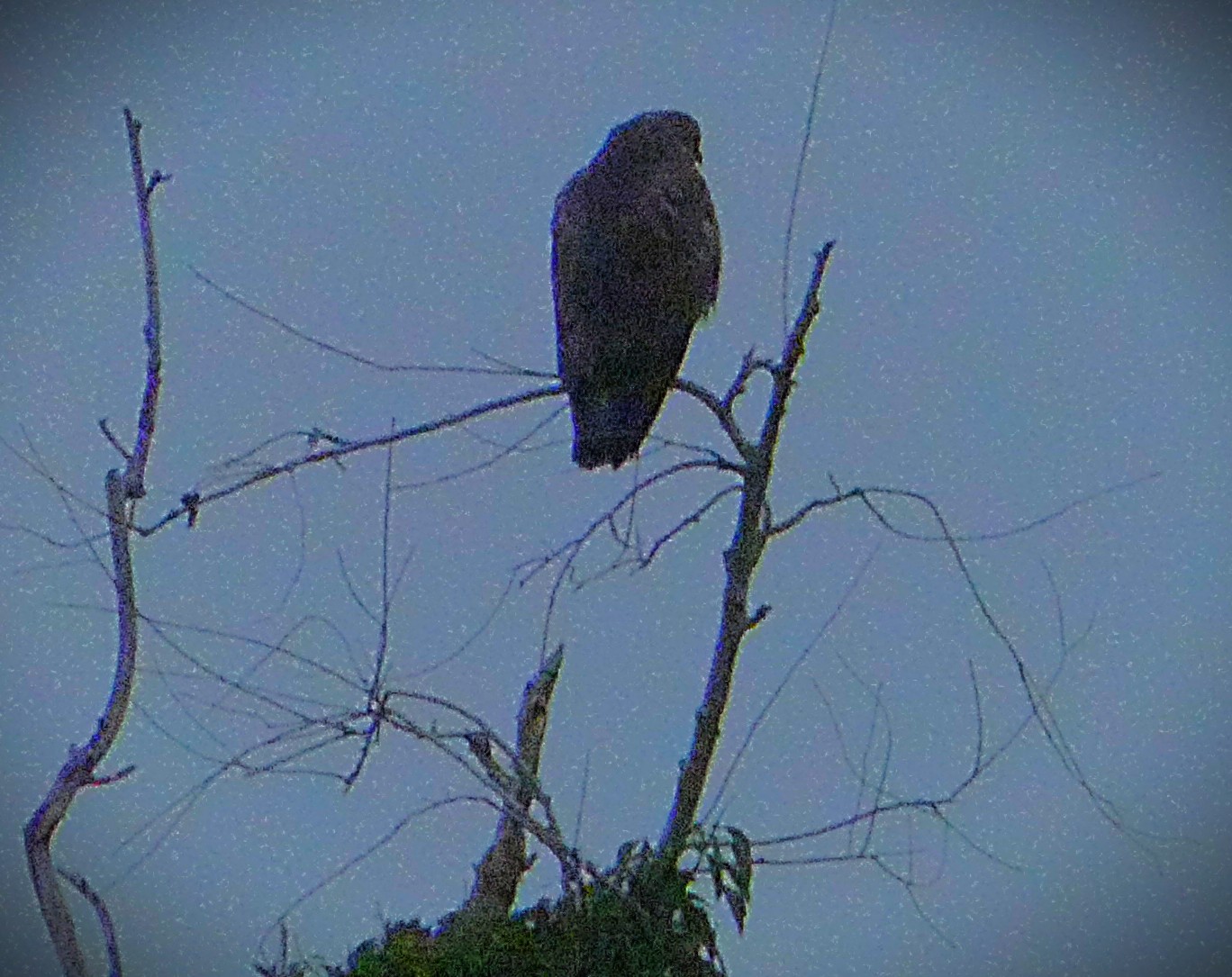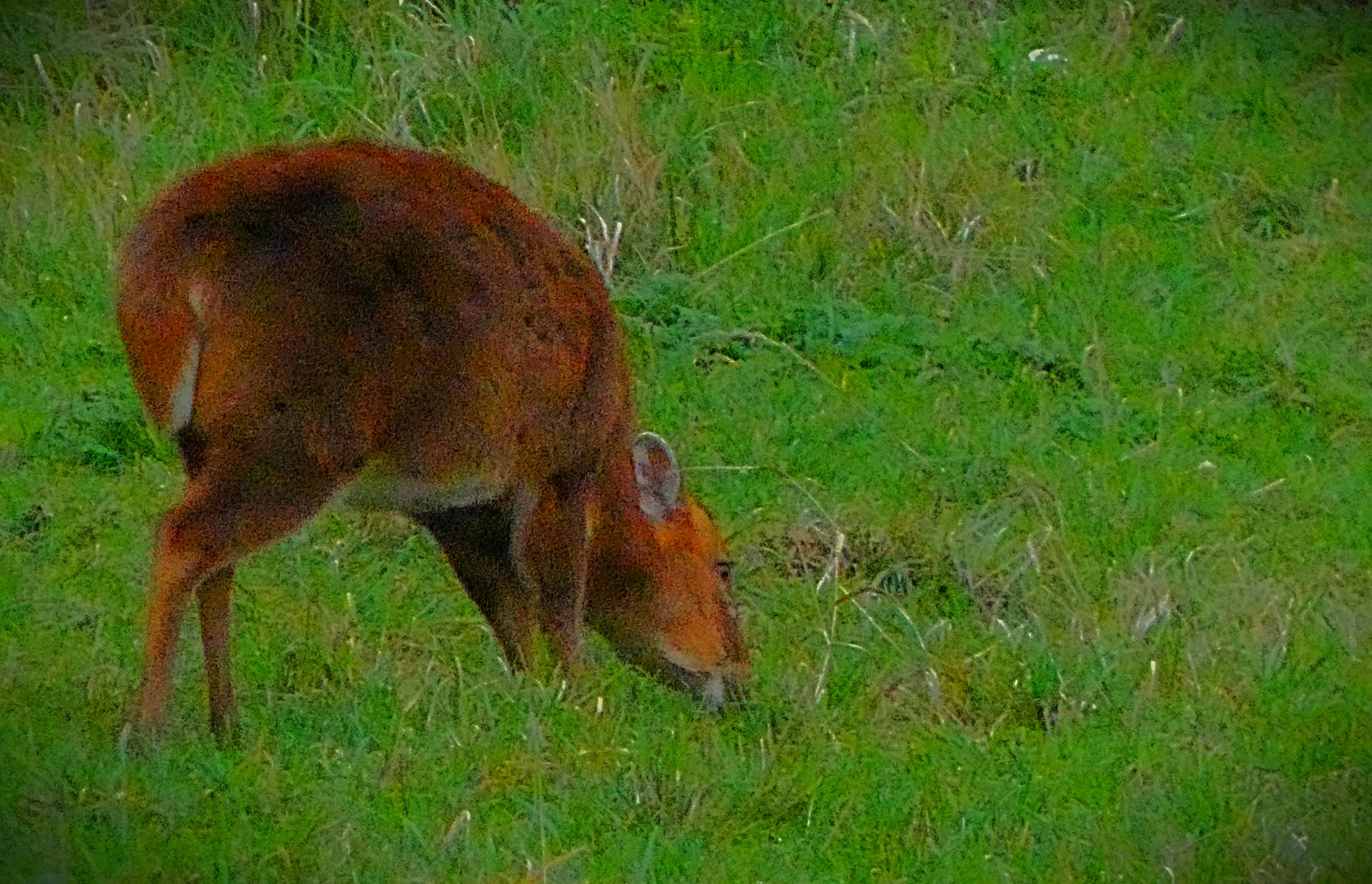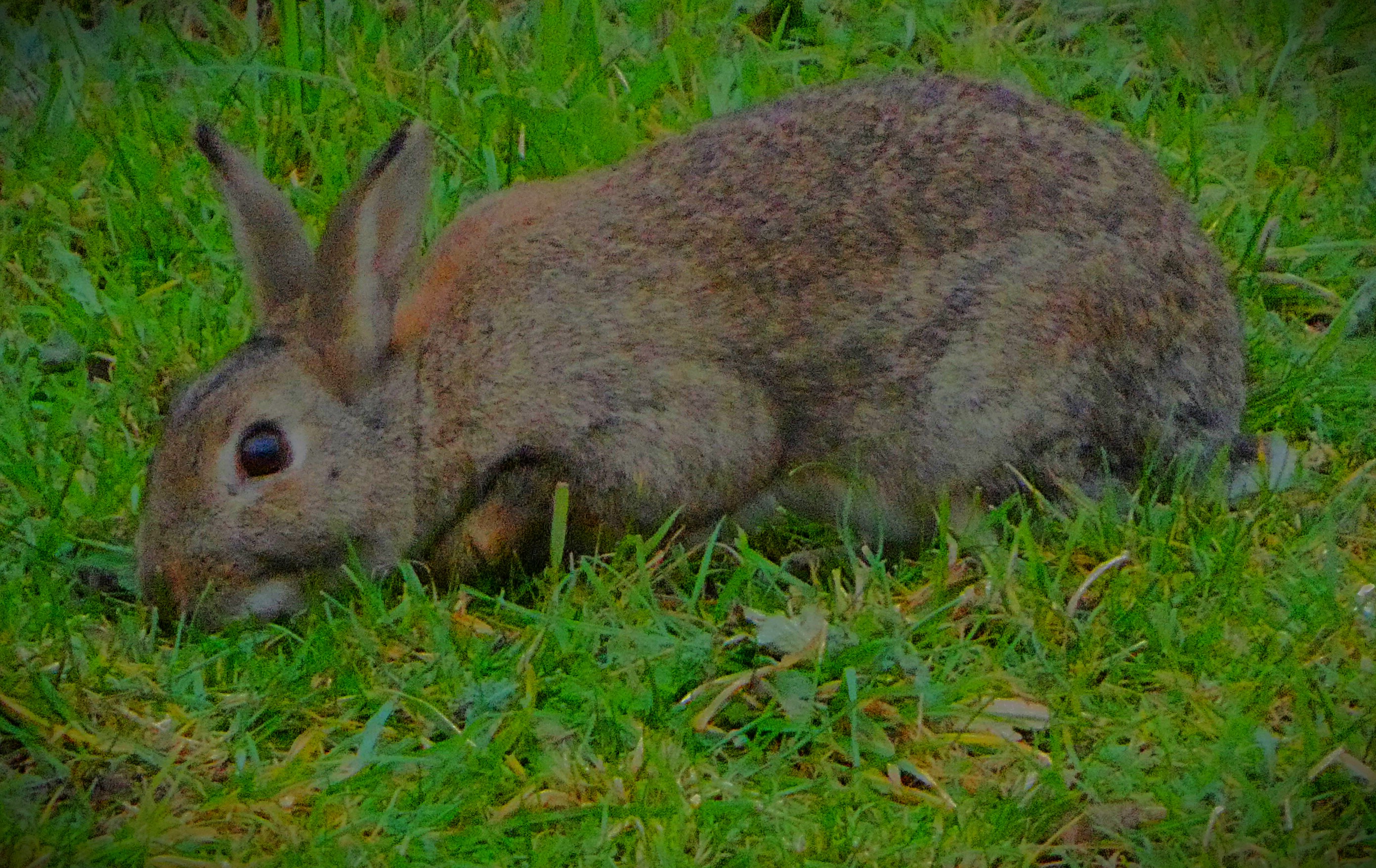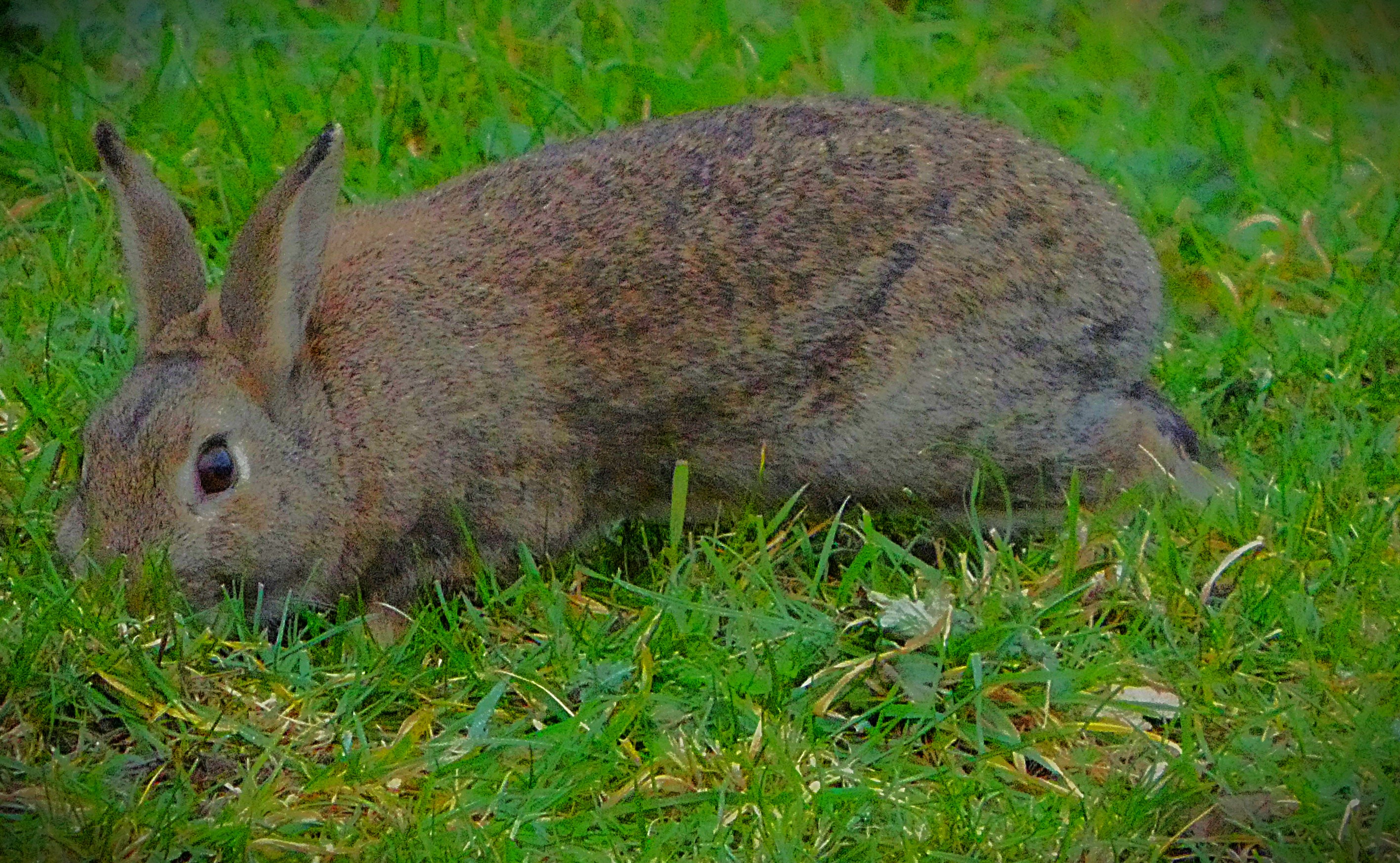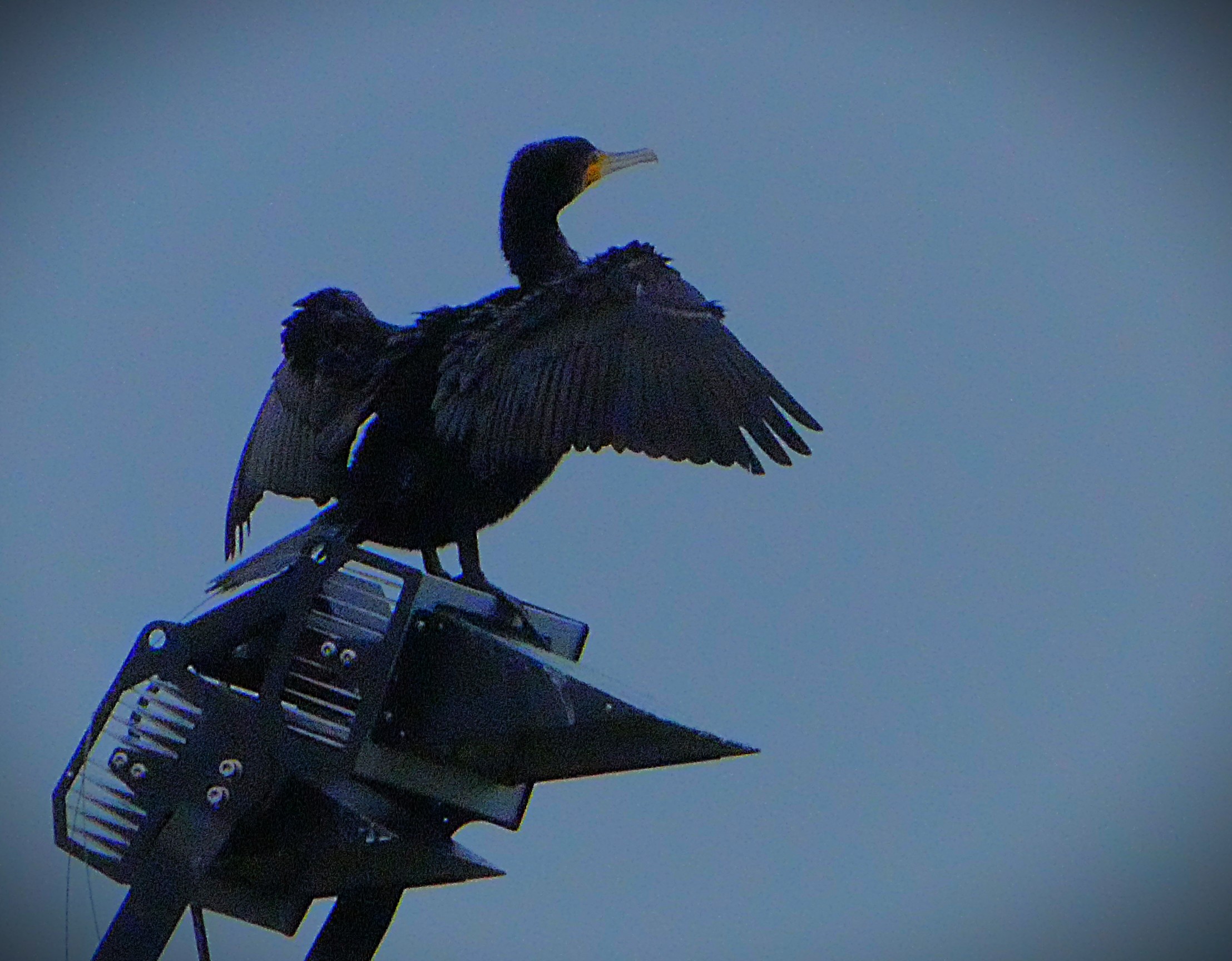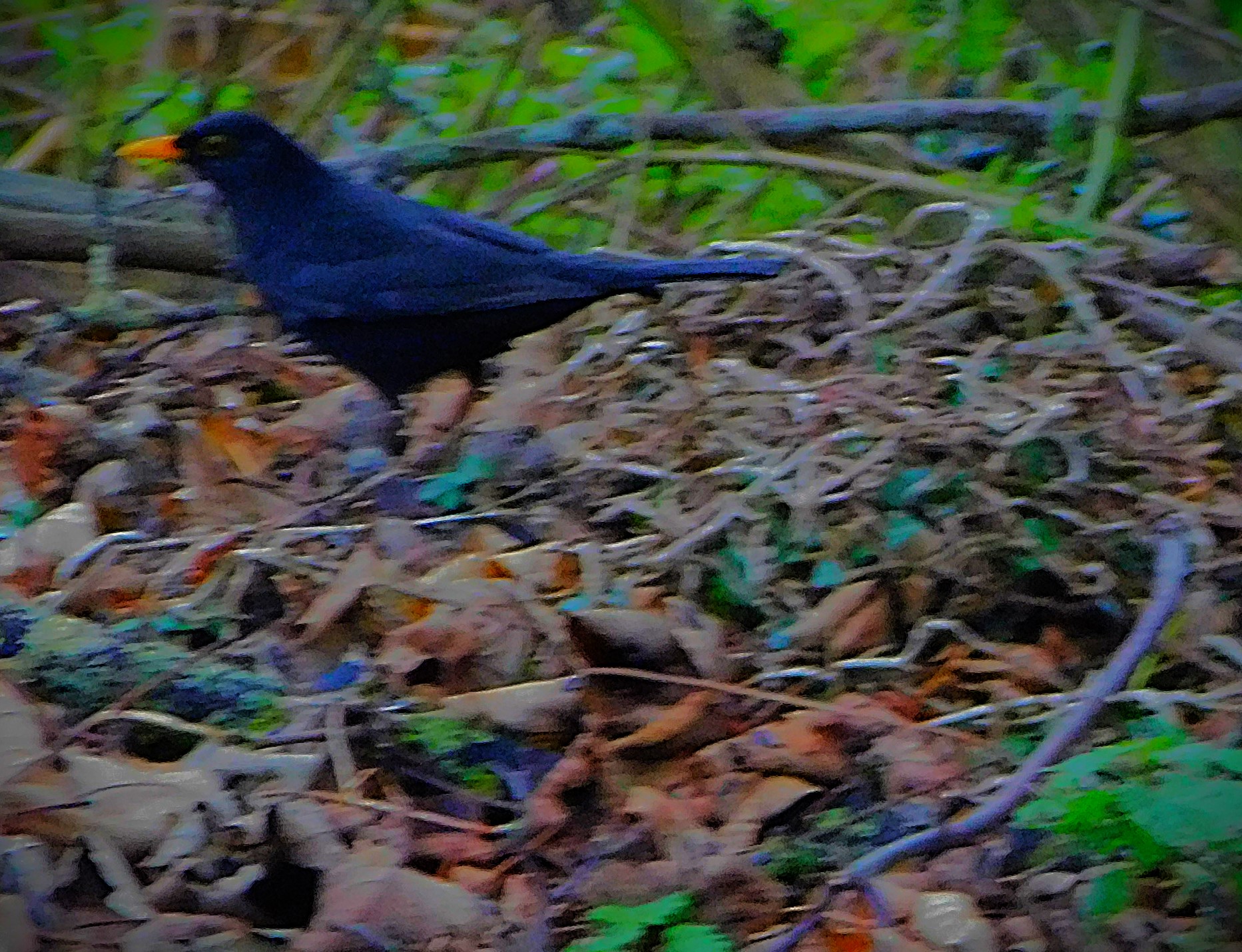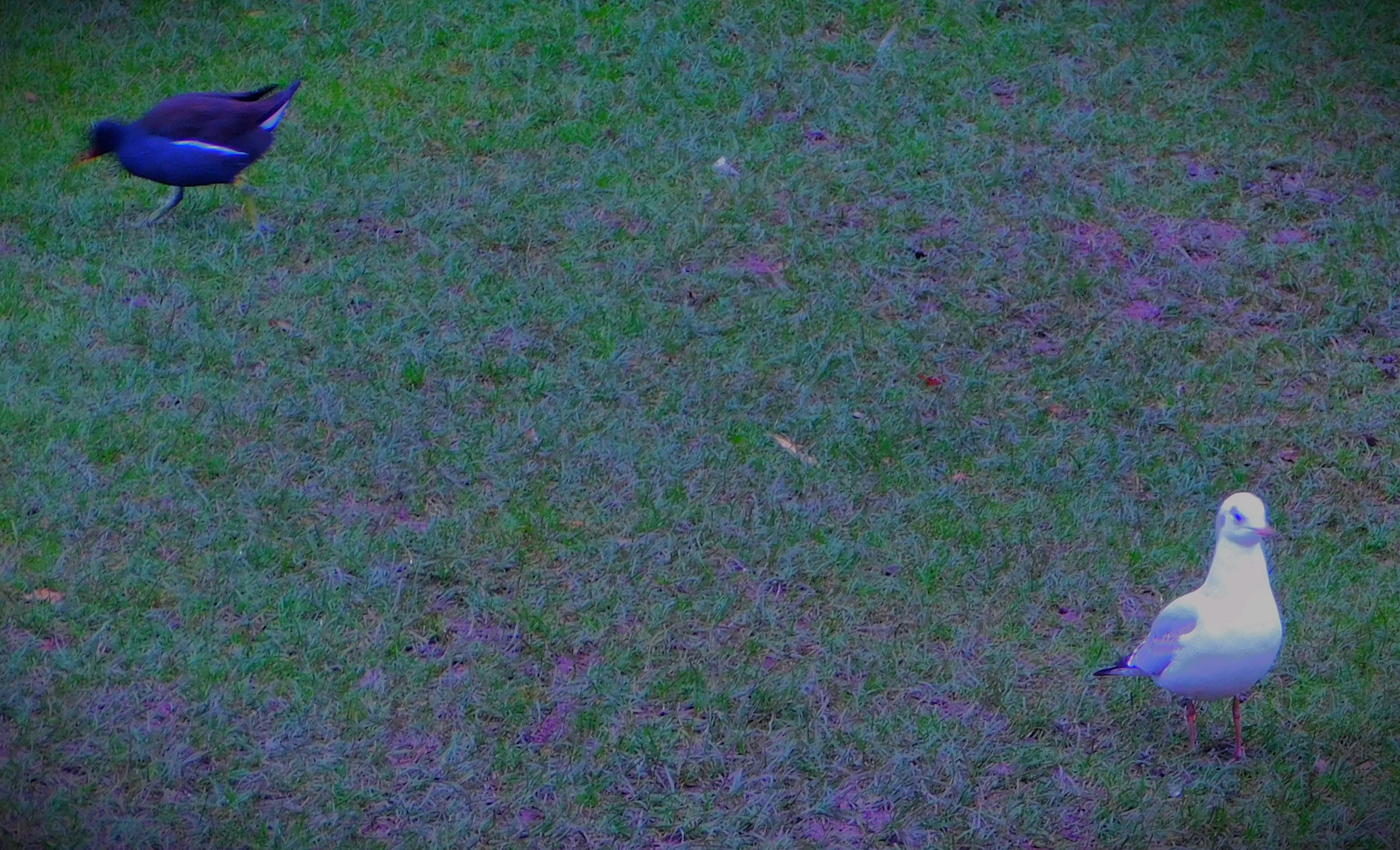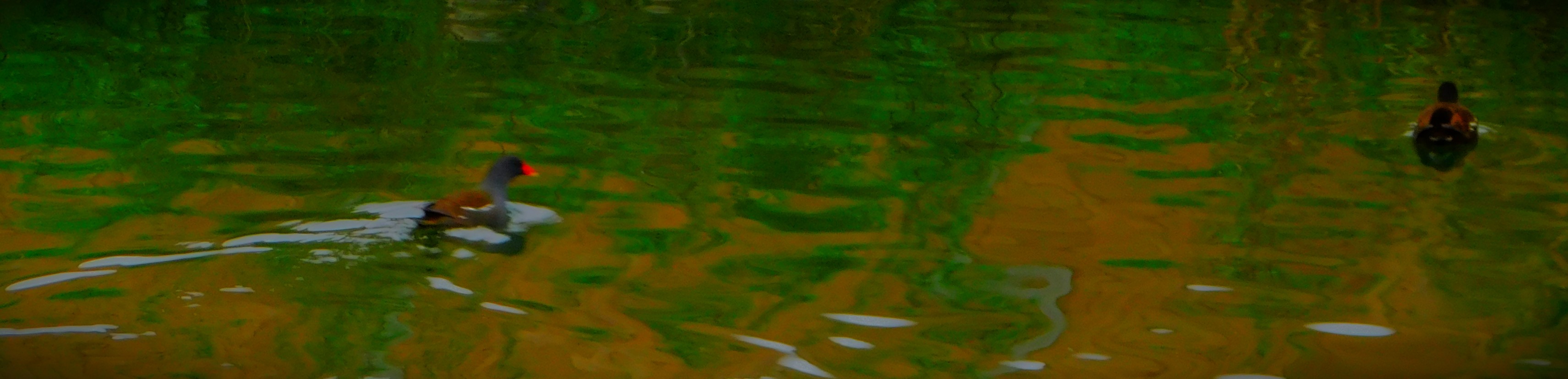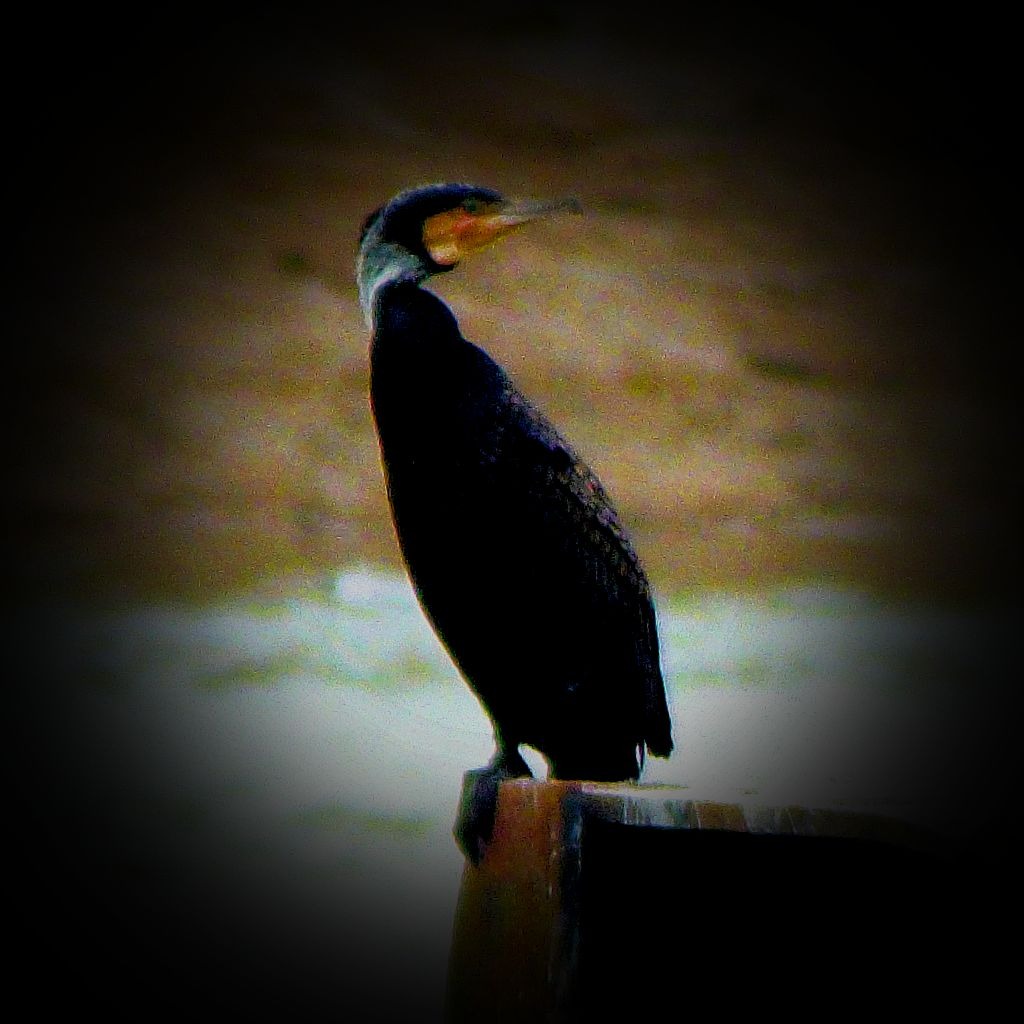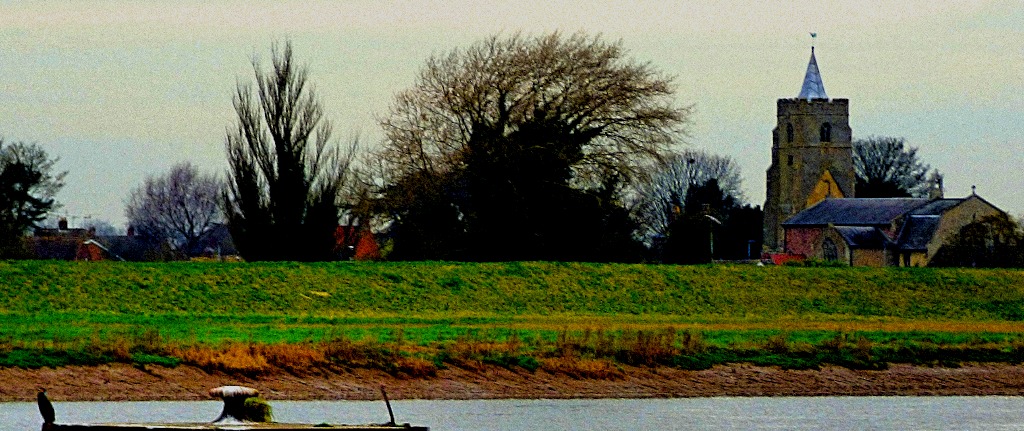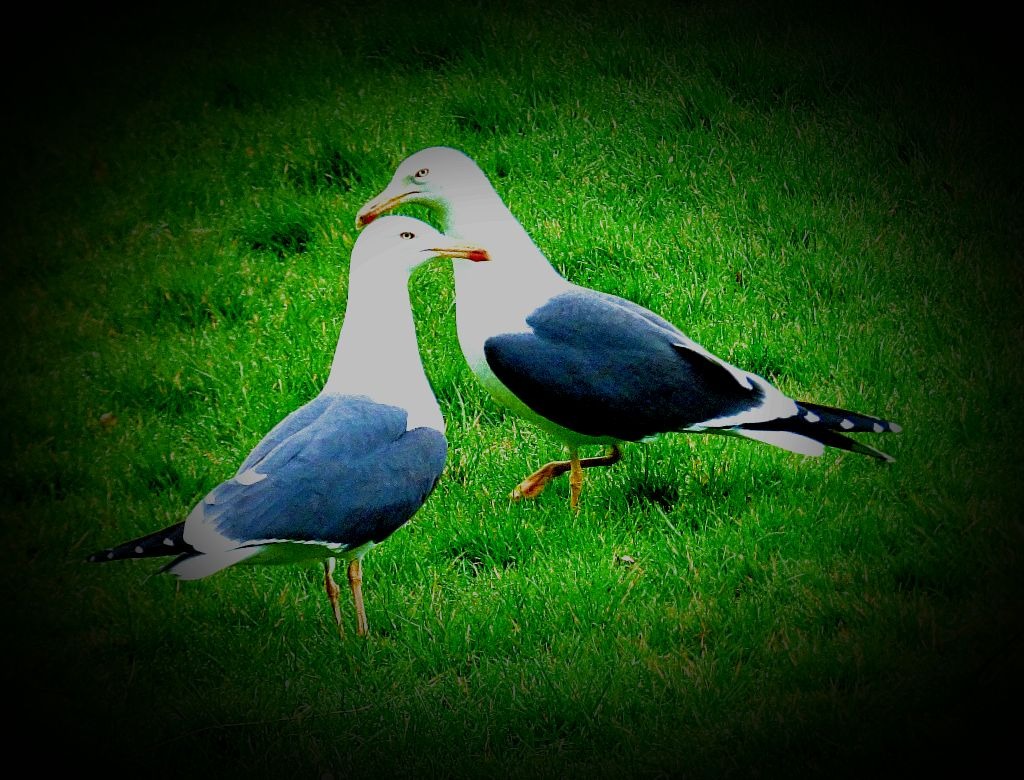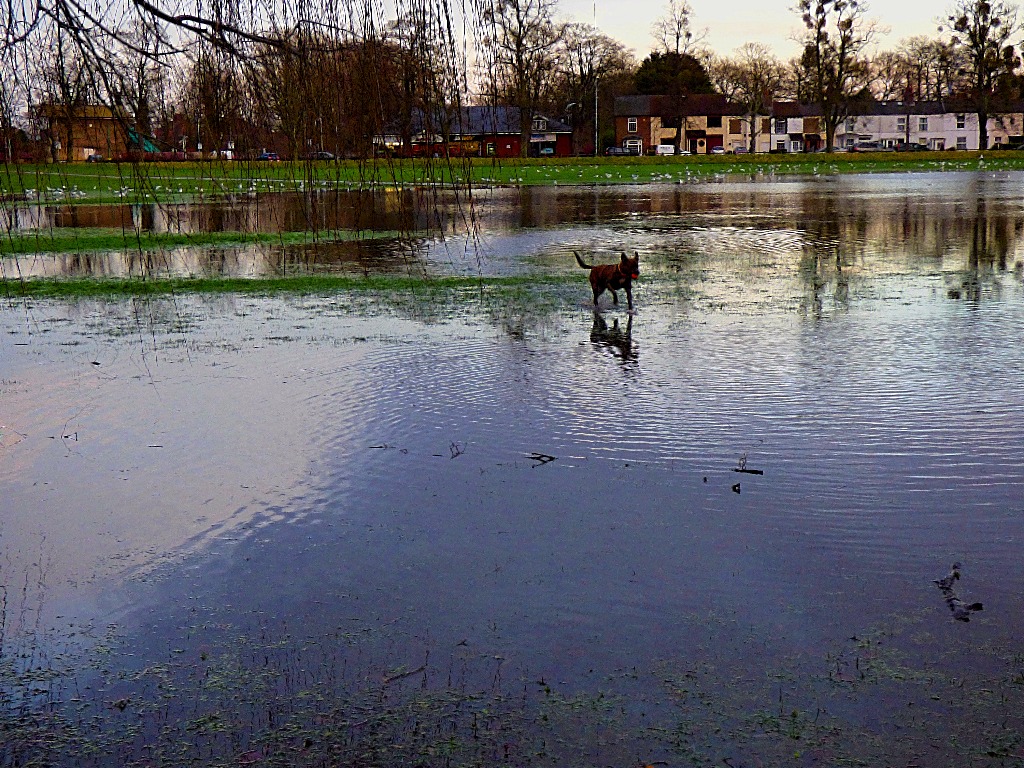
A look at goings on in two WODIs, Australia v India which finished a while back and South Africa v England which is approaching the halfway stage.
Today is a big cricketing day – in the early hours of this morning UK time an Australia v India Women’s One Day International started, and at midday today UK time a South Africa v England Women’s One Day International started. This post looks at what has happened so far.
AUSTRALIA v INDIA
Harmanpreet Kaur won the toss at the WACA in Perth (these days superseded by the Optus Stadium, but still a fine venue) and to fairly universal surprise opted to put Australia in with the temperature at 38 Celsius and set to rise during the first innings. A four wicket burst from Arundhati Reddy had Australia 78-4, but none of Reddy’s team mates managed to bowl well, and with an Annabel Sutherland century the highlight (Sutherland has a great record at this venue, including scoring 200 in a test match against South Africa) Australia regained control of proceedings, ending on 298-6. India were soon behind the rate, but they did do a good job of keeping wickets in hand for later in the chase. With coverage of the other match due to start at 11:45 I set out at 10:30 for a walk, aiming to arrive back as coverage of that match got underway, which I managed to do. I was reckoning that Australia had the match under control and that the only real obstacle in their pathway was Smriti Mandhana who was batting splendidly. Events confirmed both elements of this prediction – I was to find out that India had reached a high water mark of 189-3 before Mandhana having reached three figures was out, and the innings fell away to a low point of 203-8, before the last couple of wickets scraped up a further 12 runs to reduce Australia’s margin to 83 runs, still an emphatic victory for the hosts.
SOUTH AFRICA v ENGLAND
This match is taking place in Potchefstroom on the high veldt, where scoring can be rapid due to the ball travelling further and faster through the thinner air. However, South Africa, put in by England who won the toss, are not scoring particularly fast. Laura Wolvaardt scored a fine half century but when she had reached 61 she was pinned LBW by Ecclestone. South Africa appear to have decided that the left armer can be allowed to get through her overs effectively unscathed so long as she doesn’t take too many wickets. However, she has just added a second scalp, Chloe Tryon, stumped after about the first show of aggression by any Protea batter against Ecclestone. South Africa are 201-7 in the 41st over, and Ecclestone currently has 8-0-21-2. England lost Kate Cross injured before she had completed her first over, leaving them an allocation to fiddle through with part timers. Nevertheless England have the advantage and I would expect them to win from here. While I have been preparing this for publication an eighth wicket has gone, and South Africa are 201-8 in the 43rd over.
PHOTOGRAPHS
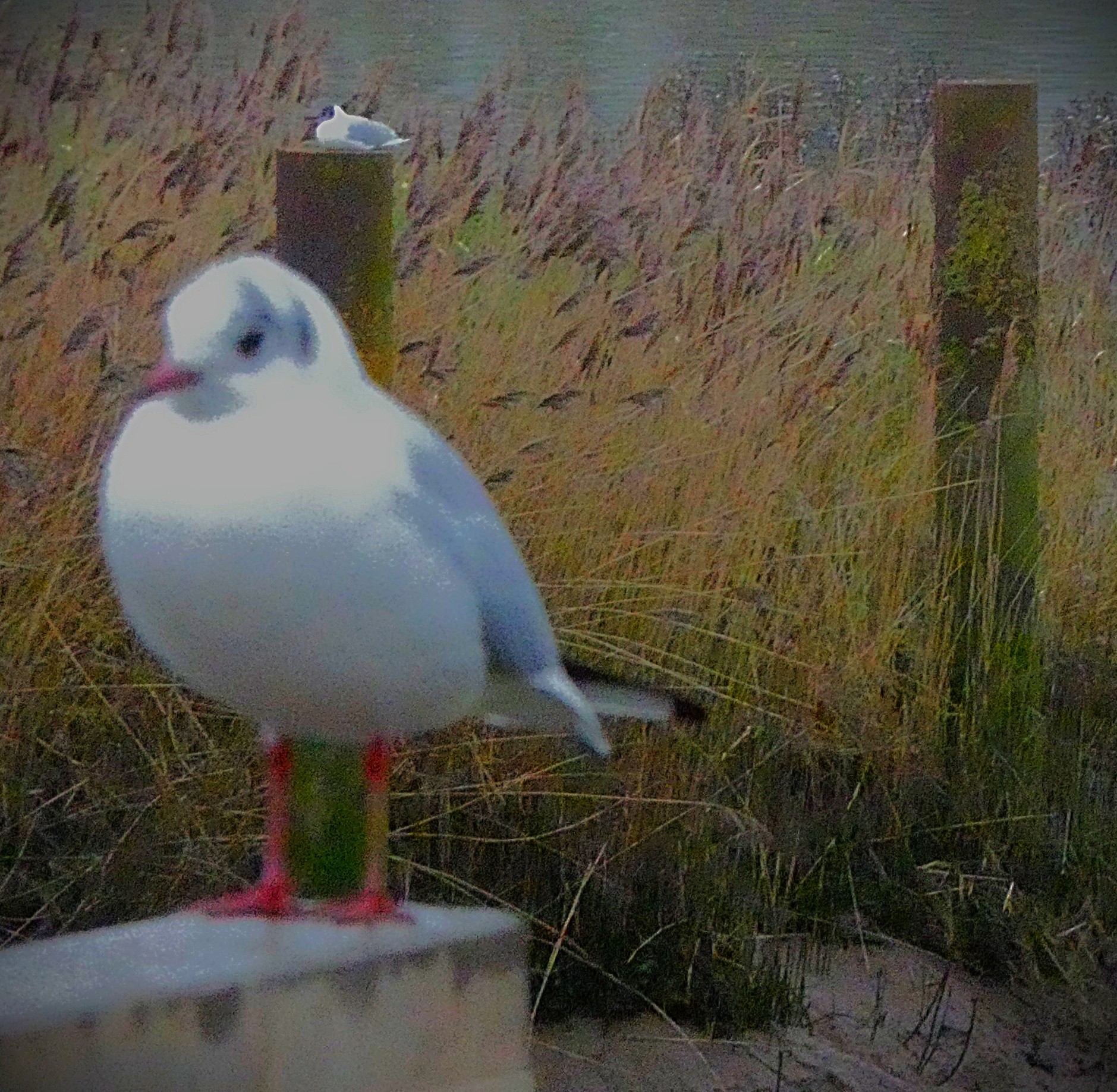
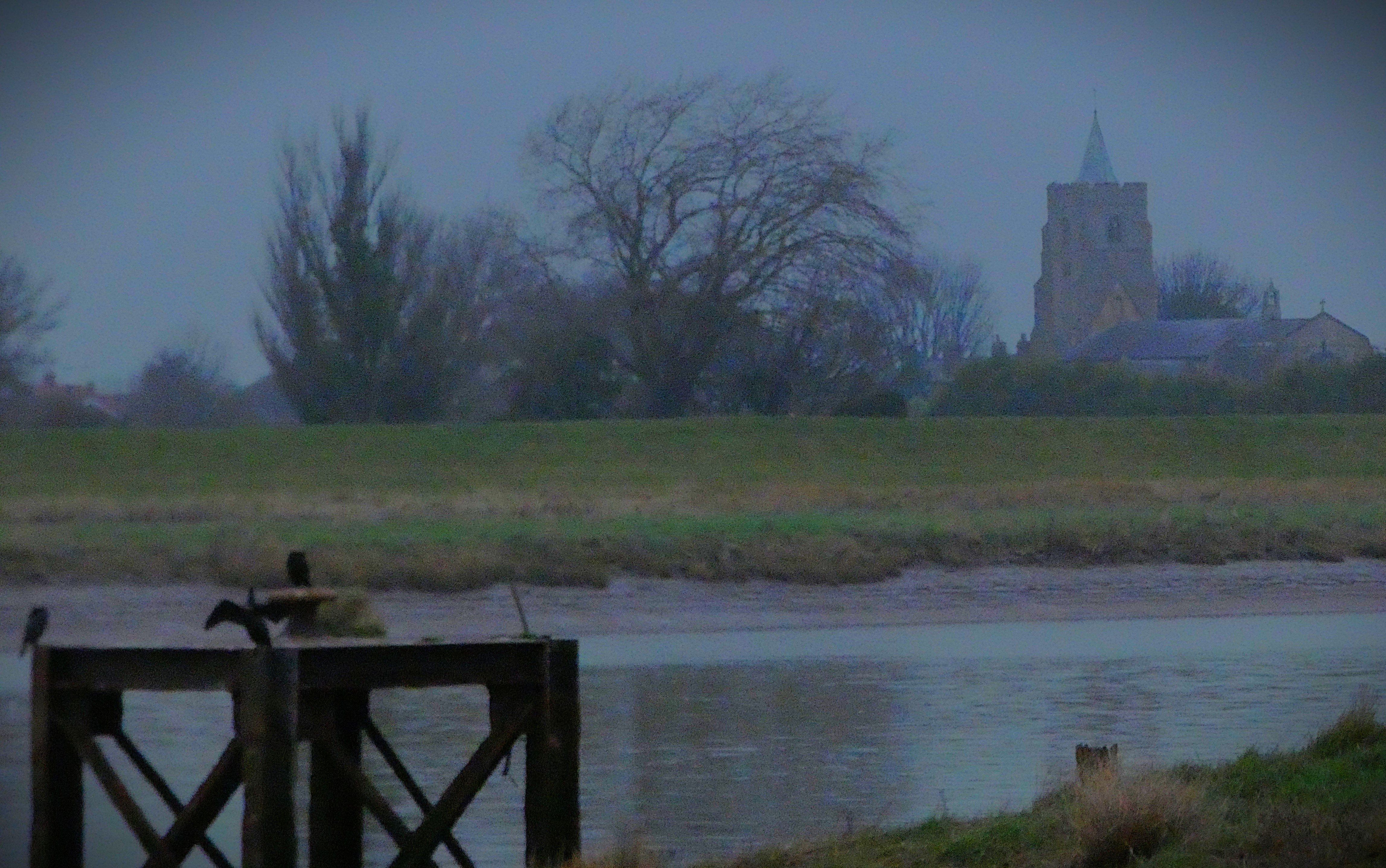
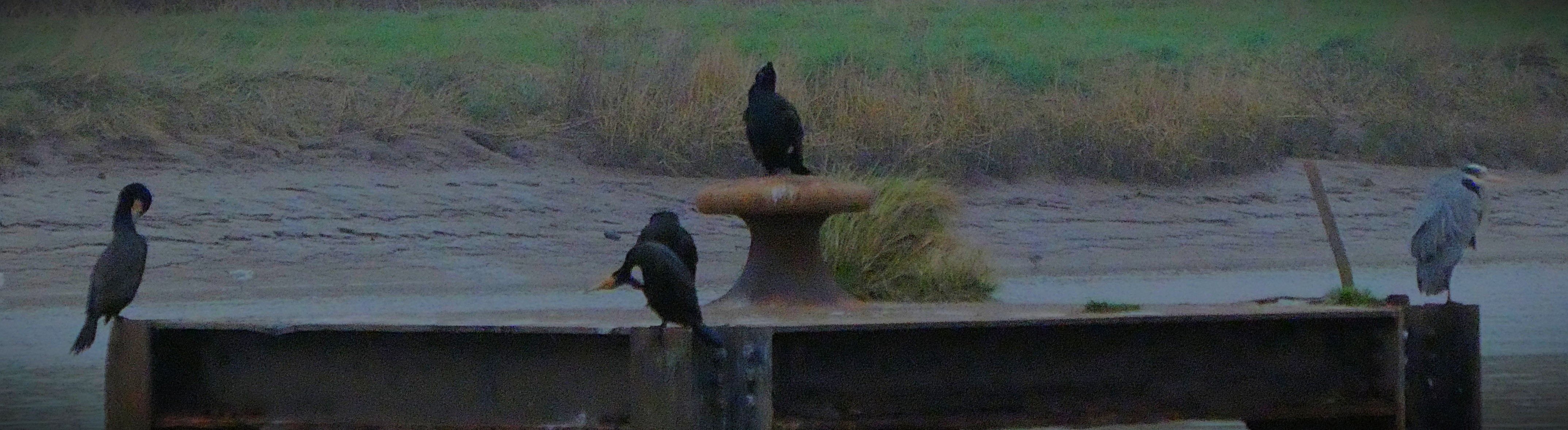
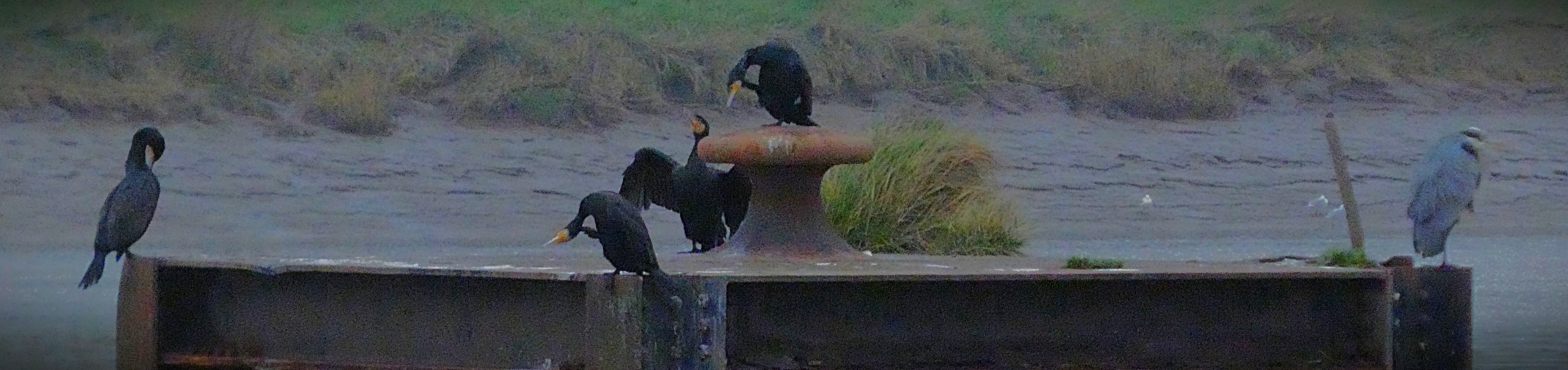
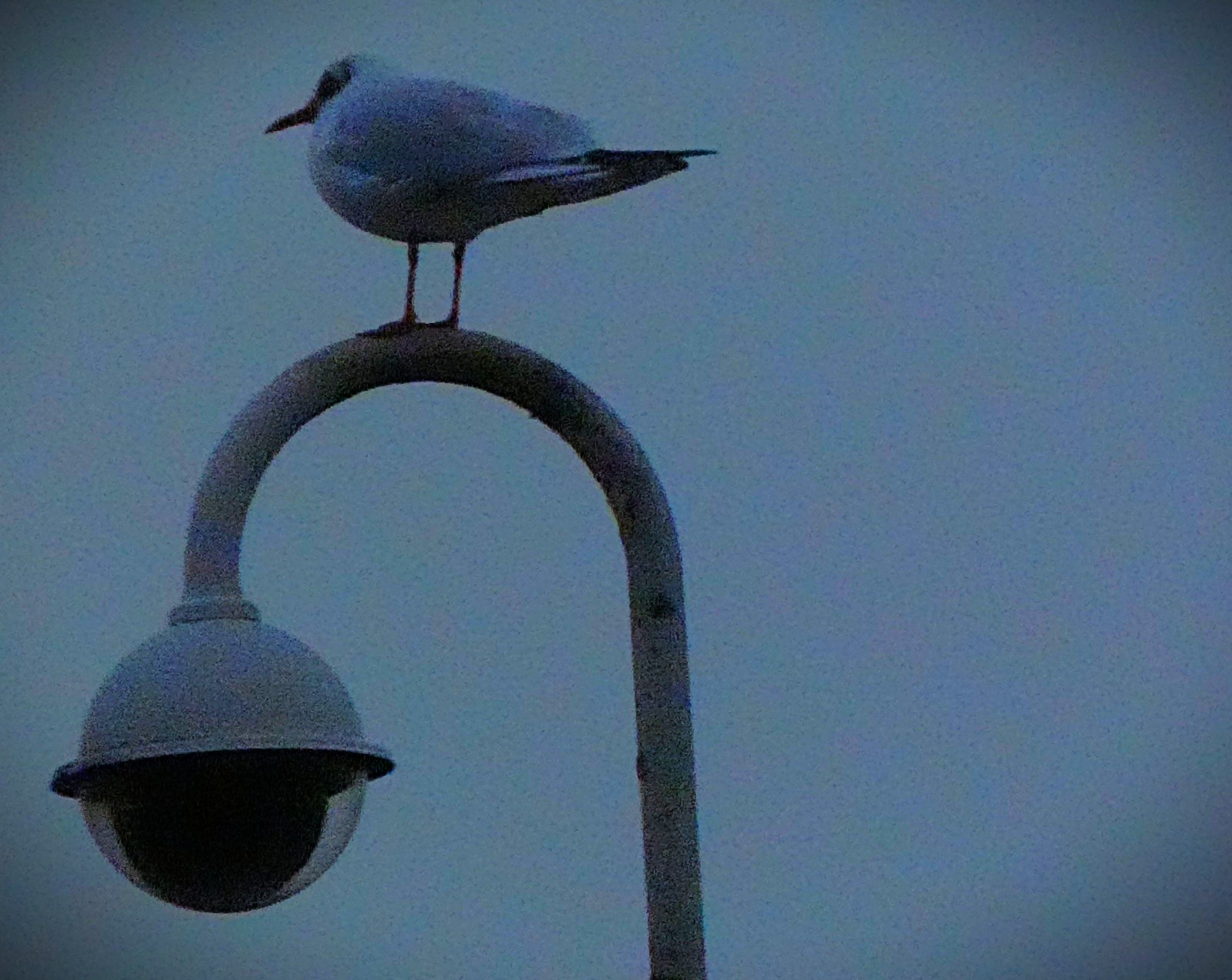
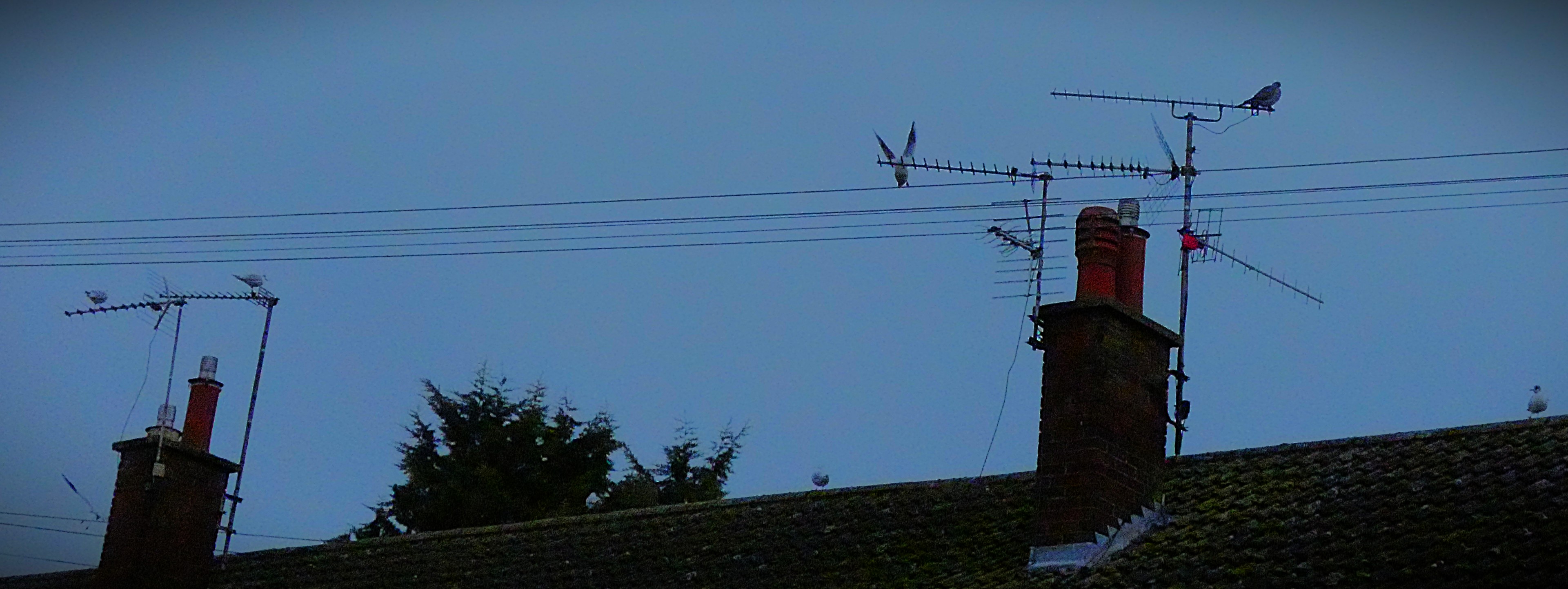
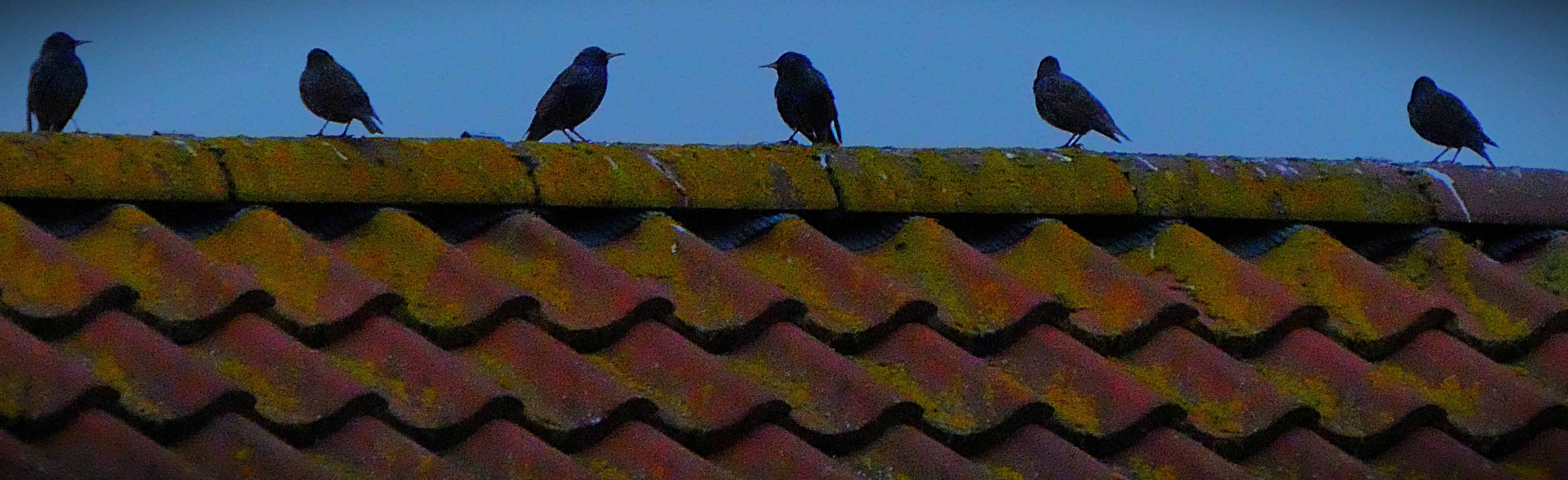
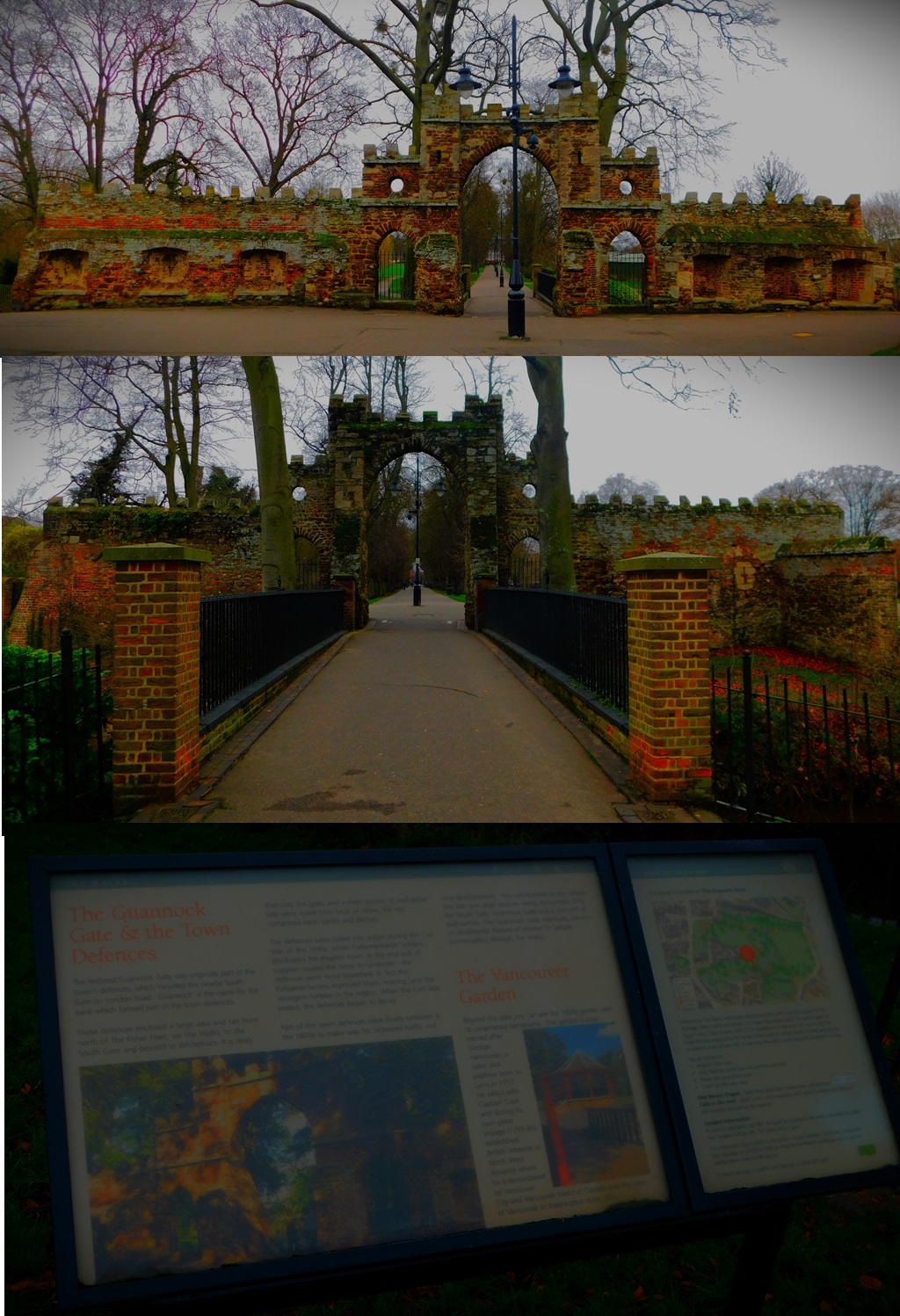
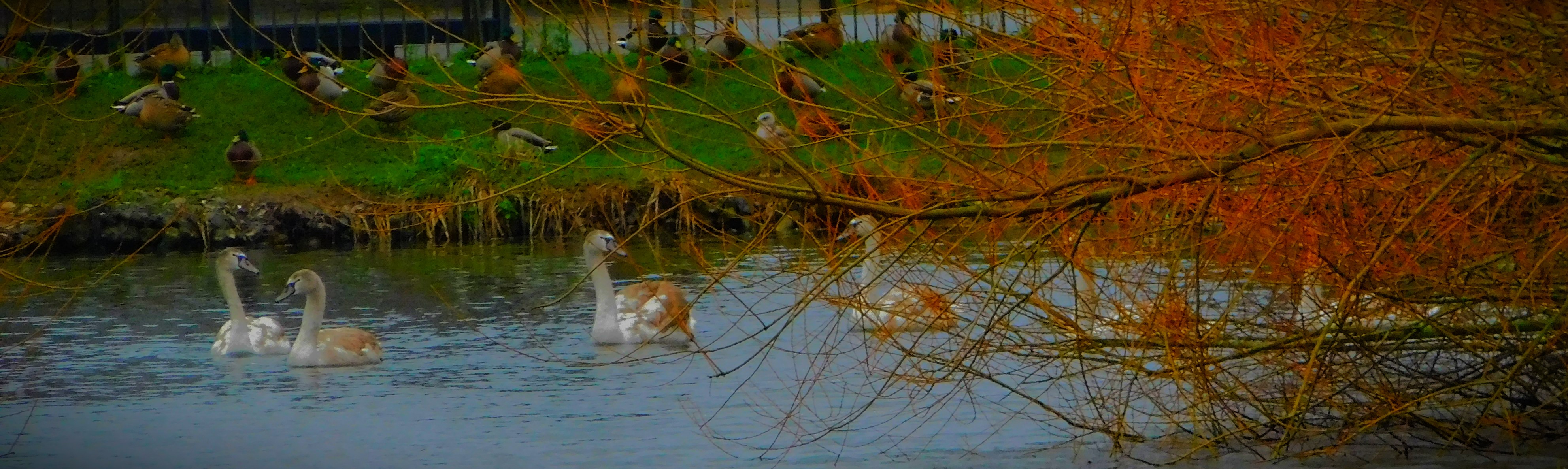
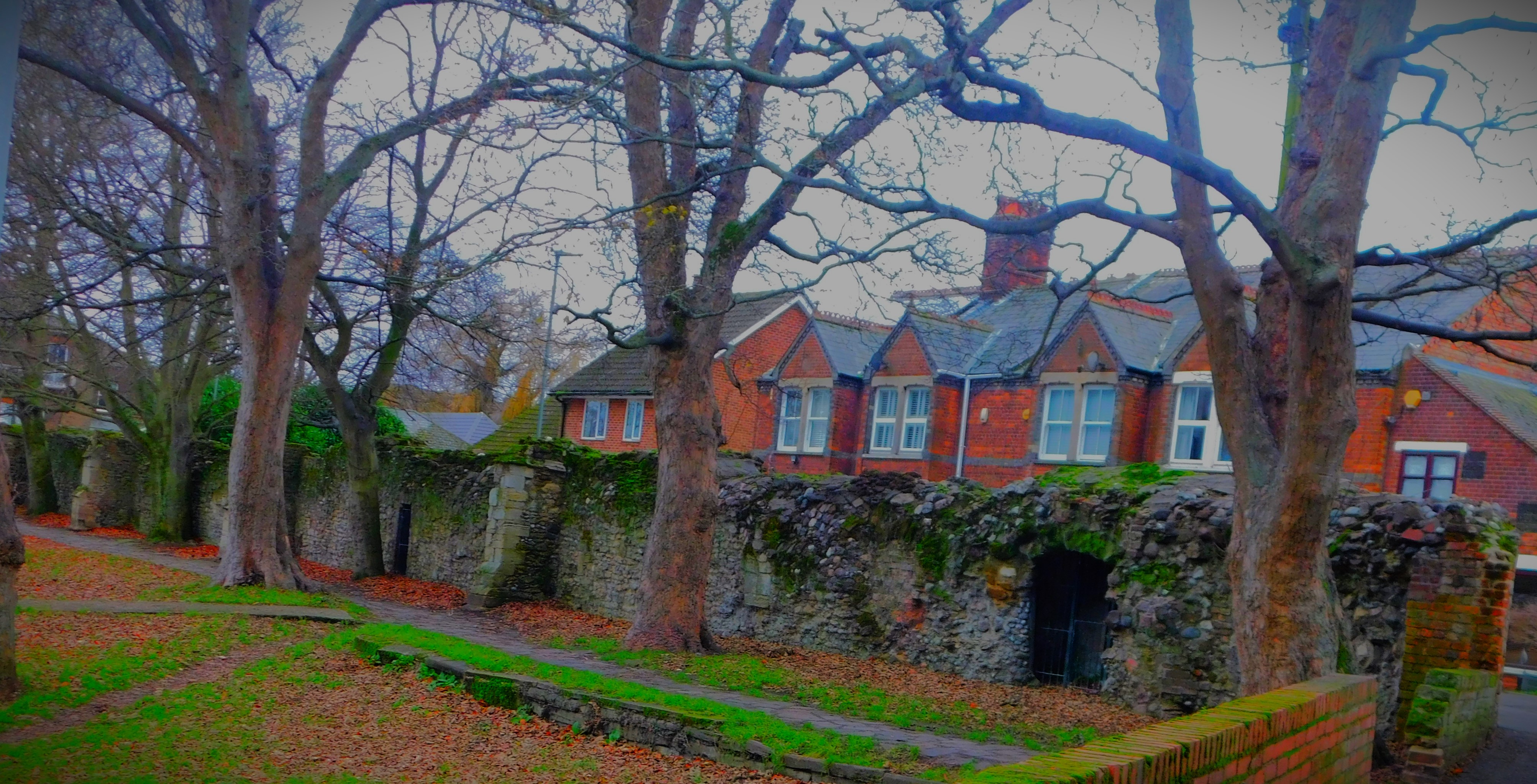
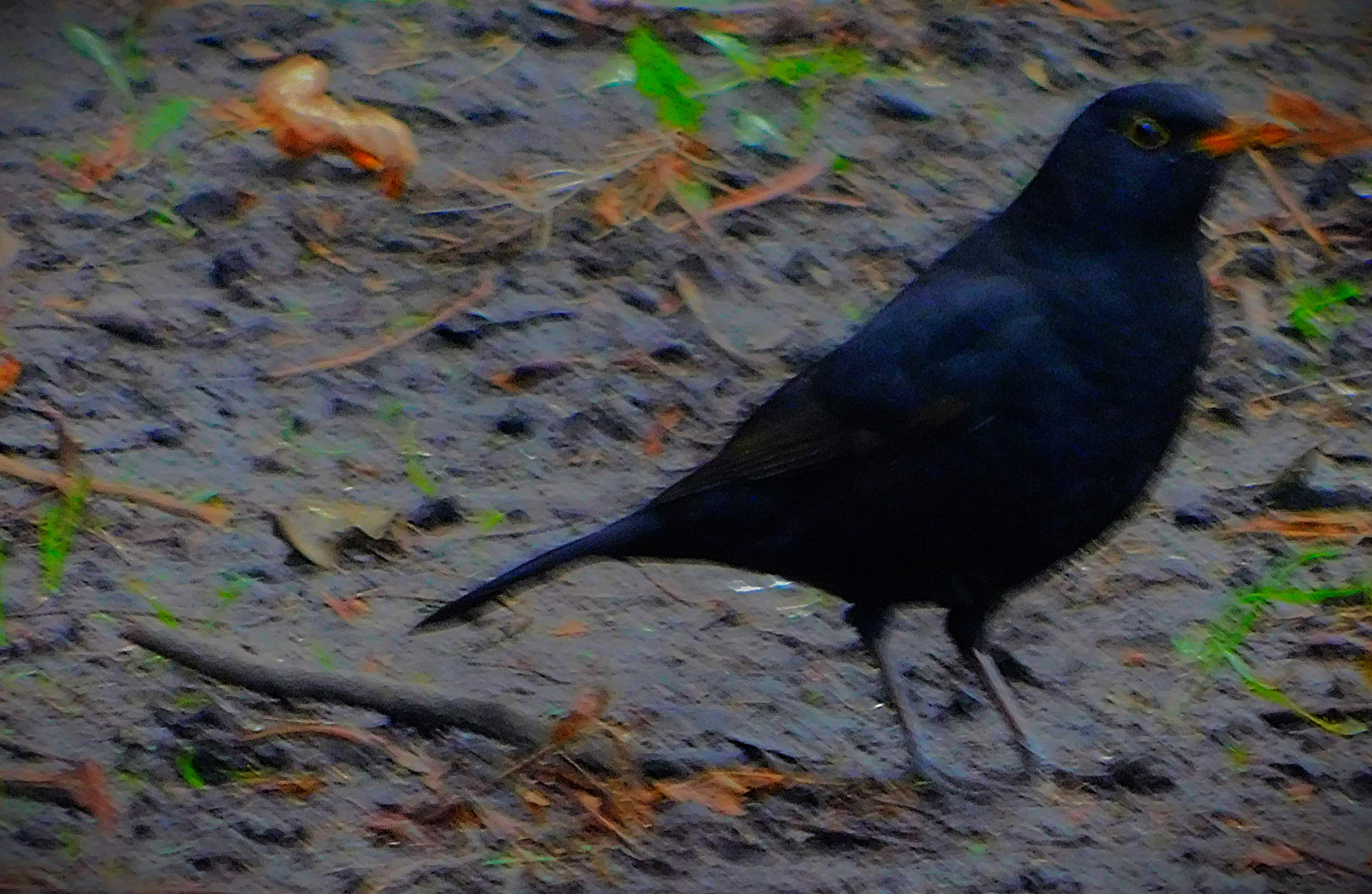
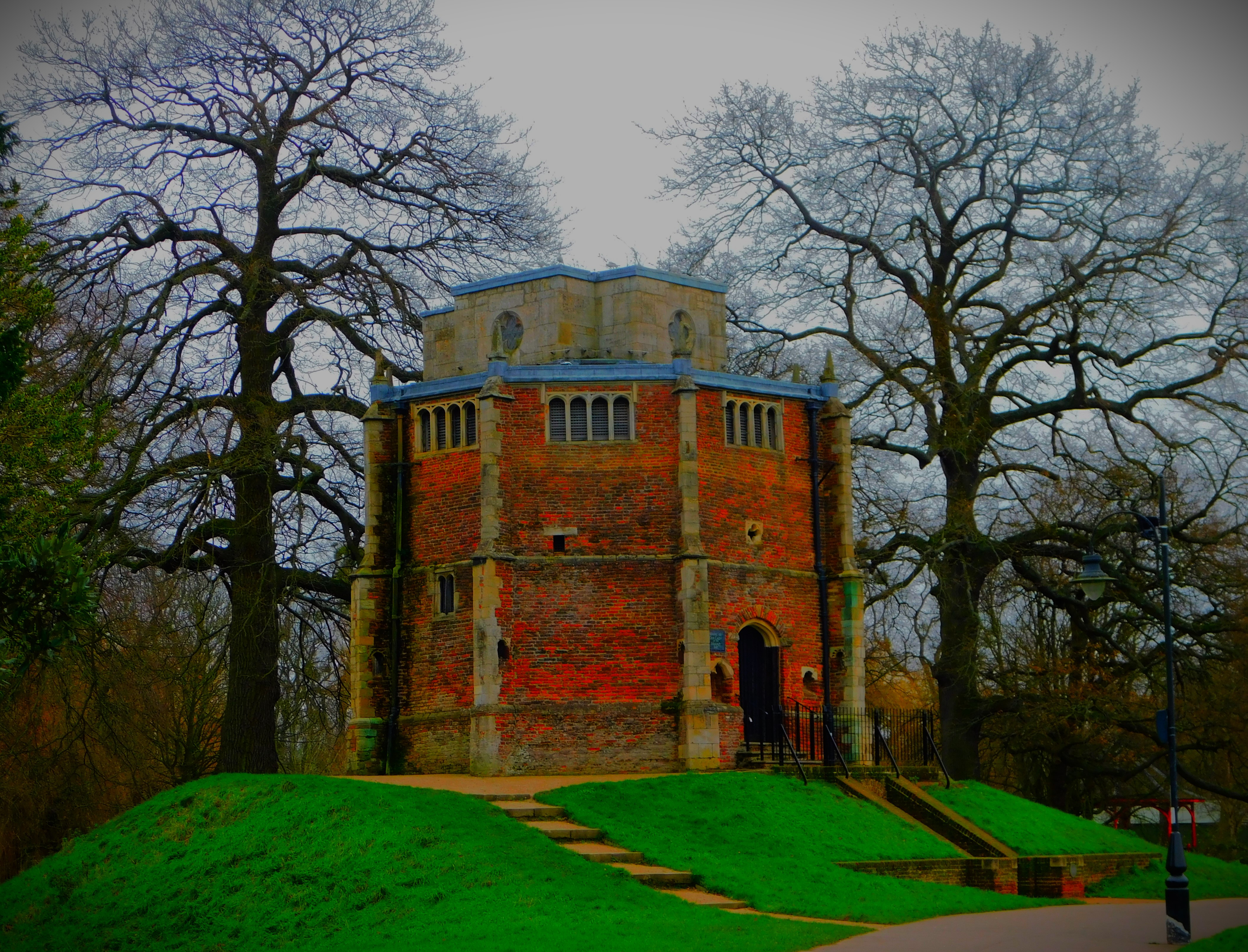
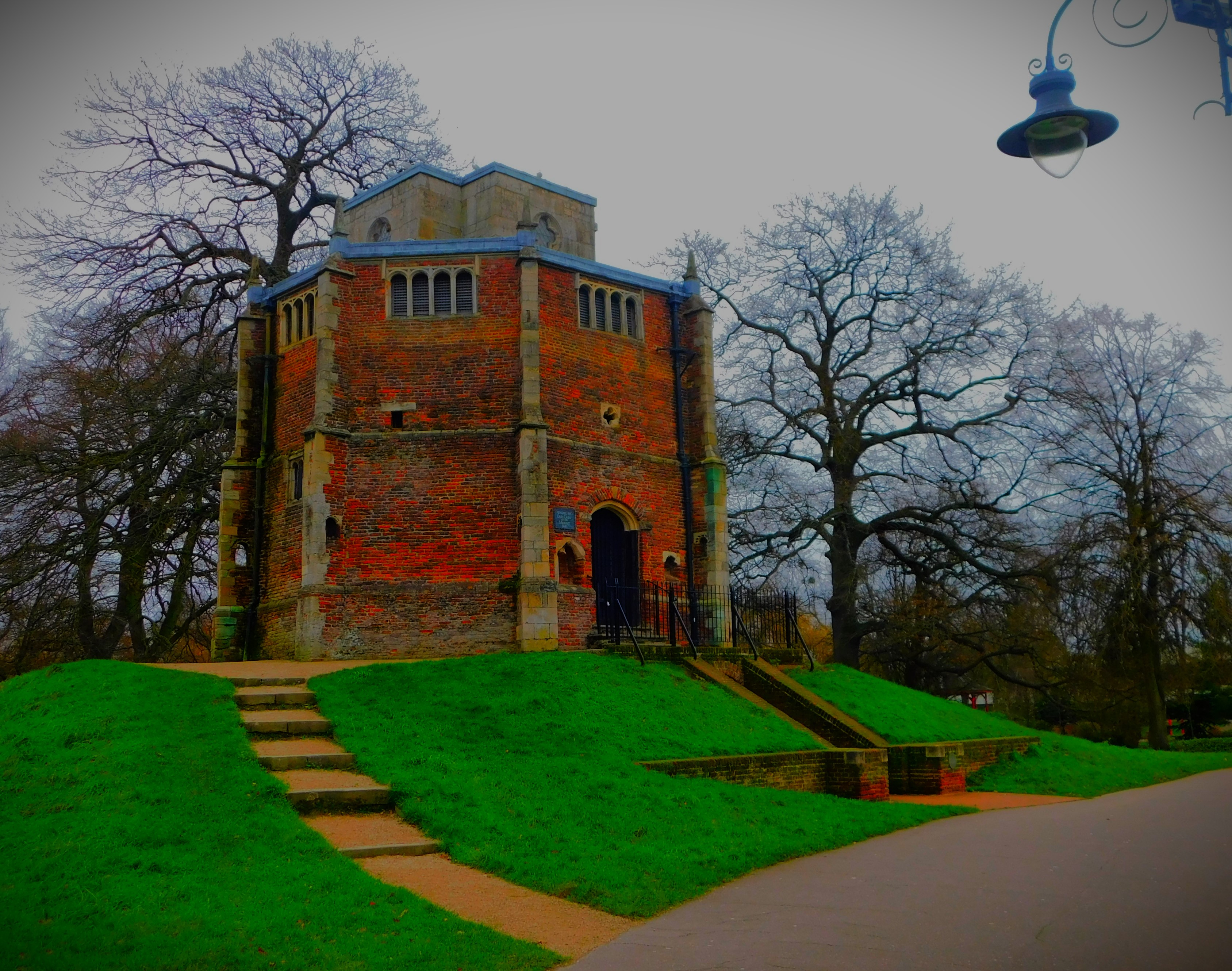
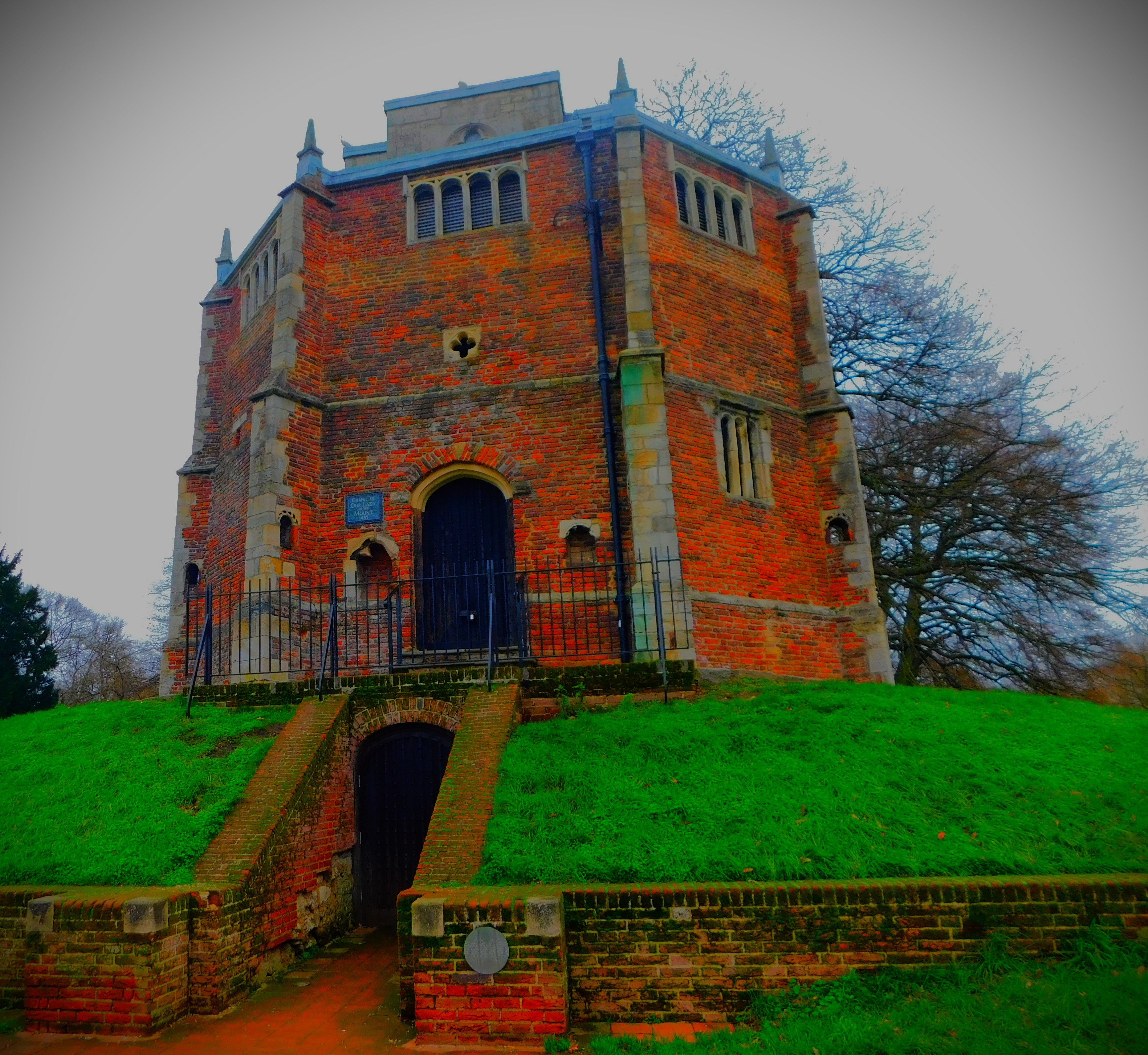
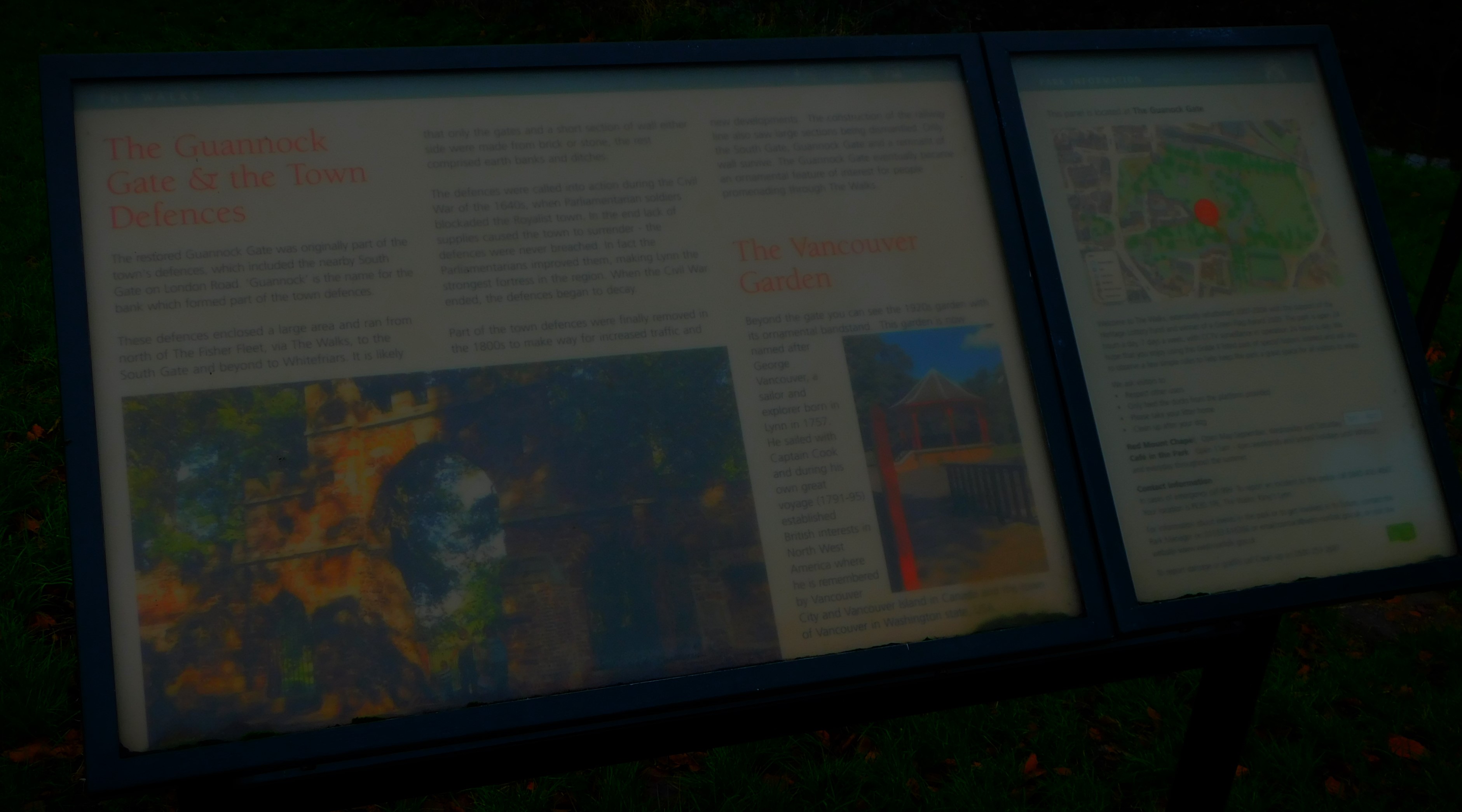
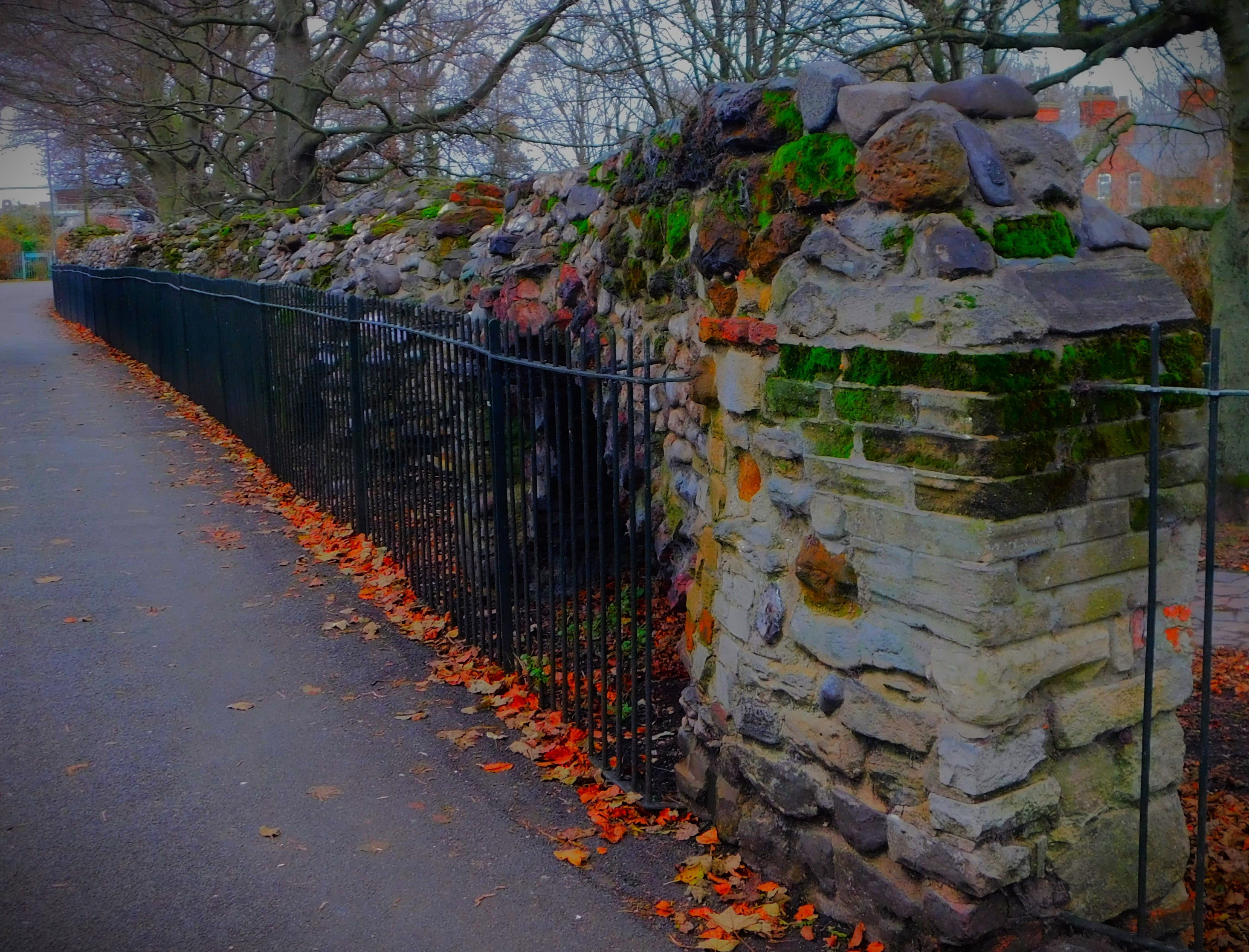
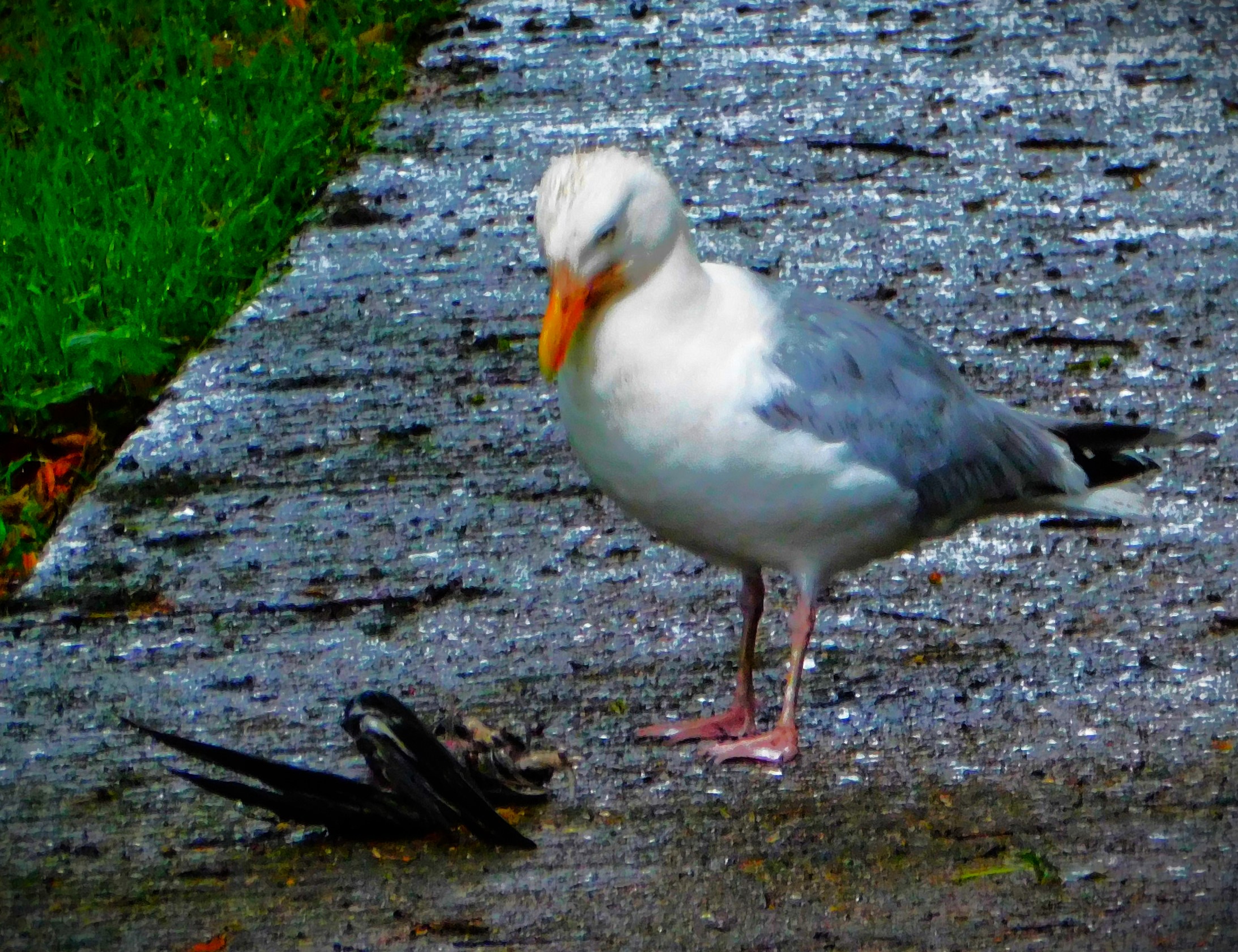
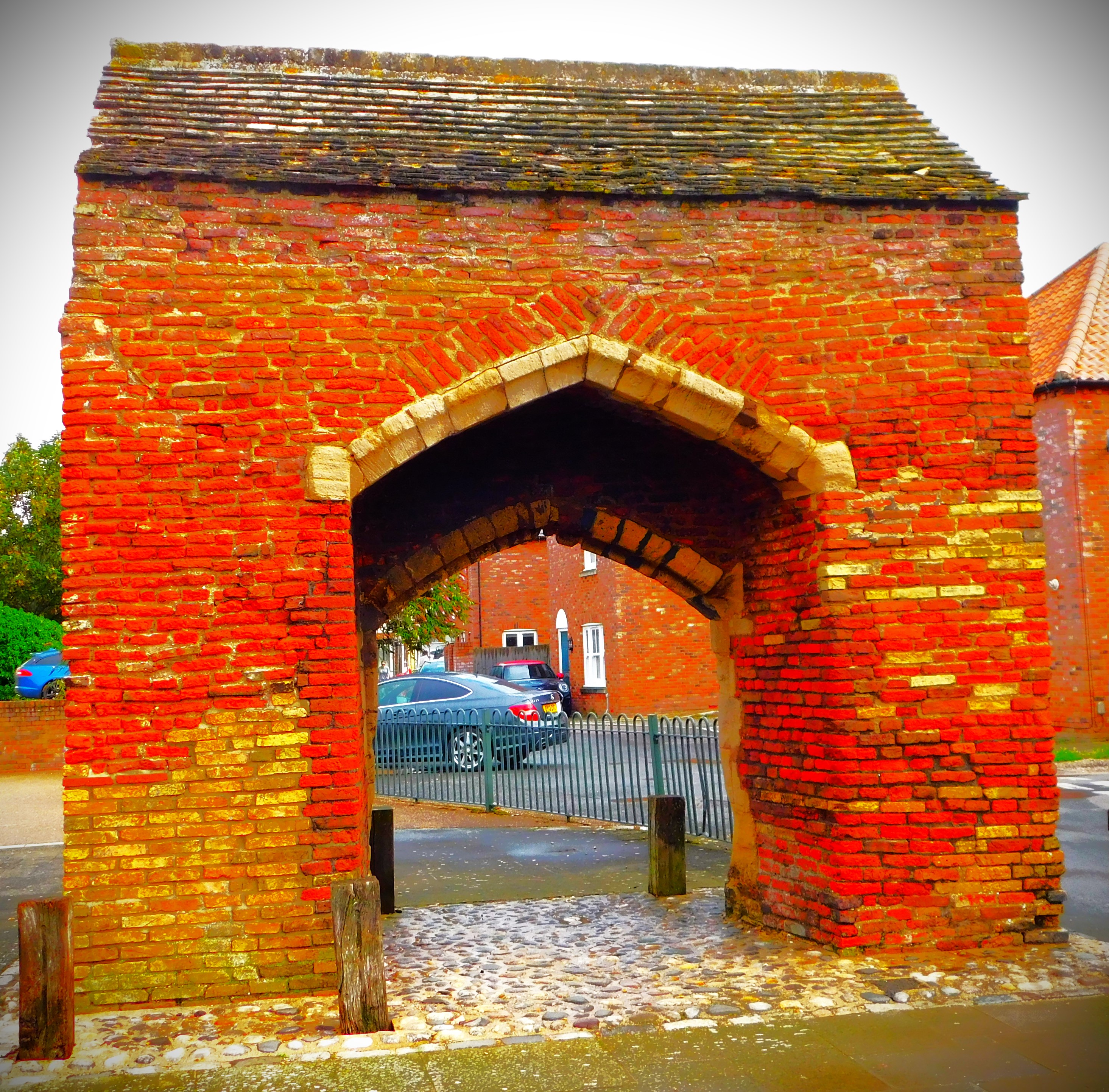
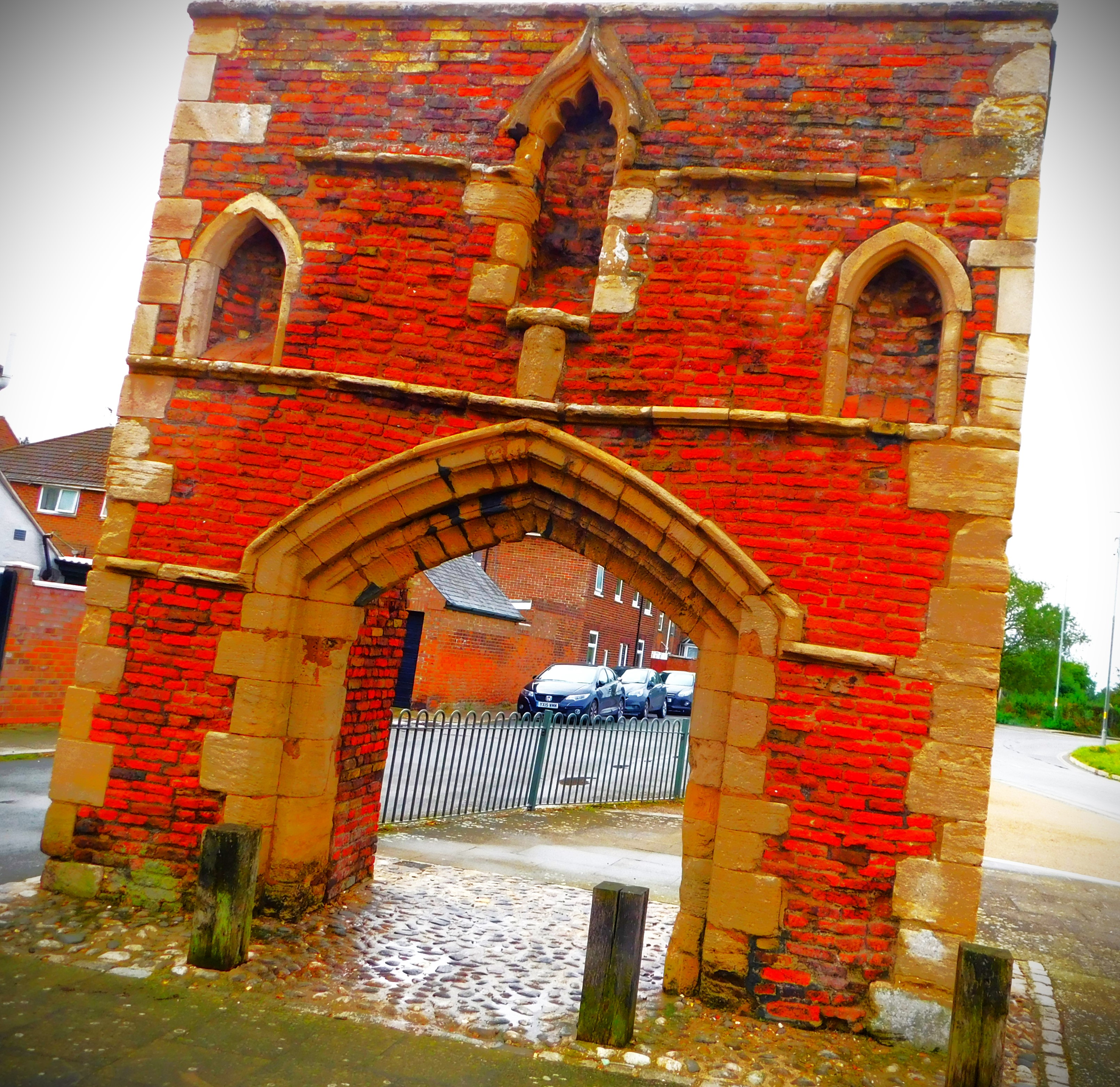
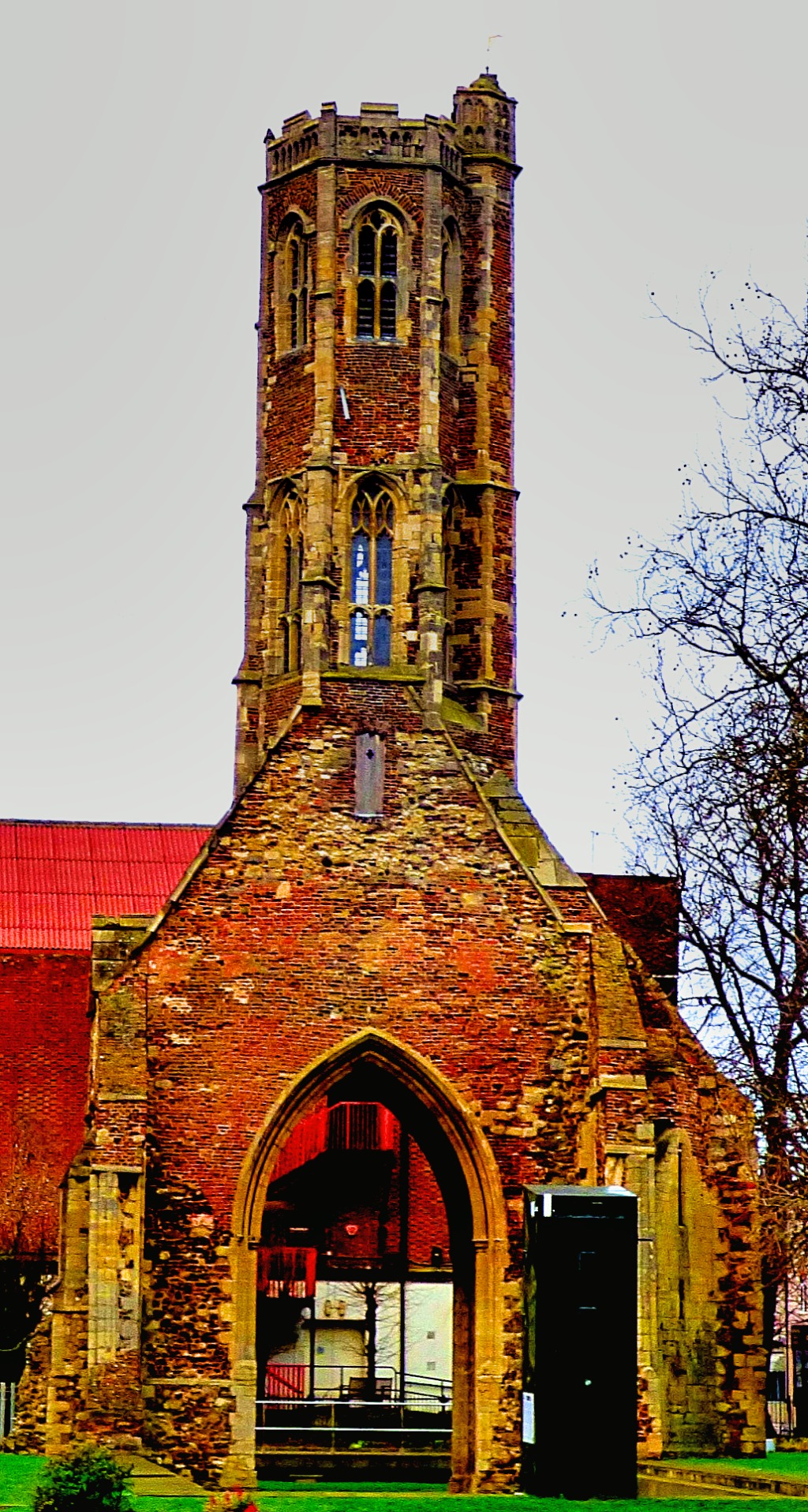
My usual sign off (please note that the featured image is not in the below gallery, being a composite of three separate pictures, showing both sides of the Guanock Gate and the information panel about said gate)…
A look at the conclusion to an amazing Ashes summer, a mention of a hugely successful auction and a large photo gallery.
The men’s Ashes of 2023 ended on Monday. The first part of this post looks at that final day’s play.
WHO WRITES YOUR SCRIPTS BROADY?!
After the close of play on day three of this match Stuart Broad told the world that it would be his last as a competitive cricketer. On the fourth morning he struck the last delivery he received in test cricket for six, on the fifth evening he took a wicket with his last ball as a test cricketer, giving England victory by 49 runs and a 2-2 drawn series, a result which leaves The #MAshes in Australian hands but also means that the visitors will now go longer without an away series win than any other side in the history of The Ashes – it will be 26 years since their last by the time 2027 comes round, beating the 24 years between successful England trips down under in 1986-7 and 2010-11.
Australia had looked decently placed going into the final day – 135-0, needing 249 runs more to win the match. However, both openers went quickly that final morning (Warner just before I got back from delivering Green Party leaflets in South Wootton, Khawaja just after I had tuned in). Australia were still genuinely in the hunt until Woakes, deservedly Player of the Match, England Player of the Series and winner of the Compton-Miller medal, accounted for Steve Smith, which left Carey plus the bowlers to score over 100 between them. Starc and Cummins both fell fairly cheaply, while Murphy for the second time in the match showed himself rather better than a standard number 10, but when Broad got him the writing really was on the wall. Carey was last to go, also to Broad. Moeen Ali’s test career also ended on Monday, and he took a couple of crucial wickets.
The eventual 2-2 series result was just about fair, though Australia were somewhat flattered by it – the rain ruined game at Old Trafford was going meltingly in England’s favour, and you could probably replay the first two matches of the series a thousand times over and not have Australia emerge 2-0 up.
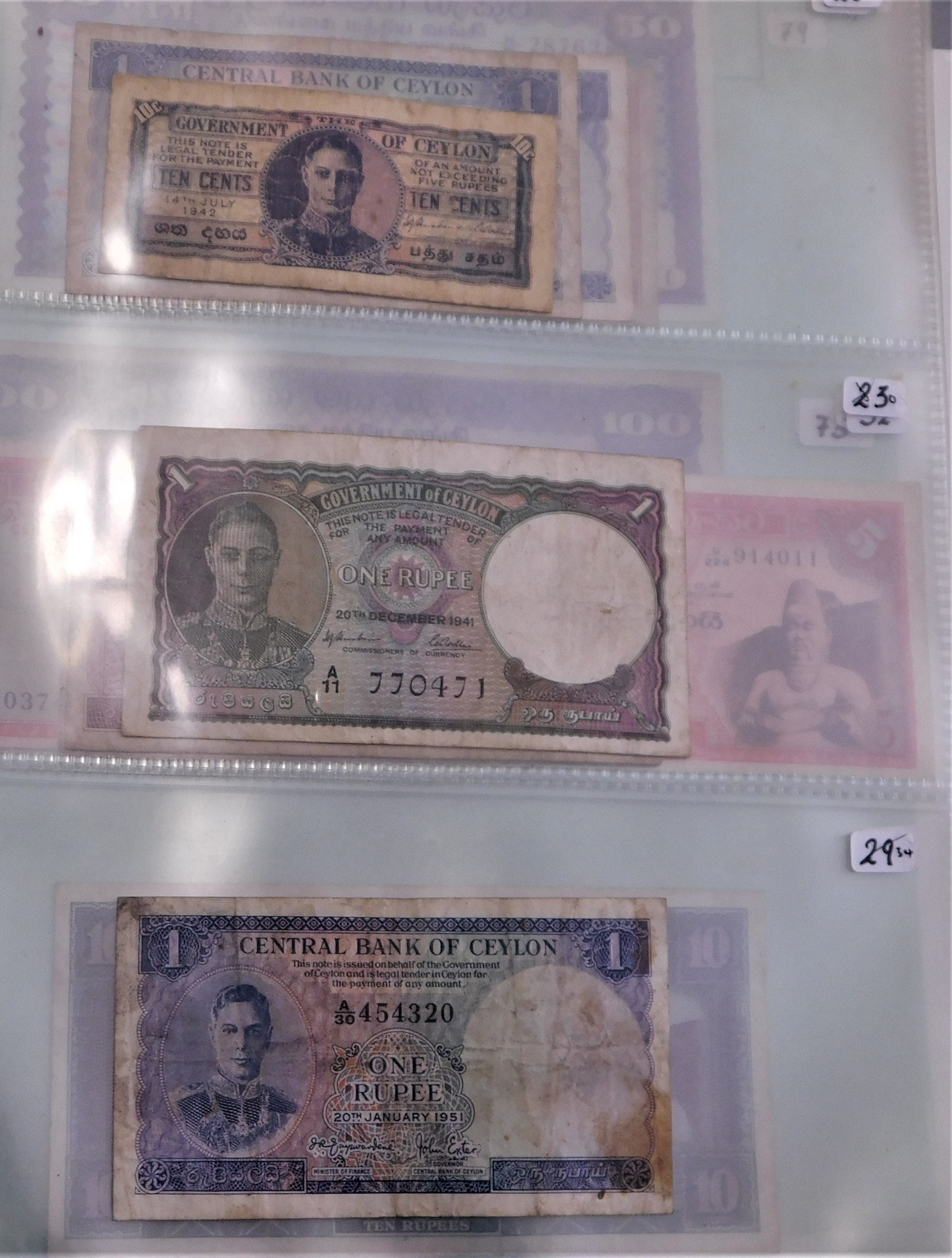
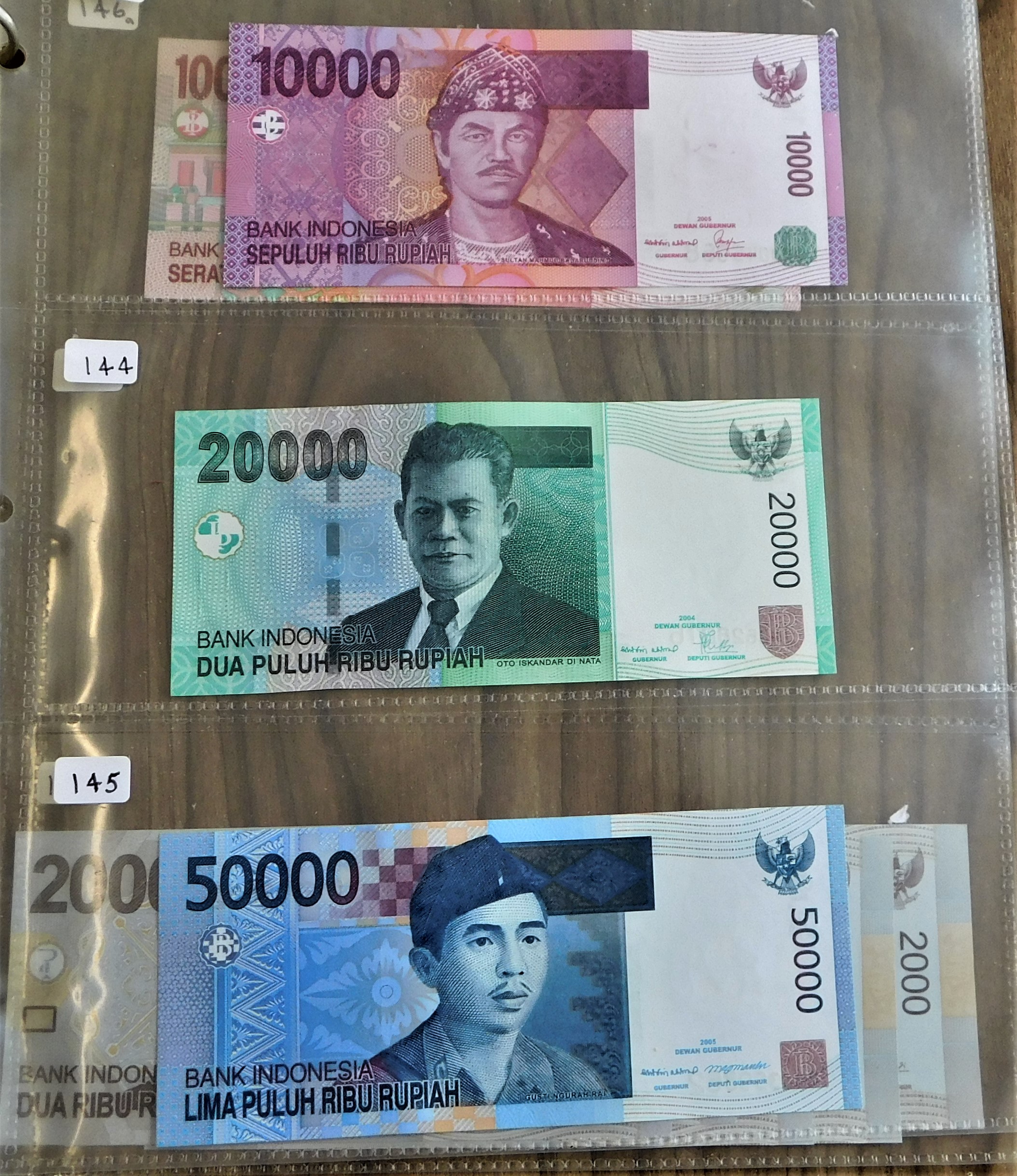
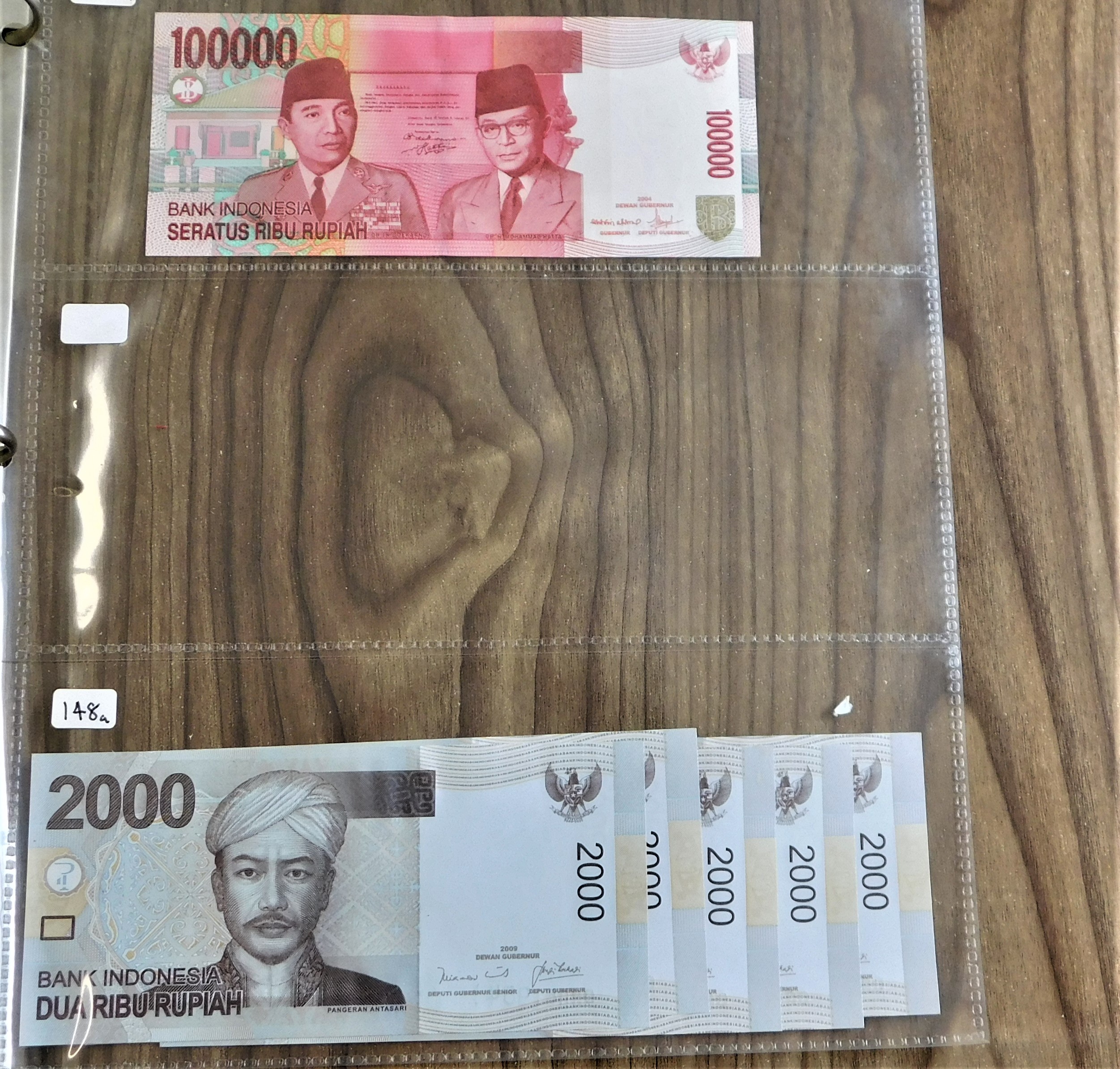
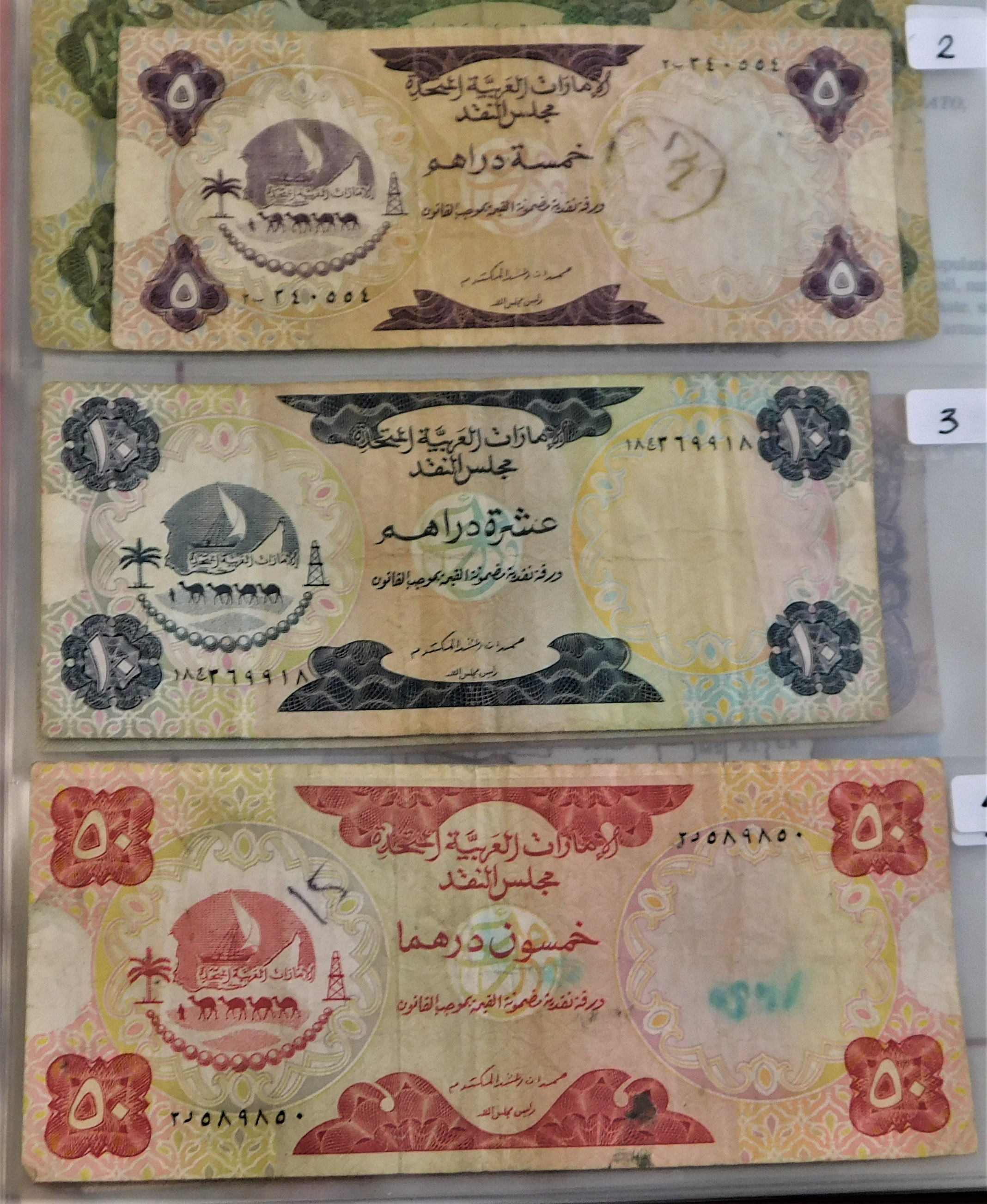
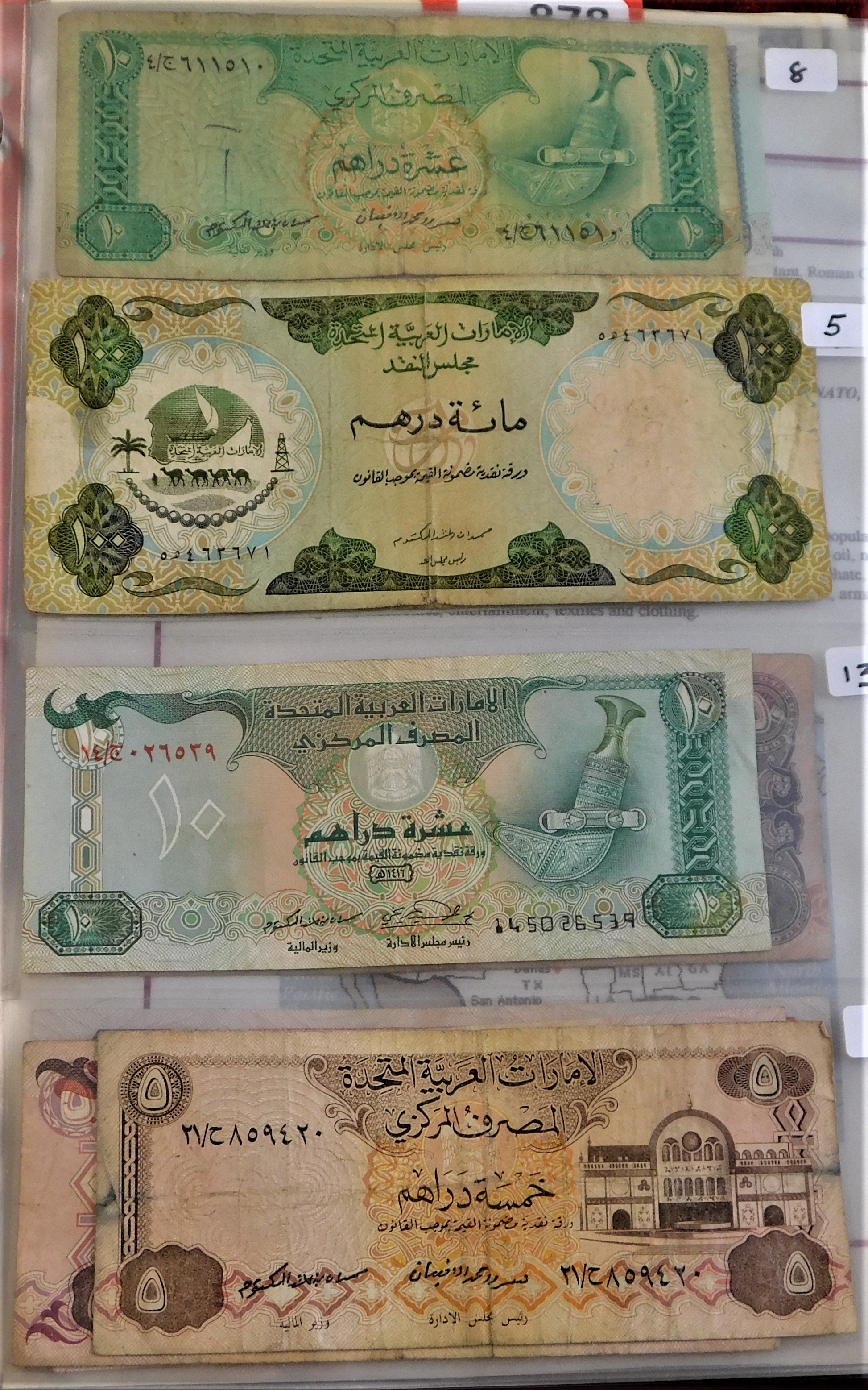
A GREAT BANKNOTE SALE
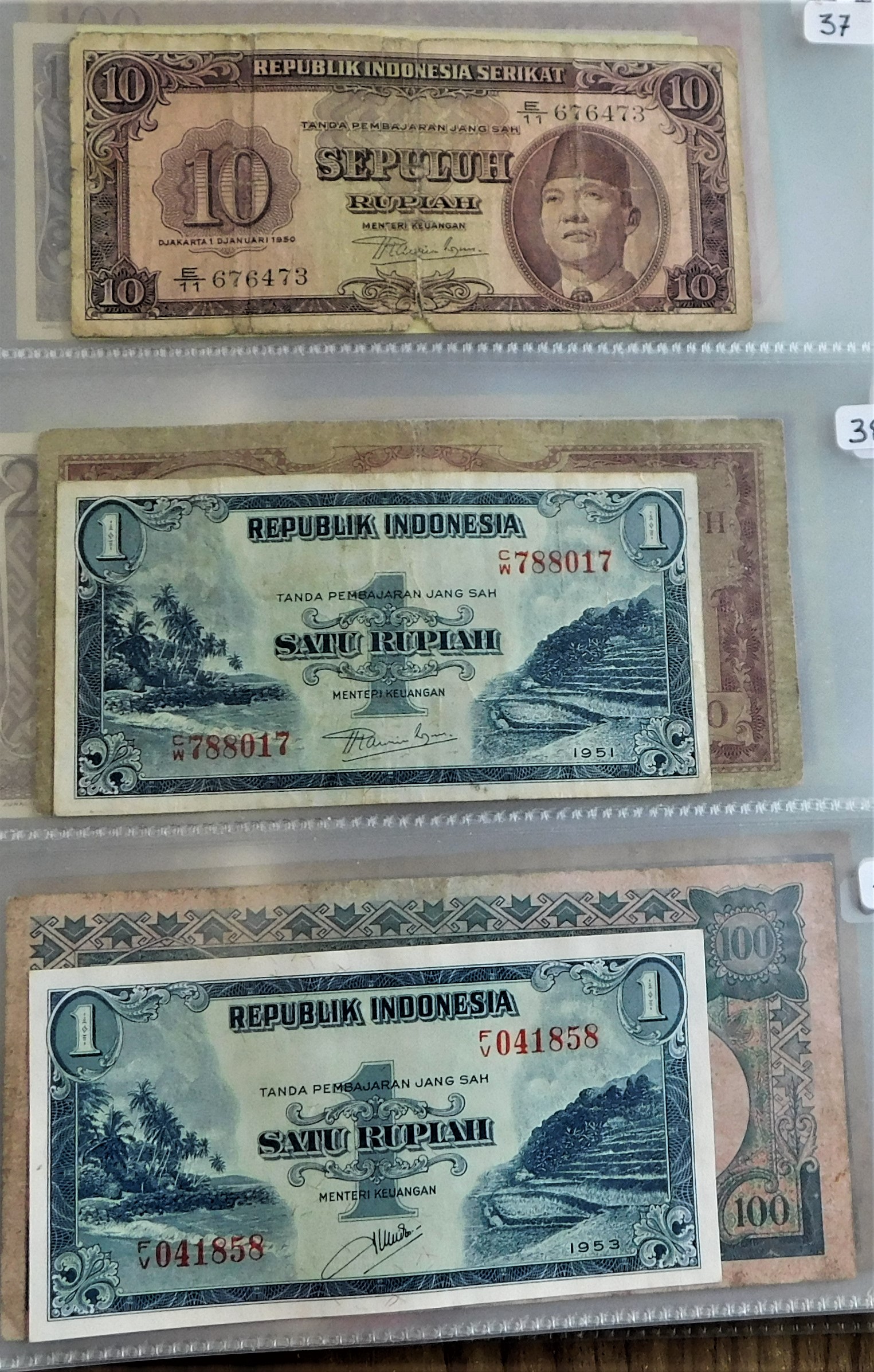
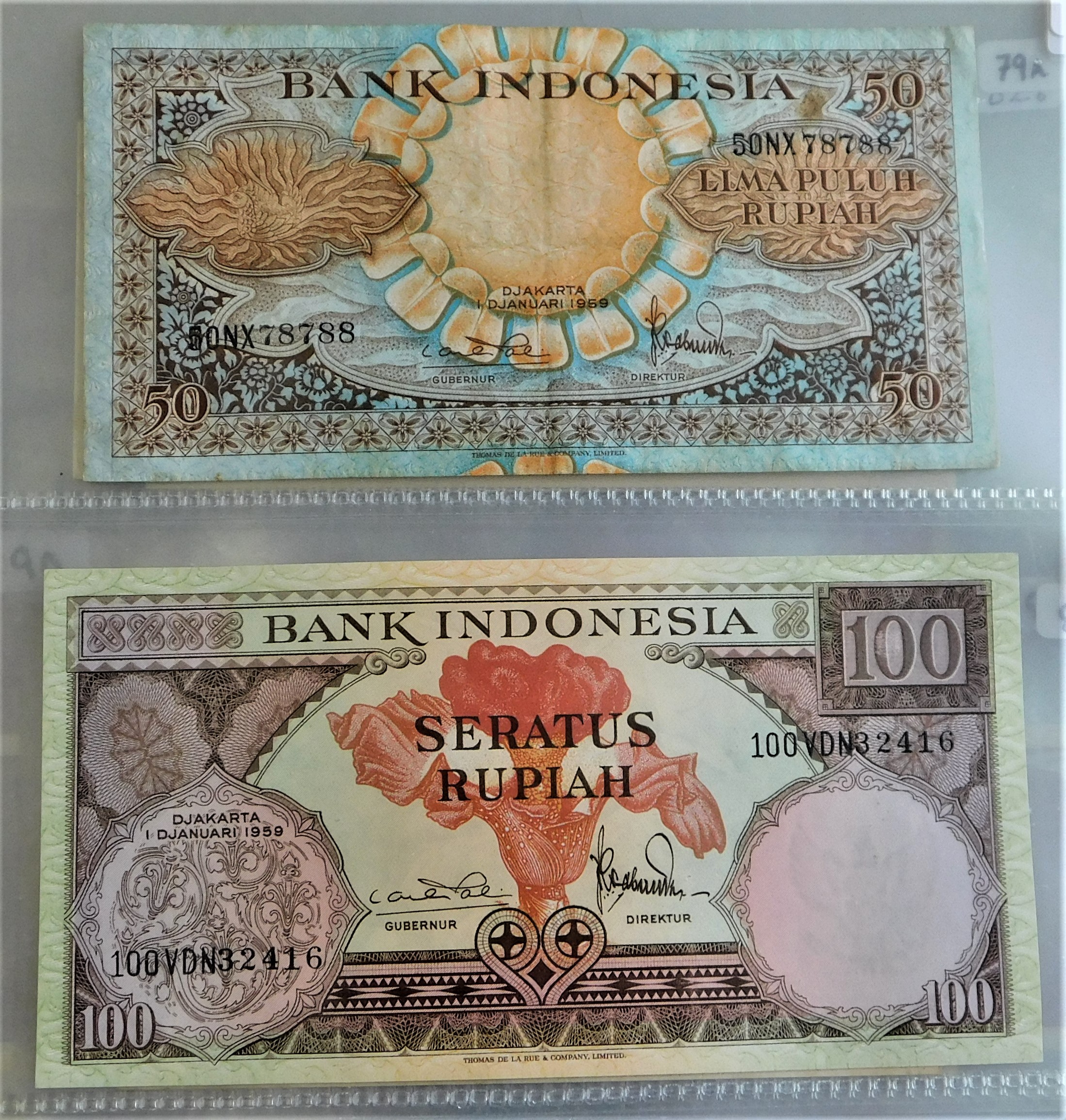
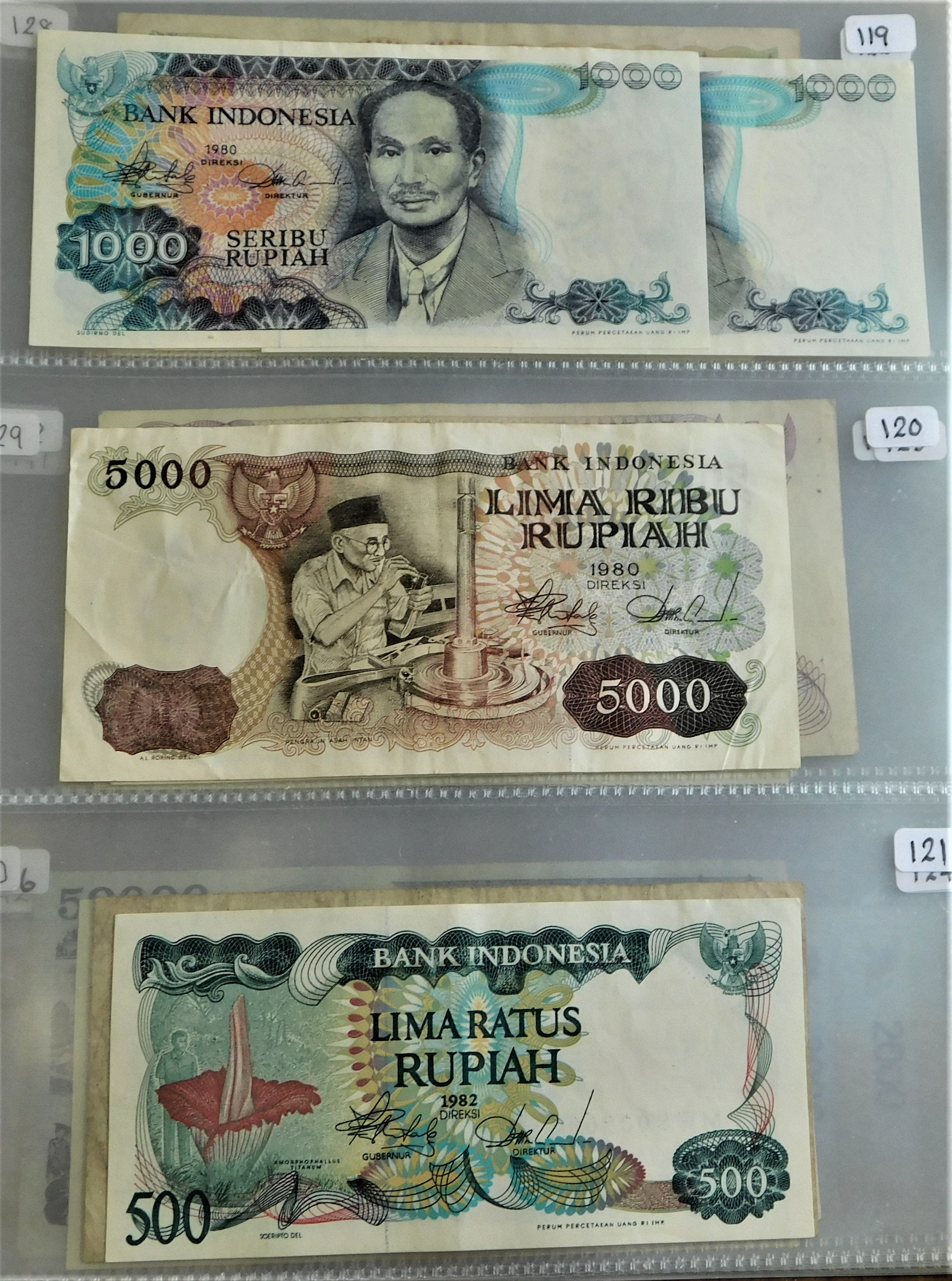
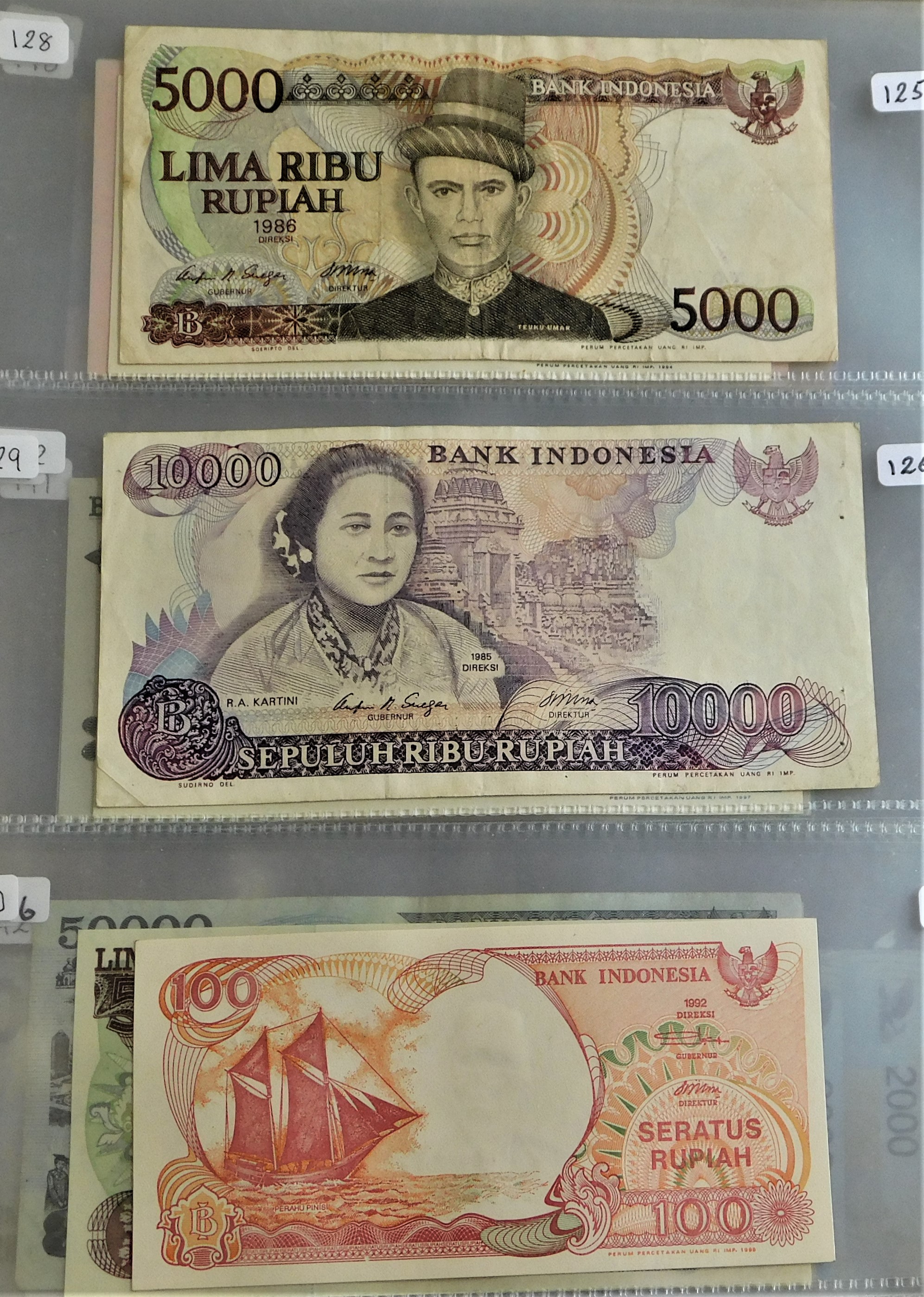
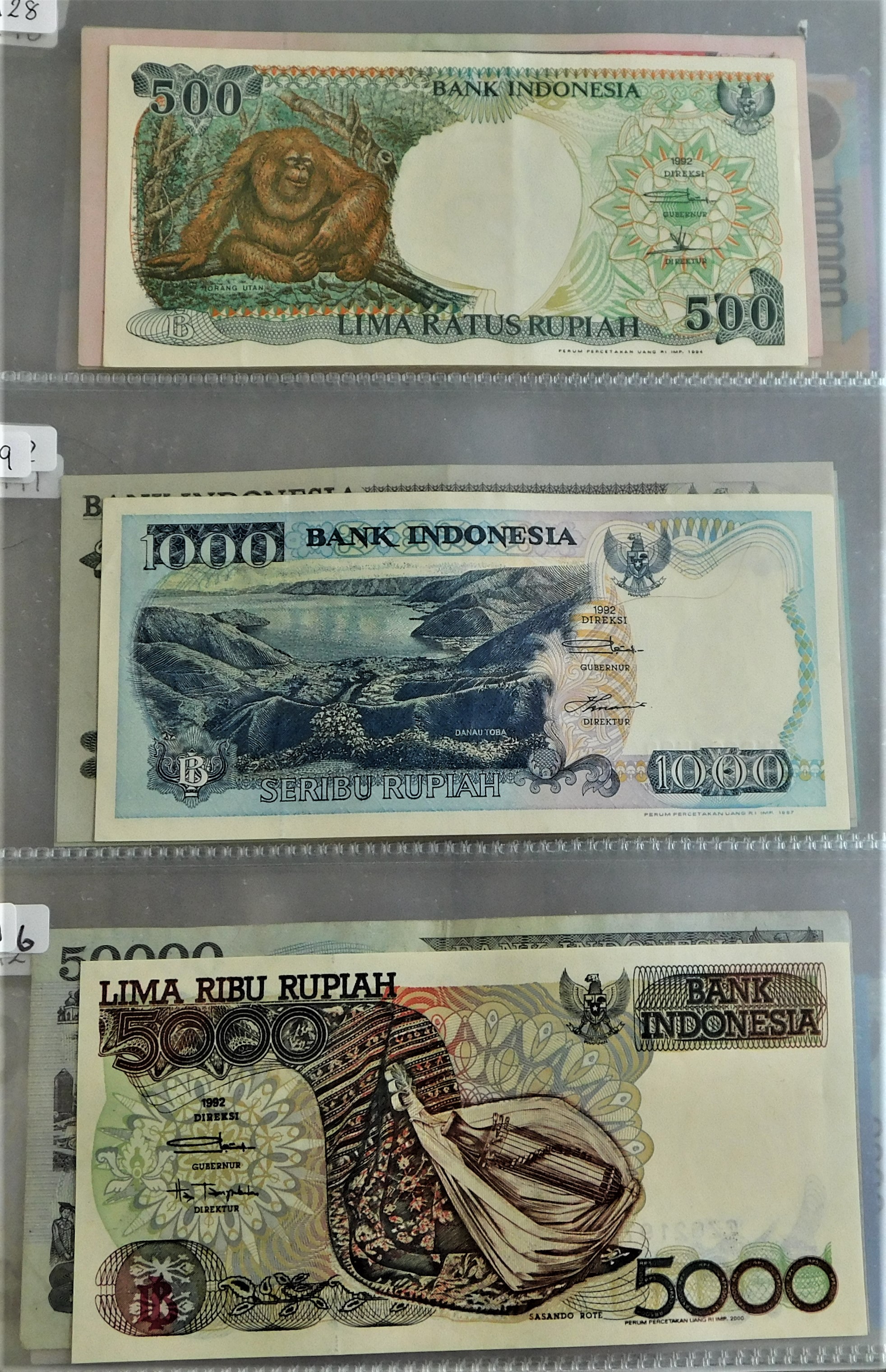
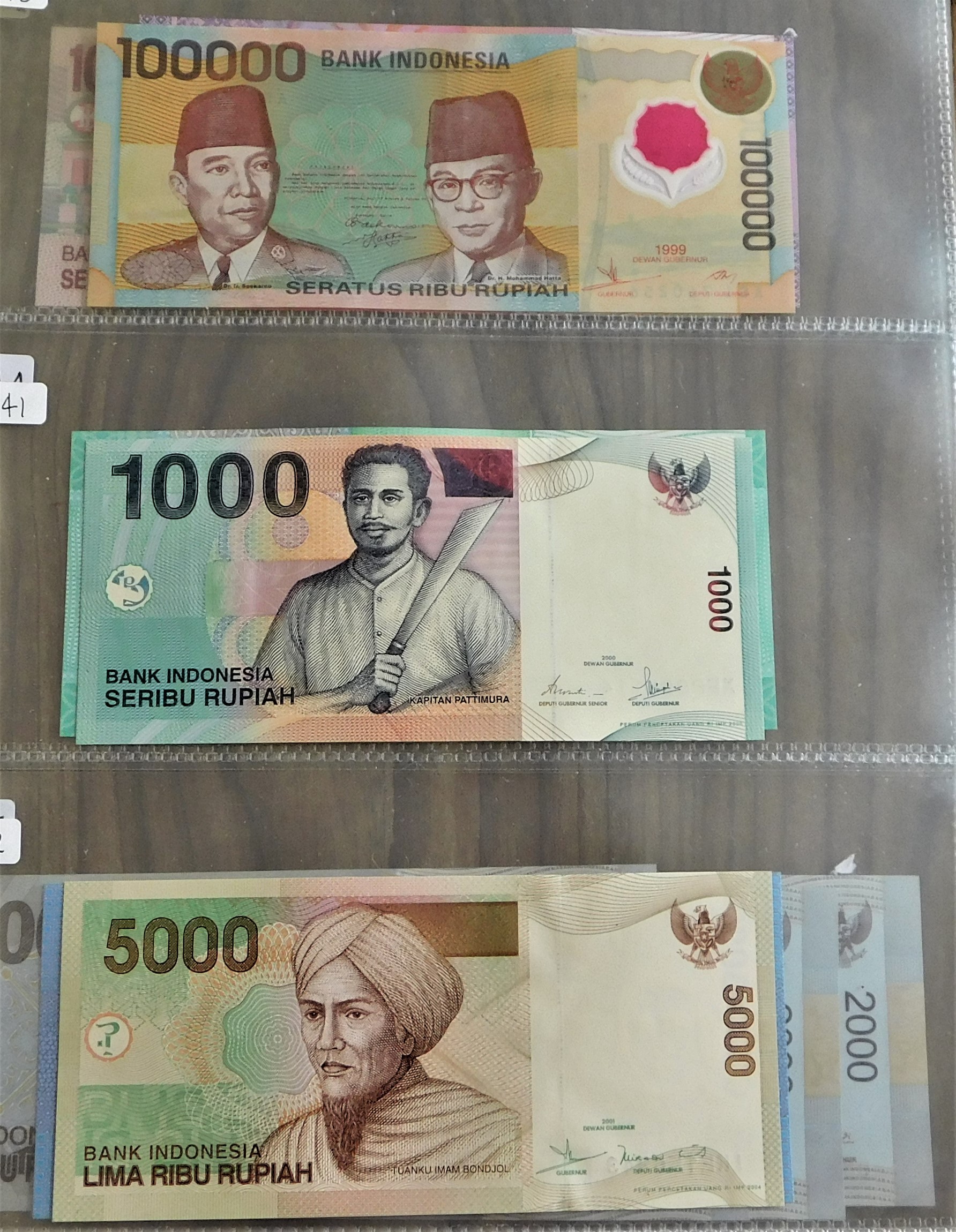
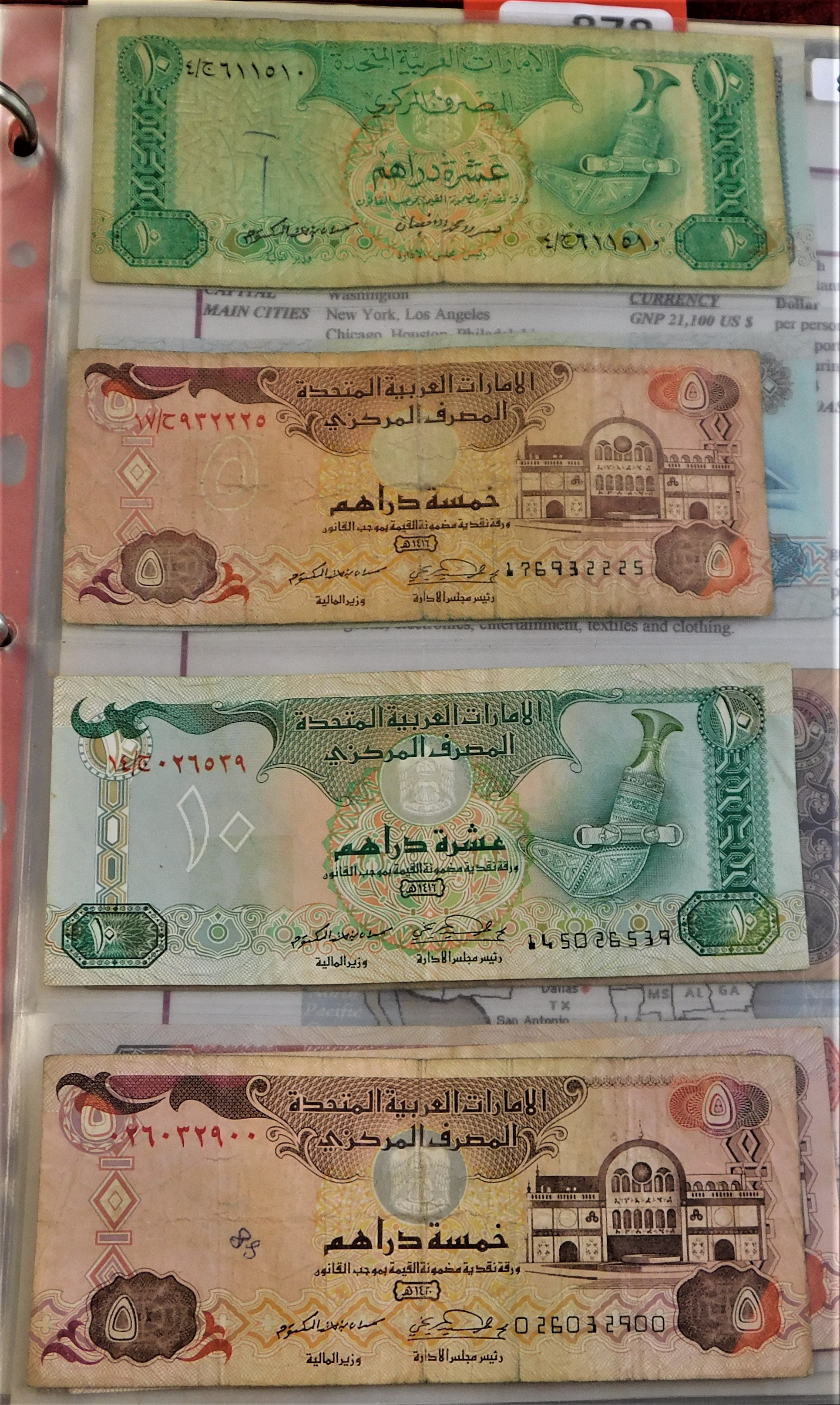
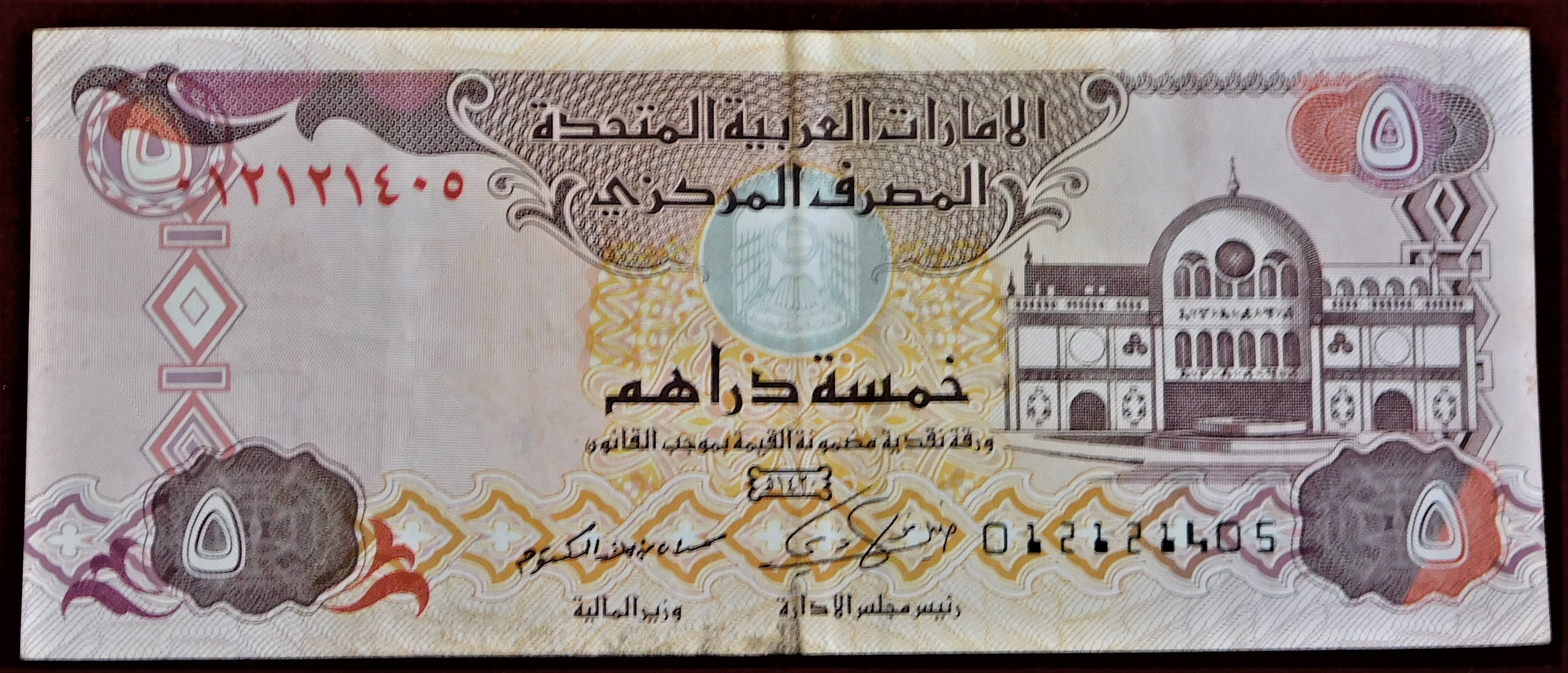
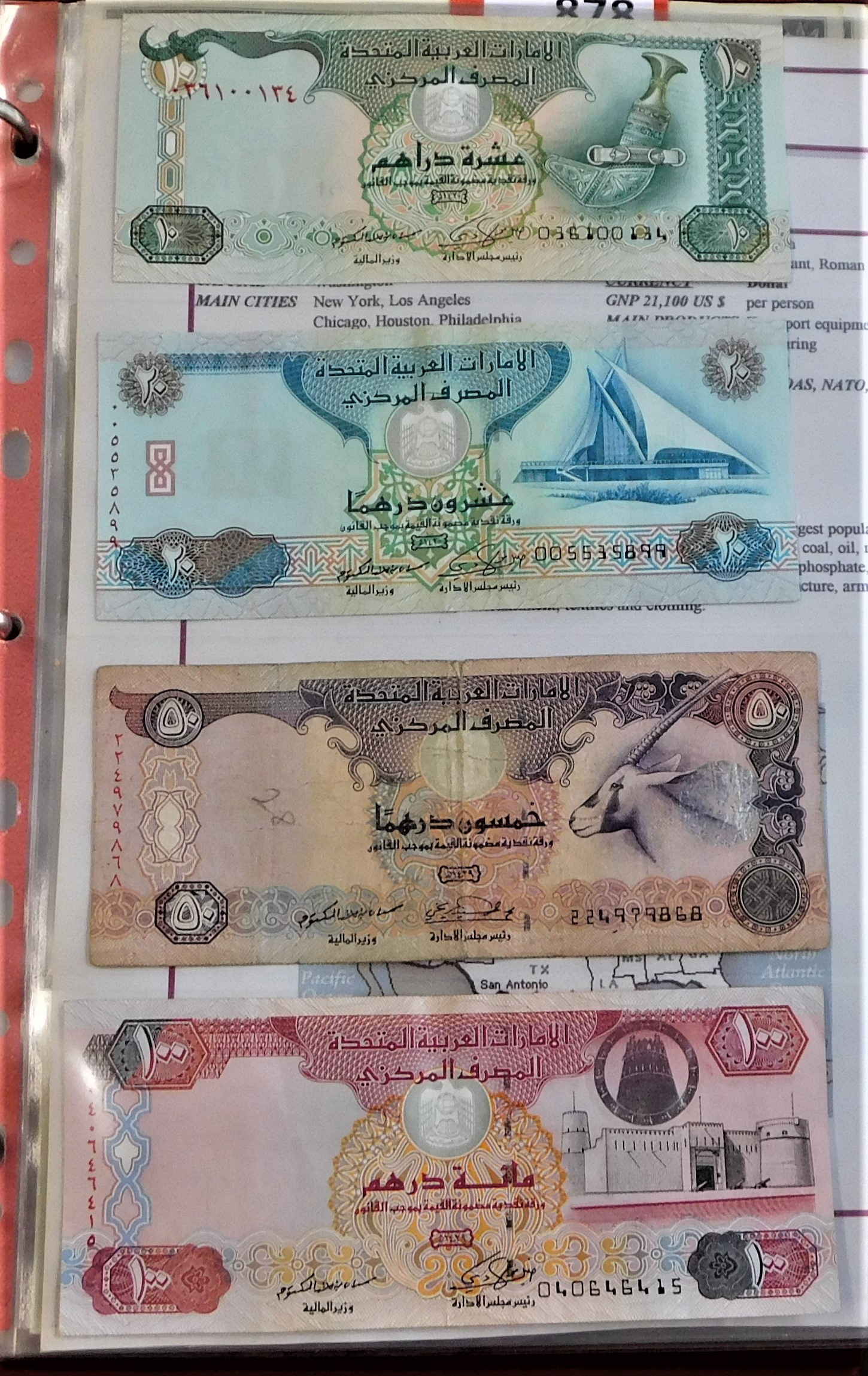
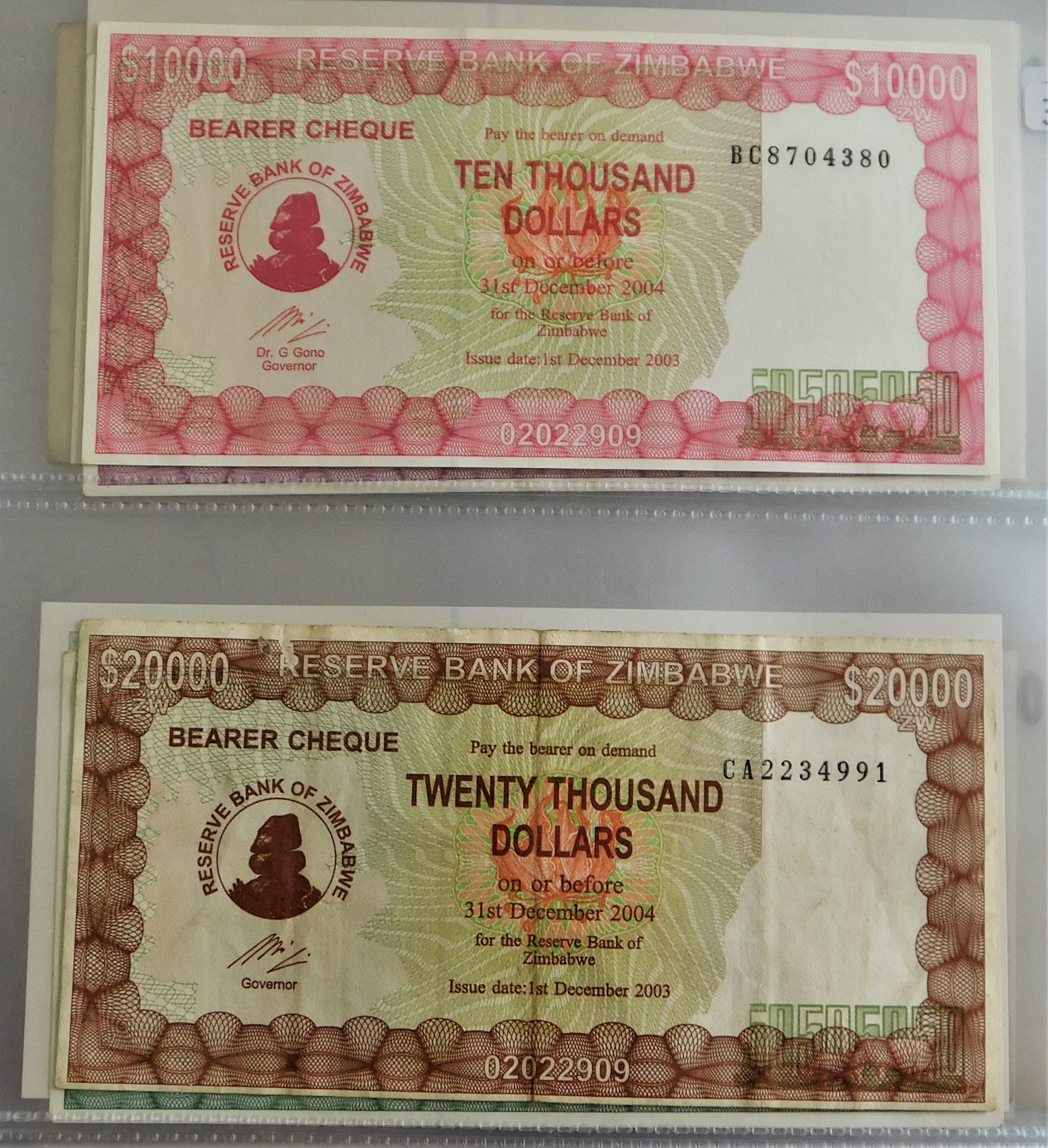
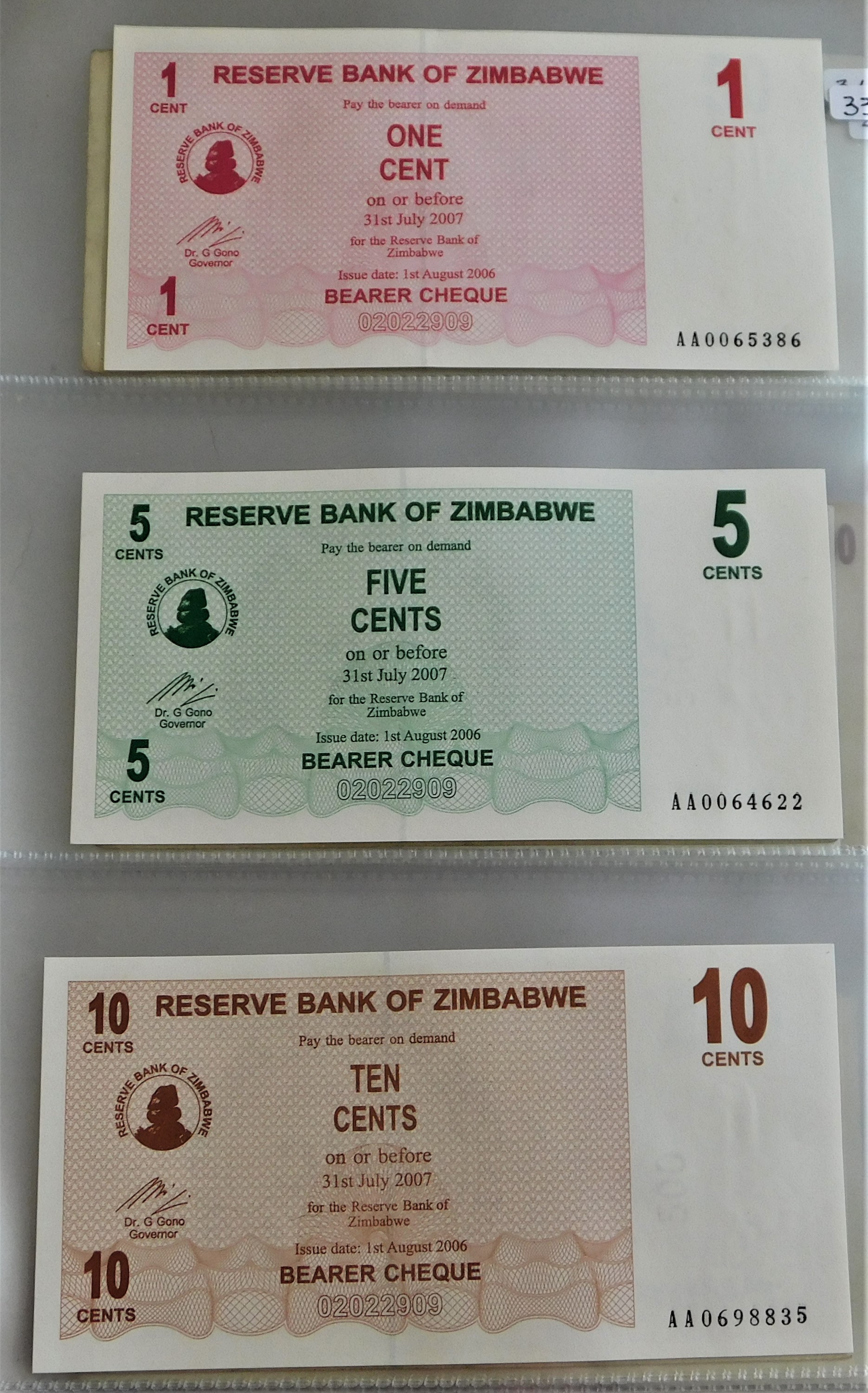
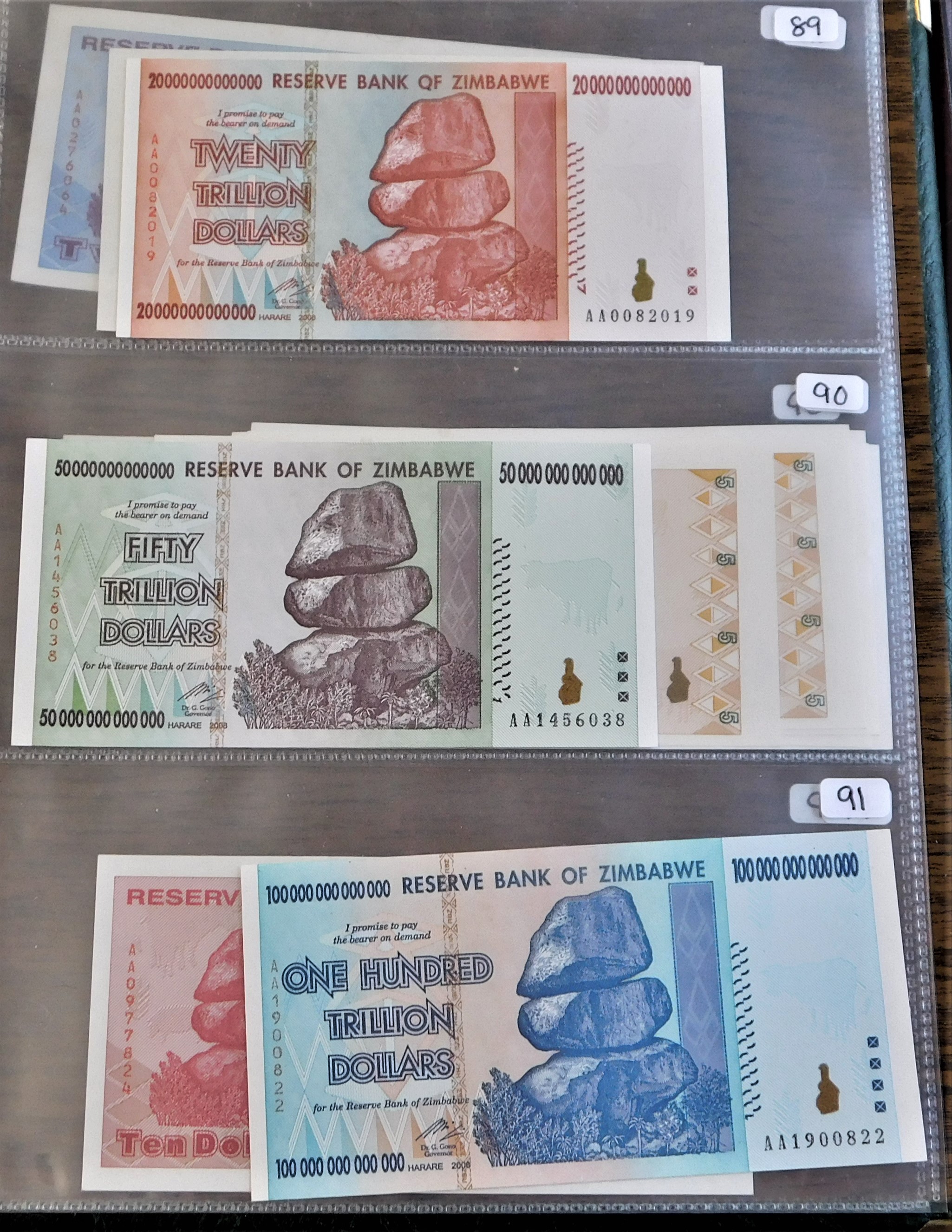
A week ago today James and Sons had the second auction of a double header. Tuesday had featured stamps and postal history, and was a success by any normal reckoning. However, the Wednesday sale, a massive collection of banknotes, was probably the greatest success James and Sons have had in the decade since I started working there. Not only did pretty much every lot find a buyer, on most occasions they went for way more than we had dared to hope. Lot 695, expected to fetch 10-12 went for £75…
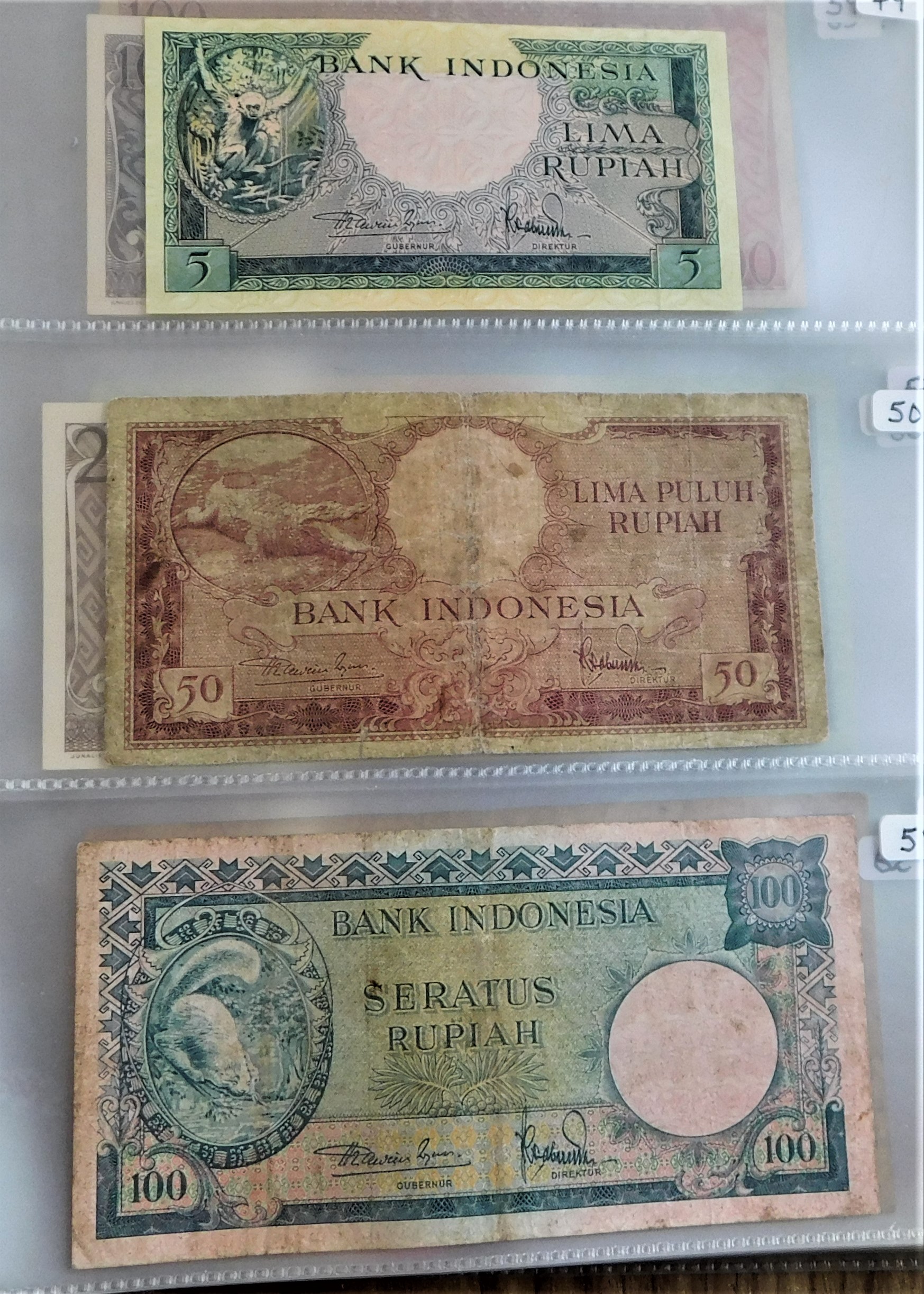
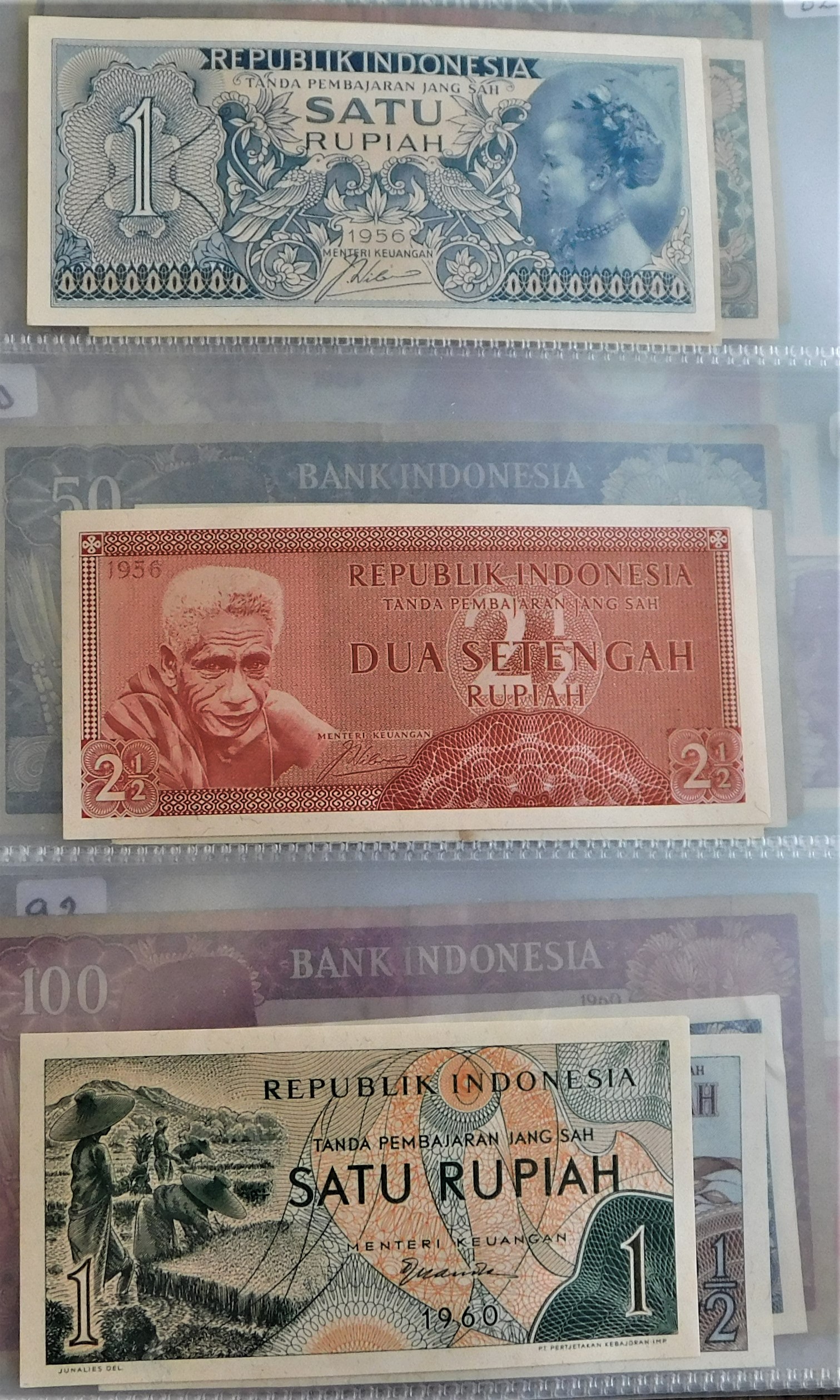
Lot 741, estimated at 25-30 went for £140…
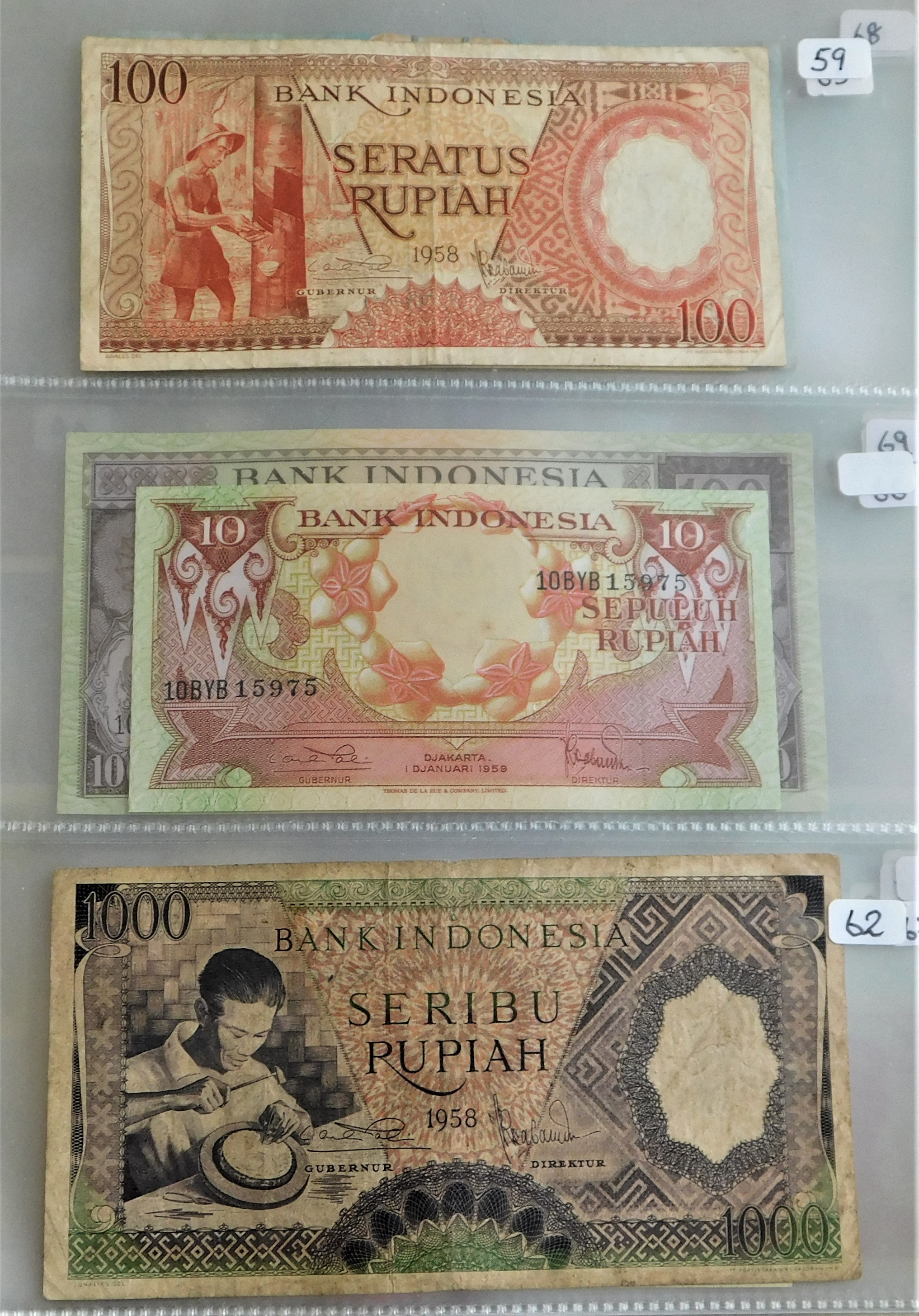
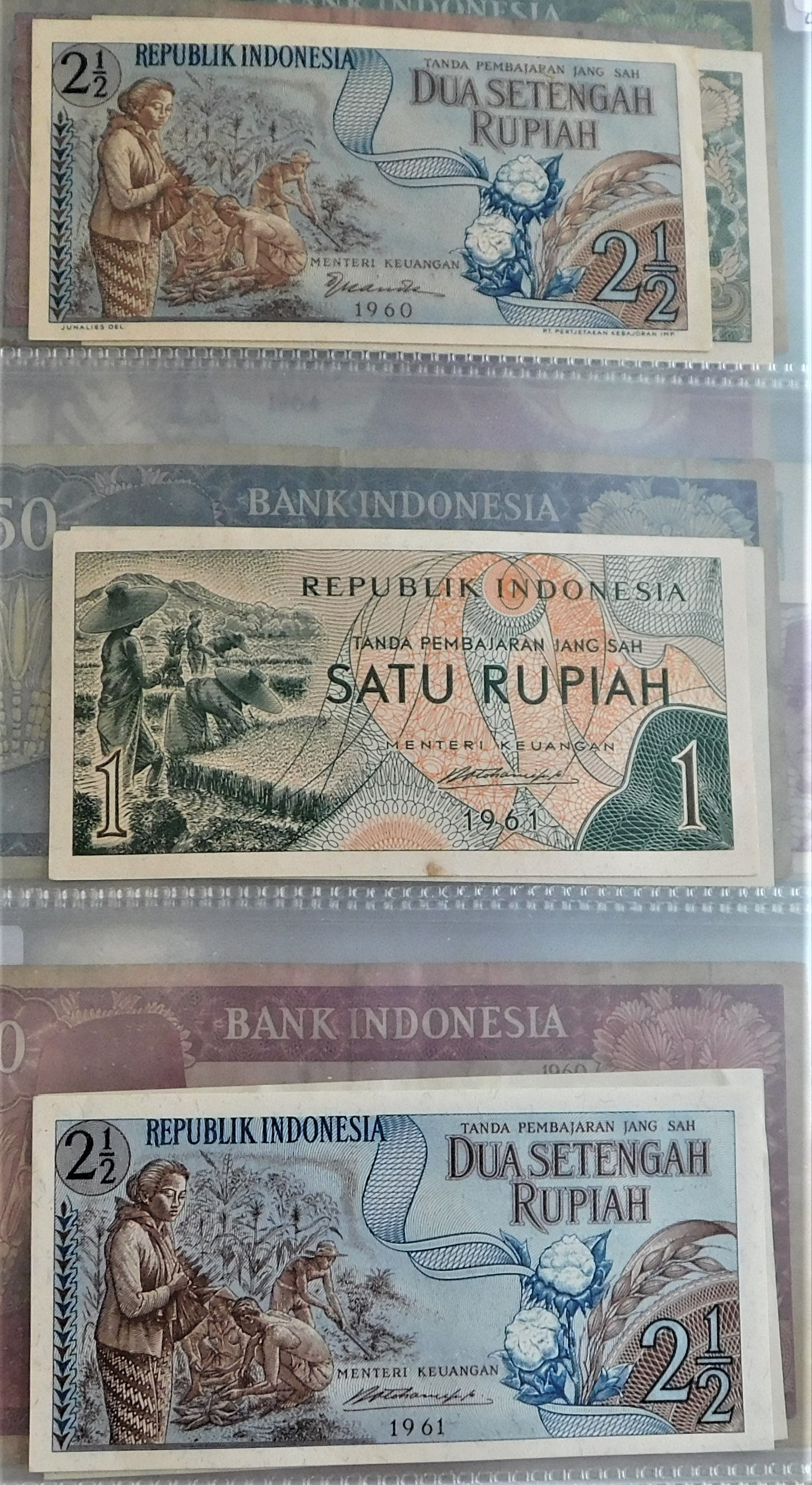
Lot 877 was the star of the show, expected to go for 30-40 and instead soaring away for £380…
I used this lot to provide the picture for a press release I sent out yesterday.
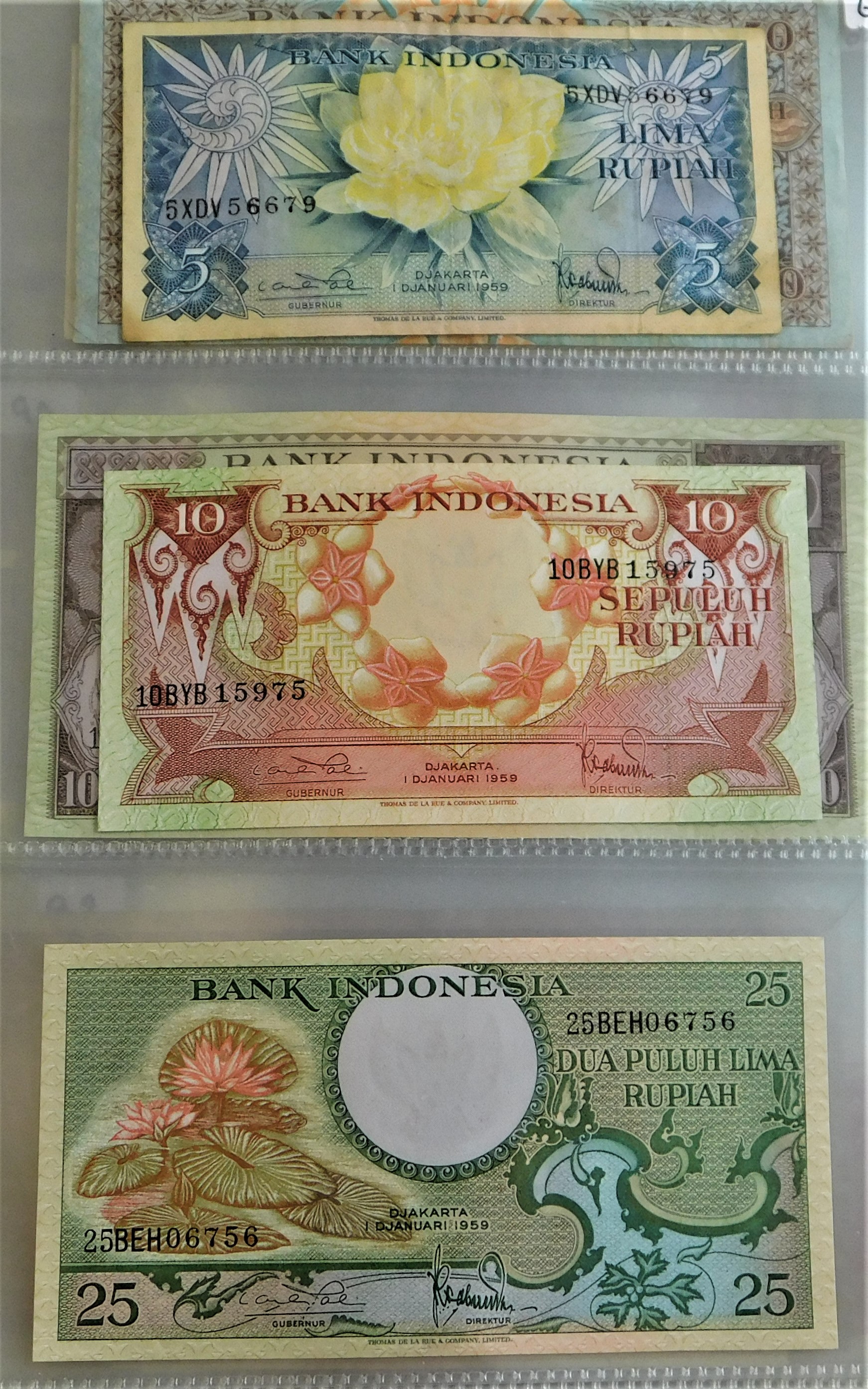
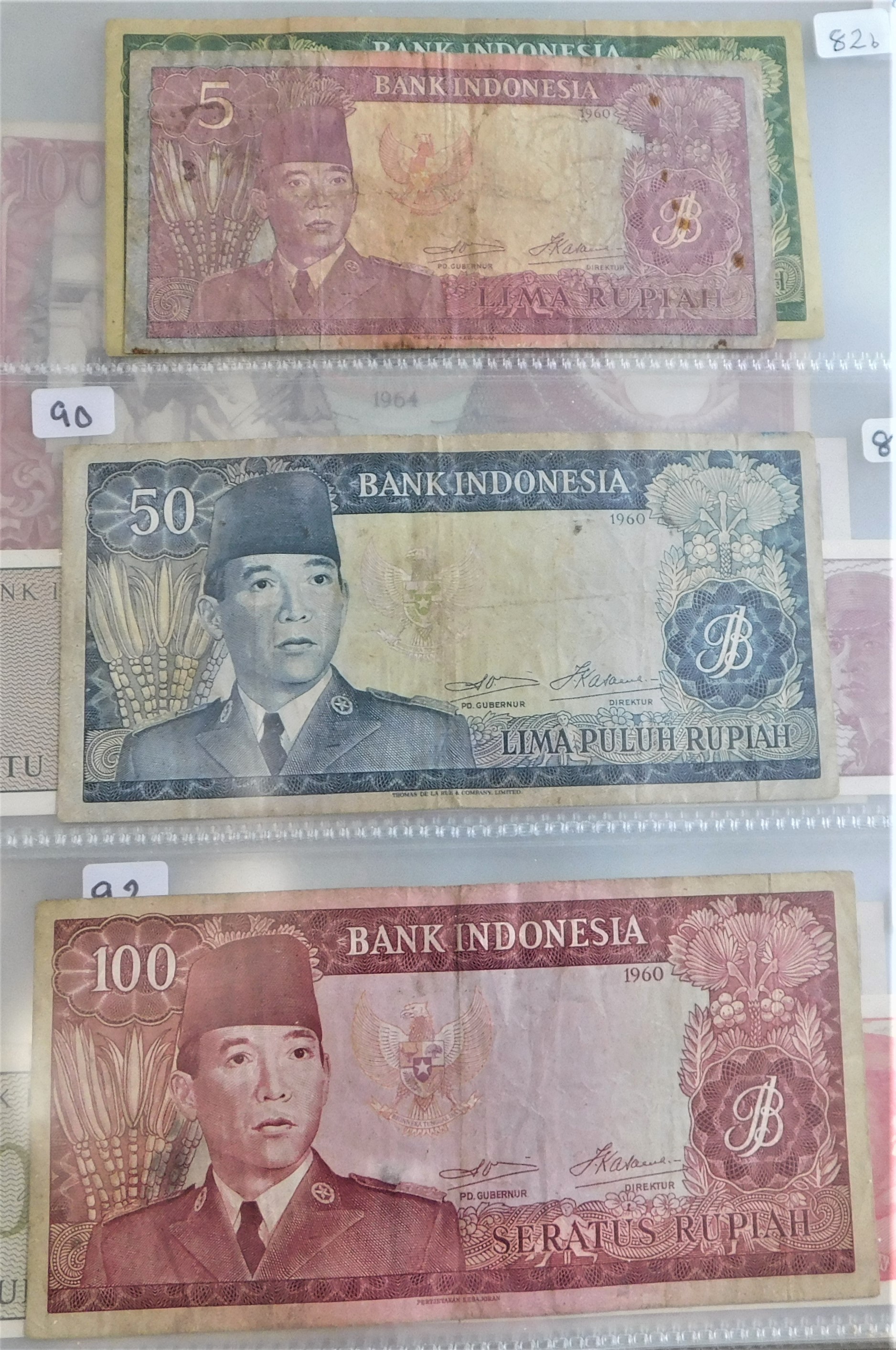
Lot 894, expected to fetch 25-30 actually went for £180…
Any image can be viewed at full size by clicking on it.
PHOTOGRAPHS
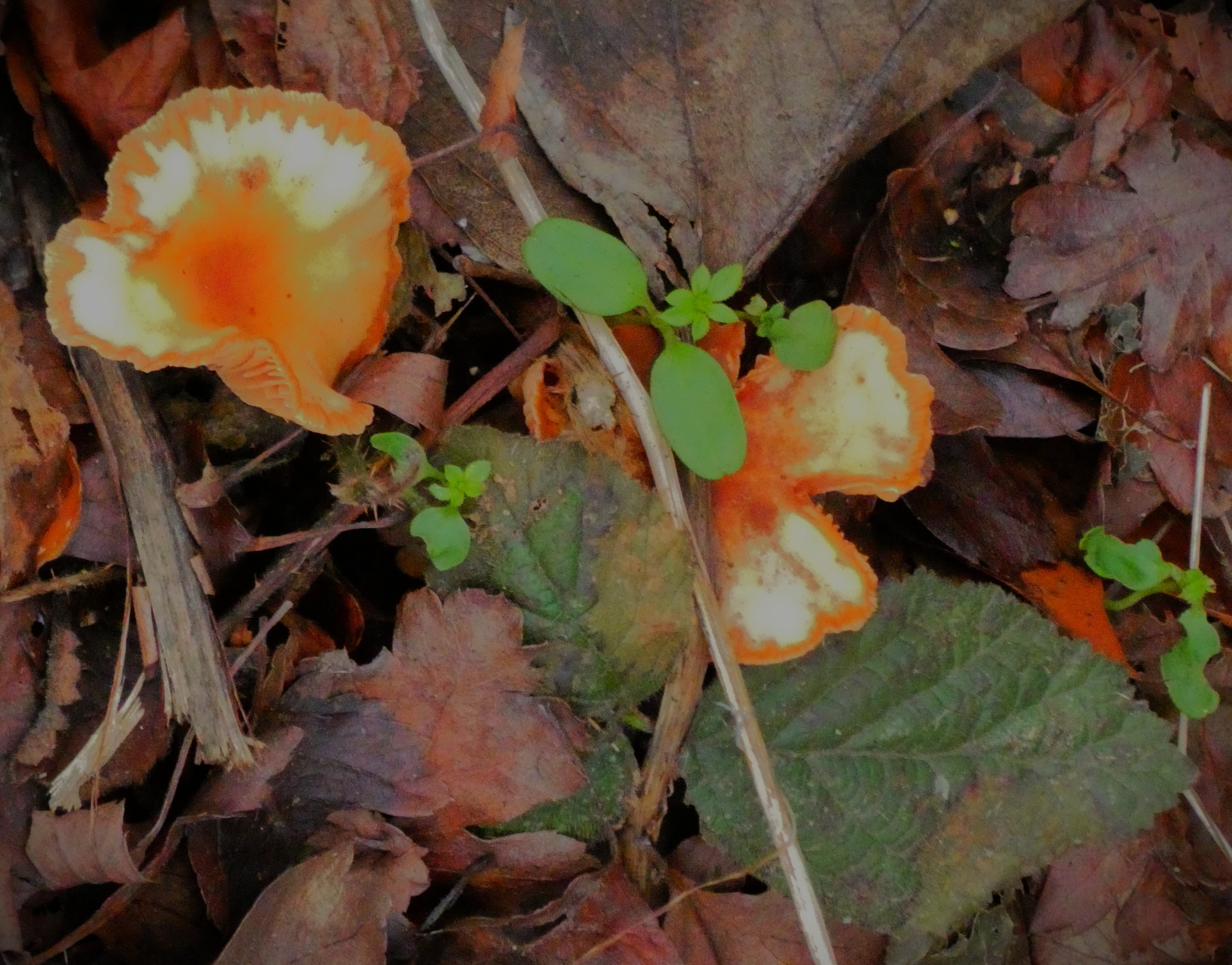
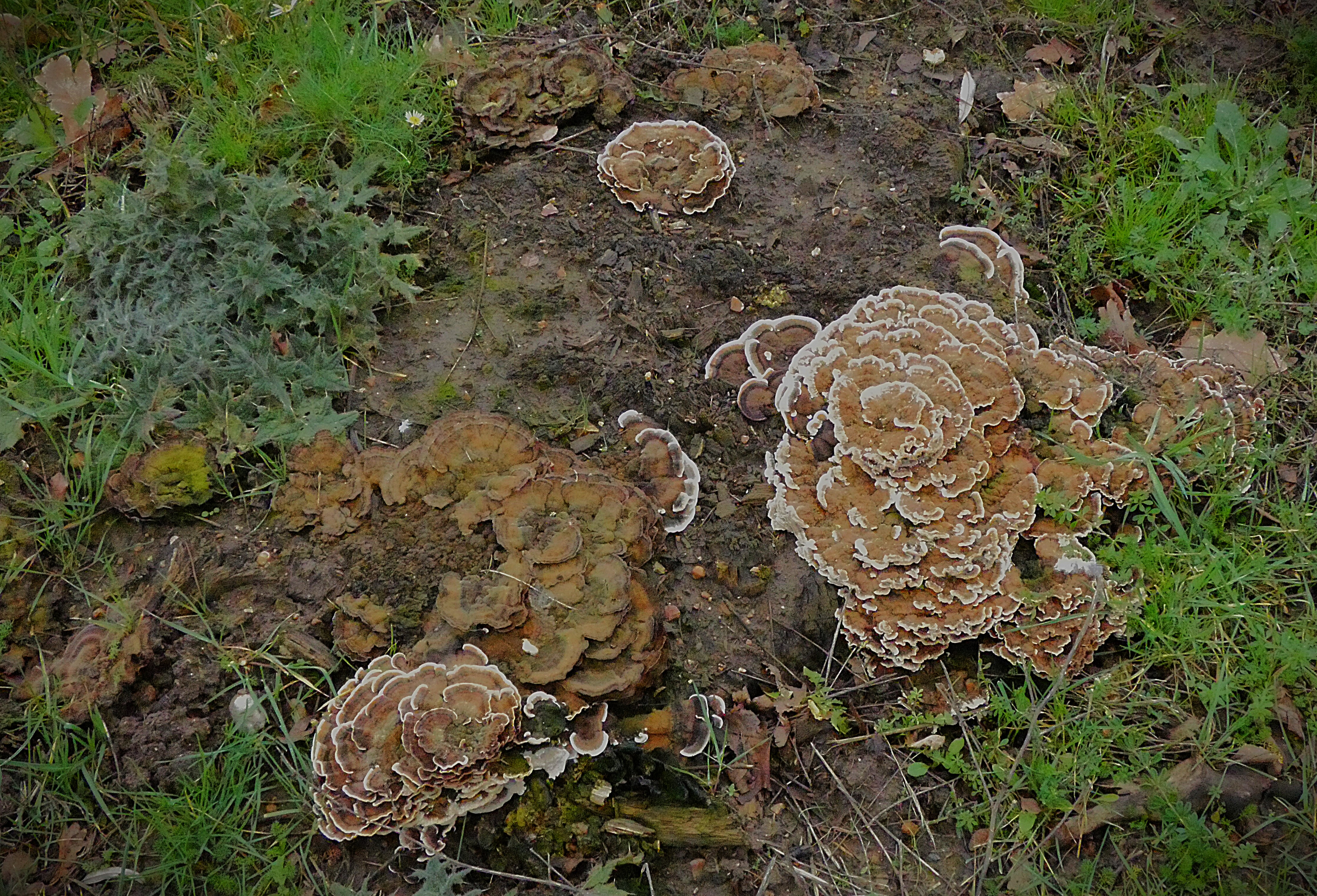
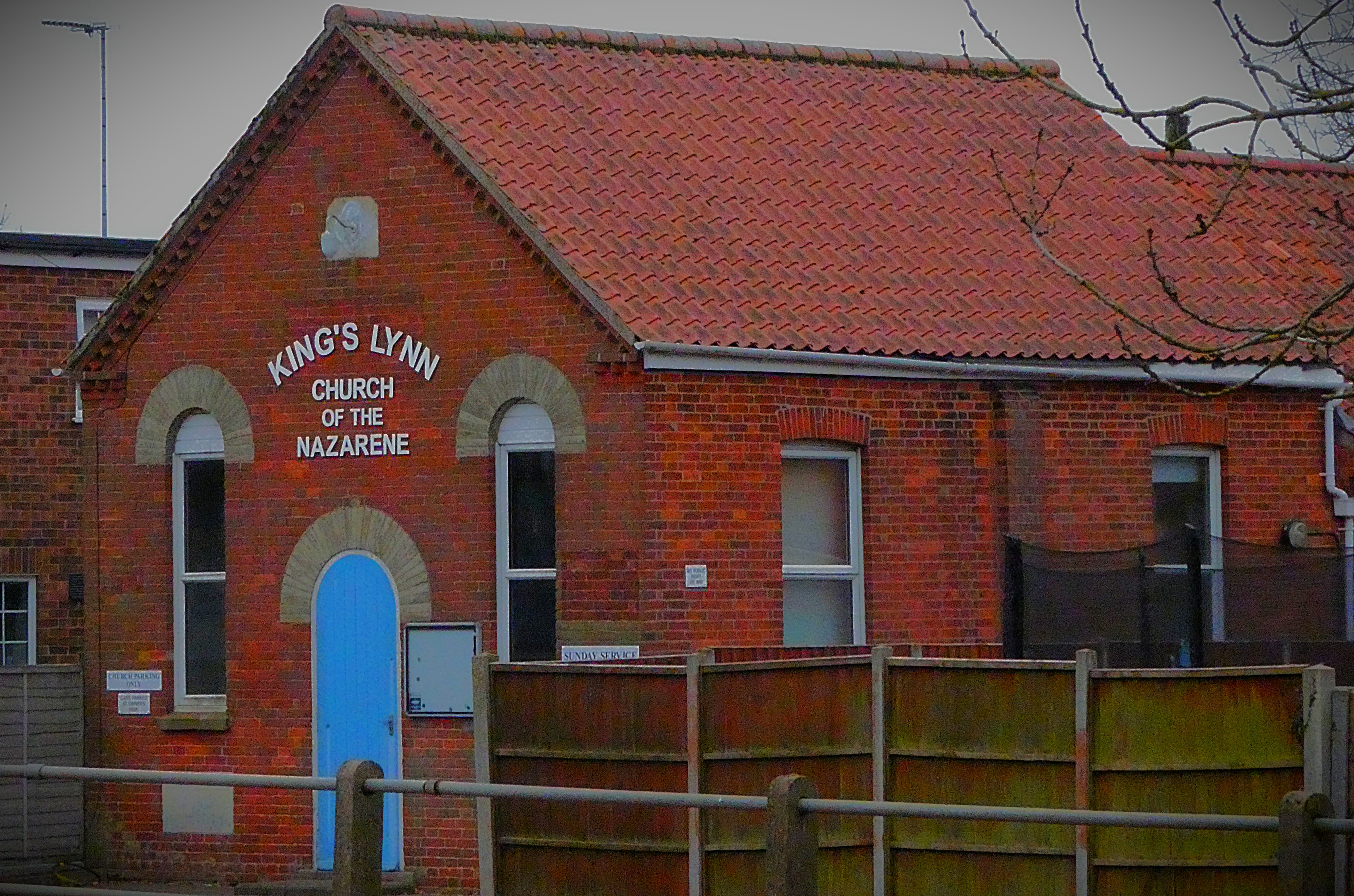
I continue to seek and find things to photograph while out walking…
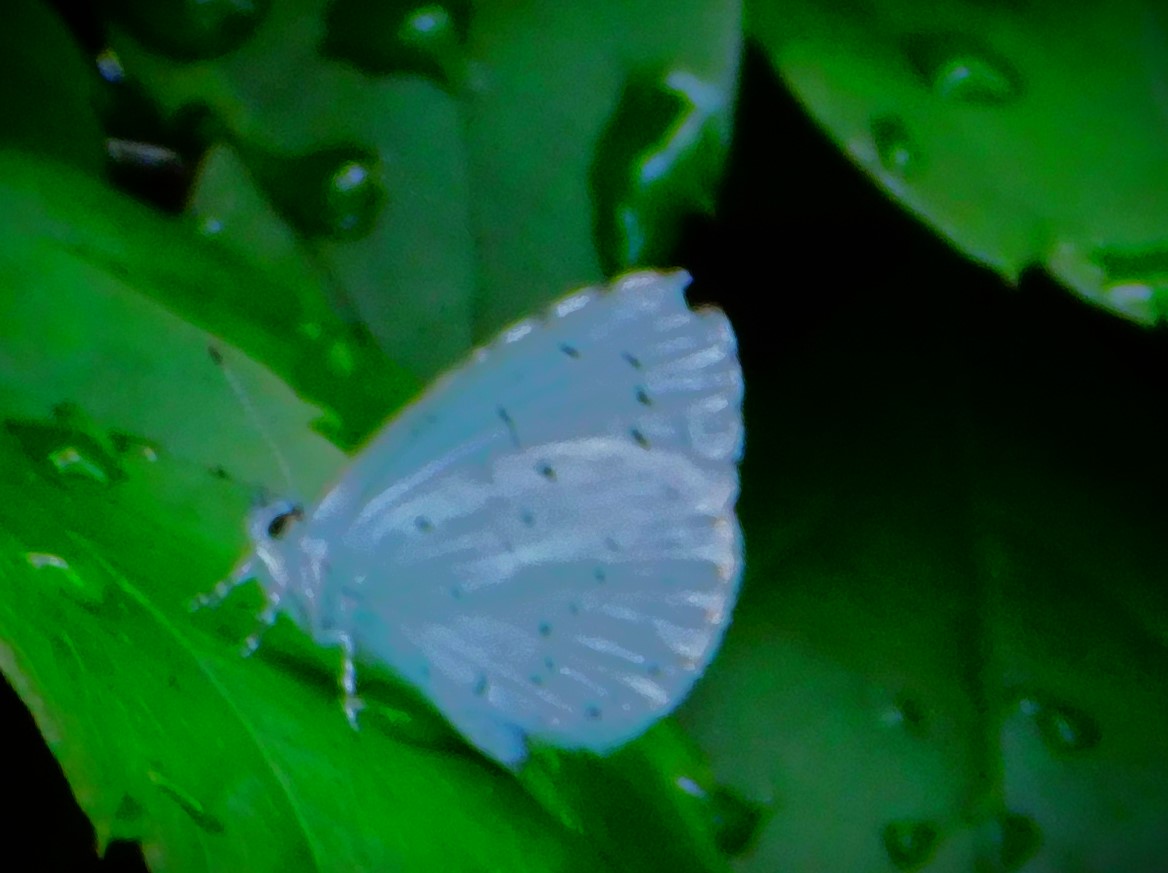
A second Holly Blue in the space of a few days, this one at the edge of the Kettlewell Lane green space.
A petition, a Thunderclap, a message to Aldi, some photographs, and a couple of little snippets.
INTRODUCTION
Although there will be a couple of minor items tacked on that the end, this post is mainly devoted to a thunderclap and a petition, both regarding an area of woodland that adjoins a Nature Reserve and is under threat from plans by supermarket chain Aldi.
SAVE QUESLETT TREES
There are two parts to this, starting with…
A THUNDERCLAP
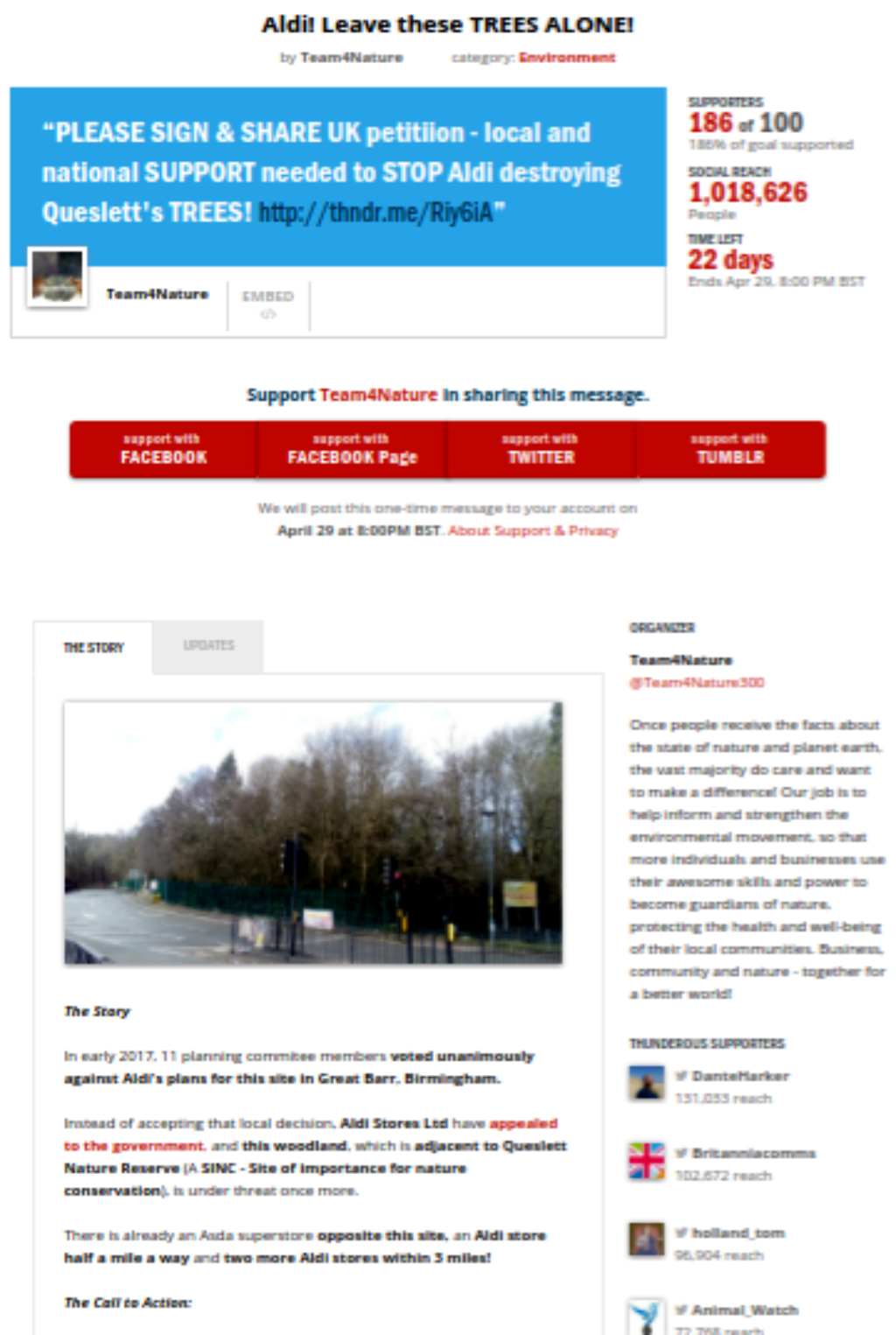
To participate in the Thunderclapyou need to be on facebook and/or twitter and/or tumblr. Below is a screenshot formatted as a link:
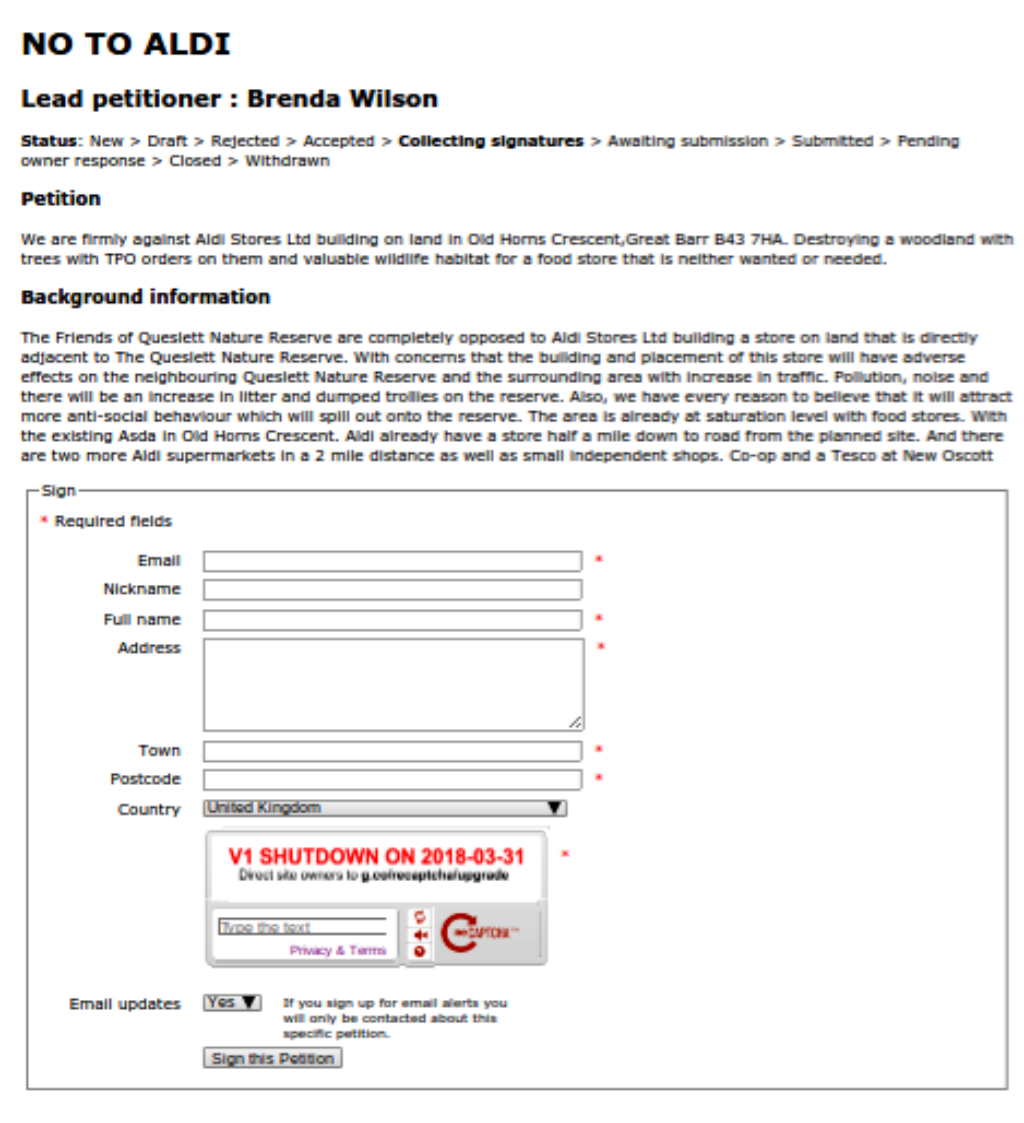
Linked to the Thunderclap is a petition, a screenshot of which appears below, again formatted as a link.
The main business of this post ends with…
A MESSAGE TO ALDI (AND PLANNING AUTHORITIES)
I feel very strongly that Aldi should accept the initial negative decision, especially given how many supermarkets (including two other Aldis) are located close to this area already. I am a fairly regular customer of Aldi stores in my own part of the world, but that may not remain the case if Aldi do not reconsider their stance over this. I conclude with some advice for all involved in this decision to consider, tendered in the form of a picture created by Anna from a comment I posted on her blog:
PHOTOGRAPHS
Here are some of my recent photographs, before I finish off with a couple of minor items.
A COUPLE OF NUGGETS
The last few days have seen two numbers come up for me:
300 – the number of successive days on which I have solved at least one of brilliant’s problems – here is one of them for you:
900 – my Lumosity Performance Index has just exceeded this value (after this morning’s workout it now stands at 917. Below, concluding this post is first the breakdown of my LPI, and second a little puzzle for you: Solutions will be in a future post.
Some thoughts on public transport, prompted in part by Lord Adonis’ resignation statement.
INTRODUCTION
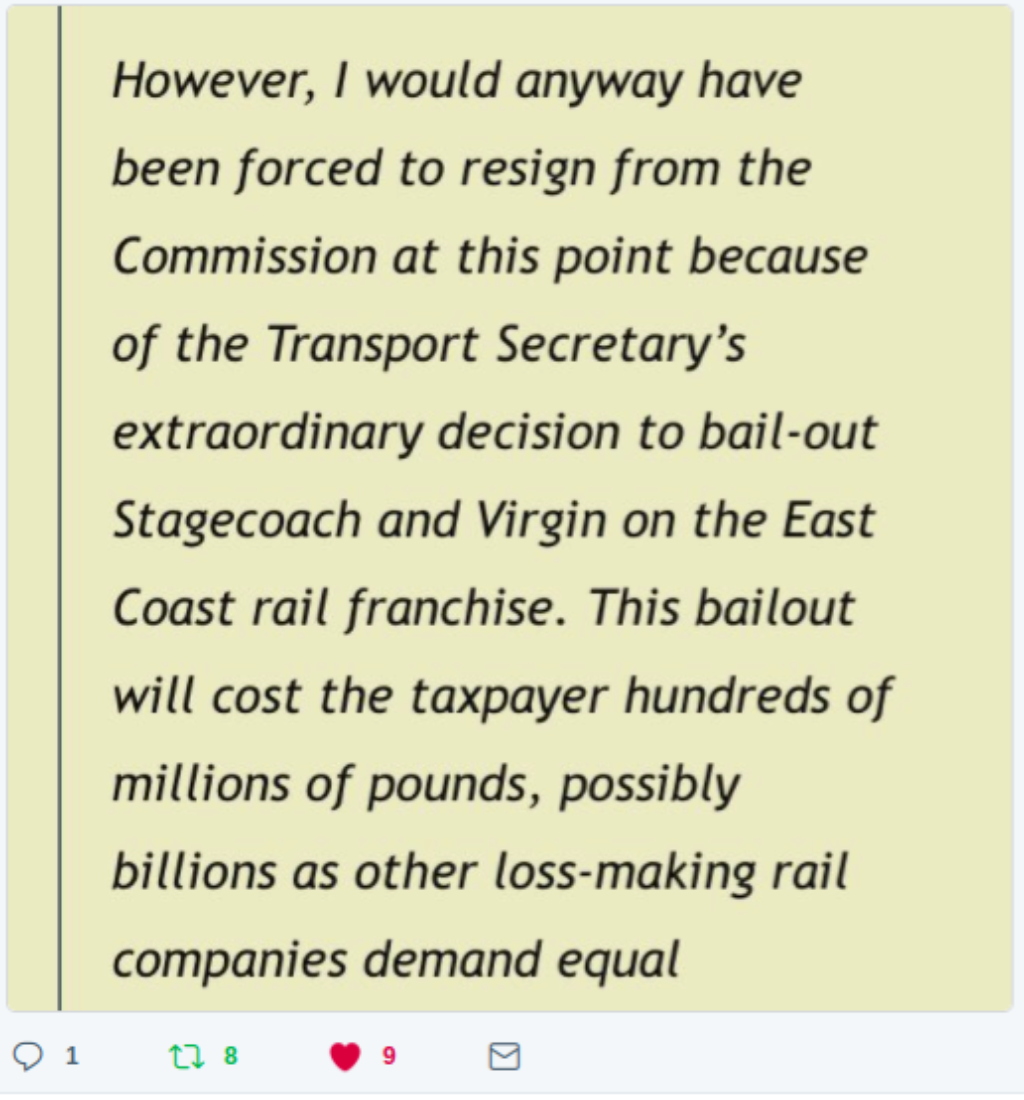
The timing of this post is due to the resignation statement of Lord Adonis, a man who I have very little in common with, but who hits the nail on the head with his resignation statement, which you can read in full, courtesy of The Guardian, here (an excerpt is reproduced below, courtesy of twitter):
EAST COAST FRANCHISE LOWLIGHTS
The first time the East Coast Franchise hit difficulties, it was being run by National Express. The then government took it into public ownership, albeit with the (stupid) rider that it be reprivatised as soon as it was back in the black. On reprivatisation it passed into the hands of Virgin Trains, run by a combination of tax exile Richard Branson and the Stagecoach Group (as a non-driver who lives in Norfolk I know them too well and like them too little for comfort). The East Coast Franchise is now back in trouble, and the current transport secretary, Chris ‘Failing’ Grayling, as well as being a strong contender in the ‘most incompetent minister ever’ contest is such a ‘private good, public bad’ zealot that rather than take the logical option of taking it back into public ownership is bailing it out at vast cost, thereby setting a horrendous precedent which will enable any other rail franchise that hits trouble to demand a bail out.
RENATIONALISATION AS START POINT
Not only should the East Coast Franchise be renationalised now, with it being made clear that it will not be privatised again, the whole railway network needs to be renationalised. The Labour party have laid out how this can be achieved – namely by refusing to put each franchise up for tender as and when it expires. For further detail check out We Own It’sRailwayspage. However, this is only a beginning – both because railways are only one part of public transport – there are also buses, and because one needs to consider how the system should be run. As I was typing this, the following came through on twitter from We Own It:
Bus and railway services need renationalising, and they need to be run jointly. As to how they should be run – well there are two groups of people who should be represented in the body that runs public transport services: those who use the services and those who provide the services. If services are to be publicly owned (and these should be), they need to be fully publicly accountable.
SOME EXTRA RESOURCES
I have three final links to share which relate to this piece:
The Mirrorhas demonstrated yet another way in which privatisation is failing us, with fares going up by an average of 3.4% (when we already pay on average five times as much as our fellow Europeans for a service that is probably not even on fifth as good as most of them get – I have travelled extensively in Europe over the years and most countries provide far better services than are available here in Britain) – we have on average the oldest carriages since records began (that average is 21 years old, with the Caledonian Sleeper holding an unwanted record with 42 year old carriages).
PHOTOGRAPHS
Here is you reward for reaching the end of this piece:
A Boxing Day post composed of pictures and puzzles – enjoy!
INTRODUCTION
I have five puzzles to share (all via the mathematical website Brilliant– I am approaching a double century, my current solving streak now extending to 199 days) and photos that I have categorized in four groups. Therefore I will be interleaving puzzles and pictures.
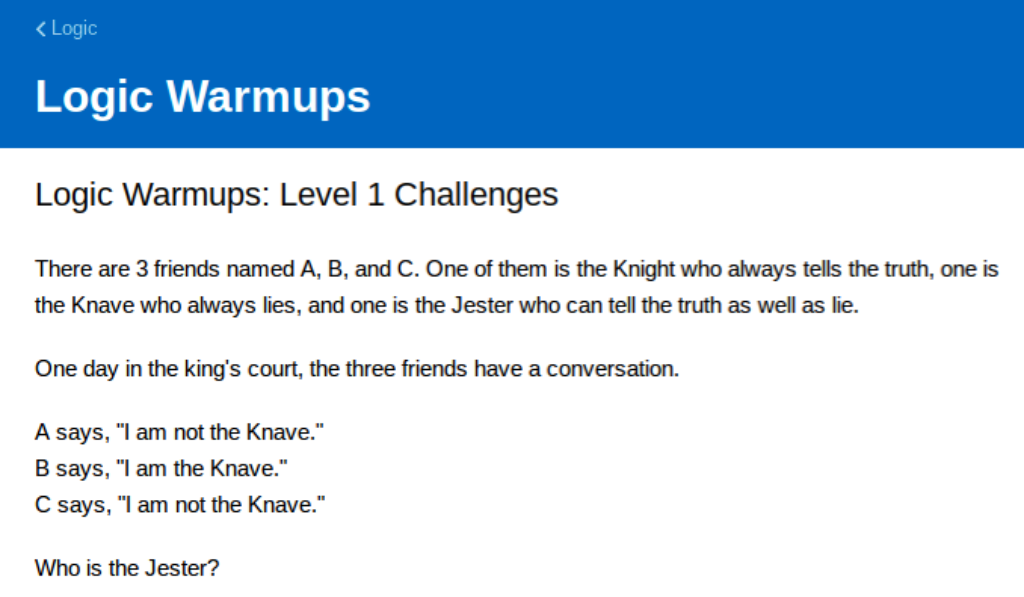
PUZZLE 1: LOGIC
This is an easy one – Lestrade would probably solve it without amateur assistance!
PHOTOGRAPHS 1 – CAIRINA MOSCHATA
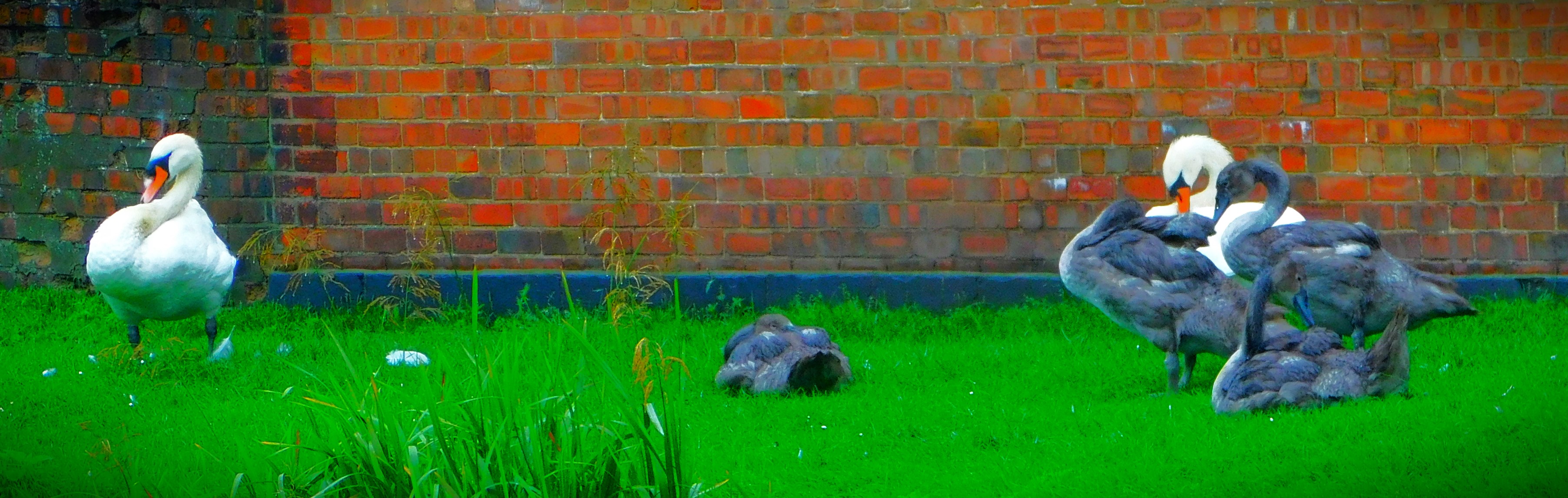
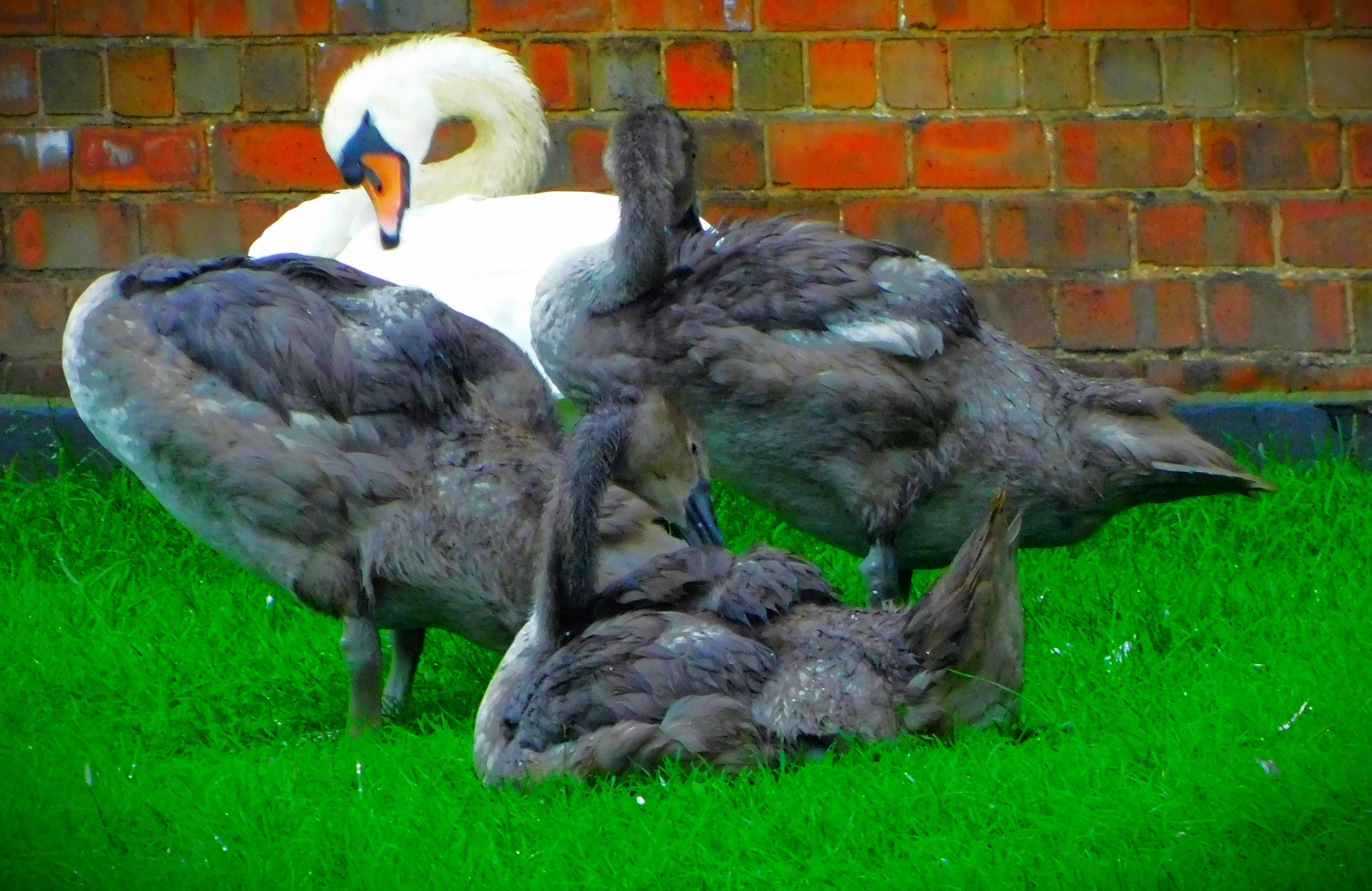
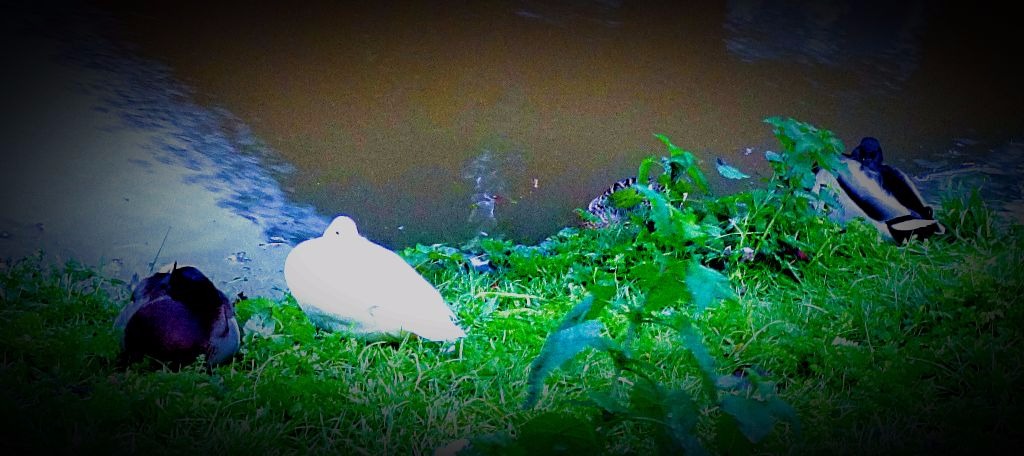
In preparation for the Christmas Day festivities I went for a walk yesterday morning, and many of the photos you will see were taken during that walk – others were taken at other times of the day. I first came across these birds when they were in a group near Kettlewell Lane, and since then I have seen a single specimen, in The Walks, on three separate occasions, most recently yesterday:
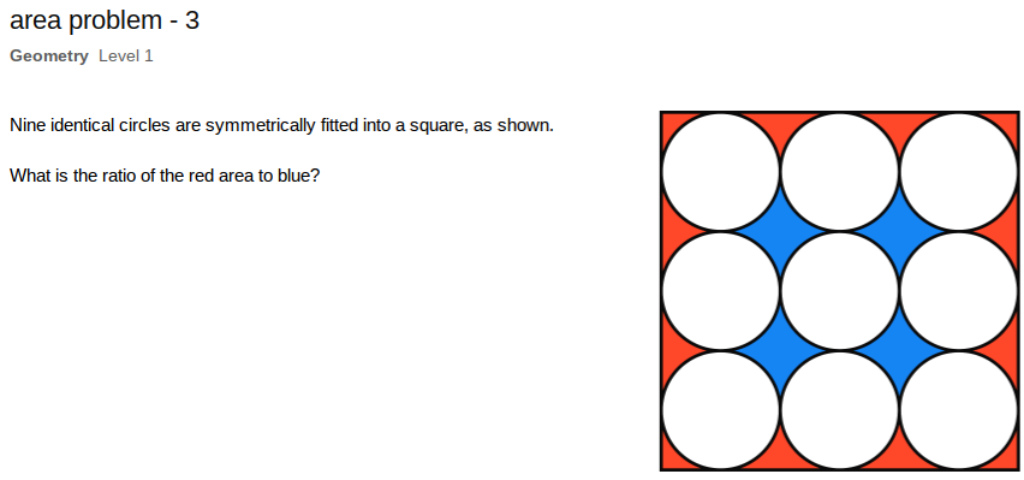
PUZZLES 2: AN AREA CHALLENGE
This one should not be too difficult either:
PHOTOGRAPHS 2: BUILDINGS
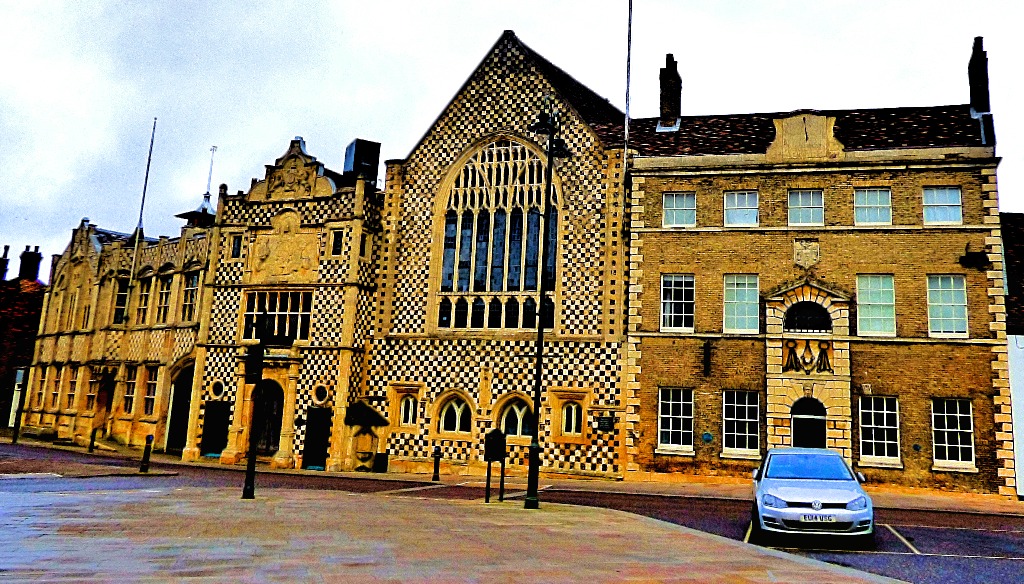
When everything is closed the opportunity is there to get unimpeded pictures of buildings that are usually busy.
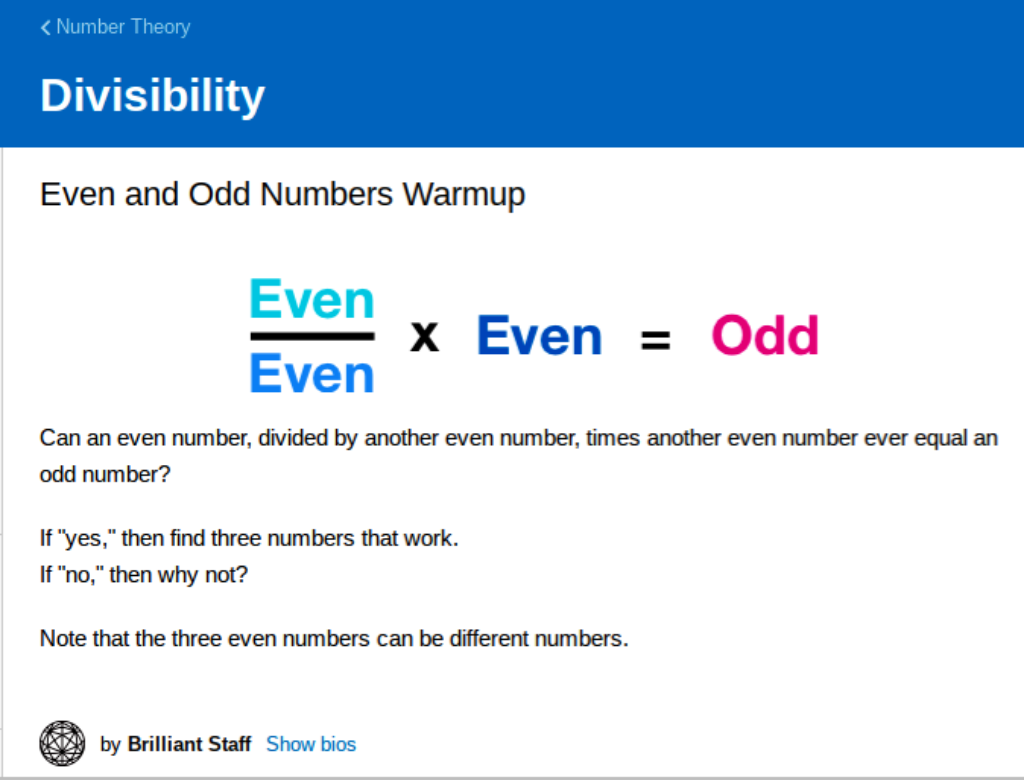
PUZZLE 3: EVEN AND ODD
This is one is tricky rather than difficult per se – and only 37% of solvers on Brilliant managed to crack it:
PHOTOGRAPHS 3: LOCAL HISTORY
Recent renovations in the building that my aunt’s house is part of have revealed some very interesting little details, and I also got some interesting shots from the house of the person with whom we had Christmas lunch.
The first 13 pictures are from Hampton Court (no superstitions and no truck with triskaidekaphobia here!)
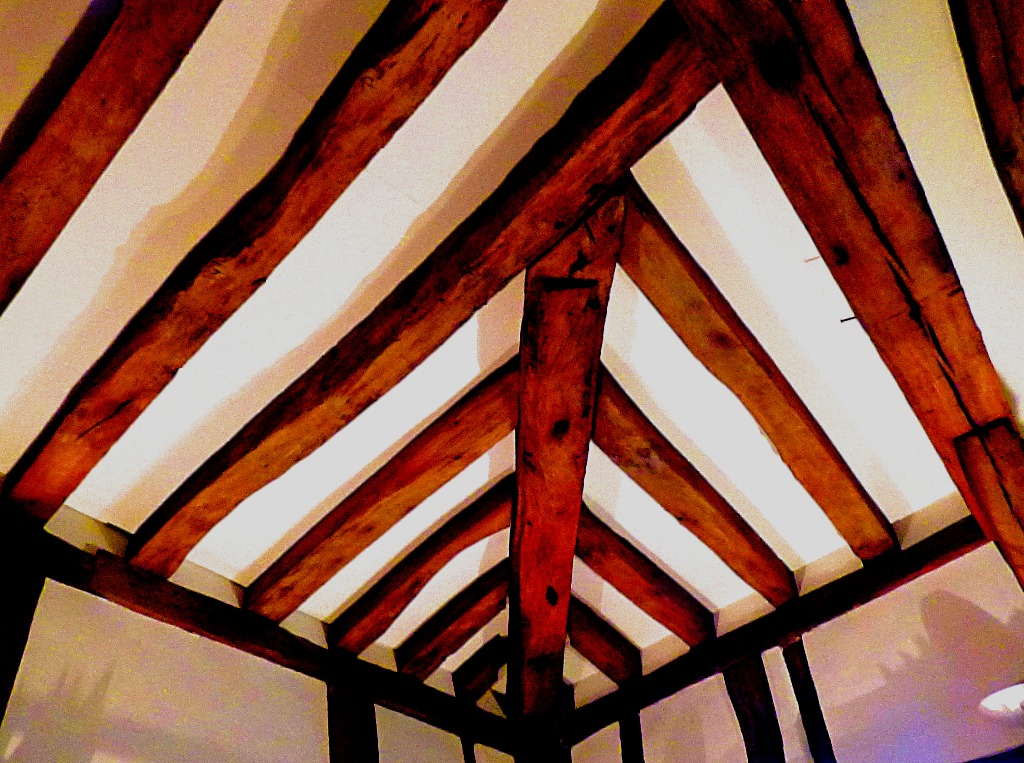
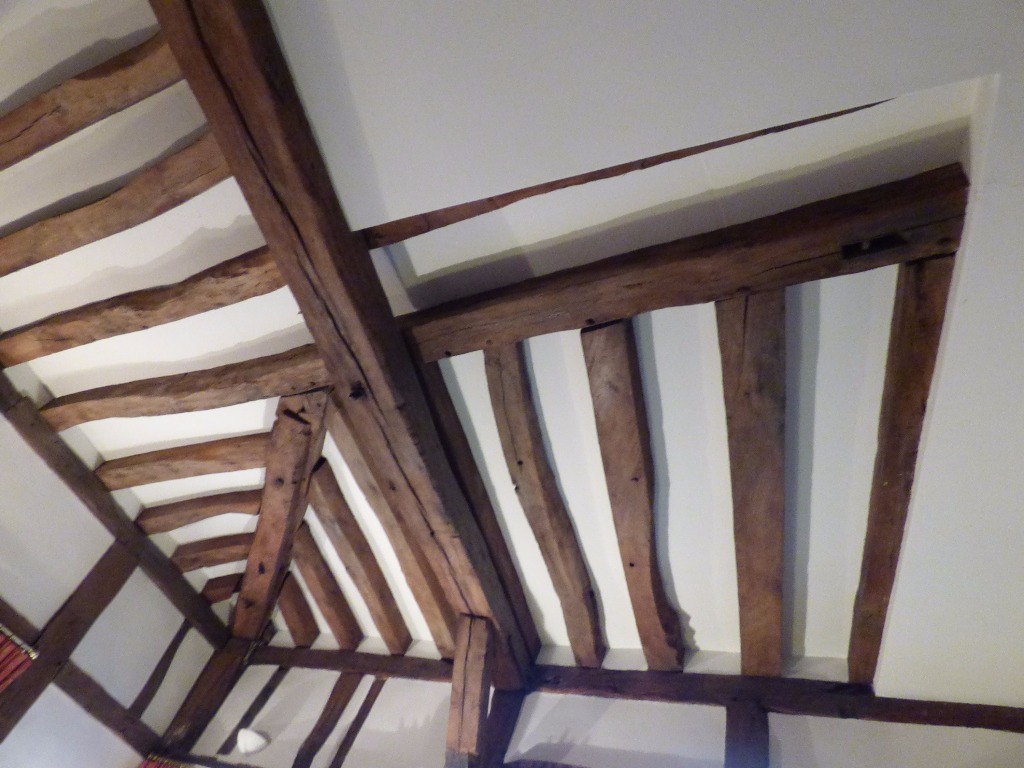
Two shots of the wooden beams at the house where we had Christmas lunch
An artwork display at that same house that caught my eye…
…one picture in particular!
PUZZLE 4: A DIVISABILITY TEST
Not at all difficult, but very enjoyable to tackle:
PHOTOGRAPHS 4: WILDLIFE
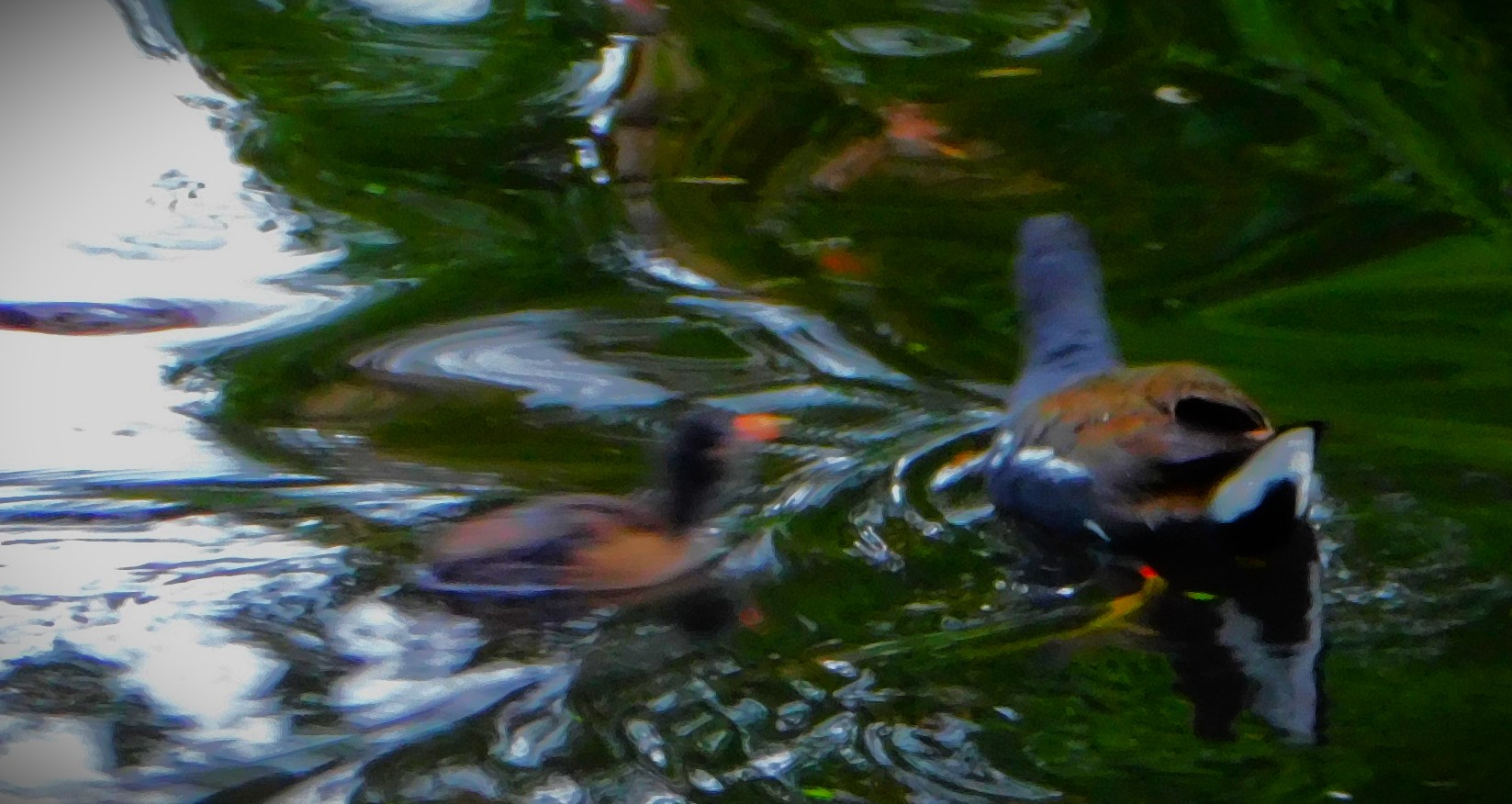
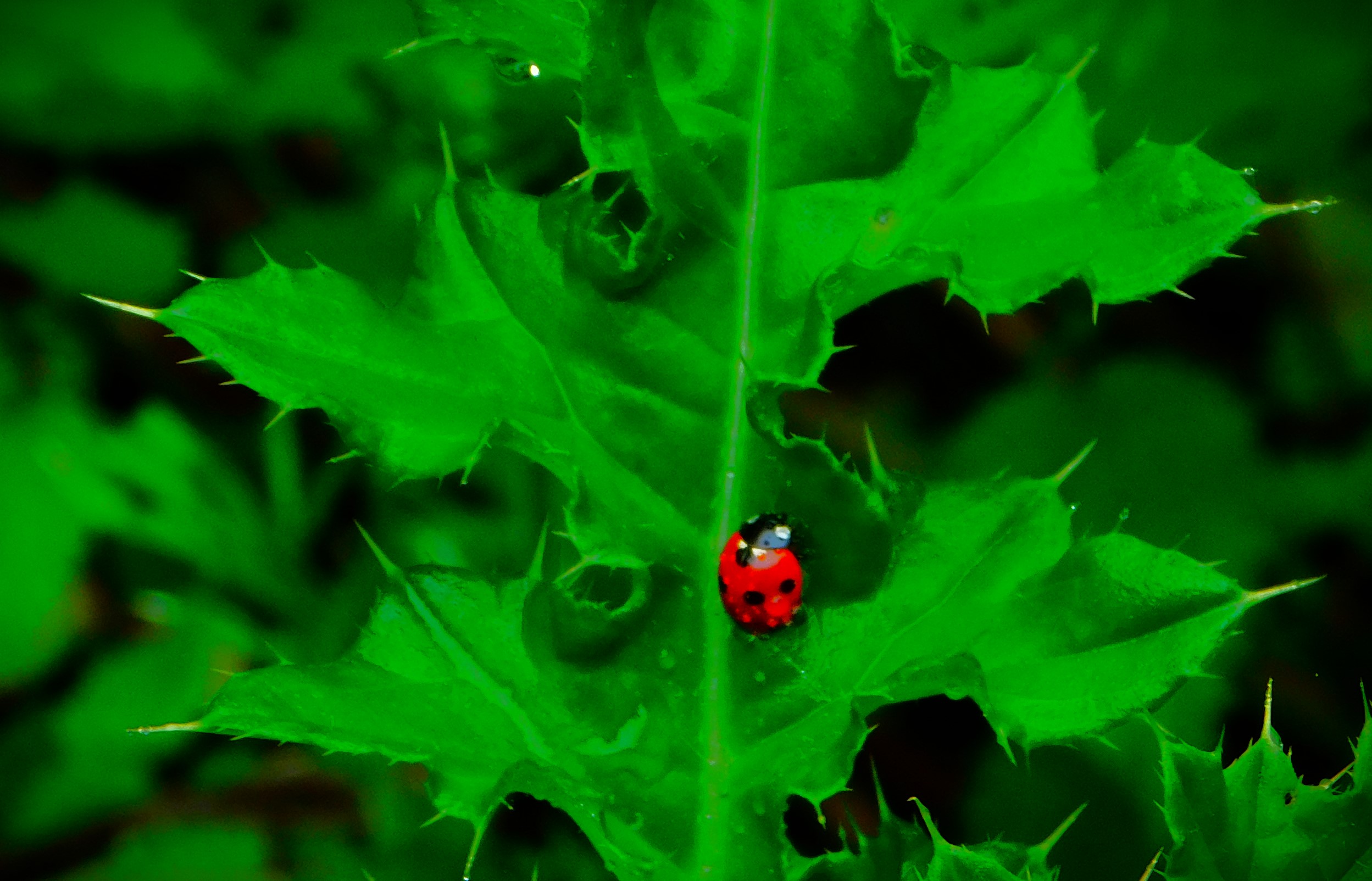
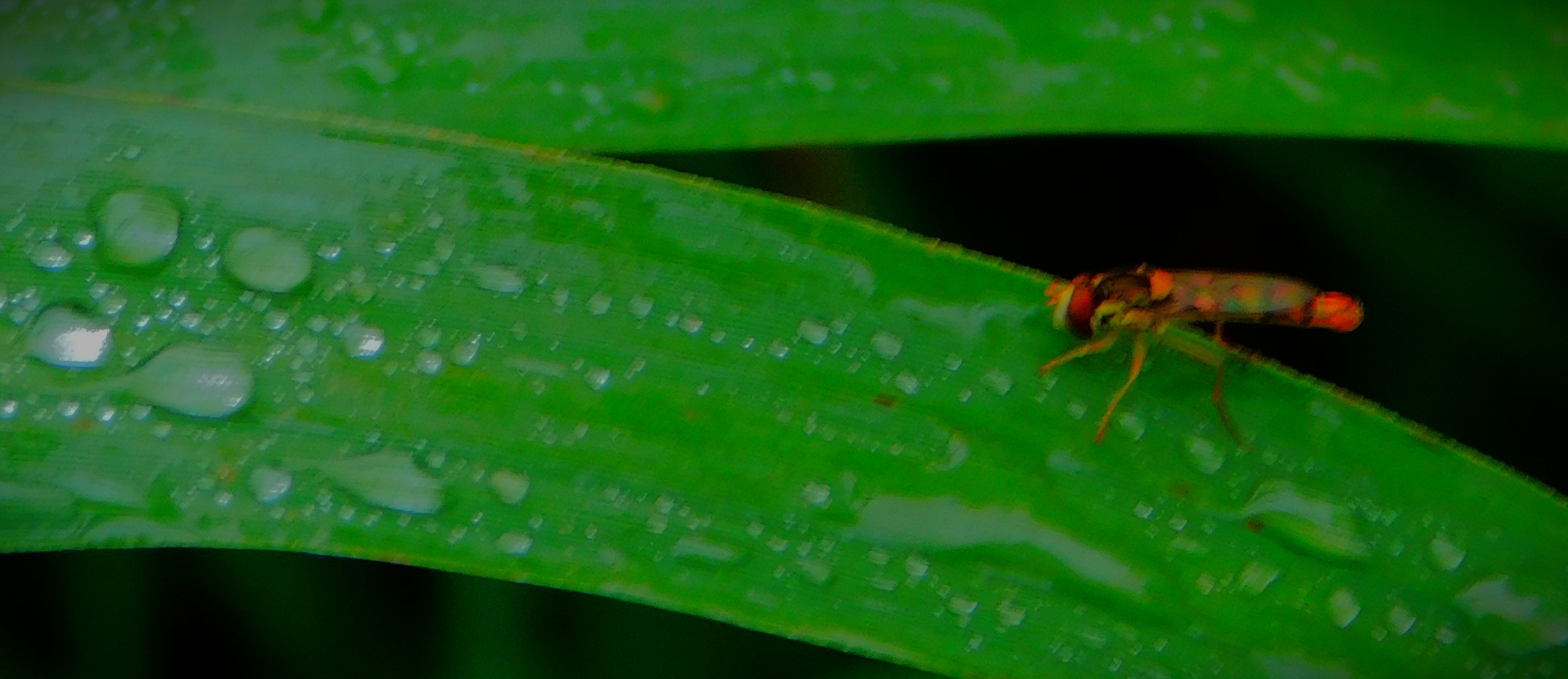
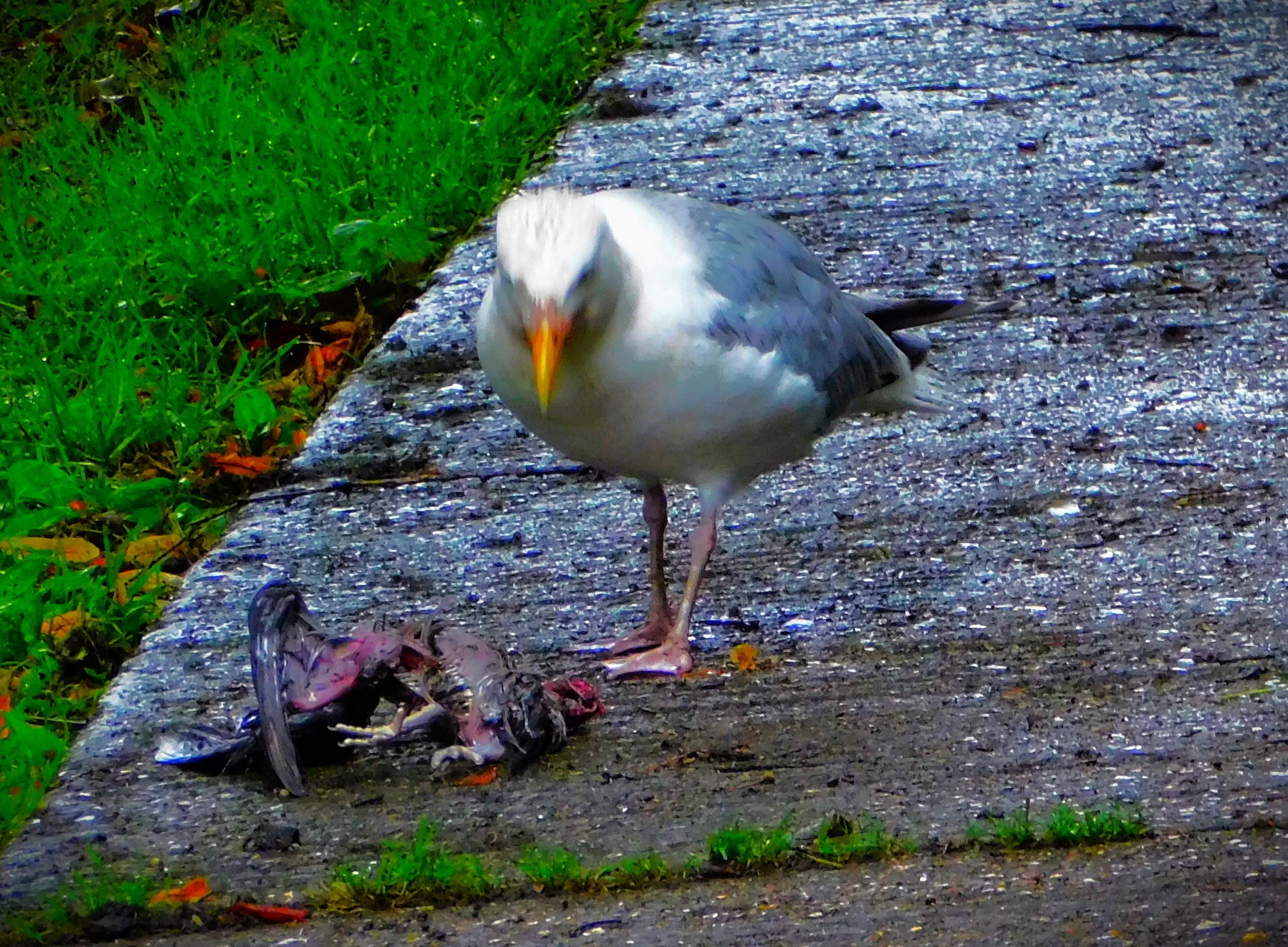
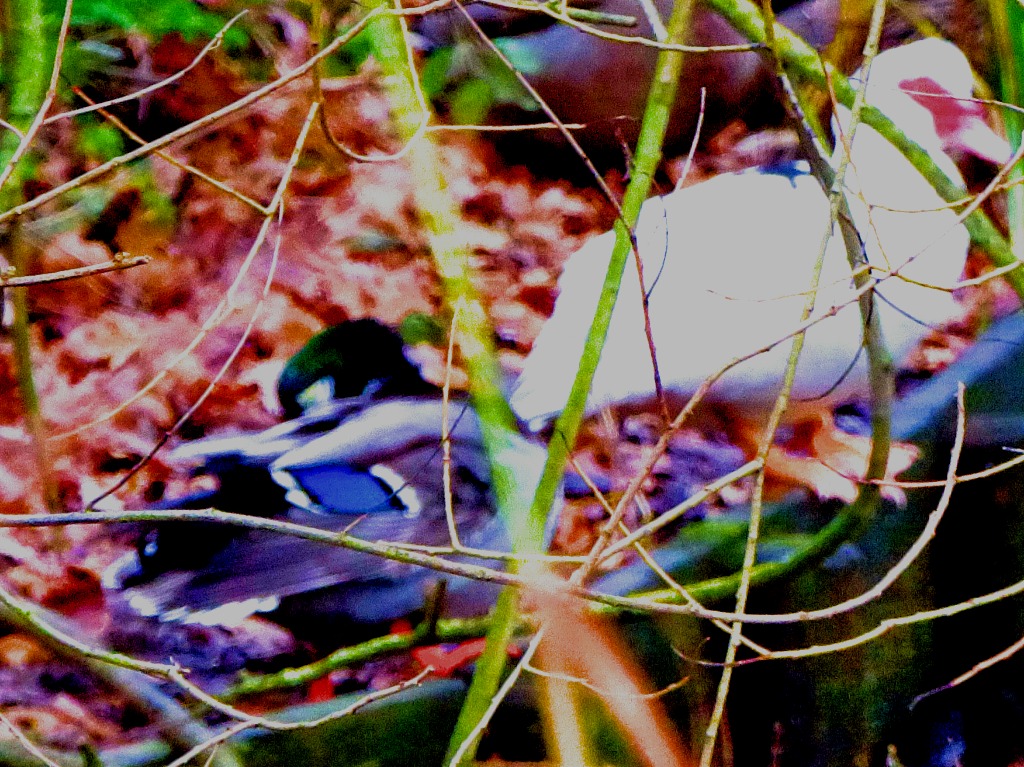
We finish our photographs as we started, with a nod to nature:
PUZZLE 5: THE INVESTMENT EXPERT
We end with a fairly tough problem to which I have added an even tougher subsidiary question.
My follow up, adapted from a question raised by someone named Anne on Brilliant is this: What is the minimum initial deposit required to ensure that Fred’s money grows at a sufficient rate for him to become a trillionaire if he lives for as long as Earth remains an inhabitable planet (the increasing size and temperature of the sun will cause this in 1 billion years, assuming that some stupid species has not already done so,
Some links to excellent pieces by autistic writers, especially on the subject of Judith Newman’s book To Siri With Love. Details of a thunderclap on the subject of driven grouse shooting and some of my own photos.
INTRODUCTION
I have had a busy few days imaging for James and Sons’ final auction of the year (takes place on Wednesday – click here to view on online catalogue), so it is only today that I have time for another post. Before getting into the main meat of today’s post there is a small matter of an…
APOLOGY
Some of you may have noticed snowflakes falling across pictures on this blog (as I did today, when I accessed it at the library to get a picture I needed for something I was doing). I am aware that some of my followers have sensory issues that make this sort of thing unwelcome, and I have changed my settings so that those snowflakes will not appear again. I apologise to any who were inconvenienced by this ‘seasonal’ addition of WordPress’s.
SOME AUTISM RELATED PIECES
I will start this section by stating that most of the pieces I link to here were drawn to my attention by Eve Reiland at americanbadassactivists. Another excellent source of good material by autistic people is Laina, both in her own right at thesilentwaveblog and via her specialist sharing blog Lainascollection.
My first links concern the representation of autistic people in the media:
Eve (see above) has produced an excellent piece giving details about how we are misrepresented in the media and linking to a…
The remaining links in this section all related to…
#BOYCOTTTOSIRI
The title of this section refers to the backlash by the autistic community against Judith Newman’s book To Siri With Love. Although they make unpleasant reading, because of what they reveal about the book, I urge you to follow up the links I give, all of which, save one, are to pieces about this book written by autistic people. The exception, which ends this section, is to an alternative reading list, and was also created by an autistic person.
I start with what is actually last piece I read about this issue, “An Autistic’s Thoughts On To Siri, With Love by Judith Newman” which was posted on writeabledreams.
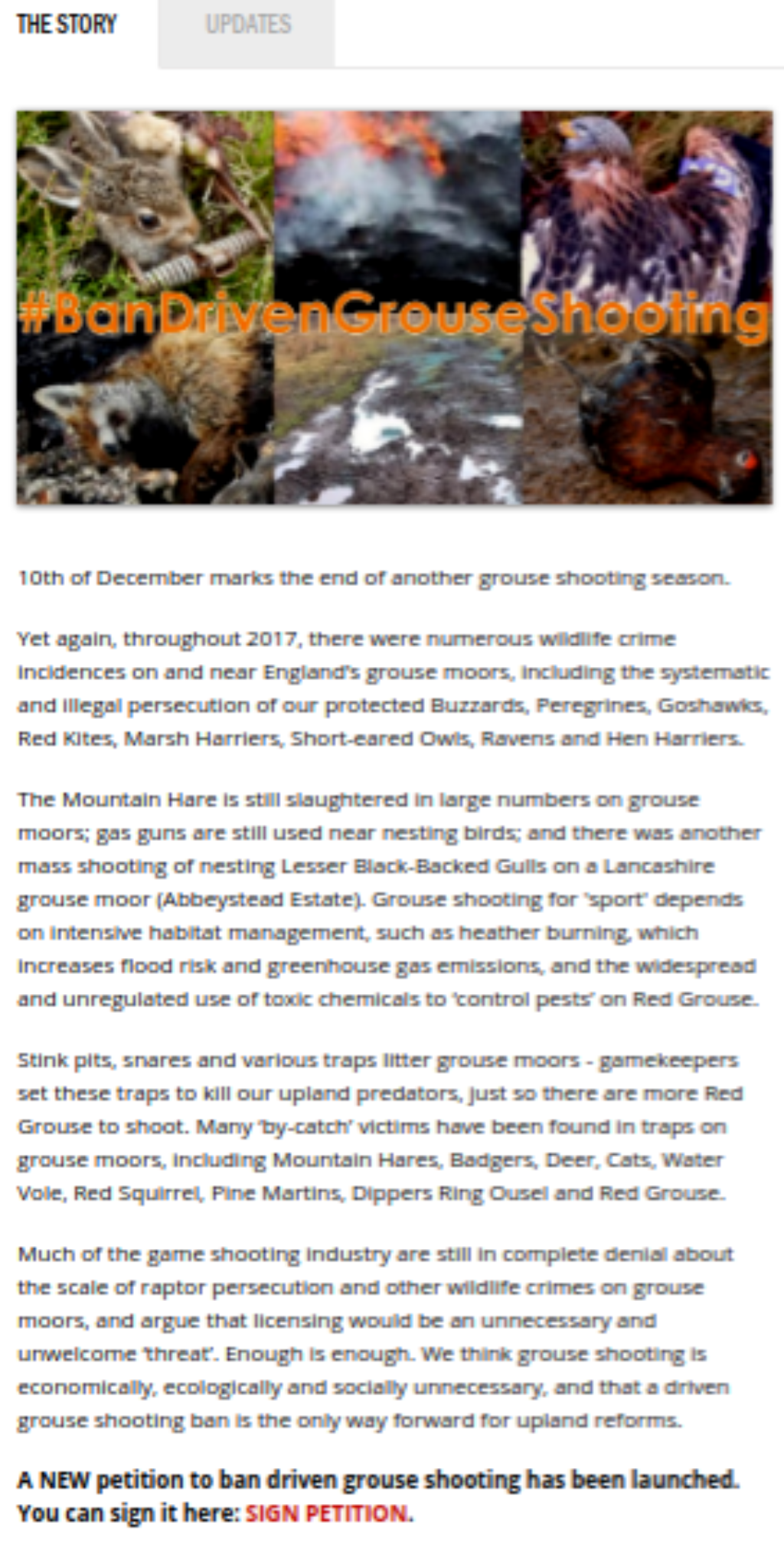
To take part in a thunderclap you have to be on at least one of facebook, twitter and/ or tumblr. I am on the first two named, and as such have contributed approximately 5,500 connections to this thunderclap calling for a ban on driven grouse shooting.If like me (see here for a previous piece on this subject) you hold those who take pleasure in shooting at birds in utter contempt, and you are on one of the three networks mentioned please add your voice to thunderclap – more details below:
PICTURES
This network of cracks were in the upstairs front window of an X29 bus – when it is a double decker I invariably sit upstairs, and the best seat is the front window seat on the side opposite the driver.
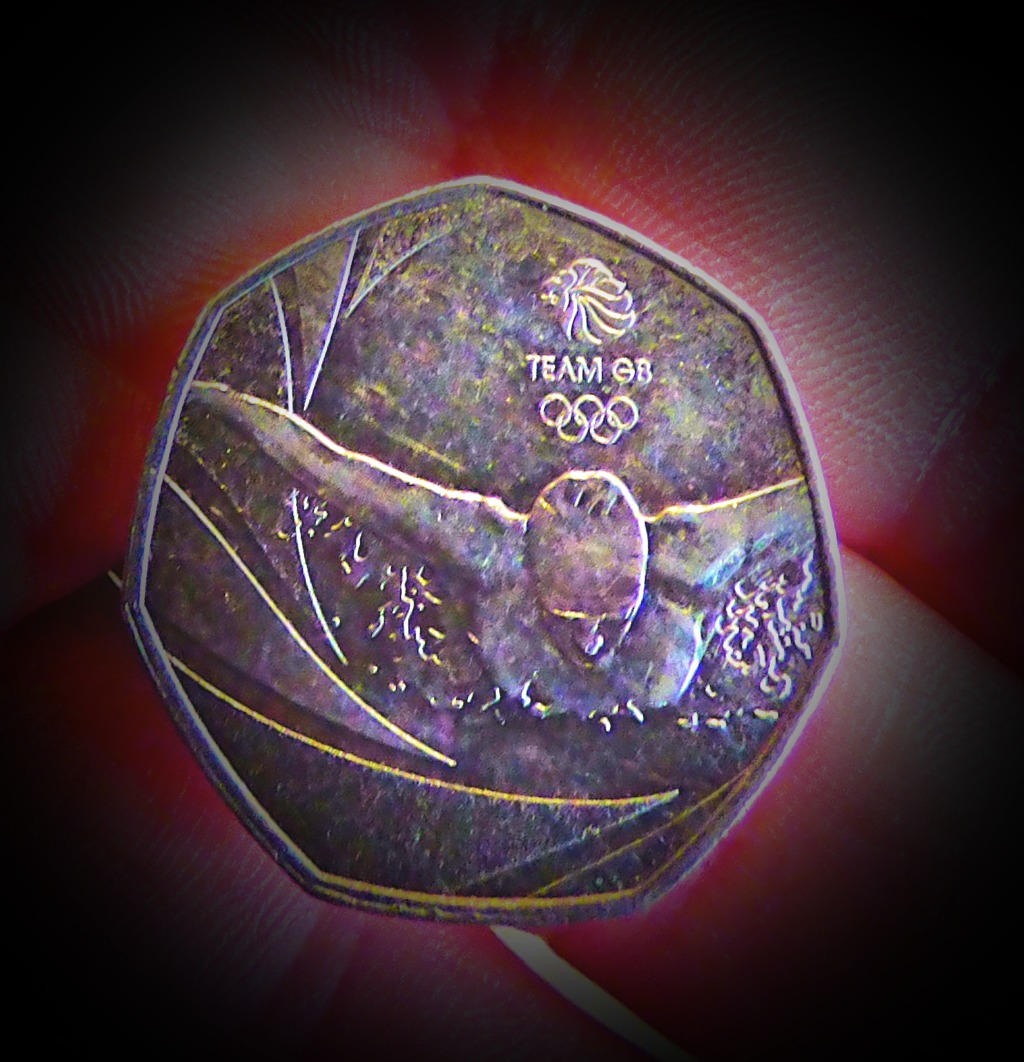
I needed this 50p for my bus fare, so I could not keep it until a better opportunity to photograph it arose.
I am a bit behind with blogging about my stay in Cornwall because of the time it takes to edit the photos and the fact that I had a long day out yesterday – an excursion to Penzance about which there will be much more later.
THE LUNCH
Ahoy Fish and Chips, a mobile fish and chip shop, call at Fort Picklecombe for Friday lunch time. We bought lunch from them – cod for my parents and a beefburger for me, all with chips. The chips were of excellent quality, and the pricing was very reasonable.
How to mee your health & safety obligations without actually doing anything.
THE WALK
Having walked to Kingsand and Cawsand the previous day I walked the other way this time, climbing up quite high above the sea. Here, barring a few preserved for the next and final section of this post are the pictures I took while out on this walk…
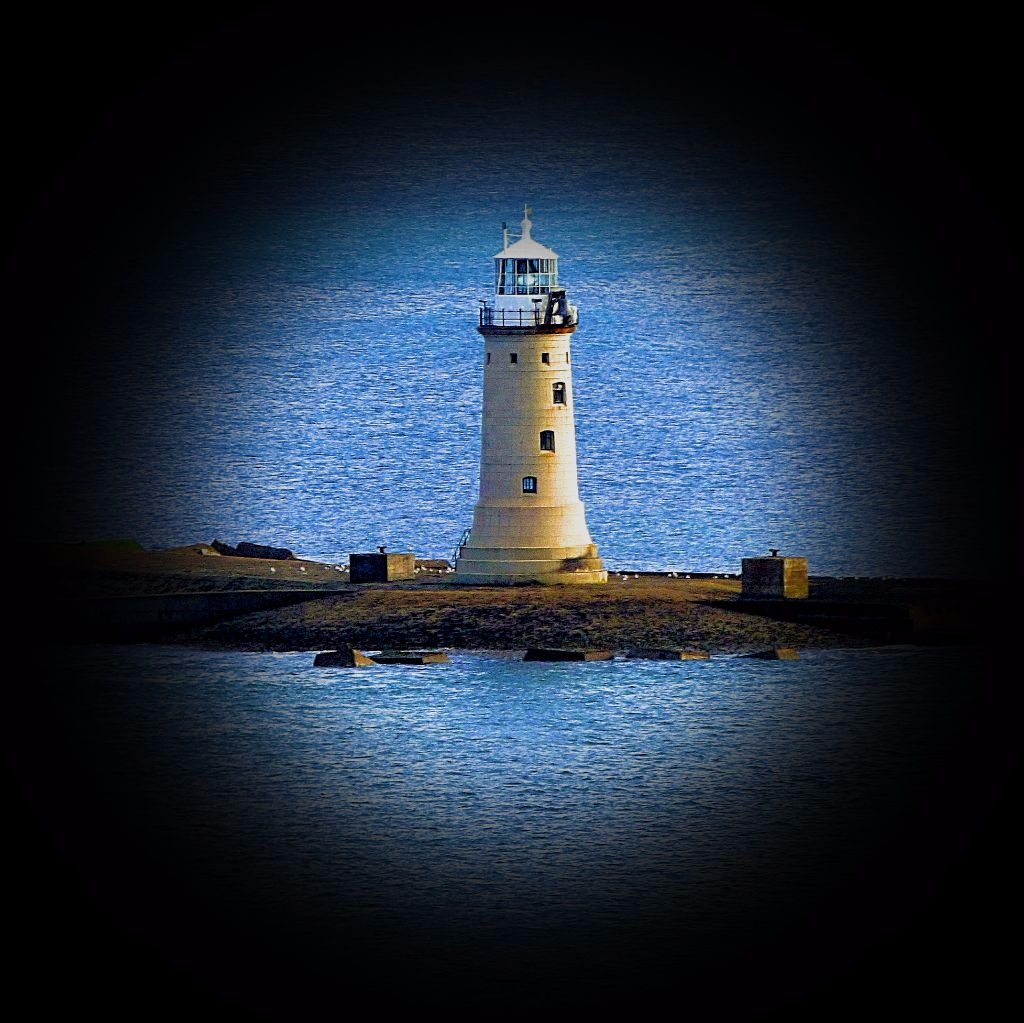
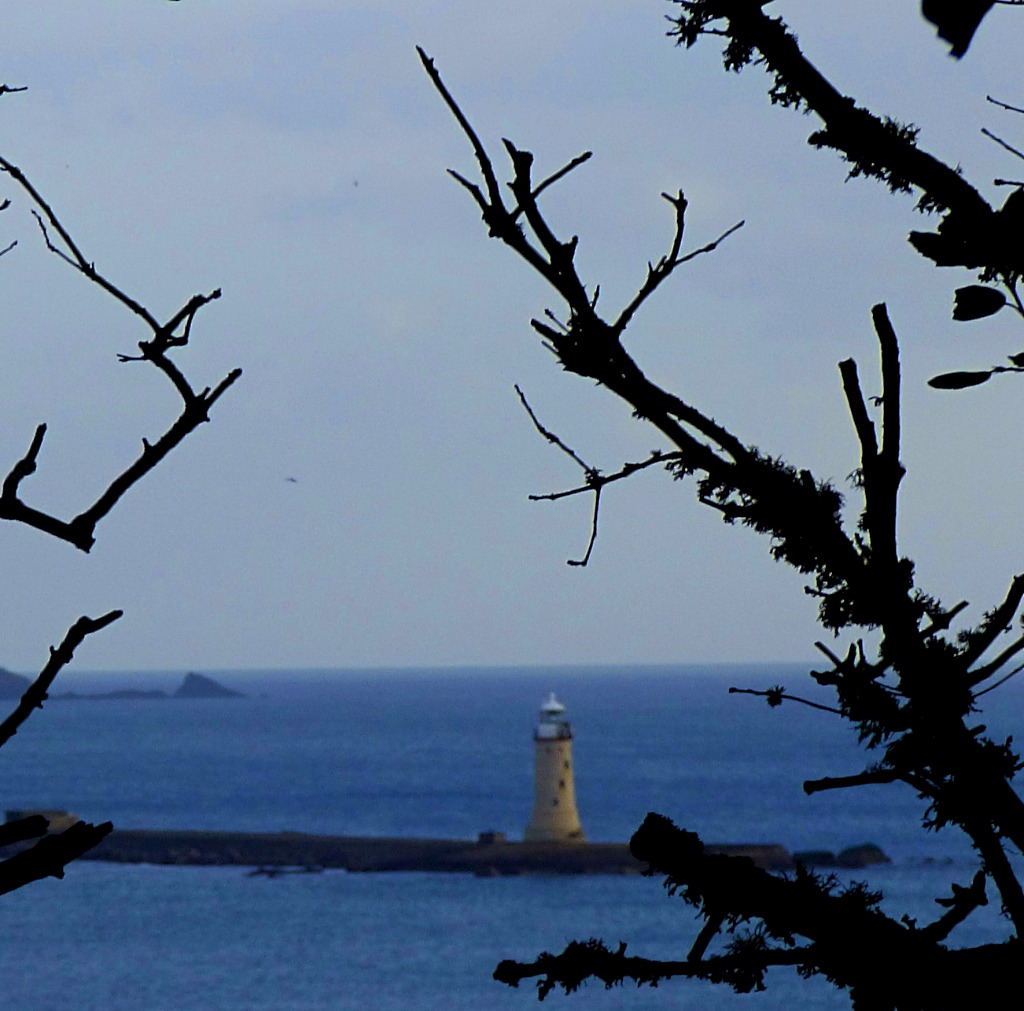
FOCUS ON THE LIGHTHOUSE
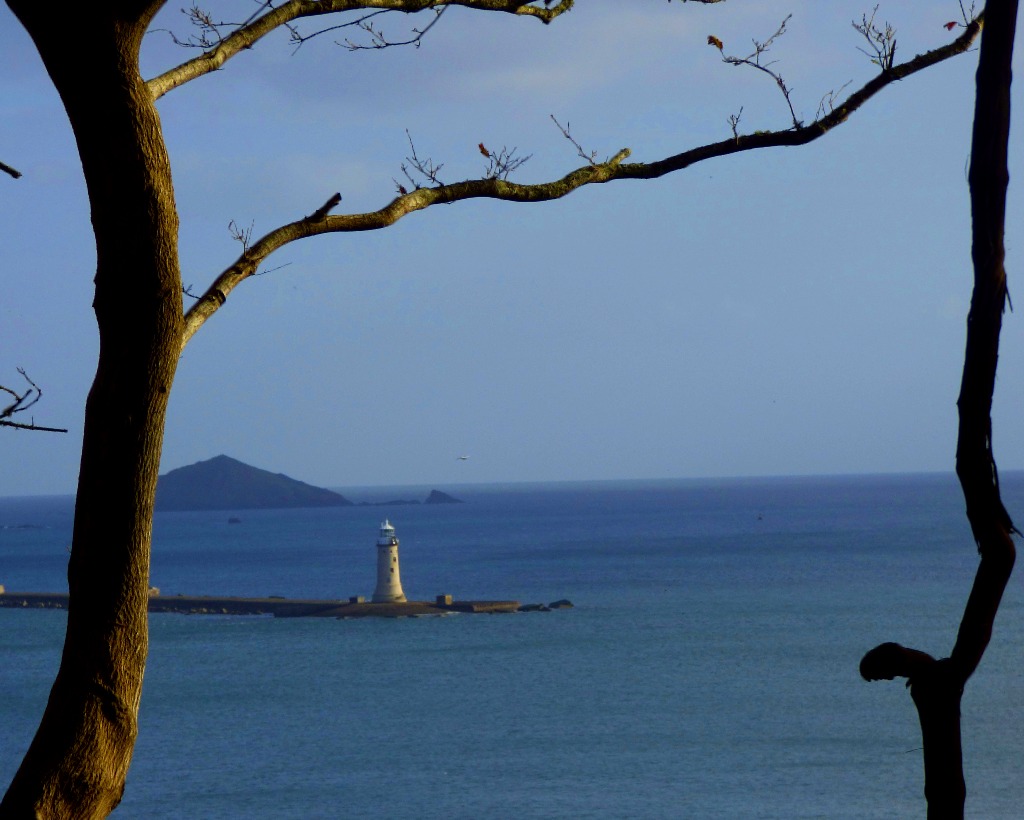
The lighthouse which is visible from my parents new home features in a number of pictures that I have taken. I open this section with a mini challenge that I titled “Framed” – do you have a picture where there is a natural framework for the centrepiece of the photo? If you create a post containing the picture, and provide details in the comments, and I am impressed I will reblog you. Here is my starter…
It has been three days since I last posted here, and five since I created anything new here. Just to keep things going here are some pictures that I have taken during that period.
WORK PICTURES
The pictures I have from work that I consider worth sharing come in two sections. First…
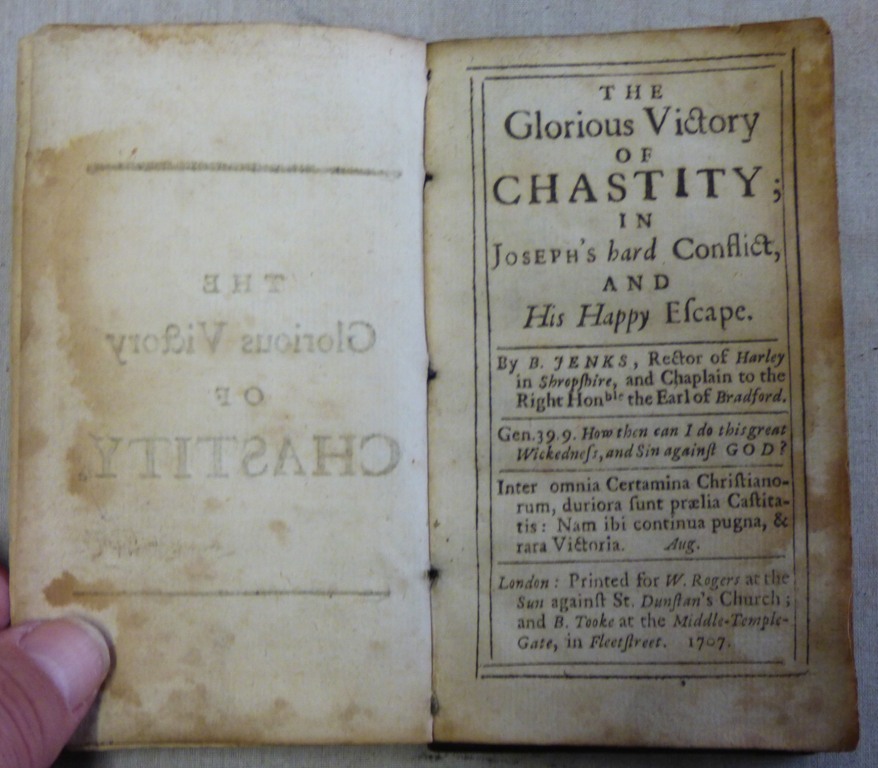
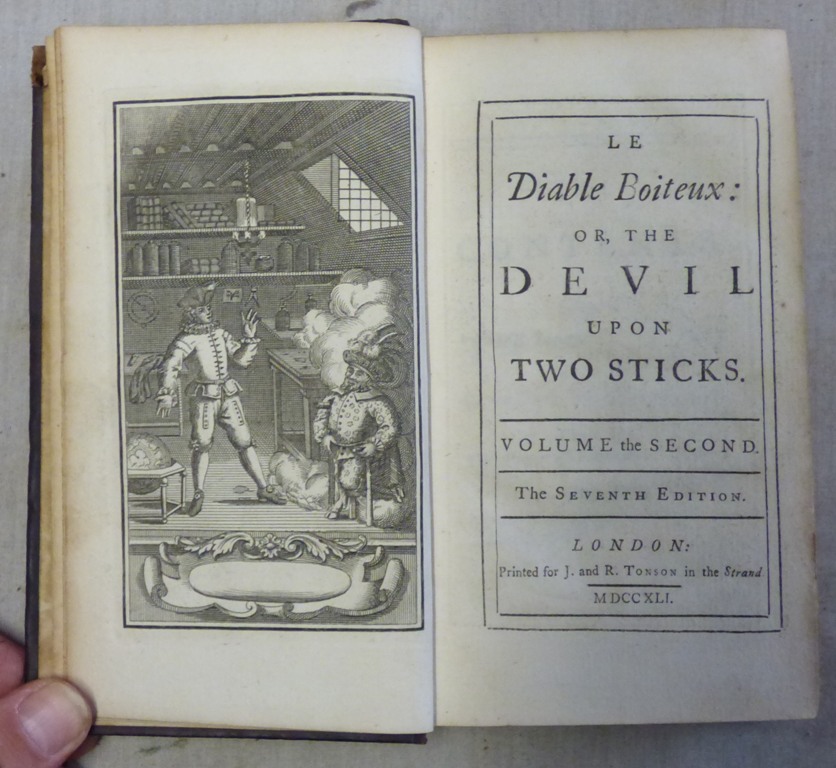
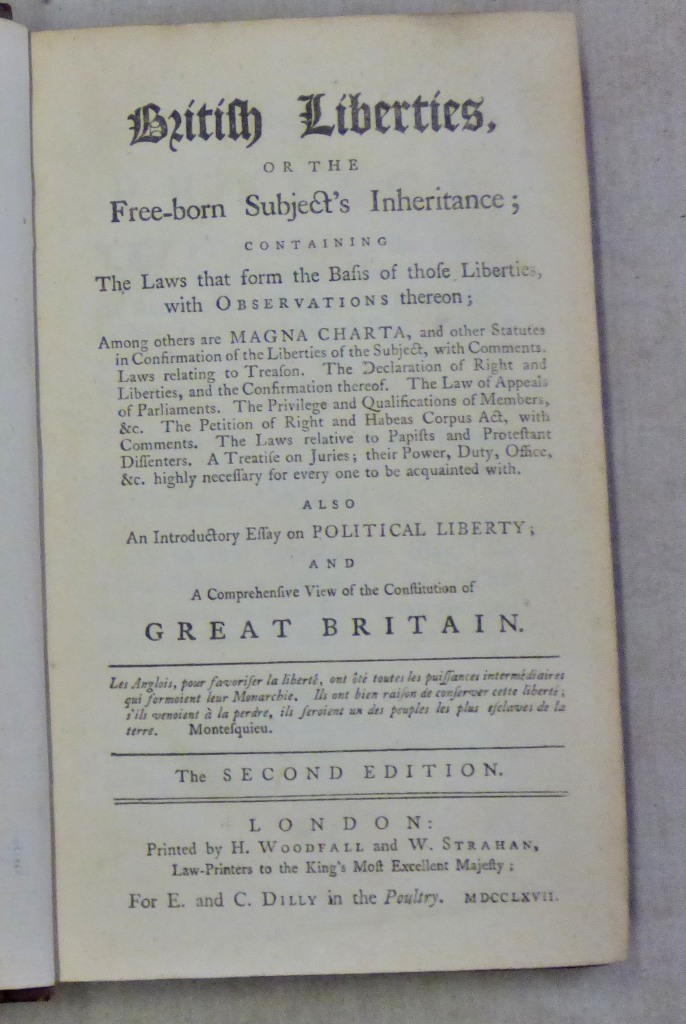
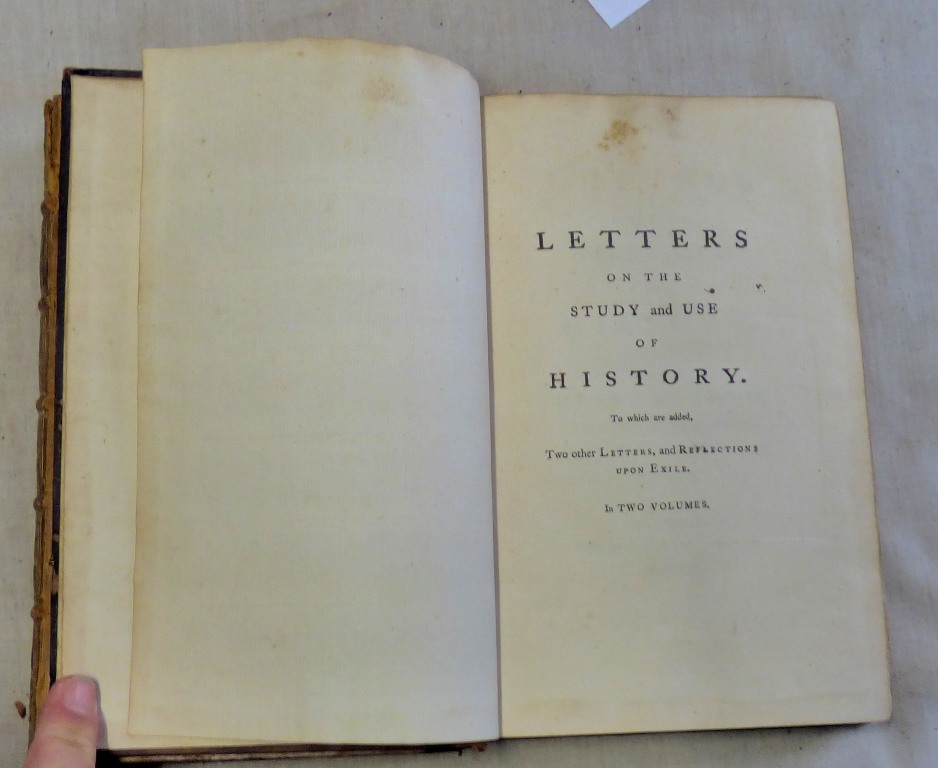
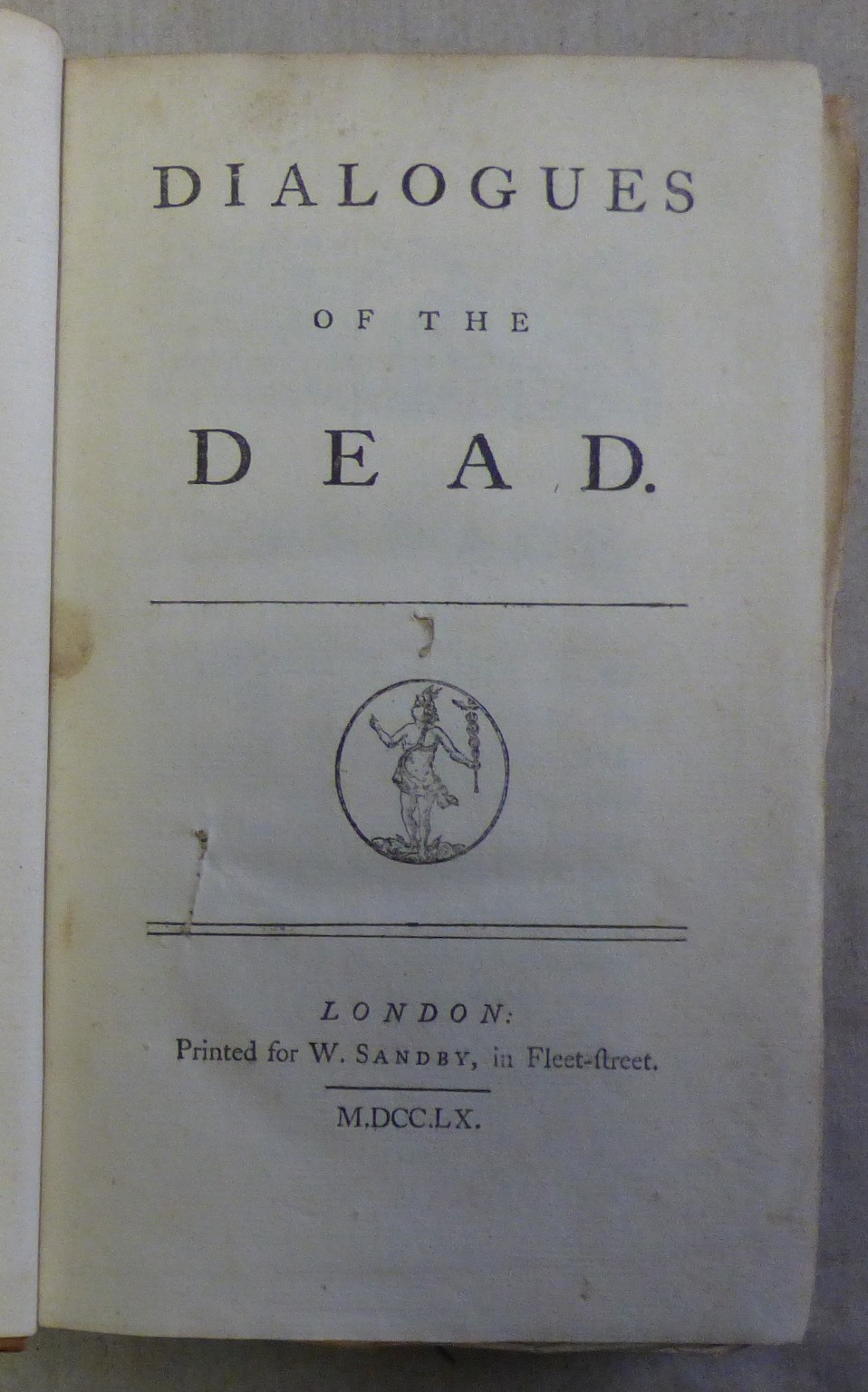
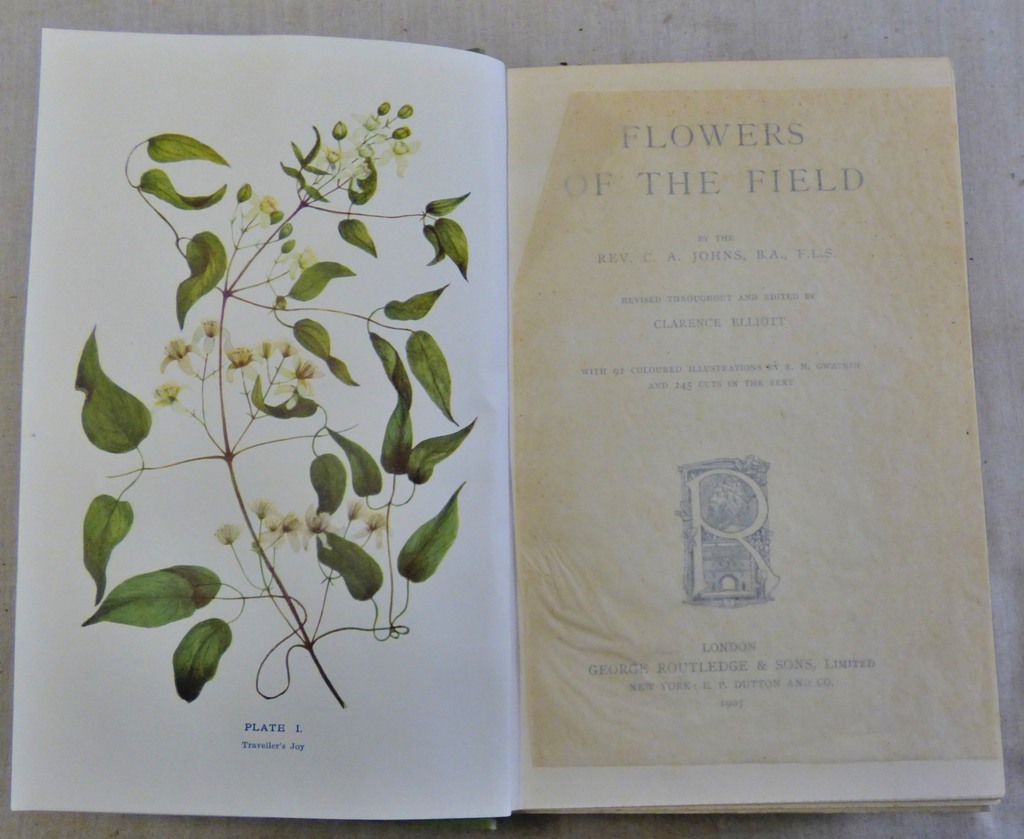
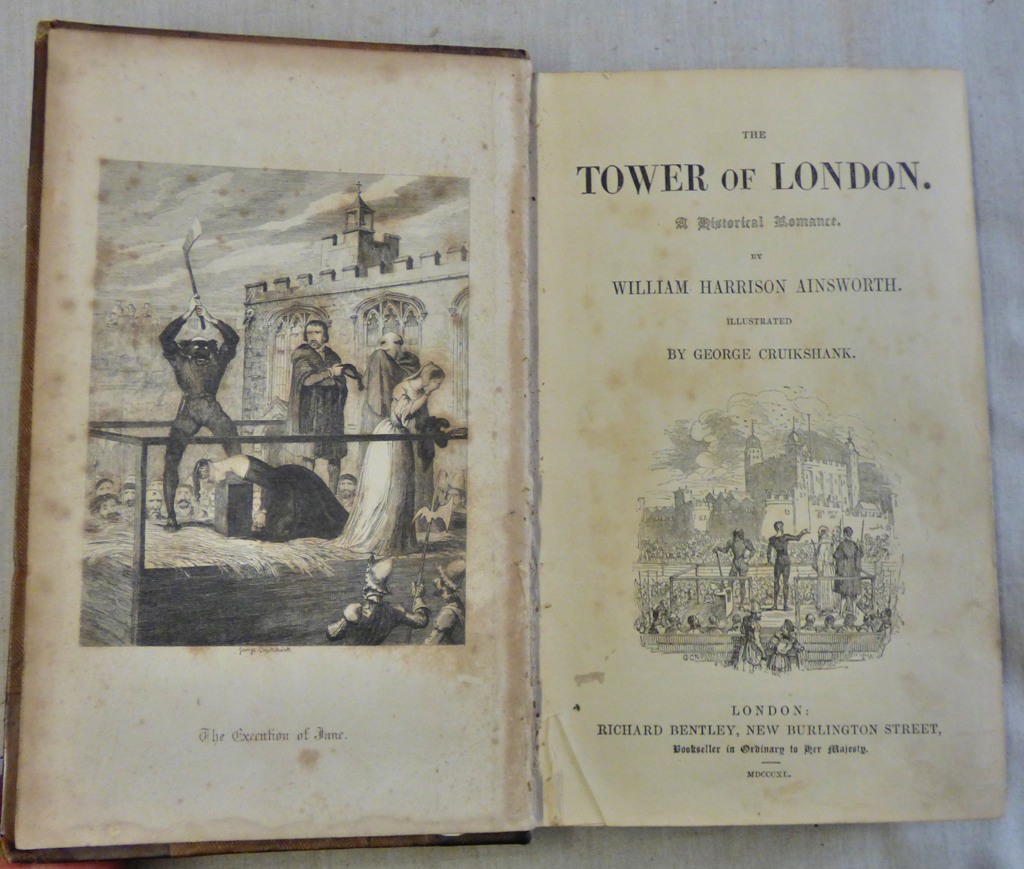
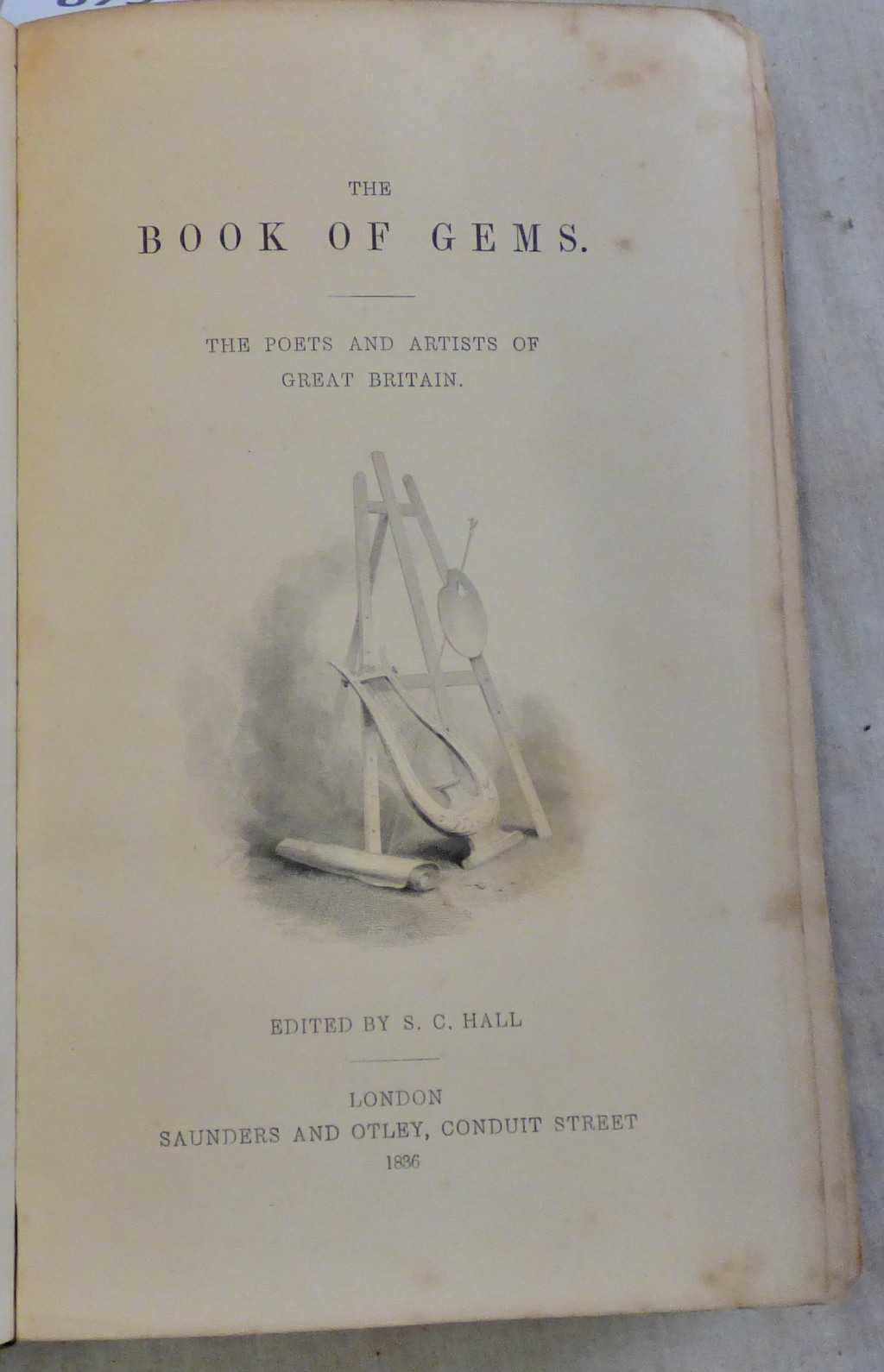
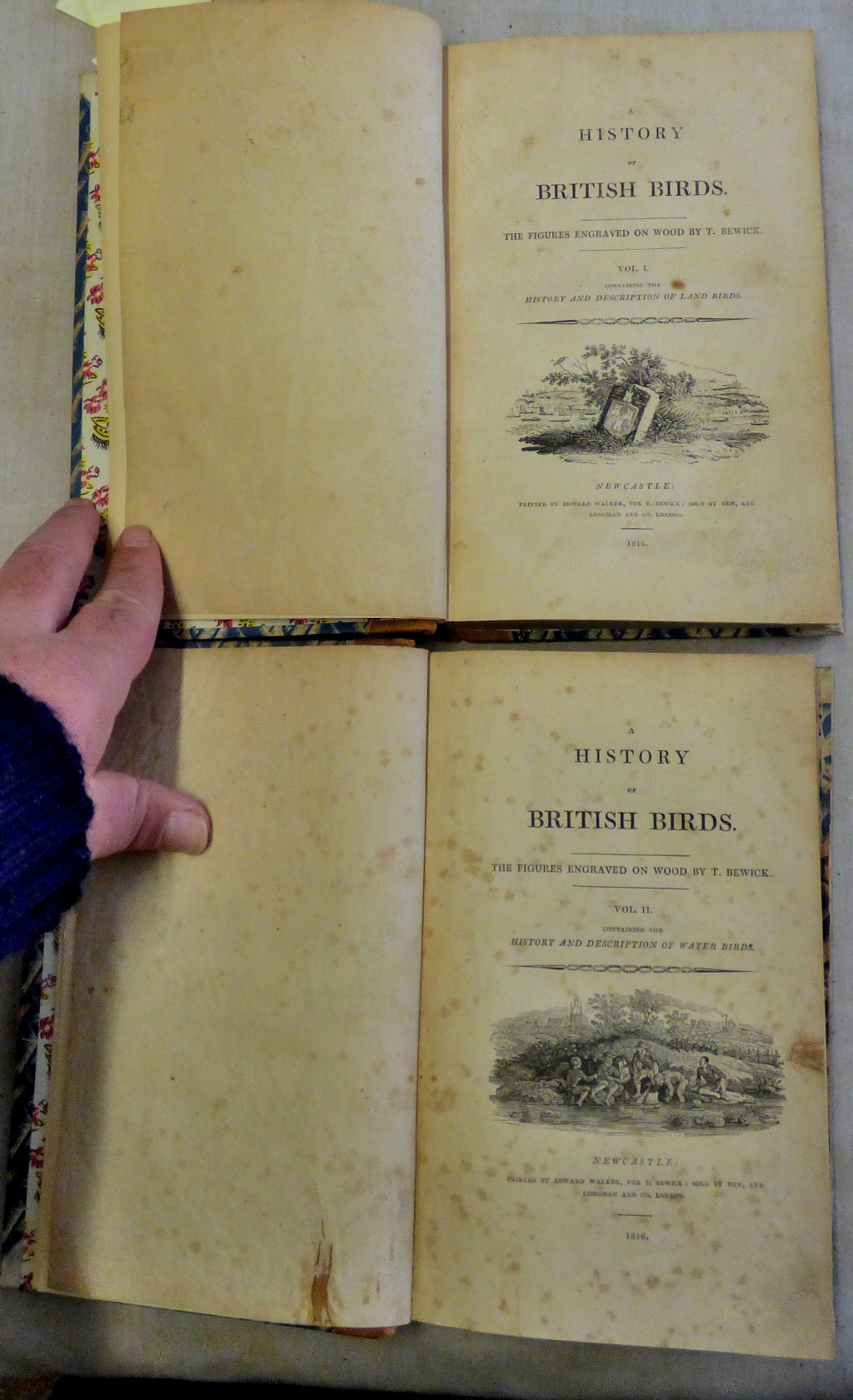
FRONTISPIECES AND TITLE PAGES
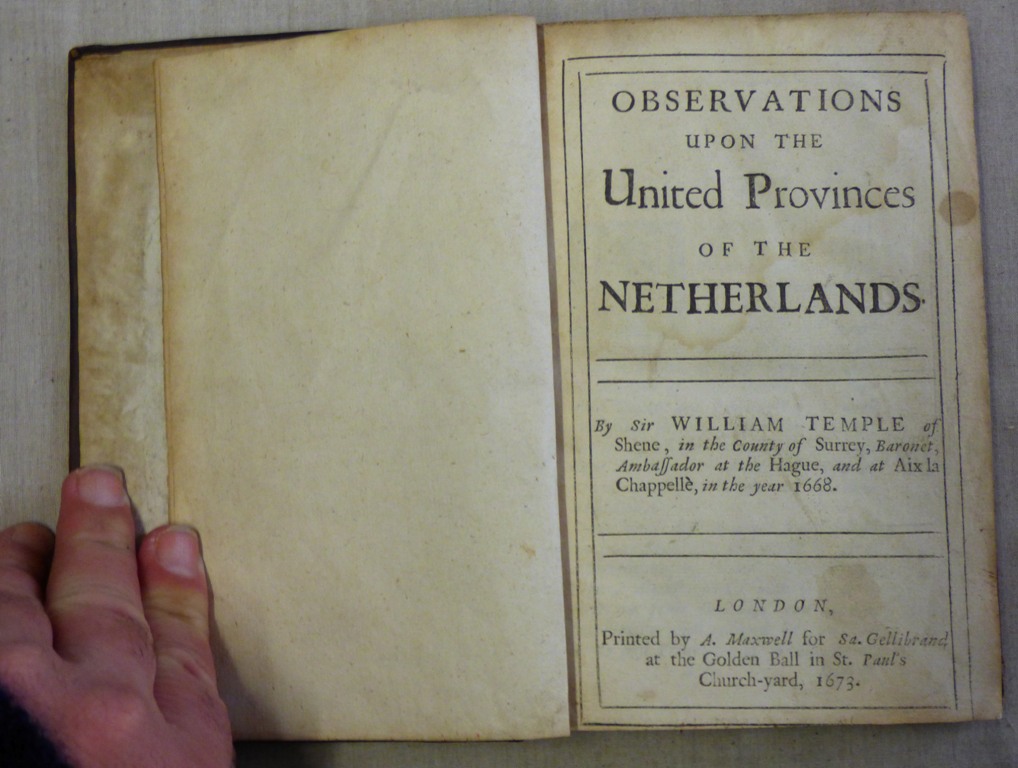
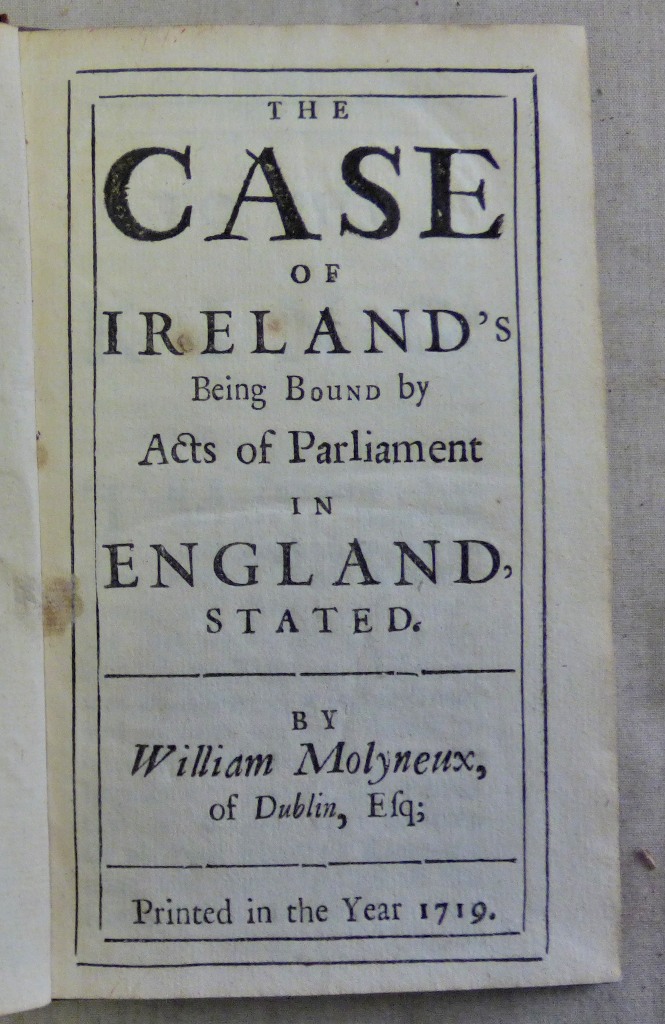
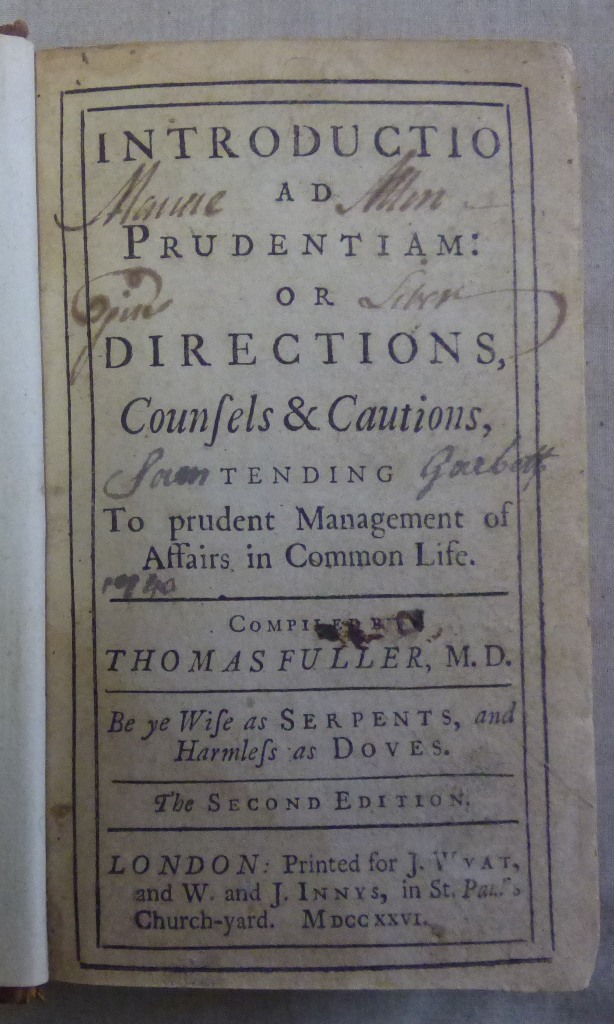
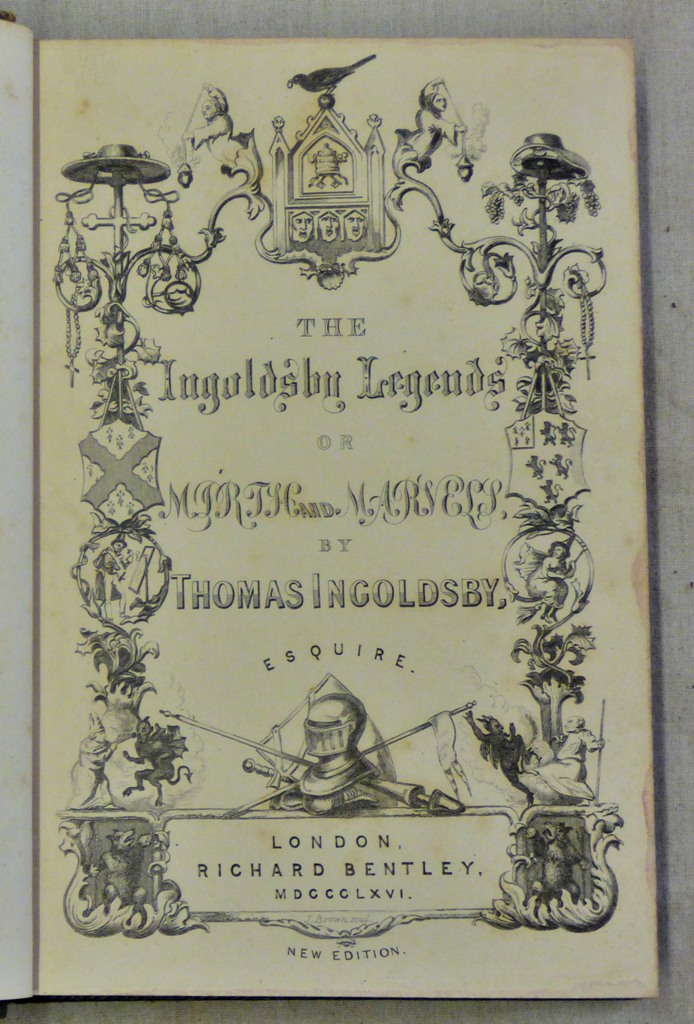
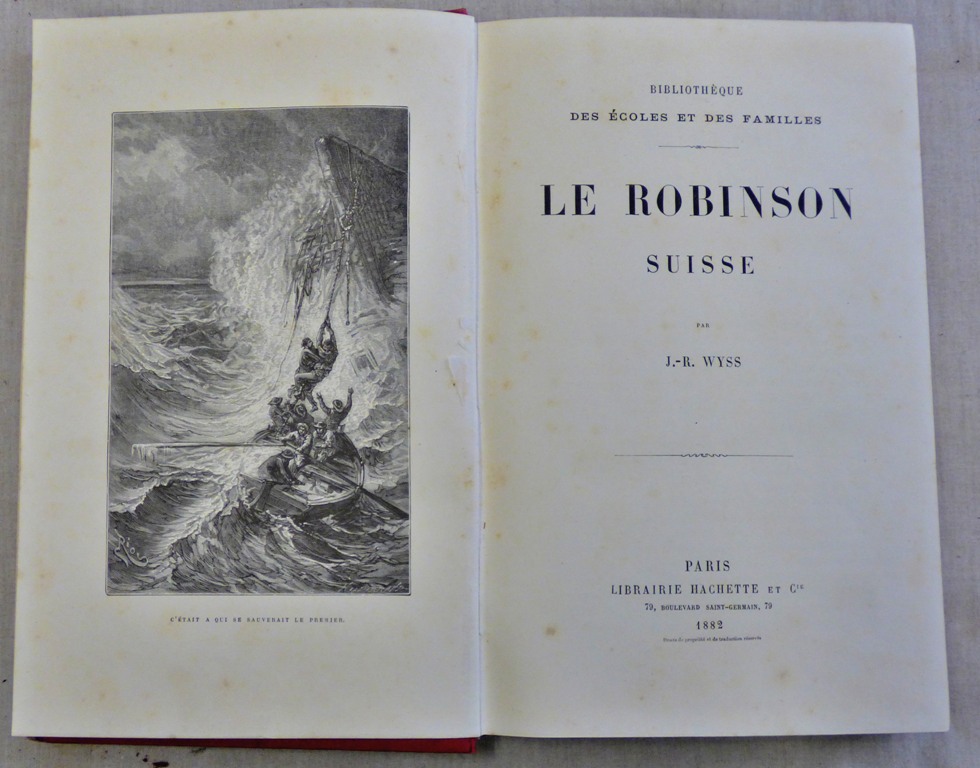
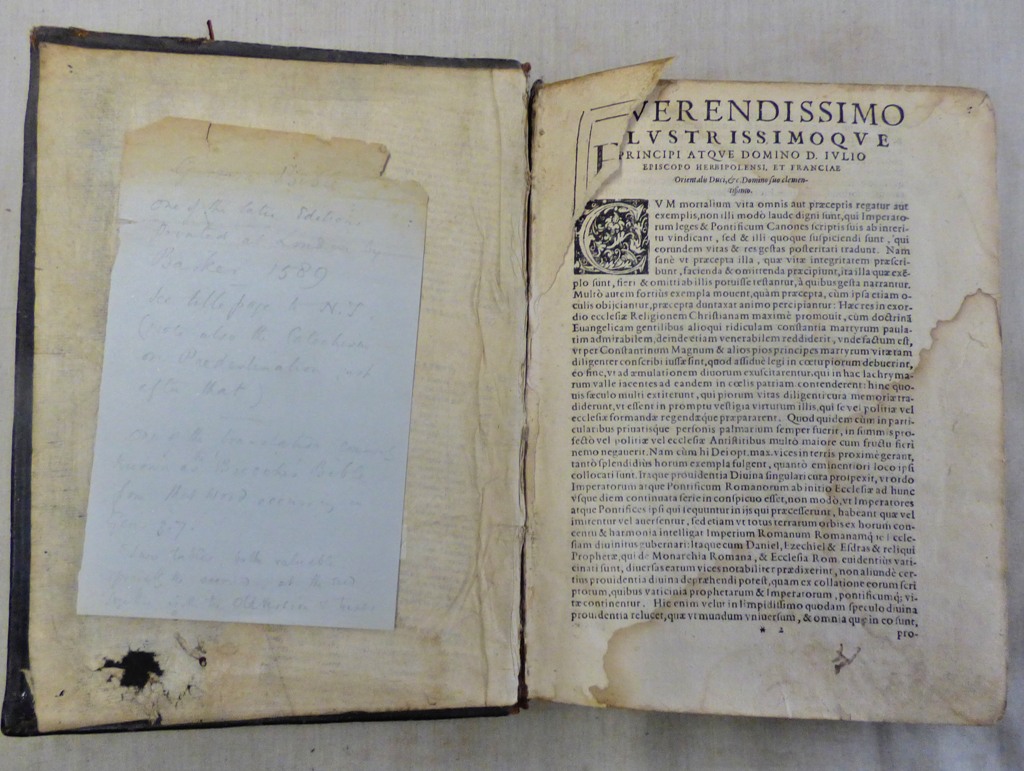
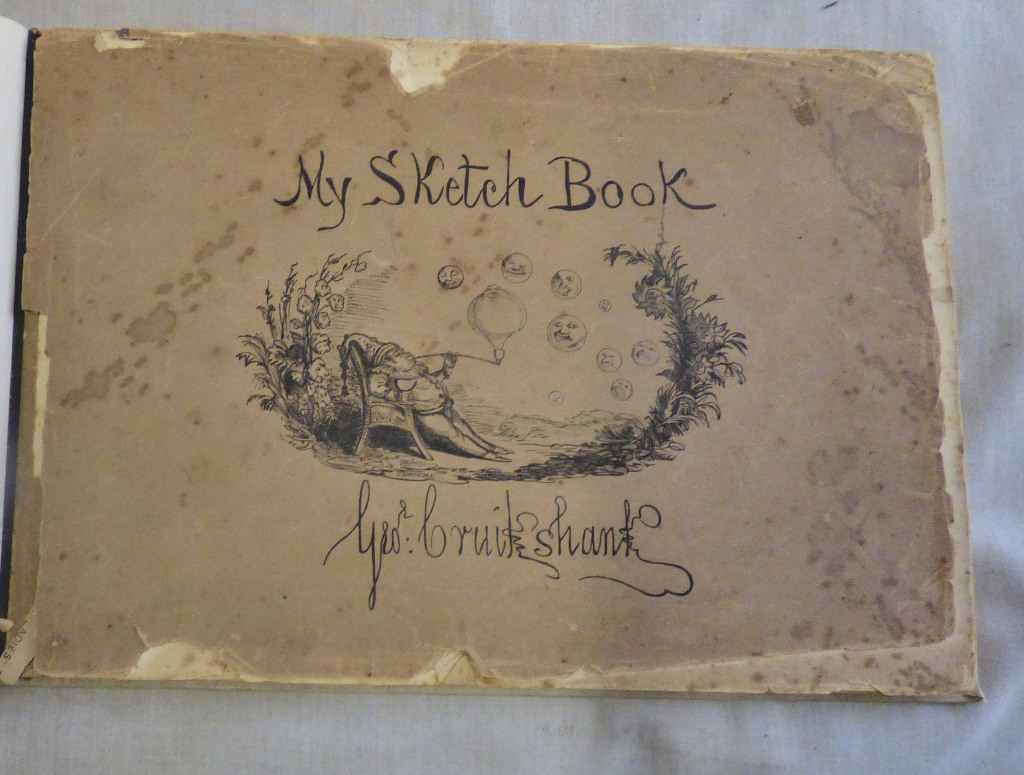
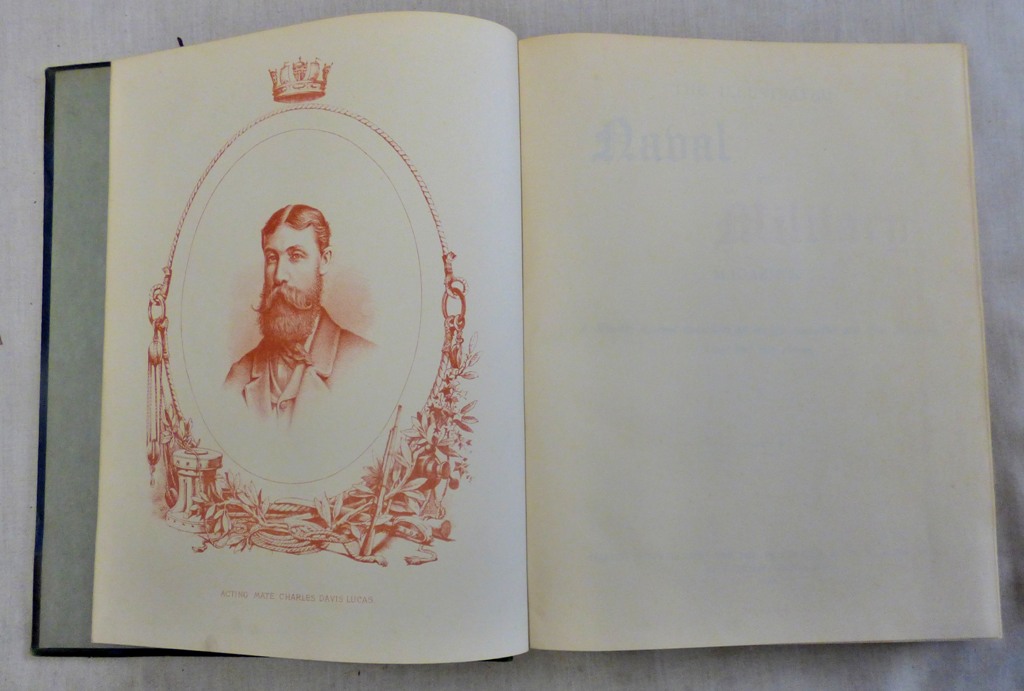
We have some very old books going under the hammer in our auction at the end of November, and our printed catalogue will feature a page of some the finest frontispices and title pages, so here is a sneak preview:
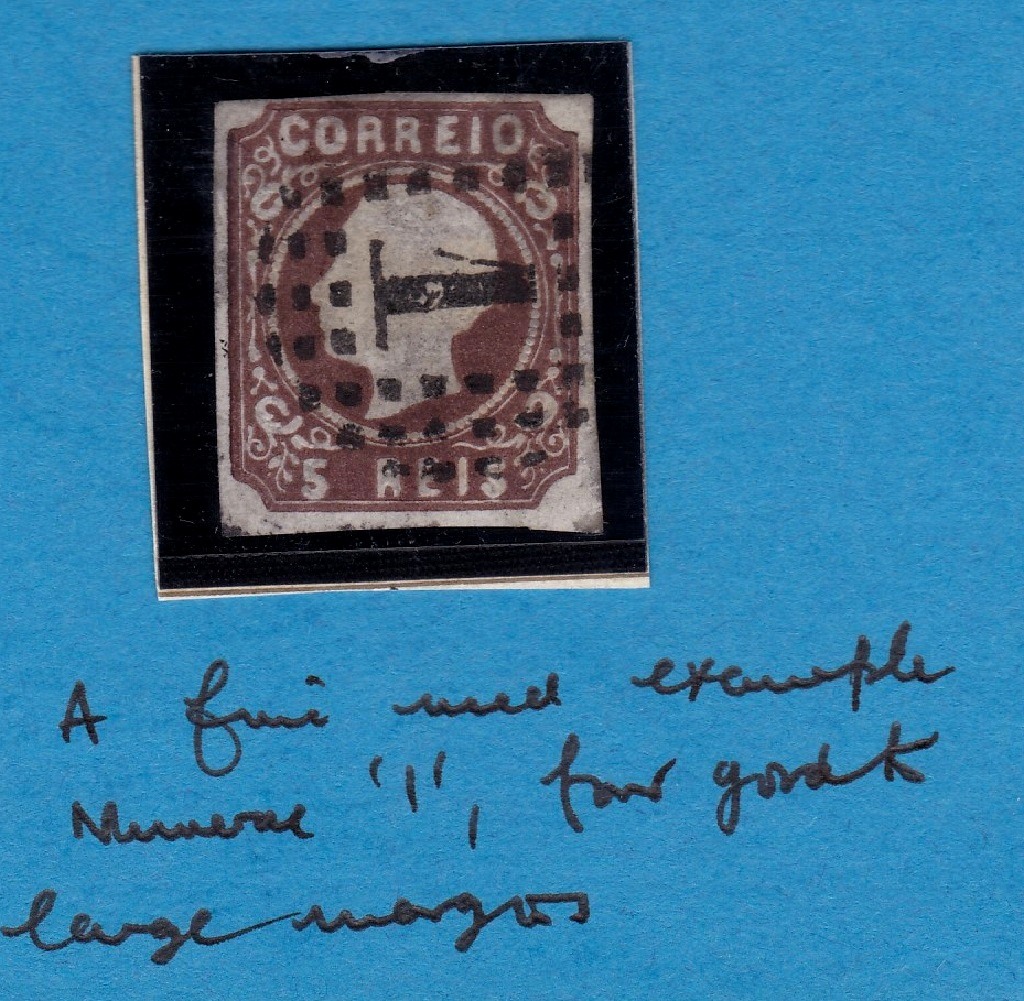
My second set of work related pictures are of stamps, which were done yesterday using the scanner (400dpi, full platen being the setting used).
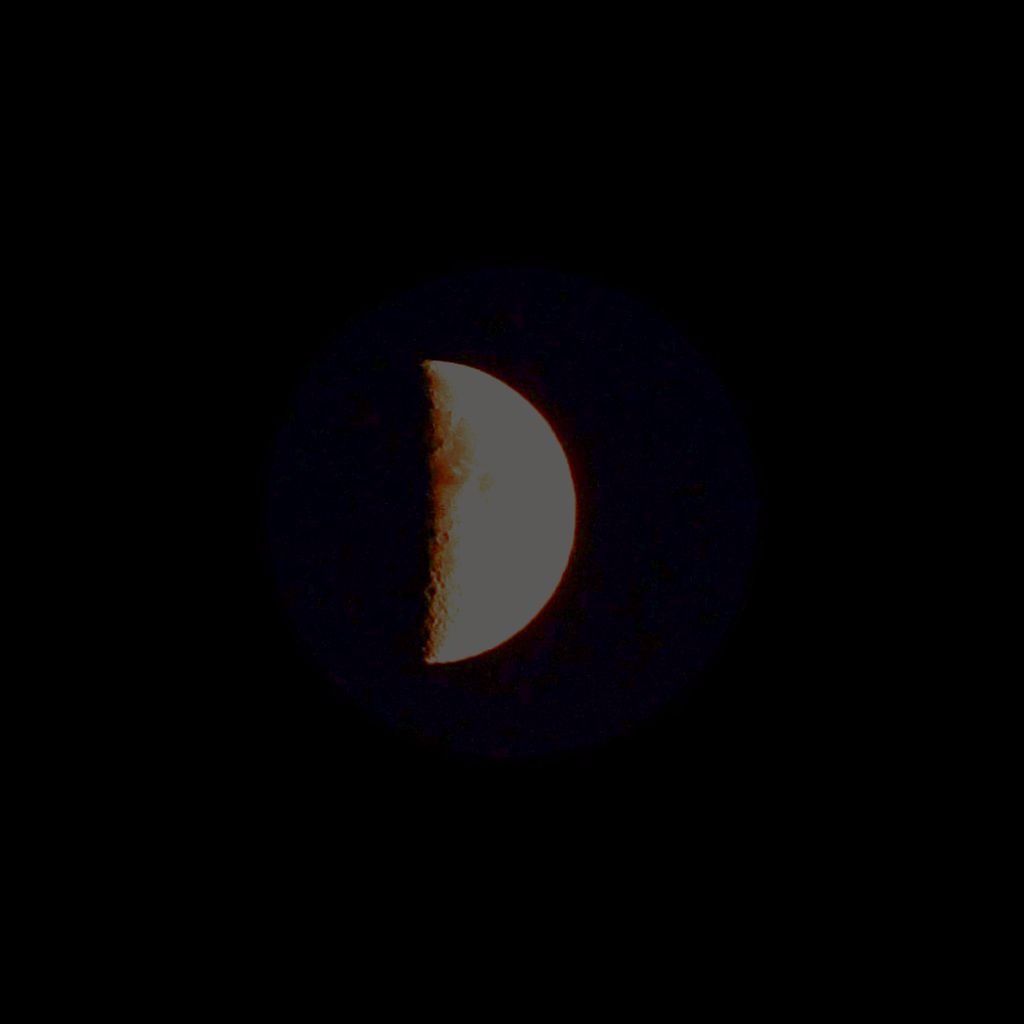
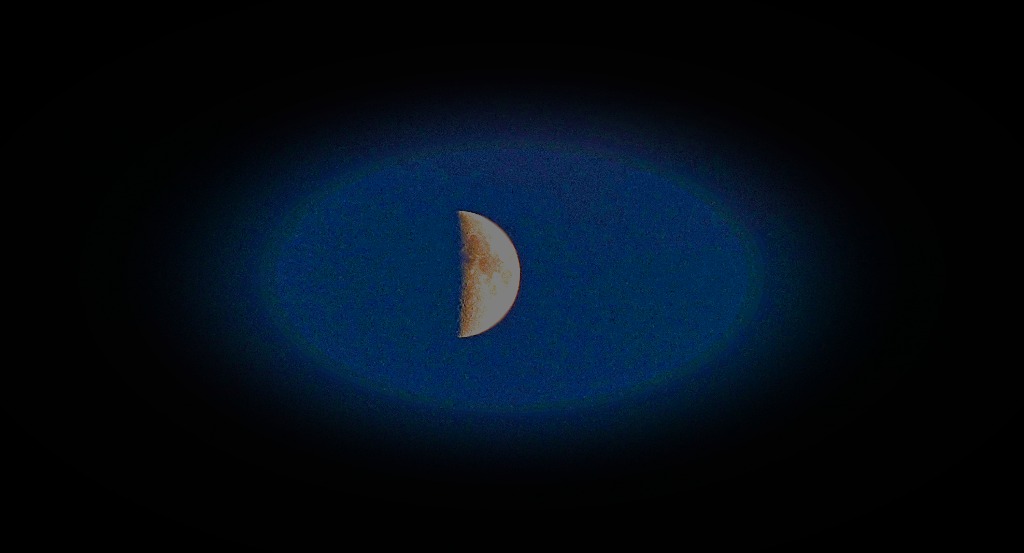
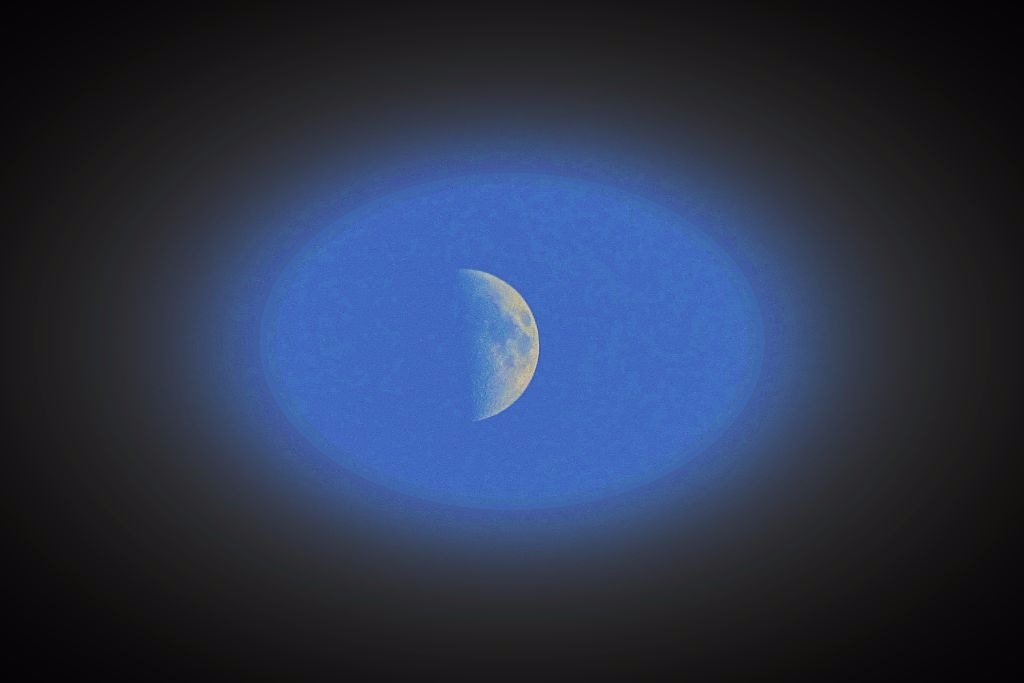
HALF MOON
These are from a week ago – the moon in question was in a twilight sky.
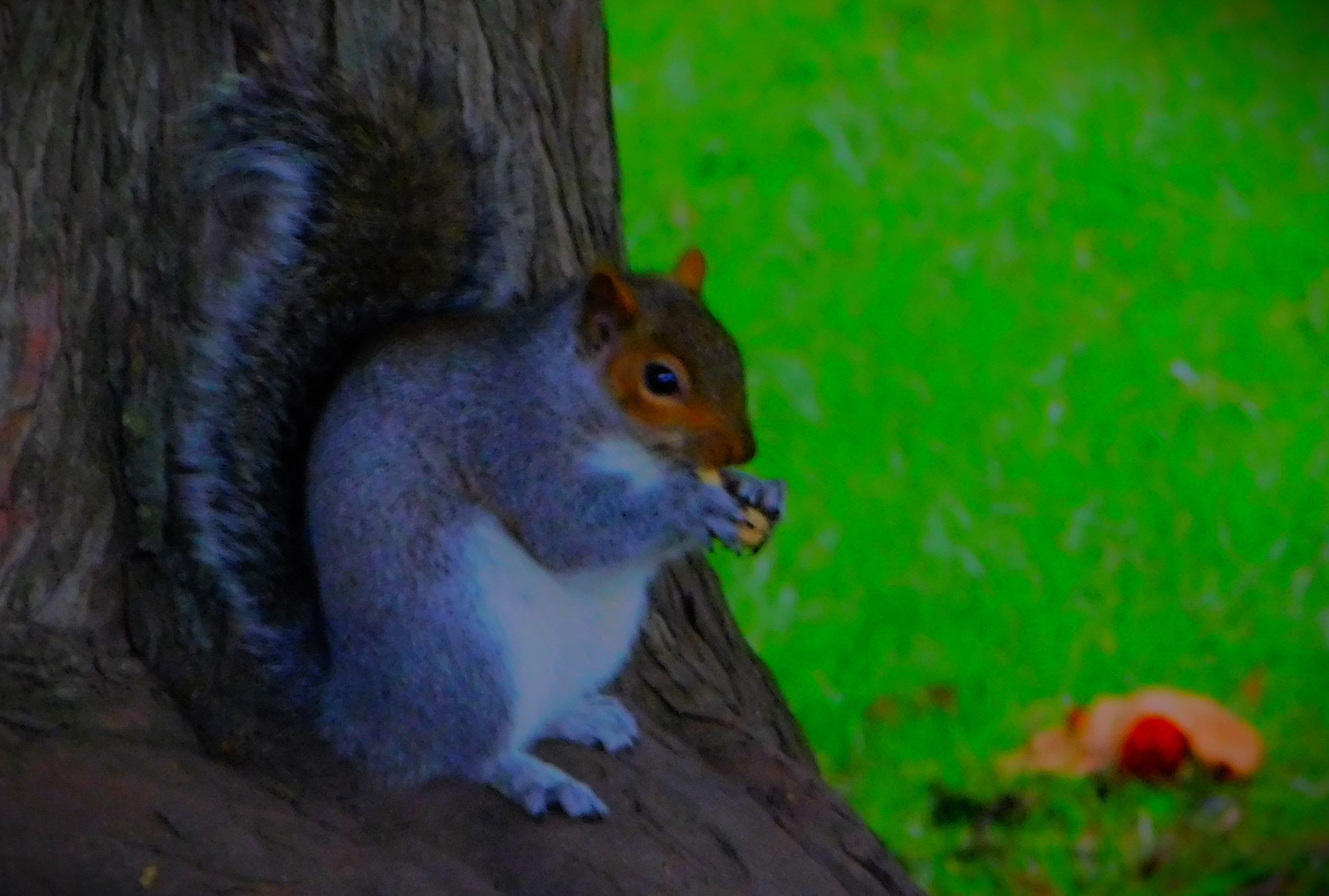
Squirrels
A final few pictures…
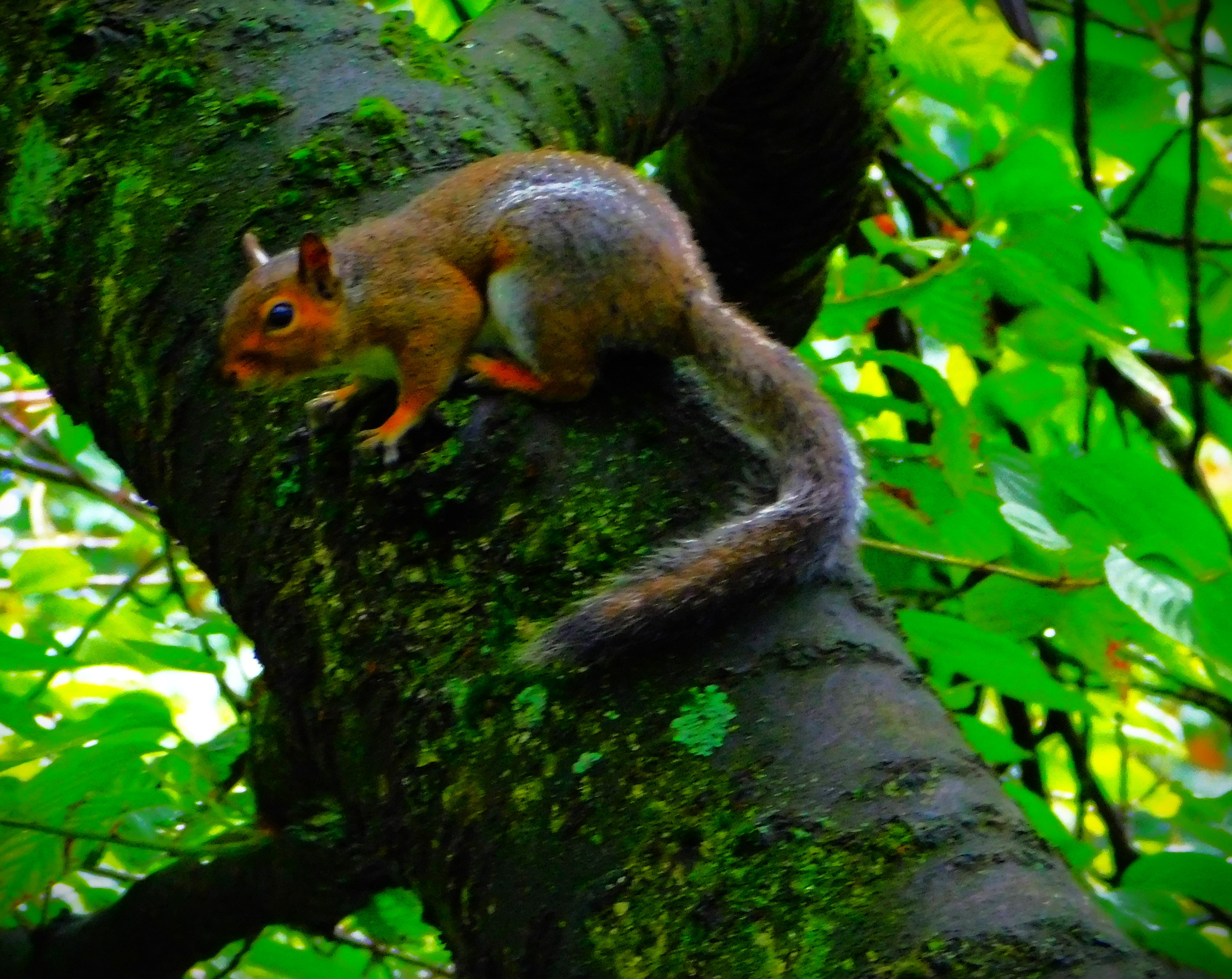
It is not always possible to get a close-up of a squirrel in focus – one has to take the picture quickly!
The latest addition to my “Trees in Transistion” series.
INTRODUCTION
Later on today I hope to have time to put up a few more posts, but for the moment just to keep things coming here is the latest installment in my “Trees in Transistion” series.
THE TREES’ TALE
The heading for this section is a nod to Richard Dawkins’ “The Ancestor’s Tale”. These pictures do feature some trees not previously featured, and to borrow from another famous writer I hope that “age doth not wither nor custom stale my infinite variety”…
An account of an educational event about the Gaywood River that took place in the Scout Hut on Beulah Street on Sunday.
INTRODUCTION
I have had a very busy few days, which is why there have been no new posts here since Saturday. I will mention my activities since Monday in later posts, but this post is solely concerned with the activity that dominated (in a good way) my Sunday. At the end of this post I will be including a variety of links related in various ways to its content. Here is a map showing the course of the Gaywood River:
FINDING OUT ABOUT THE EVENT
I got an email from my aunt a few days before the event was due to happen explaining her role in it and asking if I wished to meet her there and go back to hers for sausage and chips or if I would prefer a saturday supper. I decided that the event could be quite interesting, so I opted for the former course of action.
GETTING THERE
Since the event was taking place at the Scout Hut on Beulah Street, which is on the bank of the Gaywood (Beulah Street ends in a bridge that crosses the Gaywood into the car park that serves the Scout Hut) I was going to walking, and since it was a bright, sunny morning I decided on an extended route. Leaving my flat I headed across Baker Lane Car Park to the bridge over the upper Purfleet, heading across King Street to the north bank of the lower Purfleet. Here are some photos from that early part of the walk:
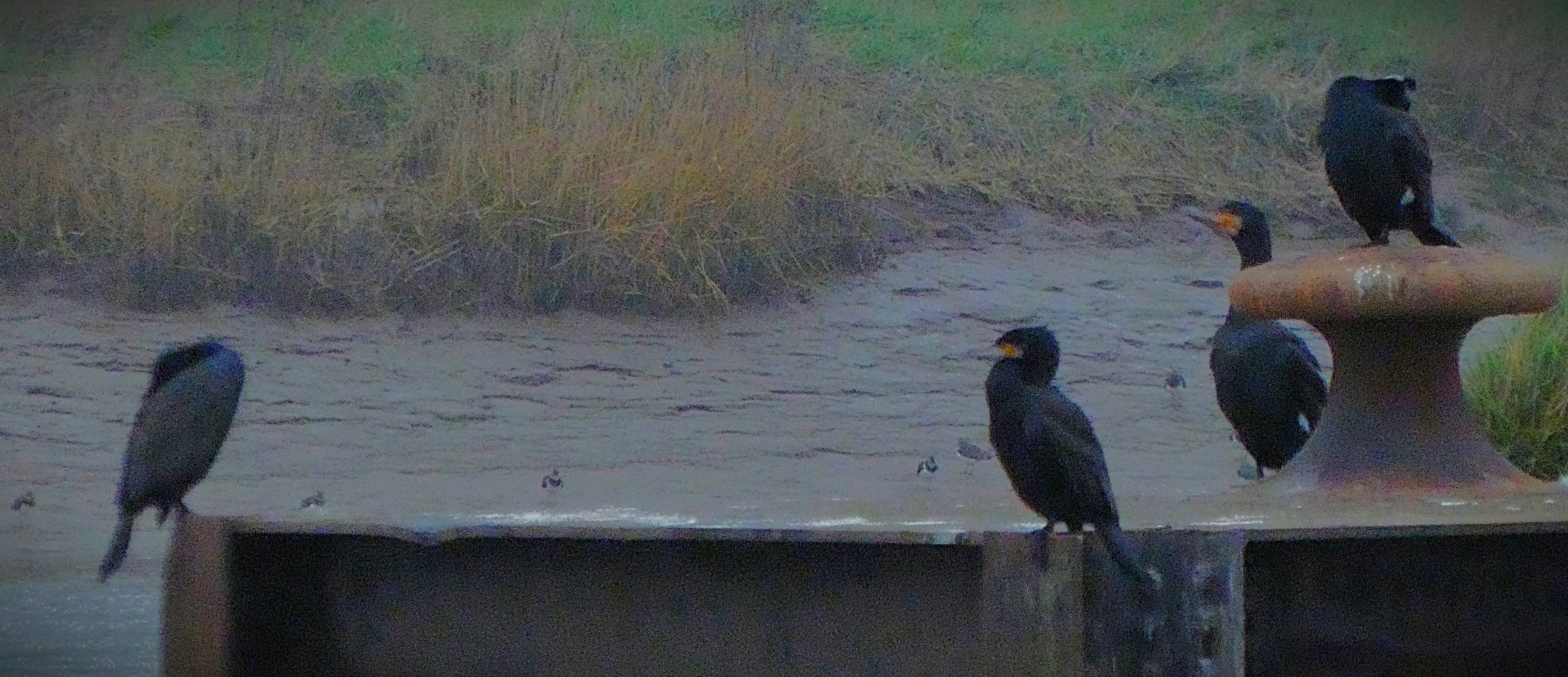
From there I followed the line of the Great Ouse as far as my favourite cormorant observation point…
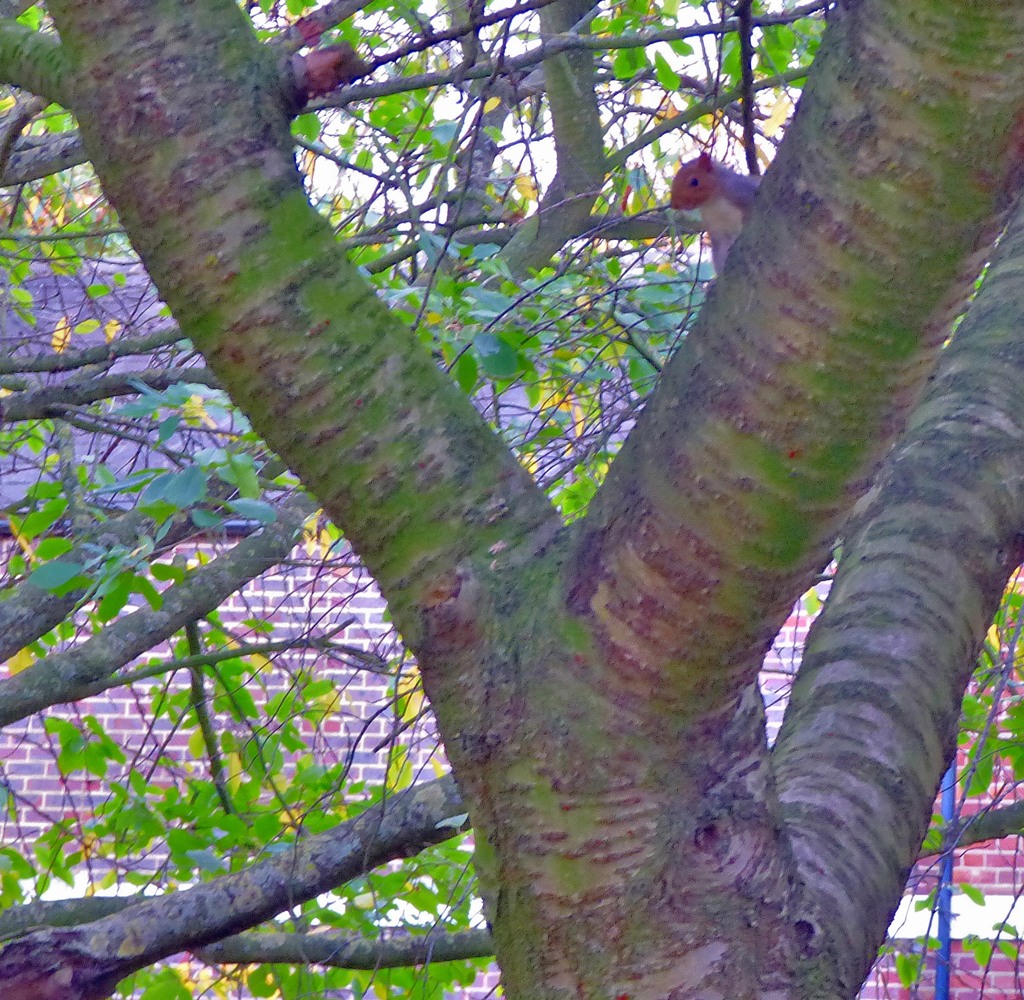
…before heading round by way of All Saint’s Church to the Library and entering the parkland area, following the Broadwalk until the path through the Vancouver Garden splits off from it, when I followed that and then the path out of the Vancouver Garden that joins the Tennyson Road end of St John’s Walk, at which point I was back on what would be the officially recommended walking route to Gaywood. There were squirrels about (in King’s Lynn only the grey ‘bushy-tailed rat’ variety as opposed to the red ‘Squirrel Nutkin” variety), though it is not always easy to get good photos of them…
This picture and the next feature the heavily sculpted segment of the Gaywood River that passes through the parkland.
Apart from photograph opportunities the other plus side to being held up a by a train at the Tennyson Road level crossing is that you can cross the road itself in perfect safety as the cars are all stationary.
From Tennysod Road I followed the footpath the runs between the King Edward VII Academy and the Lynn Academy to Gaywood Road, which I crossed, then crossing the Gaywood on a pedestrian bridge before following its bank all the way to the Scout Hut.
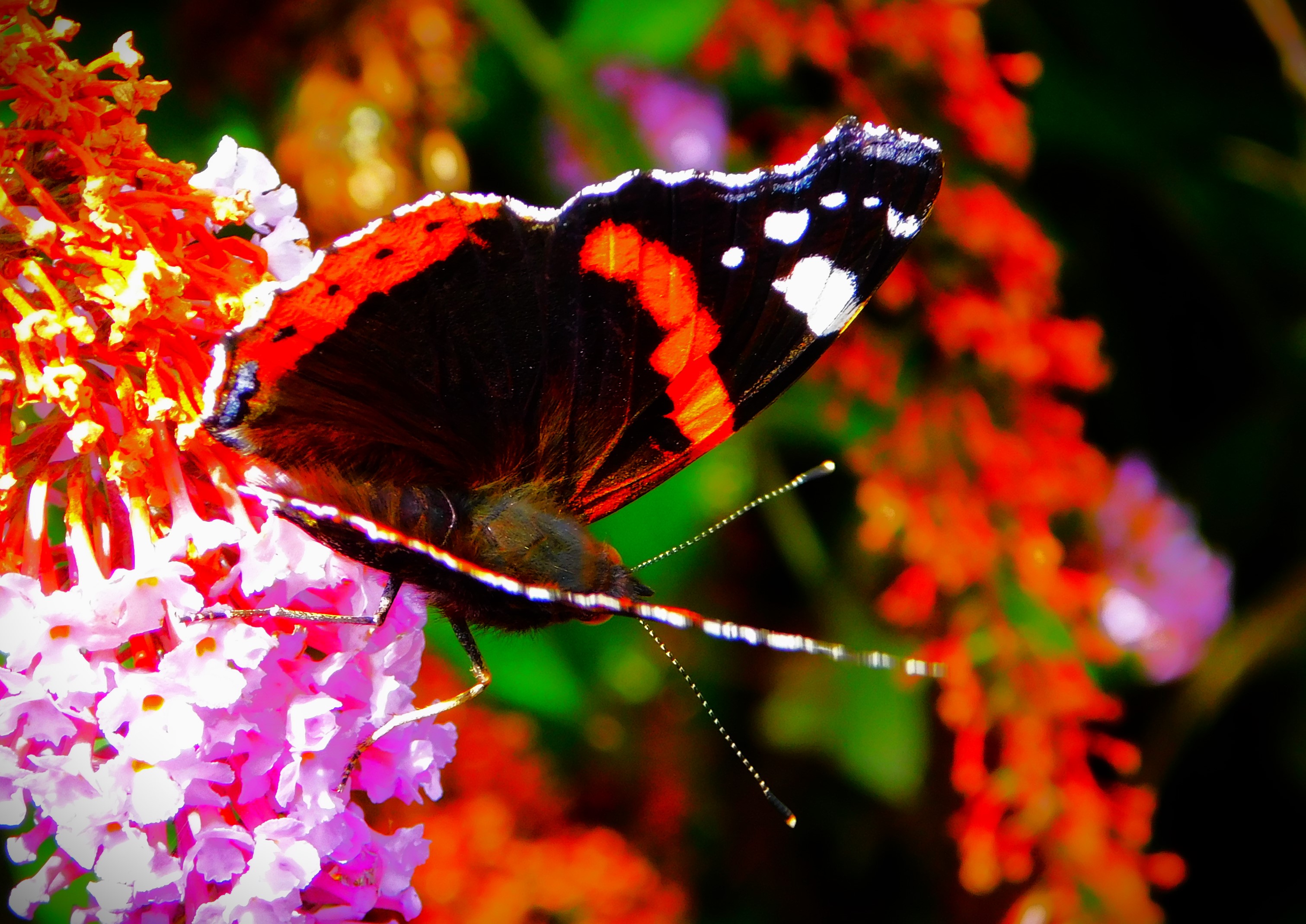
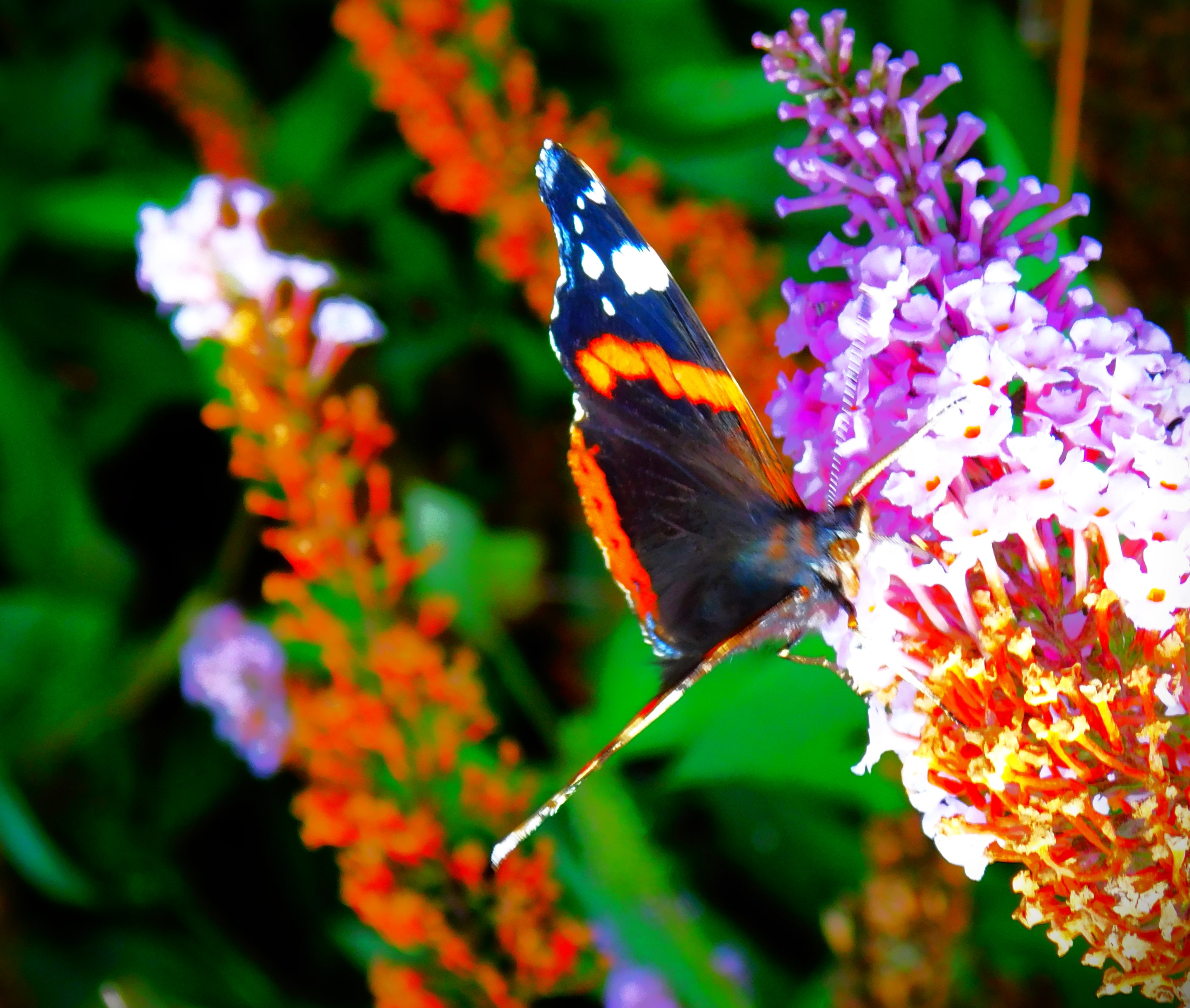
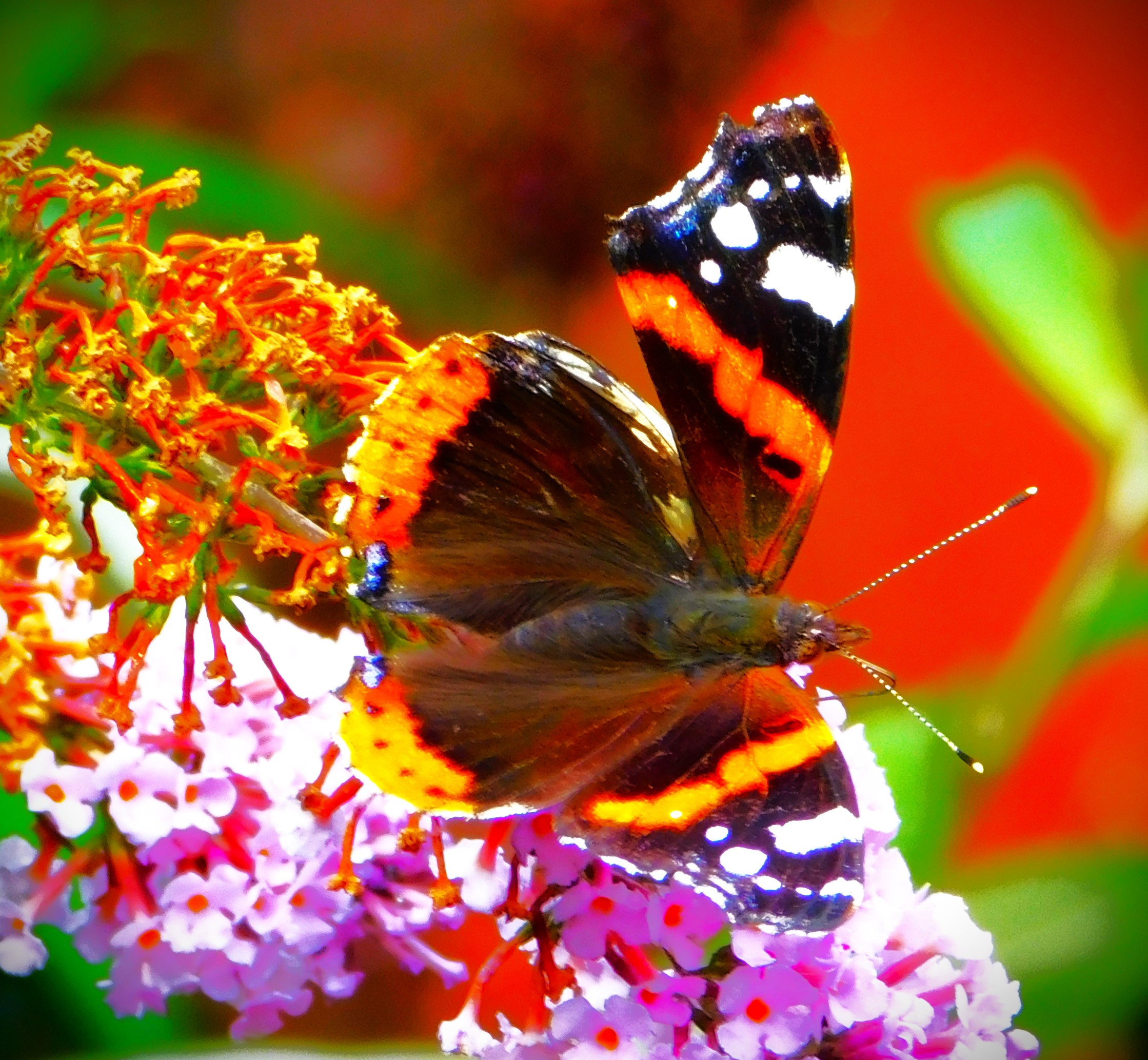
Although darker than their usual colouring I think from the markings that this is a peacock butterfly.
A section of the Gaywood River
AT THE SCOUT HUT
Immediately outside the Scout Hut the Gaywood Valley Conservation Group had a gazebo and display boards (it was there that I took the photo that appears in the introduction).
Inside the hut was the Civic Society Stall, a cake stall, and various river related learning activities (colouring in pictures of river creatures for the artistically minded, an A-Z quiz of which more later). Although it was not the first thing I looked at, because it was my aunt’s reason for being there I start with…
THE CIVIC SOCIETY STALL
They were looking for people who knew about the history of the Gaywood river, because information boards will be going up at various points along it. They already had some good stuff, but wanted more.
Now we turn out attention to…
THE REST OF THE INDOOR ACTIVITIES
The cake stand looked awesome but discipline prevailed, and I did not sample any of the products. Although it was not really aimed at people my age I did the quiz, and predictably got all the answers in short order. The colouring proved popular, and many of the coloured creatures were then stuck on to a large picture of a river on the wall of the hut.
I will reveal the answers (just in case anyone did not get them all) in a later post.
That is the inside stuff finished, but there was also plenty going on…
IN THE BACK GARDEN
There were two major centres of activity in the back garden, and I make my first port of call there, as I did on the day, at…
THE NORFOLK WILDLIFE TRUST GAZEBO
The Norfolk Wildlife Trust were showing children how to make portable ‘bug hotels’, and they also had a natural history display including a folder full of photographs of animals, and a stash of leaflets, to which I may return in a later post.
We now come to what was for me the best of all the exhibits, courtesy of…

THE NORFOLK RIVERS TRUST
There were two parts to this exhibit. The minor part was display showing graphically how different treatment of land in the winter affects the soil:
These three models were side by side demonstrating what happens to soil when there is nothing there at all – gets washed straight into the river)…
When there are dead leaves covering it – still lots of it ends up in the river…
…and what happens when something suitable is planted – note the much clearer water at the end – most of this soil remains in place.
The second part of this display was a living exhibit from the river – two large buckets of river water with creatures that naturally live in it there to be seen (the amount of dissolved sediment in the water, the small size of these creatures and the fact that some of them live on the bottom of the river means that this the only way to make them visible). There was also a small sample dish which the person running the exhibit used to show as very small curiosities…
This is one of nature’s smallest houses – within it is a caddis fly larva, and at some point the adult fly will emerge.
The next three shots are of small sticklebacks.
This was described as a gudgeon, but looks different to the other gudgeons we will see later. The silvery sheen to its scales suggests a dace to my eyes.
I am not sure what this piebald fish is, though it could be a stickleback.
This shot of the sample dish showing the thumbnail of the dxemonstrator reveals just how tiny that Caddis fly home actually is – it was in this same dish that I saw it.
Two gudgeons in the second bucket – note that as would be the case in the river they are at the bottom.
There was also a story teller outside…
LINKS
To start this section we look at organisations who were actually involved in some way or other with this event:
Wildlife & Planet – interesting stuff about wildlife from all over the world.
WEIT– the website that grew out of Jerry Coyne’s classic book Why Evolution is True.
Science Whys – the blog of Brandeis biology professor James Morris.
Rationalising the Universe – sets about accomplishing the big task laid out in its title and does a good job of it.
Faraday’s Candle – a science website that will really illuminate your life.
I conclude this section by mentioning a couple of bloggers who regularly feature nature in their work:
CindyKnoke – keen photographer and nature lover. Below is the feature image from (and link to) her most recent post:
Anna – her posts about fighting to save nature in her part of the world are always inspiring, and her two recent series of posts “Paradise on Earth” and “Butterflies in Trosa” are both stunning. Below is the feature image from (and link to) her most recent butterfly post.
CONCLUSION
This was an excellent event and I learned a good deal about the history and nature of the Gaywood River. I have one kvetch which is that the event was poorly publicised – I only found out about it through my aunt and then only a few days before it was happening, meaning that anyone else I might have alerted would almost certainly have had other plans. If half of you have enjoyed this post even half as much as I enjoyed the event I have done a good job. I finish by urging you to take the time to follow up those links.