Autism, Transport and Renationalisation

Some links, some pictures and solutuons to a few puzzles I had posed earlier.

INTRODUCTION

I have a number of interesting links to share, along with thoughts and photographs of my own and solutions to my last set of puzzles.

AUTISM RELATED LINKS

My first link in this section is to a post titled “Why Is It Necessary To Intervene With The Natural Course Of Being Autistic” published on THE BULLSHIT FAIRY. Here is the most important section of the piece:

Why is it necessary to intervene with the natural course of being Autistic?

“Early” implies that there is a need to “catch” things early, before it progresses.

Autism is not a disease. It is not progressive. It just IS.

It is disrespectful because it ignores our own timing. Autism is a developmental disability and respecting that is important, instead of applying a neurotypical timeline of neurotypical milestones to neurodivergent children.

And while some aspects of occupational therapy and life skills can be beneficial, if there is no respect for each child’s timing, and if it is done in a manner that is compliance based/reward based, and if this is called “Early Intervention”, then it is just another name for ABA”

My next link is to thge early stages of wbhat looks set to be an excellent series of posts. Blogging Astrid is writing a series of posts about autism under the banner #Write31Days. I have two links for you:

My next two links come from firebrightstarsoul and both concern education and autism:

  • Enough to break your heart” which deals with a school day which (due entirely to failings on the part of the school) went very badly wrong. I quote one paragraph, which comes near the end of the story:
    We were told we’d be given parent codes to log in to the school’s app so we could find her missing assignments and help her on the weekend until she’s caught up. She didn’t know where to even find this information on her laptop, and when she tried to tell the teacher she didn’t know what she was supposed to work on, the teacher smirked at her and dismissed her with the pithy remark, “I bet you do.”
  • The one-room school-house” which (unsurprisingly given the above) looks at the possibility of homeschooling. Here is a picture from this piece:

This section concludes with…

TWO SEGUE LINKS

My last two pieces in this section are at the intersect of autism and public transport. First, from the i newspaper comes a piece titled “Travelling as a disabled person: I have autism – it takes me days to recover from one Tube journey“, one of a series a pieces by members of campaigning group Transport for All being published there this week. Here is the image which heads the article:

Claire has autism and says: "The world is a very unpredictable and confusing place."
Claire has autism and says: “The world is a very unpredictable and confusing place.” (Image: Transport for All)

Finally, a petition on the official site for petitioning the UK Parliament, which means that it is only open to UK citizens, calling for a necessary change to the PIP rules. Below is a screenshot link:
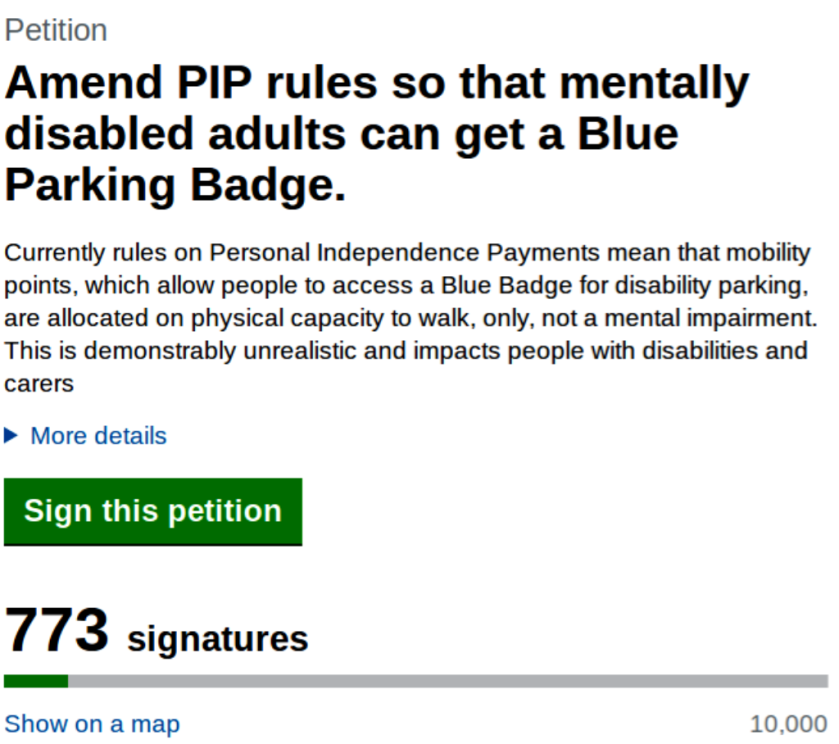
PIPP

Please visit, sign and share.

LINKS RELATING TO RENATIONALISATION AND TRANSPORT

My first link in this section is to a piece on Vox Political titled “McDonnell States Labour Will Take Back Rail, Water, Energy and Royal Mail | Beastrabban\’s weblog” This excellent piece sets the stage for the rest of this section. Below is the single most important paragraph, by way of a tempter:

And if Labour does, as I fervently hope, renationalize those industries, I would very much like a form of workers’ control implemented in them. One reason why the Tories were able to privatize these industries was because, when Labour nationalized them after the Second World War, the party was too timid in the form nationalization took. The state took over the ownership of these industries, but otherwise left the existing management structures intact. This disappointed many trade unionists and socialists, who hoped that nationalization would mean that the people, who actually worked in these industries would also play a part in their management.

Since that piece was produced Richard Murphy of Tax Research UK has put up a post titled “The public want nationalisation because nationalisation makes sense” in response to a hand-wringing editorial in The Observer, which started from noting that a recent study had revealed the full extent of public support for renationalisation (water – 83% in favour, electricity and gas – 77% in favour andr railways – 76% in favour – leading the way) and went full-on Tory from there, regarding renationalisation as a bad thing and coming with ideas for how this ‘threat’ might be dealt with. Professor Murphy, like me, takes the opposite stand-point, and points out how flawed the Observer piece is. 

PHOTOGRAPHS 1

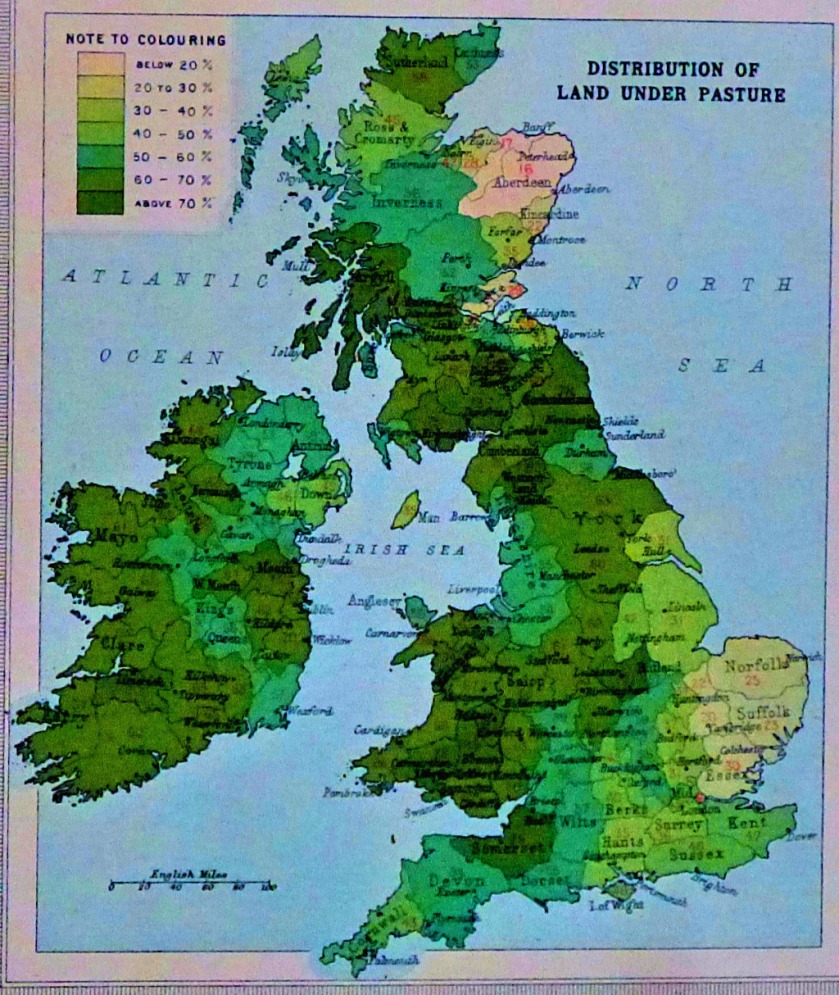
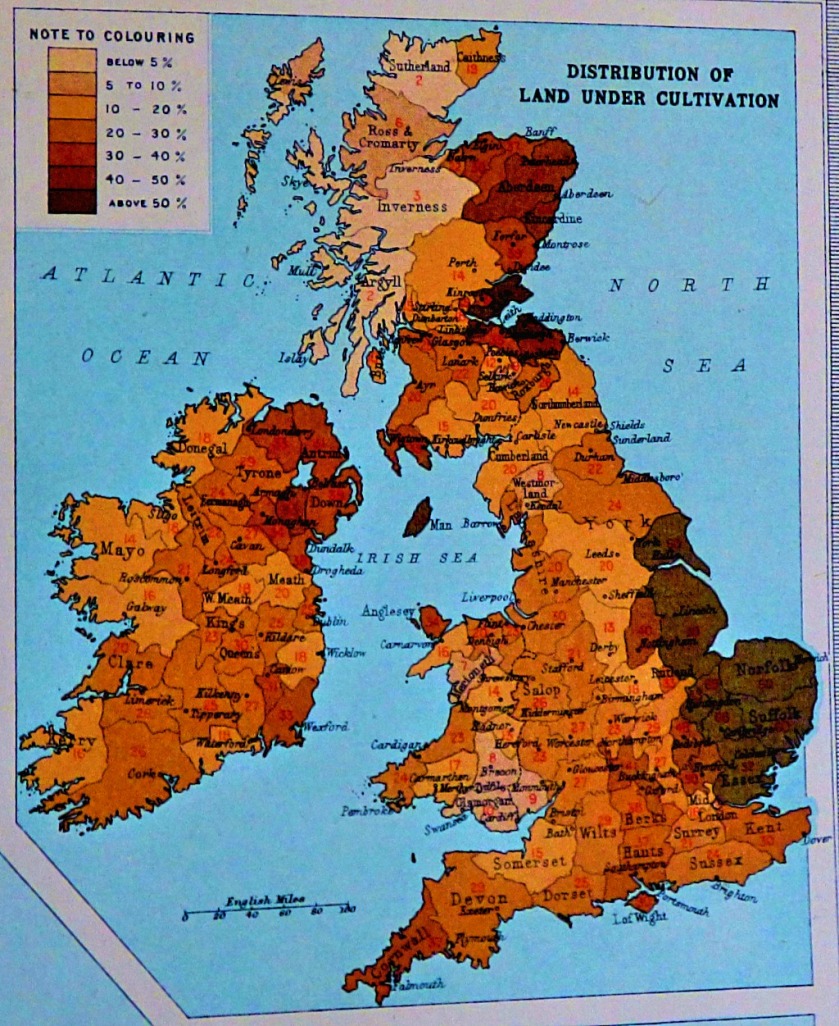
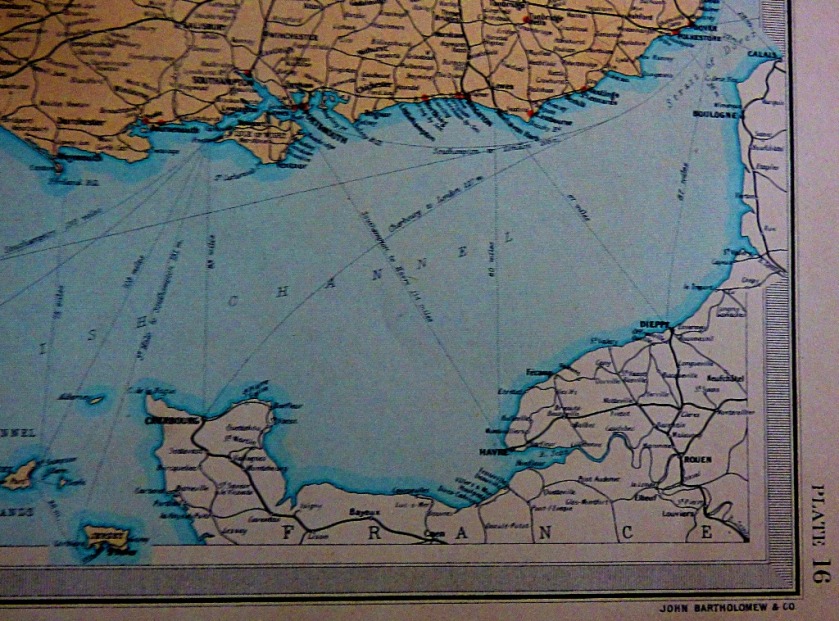
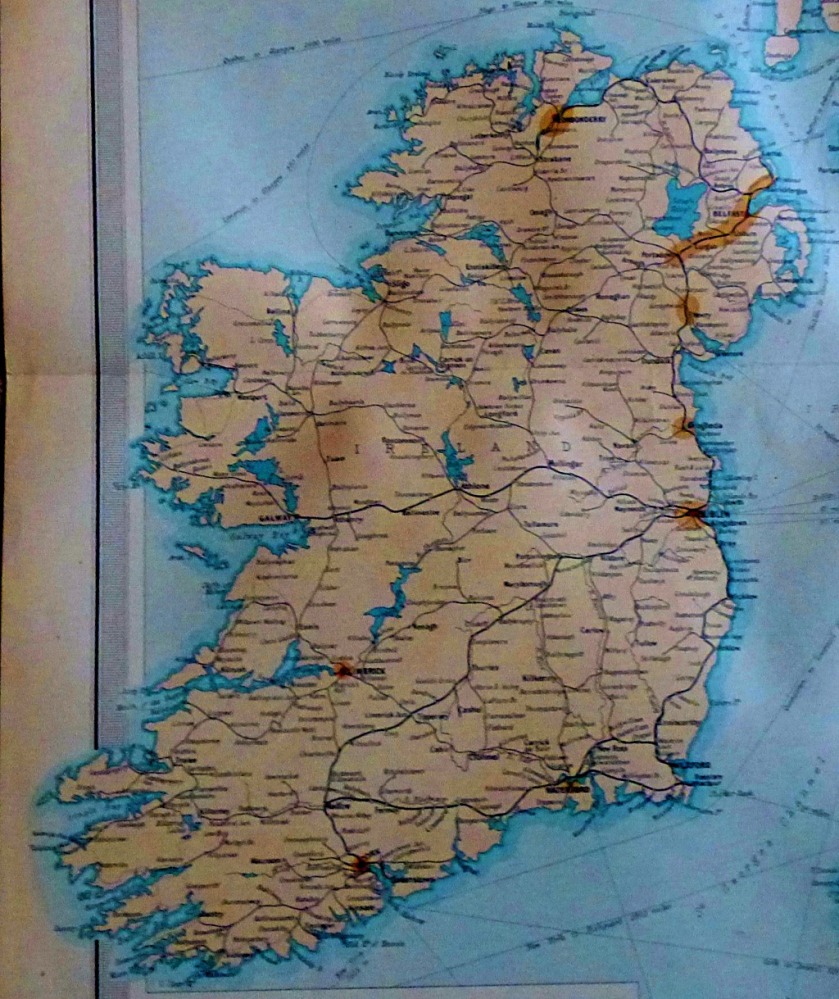
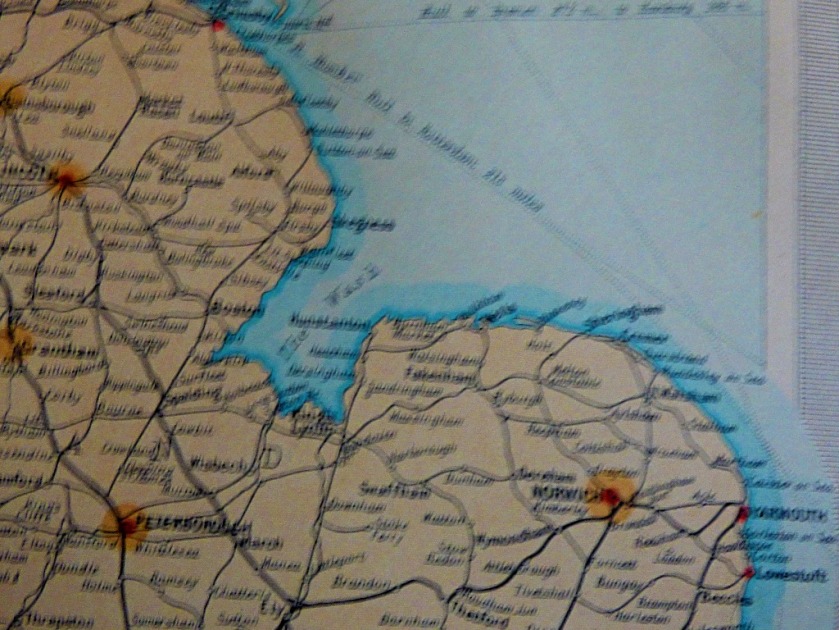
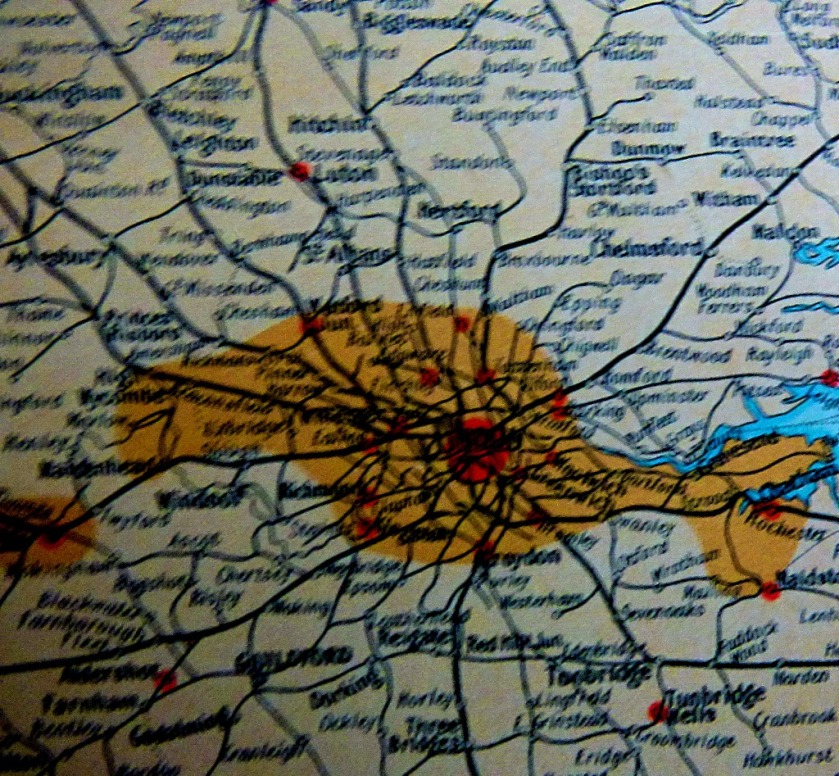
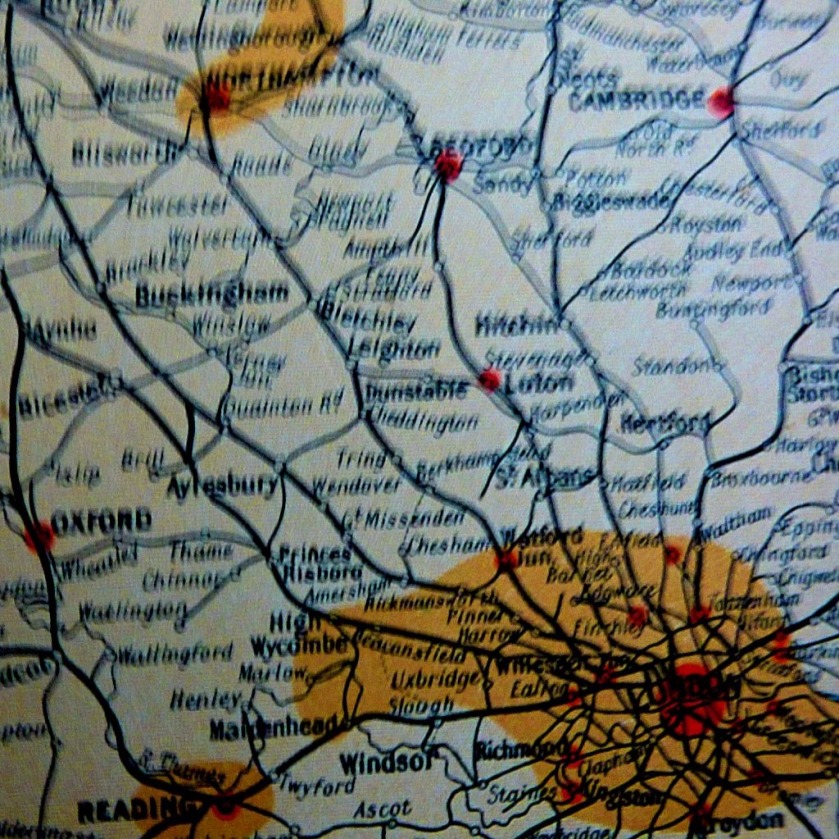
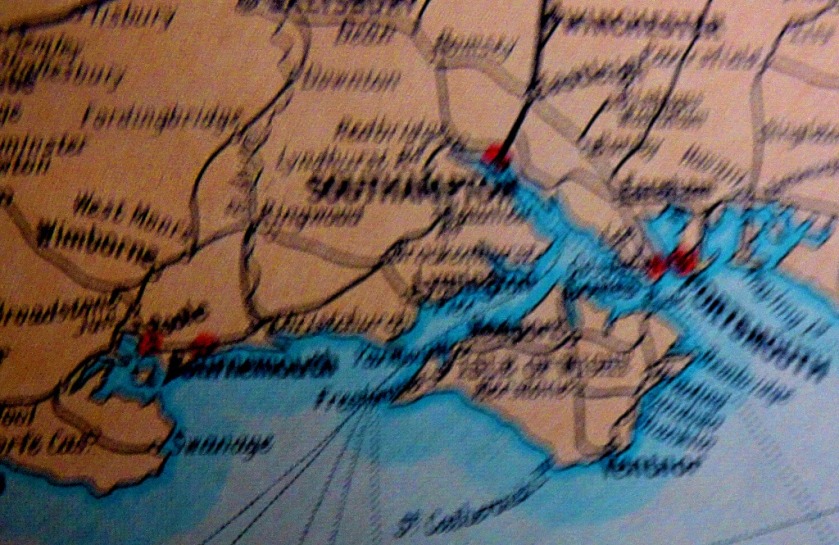
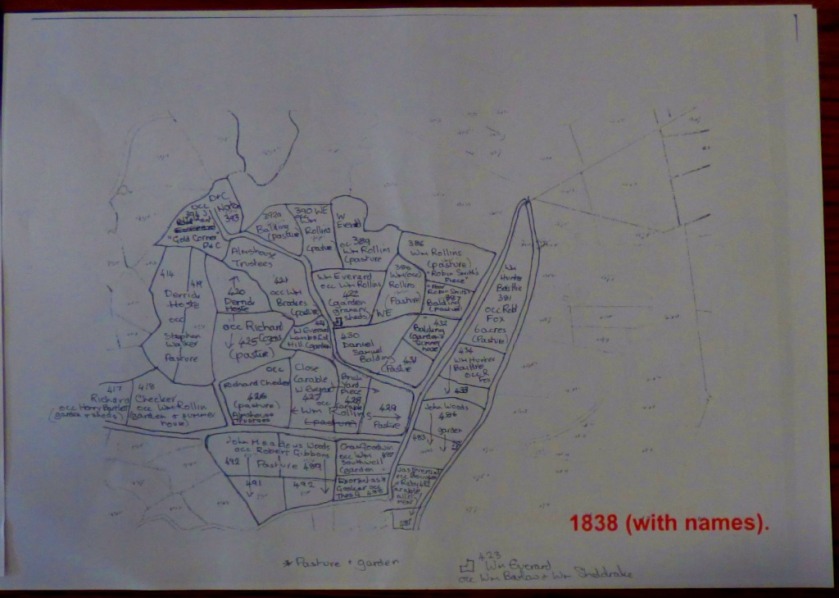
This set of photographs is of Lot 553 from the auction of Monday September 25th (see this post):
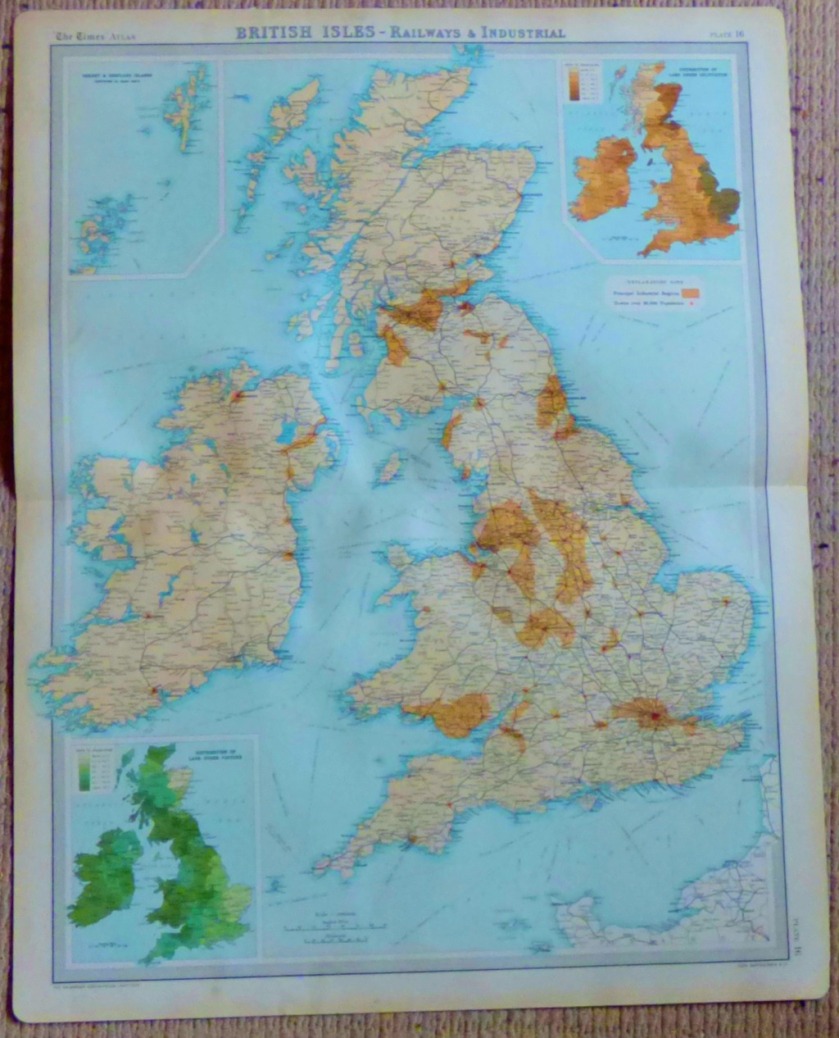
whole mapPastureLand under cultivationOrkney and Shetland islandsExplanatory NoteThe French connectionIrelandKLLondonVarsityIOW

SOLUTIONS TO PUZZLES

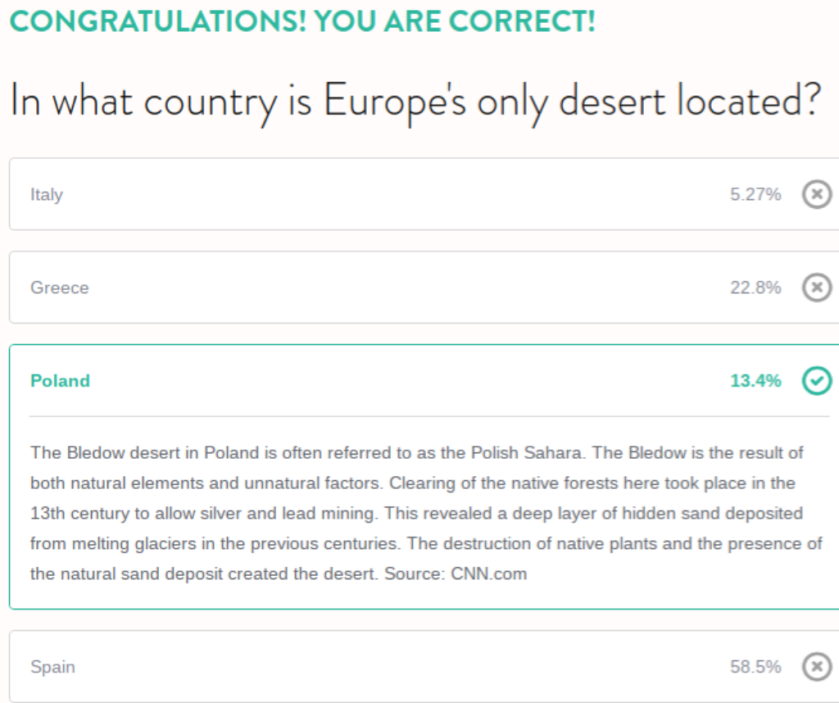
The first of three puzzles I set that I have not yet provided answers to was a question from Triva Hive:

In which country is Europe’s only desert located?

a)Italy
b)Greece
c)Poland
d)Spain

I am sufficiently well informed about Italy, Greece and Spain that I was fairly sure that none of them is the answer. Thus, having ruled out the impossibles I was left withe one answer that however improbable must be the true one – Poland. The screenshot below shows that my Sherlockian approach to the question bore fruit:
bledow

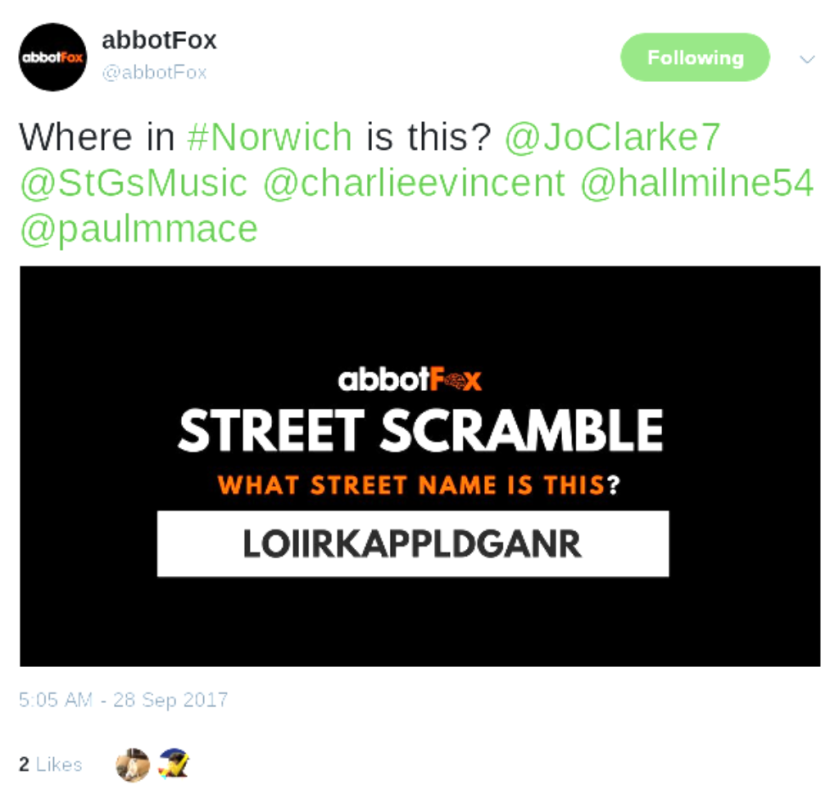
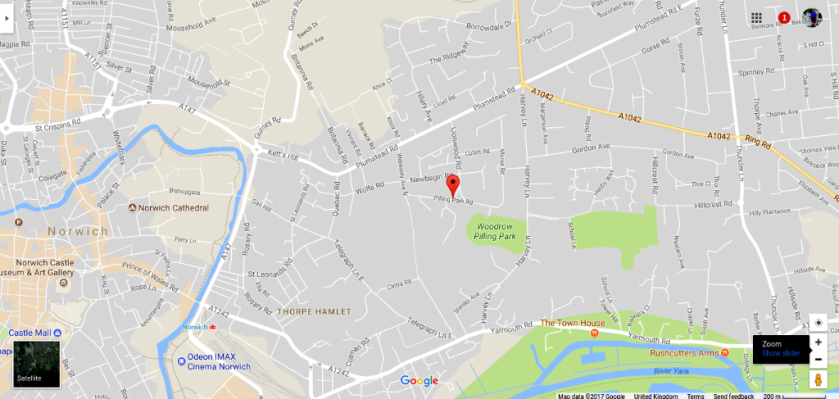
The second puzzle was Abbot Foxs “street scramble”:

Puzzle

Unscrambling this gives “Pilling Park Road”, and the map below shows the location of said street:
PPR

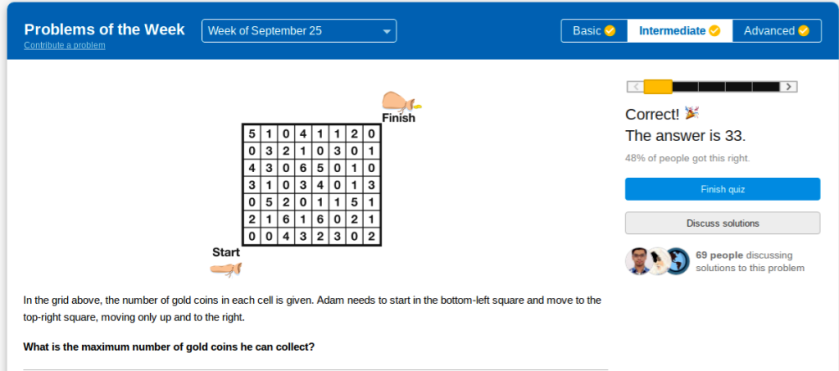
The third problem came from brilliant and featured a treasure hunt. Below is the answer:
33

PHOTOGRAPHS

Just before I publish this and head out for a spot of ecotherapy and to top up the photo collection here are some non-tree pics from yesterday:
Moorhen2

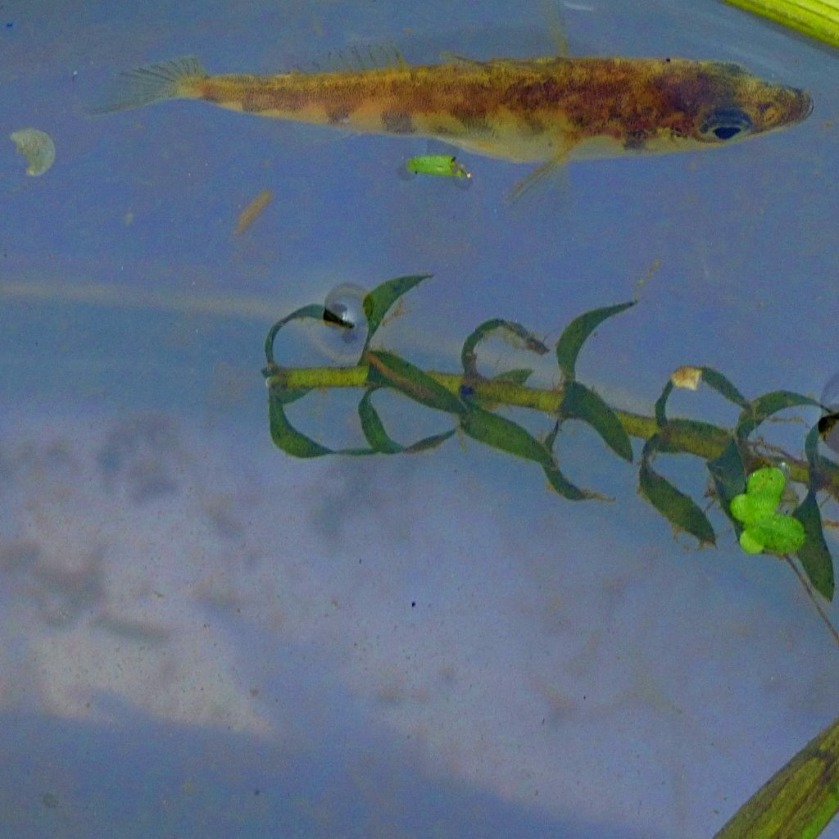
Fish
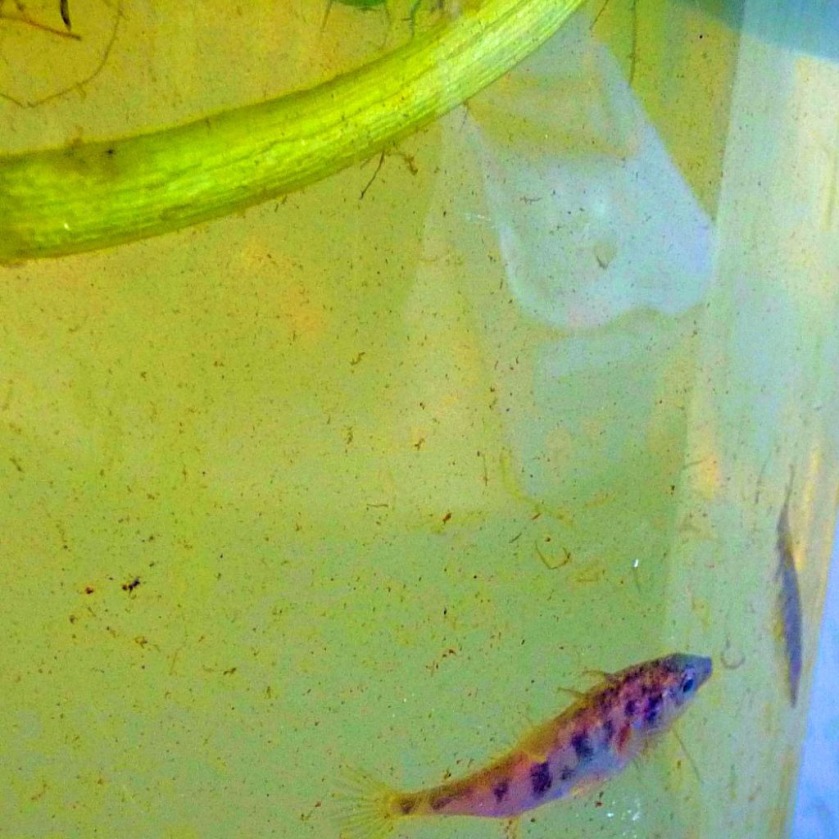
A rarity – a fish sufficiently close to the surface of the Gaywood River that I could take a picture of it that (just about) came out.

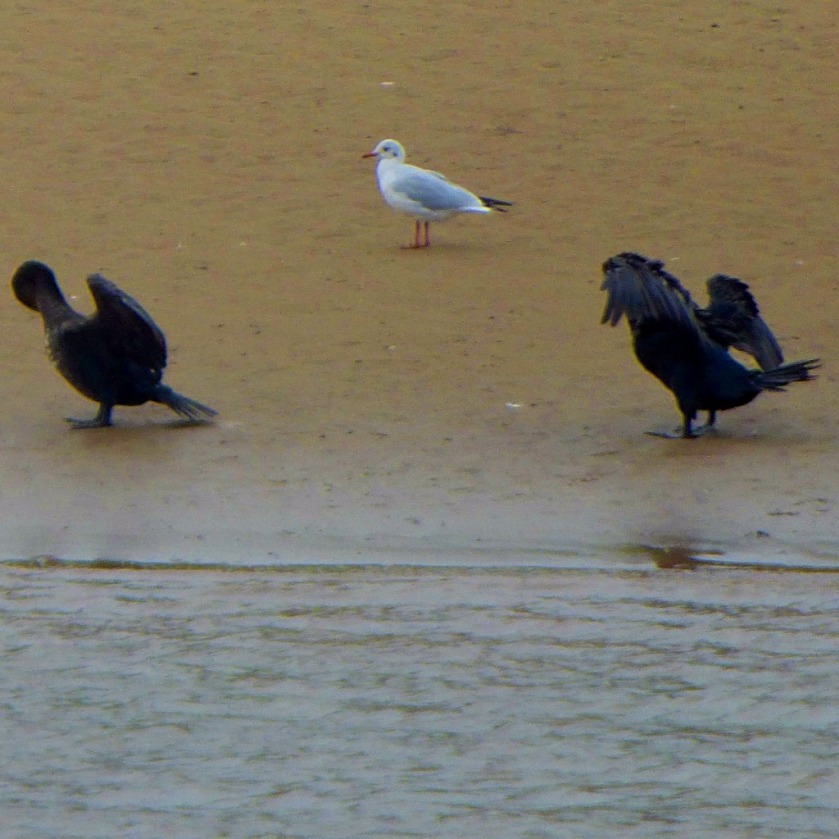
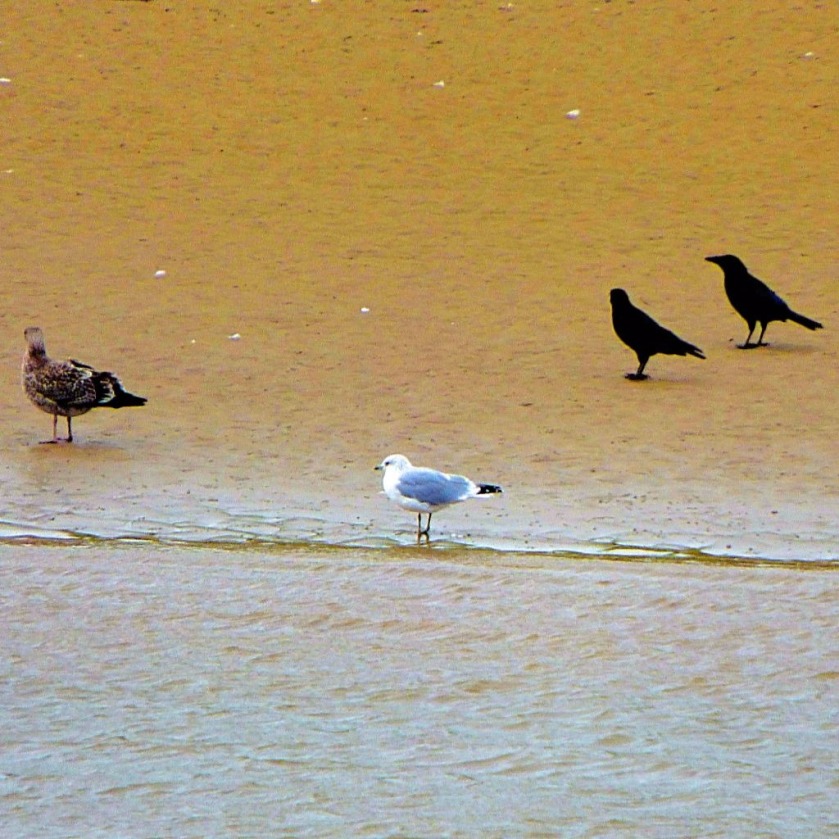
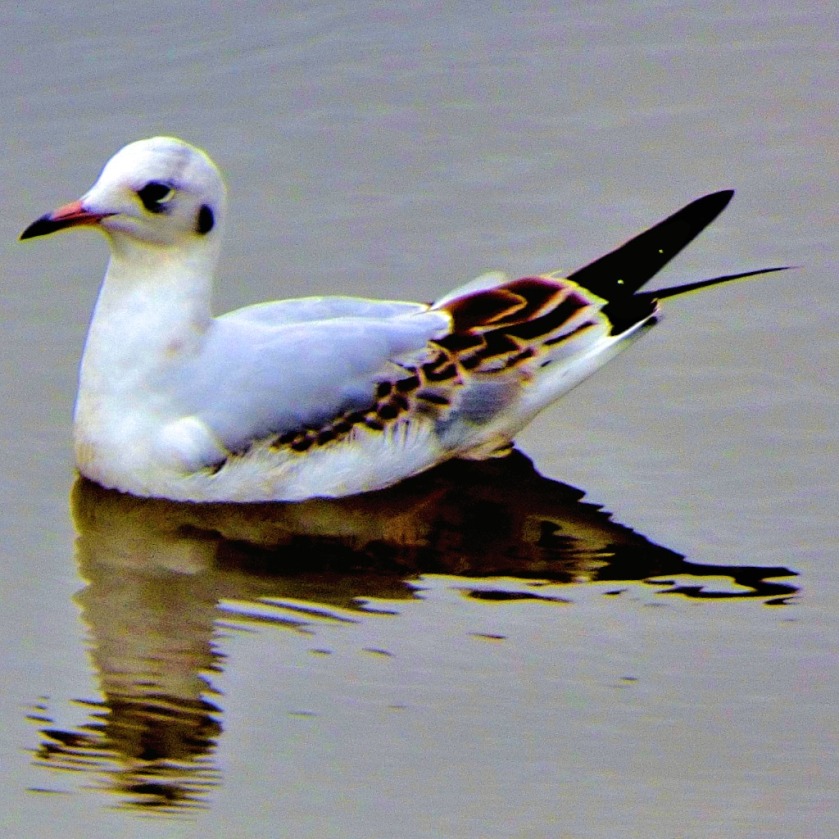
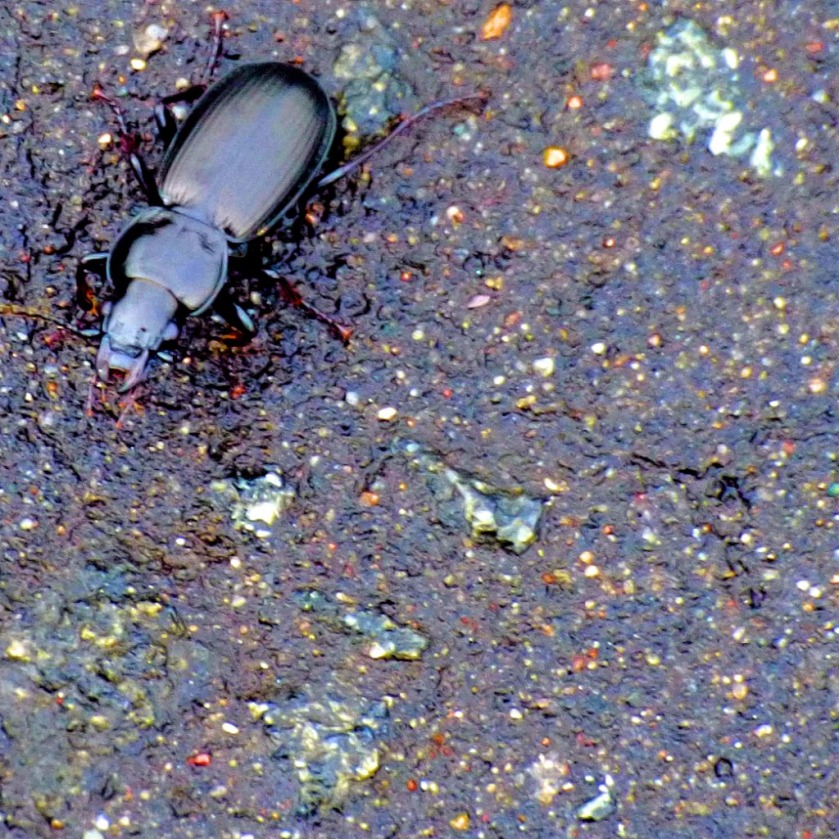
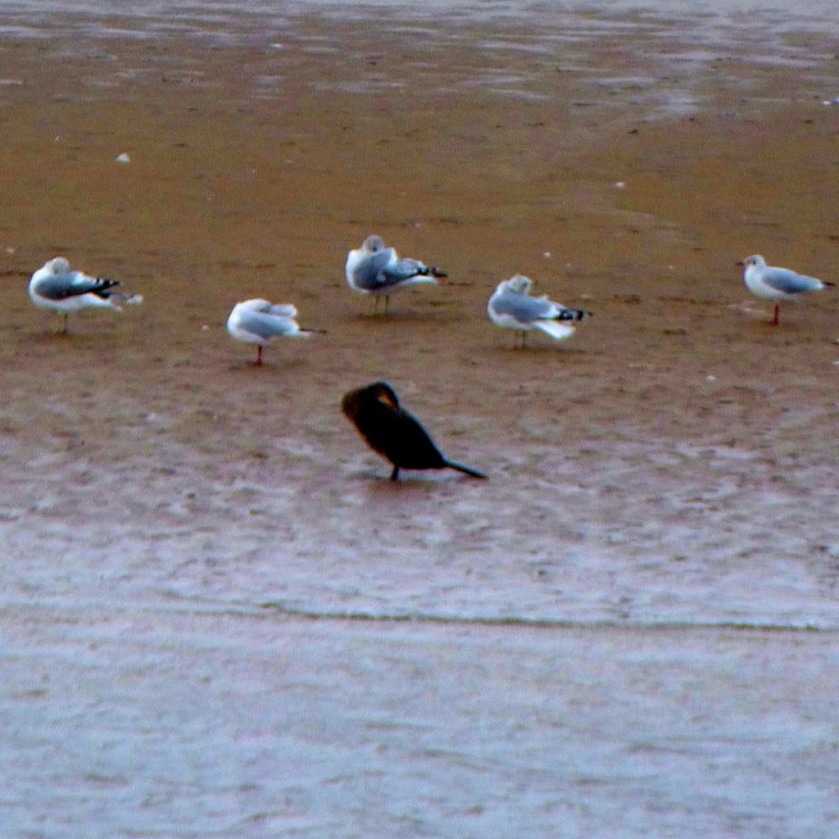
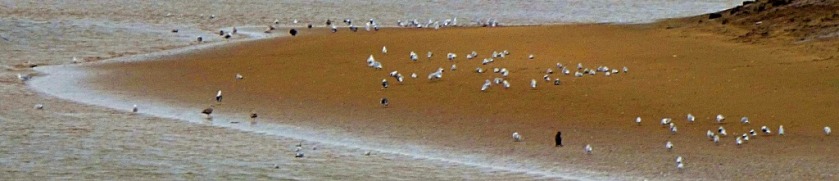
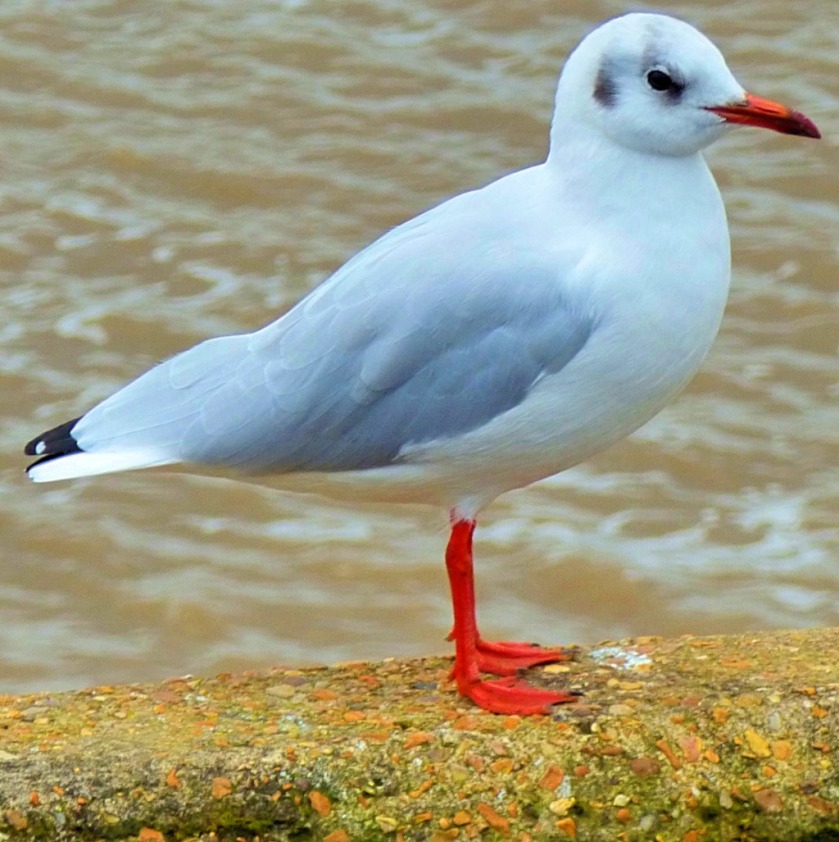
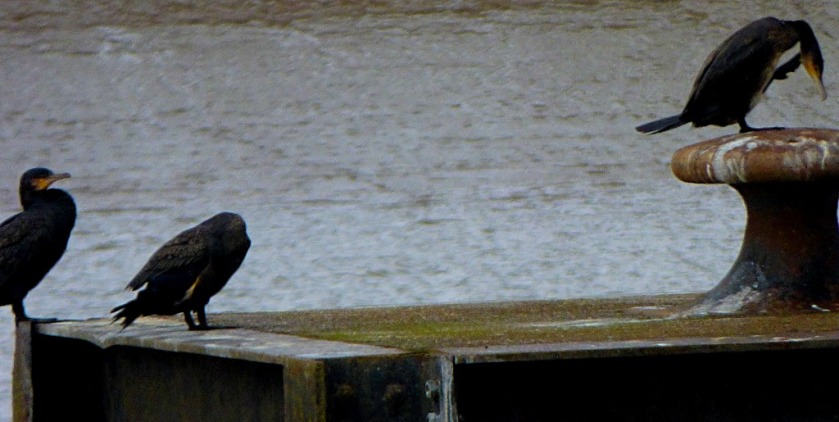
C&GCGCgulls and corvidsresting cormorantSwimming ternstag beetleCormorant and gullsbird gathering


Trees in Transistion

The trees take centre stage – this is the most interesting time of year for observing trees (at least in the northern hemisphere).

INTRODUCTION

Ir is October, and the leaves on the trees here in Norfolk are starting to change colour. This is the first of several posts that I envisage putting up to documenting this process by way of photographs.

KING’S LYNN TREES ON OCTOBER 1

I am presenting these pictures as a tiled mosaic – a left click or equivalent on each image will enable you to view it at full size, while a right-click or equivalent will give you a menu that includes various options including opening the image in a new tab. Enjoy…

A Correction To My Previous Post

INTRODUCTION

A whole post to make a correction? Yes – this error is important enough to warrant such treatment as far as I am concerned.

THE CORRECTION

In the first published version of the post I put up earlier today I misattributed the exhibits that included living creatures from the Gaywood River to the Gaywood Valley Conservation Group. It was in fact put on by the Norfolk Rivers Trust, and I have just corrected the original (I realised my error while on the bus to Norwich and have been waiting for access to a computer to correct it).
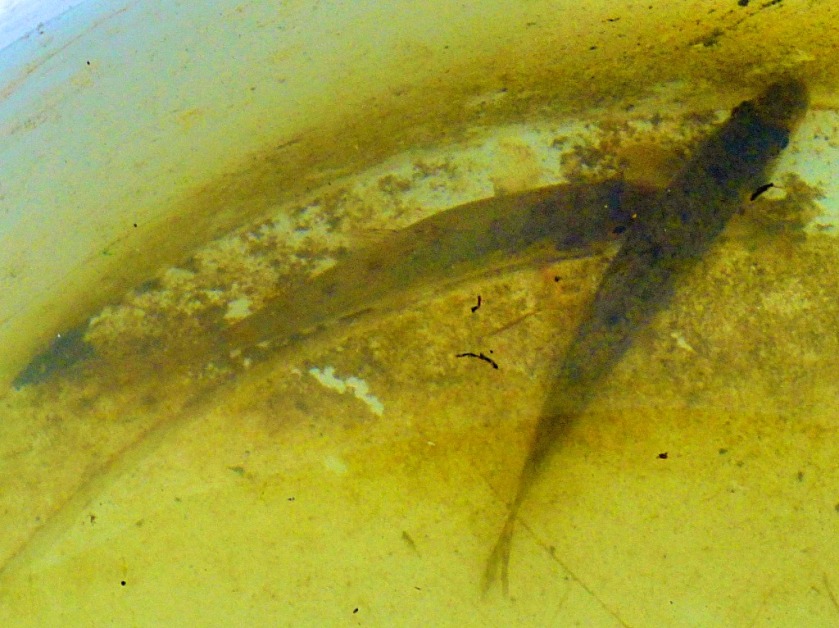
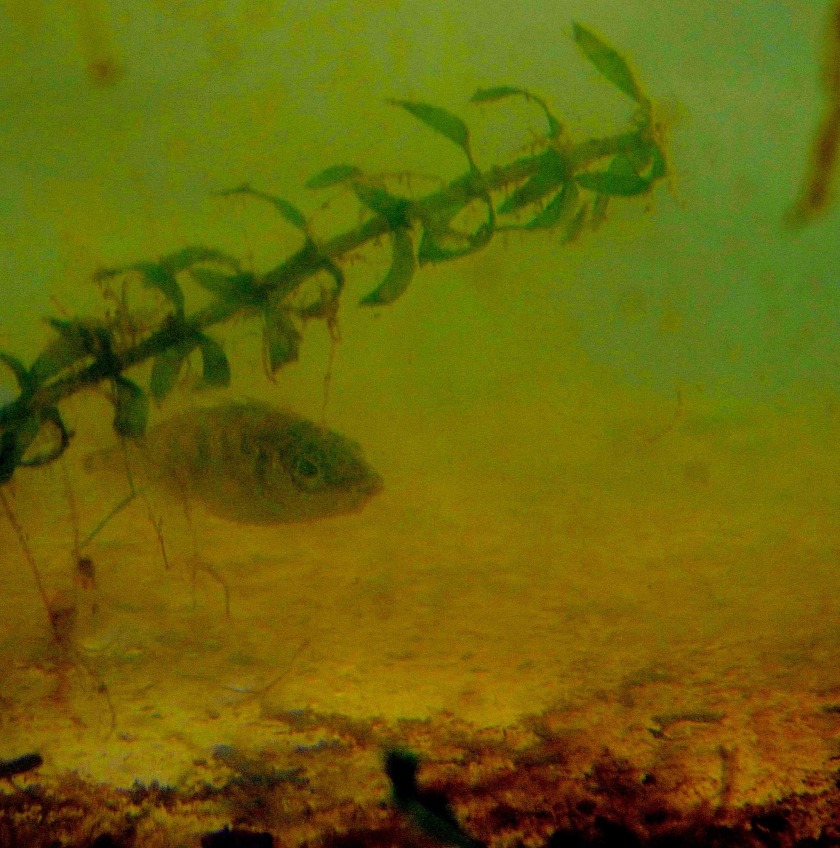
two sticklebacks


The Gaywood River

An account of an educational event about the Gaywood River that took place in the Scout Hut on Beulah Street on Sunday.

INTRODUCTION

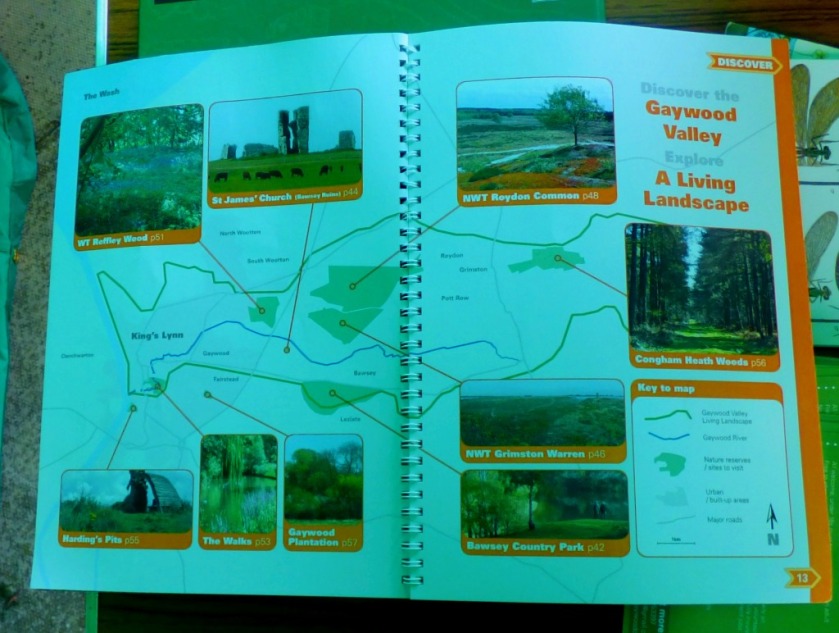
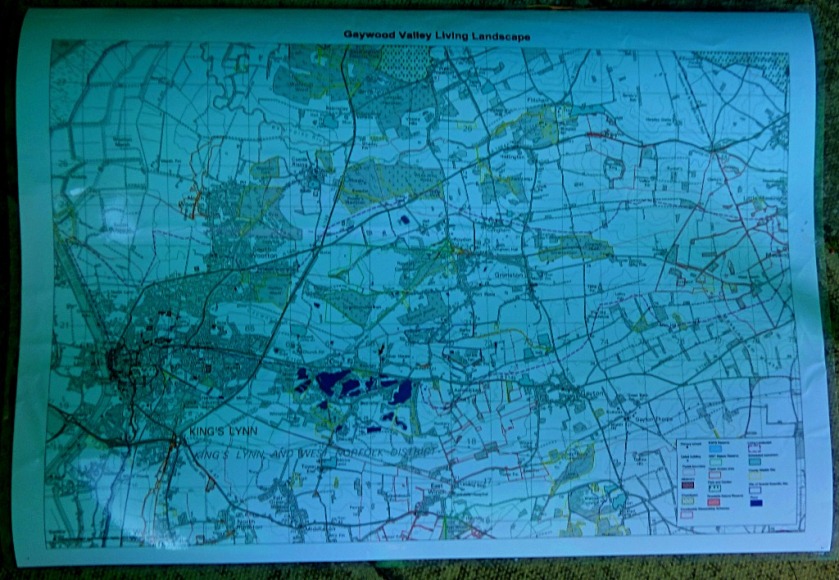
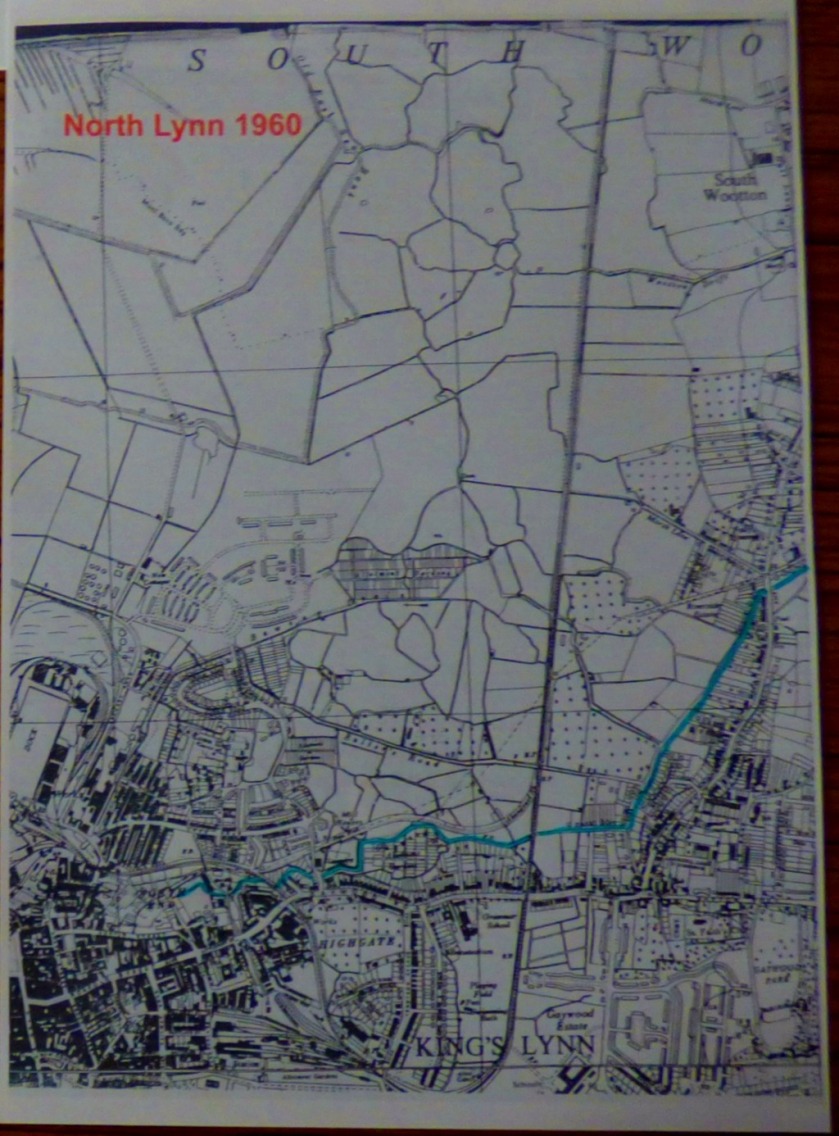
I have had a very busy few days, which is why there have been no new posts here since Saturday. I will mention my activities since Monday in later posts, but this post is solely concerned with the activity that dominated (in a good way) my Sunday. At the end of this post I will be including a variety of links related in various ways to its content. Here is a map showing the course of the Gaywood River:

FINDING OUT ABOUT THE EVENT

I got an email from my aunt a few days before the event was due to happen explaining her role in it and asking if I wished to meet her there and go back to hers for sausage and chips or if I would prefer a saturday supper. I decided that the event could be quite interesting, so I opted for the former course of action.

GETTING THERE

Since the event was taking place at the Scout Hut on Beulah Street, which is on the bank of the Gaywood (Beulah Street ends in a bridge that crosses the Gaywood into the car park that serves the Scout Hut) I was going to walking, and since it was a bright, sunny morning I decided on an extended route. Leaving my flat I headed across Baker Lane Car Park to the bridge over the upper Purfleet, heading across King Street to the north bank of the lower Purfleet. Here are some photos from that early part of the walk:

Moorhensigull with spread wings

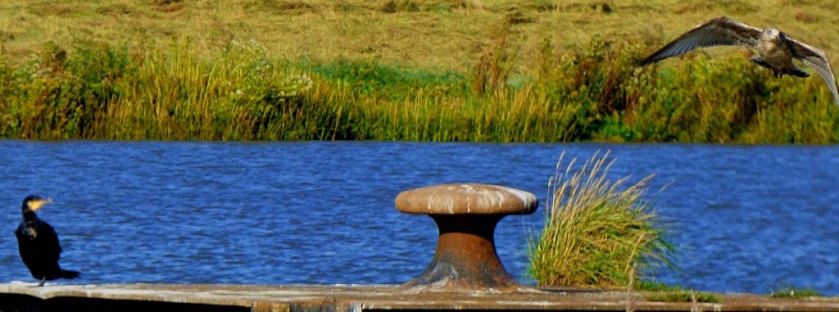
From there I followed the line of the Great Ouse as far as my favourite cormorant observation point…

BoatCormorantiCormorantiiCormorantiiibirds 'n' churchcormorantiv

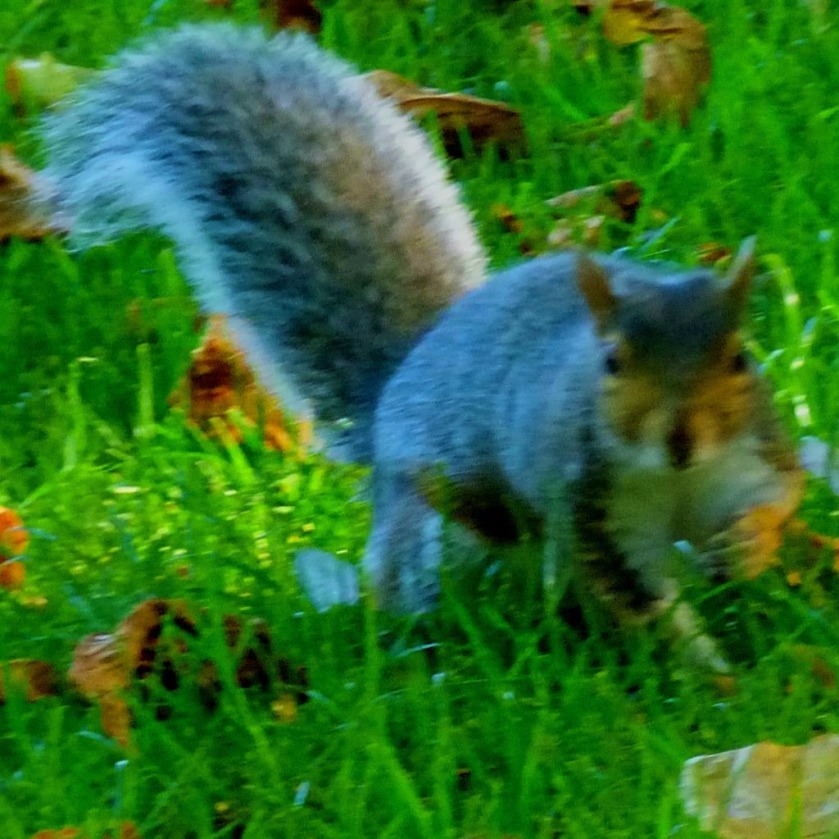
…before heading round by way of All Saint’s Church to the Library and entering the parkland area, following the Broadwalk until the path through the Vancouver Garden splits off from it, when I followed that and then the path out of the Vancouver Garden that joins the Tennyson Road end of St John’s Walk, at which point I was back on what would be the officially recommended walking route to Gaywood. There were squirrels about (in King’s Lynn only the grey ‘bushy-tailed rat’ variety as opposed to the red ‘Squirrel Nutkin” variety), though it is not always easy to get good photos of them…

SquirreliiiSquirreliv

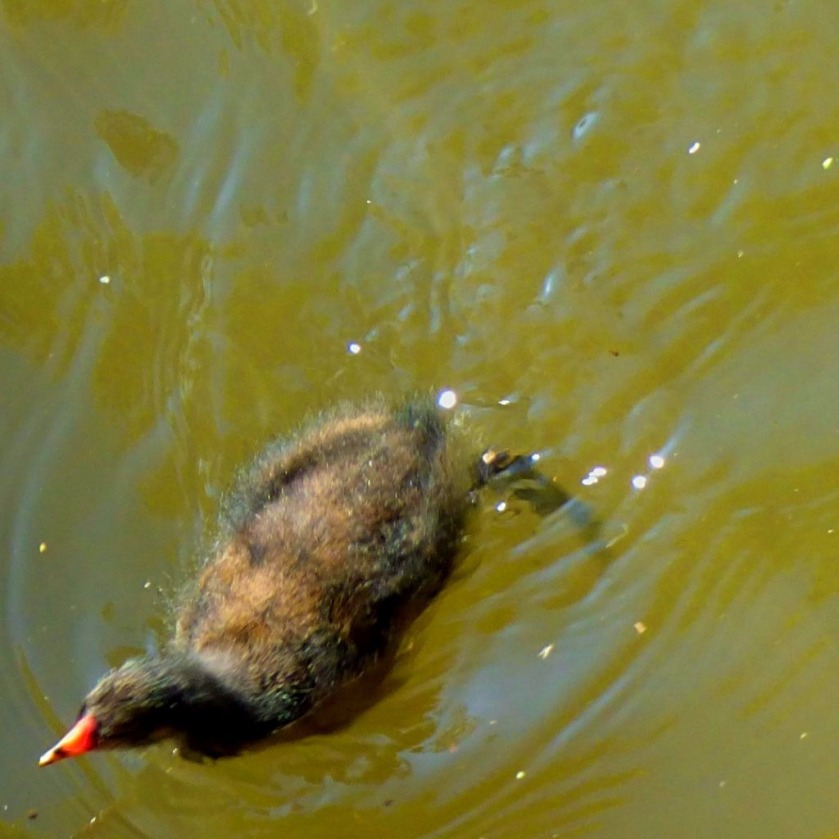
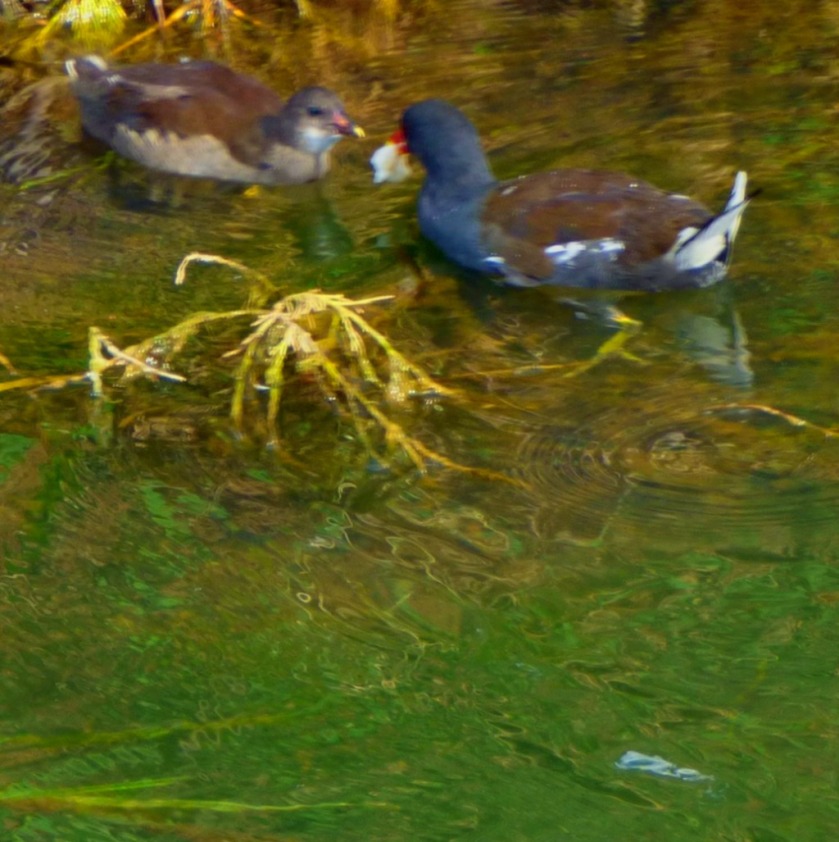
Moorhen Chick
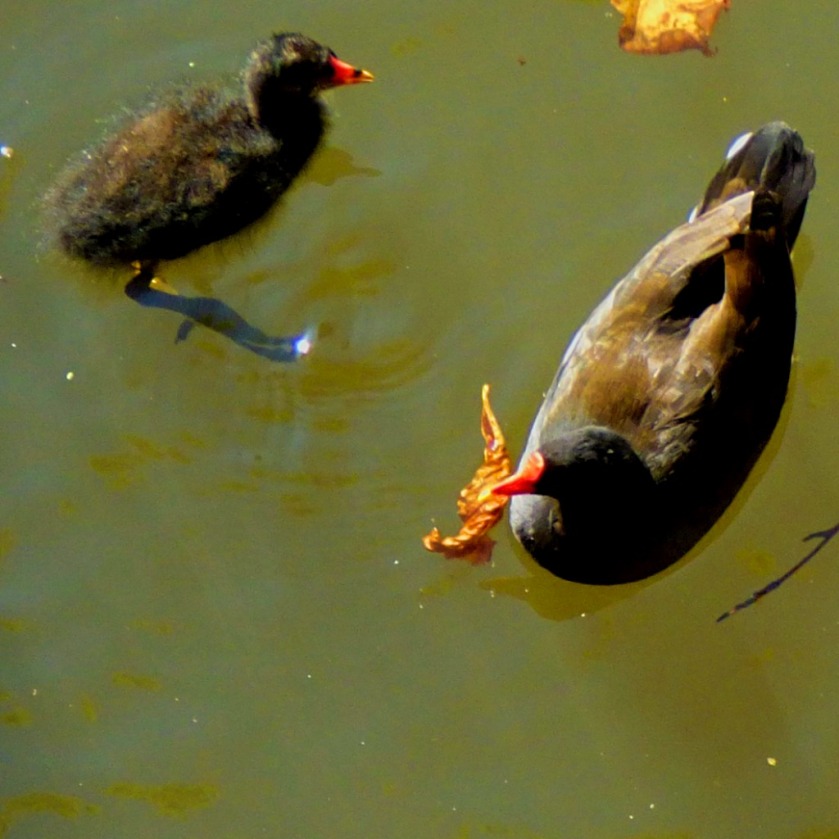
This picture and the next feature the heavily sculpted segment of the Gaywood River that passes through the parkland.

Moorhen parent and child

Traini
Apart from photograph opportunities the other plus side to being held up a by a train at the Tennyson Road level crossing is that you can cross the road itself in perfect safety as the cars are all stationary.

trainii

From Tennysod Road I followed the footpath the runs between the King Edward VII Academy and the Lynn Academy to Gaywood Road, which I crossed, then crossing the Gaywood on a pedestrian bridge before following its bank all the way to the Scout Hut. 

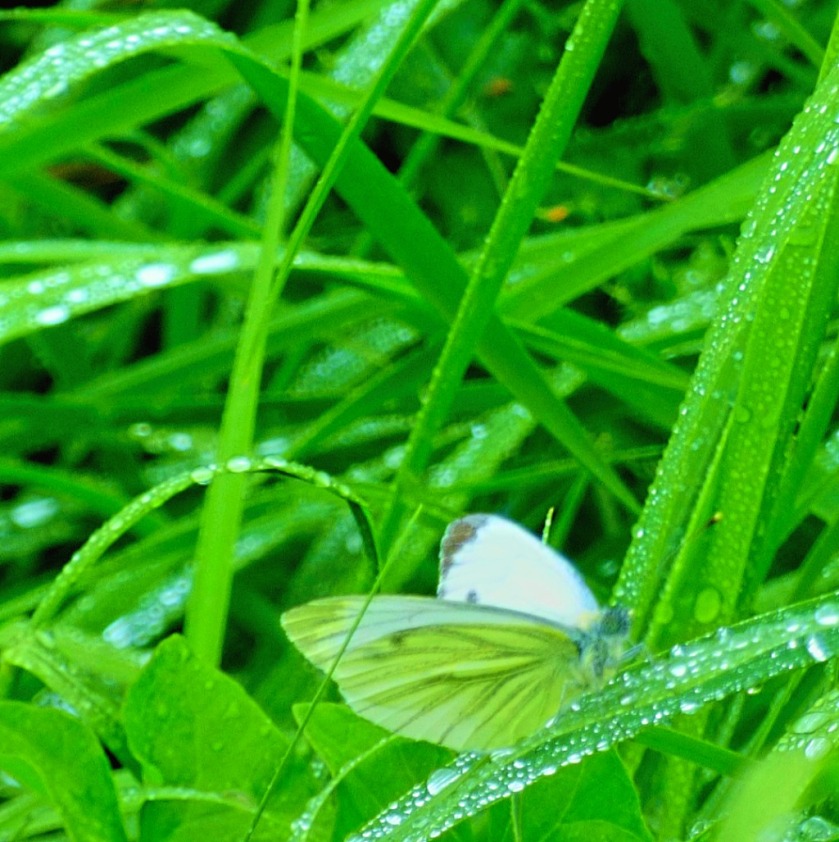
Butterfly
Although darker than their usual colouring I think from the markings that this is a peacock butterfly.
Gaywood river
A section of the Gaywood River

AT THE SCOUT HUT

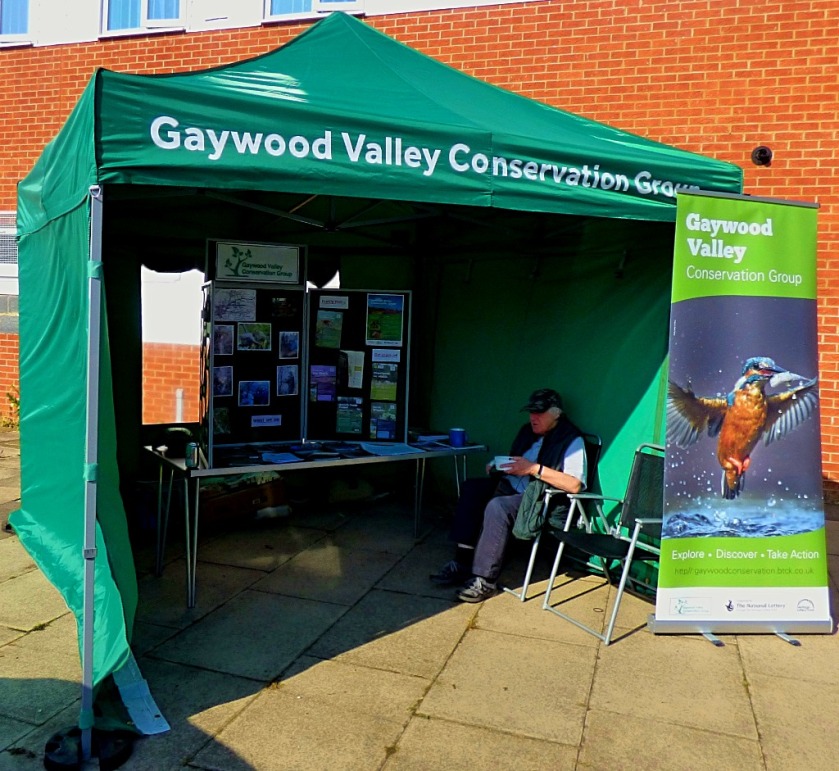
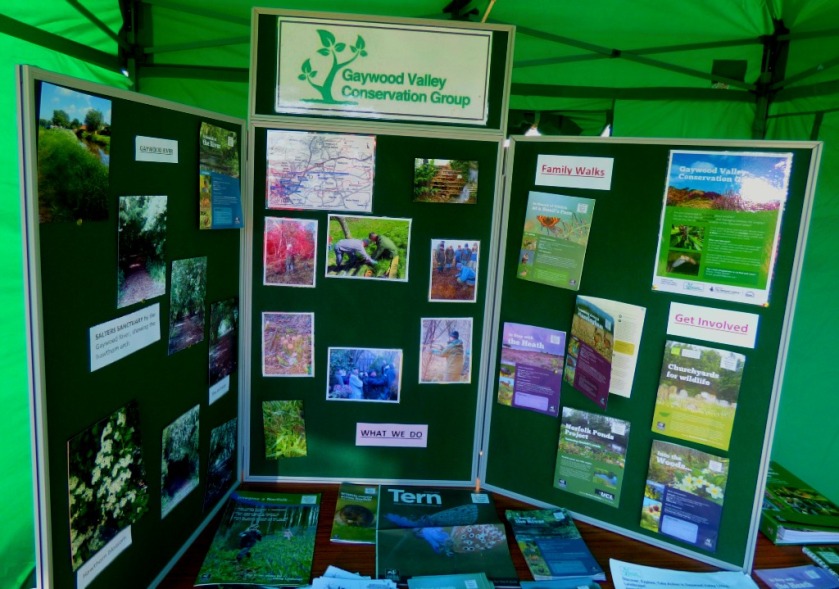
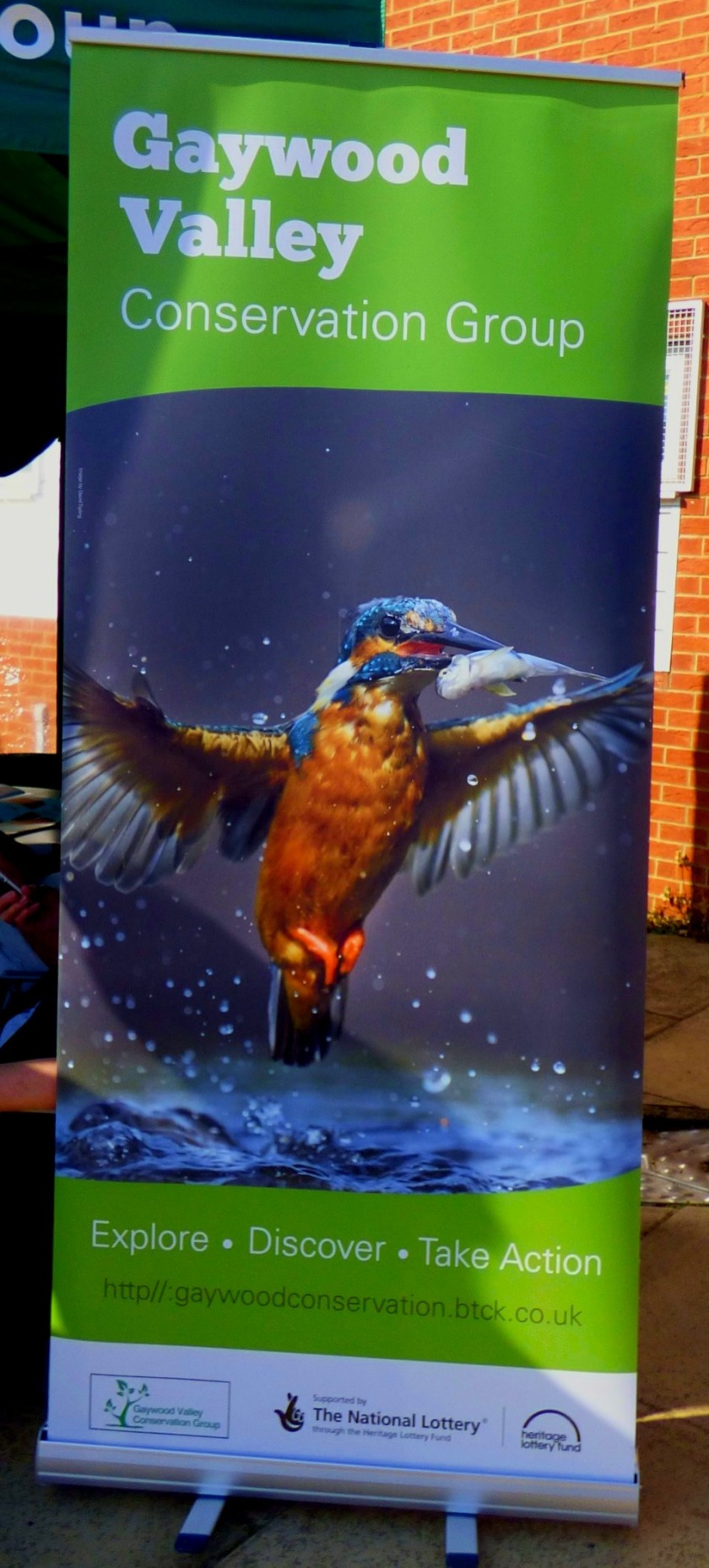
Immediately outside the Scout Hut the Gaywood Valley Conservation Group had a gazebo and display boards (it was there that I took the photo that appears in the introduction). 

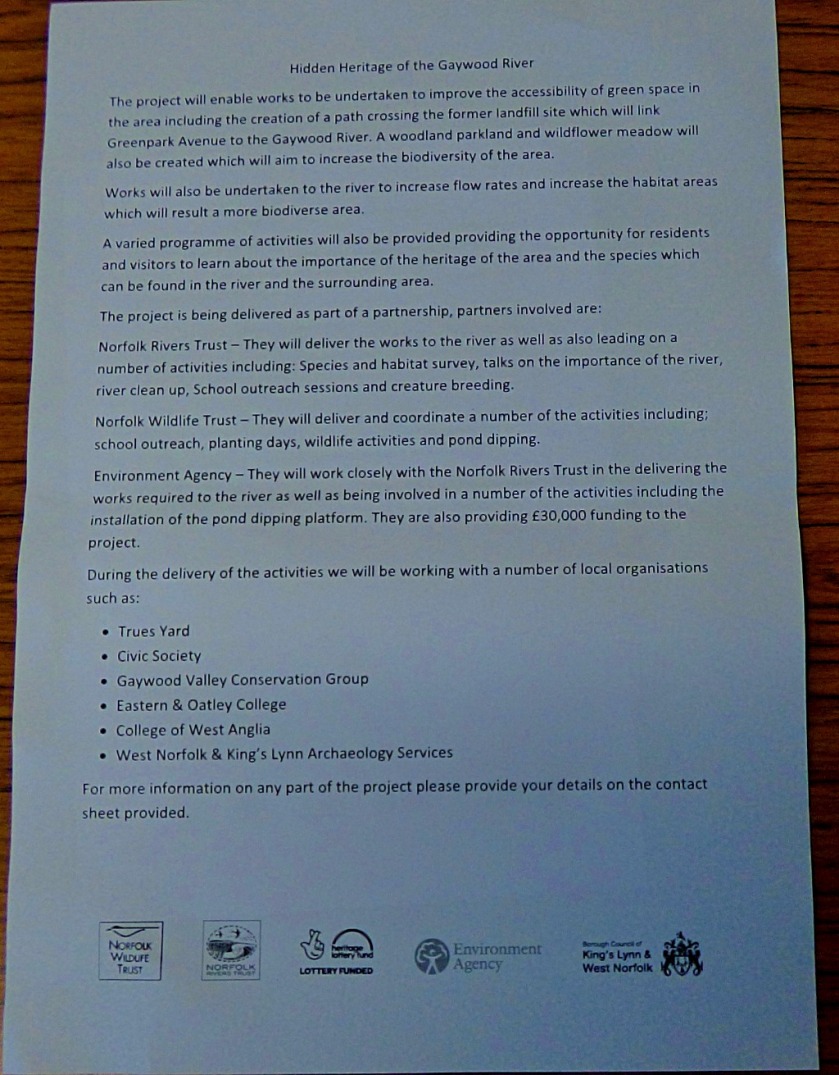
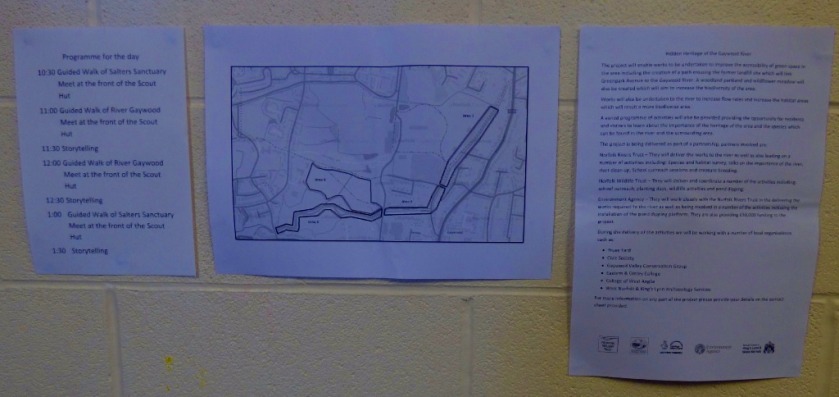
GazeboDisplay boardGaywood Valley 1LeafletsDisplay BoardGaywood Valley 2Gaywood Hidden HeritageGaywood Valley 3Display Board

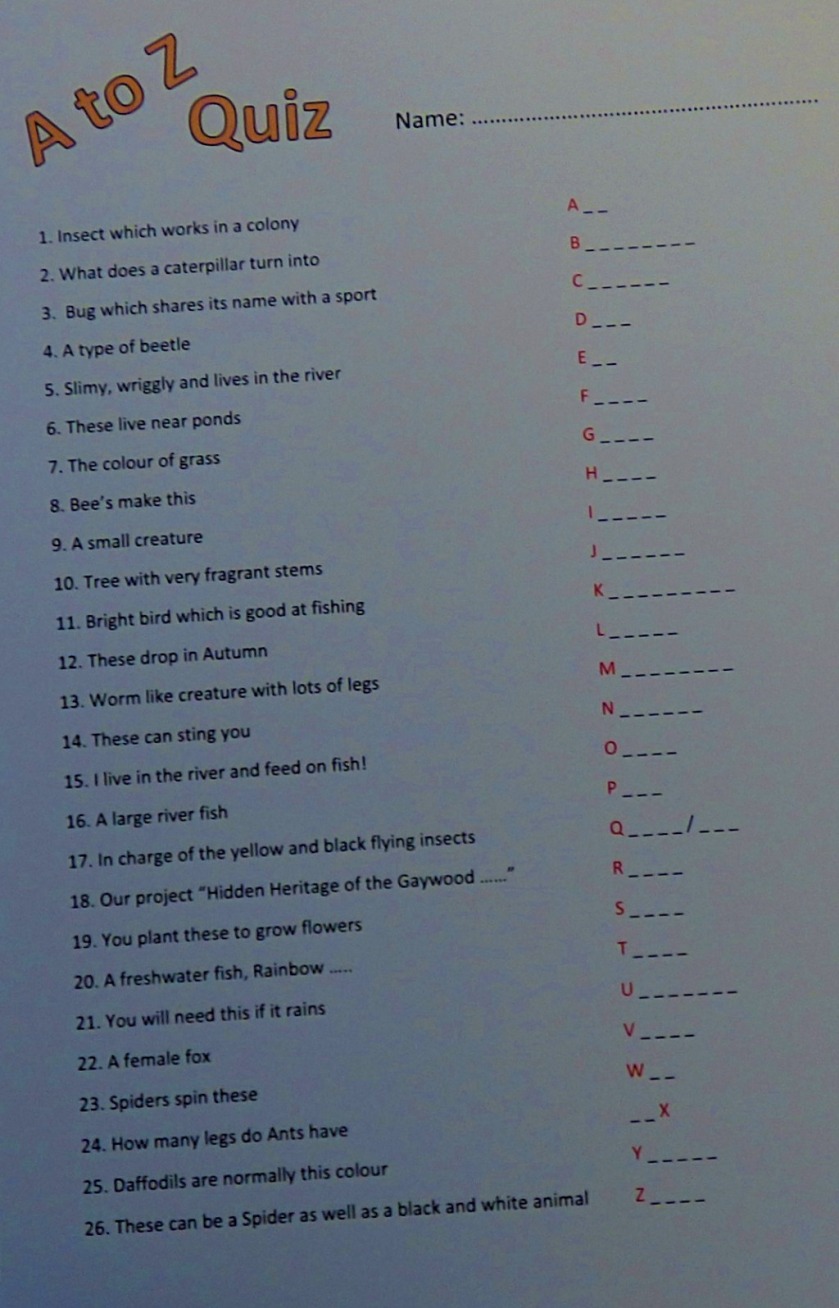
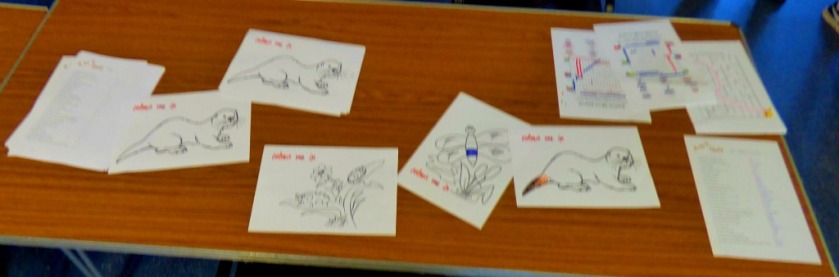
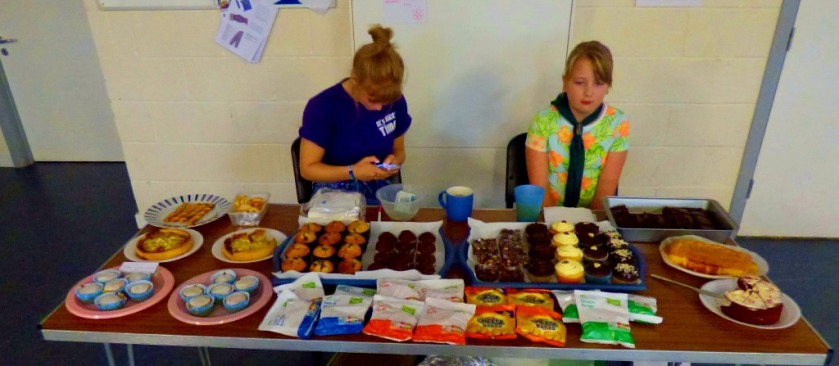
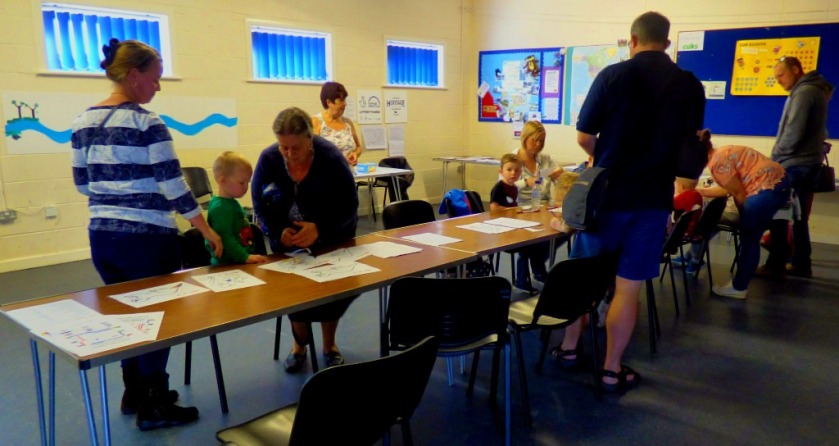
Inside the hut was the Civic Society Stall, a cake stall, and various river related learning activities (colouring in pictures of river creatures for the artistically minded, an A-Z quiz of which more later). Although it was not the first thing I looked at, because it was my aunt’s reason for being there I start with…

THE CIVIC SOCIETY STALL

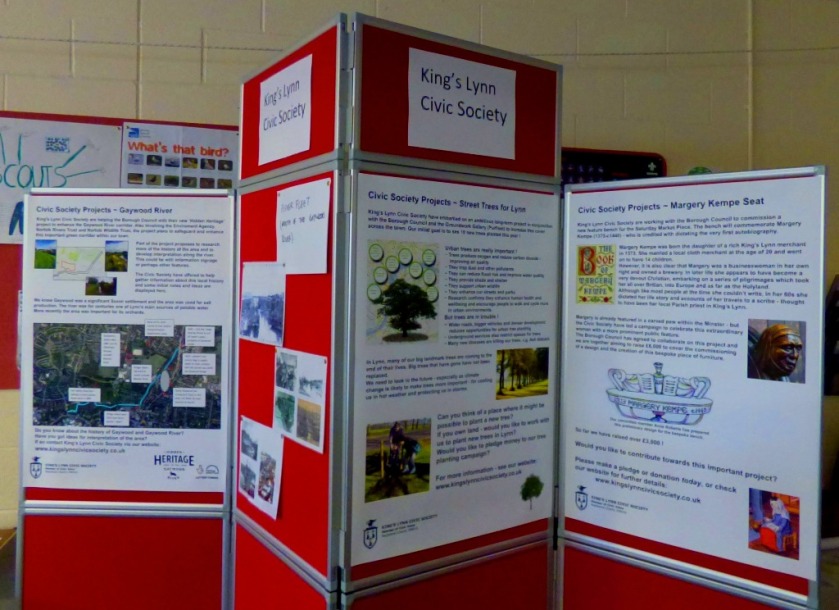
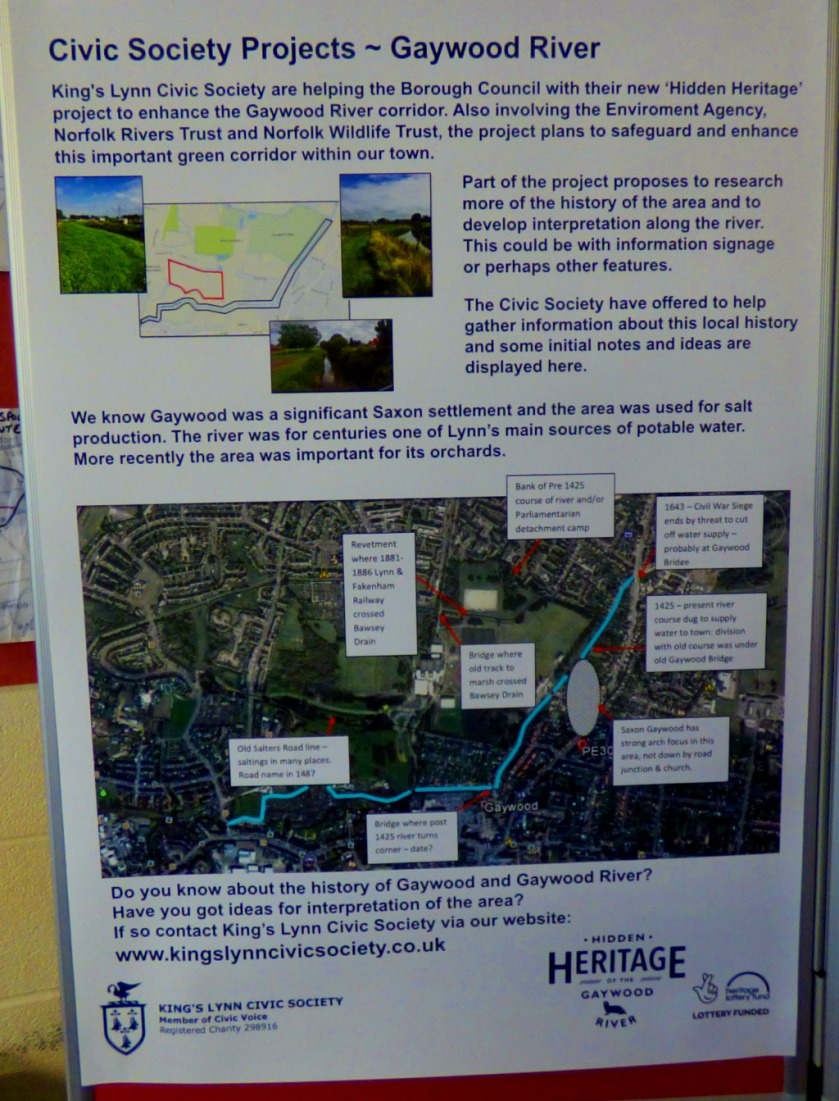
They were looking for people who knew about the history of the Gaywood river, because information boards will be going up at various points along it. They already had some good stuff, but wanted more.

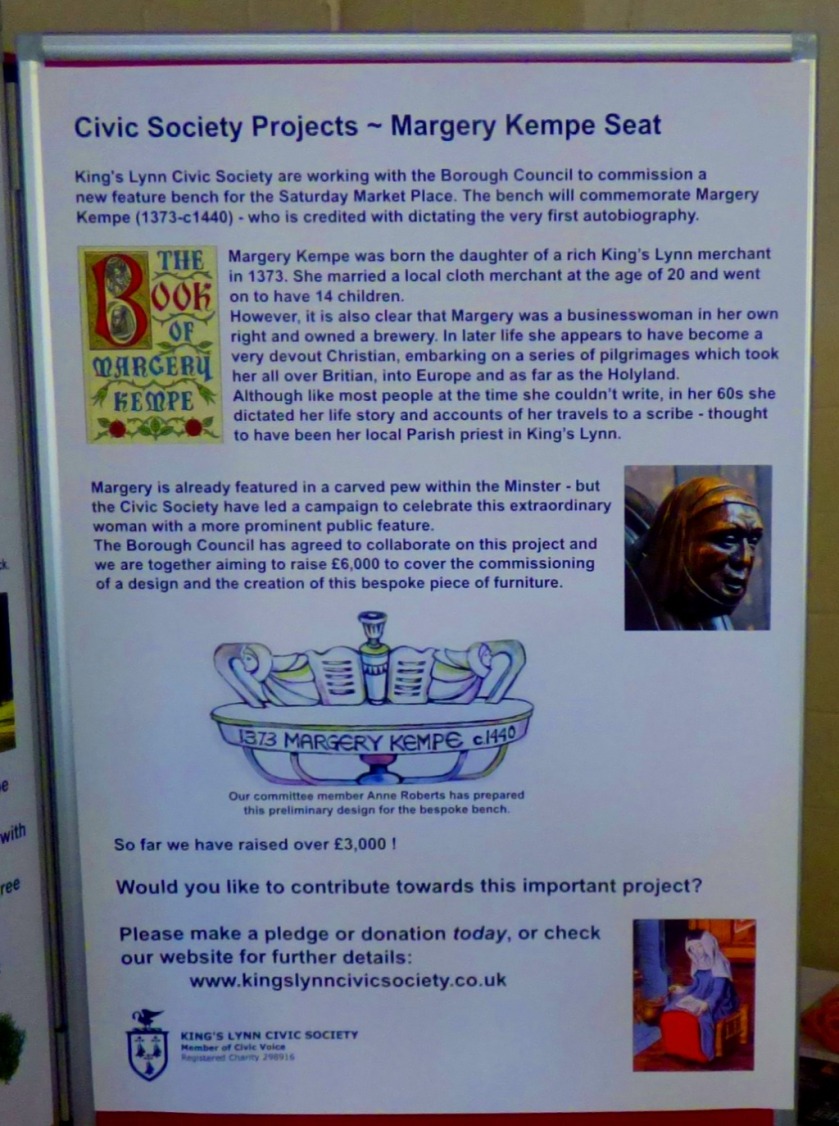
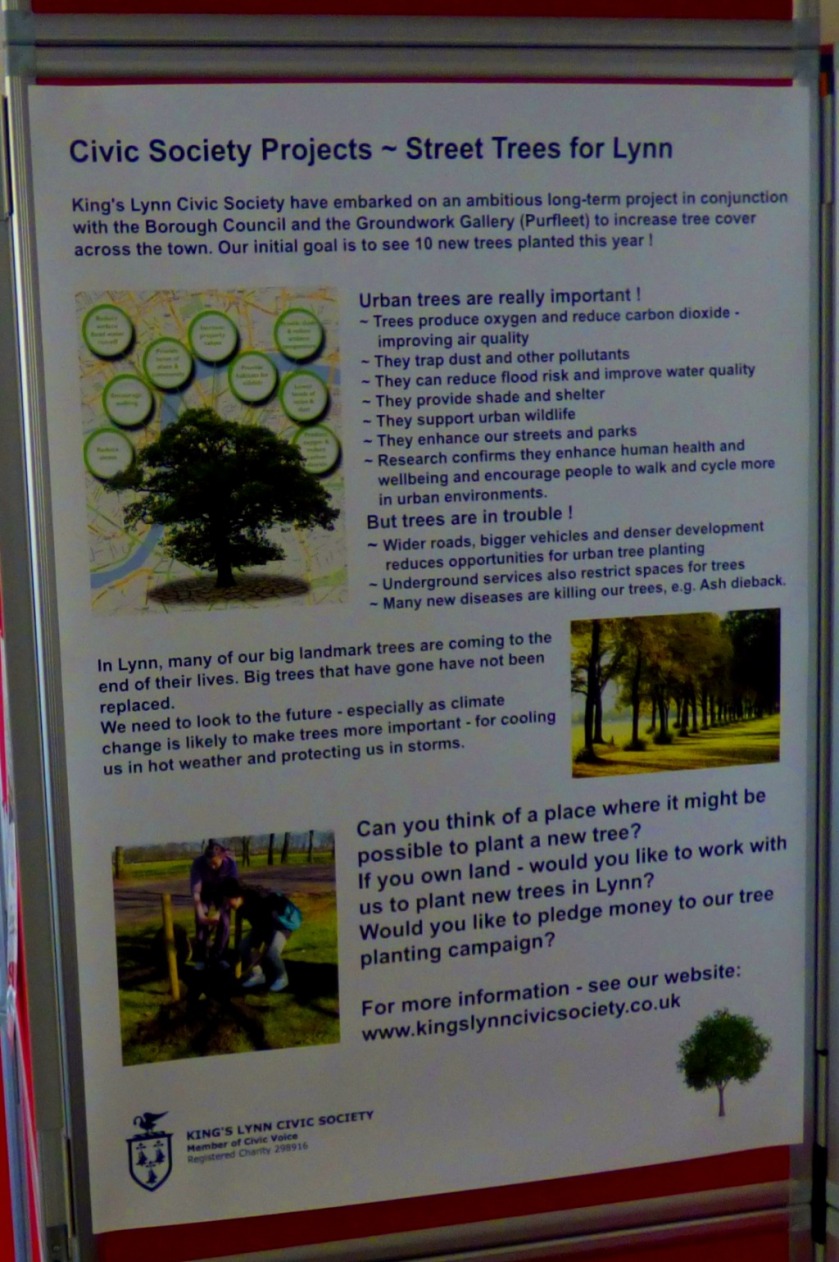
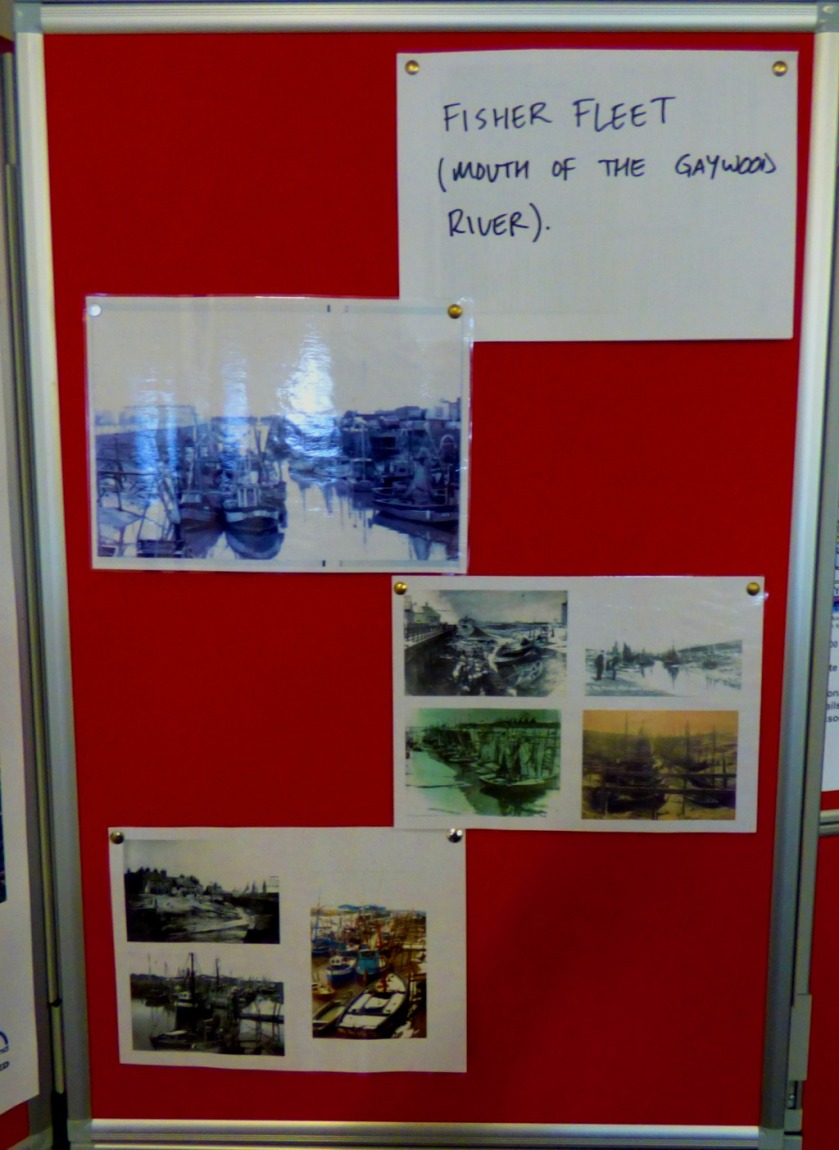
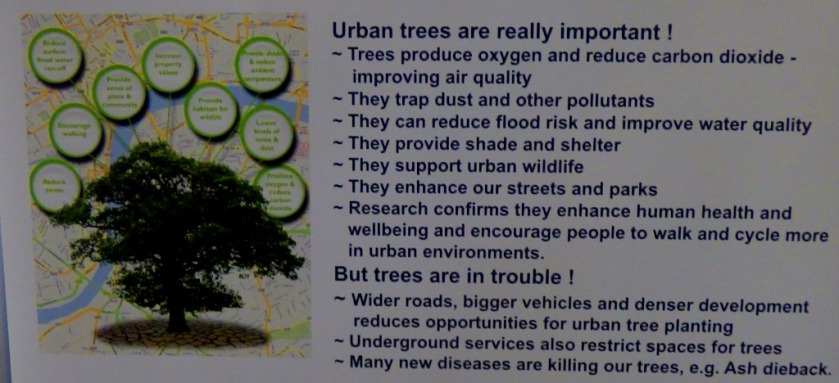
Civic Soc display boardCS1CS2CS3CS4183818101960Wall DisplayMKBUrban Trees

Now we turn out attention to…

THE REST OF THE INDOOR ACTIVITIES

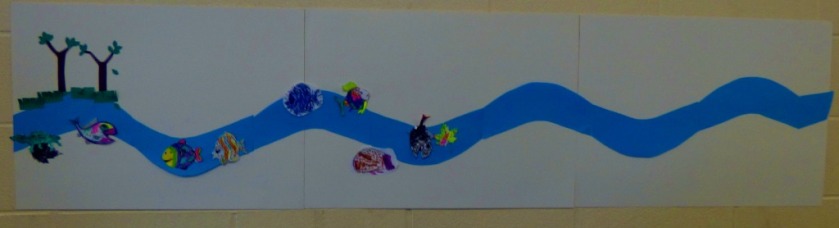
The cake stand looked awesome but discipline prevailed, and I did not sample any of the products. Although it was not really aimed at people my age I did the quiz, and predictably got all the answers in short order. The colouring proved popular, and many of the coloured creatures were then stuck on to a large picture of a river on the wall of the hut.

Quiz
I will reveal the answers (just in case anyone did not get them all) in a later post.

Colouring sheetsWall riverCakescolouring table

That is the inside stuff finished, but there was also plenty going on…

IN THE BACK GARDEN

There were two major centres of activity in the back garden, and I make my first port of call there, as I did on the day, at…

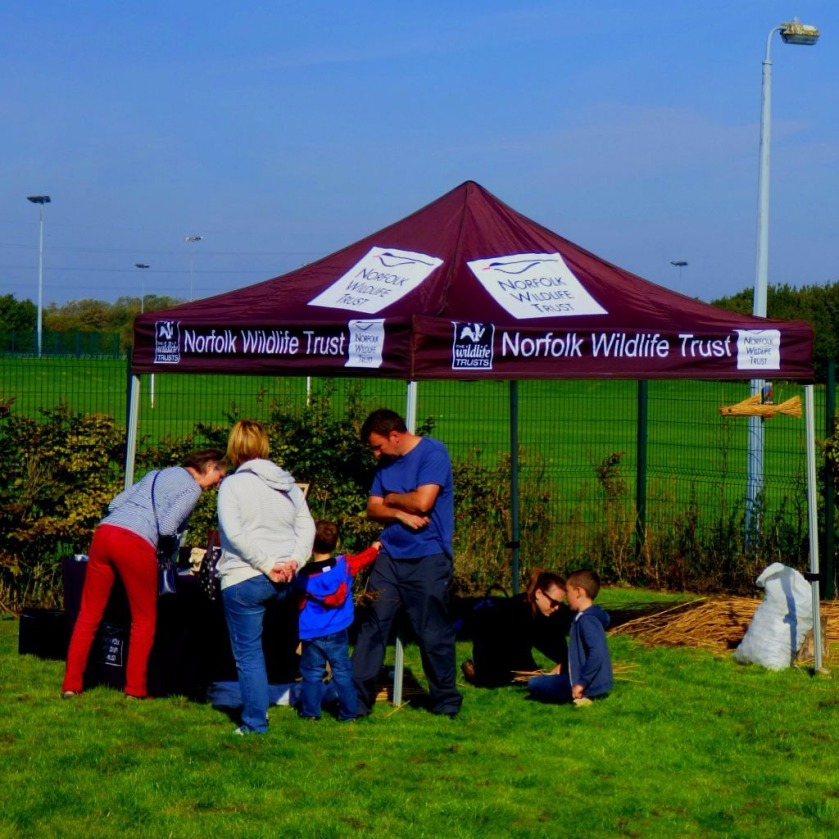
THE NORFOLK WILDLIFE TRUST GAZEBO

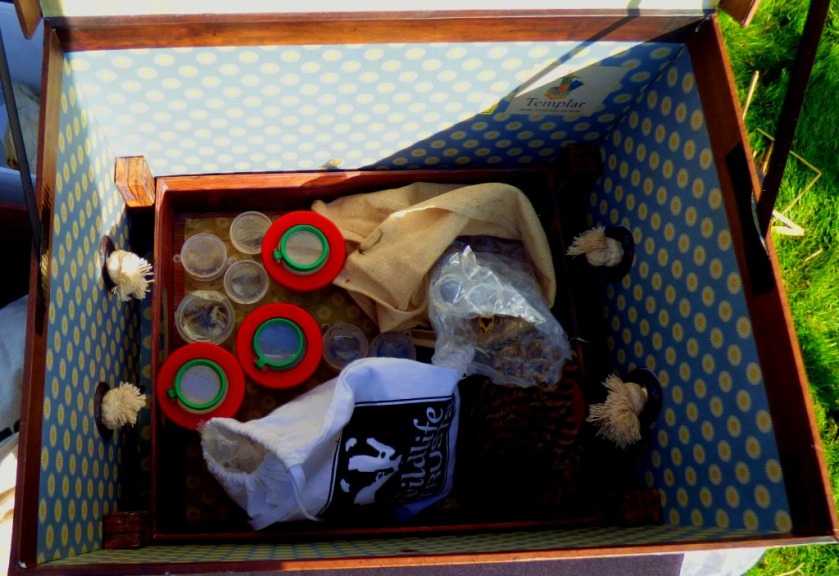
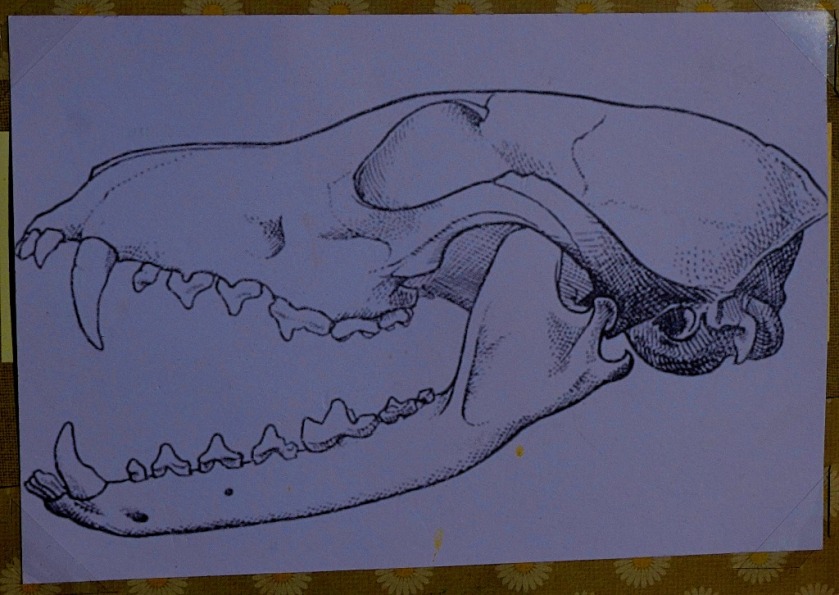
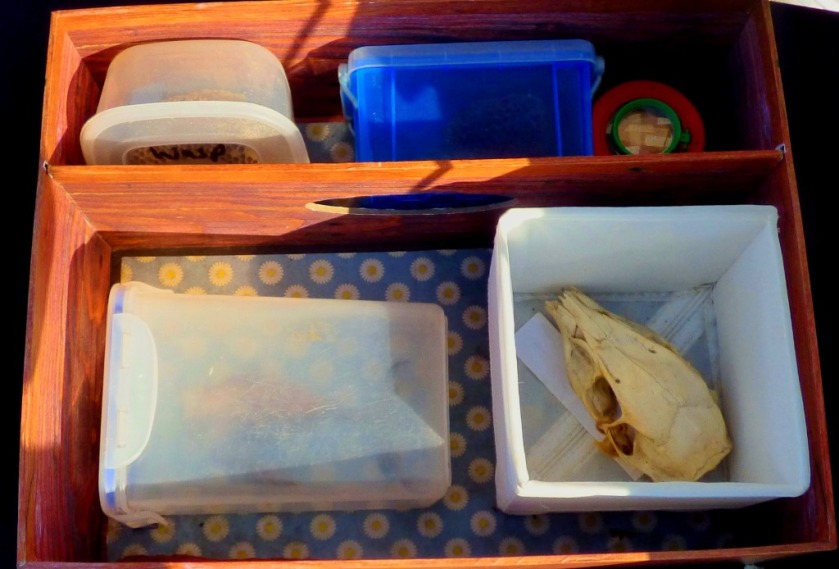
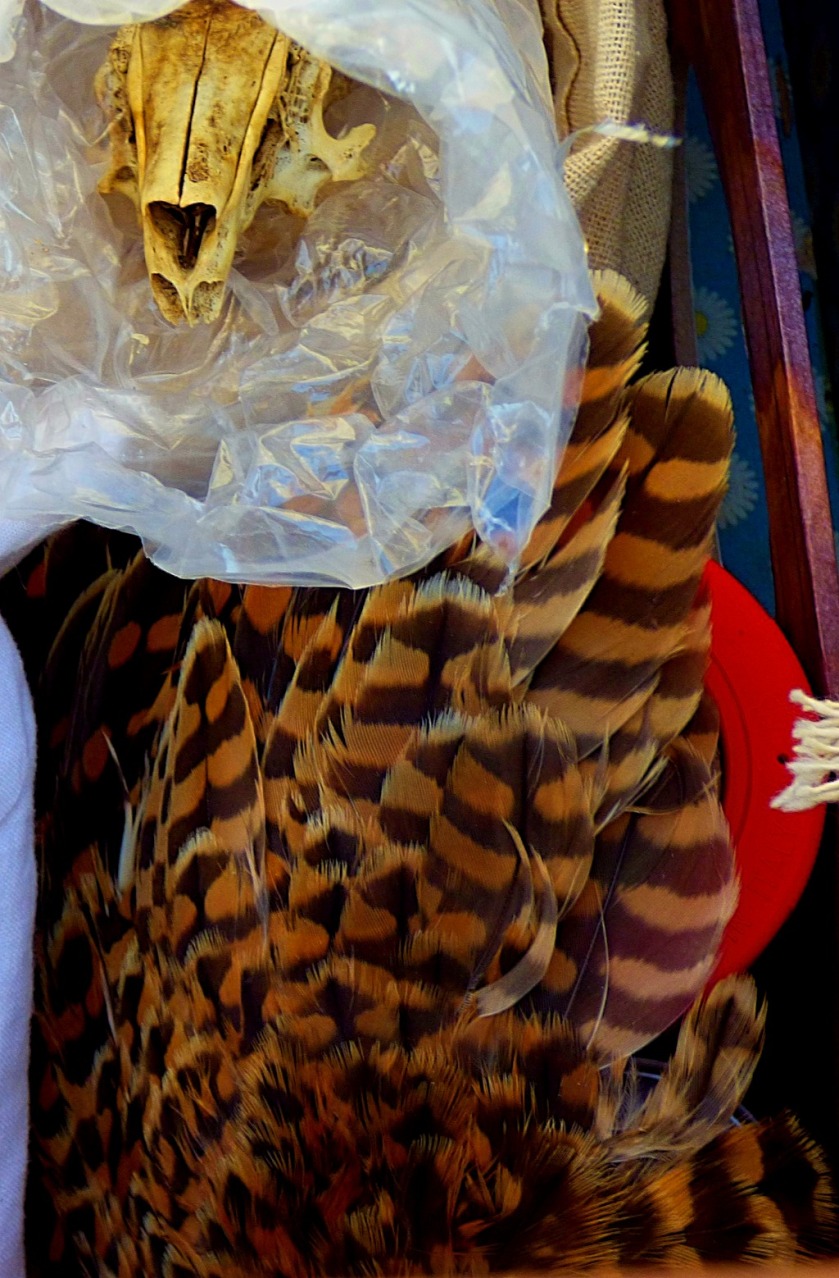
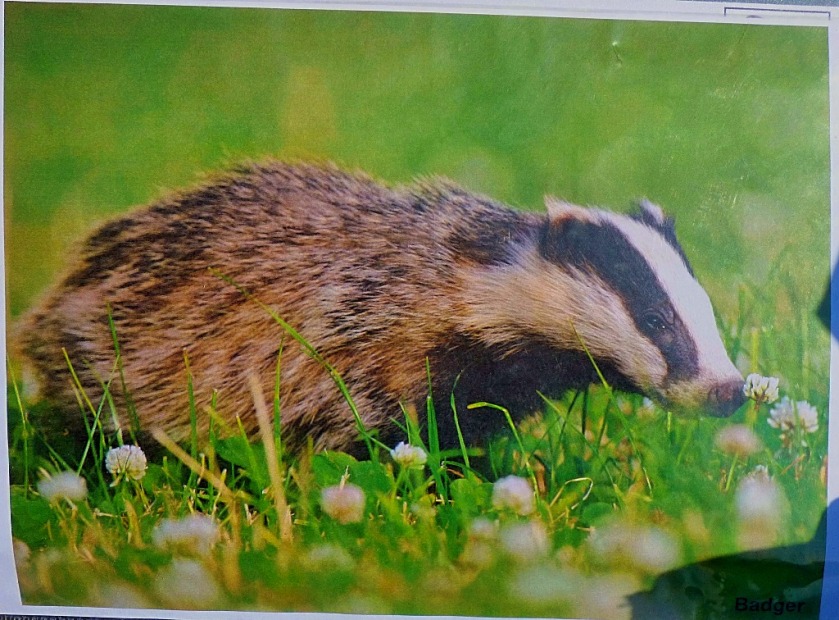
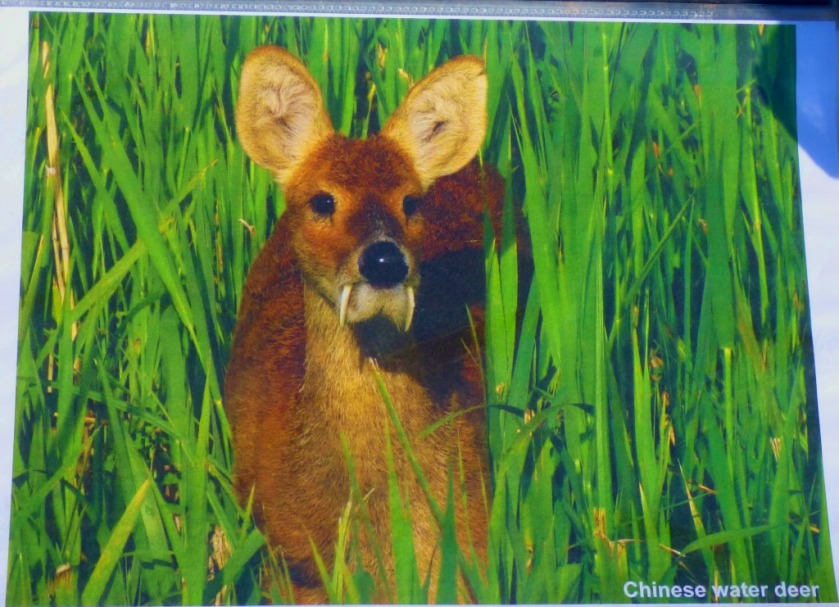
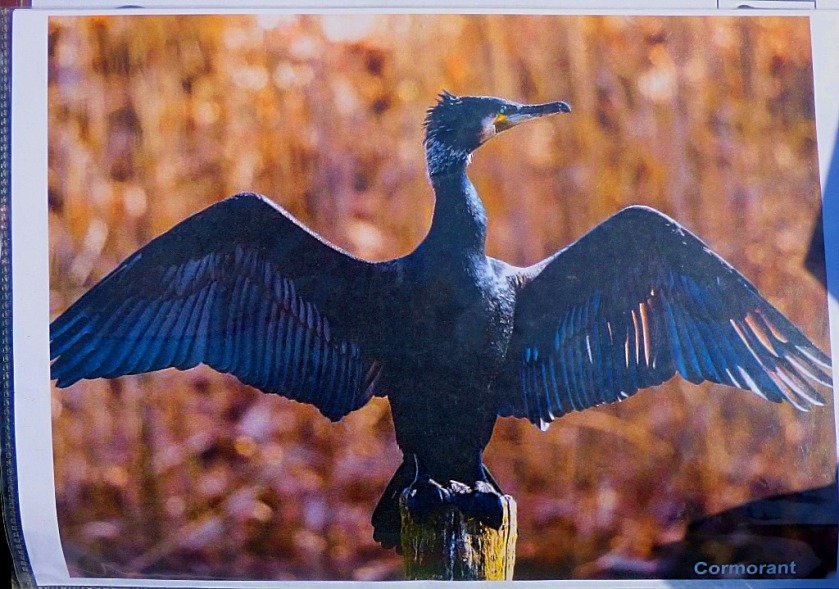
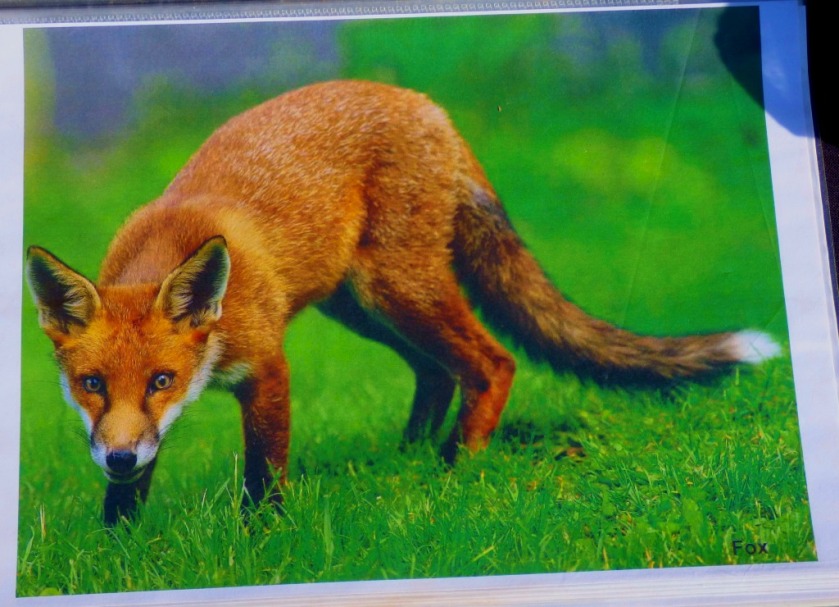
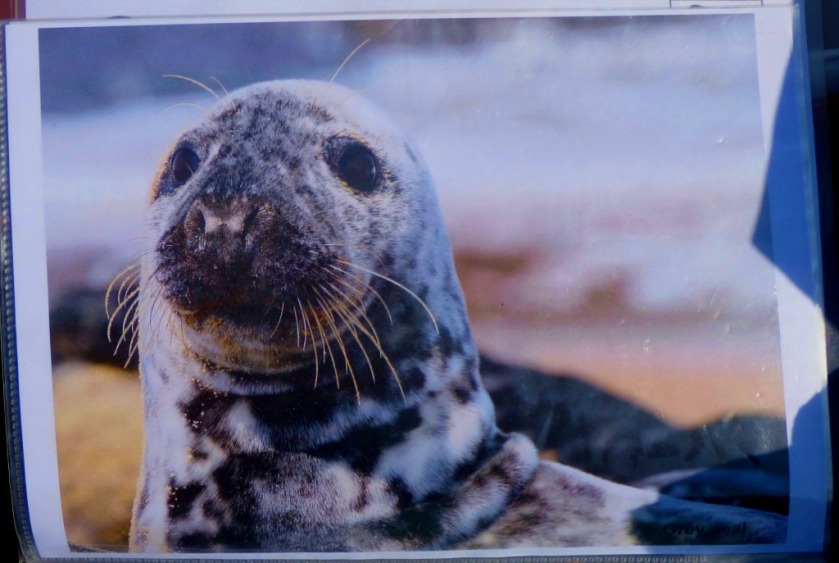
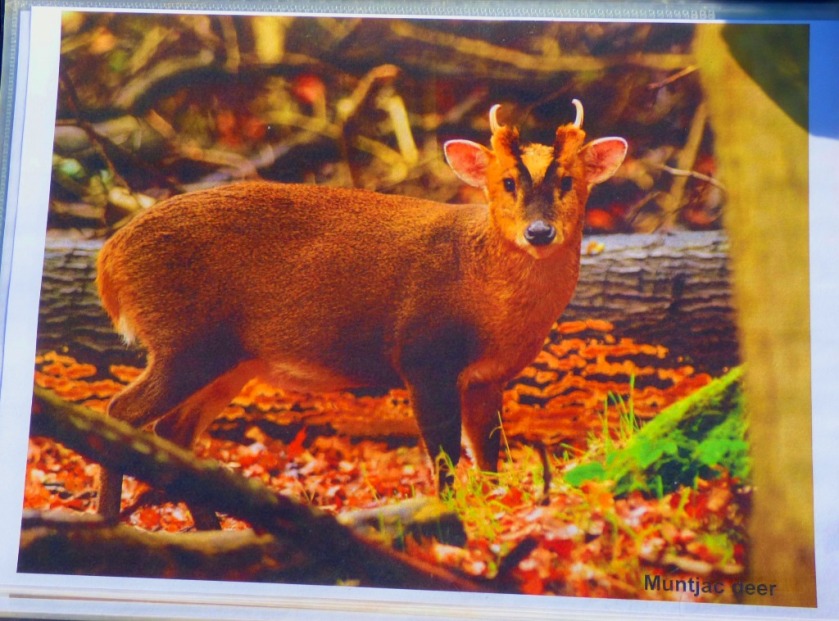
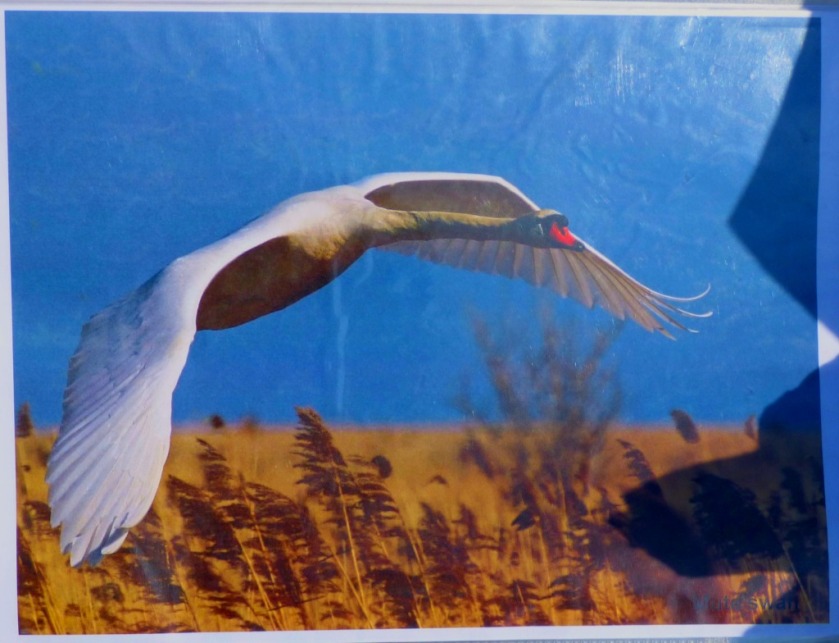
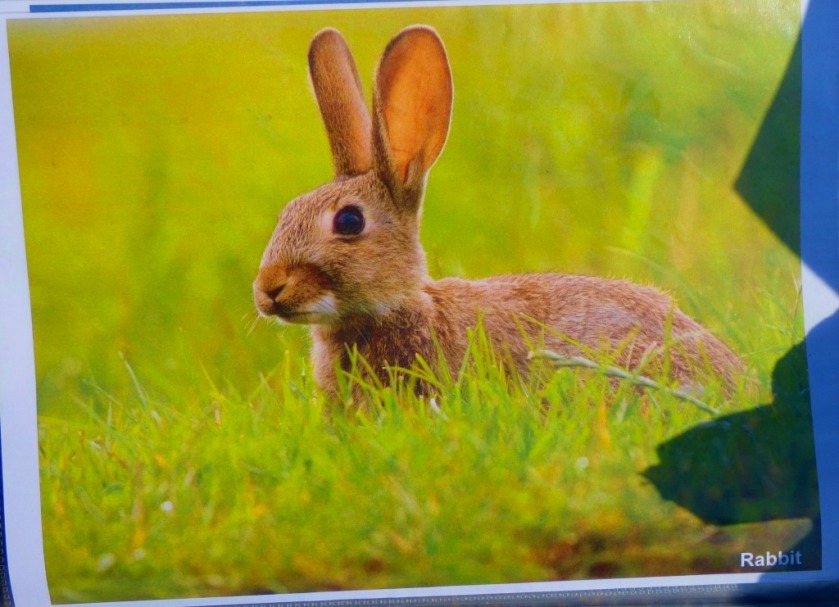
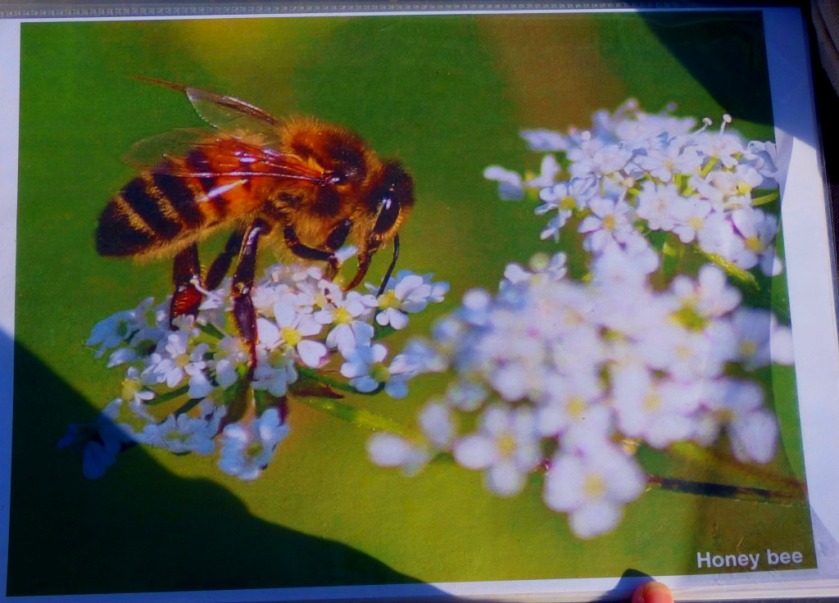
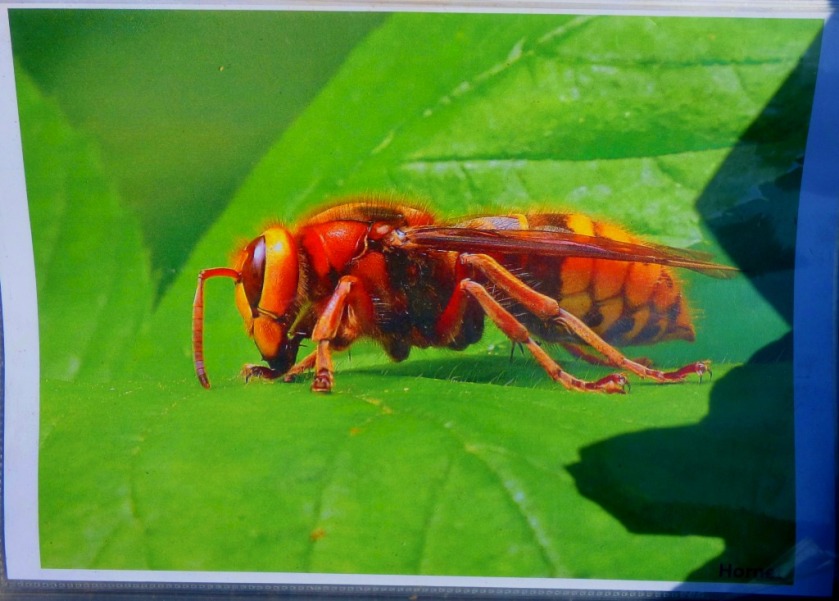
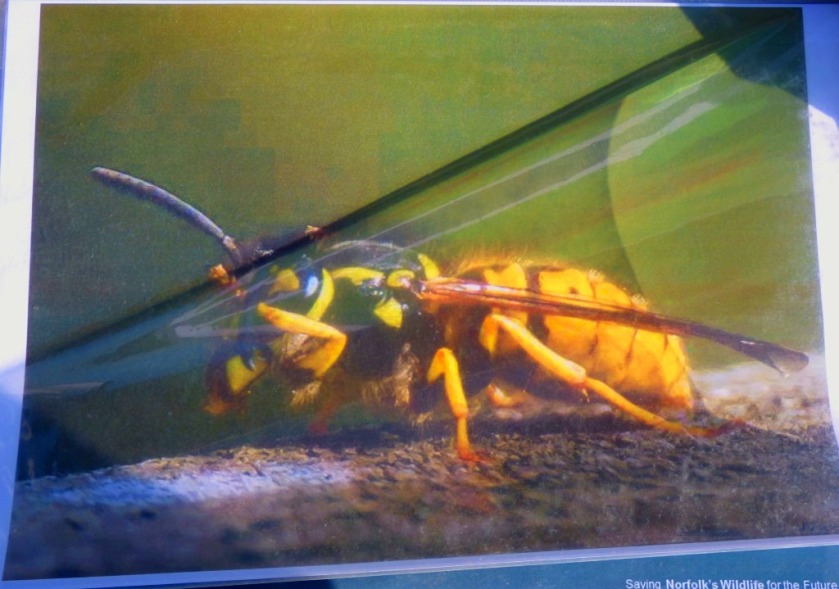
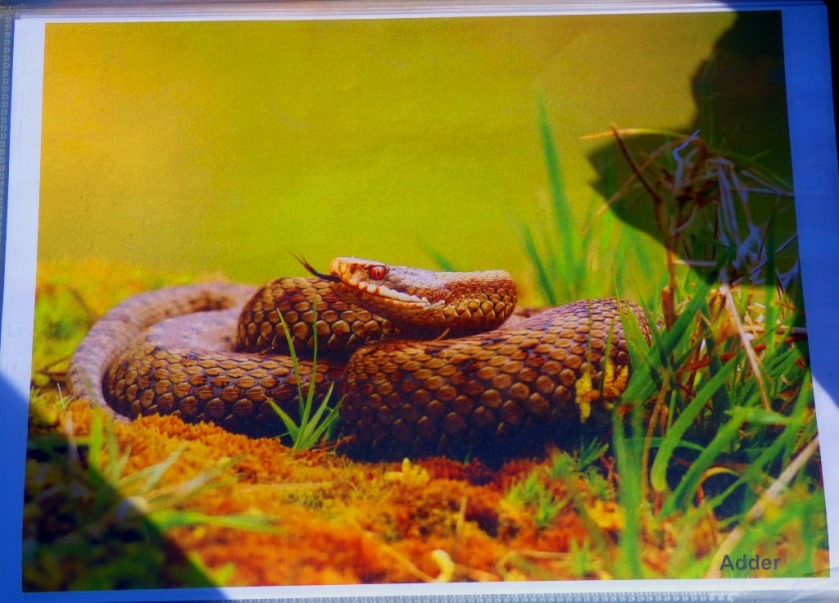
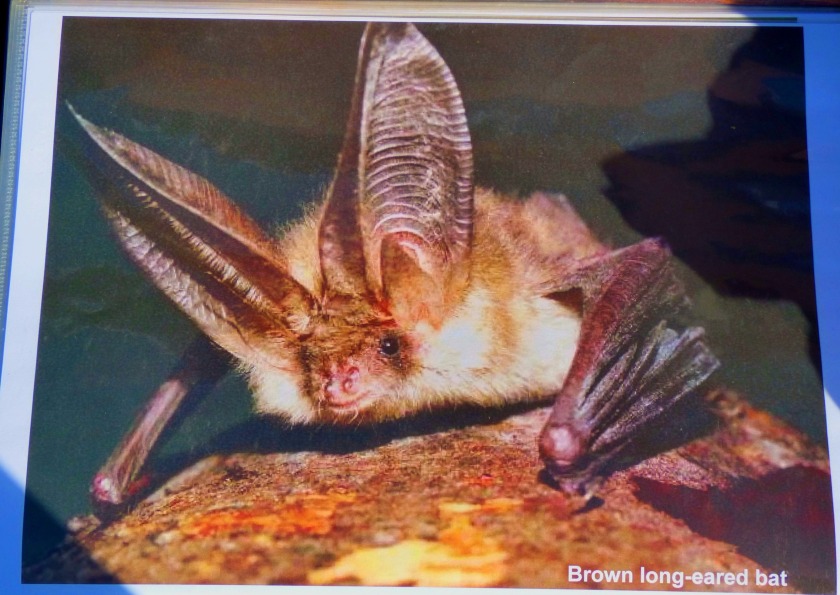
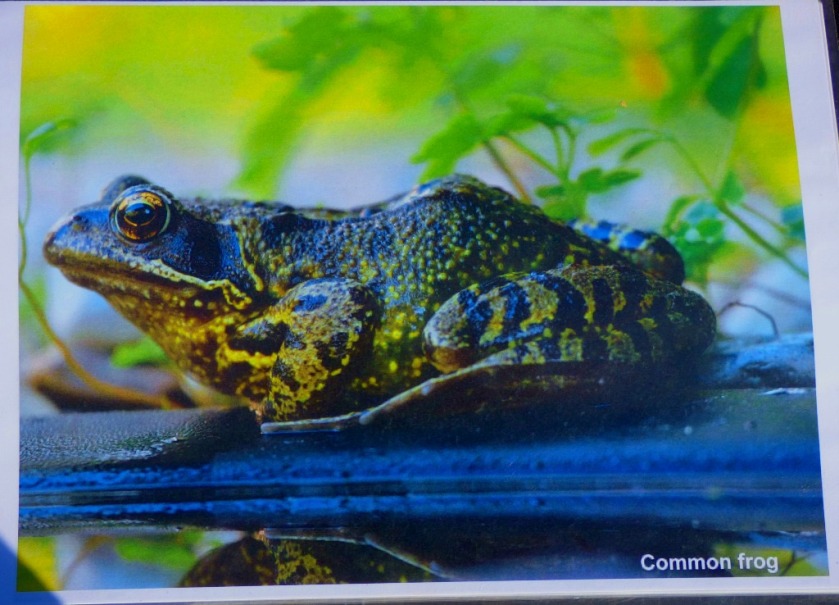
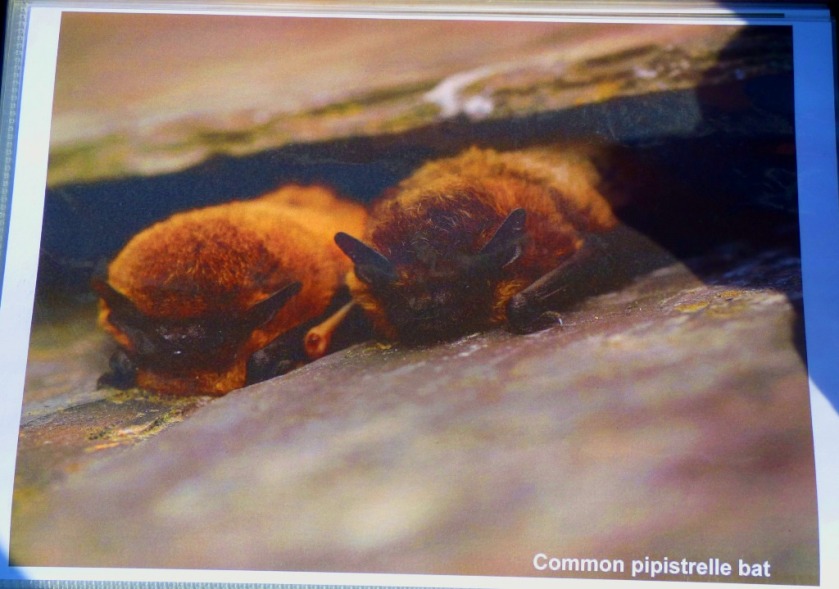
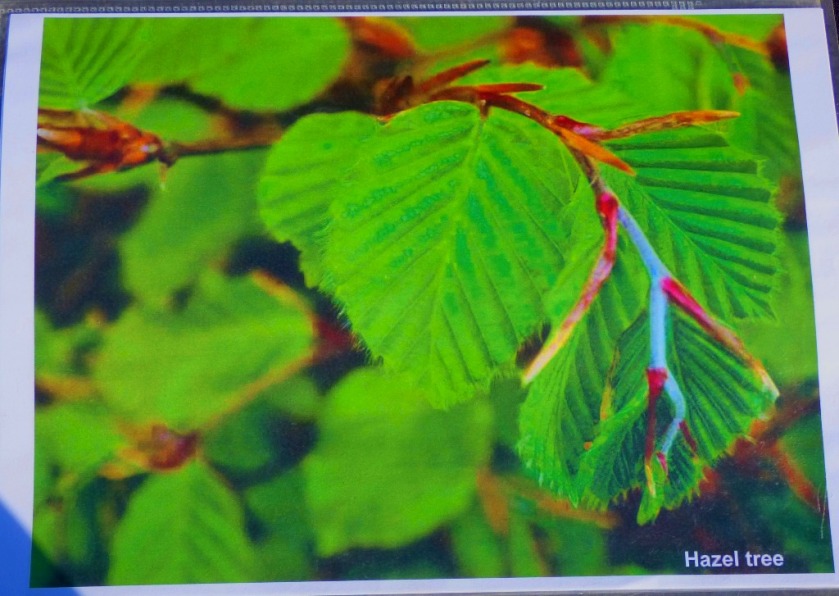
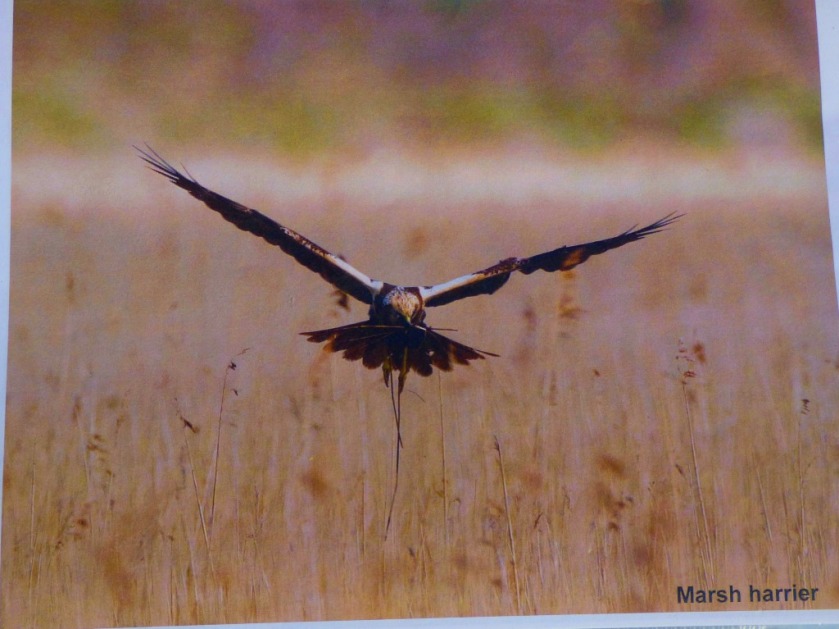
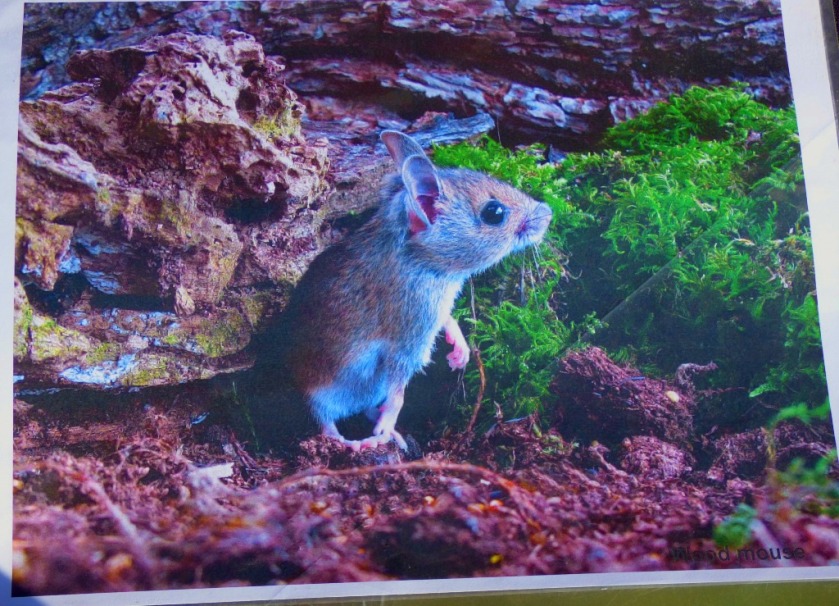
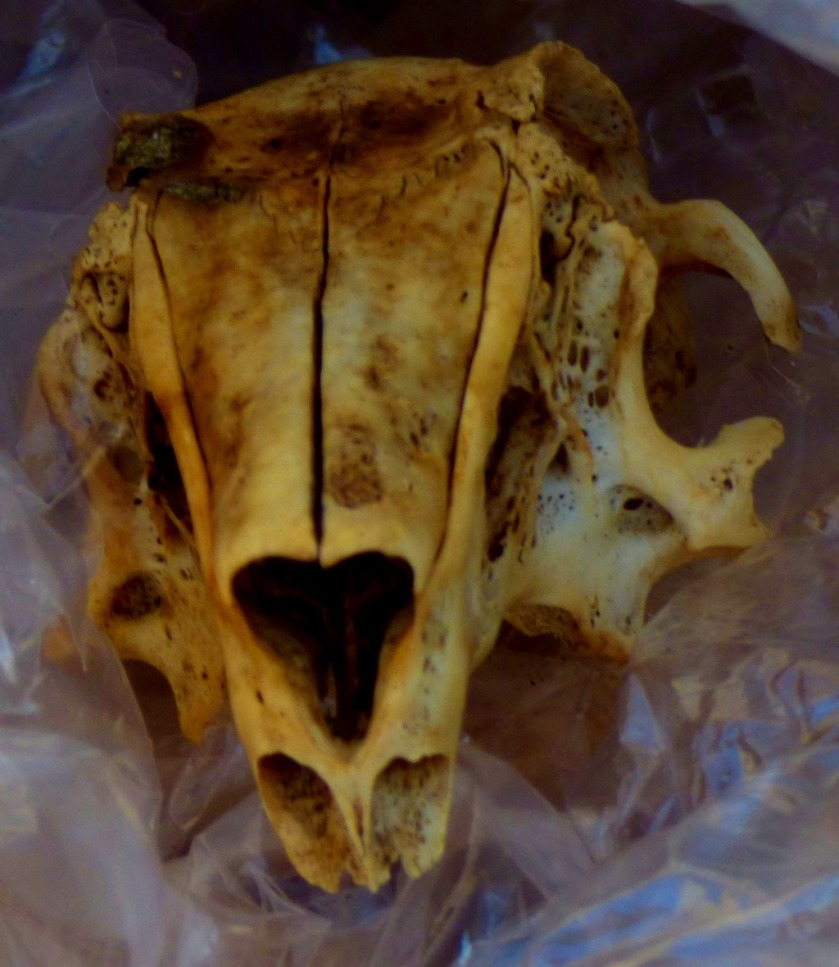
The Norfolk Wildlife Trust were showing children how to make portable ‘bug hotels’, and they also had a natural history display including a folder full of photographs of animals, and a stash of leaflets, to which I may return in a later post. 

NWTNH1NH3NH2NH4NH5NH6NH7NH8NH9NH10NH11NH12NH13NH14NH15NH16NH17NH18NH19NH20NH21NH22NH23NH24NH25NH26NH27NH28NH29NH30NH31NH32NH33NH34NH35NH36skull

We now come to what was for me the best of all the exhibits, courtesy of…

THE NORFOLK RIVERS TRUST

There were two parts to this exhibit. The minor part was display showing graphically how different treatment of land in the winter affects the soil:

Winter demo 1
These three models were side by side demonstrating what happens to soil when there is nothing there at all – gets washed straight into the river)…
Farm demo 2
When there are dead leaves covering it – still lots of it ends up in the river…
Farm demo 3
…and what happens when something suitable is planted – note the much clearer water at the end – most of this soil remains in place.

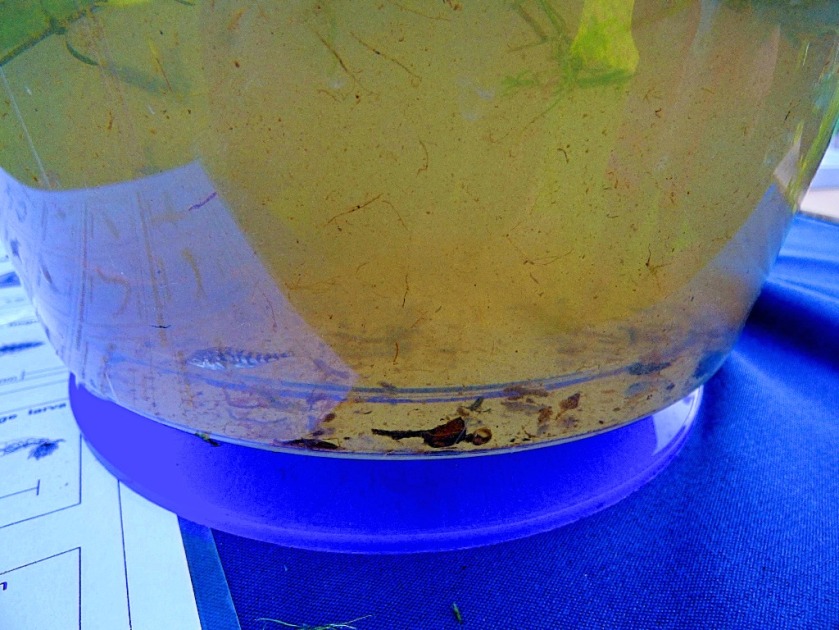
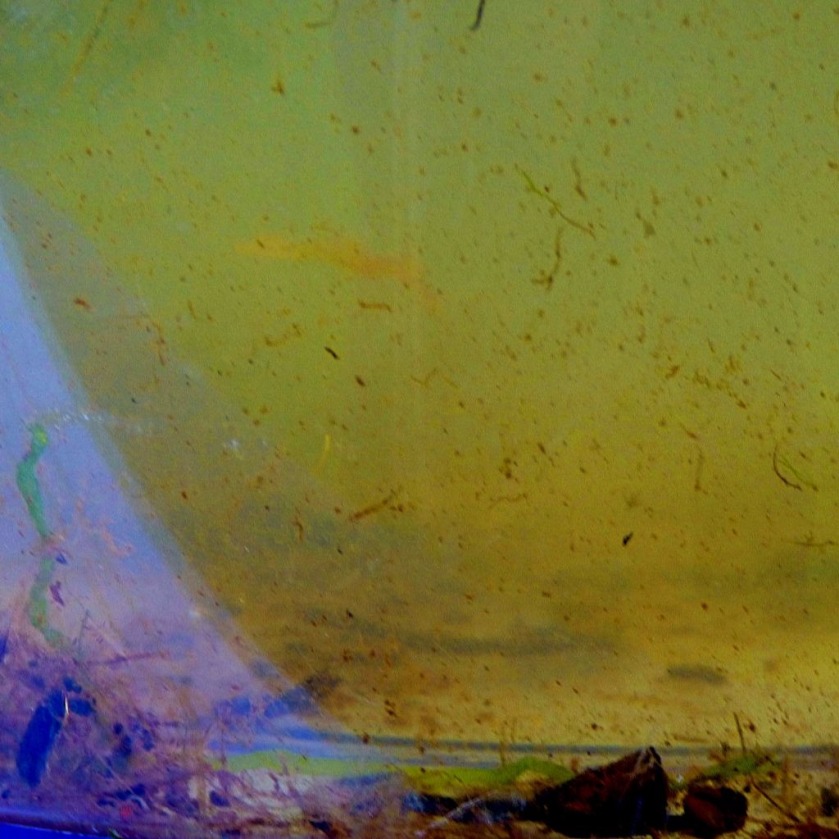
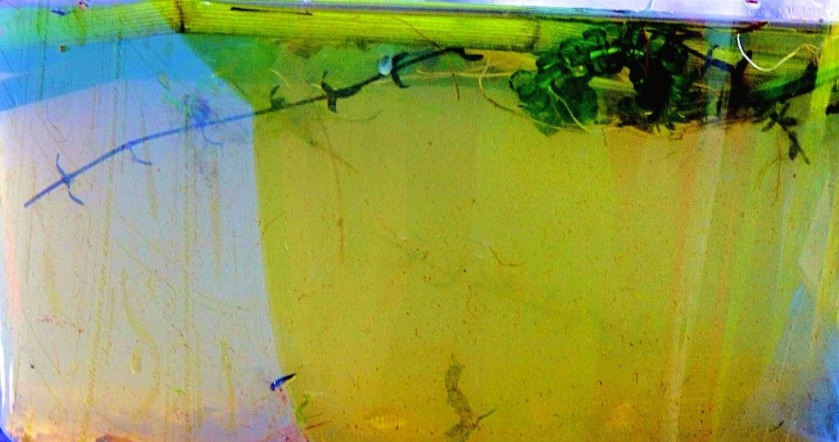
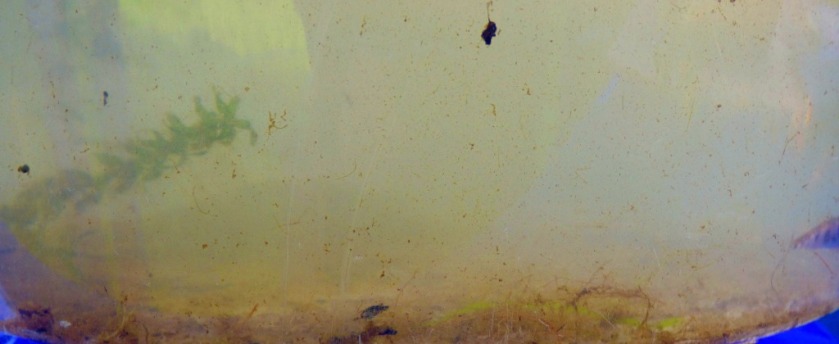
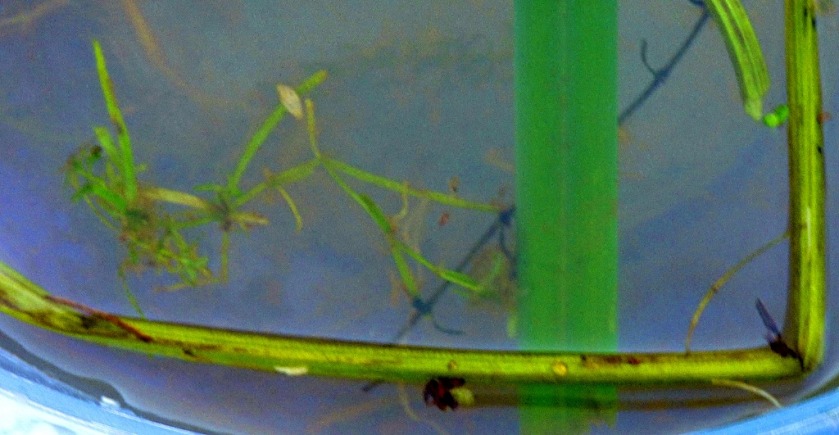
The second part of this display was a living exhibit from the river – two large buckets of river water with creatures that naturally live in it there to be seen (the amount of dissolved sediment in the water, the small size of these creatures and the fact that some of them live on the bottom of the river means that this the only way to make them visible). There was also a small sample dish which the person running the exhibit used to show as very small curiosities…

Caddis House
This is one of nature’s smallest houses – within it is a caddis fly larva, and at some point the adult fly will emerge.
Stickleback
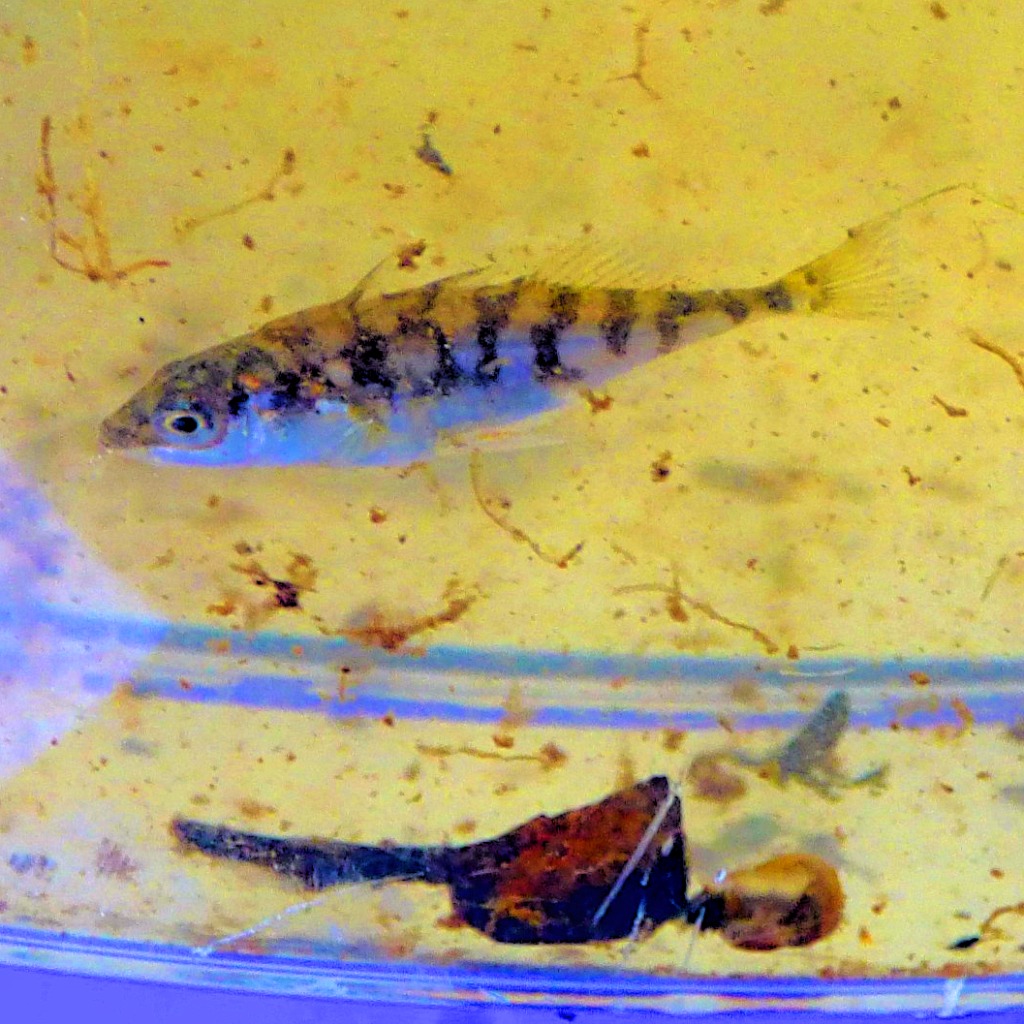
The next three shots are of small sticklebacks.

Stickleback 2Stickleback 3

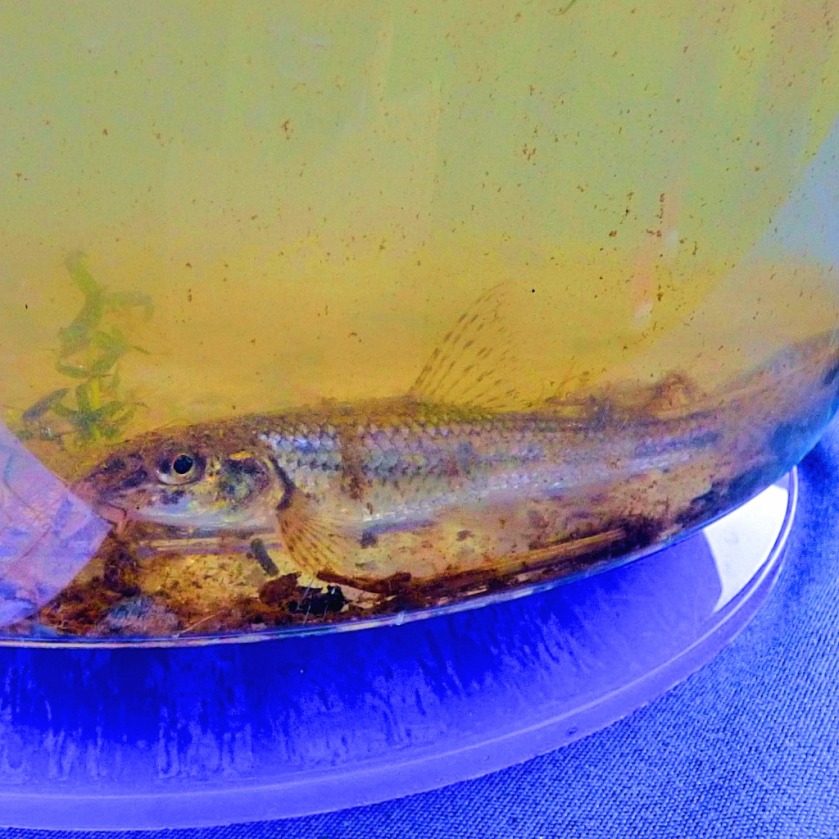
Gudgeon 1
This was described as a gudgeon, but looks different to the other gudgeons we will see later. The silvery sheen to its scales suggests a dace to my eyes.

Water shot

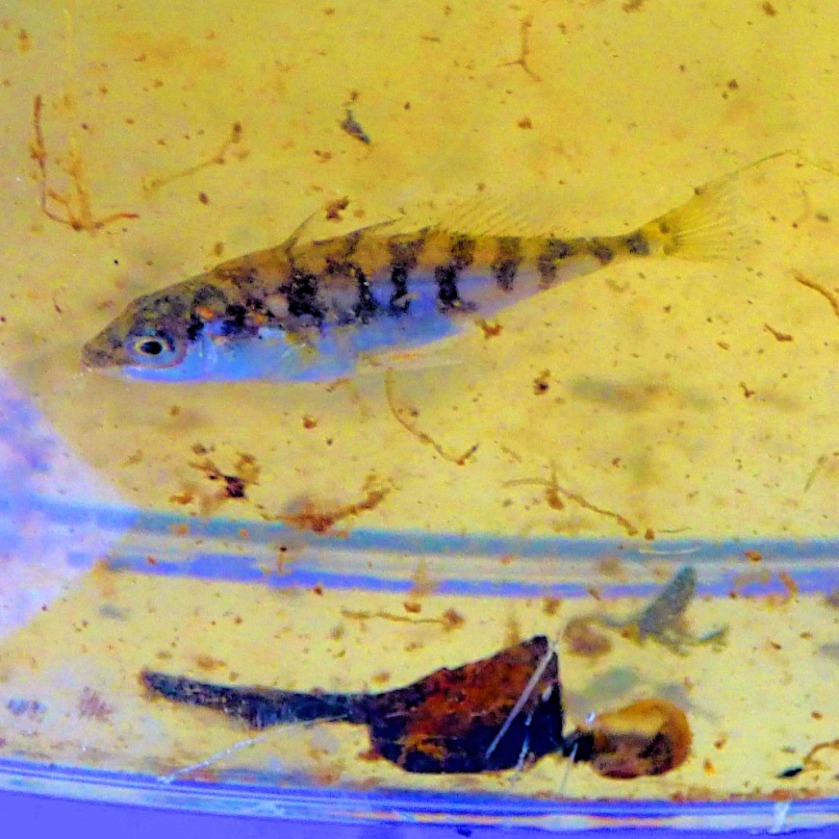
Stickleback 4
I am not sure what this piebald fish is, though it could be a stickleback.

Water shot 2

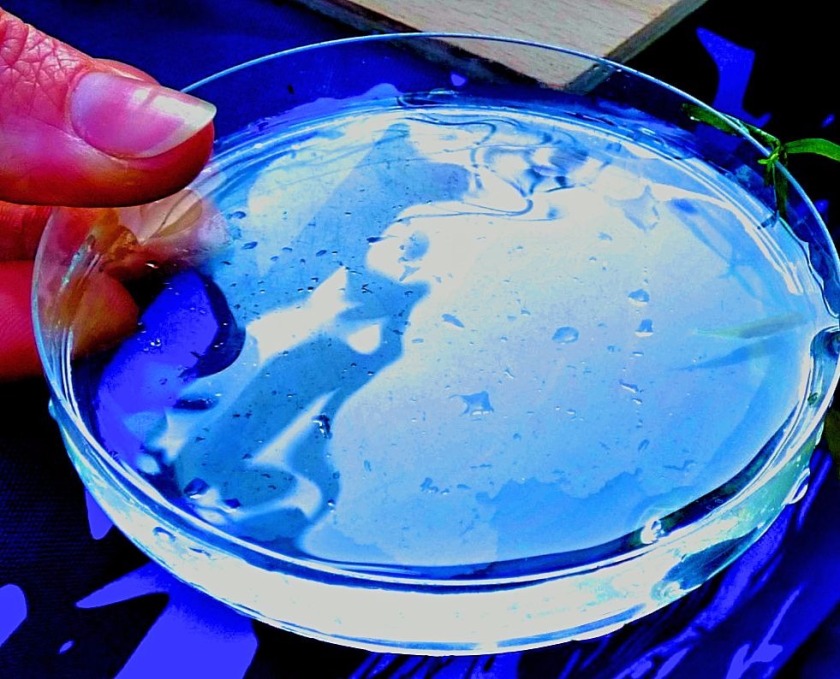
Sample dish
This shot of the sample dish showing the thumbnail of the dxemonstrator reveals just how tiny that Caddis fly home actually is – it was in this same dish that I saw it.

Water shot 3Water shot 4Water shot 5SaladsPond animals

Gudgeons1
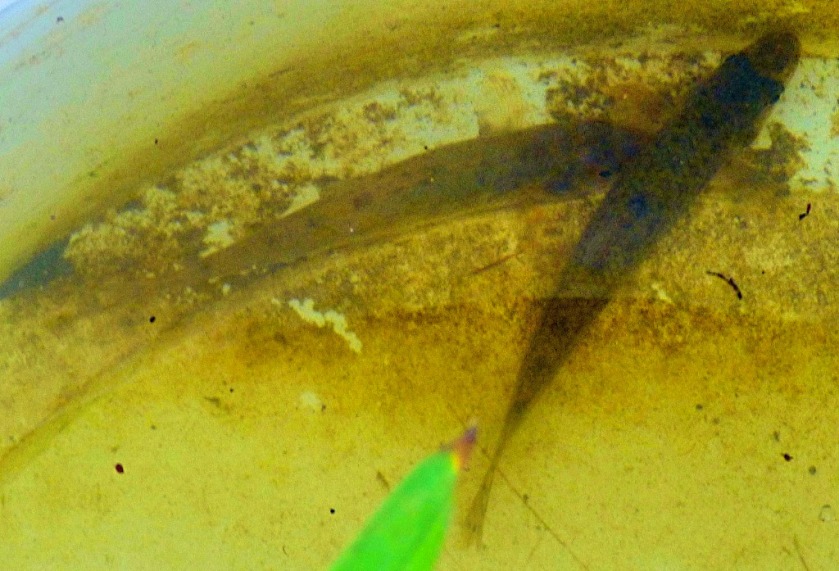
Two gudgeons in the second bucket – note that as would be the case in the river they are at the bottom.

Gudgeons 2Water shot 6two sticklebacksWater shot 7Water shot 8Water shot 9

There was also a story teller outside…

Story

LINKS

To start this section we look at organisations who were actually involved in some way or other with this event:

Now we have a few science and nature websites:

  • Wildlife & Planet – interesting stuff about wildlife from all over the world.
  • WEIT – the website that grew out of Jerry Coyne’s classic book Why Evolution is True. 
  • Science Whys – the blog of Brandeis biology professor James Morris.
  • Rationalising the Universe – sets about accomplishing the big task laid out in its title and does a good job of it.
  • Faraday’s Candle – a science website that will really illuminate your life.

I conclude this section by mentioning a couple of bloggers who regularly feature nature in their work:

  • Cindy Knoke – keen photographer and nature lover. Below is the feature image from (and link to) her most recent post:
  • Anna – her posts about fighting to save nature in her part of the world are always inspiring, and her two recent series of posts “Paradise on Earth” and “Butterflies in Trosa” are both stunning. Below is the feature image from (and link to) her most recent butterfly post.

CONCLUSION

This was an excellent event and I learned a good deal about the history and nature of the Gaywood River. I have one kvetch which is that the event was poorly publicised – I only found out about it through my aunt and then only a few days before it was happening, meaning that anyone else I might have alerted would almost certainly have had other plans. If half of you have enjoyed this post even half as much as I enjoyed the event I have done a good job. I finish by urging you to take the time to follow up those links.


The Musical Keys Session That Wasn’t

A walk, some dreadful weather and a double-booking. Also some photographs.

INTRODUCTION

Musical Keys run regular sessions for NAS West Norfolk, and I attend these sessions both as a participant and in my role as branch secretary of NAS West Norfolk. Today should have been a Musical Keys day, and after lunch I set off on an afternoon walk with the Scout Hut in Gaywood as my envisaged final destination. 

A LITERAL DAMPENING

Although I was ultimately aiming for Gaywood I decided to lengthen the walk by going along the river bank as far as my regular cormorant observation point and then returning to the route to Gaywood by way of Seven Sisters and the Red Mount Chapel. Unfortunately I was near the end of the riverside stretch when the rain started coming down in stair rods, and it stayed raining all the way to Gaywood. Although Gaywood Library is small there are sometimes good books to be found there, and I did find some today.

A METAPHORICAL DAMPENING

While in Gaywood Library I logged into a computer, and it was there that I saw a facebook post telling me that Musical Keys had been cancelled due to a double booking. As I was still not fully dried out from the walk to Gaywood I was more than usually annoyed by this.

A POSSIBLE CHANGE OF LOCATION

This is not the first time we have had problems of this nature with this venue, so it is natural to be considering new venues. The British Red Cross have a suitable room in thier building at Austin Fields which is close to the centre of King’s Lynn. It is true that the principal approach from outside King’s Lynn, Edward Benefer Way/ John Kennedy Road, is prone to traffic jams, but I think the good outweighs the bad in terms of this venue. 

PHOTOGRAPHS

Even in the poor weather I experienced I was able to get a few decent photographs:

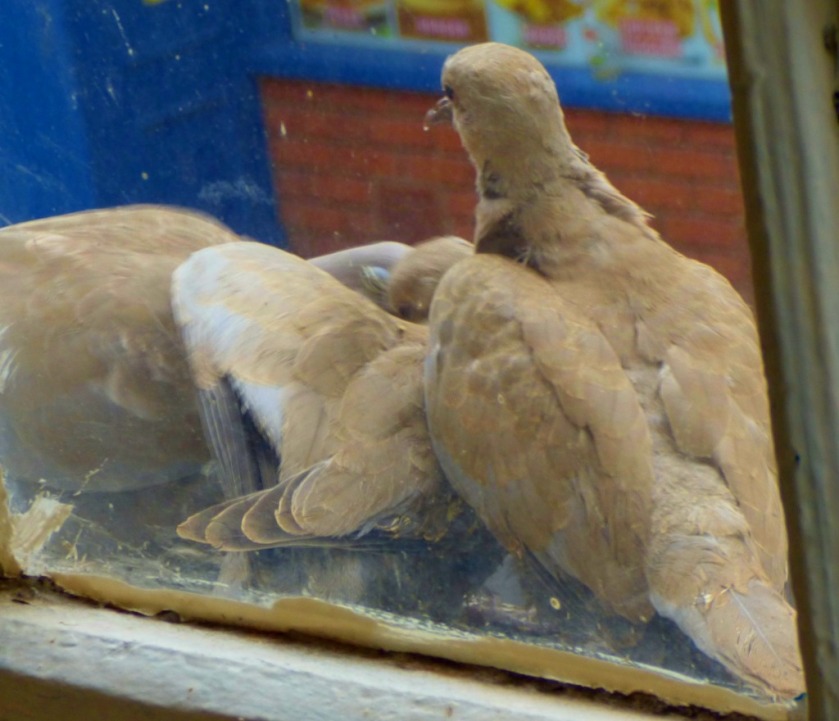
doves
This was taken in Fakenham yesterday – this window ledge is immediately outside my work area at James and Sons and these doves have been using it for a few days now.

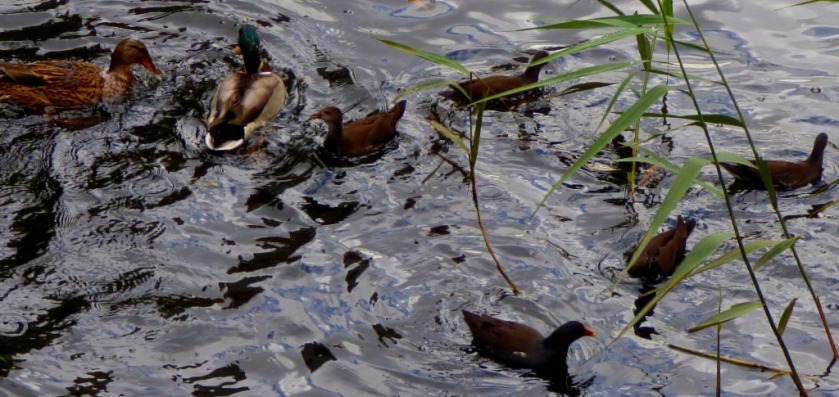
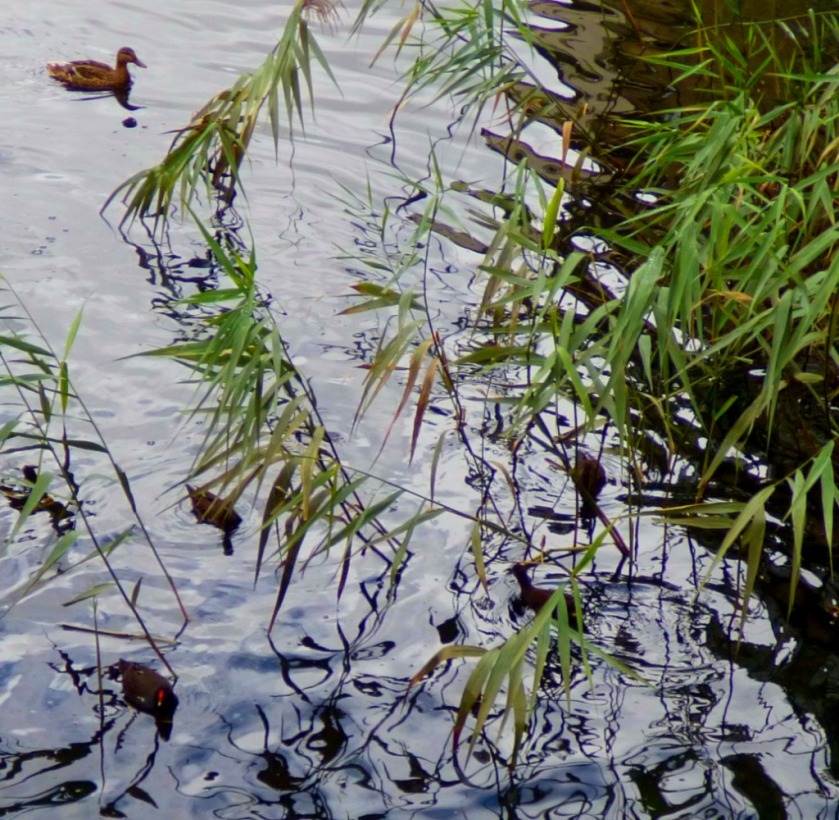
moorhen family 1Moorhens and ducksMoorhens and ducks 2Tern 1Glaucous GullTern 2

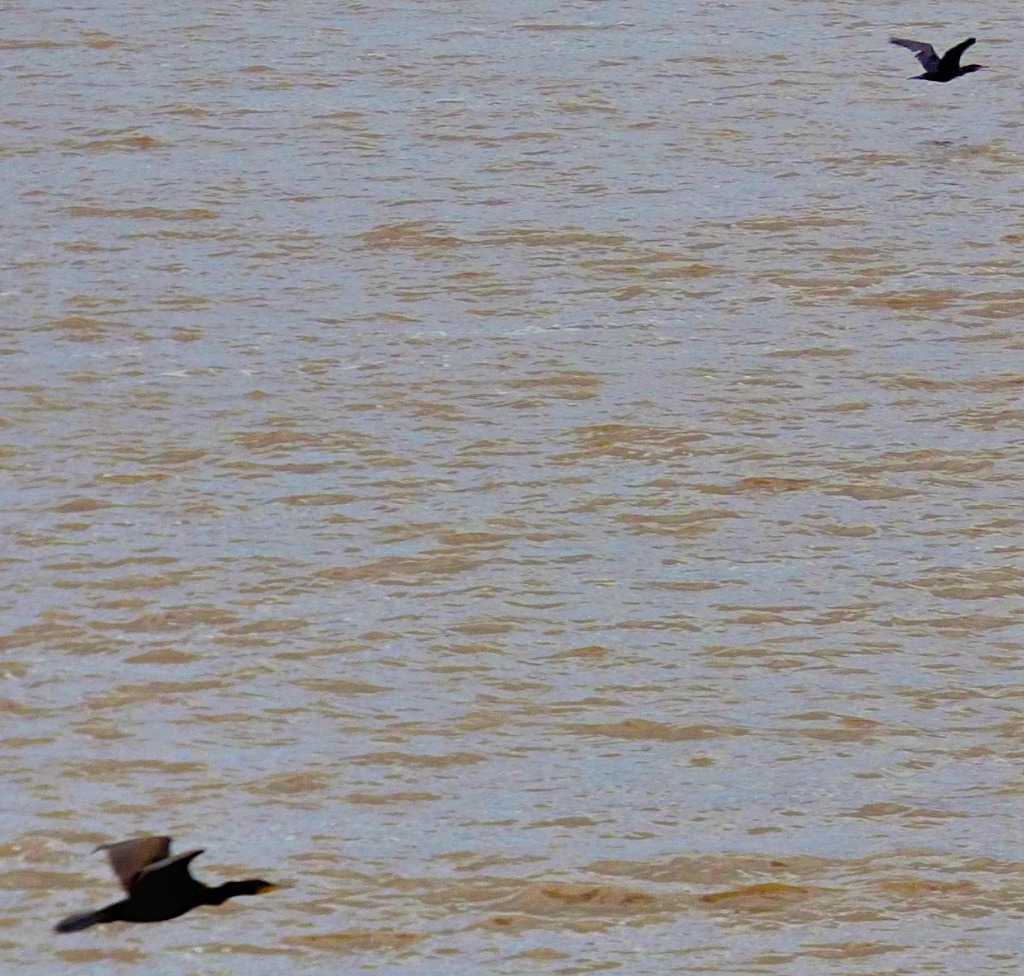
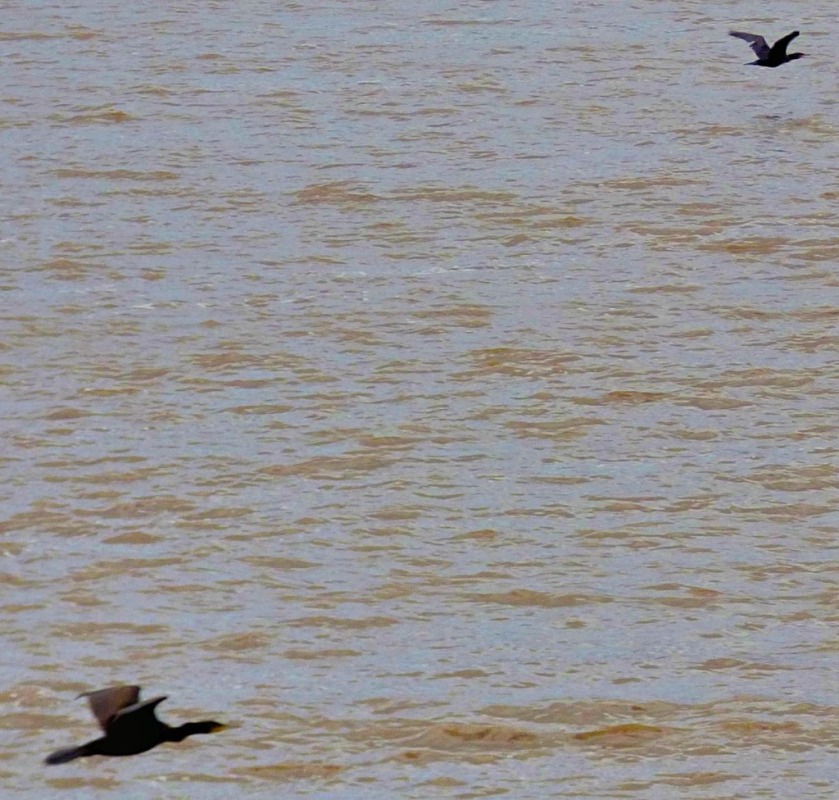
2 flying cormorants
Two flying cormorants ine one shot – a first for me.
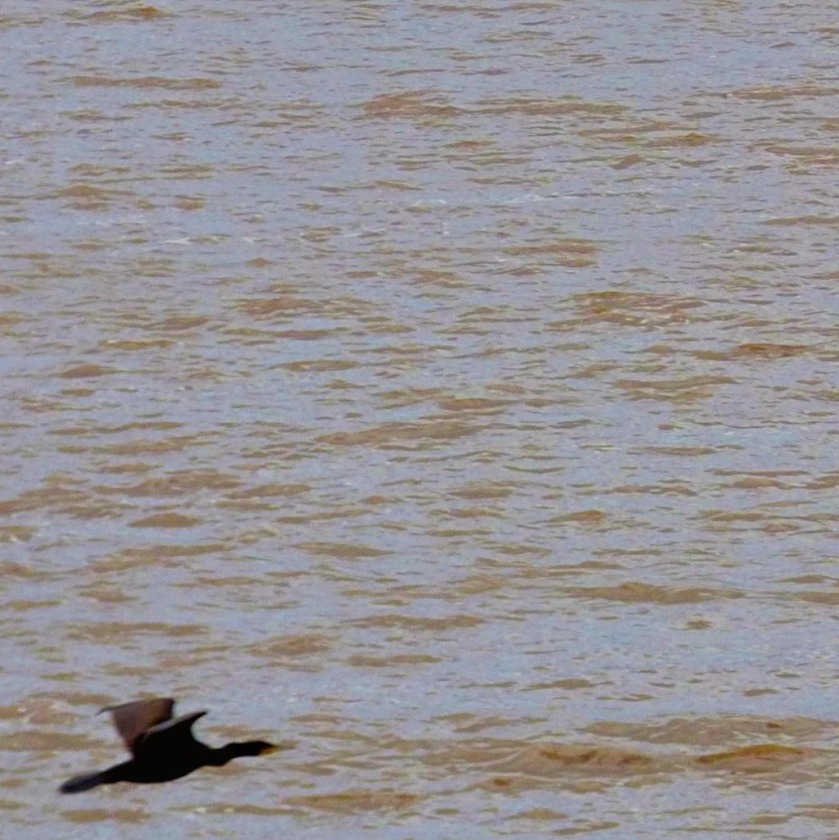
Flying cormorant
My second edit of that same picture, focussing on the nearer of the two cormorants.

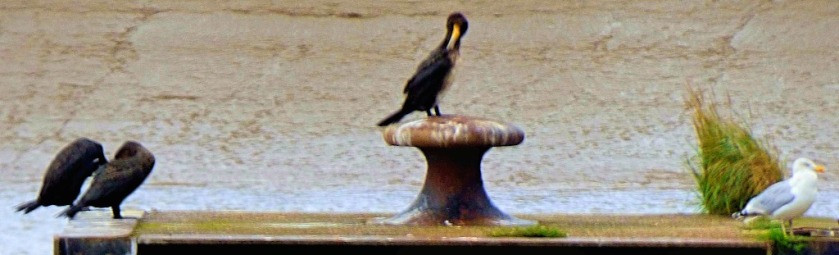
Cormorant PlatformCormorantsKing of the Cormorant castleIII CormorantsFarewell to Cormorant PlatformMoorhen adult and child

The IFCA Boat

Continuing my account of Heritage Open Day 2017 with a detailed look at IFCA and their research vessel.

INTRODUCTION

 Continuing my account of Heritage Open Day 2017, we now turn our attention to the IFCA Boat, moored at the pontoon jetty for the occasion. This post follows on from:

ABOUT IFCA

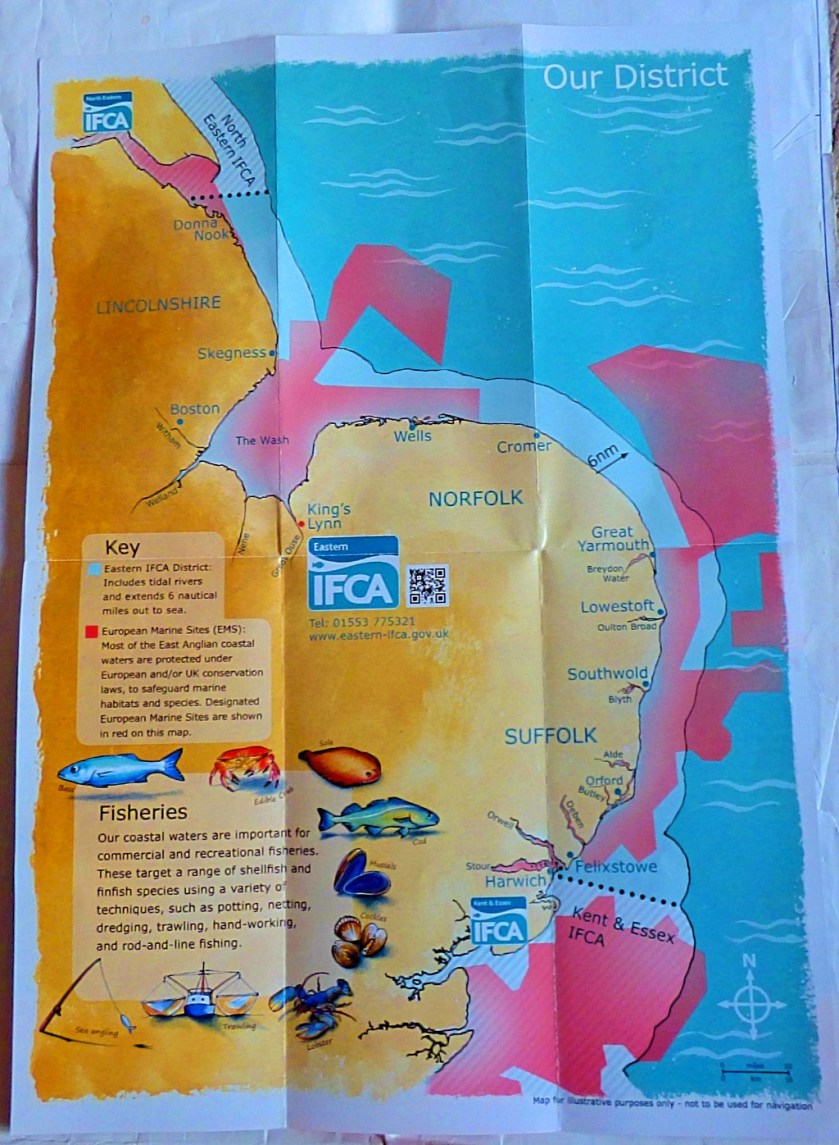
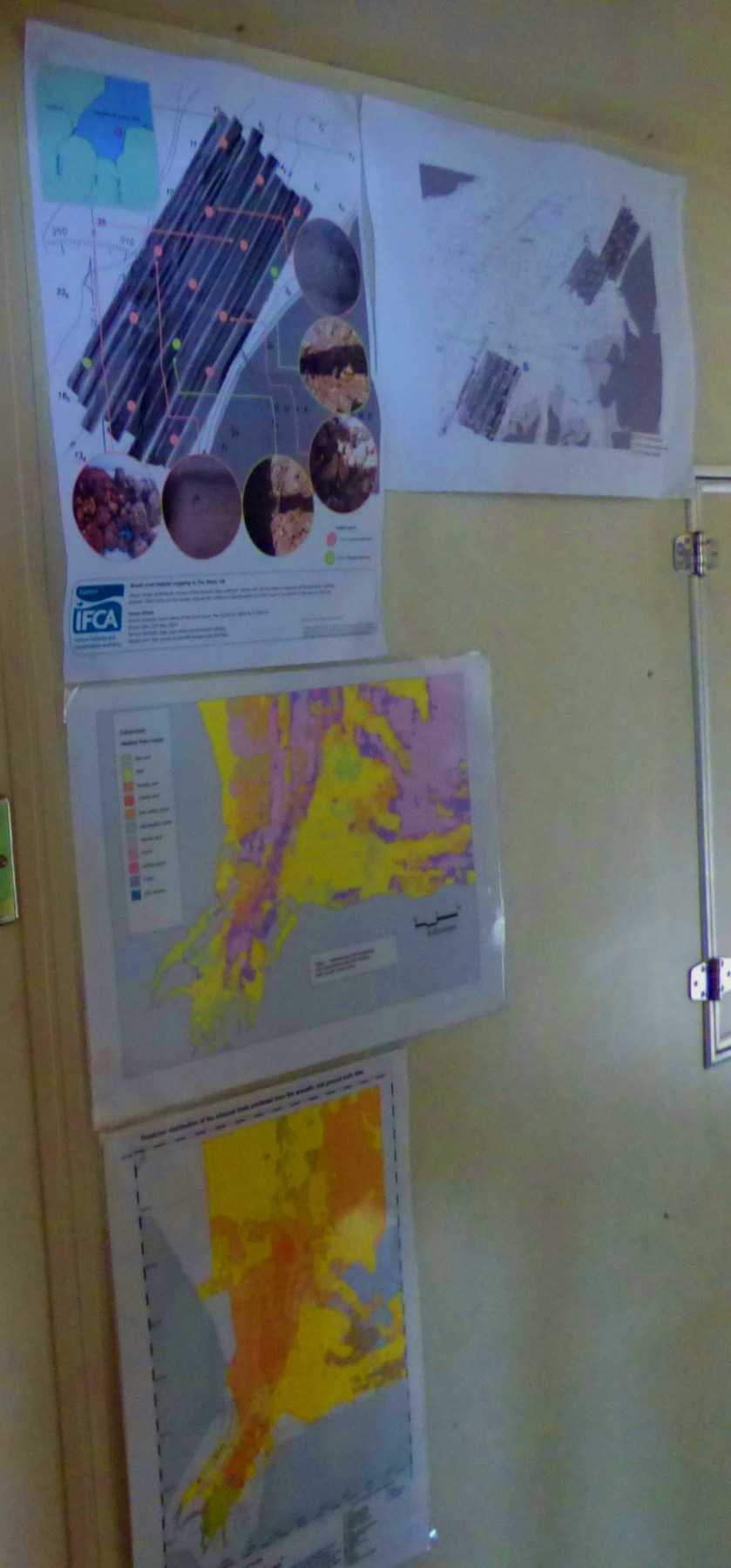
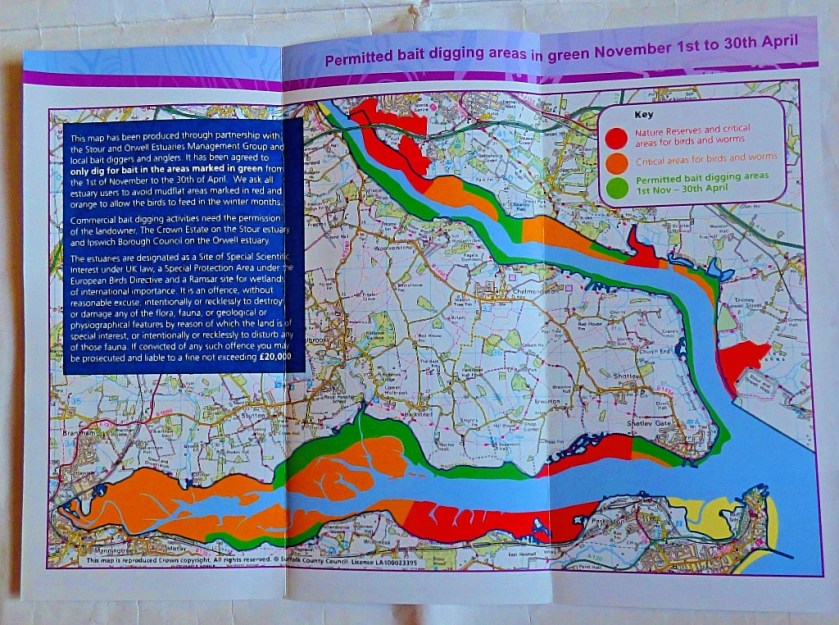
The Inshore Fisheries and Conservation Authority are responsible for balancing the needs of the fisheries industry with conservation, within six nautical miles of the shore. As well as the website to which I have linked they also have presences on facebook and twitter for those of you who are social media users. Here are photographs of their general leaflet:

]IFCA general infoIFCA main map

ON THE BOAT

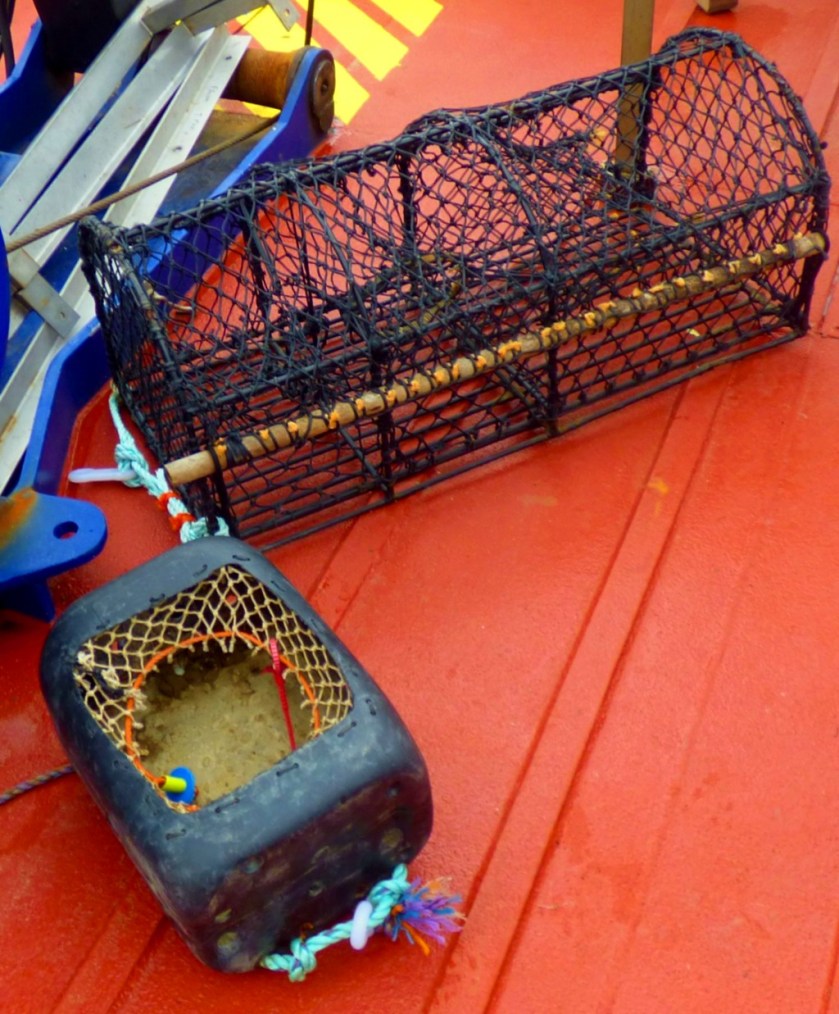
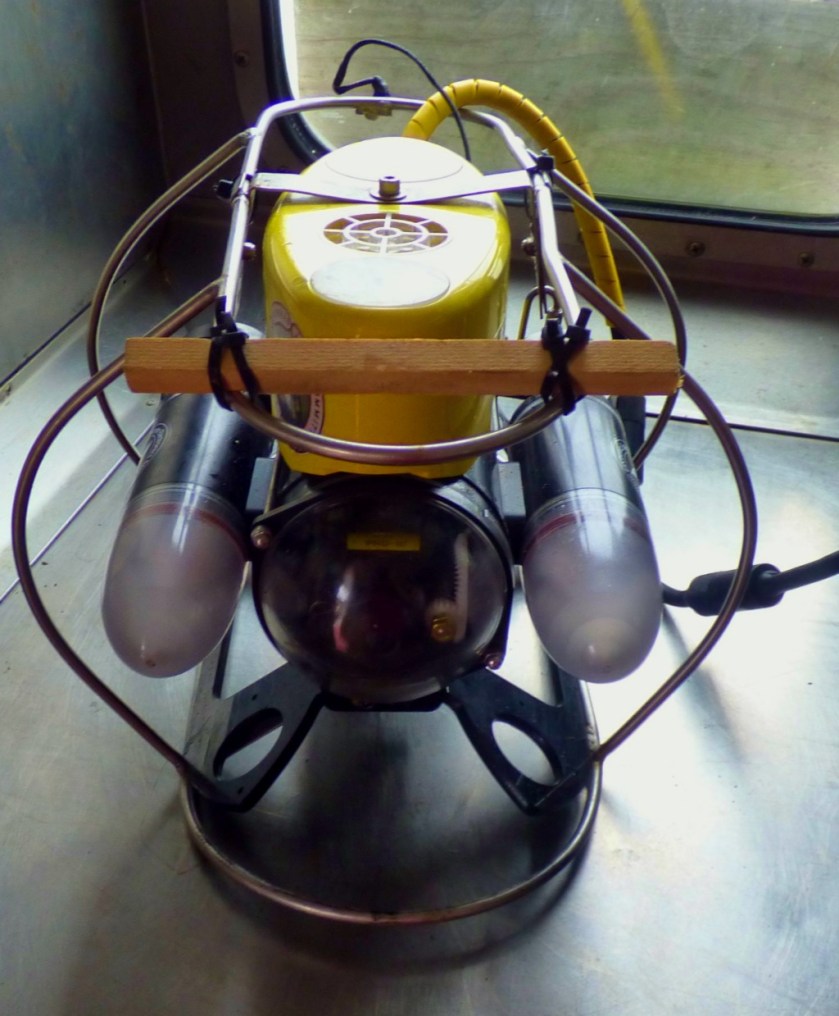
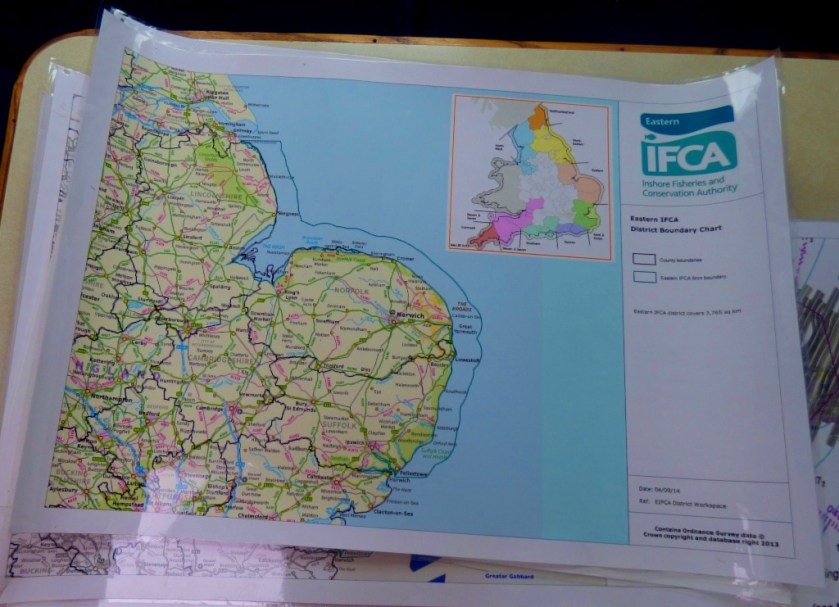
The boat that was open to us was a research vessel (moored at the end of the jetty was an enforcement vessel, but we could only look at that, not board it). On board was all kind of equipment, a number of maps and charts and some free leaflets of which more later. The boat has a main deck area where you join it from the jetty, a couple of cabins that are open for access, a control unit, and area below decks which is not accessible and an upper deck which is accessible by way of a short but very steep staircase (so steep that I was just one of many to deem it necessary to descend facing backwards rather than forwards). Here are the photographs I took while aboard:

basketssea bed probeSieveCraneControl unitUnderwater cameraChartsIFCA mapMapsThe WashKings LynnPhotoWisbech and BostonWash portsBostonNavigation screen

View from the top deck
This was the view from the upper deck.

SOME PUBLICITY SAMPLES

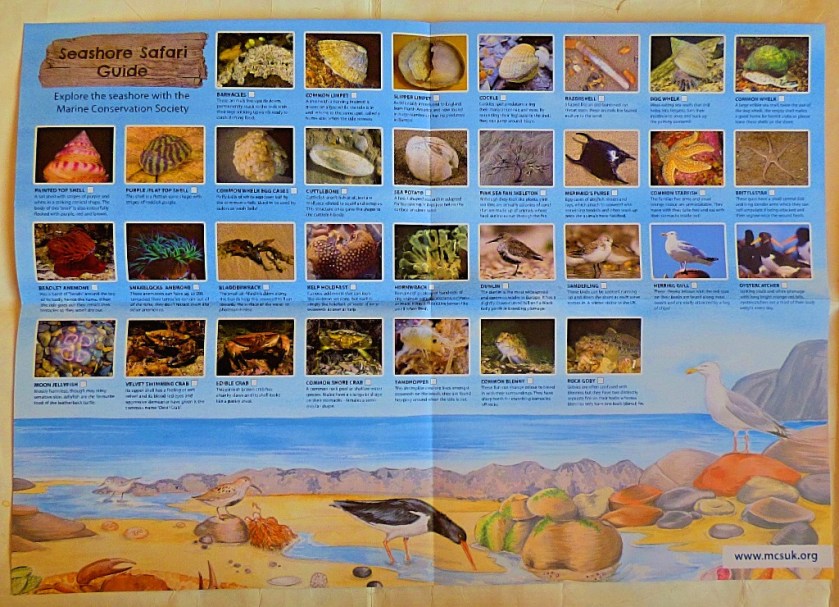
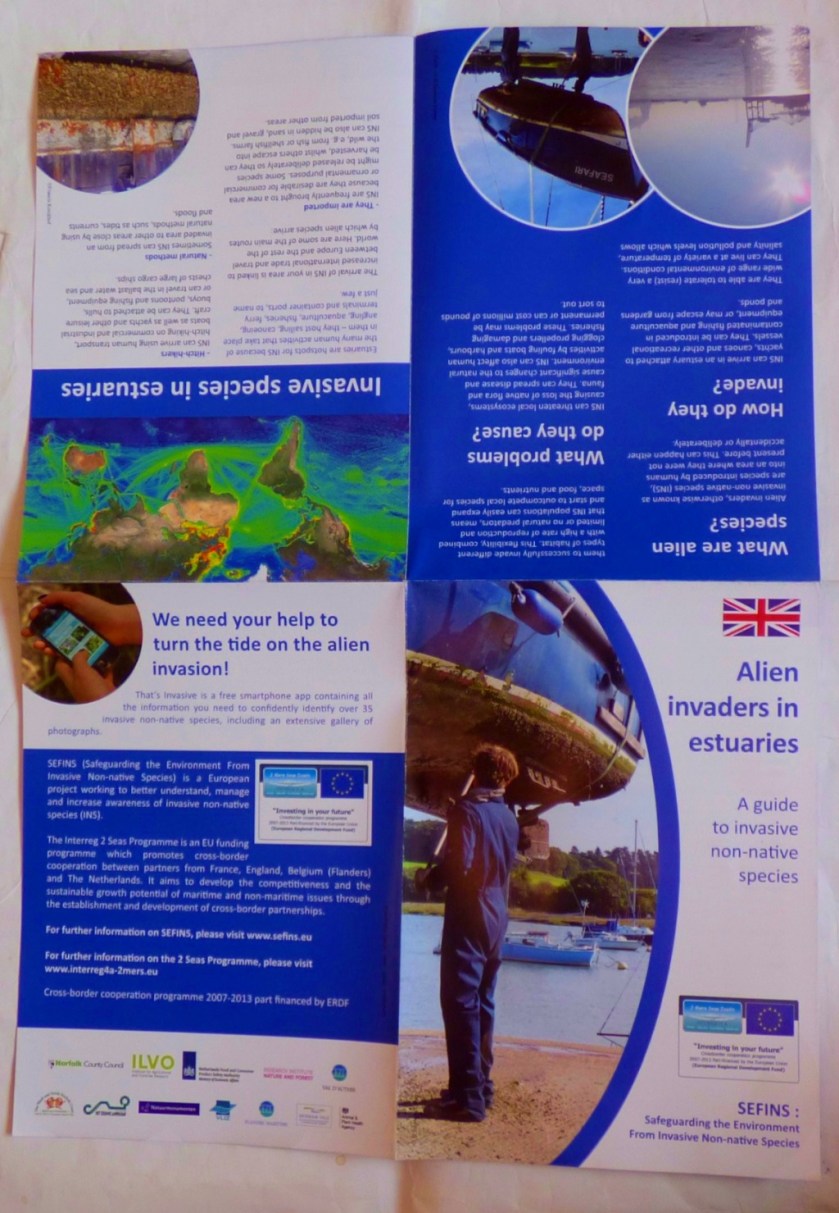
Near the start of this post I showed the general leaflet produced by IFCA, and I finish with samples of the rest of their publicity materials that were available on the boat:

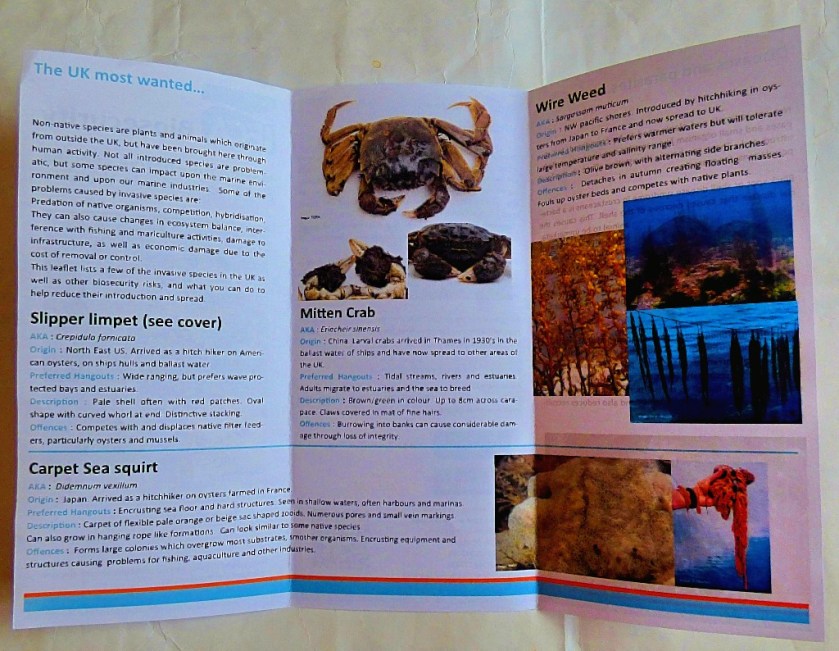
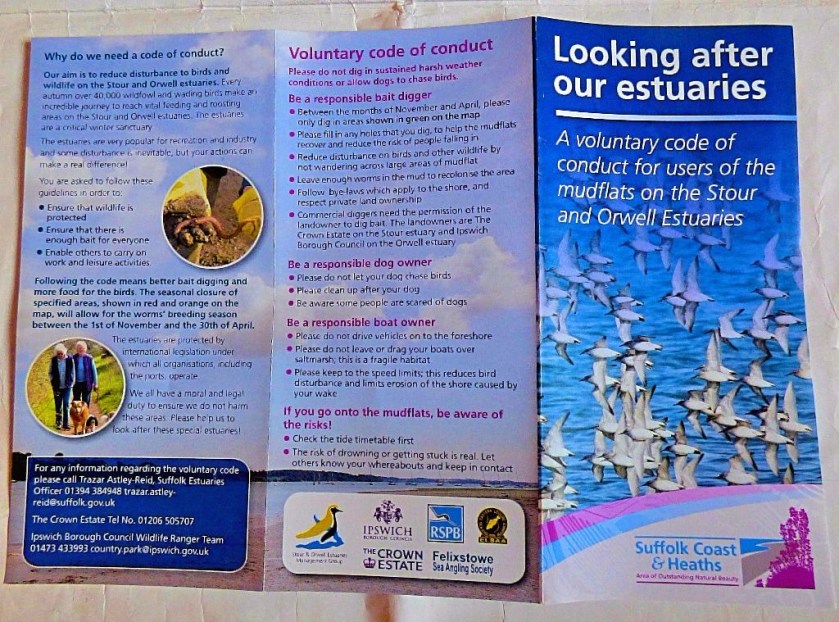
BiosecurityBiosecurity 2Looking after our estuaries 1Protecting our estuaries 2Seashore Safari Guide coverSea shore safari guide 2Sea shore safari guide species listInvasive species coverInvasive species 2Invasive species 3

CLOSING COMMENTS

I thoroughly enjoyed exploring the IFCA research vessel and learning about IFCA and the important work that they do. I close this post with a message from an earlier post of mine, “Marxism 2017 – Day 3: Outline“:

,

SBS

Some nature themed links and some of my own photographs. Snakes, butterflies and slugs feature prominently in this post, hence its title.

INTRODUCTION

Welcome to this nature themed post on aspi.blog. The title is formed from the initial letters of snakes, butterflies and slugs, all of which feature prominently. 

SOME SWEDISH STUFF

Of course when posting about nature and mentioning Sweden, Anna is going to feature prominently, but also featured here is the work of two Swedish photographers, Ingrid Benson who specialises in butterflies and John Jonasson who photographs reptiles.

A SERIES OF BUTTERFLY POSTS

Some of you may remember that I reblogged a post from fargaregardsanna about butterflies in and around Trosa that was marked as the first of a series. Well that series now runs to six posts, four posts based on the work of Ingrid Benson and two more featuring some of Anna’s own photographs. I now provide links to all of them:

  1. Fjärilar i Trosa – Butterflies in Trosa Sweden part 1 – the series opener – as all posts in this series are titled in this way the remaining links will only contain the part number at the end of the title.

  2. Part 2 – more from Ingrid Benson.
  3. Part 3 – more from Ingrid’s collection.
  4. Part 4 – the last of these posts to feature Ingrid’s work.
  5. Part 5 – the first of the two posts featuring Anna’s own photographs – I include two rather than the regular one as I could not decide between them.

  6. Part 6 – the last post (to date) in the series.

SNAKES

Anna put up a post titled “Snake day” featuring some pictures of snakes near where she lives…

…at the end of it she included a link to the site run by John Jonasson and featuring pictures and information about snakes.

A COUPLE MORE
NATURE RELATED LINKS

Firstly, from A New Nature Blog comes a post titled “Guest Blog: Agri-environment – a need for detailed scrutiny, by Steve Peel” which is quite a long post but well worth reading.

Secondly, from Mitch Teemley, comes a piece titled “Caterpillars Don’t Become Butterflies!” which explains the process of metamorphosis.
10298900_10203759279603307_7085417779304645126_n

MY PHOTOGRAPHS

We end as usual with some of my own photographs:

butterfly1
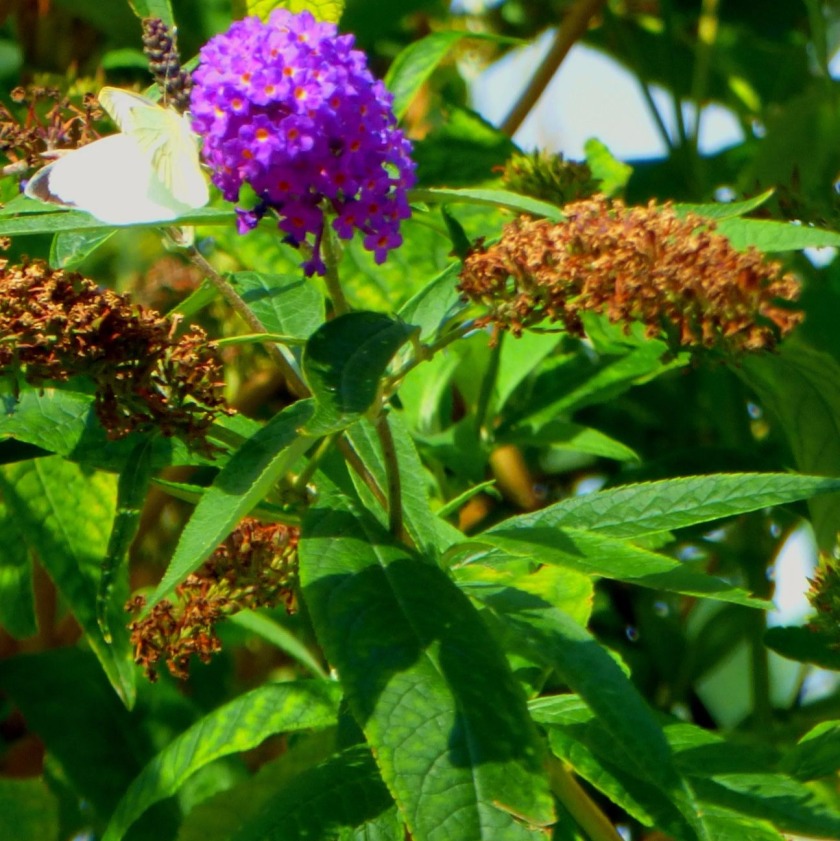
The first four of the six butterfly pics that open this set of photos were taken yesterday.

Butterfly2Butterfly3Butterfly4

Butterfly 1
This was taken today, and I thought even at the time that it was out of focus, but luckily…
Butterfly 2
I then got this.

moorhen and chickCorvid

small water creature
This was floating along the Gaywood river too rapidly for its progress to be down to the flow of the river (which is sluggish).
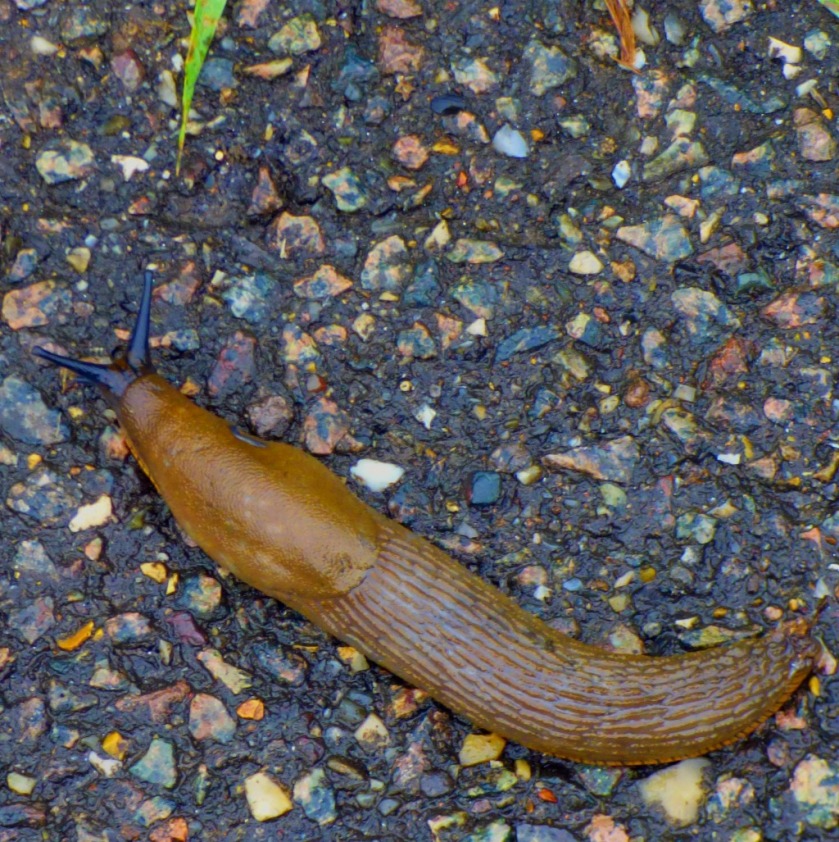
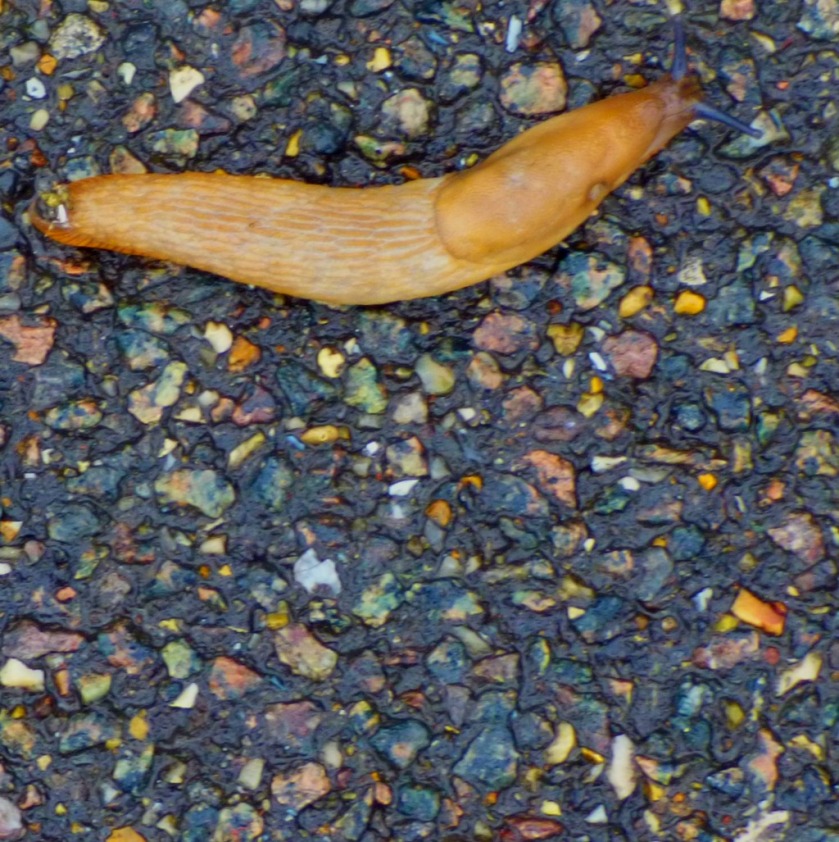
Slug 1
The slugs (three pics) – today is warm and just a bit damp – and the slugs love it that way.

Slug 2Slug 3

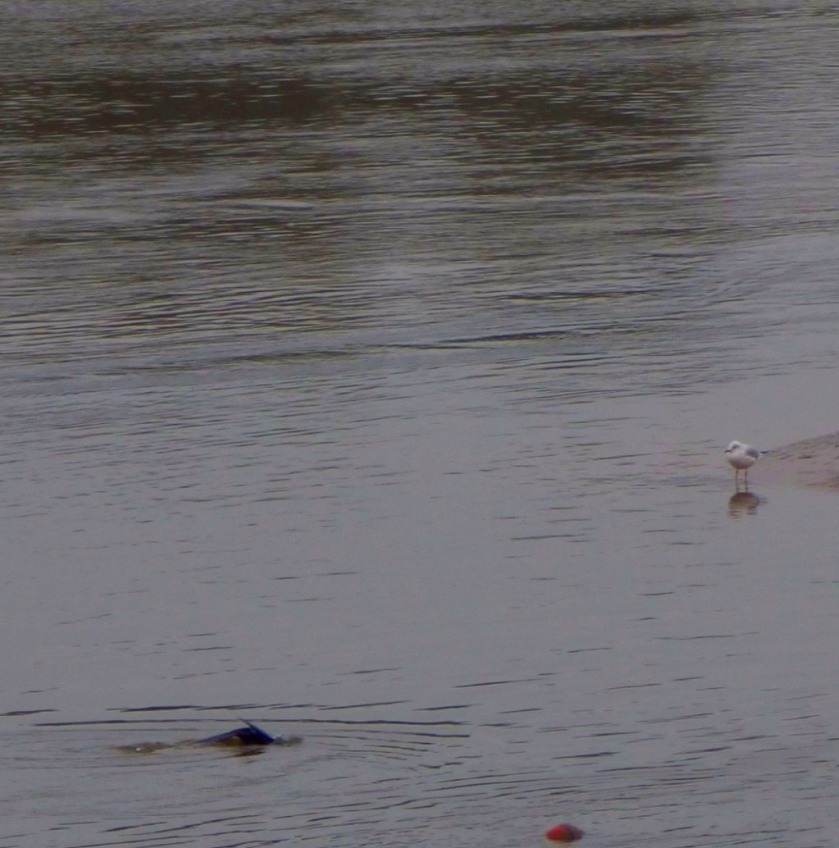
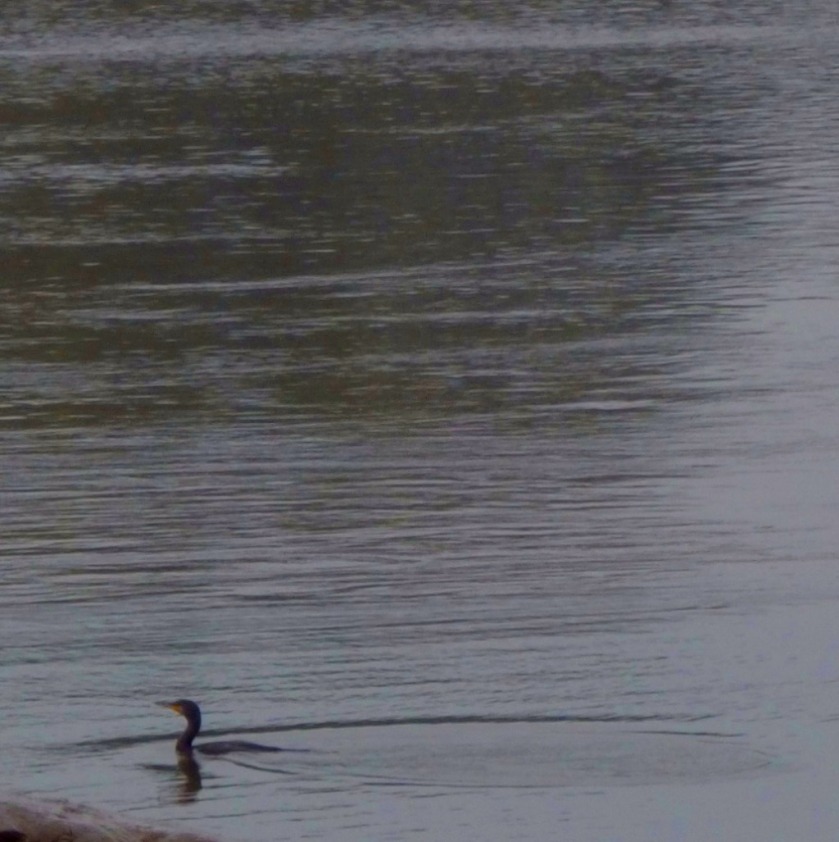
Swimming cormorants
Two swimming cormorants in one shot – a first for me.
Diving cormorant
This cormorant went into a dive as I was clicking the shutter…
Cormorant
…but then came up again not much later.


Fjärilar i Trosa – Butterflies in Trosa Sweden part 1

In thios post Anna focuses on butterflies in and around Trosa and alomng the way gives me an honourable mention…

Anna's avatarAnnas Art - FärgaregårdsAnna

I västra Trosatrakten och Tureholmshalvön går det fortfarande att beskåda ett rikt fjärilsliv. Ingrid Benson har lånat ut några av sina fjärilsbilder, som hon tagit på alla möjliga slags fjärilar som dykt upp framför kameran.

Det är roligt att fotografera och gå på fjärilsjakt. Har du väl börjat går det inte att sluta låta ögonen scanna efter fjärilar. Lite som att gå i svampskogen, fast med fjärilar som sökobjekt istället. Prova får ni se. Öppna ögonen och försök att zooma in fjärilarna med kameran. Det går att stå ganska långt ifrån och ändå få tydliga bilder. Se till att försöka fånga både över- och undersida på fjärilsvingarna. En mängd arter avslöjar sin tillhörighet endast genom en kombination av över- och undersida. Många arter är mycket lika varandra och då kan över eller undersida skilja dem åt.

In west Trosa and Tureholm peninsula there´s lots of butterflies to discover. Ingrid Benson

View original post 264 more words

Links, Pics and Puzzles

Lionks to various pieces I have found on the internet, an answer and solution to one problem and a new problem, and some photographs.

INTRODUCTION

This is a sharing post with some of my own stuff as well. I hope you enjoy it.

CROSSBOW BOLT STOPPED PLAY

Play between Surrey and Middlesex at the Oval has been halted and the ground has been locked down because a crossbow bolt was fired from outside the ground into the ground. Everyone at the ground is now in sheltered areas not out in the open. Armed police are now present at the ground. The match has now been officially abandoned, and a controlled evacuation of the ground is now underway.

SCIENCE AND NATURE

First a trio from wildlifeplanet:

  1. “Unreal Photos Of Animals From The Scandinavian Vicious Forest” – a piece highlighting the work of Finnish photographer Konsta Punka taking pictures of forest creatures:

  2. “Beach That Disappeared 33 Years Ago Has Reappeared” 

  3. “Here Is The Bird That Is Able To Fly For 10 Months Non-Stop (Video)” – a piece about the swift.

Hurricane Harvey has quite rightly received a lot of coverage. Here are three of the better pieces:

THE BEST BUS STOP

This bus stop is the subject of a post on illaboratoriodipleeny titled “Una meravigliosa fermata del bus….” that was brought to my attention by Anna, who was as impressed by it as I am. Here is the bus stop:

SOME POLITICAL PIECES

I start with a tool created by the Labour Party called the living wage calculator. You enter your postcode and it tells you how many people in your area would benefit from the minimum wage being increased to £10 per hour. Below is what is says about my postcode:LW

My next two pieces both come from the Skwawkbox:

A SOLUTION AND A NEW PROBLEM

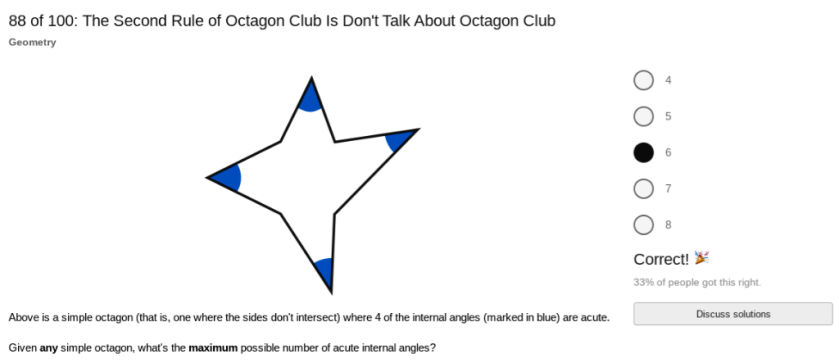
In one of my posts on Monday I set a problem from brilliant. Here is I show the answer and an impressive solution. I also offer a new problem to end the section.

Thomas’ answer:

Screenshot 2017-08-31 at 5.51.15 PM

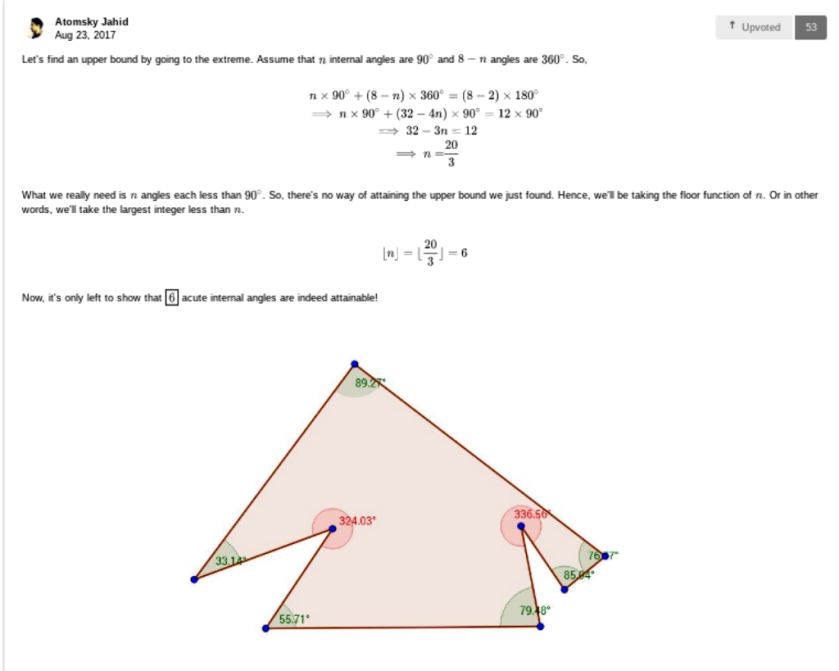
I admit to being lazy on this one – knowing that the internal angles of an octagon add up to 1080 degrees and that 7 x 90 = 630 I realised that with seven acute angles the remaining angle would have to be over 450 degrees, and the max is just under 360 degrees which takes you back to where you started. However 6 x 90 = 540 which means that the remaining two angles would have to add up to something in excess of 540 degrees, which is no great difficulty. Therefore I gave the correct answer of six (in less time than it has taken me to type this). However, one solver by the name of Atomsky Jahid produced a splendid effort:

Screenshot 2017-08-31 at 5.52.52 PM

A NEW PROBLEM

The mass extinction at the end of the Permian era is at the time of writing officially the largest in Earth’s history. An estimated 96% of all species on Earth at that time were rendered extinct. If the death rate in species that were not completely wiped out had been the same as the extinction rate what proportion of living creatures would have been wiped out in this event?

PHOTOGRAPHS

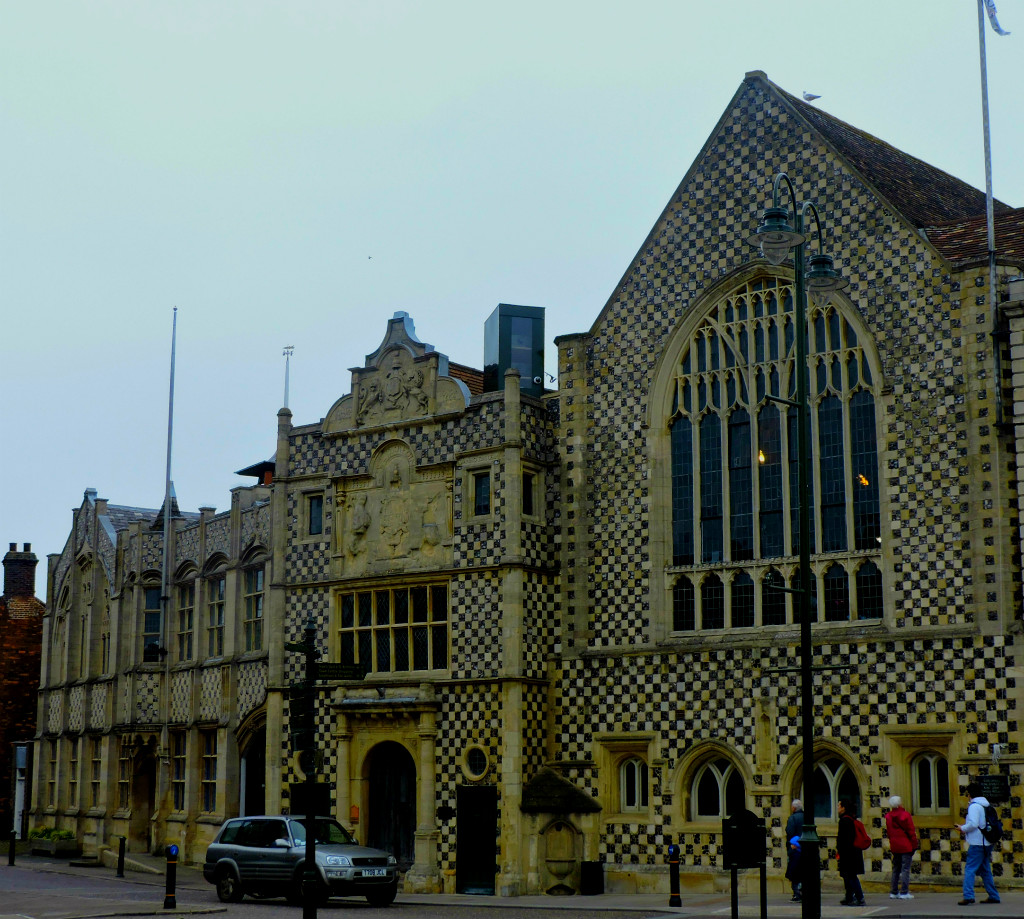
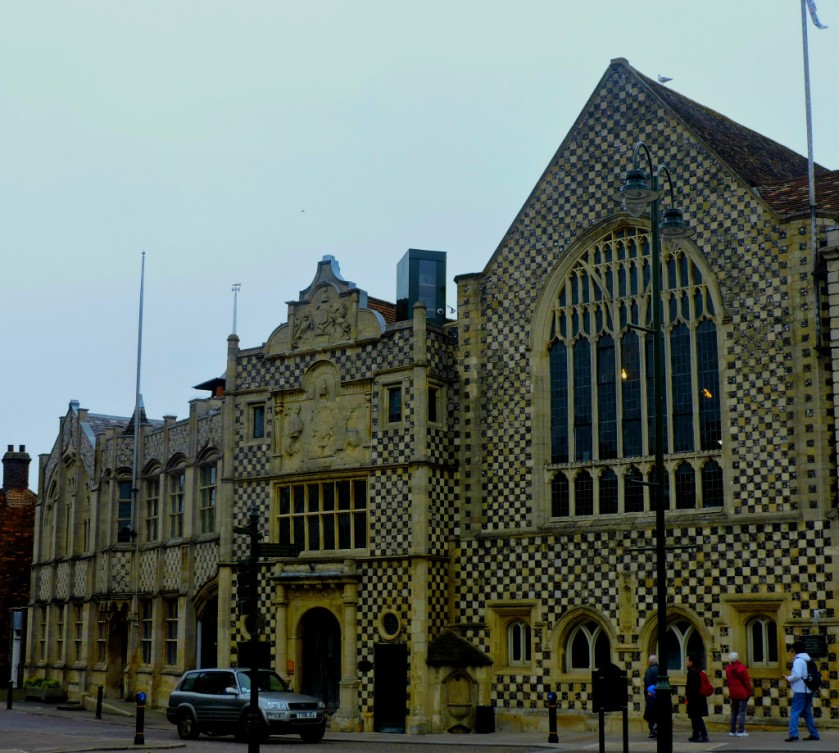
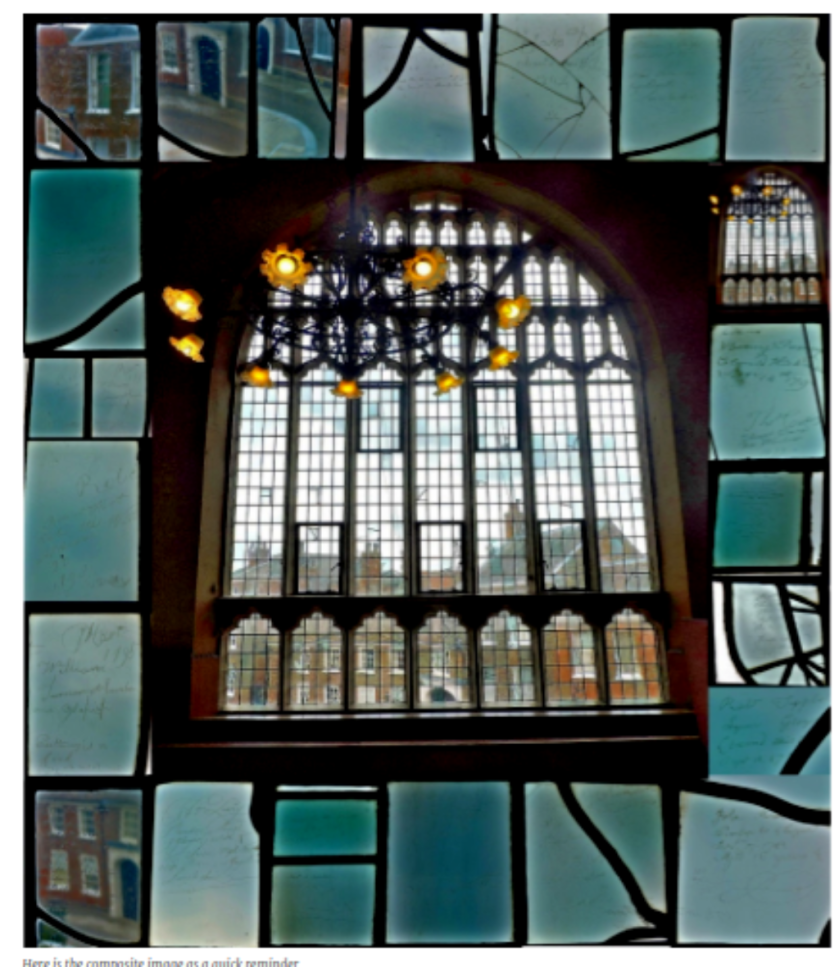
Guildhall
With Heritage Open Day coming up soon I decided to revisit these first two pics which feature thw town hall.

window

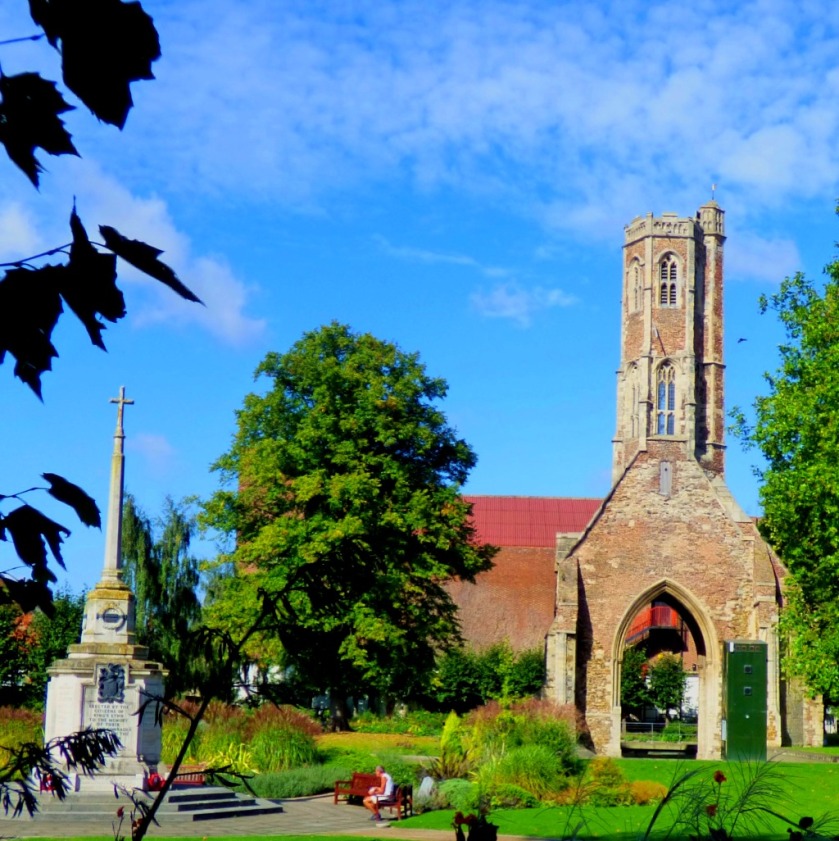
Greyfriars + wm
Greyfriars tower and the war memorial
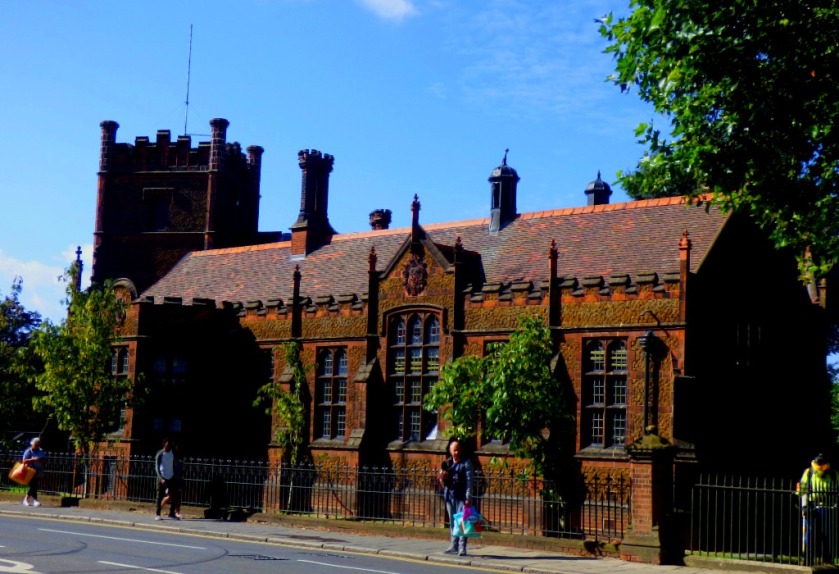
Library
The library, taken today

P1040565

P1040566
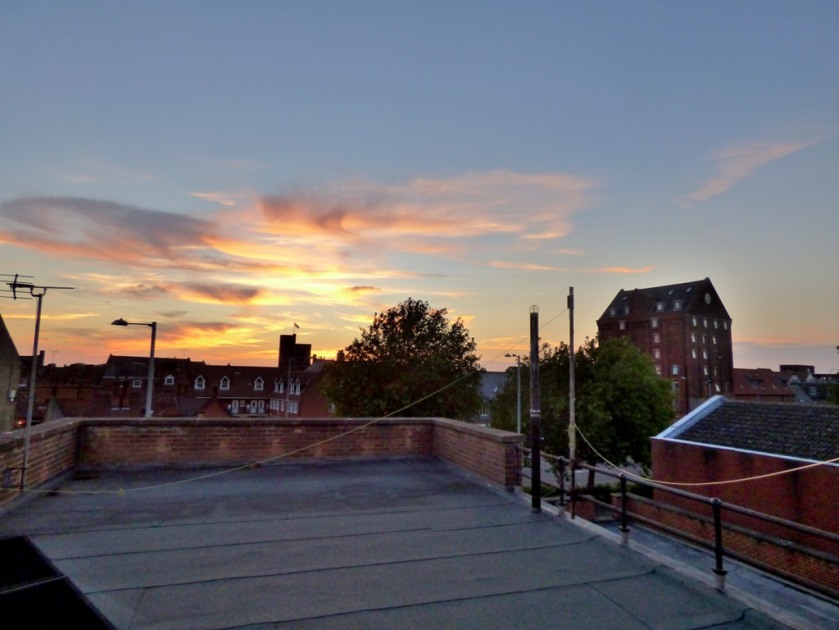
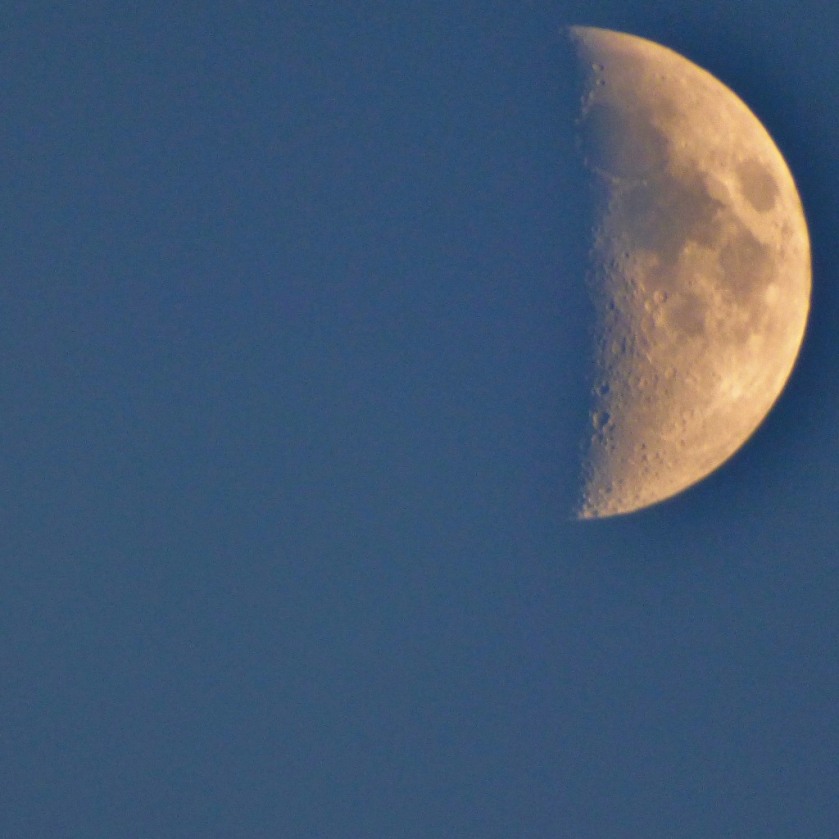
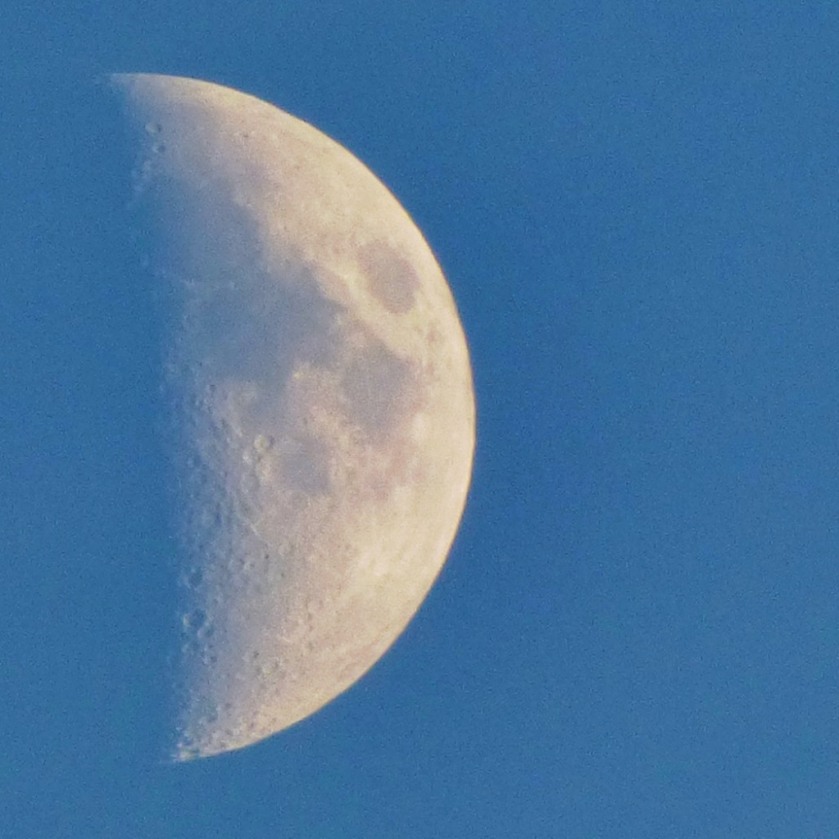
A hald-moon in an early evening sky.
P1040564
The first of three closer up and enhanced shots of the half-moon.

P1040563P1040562Moorhen£2 - end of WWII

Science and Nature (and other stuff)

Some recent internet finds and some of my own photographs.

INTRODUCTION

This post features links to some recent internet finds and some of my own photographs. 

SOME SCIENCE AND NATURE LINKS

I start with a piece from mongabay which argues that “The Sixth Great Extinction” is actually “The First Biotacide“. Below is a picture from this article:

Steller’s Sea Cow holds the the world record for rapidity of extinction. Illustration from “Extinct monsters,” London: Chapman & Hall, 1896. Photo via Wikimedia Commons, licensed under CC BY 2.0.

The second piece in this section comes from thewildlifeplanet and is titled “Italian Super-Volcano Approaches Eruption

PUBLIC TRANSPORT

I have five links to share in this section:

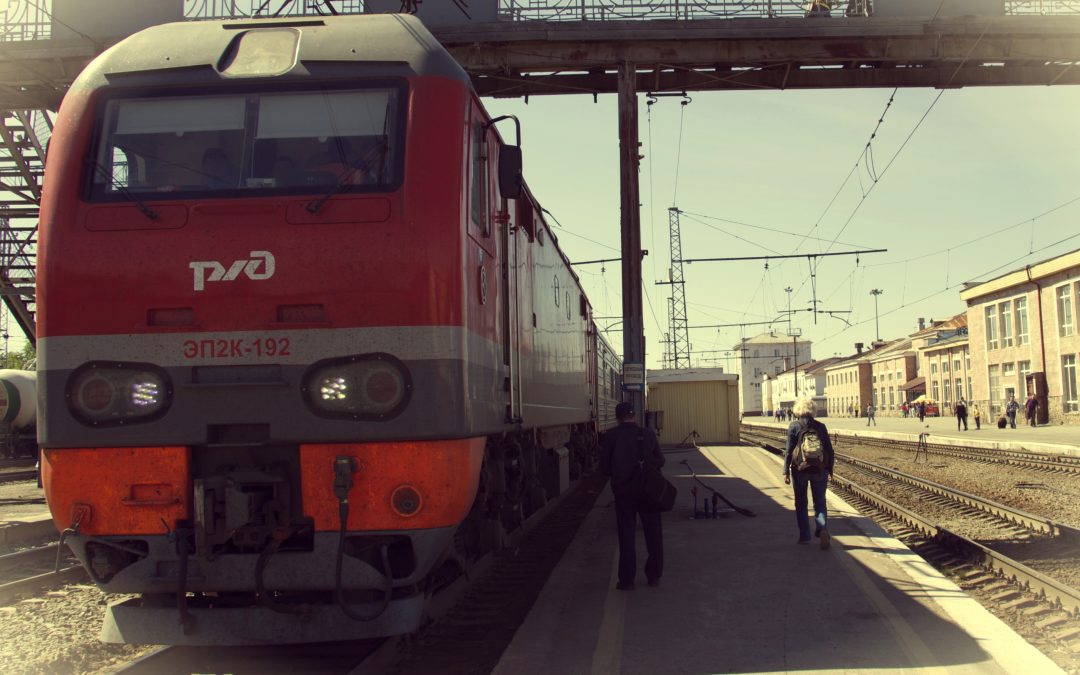
  1. vlogexpedition have a piece about the world’s longest railway journey – that along the Trans-Siberian railway.
    4 days on the Trans-Siberian Train
  2. My next piece comes from Vox Political, who got direct from the person whose story it is, Paula Peters. The title of the piece “Bus driver subjects disability activist to humiliating discrimination” gives you a good idea of the nature of the story. British law on this matter is unequivocal – the bus driver is legally obliged to give wheelchair users priority over mothers with buggies (this courtesy of a court ruling in January). Given the completeness of the information Paula provides, the bus company in question have only one option open to them both legally and morally – they must sack the offending driver and must make sure that all their drivers are aware of their responsibilities to disabled passengers.
  3. I am treating my last three pieces in this section together, as all are connected with London Underground, all come from indy100.com and all have been pressed on to my London transport themed website. They are respectively:
    This is Officially the best Tube line
    Quiz: Can you name the London Underground line by its colour?
    This gif exposes the lies the London Tube map is telling you

FAB FOUR FINAL LINKS

First in this section comes a link to RobertLovesPi’s Blog for this piece titled “A Twisted Expansion of the Truncated Octahedron“, which features a very cool graphic. 

The Skwawkbox have produced an excellent piece titled “ATTACKS ON PIDCOCK SHOW MORAL BANKRUPTCY OF RIGHT – IN OR OUT OF LABOUR” Laura Pidcock is the recently elected MP for Northwest Durham and she has been making waves for her unashamed hostility to Tories and her criticisms of the cosiness and clubbiness of the House of Commons.

I started this post with a couple of science and nature related links, and now as we approach my photographs we are finishing where we started with stuff about nature, first of all Cindy Knoke with a wonderful post about a castle that has been dedicated to raptors, titled “Castle Rapture“.

With the last word before my photographs is Anna, who has recently posted part 13 of her amazing Paradise on Earth series, this time focussing on some of the smaller creatures who live in and around Trosa.

PHOTOGRAPHS

I will start this set of photographs with some of the smaller creatures I have recently captured, before finishing with some general pictures. These pictures were all taken yesterday.

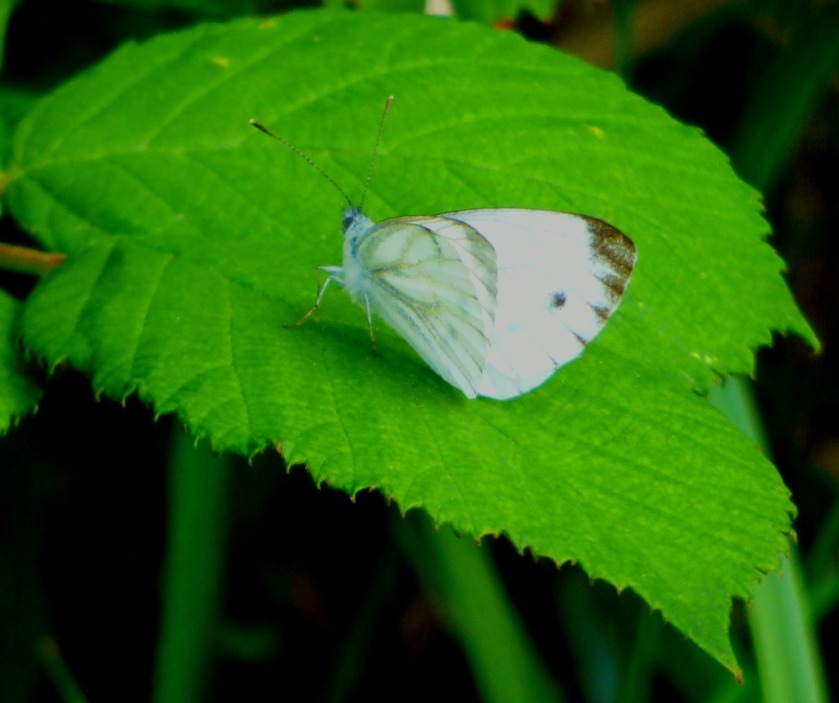
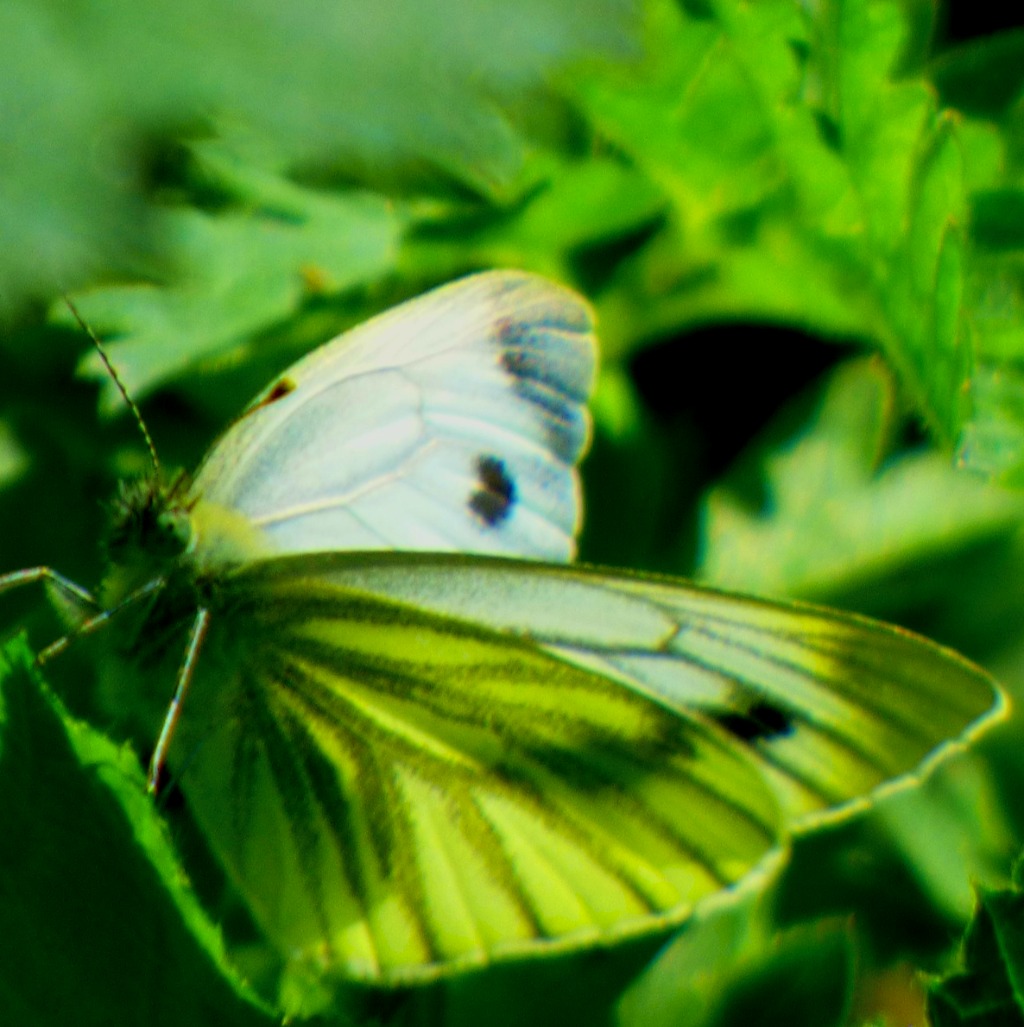
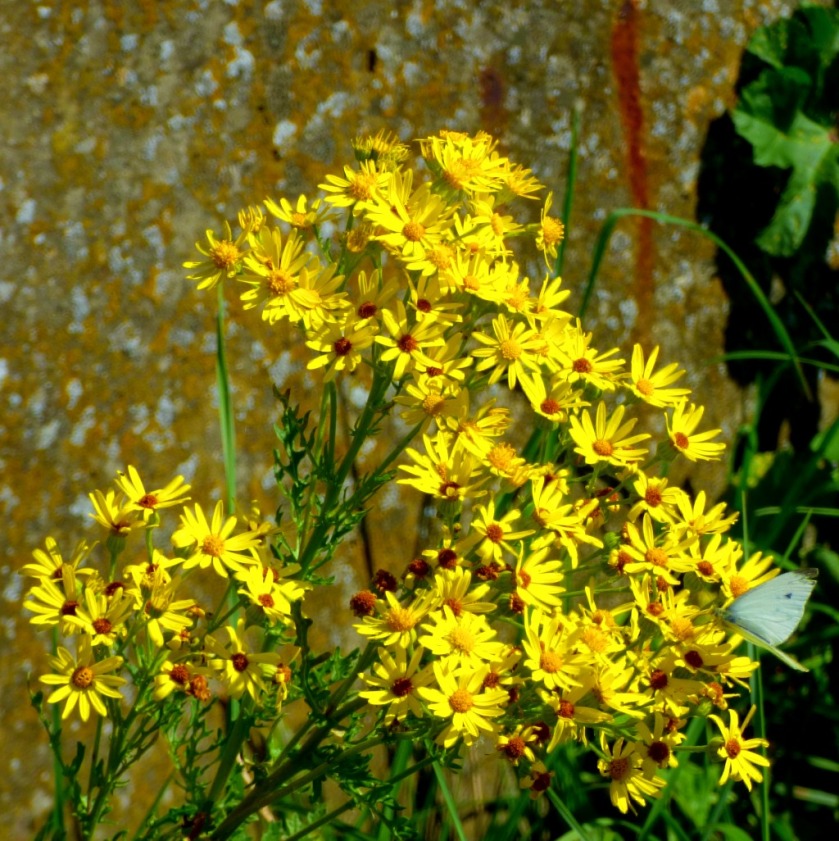
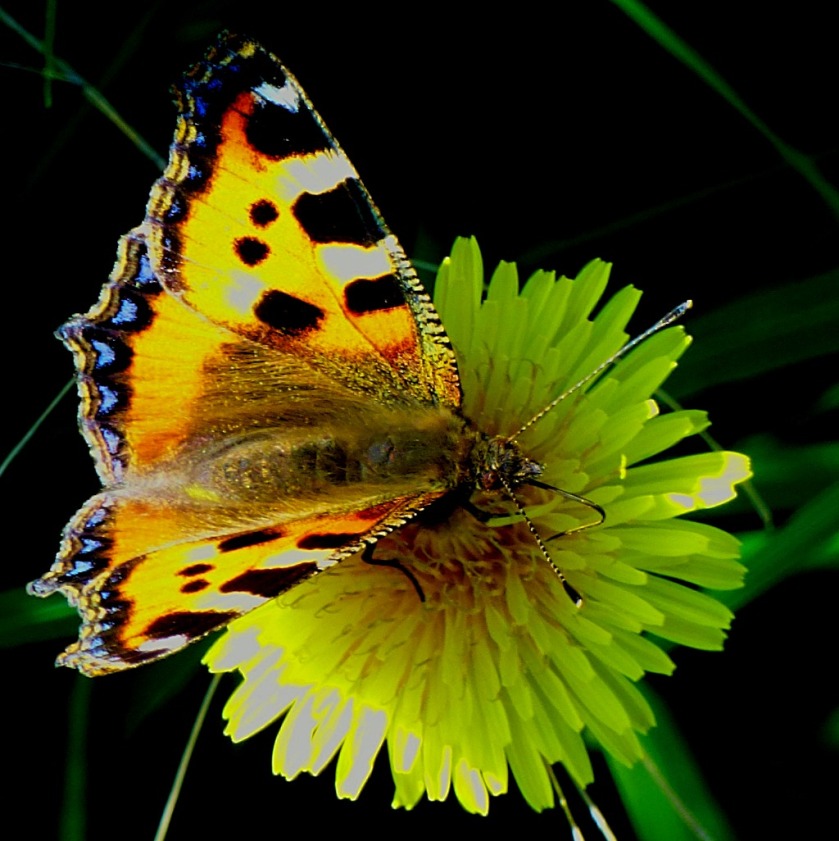
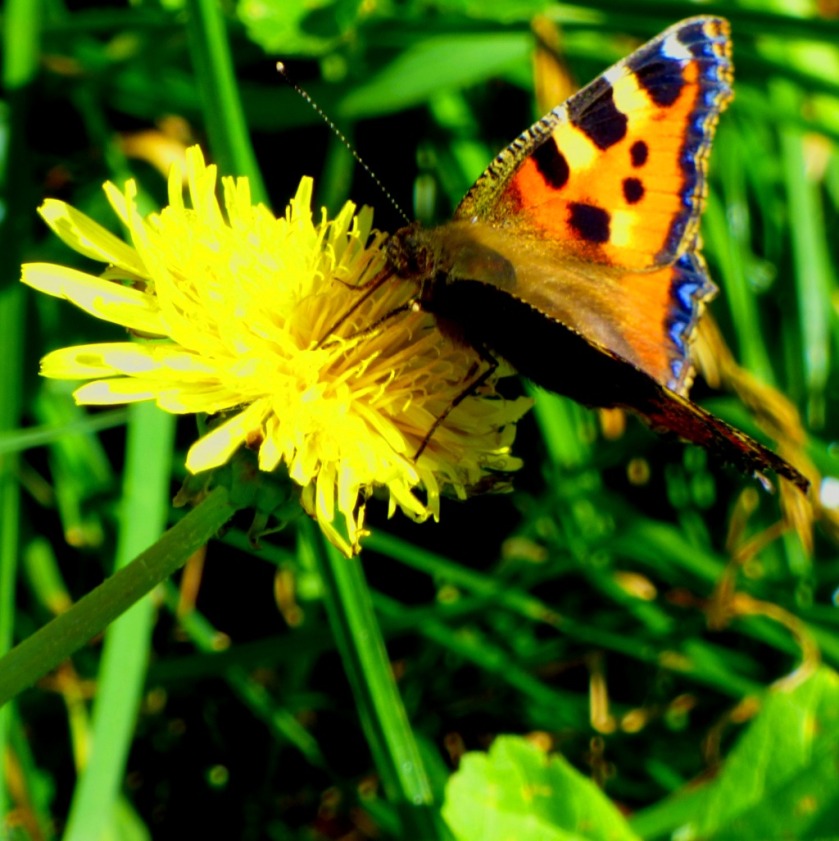
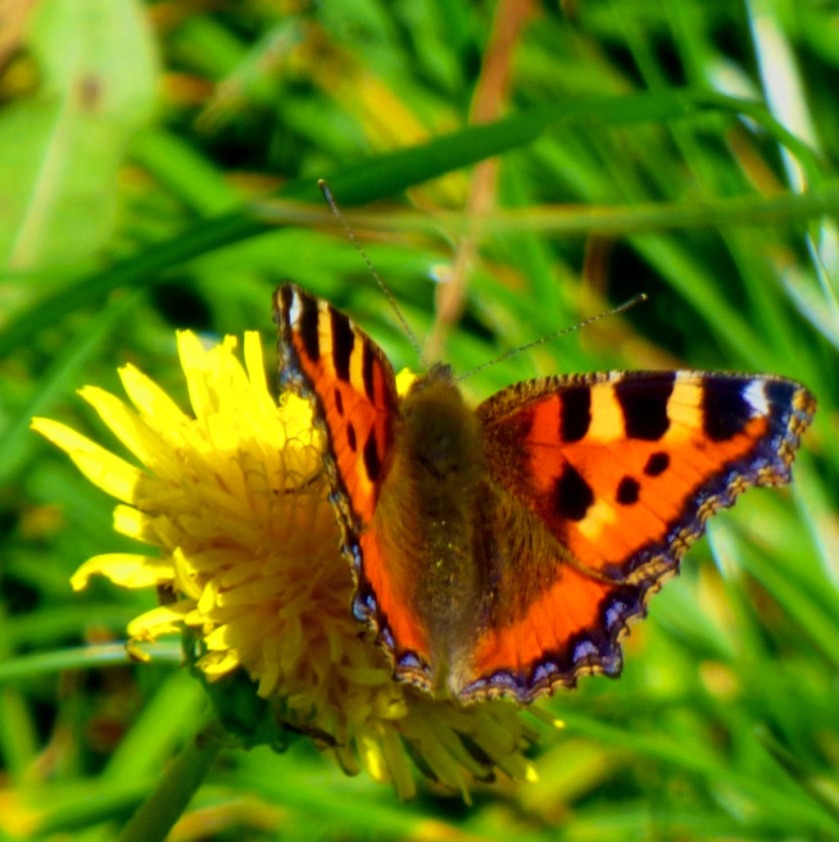
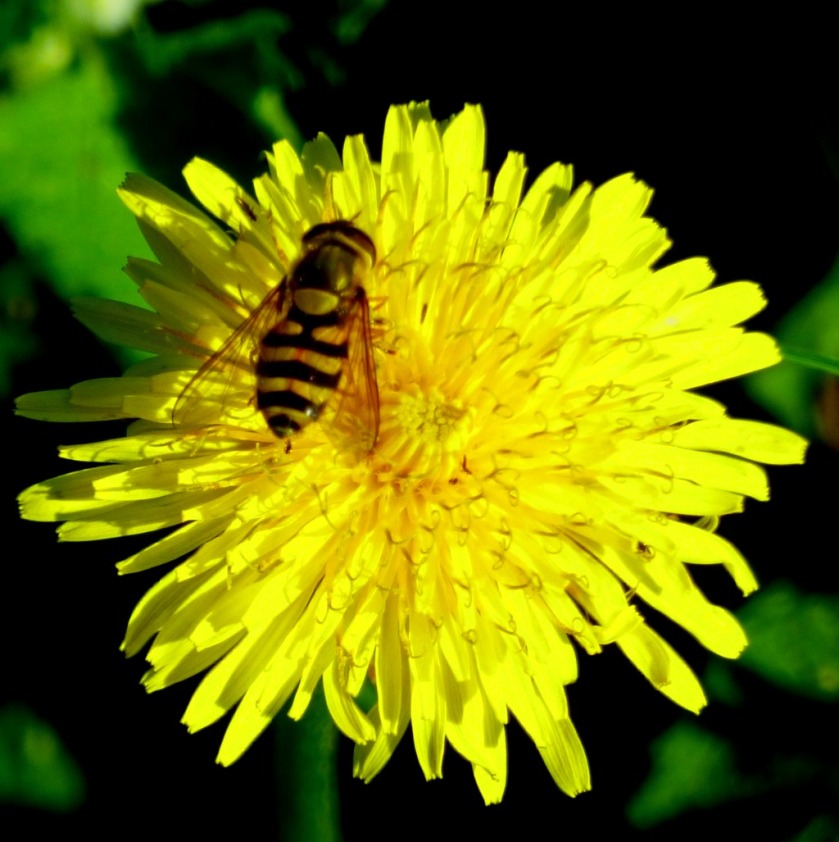
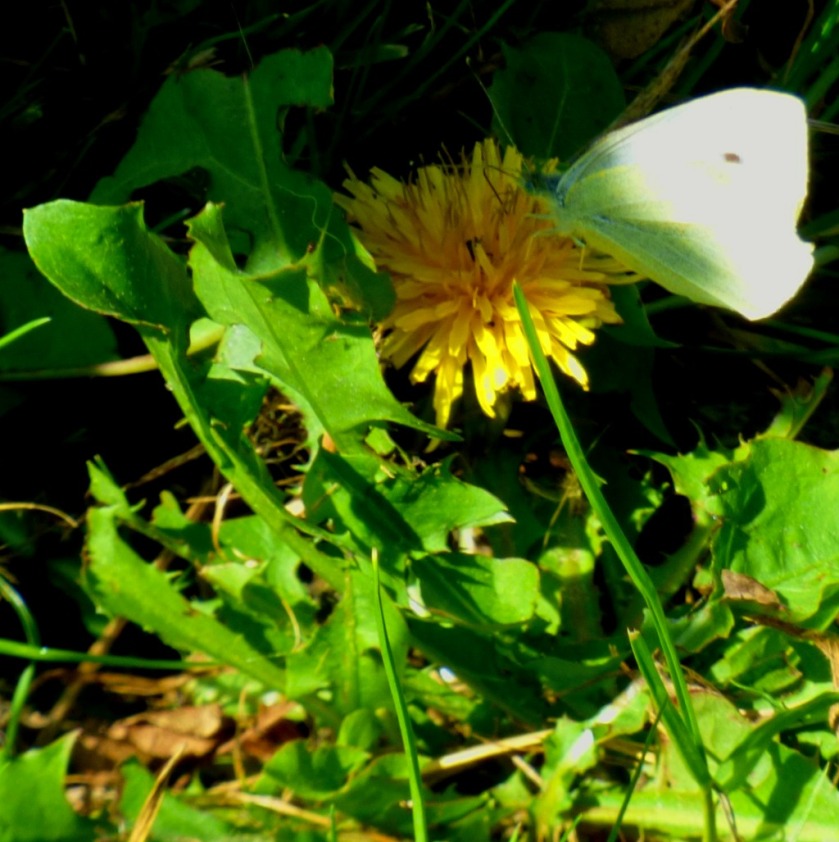
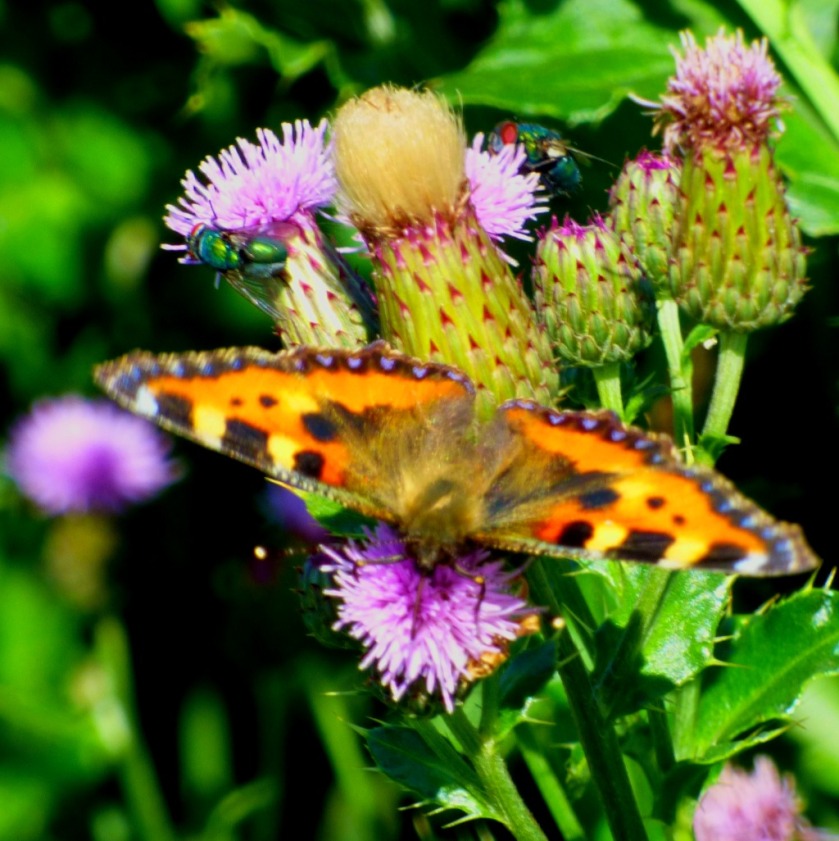
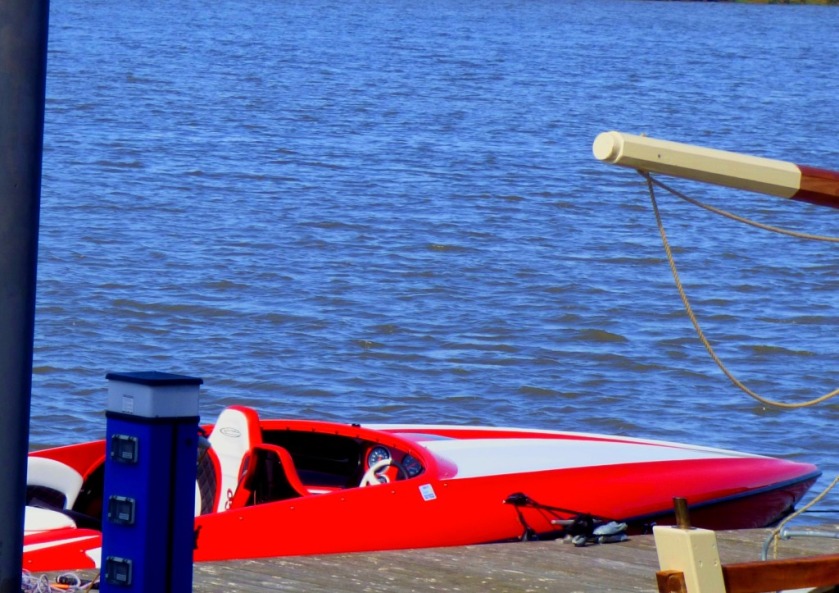
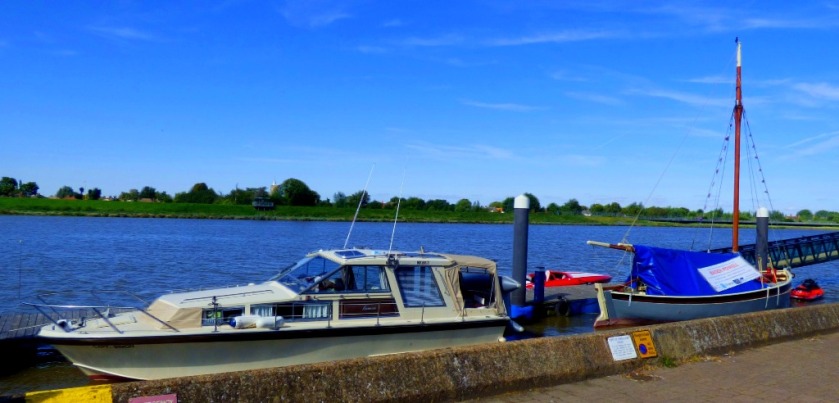
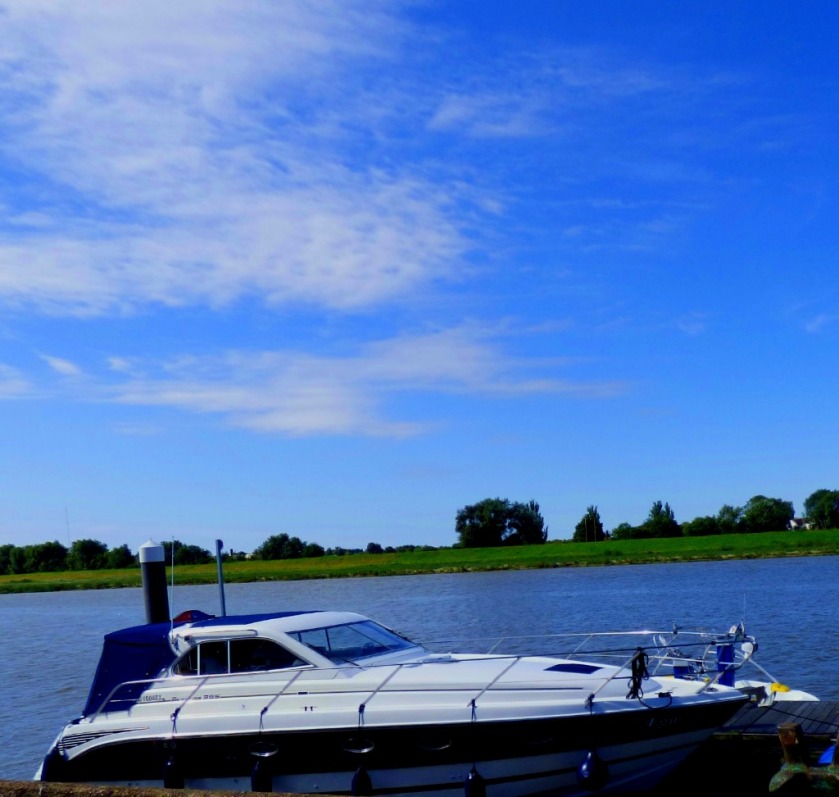
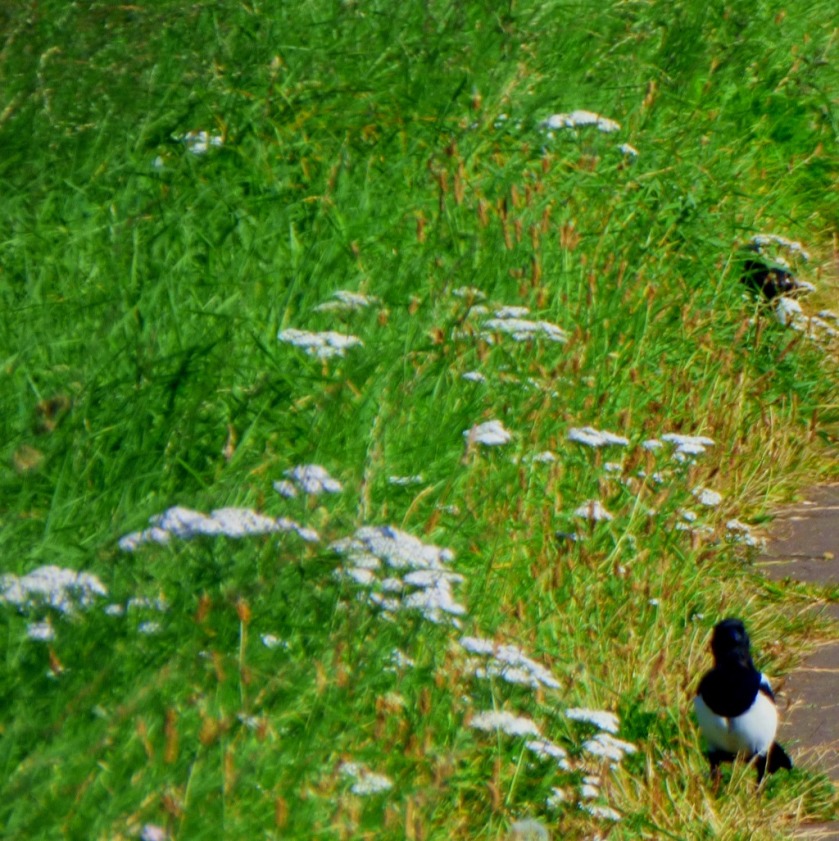
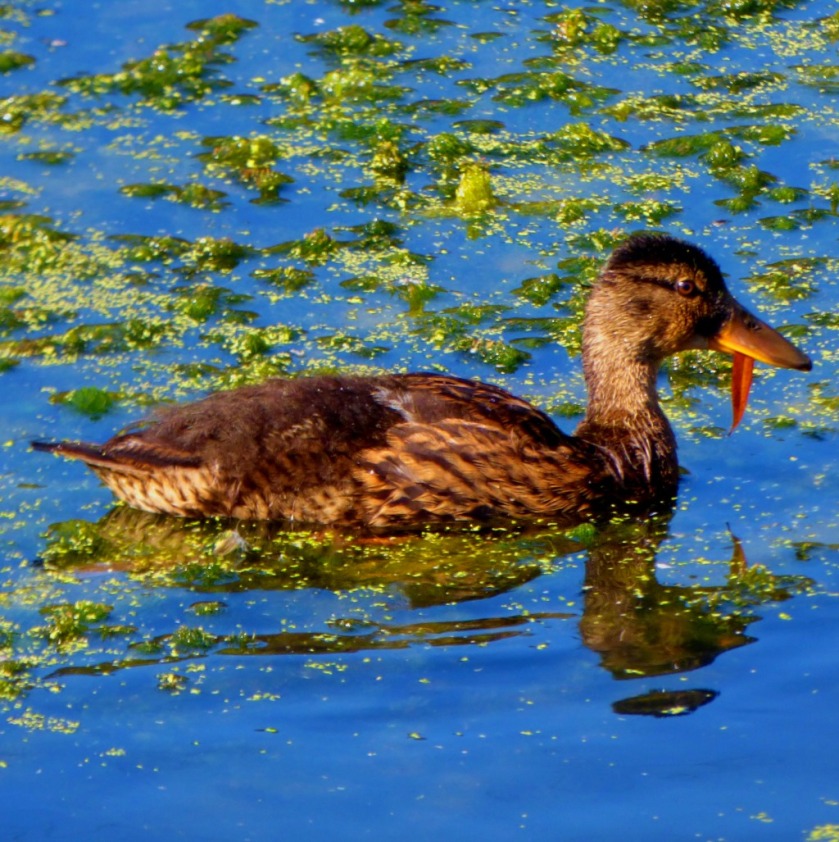
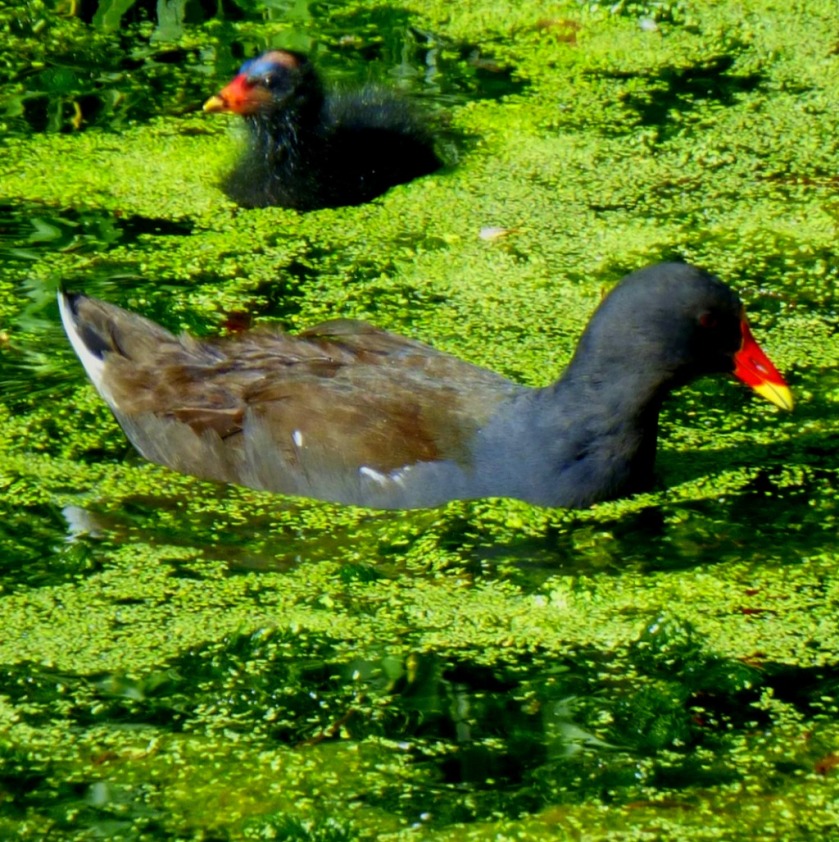
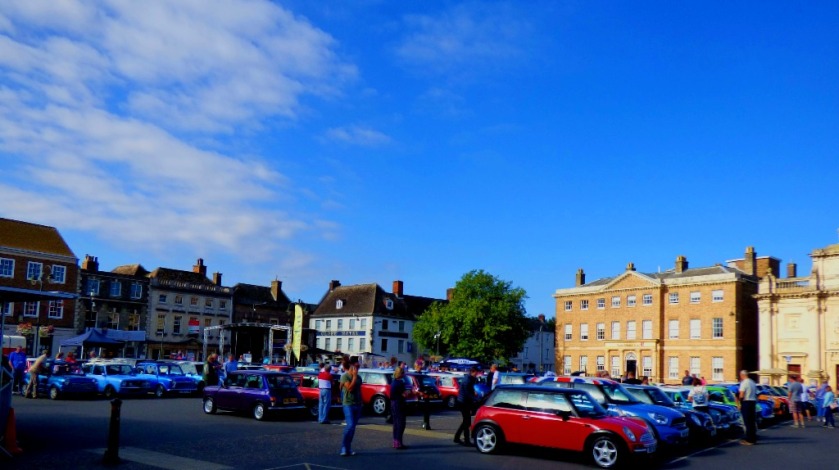
white butterfly, yellow flowersTB on dandelion 3TB on dandelion2TB on dandelionBeeButterfly in nettlesButterfly and dandelionWhite butterfly on nettleWBTB1TBButterflybutterfly on nettleleaflike butterflyFlying buitterfliesred boattwo boatsBoatBoatsFlying gullmagpie 2magpie headmagpiesadolescent mallardMoorhen and chickMinis2Minis1Moorhen