
INTRODUCTION
Welcome to my sixth post in this particular series. These tree pictures are a little out of date – they were taken on Wednesday.
TREE PICTURES



Post six in my series, “Trees in Transistion”.
Welcome to my sixth post in this particular series. These tree pictures are a little out of date – they were taken on Wednesday.
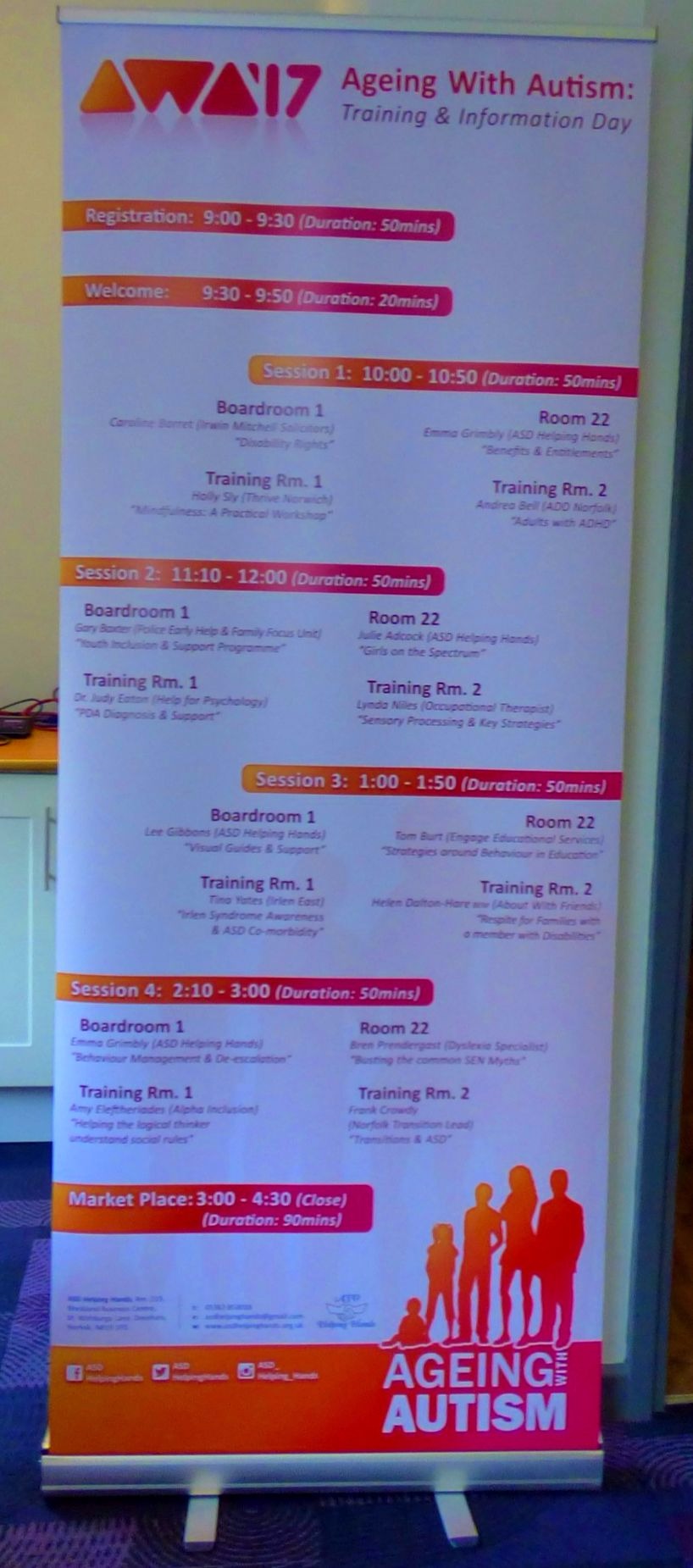
An account of the Ageing With Autism conference that took place in Norwich on Wednesday.
The title of this post is the same as the event in Norwich on Wednesday at which I was running a stall for NAS West Norfolk. This post tells the story of that day.
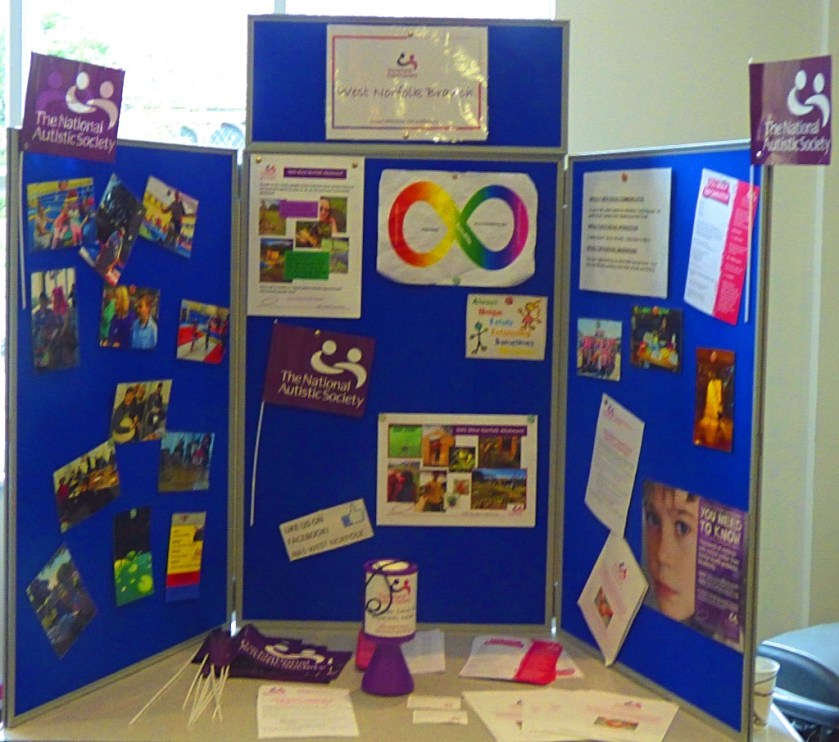
This event was organised by ASD Helping Hands, and they invited us to have a stall there, which we accepted. The intention was that I and our branch chair would jointly run the stall. Other factors intervened, meaning that the branch chair could run me over to Norwich with the stuff for the stall, see me set up and then depart, leaving me to travel back by bus. Fortunately someone else very well known to us was able to take the stall stuff back in their car (although not heavy, the display board even when folded and bagged is bulky and awkward – it would have been very difficult taking it back to King’s Lynn on the bus). This meant that I would be running the stall on my own. Having only one person to run the stall was not ideal, but in the context of people who might run an NAS West Norfolk stall if the stall has to be run by a single person I am the right person to it, since at least that does mean the we have an autistic person present (the NAS in NAS West Norfolk stands for National Autistic Society after all).
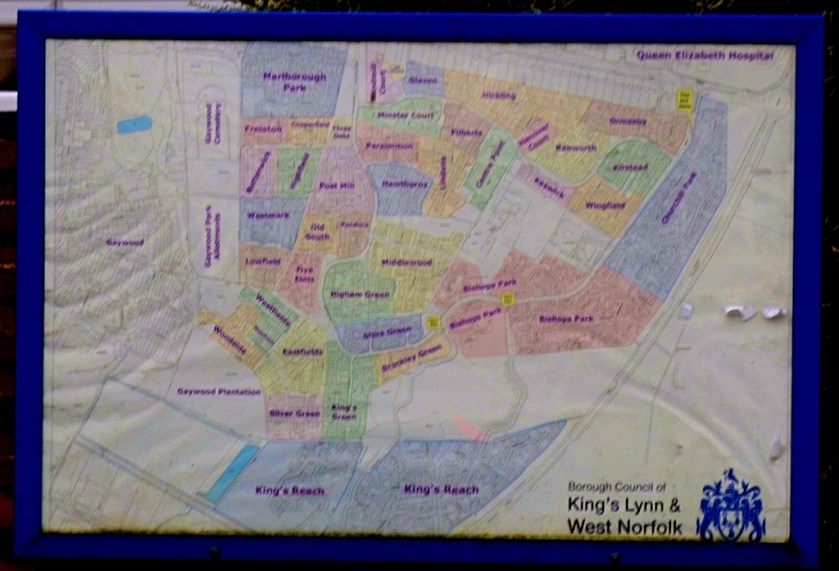
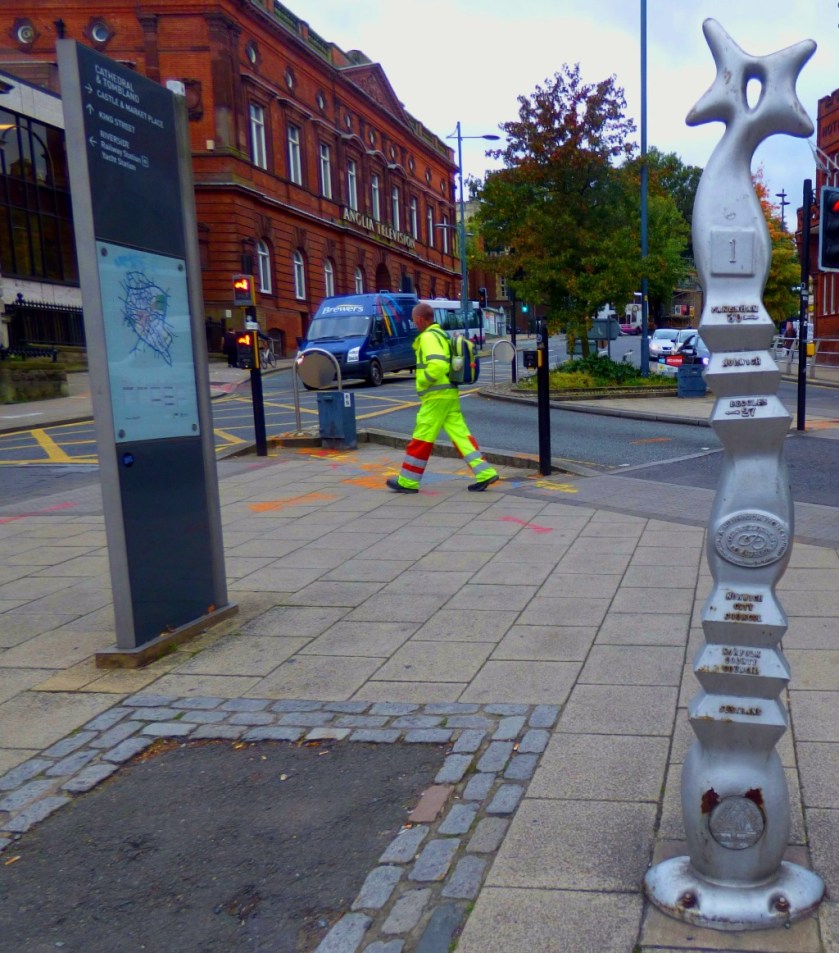
I had arranged to meet the branch chair on Winston Churchill Drive, near her son’s school (as a single male I did not wish to be seen loitering directly outside a school!), which meant a longish walk (I was not paying a bus fare for a journey of that length). I travelled by way of The Walks, the path on from there in between the two academies, various back roads in Gaywood which led in the general direction of Gaywood Park, and then through Gaywood Park to the latest point at which I could join the main road, which I then followed to the roundabout opposite the entrance to the grounds of the Queen Elizabeth Hospital, and then walked on to Winston Churchill Drive to await the branch chair. Here is a map that is posted opposite where I waited:
The journey from there to Norwich was uneventful, but having located King Street we discovered that it was blocked halfway along its length, so I took the stall stuff and made my way to the venue while the car was parked. Setting the stall up did not take very long, and I was ready for action.
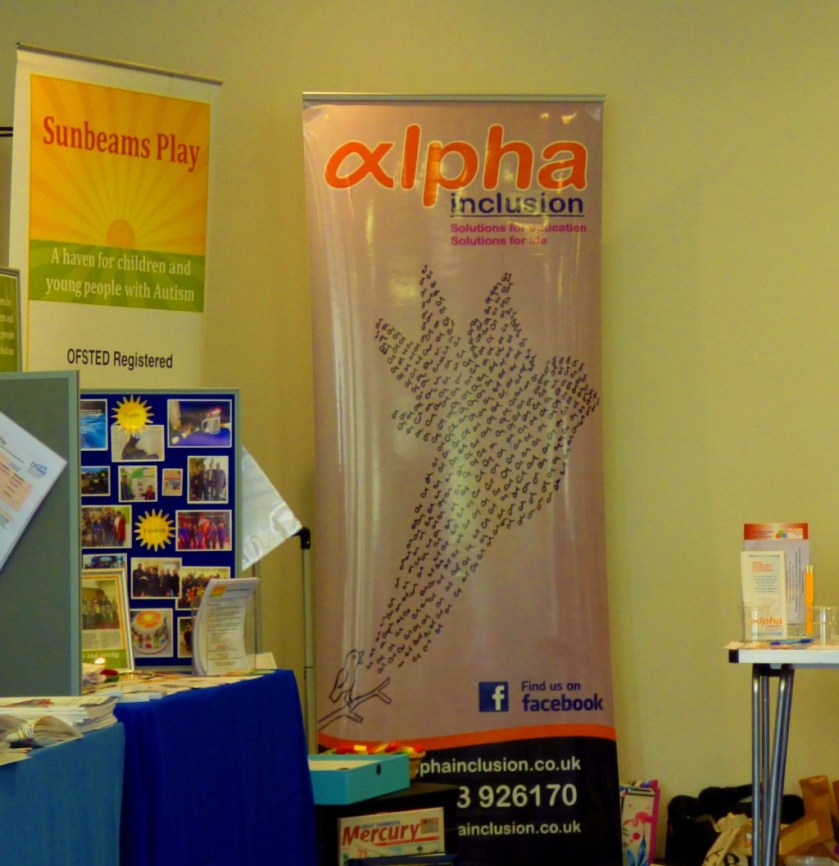
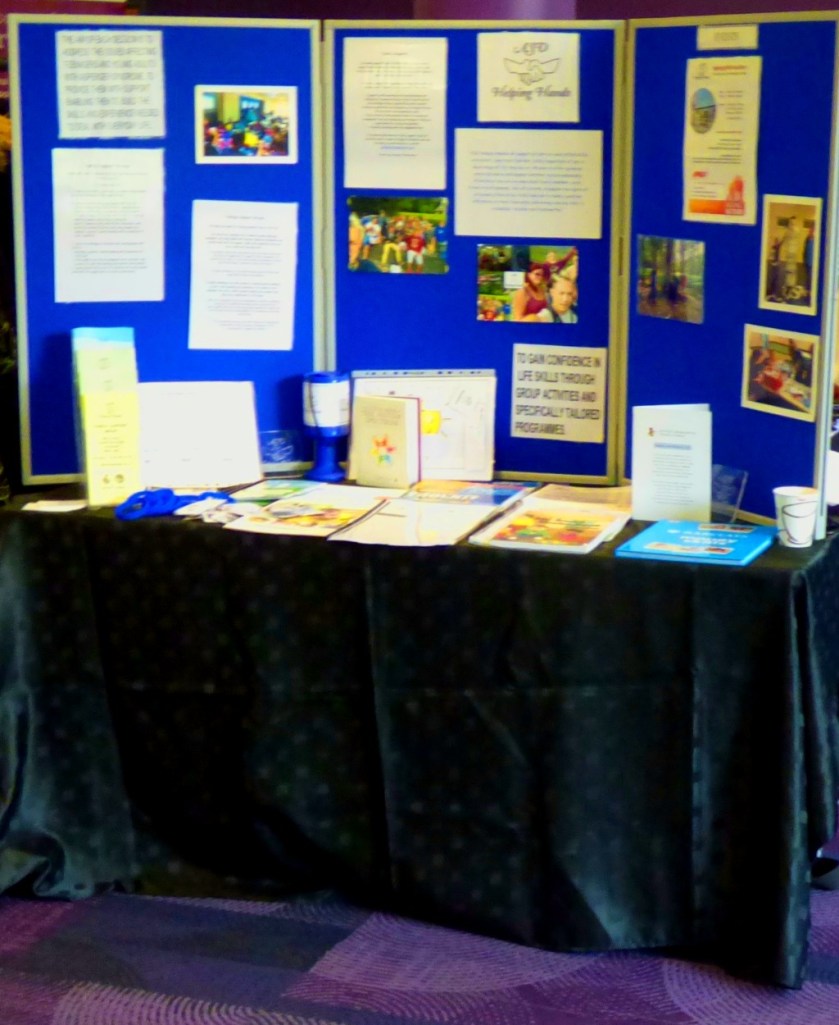
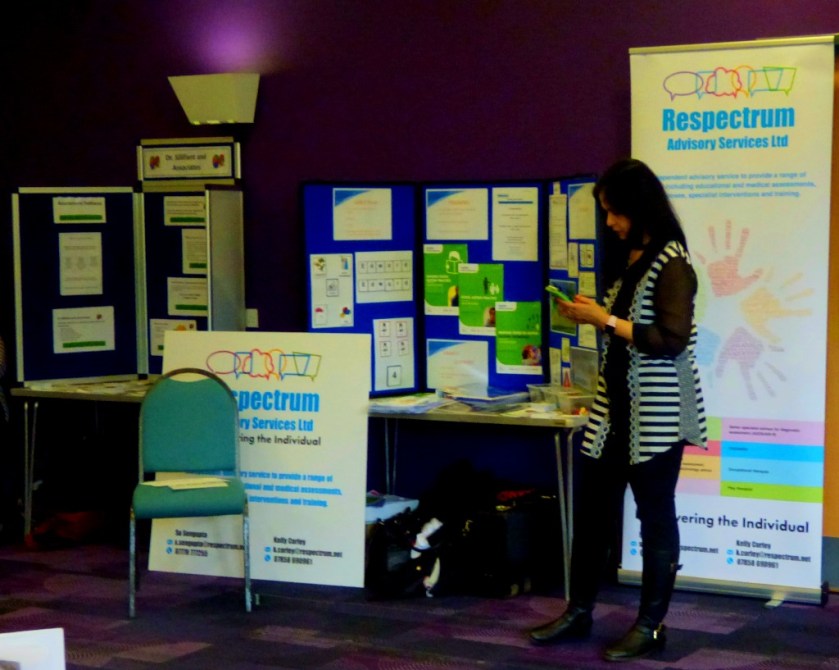
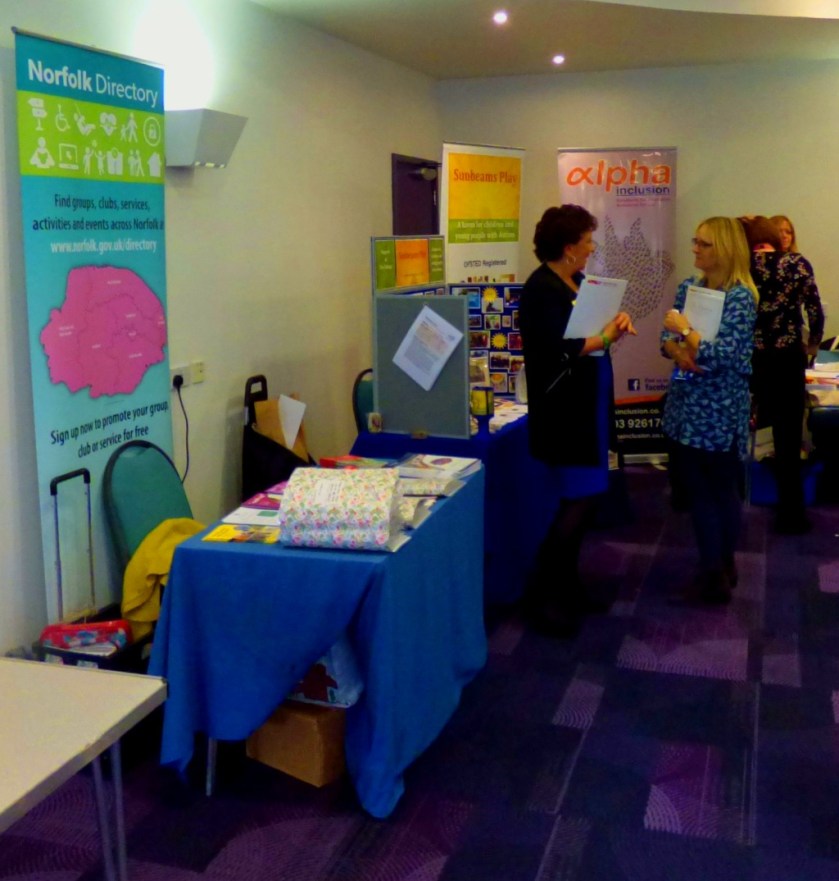
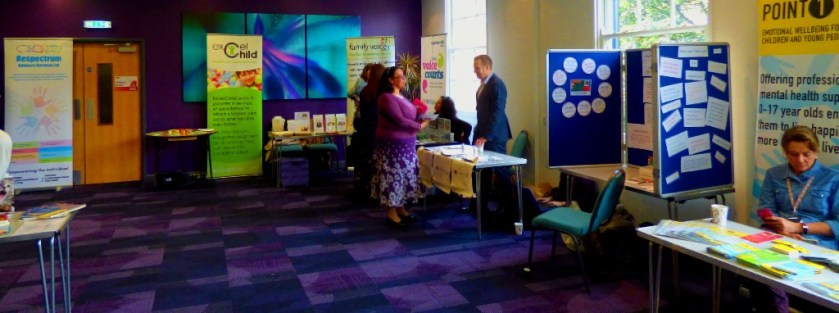
I talked to various people through the day and also picked up information from other stalls at the event. The first person I spoke to was Daphne Rowlands of Children’s Autism Services, who came over not long after I had set up. During an early quiet period I walked round the room looking at the stalls, which were run by (in no particular order):
As well as all these organisations, a number of ordinary folk attending the conference came over to speak to me, and we may or may not hear more from them. The last session of the conference ended at 3:00, and at 3:30, with no one having come to my stall for several minutes I decided it was time to pack up (in theory I could have stayed another hour). After accompanying the person who would be temporarily looking after the stall stuff to her car and helping her to load I took the opportunity of being in Norwich to visit the Millennium Library before catching the bus home. I arrived home somewhat more than 11 hours after setting off.
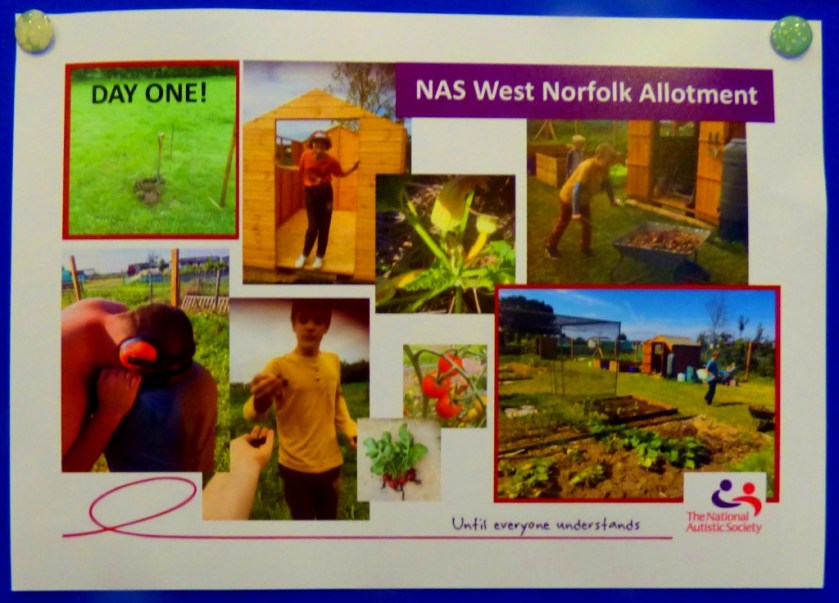
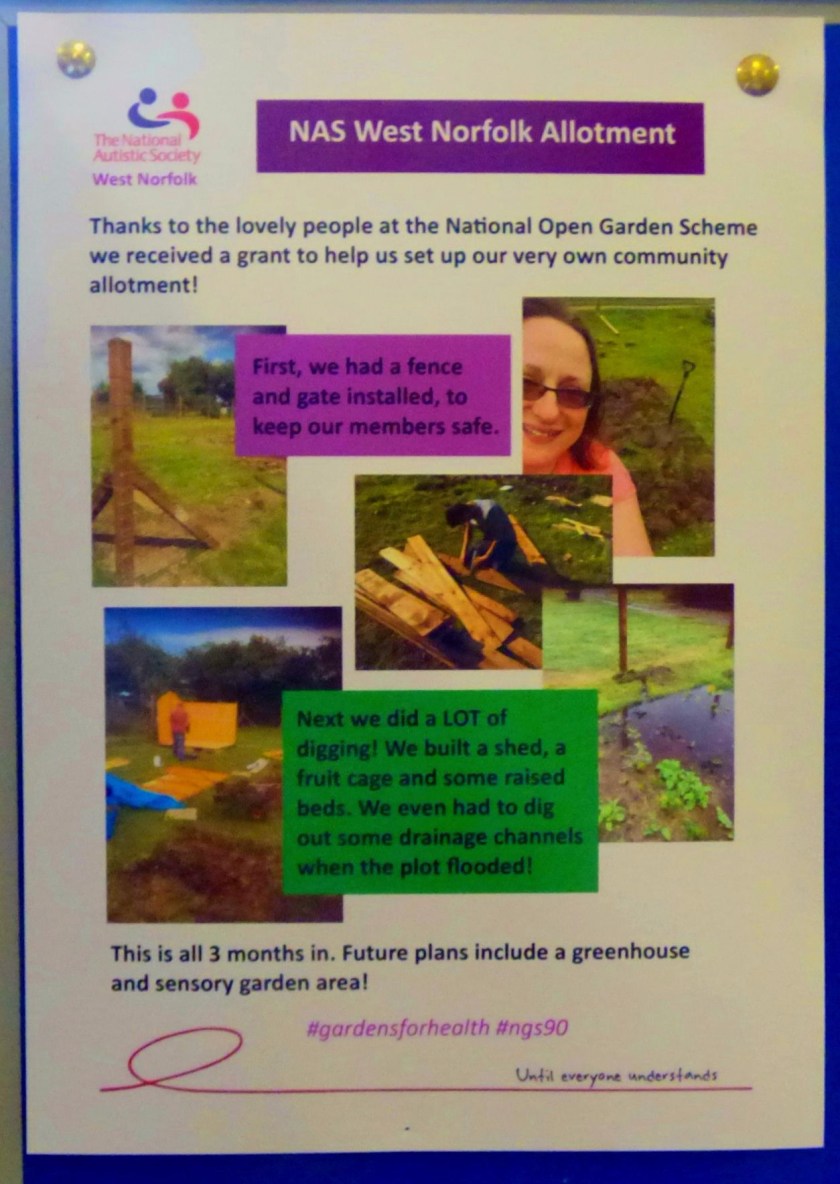
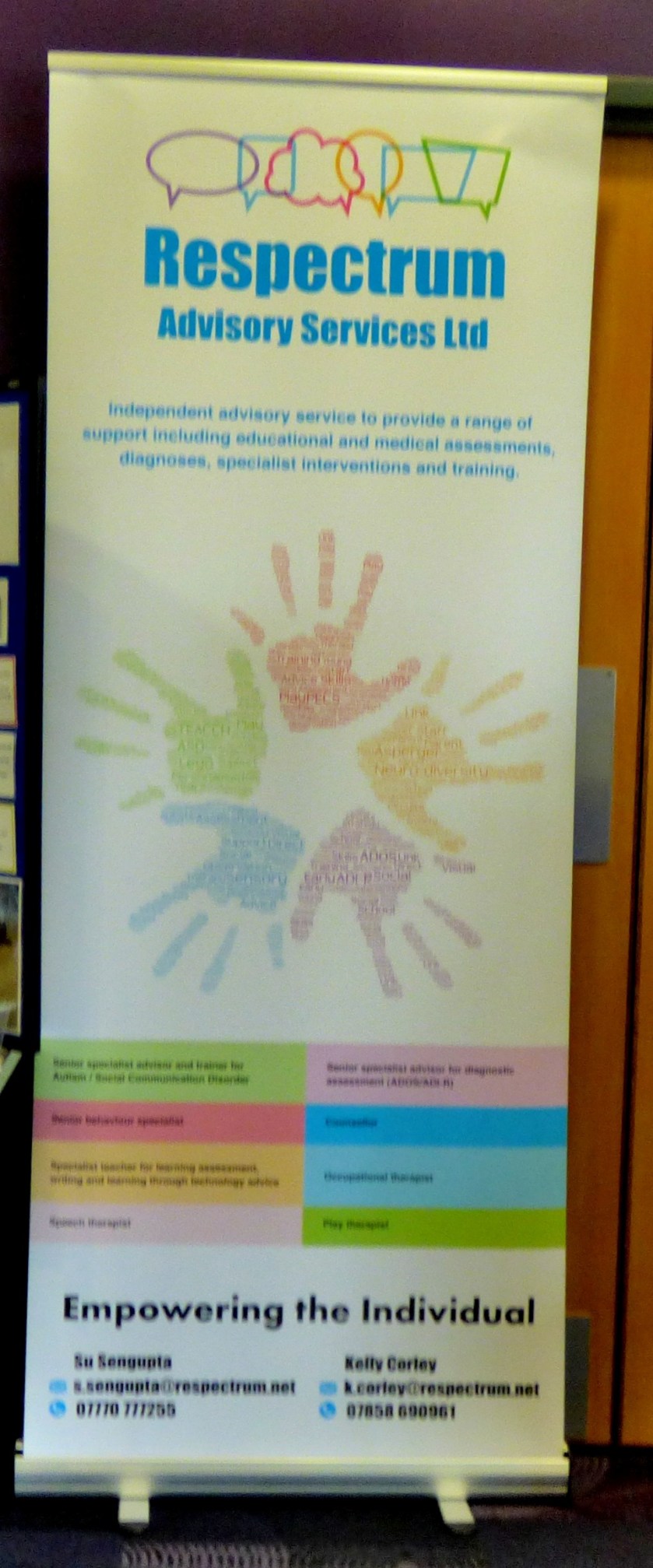
Here are the photographs I took at the event (and a couple taken later in the day).





The fifth installment in “Trees in Transistion”.
This post will have a longer preamble than is usual for posts in this series because I have not posted much (except a reblog of an excellent post by Anna) in recent days. On Tuesday and today I have been busy at work, while yesterday I was in Norwich running a stall at a conference organised by ASD Helping Hands, titled “Ageing with Autism”. This means that the tree pics you see in this post are a little bit out of date. I hope to have time for some serious posting over the weekend. For the moment, welcome to the fifth installment in my series “Trees in Transistion”.


Anna has more for us on the Save Trosa Nature campaign (and features a classic infographic/ meme that she created out of a comment on mine on an earlier post)…
One of my Save Trosa nature friends and I have worked on a report. We have examined if the project new big road can proceed without negative climate effects. It can’t, so we told the authorities and media. Here’s the first news article about our report. You can read it in Swedish at itrosa.se.

Here’s what the Swedish news article says:
Municipalities Ingrid Benson and Anna Bohlin have examined the project New big road and the exploitation of the Tureholm Peninsula. They have compiled a 10-point list of climate councils that Trosa Municipality has not taken into account. The following press release has been published to media and environmental stakeholders:
Project New big road and the exploitation of Western Trosa – Tureholm Peninsula will counteract climate targets of 10 points.In a review of the project based on climate reports from the Swedish Transport Administration, the Swedish Environmental Protection…
View original post 259 more words
A largely pictorial account of my day.
I have just finished editing the pictures I took while out and about today. I have a collection of tree pics ready for the next post in my “Trees in Transistion” series, but for the moment it is the other pictures I am sharing. I will put them up in three segments…
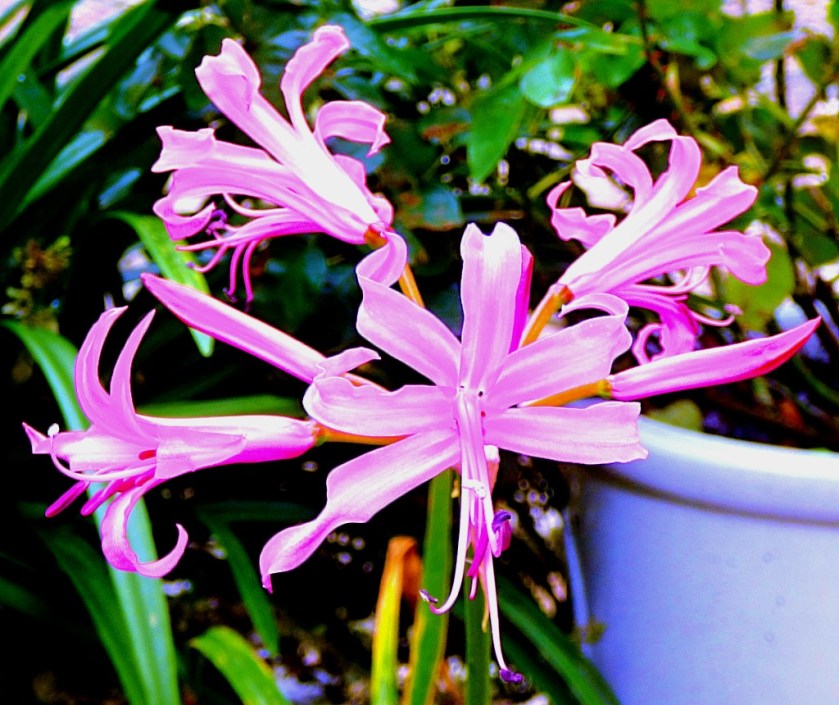
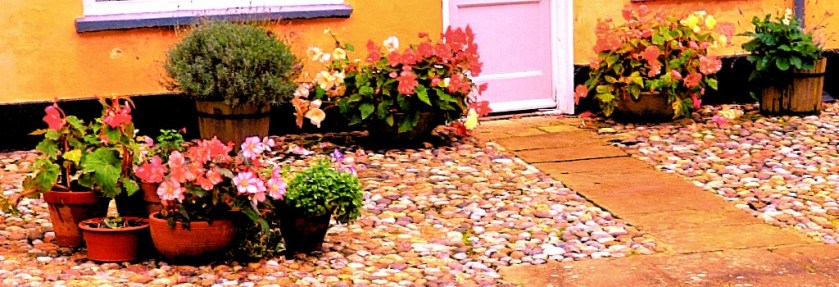
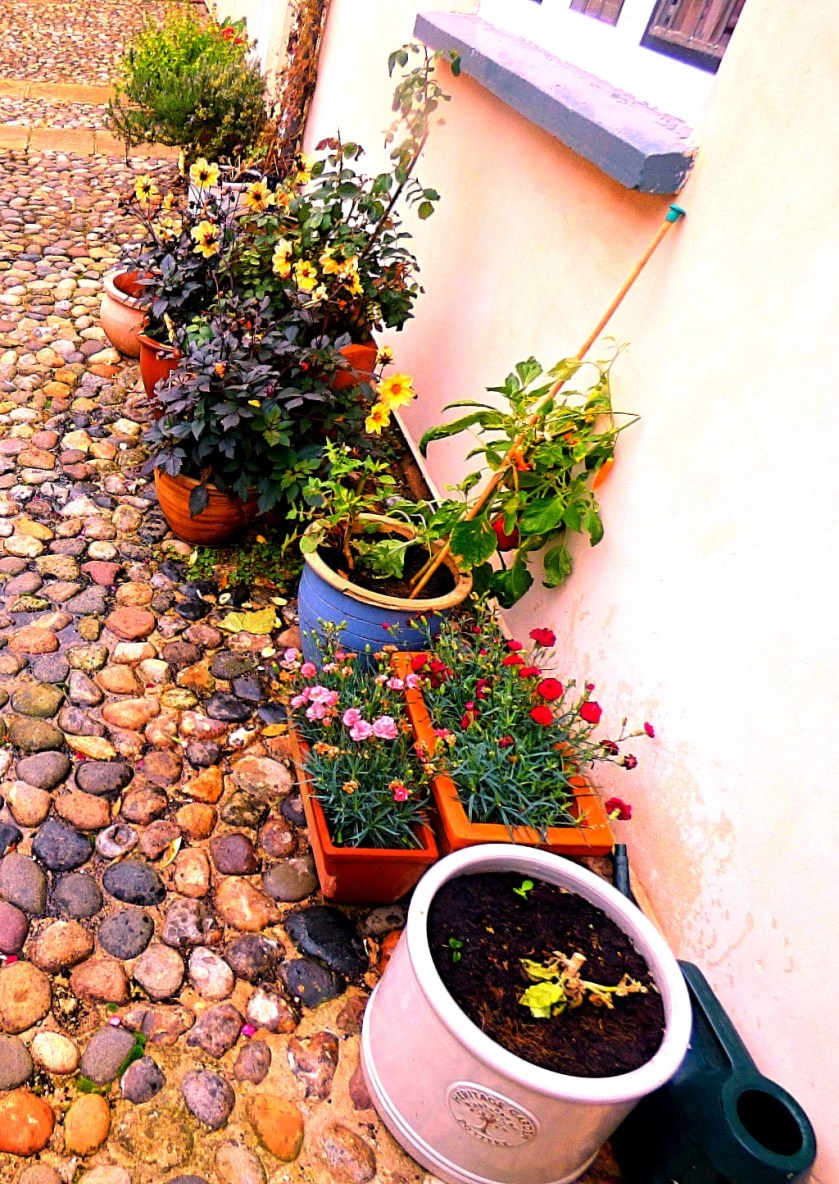
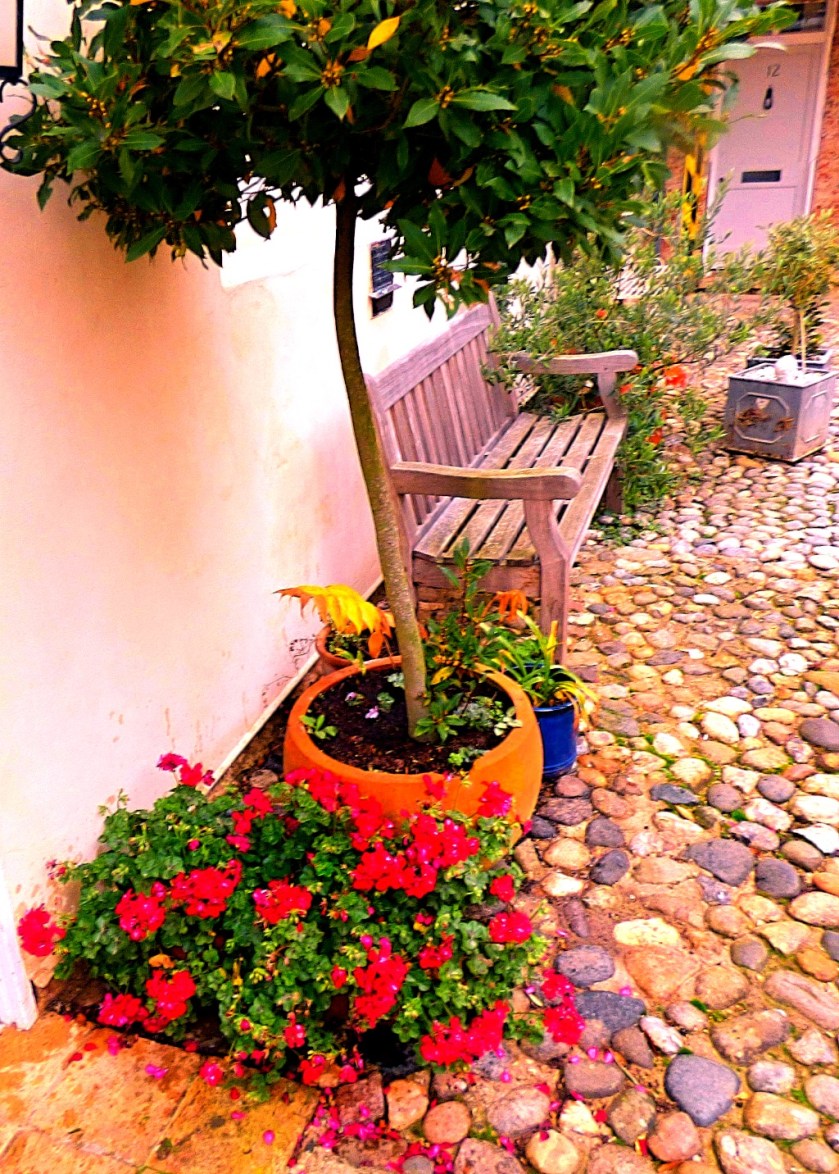
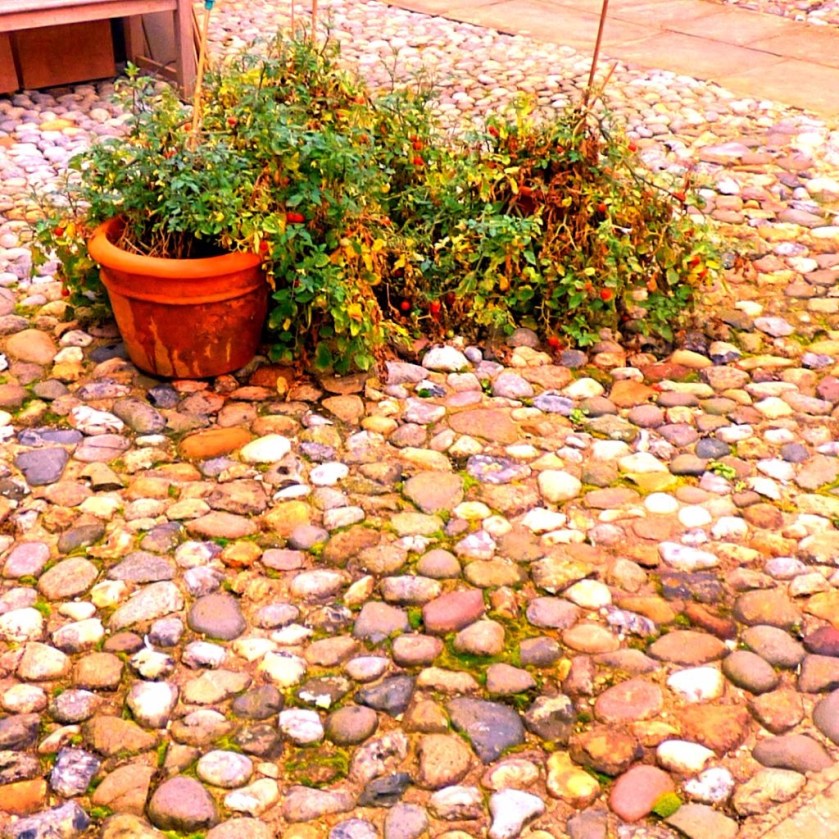
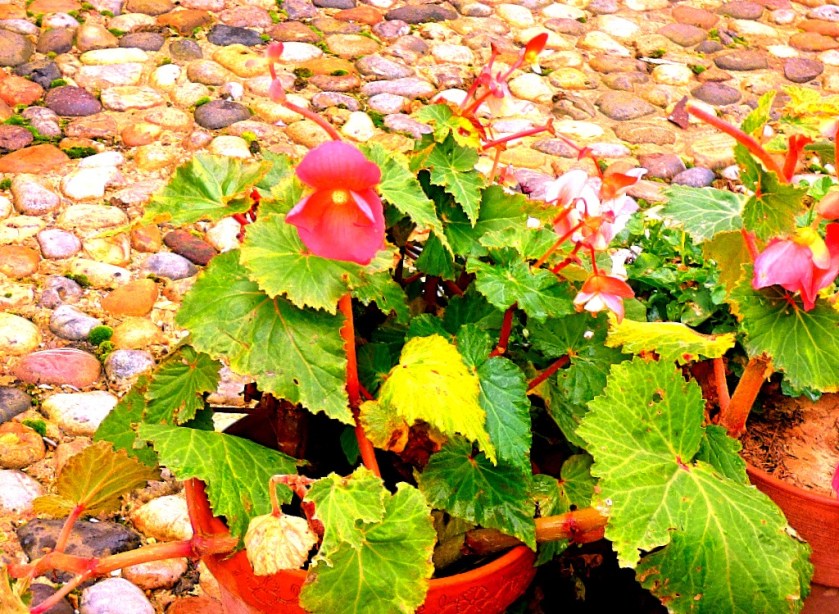
These are pictures featuring my aunt’s plants, which I have been watering while she is on holiday. Barring a freak return to summer weather tomorrow I anticipate one more visit on Wednesday being sufficient.


This week is National Libraries Week. I have visited King’s Lynn Library today, will definitely visit Fakenham Library at least once this week after a working day, hope to call in at Norwich Millennium Library when I am in that fine city on Wednesday (an autism event) and on Saturday en route to Musical Keys should find time for a visit to Gaywood Library. Here are some pictures of King’s Lynn Library…


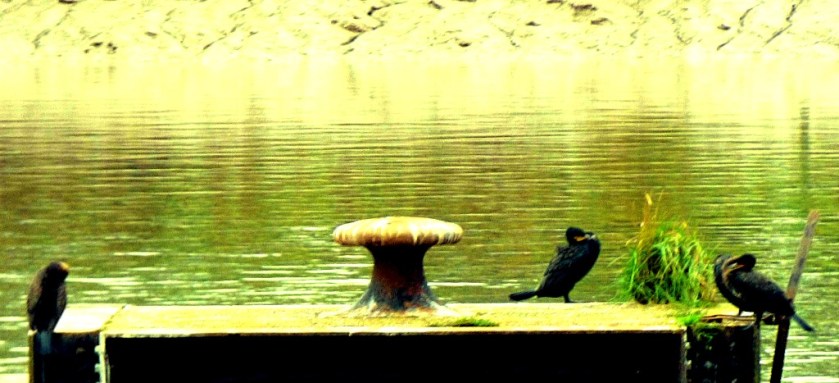
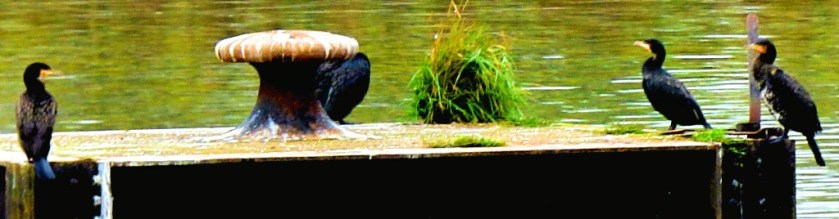
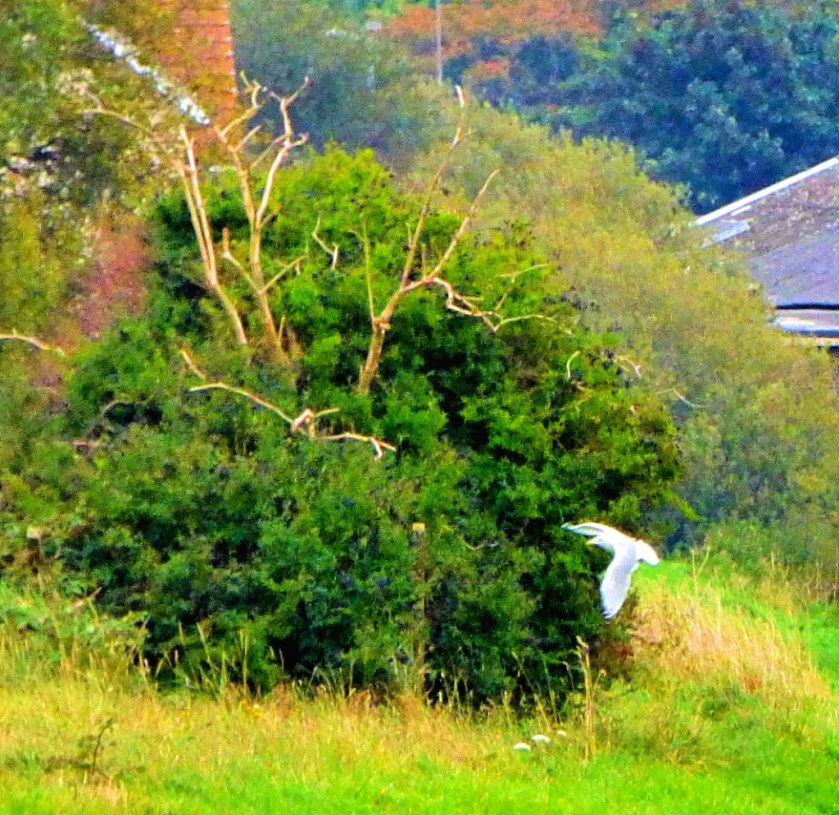
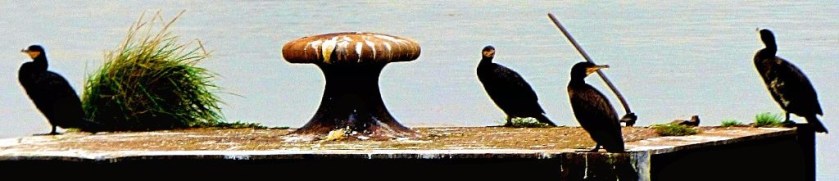
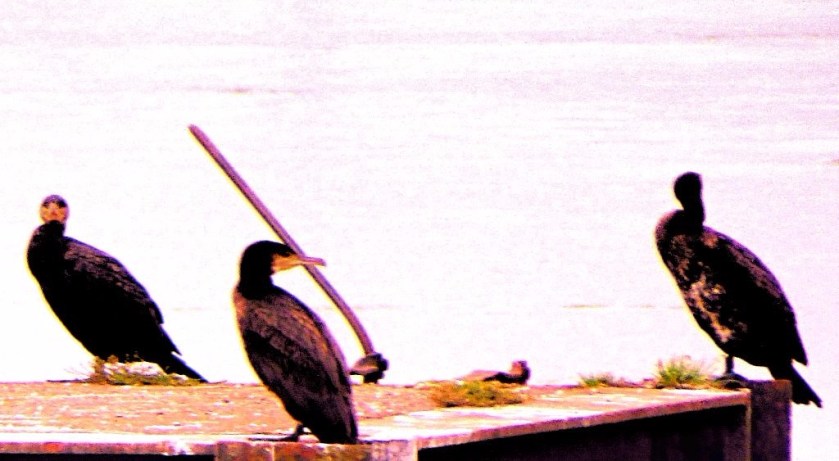
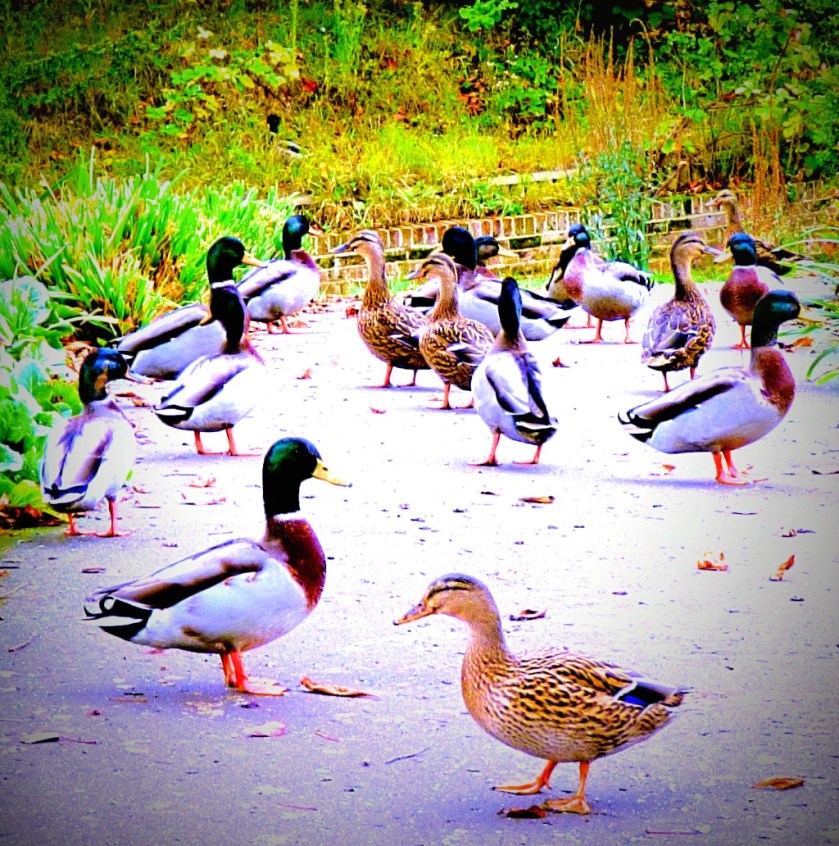
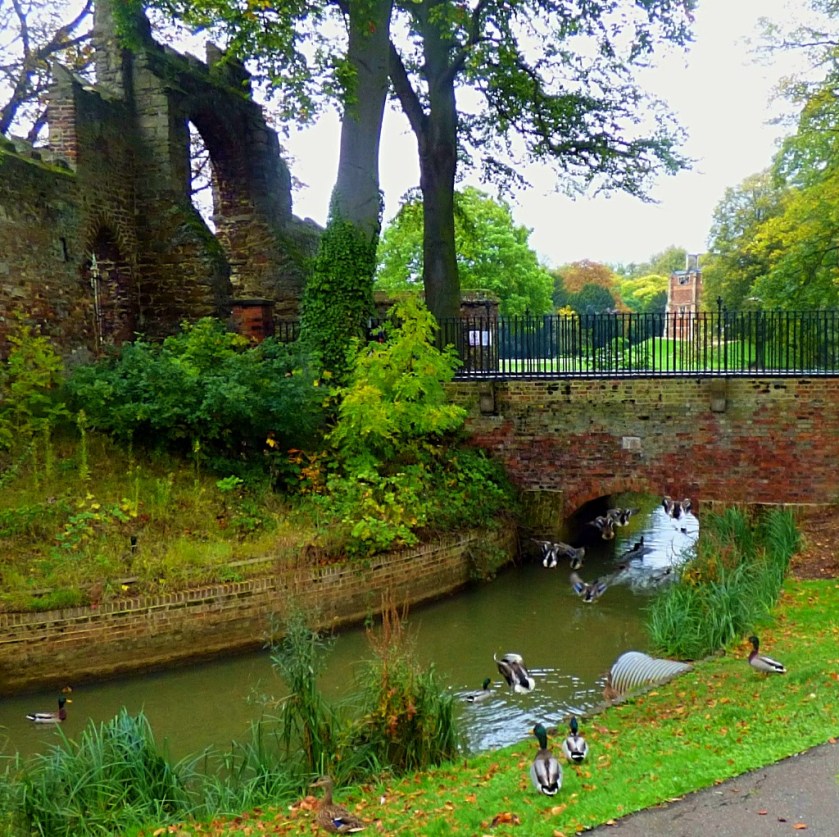
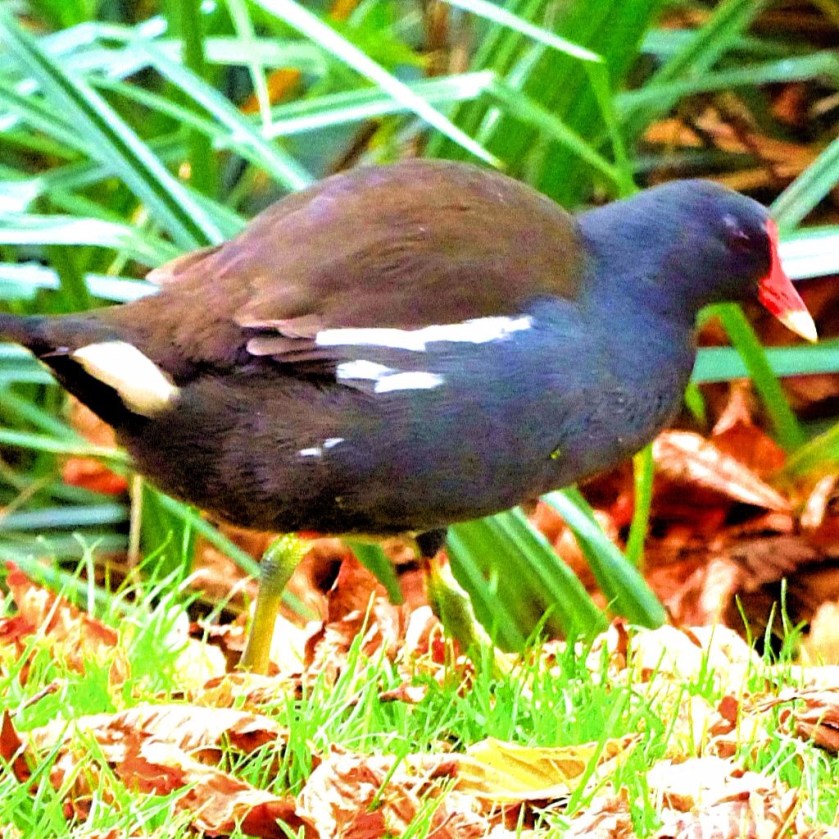
We end with some pictures focussing on nature…




Press releases, photographs and auctions.
Welcome to this little post about my work at James and Sons. There are two main parts to this post – one features an event from the last of the September auctions, while the second deals with the upcoming October auctions.
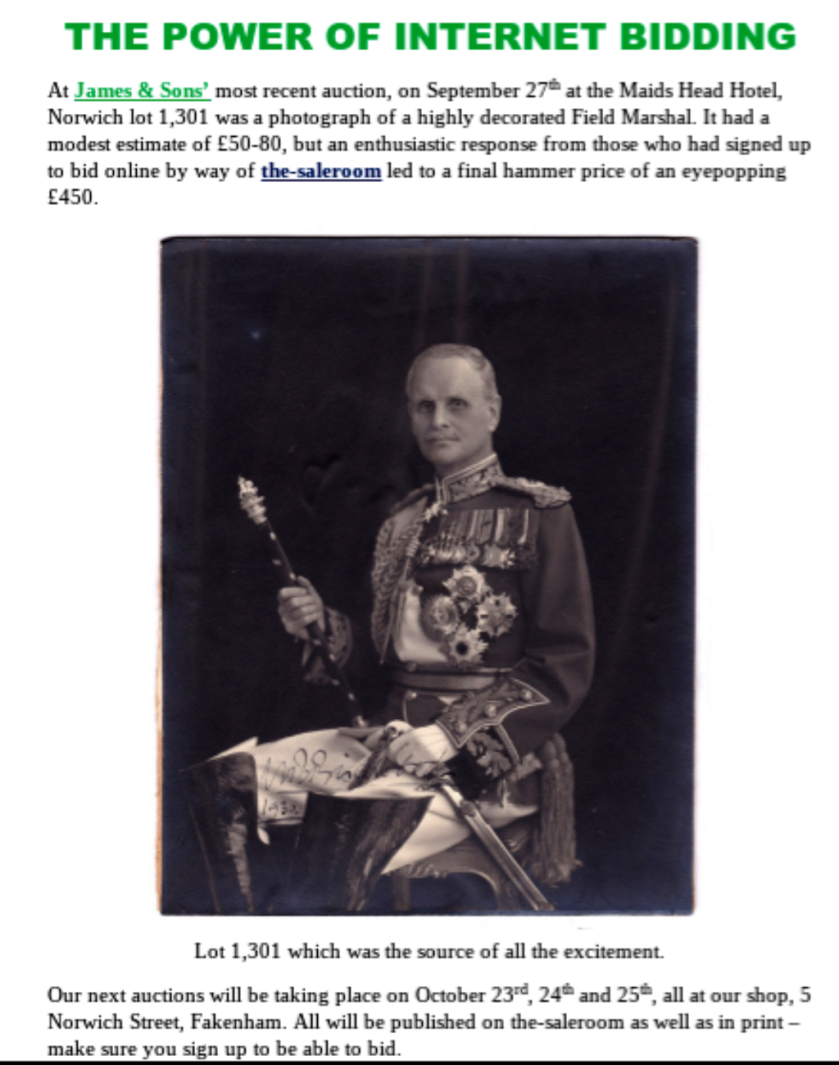
On Thursday I put out a press release with the title “The Power of Internet Bidding”, which focussed on lot 1301 from our previous auction. On Friday someone from Archant (the media company who publish The Eastern Daily Press among others) asked a number of follow-up questions, so I expect a short piece to appear in the EDP before too long. Here is a screenshot of my original press release, along with the image used therein and a link to the document:
All three Octobe auctions will take place at our shop, 5 Norwich Street, Fakenham, NR21 9AF – on the 23rd, 24th and 25th.
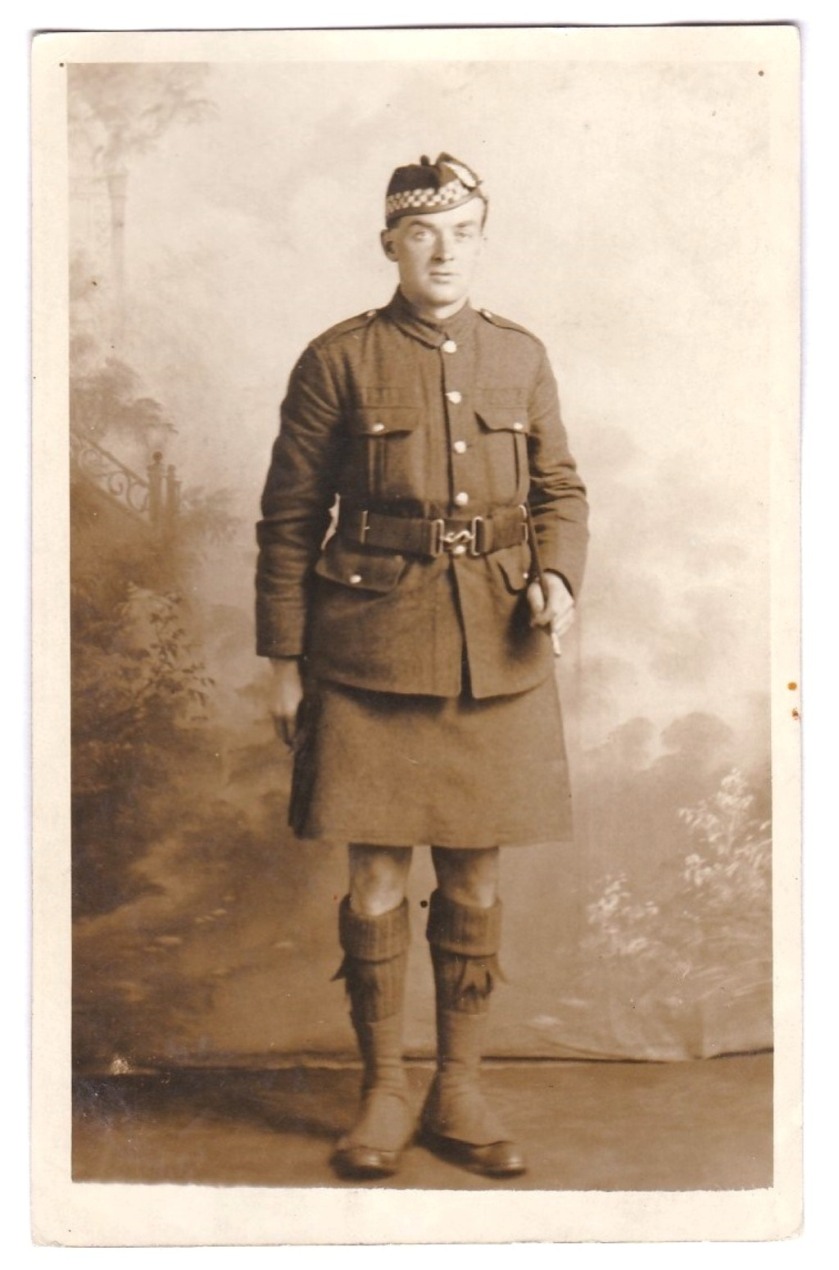
This sale, on Monday October 25th, kicks of with 250 military postcards before moving on to ephemera, cigarette and trade cards and such like. The imaging for this sale is nearly complete.
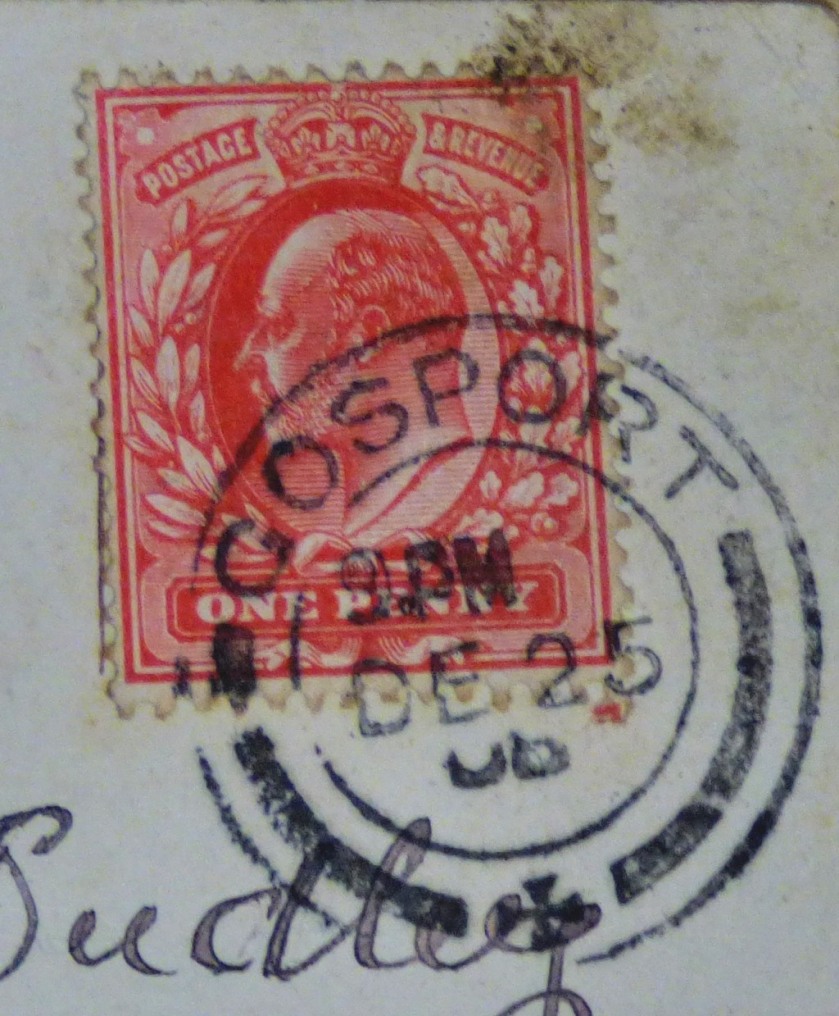
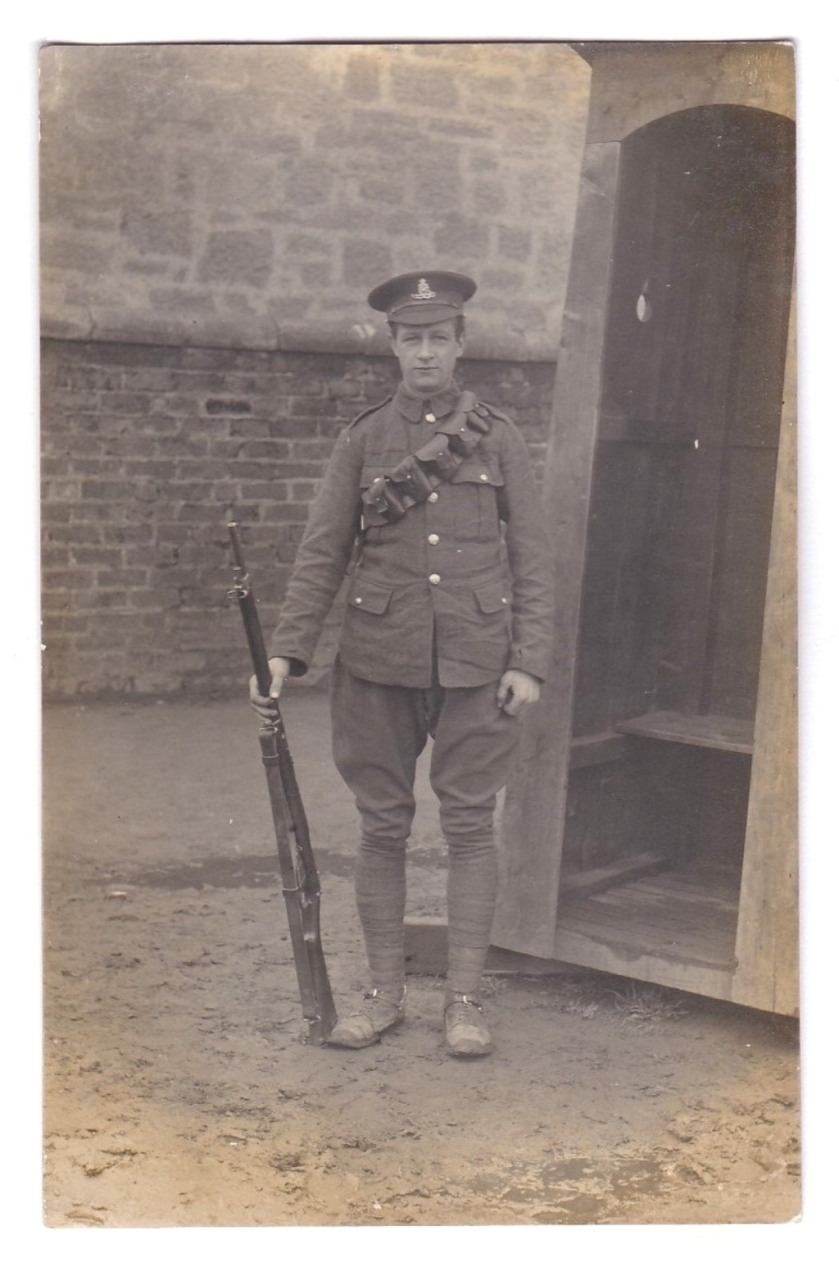
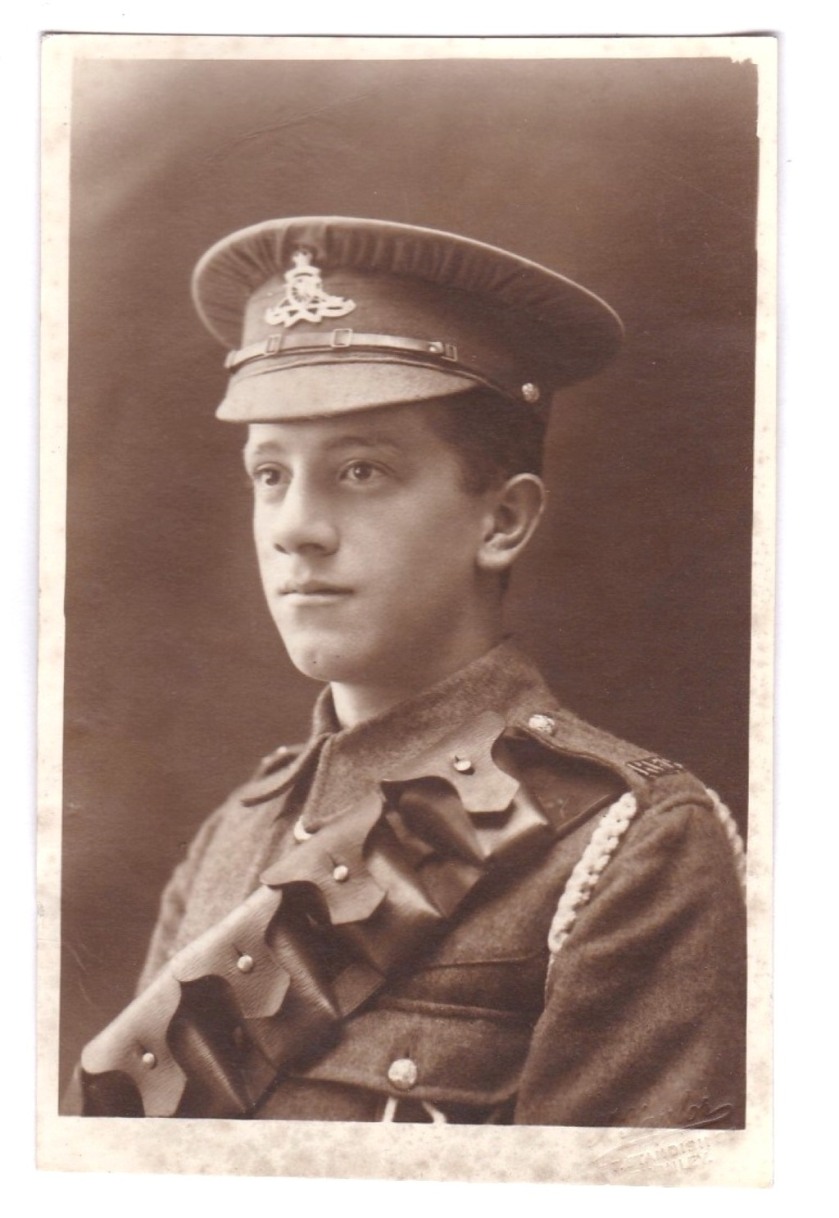
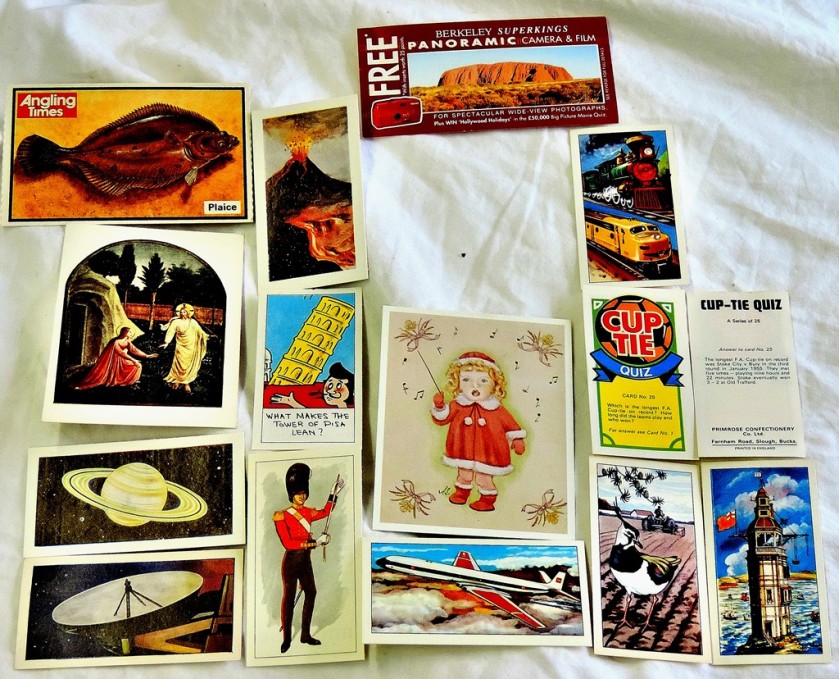
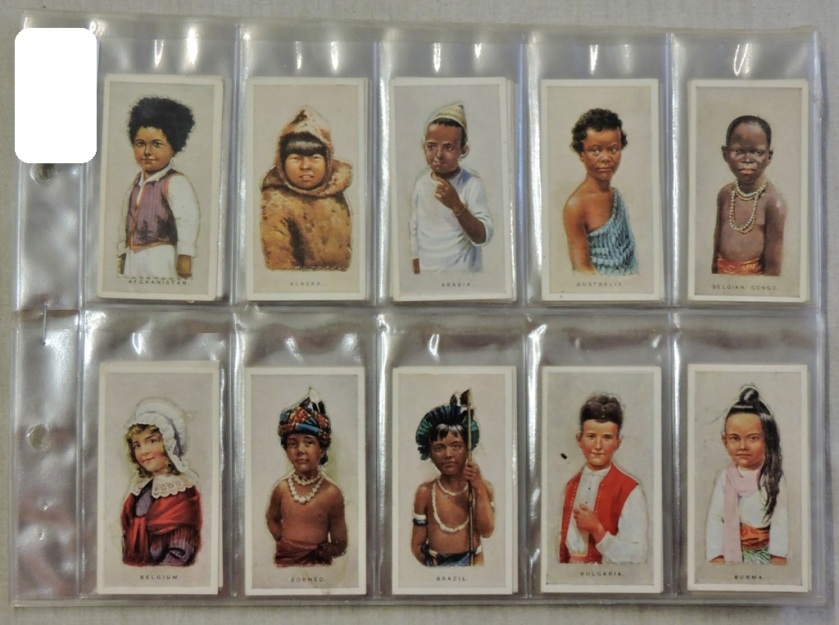
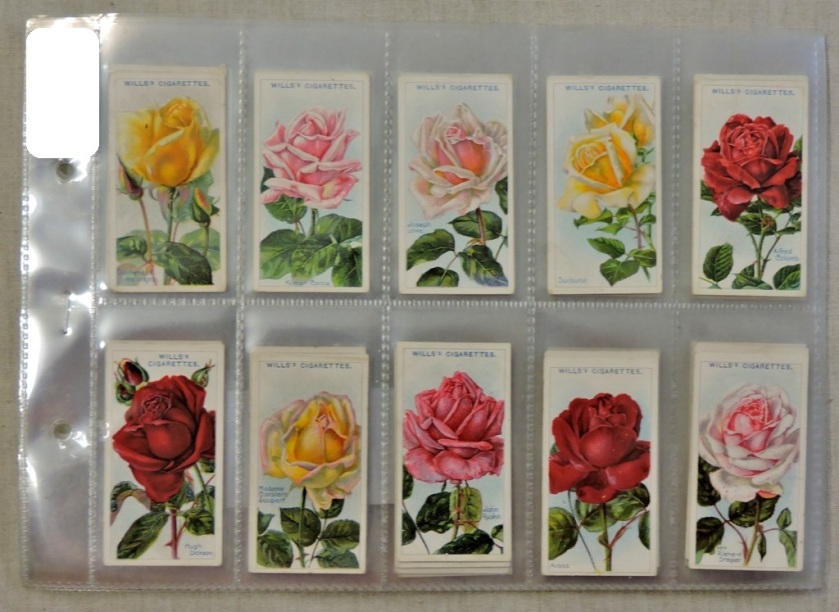
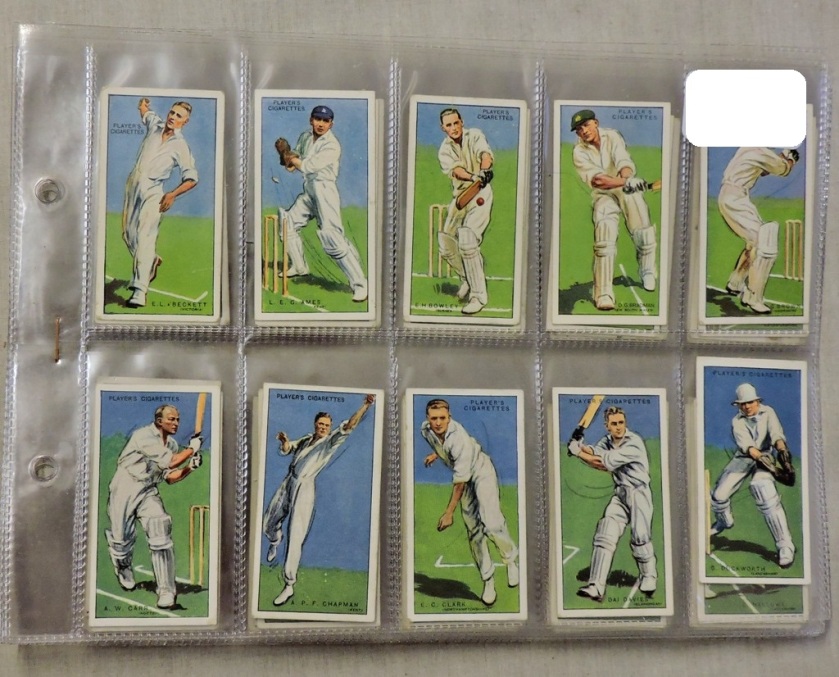
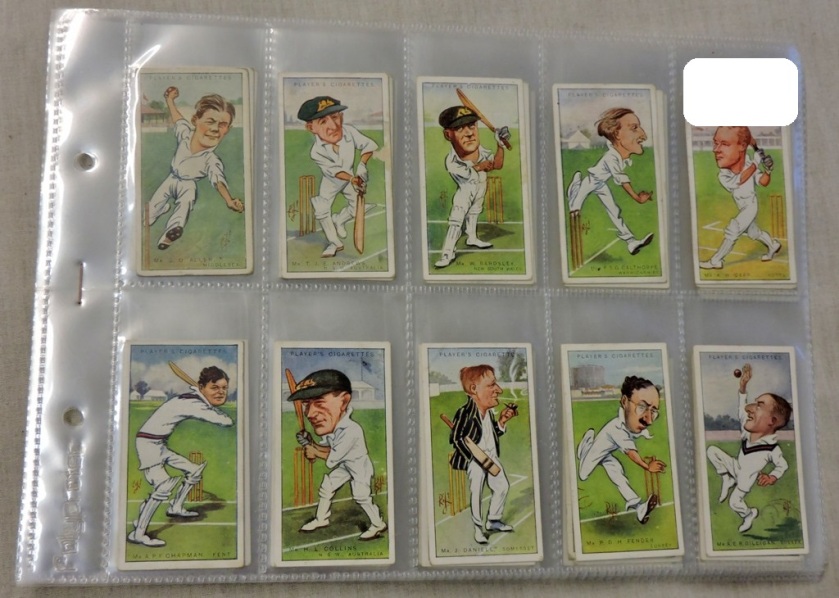
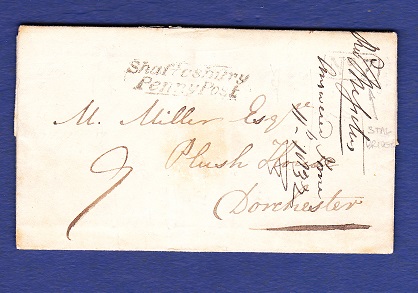
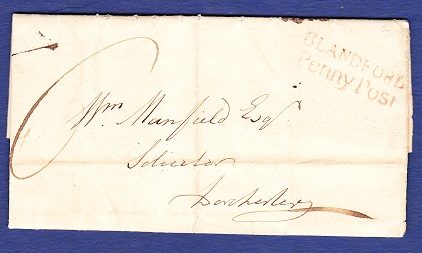
This one has very vfew images thus far. This will be the stamps and postal history day.
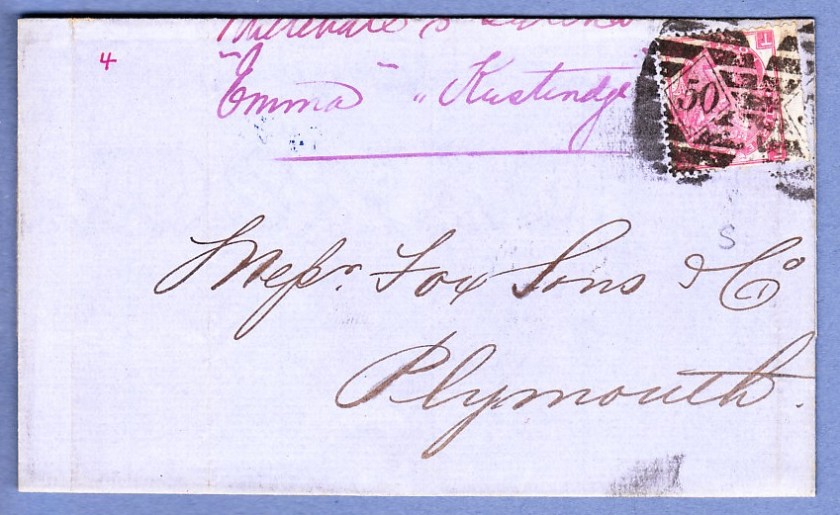
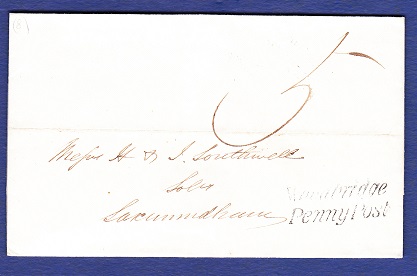
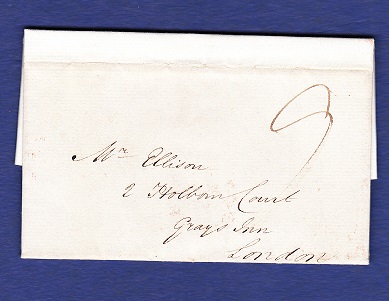
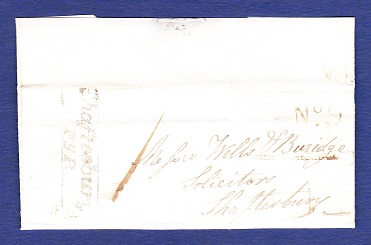
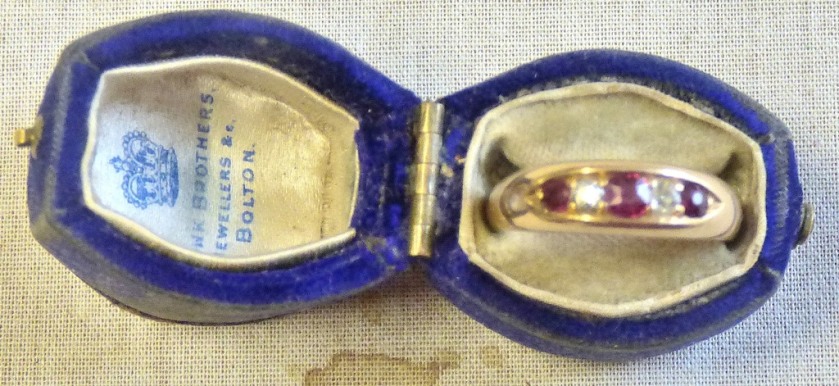
The imaging for this sale is reasonably well advanced…

The latest addition to my “Trees in Transistion” series.
This is my fourth post in this series. The pictures were taken between Thursday and yesterday.


A mixed bag of a post, featuring autism, politics, mathematics and photography.
As well as the wide variety of ,links that give this post its title it will feature some of my own stuff, notably pictures.
I start with some stuff about Autism, beginning with…
Laina, guiding genius of thesilentwaveblog, has set up a new blog specifically for sharing stuff. Her announcement of this is here, while the new blog can be seen here.
I end this little section with what is a new find for me, stimtheline, with a post titled “Autism is Me“.
The four links in this section are links that form no natural groupings:
This refers to three related pieces that I have seen on robertlovespi. Fullerenes are spheroid carbon allotropes (also known in some circles as buckyballs – both the formal and informal deisgnation pay tribute to the architect Richard Buckminster Fuller who was particularly known for geodesic domes). The three pieces are:

This one comes from brilliant, though it has a little addition of my own as well:
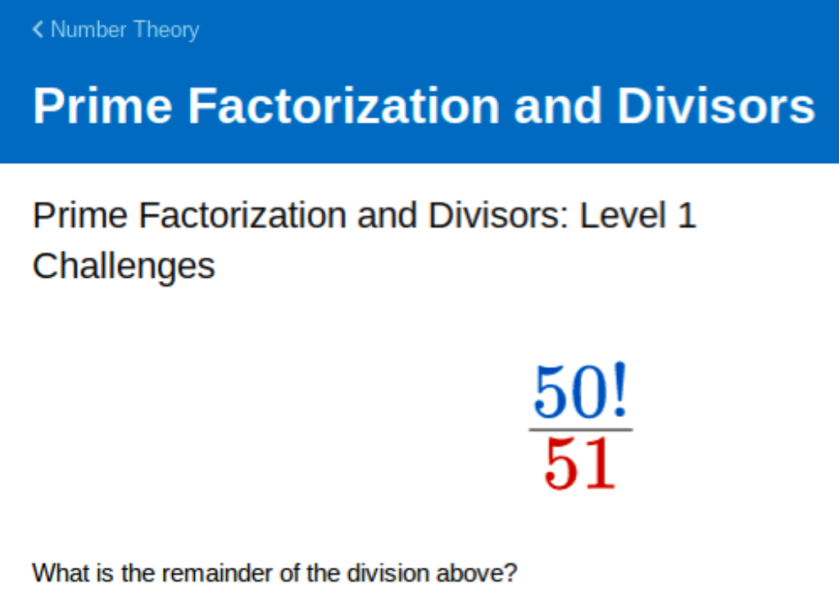
This is an easy question, even without the multi-choice options given on the site. If the 51 under the dividing line was replaced by 53 it would become fiendishly difficult – can you work out why?
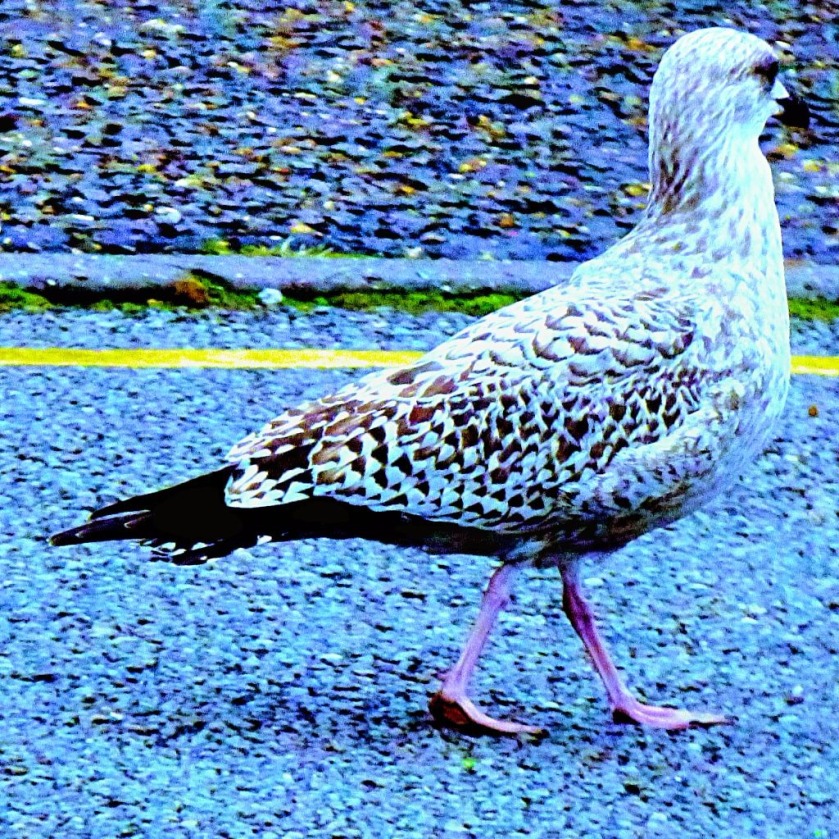
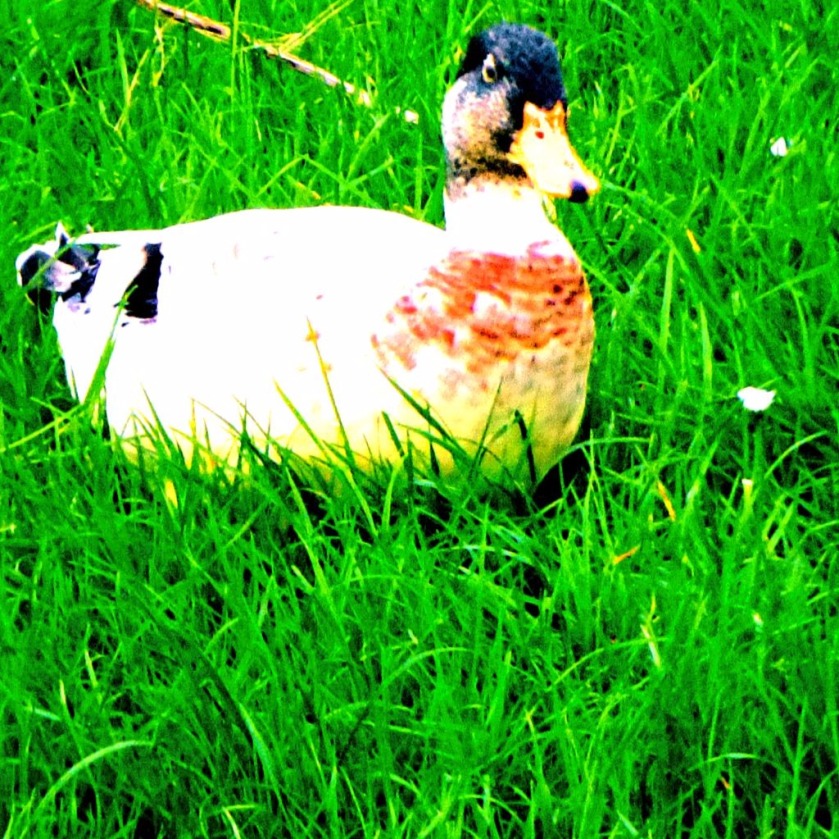
More on trees in transistion…
Both my original “Trees in Transistion” and the post I put up yesterday morning, “Trees in Transistion II” have proved popular, and I have some more tree pictures for you today.
These pictures were taken yesterday evening, and the light was fading as time passed. I did not use the flash for any of these pictures.


Links, puzzles and pictures. Public transport features, as does some general politics, and mathematics. The pictures are of course my own.
I have many links to share with you, and wilkl be setting a puzzle. I will be putting up another of my tree posts immediately after this one, so my pictures feature stuff other than trees.
This section comes in two parts, starting with…
Just before lunchtime today I received the following email:
Dear Thomas.
I am writing regarding http://www.londontu.be
My name is Andrew and I work for Nicola at Tour London. Nicola is a tour guide in London UK who takes individuals and groups to the most famous landmarks in London, as well as discovering hidden gems along the way! We were wondering if it were possible for us to appear on your “links” page in any way given that we share such a similar topic.
Alternatively would you be interested in content pieces? Nicola has a vast knowledge of London and would love to share it with your audience.
Finally, If not content, do you have any other advertising opportunities?
I look forward to hearing from you.
Kind Regards,
Andrew | Marketing Executive
Tour London
Tourlondon.org.uk
Naturally, I was delighted to receive such a communication, and I have since put in some links, done a special post about this site and ‘pressed’ a couple of their pieces. Please visit londontu.be to read about this in more detail, and then explore tourlondon to see what they have to offer.
The campaign group weownit have created a resource with the catchy title Privatisation Fails. Below is a screenshot of the homepage for this resource:

Of course, I followed up the bus and train links. Here is a paragraph from Privatisation Fails Buses:
30 years ago, our bus services were deregulated and privatised. This has been a disaster for our buses. Fares went up and routes that weren’t profitable were cut, meaning you now pay more for less. In 2017, the Bus Service Users Bill was passed, which included a clause which bans local councils from creating their own public bus companies.
On this page are the Big Five bus companies that grew out of deregulation and privatisation in the 1980s – together they control 70% of the bus travel industry in the UK. Many of these companies either own, or are owned by, rail companies as well.
Read more about bus services, and how and why we want to bring them into public ownership, here.
Next up comes Privatisation Fails Railways:
British Rail was broken up and privatised between 1994 and 1997, and since then rail services in the UK have been provided by private companies. There are 16 rail franchises in the UK, where the government gives train companies funding to run services for a certain period.
Many of the companies that run our trains are European state-owned companies who reinvest millions of pounds a year in dividends from their British operations into their own transport systems. As you’ll see, these companies often own franchises within franchises. You might be surprised to learn who owns your morning commute! We’ve also listed three ‘ROSCOs’ or rolling stock companies, who lease trains to rail companies.
Read more about the privatisation of rail and what we can do about it here.
Royal Mail workers have voted by a huge margin to take strike action. The official voting figures are:
Turnout 73.7%
Yes 89%
No 11%
This means that 65.593% of all those eligible to vote cast their vote in favour of strike action. I did this calculation myself, entirely in my head, but here for the record is how to get there…
Calling Turnout T and Yes votes Y and Overall Percent Yes as O we have O = TY/100. Putting the known figures into this we have O = (73.7 x 89)/100. To avoid decimals until absolutely necessary we change this to O = (737 x 89)/1000. To calculate 737 x 89 we can reduce to single figure calculations as follows:
737 x 89 = (700 x 89) + (30 x 89) + (7 x 89), and then splitting these up 700 x 89 = (700 x 80) + (700 x 9), 30 x 89 = (30 x 80) + (30 x 9) and 7 x 89 = (7 x 80) + (7 x 9). We now have a series of multiplications which can all be treated as single figure multiplications, with in some cases zeroes to be stuck on the end. Multiplying them out gives us 56,000 + 6,300 + 2,400 + 270 +560 + 63. Adding these together we get 65,593, and dividing by 1,000 requires a decimal point to go between the first and second five, giving us 65.593%. PS It took a lot longer writing this out than performing the calculations in my head!
I have two links for you about this vote:
The Skwawkbox, one of the best new media sites around, has had several particularly outstanding pieces recently:
From Monday and yesterday:


This puzzle comes courtesy of brilliant:







 aspiblog