Musical Keys On a Spring Saturday

A brief account of my session at Musical Keys yesterday.

INTRODUCTION

Yesterday was a Musical Keys session, and Oliver who runs Musical Keys put in an appearance. Also, some of our stuff was recorded – we will hear it in a fortnight’s time.

THE JOURNEY TO THE SCOUT HUT

Immediatedly after a light lunch of salami and salad I set off on my journey (I was starting early because I needed to check in on my aunt’s house en route and also intended to take advantage of heading towards that part of the world to visit Gaywood Library). After the few minutes it took to make sure all was OK at my aunt’s house I headed for the parkland and thence the footpath between the two academies, before a diversion to Gaywood Library and a walk along the bank of the Gaywood River to finish. Here are some pictures covering the period between leaving my flat and exiting the parkland at Tennyson Road:

Saturday Market Place
A welcome return of market stalls to the Saturday Market Place.
Hampton Court Cannon Ball
This cannon ball hangs in the entrance to Hampton Court (near my aunt’s house)
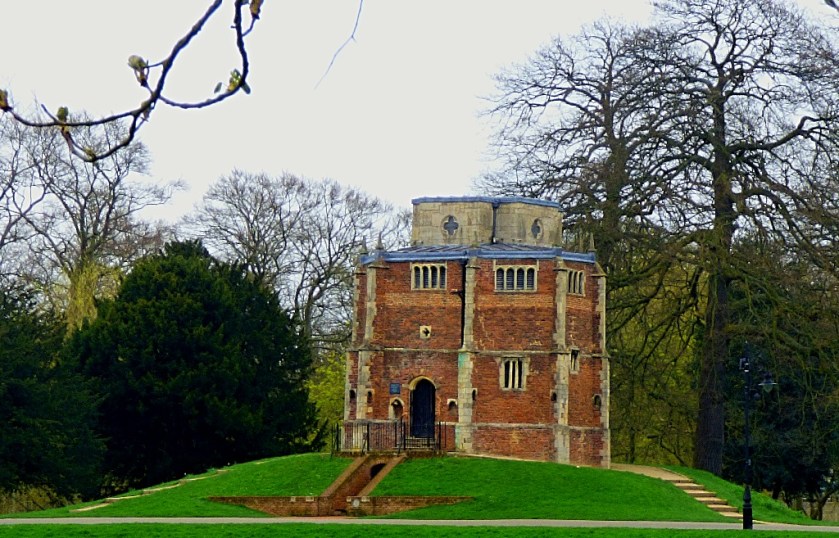
Red Mount Chapel
The Red Mount Chapel
Guanock Gate
The Guanock Gate
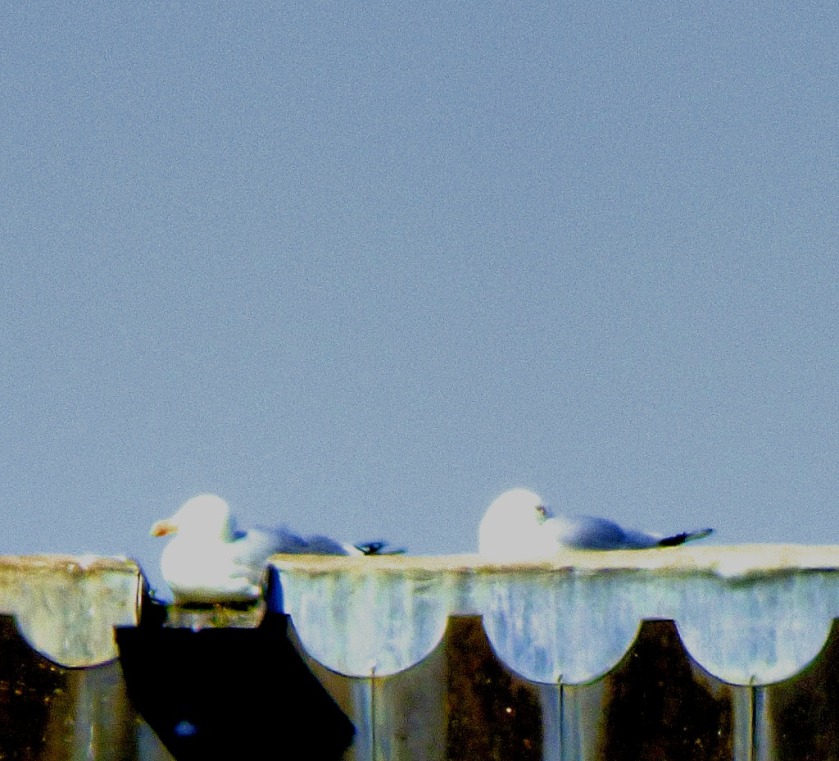
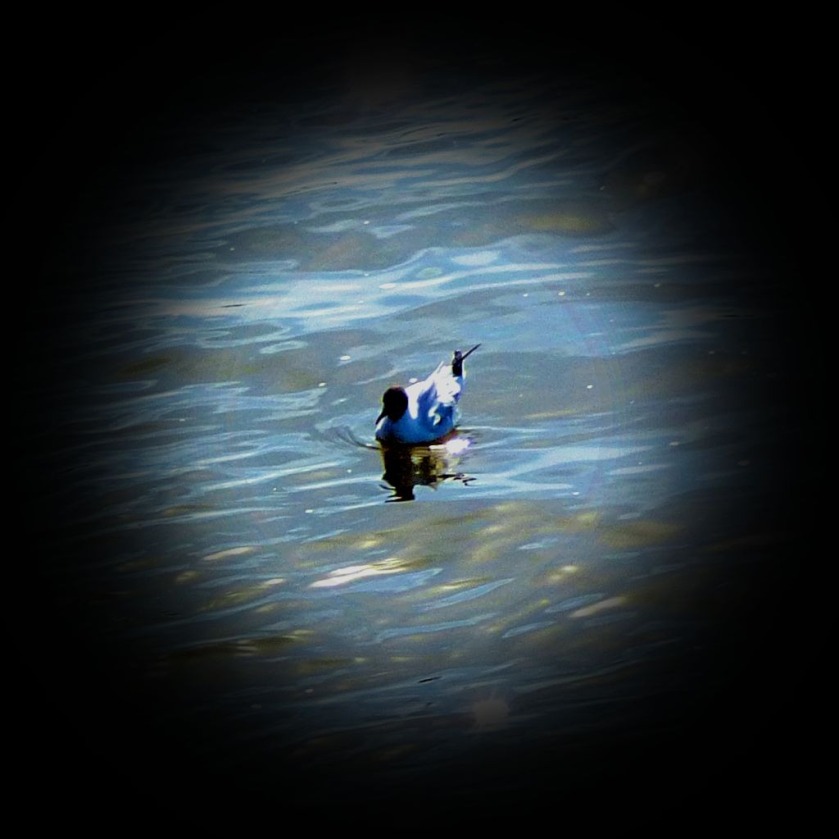
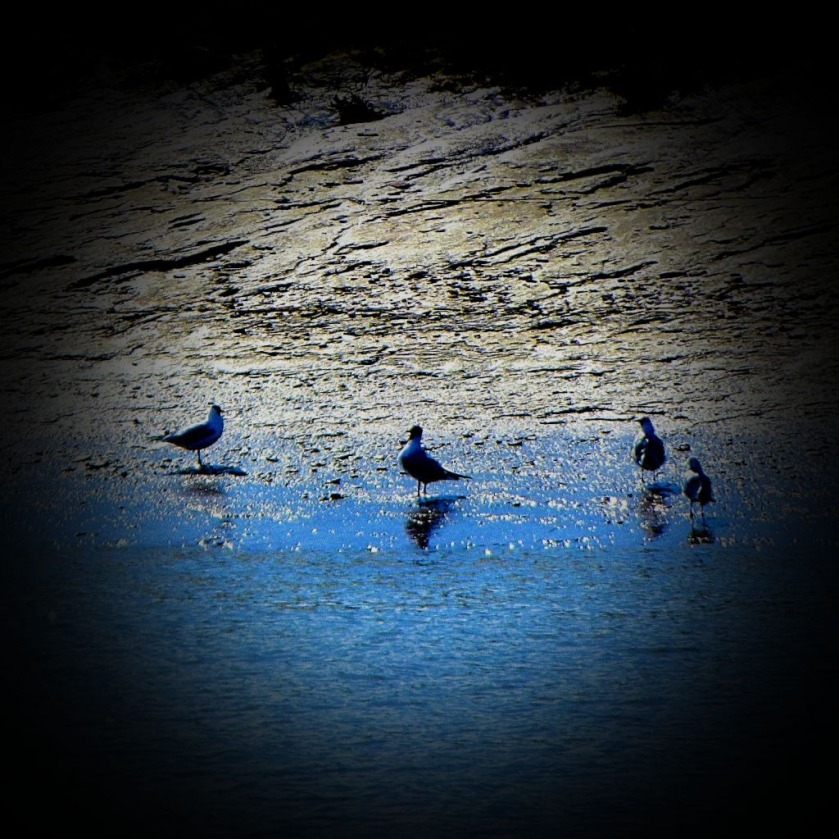
Black headed gull
A black headed gull in The Walks.

Not fit for play!

The cricket season is underway in most parts of the country, but Yorkshire and Essex have had no play on any of the first three days of their match due to a sodden outfield. Norfolk has not been battered as much as the north, but this picture from The Walks shows the problem – saturated soil means that there is nowhere for water to go.

The second part of the walk to the Scout Hut provided a few photos as well:

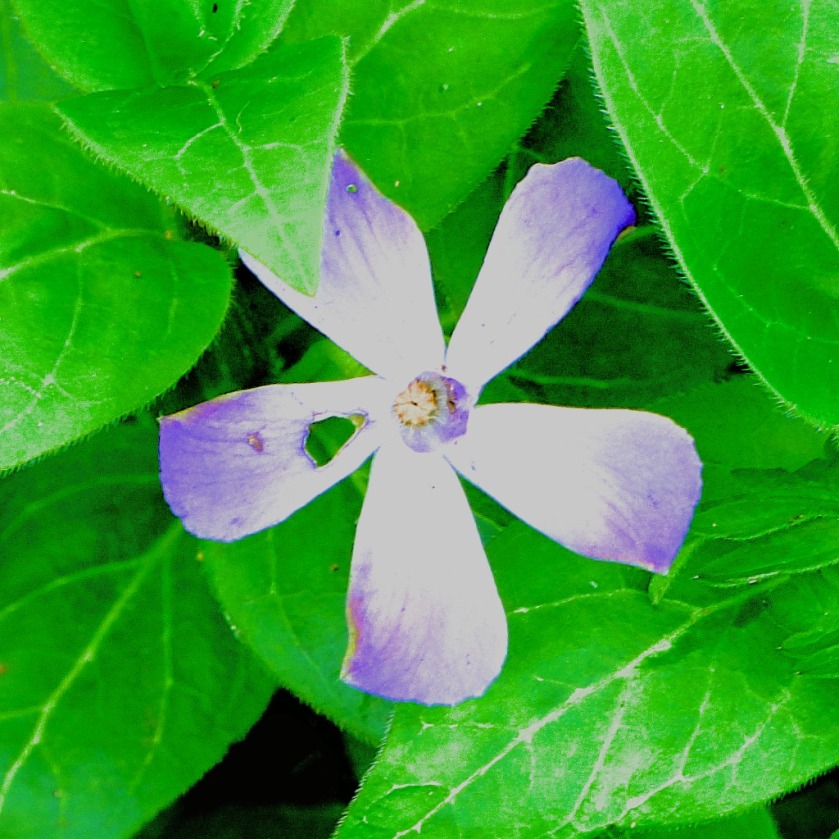
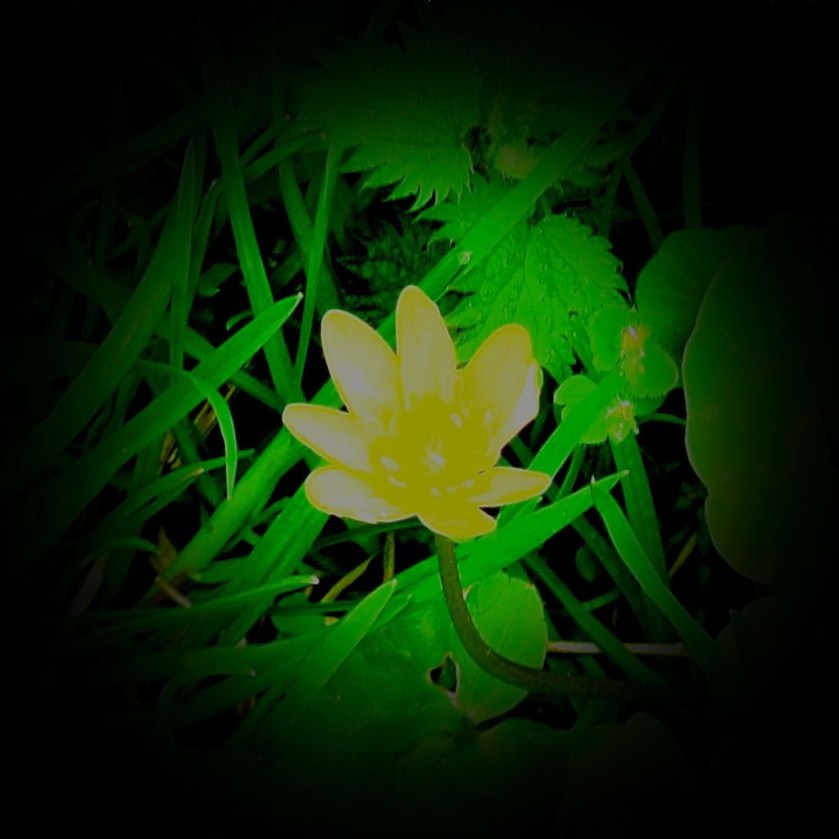
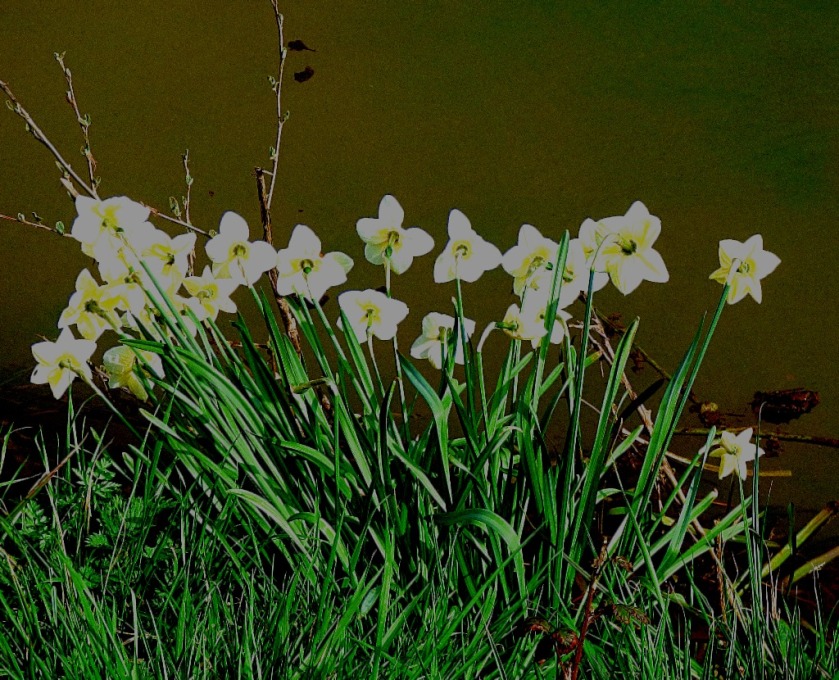
Purple FlowersPurple FlowerYellow flowerDaffodils, Gaywood RiverLittle Blue Flowers

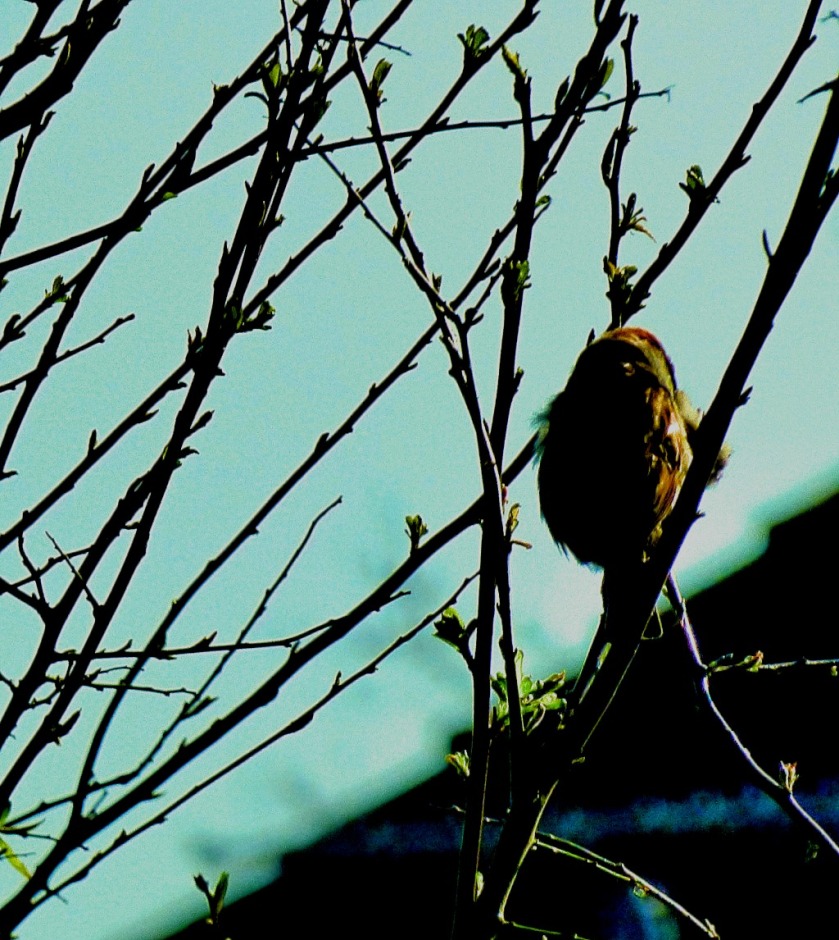
Blue tit
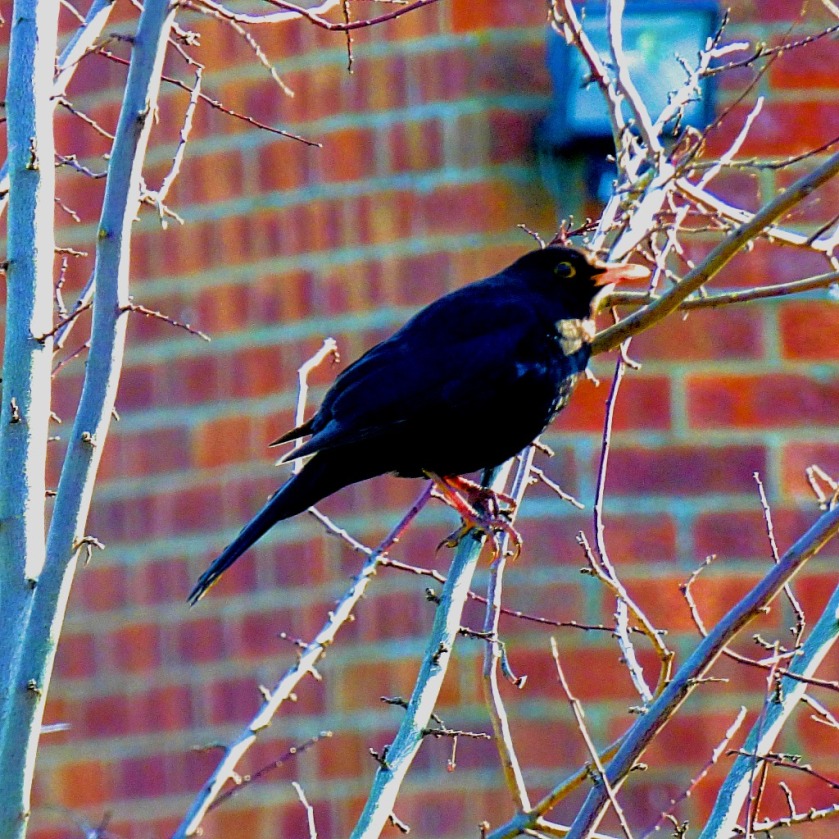
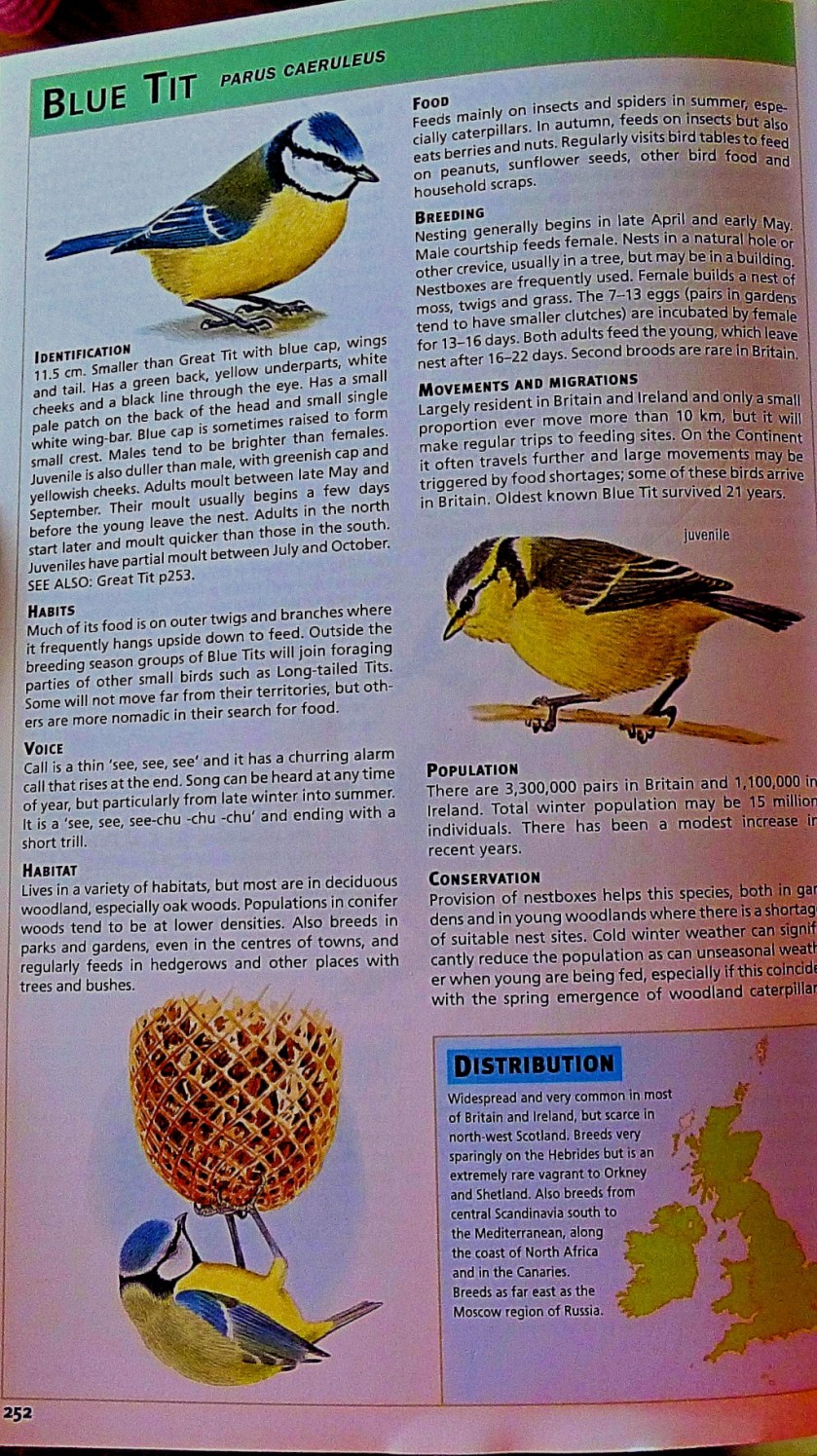
For more on the bird on this picture please visit my previous post.

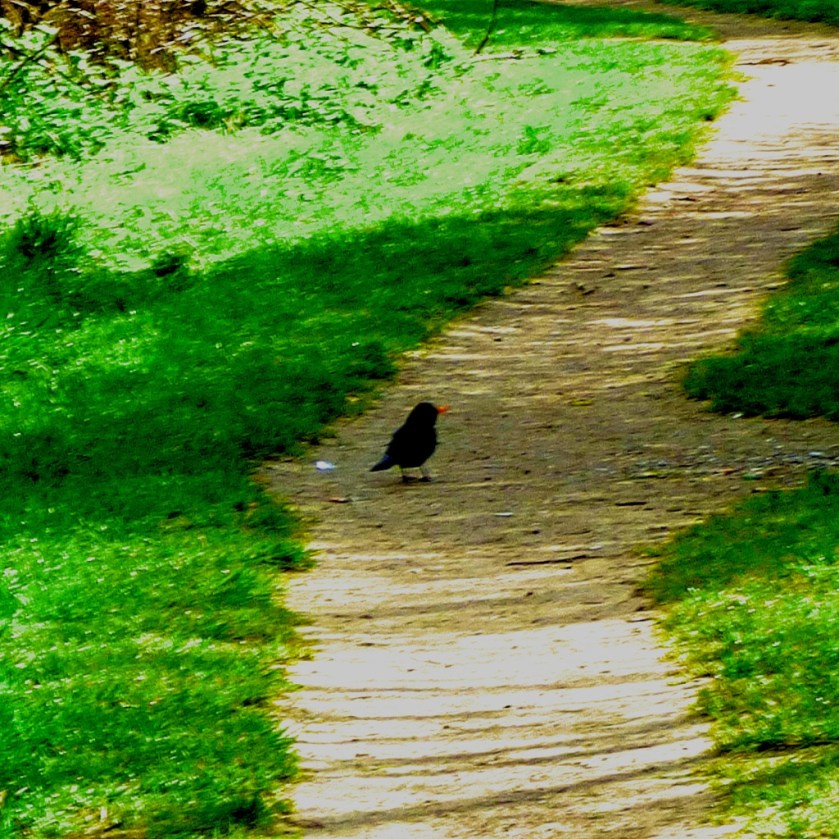
BlackbirdThe above picture was the Featured Image in my post Blue Tit and Butterfly

AT THE SCOUT HUT

Once it was time for the session to begin I did not take long to decide what I was going to do…

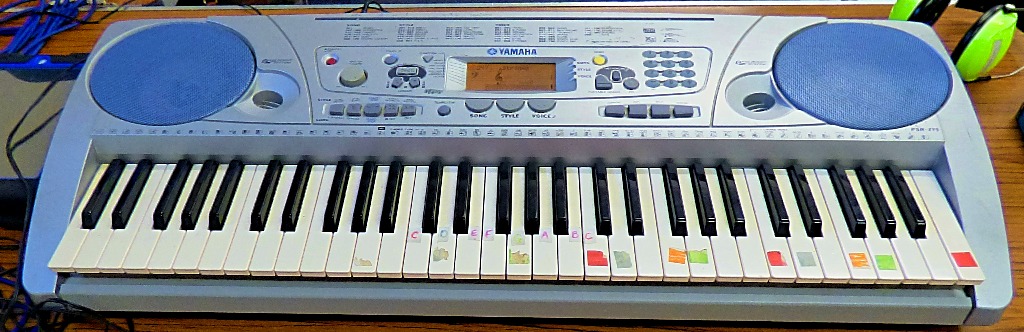
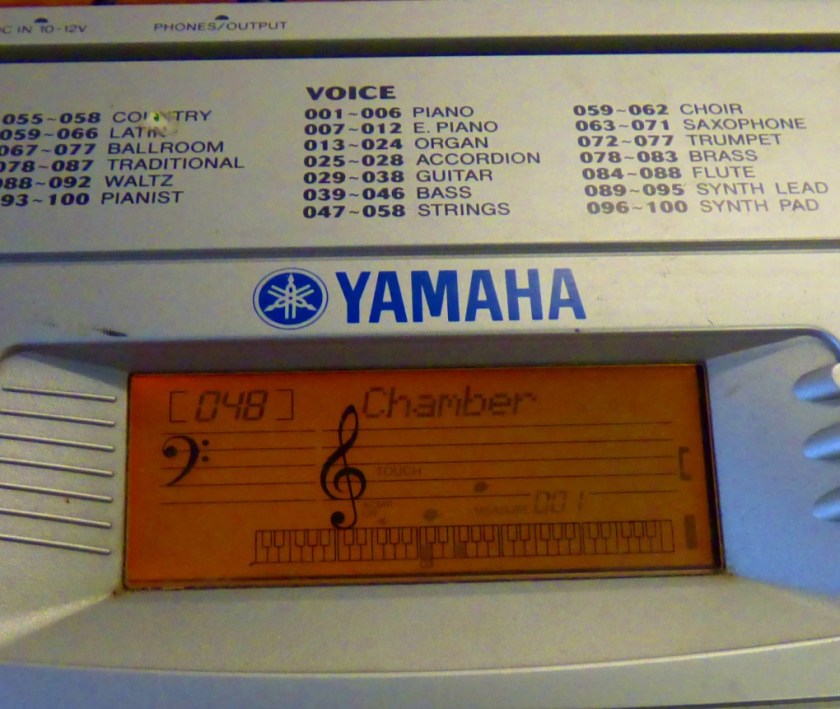
Yamaha music system
This Yamaha music system is not quite the equal of the Korg that I jhave used on previous occasions at Musical Keys, but it is still a very fine gadget.

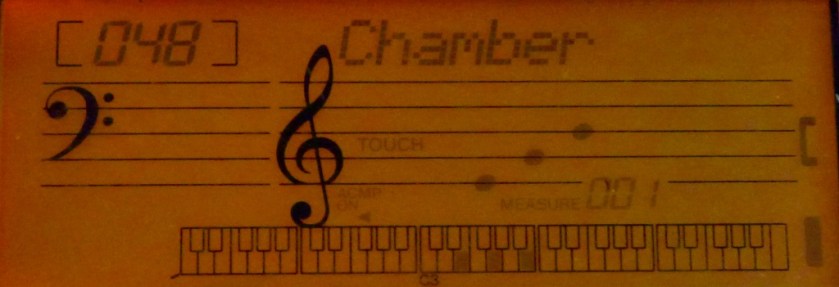
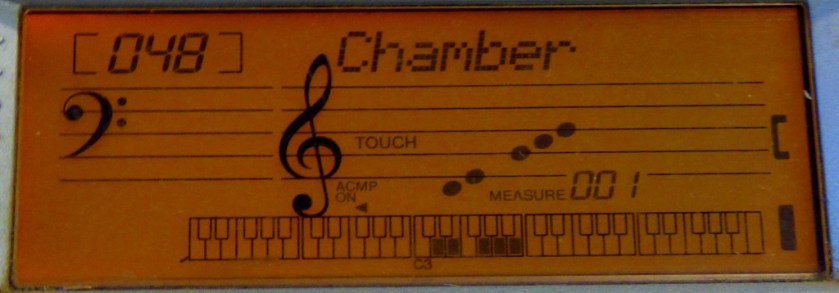
InstrumentchordFACE4 chordQuintCAFE

After I had been recorded I spent what was left of the session creating musical words (e.g playing the notes F, A, C and E for face or, C, A, F and E for cafe). For the bit was a recording I used a double pattern – each four note chord I used comprised two pairs of notes separated by two, and with an octave between each pair.

HOMEWARD BOUND

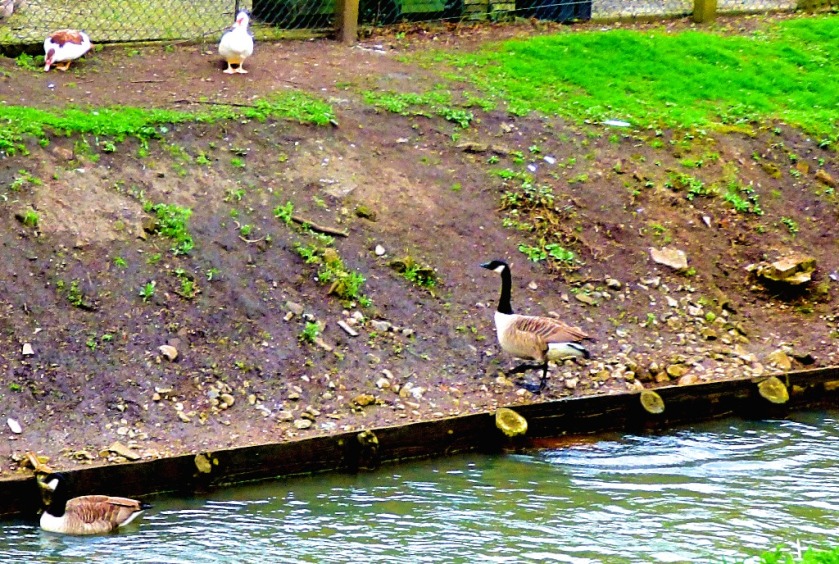
The entirety of my homeward journey took place not only in daylight but under a bright sun (yes, we sometimes forget about it, especially during long winters like the one we are just emerging from, but even here in Blighty we do get to see the sun). I only added one solitary picture to my collection during this journey – a pair of drakes swimming in formation in the Gaywood River…

drakes

Blue Tit and Butterfly

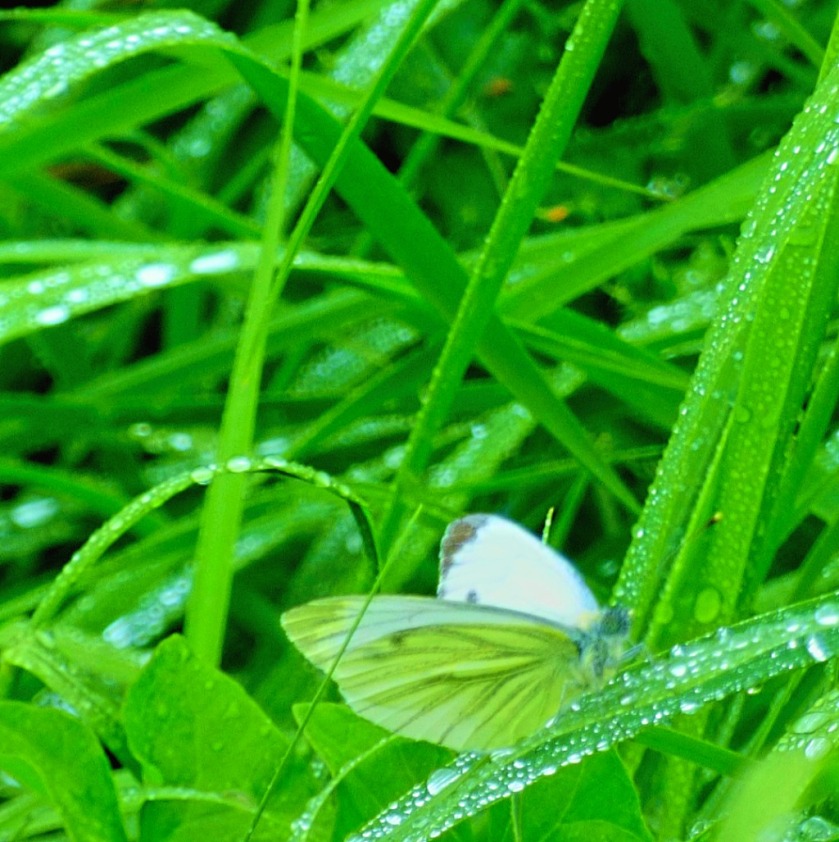
A blue tit and a butterfly from yesterday.

INTRODUCTION

Yesterday was a Musical Keys day, and on the way there I got a few photographs which I think warrant a post of their own, before I move on to the main meat of today’s blogging.

THE BLUE TIT

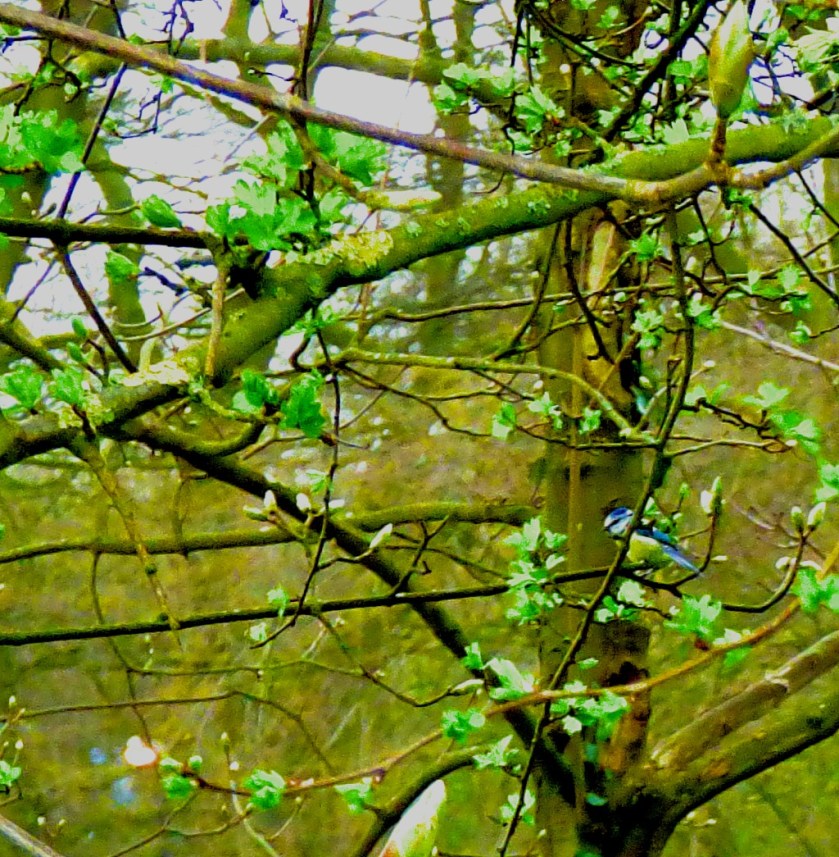
This was a picture I took more in hope than expectation, since small birds nearly always fly out fo shot before the camera has picked them up, but on this occasion fortune smiled…

Blue tit
blue tit in tree branches, on the path than runs betwee the King Edward the Seventh Academy and The King’s Lynn Academy.
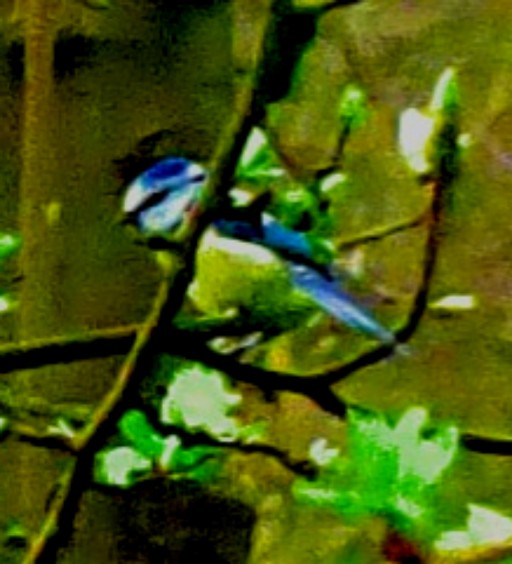
Blue Tit - close up
The blue tit, extracted from the foregoing picture.

Blue tit - bird book

THE BUTTERFLY

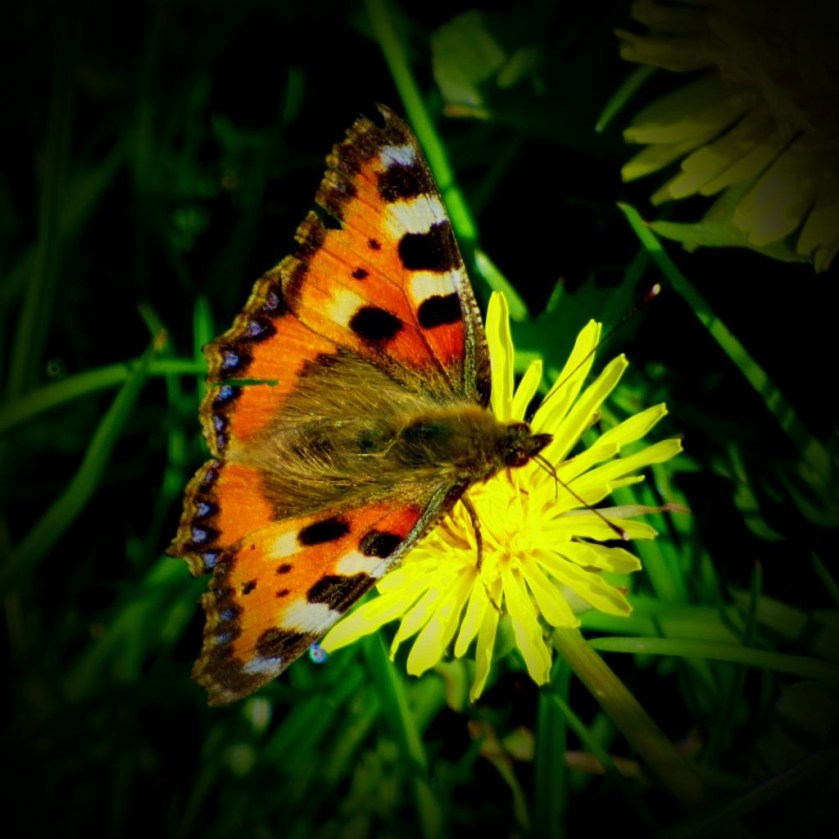
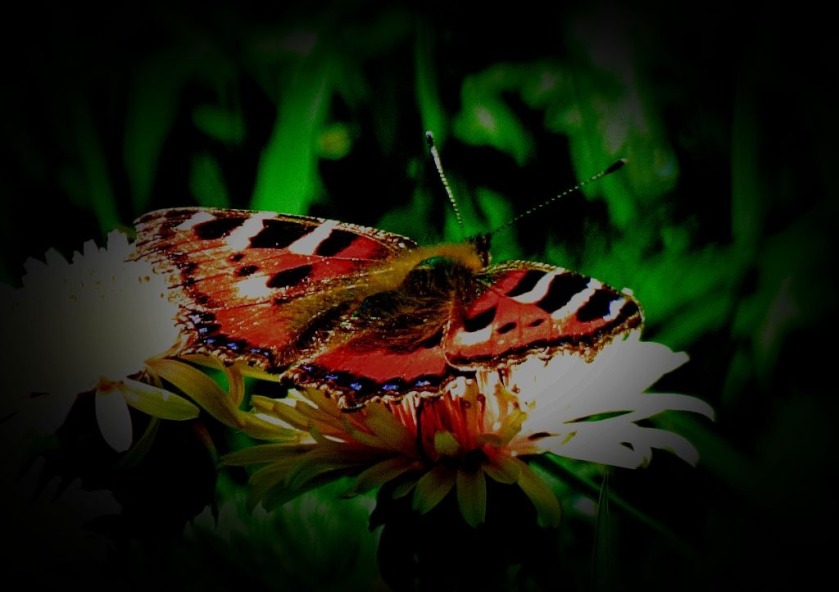
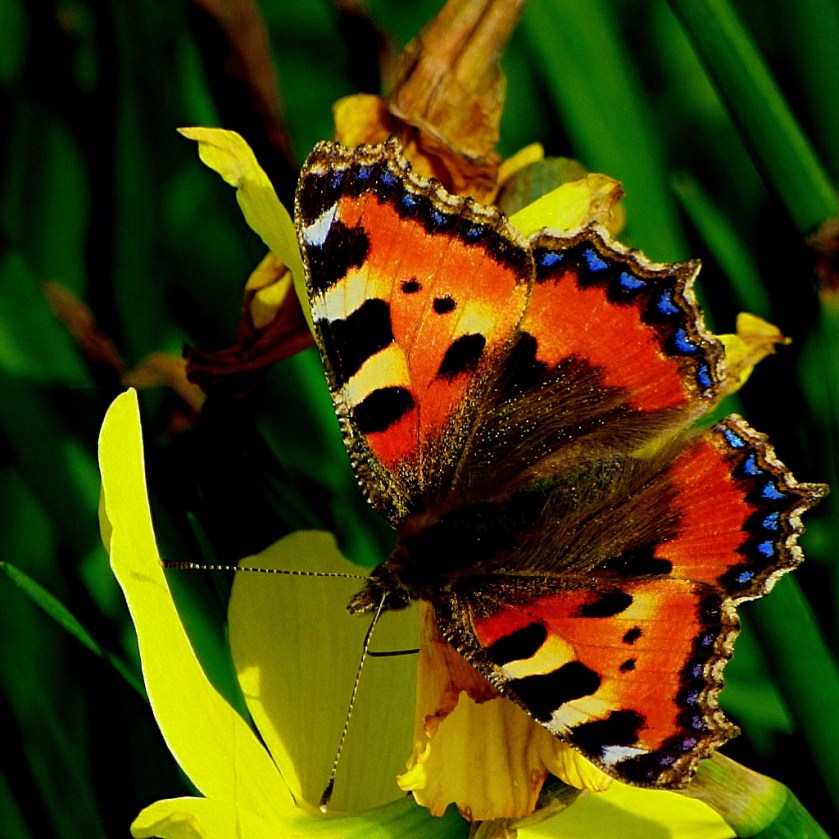
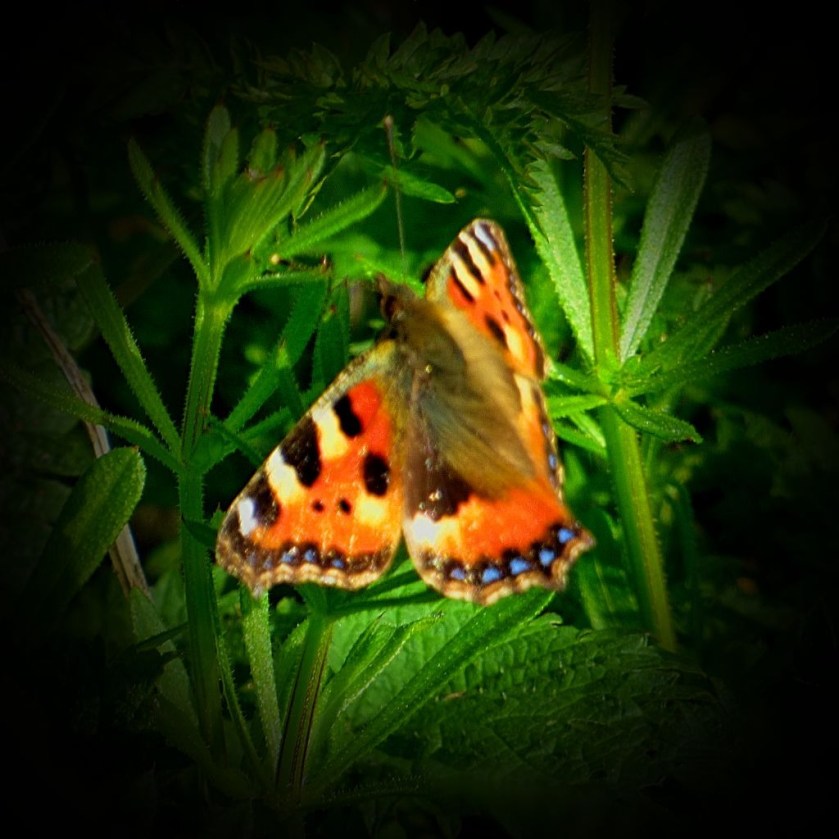
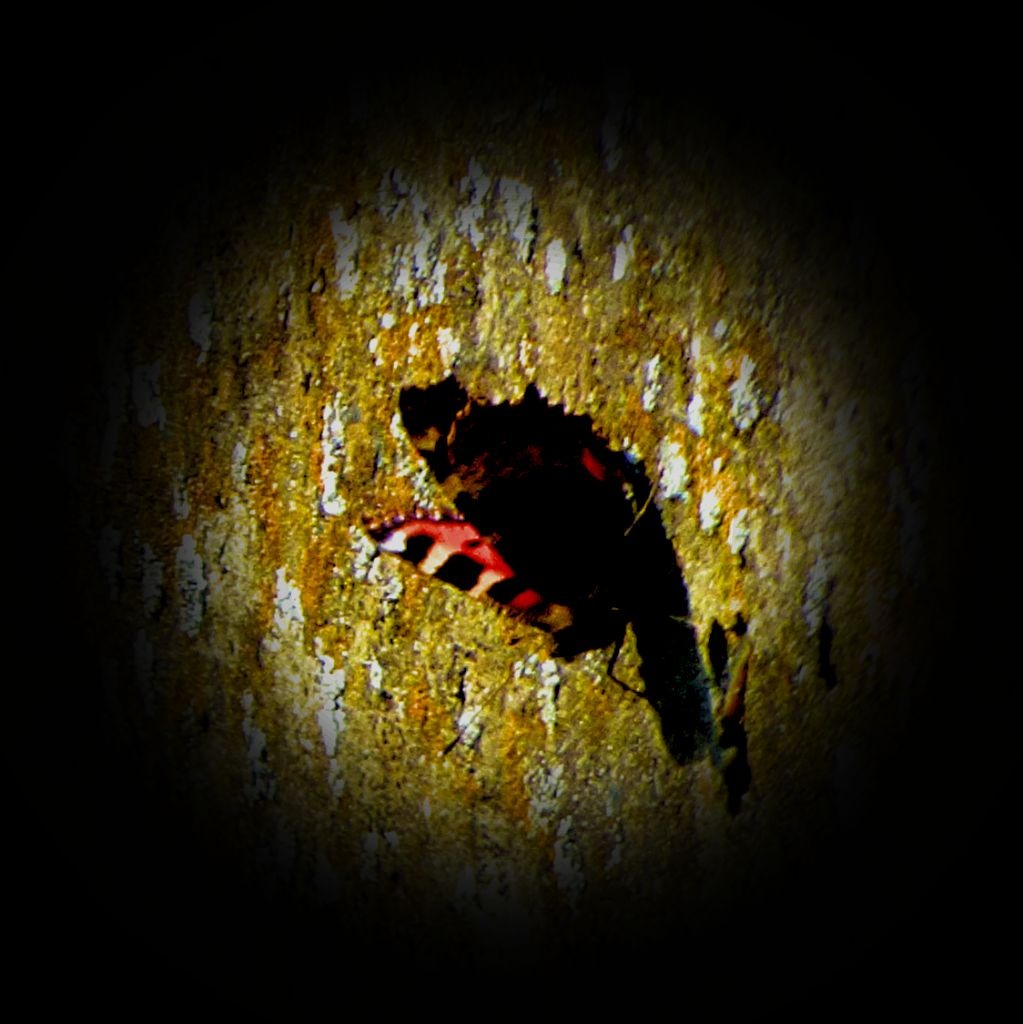
As I approached the Scout Hut where Musical Keys sessions take place, walking along the bank of the Gaywood River I spotted a Small Tortoiseshell Butterfly. I investigated further and finished with six splendid pictures.

Tortoiseshell ButterflyTortoiseshell Butterfly IITortoiseshell Butterfly IIITortoiseshell Butterfly IVTortoiseshell Butterfly VTortoiseshell Butterfly VI

Congratulations New Zealand

A cricketing post, in which I set out my stall for World Autism Awareness Week and then the month of April.

INTRODUCTION

While this post is a cricket post, it is also my first post in World Autism Awareness Week. Thus to set the stage for this week and for the whole of April you will notice a couple of changes:
  • All of my own text will in #RedInstead 
  • Save in photographs where it is unavoidable the colour blue will not appear in this blog before the start of May

The main theme of this post is what happened in Auckland, but before that…

A QUICK UPDATE ON THE
AUSTRALIAN CHEATING SAGA

For full details please visit my previous post. The official ICC ‘punishments’ – a one-match ban and a meaningless fine for skipper Steve Smith and just the meaningless fine for Bancroft are a complete joke. However, it seems that Cricket Australia will be taking tough action against Smith and vice-captain Warner (this latter has to rank as one of the stupidest appointments in cricket history given his reputation) and less tough action against Bancroft. The latter annoys me on the following counts:

  • Yes, Bancroft was a junior player acting under the influence of his seniors, but “I was only obeying orders” has certainly been utterly debunked as a defence since at least 1945.
  • Bancroft is both older and more experienced than was Mohammad Amir at the time of his fall from grace and yet the latter (quite correctly) spent five years banned from the game (the other two offenders in that case, Mohammad Asif and skipper Salman Butt were both drummed out of the game permanently, again correctly.

Incidentally, the match in which this scandal broke finished yesterday, a day early, as Australia collapsed in their second innings, losing all 10 of their wickets for the addition of 50 runs (57-0 to 107 all out, thereby outdoing England’s collapse of a few days ago).

CRICKETING JUSTICE IN THE END

England made a decent fist of things on the final day in Auckland, taking the match into its final session, but in the end cricketing justice prevailed, with New Zealand winning by an innings and 49 runs. The truth is that this match was a three-cornered affair, with New Zealand coming out just ahead of the weather and England way back in a distant and dismal third.

There were two things that stood out about the England second innings:

  • Nearly every batsman got going, but none managed to produce a really major innings, Ben Stokes‘ 66 being the top score.
  • The ends of sessions were calamitous for England, with Root falling just before the close of day 4, Moeen Ali on the stroke of tea on day 5 and Stokes on the stroke of the dinner break on day 5.

New Zealand bowled very well again, although there is no way that Neil Wagner’s medium paced bouncers should have caused the havoc they did. Leg spinner Todd Astle collected 3-39. Trent Boult was deservedly named Man of the Match for his nine wickets in the course of the game – it was his magnificent bowling on day 1 assisted by English ineptitude that gave New Zealand an ascendancy that only the weather seriously threatened to take away from them.

England need to learn from this – the only publishable word to describe their ‘preparation’ for the test match section of this tour would be”shambolic”, and their batting in the first innings reflected this. 

A win in Christchurch would give them a 1-1 draw in the series, though I reckon that another defeat and resultant 0-2 reverse might just administer the kick up the collective backside that they need. Further information about this match and the players involved can be found here.

I end this section by emphasizing once more where the credit belongs: my heartiest congratulations to New Zealand on a splendid performance.

PHOTOGRAPHS

Sun on the Great Ouse I
Unless I specifically state otherwise any photos you see in this blog will be mine.

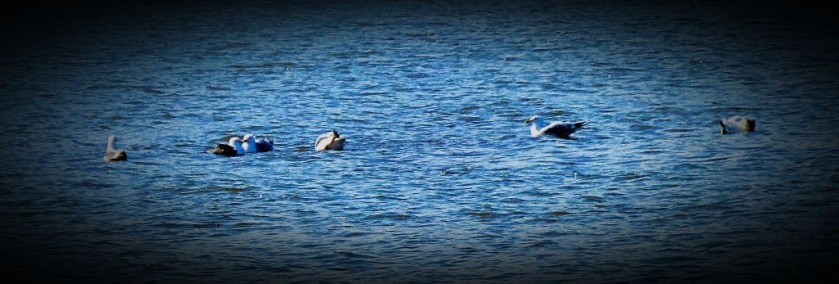
Sun on the Great Ouse IIBlack headed gull IBlack headed gull IIswimming gullFour large gulls

Tortoiseshell Butterfly
On the first remotely spring-like day of 2018 (it was still not that warm, but there was a curious yellow ball-shaped object visible in the sky) I spotted my first butterfly of 2018.

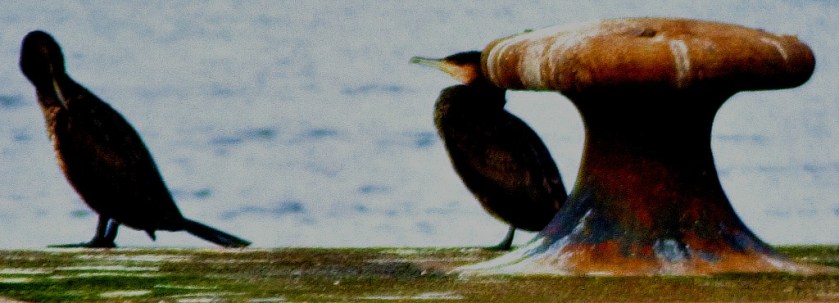
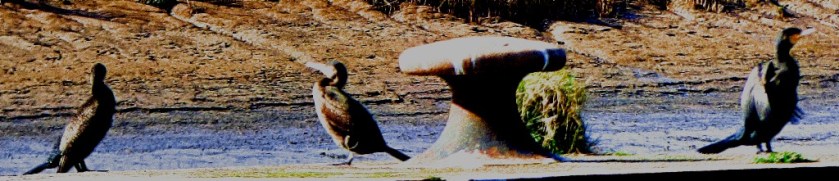
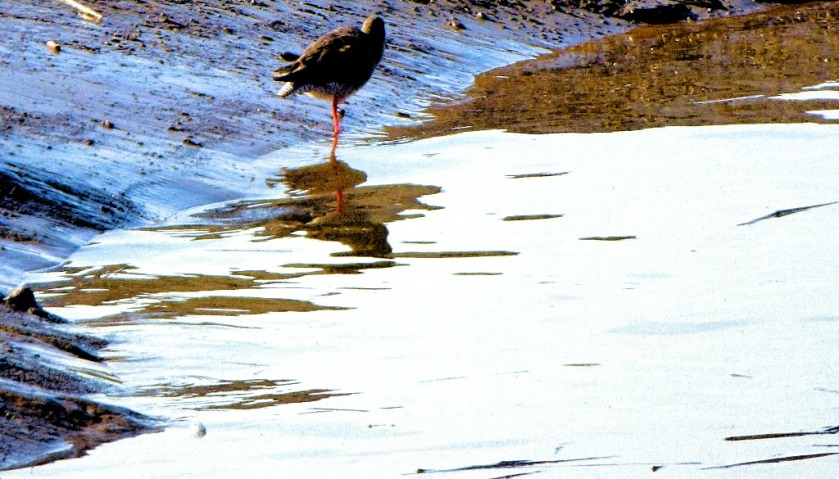
CormorantCormorantsthree cormorantsCormorant trioSwimming birdsRedshankRedshank II


The Gaywood River

An account of an educational event about the Gaywood River that took place in the Scout Hut on Beulah Street on Sunday.

INTRODUCTION

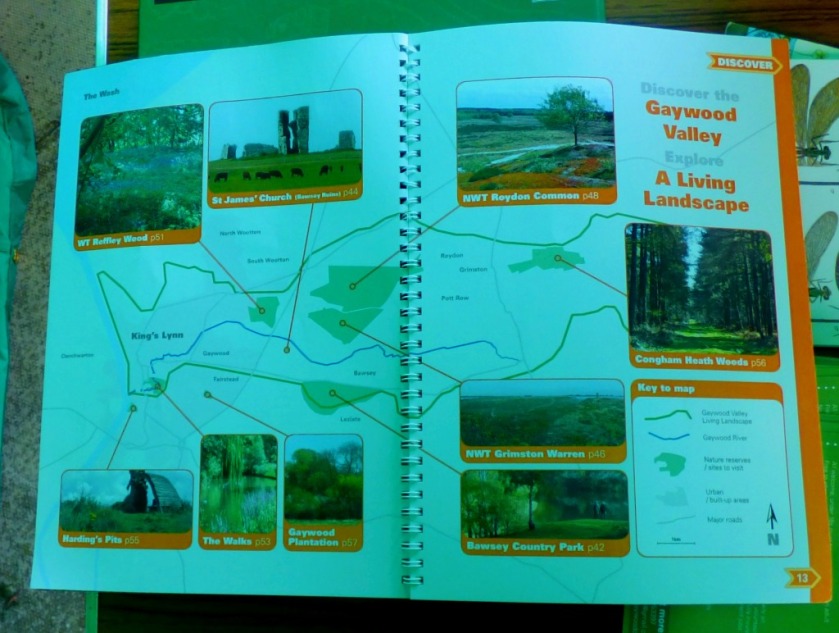
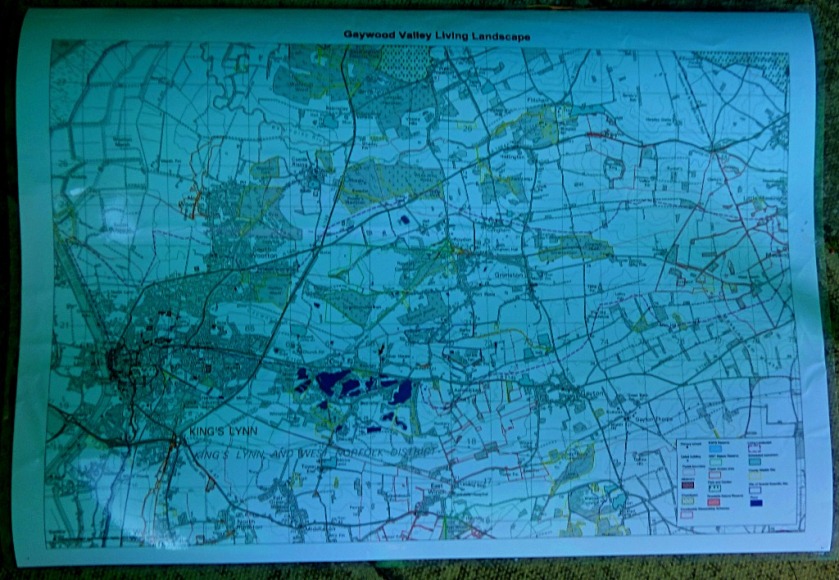
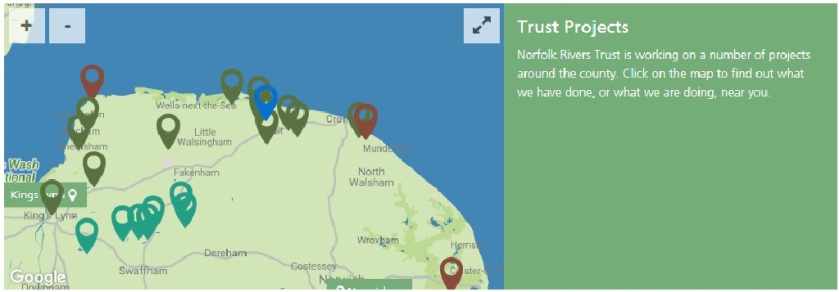
I have had a very busy few days, which is why there have been no new posts here since Saturday. I will mention my activities since Monday in later posts, but this post is solely concerned with the activity that dominated (in a good way) my Sunday. At the end of this post I will be including a variety of links related in various ways to its content. Here is a map showing the course of the Gaywood River:

FINDING OUT ABOUT THE EVENT

I got an email from my aunt a few days before the event was due to happen explaining her role in it and asking if I wished to meet her there and go back to hers for sausage and chips or if I would prefer a saturday supper. I decided that the event could be quite interesting, so I opted for the former course of action.

GETTING THERE

Since the event was taking place at the Scout Hut on Beulah Street, which is on the bank of the Gaywood (Beulah Street ends in a bridge that crosses the Gaywood into the car park that serves the Scout Hut) I was going to walking, and since it was a bright, sunny morning I decided on an extended route. Leaving my flat I headed across Baker Lane Car Park to the bridge over the upper Purfleet, heading across King Street to the north bank of the lower Purfleet. Here are some photos from that early part of the walk:

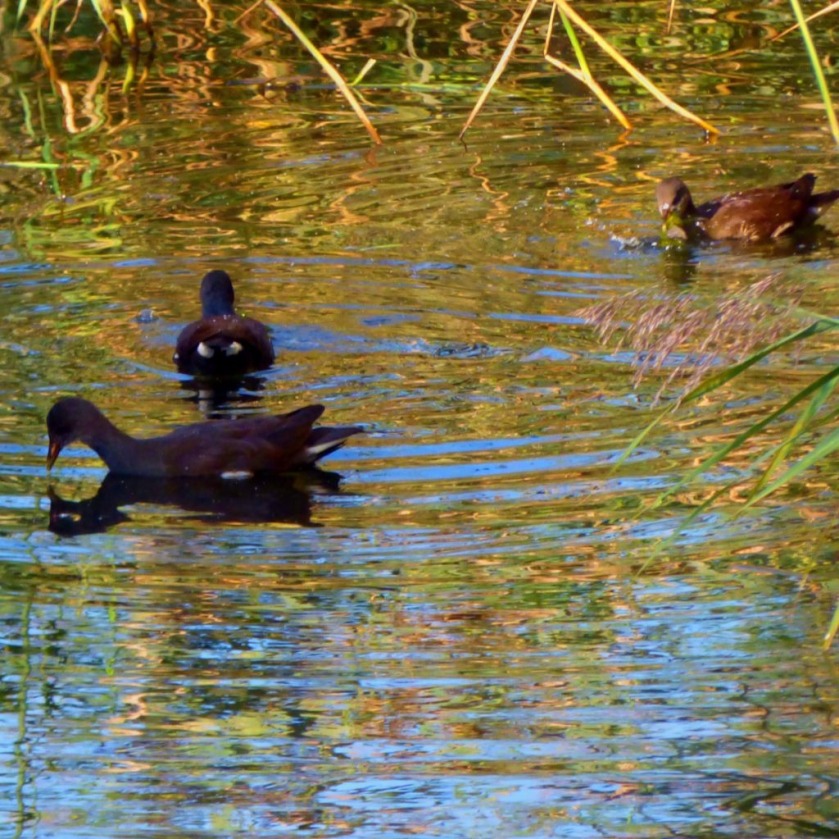
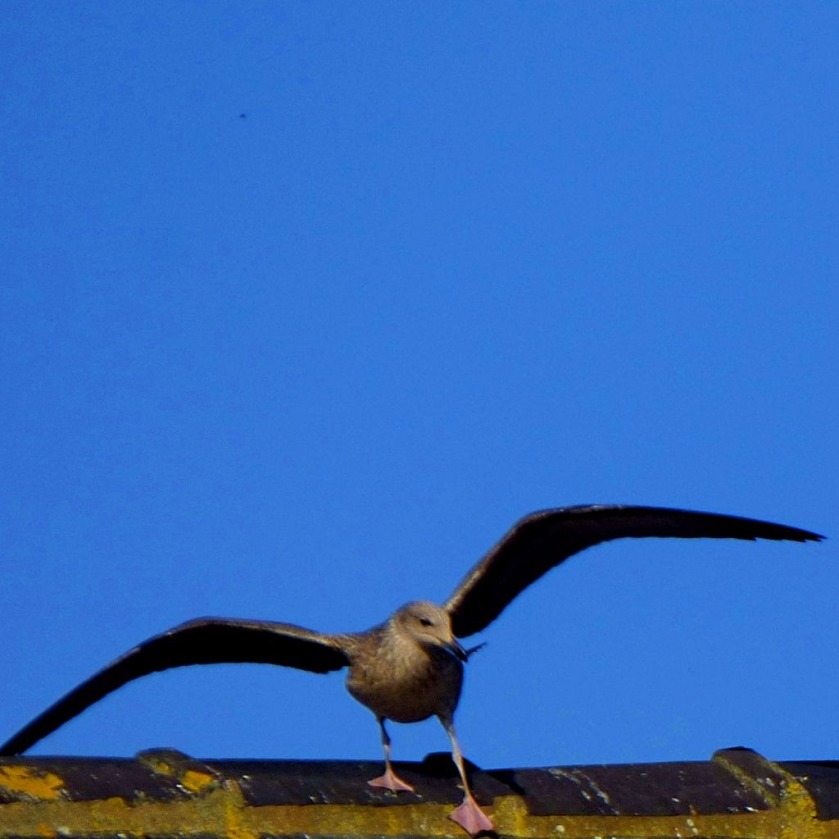
Moorhensigull with spread wings

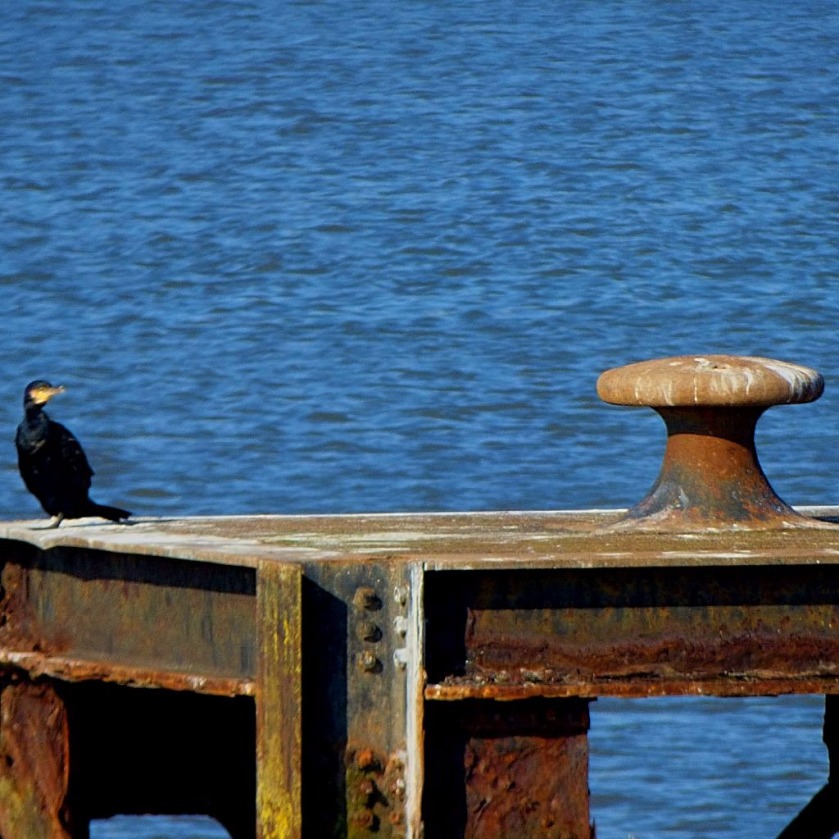
From there I followed the line of the Great Ouse as far as my favourite cormorant observation point…

BoatCormorantiCormorantiiCormorantiiibirds 'n' churchcormorantiv

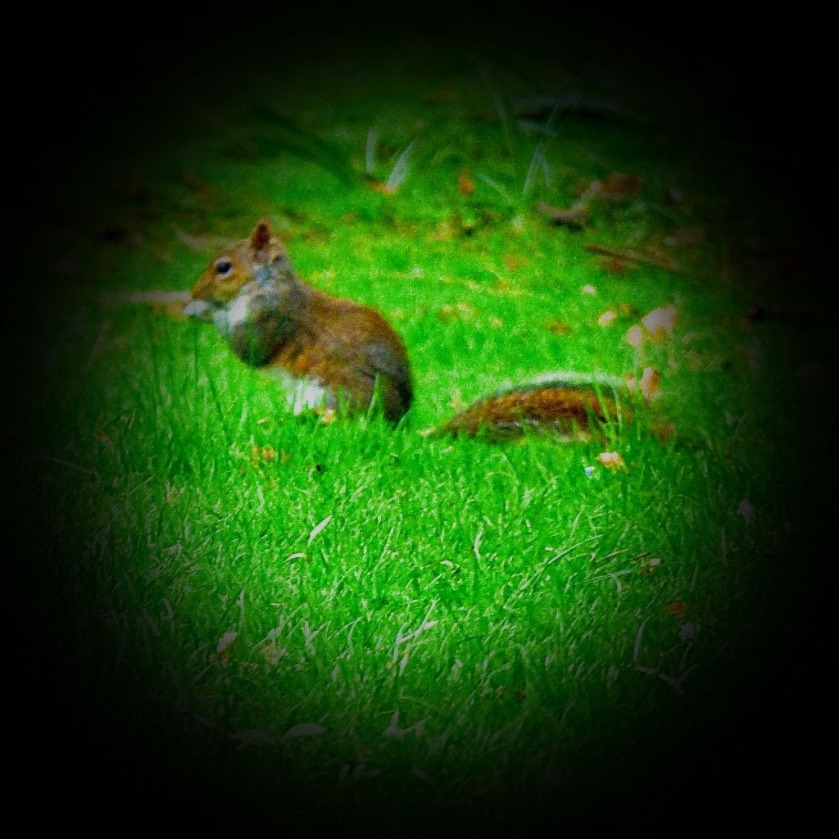
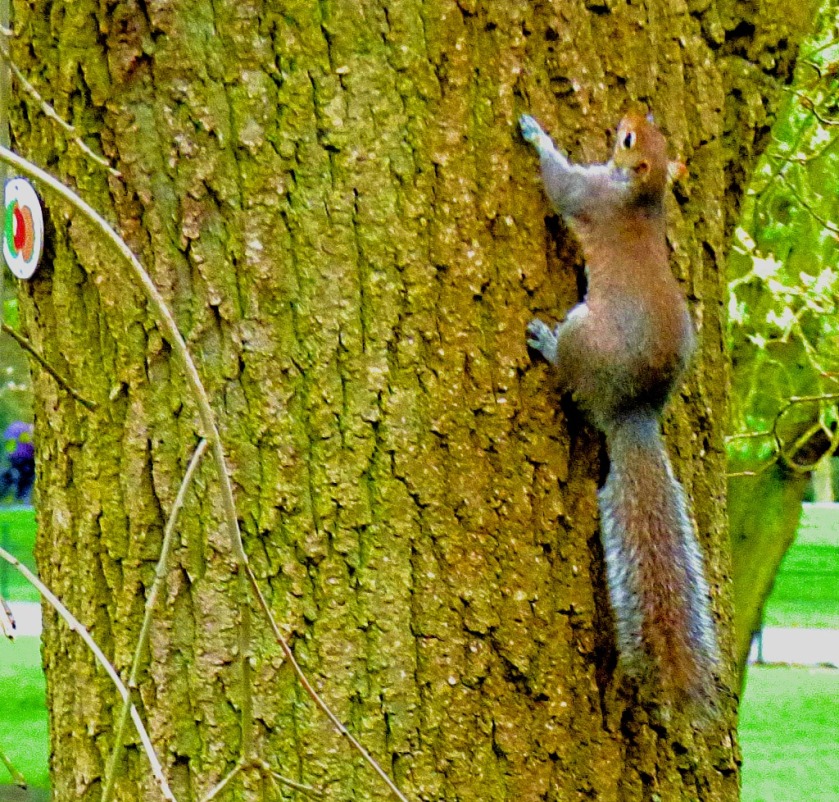
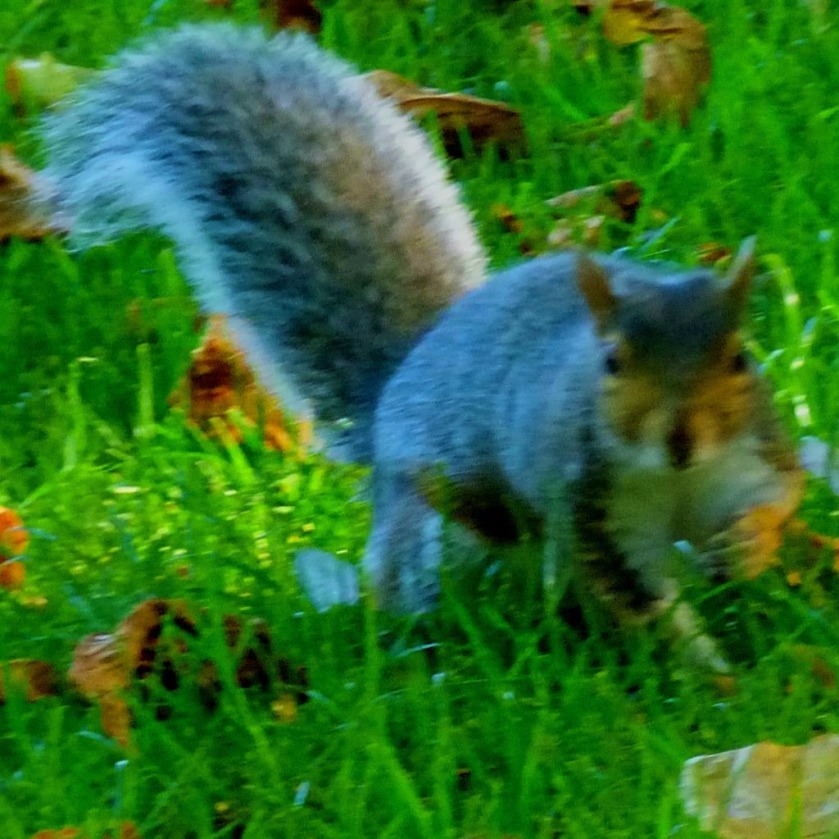
…before heading round by way of All Saint’s Church to the Library and entering the parkland area, following the Broadwalk until the path through the Vancouver Garden splits off from it, when I followed that and then the path out of the Vancouver Garden that joins the Tennyson Road end of St John’s Walk, at which point I was back on what would be the officially recommended walking route to Gaywood. There were squirrels about (in King’s Lynn only the grey ‘bushy-tailed rat’ variety as opposed to the red ‘Squirrel Nutkin” variety), though it is not always easy to get good photos of them…

SquirreliiiSquirreliv

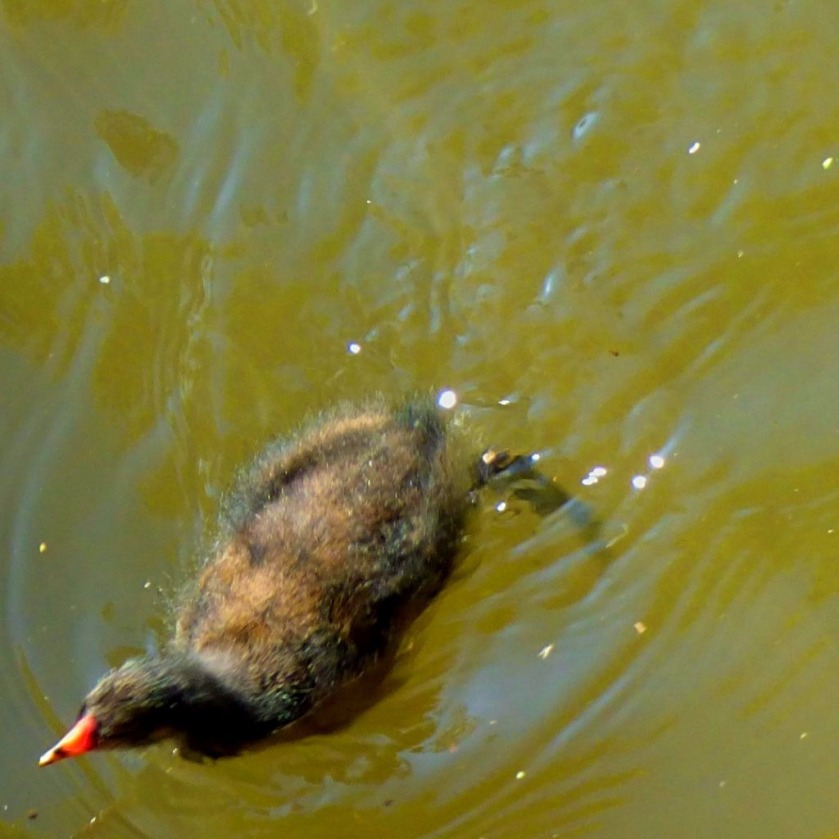
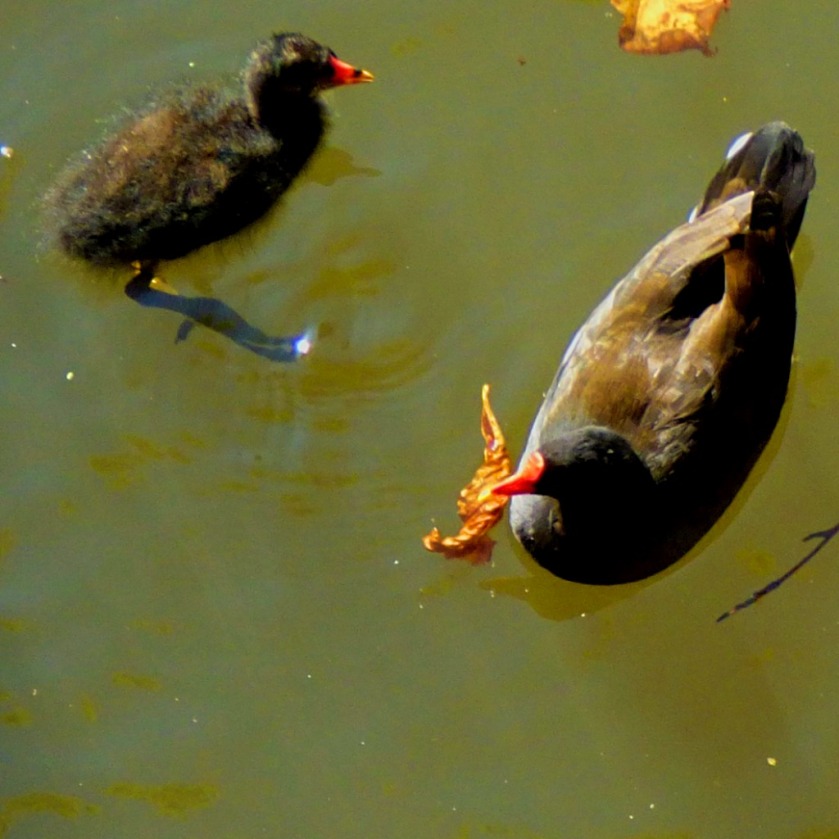
Moorhen Chick
This picture and the next feature the heavily sculpted segment of the Gaywood River that passes through the parkland.

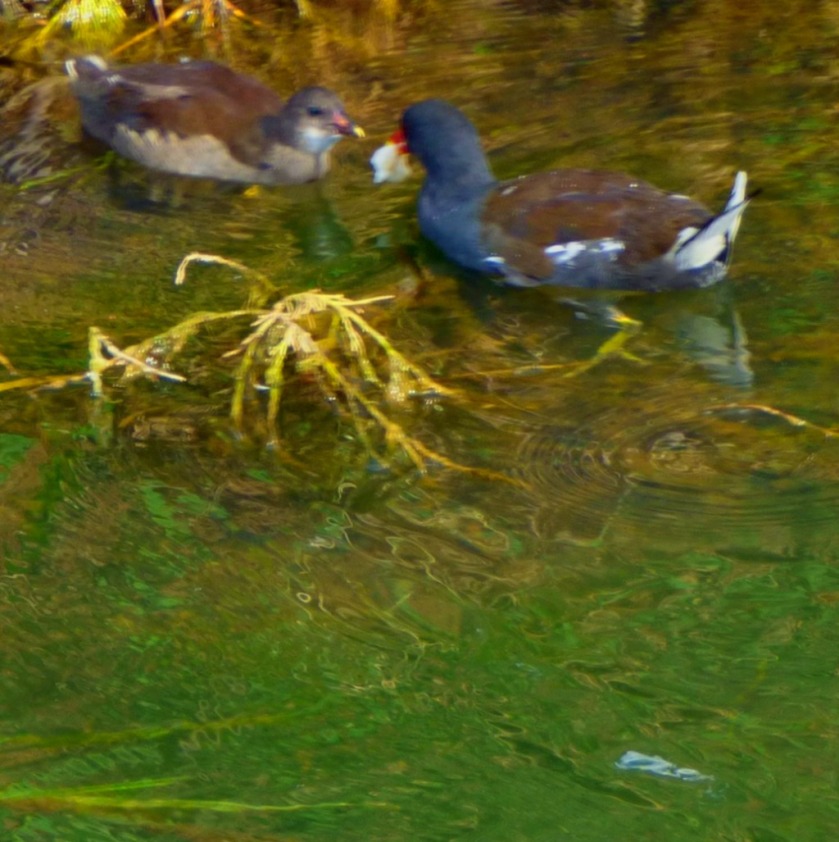
Moorhen parent and child

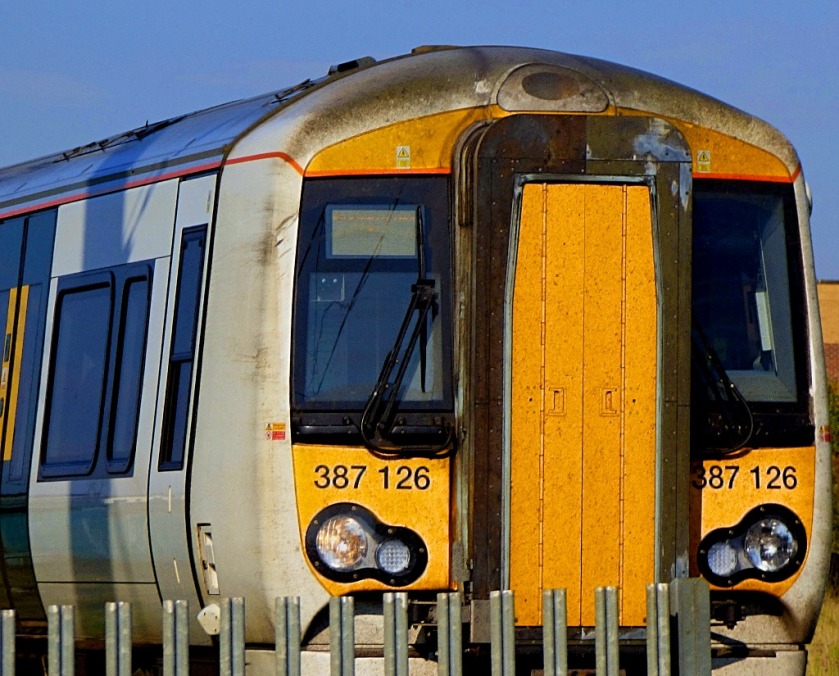
Traini
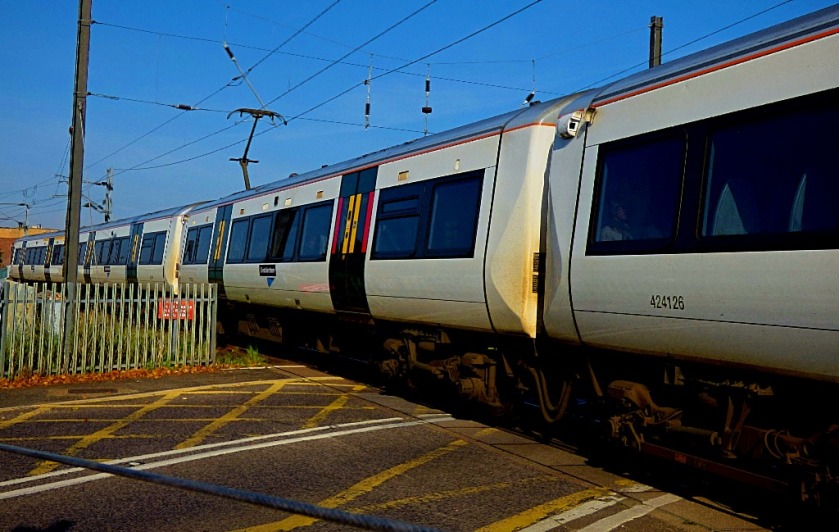
Apart from photograph opportunities the other plus side to being held up a by a train at the Tennyson Road level crossing is that you can cross the road itself in perfect safety as the cars are all stationary.

trainii

From Tennysod Road I followed the footpath the runs between the King Edward VII Academy and the Lynn Academy to Gaywood Road, which I crossed, then crossing the Gaywood on a pedestrian bridge before following its bank all the way to the Scout Hut. 

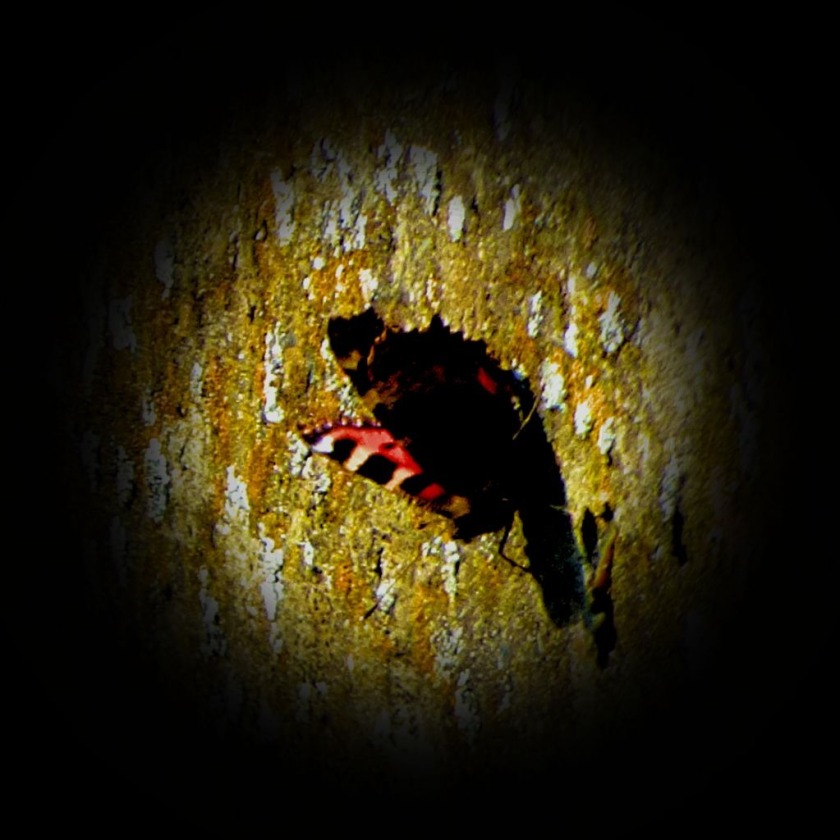
Butterfly
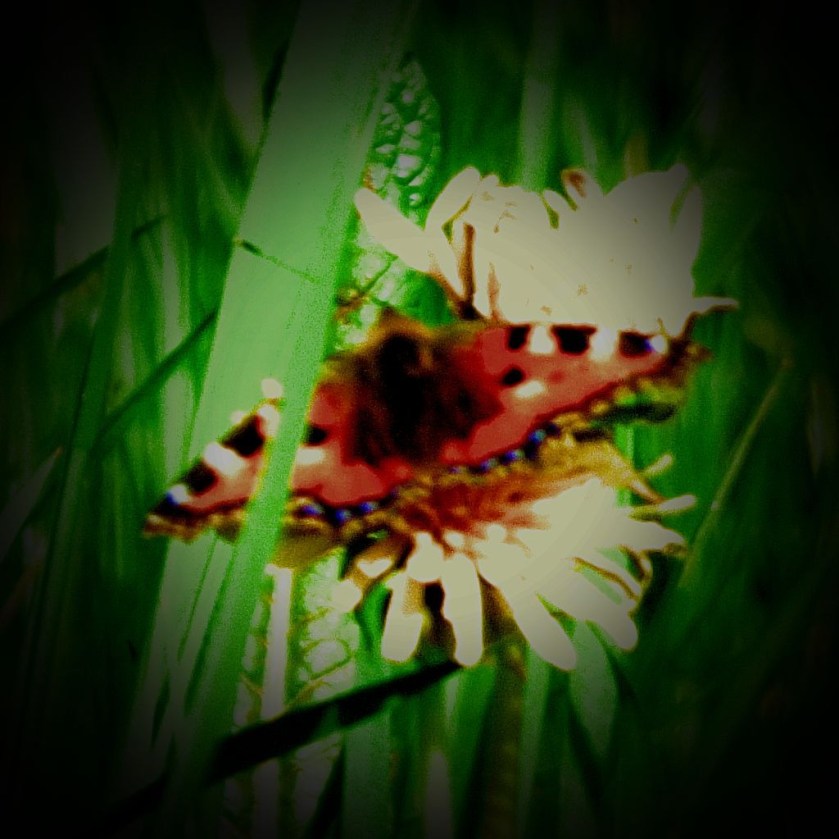
Although darker than their usual colouring I think from the markings that this is a peacock butterfly.
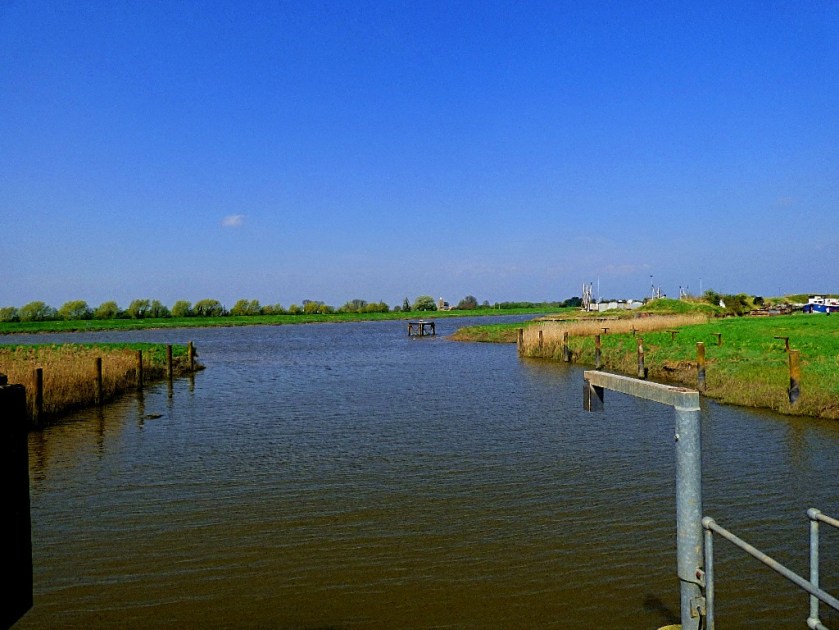
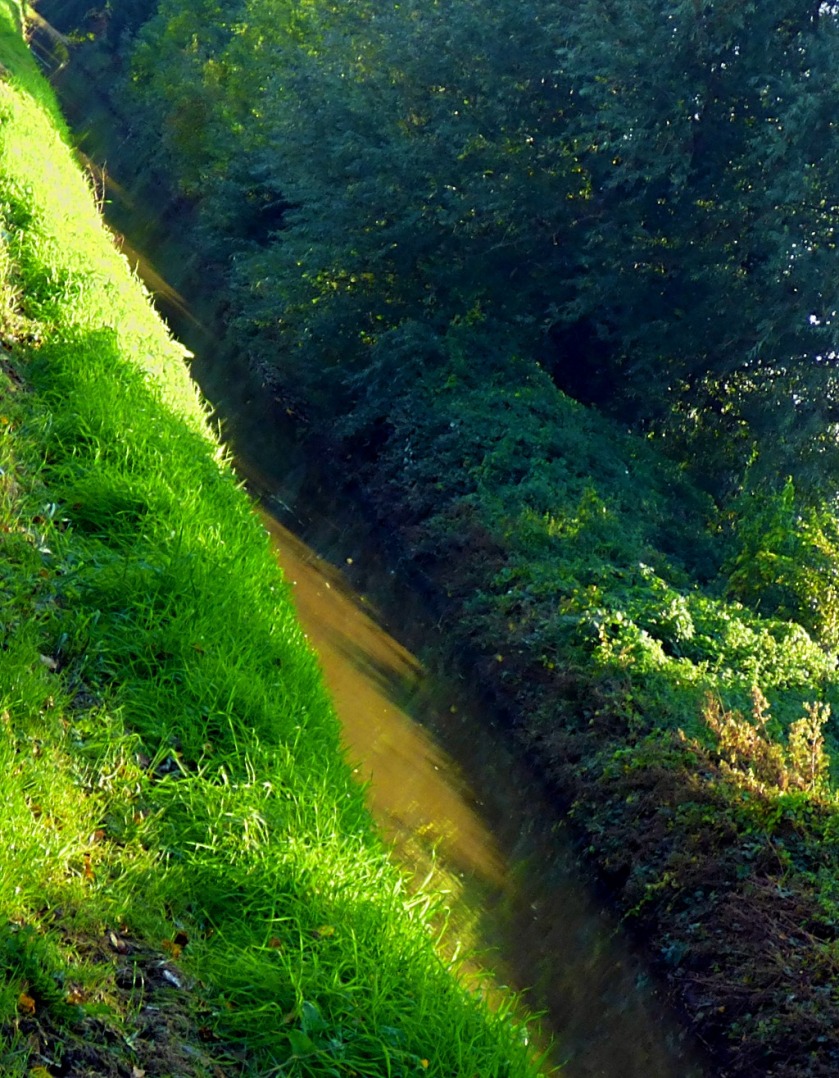
Gaywood river
A section of the Gaywood River

AT THE SCOUT HUT

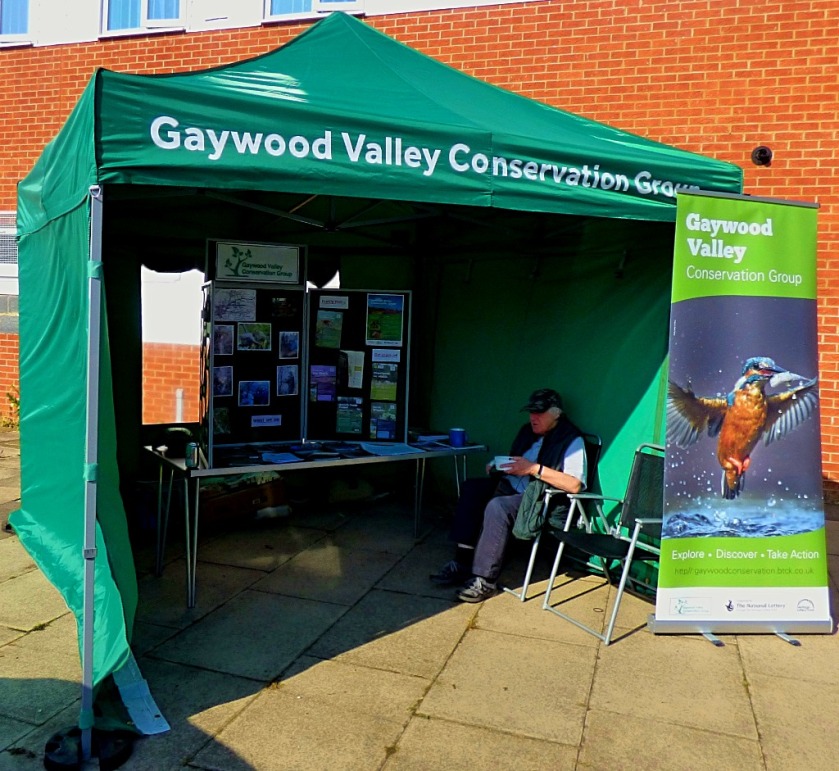
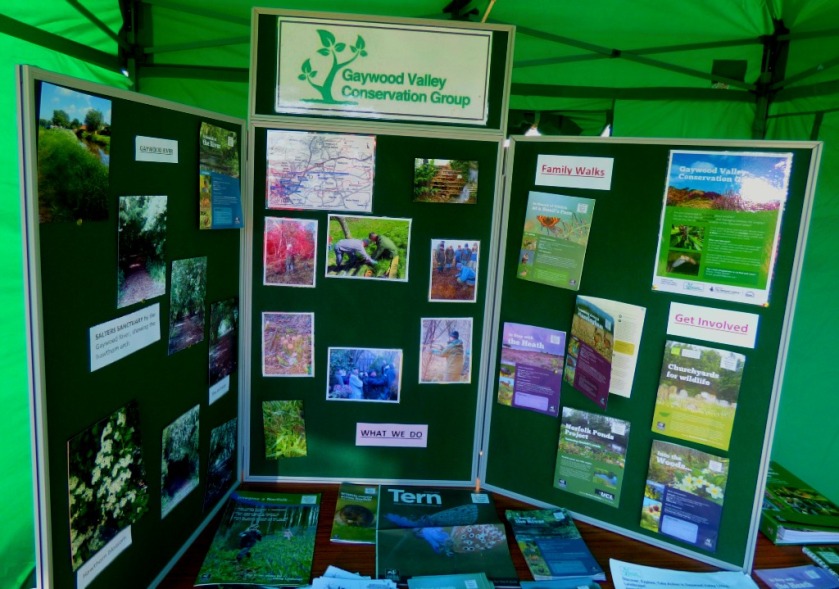
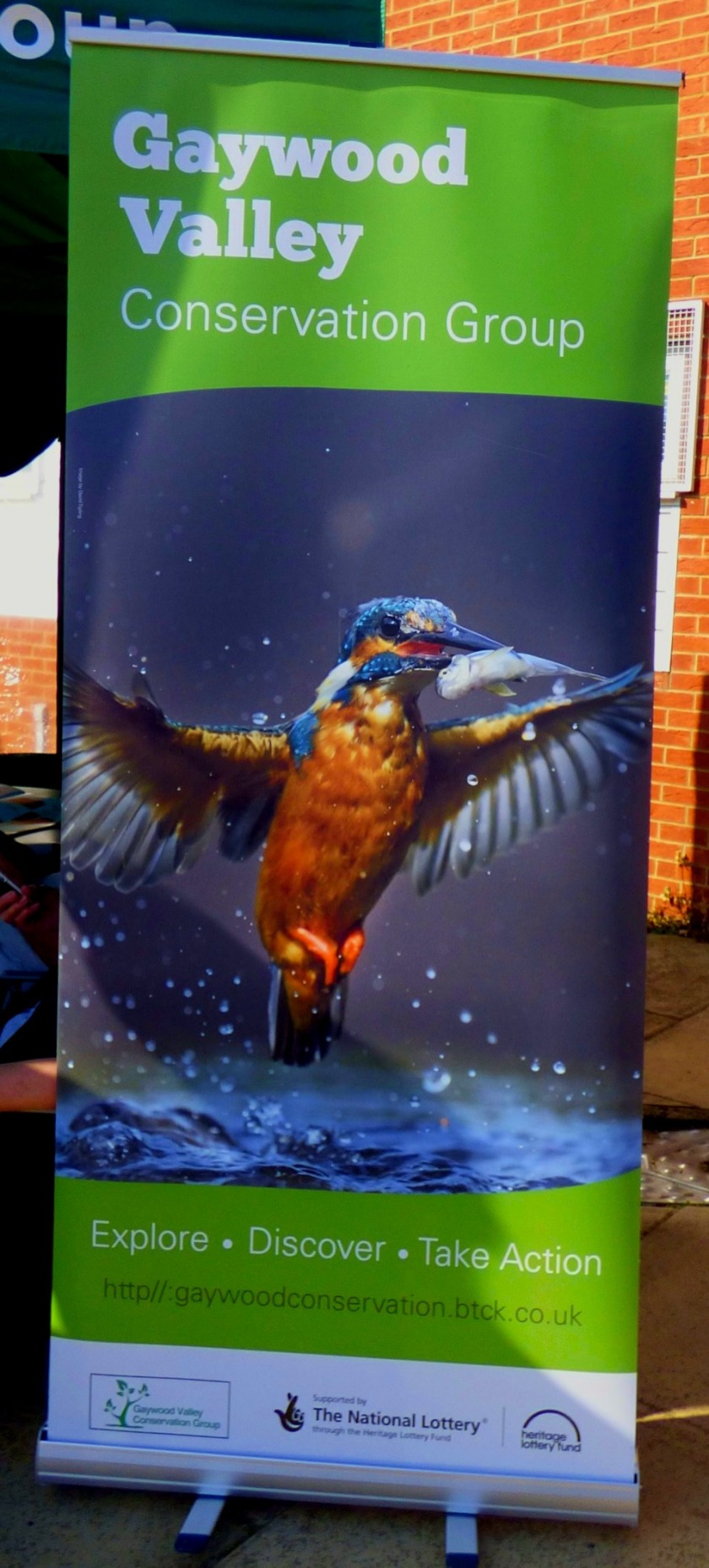
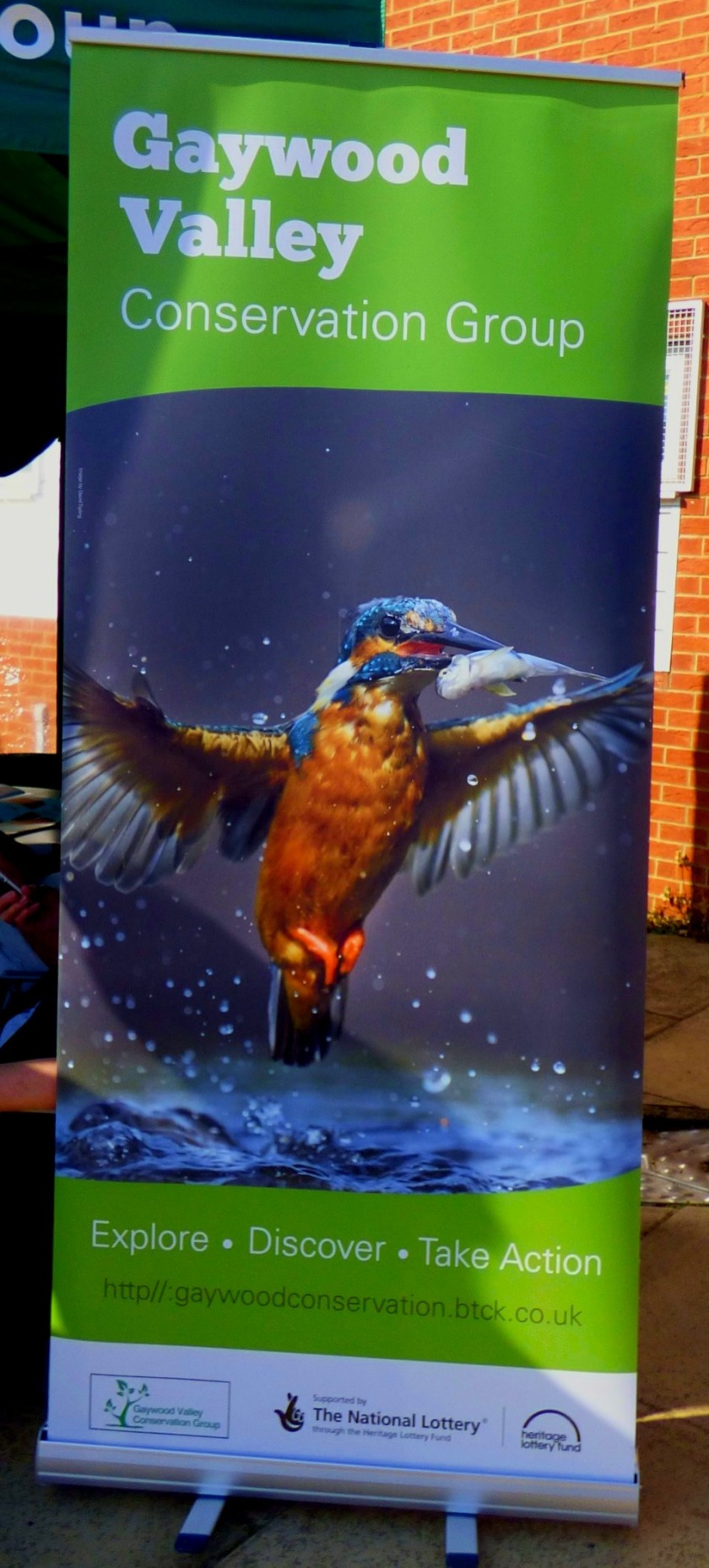
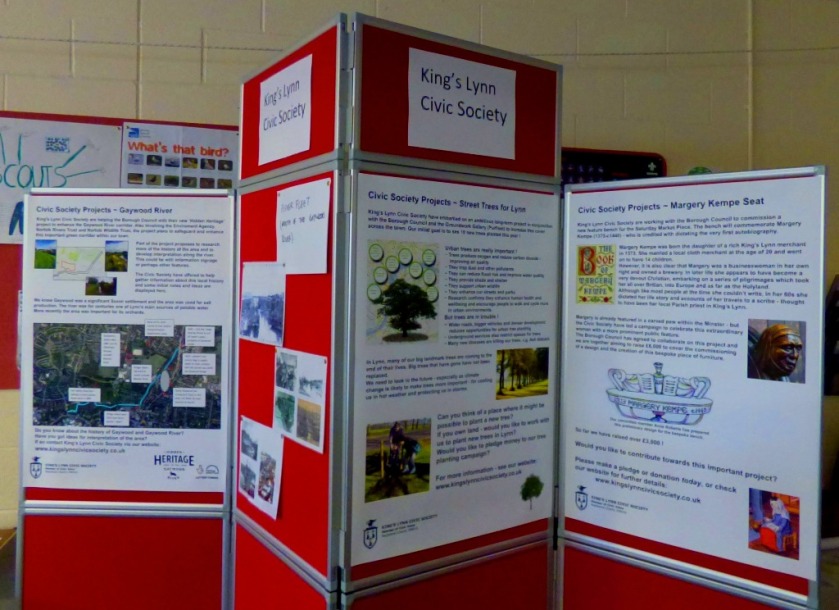
Immediately outside the Scout Hut the Gaywood Valley Conservation Group had a gazebo and display boards (it was there that I took the photo that appears in the introduction). 

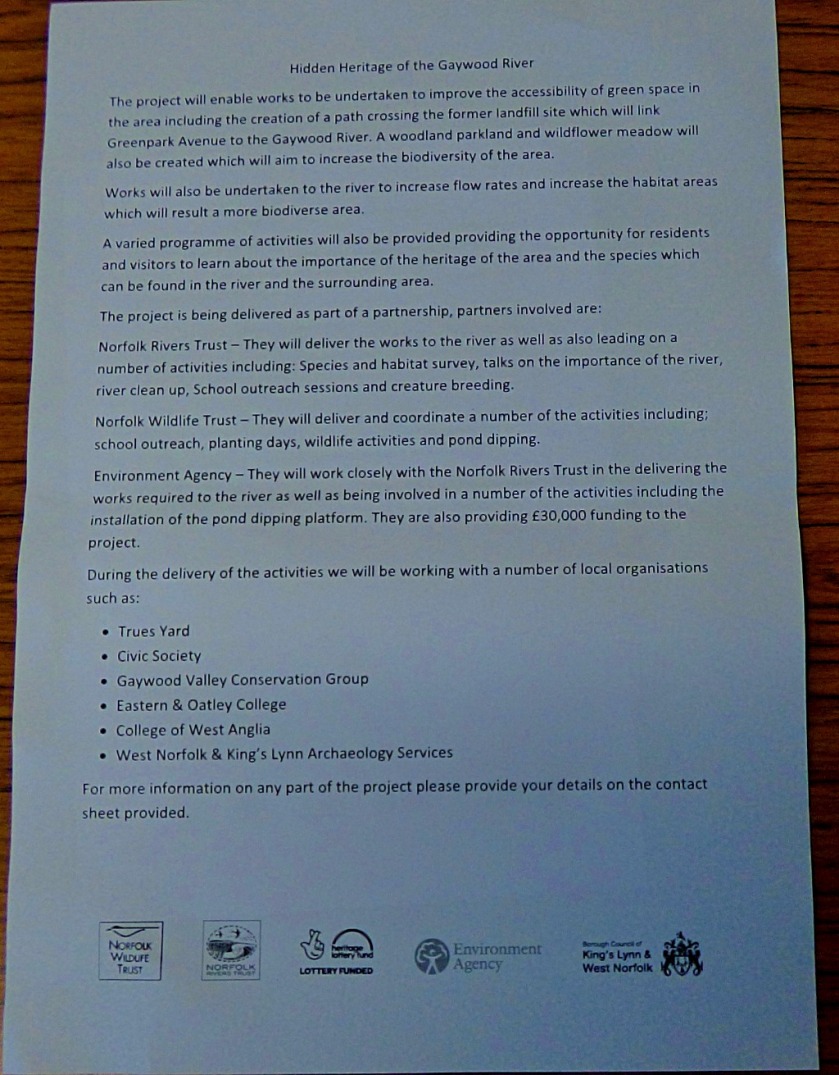
GazeboDisplay boardGaywood Valley 1LeafletsDisplay BoardGaywood Valley 2Gaywood Hidden HeritageGaywood Valley 3Display Board

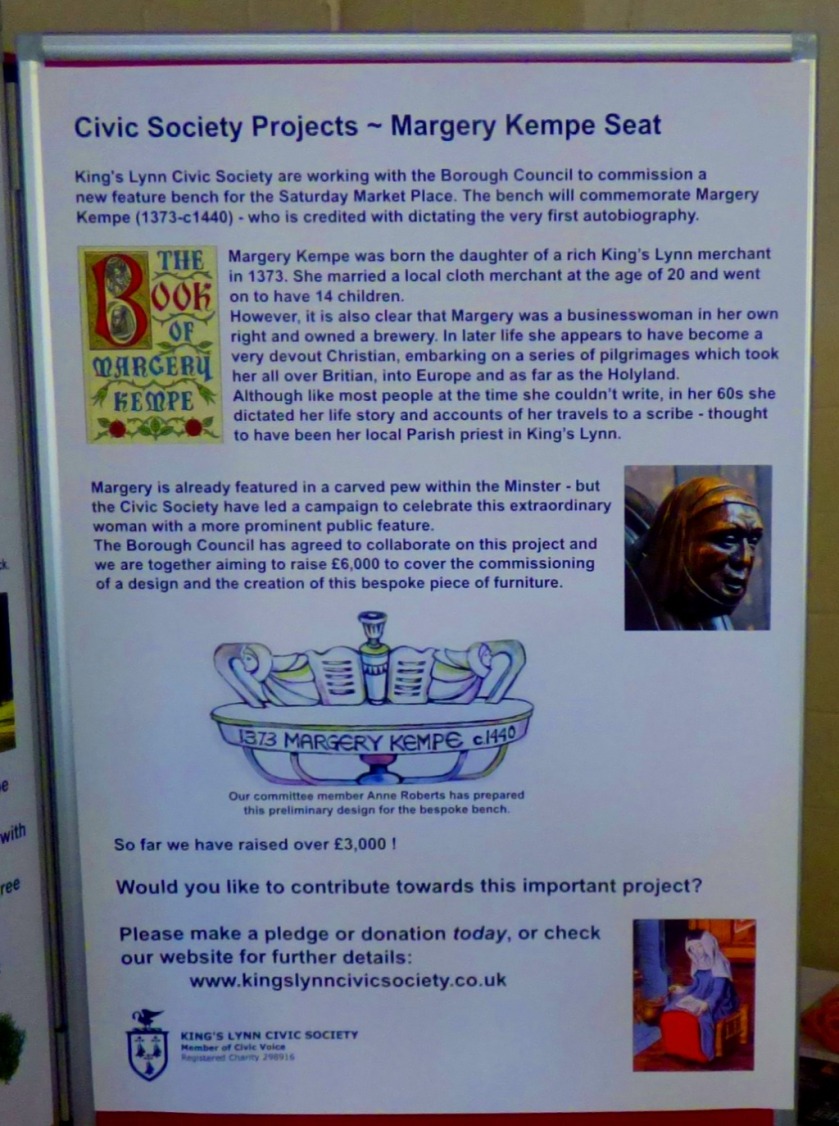
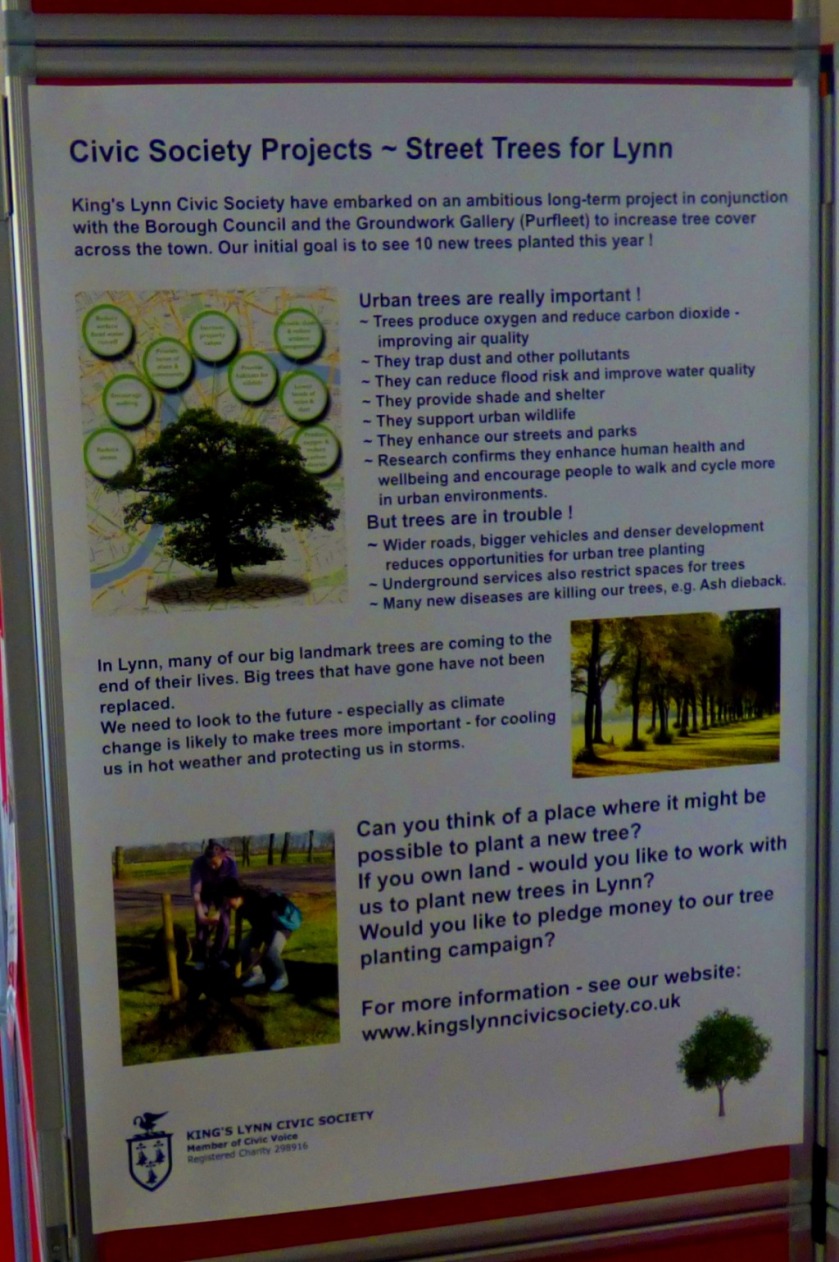
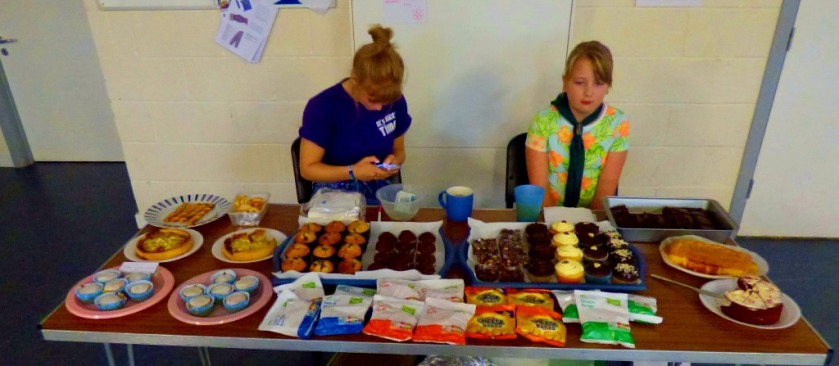
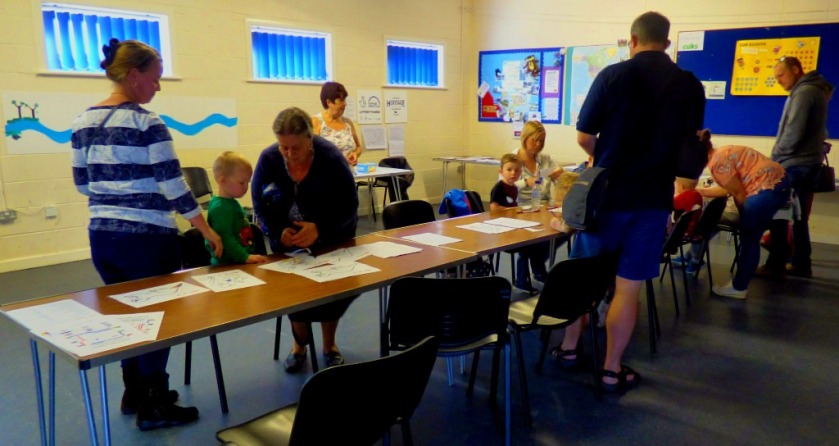
Inside the hut was the Civic Society Stall, a cake stall, and various river related learning activities (colouring in pictures of river creatures for the artistically minded, an A-Z quiz of which more later). Although it was not the first thing I looked at, because it was my aunt’s reason for being there I start with…

THE CIVIC SOCIETY STALL

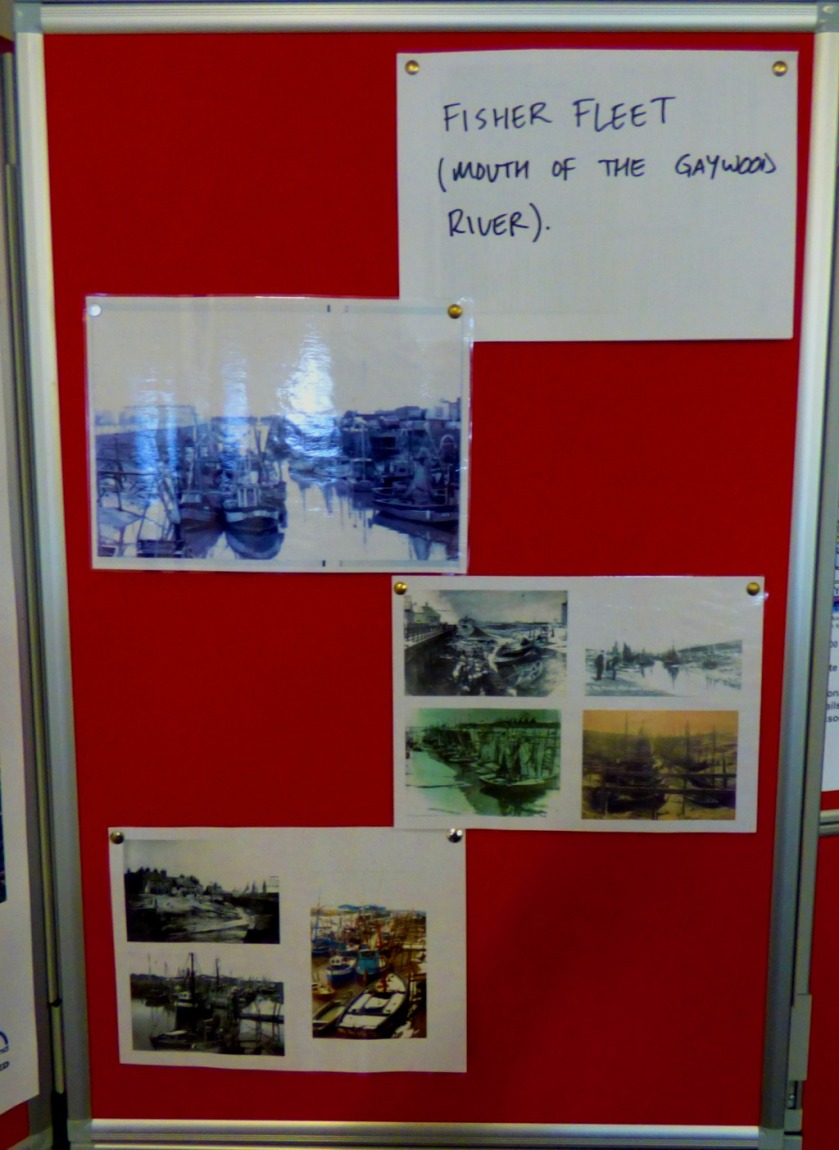
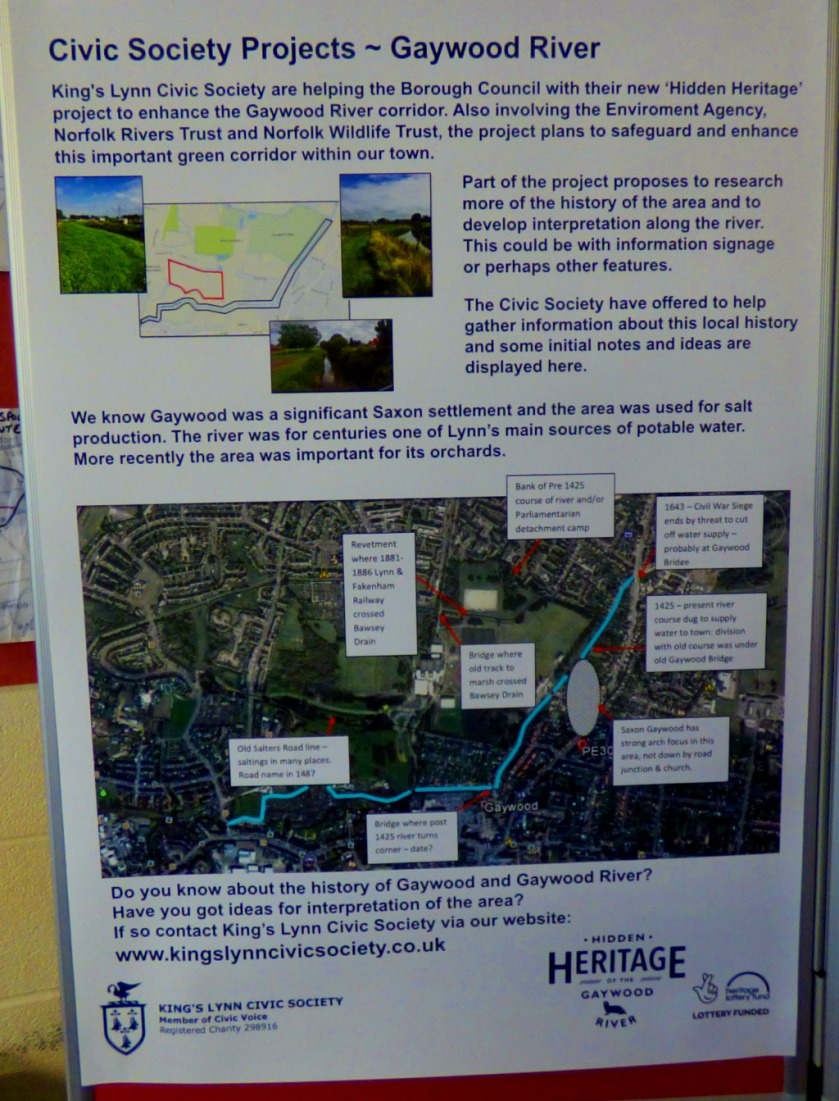
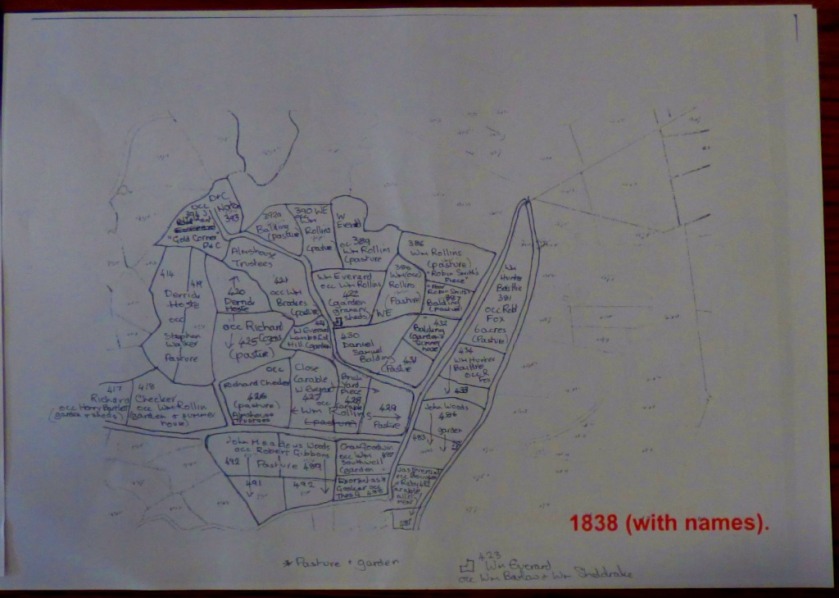
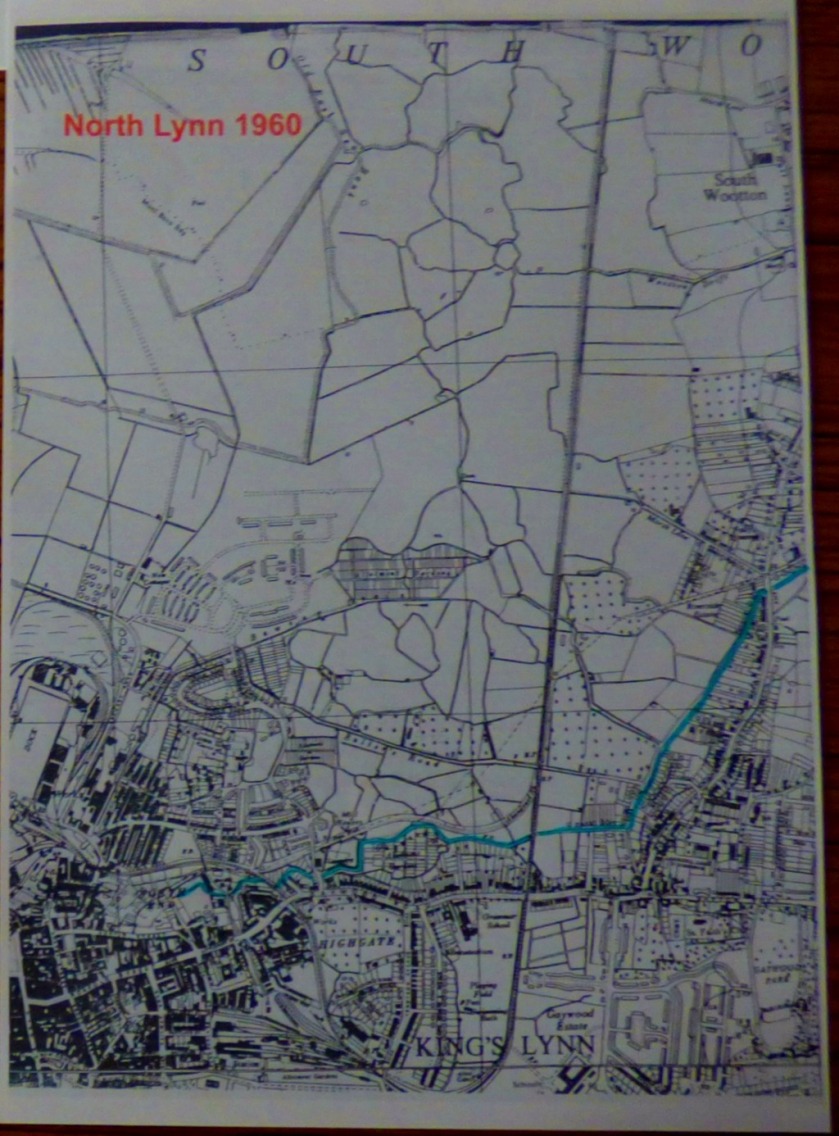
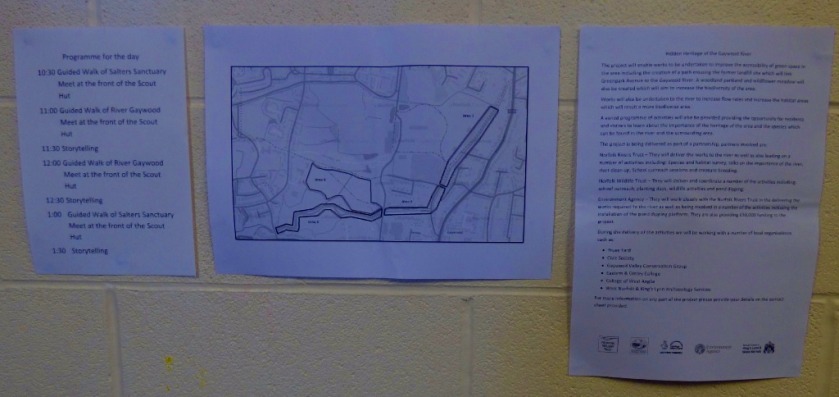
They were looking for people who knew about the history of the Gaywood river, because information boards will be going up at various points along it. They already had some good stuff, but wanted more.

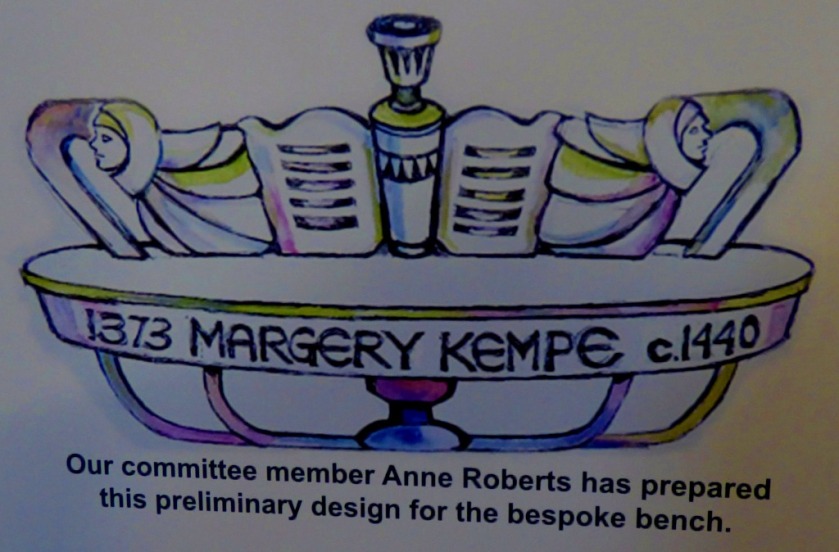
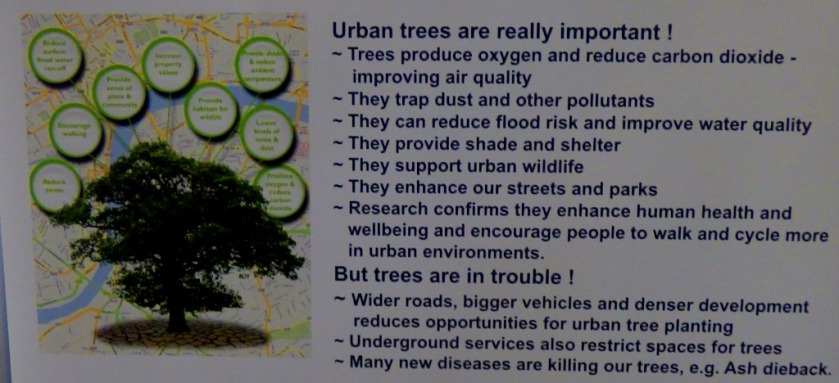
Civic Soc display boardCS1CS2CS3CS4183818101960Wall DisplayMKBUrban Trees

Now we turn out attention to…

THE REST OF THE INDOOR ACTIVITIES

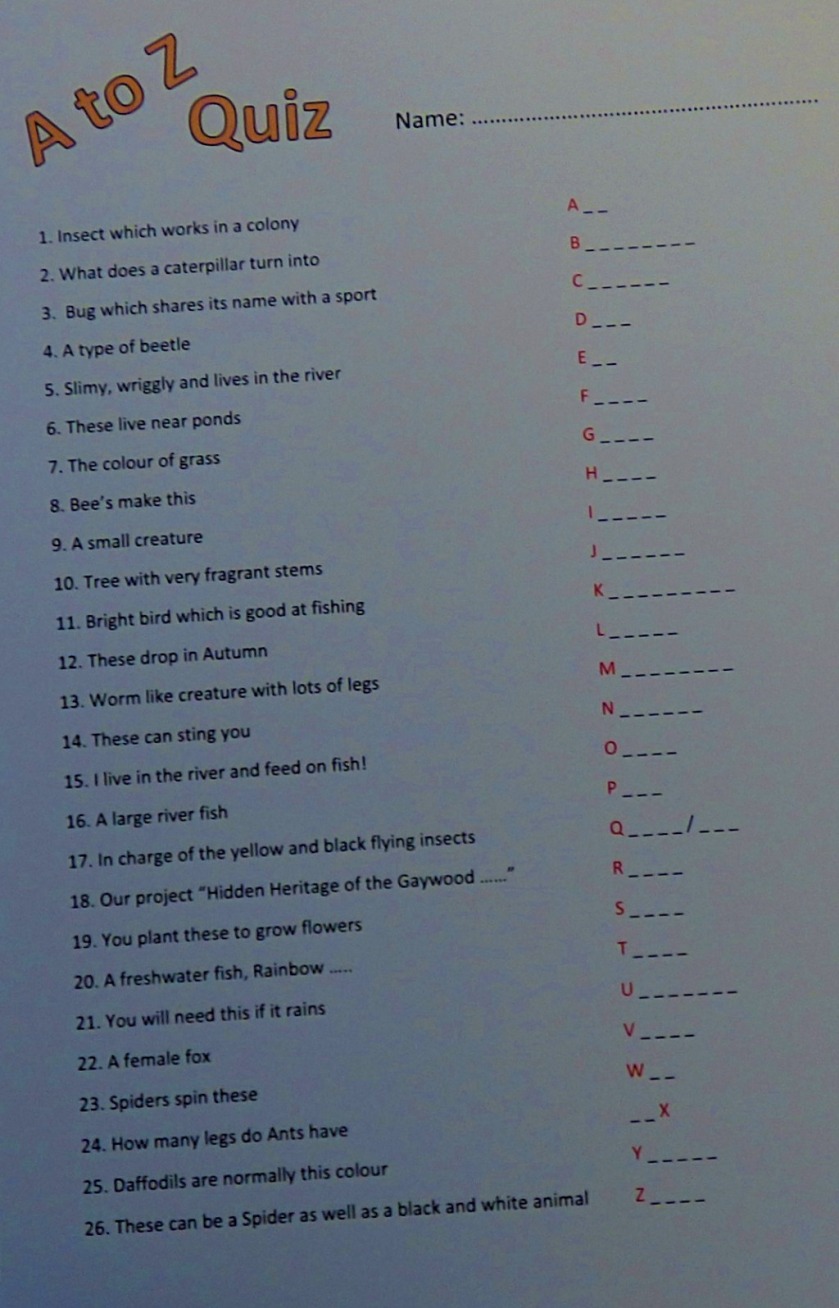
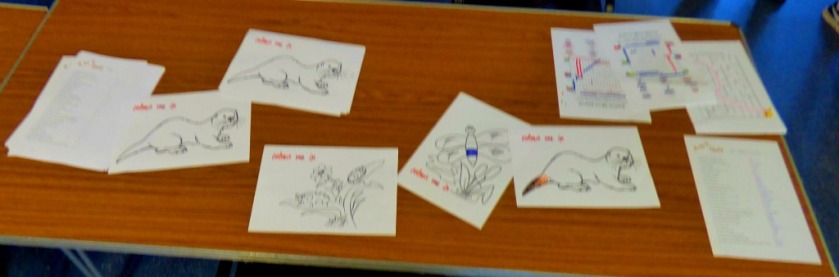
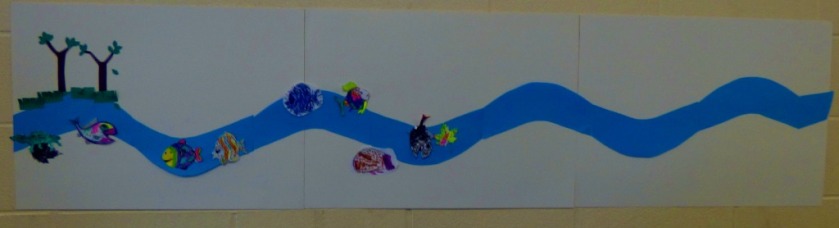
The cake stand looked awesome but discipline prevailed, and I did not sample any of the products. Although it was not really aimed at people my age I did the quiz, and predictably got all the answers in short order. The colouring proved popular, and many of the coloured creatures were then stuck on to a large picture of a river on the wall of the hut.

Quiz
I will reveal the answers (just in case anyone did not get them all) in a later post.

Colouring sheetsWall riverCakescolouring table

That is the inside stuff finished, but there was also plenty going on…

IN THE BACK GARDEN

There were two major centres of activity in the back garden, and I make my first port of call there, as I did on the day, at…

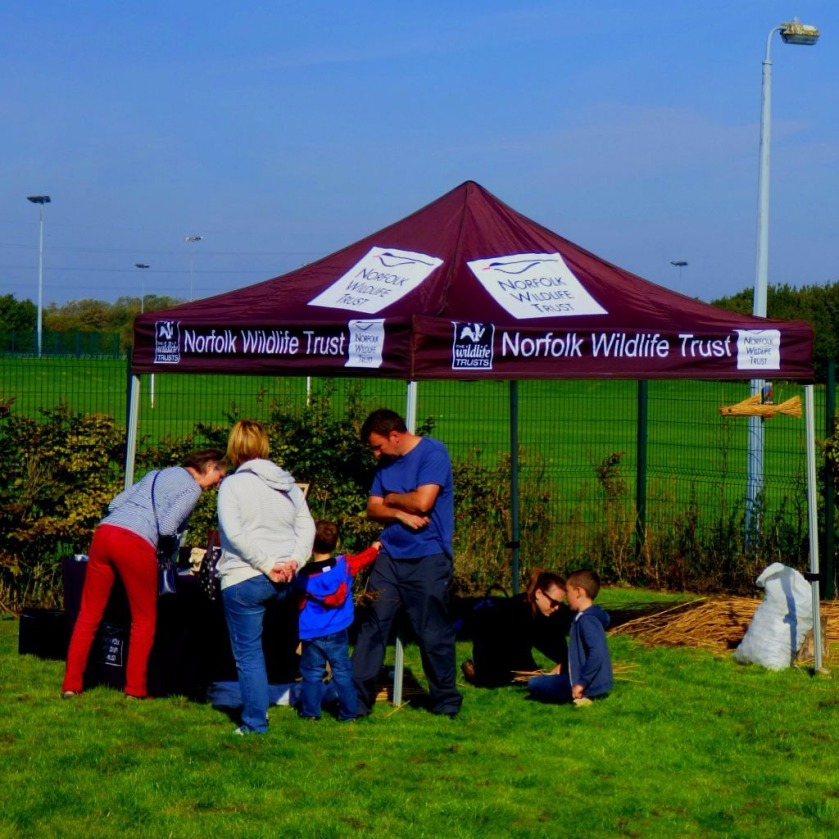
THE NORFOLK WILDLIFE TRUST GAZEBO

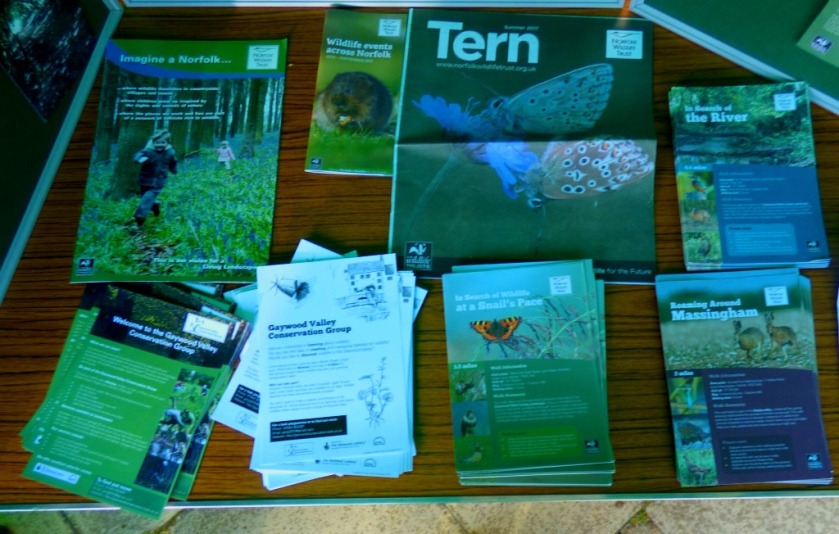
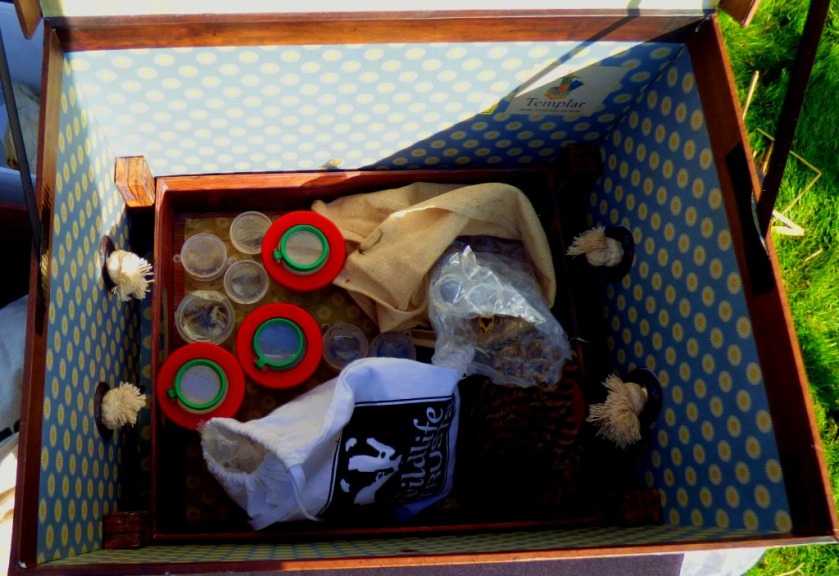
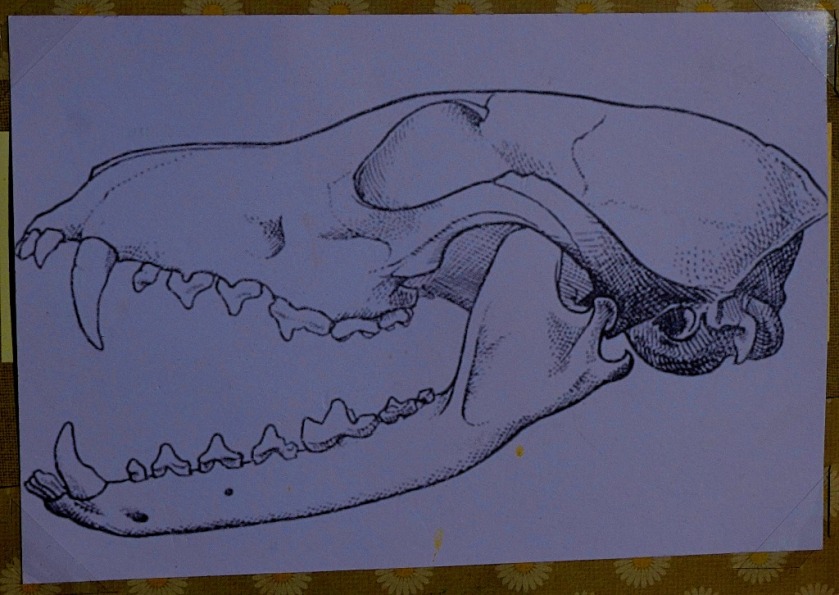
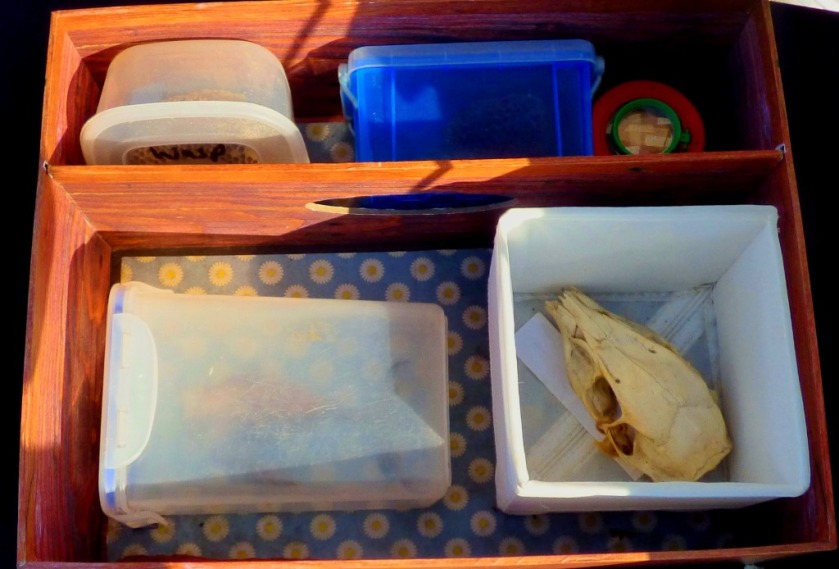
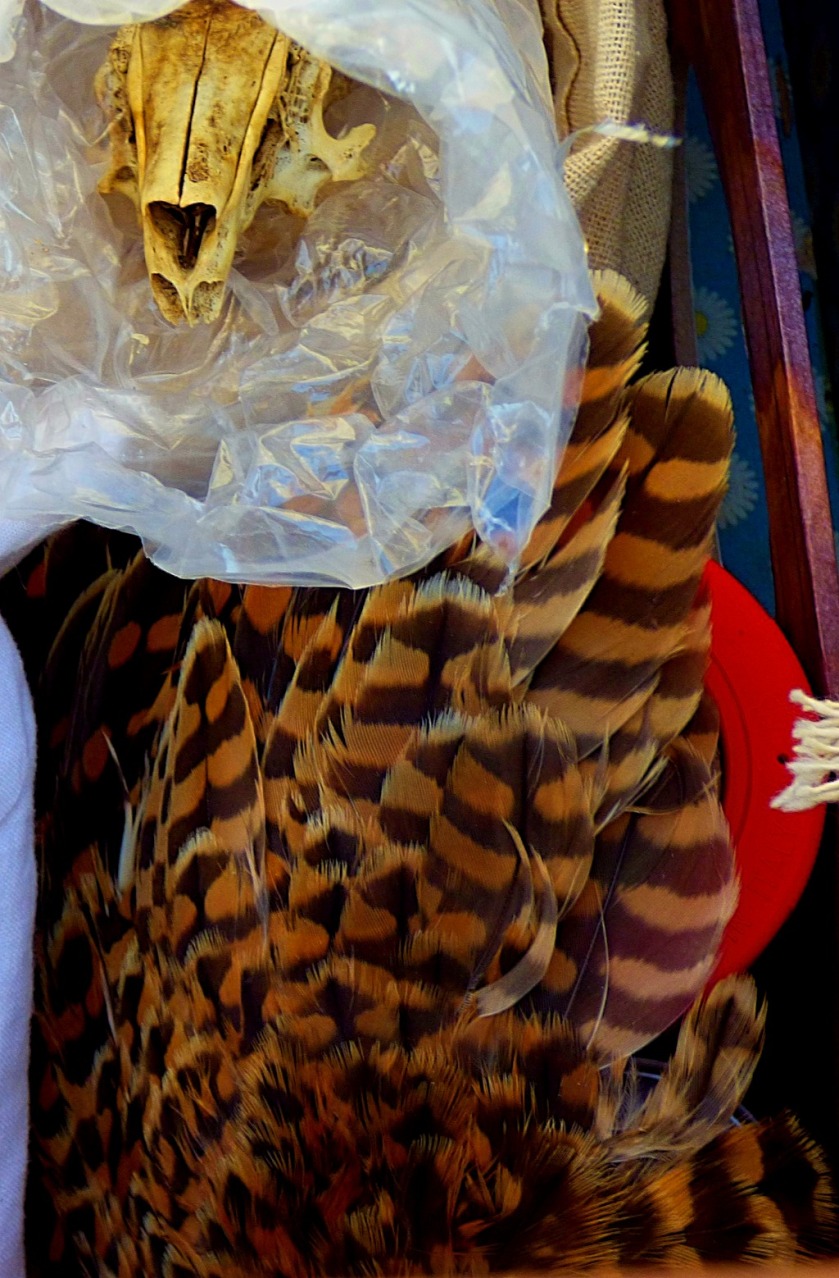
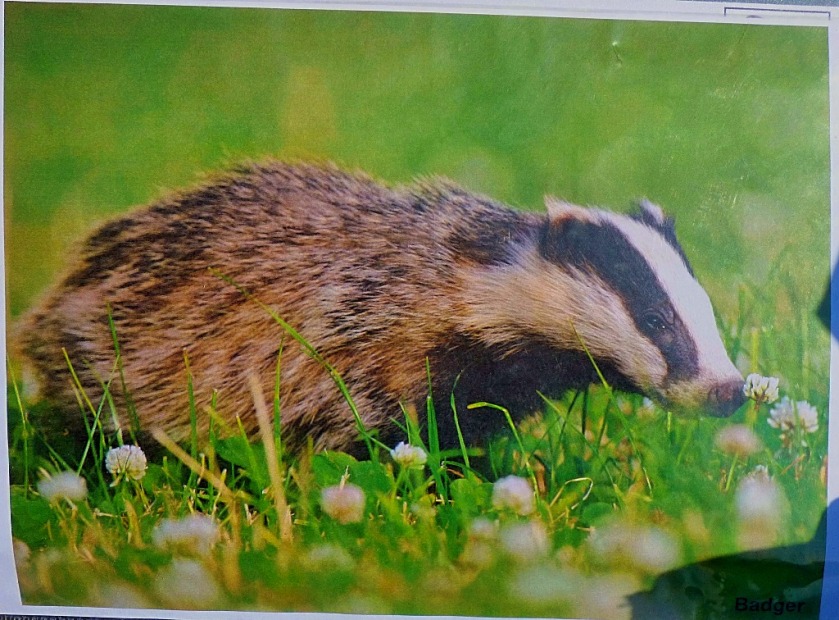
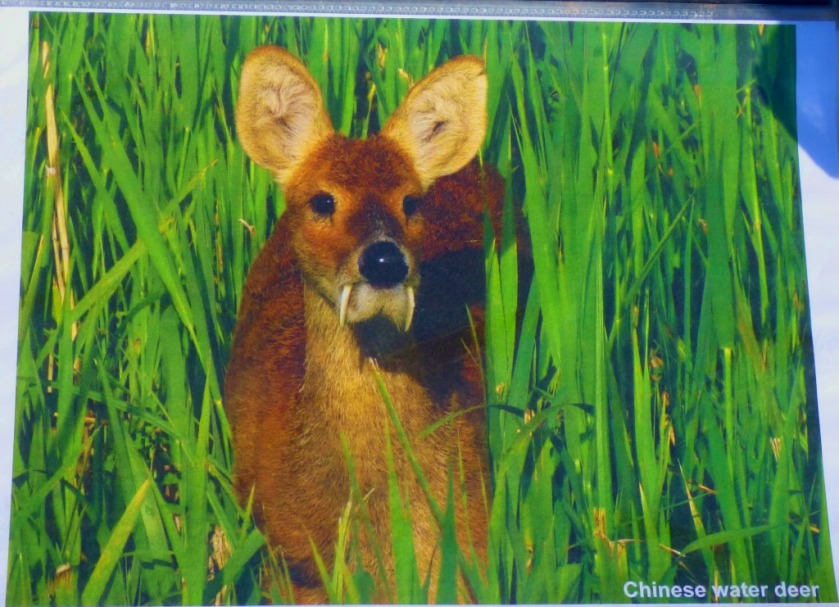
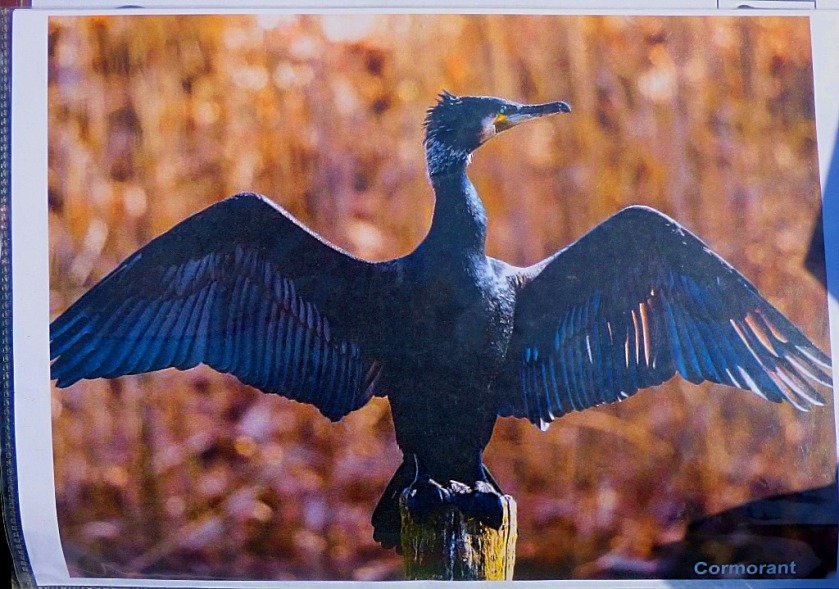
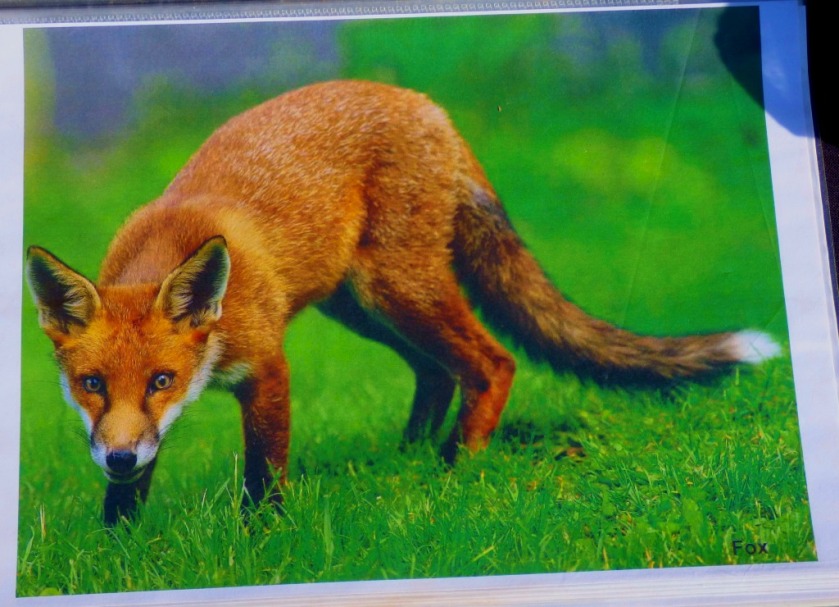
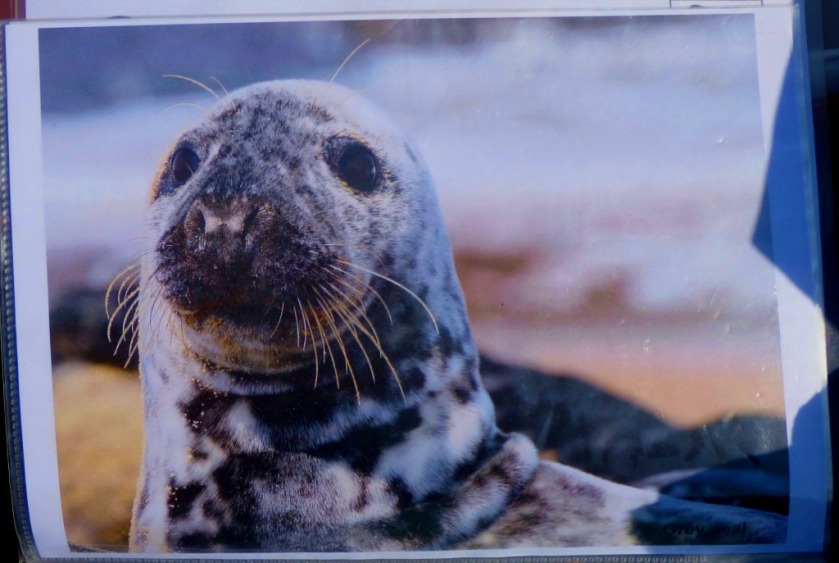
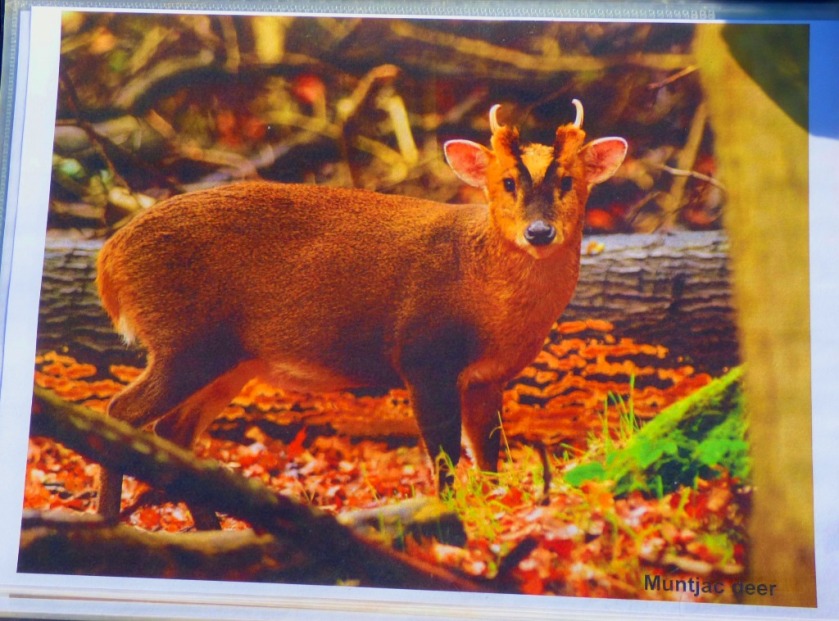
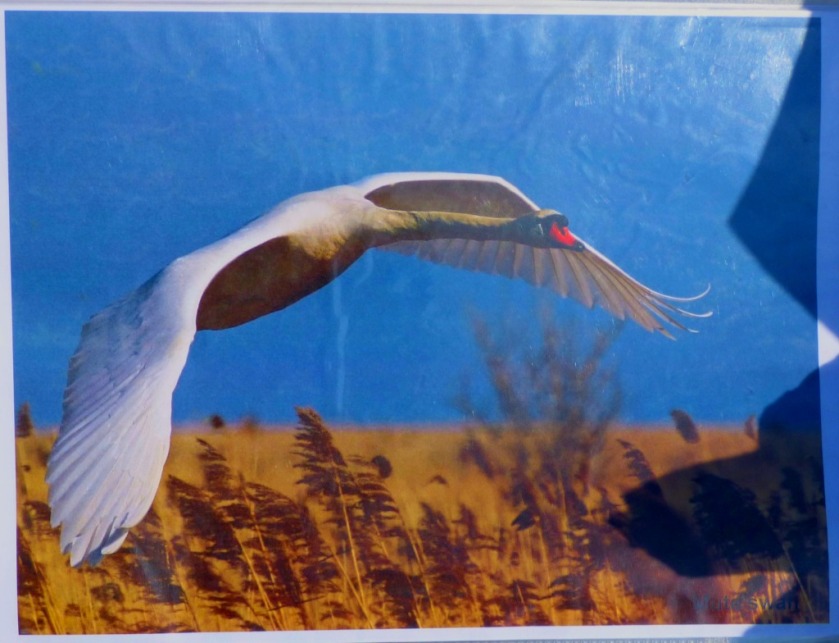
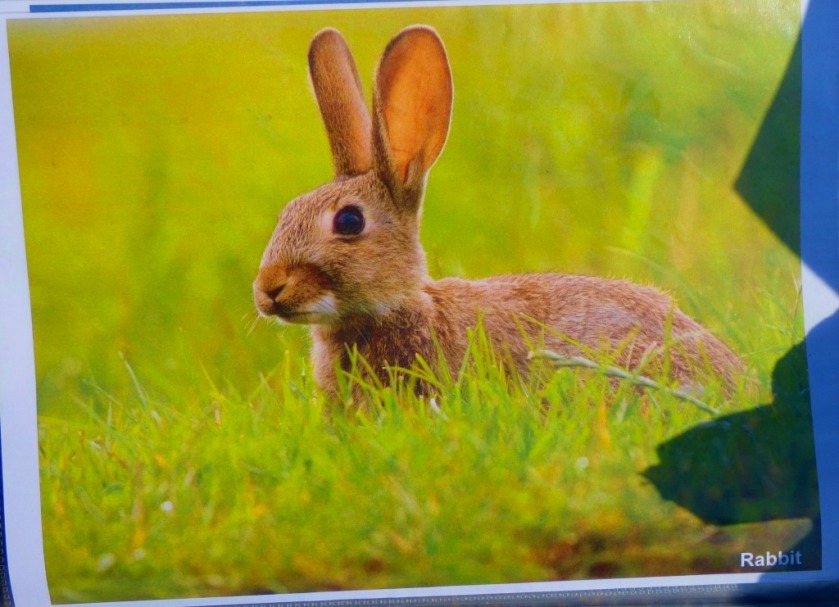
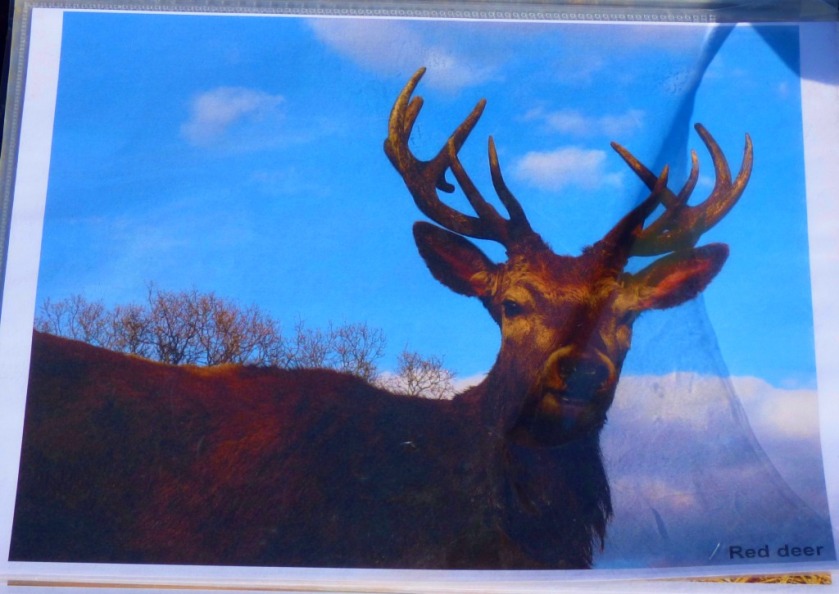
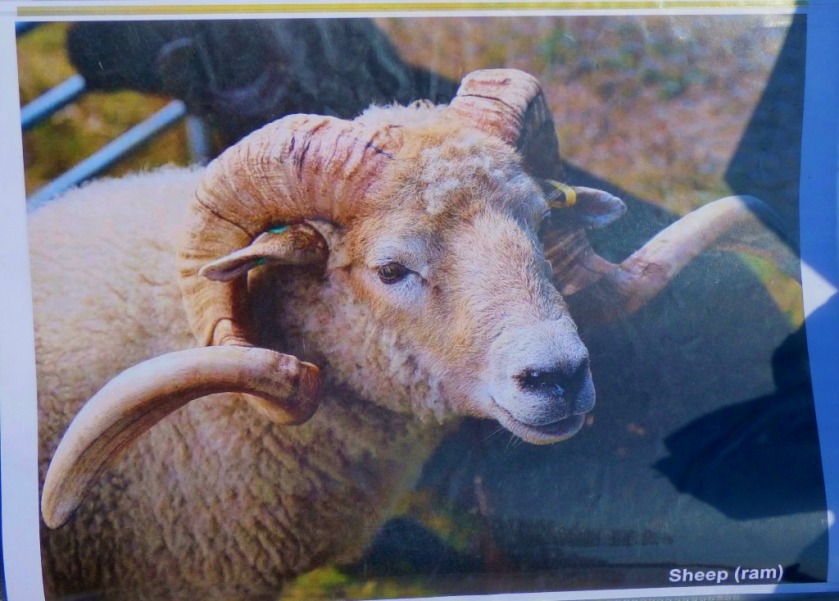
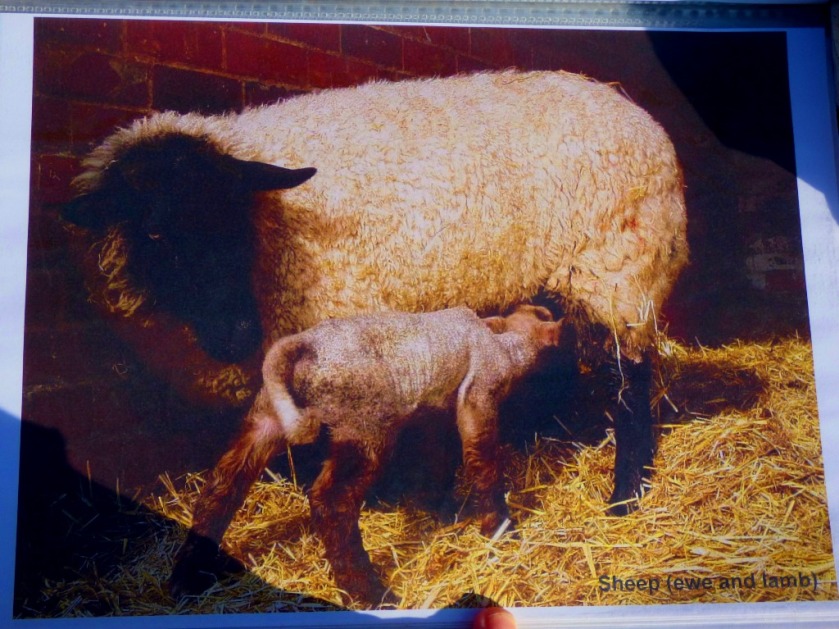
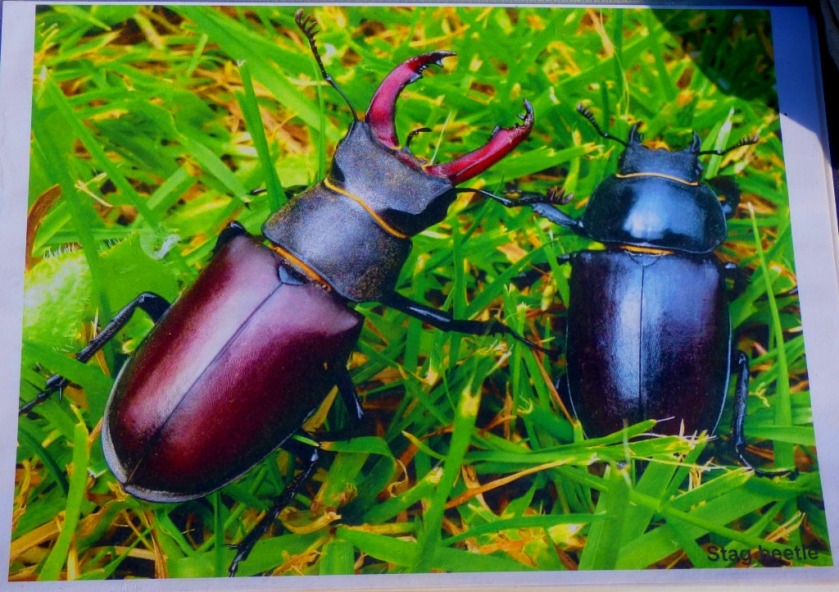
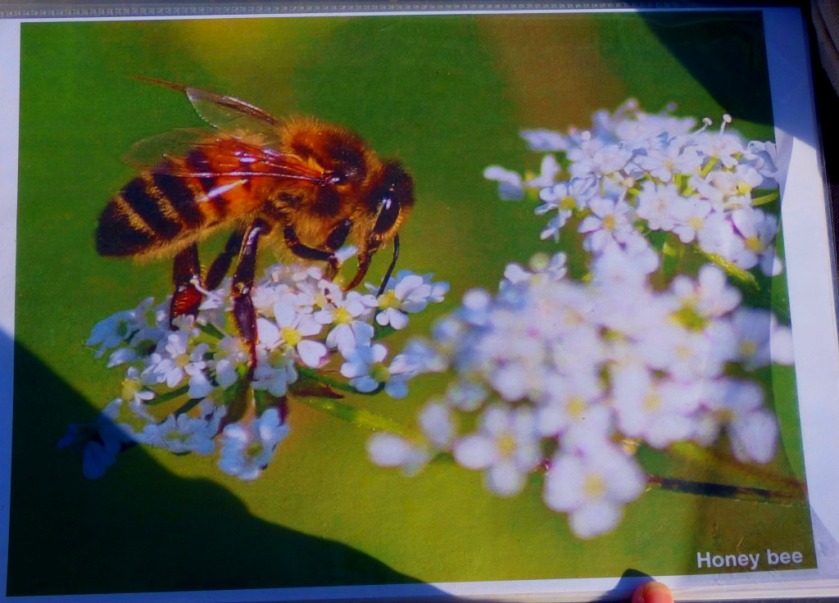
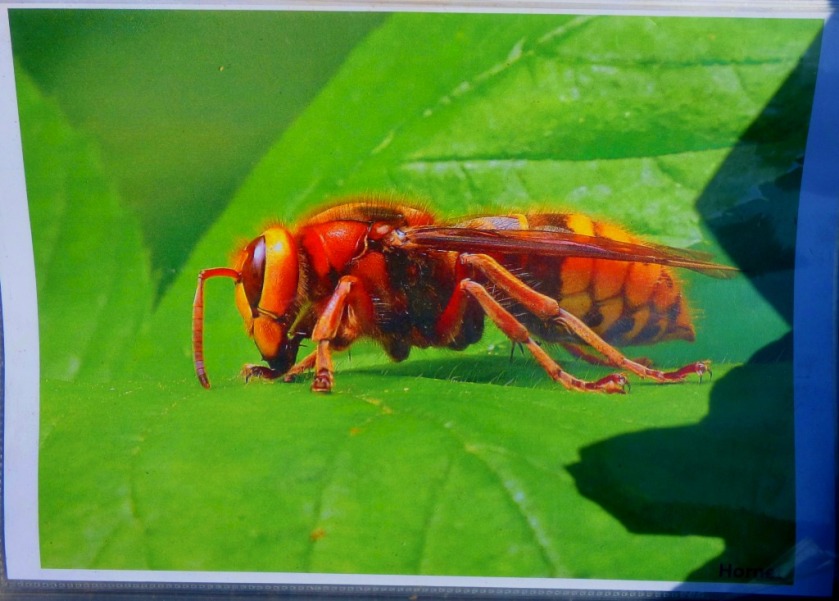
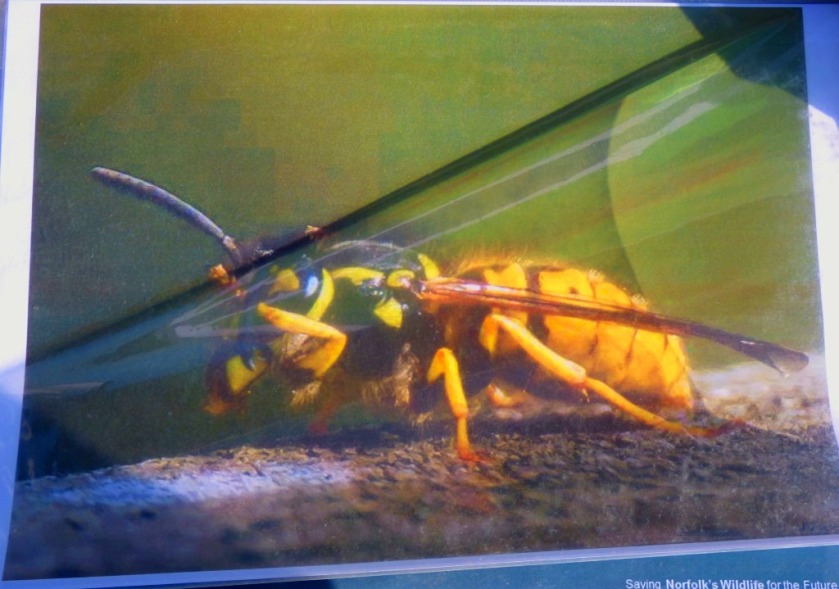
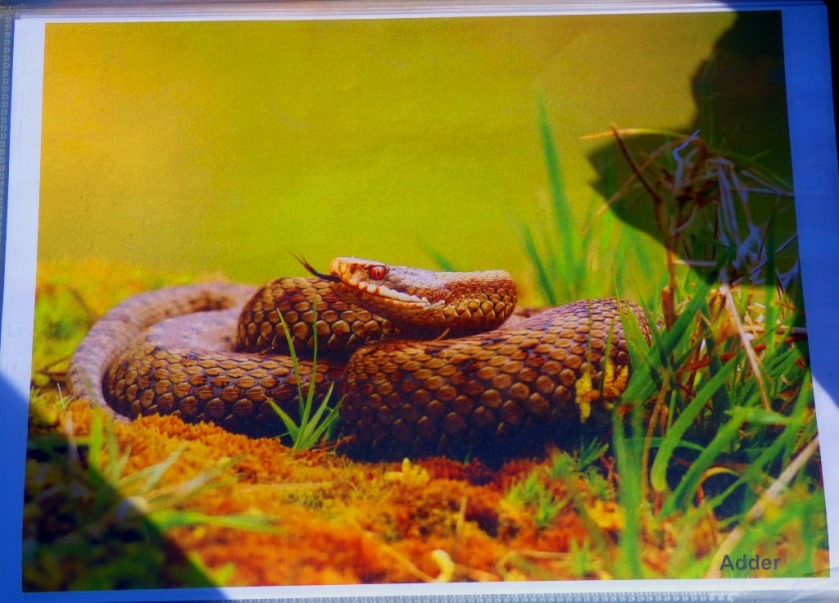
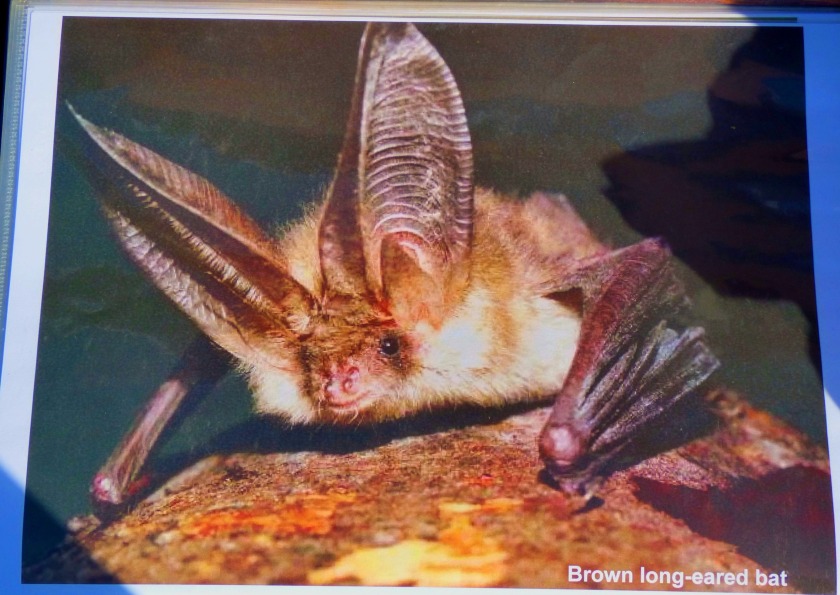
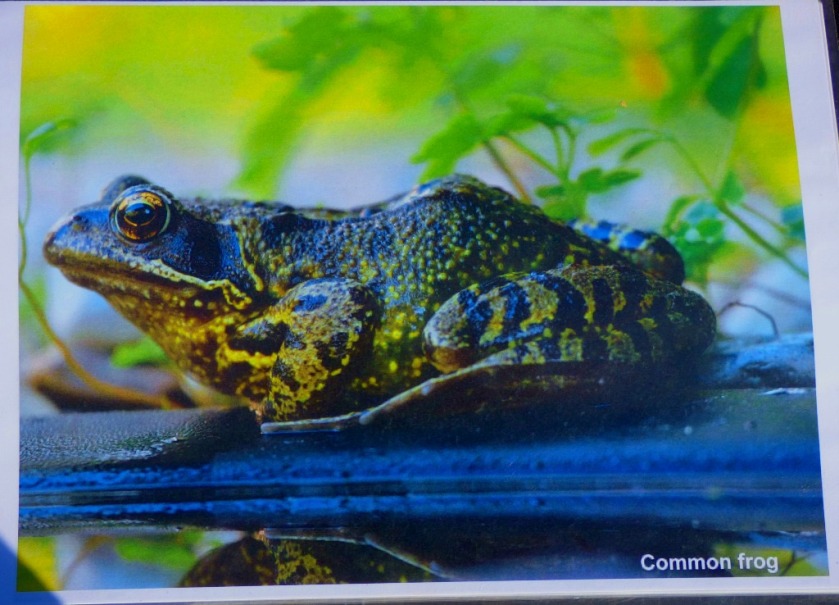
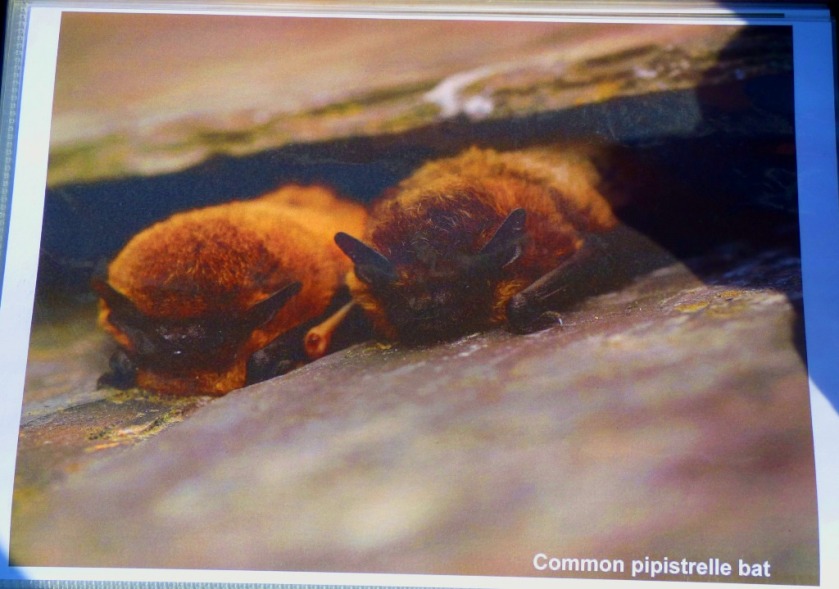
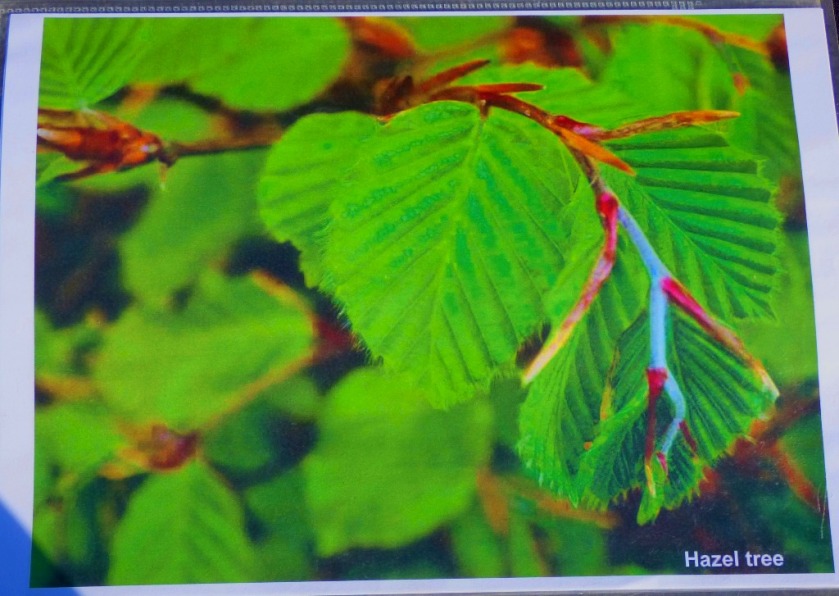
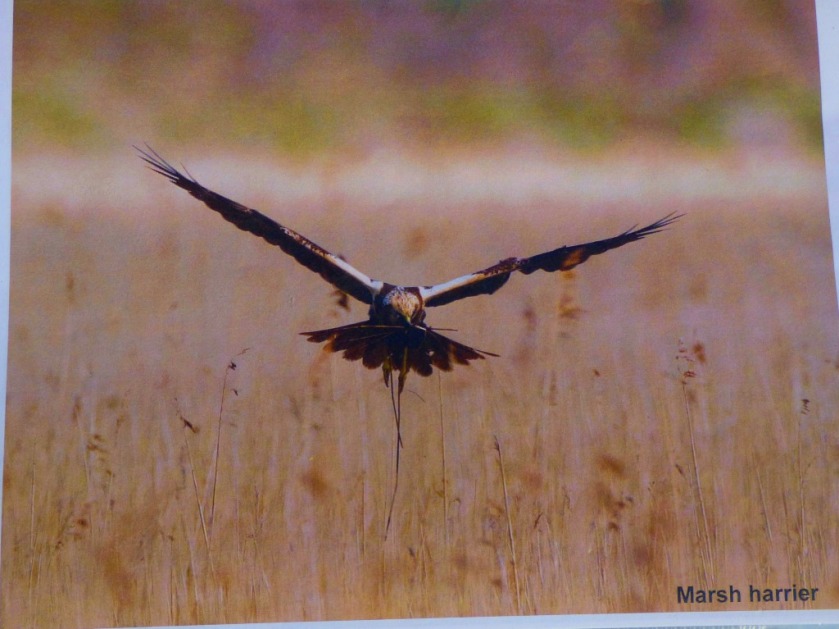
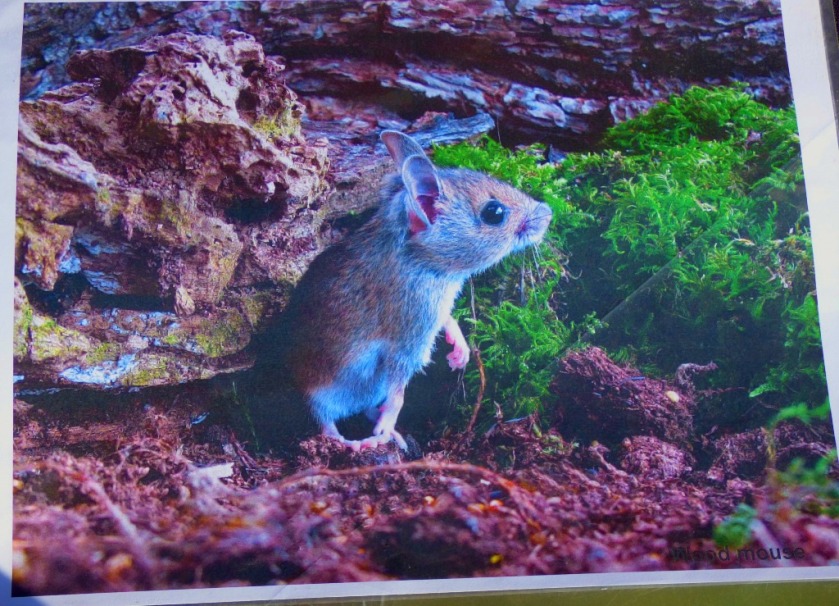
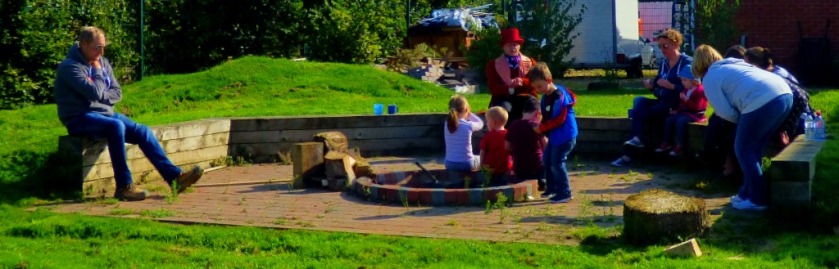
The Norfolk Wildlife Trust were showing children how to make portable ‘bug hotels’, and they also had a natural history display including a folder full of photographs of animals, and a stash of leaflets, to which I may return in a later post. 

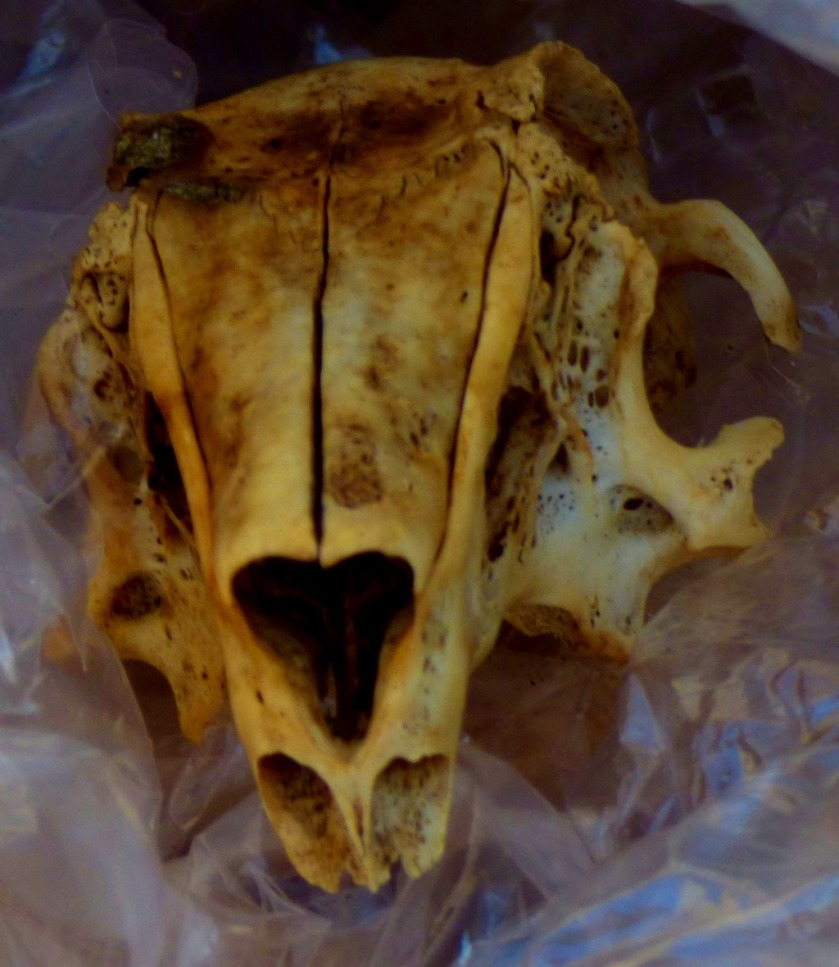
NWTNH1NH3NH2NH4NH5NH6NH7NH8NH9NH10NH11NH12NH13NH14NH15NH16NH17NH18NH19NH20NH21NH22NH23NH24NH25NH26NH27NH28NH29NH30NH31NH32NH33NH34NH35NH36skull

We now come to what was for me the best of all the exhibits, courtesy of…

THE NORFOLK RIVERS TRUST

There were two parts to this exhibit. The minor part was display showing graphically how different treatment of land in the winter affects the soil:

Winter demo 1
These three models were side by side demonstrating what happens to soil when there is nothing there at all – gets washed straight into the river)…
Farm demo 2
When there are dead leaves covering it – still lots of it ends up in the river…
Farm demo 3
…and what happens when something suitable is planted – note the much clearer water at the end – most of this soil remains in place.

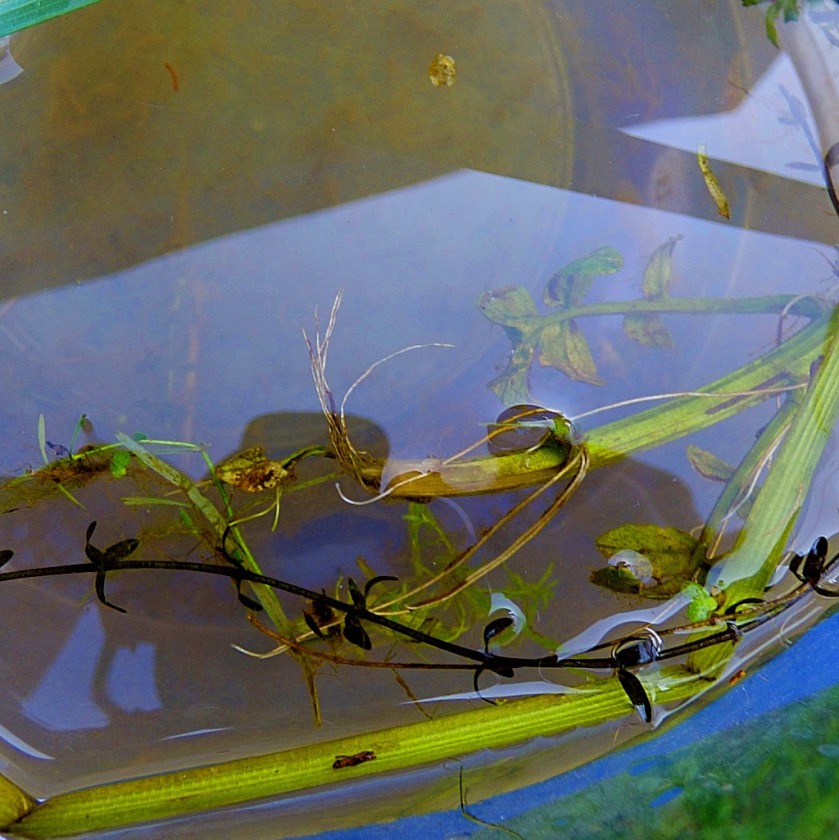
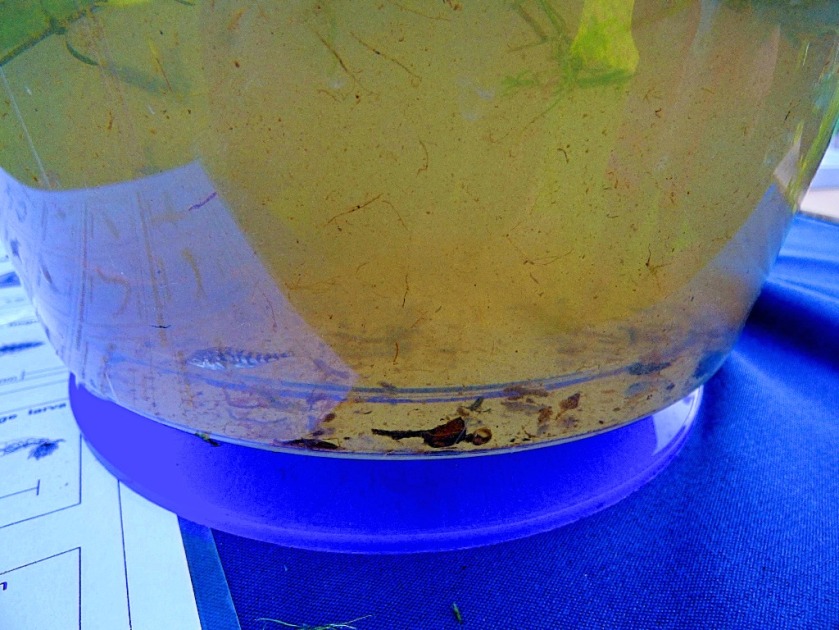
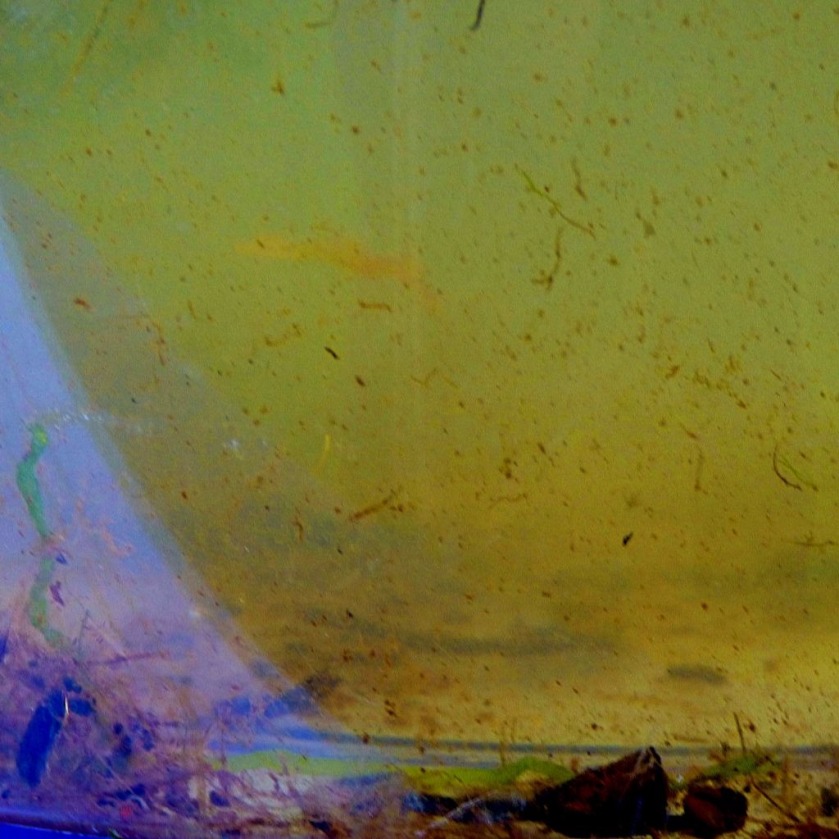
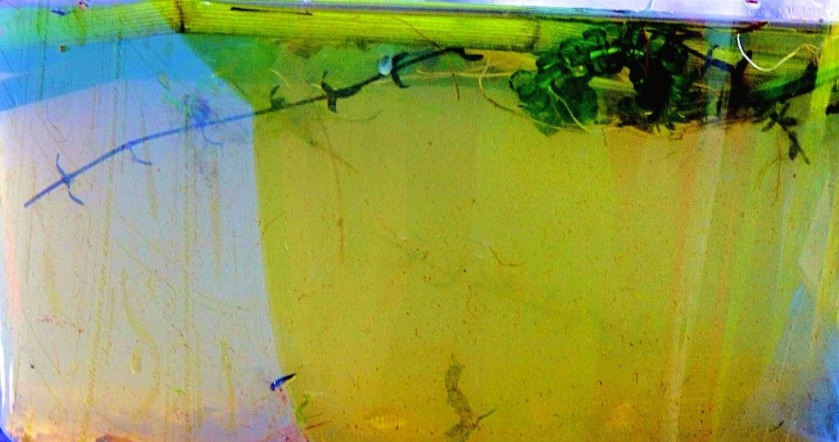
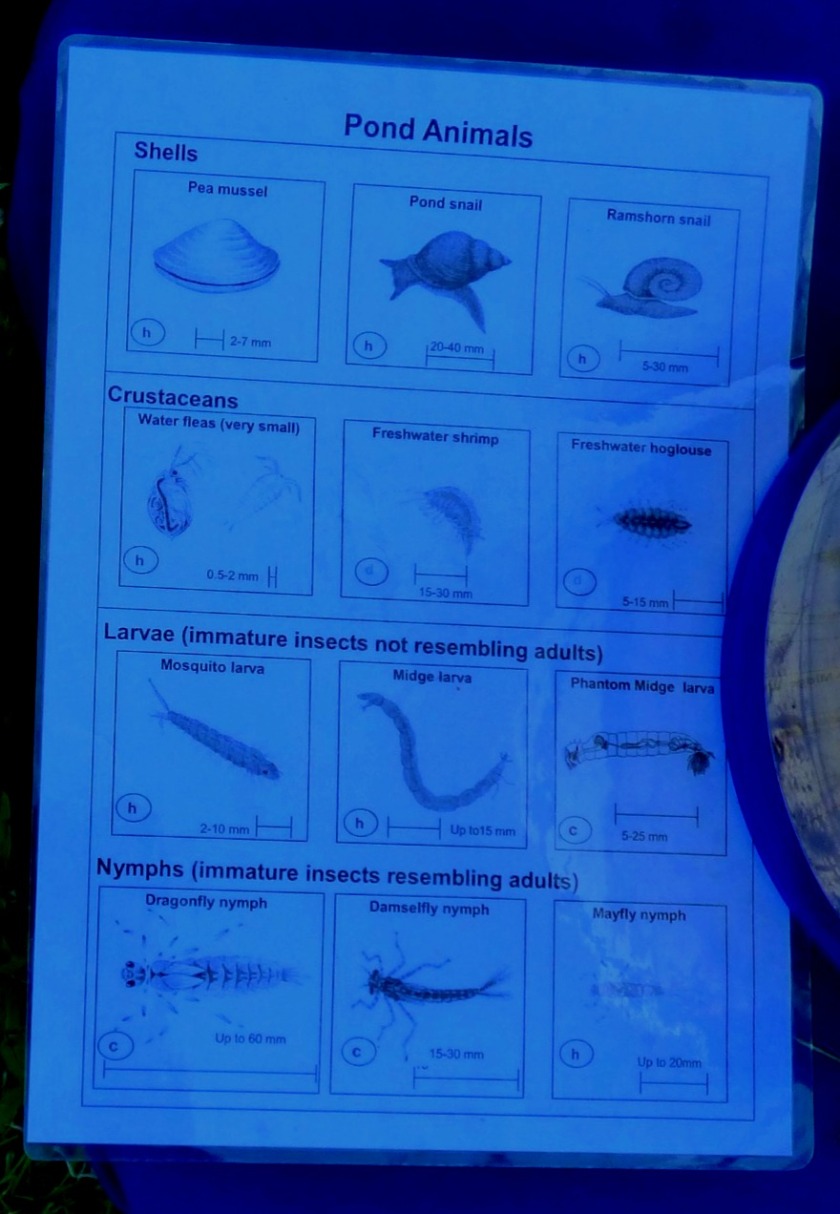
The second part of this display was a living exhibit from the river – two large buckets of river water with creatures that naturally live in it there to be seen (the amount of dissolved sediment in the water, the small size of these creatures and the fact that some of them live on the bottom of the river means that this the only way to make them visible). There was also a small sample dish which the person running the exhibit used to show as very small curiosities…

Caddis House
This is one of nature’s smallest houses – within it is a caddis fly larva, and at some point the adult fly will emerge.
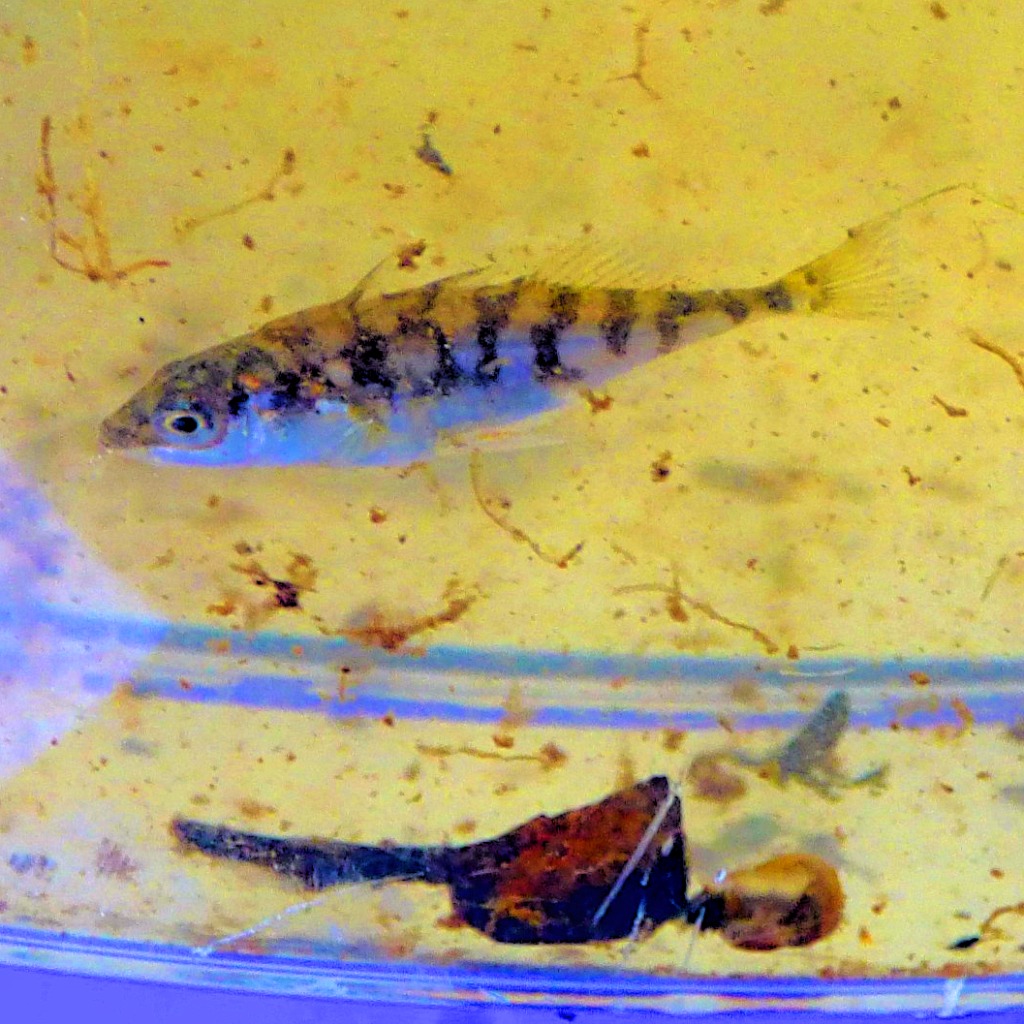
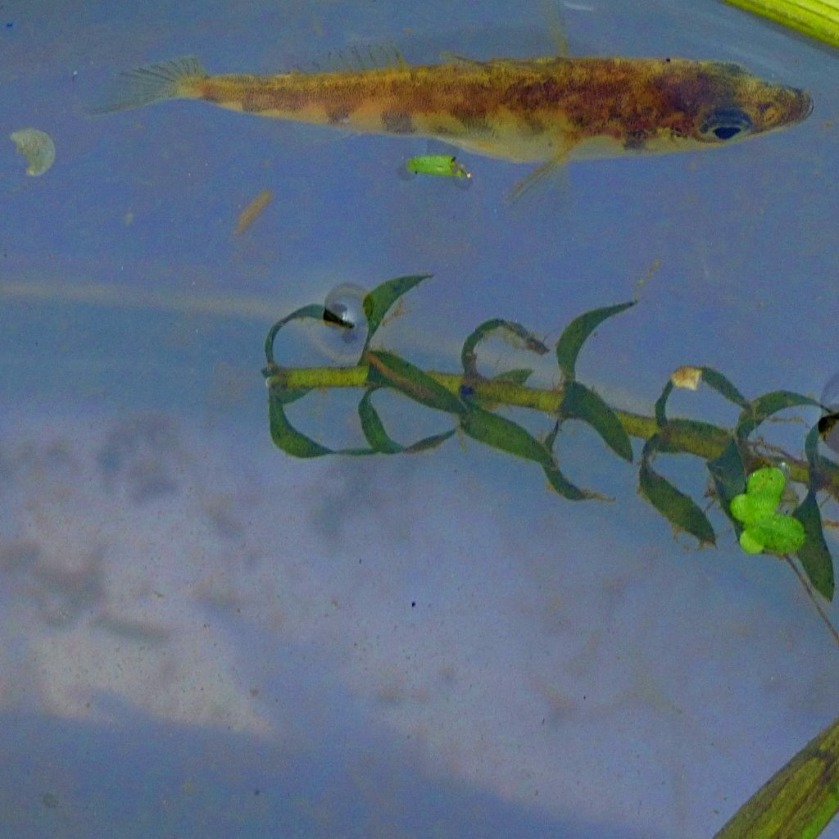
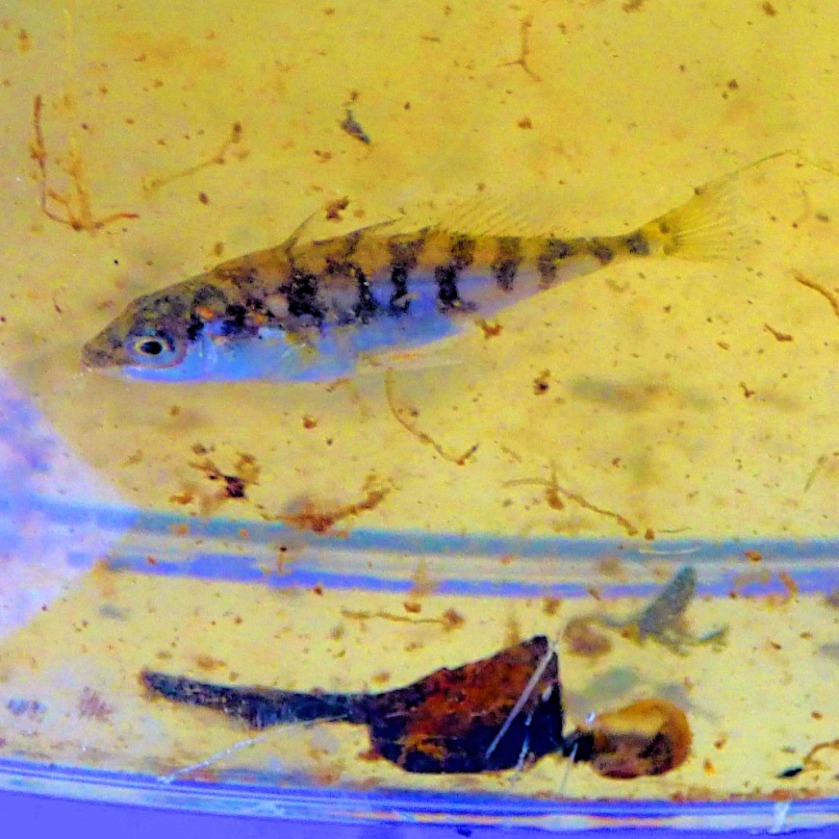
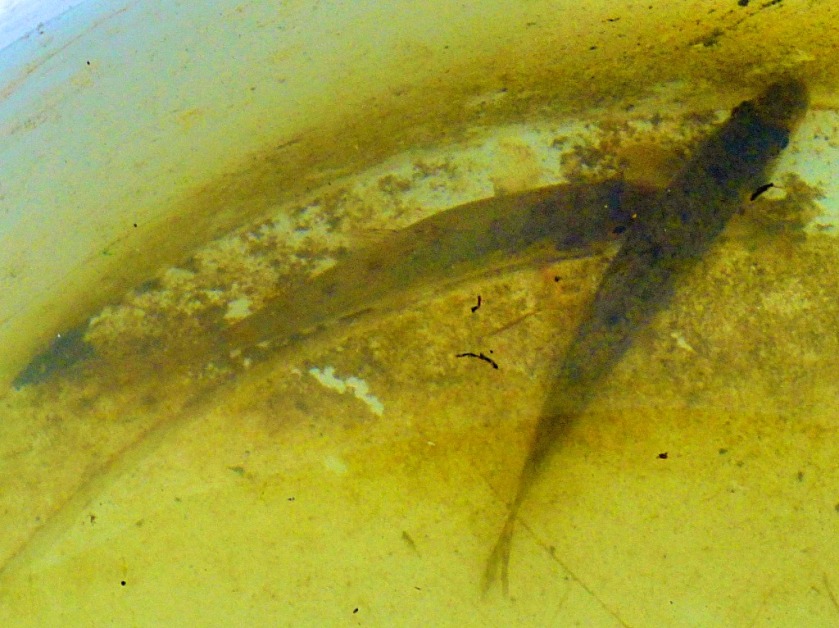
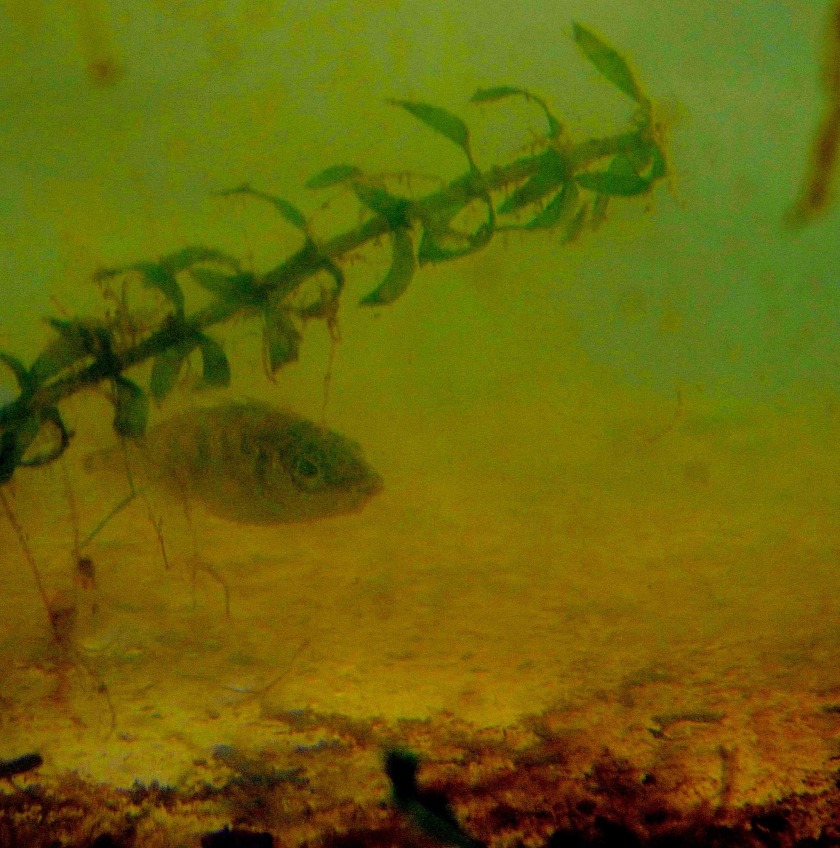
Stickleback
The next three shots are of small sticklebacks.

Stickleback 2Stickleback 3

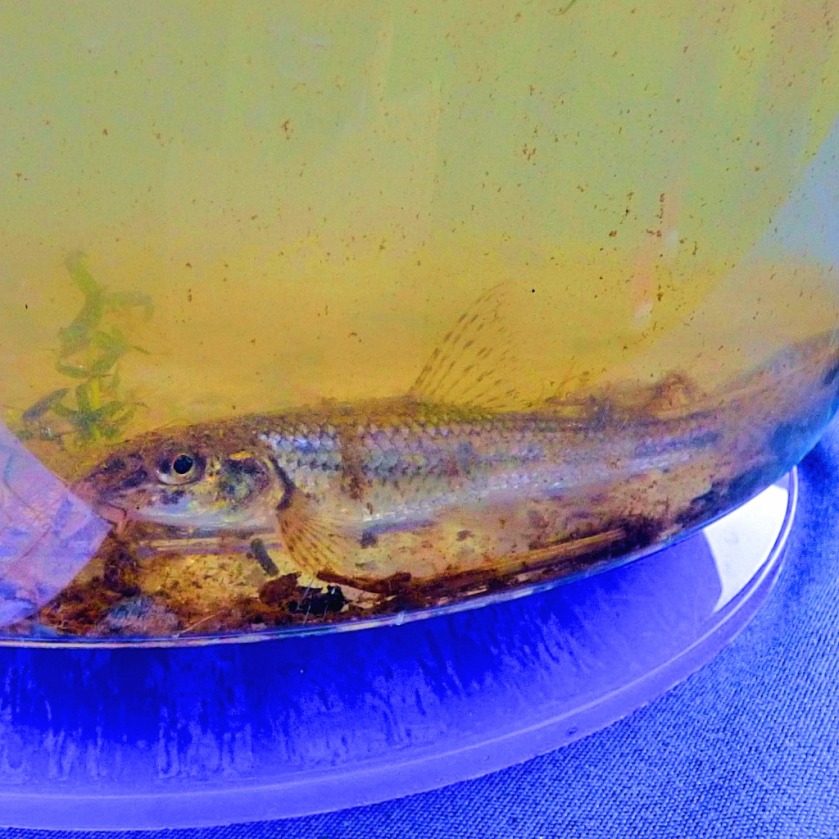
Gudgeon 1
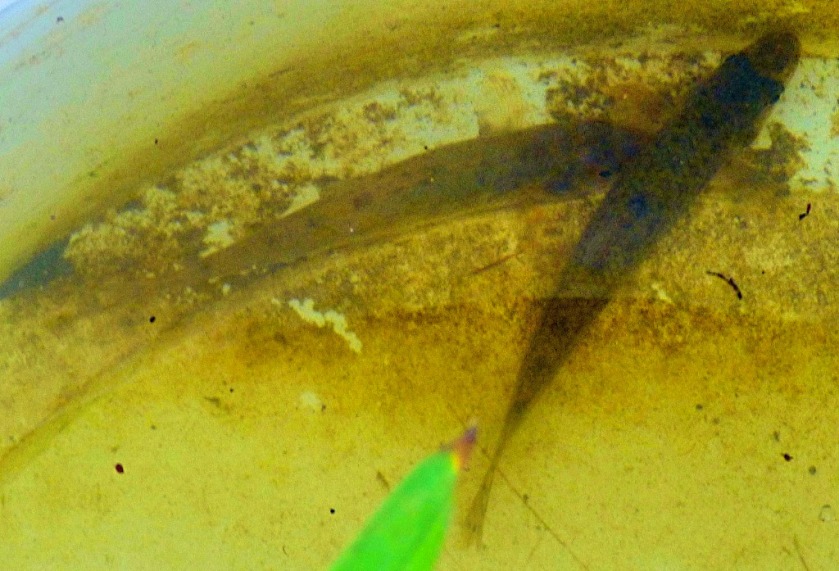
This was described as a gudgeon, but looks different to the other gudgeons we will see later. The silvery sheen to its scales suggests a dace to my eyes.

Water shot

Stickleback 4
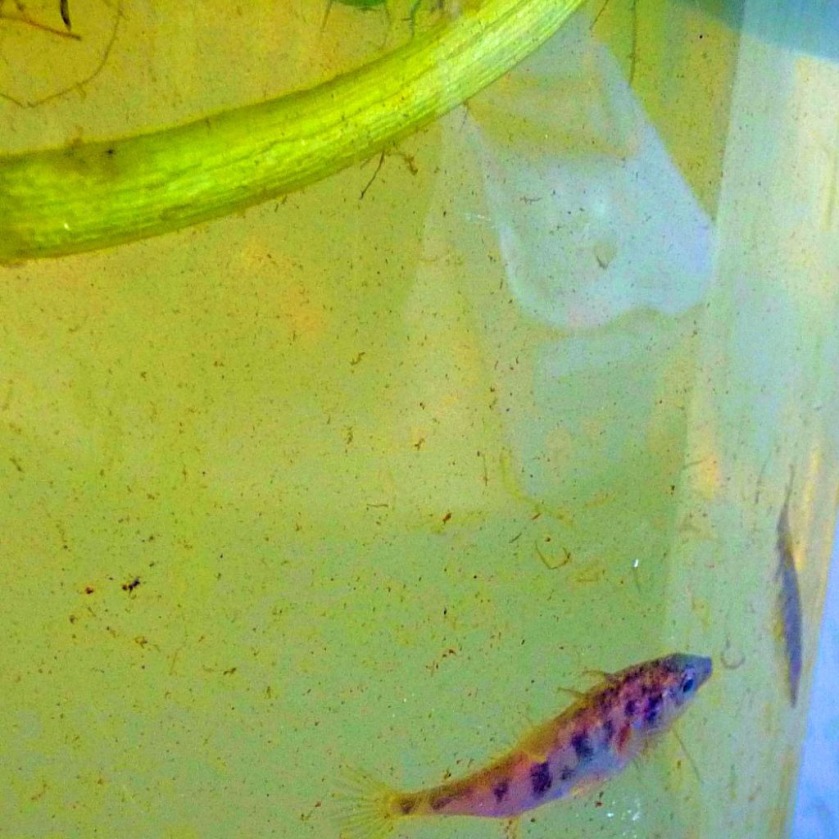
I am not sure what this piebald fish is, though it could be a stickleback.

Water shot 2

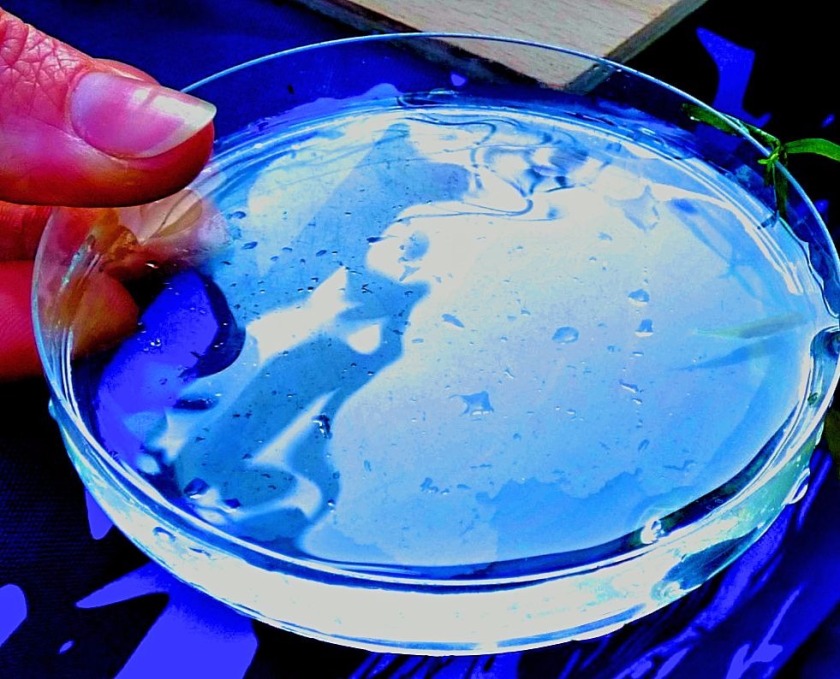
Sample dish
This shot of the sample dish showing the thumbnail of the dxemonstrator reveals just how tiny that Caddis fly home actually is – it was in this same dish that I saw it.

Water shot 3Water shot 4Water shot 5SaladsPond animals

Gudgeons1
Two gudgeons in the second bucket – note that as would be the case in the river they are at the bottom.

Gudgeons 2Water shot 6two sticklebacksWater shot 7Water shot 8Water shot 9

There was also a story teller outside…

Story

LINKS

To start this section we look at organisations who were actually involved in some way or other with this event:

Now we have a few science and nature websites:

  • Wildlife & Planet – interesting stuff about wildlife from all over the world.
  • WEIT – the website that grew out of Jerry Coyne’s classic book Why Evolution is True. 
  • Science Whys – the blog of Brandeis biology professor James Morris.
  • Rationalising the Universe – sets about accomplishing the big task laid out in its title and does a good job of it.
  • Faraday’s Candle – a science website that will really illuminate your life.

I conclude this section by mentioning a couple of bloggers who regularly feature nature in their work:

  • Cindy Knoke – keen photographer and nature lover. Below is the feature image from (and link to) her most recent post:
  • Anna – her posts about fighting to save nature in her part of the world are always inspiring, and her two recent series of posts “Paradise on Earth” and “Butterflies in Trosa” are both stunning. Below is the feature image from (and link to) her most recent butterfly post.

CONCLUSION

This was an excellent event and I learned a good deal about the history and nature of the Gaywood River. I have one kvetch which is that the event was poorly publicised – I only found out about it through my aunt and then only a few days before it was happening, meaning that anyone else I might have alerted would almost certainly have had other plans. If half of you have enjoyed this post even half as much as I enjoyed the event I have done a good job. I finish by urging you to take the time to follow up those links.


Anderson Joins 500 Club and Other Stuff

Jimmy Anderon’s 500th test wicket, some links, some puzzles and some photographs.

INTRODUCTION

As well as the title piece this post will feature links, pictures (items that will be going under the hammer at the end of September principally) and puzzles – including answers to a couple. 

ANDERSON JOINS 500 CLUB

As predicted by me in a previous post the third and final test match of the England v West Indies series has featured a moment of cricket history as James Anderson duly collected his 500th wicket in this form of the game. Among bowlers of anything other than spin Glenn McGrath leads the way overall with 563 (off-spinner Muralitharan’s 800 for Sri Lanka is the record, followed by leg-spinner Warne’s 709 for Australia). The two spinners have set marks that are not realistically within Anderson’s grasp but the 563 of McGrath is well and truly catchable. 

The historic moment came near the end of play yesterday, in the West Indies second innings (btw as I write this Anderson has increased his tally to 504) and it was a dismissal worthy of the occasion. He was denied in the West Indies first innings not by their batting (they managed a meagre 123 all out) but by a remarkable spell from Ben Stokes who finished that innings with figures of 6-22 – a test best for him. England led by 71, which looks like being decisive – the top score coming from Stokes (60). This combination of circumstances leads to me to finish this section with a raft of predictions/ hostages to fortune:

  1. The Brian Johnston champagne moment – James Anderson’s 500th test wick – 100% certain whatever happens in what is left of this match!
  2. Player of the match – Ben Stokes barring miracles.
  3. Player of the series – Ben Stokes – 100% nailed on.
  4. Match and series results: England win and take the series 2-1 – West Indies have just been dismissed for 177 in their second dig leaving England 107 to win – Anderson a career best 7-42 taking him to 506 test wickets.

LINKS

I am grouping my links in categories, starting with…

AUTISM

Just two links in this subsection, both from americanbadassactivists and both concerned with that hate group masquerading as charity Autism Speaks, or as Laina at thesilentwaveblog calls them A$.

NATURE

This subsection features four links:

  • First, courtesy of Wildlife Planet a piece titled “A Plant That Glows Blue In The Dark“.
  • With the unprecedented sight on weather maps of America and the Caribbean of three hurricanes poised to make landfall simultaneously (by now one of those, Irma, is already battering Cuba), A C Stark has prodcued a very timely piece whose title “Climate Change: The Elephant in the Room” is sufficient introduction.
  • This subsection closes with links to two posts from Anna. First we have Part 7 of her series about Butterflies in Trosa.

    The other post features a link to a video of a swimming sea eagle (only viewable on youtube) and a picture taken by Anna in which 11 sea eagles are visible.

POLITICS

This subsection includes one stand-alone link and four related links. The stand-alone link comes from Richard Murphy of Tax Research UK is titled “Scottish people deserve the data they need to decide, whatever their political persuasion.

My remaining four pieces concern a single individual who is widely tipped to be the next leader of the Conservative Party. It is this latter fact which has exposed him to intense scrutiny, resulting in the following collection about…

JACOB REES-MOGG

To set the scene we start with Richard Murphy of Tax Research UK’s piece simply titled “Jacob Rees-Mogg“. 

The second and third pieces in this sub-subsection both come courtesy of the Guardian:

A SEGUE LINK – A QUIZ

With apologies to those of my readers whose first language is not English, and who therefore cannot take on this quiz, I offer you courtesy of quizly a test on one of the biggest sources of grammatical mistakes in English, safe in the knowledge that my own score in said quiz can be equalled but not beaten:

PUZZLES

I appended a question to a link that featured the year 1729 in a recent post. This was the question:

The puzzle I am attaching to this is: which two famous mathematicians are linked by the number 1,729 and how did that link come about?

The two famous mathematicians linked by the number 1,729 are G H Hardy and Srinivasa Ramanujan. The link came about when Hardy visited Ramanujan in hospital during the latter’s final illness and mentioned the number of the cab in which he had travelled – 1,729 and went on to suggest that this was a very dull number. Ramanujan said in response “No Hardy, it is a very interesting number, the smallest that can be expressed as the sum of two cubes in two different ways”.

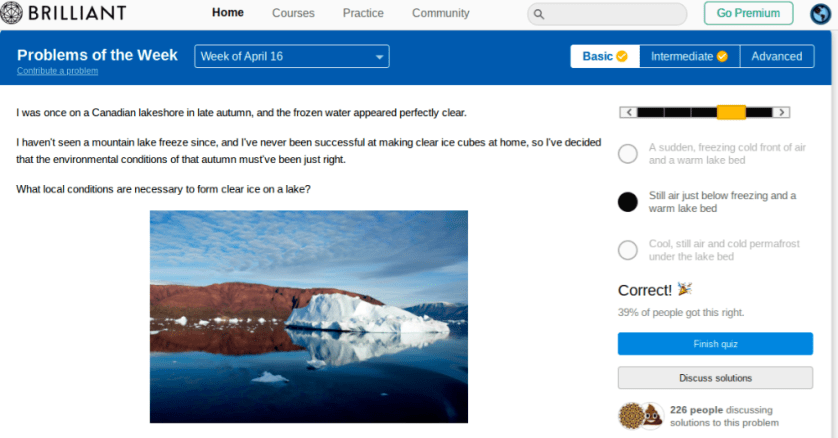
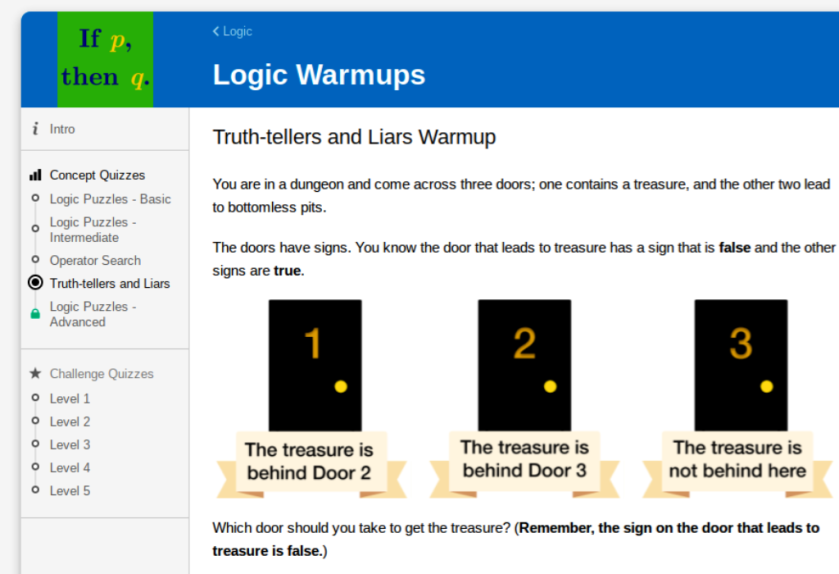
 The other puzzle I set in that post was this one from brilliant:

treasurehunt

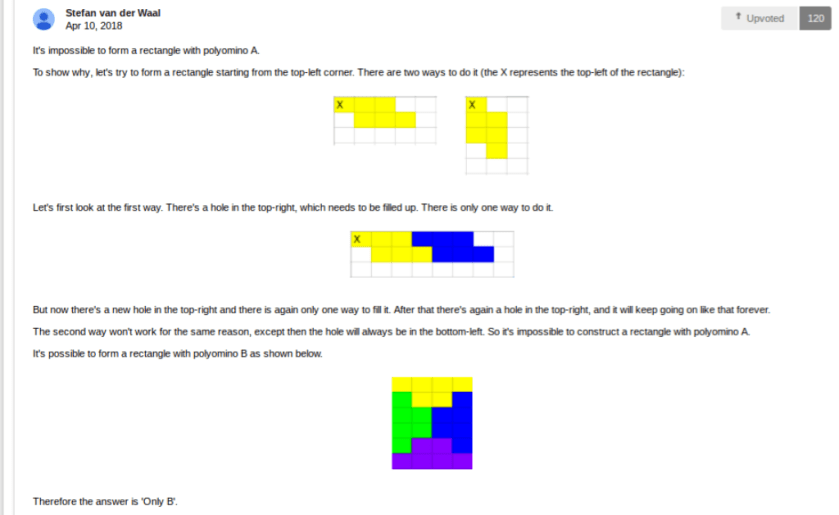
If the statement on door 1 is true, then the treasure is behind door 2, which makes the statements on doors 2 and 3 both false = not acceptable.

If the statement on door 2 is true then the treasure is behind door 3, which makes both the other statements false = not acceptable.

If the statement on door 3 is true, then the statement on door 1 could also be true, making the statement on door 2 false – this scenario is acceptable.

Thus we open door 2 and collect the loot.

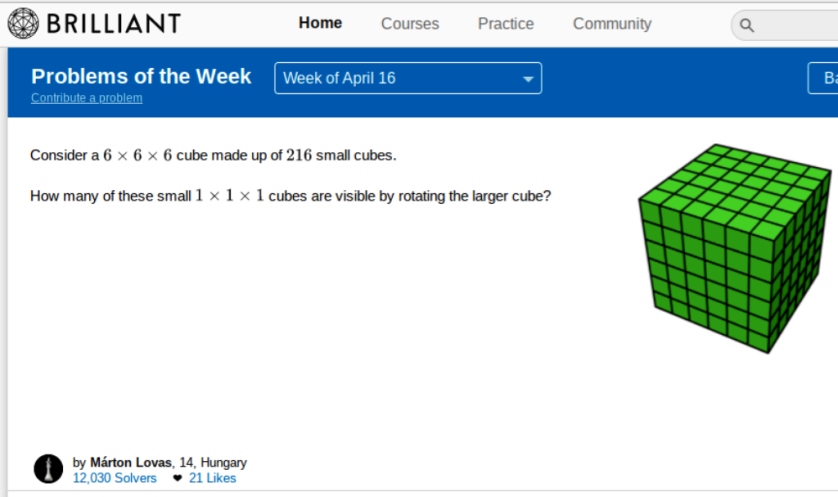
I finish by setting you another puzzle, again from brilliant, the 100th and last problem in their 100 Day Challenge, and a cracker:

SC100 - q

Don’t be intimidated by that maximum difficulty rating – it is not as difficult as the creators thought. Incidentally you still have a couple of days to answer the problems properly on that website should you choose to sign up – although it would be tough to them all in that time!

PICTURES

1
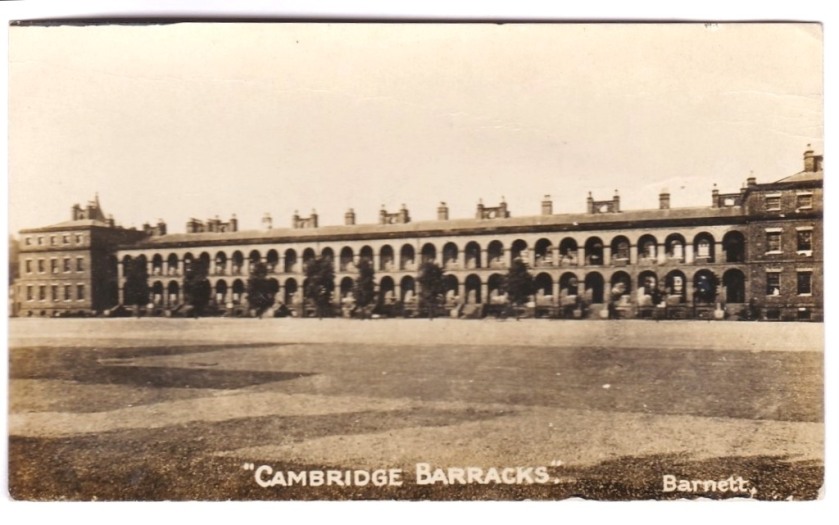
This is lot 1 in our next sale – the first of 200 lots of old military themed postcards. Can you guess which of the lots pictured here is on my radar as a potential buy?
329-a
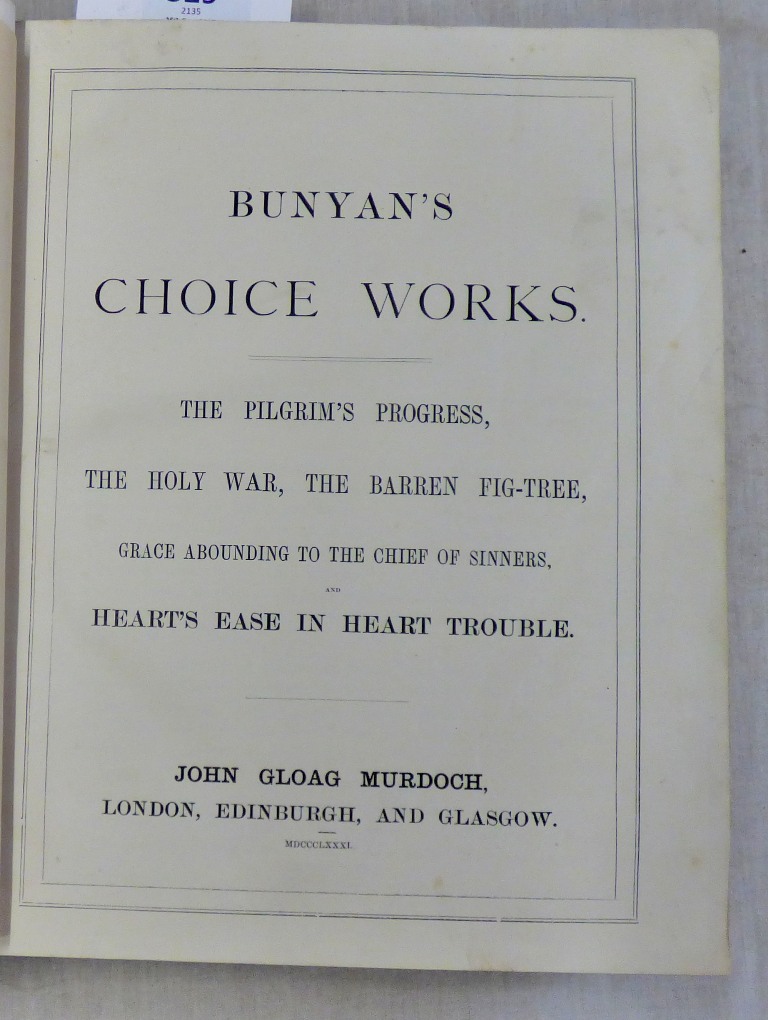
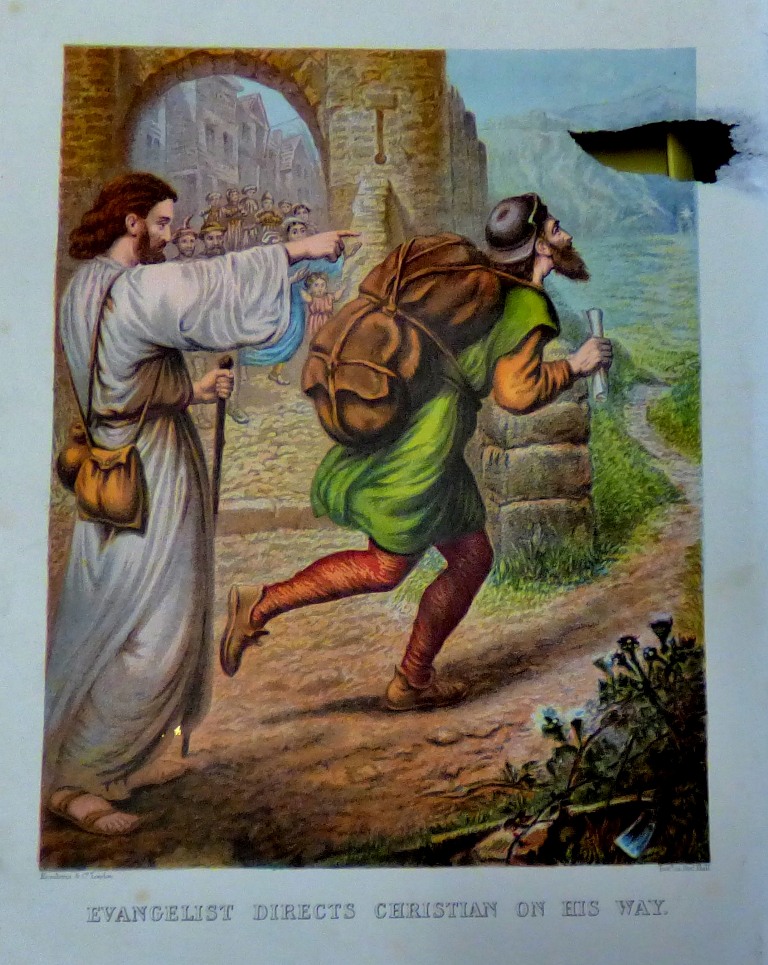
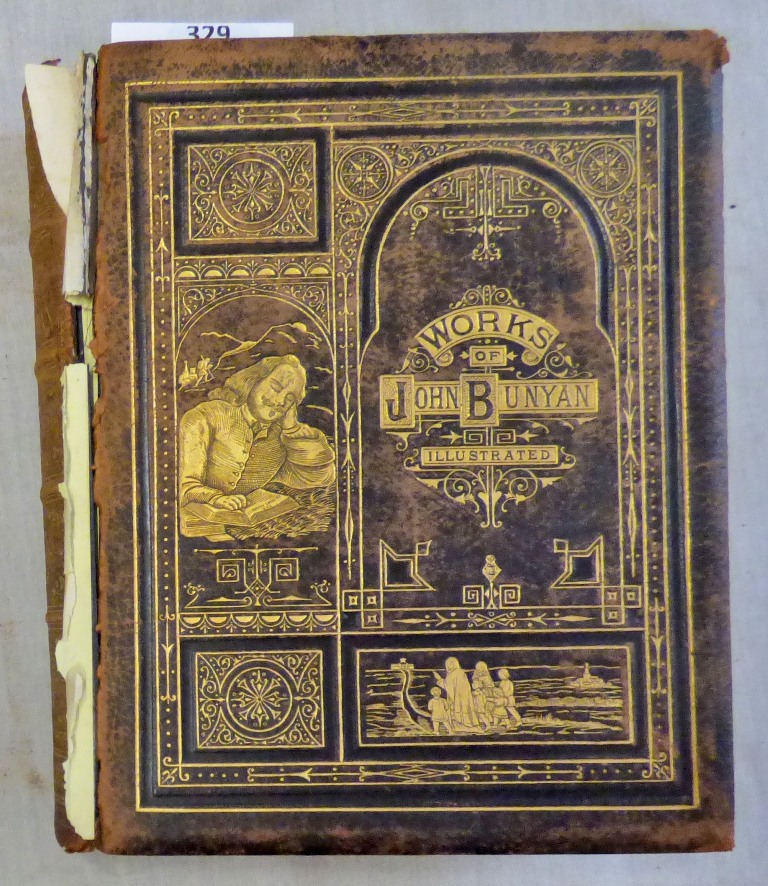
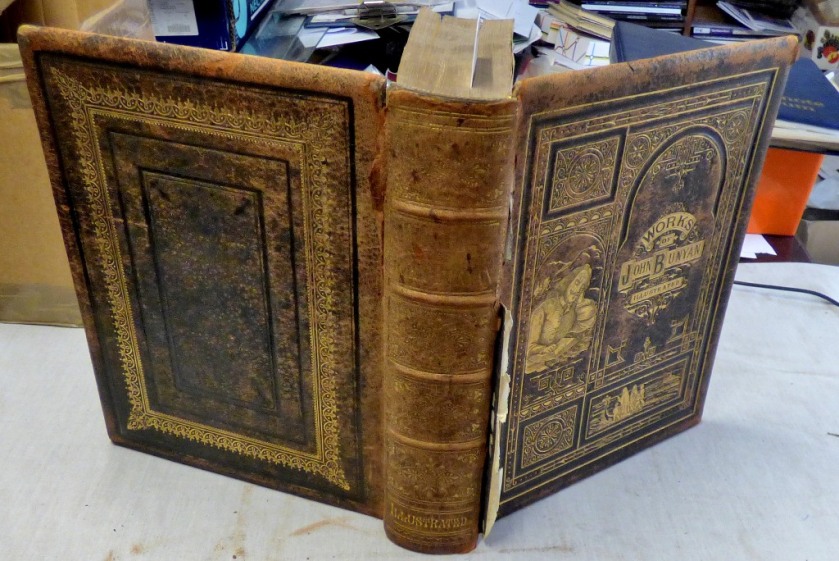
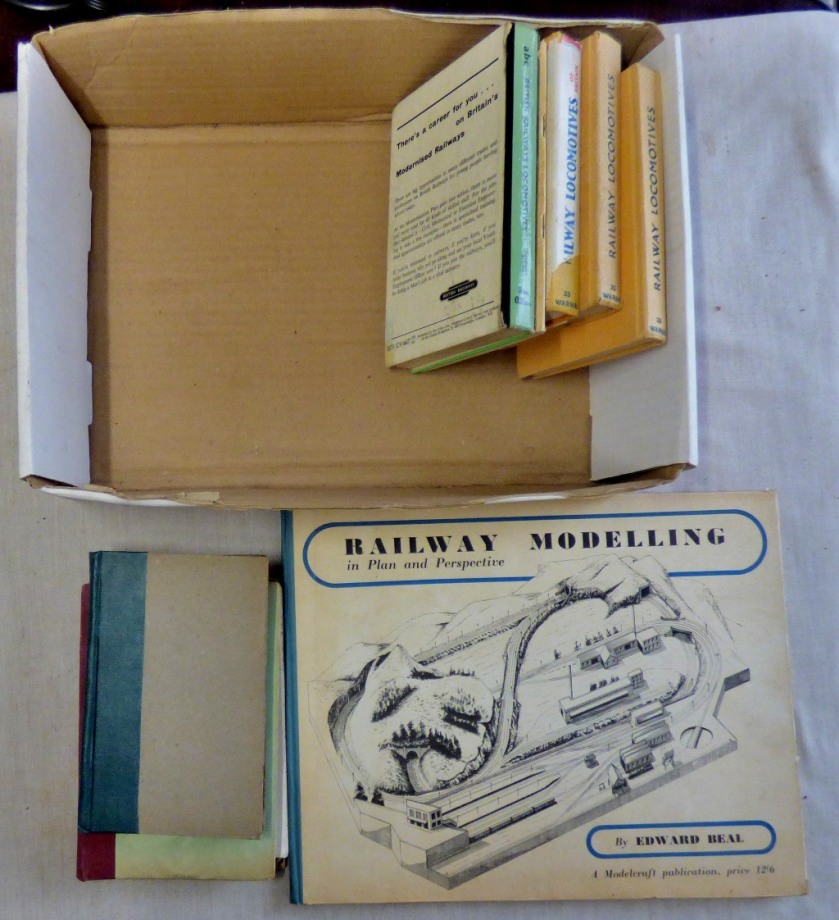
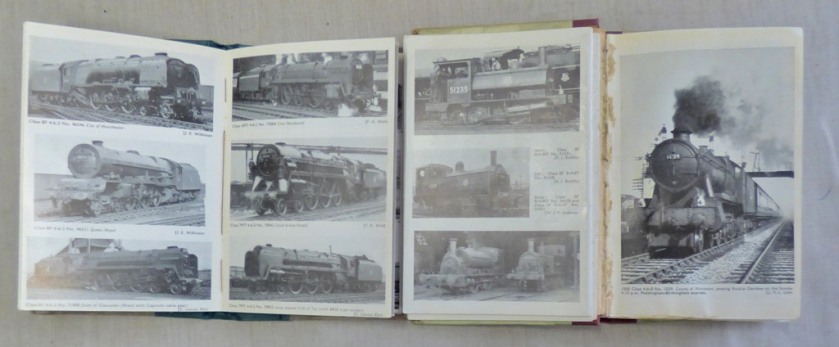
Lot 329 (four images) – a fine volume when new but this copy is in terrible condition.

329-b329329-c

340
Lot 340
347
Lot 347 (two images)

347-a

341
Lot 341 (six images)

341-a341-b341-c341-d341-e

£2 - Trevithick 2
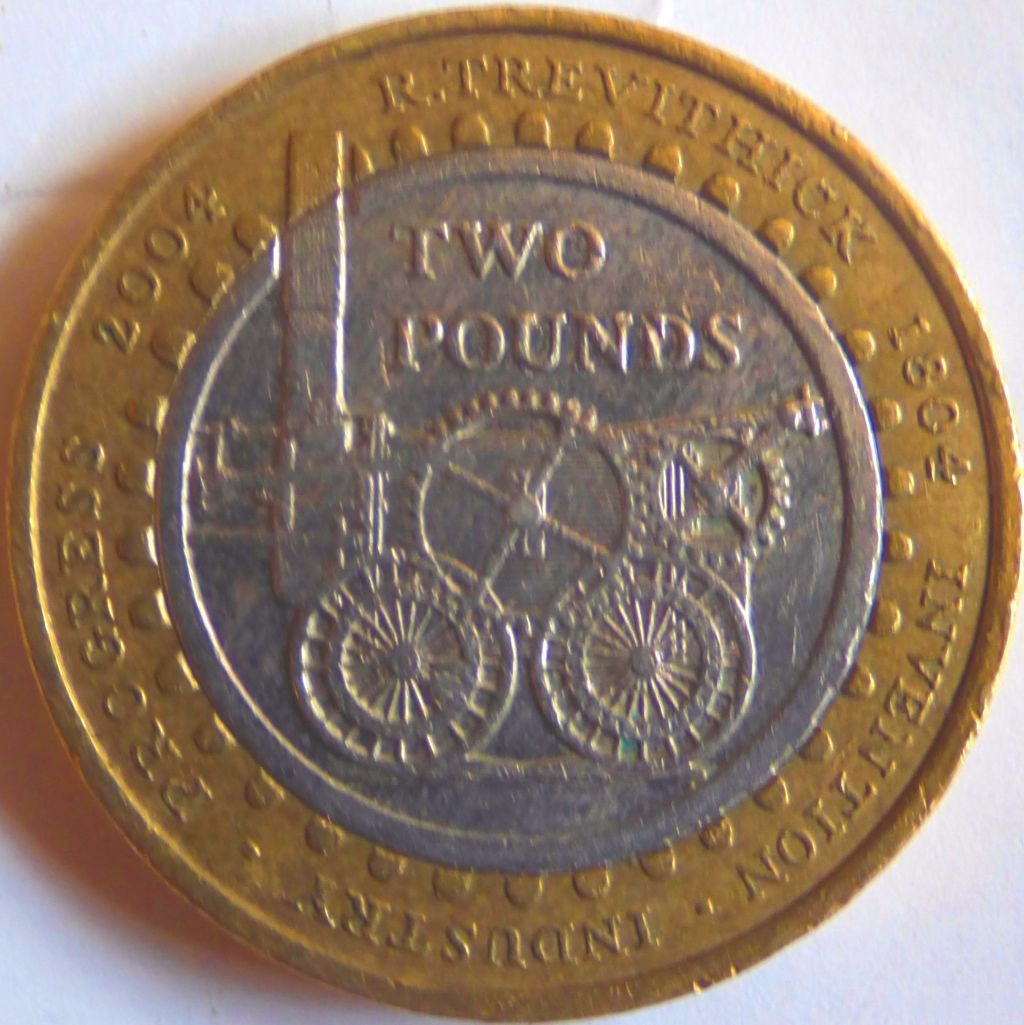
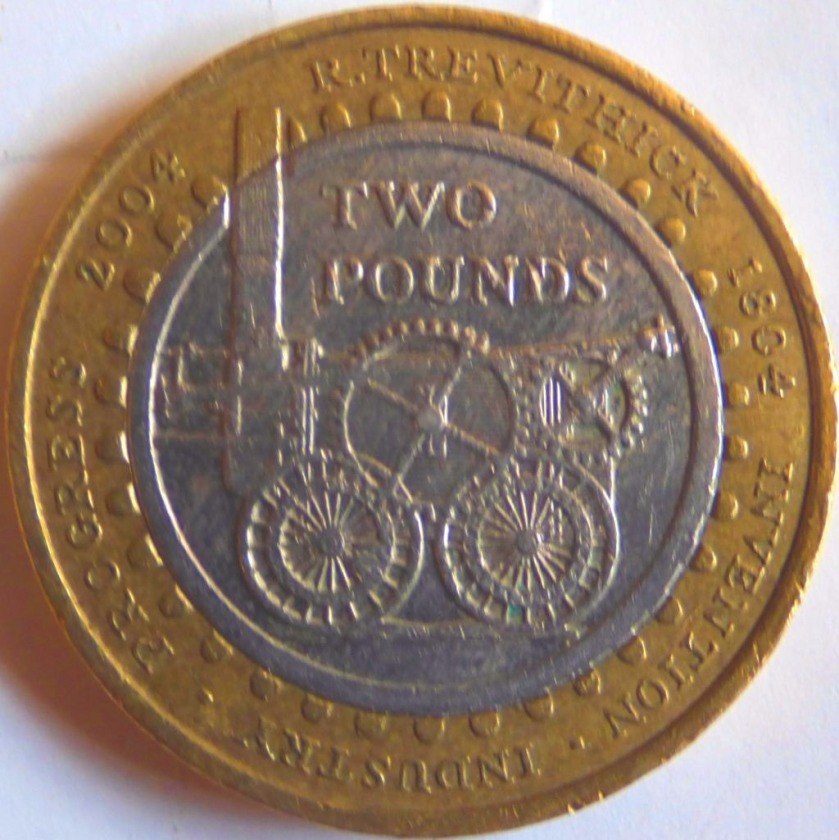
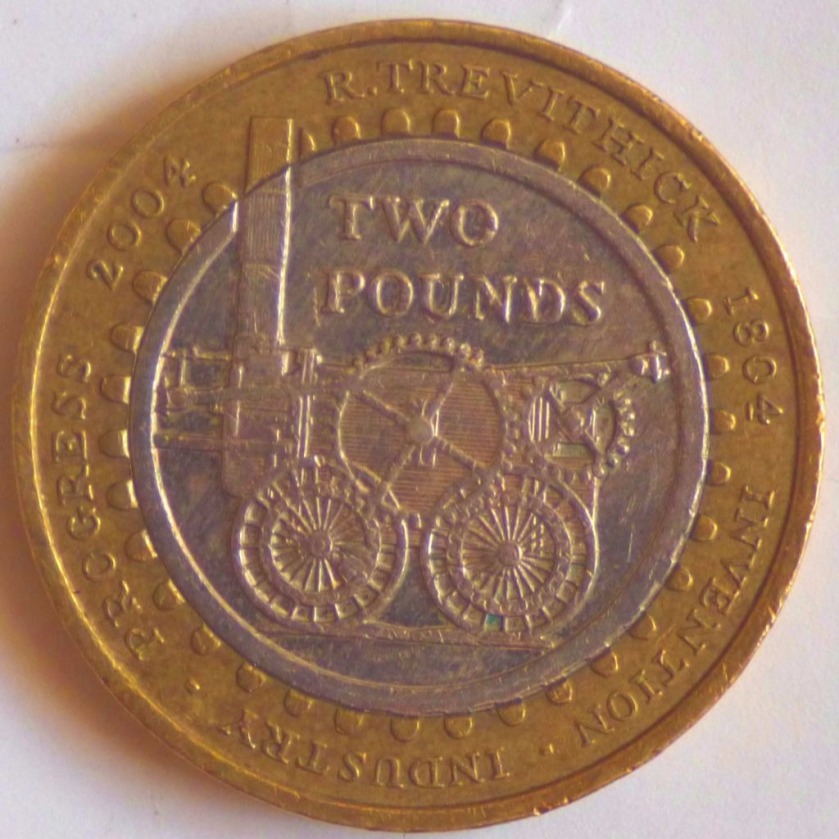
I picked up this coin in change at Morrison’s today and I took two photos of it, both of which I offer you to finish this post (it is only the Reverse that makes it interesting – the Obverse is the usual portrait of ludicrously over-privileged old woman).

£2 - Trevithick 1


SBS

Some nature themed links and some of my own photographs. Snakes, butterflies and slugs feature prominently in this post, hence its title.

INTRODUCTION

Welcome to this nature themed post on aspi.blog. The title is formed from the initial letters of snakes, butterflies and slugs, all of which feature prominently. 

SOME SWEDISH STUFF

Of course when posting about nature and mentioning Sweden, Anna is going to feature prominently, but also featured here is the work of two Swedish photographers, Ingrid Benson who specialises in butterflies and John Jonasson who photographs reptiles.

A SERIES OF BUTTERFLY POSTS

Some of you may remember that I reblogged a post from fargaregardsanna about butterflies in and around Trosa that was marked as the first of a series. Well that series now runs to six posts, four posts based on the work of Ingrid Benson and two more featuring some of Anna’s own photographs. I now provide links to all of them:

  1. Fjärilar i Trosa – Butterflies in Trosa Sweden part 1 – the series opener – as all posts in this series are titled in this way the remaining links will only contain the part number at the end of the title.

  2. Part 2 – more from Ingrid Benson.
  3. Part 3 – more from Ingrid’s collection.
  4. Part 4 – the last of these posts to feature Ingrid’s work.
  5. Part 5 – the first of the two posts featuring Anna’s own photographs – I include two rather than the regular one as I could not decide between them.

  6. Part 6 – the last post (to date) in the series.

SNAKES

Anna put up a post titled “Snake day” featuring some pictures of snakes near where she lives…

…at the end of it she included a link to the site run by John Jonasson and featuring pictures and information about snakes.

A COUPLE MORE
NATURE RELATED LINKS

Firstly, from A New Nature Blog comes a post titled “Guest Blog: Agri-environment – a need for detailed scrutiny, by Steve Peel” which is quite a long post but well worth reading.

Secondly, from Mitch Teemley, comes a piece titled “Caterpillars Don’t Become Butterflies!” which explains the process of metamorphosis.
10298900_10203759279603307_7085417779304645126_n

MY PHOTOGRAPHS

We end as usual with some of my own photographs:

butterfly1
The first four of the six butterfly pics that open this set of photos were taken yesterday.

Butterfly2Butterfly3Butterfly4

Butterfly 1
This was taken today, and I thought even at the time that it was out of focus, but luckily…
Butterfly 2
I then got this.

moorhen and chickCorvid

small water creature
This was floating along the Gaywood river too rapidly for its progress to be down to the flow of the river (which is sluggish).
Slug 1
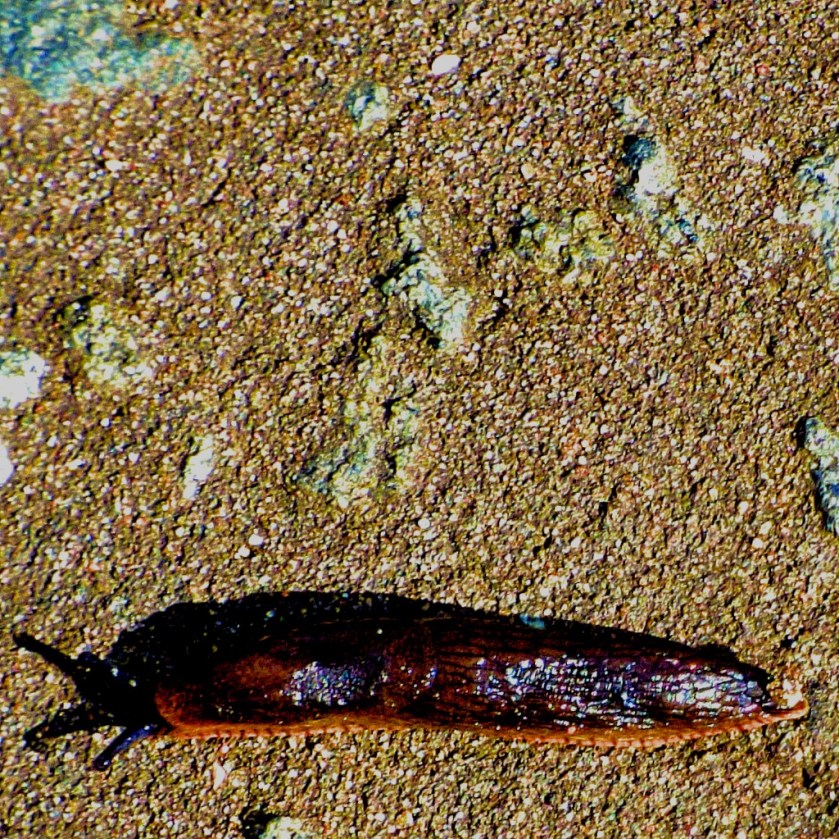
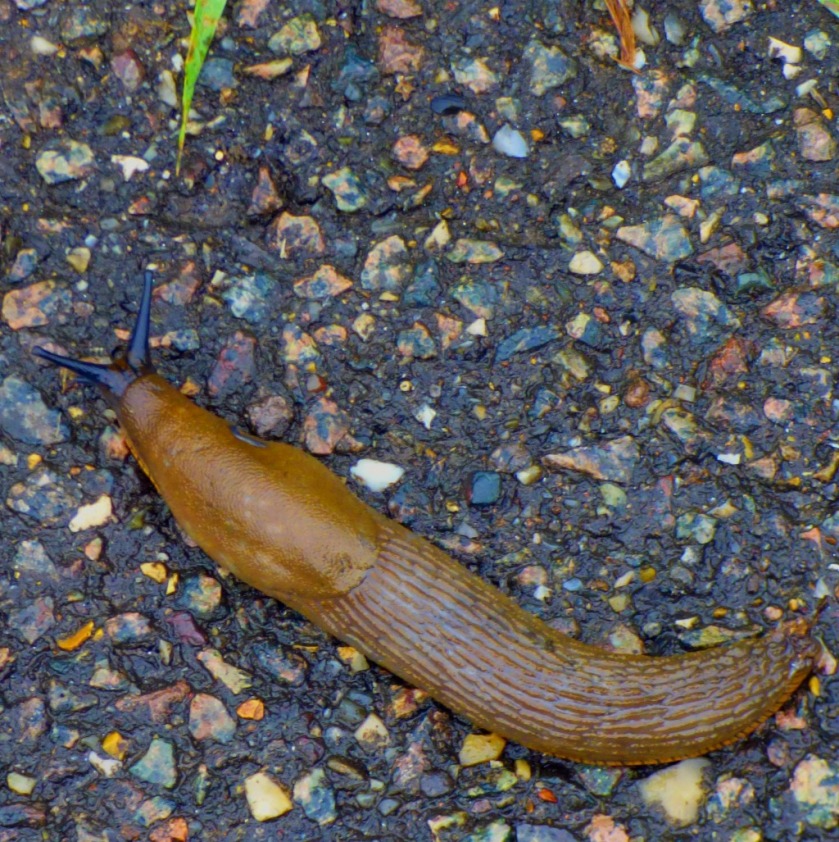
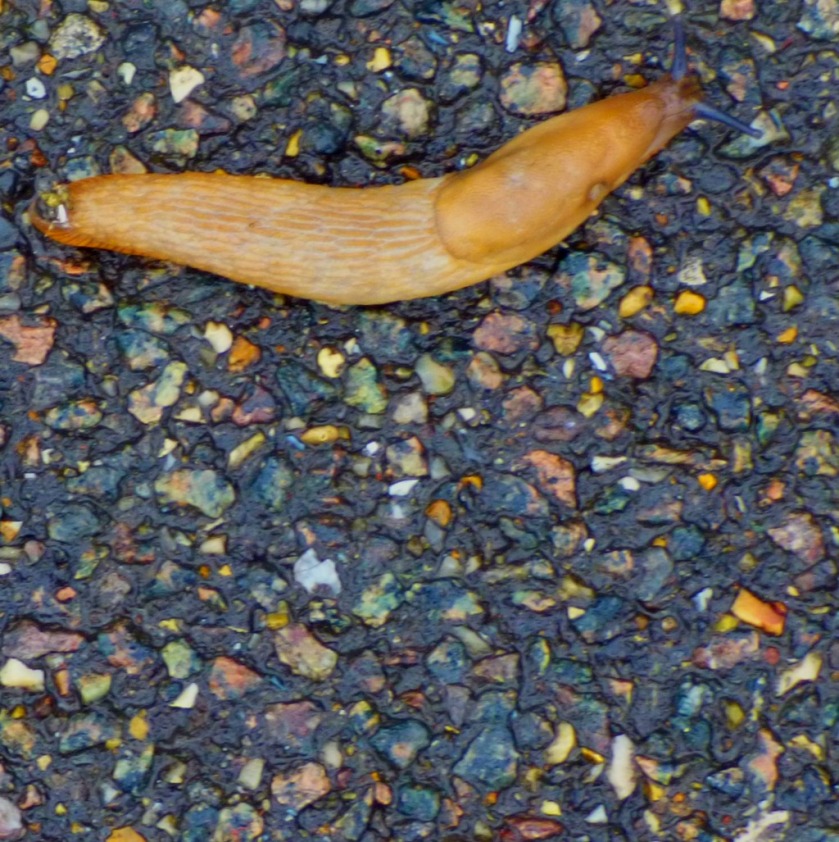
The slugs (three pics) – today is warm and just a bit damp – and the slugs love it that way.

Slug 2Slug 3

Swimming cormorants
Two swimming cormorants in one shot – a first for me.
Diving cormorant
This cormorant went into a dive as I was clicking the shutter…
Cormorant
…but then came up again not much later.


Fjärilar i Trosa – Butterflies in Trosa Sweden part 1

In thios post Anna focuses on butterflies in and around Trosa and alomng the way gives me an honourable mention…

Anna's avatarAnnas Art - FärgaregårdsAnna

I västra Trosatrakten och Tureholmshalvön går det fortfarande att beskåda ett rikt fjärilsliv. Ingrid Benson har lånat ut några av sina fjärilsbilder, som hon tagit på alla möjliga slags fjärilar som dykt upp framför kameran.

Det är roligt att fotografera och gå på fjärilsjakt. Har du väl börjat går det inte att sluta låta ögonen scanna efter fjärilar. Lite som att gå i svampskogen, fast med fjärilar som sökobjekt istället. Prova får ni se. Öppna ögonen och försök att zooma in fjärilarna med kameran. Det går att stå ganska långt ifrån och ändå få tydliga bilder. Se till att försöka fånga både över- och undersida på fjärilsvingarna. En mängd arter avslöjar sin tillhörighet endast genom en kombination av över- och undersida. Många arter är mycket lika varandra och då kan över eller undersida skilja dem åt.

In west Trosa and Tureholm peninsula there´s lots of butterflies to discover. Ingrid Benson

View original post 264 more words

Science and Nature (and other stuff)

Some recent internet finds and some of my own photographs.

INTRODUCTION

This post features links to some recent internet finds and some of my own photographs. 

SOME SCIENCE AND NATURE LINKS

I start with a piece from mongabay which argues that “The Sixth Great Extinction” is actually “The First Biotacide“. Below is a picture from this article:

Steller’s Sea Cow holds the the world record for rapidity of extinction. Illustration from “Extinct monsters,” London: Chapman & Hall, 1896. Photo via Wikimedia Commons, licensed under CC BY 2.0.

The second piece in this section comes from thewildlifeplanet and is titled “Italian Super-Volcano Approaches Eruption

PUBLIC TRANSPORT

I have five links to share in this section:

  1. vlogexpedition have a piece about the world’s longest railway journey – that along the Trans-Siberian railway.
    4 days on the Trans-Siberian Train
  2. My next piece comes from Vox Political, who got direct from the person whose story it is, Paula Peters. The title of the piece “Bus driver subjects disability activist to humiliating discrimination” gives you a good idea of the nature of the story. British law on this matter is unequivocal – the bus driver is legally obliged to give wheelchair users priority over mothers with buggies (this courtesy of a court ruling in January). Given the completeness of the information Paula provides, the bus company in question have only one option open to them both legally and morally – they must sack the offending driver and must make sure that all their drivers are aware of their responsibilities to disabled passengers.
  3. I am treating my last three pieces in this section together, as all are connected with London Underground, all come from indy100.com and all have been pressed on to my London transport themed website. They are respectively:
    This is Officially the best Tube line
    Quiz: Can you name the London Underground line by its colour?
    This gif exposes the lies the London Tube map is telling you

FAB FOUR FINAL LINKS

First in this section comes a link to RobertLovesPi’s Blog for this piece titled “A Twisted Expansion of the Truncated Octahedron“, which features a very cool graphic. 

The Skwawkbox have produced an excellent piece titled “ATTACKS ON PIDCOCK SHOW MORAL BANKRUPTCY OF RIGHT – IN OR OUT OF LABOUR” Laura Pidcock is the recently elected MP for Northwest Durham and she has been making waves for her unashamed hostility to Tories and her criticisms of the cosiness and clubbiness of the House of Commons.

I started this post with a couple of science and nature related links, and now as we approach my photographs we are finishing where we started with stuff about nature, first of all Cindy Knoke with a wonderful post about a castle that has been dedicated to raptors, titled “Castle Rapture“.

With the last word before my photographs is Anna, who has recently posted part 13 of her amazing Paradise on Earth series, this time focussing on some of the smaller creatures who live in and around Trosa.

PHOTOGRAPHS

I will start this set of photographs with some of the smaller creatures I have recently captured, before finishing with some general pictures. These pictures were all taken yesterday.

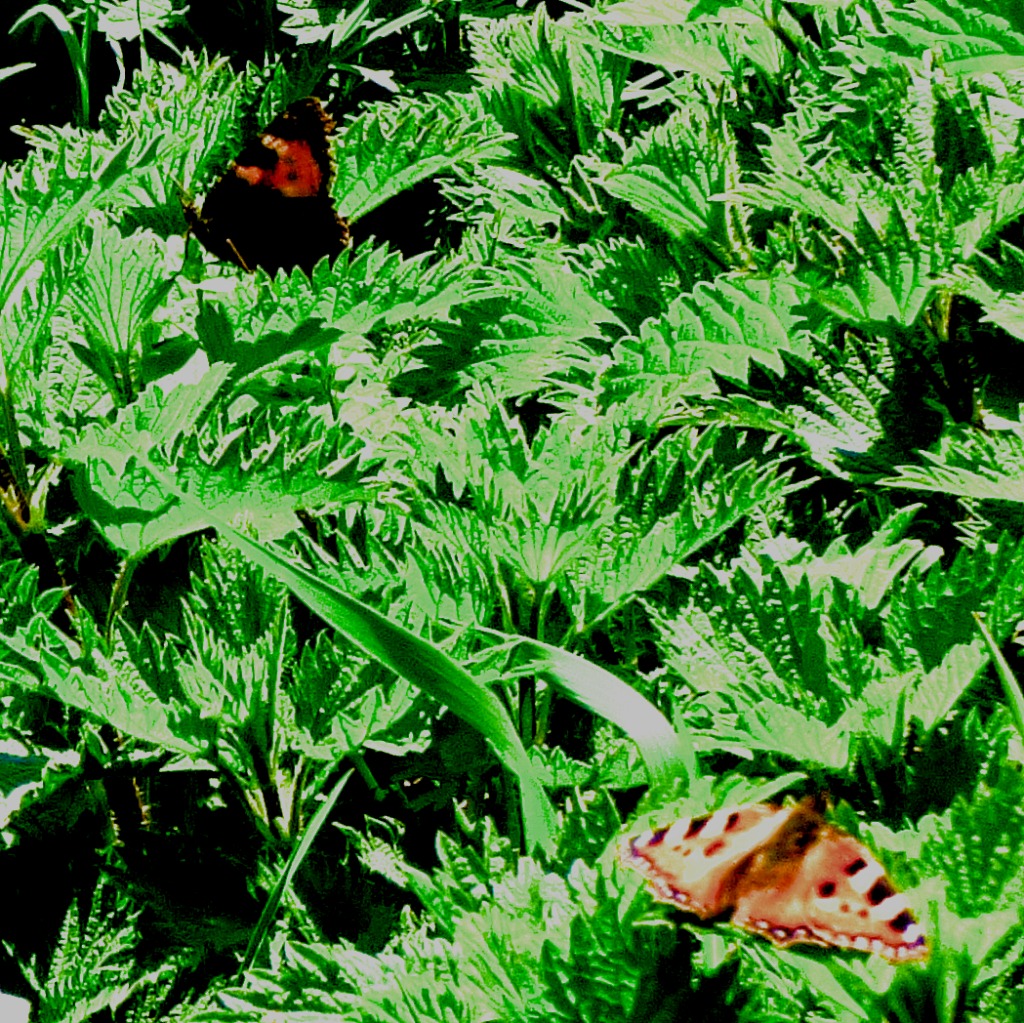
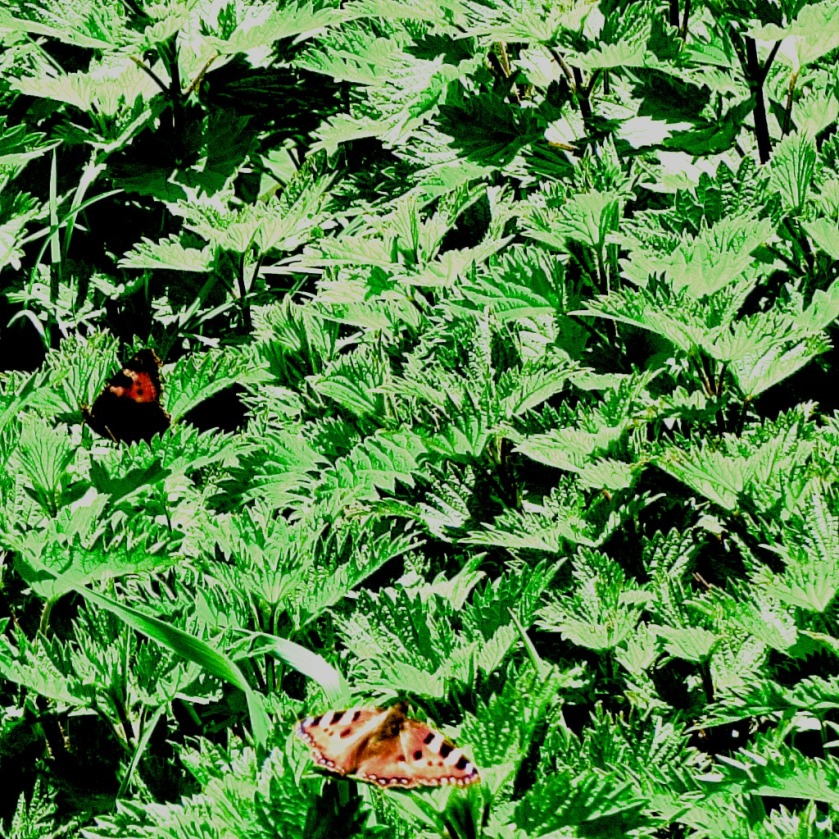
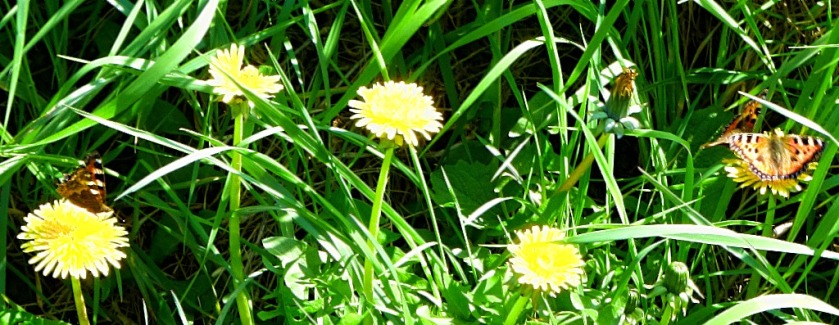
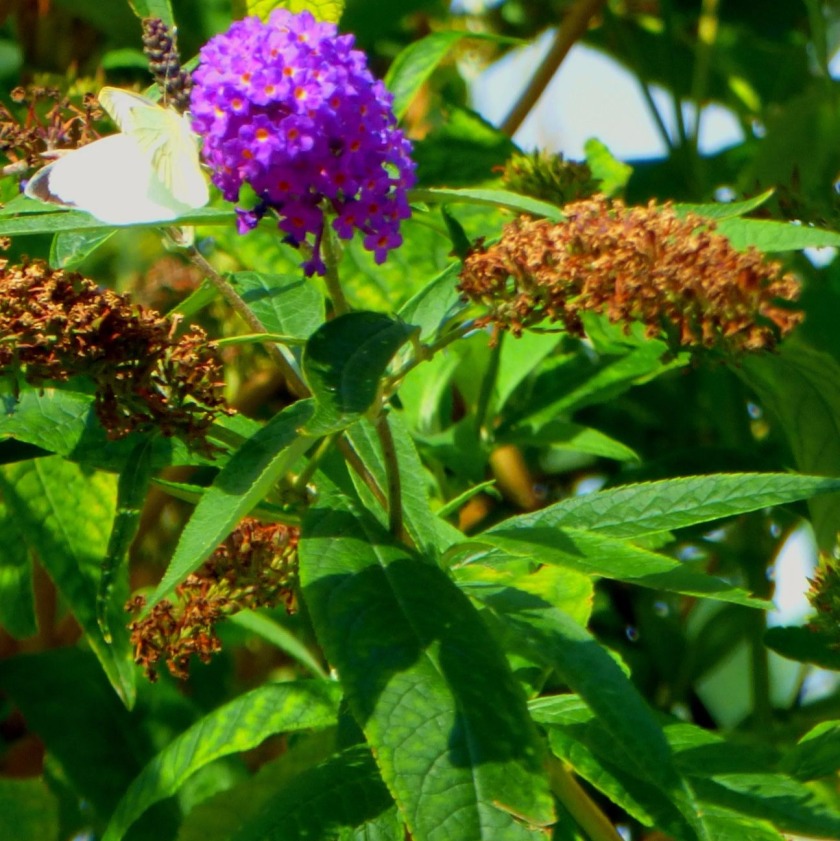
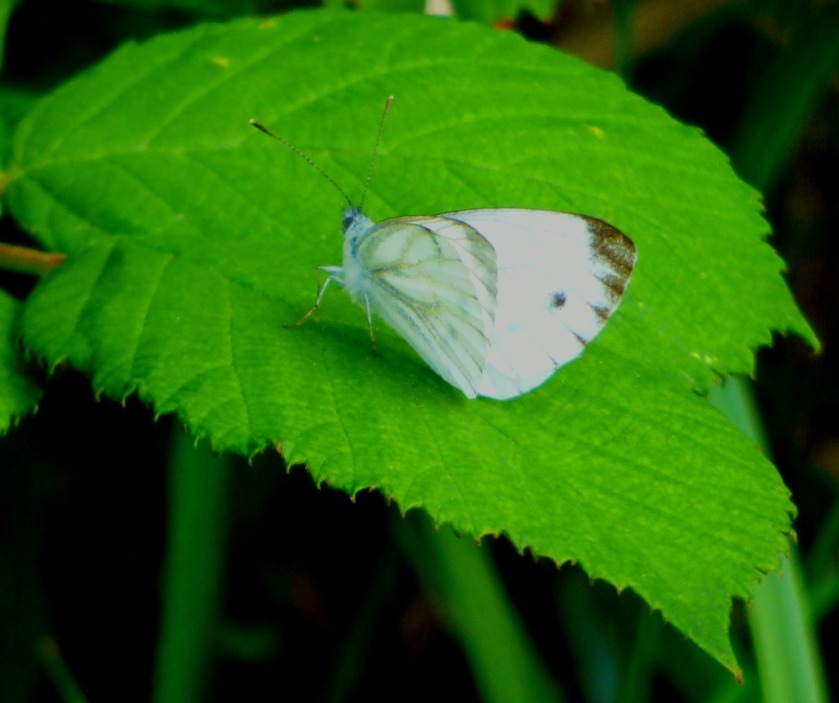
white butterfly, yellow flowersTB on dandelion 3TB on dandelion2TB on dandelionBeeButterfly in nettlesButterfly and dandelionWhite butterfly on nettleWBTB1TBButterflybutterfly on nettleleaflike butterflyFlying buitterfliesred boattwo boatsBoatBoatsFlying gullmagpie 2magpie headmagpiesadolescent mallardMoorhen and chickMinis2Minis1Moorhen


Midweek Mixture

Some stuff I have seen recently on the internet, a little teaser of a problem and some photographs from today’s ‘ecotherapy’ session.

INTRODUCTION

I spent most of this morning indulging in ‘ecotherapy’ (i.e. getting out and about in the open air – my thanks to The Gentleman for the term), which also provide me with photographs which will end this post. In between times I will share various pieces that have caught my eye recently. 

NATURE AND THE ENVIRONMENT

I start this section with a petition that has been set up on thepetitionsite calling for Michael Gove to be replaced as Defra minister (see graphic below, which also functions as a link):

GOVE is bad for the environment. Demand new Defra Minister!

It is pretty much impossible for any replacement to be worse than the Downright Dishonourable Mr Gove, although while this dreadful government remains in office the right person for the job will not be selected. In the hope that Jeremy Corbyn, or someone who can influence him might see this I say, as I did when naming my fantasy cabinet a while back that the right person for this role is Caroline Lucas.

SOLAR POWER IN AUSTRALIA

It makes perfect sense for Australia to be looking at solar power in a big way, just as here in Norfolk we should take advantage of our biggest renewable resource by building many more wind turbines. I am therefore delighted to share this story from the treehugger website titled “Australia will be home to world’s largest single-tower solar thermal power plant“, the feature graphic from which I produce below:

australia solar thermal tower

THE DEATH OF THE INTERNAL COMBUSTION ENGINE

This is the title of a piece in The Economist. After 120 years of dominating the scene the internal combustion engine’s days are numbered, and the end for this pollution generating monstrosity cannot come soon enough. I include their feature graphic below.

A PLAN TO REVIVE AN EXTINCT SPECIES

This one comes from thewildlifeplanet.com and the species that may be being brought back from extinction is the Caspian tiger. The plan involves using DNA from the Siberian tiger, a rare but surviving species that is closely related to the Caspian tiger. A potential living area for the revived species has been identified in Kazakhstan. The map below shows the areas reckoned to have been inhabited by the common ancestor of these tiger species when it was around 10,000 years ago.

ANNA’S CHURCH

I end this section of the post with a nod to Anna and the brief post she put up yesterdya about her continuing fight to protect nature under the title “I went to my church“, one picture from which I reproduce below.

PUBLIC TRANSPORT

I am going to present these links as a bulleted list, amplifying some of them a little:

  • Our government has recently reneged on promised rail electrification programs in Wales and in northern England (yes, largely due to privatisation and consequent neglect our railways are so backward that not all of them have yet been electrified, some services still being run by diesel locomotives). Richard Murphy of Tax Research UK has put up a short post outlining how these electrifications could be funded.
  • The title of my next piece, from Buzzfeed, should be sufficient: “People Who Use Wheelchairs Are Being Forced To Crawl On To Trains And It’s 2017
  • The last piece in this section come from the skwawkbox. The first features a video from Double Down News which referring back to an incident from last year is utterly devastating for Virgin Trains, as it shows conclusively that Jeremy Corbyn was telling the truth when he described that train as ‘ram-packed’ and Virgin’s subseqnet denials, including one from the boss, Richard Branson, were lies. The most devastating footage comes about halfway through the video, which is embedded below, and shows the reserved seats filling (as one might expect) moments after Corbyn had walked past them. The skwawkbox piece is titled “DOUBLE DOWN VIDEO SCOOP PROVES WHAT WE TOLD YOU LAST YEAR: #TRAINGATE WAS FULL“.

ELECTORAL REFORM

Britain’s First Past the Post (FPTP) system of electing representatives has had its day. Those who support this system claim that it delivers stable majority governments, but it has failed to do this three times running (no majority in 2010, wafer-thin majority for Cameron in 2015, May running a minority government with the support of the vile DUP in 2017. I have three recent pieces dealing with this topic for your attention. 

  1. Setting the scene for the other two a post on theconversation.com titled “Wasted votes, hyper-marginals and disillusion: reform group issues damning report on election 2017
  2. The Electoral Reform Society’s introduction to their full report titled “June’s election was the third strike for Westminster’s voting system. It’s out” and…
  3. The full report itself, titled “The 2017 General Election: Volatile Voting, Random Results“.  

As well as the voting system needing reform, the results in Northern Ireland showed that it is time for the Labour Party to abandon its pact with the SDLP and field candidates of its own – the recent Stormont election successes of Gerry Carroll and Eamonn McCann have demonstrated that non-sectarian socialists standing as such can win in Northern Ireland.

A PROBLEM AND SOME PHOTOGRAPHS

I generally finish my posts by putting up some of my own photographs. Before getting to those I have a teaser for you:

coin tosses restricted

The above table shows two putative sets of coin toss records, each for one coin tossed thirty times. Which is more like to be genuine based on what you can see?

a) series one
b) series two

If you want to have a public stab at answering this feel free to use the comments, although I will say neither yea nor nay until I put my next post up, which will include an answer to this little teaser. 

Now for those photographs…

featureimageTortoiseshell3flying butterfly

Mother and child
The junior duck in this picture is just developing her adult feathers, but continues to be chaperoned by her mother.

Moorhen2Moorhen1White butterfly3white butterfly2PollinatorTortoiseshell2Tortoiseshell1white butterflyCH2CHMini waterfall


Witness Statement Re Fire At Bawsey Drain

An eyewitness statement regarding a fire that I regard as highly likely to have been the result of arson, although accident is a possibility.

INTRODUCTION

I am putting this post up as a witness statement regarding an incident that happened somewhere in the region of one hour ago. 

THE STORY

I went out for a walk, to take some photos and do some thinking. I set out across the upper Purfleet, on to King Street and thence via the Tuesday Market Place and St Nicholas Chapel to the start of the footpath that runs alongside Bawsey Drain as far as Lynnsport. My initial plan was to cross a bridge that leads into a field, head via Kettlewell Lane to the train station, then through the parkland to Seven Sisters, down past the South Gate and across the Nar to hit the Great Ouse by way of Harding’s Pits and thence back into town along the river. However, I was approaching this bridge when I saw white smoke rising from the field on the other side of the river. A cyclist approaching the bridge from that side was there before me and phoned the fire brigade, who sent people out to deal with it. When the fire engines arrived a few moments later I waited on the bridge while the cyclist went to meet them and guide them to the spot. 

The fire was only a small one, though very close to the bridge and to the footpath leading away from the bridge, and fortunately had not yet spread, although the smoke had noticeably thickened by the time the fire brigade got there. They were able to deal with it quickly and easily, and apart from a small blackened patch of burned vegetation there was no lasting damage. 

POSSIBLE CAUSES OF THIS FIRE

Sadly Bawsey Drain is treated as an all-purpose dumping ground by those who live alongside it, so there are two possible causes, both human in origin, given in order of where my personal suspicions based on observation lie:

1)Arson – a fire started deliberately by some person or persons who neither thought nor cared about the possible consequences of their actions.

2)Accidental but very stupid and selfish human action (e.g someone tossing a cigarette that they imagined to be out but was not onto the vegetation, thereby starting the fire).

SOME PHOTOGRAPHS OF THE FIRE

As well as this written account I have some pictures:

Fire4
The first two images sbhow how close to the bridge and footpath the fire was, the third and fourth, courtesy of a telescopic zoom lens focus more closely on the fire.

Fire3Fire1Fire2

FOOTNOTE: SPECIES IN THIS AREA

Although I only edited those photos between the first and last fire shot, I captured two of the butterfly species that along with various birds live in this area regularly. I have also seen rabbits, hares and small deer in that location on previous occasions. This fire potentially endangered all these as well as the plants it had already started to burn. Here are some Butterfly pics from that area, taken today, to end with:

flying butterflywhite butterfly

TB4
These last two pictures were taken while waiting for the fire brigade to arrive, while I was on the bridge.

TB2