A Morning Spent on Foot

An account of a long morning walk, which was planned for a specific purpose. Includes a photo gallery.

I have an important meeting to attend on Friday at a location just beyond the western end of the road bridge across the Great Ouse, and with the weather much less brutal than it was a month ago I am of a mind to walk to and from the venue, although it is a fair walk from my home in North Lynn. It was with a view to that that I planned this morning’s excursion.

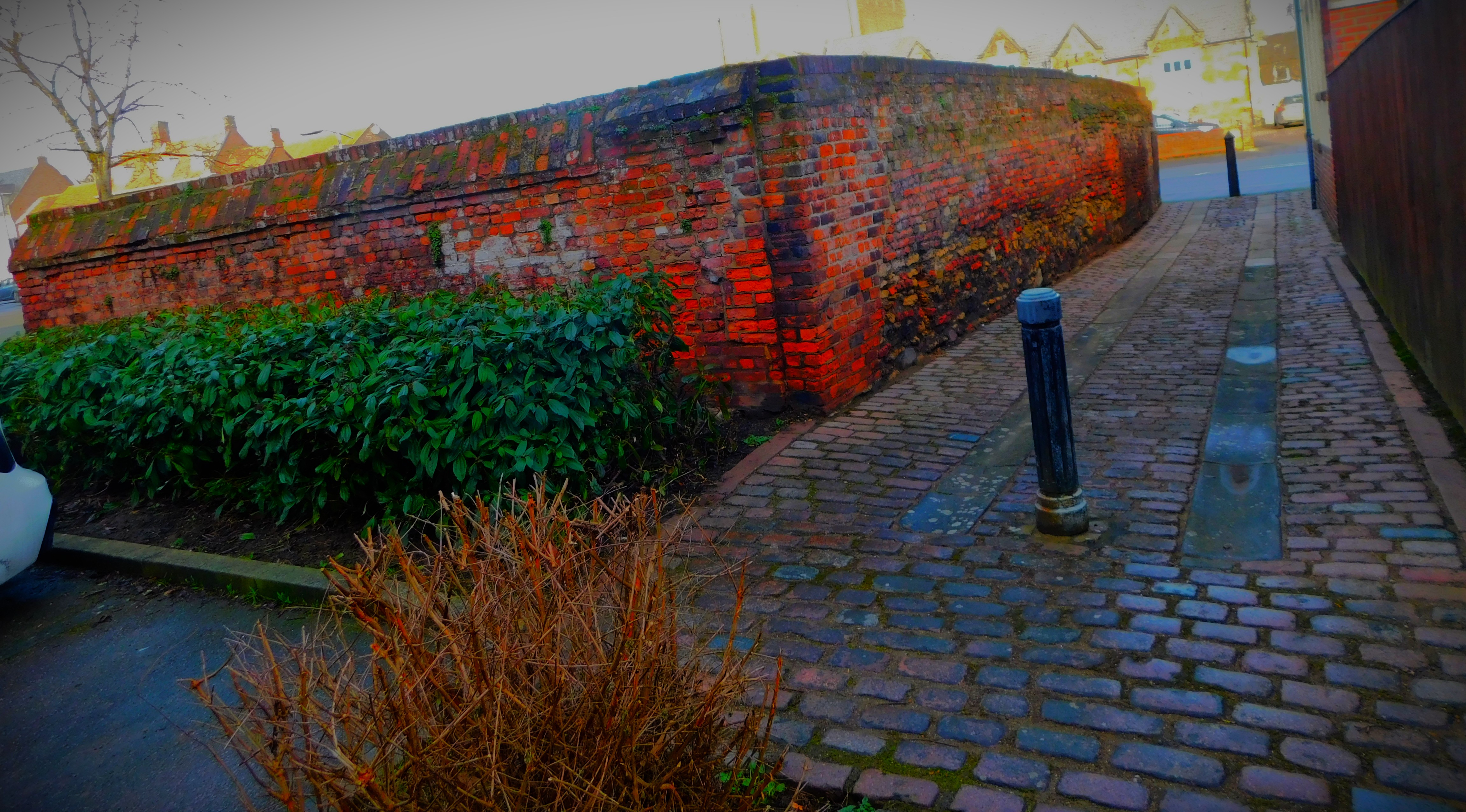
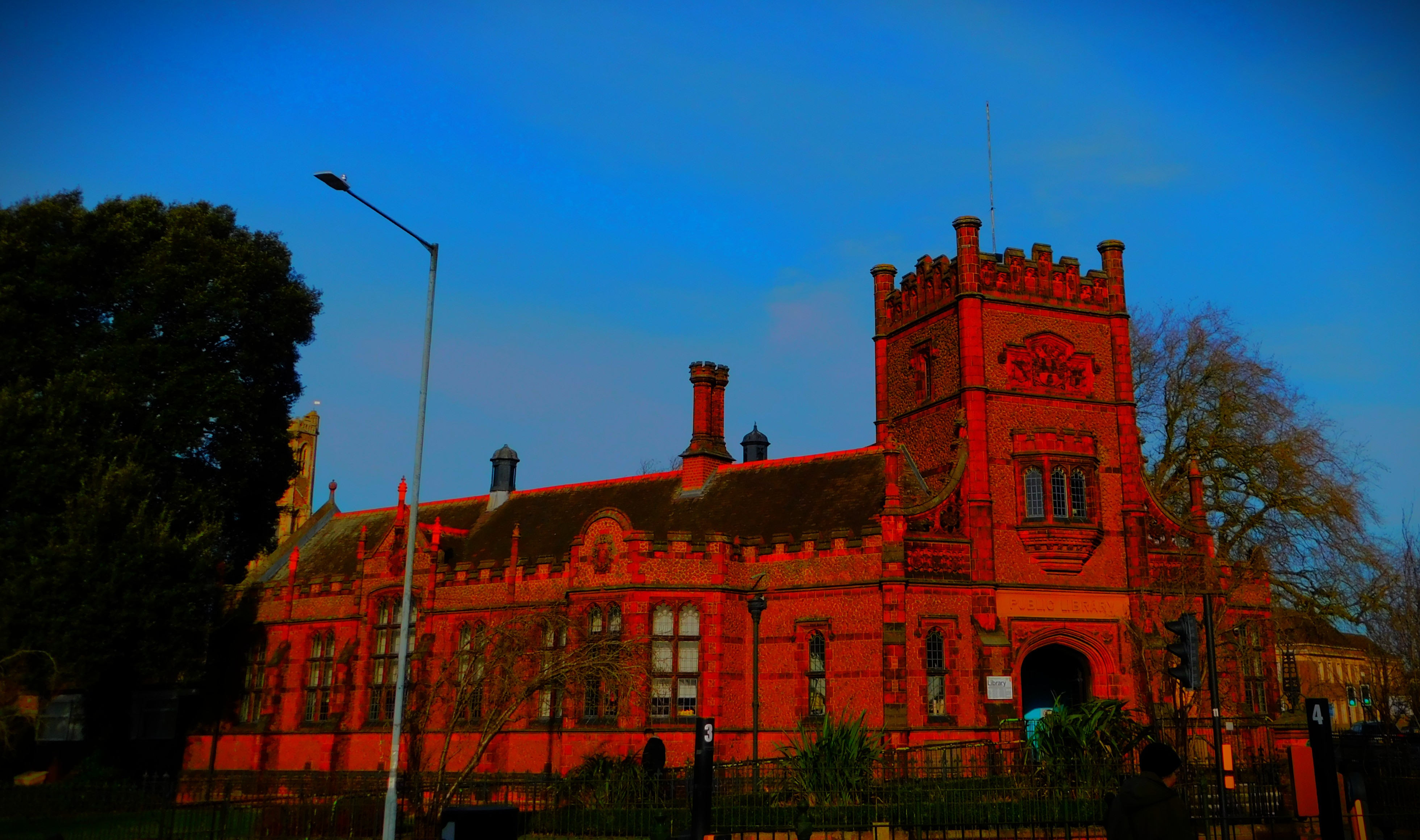
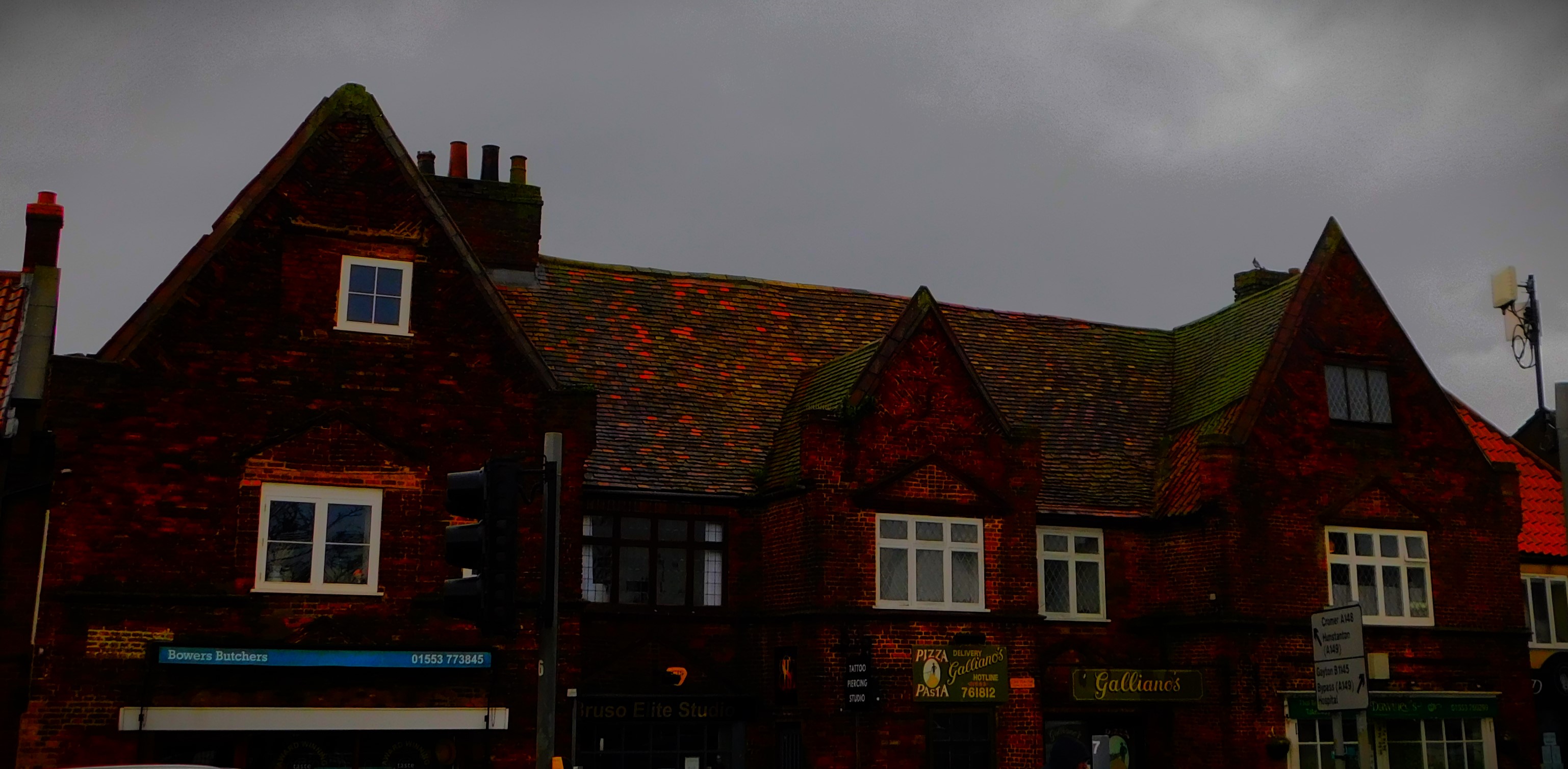
I had 14 library books out this morning, only one fewer than the permitted maximum for a single borrower, which made the library an essential port of call. Of course having returned the books I had out I naturally had a scout for new ones to take out. I found two by a recent find whose work I am really enjoying, Helen Cox. Her series based in and around York features a librarian who doubles up as a private enquiry agent. I also found a trio of north west Norfolk based crime novels by someone named Andrea Bramhall which I am looking forward to reading. This part of the walk was accomplished largely without recourse to main roads, save for a short stretch of London Road, from the end of The Walks to the library.

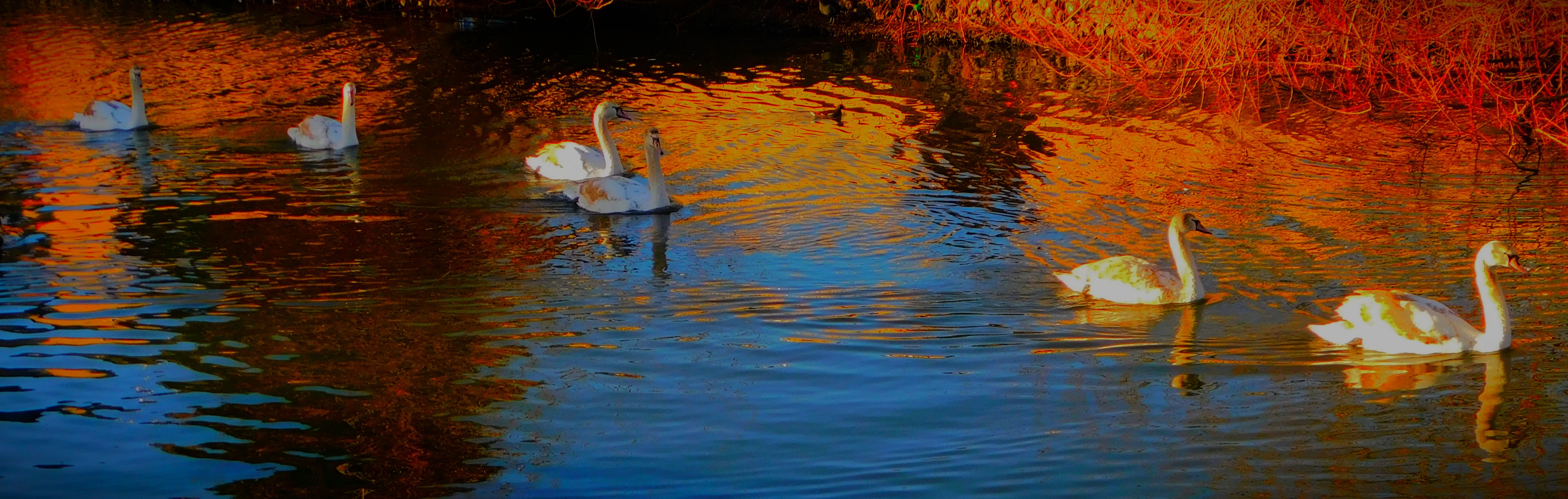
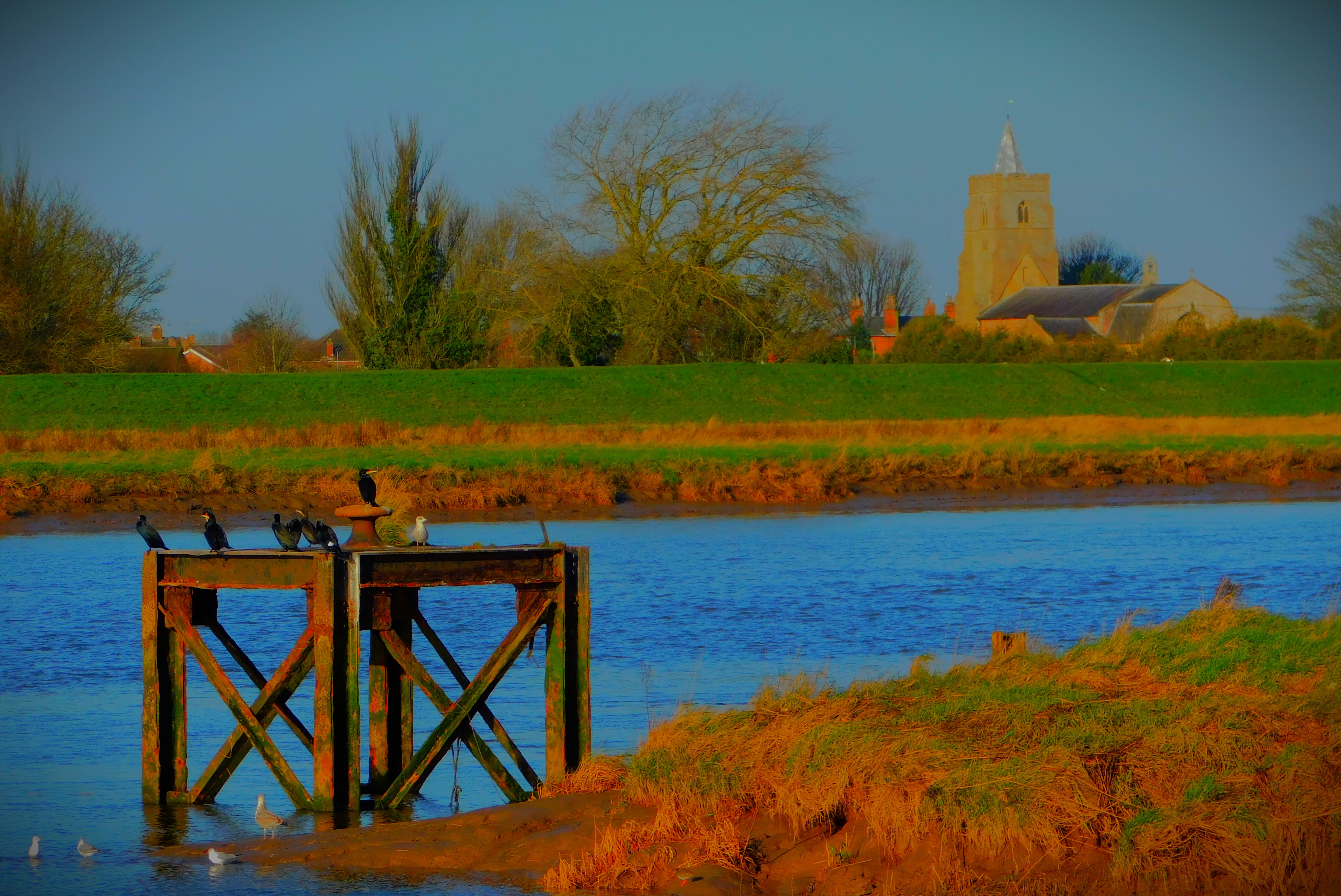
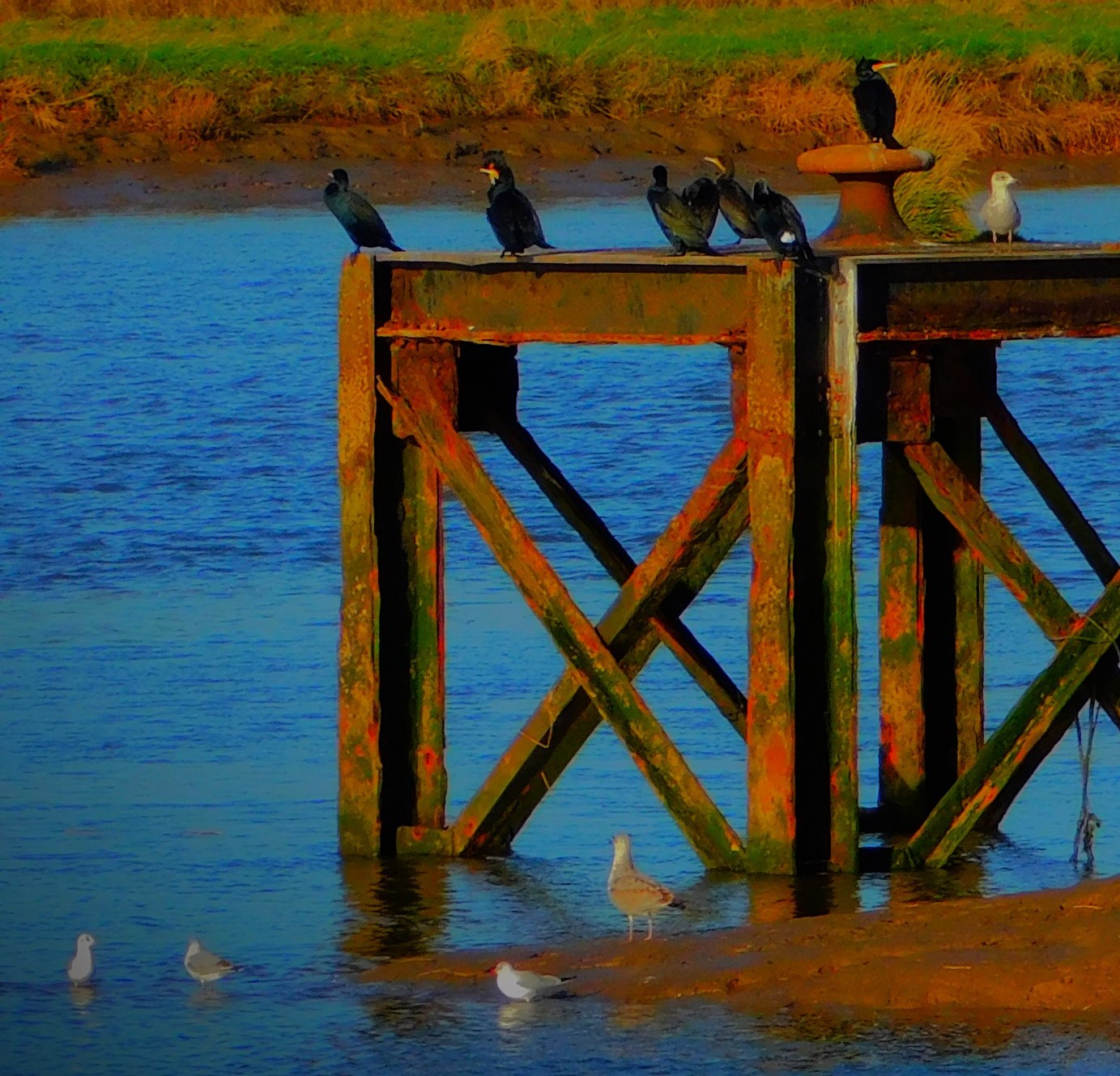
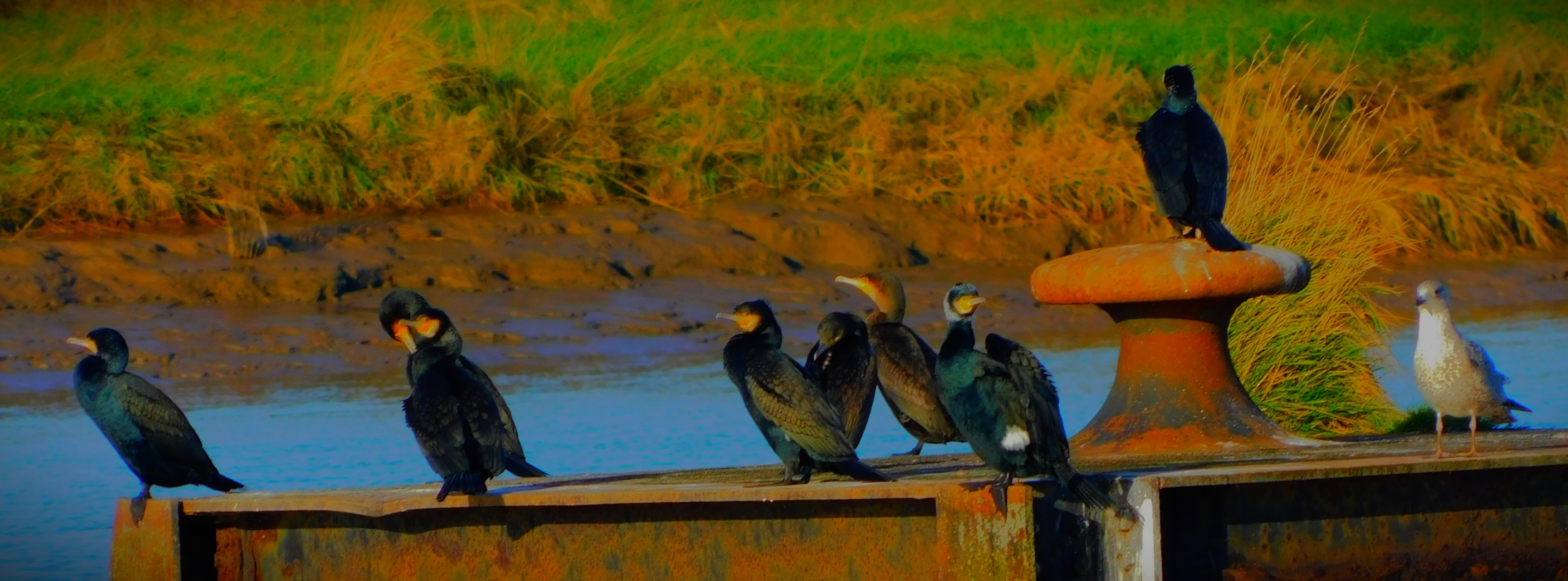
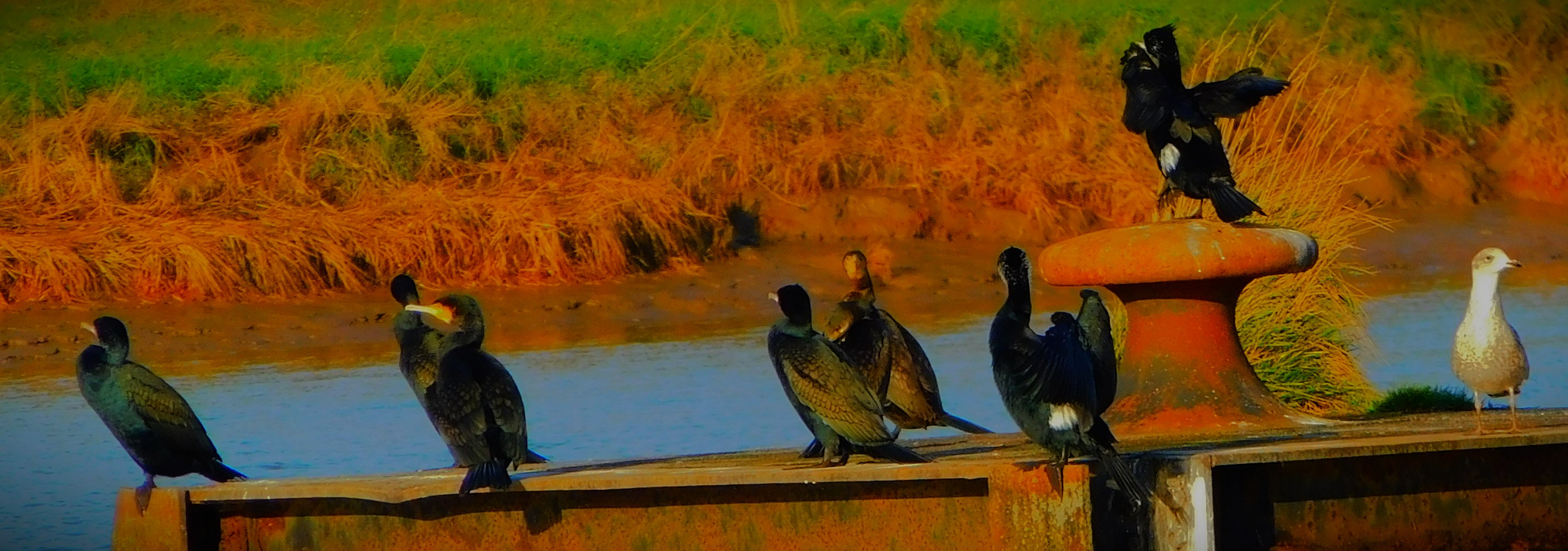
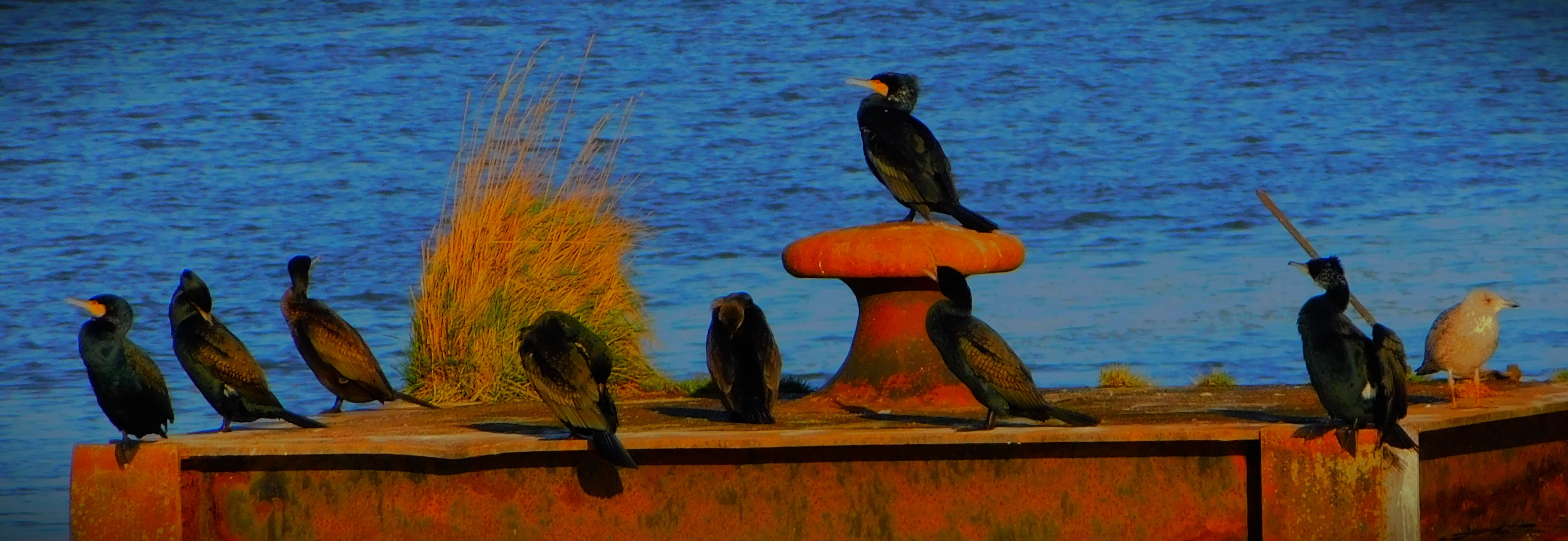
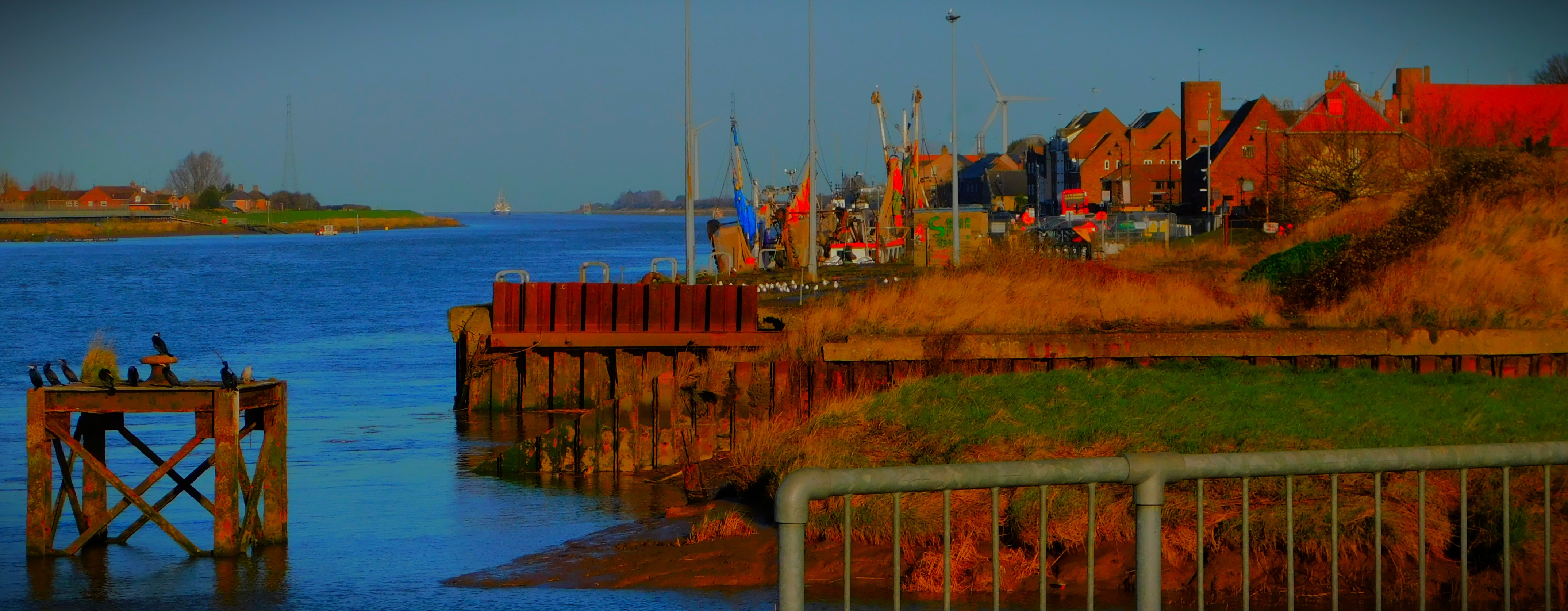
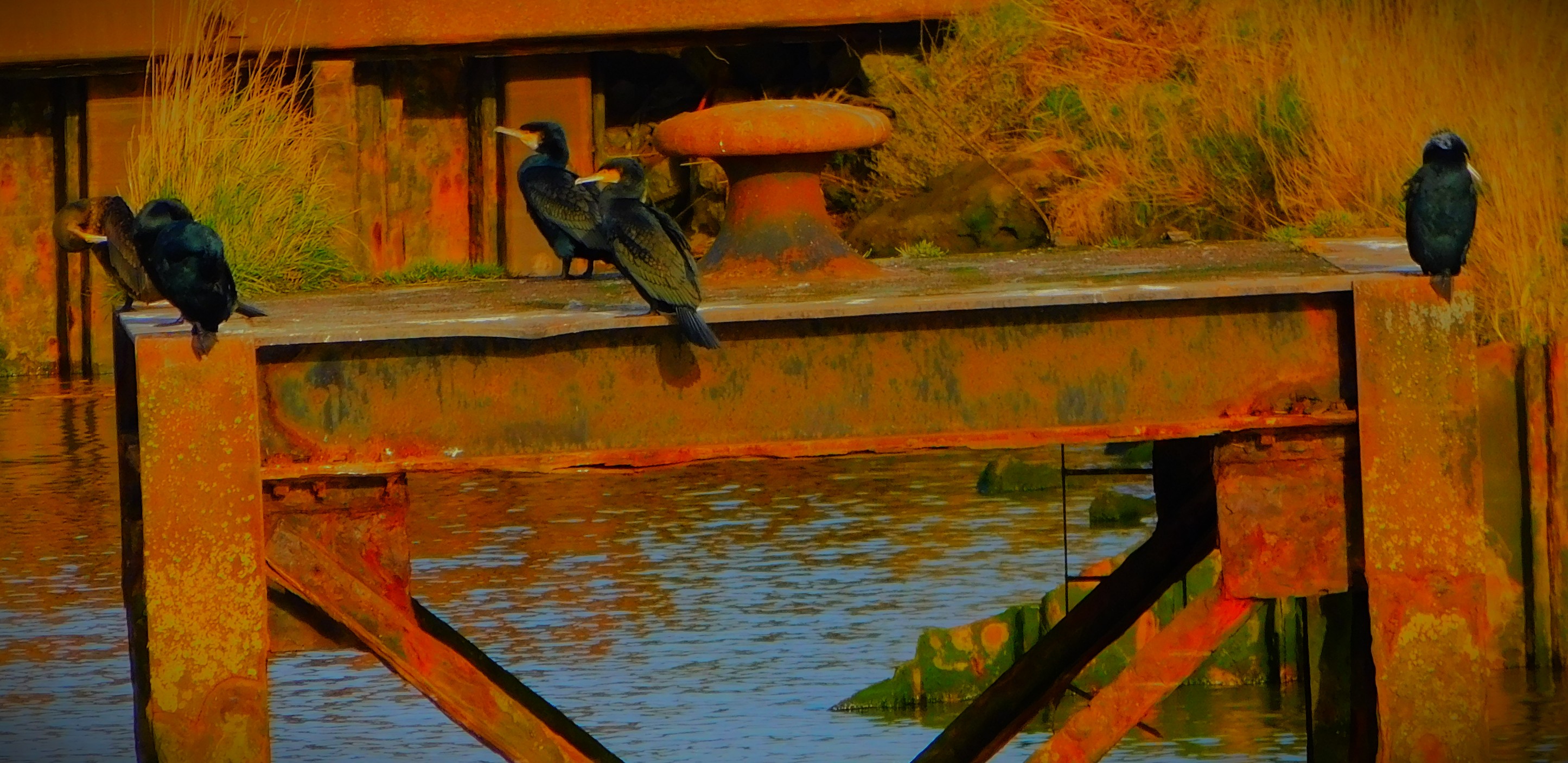
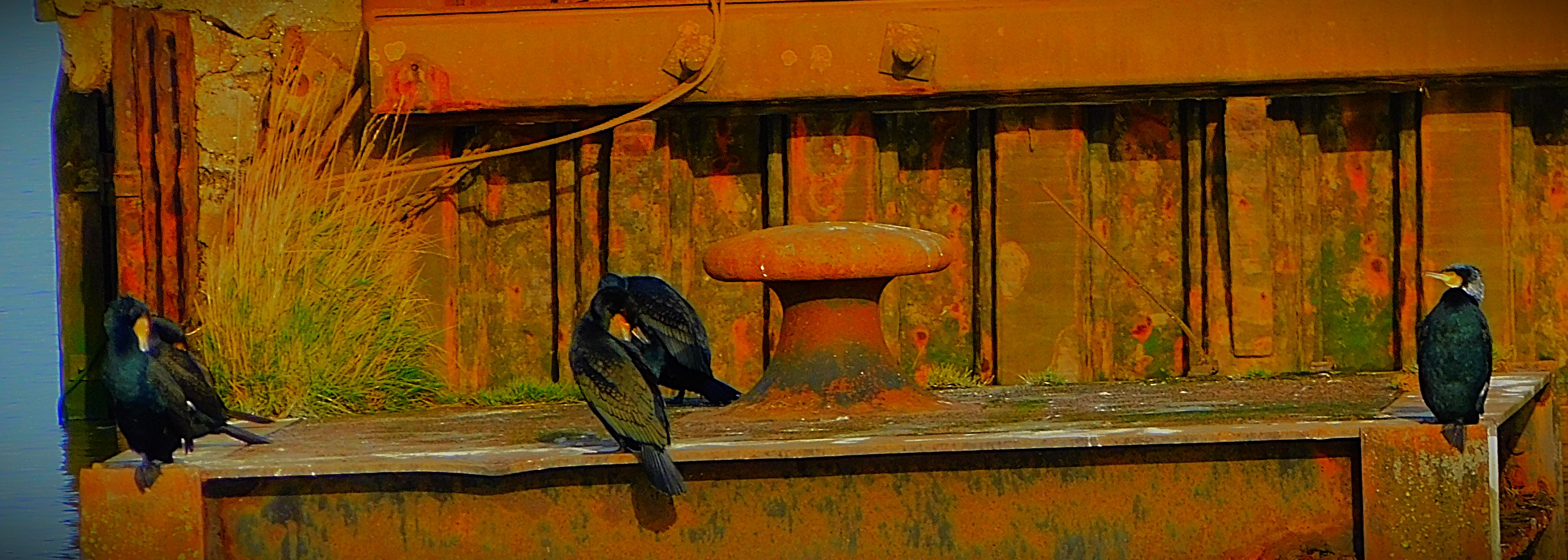
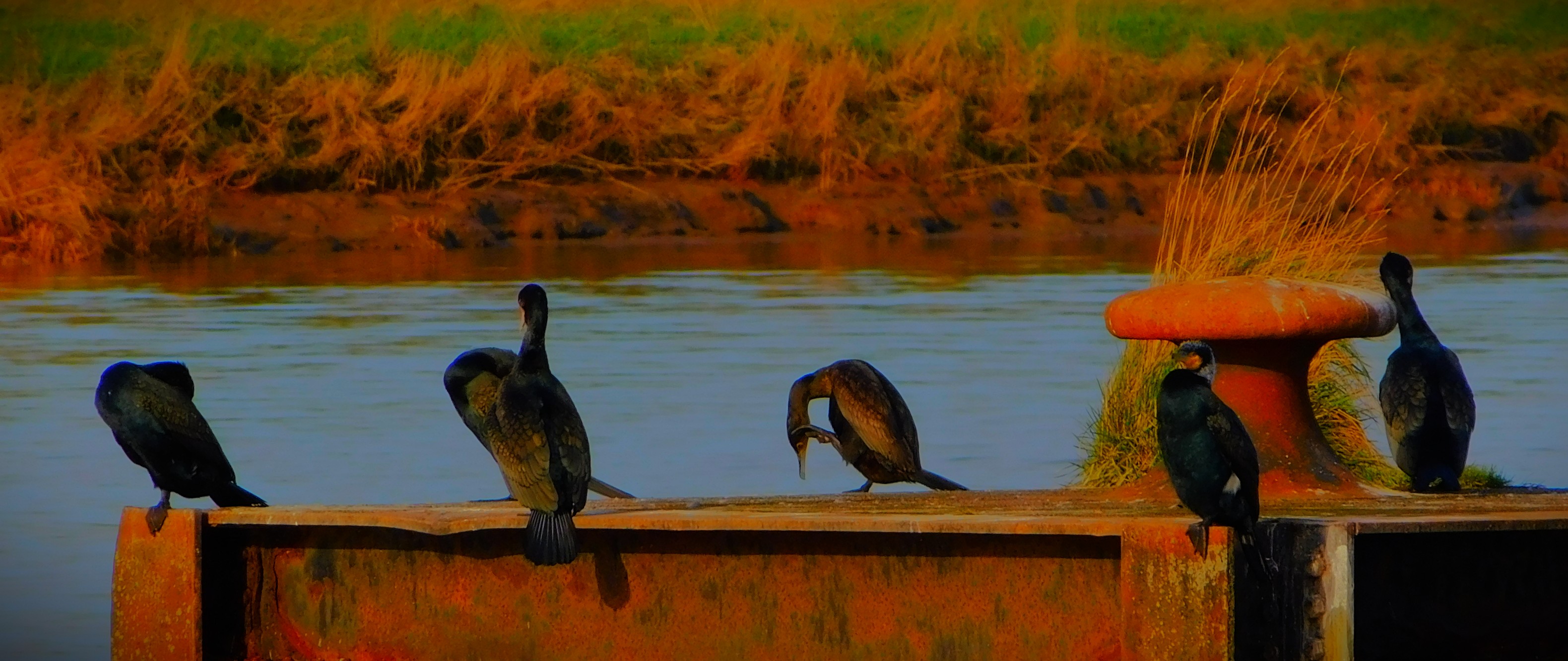
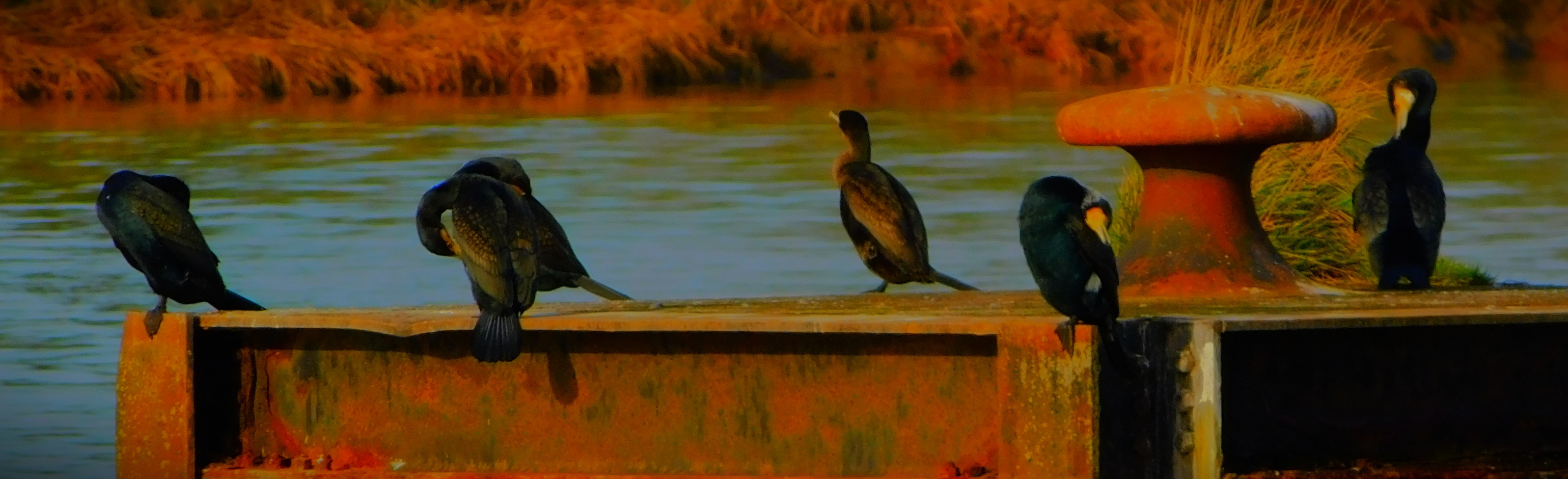
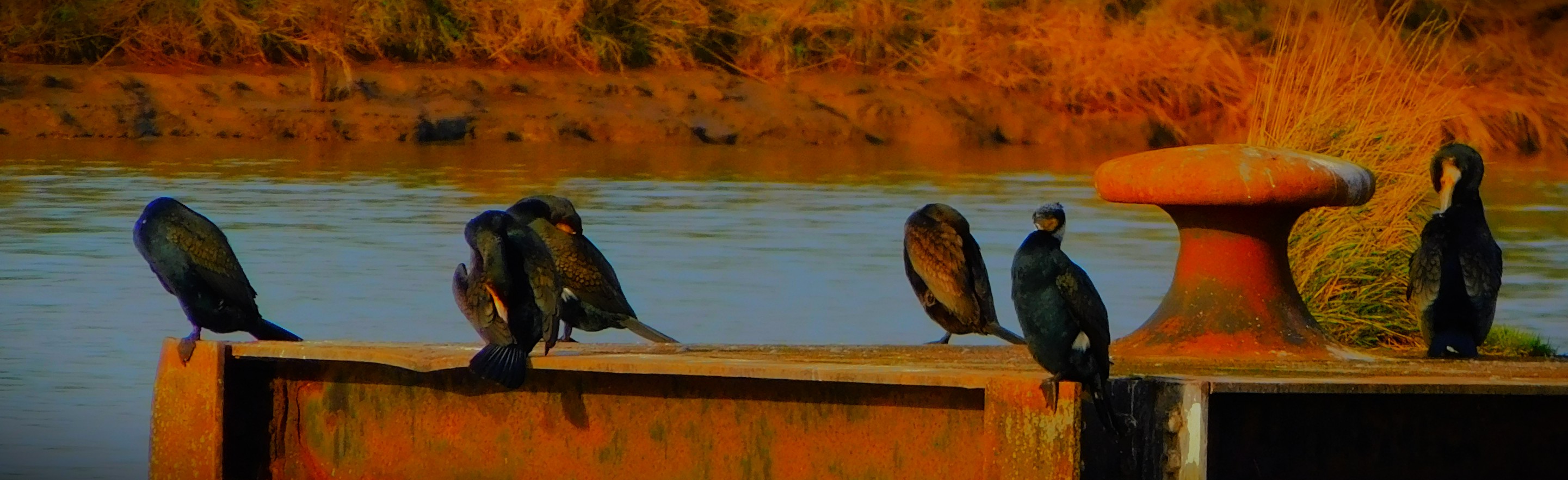
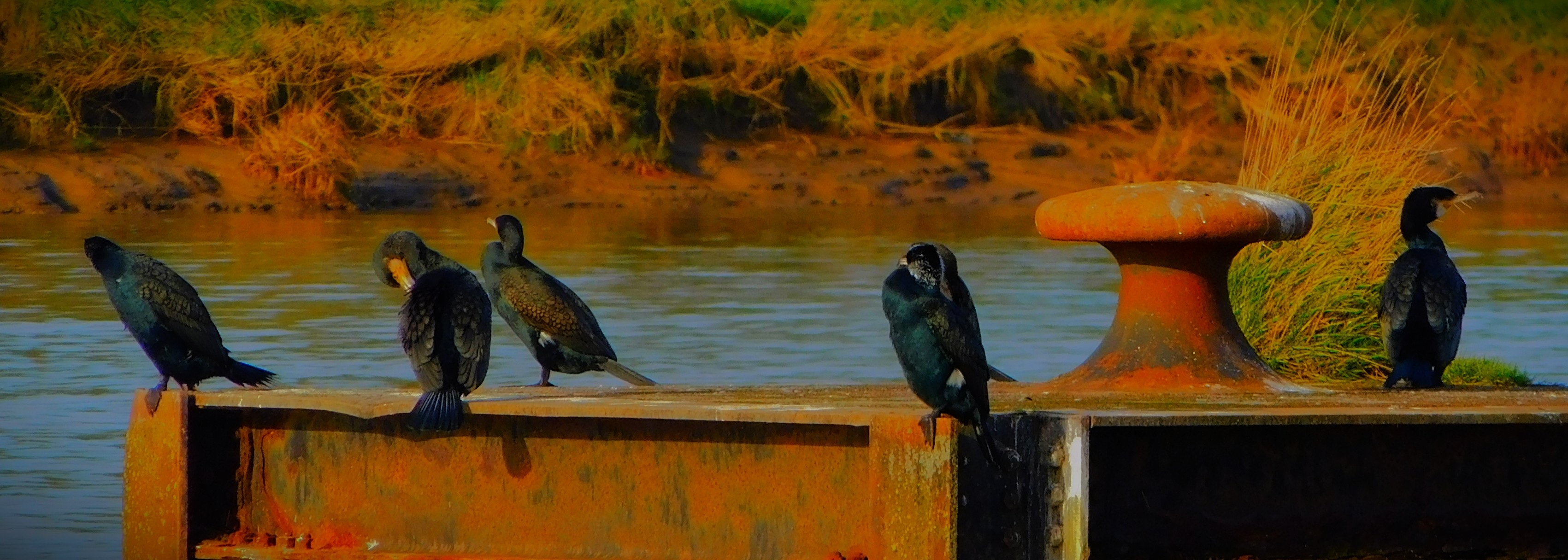
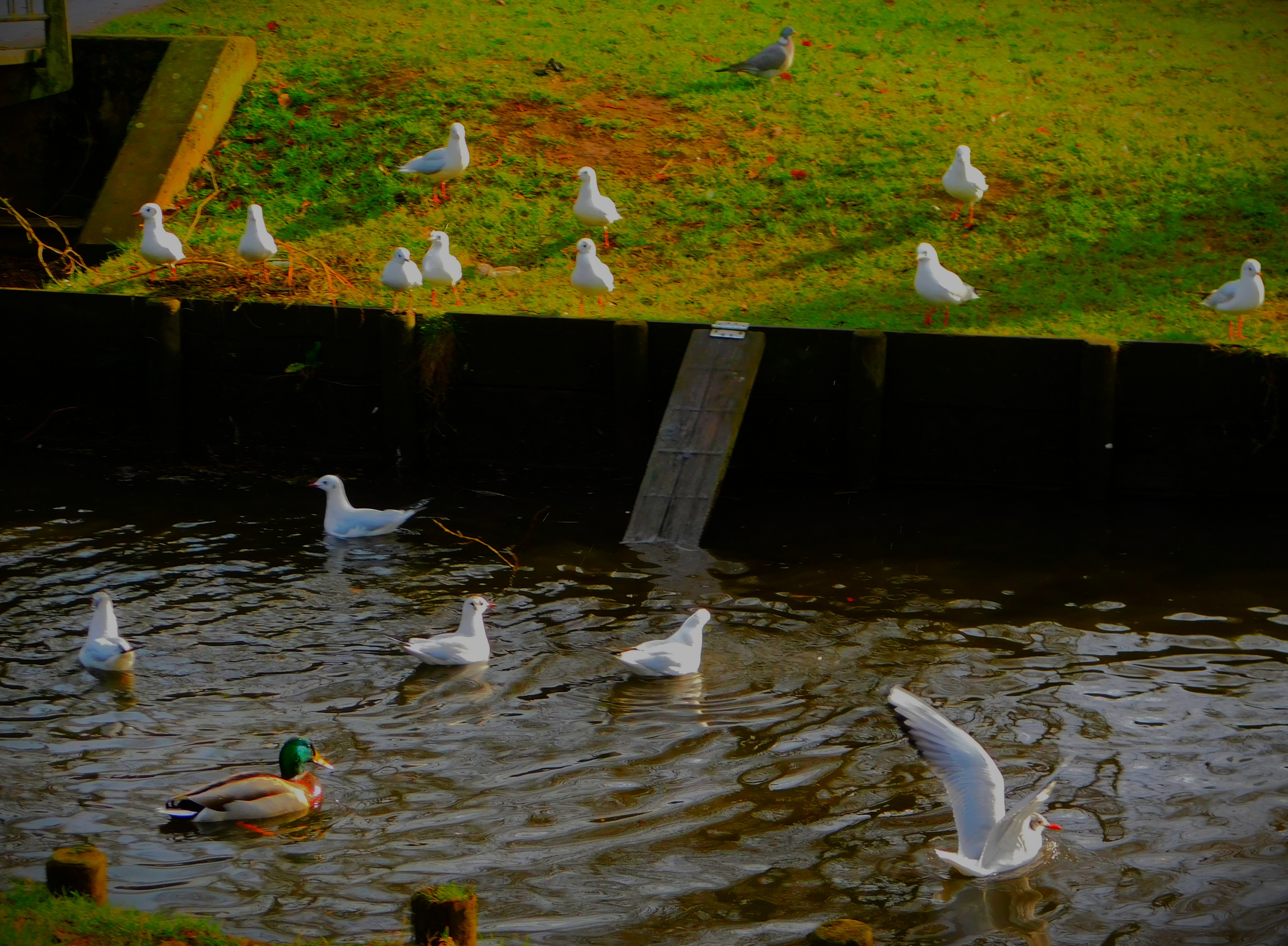
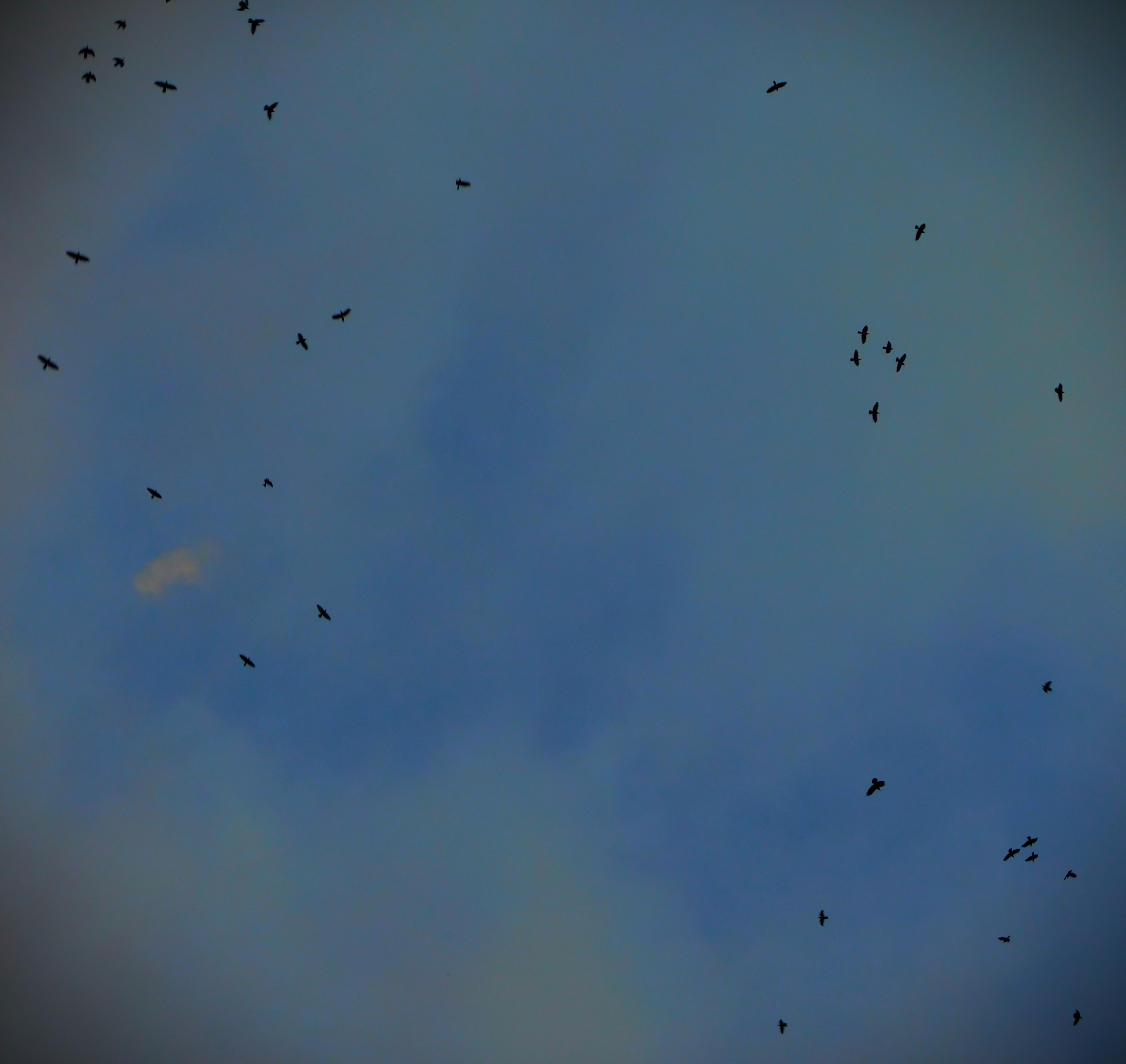
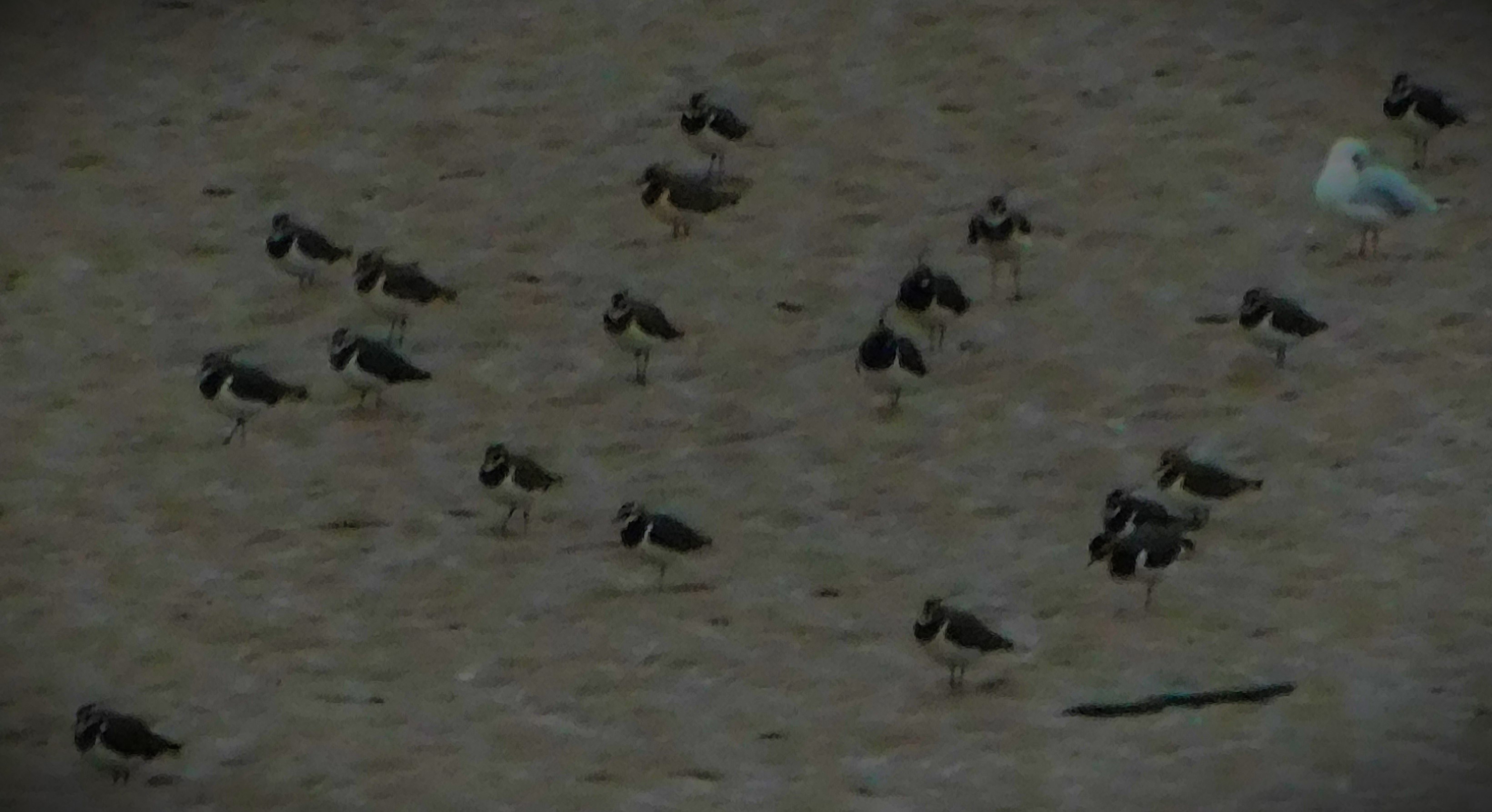
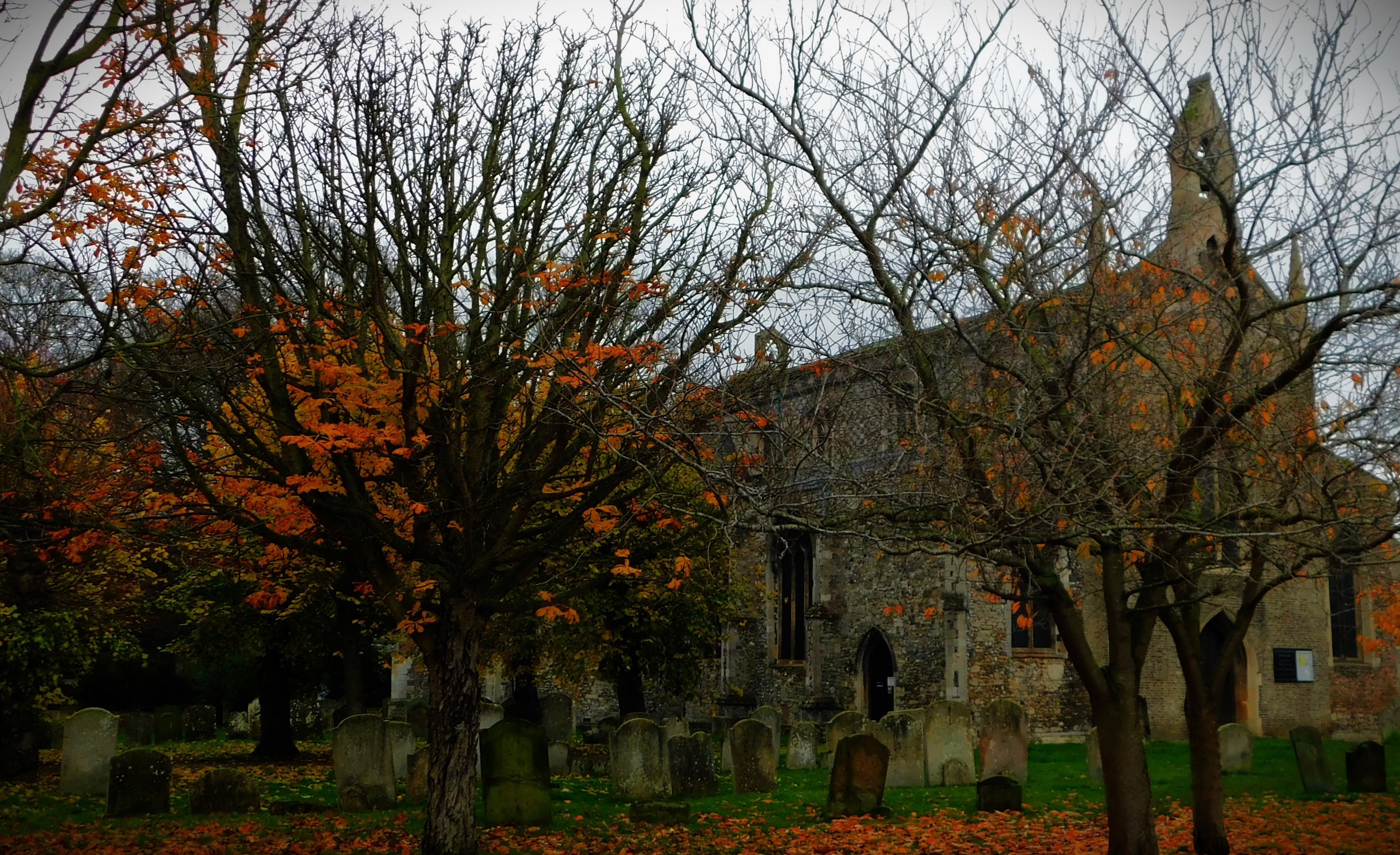
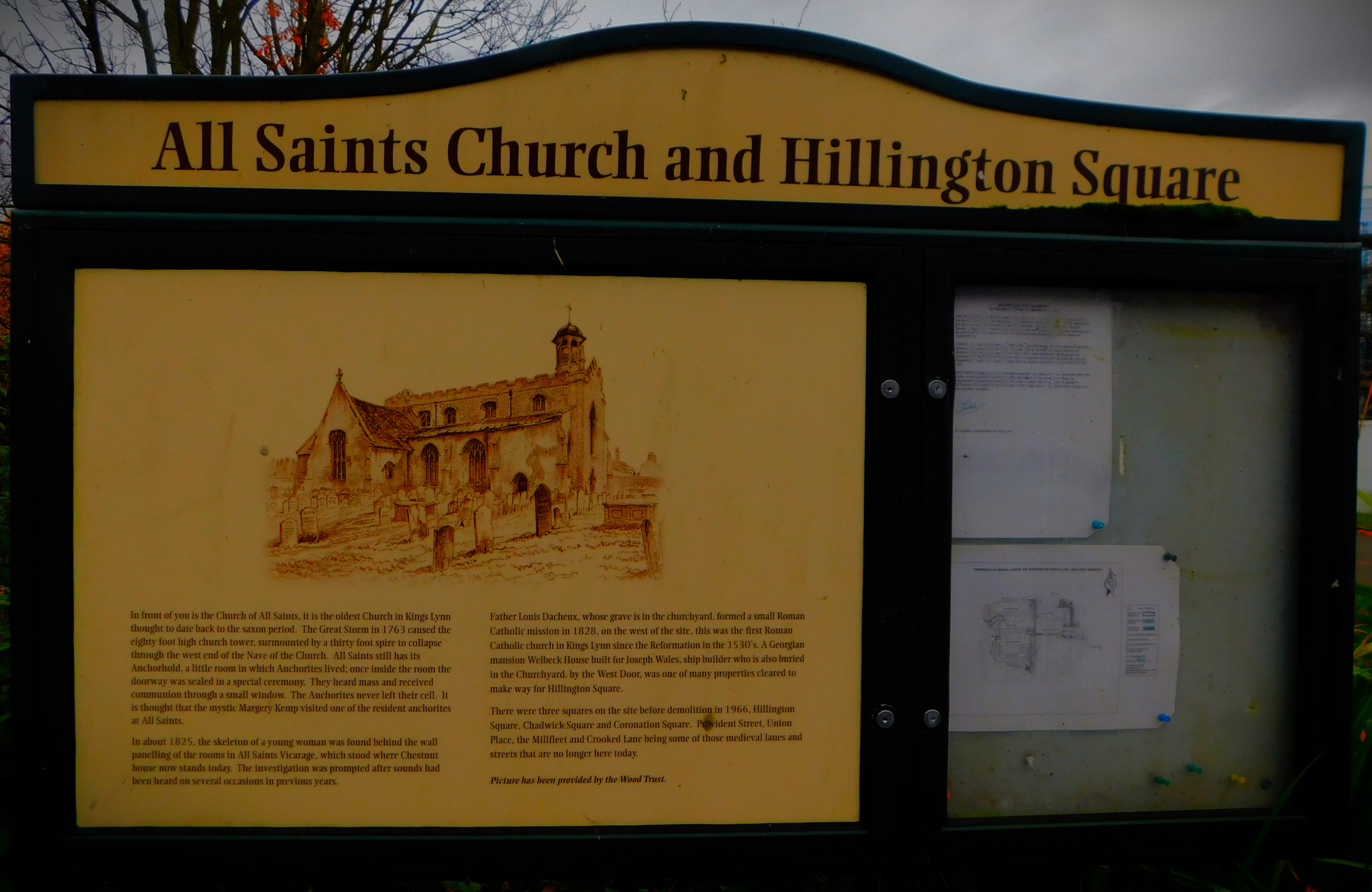
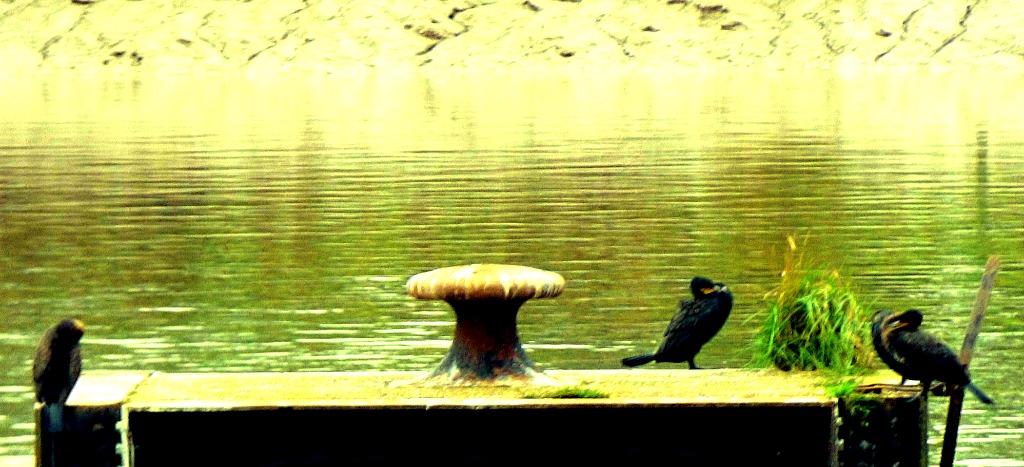
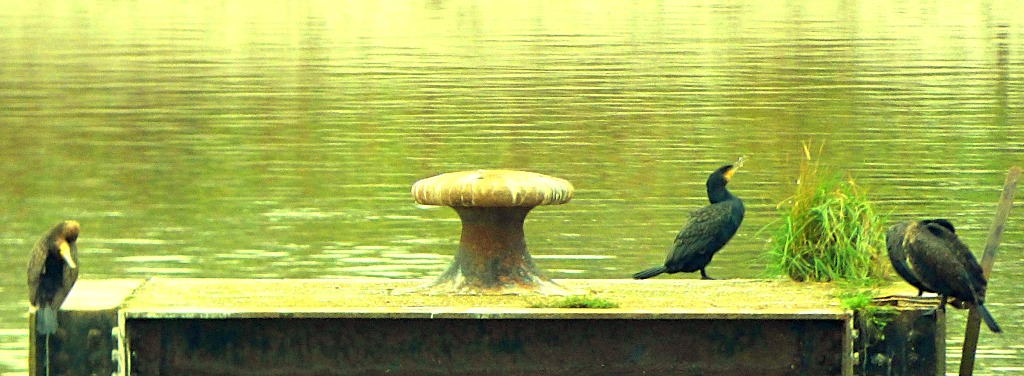
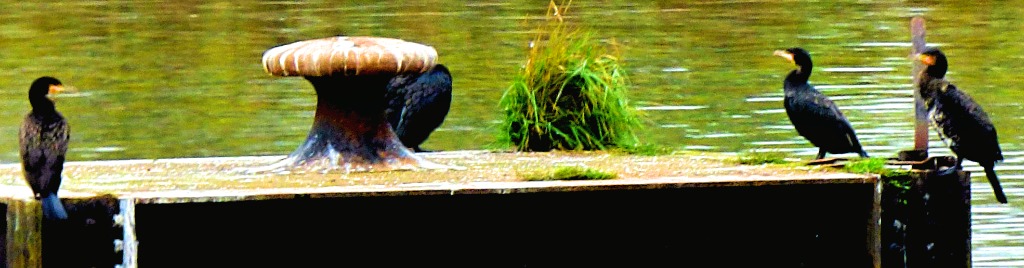
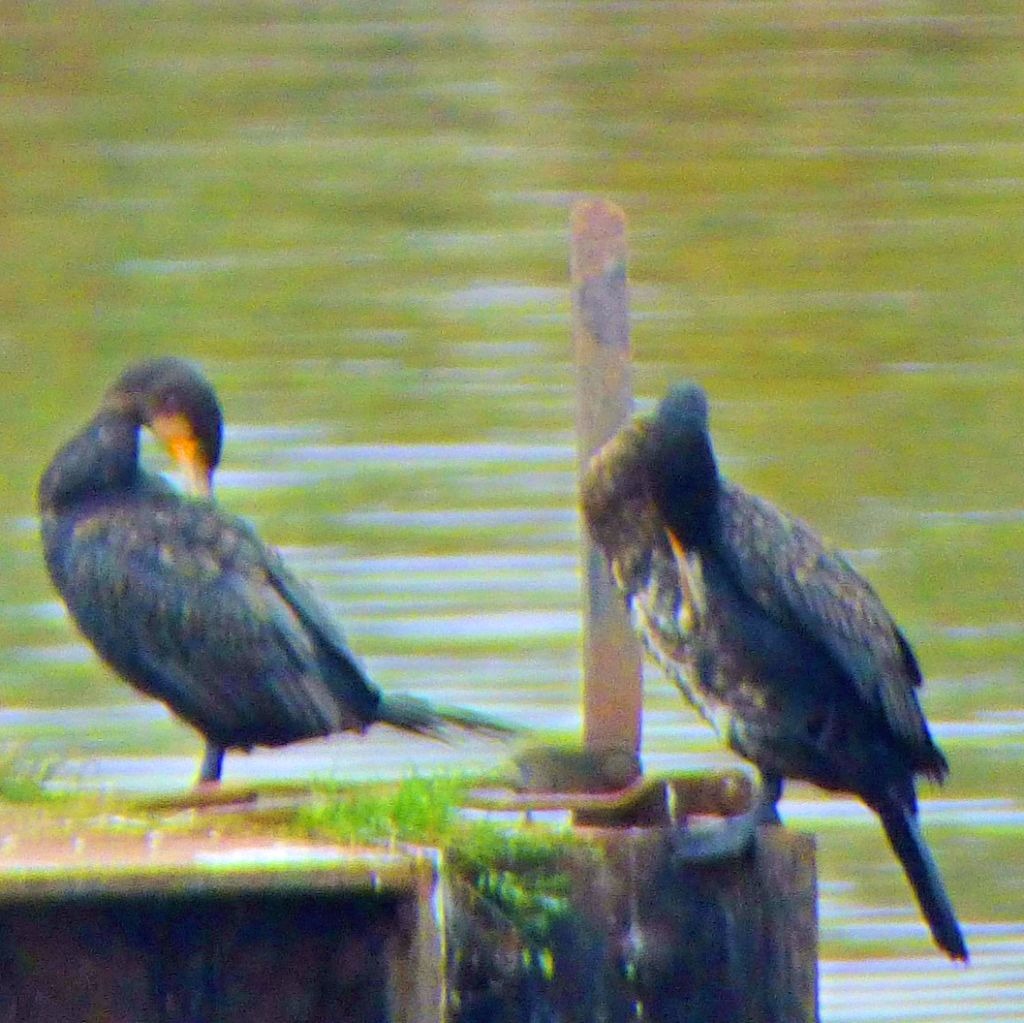
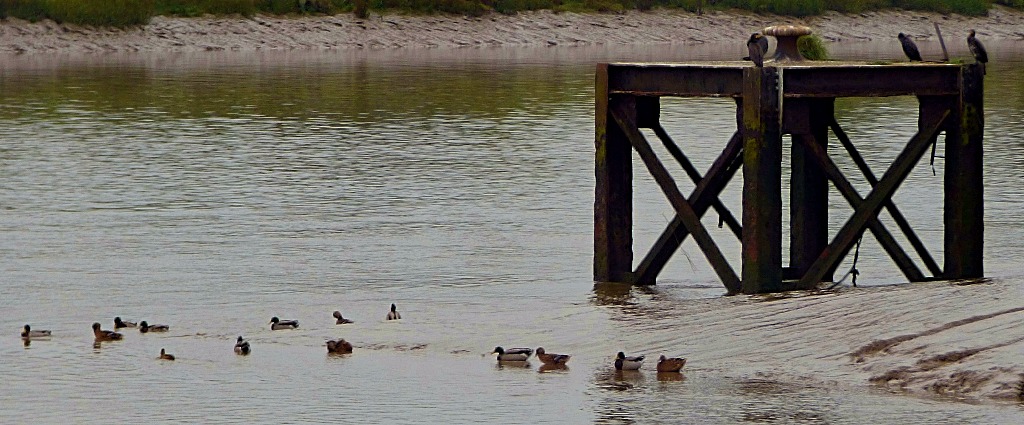
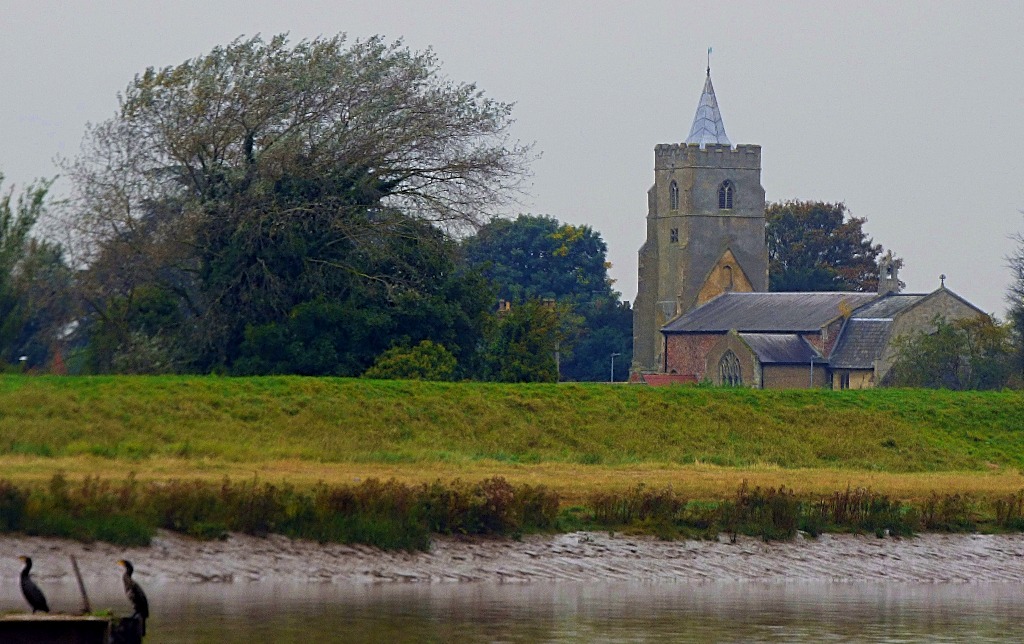
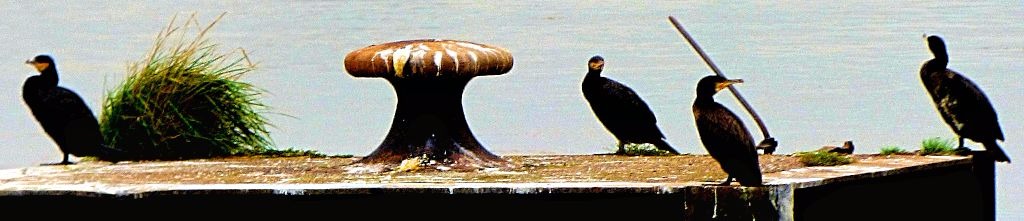
From the library I headed through Hillington Square and down to the Great Ouse, reaching the river front a few hundred metres before the Nar outflow and the structure I have dubbed ‘Cormorant Platform’. which as you will see more than lived up to my name for it on this occasion.

The bright, sunny weather helped to maintain my resolve to extend my walk to the industrial estate on which WNAG’s meeting room/ office space is located, and I duly did so, ensuring that on Friday morning, when I will need to arrive in good time, there will be no mishaps.

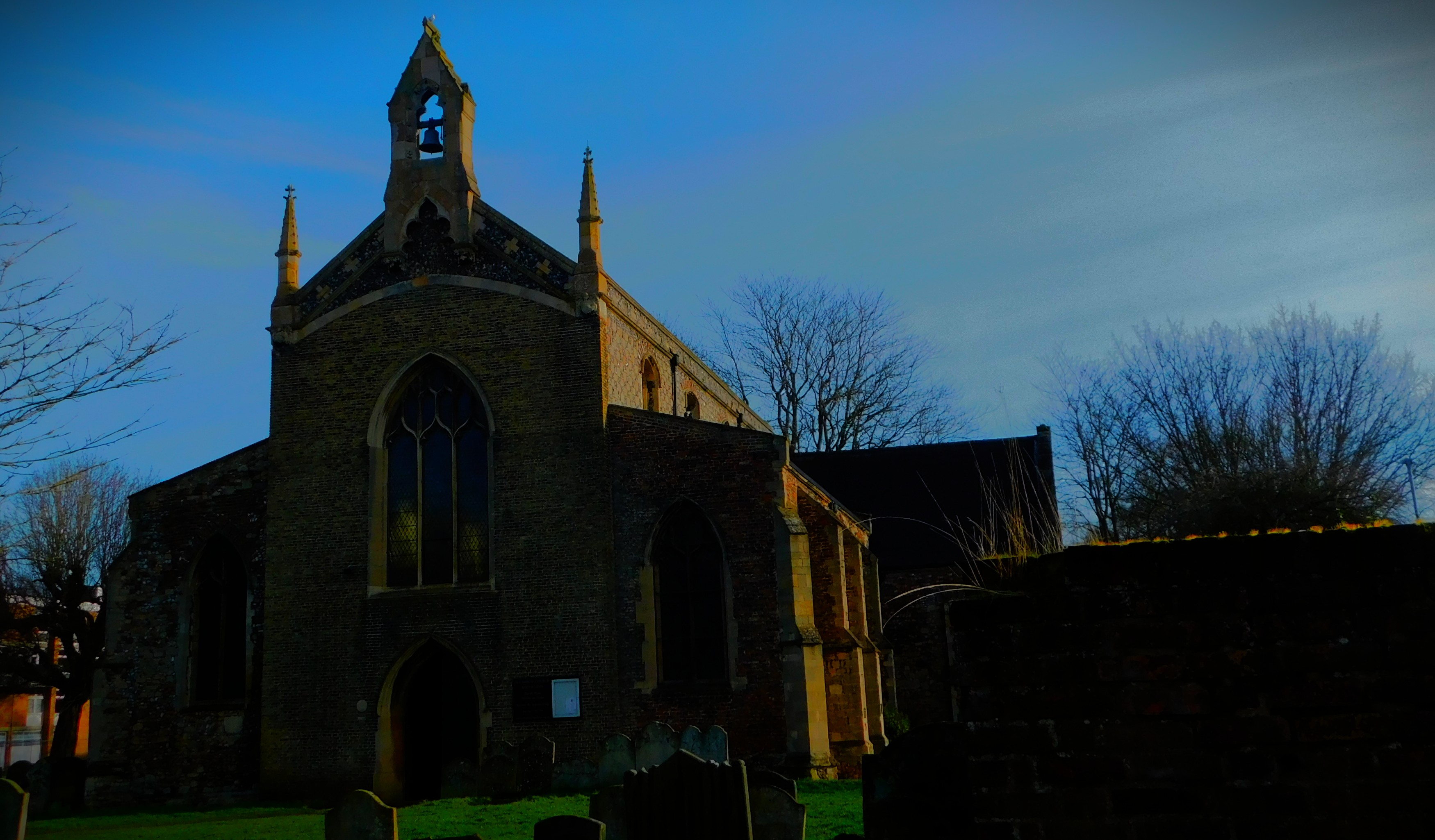
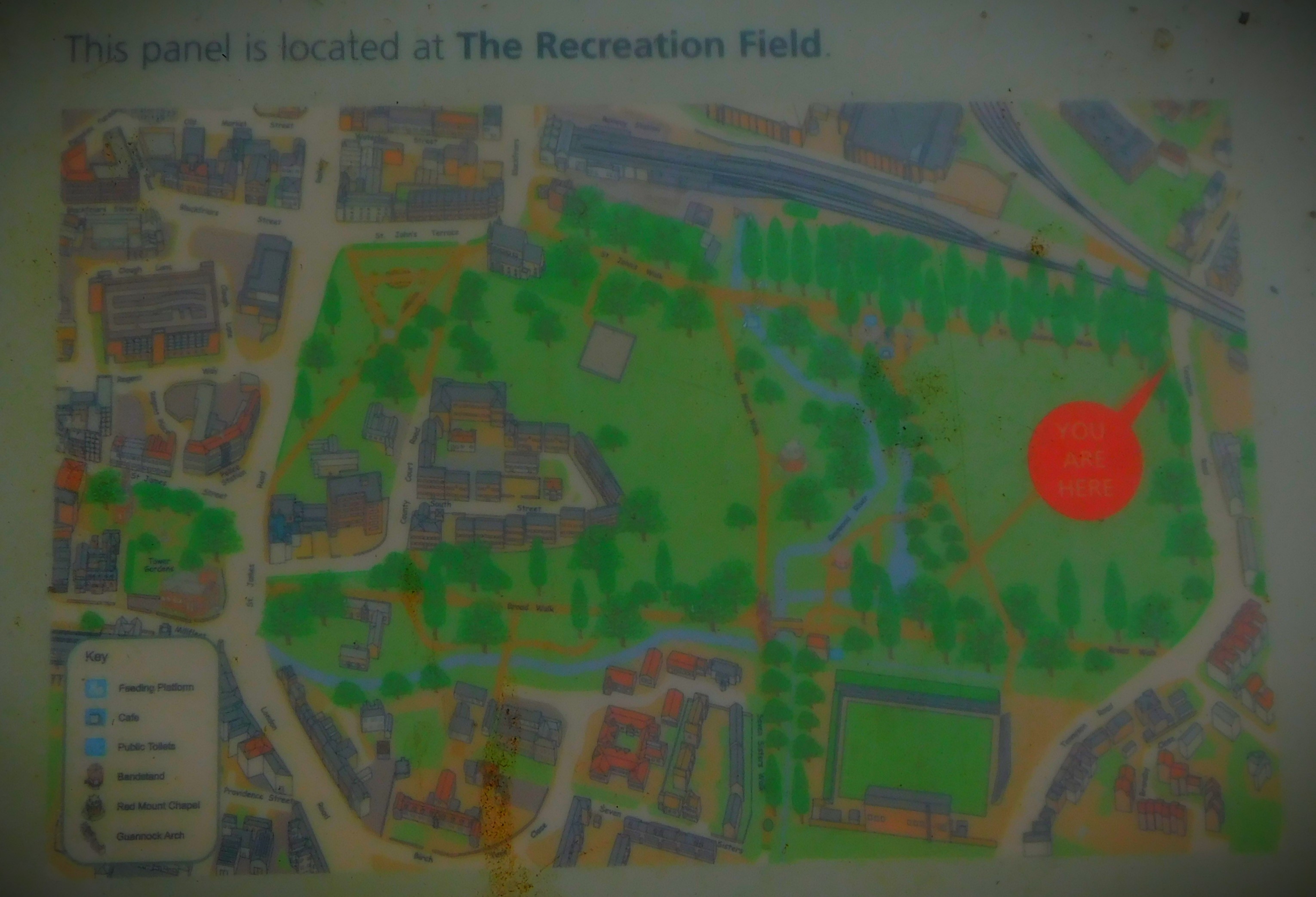
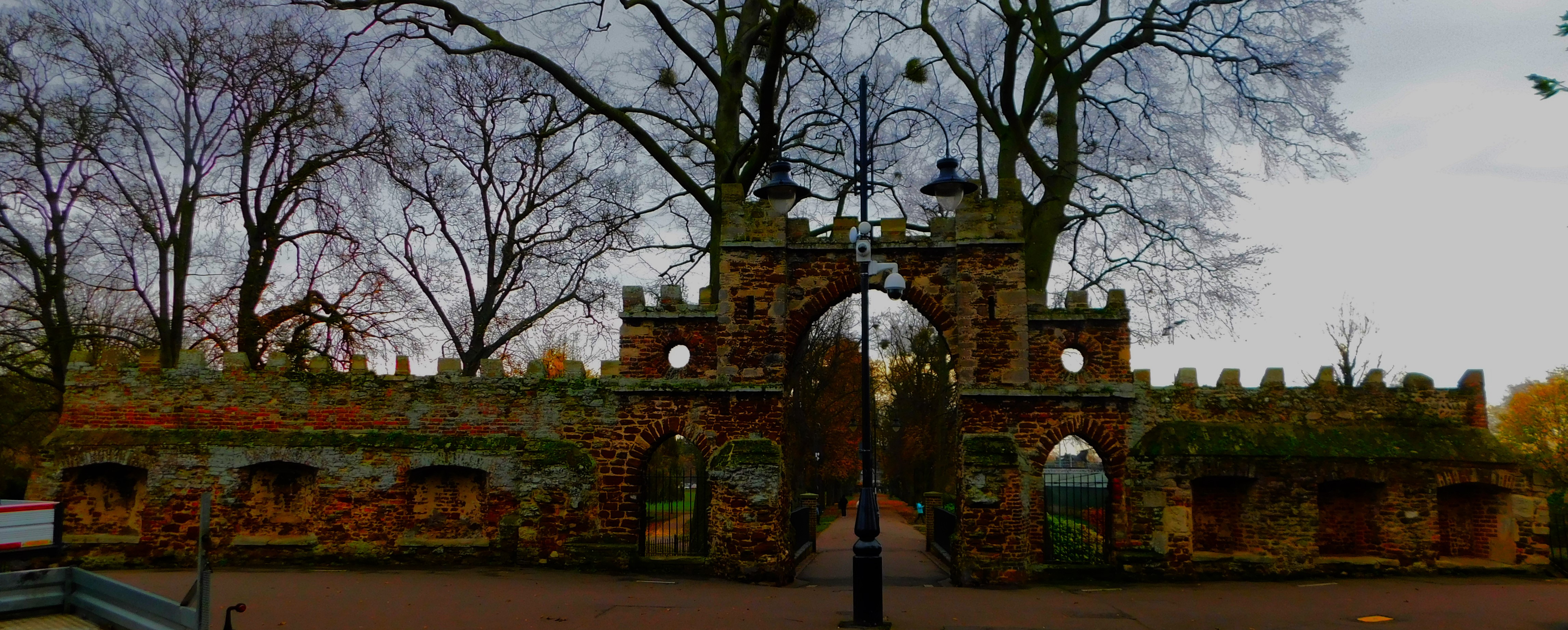
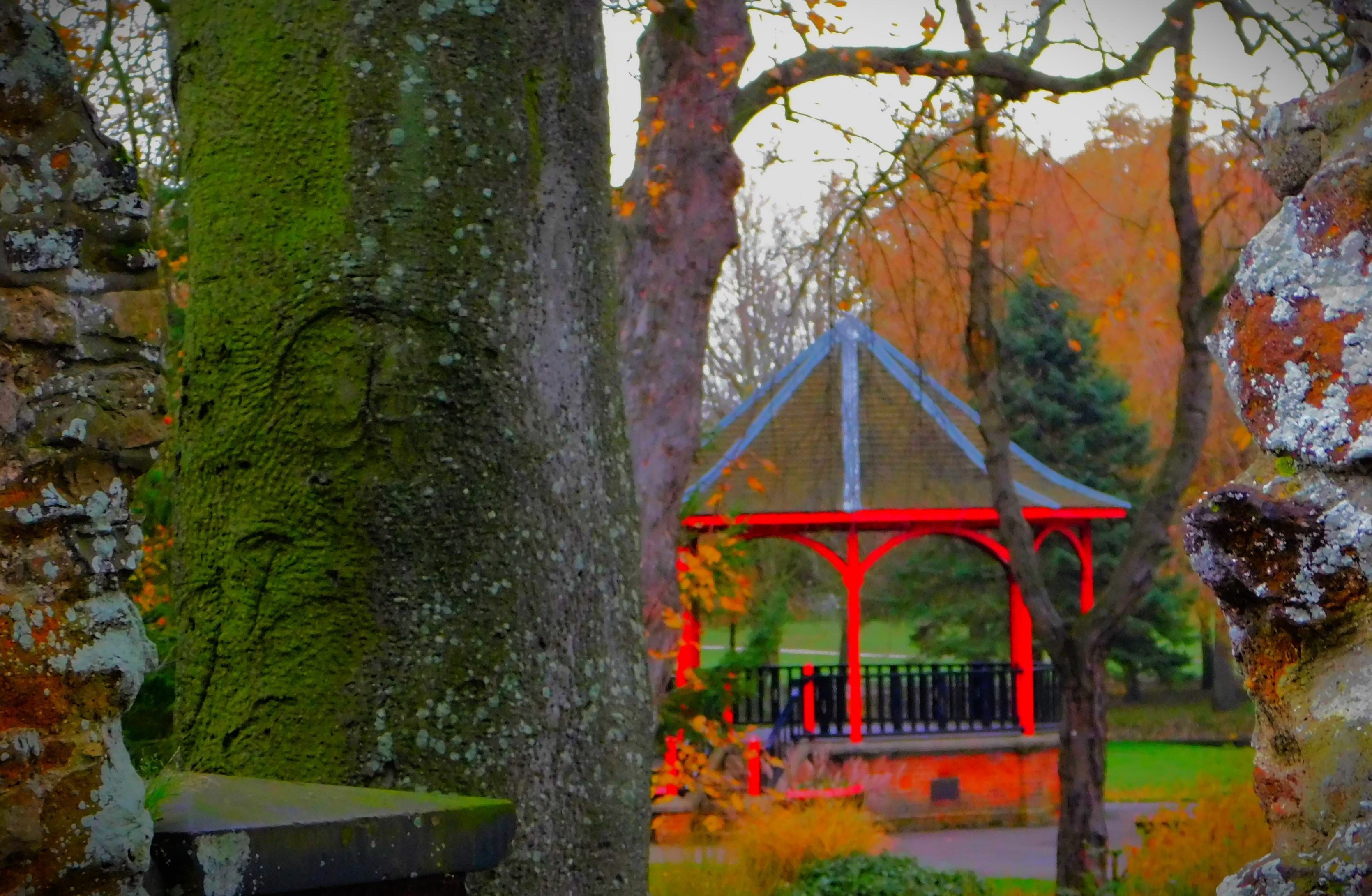
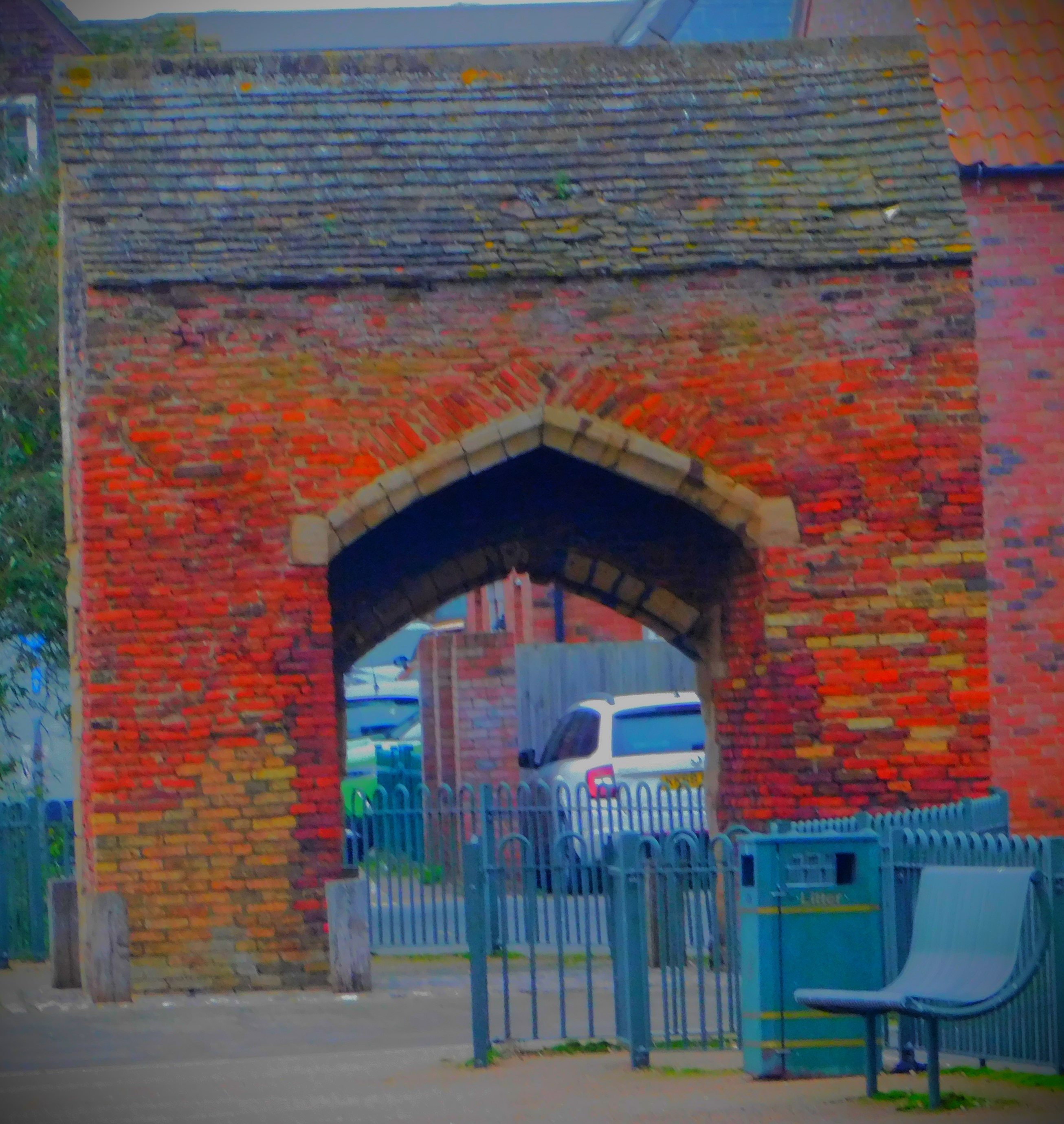
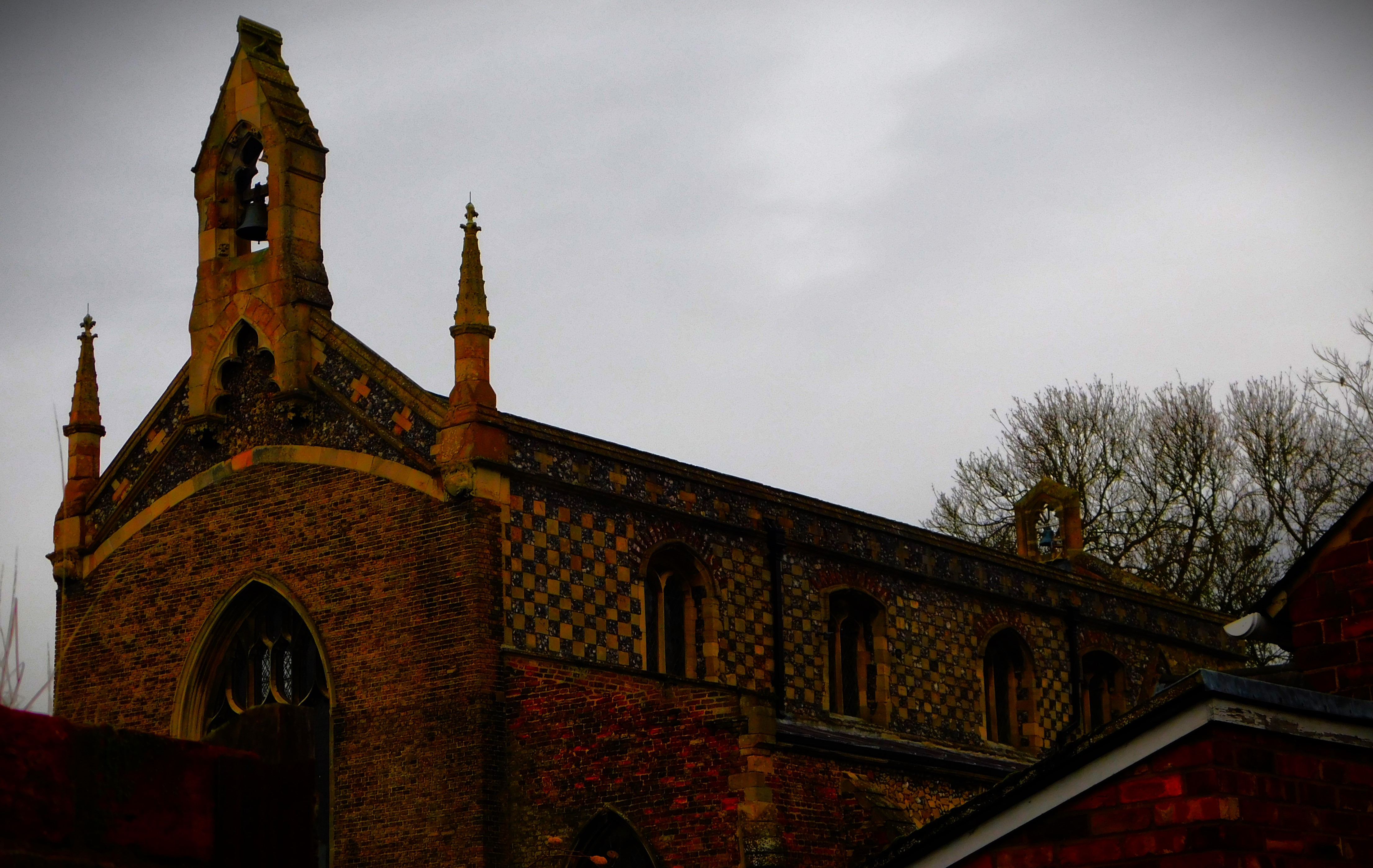
My route home followed my route out in reverse as far as All Saints Church, at which point I diverted slightly, away from the crossing of Millfleet and towards London Road instead. I crossed London Road, and left it by way of the Broadwalk, then looping round by way of the Vancouver Garden and the path out of it to St John’s Walk. I got to Morrison’s, did the little bit of food shopping that had to be done today and then headed home. I had been out for about two and a half hours. My bag will be lighter on Friday, and I will have the duration of the meeting to recover from the outbound leg, so I am now confident that walking is the way to go for this meeting.

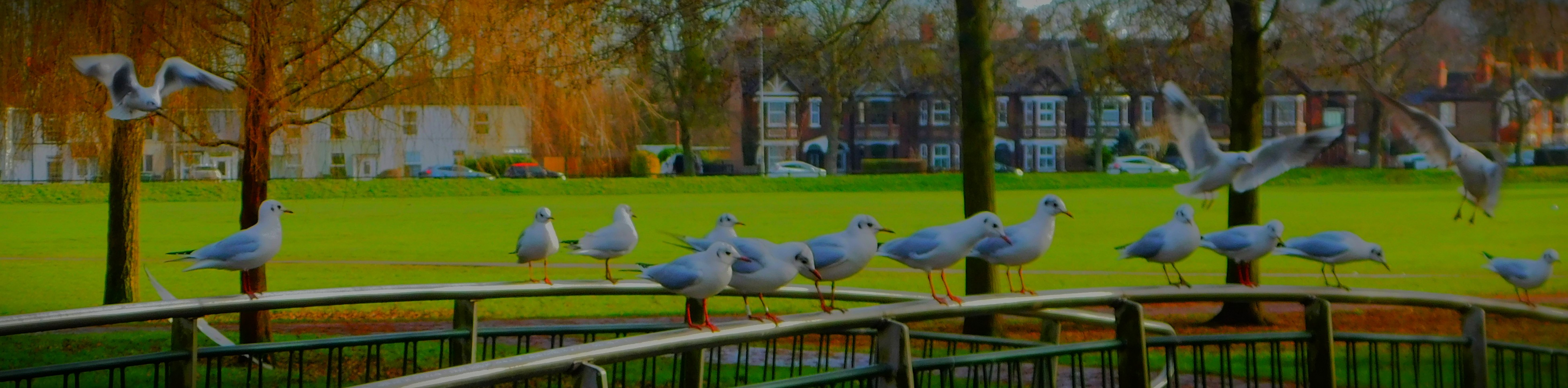
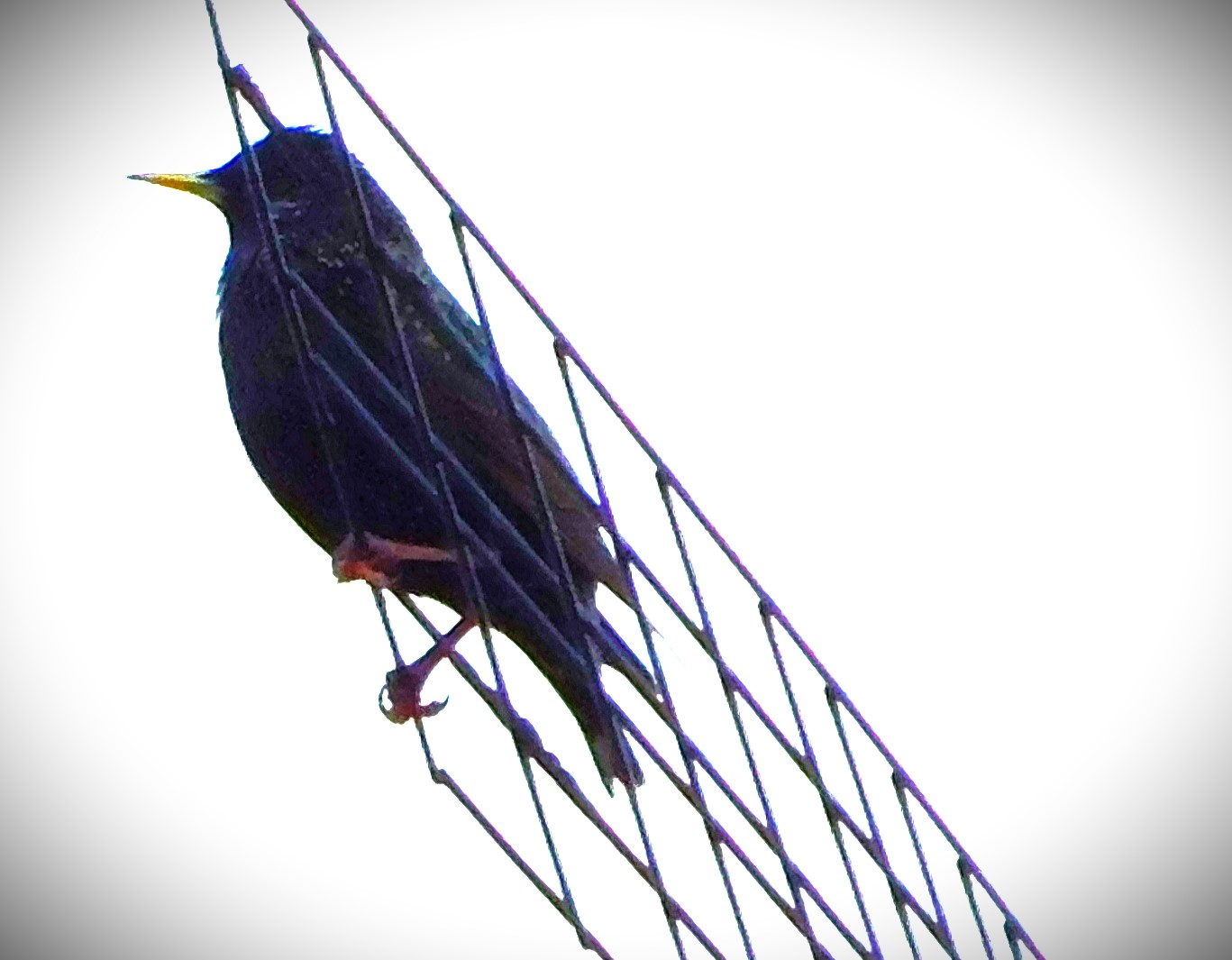
This gallery features exclusively pictures taken this morning.

Modern Renderings of Mythology

A look at a category of book I have enjoyed discovering during 2024 – modern retellings of mythology. Also a large photo gallery.

It is no secret to readers of this blog that I am a voracious reader. One oeuvre that I have discovered in 2024 is modern retellings of mythology. This post looks at some of those books.

I have had an interest in mythology for virtually as long as I have been capable of reading. Thus when I saw “Daughters of Sparta” by Clare Heywood on the shelves of King’s Lynn library it was pretty much automatic for me to select it as one to borrow. This retelling of the stories of Helen and Clytemnestra from their own perspectives proved to be even better than I had dared to expect, and I soon found myself keeping an eye out at all three of the libraries I regularly visit for similar books.

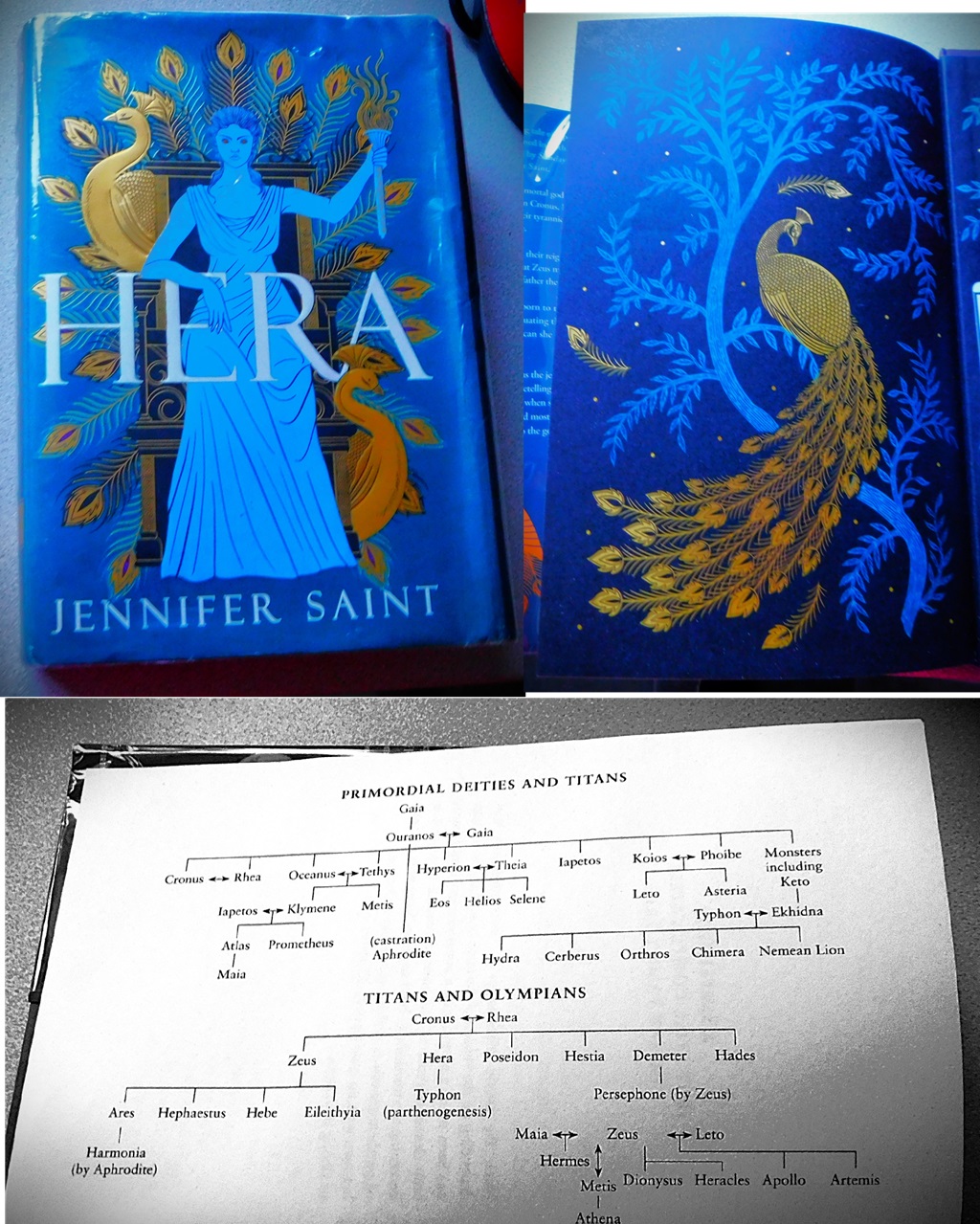
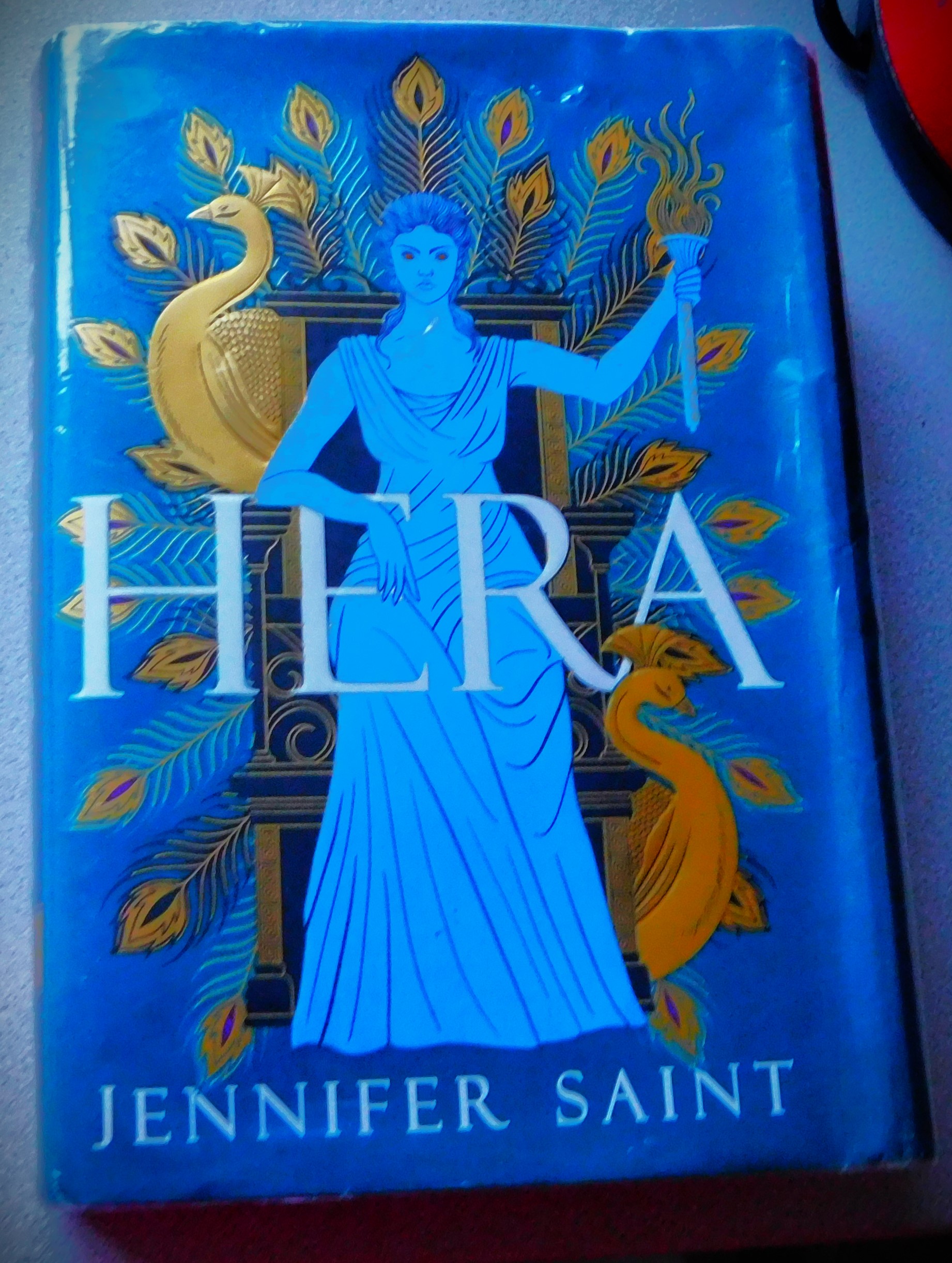
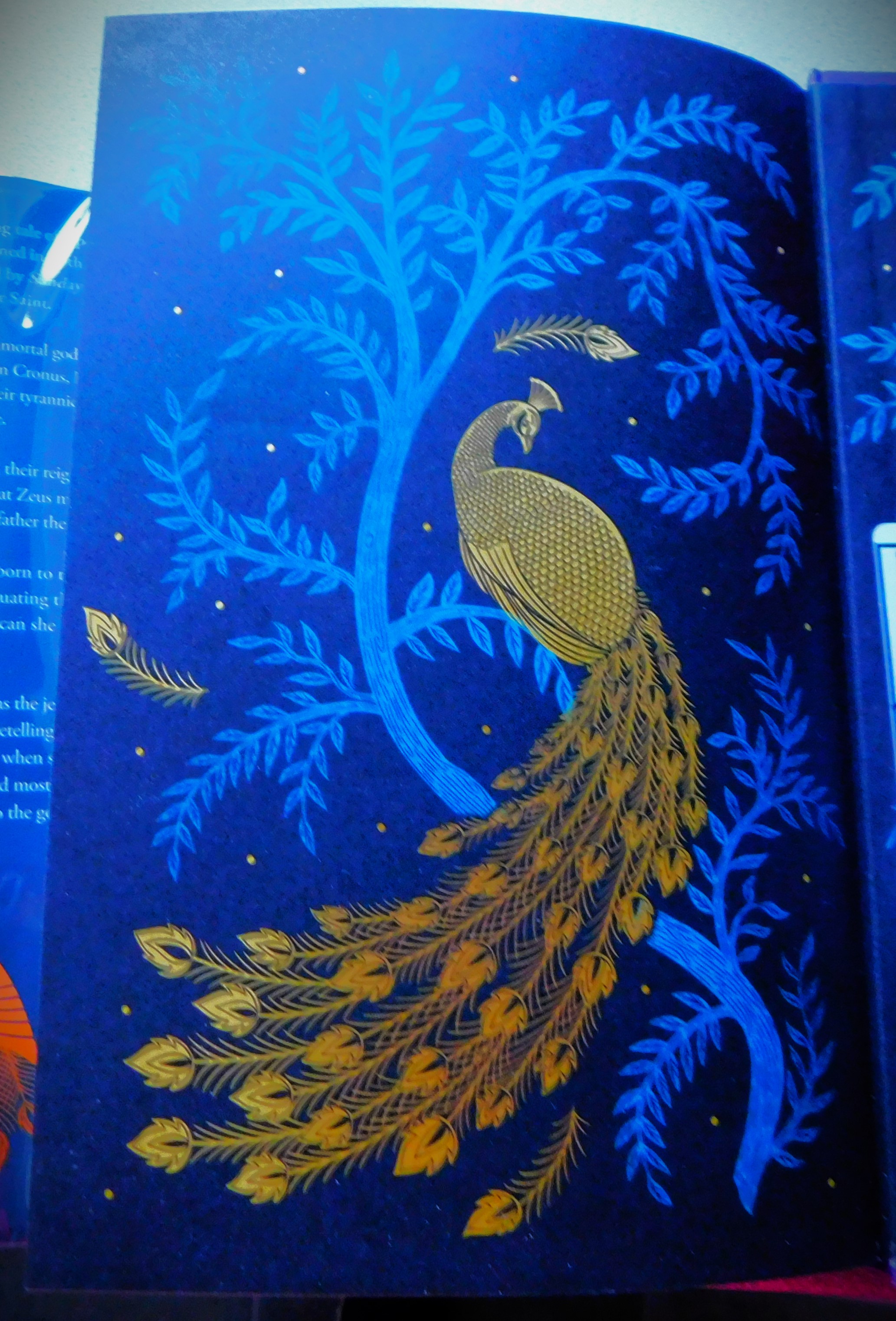
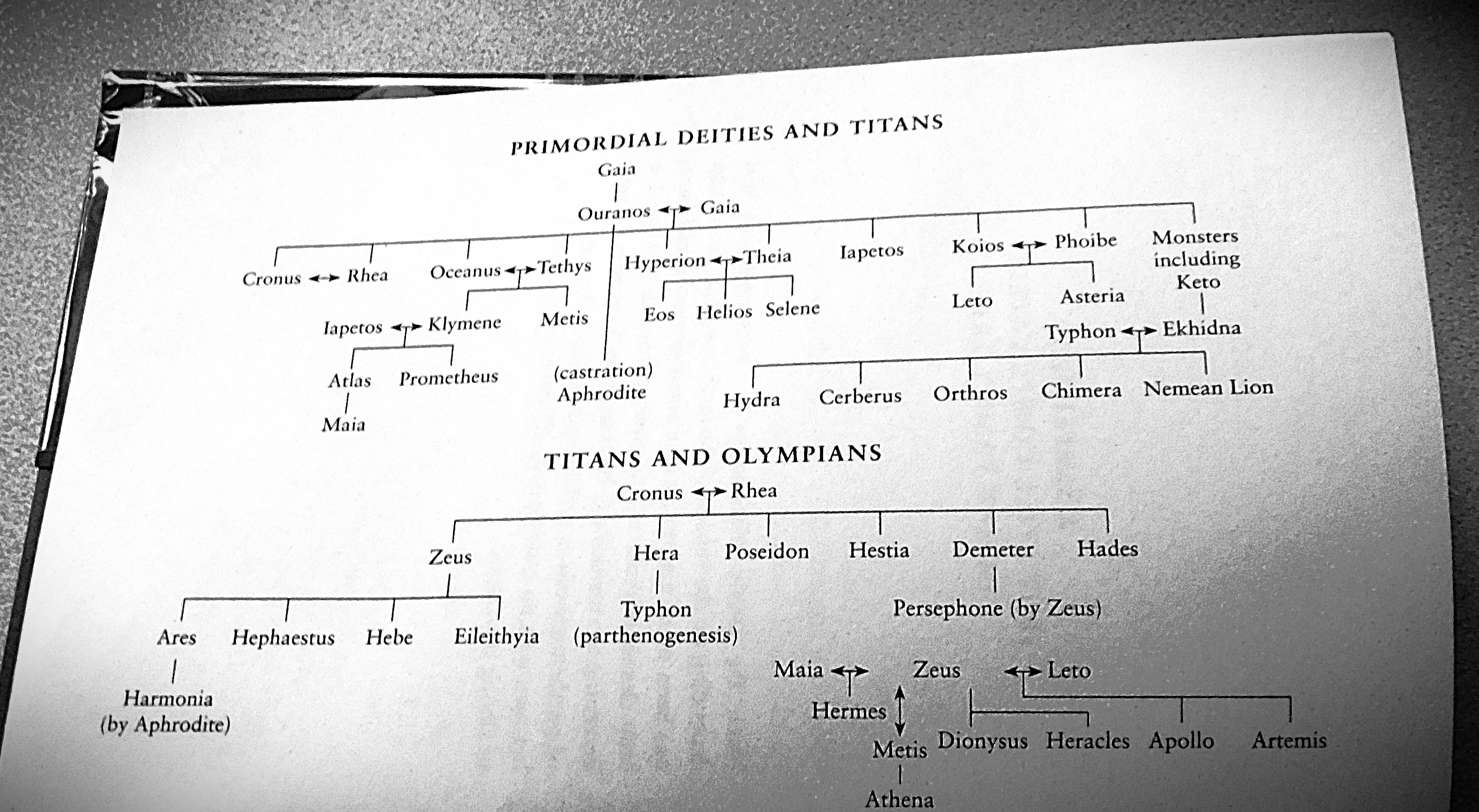
That was the start of an ongoing exploration of retellings of these myths which has gone to encompass Natalie Haynes (“A Thousand Ships”, “Children of Jocasta” and “Stone Blind” (Medusa’s story from her own perspective, rather than that of Perseus), Jennifer Saint (“Ariadne”, “Elektra”, “Atalanta” and just recently “Hera”, which provides the feature image for this post, Madeline Miller (“Circe” and “A Song of Achilles”), Laura Shepperson (“Heir of Venus”), Phoenicia Rogerson (“Herc” – the story of Heracles/ Hercules told from the perspective of everyone except the hero himself), Pat Barker (“Women of Troy”), Lauren JA Bear (“Medusa’s Sisters), Claire North (“Ithaca”, “The House of Odysseus” and presumably a third volume to come, telling the story of Odysseus from Penelope’s perspective), and from a different oeuvre of mythology Sophie Keetch (“Morgan is my Name”, “Le Fay”, and I know there is a third volume to come in this series). All of these books have been very enjoyable to read, and I cannot pick a favourite.

This gallery does not include the feature image, but does include all three elements of that composite image. Remember that all pictures can be viewed at larger size by clicking on them…

Home Internet Restored

A brief post celebrating the fact that after a week and a half without it I once again have broadband access at home. Ends with a bumper photo gallery, including the first butterfly of 2024.

The engineer came round near the beginning of the official slot of 8AM – 1PM today and connected up my new EE Home Hub, so after a gap of a week and a half I have Broadband at home once again.

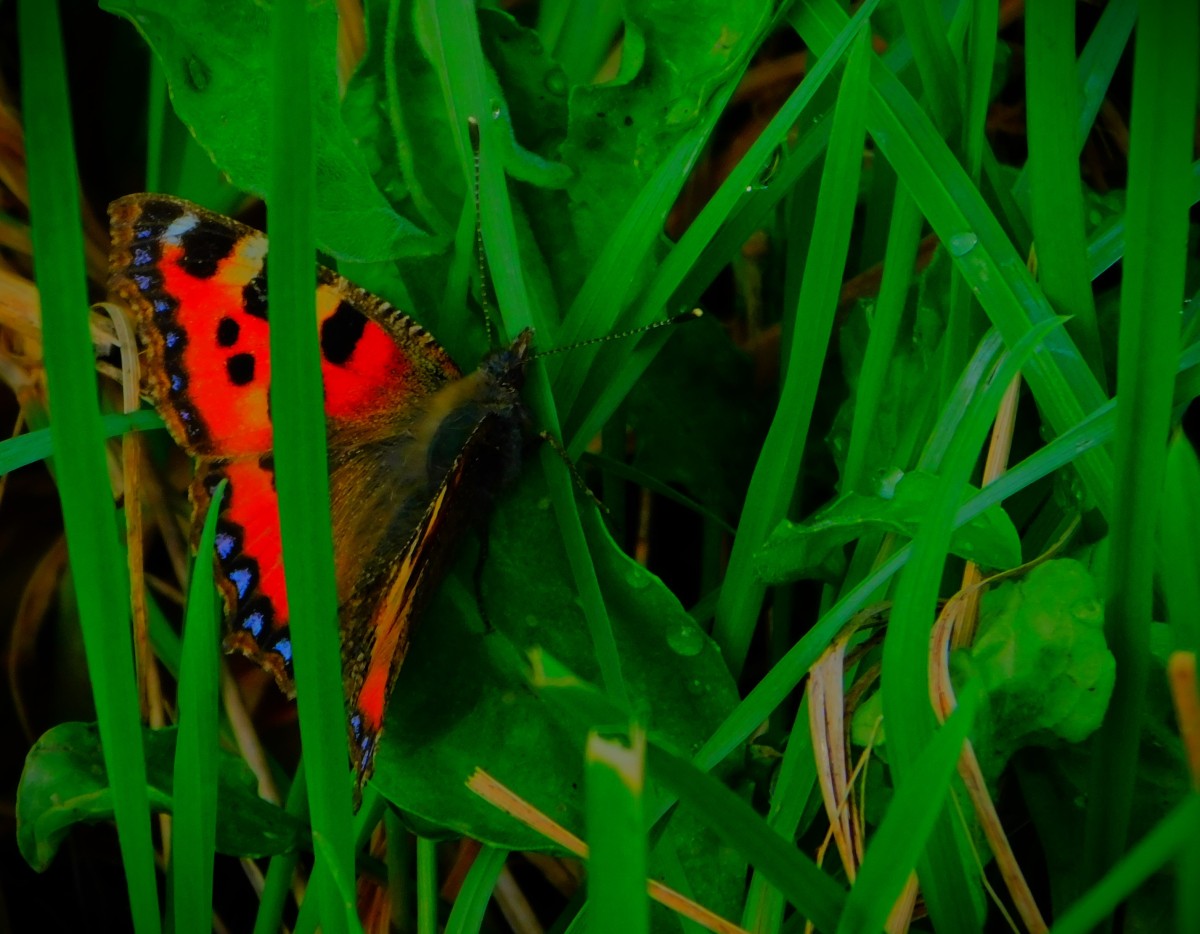
As I type this it is 12 degrees Celsius outside (53.6 Fahrenheit for USian readers), and that is far from out of keeping with the last week or so, when double figure positives have been the rule rather than the exception. February in high northern latitudes such as England is generally one of the two coldest months of the year alongside January, and the outside temperature hitting double figure positives on a regular basis is way out of kilter. Yesterday while out and about I saw my first butterfly of 2024, a small Tortoiseshell, while the spring flowers are in full bloom.

Saturday and yesterday were both good days for photography, in spite of being cloudy, and I therefore finish this post a king size gallery…

All Time XIs – Given Name Begins With B

An all time XI of players whose given names begin with B with a lot of honourable mentions, a look at plans for the creation of a new library/ community hub in King’s Lynn and a large photo gallery.

Today I look at cricketers whose given names begin with B. My XI is I believe a very good one and quite a few fine players had to miss out.

  1. Bert Sutcliffe (New Zealand, left handed opening batter, occasional off spinner). The Kiwi left hander, scorer of the two highest first class innings ever played by anyone from that country (385 and 355) and successful at test level as well deserves his place here.
  2. Barry Richards (South Africa, right handed opening batter, occasional off spinner). He played in what turned out to be the last series of South Africa’s first incarnation as a test nation, and in four matches scored 508 runs at 72.57 with two centuries. Normally I would not read much into such a small sample size, but pretty much everyone who saw him bat and has expressed an opinion on the matter reckons that he was good enough to have maintained that average over a long test career had he been given the chance (among them Don Bradman, who officially consigned South Africa to exile from the international arena) and that domestic cricket was just too easy for him to keep him properly motivated.
  3. Brian Lara (West Indies, left handed batter). The holder of the world first class and test record individual innings (501* and 400*), also scorer of 688 runs in a series in which he, a left hander, had to contend with Muralidaran on pitches made to measure for the off spinner.
  4. Babar Azam (Pakistan, right handed batter). One of the finest of contemporary batters.
  5. Basil D’Oliveira (England, right handed batter, right arm medium pacer). In spite of the fact that due to the circumstances of his birth (born in South Africa and possessed of dark skin) the opportunity to play international cricket arrived far later than it should have done, and at an age when many are thinking about the impending end of their careers he established a fine test record.
  6. +Ben Foakes (England, wicket keeper, right handed batter). This slot was one of the first to be filled in this XI.
  7. *Ben Stokes (England, left handed batter, right arm fast medium bowler, captain). I have named him as captain of this XI due to his success with the England test team, and placed him at number seven because I think he is well suited to batting in that position in a strong line up, which this is.
  8. Bart King (Philadelphians, right arm fast bowler, right handed batter). over 400 wickets in 65 first class appearances at just 15 runs a piece, and a batting average of 20 as well. In the last of his four visits to England with Philadelphian touring sides he topped the first class bowling averages for the season, claiming 87 wickets at 11 each.
  9. Brian Statham (England, right arm fast bowler, right handed batter). For England, where he was generally number two bowler to either Tyson or Trueman, and had to take the end they did not want he took 252 wickets at 24 a piece. For Lancashire, when he had the choice of ends, he claimed wickets at just 18 a piece.
  10. Bishan Singh Bedi (India, left arm orthodox spinner, right handed batter, vice captain). I don’t always name a vice-captain in these XIs, but although there are several other former skippers in this XI I feel that while Stokes has to be skipper, Bedi stands far enough clear of the rest to warrant being named vice-captain. 266 test wickets at 28.71 each earn him his place in this XI.
  11. Bhagwath Chandrasekhar (India, leg spinner, right handed batter). Whereas Bedi was a classic left arm orthodox spinner and was simply better at doing what such bowlers do than most other such this guy was an absolute one of a kind bowler. The pair were regular team mates through their careers, and I reckon they would do even better in this side than they did in actual life.

This side has a powerful batting line up – a very strong top four, and arguably four all rounders, with King’s batting and bowling averages being the right way round. The bowling, with Statham and King opening the attack, Stokes and D’Oliveira available as back up seam options, two superb specialist spinners, and the opening batters able to bowl fill-in off spin if needed is both strong and superbly varied. This side will take a lot of beating.

Before I get into the actual honourable mentions there are two things to be cleared up to set the scene.

Bill and Billy are nearly always diminutive forms of William, and would therefore belong under the letter W in my classification. The two main exceptions I can think of are Billy Stanlake and Billy Taylor, both of whom were actually given the name Billy. Neither have records that would enable them to dislodge any of my choices, though Stanlake would enter the reckoning were I thinking in limited overs terms. Similarly, Bob and Bobby are generally diminutives of Robert and would be filed under R. NB while it is a diminutive Ben escapes this because it is short for either Benjamin or Benedict, which begin with the same letter.

I will go through the actual honourable mentions in batting order. Belinda Clark of Australia was closest to dislodging either of my chosen openers, though not massively close. Brendon Kuruppu, scorer of Sri Lanka’s first ever test double century did little outside of that one huge innings, while two Bens, Compton and Charlesworth, have yet to be given the opportunity to show their mettle at the highest level. Barry Wood would have merited serious consideration for a limited overs XI – his list A record was outstanding, and in that format his medium pace was often very valuable as well. Brad Hodge like so many of his generation missed out on international recognition due to the sheer strength of Australian sides in that era. Basil Fitzherbert Butcher had a fine test record, but not good enough to dislodge any of my chosen batters. There have been many quality keepers whose given names begin with B: Ben Barnett, Brian Taber, Brad Haddin, Budhi Kunderan and Brendon McCullum being five who deserve a mention, with the last named obviously getting a coaching gig. Brian Close had a fine record for Yorkshire and later for Somerset, where he taught a county unused to winning how to do so, but his England record does not stack up. Another Yorkshire Brian, Sellers, could only have been considered had I been struggling for a skipper, and I wasn’t. Brian McMillan had a fine record for South Africa, but not good enough IMO to dislodge D’Oliveira. Bruce Taylor of New Zealand was a decent all rounder, but not good enough to dislodge Stokes or King. Ben Hollioake’s untimely death in a car accident prevented him from qualifying. Brett Lee had a respectable record as a fast bowler, but he was somewhat expensive. Bruce Reid might well have had a place had he been able to keep himself in one piece for any length of time, but his actual record does not qualify him for selection. Ben Hilfenhaus was a useful fast-medium bowler, but in the 2010-11 Ashes when confronted with a strong batting line up he looked decidedly unthreatening. Brydon Carse is genuinely quick, but is also very erratic and hence always likely to be expensive. The almost anagrammatical Brian Brain fell too far short of the necessary class for me to accommodate him. Brian Langford and Bruce Yardley were fine off spinners, but with Bert Sutcliffe and Barry Richards both part time offies I preferred the Indian duo of Bedi and Chandrasekhar as my specialist spinners.

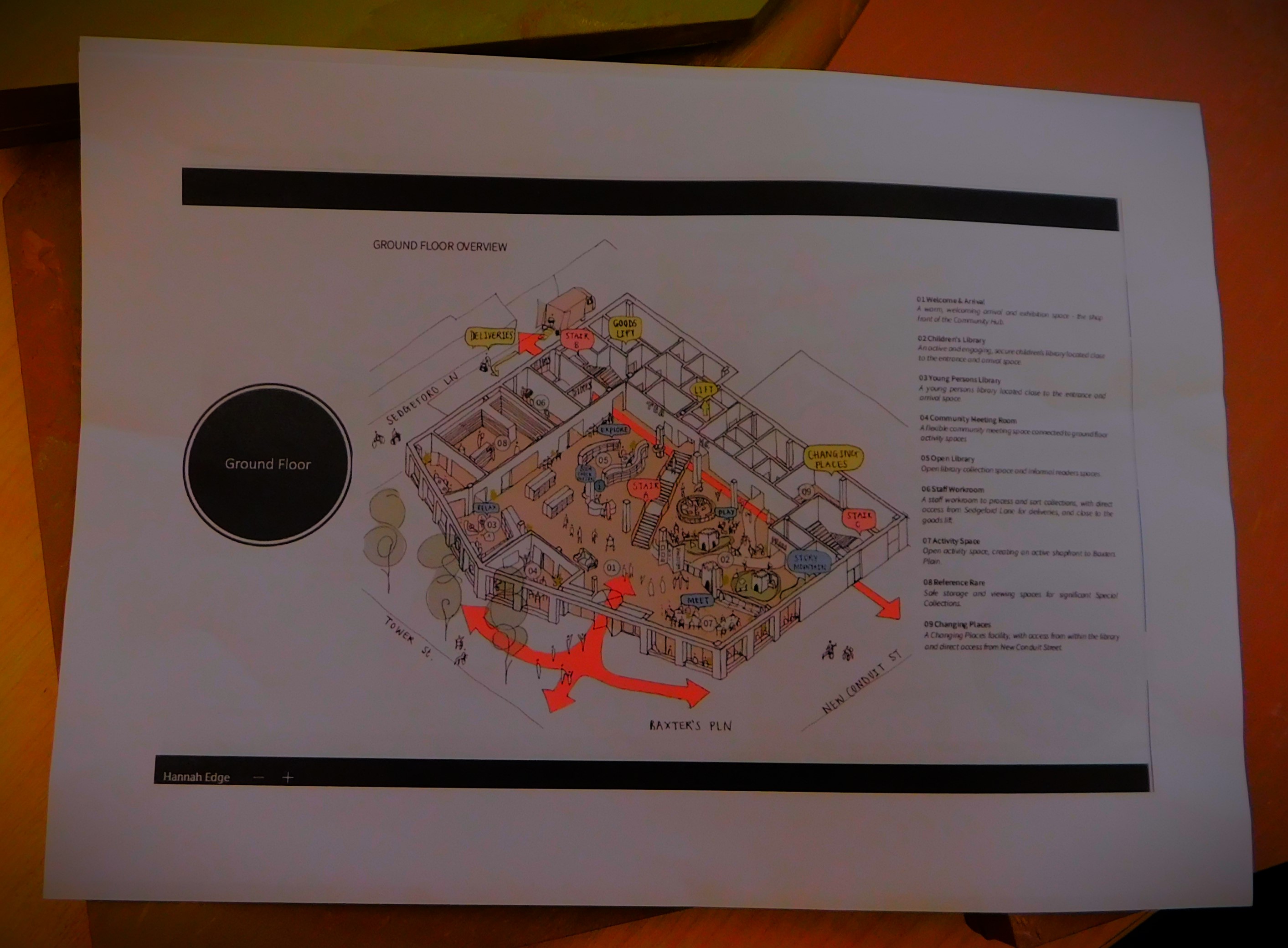
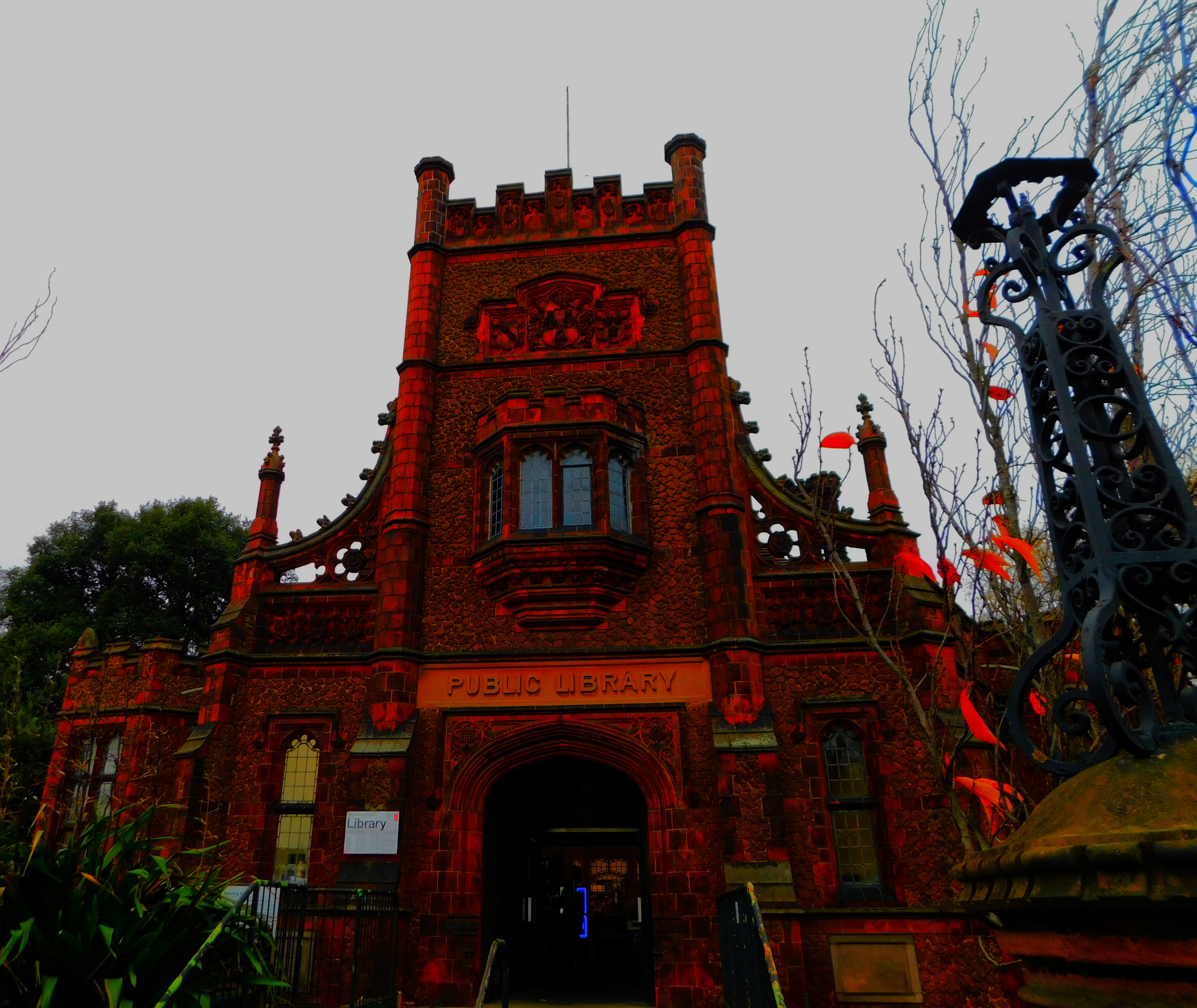
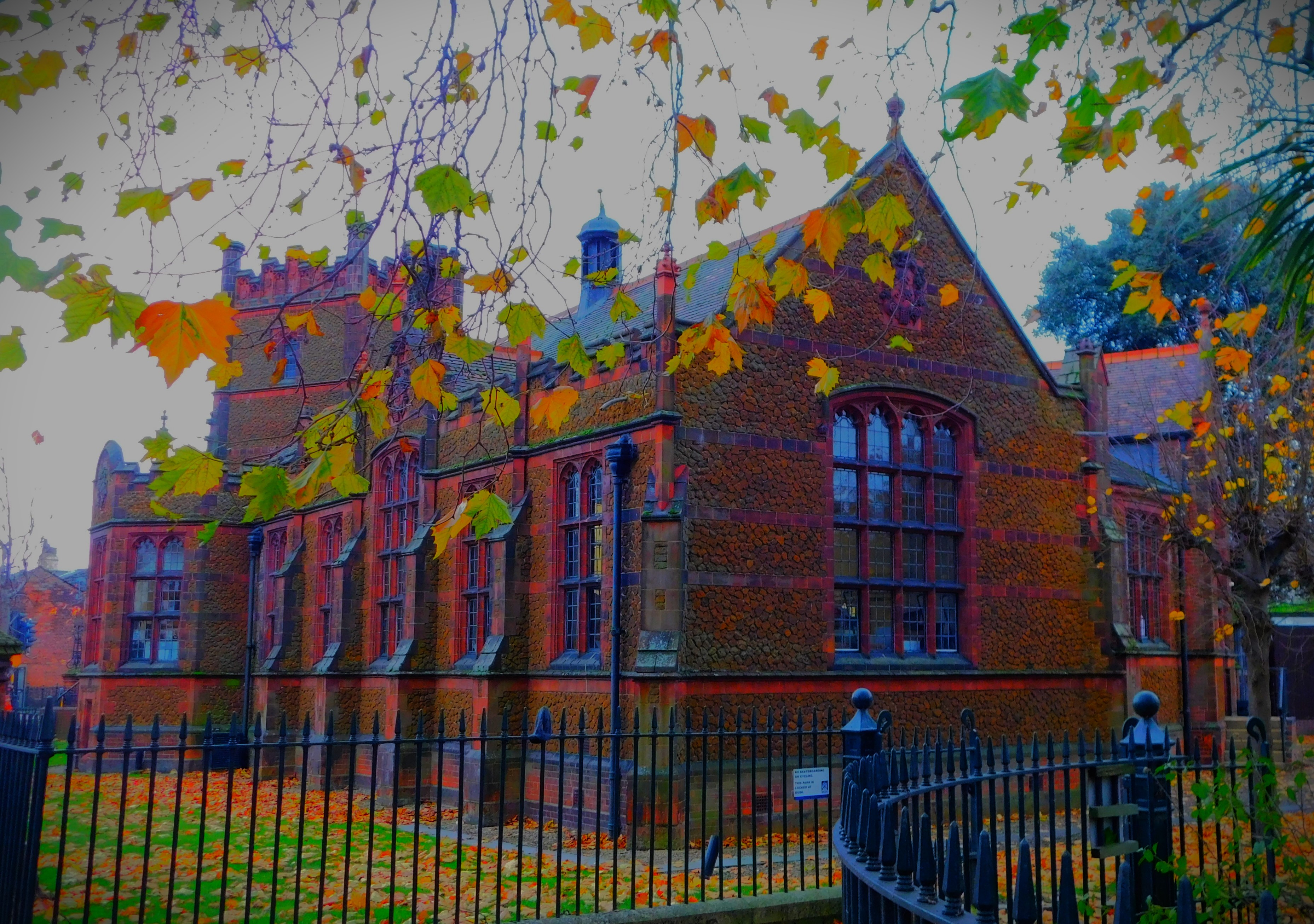
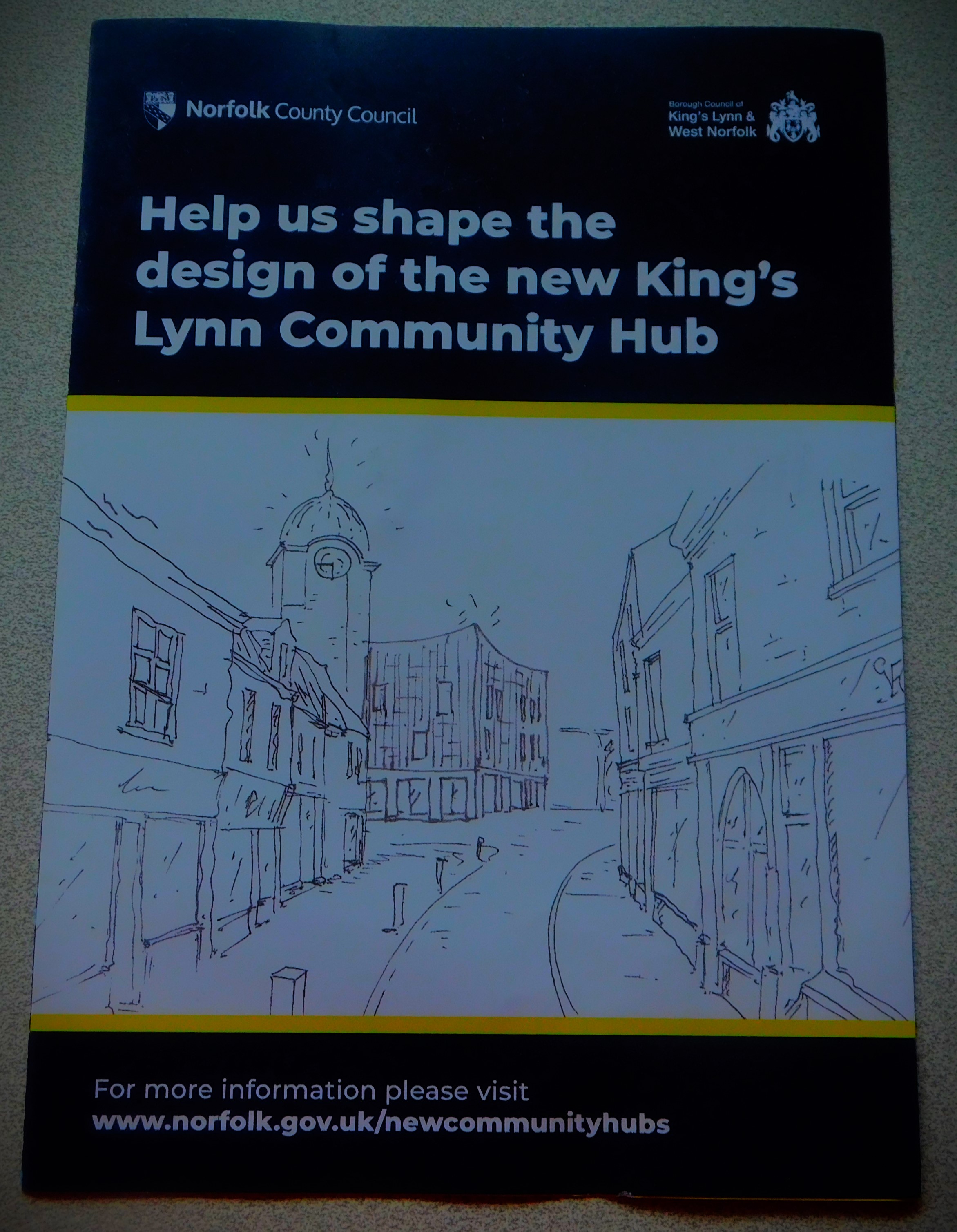
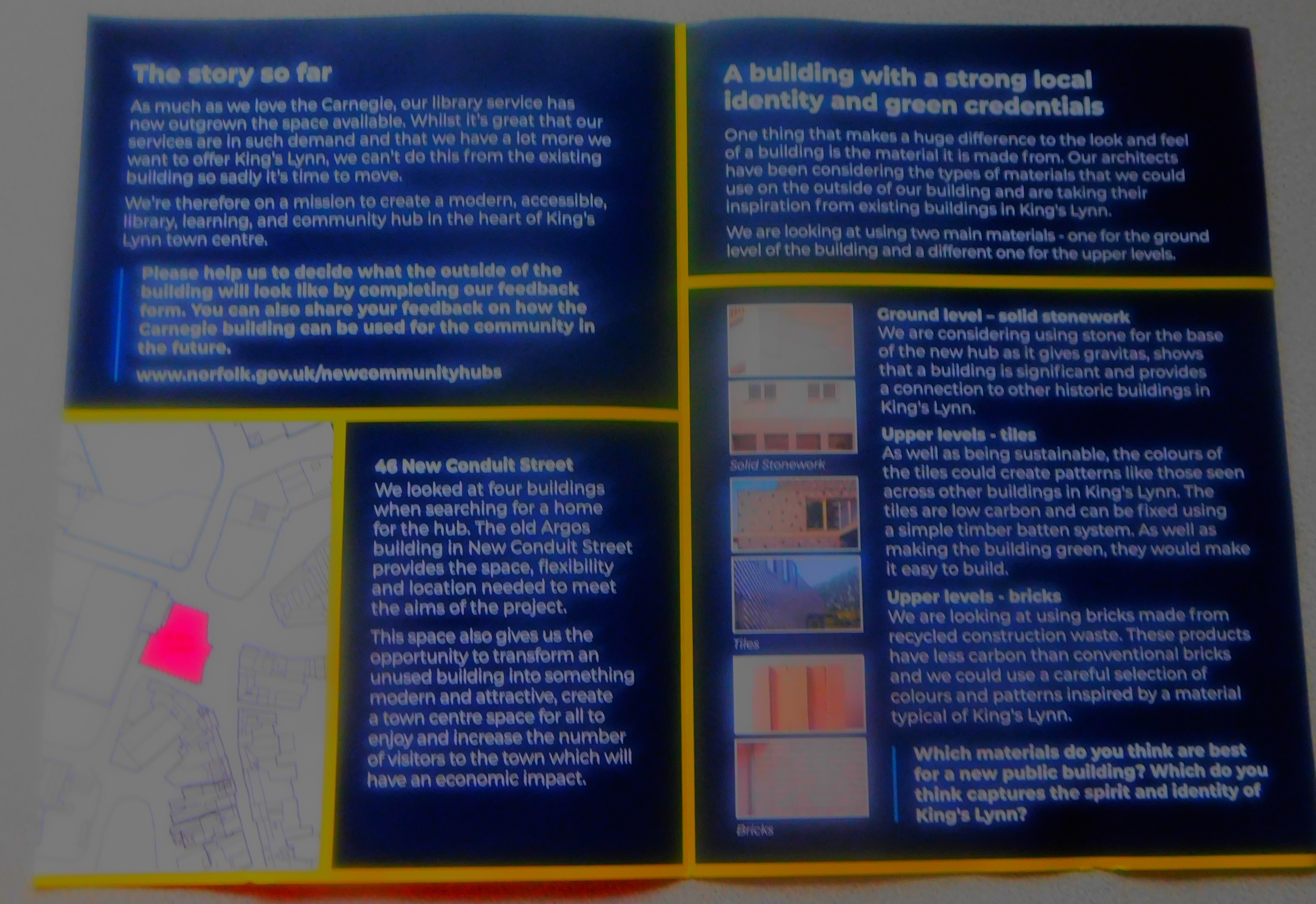
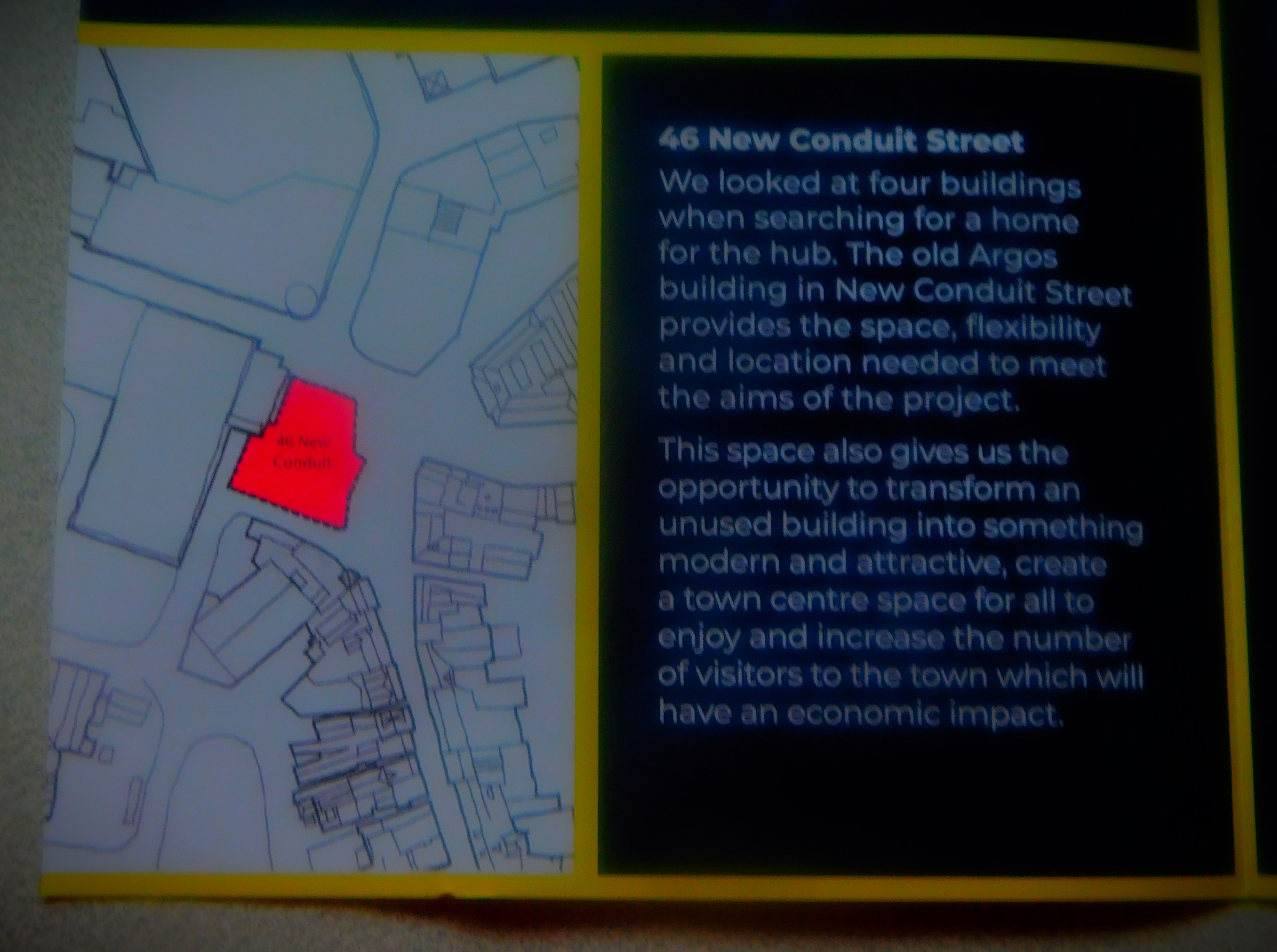
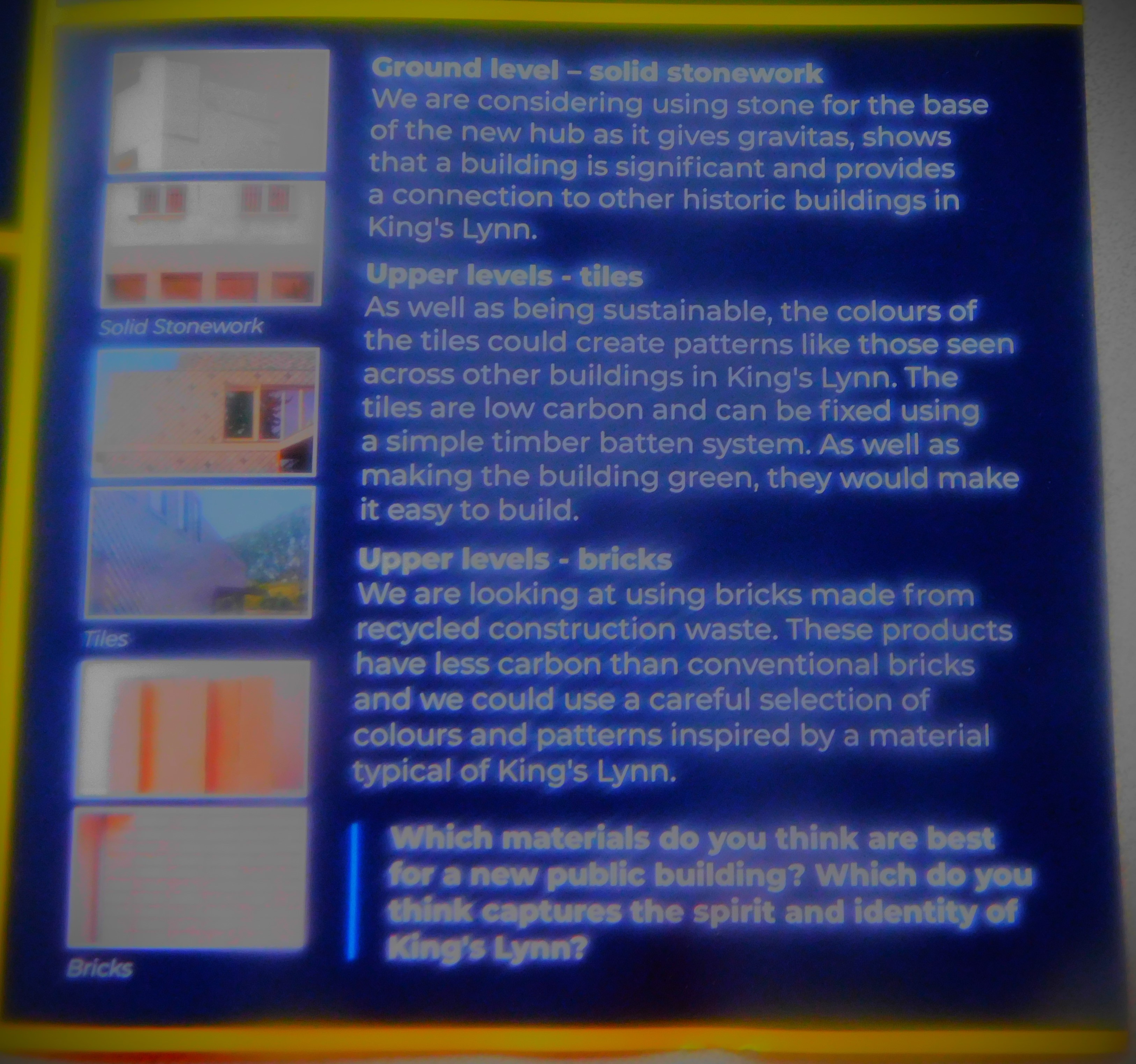
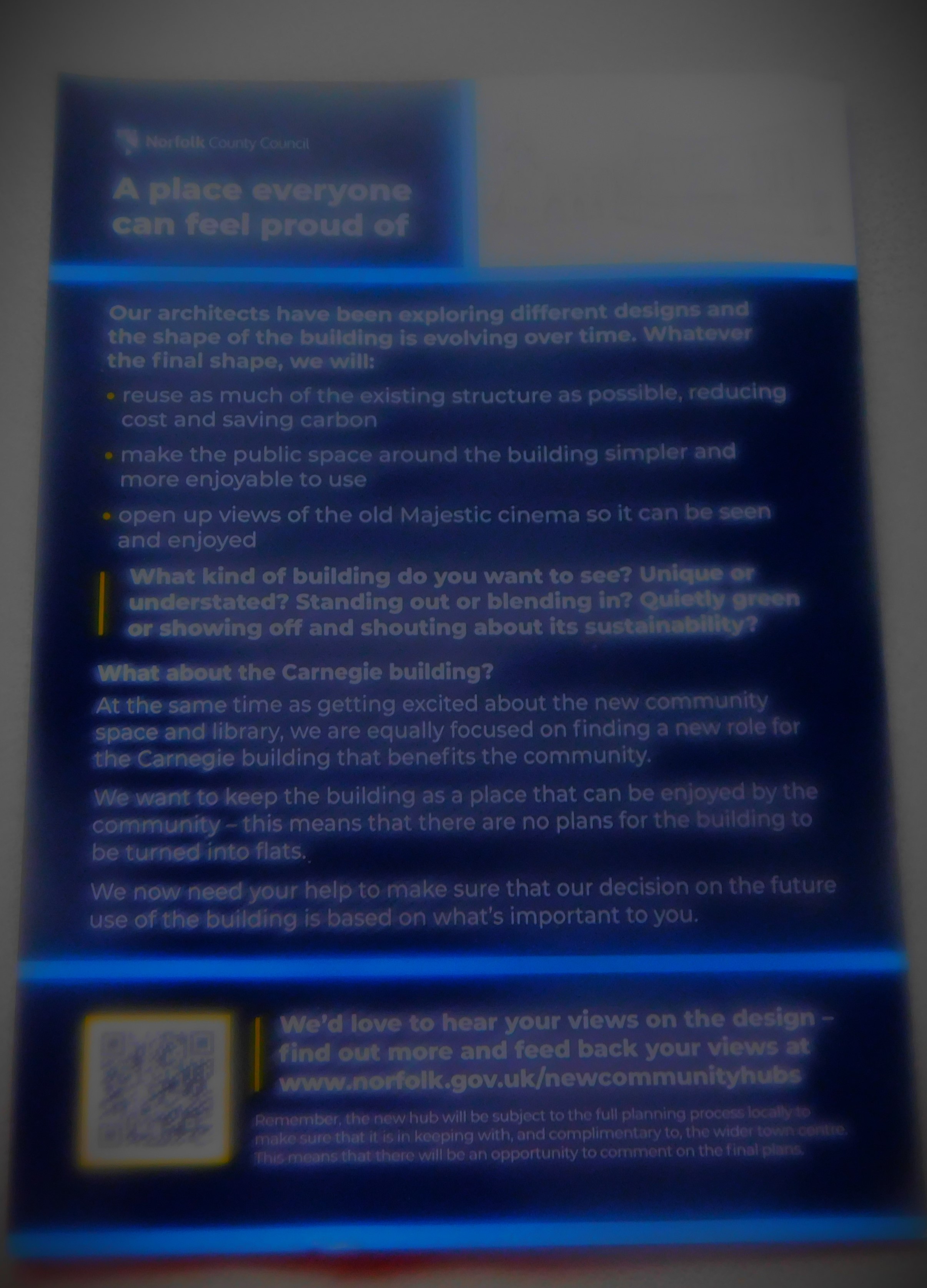
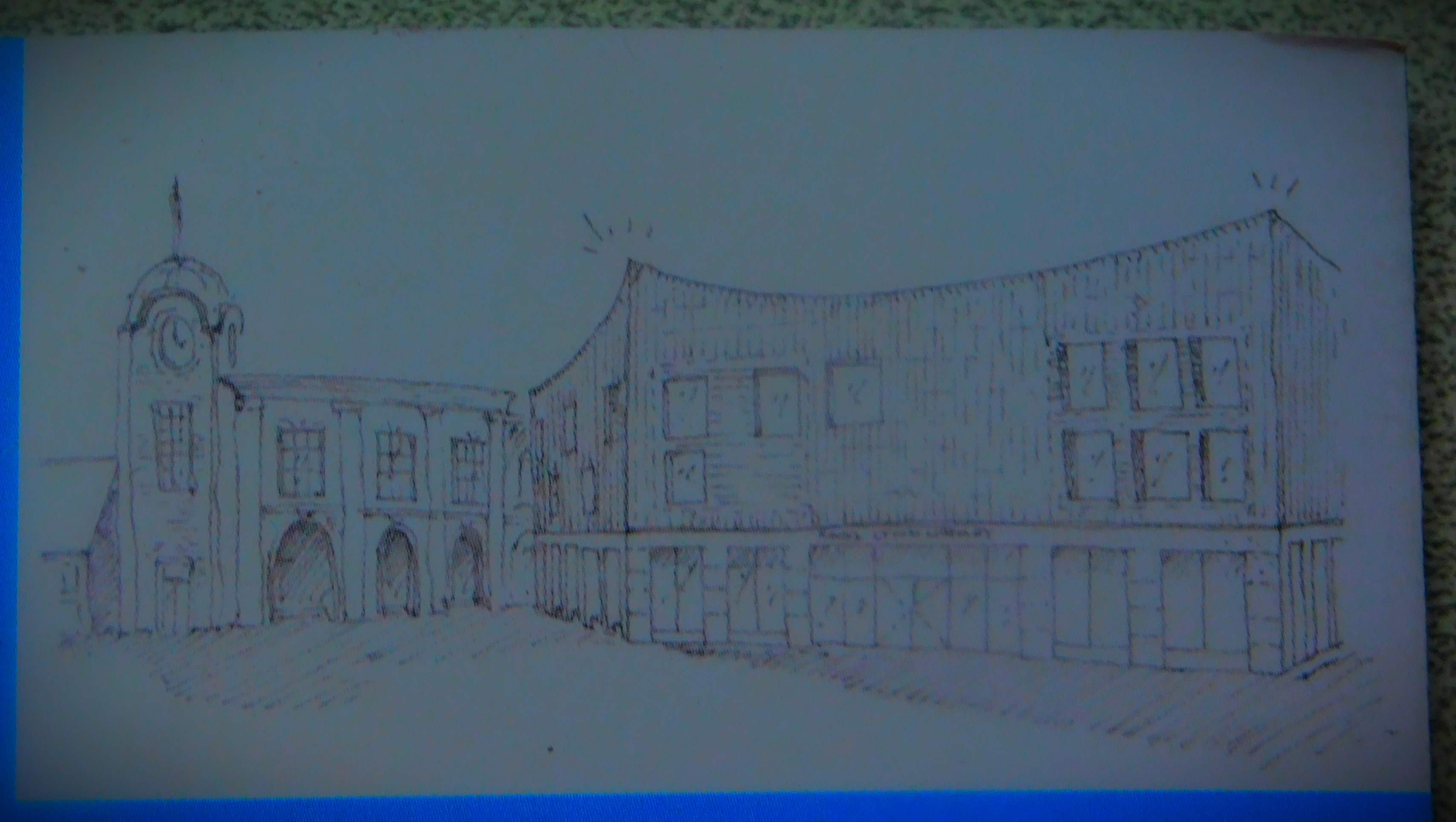
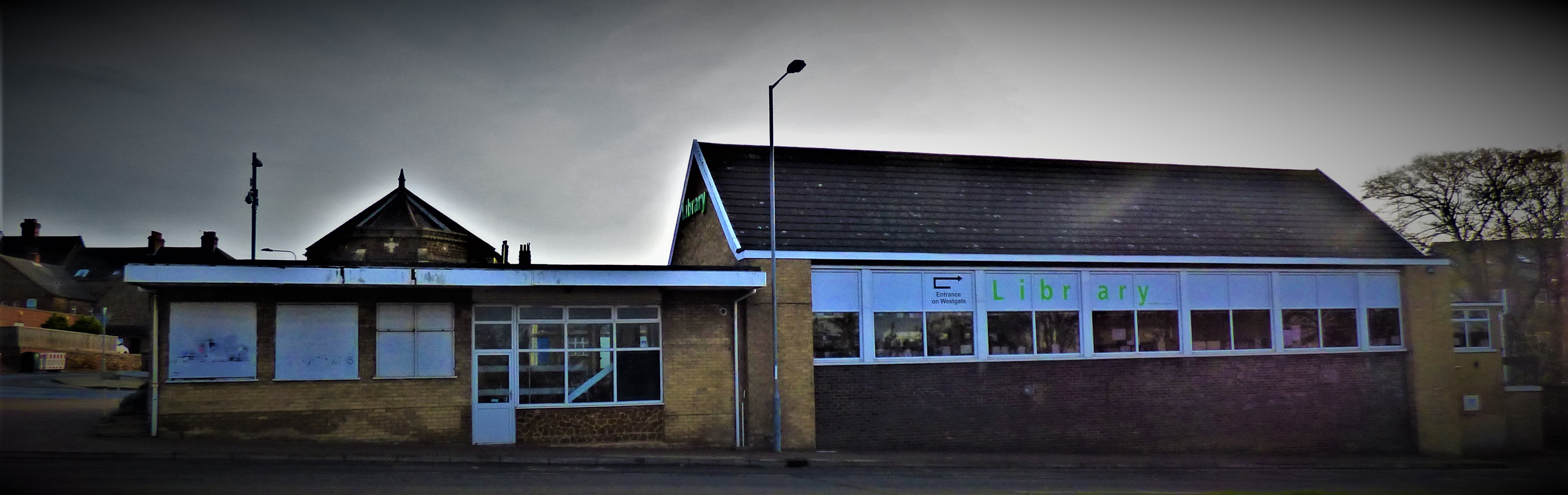
King’s Lynn Library will be moving from its current premises to the site of what used to be the King’s Lynn branch of Argos. The current premises are a listed building and therefore have to be preserved, and it is an essential part of the plan that whatever the current premises become it will be something that is fully accessible to the public (so no flats, no private business premises etc.). The new building will be constructed using environmentally friendly materials, with the ground floor featuring stone, and the upper floors and the roof featuring bricks and tiles, the latter made from recycled materials (I have seen samples of such materials at the library, and was favourably impressed). There is an initial consultation taking place which has two days to run (click here). If this scheme is carried out properly the new library/ community hub could become a modern landmark fully in keeping with Lynn’s history as a medieval town, as well as serving its purpose as library and community hub. Also a vibrant new establishment in place of the shell of the old Argos cannot fail to be an improvement.

Time for my usual sign off…

England In Control In 1st Test

Cricket, Politics, Public Transport and Photography, features two excellent videos.

INTRODUCTION

This post looks at the goings on in the first test in New Zealand and at the upcoming election. I also have plenty of photographs to share.

ENGLAND IN CONTROL

England had made a solid start on day 1, reaching 241-4. Burns while never really looking convincing managed to chisel out a half century, while Denly and Stokes also made runs. Day 2 started with a lot of the good work being undone, as Stokes and Pope each played loose strokes to surrender their wickets, and Curran and Archer fell cheaply. However, Jack Leach’s adhesiveness combined with Buttler’s strokeplay to save England’s blushes, and a final total of 353 looked respectable. Sibley on his test debut managed 22, and shared a half-century opening stand with Burns.

By the end of the day it was looking rather more than respectable as New Zealand were 127-4, with the prize wicket of Kane Williamson falling just before close when a delivery from Curran leapt at him and he could only fend it behind for a catch. The Williamson dismissal indicates a pitch that is just starting to misbehave, and the kiwis will have to bat last on it. I would reckon that even 250 in that fourth innings will be too many for the kiwis.

An end of day 2 scorecard can be viewed here, and thefulltoss blog’s take on these first two days can be read here.

GE2019 LATEST

First of all, a little local item:

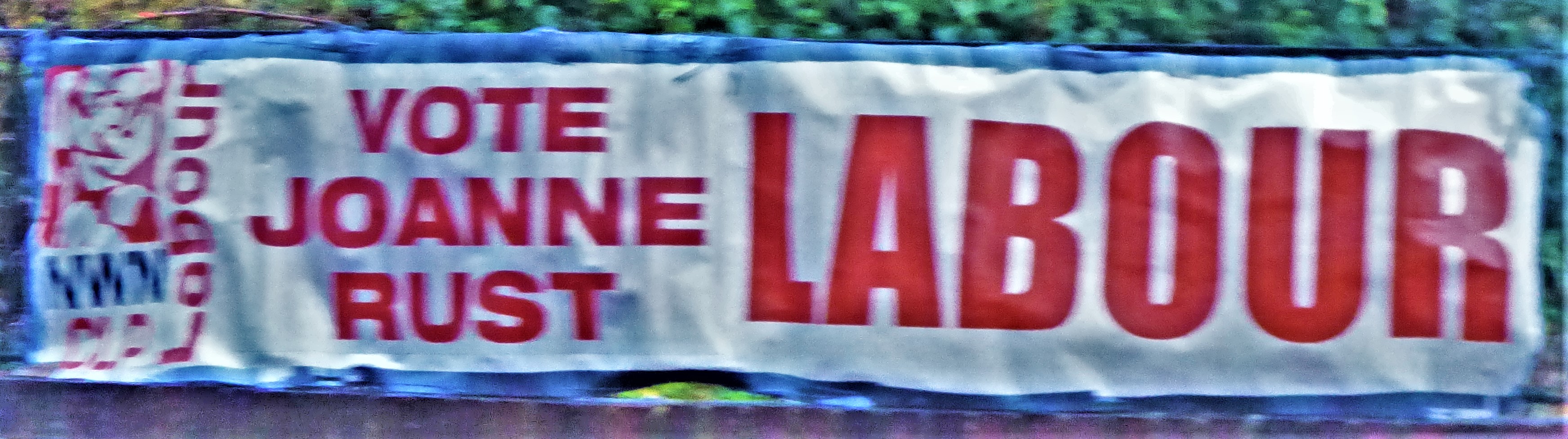
Video featuring Labour candidate Jo Rust speaking to two first time voters:


A good lead in to detail on the Labour party Manifesto…

The Labour Party’s manifesto was launched yesterday, and it is excellent. Here are several links for you to follow:

  1. Your starting point – the page from which you can visit the entire manifesto and all related documents.
  2. The environmental policies, for which they have used the title “Green Industrial Revolution“.
  3. Working in two links at once, Brexit and Internationalism.

Please read it all for yourself (a PDF version is here), including the accompanying documents.

To end this section, another video, courtesy of GMB by way of The Skwawkbox hilariously showing Johnson trying to concoct a manifesto:

A MORNING JOURNEY

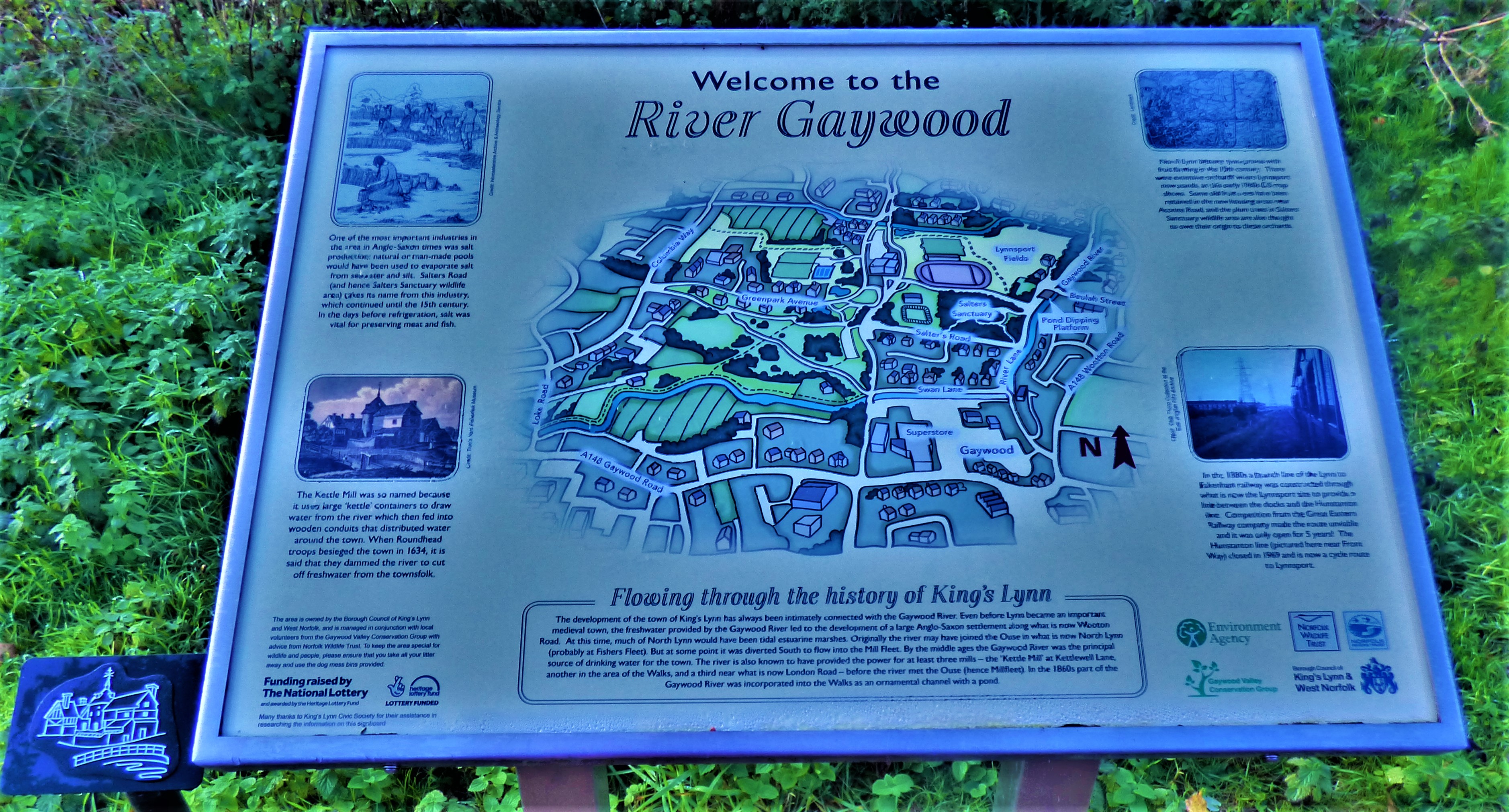
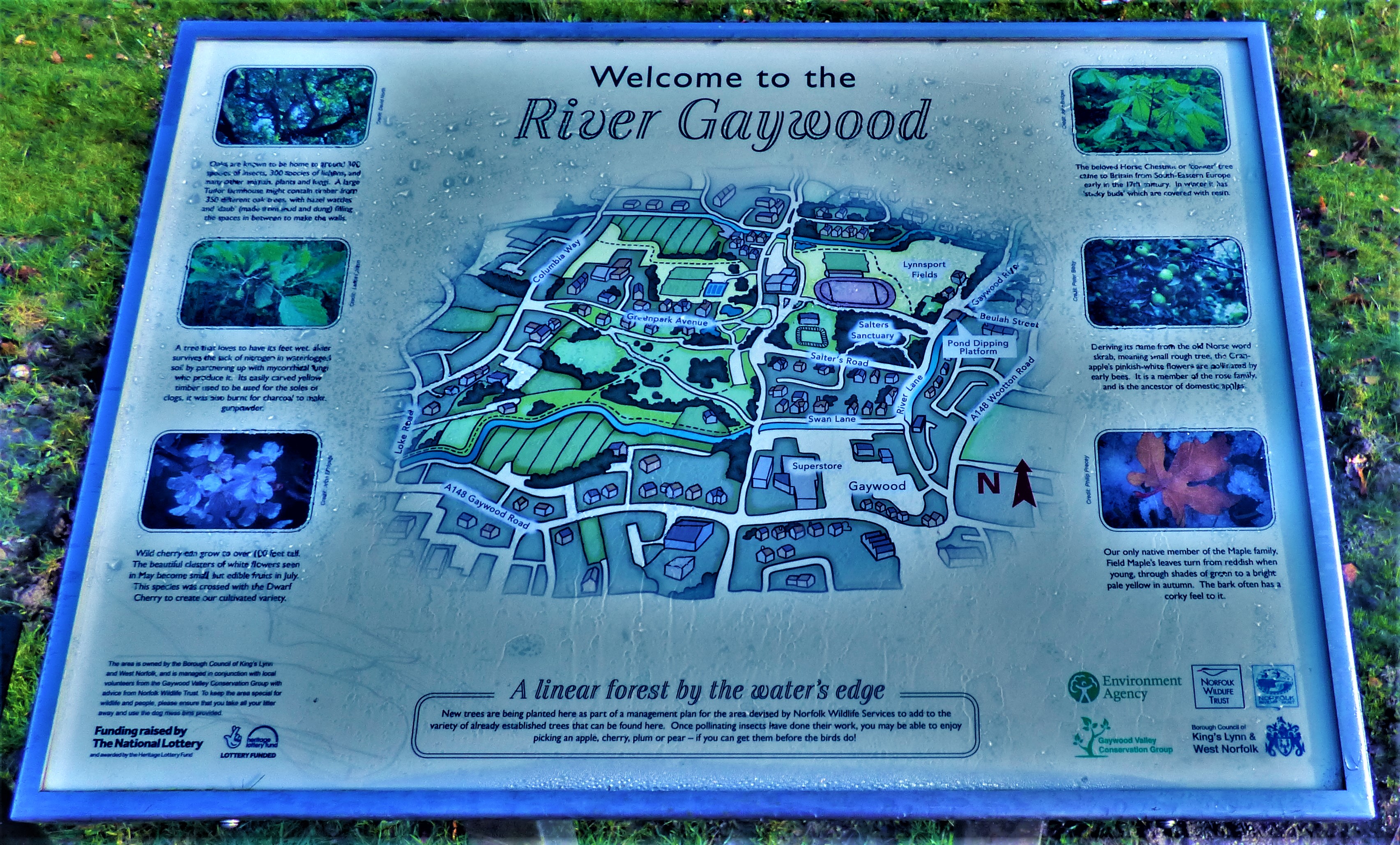
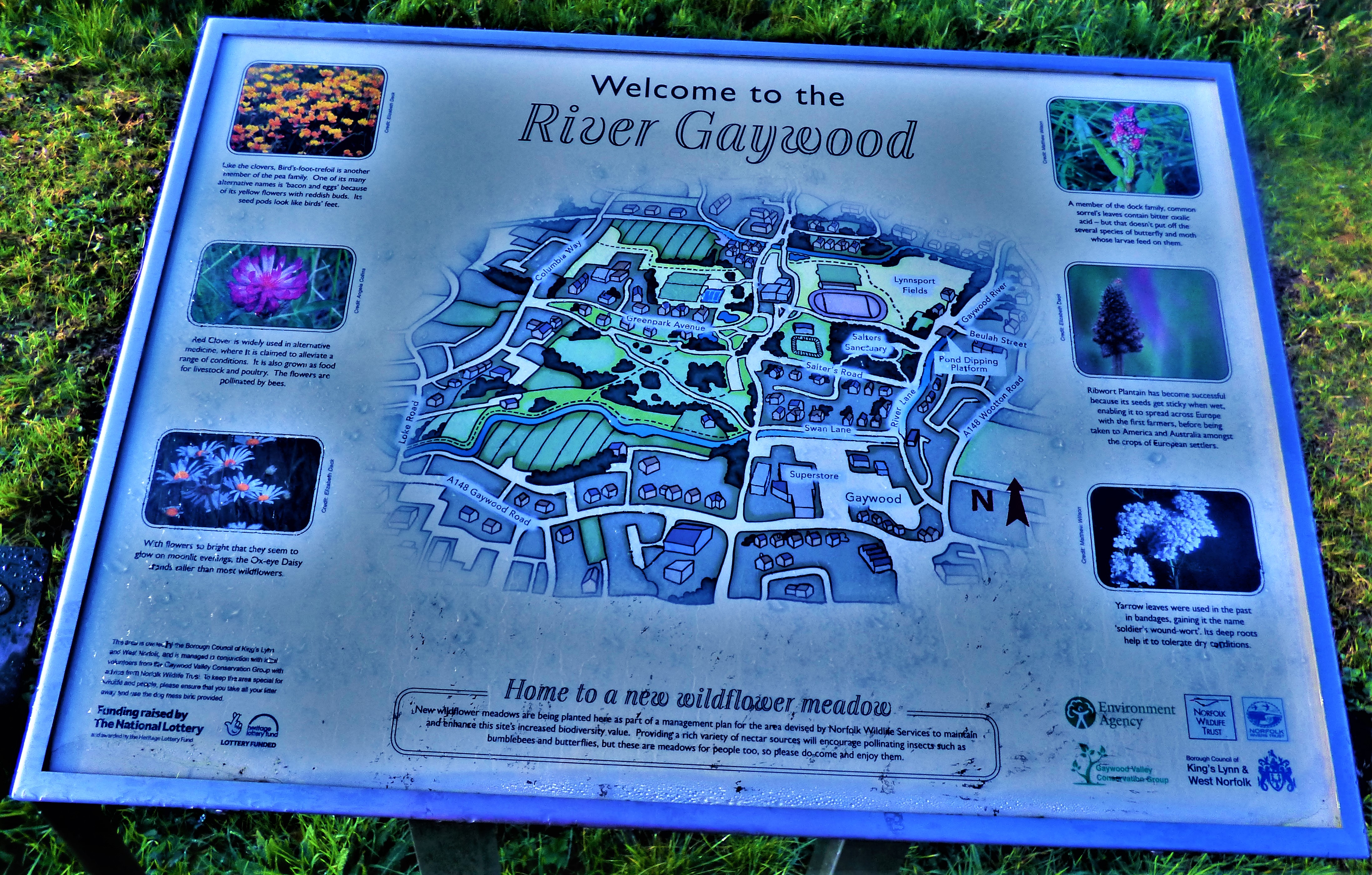
I was required to be at Queen Elizabeth Hospital’s Opthalmology reception by 8AM today. Making my usual allowances for things to go wrong I arrived there at 7:30AM. Just about an hour later it was time for the return journey, and I discovered that I had hit the start of a long gap between services heading into town. This strikes me as a something of a problem for a service catering among others to hospital patients, but I am fortunately in fairly good physical shape nowadays, and decided that rather than hang around waiting I would do some walking. Getting to the bus stop at which the routes from the Fairstead estate joined those from the hospital I checked the timetable, and seeing that I would not have much less long to wait even there, I kept walking, deciding that I would break for homeward journey by making a brief visit to Gaywood Library, after which I would leave the main road and head home by way of the Gaywood River path. I arrived back at just after 9:30AM having enjoyed the walk but conscious of the fact there would have been some who could not have avoided waiting for the bus, and conscious also of the crying need for the integrated public transport system outlined in yesterday’s manifesto. I have presented photos of the information boards along the Gaywood River path before, but deem them worth seeing again:

P1280669 (2)P1280670 (2)P1280671 (2)P1280672 (2)P1280674 (2)P1280673 (2)

PHOTOGRAPHS

Here are the rest of my photographs for this post…

P1280636 (2)

P1280640 (2)
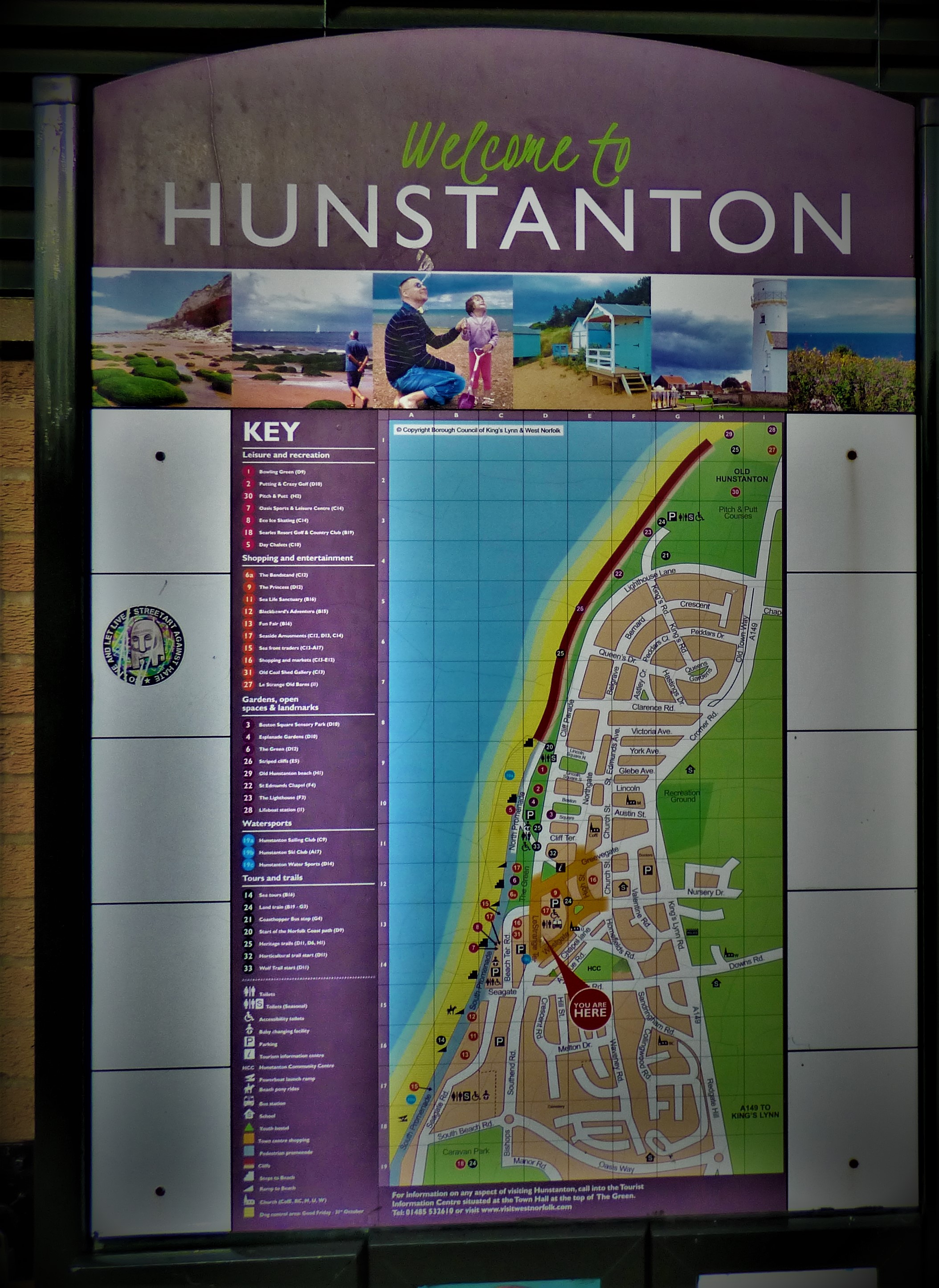
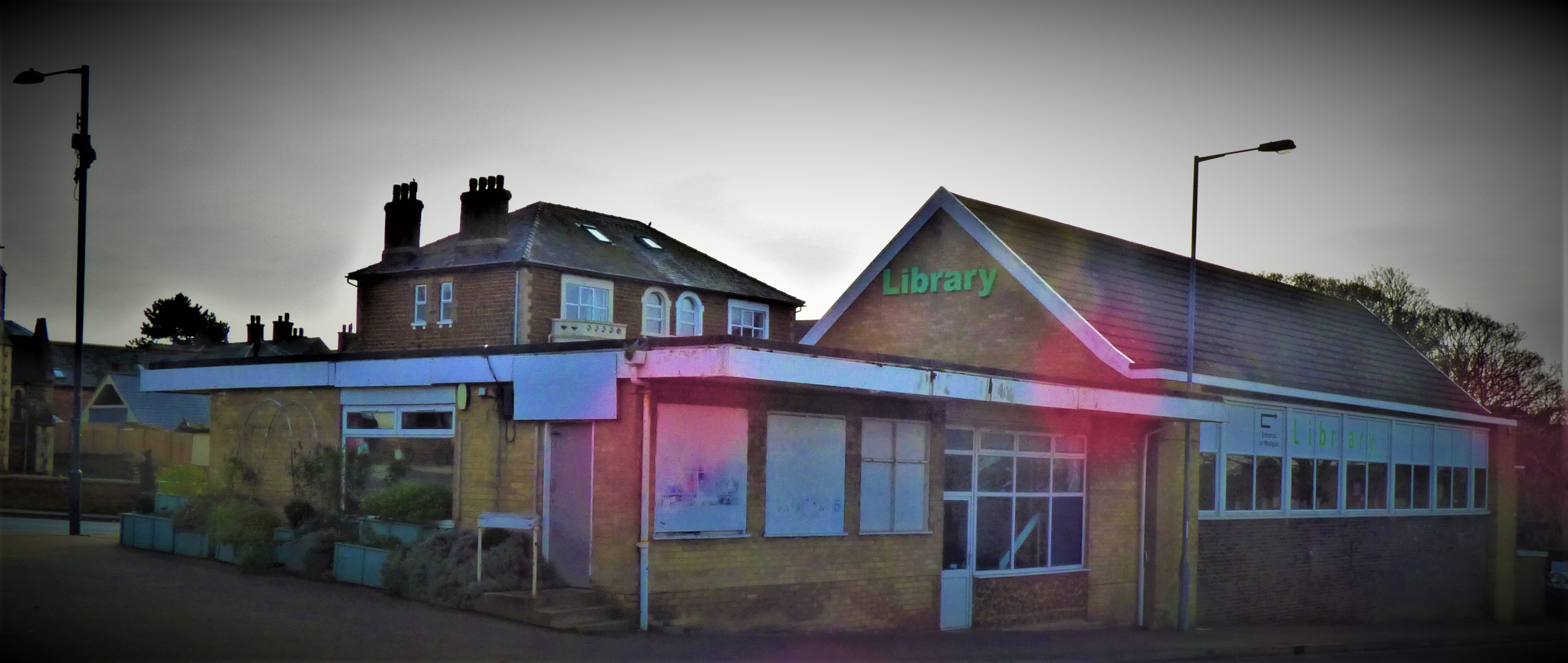
Hunstanton Library, where I was on Wednesday morning.

P1280641 (2)P1280642 (2)P1280643 (2)P1280647 (2)

P1280648 (2)
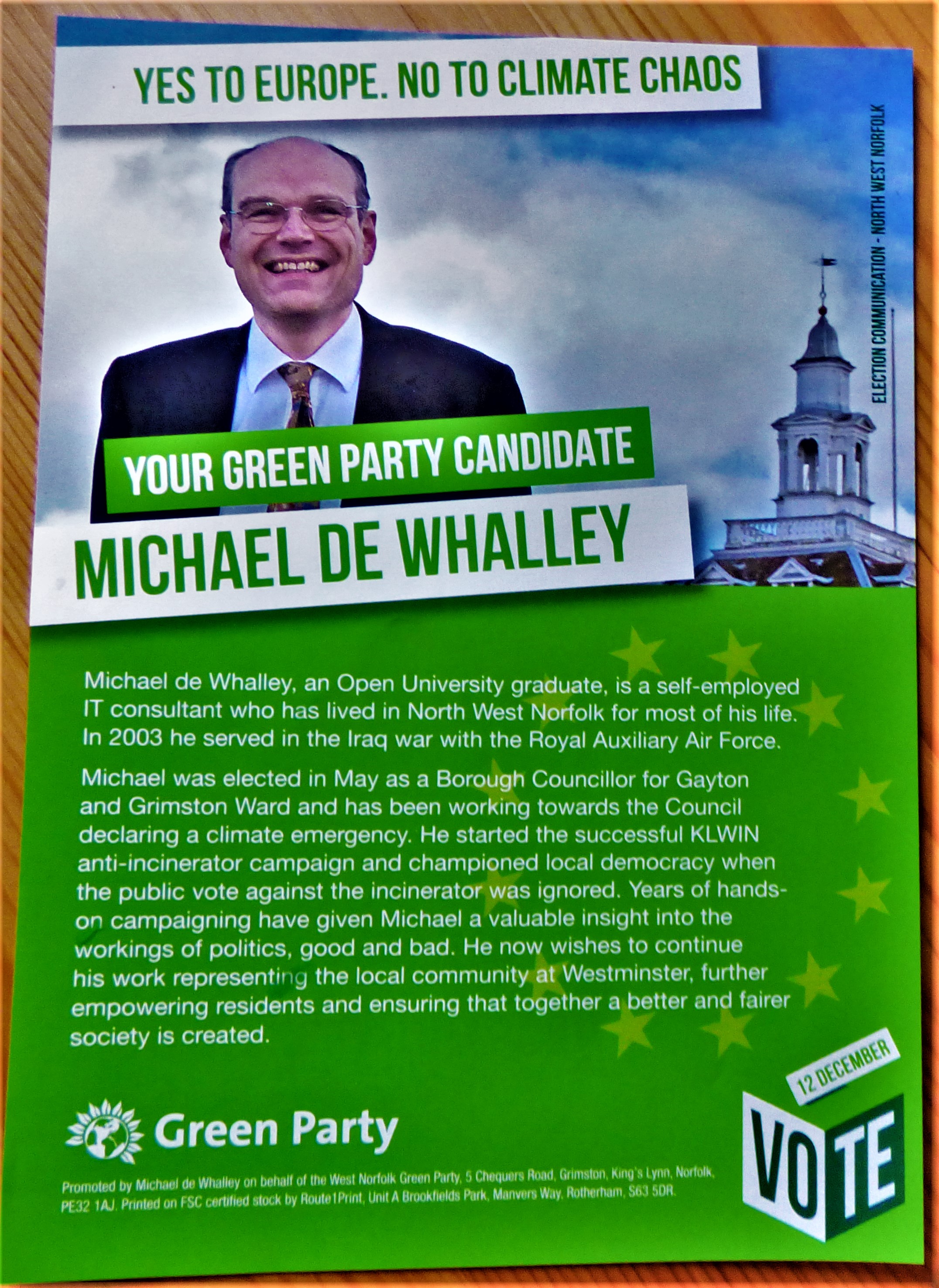
Michael De Whalley’s leaflet (two images) – I understand that he is good local councillor, and I would be more than willing to vote for his party, but the only chance of non-Tory MP for my constituency is to vote Labour.

P1280649 (2)P1280651 (2)P1280652 (2)P1280653 (2)P1280654 (2)P1280656 (2)P1280657 (2)P1280658 (2)P1280659 (2)P1280660 (2)P1280661 (2)P1280662 (2)P1280663 (2)

P1280666 (2)
Taken on the walk back from QEH this morning.

P1280667 (2)P1280668 (2)


An Autism Awareness Event At King’s Lynn Library

A brief account of today’s Autism Awarenss event at King’s Lynn Library, with some photographs.

INTRODUCTION

Today at 1PM there was a gathering at King’s Lynn Library for World Autism Awareness Day, in which we talked to the library about things they could do to make themselves more accessible to autistic people and in which we got details of an autism friendly youth group that they are starting. As well as ourselves and library staff a young woman from SCIOPE was also present.

AWARENESS IS BARELY THE BEGINNING

Obviously awareness is necessary, but it should not be thought of as a goal or an endpoint – to borrow from a famous quote it is at most the end of the beginning. To be of real value it needs to proceed to acceptance, understanding of our needs and appreciation of our strengths. The library staff seem genuinely committed to helping autistic people, and they listened to all our comments. There was talk of autism friendly hours in the evening, which I think would be an excellent idea.

A CONSTRUCTIVE DAY

I feel that this event was very constructive and potentially valuable. I await practical developments with interest – as an autistic person who is a great supporter of the library I hope to be able remember today as an occasion when things moved in the right direction. I was very glad to be able to attend – as an advocate of “nothing about us without us” I always feel that I should be involved with this sort of thing, and there had been a possibility that my health would prevent that. Fortunately it did not. Now for…

PICTURES

I start with an infographic posted on the NAS Norwich facebook page by Johanna Corbyn which I consider to be excellent:

Johanna Infographic

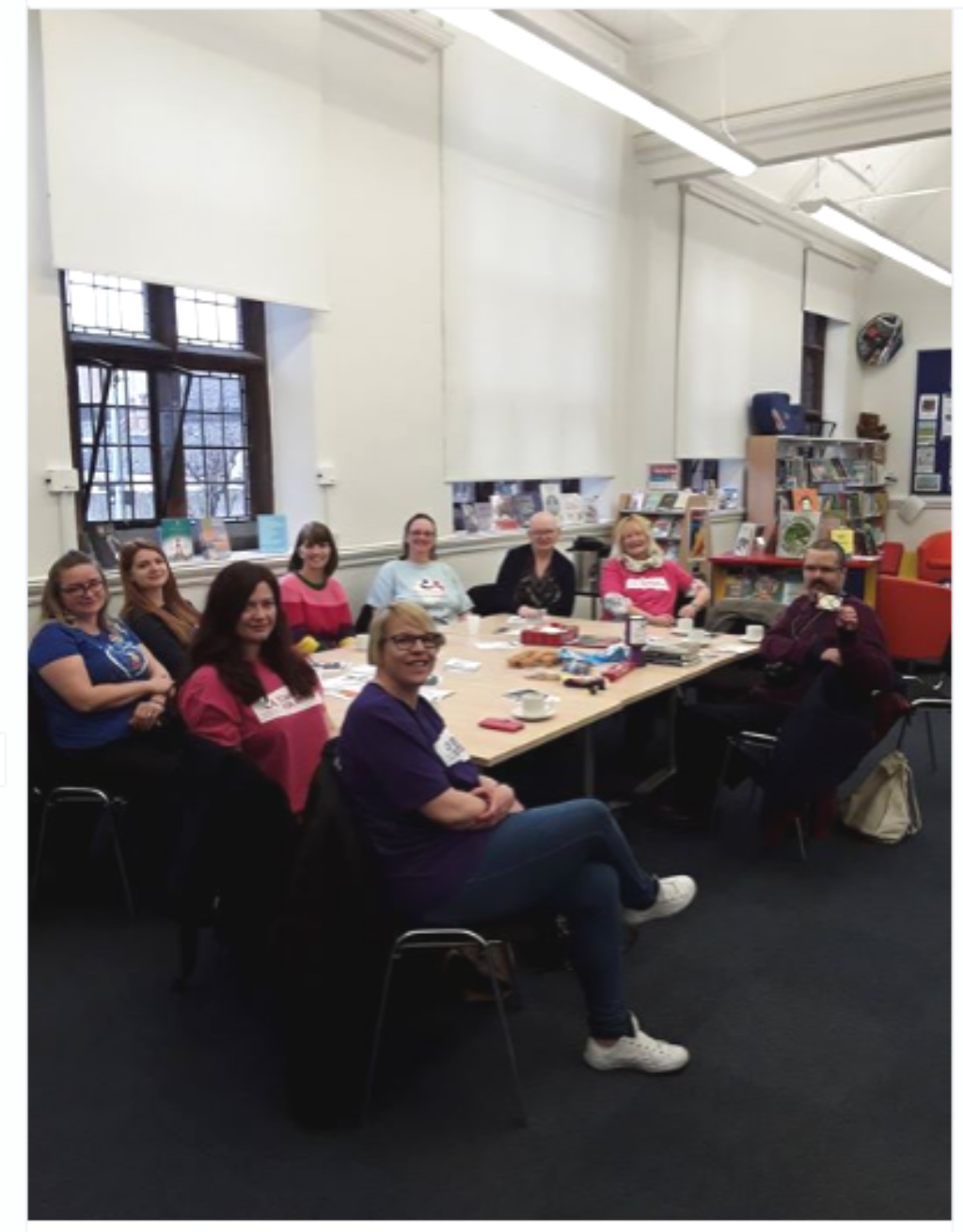
To set the scene for my own photographs that relate to this event here is the official King’s Library picture, originally posted on their facebook page:

KLLWAAW

Now we finish with some of my pictures:

P1220305
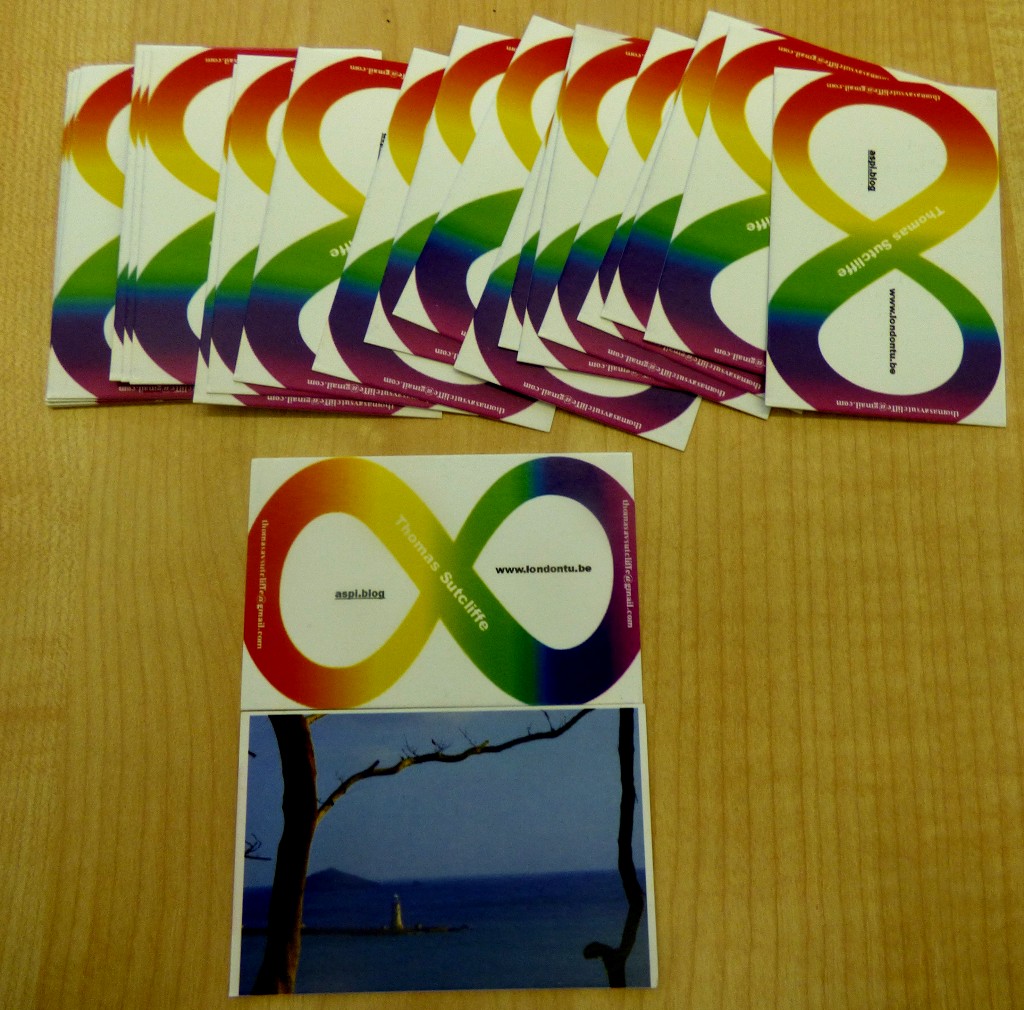
My cards – one of the library staff accepted one.

P1220306
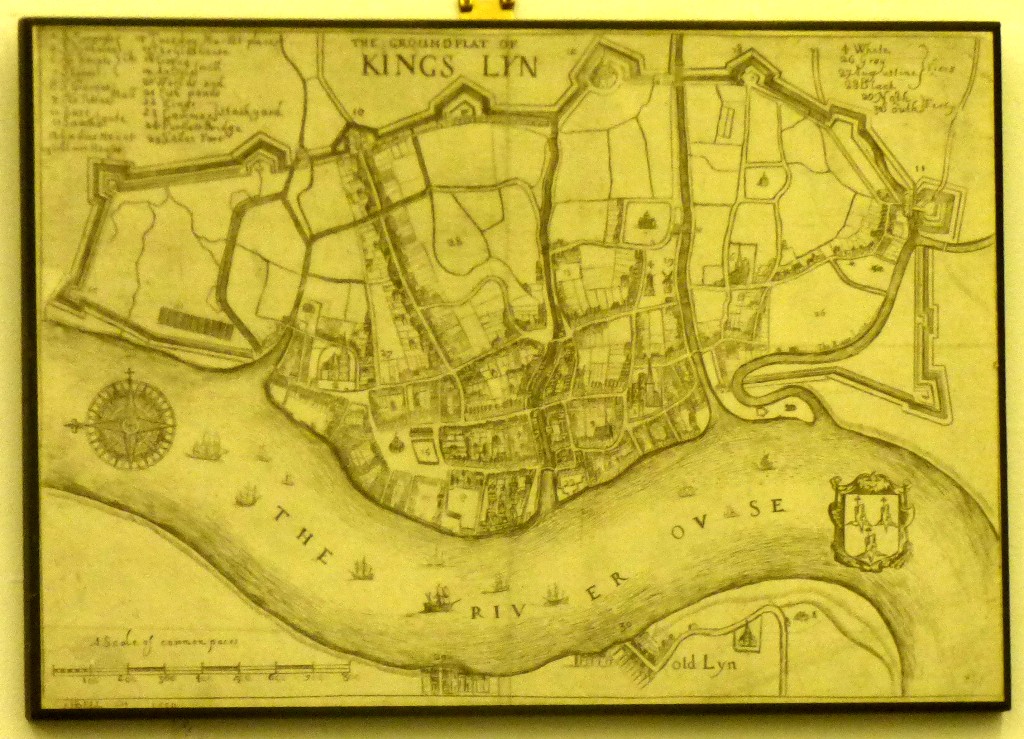
I was able to photograph various pictures on the wall.

P1220307P1220308P1220310P1220311P1220309

P1220312
Details of the Autism Friendly Youth Group

P1220314
SCOPE publicity

P1220315
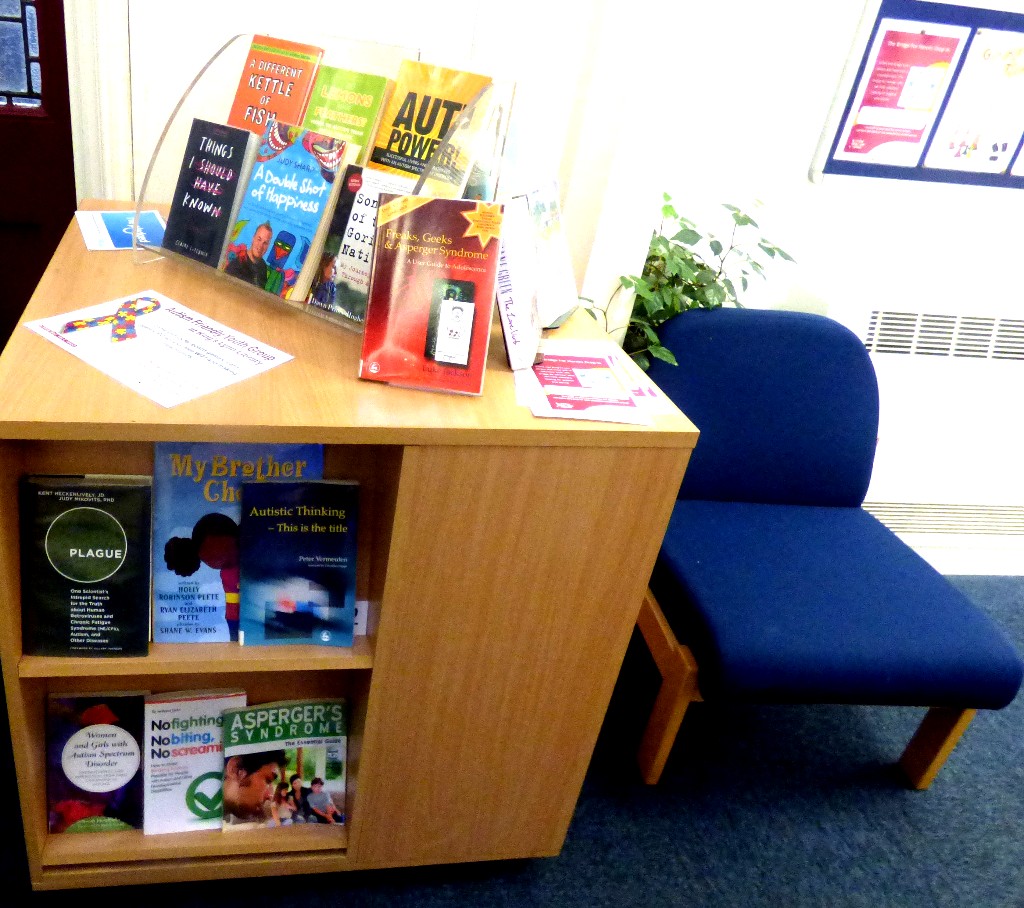
The autism related diksplay in the entrance foyer.

P1220316
A rear view of the library.

P1220317
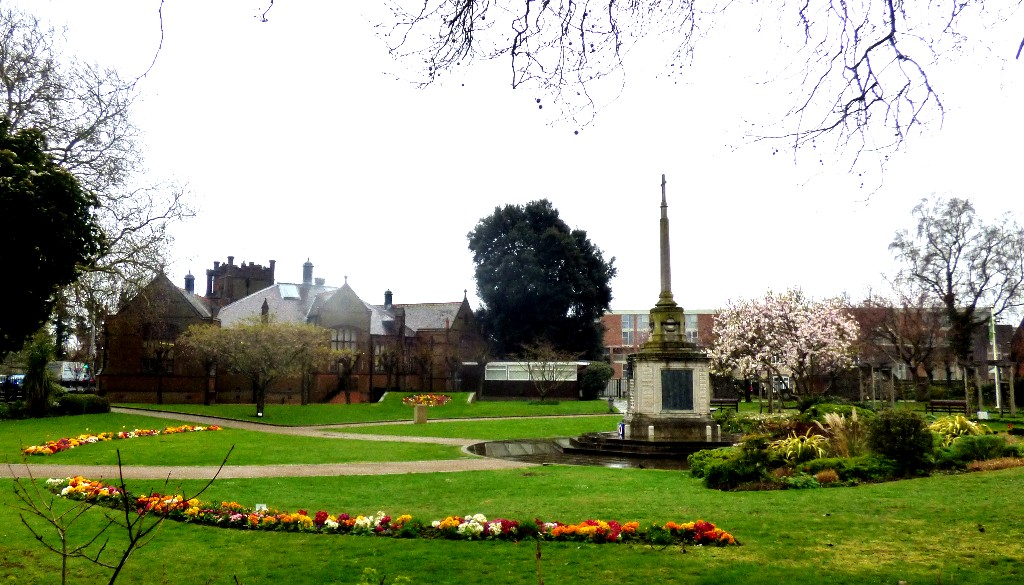
A shot showing the war memorial and the library.

P1220318
The Greyfriars Tower


Rachel Caine’s Great Library Novels

A review of Rachel Caine’s series of books featuring the Great Library.

INTRODUCTION

There are three novels under consideration in todays post, and they form a series. 

GLT

OVERVIEW

These books are an exercise in “Alternative History”. They are set in the 21st century in a world in which the Great Library of Alexandria did not get destroyed, but instead ended up as a global power, not merely a centre of learning. For some centuries a conflict has raged between the forces of the Library and rebels known as Burners. Also, since the Great Library have decreed that no books shall be privately owned there is a third group in the mix, the smugglers who for a price satsify the cravings of those who in defiance of the law still want to own books. 

BOOK 1: INK AND BONE
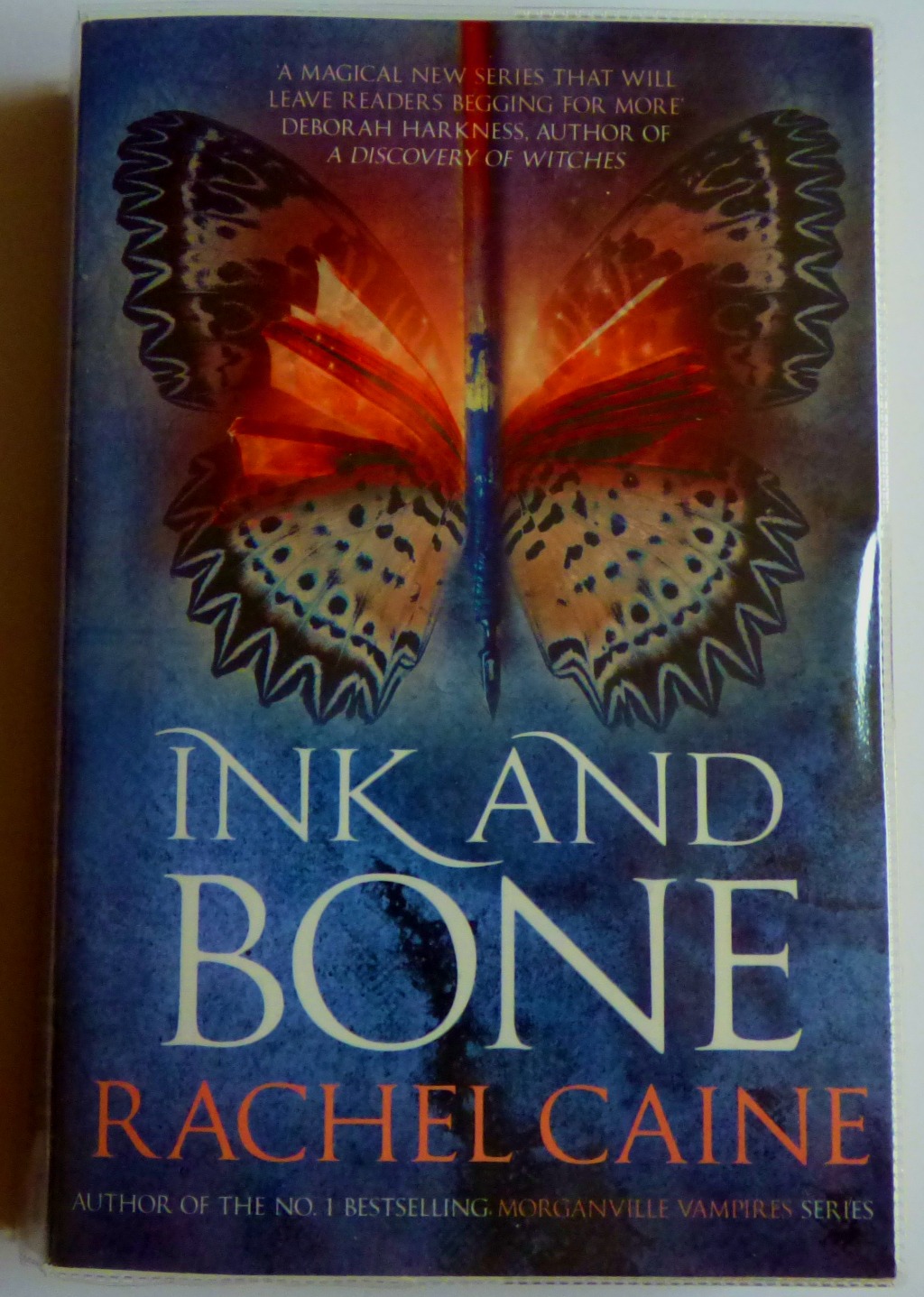
Ink and Bone

In the opening pages of this book we meet Jess Brightwell, then 10 years old, and already running contraband books as part of his father’s smuggling business. Jess performs a mission which leads him to an encounter with an ‘ink eater’ – a man who in this instance eats the pages of the only known copy of a book by Aristotle. The effect witnessing this has on Jess sets the scene for the subsequent story. We skip forward six years and Jess’s father has entered him (at vast expense) for the Great Library entrance exam, considering that it would be useful to have someone on the inside. Jess manages to pass and finds himself bound for Alexandria along with 30 or so other scholars. Among his fellows are Thomas Schreiber, a German with massive talents for engineering and inventing, Khalila Seif who has achieved the first ever perfect score in the entrance exam, Glain Wathen, a tough Welsh girl who has an eye on a place in the High Garda, the Library’s security force/ army and Dario Santiago, from a wealthy and influential Spanish family.

These and the other postulants find themselves being put through their paces by Scholar Christopher Wolfe, a very harsh judge. Twelve of the postulants have gone by the end of the first week, and their numbers continue to fall regularly. One new person arrives on the scene, Morgan Hault, who it turns out is an obscurist, and as such vital to future of the library. Her unwillingness to suffer the obscurist’s usual fate of being confined in the Iron Tower is one of the causes of conflict between these scholars and the Library. The other direct cause is Thomas Schreiber’s passion for inventing – he designs and creates a printing press which would enable the bulk production of books, not realising that various previous scholars have been harshly punished for the same invention, as the Library will tolerate nothing that might reduce its power. It further harms Thomas’ cause that Christopher Wolfe is one of those scholars who have previously been punished for this offence.

Before Thomas  Schreiber gets hauled over the coals there are major clues that all is not rosy in the garden. As a final exercise the postulants are sent to Oxford to retrieve some rare books gthat have come to light there, and the only way to get them there in time is to use a technique called ‘translation’, which is fraught with danger. One of them, Guillaume Danton, dies while being translated, which generates suspicion. Then, when they have barely escaped from Oxford with their lives and are being returned to Alexandria on the Archivist’s personal train they are ambushed by Burners who have somehow found out their whereabouts. 

This book ends with Morgan Hault confined in the Iron Tower, Thomas Schreiber in prison, with the others having been told that he is dead, and all the other main characters having been assigned various positions. 

BOOK 2: PAPER AND FIRE

Paper and Fire

This book follows on directly from the end of book one. It deals with the discovery that Thomas is not dead, merely in prison, and the subsequent quest to break him out and escape from the Library’s clutches. In the Iron Tower, above the levels occupied by the obscurists, the Black Archives are revealed to us for the first time. The Archivist (boss of the whole library) has ordered the Artifex Magnus to destroy them, but the rebel scholars get away with a quantity of the most important books and head for London, Jess Brightwell’s home town. They then find themselves betrayed and sent to the Burner city of Philadelphia. It is also in the course of this book that we see how the automata (I dropped a hint about these in this post)  that the Libfrary uses in addition to the High Garda can be switched off. Thomas, with the help of Morgan Hault the obscurist, manages to change one of the automata so that it works for them.

BOOK 3: ASH AND QUILL
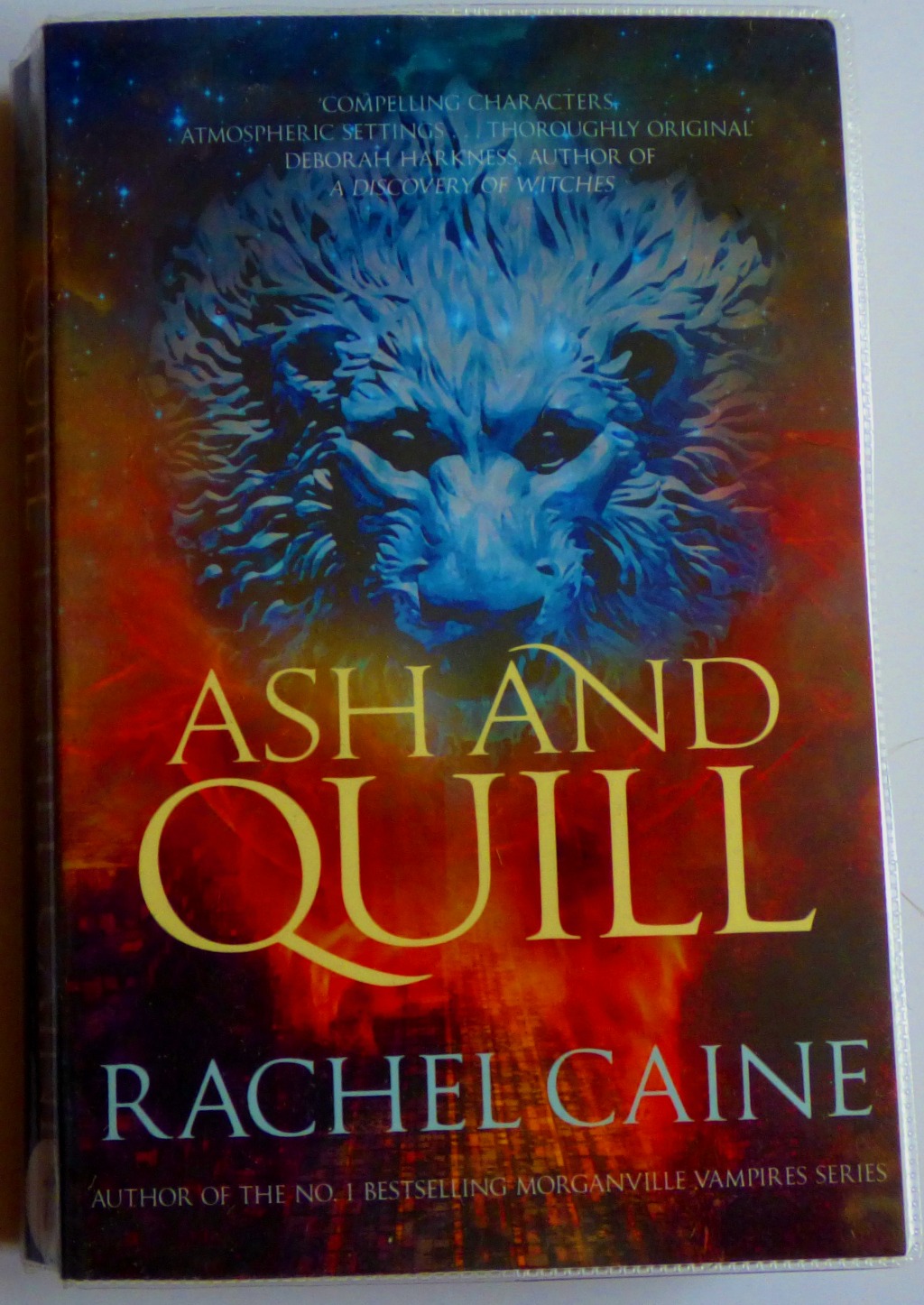
Ash and Quill

Thomas Schreiber creates a version of his press from materials available in Philadelphia, which works sufficiently well to impress the Burners but not to end his usefulness. He also makes a weapon that will ultimately be used to make a hole in Philadelphia’s walls so that he and his band can escape. 

Meanwhile, having previously kept the city under siege for a hundred years, the Library having discovered that their rebel scholars are there have ordered the complete destruction of the city.

While the city is being destroyed, Thomas Schreiber’s weapon creates enough of a hole in the walls for the scholars to escape, and one of Jess’ smuggler acquaintances gets them back to Britain. London is now off bounds, having finally fallen to the Welsh forces who have been attacking it for some time, but Jess’ father owns a castle in the north of England.

While hiding there Thomas builds a sophisticated press which is immediately put to work churning out bulk copies of previously concealed works, and he also creates a better version of the weapon he used in Philadelphia to make a gap in the walls. The book ends with Jess, disguised as his brother, about to visit the Archivist. It is fairly clear that whatever happens in that meeting only one of those two will emerge alive (at most).

THE EPHEMERA

Interleaved with the story proper are regular sections titled Ephemera, which give as insights in to the history and development of the Library. We learn through these, and through discoveries in the Black Archives, that the first Archivist with a view to making the Library a military as well as an intellectual power base (“using the sword as well the pen”) was Zoran who saw in a conflict between the Roman emperor Aurelian and the eastern queen Zenobia the opportunity to bring this about, that the first scholar to suggest a printing press was a Chinese man in the year 868, and the scholar Gutenberg was punished for the same “crime” some six centuries later. Thus we can trace the corruption of the Library, and the view that its power counted above all else back at least to 868AD, almost 1,200 years before the action in these books takes place, and possibly all the way back to the scheming Archivist Zoran half a millennium before that.

FINAL THOUGHTS

These books are excellent, the story being thoroughly gripping. Although a couple of minor errors slipped in to the history (“Scholar Plato”, which reference is made during the story is incorrect, since he lived and died before the Great Library was created, and Archimedes of Syracuse lived a century and more earlier than Heron of Alexandria, not vice versa) they are not sufficient to detract from the overall quality of the work, which is excellent. I really enjoyed reading these books and hope that there are more to come. You can find out more about Rachel Caine from her website and on twitter. Also, shrewd observers will have noted that my pictures are of Library books, so I finish this long post about a library system that went badly wrong somewhere along the line by thanking a library system that is still working nicely, Norfolk Libraries, through whose good offices I gained access to these books.

Some Pictures

A largely pictorial account of my day.

INTRODUCTION

I have just finished editing the pictures I took while out and about today. I have a collection of tree pics ready for the next post in my “Trees in Transistion” series, but for the moment it is the other pictures I am sharing. I will put them up in three segments…

NURTURE

These are pictures featuring my aunt’s plants, which I have been watering while she is on holiday. Barring a freak return to summer weather tomorrow I anticipate one more visit on Wednesday being sufficient.

NSP1NSP2NSP3NSP4NSP5NSP6NSP7NSP8

NATIONAL LIBRARIES WEEK

This week is National Libraries Week. I have visited King’s Lynn Library today, will definitely visit Fakenham Library at least once this week after a working day, hope to call in at Norwich Millennium Library when I am in that fine city on Wednesday (an autism event) and on Saturday en route to Musical Keys should find time for a visit to Gaywood Library. Here are some pictures of King’s Lynn Library…

NATURE

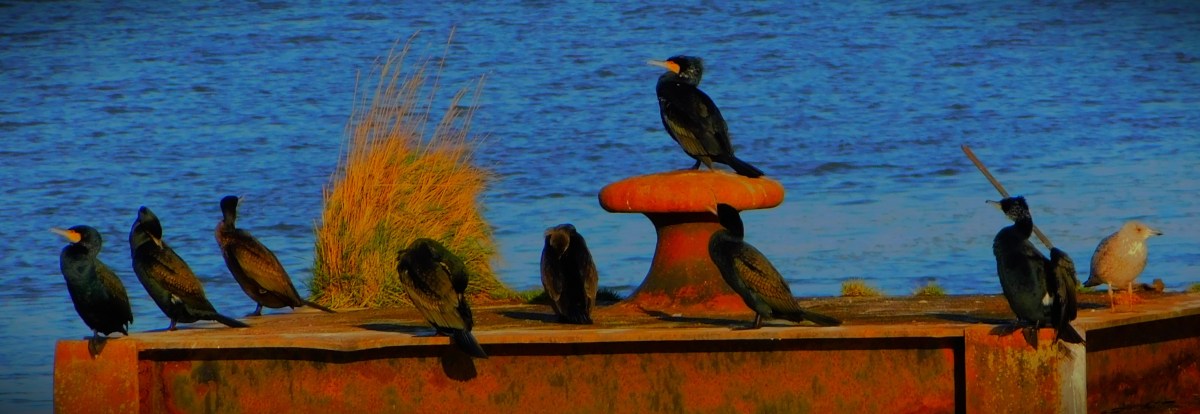
We end with some pictures focussing on nature…

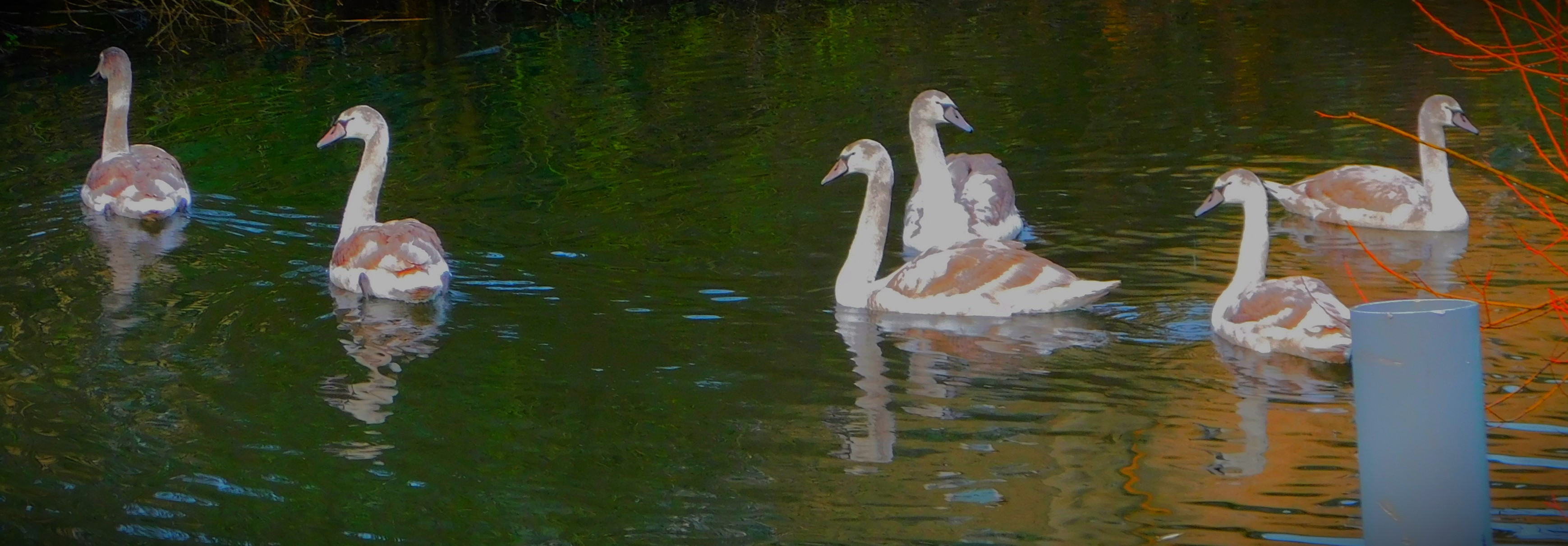
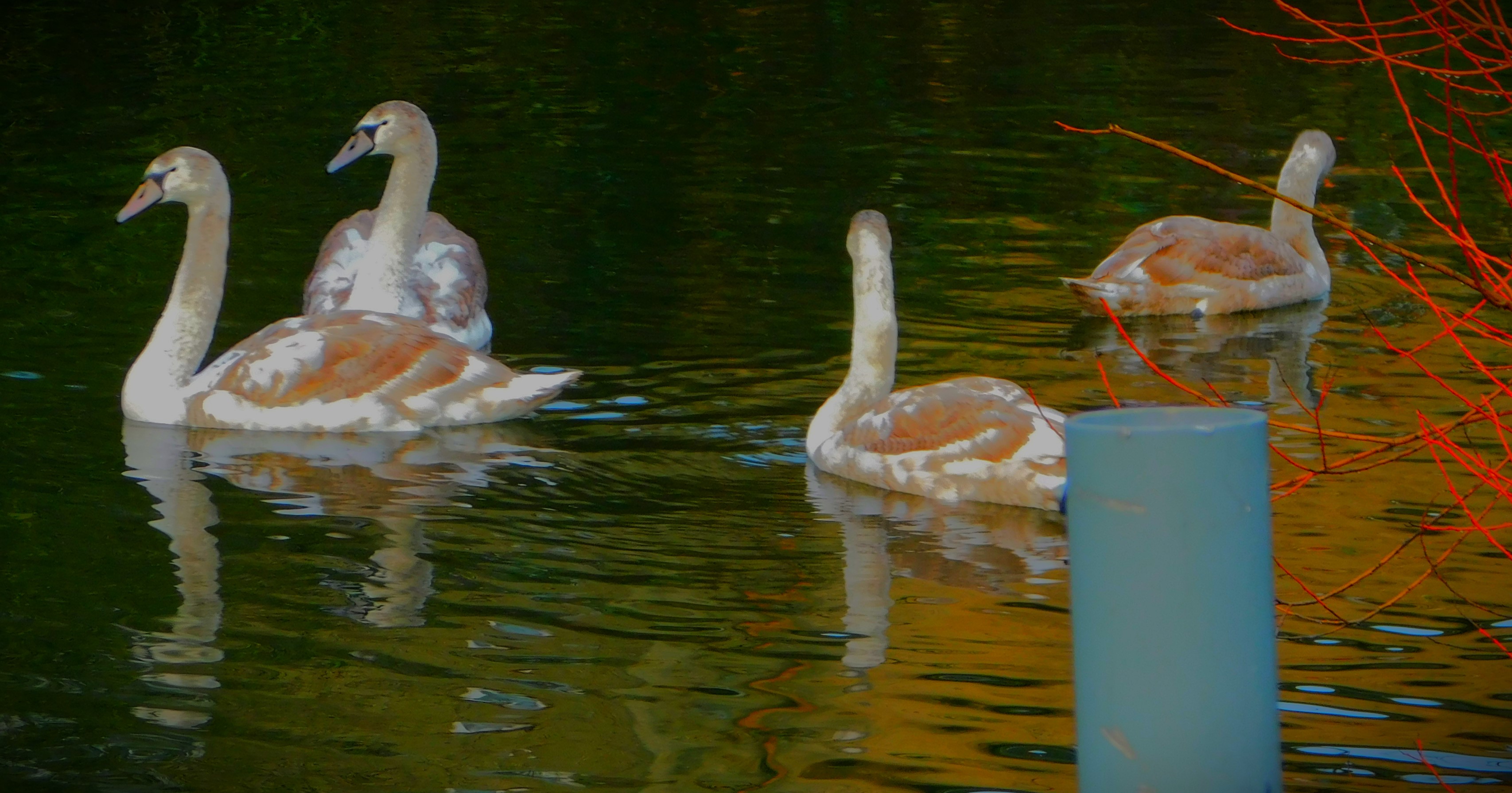
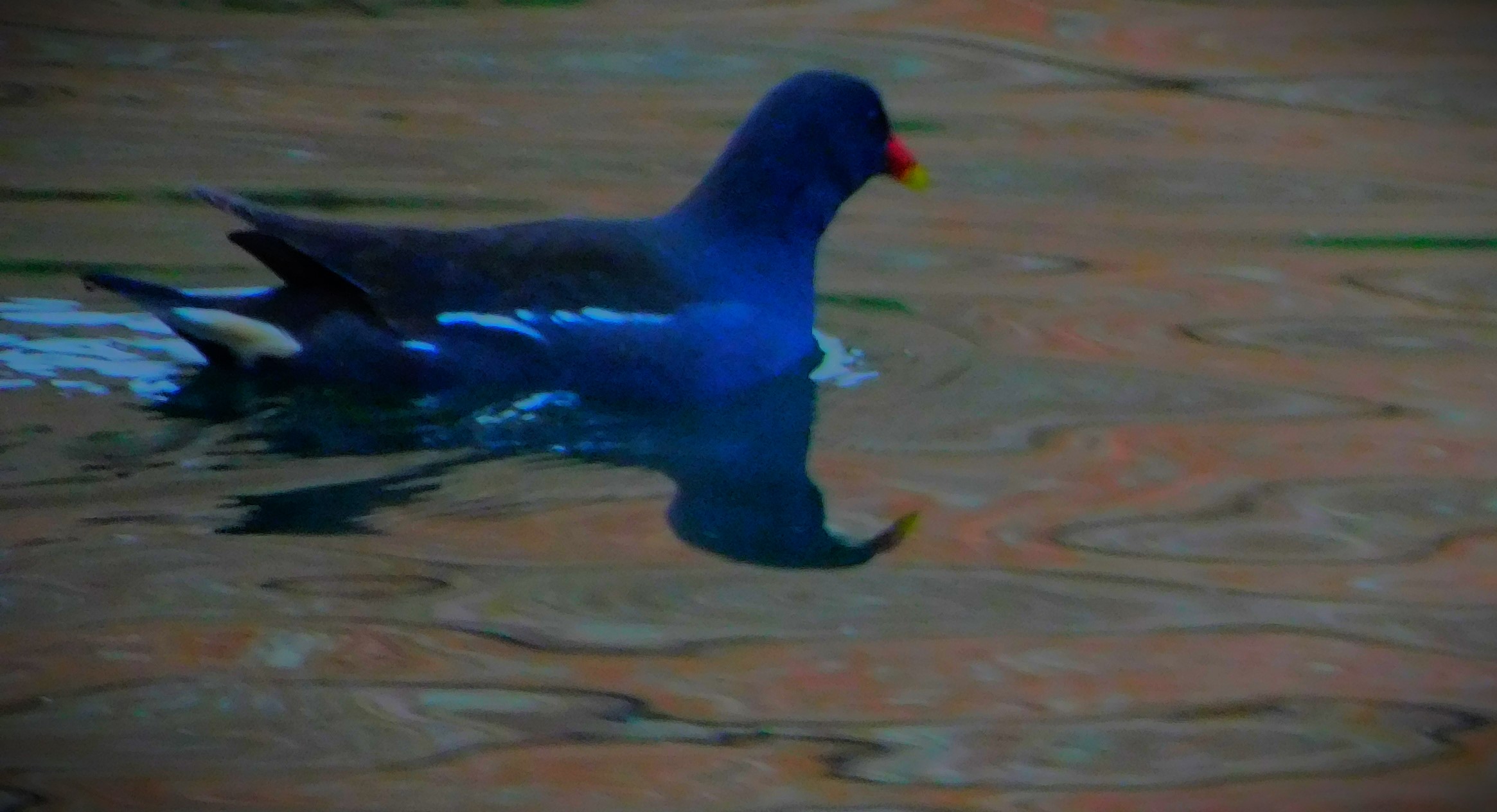
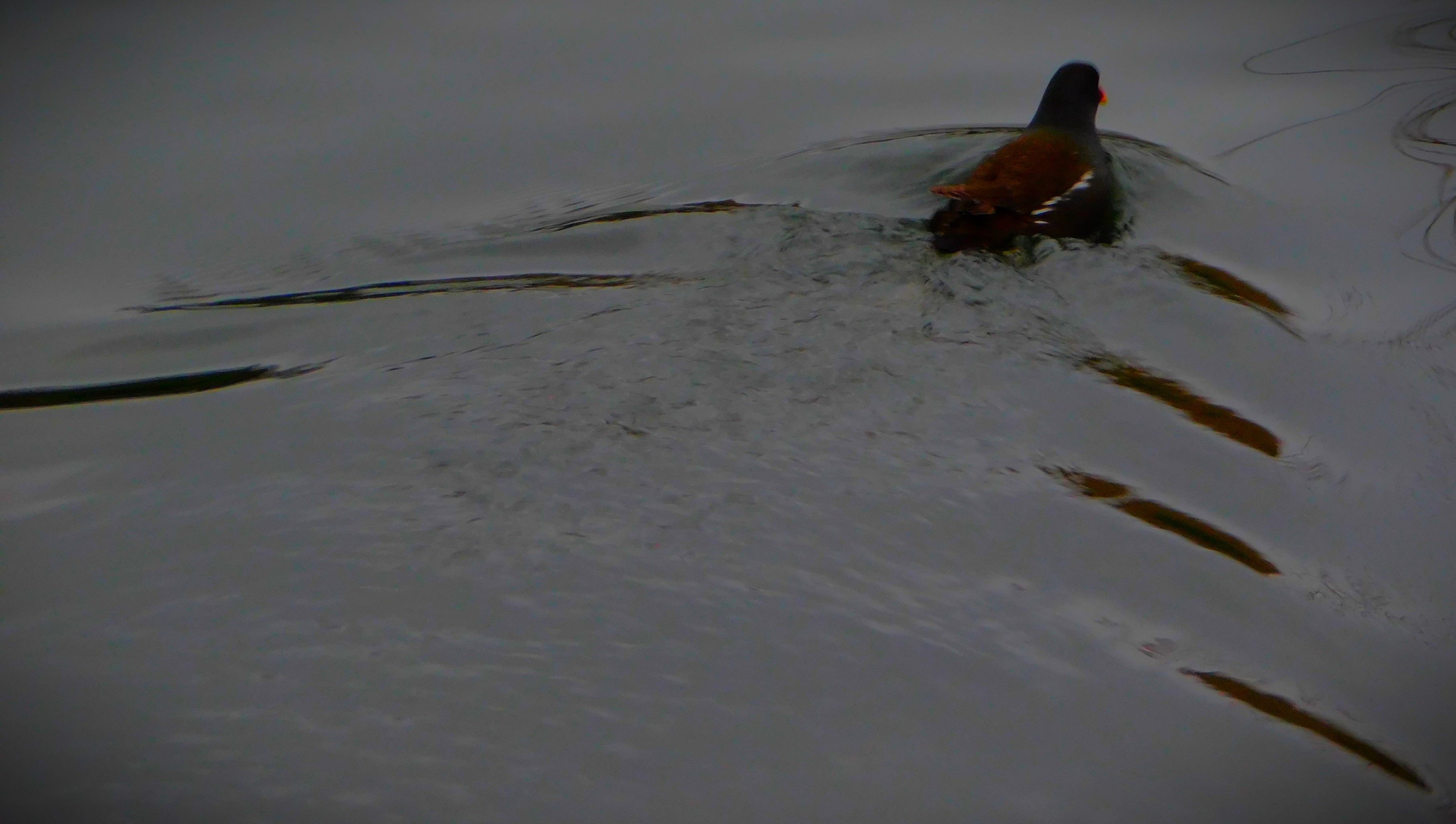
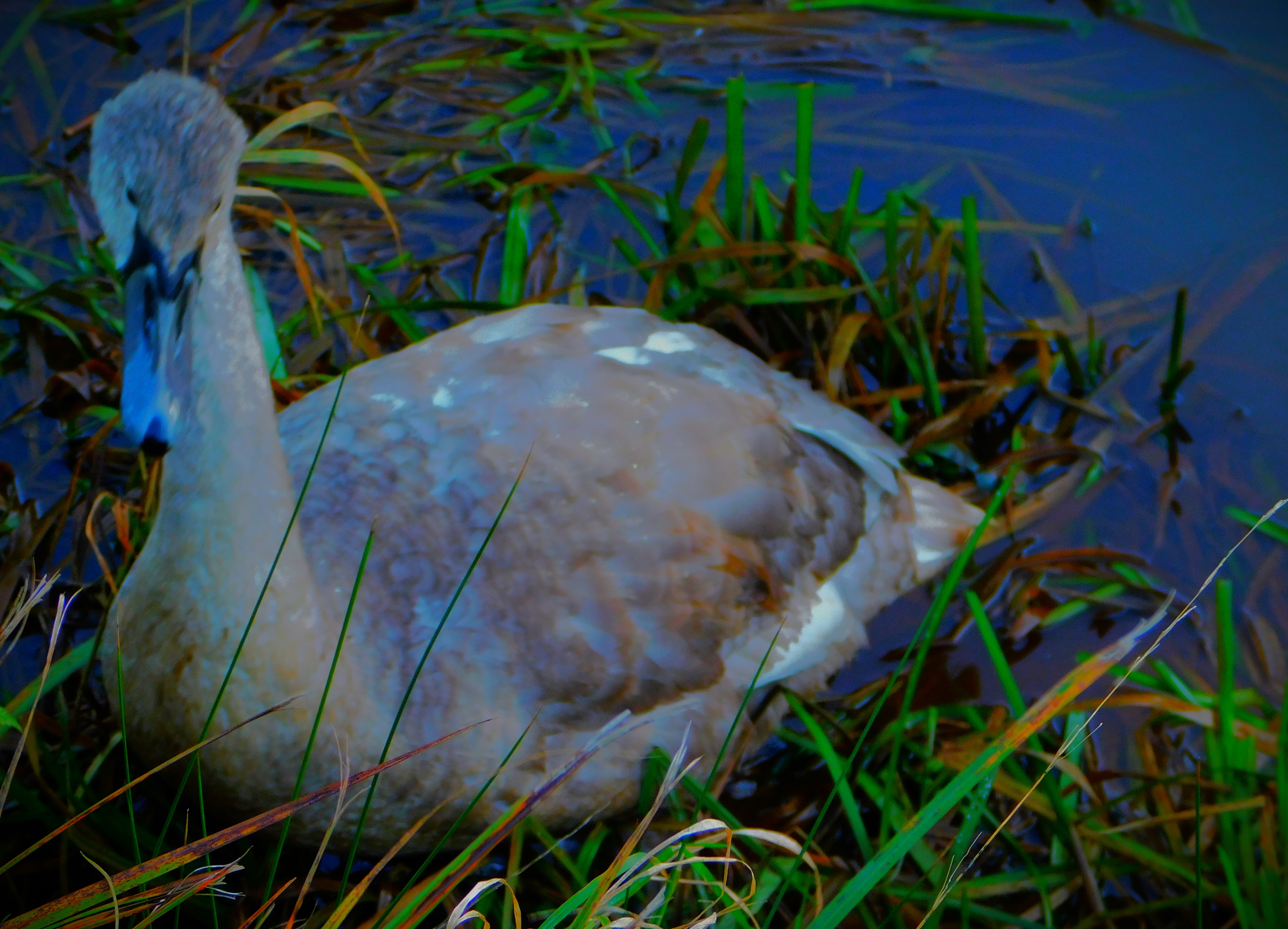
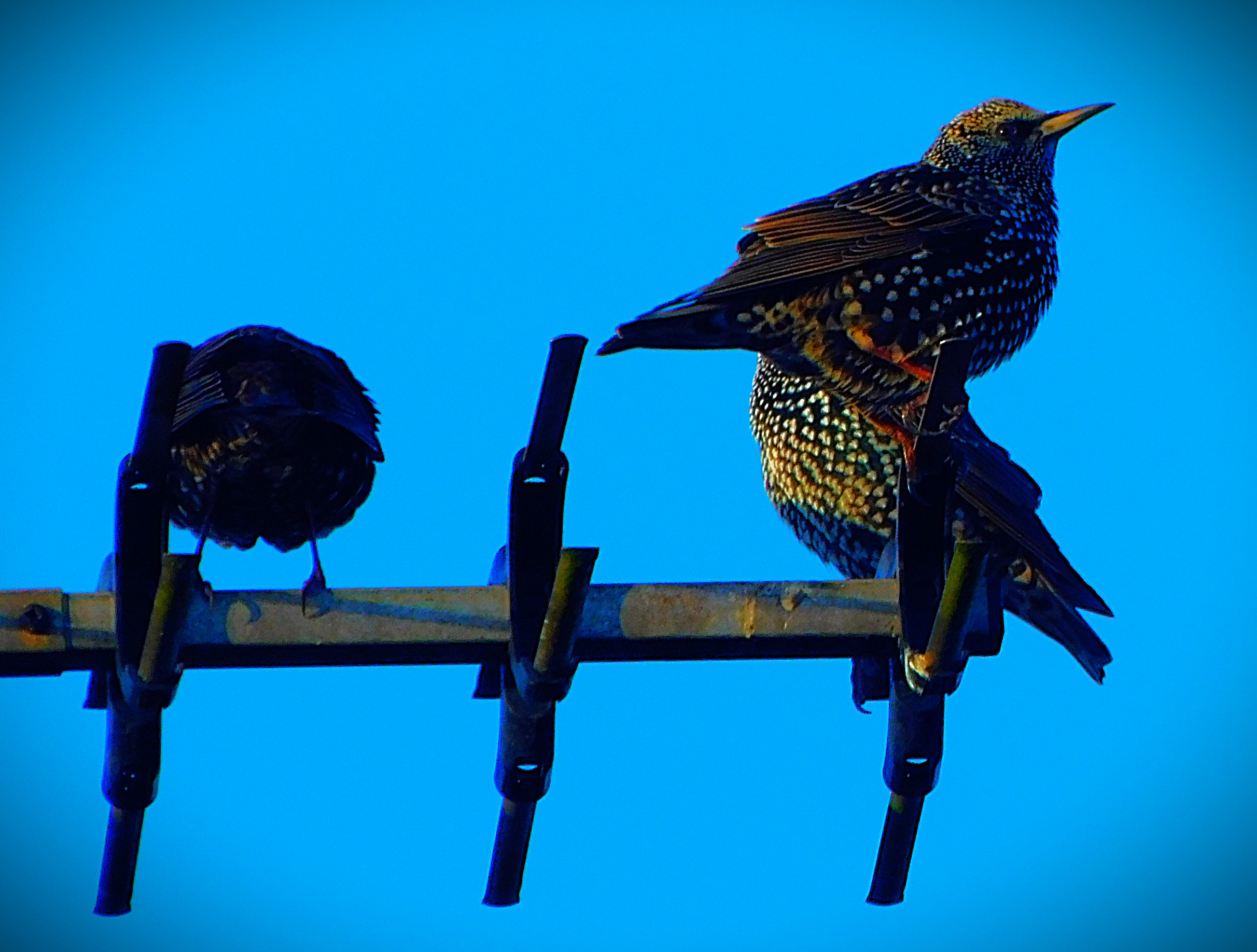
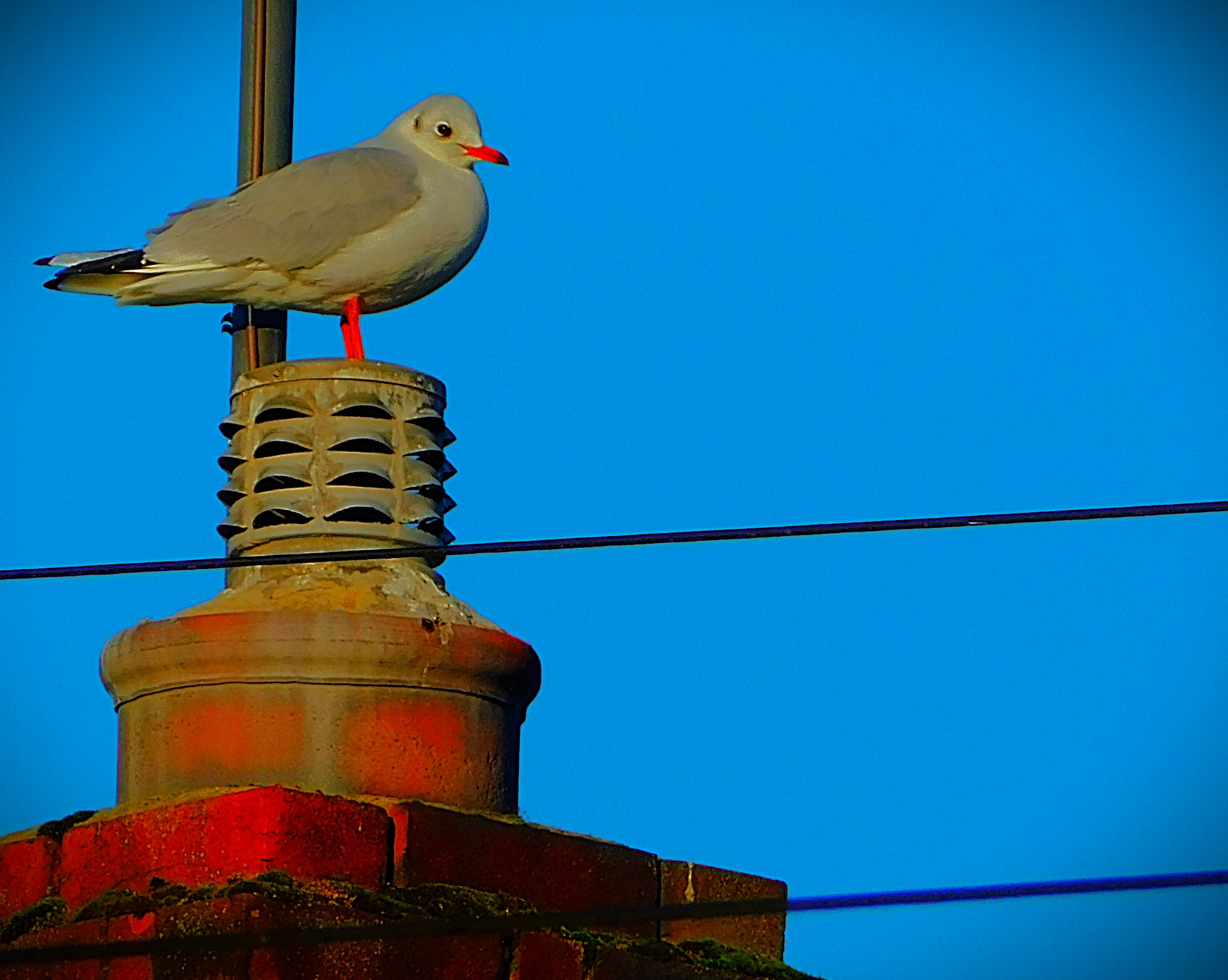
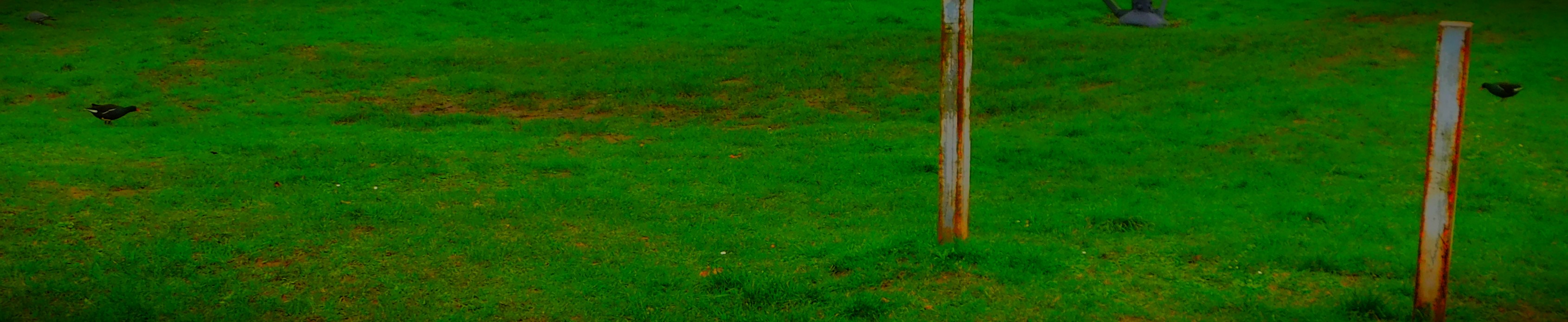
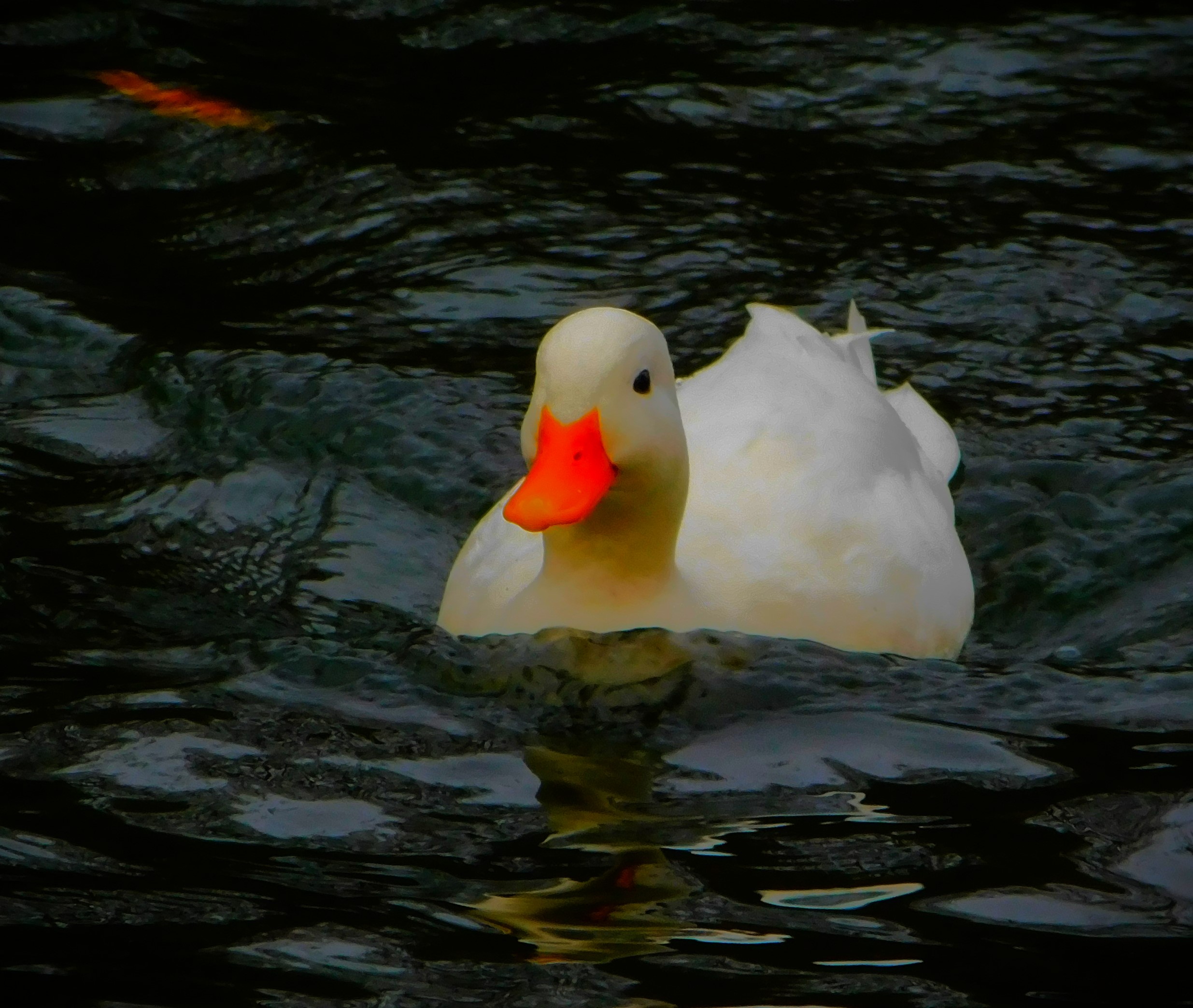
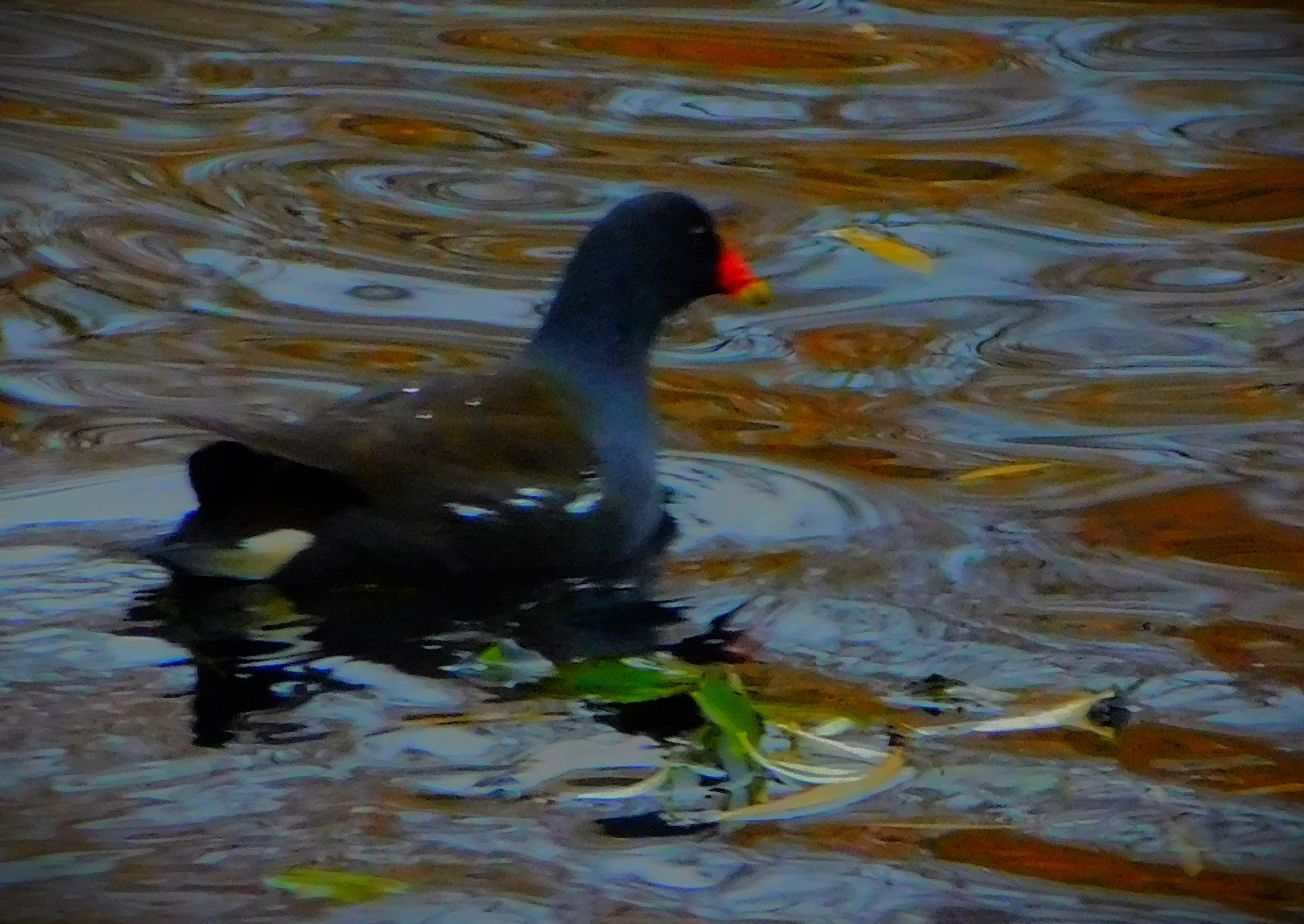
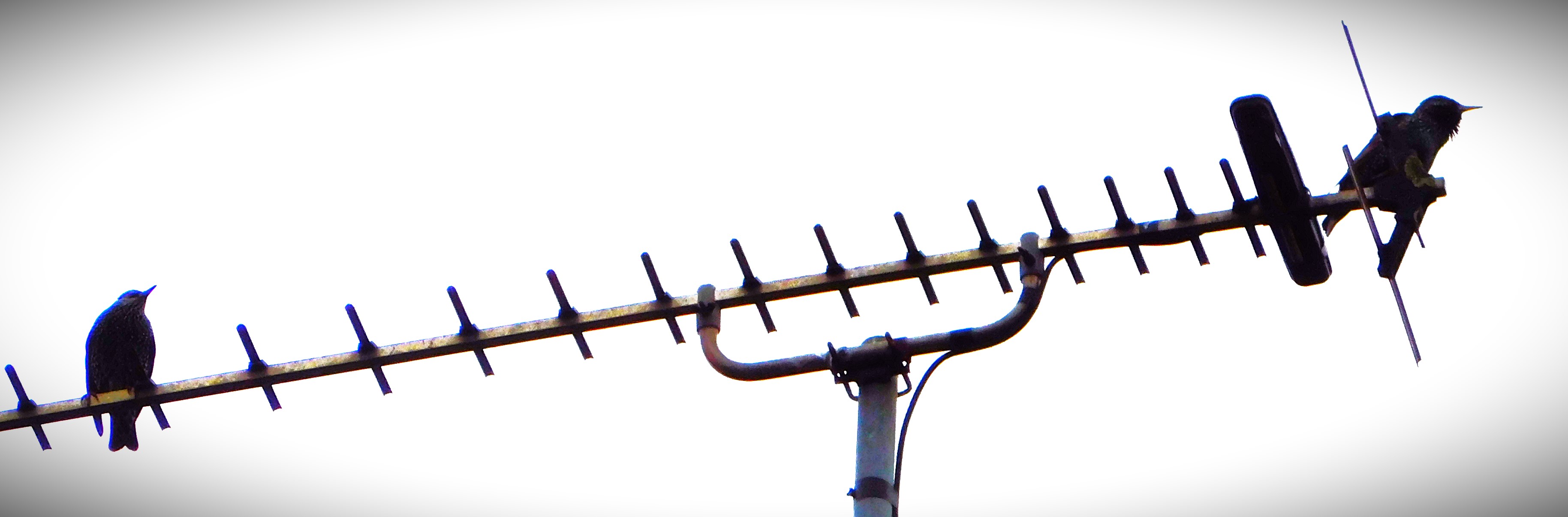
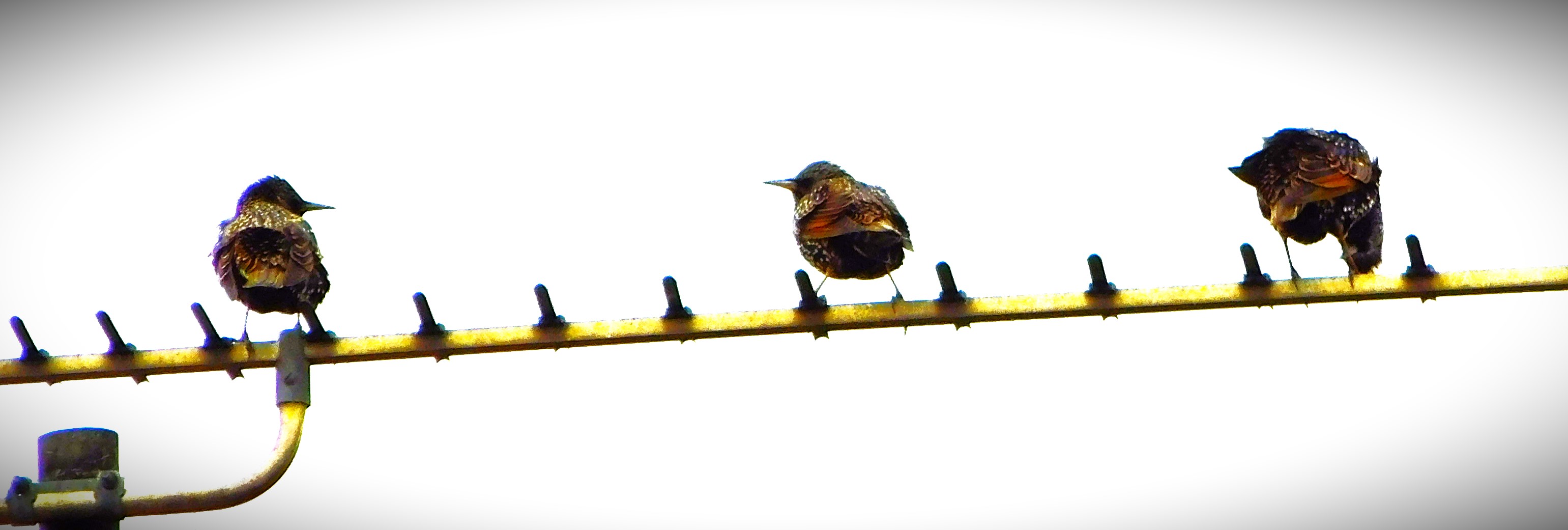
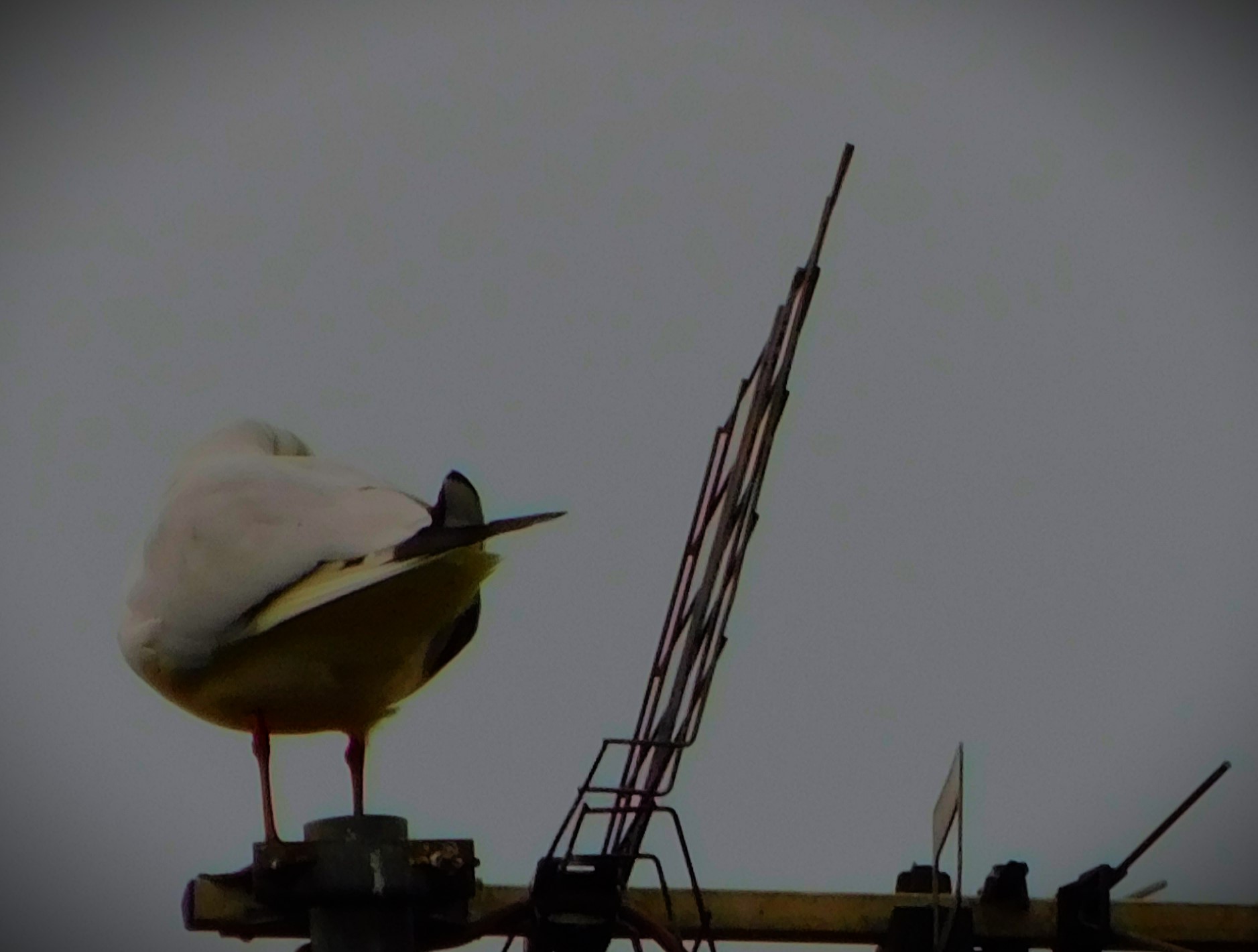
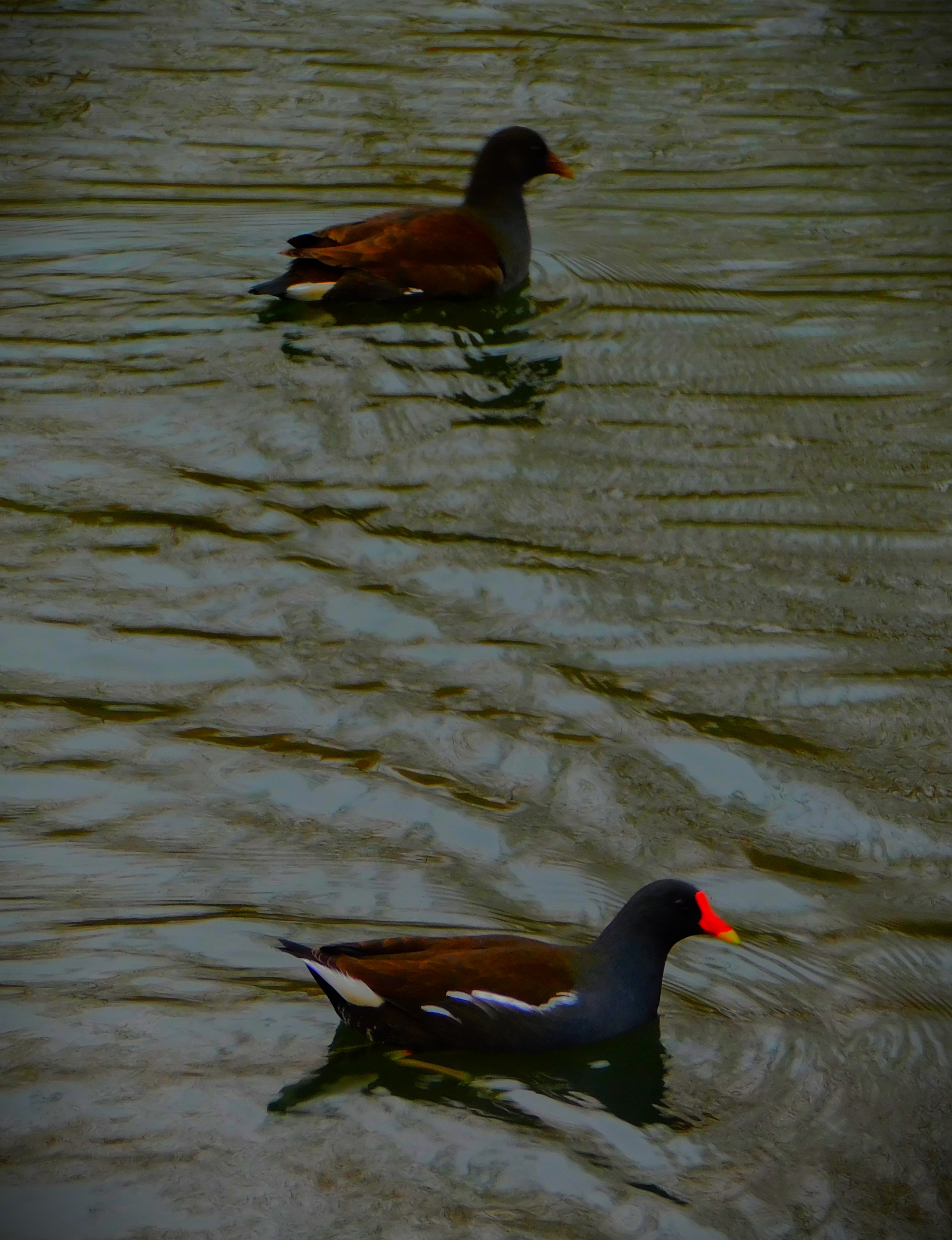
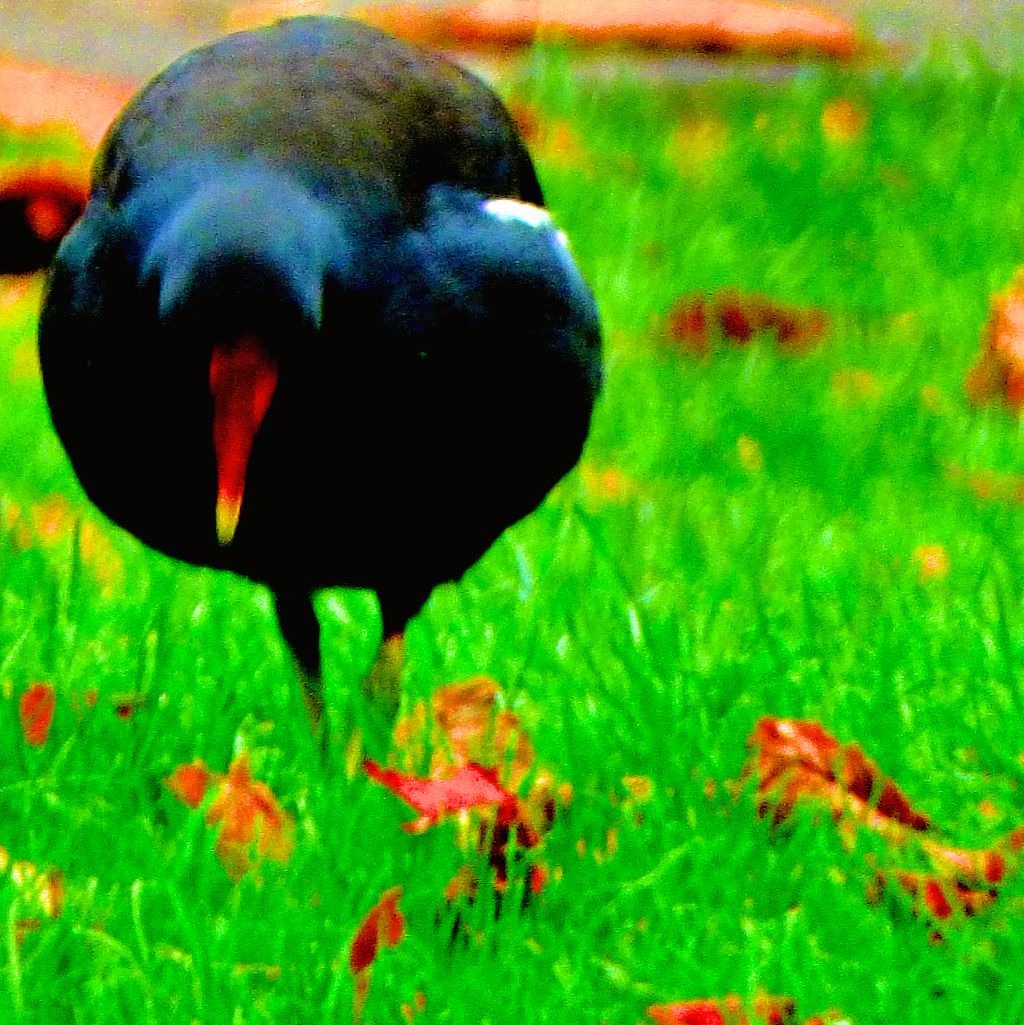
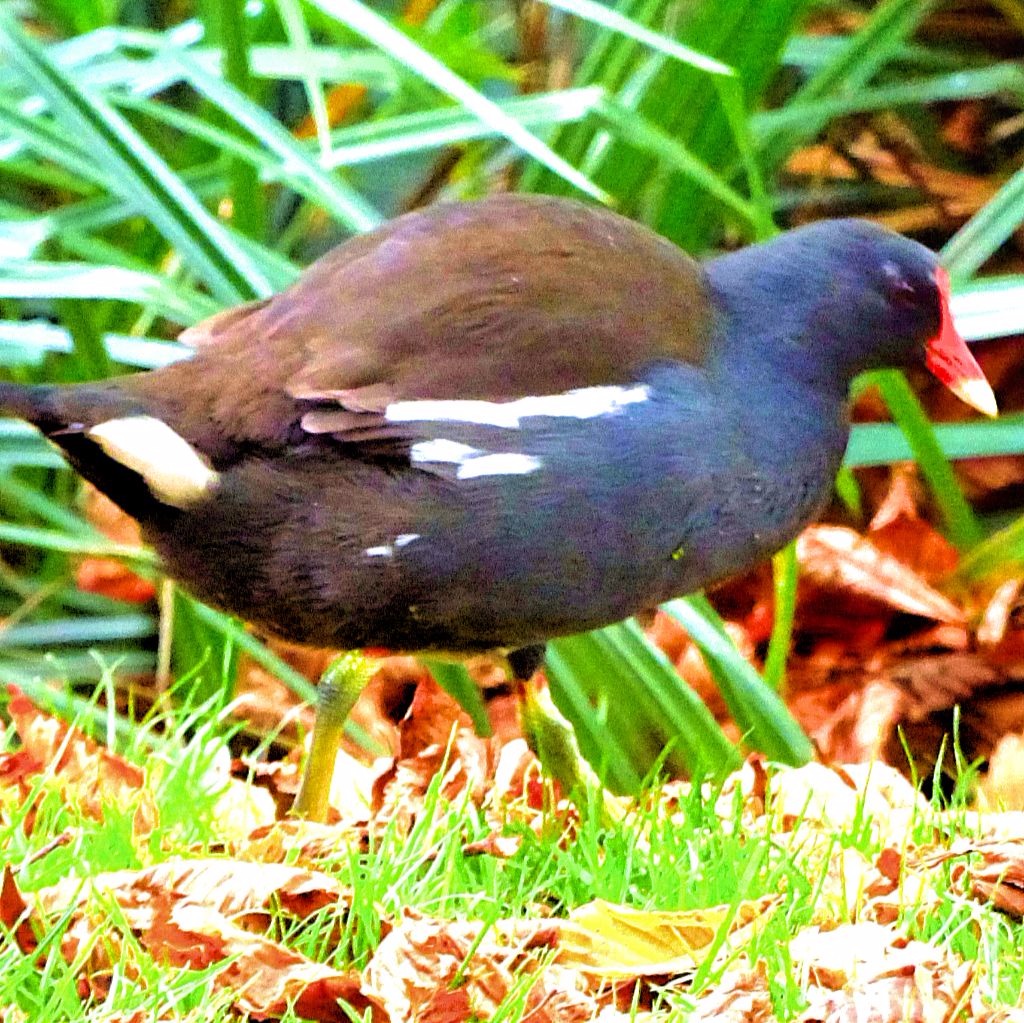
Cormorants 1Cormorants 2Cormorants 3Cormorants 4Cormorants 5BirdsCormorants and churchGullsFlying birdsFlying birdCormorants 6Cormorants 7LBBpreparing for Ashes duty!Flying ducksMoorhen 1Moorhen 2

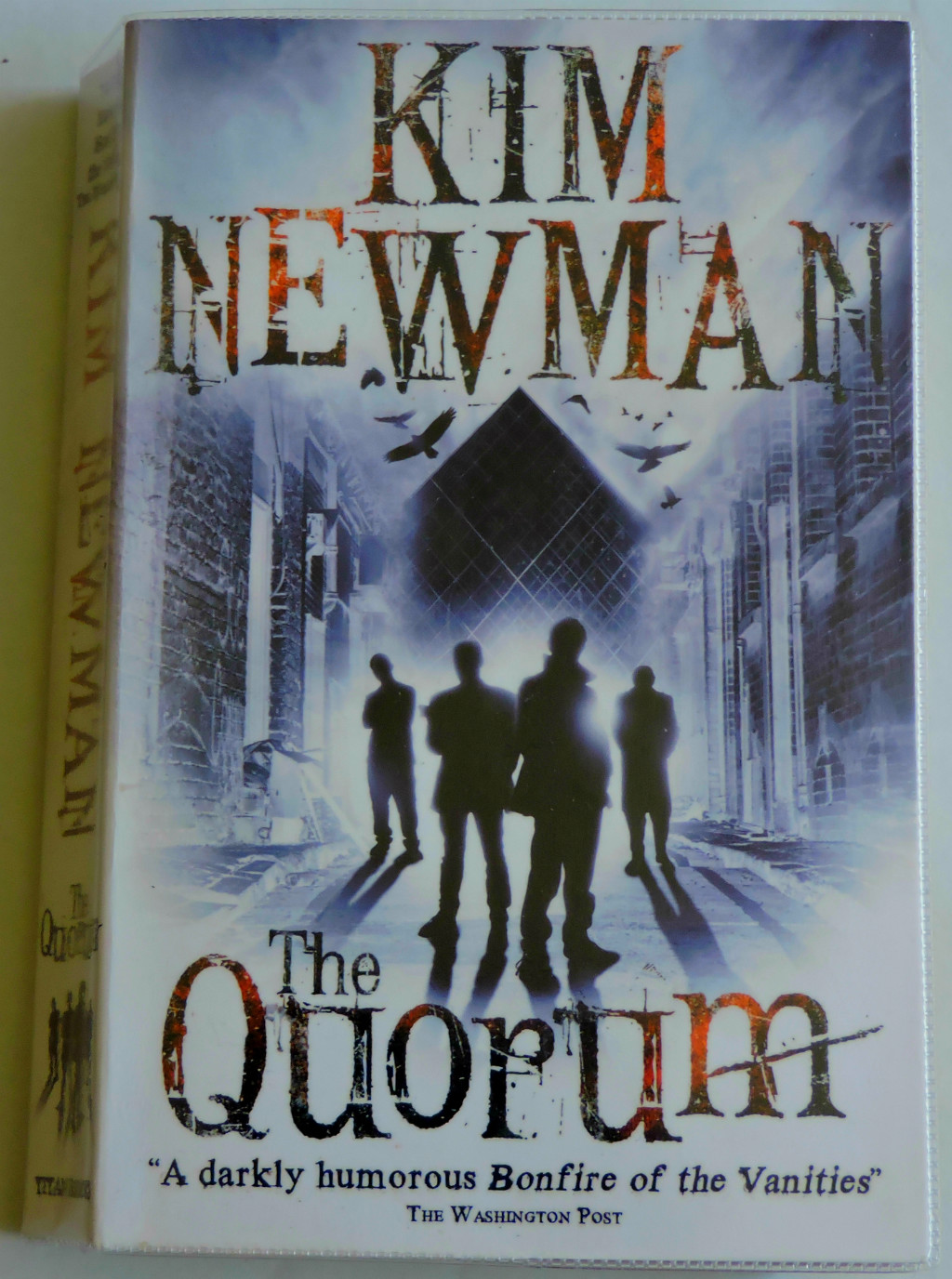
The Quorum: Book Review

A review of Kim Newman’s “The Quorum”.

INTRODUCTION

For this post I am reviewing a book I read recently. When I review books I do so because I consider it worth doing – I gain no pecuniary benefit at all. 

HOW I DISCOVERED KIM NEWMAN

I first came across Kim Newman a couple of years back when I saw a copy of Moriarty: Hound of the D’Urbervilles in Norwich Millennium Library. I enjoyed that book, and the kept the author’s name in mind for future reference. 

HOW I DISCOVERED THE QUORUM

I was in King’s Lynn library on Monday, as I often am when not at work when I saw the book. I checked out the back cover to see if I could glean more about the story, and decided it was worth borrowing. On Wednesday, with the beginnings of this post already in mind I returned it having read and enjoyed it…

Librarium
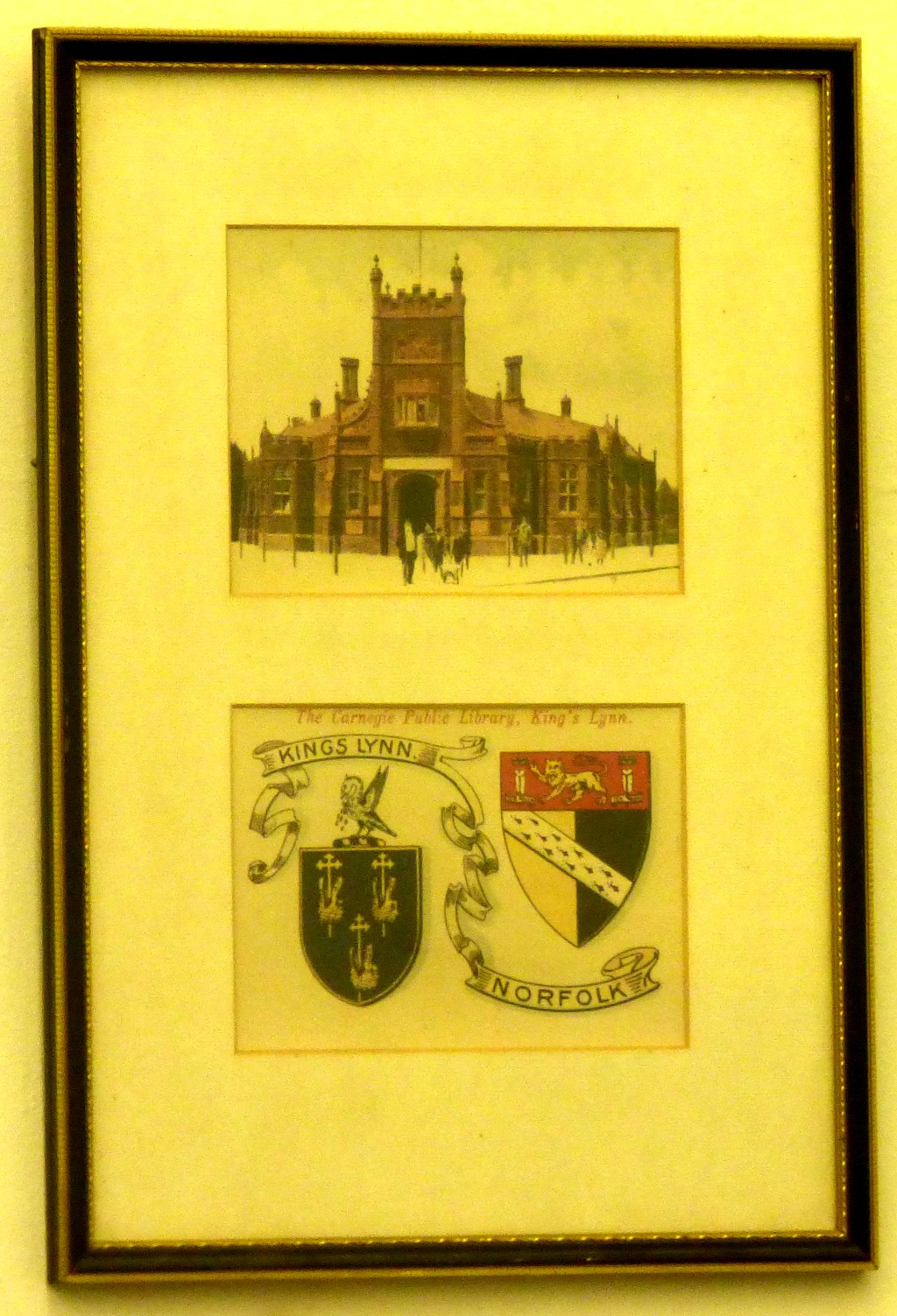
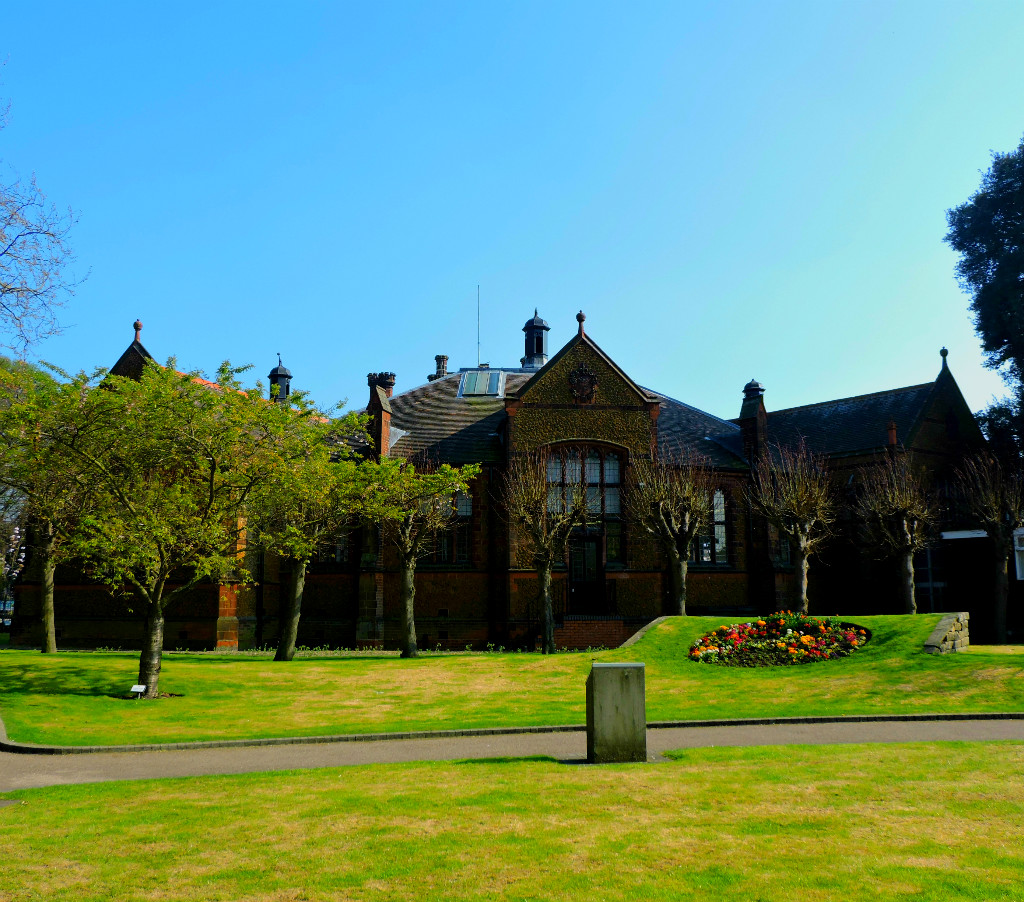
King’s Lynn library, donated to the town by Andrew Carnegie

 THE STORY

The prime mover of the story goes by the name of Derek Leech, and the story starts with him emerging from the muck and slime of the Thames (even today, half a century after Leech’s supposed emergence and after considerable efforts to clean it up the Thames remains fairly slimy and mucky). The other principal characters are four schoolfellows who end up in a situation whereby three of them become very rich and successful courtesy of Leech, but they have to stuff up the life of the other as part of a Faustian deal.

Along the way we are told much about the various ways in which the three who have been granted success. One is a TV presenter and best selling author. In his capacity as an author he names characters after London Underground stations, so we encounter Colin Dale (look near the northern end of the Edgware branch of the Northern line), Ken Sington (South Kensington District, Circle & Piccadilly, High Street Kensington – District & Circle, Kensington Olympia – – District), Mai Da Vale (Maida Vale, Bakerloo line) and Barbi Can (Barbican – Circle, Hammersmith & City, Metropolitan) are all mentioned in the book as names used by Michael Dixon for his characters. Of these names only the first really passes muster. The s in Kensington is pronounced as a z not an s – Ken Ington, losing an N from the name of that Northern line hub station would have been better. Mai Da Vale is a mishmash of a name – a clearly oriental first name and surname with an Italian prefix, in addition to which were Vale a recognised Italian name (I do not believe it is) it would certainly pronounced as Var-lay in that language. Barbi is not usually spelled without the e, and I have yet to come across anyone surnamed Can. However, I credit Newman with selecting these names as a way of indicating just how undeserved Michael Dixon’s best seller status is.


The kicker moment comes late in the plot, after Neil, the ‘loser’ in the bargain finally concedes defeat. It turns out that he as the person whose pain has been feeding Leech’s “device” is far more important than the other three, who having driven him to utter the dread phrase “I give up”, have now ceased to be useful to Leech. 

I enjoyed reading this book and recommend that you read it too. 

KN.jpg

END NOTE: THE LINKS
FROM THE CHARACTER NAMES

All the links in my information about Michel Dixon’s dodgy character names are to posts on my London transport themed website, www.londontu.be. South Kensington has two links because there are two posts about that station, written at different times. 


Booking a Trip to Scotland: British Public Transport Daftness Exposed

A combination of an account of the booking of train tickets for a trip to Scotland and an expose of the sheer craziness of British public transport.

INTRODUCTION

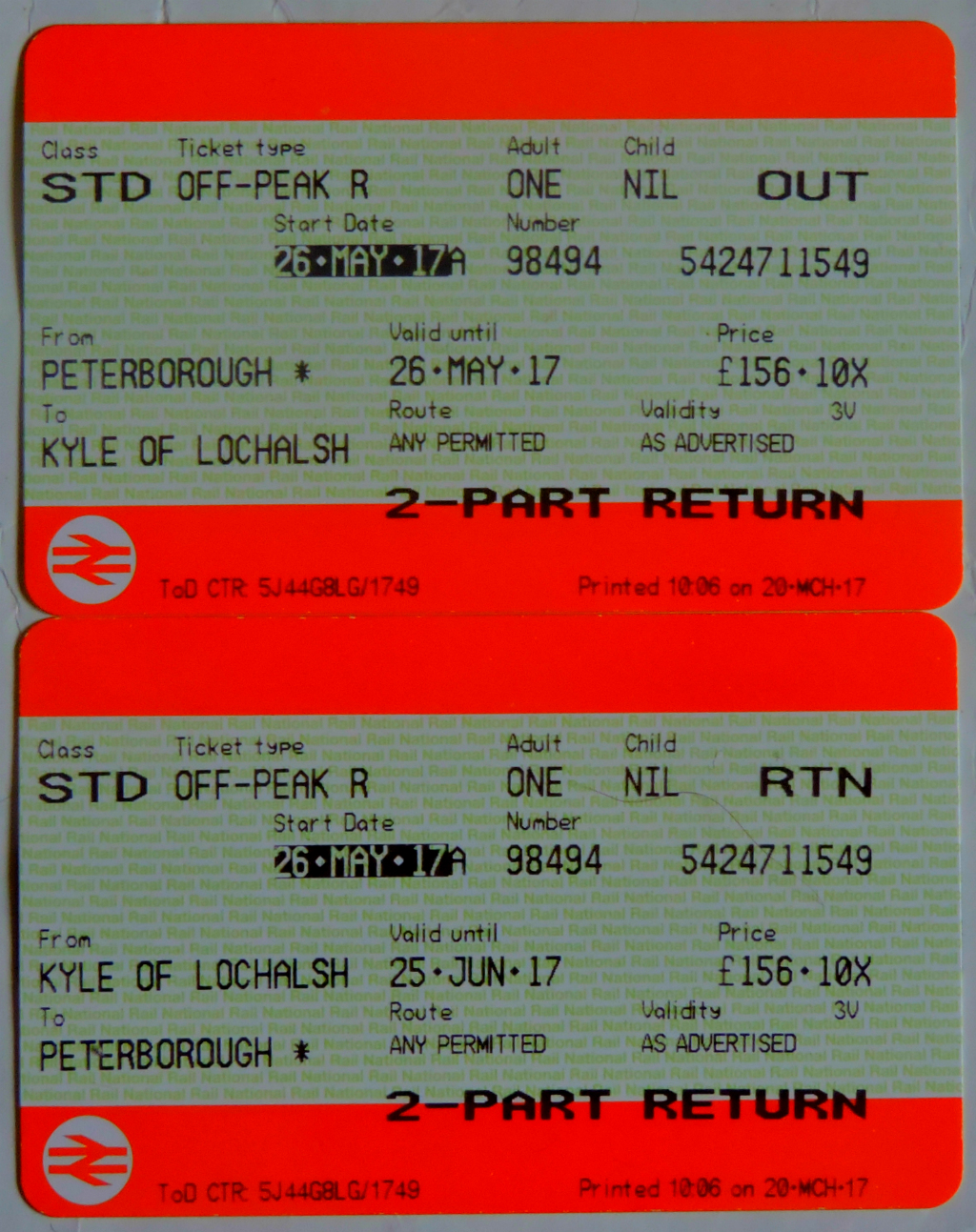
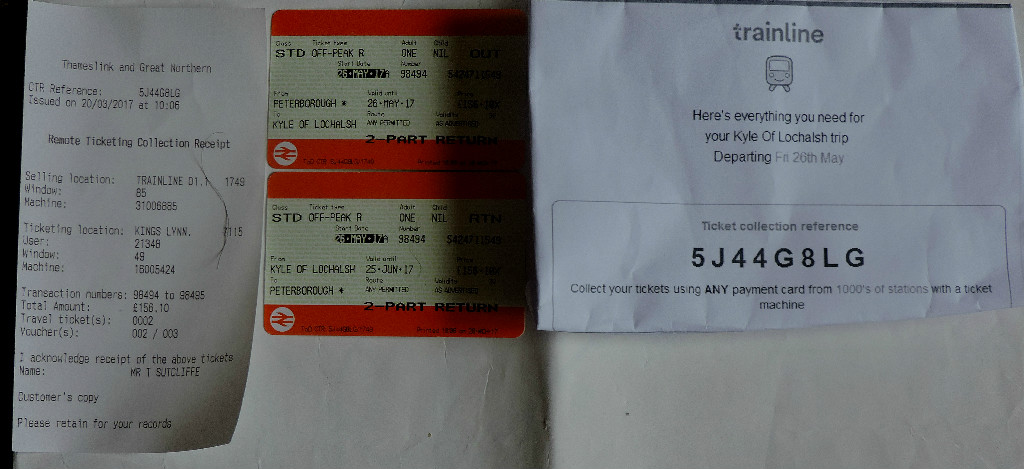
My parents have booked a house near Kyle of Lochalsh for a week which includes my birthday. As a birthday present I have been given the wherewithal to purchase train tickets for the journey, which happens to feature one of the most scenic routes anywhere in Britain. To set the scene for the rest of this post and give you a little test here is a photograph of my railway tickets for the journey:

tickets
Can you see what it is about these tickets that even before I go any further reveals an element of daftness in British Public Transport?

BOOKING THE JOURNEY

Those of you who follow this blog with due care and attention will be aware that for some years I have been resident in King’s Lynn for some years, and had I moved I would certainly have mentioned it here. Why then is the ticket above booked as a return from Peterborough to Kyle of Lochalsh and not from King’s Lynn? 

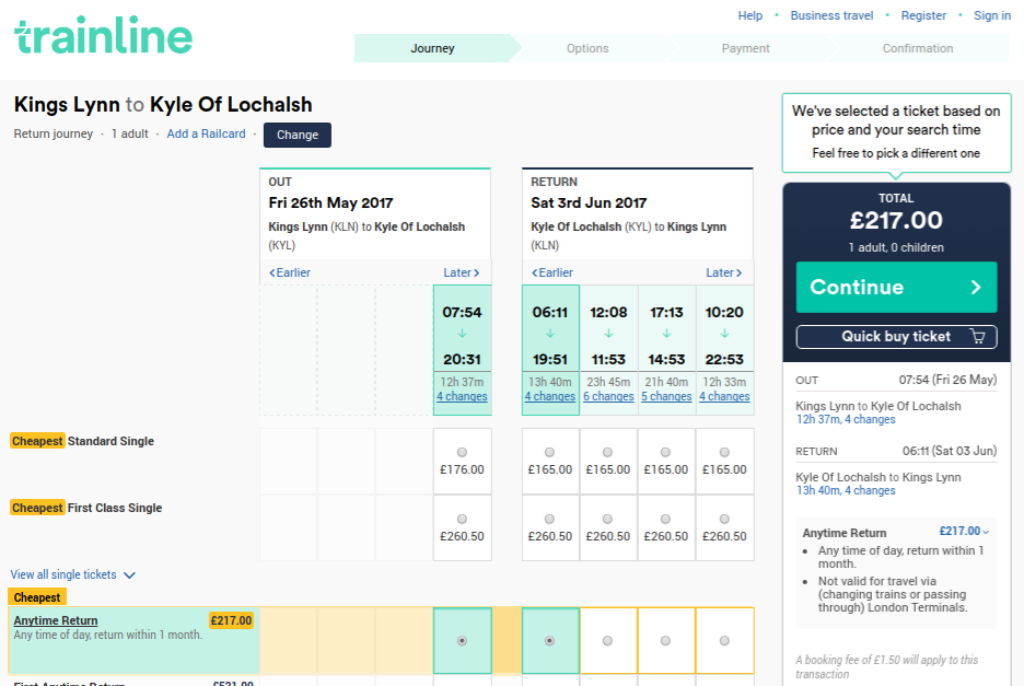
The following screenshots will expose the reason for this and the utter craziness and illogic of pricing on British public transport.

KL-Ky
Note the difference in price between this ticket and the one from Peterborough (almost £60!!)

Peterborugh-Kyle
Given the immense price difference, the booking from Peterborough was bound to leave my up on the transaction (as you will see after these pictures in point of fact to the tune of some £50)

Outbound
My outbound journey.

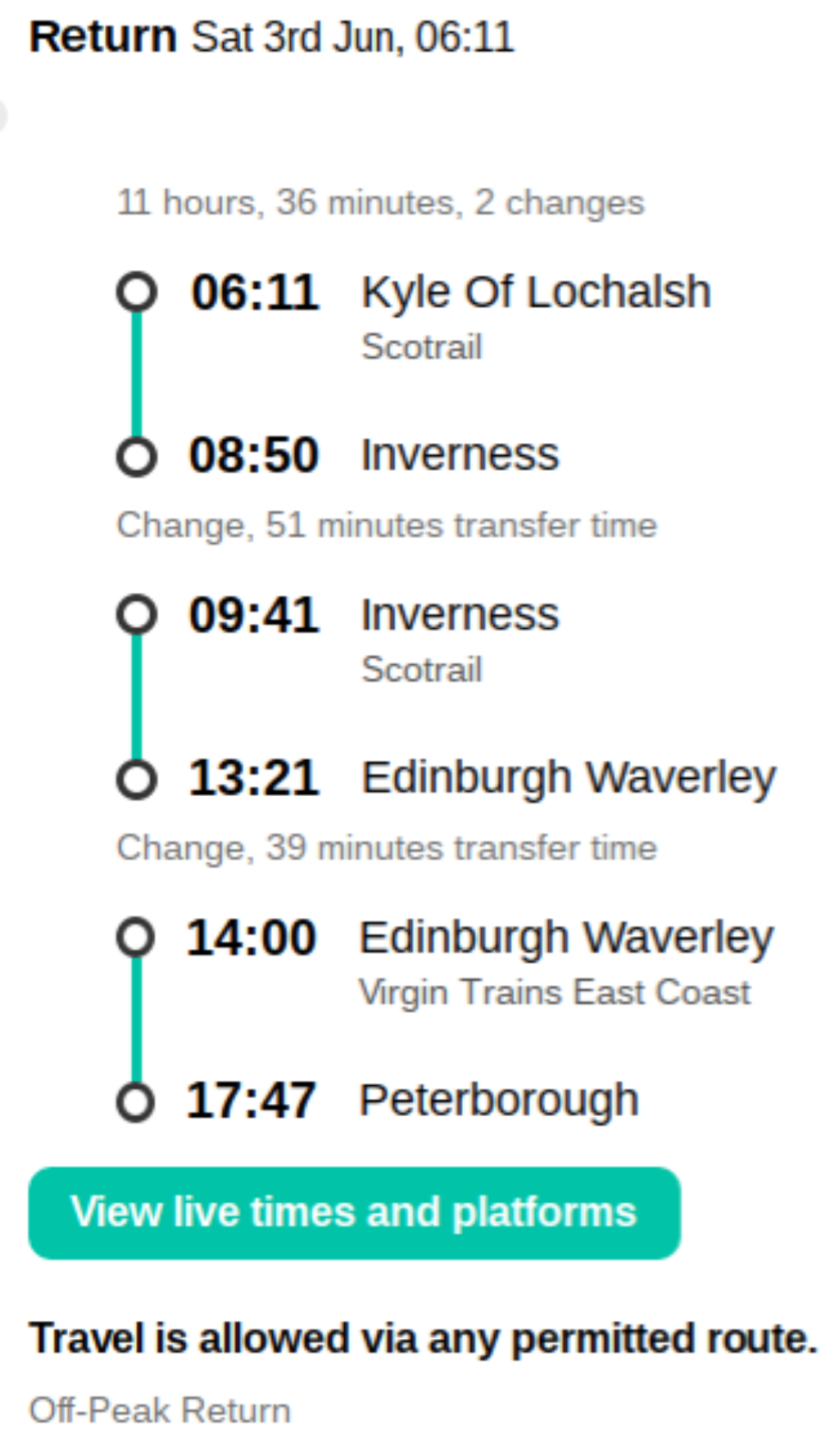
return
The suggested return journey (don;t worry parents, I can also get back leaving on the later train from Kyle, at 12:08 and arriving home around about midnight)

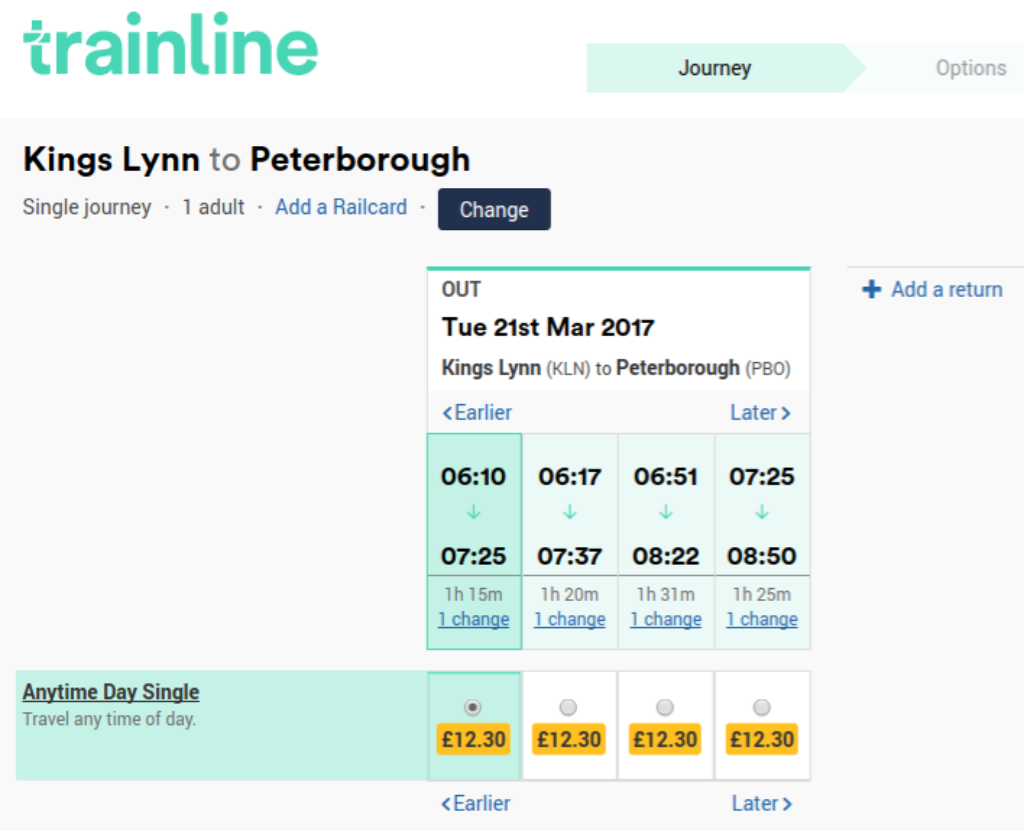
KL - Peterborough
Even were I to rely on train for the King’s Lynn to Peterborough and back section of the journey two anytime day singles (the max I would have had to pay), would have set me back a mere £24.60 as opposed to price difference on the all-in-one of almost £60, but….

I will actually be travelling the King’s Lynn – Peterborough and its reverse route on the First Eastern Counties X1 bus, which will set me back £6.40 each way or £12.80 in total, making a saving of approximately £47 as compared to the all-in-one booking from King’s Lynn. 

You might think that having cut through all the BS re fares and booked the tickets the daftness would end there, but you would be wrong…

COLLECTING THE TICKETS

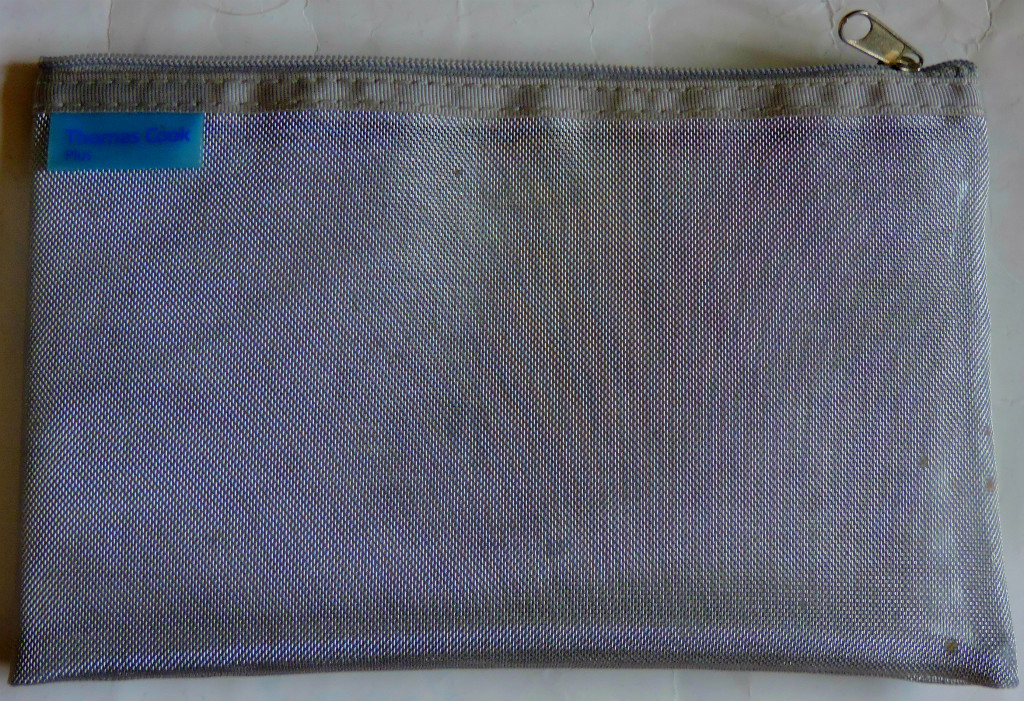
The booking accomplished yesterday evening, this morning I set about collecting the tickets. First, as a precaution since I would be needing to keep them safe for a long while I searched out a receptacle of suitable size, shape and robustness to put them in, locating this pretty swiftly:

ticketholder

Having thus equipped myself it was off to the library to print off some booking information that I was going to need to collect the tickets.

library

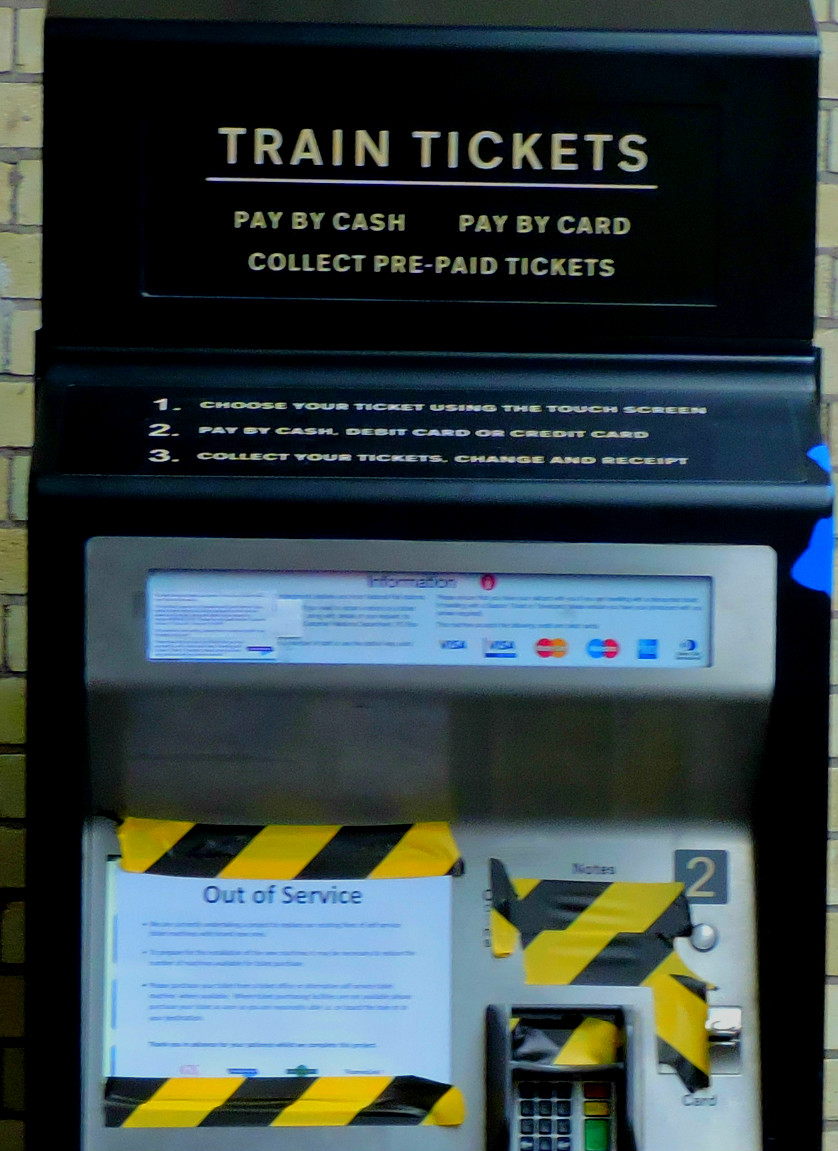
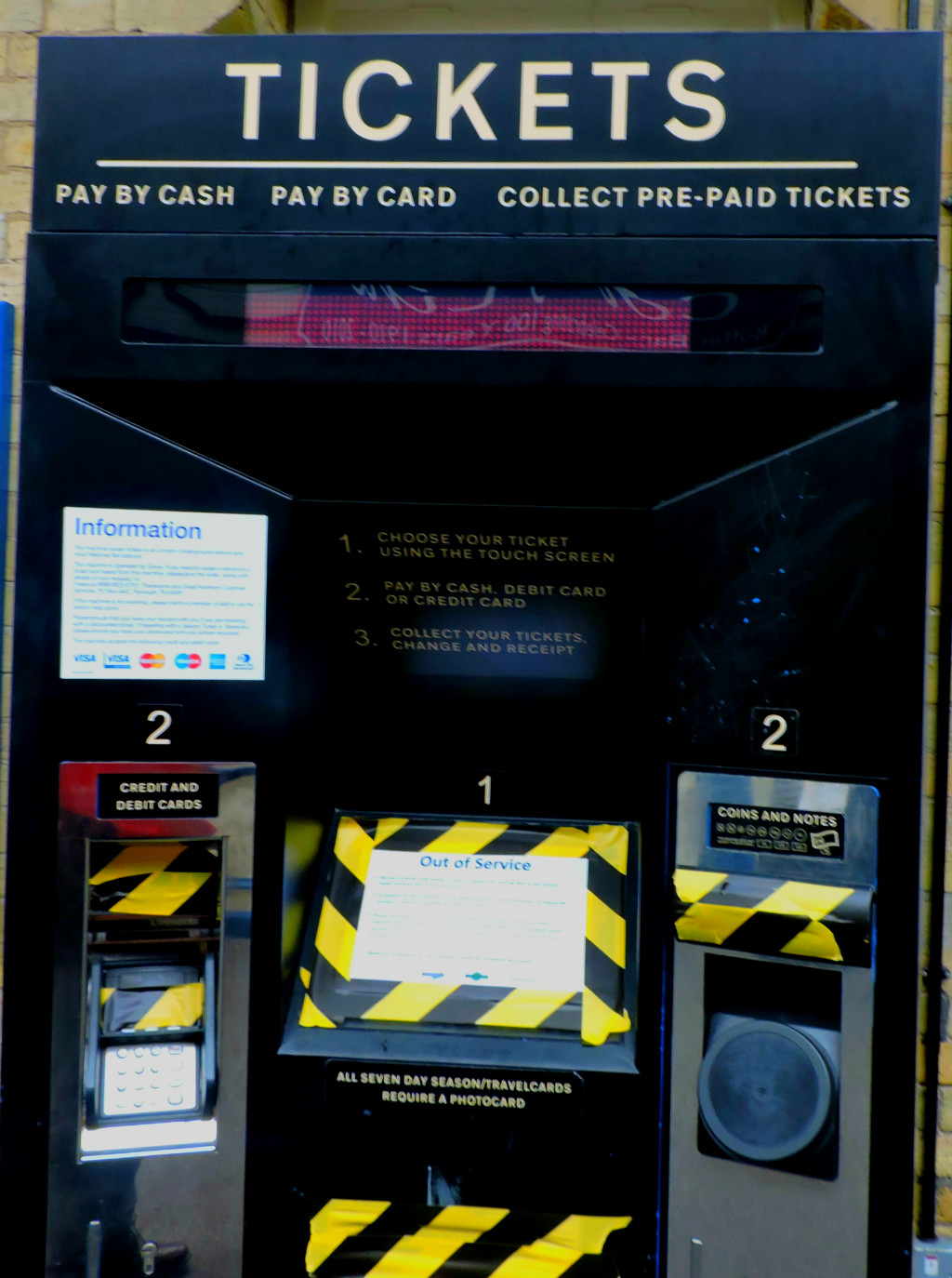
Then with the information printed it was on to the station to pick up the tickets. This is usually done via ticket machines, of which King’s Lynn station has two. Here are pictures of both machines, showing precisely why I could not use them…

DSCN5103machineoo

I fully understand the desirability and indeed the need to replace old ticket machines with new, but why take both out of service simultaneously? Why not take one out of service and keep the other operational until the first new machine is ready, then take the second old machine out of service and replace it, thereby keeping at least one machine operational the whole time?

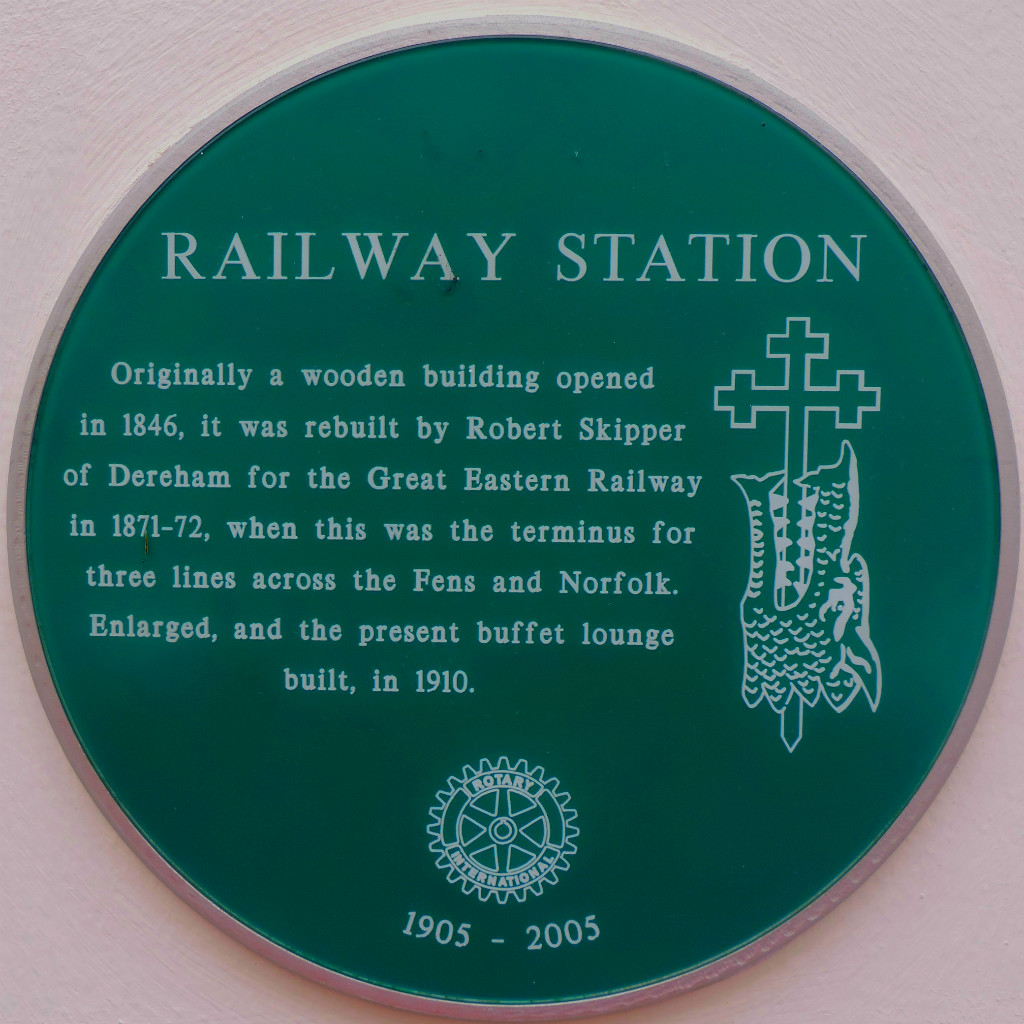
Fortunately, there were staff present, and I was able to get my tickets printed at a ticket office. While waiting I bagged an image of the station plaque:

plaque

Although the process took longer and entailed more frustration than I had anticipated, I have the tickets and other info safely stowed, and am looking forward to my visit to the wilds of northwest Scotland. It will not be my first visit to Kyle of Lochalsh – back in 1993, before the opening of a swanky new toll-bridge and consequent removal of ferry services to maximise said bridge’s profits, I passed through Kyle en route to the Isle of Skye, returning to the mainland by way of the southern ferry crossing to Mallaig. 

I conclude this post with two more photos, one showing all the printed material I have for the journey, and the other ending our journey back where we started (a lot more straightforward in a blog than in a journey on British public transport!)

traveldocstickets