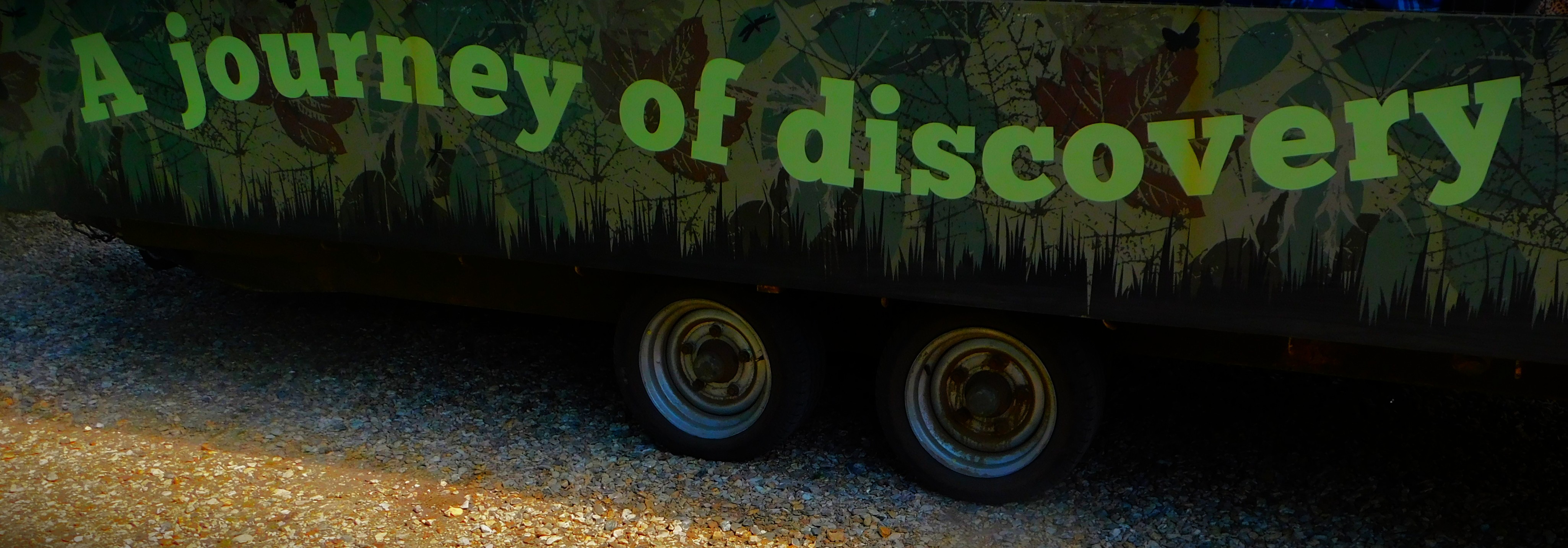
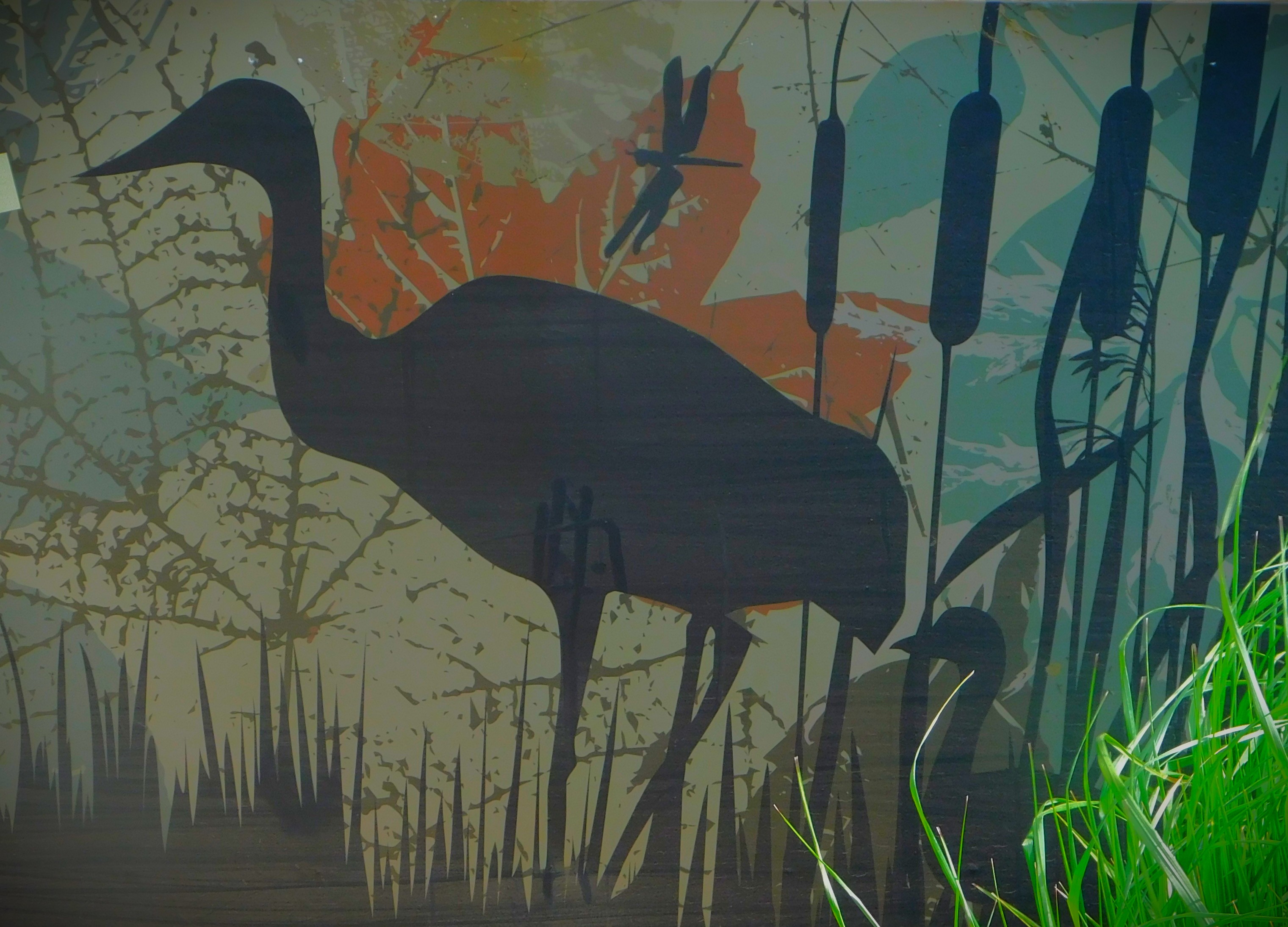
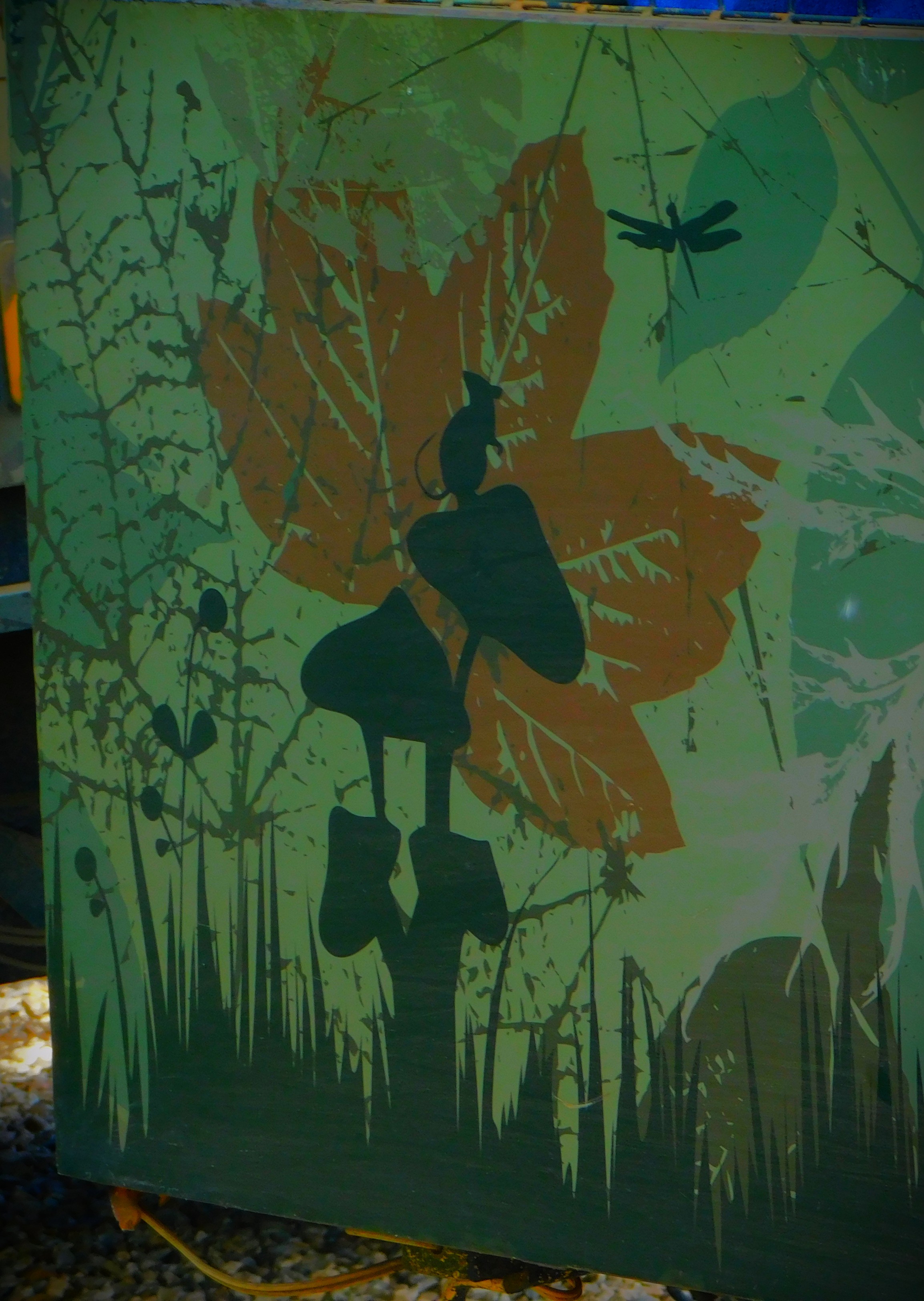
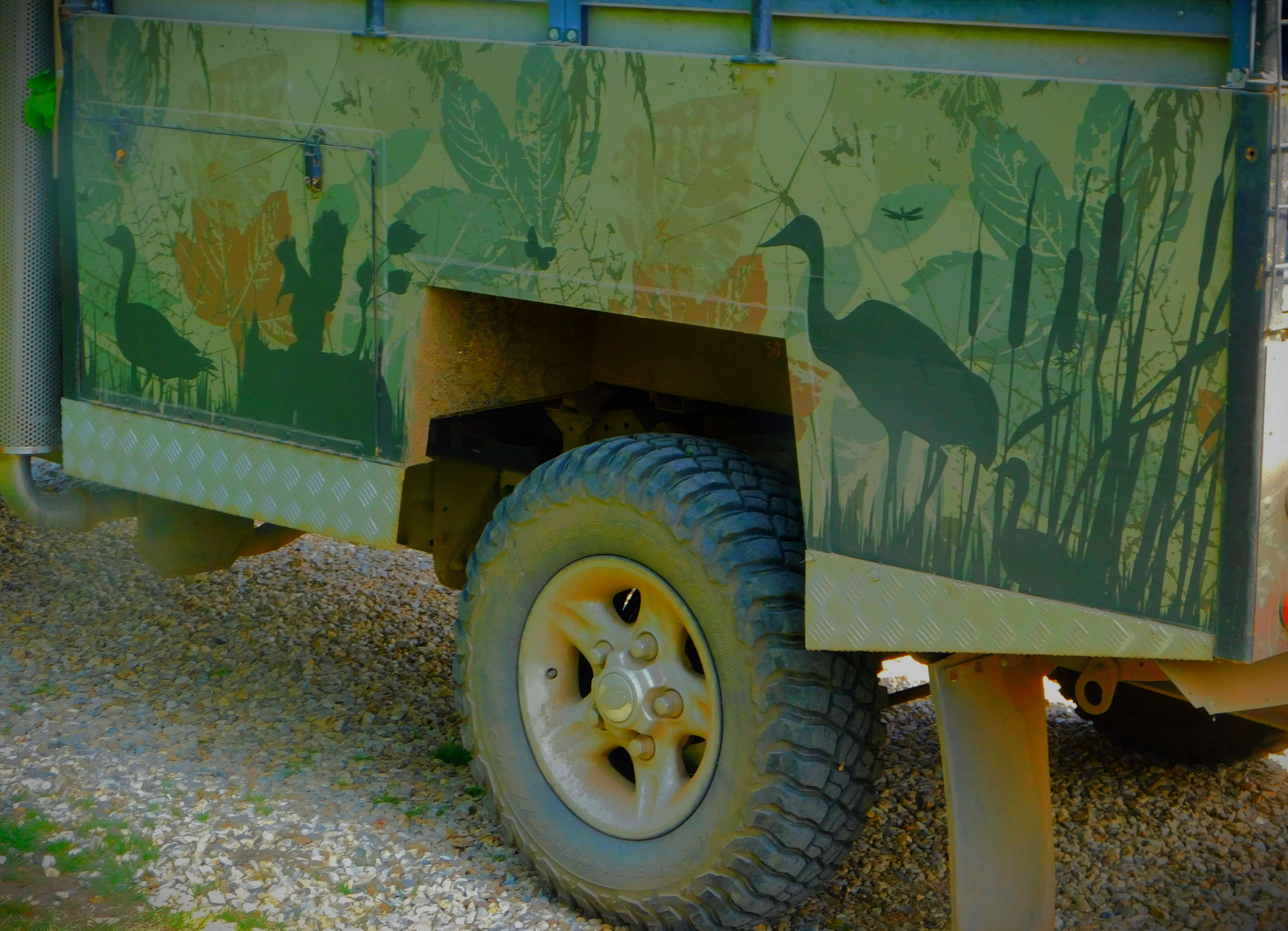
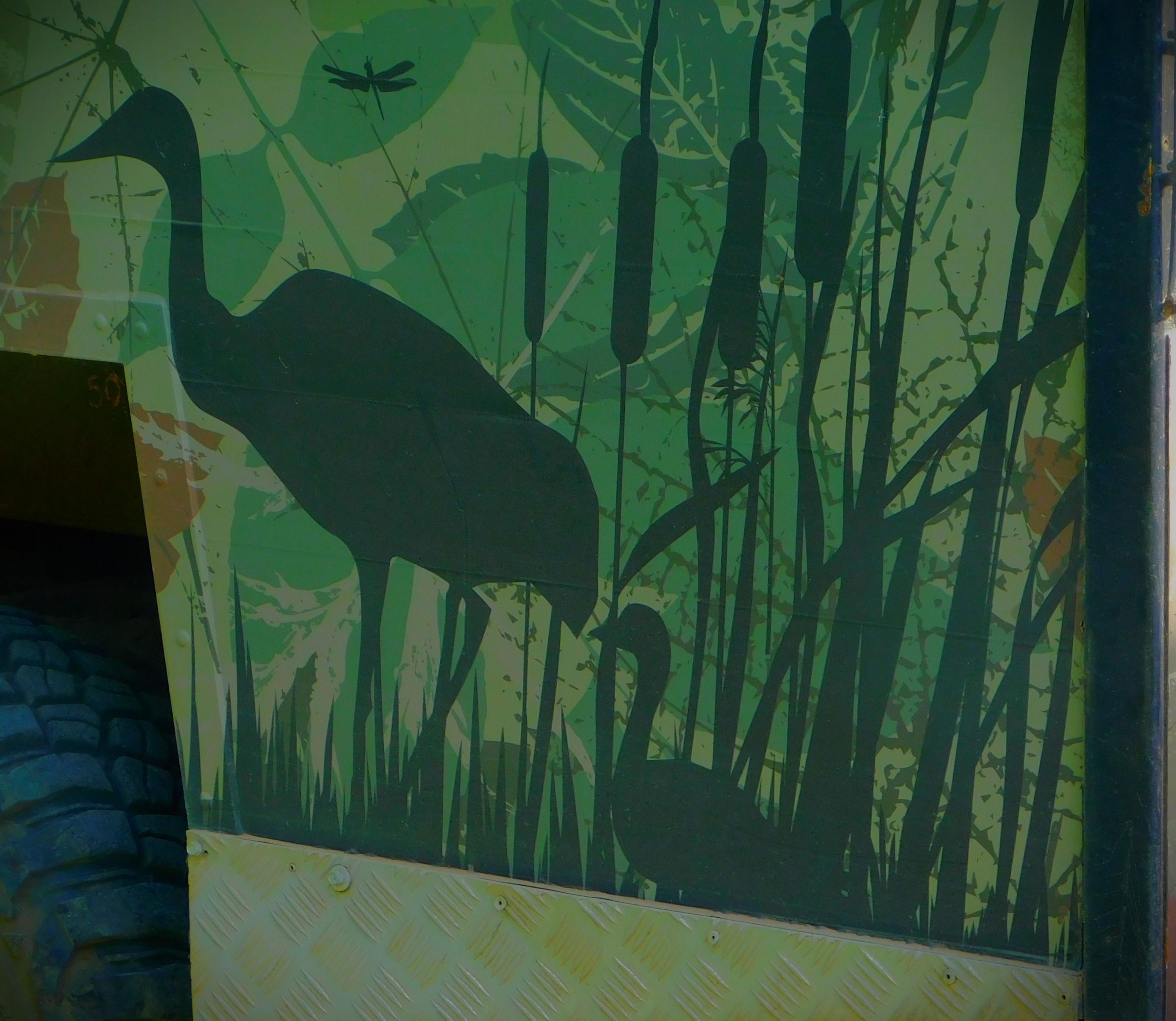
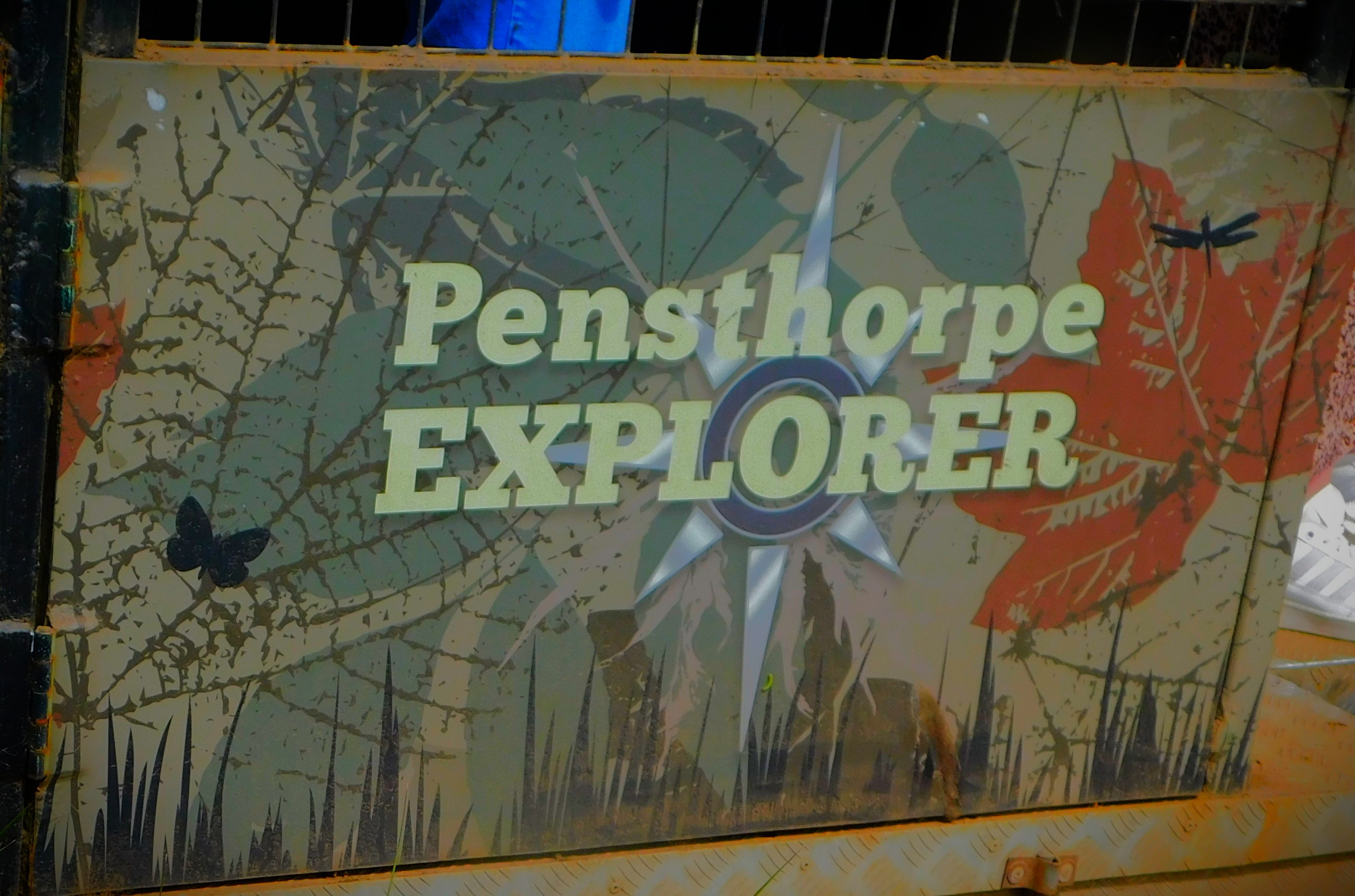
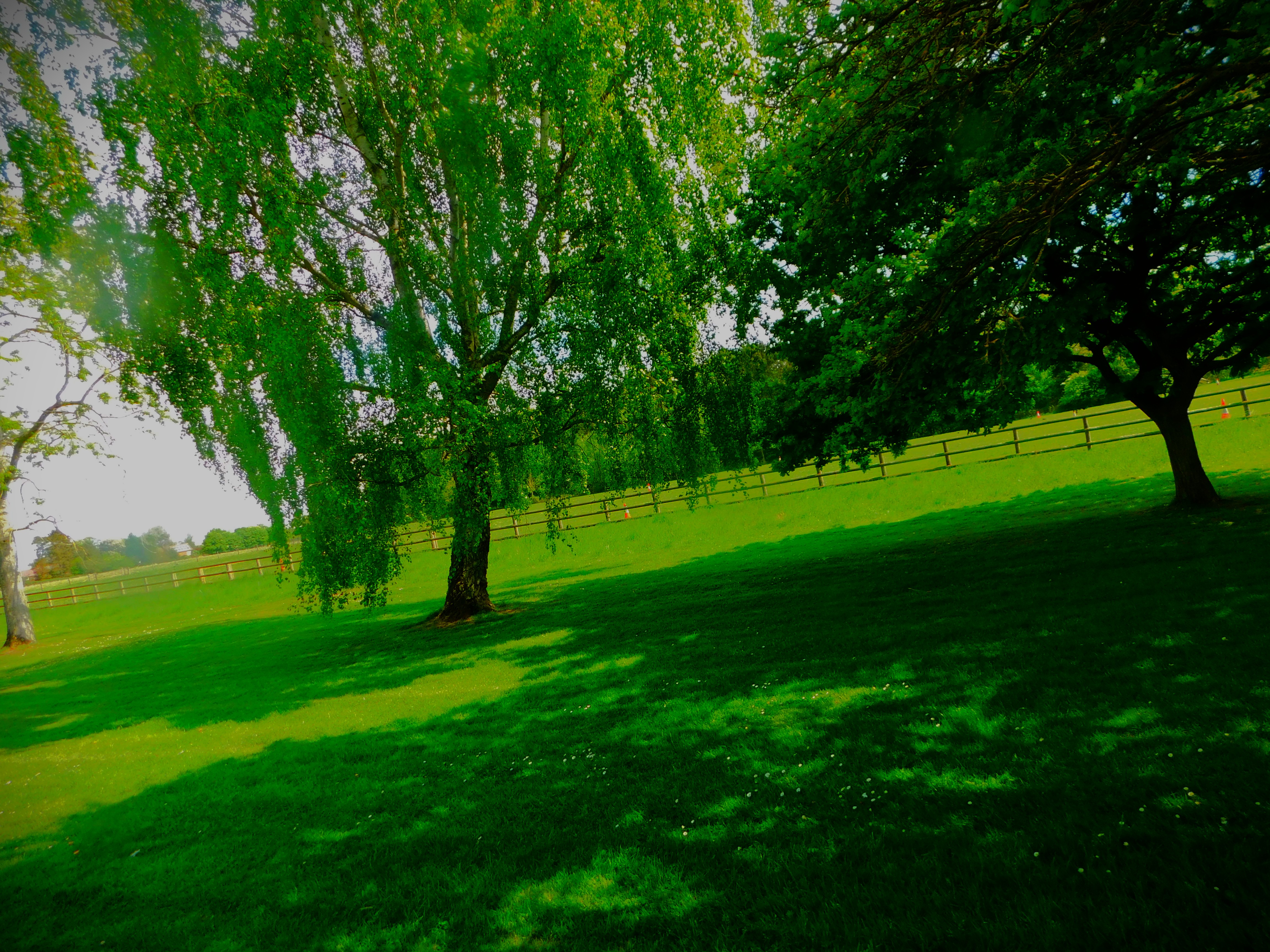
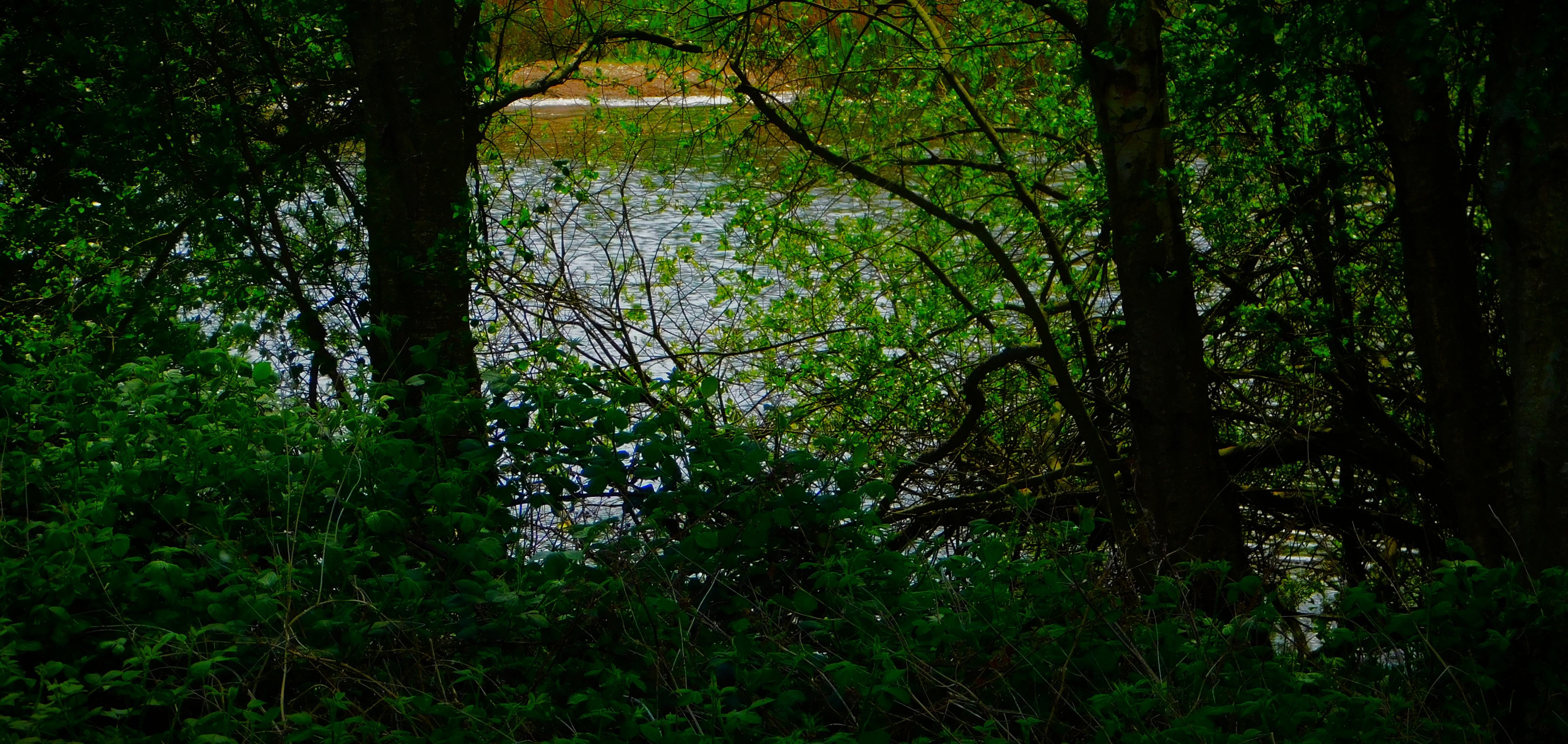
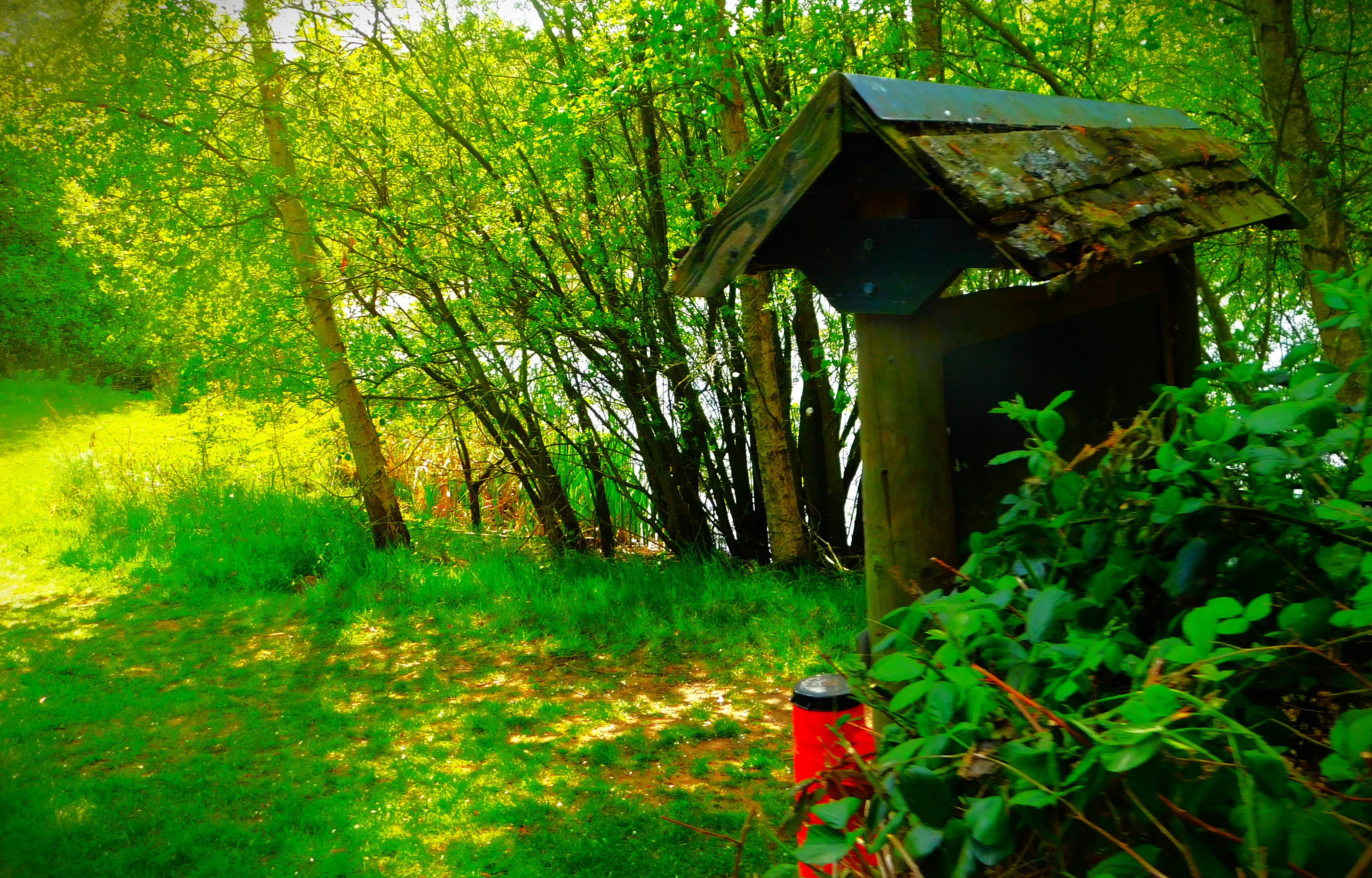
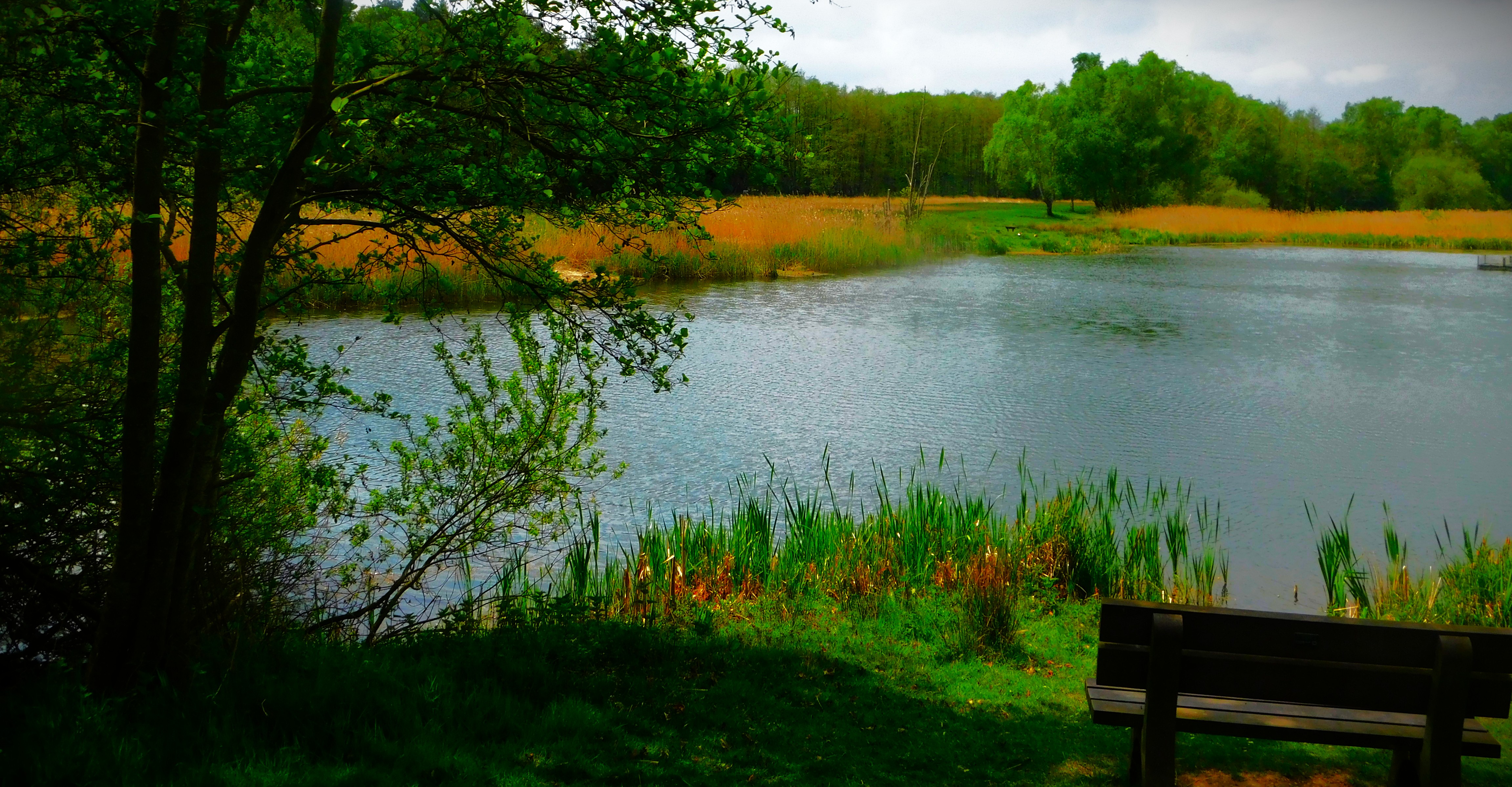
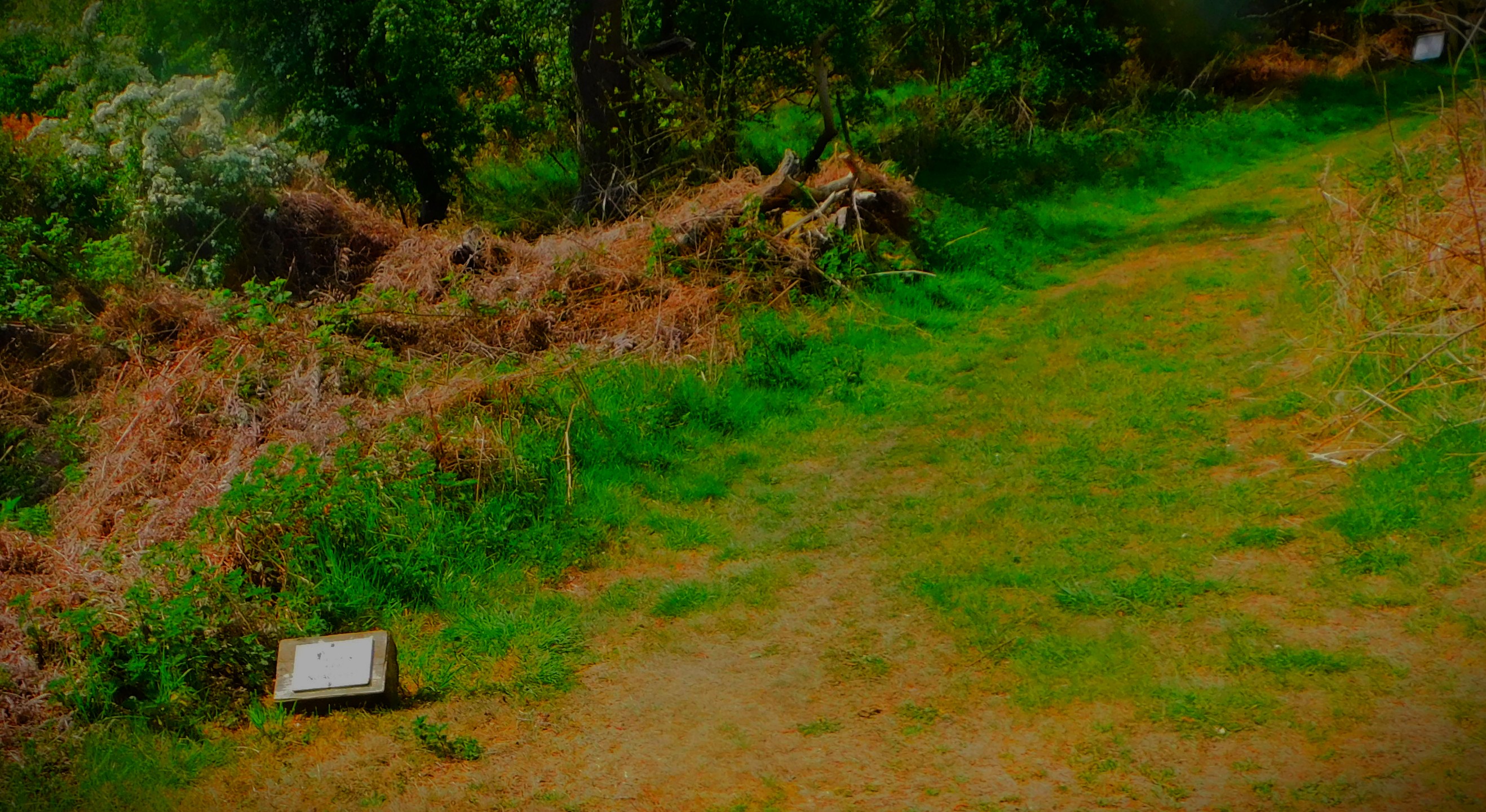
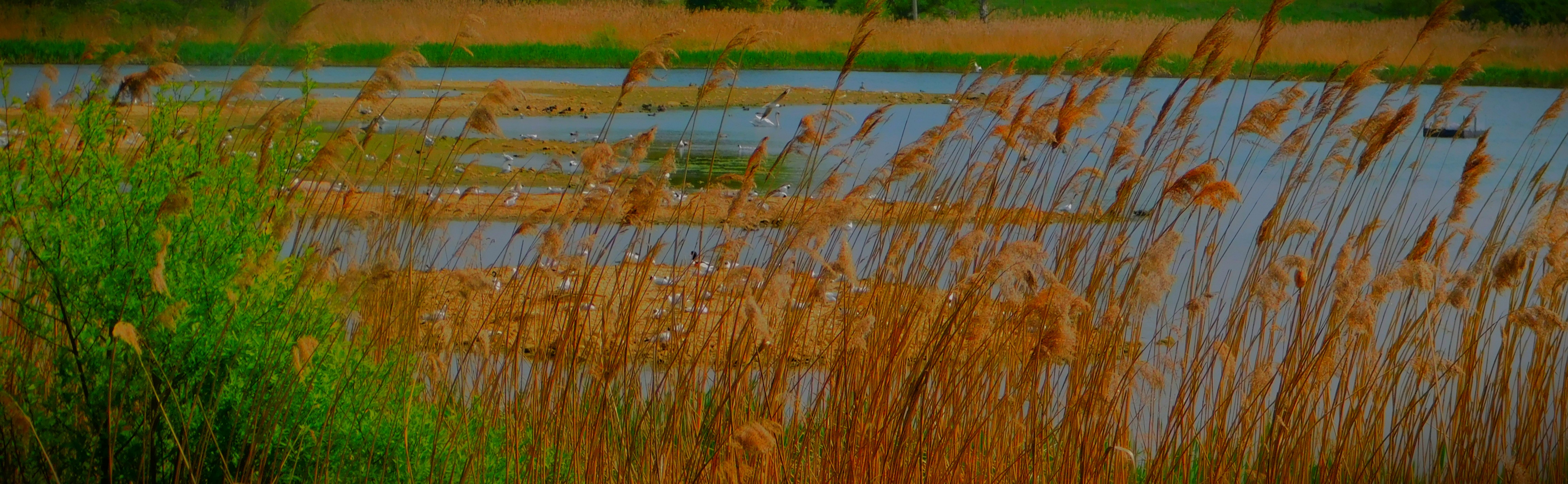
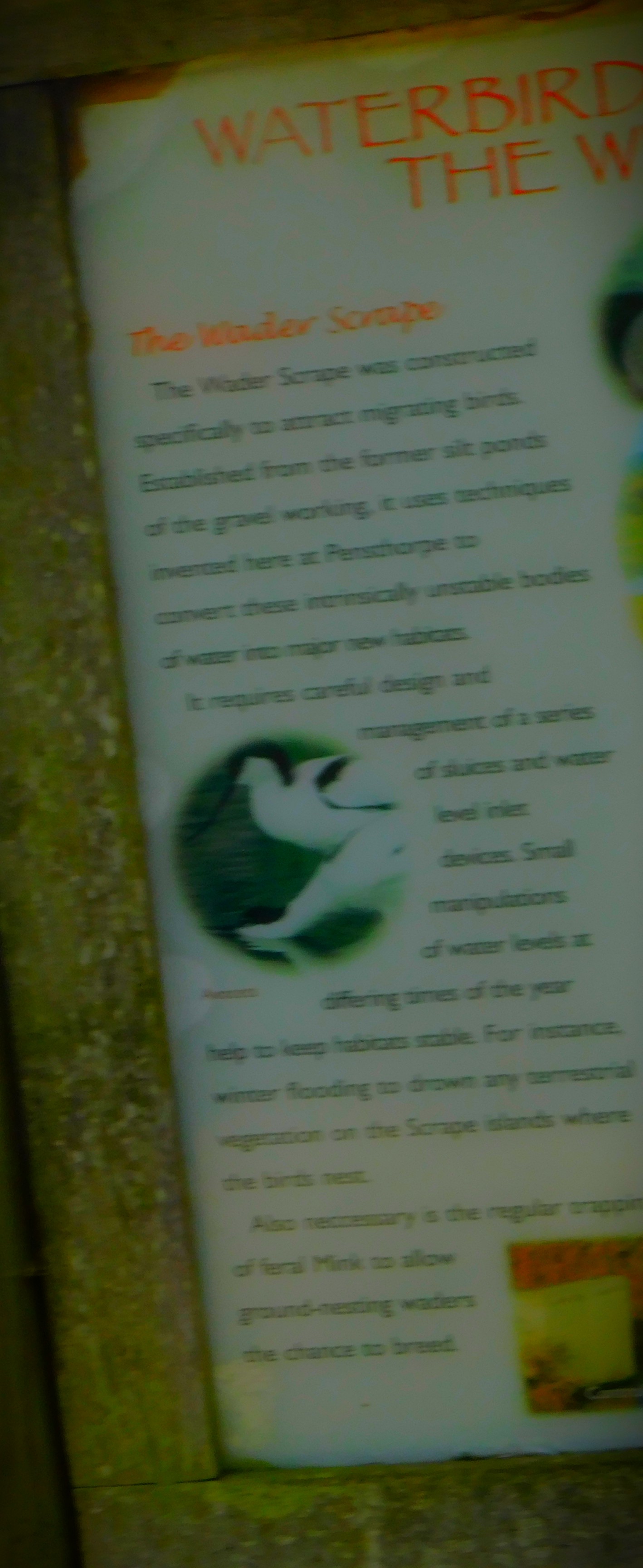
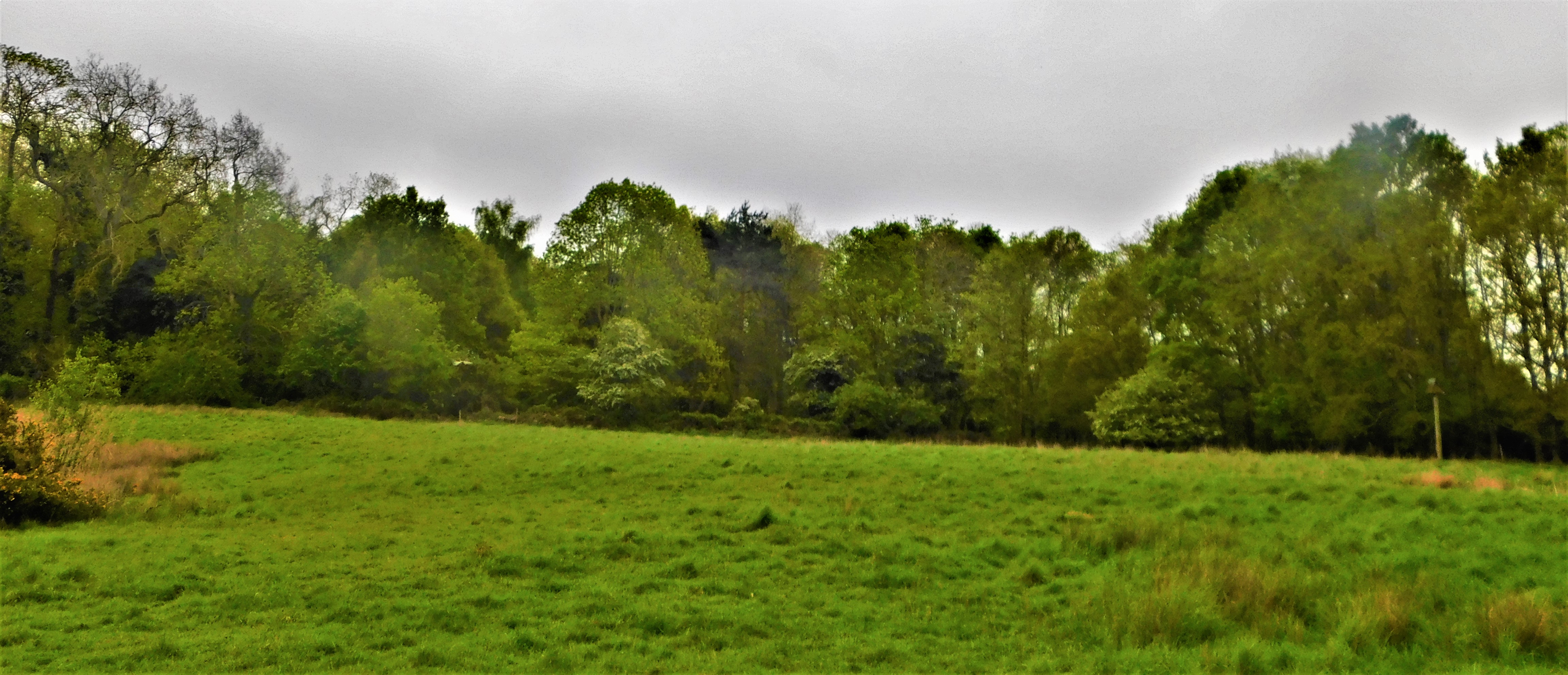
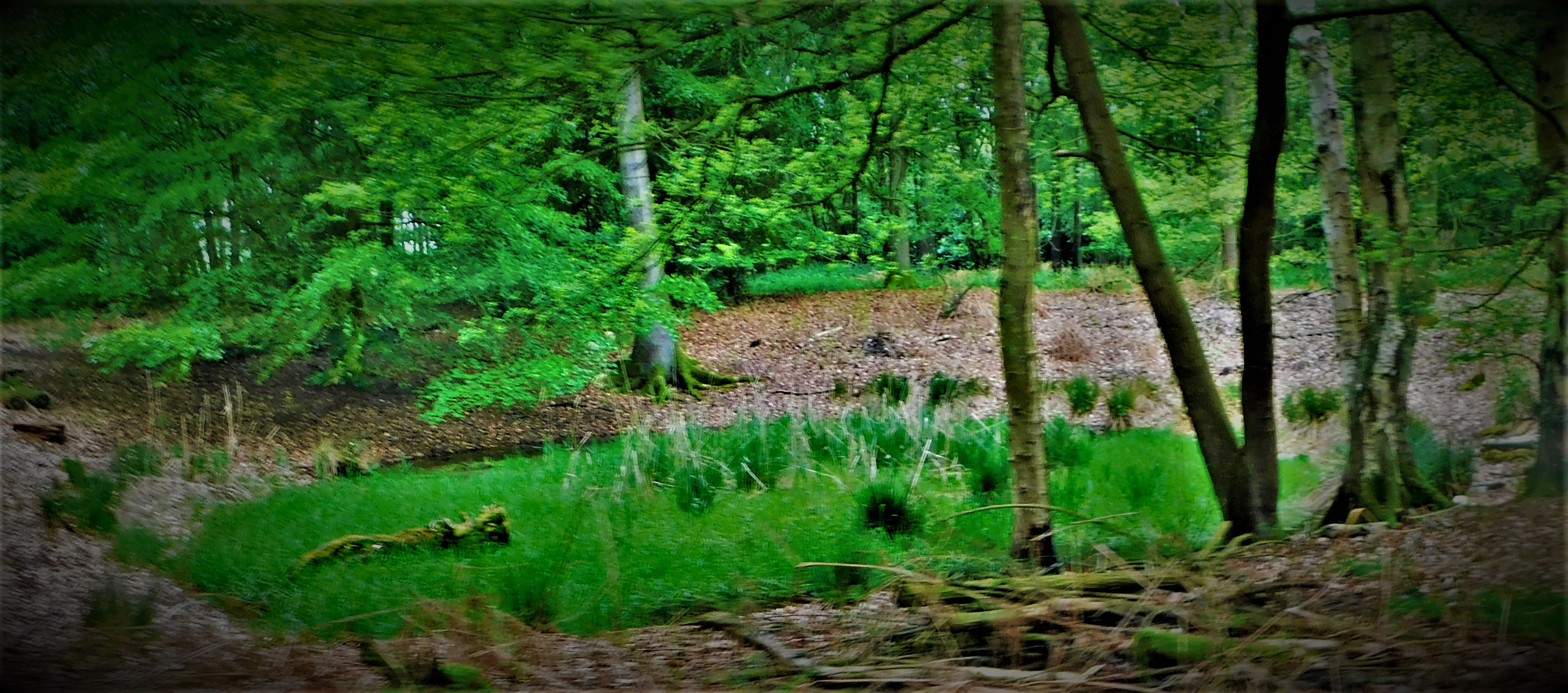
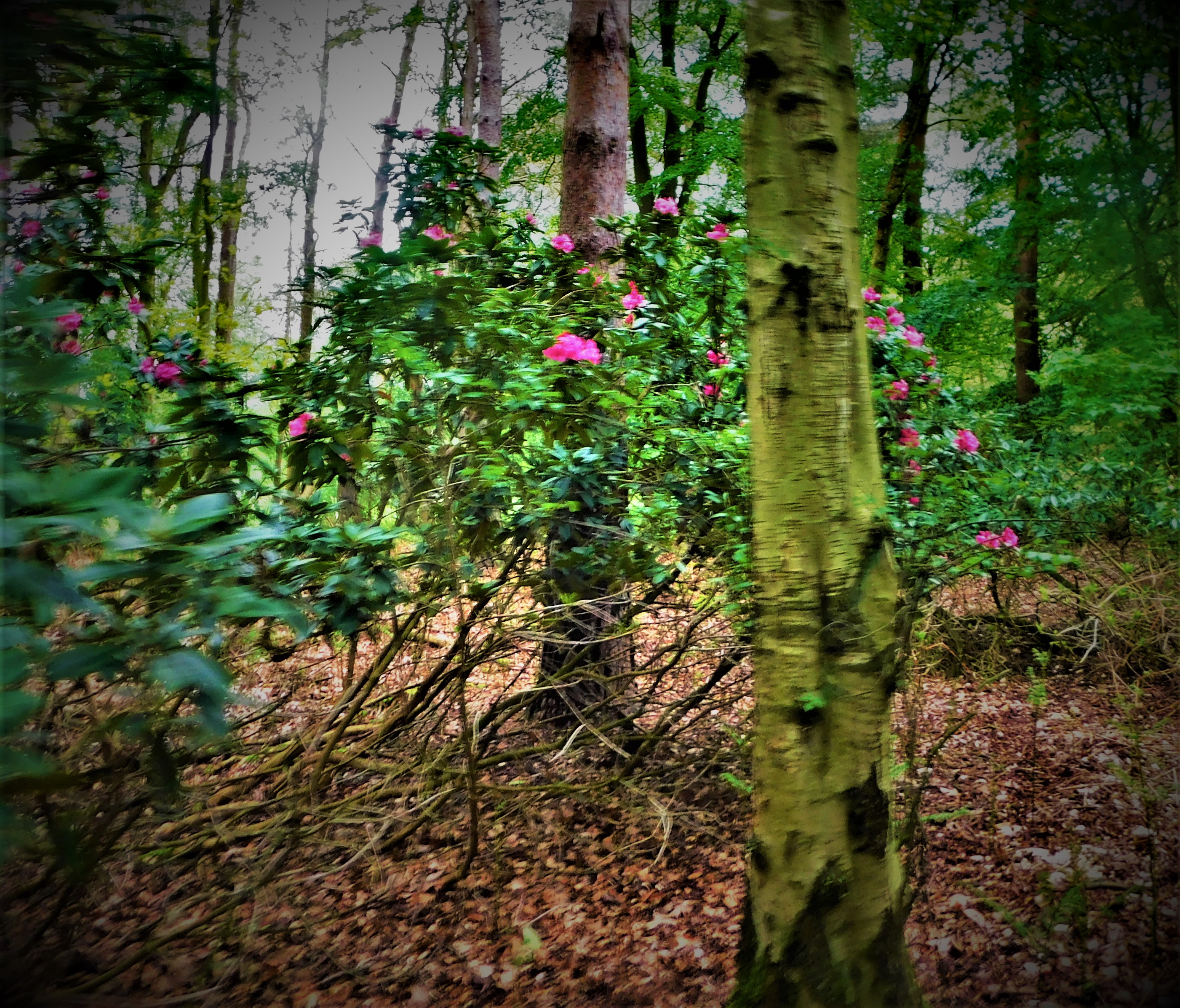
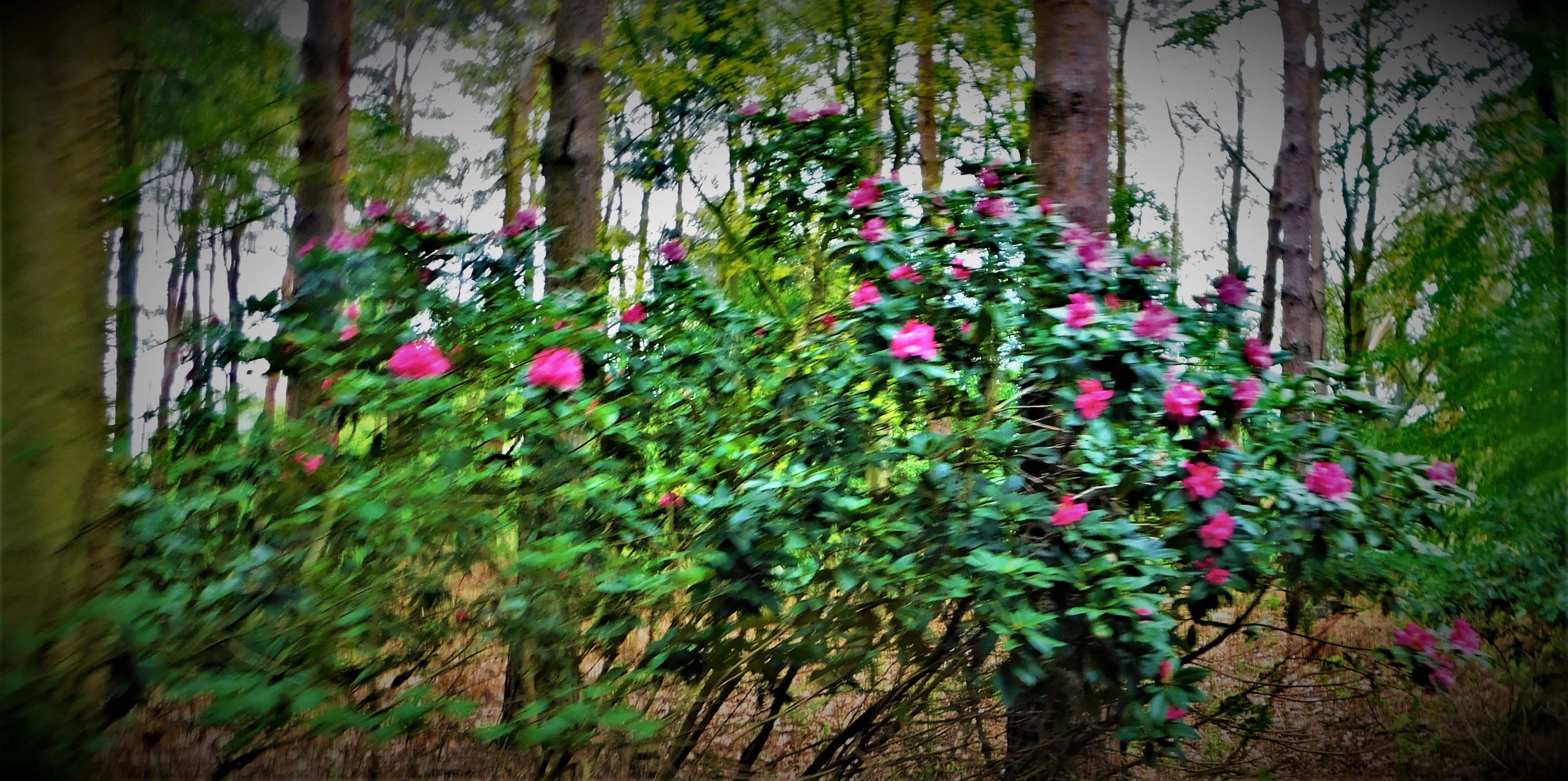
Pensthorpe 2025 4: The Trailer Ride

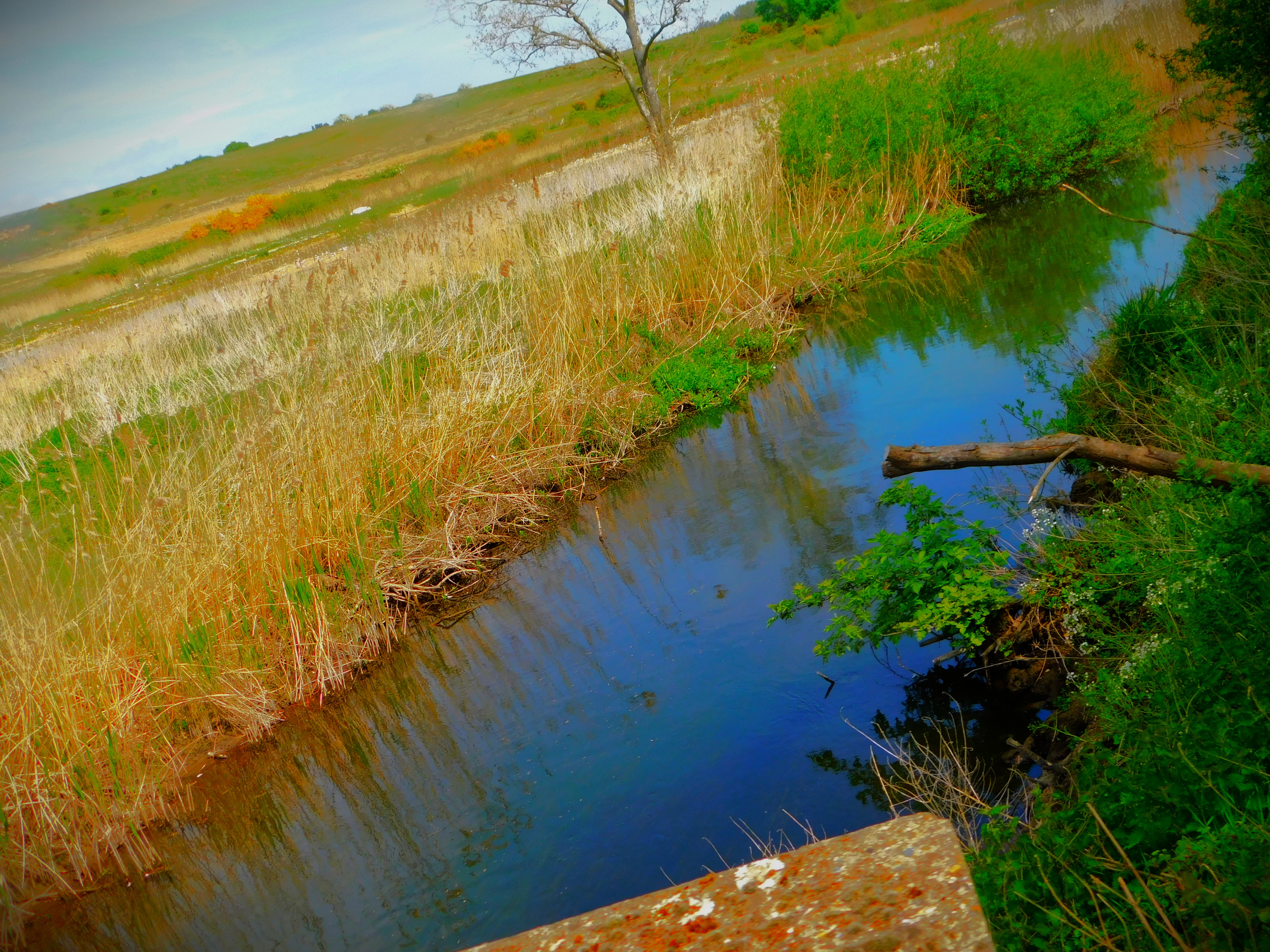
The penultimate post in my series about Saturday’s West Norfolk Autism Group outing to Pensthorpe on Saturday, looking at the trauker ride.

Welcome to the penultimate post of my mini-series about the West Norfolk Autism Group outing to Pensthorpe which took place on Saturday. So far there has been an introductory post, a post covering the Discovery Centre and those general pictures not shared in the opener and a post dedicated to the Cranes and Flamingos. This post zeroes in on the trailer ride, for me an essential part of the Pensthorpe experience.

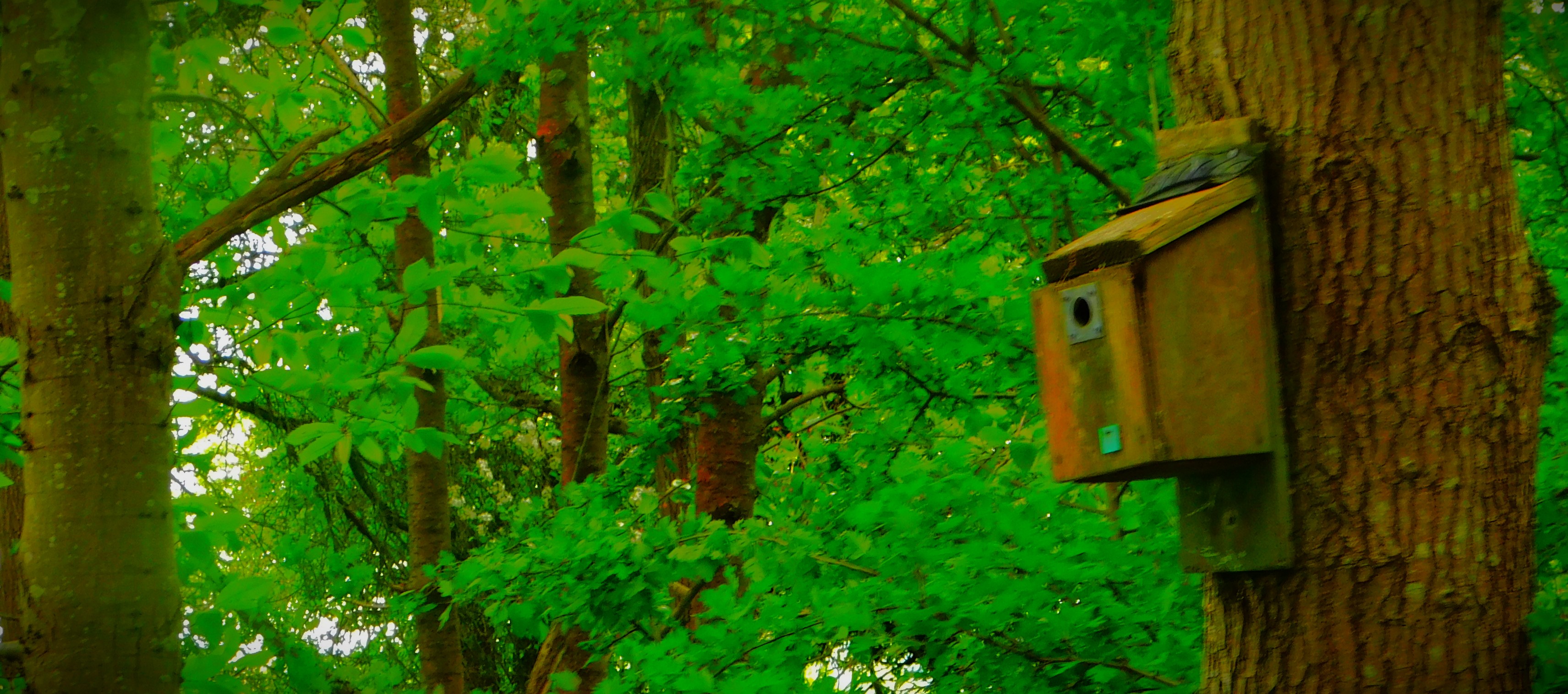
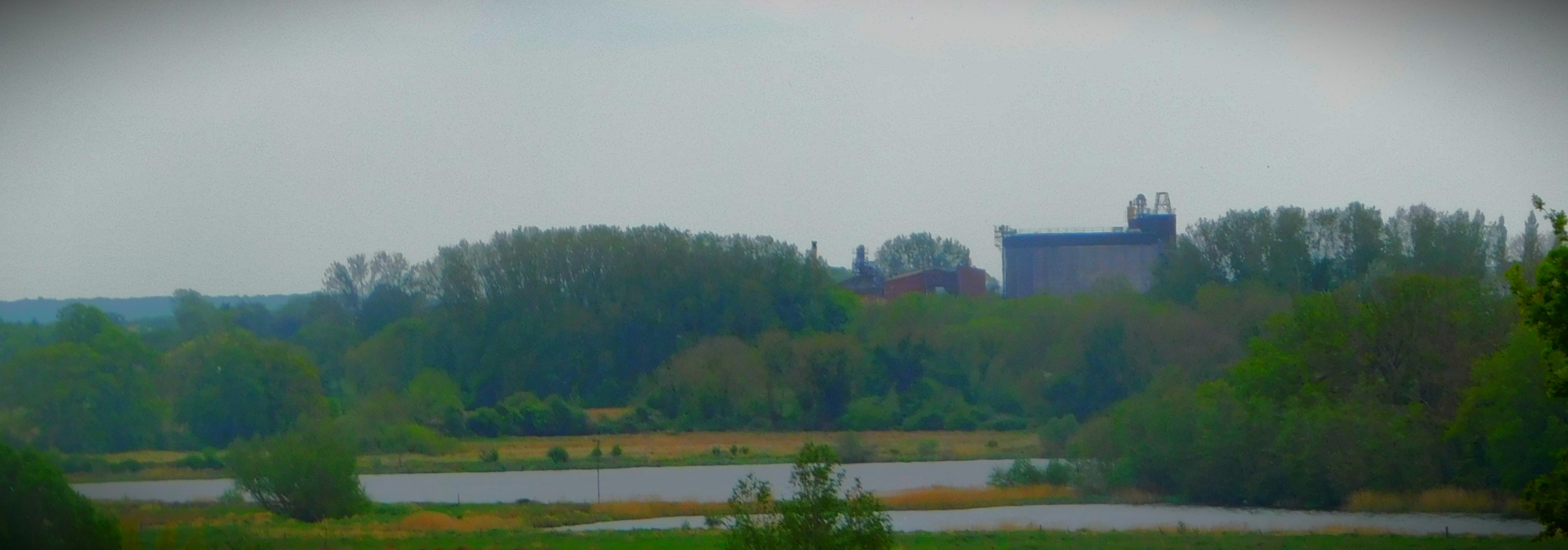
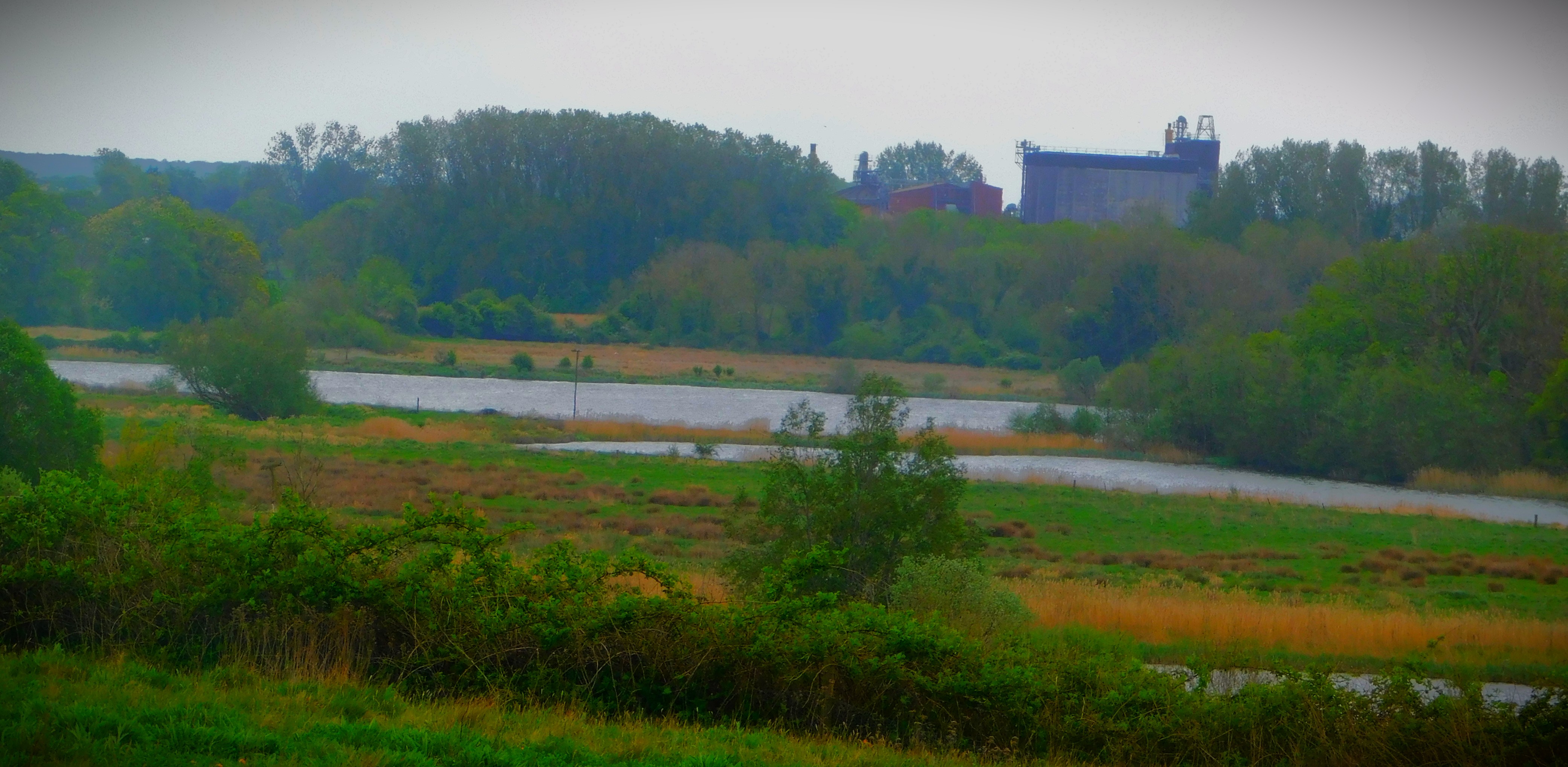
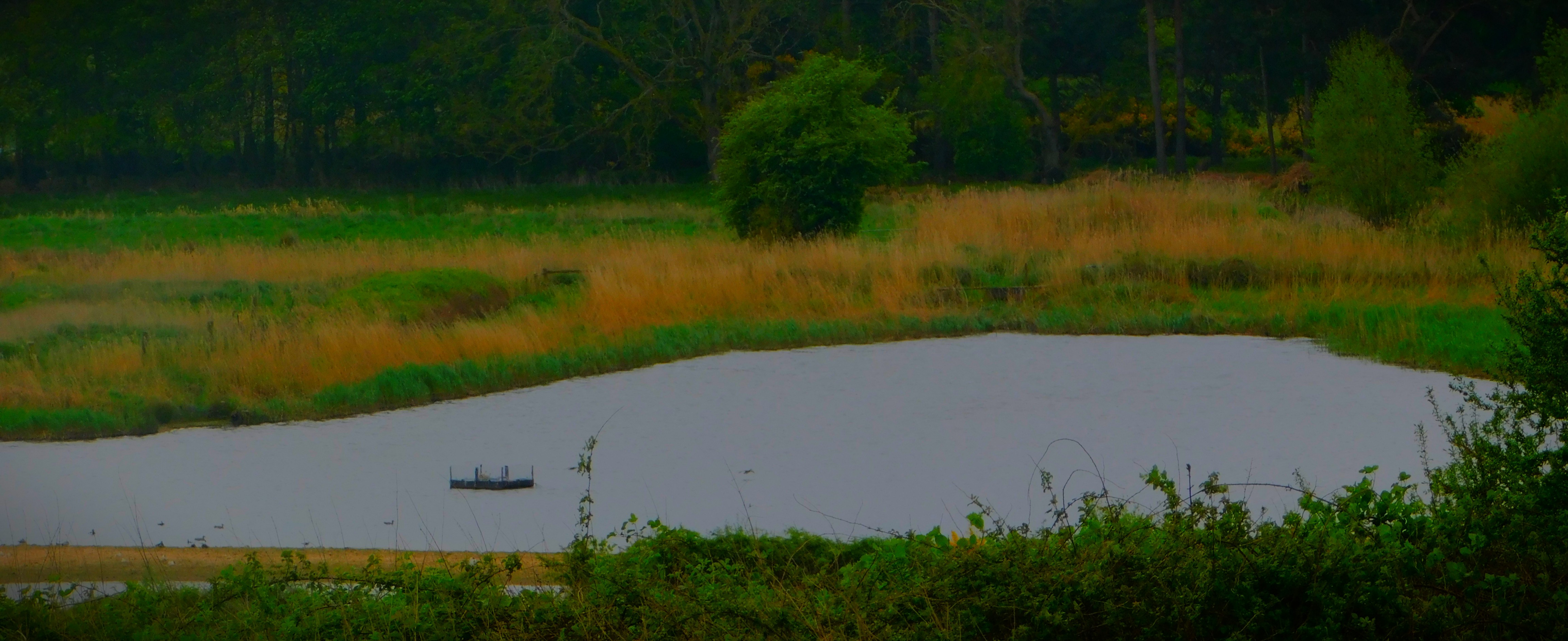
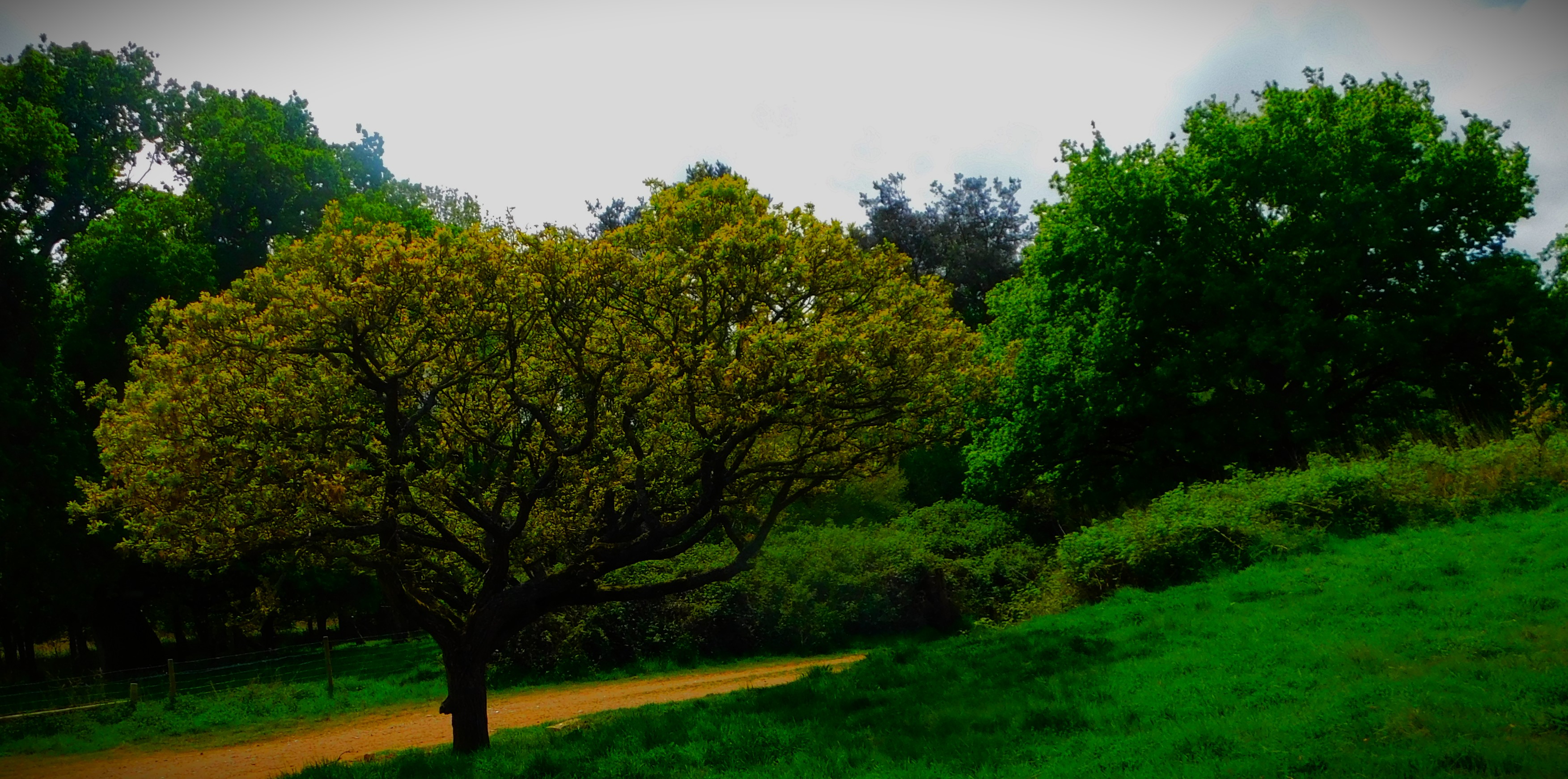
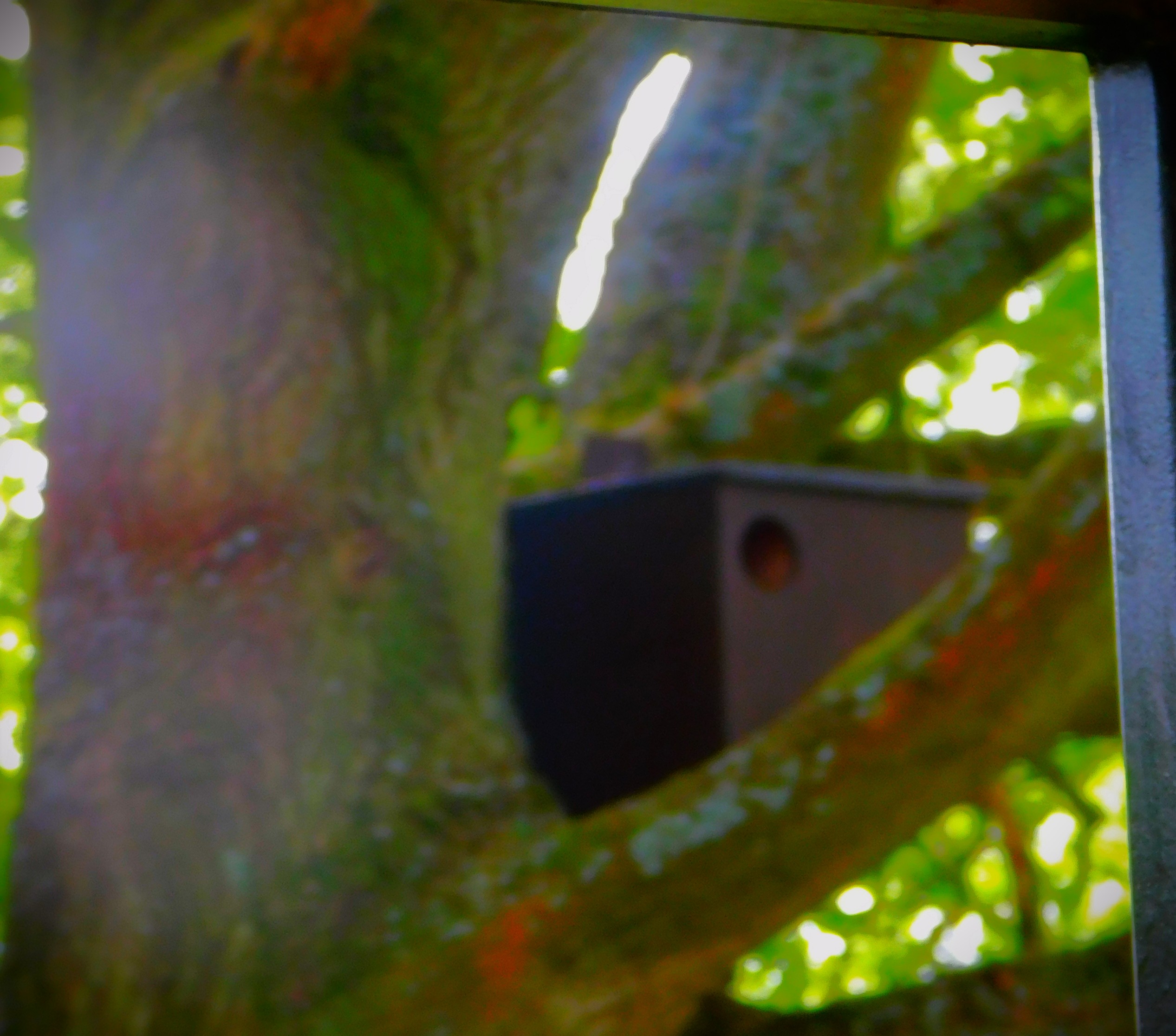
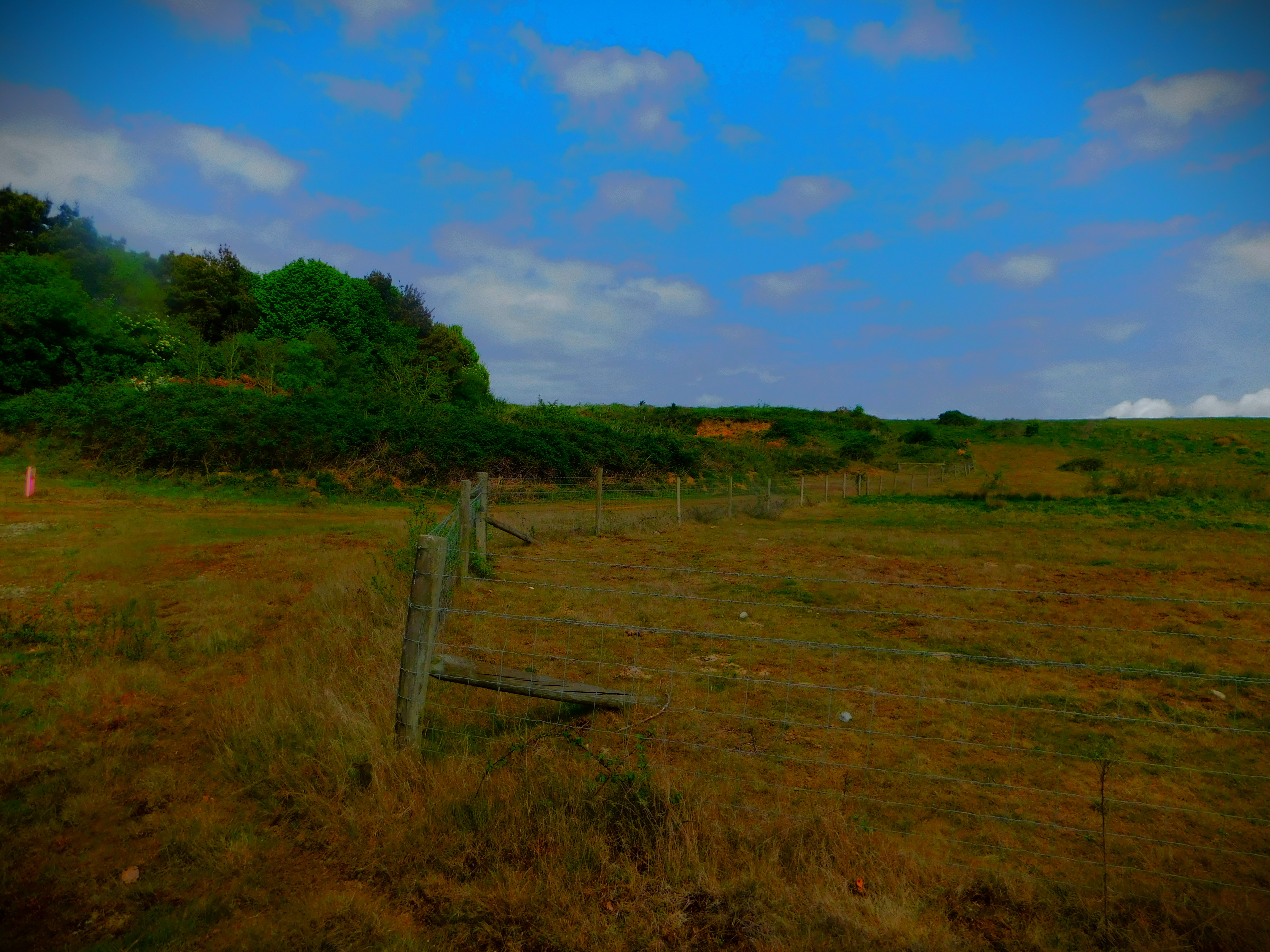
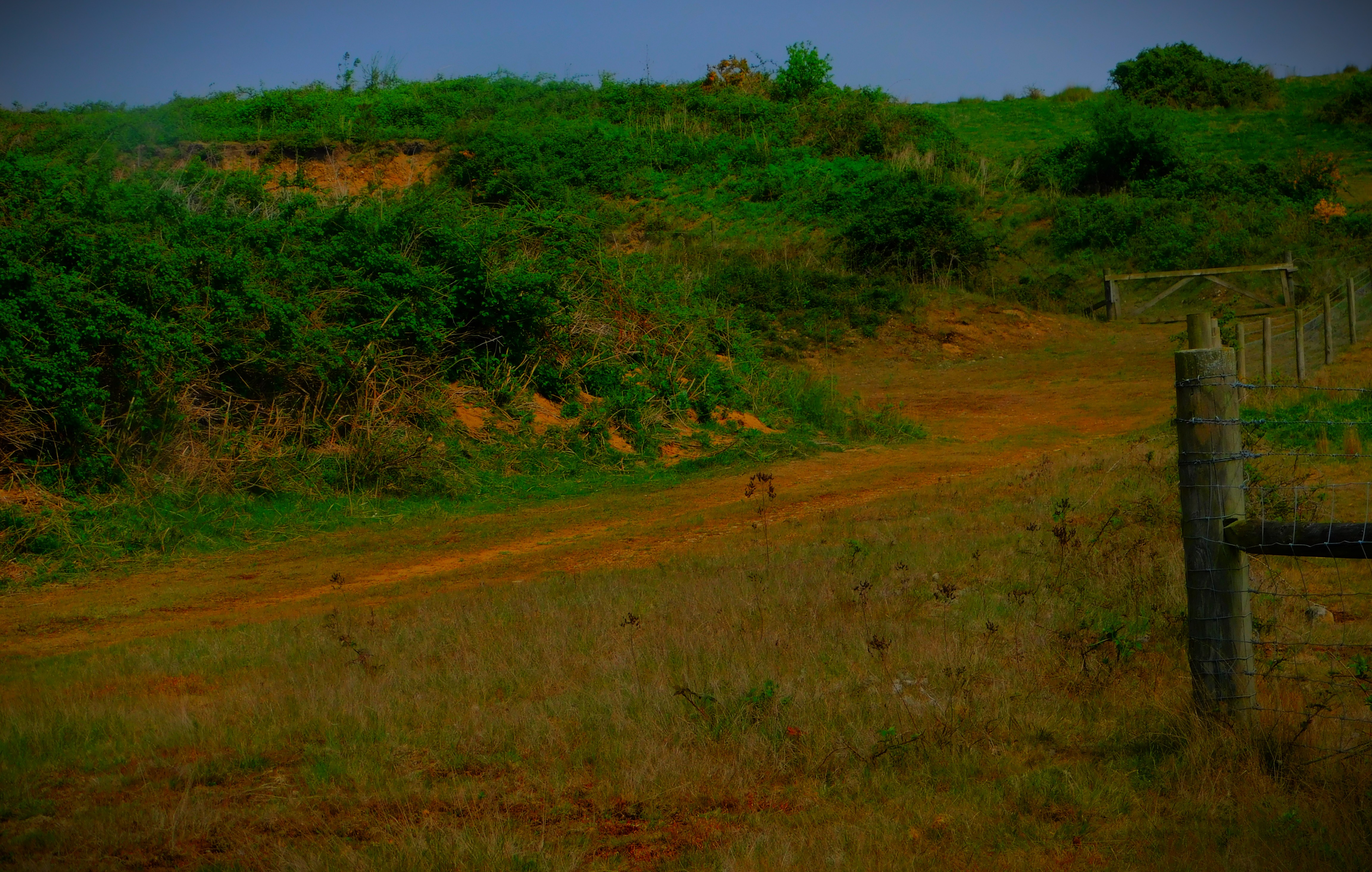
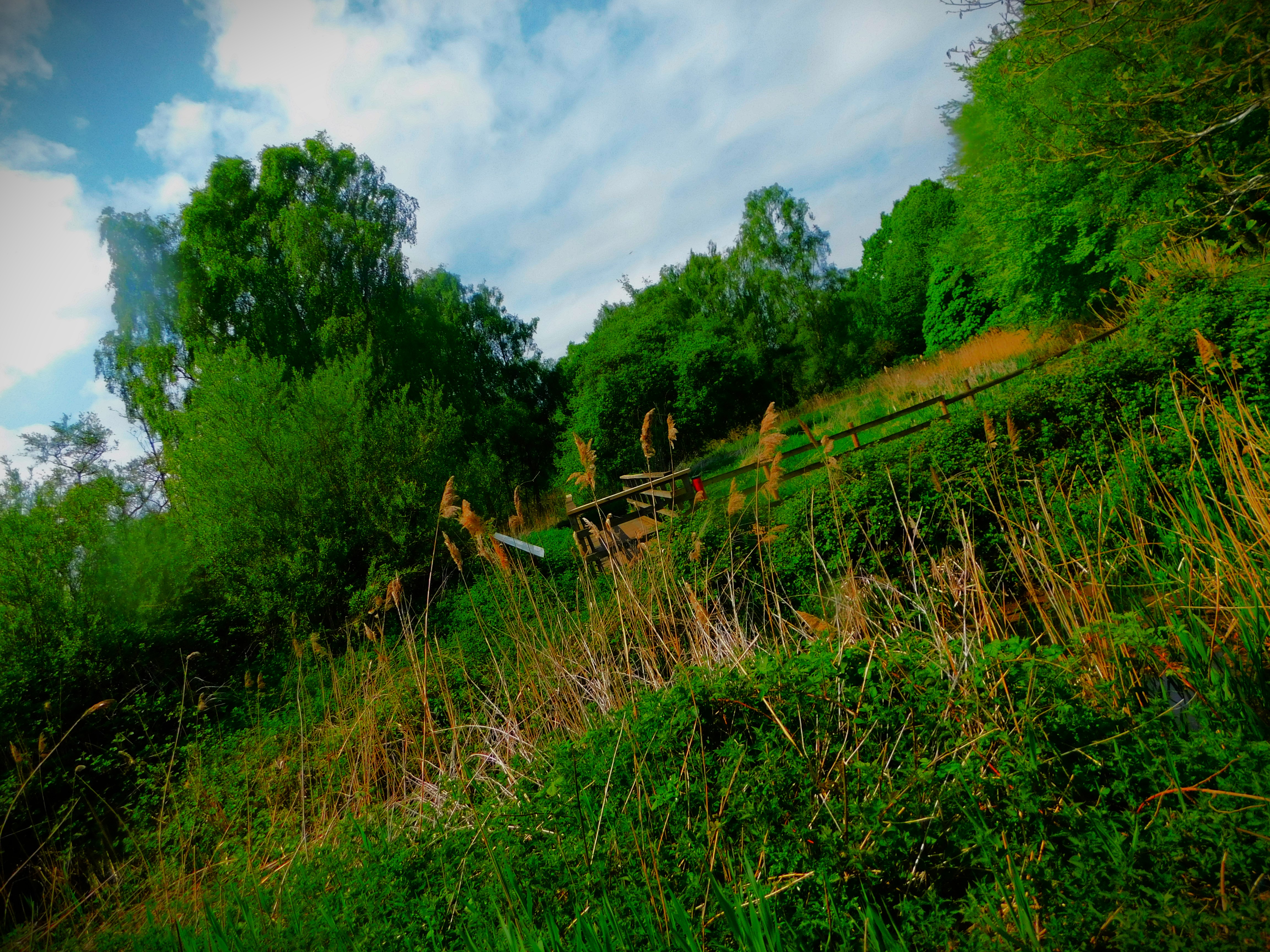
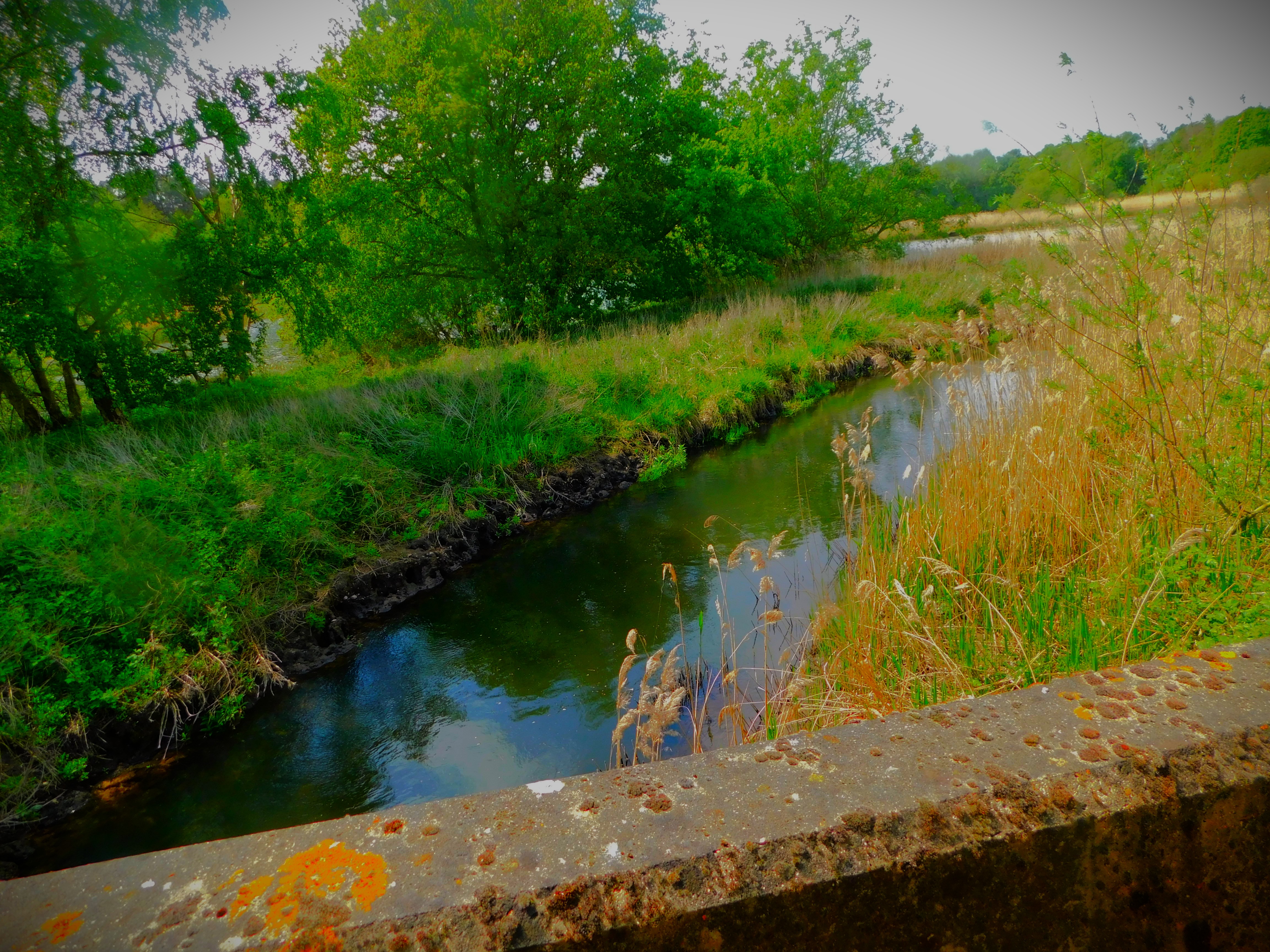
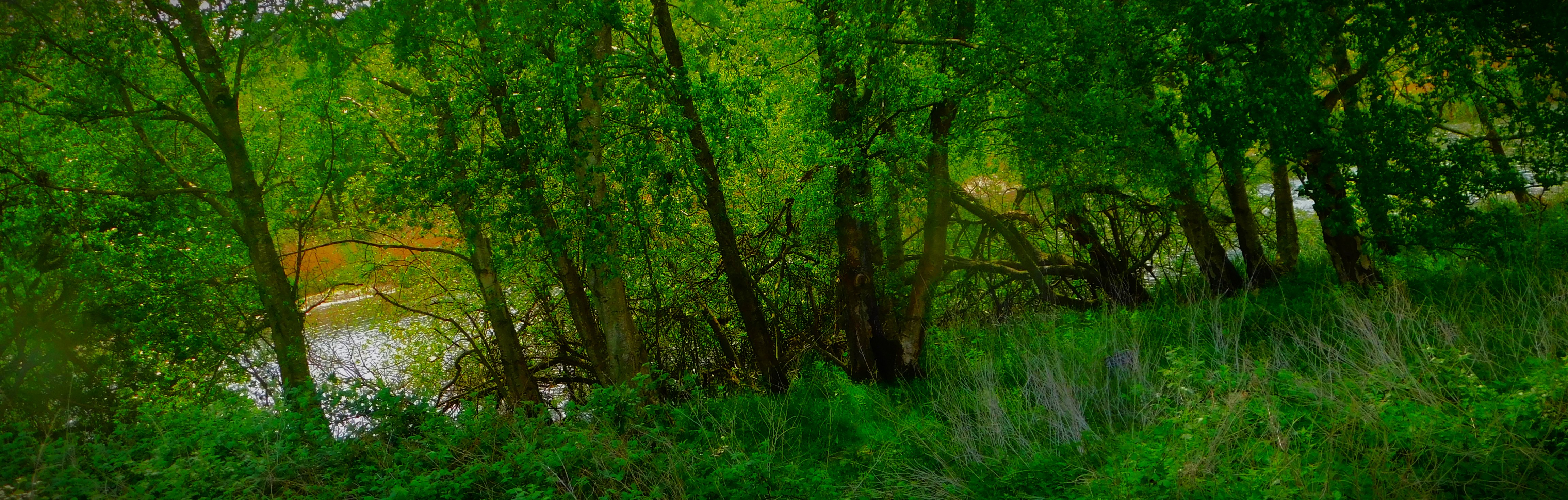
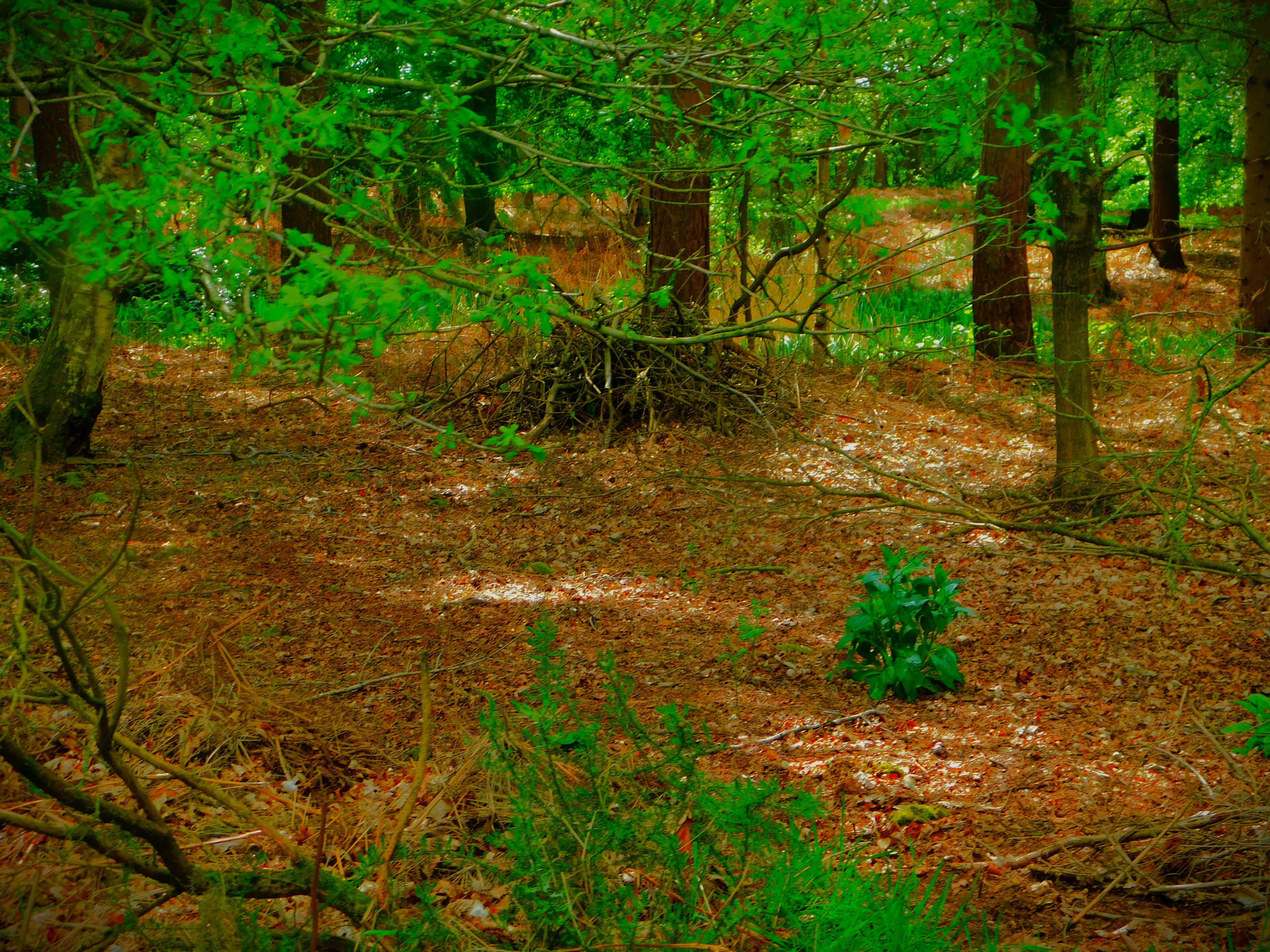
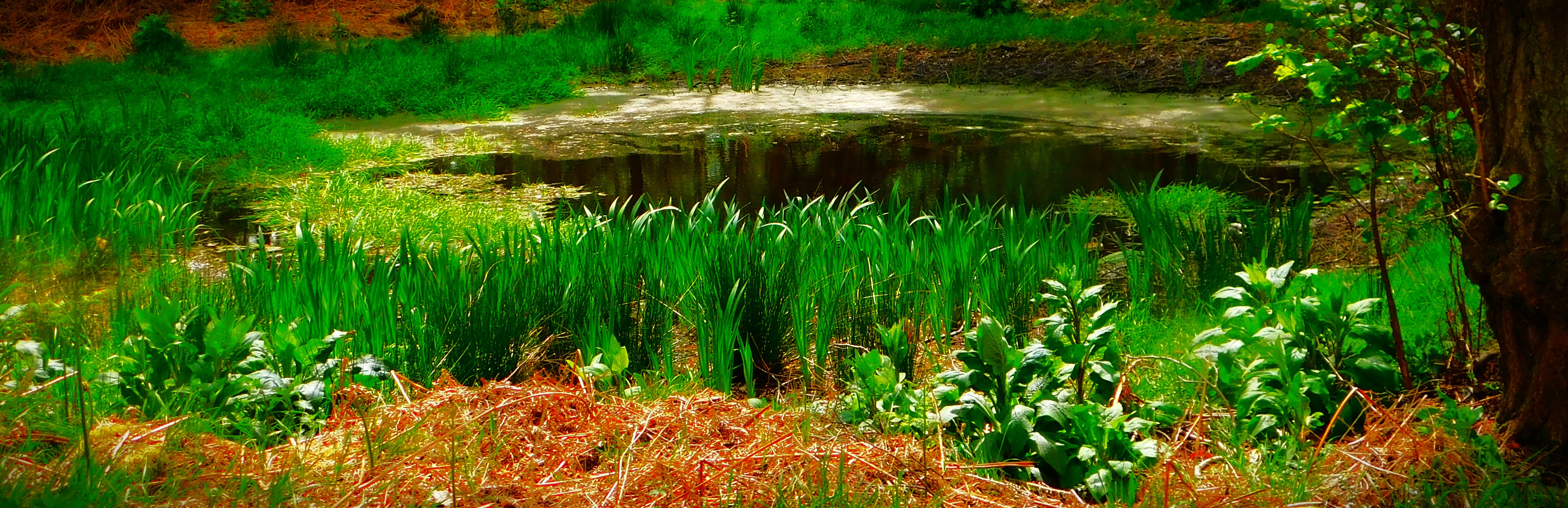
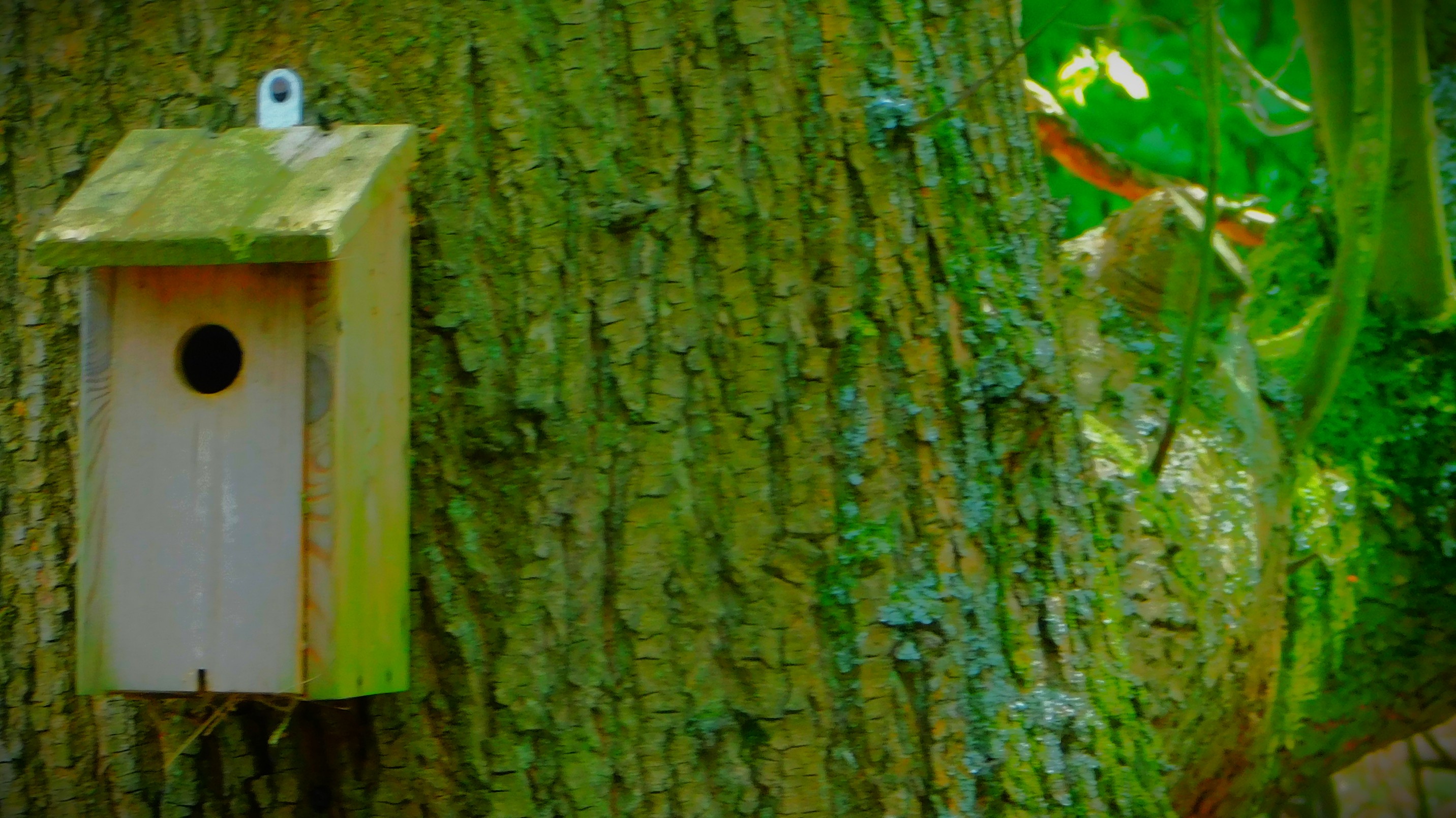
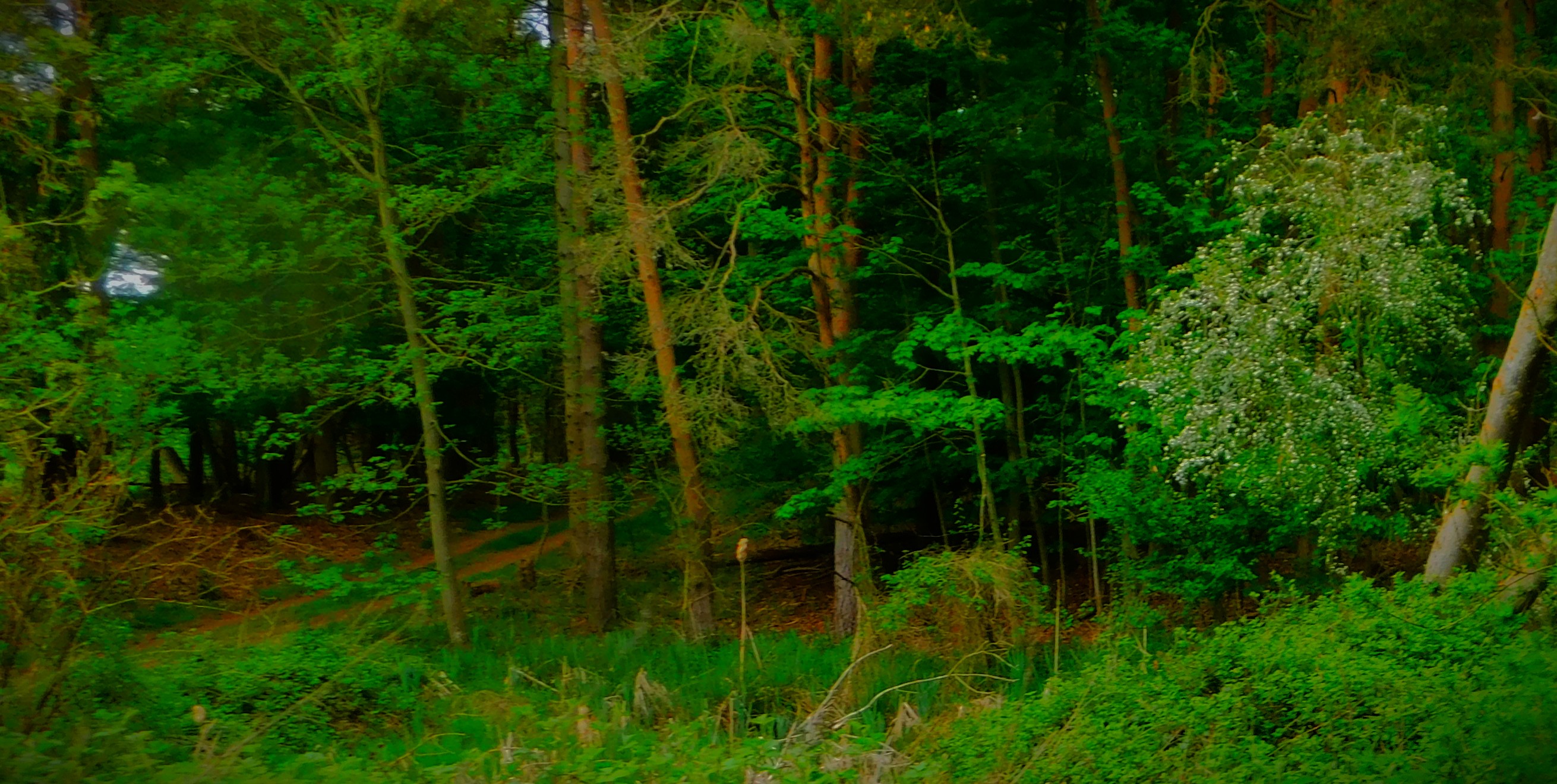
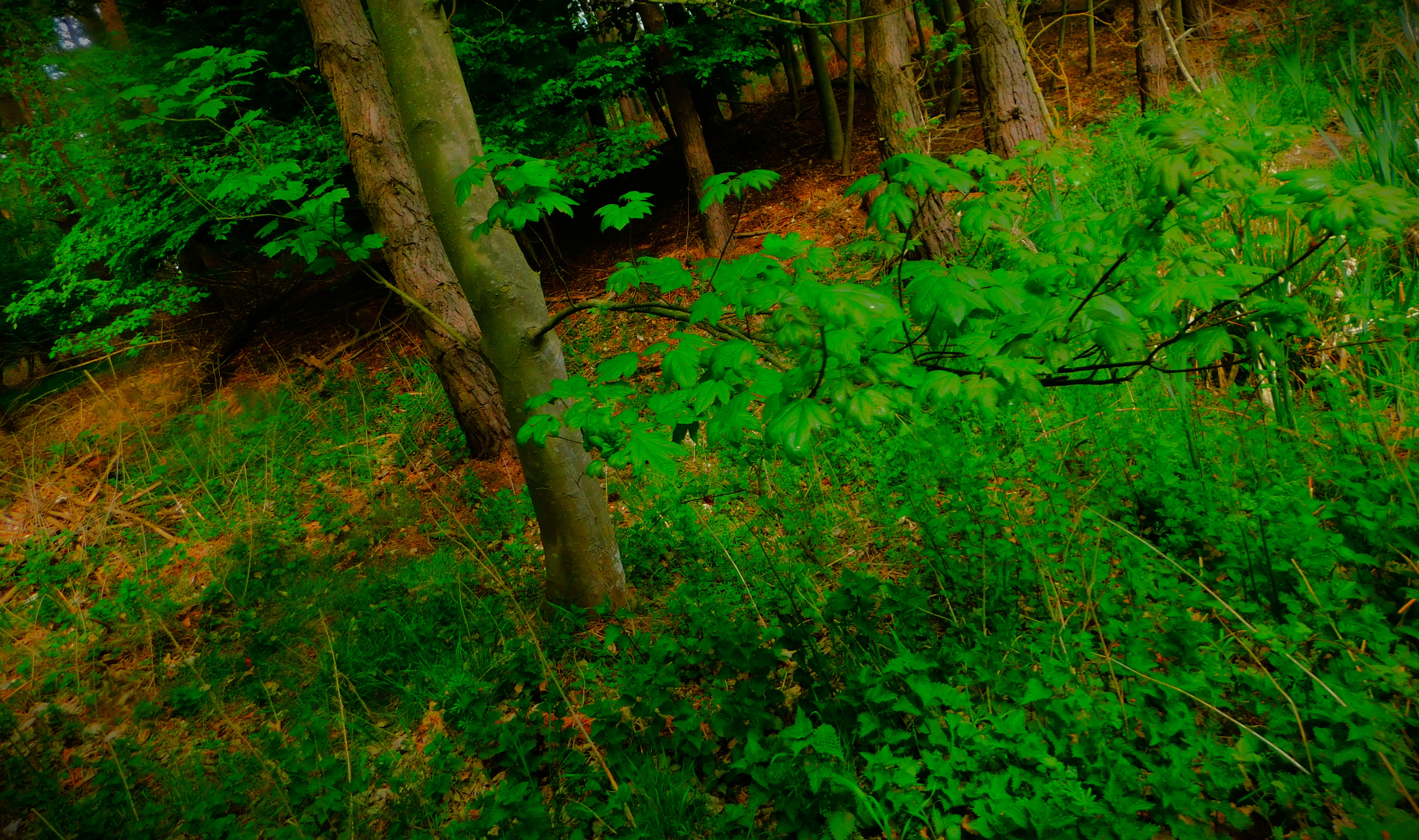
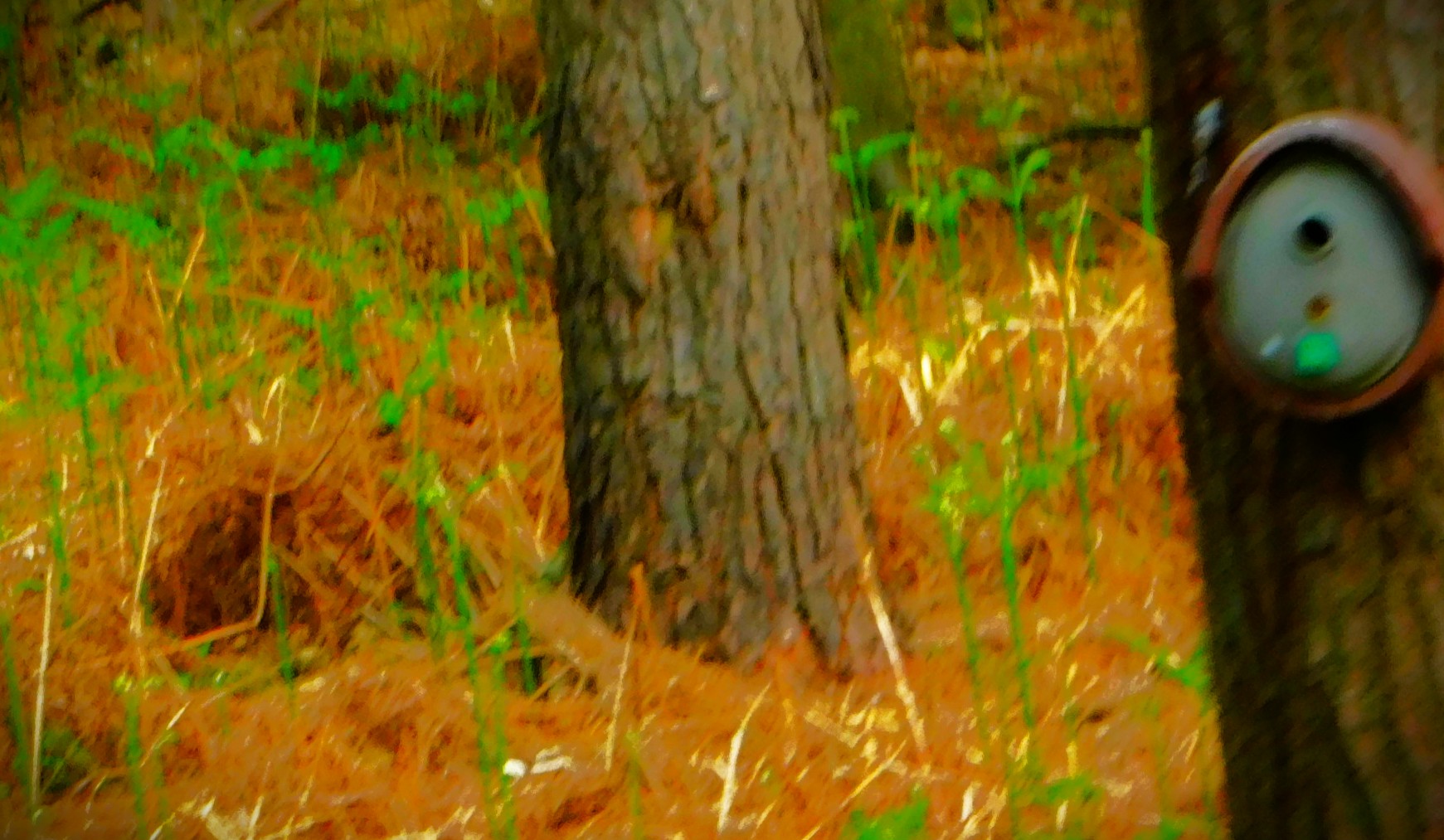
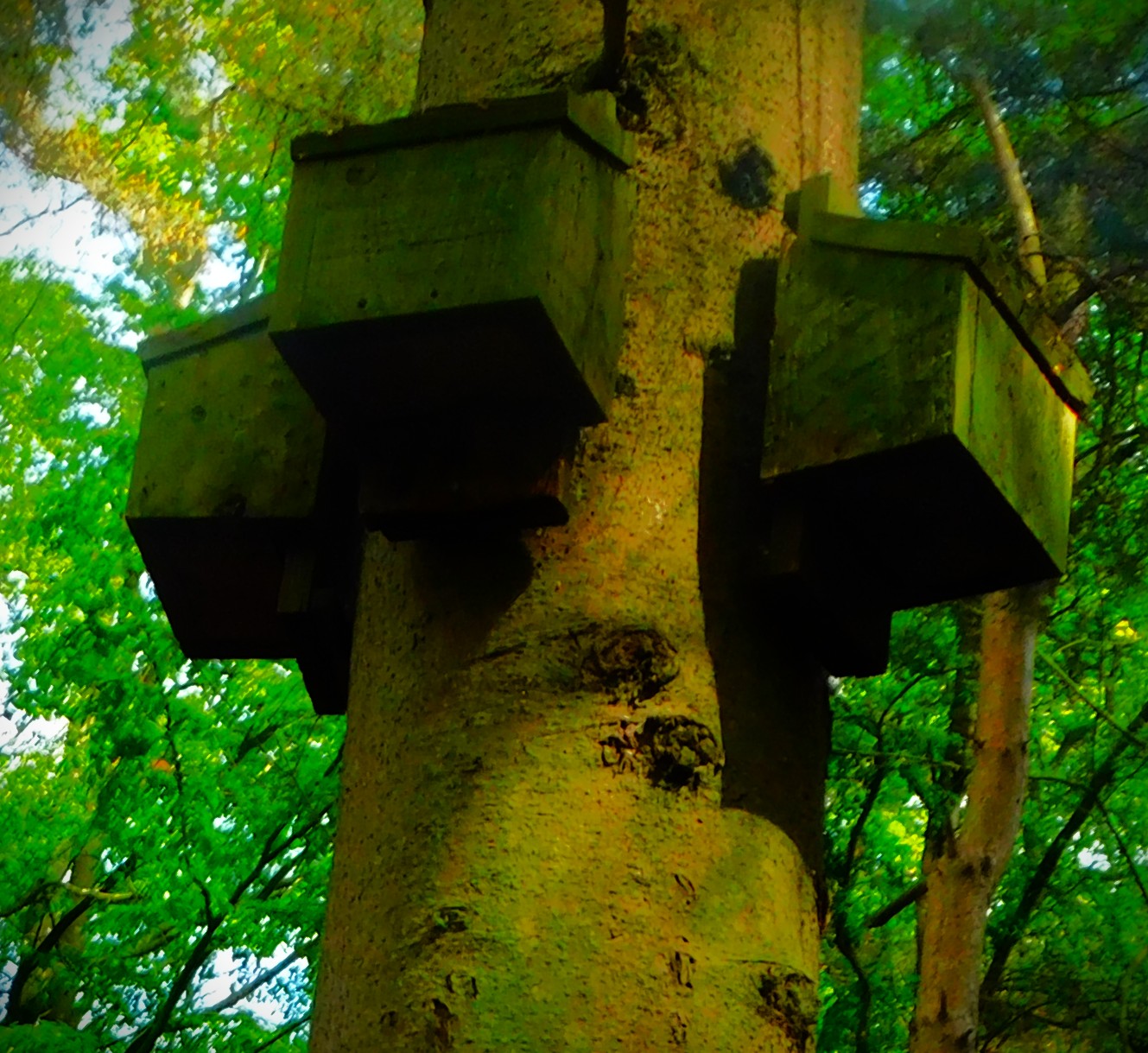
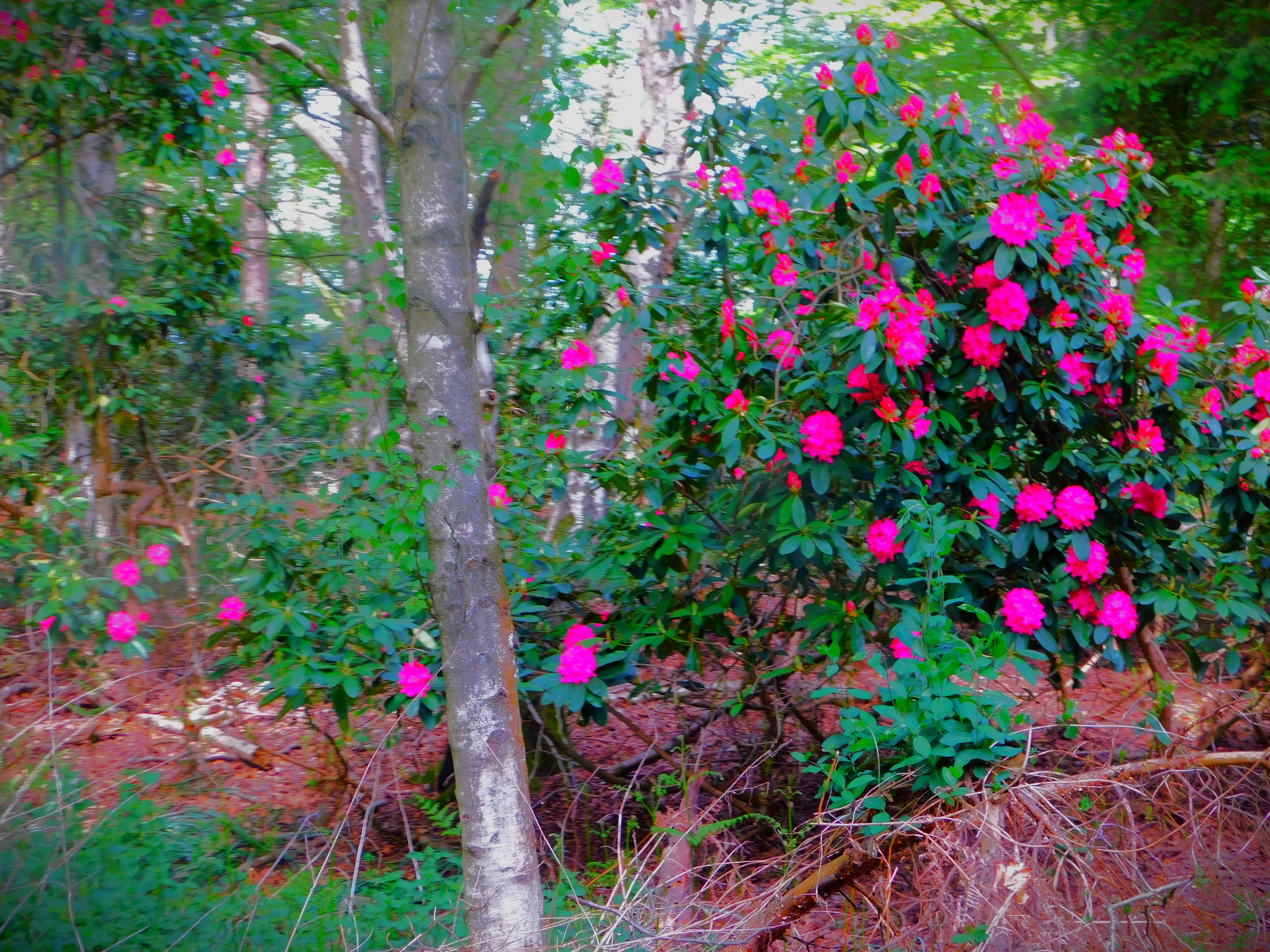
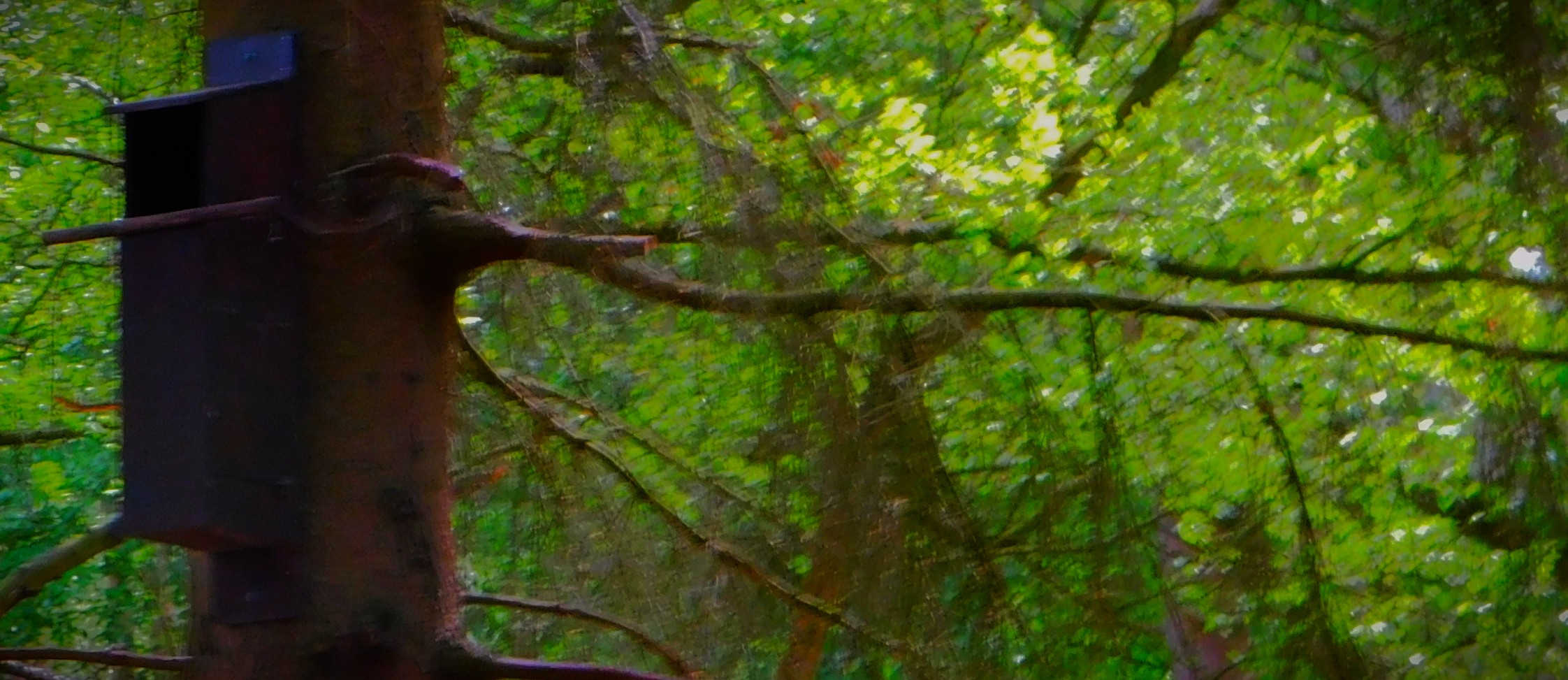
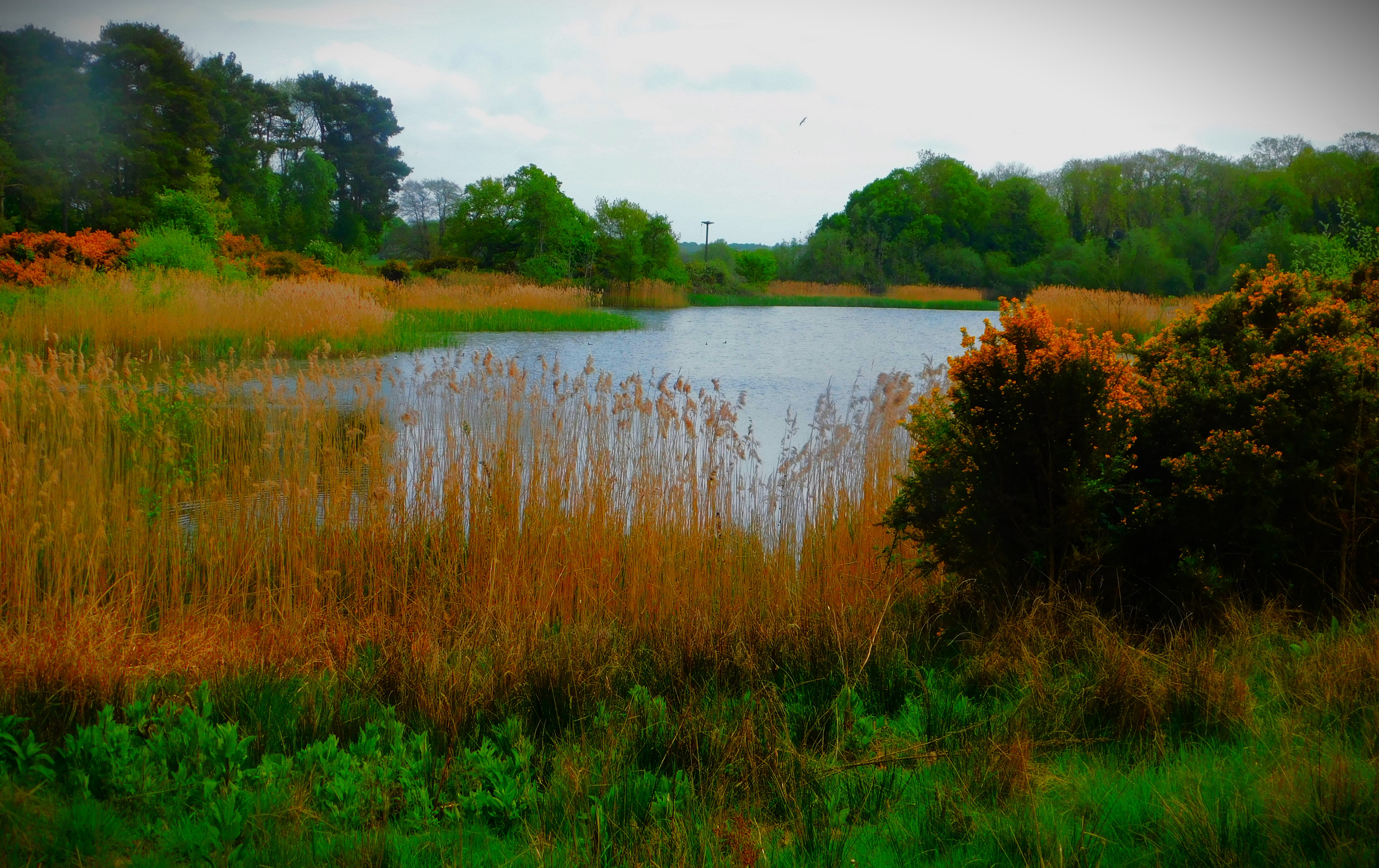
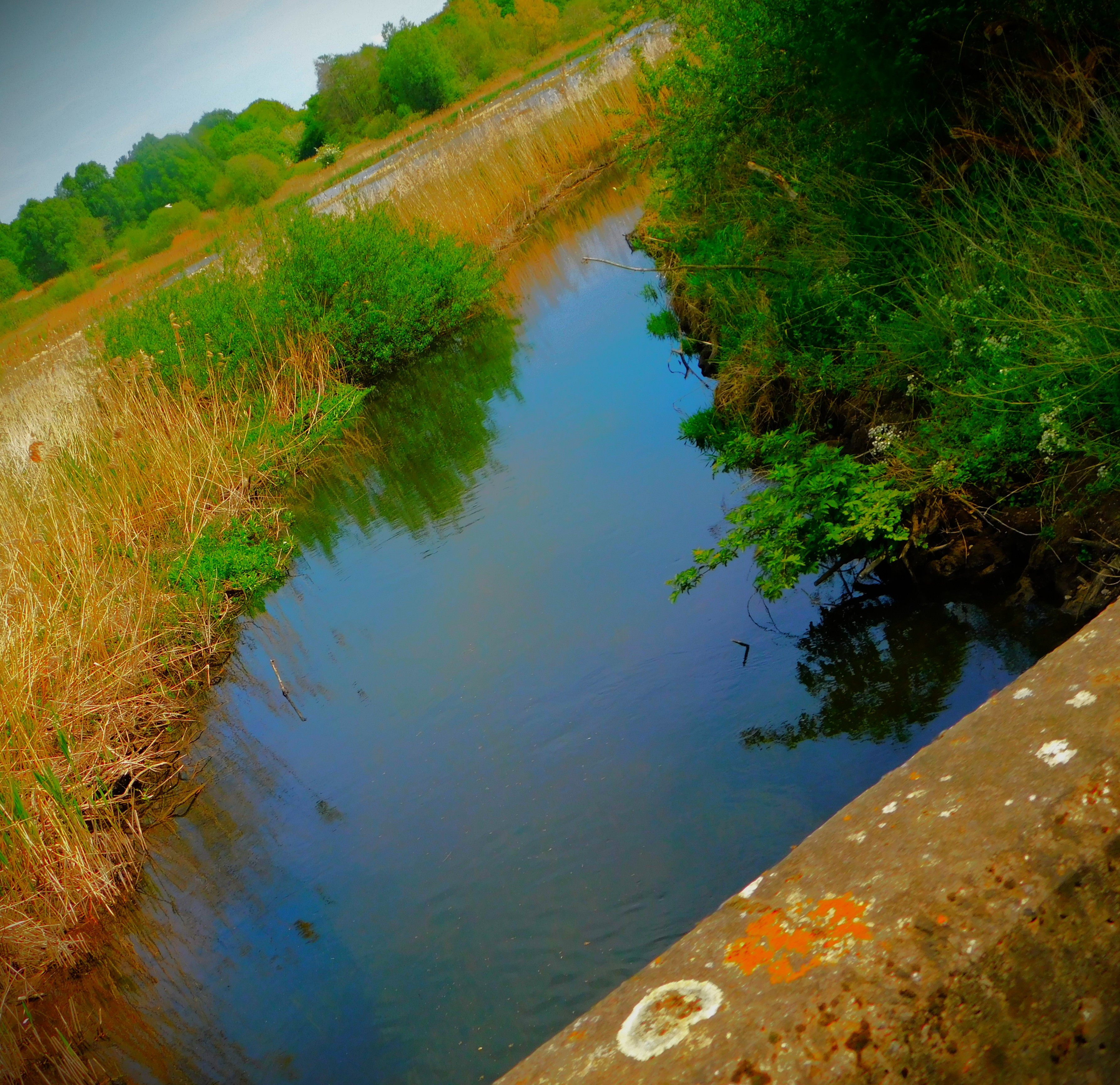
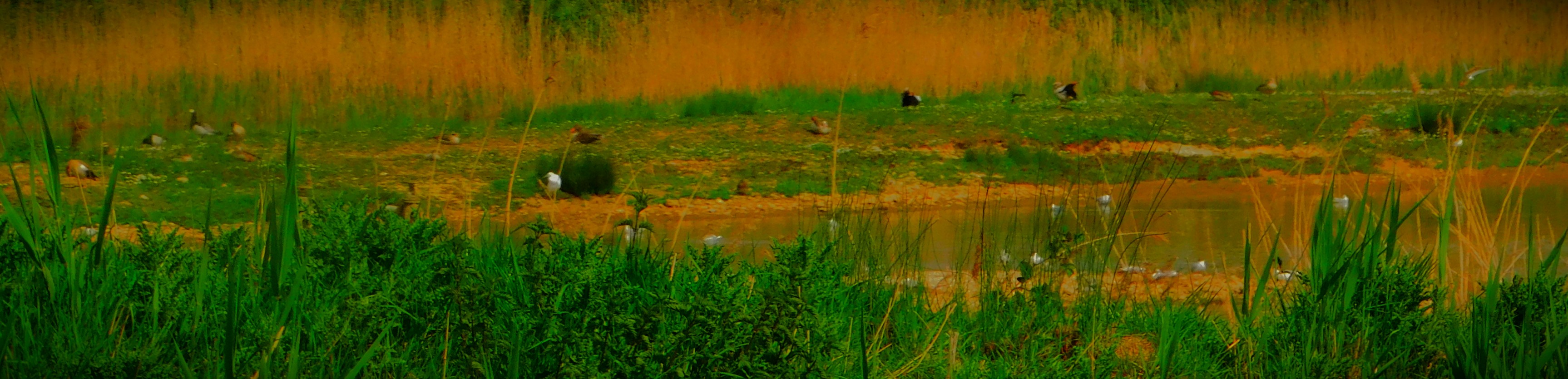
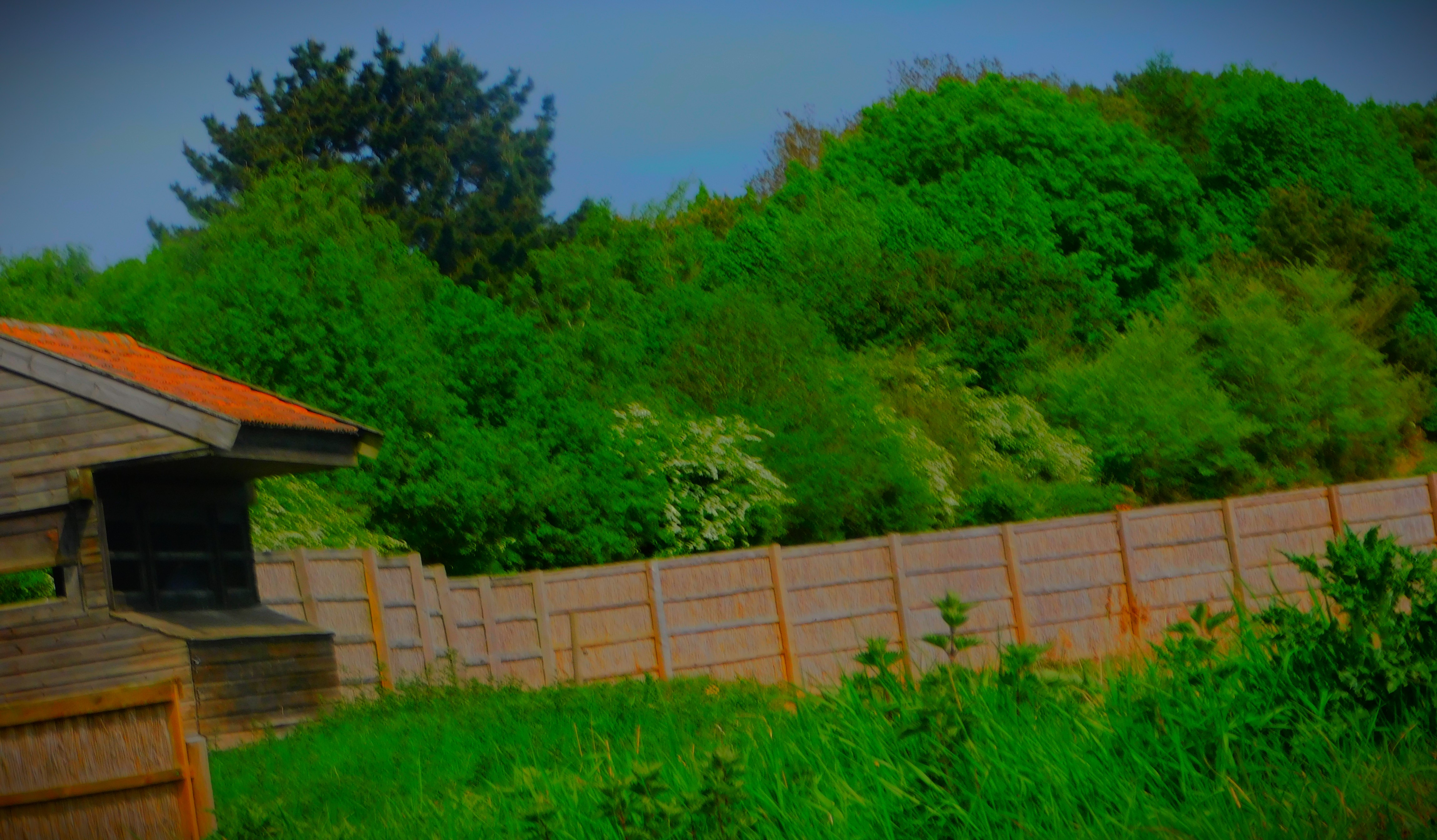
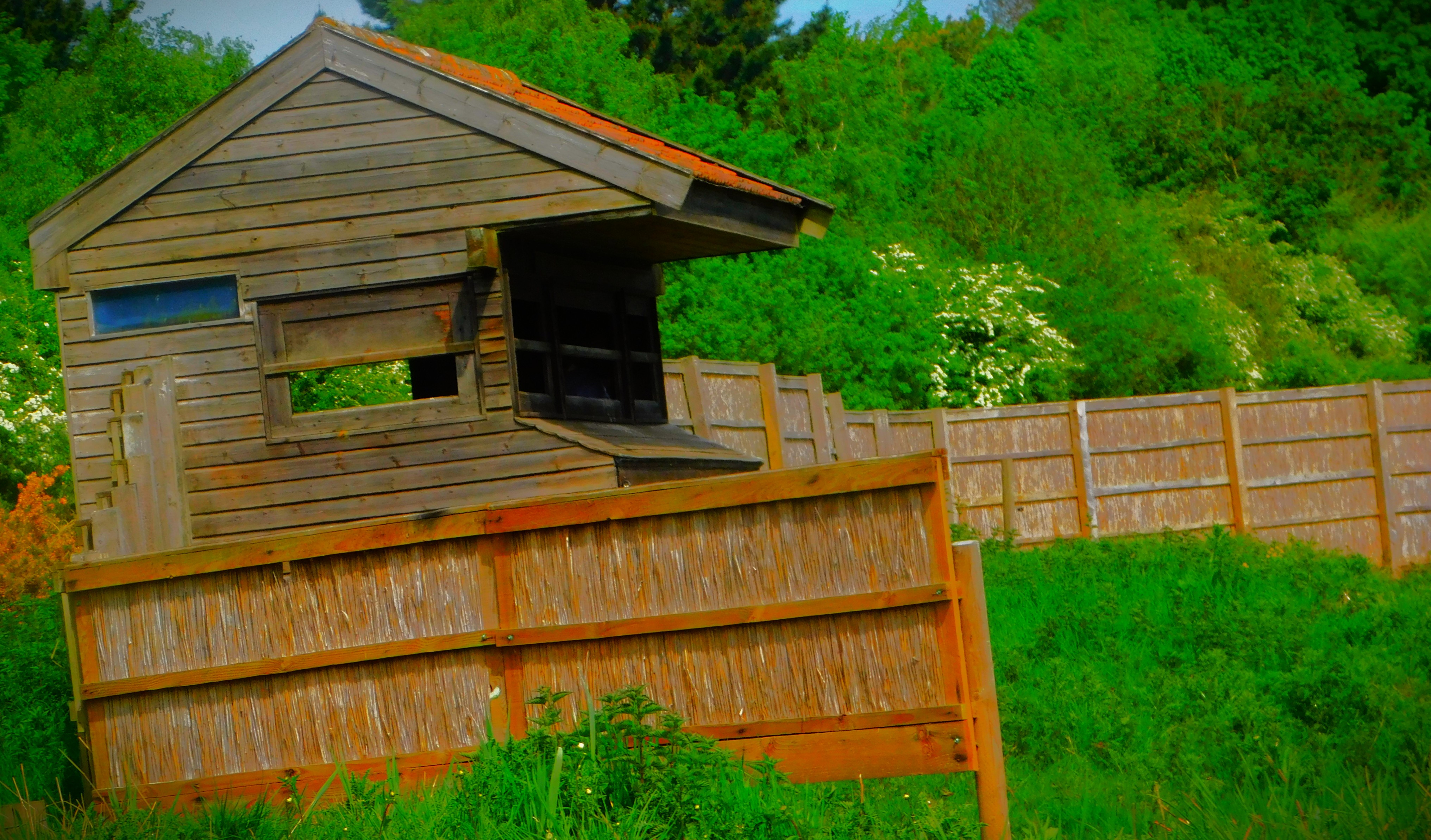
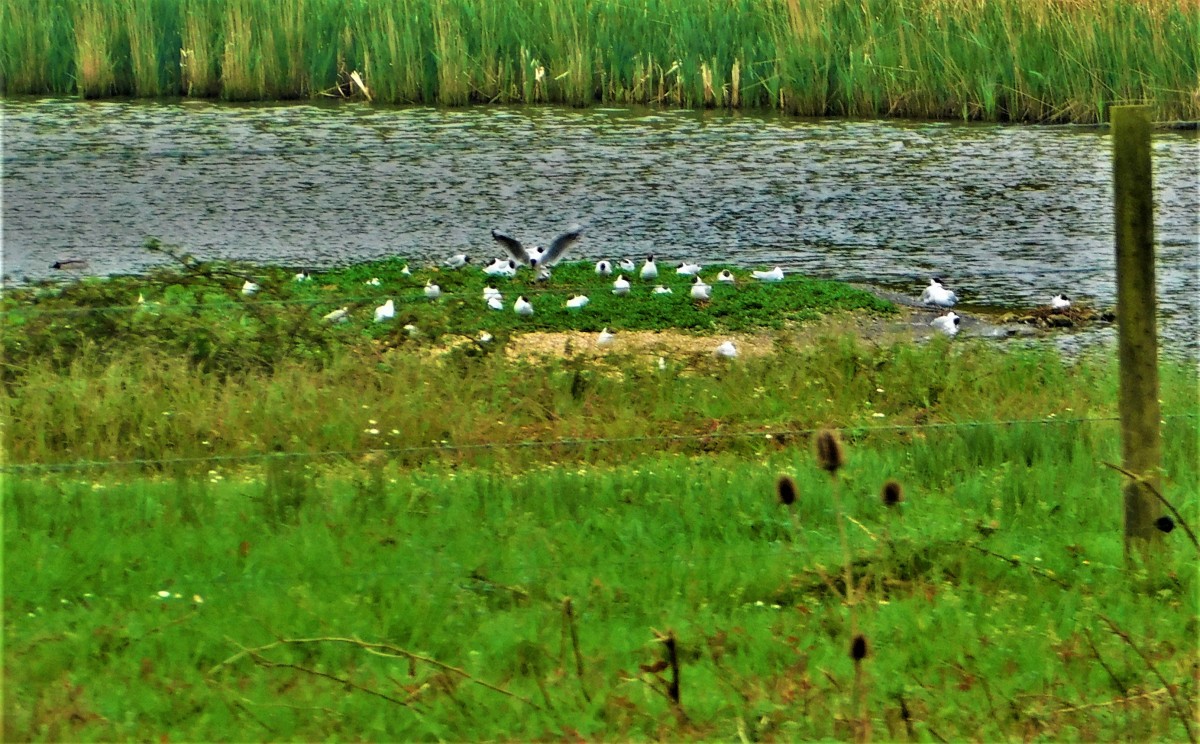
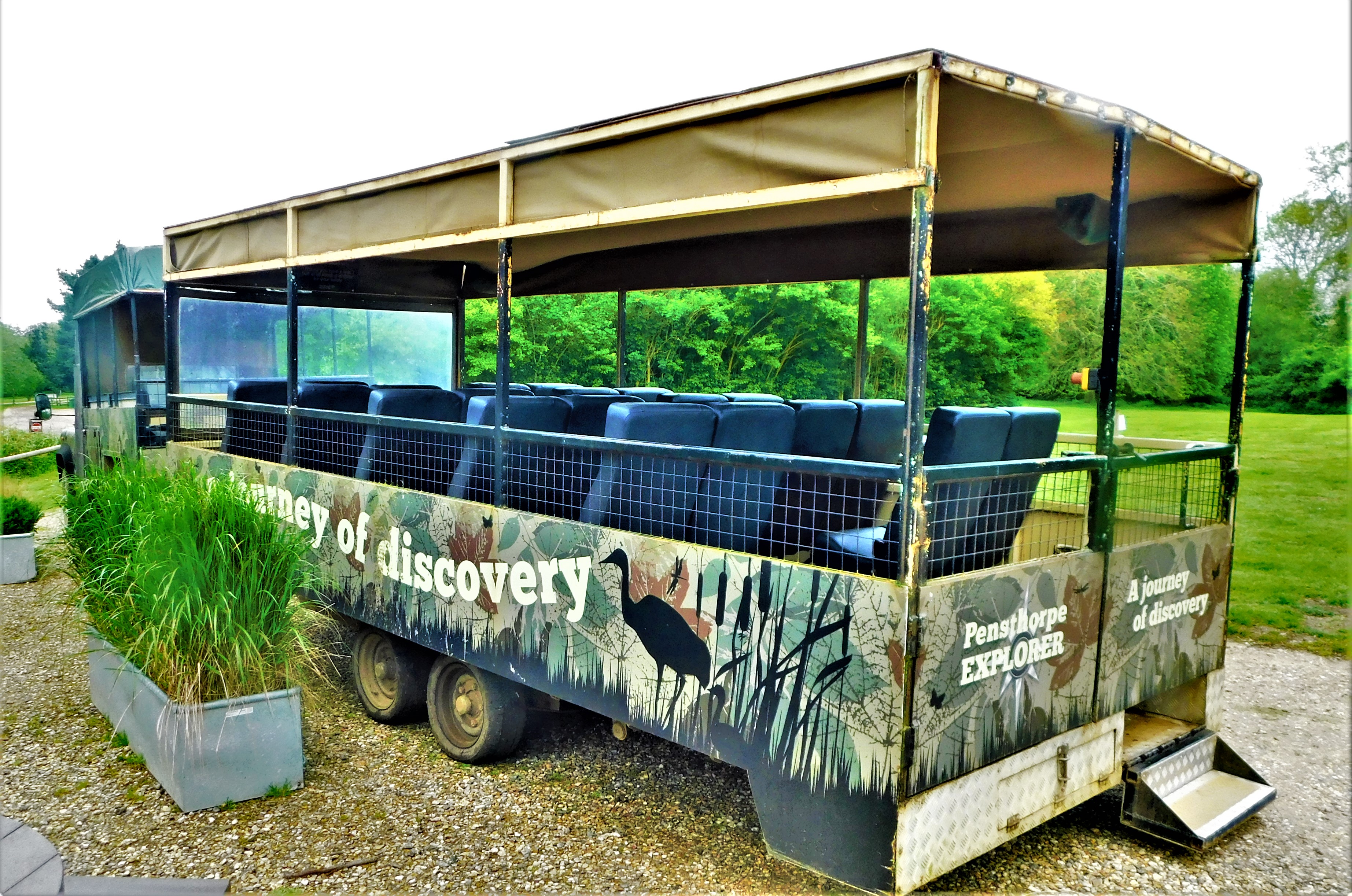
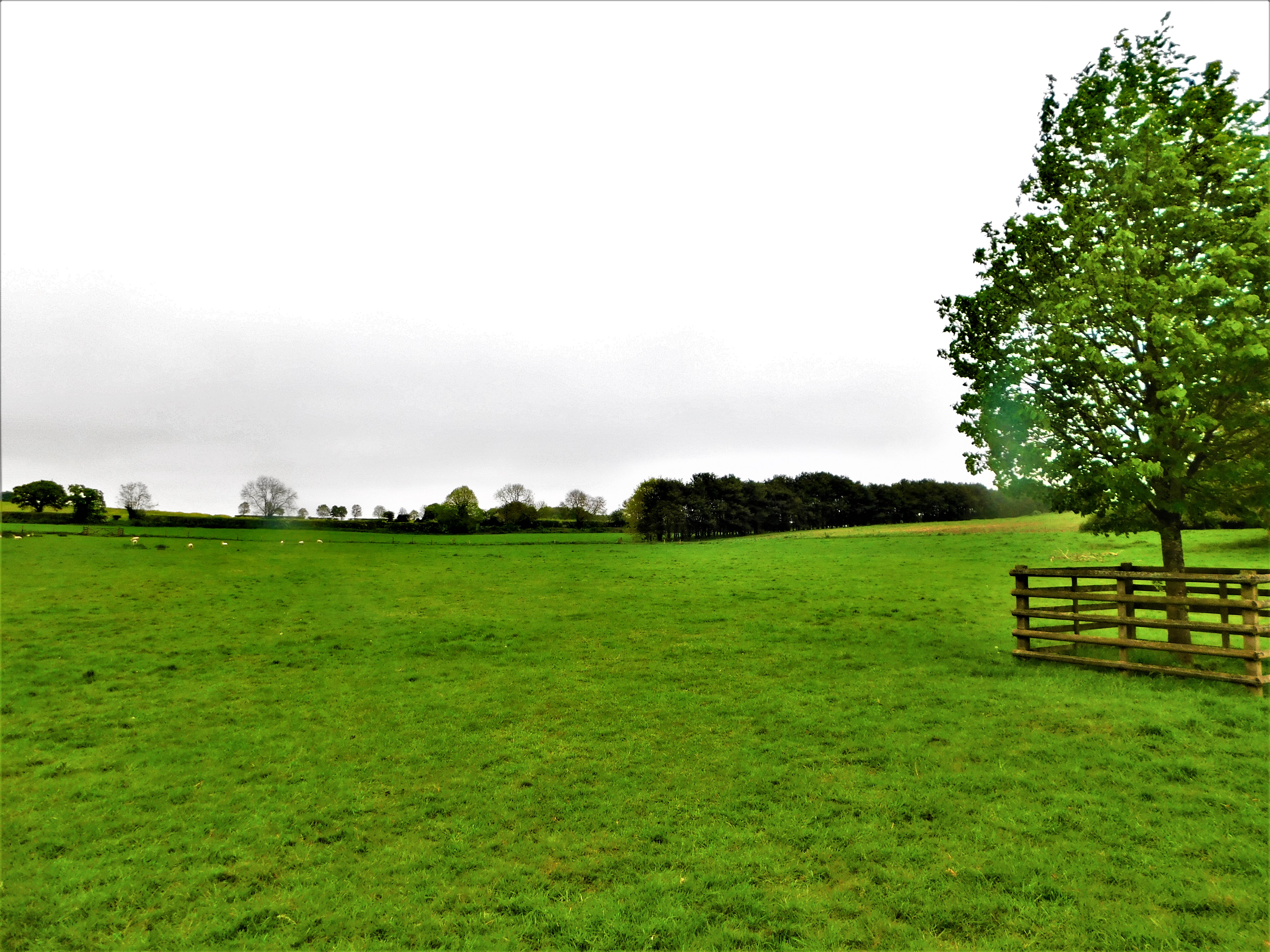
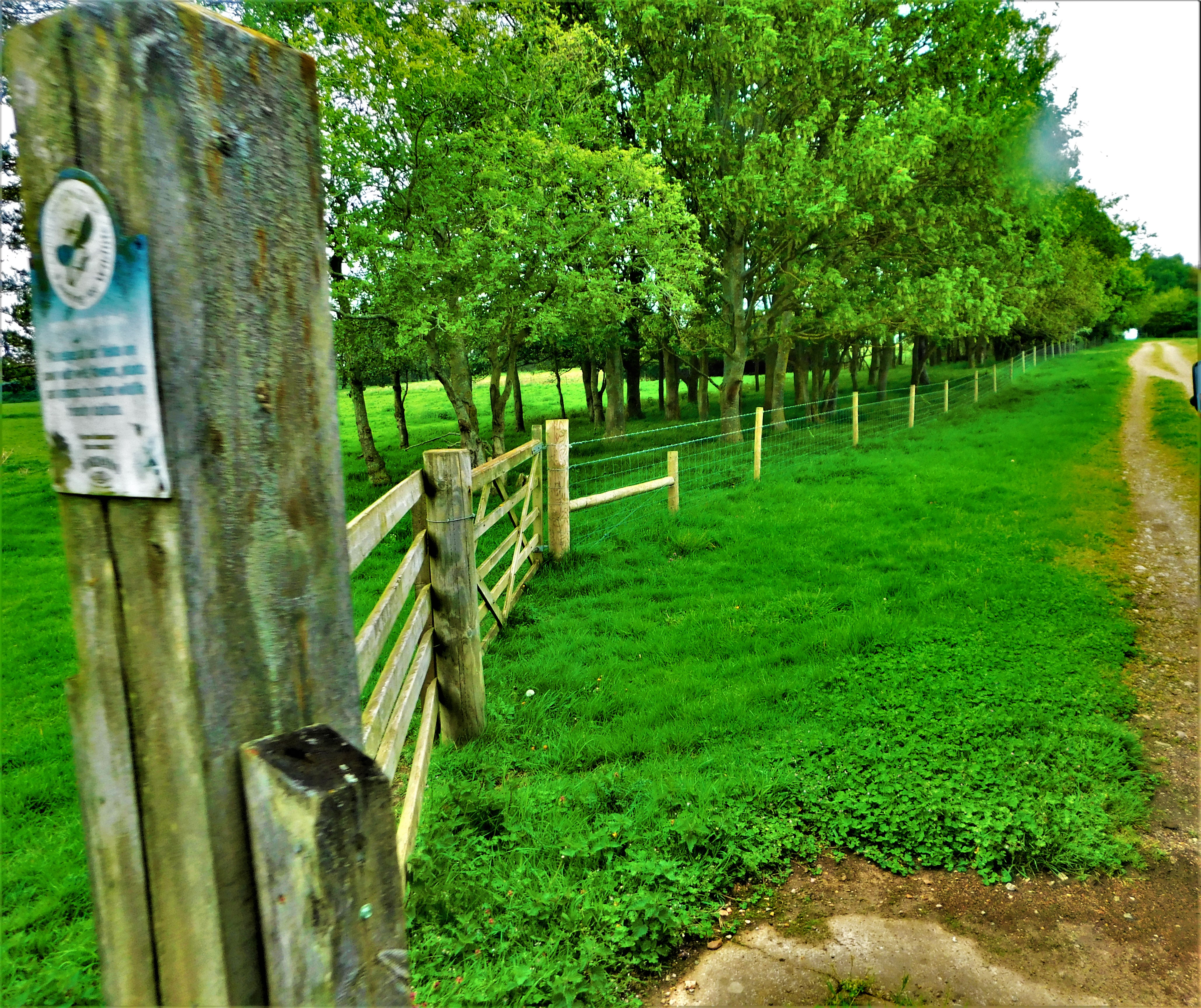
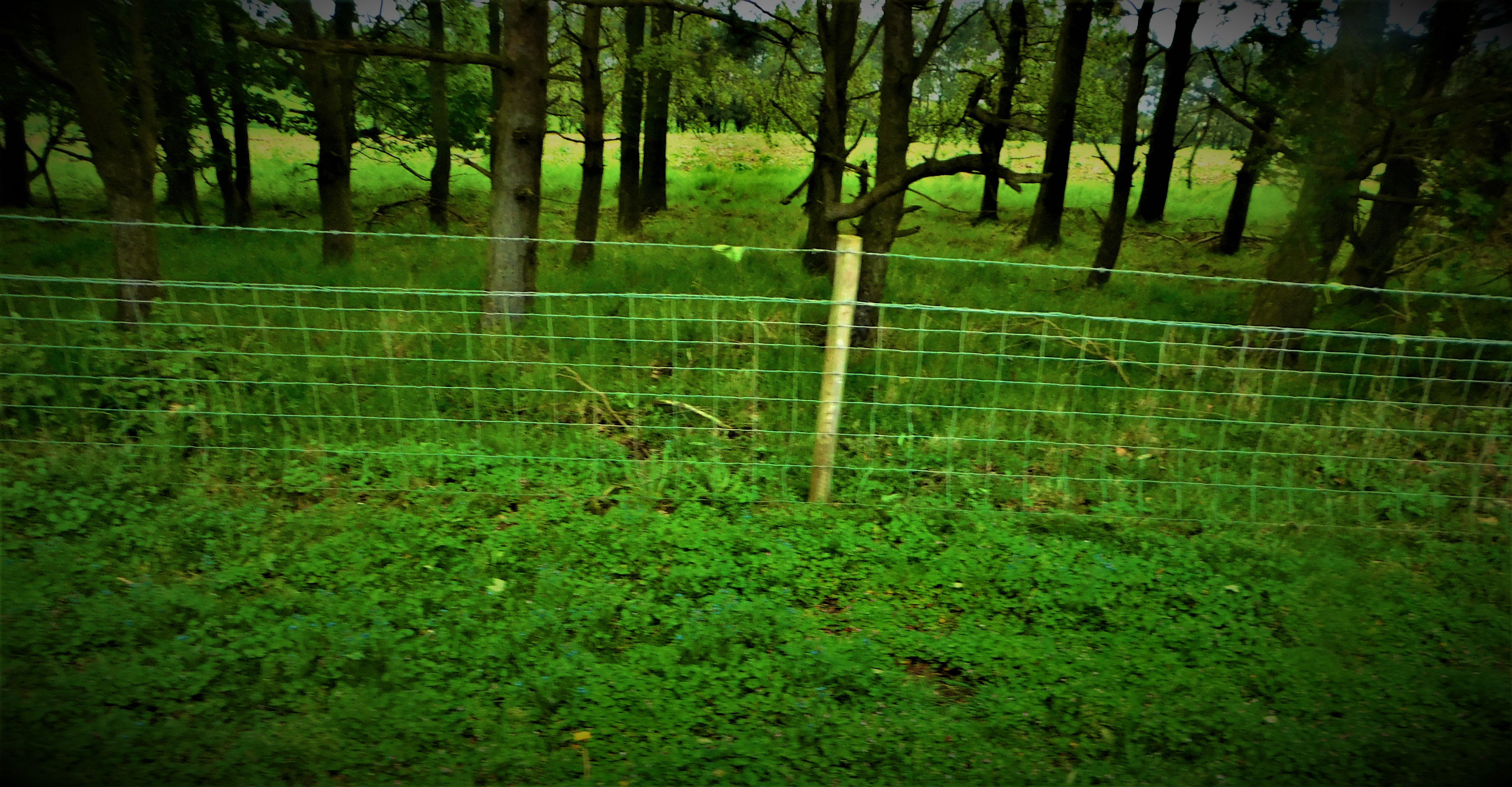
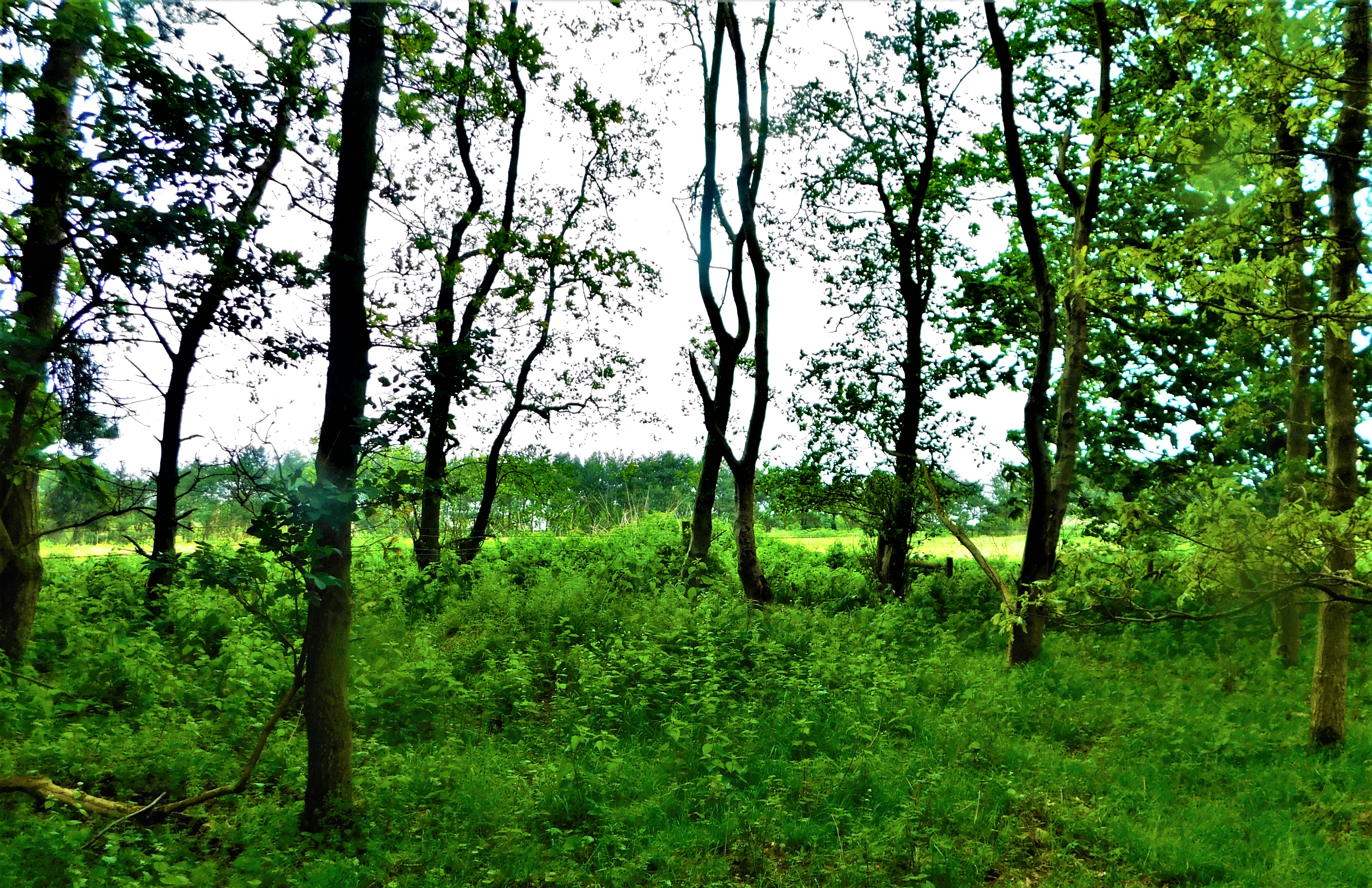
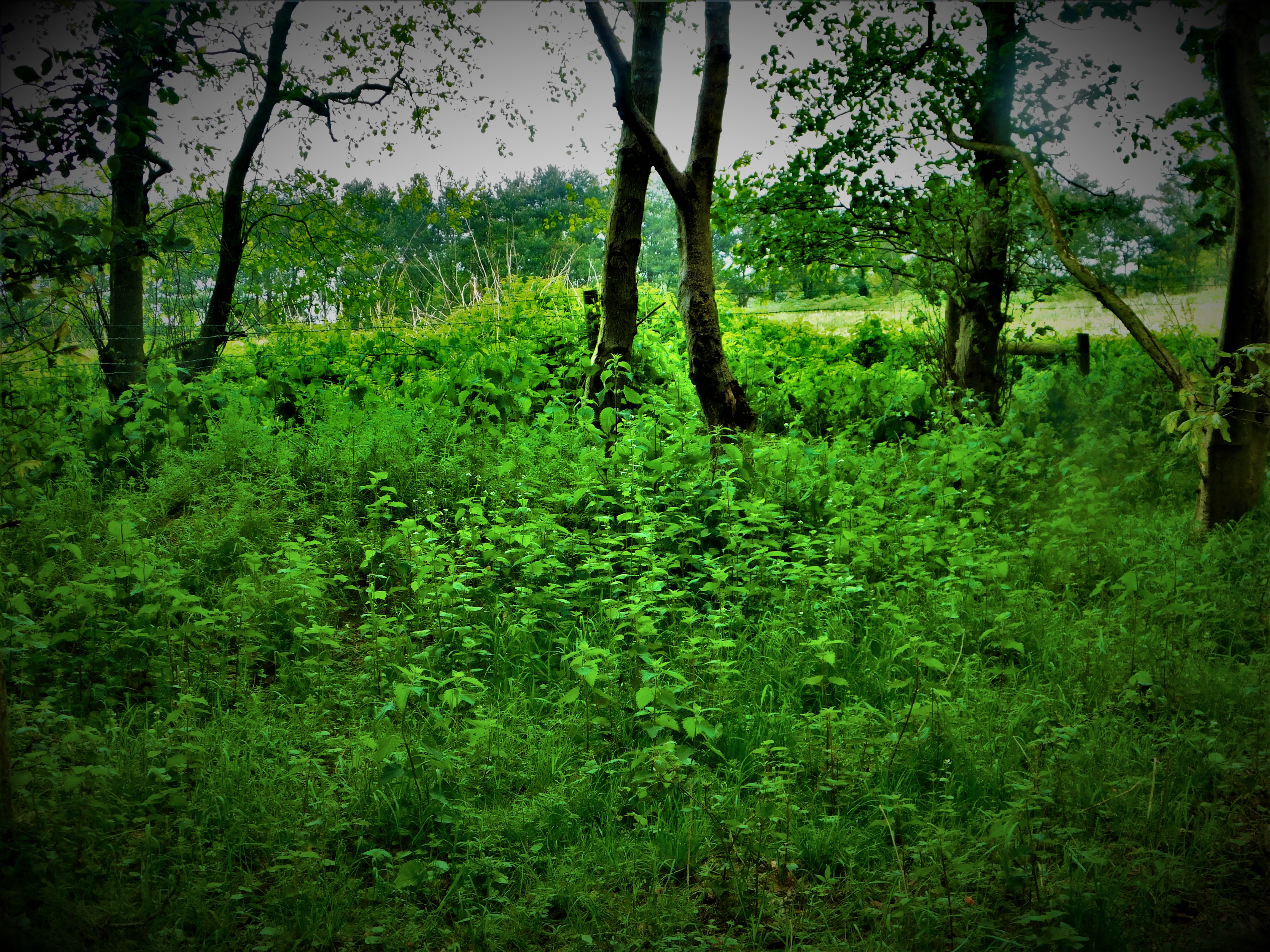
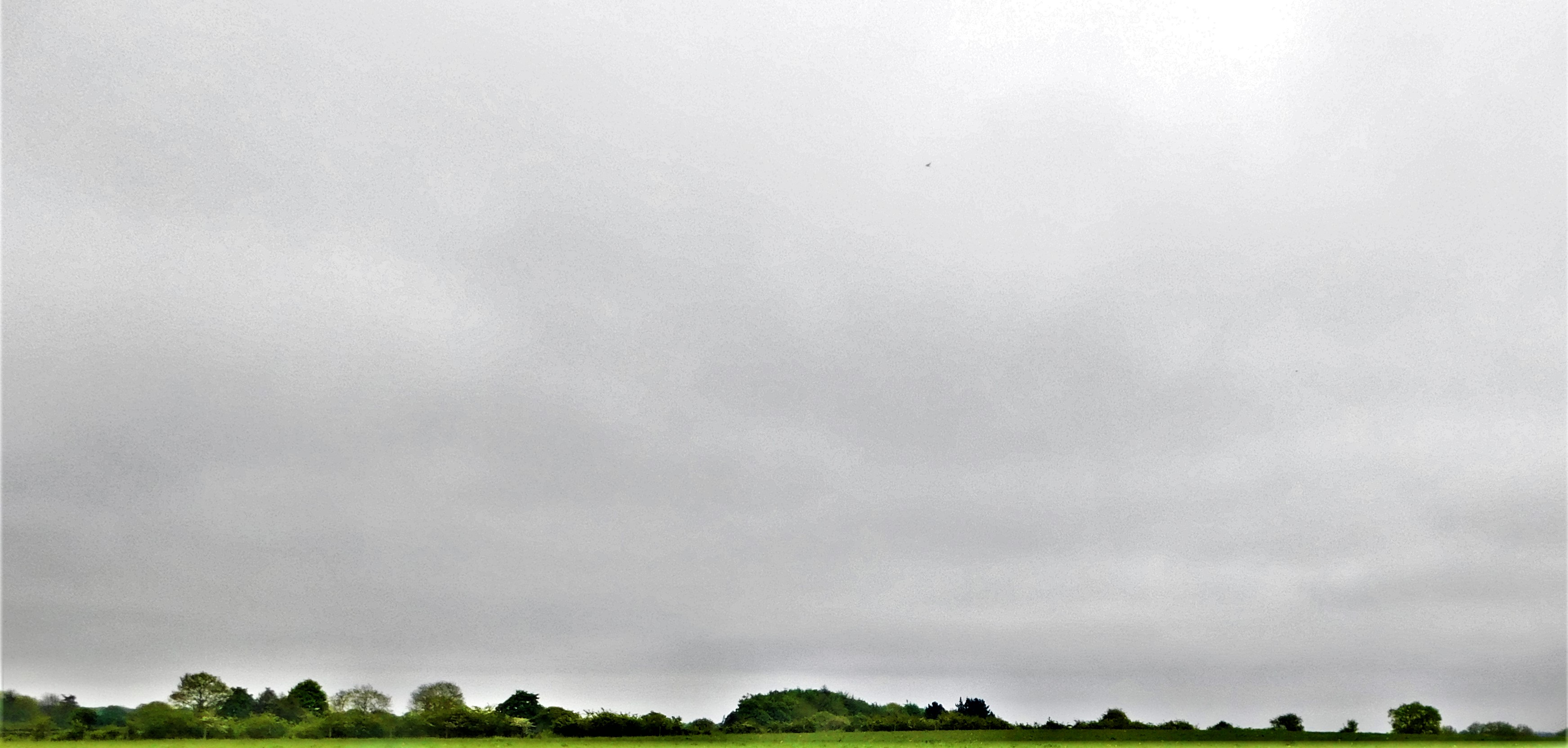
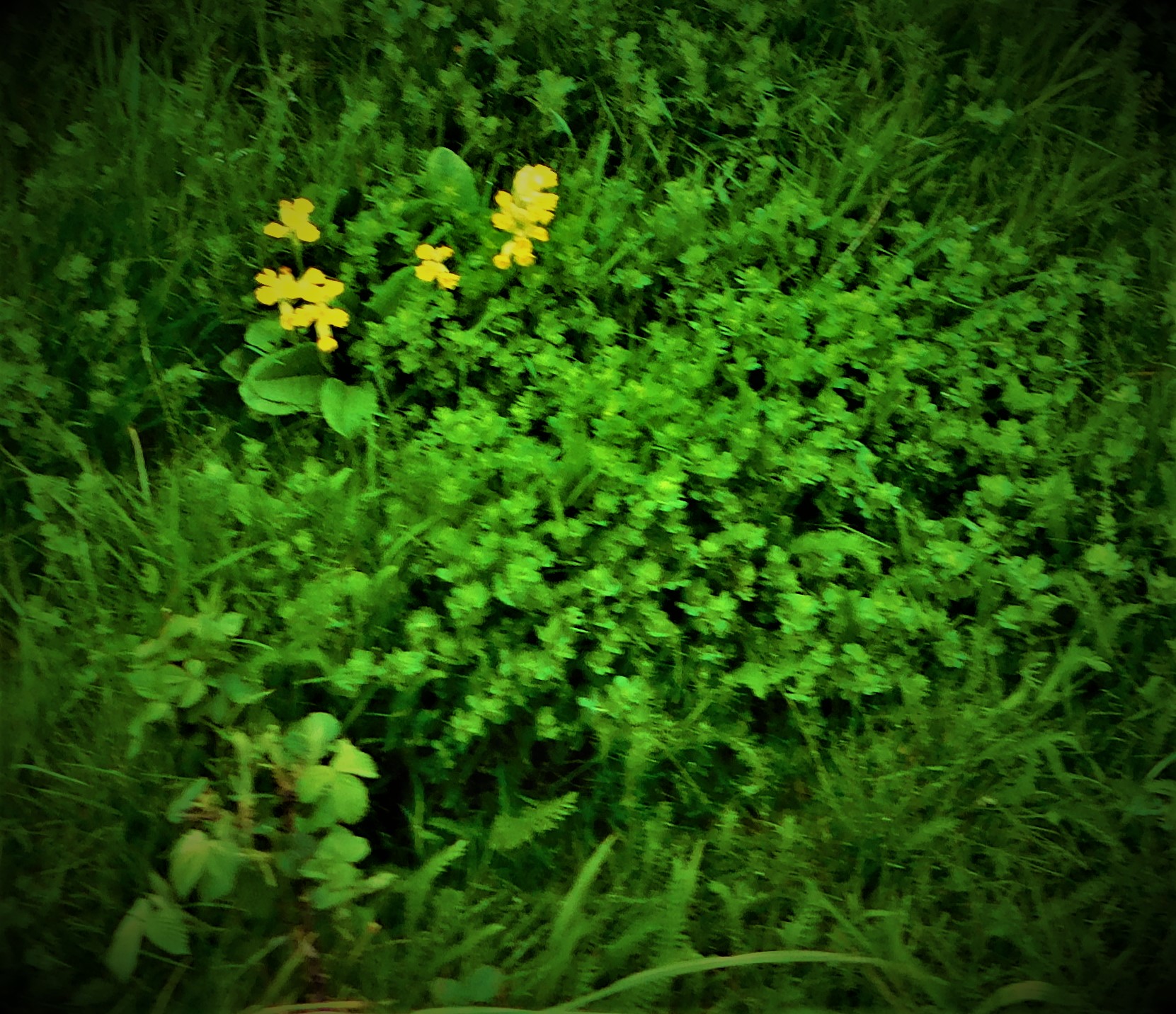
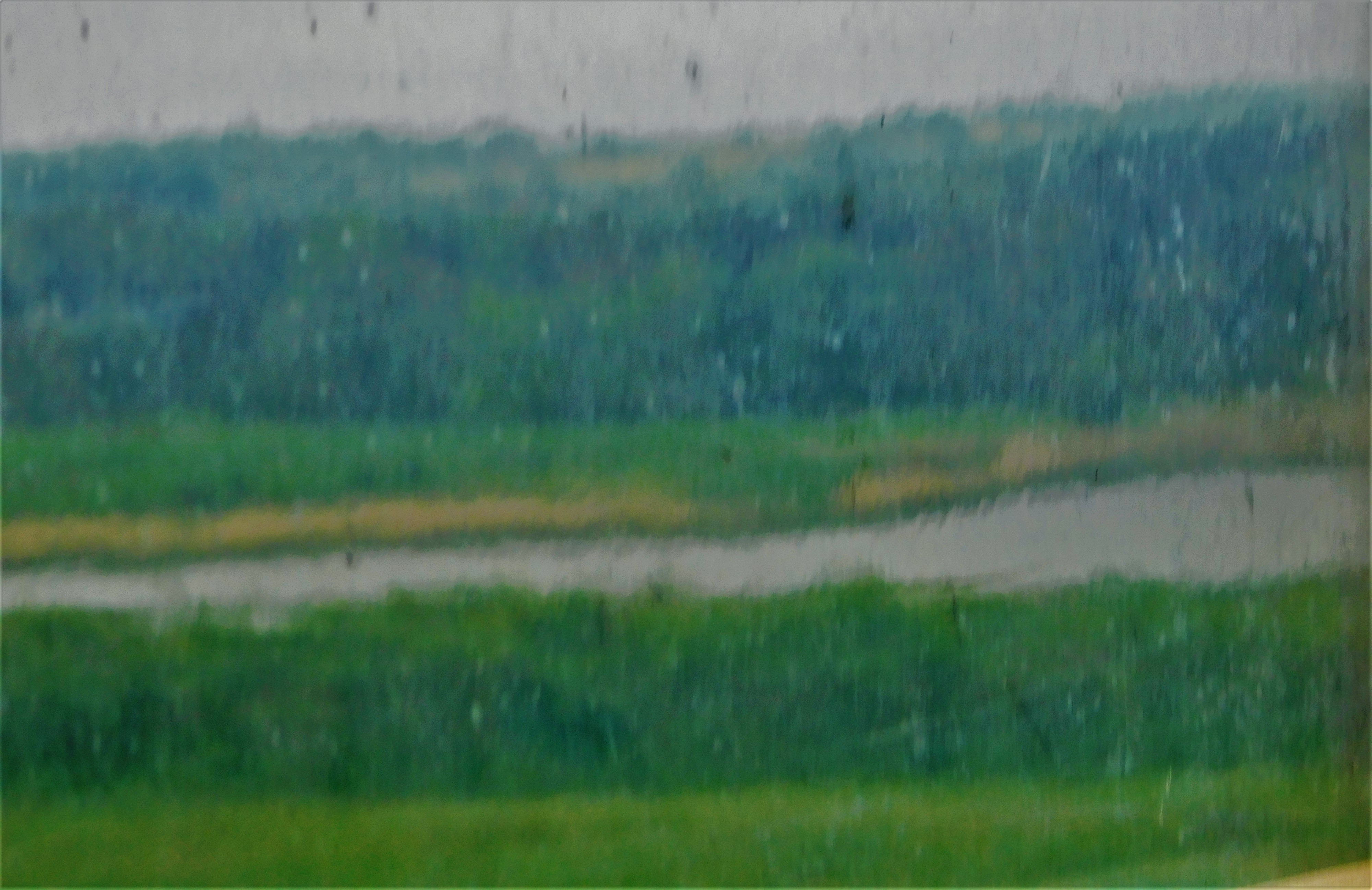
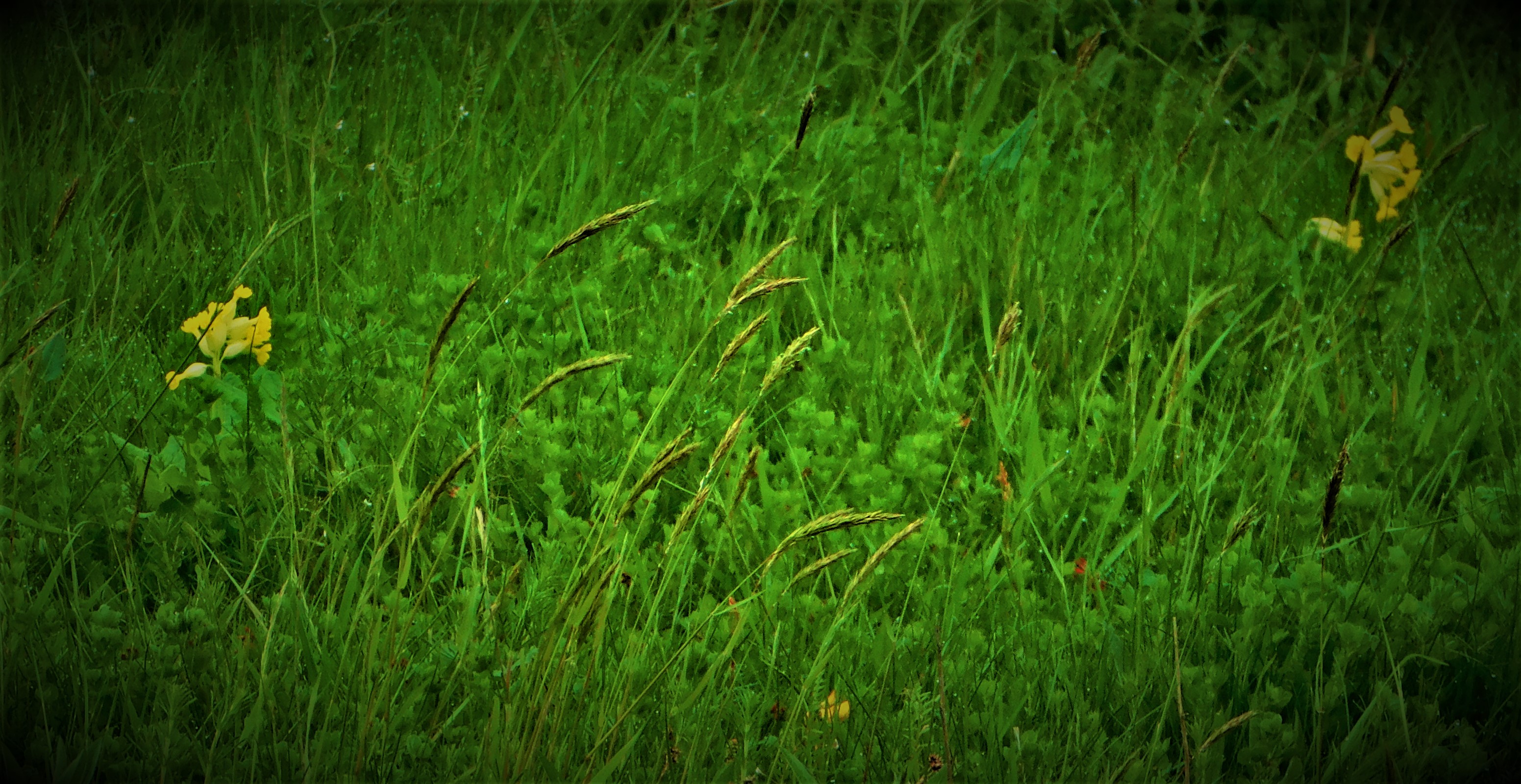
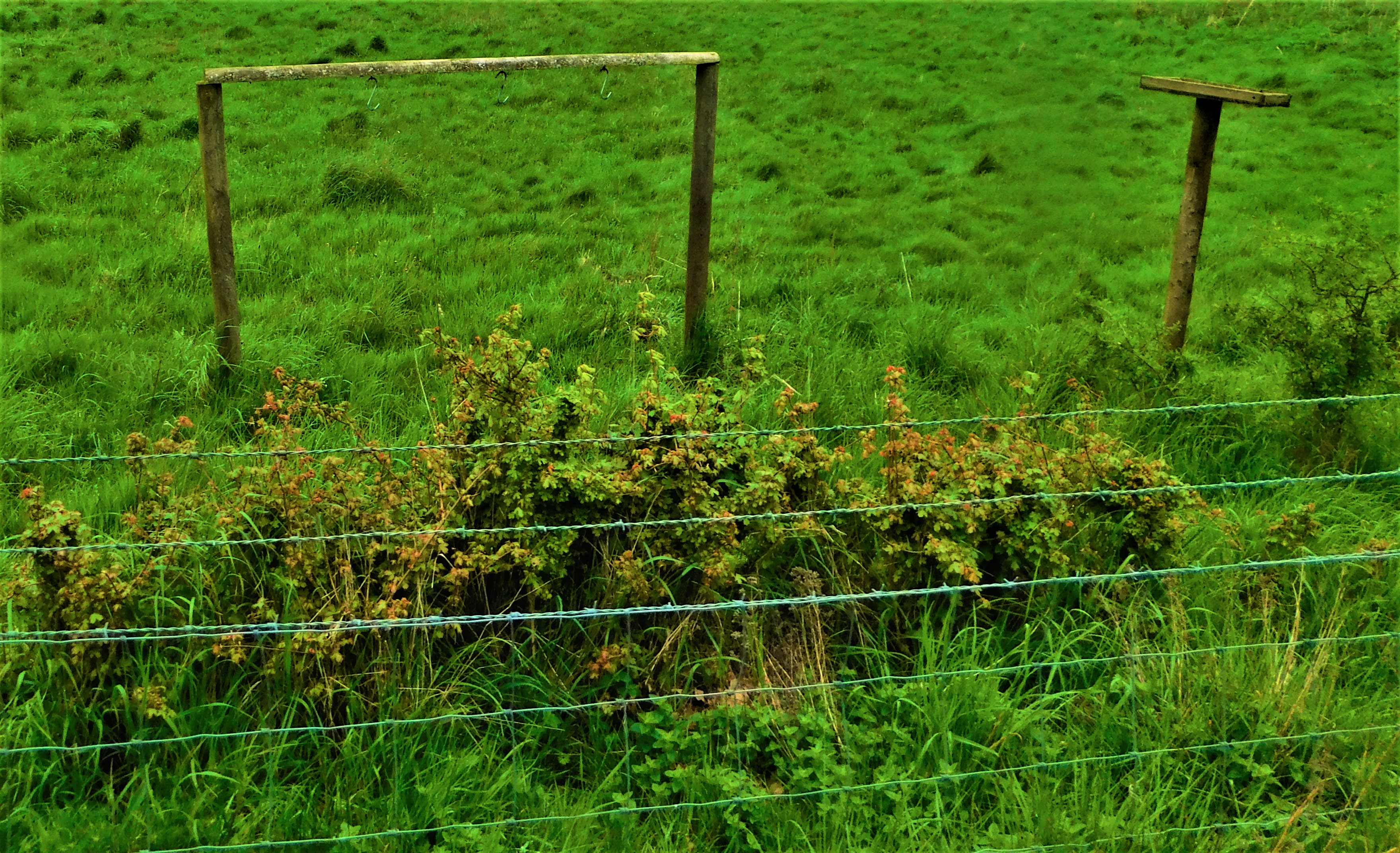
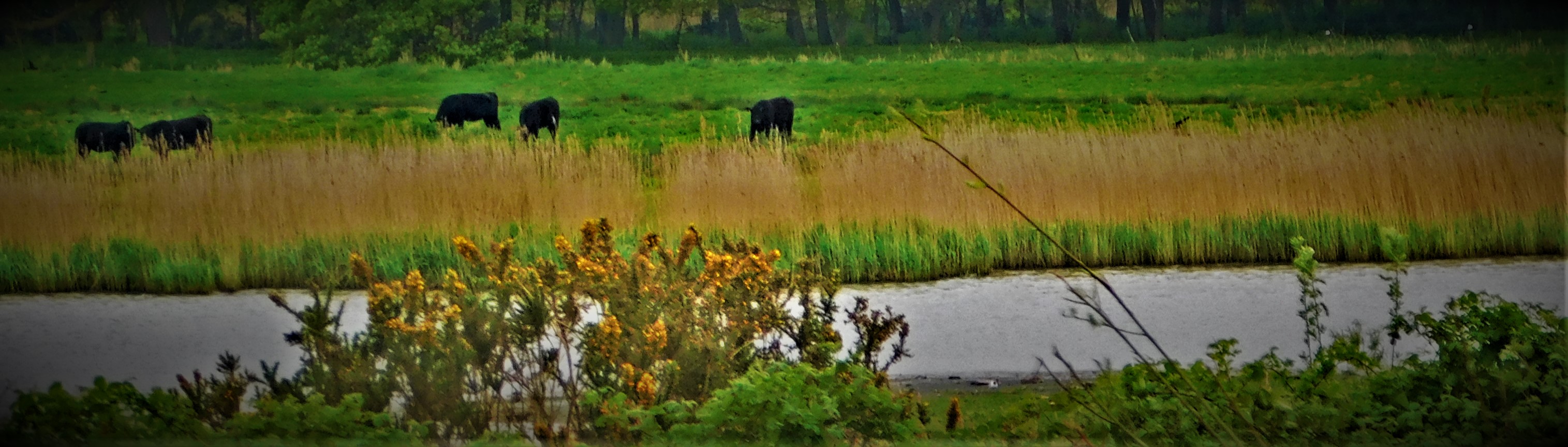
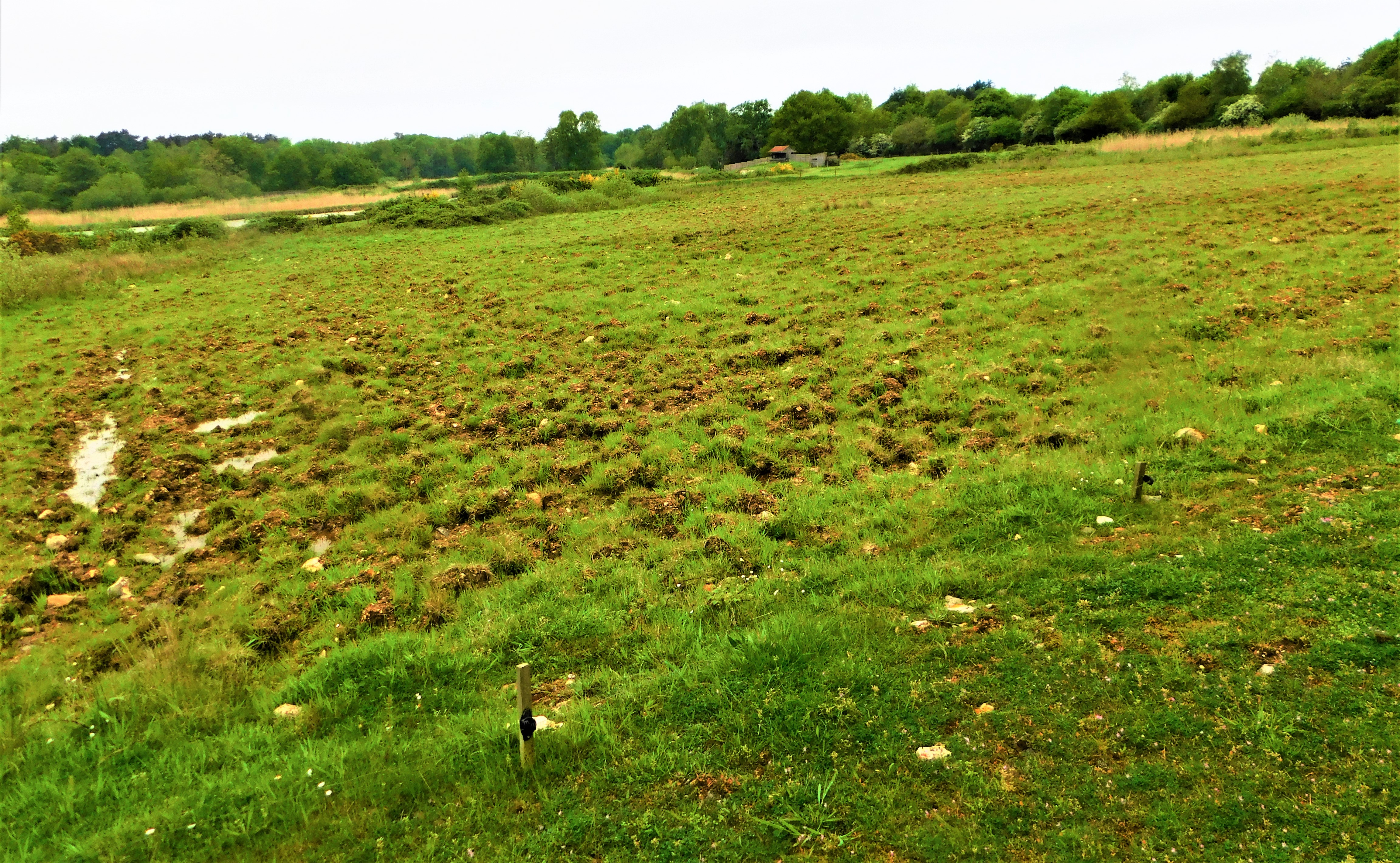
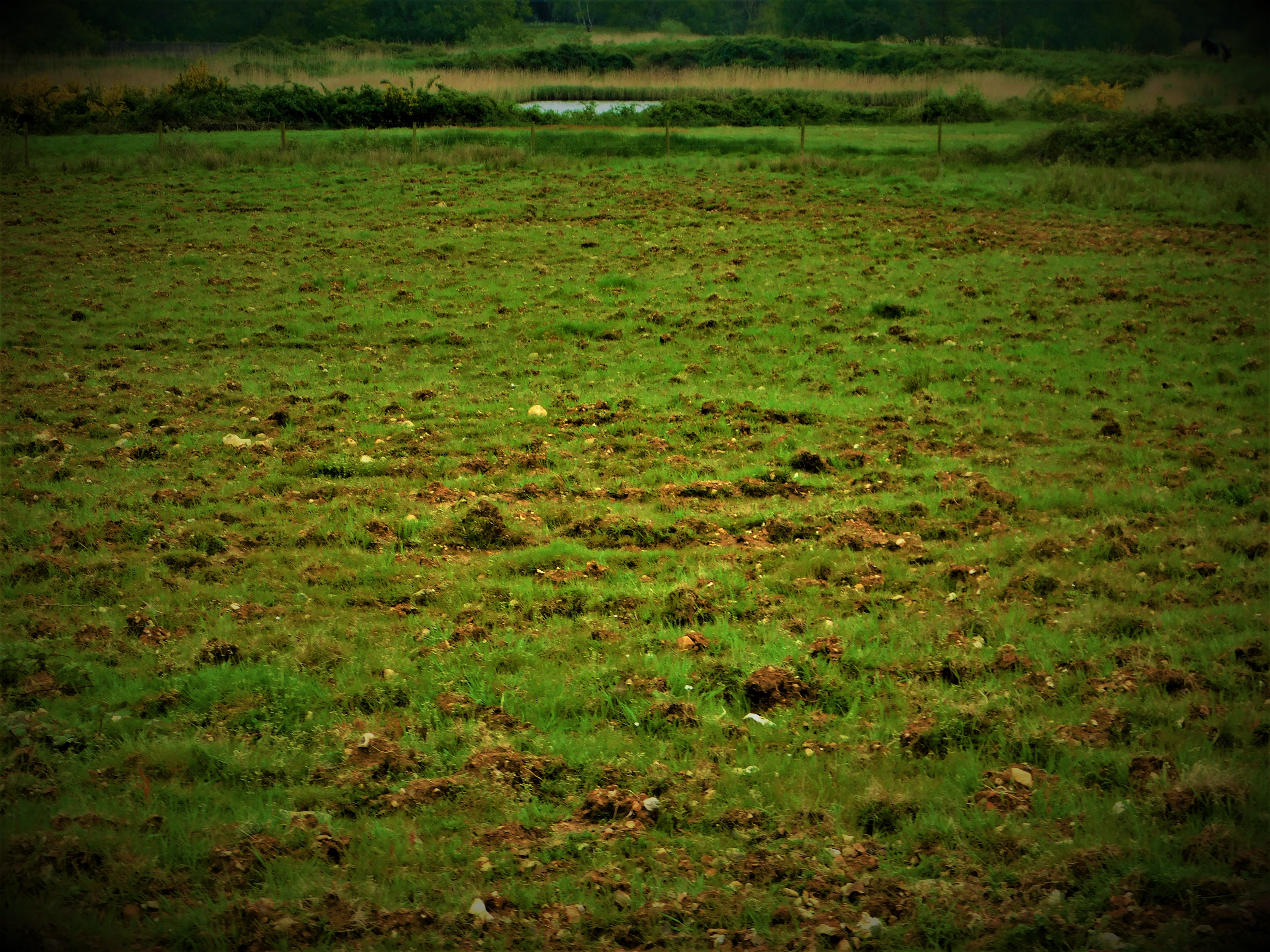
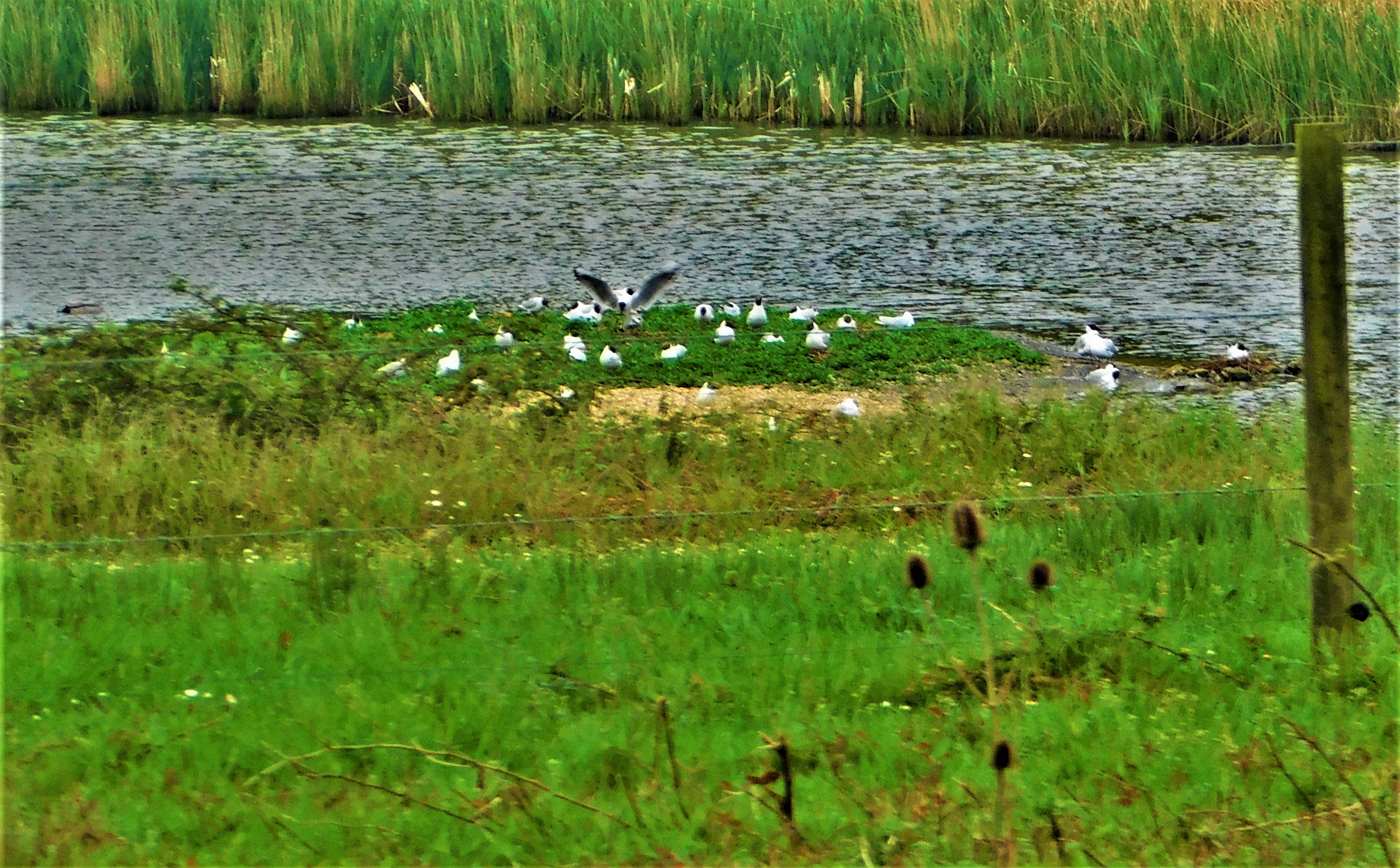
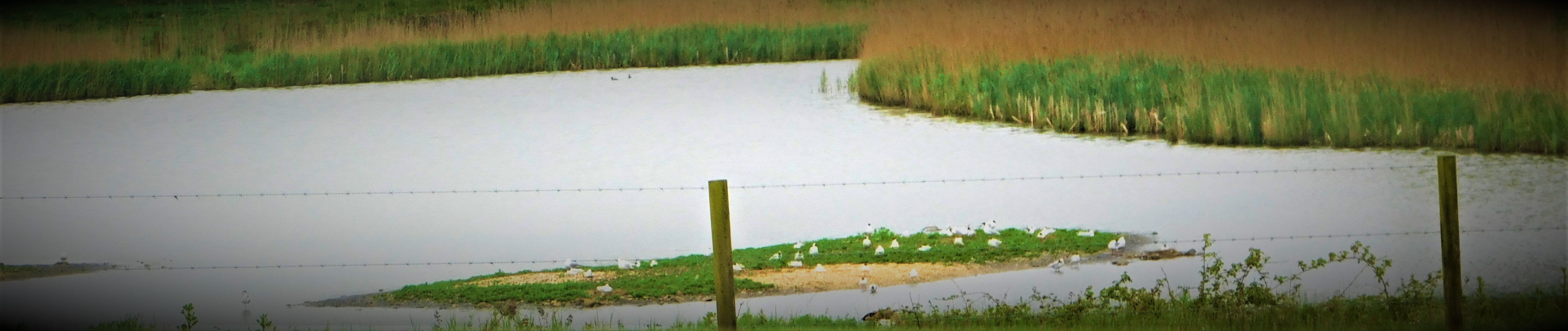
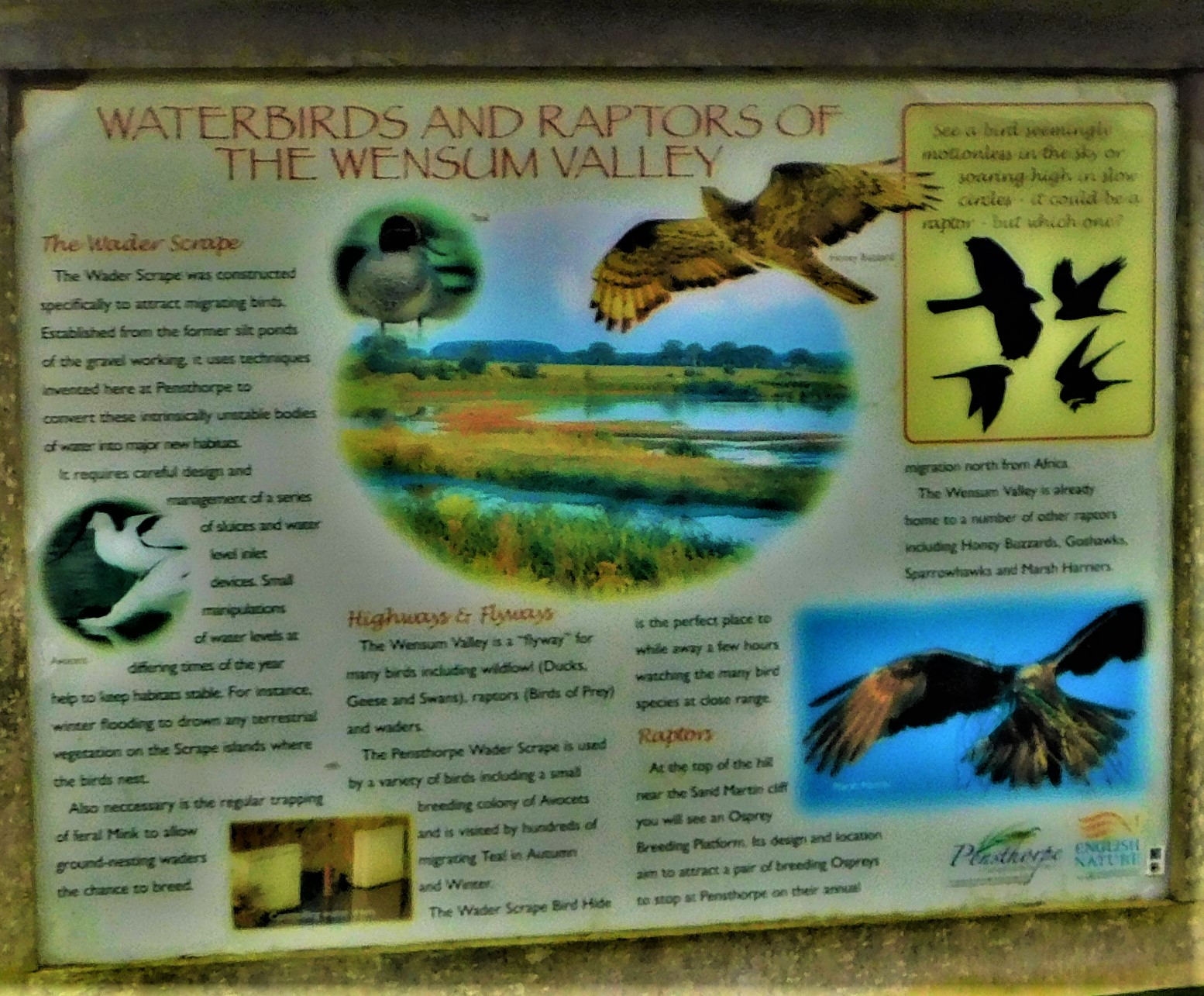
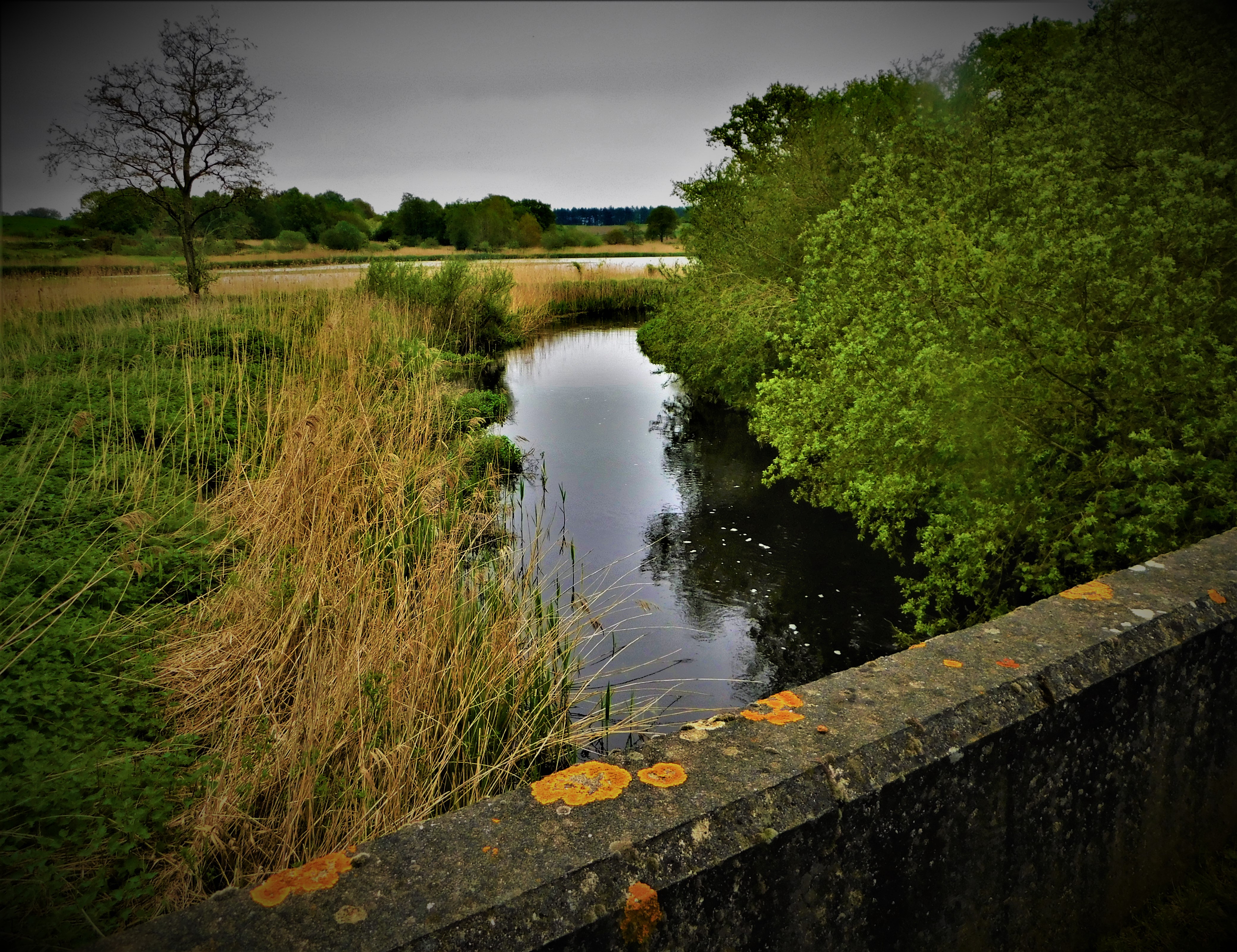
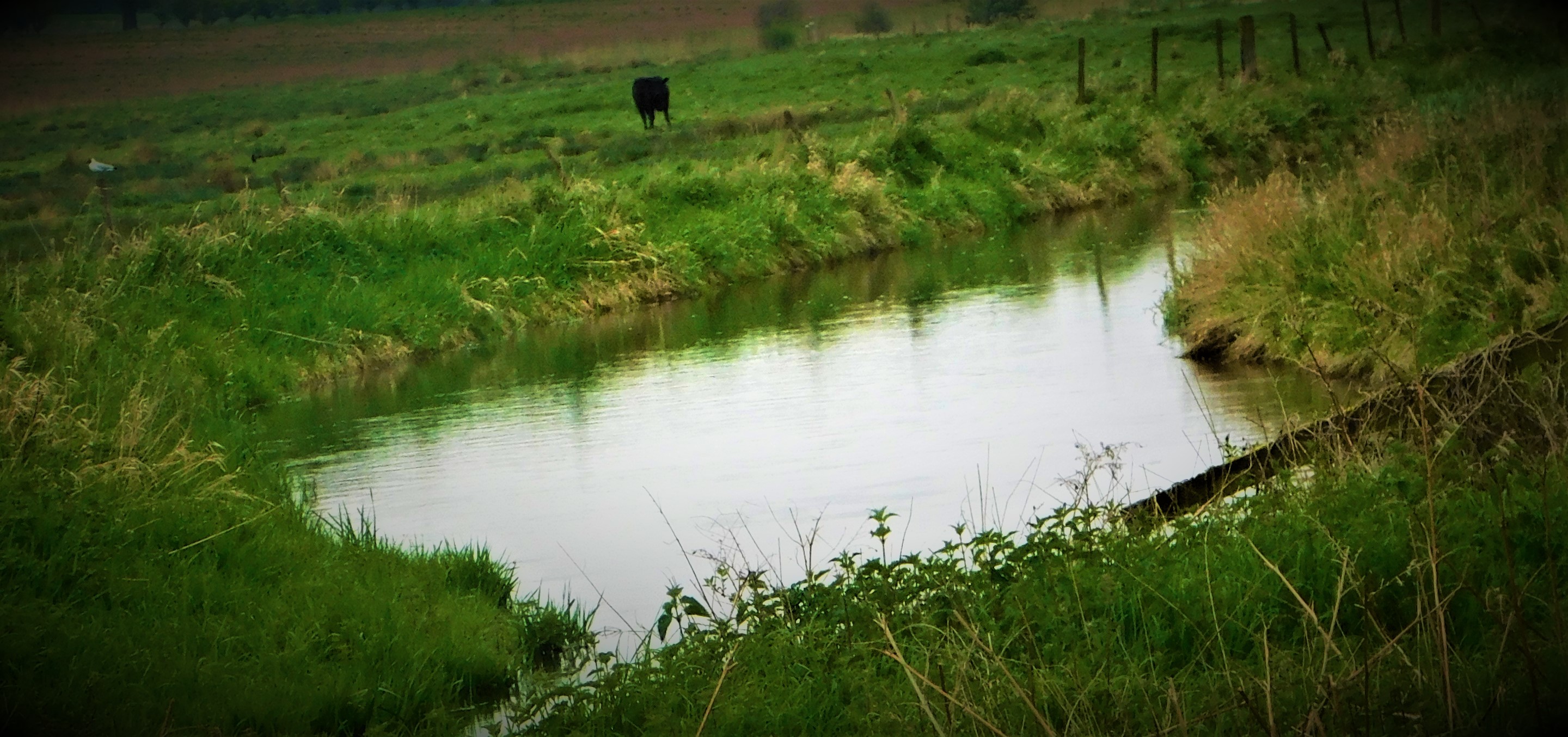
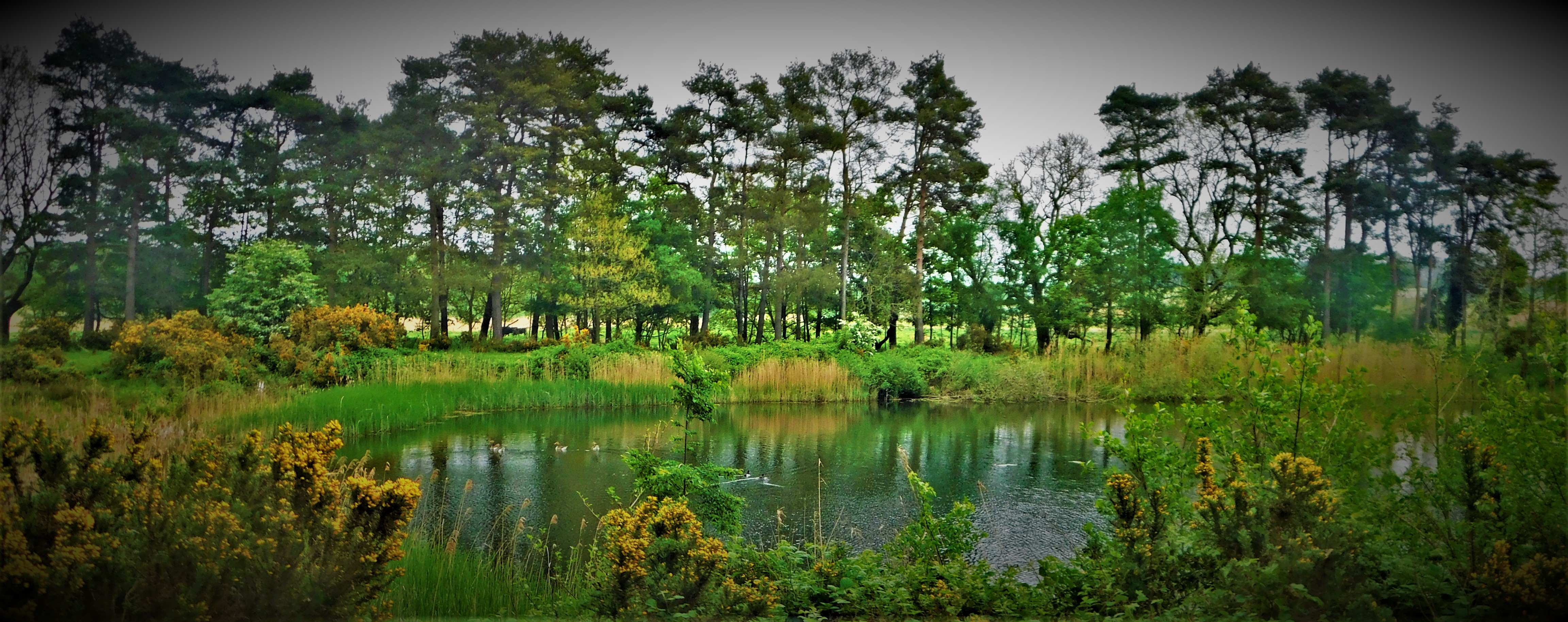
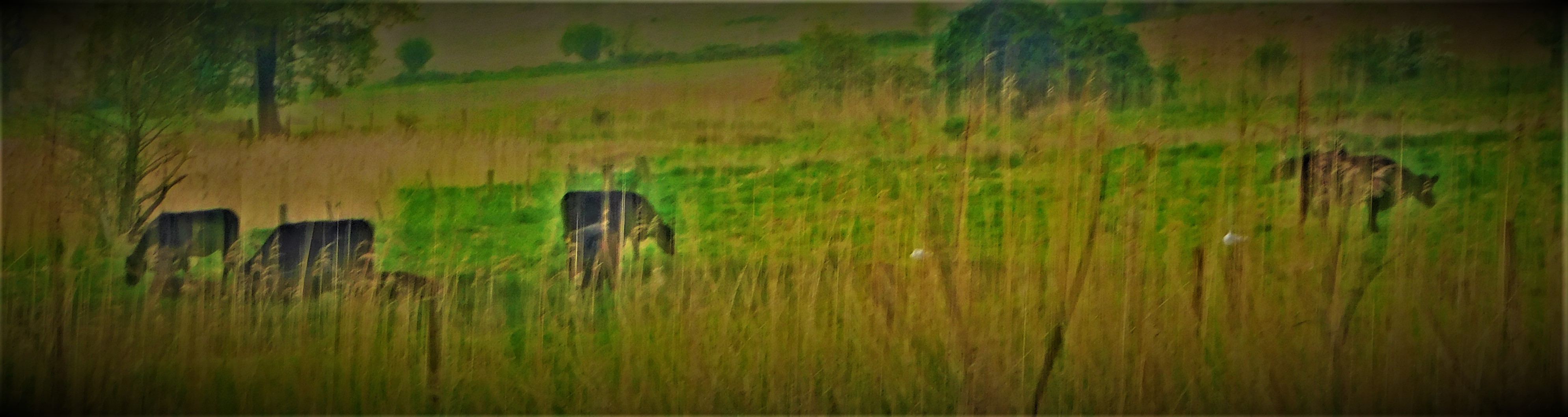
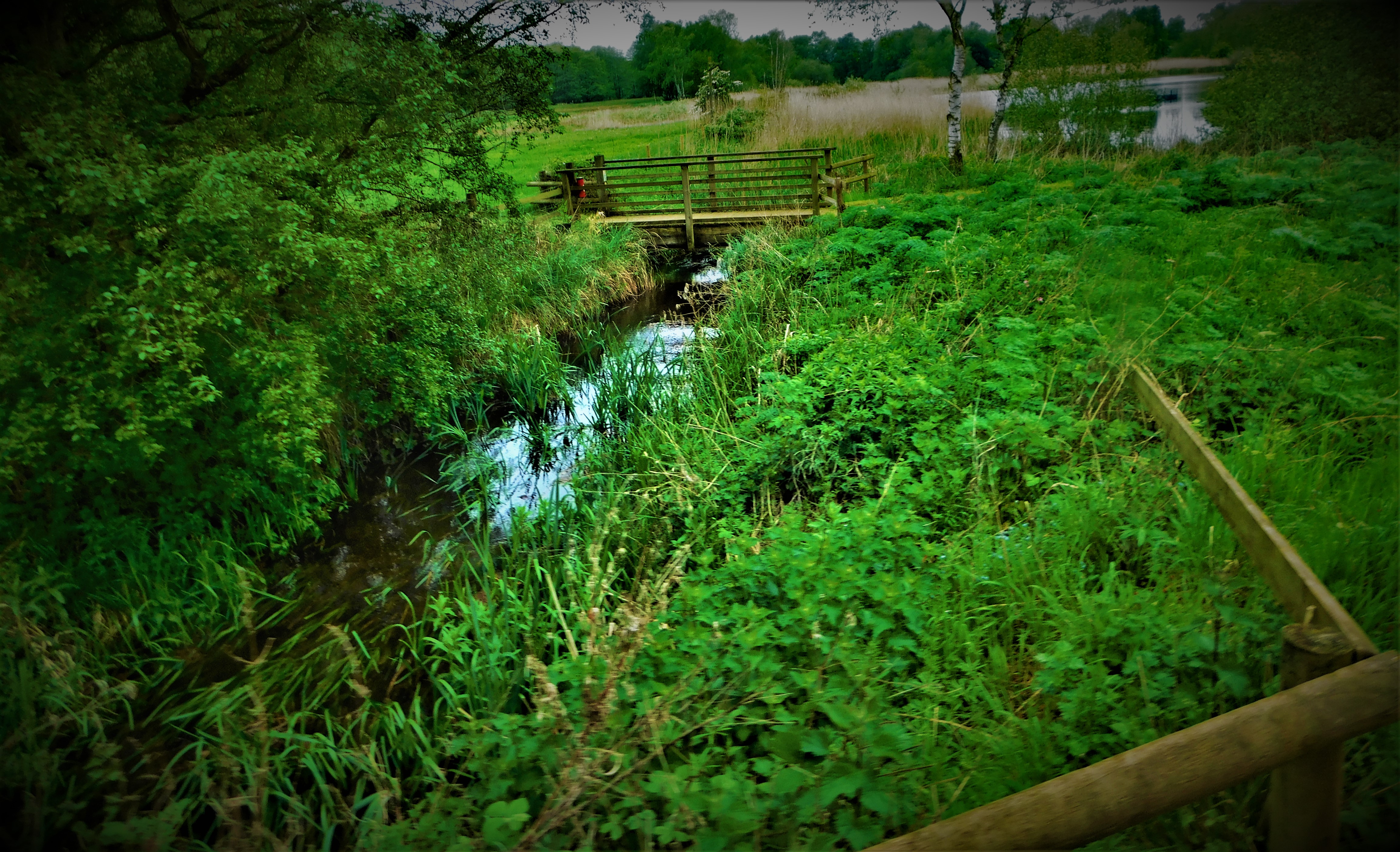
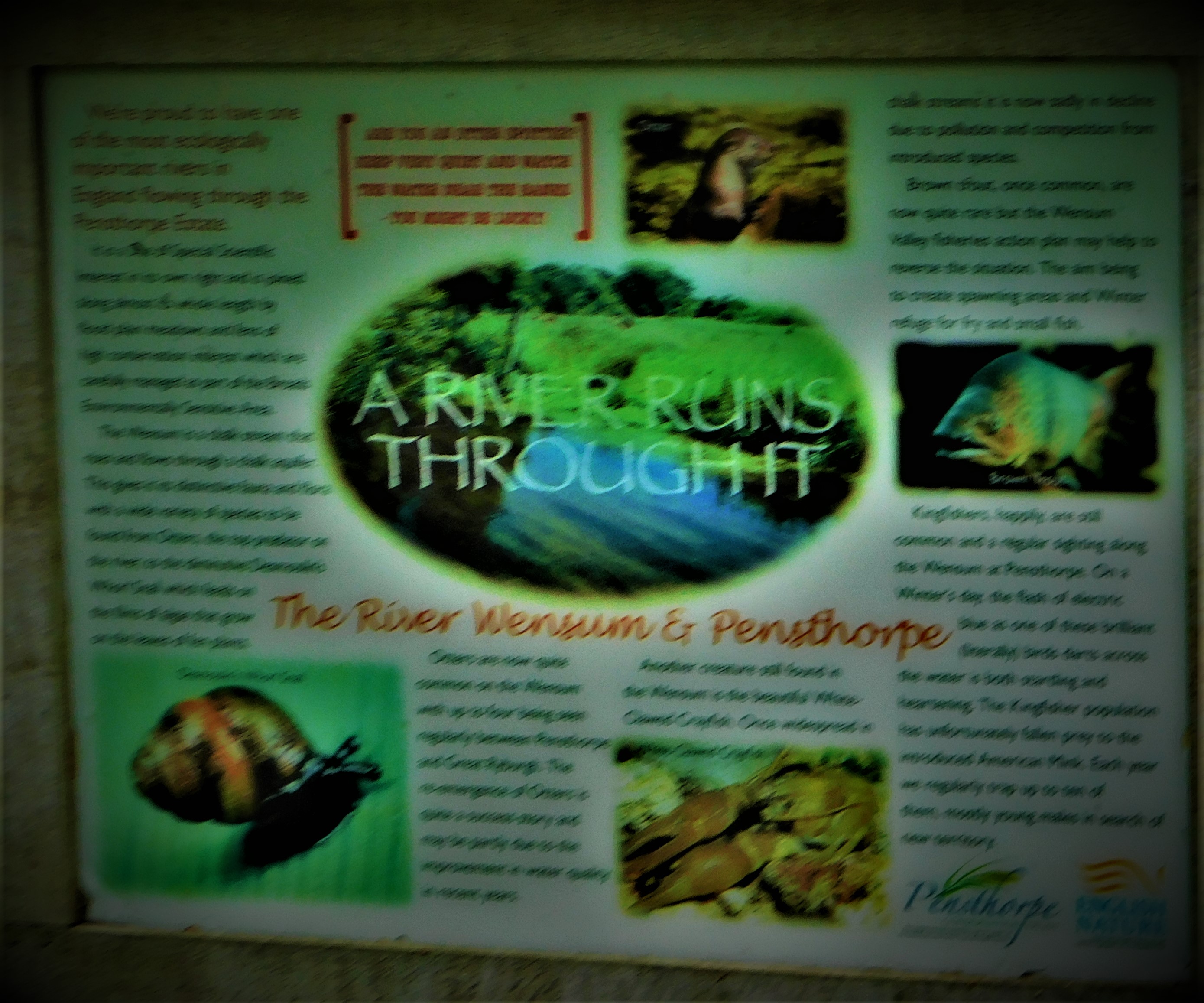
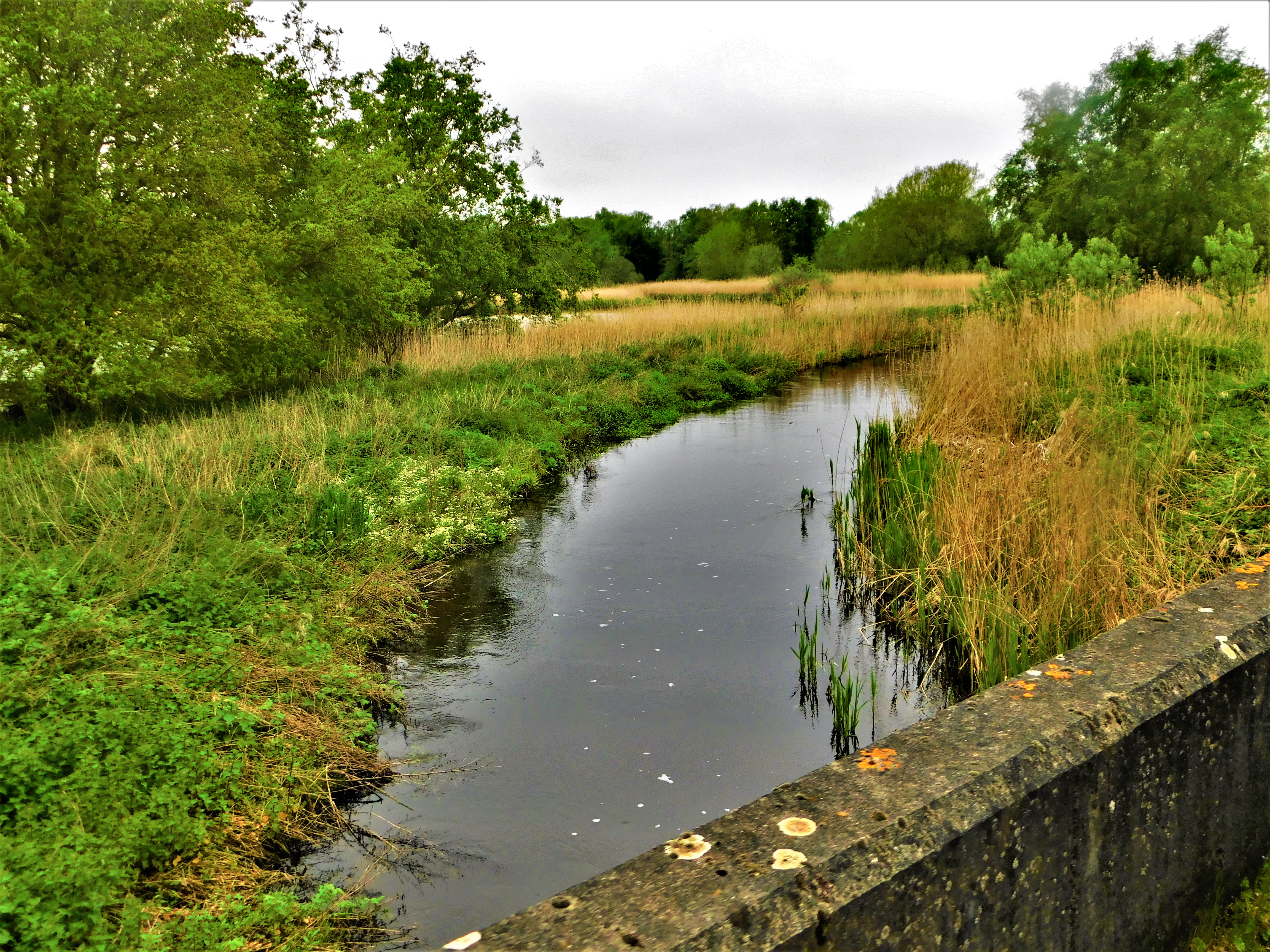
Pensthorpe is a very large site (from Anglo-Saxon times until the 14th century Pensthorpe was a town, larger than nearby Fakenham), and there are some parts that cannot be accessed on foot, which is where the trailer ride comes in. On this occasion there was a small delay on the stated start time of the ride. As well as a natural park/ nature reserve, Pensthorpe owns farm and grazing land, and generates all its own electricity, mainly via solar panels. Among the beasts that are taken to graze here in the appropriate season are sheep, Aberdeen Angus cattle and longhorn cattle. There is both old and new growth woodland, with one section having started life as a classic intensive conifer plantation, now being thinned out to allow more sunlight to reach the forest floor. One also gets distant views of some of the lakes, including ones equipped with nesting platforms for Common Tern. There are two sections of the route that were once parts of railways, both closed in the early 1960s, and the infrastructure destroyed. At one stage there is a direct view of a ‘maltings’ building (making malted barley is the first stage of the process of beer making). There were dragonflies about, though I was unable to capture any on camera – strictures regarding moving targets when you yourself are in motion apply as much to the only kind of shooting I am interested in as to the other kind. There are many kinds of bird and bat box to be seen. Also reminders of the natural history of the area in the form of small lakes where water has filled holes originally gouged out by glaciers. These are important habitats for creatures such as frogs. The site’s single most important asset is the river Wensum, a chalk stream, and a such heavily protected. I enjoyed my journey on the trailer, and having remembered that I travelled on the non-drivers side on previous occasions I sat on the driver’s side this time round.

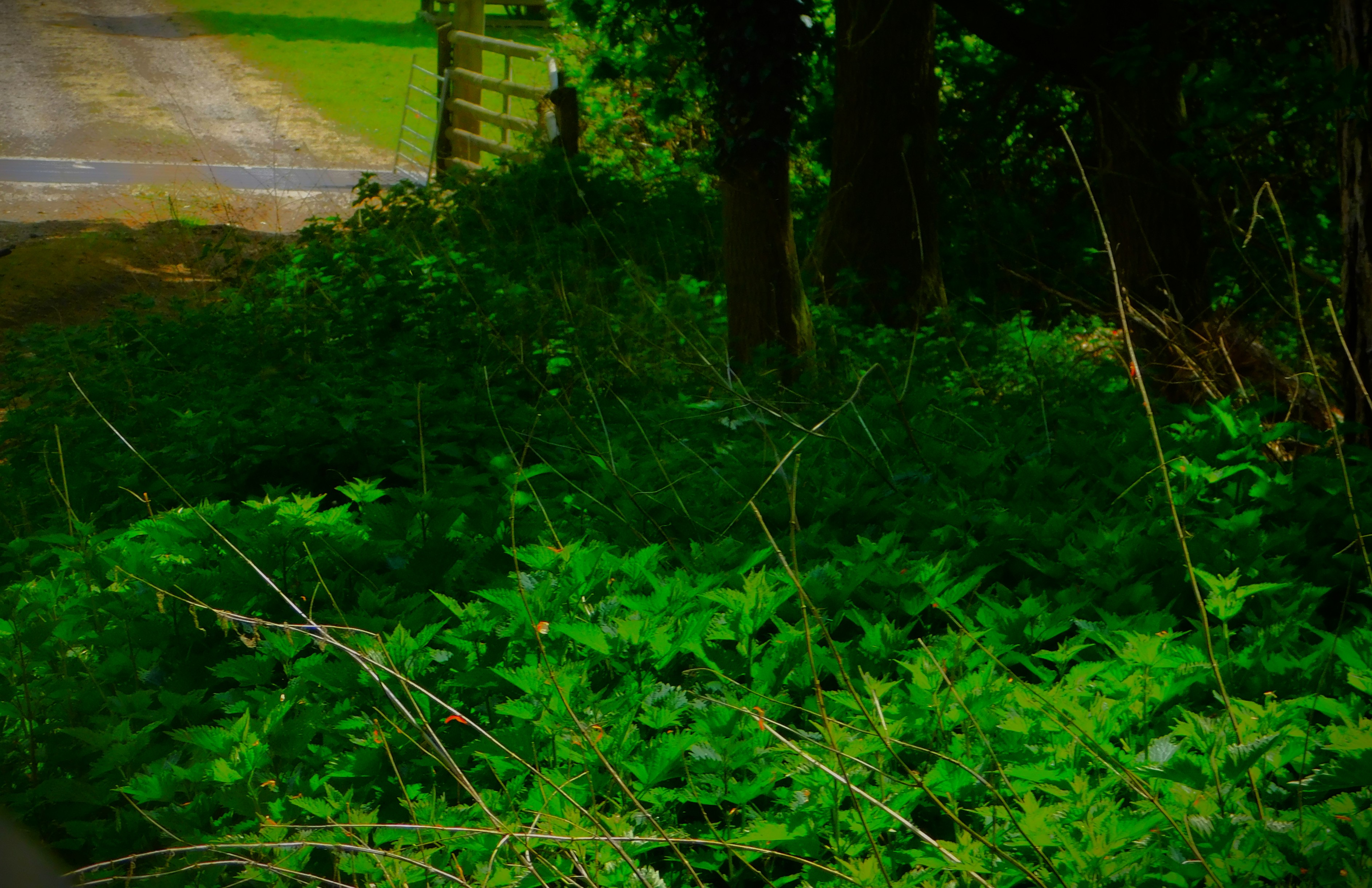
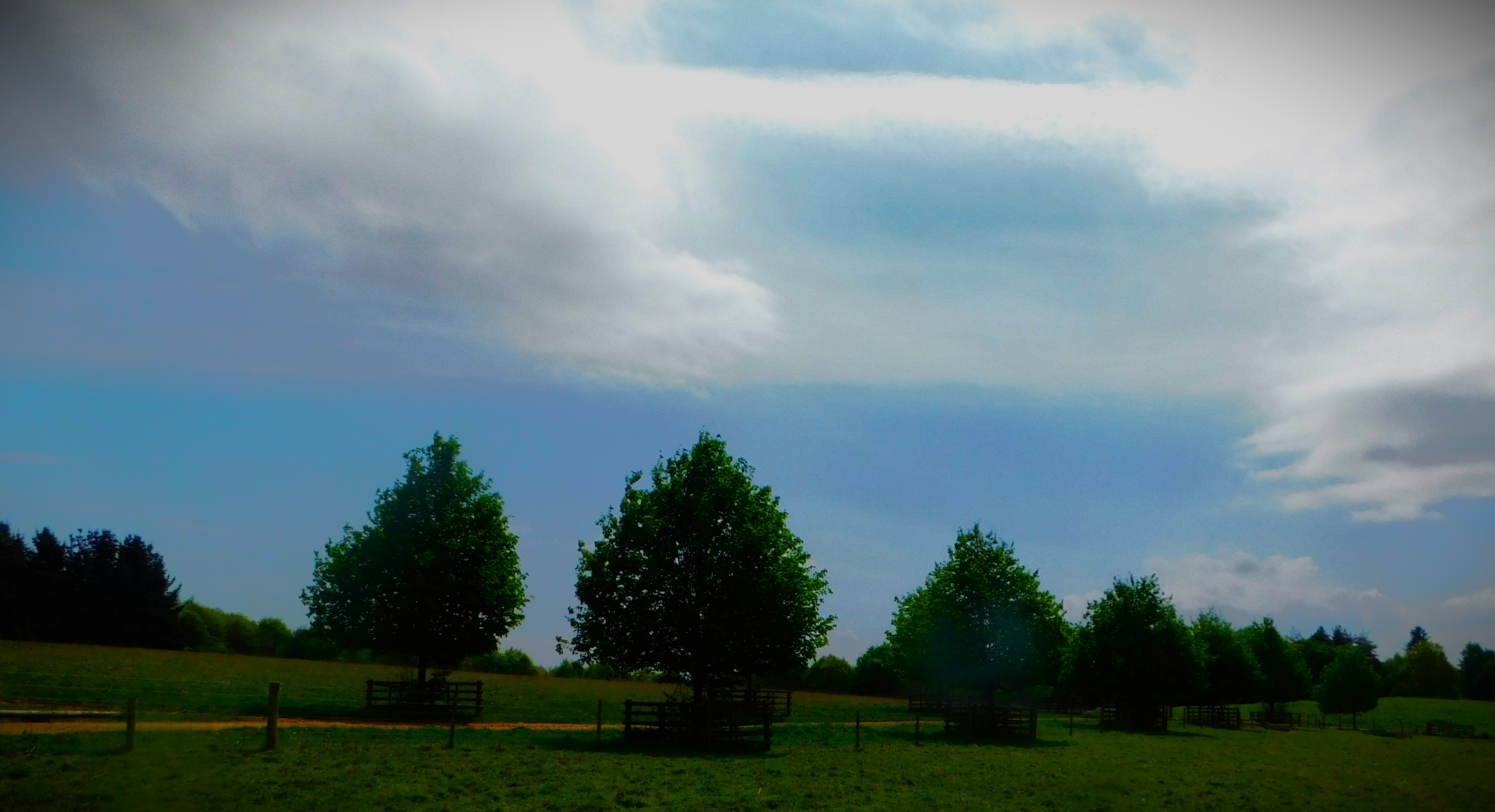
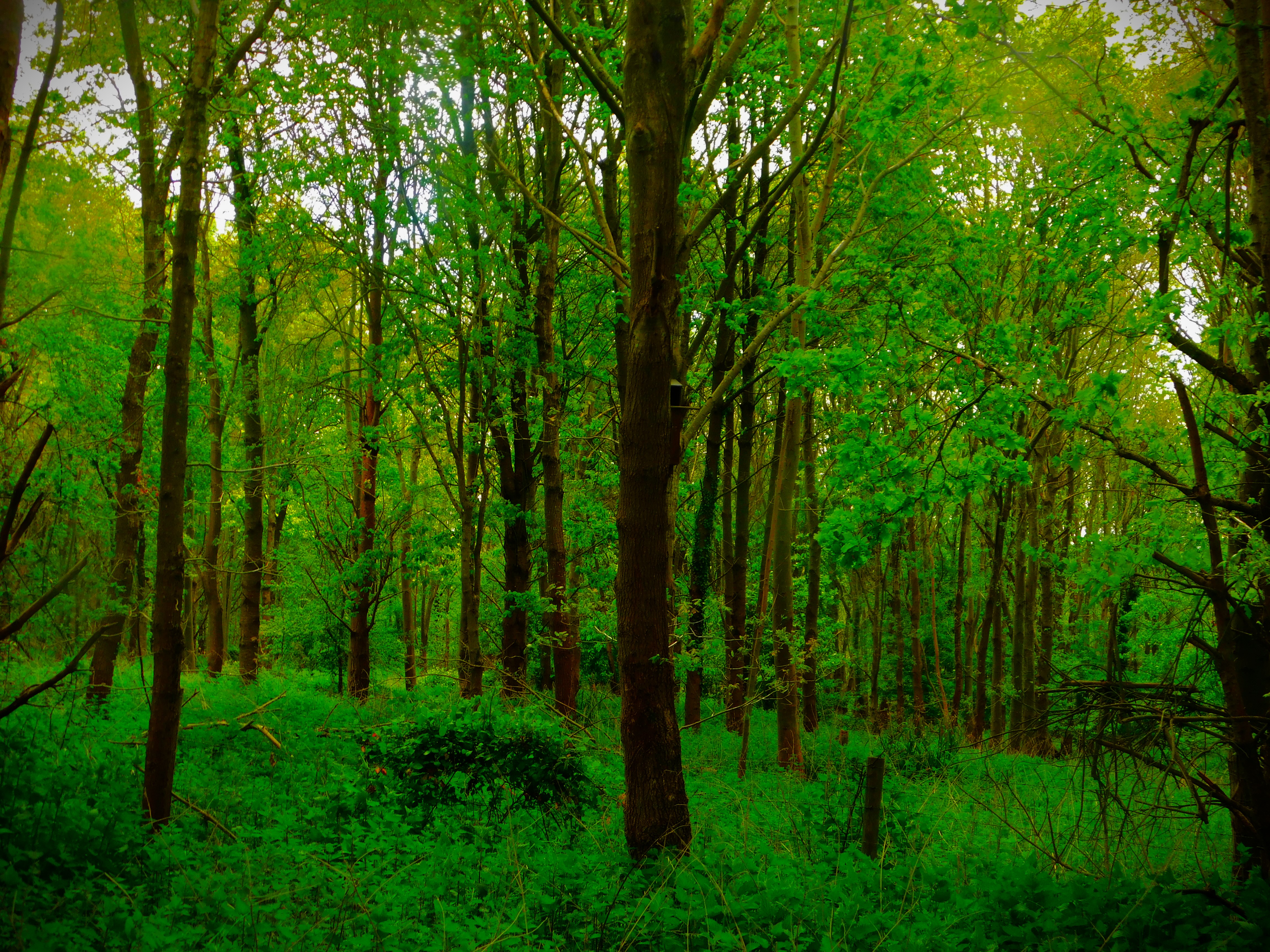
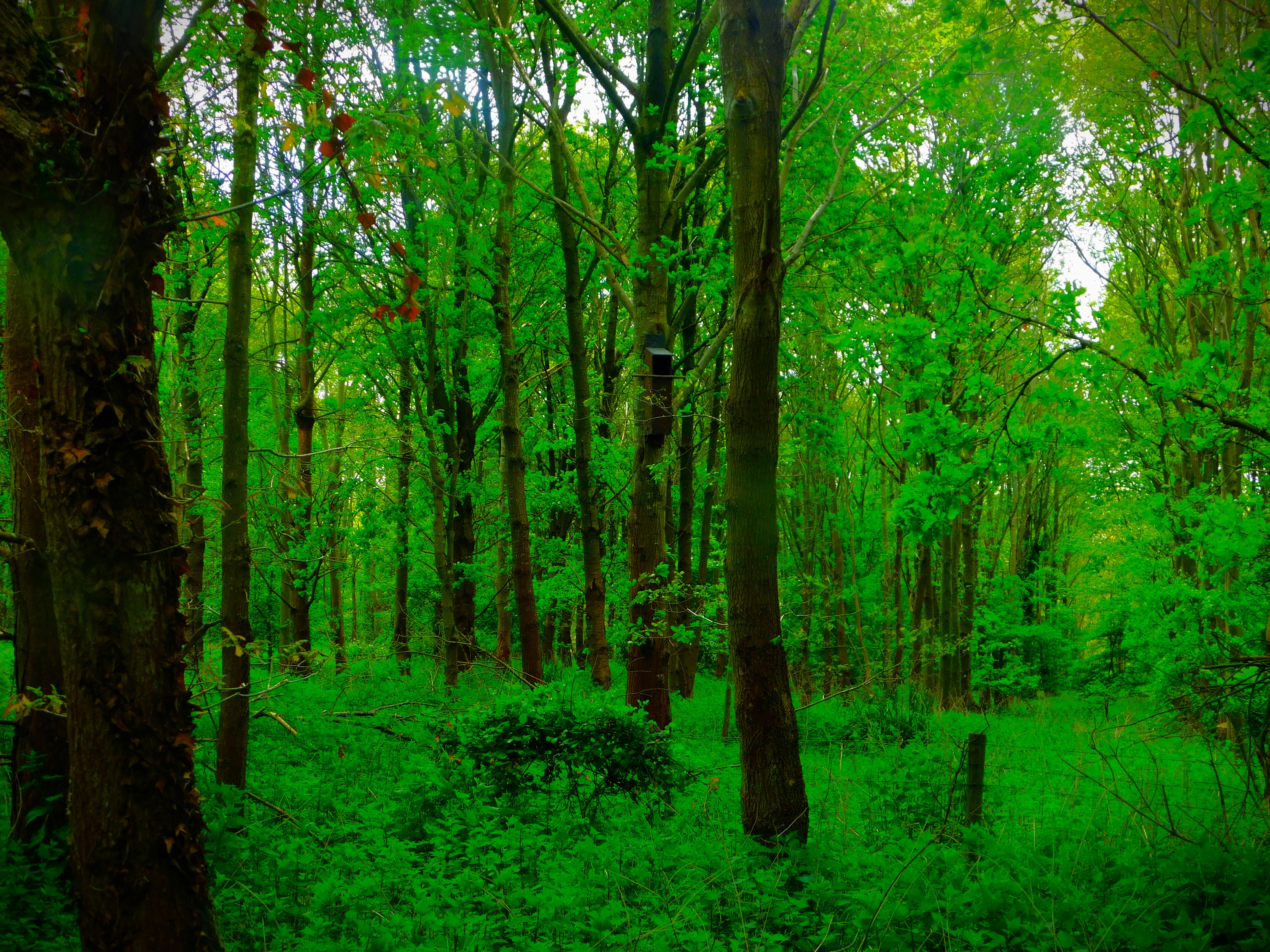
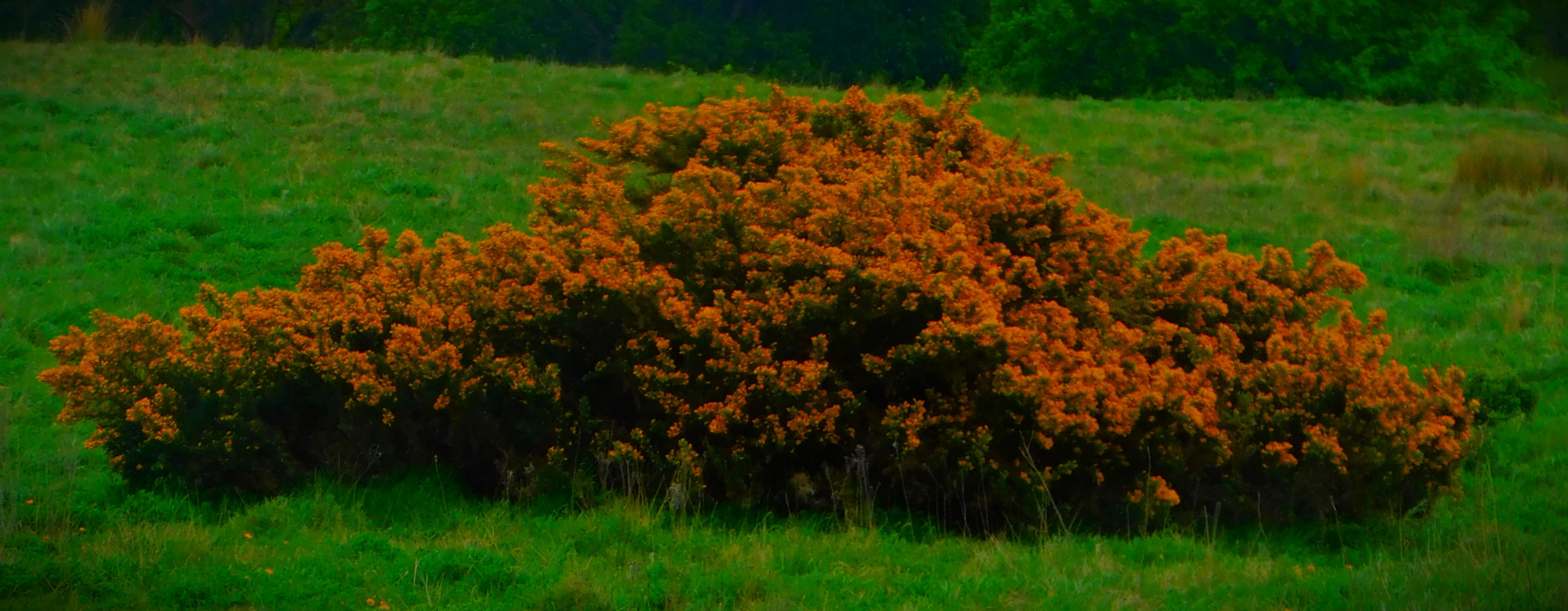
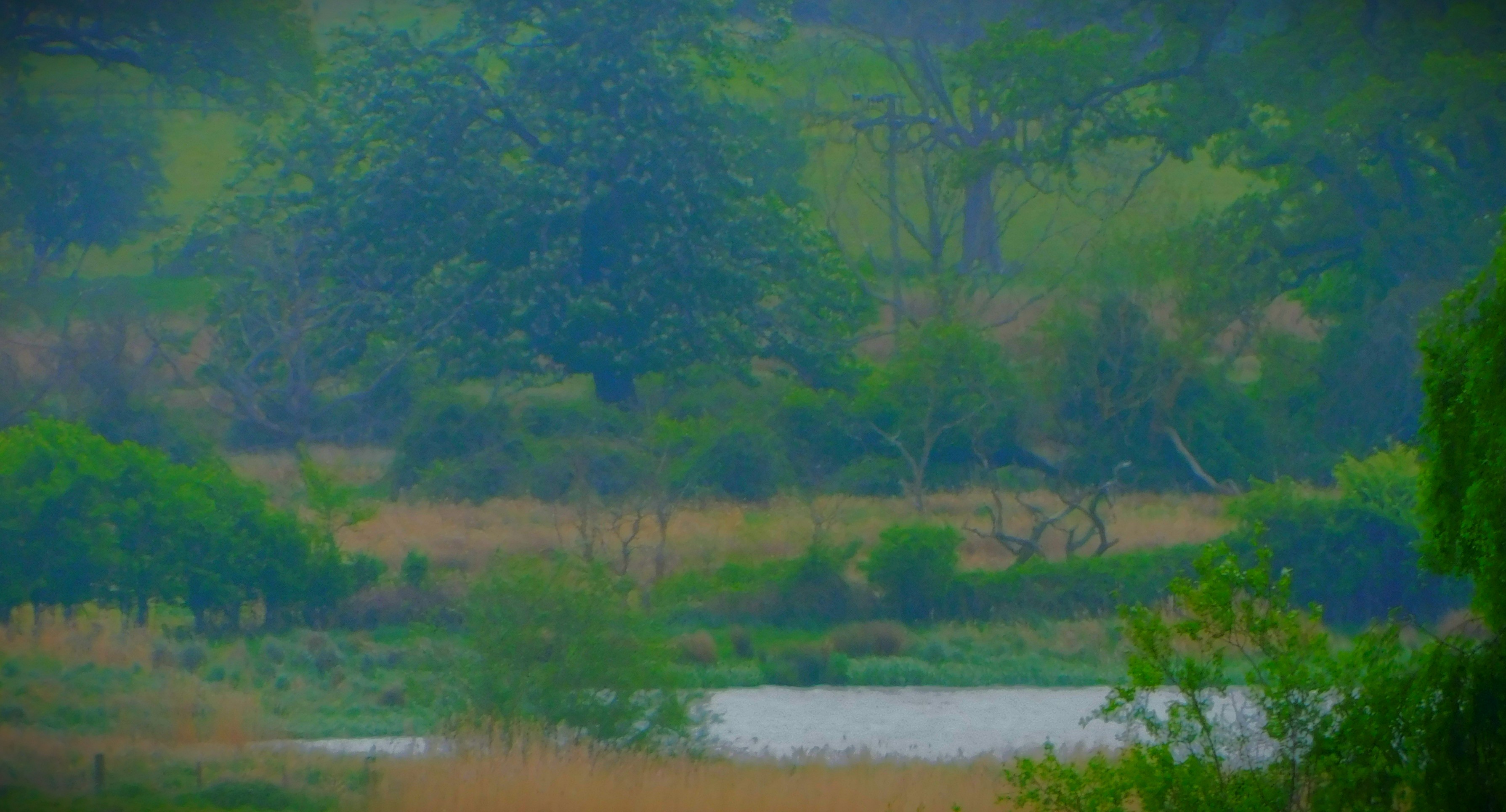
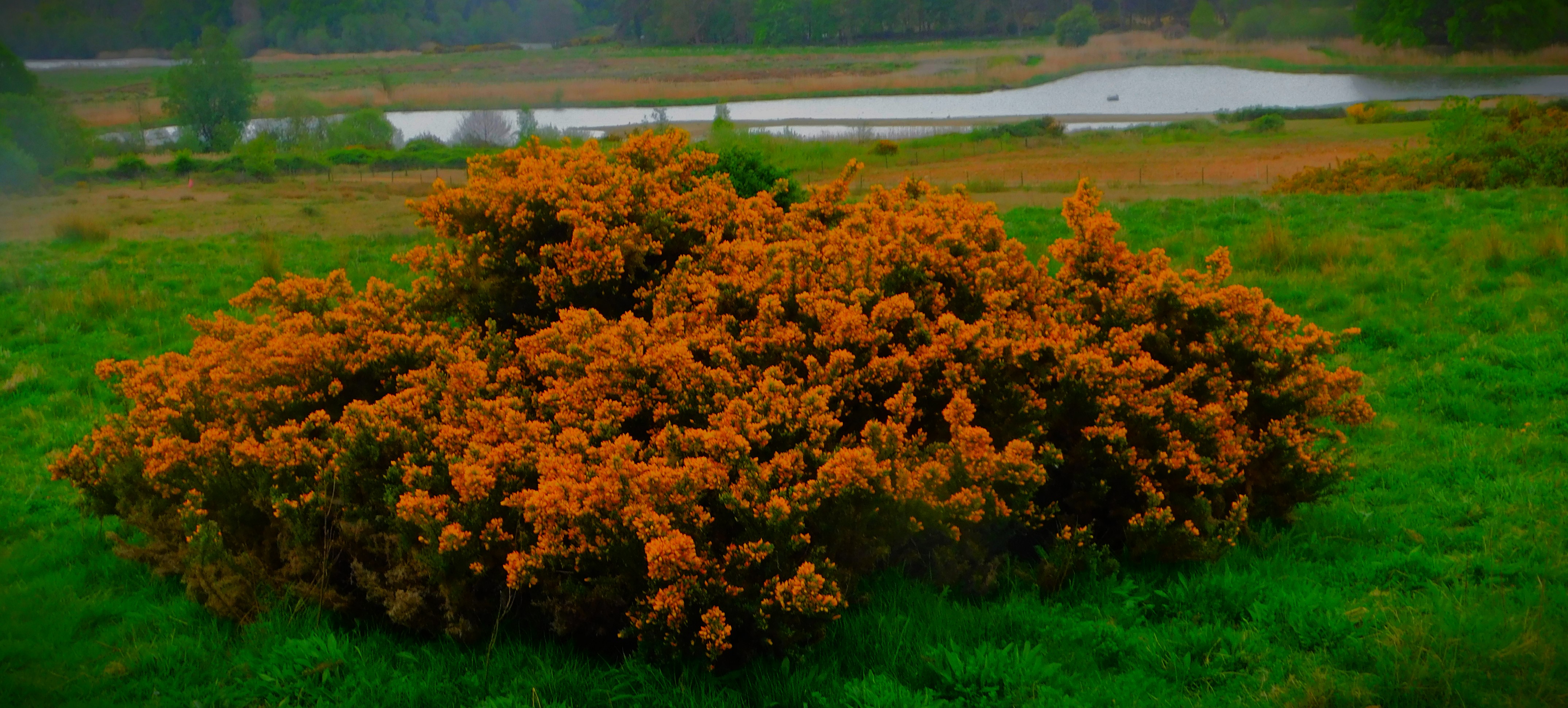
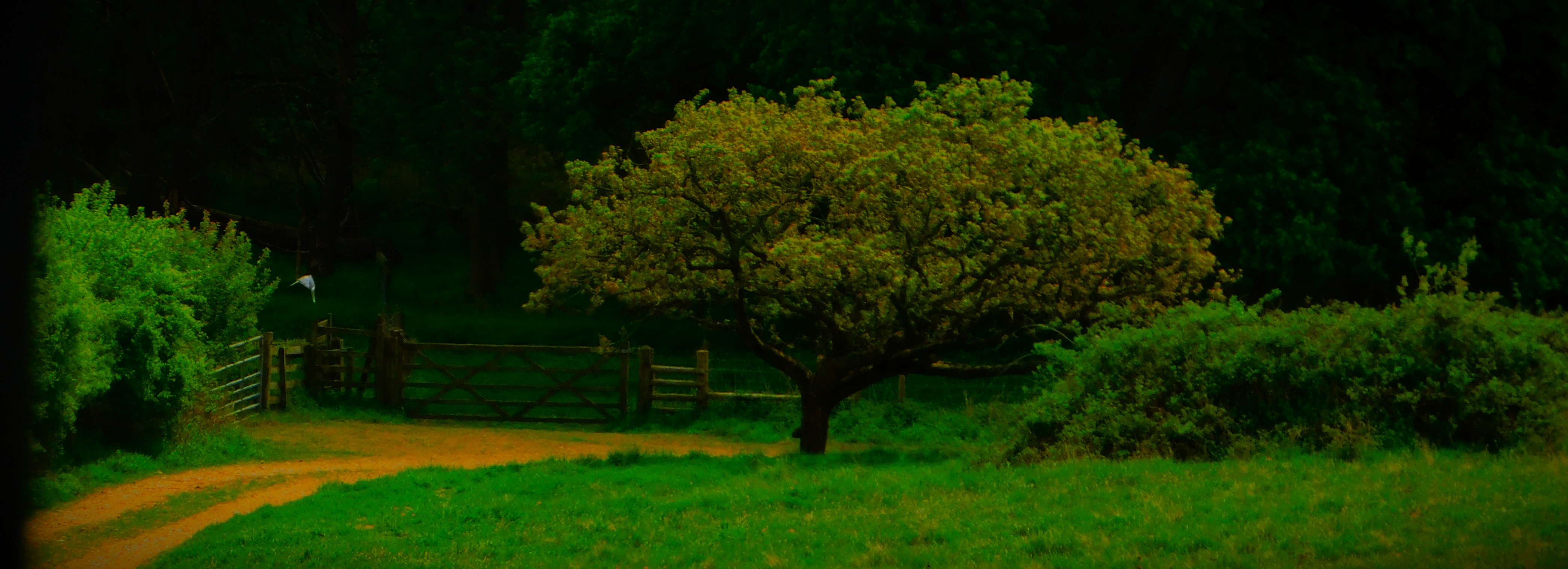
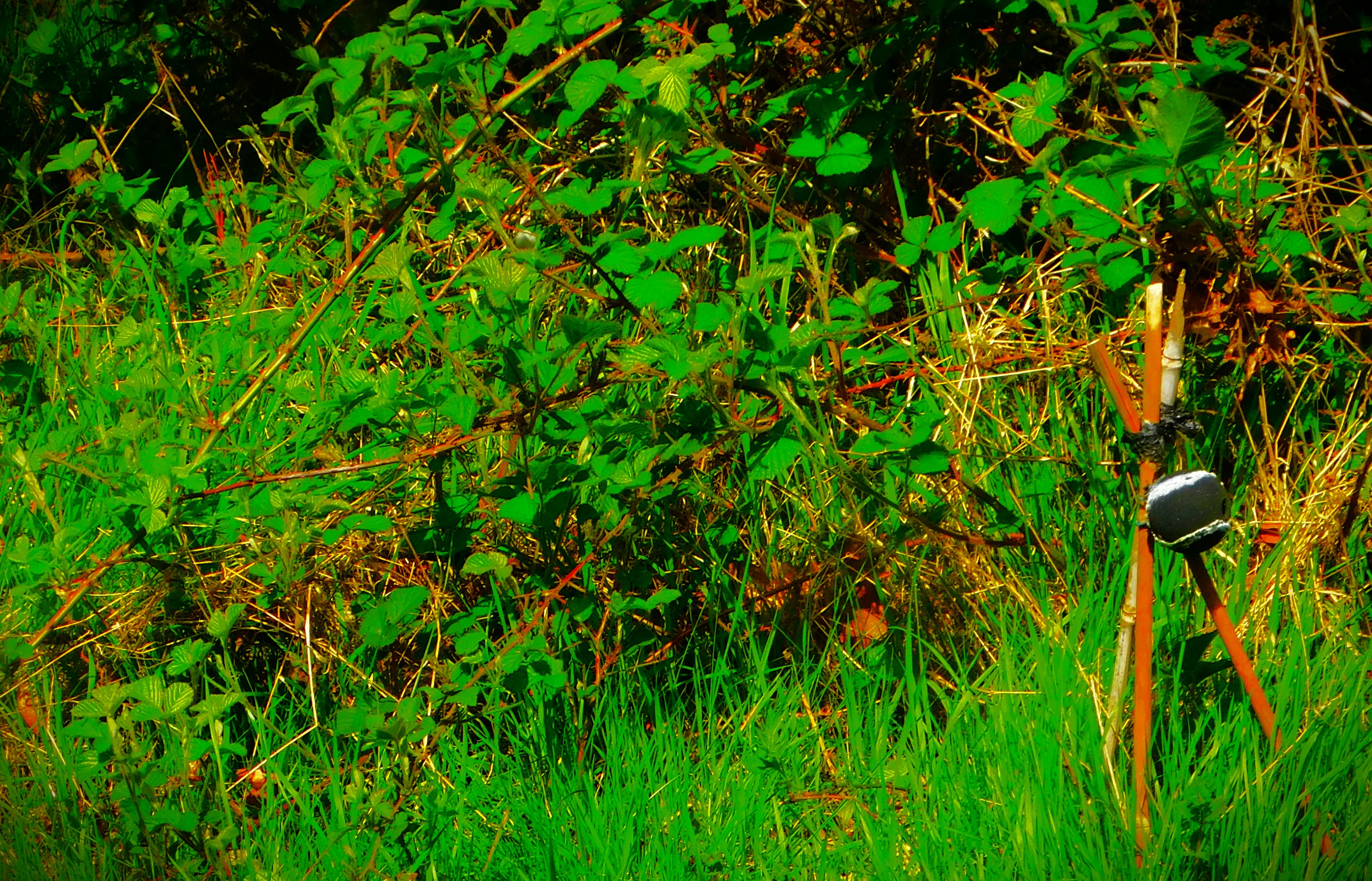
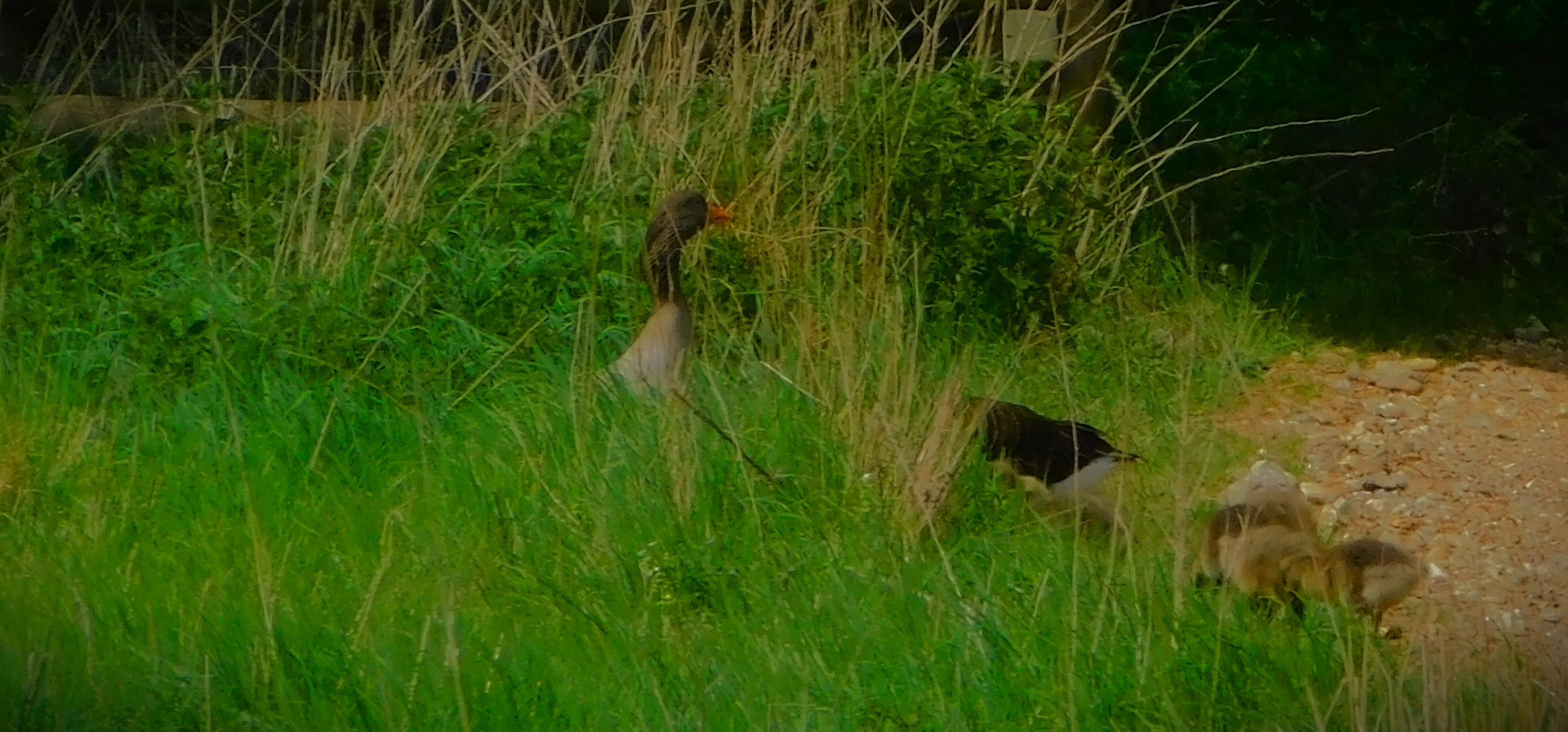
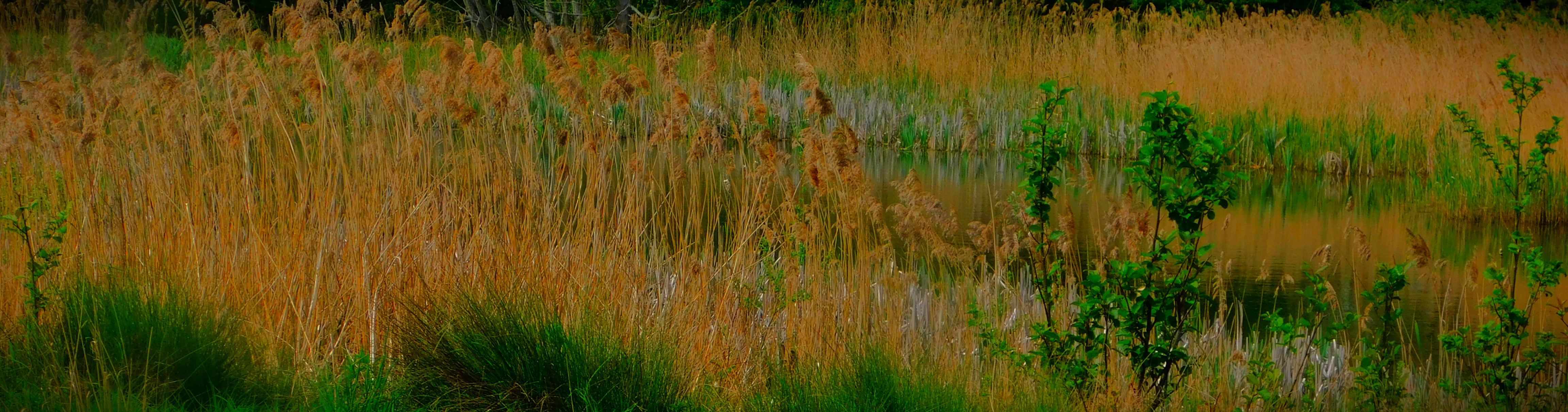
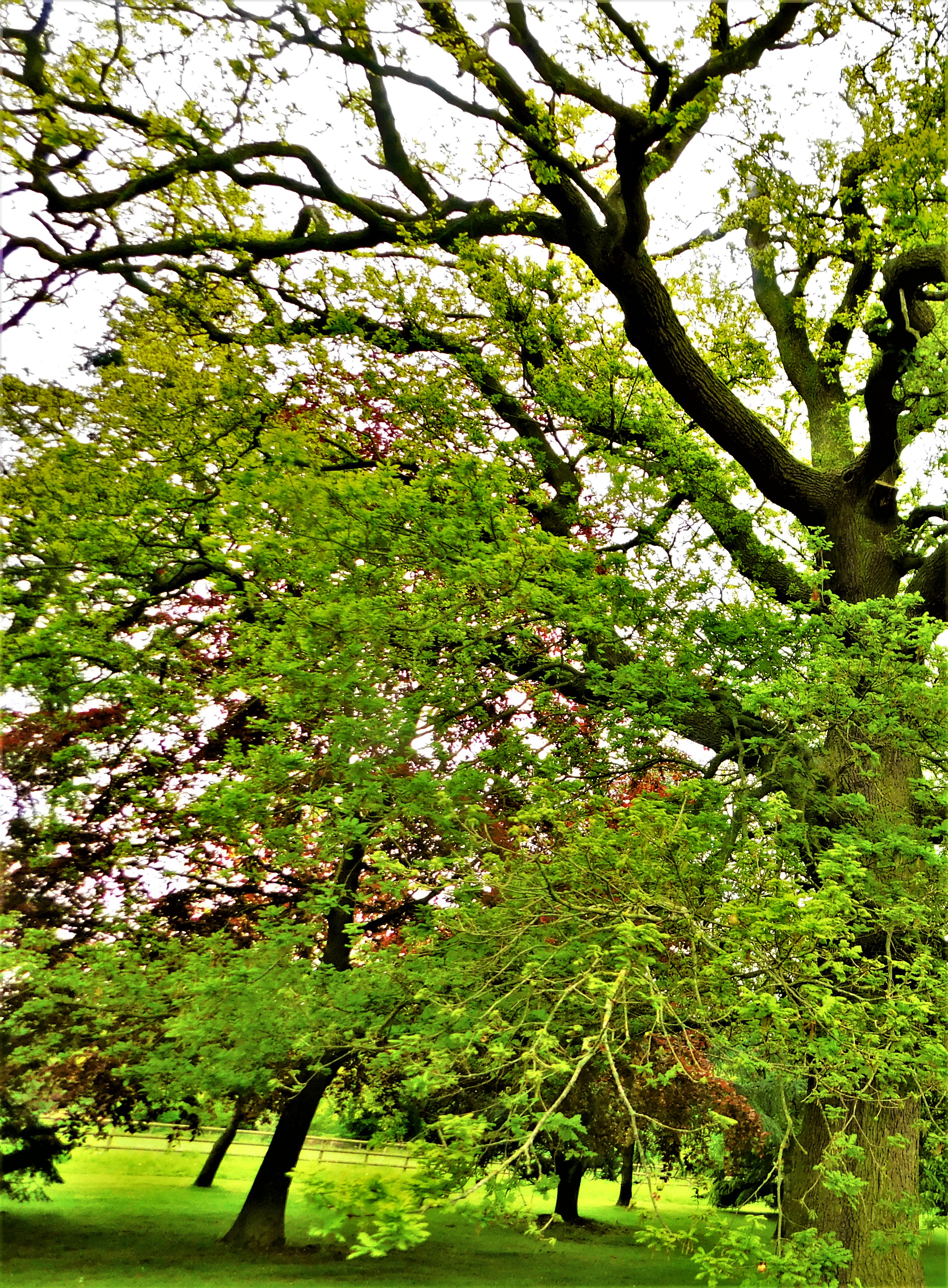
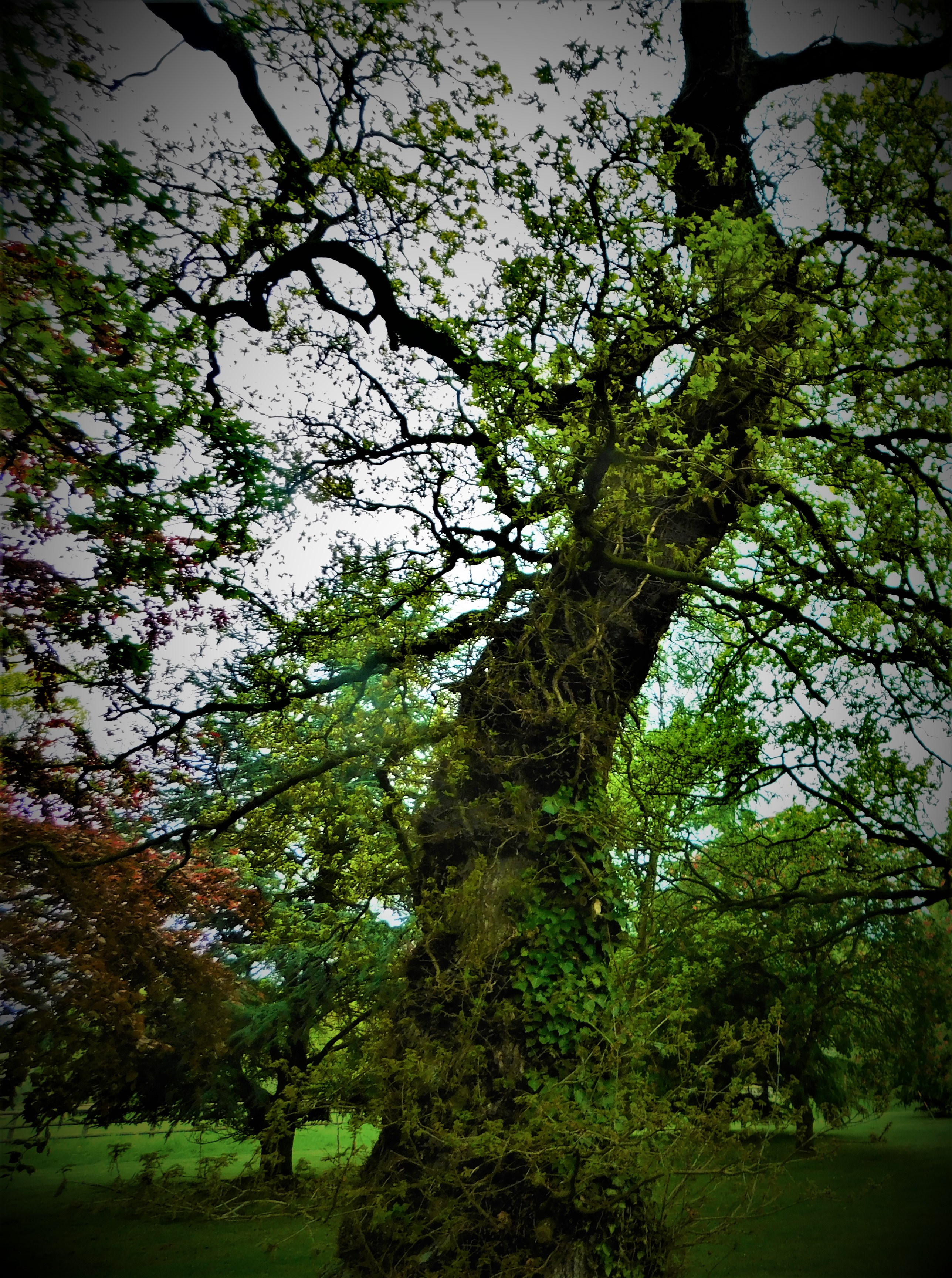
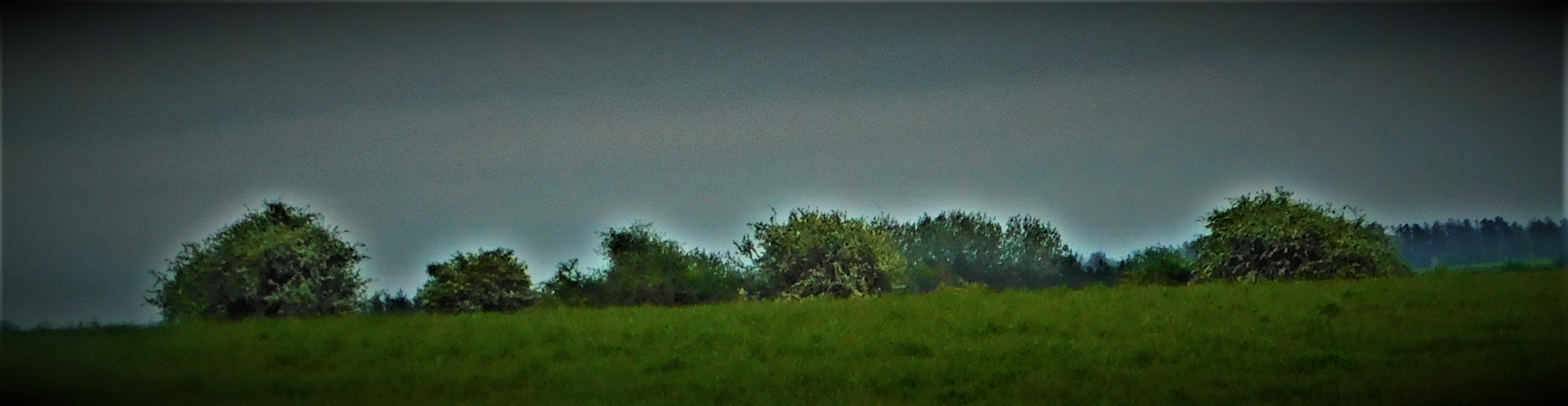
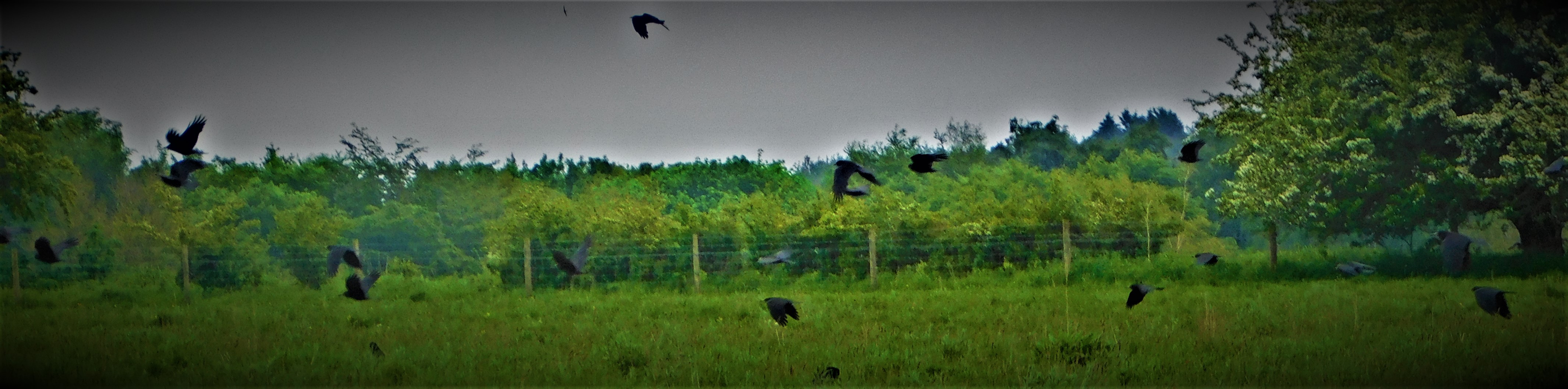
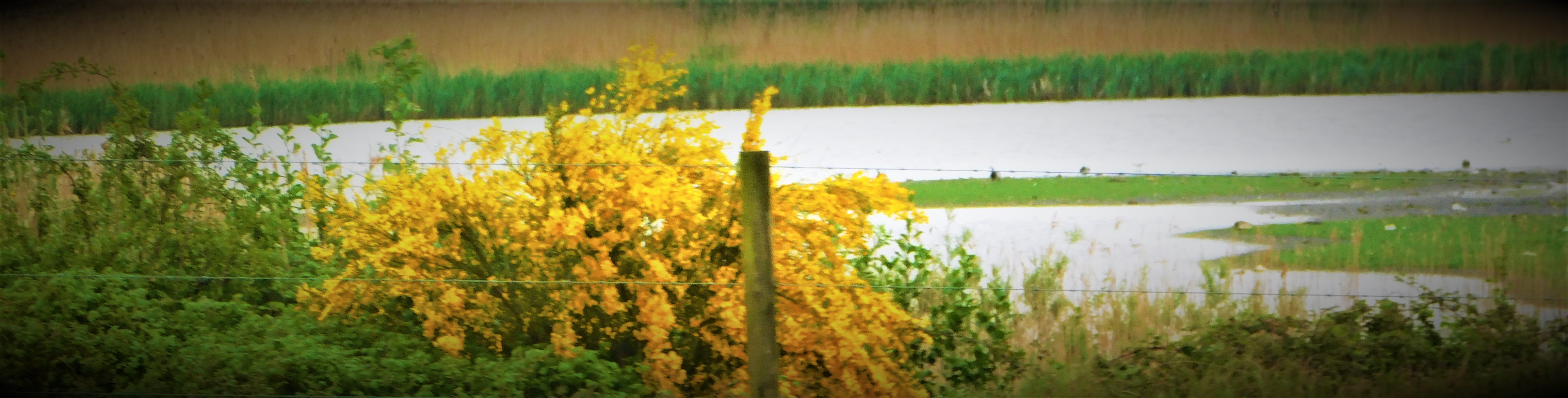
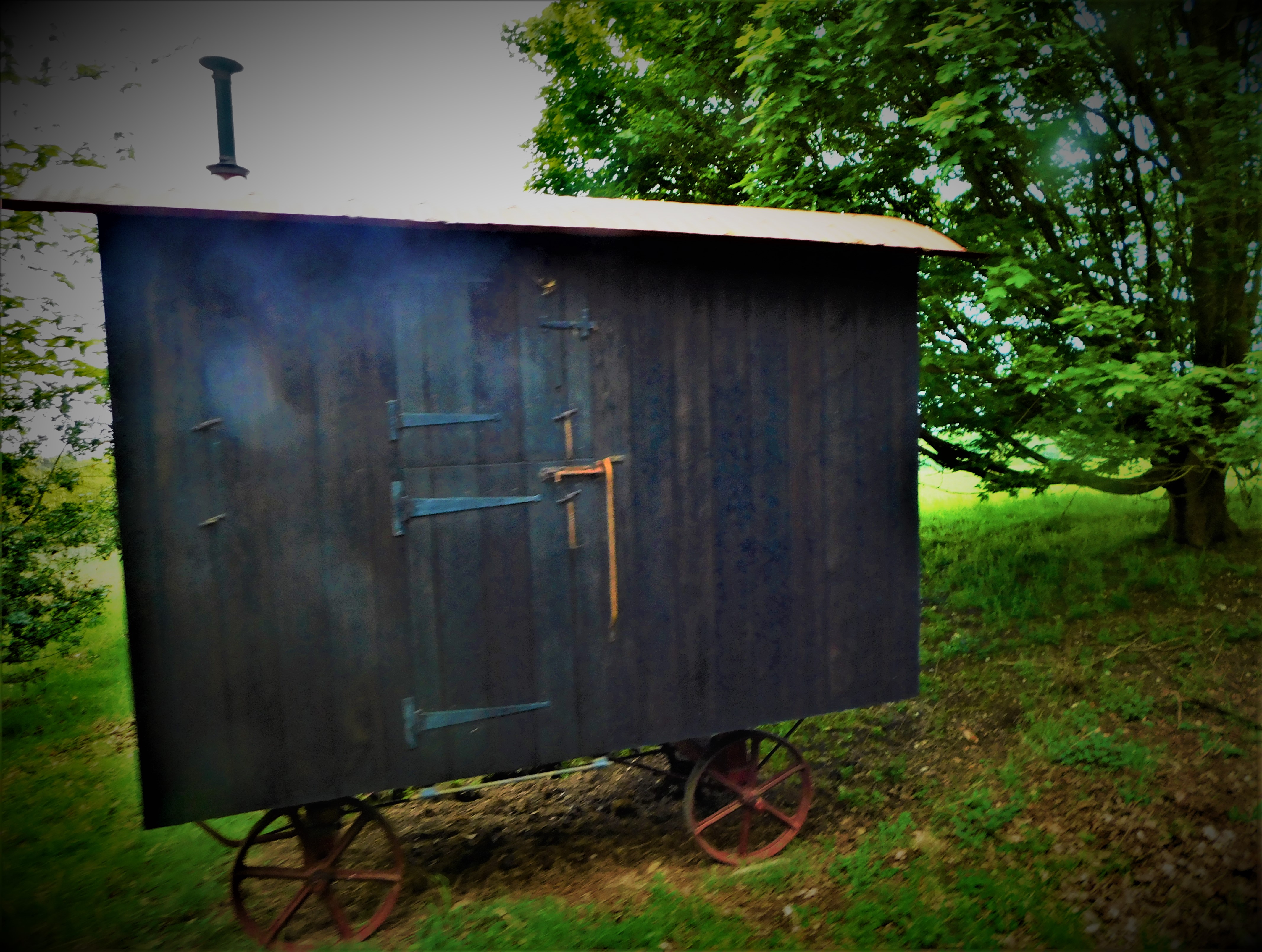
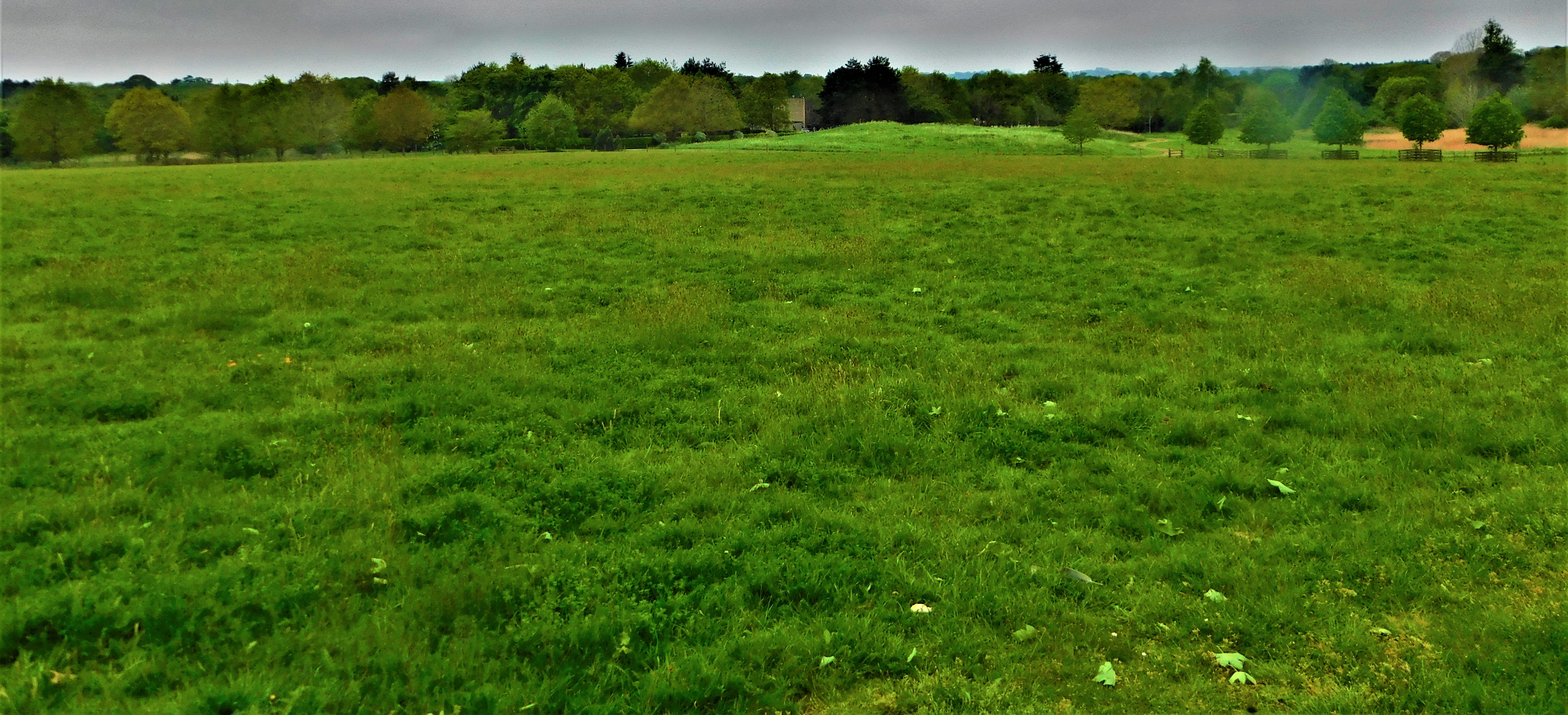
Here are the pictures from the trailer ride…

Lake District 2023 12: Brockhole Exhibition

A look at the exhibition at Brockhole, which proved well worth a visit.

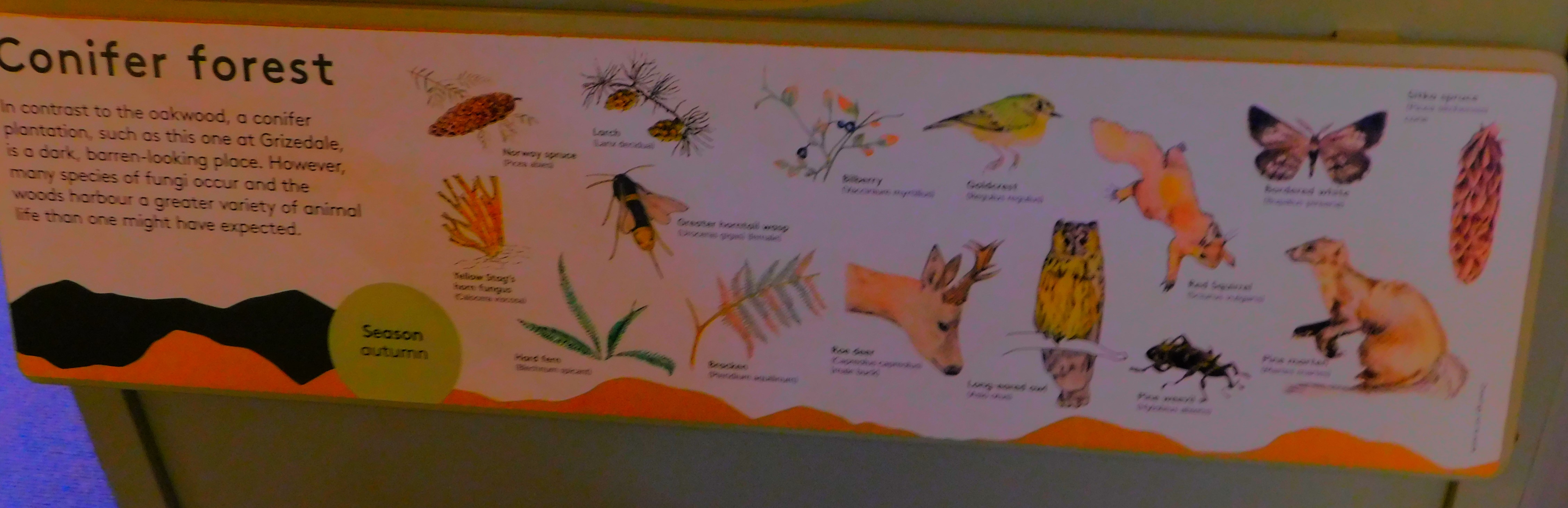
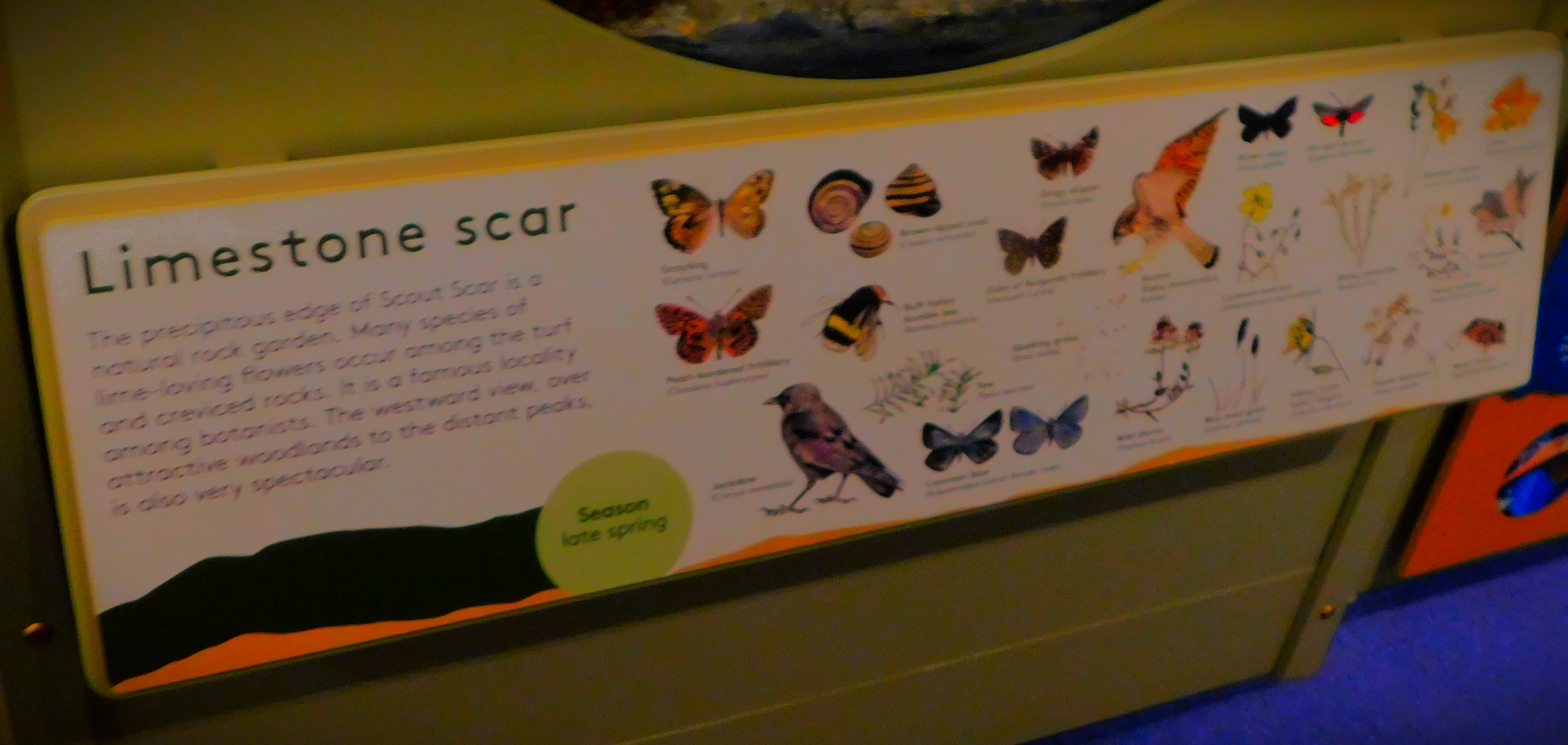
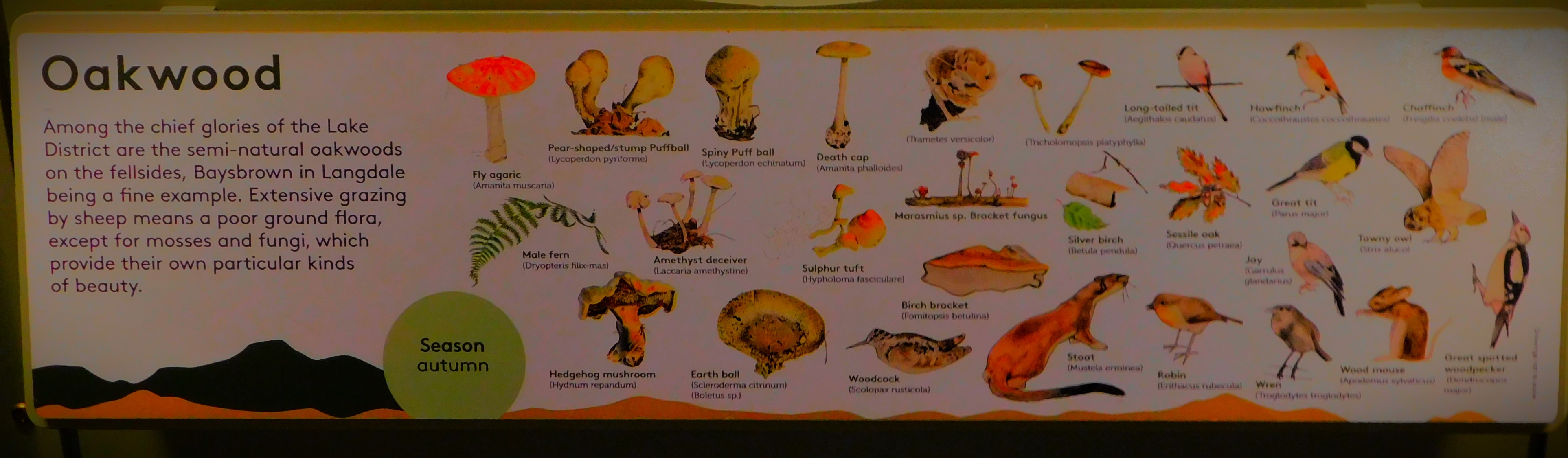
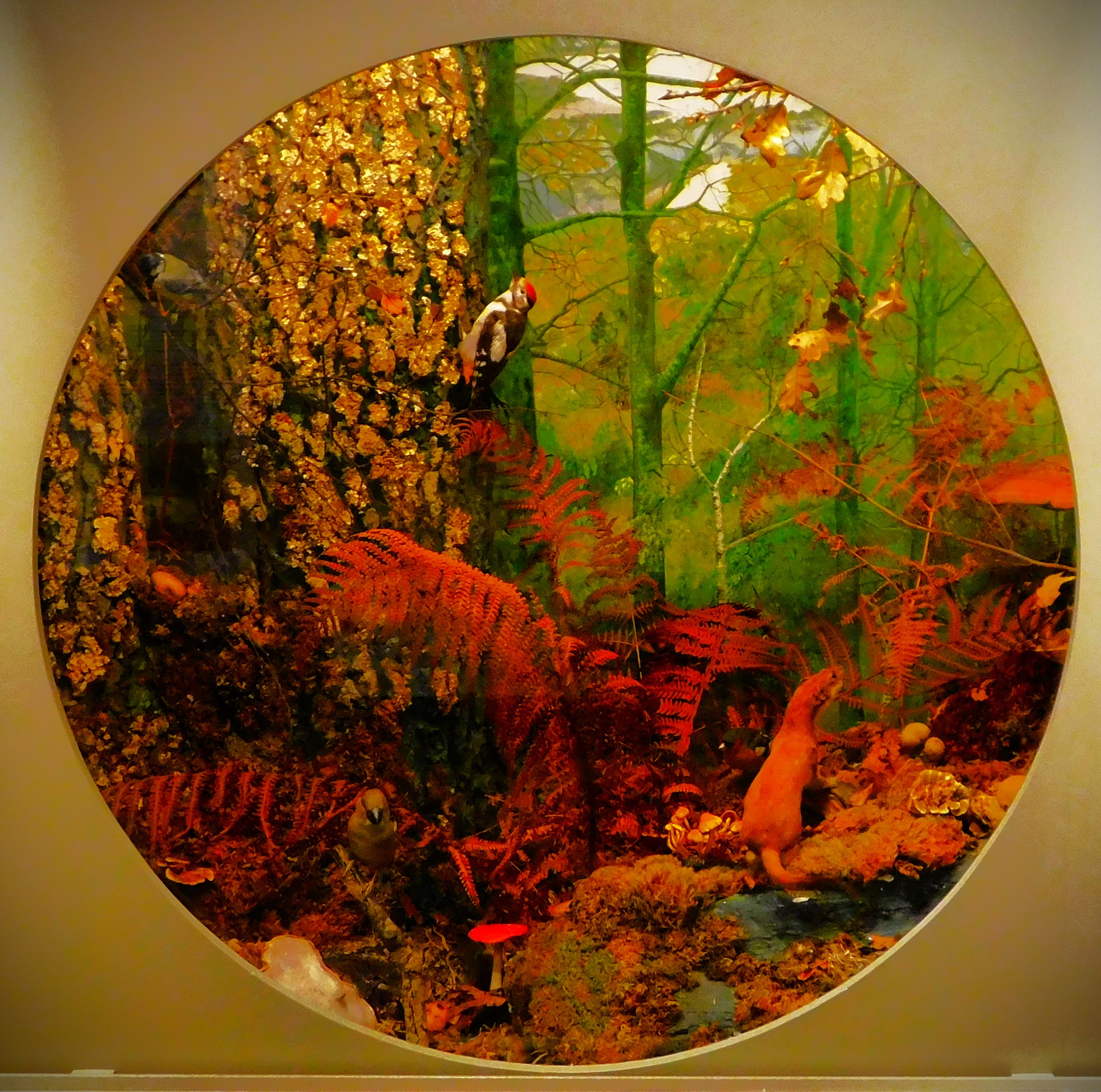
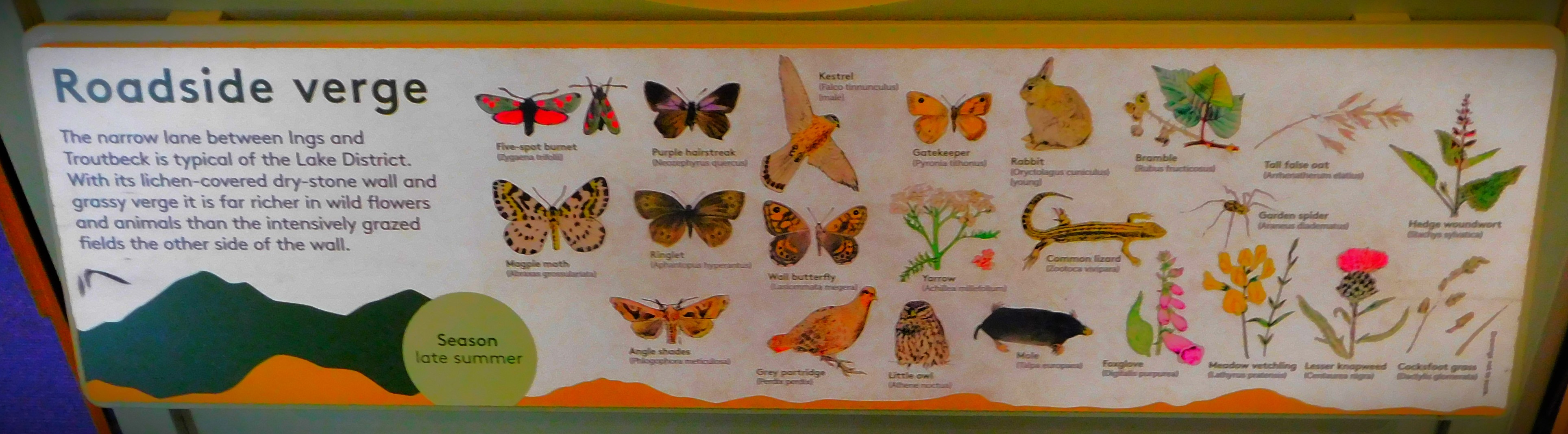
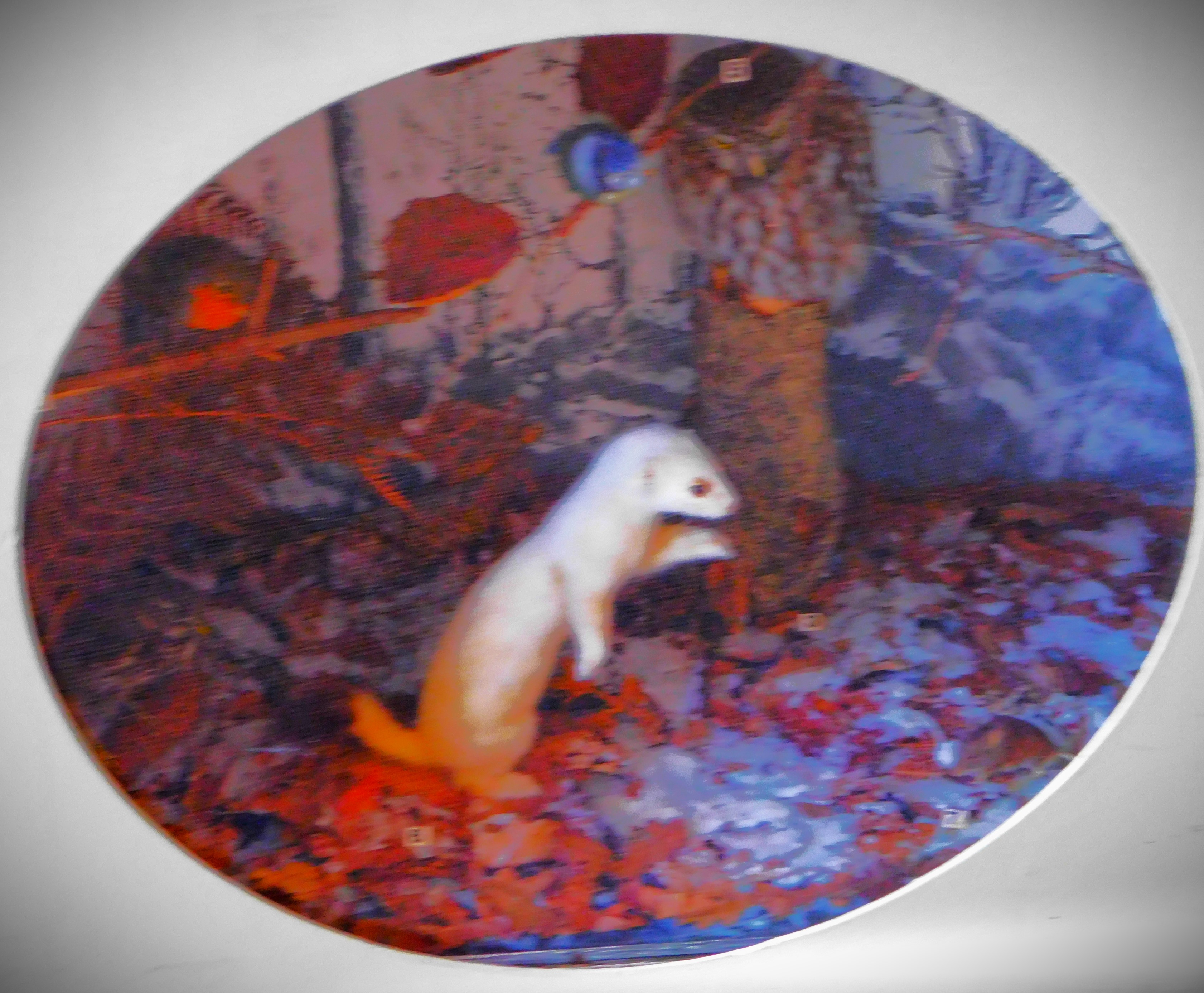
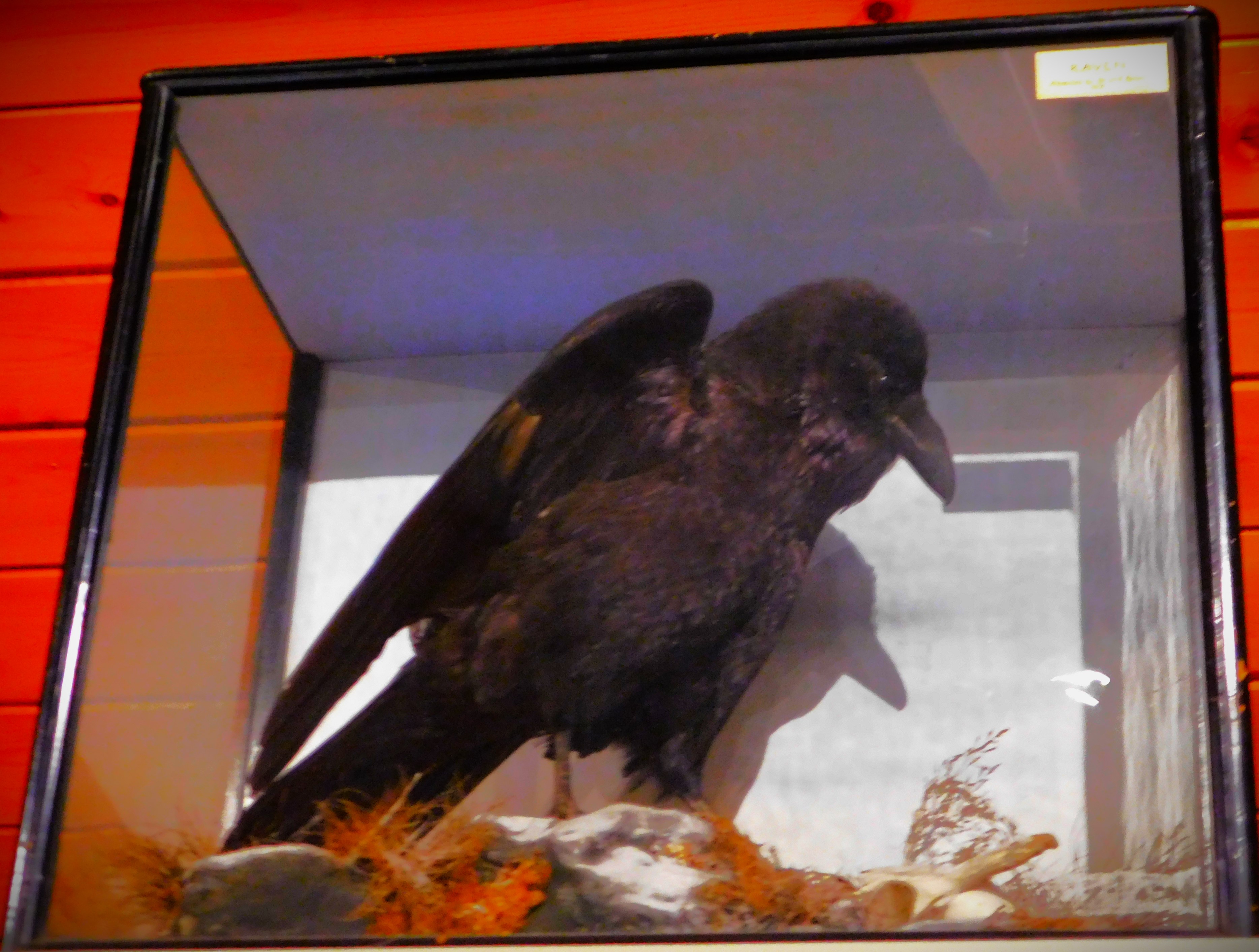
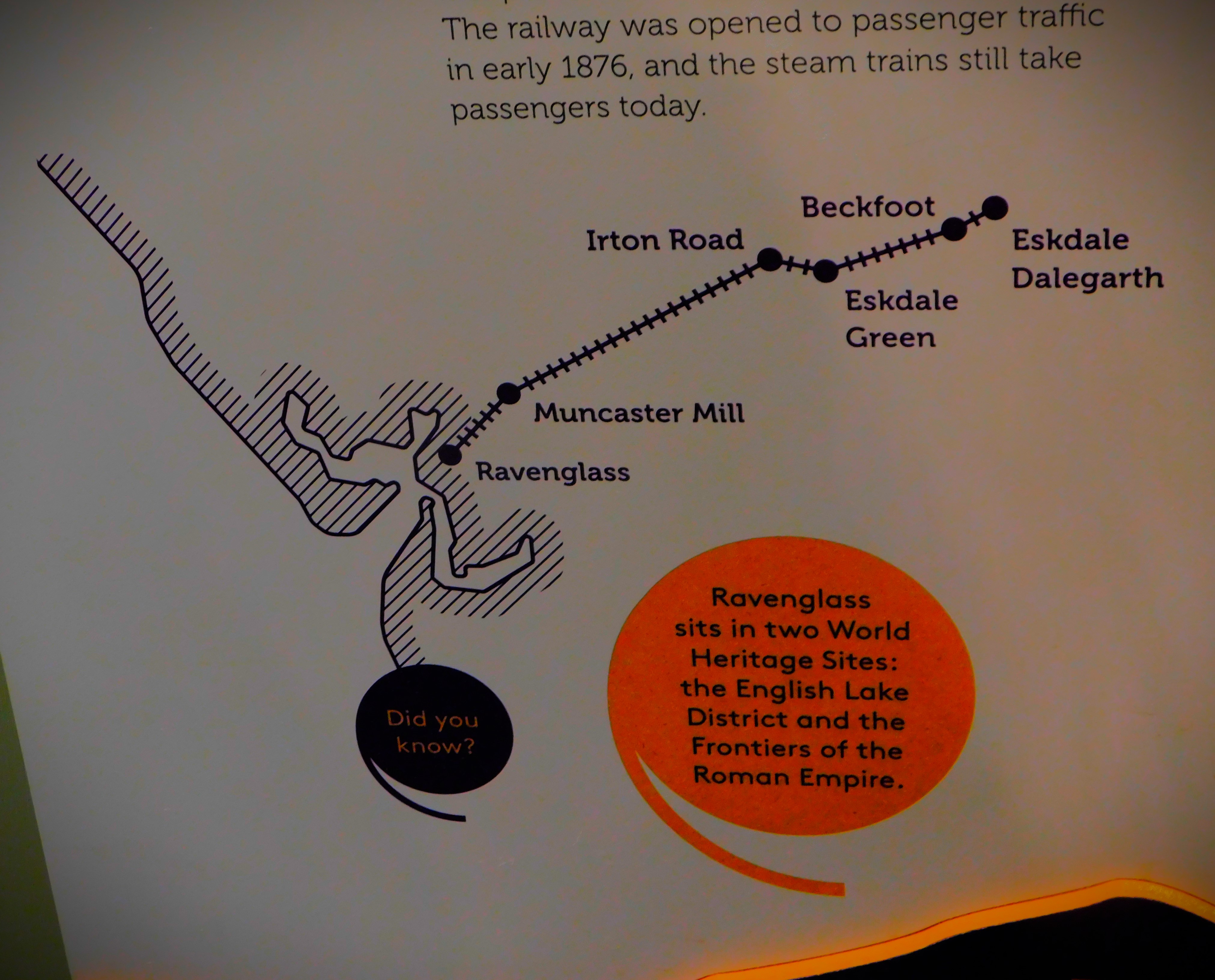
Welcome to the latest instalment in my series about my holiday in the Lake District. This post is the second about Brockhole, and has a single focus, the exhibition about the Lake District.

A VERY EFFICIENTLY ORGANIZED EXHIBITION

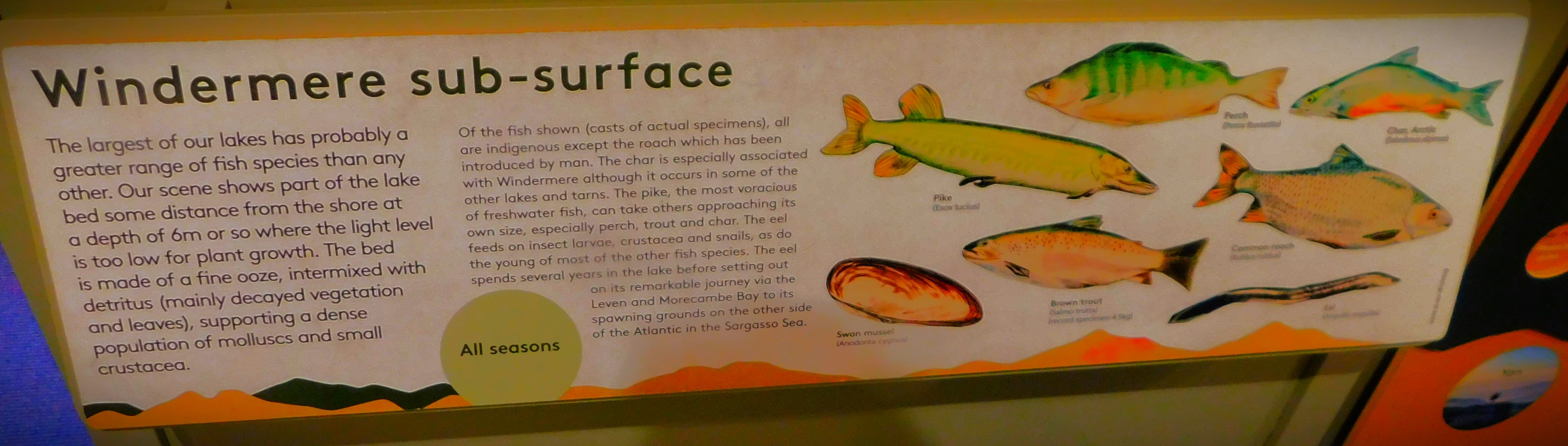
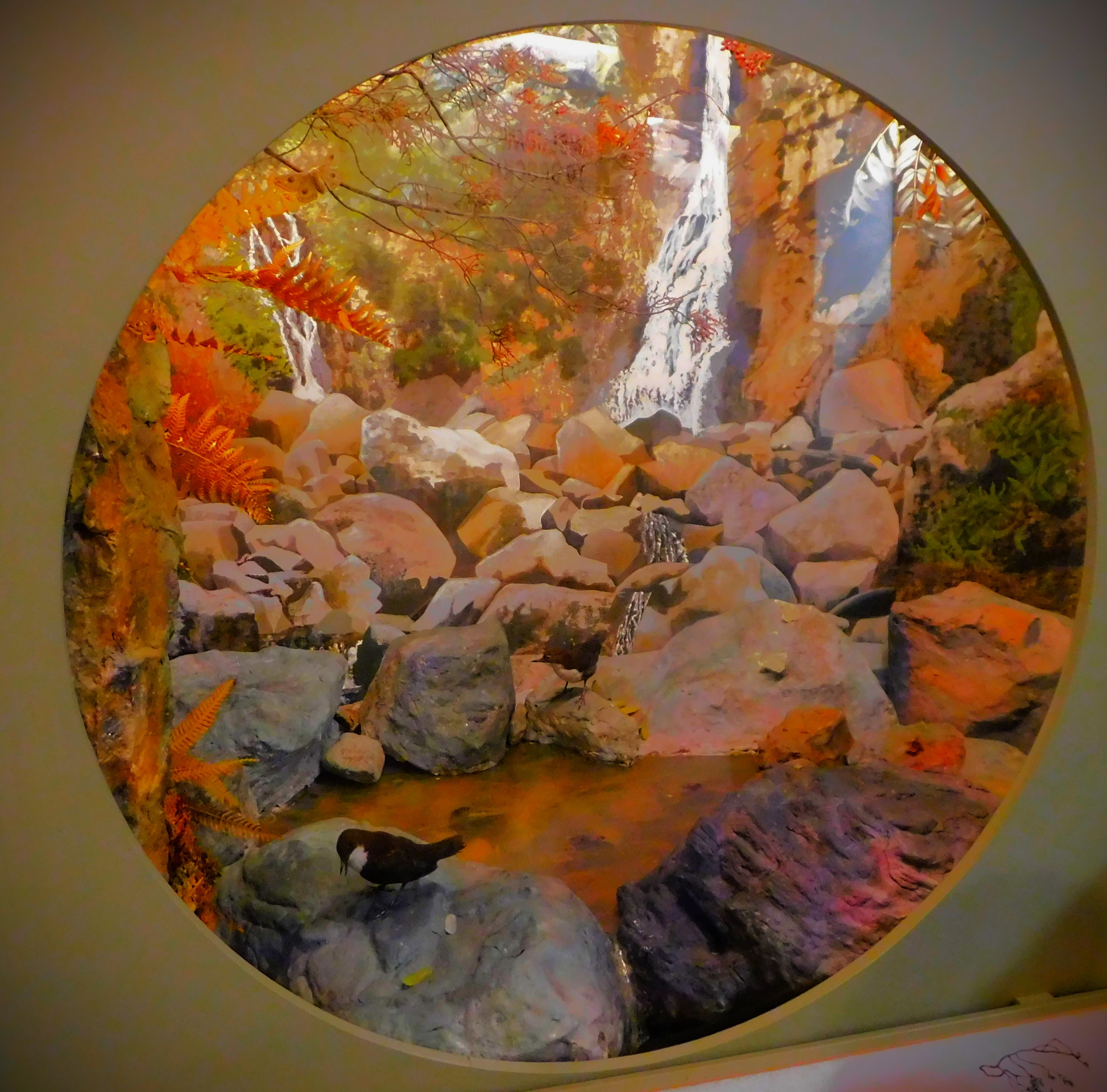
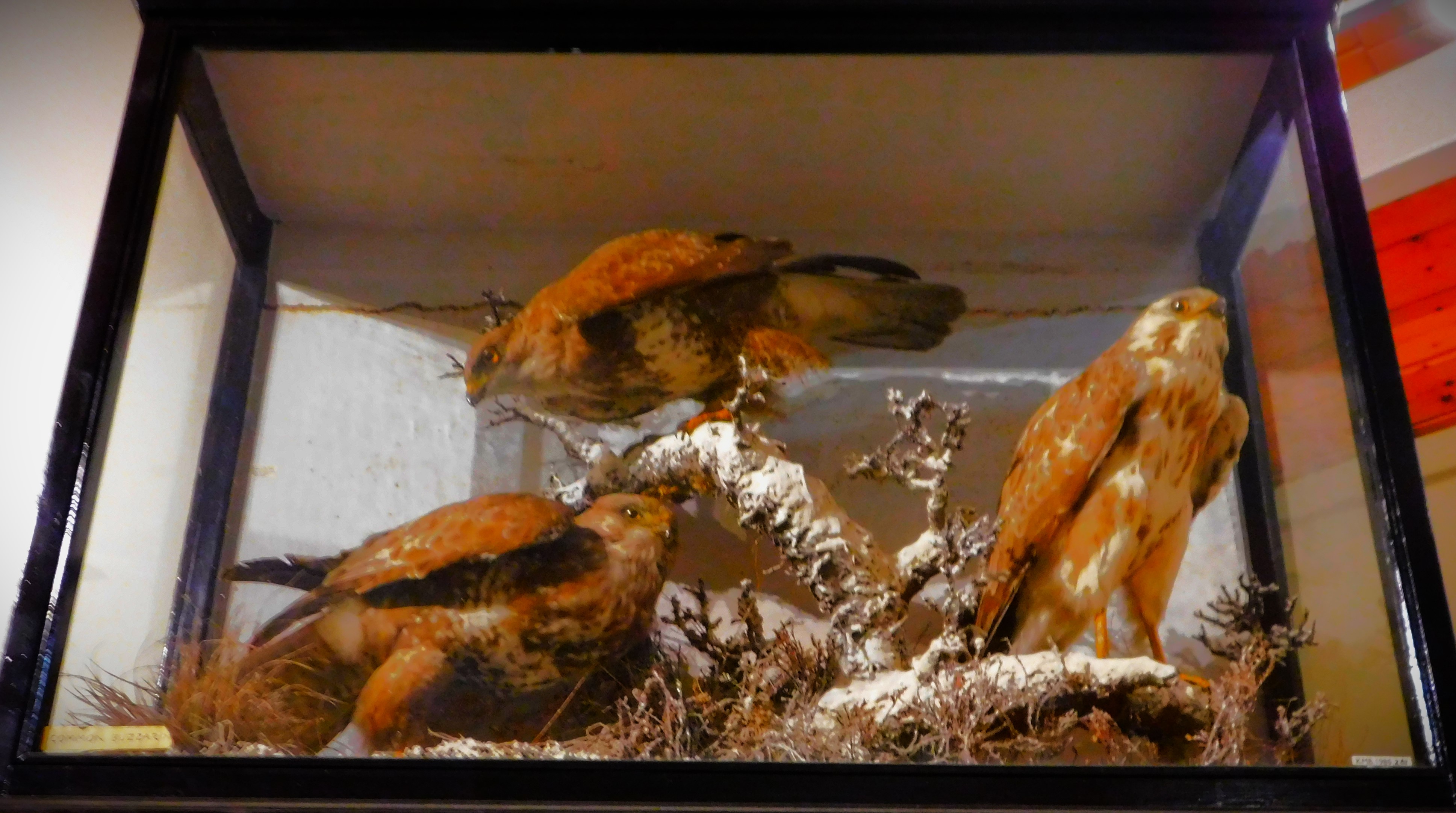
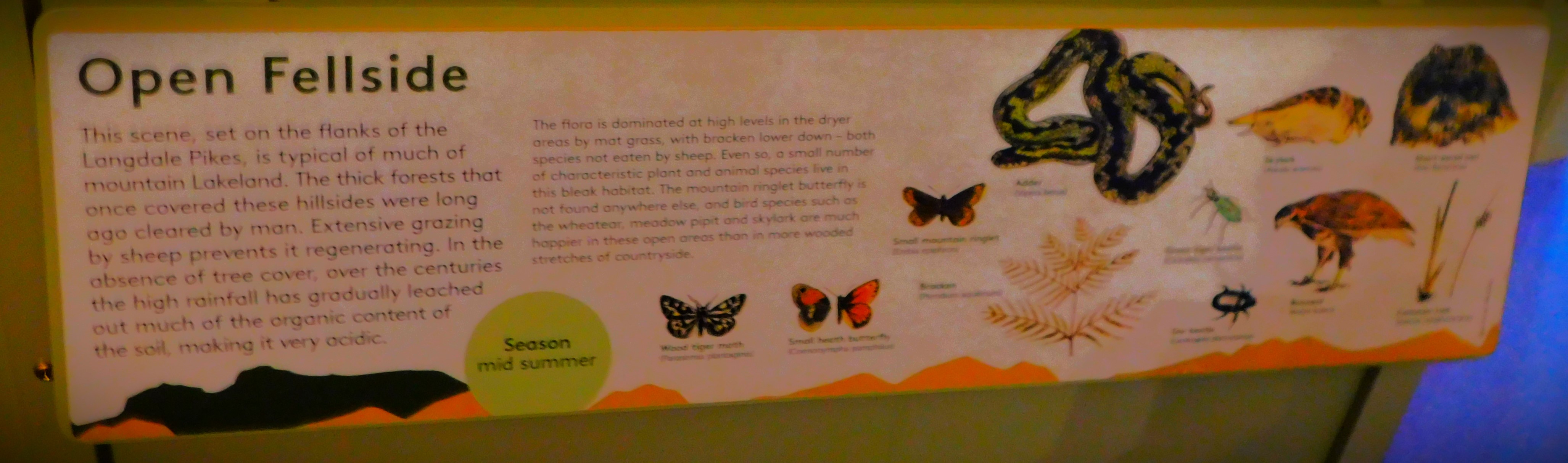
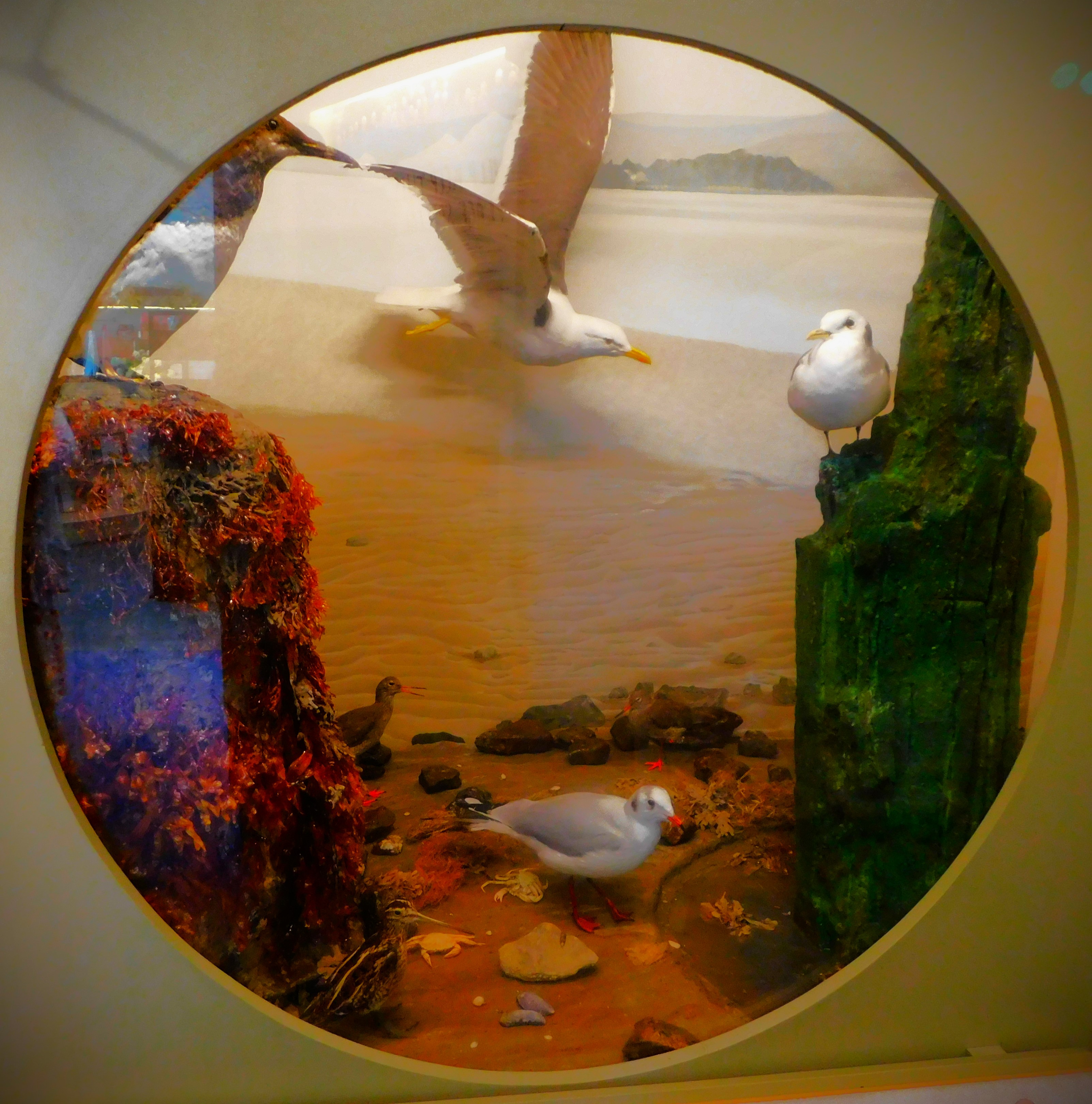
Considering how small an area it occupies this little exhibition covering many details about the Lake District is remarkably comprehensive. The pictures will tell the story…
Pensthorpe 2023 – The Explorer

The penultimate post in my Pensthorpe series, dealing with the Explorer ride.

This is the fourth post in my series about my part in the West Norfolk Autism Group excursion to Pensthorpe on Saturday. This one looks at the trip on the explorer which showed as the stuff we could not get on foot.

AN INFORMATIVE JOURNEY

With the explorer due to leave at 12:00 I was ready for it by 11:50, and I got an excellent seat, at the front left of the trailer (most of the really interesting sights are off to the left as one travels, so sitting on the left side of the vehicle is a good idea). Our driver/guide gave us extraordinarily wide ranging information of everything from present arrangements at Pensthorpe, to the effects of WWII on the land (food shortages meant that every last ounce of crop had to be extracted from the land, which meant that the soil was hugely overworked and took a long time to recover), to the history of human settlement at Pensthorpe, to details of Pensthorpe’s position at the southern edge of the northern ice-sheet during the last era of glaciation and the effect that that had on the local landscape. There were also details about oak trees, and how the three survivors of the great storm of 1987 could be proven to be such (oaks don’t produce acorns until they are 40 years old or more, which means that an acorn bearing oak dates from 1983 at the earliest, and all three trees are acorn bearing), nesting boxes of various kinds (three different species of owl were catered for, plus bats (specifically pipistrelles, a tiny species about the size of a human thumb) whose boxes were organized in a group of three at different angles, as bats don’t like to be warm, so need to be able to move out of the sun), and other nesting platforms. The ecological importance of the Wensum, as a chalk river, was also stressed. One part of our route had once been a railway line, transporting goods (it never had a passenger service), which fell victim to Dr Beeching 60 years ago.

It was a cold journey due to the weather, which is one reason why I did not go round a second time, but it was very enjoyable in spite of the conditions.

Accepting Extra Walking: The Natural History Museum

A look at the Natural History Museum and possible alternatives to a straight to/from South Kensington, plus a related twitter thread. Note that the ideas around the museum are strictly for thinking about for the future.

To start a brief warning: the main attraction at the heart of this post is closed at the time of writing and even if things go according to Johnson’s ‘road map out of lockdown’ it will be some while before it reopens and before travelling for leisure is again safe. By all means note the things I write about here down for future reference but please do not attempt to put plans into practice just yet.

This post was inspired by a thread posted on twitter by the Natural History Museum earlier today, which I shall be saying more about later.

POSSIBLE ADDITIONS TO AN NHM VISIT

The Natural History Museum is served along with a number of other attractions by South Kensington Station (Circle, District and Piccadilly lines, subject of two station posts on my other site – here and here) and you can choose whether to use the underground passage that links the station to the museums or walk at surface level, where you will see some fine wrought ironwork.

Once you have enjoyed the museum, the logical next step is to visit Hyde Park, and there are stations all around that park that you could use as the station from which to begin your journey home. You could also head into London’s West End, where after Marble Arch you could choose Bond Street, Oxford Circus, Piccadilly Circus by walking along Regent Street, or go a little north to Baker Street, home to the Sherlock Holmes Museum and Madame Tussaud’s. Also you could extend your walk in a westerly direction, aiming for Notting Hill Gate. For those interested in a longer walk you could continue beyond Baker Street and take in Regent’s Park. Here are a few map pictures of various kinds to conclude this section:

THE TWITTER THREAD

The Natural History Museum today put out a superb 13 tweet thread about a very recent meteorite strike (a tiny meteorite which did no serious damage – it’s journey through the earth’s atmosphere lit up the skies on the night of February 28) and about that object’s journey, a story four billion years or so in the making and yet 13 tweets in the telling. A screenshot of the start of the thread is below, and you can read it in full by clicking here.

For more about these sorts of objects I recommend the book “Comet”, by Carl Sagan and Ann Druyan:

PHOTOGRAPHS

A very brief usual sign off – I have been unable to get out today since I am waiting for someone to examine an issue with my drains – they should have been and gone by now…

Cornish Winter Break 4: Eden Project (2)

Continuing my account of the family outing to the Eden Project.

INTRODUCTION

In my last post I began my coverage of a family outing to the Eden Project, and in this post I continue it with my coverage of the new building next to the biomes, which is dedicated to stuff which is usually invisible.

MAKING THE INVISIBLE VISIBLE

This was time extremely well spent. As is my way I tell the rest of the story in pictures:

P1290283 (2)
What this building is all about (and as I hope the rest of these pictures convey, it is done magnificently).

P1290284 (2)P1290286 (2)P1290287 (2)

P1290288 (2)
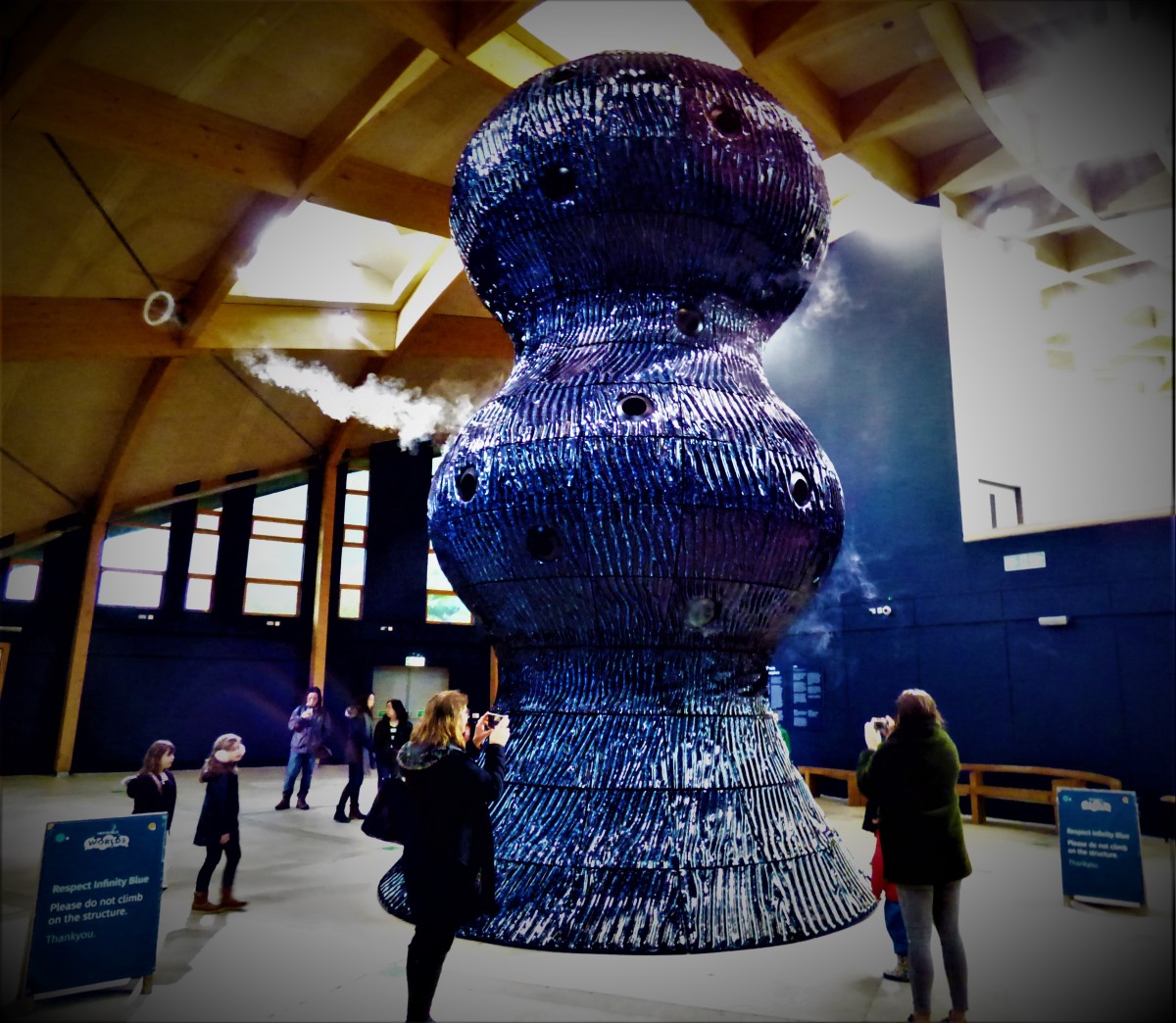
This creation is right in the centre of the building.

P1290289 (2)P1290290 (2)P1290293 (2)P1290295 (2)P1290296 (2)P1290297 (2)P1290298 (2)P1290299 (2)P1290300 (2)P1290301 (2)P1290302 (2)P1290303 (2)P1290304 (2)P1290305 (2)P1290306 (2)P1290307 (2)P1290308 (2)P1290310 (2)P1290311 (2)P1290312 (2)P1290323 (2)P1290324 (2)P1290325 (2)P1290326 (2)P1290327 (2)P1290328 (2)P1290331 (2)P1290333 (2)P1290334 (2)P1290335 (2)P1290336 (2)P1290338 (2)P1290339 (2)P1290340 (2)P1290341 (2)P1290342 (2)P1290343 (2)P1290344 (2)P1290345 (2)P1290346 (2)P1290347 (2)P1290349 (2)P1290350 (2)P1290351 (2)P1290352 (2)P1290353 (2)P1290354 (2)P1290355 (2)P1290356 (2)P1290357 (2)P1290358 (2)P1290359 (2)P1290360 (2)P1290361 (2)P1290362 (2)P1290363 (2)P1290364 (2)P1290365 (2)P1290365 (3)P1290366 (2)P1290367 (2)P1290369 (2)P1290370 (2)P1290371 (2)

P1290371 (3)
A close up of one of the ‘smoke rings’ blown the machine in the centre of the building.

P1290372 (2)P1290373 (2)P1290374 (2)P1290375 (2)P1290376 (2)P1290377 (2)P1290378 (2)P1290379 (2)P1290380 (2)P1290381 (2)P1290382 (2)P1290386 (2)P1290388 (2)P1290390 (2)P1290391 (2)P1290392 (2)P1290393 (2)P1290394 (2)P1290395 (2)P1290396 (2)P1290397 (2)P1290398 (2)P1290399 (2)P1290400 (2)P1290401 (2)P1290402 (2)P1290403 (2)

P1290404 (2)
Another close up of a ‘smoke ring’

P1290406 (2)

My next and final post about the Eden Project will deal with the Mediterranean Biome where we finished our visit.

Cornish Winter Break 3: Eden Project (1)

The first of several posts about the Eden Project in my series about my Cornish winter holiday.

INTRODUCTION

After a brief aside it is time to resume my coverage of my Cornish winter holiday with the first of what will be several posts about the Eden Project.

GETTING THERE

This was a family trip, and we travelled from my parents place by car. There is generous car parking provision, but you can also travel there by public transport (train to St Austell and then a connecting bus to the Eden Project). We just missed a bus from the car park to the visitors centre and walked there instead. This was my second visit, but the place had developed so massively from my first visit that it was effectively a new experience. After the purchase of tickets we decided what to do. We settled on the Walk Through Time, the new building and the Mediterranean Biome (the biomes, as you will see are remarkable structures whose architecture owes much to the legendary Richard Buckminster Fuller). Here are some early pictures before I take you on the walk through time:

P1290217 (2)
A shot taken in transit.

P1290218 (2)P1290218 (3)P1290219 (2)P1290220 (2)P1290221 (2)P1290222 (2)P1290223 (2)P1290224 (2)P1290225 (2)P1290226 (2)P1290227 (2)P1290228 (2)P1290229 (2)P1290230 (2)P1290231 (2)P1290232 (2)P1290233 (2)P1290234 (2)P1290235 (2)P1290237 (2)

P1290240 (2)
For twitter users this is one way to contact the Eden Project.

P1290241 (2)
The biomes from above (three shots)

P1290242 (2)P1290243 (2)P1290244 (2)P1290245 (2)P1290246 (2)P1290247 (2)P1290248 (2)P1290249 (2)

P1290250 (2)
The roof of the new building.

THE WALK THROUGH TIME

This is a wonderful lead in to the biomes and the new building, and there is only one real way to tell it, especially for me:

P1290251 (2)P1290252 (2)P1290253 (2)P1290254 (2)P1290255 (2)P1290256 (2)P1290257 (2)P1290258 (2)P1290259 (2)P1290260 (2)P1290261 (2)P1290262 (2)P1290263 (2)P1290264 (2)P1290265 (2)P1290266 (2)P1290267 (2)P1290268 (2)P1290269 (2)P1290270 (2)P1290271 (2)P1290272 (2)P1290273 (2)P1290274 (2)P1290275 (2)P1290276 (2)P1290277 (2)P1290277 (3)P1290278 (2)P1290279 (2)P1290280 (2)P1290281 (2)

P1290282 (2)
The entrance the new building, which will form the subject of my next post.

A Grockle’s Eye View of Cornwall 8: Ascending St Michael’s Mount

Continuing my account of my visit to Cornwall, with the ascent of St Michael’s Mount.

INTRODUCTION

Welcome to the latest post in my series about my stay in Cornwall. This post takes us up St Michael’s Mount and covers some of the stuff at the top. There will be at least two and possibly three more posts about the day.

BASE CAMP (!)

Among the places at ground level, before the ascent begins are the restaurant where we would be having lunch and a visitor’s centre which provides a comprehensive introduction. After these one passes through a field that contains a dairy cottage before the ascent begins.

Ships in the distanceSea ViewFind Your WayMapLooking back at the mainlandMuralIllyriaFootprintsMural PlaqueModel of the mountPlan the dayWelcome to St Michael's MountPicture of the mountTL1

TL2
No sops for creationists here! The straight truth about the formation of the granite of which the mount consists – it was formed longer before the dinosaurs roamed the earth than we are after the last dinosaurs disappeared.

TL3The castleThe GardensTL4Boat 1Boat 2Boat info boardThe DrakeAmphibious vehiclesDUKWBoat on the islandThe St MichaelOur venue for lunchMarazion from the IslandThe abbey from belowCreelsOutdoor artworkHutConservation notice

THE ASCENT BEGINS

The climb up to the buildings on top of the mount begins by way of The Pilgrims Steps, continues past the Giant’s Well and the Giant’s Heart and a cannon emplacement. Then comes the first indoor section and a roof terrace where we pause until the next post in this series…

The pilgrims stepsView across the sea

Giants Well
The Giant’s Well – from an old folk tale

Giants Well sign

The vicinity of the Giants Heart
And about 50 yards further along The Giant’s Heart.

The giants heart sign

The Giants Heart
The actual heart!

FrontageArcher's alcoveSea view from aboveSea view from above IISea view from above IIICannonsCannonMarking on cannonView from the cannon emplacementSea View from above IVThe main buildingDistant view of PenzanceYachts and a headlandPenzance from St Michael's Mounttwo yachtsThree yachts

Wall mounted militaria I
The first weapons display – in the next post you will see another one.

Swordsthree swordsGunsGunCrossbowJewellery displayCannon and ammogiant crestCrossed swords ICrossed swords IIDrummers kitPortrait 1Portrait 2Trio IMantelpiece and trioClockCentral UnitGrandfather clockCentral Unit IIBoyPortrait IVCorner unitChest IChest IITrio IILadyArtists representation of the mountMiniaturesquartetLady IIQuartet IIMiniatures IIMiniatures close-upFancy CabinetLiving spaceLibrary and game zoneChess boardChess board IIHeraldry display wallRoof patterning and friezechapelShieldsshields and ornamentsLong tablefrieze workstained glass Istained glass IIstained glass IIIsingle panelShields anf friezeshields and friezeRoof beamsAlcovewooden bas-reliefShieldSilverwareSilverware IISilverware IIIStained glass VStained glass VIShip panelstained glass womanTriple panelstained glass heraldic lionStained glass jester panelCircular stained glass panelsSilverware IVdecorated chestQuintetOval picturePicture of a Cornish gentFireplaceTrio IVbay window

Garden from above I
Us hoi polloi can only view these gardens from above – we never actually get into them.

A study in blueGarden from above IIGarden from above IIIGarden from above IV

Sundial
A very elaborate sundial.

Detail from sundial

Roof terrace
This where our next post will start from.

NAS West Norfolk at the Panto And A Petition

An account of the autism friendly panto night at the Corn Exchange and a petition on behalf of small cetaceans.

INTRODUCTION

Originally I was only going to post about the Panto, but I felt that the petition that forms the second half of this post deserved extra publicity, so this is very much a two part post.

NAS WEST NORFOLK 

Those of you who have been following this blog a for a while will recall that last year NAS West Norfolk had block booked seats for the autism friendly showing of Cinderella. We repeated the trick this year for Jack and the BeanstalkWe booked 120 seats for our group, and only a handful went unused. As with last year’s Panto the venue was the magnificent King’s Lynn Corn Exchange:


CEII
This was taken after the performance on Wednesday night, as I headed home.

The performance was excellent – hugely entertaining. One of the youngsters attending as part of our block booking got so into the performance that he did some impromptu dancing of his own!

The villain of Jack and the Beanstalk is of course the giant, but as any fule kno it is the little weed who tags along with the bully urging them to throw another punch who is most hated of all, so the pantomime villain of Jack and the Beanstalk is the giant’s henchman. The actor playing that role was a most satisfactory villain, his every appearance attracting a veritable storm of boos.

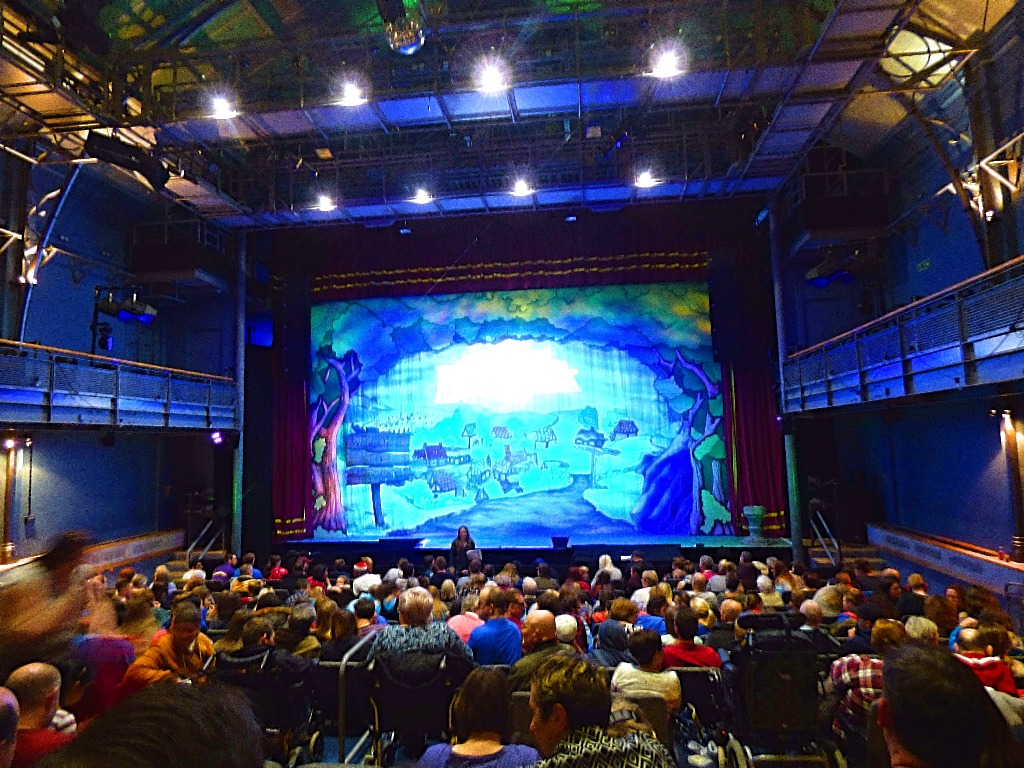
I am delighted to report that all of the feedback about that evening has been positive. Here are some pictures from inside the auditorium (not from the performance of course – there are limits!).

PantoJ&B

Plant stand
This stand played a major role in the performance – Simple Simon placed a pot of flowers on top of it at the start, and every time anyone else went near it a warning shout of “Simon” went up from the audience.

The roof
A look up at the roof

Road signVillage sign

Packed house
A view over the crowd.

Decor
Decoration around the balcony area -these two shots were taken during the interval.

Decor 2

THE PETITION

This has been put together by the Dolphin Project and calls for Broome to end its sister relatuionship with Taiji over the hunting of dolphins.  I urge you to follow the links I have provided, and sign and share the petition. Below is the picture and opening few paragraphs of accompanying text:

Pilot Whales, Taiji, Japan, Nov 2015

In 2009, Ric O’Barry visited Broome in Australia to lobby the council to suspend its sister relationship with Taiji, Japan over the dolphin drives hunts. Following a special screening of the film, ‘The Cove’, the Broome Shire Council agreed. Just two months later, the council reversed its decision. Choosing to capitulate to its large, local, Japanese community, Broome retracted its pledge and issued a full apology to Taiji town.

Once again, the Dolphin Project is urging Broome to stop condoning the slaughter and to take a stance against this cruel and unnecessary assault on wildlife.

In 13 years (2000-2013), a total of 19,092 small cetaceans were victims of the dolphin drives in Taiji, Japan. This included 17,686 slaughtered dolphins and 1,406 live-captures. Last season alone, 902 dolphins were driven into the cove. More than two-thirds were slaughtered and 117 were earmarked for the captive display industry — [Source: Ceta-Base.org].

This brought back memories for me of my first visit to Australia, a long time ago, and before I developed an interest in photography. Broome was one of the places we visited and stayed a few days. I did not actually see any dolphins there, but had done a few days earlier at Monkey Mia (this is near Hamelin Pool, where on can – and I did – see living stromatolites).

I end this post with: C’mon Broome – you can do better than this!

Autistic Pride Award: Laina’s 500th Post

My response to Laina’s magnificent 500th blog post “The Autistic Pride Award [500th Post]”.

INTRODUCTION

Laina over at thesilentwaveblog decided to do something special for her 500th blog post. The result was an absolutely splendid post, and this is my response to it. 

THE AUTISTIC PRIDE AWARD –
LAINA’S BRIEF

This section sets the scene for the remainder of the post. First here is Laina’s brief:

  1. Whoever wants to participate, participate.  I’m focusing primarily on Asperger’s/autistic people, of course, but anyone who supports autistic people and neurodiversity is welcome!
  2. Do link back to the blogger who gave you the idea 
  3. Do link back to this blog as the original creator.
  4. Describe a bit about yourself.  However much you feel comfortable saying.
  5. List your main “special interests” or areas of primary focus/niche specialties.
  6. If you’re on the spectrum yourself, describe why you’re proud to be Aspergian/autistic or what you like about being Aspergian/autistic.  
  7. If you’re not on the spectrum yourself, you can use this opportunity to describe a loved one in your life who is and what makes them awesome, or you can explain what autism means to you and why you think the world would be a better place if it were to be more embracing of autism.
  8. (Of course, you can answer more than one!  For example, someone who is autistic can also describe how much better the world would be if it was more open toward autism.)
  9. If you like, you can list other blogs or resources that are autism/neurodiversity-positive, to give them a shout-out, too.

The fact that I am writing this post demonstrates that I wish to participate (1). I was inspired the source article itself which deals with (2) and (3), and I take this opportunity to urge you not just to read Laina’s 500th post in full but also to explore her blog in more detail. Thus, the rest of this post will start with point (4) of this list.

ABOUT ME

This is my WordPress profile statement:

I am branch secretary of NAS West Norfolk and #actuallyautistic (diagnosed 10 years ago at the comparatively advanced age of 31). I am a keen photographer, so that most of my own posts contain photos. I am a keen cricket fan and often write about that subject. I also focus a lot on politics and on nature.

You can learn more about me by reading more posts on this blog, and the rest of this post. I will include photos that relate to some of my interests, and links to other blogs the relate to my interests.

SPECIAL INTERESTS

  • Photography – as many of the posts on this blog show. There are many photographic blogs that I could link to here, but I have chosen just one, Cindy Knoke’s, from which I choose to feature a post titled “Gorgeous Greece & Her Beautiful Islands“. Here is one of my fairly recent photographs:
    Castle
  • Public Transport – I am the creator of a London Transport themed website, www.londontu.be, I have blogged here about many journeys, including Inlandsbanan and The Jacobite, while the photograph above was taken through the window of a moving train. Here is a public transport related photo to end this segment:
    Farewell to the Jacobite
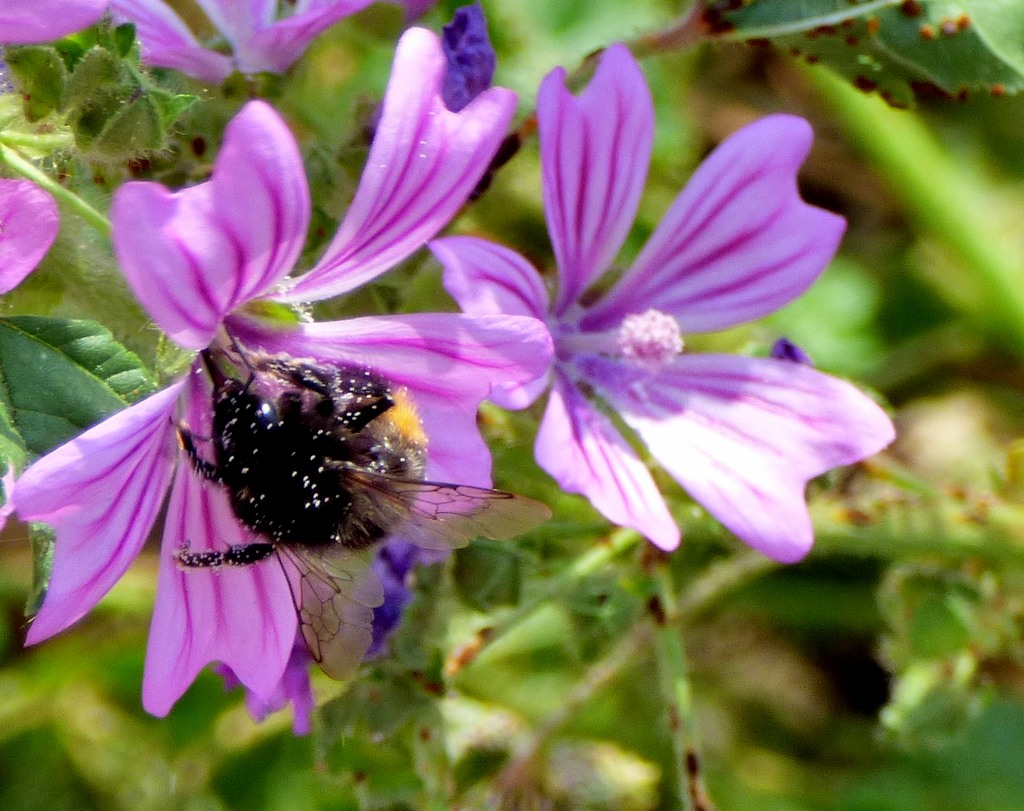
  • Nature and Natural History – these linked interests are lifelong. For a natural history blog I thoroughly recommend whyevolutionistrue, while for good stuff about nature I recommend Anna’s blogthis is one of her posts about nature. Here is a recent bee picture to end another segment:
    P1020327
  • Cricket – I am listening to commentary on the second T20 between England and South Africa as I write this.
  • Autism – kind of obvious given that I am both autistic and involved in an autism charity. Before moving on to autism related blogs I offer a link to the National Autistic Society website (it is a very useful resource). I have of course already linked to Laina’s blog at the very start of this post, and I also recommend strongly theunabashedautist, americanbadassadvocates and theinkedautist.  Having (including the opening link to Laina’s blog) given shout outs to four blogs by #actuallyautistic folk I finish with a link to Autism Mom.

WHAT I LIKE ABOUT BEING AUTISTIC

Many of my greatest strengths, such as my computer skills, my attention to detail, my skill at taking and editing photos are a direct product of my autism. Autism is part of who I am, and never in the ten and a half years since I was diagnosed have I wished that I was not autistic. I conclude this post with a photographic collage that I used in an auction alert email sent out yesterday:

1052 composite
I envisaged something like this when I started assembling this image – along the top we have the full lot followed by close-ups of both faces of the medal, while along the bottom we have photographs of the engraving around the rim.

Early Meteorite Bits Reveal Clues About Solar System’s Evolution

From livescience.com (please note that as this is a post I am sharing from elsewhere rather than one of my own comments are closed)

By sifting through minuscule remnants of ancient solar-system crashes, called micrometeorites, researchers found that the most common types of meteorites today used to be quite rare — and the rarest ones used to be common.

Source: Early Meteorite Bits Reveal Clues About Solar System’s Evolution