However, it was now time to move on, with the next destination being Malmo. Leaving the hotel I headed for the station, could not work out which train was best to take with my destination being Malmo or spot a member of staff to ask, so I boarded a train bound for Stockholm Central, reasoning that there would probably be a direct connection from there to Malmo and if not there would be staff there.
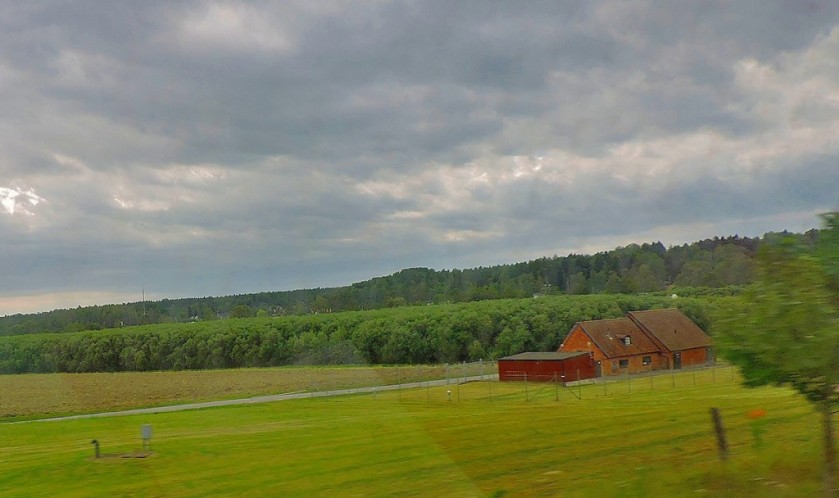
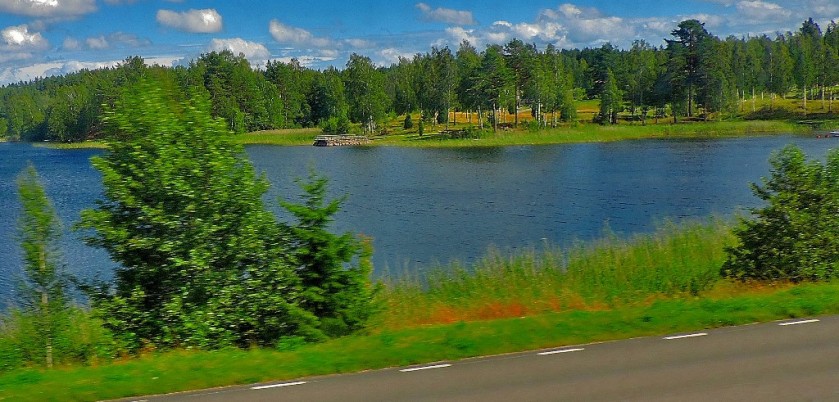
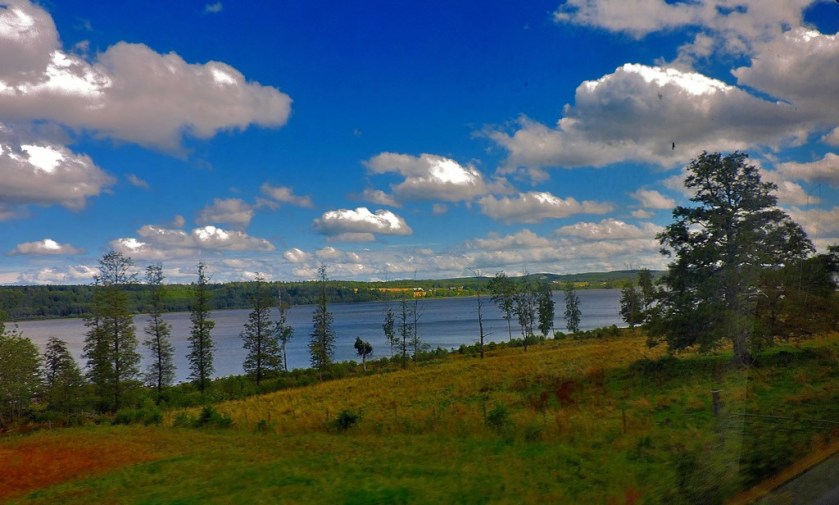
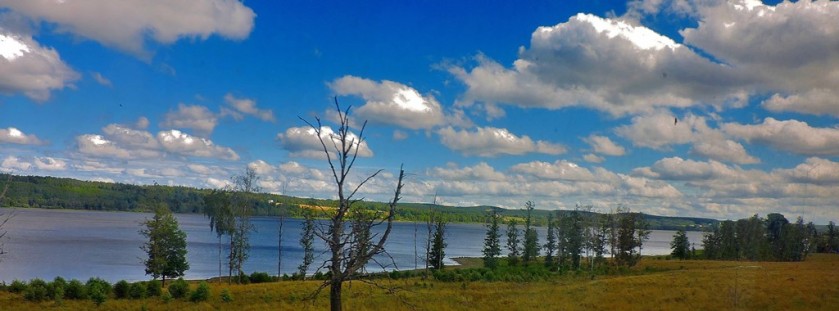
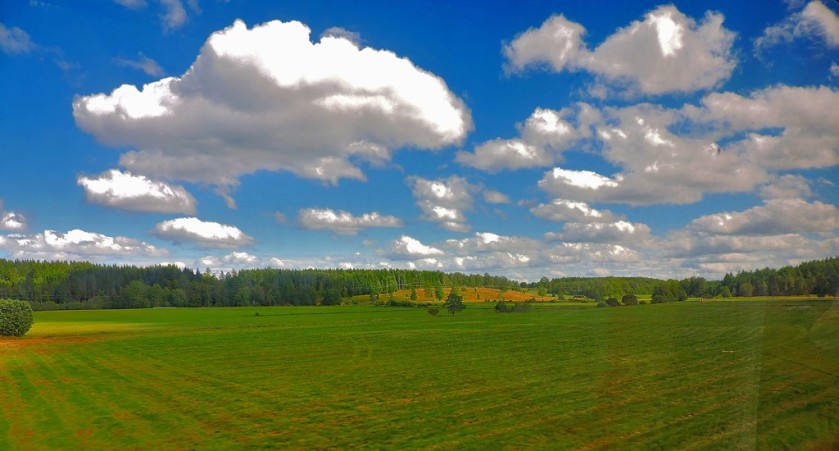
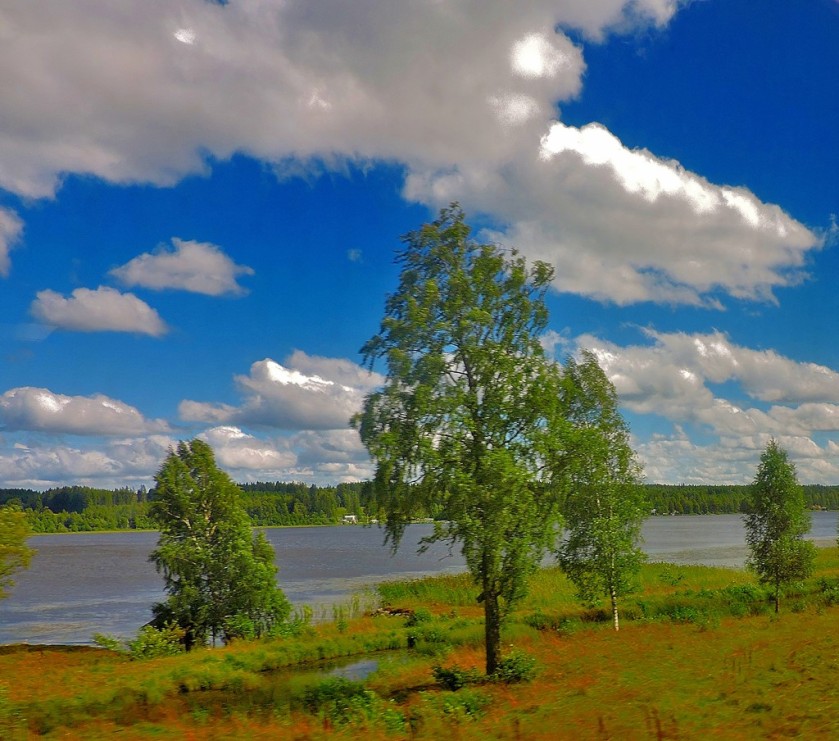
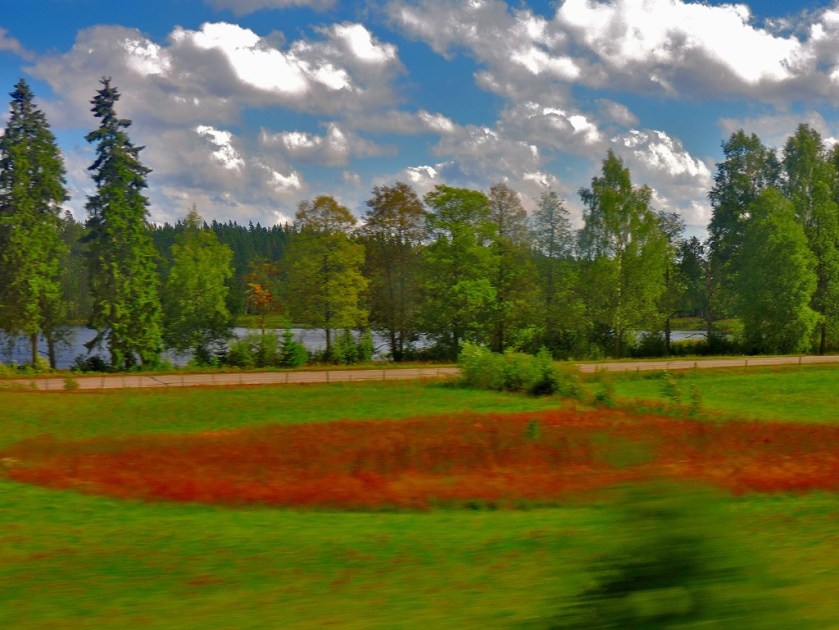
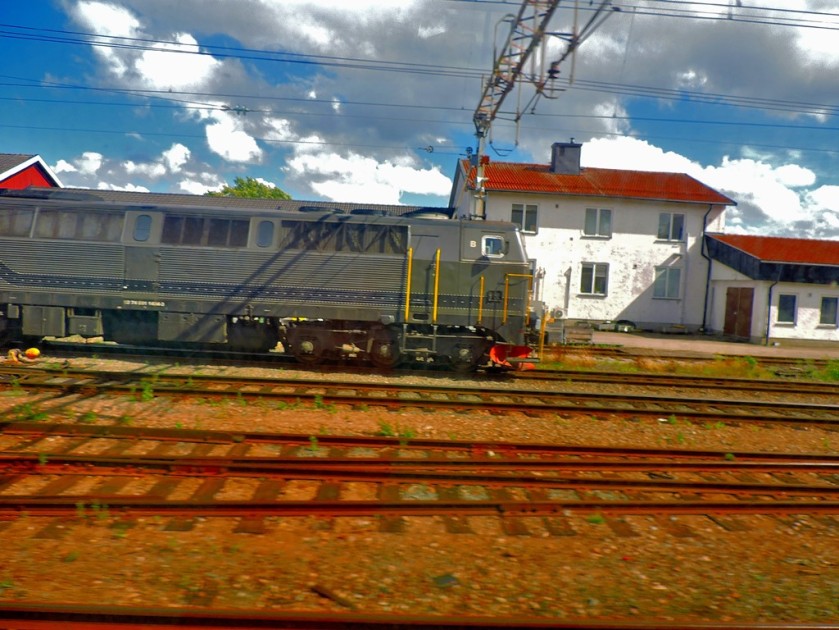
Other than having to get a later connection than I would have like to Malmo, due to the necessity of reserving a seat (Stockholm-Malmo is a route on which such is required), I got my onward train from Stockholm with no great difficulty. I did what I had done on the Inlandsbanan journey and spent the journey looking through the window, taking photographs along the way…
A MINOR DIFFICULTY IN MALMO
My train was scheduled to arrive at Malmo at 16:47, which of course it did, Malmo’s tourist information office closes at 17:00. I failed to locate it before it had closed, and the various people I asked for advice about how to get to my accommodation were unable to be of much assistance. Eventually I ascertained that by catching a bus to Davids Hall I could get close. Sadly, it was not possible to pay cash on the bus, and at Pressbyran, where the driver had said I could buy a ticket they directed me elsewhere. Unable to find the place to which I had been directed I finally resorted to a taxi. On this occasion I was booked into a six-bed dorm. This proved rather more commodious than the four-bed dorm at Uppsala. While I was still on a top bunk, this one was properly accessible.
I had seen enough in the environs of the station and on the taxi ride to suggest that Malmo would repay detailed exploration on the morrow…
The latest installment in my series about my recent holiday in Sweden. This post covers the botanic gardens and Carolina Rediviva.
INTRODUCTION
Welcome to the next installment in my series of posts about my recent holiday in Sweden. This post deals with the start of the full day I had at my disposal in Uppsala.
PREPARATIONS
Although I was booked in for a second night in my dorm room I still had to do some sorting out before setting forth to continue my explorations of Uppsala – I stowed my larger bag in a recognized storage slot and put everything else I did not wish to carry with me, including most of my books, on my bed, which as I would be using it again the cleaning staff would not need access to. Having thus ensured that the staff would be able to do their jobs with no obstruction it was time to set off. My initial target was the Linnaeus Museum,the former home of Carolus Linnaeus, but that was closed when I got there.
My next target was the…
THE BOTANIC GARDENS
The Botanic Gardens in Uppsala have an entrance just opposite the Carolina Rediviva which features later in this post and at their other extremity abut on to the grounds of the Evolution Museet.
THE START: FORMAL GARDENS
If you enter the gardens (admission free) at the Carolina Rediviva end you are first greeted with a very formal looking and generously spaced garden which reveals nothing of what lies ahead.
The first two pictures were taken just before I entered the botanic gardens
The view from the entrace.
THE SECOND SECTION – A VARIETY OF GARDEN TYPES
The second section of the botanic gardens offers much more by way of variation. I did not venture into the greenhouse like building that houses the tropical plants, but everything else that was there to be seen I did see. Here are some photographs from this area…
Deep within this second section of the botanic gardens is a real treasure…
A SMALL EDUCATIONAL SECTION
I was drawn towards this subsection by the only indications of its existence to be visible at a distance – two information boards and a very distinctive sculpture. As I soon found out, these were just the tip of the iceberg…
The first two pictures show the information boards
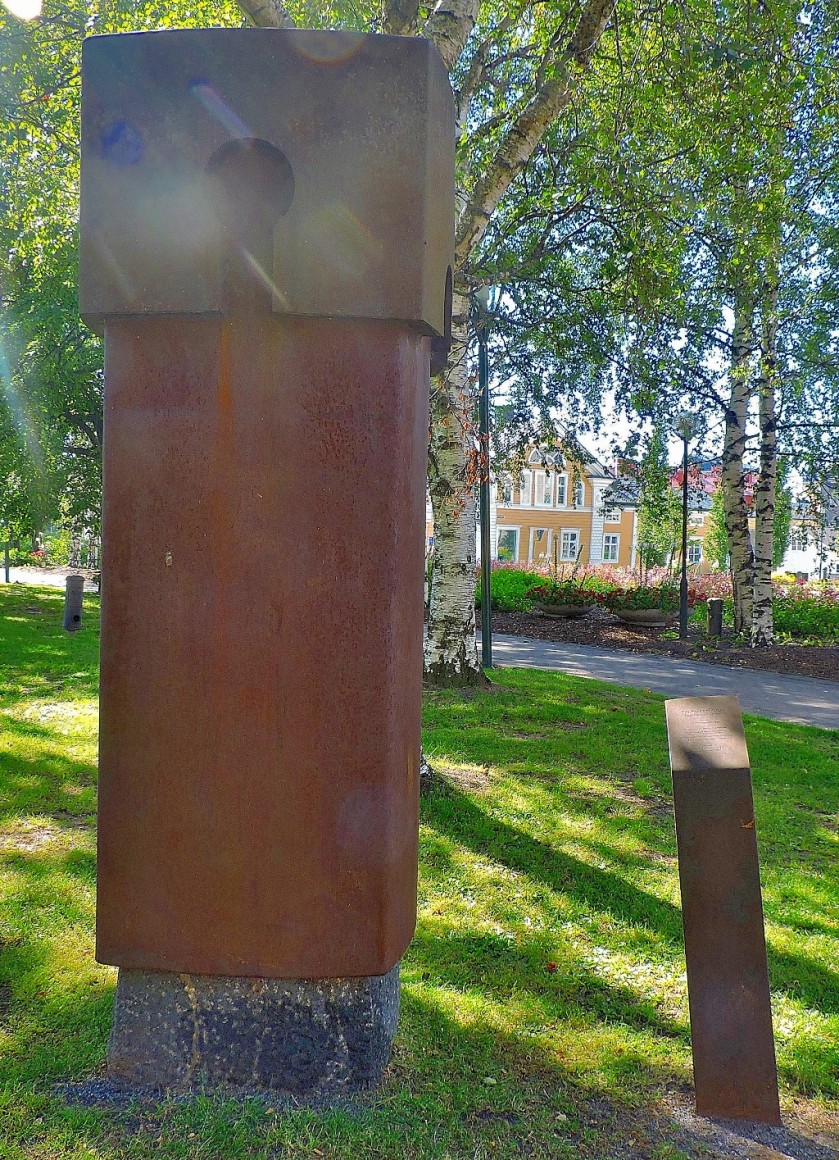
This is the sculpture – a giant model of DNA, as revealed by the work of Watson, Crick AND Franklin (Rosalind Franklin’s work was shown to Watson & Crick without her consent even being sought, much less given, and enabled them to complete their own work, so at the time she did not receive the credit she was due).On the ground in front of the sculpture is this mosaic showing the chemical formula.
There are also several other mosaics.
Viewed from the outside this is what this little subsection looks like.
I concluded by visit to the botanic gardens with…
SOME FINAL PHOTOS
Here are the last of the photos I took in the botanic gardens…
THE EVOLUTION MUSEUM: A PLEASURE DENIED
I had been looking forward to seeing what the Evolution Museum had to offer (a natural history museum in the home town of Carolus Linnaeus – surely it must be good). Unfortunately, I discovered that it was closed for renovations, so I missed out on seeing exhibits that include the largest collection of dinosaur skeletons anywhere in the Nordic countries. Making my way back towards to the town centre to visit the old home of the aforementioned Linnaeus I paid a visit to…
THE GREAT LIBRARY OF UPPSALA
The Carolina Rediviva to give it its proper name is home to 5,000,000 volumes. On the ground floor is a small exhibit of its greatest treasures, the centre piece of which is the ‘Silver Bible’, a 1,500 year old bible which was captured by the Swedes from Prague in 1648. A 17th century Swedish goldsmith crafted the cover that now adorns it and gives it its name. I do not have a photograph of it because after I had taken three photographs of the exhibits I was told that photography is not allowed due to the potential damage done by flashes (I never use the flash anyway, but it was clear that I could not win the argument). However, while I fully accept the argument for banning flash photography in such a place, a blanket ban on photography seems excessive (the Uppsala University museum, which I covered in this post, takes the sensible course of banning flash photography but permitting photography without flash). Here are my photographs from the Carolina Rediviva…
These last three photos were the ones i took inside the Carolina Rediviva before being stopped from taking photographs.
The latest installment in my series of posts about my recent holiday in Sweden.
INTRODUCTION
Welcome to the next installment in my series of posts about my recent holiday in Sweden. This post picks up the story from the end of my visit to the Uppsala University Museum, which I covered here.
CONTINUING MY EXPLORATIONS
On leaving the museum I took a brief walk in one direction, before deciding that it lacked appeal, and on looking for alternatives I found the University Park, and headed that way. Before making that firm decision I had taken these photographs…
After taking the picture above I entered…
THE UNIVERSITY PARK
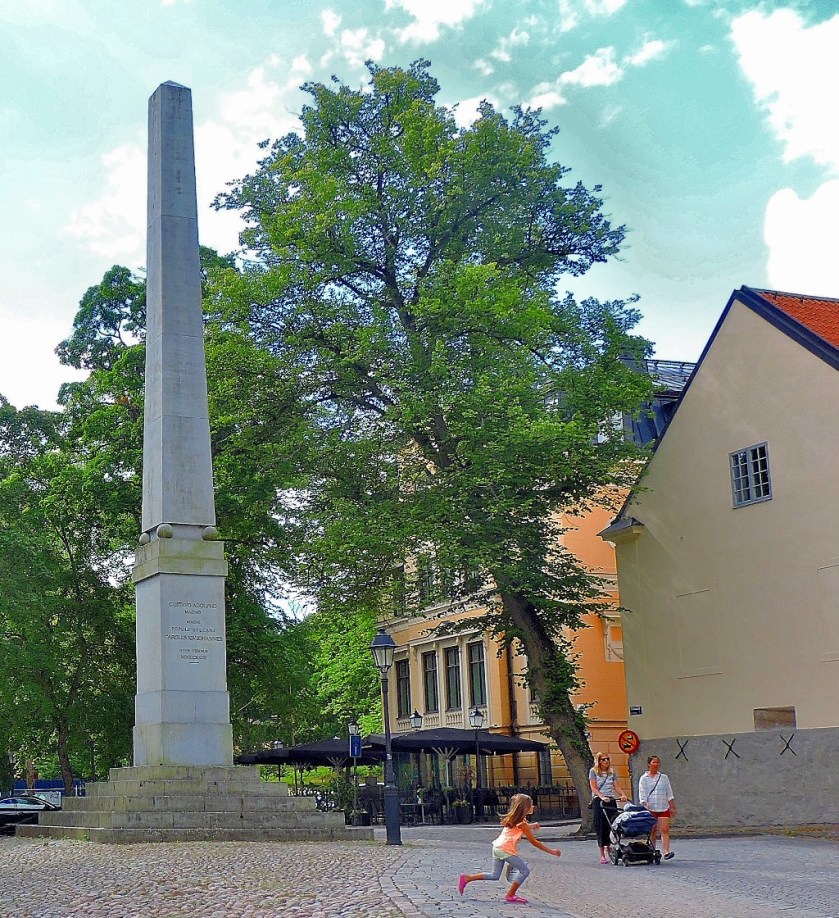
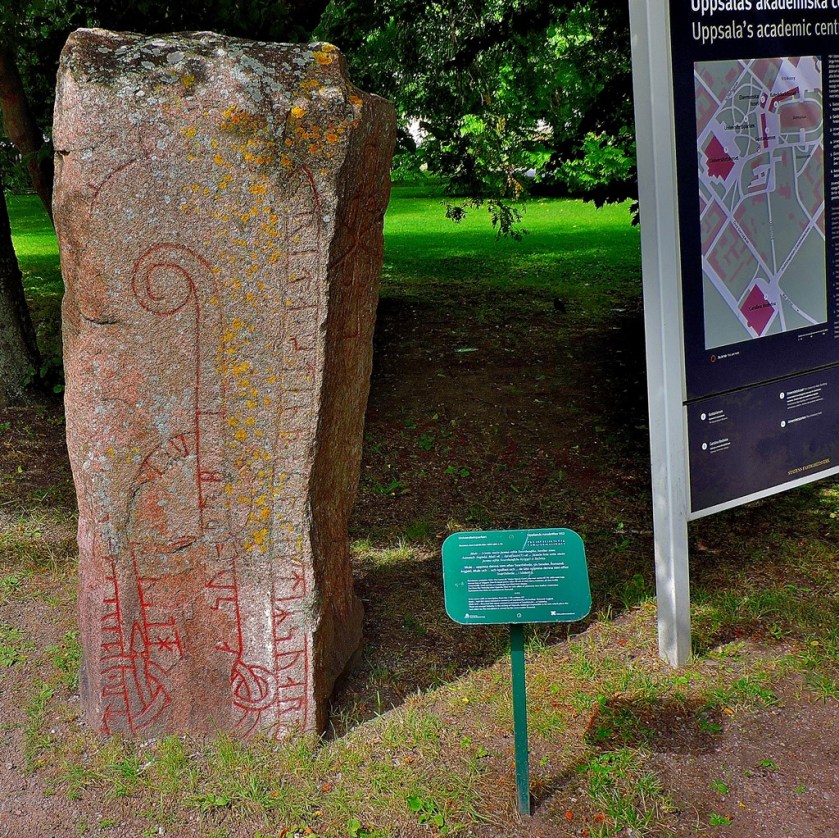
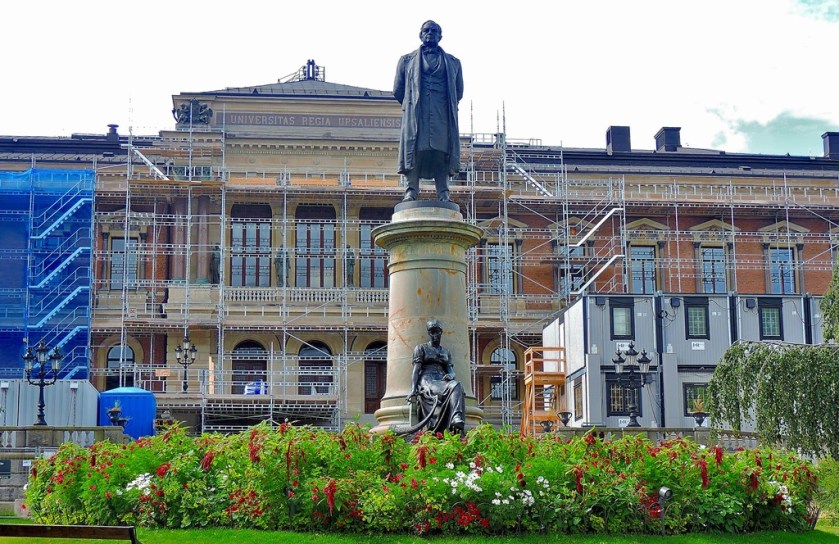
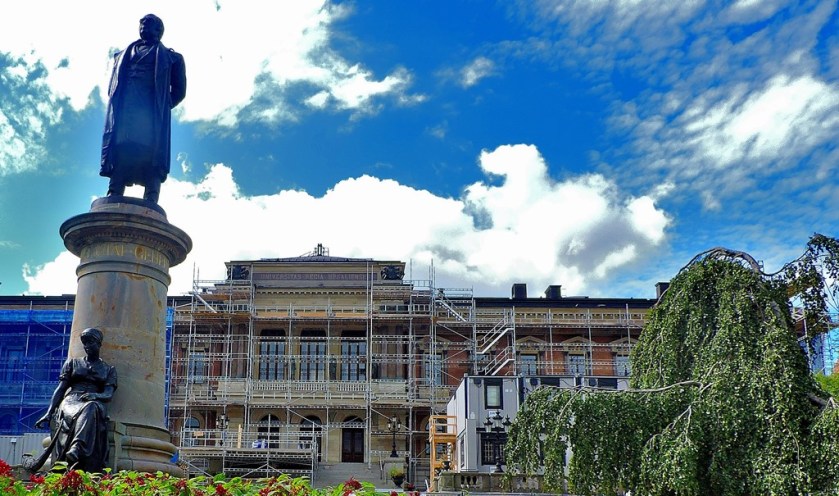
The University Park features runestones, a central statue, a view of the main university building (swathed in scaffolding on this occasion) and various other points of interest…
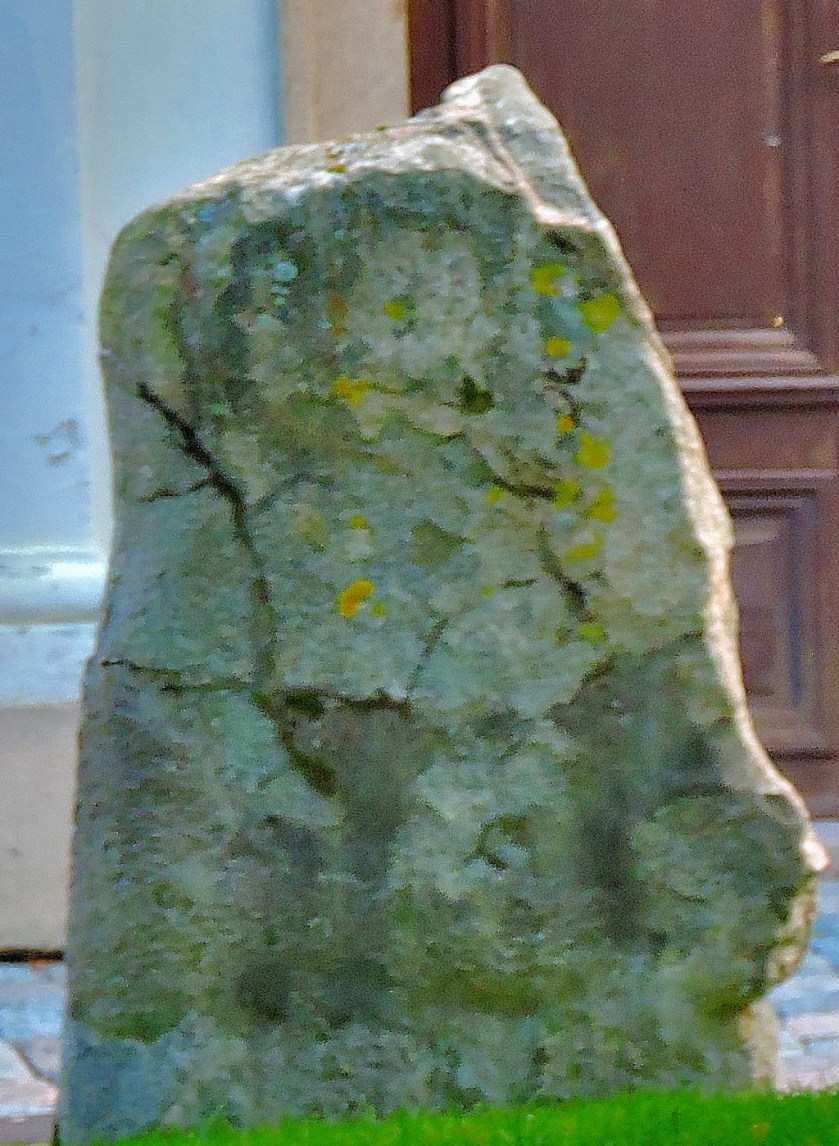
A runsetoneThe explanation
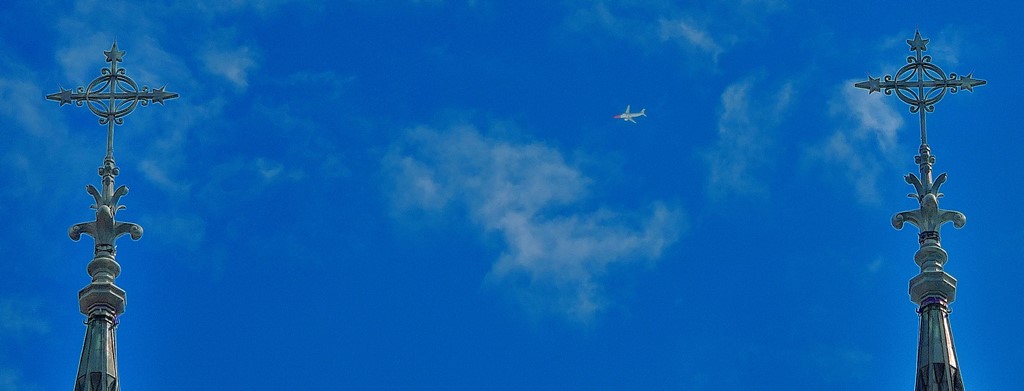
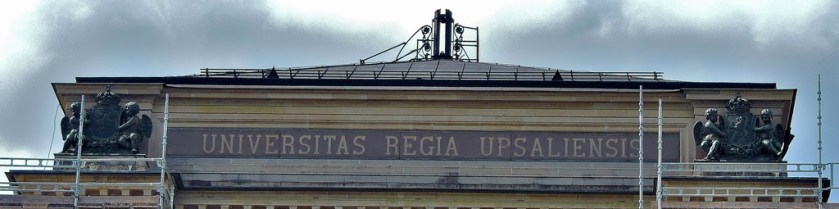
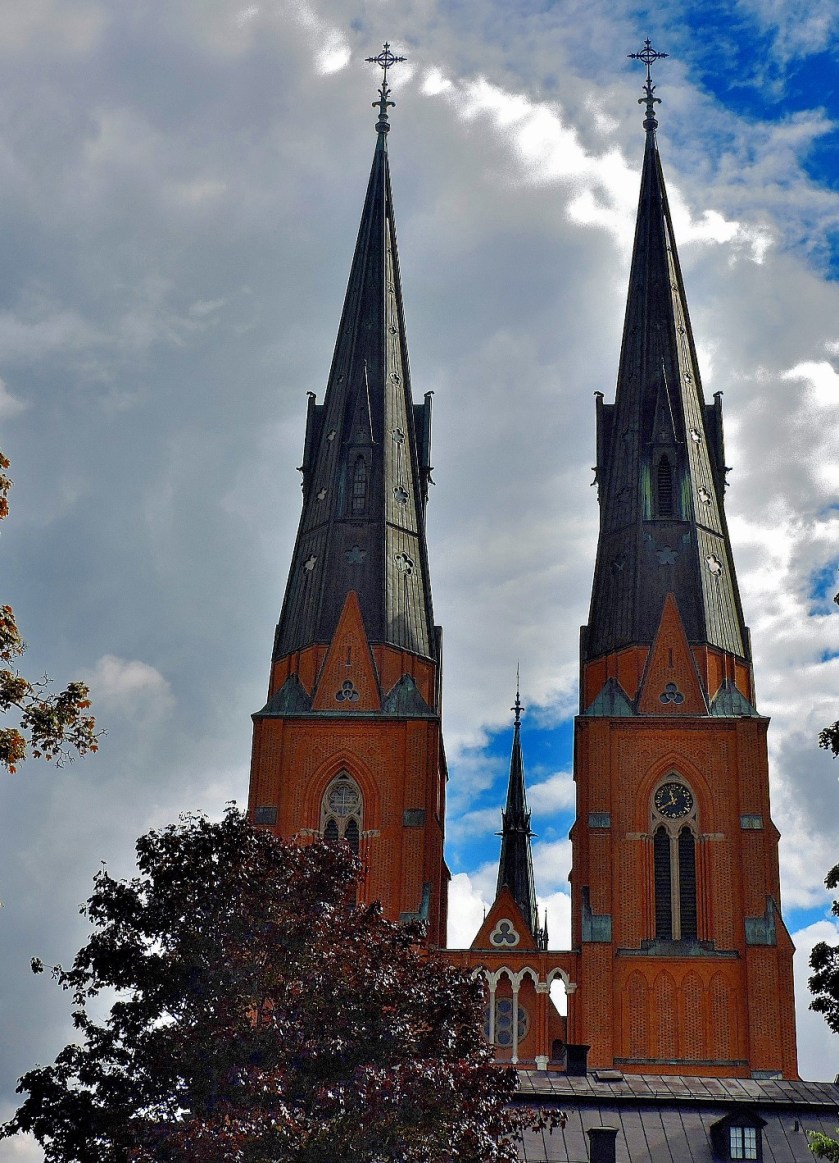
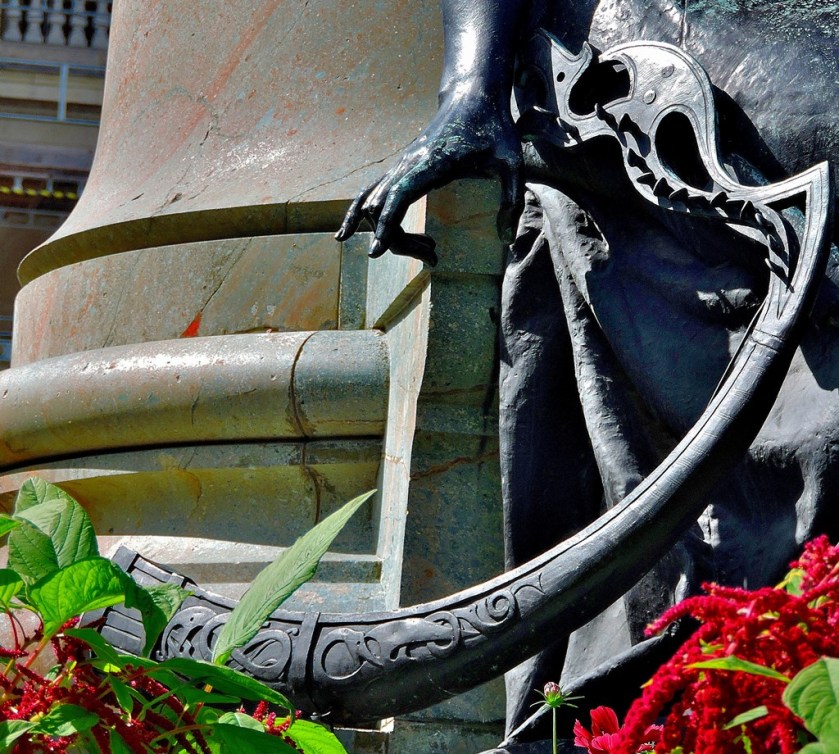
If this arrangement of statues with the man on a raised pedestal looking down on the woman at ground level was this close to a UK or US university building there would likely be petitions circulating demanding its replacement on grounds of sexism!The building itselfClose up of the name.A close up one of the two pieces of bronze work that flank the name on the university building.The cathedral from this vantage pointzooming in on the clockfaceThe crosses at the top of the twin spires, with an aeroplane in the background.
The statues again
BACK TOWARDS MY ACCOMMODATION
I continued my explorations a little longer, buying lunch from the Pressbyran in Stora Torget, the main square of the city and taking some more photographs. In Stora Torget I saw some heavy duty evangelising going on, a sound system having been set up to enable these individuals to preach to anyone who passed – the only such incident in over two weeks in Sweden (not a claim one would ever be able to make in the UK).
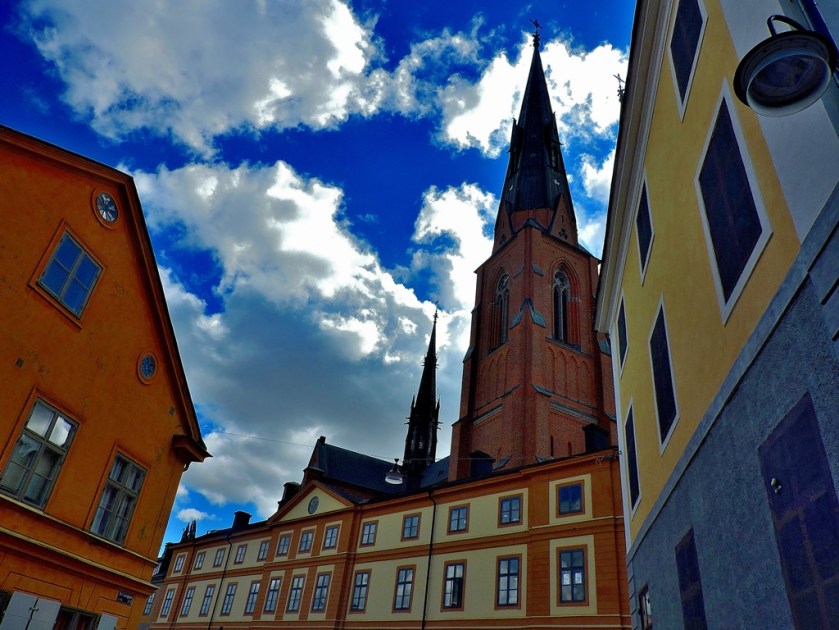
The cathedral from below.
The view from the bridge that gives access to the folk museum.
The main building in Stora Torget
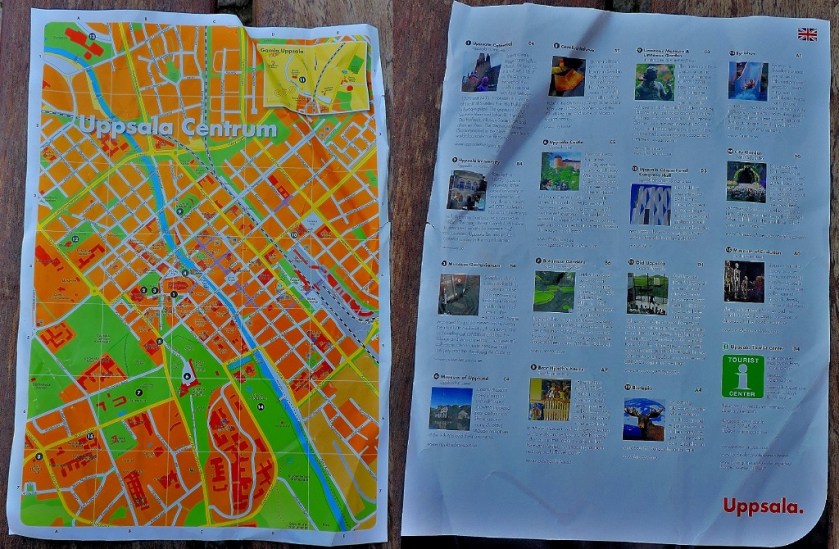
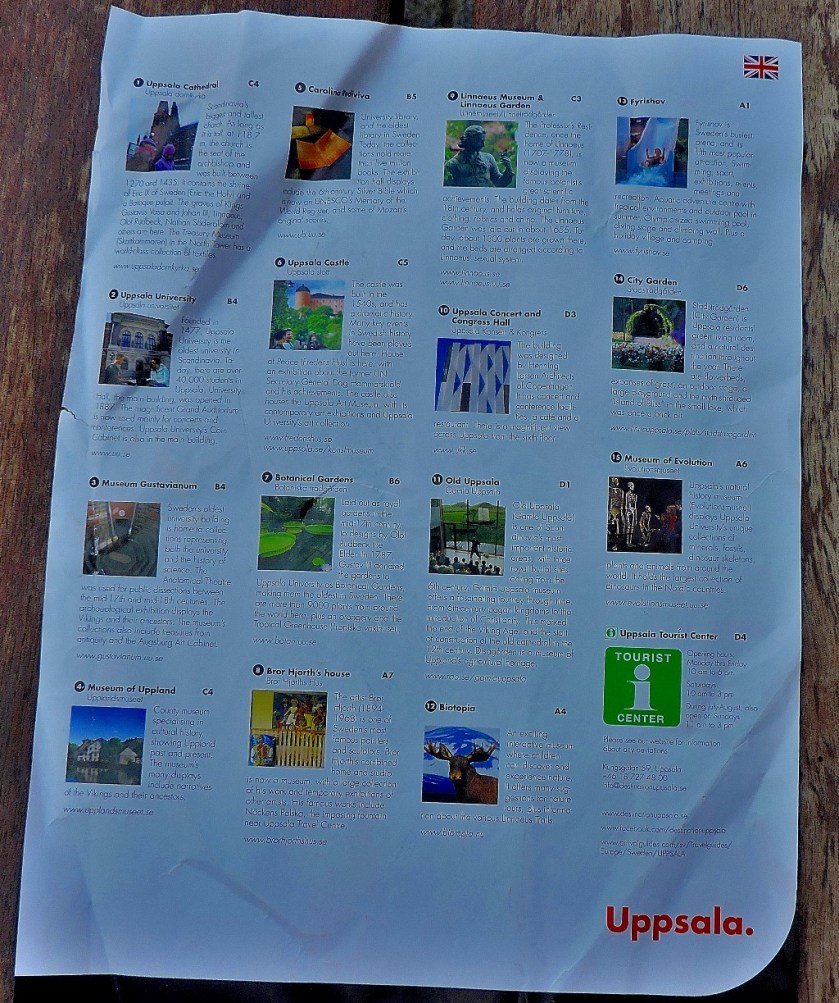
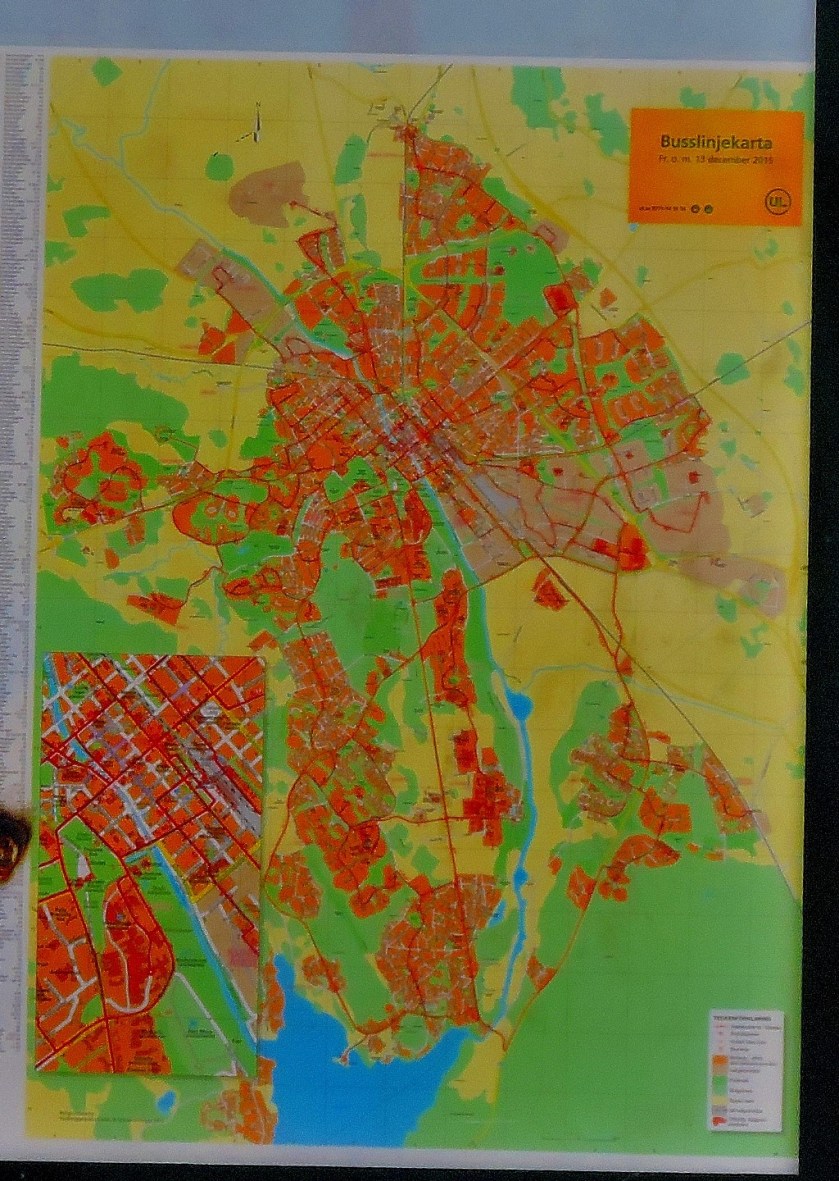
Both sides of the map I was given at the tourist information office.The Map itselfThe attractions, quite a few of which I got to see.
MY ACCOMMODATION
I had booked accommodation in a four-bed dorm room at a ridiculously cheap price. The room was windowless, and I my bed was a top bunk, accessed by way of a wooden framework (to call it a ladder would overstate the case). My official review for booking.com can be seen here.
Continuing my account of my holiday in Sweden with a virtual tour of the Uppsala University Museum.
INTRODUCTION
Welcome to the next installment of posts about my recent holiday in Sweden. This post picks up where my previous one left off, heading into this building:
The outside of the University Museum
INSIDE THE MUSEUM
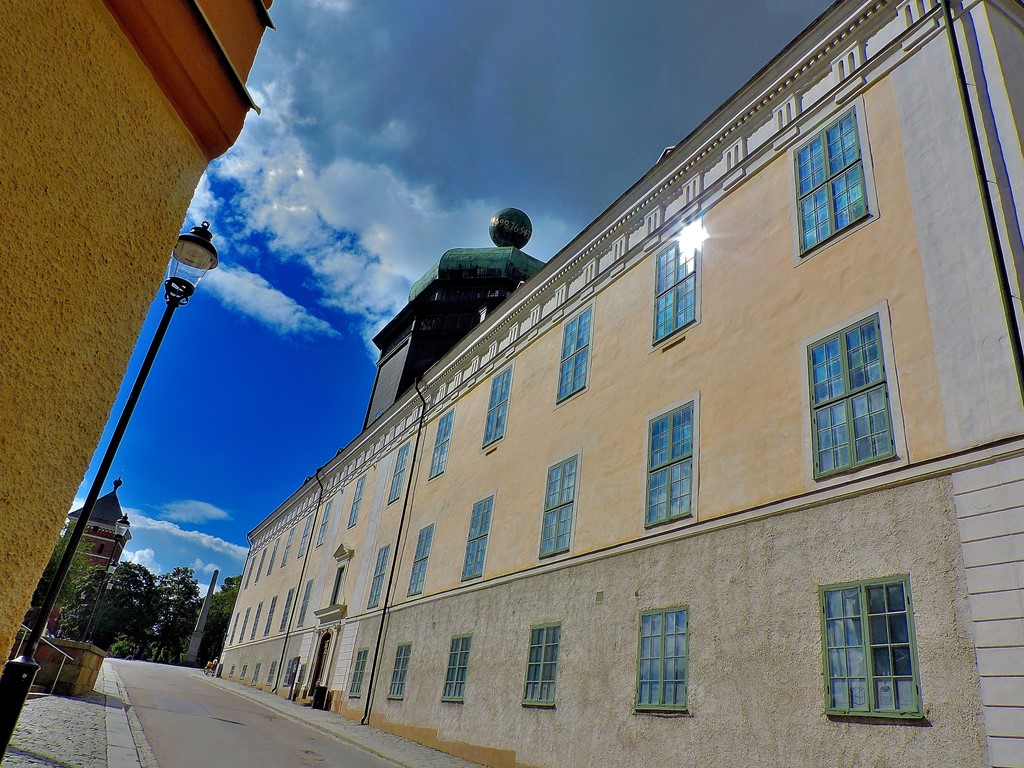
The Uppsala University Museum (students get in free), also known as the Gustavianum is housed in the oldest university building in Sweden. If you approach the museum as I did and start at the bottom and work your way up, the first exhibits you encounter are from the Egyptians, Greeks and Romans:
This object sits in the entrance hall.
It is a very minor quibble, but the red background is too strong a colour and therefore detracts somewhat from the coins themselves. Having produced images of a very large number of coins I have arrived at the conclusion that a white background, so that all the eye sees in the picture is the coin or set of coins is best.
The next two floors are taken up with items of various kinds from the more recent past…
The world’s first commercially successful portable computer – our ideas of portability have changed somewhat since then, as has the storage capacity of such machines!
This picture and the next combined to form
This picture
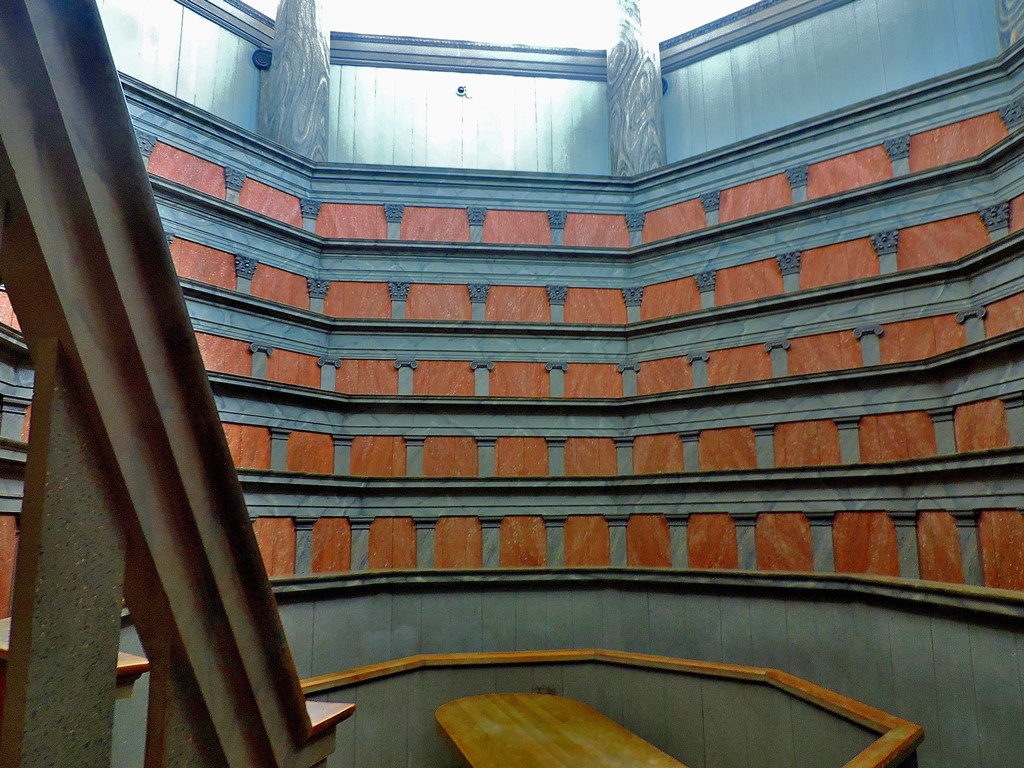
After these treasures it was time to see the inside of the dome – a perfectly preserved anatomy theatre…
Students would have stood in rows around the room, while the corpse that was being anatomised would be spread out on the table.
The last exhibits that I saw were those relating to the Vikings…
The latest in my series of posts about my holiday in Sweden, introducing Uppsala.
INTRODUCTION
Welcome to the latest installment in my series of posts about my recent holiday in Sweden. This post sets the scene for my two night stay in Uppsala.
ARRIVAL
Those following this series will be aware that I travelled to Uppsala on an overnight train from Lulea. Apart from one moment about half an hour before Uppsala when I managed to shut myself out of my compartment and had to knock on the door to regain admission (I was only just stirring, and simply forgot to pick my key card up) the journey was largely uneventful. By good fortune I had been assigned the bottom of three beds (the top bed hangs from the ceiling as a permanent fixture, the middle bed folds out from the wall when everybody is ready for bed and the bottom bed is created by rotating the row of seats over by means of an ingenious mechanism).
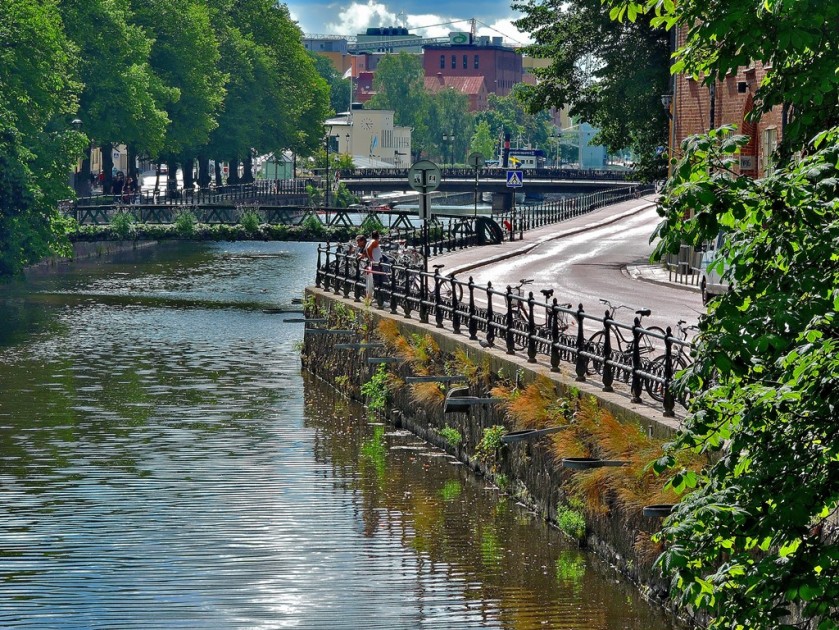
On arrival at Uppsala Central Station I noted that the was a line of hotels on one side of the tracks, so I went to investigate whether Vandrarhem Uppsala Centralstation was among them and found that it was not. Deciding that other than this little clump of hotels the other side of the tracks looked more promising I headed along the generously spaced walking and cycleway that passes under the station and after passing the bus station found myself on Kungsgatan, where I spied a Tourist Information Office. As it turned out the entrance to the building in which I was staying was just off the main road on the same side street that this office sat at the corner of.
The building in which I was staying had a hotel at the front, and the hostel type rooms in which I was staying at the back. Although it was too early to check in they did have a bag room, so I offloaded some luggage there and set off to commence my exploration of the city. I already had a few photos…
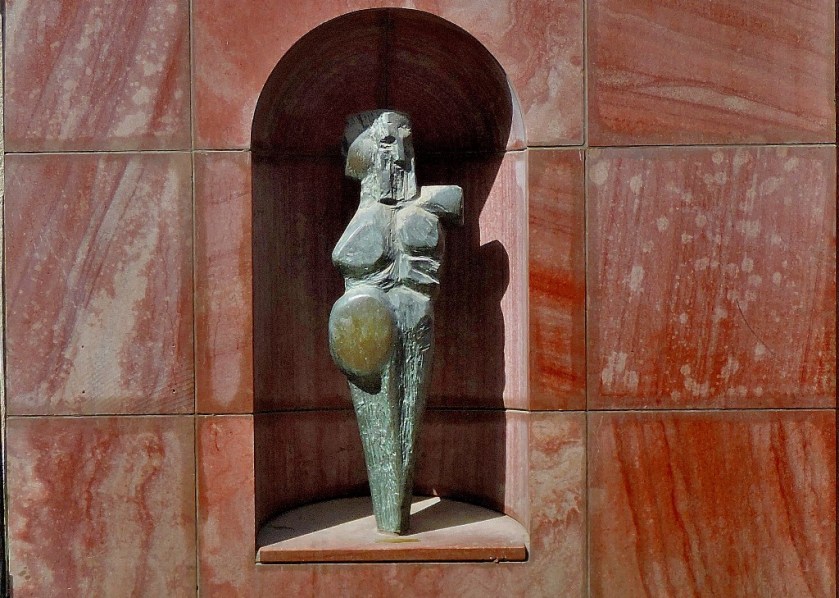
As well as being the birthplace of the great Carolus Linnaeus, Uppsala is home to a sculptor named Bror Hjorth, and two pieces of his work are on display very close to the station.
The station plan of Uppsala Central.
COMMENCING SERIOUS EXPLORATIONS
Consultation of the map with which I had been equipped at the Tourist Information Office revealed that everything of interest to me was to be found by starting in from my hotel in the opposite direction to Kungsgatan, which would serve as a very handy outer boundary marker. My initial target was the cathedral since I reckoned that a very large and prominent landmark that must be pretty much plumb in the centre of the interesting part of the city would serve as a further useful point of orientation, and I could then pick out other places. This part of Uppsala proved to be very attractive and as a bonus was pretty much pedestrianised. Almost directly underneath the cathedral I found the University Museum, and deeming the admission price acceptable decided to go in, with results that will form my next post…
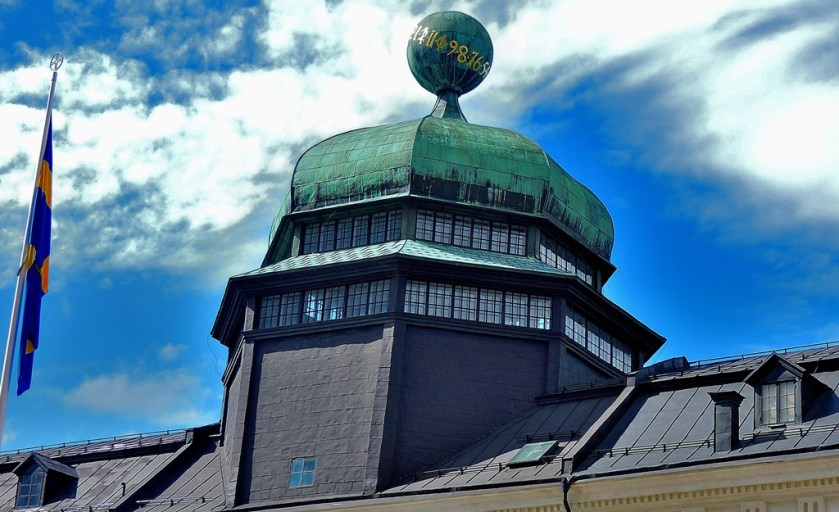
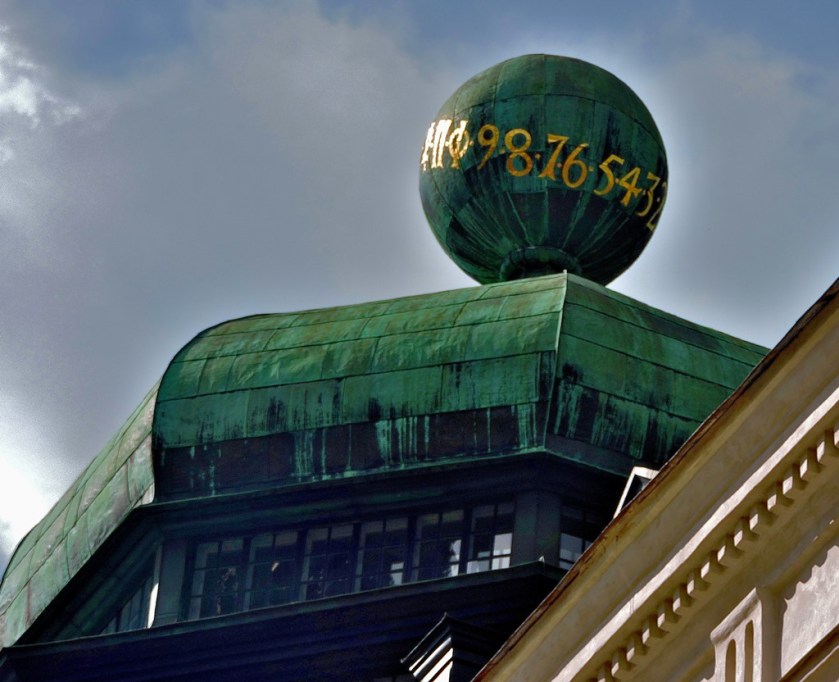
The frontage of the cathedralImmediately above the main doorA close up of that very elaborate circular window.The outside of the University MuseumA close up of the curious onion shaped dome – as you will see in my next post what lies inside that dome is almost as curious.
The latest installment in my series about my holiday in Sweden.
INTRODUCTION
Welcome to the latest installment in my series of blog posts about my recent in Sweden. This is my final post about my time in Lulea.
LAKESIDE PERAMBULATIONS
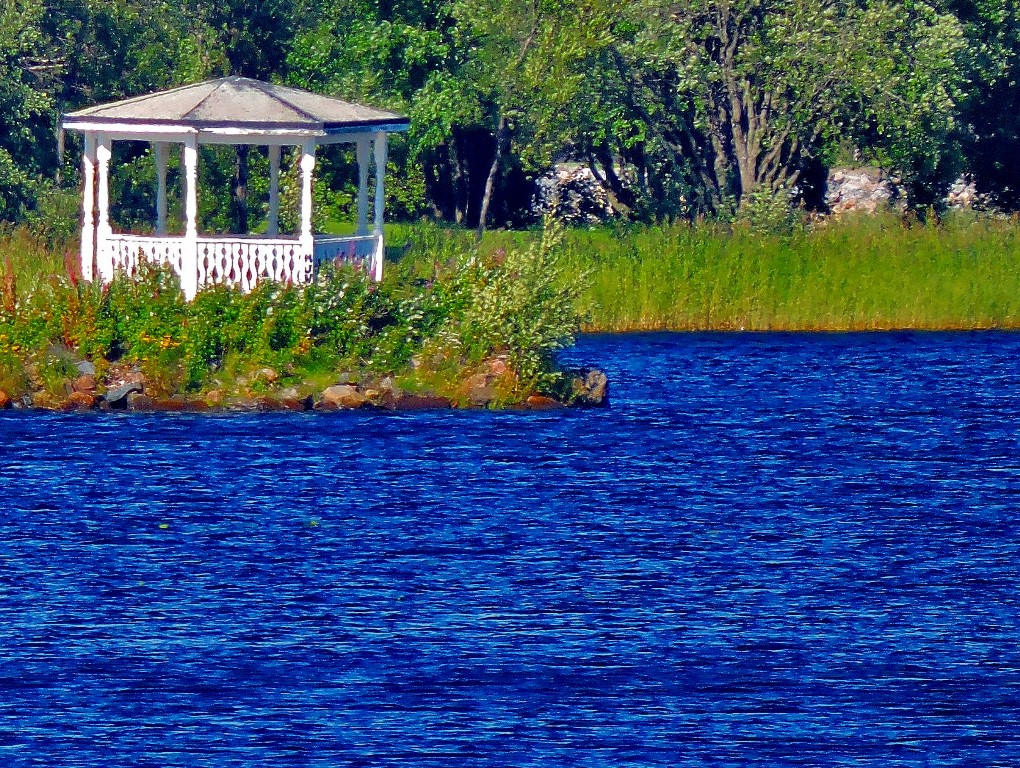
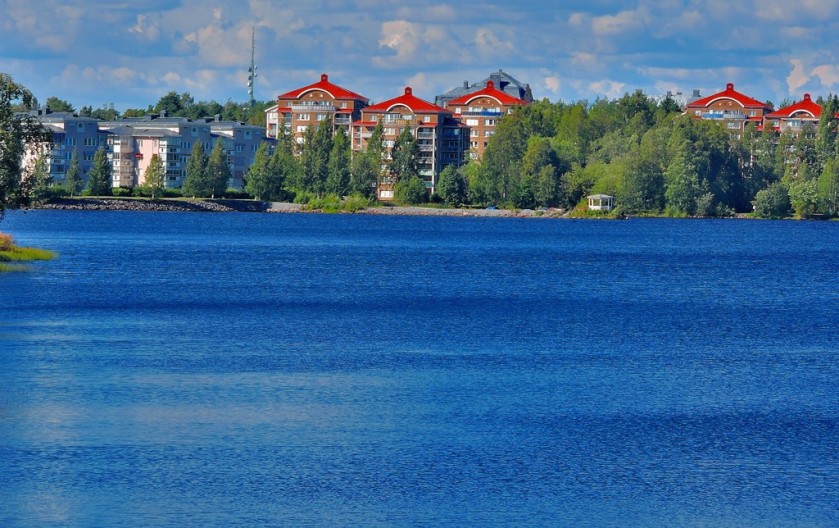
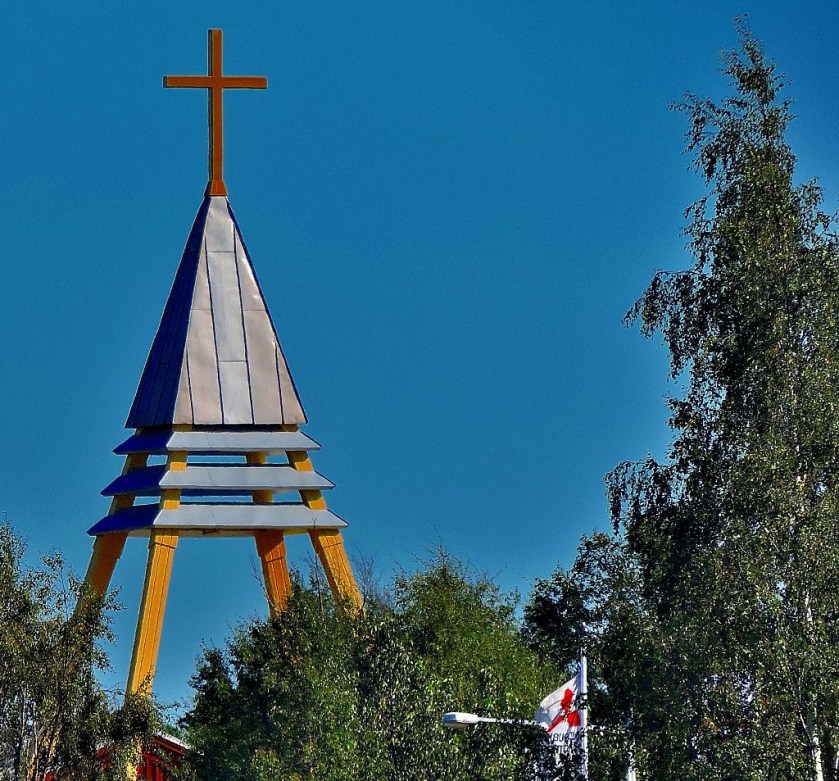
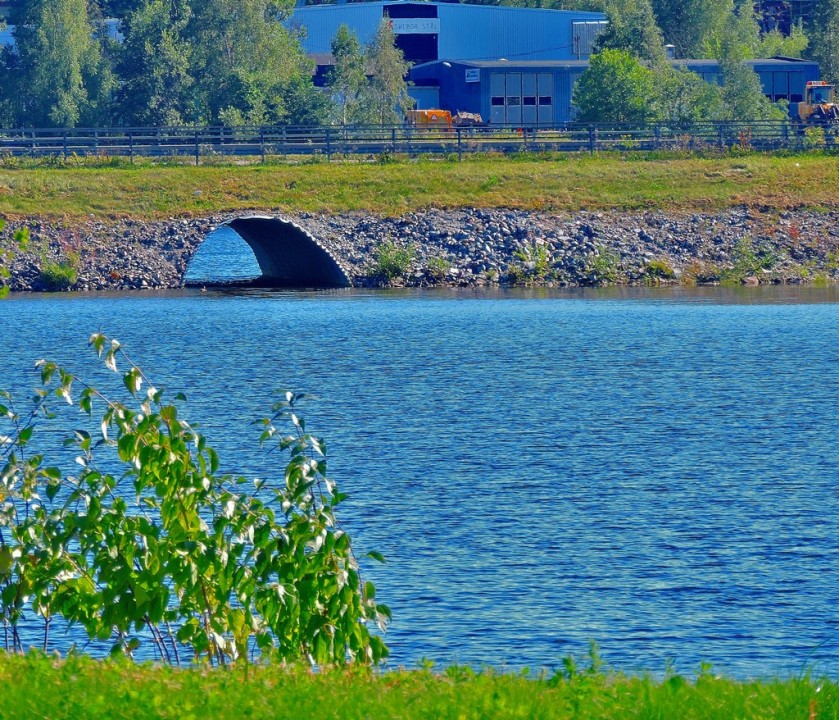
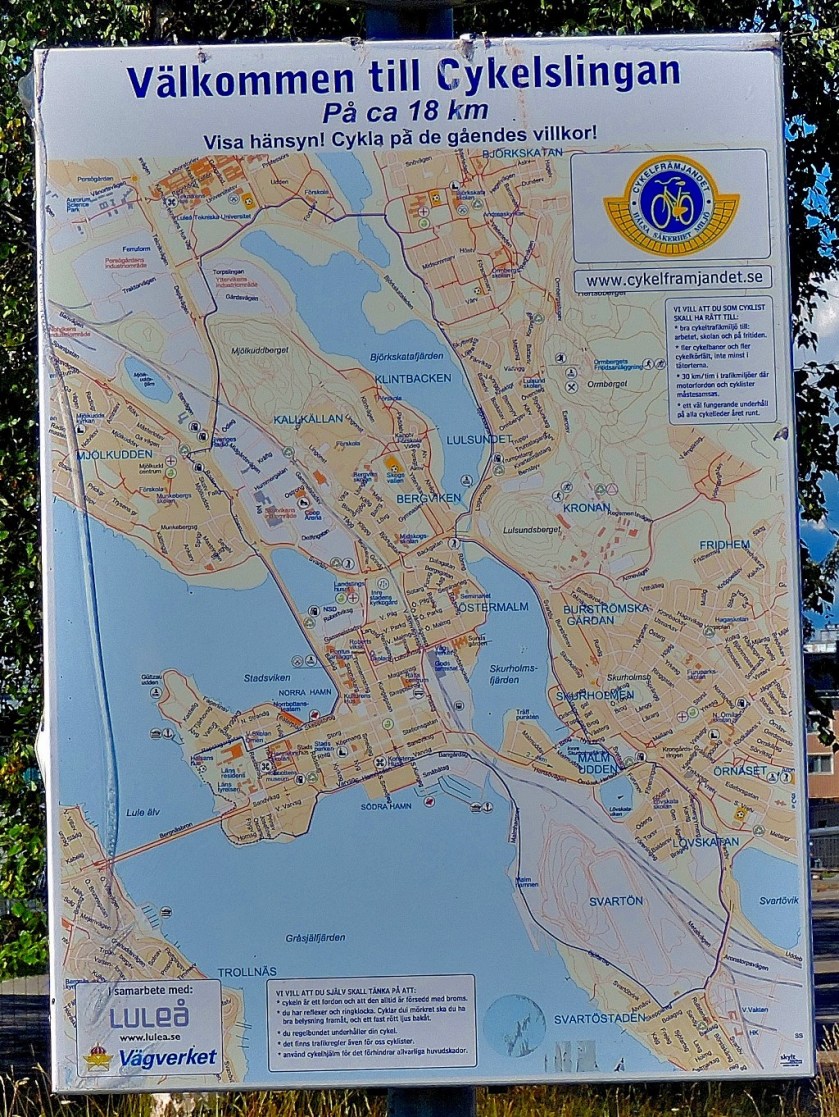
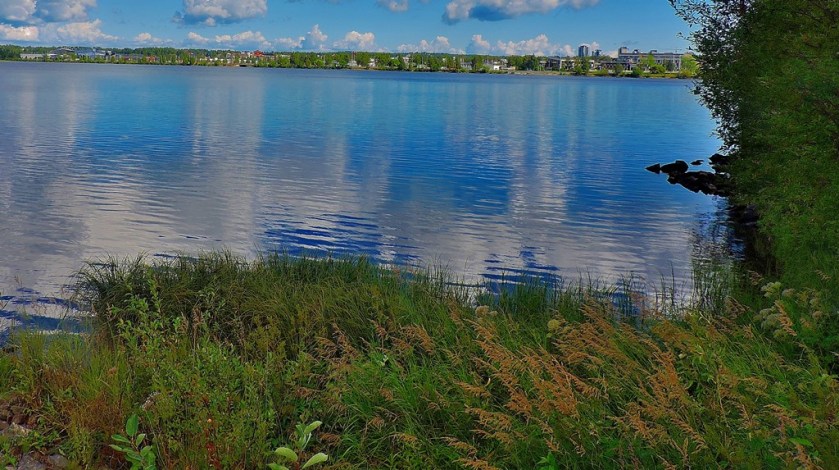
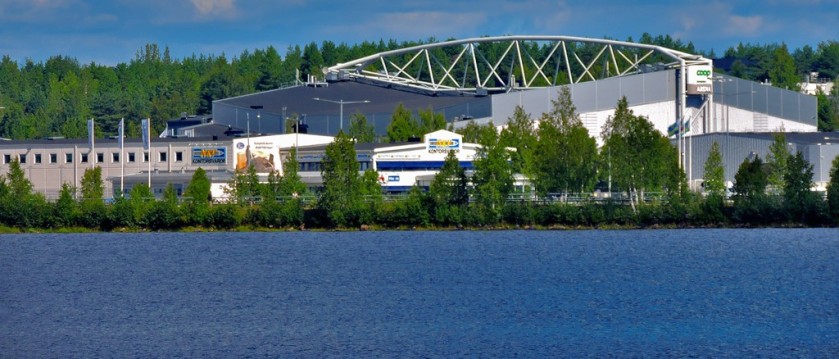
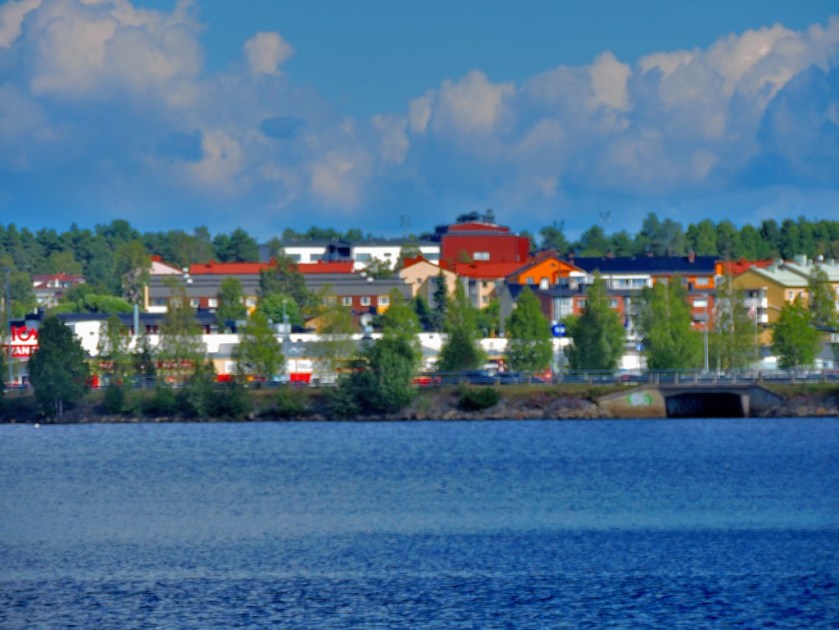
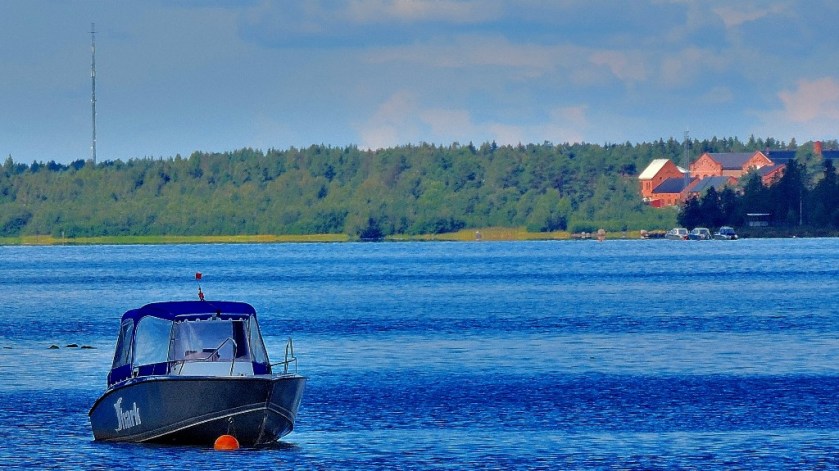
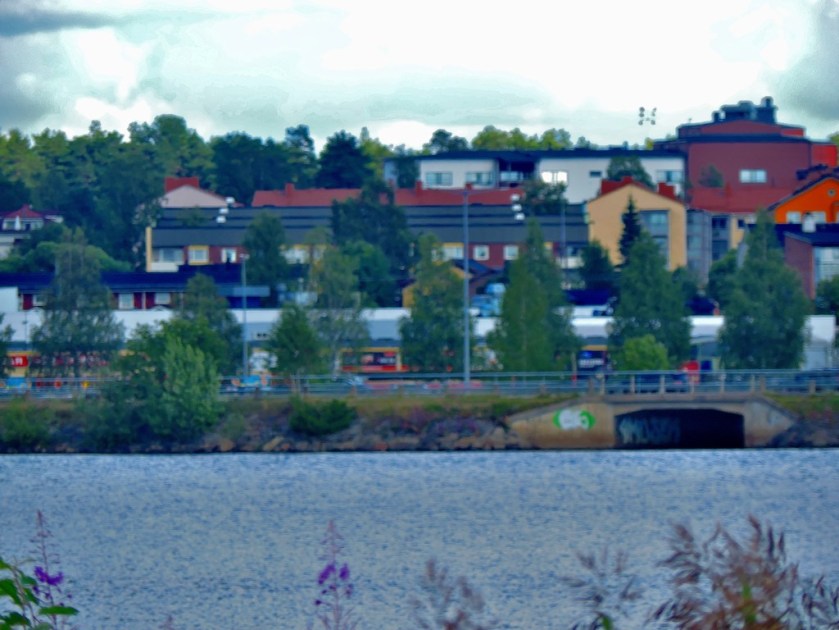
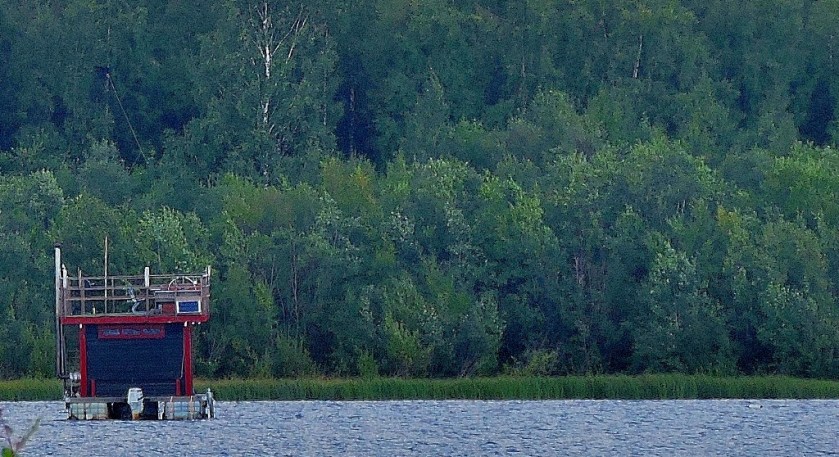
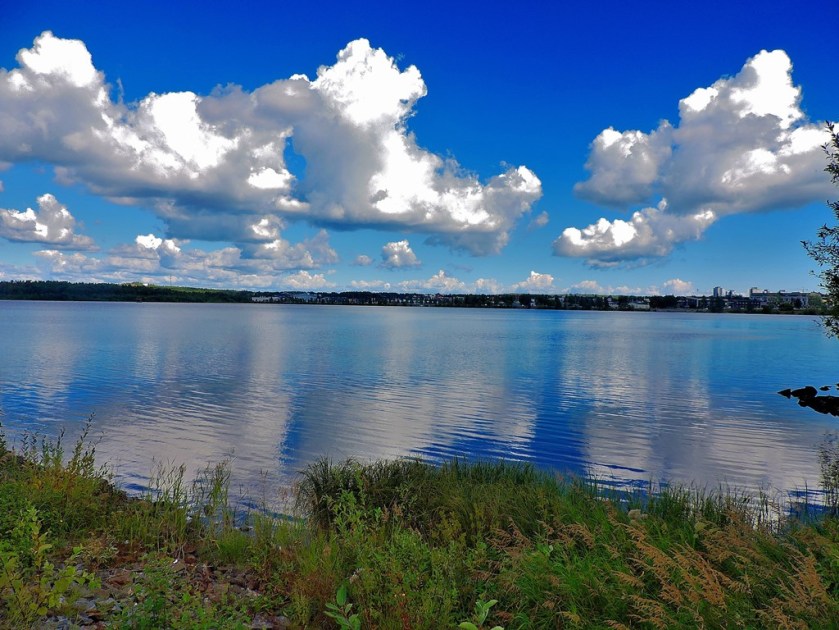
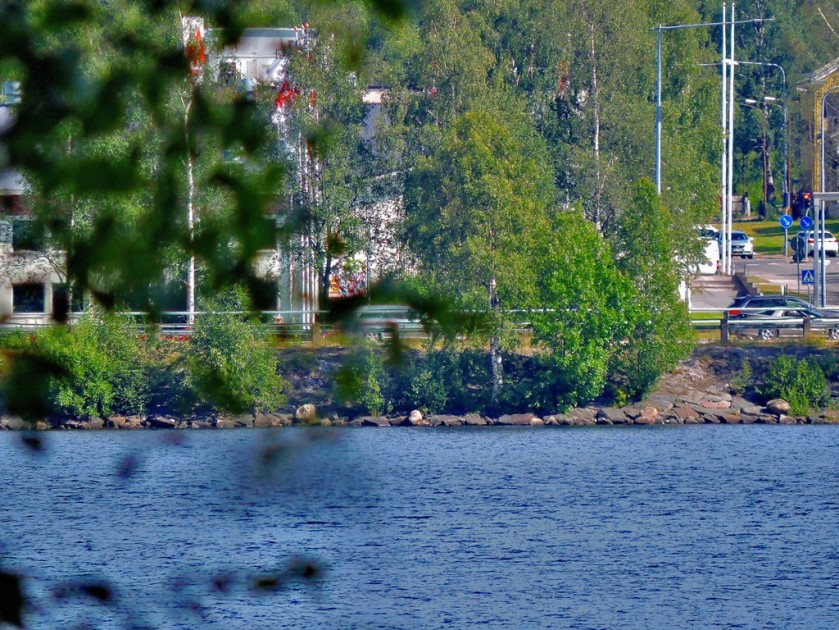
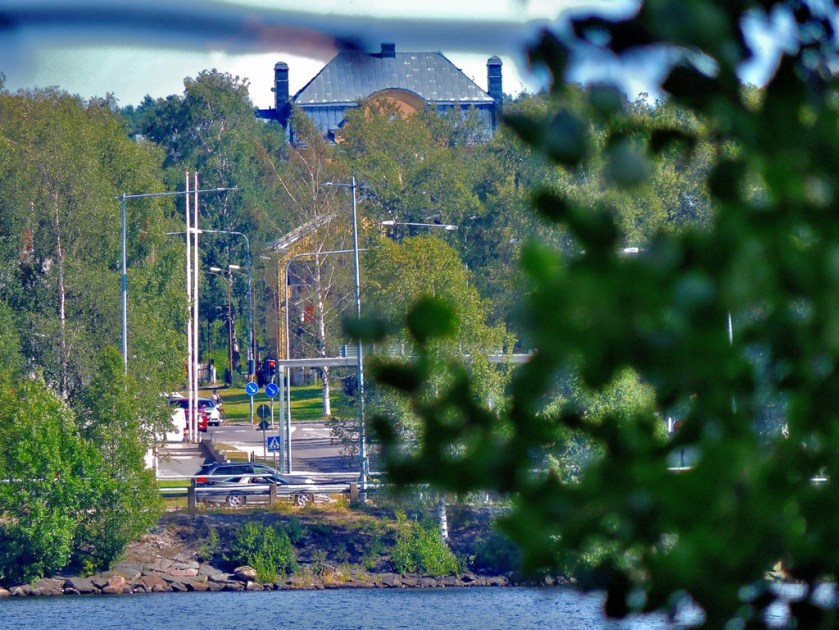
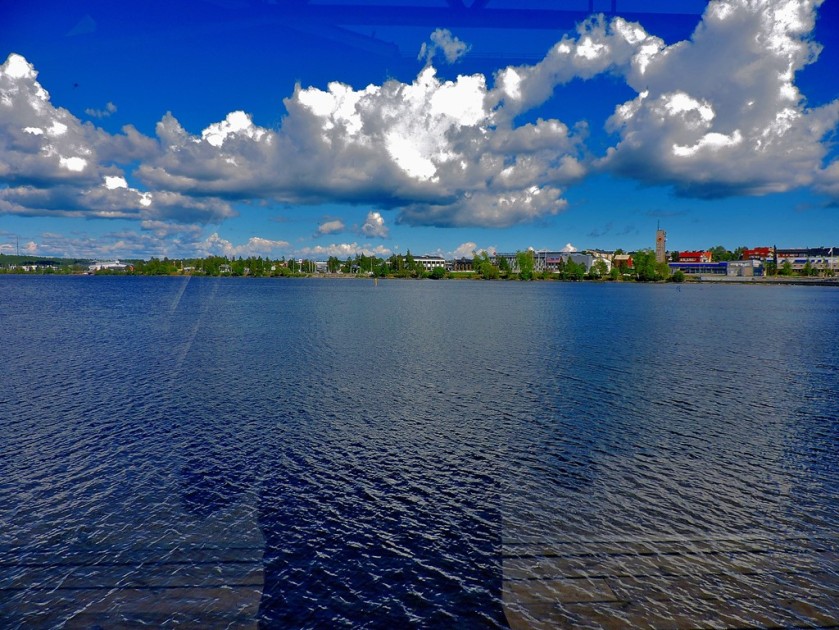
I had noticed just on the other side of the railway tracks from the the main part of town was a lake and I finished my explorations by heading that way. I crossed the lake on a bridge and found a footpath along the other side of the lake. Reaching a second bridge I crossed back and looked to walk back along the other side. Unfortunately I came to a point where the path was blocked off by high metal fencing. I attempted to find a way round and was unable to do so. Partially in consequence of this I ended up taking a much longer route back towards the station than I had originally envisaged (but was still never in danger of not getting to the station in time to retrieve the bag I had left there). Here are my lakeside pics…
BACK AT THE STATION
Having a little time left before needing to collect my luggage and head for the platform I stopped for a cold (non-alcoholic) drink at the station cafe and to recover from my walking exertions. I took a few more photos while consuming my drink…
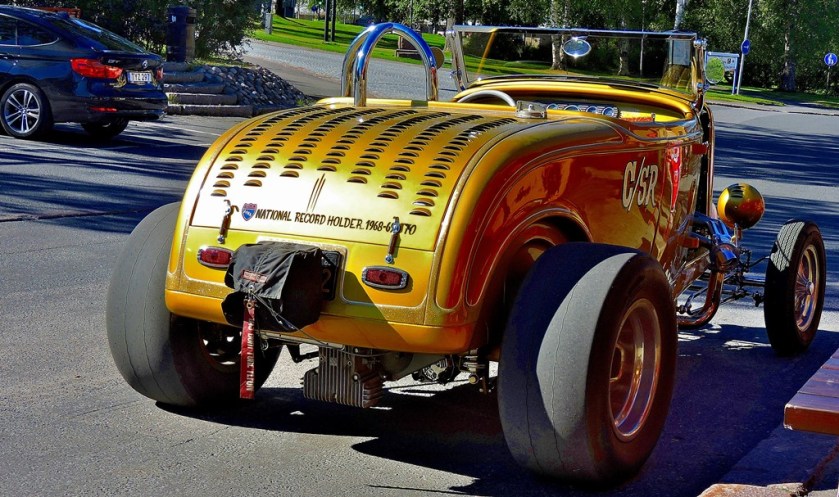
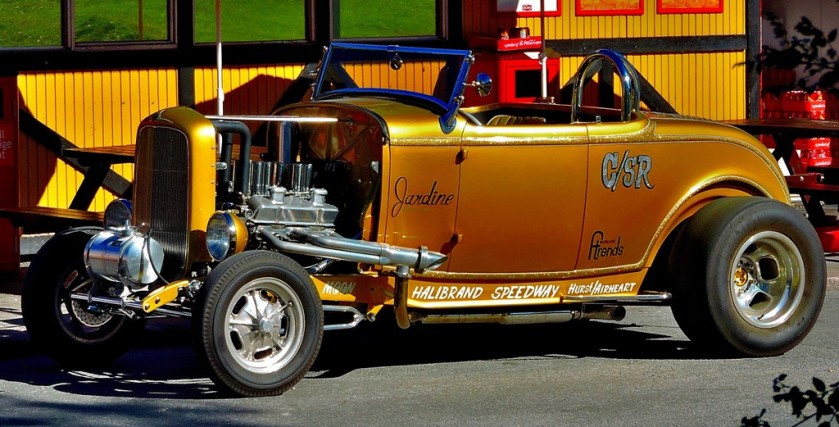
For photographing this car I used the same approach I would take to photographing a toy – although this is big enough for an adult to drive a toy is effectively what it is!The second shot with the engine on show.A close up of the engine.
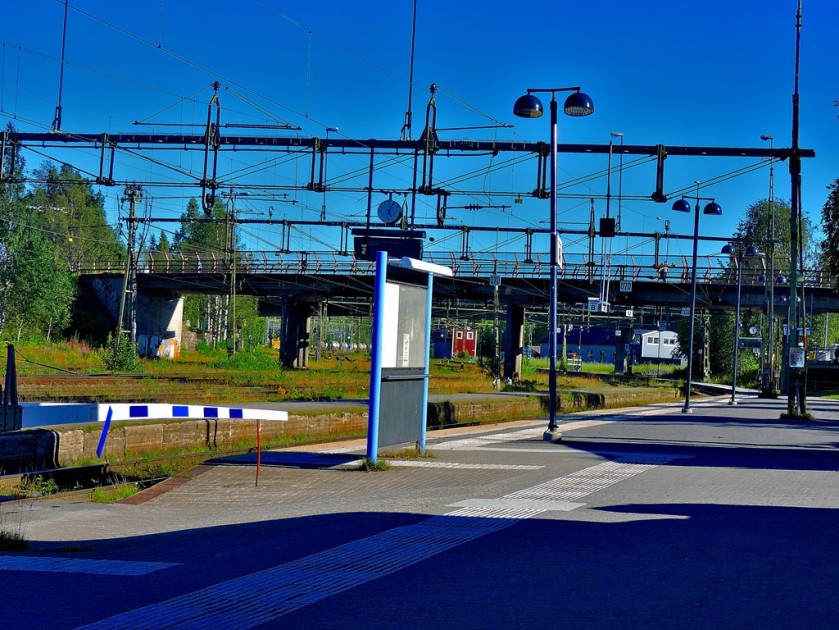
Even waiting on the platform there were things to photograph…
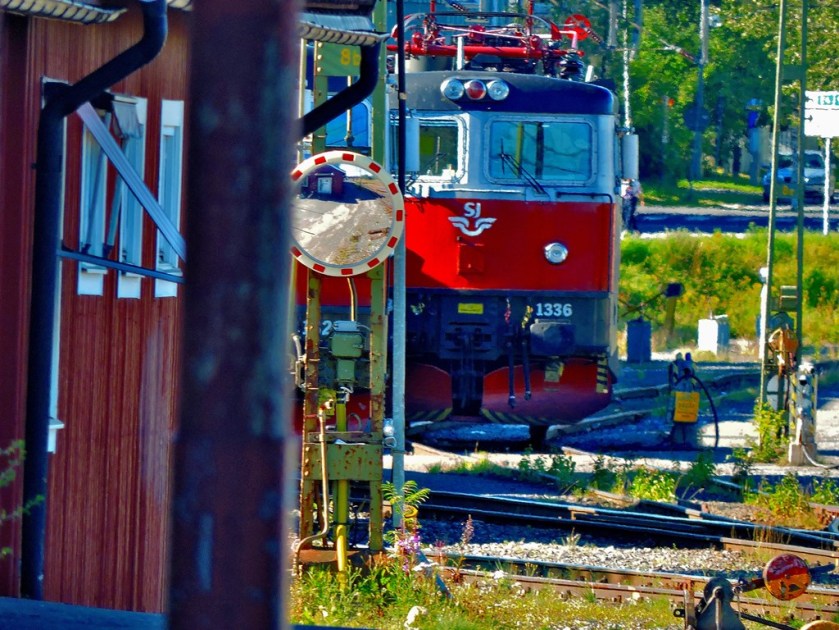
The train Ii would not be getting.Yes – a railway station message board warning Pokemon Go players not to go on the tracks!
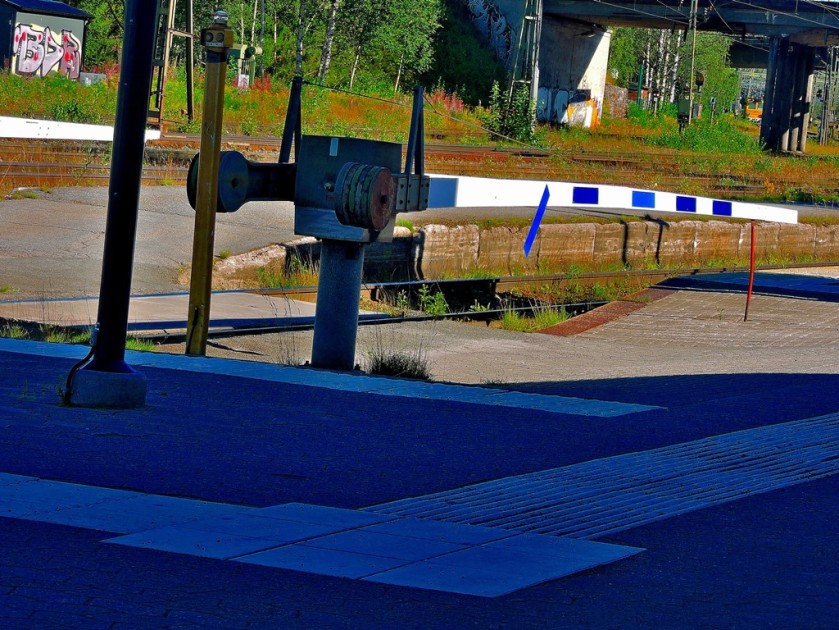
The barrier blocking off the crossing point.
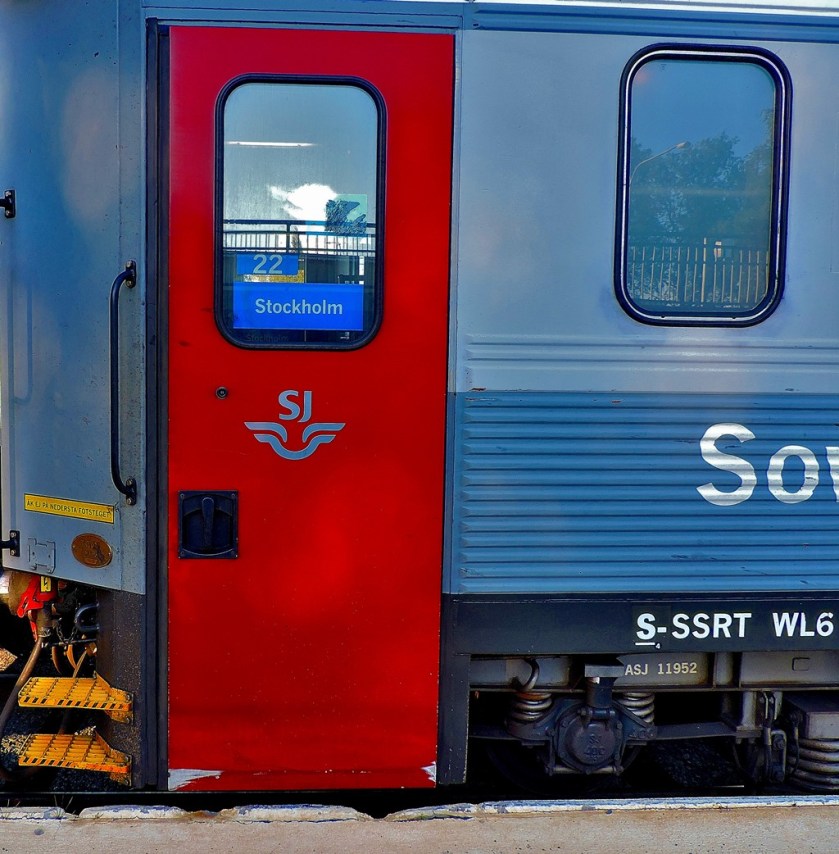
A glimpse of the hotel in which I had stayed to night before.The very door by which I boarded the train.
The latest post in my series about my holiday in Sweden.
INTRODUCTION
Welcome to the next installment in my series of posts about my recent holiday in Sweden. This post is a bit different from others in this series so far in that it does not focus only where I was and what I was doing.
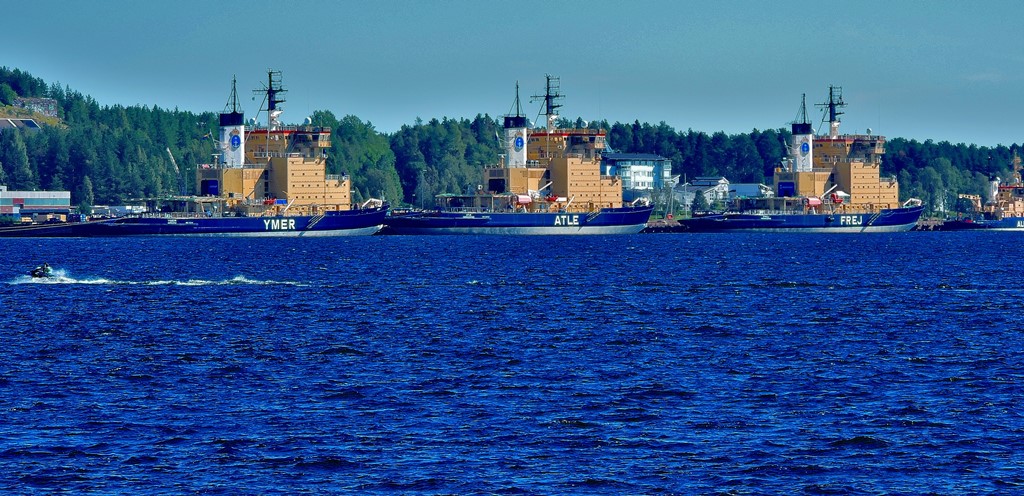
THE ICEBREAKERS
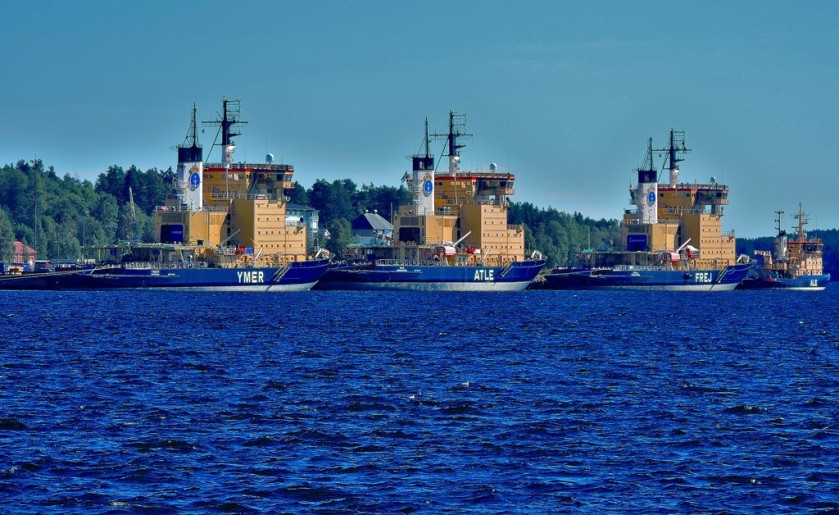
Some of you will recall that the last picture in my previous post was this:
The subjects of this picture will also be the subjects of my next post in this series.
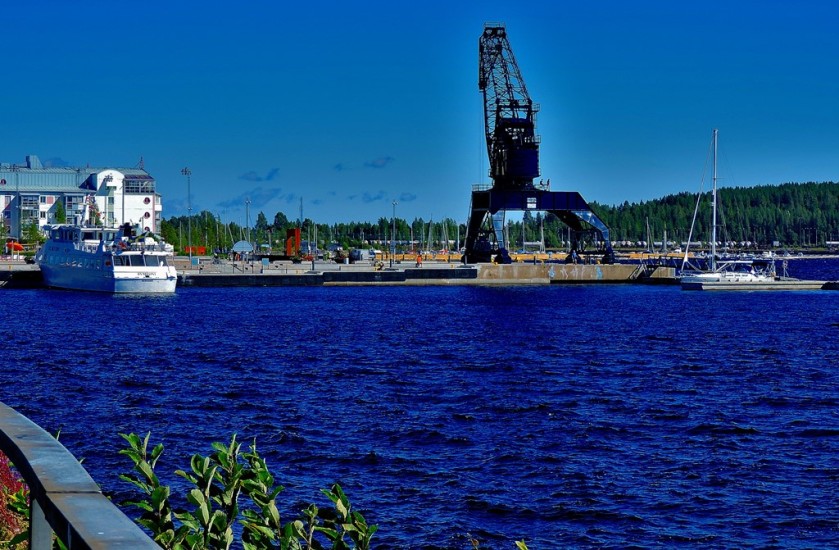
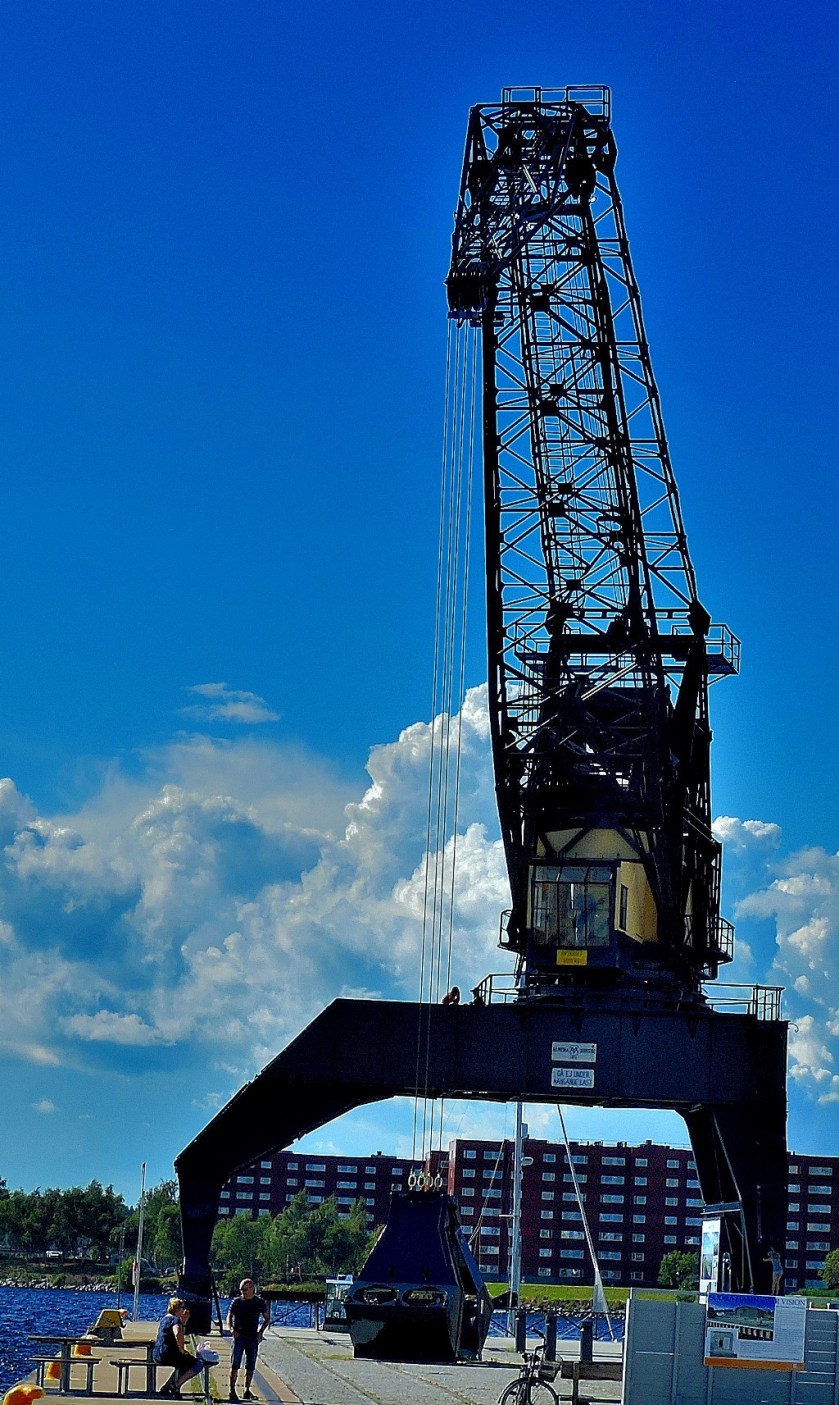
At that stage, although some of the names painted on the sides of these ships were familiar to me I did not realise what type of ship they were, but enlightenment was not long away, indeed it came just after I had taken these two pictures…
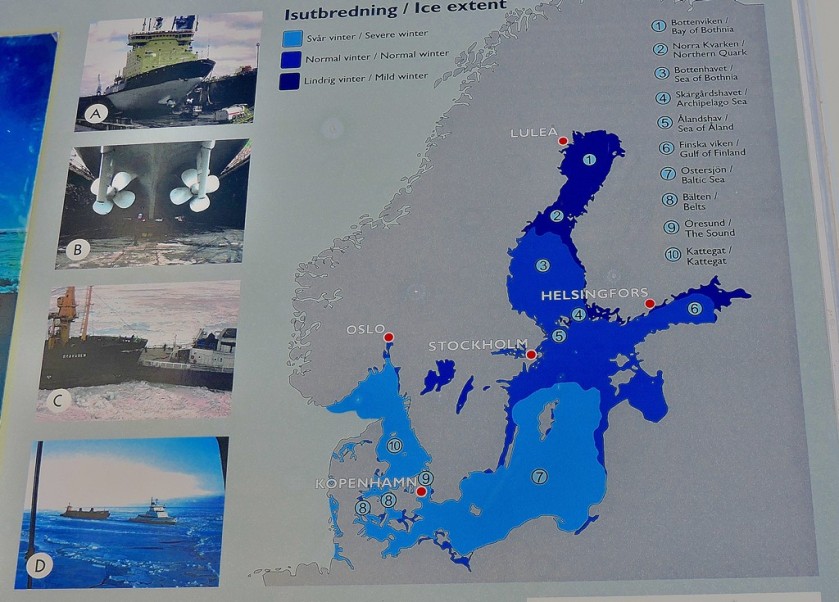
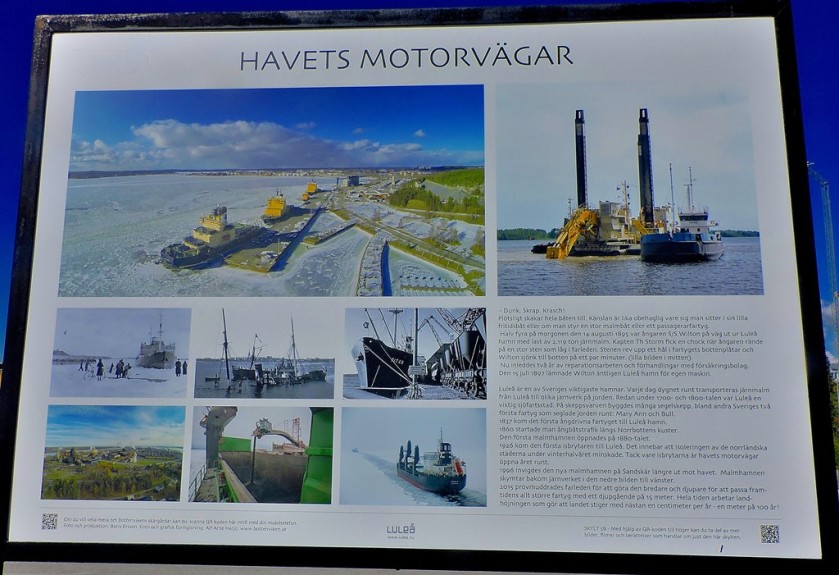
Right near the covered bridge pictured above I across this:
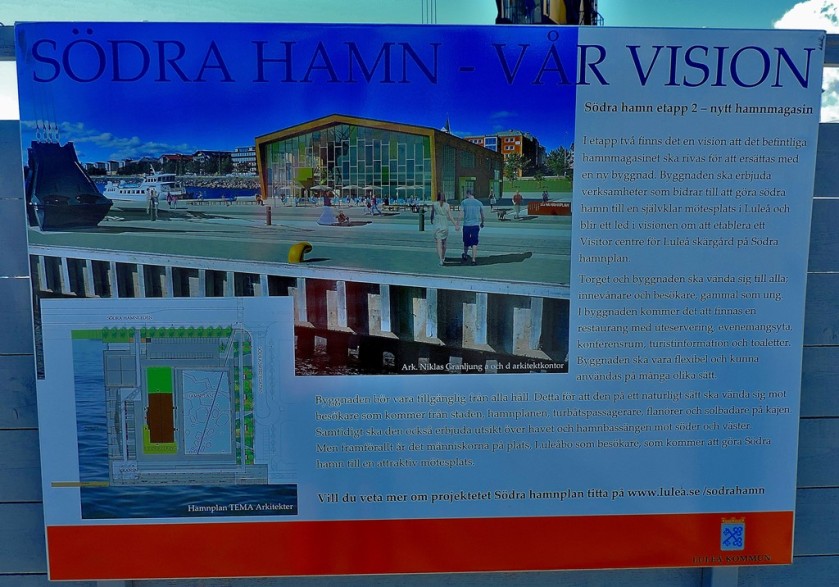
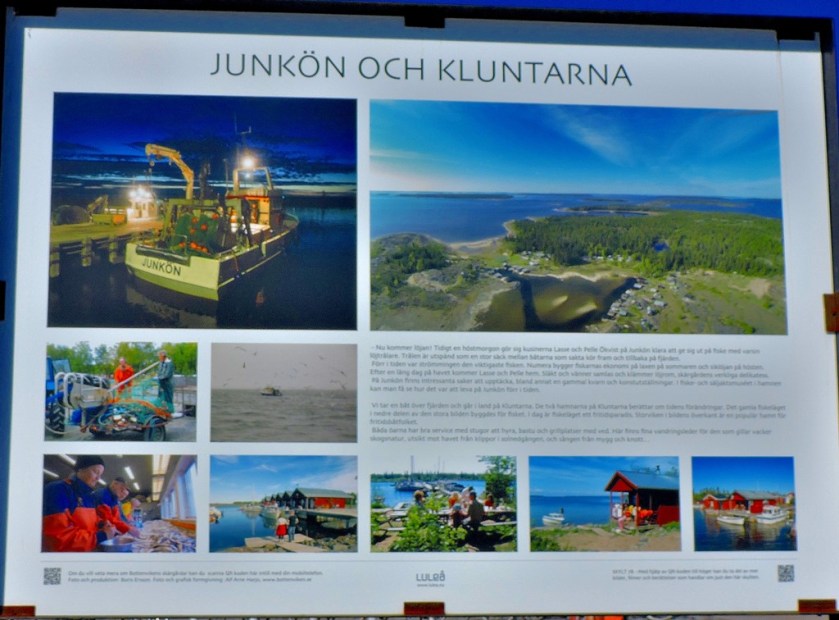
The whole information boardThe mapThe text
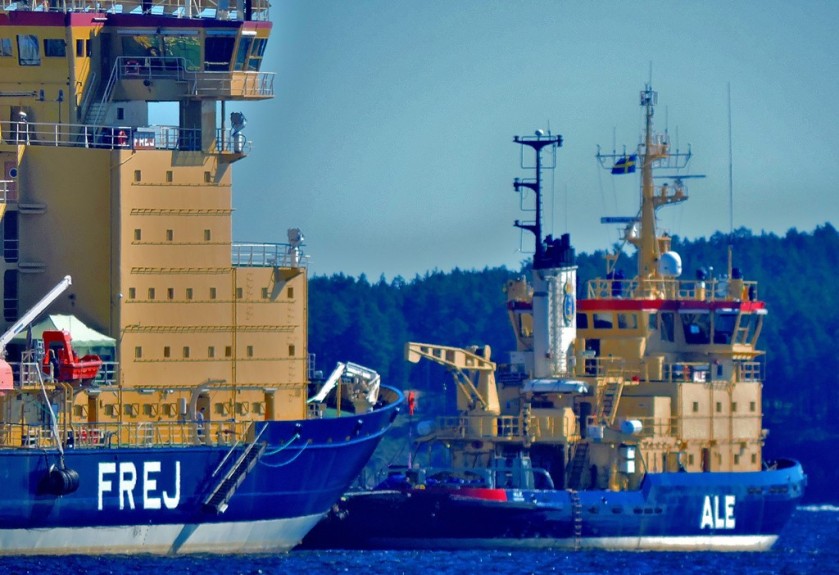
This of course was the cue, now that I knew what they were to take some more pictures of the ships, from a better position:
The names are taken from…
NORSE MYTHOLOGY
Ironically given that we are talking ships, the Norse god of the sea, Njord, does not feature. Frej, referred to in English as Frey or Freyr is a harvest god, and also the son of the aforementioned Njord. Ymer, sometimes spelled Ymir, was the first of the frost giants, formed from the crystallization of droplets of molten ice in the heart of the primeval emptiness Ginnunga Gap, where ice from frozen Nifelheim in the North met Fire from Muspellheim in the South. Atle and Ale are both unknown to me, even though I am well read on Norse Mythology. People wishing to acquaint themselves further with these stories could start with Kevin Crossley-Holland’s compilation of Norse Myths. That book is just one of many mythology books that I own (I am unapologetic in placing the King James Bible in the category).
Although I have no more belief in the gods and giants of Norse mythology than I do in any ancient superstitions, I do quite enjoy the stories and I enjoyed seeing the names commemorated in these ice-breakers.
SOME FINAL PHOTOGRAPHS
FROM MARITIME LULEA
These icebreakers were not by any means the only camera worthy things I saw in this section of my exploration of Lulea…
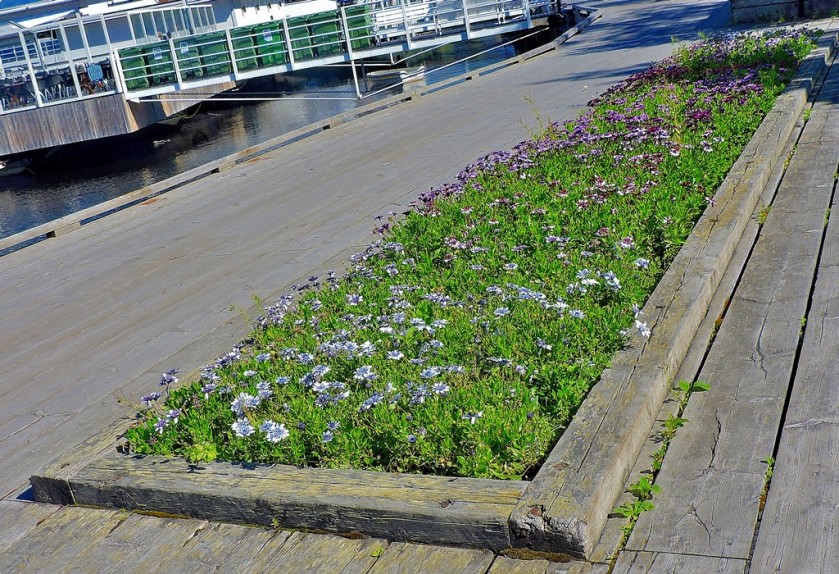
This floral display was on the way back towards the train station as I headed to see what was on the other side of the tracks.
The latest in my series of posts about my recent holiday in Sweden.
INTRODUCTION
Welcome to the next installment in my series of posts about my recent holiday in Sweden. I briefly interrupted the sequence of posts to respond to photographic challenge from a fellow blogger, but now the action returns to Lulea on the Gulf of Bothnia where I left it last time.
ENABLING PROPER EXPLORATION
Having had a decent night’s sleep and having a clear head I was able to plan this day, unlike its predecessor, to best effect. After checking out of the hotel my first port of call was the station to ask about stowing a bag there (my smaller bag contained stuff that I was determined to keep with me at all times). An enquiry elicited the information that the station building closed at 5PM, which meant that I could stow my heavier bag safely until then, after which the only practical option would be to await the arrival of the overnight train out on the platform. This still gave me plenty of time for a detailed exploration of the town.
THE START OF THE EXPLORATION
My heavier bag safely stowed I set off to the main shopping area to purchase food for the day from a supermarket I had identified the previous day. This done I then left the shopping area heading into an area of parkland. Even before entering the parkland I had added three photos to my burgeoning collection:
An interesting frontage.A close-up of the device in the upper centre of this first picture.
THE PARKLAND
Entering the parkland I was delighted to find that it was far more extensive than the first view had suggested. Here are some pictures from the first part of the walk through the parkland…
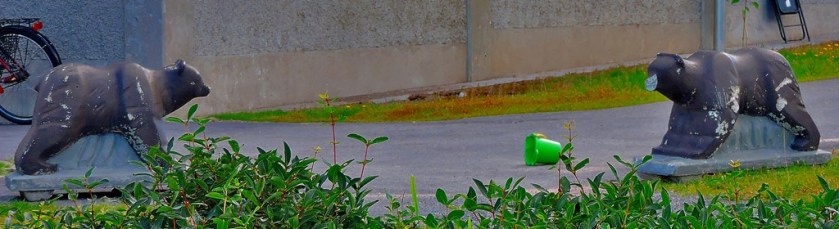
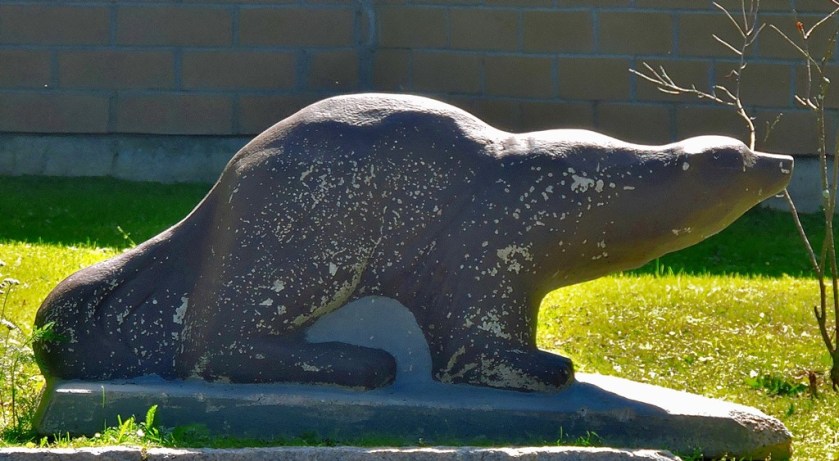
Polar bear sculptures like these can be seen all around Lulea – this set is unusual for their being so many all in a line.
The second part of the walk through the parkland area, which took me to the waterside, where I stayed for a considerable time featured this…
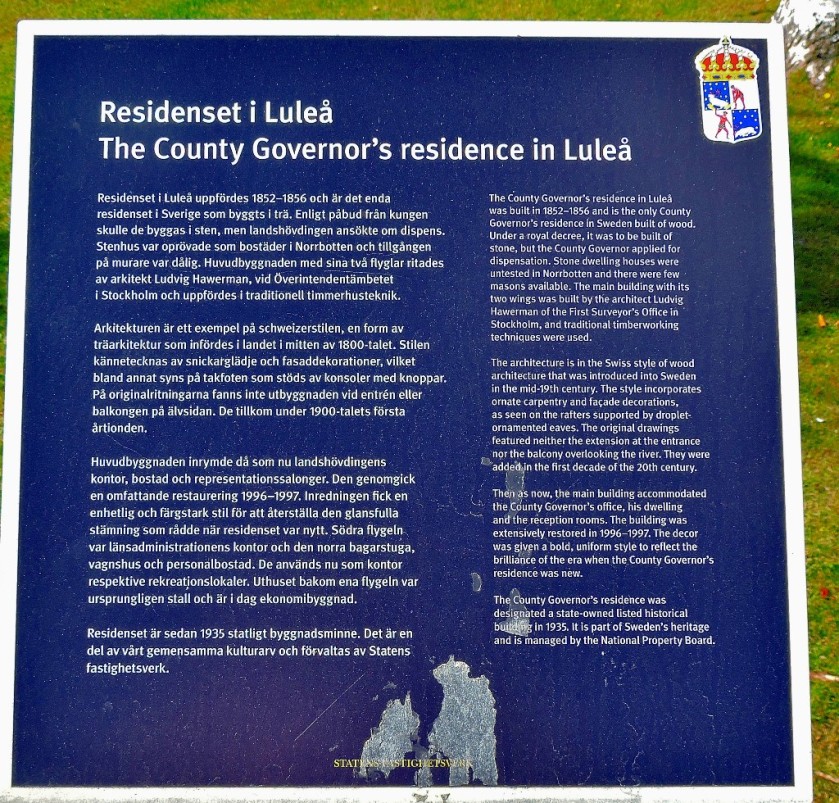
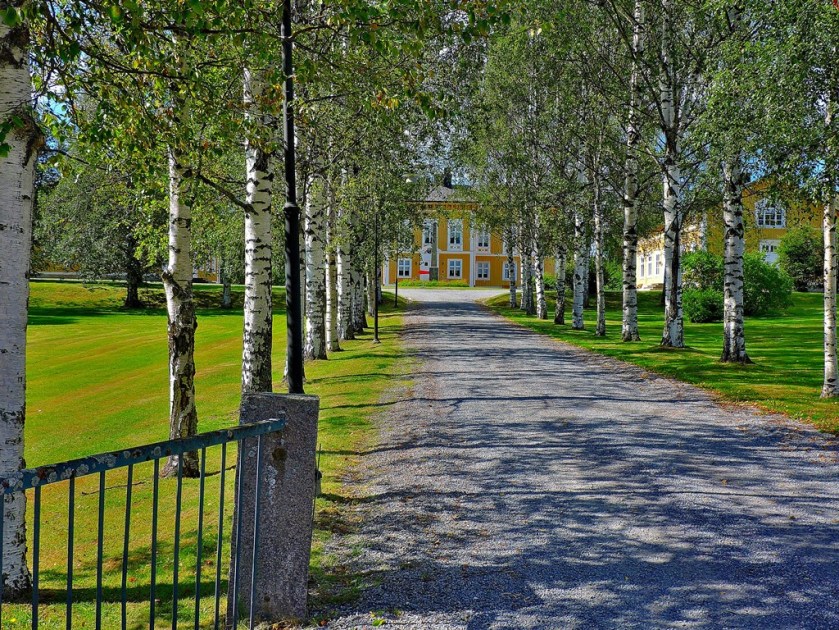
The last point of interest before getting to the waterside was the County Governor’s Residence:
THE WATERFRONT
Then I was at the water-front, and after a brief diversion heading towards maritime Lulea. Here are pictures from the first part of the waterside section of my explorations:
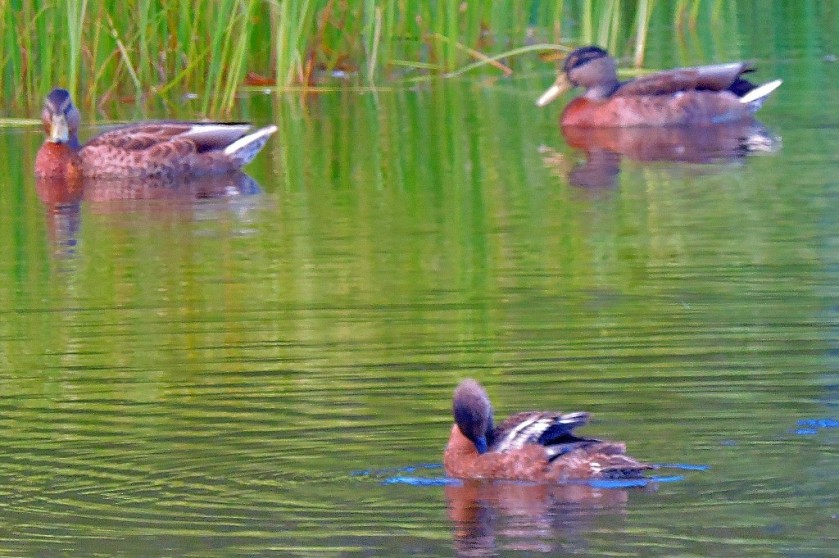
The ducks swimming around this model lighthouse make it obvious that though close this is not actually the sea.
My final set of pictures ends with a pointer to the next post in this series…
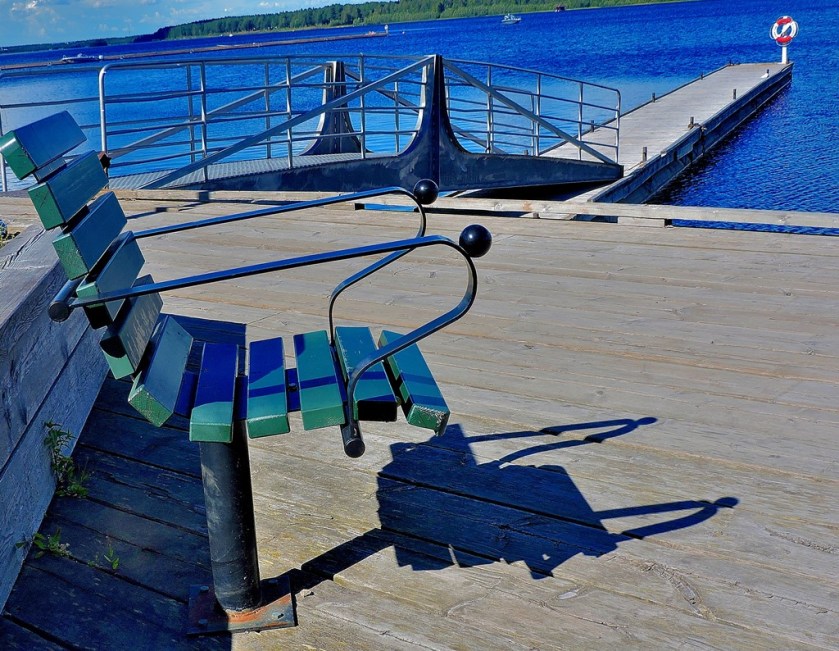
I had not previously seen seats like this (and have not seen any equivalent since then)
This is the seat I sat on to eat my lunch.
The subjects of this picture will also be the subjects of my next post in this series.
My response to Maria Jansson’s latest photo challeneg, ‘Frame’.
INTRODUCTION
This post is my response toMaria Jansson’slatest photo challenge, which can be viewedhere.
MY ENTRY
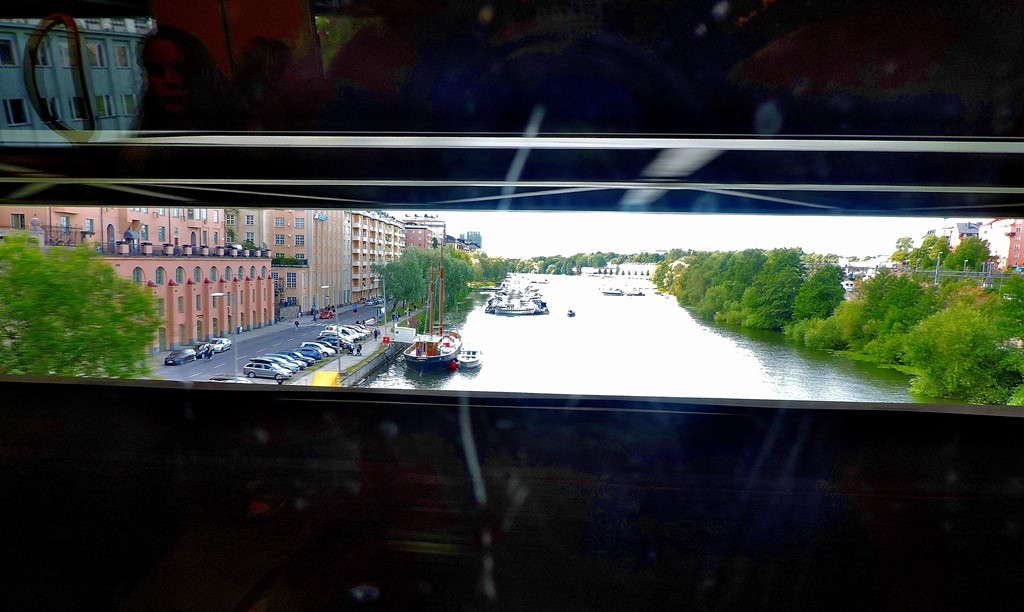
In view of the fact that I am currently creating a series of blog posts about my recent holiday in Sweden and Maria’s own heritage I have looked to Sweden for my contribution to this challenge. While many of the pictures that I took during the course of travelling along Inlandsbanan , as recounted in this eight part sub-series, were framed either by train windows or by such things as parts of bridge structures, I wanted to share something I had not previously shared, so I opted for this picture of a water scene in central Stockholm, framed by the gap in the side of the Tunnelbana section where it was taken:
Those wishing to see more of what I have already produced from my visit to Sweden should click here.
The latest in my series of posts about my holiday in Sweden. This marks the start of the ‘post-Inlandsbanan’ section of the holiday.
INTRODUCTION
Welcome to the latest installment in my series of blog posts about my recent holiday in Sweden. Having concluded an eight-post sub-series on the Inlandsbanan experience I have created a page from all eight said posts can be accessed – click here if interested.
THE JOURNEY FROM GALLIVARE
Those who read my previous post will recall that my plans suffered a setback in Gallivare, which resulted in a night spent outdoors and an early morning journey to Lulea. Unfortunately the circumstances of the journey and in which I bought the ticket meant that I did not have a window seat, so I have no photos of the journey.
It failed to register with me that I could deposit the heavier of my bags at the station. My first port of call was the Arctic Comfort Hotel where I was told that I could not check in until 3PM.
Weighed down as I was I still managed to do a small amount of exploration, before settling down near the station to wait until then. Here are some photos from this stage of proceedings…
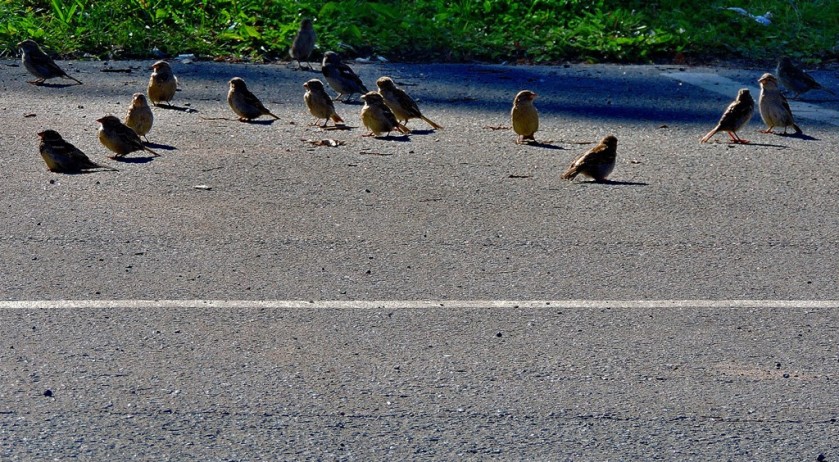
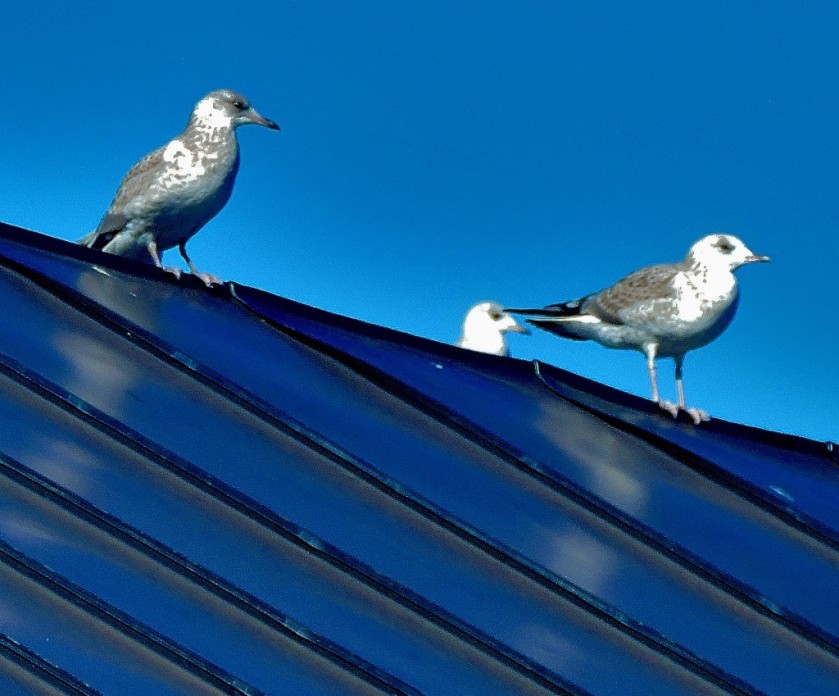
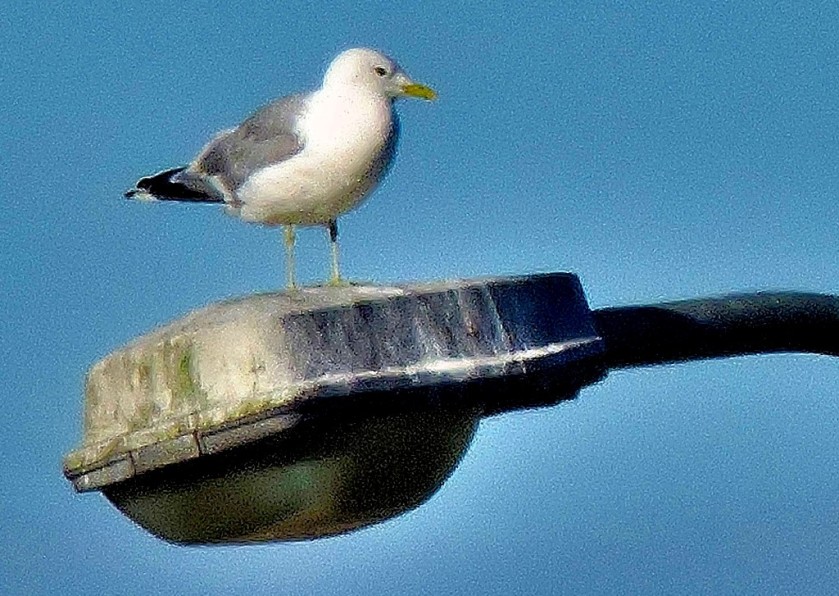
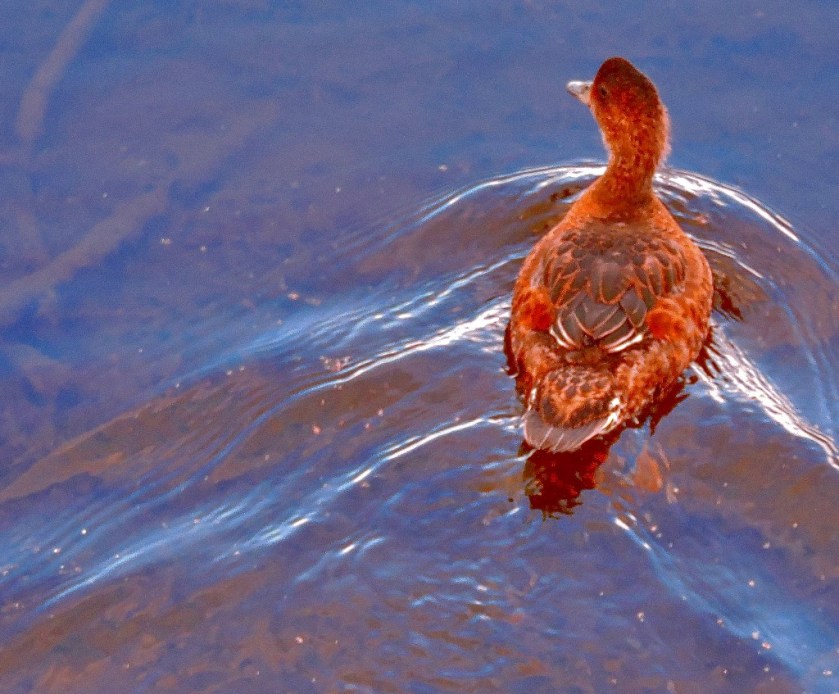
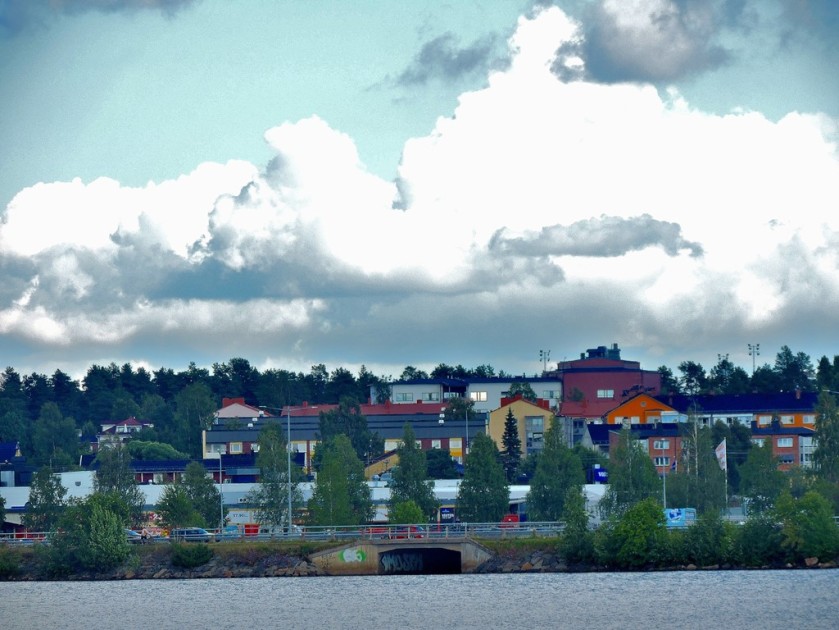
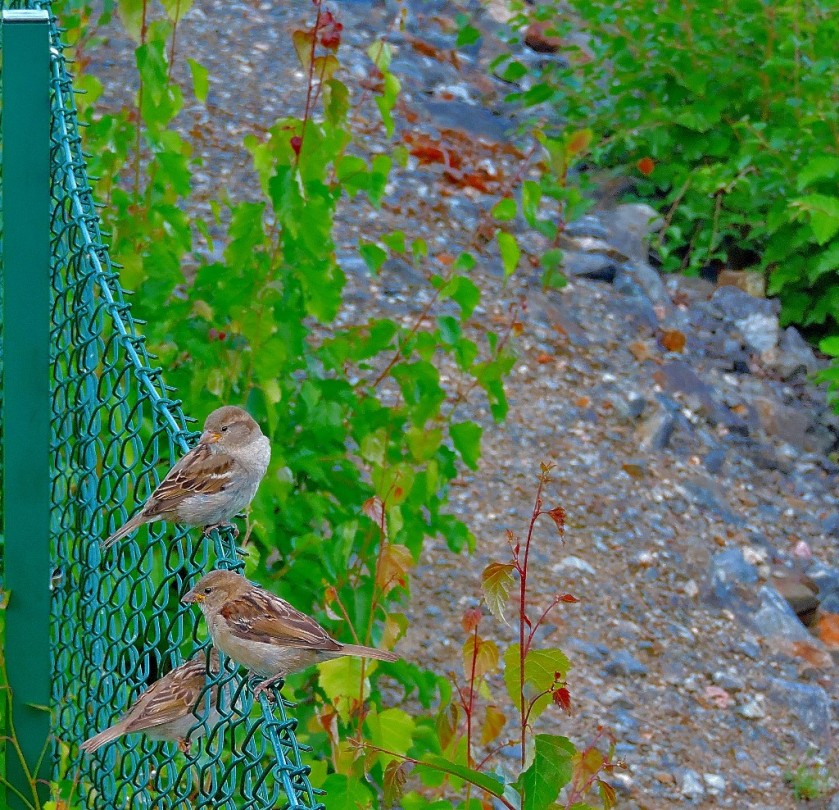
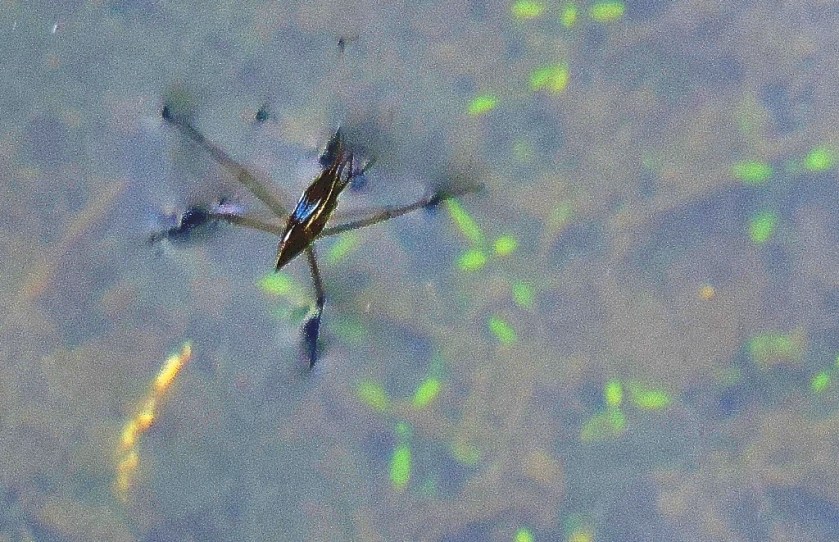
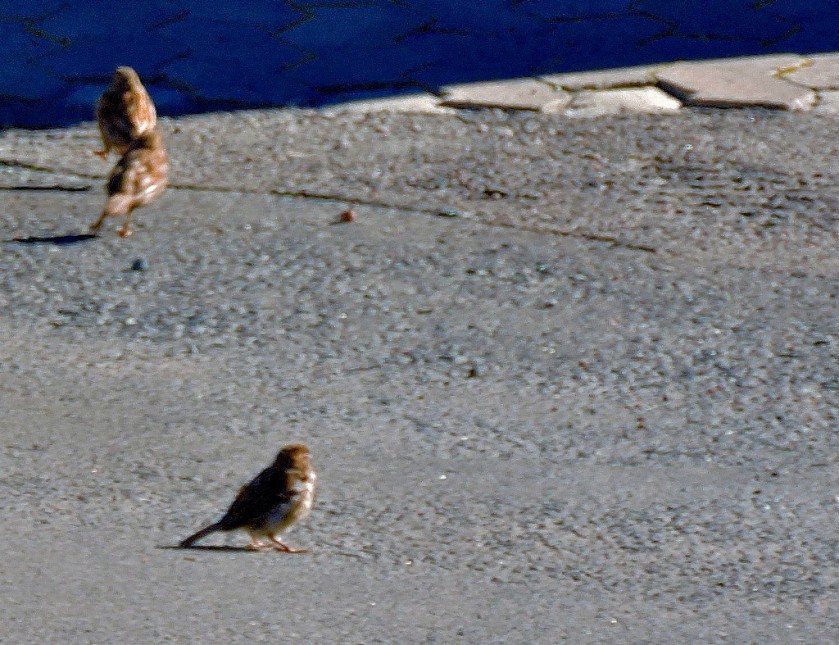
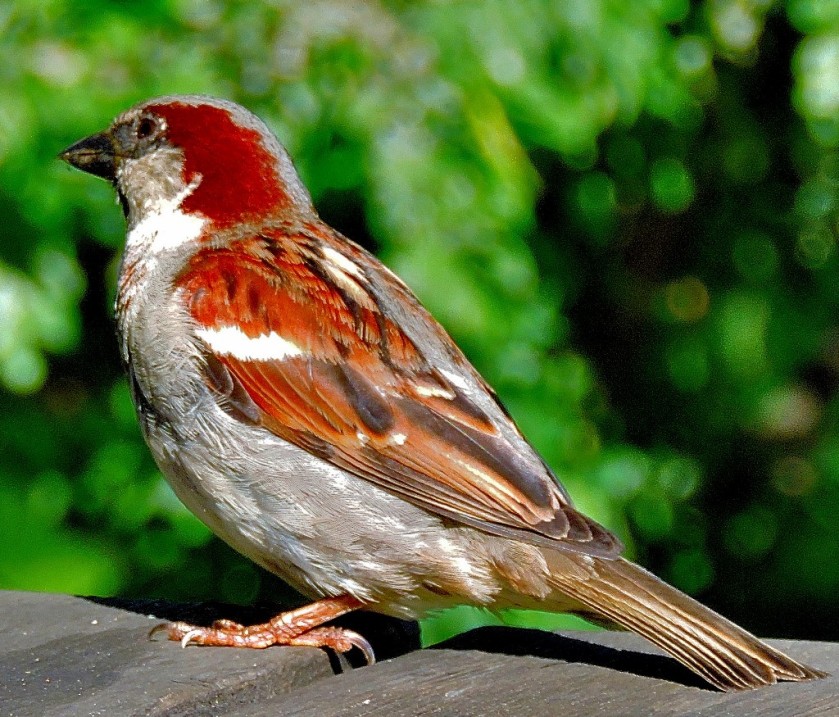
One of the first things I noticed about Lulea was the bird life, which had not been much in evidence along the Inlandsbanan route.
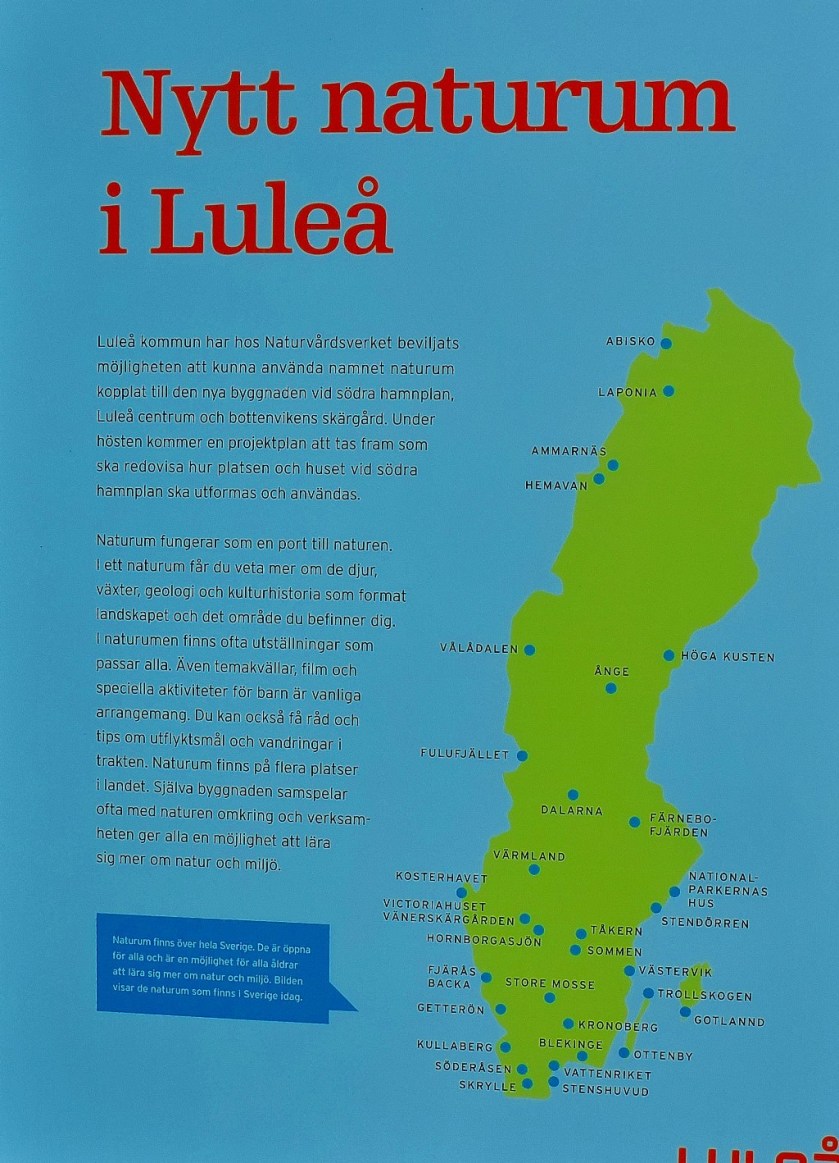
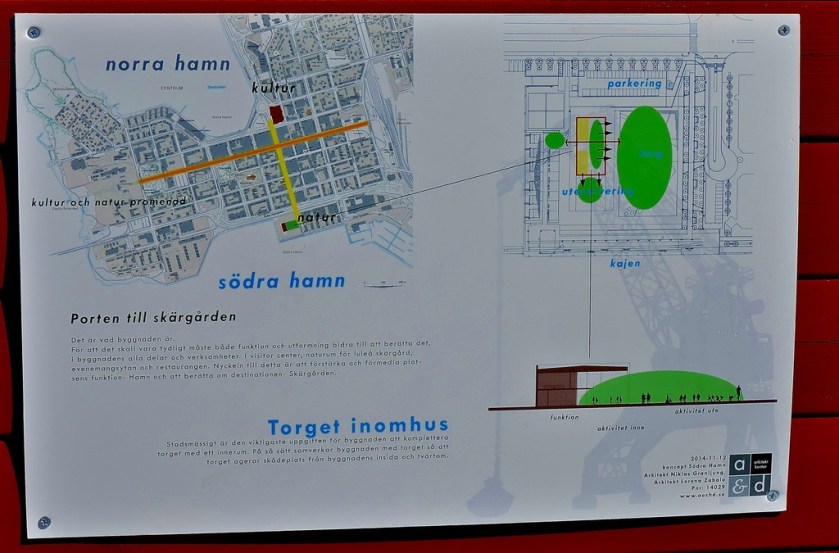
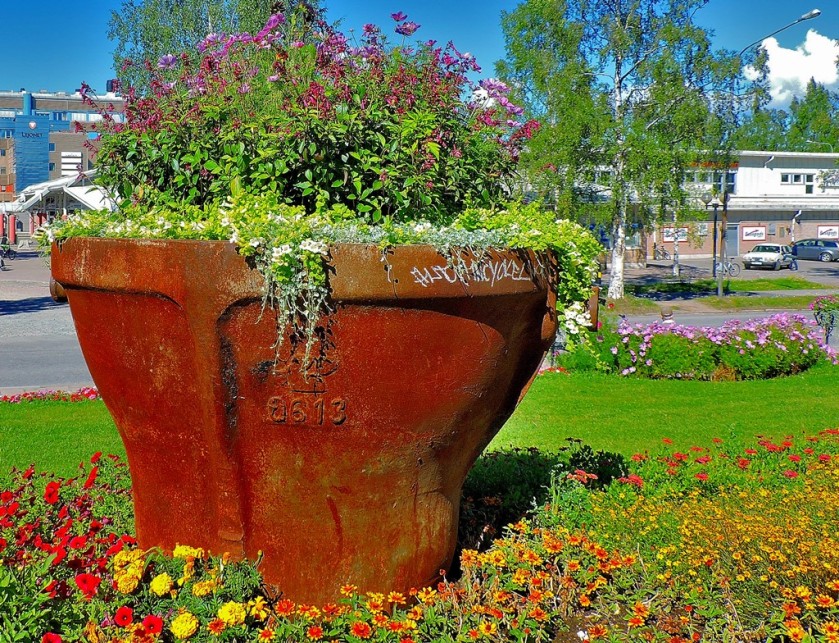
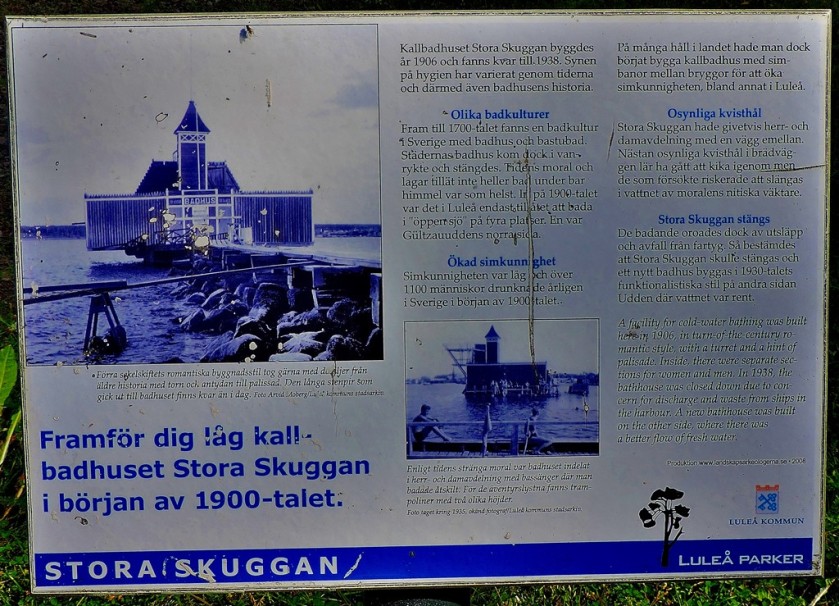
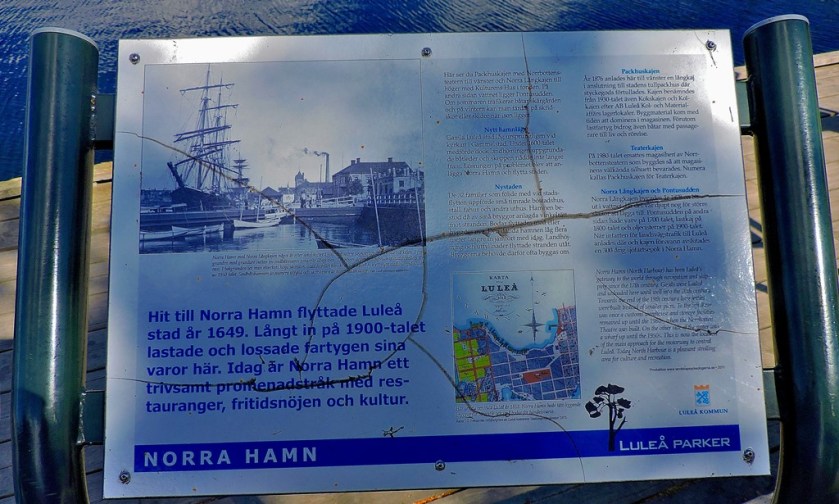
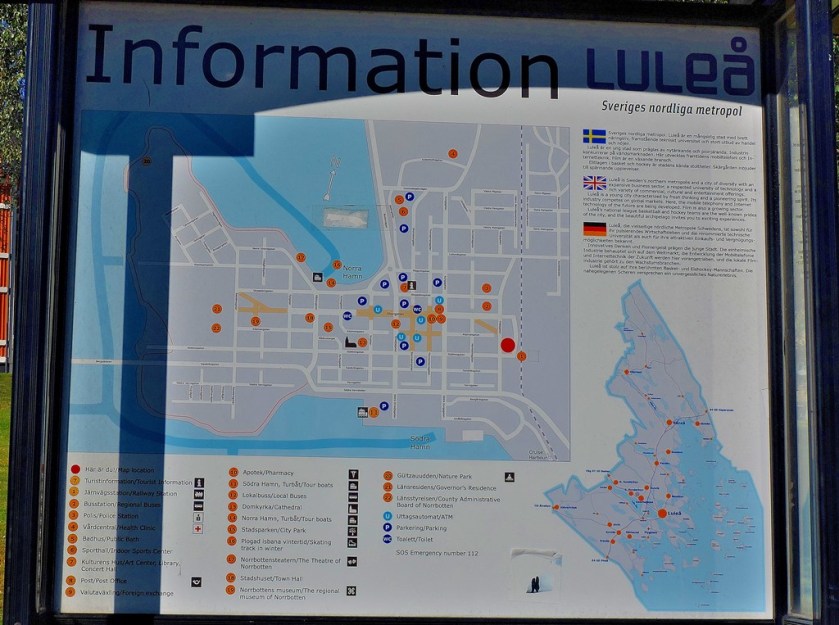
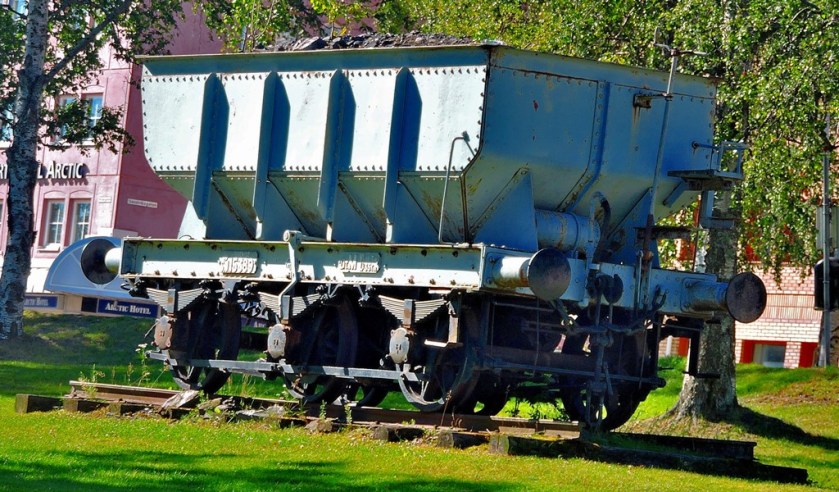
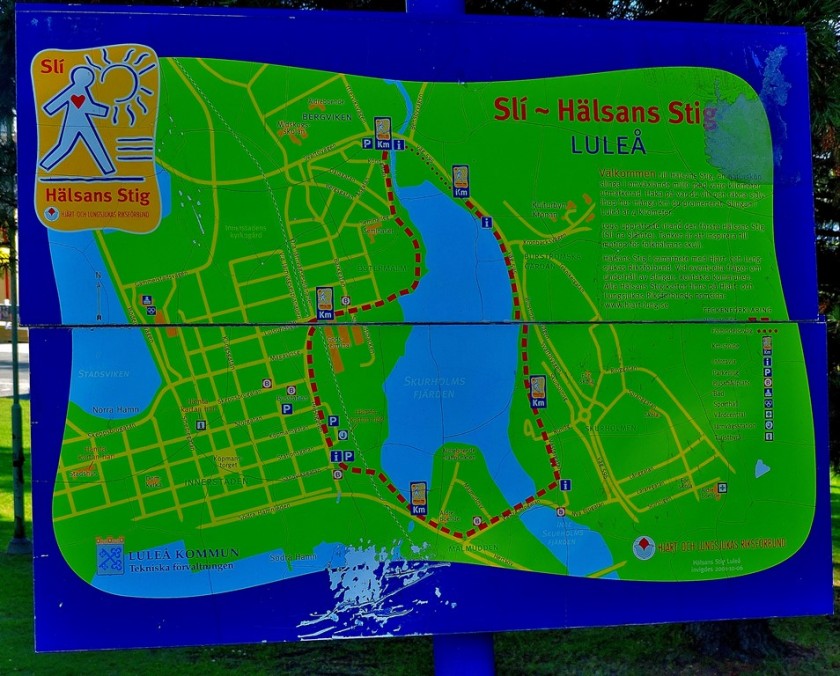
A particularly useful information board.This old truck turned decorative feature is as one might expect one of the first things you see emerging from the station.
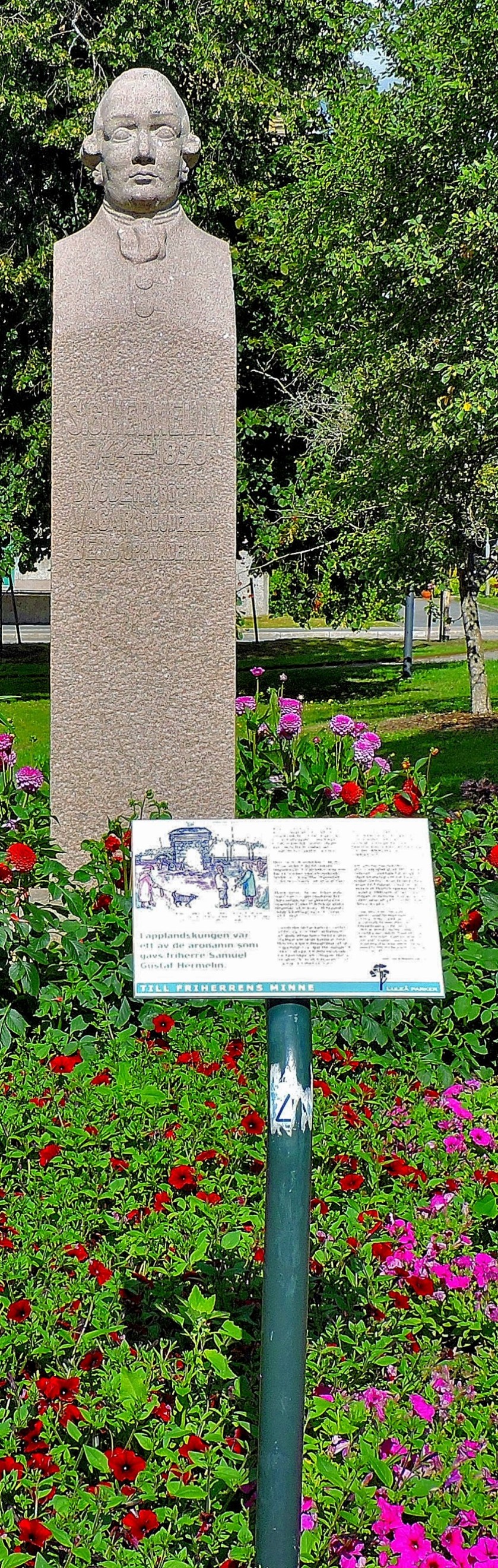
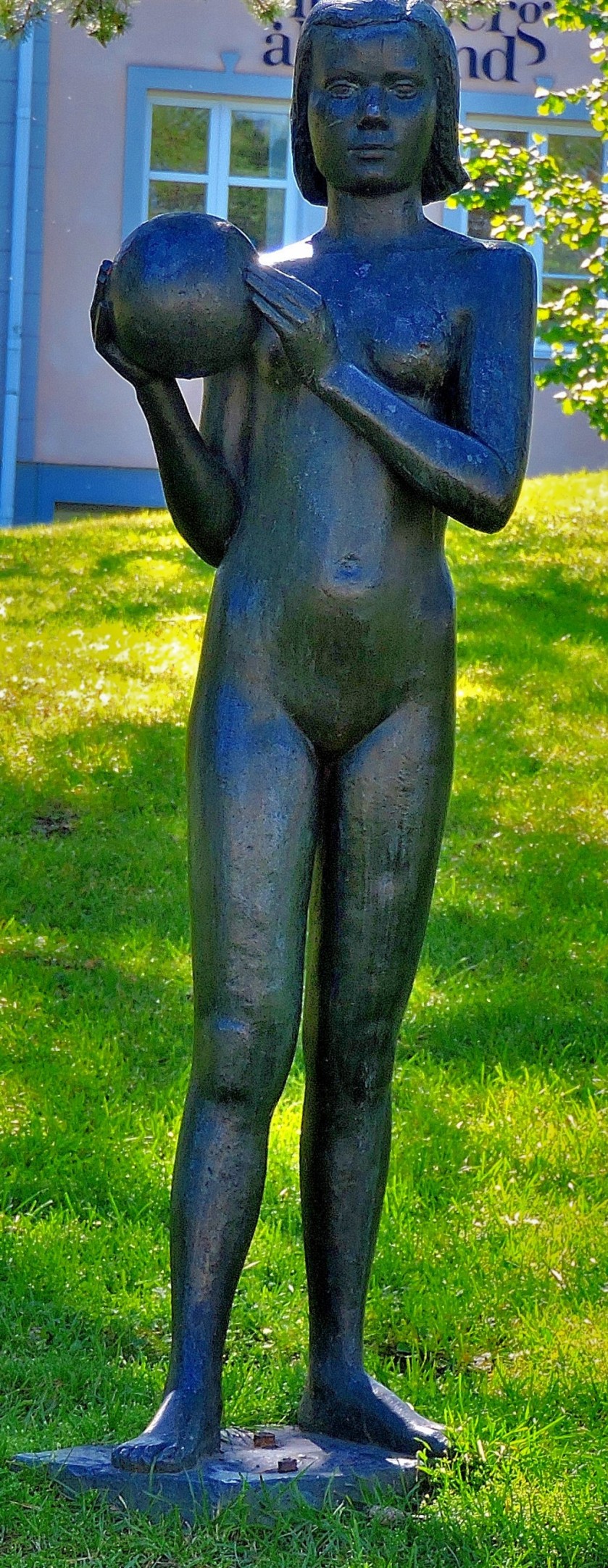
This bronze sculpture is in a small area of parkland between the main road directly above the station and the main shopping area of the town
The control button at a Swedish pedestrian crossing.
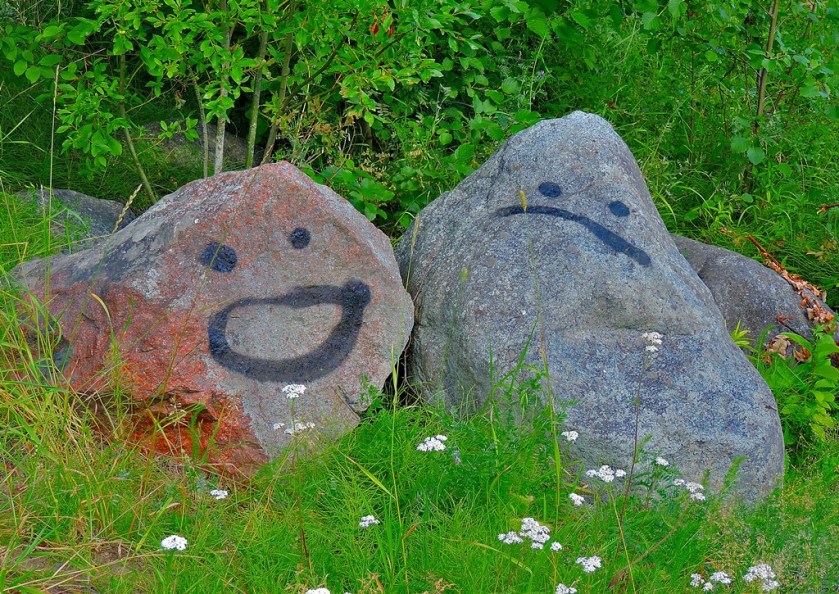
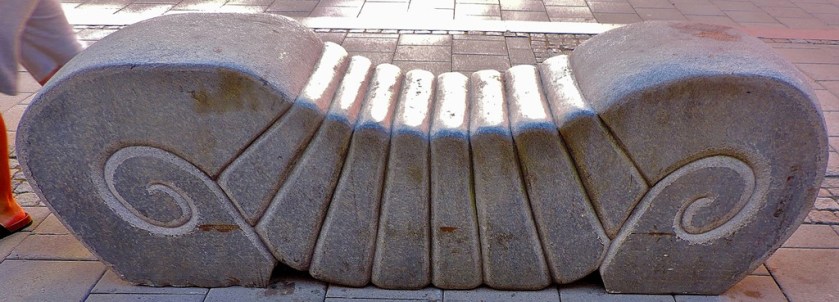
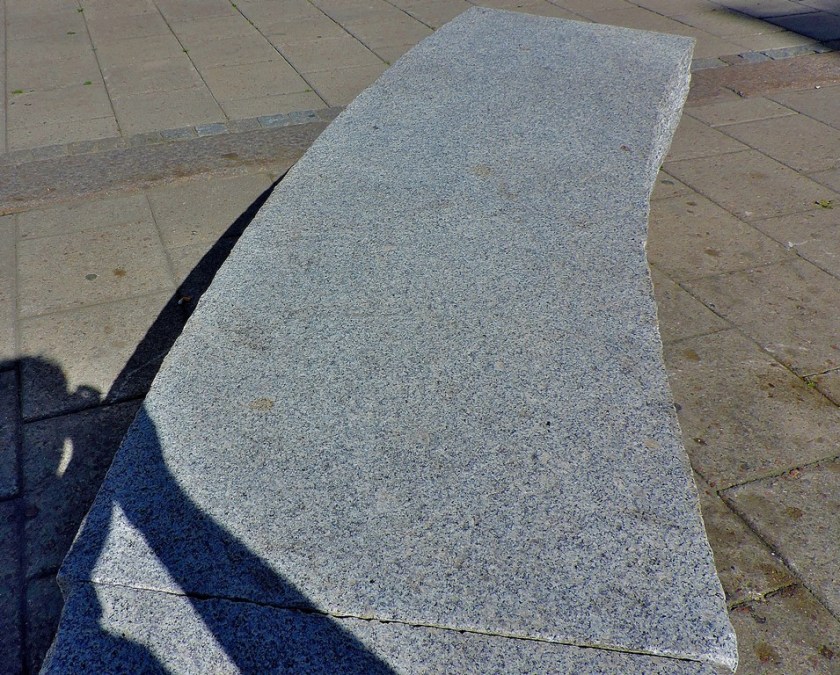
I consumed my lunch on this very bench (it is made of granite, which is readily available all over Sweden).
REMAKING PLANS
Once I was safely ensconced in my hotel room I booked accommodation for the rest my trip before the return to Stockholm – one night on the sleeper to Uppsala, two nights in the cheapest accommodation Uppsala had to offer, two nights in the STF Hostel in Malmo and one night at City Hotel Avenyn in Gothenburg (after five straight nights in cheap, communal accommodation, necessitated by budgetary constraints, I felt that I would need something a little better by then). Having set the scene with this post, there will be several more posts about Lulea…















































































































 aspiblog