INTRODUCTION
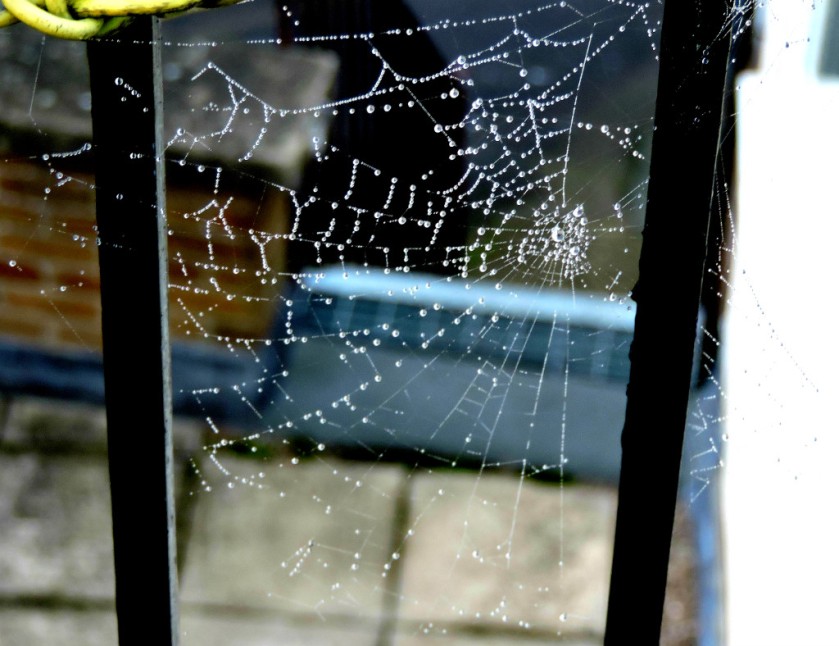
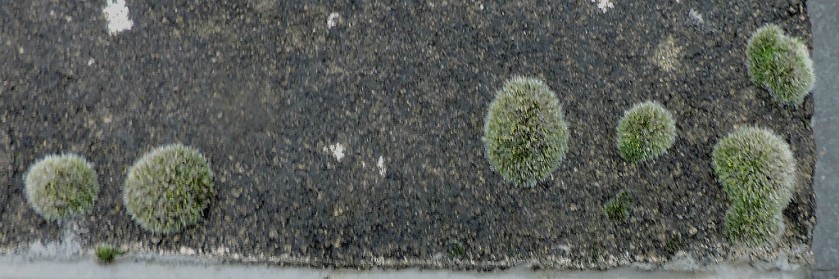
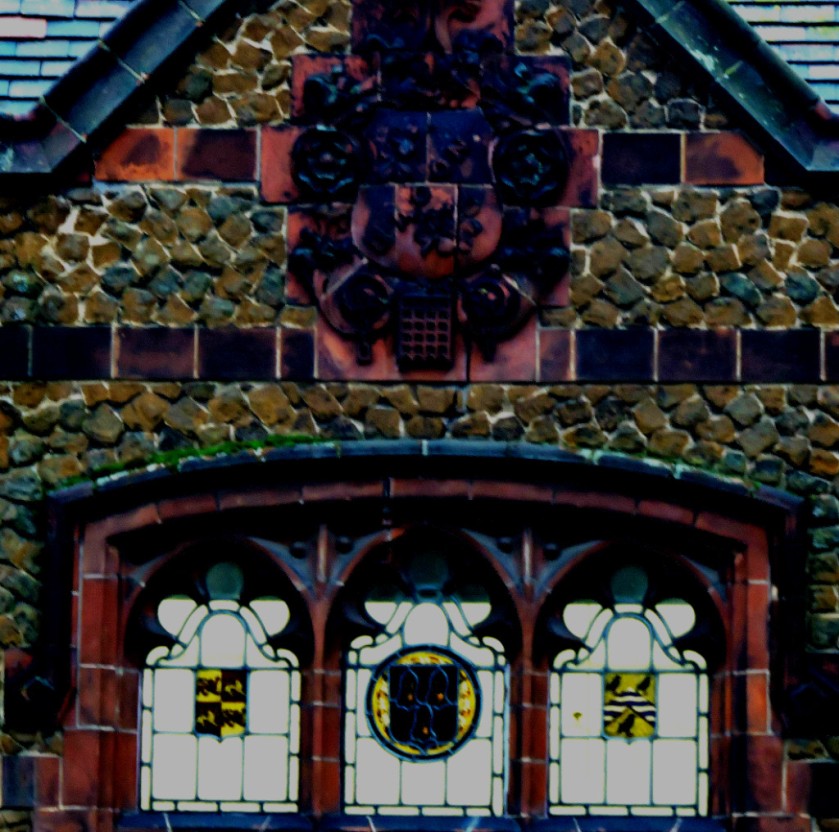
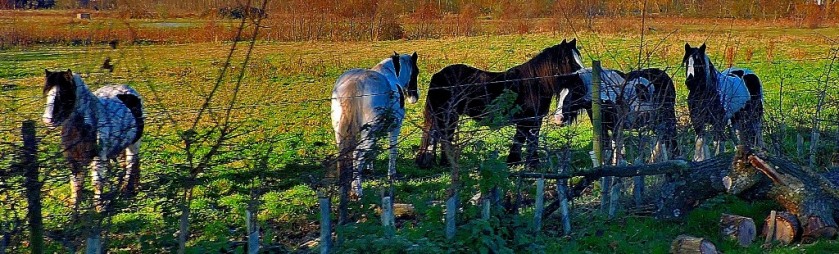
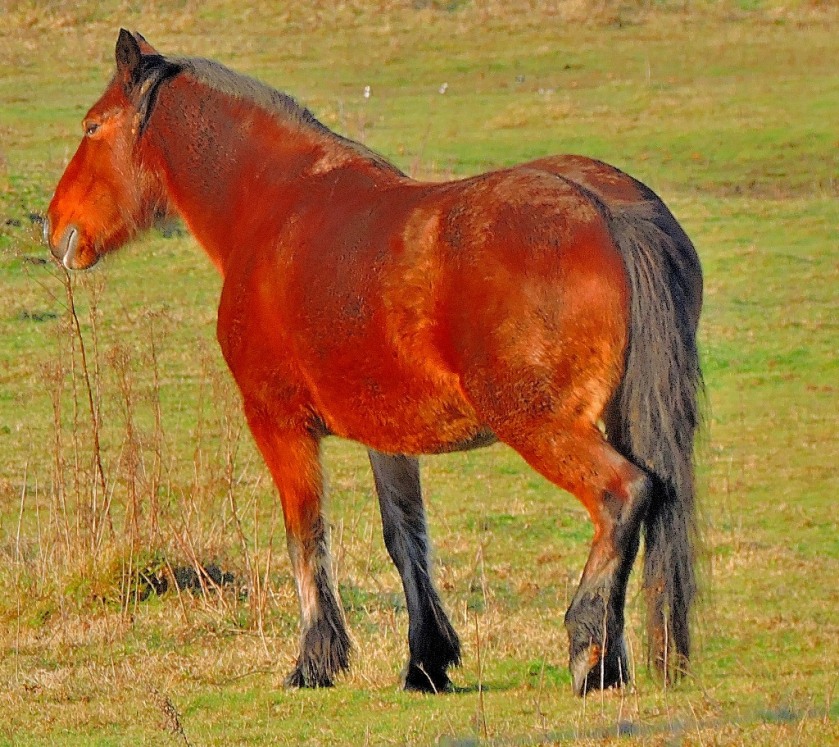
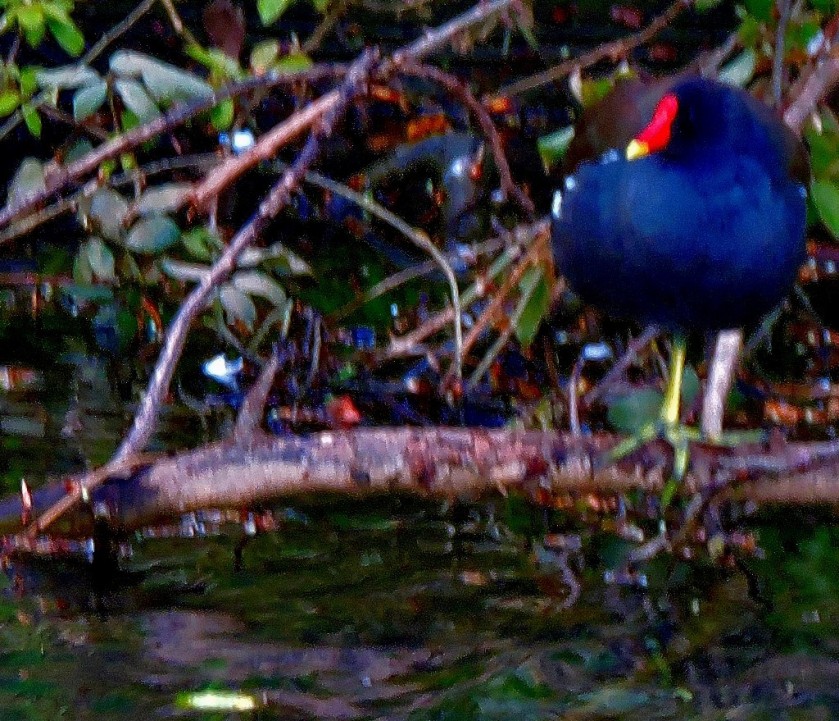
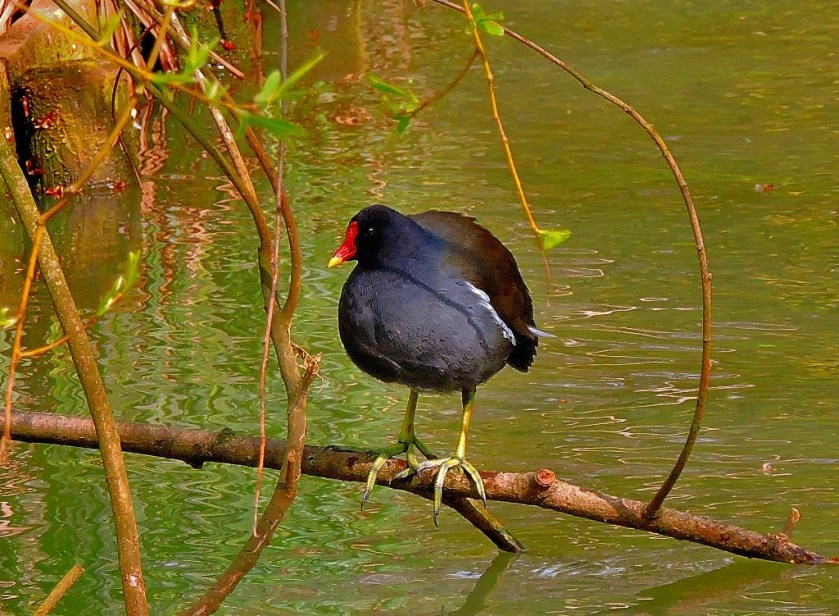
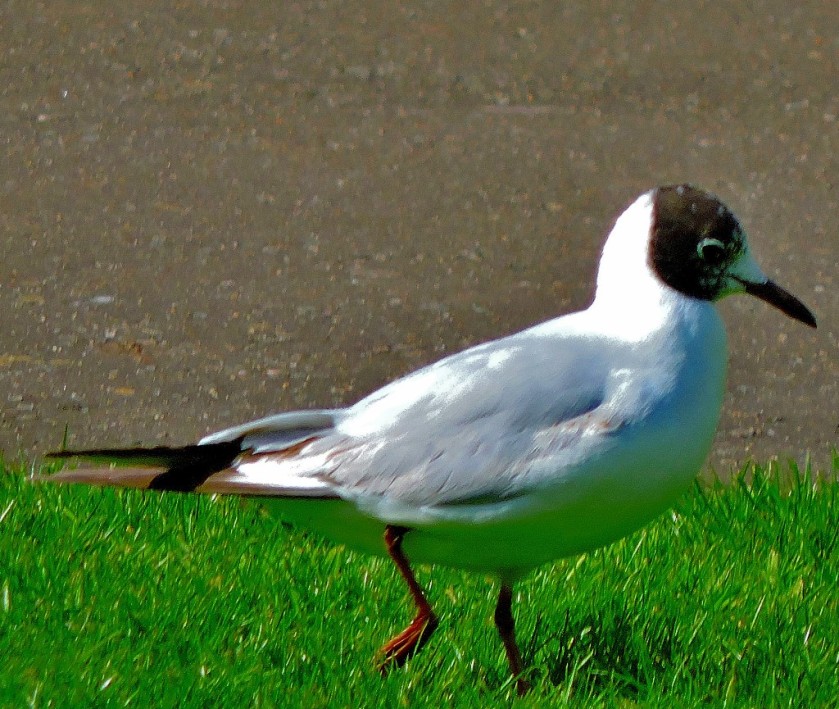
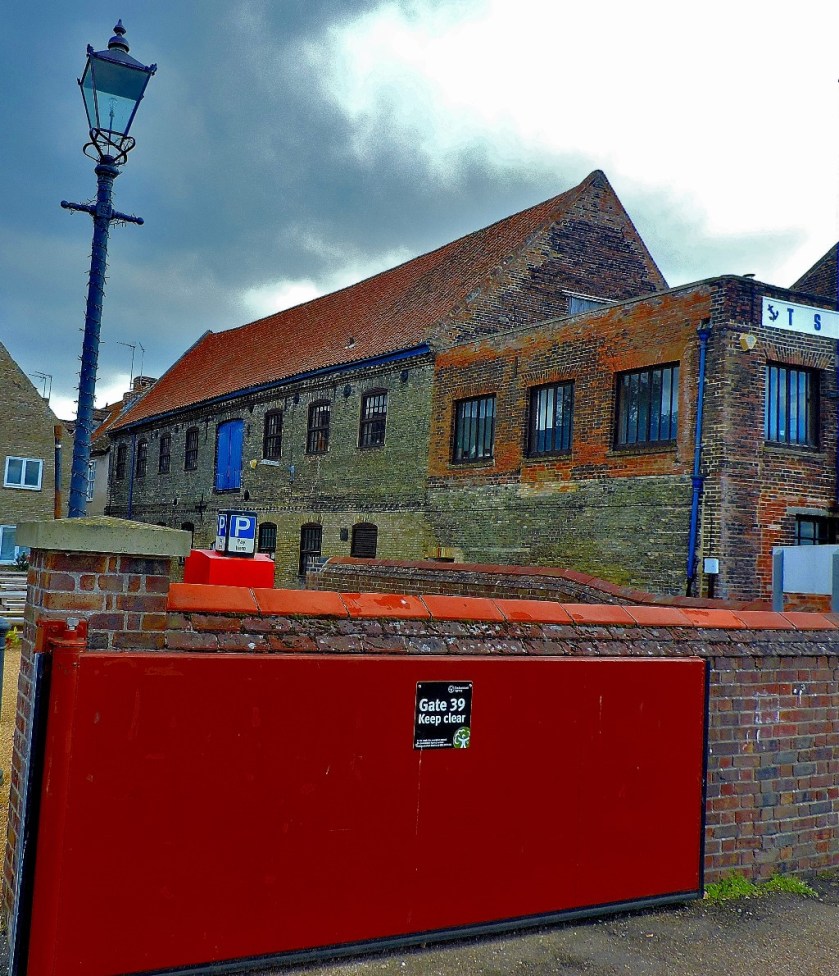
On Sunday Anna put up a post showing some winter pictures from Sweden. Now I am putting up a couple of winter pictures from here in Norfolk.
PICTURES
Here are the pictures…


Some winter pictures – enjoy!
On Sunday Anna put up a post showing some winter pictures from Sweden. Now I am putting up a couple of winter pictures from here in Norfolk.
Here are the pictures…


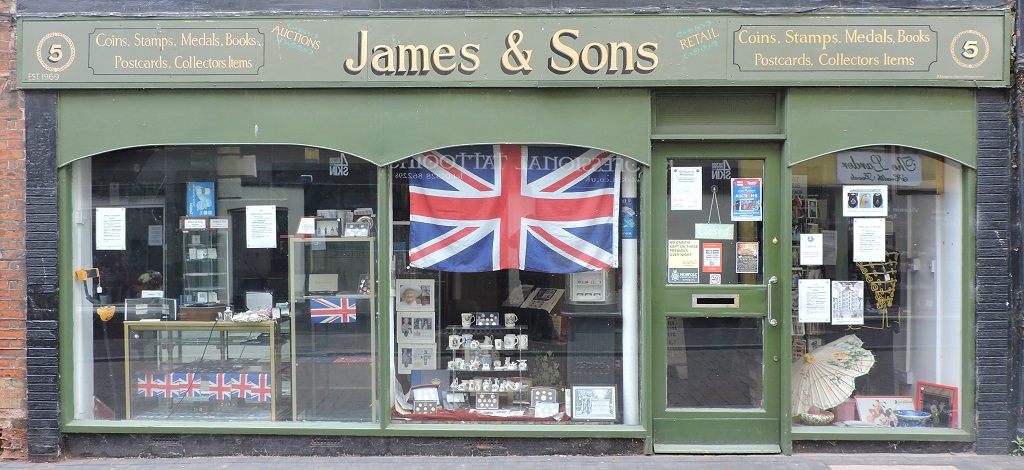
My first post created using my new computer. It covers my work for James and Sons this week and includes solutions to the puzzle contained in my previous blog post.
Welcome to this post, the first to be composed using my brand new Acer Chromebook 15, of which more later. As well as covering the events of Tuesday, Wednesday and Thursday, with a few pictures, and of course explaining the computer situation I will be providing an answer the puzzle that I included in my last post.
My old computer (and by computer standards it was a veritable Methusalah) had been struggling for some while when it finally decided to give up the ghost completely. My mother by way of an early Christmas present transferred the funds necessary to buy a replacement to my account, and I made the purchase today. All I am now waiting for is the arrival of the hard drive caddy that I ordered online which will enable me to connect the hard drive that I extracted from my old computer to this one and all will again be as it should be.
James and Sons had its last auction of this year on Wednesday (our next auction is taking place on January 18, 19 and 20 at our shop in Fakenham), and on either side of that I was getting as many images ready for January as I could. The auction we have just had took place in Norwich, and a shortage of people available to help combined with the fact that one of my colleagues was experiencing knee trouble meant that most of the heavy lifting had to be done by yours truly.
Most of the work of loading the van had been accomplished on the Friday, but some still remained to be done. Additionally there were last minute queries to be resolved, work to be done for our next auction and a few other things. I made enough of a fuss about the extra expense of catching the very early bus to Norwich (a First Eastern Counties X1, which leaves at 5:30AM and on which a return costs £11 as opposed to the £5.50 it would have cost me if I could have caught the Stagecoach X29 which leaves at 6:28AM) that I was authorised to extract the bus fare from the till.
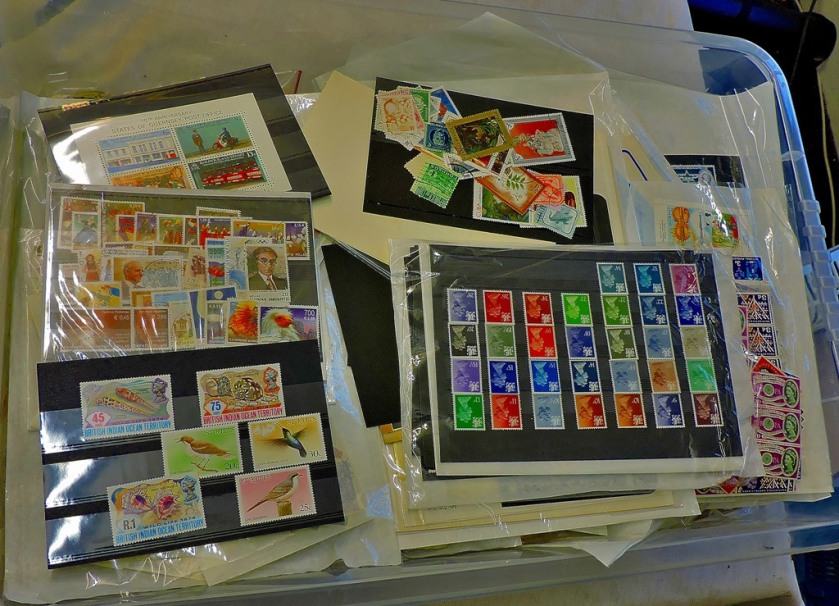
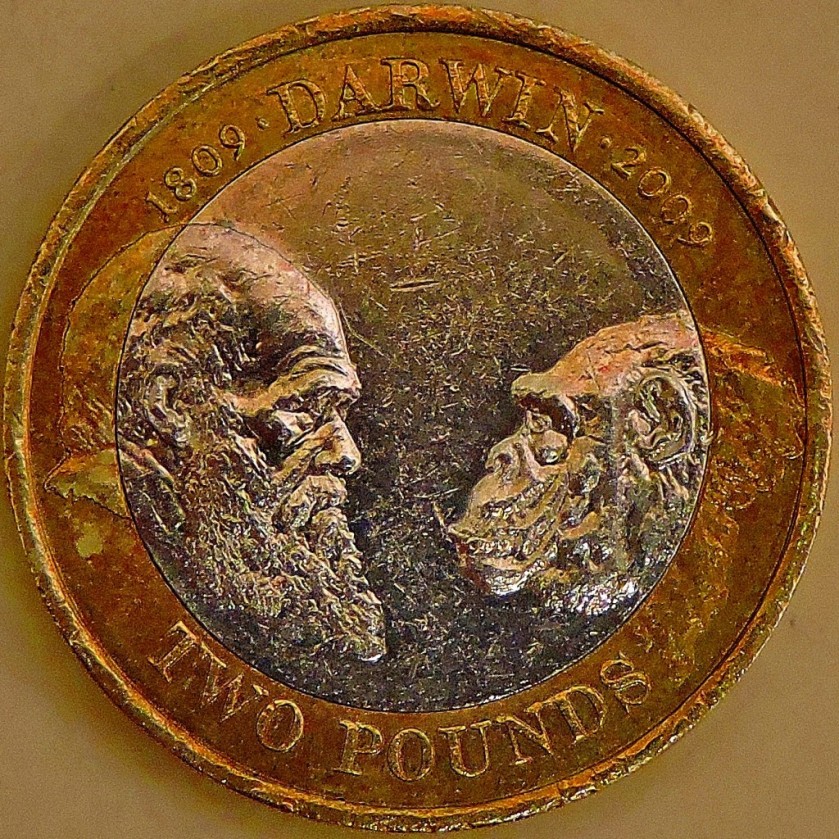
I managed to catch the 5:30AM bus, and was the first James and Sons employee at the venue. Once the van arrived it was time to unload everything and get the place set up for the auction. After a few hitches, including requiring an emergency replacement for the computer which we had been using to run the auctioneer’s view screen we got underway on time at 10AM, and the sale proceeded fairly smoothly. The coins fared especially well, and much to my relief some of the larger boxes of stamps sold in the room, meaning that they did not have to go back on the van. The militaria also did well.
Once the van was loaded I was able to take my leave, and being in Norwich took the opportunity to visit Norwich Millennium Library before getting the bus home. In the end I arrived back at my flat a little under 14 hours after I had left it in the morning.


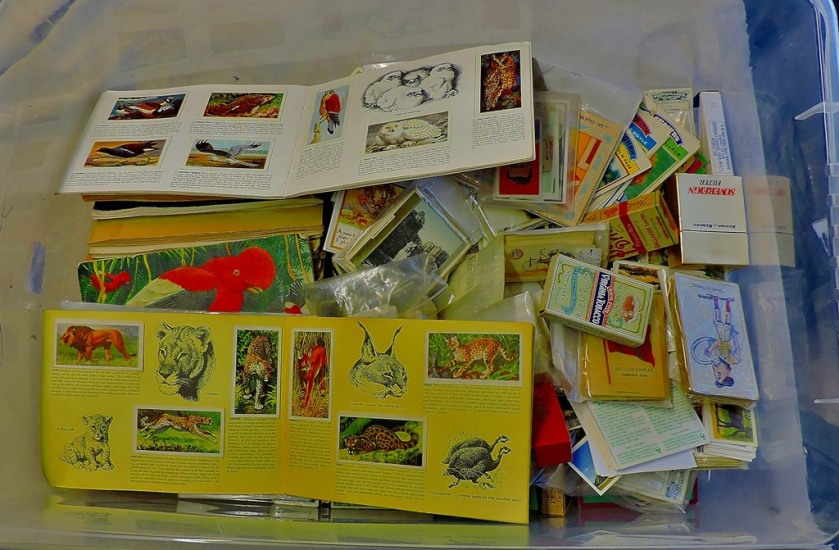
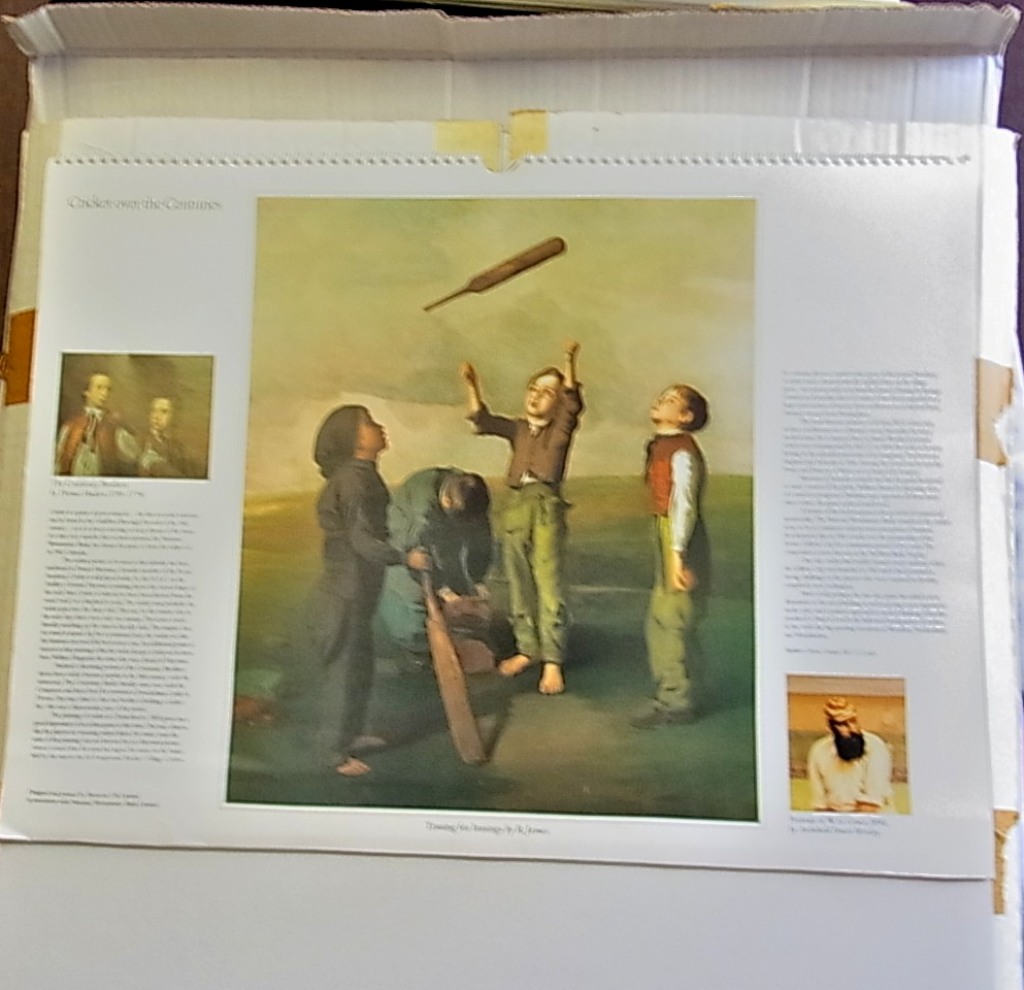
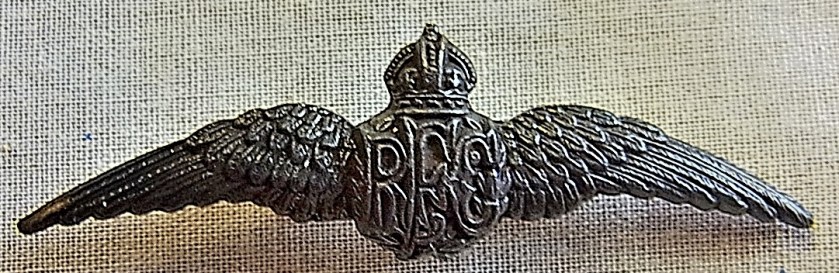
After unloading the sold goods from the van it was back to work on the January auction. The catalogue cover was ready by the end of the day, and the images were about 70% done, a near miracle in the circumstances. Here are some of the new images from yesterday…


I asked you to take any three digit number, multiply by 7, then multiply the new answer by 11 and finally multiply that answer by 13. I then asked how your final answer compared to your original number. That final answer consists of two copies of your original number. The reason for this is that 7 x 11 x 13 = 1,001 – and that post beinbg my 1,001st on aspiblog was why I set that puzzle in it. As a bonus I asked what multipliers you would need to produce a similar effect with four digit numbers, and the answer to that is 73 and 137, because 73 x 137 = 10,001.
An analysis of my newly acquired collection of beer mats (complete with photos), a unique LNER display and some other stuff.
This post features some stuff I have bought at auctions and some stuff I have been given, and features some links at the end.
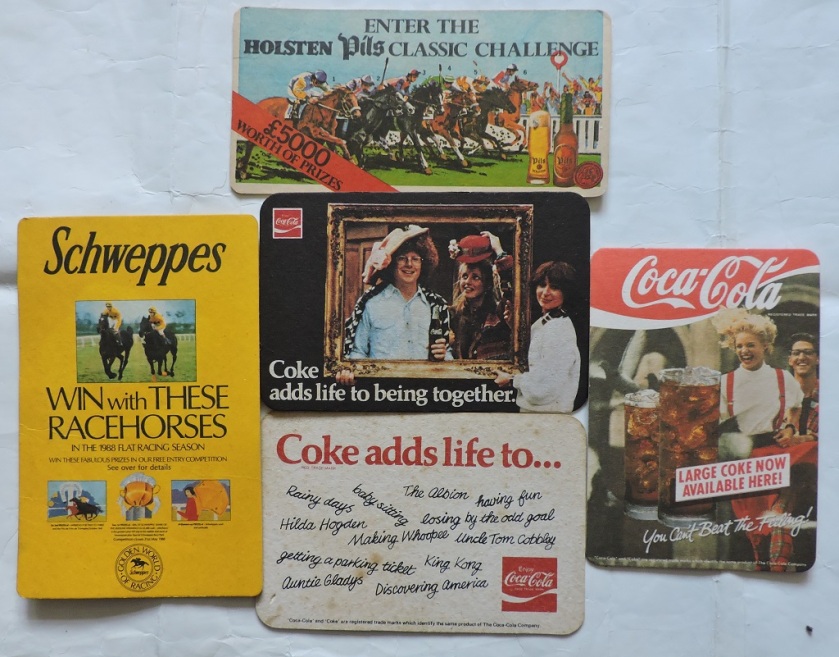
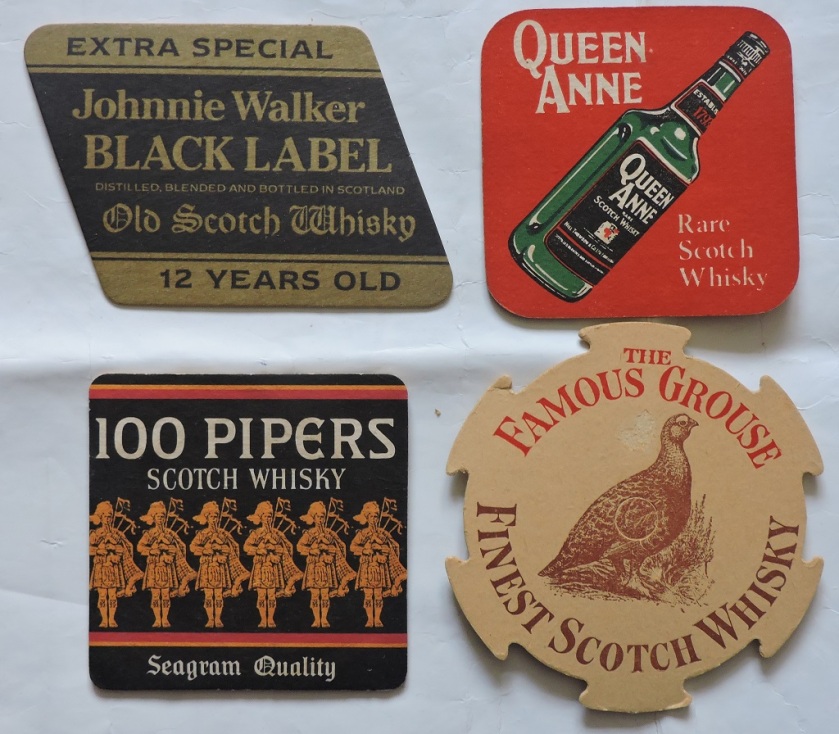
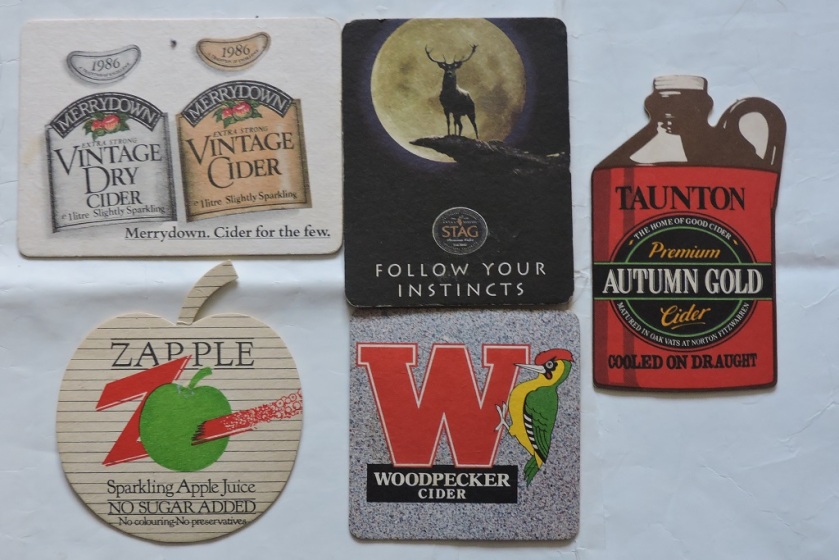
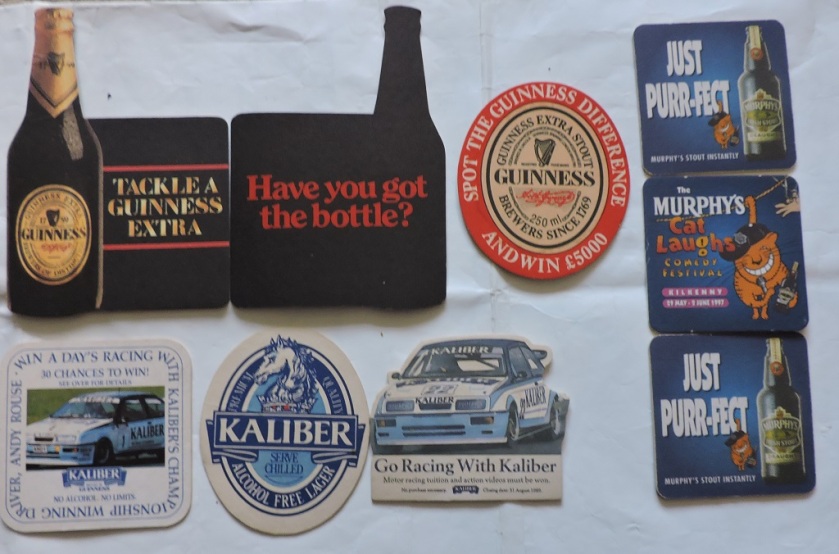
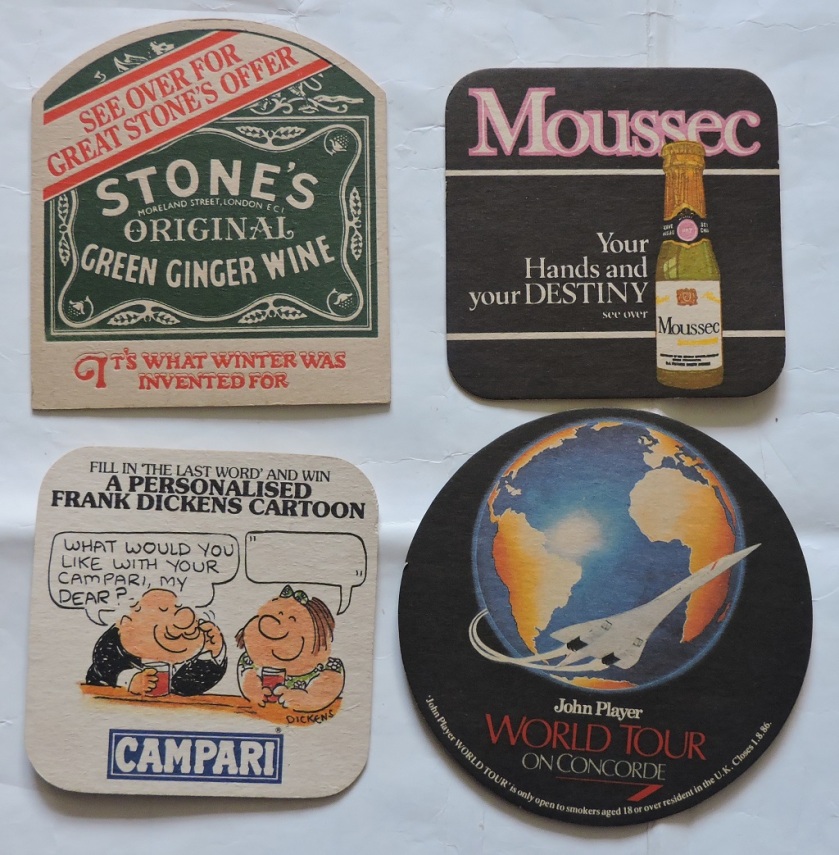
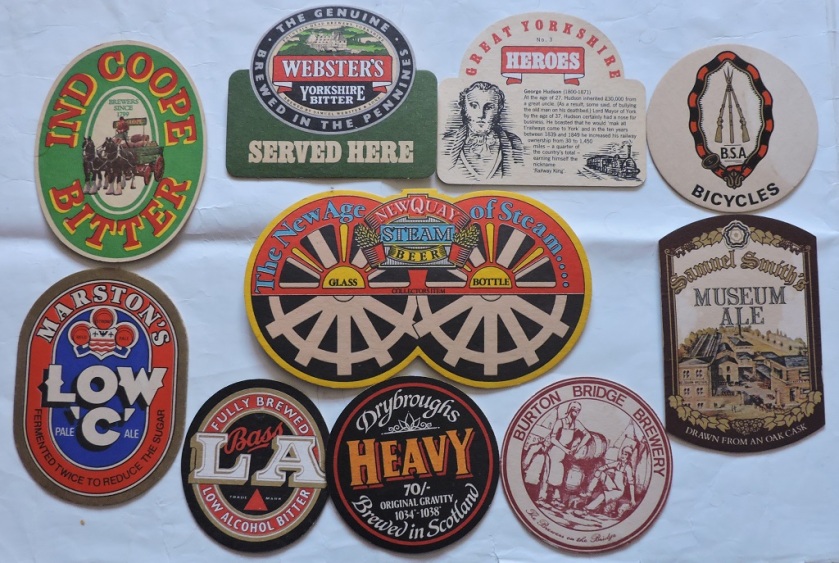
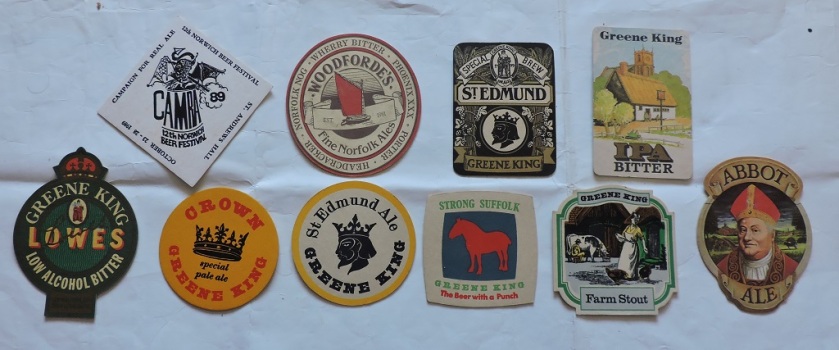
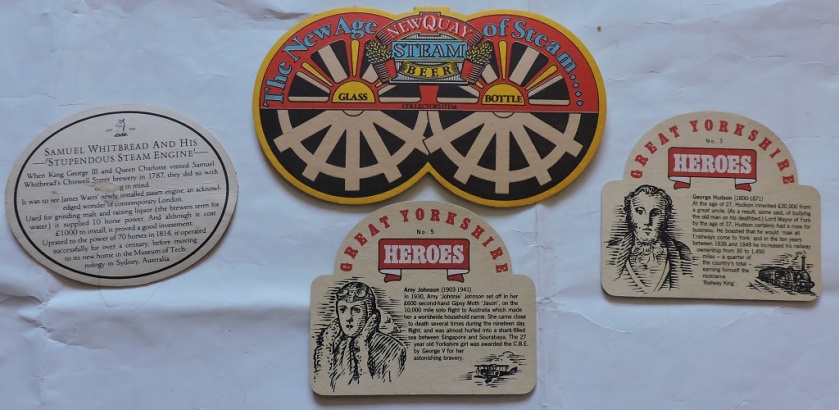
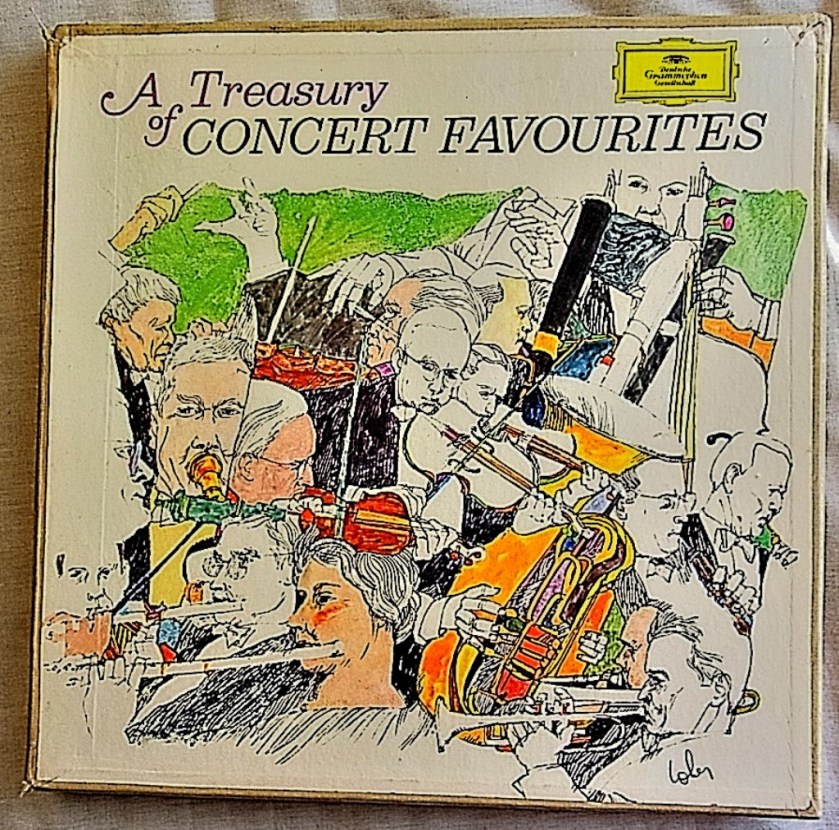
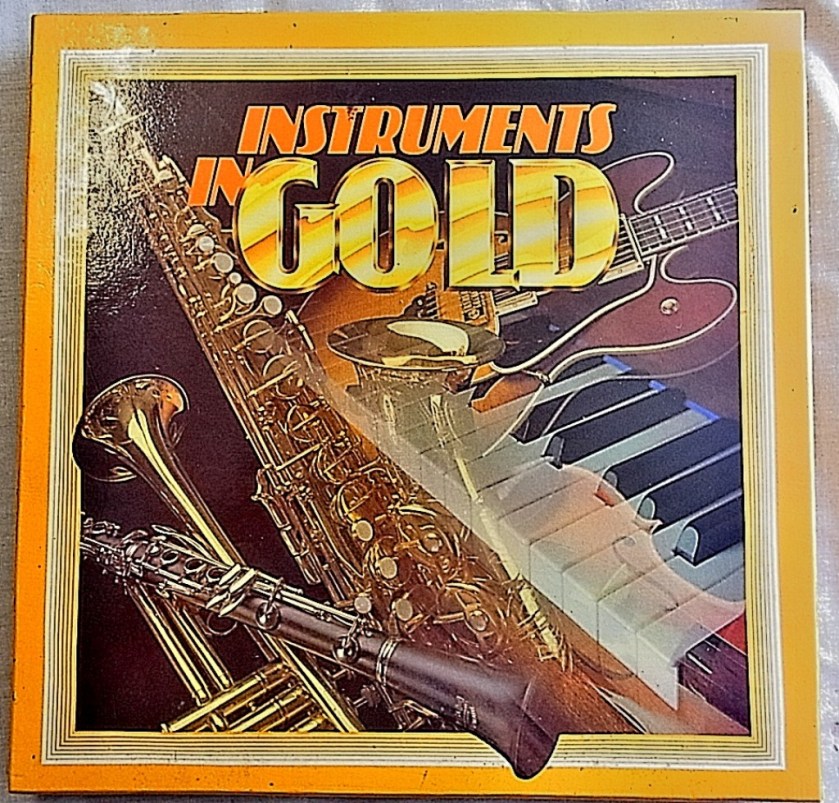
I mentioned in my post about James and Sons’ November auction that I had purchased a box of beer mats. Well I have just finished sorting through them and categorizing them, taking photos along the way.
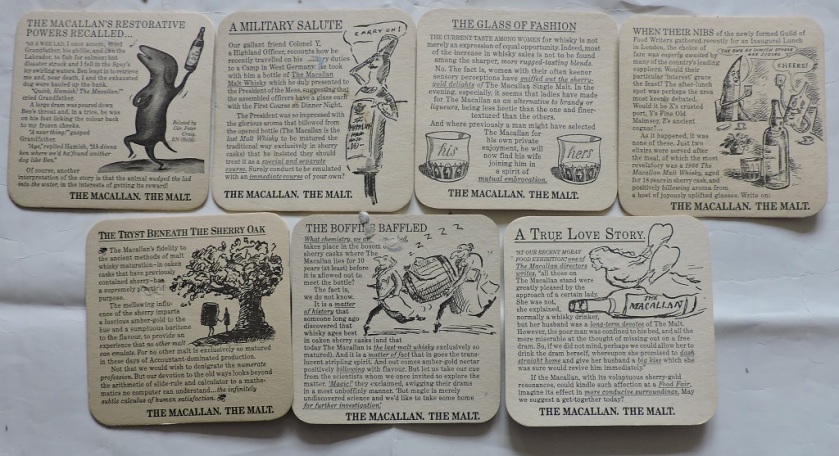
There are seven mats that relate to Macallan Scotch Whisky. Macallan are sposnors of one of the world’s most prestigious bridge tournaments as well as purveyors of whisky.

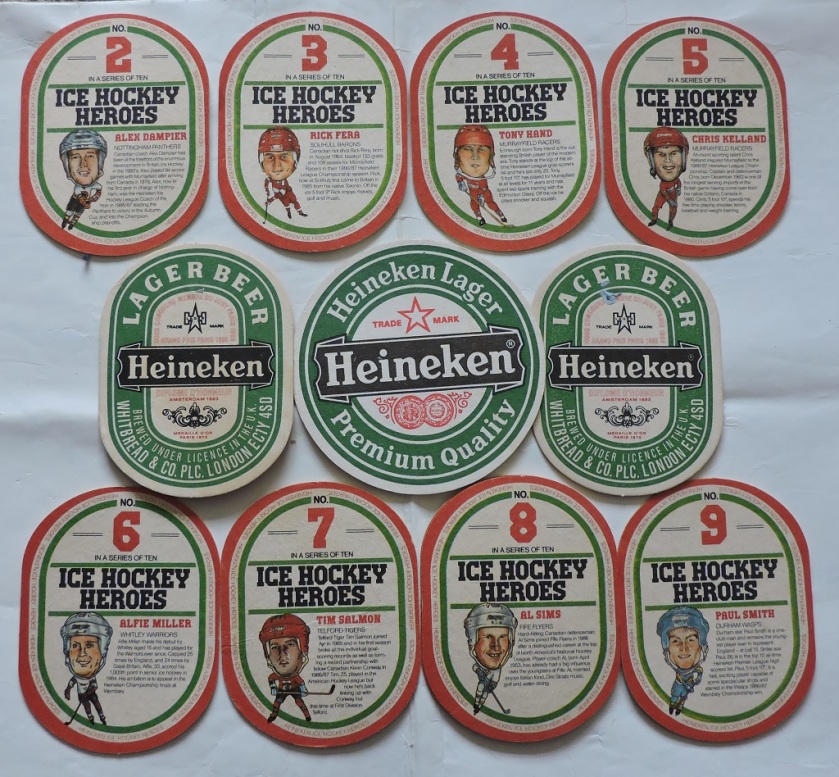
I have 12 Heineken mats, one circular and 11 athletics track shaped. These latter 11 feature Ice Hockey Heroes – I have a run of numbers 2 through 9 of the original series of 10 and duplicates of numbers 7, 8 and 9.

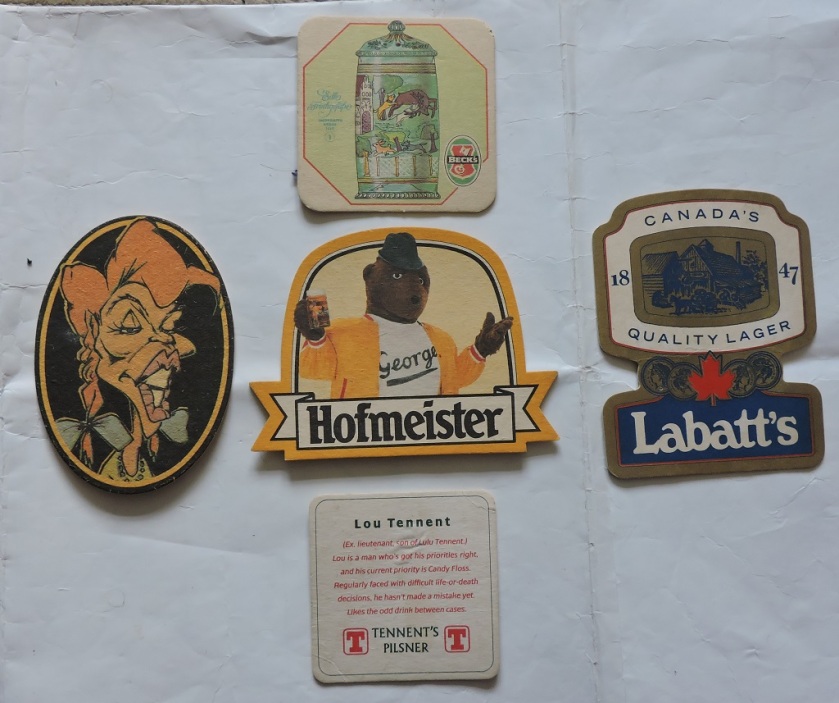
Five mats referrg to foreign drinks.

I have three mats advertsiign coca cola, two of which are duplicates, a schweppes mat and mat advertising a Holsten Pils competition.

Four mats advertising scotch whiskies other than Macallan.

Five mats where the focus is on drinks created from apples:

I have nine mats featuring products of the Emerald Isle.

Four mats that I could not think of a category for.

We now come to the best bits of the collection. Starting with nine mats featuring a range of beers from around the country.

There are ten beer mats in this group, all with a connection to East Anglia.

You have now seen every beer mat in the collection, but I was not quite finished yet…
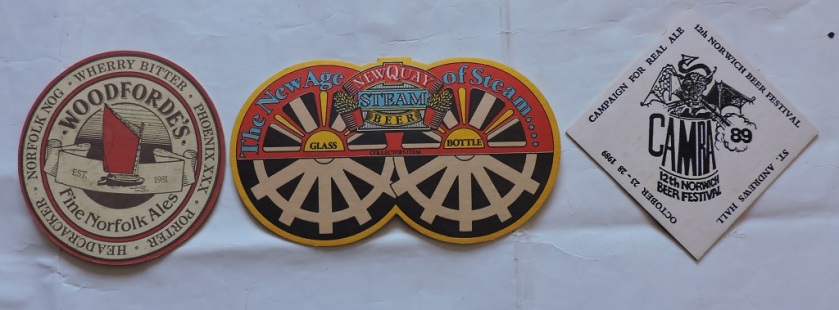
This is an image of my three favourite beer mats.

Some mats that are specifically railway oriented.

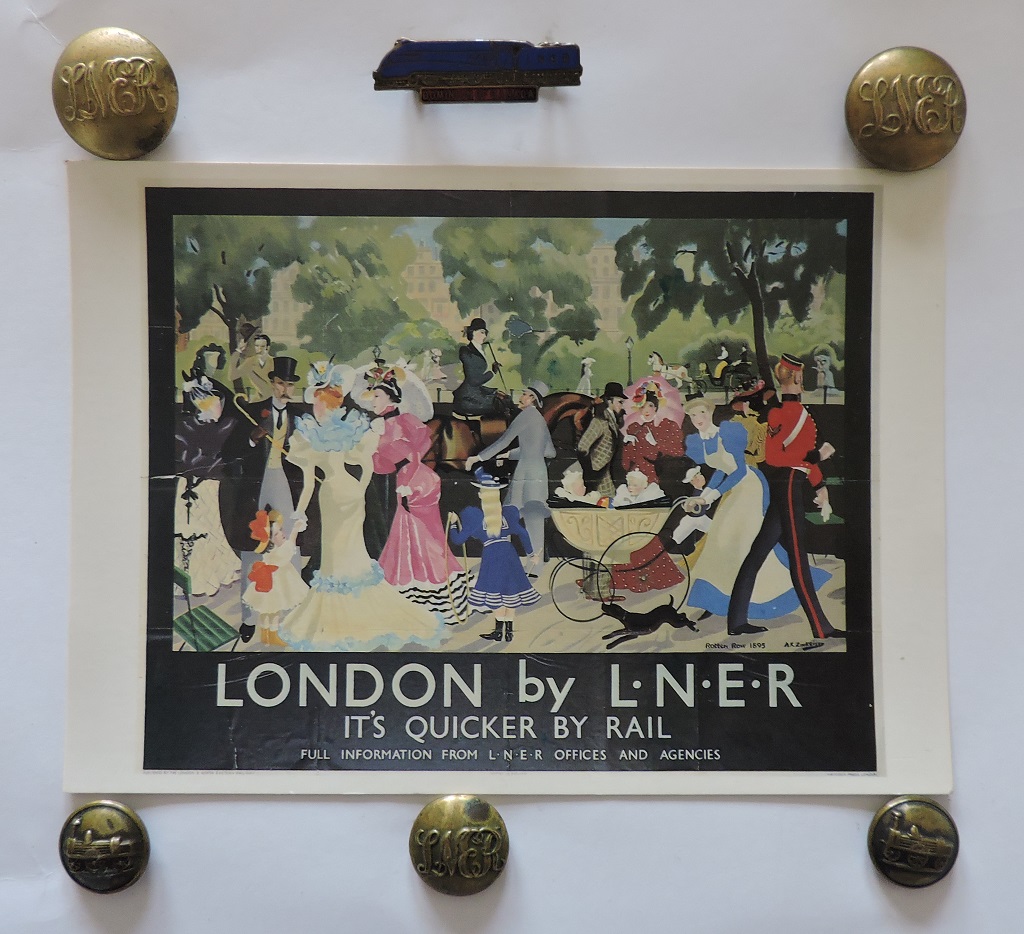
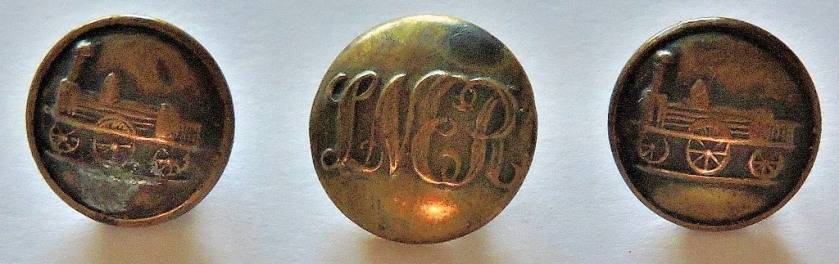
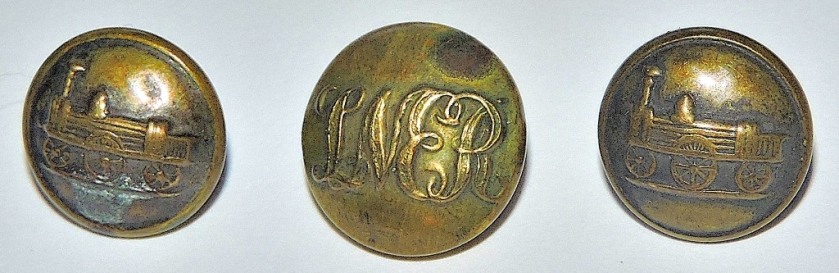
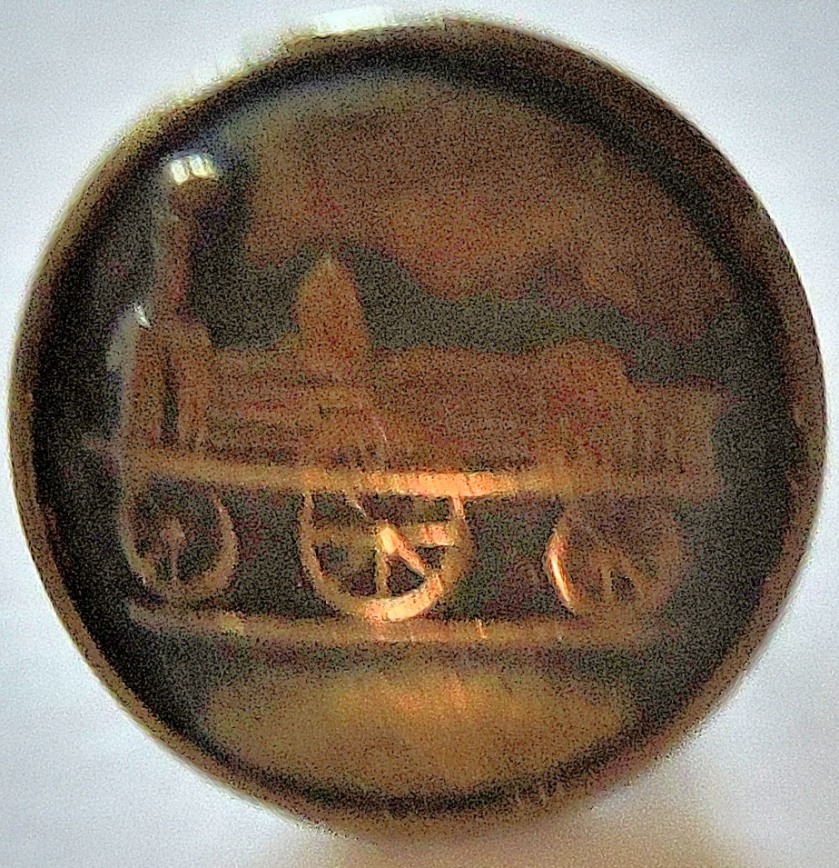
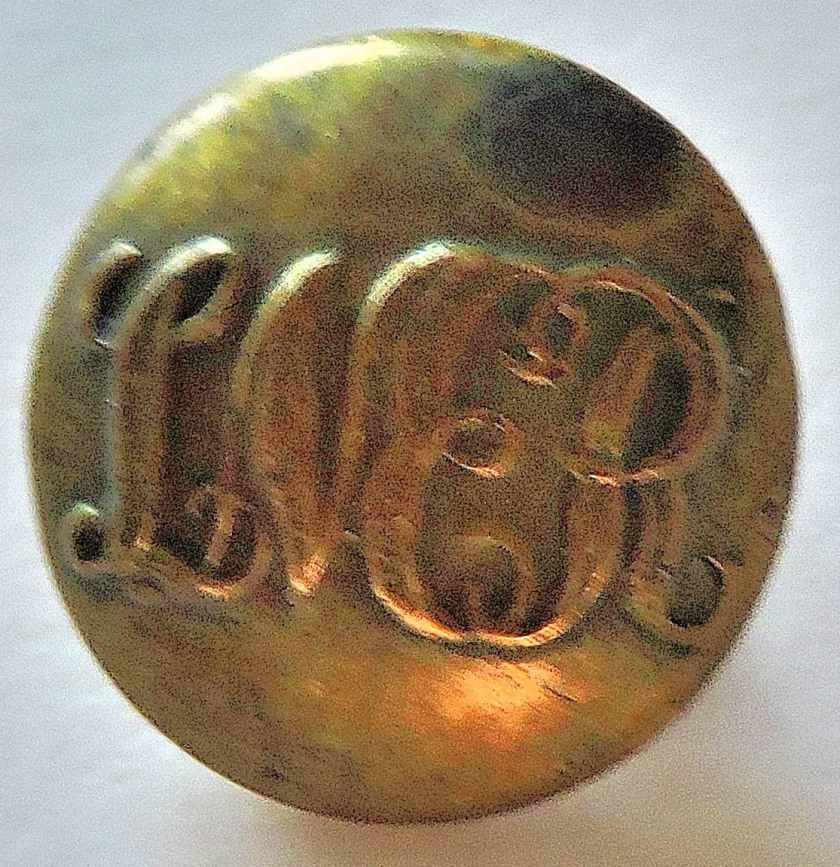
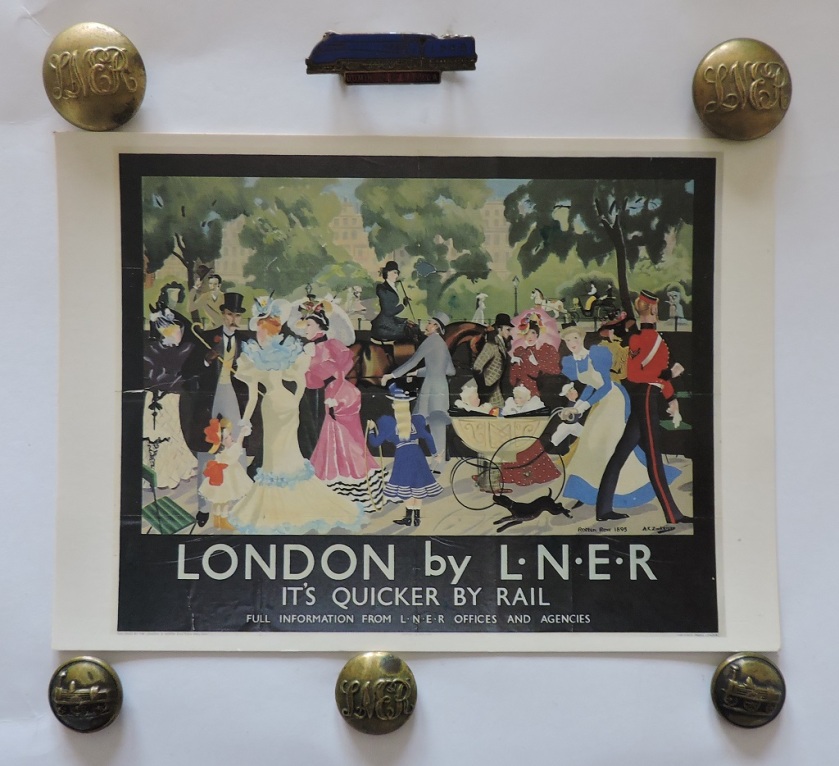
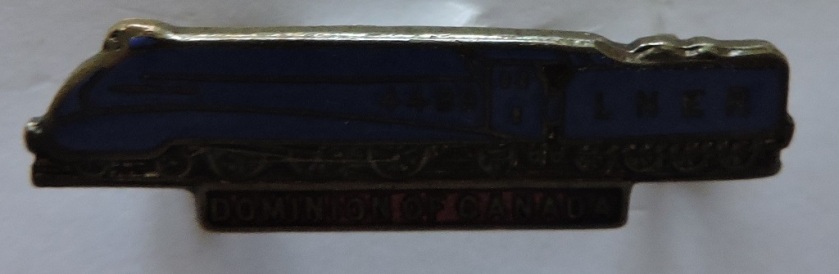
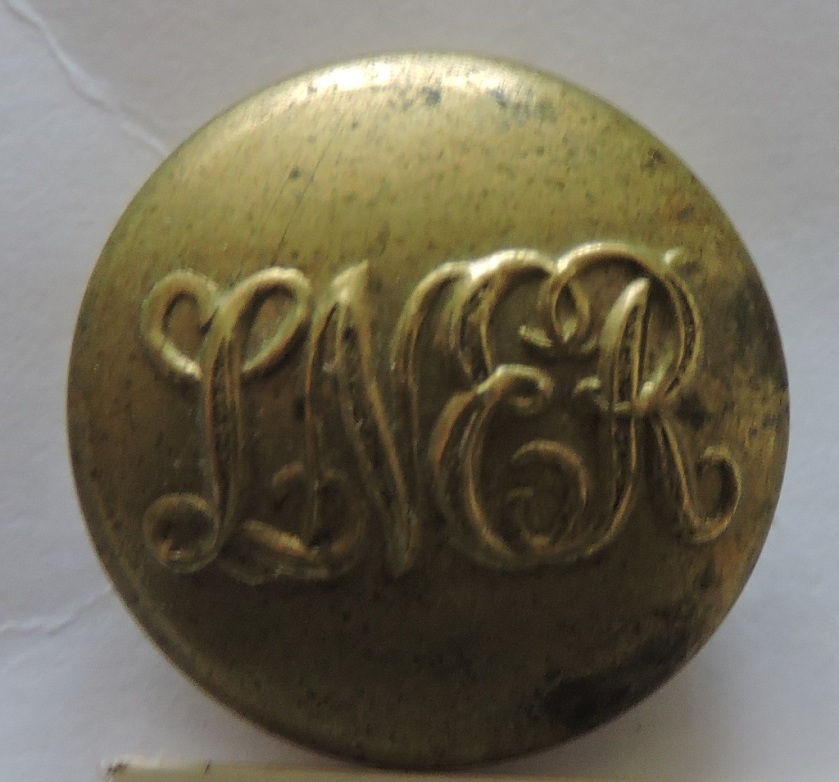
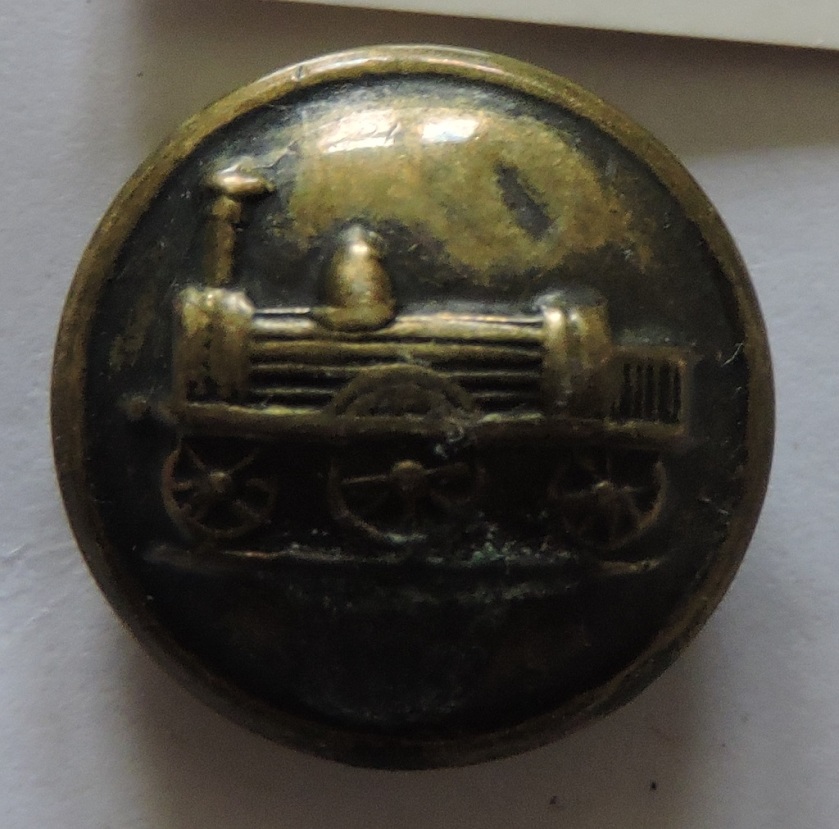
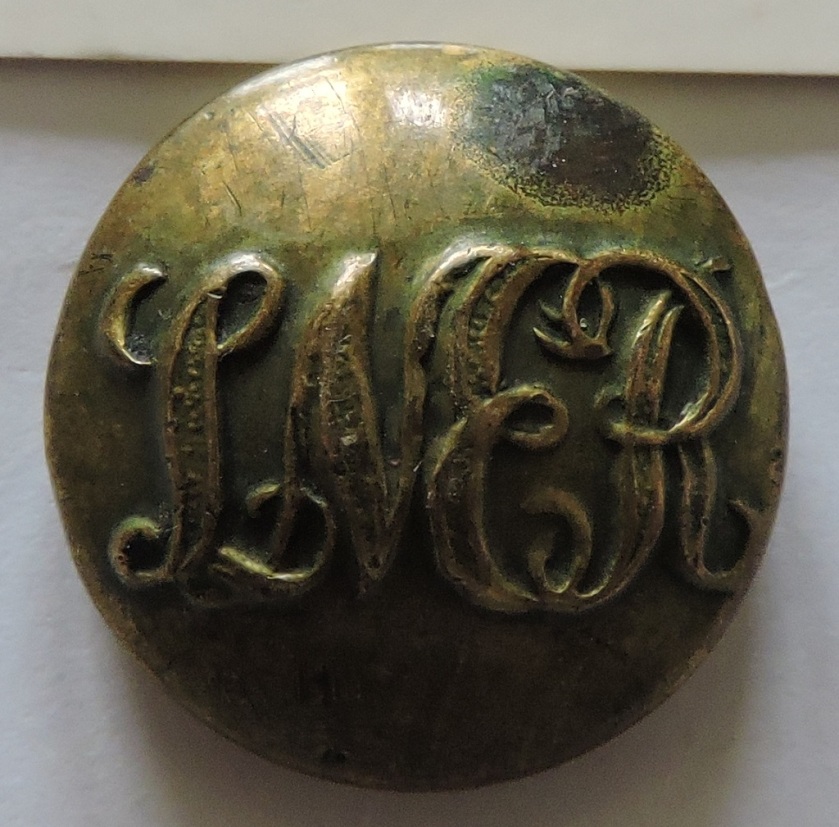
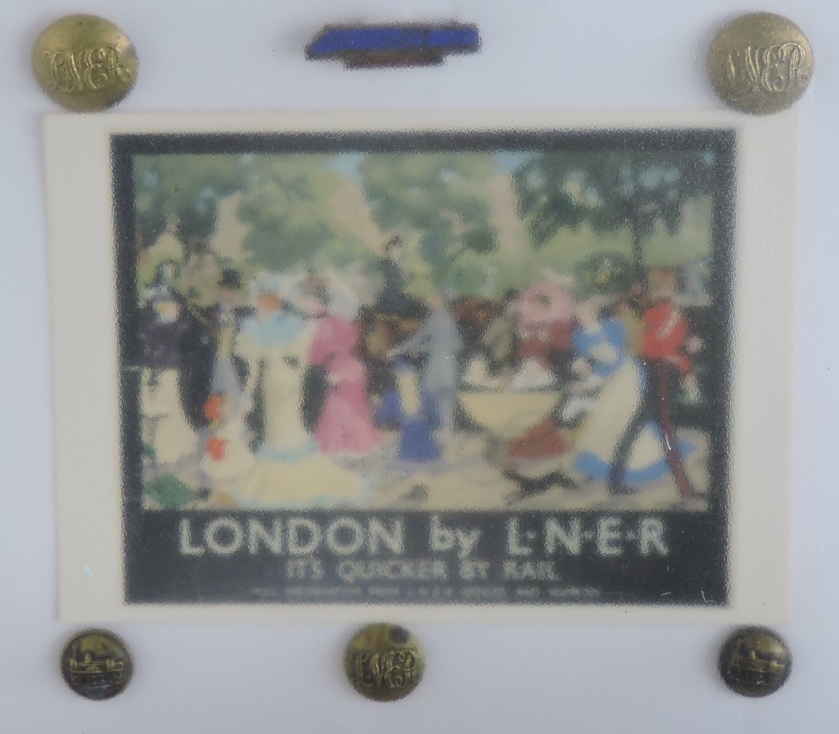
One of my colleagues recently gave me some LNER buttons (LNER stood for London and North Eastern Railway), and had previously given me an LNER badge. I also had some other LNBER buttons and an LNER themed postcard from previous purchases, and assembled this into an LNER display.


I start with some interesting pieces about the byelection that has surely spelt the end of Zac Goldsmith’s political career:
My final link is to a petition which can be accessed by clicking the screenshot below.
If you are interested in trees then the following, tweeted by a certain James Rees, will certainly appeal:


An account of final preparations for James and Sons’ November auction.
James and Sons’ November auction takes place at Fakenham Racecourse tomorrow, which combined with the somewhat stressed preliminaries led to the title of this post.
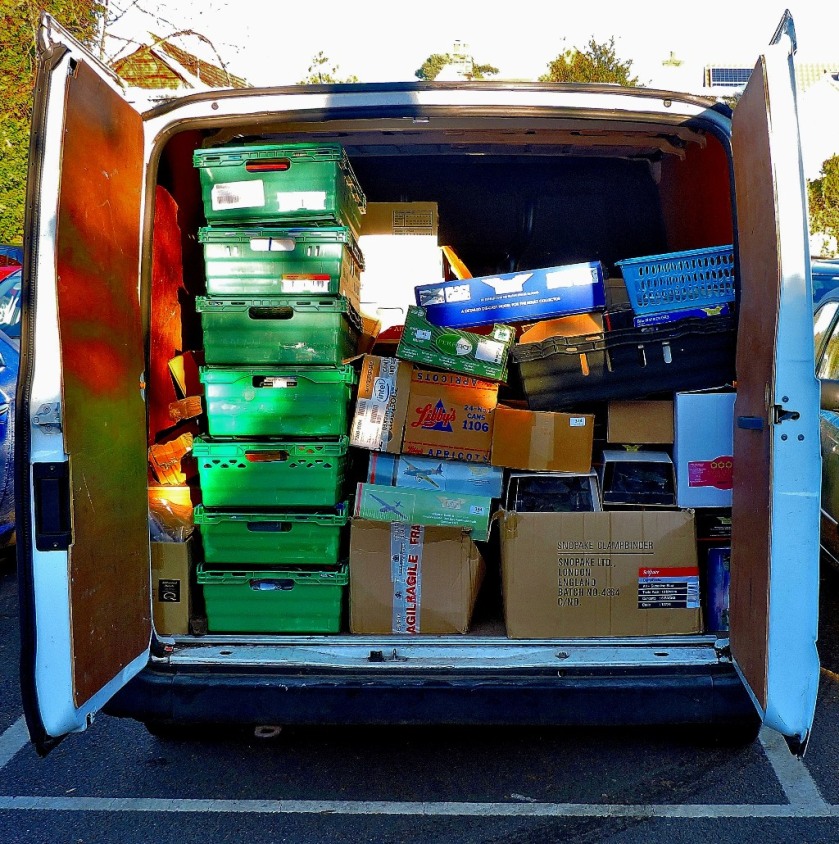
Firstly, a miscommunication led to this auction being held in the Long Bar rather than the Prince of Wales Suite. Then when we arrived at the venue with the items for auction (as the picture below shows this was a very full van load) it was in state of disarray.

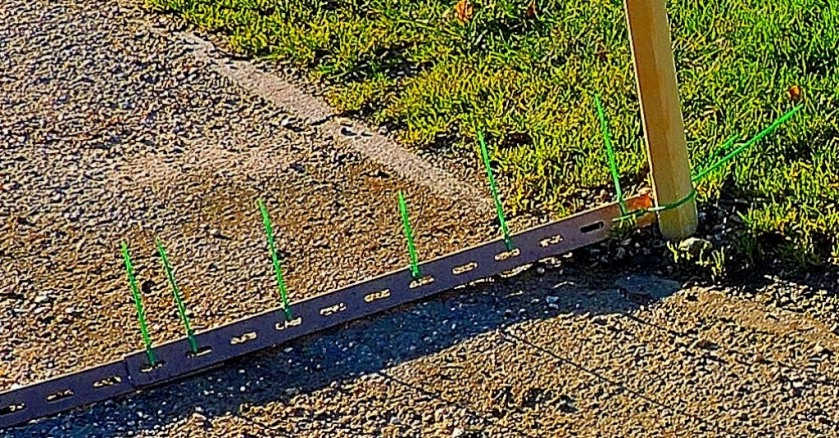
The next hiccough was the necessity of running a long cable from a building with an internet connection into the Long Bar, which involved stretching it across a bit of road that was due to be used by caravans, but some metal supports of the type more usually used for putting up shelving came in handy to provide a secure guard for that bit of wiring…


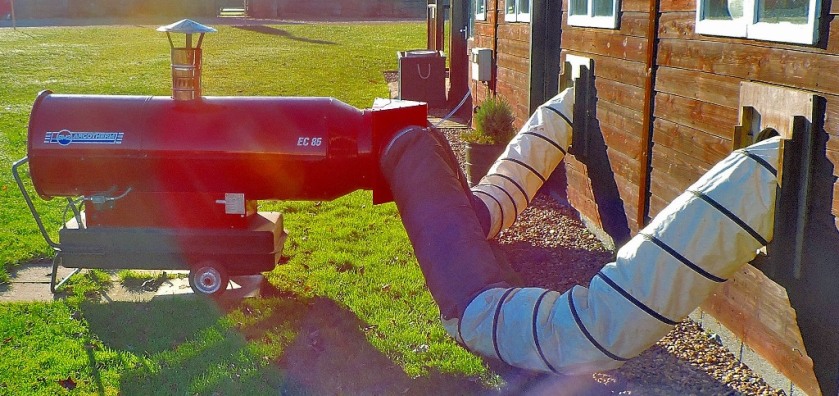
Also, the Long Bar has a very antiquated heater, which had clearly not been used in a long time.

I had a picture to take to resolve a query and also located a lot that had not previously been imaged…


I also in odd quiet moments got some pictures from the Long Bar, and on the way back to the shop took a few pictures through the open window of the van…


Back at the shop I had some big stamp lots for our December auction (on the 14th) to attend to, and was then required to buy some paper (there is a stationer down the road who sells plain A4 at £17 for five reams).


A brief account of today at work, with pictures.
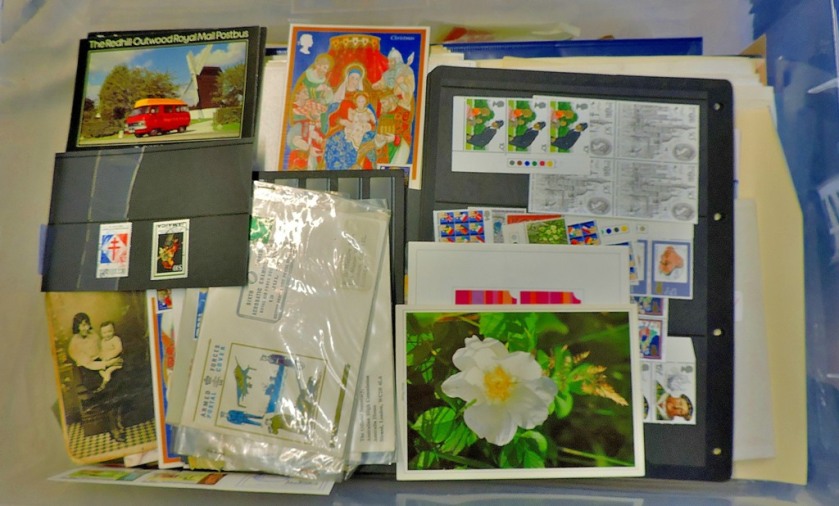
I have lots of new pictures, relating to the James and Sons’ August sale (Wednesday 31st). Today’s imaging has involved two types of item…
You will notice that one item that has been included with militaria is actually not so, but most of these items do count as militaria…


Now it is time to move on to the other auction items I had to image…
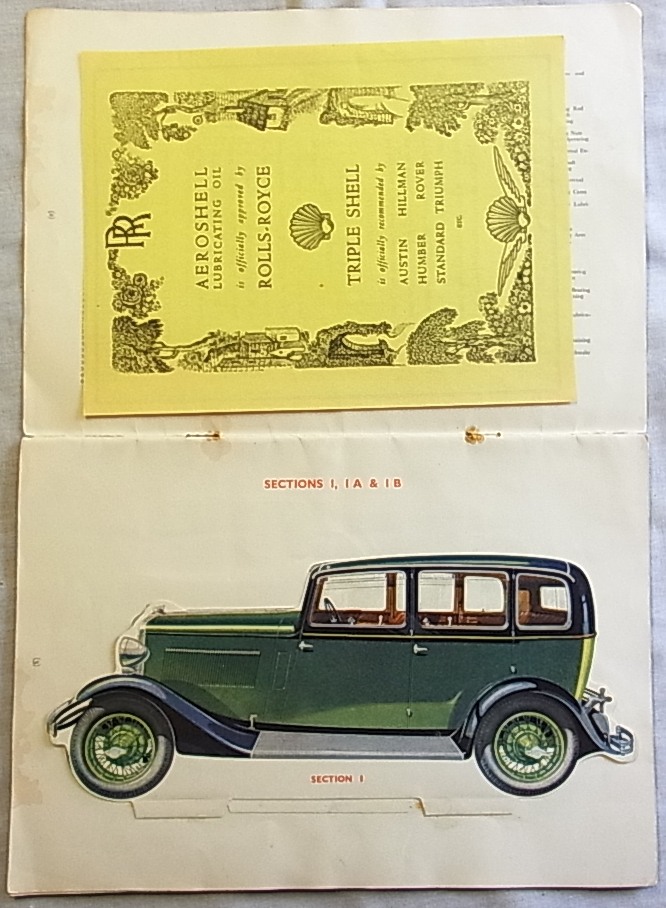
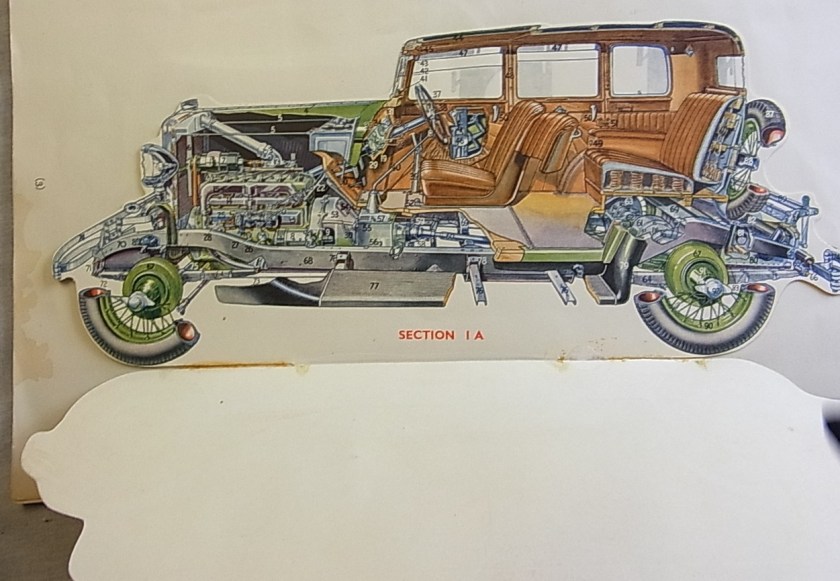
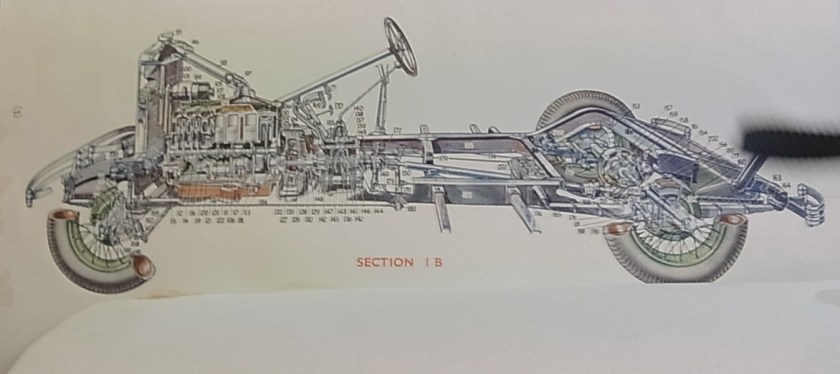
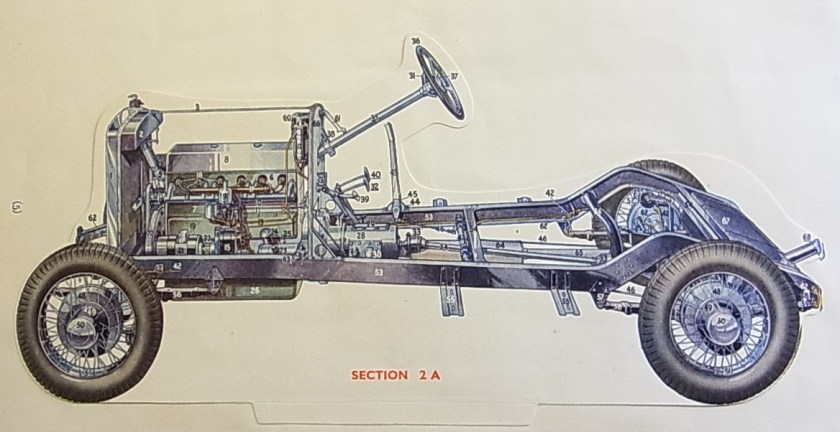
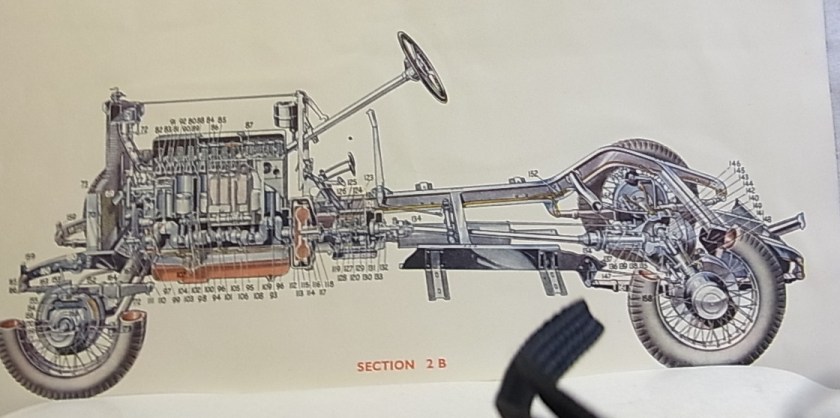
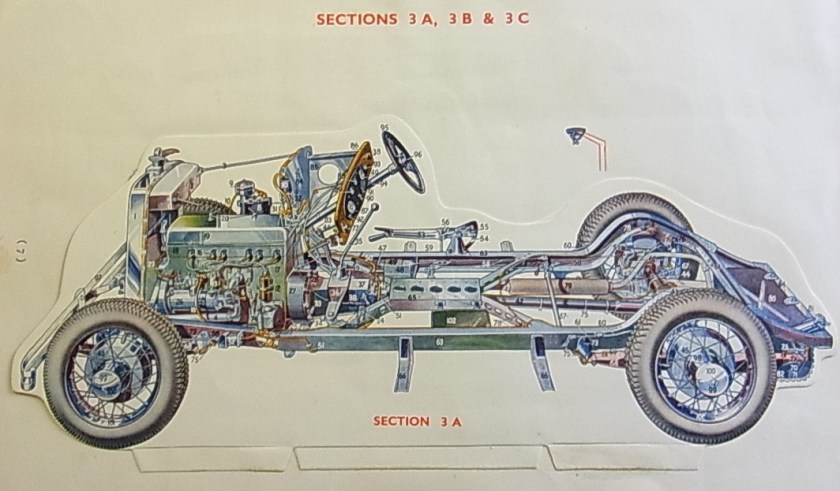
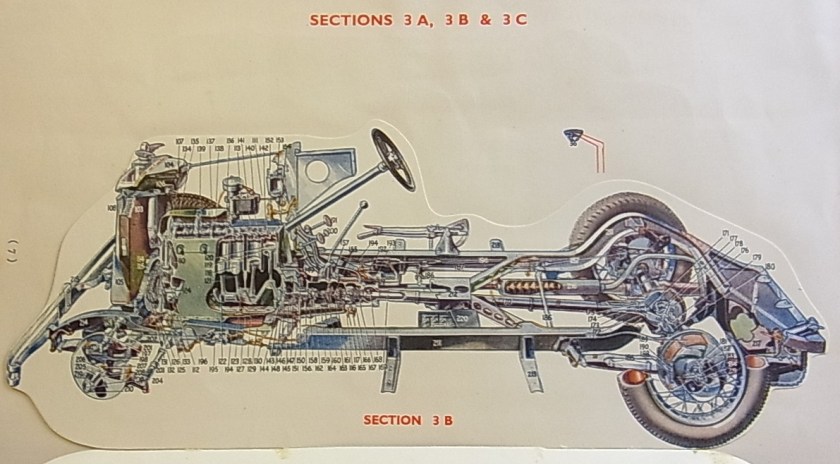
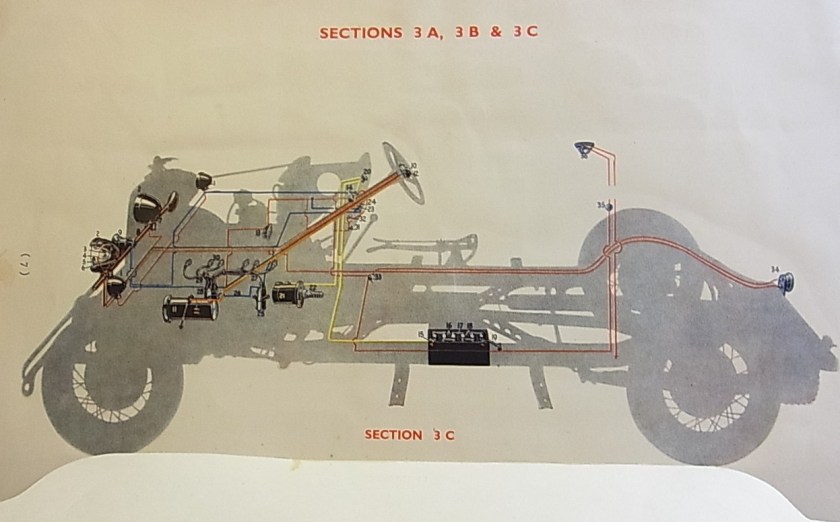
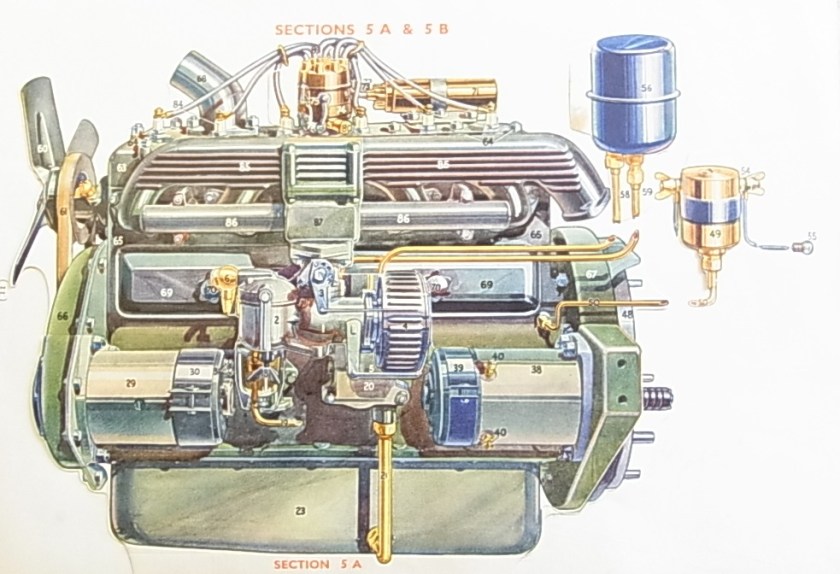
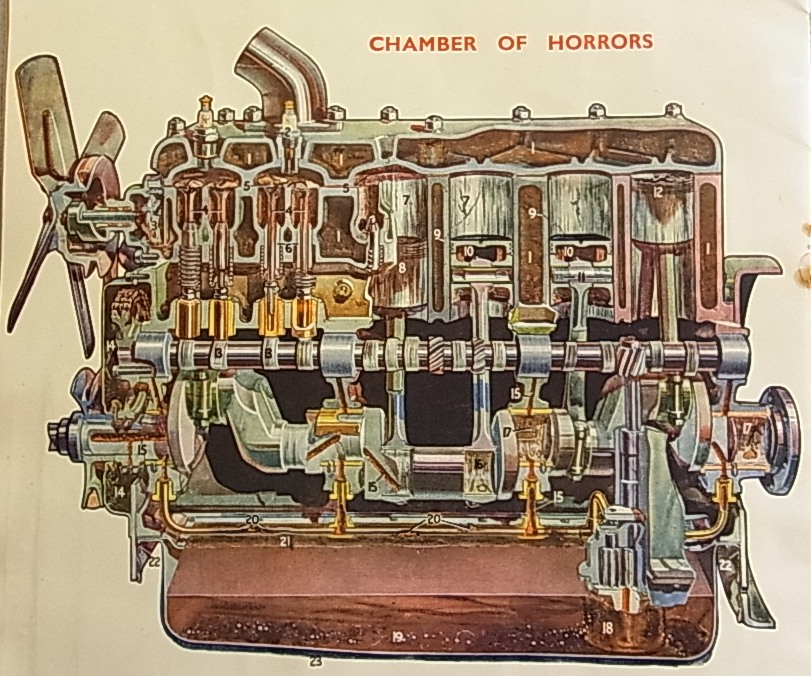
This section starts with lot 361, which can be thought of as an anatomisation of a rolls-royce…


The rest of the items were not quite this impressive, but there were a few other good moments…


In addition to the auction lots I had to image a few records for sale on ebay (the pictures I have included were only some of the records I imaged).


An account of recent events at James and Sons.
Yesterday was James and Sons’ May auction, at Fakenham Racecourse, and today we had a badge sale at our shop in Fakenham.

Our main auction was blighted by problems with the internet connection at the venue. Eventually we relocated the auction itself to Cool Roxy, the owners and trainers bar, while leaving the stock in the Prince of Wales Suite. This left us way behind schedule. Nevertheless, the sale was very successful, with five pieces of postcard artwork accompanied by sample postcards by a man called Twelvetrees selling phenomenally well, some old vinyl records selling well (a Black Sabbath recording went for £340), and many other items faring well. Among the lesser lights a book of photographs from King’s Lynn’s past went for just £4 (it goes well with my substantial digital archive of pictures from King’s Lynn’s present thank you), while a Cornwall Polytechnic Society medallion featuring a bust of James Watt (he after whom the unit of power is named, and who along with his distant predecessor Heron of Alexandria, his closer predecessor Thomas Newcomen and his near contemporary Richard Trevithick played a key role in the development of the steam engine, the first power source for locomotives) went for £11. In amongst all this I had to get images of the reverse sides of the some of the badges being sold today to resolve queries.
Overall, the early problems not withstanding it was a successful day, and here are some photos…
Today’s sale proceeded smoothly. Although no huge prices were recorded a number of items did better than expected. Overall therefore I think we can say it was a successful week, although very draining (especially yesterday).
An account of James and Sons April auction, a plug for a petition to honour the Hillsborough campaigners and some photographs.
The day before yesterday, at the Maids Head Hotel in Norwich, James and Sons had their April auction. Overall, the auction was a great success. Although the number of internet bidders did not equal that for the March auction, there were 180 internet bidders, and this was a one day sale whereas March had been a two day affair. I will also be sharing some other stuff, including photos, at the end of this piece.
My travel expenses have recently gone down, due to the introduction of an all-day ticket which covers travel on any Norfolk route save the Coast Hopper and costs £5.50. This did mean that I could not get to a Norwich auction as early as if I were to use the X1 route (run by a different bus company, therefore ipso facto not covered) but it was still a seriously early start, as I had to be on the first bus of the morning, at 6:10AM to arrive early enough to do everything that I had to do for the running of the auction. The run to Norwich was thankfully, save for the inevitable bottleneck near Hellesdon Hospital, a very clear one, and the bus arrived exactly on schedule.
As I have indicated, this auction was a very successful one. The principal highlights according to my method of evaluating these things were in ascending lot number order:
at £30-40, sold for £65
at £25-30, sold for £45
of Trunch, estimated at £40-50, sold for £90Here is a ’tiled mosaic’ of images of these lots – to see an image at full size click on it:
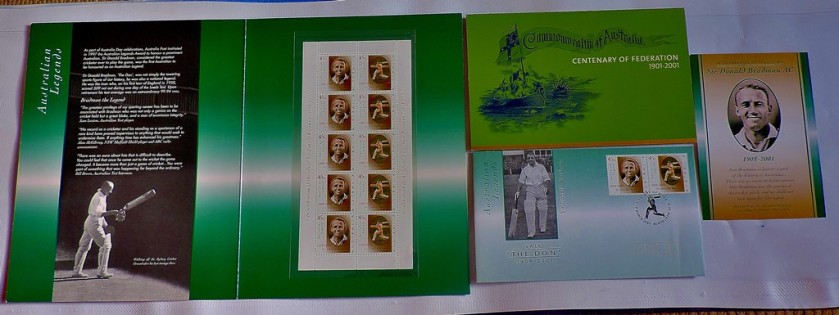
I had contrived to arrange my breaks from computer work to coincide with periods when lots of interest to me were going under the hammer. The first such lot was number 460:


This was knocked down to me for £7, and better was to come near the end of the auction…
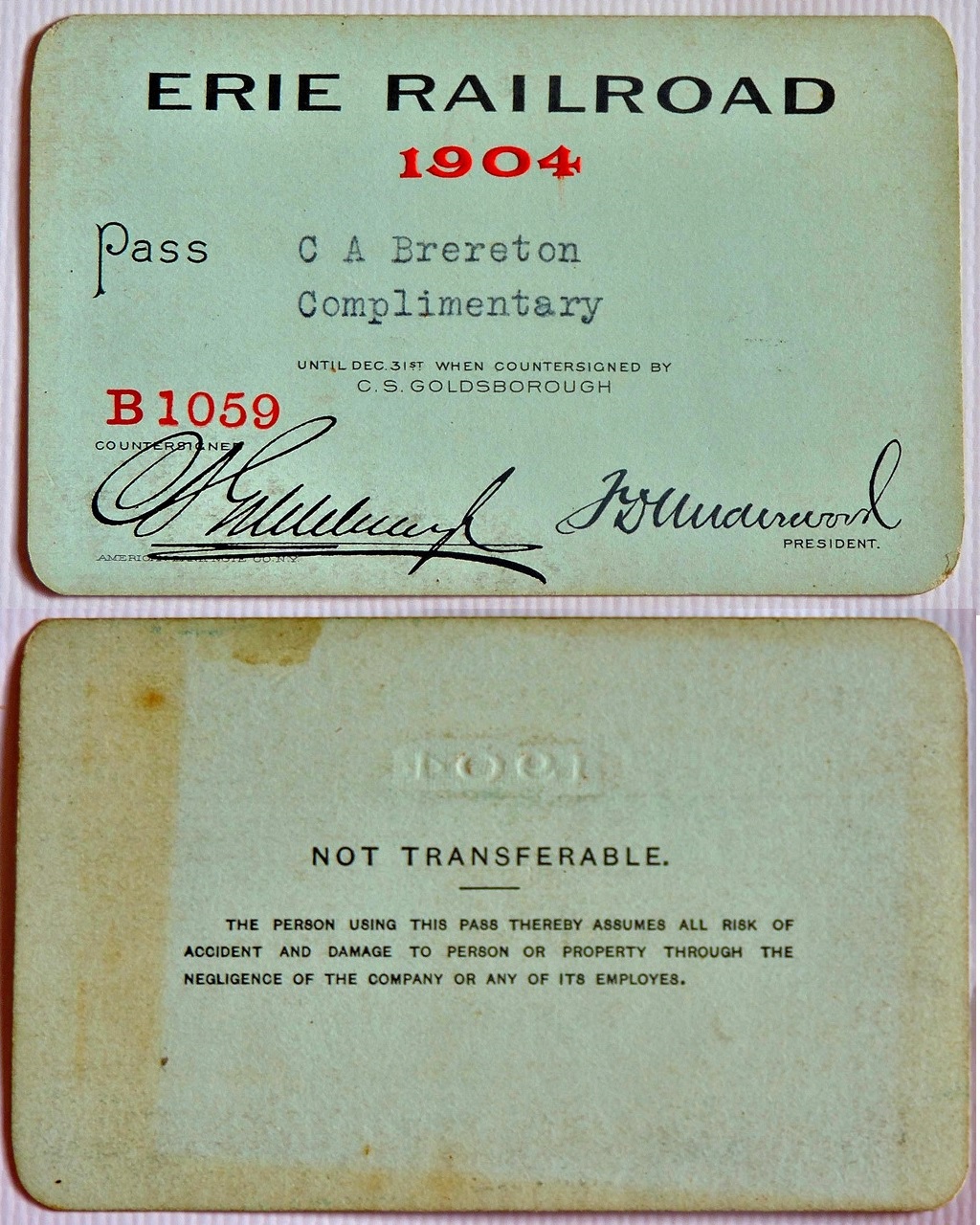
Lot 711 was a 1904 Erie Railway pass, for which a single bid of £8 sufficed:


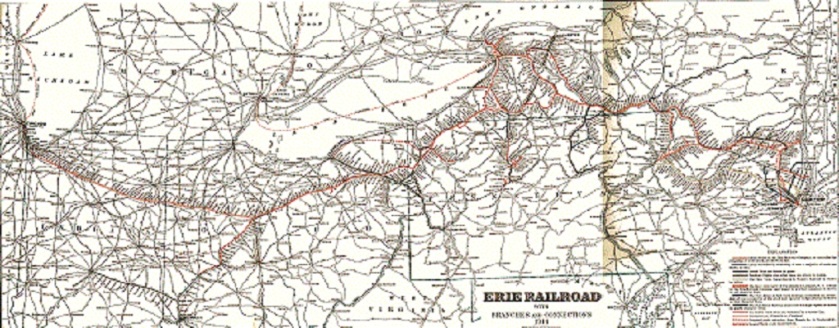
Construction started on this railroad in 1835, and the first run along the full length of the route, from Piermont, New York to Dunkirk, New York took place in 1851. More information
about this railroad can be found here. Below is a route map:

This map comes from erierailroad.org: http://i2.wp.com/www.erierailroad.org/erie-1914-map.gif
Lot 717, a print of old London Bridge based on the earliest known drawing of that structure, which is in the Pepys collection, attracted no interest from anyone save me, and was knocked down for £5:

27 years ago 96 people lost their lives at Hillsborough football ground. Through most of this period people seeking justice for the dead faced a media and governments that were almost uniformly hostile to them, while the police force involved consistently refused to accept responsibility for the disaster. At long last, after a full inquiry and inquest into the deaths it has been established that these 96 people were unlawfully killed and that blame for their deaths lies squarely with the police. Just this morning I found out about a petition on 38 Degrees to honour the campaigners who have fought so hard for this outcome. They are far more worthy of being honoured than many who have already been honoured (As a resident of King’s Lynn I think of Sir Henry Bellingham MP, apparently knighted for the great feat of having attended the same school as the prime minister, albeit at a different time). If you share my view…
To finish, here are some more photographs…


A brief account of today at work and a plug for the Green Party manifesto in the upcoming London mayoral elections.
As well as details from today at work I have something else to share which will be revealed later.
Last week James and Sons had its March auction, which attracted unprecedented interest among online bidders, with almost 300 registering to bid. The April auction catalogue is available in print and can now be viewed online by clicking here. Today featured an big effort to get the imaging done, with the result that most lots now have their accompanying image or images. Some of the highlights from today’s imaging now follow…
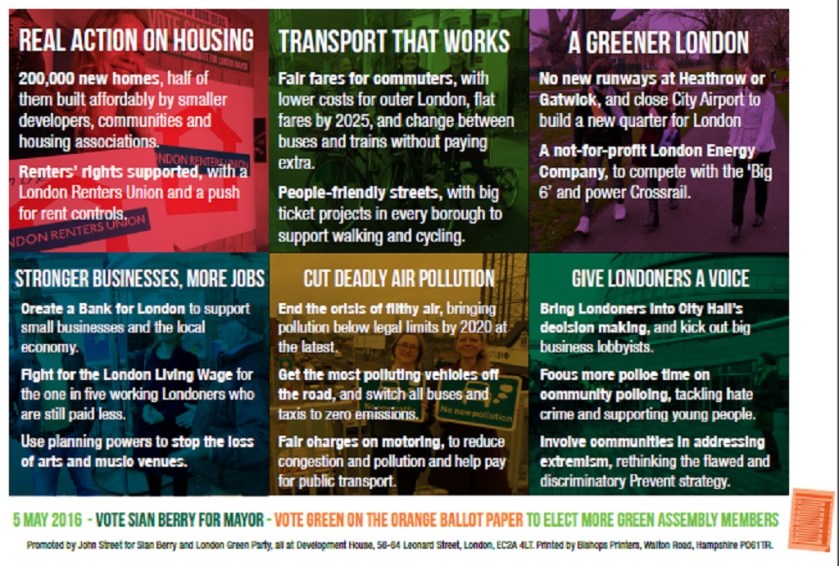
The Green Party manifesto for the London Mayoral elections in 30 days time is now out, and very impressive it is too. Here are some links for you to follow up:

So, for all my London based readers, vote for Sian Berry in the mayoral elections.
A few of the images that feature in today’s post were done on Tuesday, most today. All are of items that will be going under the hammer on April 27th. We aim to have our catalogues ready about one month before the sale, which with a two-day sale coming up on the 30th and 31st effectively means that I have tomorrow and next week at my disposal for imaging.
I will start with the images from Tuesday that I considered worth sharing…


Today’s images cover a wide range of interests, and I will deal with the best of them by category…
These items are in 250s to low 300s, so will go under the hammer near the end of the second hour of the auction…
Next up in today’s whistle stop tour are some bulk postcard lots…
To finish, some interesting miscellaneous items…
The District line gets the aspiblog treatment.
The title of this post comes from the title of Piers Connor’s history of the District Line, which is getting the aspiblog treatment this week…

As with that of it’s second youngest, the Victoria, almost precisely a century later, London’s second oldest underground line’s initial opening occurred in three phases between 1868 and 1871. After the third and final phase of opening the Metropolitan District Railway (as it was officially called at that time) looked like this:

A running theme of these early years were squabbles between the District and the Metropolitan over the completion of The Inner Circle (now the Circle line) and who could run their trains where. In the 1870s the District started producing maps for the benefit of their passengers, as these pictures show…

I do not know what these very early maps looked like, but here is a picture of my facsimile of a pre-Beck geographical map…

The Richmond and Wimbledon branches were both opened during the 1870s, followed by branches to Hounslow (the origin of the Heathrow branch of today’s Piccadilly line), Uxbridge (again handed over to the Piccadilly in the 1930s) and between 1883 and 1885, before being pared back to Ealing Broadway, Windsor (more on this later). The current eastern terminus of Upminster was reached (by a grant of running powers rather than new build) in 1902, and for a brief period as this reproduction postcard shows occasional District line trains ran to Southend and Shoeburyness…

Additionally, a branch to Kensington Olympia was created, which linked to a corresponding branch south from whatt is now the Hammersmith and City. Also, sometimes services ran from the district line north of Olympia to Willesden Junction. Additionally, there was a spur to South Acton and even briefly a terminus specifically to serve Hounslow Barracks.
In the 1930s a lot of the western services (Hounslow and Uxbridge specifically) were transferred to the Piccadilly line, while the Hounslow Barracks service ceased to exist, and the South Acton spur was abandoned.
Nevertheless, with main western termini at Wimbledon, Richmond and Ealing, and a cross branch serving Wimbledon, Edgware Road and Kensington Olympia the District remains a very complicated line.
Although I leave the eastern end of the line unchanged, my suggestions for the District involve some very dramatic changes. My plans for the Wimbledon, Edgware Road and Olympia branches will form the subject of a later post, and for the moment I will settle for saying that these branches would cease to form part of the District line, and that as with my changes involving branches that would remain part of the District line the plans involve making use of a feature that might otherwise be problematic (see The Great Anomaly), the fact that being one the older lines, this line was built to mainline specifications. Although my plans for the Richmond and Ealing branches are big, they involve only a small amount of new track – enough to link the lines that serve Windsor and Eton Riverside and Windsor and Eton Central forming a giant loop at the western end of the line. This loop would link with my suggested London Orbital Railway at Staines and at West Drayton. Thus in place of the current fiendishly complex District Line there would be ‘horizontal frying pan’ line, with Upminster to Turnham Green serving as the handle in this model. It would also make possible a reissue with appropriate modifications of this old poster…

From Richmond to Gunnersbury the District and London Overground share a route, which features one of only two above-ground crossings of the Thames on the entire network (the other is Putney Bridge – East Putney on the Wimbledon branch of the District). Richmond features a deer park, as advertised on this old poster…

Kew Gardens actually has a pub that is built into the station, and serves a world famous botanic garden…

Gunnersbury is not very significant, although the flying junction that this branch forms with the rest of the District line just beyond here and just before Turnham Green is very impressive, to the extent that it too has featured in a PR campaign back in the day…

The section from Ealing Broadway to Acton Town includes a depot which features the steepest gradient on the system at 1 in 28 (passengers are not carried over this gradient – the steepest passenger carrying gradient is 1 in 32). At Ealing Common the District and Piccadilly lines converge, not to diverge again until the Piccadilly goes underground just east of Barons Court and even then, the Piccadilly follows the District at a deeper level until South Kensington. Between Acton Town and Turnham Green the District calls at Chiswick Park. After Turnham Green the District has stations at Stamford Brook and Ravenscourt Park. From the latter the remains of the viaduct that once carried trains from what is now the Hammersmith and City lines onto these tracks can still be seen. Beyond Hammersmith and Barons Court the District calls at West Kensington before arrving at the grand meeting point of Earls Court. Immediately east of Earls Court is Gloucester Road (pronounced glos-ta not glue-cess-ta – Americans please note), which at platform level has been restored to something like it would have looked in 1868, while the frontage at surface level is as nearly restored as the creation of a new shopping centre permits…


One stop further east at South Kensington is an original shopping arcade of the sort that several stations were provided with back in the day, complete with some splendid decorative ironwork (pictures photographed from London underground: The Official Handbook…)
One stop on from South Kensington is Sloane Square, which I remember from growing up in London is the station that served Peter Jones (a huge department store). Also, a large pipe above the platforms here is the only routinely visible sign of the river Westbourne (for more detail click here). From Sloane Square, the line visits Victoria (the ultimate transport hub). We are about enter a section of the journey featuring a lot of landmarks, so I will be giving each station I cover a section heading, starting with…
This station is the local station for London Underground’s official headquarters, located at 55 Broadway. It is also, along with Temple and Mansion House one only three stations on this section if the district to be served only by the district and circle lines.
The local station for the Houses of Parliament and Westminster Abbey (officially the Collegiate Church of St Peter). The Abbey was originally founded by Edward the Confessor, who reigned from 1042-1066. While many look askance at the amounts of money trousered by folks in the House of Commons these people are at least elected, whereas in the House of Lords large sums of money go to people who are not elected, some of whom barely bother to attend and the vast majority of whom have demonstrated time and again that they are a waste of space. Even Baron Kinnock of Bedwelty, who has personally profited hugely from the existence of the House of Lords reckons that it is ripe for abolition. Since the opening of the warped (I will not dignify it with the word modified) Jubilee line extension in 1999 there has been an interchange here.
The station that has been through more name changes than any other on the system (people couldn’t decide whether Charing Cross, Embankment or both should be emphasised). The issue was put to bed for good in 1979 when the Jubilee opened, and its Charing Cross terminus created interchanges with what had previously been separate stations, Trafalgar Square on the Bakerloo line and Strand on the Northern, which meant that with Charing Cross definitively settled on for the marginally more northerly of the stations, this one had to be plain Embankment. The Embankment from which this station takes its name was designed as part of the building of this line by Joseph William Bazalgette, who also designed London’s sewer system. His great-great grandson Peter is a well known TV producer with some good series to his credit and Big Brother to his debit. This, photographed from the Piers Connor book is a diagram of the profile of the Embankment…

This is the only station name to feature both on London Underground and the Paris Metro (it also features on the Hong Kong network). In the days before the Aldwych branch of the Piccadilly line was axed there was an interchange here, as Temple is very close to Aldwych.
A station which derives its name from the Dominicans, who were referred to as black friars because of the colour of their habits. There is an interchange with both Thameslink and South Eastern here. Also, it is one end point of short scenic walk, which takes in a bridge over the Thames, Gabriel’s Wharf, The Oxo Tower, the Bernie Spain Gardens and the vast collection of attractions that between them constitute The South Bank, finally ending at Waterloo. Also if you go East instead of West after crossing the river you can take in the ruins of Winchester Palace (the former London residence of the Bishop of Winchester) and Clink Street, once home to a prison so notorious that ‘clink’ became slang for prison, a building that now houses London Dungeon, ending at London Bridge (you could continue yet further east – to Greenwich or even Woolwich were you feeling strong). I have done Waterloo – London Bridge and also Greenwich-London Bridge, and indeed Woolwich-Greenwich, so all these indvidual stretches are comfortably manageable. Also in this part of the world is Sainsbury’s main post-room where I once temped for a week (giving the agency feedback I took the opportunity to make it clear that I would not take any more work in that particular establishment – it was hell).
This name is either contradictory (a mansion is different from a house, being much larger) or tautologous (a mansion in a kind of large house) depending on your definitions. From 1871-1884 it was the eastern end of the District. The building after which the station is named is “the home and office of the Lord Mayor of the city of London” – an office filled four times by Richard Whittington (for once the story underplayed the the truth) in the fourteenth century.
A mainline rail terminus, albeit not a very significant one.
I mentioned this station in my post about the Central line because it is connected to the various lines that serve by Bank by means of escalators. This interchange was first created in 1933, but the current arrangement dates only from the opening of the Docklands Light Railway terminus at Bank.
I have given this station an individual post to itself. From here the Circle and District diverge, the Circle going round to Aldgate while the District heads to Aldgate East. It is also at this point that I abandon for the moment separate station headings.
At Aldgate East the Hammersmtih and City line joins the District and they run together as far as Barking. In between Aldgate East and Whitechapel there used be a line connecting to Shadwell (formerly East London Line, now London Overground). Whitechapel has been in the news recently because a museum that was given planning permission on the basis of being dedicated to the women of the East End turned out when it opened to be dedicated to Jack the Ripper. This has been the subject of a vigorous 38Degrees campaign seeking both to get the monstrosity closed and to establish a proper East End Womens Museum. Some of those involved in the campaign met with the mayor of Tower Hamlets recently, and he has apparently been sympathetic and has confirmed that he too is unhappy with the way the planning process was subverted by an act of calculated dishonesty. Beyond Whitechapel, the line has an interchange with the Central line at Mile End which is unique for an interchange between ‘tube’ and ‘subsurface’ lines in being cross-platform and underground, Bow Road, which has an interchange with the Docklands Light Railway station at Bow Church is the last station on the line to be in tunnel. East of Bow Road the line rises on a 1 in 45 gradient to emerge into the open some way before Bromley-by-Bow. West Ham is nowadays a major interchange, featuring mainline railways, the Jubilee line, the Docklands Light Railway (this section which runs from Stratford to Woolwich was once part of the line that became the nucleus of London Overground, which originally ran from Richmond to North Woolwich, but now terminates at Stratford) and of course the District and Hammersmith & City lines. The main line railway runs side by side with the District to Upminster, and then continues to Southend and Shoeburyness. Upton Park is until 2017, when the club in question move to the Olympic Stadium, the local station for West Ham United’s home ground. Barking in the eastern limit of the Hammersmith & City, also the terminus of London Overground branch from Gospel Oak and an interchange with mainline railways. Upminster is the easternmost destination currently served by London Underground.
For this section I will be reverting to individual headings for station names…
A four platform station, where the Hammersmith & City line and the District and Circle lines meet (do not be fooled by the fact that both have stations called Paddington). This is the only one of the original 1863 stations to be served by District line trains.
Why have I given this station a suffix that does not feature in it’s current title? Because the current plain “Paddington” designation is misleading – although the interchange to the Bakerloo line’s Paddington is a sensible one to have, you do far better for the mainline station and Hammersmith & City line to go on one stop to Edgware Road, make a quick cross-platform change to the Hammersmith & City and arrive at platforms that are structurally part of the mainline railway station (the two extra stops – one in each direction – plus a cross platform interchange taking less long between them than the official interchange up to the mainline station from here. Therefore to avoid misleading people the title of this station should either by given a suffix or changed completely, and the only interchange that should be shown is that with the Bakerloo. I have previously given Paddington a full post to itself, but failed to make the foregoing points with anything approaching sufficient force.
This station is on the north side of Hyde Park, and like the two on either side of it still has the same style of roof over the platforms as when it opened – a style now not seen anywhere else on the system.
I refer you to my previous post devoted to this station.
This is the point at which this branch of the District diverges from the Circle line. The District branch continues south to the “Crewe of the Underground”, Earls Court, while the circle goes round to Gloucester Road (this section of track features in the Adventure of the Bruce Partington Plans, being the point at which the body of Arthur Cadogan West was fed through a rear window of a flat occupied by one Hugo Oberstein onto the roof of a conveniently stationary train, where it remained until being shaken off at Aldgate. Mycroft Holmes was sufficiently discombobulated by the case to change his routine (a thing so rare that his brother the consulting detective Sherlock Holmes likened it to seeing a tram car in a country lane) and pay a visit to Baker Street to seek assistance.
Trains to all manner of destinations pass through this station, but for the District it is a mere side branch..
An interchange with a London Overground branch. This station is fully open to the elements, as are all the others we have still to pass through.
The local station for Chelsea FC’s home ground, Stamford Bridge.
This would become a District line terminus, with an interchange to the new Hackney-Chelsea line, under official plans. In my personal ideas for the future it would be an interchange point but no terminus.
The local station for Fulham FC’s home ground, Craven Cottage. This would also be the best station to travel to if you wished to catch the Boat Race, second oldest of all the inter-university sporting contests.

The oldest of all the inter-university sporting contests is the Varsity Cricket Match, first played in 1827, two years before the first Boat Race took place.
This station is the first of a section that used to be mainline railway.
Another stop with a sporting connection – this is the local station for the world’s most famous tennis championship – Wimbledon. Although I have already given this station a full post, I show this picture again…
The second to last stop on our journey.
As we approach this station, we first join up with the mainline services from Waterloo coming in from Earlsfield, and then with Thameslink services coming in from Haydons Road. Wimbledon is also one terminus of the London Tram system. Along the north side of the tracks as one approaches Wimbledon runs Alexandra Road, and we pass underneath a bridge carrying Gap Road across the tracks to a junction.
I have a few promotional pictures still to share, and some maps to round out this post. Other than that, I hope you enjoyed the ride…