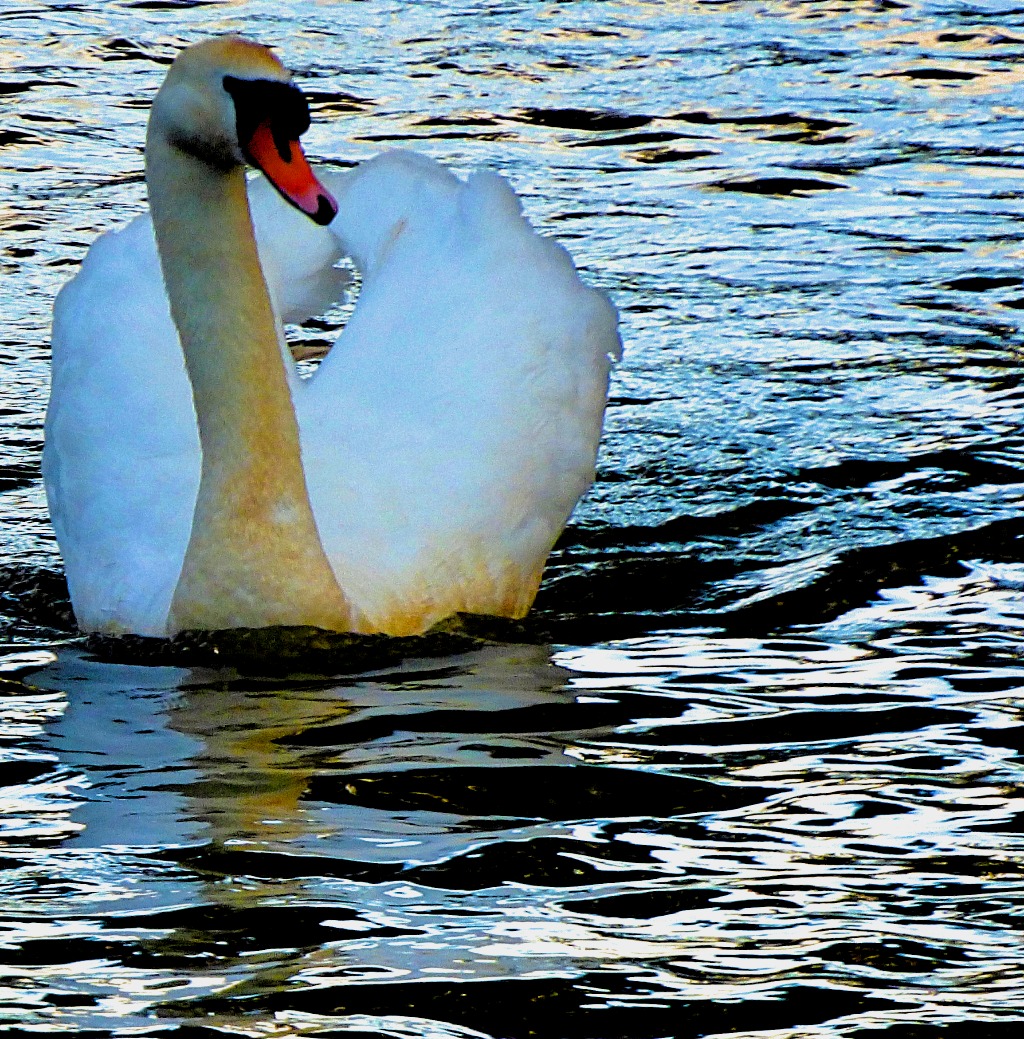
The Gaywood River

An account of an educational event about the Gaywood River that took place in the Scout Hut on Beulah Street on Sunday.

INTRODUCTION

I have had a very busy few days, which is why there have been no new posts here since Saturday. I will mention my activities since Monday in later posts, but this post is solely concerned with the activity that dominated (in a good way) my Sunday. At the end of this post I will be including a variety of links related in various ways to its content. Here is a map showing the course of the Gaywood River:

FINDING OUT ABOUT THE EVENT

I got an email from my aunt a few days before the event was due to happen explaining her role in it and asking if I wished to meet her there and go back to hers for sausage and chips or if I would prefer a saturday supper. I decided that the event could be quite interesting, so I opted for the former course of action.

GETTING THERE

Since the event was taking place at the Scout Hut on Beulah Street, which is on the bank of the Gaywood (Beulah Street ends in a bridge that crosses the Gaywood into the car park that serves the Scout Hut) I was going to walking, and since it was a bright, sunny morning I decided on an extended route. Leaving my flat I headed across Baker Lane Car Park to the bridge over the upper Purfleet, heading across King Street to the north bank of the lower Purfleet. Here are some photos from that early part of the walk:

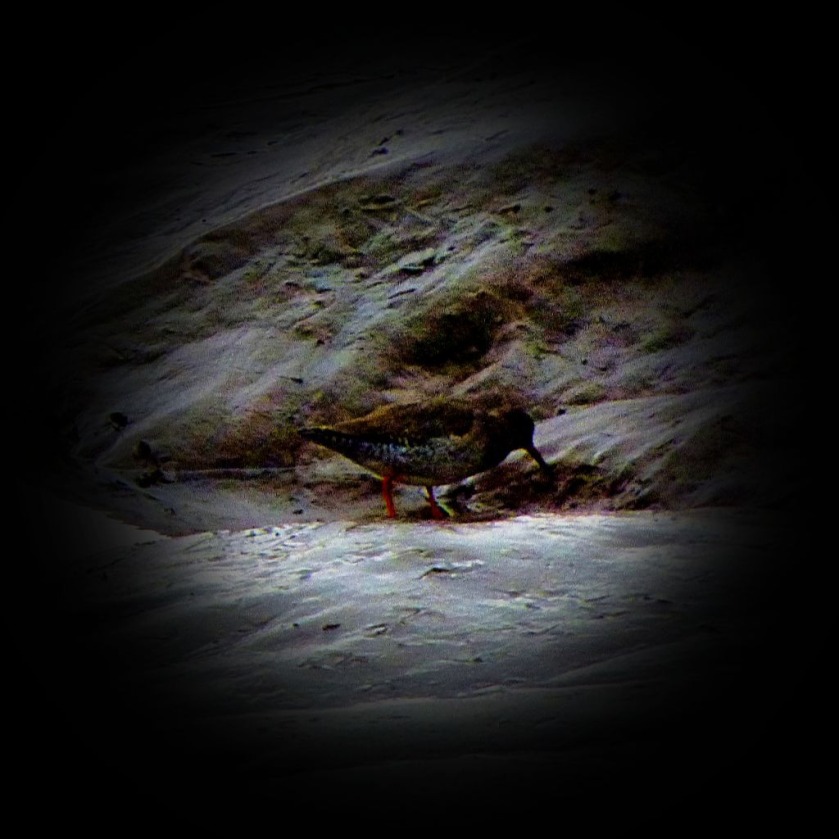
Moorhensigull with spread wings

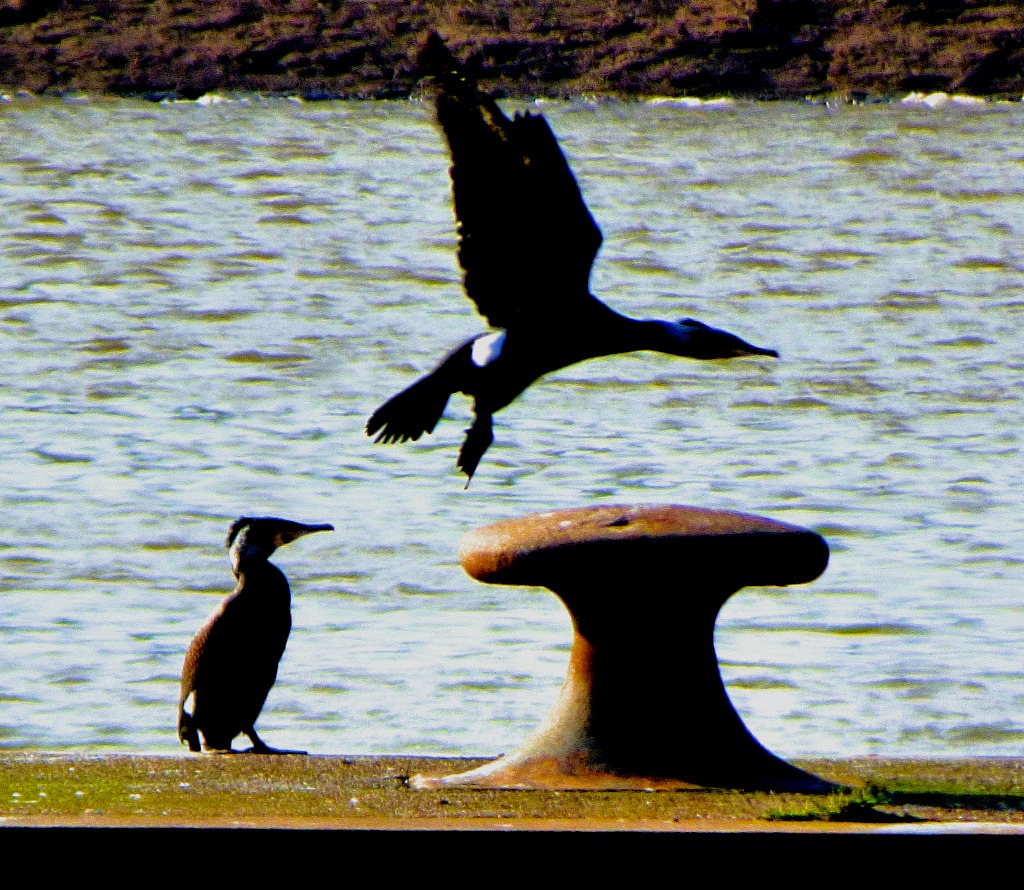
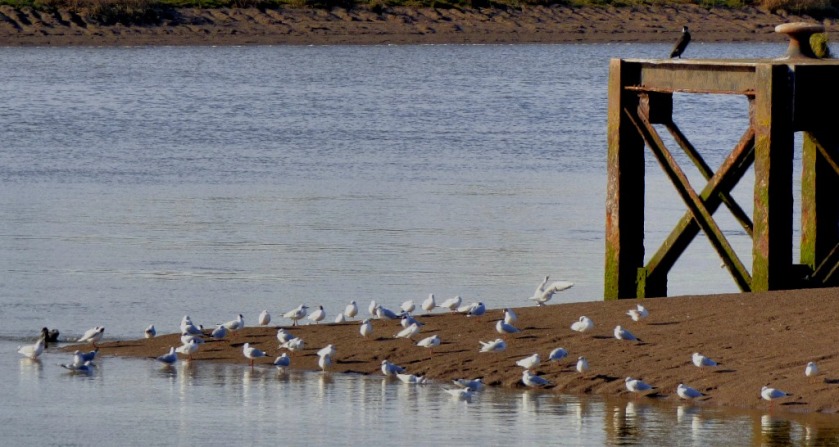
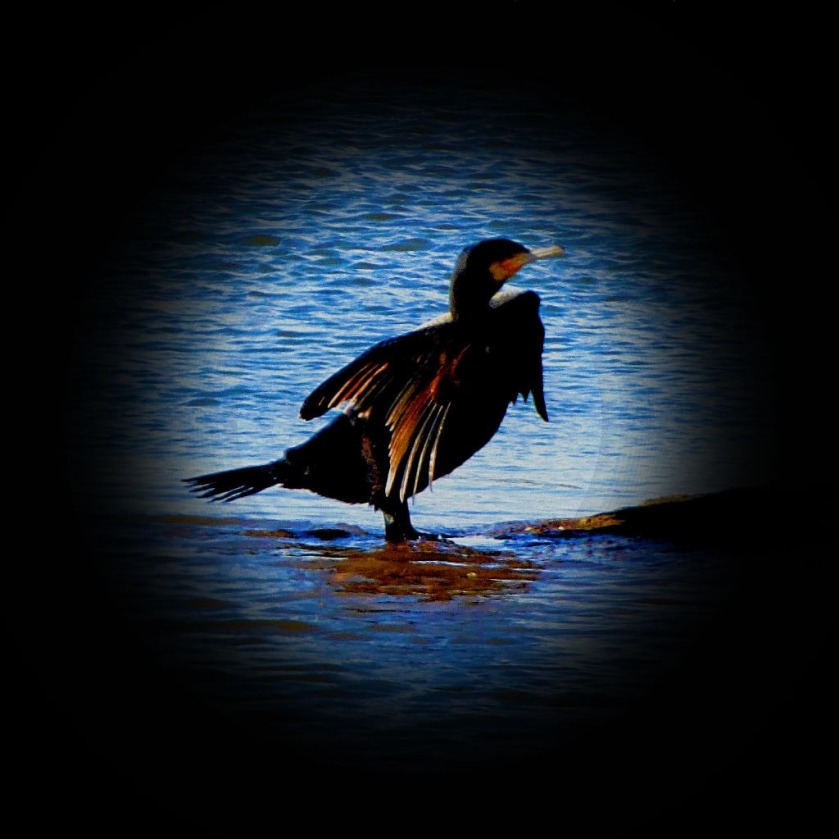
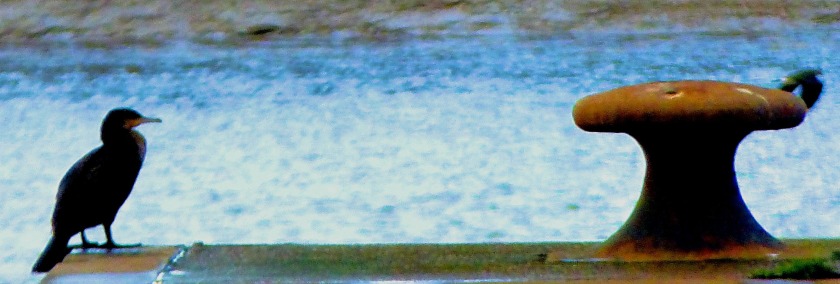
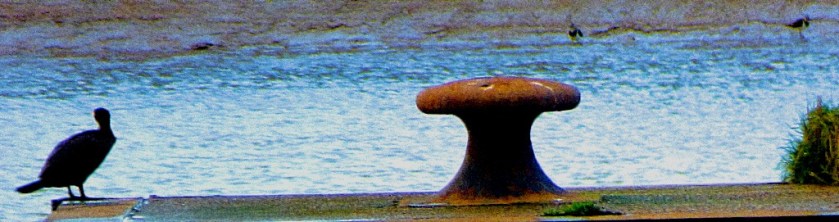
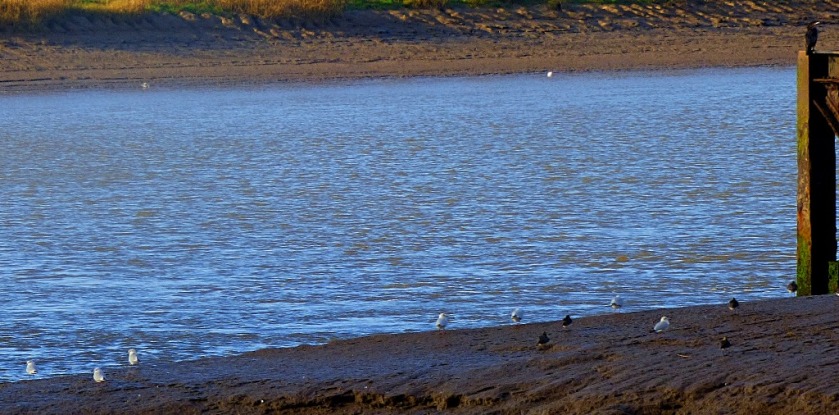
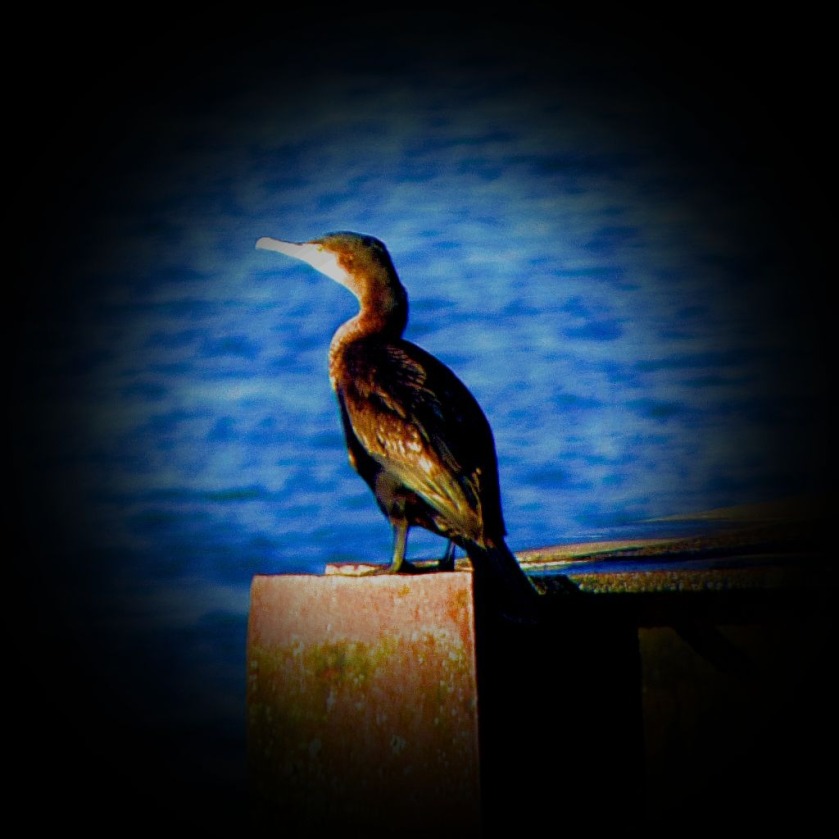
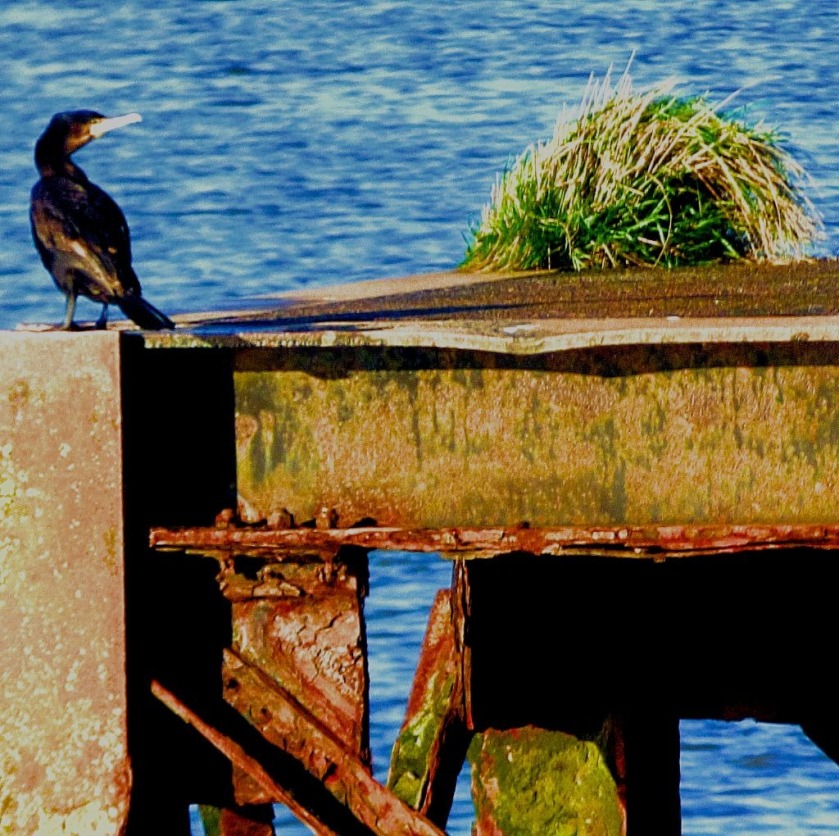
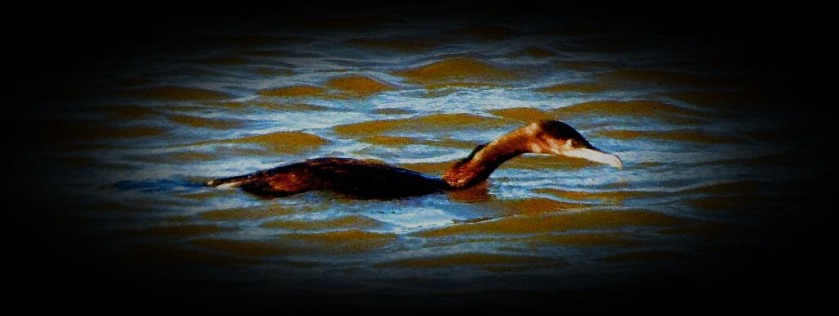
From there I followed the line of the Great Ouse as far as my favourite cormorant observation point…

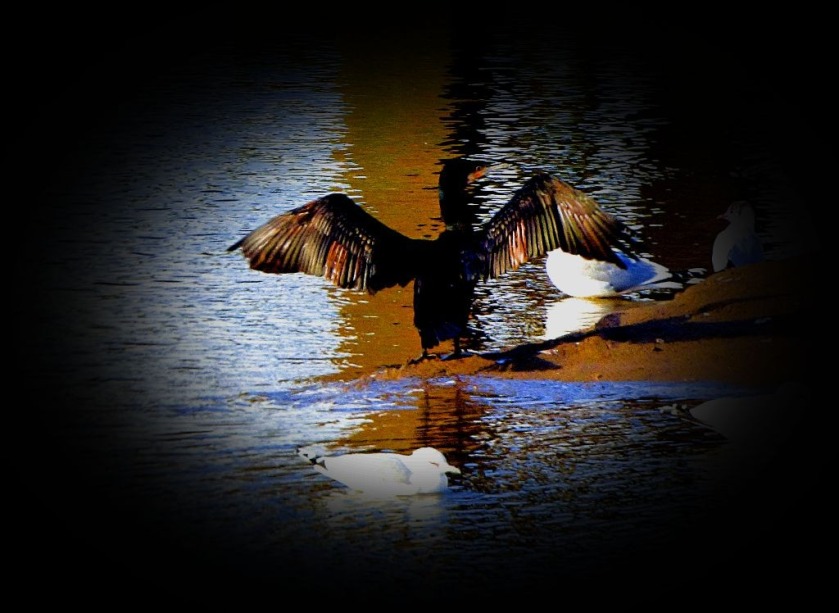
BoatCormorantiCormorantiiCormorantiiibirds 'n' churchcormorantiv

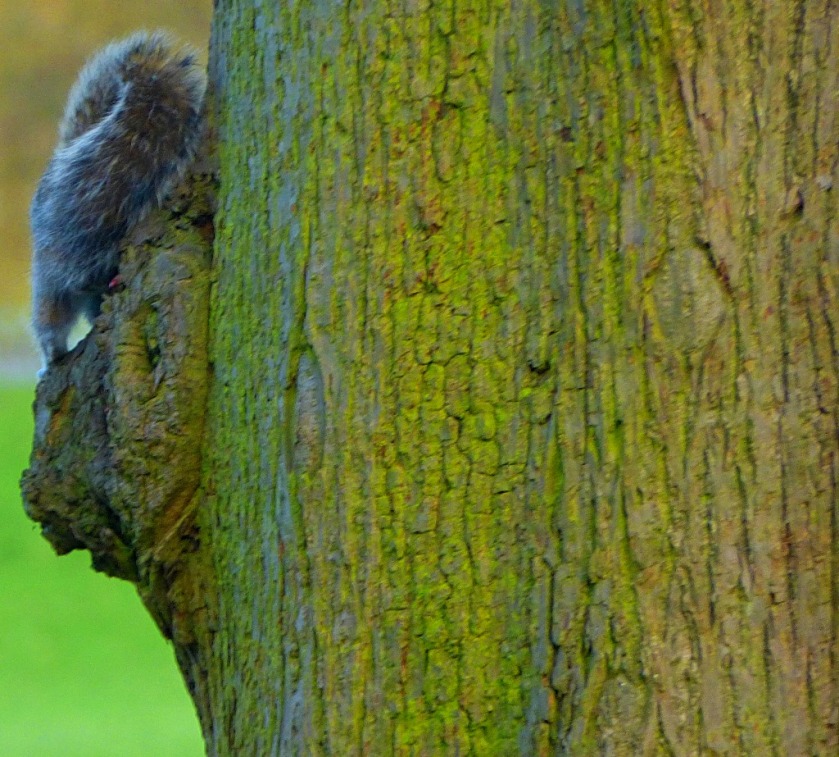
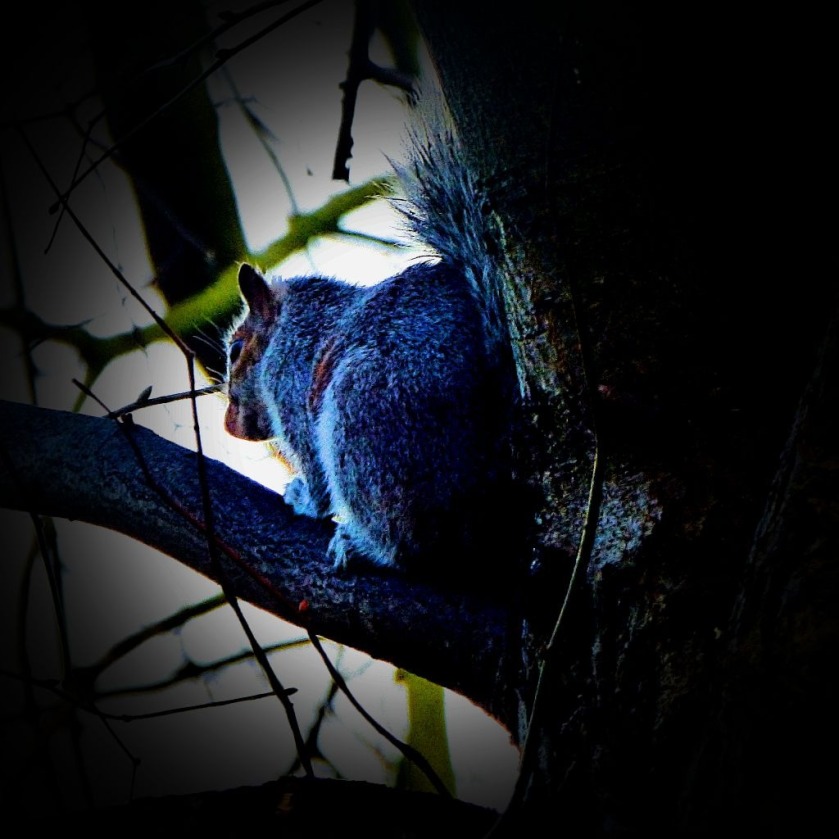
…before heading round by way of All Saint’s Church to the Library and entering the parkland area, following the Broadwalk until the path through the Vancouver Garden splits off from it, when I followed that and then the path out of the Vancouver Garden that joins the Tennyson Road end of St John’s Walk, at which point I was back on what would be the officially recommended walking route to Gaywood. There were squirrels about (in King’s Lynn only the grey ‘bushy-tailed rat’ variety as opposed to the red ‘Squirrel Nutkin” variety), though it is not always easy to get good photos of them…

SquirreliiiSquirreliv

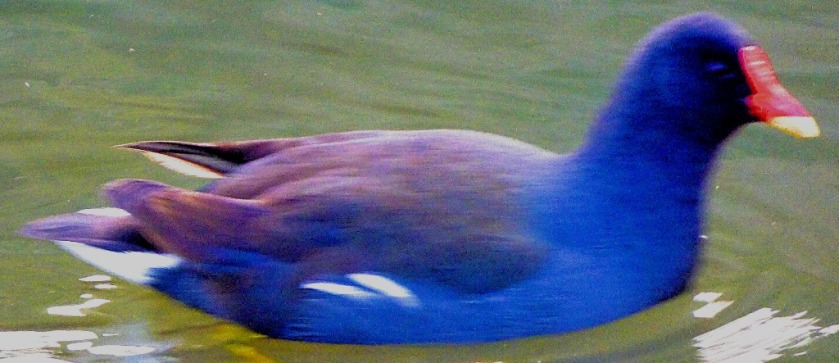
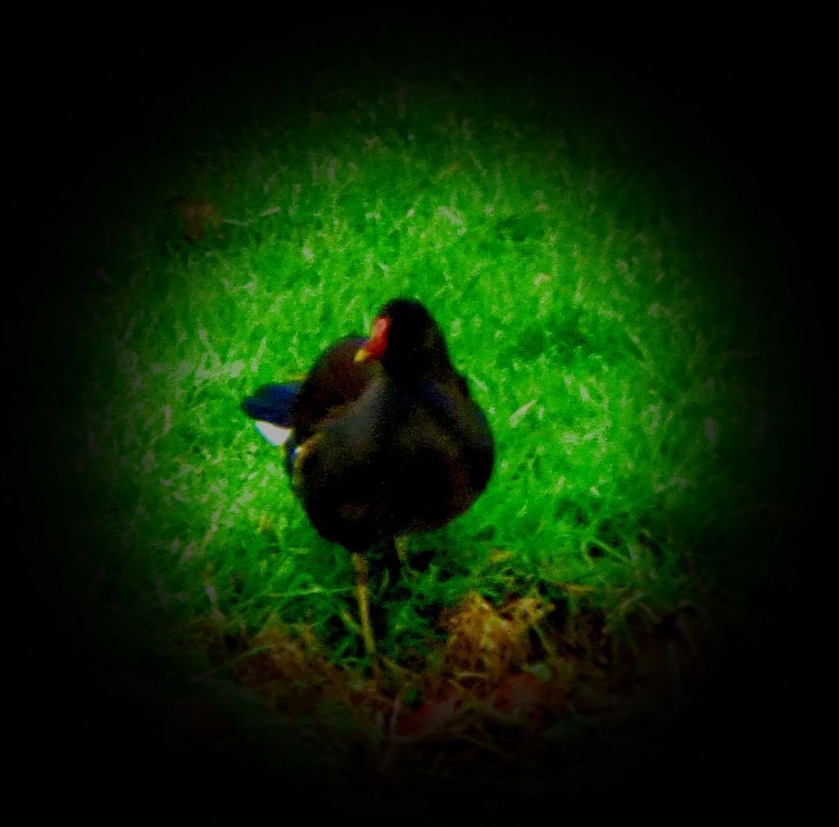
Moorhen Chick
This picture and the next feature the heavily sculpted segment of the Gaywood River that passes through the parkland.

Moorhen parent and child

Traini
Apart from photograph opportunities the other plus side to being held up a by a train at the Tennyson Road level crossing is that you can cross the road itself in perfect safety as the cars are all stationary.

trainii

From Tennysod Road I followed the footpath the runs between the King Edward VII Academy and the Lynn Academy to Gaywood Road, which I crossed, then crossing the Gaywood on a pedestrian bridge before following its bank all the way to the Scout Hut. 

Butterfly
Although darker than their usual colouring I think from the markings that this is a peacock butterfly.
Gaywood river
A section of the Gaywood River

AT THE SCOUT HUT

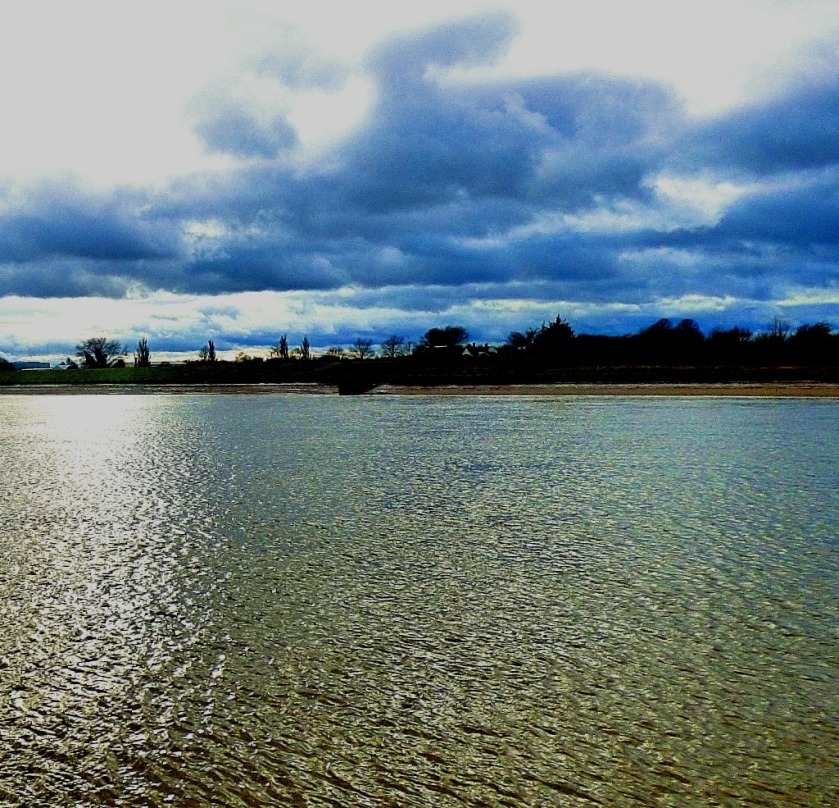
Immediately outside the Scout Hut the Gaywood Valley Conservation Group had a gazebo and display boards (it was there that I took the photo that appears in the introduction). 

GazeboDisplay boardGaywood Valley 1LeafletsDisplay BoardGaywood Valley 2Gaywood Hidden HeritageGaywood Valley 3Display Board

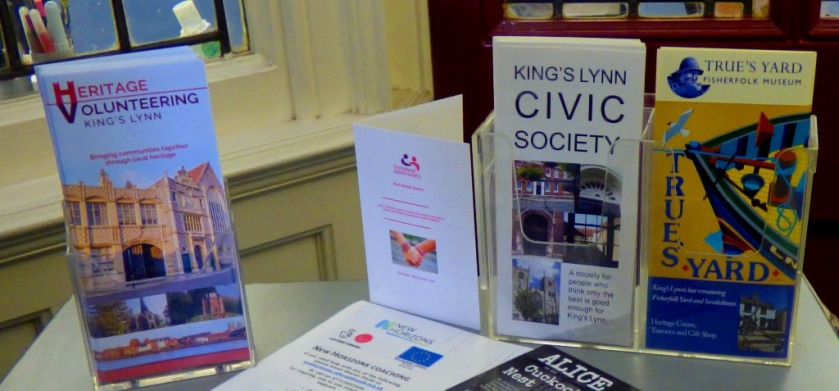
Inside the hut was the Civic Society Stall, a cake stall, and various river related learning activities (colouring in pictures of river creatures for the artistically minded, an A-Z quiz of which more later). Although it was not the first thing I looked at, because it was my aunt’s reason for being there I start with…

THE CIVIC SOCIETY STALL

They were looking for people who knew about the history of the Gaywood river, because information boards will be going up at various points along it. They already had some good stuff, but wanted more.

Civic Soc display boardCS1CS2CS3CS4183818101960Wall DisplayMKBUrban Trees

Now we turn out attention to…

THE REST OF THE INDOOR ACTIVITIES

The cake stand looked awesome but discipline prevailed, and I did not sample any of the products. Although it was not really aimed at people my age I did the quiz, and predictably got all the answers in short order. The colouring proved popular, and many of the coloured creatures were then stuck on to a large picture of a river on the wall of the hut.

Quiz
I will reveal the answers (just in case anyone did not get them all) in a later post.

Colouring sheetsWall riverCakescolouring table

That is the inside stuff finished, but there was also plenty going on…

IN THE BACK GARDEN

There were two major centres of activity in the back garden, and I make my first port of call there, as I did on the day, at…

THE NORFOLK WILDLIFE TRUST GAZEBO

The Norfolk Wildlife Trust were showing children how to make portable ‘bug hotels’, and they also had a natural history display including a folder full of photographs of animals, and a stash of leaflets, to which I may return in a later post. 

NWTNH1NH3NH2NH4NH5NH6NH7NH8NH9NH10NH11NH12NH13NH14NH15NH16NH17NH18NH19NH20NH21NH22NH23NH24NH25NH26NH27NH28NH29NH30NH31NH32NH33NH34NH35NH36skull

We now come to what was for me the best of all the exhibits, courtesy of…

THE NORFOLK RIVERS TRUST

There were two parts to this exhibit. The minor part was display showing graphically how different treatment of land in the winter affects the soil:

Winter demo 1
These three models were side by side demonstrating what happens to soil when there is nothing there at all – gets washed straight into the river)…
Farm demo 2
When there are dead leaves covering it – still lots of it ends up in the river…
Farm demo 3
…and what happens when something suitable is planted – note the much clearer water at the end – most of this soil remains in place.

The second part of this display was a living exhibit from the river – two large buckets of river water with creatures that naturally live in it there to be seen (the amount of dissolved sediment in the water, the small size of these creatures and the fact that some of them live on the bottom of the river means that this the only way to make them visible). There was also a small sample dish which the person running the exhibit used to show as very small curiosities…

Caddis House
This is one of nature’s smallest houses – within it is a caddis fly larva, and at some point the adult fly will emerge.
Stickleback
The next three shots are of small sticklebacks.

Stickleback 2Stickleback 3

Gudgeon 1
This was described as a gudgeon, but looks different to the other gudgeons we will see later. The silvery sheen to its scales suggests a dace to my eyes.

Water shot

Stickleback 4
I am not sure what this piebald fish is, though it could be a stickleback.

Water shot 2

Sample dish
This shot of the sample dish showing the thumbnail of the dxemonstrator reveals just how tiny that Caddis fly home actually is – it was in this same dish that I saw it.

Water shot 3Water shot 4Water shot 5SaladsPond animals

Gudgeons1
Two gudgeons in the second bucket – note that as would be the case in the river they are at the bottom.

Gudgeons 2Water shot 6two sticklebacksWater shot 7Water shot 8Water shot 9

There was also a story teller outside…

Story

LINKS

To start this section we look at organisations who were actually involved in some way or other with this event:

Now we have a few science and nature websites:

  • Wildlife & Planet – interesting stuff about wildlife from all over the world.
  • WEIT – the website that grew out of Jerry Coyne’s classic book Why Evolution is True. 
  • Science Whys – the blog of Brandeis biology professor James Morris.
  • Rationalising the Universe – sets about accomplishing the big task laid out in its title and does a good job of it.
  • Faraday’s Candle – a science website that will really illuminate your life.

I conclude this section by mentioning a couple of bloggers who regularly feature nature in their work:

  • Cindy Knoke – keen photographer and nature lover. Below is the feature image from (and link to) her most recent post:
  • Anna – her posts about fighting to save nature in her part of the world are always inspiring, and her two recent series of posts “Paradise on Earth” and “Butterflies in Trosa” are both stunning. Below is the feature image from (and link to) her most recent butterfly post.

CONCLUSION

This was an excellent event and I learned a good deal about the history and nature of the Gaywood River. I have one kvetch which is that the event was poorly publicised – I only found out about it through my aunt and then only a few days before it was happening, meaning that anyone else I might have alerted would almost certainly have had other plans. If half of you have enjoyed this post even half as much as I enjoyed the event I have done a good job. I finish by urging you to take the time to follow up those links.


Coming Up – A Trip to Cornwall

Letting people know that I will be visiting Cornwall in the near future, and a few other bits and bobs.

INTRODUCTION

My parents have recently moved to a place near Plymouth, and all they are currently out of the country travelling they will be back for a month or thereabouts from late October. I will be visiting their place in mid-November. I have asked for leave on the 9th and 10th of November so that I can go down on the 8th and come back on the 13th. 

THE JOURNEY

To get from King’s Lynn to Plymouth (nearest station to my parents’ new place) by public transport one needs to to travel from King’s Lynn to London King’s Cross, get a Hammersmith & City line train from King’s Cross to Paddington and then travel from Paddington to Plymouth (I already knew this). The journey takes in the region of six hours (I expected this to be the case but until I investigated did not know for certain). This why I requested leave for the two days concerned because the two days on which one travels are not going to be much use for anything else. 

THE TICKETS

I discovered via www.thetrainline.com that tickets were available for £57. Thus I have made the booking and picked up the tickets.

COLLECTING THE TICKETS

Having made the booking I was assigned a code I could use to collect the tickets:

KL-PLY

I decided that memorising an alphanumeric code of eight characters would be a bit of an ask even for me, so I called in at the library where I could screenshot the email containing the above, paste into paint and edit as appropriate before printing at a cost of 10p. 

Library (1)Librarylibrary

From there it was a short walk through the park to the station to pick up the tickets. 

KL - PLY ticket
Outbound ticket
PLY - KL ticket
The Homebound ticket


Receipt
The receipt.

The email giving me the code to collect my tickets also included itineraries for both journeys.

THE BRILLIANT.ORG 100-DAY
SUMMER CHALLENGE

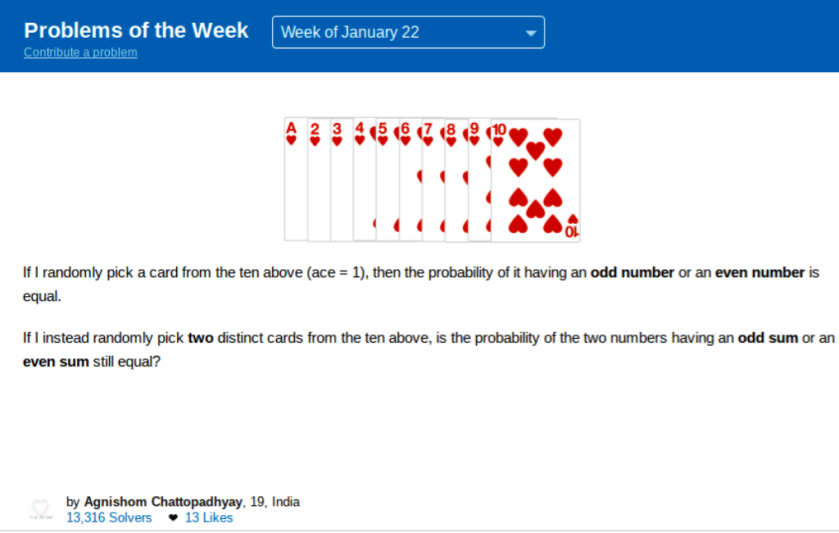
I recently received (by email) my certificate for having attempted all 100 of the problems (almost 50,000 people attempted at least one of these problems, of whom 1,797 attempted the whole lot).

Brilliant certificate

Here for you to peruse if you like are all the problems:
Brilliant’s 100 Days – All 102 Problems

This version features one problem per page:
Brilliant’s 100 Days – One Problem Per Page

Before moving on to the photographs that will conclude this post I offer you…

A PUZZLE OF MY OWN CREATION

Archaeologist and adventurer Idaho Johnson is near to making the biggest find of her life, but to do so she needs to get past the “Door of Death”:

Door of Death

Can you fill in the missing fourth vertical panel of numbers and get Ms Johnson through the “Door of Death”? As a bonus question can you identify the real door that I have used to create the above image?

PHOTOGRAPHS

Purfleet meets OuseS&TBirdsWaves on OuseThe AllaThe Alla signZBBoatZB nameGullGateway

Hairim Scarim
This ‘story stone’ is in Loke Road Rec.

SquirrelSNDAll Saints


Detective Fiction Meets Ornithology

A review of a new find – Steve Burrows’ Birder Murders, with some Norfolk bird pictures of my own for company.

INTRODUCTION

This post concerns two books by a writer I discovered in the last few days:

BMBs FCBMBs - BC

MAKING THE DISCOVERY

When I saw these in the library there was never any doubt about borrowing them – detective stories set in Norfolk and heavily concerned with birds looks a darned good mix. 

THE BOOKS

There is much of interest about birds and about North Norfolk in these books, and the strikingly different characters of each of the police officers makes for some good interplay between them. 

In the first of these two books, “A Siege of Bitterns”, the first victim is actually a birdwatcher. The second victim is a suspect in the first case until he is found dead. It eventjually turns out that the first case was not murder but suicide, and that the murderer in the second case was the MP.

In “A Cast of Falcons”, the hero’s boss, DCS Shepherd, is shown up in a very poor light when she initially refuses even to entertain the notion that the exceedingly rich Sheik who has bought an old dairy farm for his pet project (research on method of carbon capture) could be guilty. She shows herself to be more concerned with not annoying someone who is rich and powerful than with justice, which given her job is entirely unacceptable.

There is a third book in this series that I know of, called “A Pitying of Doves”, and it is sufficient comment on just how good these two books are that I have reserved a copy (costs 60p) and am awaiting it’s arrival at King’s Lynn library.

Siege of BitternsCast of Falcons

If you get the opportunity to pick up a book with the name Steve Burrows on the cover please take it!

SOME NORFOLK BIRDS

To finish this post here are some new pictures of Norfolk birds…

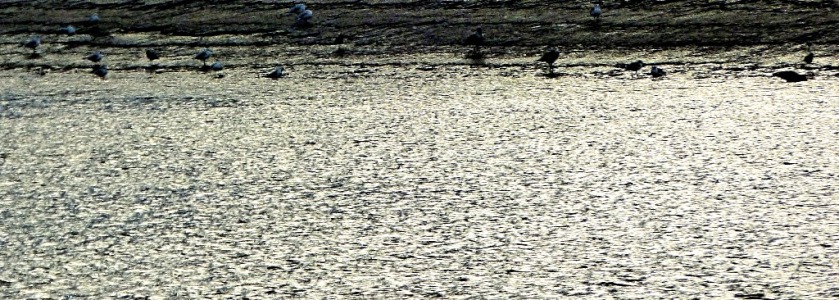
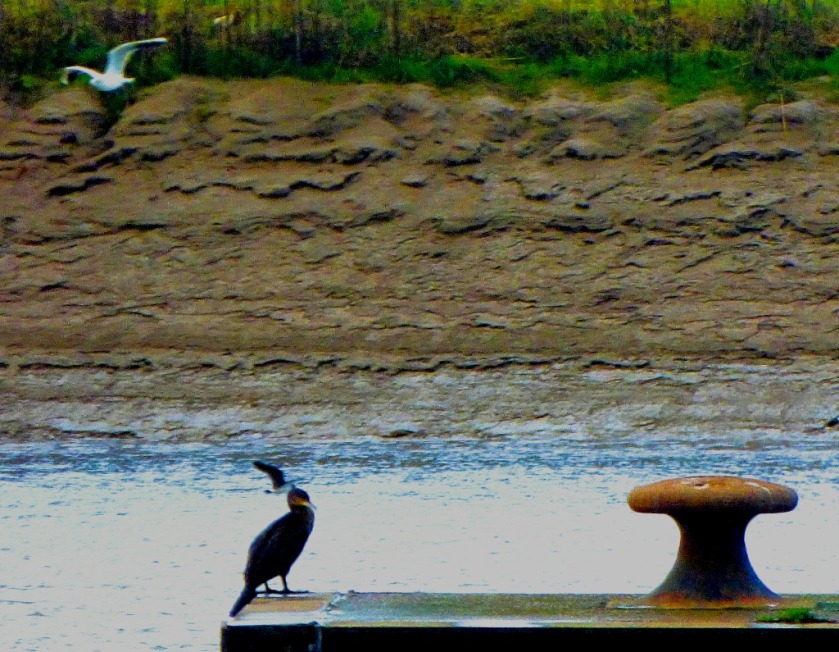
Bird MootBirdsCormorand and gullCormorant and gullsCormorant close-upCormorantGGGullsMagpieMoorhenPoserWingspan

The Musical Keys Session That Wasn’t

A walk, some dreadful weather and a double-booking. Also some photographs.

INTRODUCTION

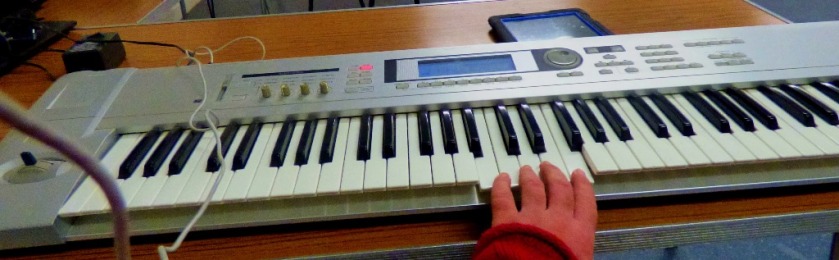
Musical Keys run regular sessions for NAS West Norfolk, and I attend these sessions both as a participant and in my role as branch secretary of NAS West Norfolk. Today should have been a Musical Keys day, and after lunch I set off on an afternoon walk with the Scout Hut in Gaywood as my envisaged final destination. 

A LITERAL DAMPENING

Although I was ultimately aiming for Gaywood I decided to lengthen the walk by going along the river bank as far as my regular cormorant observation point and then returning to the route to Gaywood by way of Seven Sisters and the Red Mount Chapel. Unfortunately I was near the end of the riverside stretch when the rain started coming down in stair rods, and it stayed raining all the way to Gaywood. Although Gaywood Library is small there are sometimes good books to be found there, and I did find some today.

A METAPHORICAL DAMPENING

While in Gaywood Library I logged into a computer, and it was there that I saw a facebook post telling me that Musical Keys had been cancelled due to a double booking. As I was still not fully dried out from the walk to Gaywood I was more than usually annoyed by this.

A POSSIBLE CHANGE OF LOCATION

This is not the first time we have had problems of this nature with this venue, so it is natural to be considering new venues. The British Red Cross have a suitable room in thier building at Austin Fields which is close to the centre of King’s Lynn. It is true that the principal approach from outside King’s Lynn, Edward Benefer Way/ John Kennedy Road, is prone to traffic jams, but I think the good outweighs the bad in terms of this venue. 

PHOTOGRAPHS

Even in the poor weather I experienced I was able to get a few decent photographs:

doves
This was taken in Fakenham yesterday – this window ledge is immediately outside my work area at James and Sons and these doves have been using it for a few days now.

moorhen family 1Moorhens and ducksMoorhens and ducks 2Tern 1Glaucous GullTern 2

2 flying cormorants
Two flying cormorants ine one shot – a first for me.
Flying cormorant
My second edit of that same picture, focussing on the nearer of the two cormorants.

Cormorant PlatformCormorantsKing of the Cormorant castleIII CormorantsFarewell to Cormorant PlatformMoorhen adult and child

The Ouse Amateur Sailing Club

The final post in my account of Heritage Open Day – dealing with the Ouse Amateur Sailing Club.

INTRODUCTION

Welcome to the final part of my account of Heritage Open Day 2017. Once I have published this post I will be creating a page to make this series of posts more accessible, but for the present my account of the day consists of:

  • Overview – covering the whole day and indicating which aspects of it would receive dedicated posts.
  • 27 King Street – Focussing specifically on the building where I did my stint as a volunteer steward.
  • 2 Hampton Court – A mainly photographic account of a unique experience at a property that is currently being renovated.
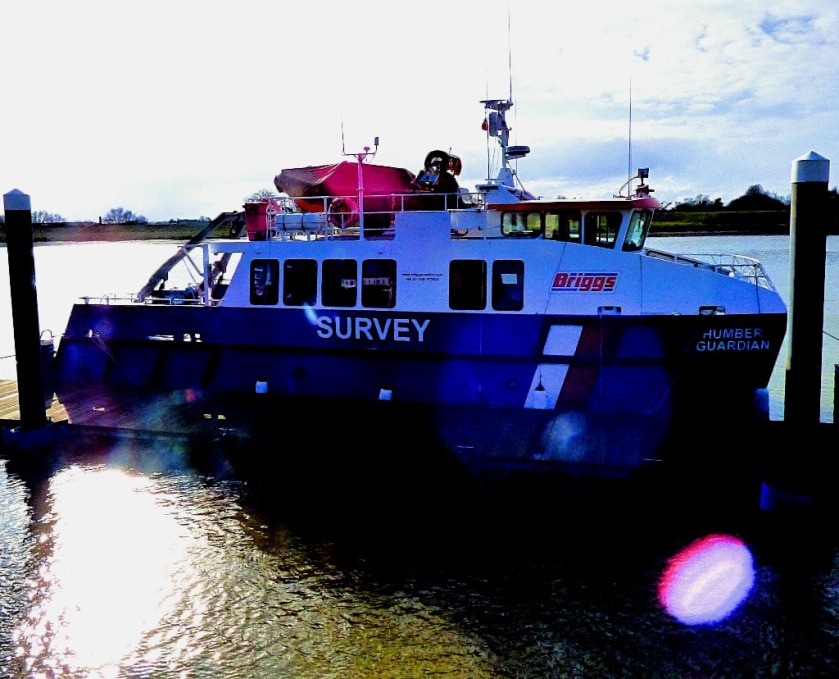
  • The IFCA Boat – My visit to the Inshore Fisheries and Conservation Authority research vessel moored at the pontoon jetty.

SETTING THE SCENE

After two hours volunteering at 27 King Street I was feeling drained because of the level of interaction involved in the process. I therefore decided to head to the Ouse Amateur Sailing Club on Ferry Lane, which opens it doors to non-members on Heritage Open Day, and where I could spend a bit of time on their river view terrace and decide whether to call it a day or to head home. 

AT THE CLUB

My pint purchased I duly headed for the terrace. The weather was too chilly to permit staying outside for too long, so I made periodic trips back inside to warm up. I resolved the decision of what to do next in favour of calling it a day, and headed for home having had a good day.

PHOTOGRAPHS

DrakesFerriesView from the terraceBirdsBirds 2FerryFerry 2Flying cormorant5218View from the terrace 2BuildingBlakeneyn to HappisburghBlakeney HarbourThe WashBrancasterKing's LynnBrass object

Ferry Lane
The one picture here not directly associated with the club, but since it kis at the top end of Ferry Lane it belongs here.


Puzzles and Pictures

A puzzle based on a blog post, a solution to an old puzzle, another puzzle from brilliant and some photographs

INTRODUCTION

Earlier today I put up a post titled “About Autism“, and because that post contained so much stuff this post is going to be much smaller – and with only a few links, all in one way or another puzzle connected. 

DERIVING A PUZZLE FROM A BLOG POST

Ester put up a post titled “Year 1729“, which featured the image below:

IMG_0079

The puzzle I am attaching to this is: which two famous mathematicians are linked by the number 1,729 and how did that link come about?

THE SOLUTION TO THE
MARBLES PUZZLE

In a post on Monday titled “Autism, Disability, Mathematics, Religion, Politics” which featured the following problem:
Marble Q

Below is first the answer that I gave, and then one of the solutions posted on brilliant:

answer

This solution from Arjen Vreugdenhil was particularly neat:

solution

NEW PROBLEM: TREASURE HUNT

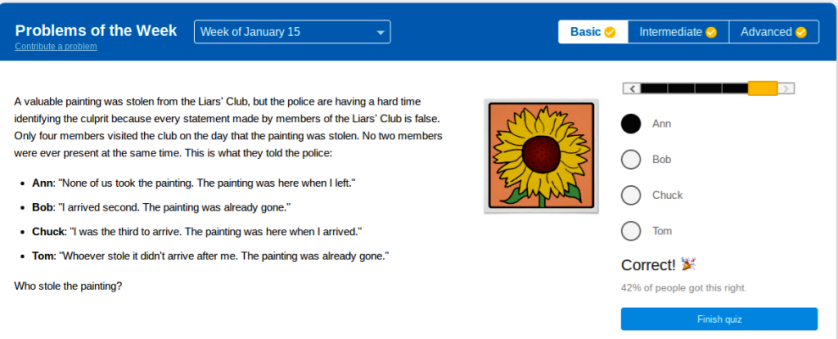
This is another problem from Brilliant – can you find the treasure?

treasurehunt

PHOTOGRAPHS

PC 2Cormorants and gullstaking the plungeLarge slugCormorants 5Cormorants 4Cormorants and West Lynn ChurchCormorants 3Cormorants 2CormorantsFlying gull agains sunsetFlying gullblack slugtownscape

Wagtail
This time the little wagtail has the shot to itself.


SBS

Some nature themed links and some of my own photographs. Snakes, butterflies and slugs feature prominently in this post, hence its title.

INTRODUCTION

Welcome to this nature themed post on aspi.blog. The title is formed from the initial letters of snakes, butterflies and slugs, all of which feature prominently. 

SOME SWEDISH STUFF

Of course when posting about nature and mentioning Sweden, Anna is going to feature prominently, but also featured here is the work of two Swedish photographers, Ingrid Benson who specialises in butterflies and John Jonasson who photographs reptiles.

A SERIES OF BUTTERFLY POSTS

Some of you may remember that I reblogged a post from fargaregardsanna about butterflies in and around Trosa that was marked as the first of a series. Well that series now runs to six posts, four posts based on the work of Ingrid Benson and two more featuring some of Anna’s own photographs. I now provide links to all of them:

  1. Fjärilar i Trosa – Butterflies in Trosa Sweden part 1 – the series opener – as all posts in this series are titled in this way the remaining links will only contain the part number at the end of the title.

  2. Part 2 – more from Ingrid Benson.
  3. Part 3 – more from Ingrid’s collection.
  4. Part 4 – the last of these posts to feature Ingrid’s work.
  5. Part 5 – the first of the two posts featuring Anna’s own photographs – I include two rather than the regular one as I could not decide between them.

  6. Part 6 – the last post (to date) in the series.

SNAKES

Anna put up a post titled “Snake day” featuring some pictures of snakes near where she lives…

…at the end of it she included a link to the site run by John Jonasson and featuring pictures and information about snakes.

A COUPLE MORE
NATURE RELATED LINKS

Firstly, from A New Nature Blog comes a post titled “Guest Blog: Agri-environment – a need for detailed scrutiny, by Steve Peel” which is quite a long post but well worth reading.

Secondly, from Mitch Teemley, comes a piece titled “Caterpillars Don’t Become Butterflies!” which explains the process of metamorphosis.
10298900_10203759279603307_7085417779304645126_n

MY PHOTOGRAPHS

We end as usual with some of my own photographs:

butterfly1
The first four of the six butterfly pics that open this set of photos were taken yesterday.

Butterfly2Butterfly3Butterfly4

Butterfly 1
This was taken today, and I thought even at the time that it was out of focus, but luckily…
Butterfly 2
I then got this.

moorhen and chickCorvid

small water creature
This was floating along the Gaywood river too rapidly for its progress to be down to the flow of the river (which is sluggish).
Slug 1
The slugs (three pics) – today is warm and just a bit damp – and the slugs love it that way.

Slug 2Slug 3

Swimming cormorants
Two swimming cormorants in one shot – a first for me.
Diving cormorant
This cormorant went into a dive as I was clicking the shutter…
Cormorant
…but then came up again not much later.


Midweek Mixture

Some stuff I have seen recently on the internet, a little teaser of a problem and some photographs from today’s ‘ecotherapy’ session.

INTRODUCTION

I spent most of this morning indulging in ‘ecotherapy’ (i.e. getting out and about in the open air – my thanks to The Gentleman for the term), which also provide me with photographs which will end this post. In between times I will share various pieces that have caught my eye recently. 

NATURE AND THE ENVIRONMENT

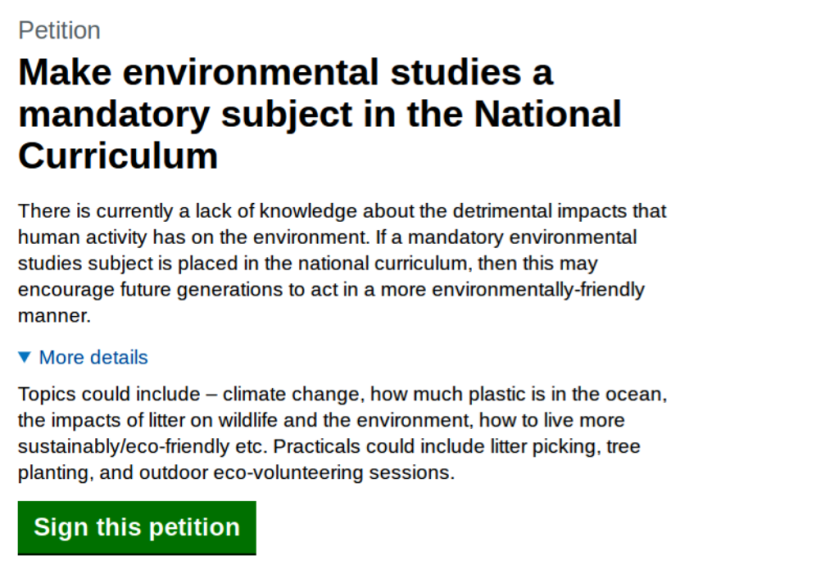
I start this section with a petition that has been set up on thepetitionsite calling for Michael Gove to be replaced as Defra minister (see graphic below, which also functions as a link):

GOVE is bad for the environment. Demand new Defra Minister!

It is pretty much impossible for any replacement to be worse than the Downright Dishonourable Mr Gove, although while this dreadful government remains in office the right person for the job will not be selected. In the hope that Jeremy Corbyn, or someone who can influence him might see this I say, as I did when naming my fantasy cabinet a while back that the right person for this role is Caroline Lucas.

SOLAR POWER IN AUSTRALIA

It makes perfect sense for Australia to be looking at solar power in a big way, just as here in Norfolk we should take advantage of our biggest renewable resource by building many more wind turbines. I am therefore delighted to share this story from the treehugger website titled “Australia will be home to world’s largest single-tower solar thermal power plant“, the feature graphic from which I produce below:

australia solar thermal tower

THE DEATH OF THE INTERNAL COMBUSTION ENGINE

This is the title of a piece in The Economist. After 120 years of dominating the scene the internal combustion engine’s days are numbered, and the end for this pollution generating monstrosity cannot come soon enough. I include their feature graphic below.

A PLAN TO REVIVE AN EXTINCT SPECIES

This one comes from thewildlifeplanet.com and the species that may be being brought back from extinction is the Caspian tiger. The plan involves using DNA from the Siberian tiger, a rare but surviving species that is closely related to the Caspian tiger. A potential living area for the revived species has been identified in Kazakhstan. The map below shows the areas reckoned to have been inhabited by the common ancestor of these tiger species when it was around 10,000 years ago.

ANNA’S CHURCH

I end this section of the post with a nod to Anna and the brief post she put up yesterdya about her continuing fight to protect nature under the title “I went to my church“, one picture from which I reproduce below.

PUBLIC TRANSPORT

I am going to present these links as a bulleted list, amplifying some of them a little:

  • Our government has recently reneged on promised rail electrification programs in Wales and in northern England (yes, largely due to privatisation and consequent neglect our railways are so backward that not all of them have yet been electrified, some services still being run by diesel locomotives). Richard Murphy of Tax Research UK has put up a short post outlining how these electrifications could be funded.
  • The title of my next piece, from Buzzfeed, should be sufficient: “People Who Use Wheelchairs Are Being Forced To Crawl On To Trains And It’s 2017
  • The last piece in this section come from the skwawkbox. The first features a video from Double Down News which referring back to an incident from last year is utterly devastating for Virgin Trains, as it shows conclusively that Jeremy Corbyn was telling the truth when he described that train as ‘ram-packed’ and Virgin’s subseqnet denials, including one from the boss, Richard Branson, were lies. The most devastating footage comes about halfway through the video, which is embedded below, and shows the reserved seats filling (as one might expect) moments after Corbyn had walked past them. The skwawkbox piece is titled “DOUBLE DOWN VIDEO SCOOP PROVES WHAT WE TOLD YOU LAST YEAR: #TRAINGATE WAS FULL“.

ELECTORAL REFORM

Britain’s First Past the Post (FPTP) system of electing representatives has had its day. Those who support this system claim that it delivers stable majority governments, but it has failed to do this three times running (no majority in 2010, wafer-thin majority for Cameron in 2015, May running a minority government with the support of the vile DUP in 2017. I have three recent pieces dealing with this topic for your attention. 

  1. Setting the scene for the other two a post on theconversation.com titled “Wasted votes, hyper-marginals and disillusion: reform group issues damning report on election 2017
  2. The Electoral Reform Society’s introduction to their full report titled “June’s election was the third strike for Westminster’s voting system. It’s out” and…
  3. The full report itself, titled “The 2017 General Election: Volatile Voting, Random Results“.  

As well as the voting system needing reform, the results in Northern Ireland showed that it is time for the Labour Party to abandon its pact with the SDLP and field candidates of its own – the recent Stormont election successes of Gerry Carroll and Eamonn McCann have demonstrated that non-sectarian socialists standing as such can win in Northern Ireland.

A PROBLEM AND SOME PHOTOGRAPHS

I generally finish my posts by putting up some of my own photographs. Before getting to those I have a teaser for you:

coin tosses restricted

The above table shows two putative sets of coin toss records, each for one coin tossed thirty times. Which is more like to be genuine based on what you can see?

a) series one
b) series two

If you want to have a public stab at answering this feel free to use the comments, although I will say neither yea nor nay until I put my next post up, which will include an answer to this little teaser. 

Now for those photographs…

featureimageTortoiseshell3flying butterfly

Mother and child
The junior duck in this picture is just developing her adult feathers, but continues to be chaperoned by her mother.

Moorhen2Moorhen1White butterfly3white butterfly2PollinatorTortoiseshell2Tortoiseshell1white butterflyCH2CHMini waterfall


A Day-Night Mismatch

An account of the first day-night test match on English soil, with some photographs at the end.

INTRODUCTION

Welcome to this account of the first test match in the series between England and the West Indies, which should still be going on but actually finished on Saturday.

THE FIRST DAY-NIGHT
TEST MATCH IN ENGLAND

One of the test matches in Australia later this year (the second of the series at Adelaide) is going to be a day-night test match, featuring sessions played under floodlights, and as part of that pink balls (as opposed to the usual red). England not fancying this being their first experience of the format decided to schedule a day-nighter at home beforehand. The problems with this decision are:

  • England because of the long twilight periods when neither natural nor artifical light are really good is not a suitable place for the day-night format.
  • The current West Indies side can hardly be considered to pose a challenge of anything like the magnitude of that of the Aussies in their own backyard.

THE MATCH ITSELF

England lost debutant opener Mark Stoneman and number three Tom Westley (also recently elevated to this level) early on, but then Alastair Cook and Joe Root put the bowling in perpsective with a huge and largely untroubled third-wicket stand. Root just pipped his predecessor as captain to the hundred mark. When Root was out for 136, Dawid Malan joined Cook and they took England through to the close of day 1. On Day 2, England lost a few wickets, including eventually that of Cook for 243 – this last triggering a declaration with the score at 514-8. Rain intervened with the West Indies 44-1. 

On Day 3 the West Indies had a horror start, largely thanks to James Anderson, with 44-1 rapidly becoming 47-4. Although Jermaine Blackwood showed some spirit with a rapid 79 wickets continued to tumble and the West Indies first innings ended on 168 from 47 overs. While many captains have become cautious about enforcing the follow-on in recent years this was one occasion when any captain declining to do so would surely have deserved to be presented a white feather and their P45. Joe Root duly sent the West Indies in again. Early in the West Indies second innings there was some speculation about whether England would take the extra half-hour to finish the job, but it soon became clear that the West Indies would not be batting long enough for the question to arise. Once again resistance was conspicuous by its absence, and the West Indies were all out for 137 in their second innings, this time from 45.4 overs. The most noteworthy feature of this innings was Stuart Broad moving ahead of Ian Botham to number two (behind Anderson) on the all-time England test wicket takers list. 

England had won by an innings and 209 runs with a couple of hours of possible playing time remaining on day 3 (taking the rain that shortened day 2 into account this was effectively a victory in half a test-match worth of playing time). 

While I hope to see Stoneman, Westley and Malan get some big runs in the two remaining tests I do not think that performances against these West Indians will count for anything down under, and nor for reasons already outlined can I really consider this dreadful mismatch any sort of preparation for Adelaide in November. On this occasion it may actually be genuinely the case that Geoffrey Boycott’s mum would have scored runs and/ or taken wickets such was the feebleness of the opposition (for the uninitiated, based on his comments as expert summariser Geoffrey’s mum would appear have a batting record to compare with Don Bradman and a bowling record not dissimilar to that of S F Barnes!).

Most of all, in the remaining two matches of this series I would like to see the West Indies show a bit of heart and spirit, and at least make England work for the victories, as they signally failed to do at Edgbaston. Anyone who had booked seats for the fourth and fifth days is highly unfortunate – the refunds policy covers bad weather but not one side playing bad cricket.

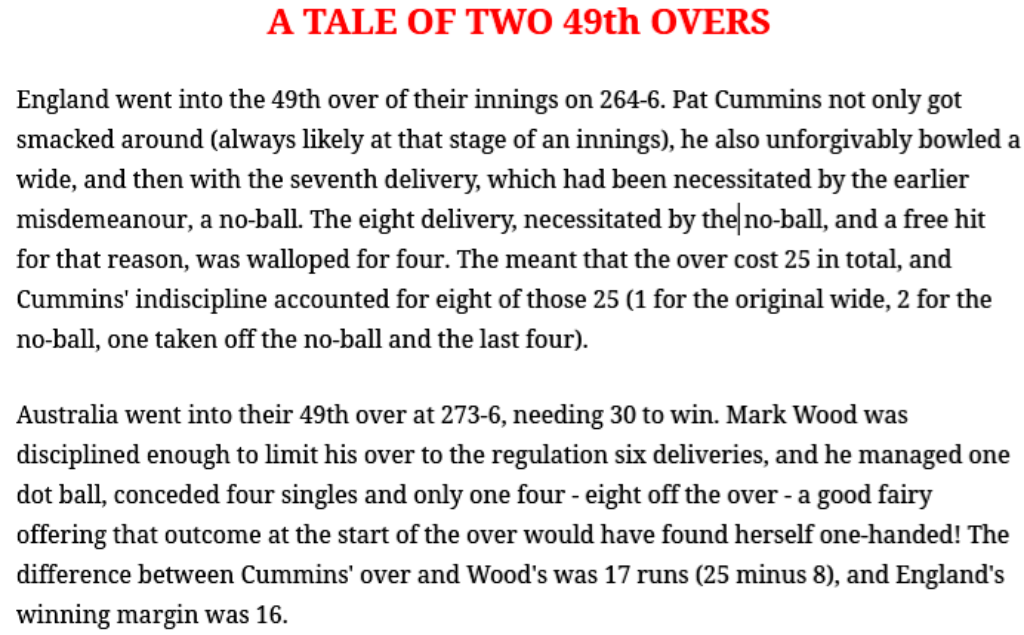
What we saw in this match was a proficient, professional outfit dealing severely with opposition who were not remotely in the same class – well done England, but in a few months you will be facing much tougher opposition.

A scorecard of the match can be viewed here, and if you so wish you can explore from there to read more about this match.

PHOTOGRAPHS

We end with a regular feature – some of my pictures:

Moorhen2Mallard11-13 King StreetK&HMoorhenGullPollinatorPollinator2Pollinator3Pollinator4

Rathskeller
The Rathskeller, where I shall be attending a Beer Festival in the run-up to Heritage Open Day

StageTB2TB4white butterflyBannerBPBP2BP3Cormorant

flying butterfly
A butterfly captured whiel in flight

GG

Witness Statement Re Fire At Bawsey Drain

An eyewitness statement regarding a fire that I regard as highly likely to have been the result of arson, although accident is a possibility.

INTRODUCTION

I am putting this post up as a witness statement regarding an incident that happened somewhere in the region of one hour ago. 

THE STORY

I went out for a walk, to take some photos and do some thinking. I set out across the upper Purfleet, on to King Street and thence via the Tuesday Market Place and St Nicholas Chapel to the start of the footpath that runs alongside Bawsey Drain as far as Lynnsport. My initial plan was to cross a bridge that leads into a field, head via Kettlewell Lane to the train station, then through the parkland to Seven Sisters, down past the South Gate and across the Nar to hit the Great Ouse by way of Harding’s Pits and thence back into town along the river. However, I was approaching this bridge when I saw white smoke rising from the field on the other side of the river. A cyclist approaching the bridge from that side was there before me and phoned the fire brigade, who sent people out to deal with it. When the fire engines arrived a few moments later I waited on the bridge while the cyclist went to meet them and guide them to the spot. 

The fire was only a small one, though very close to the bridge and to the footpath leading away from the bridge, and fortunately had not yet spread, although the smoke had noticeably thickened by the time the fire brigade got there. They were able to deal with it quickly and easily, and apart from a small blackened patch of burned vegetation there was no lasting damage. 

POSSIBLE CAUSES OF THIS FIRE

Sadly Bawsey Drain is treated as an all-purpose dumping ground by those who live alongside it, so there are two possible causes, both human in origin, given in order of where my personal suspicions based on observation lie:

1)Arson – a fire started deliberately by some person or persons who neither thought nor cared about the possible consequences of their actions.

2)Accidental but very stupid and selfish human action (e.g someone tossing a cigarette that they imagined to be out but was not onto the vegetation, thereby starting the fire).

SOME PHOTOGRAPHS OF THE FIRE

As well as this written account I have some pictures:

Fire4
The first two images sbhow how close to the bridge and footpath the fire was, the third and fourth, courtesy of a telescopic zoom lens focus more closely on the fire.

Fire3Fire1Fire2

FOOTNOTE: SPECIES IN THIS AREA

Although I only edited those photos between the first and last fire shot, I captured two of the butterfly species that along with various birds live in this area regularly. I have also seen rabbits, hares and small deer in that location on previous occasions. This fire potentially endangered all these as well as the plants it had already started to burn. Here are some Butterfly pics from that area, taken today, to end with:

flying butterflywhite butterfly

TB4
These last two pictures were taken while waiting for the fire brigade to arrive, while I was on the bridge.

TB2