Some thoughts on shared space streets and Exhibition Road in particular.
INTRODUCTION
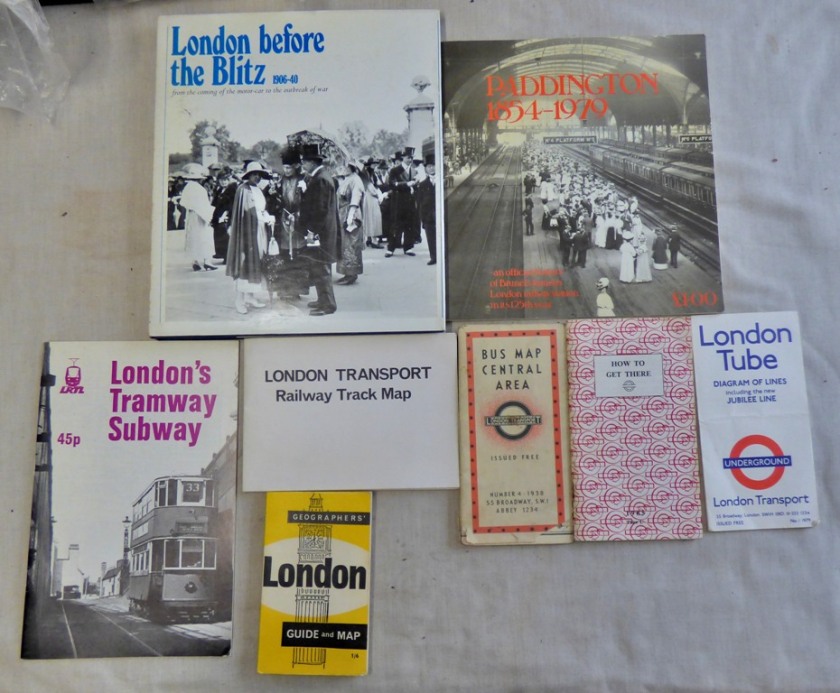
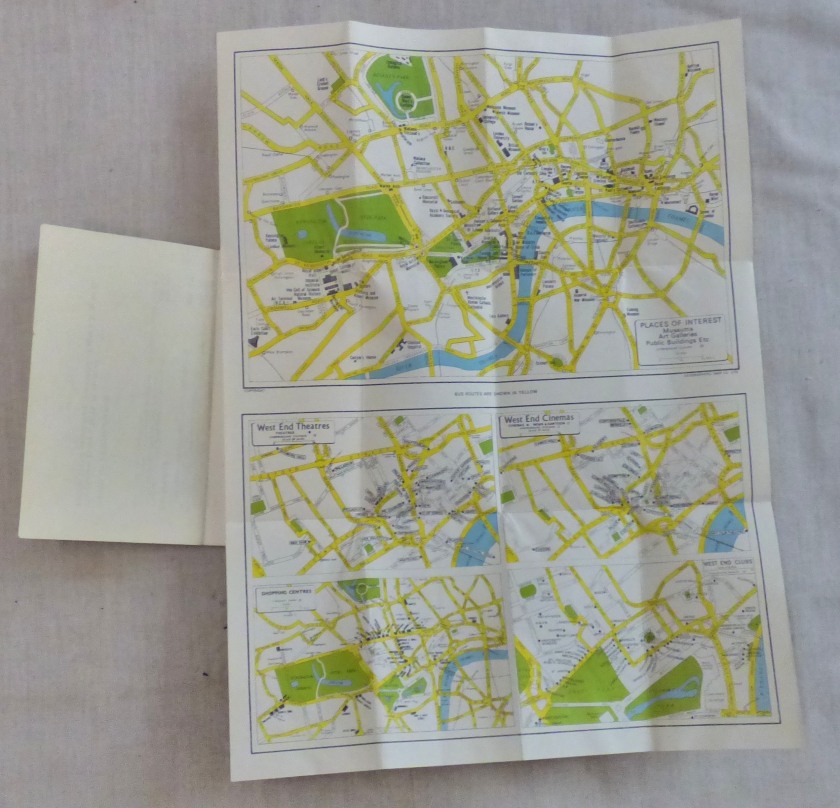
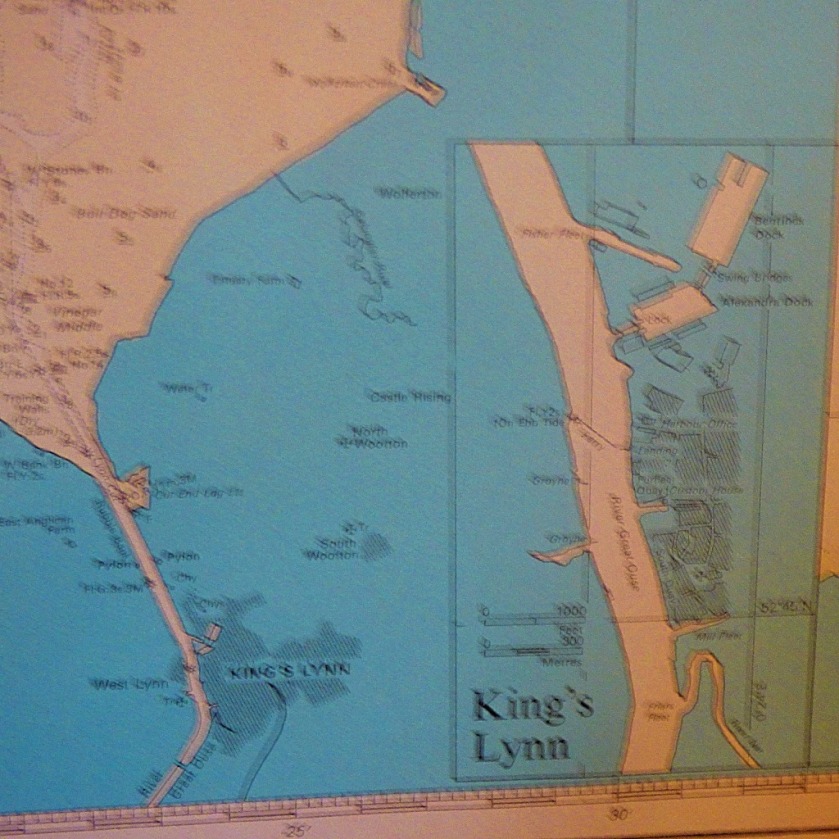
Much of this post will also be appearing on my London Transport themed website as well as here because of the location of the particular shared space road that brought this issue to my attention. That location is of course Exhibition Road, London – a location very familiar to me from when I lived in London and was a regular visitor to museums. Here is a map for you to orient yourselves:
WHAT IS A SHARED SPACE ROAD?
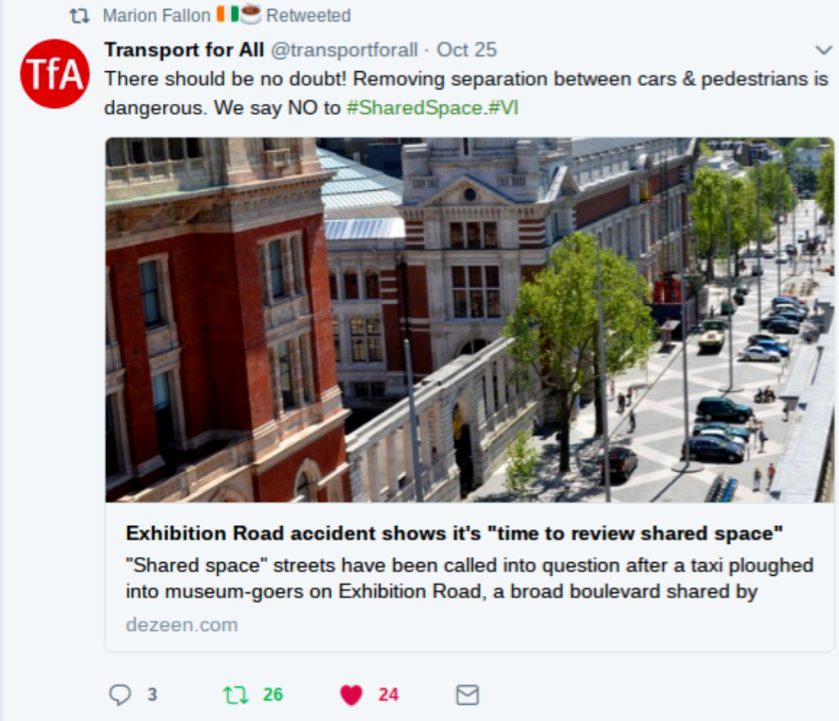
A shared space road is a road without pavements, with no clear distinctions between where cars, cyclists and pedestrians should be. According to some this arrangement reduces accidents. However, a recent incident on London’s Exhibition Road has called this into question. Here is a tweet from campaign group Transport for All:
This (to me) raises two questions to be taken in turn:
CAN SHARED SPACE ROADS WORK?
I am uncertain on this one and will welcome evidence from people with experience of shared space roads in their localities. My own view is that they could work but the following is necessary:
Clear signage explaining what a shared space road is and what that means.
A very low speed limit for motor vehicles (even lower than the 20mph which is now commonplace in the vicinity of schools) fiercely enforced – speeding on a shared space street should be punished more severely than speeding elsewhere because of the greater risk of hitting someone.
Referring back to my first bullet point it needs to made clear that motorists are always expected to give way to cyclists and pedestrians.
Given what I know of London drivers I do not think that London is the right city to be trialling these (although Rome and Paris would both clearly by even worse options!)
SHOULD EXHIBITION ROAD BE A SHARED SPACE ROAD?
Absolutely not – it should be completely pedestrianised. There are excellent public transport connections in this part of the world. Continue reading “Shared Space Roads ?”
Why is it necessary to intervene with the natural course of being Autistic?
“Early” implies that there is a need to “catch” things early, before it progresses.
Autism is not a disease. It is not progressive. It just IS.
It is disrespectful because it ignores our own timing. Autism is a developmental disability and respecting that is important, instead of applying a neurotypical timeline of neurotypical milestones to neurodivergent children.
And while some aspects of occupational therapy and life skills can be beneficial, if there is no respect for each child’s timing, and if it is done in a manner that is compliance based/reward based, and if this is called “Early Intervention”, then it is just another name for ABA”
My next link is to thge early stages of wbhat looks set to be an excellent series of posts. BloggingAstrid is writing a series of posts about autism under the banner #Write31Days. I have two links for you:
My next two links come from firebrightstarsoul and both concern education and autism:
“Enough to break your heart” which deals with a school day which (due entirely to failings on the part of the school) went very badly wrong. I quote one paragraph, which comes near the end of the story: We were told we’d be given parent codes to log in to the school’s app so we could find her missing assignments and help her on the weekend until she’s caught up. She didn’t know where to even find this information on her laptop, and when she tried to tell the teacher she didn’t know what she was supposed to work on, the teacher smirked at her and dismissed her with the pithy remark, “I bet you do.”
“The one-room school-house” which (unsurprisingly given the above) looks at the possibility of homeschooling. Here is a picture from this piece:
Claire has autism and says: “The world is a very unpredictable and confusing place.” (Image: Transport for All)
Finally, a petition on the official site for petitioning the UK Parliament, which means that it is only open to UK citizens, calling for a necessary change to the PIP rules. Below is a screenshot link:
Please visit, sign and share.
LINKS RELATING TO RENATIONALISATION AND TRANSPORT
My first link in this section is to a piece on Vox Political titled “McDonnell States Labour Will Take Back Rail, Water, Energy and Royal Mail | Beastrabban\’s weblog” This excellent piece sets the stage for the rest of this section. Below is the single most important paragraph, by way of a tempter:
And if Labour does, as I fervently hope, renationalize those industries, I would very much like a form of workers’ control implemented in them. One reason why the Tories were able to privatize these industries was because, when Labour nationalized them after the Second World War, the party was too timid in the form nationalization took. The state took over the ownership of these industries, but otherwise left the existing management structures intact. This disappointed many trade unionists and socialists, who hoped that nationalization would mean that the people, who actually worked in these industries would also play a part in their management.
Since that piece was produced Richard Murphy of Tax Research UK has put up a post titled “The public want nationalisationbecause nationalisation makes sense” in response to a hand-wringing editorial in The Observer, which started from noting that a recent study had revealed the full extent of public support for renationalisation (water – 83% in favour, electricity and gas – 77% in favour andr railways – 76% in favour – leading the way) and went full-on Tory from there, regarding renationalisation as a bad thing and coming with ideas for how this ‘threat’ might be dealt with. Professor Murphy, like me, takes the opposite stand-point, and points out how flawed the Observer piece is.
PHOTOGRAPHS 1
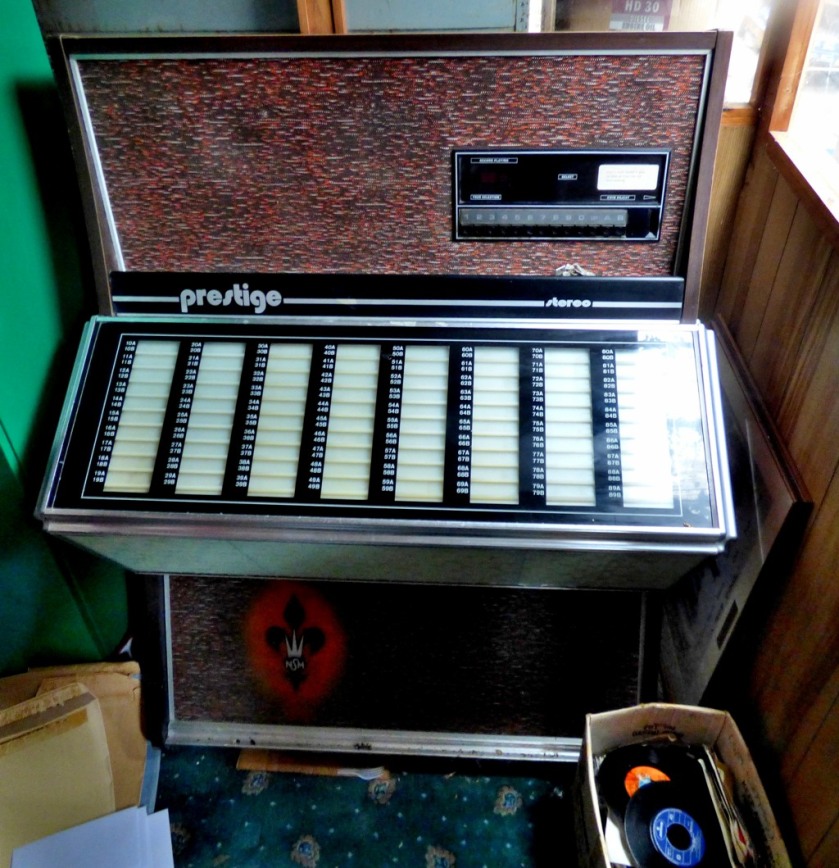
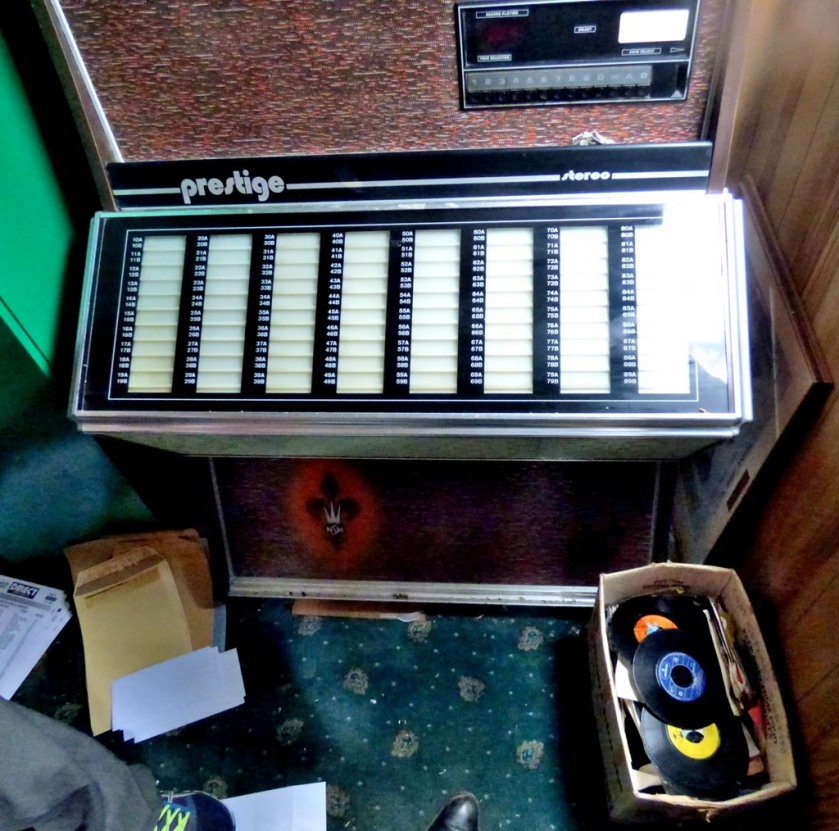
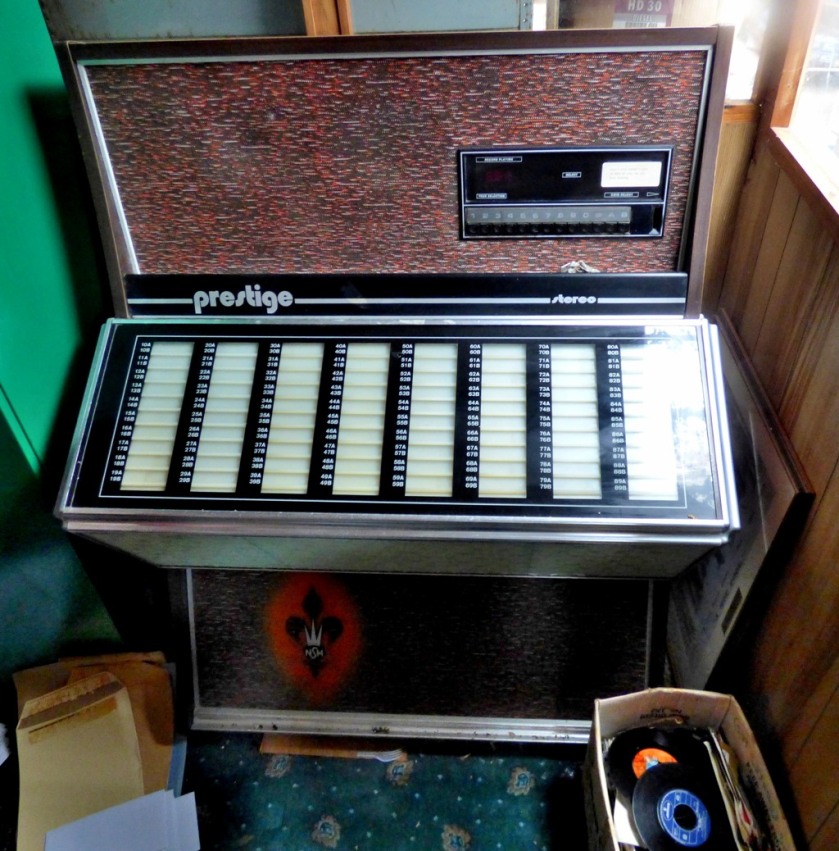
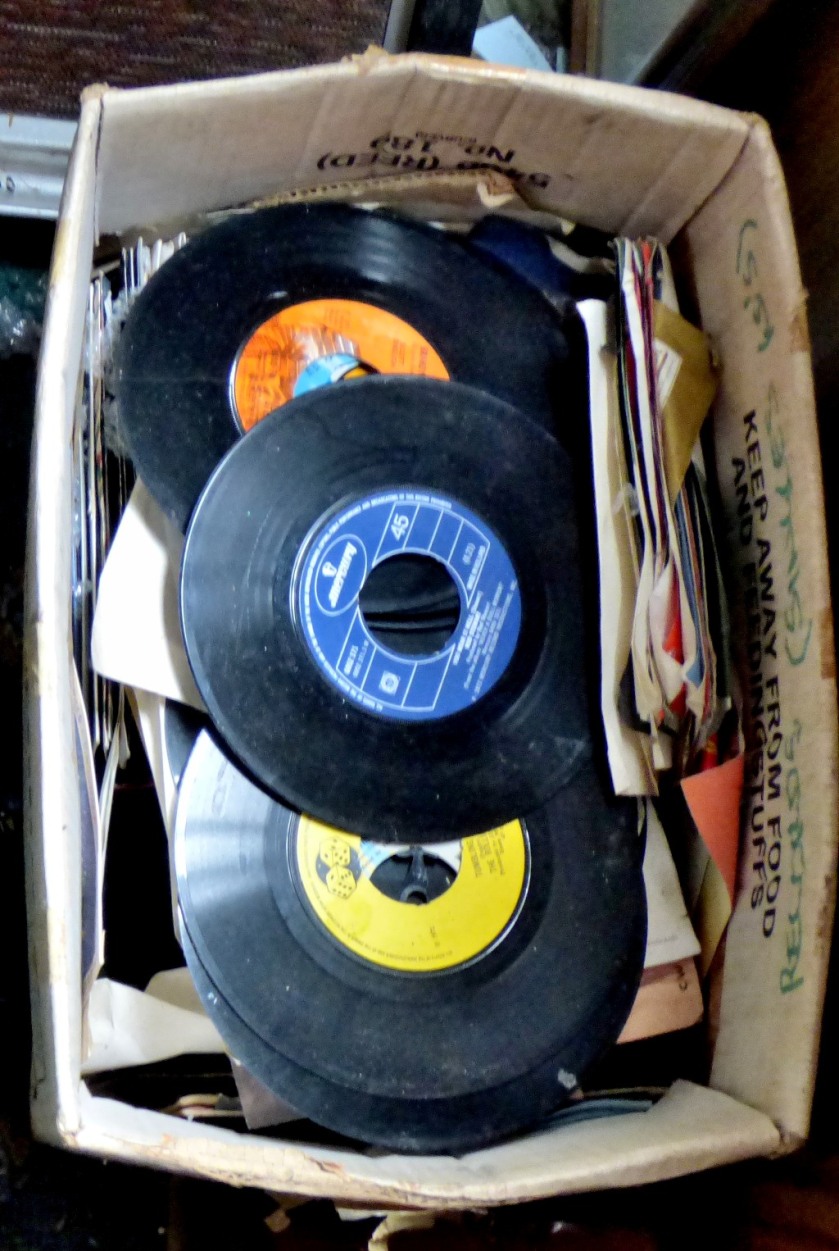
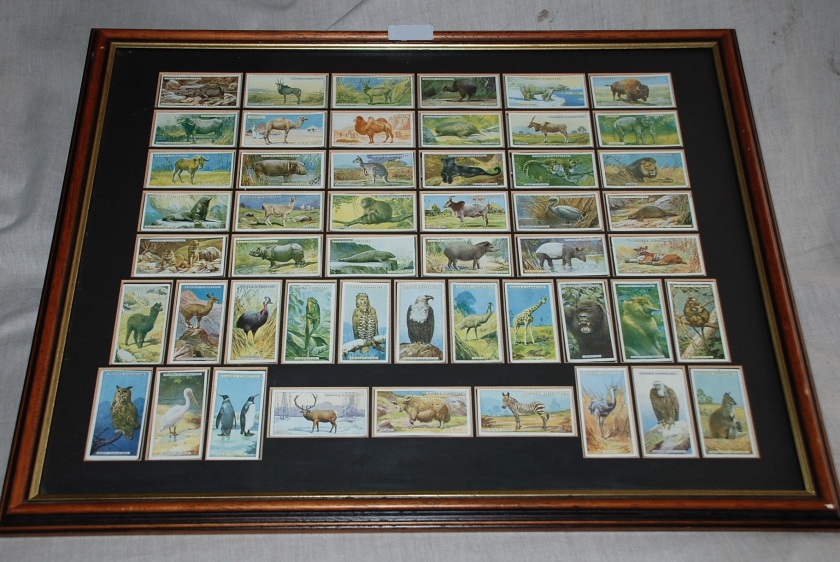
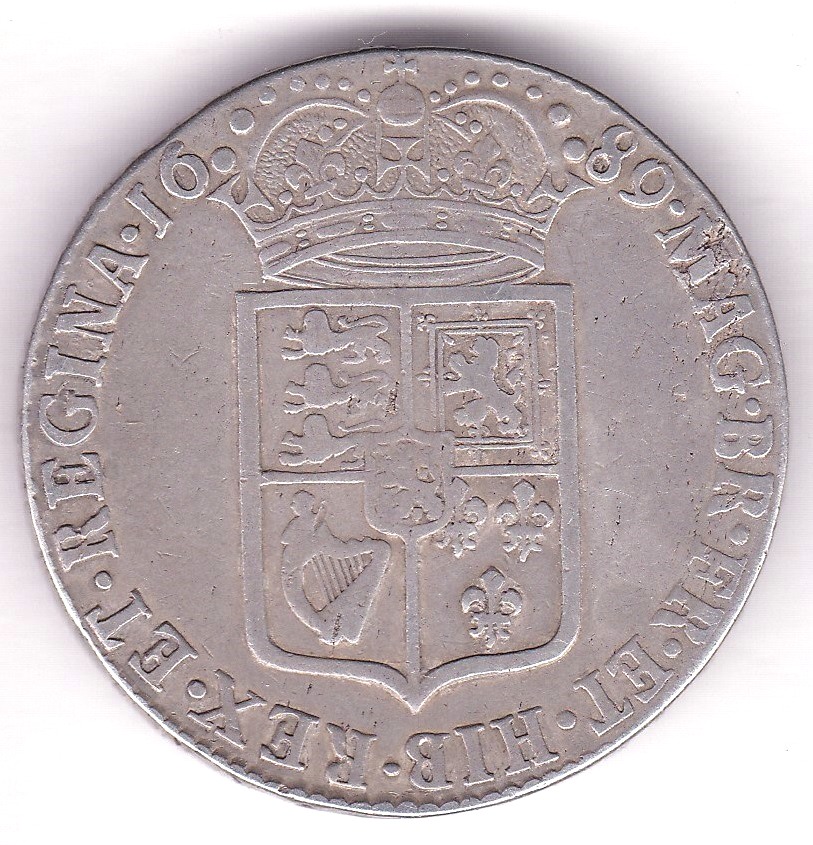
This set of photographs is of Lot 553 from the auction of Monday September 25th (see this post):
SOLUTIONS TO PUZZLES
The first of three puzzles I set that I have not yet provided answers to was a question from Triva Hive:
In which country is Europe’s only desert located?
a)Italy b)Greece c)Poland d)Spain
I am sufficiently well informed about Italy, Greece and Spain that I was fairly sure that none of them is the answer. Thus, having ruled out the impossibles I was left withe one answer that however improbable must be the true one – Poland. The screenshot below shows that my Sherlockian approach to the question bore fruit:
The second puzzle wasAbbotFox‘s “street scramble”:
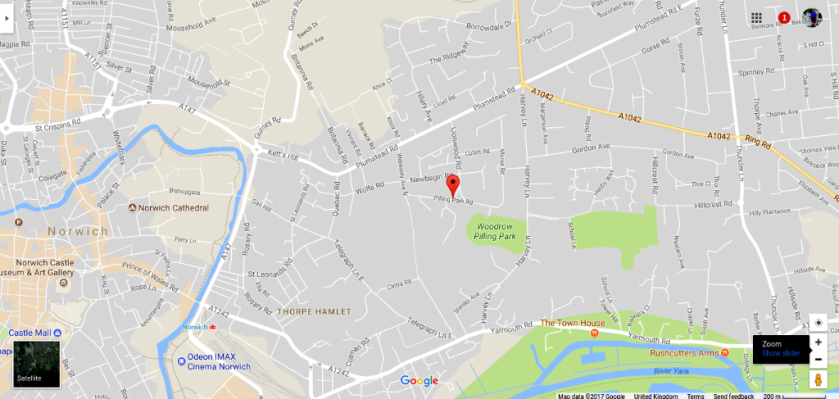
Unscrambling this gives “Pilling Park Road”, and the map below shows the location of said street:
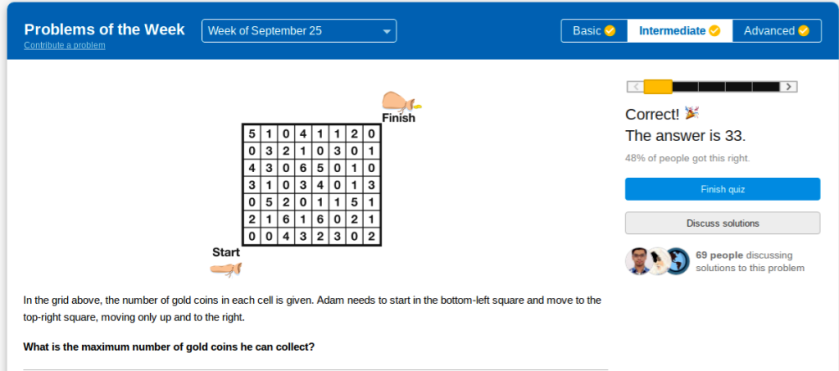
The third problem came from brilliant and featured a treasure hunt. Below is the answer:
PHOTOGRAPHS
Just before I publish this and head out for a spot of ecotherapy and to top up the photo collection here are some non-tree pics from yesterday:
A rarity – a fish sufficiently close to the surface of the Gaywood River that I could take a picture of it that (just about) came out.
An account of the three James and Sons auctions that started this week.
INTRODUCTION
This week started for me with three auctions on successive days, the first two at our premises in Fakenham and the third at The Maids Head Hotel, Norwich. This post covers the three days in order.
DAY 1: MONDAY
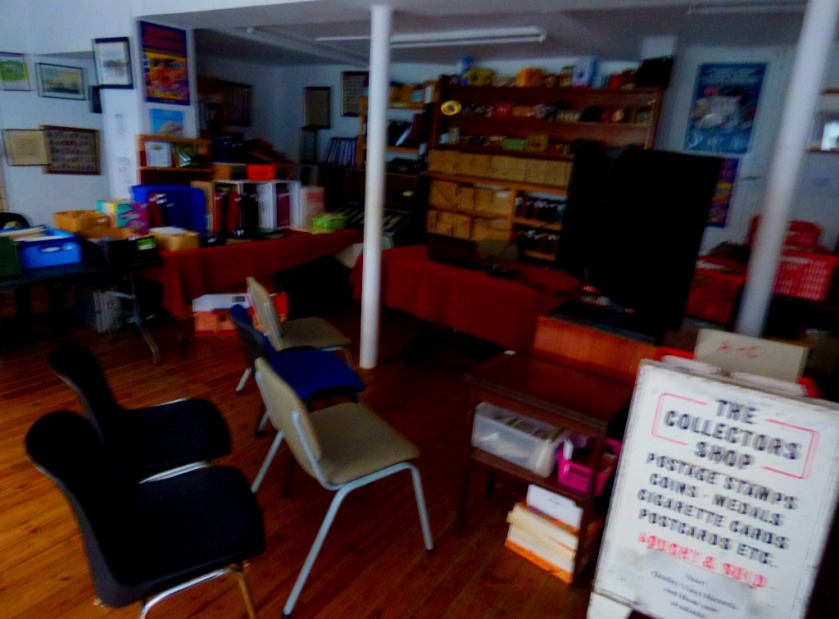
Reorganising the shop to look like an auction venue and setting out the stock for this auction had been done on Friday by myself and a colleague. Thus, when I arrived on Monday morning the only set up work that was required was the electronics and IT stuff.
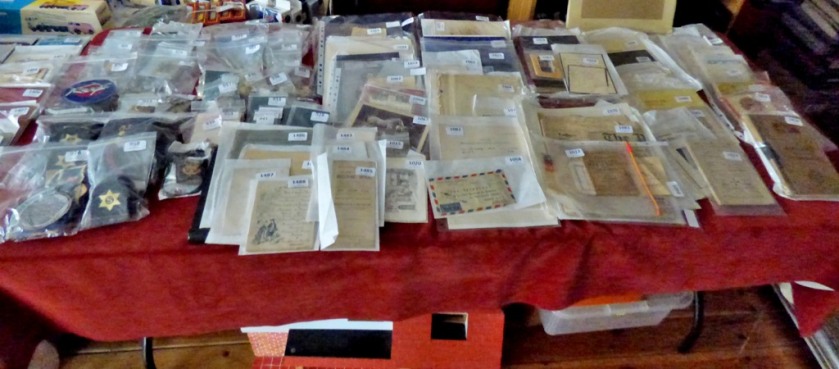
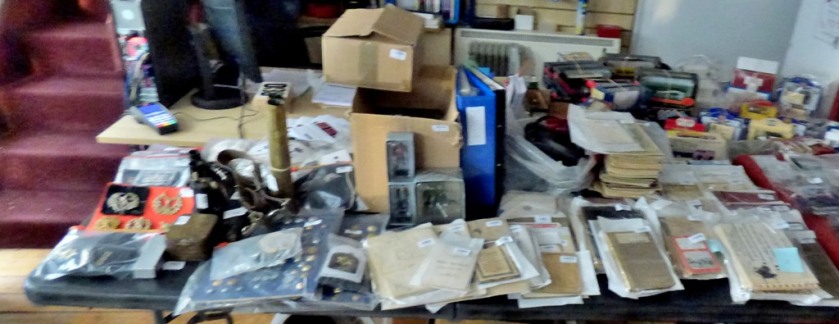
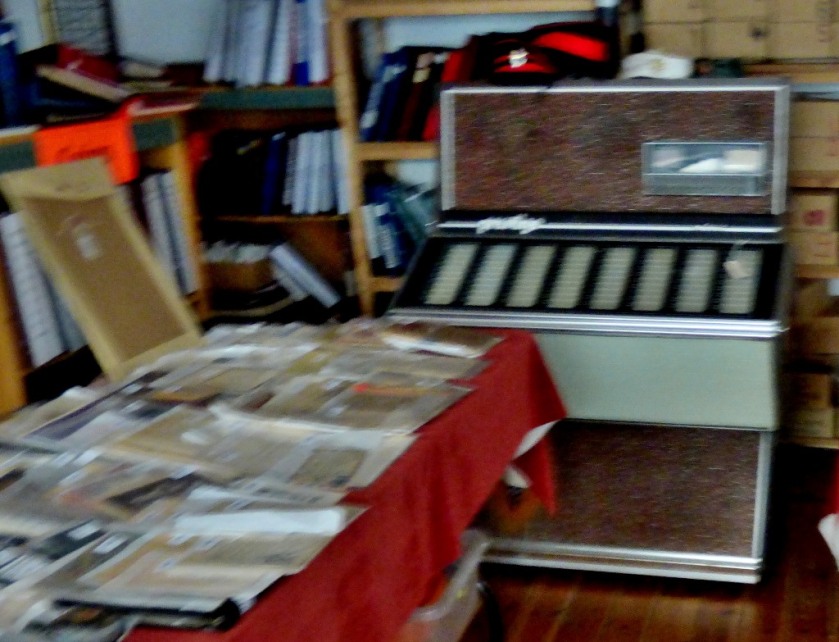
I managed to get everything set up before anyone else arrived and to verify that the sound and video were working. Here are some photos from this period:
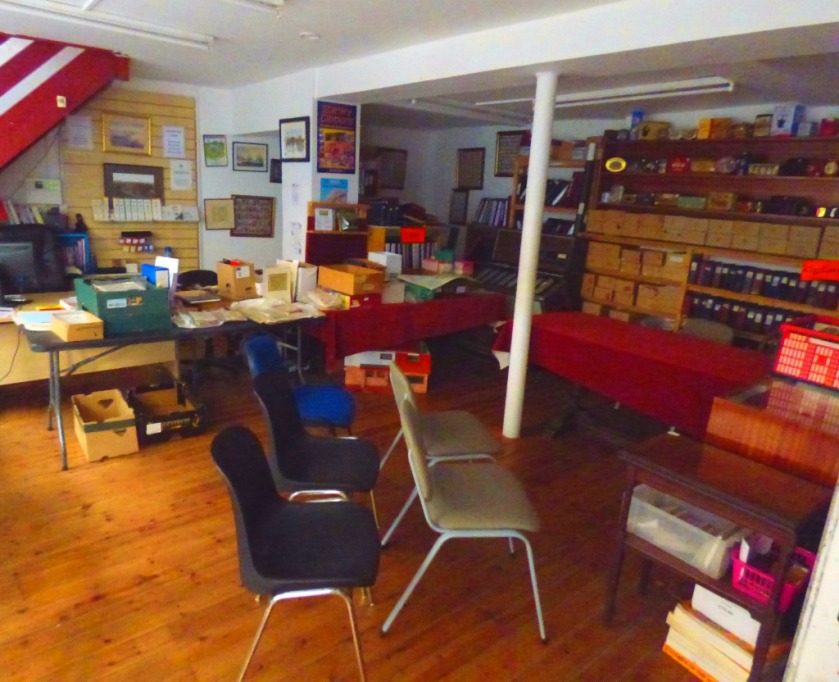
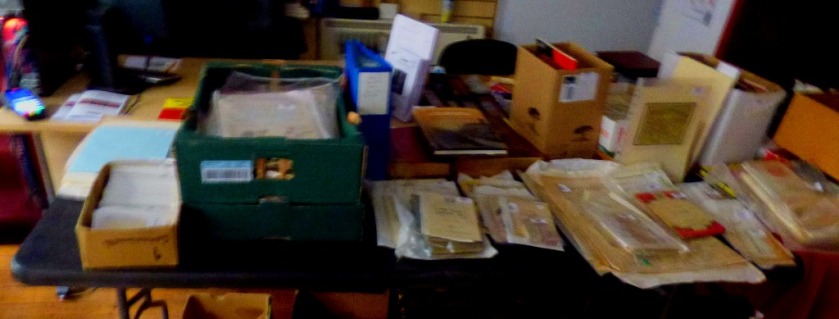
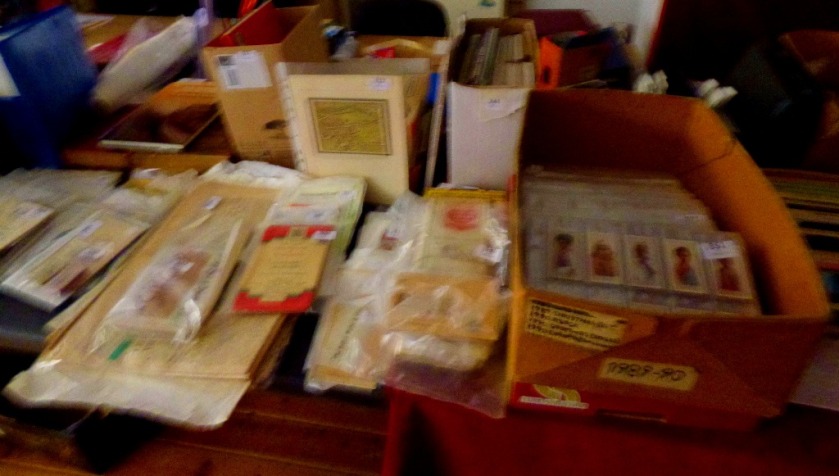
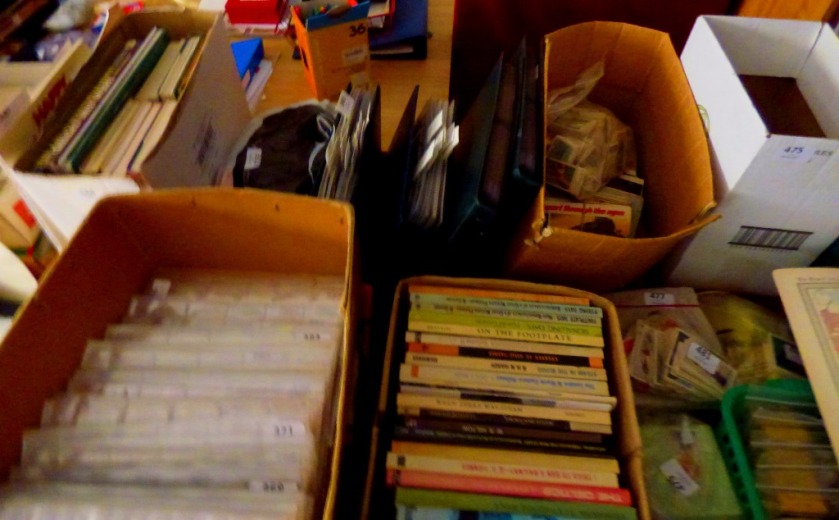
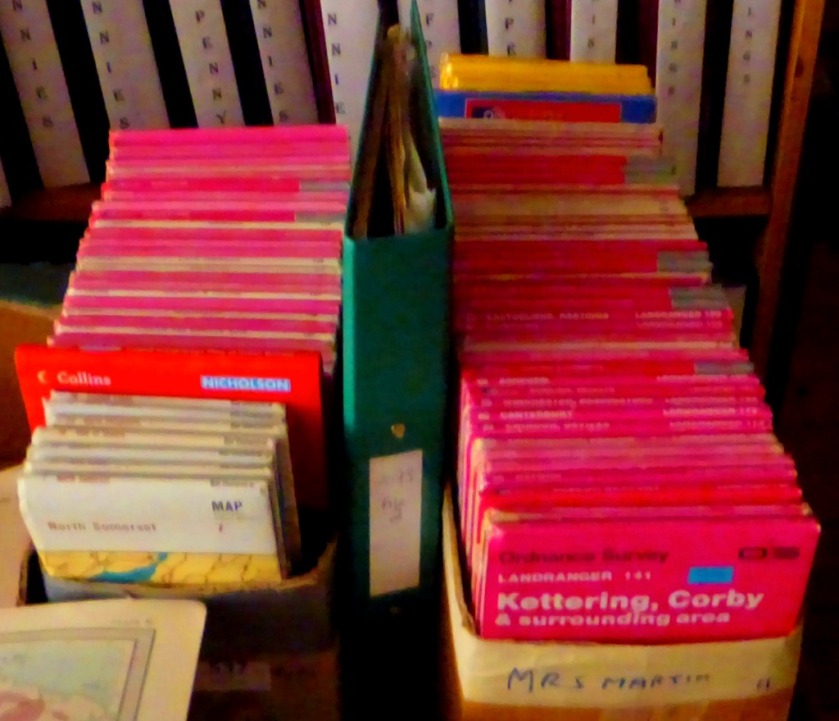
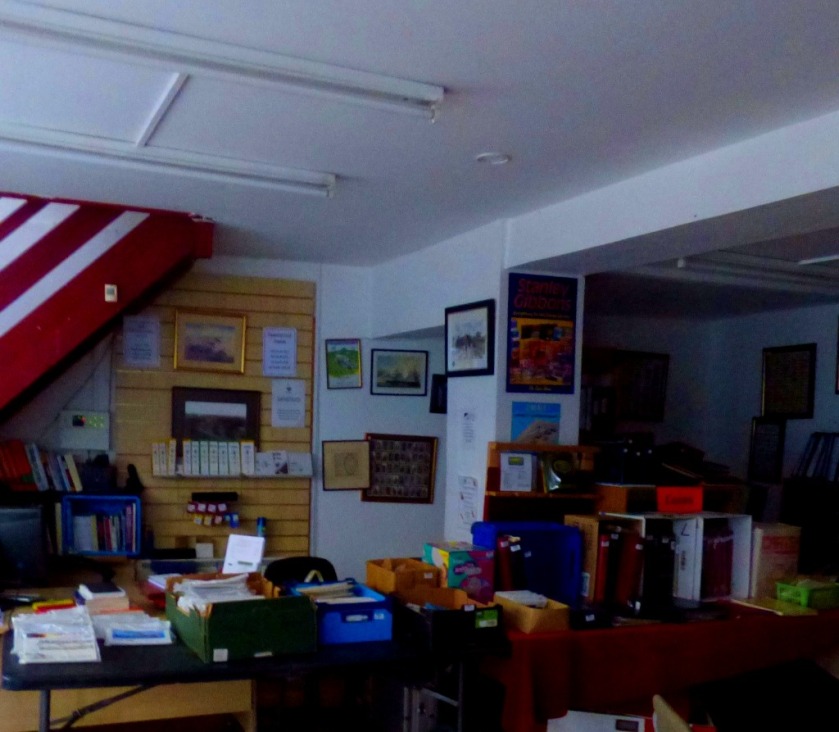
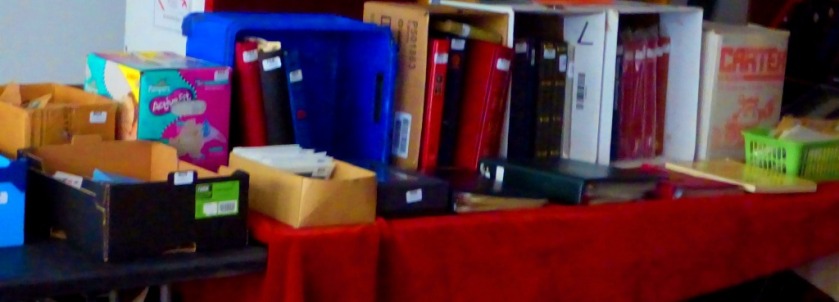
The auction area before I had brought the electronics and IT stiuff down.This image and the four that follow are of auction stock.
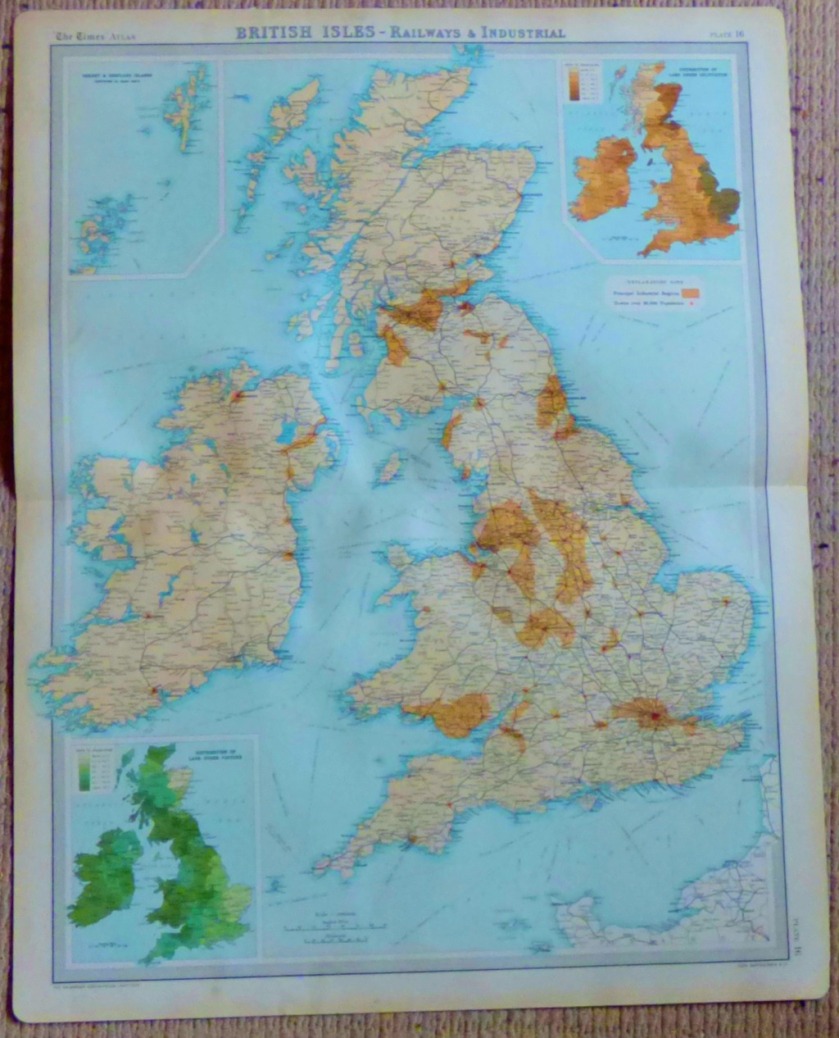
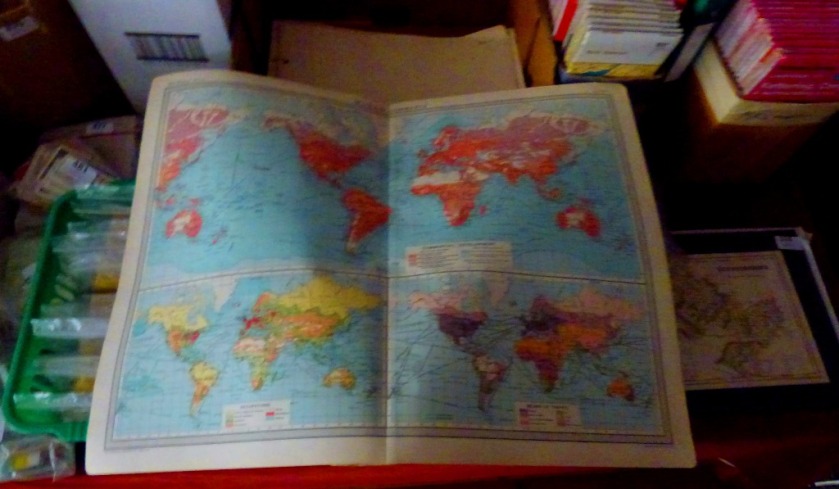
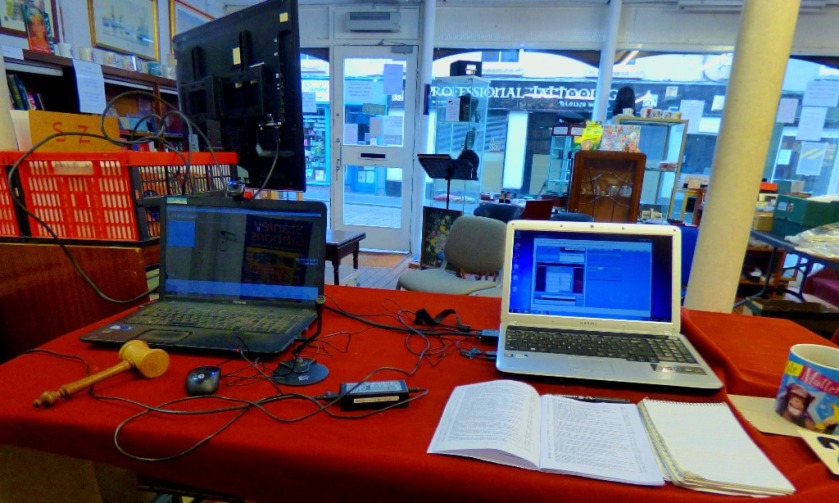
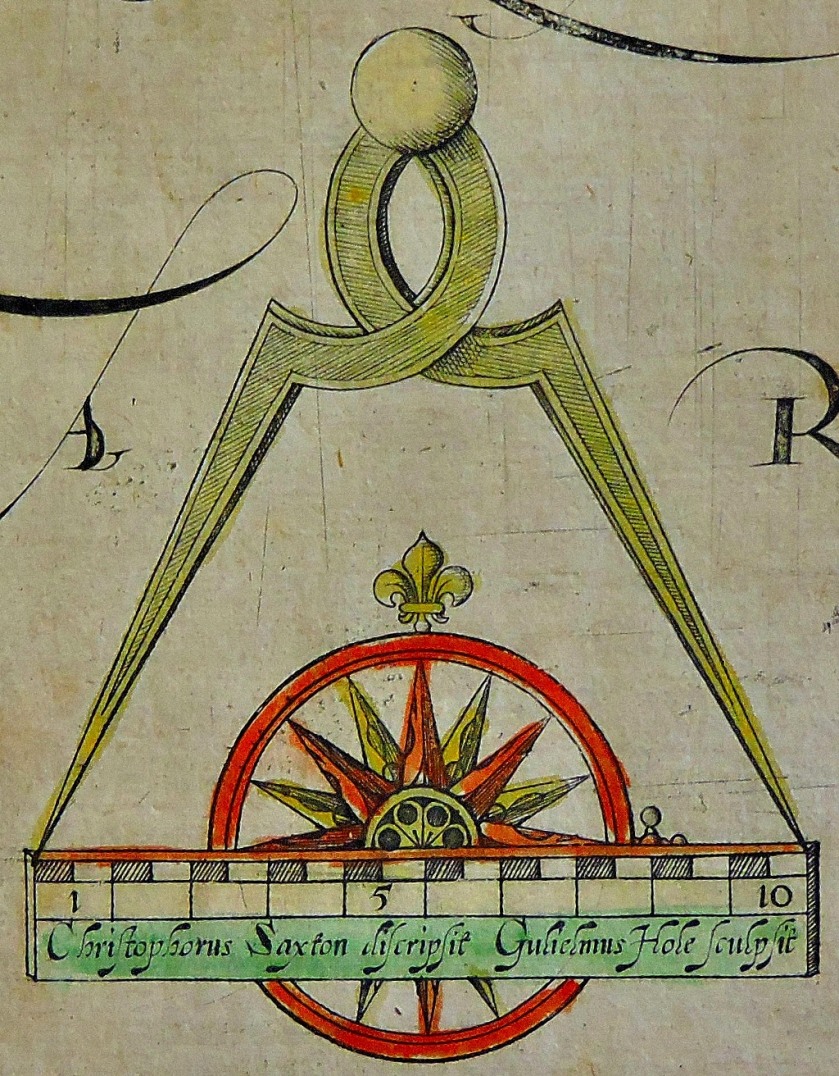
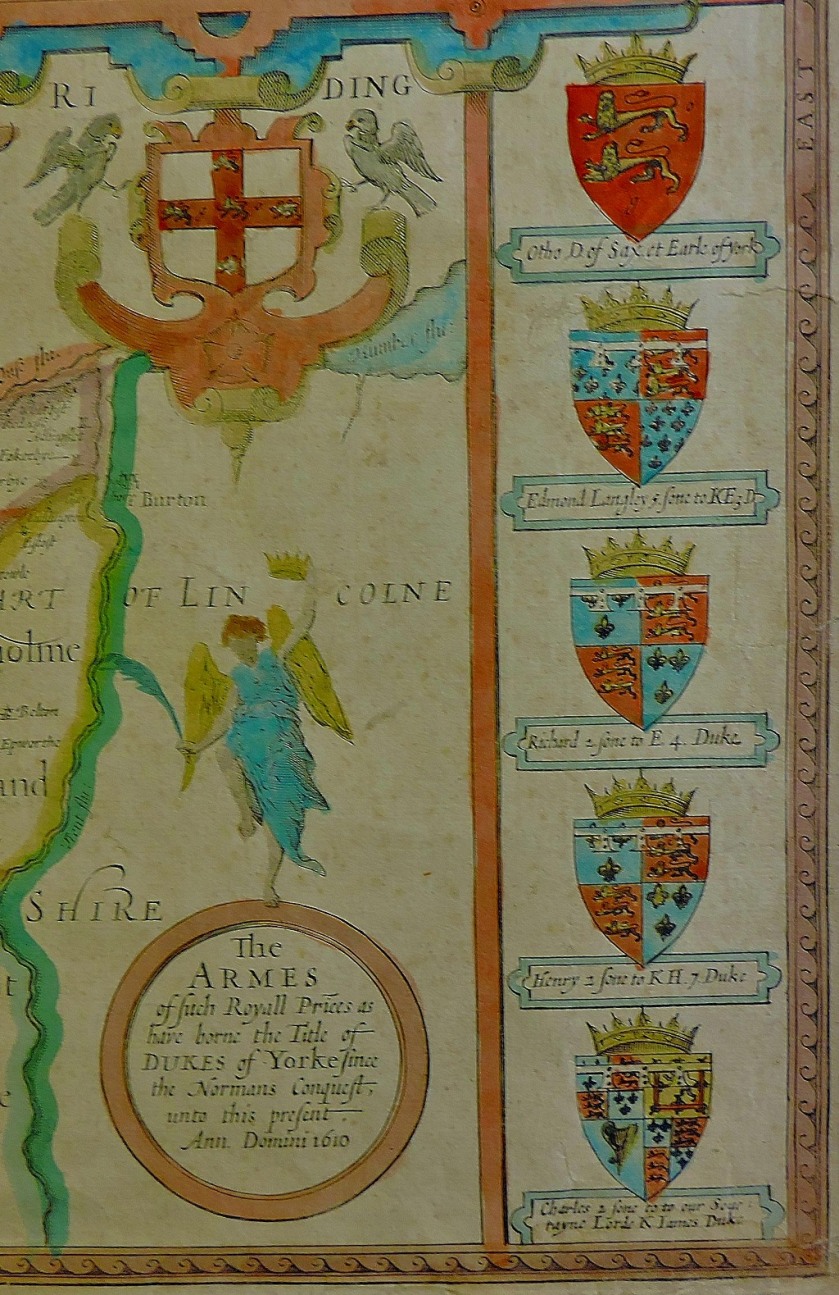
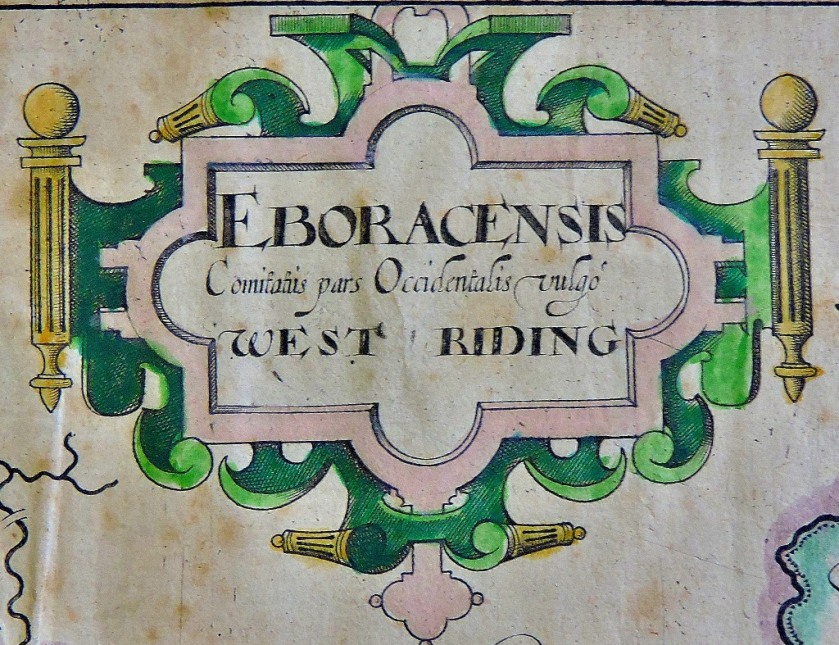
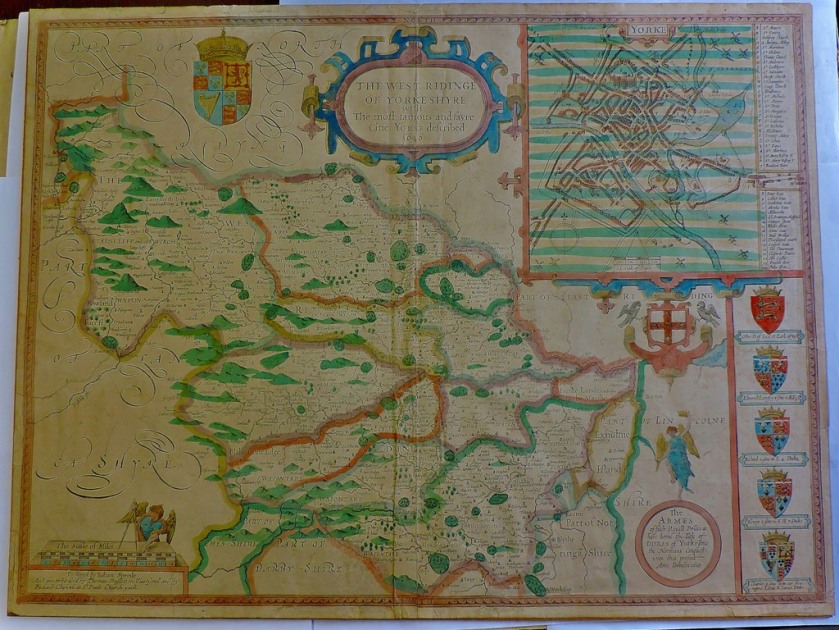
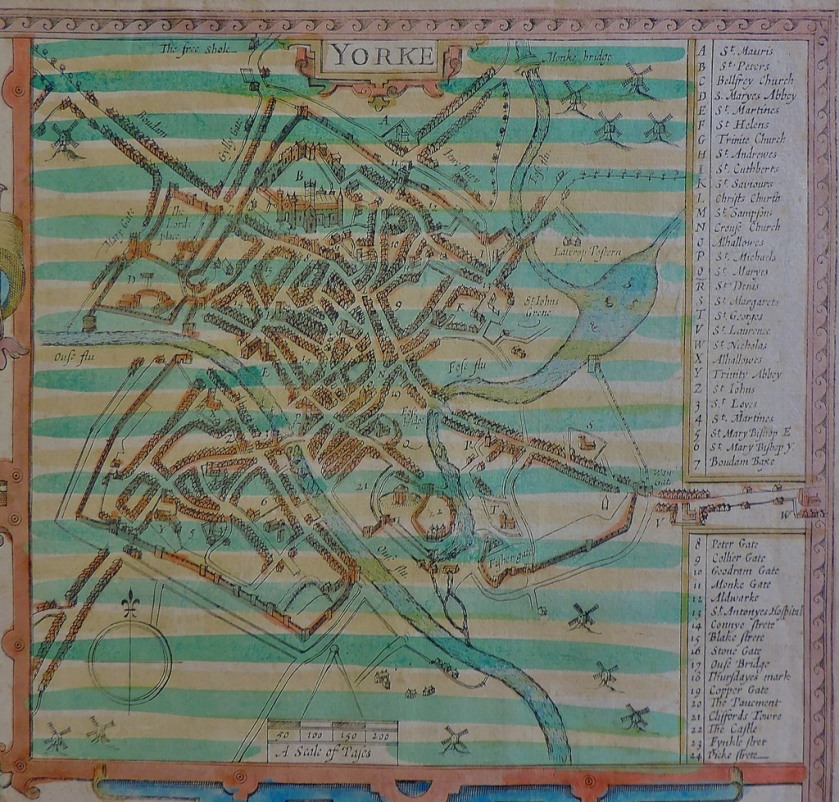
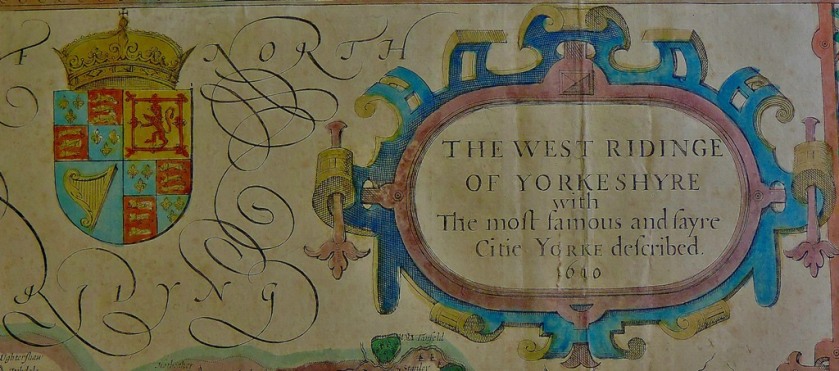
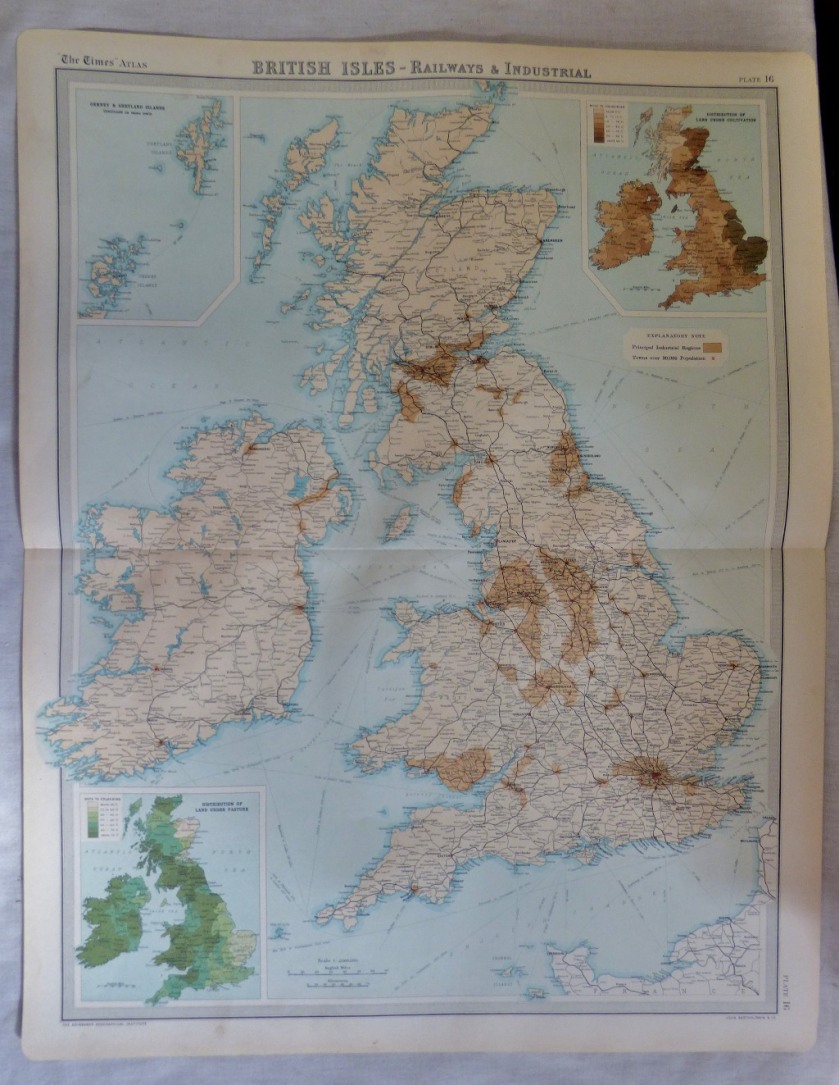
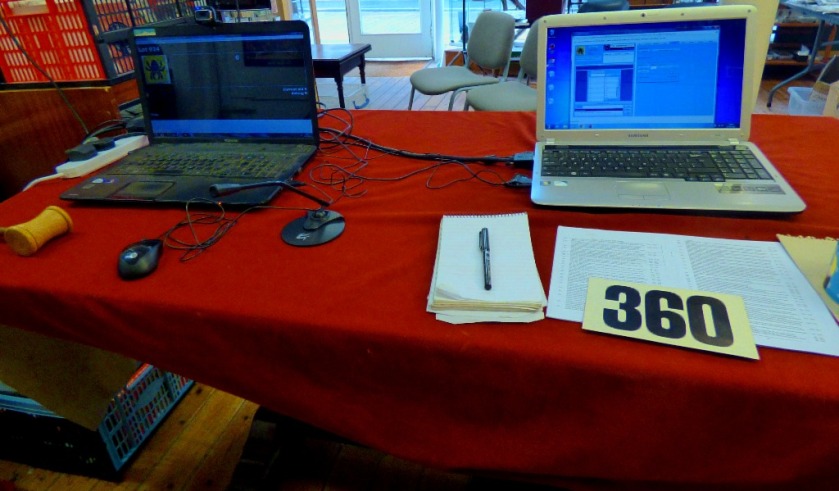
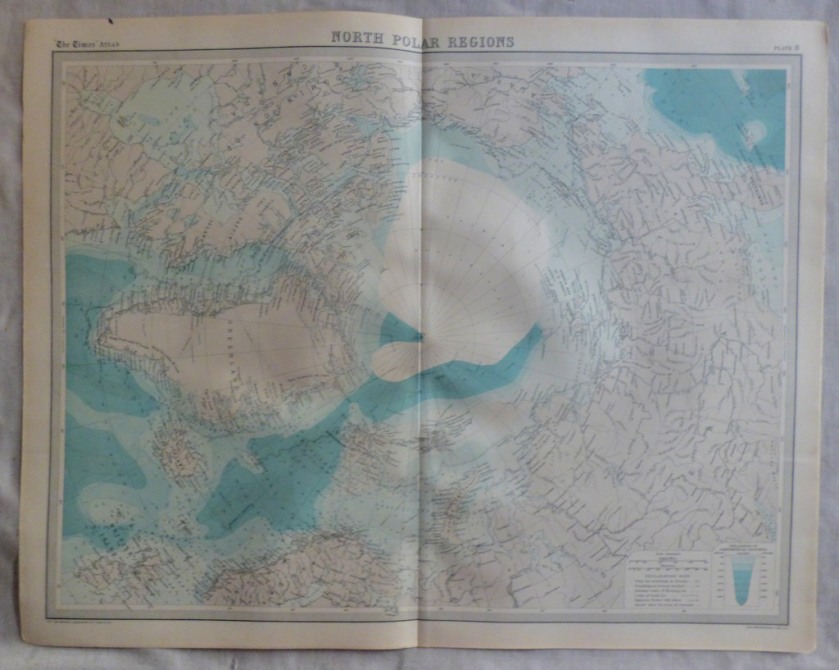
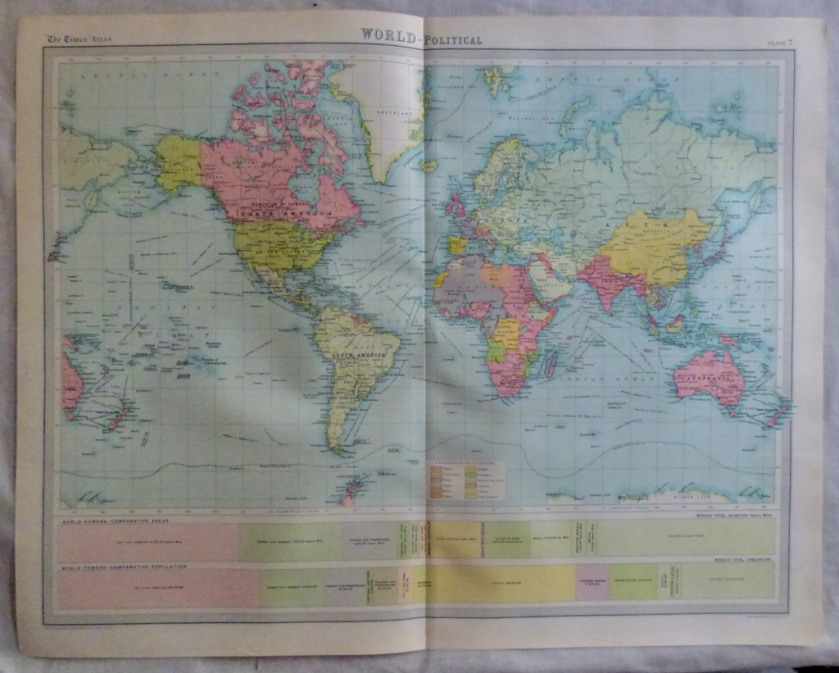
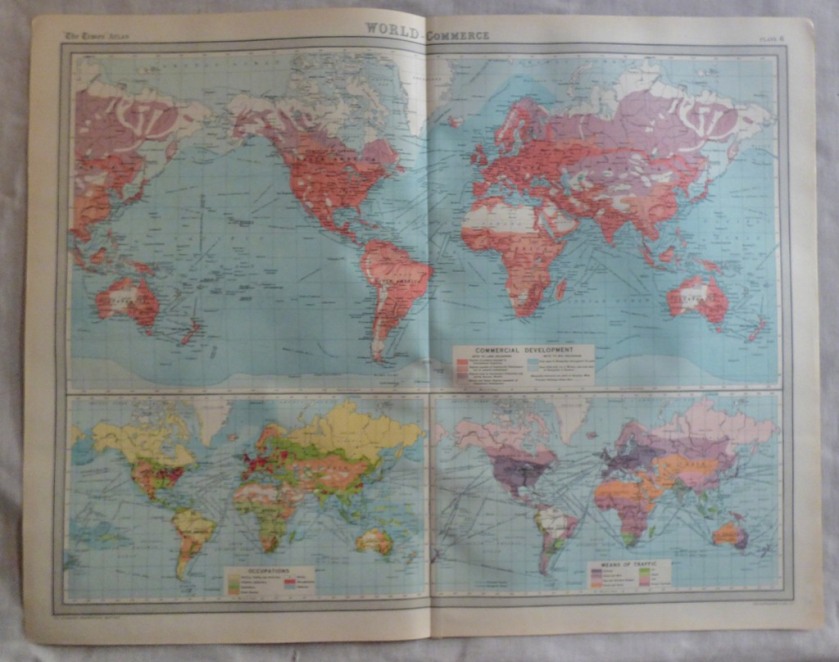
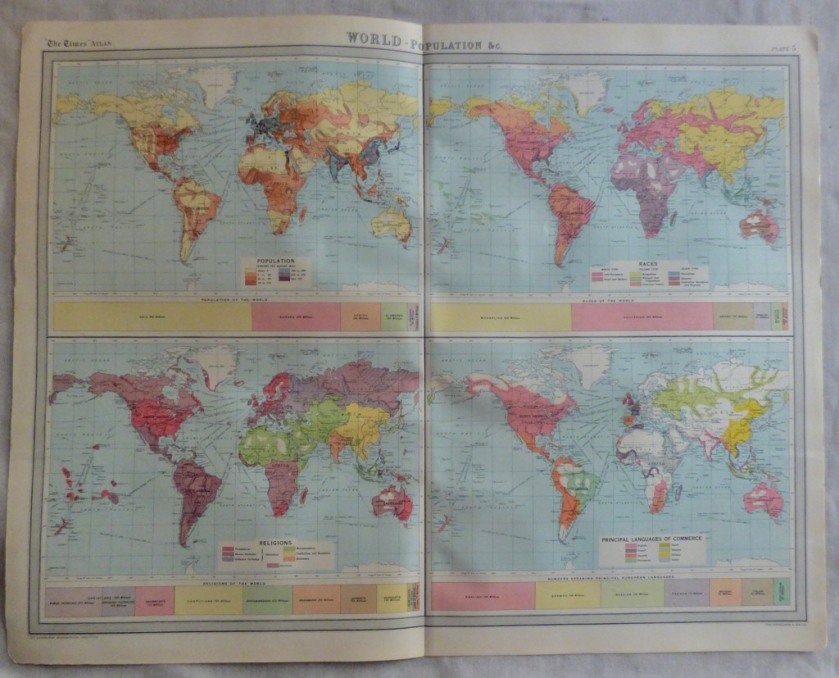
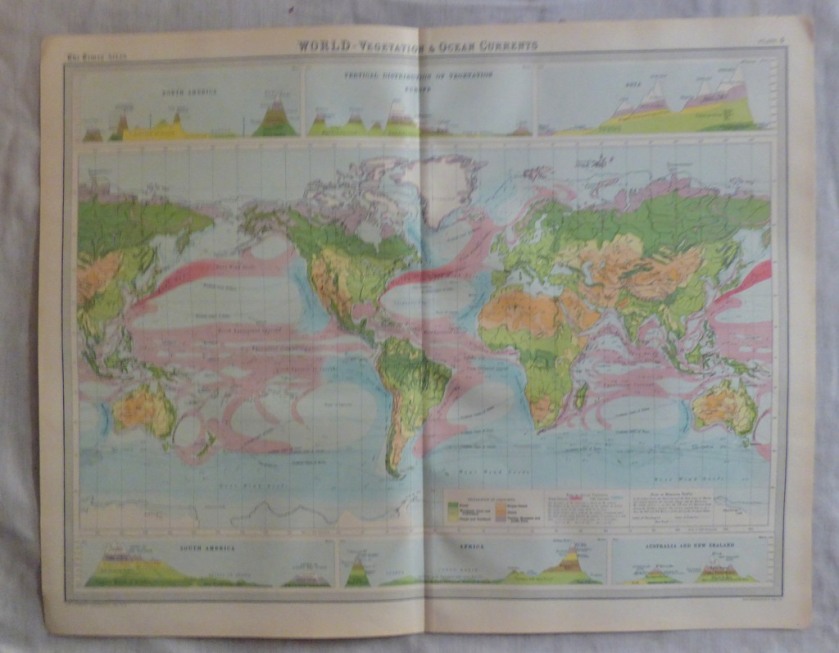
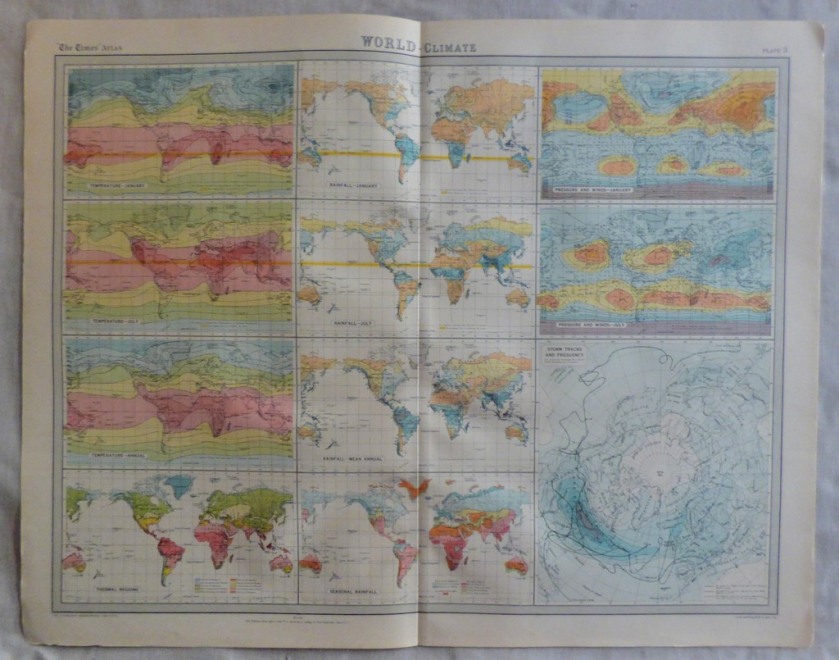
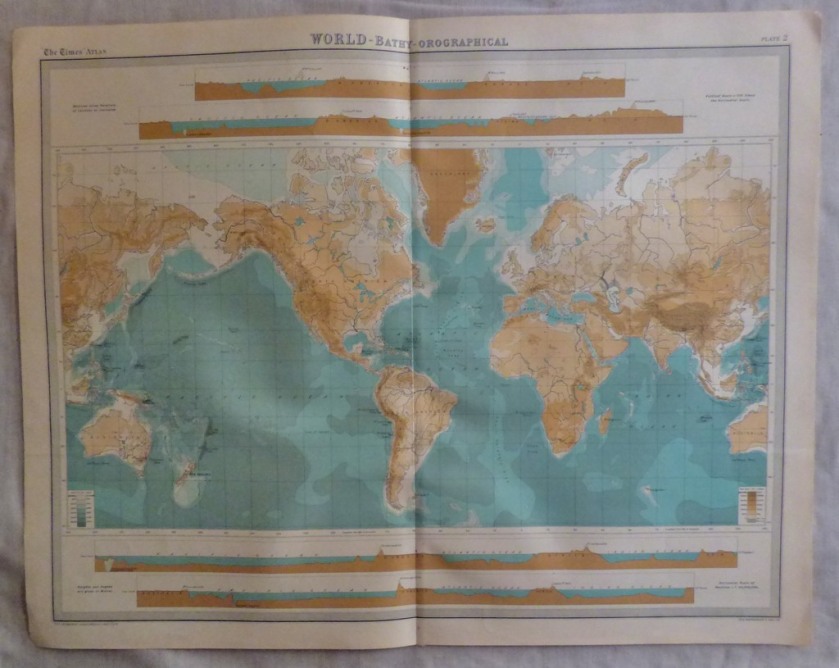
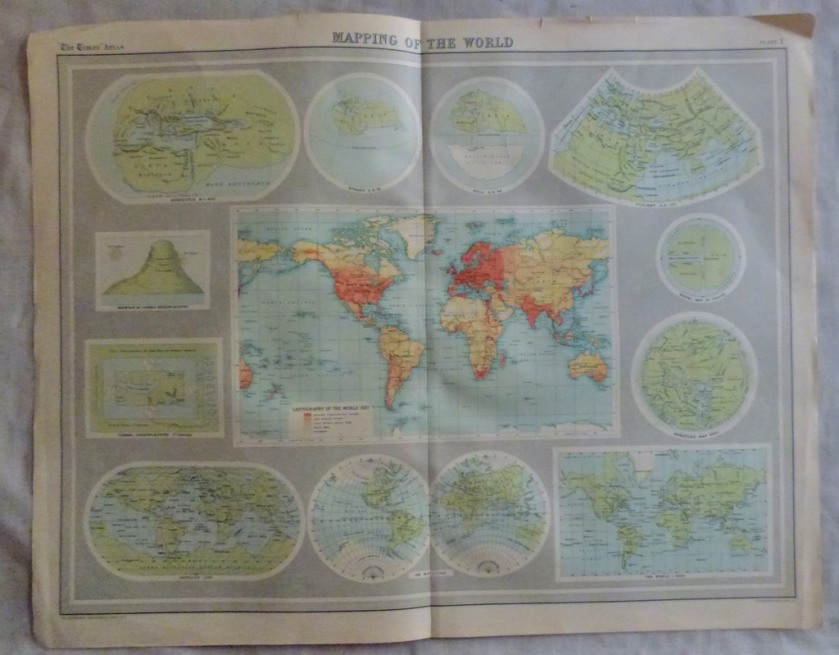
There will be more to come about these maps.The two boxes of maps were being sold as one single lot.The IT setup – In front of the master computer which I operate is my catalogue, a notepad and my ersatz coaster. Between the two computers is the mic, while the camera though connected to my computer is positioned atop David’s screen. Behind David’s machine is the big screen so that room bidders can view images of the items.
THE AUCTION ITSELF
There was a hitch after the first few lots when the master computer decided to install a load of updates, but we got back up and running again without too much fuss. The military RP postcards that started the auction fared OK, the ephemera and cigarette cards fared poorly (although lot 341 found a buyer – me).
This full image gallery for lot 341 shows that I cannot be accused of withholding anything about this lot in spite of my personal interest.
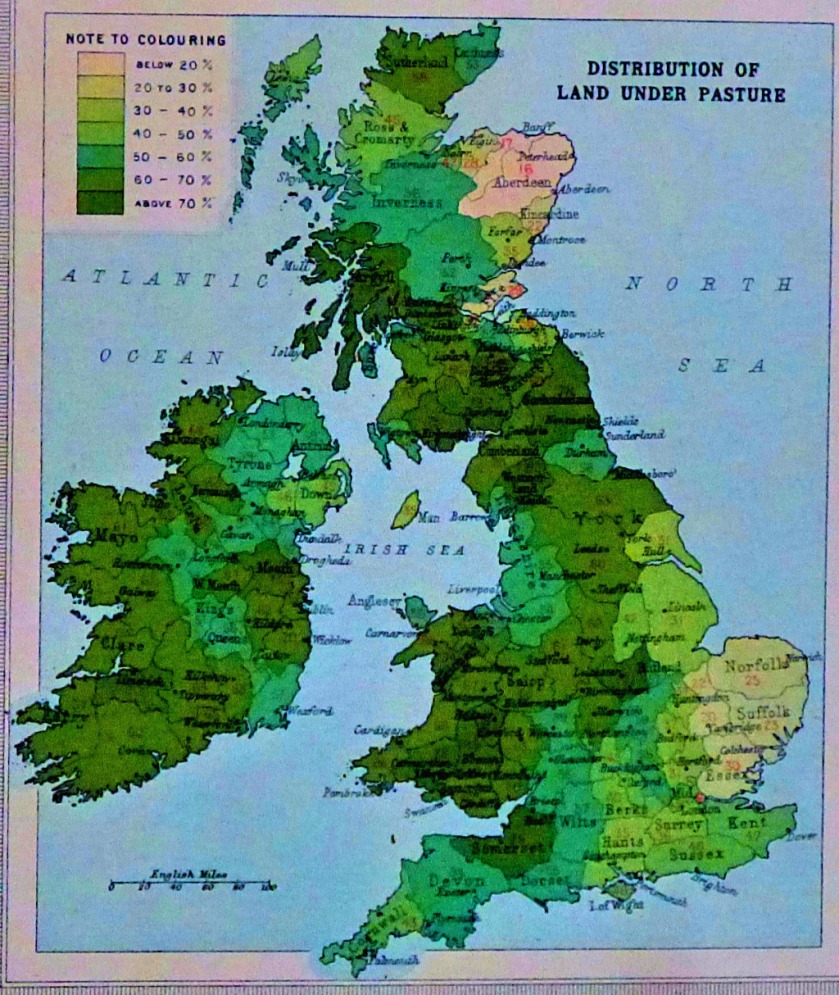
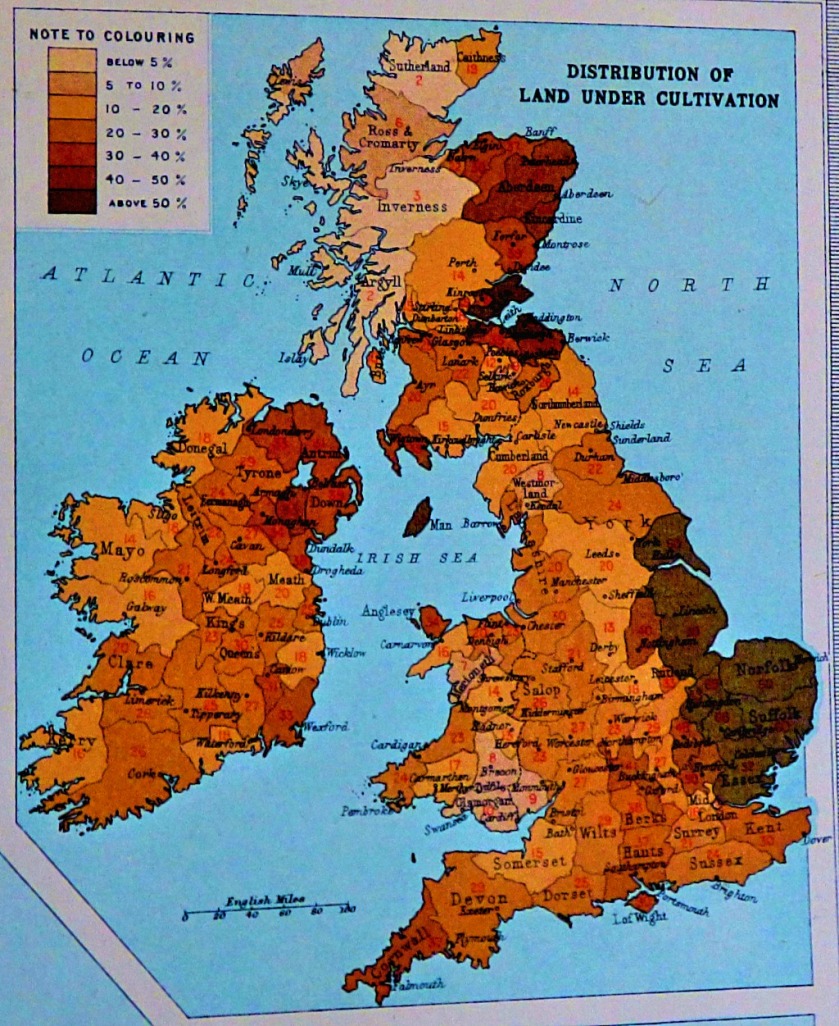
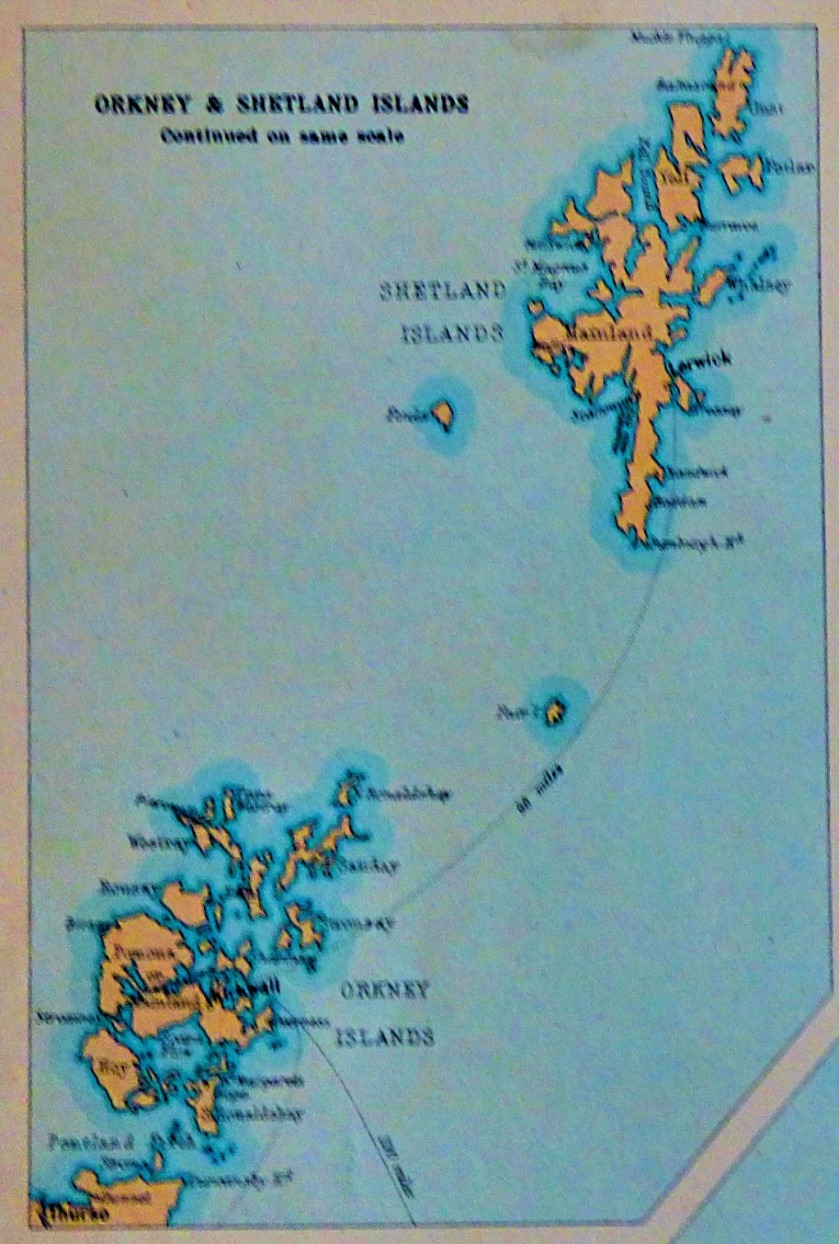
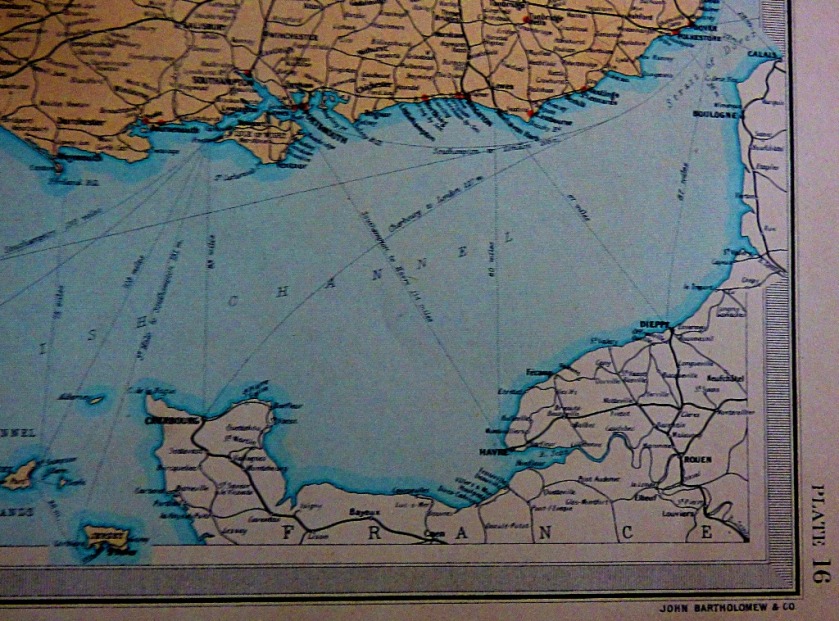
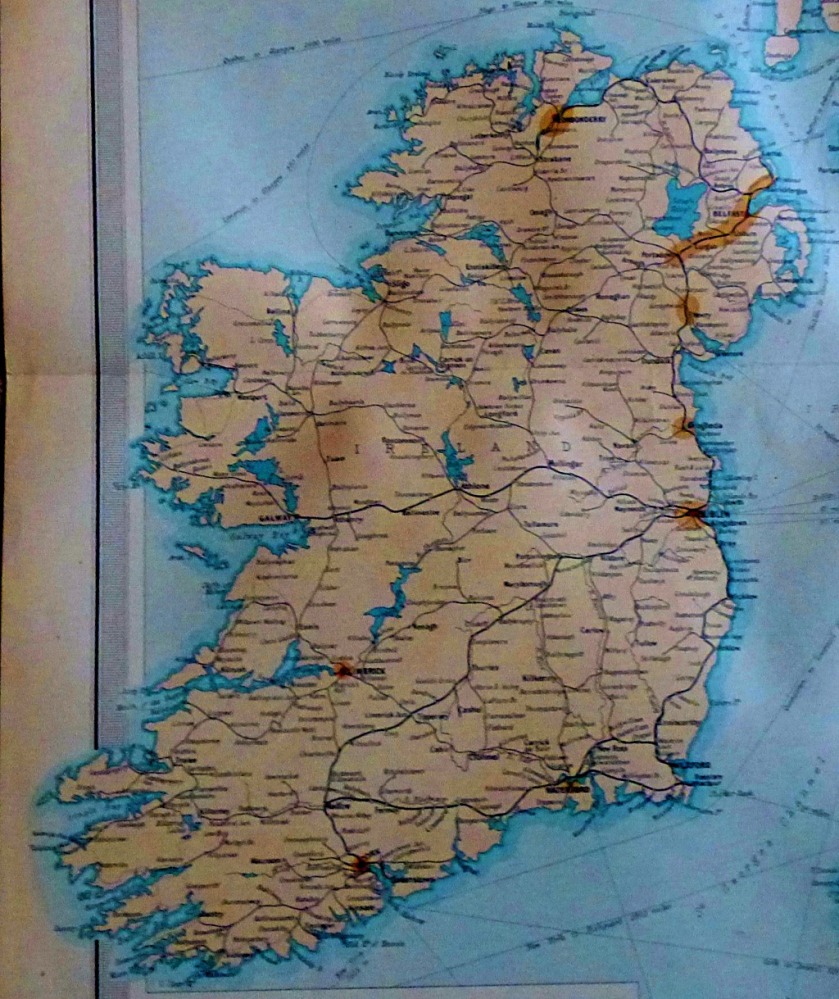
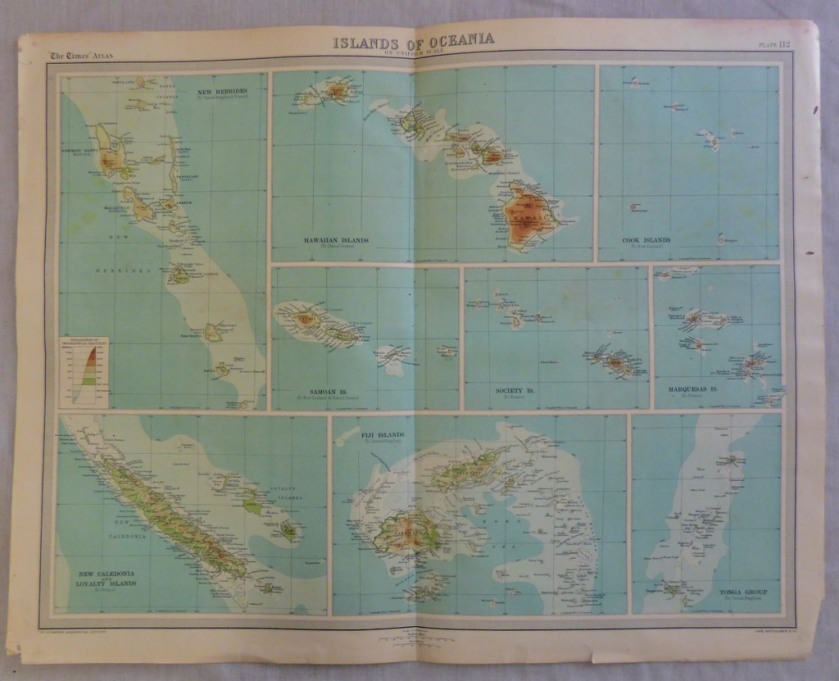
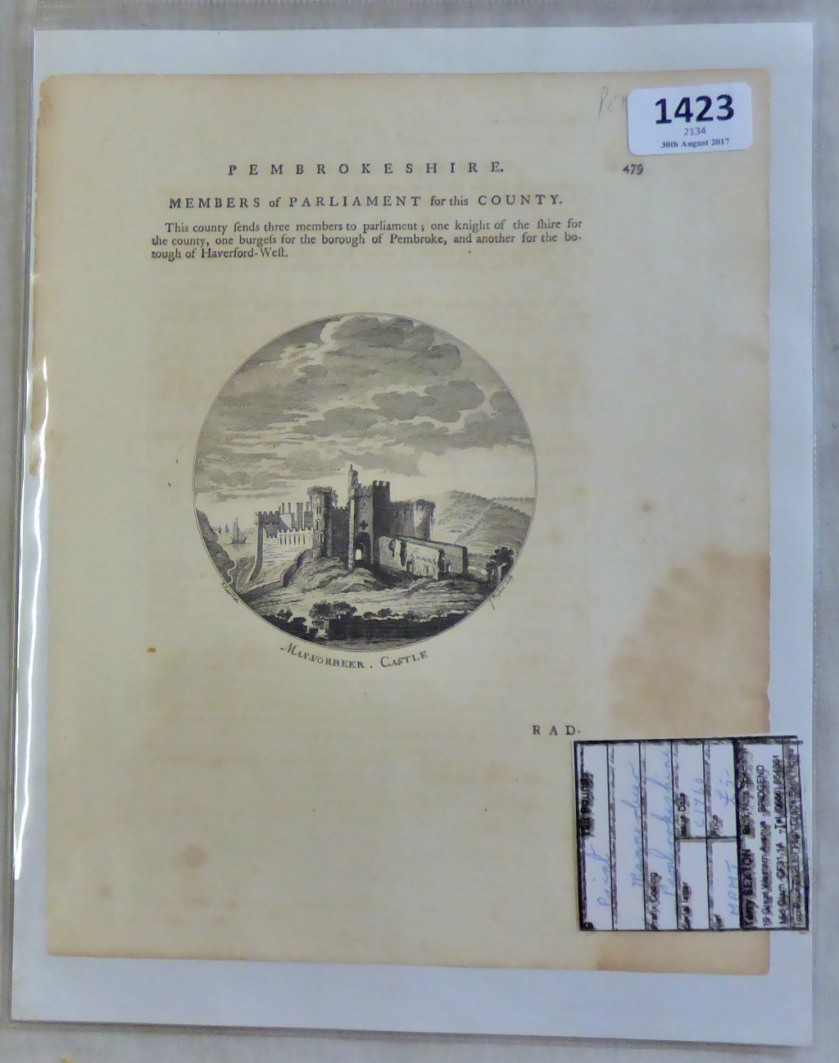
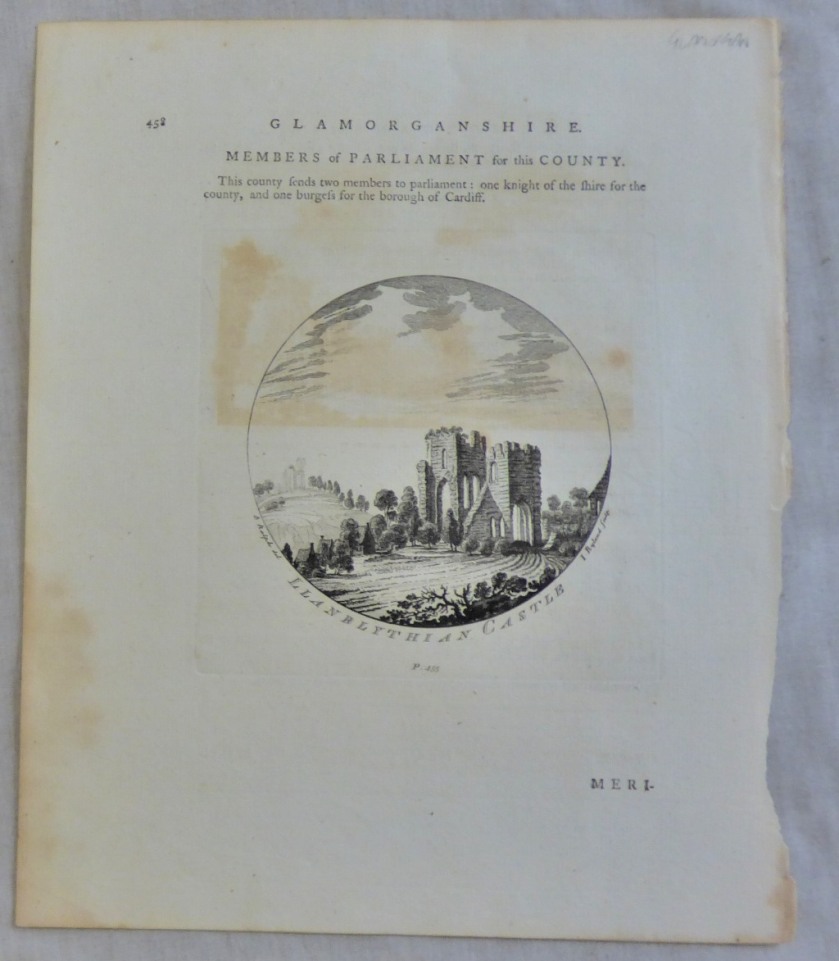
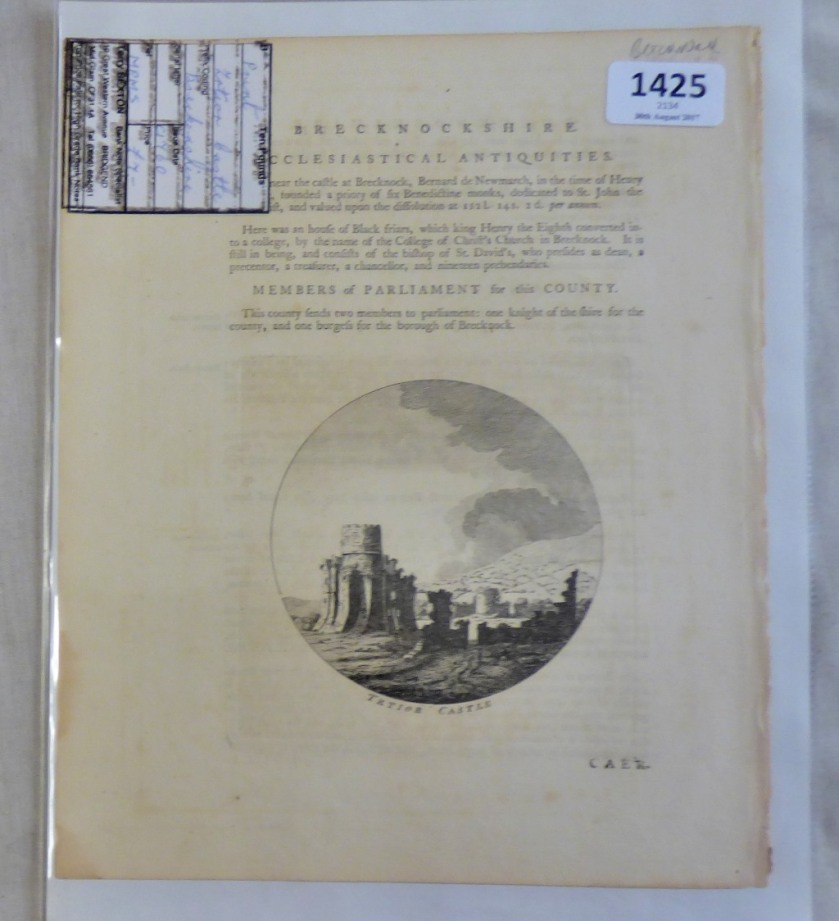
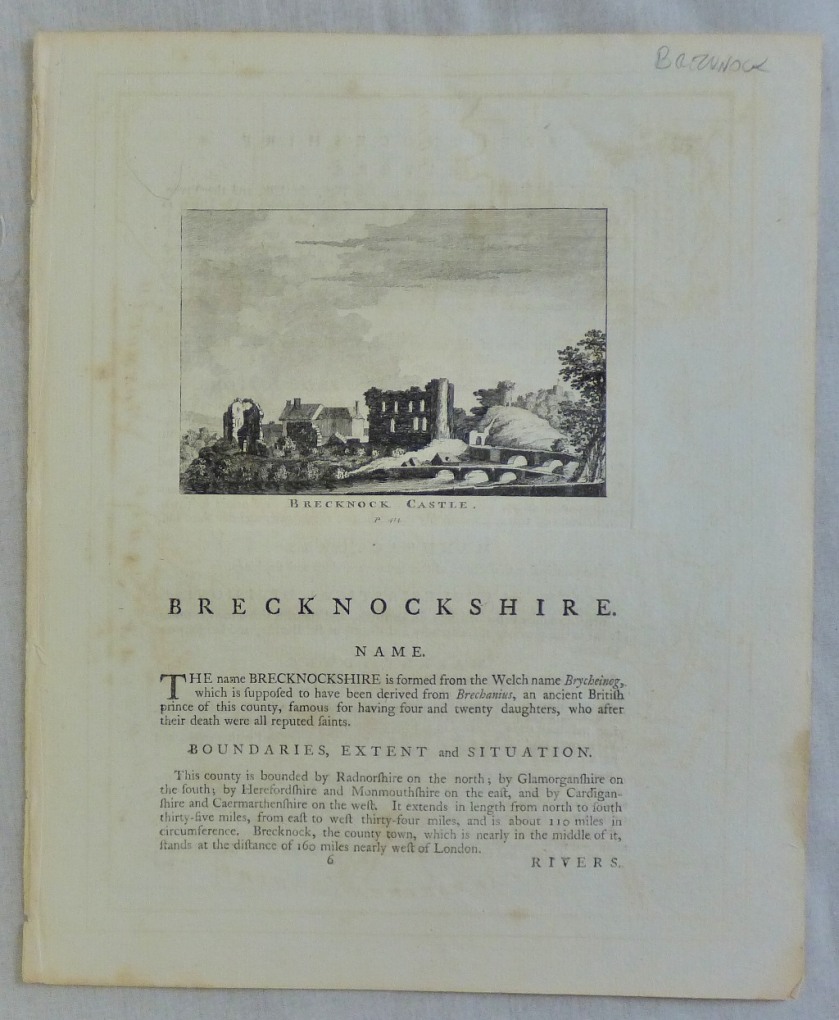
The maps which finished the auction off fared well at first, with several going for big money, but the ex-atlas maps that formed lots 538-600 did not do so well. Lot 553 fell to me.
This was always going to be the quietest of the three auctions, since it featured postal history, stamps and first-day covers, none of which fare particularly well. However that did not make my day any less busy since by the end of it the shop needed to look more like a shop and less like an auction room, and the van had to be loaded with all the stuff that was going to Norwich the following day.
The last item went under the hammer just after 12:00, and by the end of the day the van was loaded and with the sole exception of the big screen still being downstairs the shop was as it had been on Friday morning before I got to work on it. Here are some pictures from this second day:
WEDNESDAY
The cost of a single fare on the X1 (I had a week’s ticket for Stagecoach buses) having been obtained on Tuesday I duly caught the 5:30AM bus for Norwich, and arrived at the venue at about 7:30. My colleague who had the IT/ electronics stuff (bar my computer, being used today as we needed three and it was the only portable computer bar the two we regularly to use to which we had access) arrived a few minutes later and we did that side of the setup. The auctioneer arrived with the van full of stock some time later, and we did the rest of the setup.
The day went very well. The first big sale was lot 1,159, which fetched £80, but many other lots had sold for small amounts by then (this sale started from lot 1,051).
It continued to the case that most lots sold albeit not for huge amounts. Lot 1,301 achieved the biggest sale price of any individual lot over the three days – £450.
Lot 1357 was a collection of masonic regalia, and it so happened that a high ranking mason was present in the auction room and bought it.
Lot 1439 was of personal interest but the asking price was too high for me, so I had to let it go.
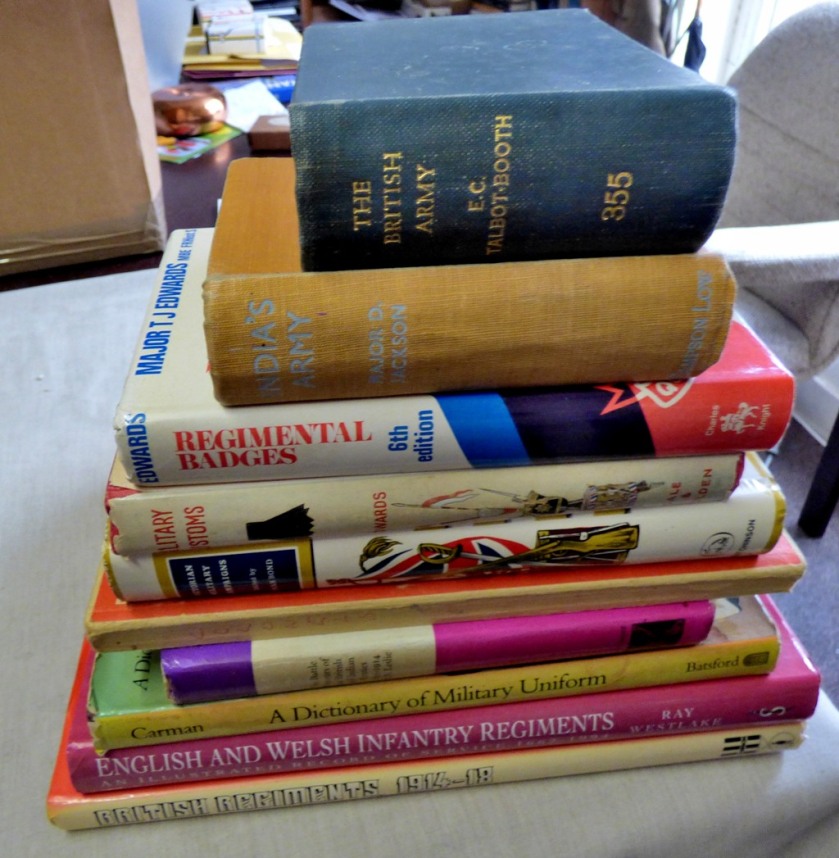
However, a few moments later I saw a more satisfactory outcome. Lots 1449 and 1450 were military history reference books put in by me (I had only intended to put one lot in, but I was persuaded to try both). I was prepared for these items not to sell, so when the lots went for £12 each (to a room bidder who had looked at them in the flesh) I regarded this as unequivocally good news.
Lot 1449Lot 1450
There were few more moments of note before the auction ended at lot 1543:
The last of 43 of these map plates that went under the hammer at this auction, the first 70 having gone under the hammer on Monday.
Once the van had been loaded I was able to take my leave, and headed for the Norwich Millennium Library to see what books I could borrow.
It was an exhausting three days, but quite satisfying. Monday was a bit quiet and Tuesday exceedingly so, but enough good things happened on Wednesday to make up for this.
The final post in my account of Heritage Open Day – dealing with the Ouse Amateur Sailing Club.
INTRODUCTION
Welcome to the final part of my account of Heritage Open Day 2017. Once I have published this post I will be creating a page to make this series of posts more accessible, but for the present my account of the day consists of:
Overview– covering the whole day and indicating which aspects of it would receive dedicated posts.
27 King Street– Focussing specifically on the building where I did my stint as a volunteer steward.
2 HamptonCourt– A mainly photographic account of a unique experience at a property that is currently being renovated.
The IFCA Boat – My visit to the Inshore Fisheries and Conservation Authority research vessel moored at the pontoon jetty.
SETTING THE SCENE
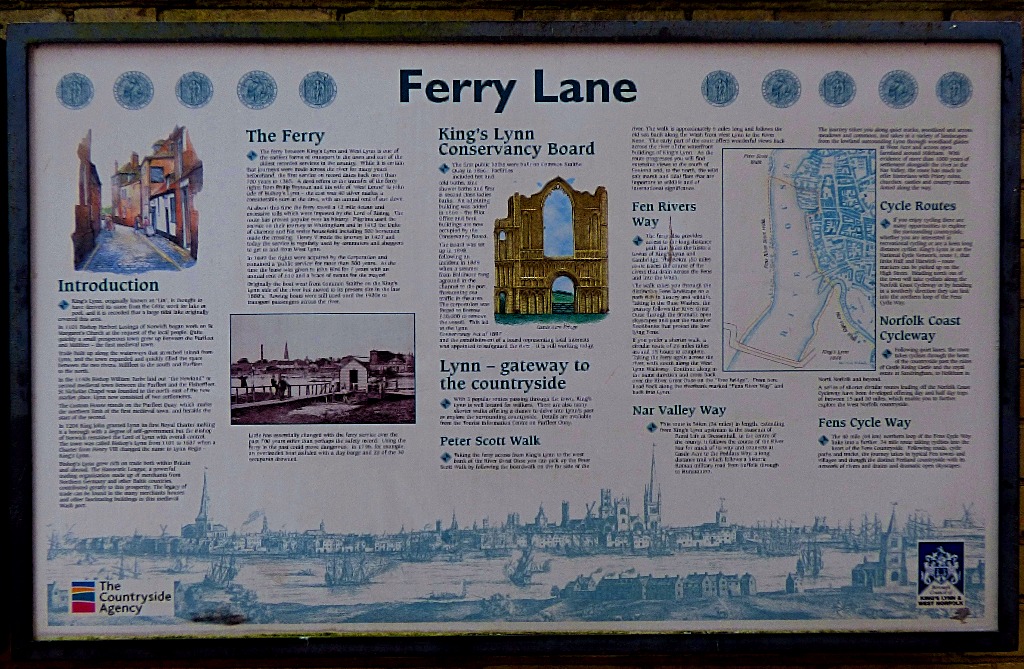
After two hours volunteering at 27 King Street I was feeling drained because of the level of interaction involved in the process. I therefore decided to head to the Ouse Amateur Sailing Club on Ferry Lane, which opens it doors to non-members on Heritage Open Day, and where I could spend a bit of time on their river view terrace and decide whether to call it a day or to head home.
AT THE CLUB
My pint purchased I duly headed for the terrace. The weather was too chilly to permit staying outside for too long, so I made periodic trips back inside to warm up. I resolved the decision of what to do next in favour of calling it a day, and headed for home having had a good day.
PHOTOGRAPHS
The one picture here not directly associated with the club, but since it kis at the top end of Ferry Lane it belongs here.
Continuing my account of Heritage Open Day 2017 with a detailed look at IFCA and their research vessel.
INTRODUCTION
Continuing my account of Heritage Open Day 2017, we now turn our attention to the IFCA Boat, moored at the pontoon jetty for the occasion. This post follows on from:
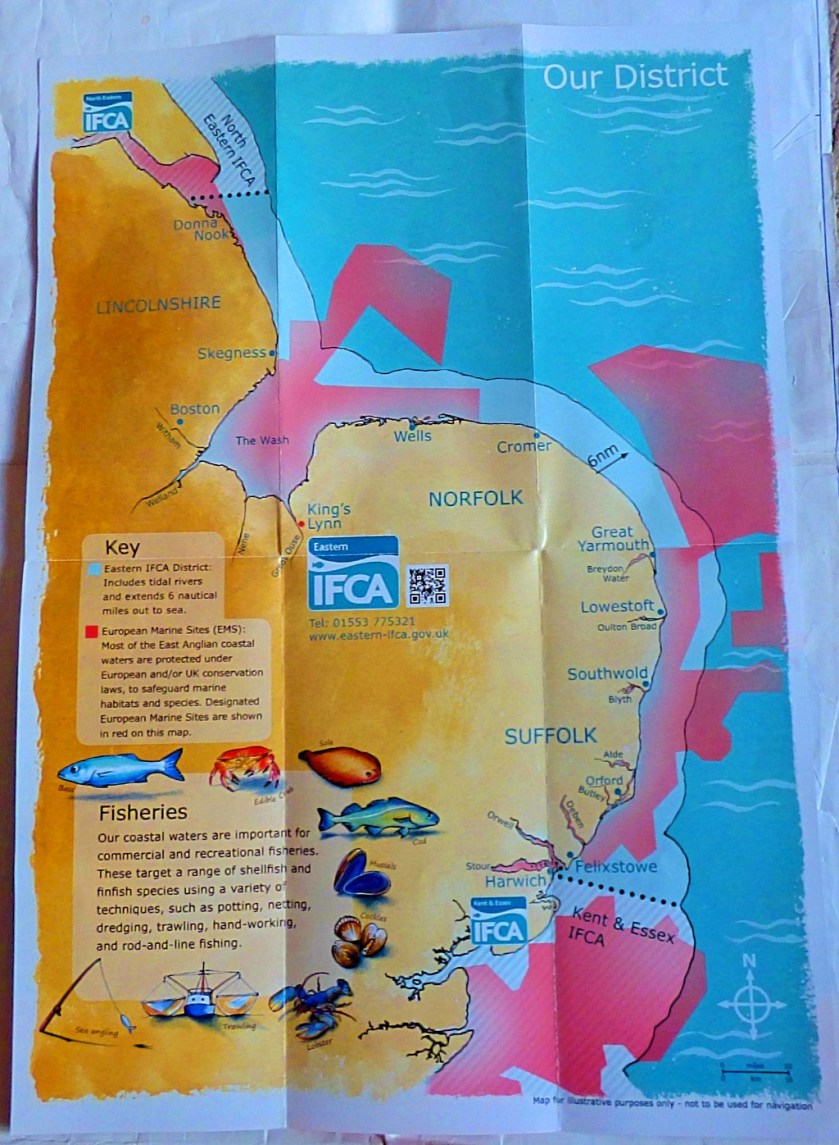
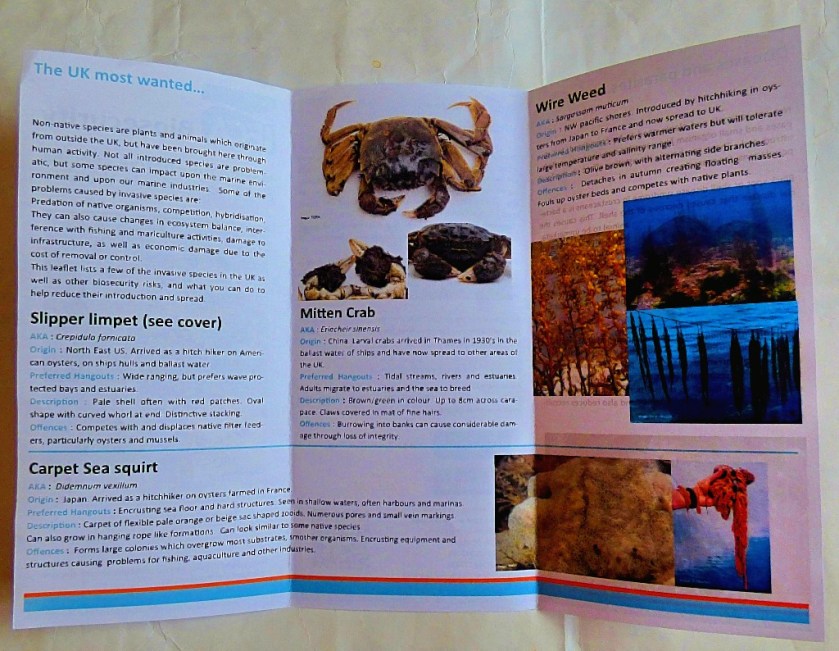
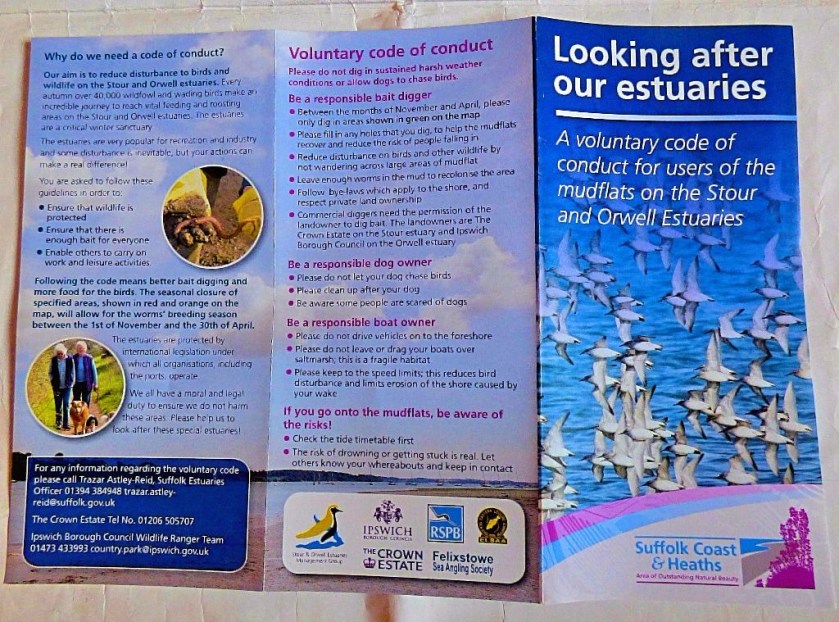
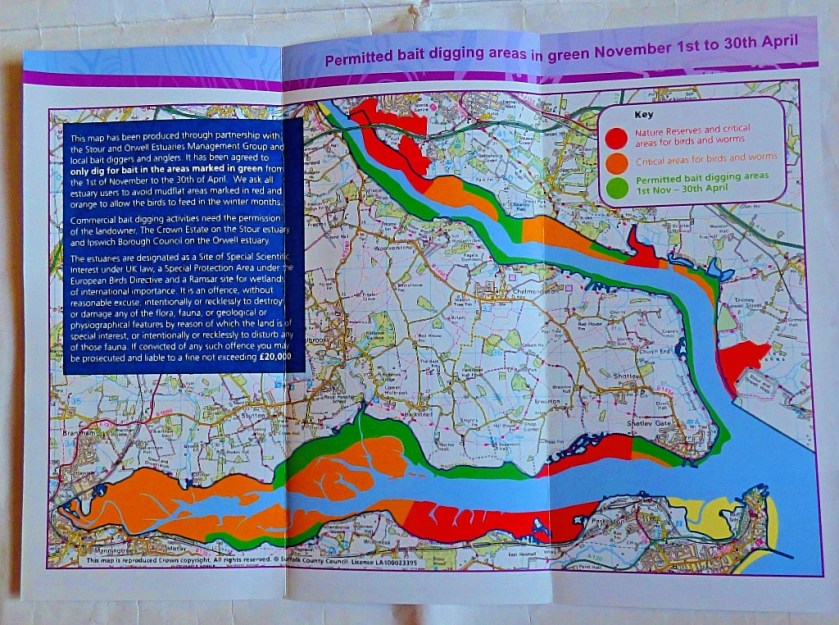
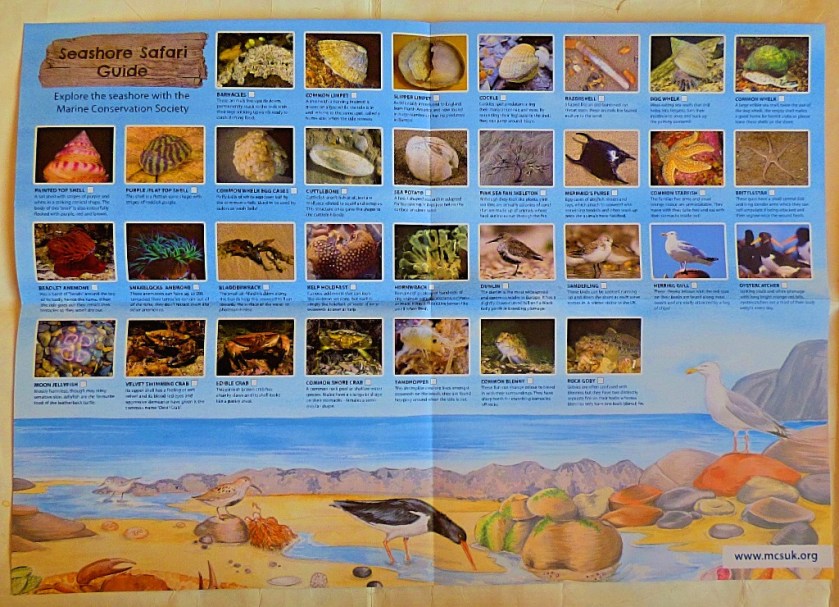
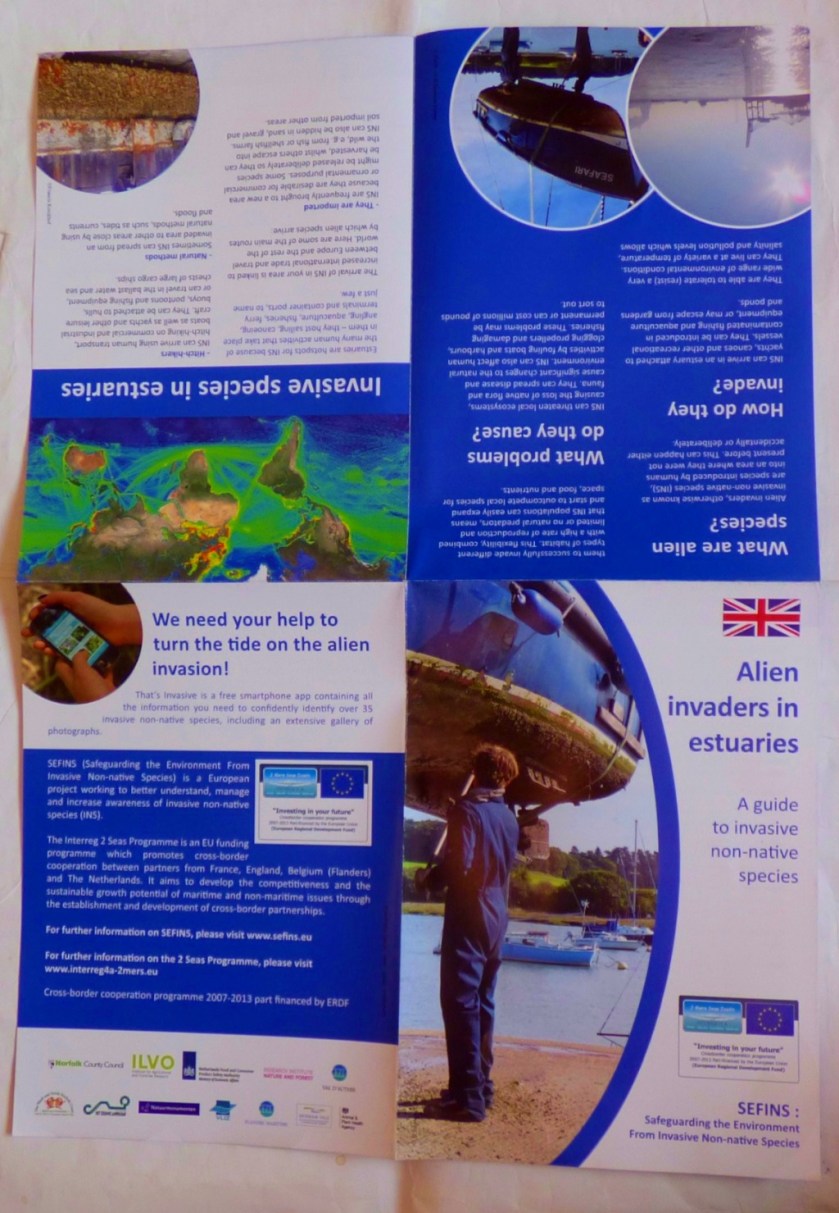
The Inshore Fisheries and Conservation Authority are responsible for balancing the needs of the fisheries industry with conservation, within six nautical miles of the shore. As well as the website to which I have linked they also have presences on facebook and twitter for those of you who are social media users. Here are photographs of their general leaflet:
]
ON THE BOAT
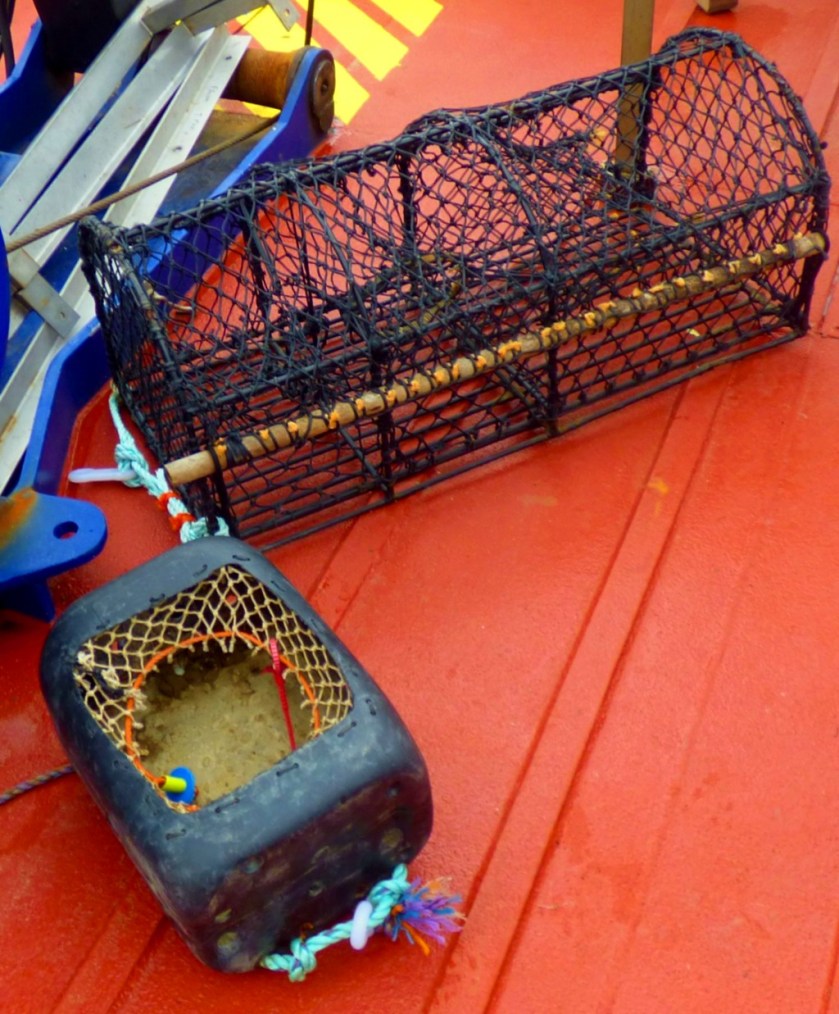
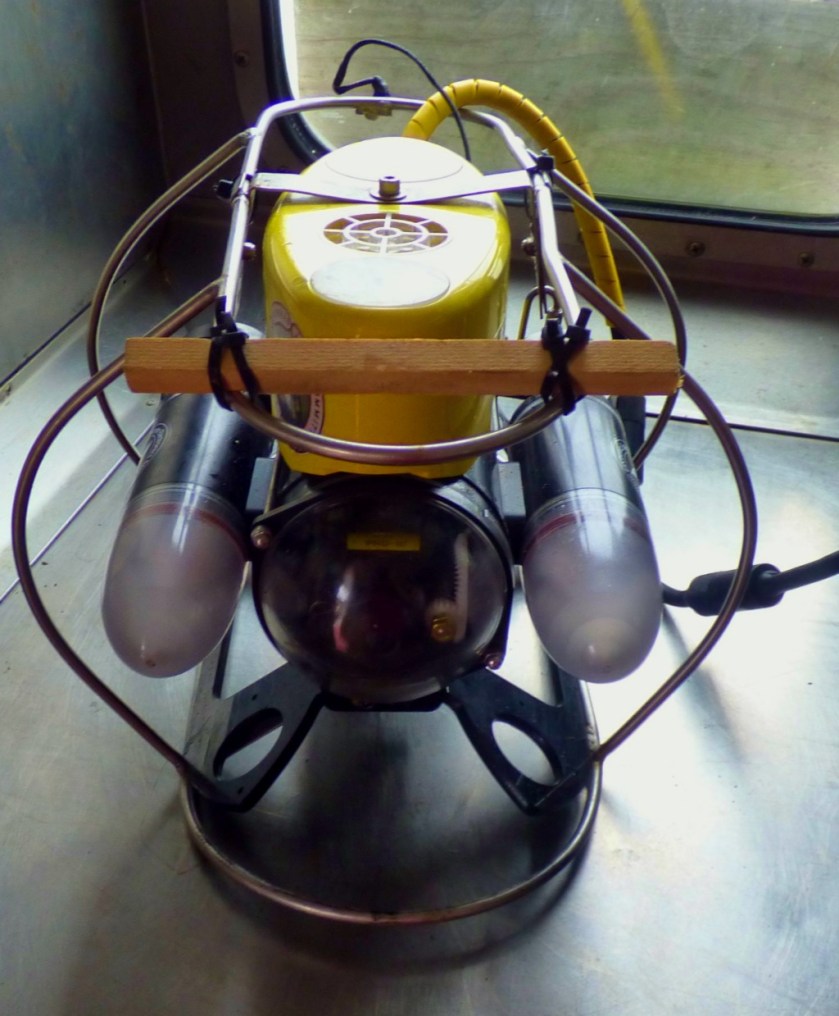
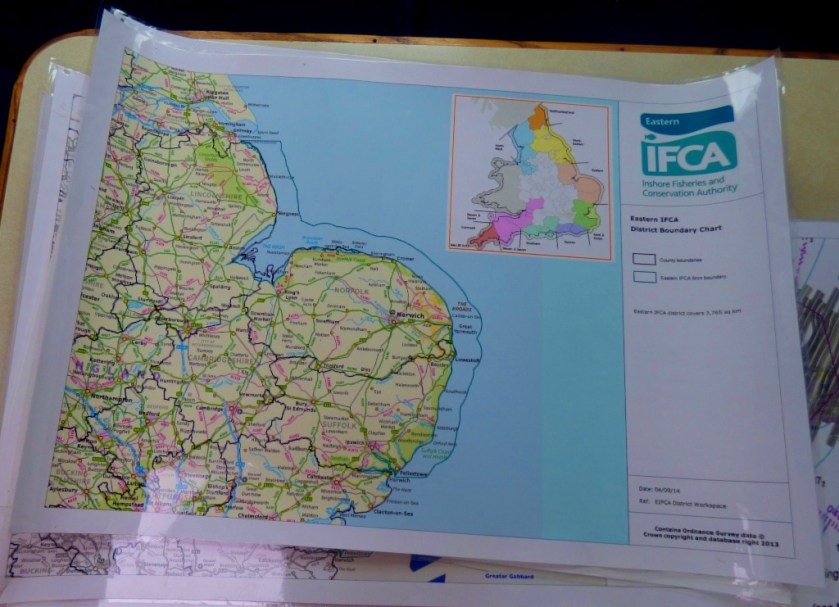
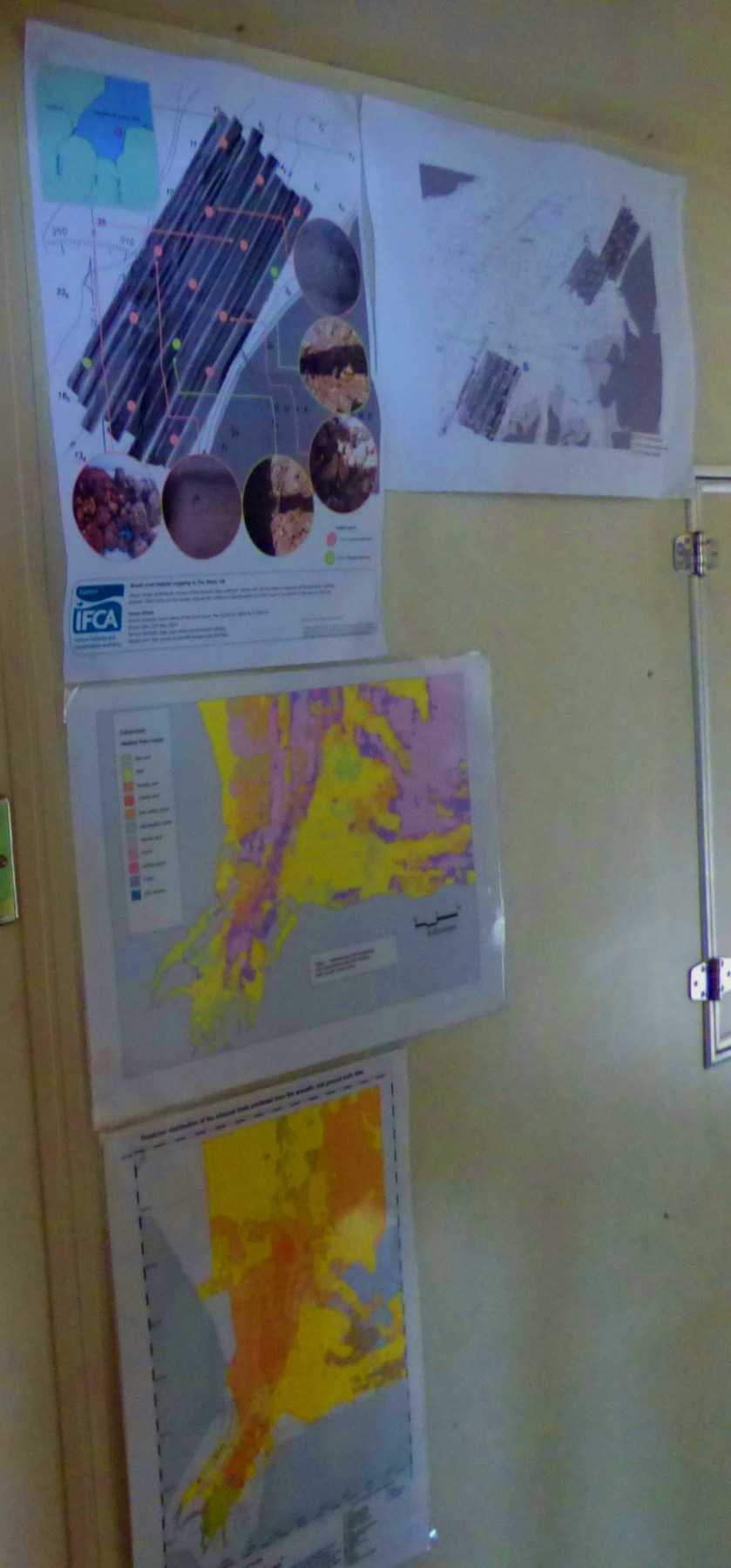
The boat that was open to us was a research vessel (moored at the end of the jetty was an enforcement vessel, but we could only look at that, not board it). On board was all kind of equipment, a number of maps and charts and some free leaflets of which more later. The boat has a main deck area where you join it from the jetty, a couple of cabins that are open for access, a control unit, and area below decks which is not accessible and an upper deck which is accessible by way of a short but very steep staircase (so steep that I was just one of many to deem it necessary to descend facing backwards rather than forwards). Here are the photographs I took while aboard:
This was the view from the upper deck.
SOME PUBLICITY SAMPLES
Near the start of this post I showed the general leaflet produced by IFCA, and I finish with samples of the rest of their publicity materials that were available on the boat:
CLOSING COMMENTS
I thoroughly enjoyed exploring the IFCA research vessel and learning about IFCA and the important work that they do. I close this post with a message from an earlier post of mine, “Marxism 2017 – Day 3: Outline“:
An account of the rescheduled James and Sons auction which happened yesterday.
INTRODUCTION
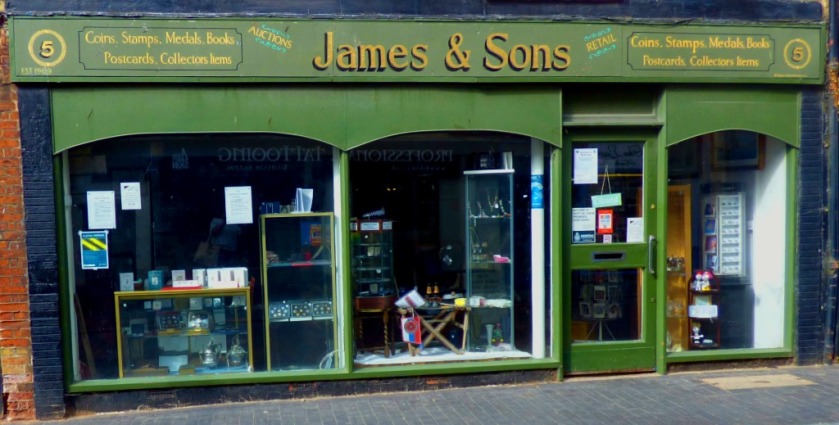
Followers of this blog will be aware that the second James and Sons August auction had to be postponed. Yesterday, at James and Sons own premises, 5 Norwich Street, Fakenham NR21 9AF was the appointed time and place for the rescheduled auction. We could not display all the stock in the limited space of our shop, so only small items made it downstairs. What follows is in account of my day and of the auction.
BEFORE THE BEGINNING
Some preliminary testing was done on Thursday to help ensure that the auction ran properly. On the Friday I caught the first bus of the morning into Fakenham. I was thus at the shop at about 7:10am, and after making a cup of coffee, getting my computer switched on and checking my emails I had a little time to spare before anyone else would be arriving, so I photographed some maps that will feature in the first of our end of September auctions. At 7:45AM I headed back downstairs, switched the downstairs lights on to acknowledge my presence to the world and was ready for action. Here are some photos from this period…
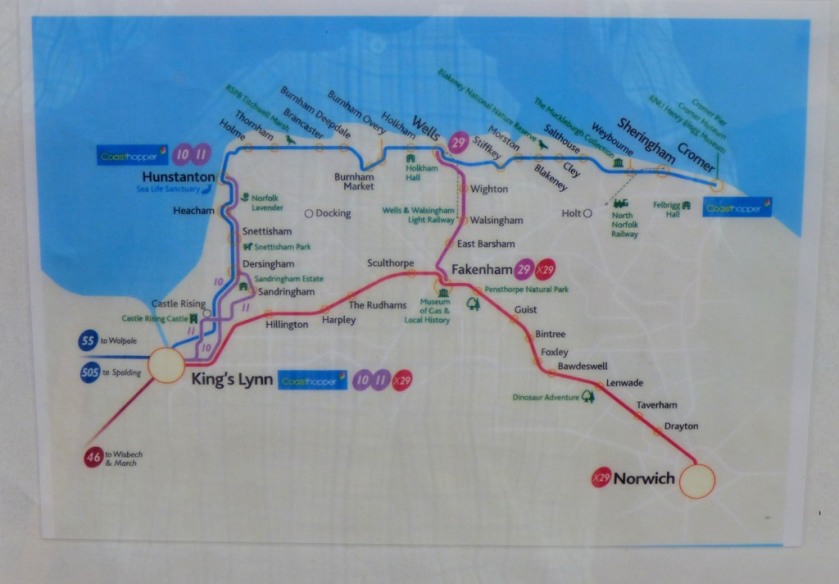
This route map can be seen at the bus stands on Oak Street, Fakenham
From here until the picture of the two computers are pictures relating to auction layout and setup
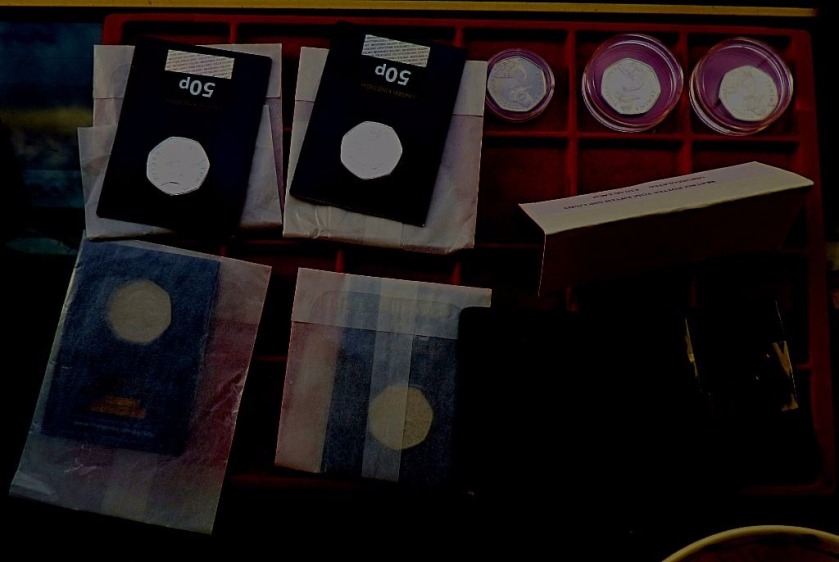
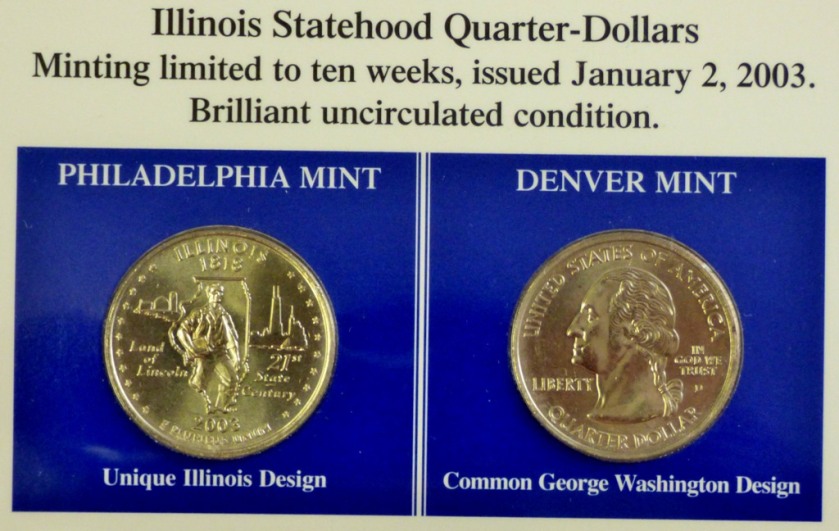
The light was wrong for capturing these Beatrix Potter coins – the sun was shining directly on them.
The IT setup – the silvery computer is the master machine,, and is open on the operator screen, with my notepad, pen, catalogue and ersatz coaster (formerly the back cover of a notepad) in front of it, along with my bidding paddle. Note also the camera attached to to the other machine and positioned to focus on the auctioneer, and the brand spanking new mic in the middle.The maps – this is lot 538, and although I only got up to lot 545 there are maps from this series up to lot 600, and then a few more will feature in the third and final auction of the end of September series, with lot numbers in the 1500s. I will be imaging the rest on Tuesday.
A TESTING BEGINNING
Because of the circumstances of the auction there was a button I had to press called ‘repush bidders live’ when preparing for the start of the auction. Additionally, the auctioneer had decided to start at lot 921 instead of the official lot 924, which meant that I had to manually re-offer those first three lots before the system got back in sequence. A reset request from atgmedia also contributed to a slowish start. However, once this was all dealt with the auction proceeded smoothly.
THE AUCTION AND CLEAR-UP
The militaria fared well, the antiques and bygones far better than I had expected, while the records and books were predictably quiet. Then we got into the ephmera, for which section I had two plans, as follows:
If lot 1415 was available at a price within my means I would get that and my interest as a potential buyer would terminate.
If plan 1 failed then I would try my luck with lots 1422 and 1428, with a fair degree of confidence of getting them. Lot 1422 (four images)
Lot 1428
In the event the starting price for lot 1415 was too high for me (I had decided that I would come in at £25 but not if more was required, and the auctioneer wanted £30), but I was successful with plan 2, getting each item for £10.
Some of the framed prints sold as well, which is all to the good. Lot 1600, the last item in the sale went under the hammer at about 2:20PM, and once I had accomplished as much of the clear-up of the IT stuff as was possible (typically, the laptop we used as the master computer decided that before shutting down it needed to install a load of updates, so I had to leave it where it was, though now unlugged and running on battery).
After consuming my sandwiches I was able to get away, having had a tiring but very satisfying day.
The rescheduling of an auction – a first in my time at James and Sons.
INTRODUCTION
Yesterday was the day on which James and Sons’ second August auction should have taken place. This post is about what actually happened.
TECHNOLOGY ISSUES
I arrived at Fakenham Racecourse precisely as planned, which was about the last occasion on that day that anything could be said to have gone to plan. We were slightly late getting things set up. Then my computer failed to connect to the racecourse’s internet as their set up is not secure enough for my computer’s liking. Another laptop having been located it then became apparent that we would not be able to run video, although the audio seemed fine.
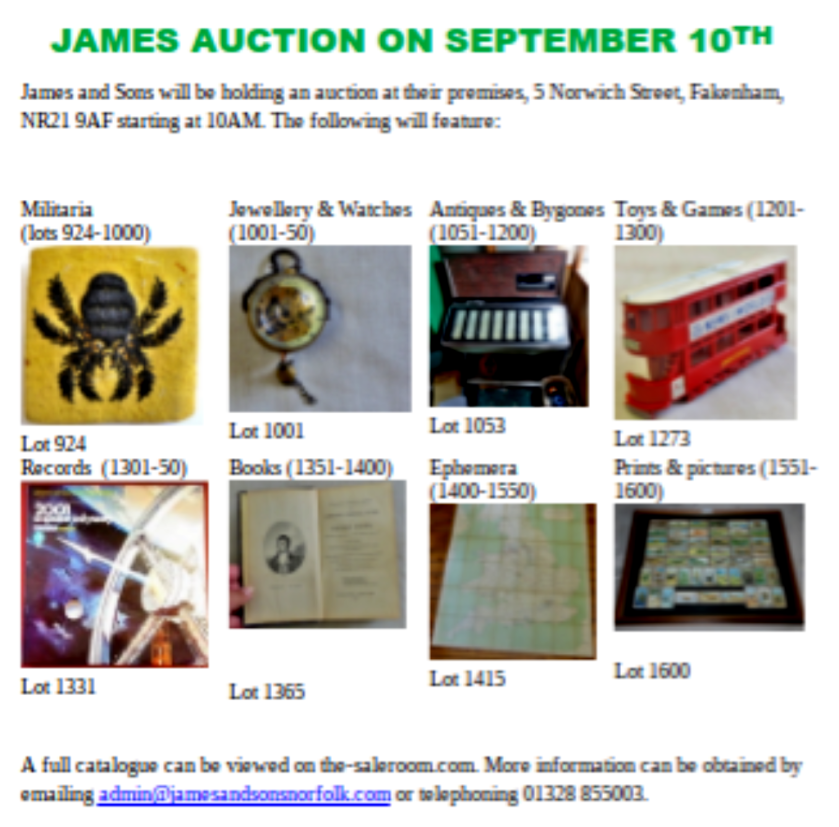
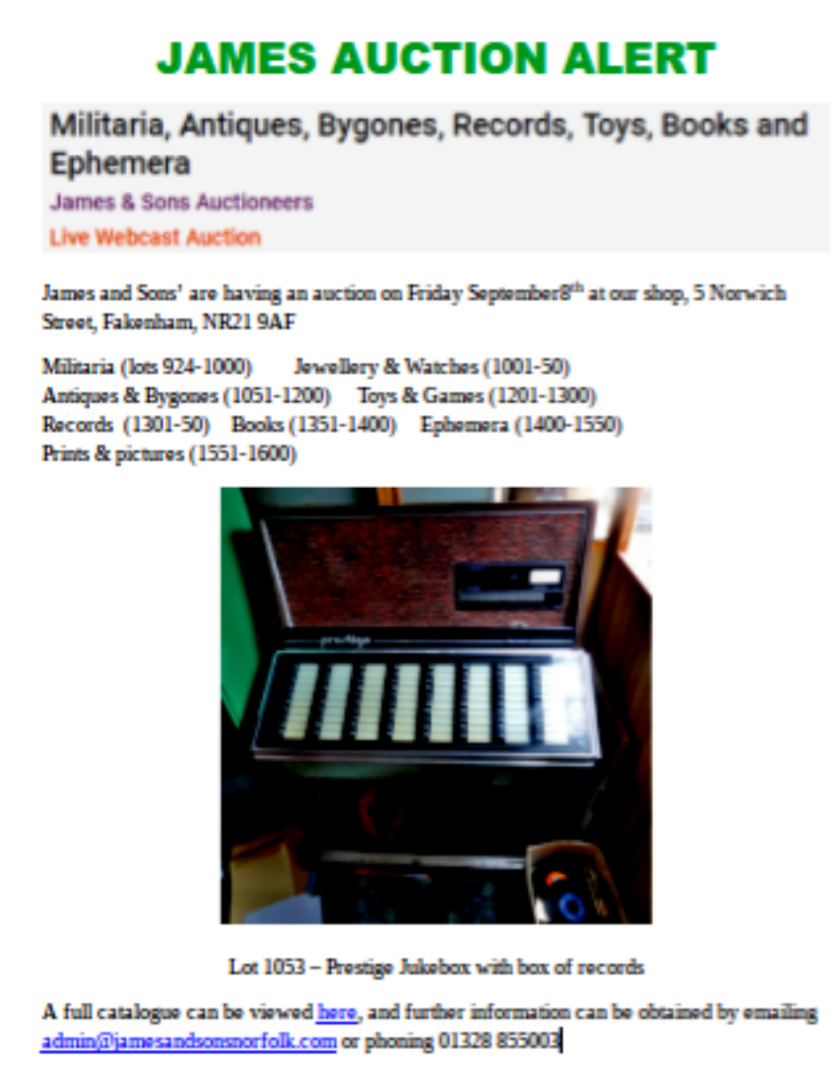
Just after lot 923 went under the hammer we finally and definitively lost our audio as well. Discussion with the folks at the-saleroom.com, which included them being given remote access to one of our computers failed to resolve the situation, and after 15 minutes attempting to resolve the situation we decided that the only option was to postpone the auction, so on Friday 8th September at 10AM we will be having an auction at our shop which will start at lot 924 and end at lot 1600.
DAMAGE LIMITATION
Once the we had got the stuff back to the shop we got the auction officially rescheduled and I sent out a bulk email and a press release about the new auction. Here are both documents, and all the images used in their creation save for that of the record.
I know I got the date wrong on this one – I was very tired and failed to notice.
Official publicity for Heritage Day 2017 in King’s Lynn.
INTRODUCTION
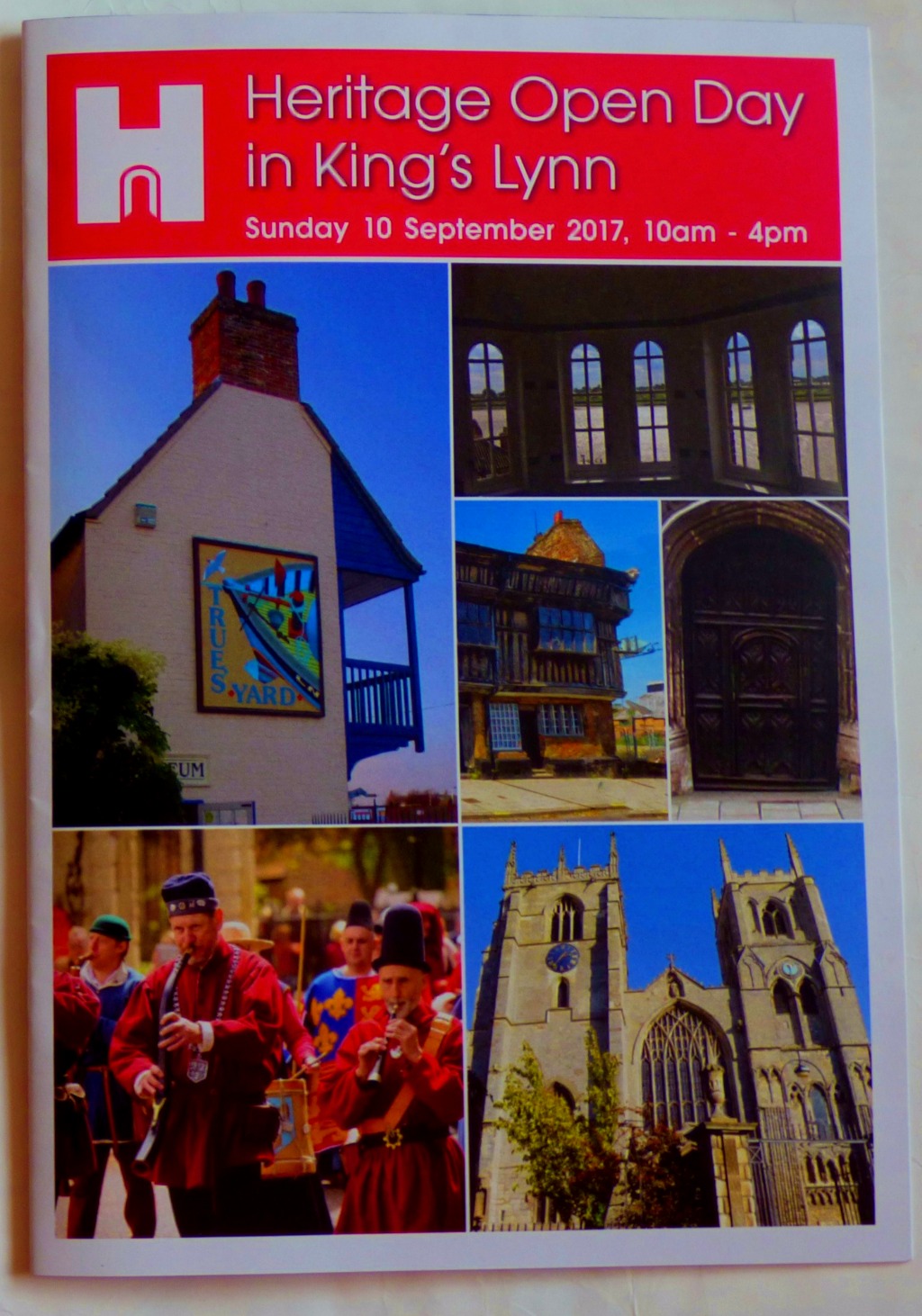
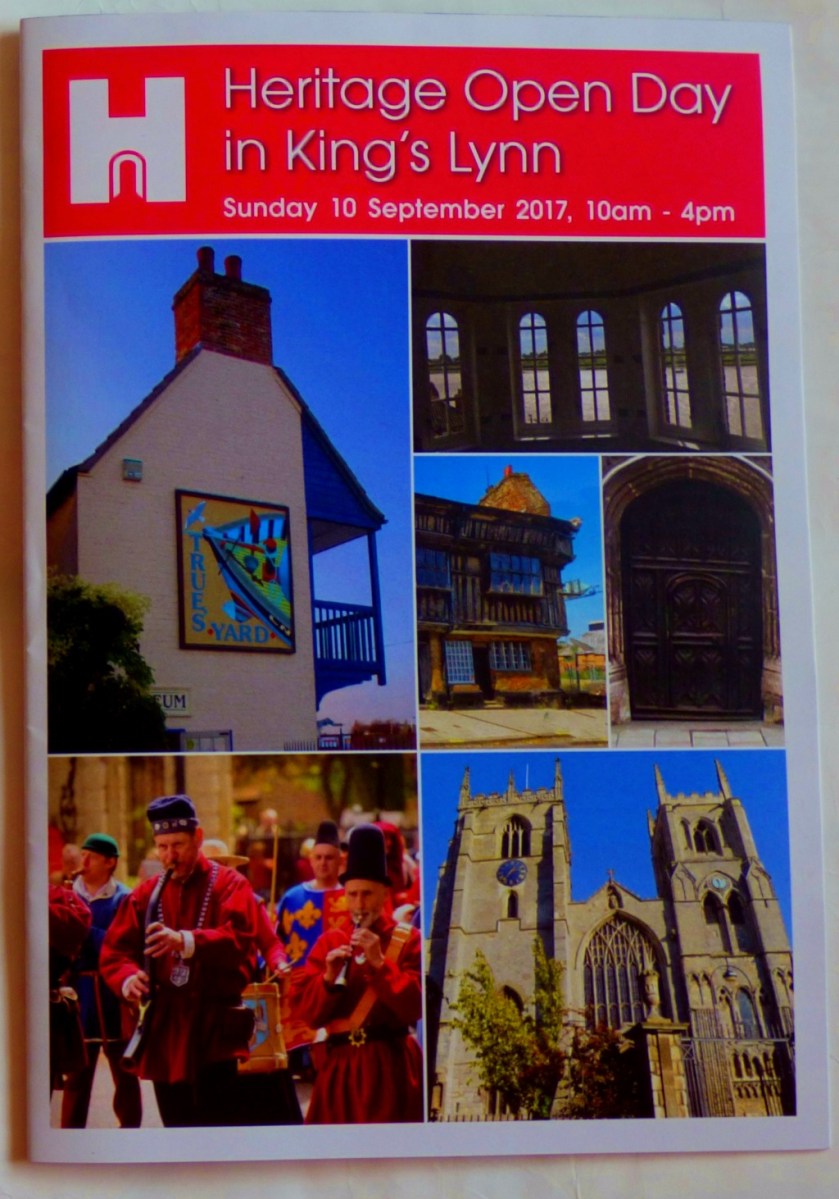
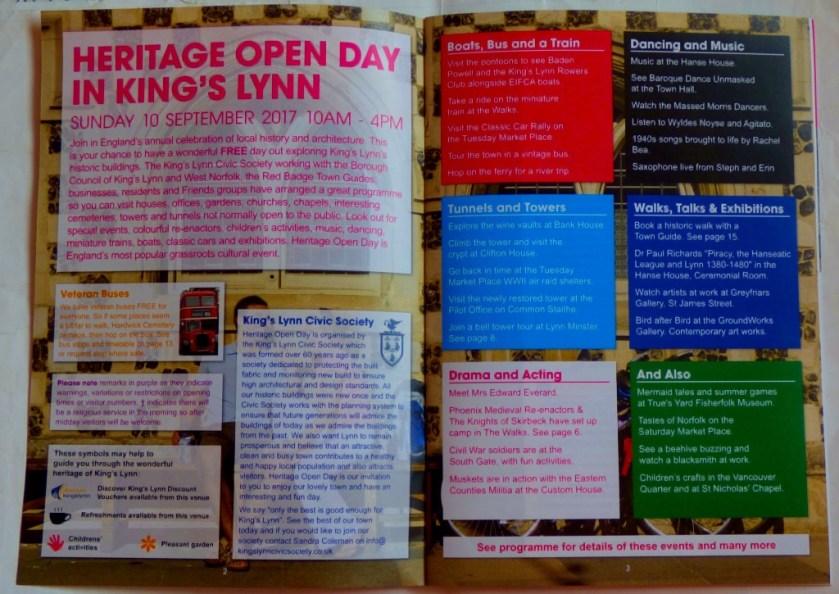
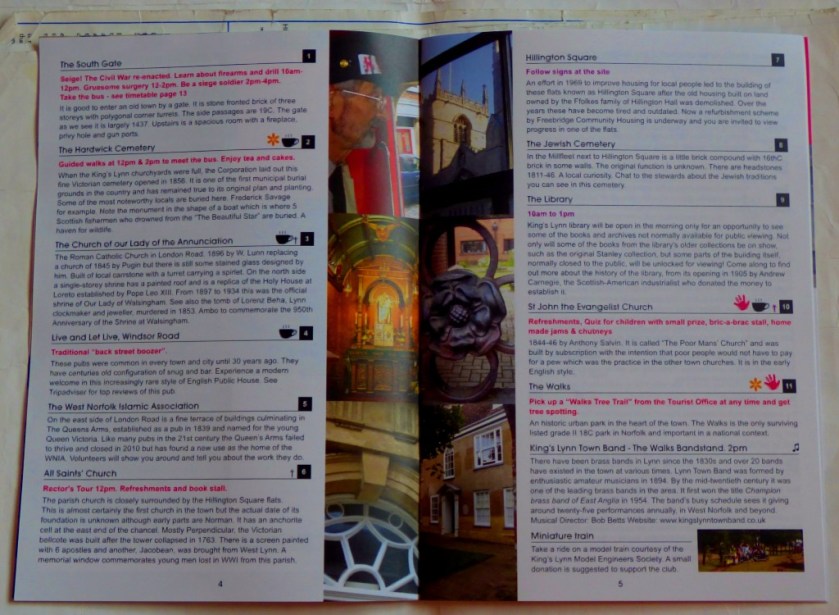
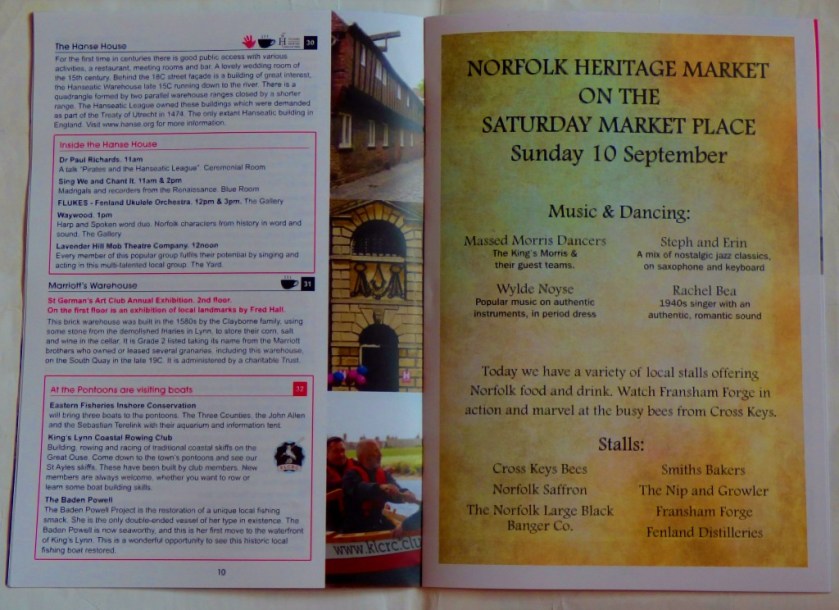
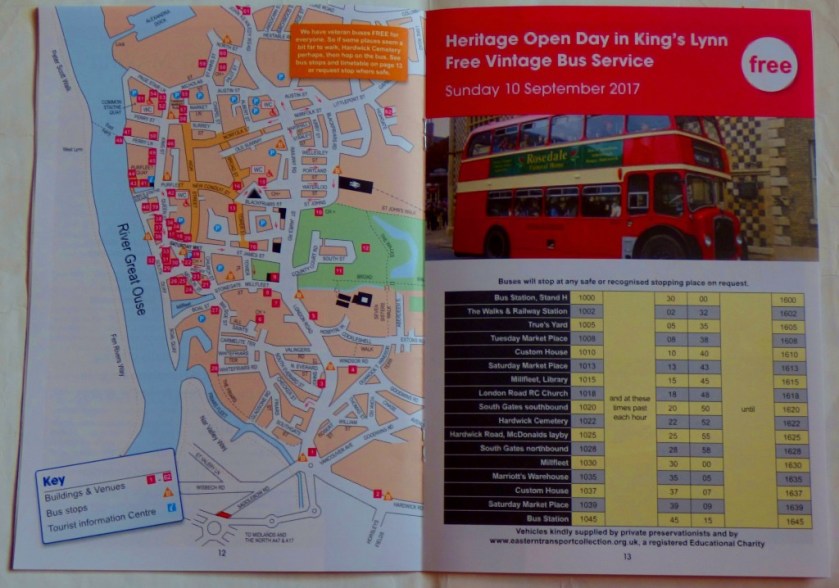
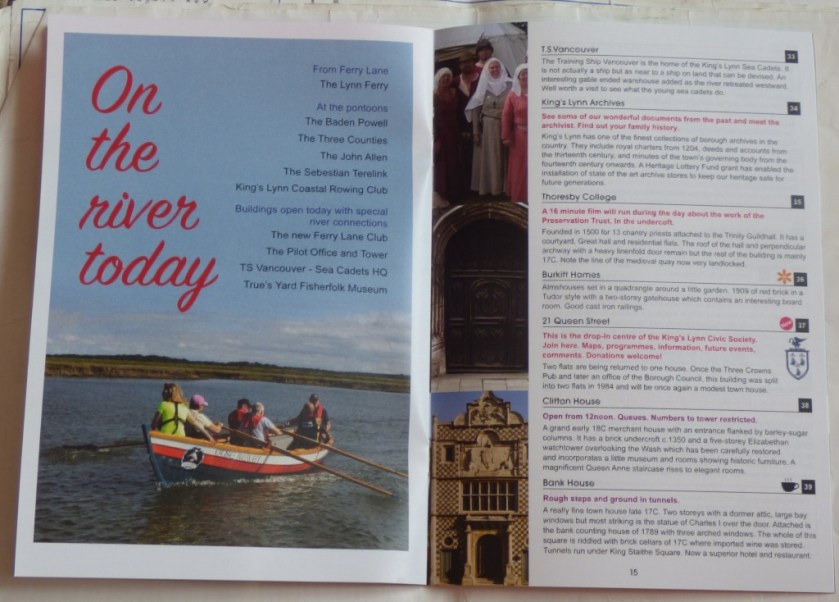
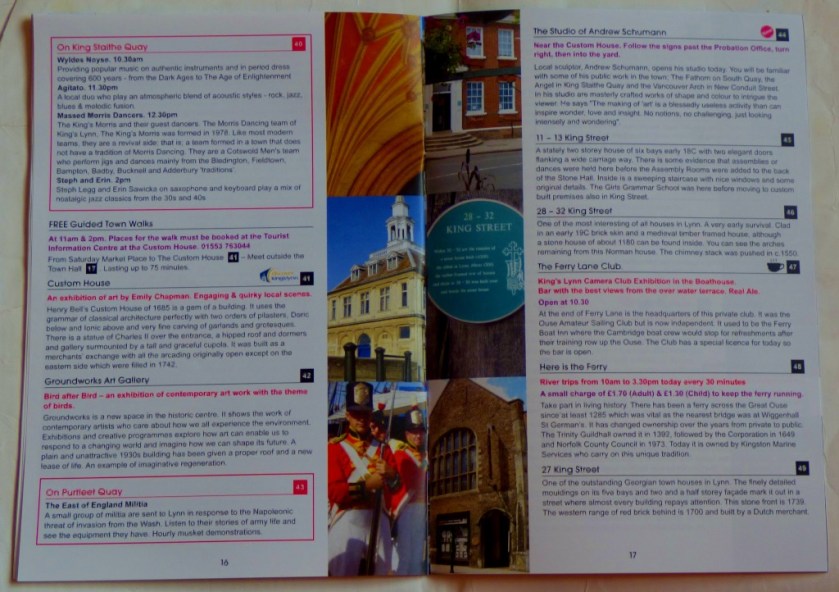
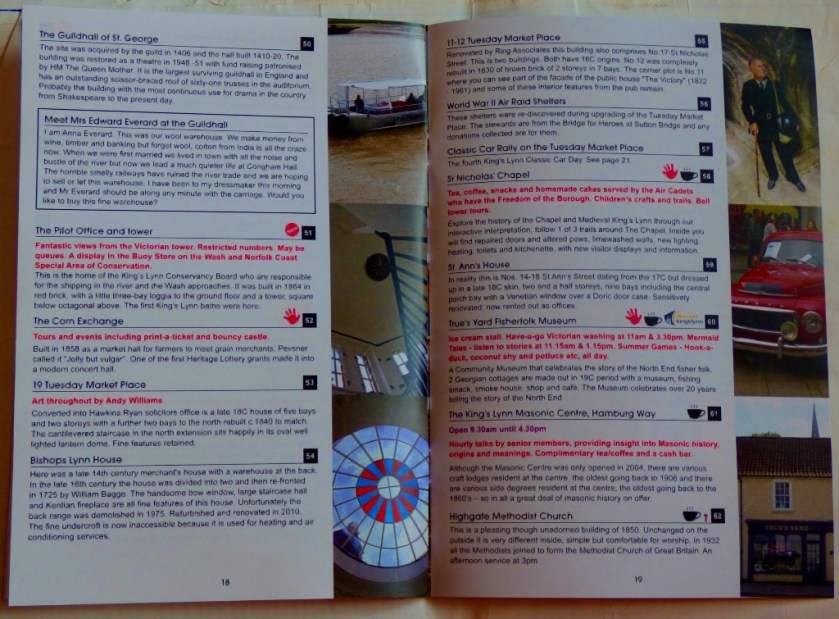
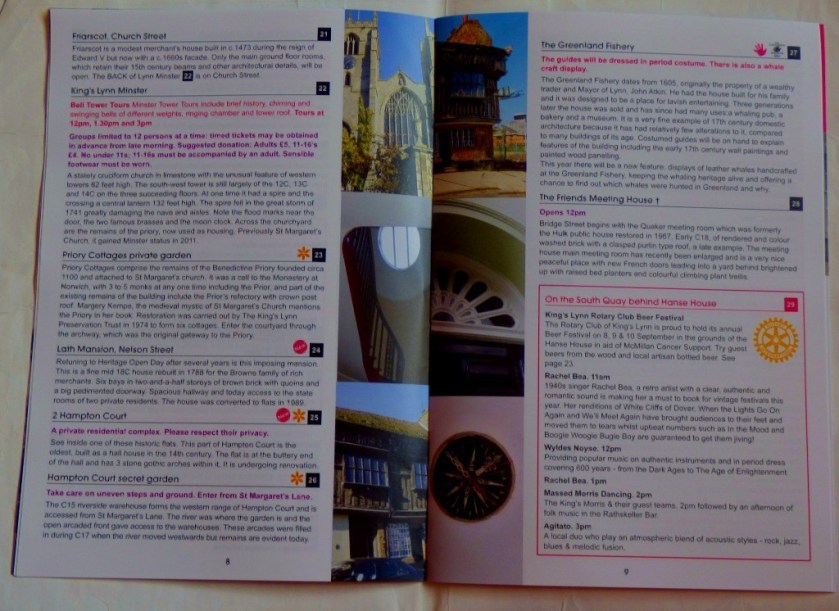
I have mentioned Heritage Open Day 2017 several times in this blog, including the fact that I will be stewarding at 11-13 King Street between 12 and 2PM. The official pamphlet for the event is now out, and with just less than two weeks to go I take this opportunity to share it with you.
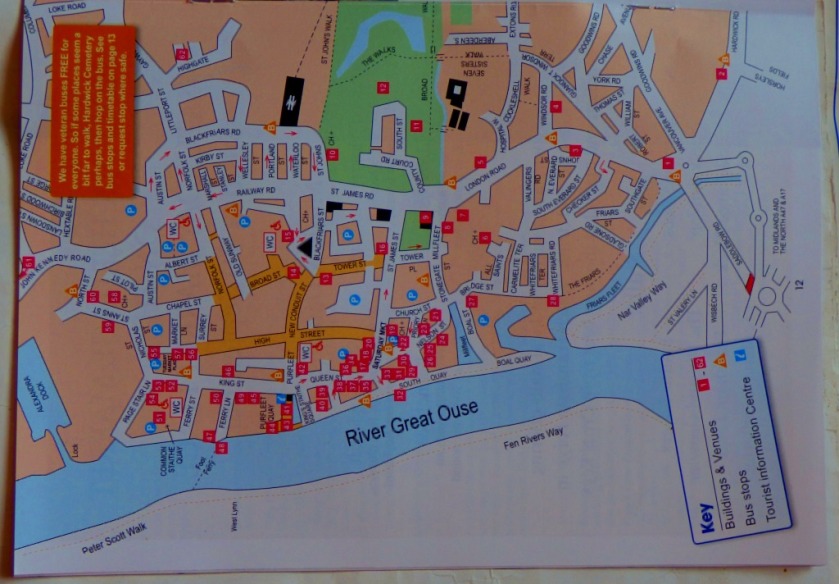
THE MAP
Here is the map that is in the middle of the pamphlet, to help you orient yourselves:
THE PAMPHLET IN ORDER
This section shows the full pamphlet in all its glory:
A COUPLE OF CLOSE FOCUSES
The first place I havce chosen to focus on is Hampton Court, where my aunt lives:
James and Sons usually have an auction near the end of each month. In August a combination of an intervening bank holiday and the fact that it takes a full day to set things up at Fakenham Racecourse means that we will be having two separate auctions near the end of August:
On Friday August 25th we will be having an auction at our shop in Fakenham.
On Wednesday August 30th we will be having an auction at Fakenham Racecourse.
THE FRIDAY SALE
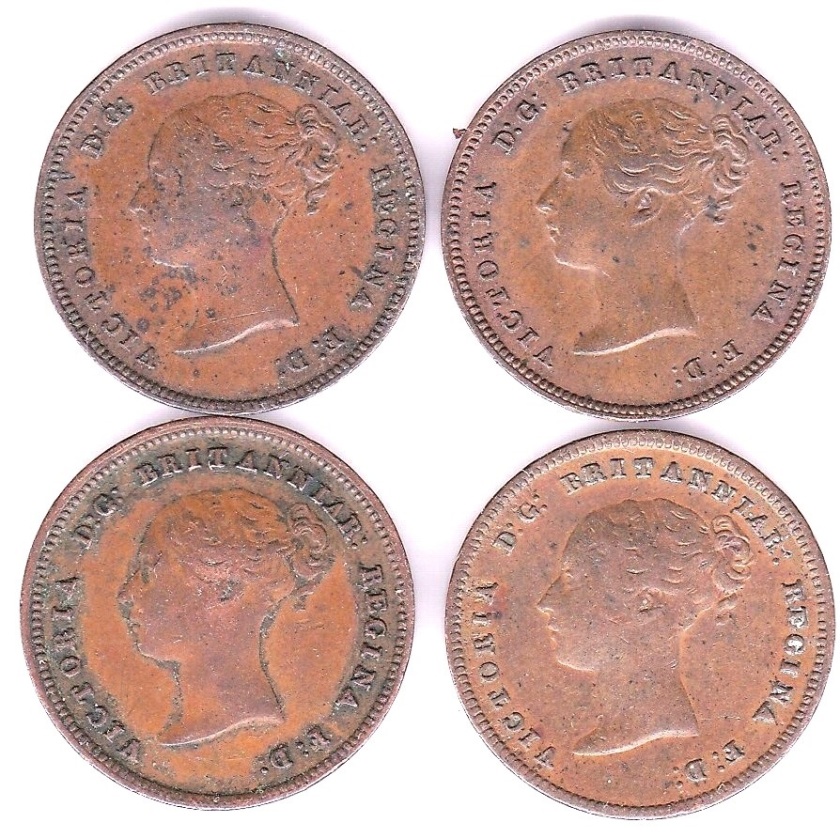
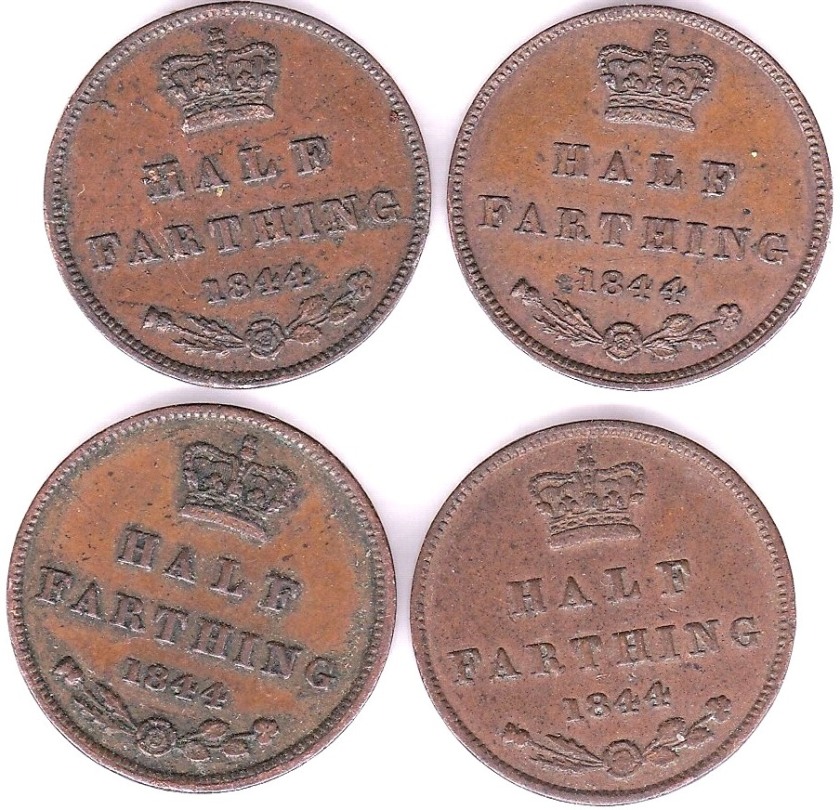
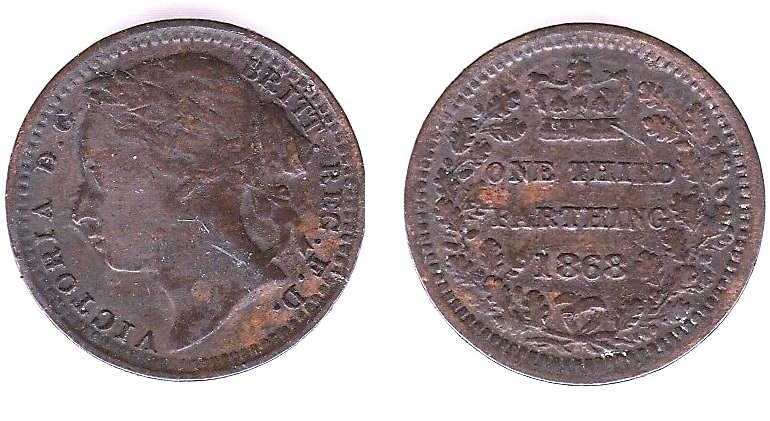
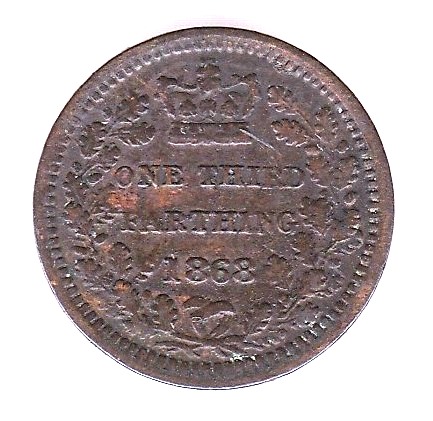
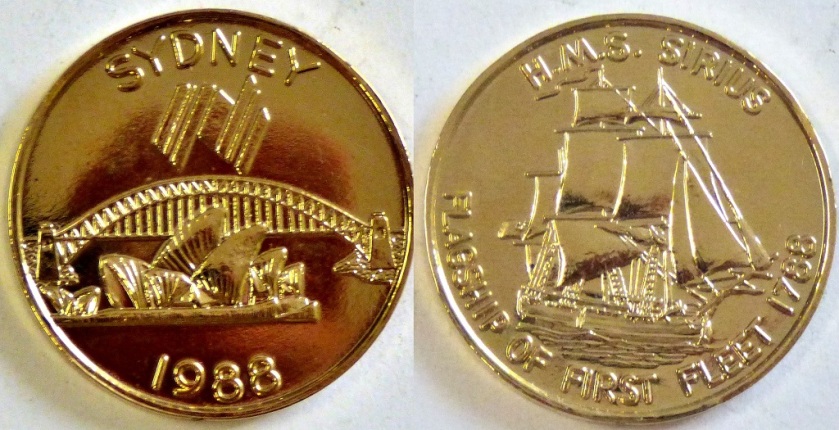
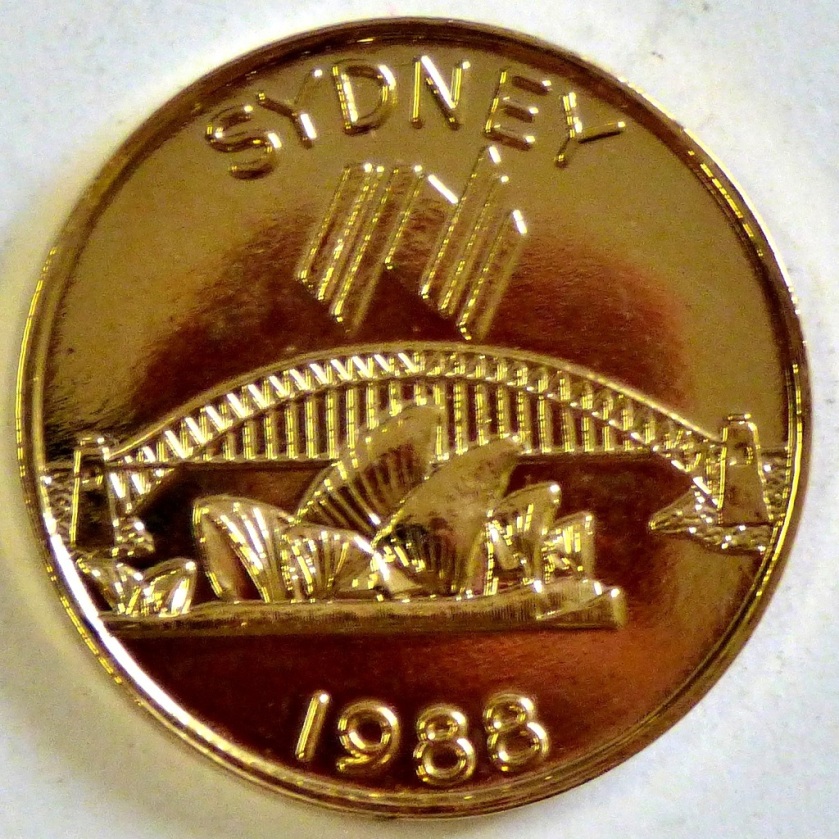
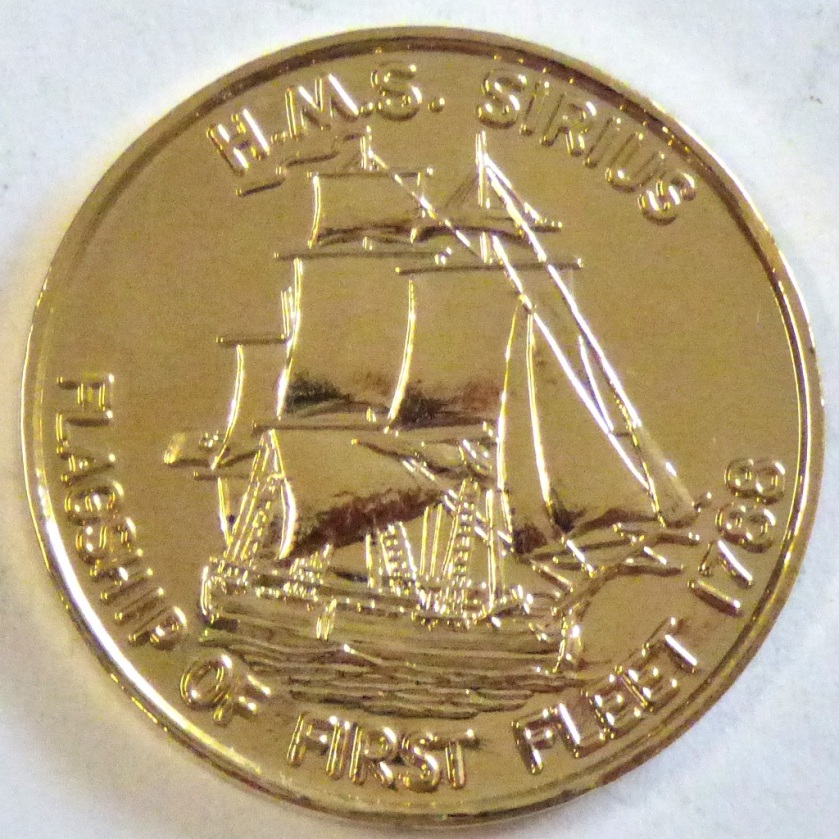
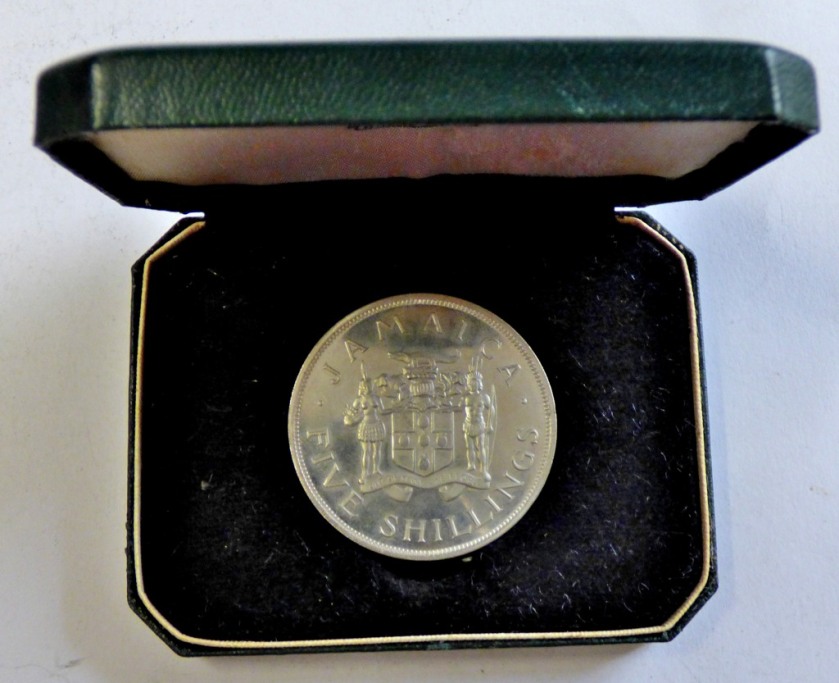
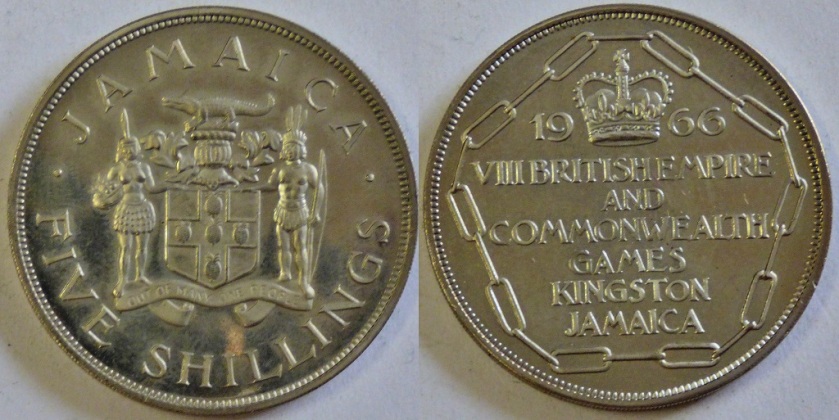
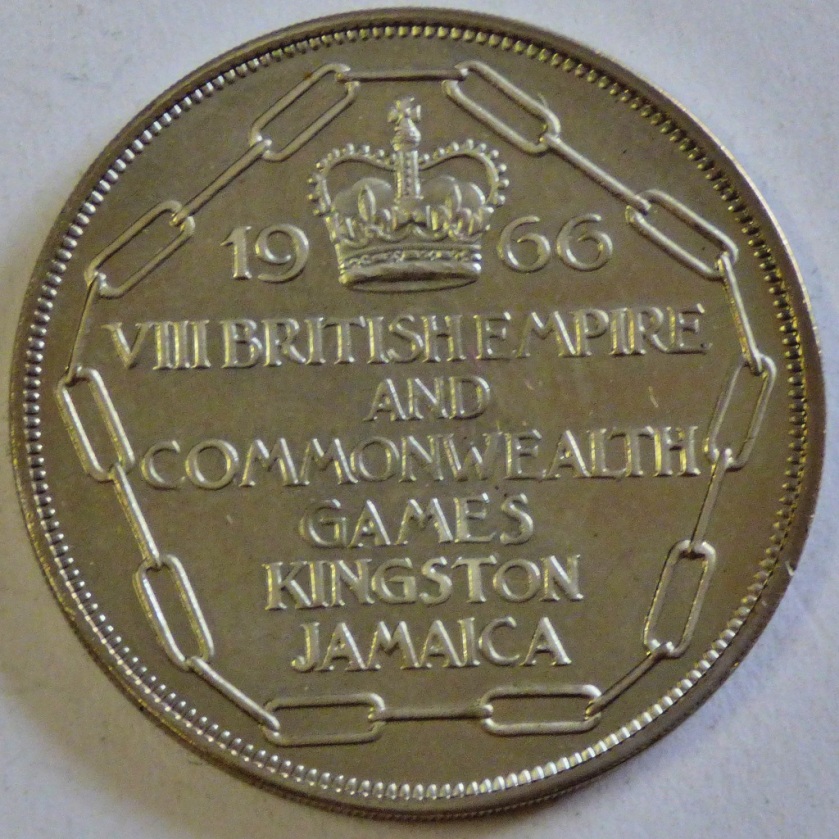
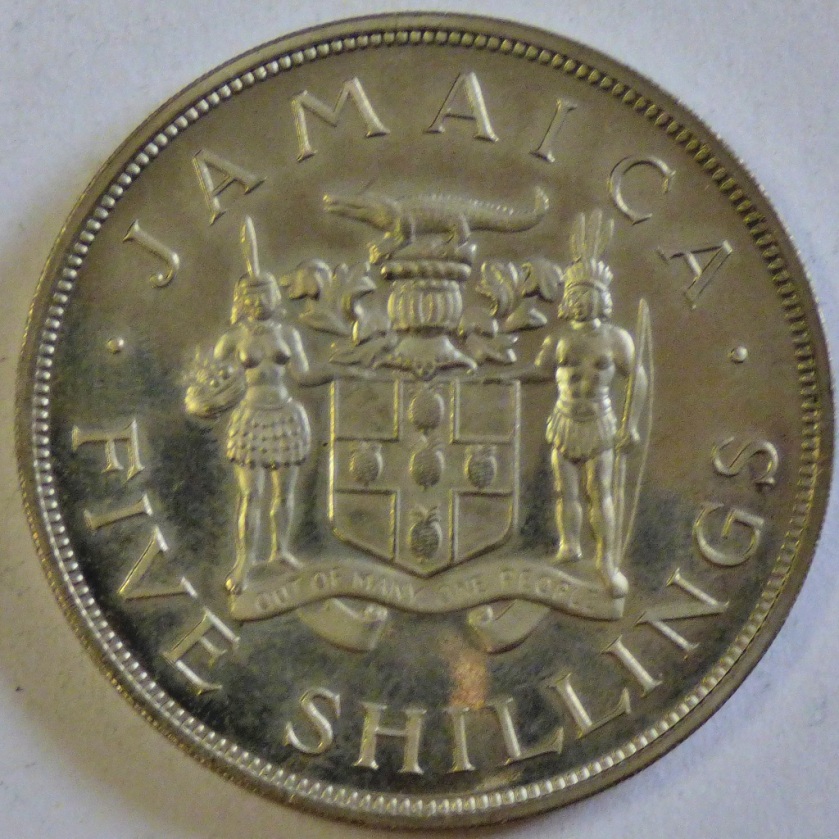
This sale kicks off with a large number of coin lots. Here are some pictures:
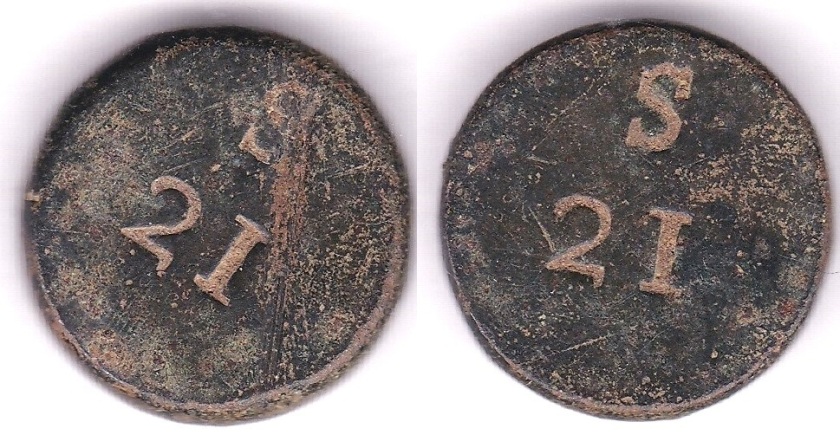
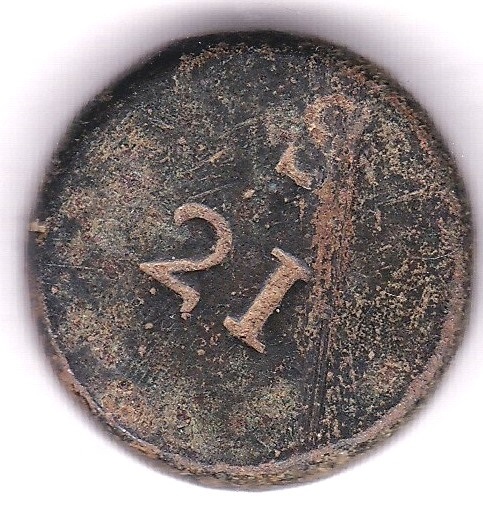
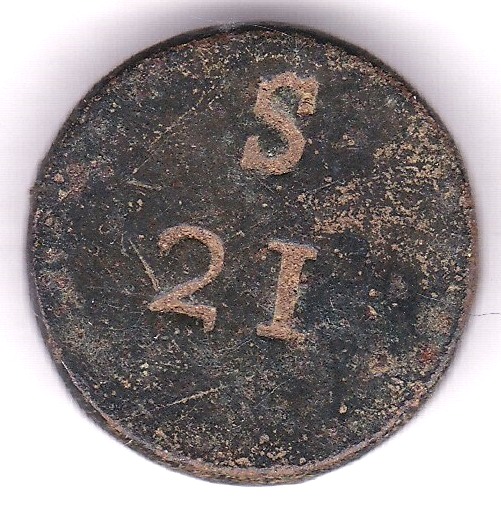
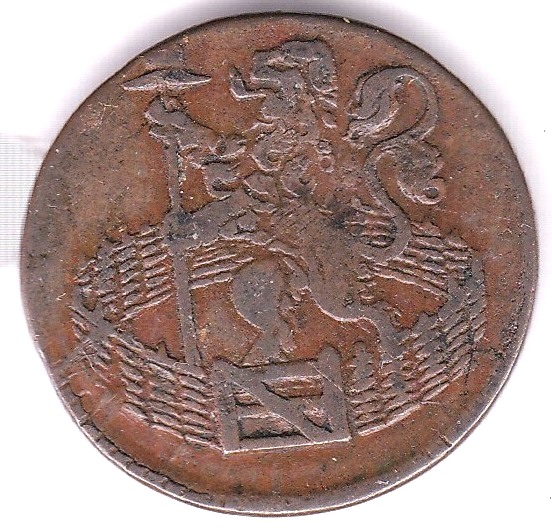
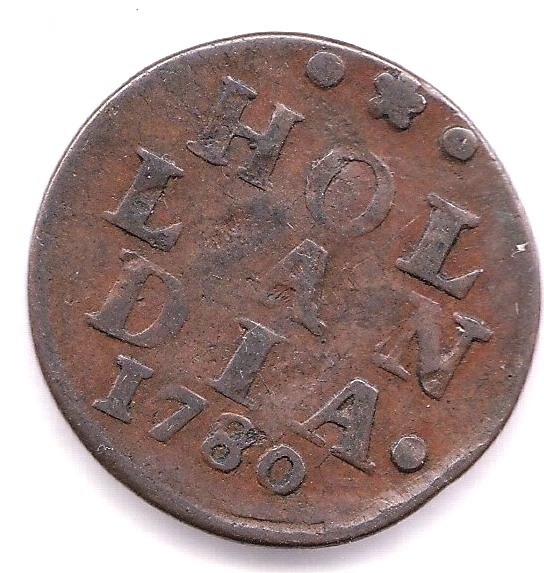
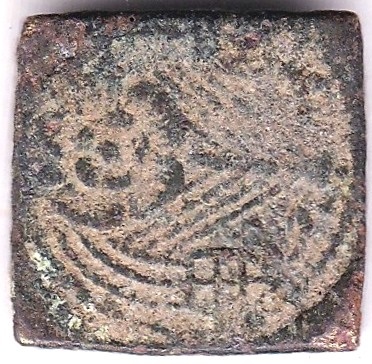
This is a 17th century guinea weight (the S 21 that appears on each face refers to the monetary value of the guinea – 21 shillings)
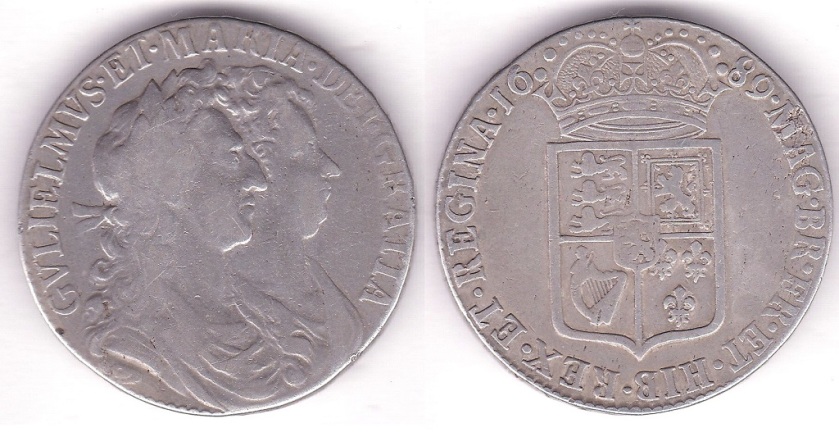
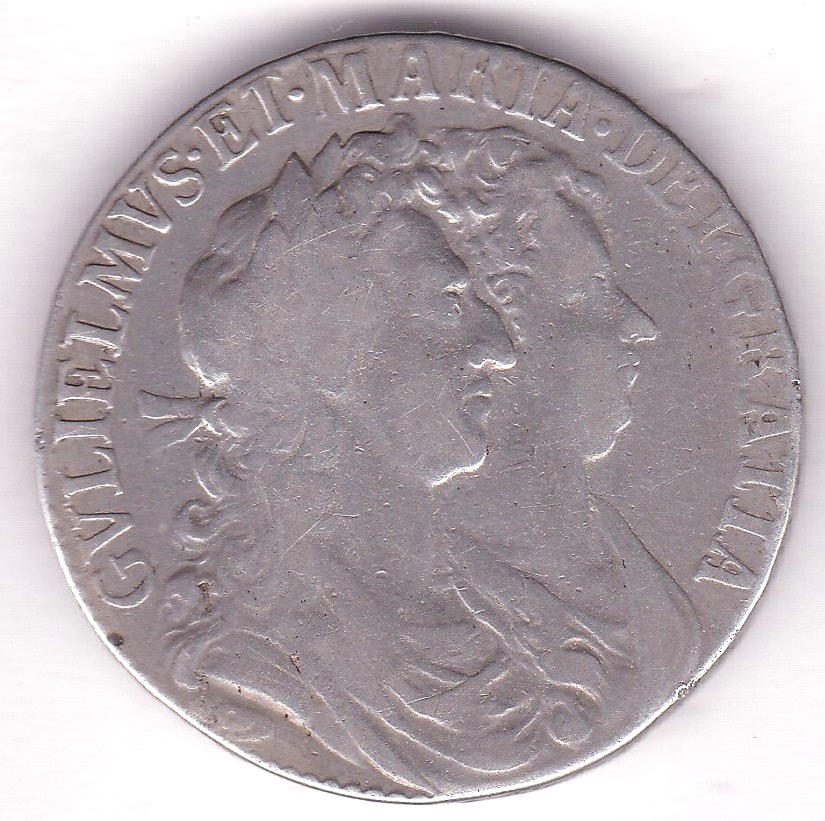
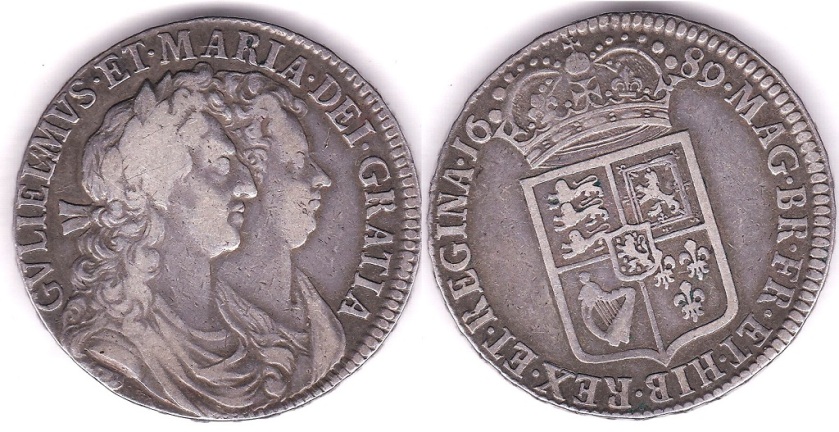
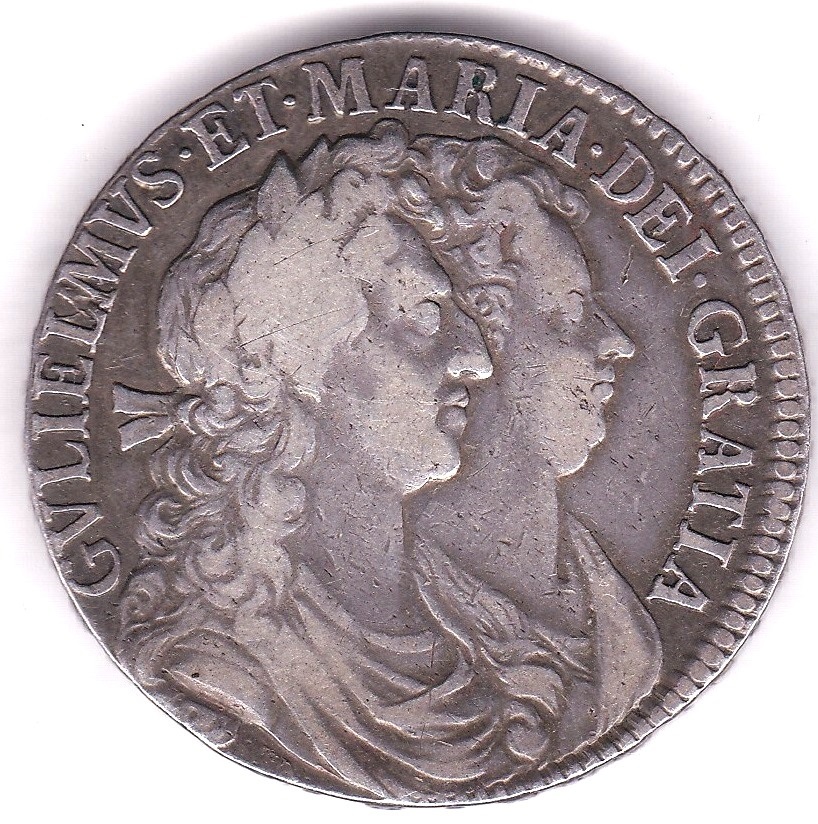
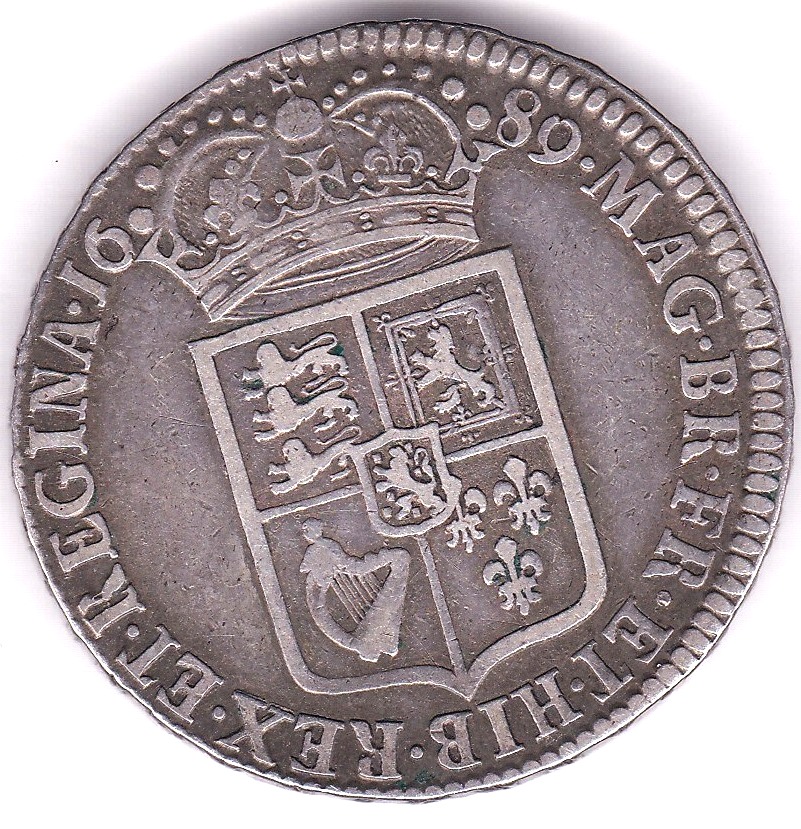
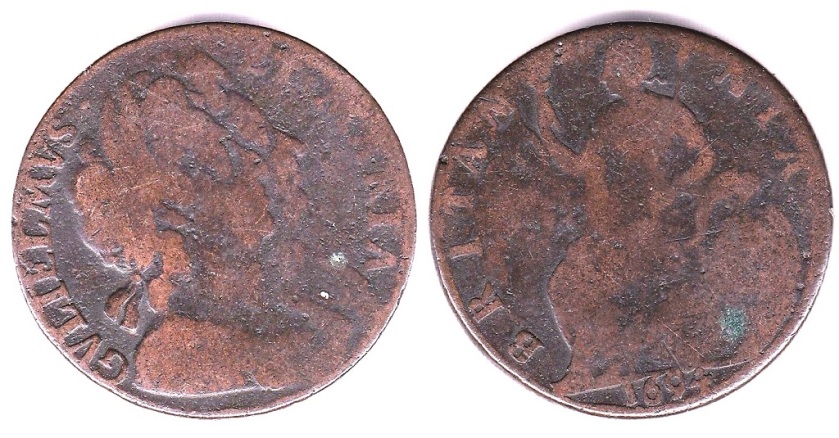
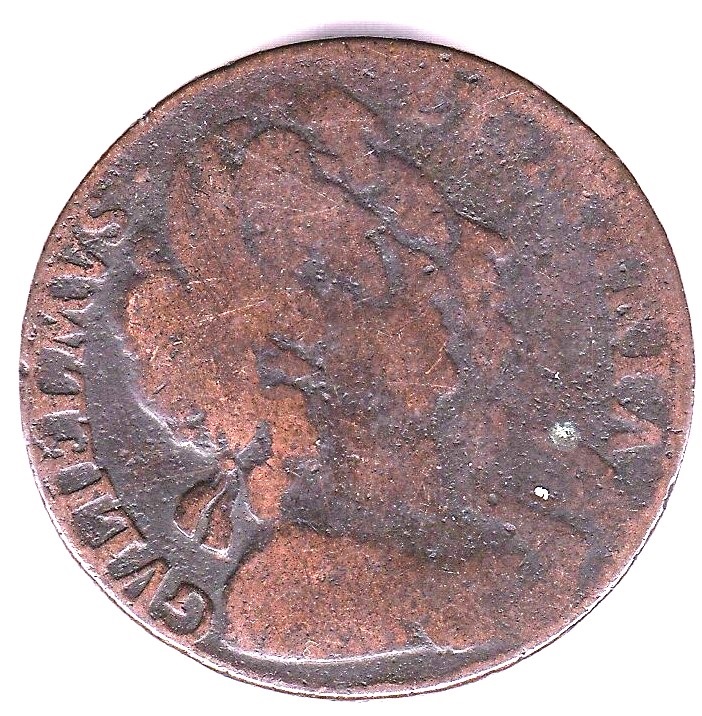
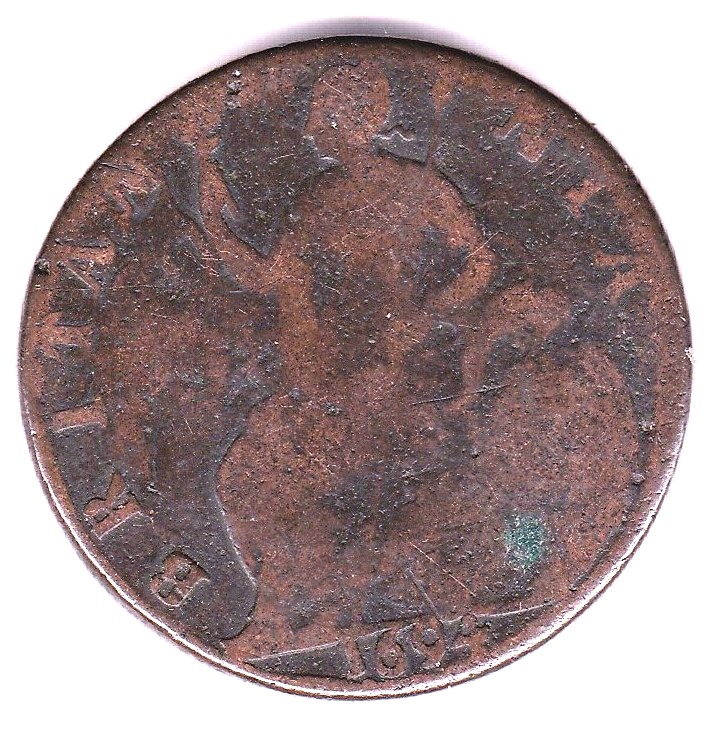
Lots 68-70 feature coins from the joint monarchy of William III and Mary II (1688-94)
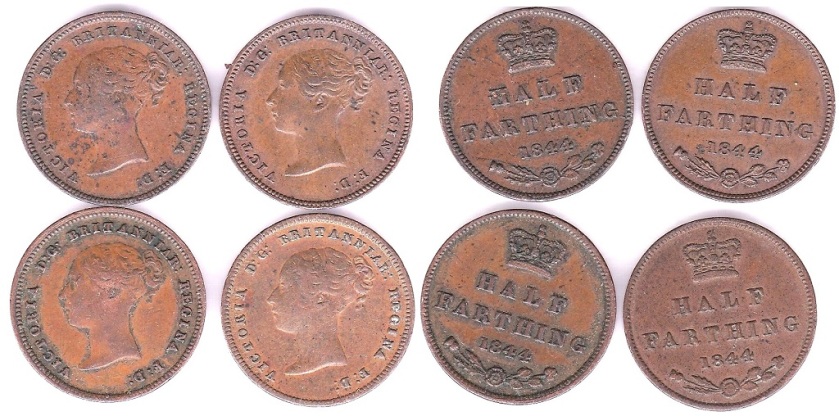
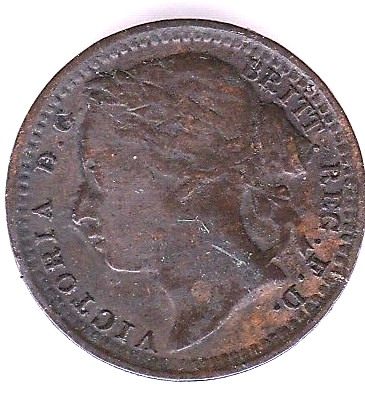
A farthing was a quarter of a penny, so these had a value of one eighth of a penny!
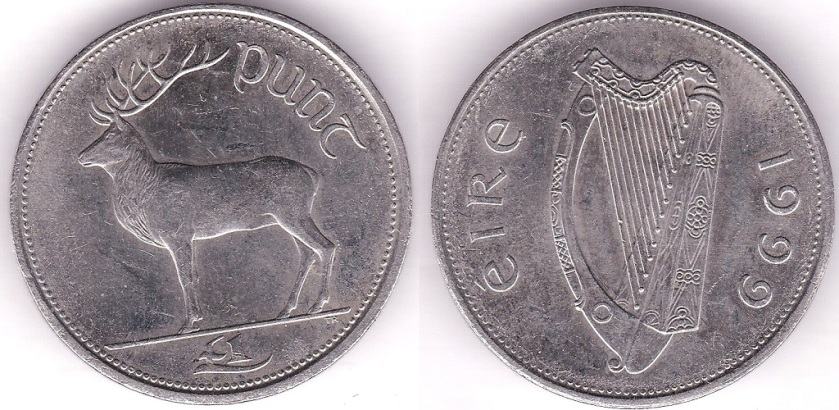
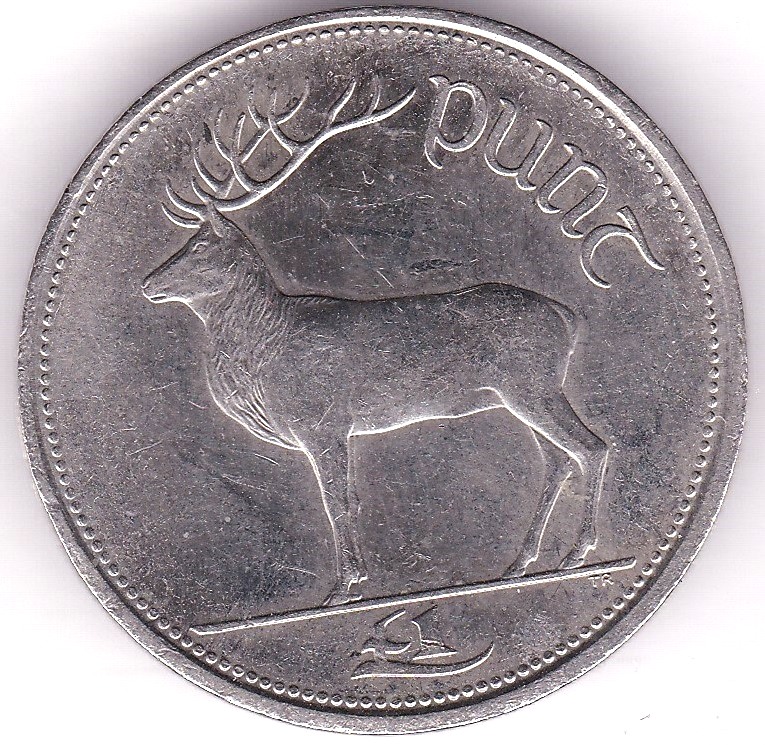
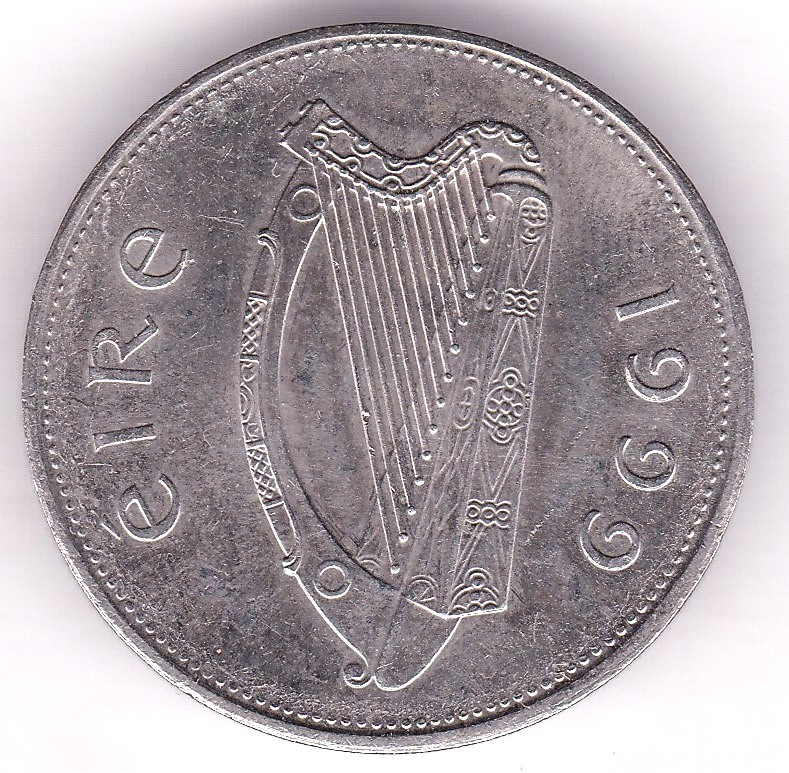
Lot 186 – a one punt piece.This creature has been extinct for some considerable time – it is an Irish Elk and those antlers grew to have a span of up to 15 feet).
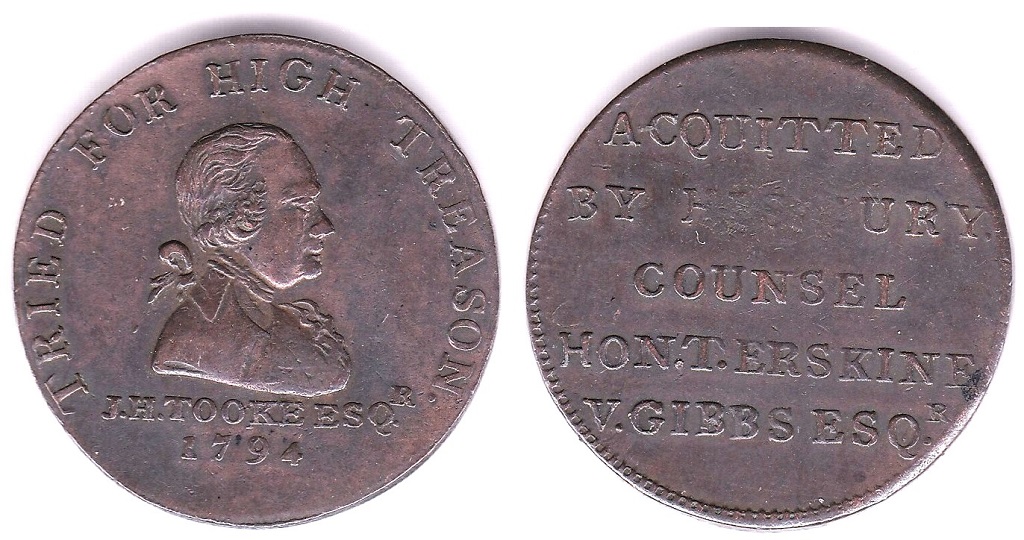
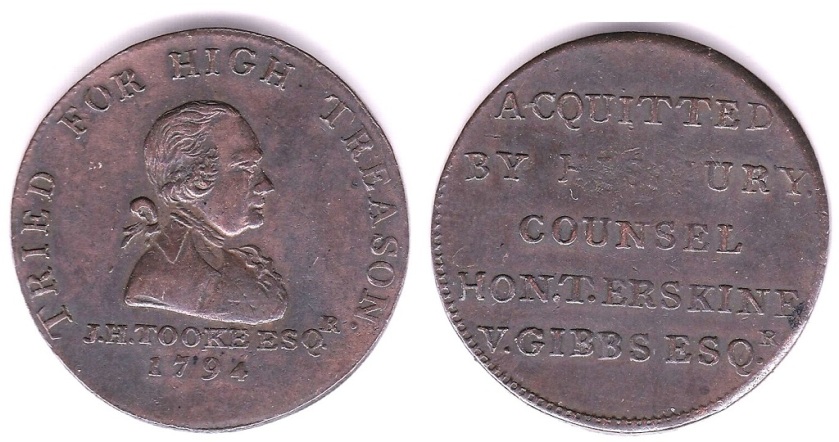
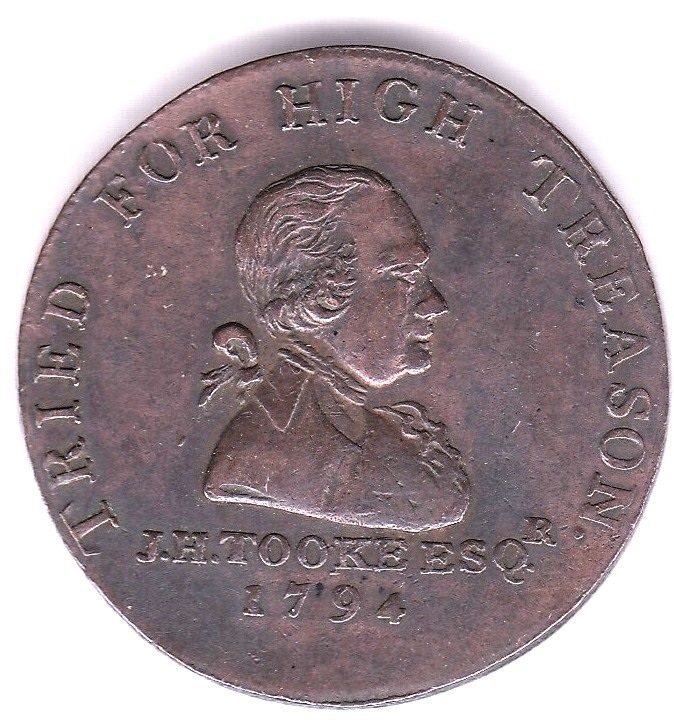
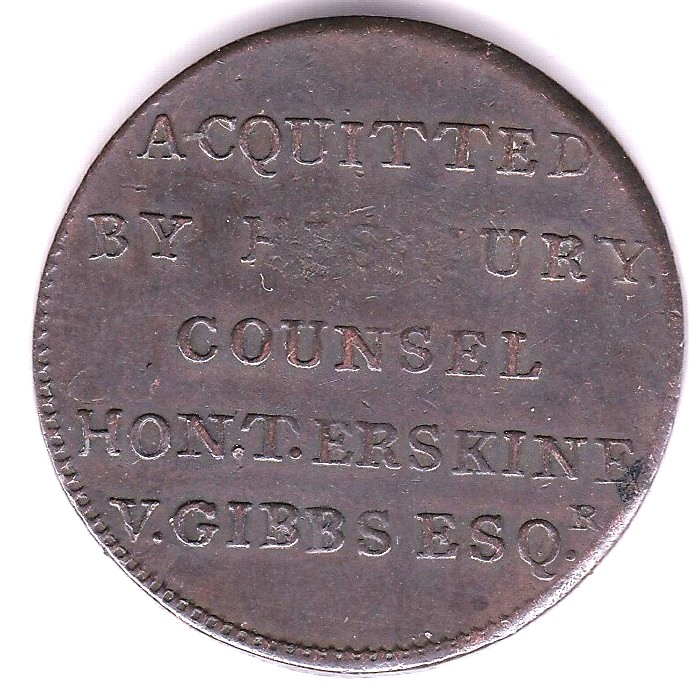
A commemorative medallion celebrating the acquittal of radical publisher John Horne Tooke.
Lot 8The two faces of the coin.
Lot 199
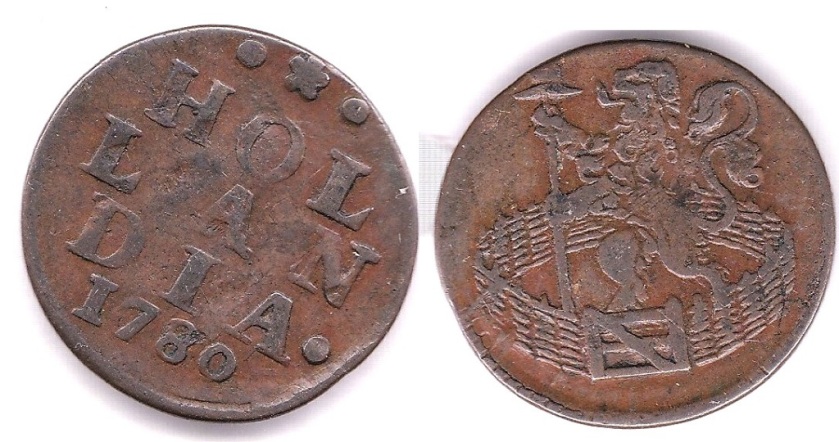
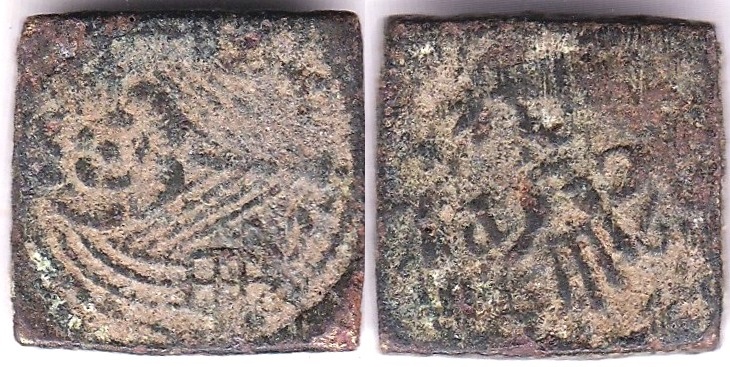
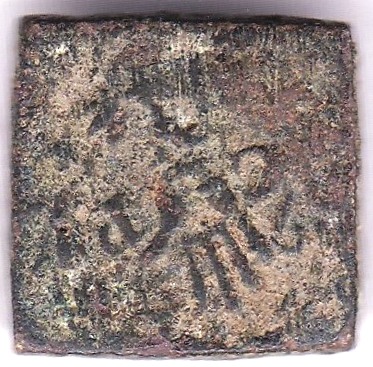
Lot 256 – this square coin is from 17th century Holland
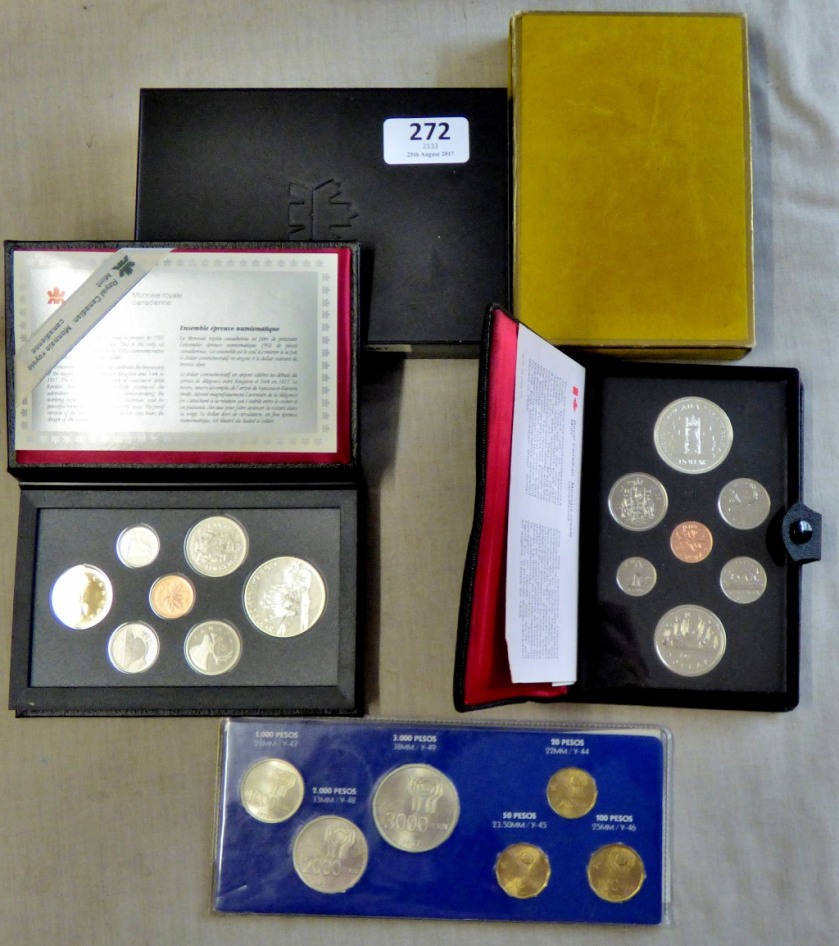
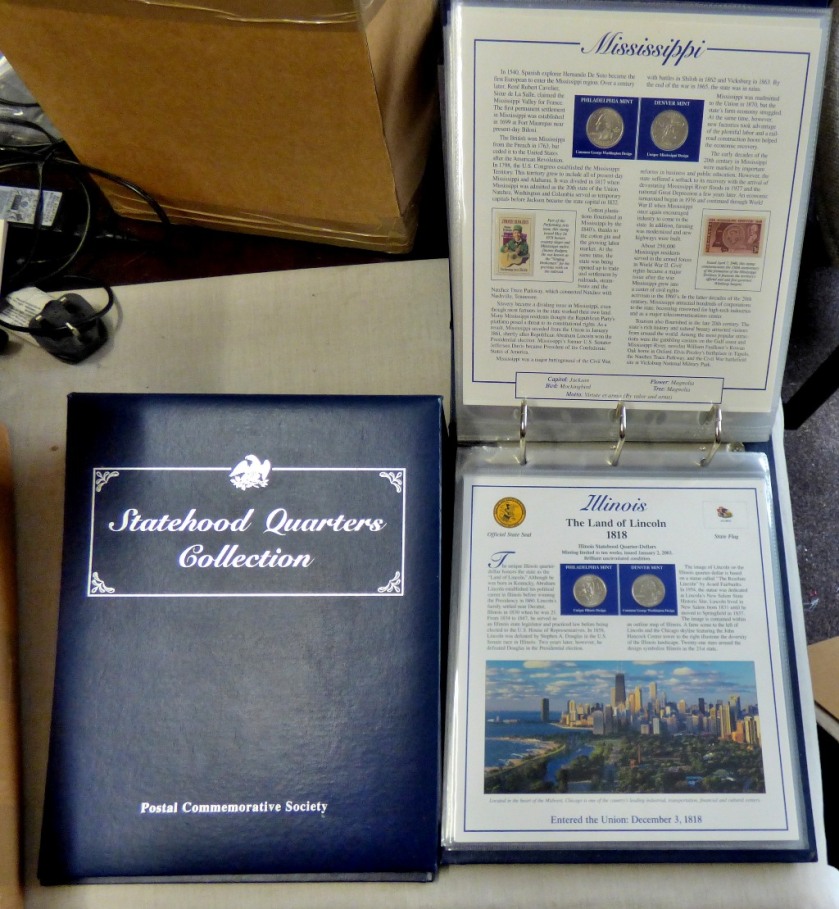
Lot 273 – a two album collection.
THE WEDNESDAY SALE
I included some of the pictures I have taken for this sale in my previous post, and although I will not ignore those items I will include only the main images and urge you to consult my previosu post for the rest.
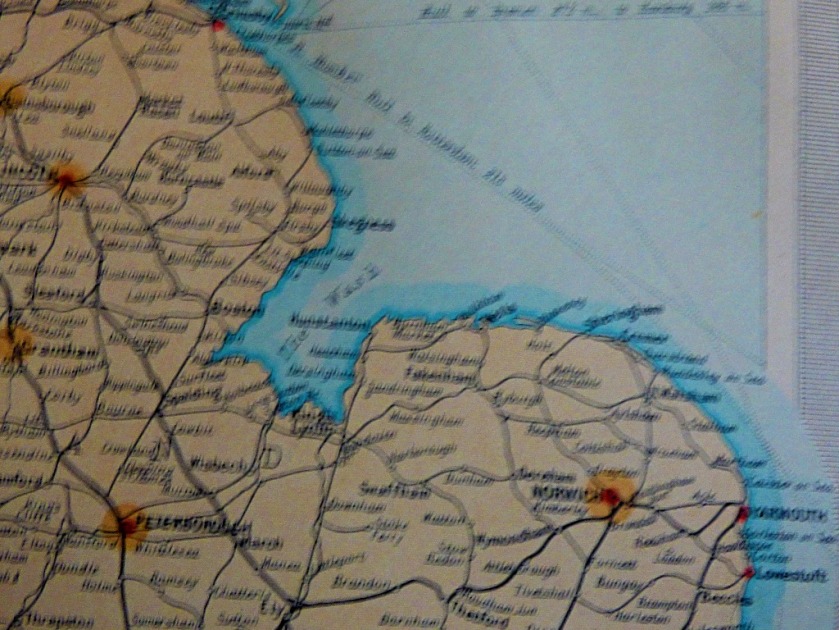
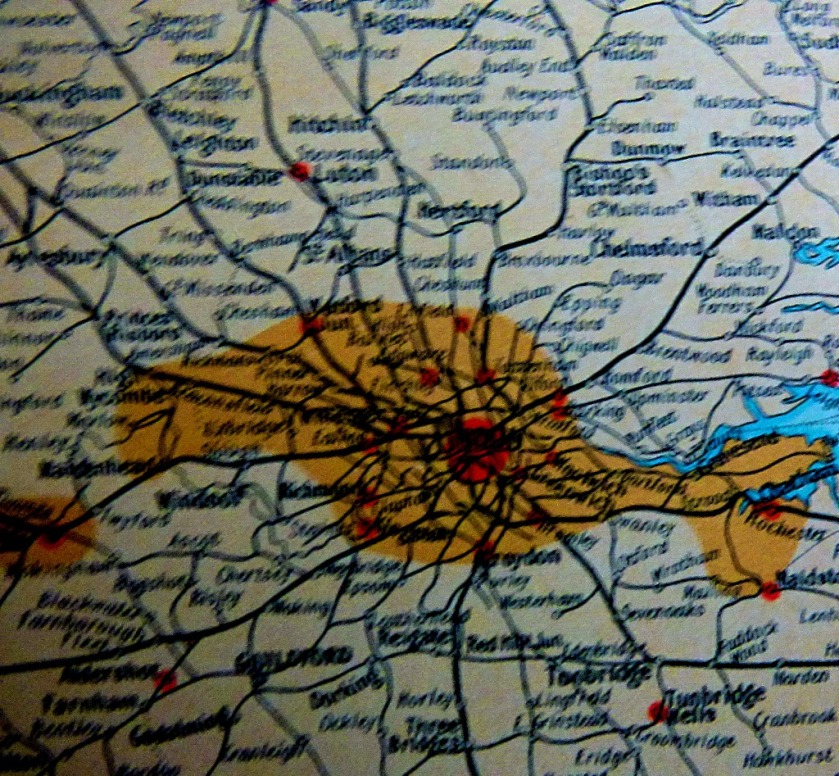
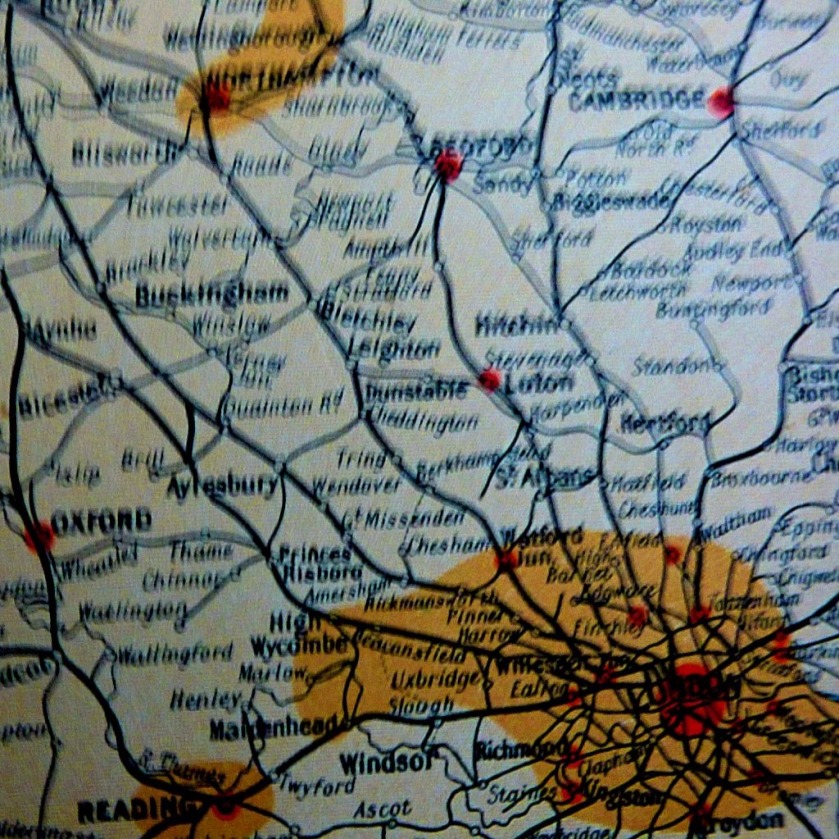
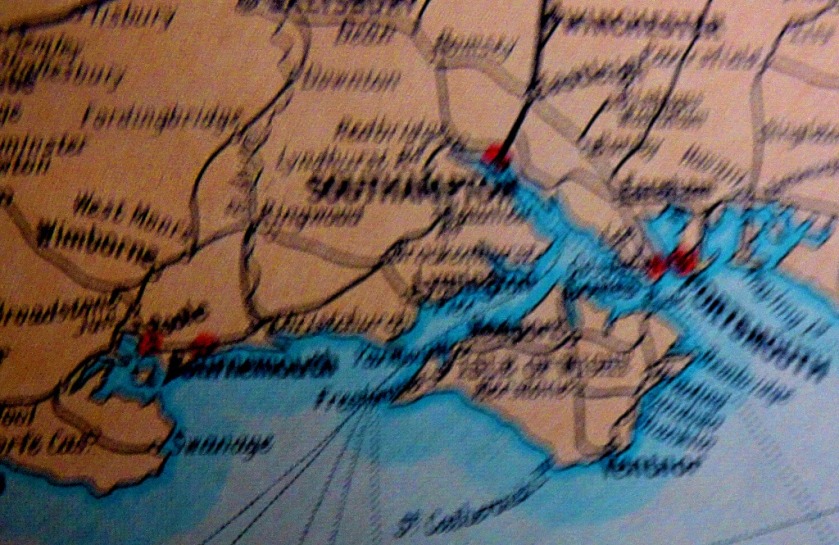
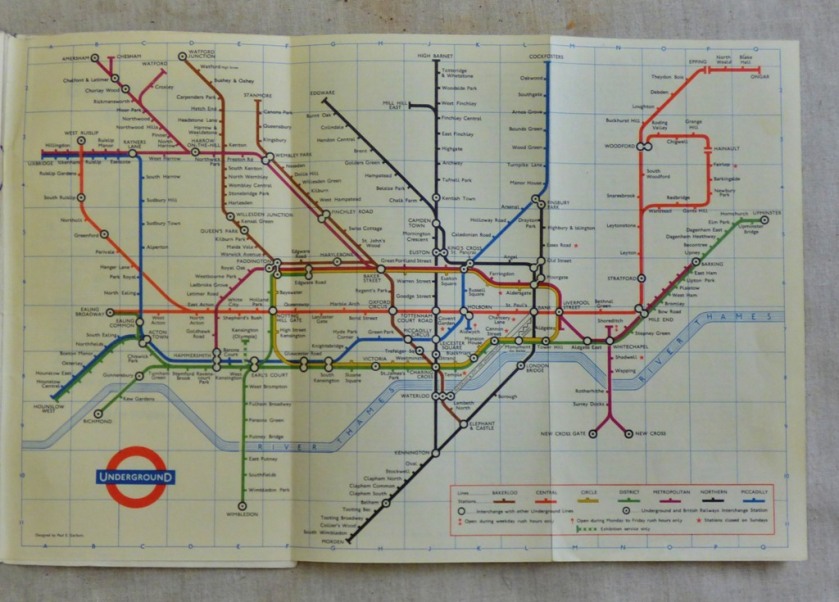
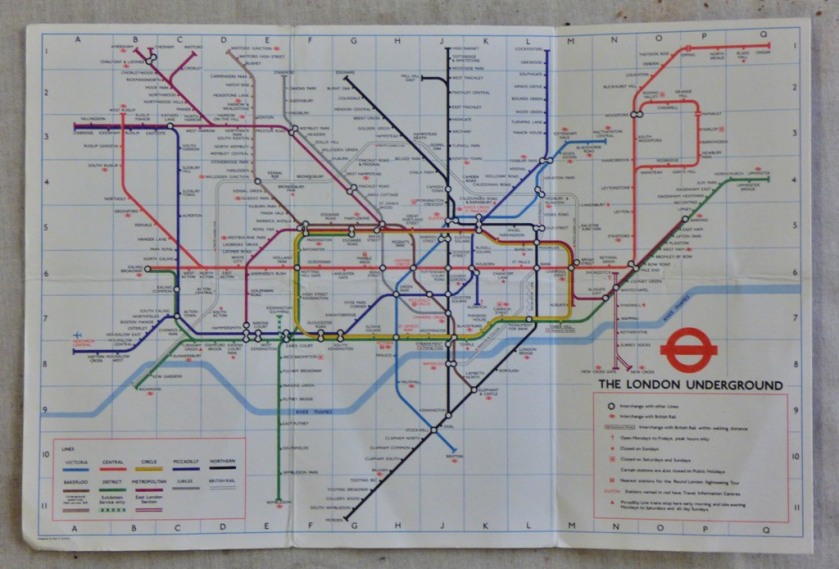
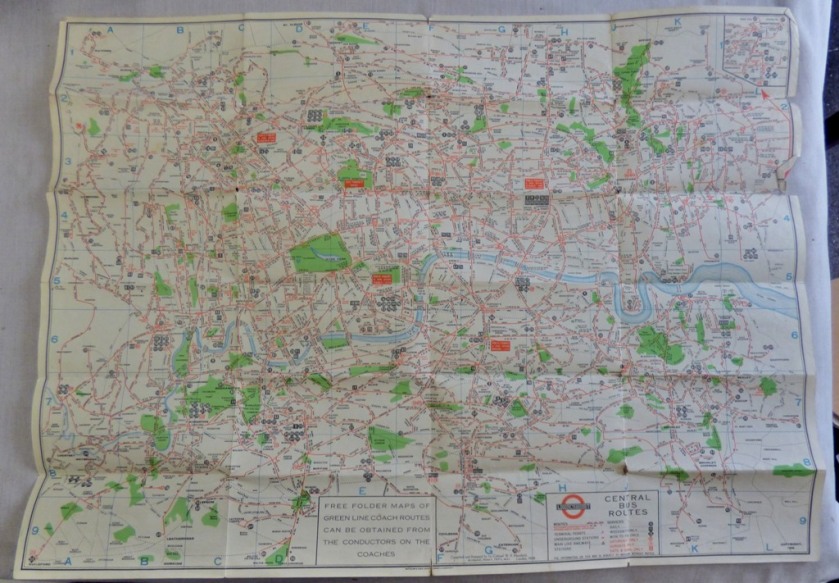
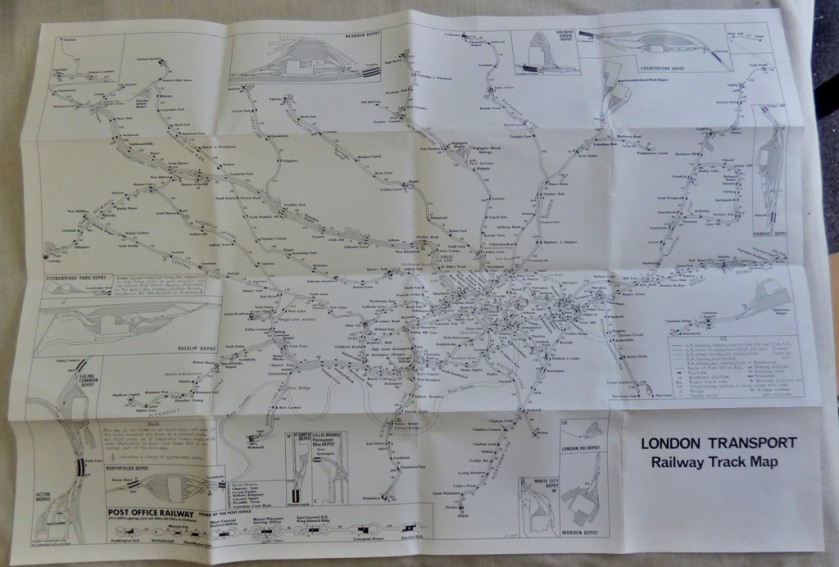
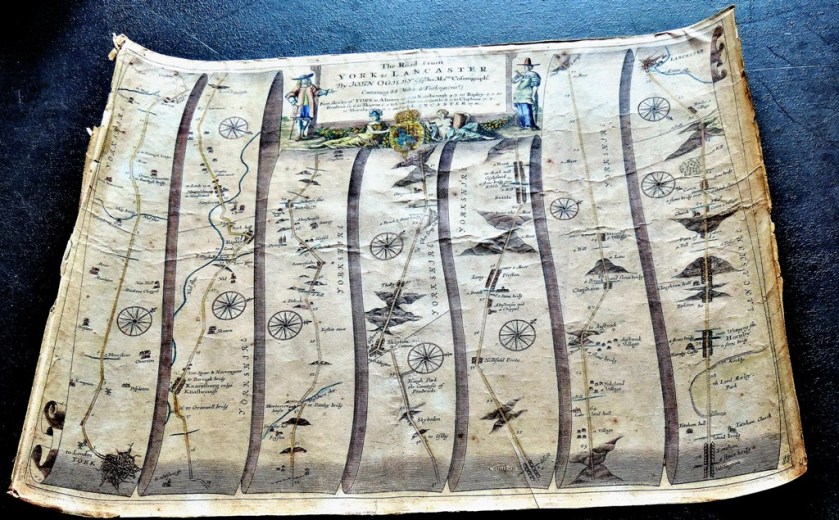
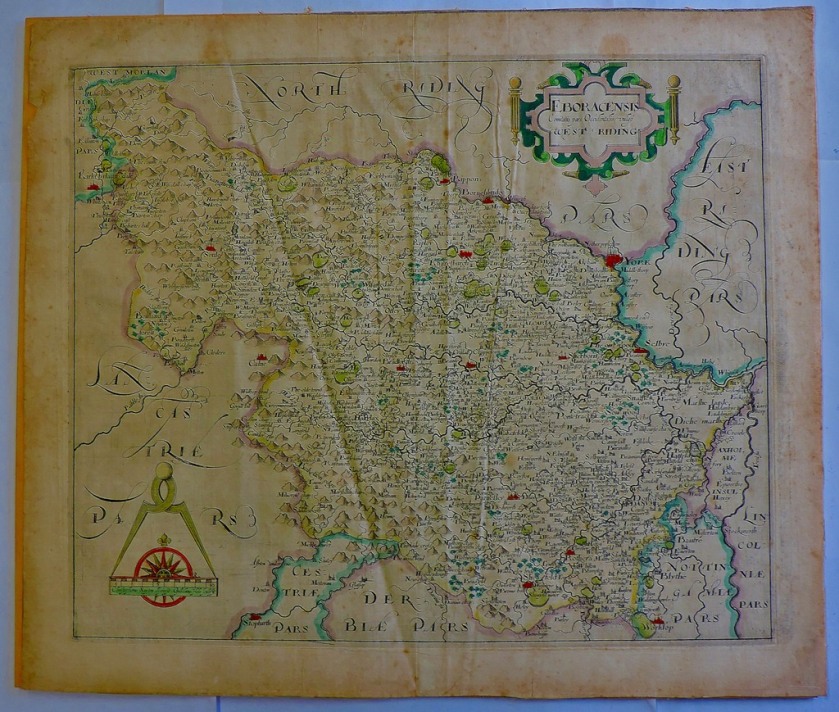
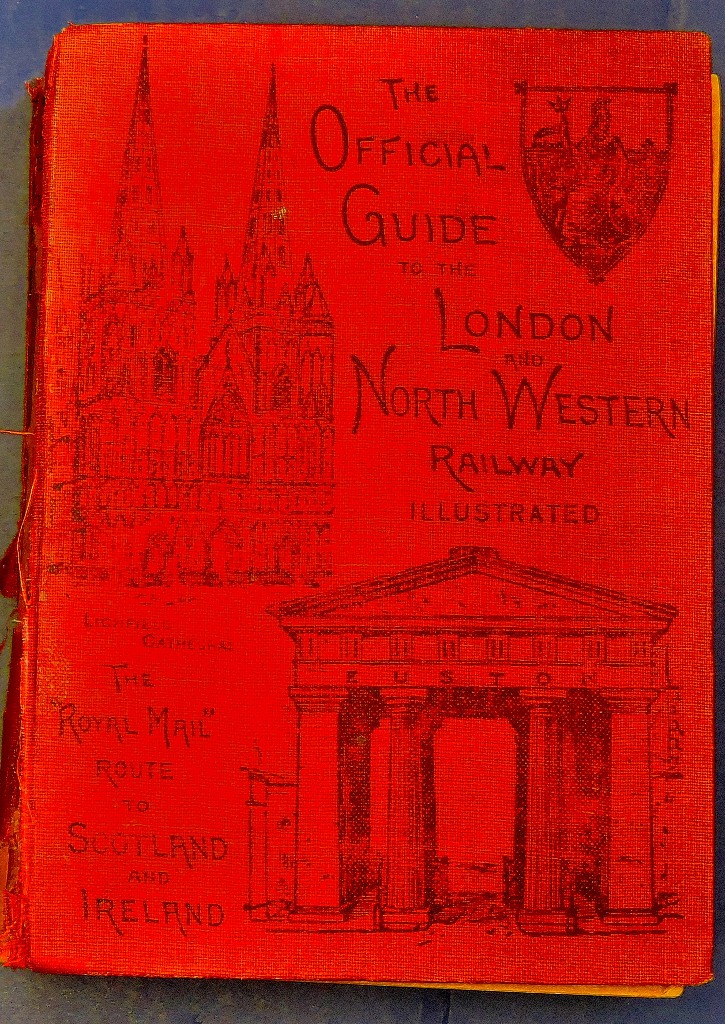
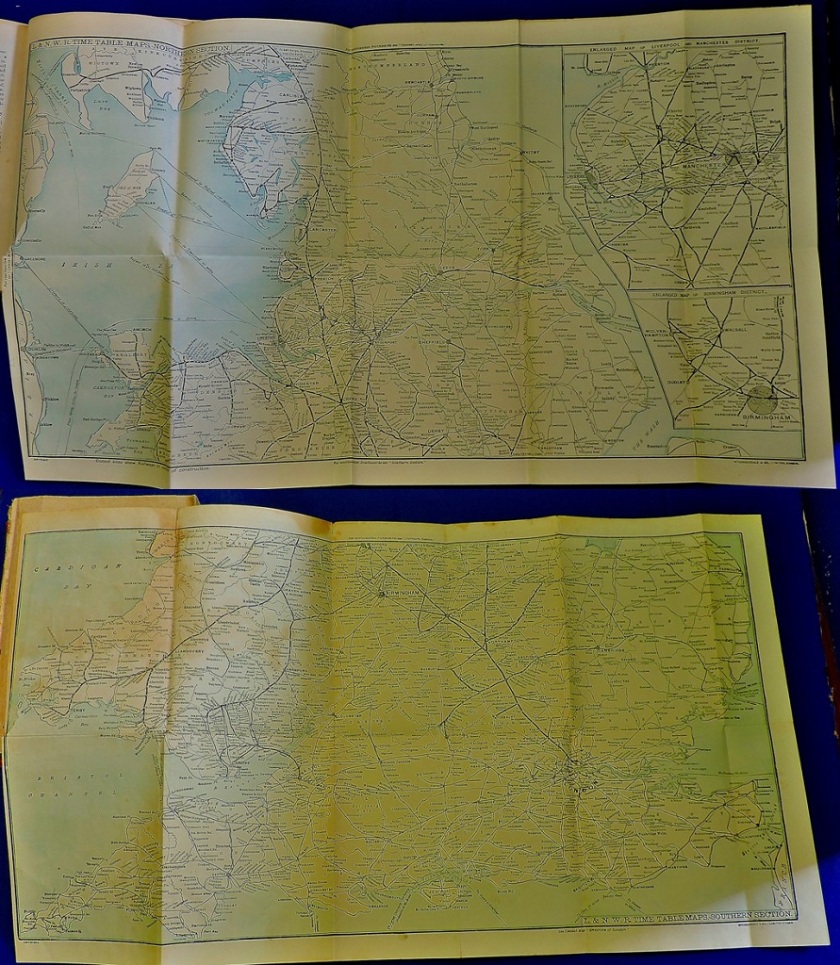
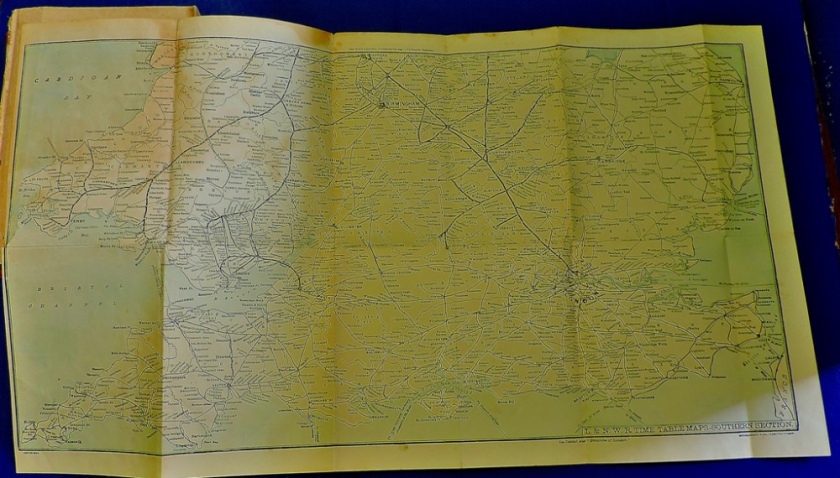
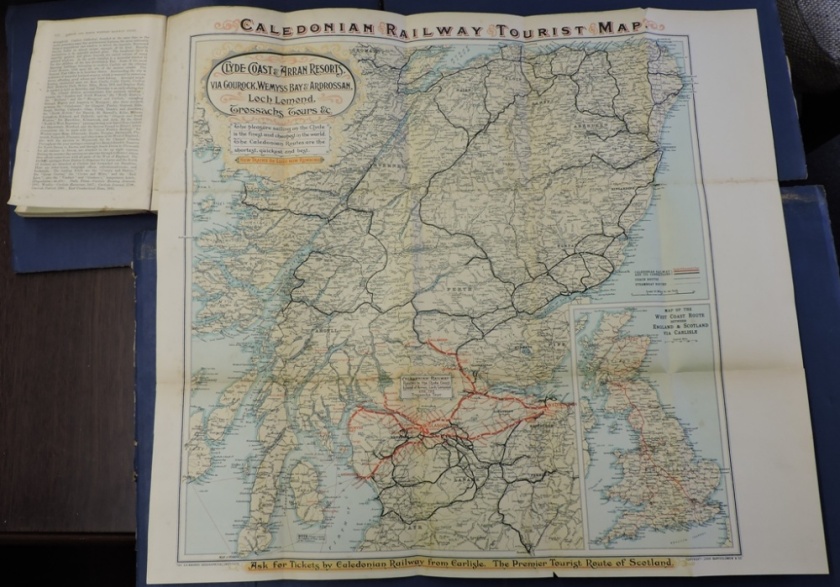
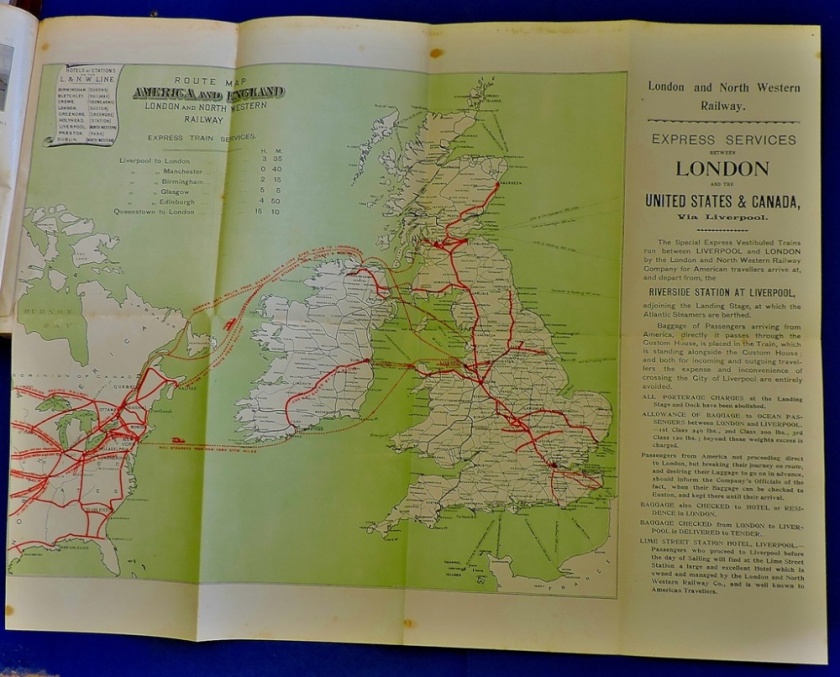
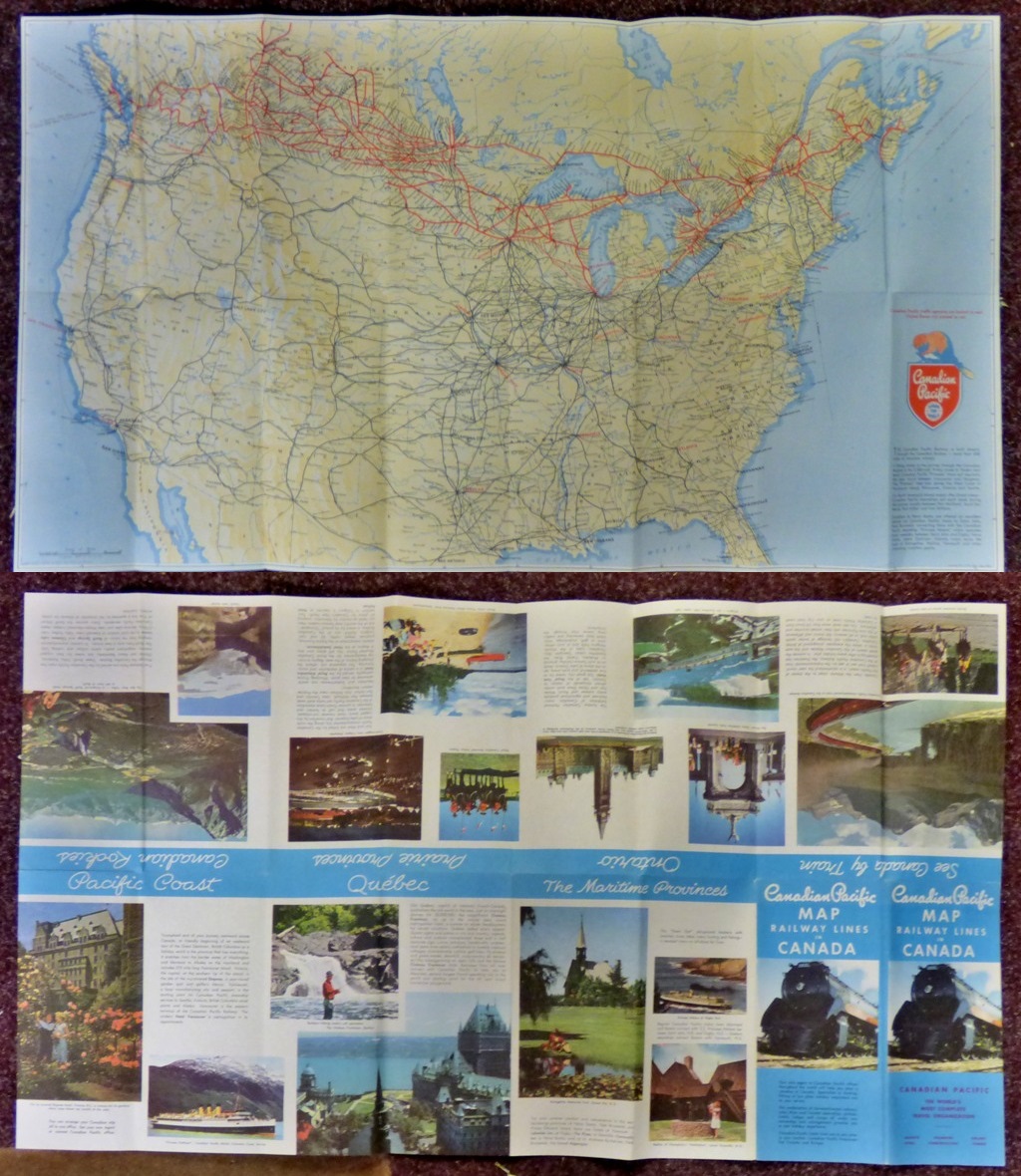
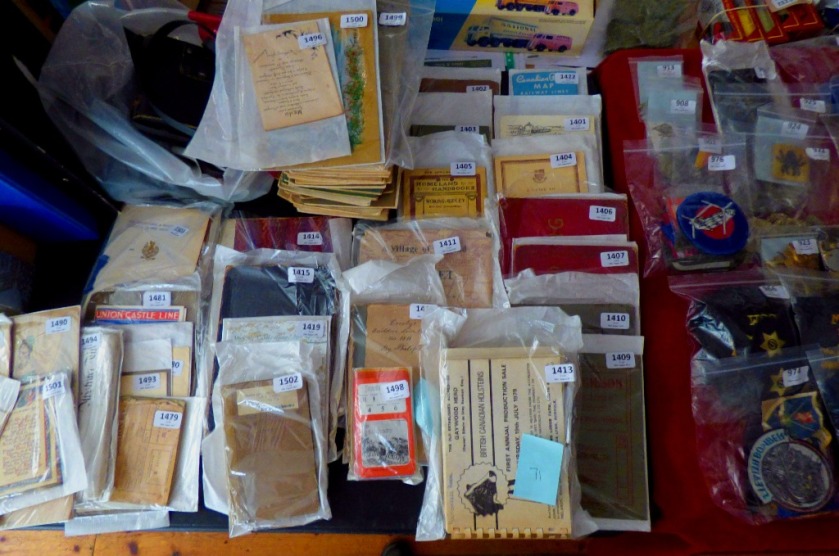
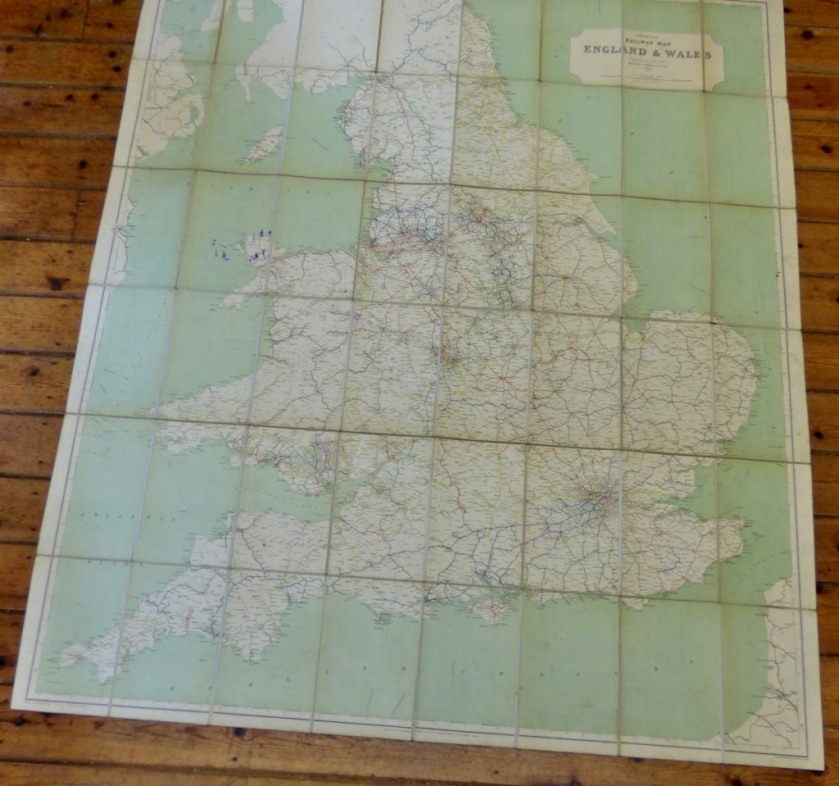
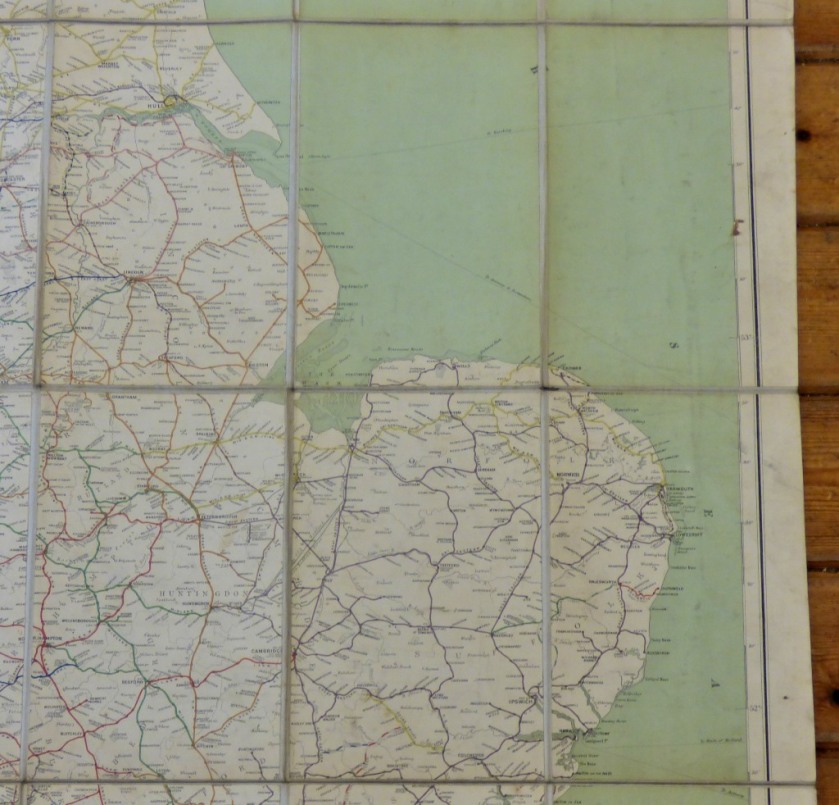
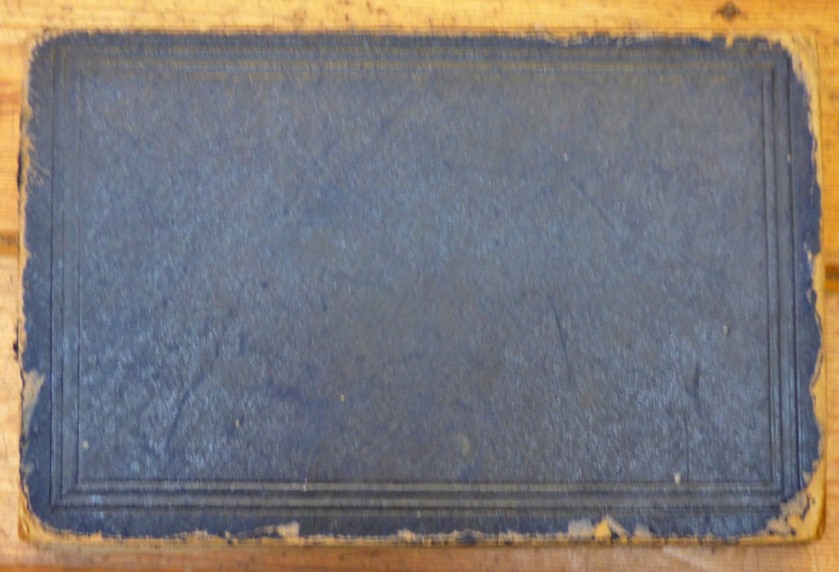
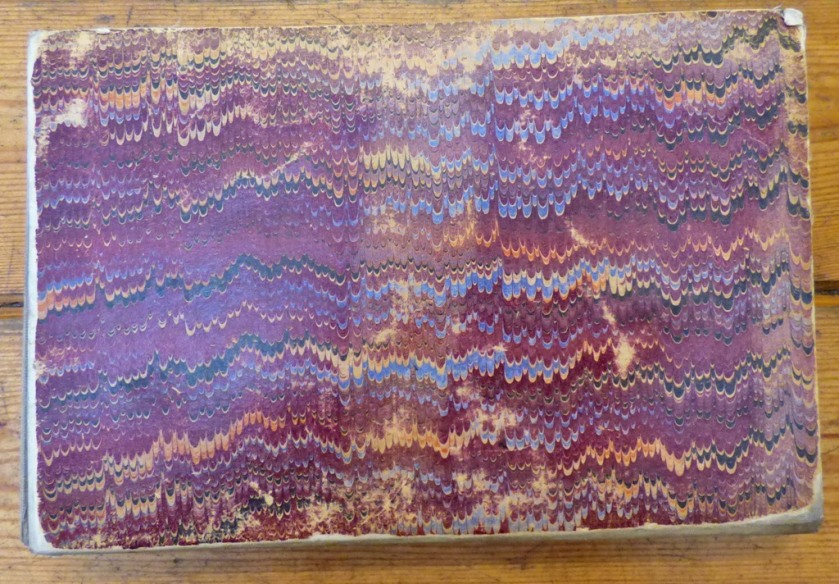
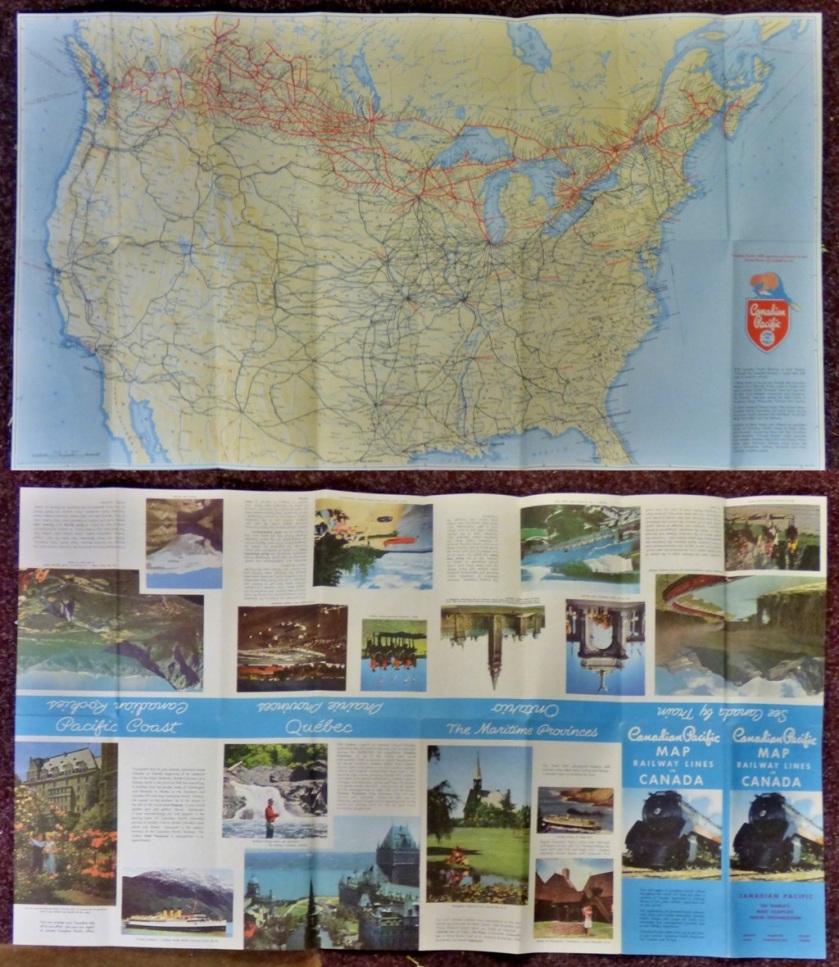
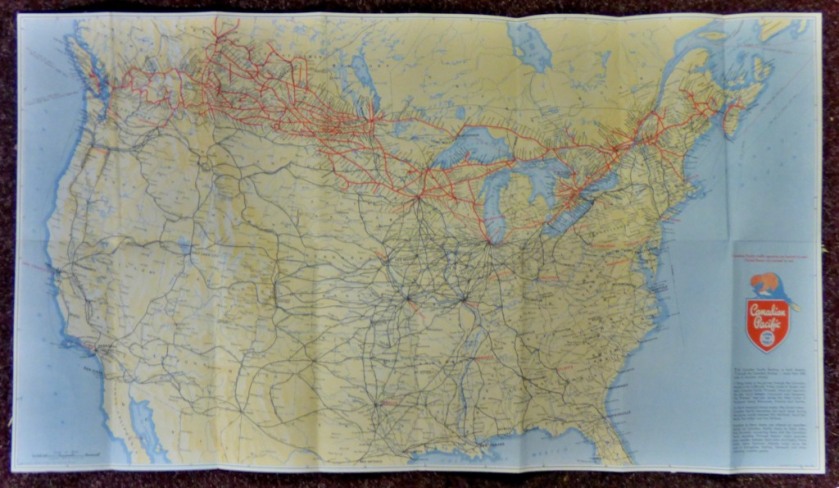
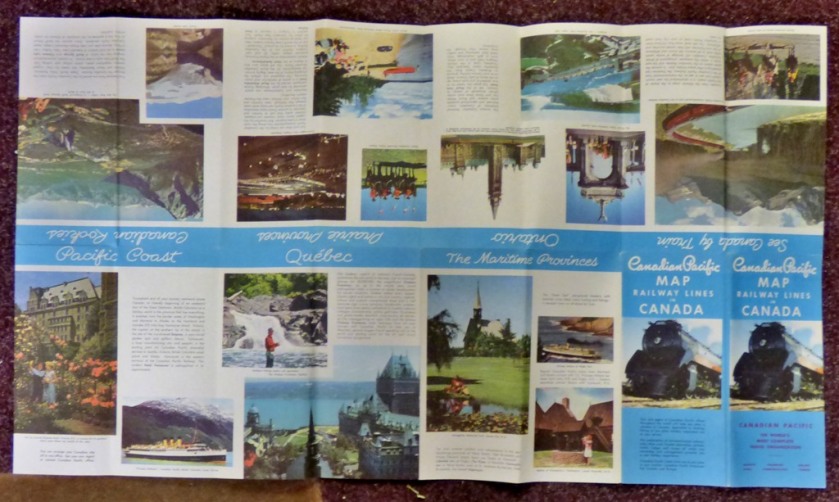
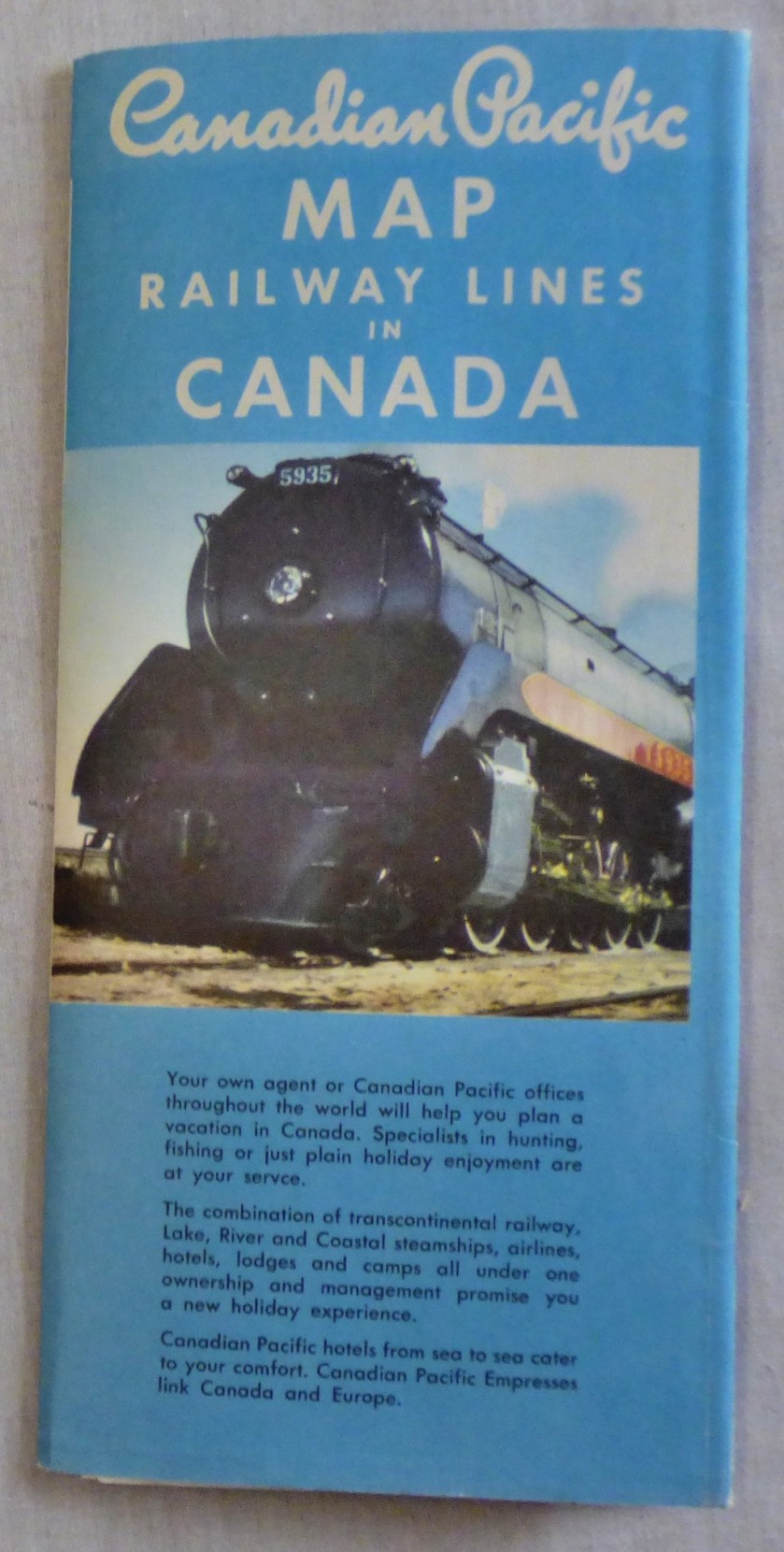
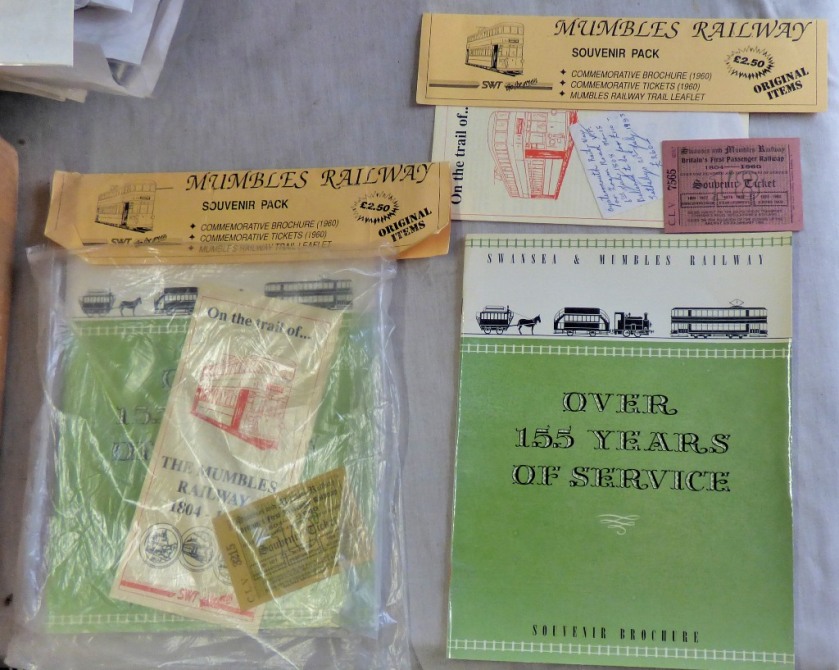
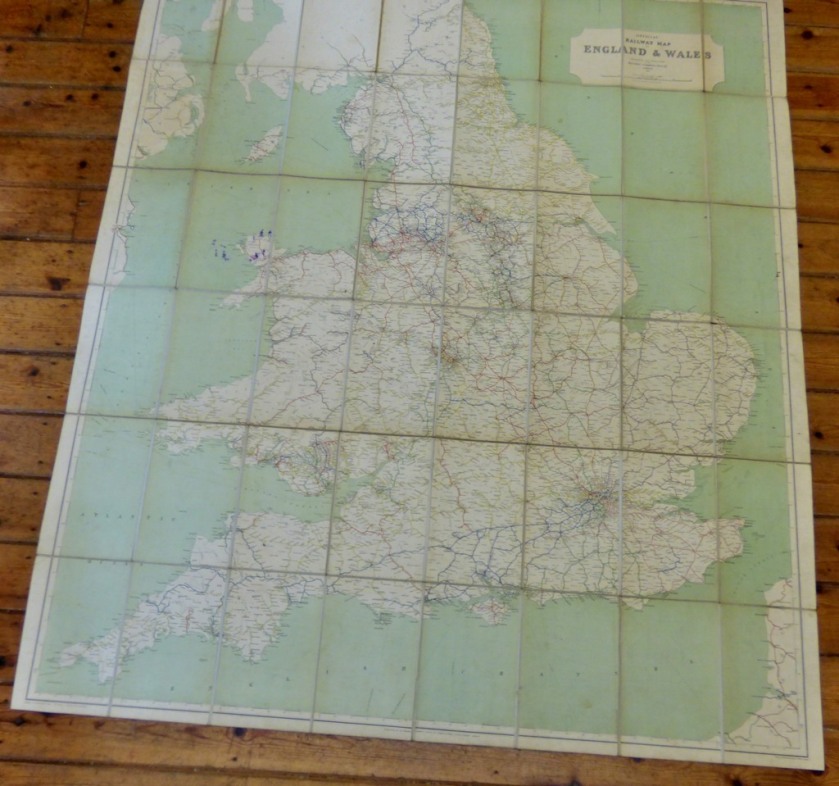
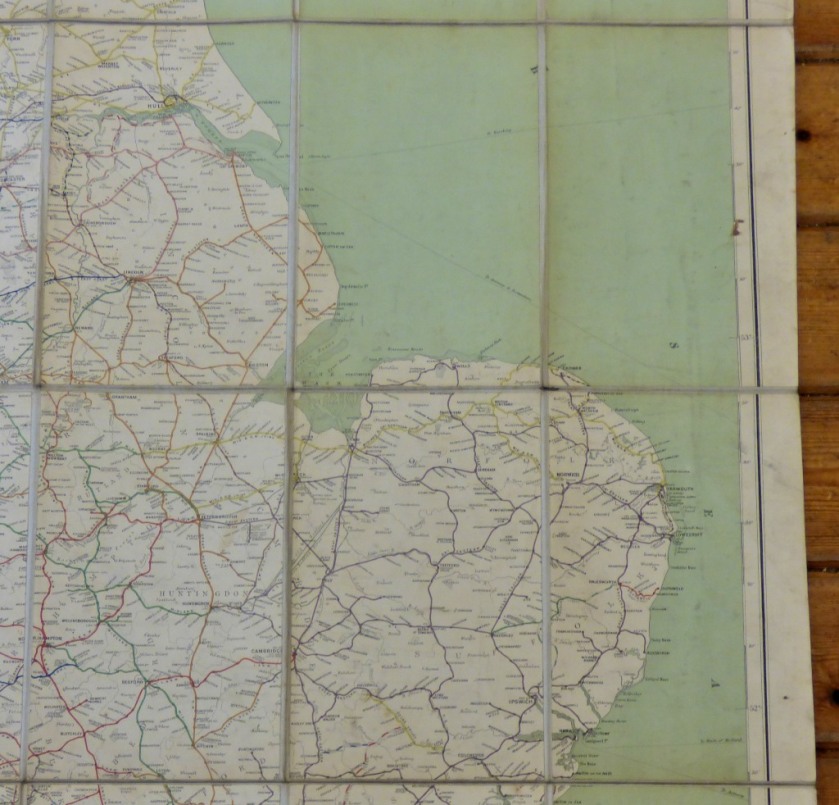
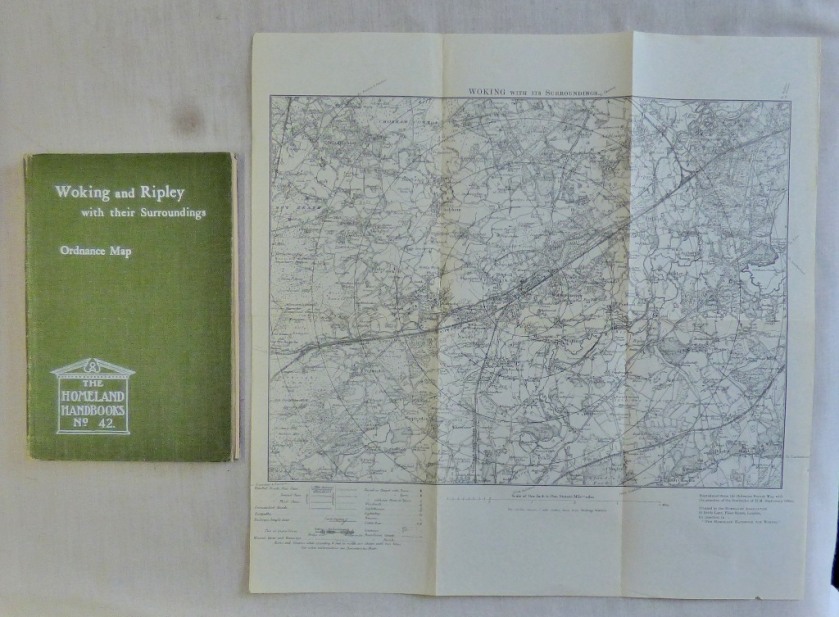
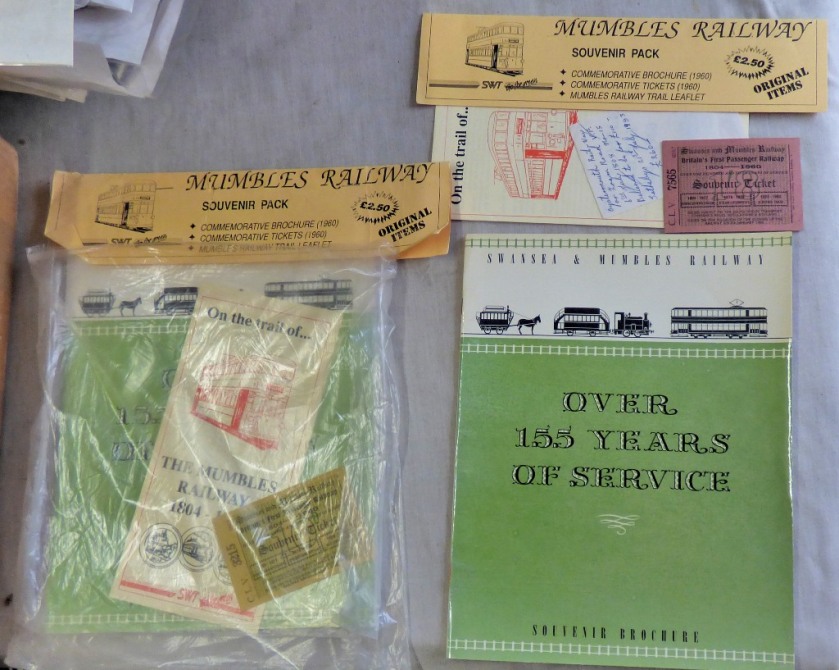
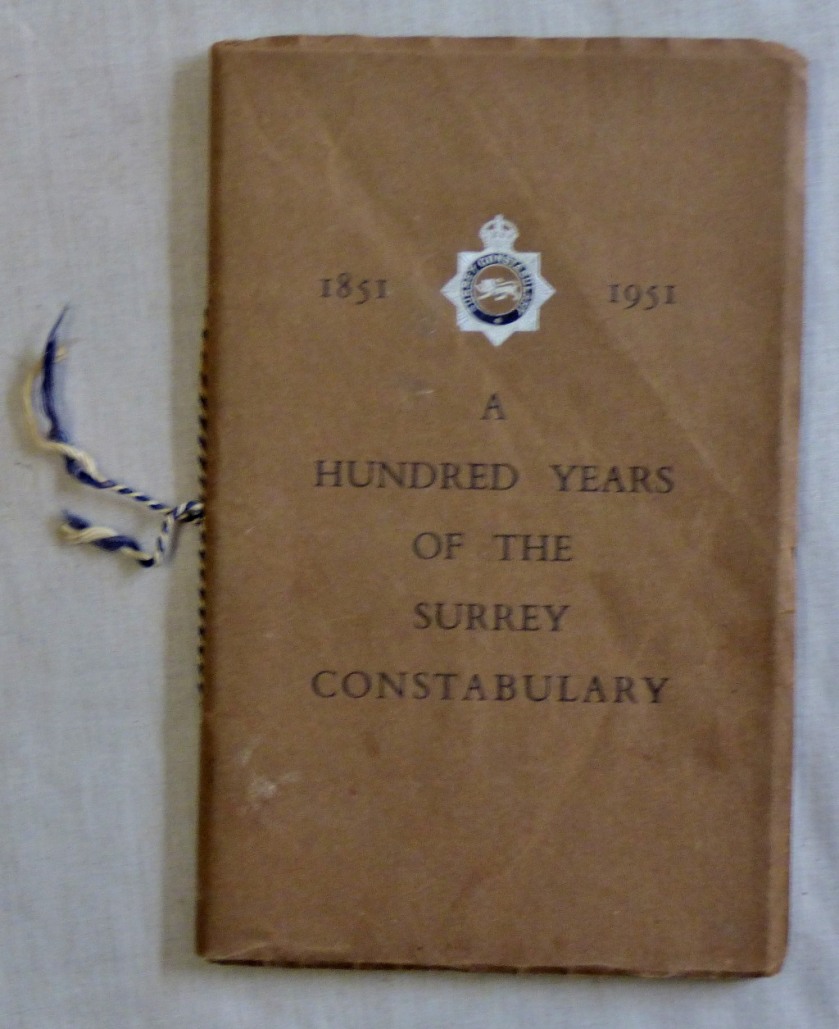
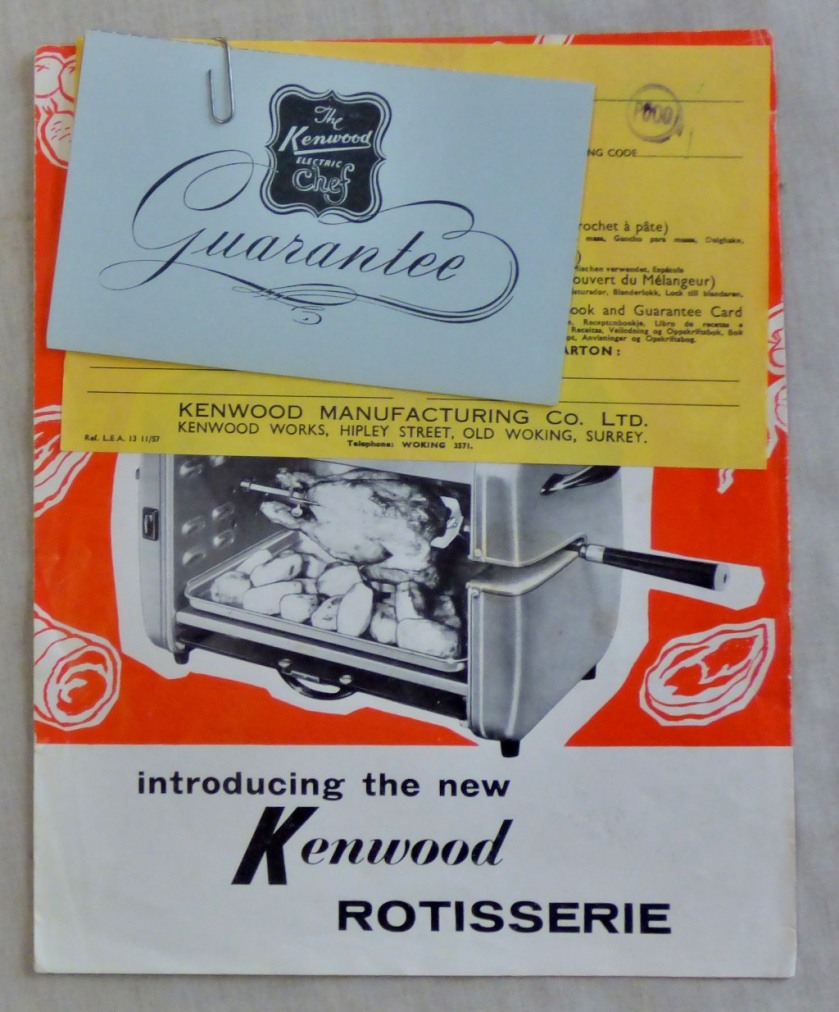
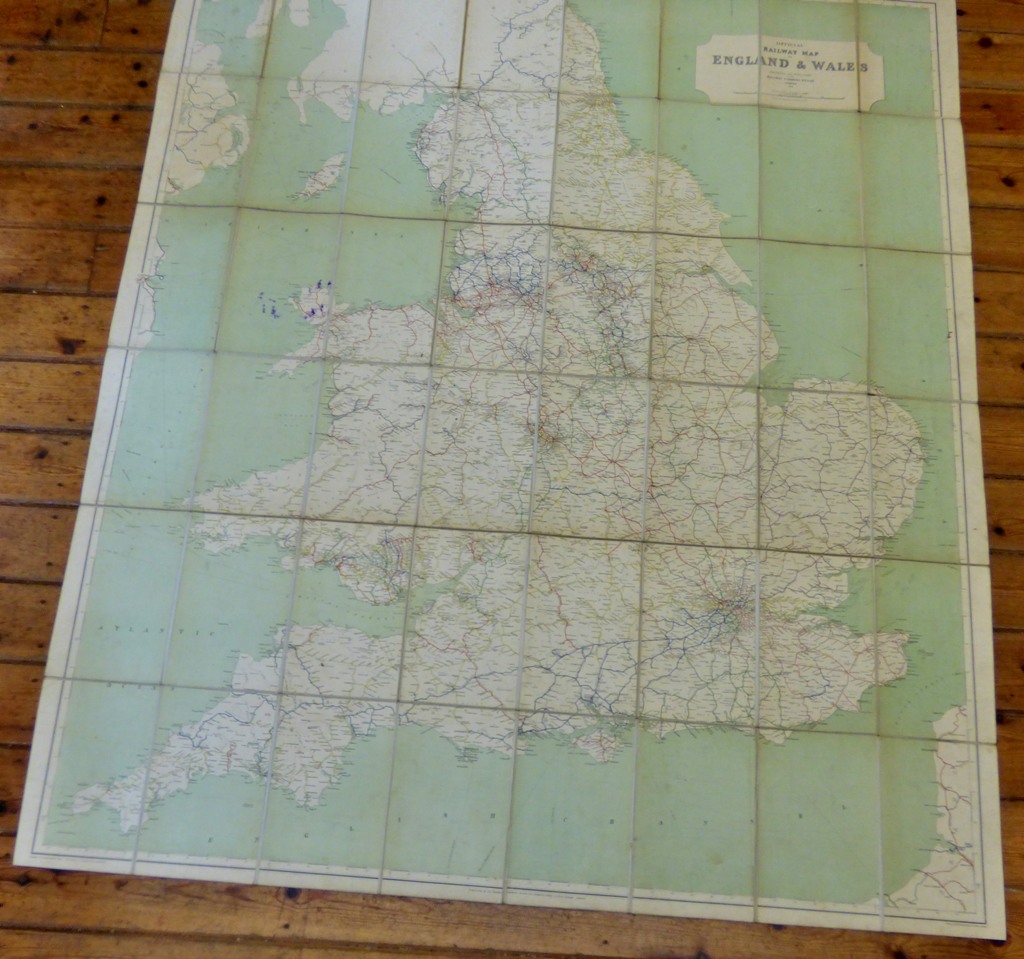
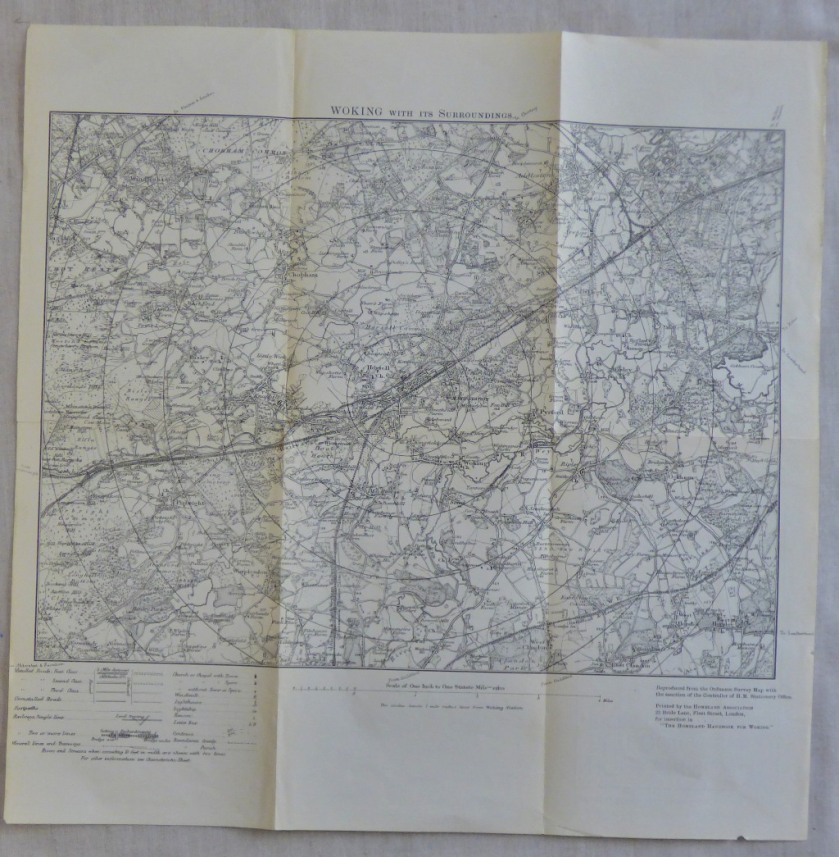
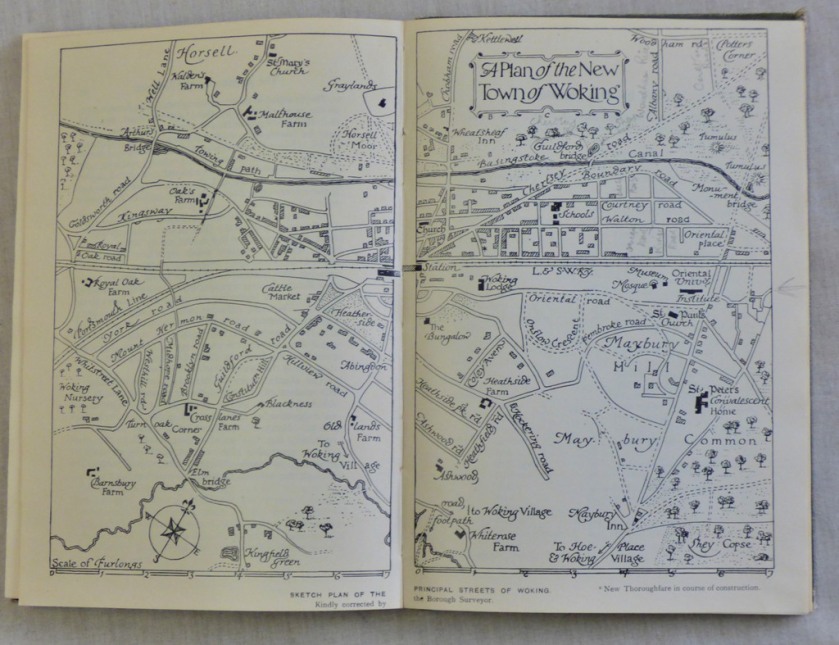
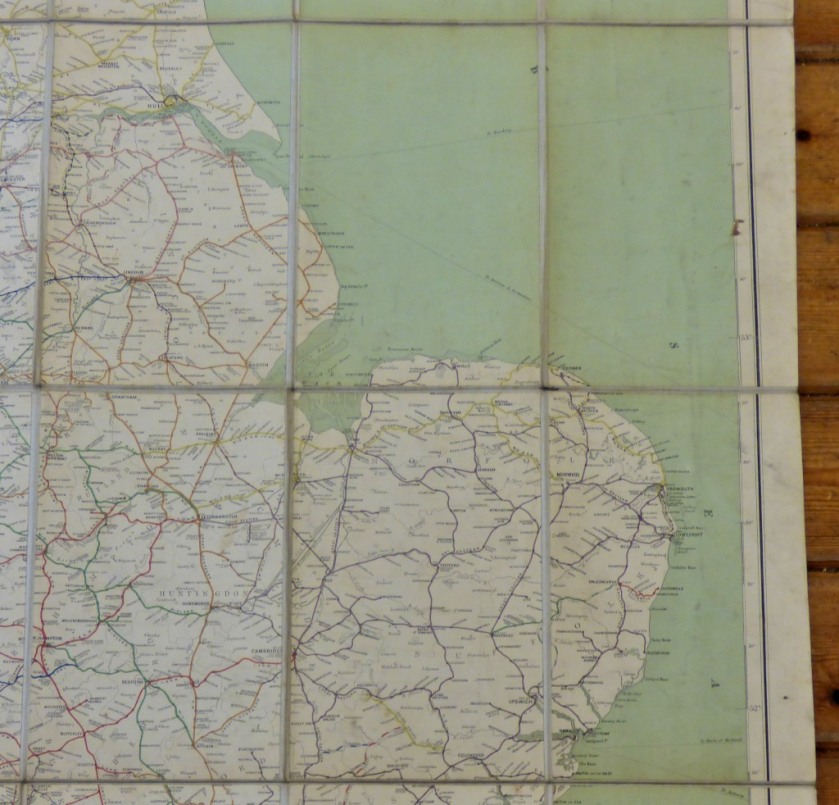
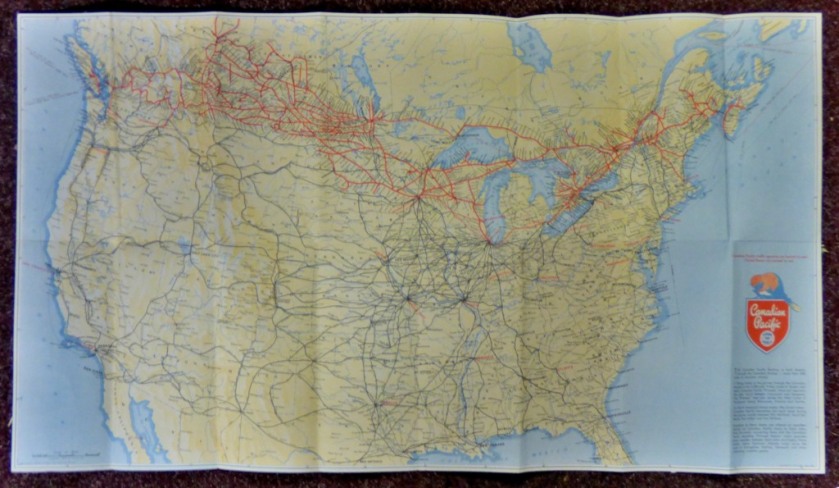
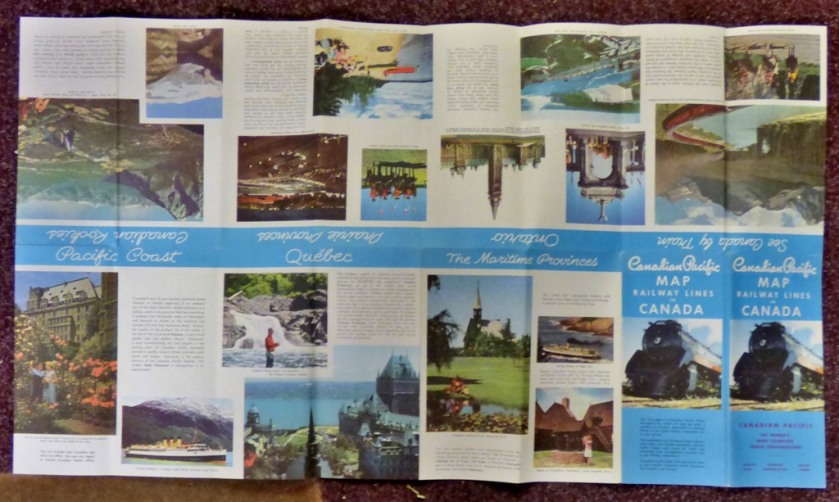
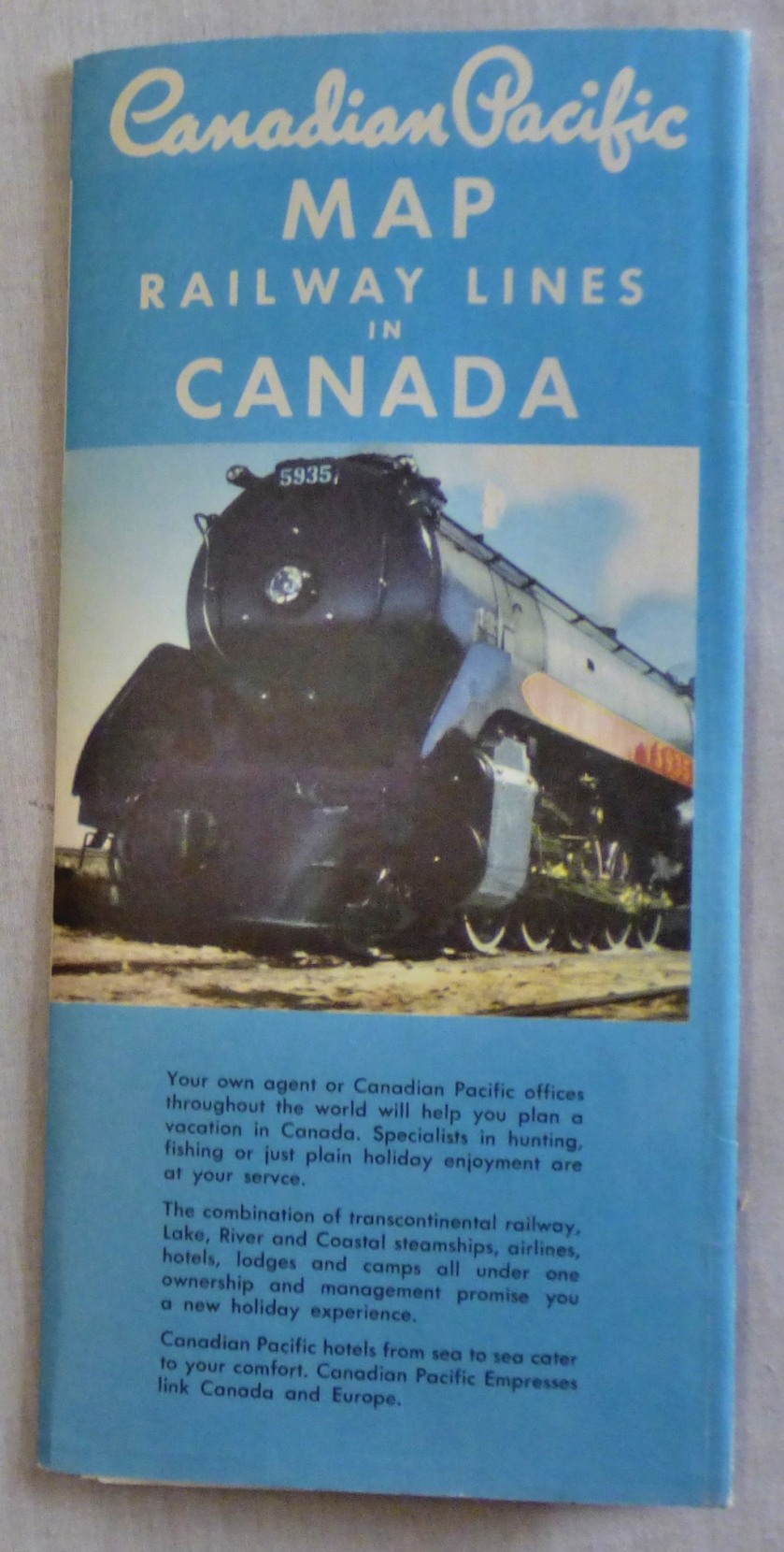
Lot 1403 – there is a little wallet incorporated in the inside back cover of the book to store the map when folded.Lot 1415 – the largest railway map I have ever seen – and it has stout front and back panels so that when folded it looks a bit like a book.Lot 1422 – A more modern and much smaller railway map, with promotional material on the reverse (four images)Lot 1428 – Some south Wales railway history.Lot 1401. Every lot from 1401 to 1428 is featured in this post
My thoughts on the recently concluded series between England and South Africa mens teams, plus some photographs from work.
INTRODUCTION
On Monday I listened to what turned out to be the final day of the test series between England and South Africa (Tuesday would have been available had South Africa taken the game that far but they never really looked like doing so). In this post I look back at the match and the series.
THIS MATCH
England batted first and made at least 50 more than they should have done in the circumstances, getting to 360. When the ninth England wicket fell South Africa turned to the “clever ruse” of dropping the field back to allow the major batter (Jonny Bairstow on this occasion) to take singles so that they could bowl at the no11. This is a dubious tactic in any case, but South Africa’s execution of it was downright bad – on a number of occasions Bairstow took twos early in the over, which should never happen when this tactic is in play. I can think of no occasion on which it can be demonstrated that a side fared worse by attacking at both ends than they would be adopting this tactic, whereas I offer the following examples of times where adopting it caused problems:
Perth 1978 – Australia eight down for not many facing and England total of over 300, Mike Brearley gives Peter Toohey with 50 to his name singles so as to attack Geoff Dymock. The ninth wicket pair stage a very irritating partnership. In the end England’s superior skill and professionalism tell (Australia were depleted by the Packer affair and Graham Yallop proved to be a very poor captain). My source for this story is Brearley himself in “The Art of Captaincy”.
Melbourne 1982 – The ninth Australian wicket in their second innings falls with them still needing 74 for victory. England allow Border singles so they can attack Thomson, the no 11. Australia get to within a boundary hit of victory before Thomson flashes at a wide one from Botham and is caught by Miller with an assist from Tavare.
Sydney 2010 – Pakistan have bossed the game against Australia, leading by over 200 on first innings, and Australia are only 80 to the good with two second innings wickets standing going into the 4th morning. Pakistan decline to attack Hussey, and Siddle plays a straight bat the relatively few deliveries he has to face. In the end Pakistan need 176 to win, which is far more than they were expecting. The pressure is too much for an inexperienced batting line up, especially once Mohamed Yousuf has compounded his failure as captain by falling to a very poor shot to leave his side 57-4. Australia end up winning by almost 40 runs.
South Africa’s response, if it can be so described, was to scrape together 226 for a deficit of 136. A fine innings by Moeen Ali in the second England innings takes England to a lead of 379. Dean Elgar fell cheaply to start the South African second innings, and by the lunch interval Heino Kuhn and Temba Bavuma had also been accounted for. Amla and Duplessis resisted stoutly for a time, but the dismissal of Amla sparked a collapse, with no one else making a significant contribution as 163-3 at the high point of the innings subsided to 202 all out. Moeen Ali took five of the wickets to finish with 25 for the series alongside over 250 runs for the series (the first time this double has been achieved in a series of fewer than five matches). Moeen Ali was player of the match, and also player of the series for his all-round efforts.
THE SERIES AS A WHOLE
Barring the aberration at Trent Bridge this was a series that England dominated, and 3-1 is a fair reflection of that fact. Lord’s (it is named after Thomas Lord of Thirsk, so Lord’s is technically correct) saw the only really huge first innings tally of the series, and from that point on England were always going to win that match. I wrote in some detail about the Trent Bridge debacle at the time. At The Oval (these days there is always a sponsor’s name attached but I refuse to mention them whoever they may be) England made a respectable first innings total and South Africa crumbled, while this final match at Old Trafford went along similar lines.
THE PLAYERS
I am going to finish the text element of this post by looking at both sets of players, starting with South Africa.
Dean Elgar – a tough competitor whose second innings 136 at The Oval when all around him were surrendering was a stand out performance.
Heino Kuhn – resembles a test-class opener about as closely as Liam Dawson resembles a test-class all-rounder. The only surprise out his dismissal during the morning session fo what turned into the final day of the series was that it did not come sooner.
Hashim Amla – a magnificent batter now nearing the end of his illustrious career. This was not a great series for him but his fighting 83 in the final innings was a splendid effort.
Quinton De Kock – fine wicketkeeper and on his day a very destructive batter, but was miscast in the key number four role where was too often coming in with the team reeling from early blows. He was moved down for the final match of the series, but this was his equivalent of Adam Gilchrist’s 2005 in England – batting wise a series to forget.
Faf Du Plessis – it continues to be debatable whether he is worth a place as a batter, but the team play much better under his captaincy than when he is not present.
Temba Bavuma – a very reliable batter. He needs to develop ways of keeping the scoreboard ticking – at the moment it takes him a very long time to score his runs.
Theunis De Bruyn – anonymous in this series, he did nothing significant with the bat and his bowling was not much used.
Chris Morris – occasional moments with his hard-hitting batting but his bowling was very expensive.
Vernon Philander – a great cricketer, but like Alan Davidson and Chris Old before him he is somewhat of a hypochondriac. He did not contribute fully to this series.
Keshav Maharaj – South Africa’s leading wicket taker of the series.
Kagiso Rabada – A fine fast bowler who bowled well in this series and at times did enough with the bat to have embarrassed some of bhis supposed betters in that department.
Morne Morkel – A solid series – it was not South Africa’s bowlers who were chiefly responsible for their defeat in this series.
Duanne Olivier – more will certainly be seen of this young fast bowler.
Now for England…
Alastair Cook – continues to steadily ascend the test run scoring lists – in the course of this series he went past Allan Border’s aggregate. His effort on the truncated first day at The Oval put England in control of that game, a position consolidated by Ben Stokes’ century.
Keaton Jennings – surely he has run out chances after a series in which his highest individual score was 48 and during which he never looked convincing.
Gary Ballance – given a chance to re-establish himself in the side because he scores so many in domestic cricket he failed, and looked out of place. He was deservedly one of the casualties of the Trent Bridge debacle.
Tom Westley – a solid start to his test career. He looks like he belongs in the test arena and I expect to see a lot more of him.
Joe Root – his first series as test captain, and with a 3-1 series win and himself being leading run scorer on either side for the series it was a splendid start.
Dawid Malan – came in to the side after the loss at Trent Bridge and has not yet done much.
Jonny Bairstow – an excellent series with both bat and gloves.
Ben Stokes – regular contributor of runs, wickets and catches. Like the man I will be dealing with next he is that rarity, a genuine all-rounder.
Moeen Ali – deservedly named player of the series, he was outstanding with bat and ball.
Liam Dawson – my comments about Heino Kuhn suggest that I do not rate Mr Dawson, and that impression is correct. He has neither the batting nor the bowling to be of use in test match cricket. If conditions warrant two spinners pick a real spinner, and if they don’t Moeen Ali will be the sole spinner.
Toby Roland-Jones – he started his test career firing with both barrels – a five-for including the top four in the opposition batting order, and has done well in both his matches so far.
Stuart Broad – a good series for the big fast bowler.
Mark Wood – two matches in the series, total figures 1-197 – ’nuff said.
James Anderson – 20 wickets in the series at 14 each. At the age of 35 he remains arguably the finest user of a new ball in world cricket. The authorities at his home ground of Old Trafford have recently paid him the compliment of naming one of their bowling ends in his honour – and he responded by taking four cheap wickets from that end at the first time of asking. I reckon he still has a couple of good years left in him which would enable him to sign off with a home world cup followed by a home Ashes series.
PHOTOGRAPHS
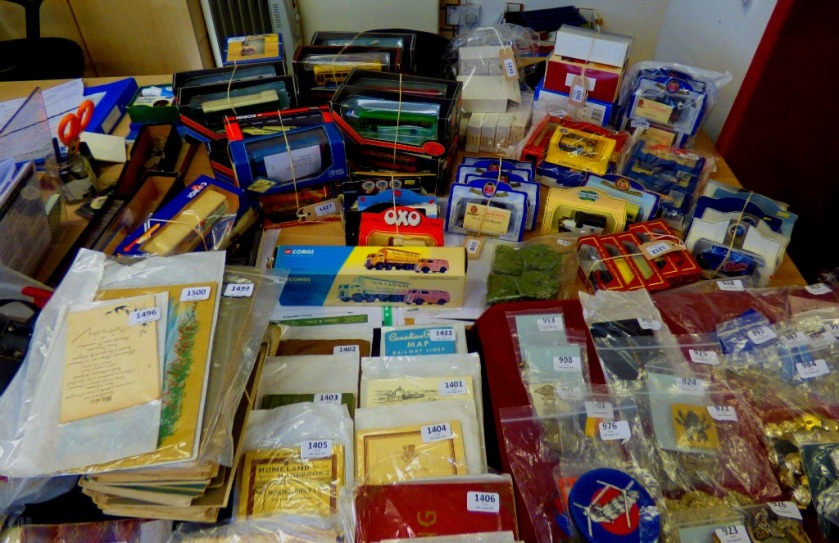
I always like to include photographs in my posts, and although I have none relating to cricket, here are a few from yesterday at work (these will be going under the hammer on August 30th, our second end of August auction, with a sale happening at our shop on Friday August 25th – more on this in a later post):
Lot 1403 – there is a little wallet incorporated in the inside back cover of the book to store the map when folded.
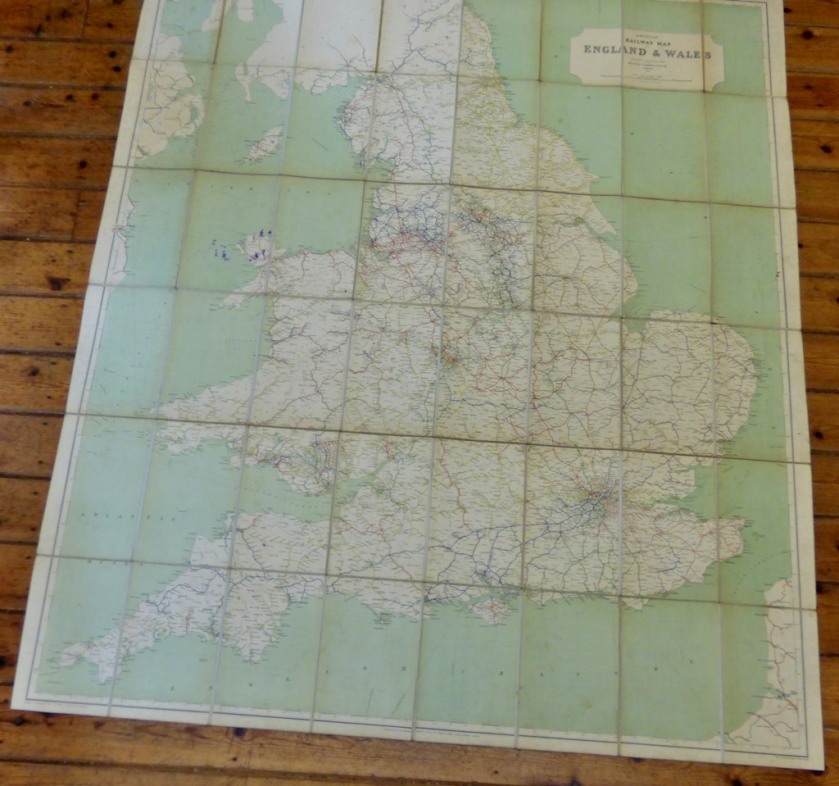
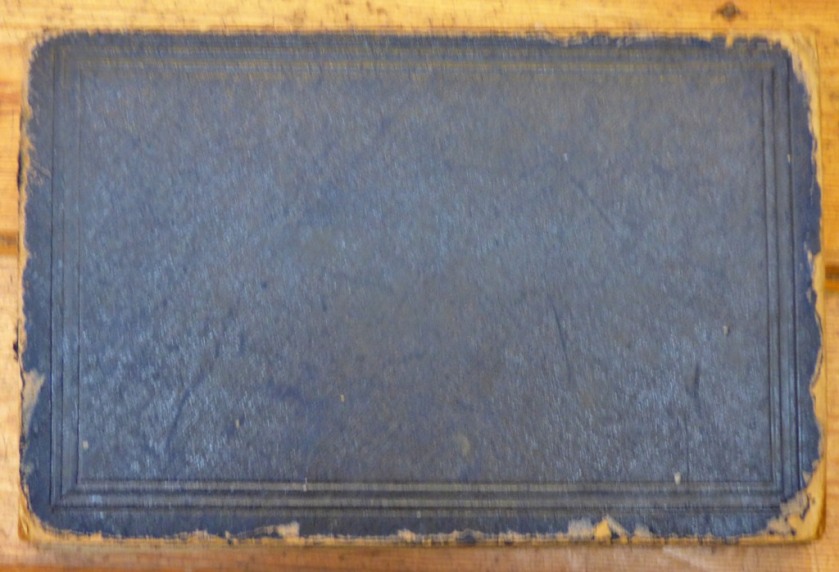
Lot 1415 – the largest railway map I have ever seen – and it has stout front and back panels so that when folded it looks a bit like a book.
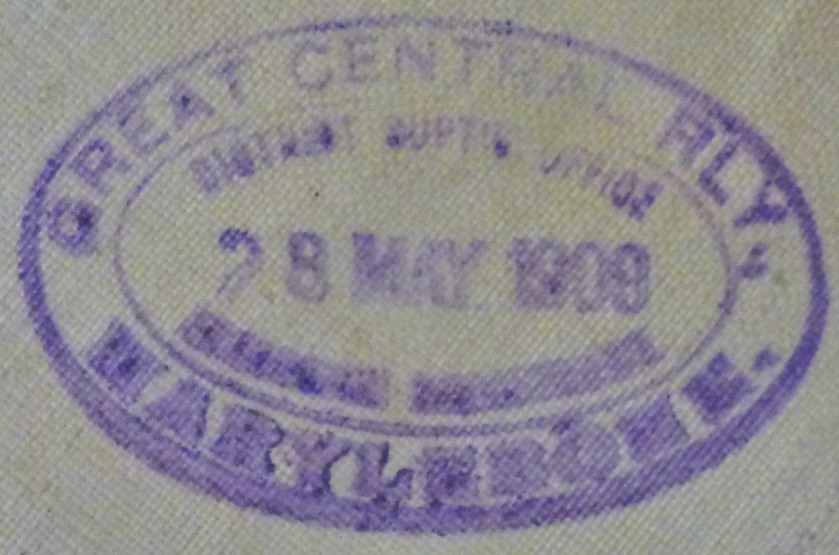
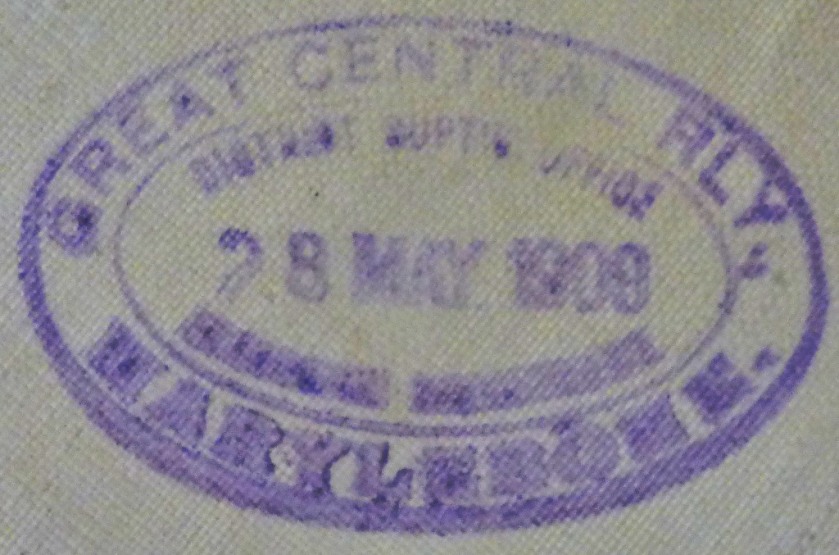
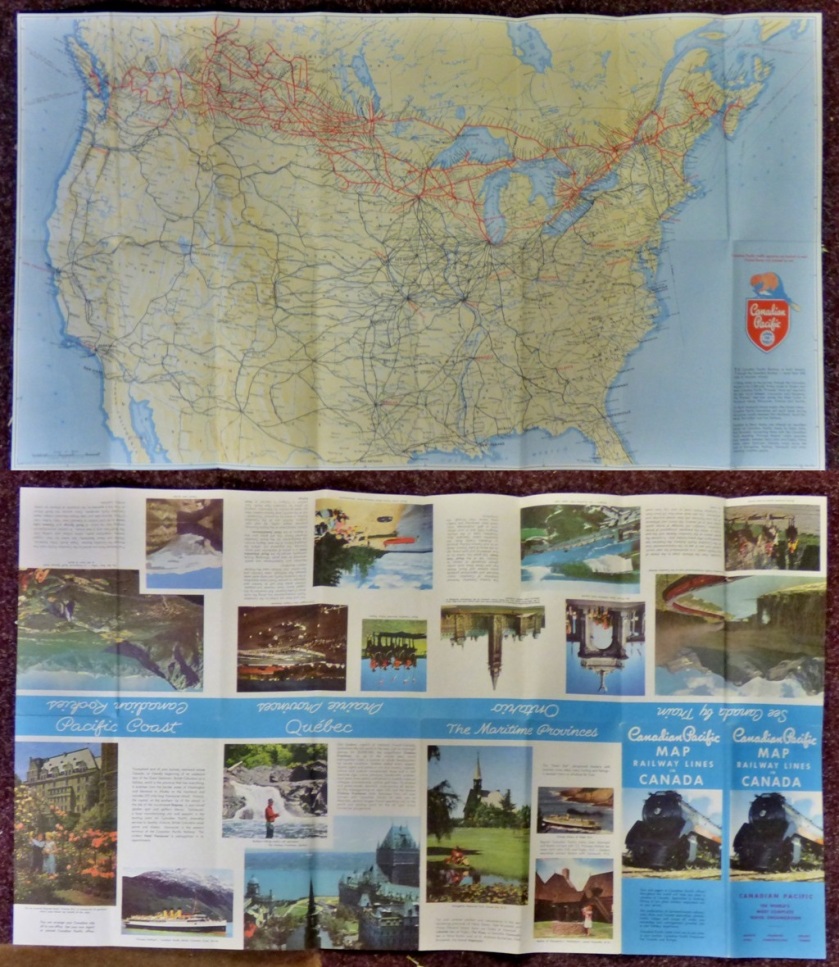
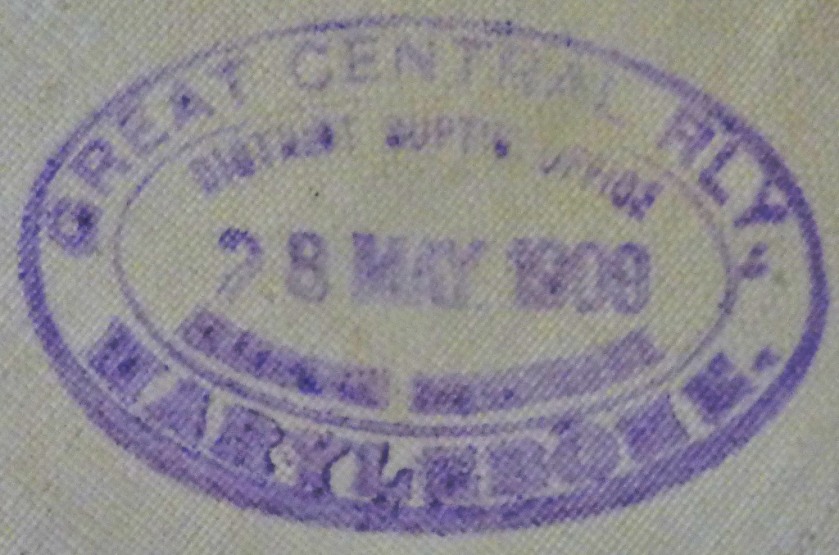
A stamp on the back of one the ordinary panels.The front panelThe back panelLot 1422 – A more modern and much smaller railway map, with promotional material on the reverse (four images)