A bird post provoked in part by the Angling Trust seeking permission to double the rate at which they cull cormorants.
INTRODUCTION
This post has two elements: first, I saw on twitter something about the Angling Trust calling for cormorants to be shot “to protect stocks of coarse and game fish”, and following the link located the details which you can see here, and second while out looking for cormorants to photograph for this post I saw something else that I had not previously captured.
CORMORANTS
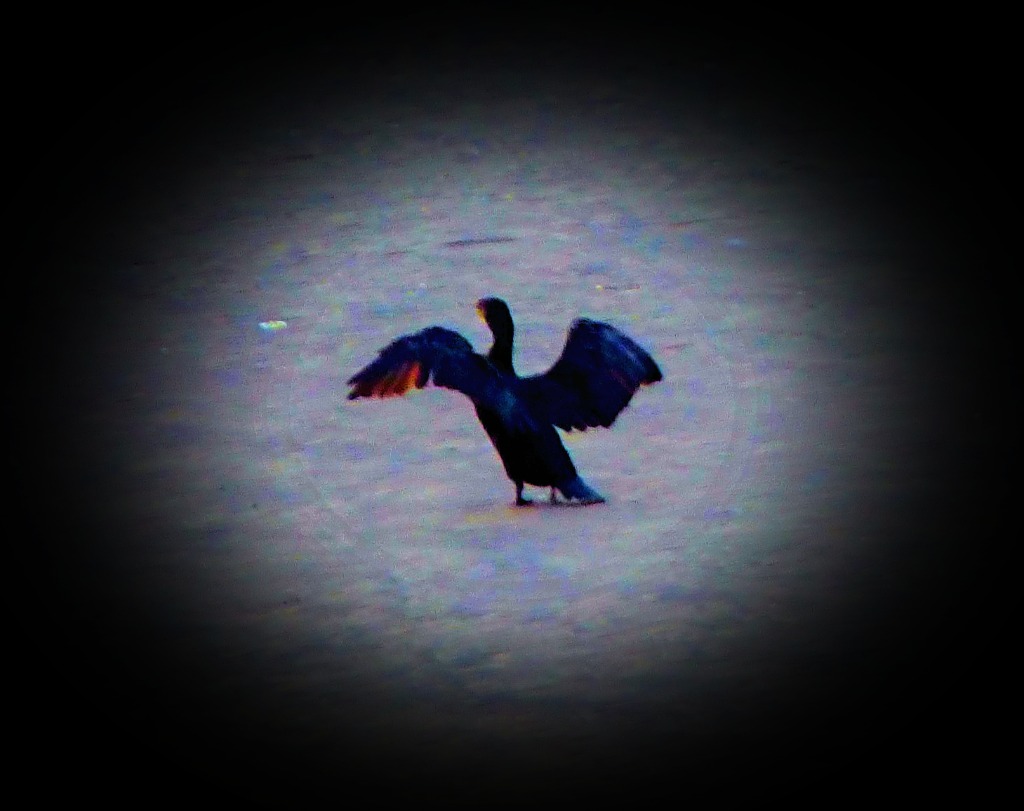
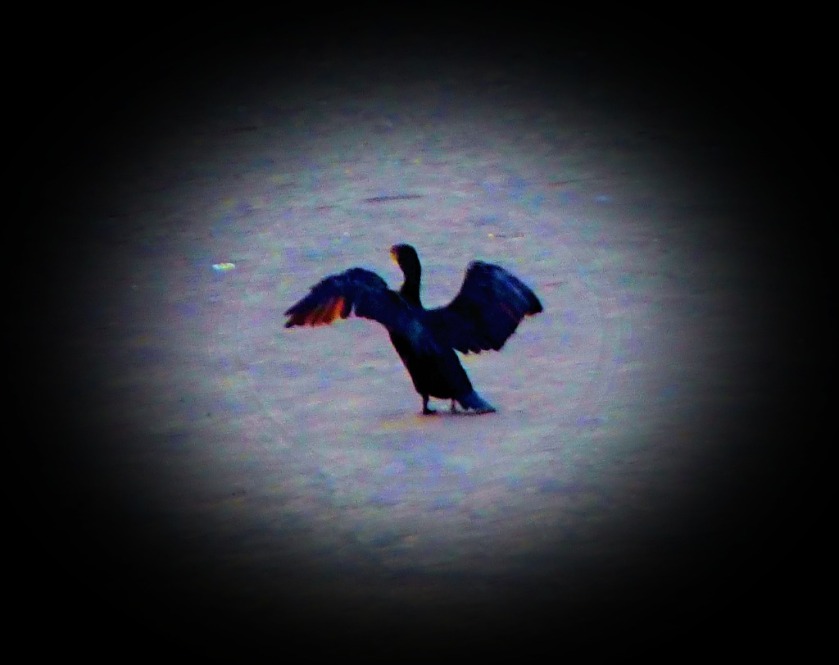
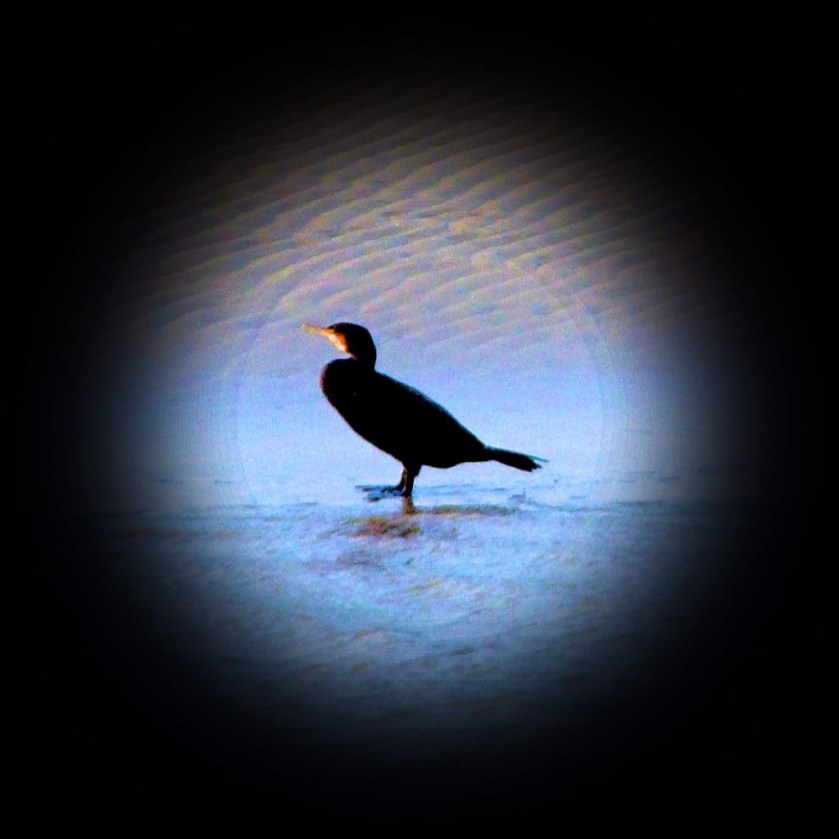
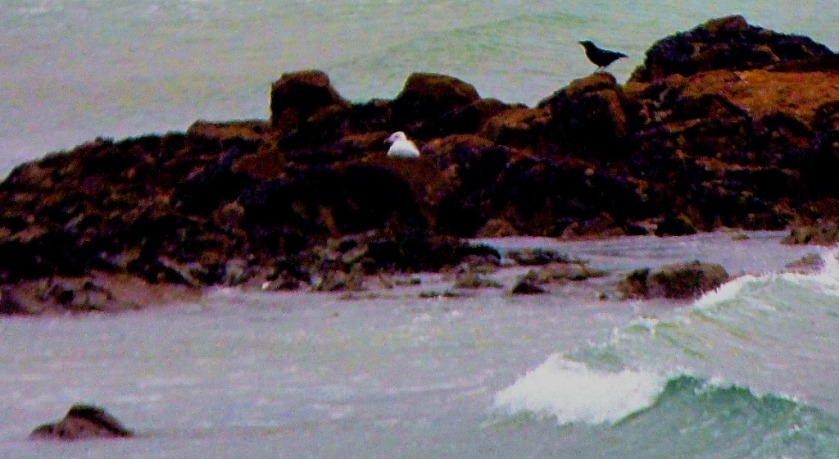
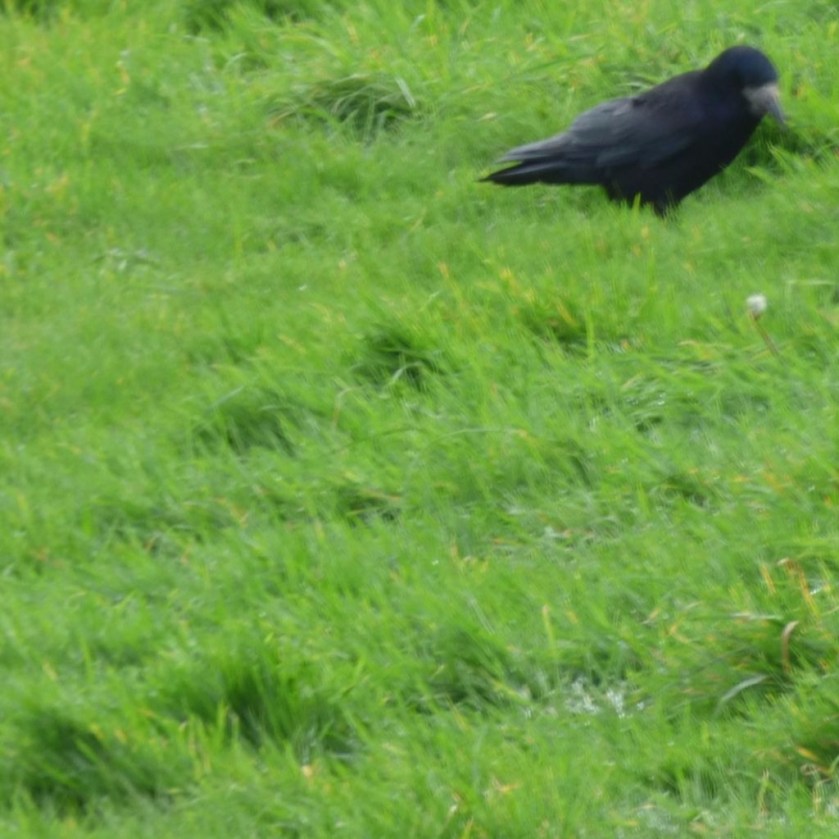
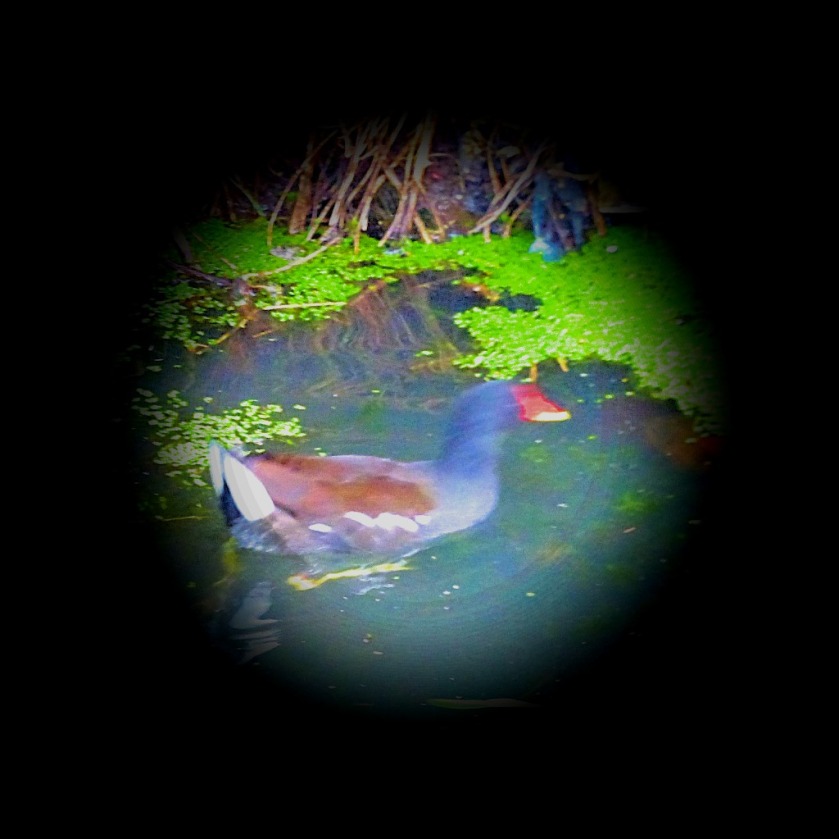
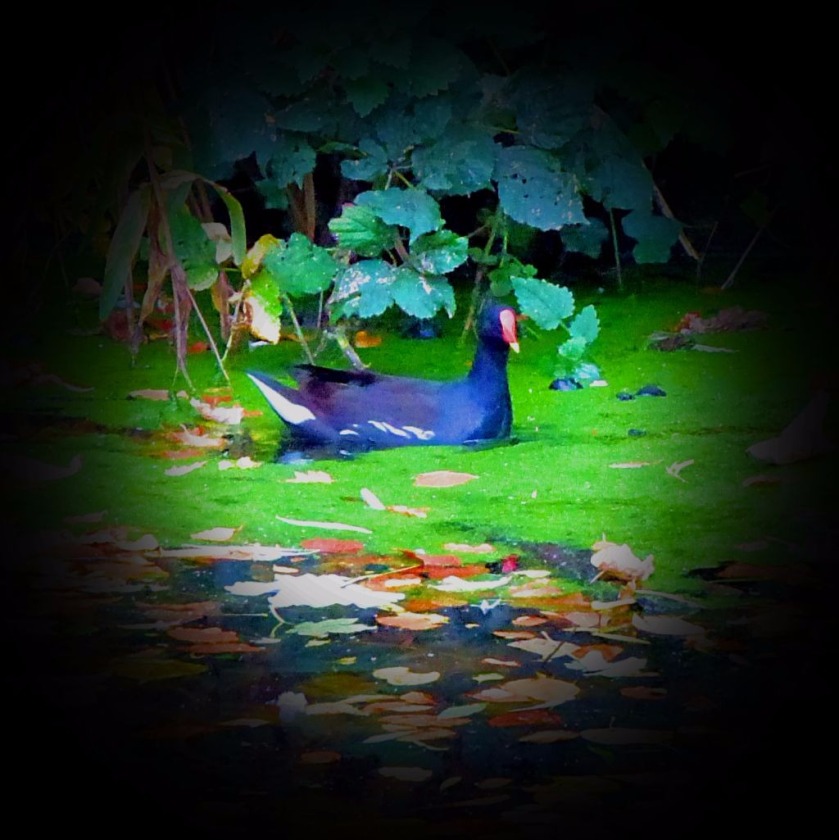
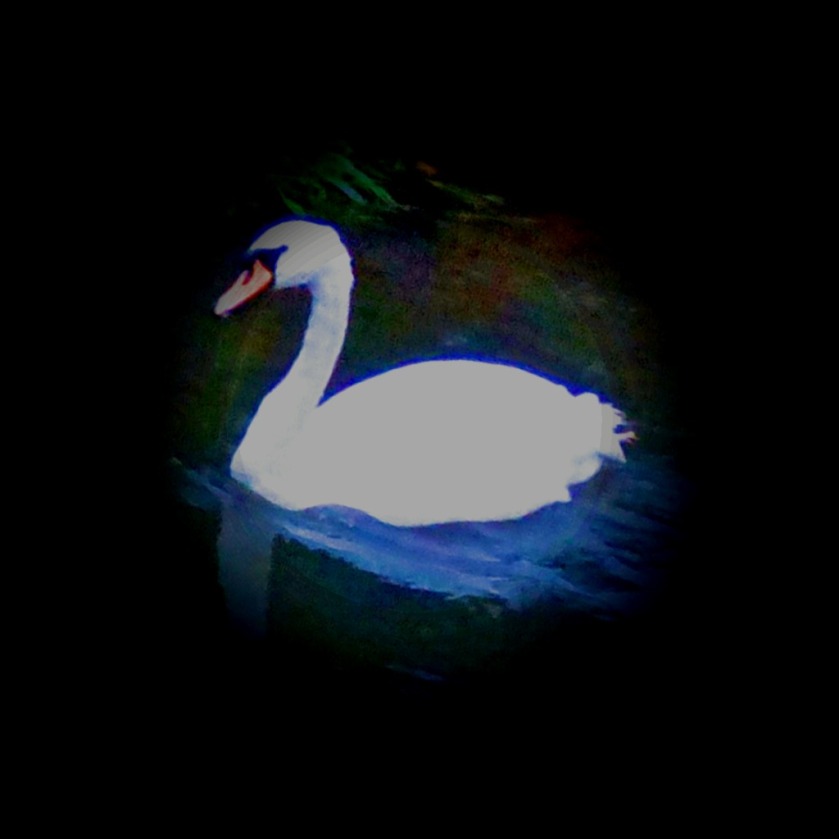
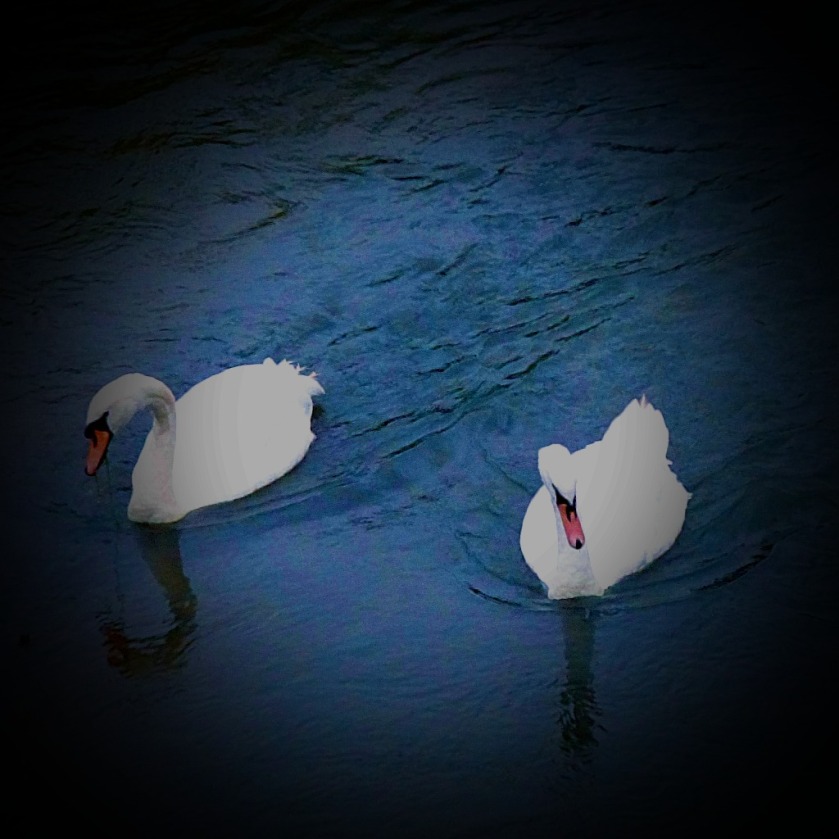
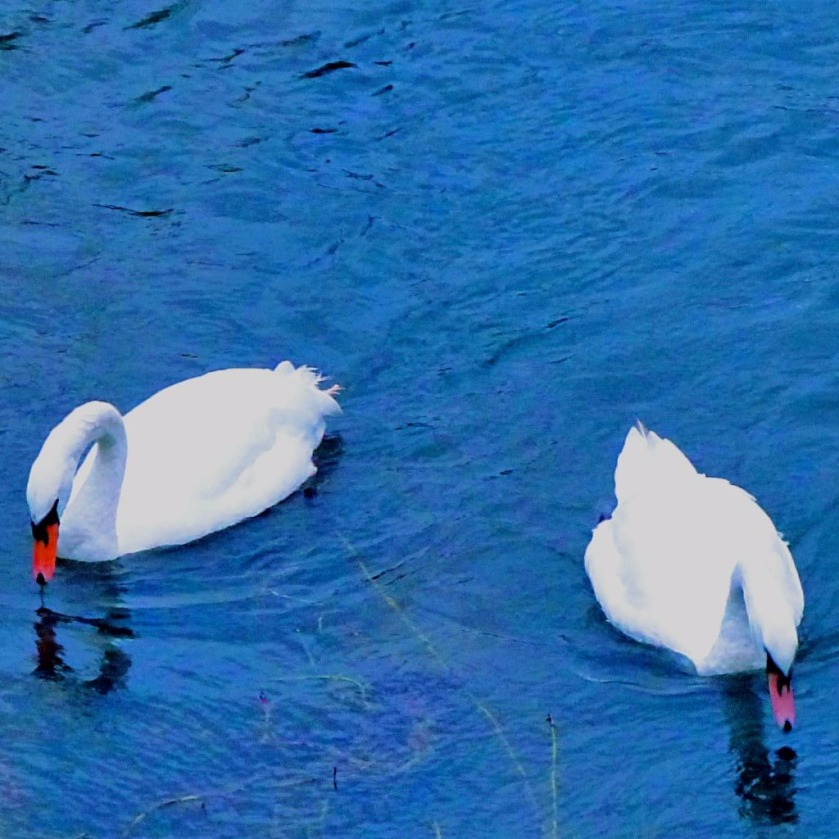
I would take a lot persuading that increasing the number of cormorants licensed to be shot copuld be justified in any case, but the grounds given, which amount to a statement that “our sport counts for more than cormorants” fail to come even remotely close. There is a cormorant colony within walking distance of central King’s Lynn, and although they were not about in big numbers when I went looking, there were four of them in evidence. Here are the pictures:
AN ASPI.BLOG FIRST
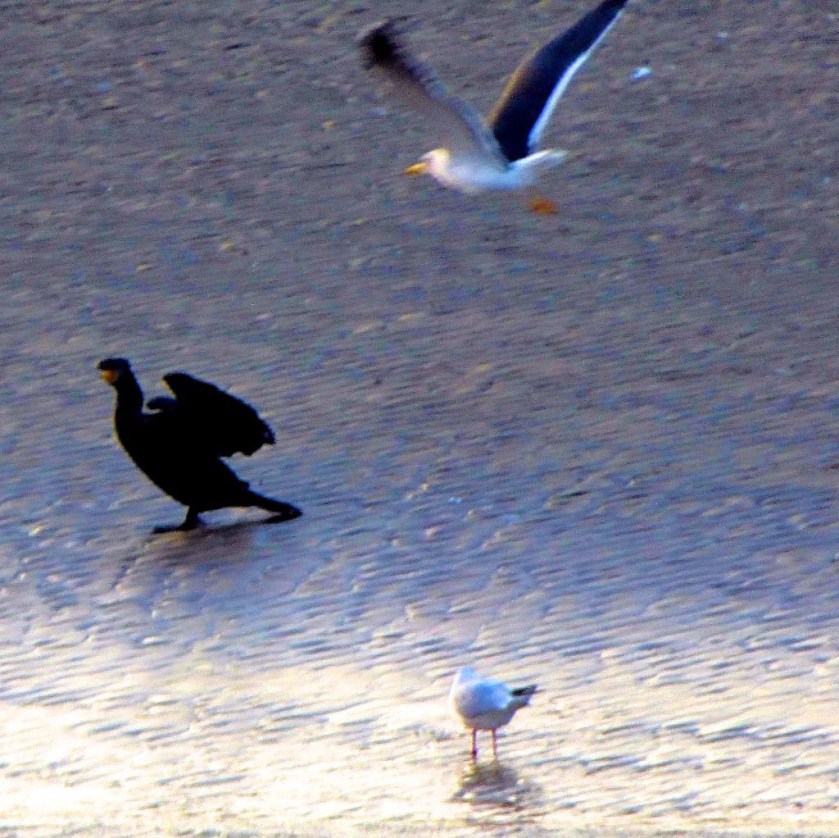
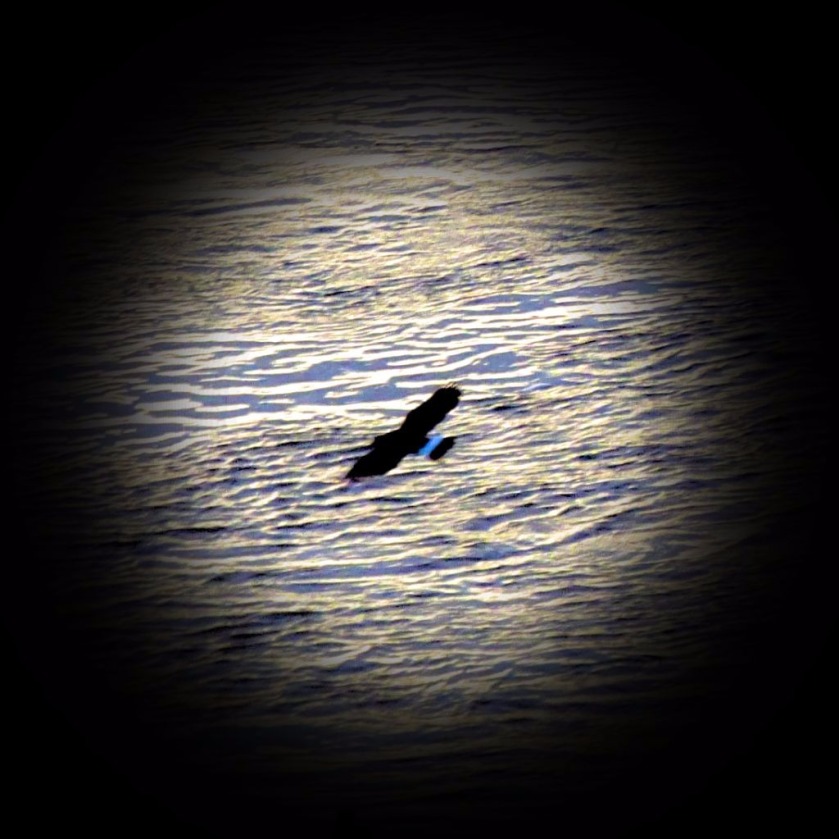
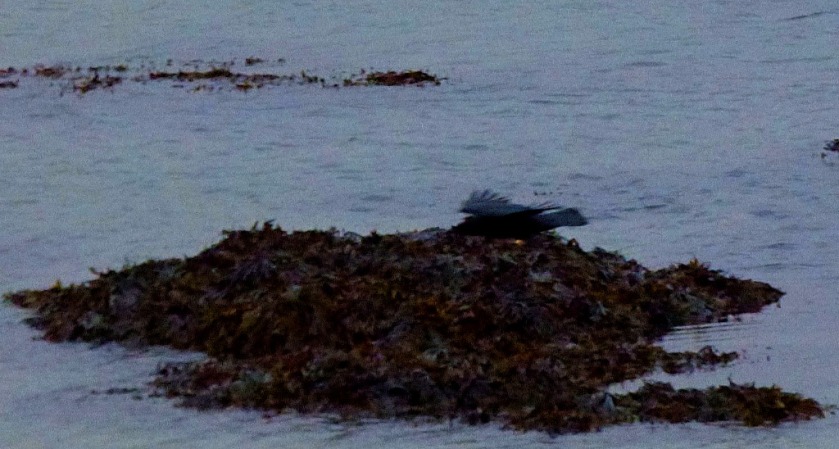
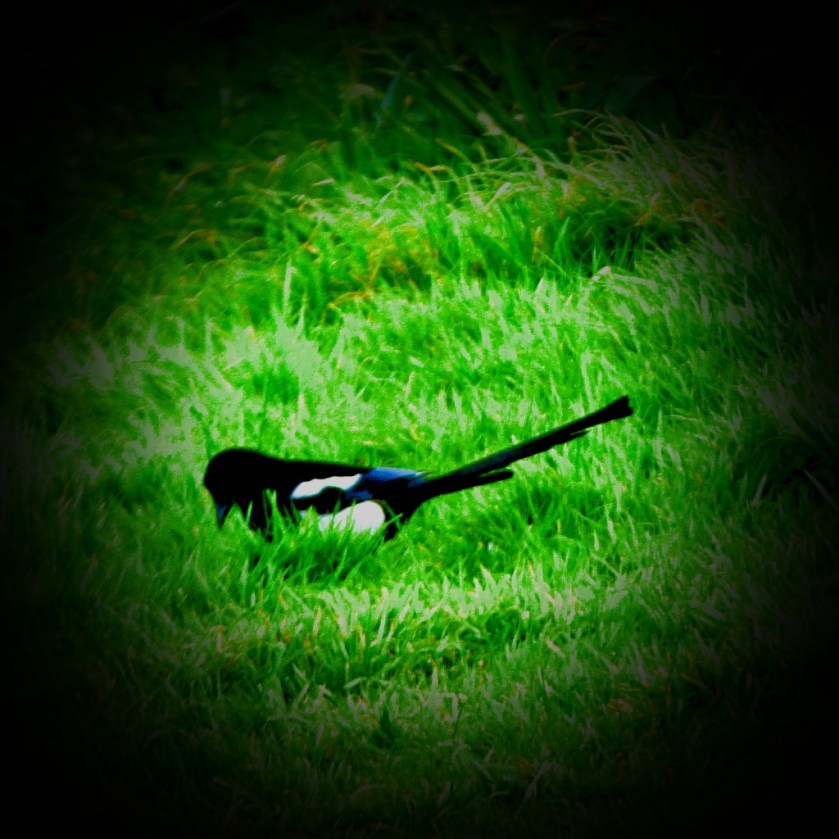
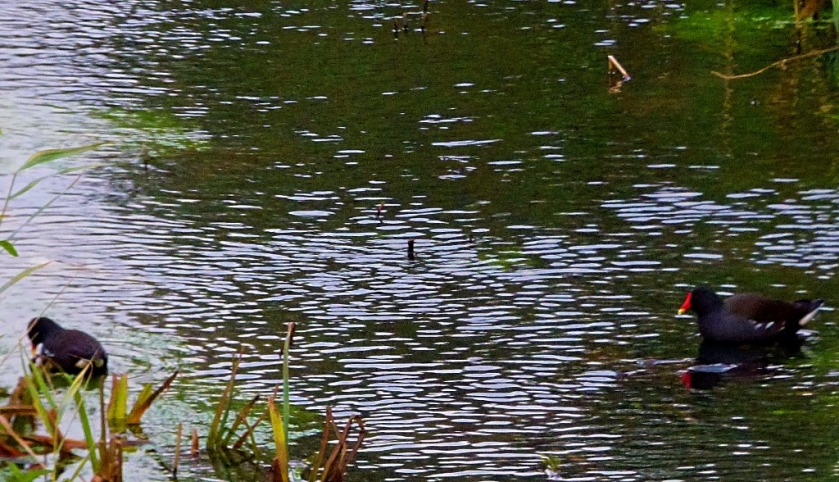
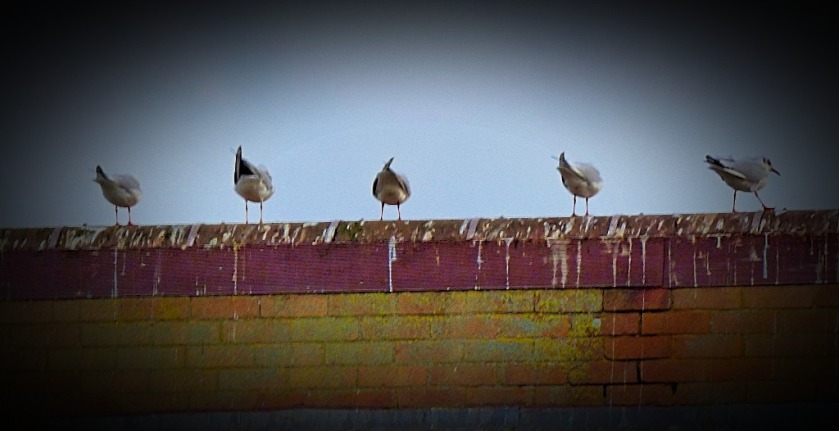
While observing the cormorants I also a got a couple of pictures of this:
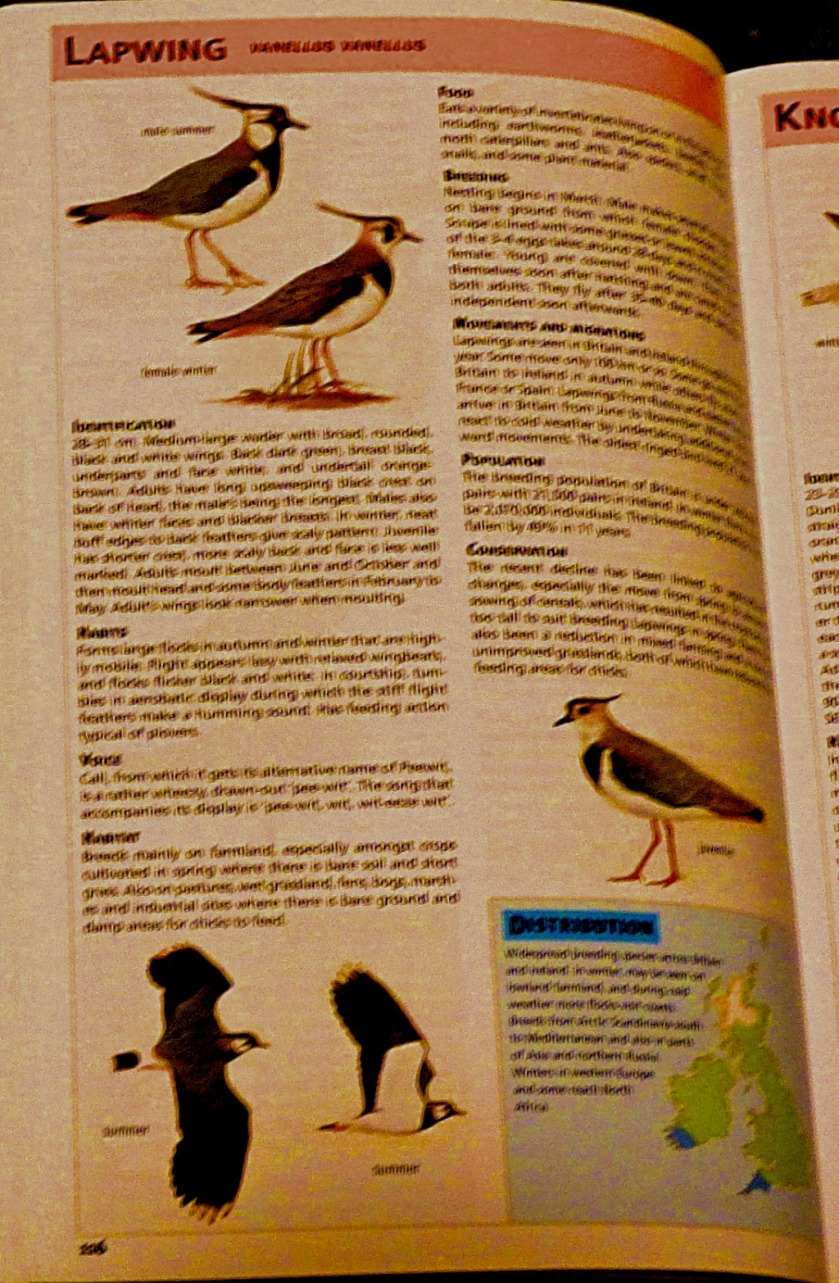
Going through my bird book I could find only two birds with black wings and a white bar across their tail. The first, the Storm Petrel was an unlikely option given how far King’s Lynn is from the nearest ocean (it is an ocean going bird). That left me with the second, the Lapwing, a medium sized wader that likes marshy or muddy conditions (not a problem in the vicinity of the Great Ouse!). Here to conclude this post is what my bird book has to say about Lapwings:
We have reached the Sunday of my Cornish holiday. I am going to cover the day in three sections for reasons that will become apparent as the post develops.
SUNDAY MORNING
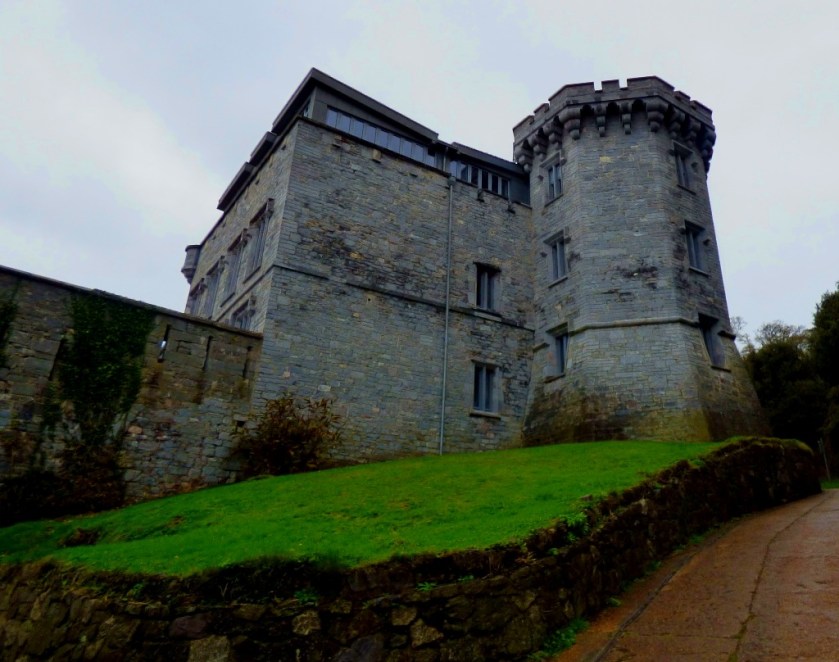
From my point of view most of this day was taken up with editing my pictures from the previous day’s excursion (see here and here), but Fort Picklecombe also provides regular opportunities for taking photographs, and I also took a number of these opportunities.
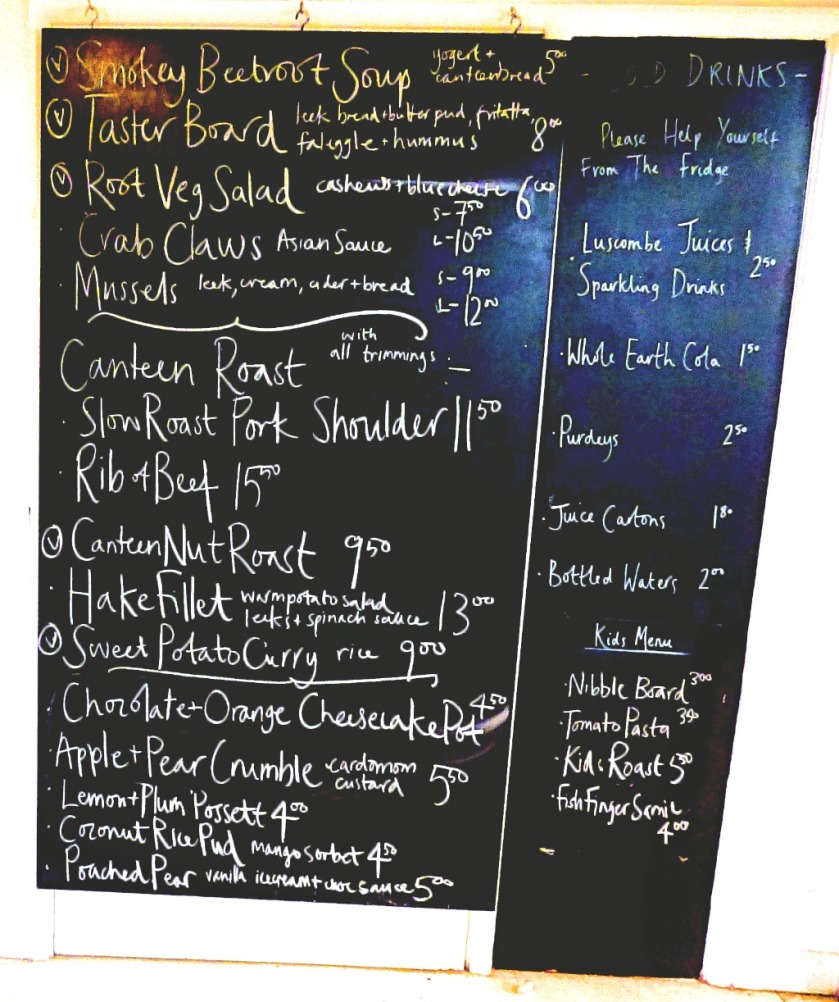
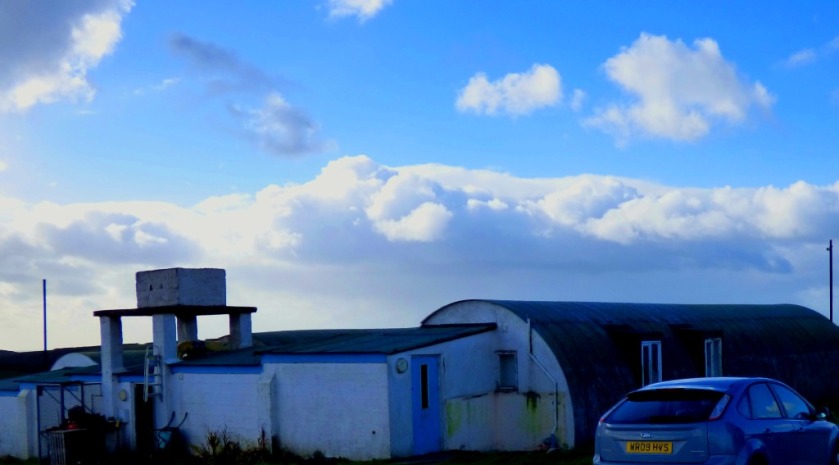
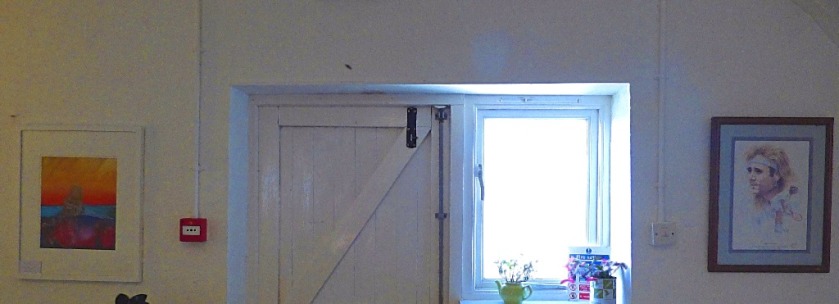
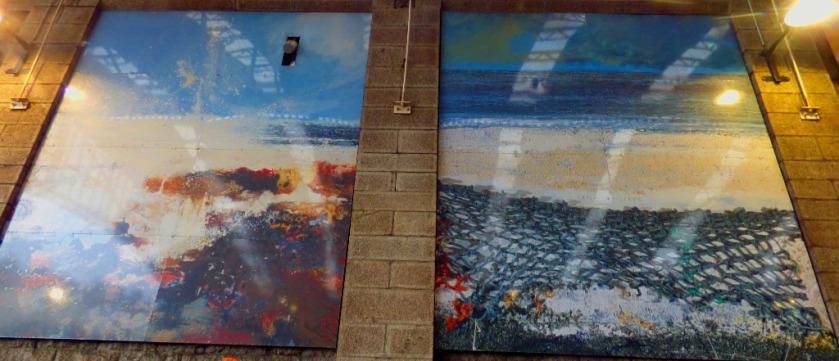
We were going out for Sunday lunch, and at about 12:15 we got ready to leave. We were lunching at an establishment that doubles as an art gallery and is located in a set of Nissen huts in a village called Maker. Here is their Sunday menu:
In the event we did not have starters, and each of us went for a different main course – I went for the slow-roasted pork shoulder, my father for the beef and my mother for the hake. It was a long wait to be served, but that was because they were cooking the vegetables from fresh. The pork was excellently cooked, with crackling that was both crunchy and flavoursome, and the vegetables were excellent. The roast potatoes however were not as good as they would have been had I cooked them – the potatoes had been peeled but not chopped, hence were very large and therefore somewhat lacking in the crunch factor. Overall, considering all factors, I rate this meal at 7.5/10. Here are the rest of my pictures from lunchtime:
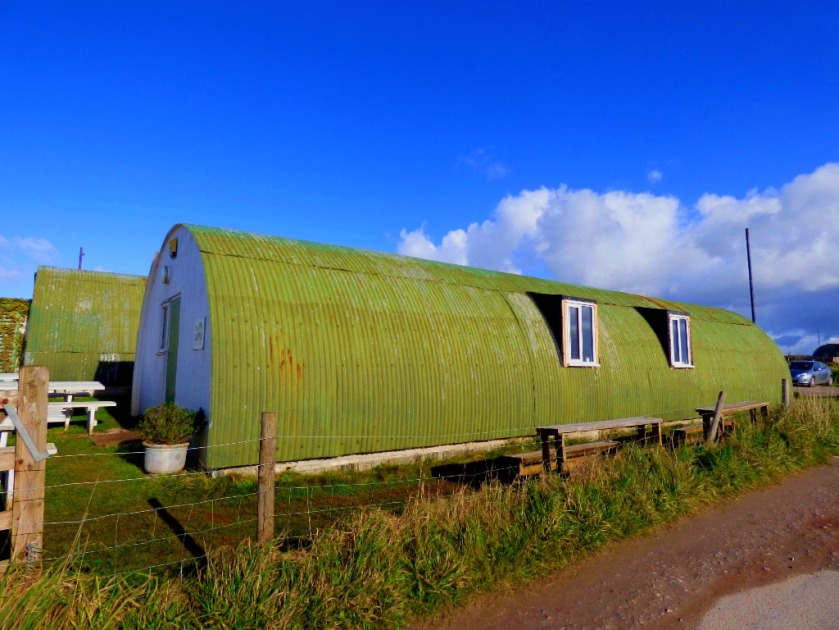
A good picture of the Nissen hut in which we ate.
Our table.
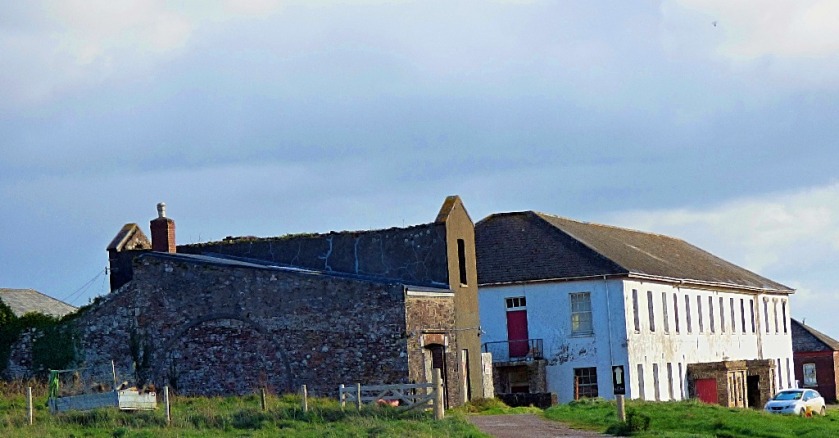
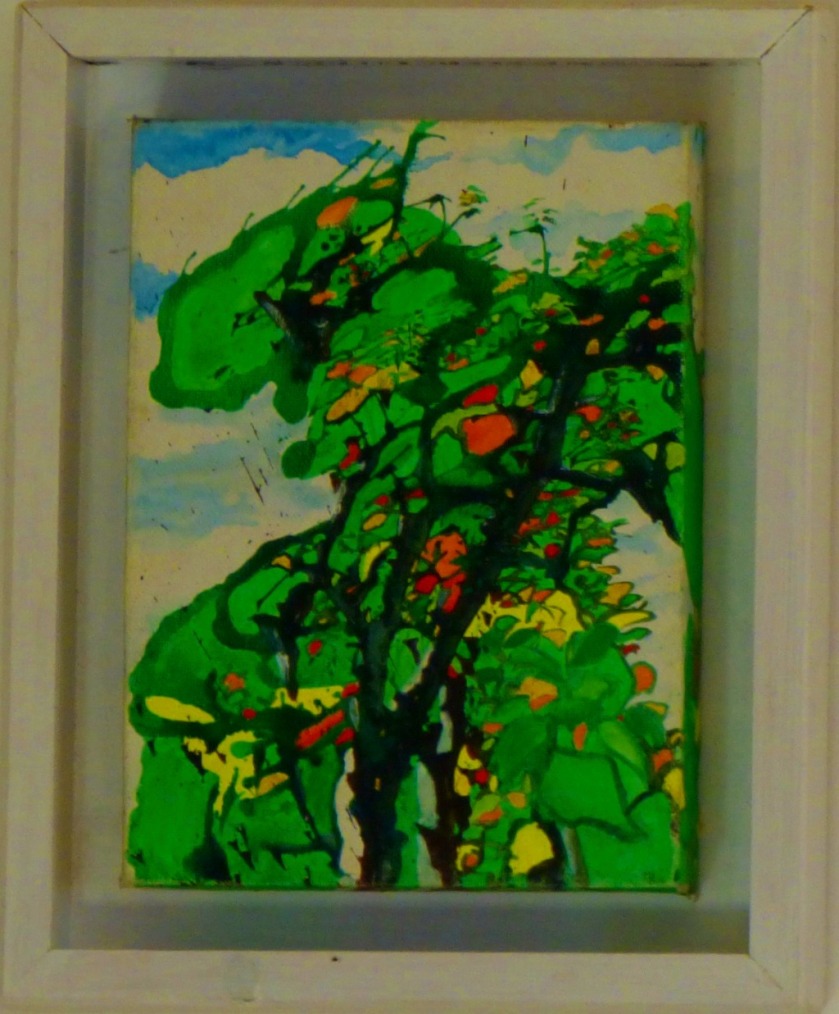
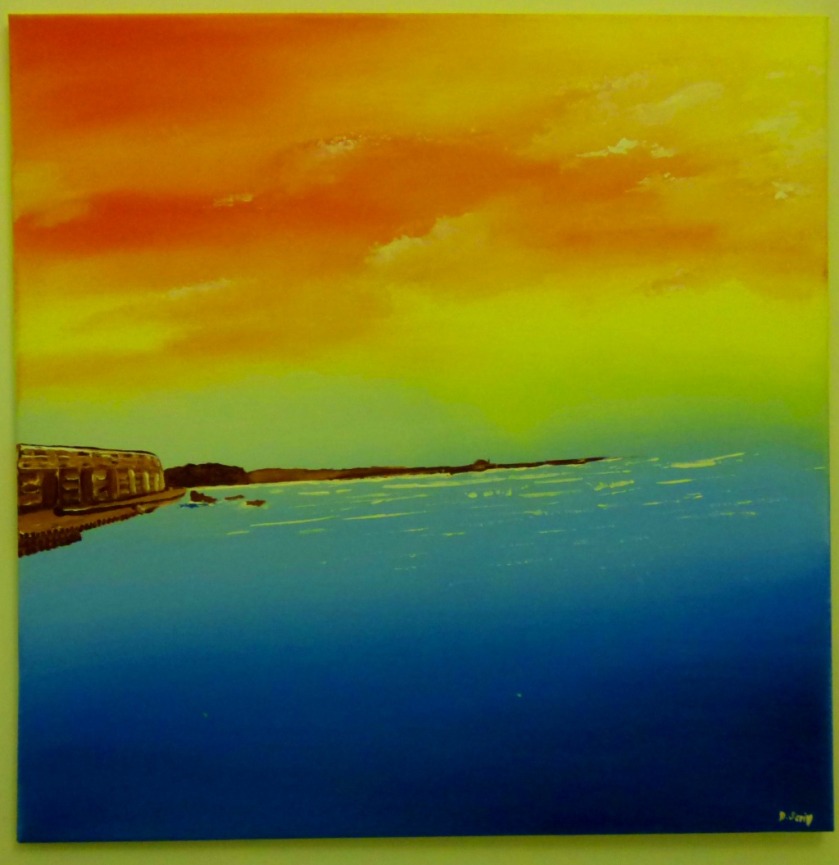
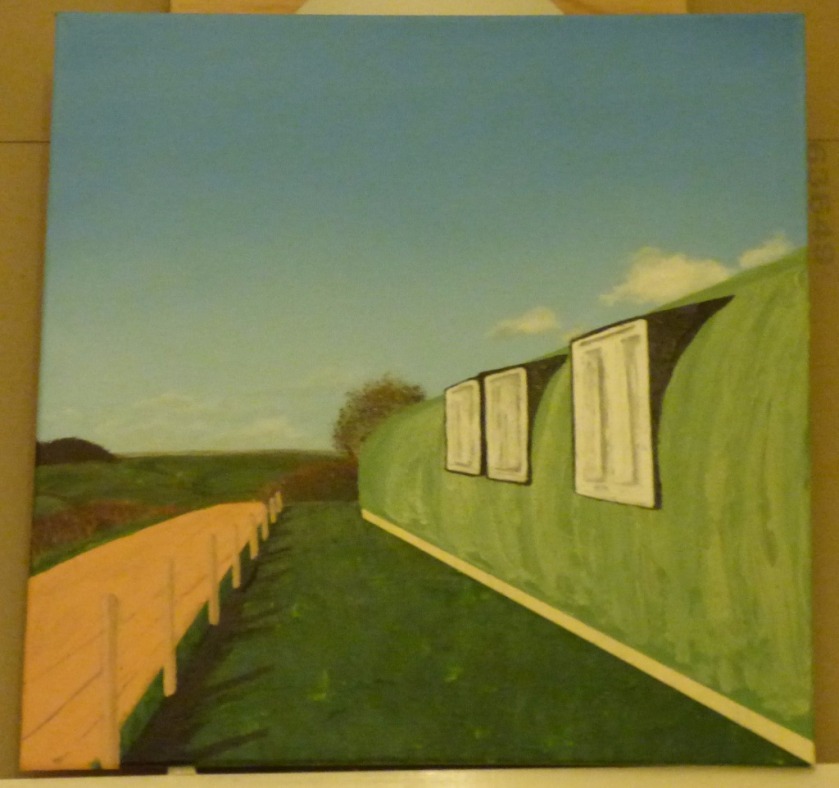
A bad picture of a Nissen hut (as you will note not much of the art on display here could really be considered good).
Then it was back to the fort, and back to photo-editing, although in between editing pictures from the previous day I captured some…
An account of the time I spent in Penzance on the Saturday of my Cornish holiday.
INTRODUCTION
I have finally edited all the pictures from my recent Cornish holiday and have now at last got time to get back to blogging about it. My last post described my journey down to Penzance, and this post provides the story of the rest of the day.
GETTING MY BEARINGS
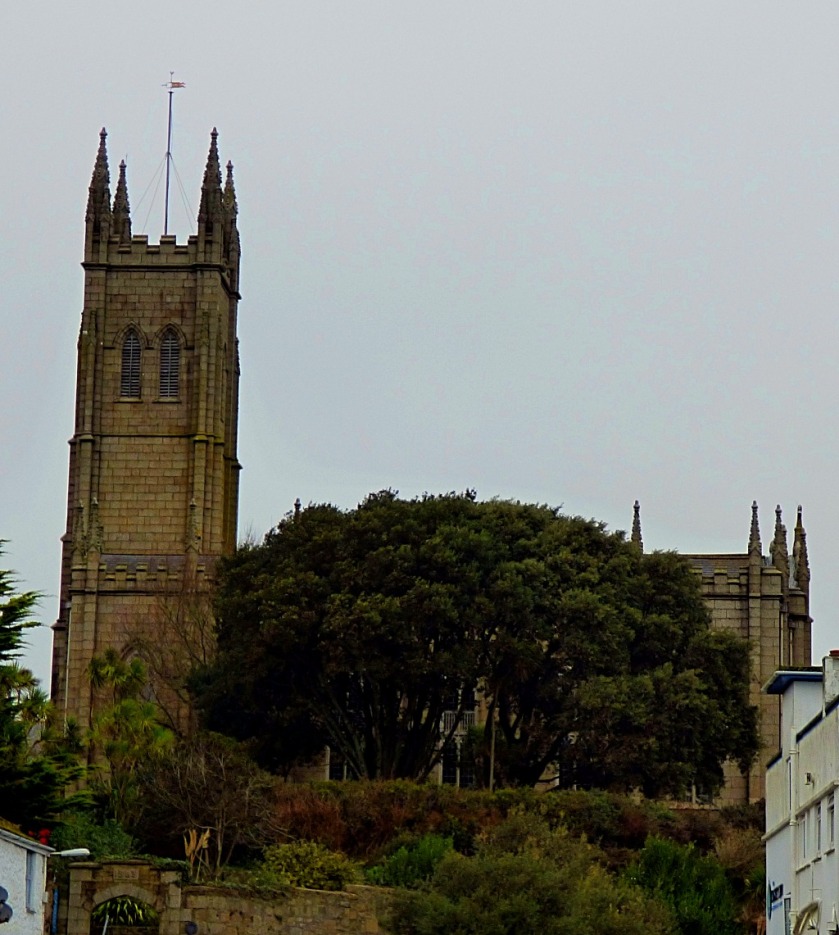
Having arrived in to Penzance pretty much bang on schedule I visited the local information office, purchased a detailed and very cheap souvenir map (I will conclude this series of Cornish posts with one featuring all the publicity materials that I collected while down there), and set out on the first part of my exploration of the town. An early necessity was finding somewhere to eat lunch (although I am not entirely inflexible on the matter I generally aim to eat lunch some time close to 1PM), and having walked past the Harbour and the Chapel I found an establishment suited to my needs. The Turk’s Head was not too extortionate (there are no cheap places in Penzance). I opted for a BBQ Chicken, Bacon and Davidstow Cheese melt, and enjoyed it, although I felt that it did not really live up to its name on two counts:
1. There was precious little evidence of bacon (though they had used good quality chicken)
2. Davidstow is supposed to be a strongly flavoured cheese and yet I barely noticed it over the other flavours – if I ask for something of which cheese is a featured ingredient I want to taste said cheese.
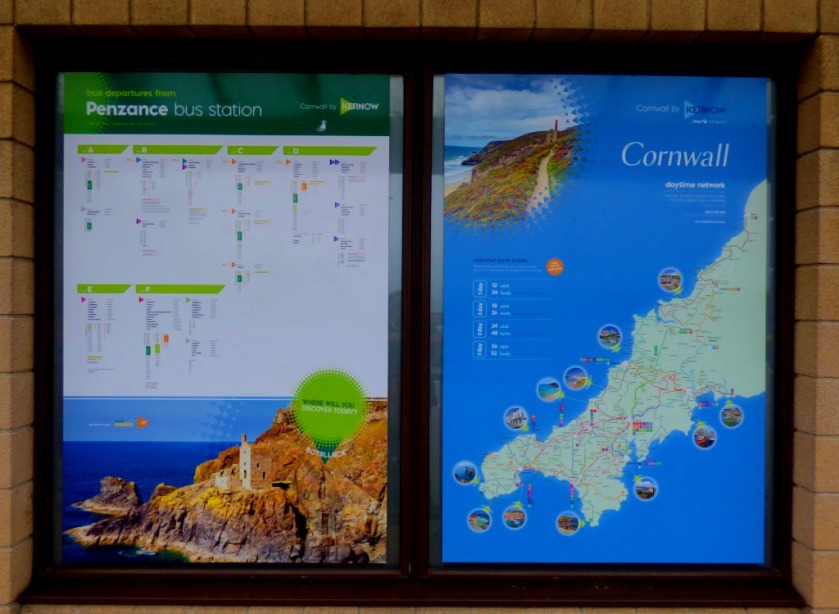
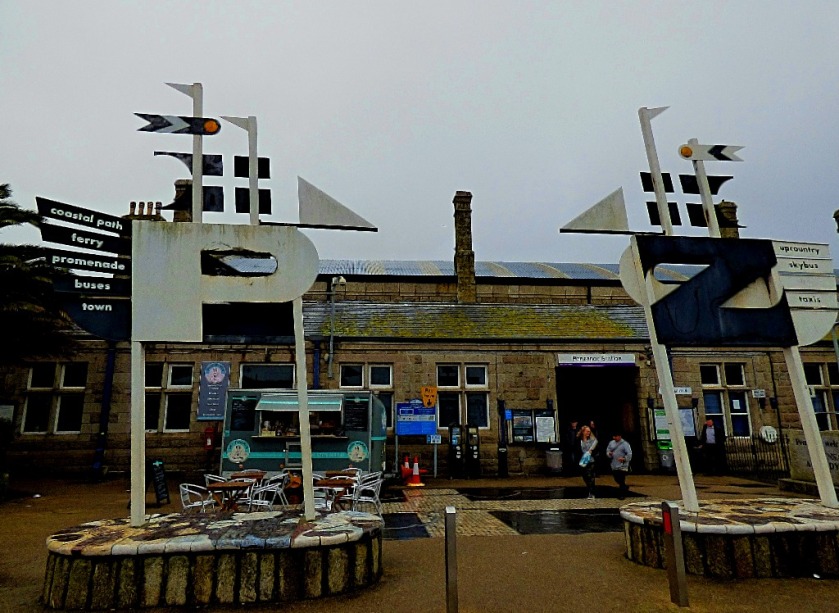
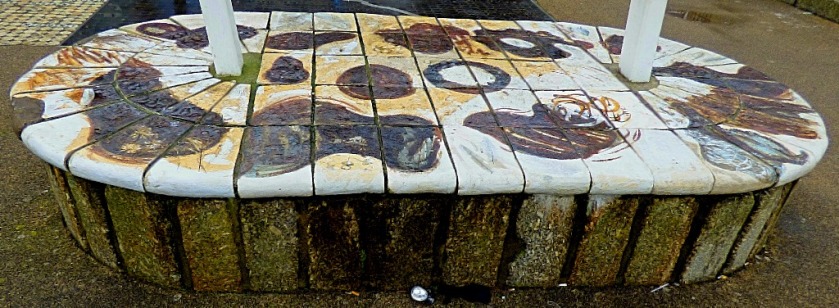
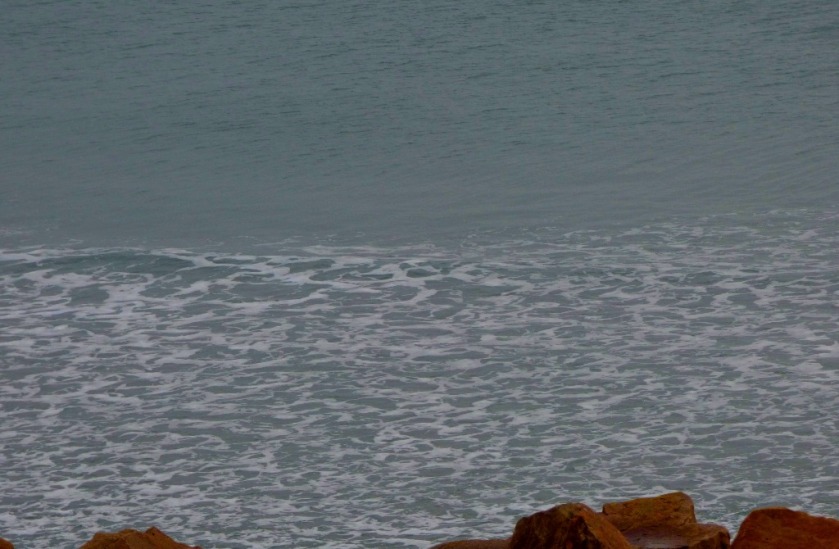
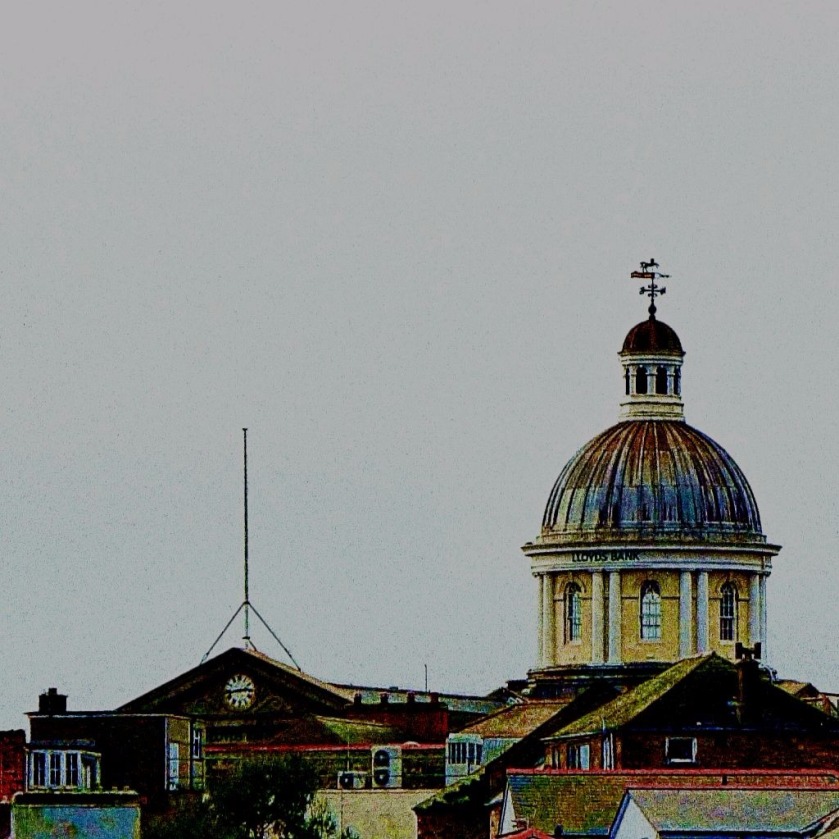
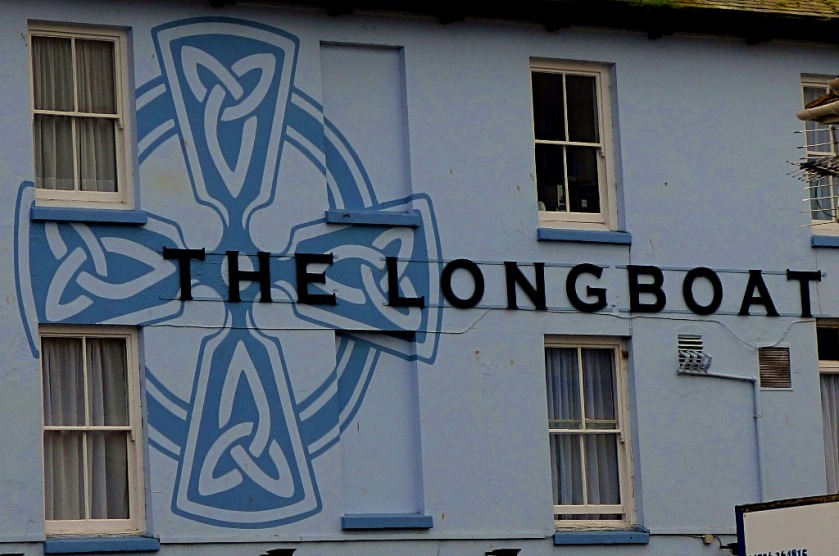
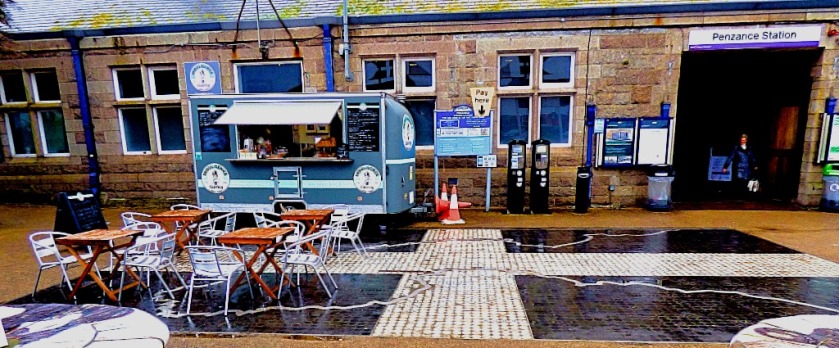
Here some photos taken between leaving Penzance station and having lunch:
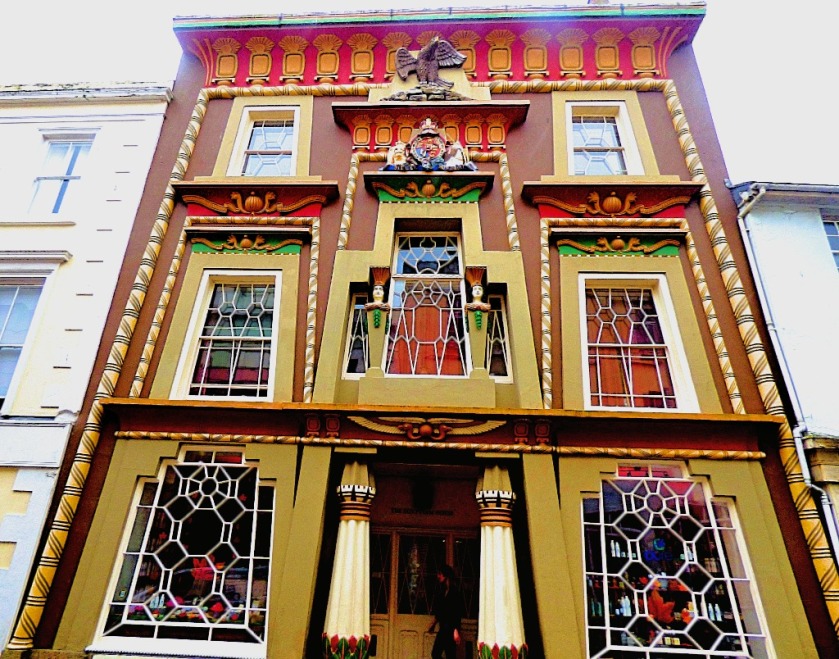
The Egyptian House
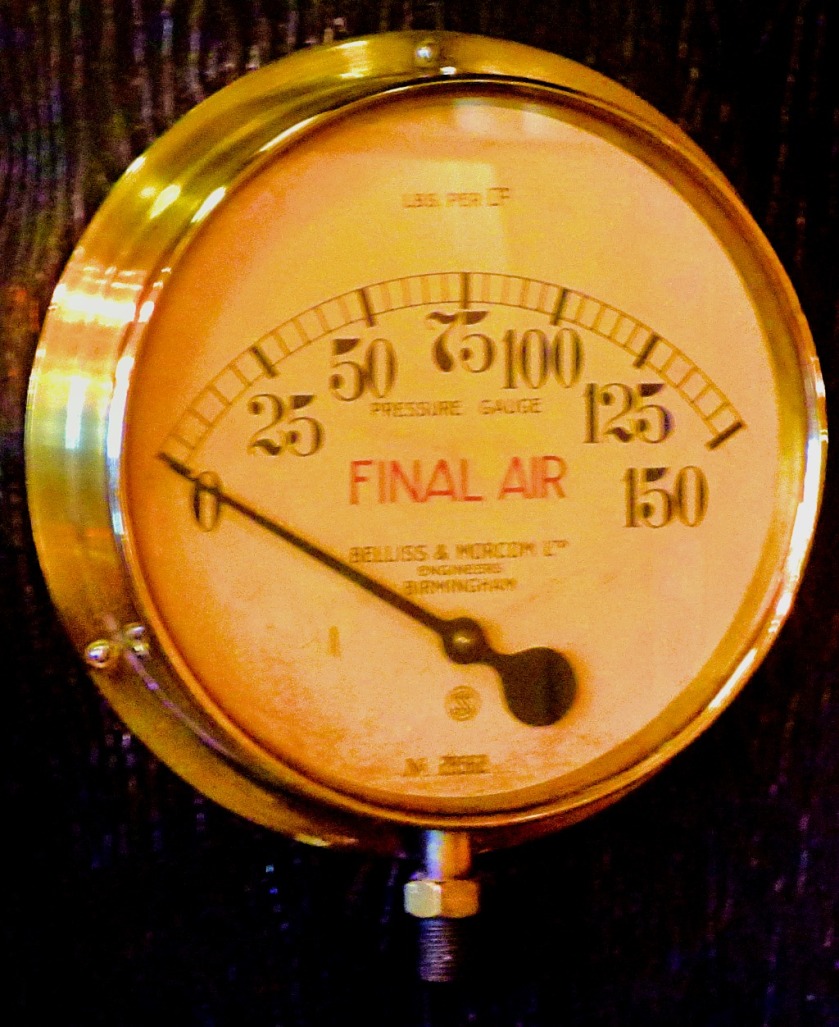
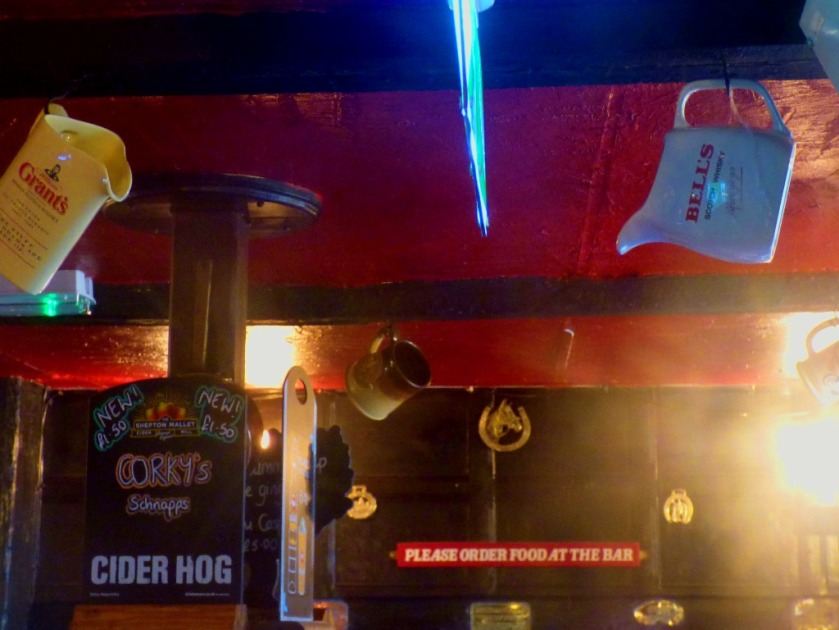
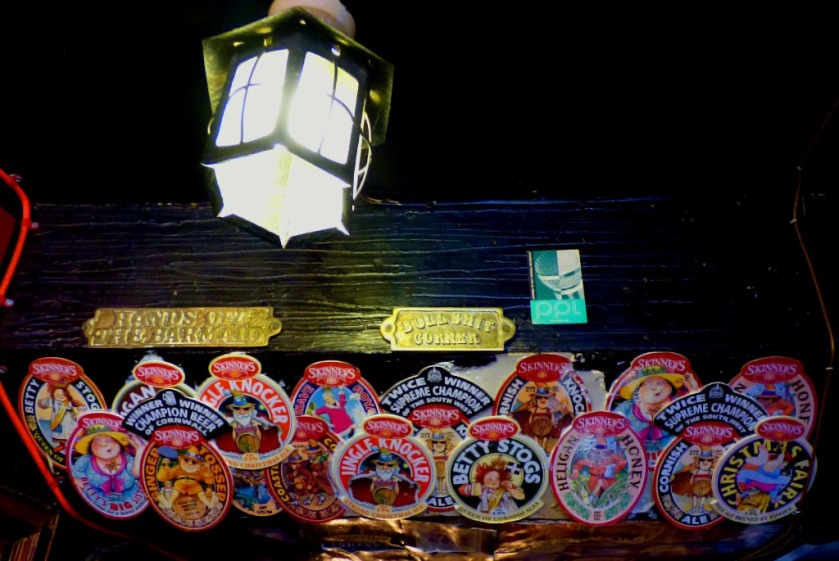
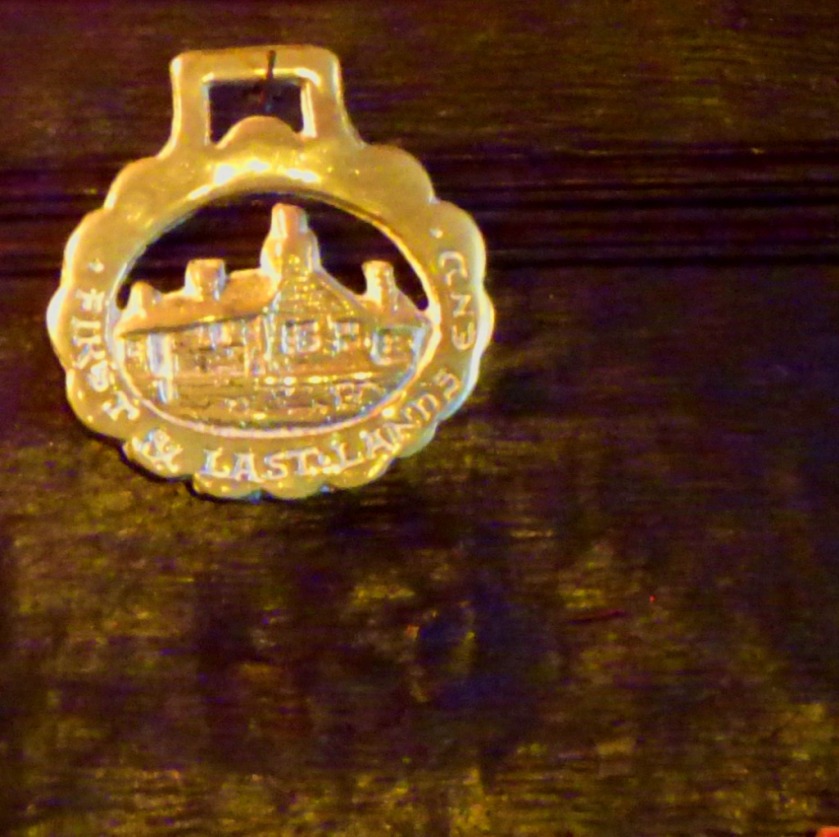
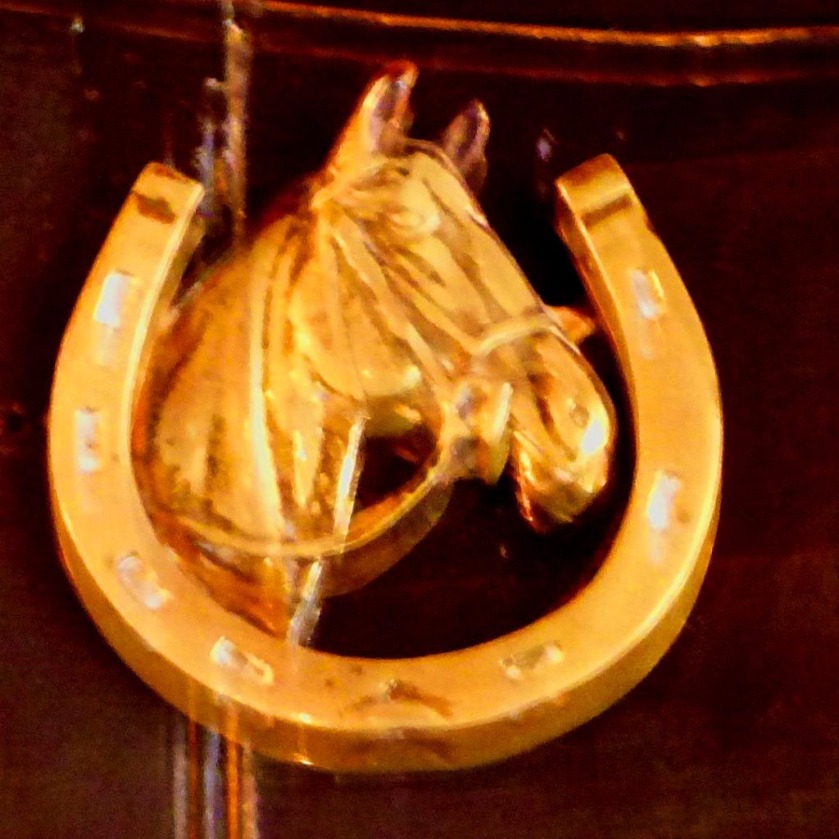
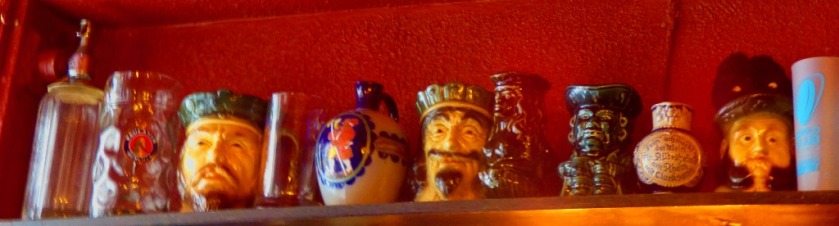
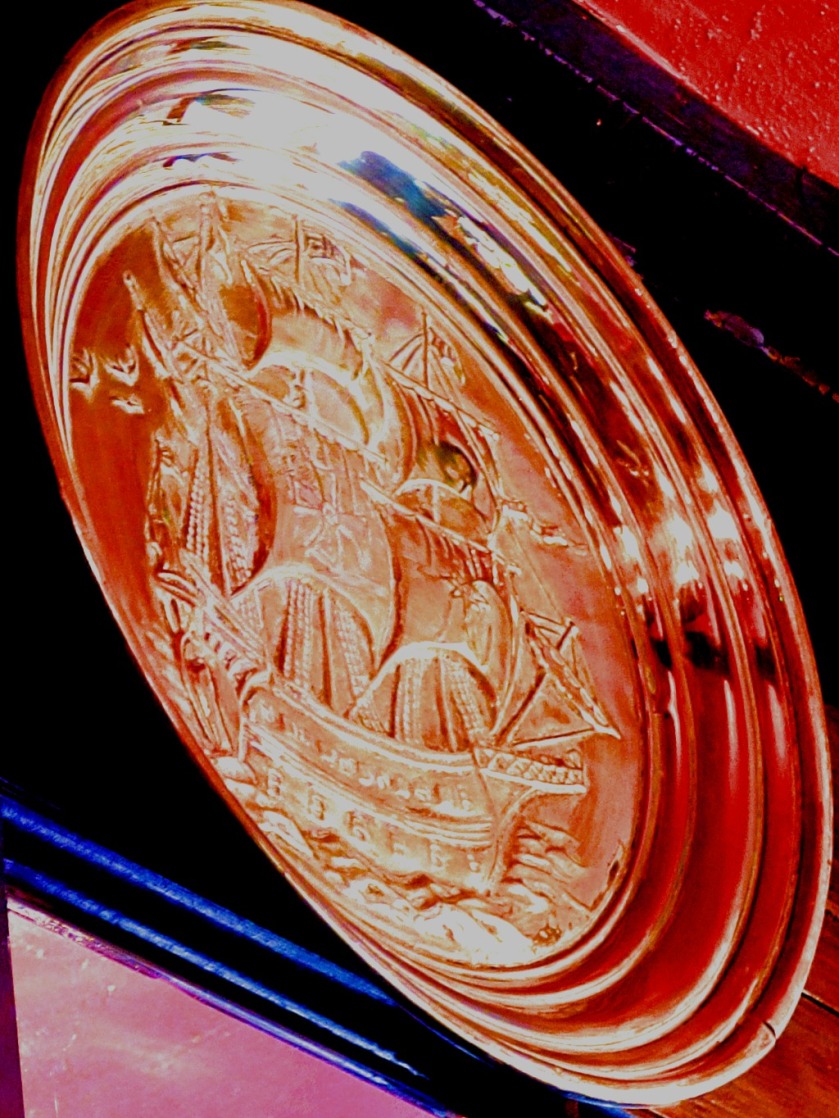
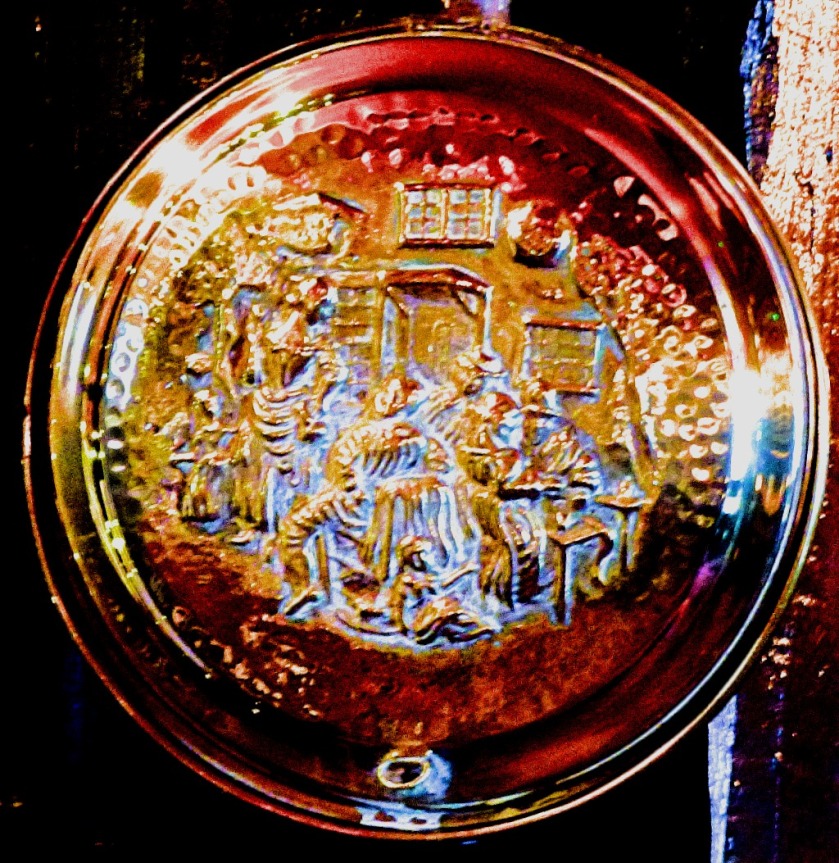
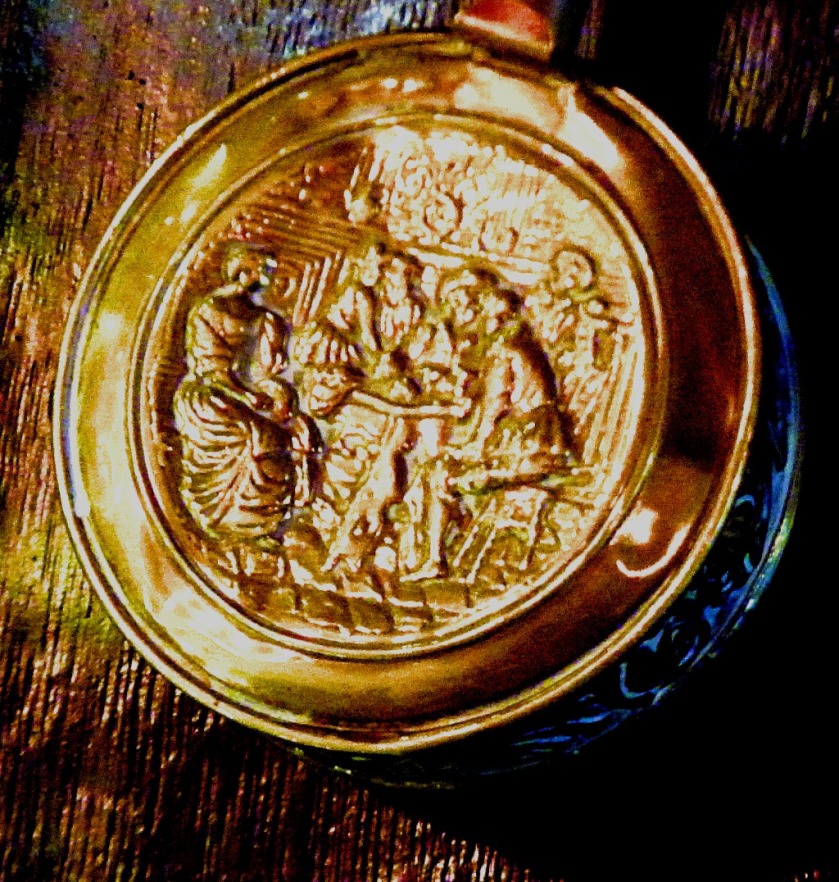
The first of a number of shots of interesting items on display at The Turks Head
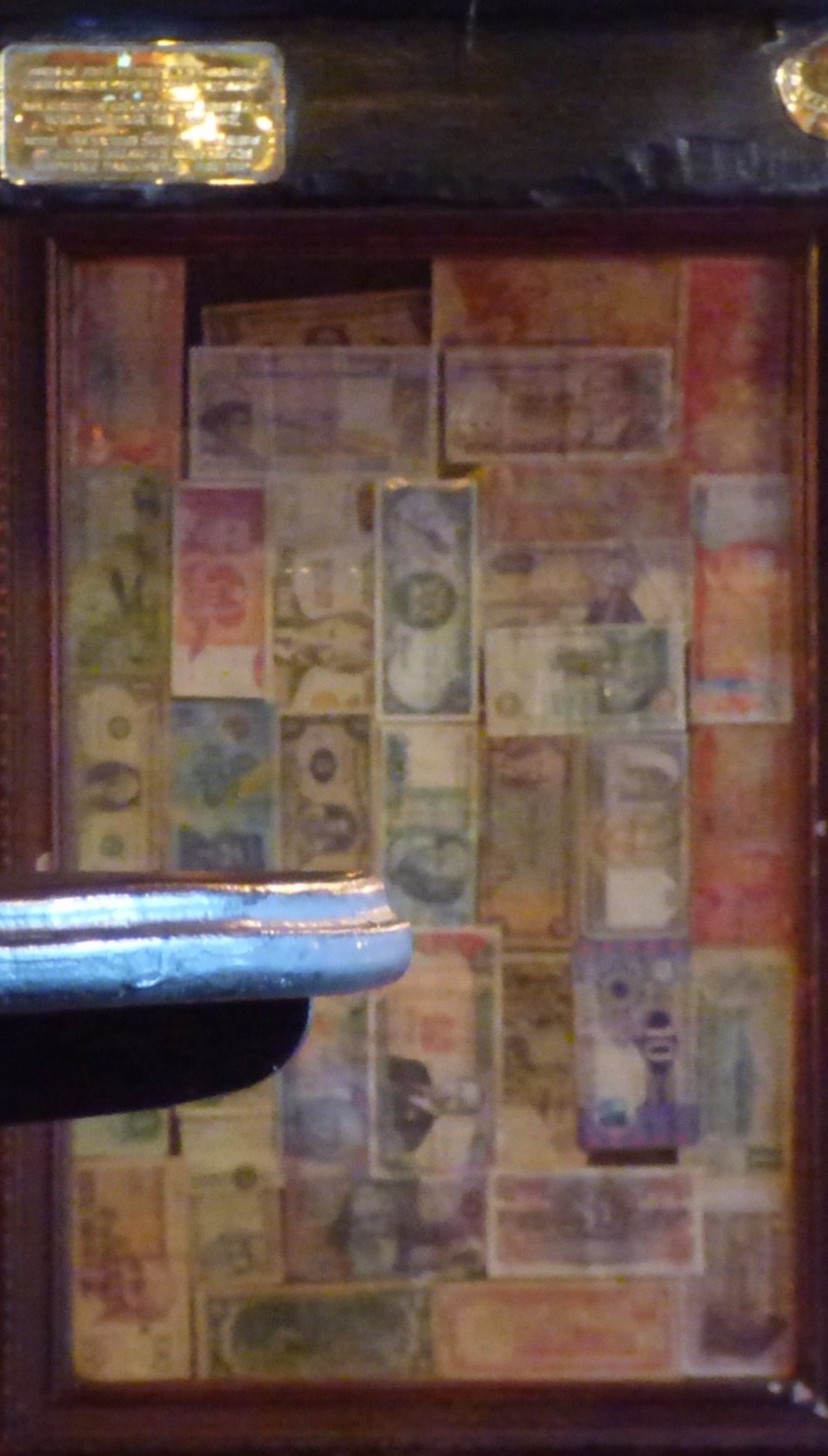
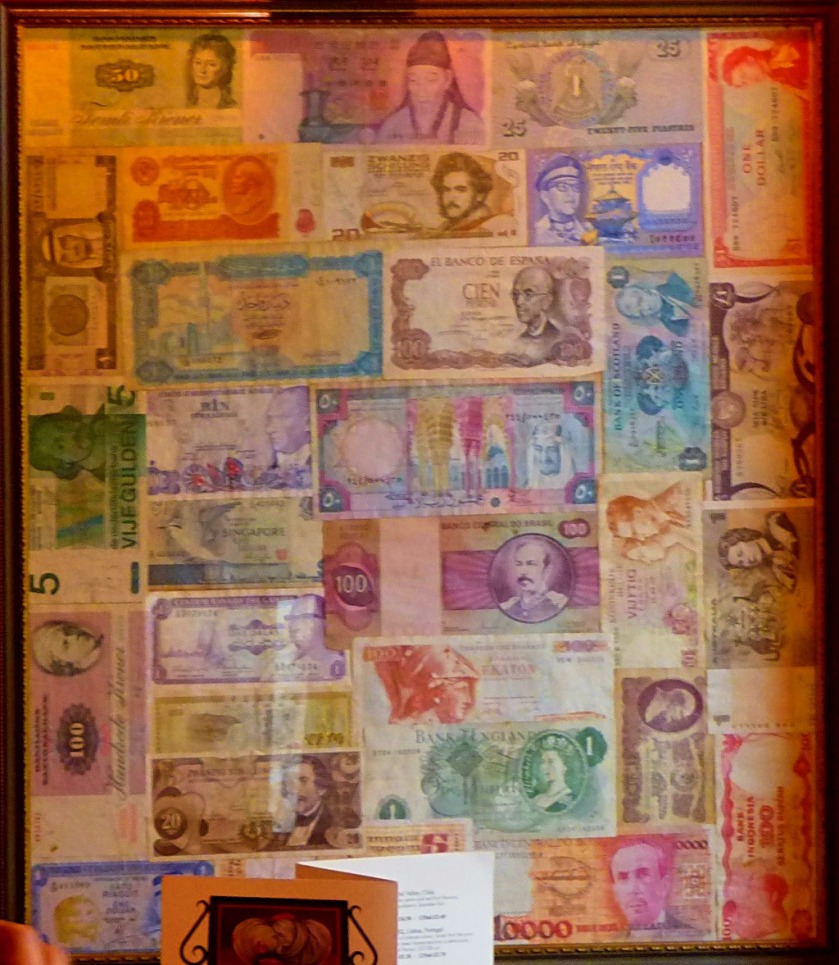
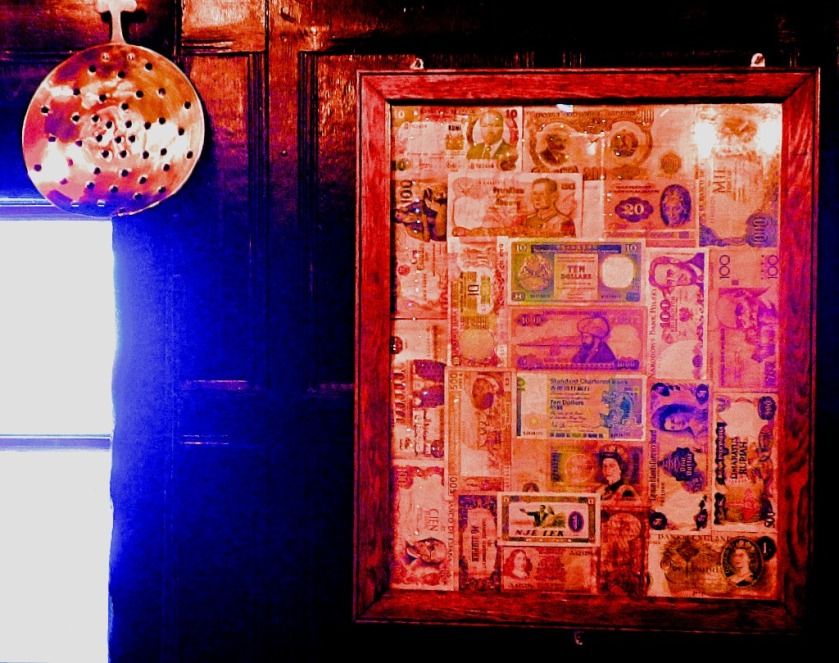
There were five sets of framed banknotes starting with this one.
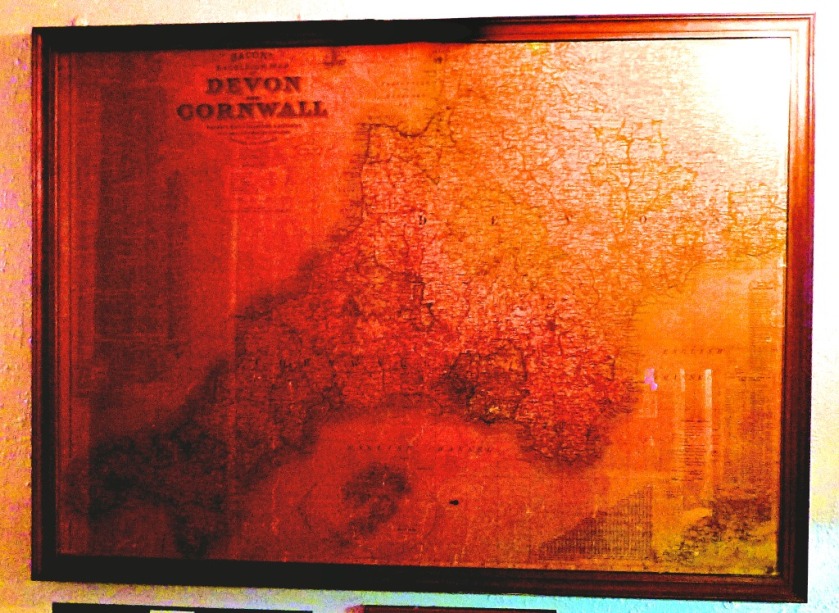
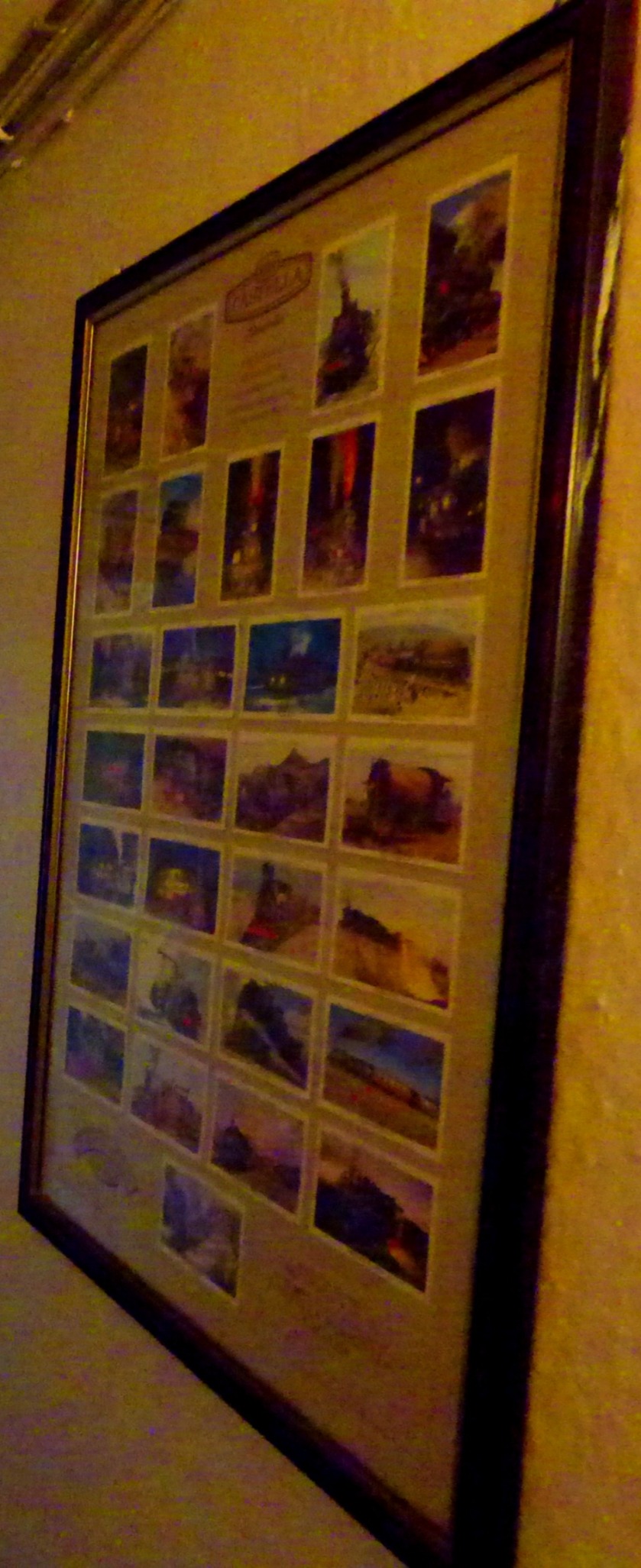
Poor lighting prevented me from doing full justice to this map.This, and the two set of framed cigarette cards the follow it were in a narrow passage that meant that I could not get them fully in shot from front on – had to photograph at an angle.
POST LUNCH EXPLORATIONS
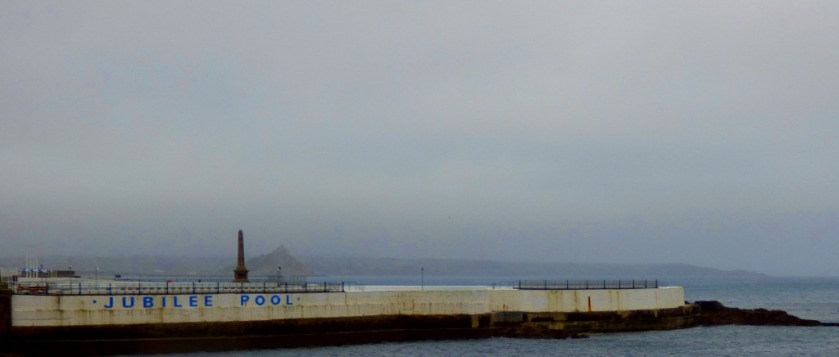
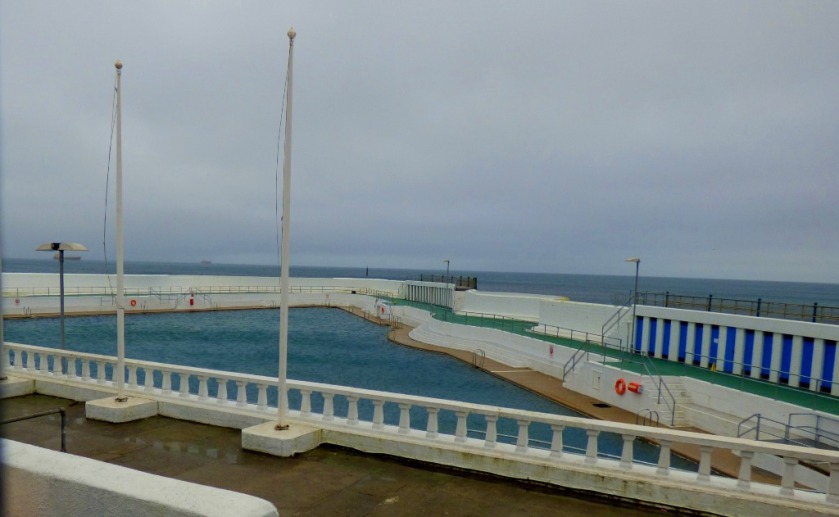
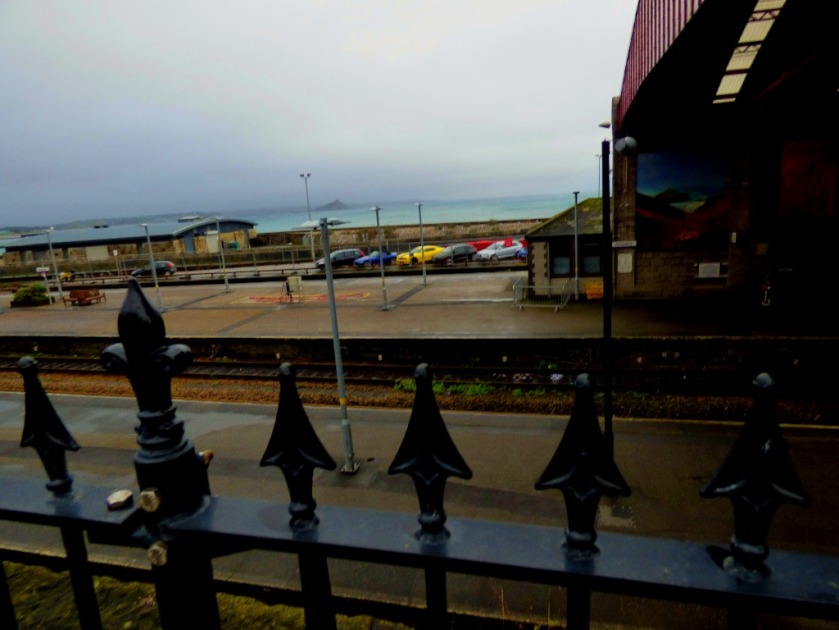
Having consumed my lunch I headed for the Promenade, and walked along it. From the other end of the Promenade I walked back to the train station and then did some exploring on the other side of the train station, locating a path that ran between the tracks and the sea. Here are some photographs…
In November one would not expect an open-air pool in Engalnd to have much custom, and indeed the Jubilee Pool was empty.
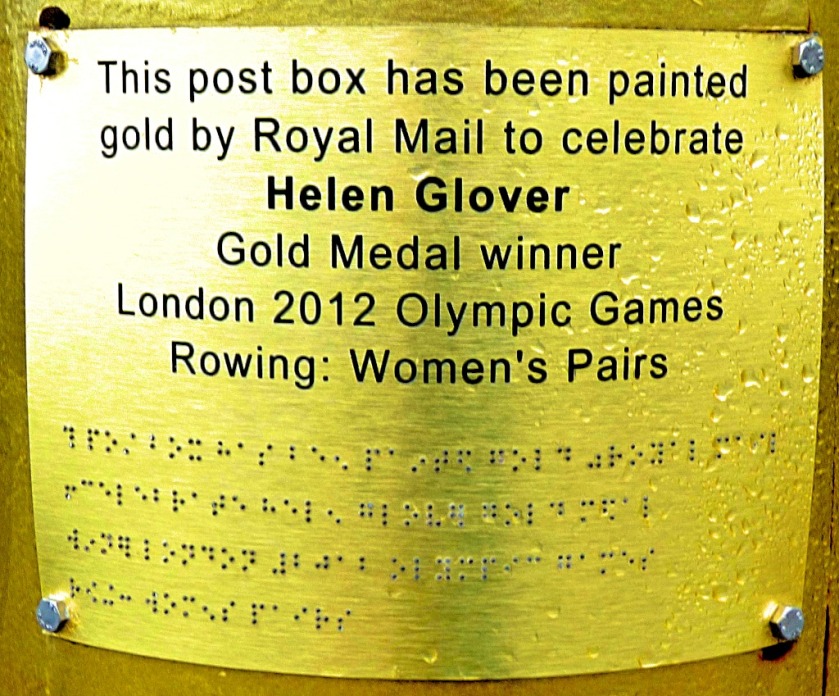
A number of post boxes were painted gold to honour people who were successful at the London 2012 Olympics – this one Penzance is dedicated to rower Helen Glover.
I conclude this post with two special sections, firstly…
ST MICHAEL’S MOUNT
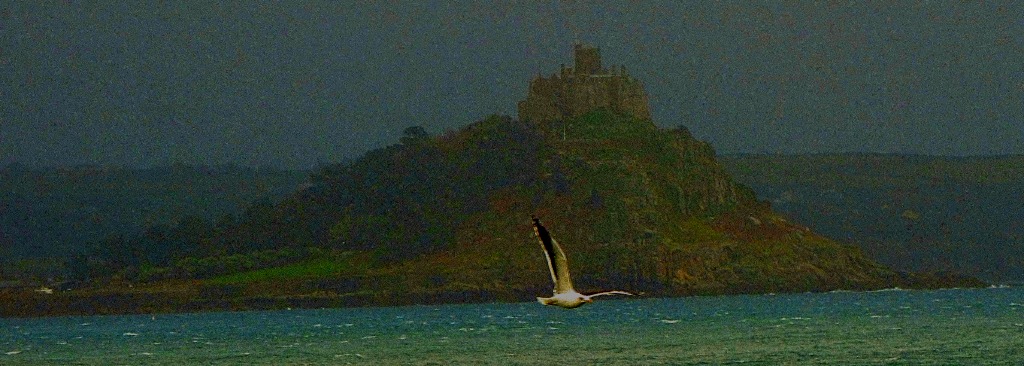
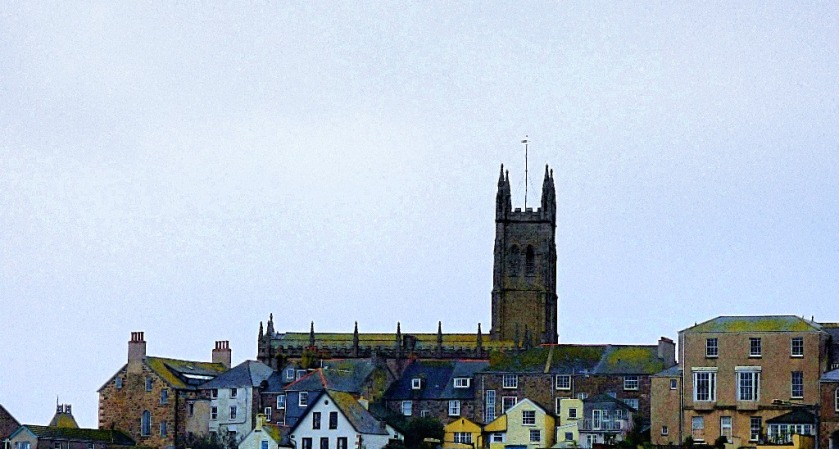
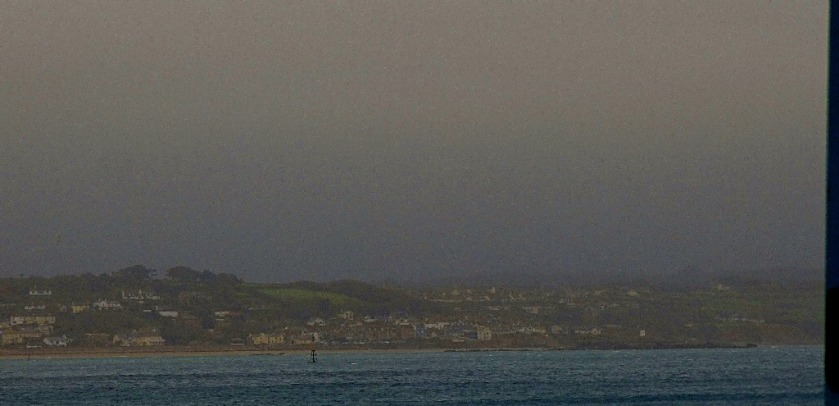
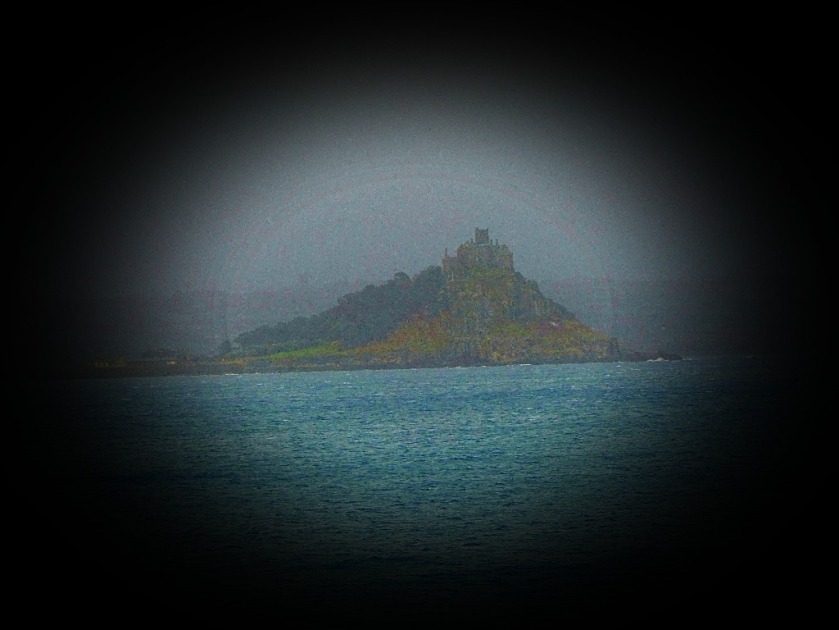
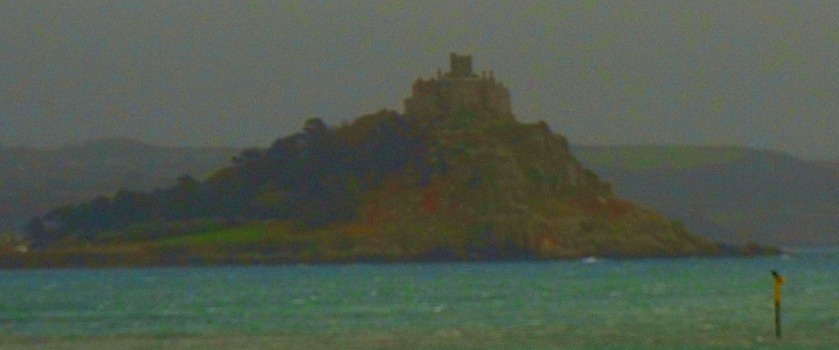
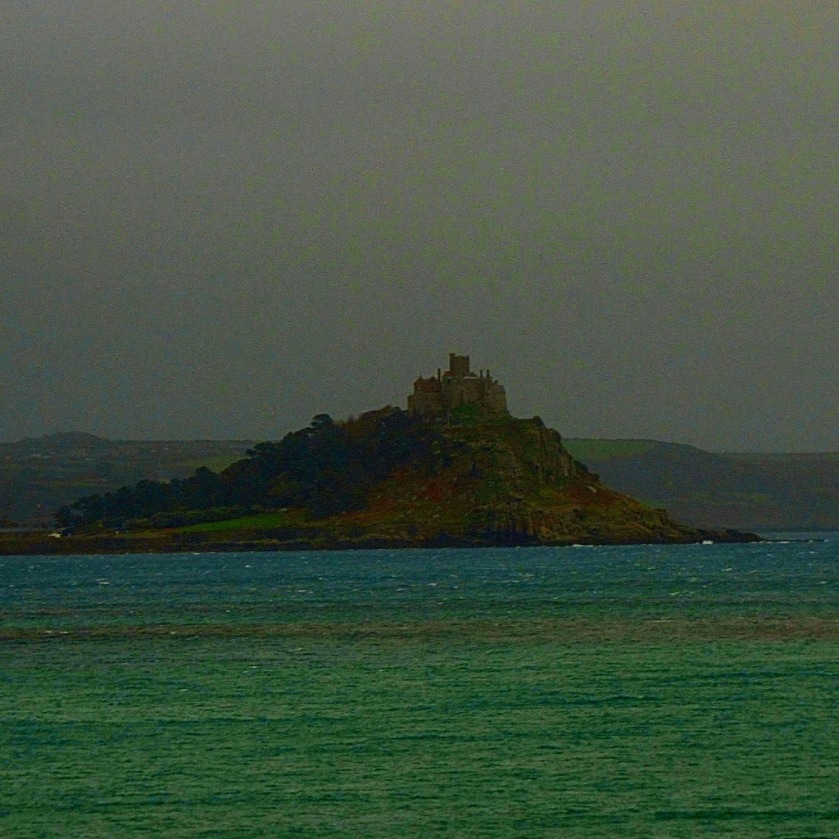
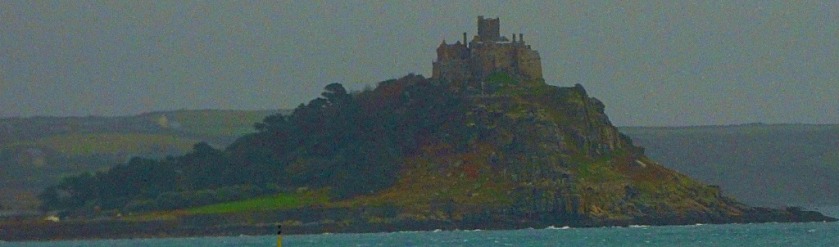
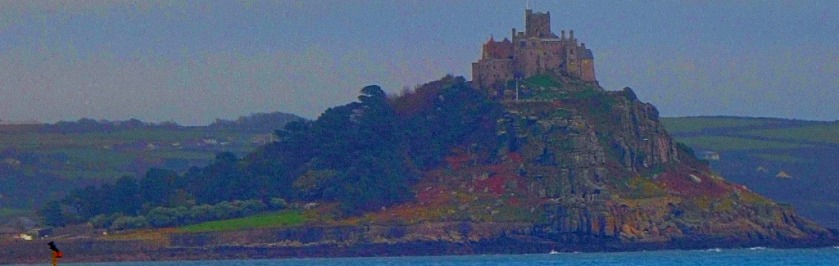
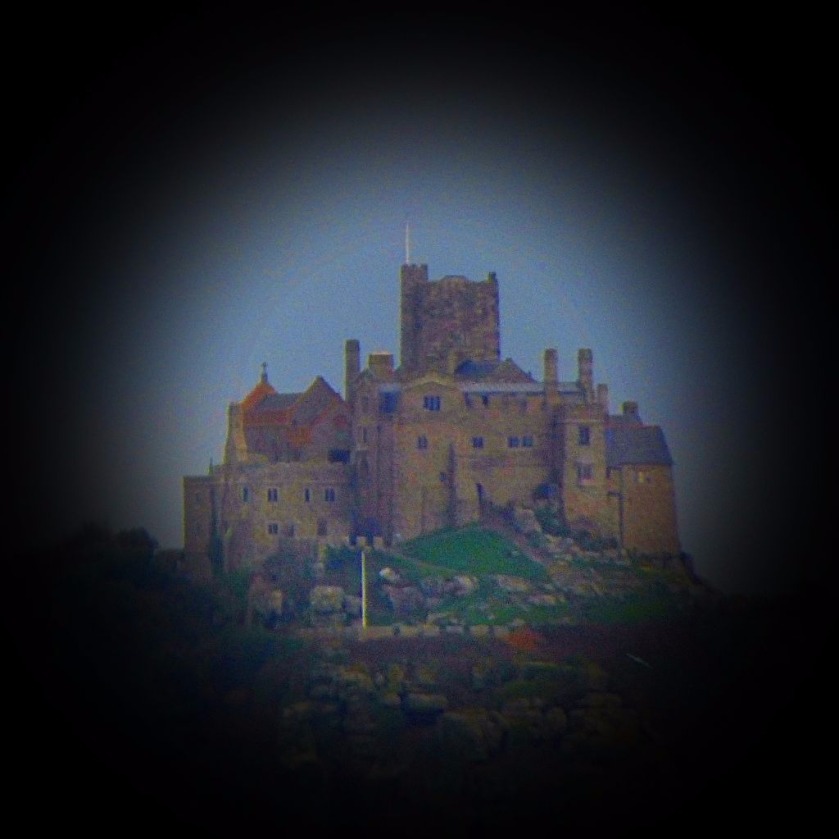
Being grey the whole time, and misty for most of it this was not a great a day for taking long-range photographs, but St Michael’s Mount was not a target I could resist, even under those circumstances, so here are the results:
You will notice gulls in a couple of these shots, which leads to the second special section, which concludes this post…
BIRDS
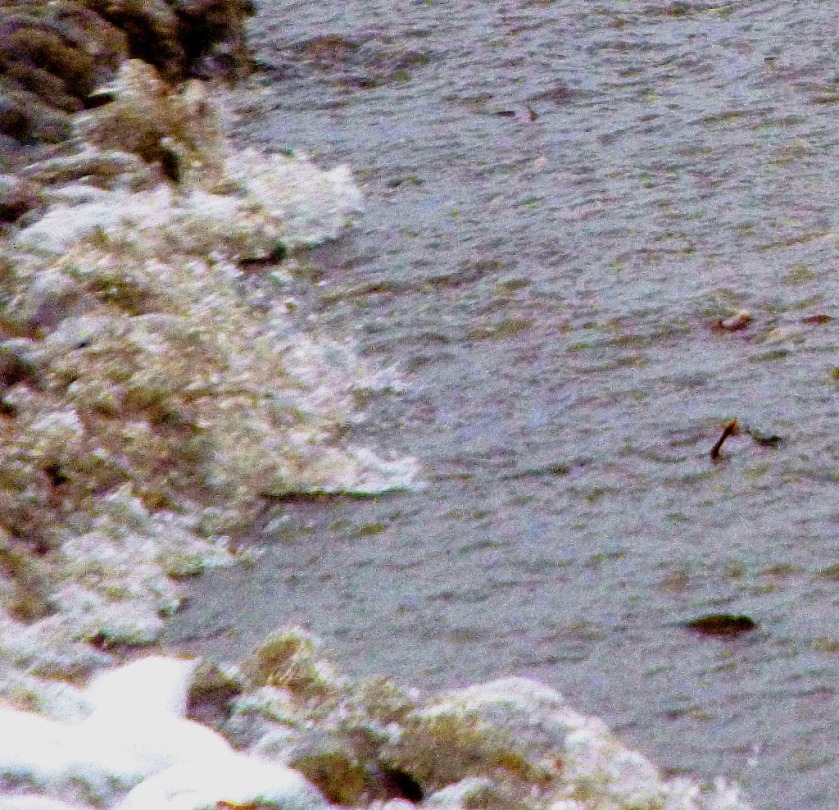
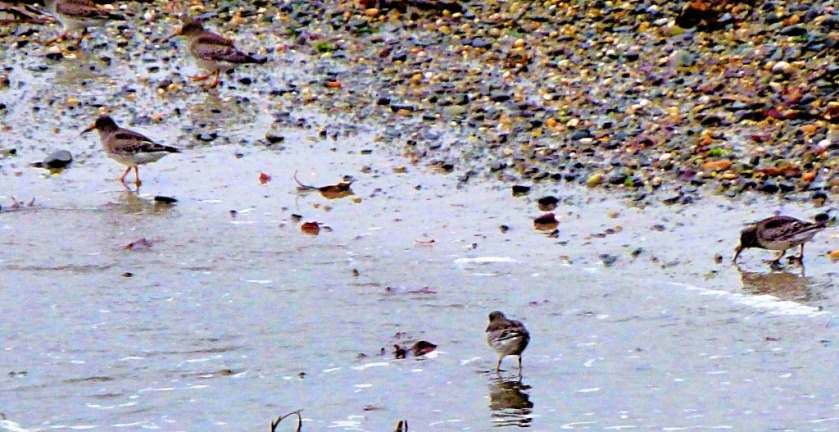
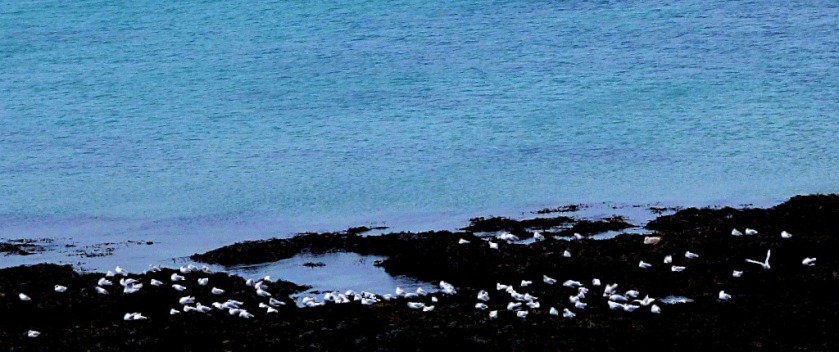
There are many seabirds to be observed in Penzance and I was able to capture some of them on camera…
The journey back was uneventful, and with the train departing Penzance at 16:41 on a November afternoon it was too dark for photographing through the windows of that train.
I am a bit behind with blogging about my stay in Cornwall because of the time it takes to edit the photos and the fact that I had a long day out yesterday – an excursion to Penzance about which there will be much more later.
THE LUNCH
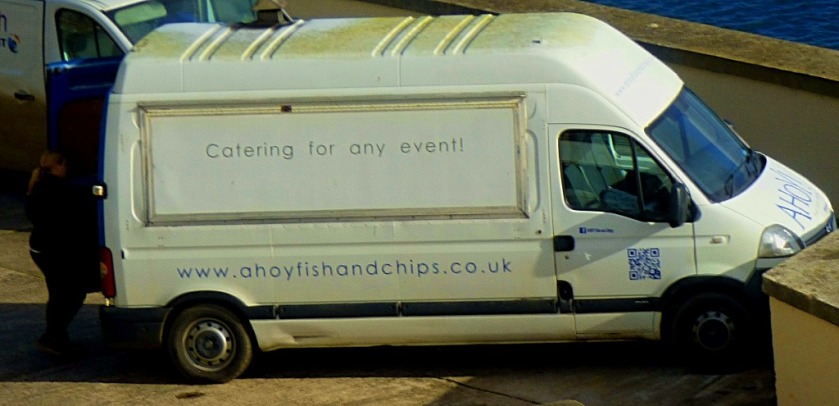
Ahoy Fish and Chips, a mobile fish and chip shop, call at Fort Picklecombe for Friday lunch time. We bought lunch from them – cod for my parents and a beefburger for me, all with chips. The chips were of excellent quality, and the pricing was very reasonable.
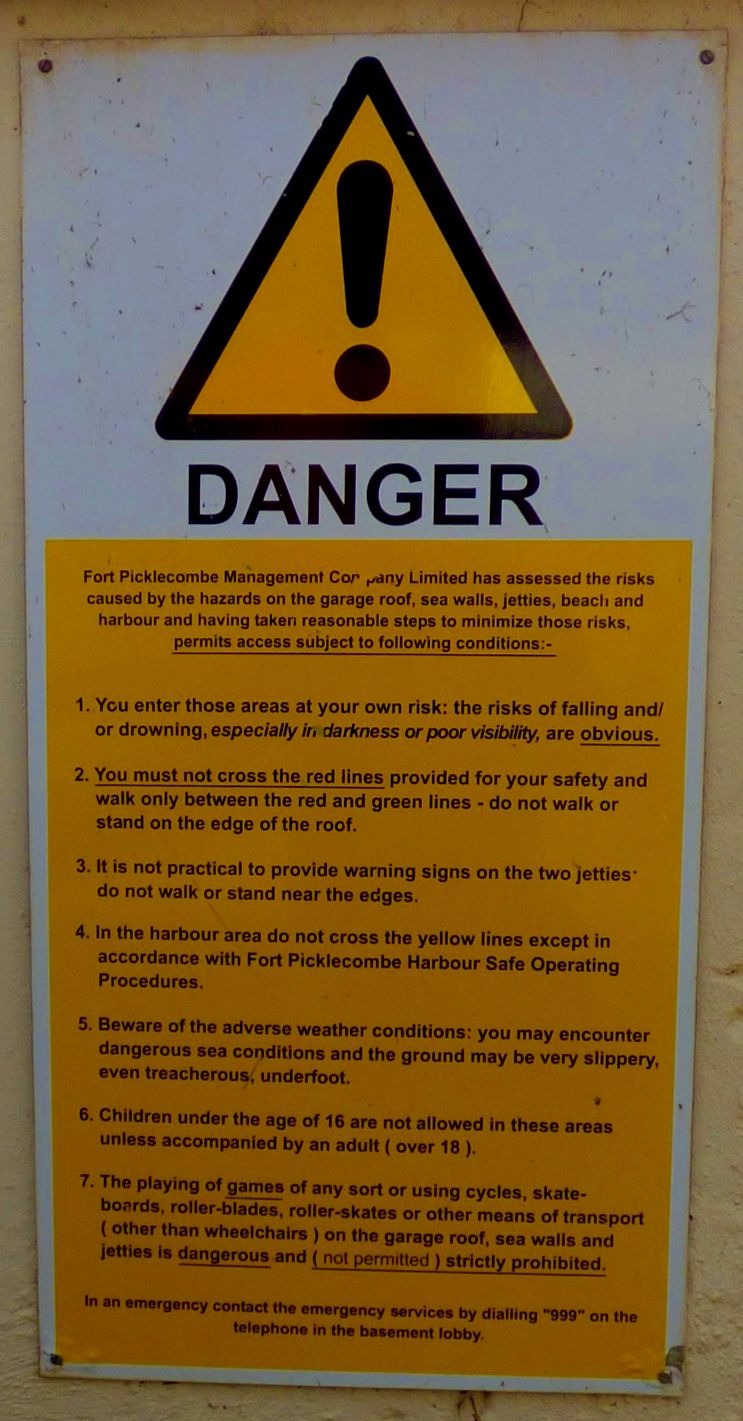
How to mee your health & safety obligations without actually doing anything.
THE WALK
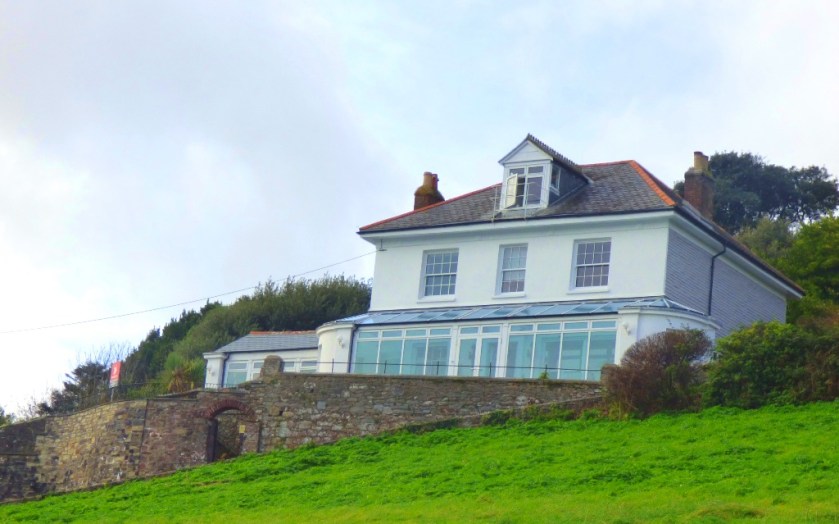
Having walked to Kingsand and Cawsand the previous day I walked the other way this time, climbing up quite high above the sea. Here, barring a few preserved for the next and final section of this post are the pictures I took while out on this walk…
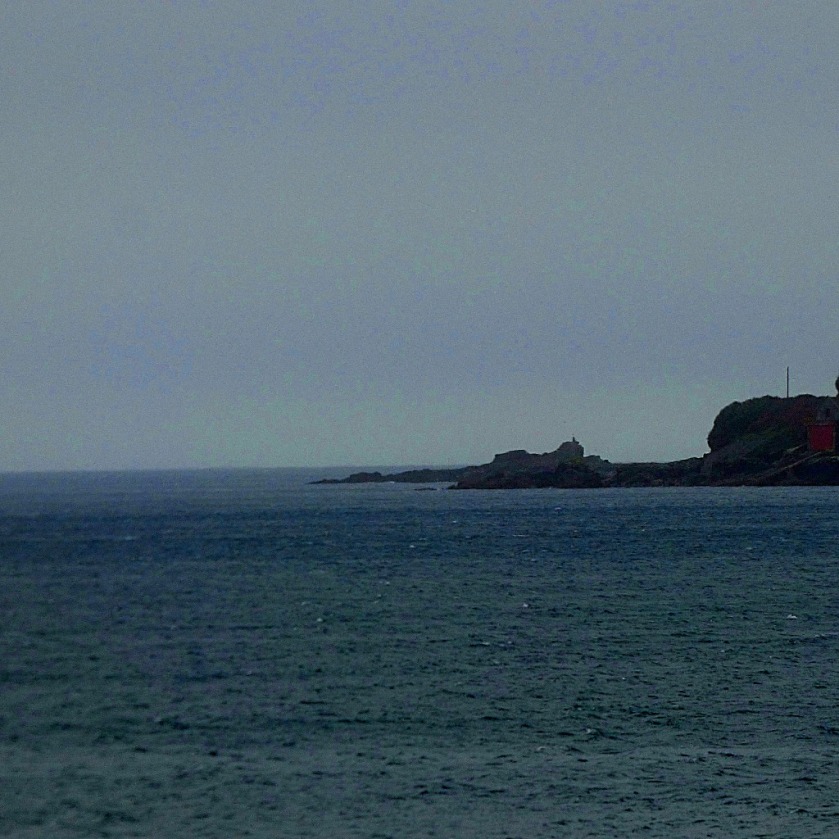
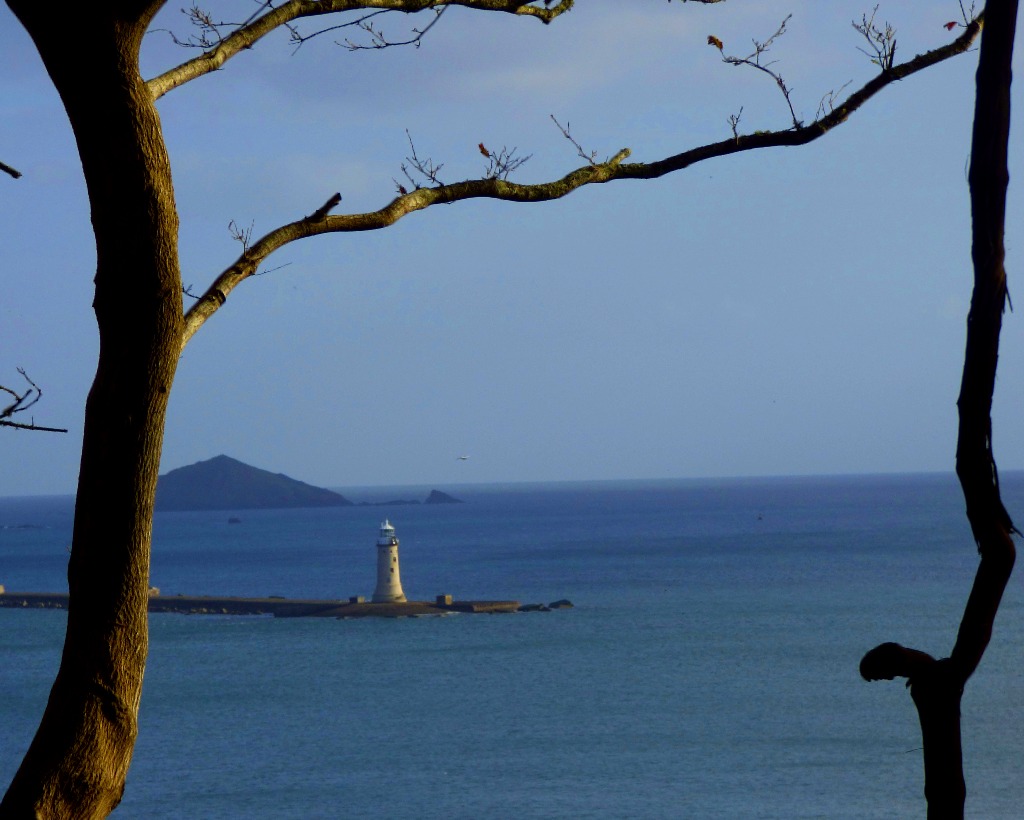
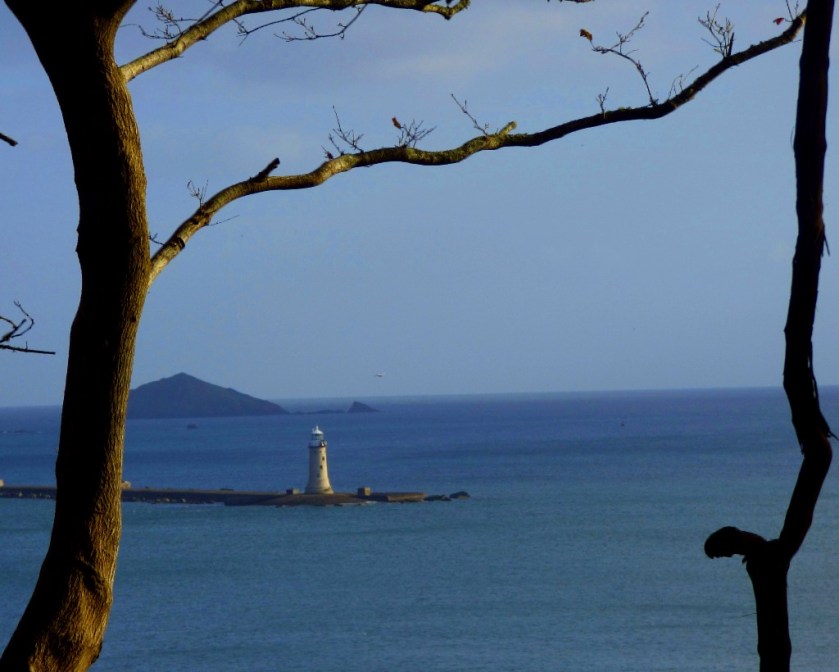
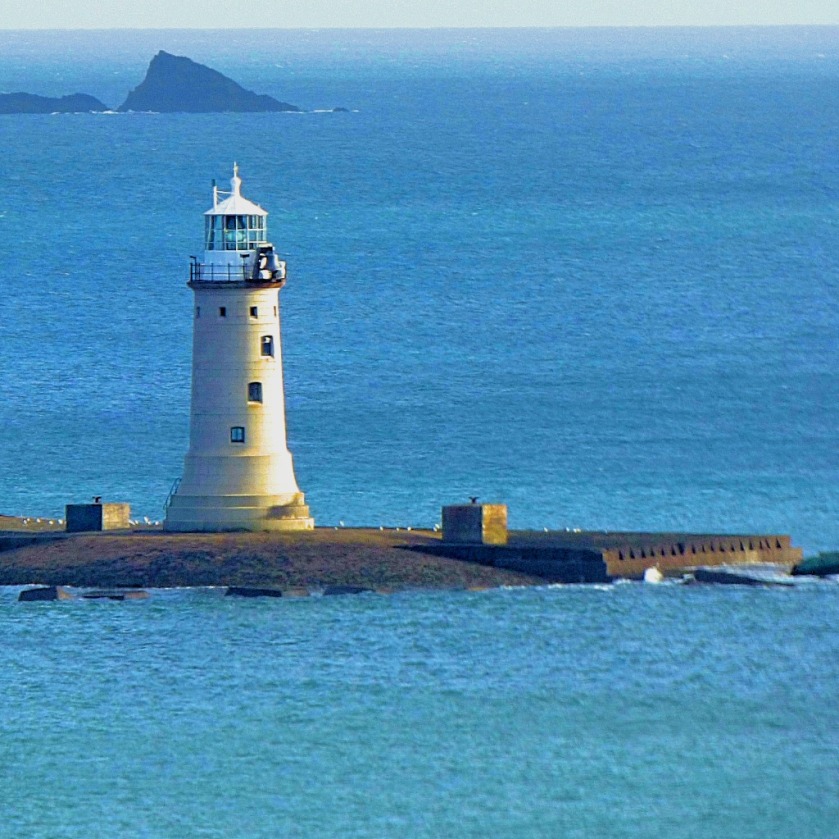
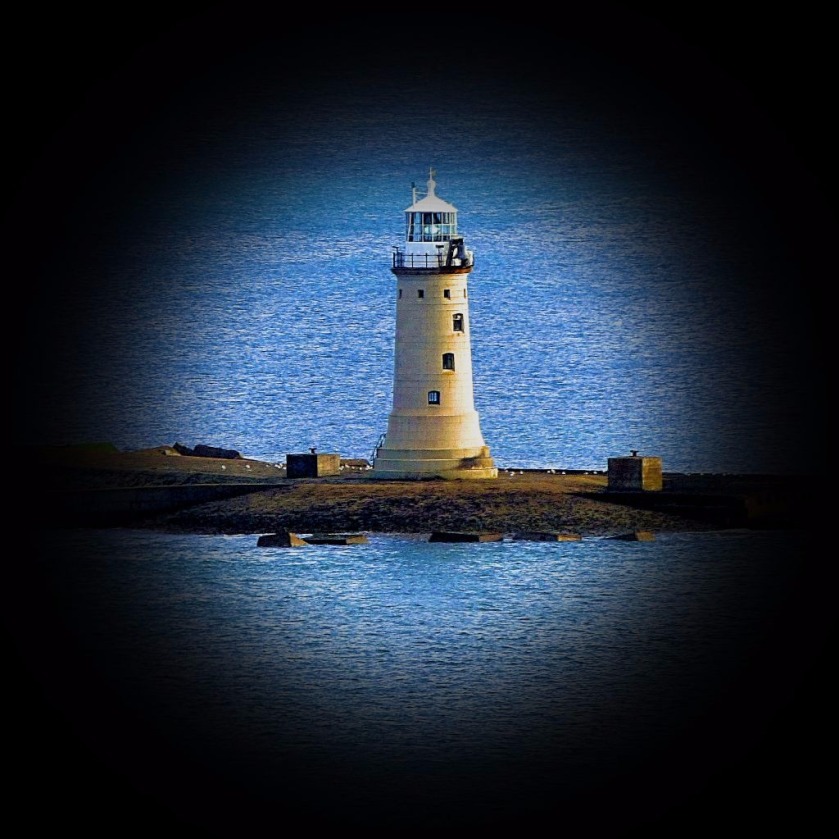
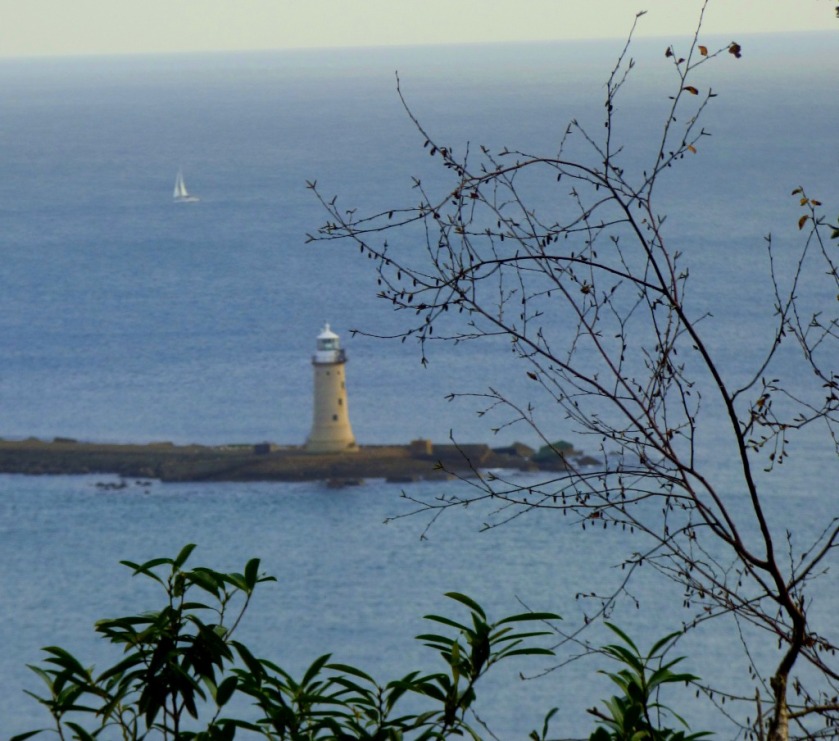
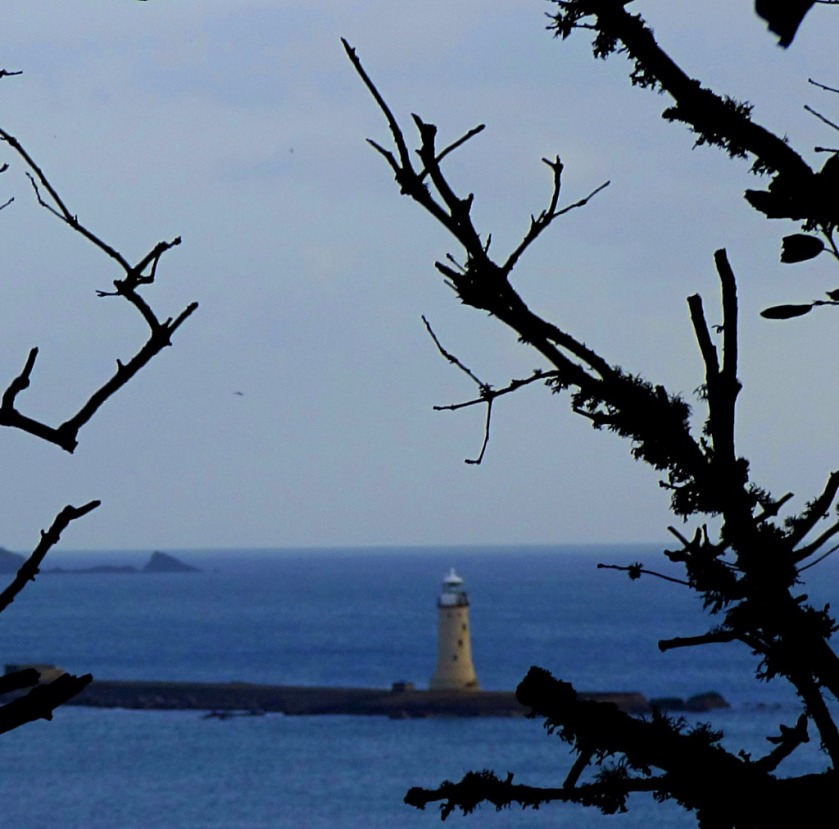
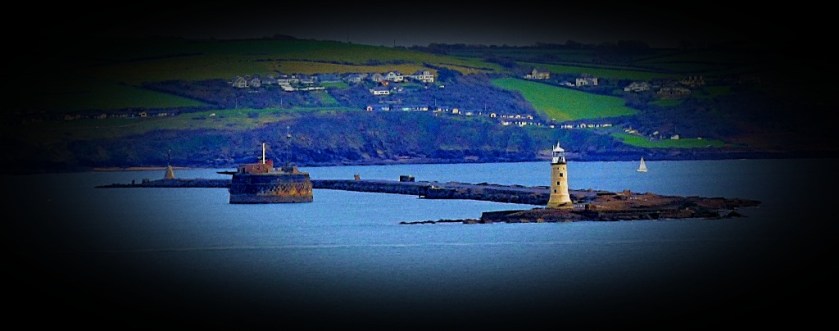
FOCUS ON THE LIGHTHOUSE
The lighthouse which is visible from my parents new home features in a number of pictures that I have taken. I open this section with a mini challenge that I titled “Framed” – do you have a picture where there is a natural framework for the centrepiece of the photo? If you create a post containing the picture, and provide details in the comments, and I am impressed I will reblog you. Here is my starter…
An account of a visit to the villages of Kingsand and Cawsand.
INTRODUCTION
The feature of yesterday was a walk along the coast from Fort Picklecombe to the villages of Kingsand and Cawsand, and then back. I have many photos from yesterday, and will be sharing the general ones here. I have a fairly sizeable collection of pictures of boats and ships already, and I will be doing a special post about these immediately I have completed this one.
FORT PICKLECOMBE TO THE VILLAGES
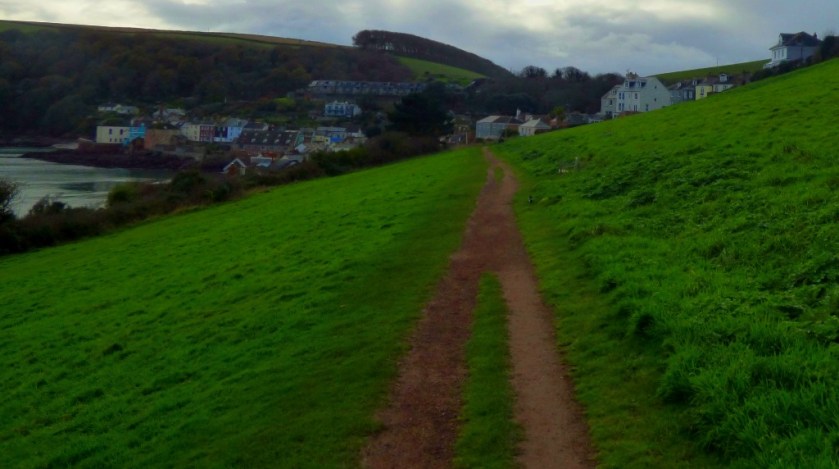
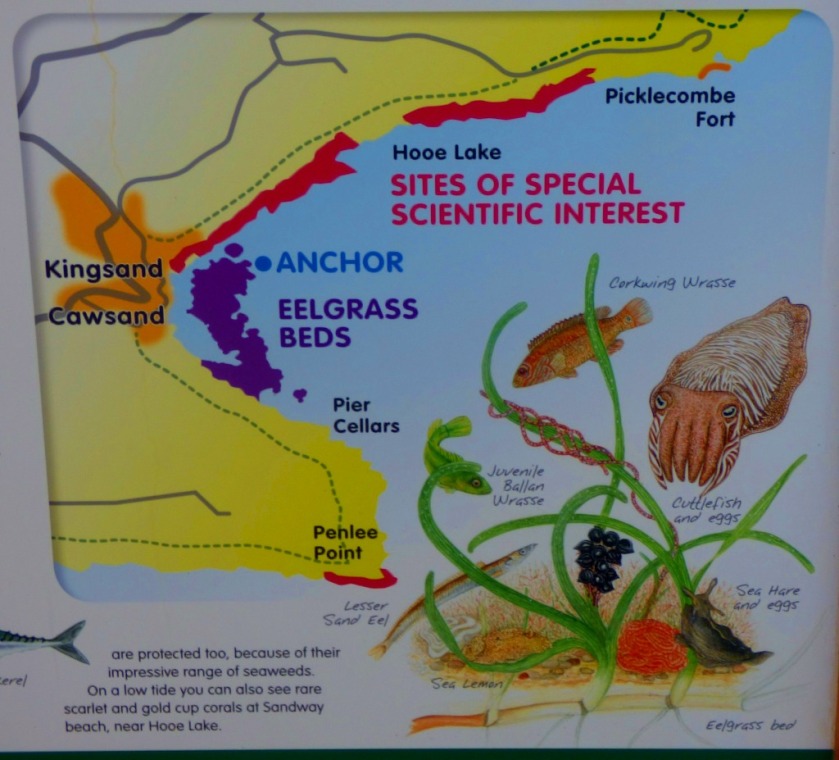
In olden times the two villages in this post were on opposite sides of the Devon/ Cornwall boundary – Kingsand in Devon and Cawsand in Cornwall, but nowadays both are comfortably within Cornwall, since the county boundary is the Tamar River. This part of Cornwall, known as the Rame Peninsula has its own official website. The coast path which we followed on our way to the villages is good although a little sticky in places (prolonged heavy rain would undoubtably turn it into a quagmire). Here are some photos from this section of the journey:
KINGSAND AND CAWSAND
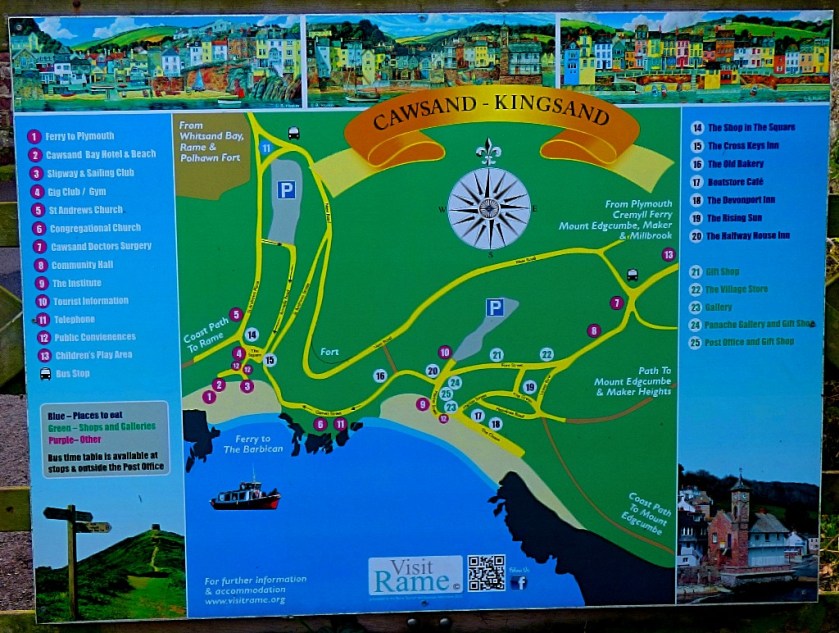
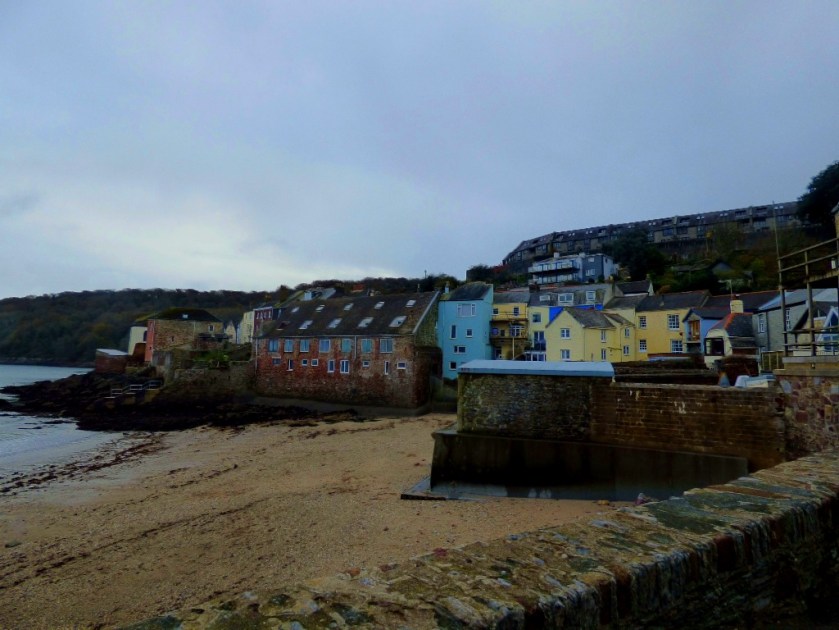
We visited the Post Office, where my parents had some stuff to post and something to collect, and then walked down to the sea front by way of a road that was unsuitable for motor vehicles. Here are some pictures from Kingsand and Cawsand…
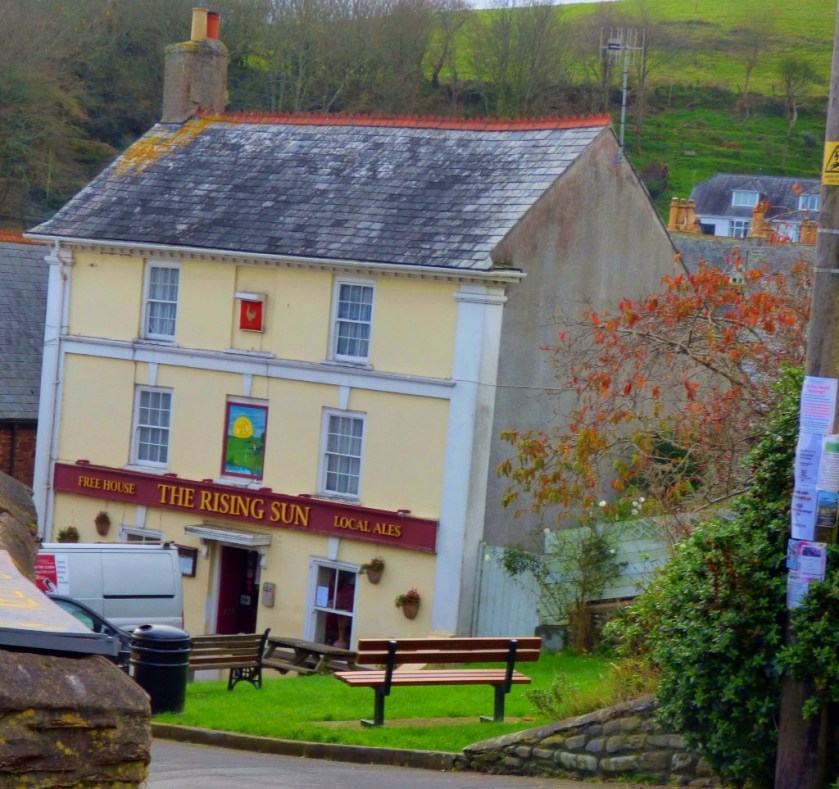
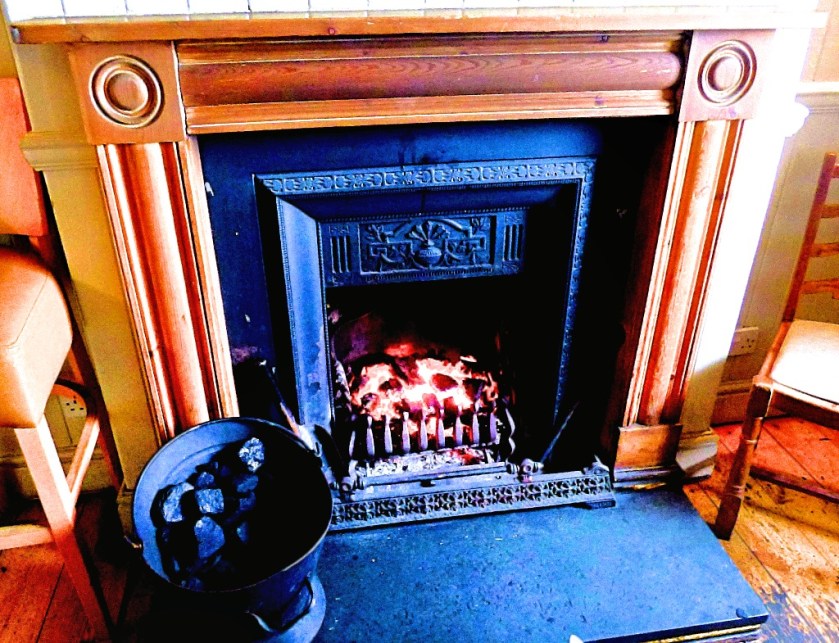
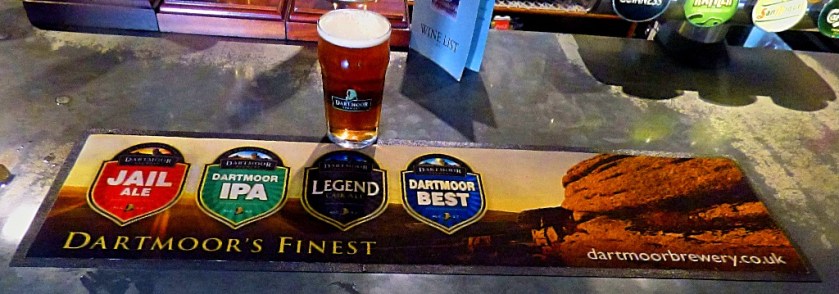
This establishment ticked one box instantly – investigation of the bar revealed the presence of locally brewed cask ale. They had three of the Dartmoor Brewery’s products available, and as someone who is a dedicated Holmesian as well as a fan of locally brewed ales I opted for “Legend”, with its connection to “The Hound of the Baskervilles”. This proved to be a very good choice – it was an excellent drink. As well as the website, which I linked to in the heading of this section they have a twitter account, @devonport_inn. Here are some pictures taken while enjoying my pint…
THE WALK BACK
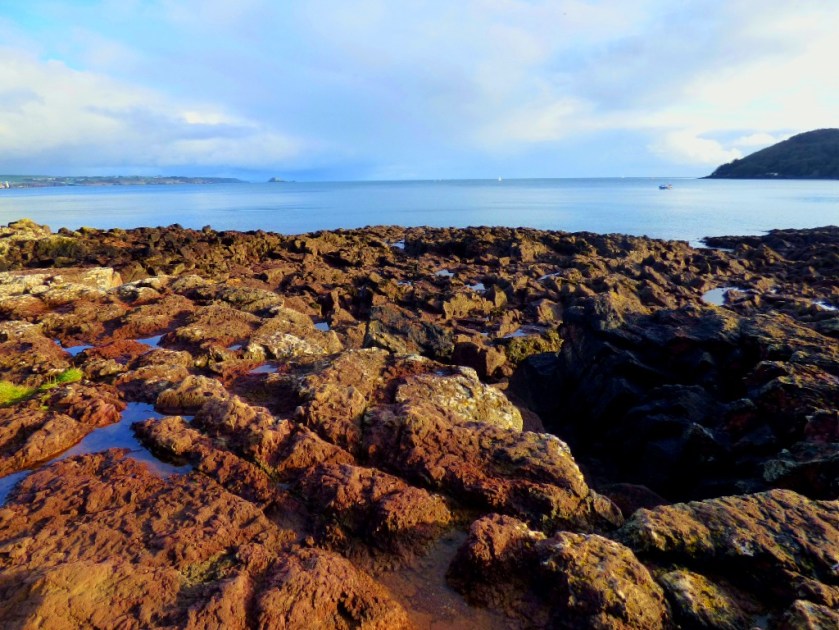
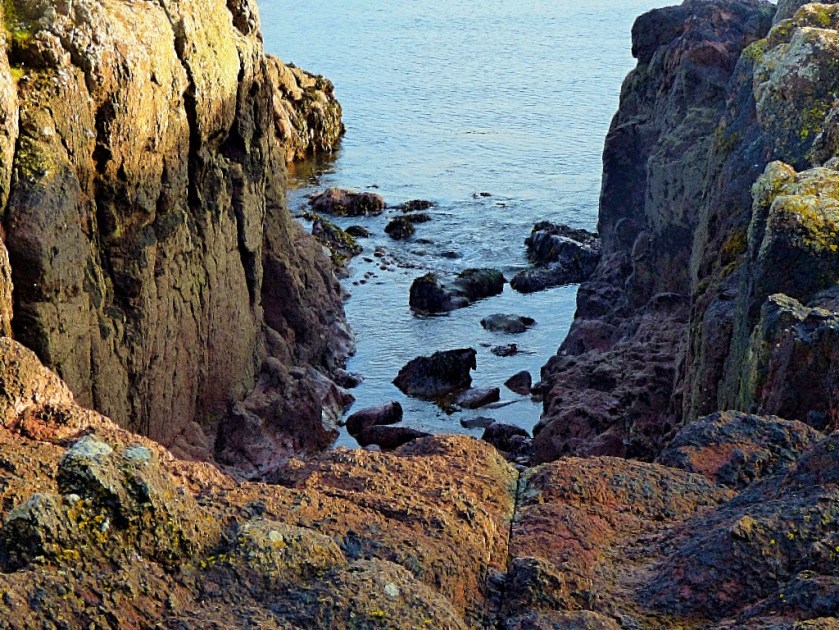
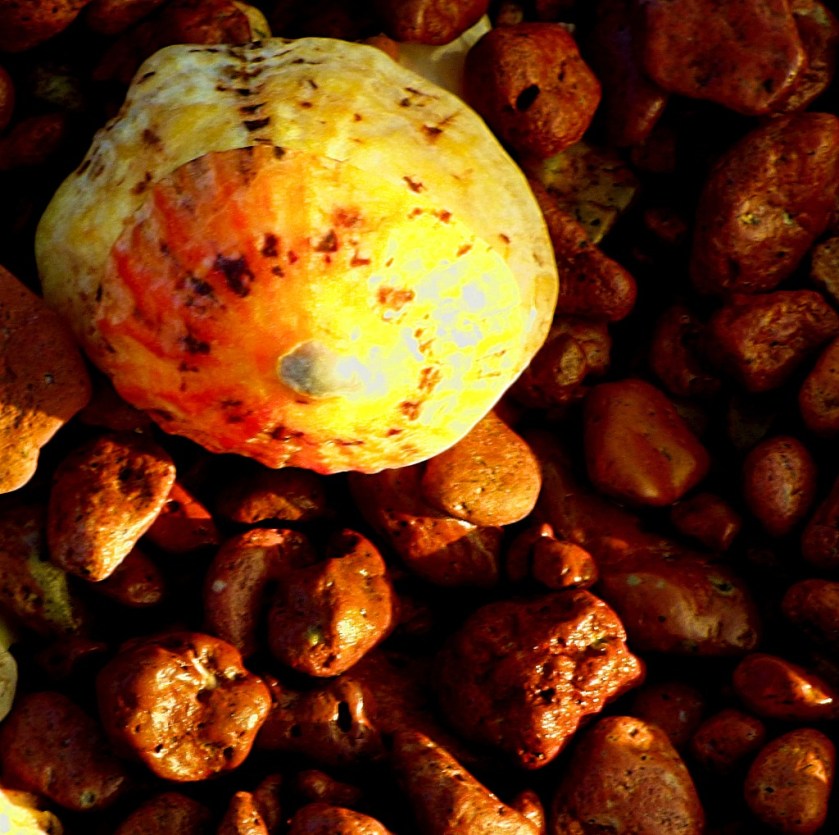
We started out along the sea front. My mother abandoned this route quite earlu, but my father and I continued along the sea front rather longer (in retrospect this was an over adventurous decision given some of the terrain we had to contend with). By the time we saw a wooden staircase leading up to a campsite near the fort we were glad of a definite way back to the official route. I conclude this post with some photos from the walk back…
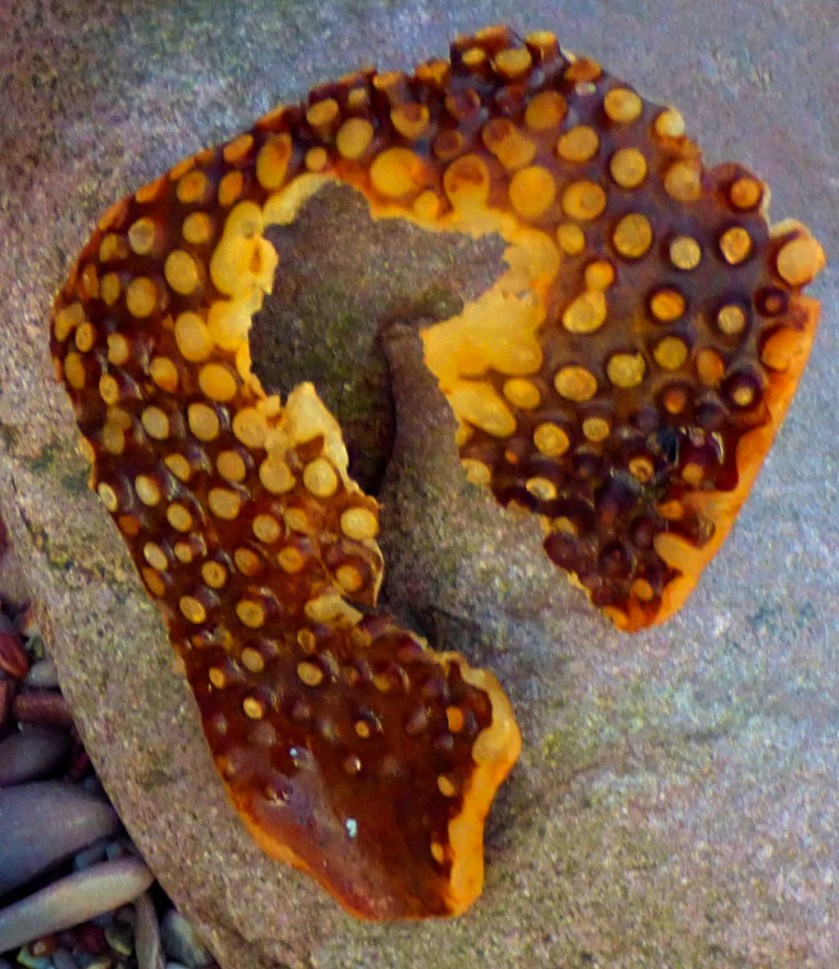
I was intrigued by this claw, but in accordance with Sutcliffe’s Rule for enjoying nature and enabling others to do so (take nothing except photographs, leave nothing except footprints), I left it in place for others to see if they happened to go that way.
It has been three days since I last posted here, and five since I created anything new here. Just to keep things going here are some pictures that I have taken during that period.
WORK PICTURES
The pictures I have from work that I consider worth sharing come in two sections. First…
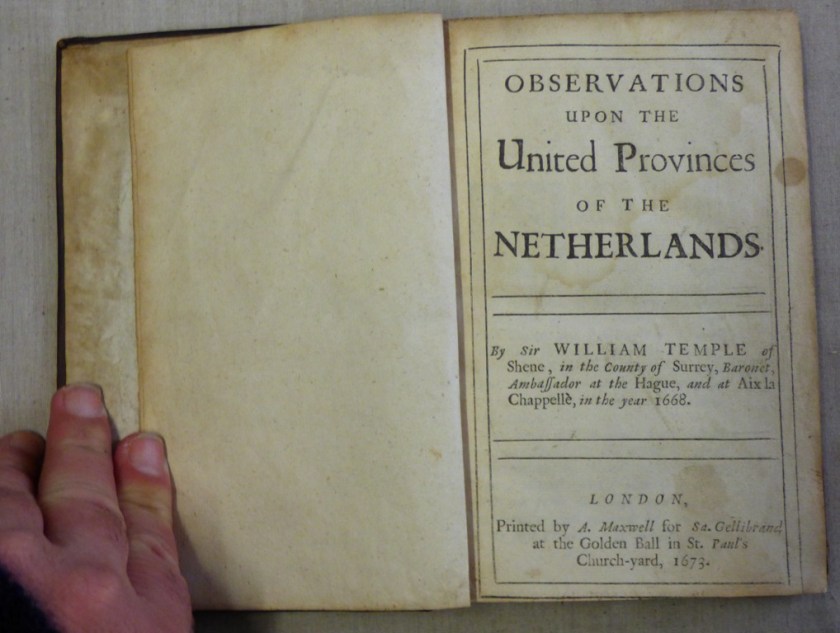
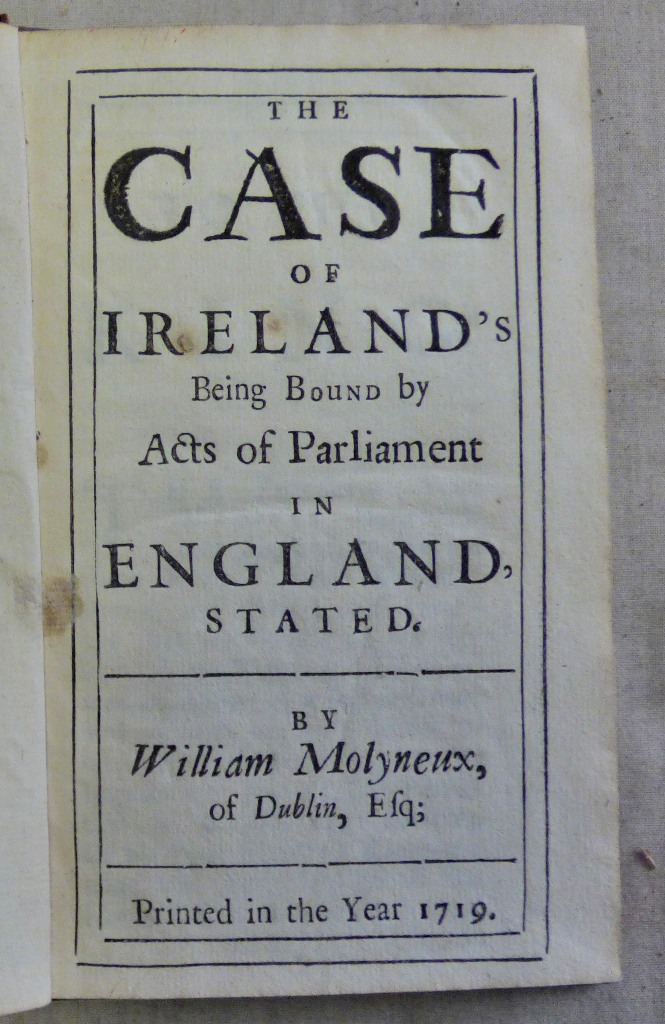
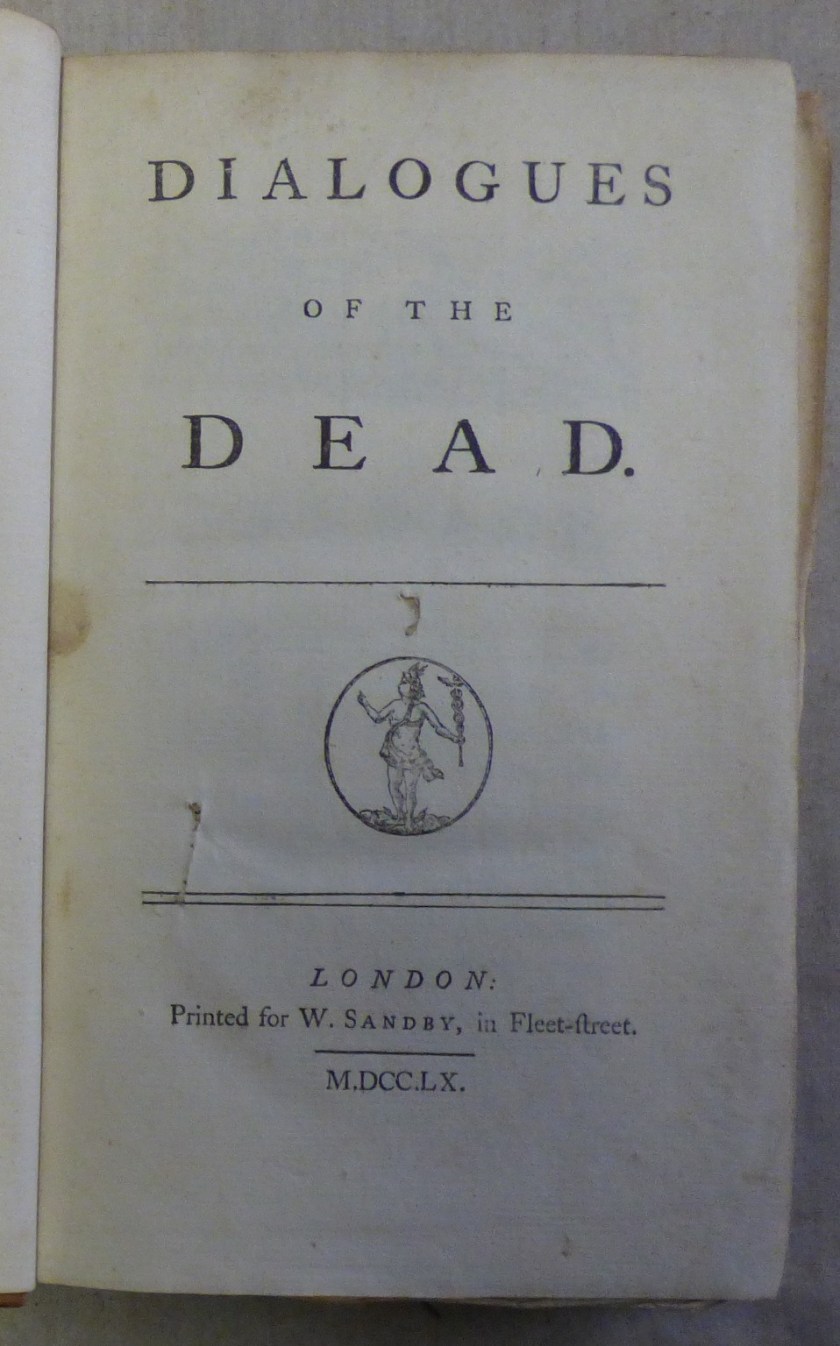
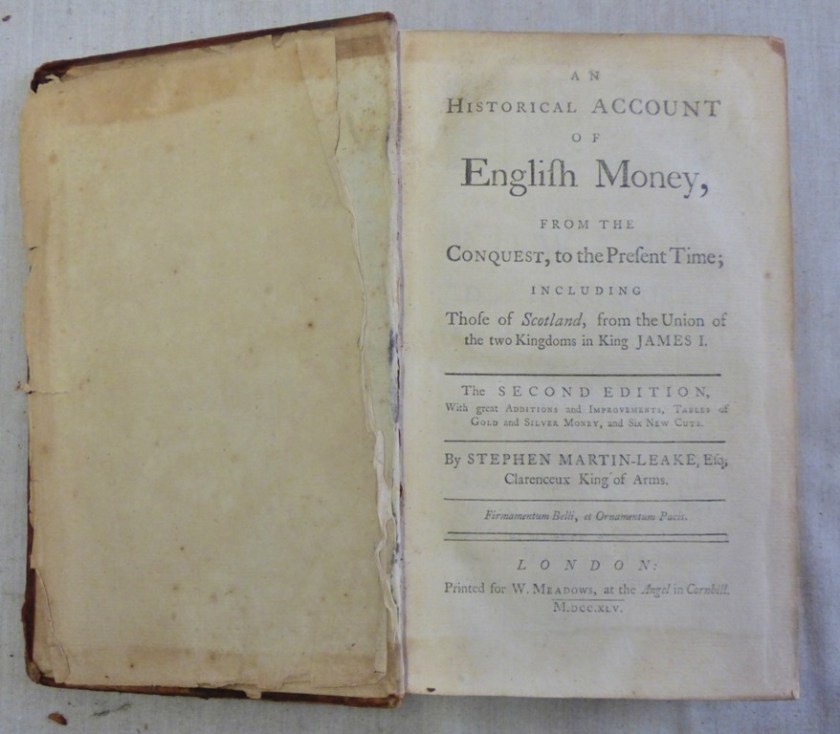
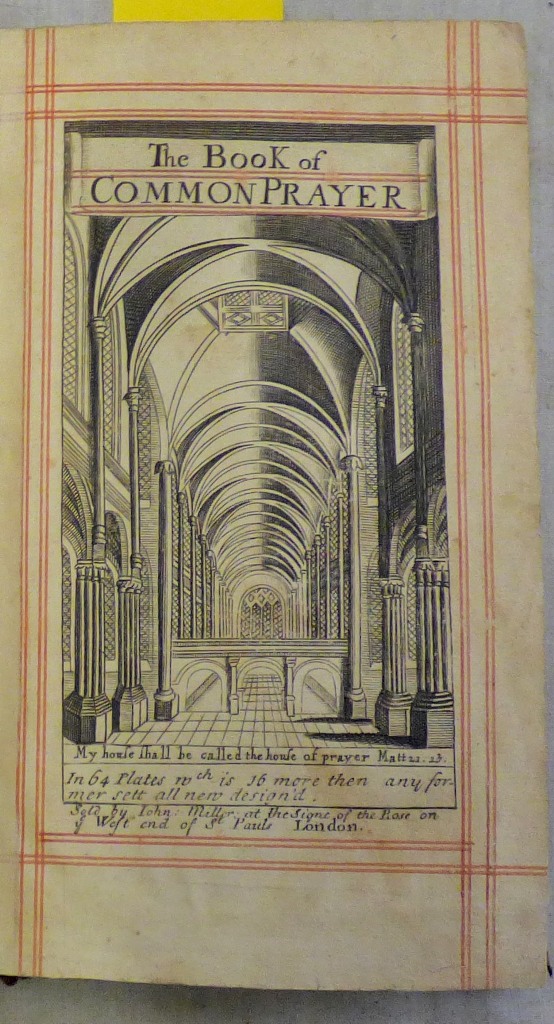
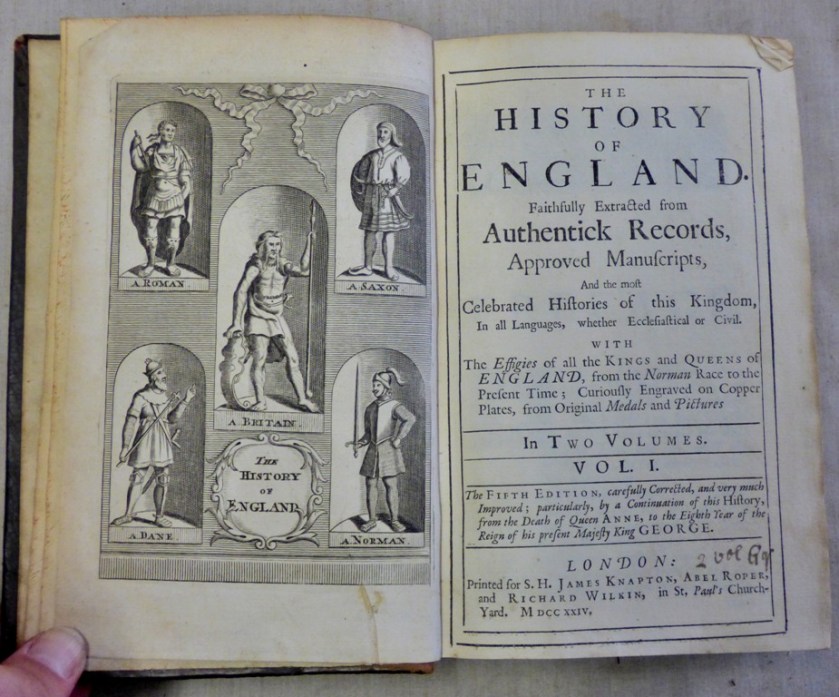
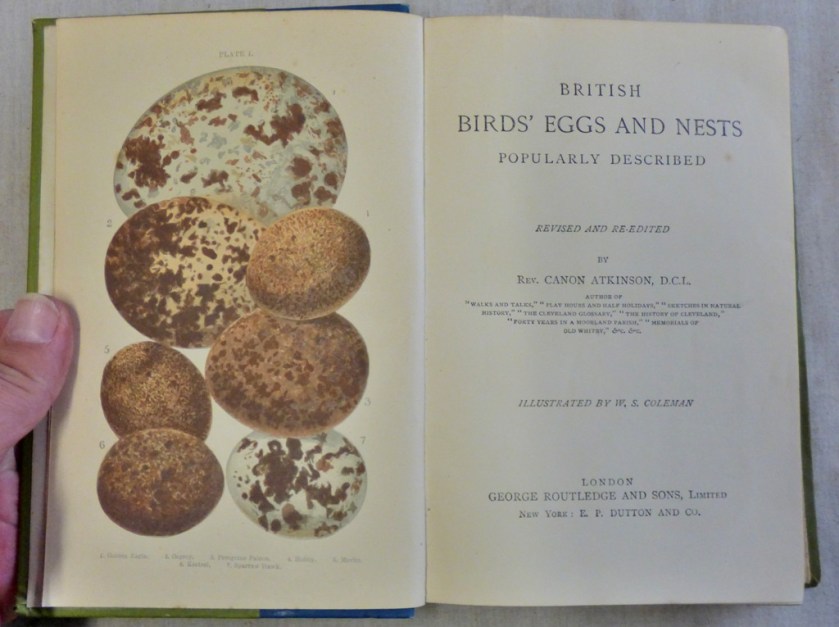
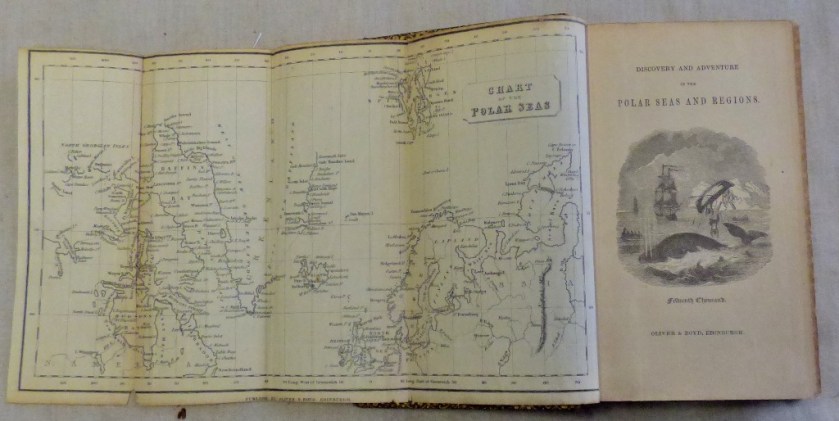
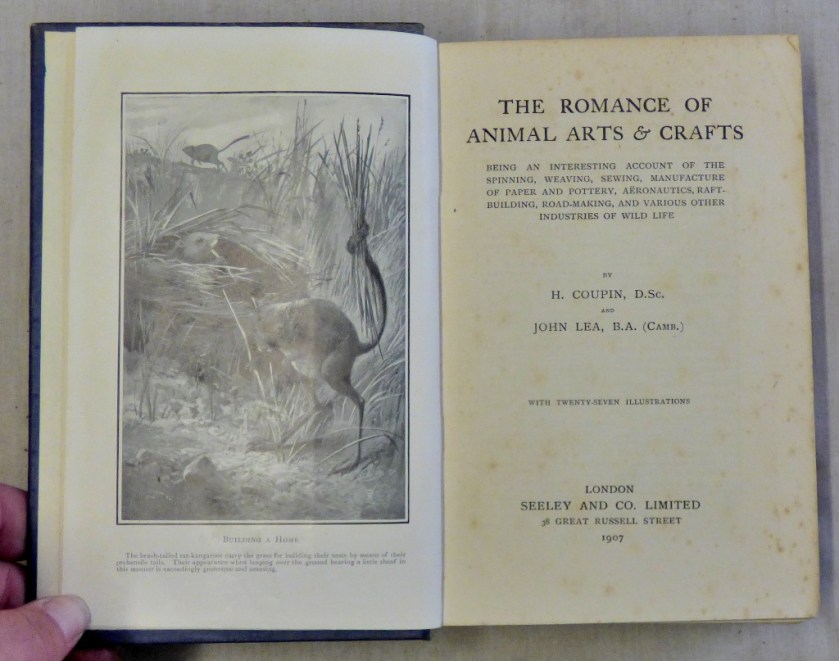
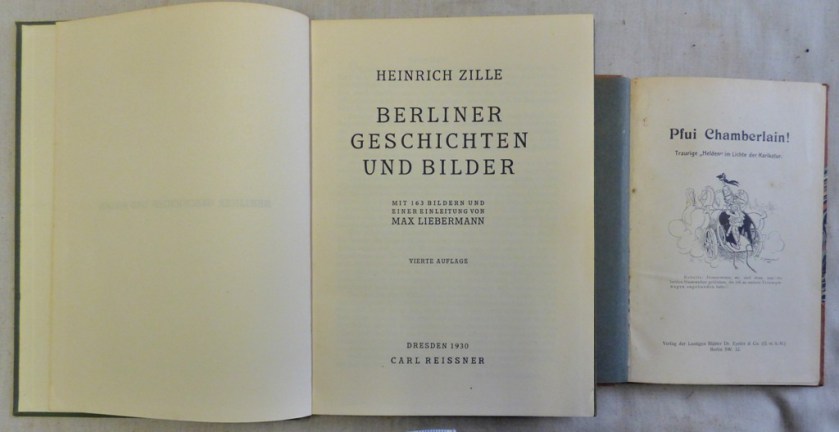
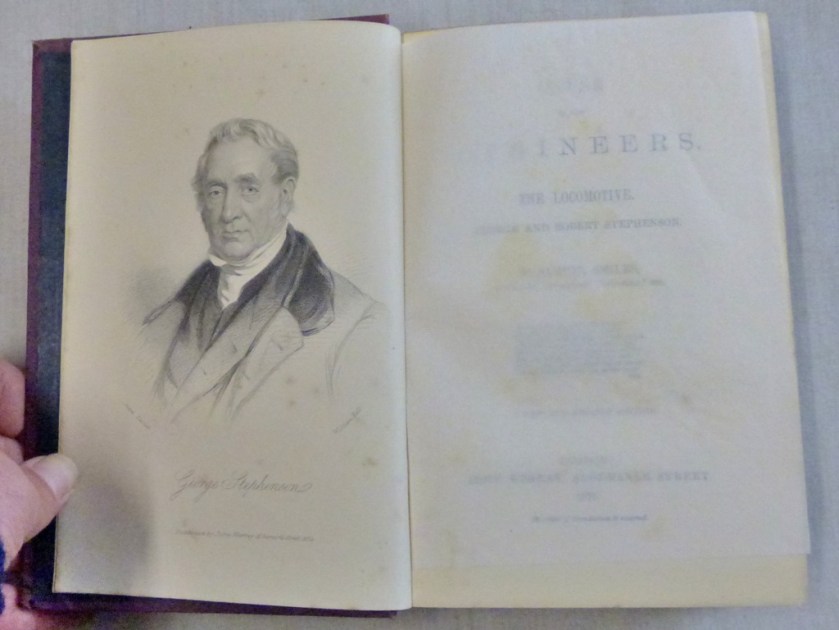
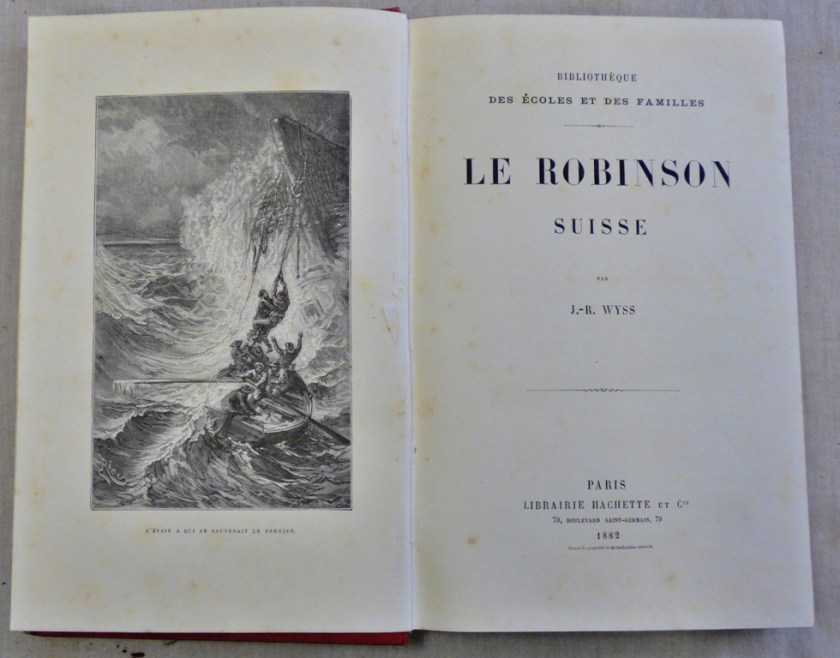
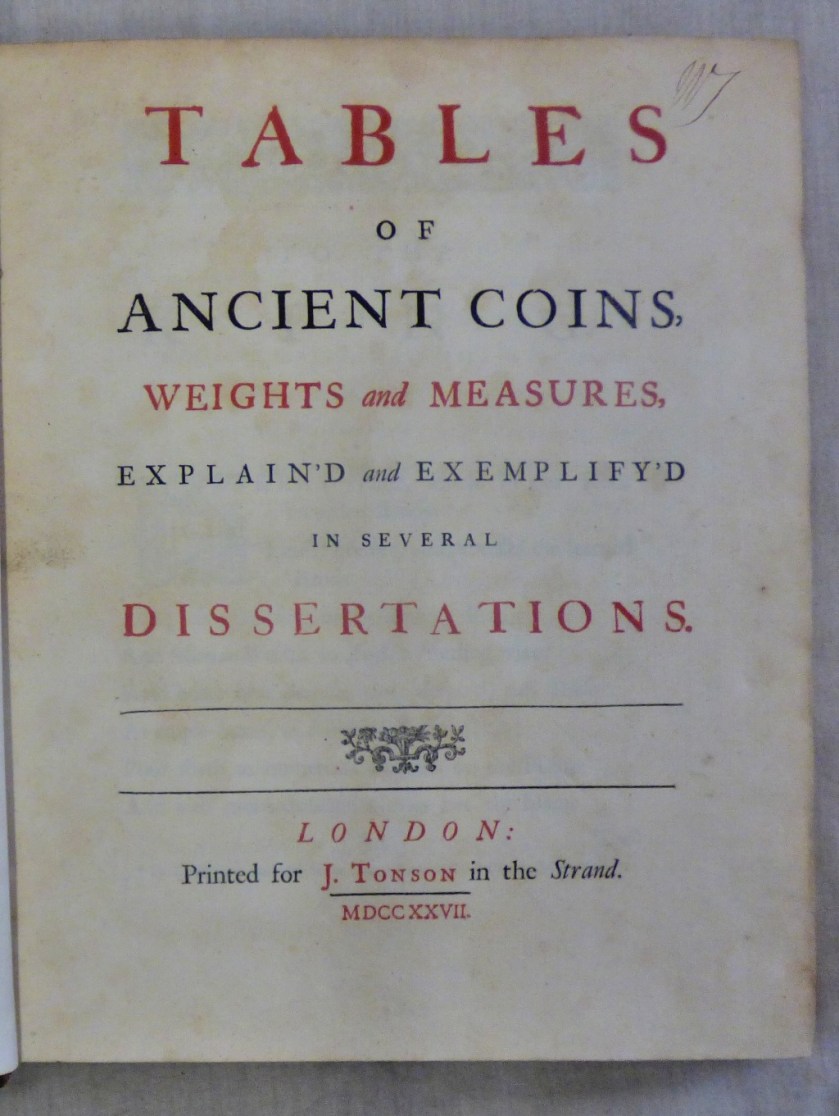
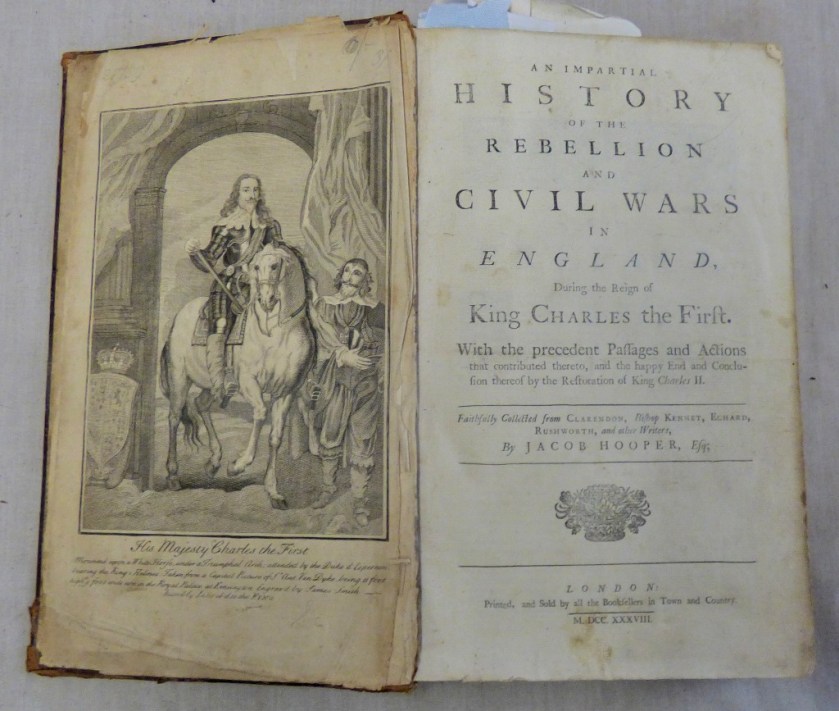
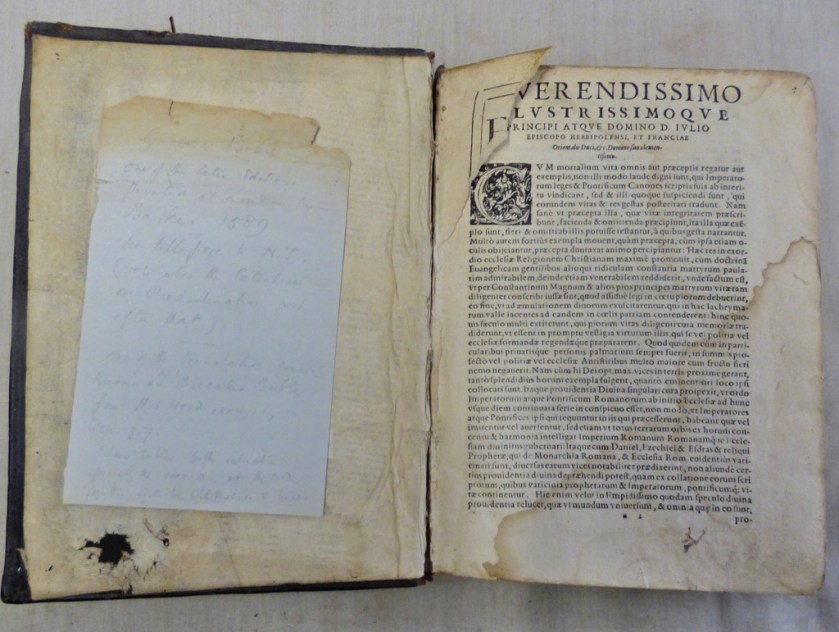
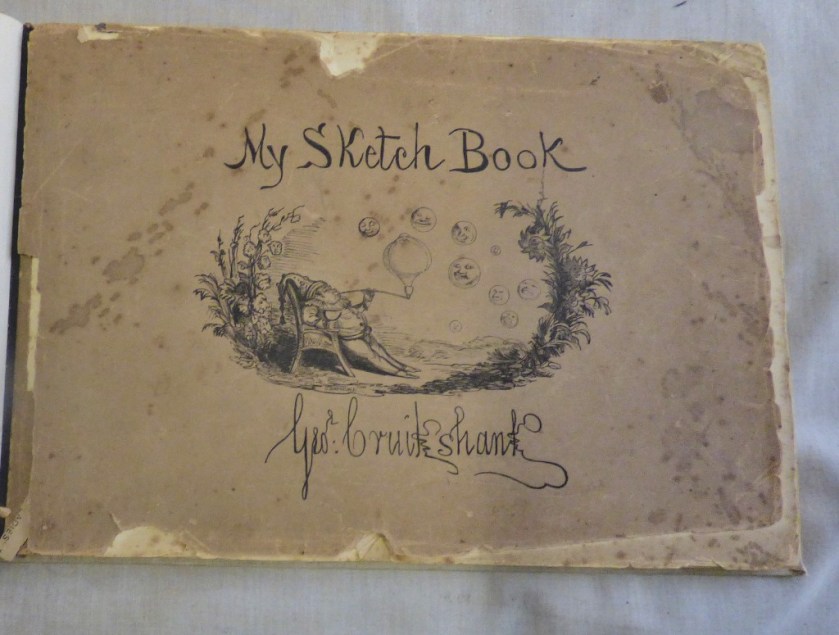
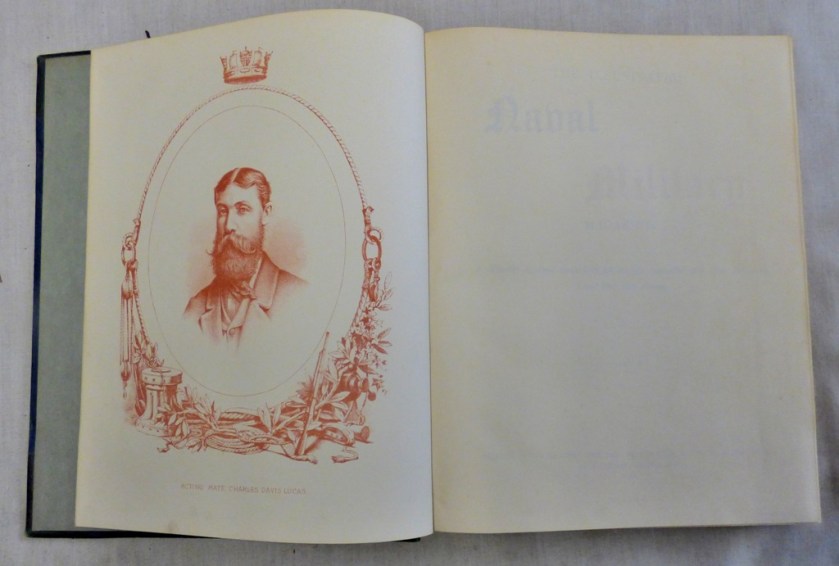
FRONTISPIECES AND TITLE PAGES
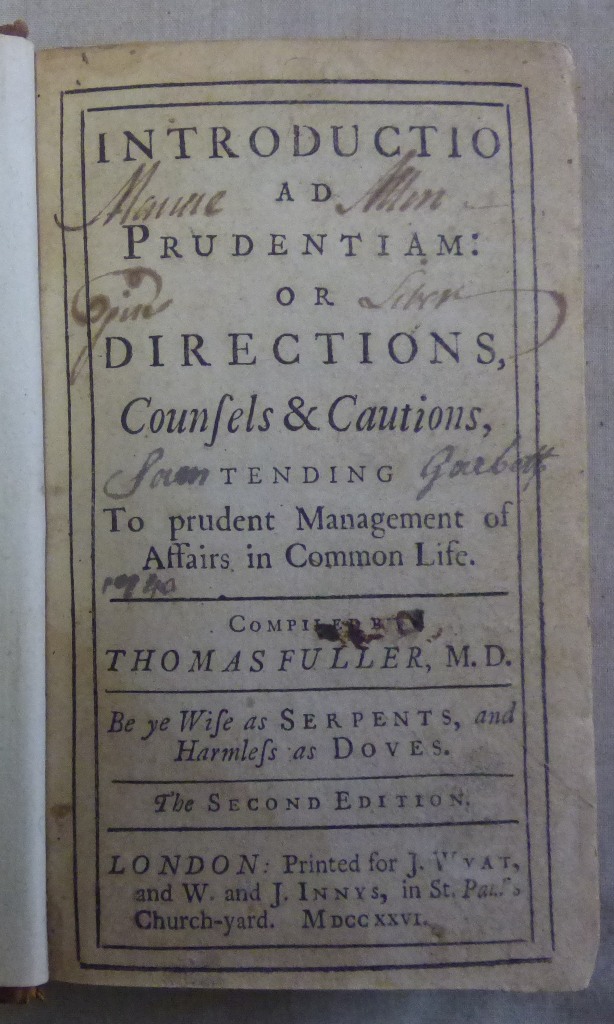
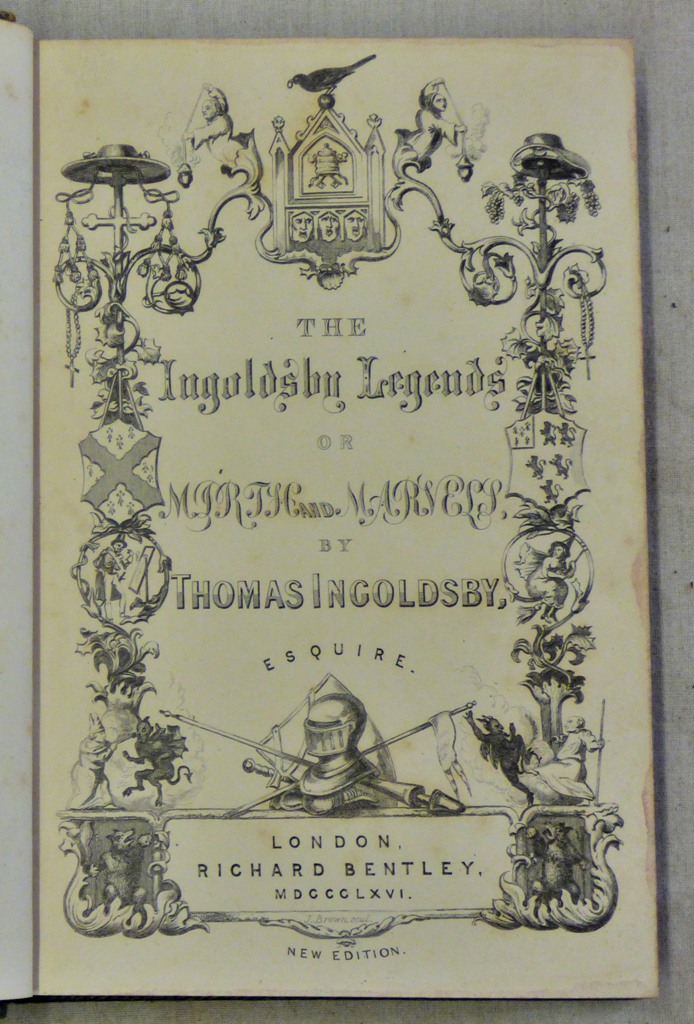
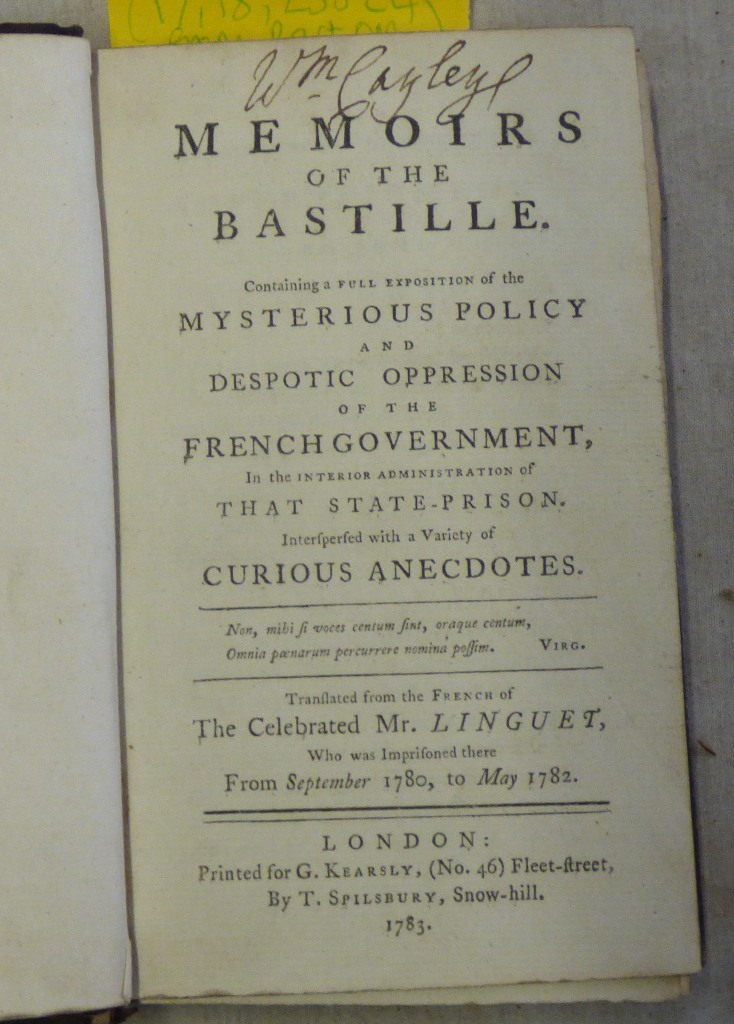
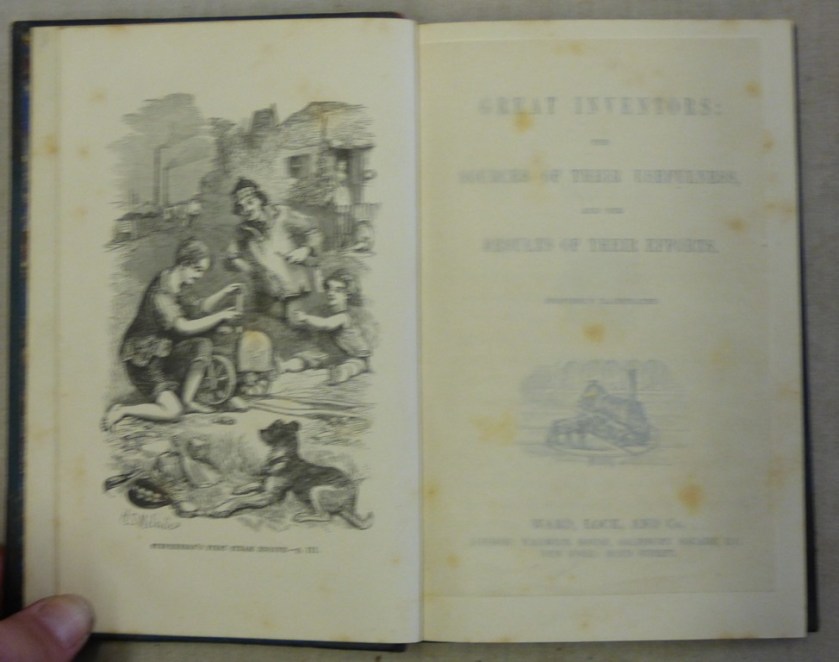
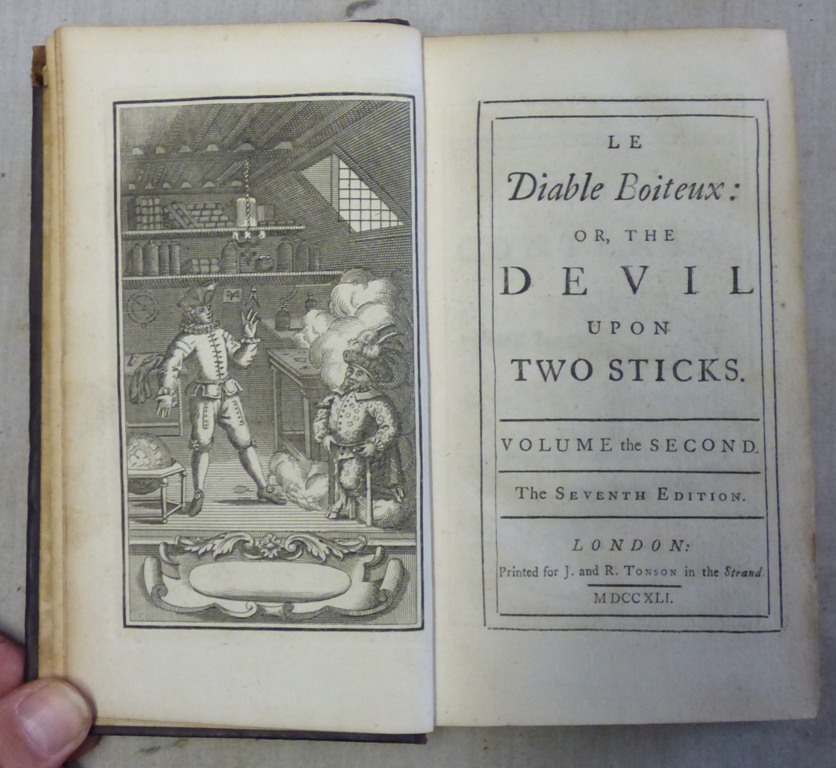
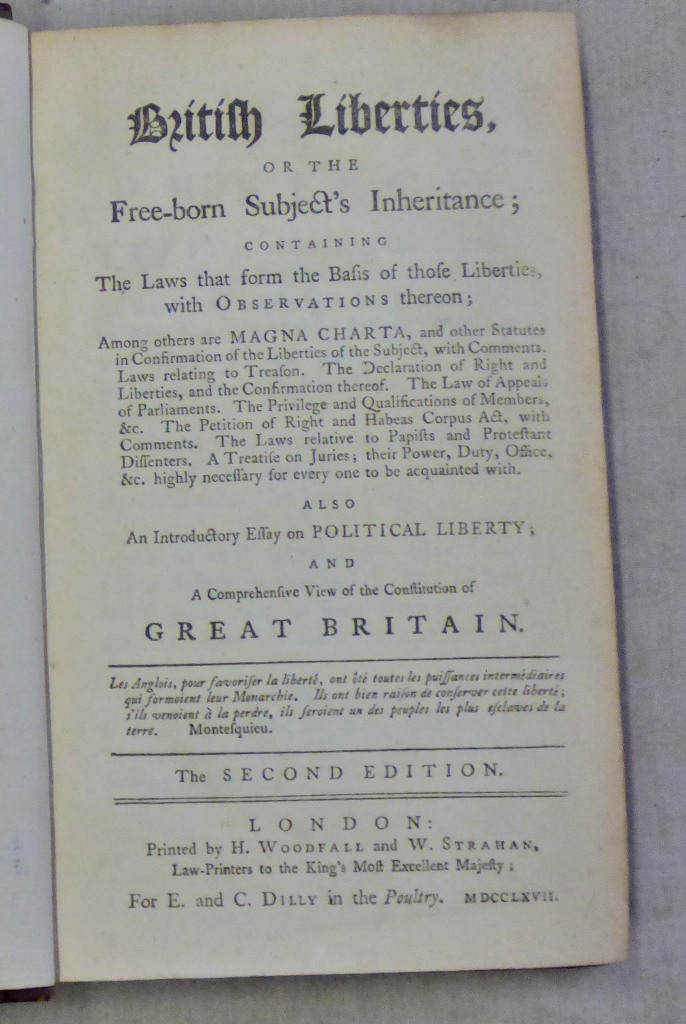
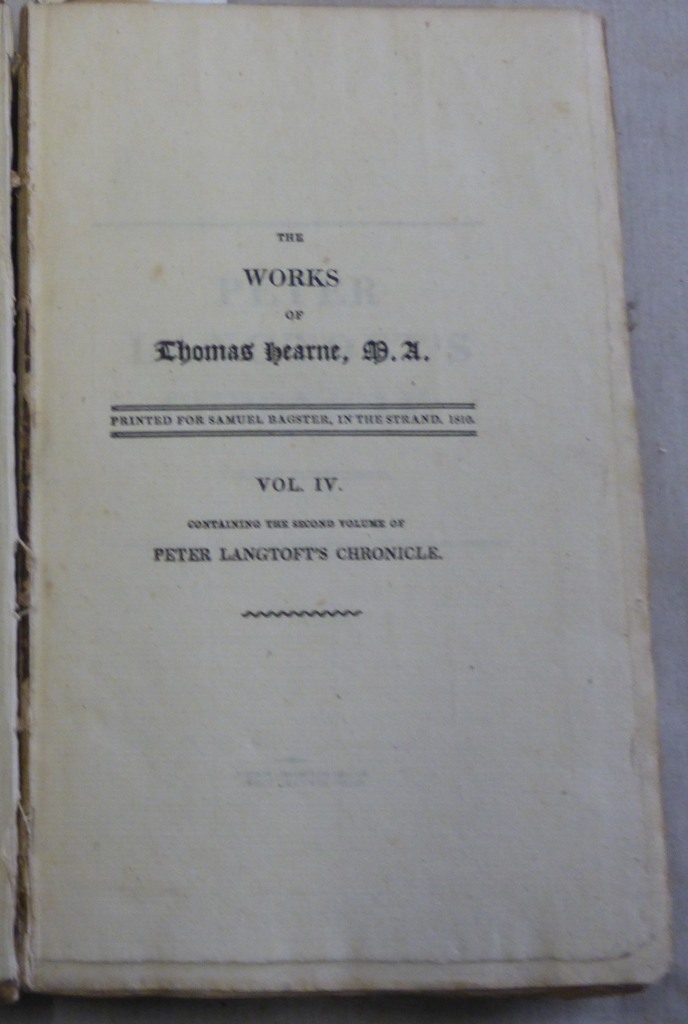
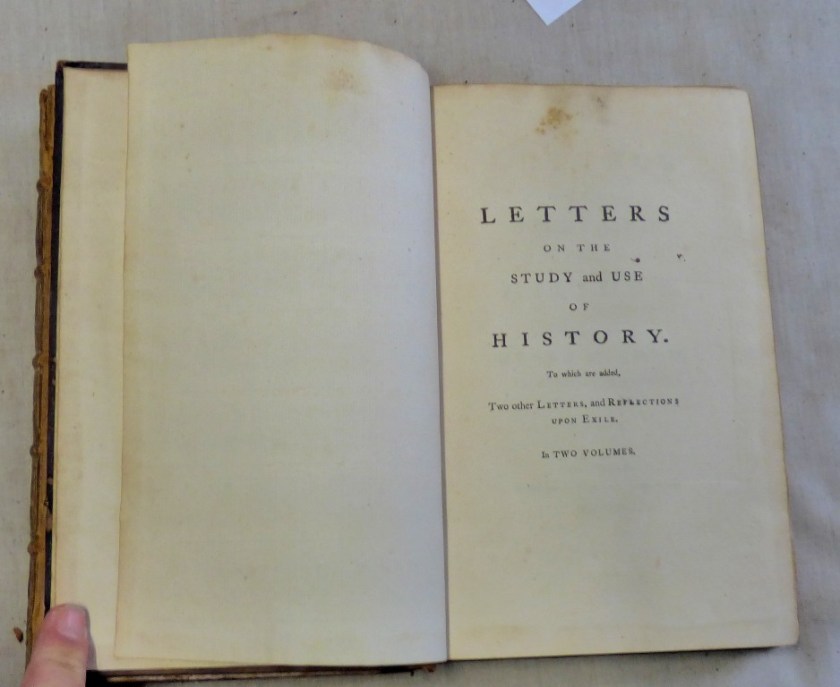
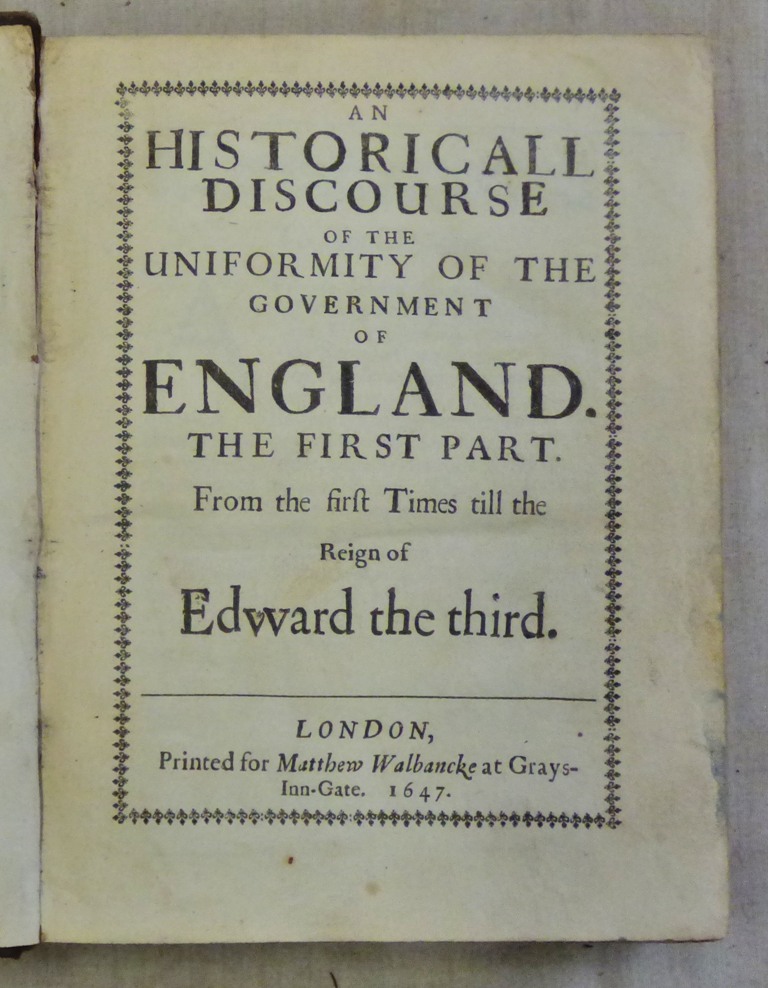
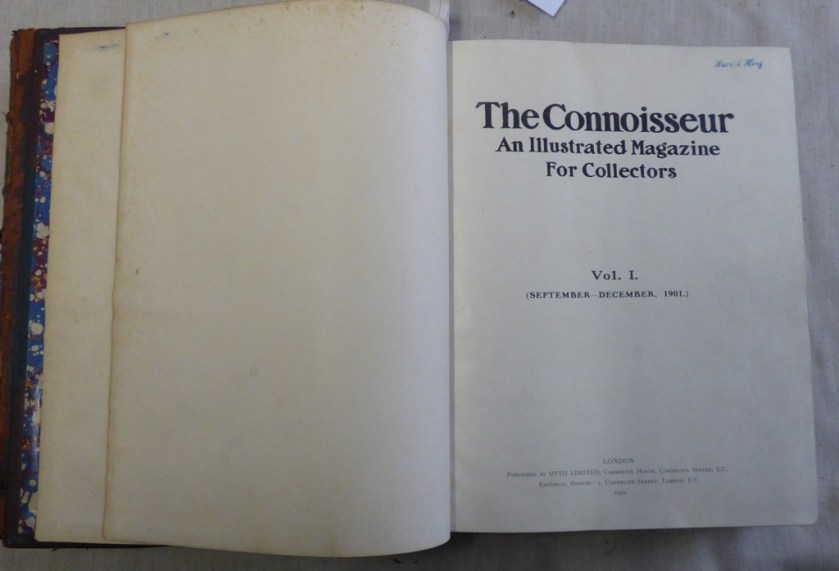
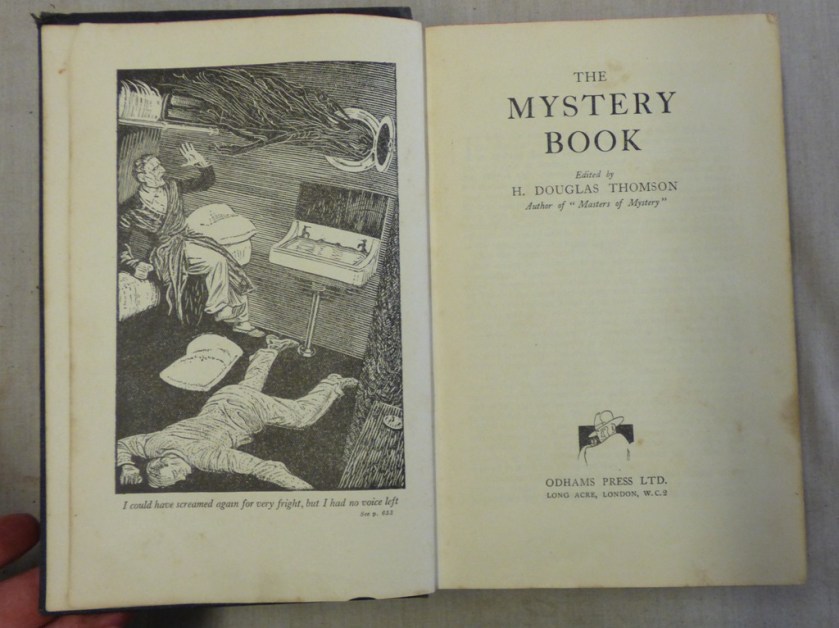
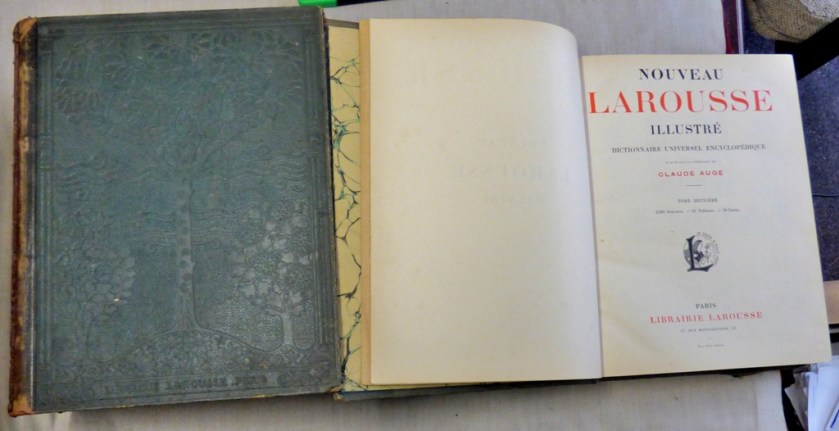
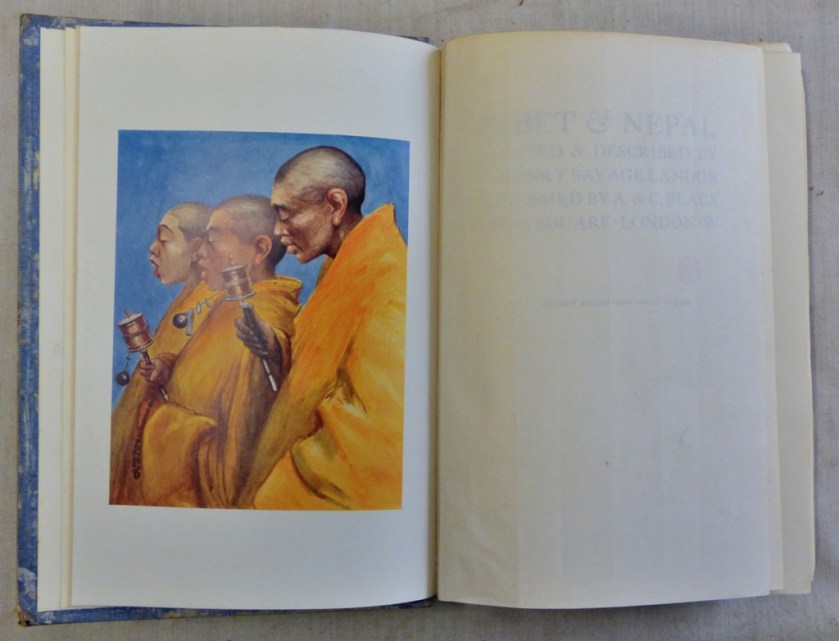
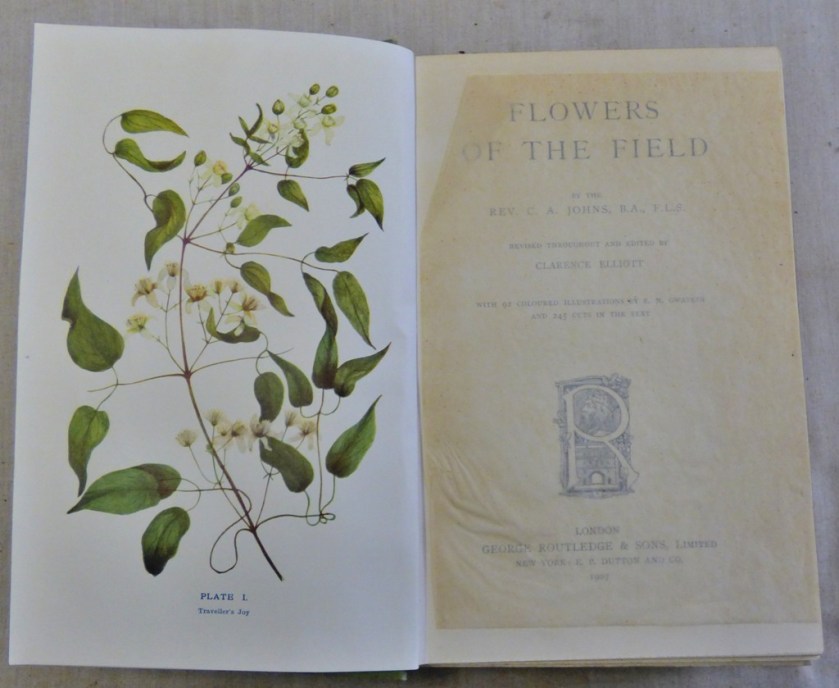
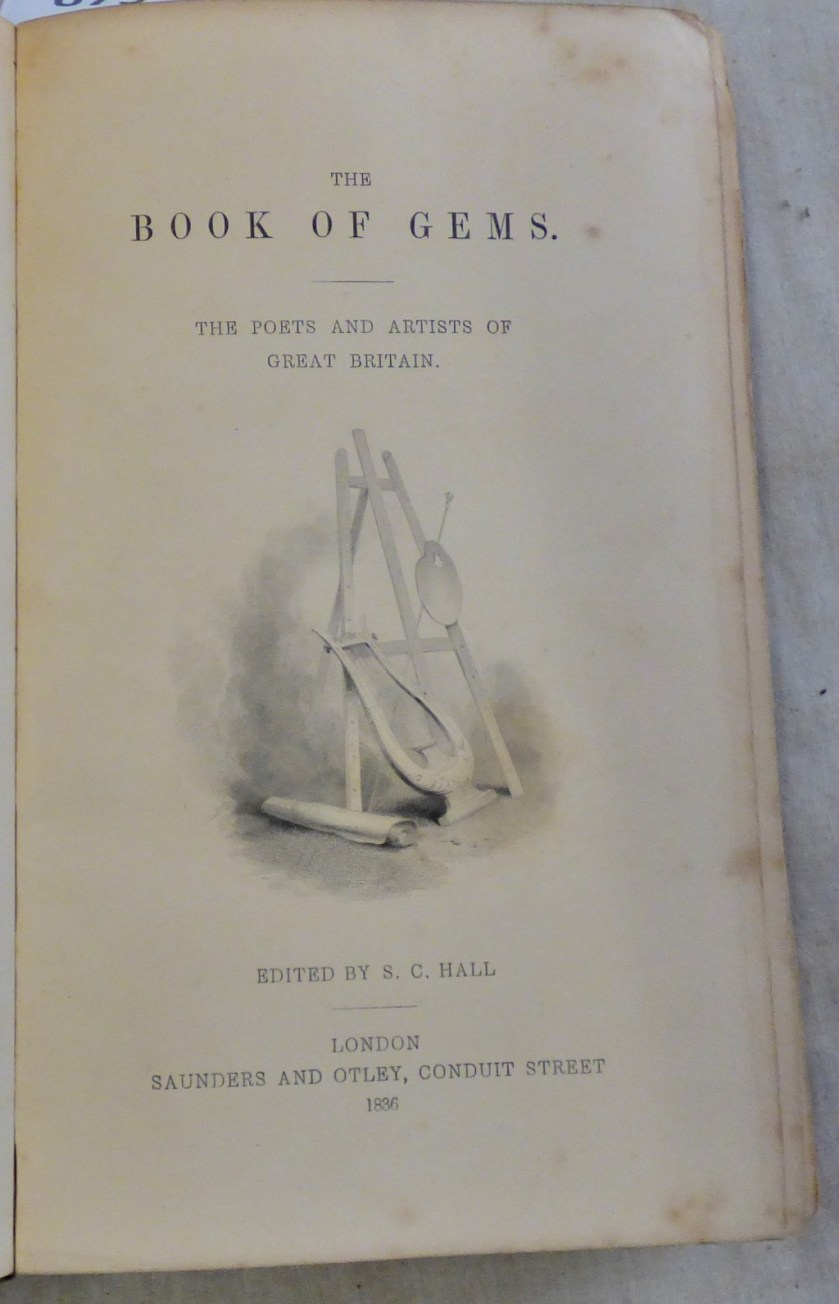
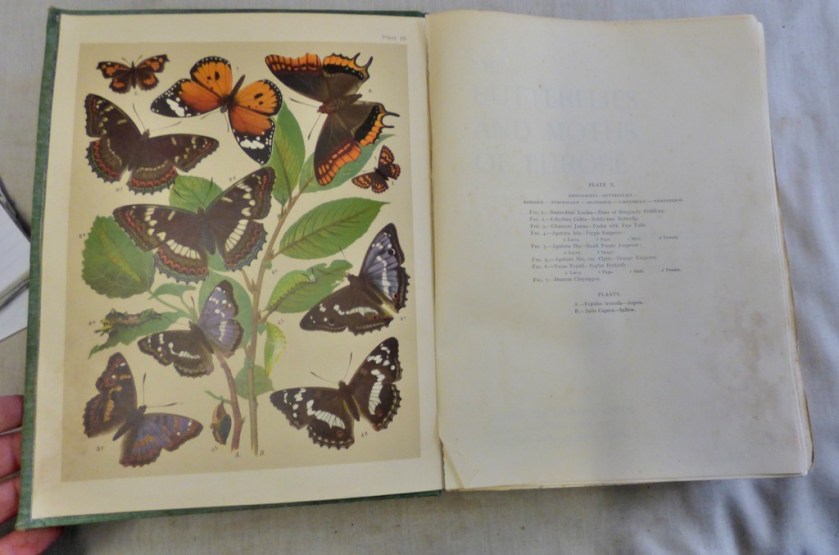
We have some very old books going under the hammer in our auction at the end of November, and our printed catalogue will feature a page of some the finest frontispices and title pages, so here is a sneak preview:
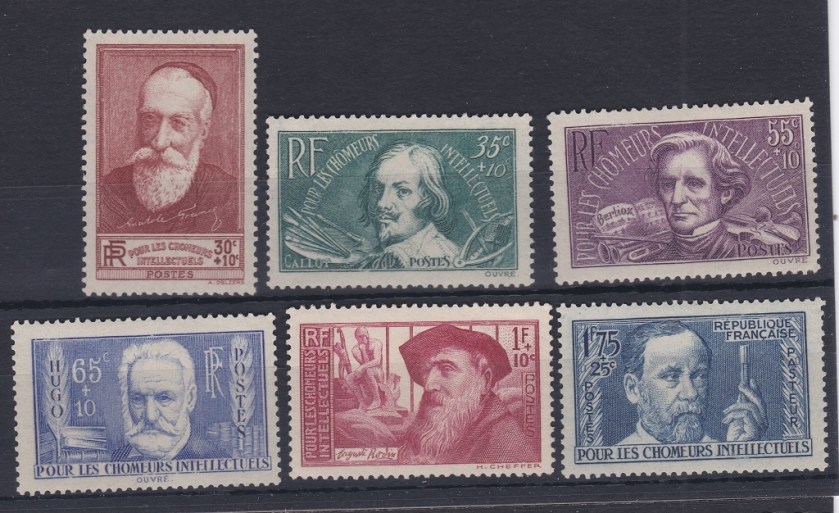
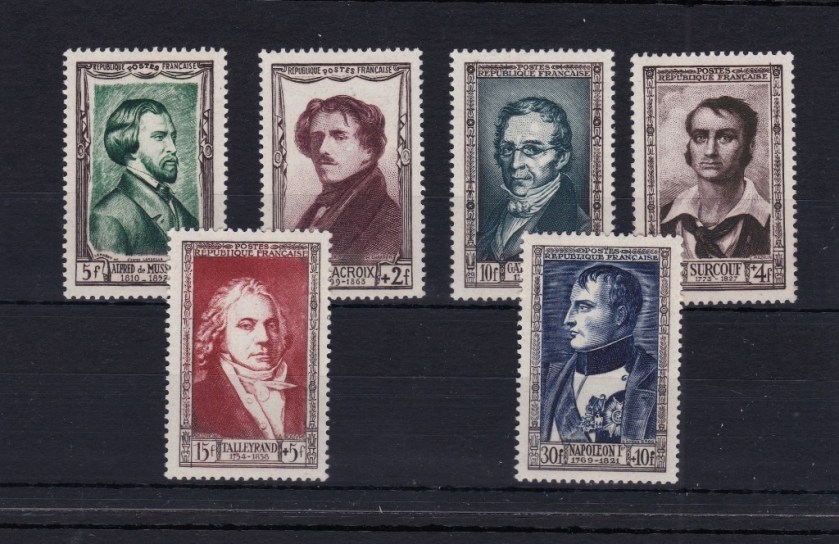
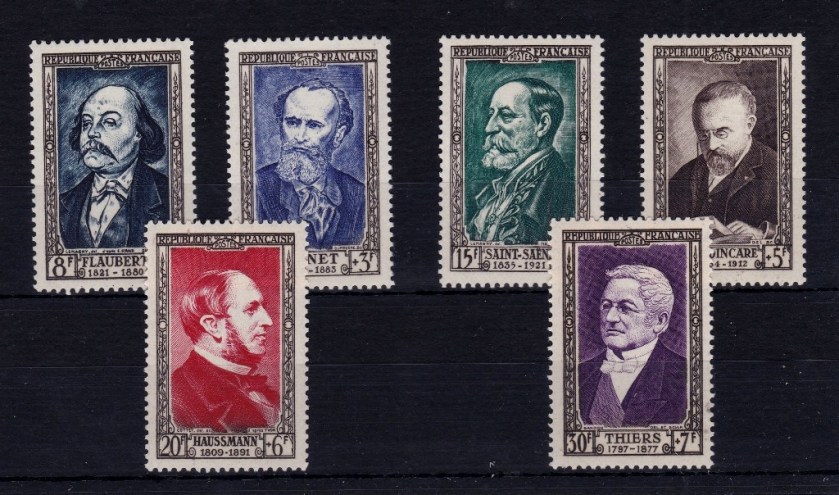
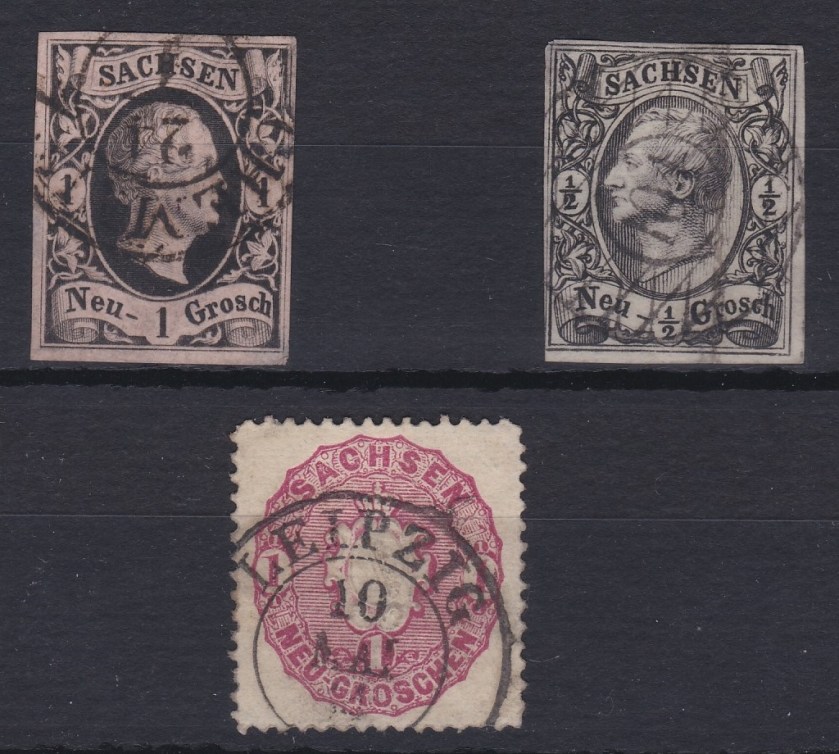
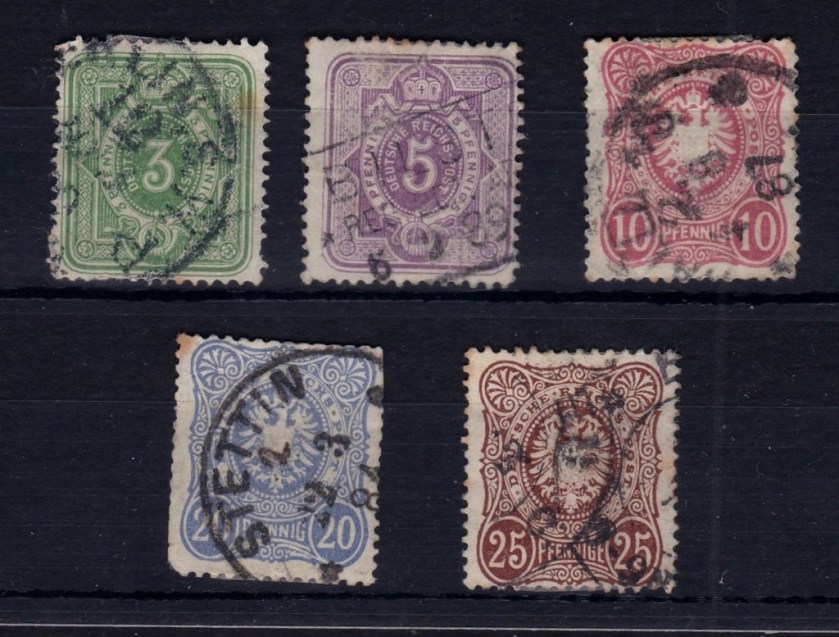
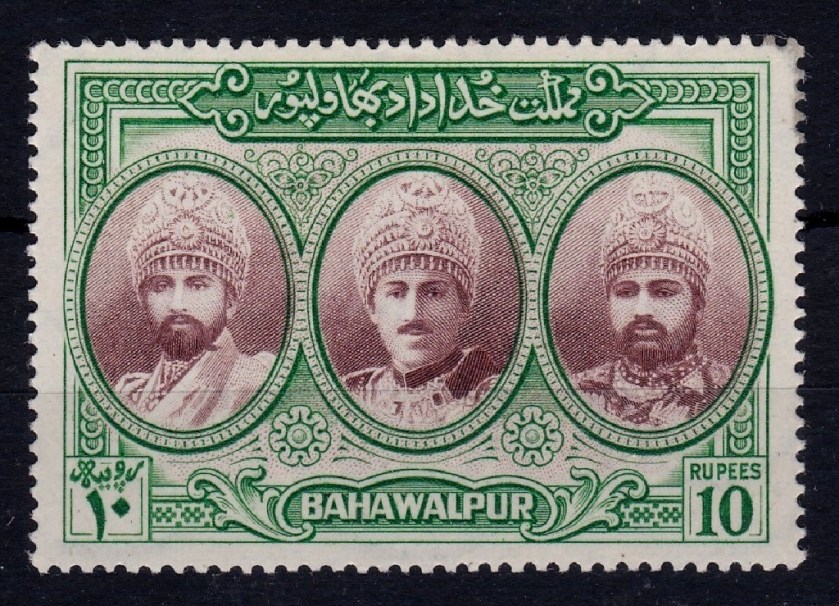
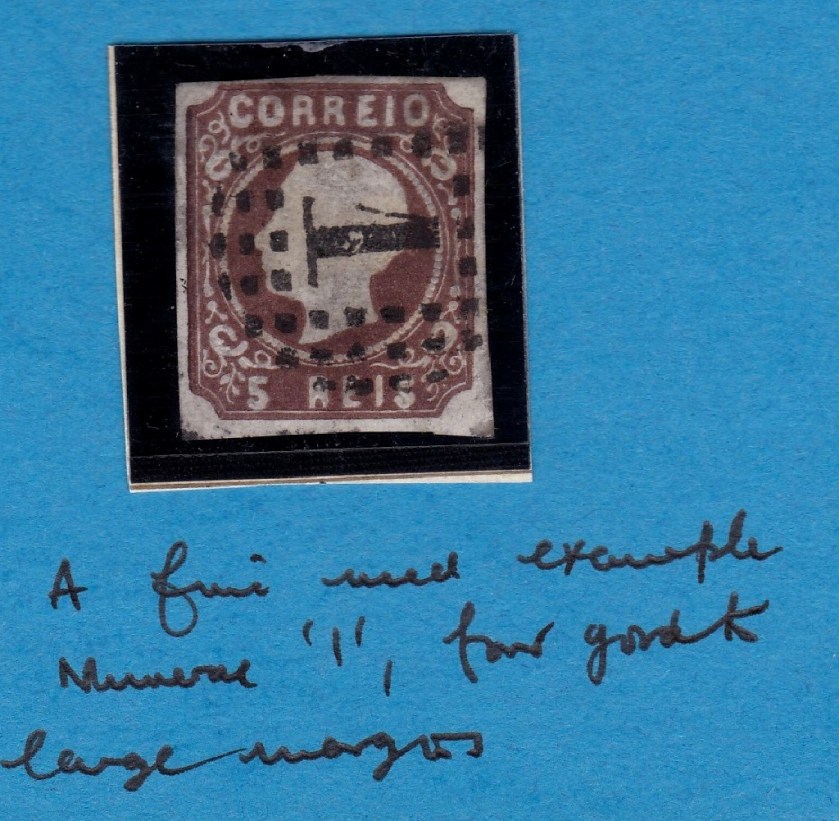
My second set of work related pictures are of stamps, which were done yesterday using the scanner (400dpi, full platen being the setting used).
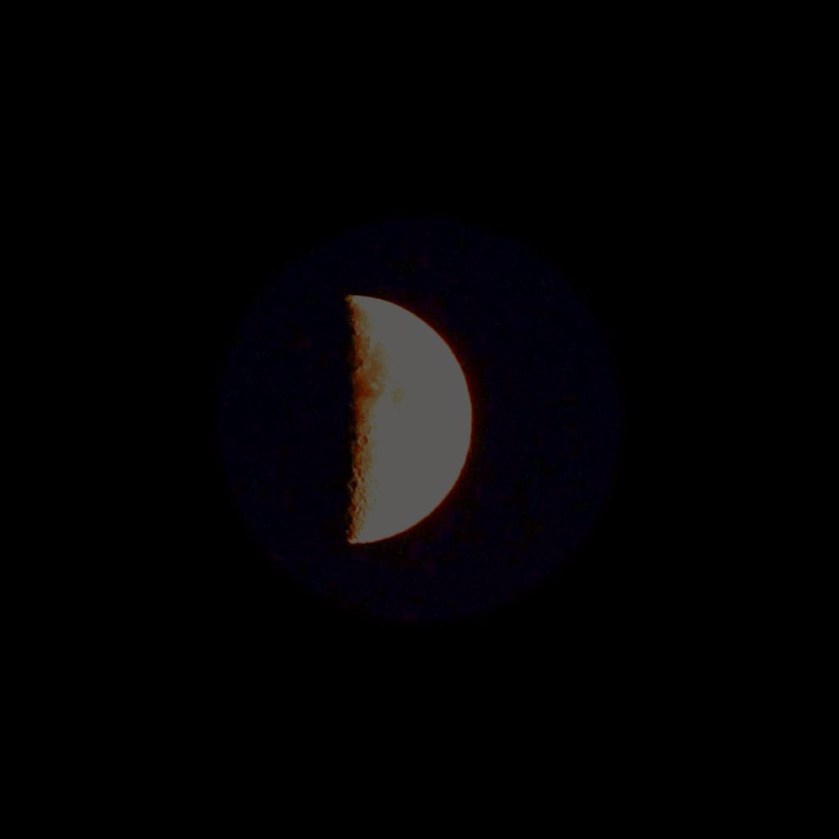
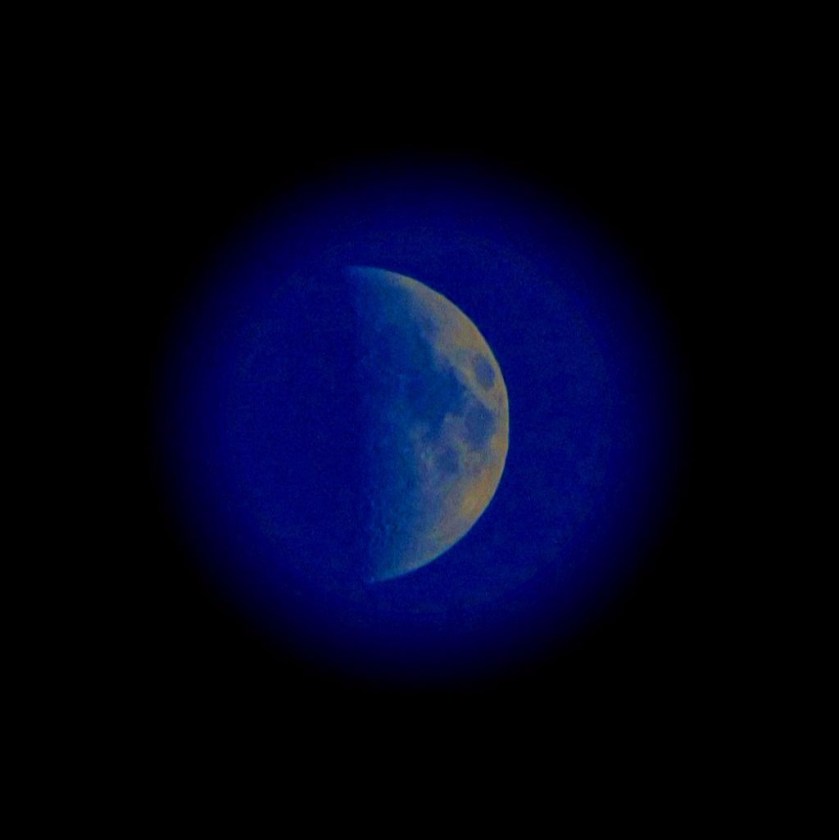
HALF MOON
These are from a week ago – the moon in question was in a twilight sky.
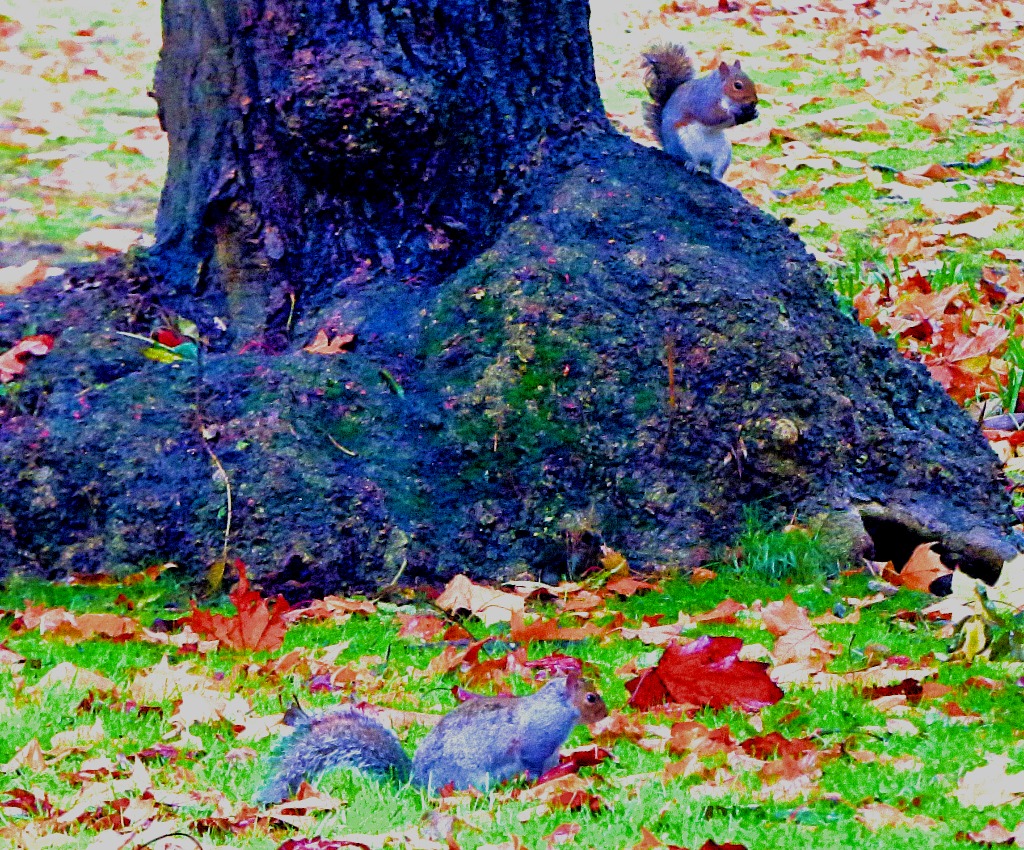
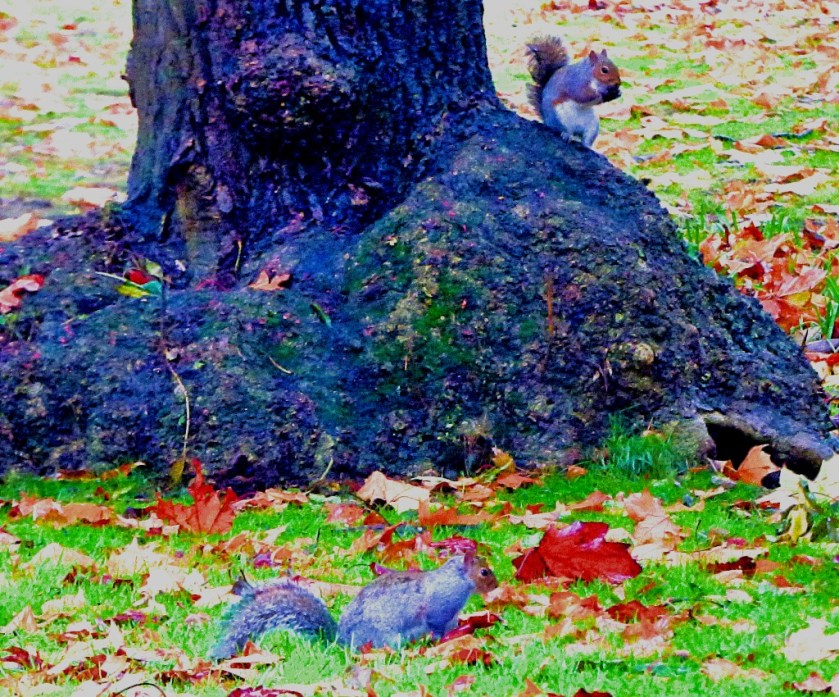
Squirrels
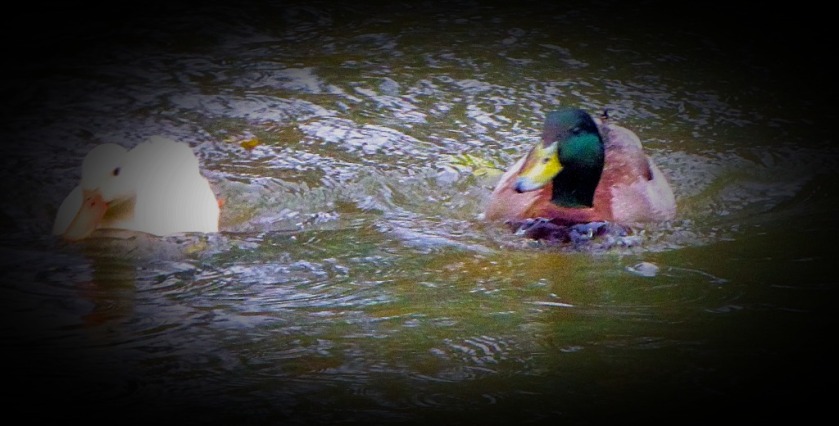
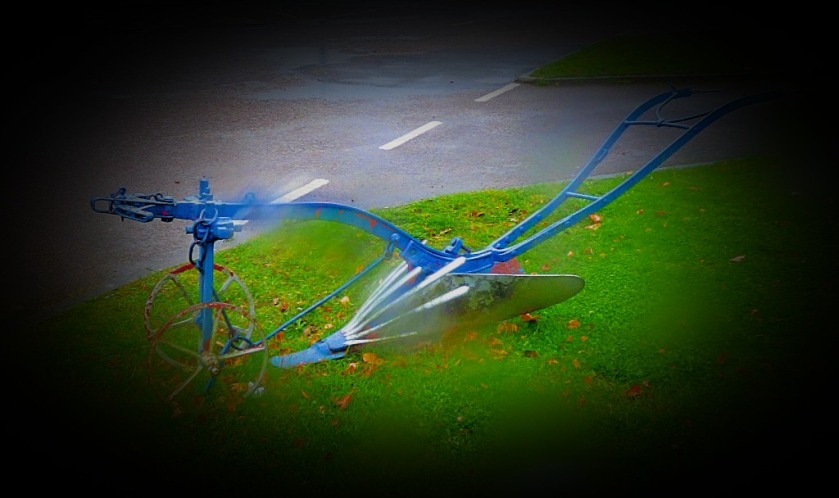
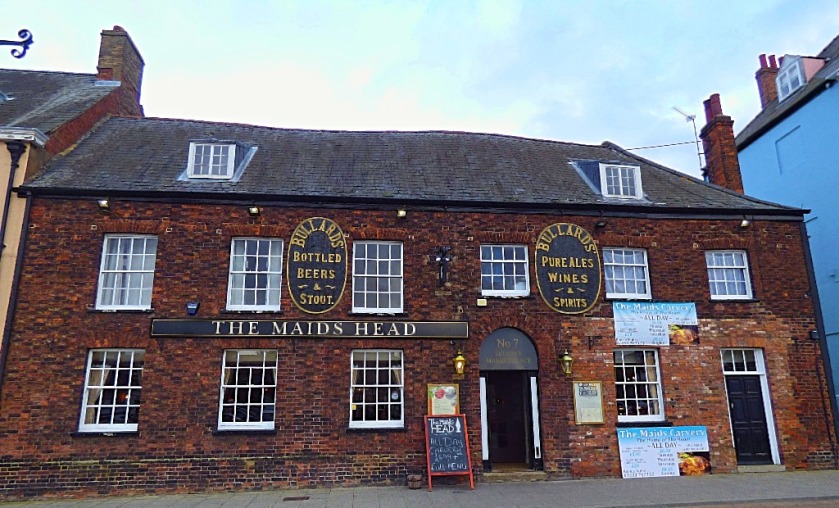
A final few pictures…
It is not always possible to get a close-up of a squirrel in focus – one has to take the picture quickly!
An account of the opening salvos in the Women’s Ashes and some photographs.
INTRODUCTION
Unlike the original Ashes, which have been fought for since 1882, the Women’s Ashes is contested across multiple formats. The current scoring system awards two points for a win in a limited overs match, 1 for a no-result and 0 for a defeat, while the sole test match is worth four points.
A Classic Match
The first of three ODIs that the women will be contesting took place at the Allan Border Field in Brisbane. Australia won the toss and put England in to bat. Several England players got starts but none managed to build a really substantial score, Lauren Winfield leading the way with 48. A total of 228 off 50 overs did not look like it was good enough, and in the end it wasn’t.
Eng;land bowled better than they had batted, and at 87-4 Australia were looking distinctly shaky. Alex Hartley failed to hold a return catch offered by veteran Alex Blackwell when the latter had 35 to her name, and Australia were behind the rate, Talia McGrath having occupied 26 balls for a score of 7. This missed chance and some aggression from Ash Gardner (27 off 18) made the difference, Australia getting home in the final over with Blackwell unbeaten on 67.
A highlight of this match was the preponderance of quality spin bowling on show – in Gardner, Amanda-Jade Wellington and Jess Jonassen Australia had three high-class practitioners, while Hartley and the experienced Laura Marsh both bowled well for England.
ON THE DISTINCTION BETWEEN ‘WOMEN’S ASHES’ AND ‘ASHES’
This applies across the board, and not just to cricket between England and Australia, but this seems a suitable place to mention this. I see the distinction between these categories as that between a restricted (“Women’s”) and an open category – if a woman is able to play alongside the men she should have the right to do so – the existence of Women only teams is an acknowledgement that few women could because the men are generally larger and stronger. Similarly if a disabled athlete happens to be performing comparably to their able-bodied counterparts they should be able to compete alongside them.
In terms of cricket I would expect that a woman who earned selection for ‘The Ashes’ as opposed ‘The Women’s Ashes’ would not be a specialist fast-bowler, but I could see spinners, wicket-keepers or batters earning selection.
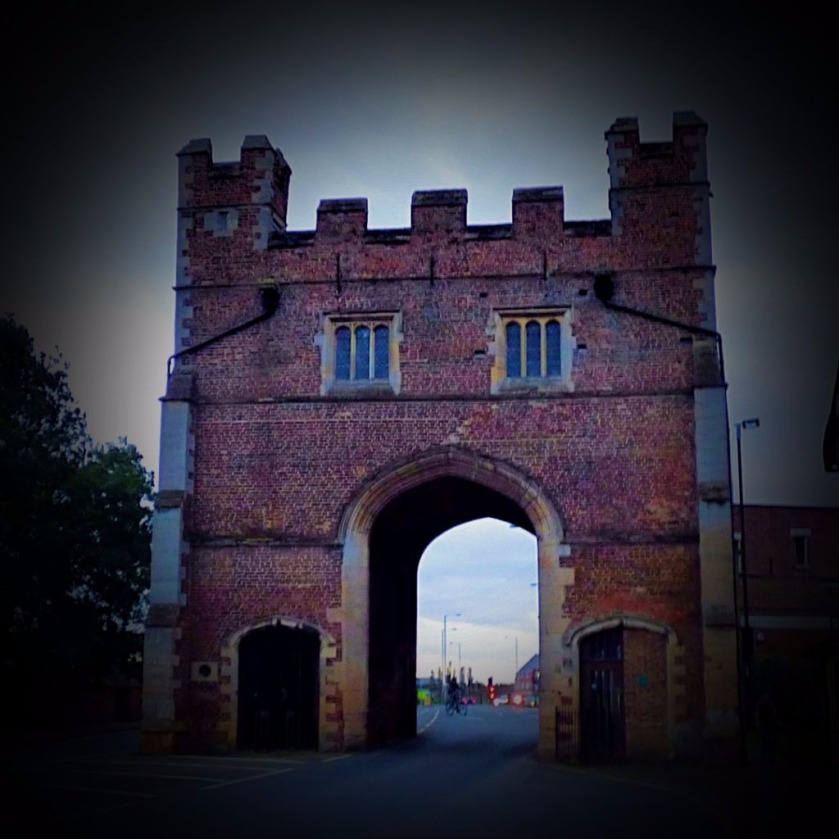
The latest addition to my “Trees in Transistion” series.
INTRODUCTION
Later on today I hope to have time to put up a few more posts, but for the moment just to keep things coming here is the latest installment in my “Trees in Transistion” series.
THE TREES’ TALE
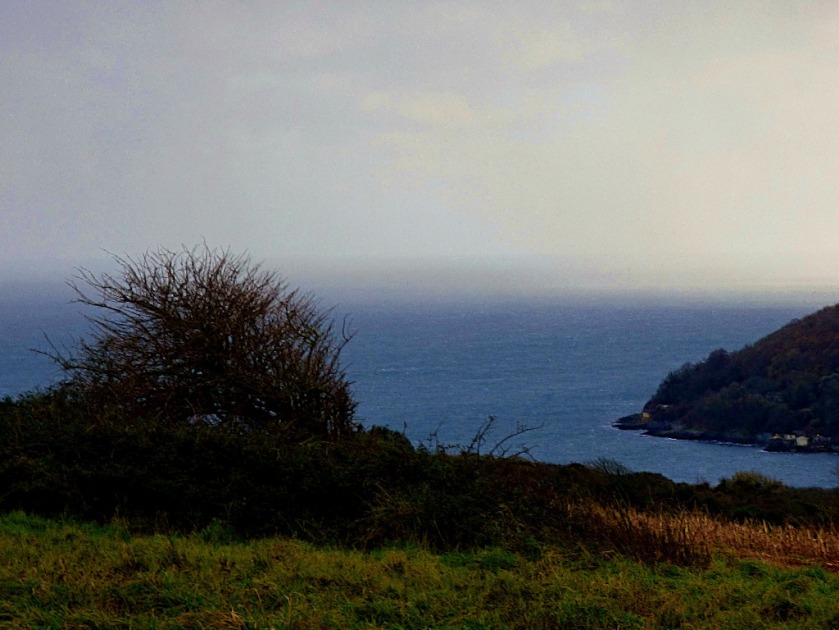
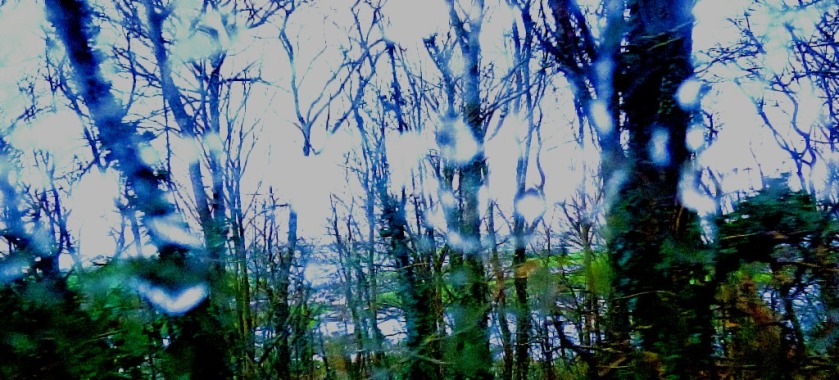
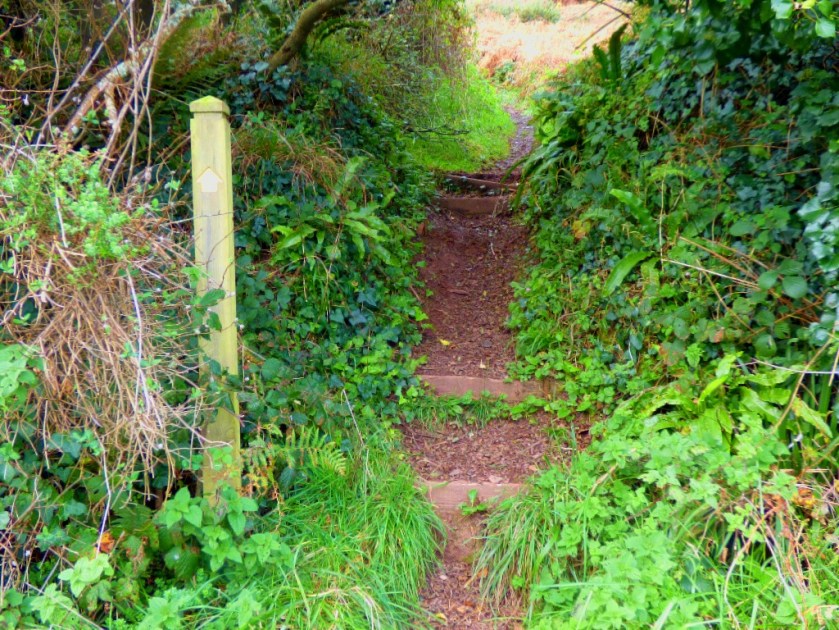
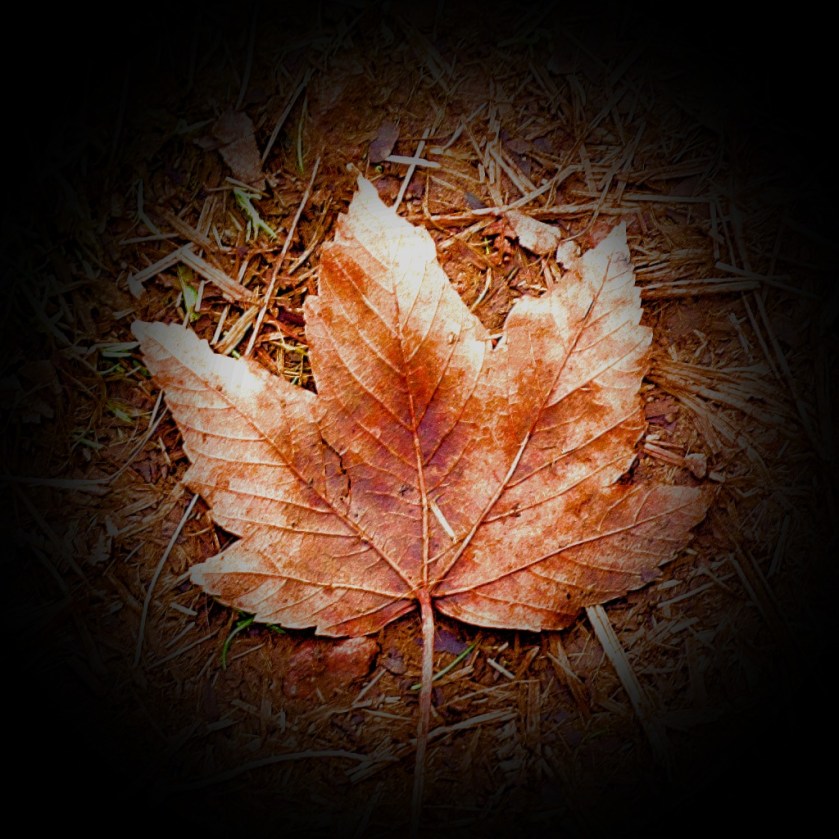
The heading for this section is a nod to Richard Dawkins’ “The Ancestor’s Tale”. These pictures do feature some trees not previously featured, and to borrow from another famous writer I hope that “age doth not wither nor custom stale my infinite variety”…















































































































 aspiblog