After the success that made original “Trees in Transistion” post has had I am back with another. As in the first one all the trees featured are within walking distance of central King’s Lynn, though there is no overlap between the two.
TREES TO THE FORE
These trees are all in the area between the town end of Bawsey Drain and the junction of Littleport Street, Blackfriars Street and Norfolk Street.
Why is it necessary to intervene with the natural course of being Autistic?
“Early” implies that there is a need to “catch” things early, before it progresses.
Autism is not a disease. It is not progressive. It just IS.
It is disrespectful because it ignores our own timing. Autism is a developmental disability and respecting that is important, instead of applying a neurotypical timeline of neurotypical milestones to neurodivergent children.
And while some aspects of occupational therapy and life skills can be beneficial, if there is no respect for each child’s timing, and if it is done in a manner that is compliance based/reward based, and if this is called “Early Intervention”, then it is just another name for ABA”
My next link is to thge early stages of wbhat looks set to be an excellent series of posts. BloggingAstrid is writing a series of posts about autism under the banner #Write31Days. I have two links for you:
My next two links come from firebrightstarsoul and both concern education and autism:
“Enough to break your heart” which deals with a school day which (due entirely to failings on the part of the school) went very badly wrong. I quote one paragraph, which comes near the end of the story: We were told we’d be given parent codes to log in to the school’s app so we could find her missing assignments and help her on the weekend until she’s caught up. She didn’t know where to even find this information on her laptop, and when she tried to tell the teacher she didn’t know what she was supposed to work on, the teacher smirked at her and dismissed her with the pithy remark, “I bet you do.”
“The one-room school-house” which (unsurprisingly given the above) looks at the possibility of homeschooling. Here is a picture from this piece:
Claire has autism and says: “The world is a very unpredictable and confusing place.” (Image: Transport for All)
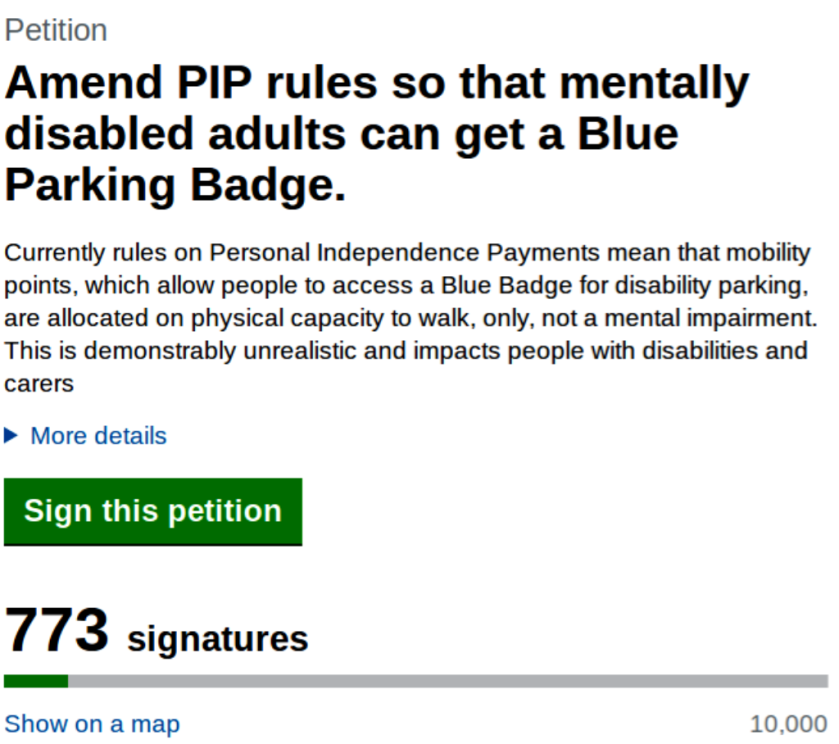
Finally, a petition on the official site for petitioning the UK Parliament, which means that it is only open to UK citizens, calling for a necessary change to the PIP rules. Below is a screenshot link:
Please visit, sign and share.
LINKS RELATING TO RENATIONALISATION AND TRANSPORT
My first link in this section is to a piece on Vox Political titled “McDonnell States Labour Will Take Back Rail, Water, Energy and Royal Mail | Beastrabban\’s weblog” This excellent piece sets the stage for the rest of this section. Below is the single most important paragraph, by way of a tempter:
And if Labour does, as I fervently hope, renationalize those industries, I would very much like a form of workers’ control implemented in them. One reason why the Tories were able to privatize these industries was because, when Labour nationalized them after the Second World War, the party was too timid in the form nationalization took. The state took over the ownership of these industries, but otherwise left the existing management structures intact. This disappointed many trade unionists and socialists, who hoped that nationalization would mean that the people, who actually worked in these industries would also play a part in their management.
Since that piece was produced Richard Murphy of Tax Research UK has put up a post titled “The public want nationalisationbecause nationalisation makes sense” in response to a hand-wringing editorial in The Observer, which started from noting that a recent study had revealed the full extent of public support for renationalisation (water – 83% in favour, electricity and gas – 77% in favour andr railways – 76% in favour – leading the way) and went full-on Tory from there, regarding renationalisation as a bad thing and coming with ideas for how this ‘threat’ might be dealt with. Professor Murphy, like me, takes the opposite stand-point, and points out how flawed the Observer piece is.
PHOTOGRAPHS 1
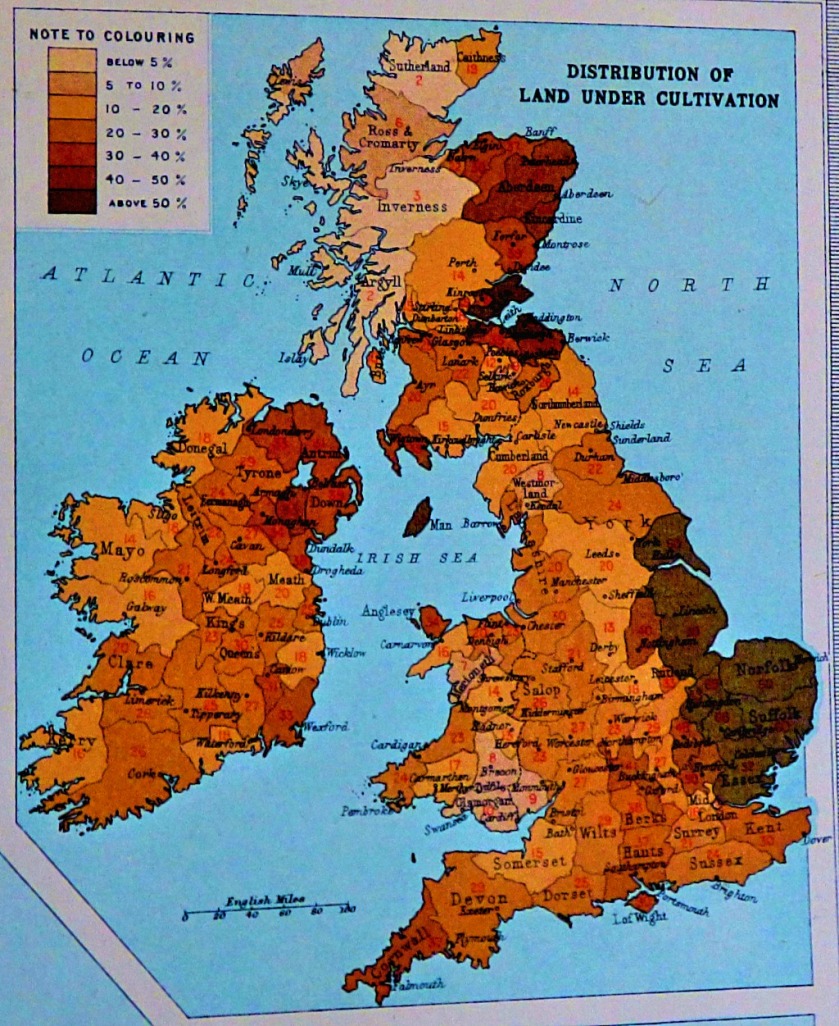
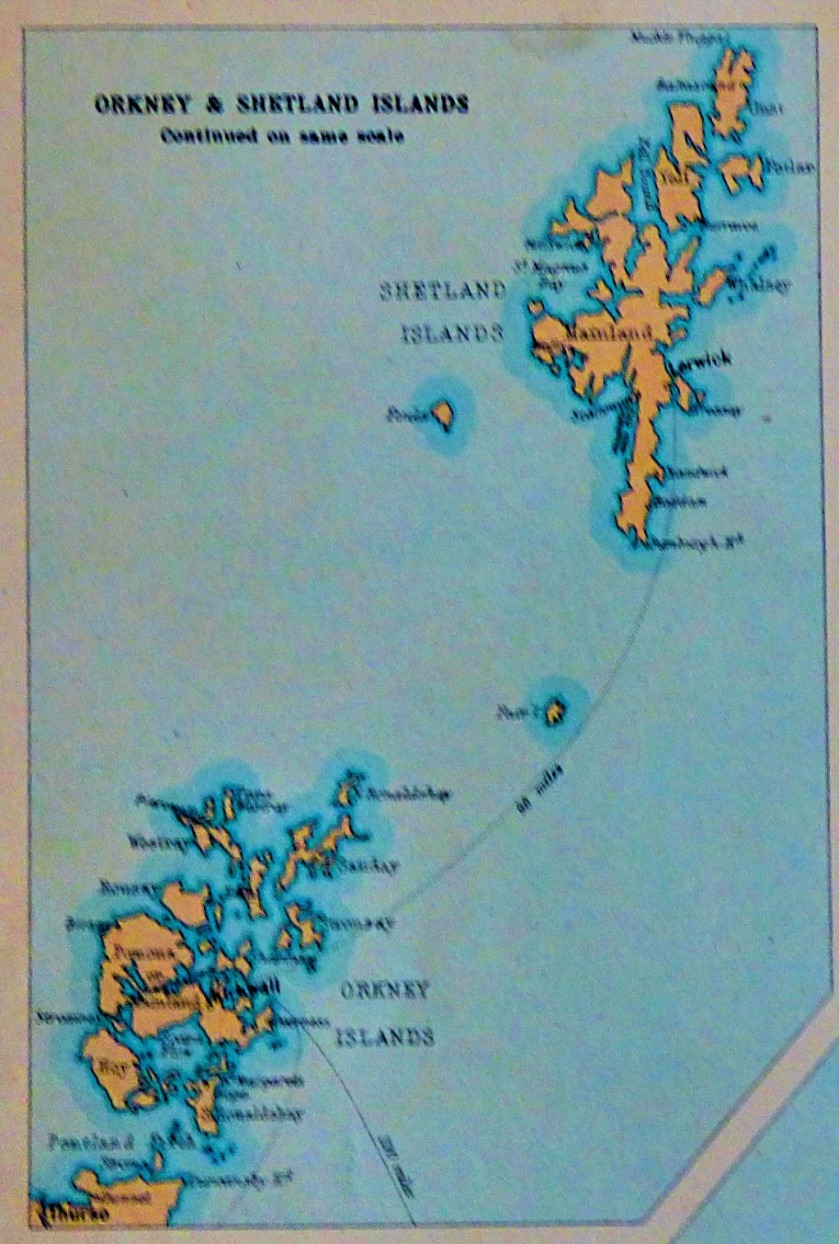
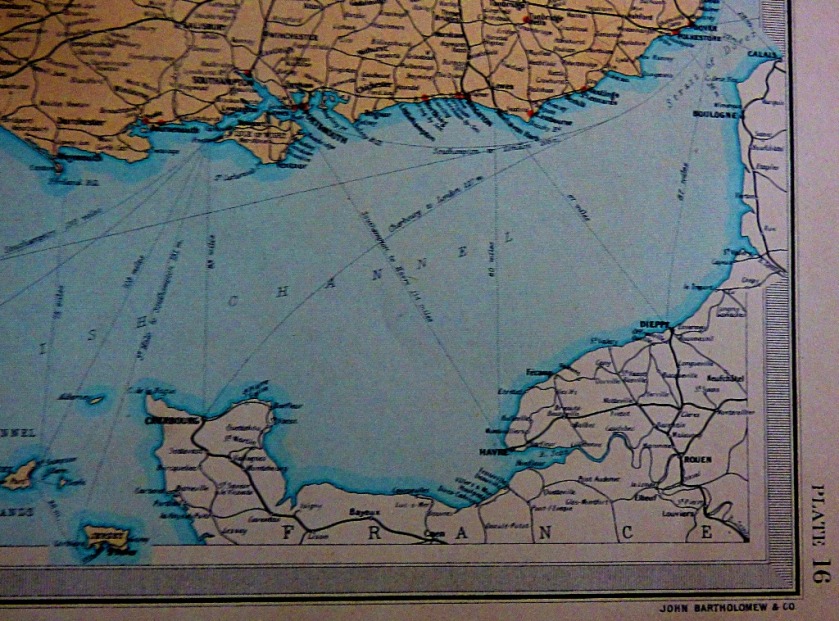
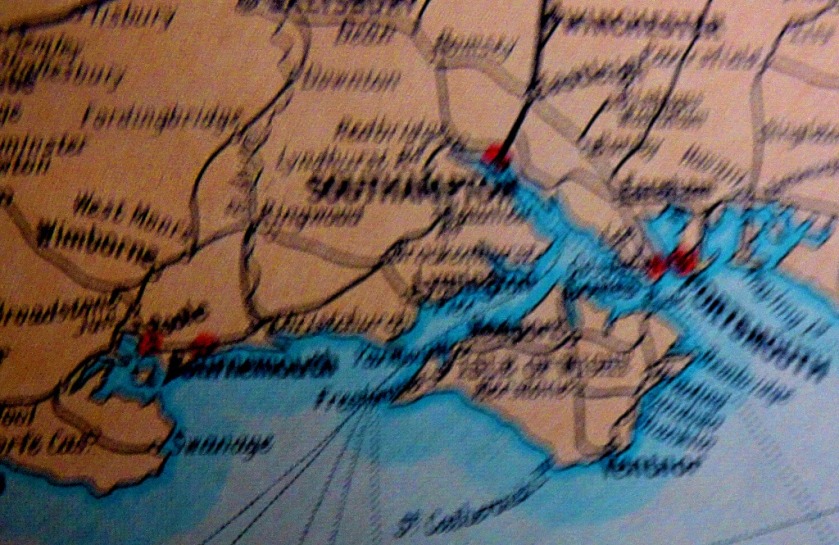
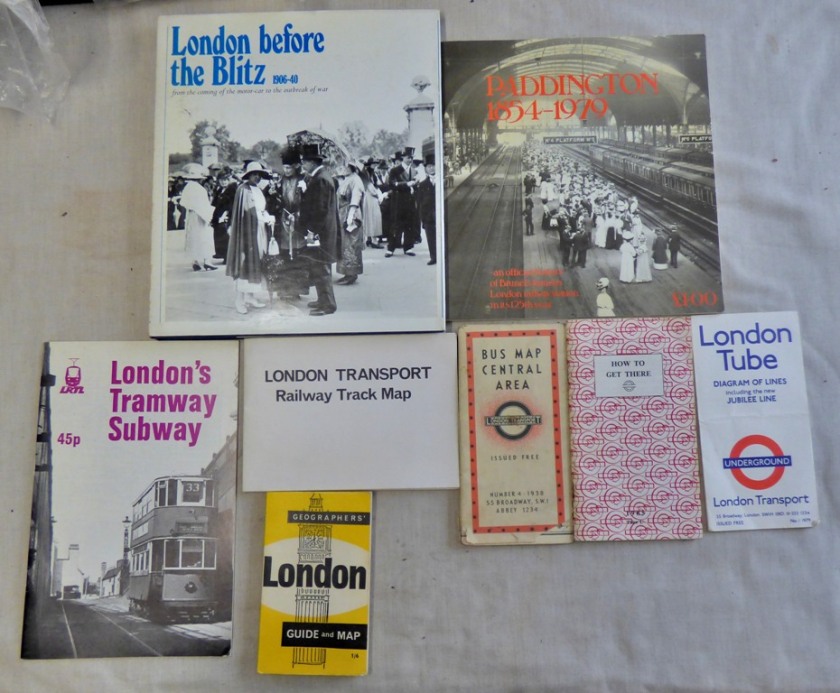
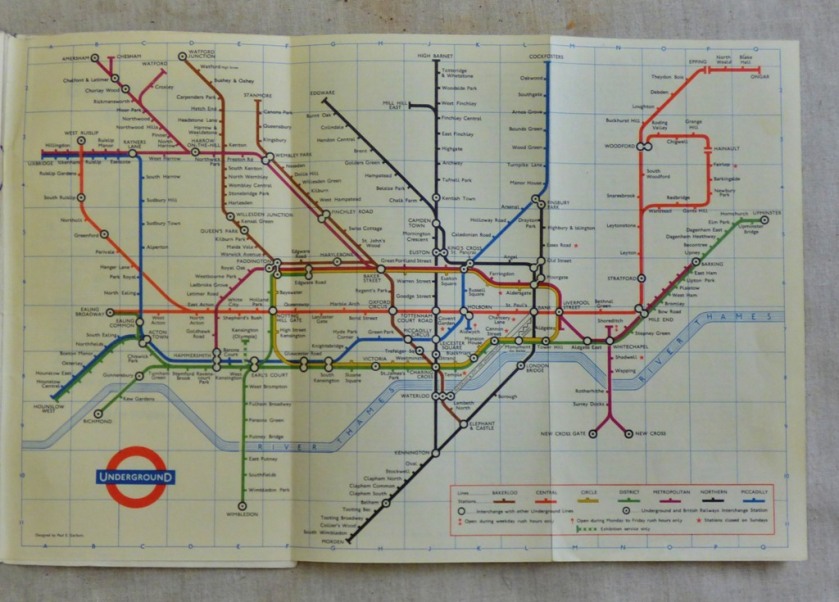
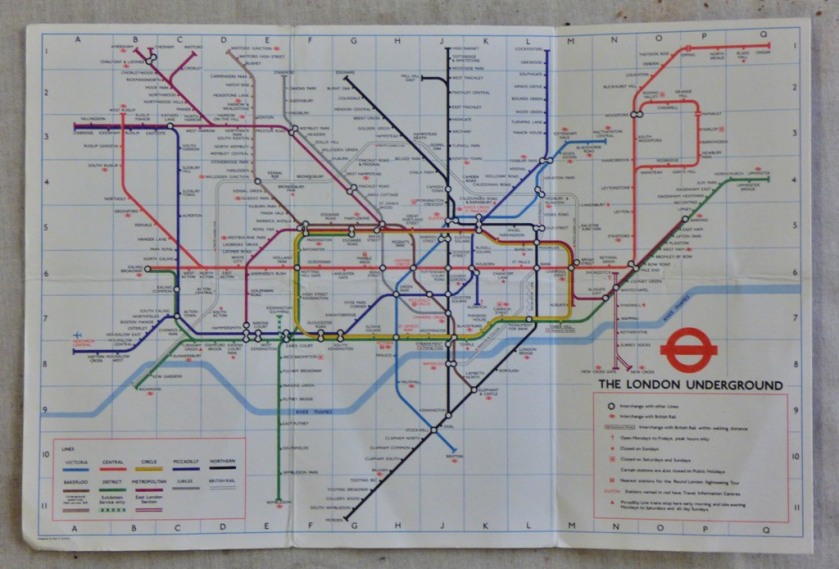
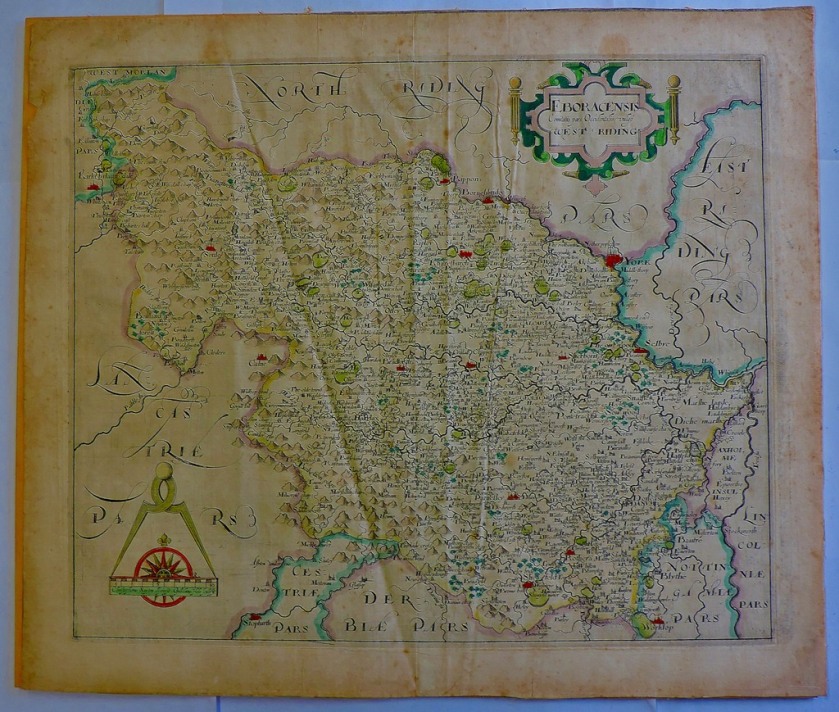
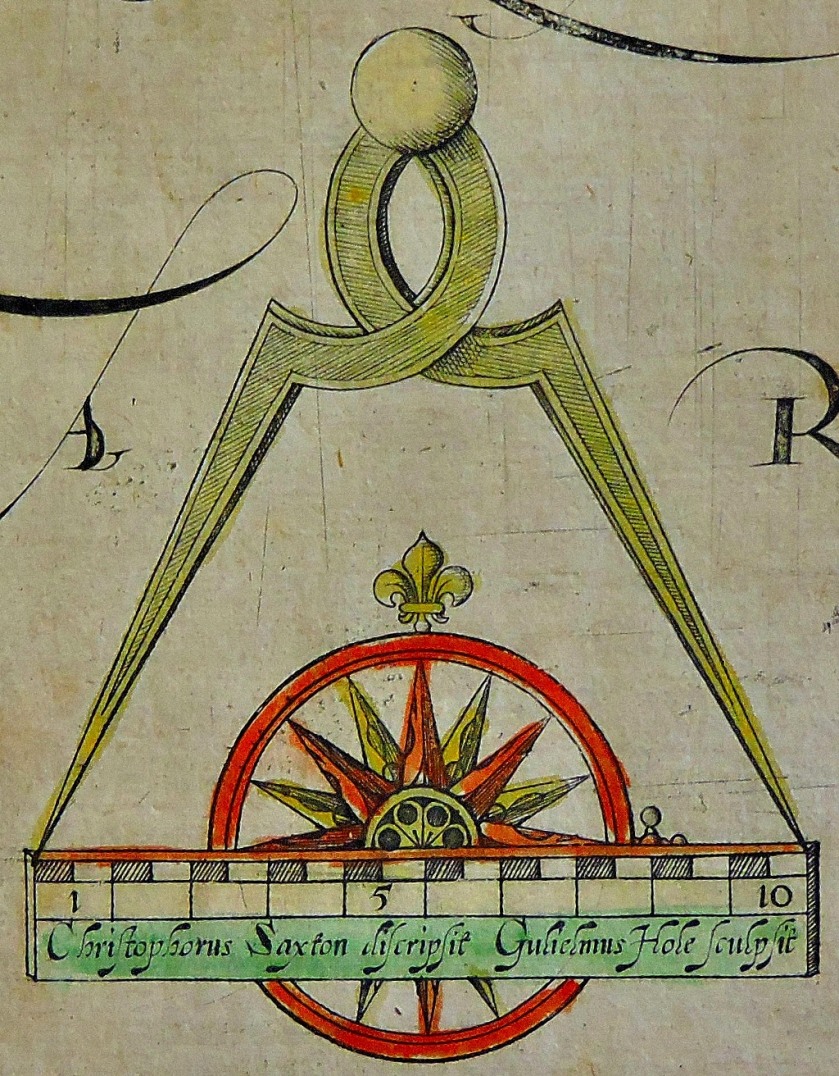
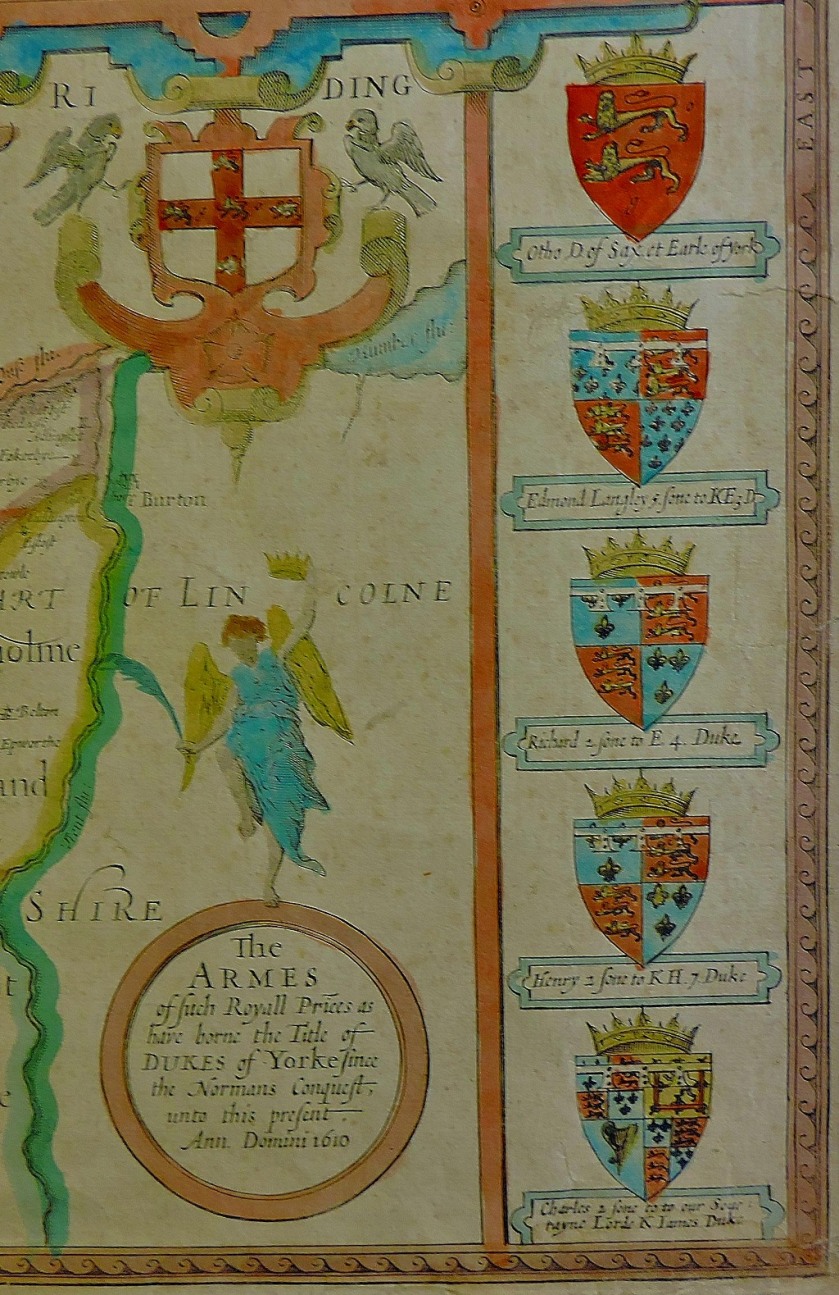
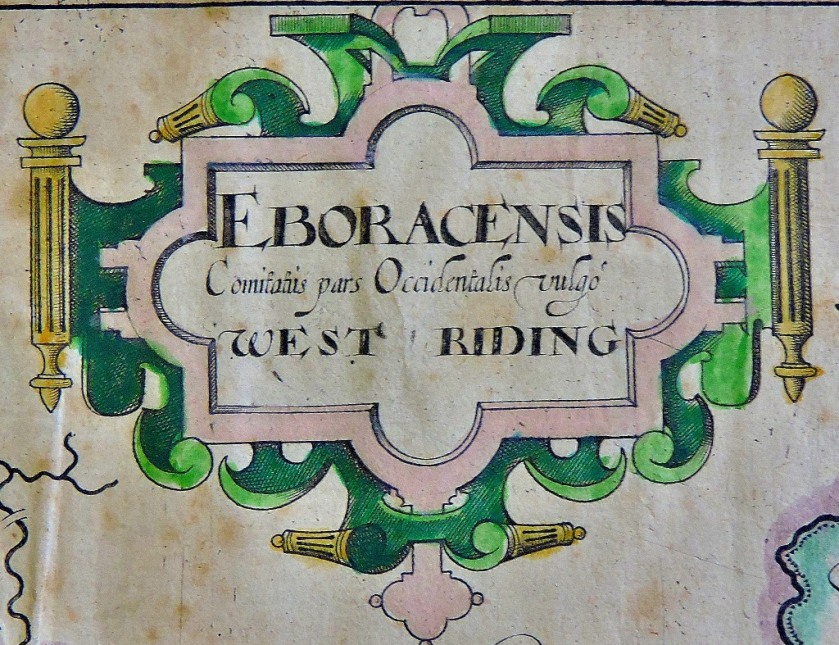
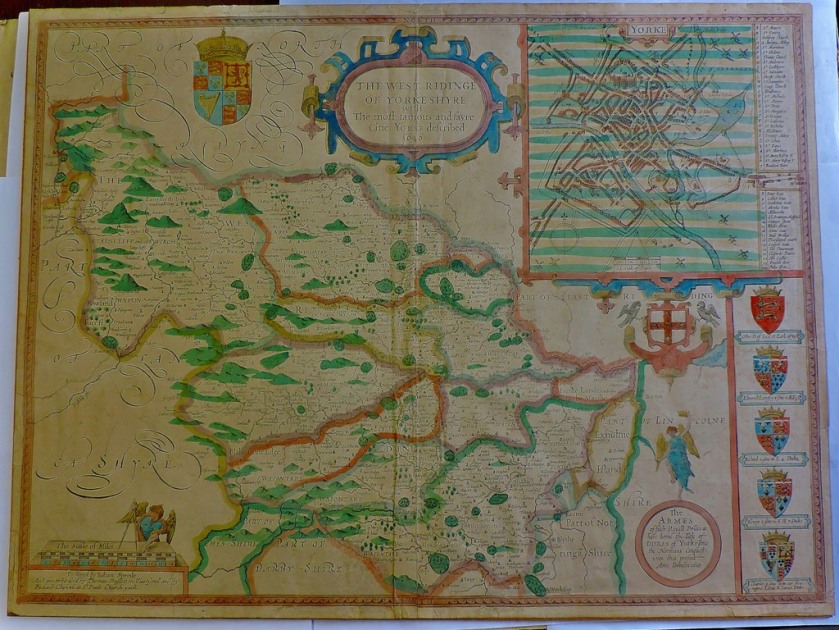
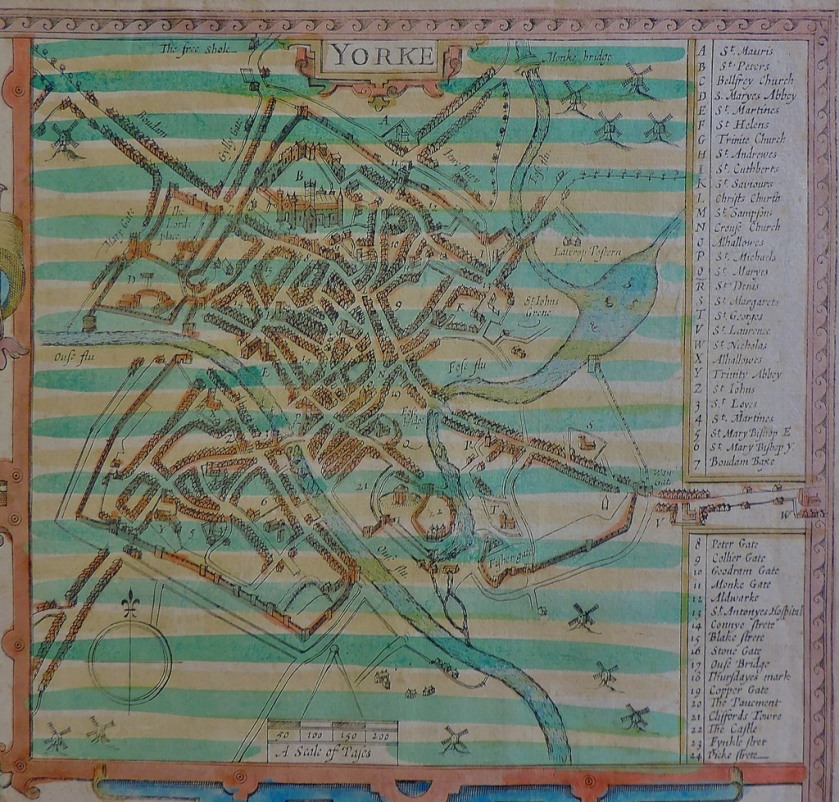
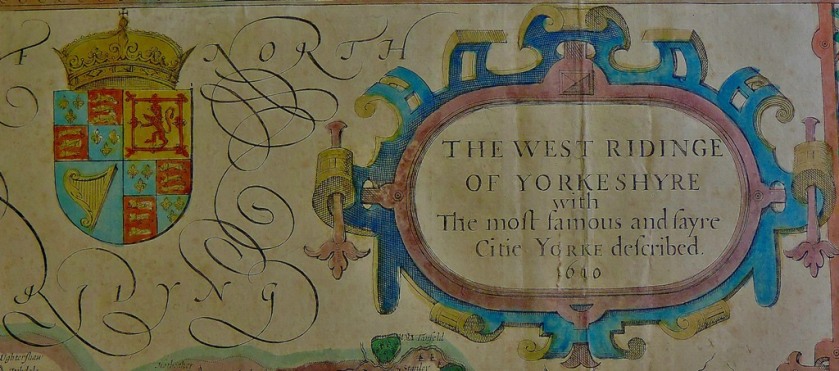
This set of photographs is of Lot 553 from the auction of Monday September 25th (see this post):
SOLUTIONS TO PUZZLES
The first of three puzzles I set that I have not yet provided answers to was a question from Triva Hive:
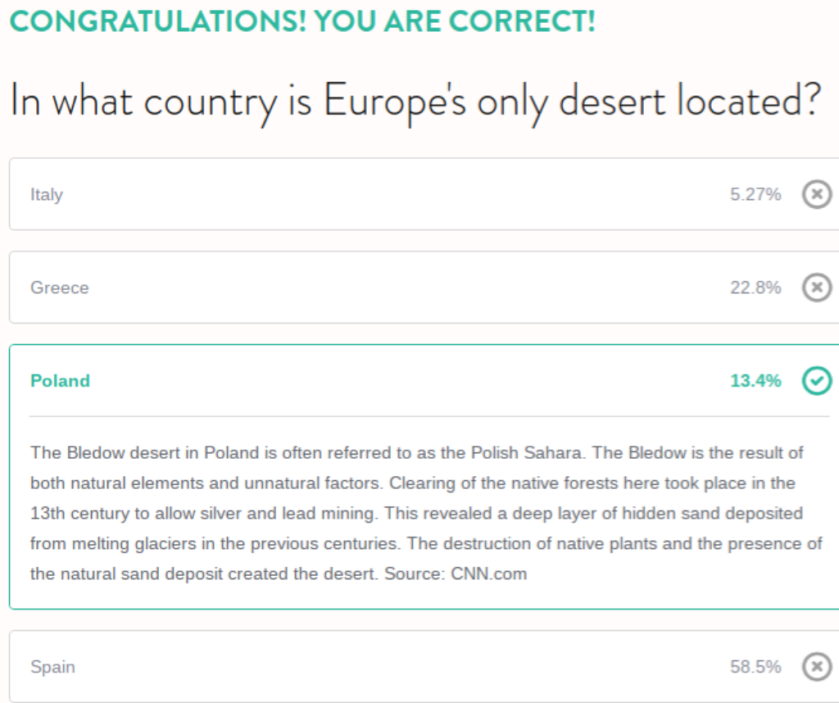
In which country is Europe’s only desert located?
a)Italy b)Greece c)Poland d)Spain
I am sufficiently well informed about Italy, Greece and Spain that I was fairly sure that none of them is the answer. Thus, having ruled out the impossibles I was left withe one answer that however improbable must be the true one – Poland. The screenshot below shows that my Sherlockian approach to the question bore fruit:
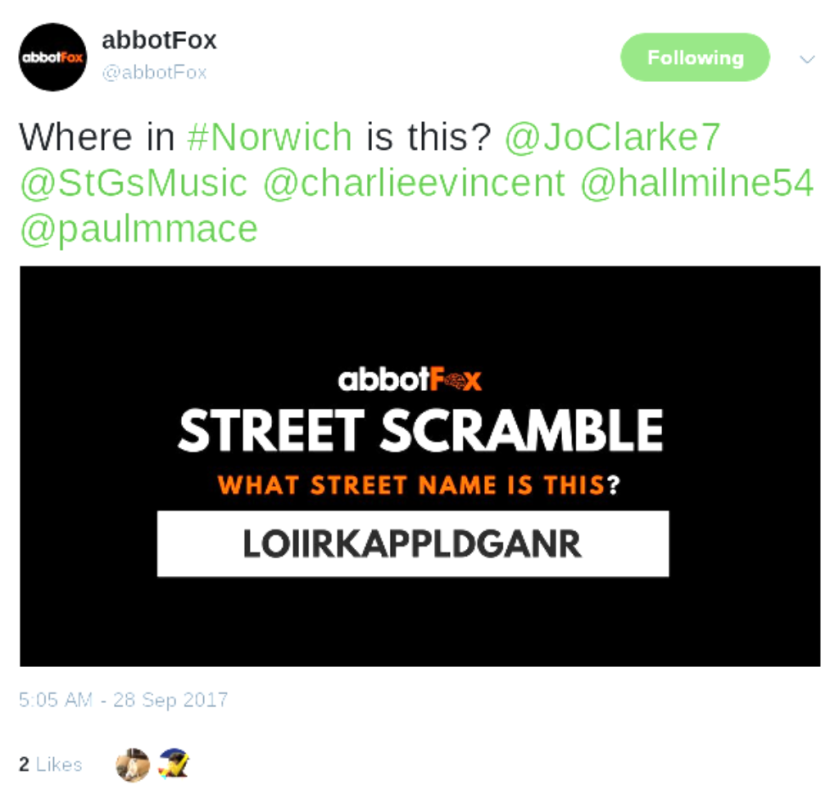
The second puzzle wasAbbotFox‘s “street scramble”:
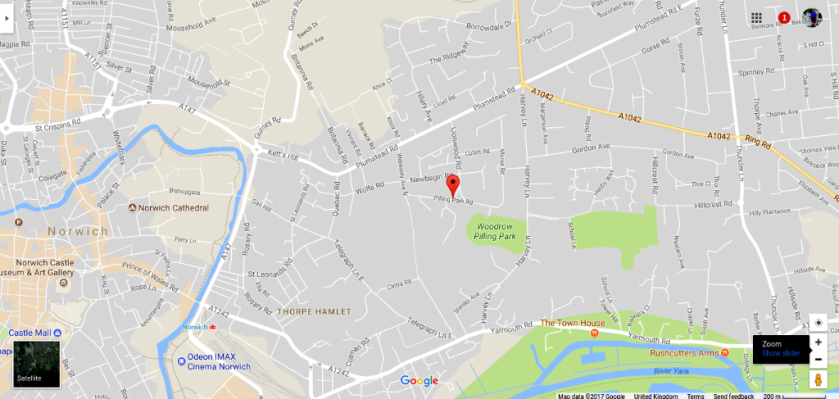
Unscrambling this gives “Pilling Park Road”, and the map below shows the location of said street:
The third problem came from brilliant and featured a treasure hunt. Below is the answer:
PHOTOGRAPHS
Just before I publish this and head out for a spot of ecotherapy and to top up the photo collection here are some non-tree pics from yesterday:
A rarity – a fish sufficiently close to the surface of the Gaywood River that I could take a picture of it that (just about) came out.
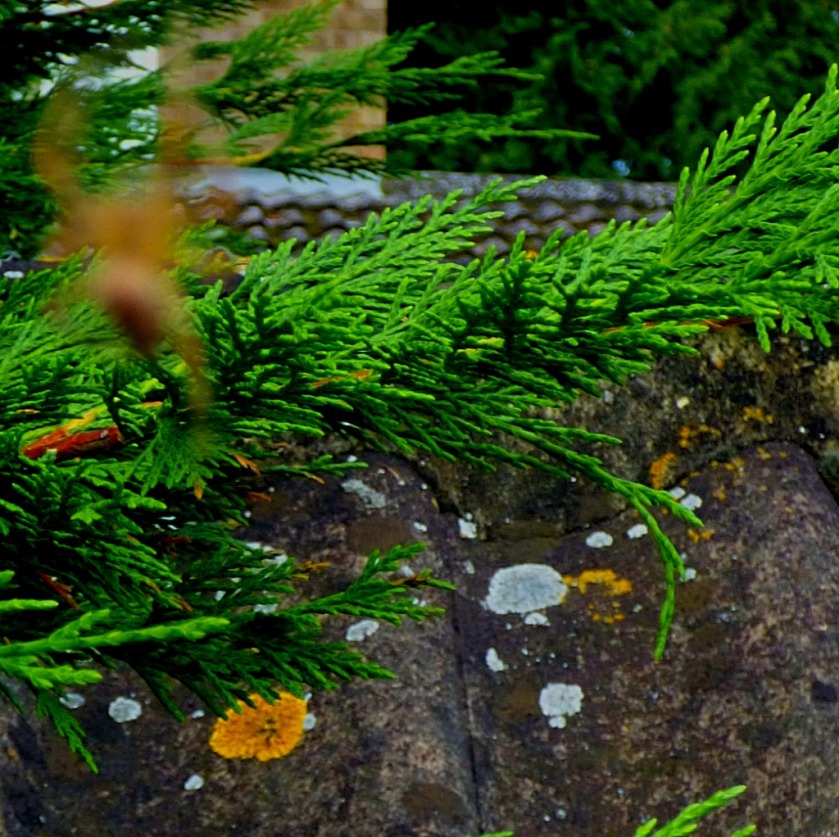
The trees take centre stage – this is the most interesting time of year for observing trees (at least in the northern hemisphere).
INTRODUCTION
Ir is October, and the leaves on the trees here in Norfolk are starting to change colour. This is the first of several posts that I envisage putting up to documenting this process by way of photographs.
KING’S LYNN TREES ON OCTOBER 1
I am presenting these pictures as a tiled mosaic – a left click or equivalent on each image will enable you to view it at full size, while a right-click or equivalent will give you a menu that includes various options including opening the image in a new tab. Enjoy…
An account of the three James and Sons auctions that started this week.
INTRODUCTION
This week started for me with three auctions on successive days, the first two at our premises in Fakenham and the third at The Maids Head Hotel, Norwich. This post covers the three days in order.
DAY 1: MONDAY
Reorganising the shop to look like an auction venue and setting out the stock for this auction had been done on Friday by myself and a colleague. Thus, when I arrived on Monday morning the only set up work that was required was the electronics and IT stuff.
I managed to get everything set up before anyone else arrived and to verify that the sound and video were working. Here are some photos from this period:
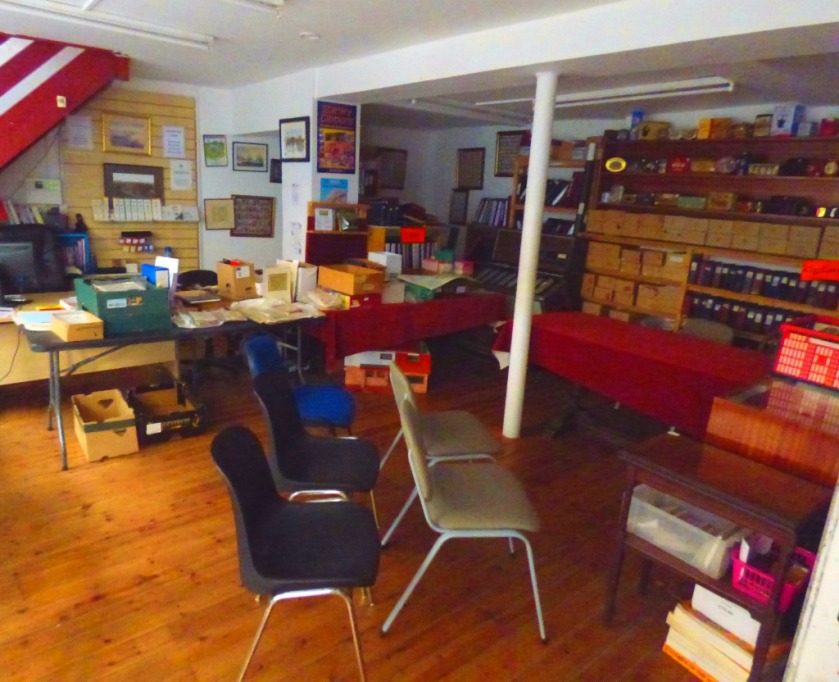
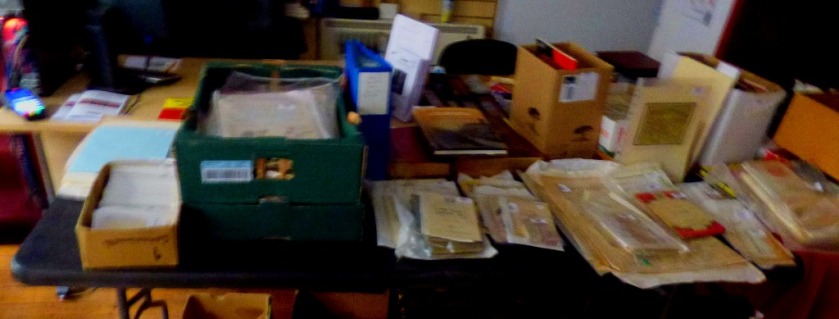
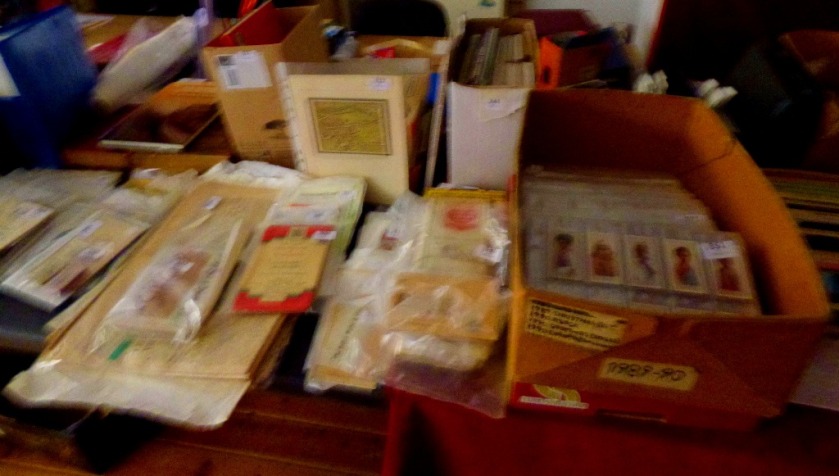
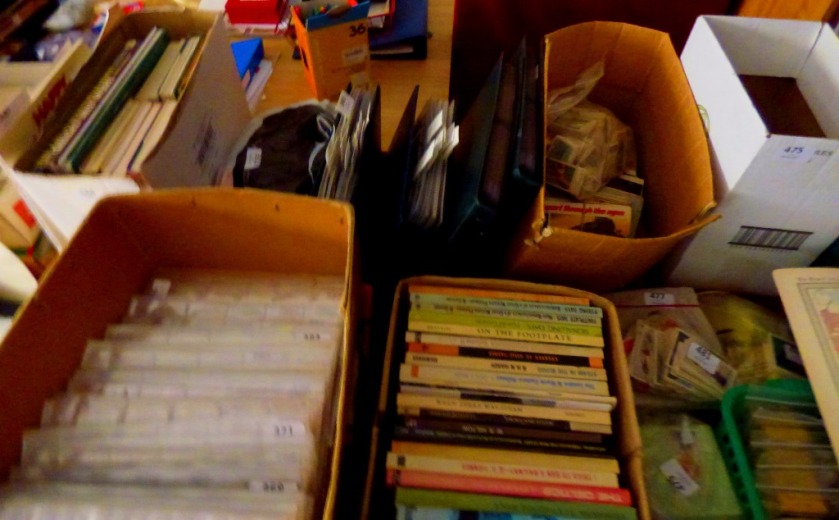
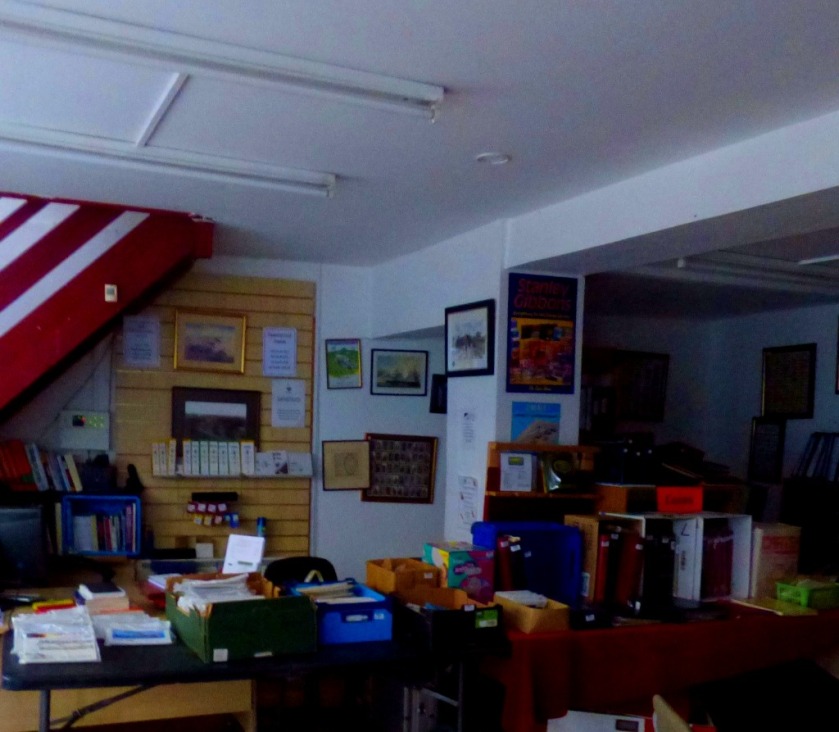
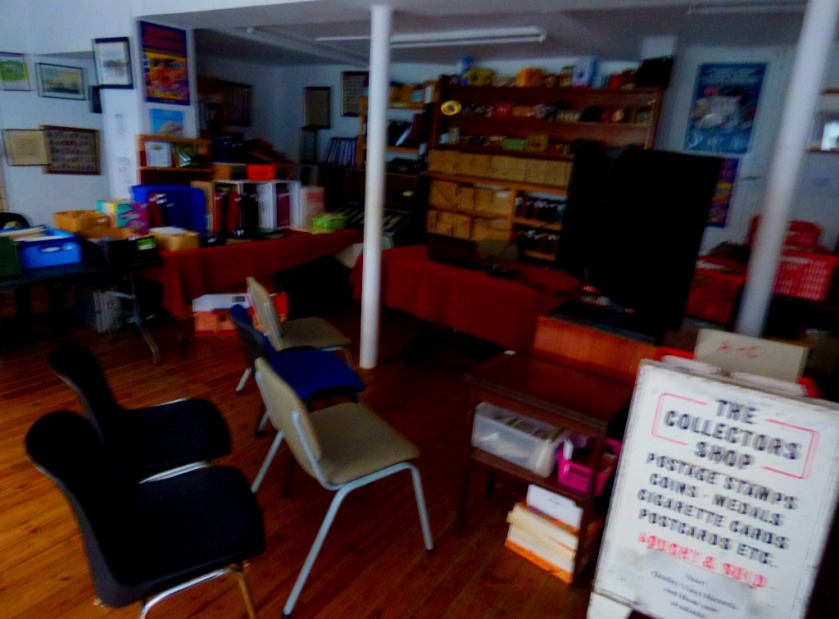
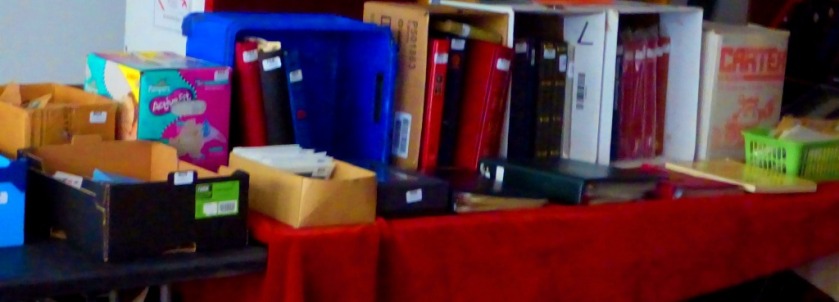
The auction area before I had brought the electronics and IT stiuff down.This image and the four that follow are of auction stock.
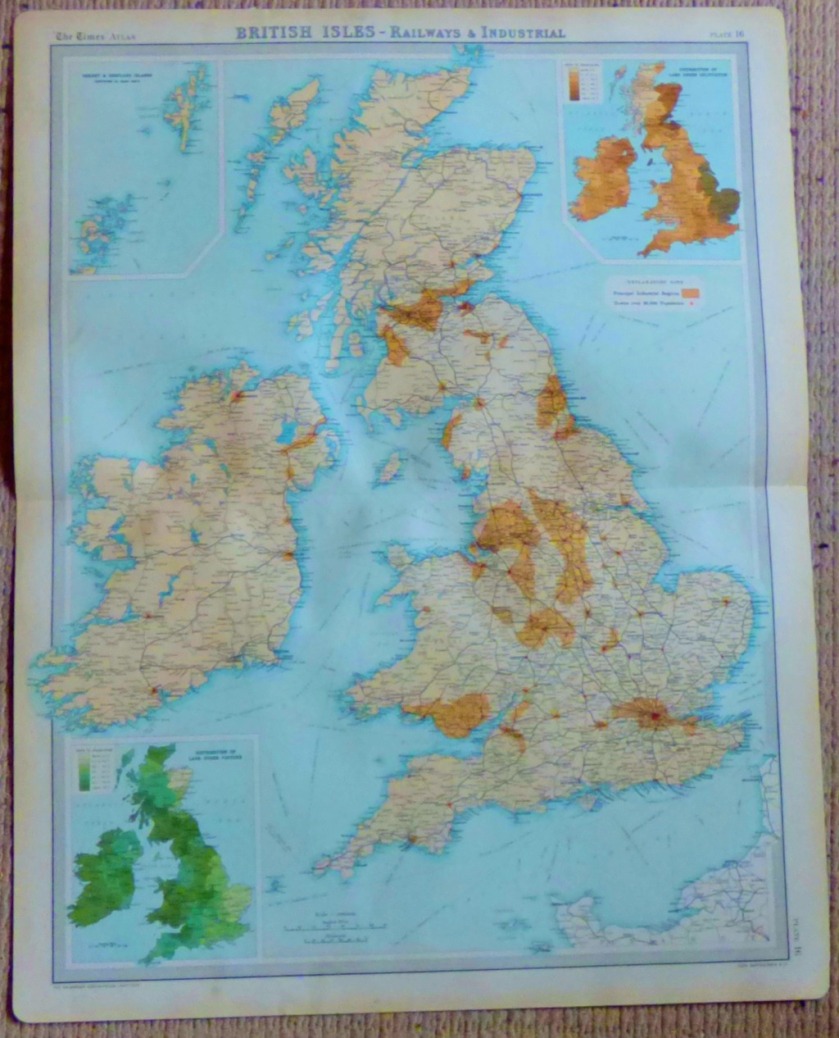
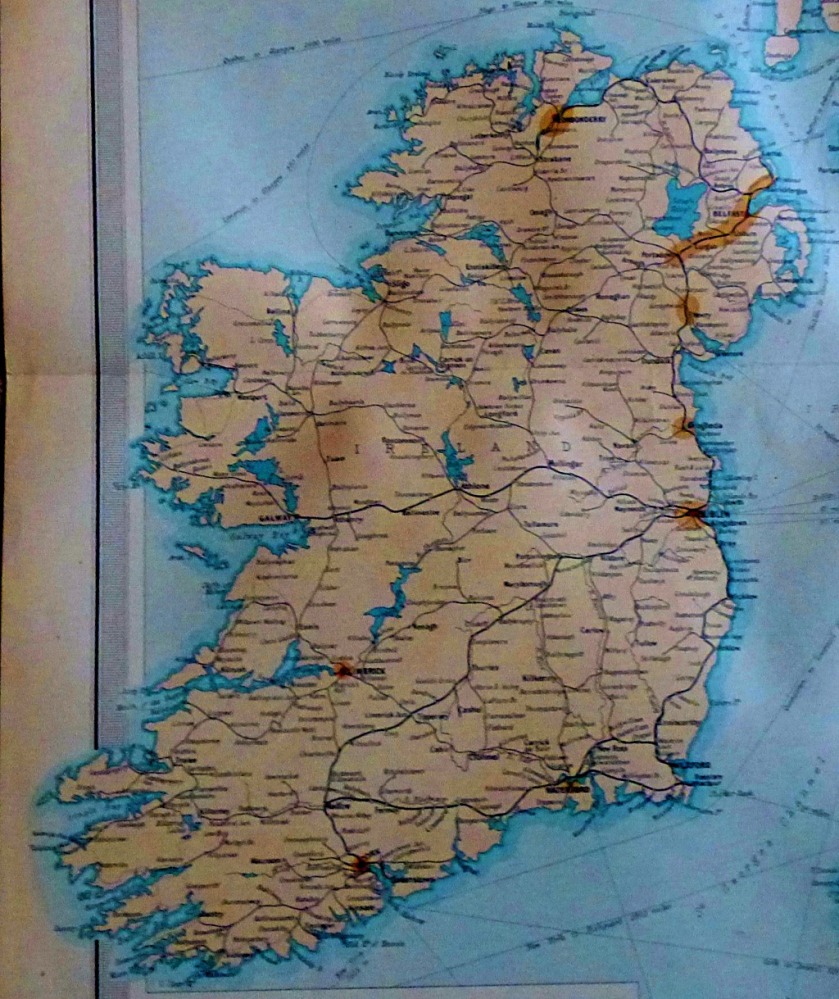
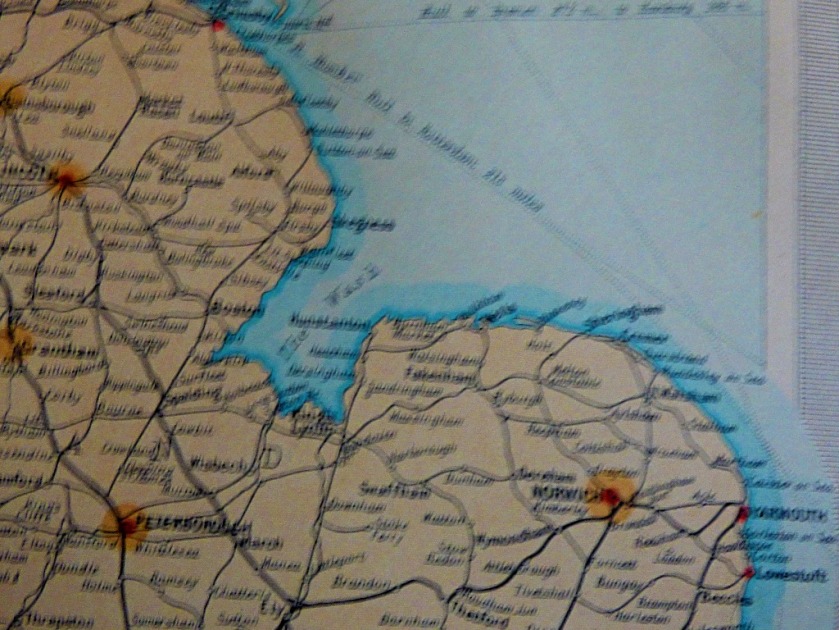
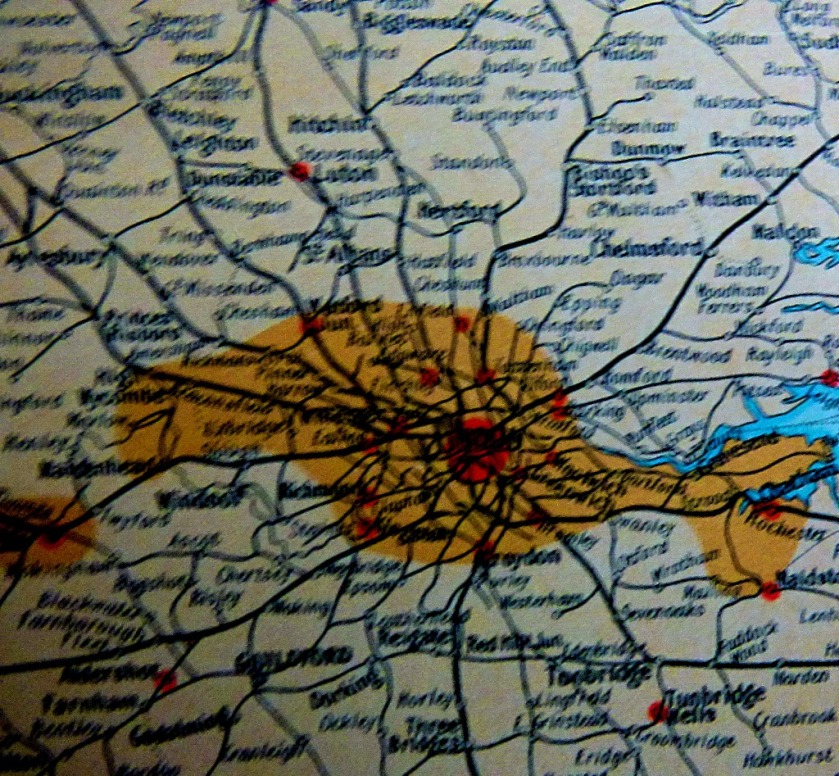
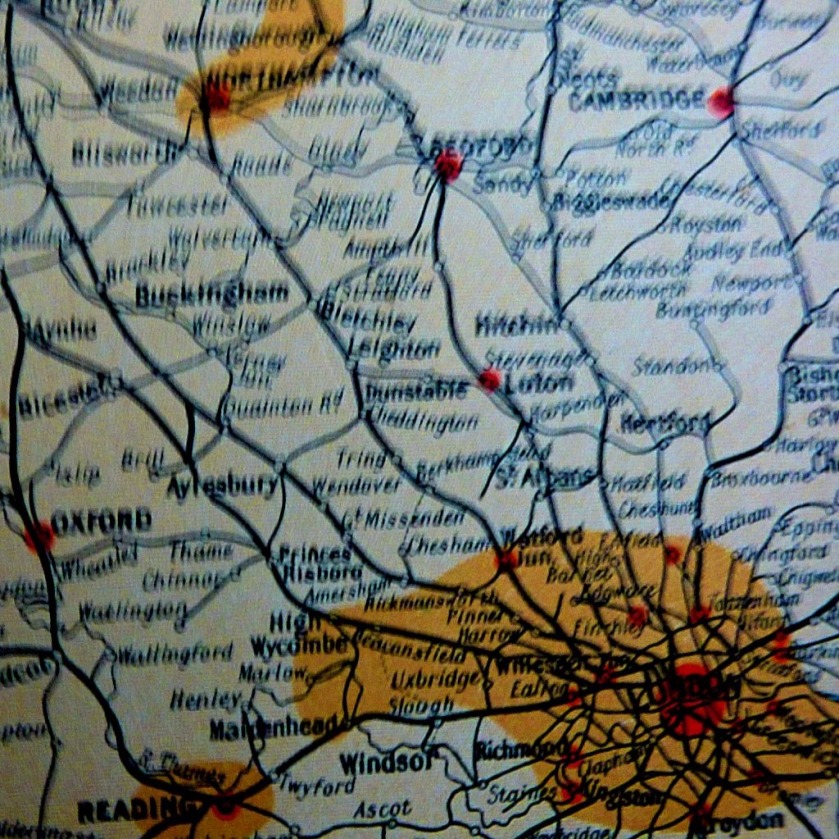
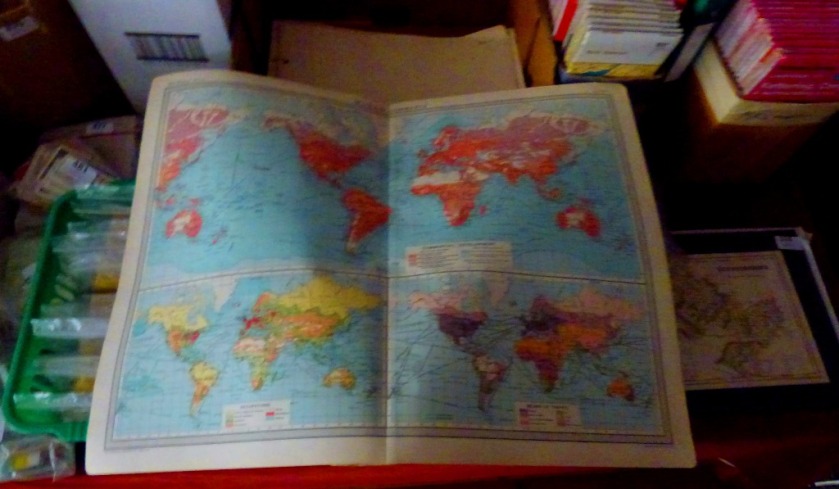
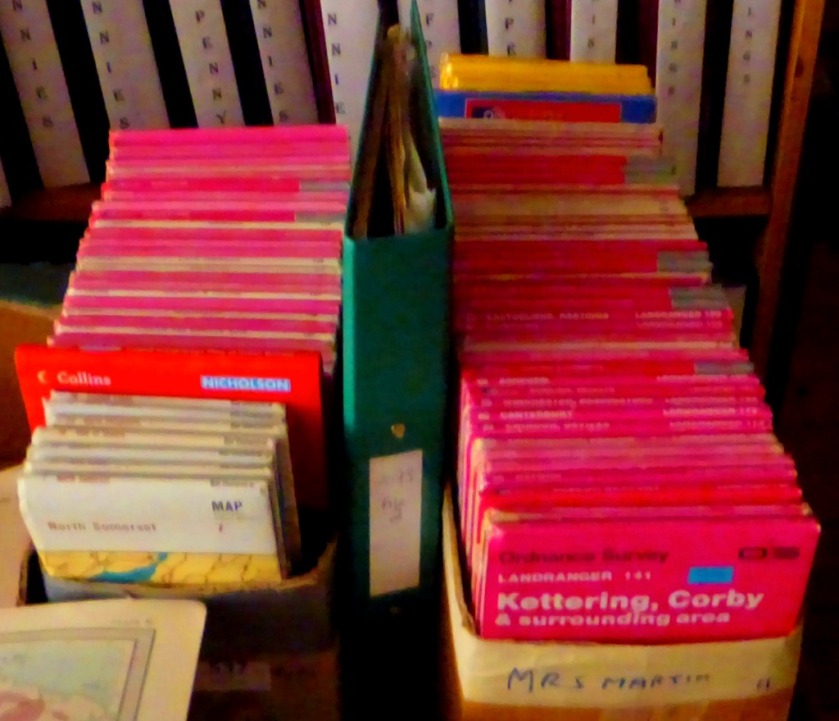
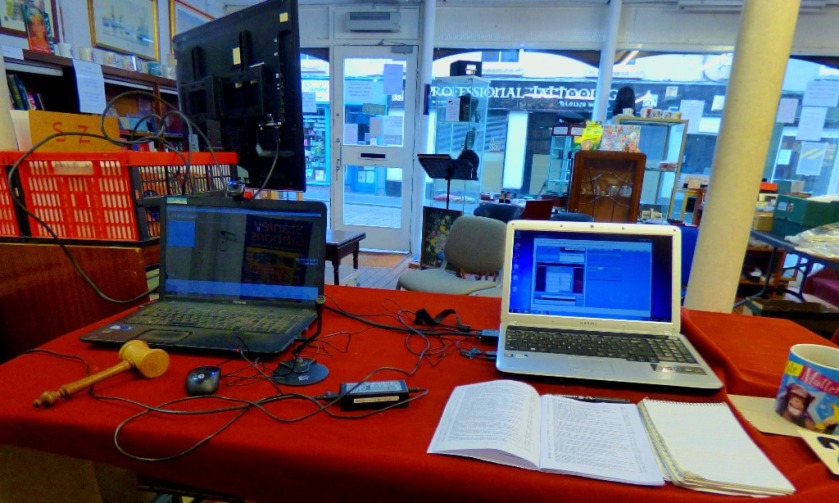
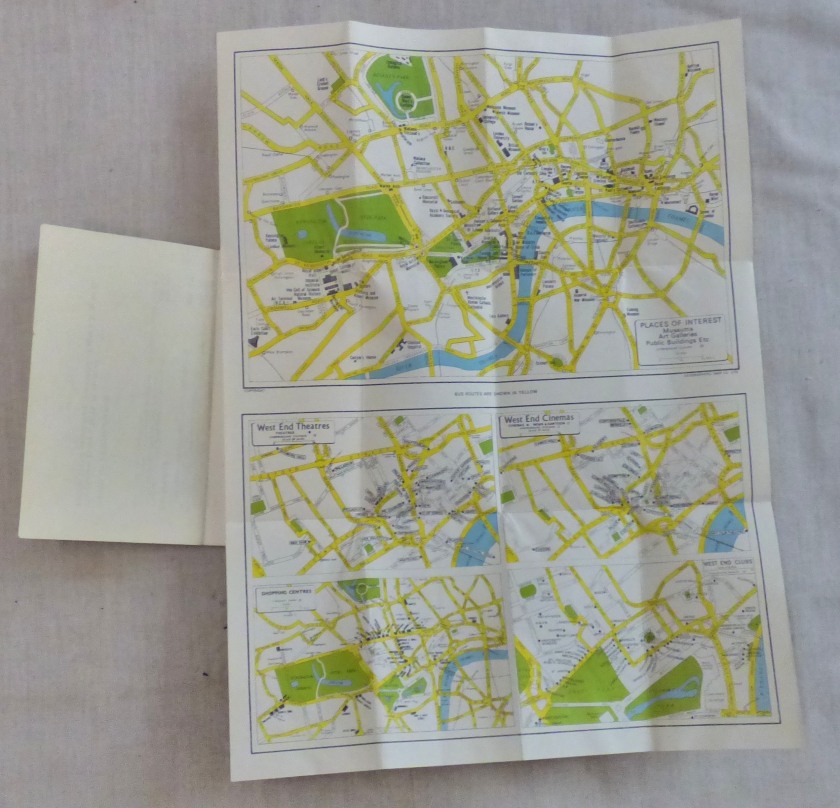
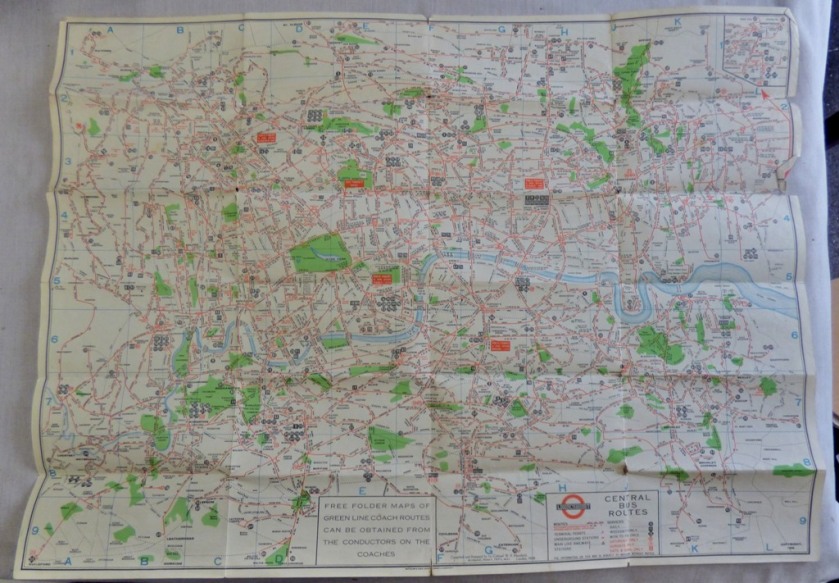
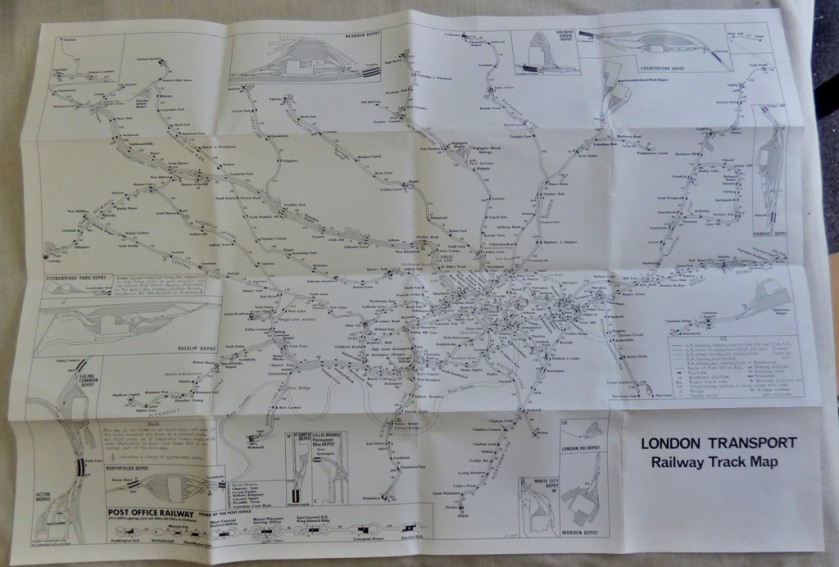
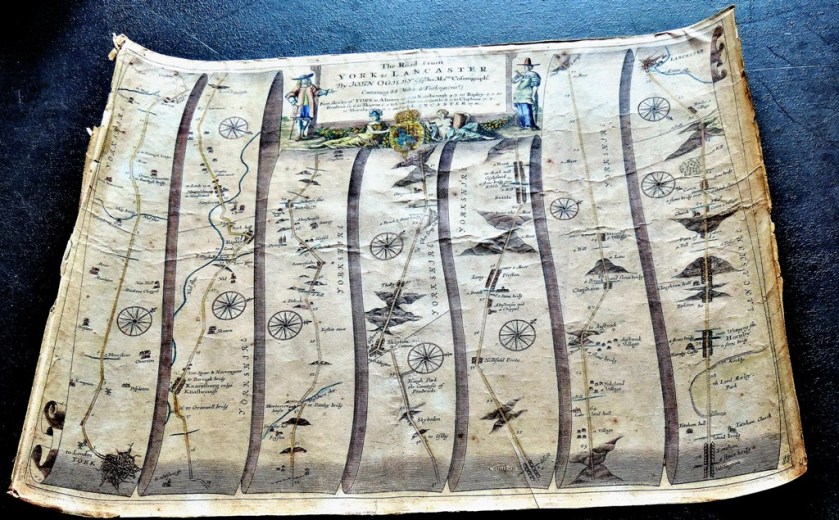
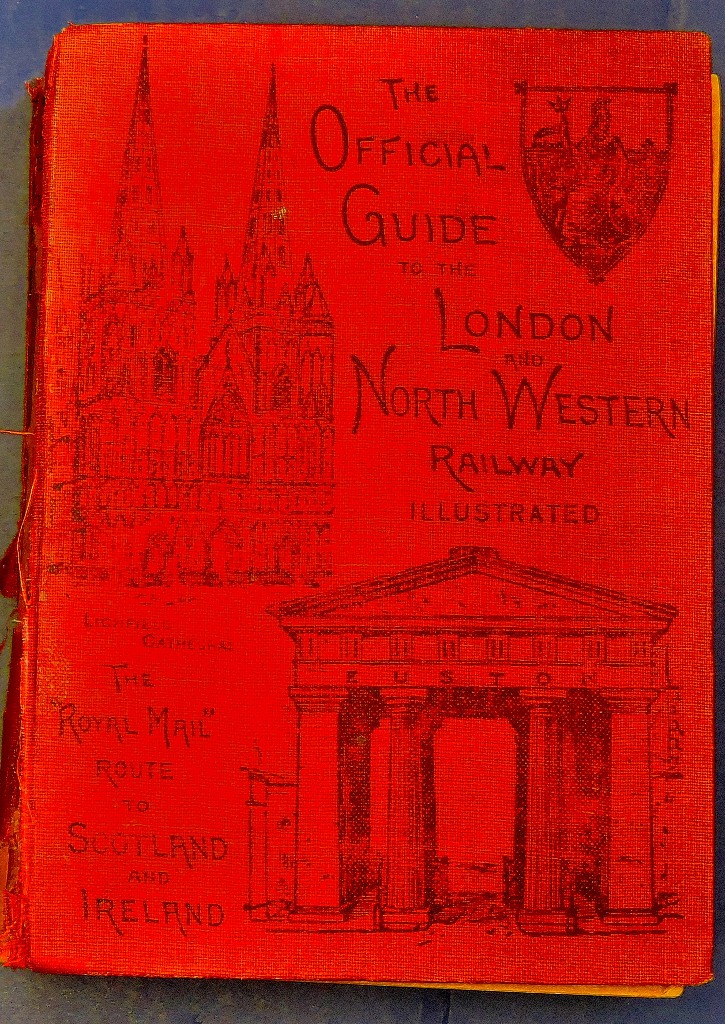
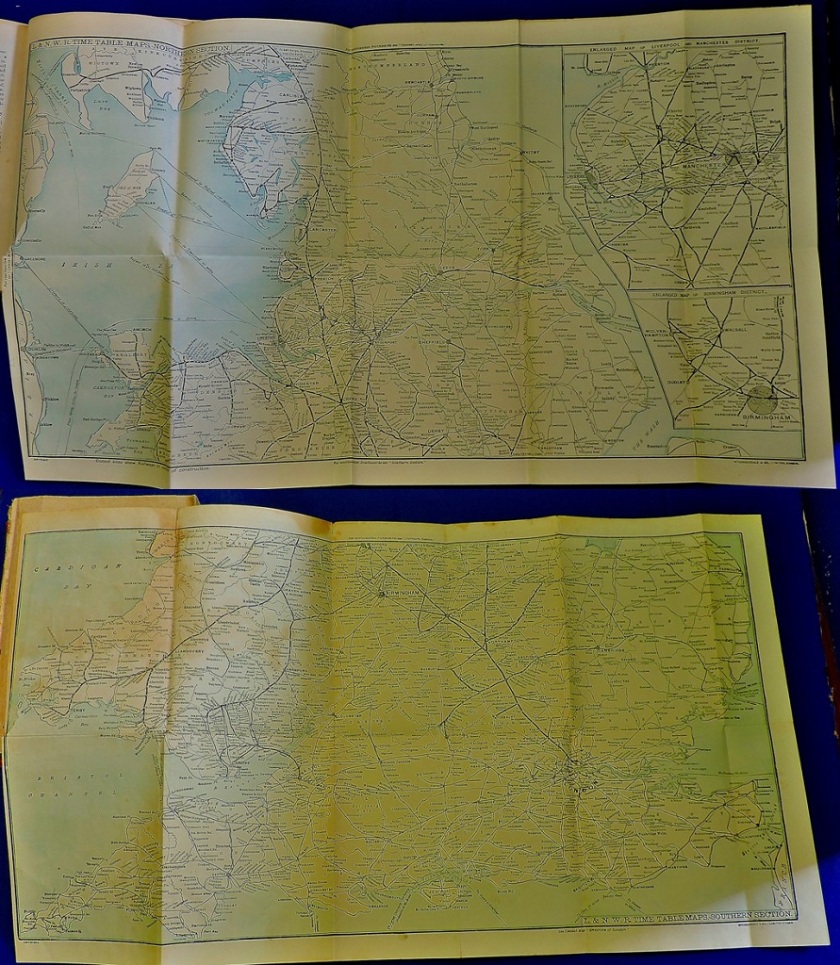
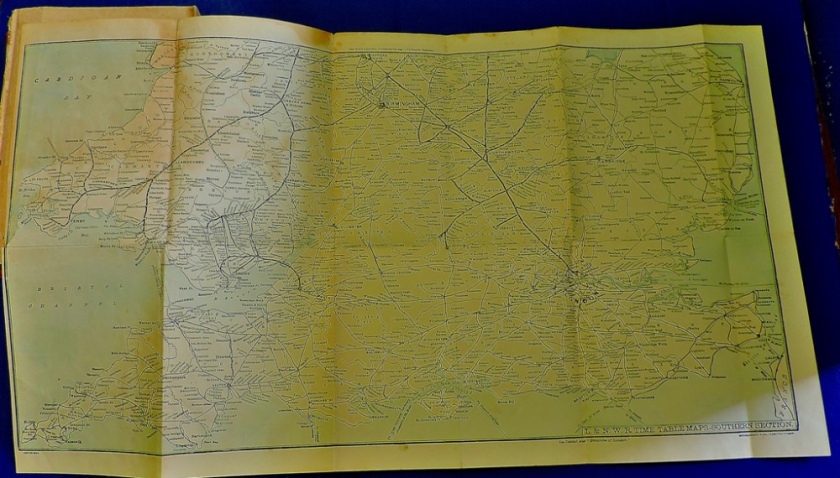
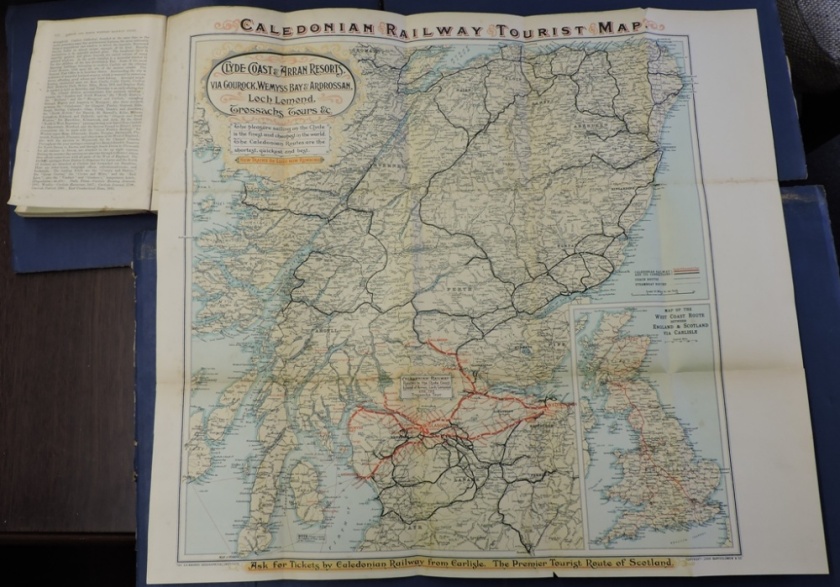
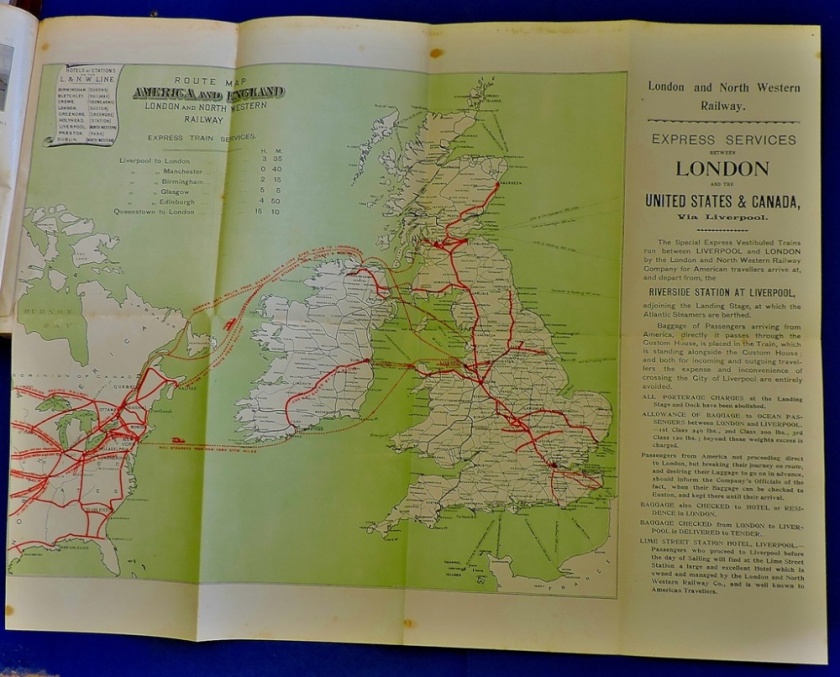
There will be more to come about these maps.The two boxes of maps were being sold as one single lot.The IT setup – In front of the master computer which I operate is my catalogue, a notepad and my ersatz coaster. Between the two computers is the mic, while the camera though connected to my computer is positioned atop David’s screen. Behind David’s machine is the big screen so that room bidders can view images of the items.
THE AUCTION ITSELF
There was a hitch after the first few lots when the master computer decided to install a load of updates, but we got back up and running again without too much fuss. The military RP postcards that started the auction fared OK, the ephemera and cigarette cards fared poorly (although lot 341 found a buyer – me).
This full image gallery for lot 341 shows that I cannot be accused of withholding anything about this lot in spite of my personal interest.
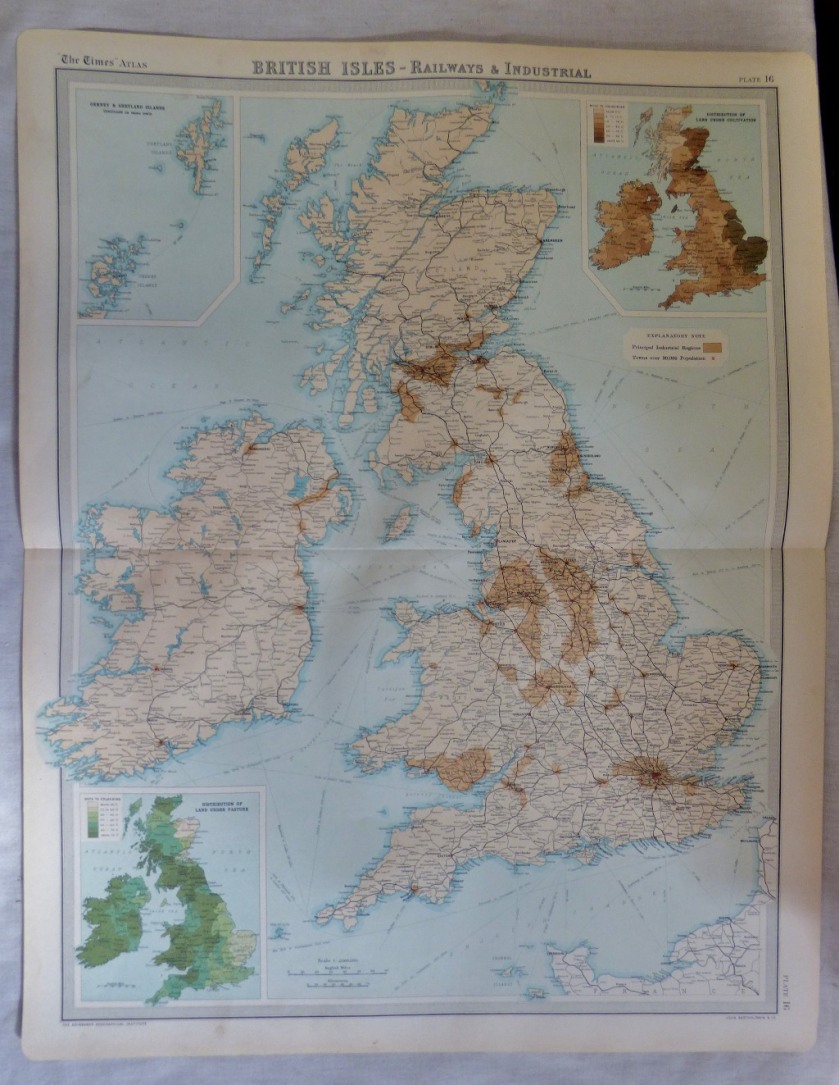
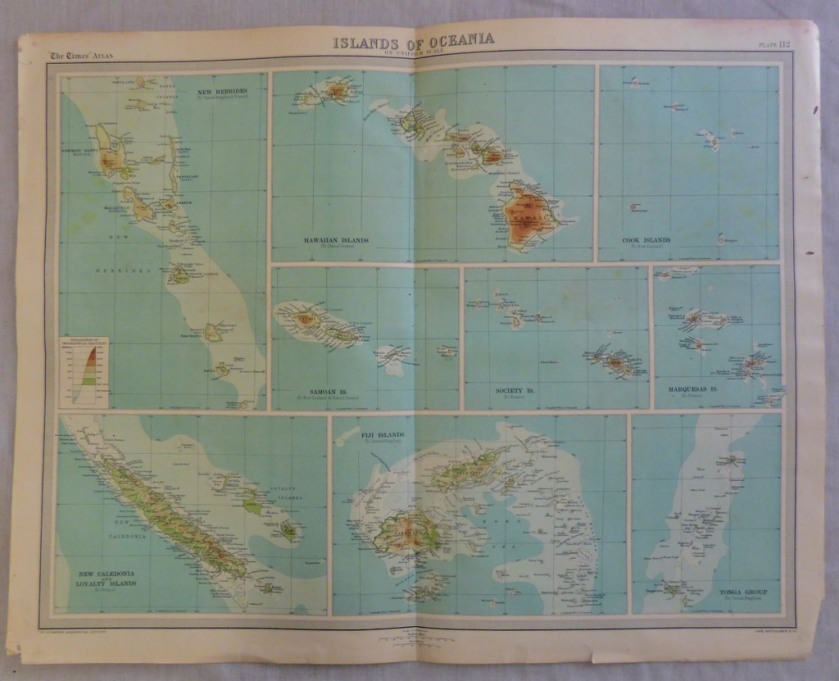
The maps which finished the auction off fared well at first, with several going for big money, but the ex-atlas maps that formed lots 538-600 did not do so well. Lot 553 fell to me.
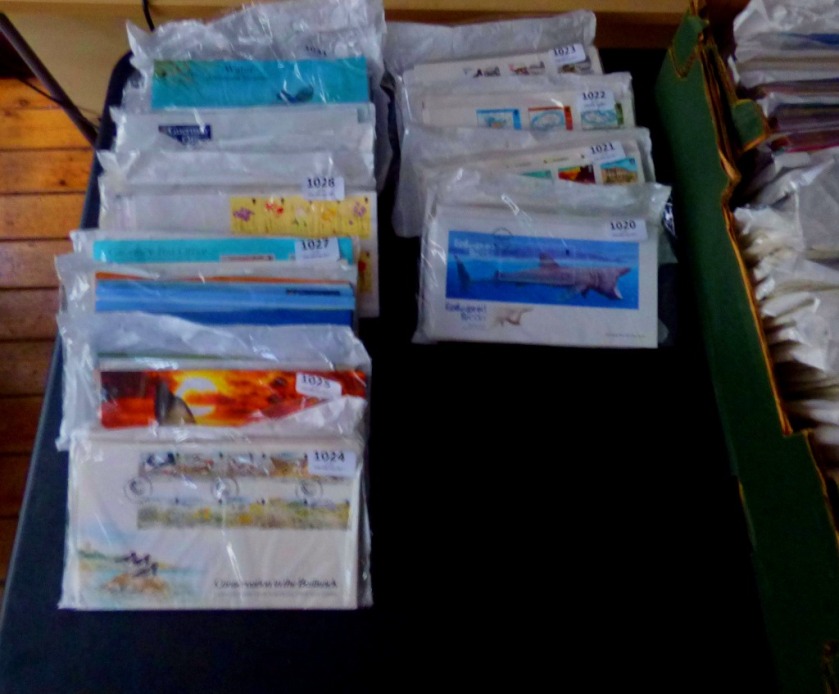
This was always going to be the quietest of the three auctions, since it featured postal history, stamps and first-day covers, none of which fare particularly well. However that did not make my day any less busy since by the end of it the shop needed to look more like a shop and less like an auction room, and the van had to be loaded with all the stuff that was going to Norwich the following day.
The last item went under the hammer just after 12:00, and by the end of the day the van was loaded and with the sole exception of the big screen still being downstairs the shop was as it had been on Friday morning before I got to work on it. Here are some pictures from this second day:
WEDNESDAY
The cost of a single fare on the X1 (I had a week’s ticket for Stagecoach buses) having been obtained on Tuesday I duly caught the 5:30AM bus for Norwich, and arrived at the venue at about 7:30. My colleague who had the IT/ electronics stuff (bar my computer, being used today as we needed three and it was the only portable computer bar the two we regularly to use to which we had access) arrived a few minutes later and we did that side of the setup. The auctioneer arrived with the van full of stock some time later, and we did the rest of the setup.
The day went very well. The first big sale was lot 1,159, which fetched £80, but many other lots had sold for small amounts by then (this sale started from lot 1,051).
It continued to the case that most lots sold albeit not for huge amounts. Lot 1,301 achieved the biggest sale price of any individual lot over the three days – £450.
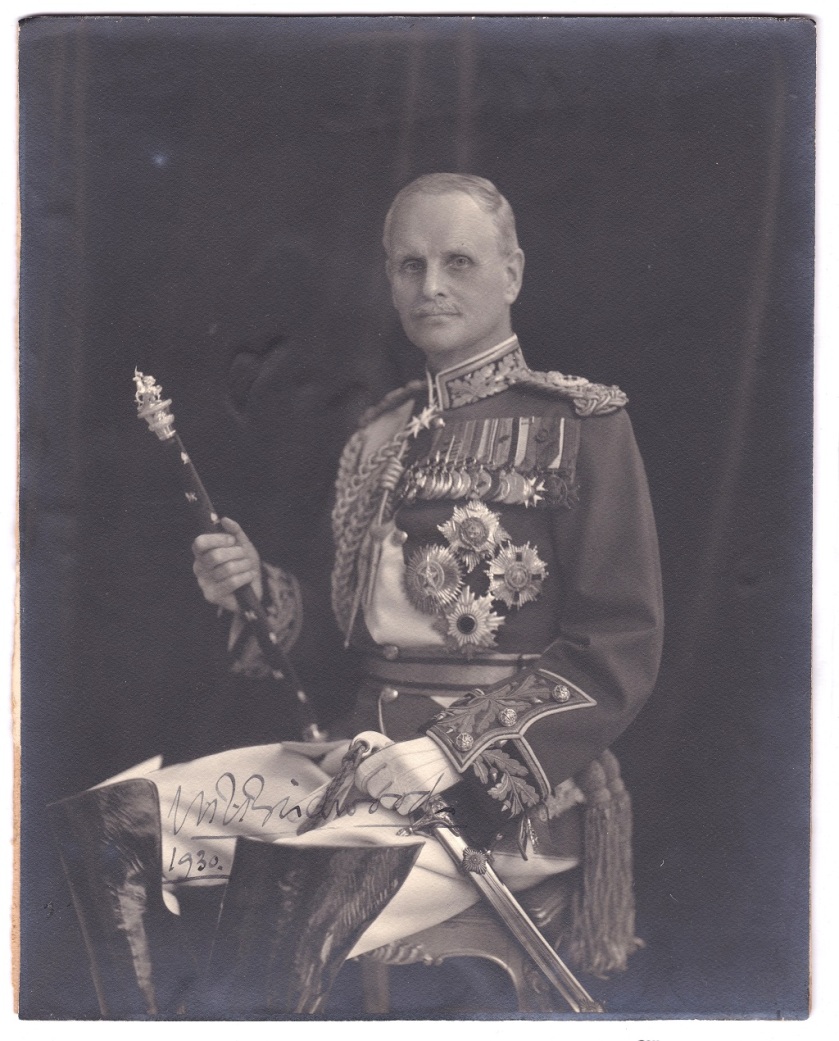
Lot 1357 was a collection of masonic regalia, and it so happened that a high ranking mason was present in the auction room and bought it.
Lot 1439 was of personal interest but the asking price was too high for me, so I had to let it go.
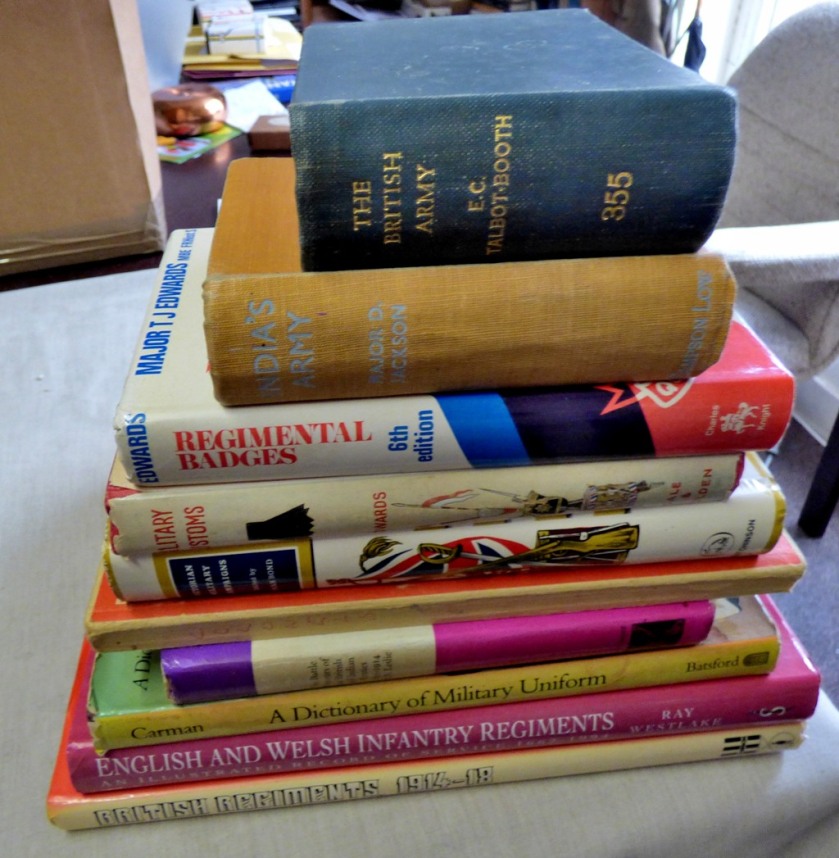
However, a few moments later I saw a more satisfactory outcome. Lots 1449 and 1450 were military history reference books put in by me (I had only intended to put one lot in, but I was persuaded to try both). I was prepared for these items not to sell, so when the lots went for £12 each (to a room bidder who had looked at them in the flesh) I regarded this as unequivocally good news.
Lot 1449Lot 1450
There were few more moments of note before the auction ended at lot 1543:
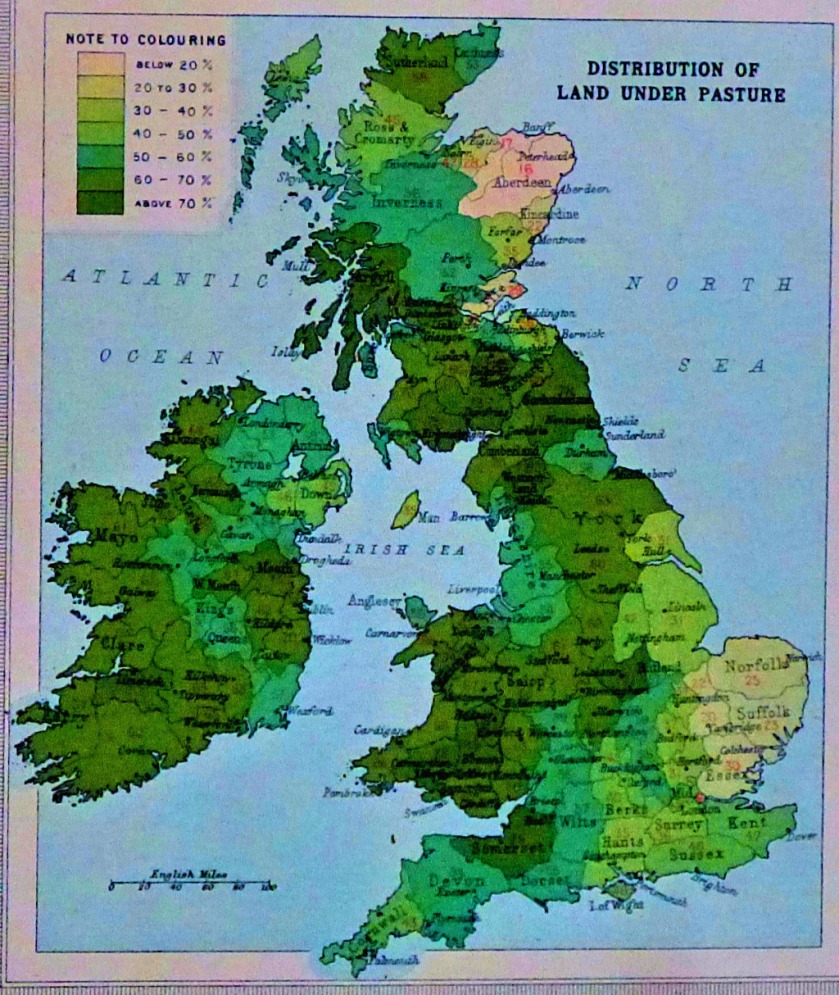
The last of 43 of these map plates that went under the hammer at this auction, the first 70 having gone under the hammer on Monday.
Once the van had been loaded I was able to take my leave, and headed for the Norwich Millennium Library to see what books I could borrow.
It was an exhausting three days, but quite satisfying. Monday was a bit quiet and Tuesday exceedingly so, but enough good things happened on Wednesday to make up for this.
Links to some important pieces about neurodiversity, and a few photographs at the end.
INTRODUCTION
This one is mainly a sharing post, before I finish with some of my photos. As always links will be in bold and in a different colour from the surrounding text. However, before moving on I give a special mention to Eve Hinson of americanbadassactivistswho signposted me to a lot of the links I share below.
Please–Don’t Be That Person. Any sentence containing “you must be” is an assumption, and you know what They Say about the word “assume” and its spelling and all that.
If that weren’t filled enough to the brim with potential land mines, let’s factor in the sheer wrong-ness of the statement. Maybe I’m functioning OK today. And maybe, so are you. All is calm, all is bright.
But now, let’s stress the human system. Kind of like building an epic metropolis on SimCity and then tearing it down with Godzilla or something.
If the human system encounters a Godzilla attack that is destructive enough or lasts long enough, the system will suffer. It might even destabilize.
By assuming I’m “high-functioning” (whatever that even means anymore), people who say stuff like this are, by comparison, speaking poorly of those who act differently. Which, on many days, includes me.
Not only that, but they’re undermining the sheer force of will (and luck) it often takes for me to suppress my natural self and create a likable Pseudo-Me that gets past the social metal detectors.
Please, never make assumptions, never put anyone else down (even if it’s disguised as a compliment to my face), and never underestimate the energy it takes for me to persuade the world to accept me.
MUSEUM VISITING THE
“ART OF AUTISM” WAY
The Art of Autism website is a regular source of good material, and this piece, by Julie Blair is no exception. It is chock full of good advice on how to make a museum visit really work. Cited at the end of it is Lisa Jo Ruddy of autisminthemuseum which I also recommend.
NEUROCOSMOPOLITANISM
This section is one that I owe to Eve Hinson (see intro) – it was one of her posts that put me on to Nick Walker’s site, neurocosmopolitanism. I offer you four golden nuggets from this site and urge you to do some more exploring of your own:
Neuro-what? – Nick’s opening post, in which he sets the scene for what is to follow and defines neurocosmopolitanism (a word of his own coinage). Here is a quote: Neurocosmopolitanism goes beyond this baseline of acceptance, as cosmopolitanism goes beyond mere tolerance of cultural differences. The neurocosmopolitan seeks to actively explore, engage with, and cultivate human neurodiversity and its creative potentials, in a spirit of humility, respect, and continual openness to learning and transformation.
Here’s how I’d articulate the fundamental principles of the neurodiversity paradigm:
Neurodiversity – the diversity of brains and minds – is a natural, healthy, and valuable form of human diversity.
There is no “normal” or “right” style of human brain or human mind, any more than there is one “normal” or “right” ethnicity, gender, or culture.
The social dynamics that manifest in regard to neurodiversity are similar to the social dynamics that manifest in regard to other forms of human diversity (e.g., diversity of race, culture, gender, or sexual orientation). These dynamics include the dynamics of social power relations – the dynamics of social inequality, privilege, and oppression – as well as the dynamics by which diversity, when embraced, acts as a source of creative potential within a group or society.
What is Autism? In which Nick sets out to provide an introductory definition of Autism. Here is paragraph 1 of his outline: Autism is a genetically-based human neurological variant. The complex set of interrelated characteristics that distinguish autistic neurology from non-autistic neurology is not yet fully understood, but current evidence indicates that the central distinction is that autistic brains are characterized by particularly high levels of synaptic connectivity and responsiveness. This tends to make the autistic individual’s subjective experience more intense and chaotic than that of non-autistic individuals: on both the sensorimotor and cognitive levels, the autistic mind tends to register more information, and the impact of each bit of information tends to be both stronger and less predictable.
Guiding Principles for a Course on Autism – Precisely what this title suggests. I quote the closing paragraph of principal 1: So a good course on autism should actively and uncompromisingly promote the neurodiversity paradigm, just as a good African-American Studies course is actively and uncompromisingly anti-racist. Work based in the pathology paradigm, if it’s assigned at all, should be assigned only so that the instructor and students can critique it in order to hone the students’ skills at recognizing and critiquing such work.
As for me, I’ve been pretty black and white about my stance on this. Autism is not a set of behaviours, nor is it defined by the inability to perform tasks. Autism is a neurological difference, present at birth and scripted into genetic codes (for more on the definition of Autism that we use in our household, please see this fantastic post, What Is Autism?, by Nick Walker).
So when I say that Sam is Autistic, I am neither defining him by what he can do or what he can’t do; I am describing him by how his brain (probably the most fundamental part of who he is as a human being) functions and by how this set of differences sets him apart from people who are not Autistic.
And…
Unfortunately, in many cases, the zealous movement of ‘person first language’ actually reenforces that which it is trying to combat. By stating repeatedly that Autism is a (implied ‘negative’) label and should not “define” our children, what is inherently being done is underscoring the idea that Autism is something that should be perceived as ‘deviant’, as opposed to a naturally occurring divergence from normal.
Letting people know that I will be visiting Cornwall in the near future, and a few other bits and bobs.
INTRODUCTION
My parents have recently moved to a place near Plymouth, and all they are currently out of the country travelling they will be back for a month or thereabouts from late October. I will be visiting their place in mid-November. I have asked for leave on the 9th and 10th of November so that I can go down on the 8th and come back on the 13th.
THE JOURNEY
To get from King’s Lynn to Plymouth (nearest station to my parents’ new place) by public transport one needs to to travel from King’s Lynn to London King’s Cross, get a Hammersmith & City line train from King’s Cross to Paddington and then travel from Paddington to Plymouth (I already knew this). The journey takes in the region of six hours (I expected this to be the case but until I investigated did not know for certain). This why I requested leave for the two days concerned because the two days on which one travels are not going to be much use for anything else.
THE TICKETS
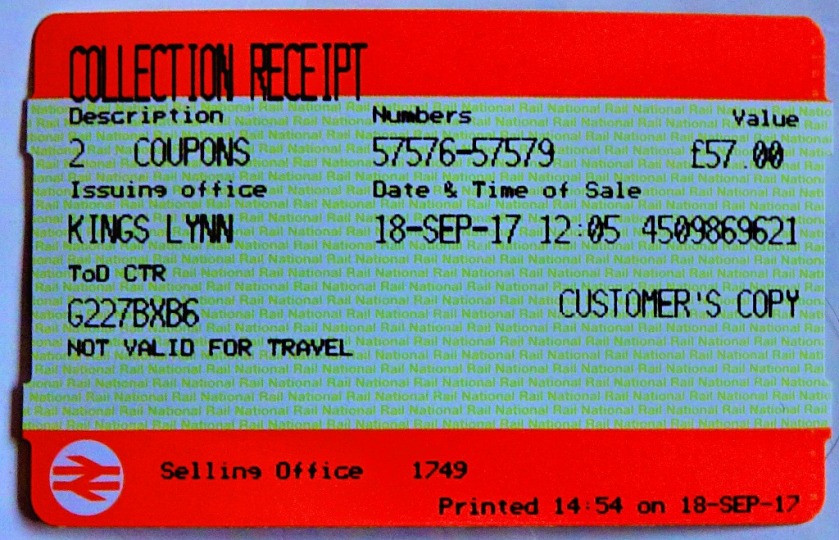
I discovered via www.thetrainline.com that tickets were available for £57. Thus I have made the booking and picked up the tickets.
COLLECTING THE TICKETS
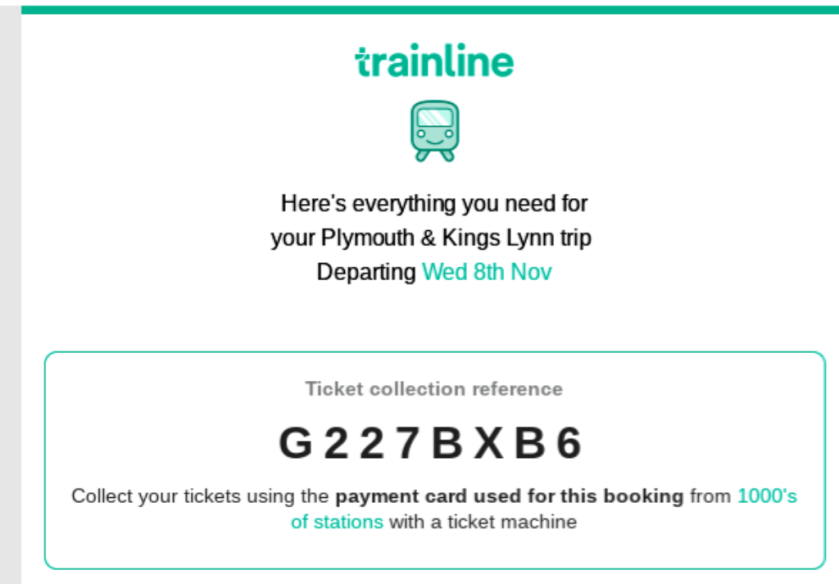
Having made the booking I was assigned a code I could use to collect the tickets:
I decided that memorising an alphanumeric code of eight characters would be a bit of an ask even for me, so I called in at the library where I could screenshot the email containing the above, paste into paint and edit as appropriate before printing at a cost of 10p.
From there it was a short walk through the park to the station to pick up the tickets.
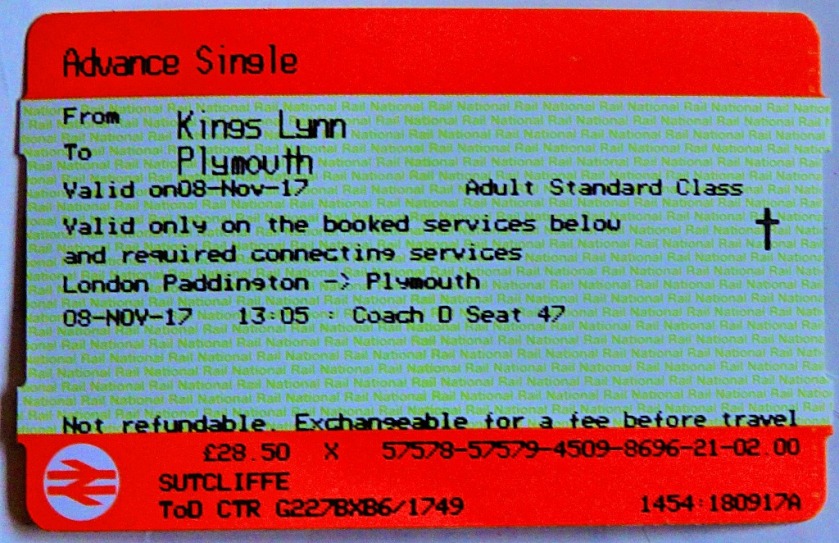
Outbound ticketThe Homebound ticket
The receipt.
The email giving me the code to collect my tickets also included itineraries for both journeys.
This is a little stretched out, but I for one would not care to be on a train the was due to arrive at Kings Cross at 12:35 when I had to make a connection at Paddington at 13:05 – given British public transport’s usual “punctuality” that would be courting disaster.
The journey back could be a little quicker – but note that since there is no pre-booking on the London to Lynn line it is merely an annoyance should I miss the 14:44.
THE BRILLIANT.ORG 100-DAY
SUMMER CHALLENGE
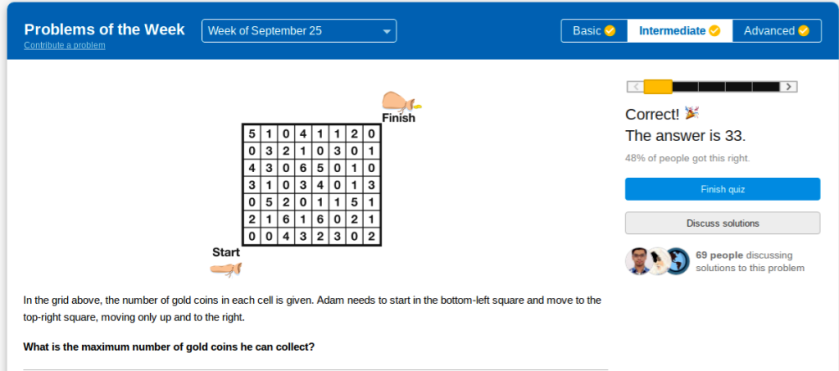
I recently received (by email) my certificate for having attempted all 100 of the problems (almost 50,000 people attempted at least one of these problems, of whom 1,797 attempted the whole lot).
Before moving on to the photographs that will conclude this post I offer you…
A PUZZLE OF MY OWN CREATION
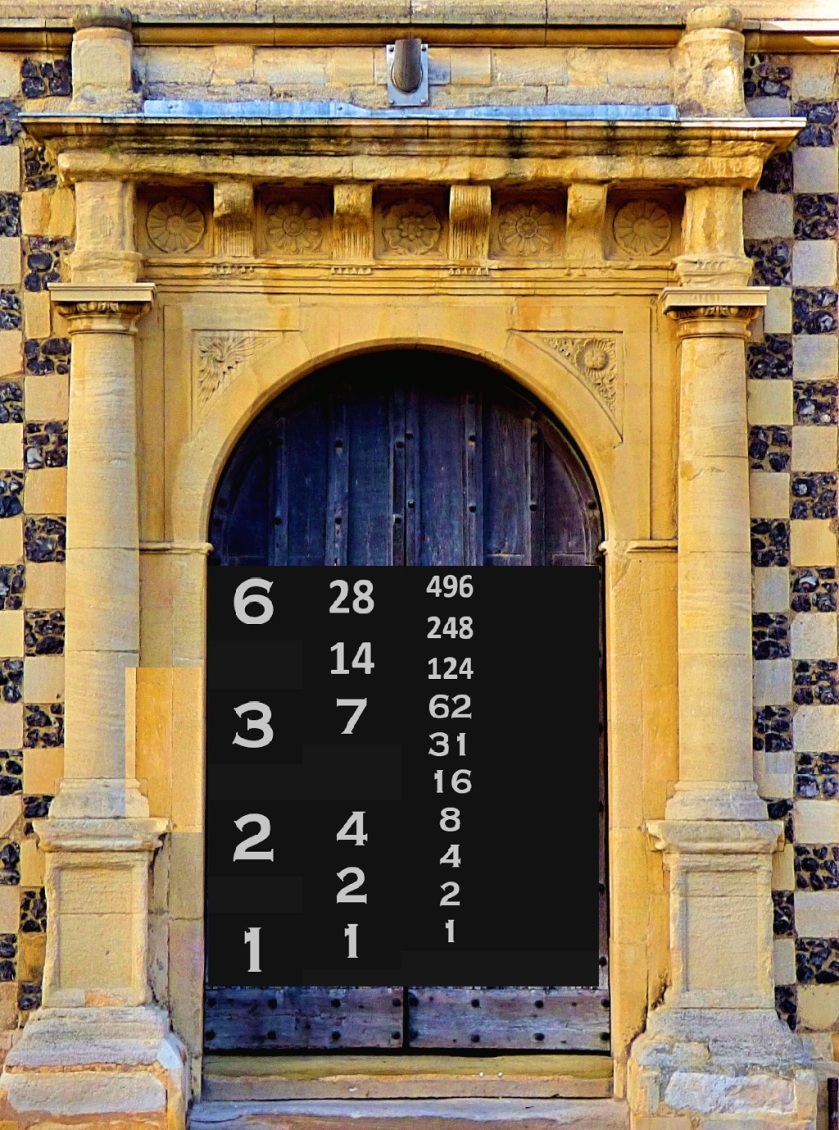
Archaeologist and adventurer Idaho Johnson is near to making the biggest find of her life, but to do so she needs to get past the “Door of Death”:
Can you fill in the missing fourth vertical panel of numbers and get Ms Johnson through the “Door of Death”? As a bonus question can you identify the real door that I have used to create the above image?
A review of a new find – Steve Burrows’ Birder Murders, with some Norfolk bird pictures of my own for company.
INTRODUCTION
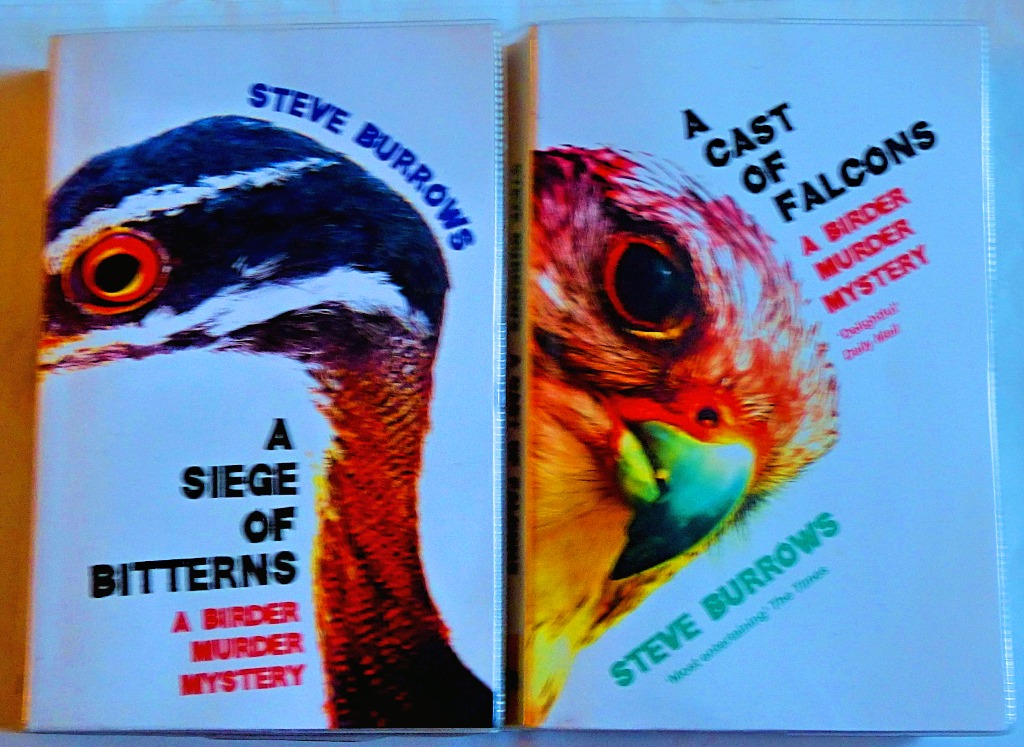
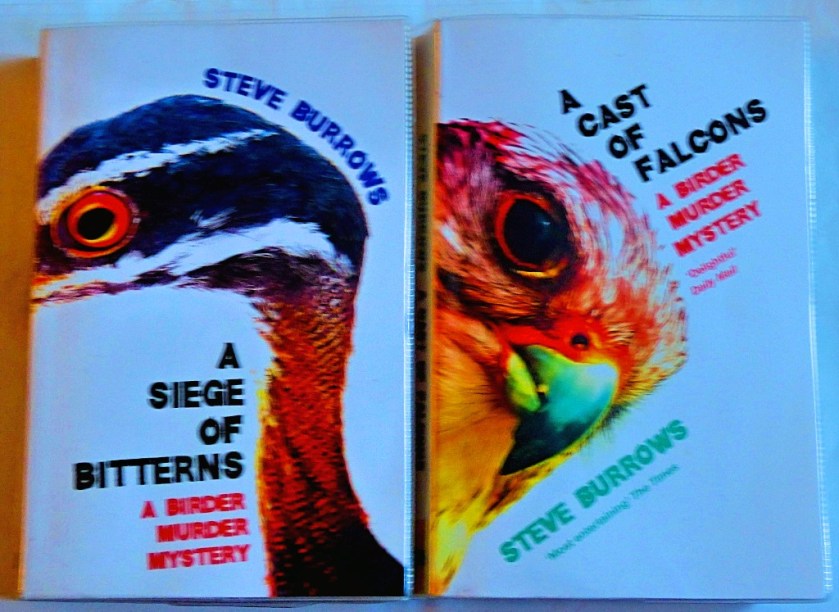
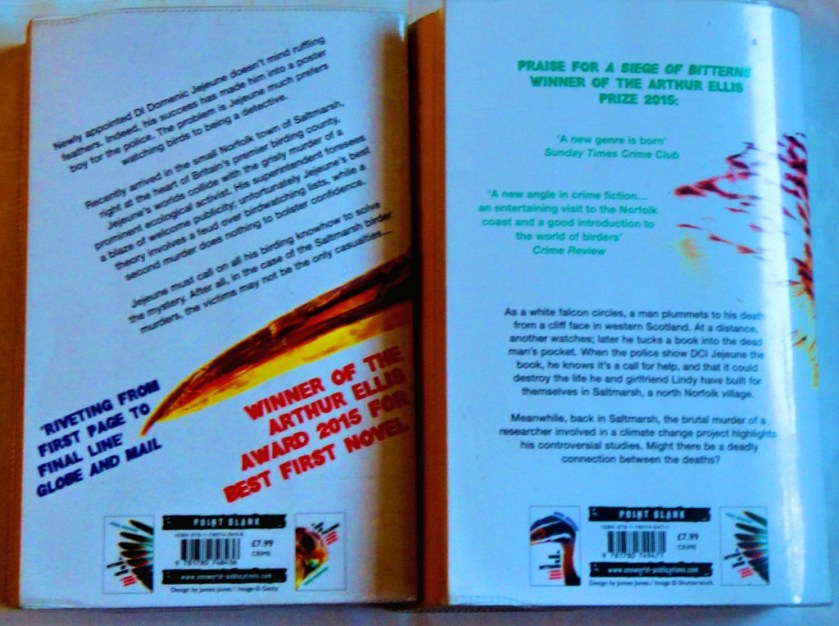
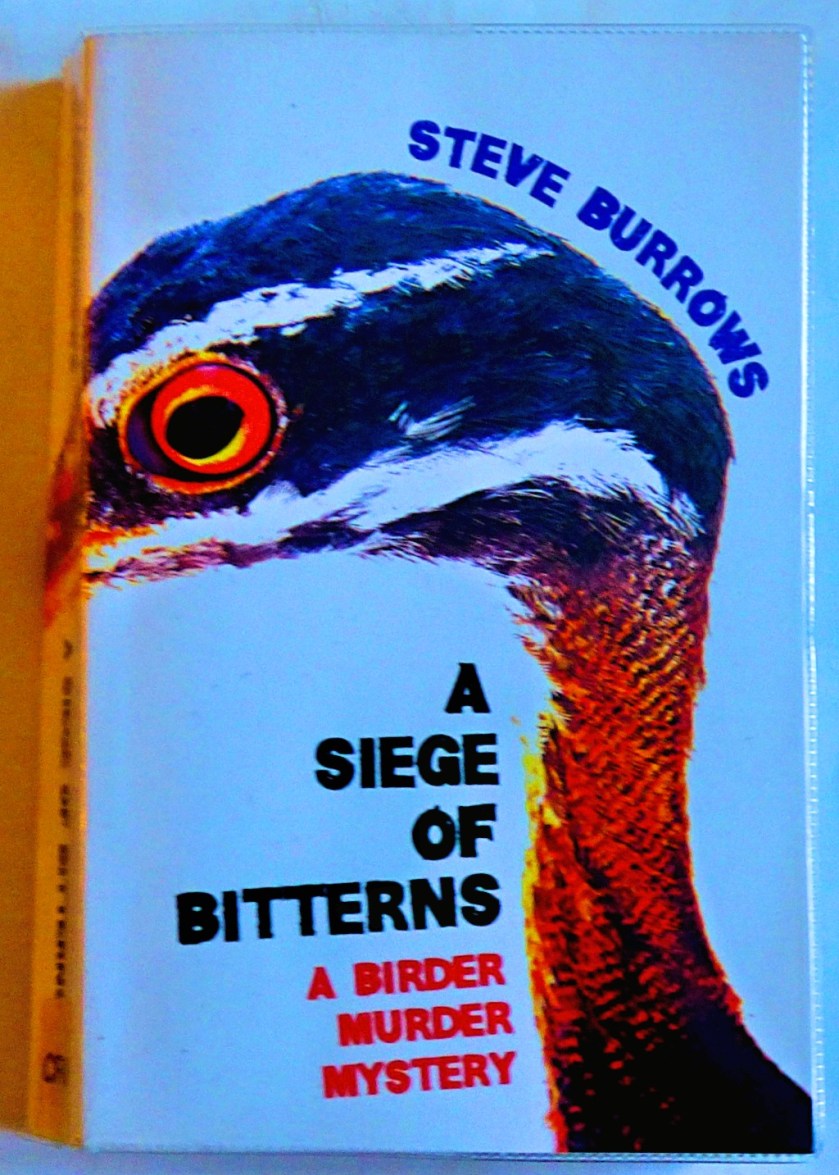
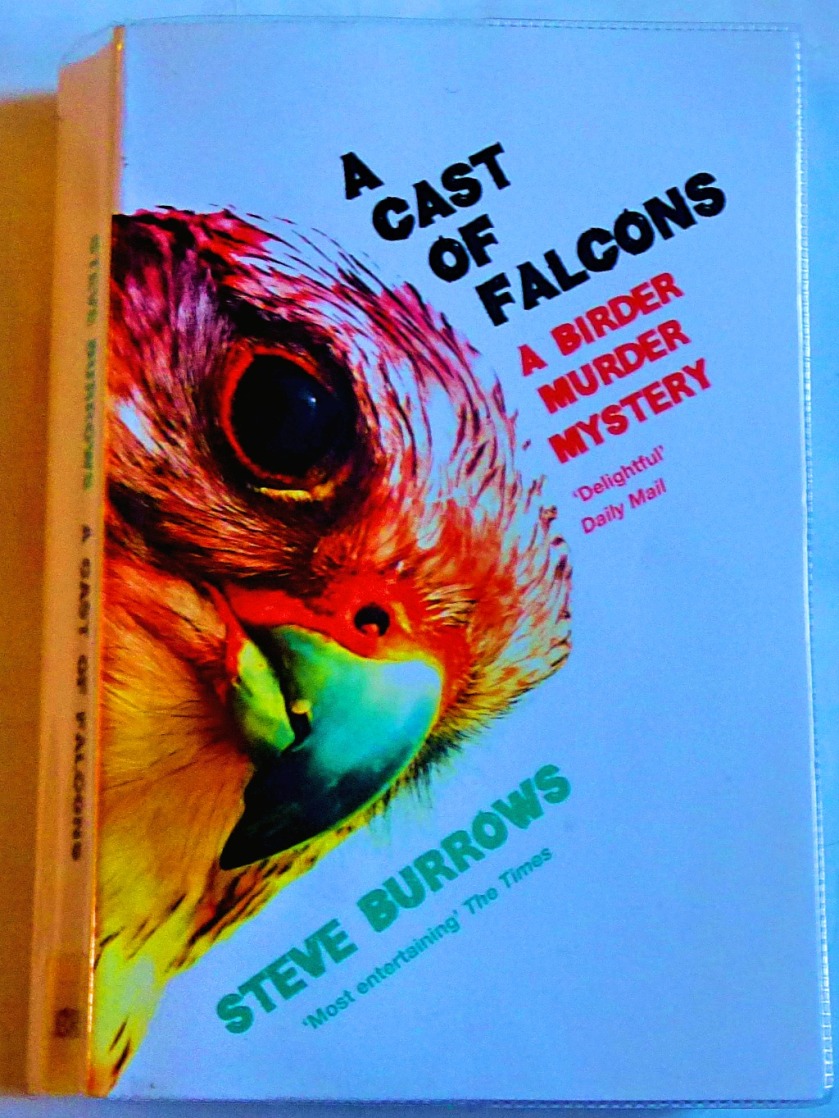
This post concerns two books by a writer I discovered in the last few days:
MAKING THE DISCOVERY
When I saw these in the library there was never any doubt about borrowing them – detective stories set in Norfolk and heavily concerned with birds looks a darned good mix.
THE BOOKS
There is much of interest about birds and about North Norfolk in these books, and the strikingly different characters of each of the police officers makes for some good interplay between them.
In the first of these two books, “A Siege of Bitterns”, the first victim is actually a birdwatcher. The second victim is a suspect in the first case until he is found dead. It eventjually turns out that the first case was not murder but suicide, and that the murderer in the second case was the MP.
In “A Cast of Falcons”, the hero’s boss, DCS Shepherd, is shown up in a very poor light when she initially refuses even to entertain the notion that the exceedingly rich Sheik who has bought an old dairy farm for his pet project (research on method of carbon capture) could be guilty. She shows herself to be more concerned with not annoying someone who is rich and powerful than with justice, which given her job is entirely unacceptable.
There is a third book in this series that I know of, called “A Pitying of Doves”, and it is sufficient comment on just how good these two books are that I have reserved a copy (costs 60p) and am awaiting it’s arrival at King’s Lynn library.
If you get the opportunity to pick up a book with the name Steve Burrows on the cover please take it!
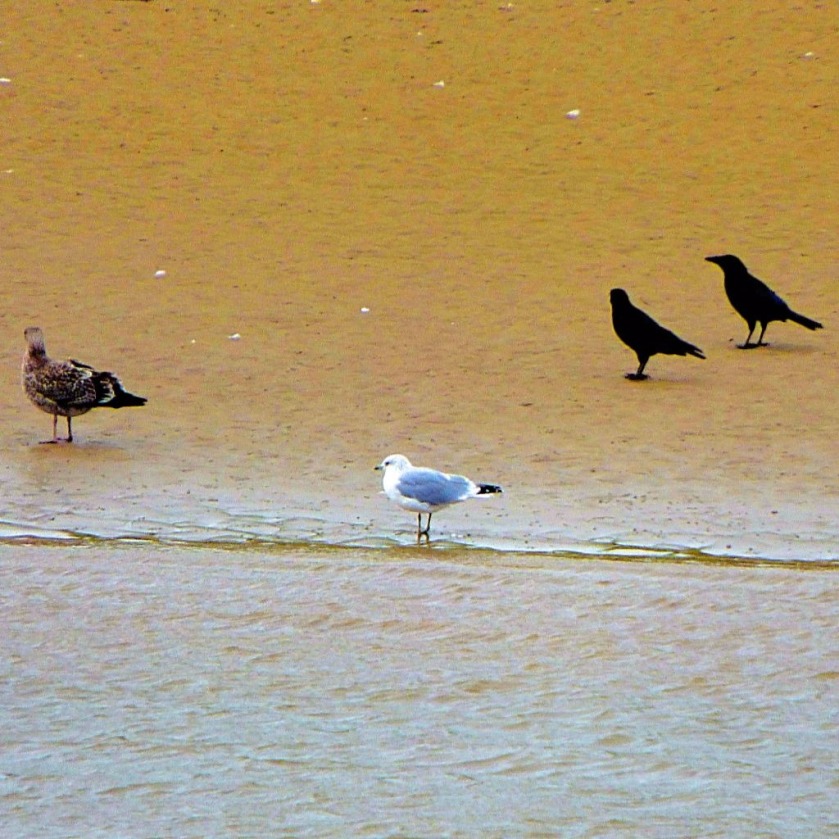
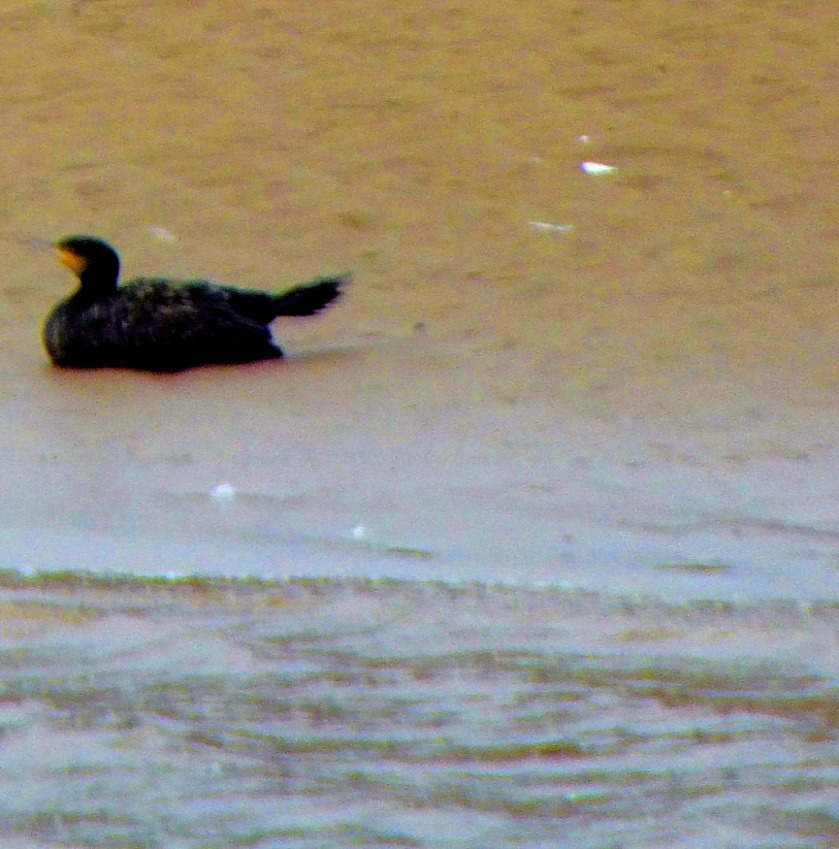
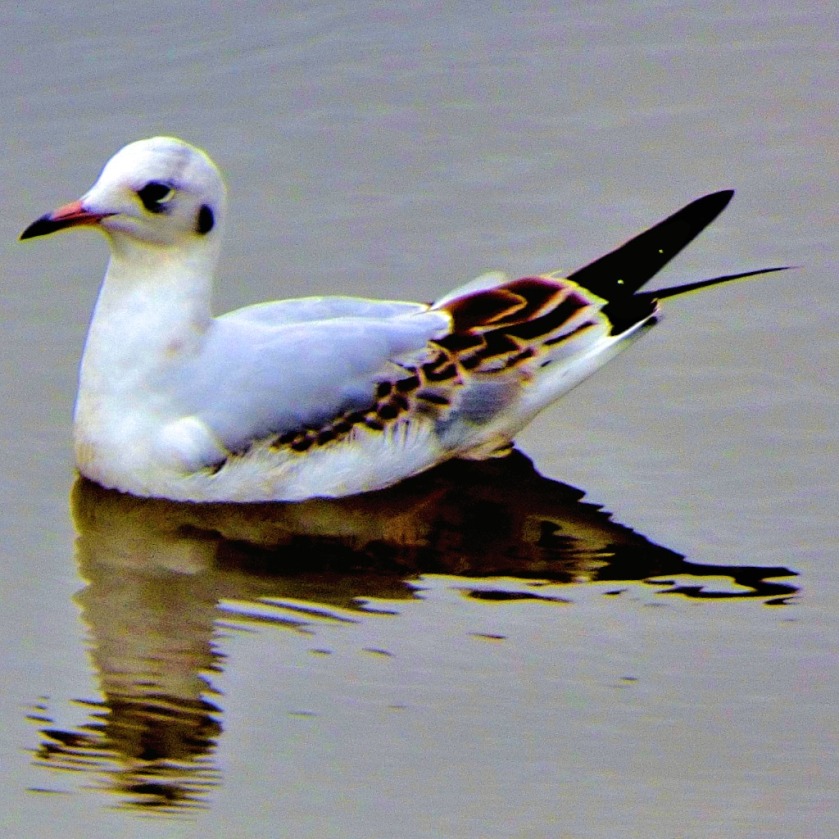
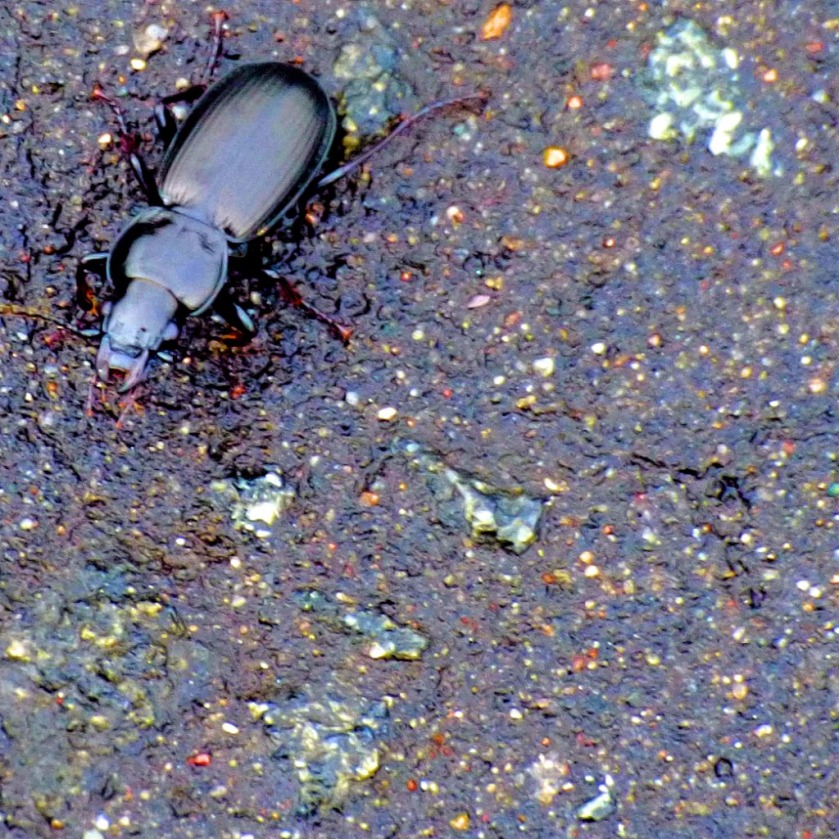
SOME NORFOLK BIRDS
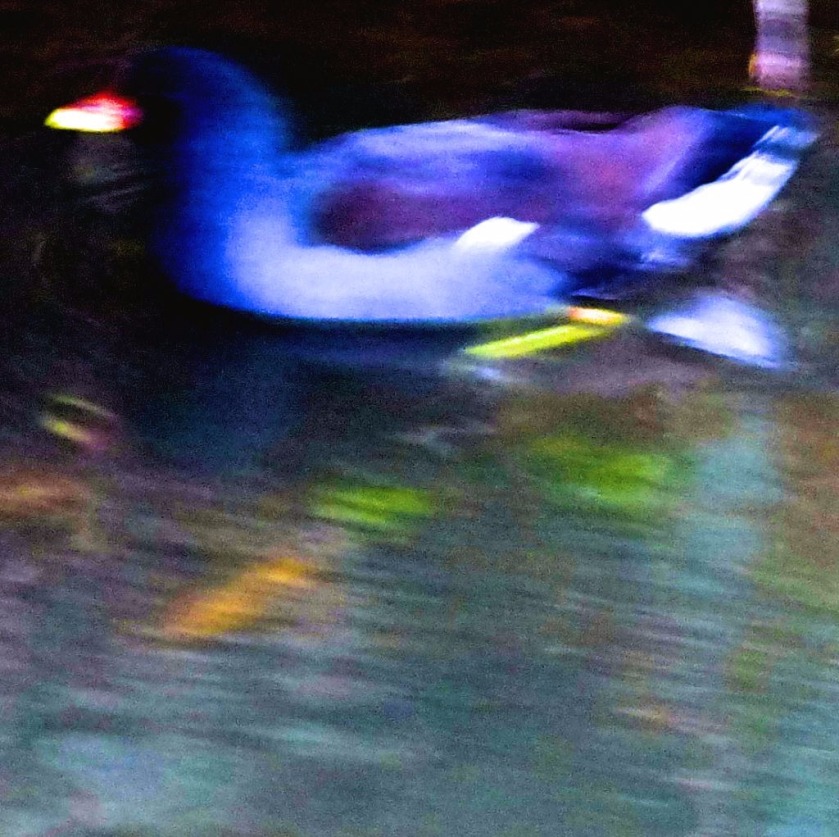
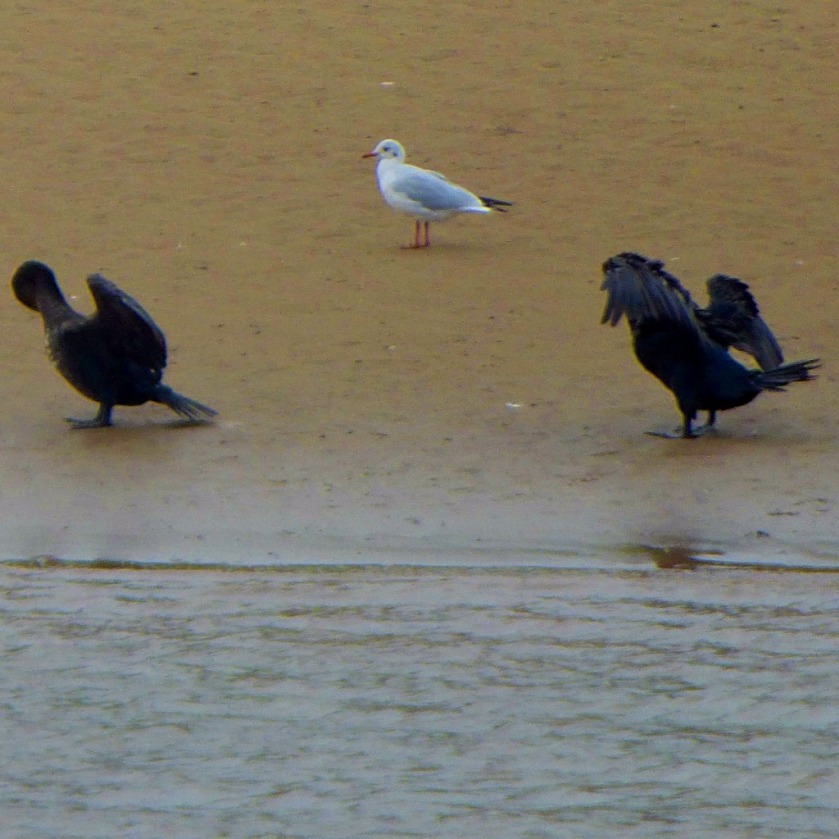
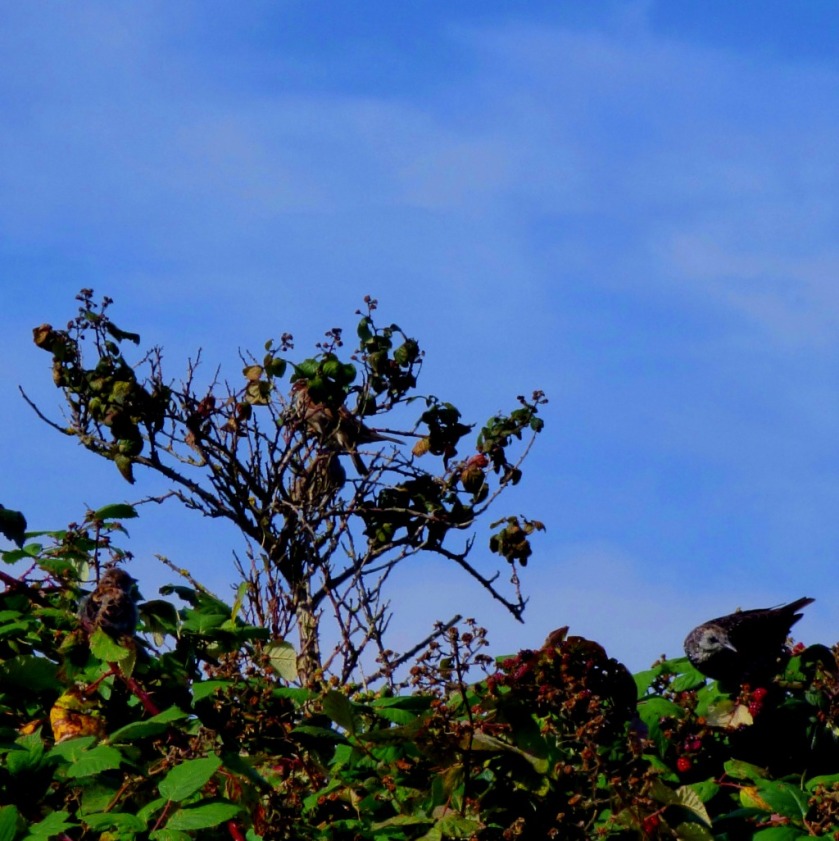
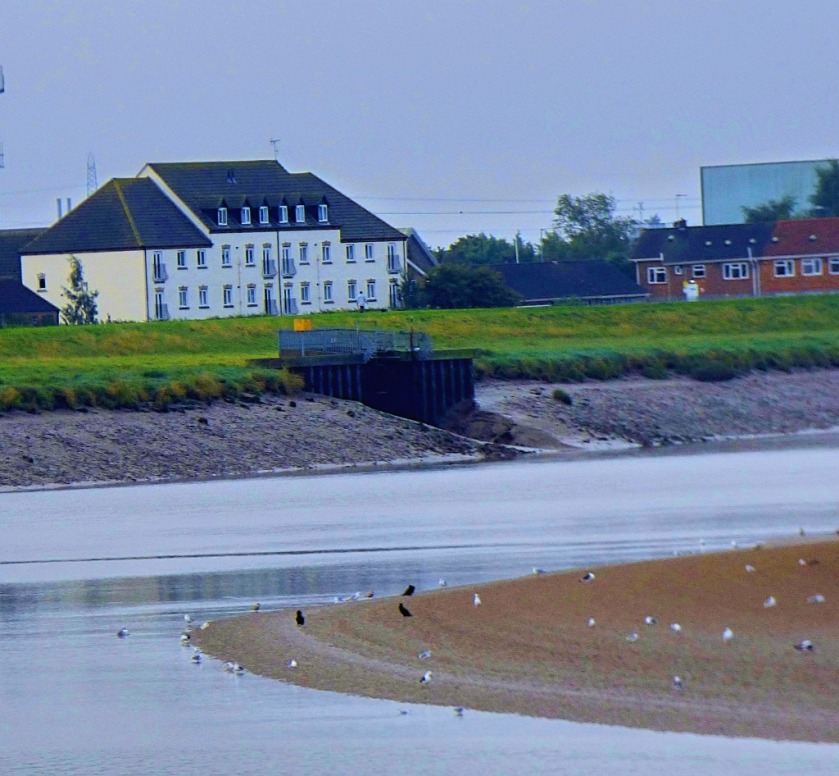
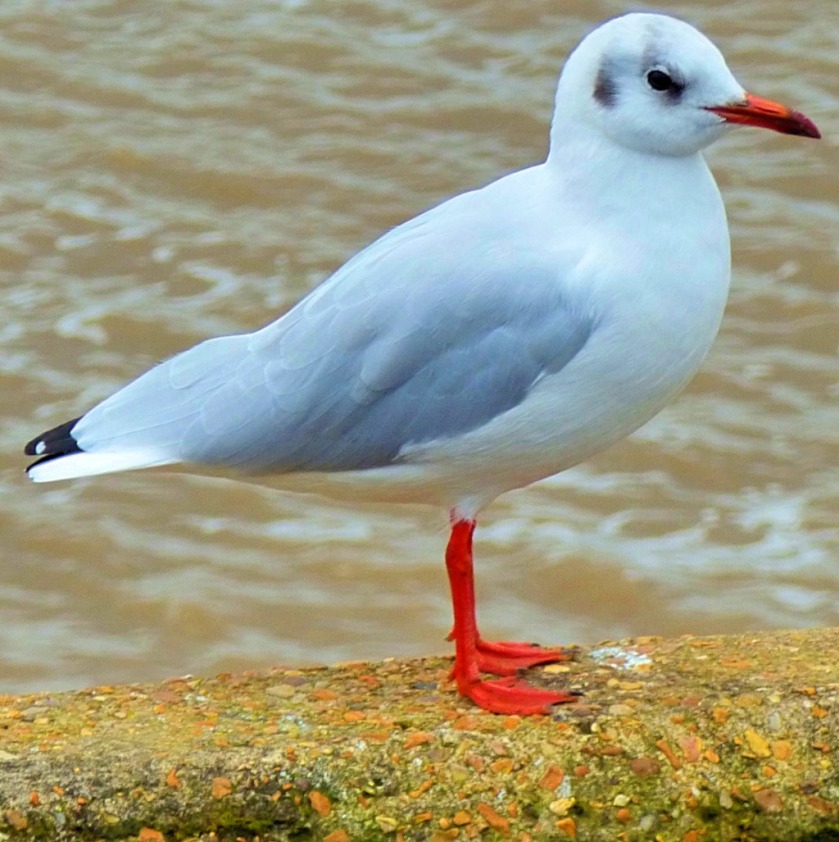
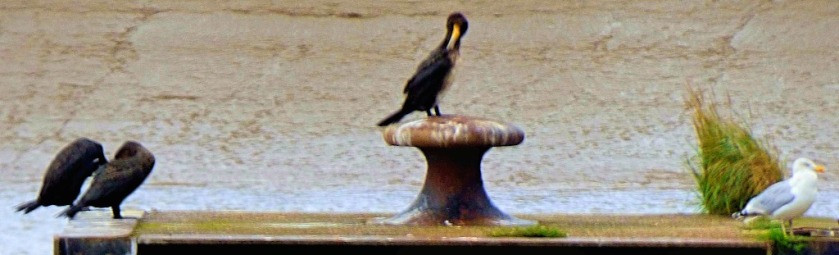
To finish this post here are some new pictures of Norfolk birds…
A walk, some dreadful weather and a double-booking. Also some photographs.
INTRODUCTION
Musical Keys run regular sessions for NAS West Norfolk, and I attend these sessions both as a participant and in my role as branch secretary of NAS West Norfolk. Today should have been a Musical Keys day, and after lunch I set off on an afternoon walk with the Scout Hut in Gaywood as my envisaged final destination.
A LITERAL DAMPENING
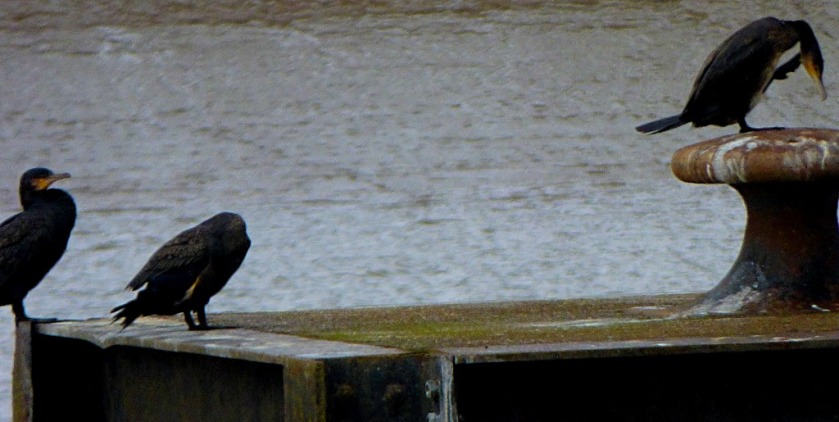
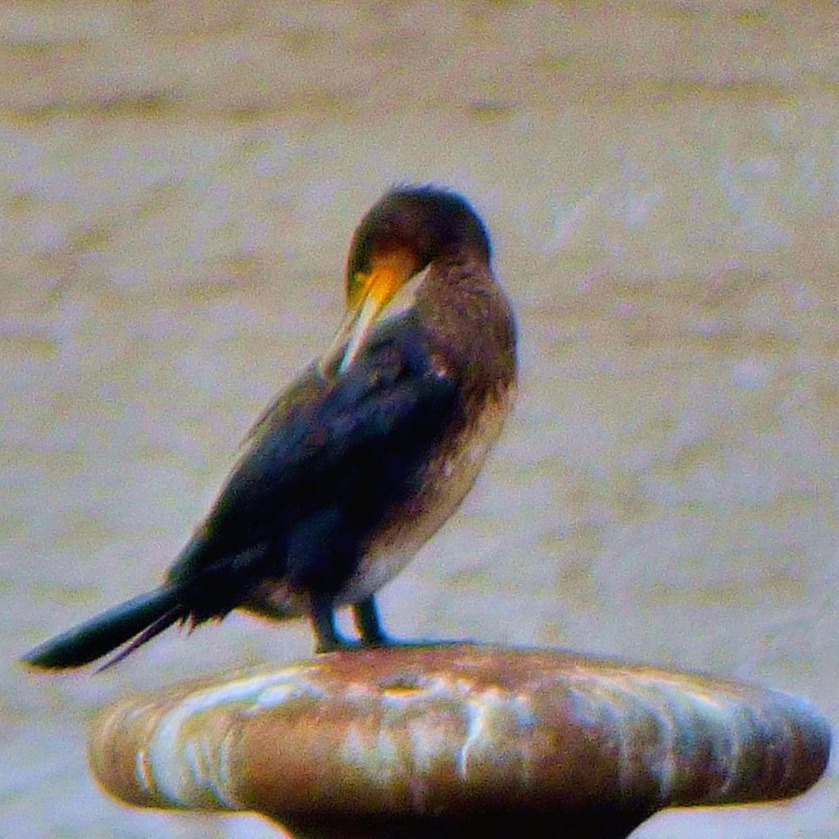
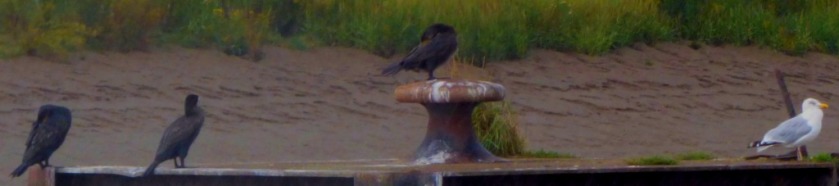
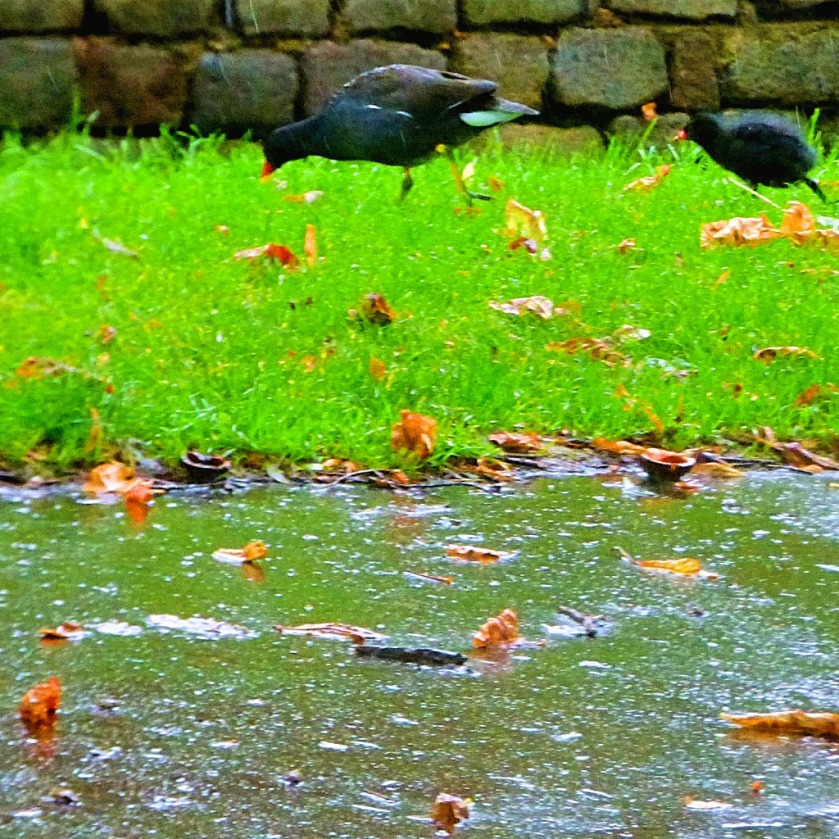
Although I was ultimately aiming for Gaywood I decided to lengthen the walk by going along the river bank as far as my regular cormorant observation point and then returning to the route to Gaywood by way of Seven Sisters and the Red Mount Chapel. Unfortunately I was near the end of the riverside stretch when the rain started coming down in stair rods, and it stayed raining all the way to Gaywood. Although Gaywood Library is small there are sometimes good books to be found there, and I did find some today.
A METAPHORICAL DAMPENING
While in Gaywood Library I logged into a computer, and it was there that I saw a facebook post telling me that Musical Keys had been cancelled due to a double booking. As I was still not fully dried out from the walk to Gaywood I was more than usually annoyed by this.
A POSSIBLE CHANGE OF LOCATION
This is not the first time we have had problems of this nature with this venue, so it is natural to be considering new venues. The British Red Cross have a suitable room in thier building at Austin Fields which is close to the centre of King’s Lynn. It is true that the principal approach from outside King’s Lynn, Edward Benefer Way/ John Kennedy Road, is prone to traffic jams, but I think the good outweighs the bad in terms of this venue.
PHOTOGRAPHS
Even in the poor weather I experienced I was able to get a few decent photographs:
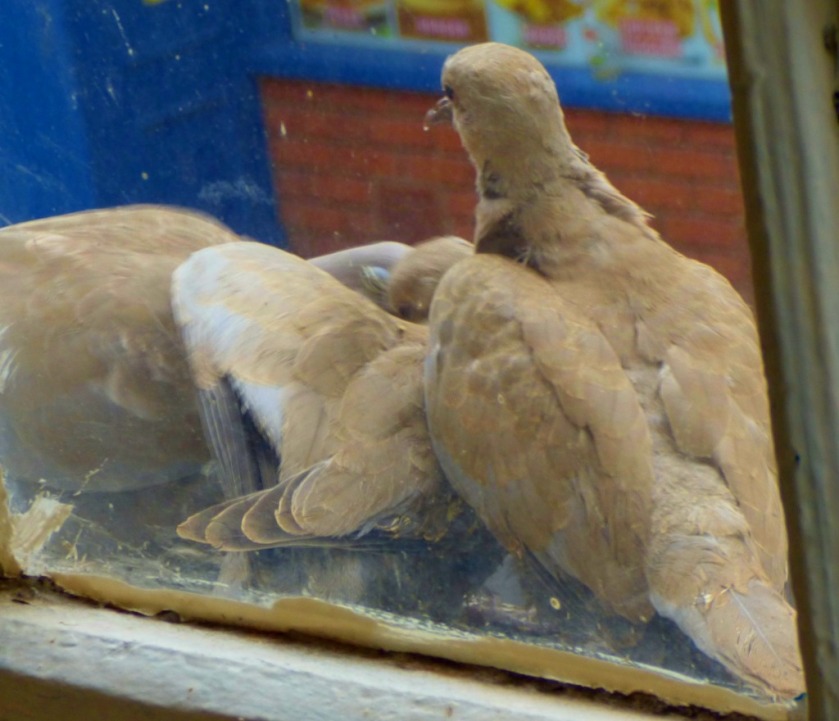
This was taken in Fakenham yesterday – this window ledge is immediately outside my work area at James and Sons and these doves have been using it for a few days now.
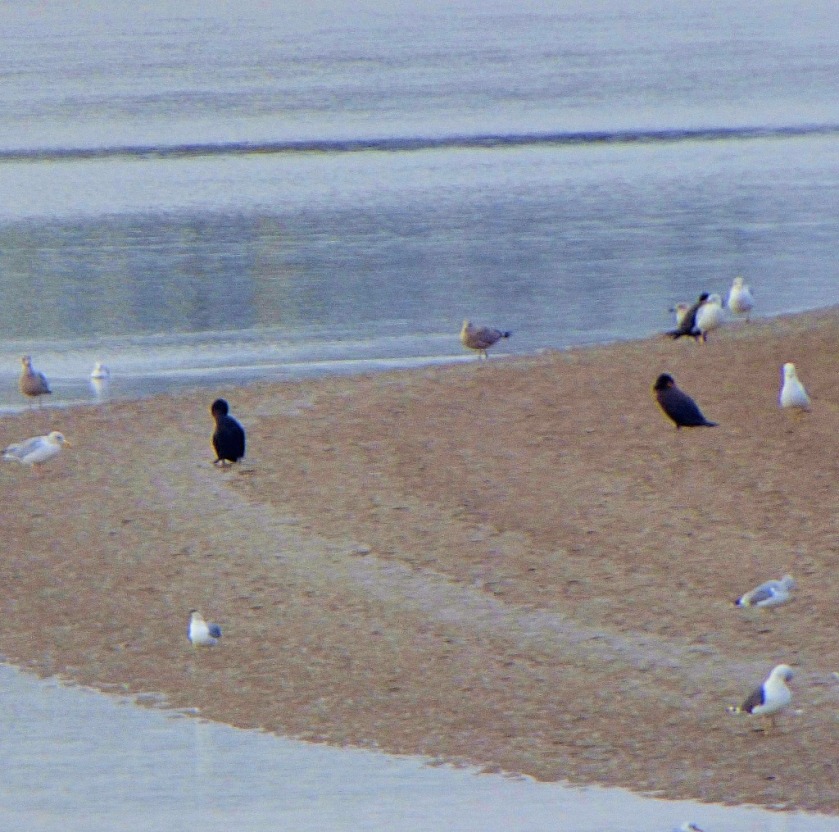
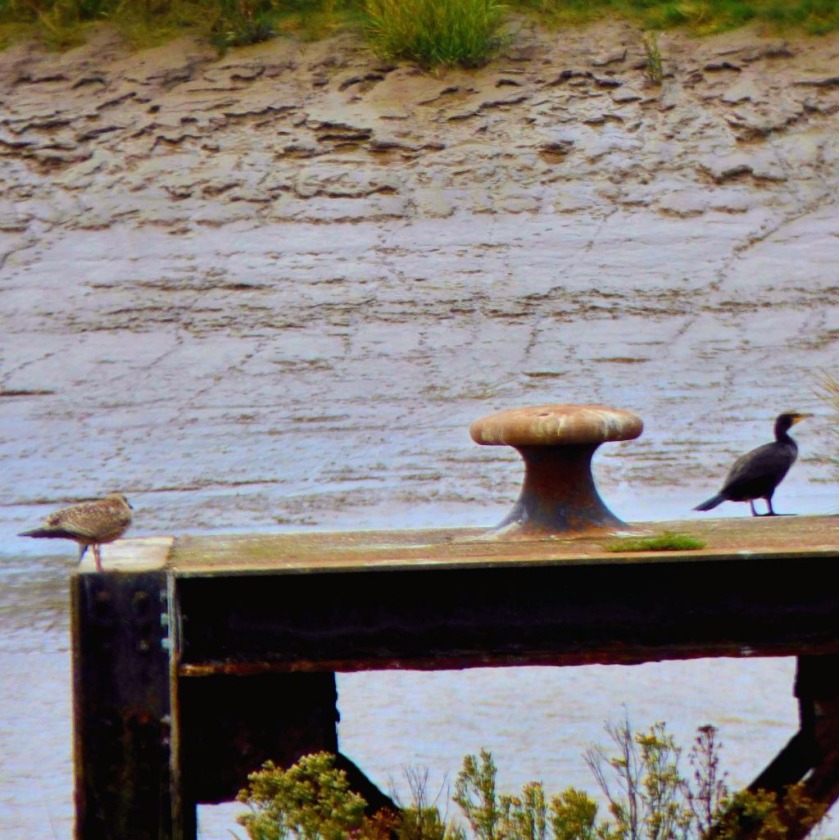
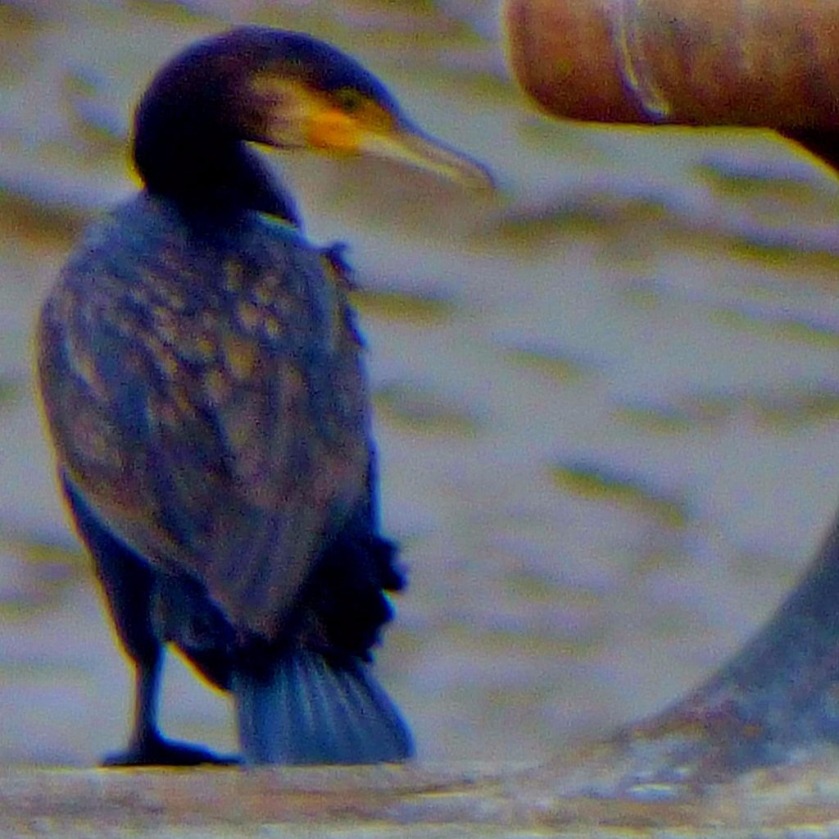
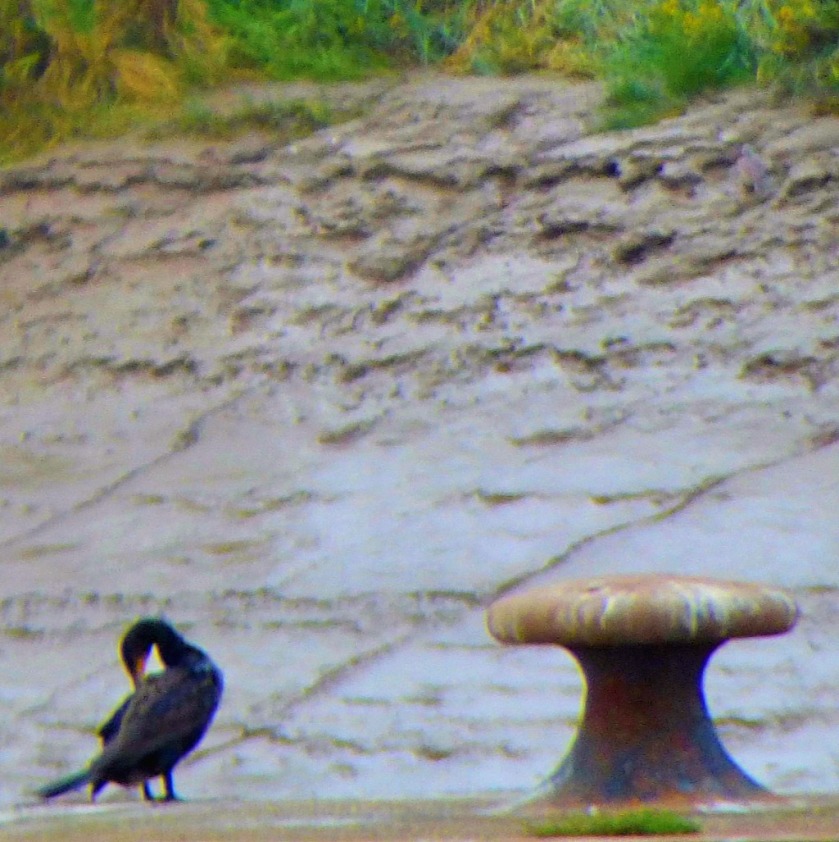
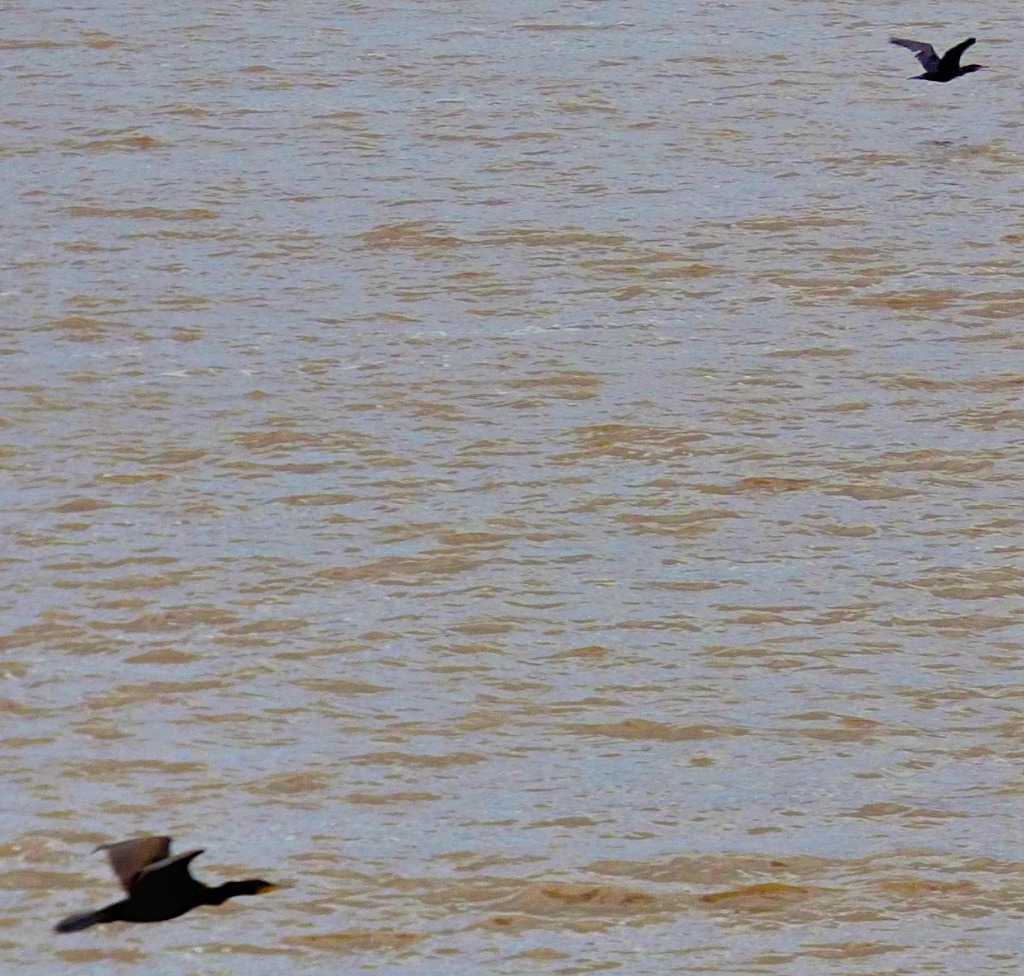
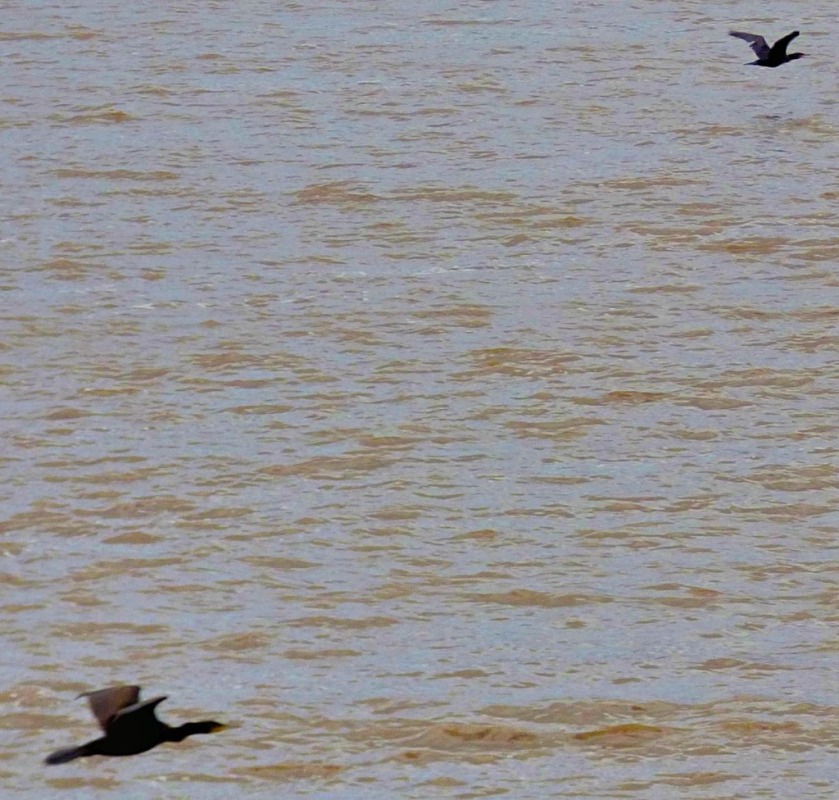
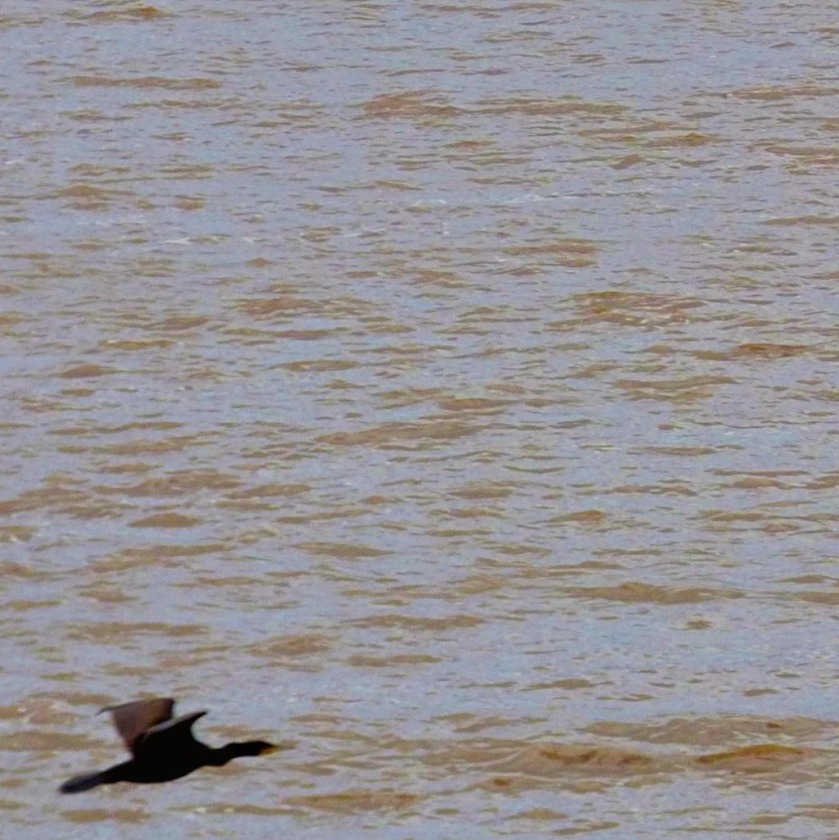
Two flying cormorants ine one shot – a first for me.My second edit of that same picture, focussing on the nearer of the two cormorants.
The final post in my account of Heritage Open Day – dealing with the Ouse Amateur Sailing Club.
INTRODUCTION
Welcome to the final part of my account of Heritage Open Day 2017. Once I have published this post I will be creating a page to make this series of posts more accessible, but for the present my account of the day consists of:
Overview– covering the whole day and indicating which aspects of it would receive dedicated posts.
27 King Street– Focussing specifically on the building where I did my stint as a volunteer steward.
2 HamptonCourt– A mainly photographic account of a unique experience at a property that is currently being renovated.
The IFCA Boat – My visit to the Inshore Fisheries and Conservation Authority research vessel moored at the pontoon jetty.
SETTING THE SCENE
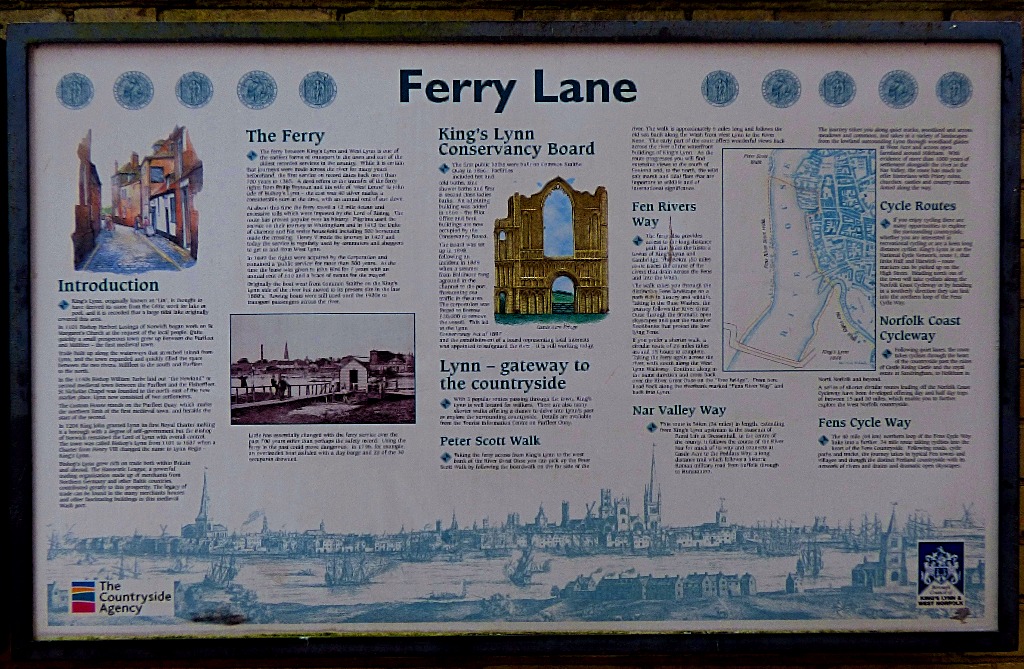
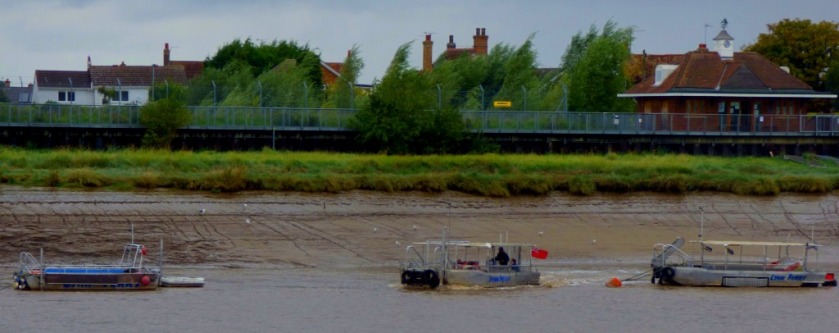
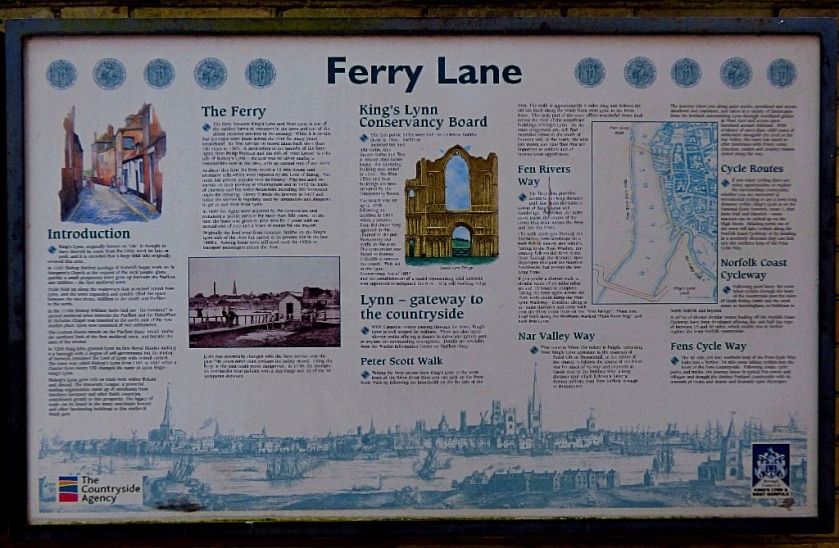
After two hours volunteering at 27 King Street I was feeling drained because of the level of interaction involved in the process. I therefore decided to head to the Ouse Amateur Sailing Club on Ferry Lane, which opens it doors to non-members on Heritage Open Day, and where I could spend a bit of time on their river view terrace and decide whether to call it a day or to head home.
AT THE CLUB
My pint purchased I duly headed for the terrace. The weather was too chilly to permit staying outside for too long, so I made periodic trips back inside to warm up. I resolved the decision of what to do next in favour of calling it a day, and headed for home having had a good day.
PHOTOGRAPHS
The one picture here not directly associated with the club, but since it kis at the top end of Ferry Lane it belongs here.
Continuing my account of Heritage Open Day 2017 with a detailed look at IFCA and their research vessel.
INTRODUCTION
Continuing my account of Heritage Open Day 2017, we now turn our attention to the IFCA Boat, moored at the pontoon jetty for the occasion. This post follows on from:
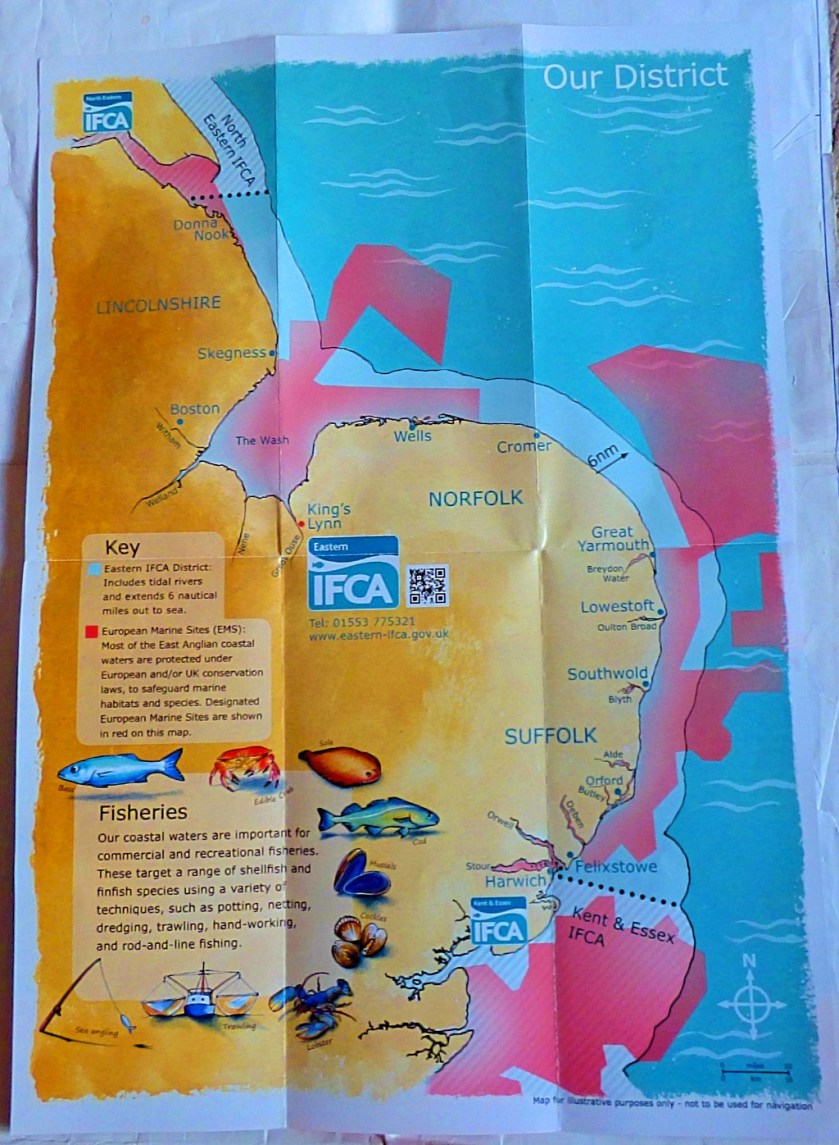
The Inshore Fisheries and Conservation Authority are responsible for balancing the needs of the fisheries industry with conservation, within six nautical miles of the shore. As well as the website to which I have linked they also have presences on facebook and twitter for those of you who are social media users. Here are photographs of their general leaflet:
]
ON THE BOAT
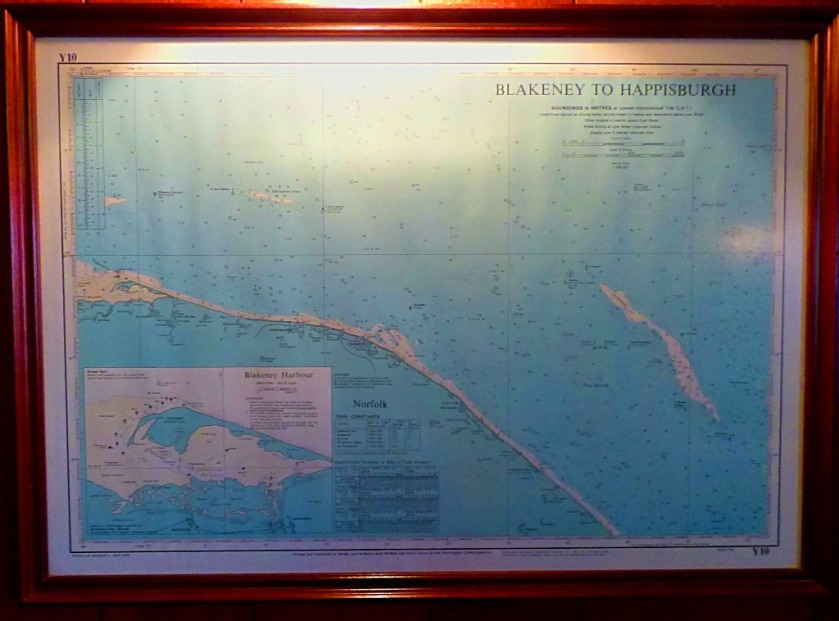
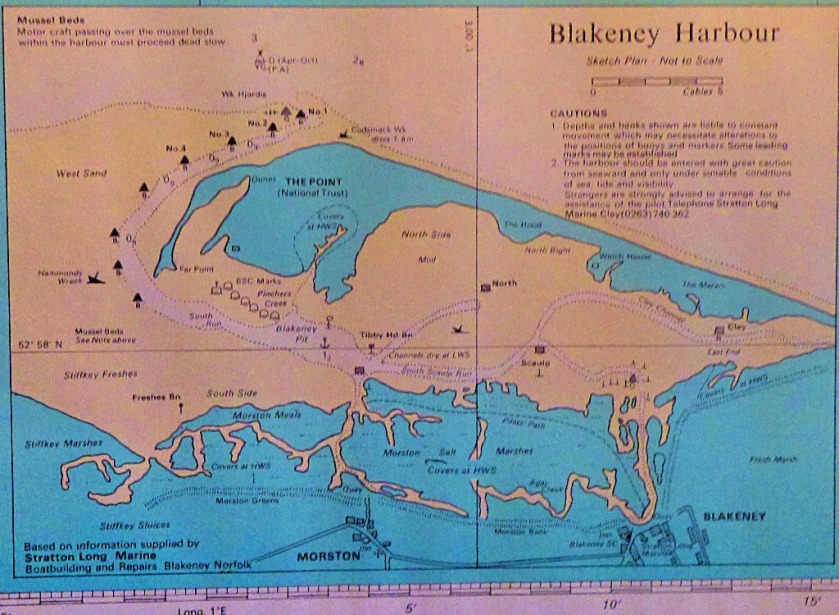
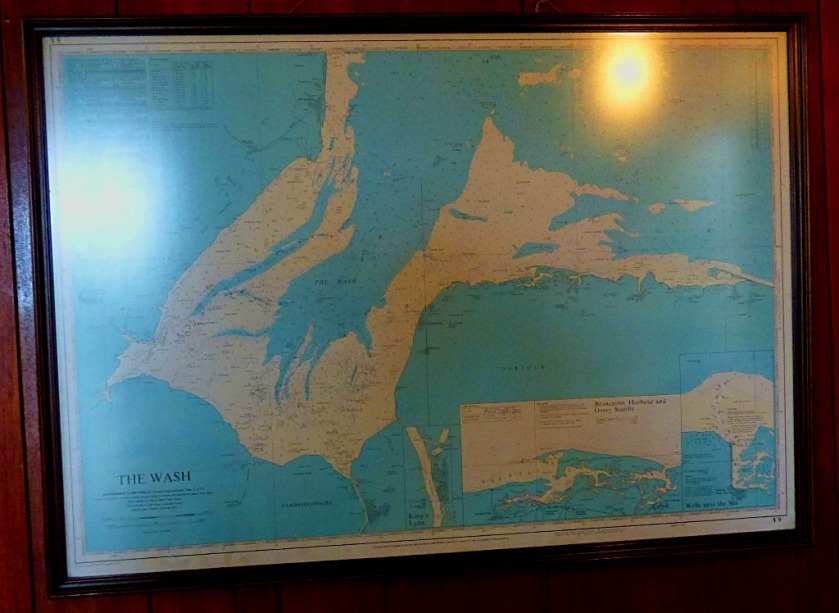
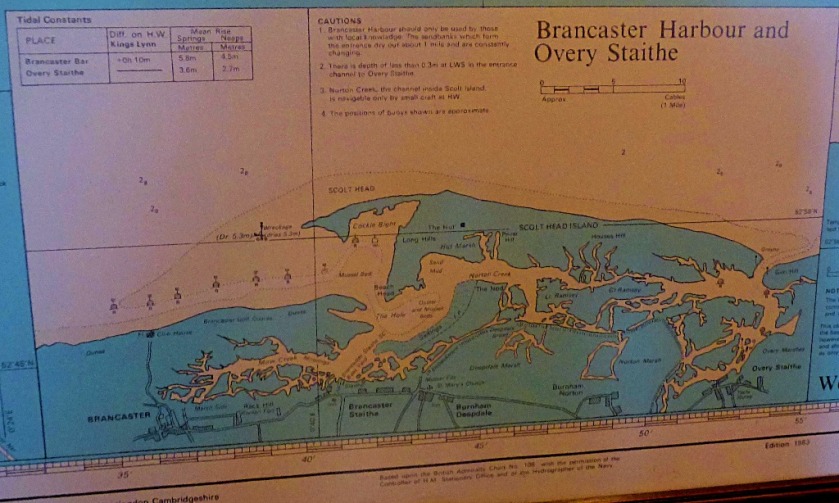
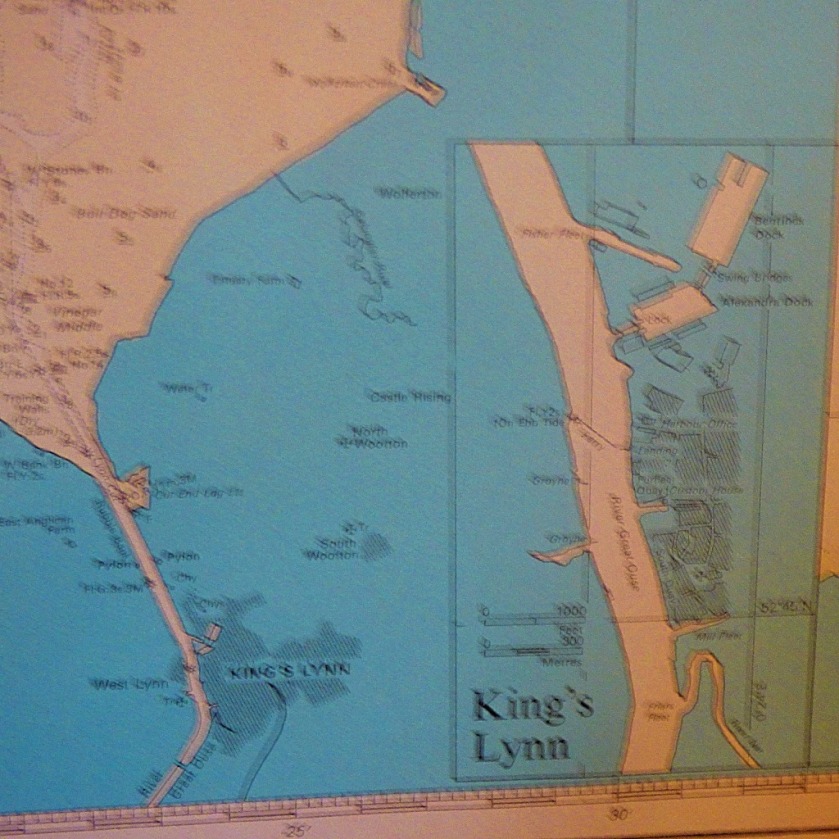
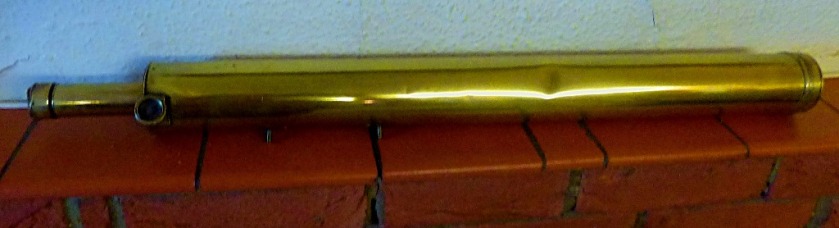
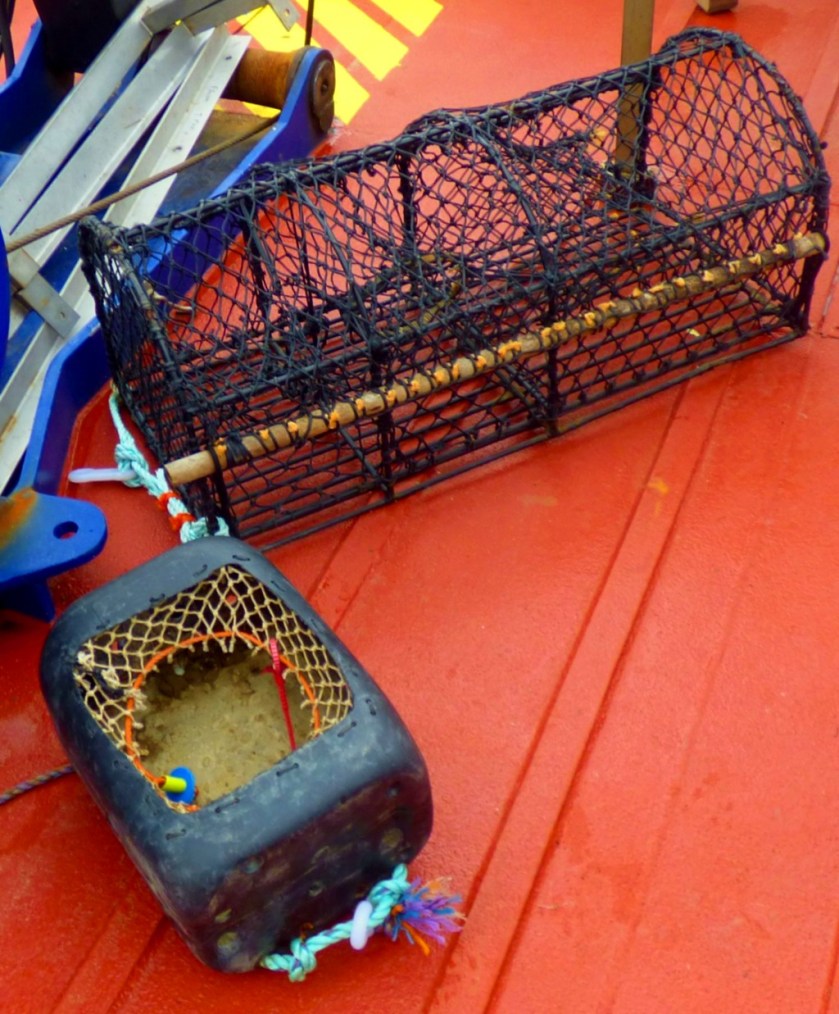
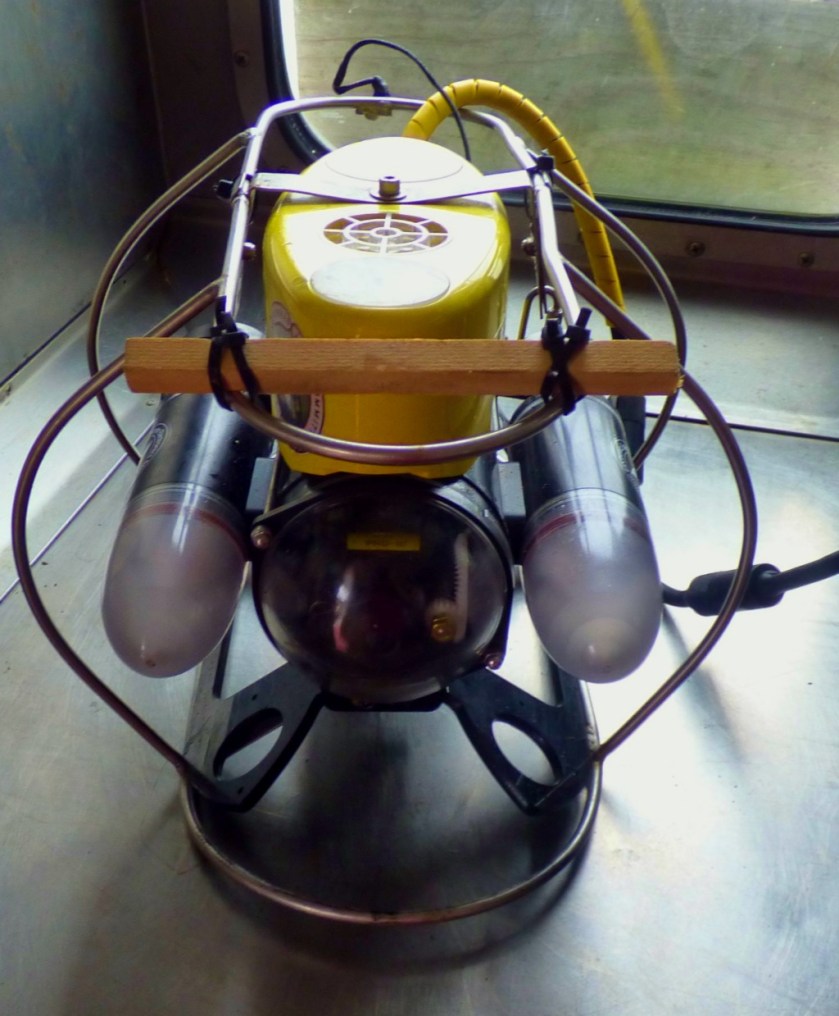
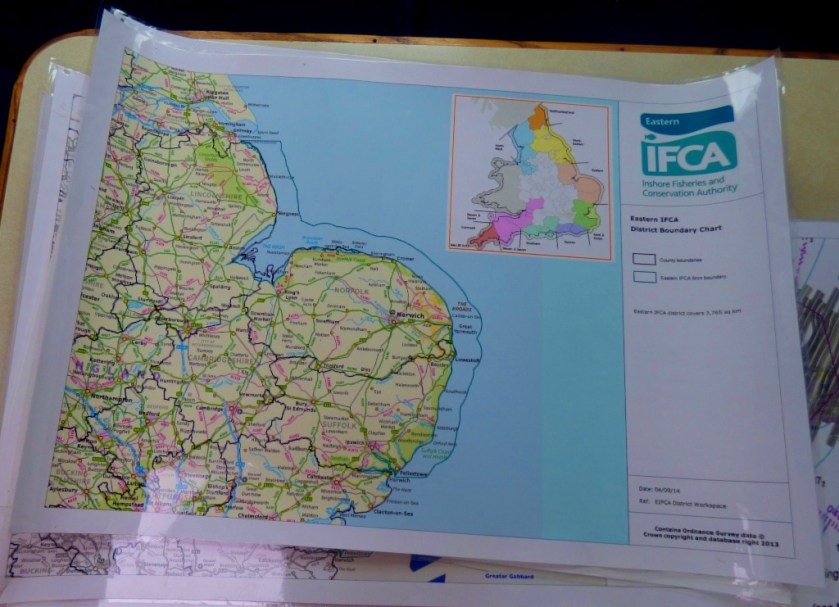
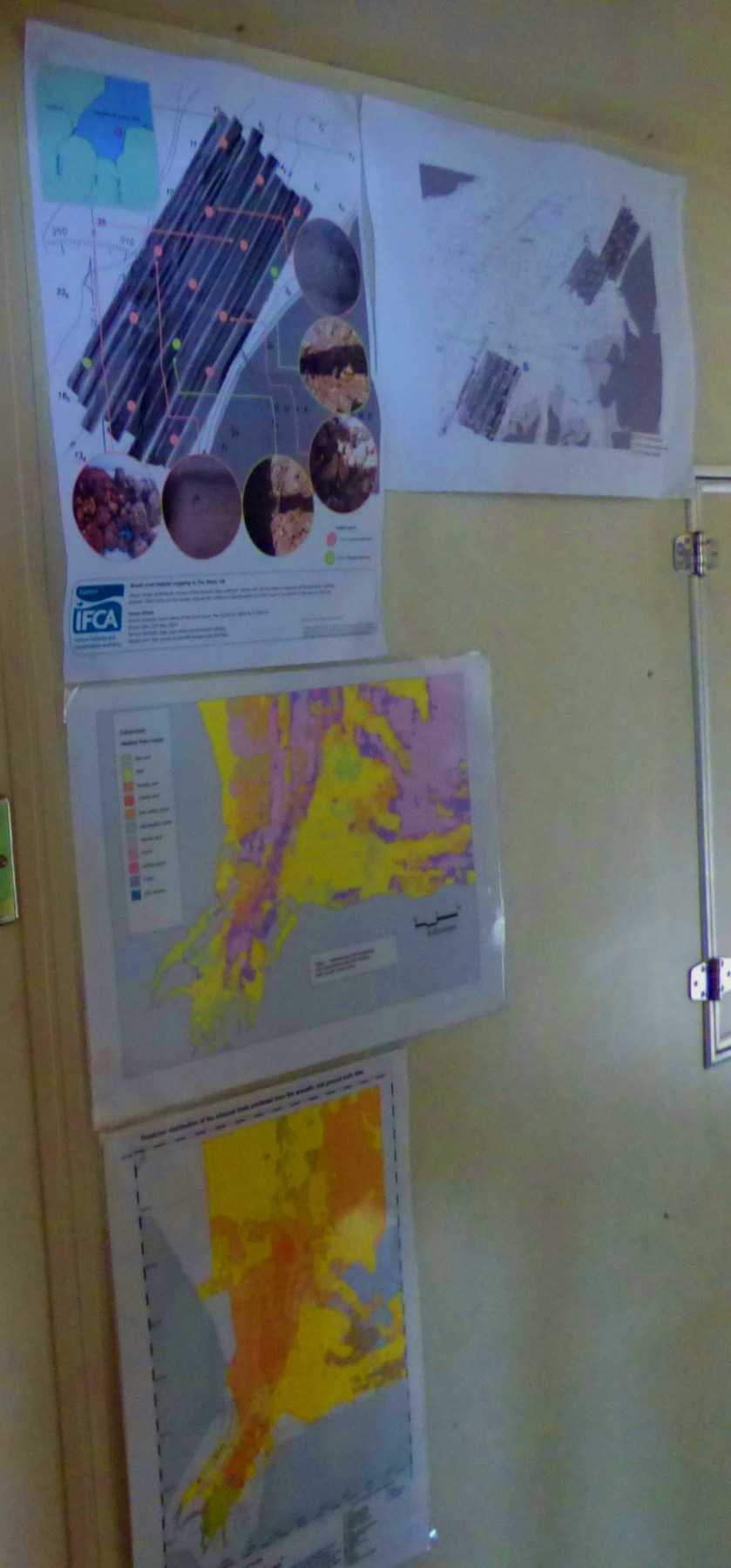
The boat that was open to us was a research vessel (moored at the end of the jetty was an enforcement vessel, but we could only look at that, not board it). On board was all kind of equipment, a number of maps and charts and some free leaflets of which more later. The boat has a main deck area where you join it from the jetty, a couple of cabins that are open for access, a control unit, and area below decks which is not accessible and an upper deck which is accessible by way of a short but very steep staircase (so steep that I was just one of many to deem it necessary to descend facing backwards rather than forwards). Here are the photographs I took while aboard:
This was the view from the upper deck.
SOME PUBLICITY SAMPLES
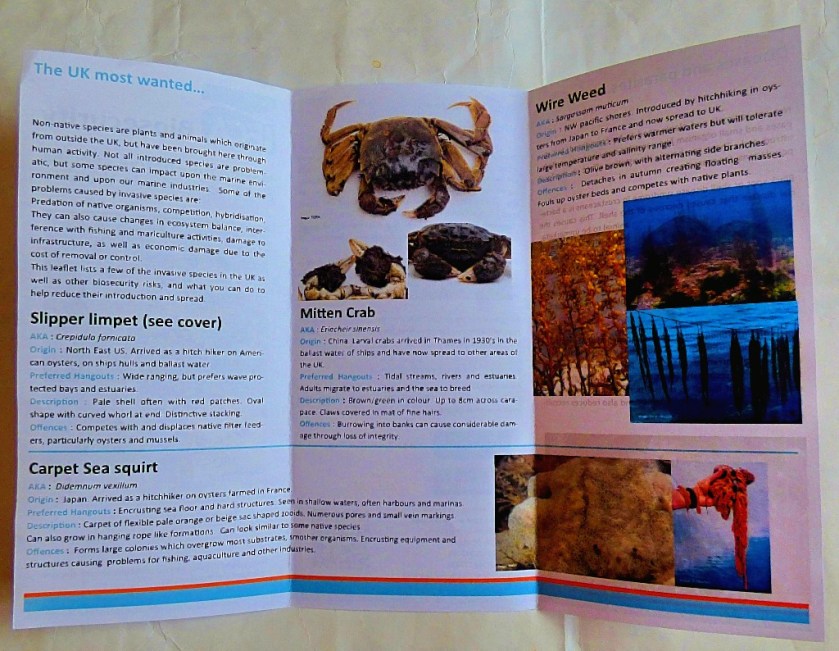
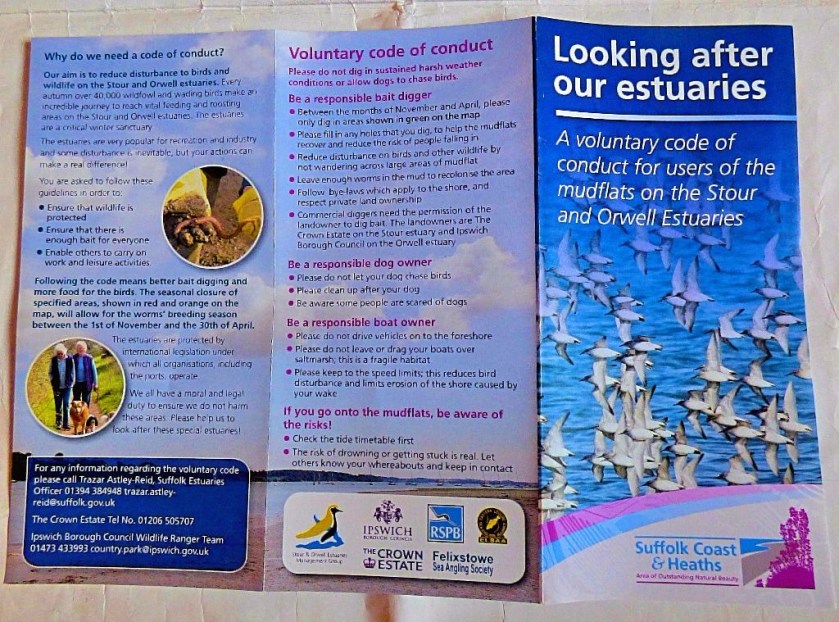
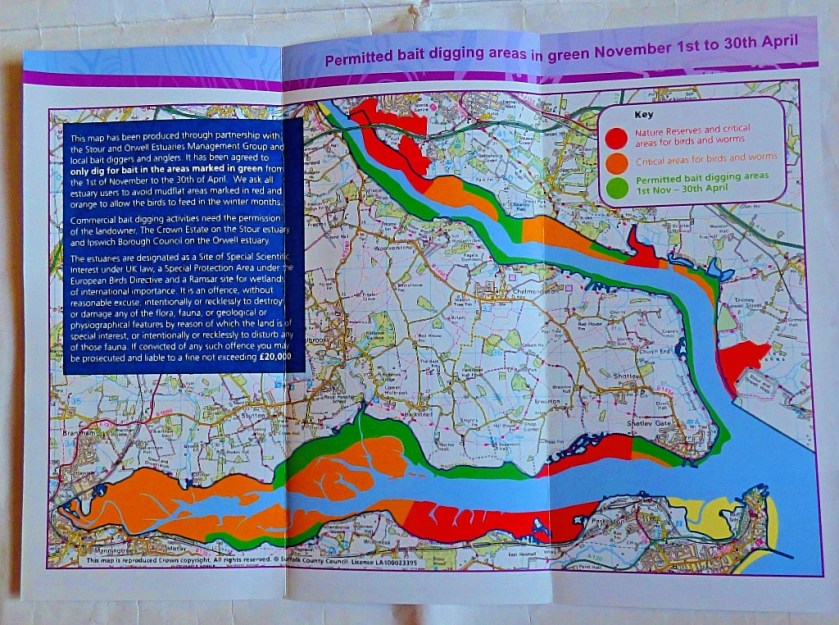
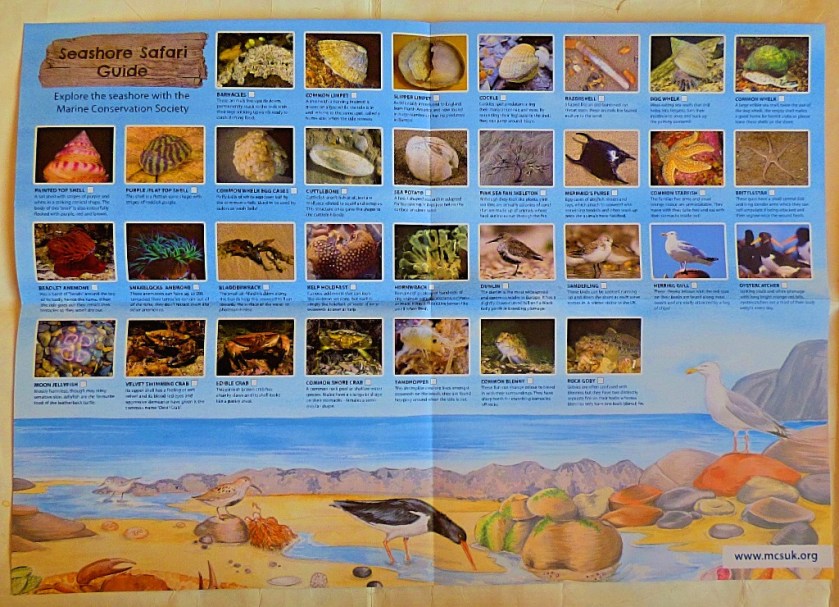
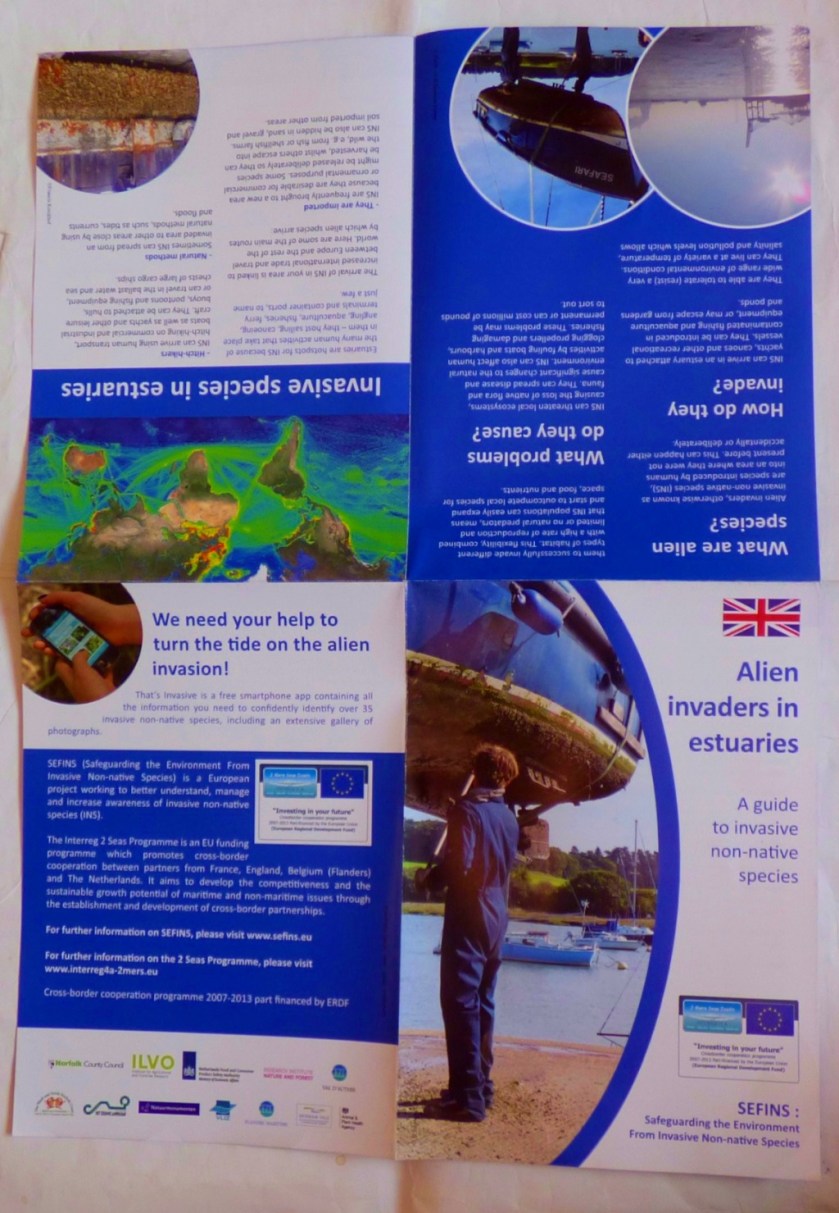
Near the start of this post I showed the general leaflet produced by IFCA, and I finish with samples of the rest of their publicity materials that were available on the boat:
CLOSING COMMENTS
I thoroughly enjoyed exploring the IFCA research vessel and learning about IFCA and the important work that they do. I close this post with a message from an earlier post of mine, “Marxism 2017 – Day 3: Outline“:

















































 aspiblog