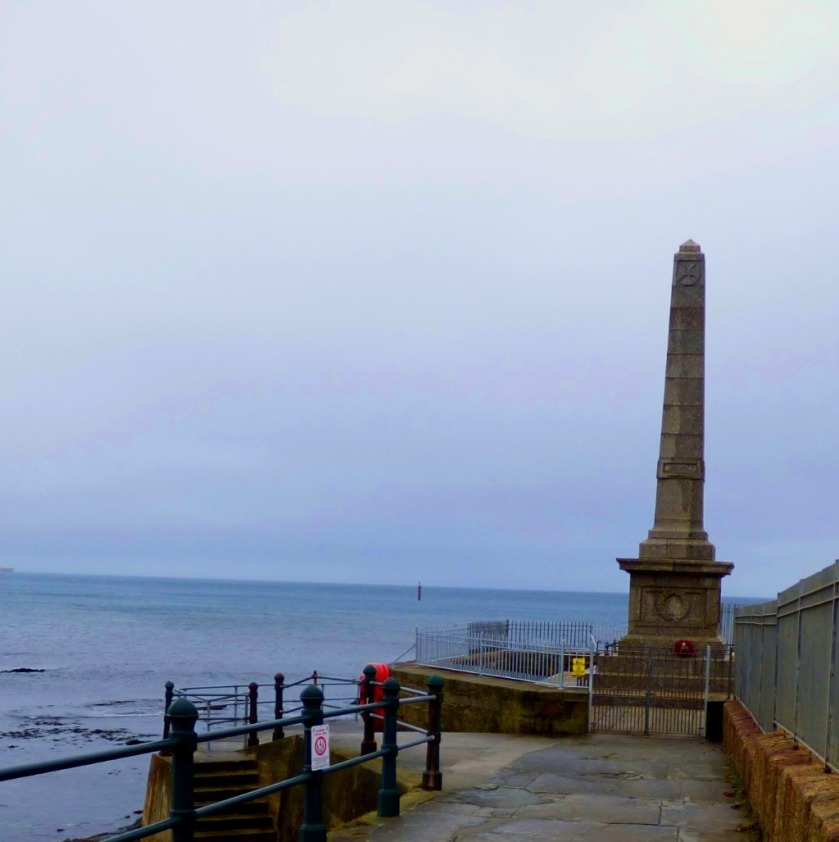
Answers to a query of mine and to a puzzle that I set, accompanied by some photos.
INTRODUCTION
This little post features answers to two problems and at the end a few photos.
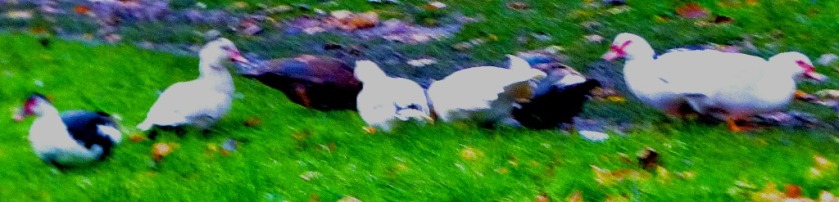
BIG AVIAN FIND
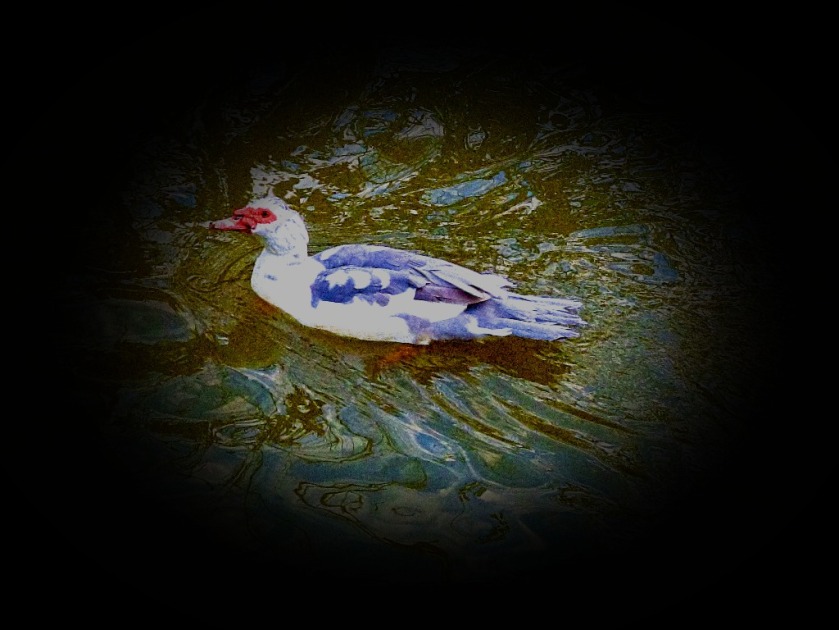
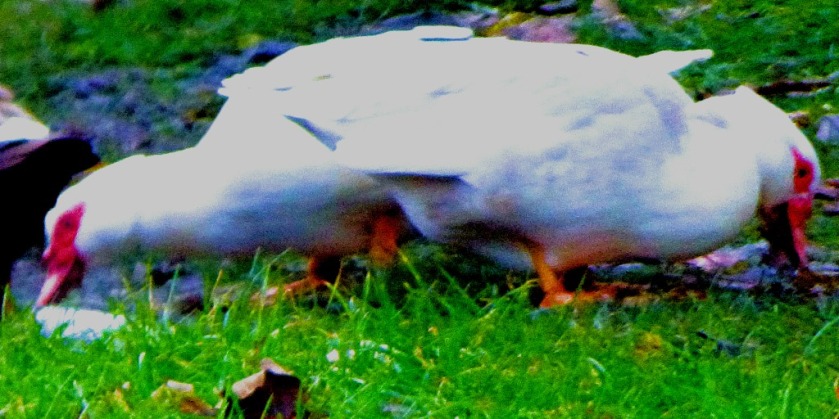
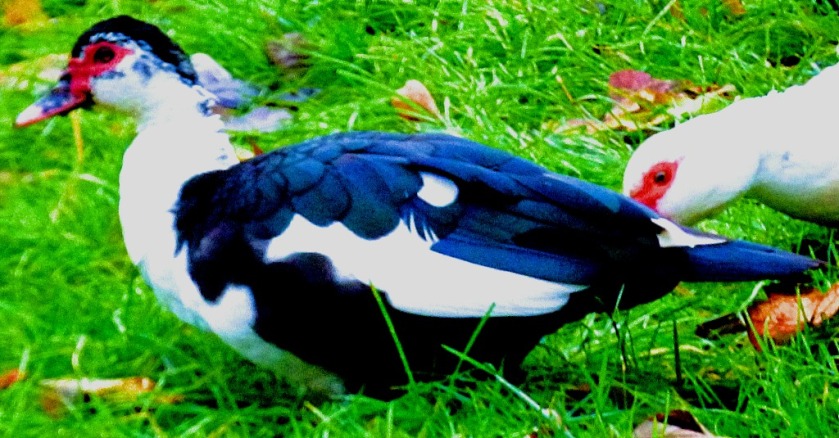
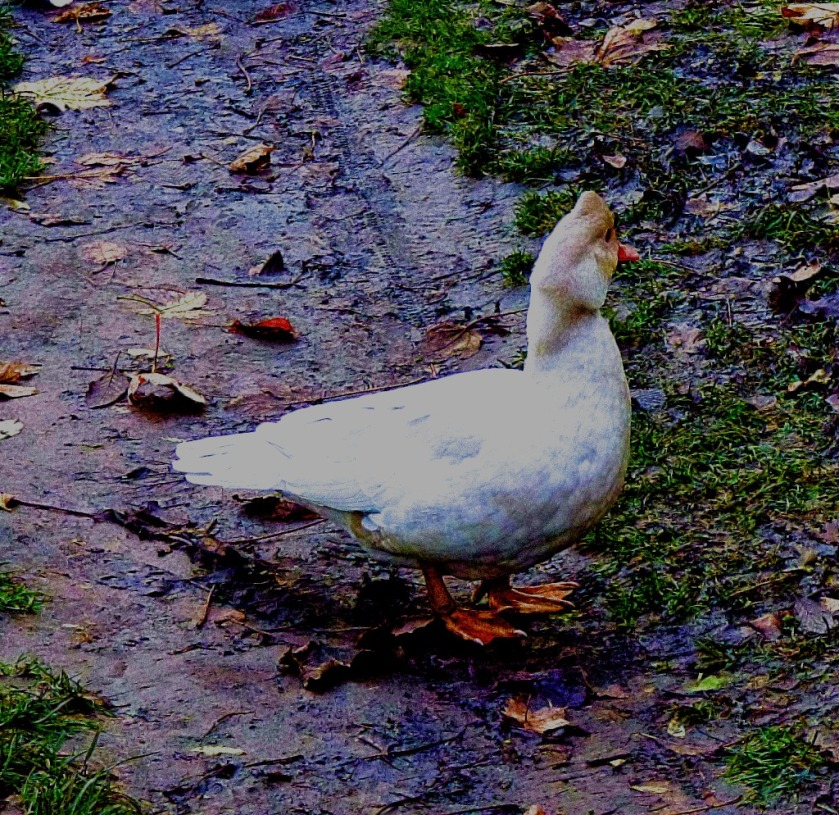
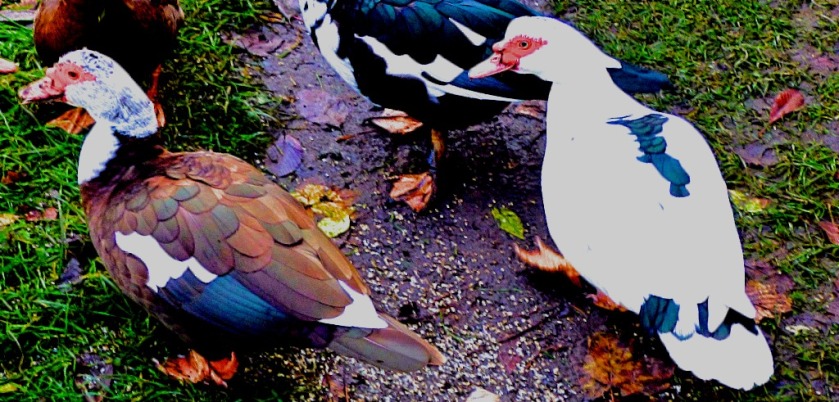
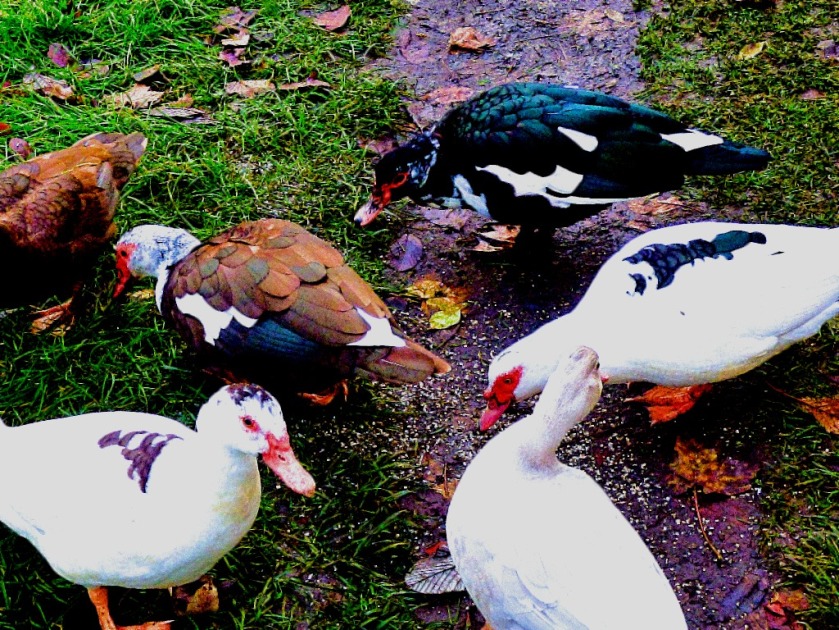
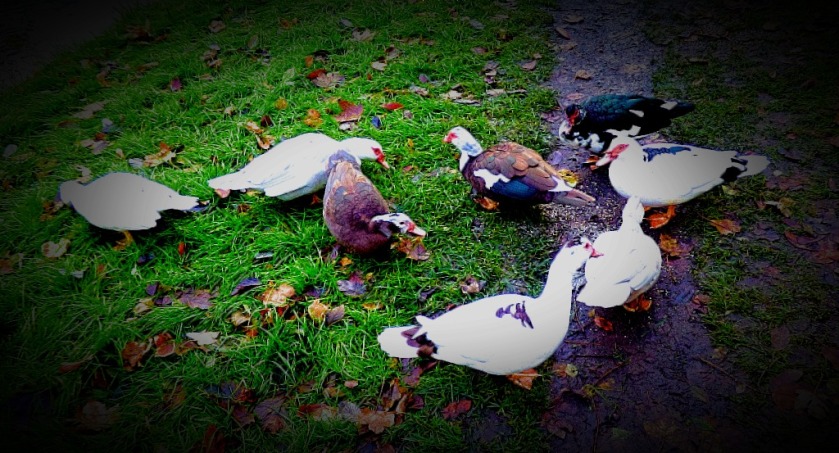
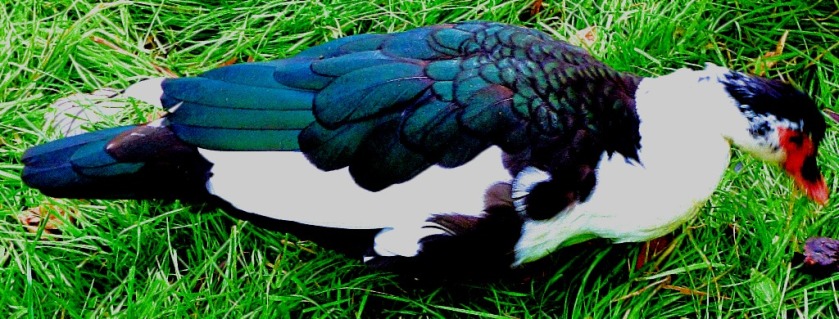
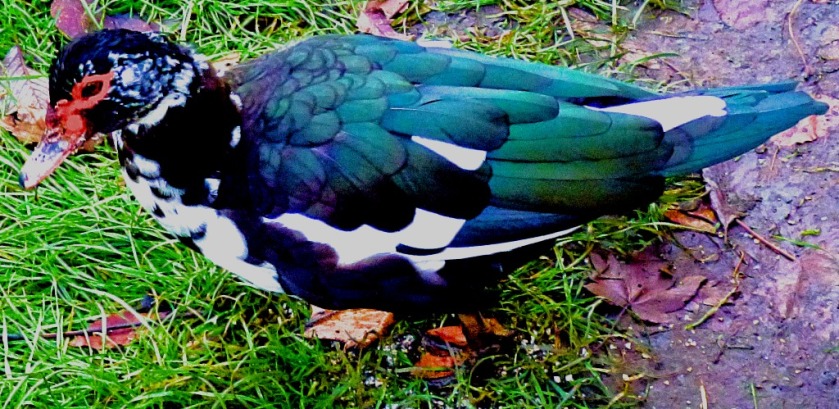
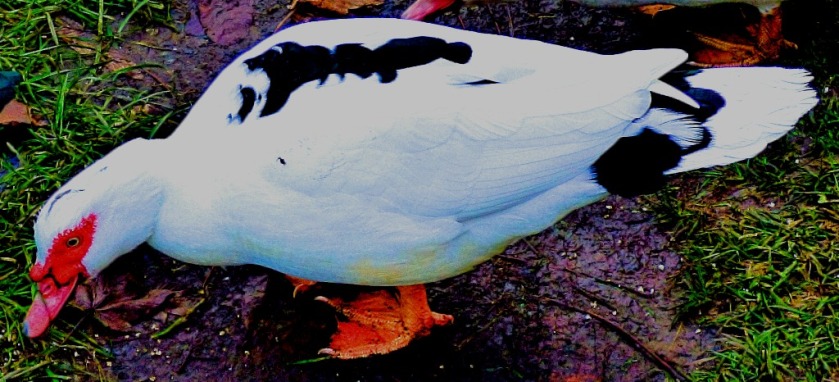
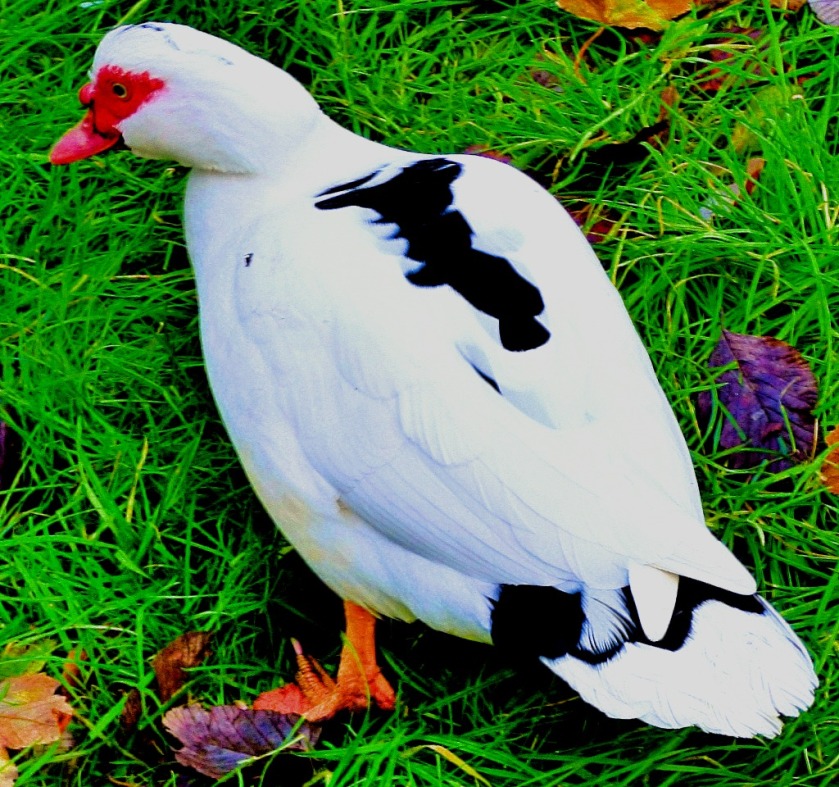
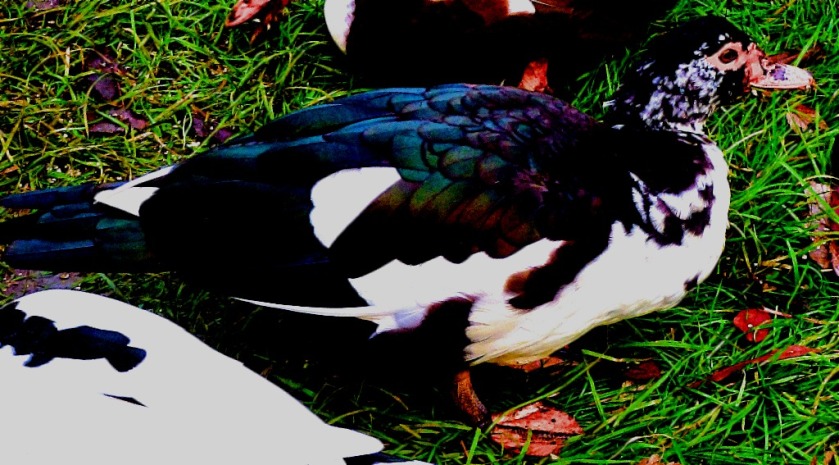
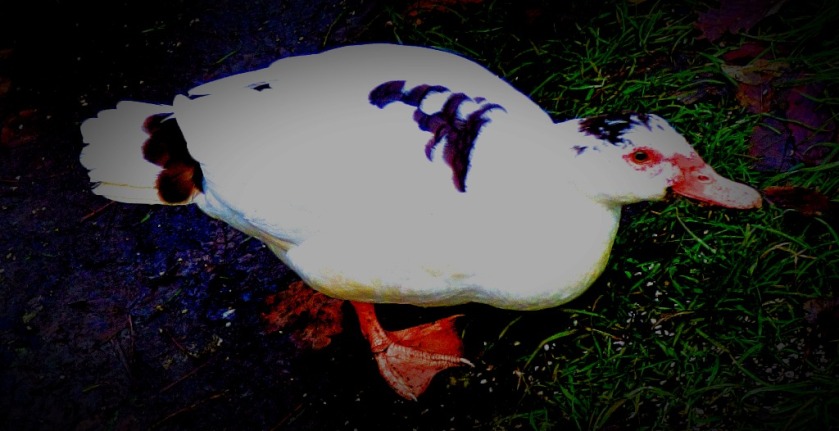
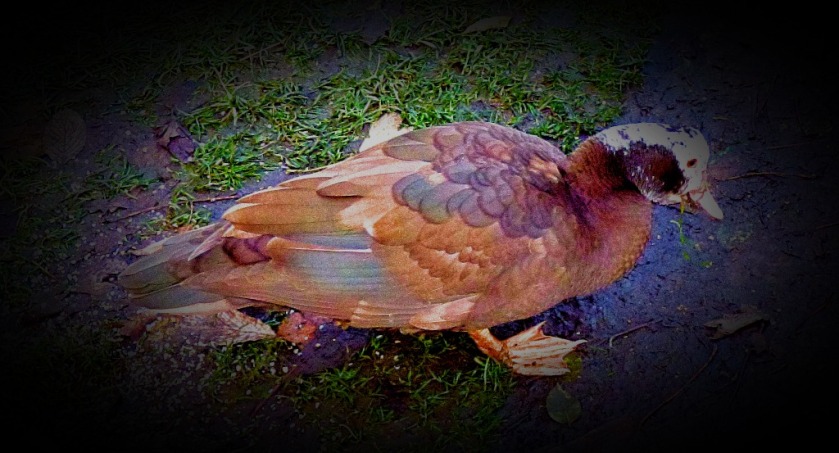
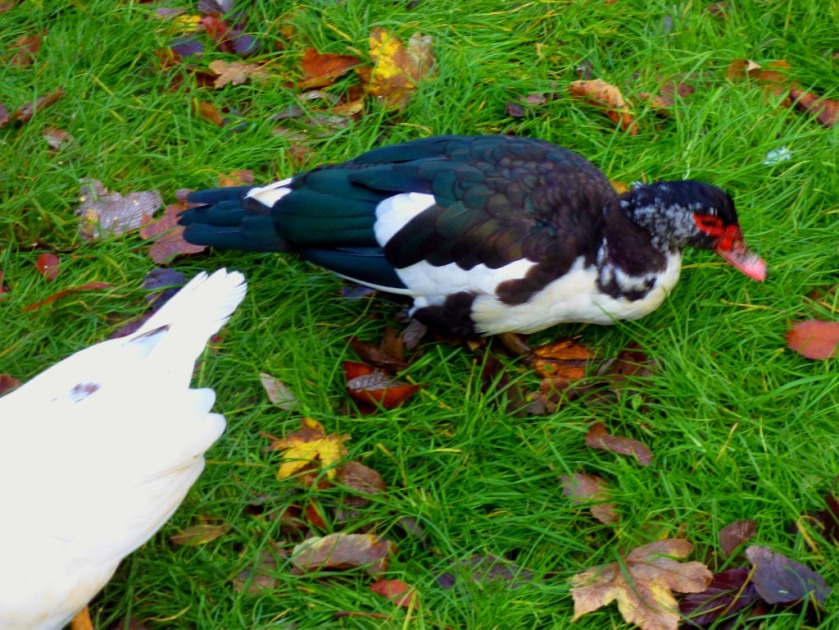
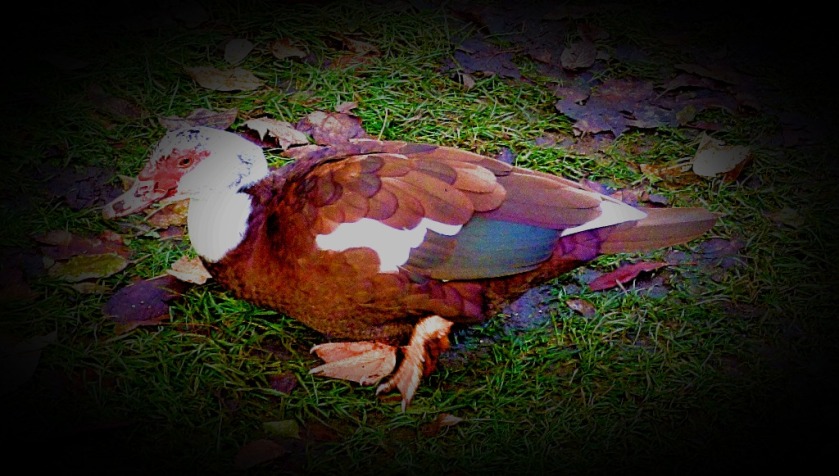
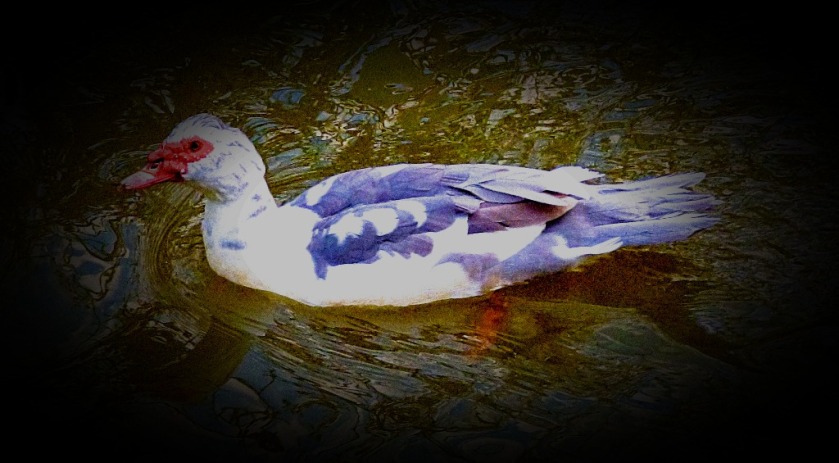
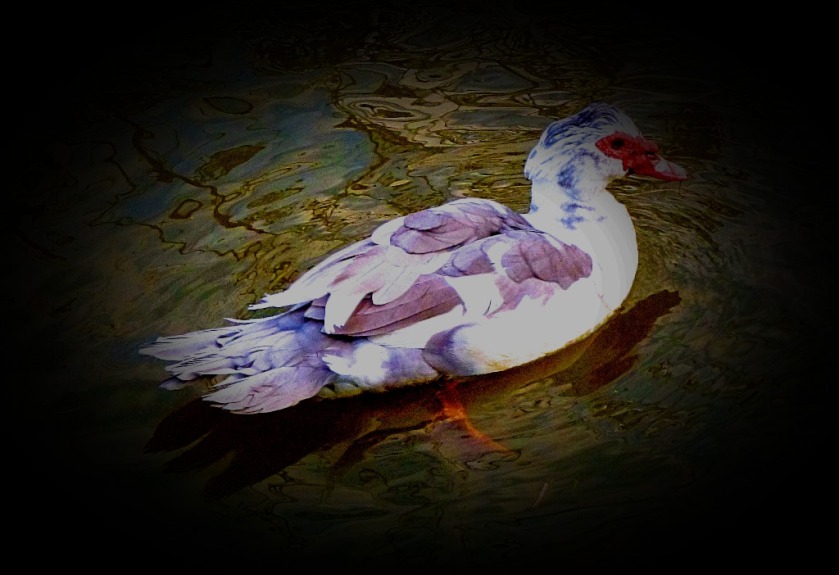
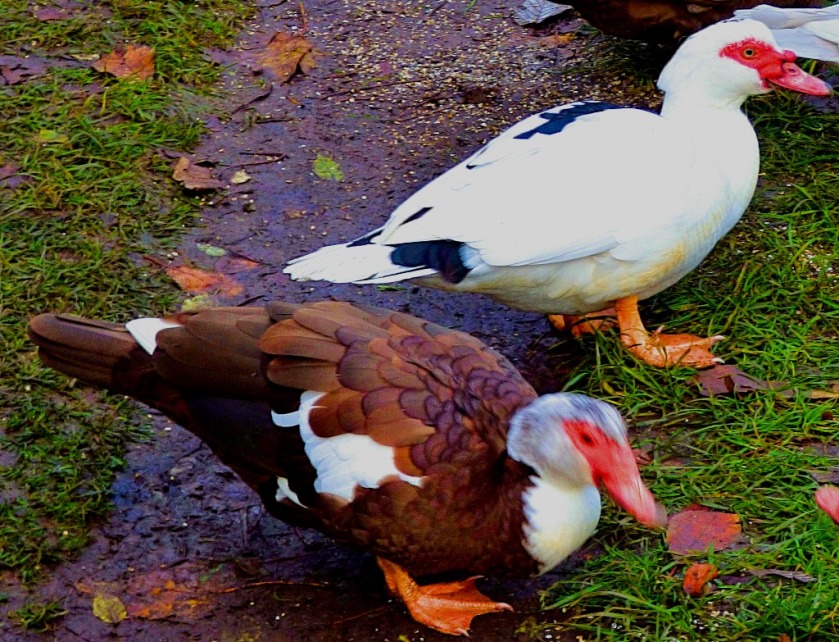
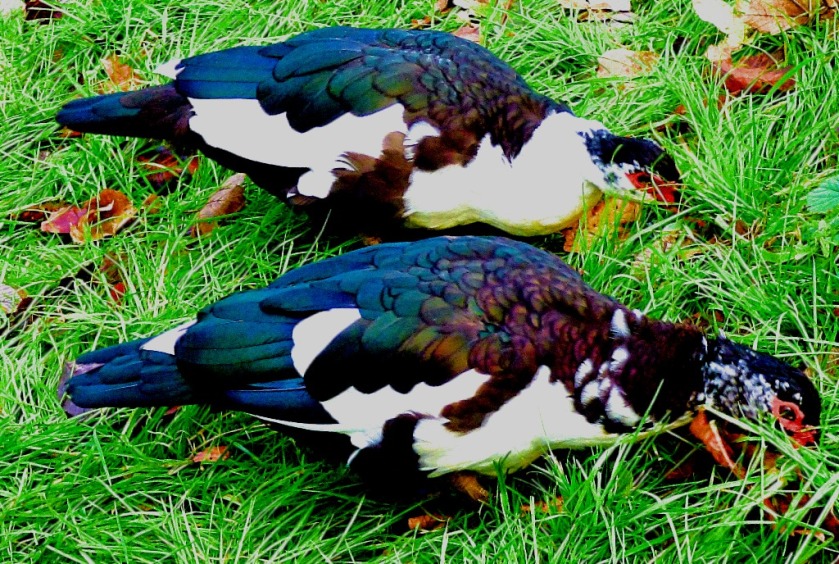
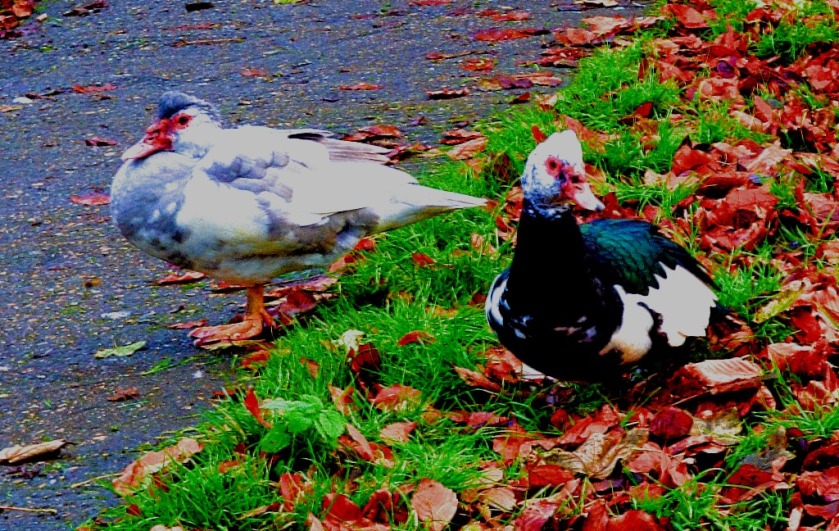
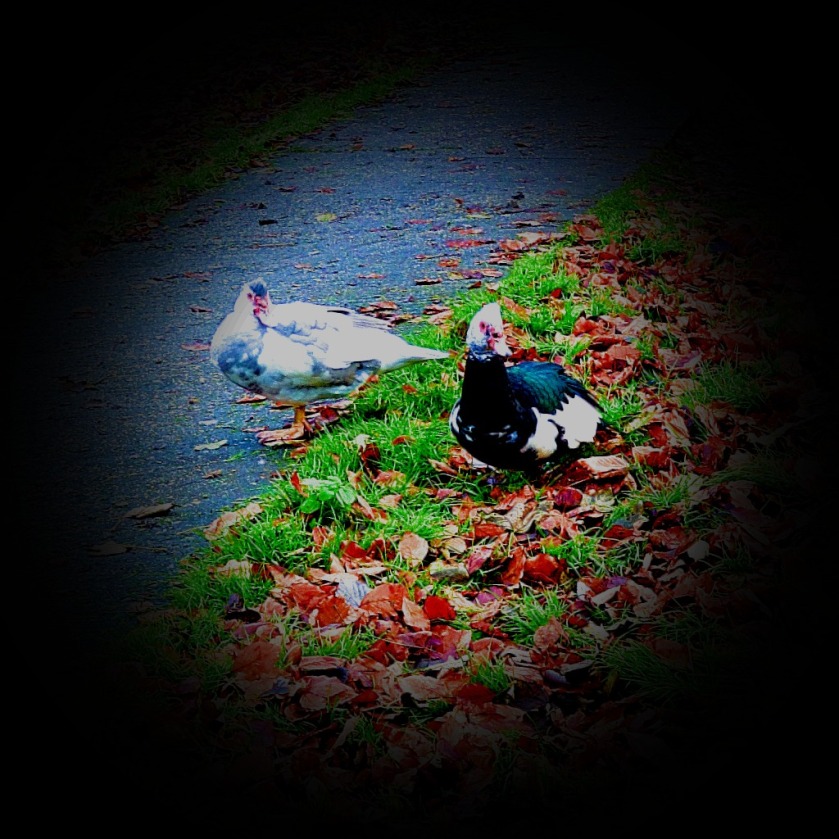
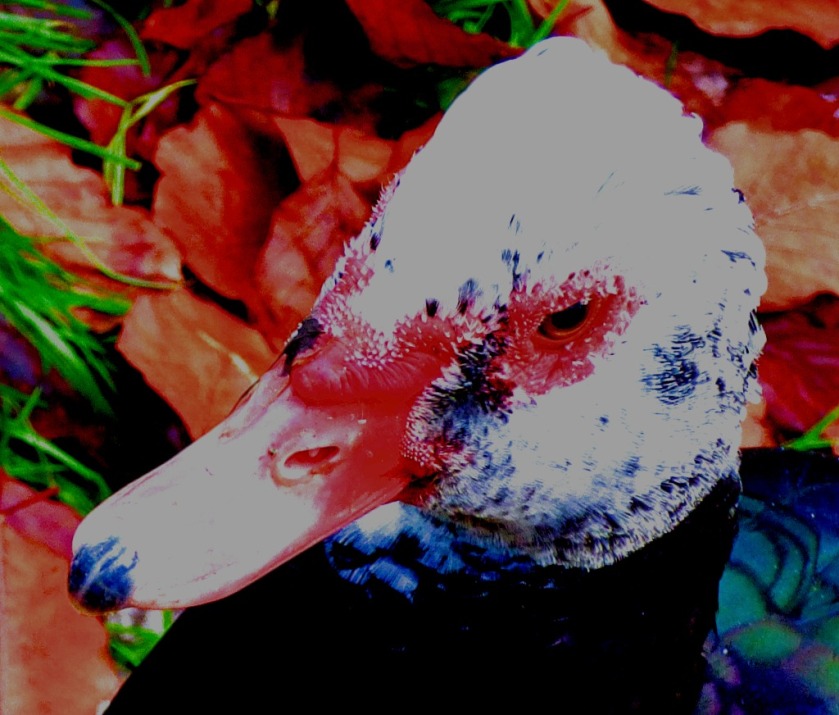
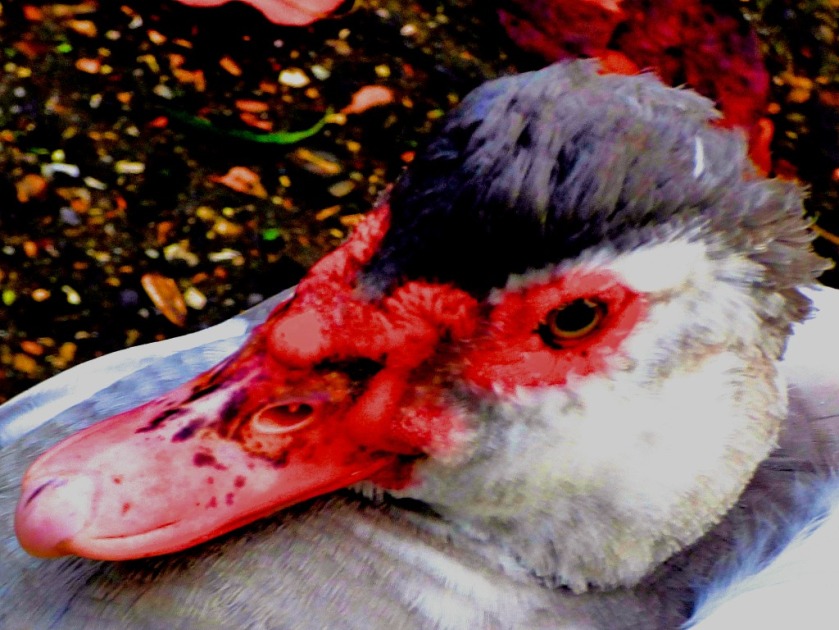
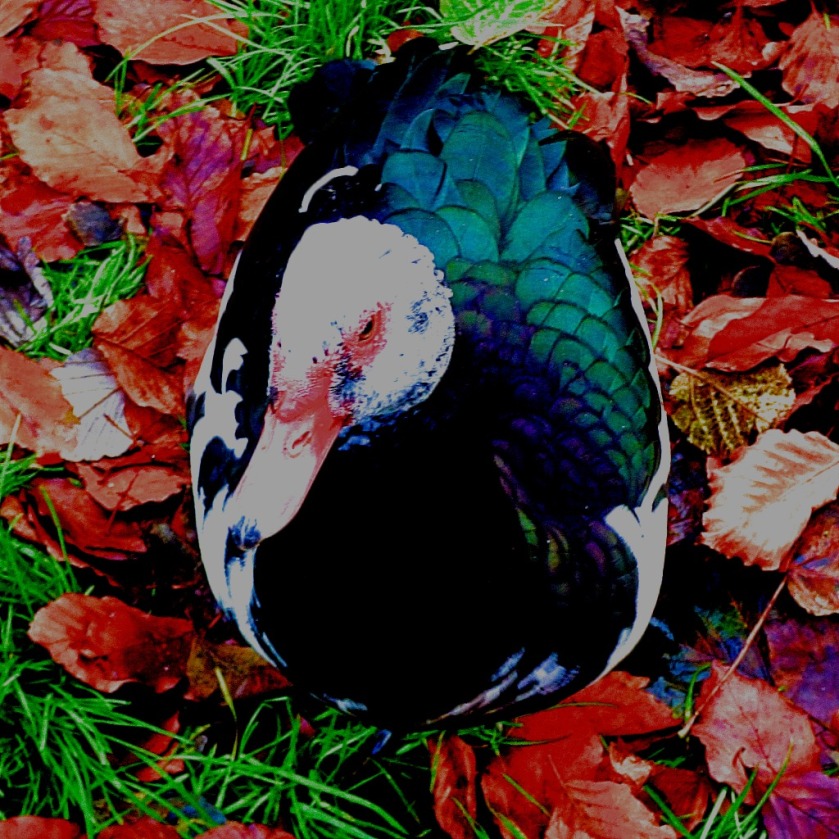
A couple of hours ago I put up a post featuring some large water birds that were new to me. Since then two people in the comments section (Cindy and Vicki) have suggested Muscovy Ducks as a possibility, and my twitter friends @team4nature have made a similar though more detailed suggestion.
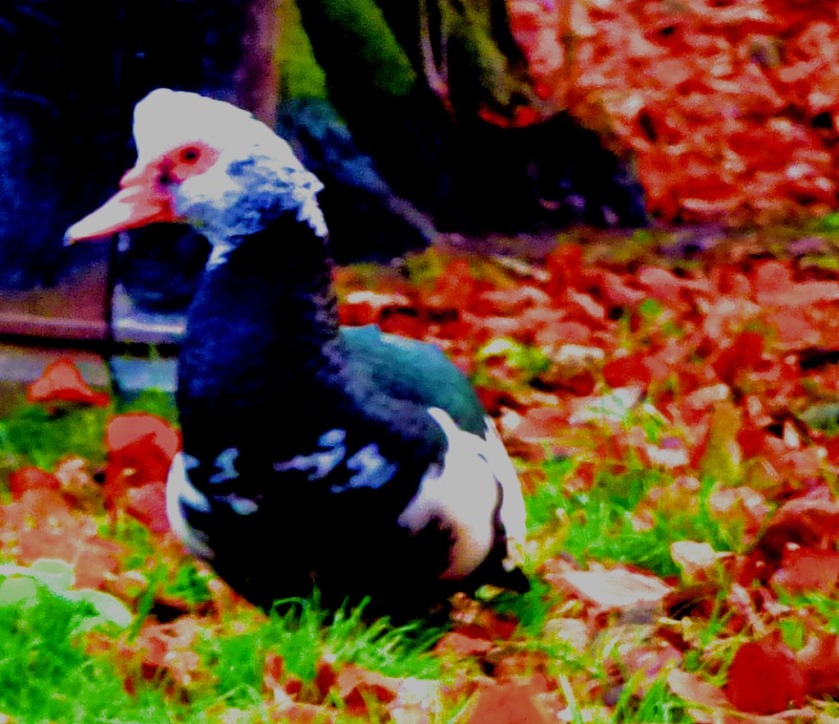
This level of consensus is sufficient for me – these are Muscovy ducks, possibly domesticated and possibly crossed with some other breed (possibilities raised by @team4nature). Here to conclude this section is the feature image from the previous post:
SUPERPRIME RESOLVED
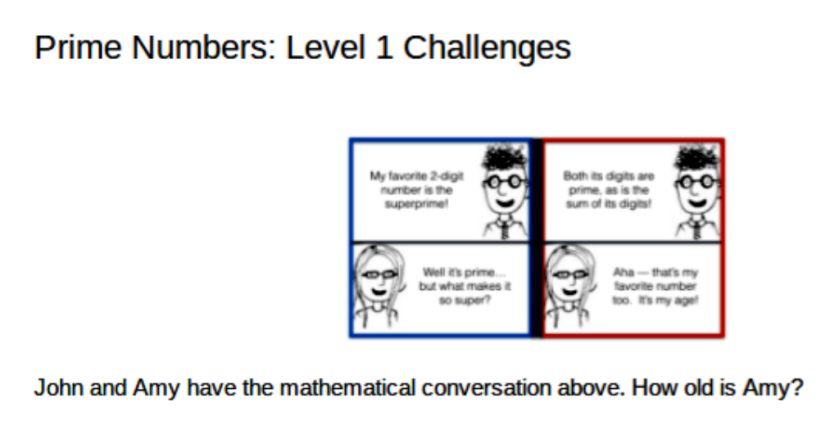
I offered up this problem from brilliant last night:
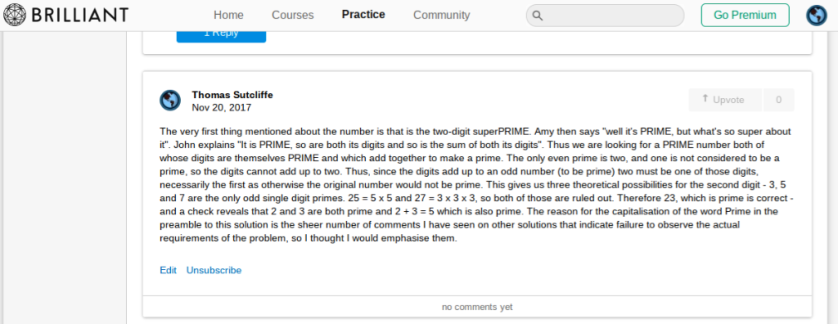
This is my own solution, posted as such on brilliant, and reflecting mu frustration at the sheer number of people commenting based on failure to fully read the terms of the question:
Can you identify these large water birds that I saw near Kettlewell Lane, King’s Lynn, today?
INTRODUCTION
I was out walking this afternoon, and one of the places I walked was a section of river that runs parallel to Kettlewell Lane in King’s Lynn. It was there that I saw some birds I have never seen before…
BIG NEW AVIAN FIND
These are large birds, similar in size and build to a goose, but with colouring unlike any goose I have ever seen, and not matching any of the goose species listed in my bird book. They were probably about half as big again in each direction as the mallards that I also saw (and due to being overfed King’s Lynn mallards are bigger than average mallards!). I have lots of photos for you…
Based on the size of the birds and all the features that my camera managed to pick up can you identify them? If you can please let me know by commenting.
This little problem generated a surprising amount of controversy on brilliant – though it is not particularly difficult, and there were no real grounds for controversy:
I will reveal the solution tomorrow.
BIRD PICTURES FROM KINGS LYNN
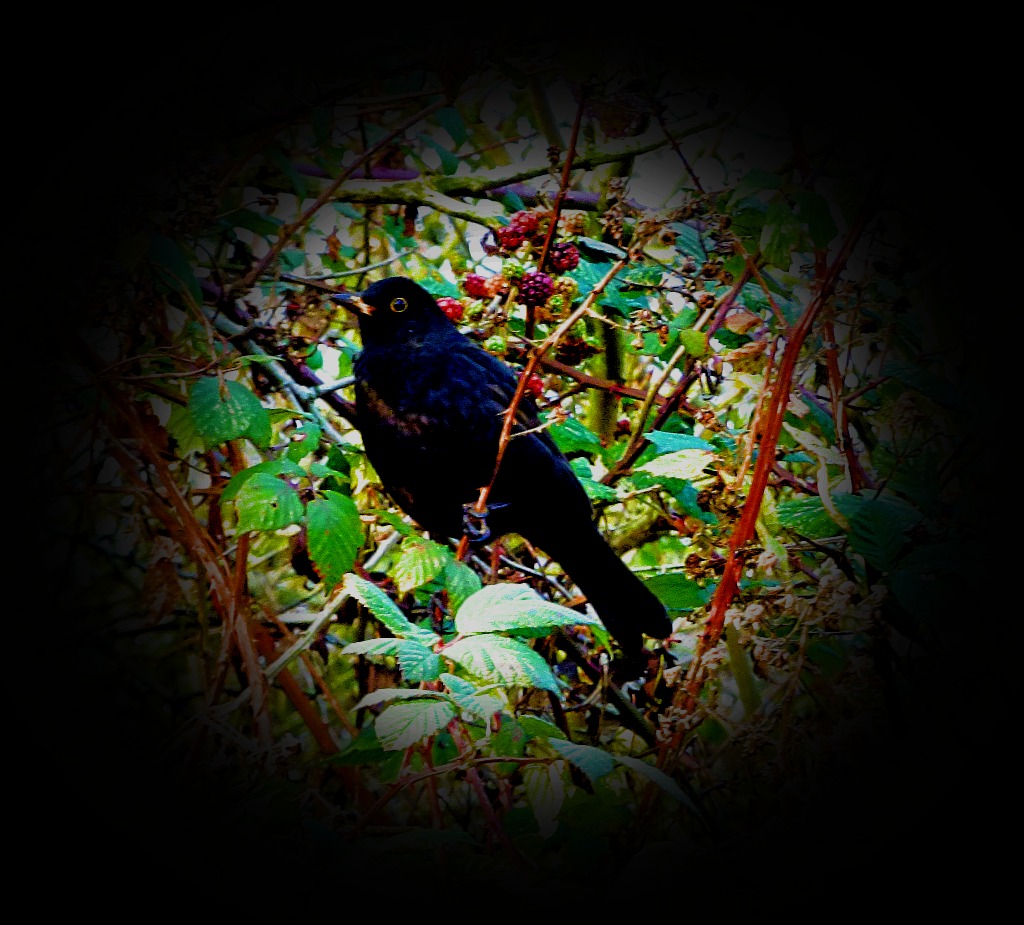
We had a bit of sun in King’s Lynn today, but in consequence of it being December it was already virtually level with the horizon by 3PM. However, it being as pleasant as a December day in Blighty can be I did get out a couple of times, and augmented my stock of bird pictures along the way:
An account of a hectic and sometimes stressful work week.
INTRODUCTION
This post covers Monday, Tuesday and Wednesday of this week. Monday and Wednesday were auction days.
MONDAY – JAMES AND SONS, FAKENHAM
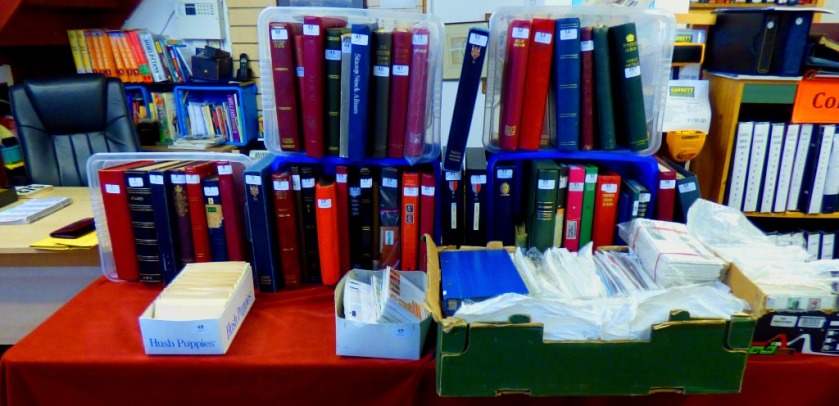
This auction consisted of 455 lots, mainly stamps, with some first day covers at the end. The feature of the day was a selection of rare Chinese stamps, which it was hoped would fare well. Arriving at the shop bright and early I had a little time to myself before anyone else arrived. The IT setup and audio/video checks went smoothly, and exactly on schedule at 10:00 the first lot went under the hammer. Here are some pictures from before the auction…
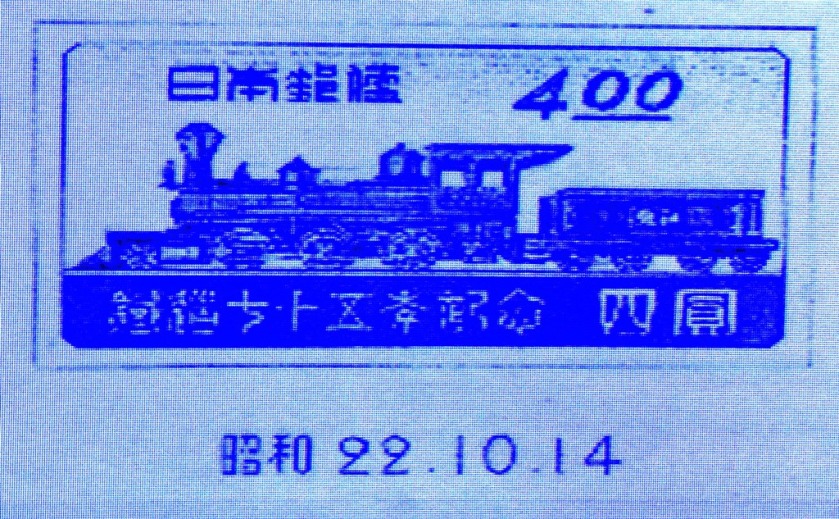
The Chinese Stamps were still upstairs at this stage for safety.The IT setupThe big screen.A close up of the locomotive on the big screen (at one image per 3 seconds and almost two hours of running through 455 lots on a loop you can work out how many times each lot appeared on screen while the preauction slide show was running.
THE EARLY STAGES OF THE AUCTION
Most of the lots early in the auction were very large, and they did not attract much attention. There were hints of things to come when some of the first Chinese stamps sold well. Before we get to the main meat of the day, there is one essential stop…
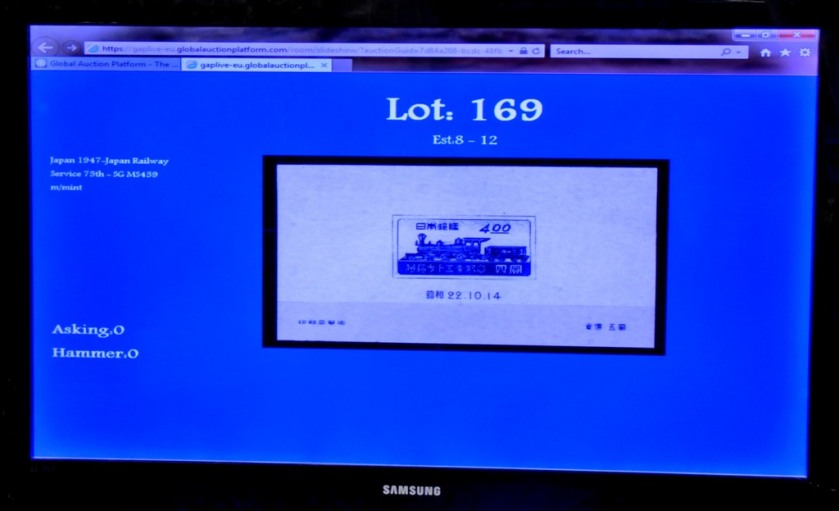
LOT 169
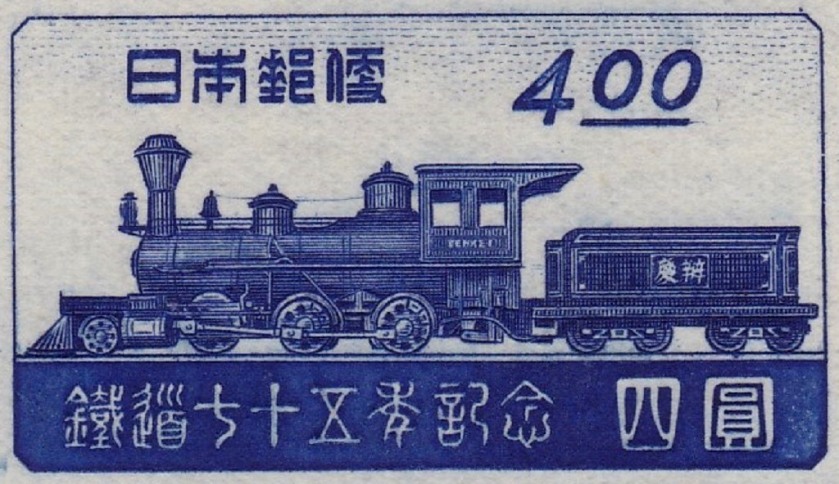
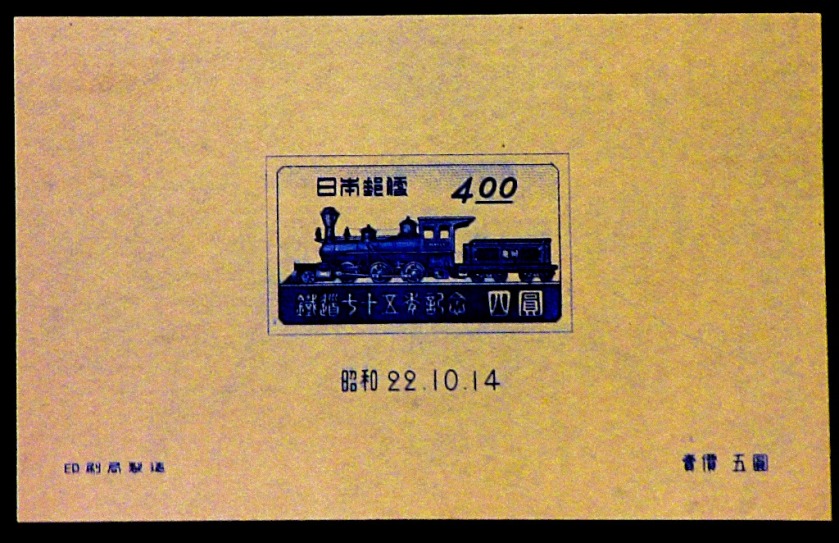
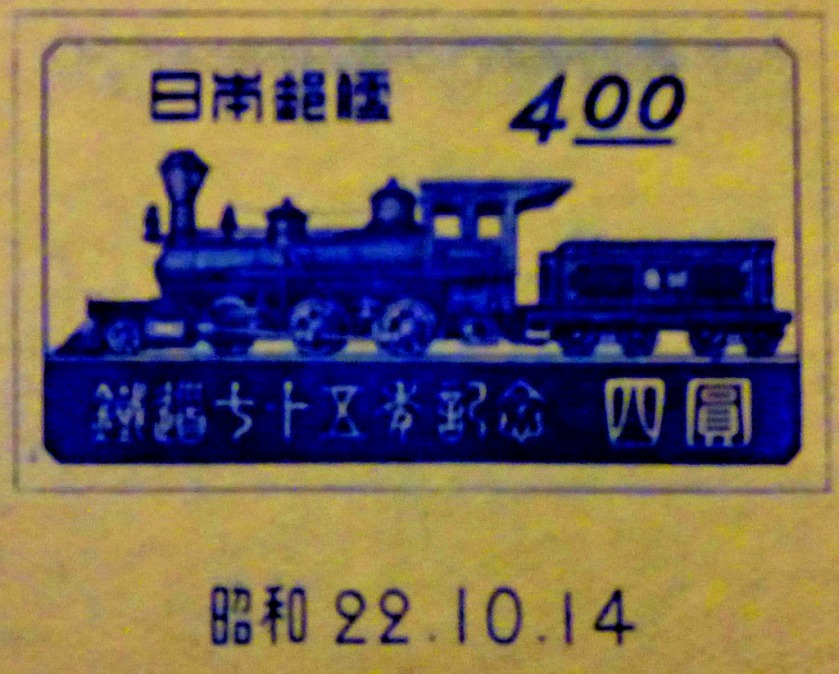
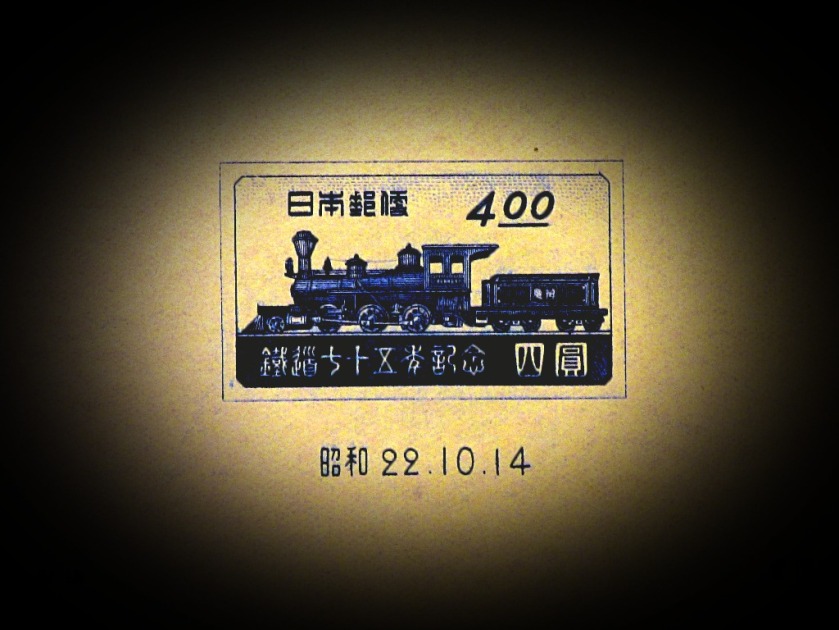
Coming a little bit before the rare Chinese stamps were due to appear this was a Japanese railway stamp, and I got it unopposed. Here are the official images that were available online:
This was the image that appeaqred on screen during the auction – scanned at 300dpi.For those who were on the internet this close-up of the locomotive was the second image if they wanted to investigate more closely.
Here are a couple of pictures of it taken at home…
The complete itemLocomotive close upA second close-up
THE CHINESE STAMPS
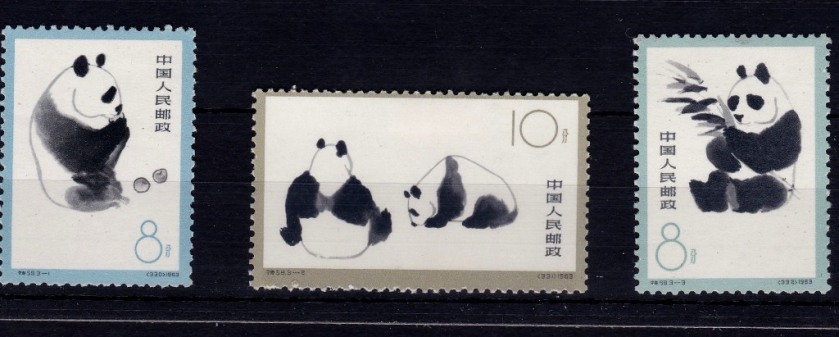
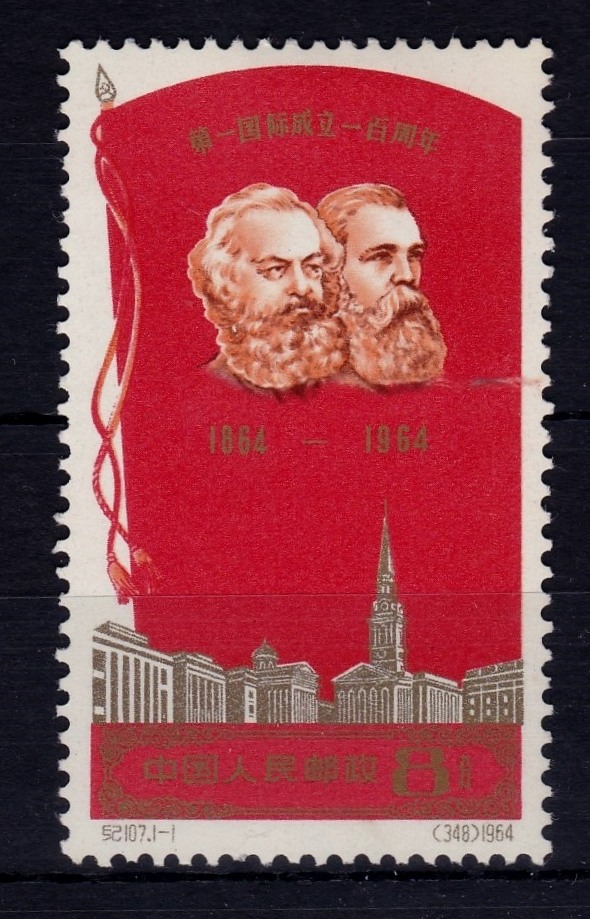
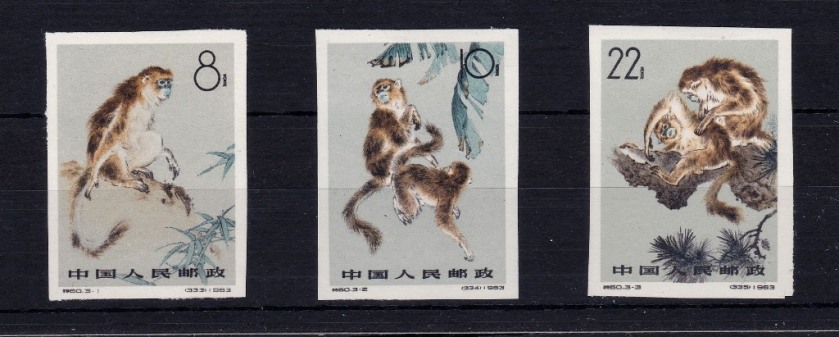
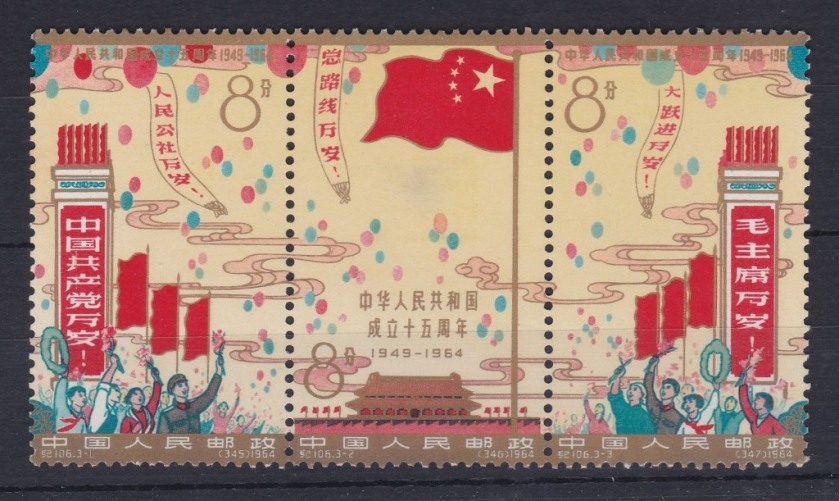
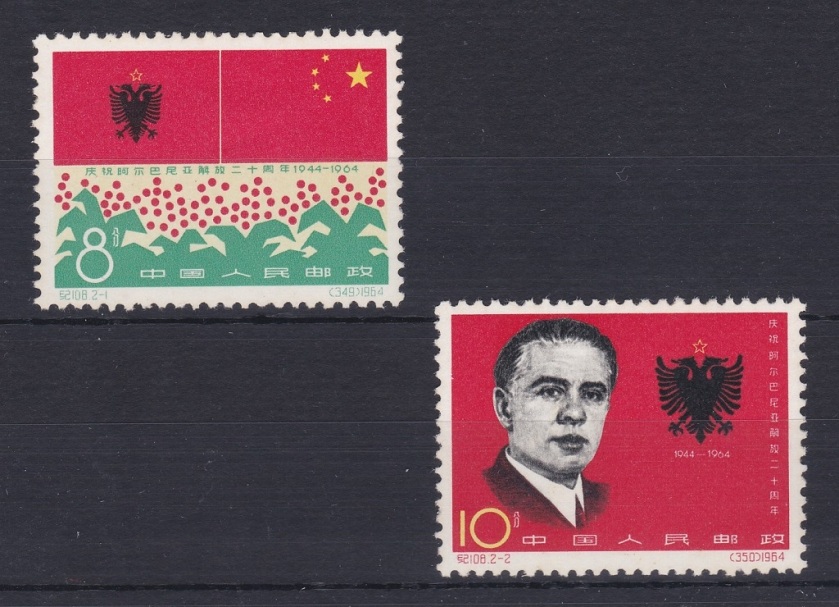
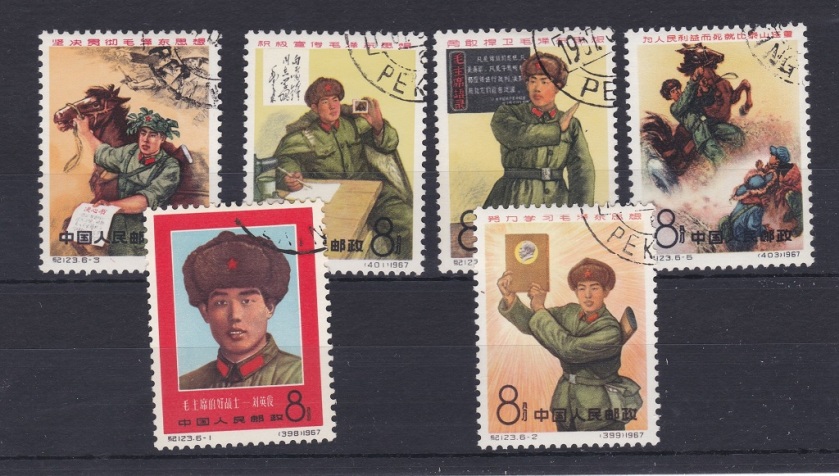
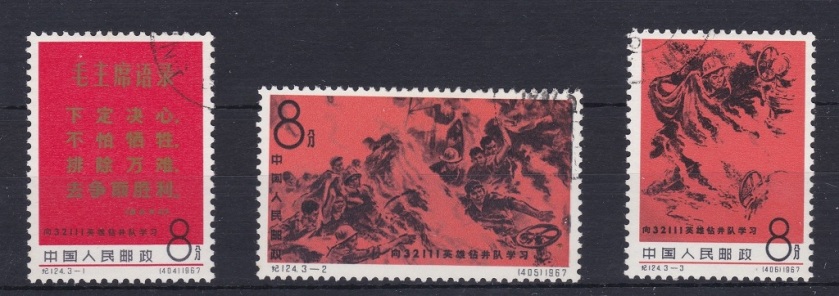
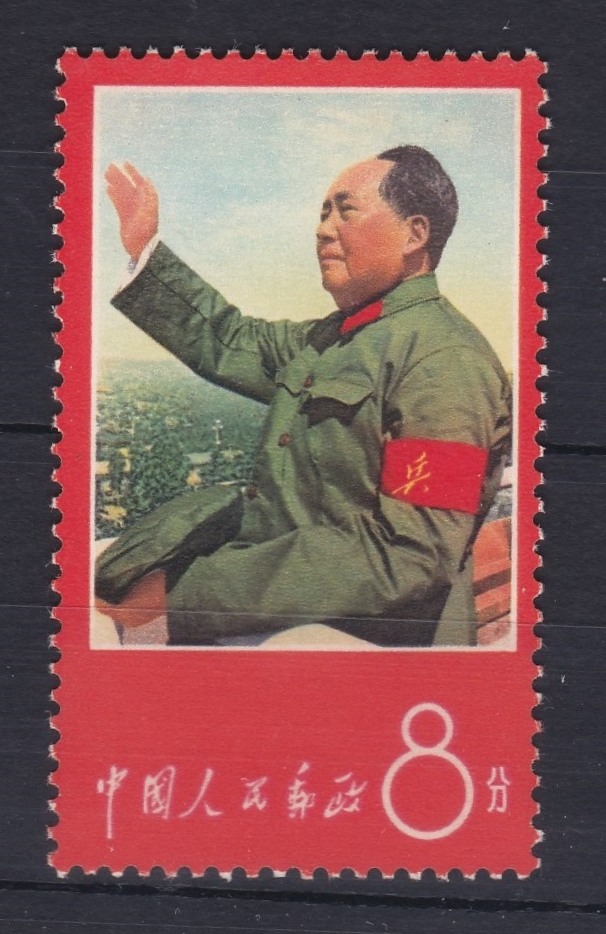
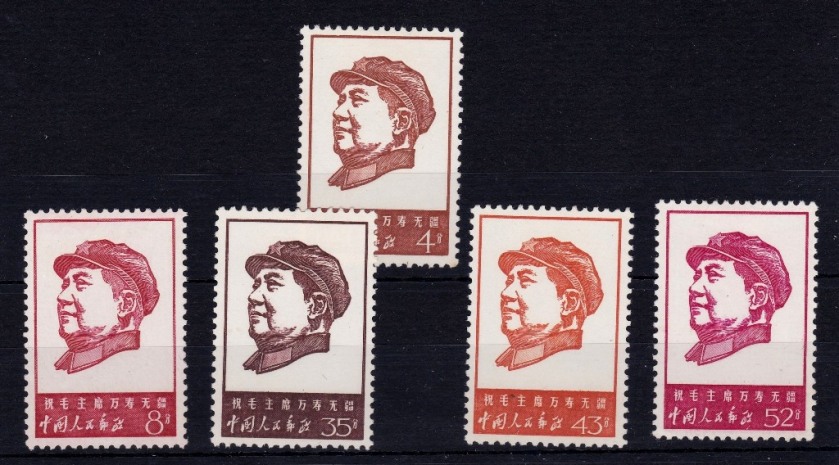
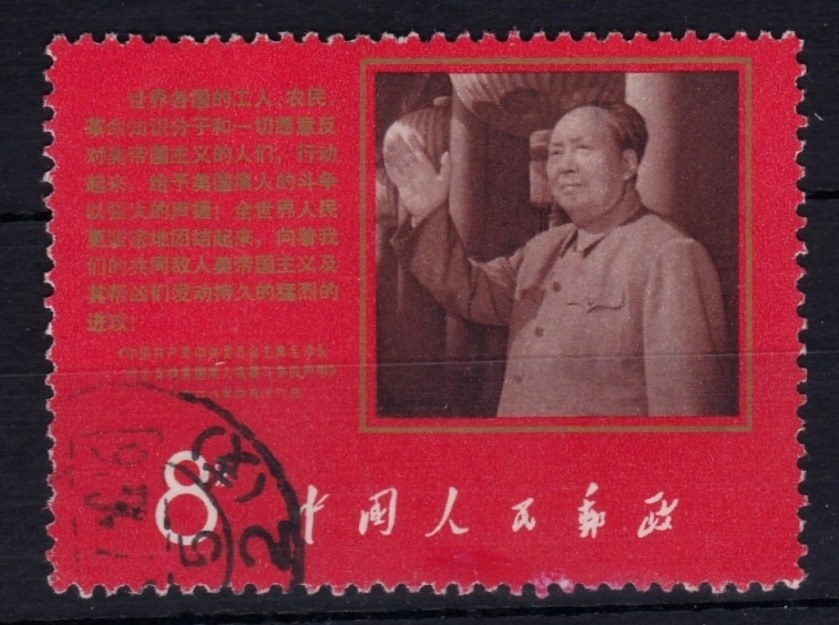
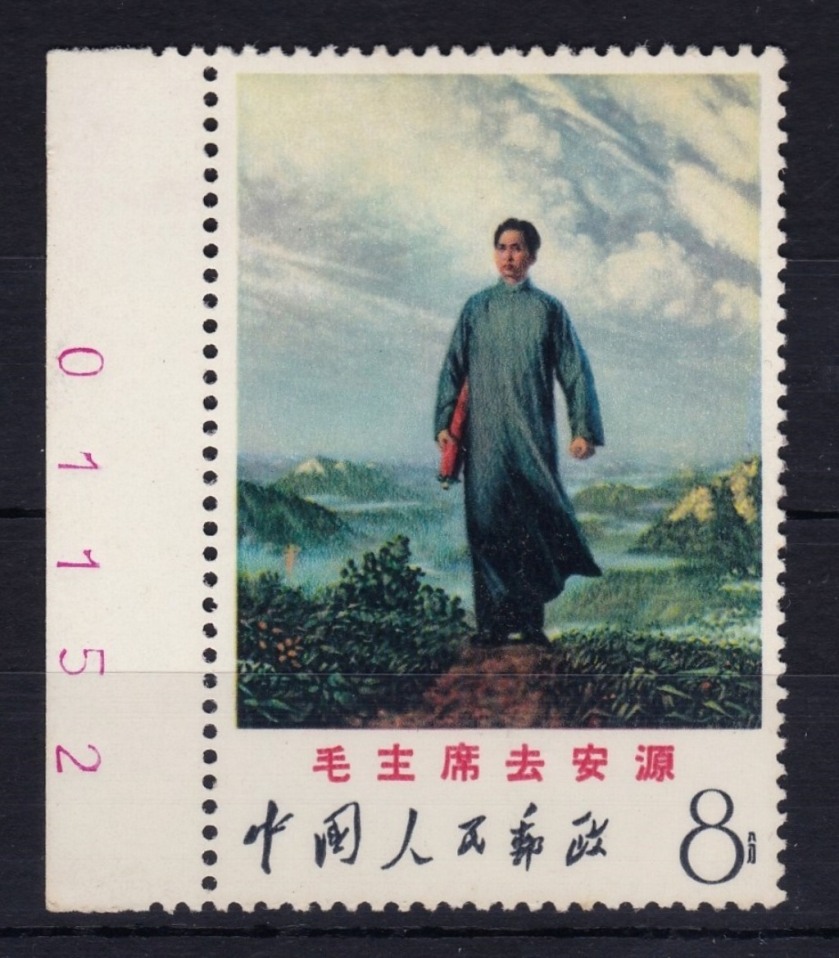
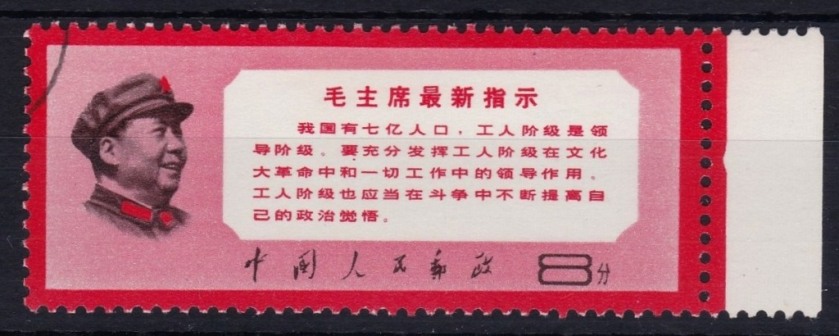
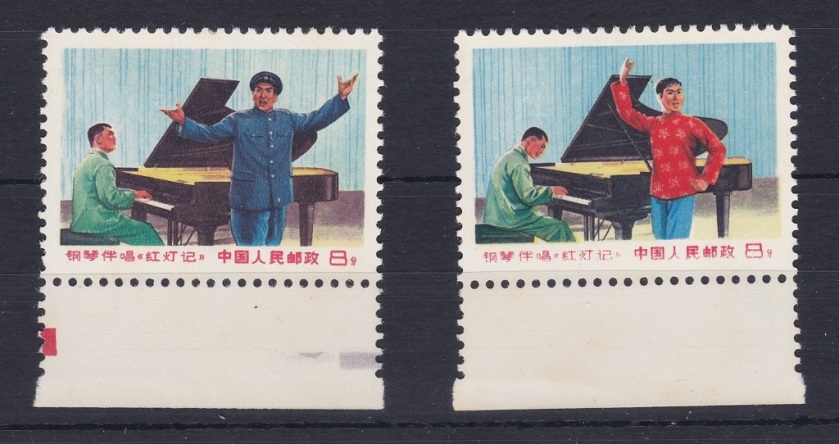
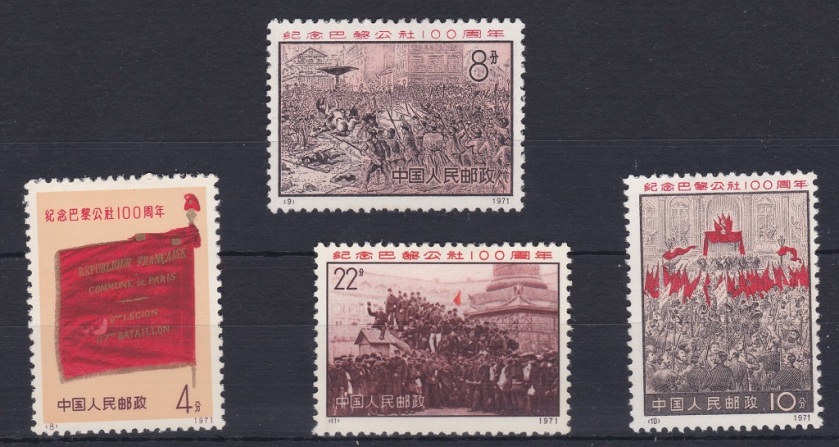
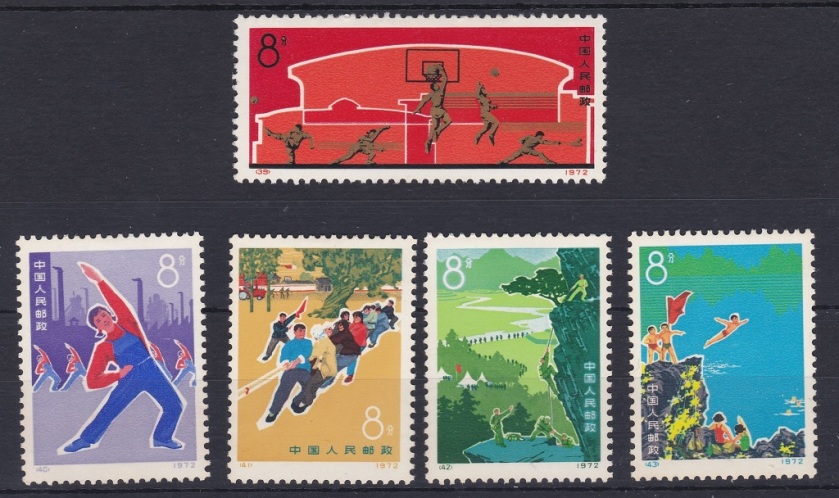
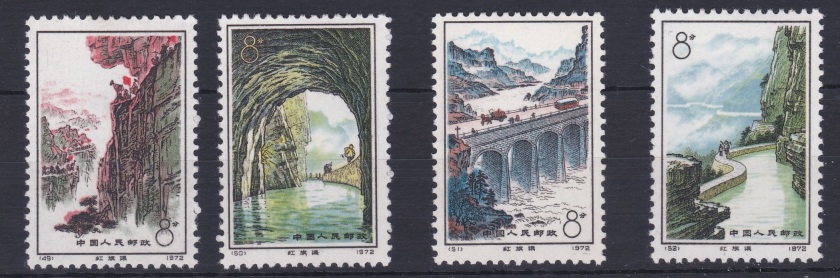
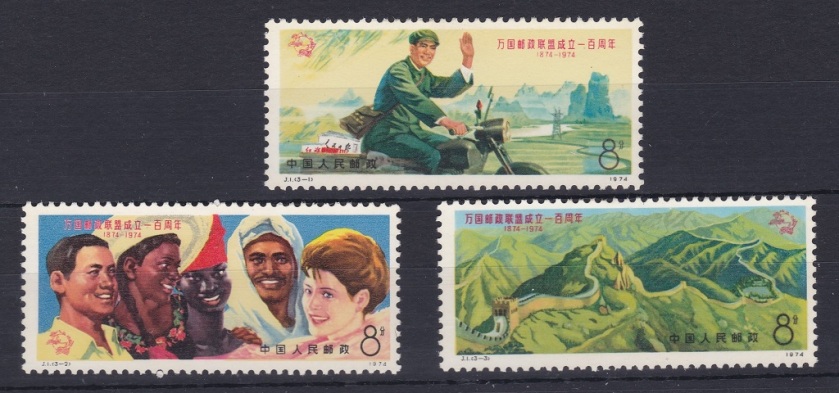
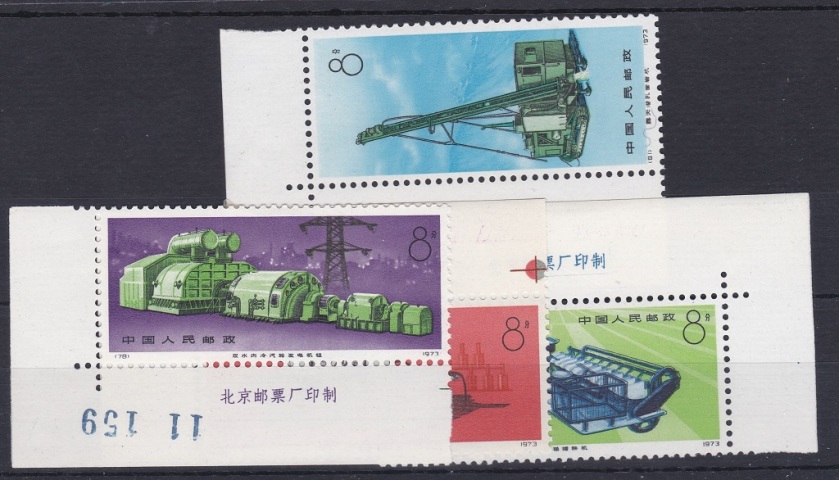
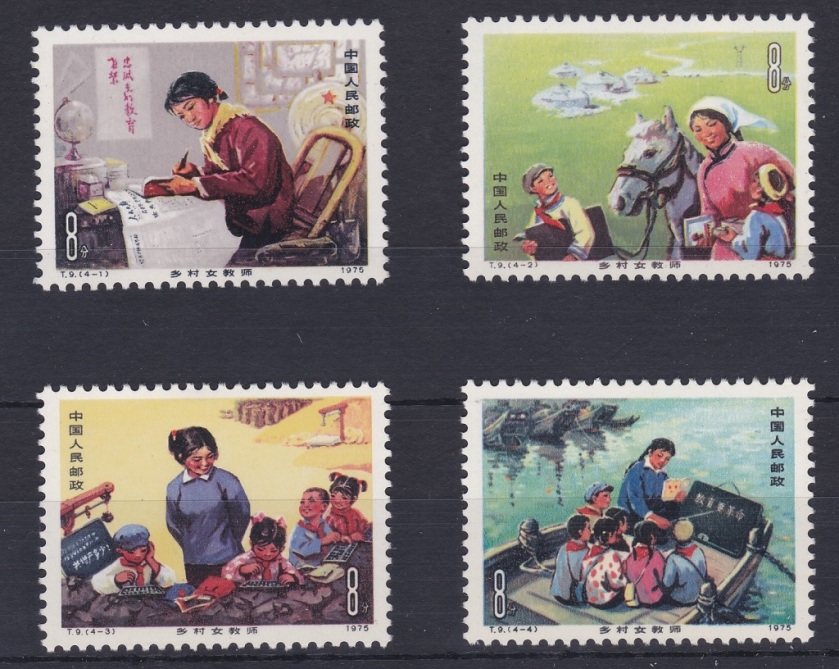
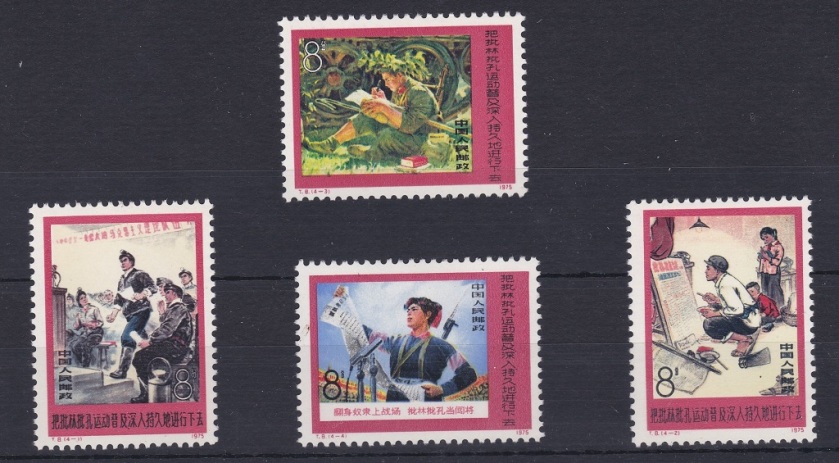
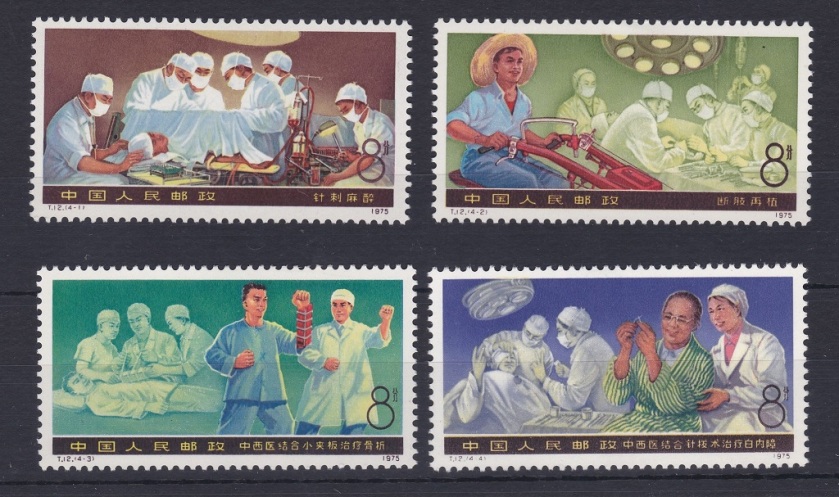
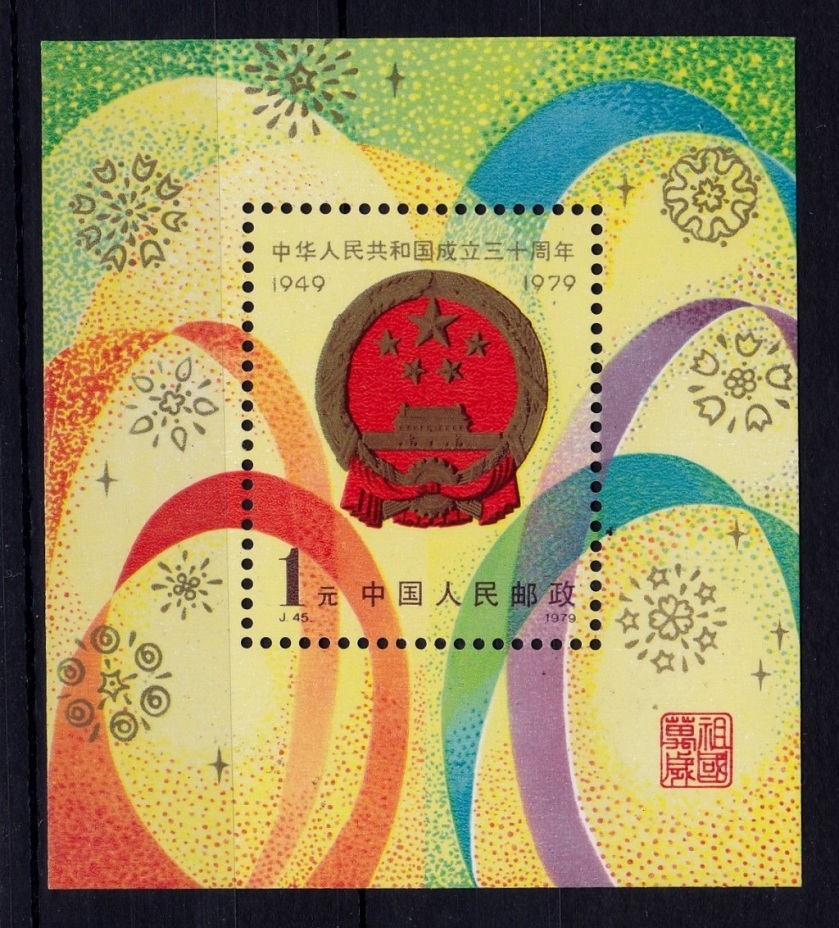
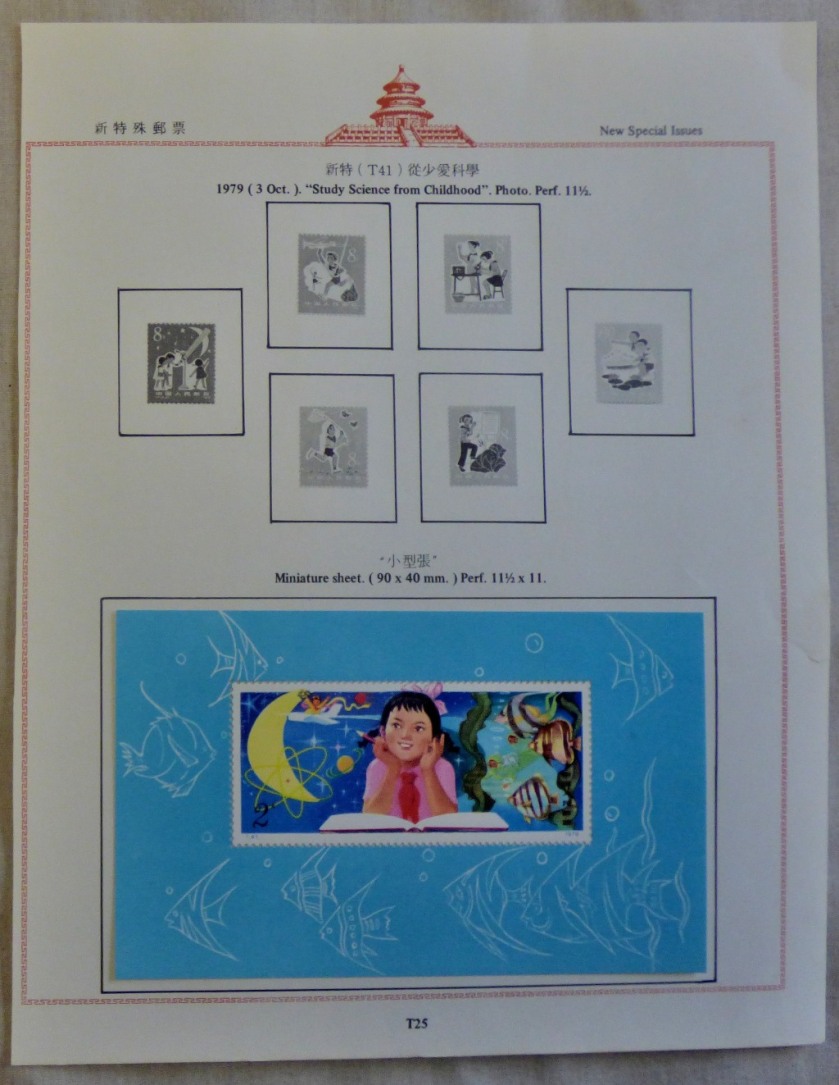
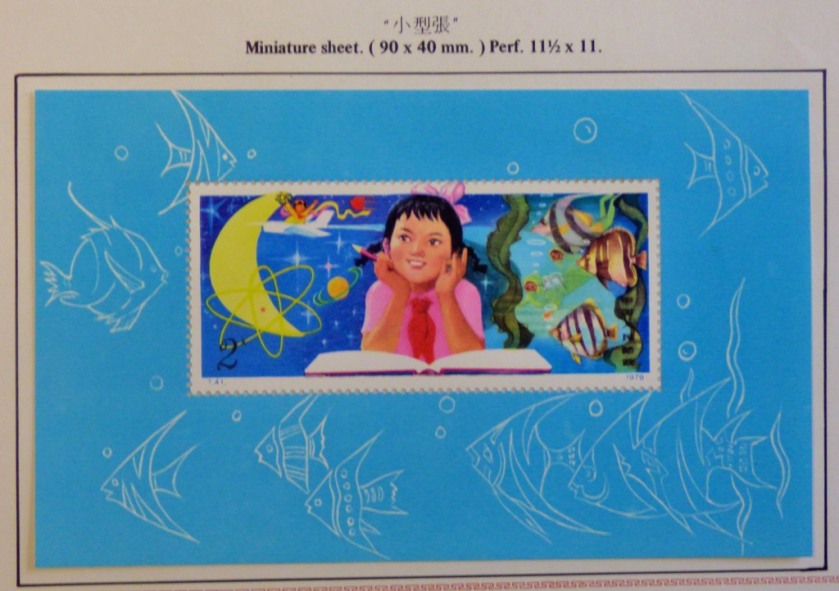
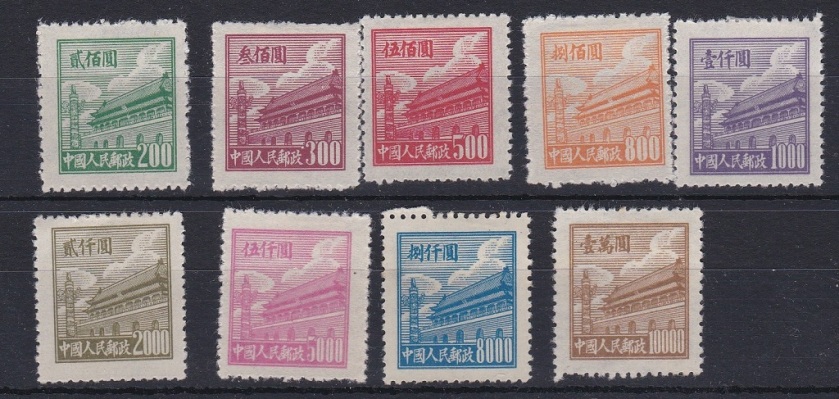
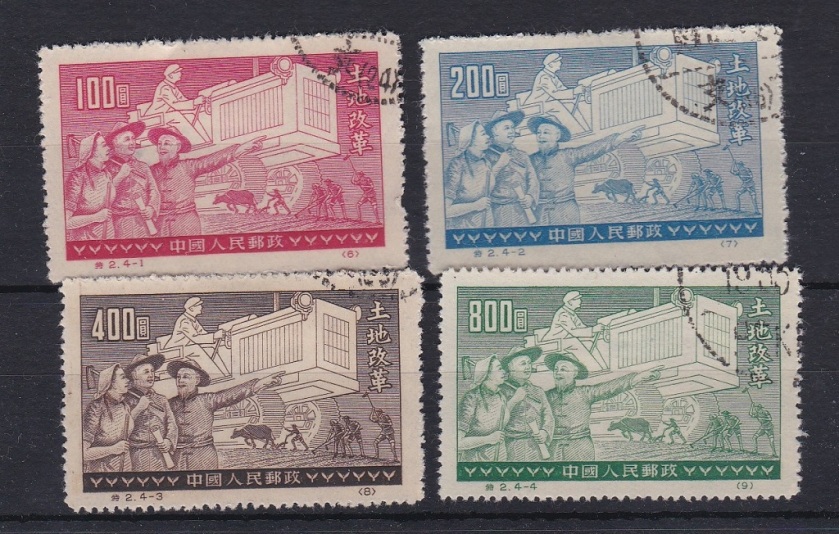
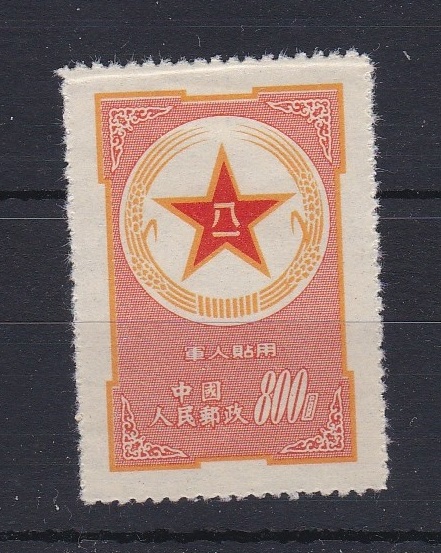
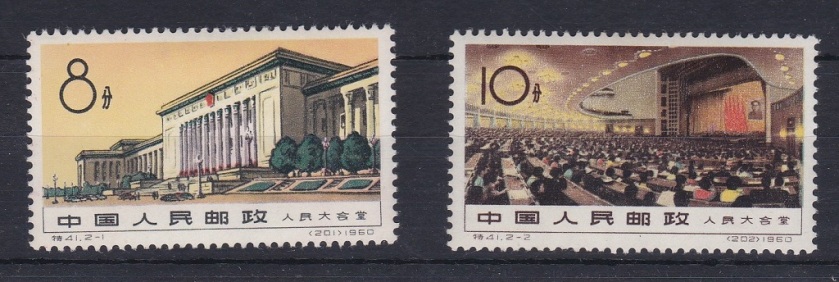
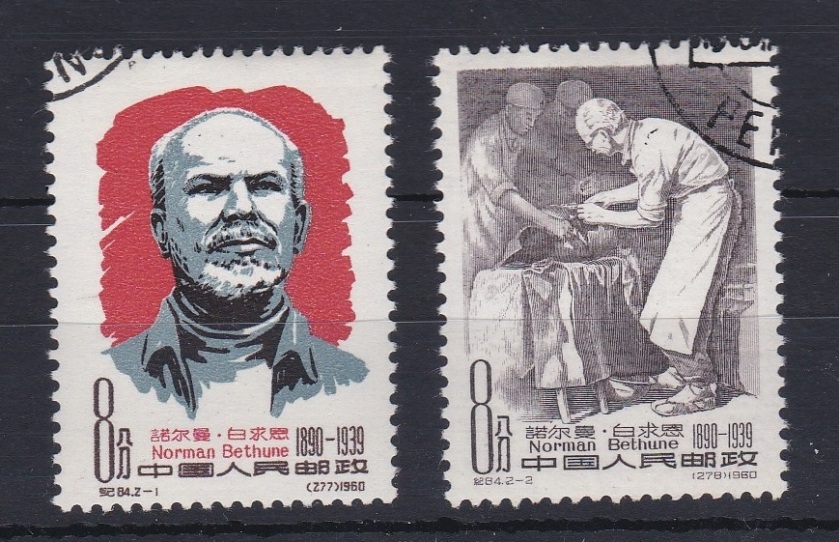
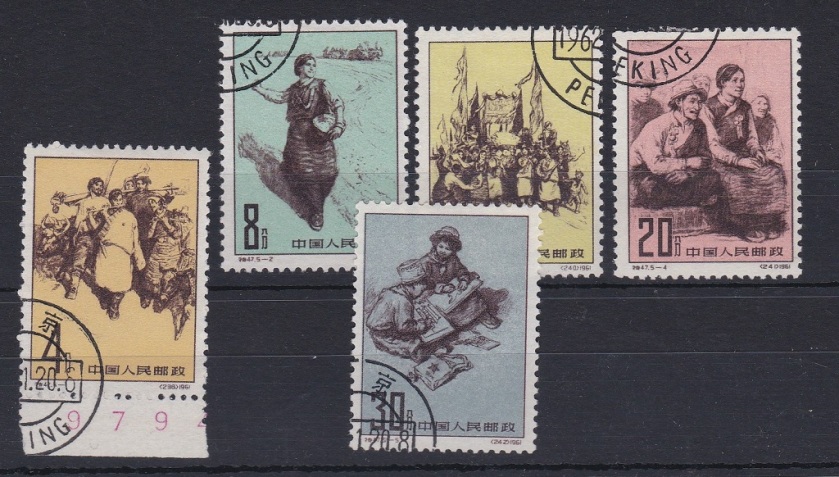
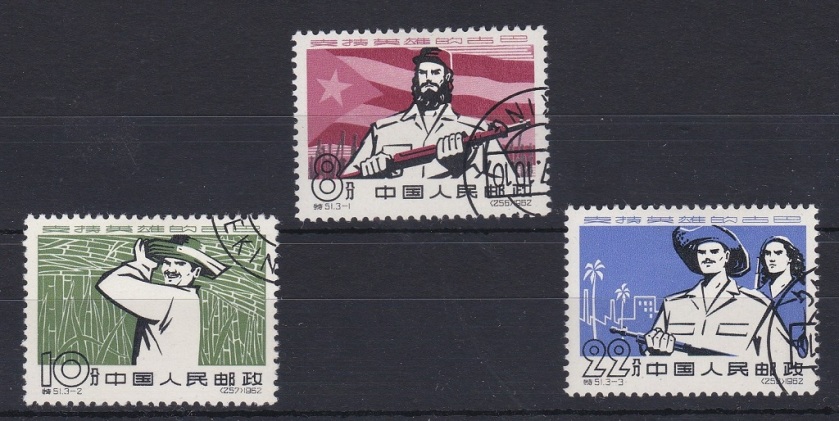
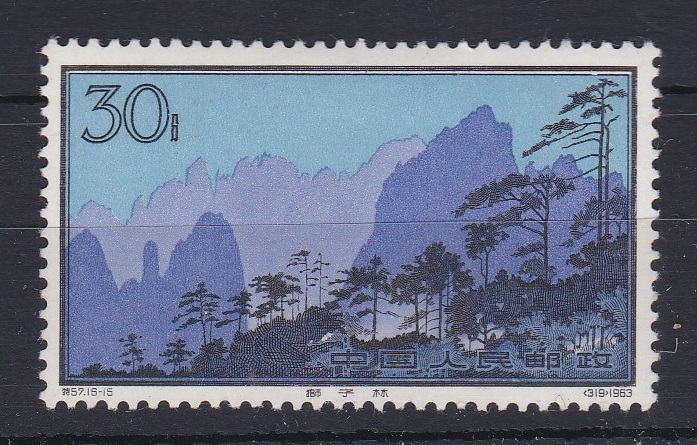
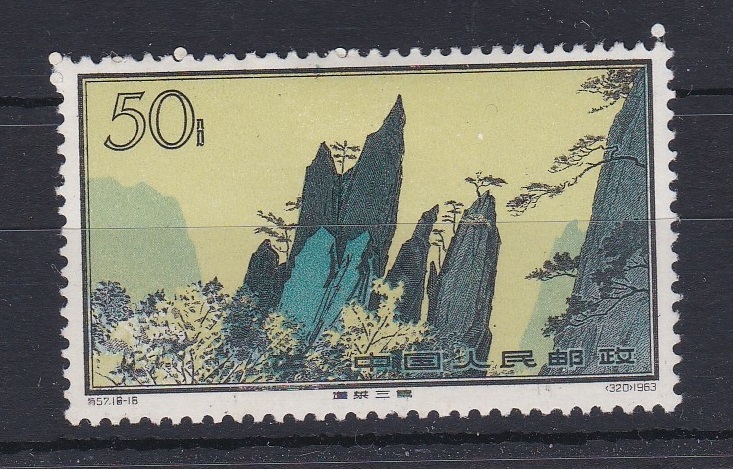
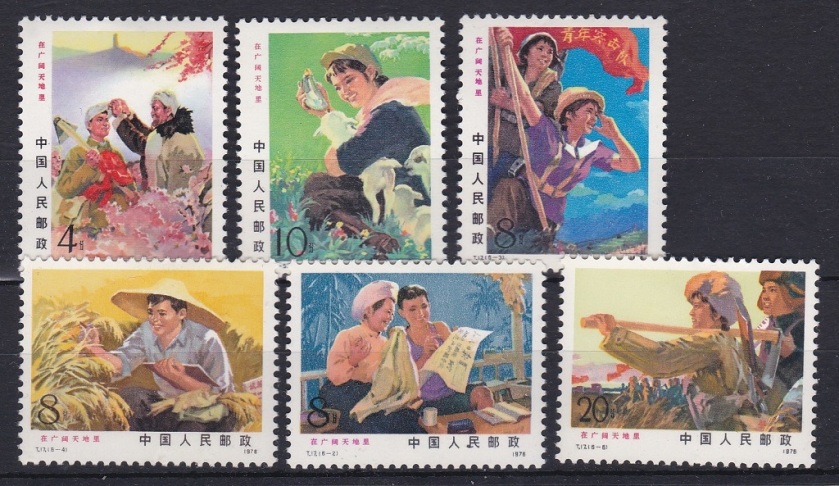
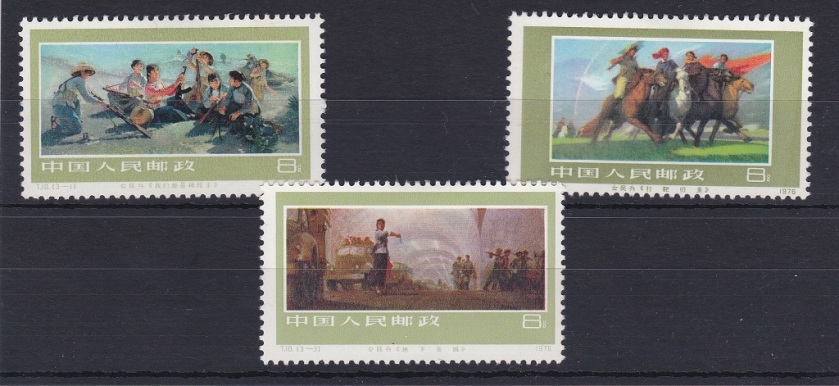
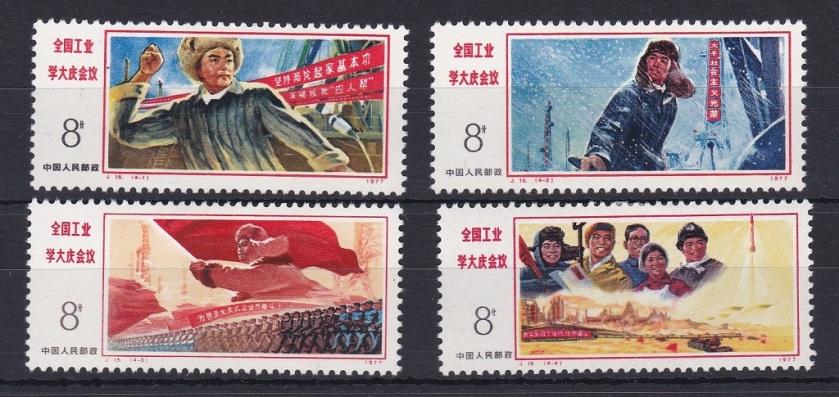
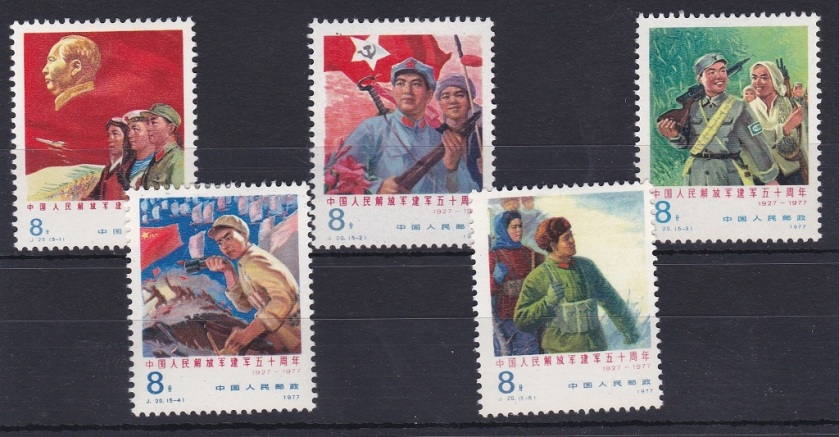
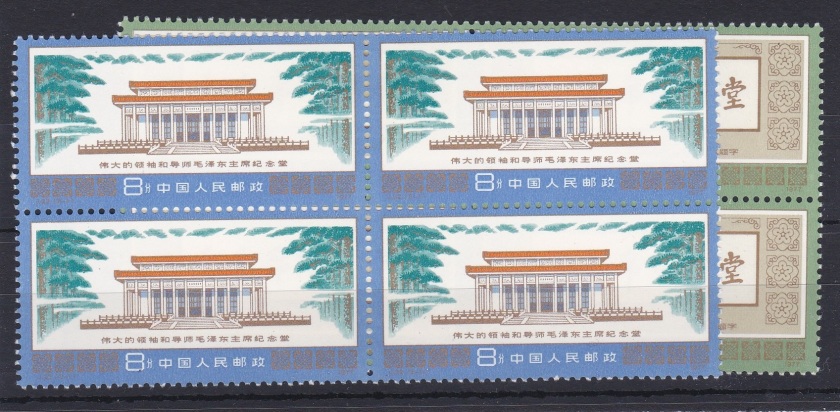
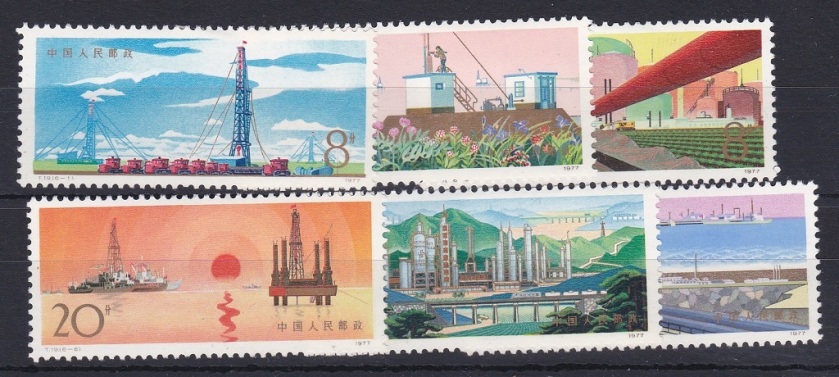
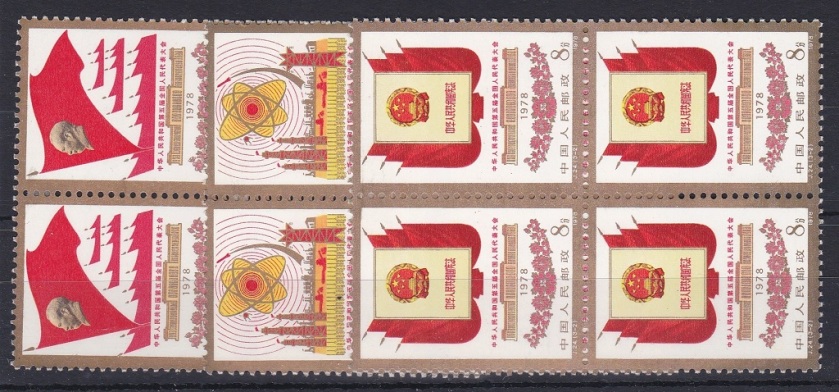
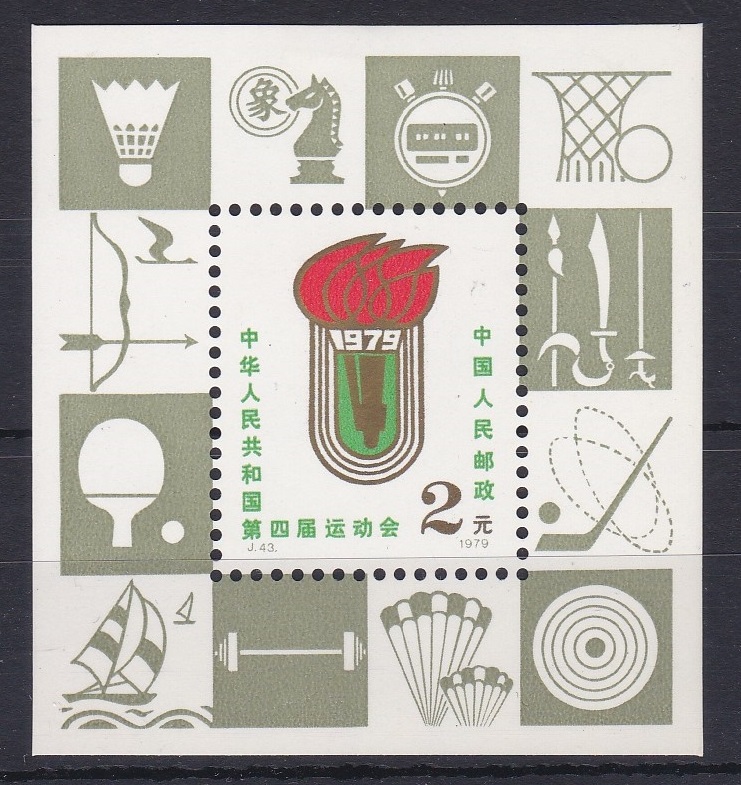
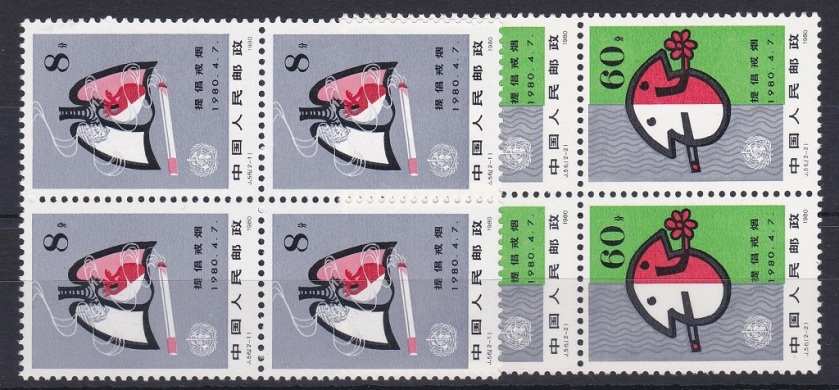
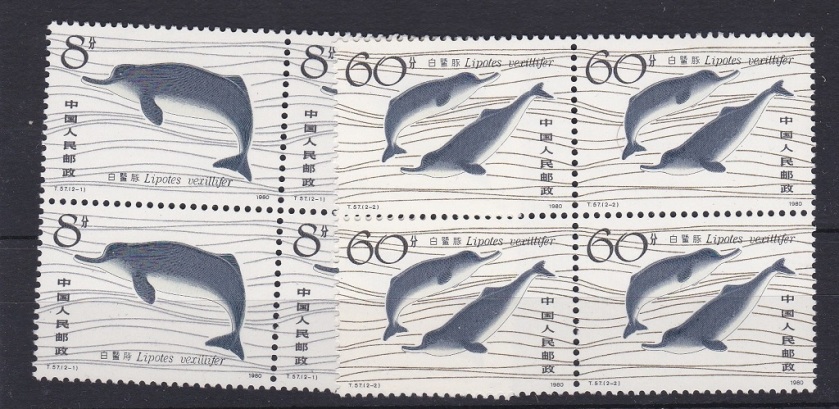
The Chinese stamps did better than any of us had dared to hope. A Chinese man living in Chelmsford had driven up tlo Fakenham (something in excess of two hours each way, though quicker than the public transport option of train to Norwich, bus/walk from Norwich station to the castle and then bus to Fakenham) to bid live, and he with some vigorous internet competition ensured that these stamps sold between them for over £10,000 (his own spend was over £9,000). Here are some the stamps at the heart of this story:
AFTER THE LORD MAYOR’S SHOW
The remainder of the auction after the last Chinese stamp had gone was anticlimactic. Once I had disconnected the IT it was time for me to switch focus for a day and a bit to…
IMAGING FOR DECEMBER
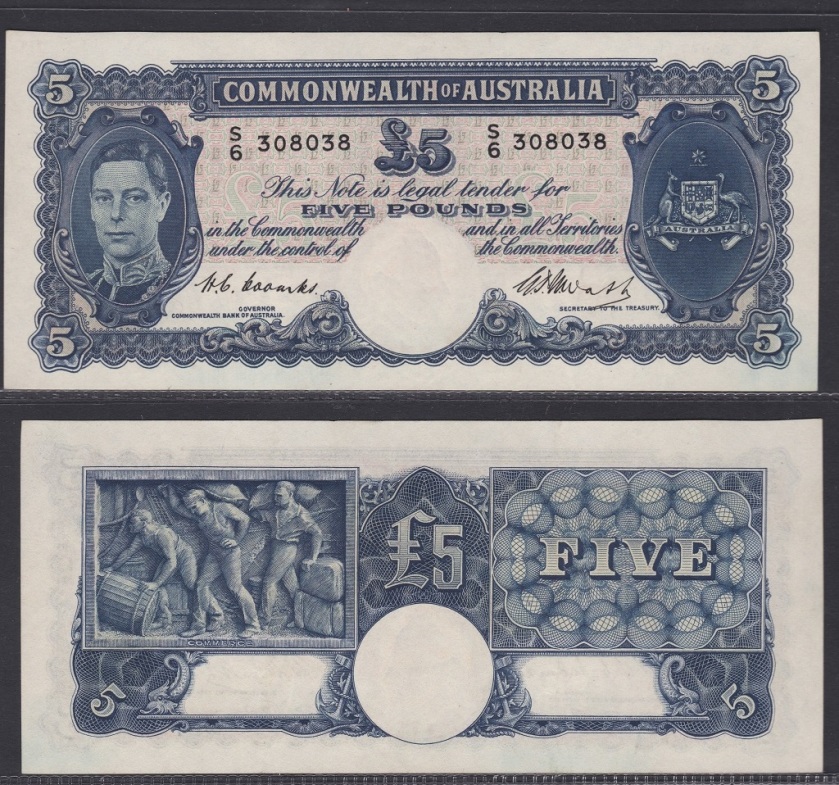
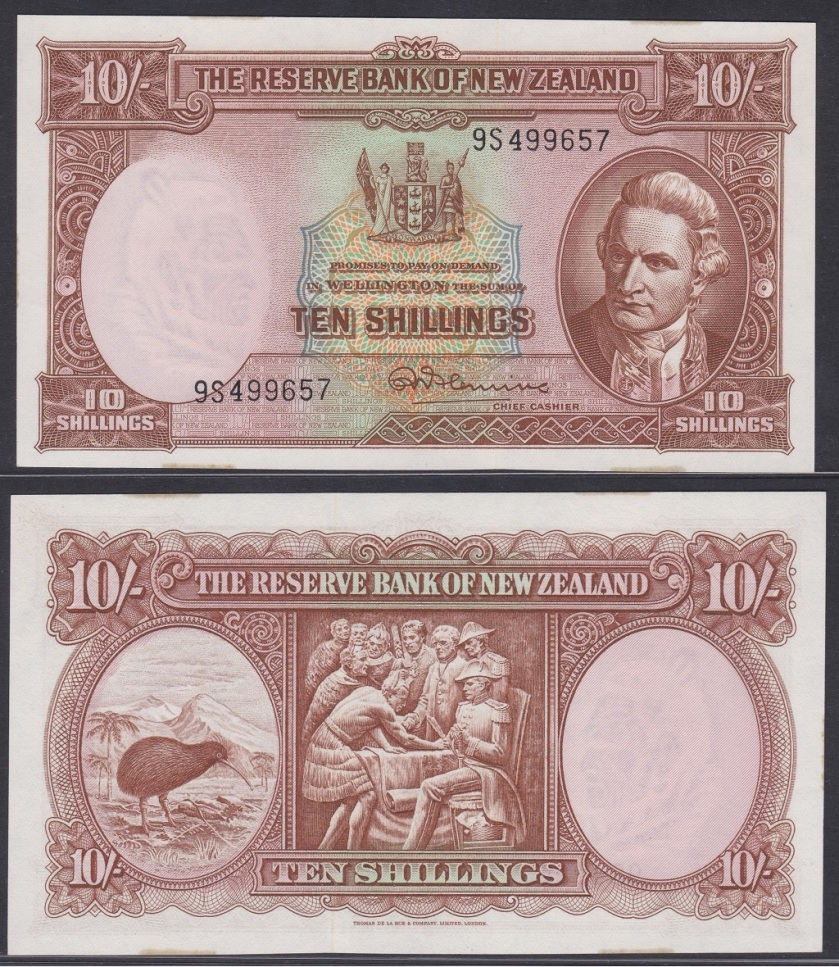
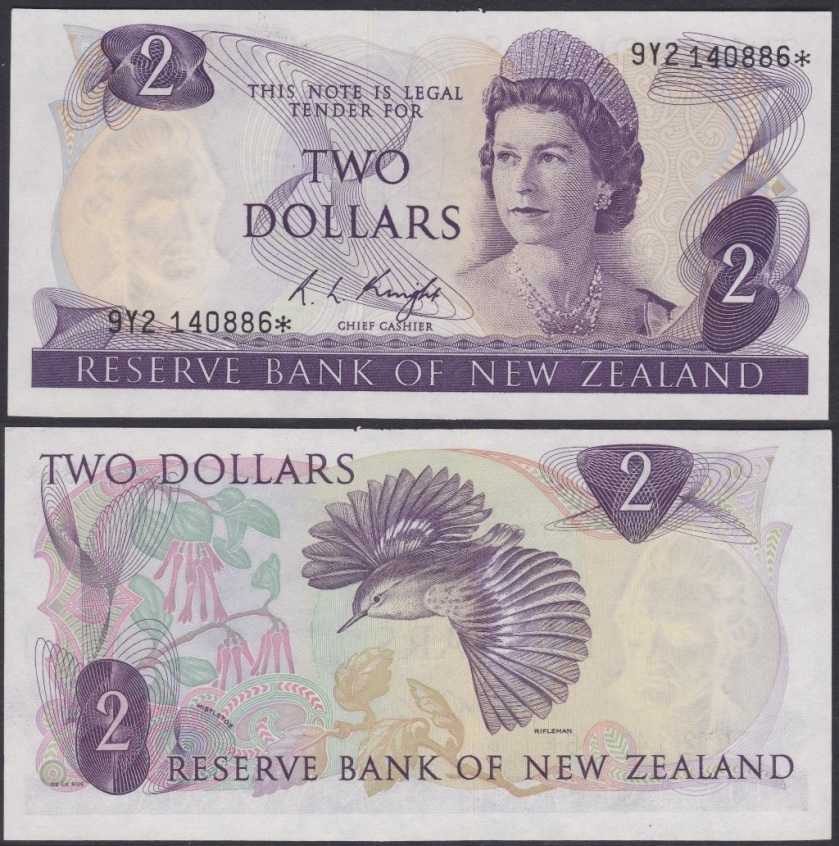
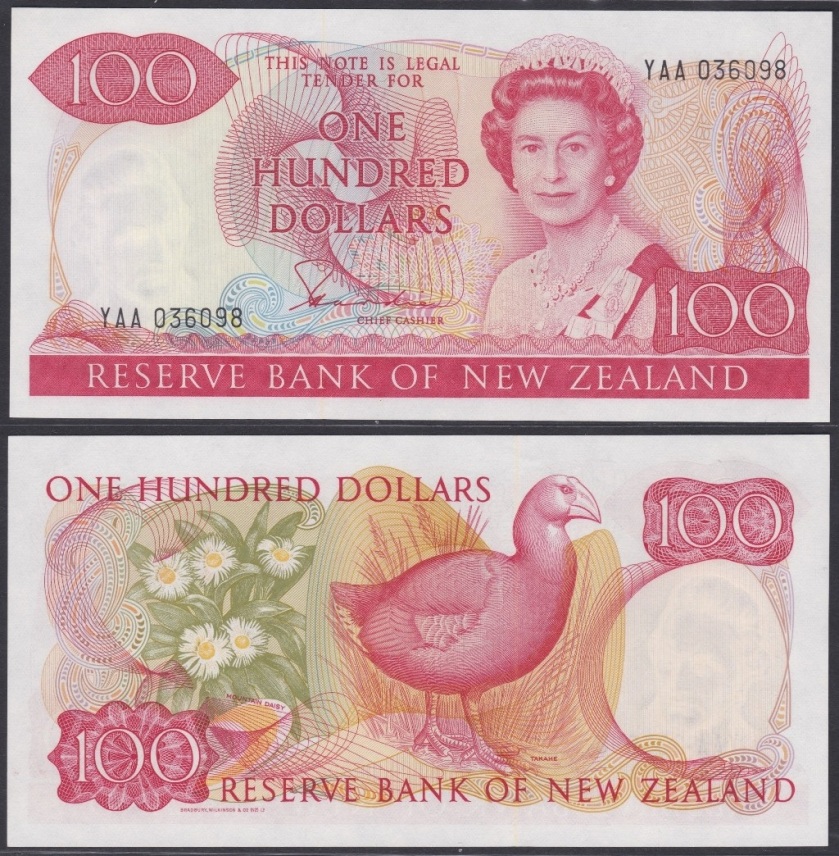
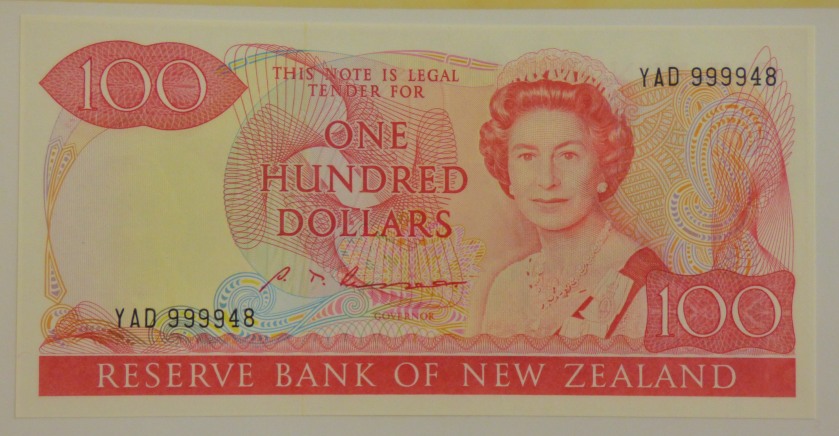
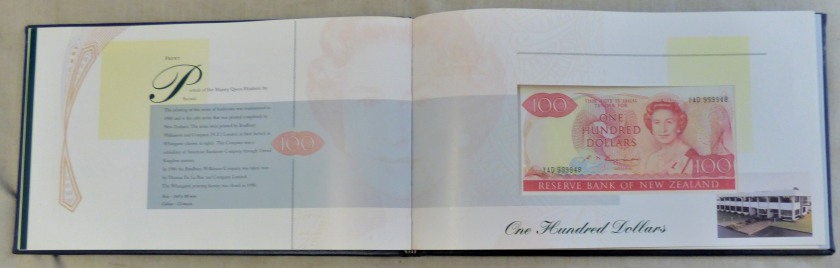
The link between these auctions and our final auction of the year, which will take place at our shop in Fakenham on December 13 is that there are some more Chinese stamps goign under the hammer. This auction will start with 50 lots of banknotes, including some very valuable uncirculated Australian and New Zealand, before proceeding to 100 lots of coins, 150 lots of military themed postcards, the stamps and some ephemera. I had already done the banknotes and one of the coins, and on the Monday afternoon I was scanning stamps.
On the Tuesday I started on the postcards, and also did some coins. Here are some pictures of what you have to look forward to…
Imaging these uncirculated banknotes was a fiddle. They had to be imaged through the plastic covers they were encased in to avoid damage, and the black bakcground was needed for use in the catalogue. Additionally, since both sides were required what you see are two images joined to become one.
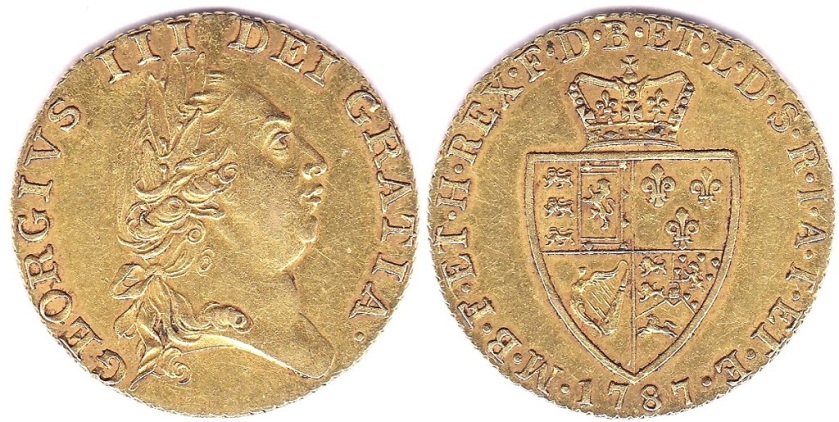
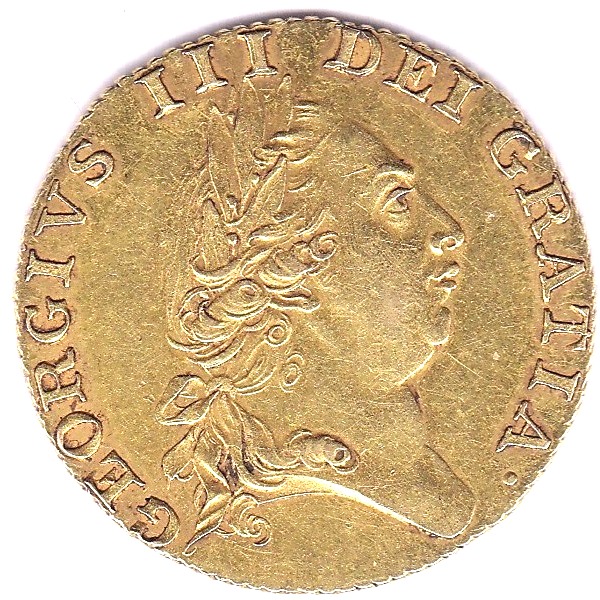
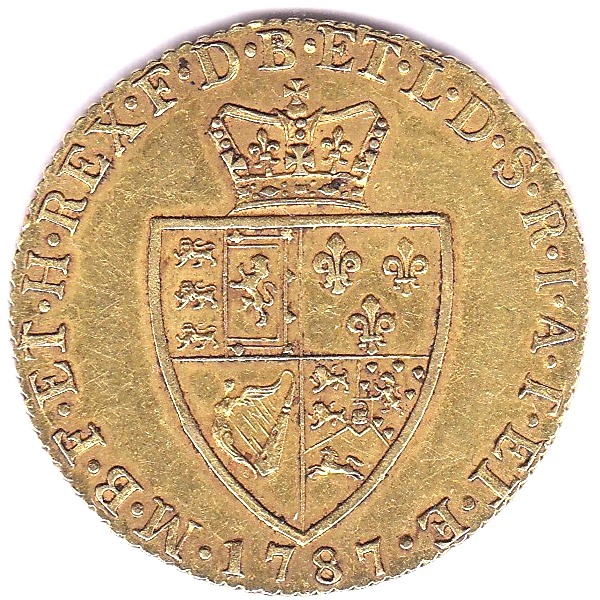
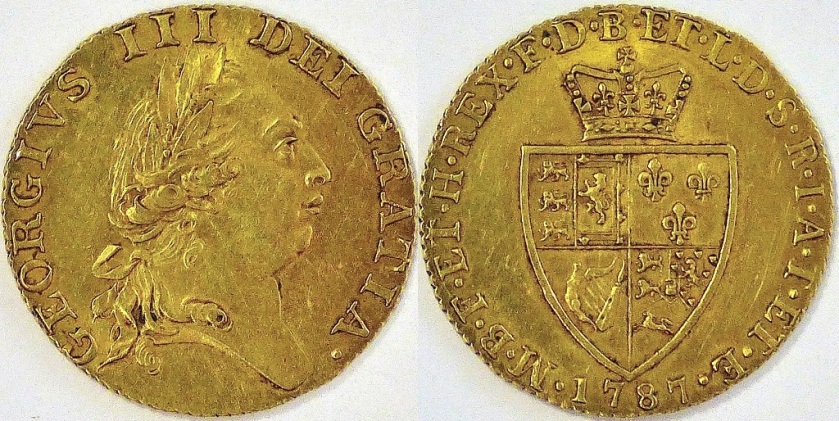
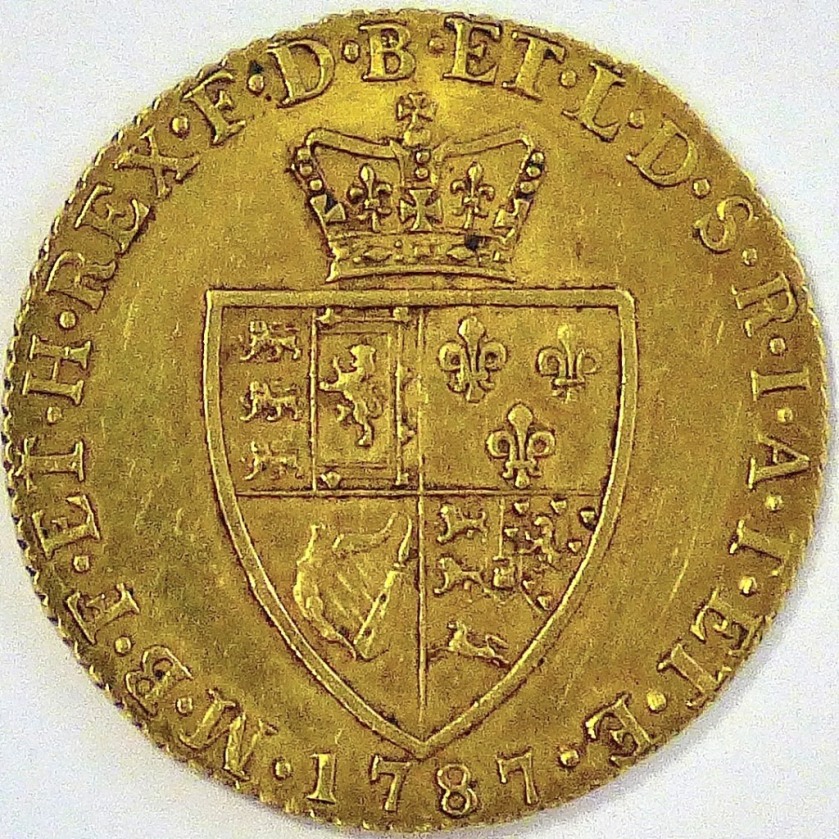
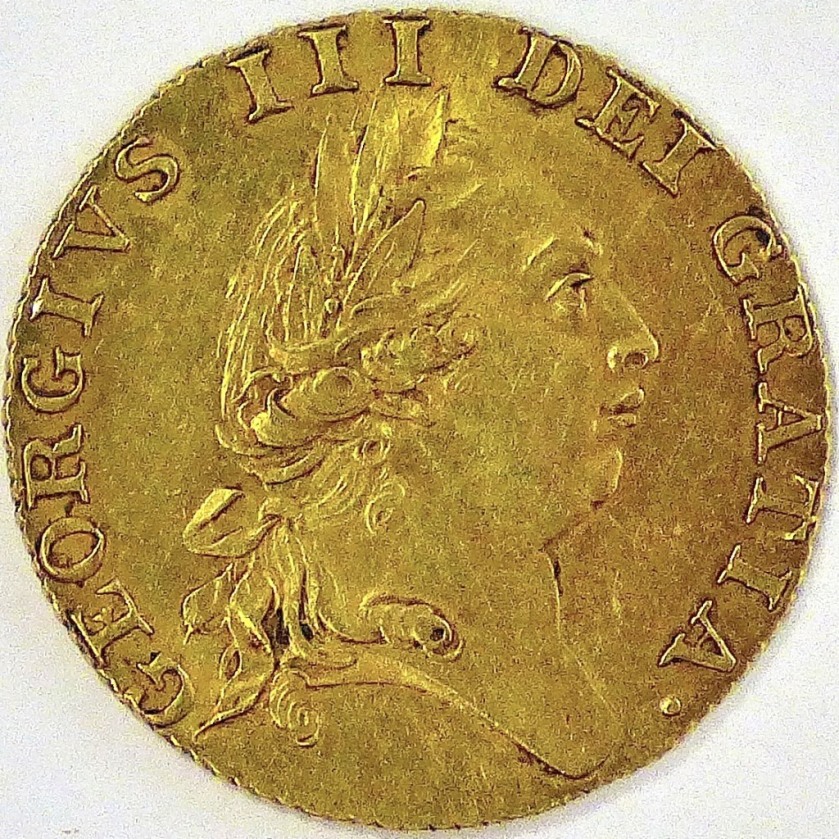
This 1787 gold guinea starts the coin section. This image came from 2 600dpi scans, bolted together.As witness
I also photographed the coin, and this is the one that woulkd be my front-cover image for the printed catalogue.
Lots 52-6 got similar treatment.
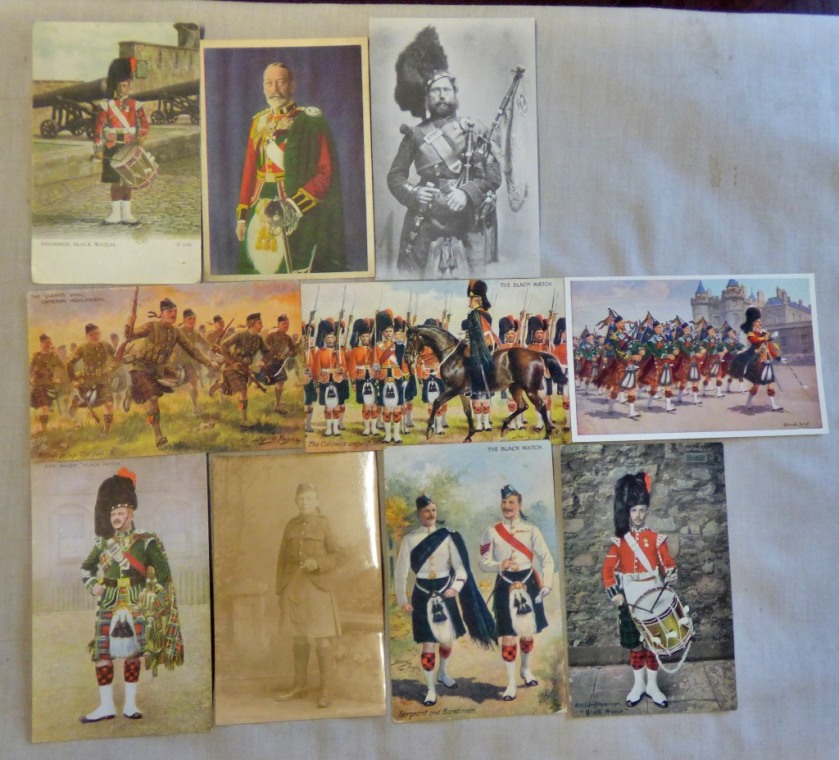
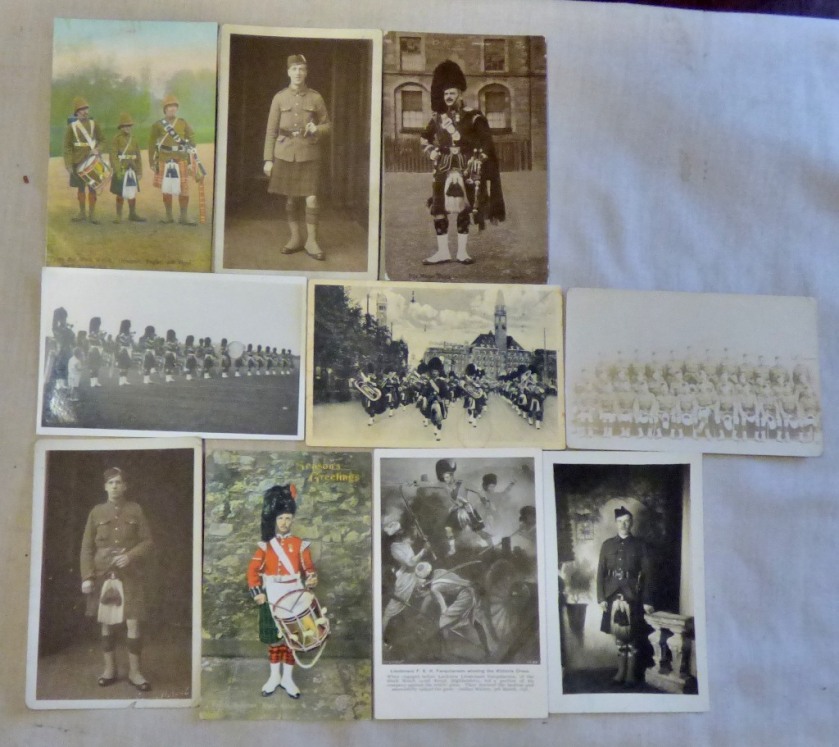
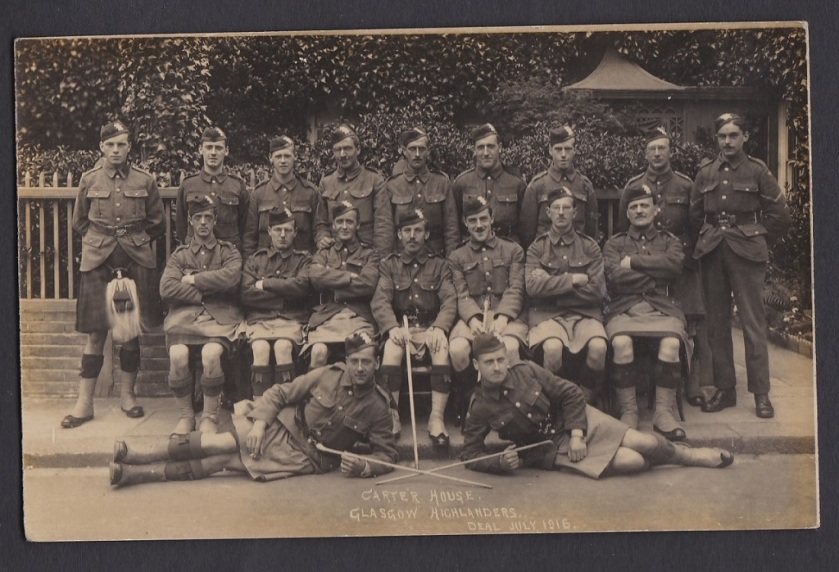
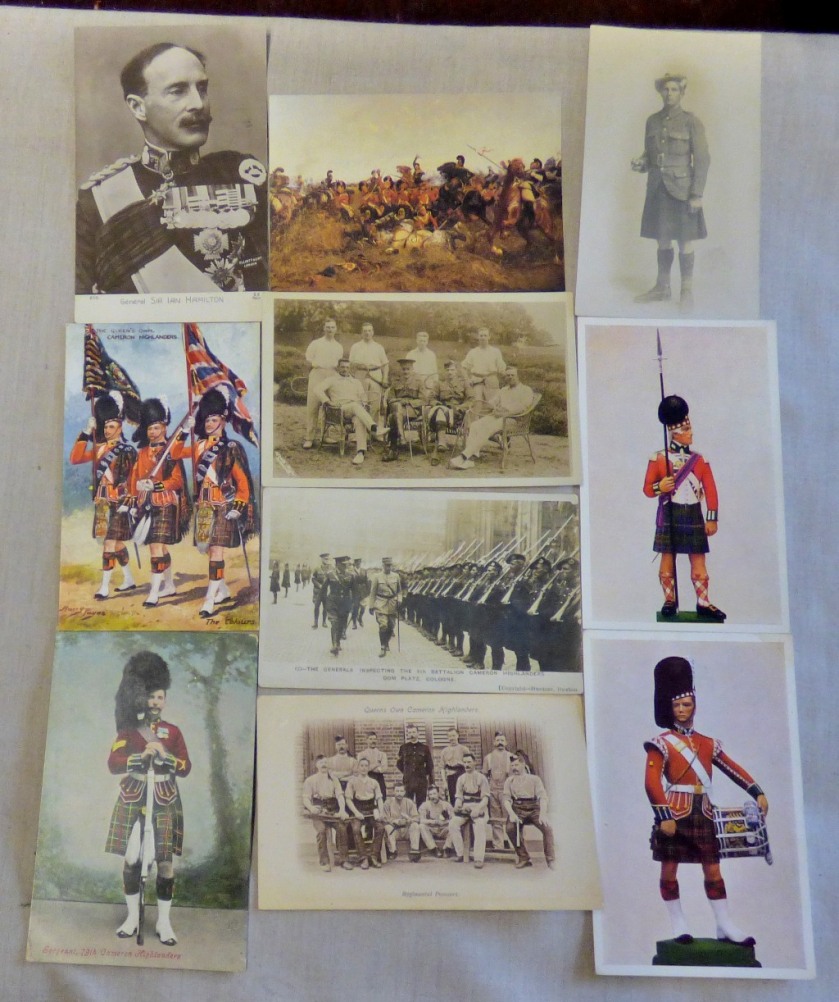
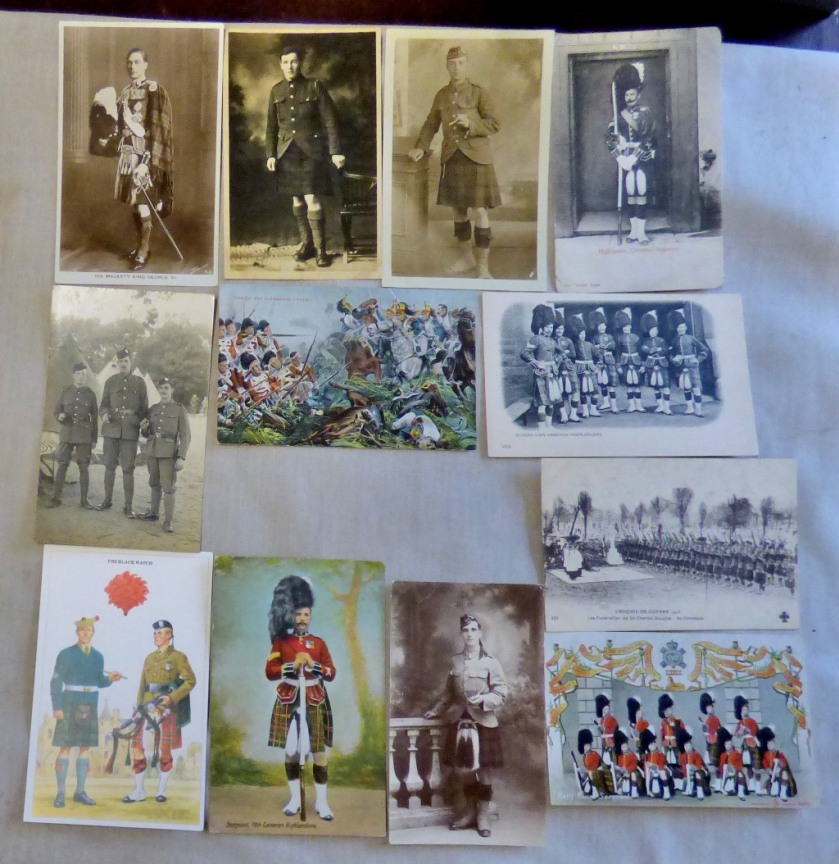
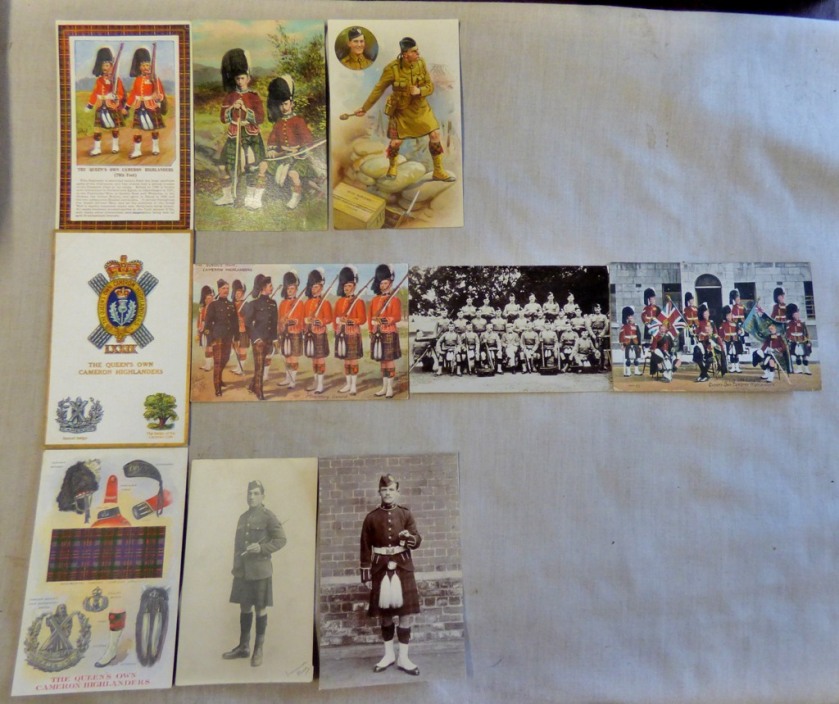
Laying these postcards out to best advantage is a challenge as some are landscape oriented and some portrait.
Stamp scans…
While I was doing this the van was being loaded up to go Norwich, and as you will soon see the fact that I could not be spared from imaging to help with the process had consequences…
WEDNESDAY – NORWICH
I managed to get my intended bus, and arrived at Norwich bus station at about 7:30 AM (to arrive early enough to help with the setup and then run the IT a Norwich auction I need to be on the First Eastern Counties X1 which departs Lynn at 5:30). I walked down to the venue, arriving there at about 7:45, got the room unlocked, fired up my computer and checked my emails, and waited for my colleagues to arrive. Finally, at about 8:20, they did, having got stuck in heavy traffic on the route between Fakenham and Norwich. Once the van was unloaded it was time to set up. Unfortunately no one involved in loading the van had thought to include a multi-point extension lead, the camera or the microphone. The Maids Head were able to lend us most of what we needed, and I was dispatched (with cash provided) to purchase a usb attached web camera. My first port of call was Rymans, in the pedestrianised shopping area of Norwich, where I had to wait a few minutes for the shop to open. Rymans did not have the necessary, but they did have an assistant who was able to point me in the direction of Maplin on Castle Meadow, close by albeit in the opposite direction to the Maids Head, and I found precisely what we needed there (though it took me a few minutes – the place was organised rather strangely, at least to me). I was back at the hotel by 9:20, and fortunately there were no technical hitches in the IT setup. Here are some pictures from this early part of the day…
This picture was taken while walking from the bus station to the venue.
The clock in the Erpingham room, just before my colleagues arrived.
These last three pictures were taken while waiting for Rymans to open.
THE AUCTION
The books fared much better than I for one dared to hope, with those that sold going for good money. On the Tuesday, along with the imaging for December I had corrected a problem with some of our online images, deleting two images and renumbering about 25 others so that images and descriptions matched. Unfortunately, when we came to these lots on the day my editing had been over-ridden by someone at the ATG Media end of things and the wrong images were back in place. Lots 901 to 1,000, which concluded the auction were military themed postcard lots, and they sold incredibly well, one single lot going for £200. The sales made at this auction were a welcome bonus after Monday’s extraordinary success.
The auctiuon concluded it remained only to take down the IT and reload the van.
NORWICH
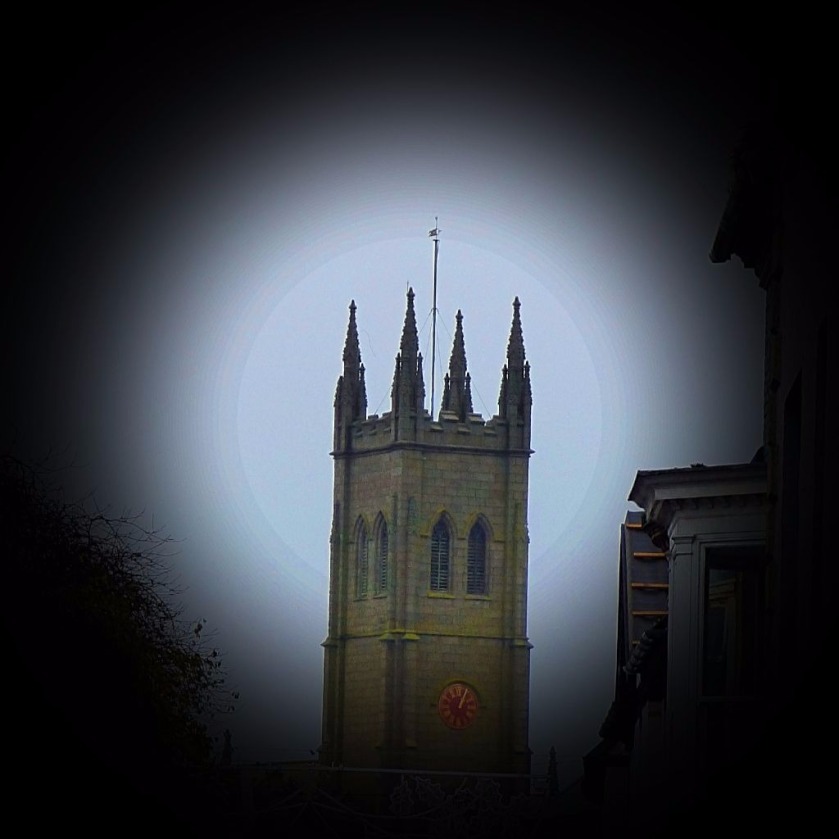
My colleague Andrew had decided that he wanted to spend some more time in Norwich and go back by bus, so before heading off for my own extra time in Norwich I showed him where to pick up the bus from. I then headed for the library, which I always like to visit when I am in Norwich and did a few other things. Here are some photographs from Norwich, some taken that day and some on the previous Thursday evening, when I was also in Norwich…
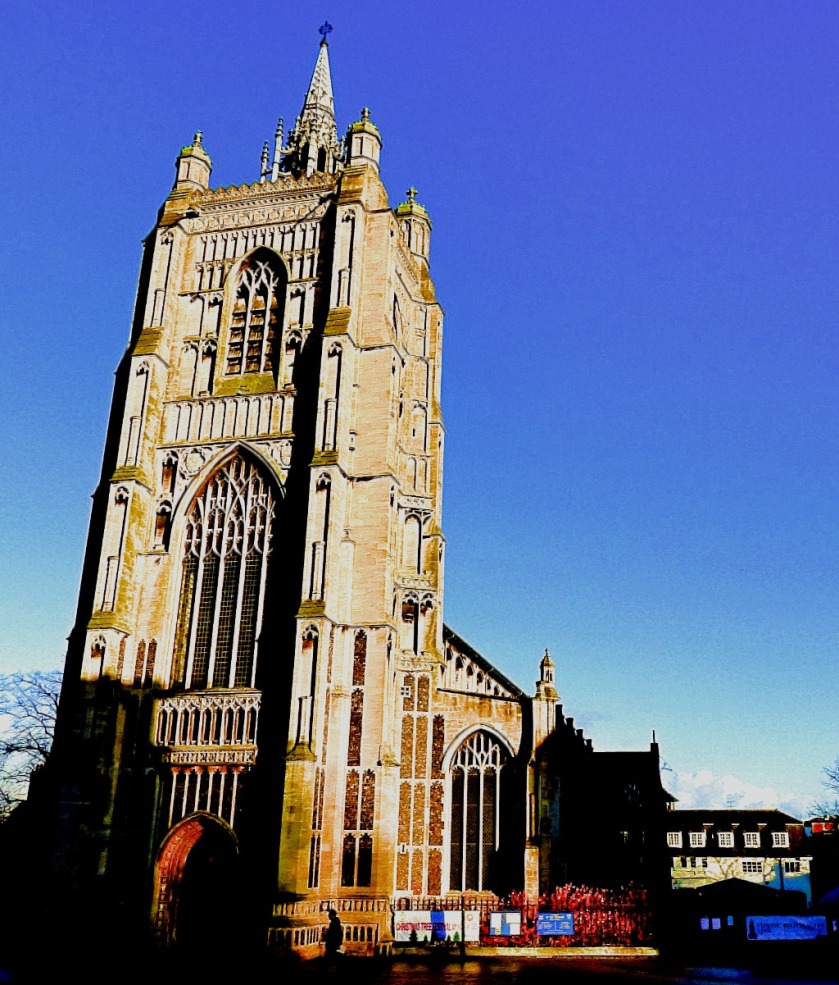
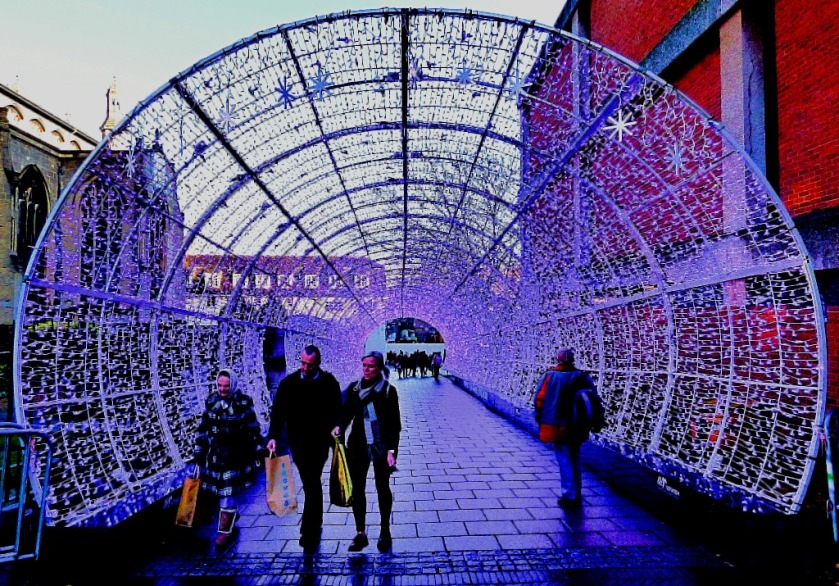
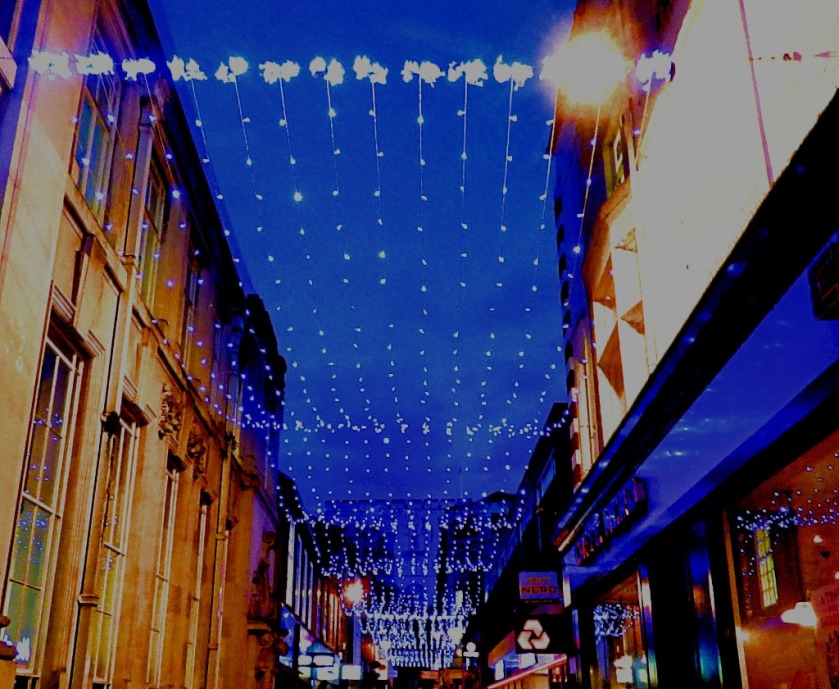
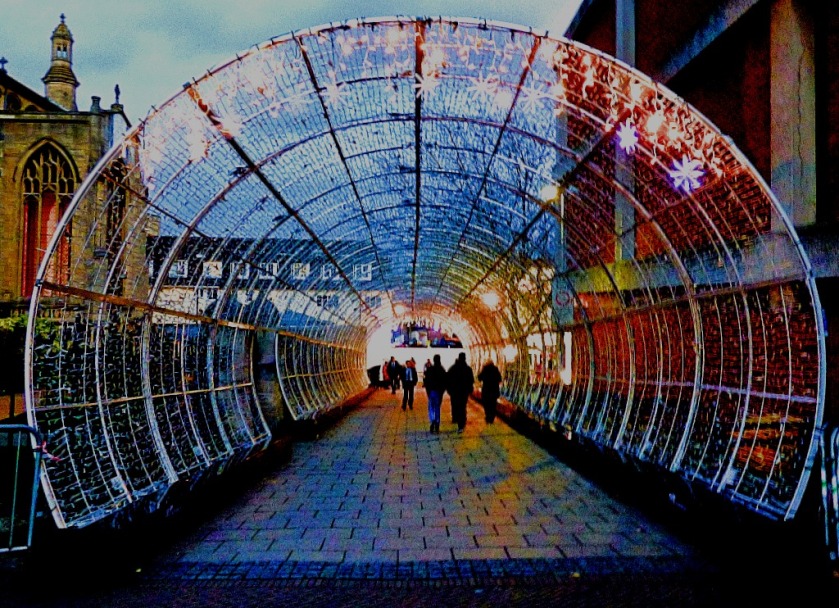
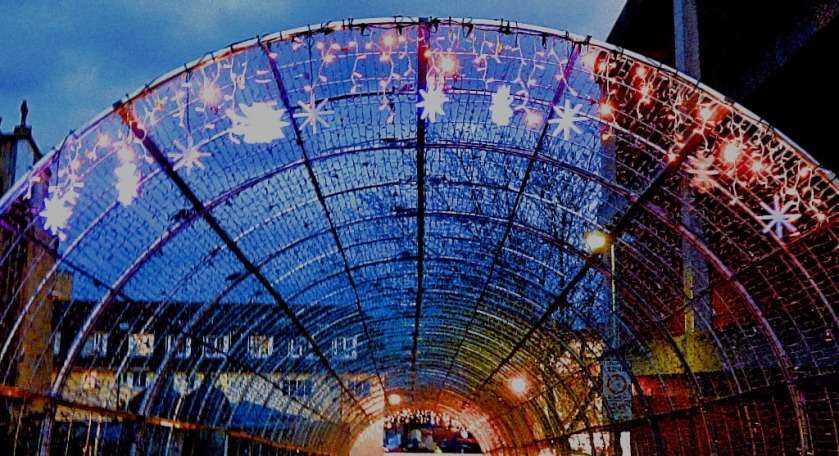
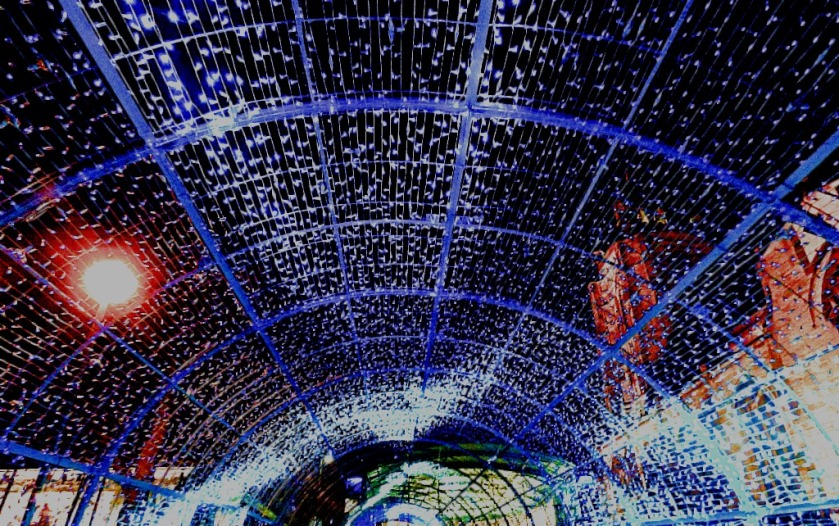
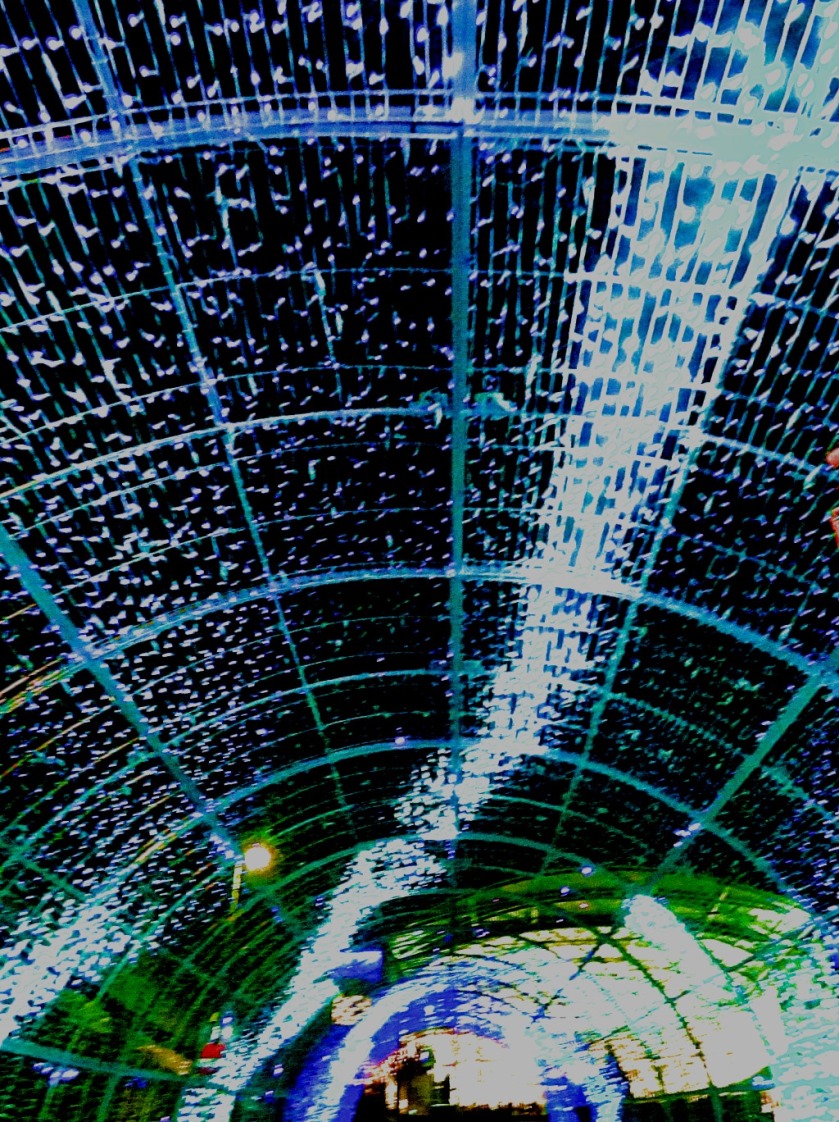
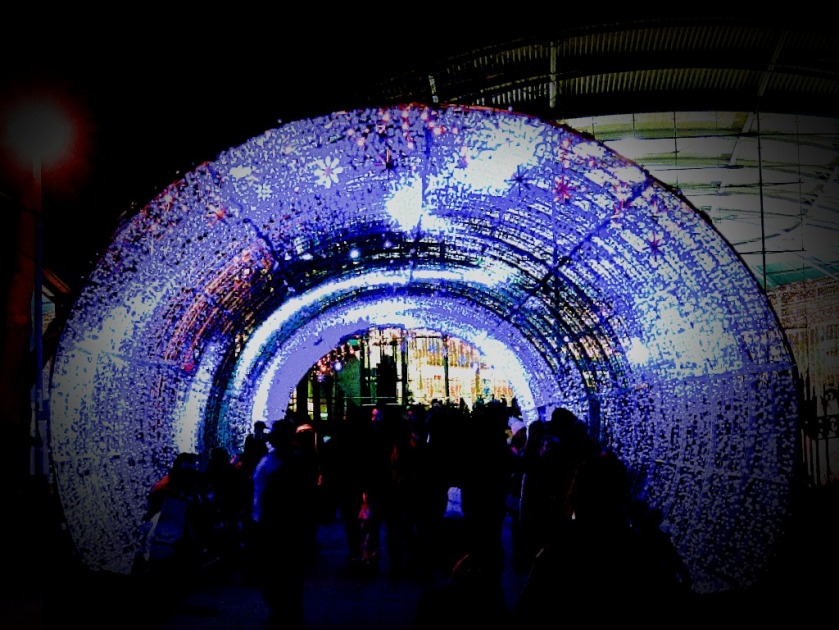
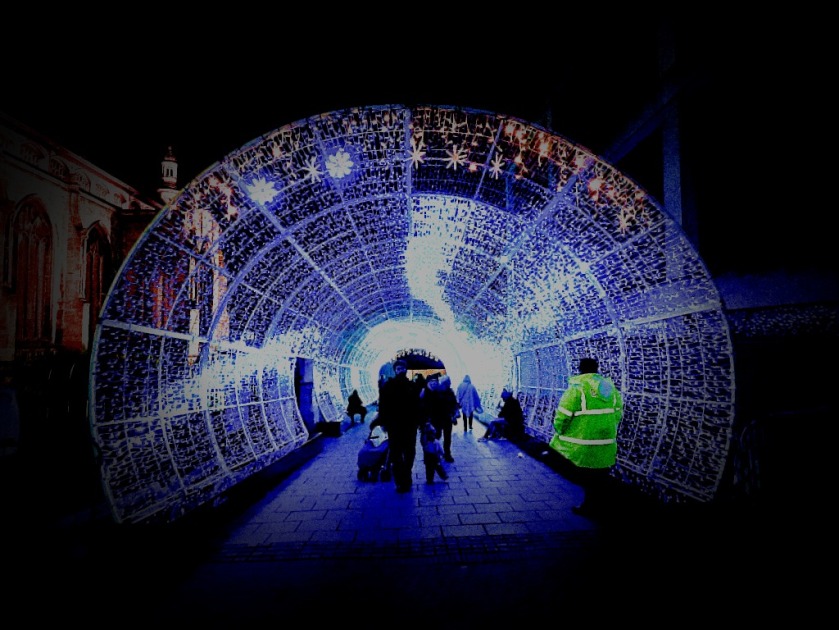
This is St Peter Mancroft Church, NorwichNext to it at the moment is this magnificent light tunnel. As you will see, Norwich have excelled themselves in the matter of Christmas lights this year.
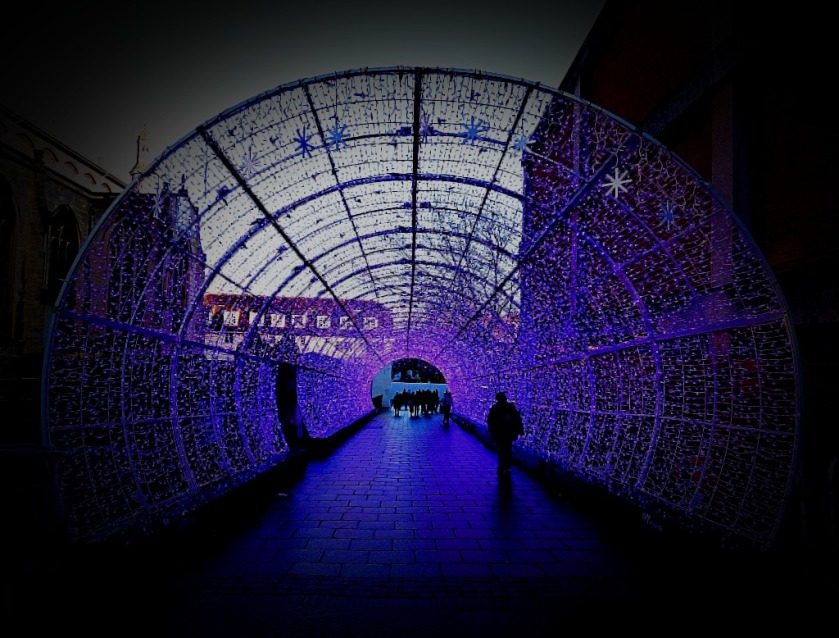
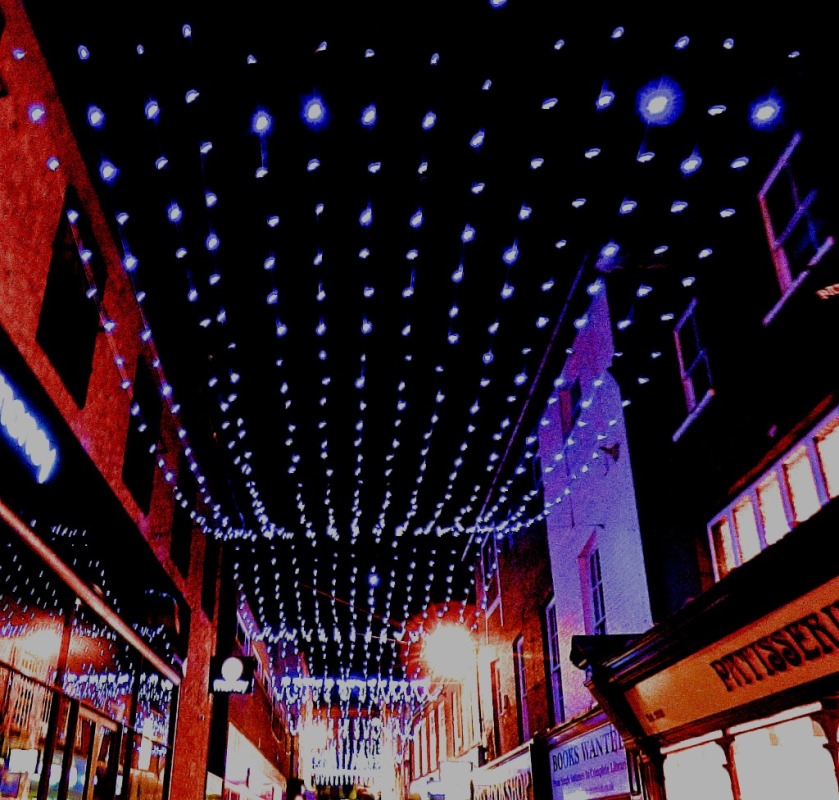
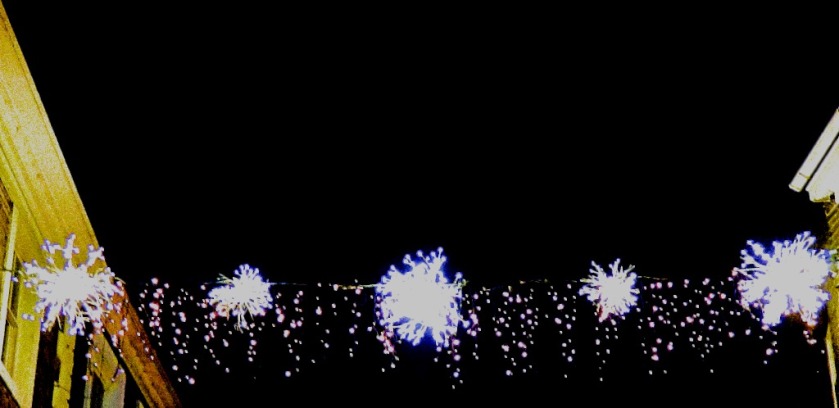
This is the last of the Wednesday pics…But I had taken more pictures of the Norwich Christmas lights the previous Thursday.
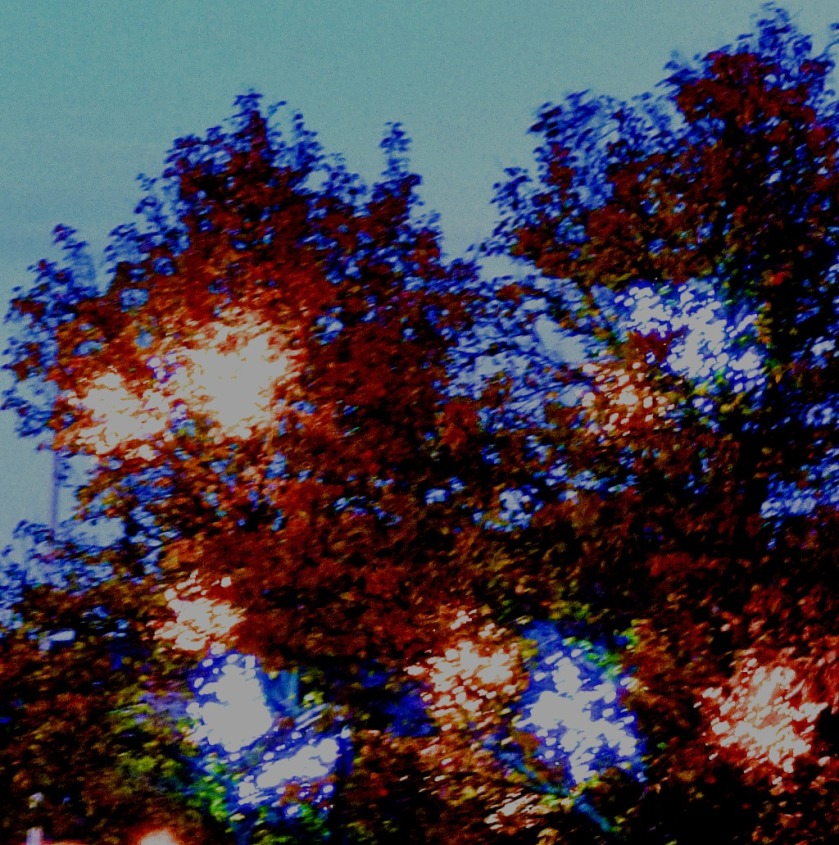
Note – just a few clumps of lights in the tree, not completely smothering it – a nice show of “treespect”
Every individual pledge has been published on this site, including as of yesterday mine. Mine has also been reblogged on FireBrightStarSoul for which many thanks. I reproduce it below as well:
#TheAutisticUnion Pledge |Thomas Sutcliffe
I pledge . . .
I pledge to always uphold the principles of #TheAutisticUnion pledge. I believe firmly in every one of the ten points of this pledge.
As someone who is both autistic and branch secretary of the National Autistic Society West Norfolk branch, I am doing my bit to ensure that autistic people are involved in the running of their own welfare/ support organisations.
Vistaprint gave me a £10 voucher off my next purchase, with a use-by date as a reward for using them to make my 2018 wall calendars, so I used it to create a card which contains some information about me on one side and a sample photograph on the other. I collected them from the delivery office on Austin Street this morning (delivery was attempted yesterday while I was out), and they have come out superbly.
A bird post provoked in part by the Angling Trust seeking permission to double the rate at which they cull cormorants.
INTRODUCTION
This post has two elements: first, I saw on twitter something about the Angling Trust calling for cormorants to be shot “to protect stocks of coarse and game fish”, and following the link located the details which you can see here, and second while out looking for cormorants to photograph for this post I saw something else that I had not previously captured.
CORMORANTS
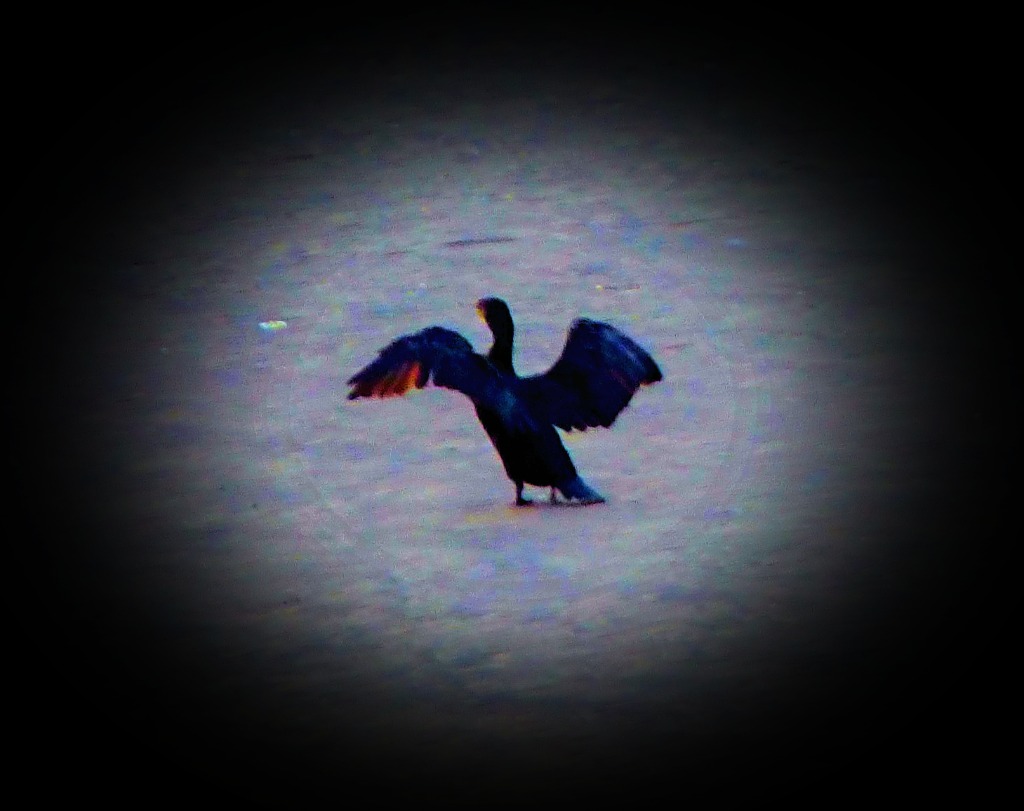
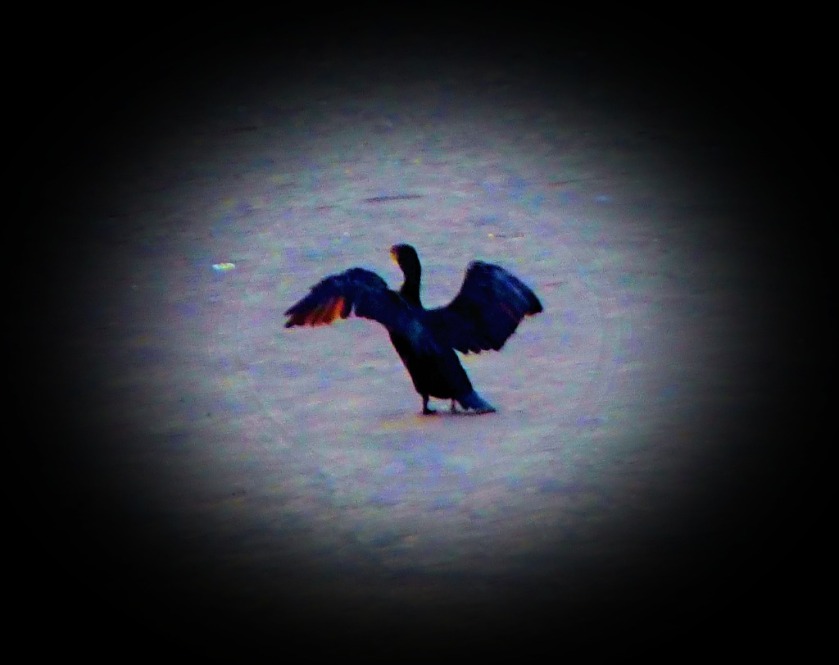
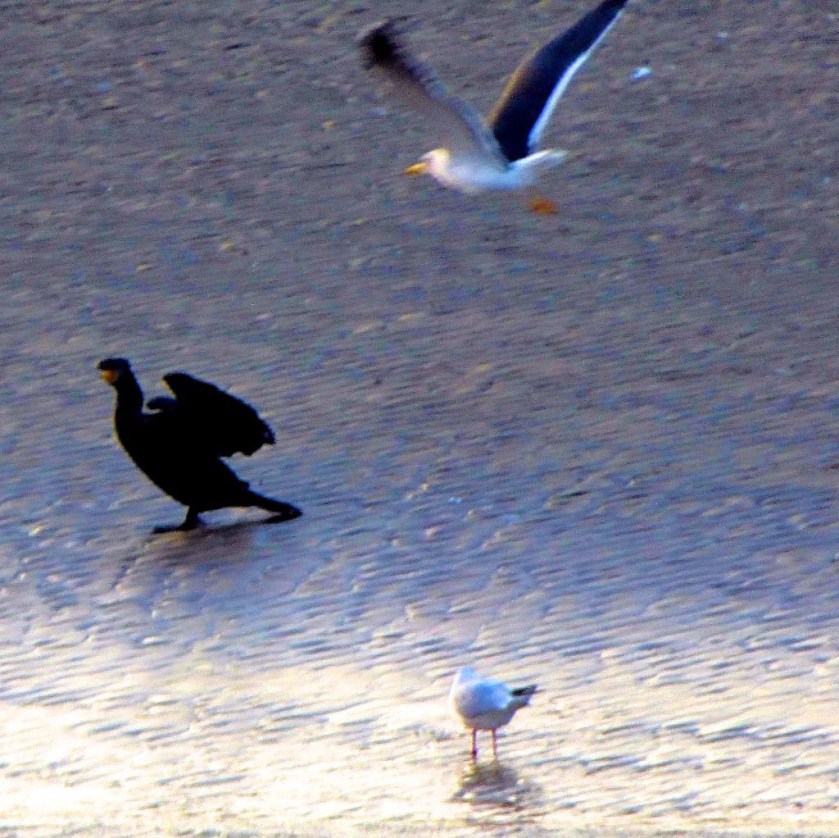
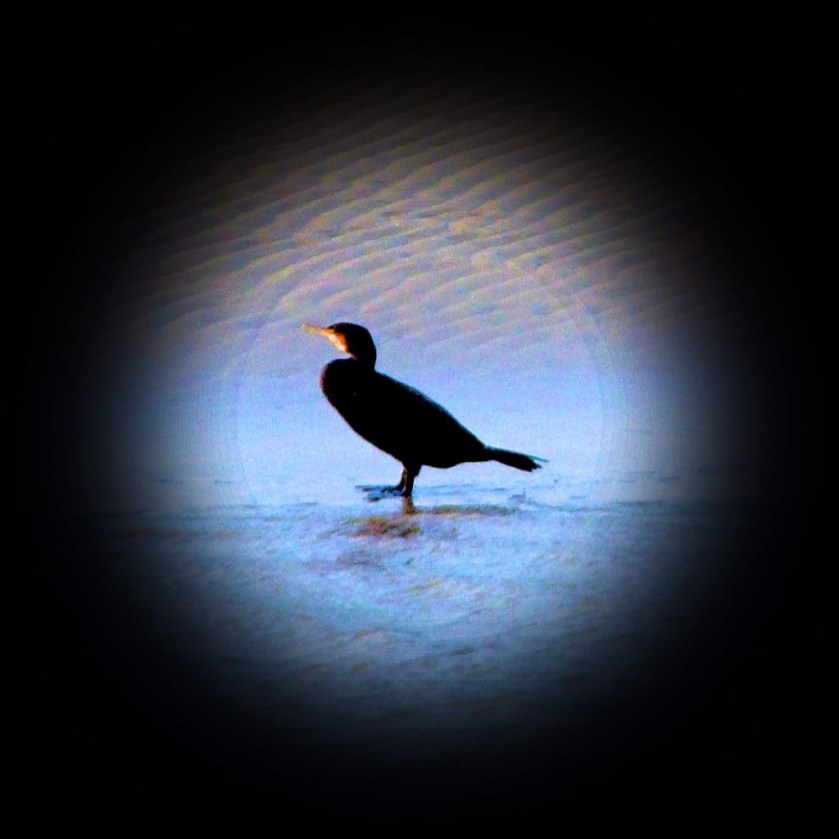
I would take a lot persuading that increasing the number of cormorants licensed to be shot copuld be justified in any case, but the grounds given, which amount to a statement that “our sport counts for more than cormorants” fail to come even remotely close. There is a cormorant colony within walking distance of central King’s Lynn, and although they were not about in big numbers when I went looking, there were four of them in evidence. Here are the pictures:
AN ASPI.BLOG FIRST
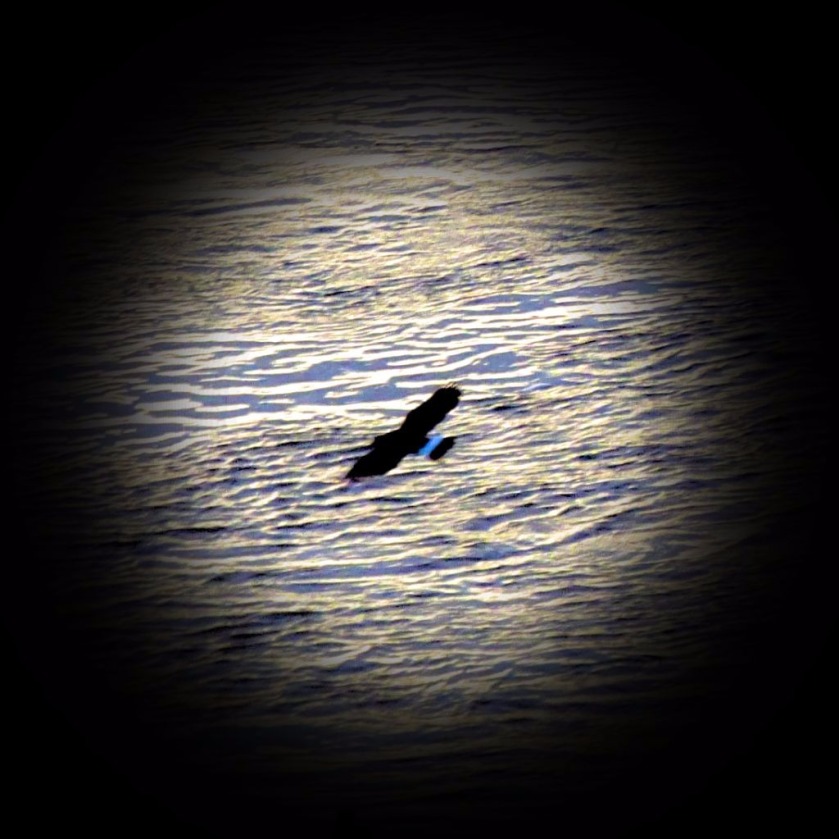
While observing the cormorants I also a got a couple of pictures of this:
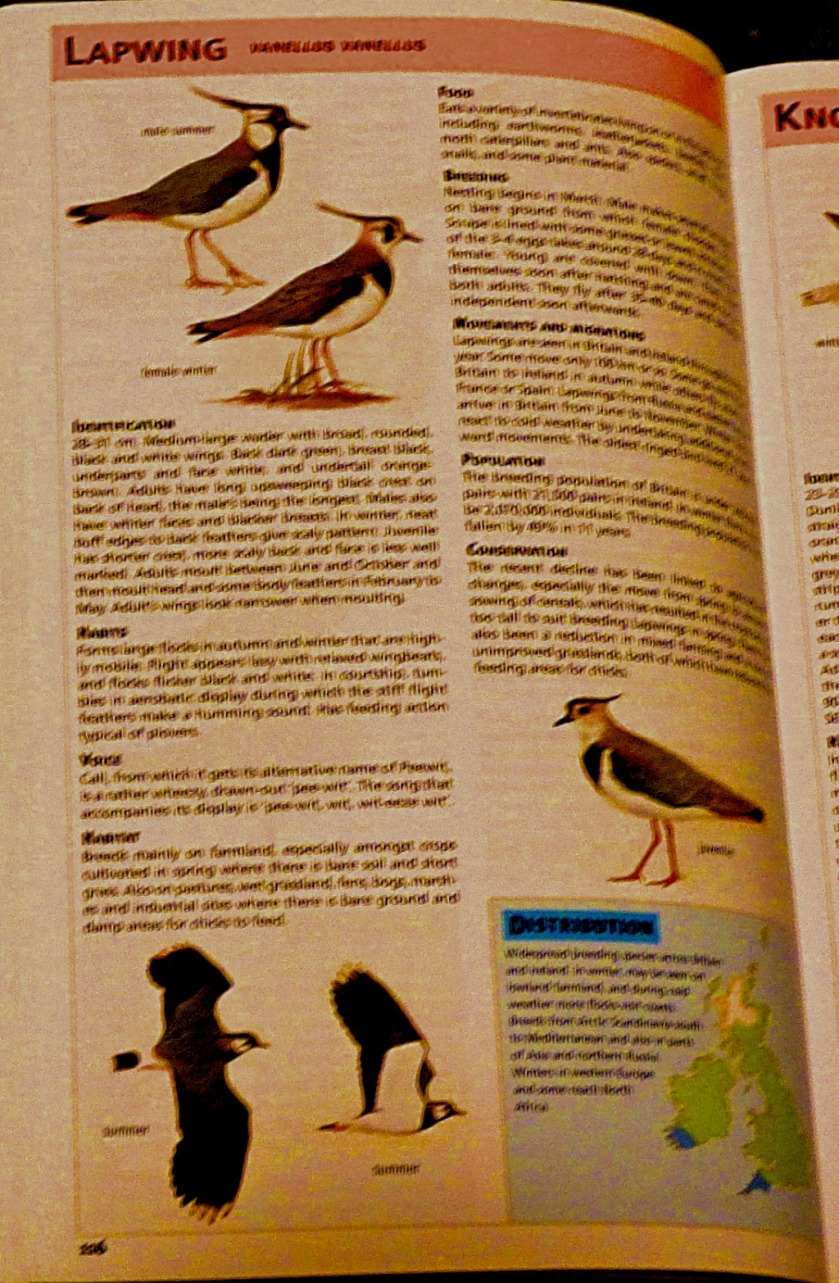
Going through my bird book I could find only two birds with black wings and a white bar across their tail. The first, the Storm Petrel was an unlikely option given how far King’s Lynn is from the nearest ocean (it is an ocean going bird). That left me with the second, the Lapwing, a medium sized wader that likes marshy or muddy conditions (not a problem in the vicinity of the Great Ouse!). Here to conclude this post is what my bird book has to say about Lapwings:
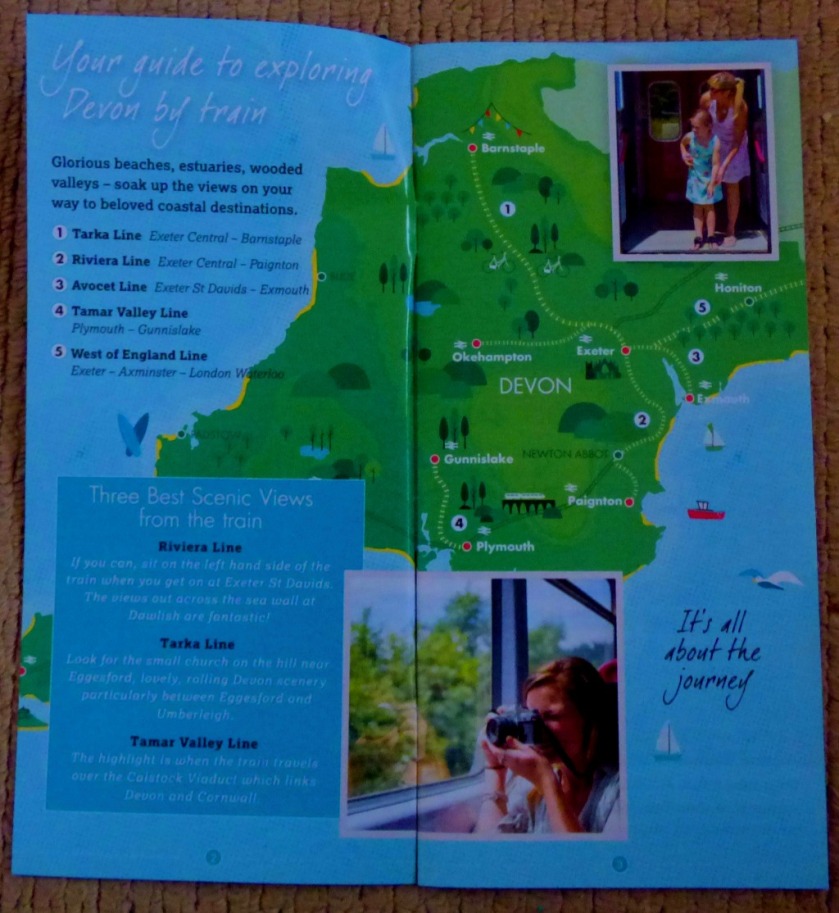
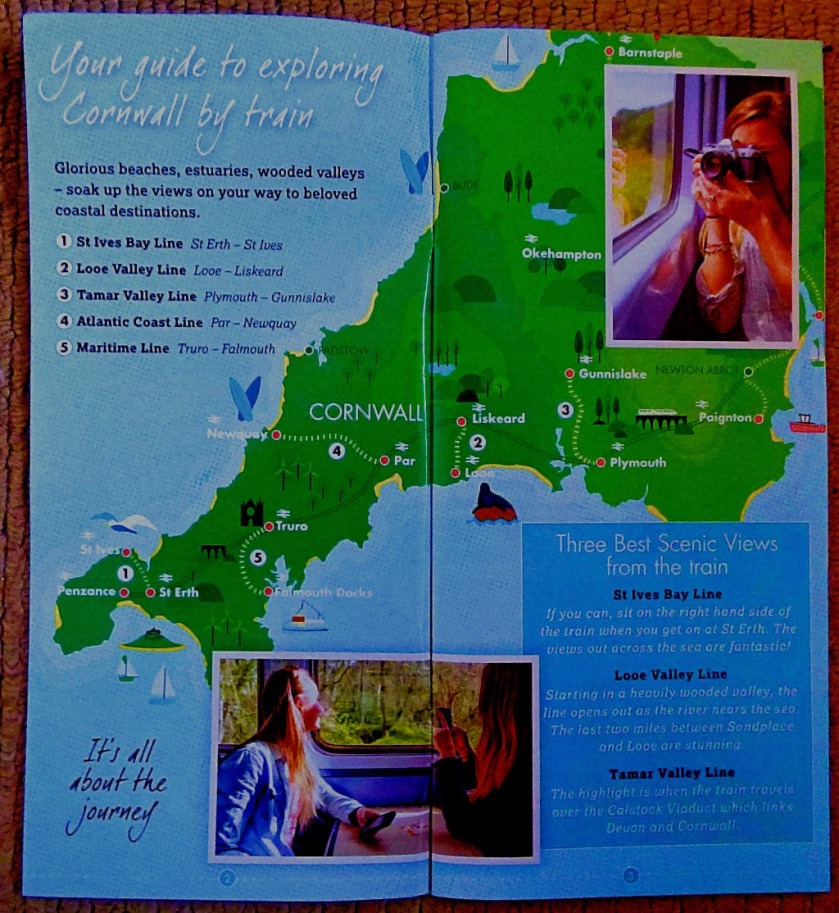
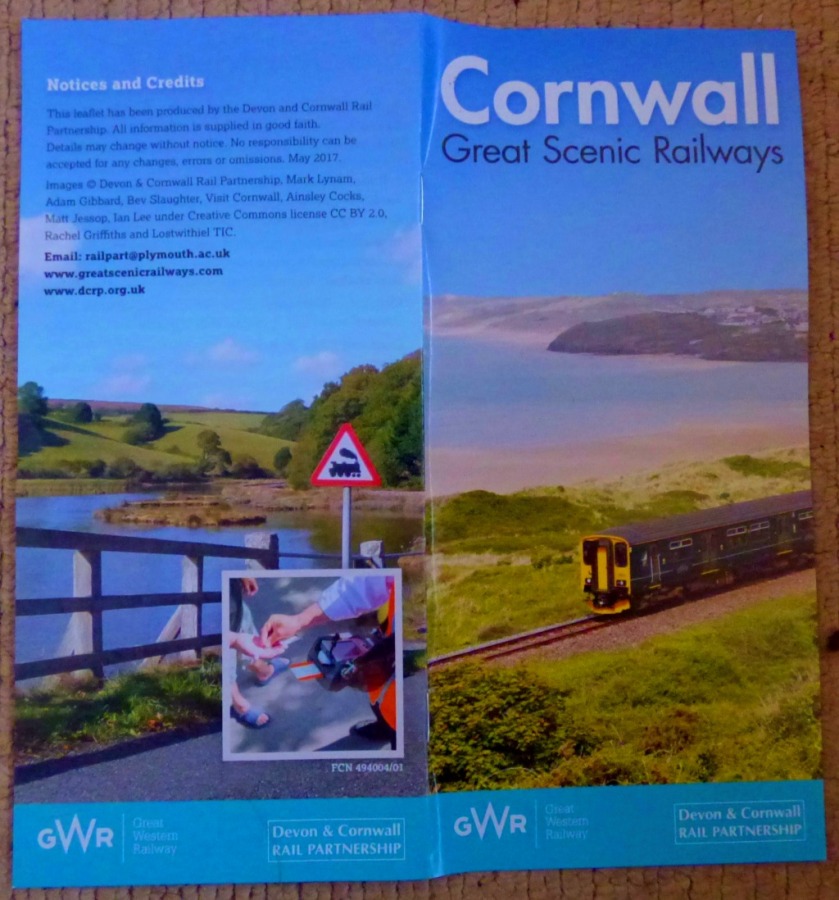
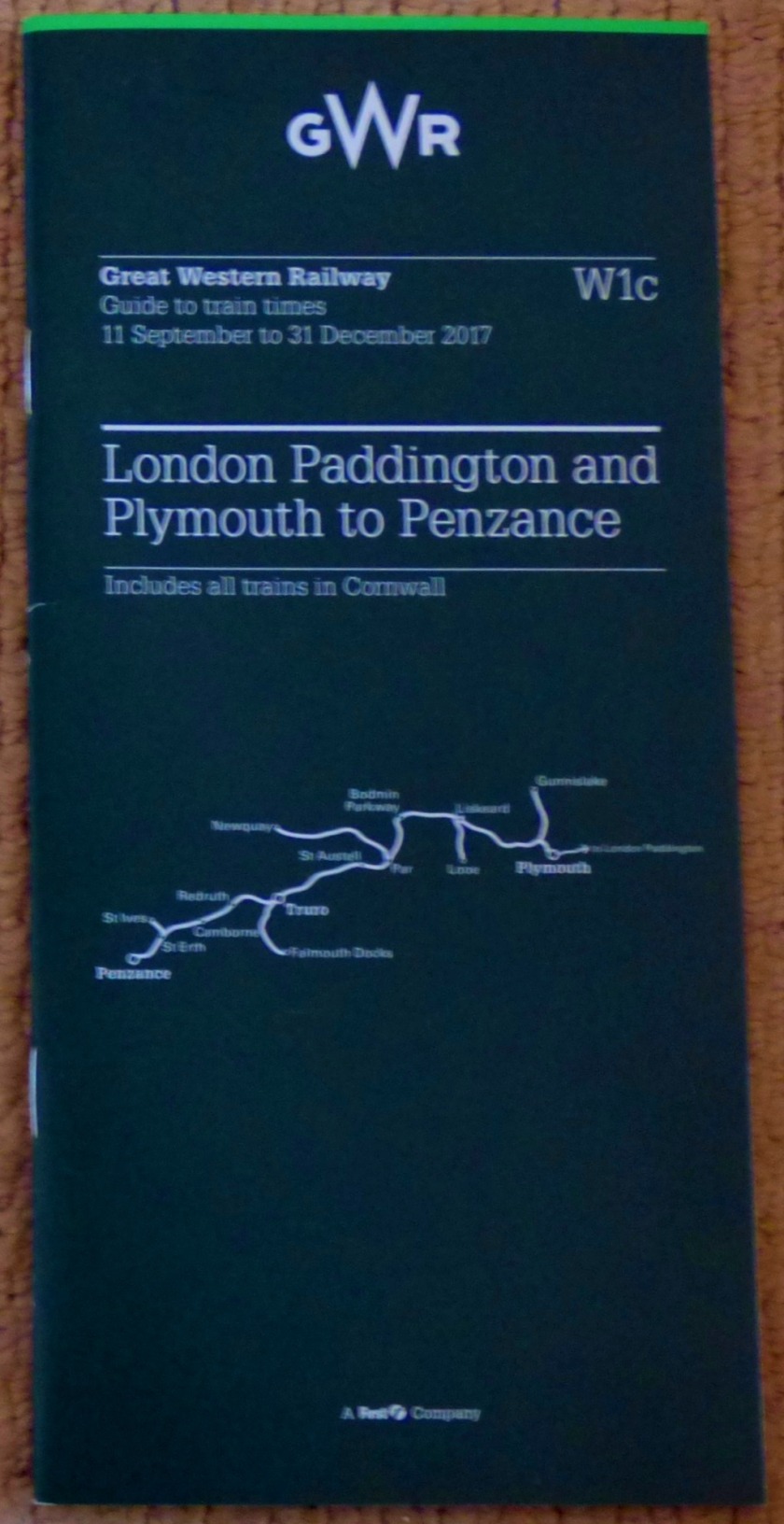
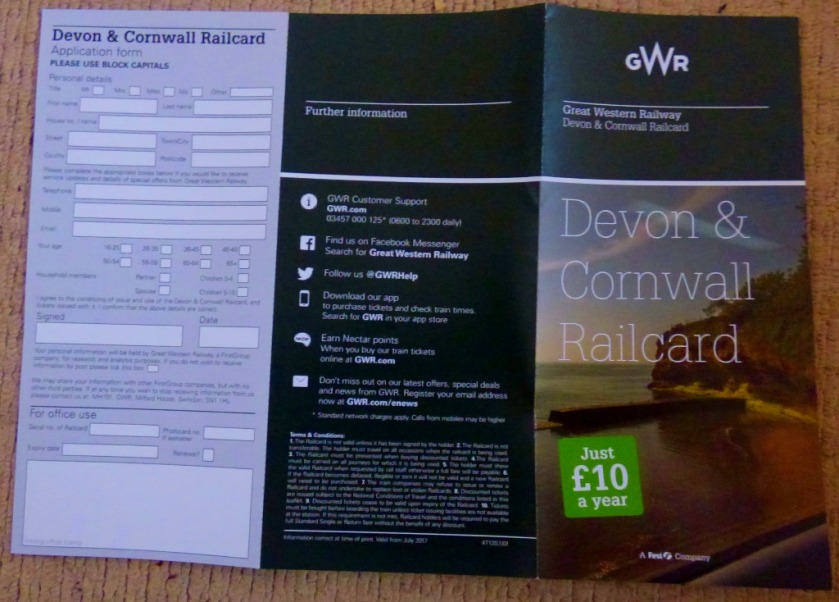
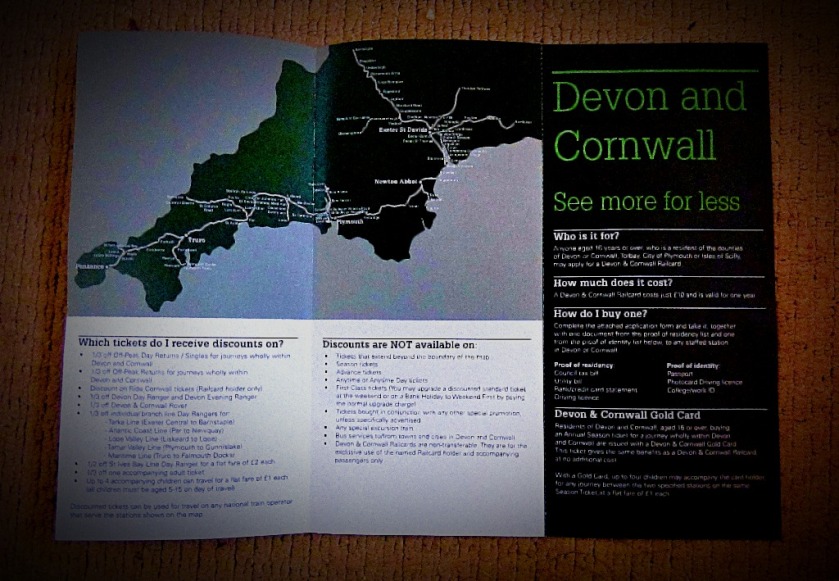
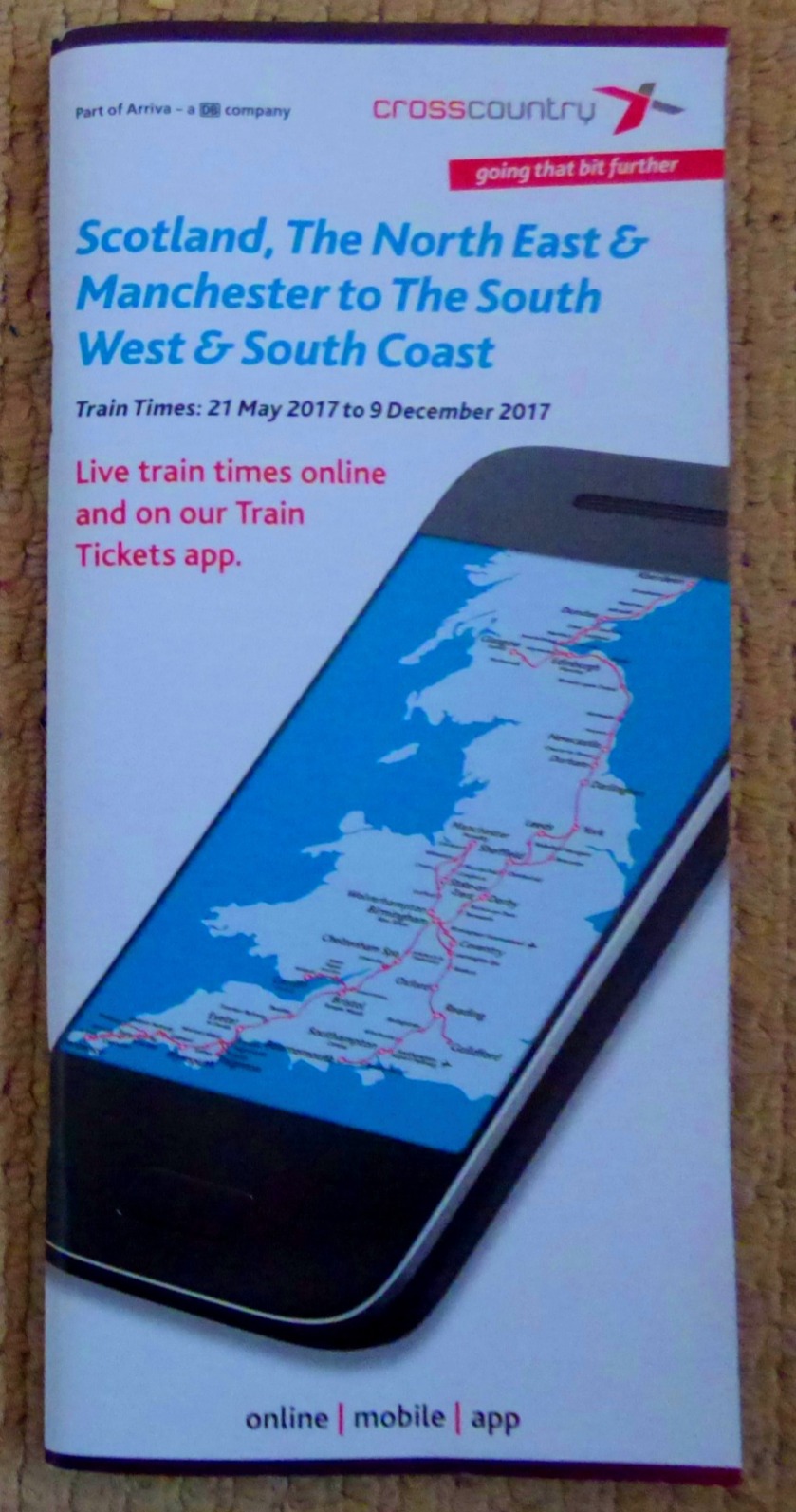
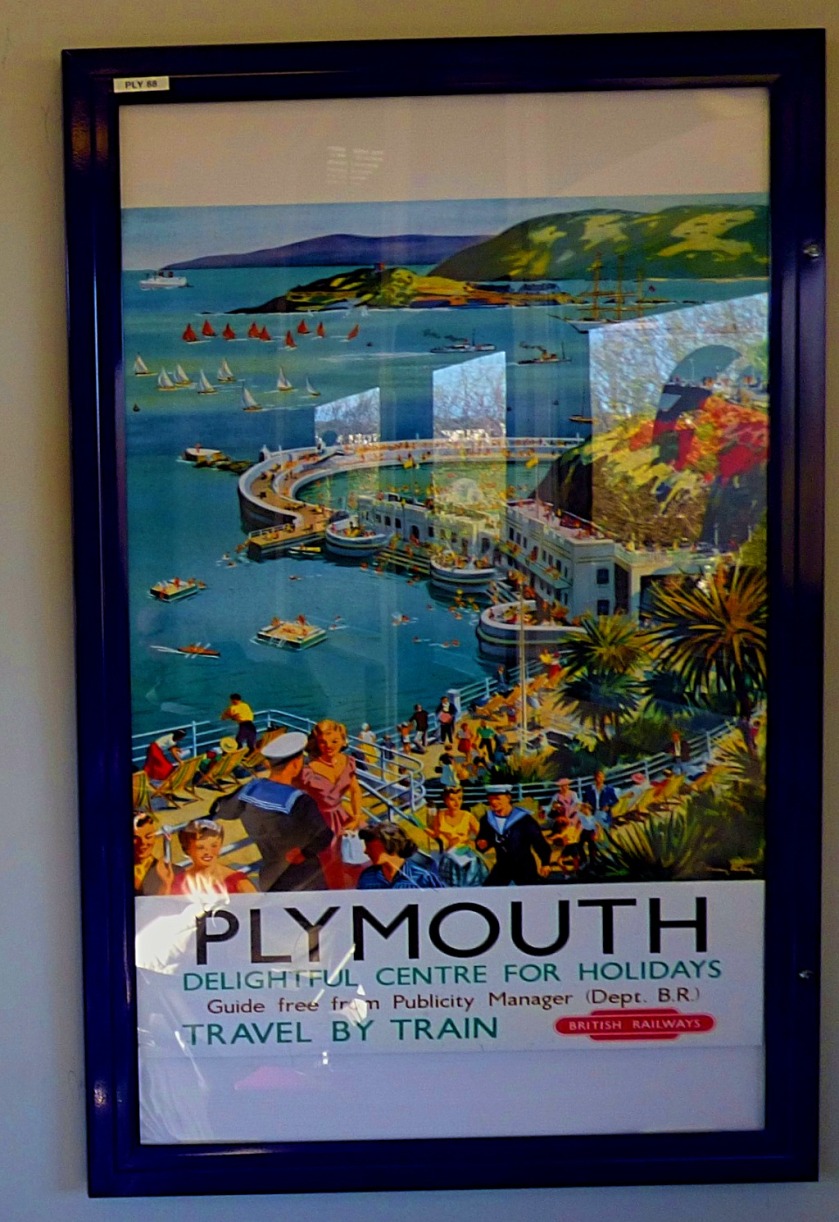
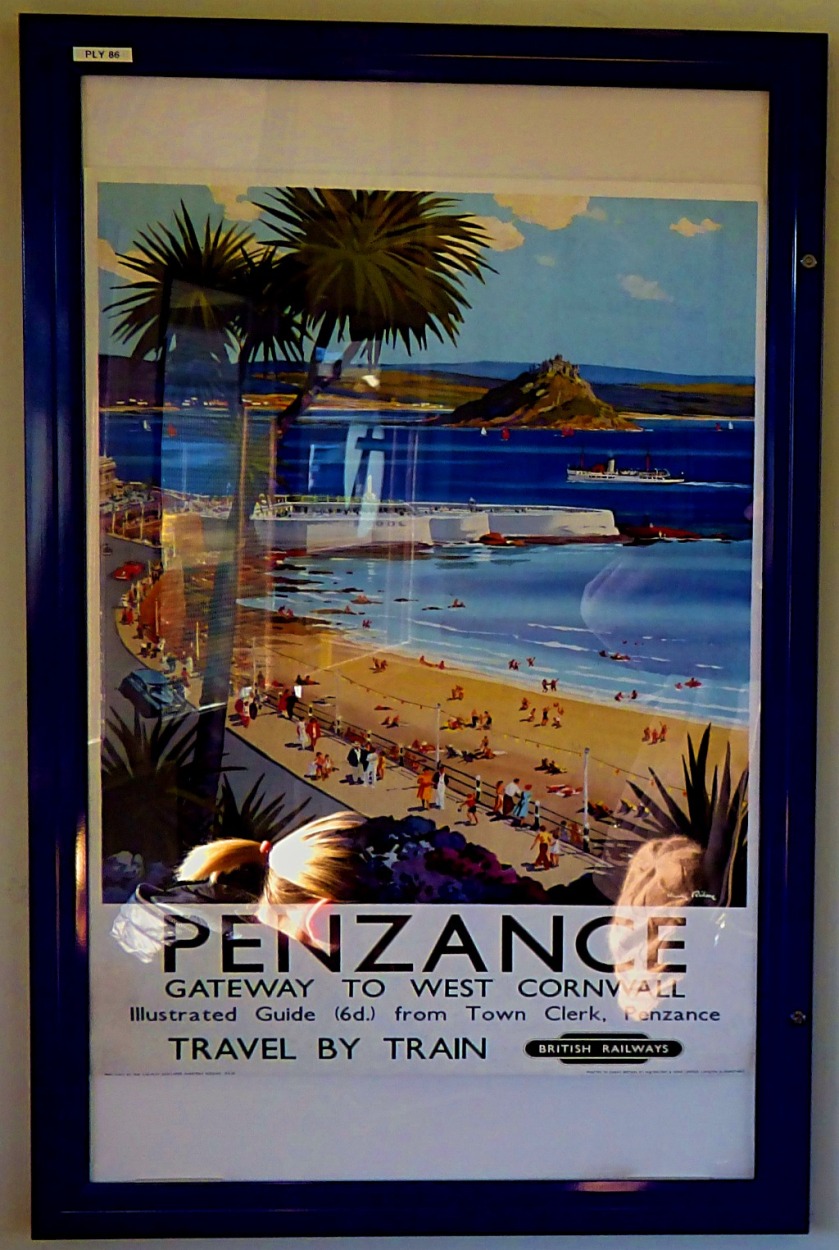
This is the final post I shall be producing about my first visit to my parent’s new home in Cornwall. There will be photographs of all the publicity materials that I picked up while down there, captioned where appropriate with links to the posts that they relate to, except for one section where I am following the route of my journey to Penzance and flag that at the start of the entire section. Thus, this post will contain links to every other post I have produced about the visit.
THE PUBLICITY MATERIALS
We start with…
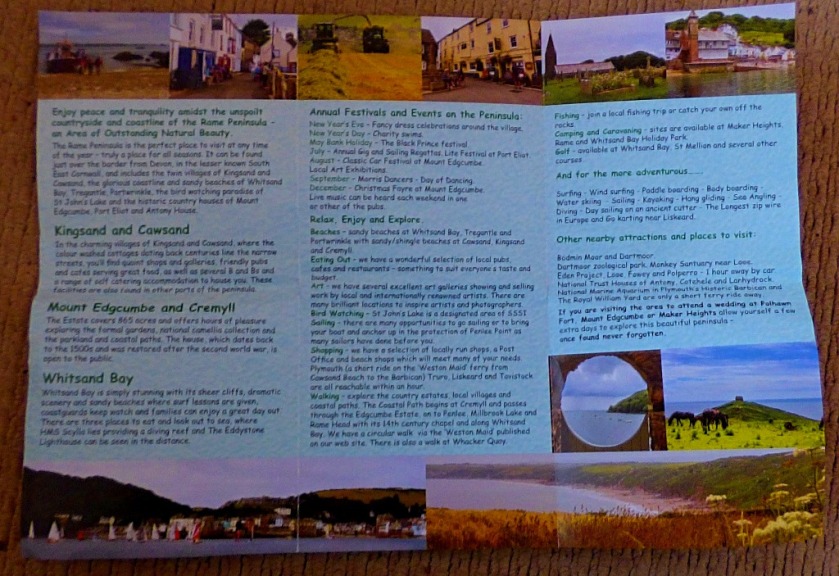
THE RAME PENINSULA OFFICIAL LEAFLET
This is the particular area in which my parents new home is located, so in one sense it relates to all of the previous posts in this series…
The posts that relate most closely to this are those relating to Thursday,Friday and Sunday.
Next we have…
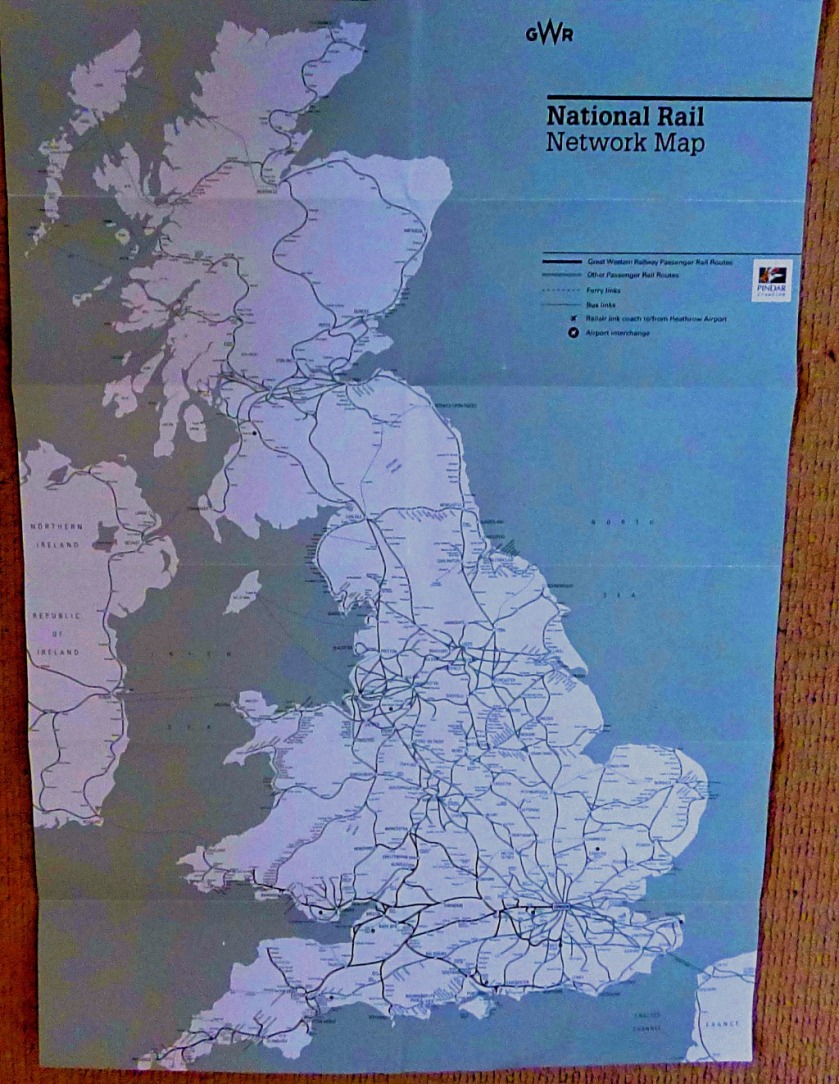
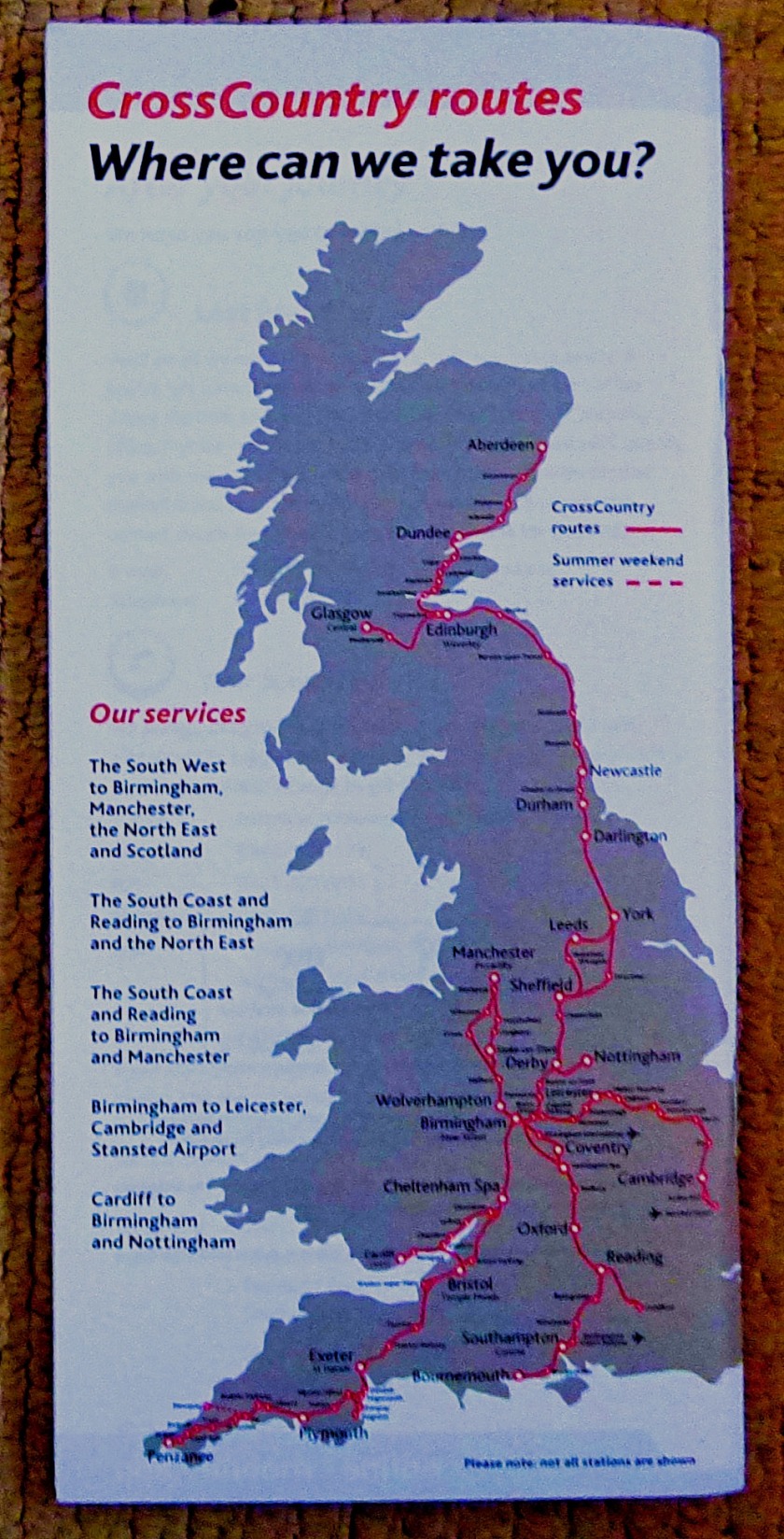
A DOUBLE SIDED RAILWAY MAP
This features the Great Western Railway network map on one side and the whole national railway network on the other:
This map particularly relates to the posts for Wednesday, the first of the Saturdayposts and Monday.
Our next port of call is…
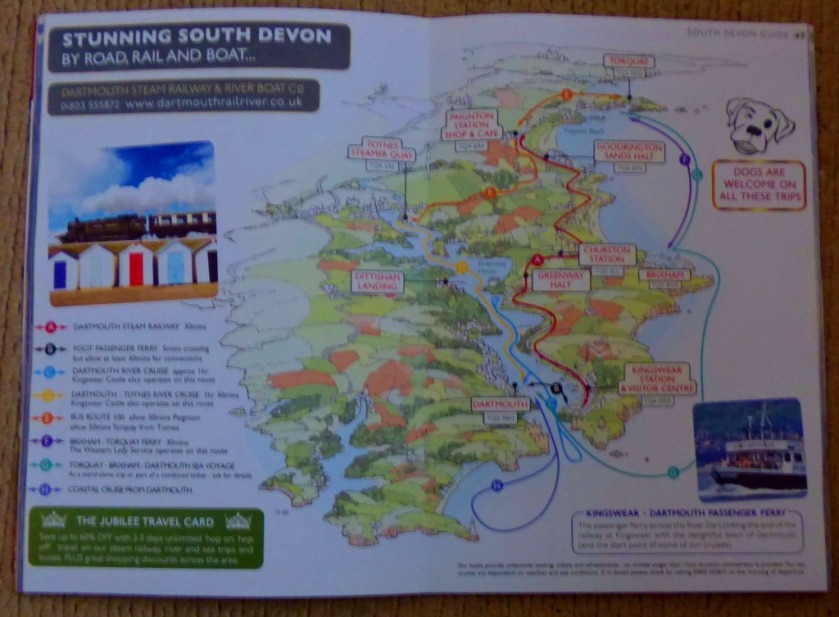
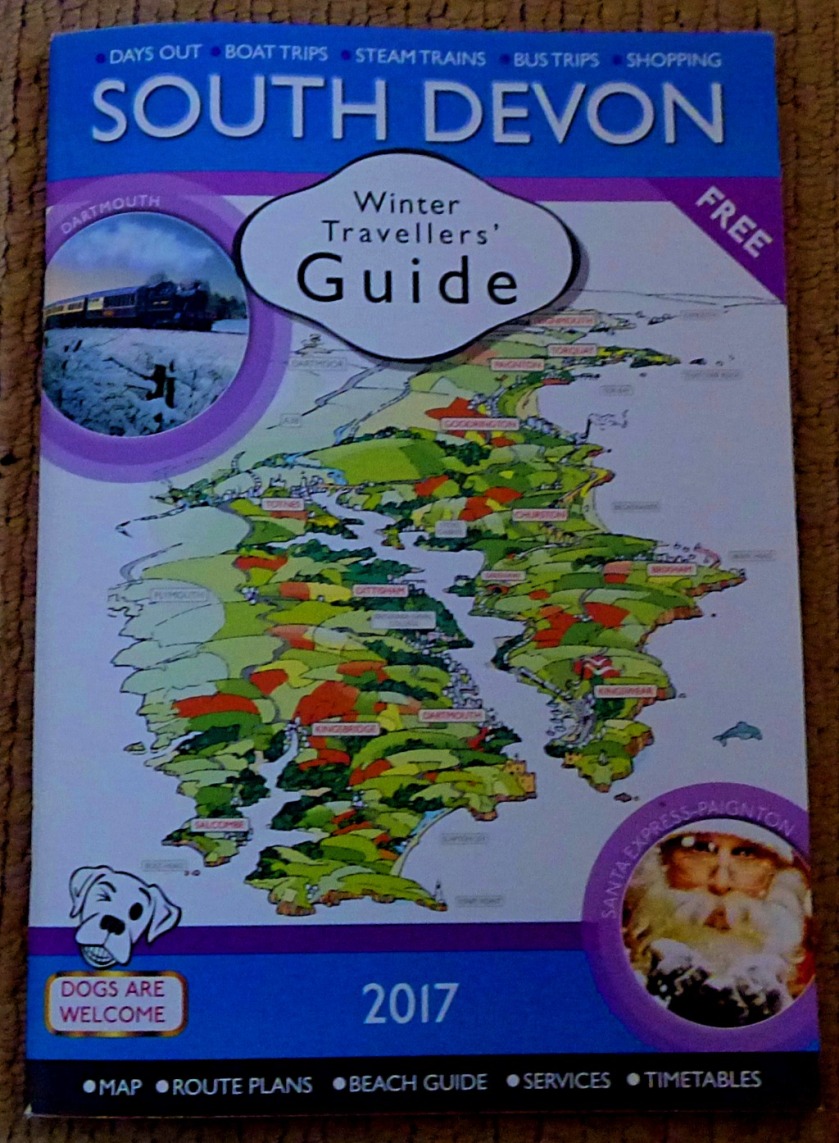
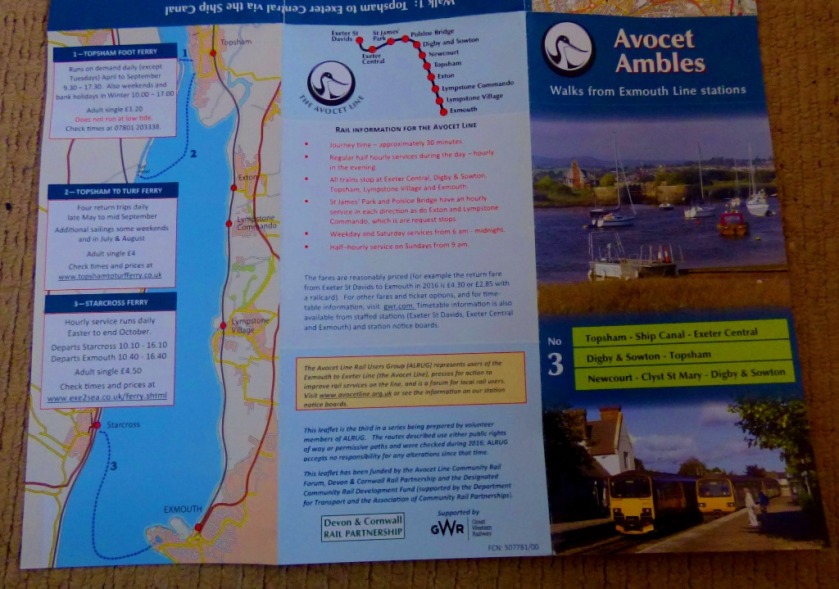
A SOUTH DEVON GUIDE
This is a stout little booklet, with a pictorial map as a centrepiece:
Next we come to…
A SELECTION OF RAILWAYANA
These are all unrelated to anything I blogged about, but represent things to consider for future visits…
We are now going to cover…
CORNISH TRAIN JOURNEYS
For most of this section we will be following the route of my journey to Penzance, but first a couple of pics to set the scene…
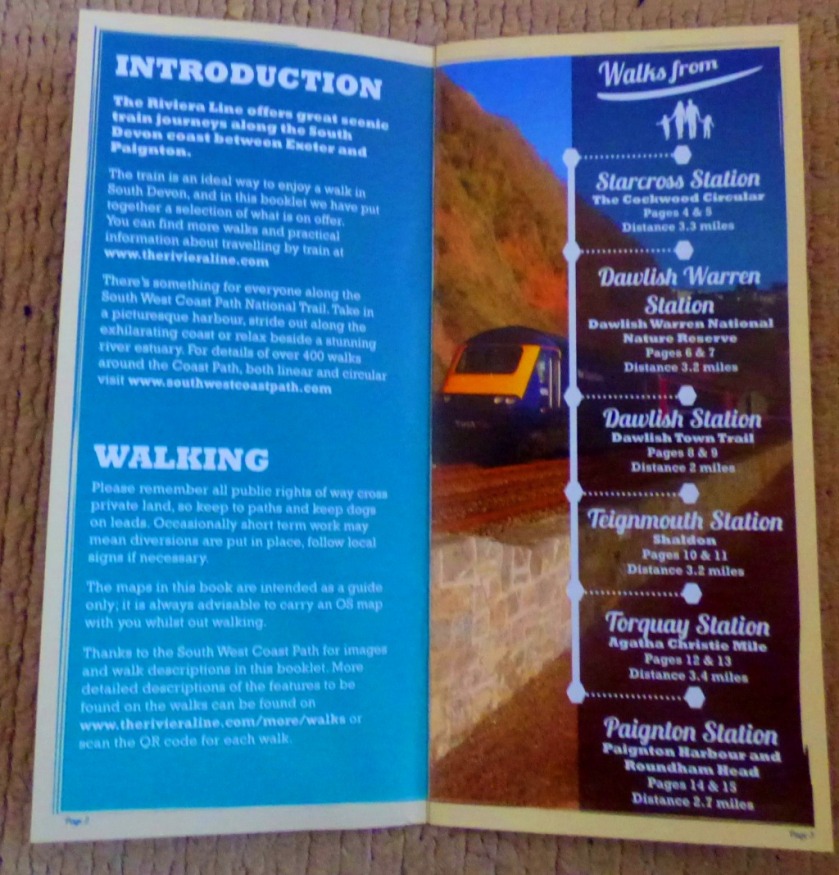
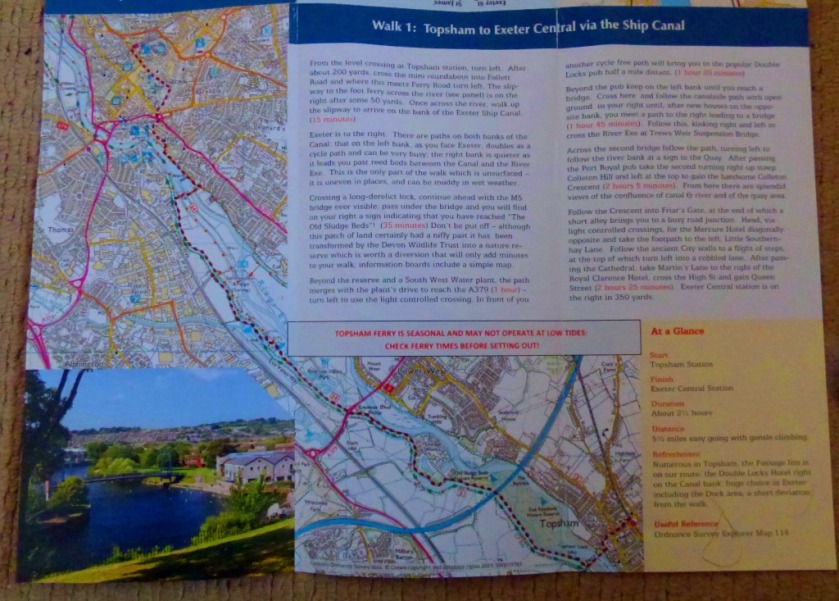
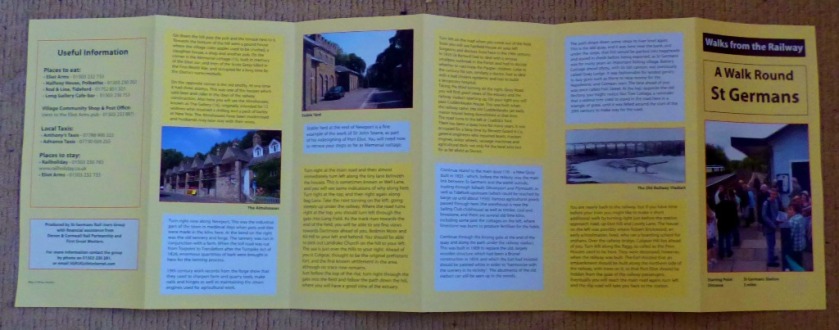
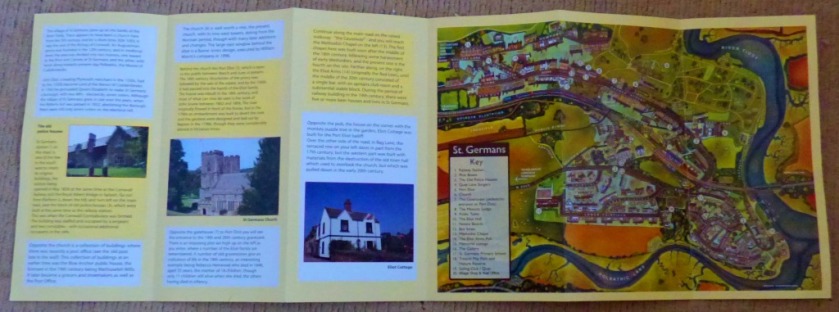
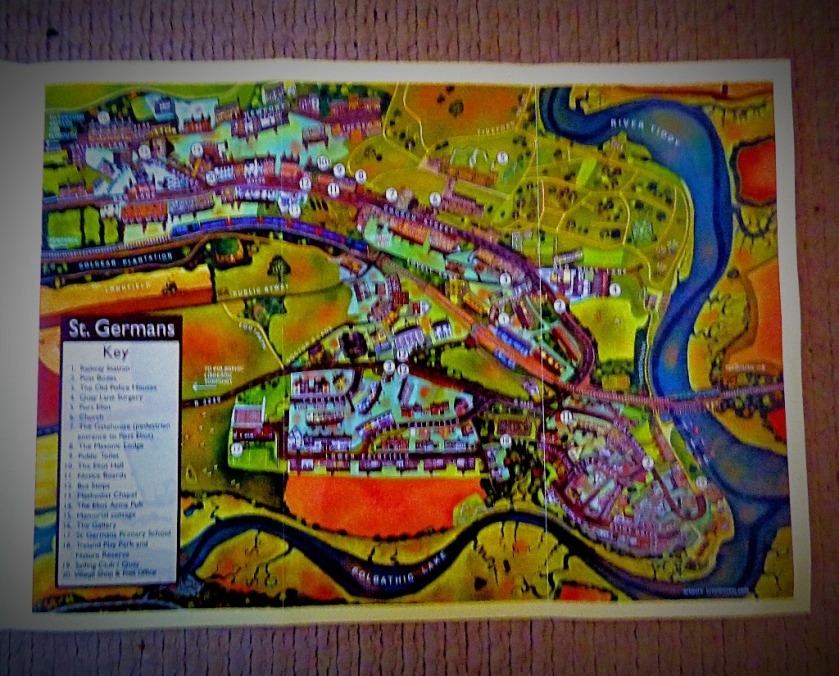
Now starting our survey of stuff that relates closely to my Saturday journey we begin with the St Germans Walk…
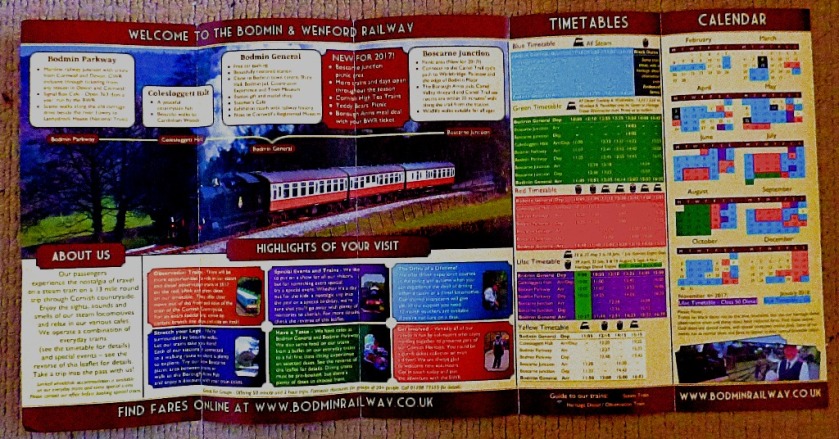
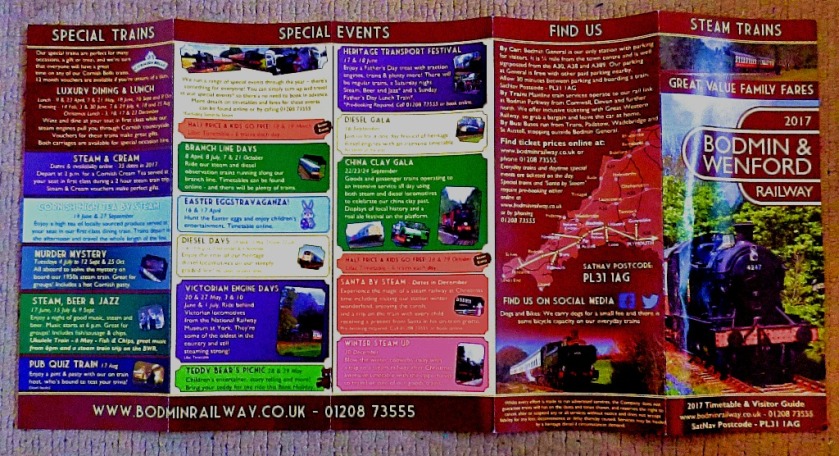
Our next staging post is Bodmin Parkway, for the Bodmin & Wenford Railway:
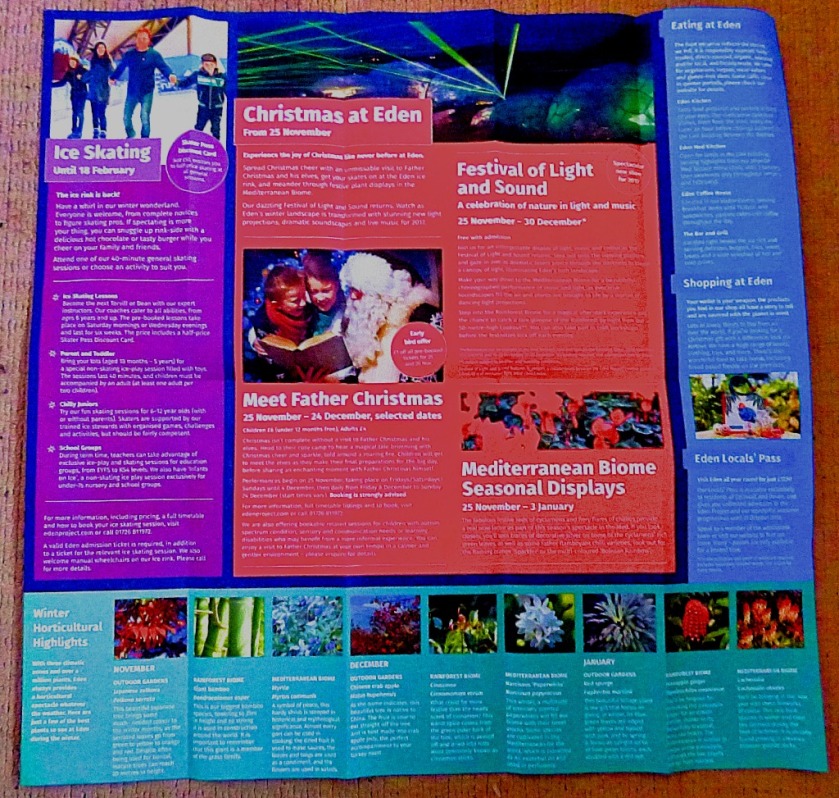
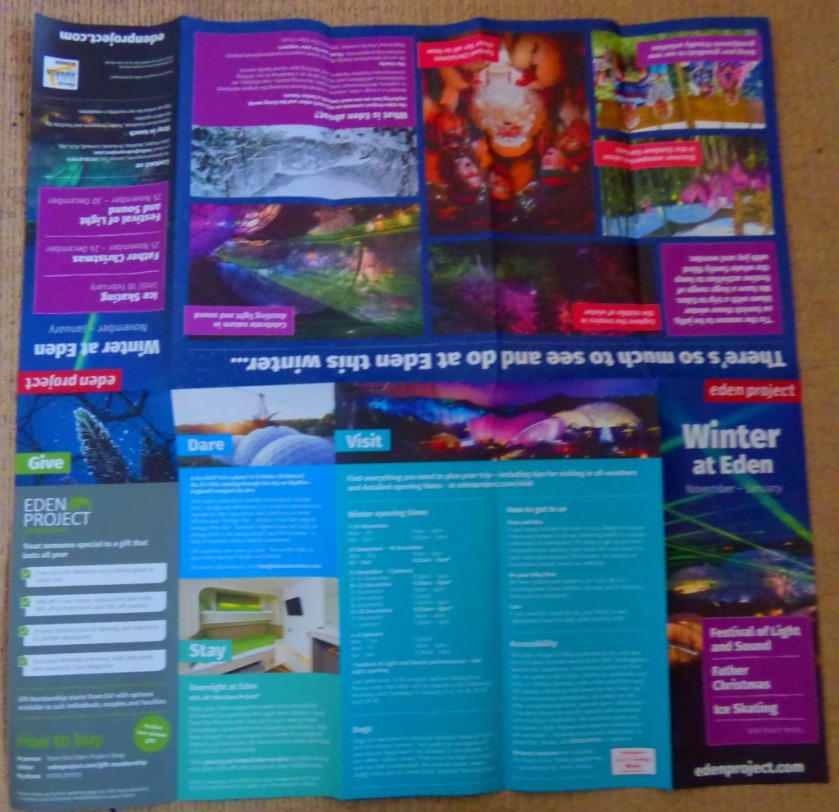
Continuing our westward journey our next diversion is at St Austell where those so minded can catch a 101 bus to The Eden Project (the officially recommended way of visiting that great attraction – they are not great admirers of the motor car).
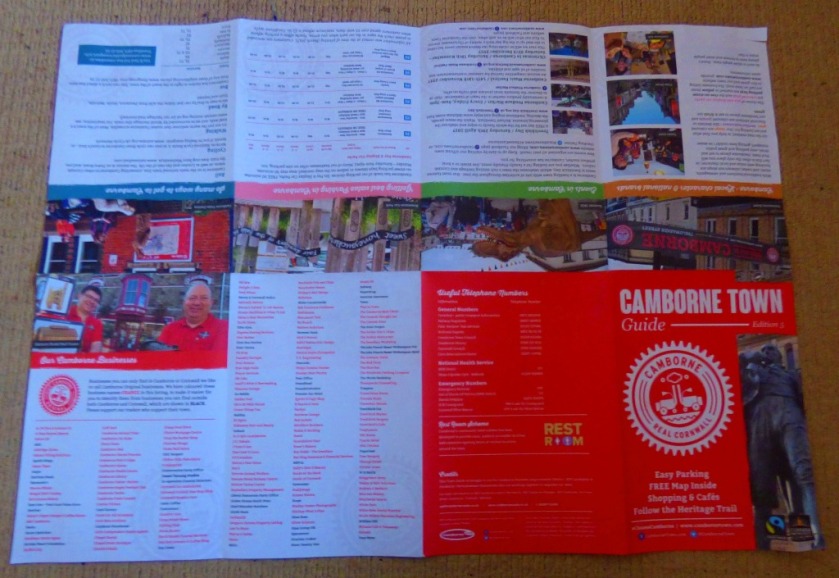
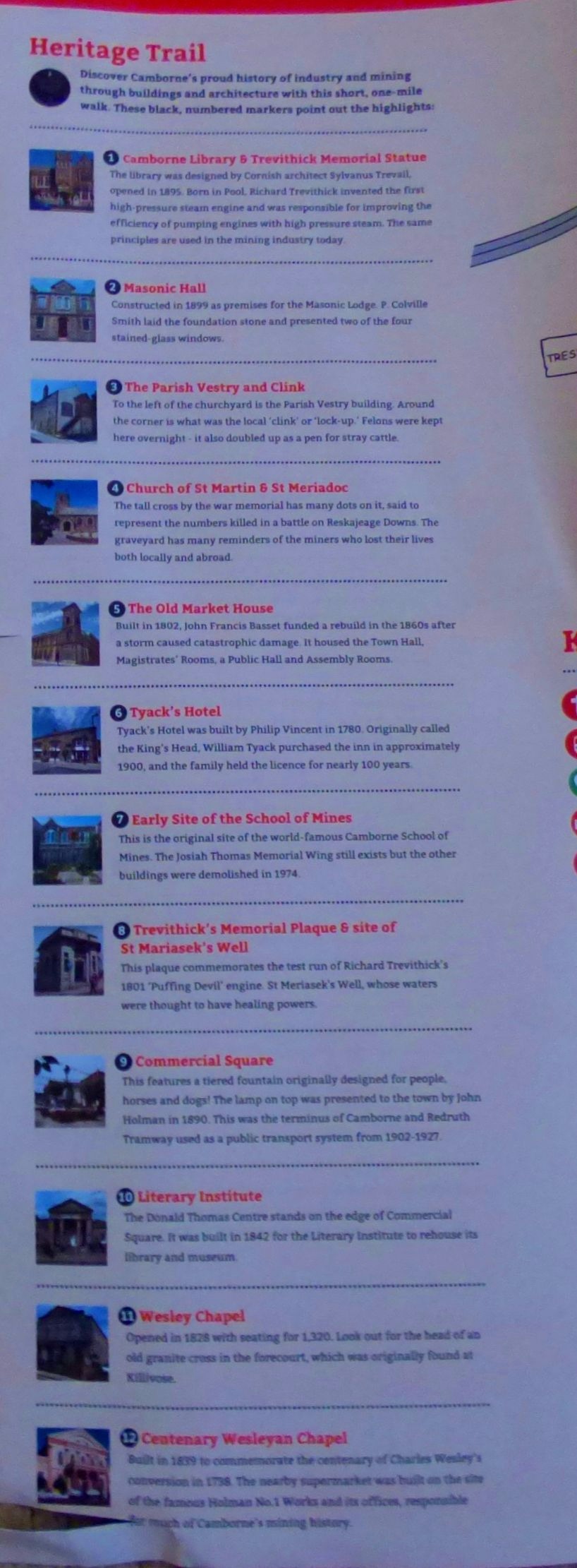
Before arriving at the destination for our next section we give a passing wave to Camborne Town:
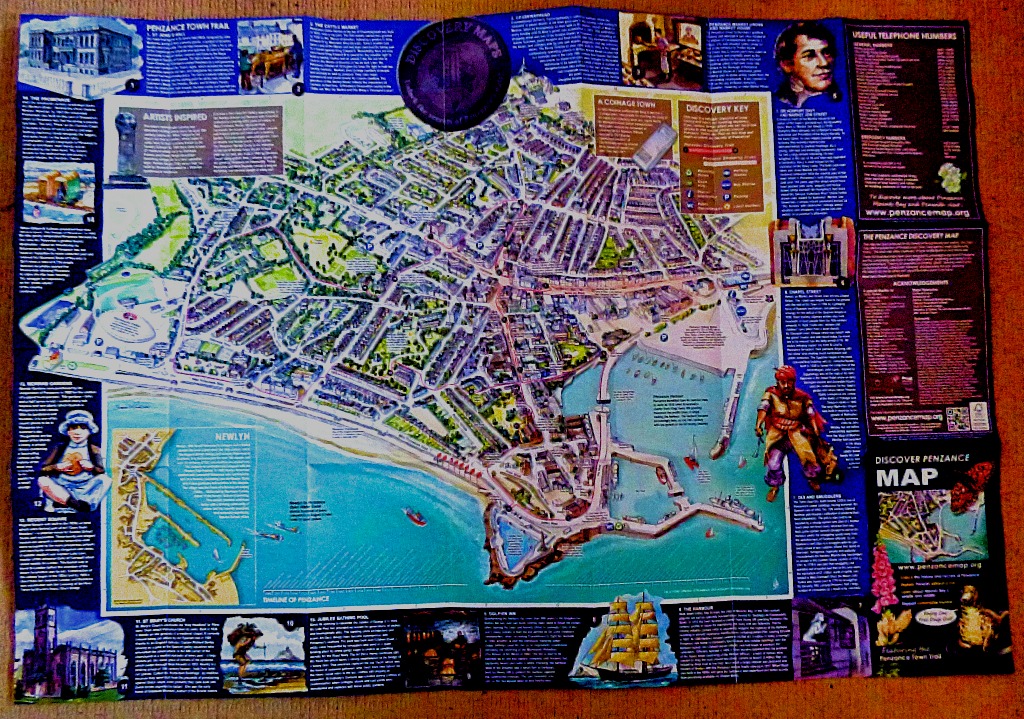
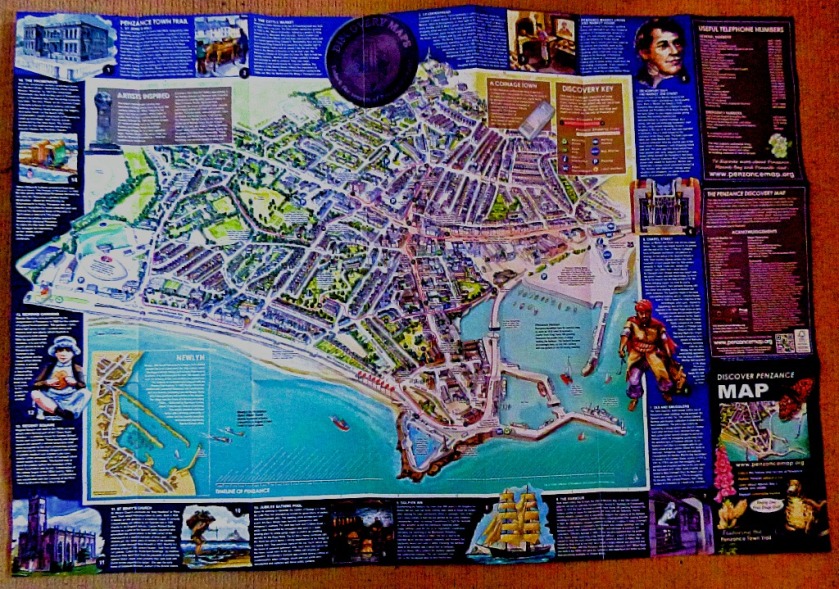
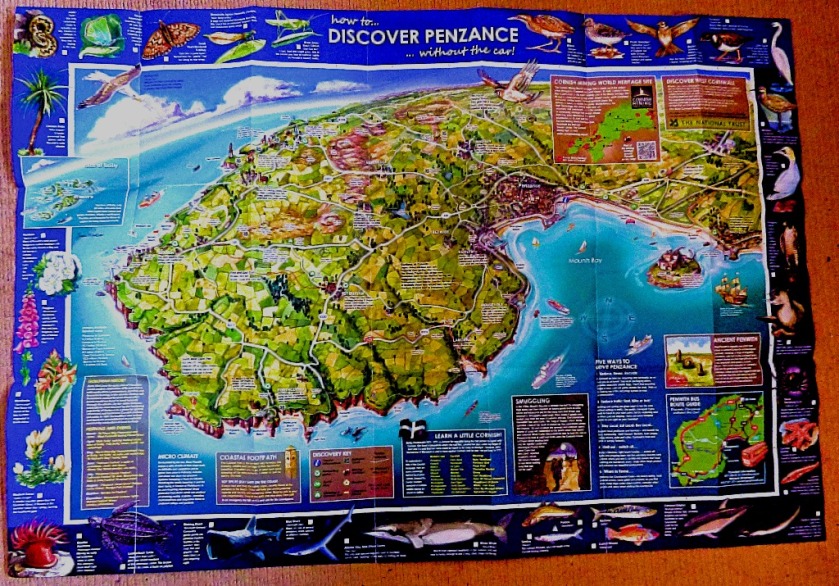
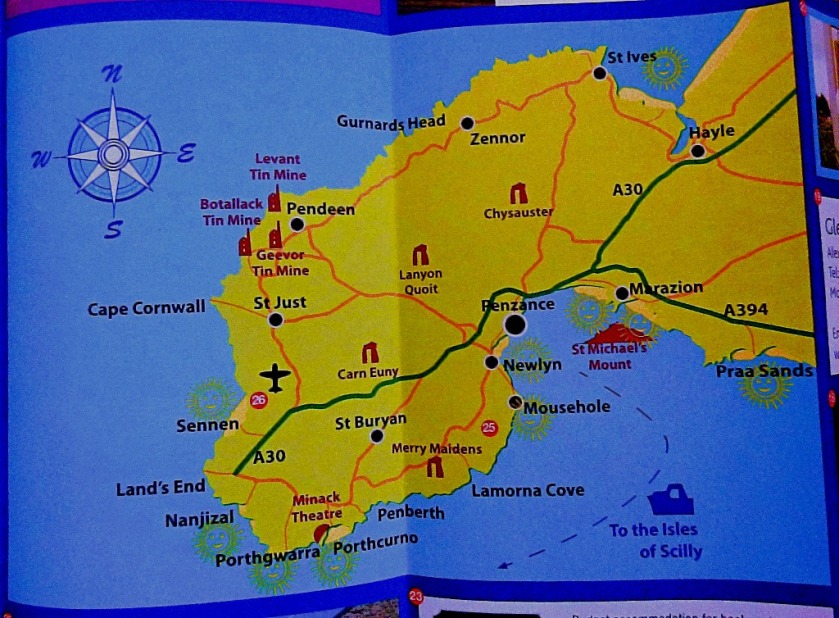
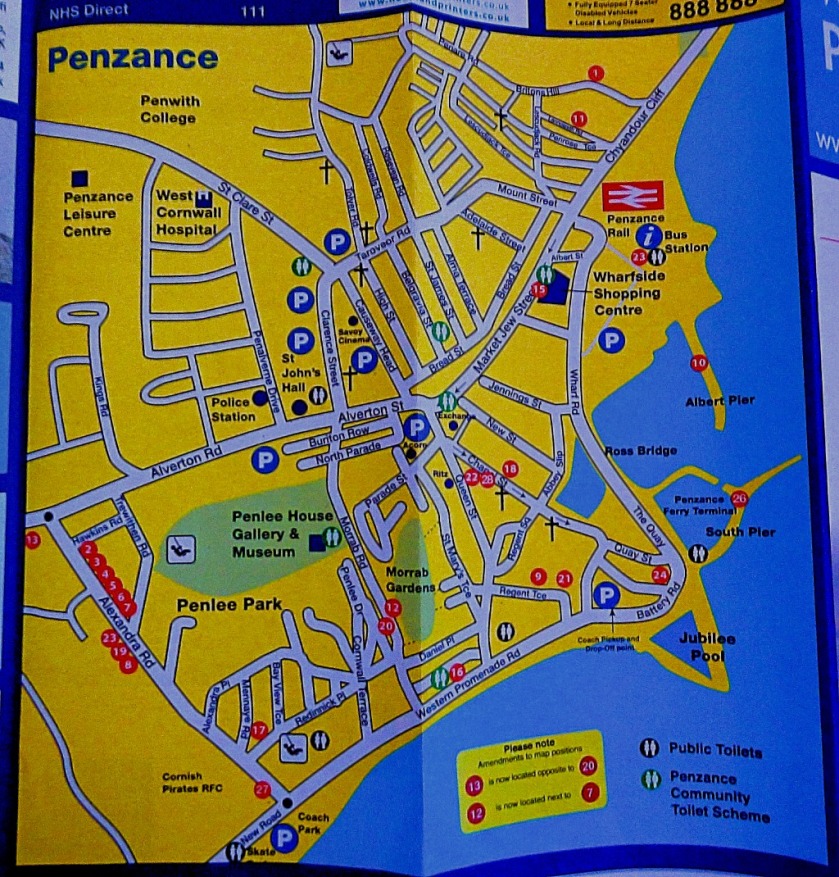
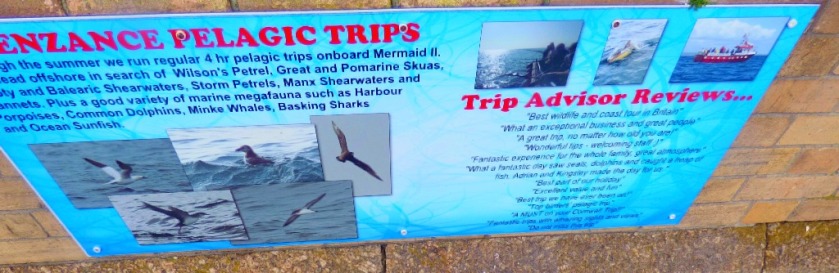
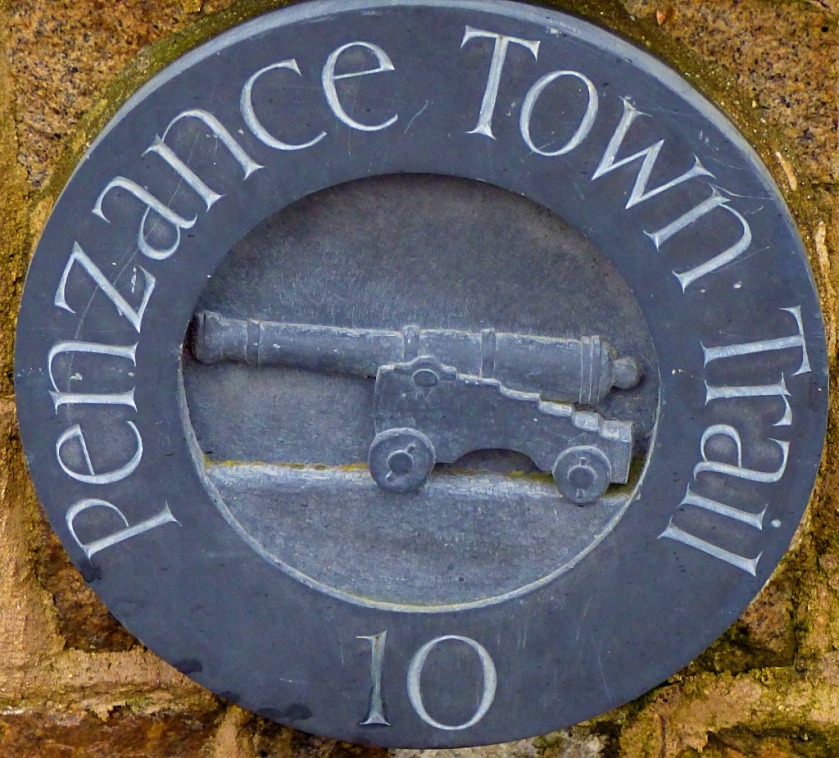
These maps relate to my post about my day in Penzance. The first two pictures are of the only item in this collection that had to be bought, for a whopping £1!
We have almost reached the end of this post, which we do with…
A FEW LAST PICTURES
These are the last few bits…
The official mainline timetableI will not be able to make use of this, but some of you might.
My account of the homeward journey from Fort Picklecombe.
INTRODUCTION
We have reached the penultimate post about my Cornish holiday – the last day. This post details the long journey home.
STARTING OFF
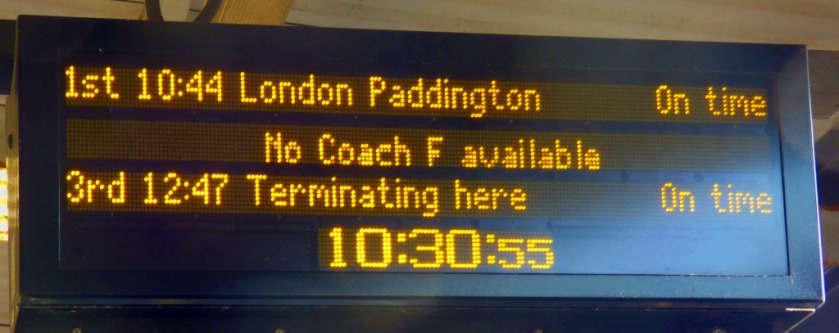
The length of time it took to get from Plymouth to Fort Picklecombe on the Thursday was playing on my mind, and I wanted to be sure that we were away before 9AM, since my train was due to depart Plymouth at 10:44, and I reckoned that a single ticket from Plymouth to London bought on the day (London-Lynn would still have been valid on the original ticket) woulkd probably cost more than my original ticket (in this assessment, to borrow from history, there was the proverbial “cubit of error my way that does not obscure the 99 cubits of error the other way” – actually said ticket would have been fractionally less. Nevertheless, I did get a few lasy pictures before leaving the fort:
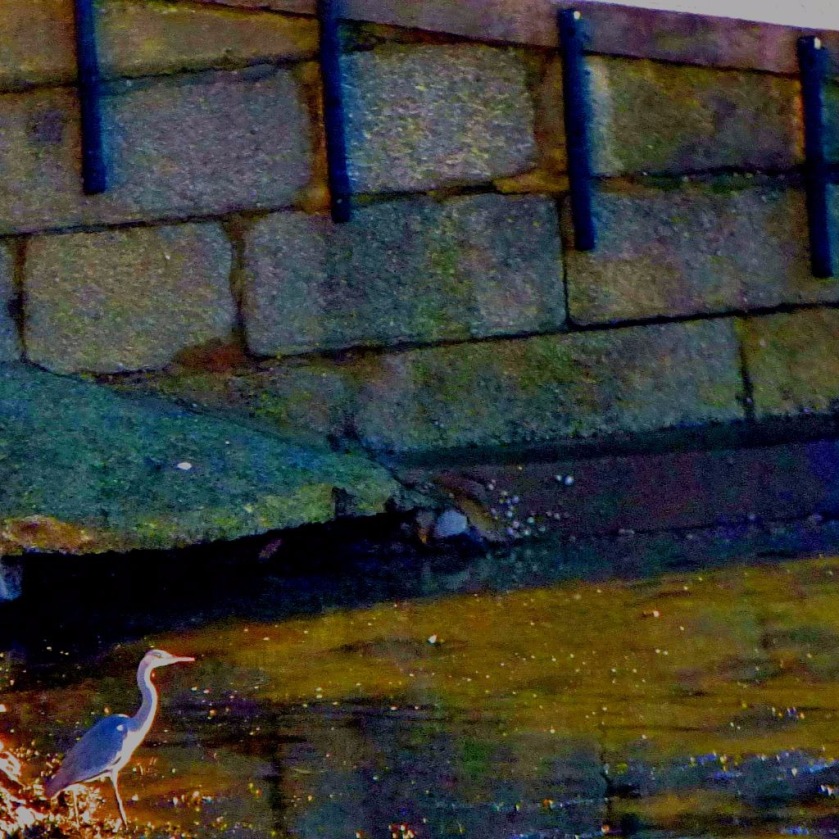
A first for me – the first time I have captured a heron on camera.
On the journey into Plymouth I managed to snap two pictures from the back of the camper van:
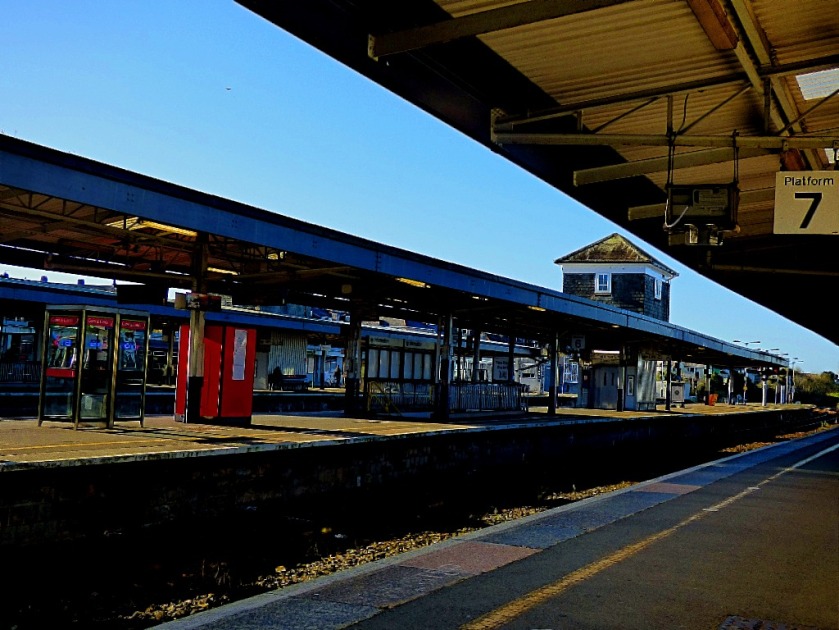
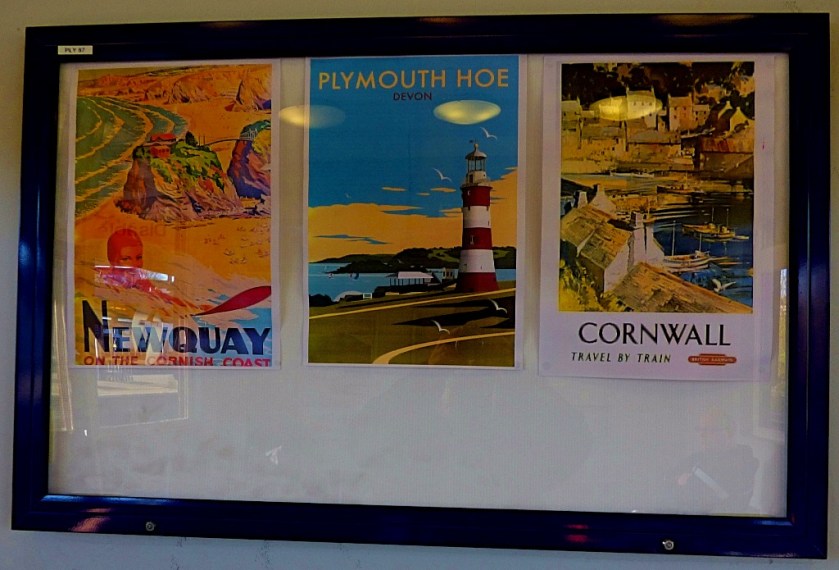
I had some time to kill at Plymouth station and did so by taking photographs…
An avian passenger?
PLYMOUTH – LONDON
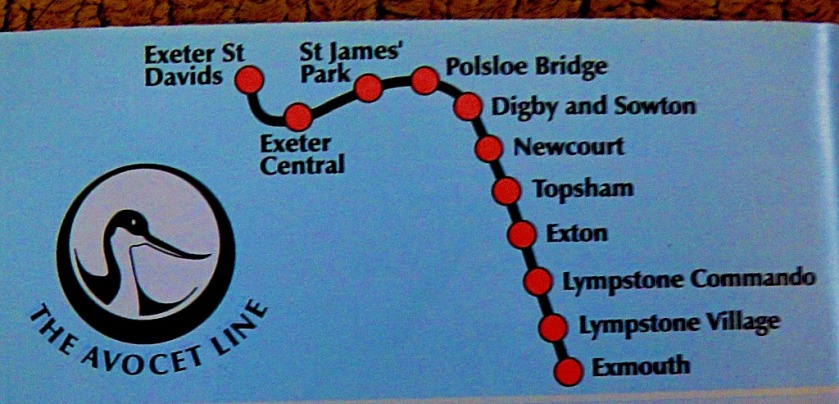
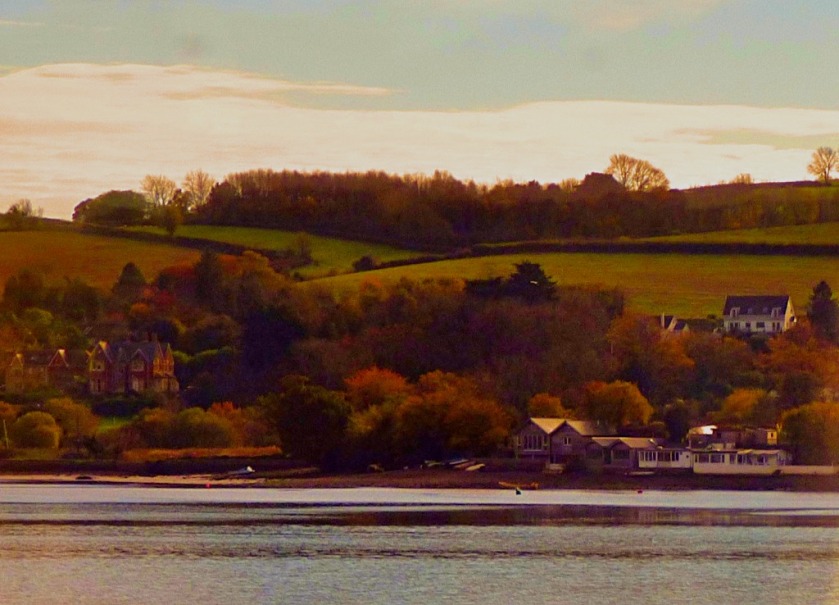
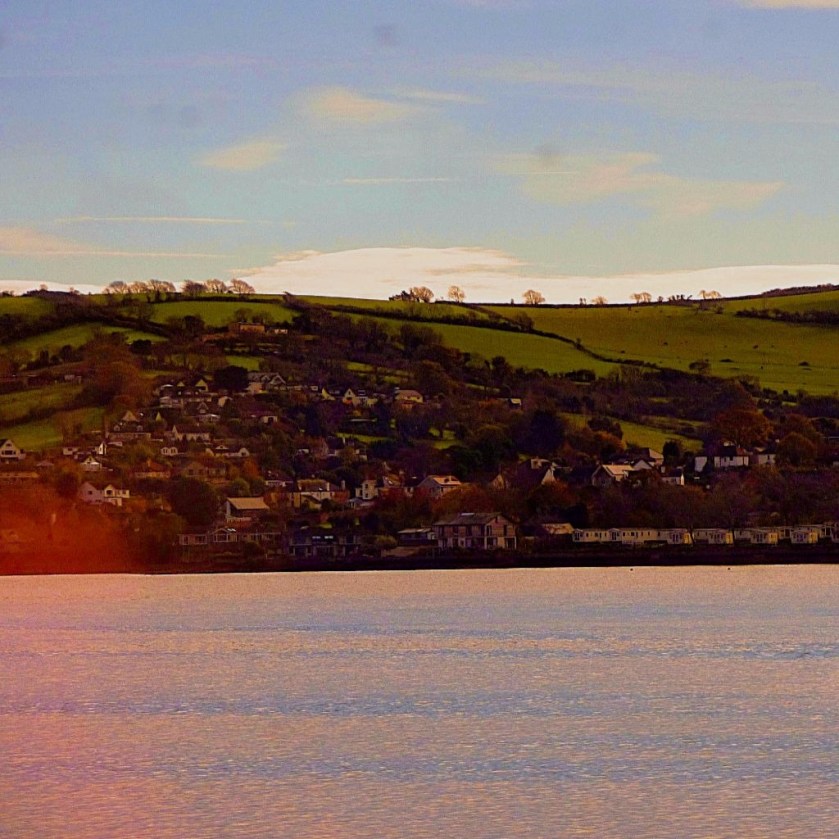
This train was a service called “The Cornish Riviera”, which starts in Penzance and snails up through Cornwall stopping pretty much everywhere and then makes up time by calling only at Exeter St Davids and Reading between Plymouth and London. Although I had an aisle seat on this journey, and no opportunity to move to the window seat I was not going to be denied at least some photos. I got a good few between Plymouth and Exeter and a handful thereafter…
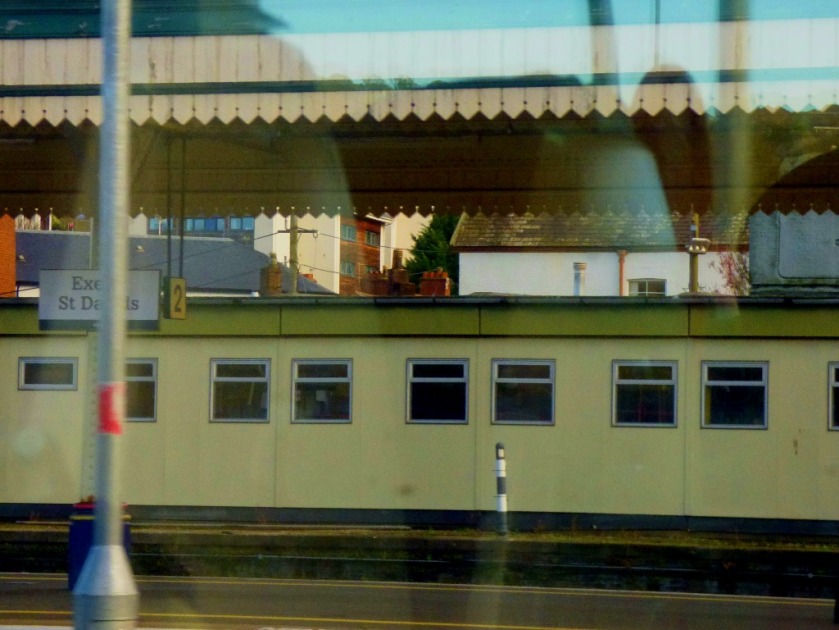
Exeter St Davids (two images)
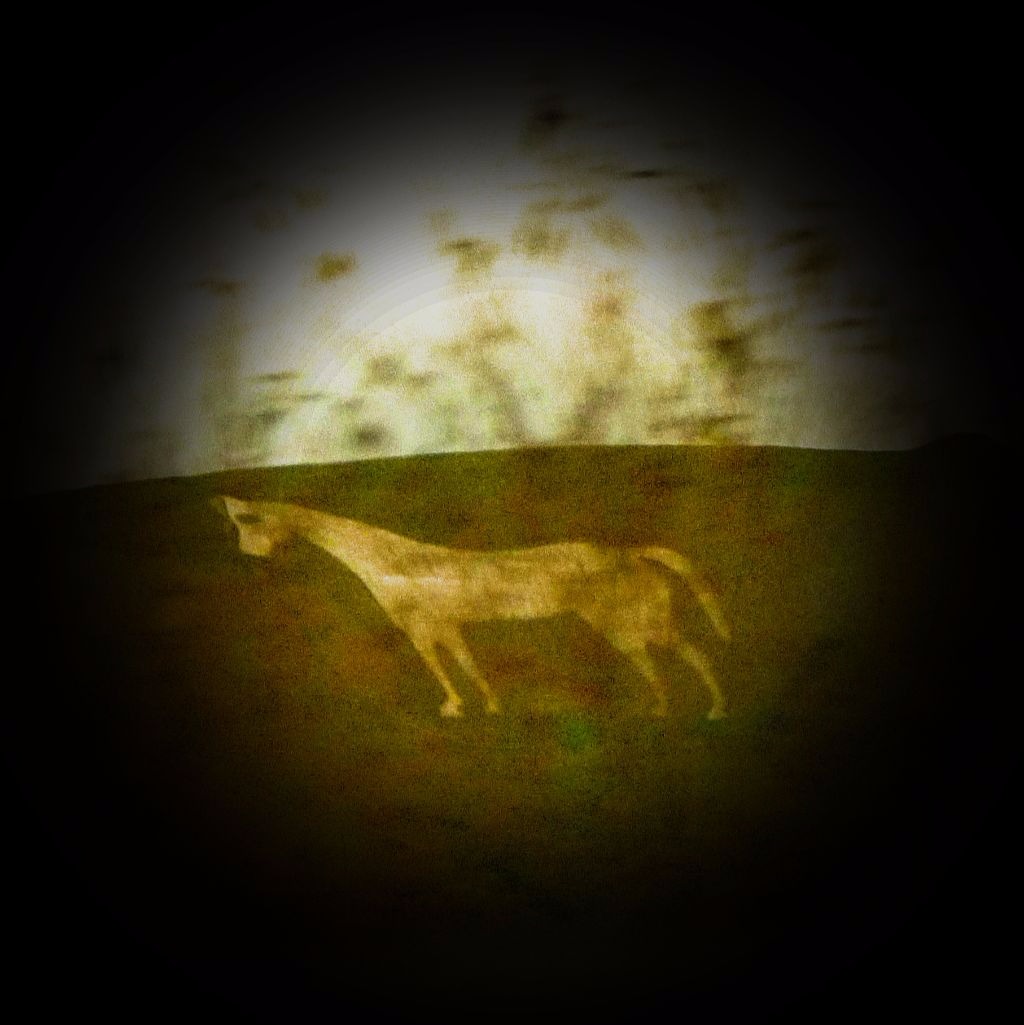
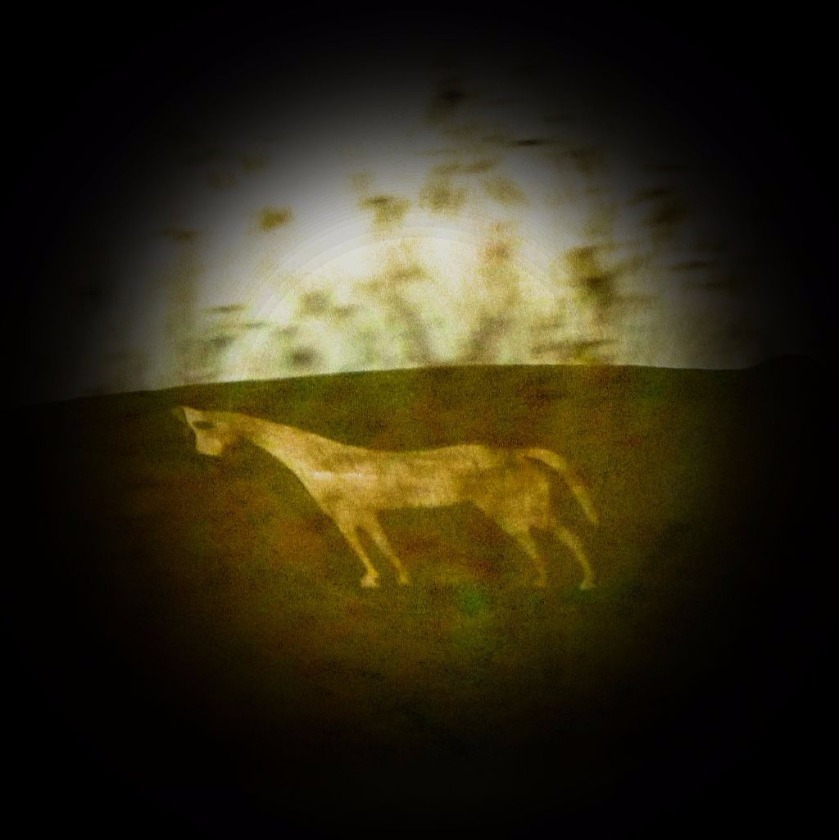
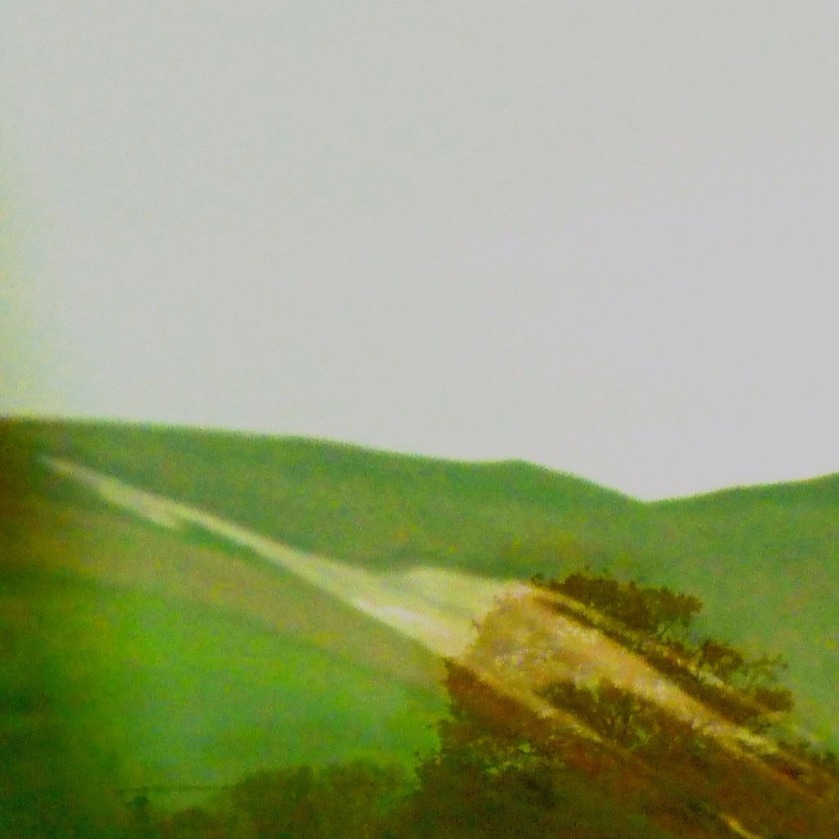
This chalk horse, carved directly out of the hillside, is visible at distance at a time when the train is at full speed.
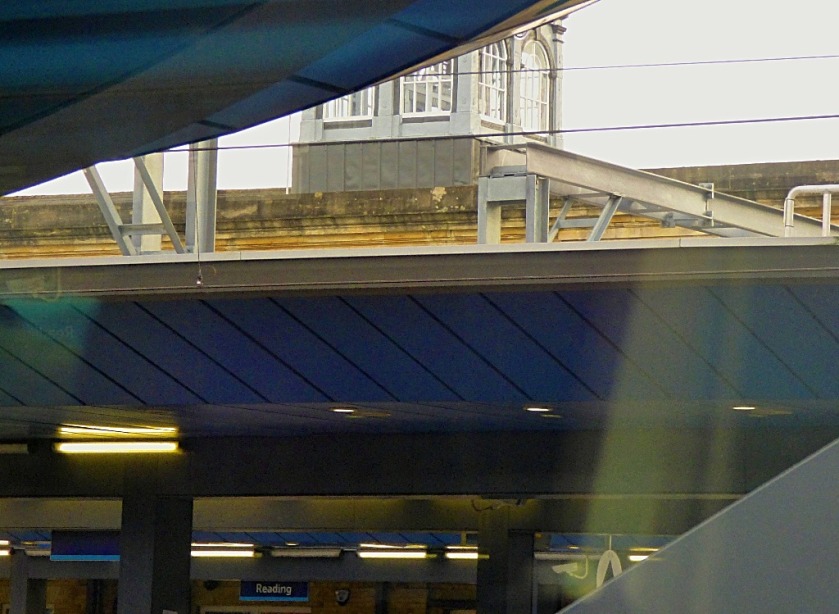
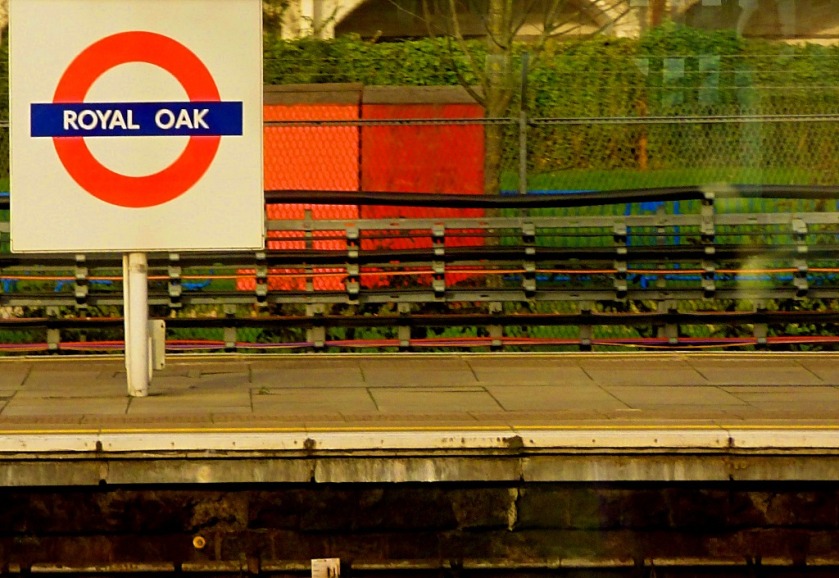
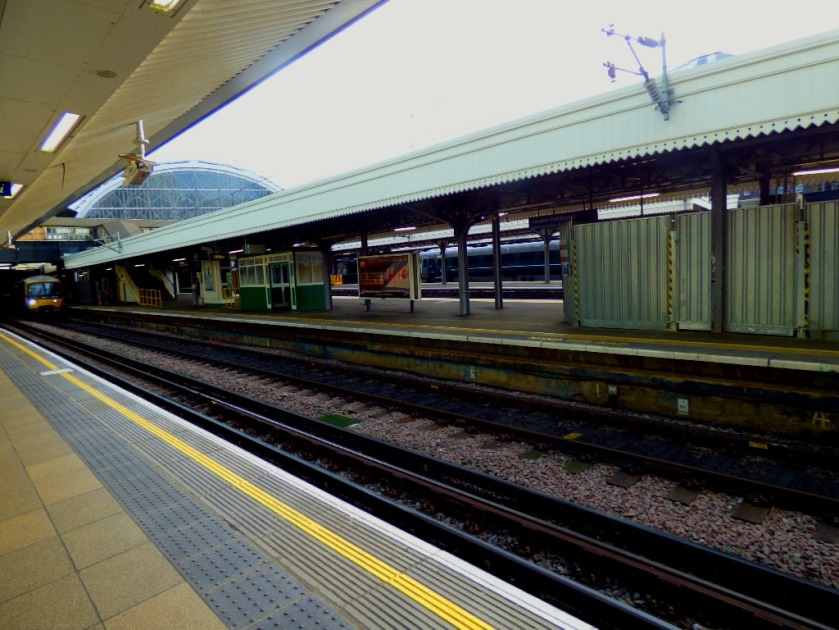
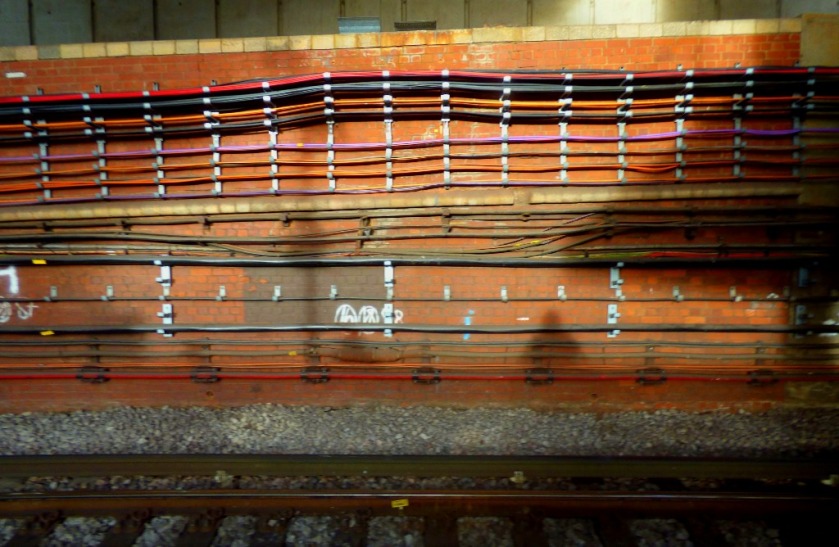
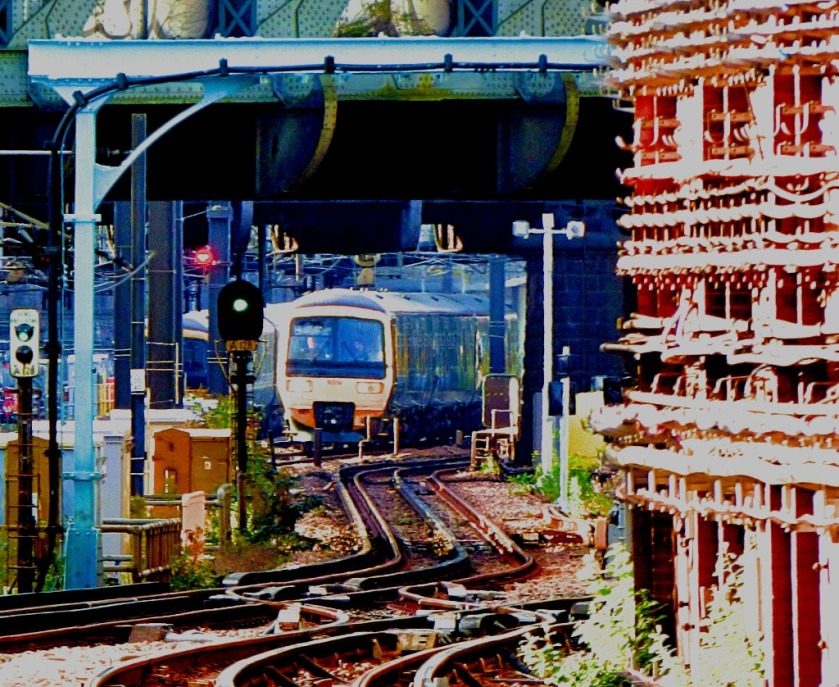
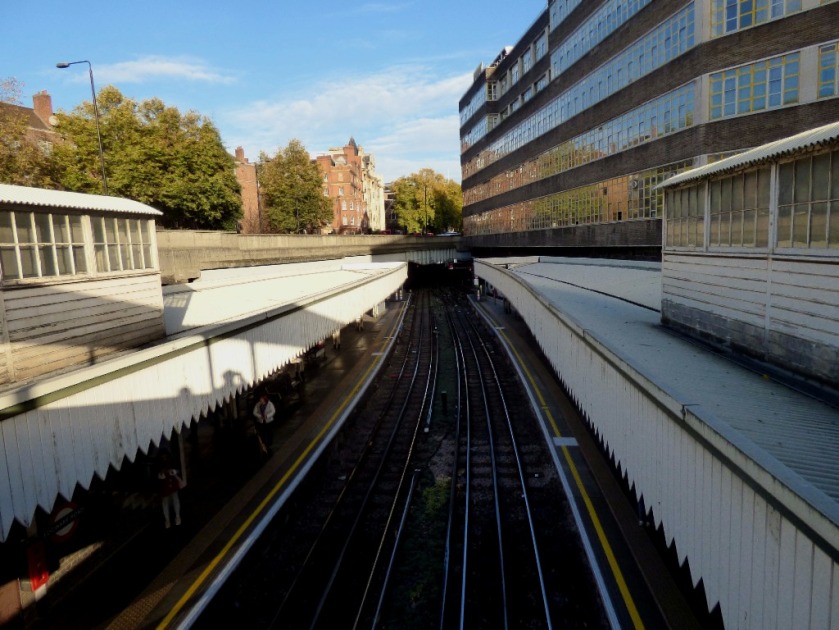
Reading stationRoyal Oak – the Hammersmith & City line’s last station west of Paddington. The next station towards Hammersmith, Westbourne Park, used to offer an interchange with mainline railways but nowadays Ealing Braodway is the last mainline station before Paddington. Back in the old days there was a connection – the first locomotives to run over what was then The Metropolitan Railway were supplied by the Great Western, while this extension to Hammersmtih opened in 1864, only one year after the original.
LONDON TO KING’S LYNN
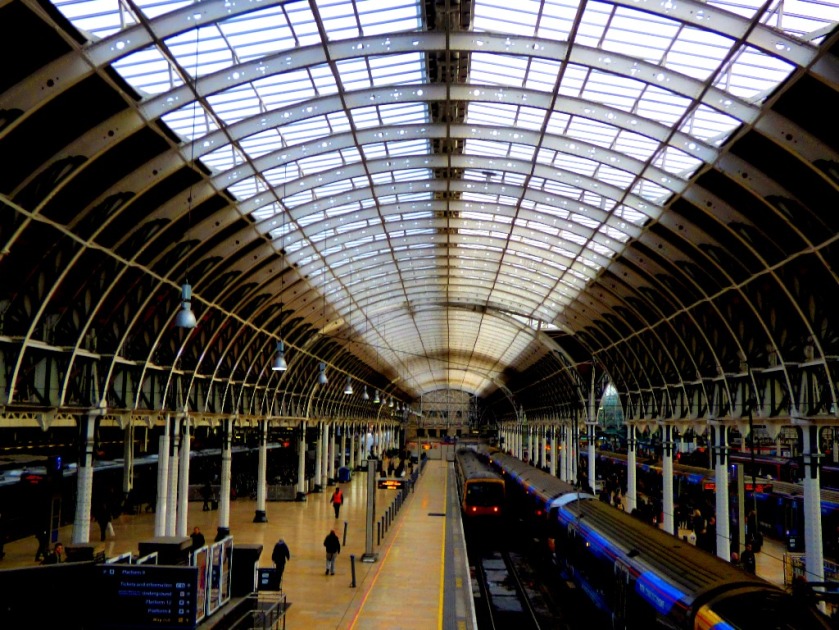
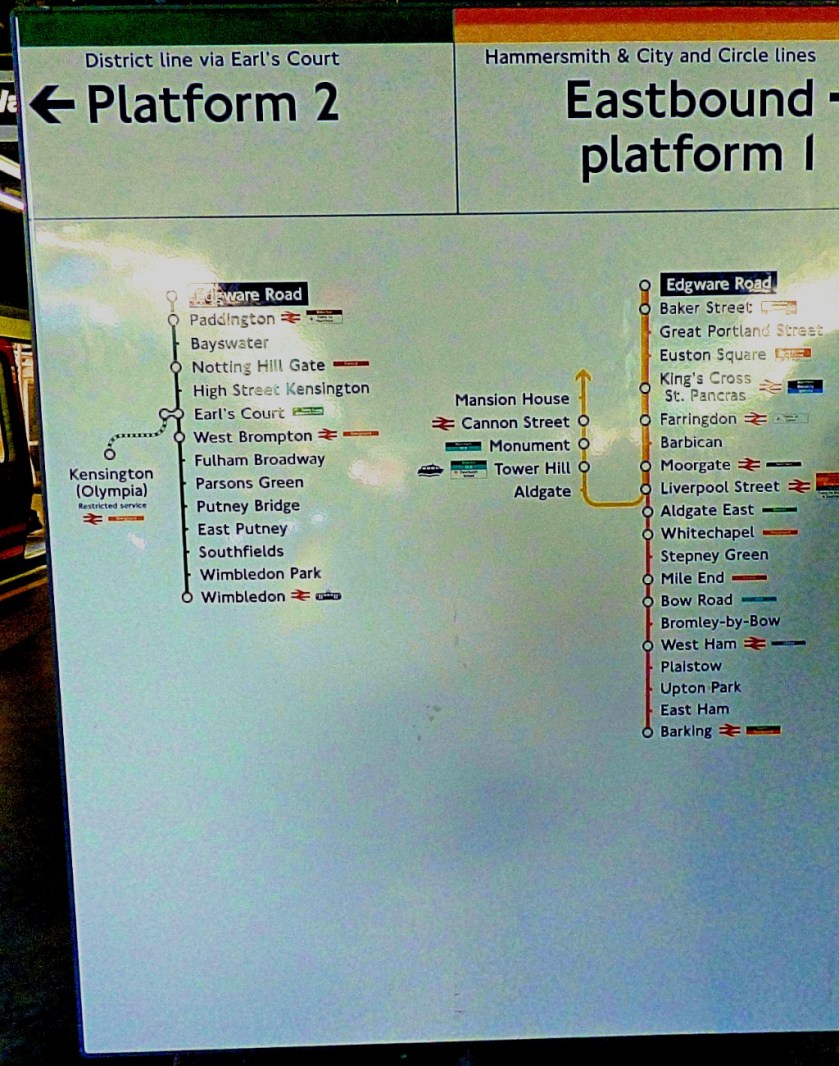
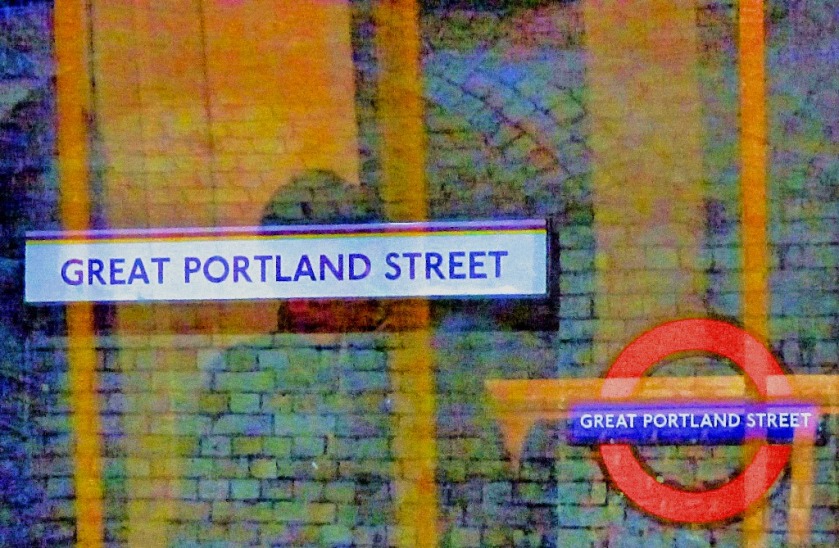
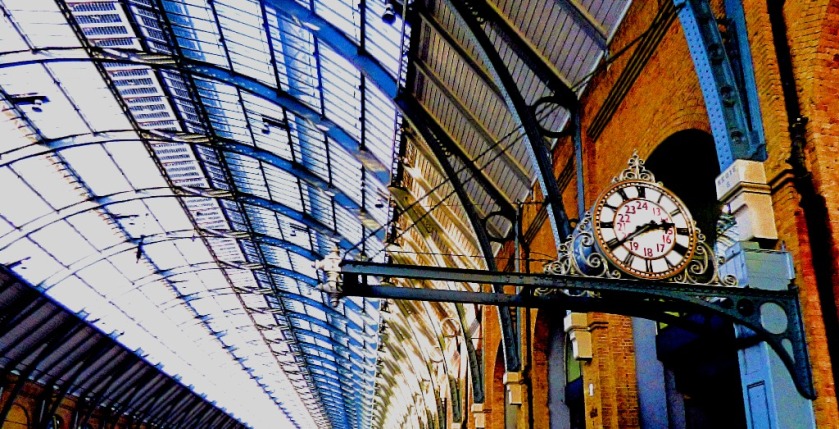
I crossed to the Hammersmith and City line platforms, nos 15 and 16 of the main station, and waited a long time for an eastbound train, then discovering that it was terminating at Edgware Road (very odd indeed for a train from Hammersmith), so I had to change again. I arrived at King’s Cross and was just in time to catch the 14:44 to King’s Lynn, which was not overfull (as the 15:44, the next service, certainly would have been). This means that I was at home and unpacking by 5PM.
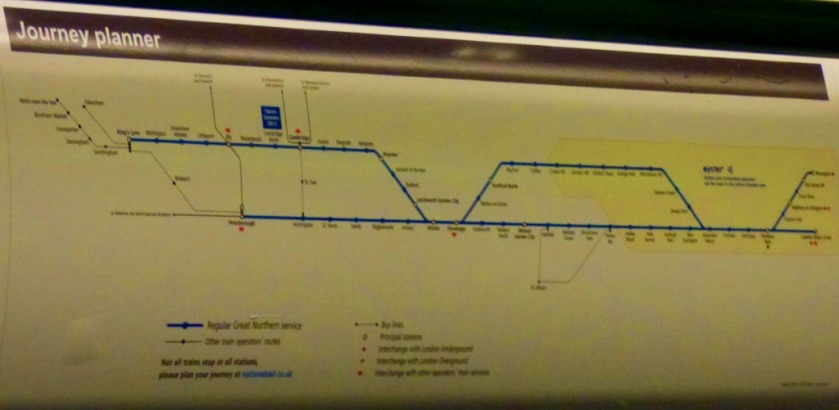
This picture was the cause of minor quarrel – I was challenged by another passenger as to why I was taking pictures of his friend, and it took my a while to get the point across that I was not, and that it was this map which was my target. His friend’s hat did appear in the uncropped version, but no face was visible, and my only interest was the map. I was perhaps a little harsh as I was fully expecting to miss my intended connection at Kings Cross due to the delays on this leg of the journey.
The platform from which the train to King’s Lynn was l.eaving was revealed with a mere eight minutes to spare, and if you going to Lynn you have to go to the front of the train (or else get out and dash along the platform at Cambridge).
We have reached the Sunday of my Cornish holiday. I am going to cover the day in three sections for reasons that will become apparent as the post develops.
SUNDAY MORNING
From my point of view most of this day was taken up with editing my pictures from the previous day’s excursion (see here and here), but Fort Picklecombe also provides regular opportunities for taking photographs, and I also took a number of these opportunities.
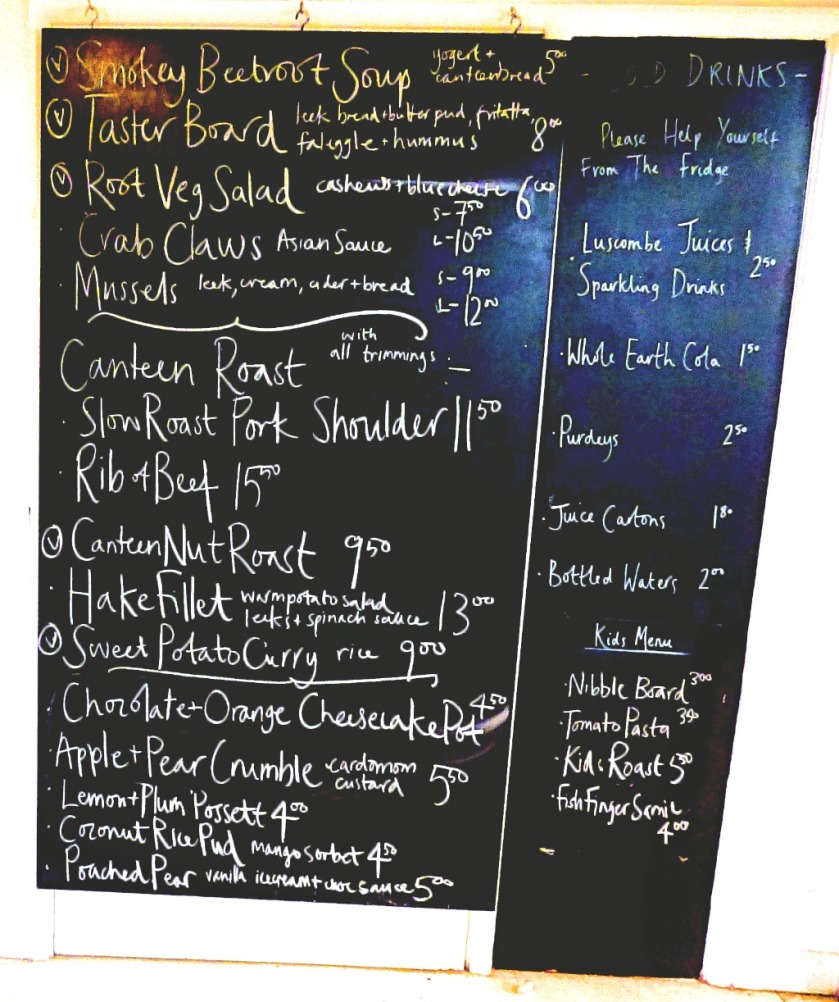
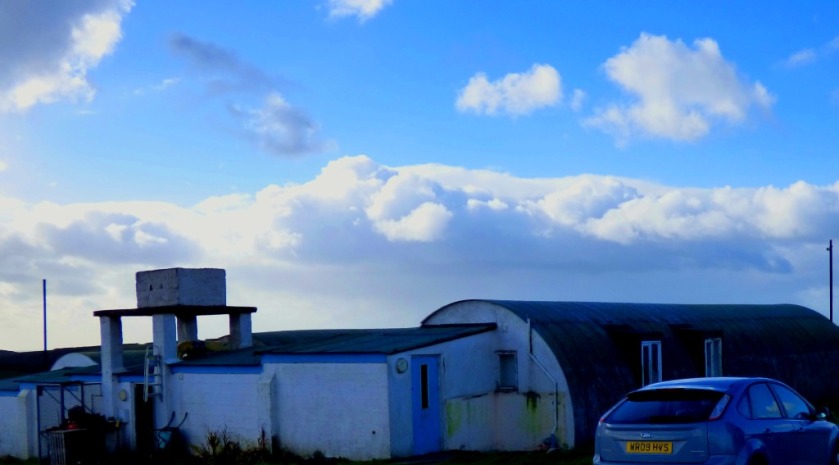
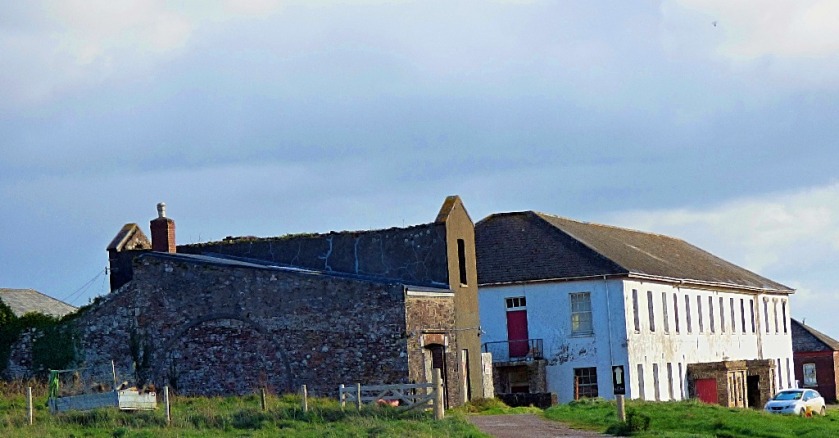
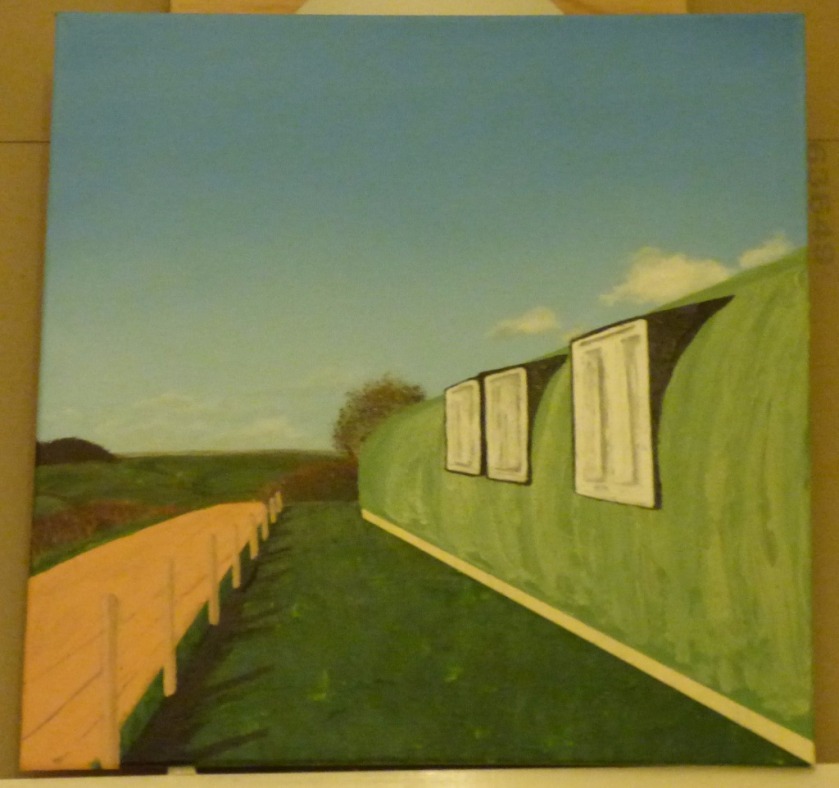
We were going out for Sunday lunch, and at about 12:15 we got ready to leave. We were lunching at an establishment that doubles as an art gallery and is located in a set of Nissen huts in a village called Maker. Here is their Sunday menu:
In the event we did not have starters, and each of us went for a different main course – I went for the slow-roasted pork shoulder, my father for the beef and my mother for the hake. It was a long wait to be served, but that was because they were cooking the vegetables from fresh. The pork was excellently cooked, with crackling that was both crunchy and flavoursome, and the vegetables were excellent. The roast potatoes however were not as good as they would have been had I cooked them – the potatoes had been peeled but not chopped, hence were very large and therefore somewhat lacking in the crunch factor. Overall, considering all factors, I rate this meal at 7.5/10. Here are the rest of my pictures from lunchtime:
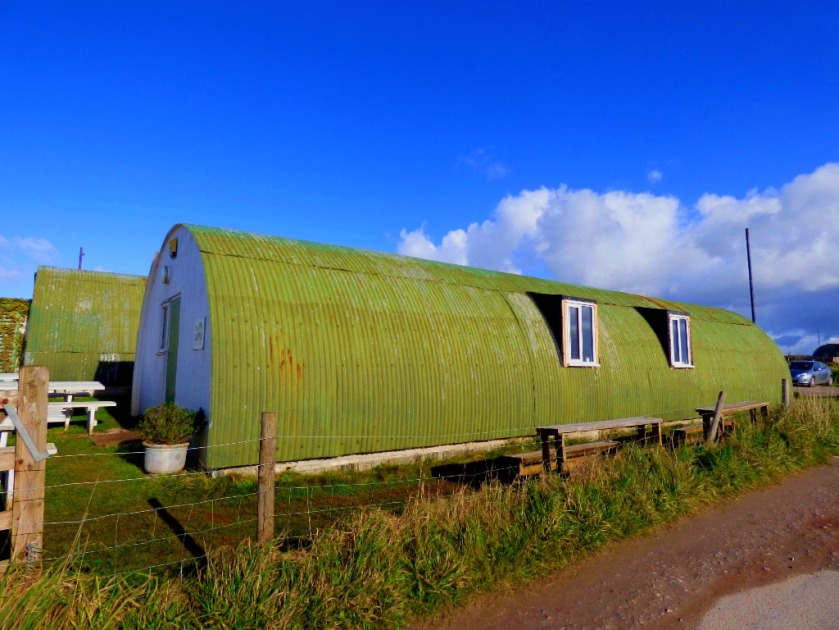
A good picture of the Nissen hut in which we ate.
Our table.
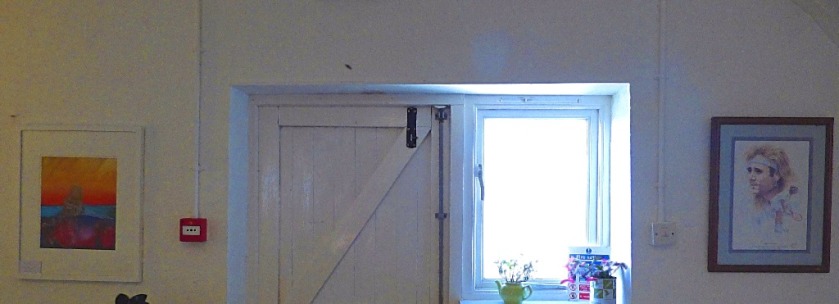
A bad picture of a Nissen hut (as you will note not much of the art on display here could really be considered good).
Then it was back to the fort, and back to photo-editing, although in between editing pictures from the previous day I captured some…
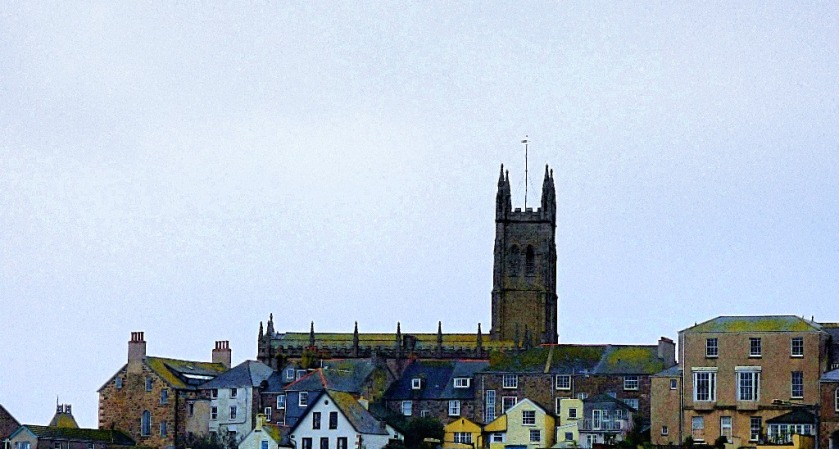
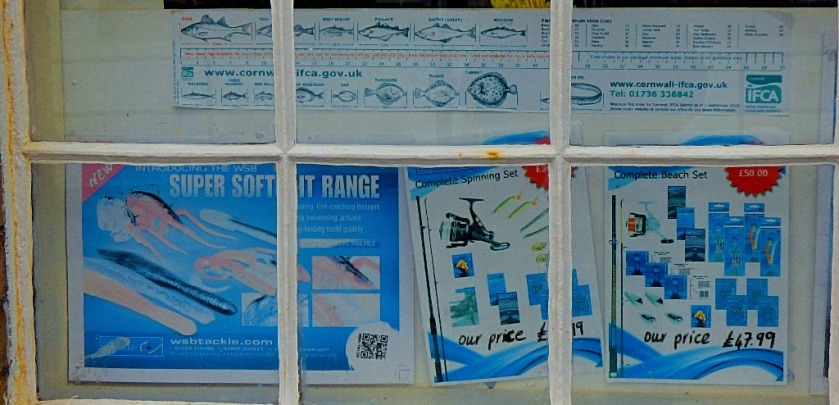
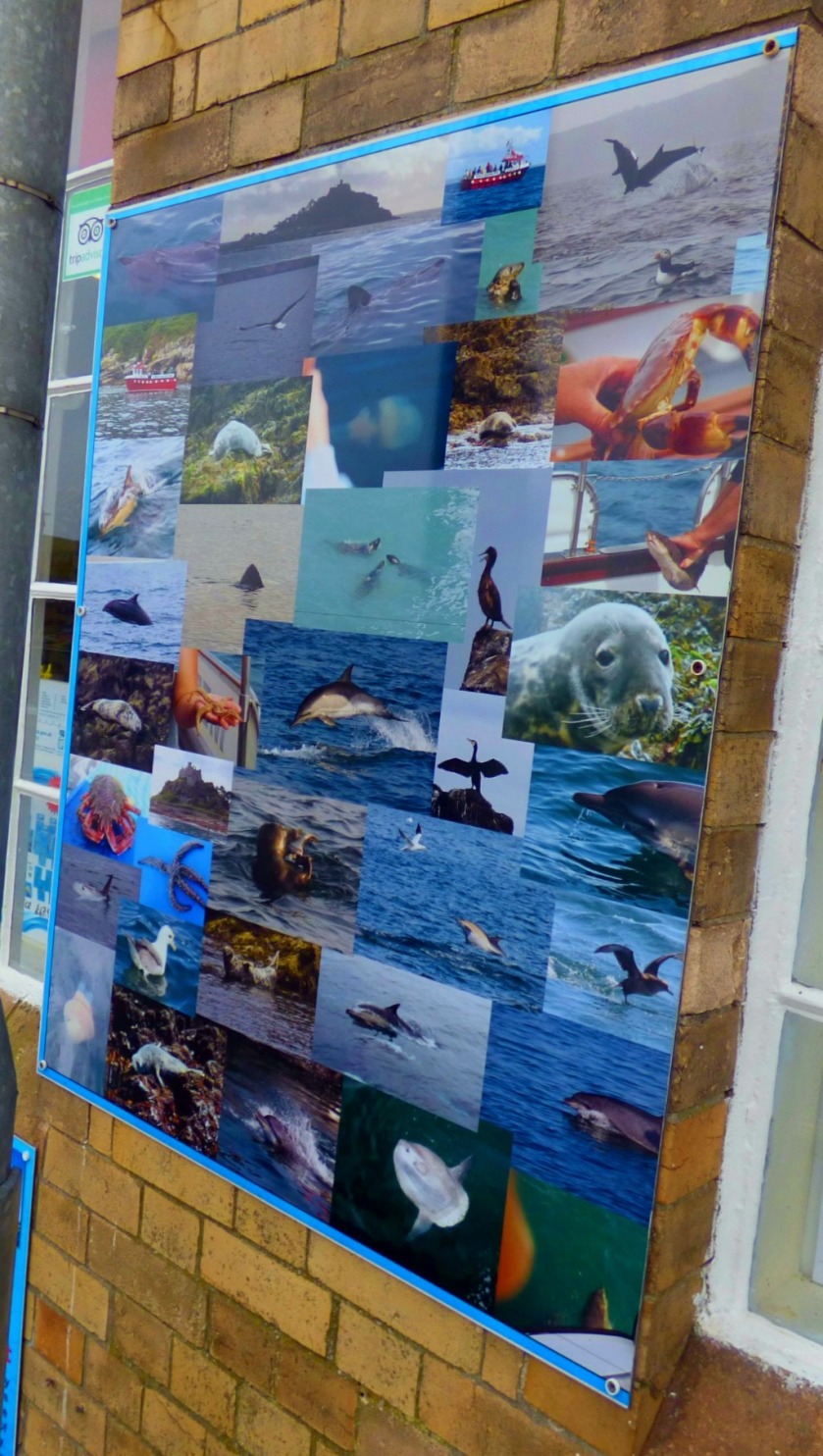
An account of the time I spent in Penzance on the Saturday of my Cornish holiday.
INTRODUCTION
I have finally edited all the pictures from my recent Cornish holiday and have now at last got time to get back to blogging about it. My last post described my journey down to Penzance, and this post provides the story of the rest of the day.
GETTING MY BEARINGS
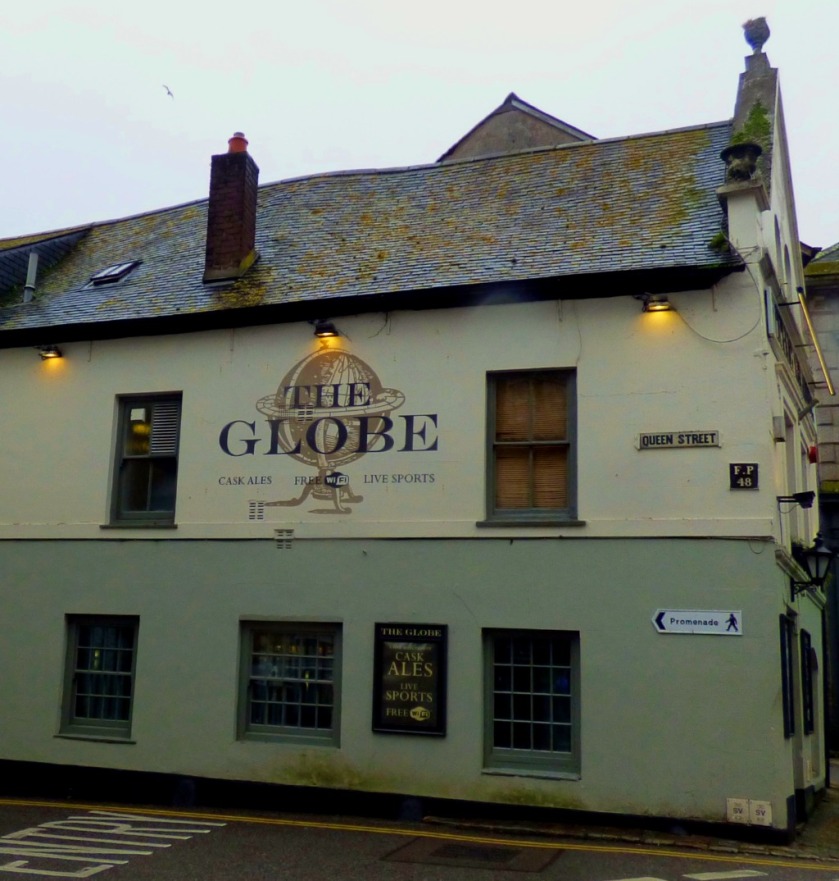
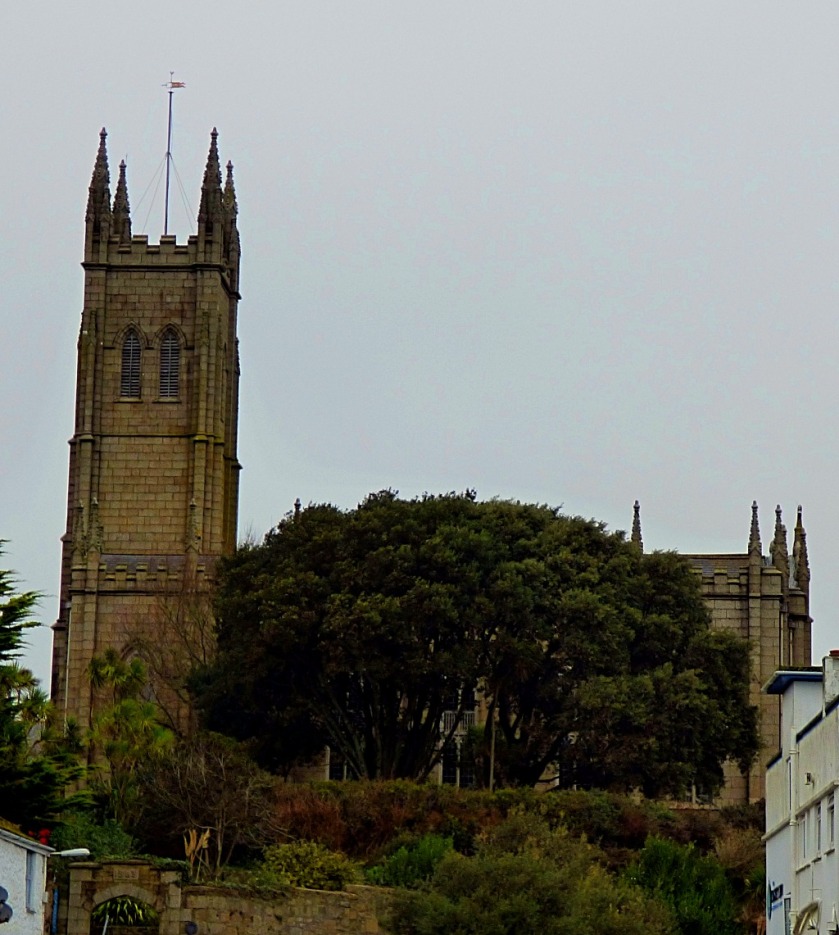
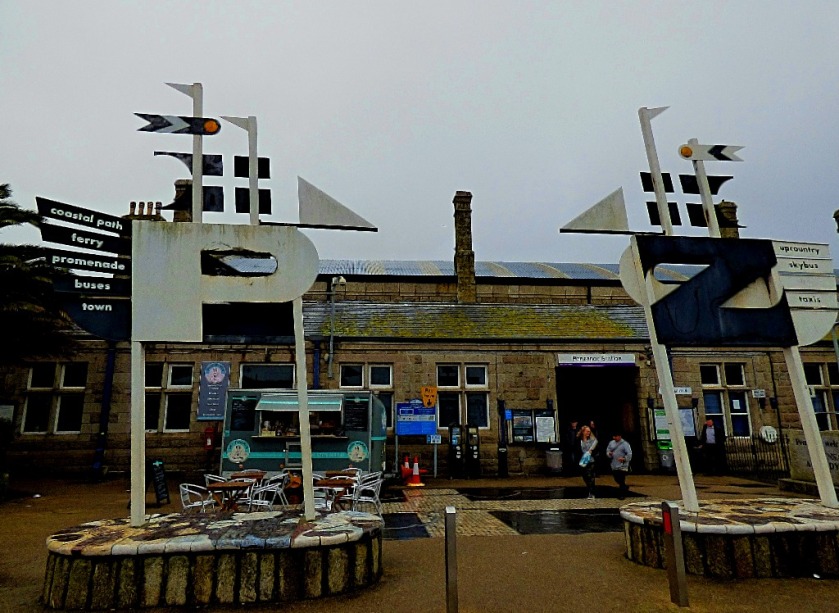
Having arrived in to Penzance pretty much bang on schedule I visited the local information office, purchased a detailed and very cheap souvenir map (I will conclude this series of Cornish posts with one featuring all the publicity materials that I collected while down there), and set out on the first part of my exploration of the town. An early necessity was finding somewhere to eat lunch (although I am not entirely inflexible on the matter I generally aim to eat lunch some time close to 1PM), and having walked past the Harbour and the Chapel I found an establishment suited to my needs. The Turk’s Head was not too extortionate (there are no cheap places in Penzance). I opted for a BBQ Chicken, Bacon and Davidstow Cheese melt, and enjoyed it, although I felt that it did not really live up to its name on two counts:
1. There was precious little evidence of bacon (though they had used good quality chicken)
2. Davidstow is supposed to be a strongly flavoured cheese and yet I barely noticed it over the other flavours – if I ask for something of which cheese is a featured ingredient I want to taste said cheese.
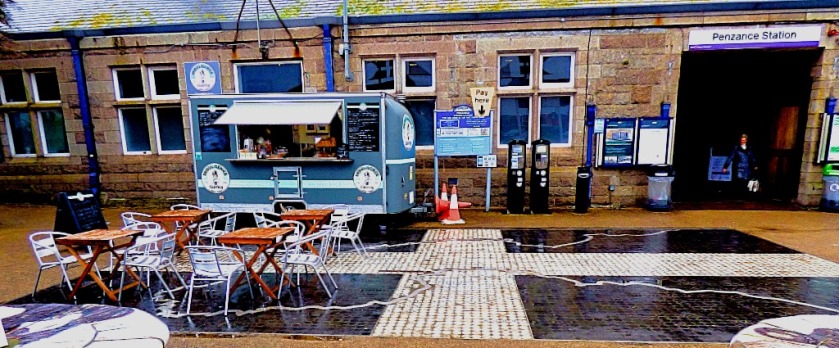
Here some photos taken between leaving Penzance station and having lunch:
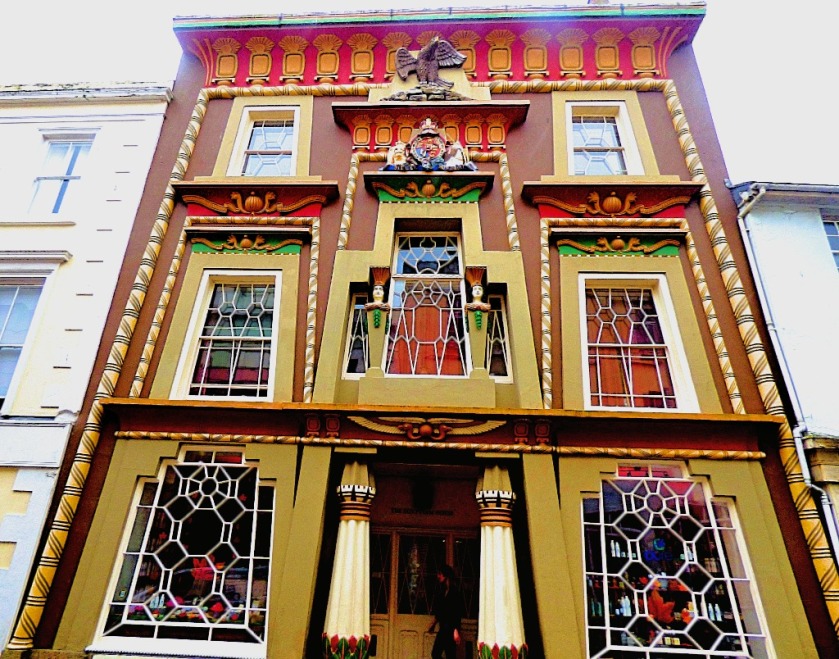
The Egyptian House
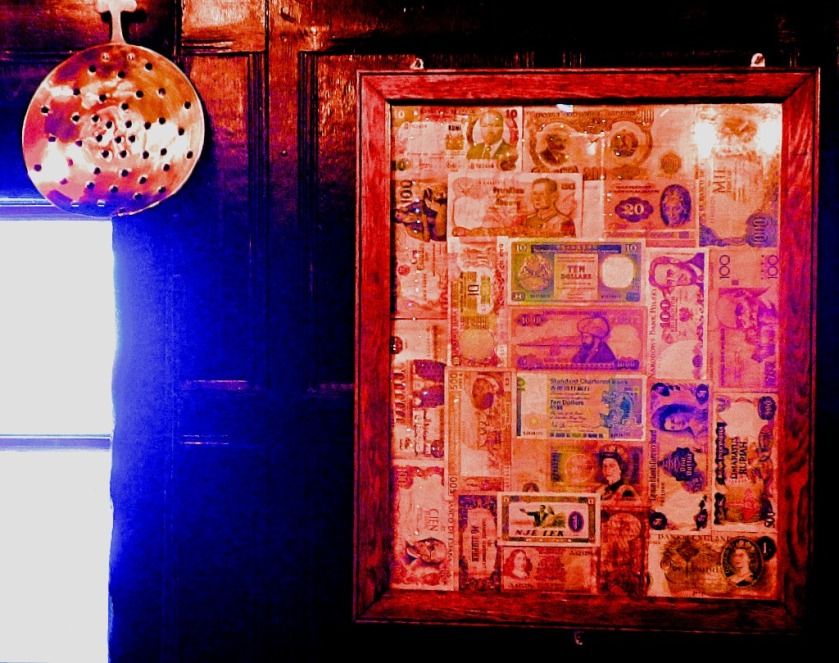
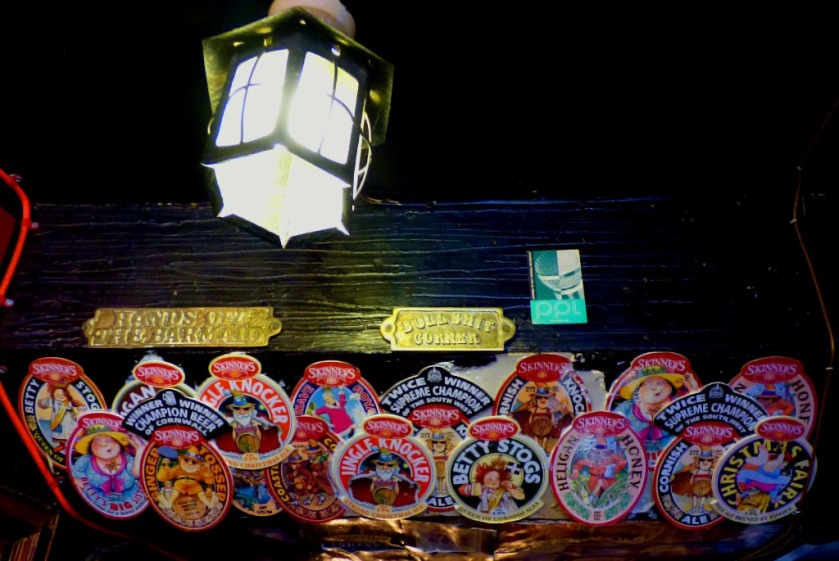
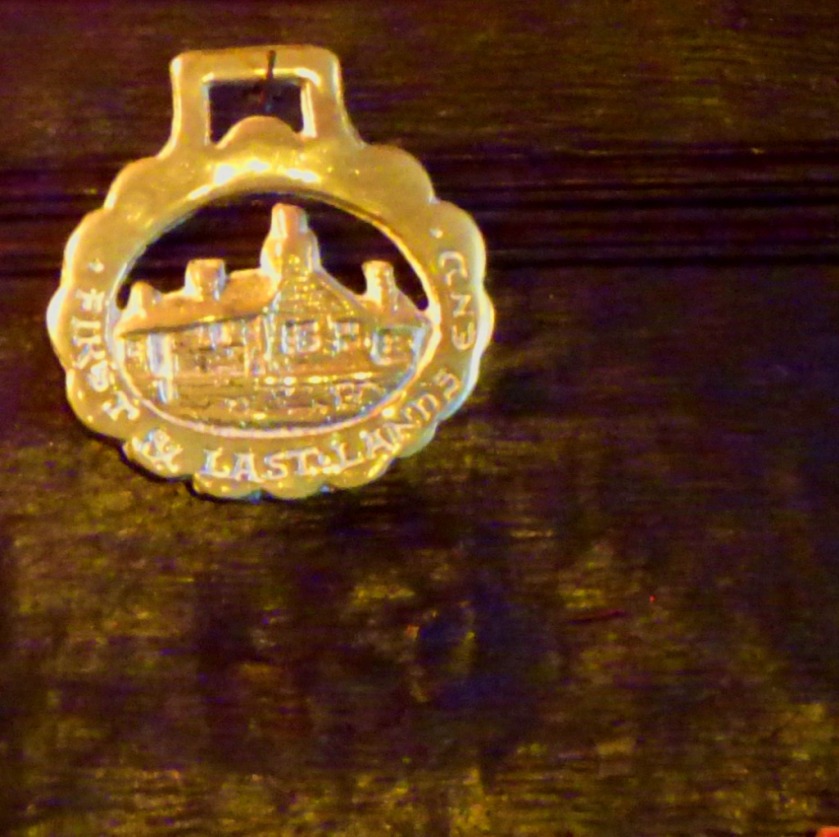
The first of a number of shots of interesting items on display at The Turks Head
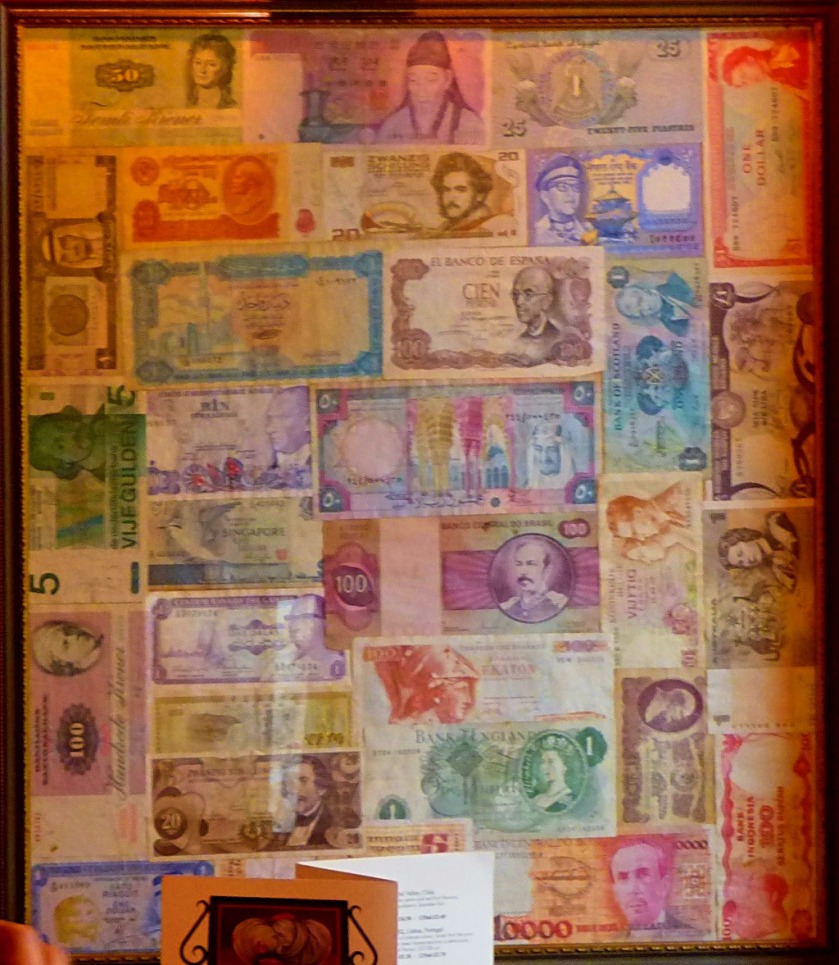
There were five sets of framed banknotes starting with this one.
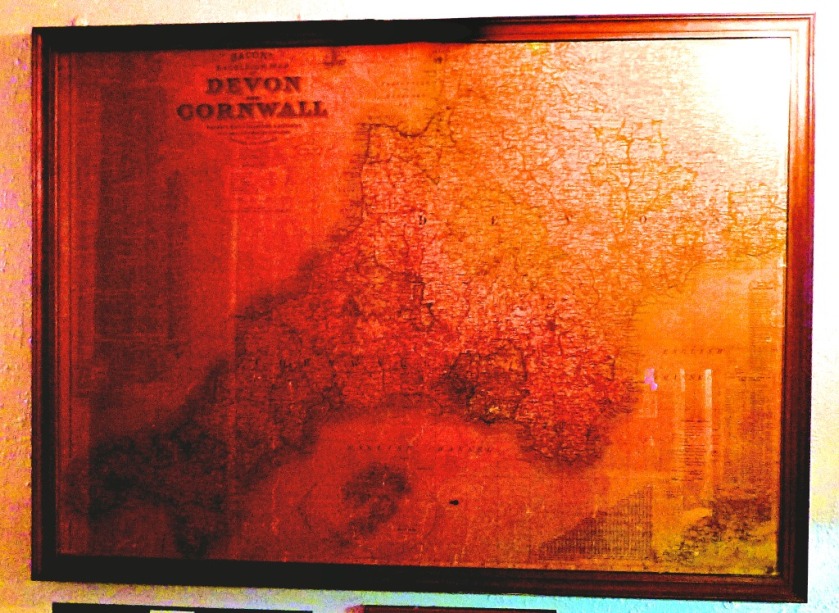
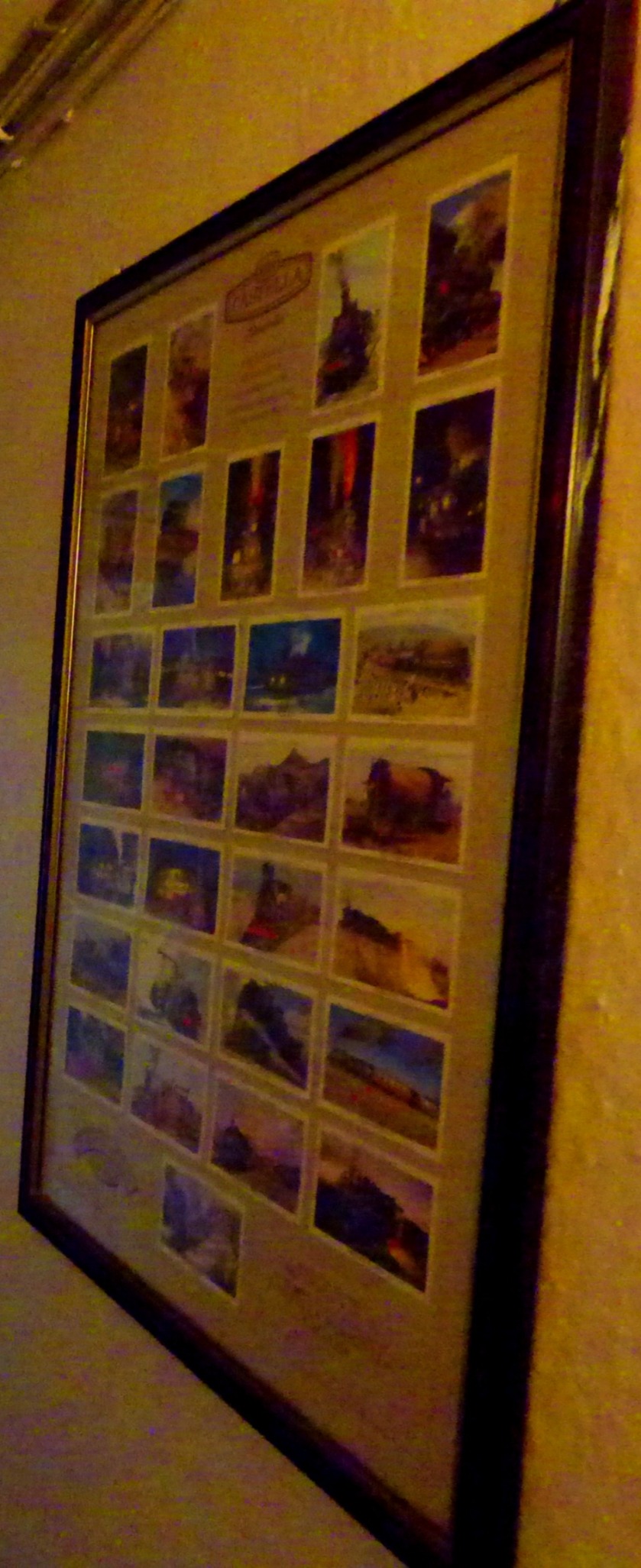
Poor lighting prevented me from doing full justice to this map.This, and the two set of framed cigarette cards the follow it were in a narrow passage that meant that I could not get them fully in shot from front on – had to photograph at an angle.
POST LUNCH EXPLORATIONS
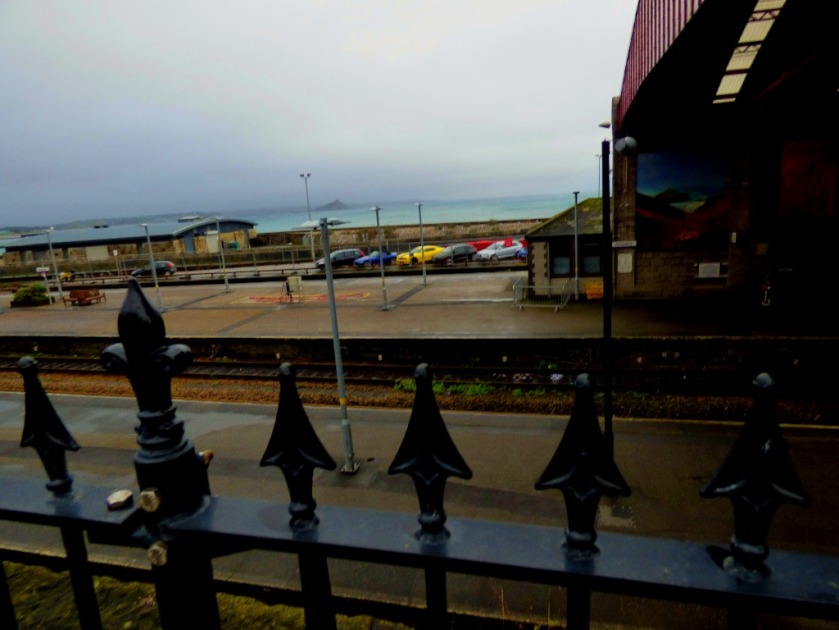
Having consumed my lunch I headed for the Promenade, and walked along it. From the other end of the Promenade I walked back to the train station and then did some exploring on the other side of the train station, locating a path that ran between the tracks and the sea. Here are some photographs…
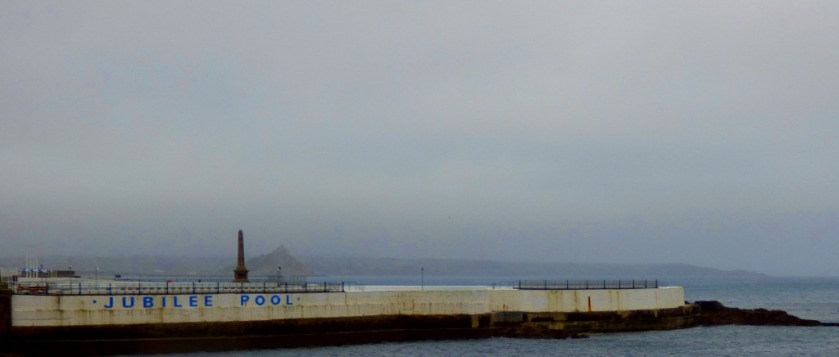
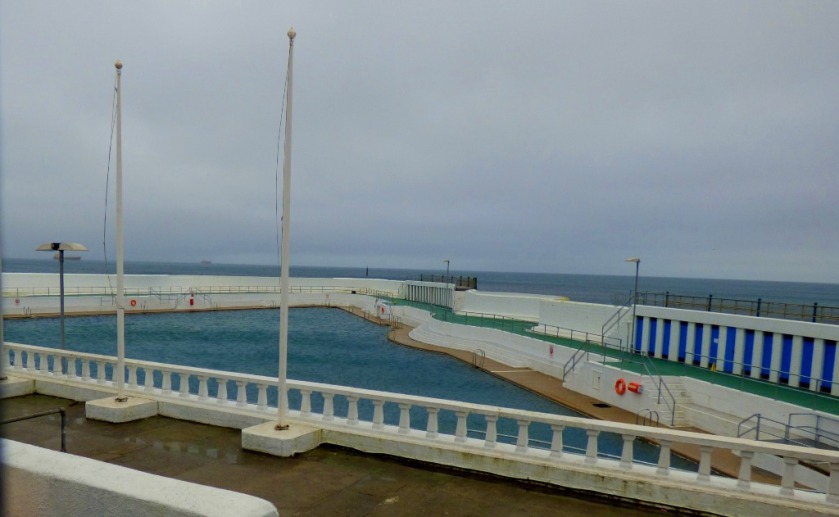
In November one would not expect an open-air pool in Engalnd to have much custom, and indeed the Jubilee Pool was empty.
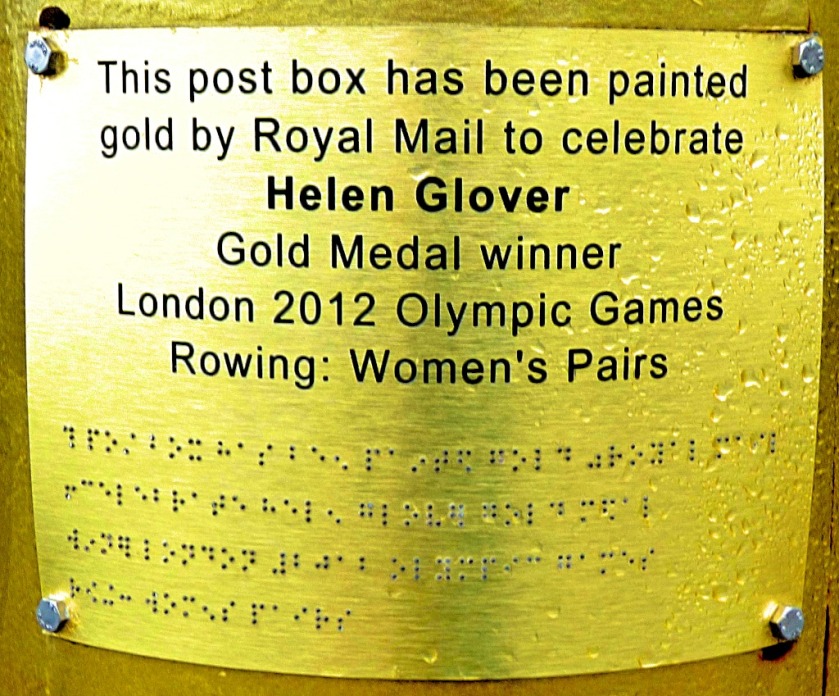
A number of post boxes were painted gold to honour people who were successful at the London 2012 Olympics – this one Penzance is dedicated to rower Helen Glover.
I conclude this post with two special sections, firstly…
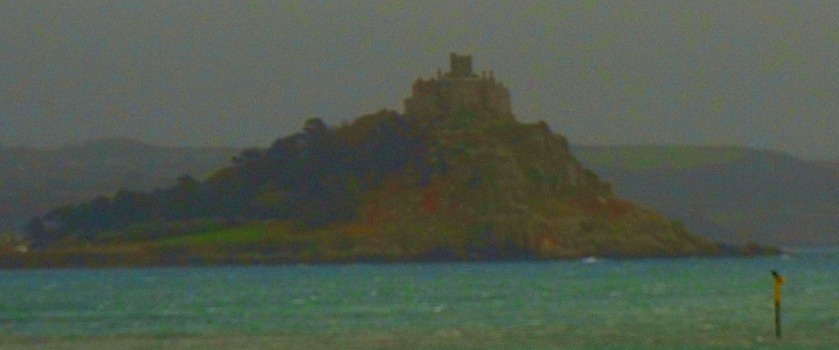
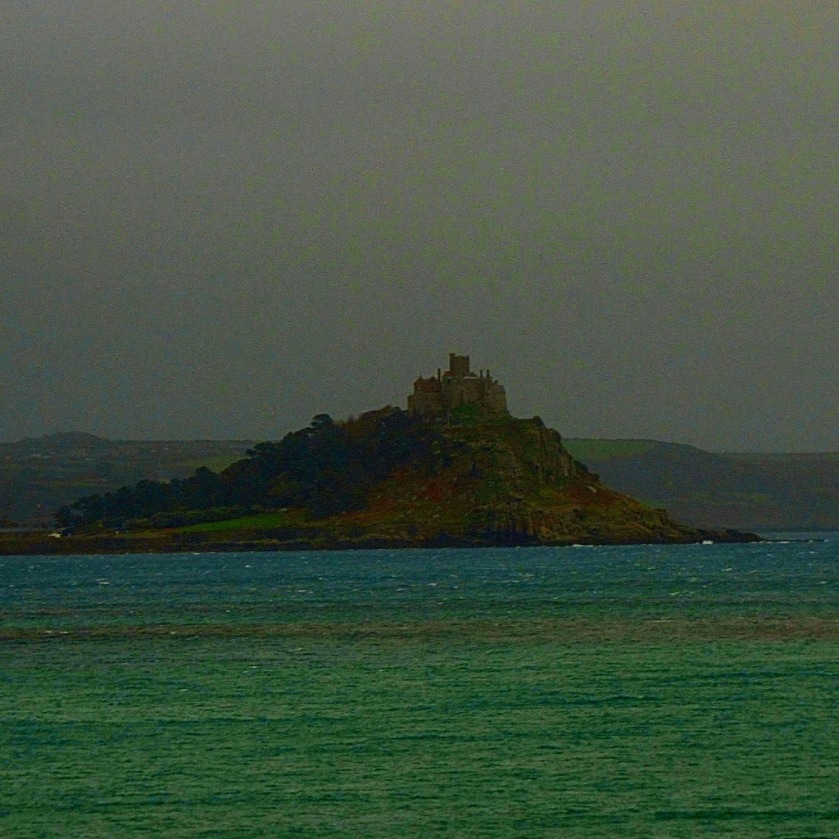
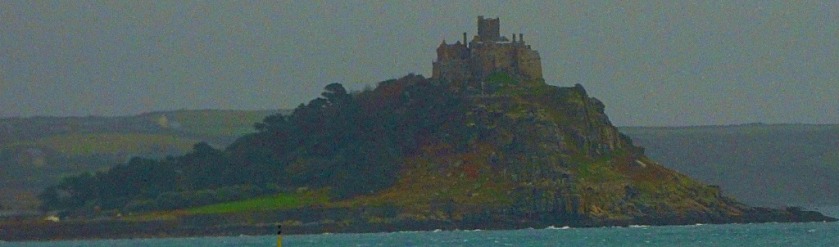
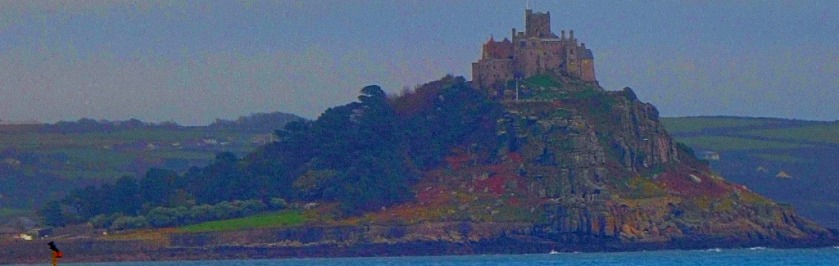
ST MICHAEL’S MOUNT
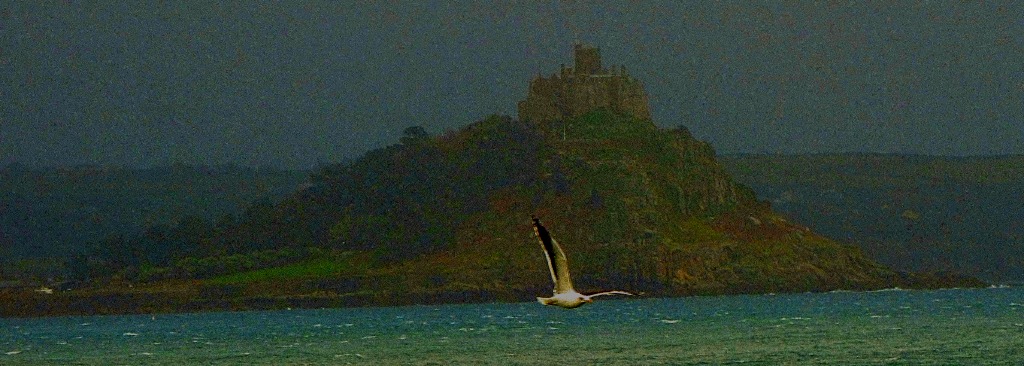
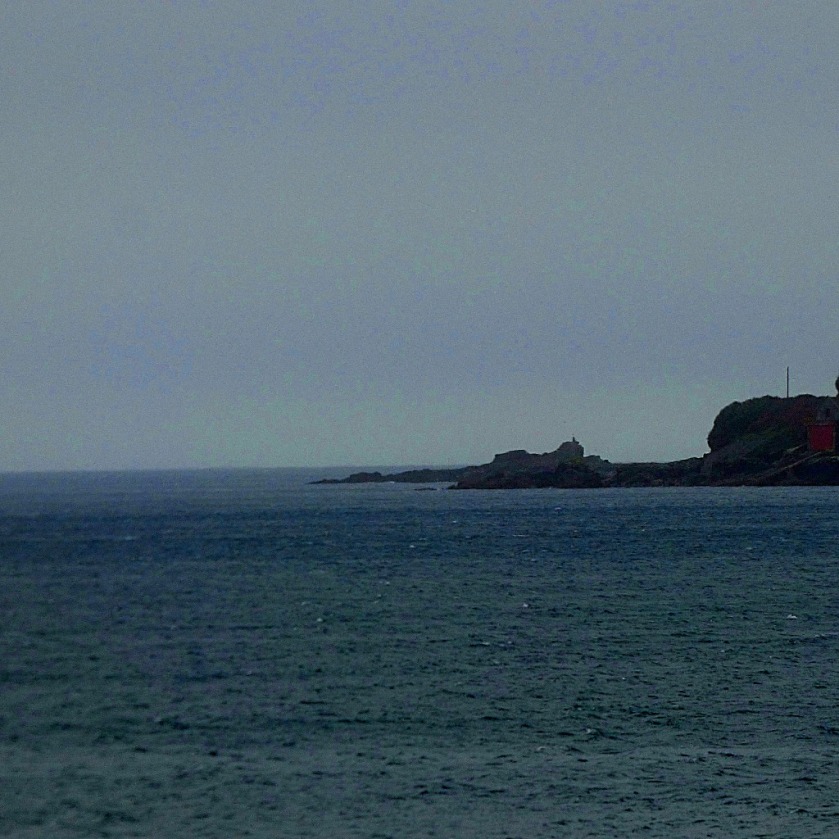
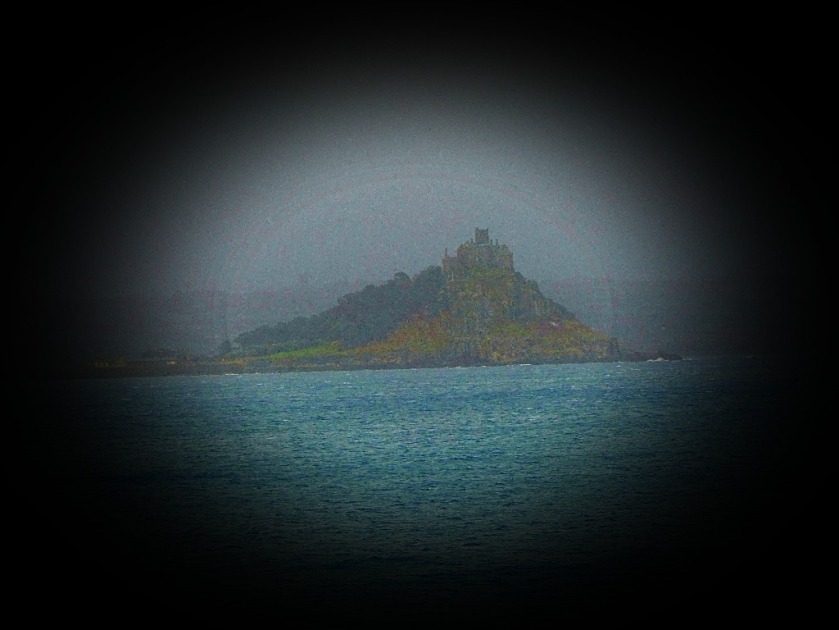
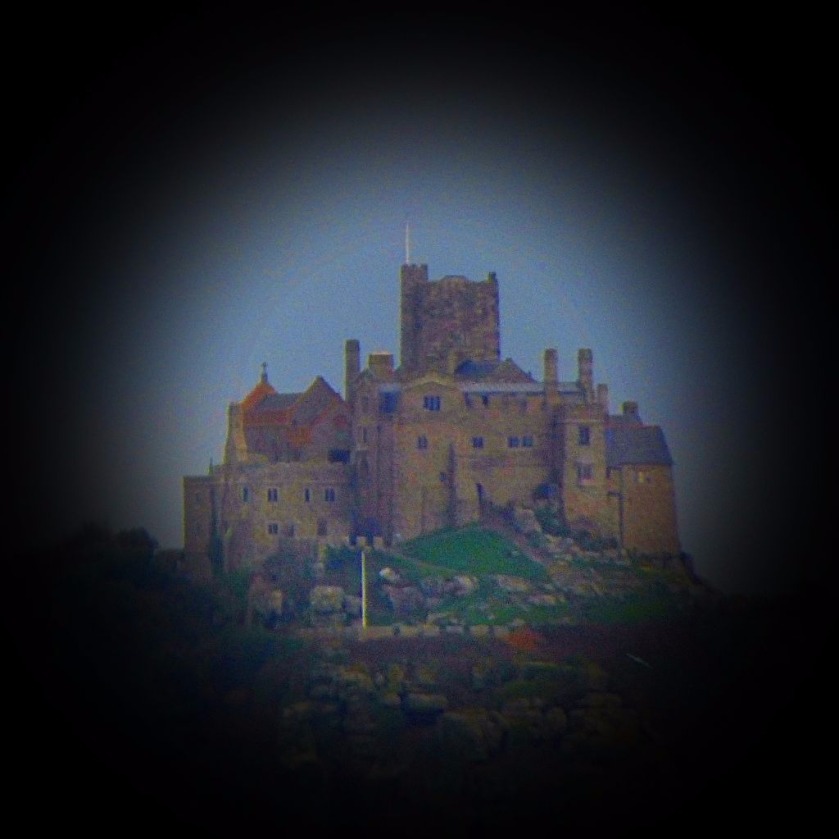
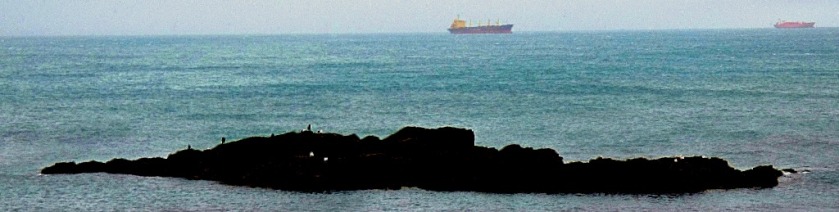
Being grey the whole time, and misty for most of it this was not a great a day for taking long-range photographs, but St Michael’s Mount was not a target I could resist, even under those circumstances, so here are the results:
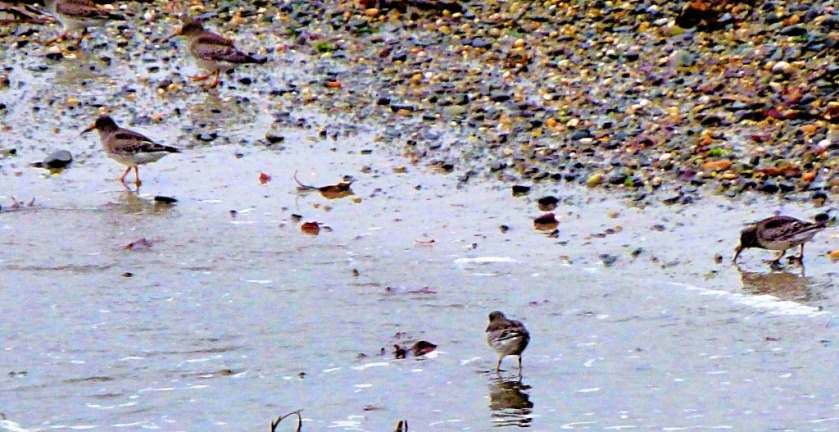
You will notice gulls in a couple of these shots, which leads to the second special section, which concludes this post…
BIRDS
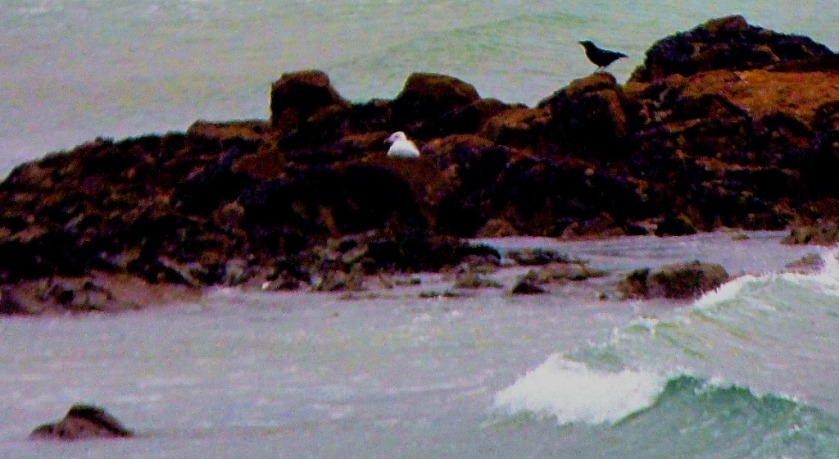
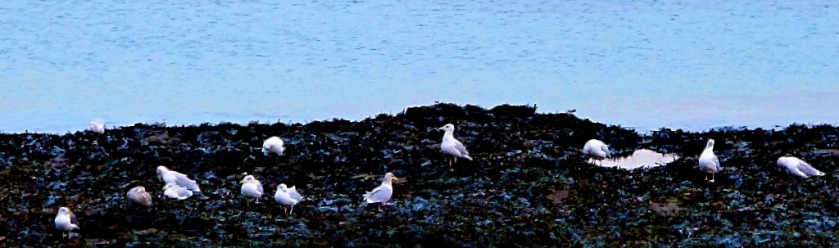
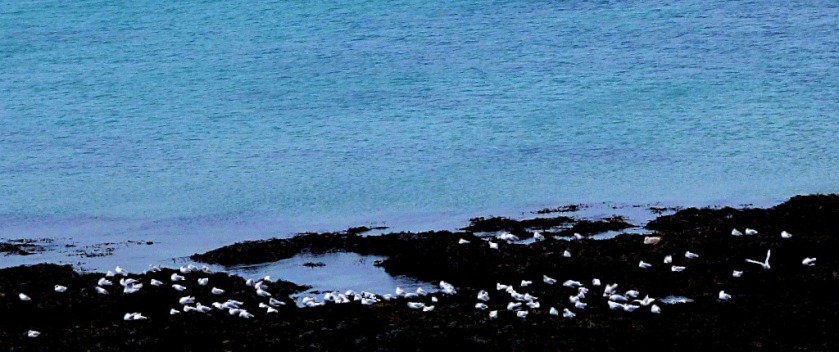
There are many seabirds to be observed in Penzance and I was able to capture some of them on camera…
The journey back was uneventful, and with the train departing Penzance at 16:41 on a November afternoon it was too dark for photographing through the windows of that train.



























 I pledge . . .