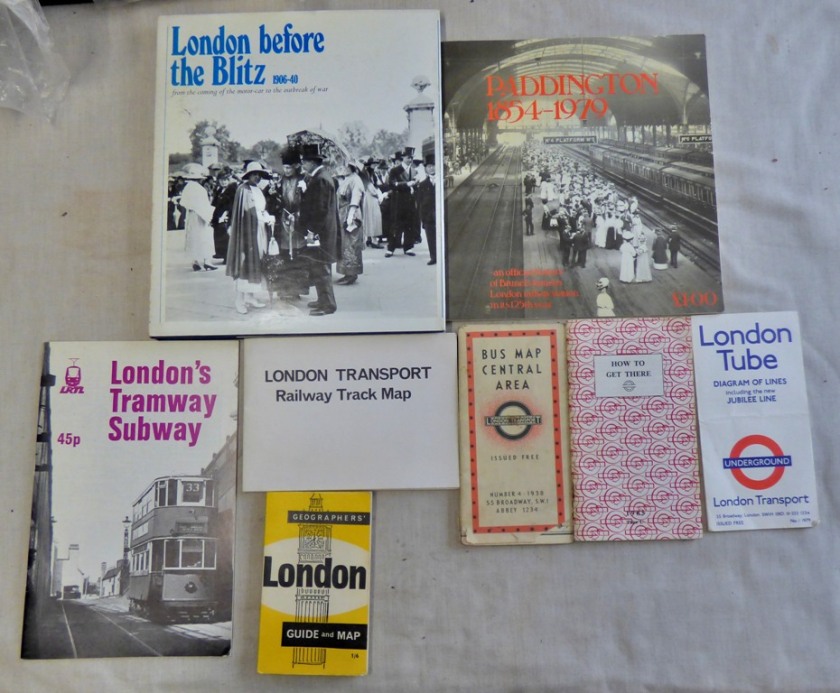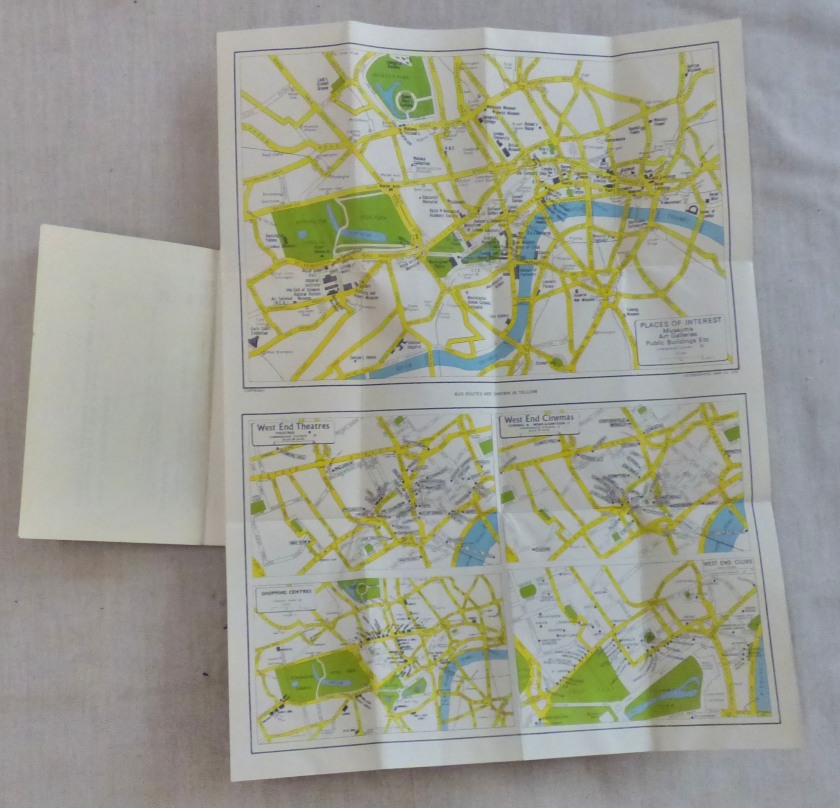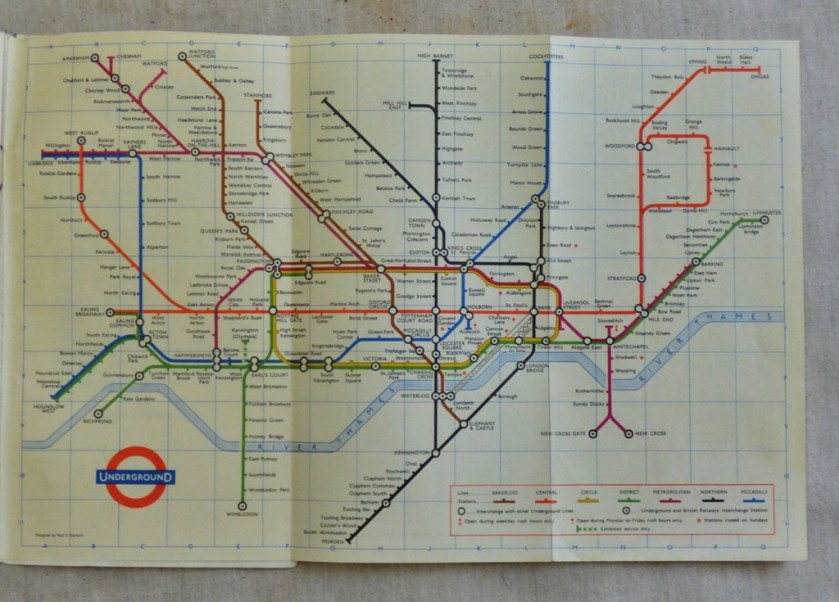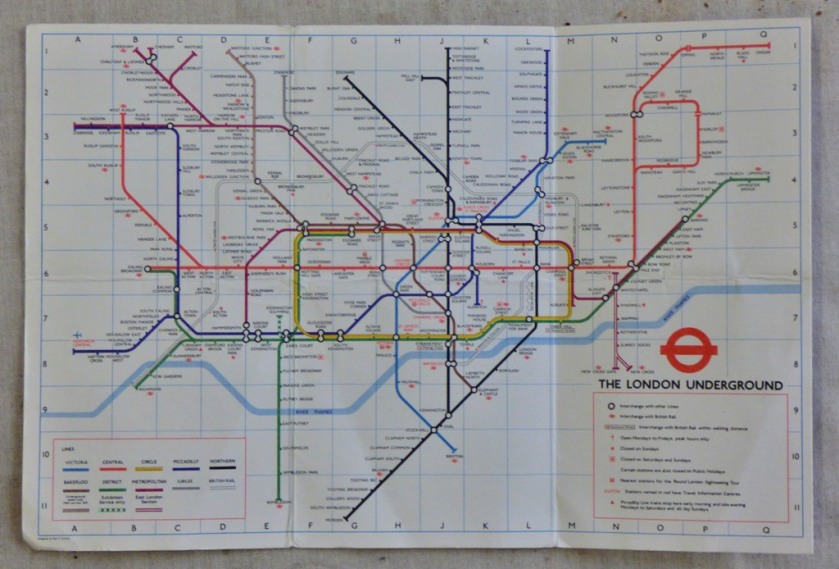
Auctions, Auctions, Auctions

Mainly concerned with today at work, this post also mentiuons the test match just concluded in South Africa’s favour and a piece by Why Evolution is True about a white giraffe.

INTRODUCTION

I will be mentioning stuff opther than auctions, but it is the auctions that form the basis of this post.

A TRIFECTA

Today’s work at James and Sons featured three different auctions, hence the title both of the post and of this section thereof.

TOMORROW’S AUCTION
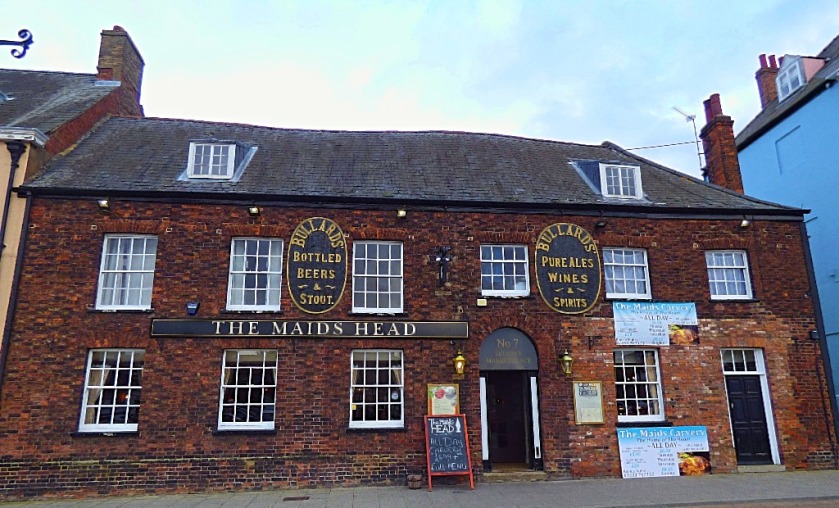
(MAIDS HEAD HOTEL, NORWICH)

This played a comparatively minor role, everything having been done save for actually holding the auction. However, it was necessary to get the stuff loaded on to the van ready for being transported to Norwich tomorrow morning and I had to remember to disconnect the mouse from my work computer.

FEBRUARY 24TH (FAKENHAM RACECOURSE)

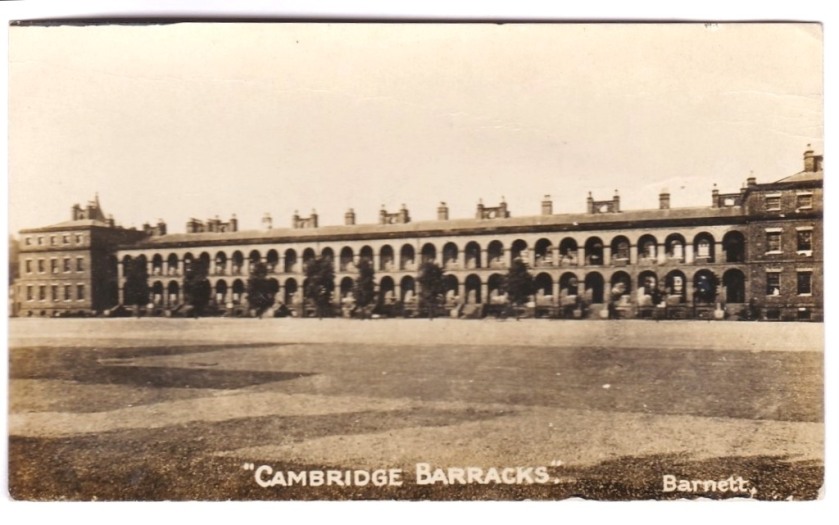
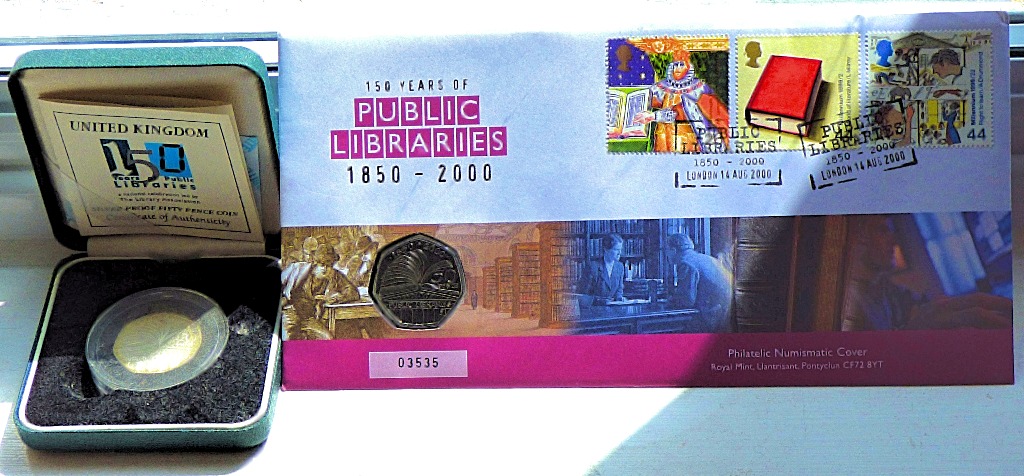
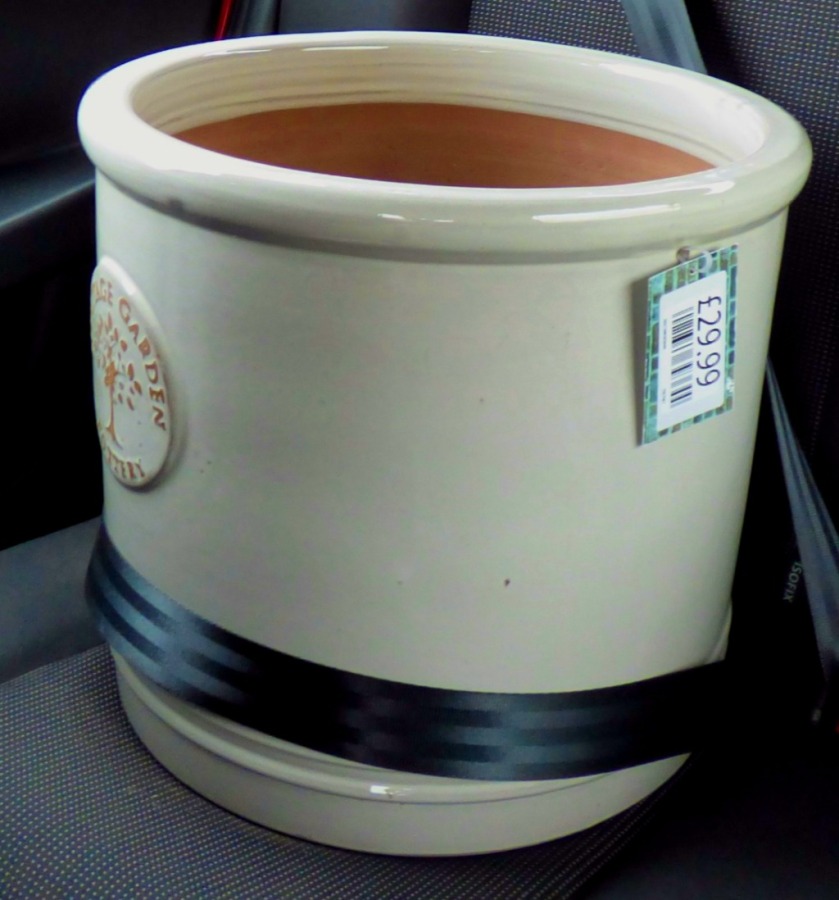
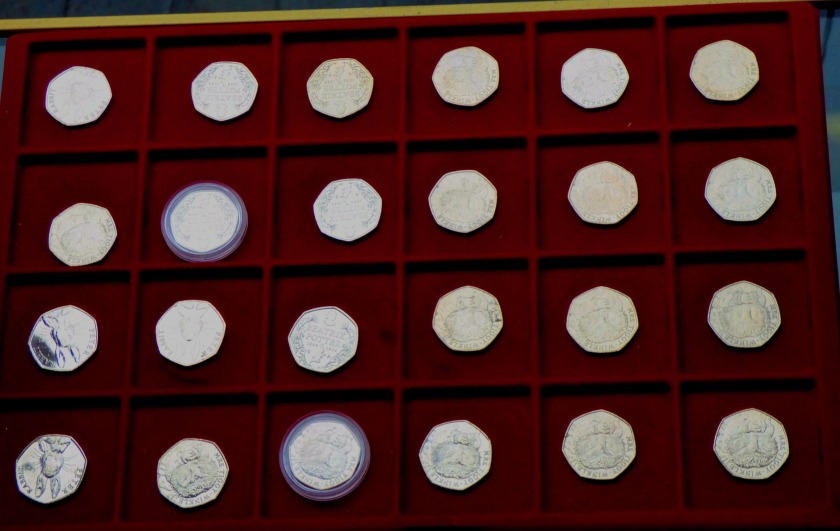
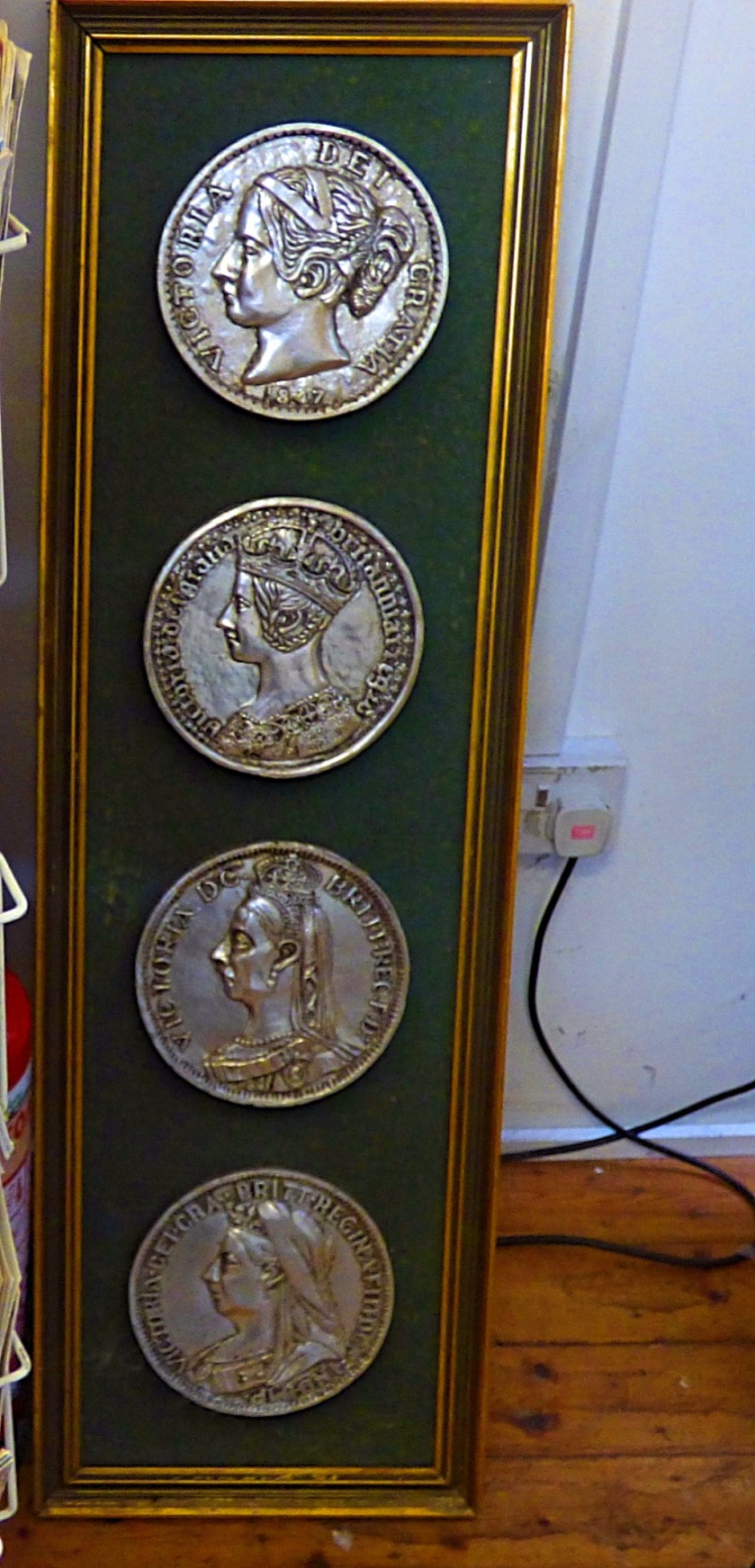
There were still a few items to be imaged for this auction, and one lot that needed special treatment so that it could feature on the front cover. Thus two photo galleries for this section…

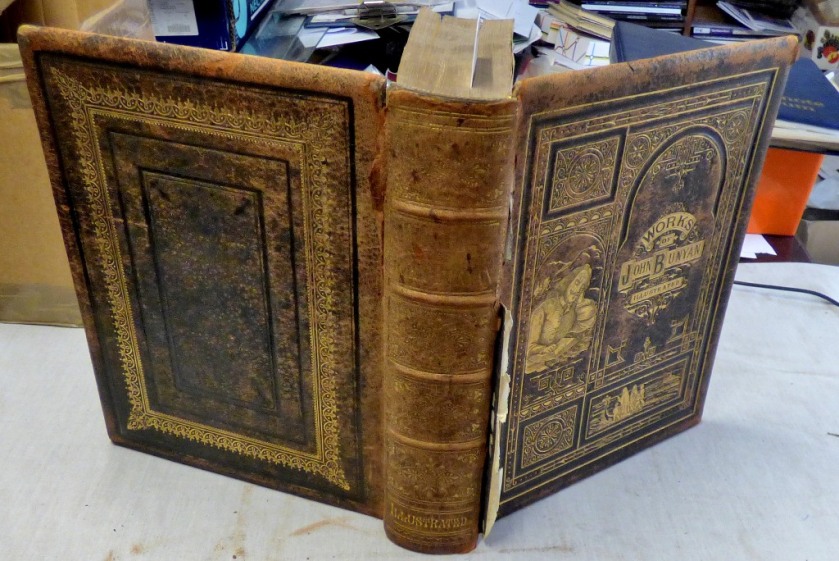
These are some of the highlights from the unimaged lots.

The second photo gallery in this subsection deals exclusively with lot 450, which I was reimaging specifically for use on the front cover…

The photograph was fairly straightforward – although you will note that I edited it a number of different ways. The set of medals was more difficult because I had to prevent external light from intervening and they are attached to a display case that is about an inch thick.

MARCH 30TH (FAKENHAM – POSSIBLY TWO DAY SALE CONTINUING ON MARCH 31ST)

Towards the end of the day I made a start on imaging items that will go under the hammer on March 30th. Thus, here is another picture gallery…

While this gallery brings today at work to a close I have one last James and Sons item to share…

JAMES AND SONS ON ANTIQUES ROAD TRIP

Regular followers of this blog may recall that James and Sons feature in an episode of Antiques Road Trip. I can now inform you that this particular episode will be shown on February 1st at 4:30PM (meaning that it will be available for watching on i-player by 6PM that day for those like me who refuse to pay for the ‘privelege’ of watching live TV)

ODDS AND ENDS

In a post I put up yesterday I expressed the opinion that England were headed for defeat in the final test match of their series against South Africa. This became reality reamrakably quickly – by the time I left for work at 8:30 this morning our time England had plunged from three down to six down, with Kagiso Rabada picking up his 10th wicket of the match just before I left (Bairstow, morally out twice – saved first time round one the TV replay umpire picked up a no-ball and then done in precisely the same way by the very next delivery). A discreet check while eating my sandwiches confirmed that end had come swiflty thereafter, with Rabada taking a further three wickets to give him 13 in thge match and, of course, the player of the match award. For full details on events please visit the official cricinfo report.

Also from the continent of Africa but otherwise utterly unrelated to the above, the good folks at Why Evolution is True have come up with this offering about a rare white giraffe which is now fifteen months old.


Some Sporting Stories

A couple of sporting stories, news of a bold new plan for London City Airport and an important petition.

INTRODUCTION

This is going to be a blog post of many parts. As well as the sporting stories in the title I will be sharing some other stuff that I have come across recently. I will cover the sporting stories first…

CRICKET

Two different stories from South Africa. First…

HAVING LOST THE WAR SOUTH AFRICA
LOOK LIKE WINNING THE FINAL BATTLE

England’s victory in the third test match gave them an unassailable 2-0 lead in the four match series, so the fact that they took two sessions (SA 220-1 in 1st innings) to wake up in this match and have never been on terms is less of a worry than it might be. Going into the final day, extended to make up for time lost to the weather, England have 98 overs to bat and with seven wickets in hand need what would appear to be a purely nominal 330 more to win.

Kagiso Rabada who took seven wickets in the first innings already has another two, and one more would make him the youngest ever bowler to take 10 in a test match. Hashim Amla was one good blow short of completing twin centuries in the match and two South African debutants made centuries in the first innings, Cook (like his English namesake an opening batsman) and De Kock (wicketkeeper and middle order batsman).

Barring cataclysmic weather the final outcome of this series will be a 2-1 win to England.

My second cricket story concerns a rather graver matter…

MATCH FIXING

Gulam Bodi has been banned from any cricket related activity except attending anti-corruption programs for a period of 20 years for contriving or attempting to fix matches in the 2015 Ram Slam T20 series. A full account, by Cricinfo’s South African correspondent Firdose Moonda, can viewed here.

While I am pleased to see that a severe punishment has been dished out I can only concur with the thoughts voiced by Michael Vaughan on Test Match Special today – this is not tough enough. Anyone caught engaging in this kind of behaviour should be banned outright for life.

TENNIS

We are deep into the second week of a grand slam tournament (the Australian Open), and Andy Murray is not the sole remaining Brit in the main singles draws (he is of course still there). He has been joined in reaching the last eight by 24 year old Johanna Konta, the first British woman since 1984 to make a grand slam quarter-final.

SOME OTHER BITS AND BOBS

I have a few other items to share, starting with…

FAREWELL TO LONDON CITY AIRPORT (HERE’S HOPING)

I have already given this some coverage on my London transport themed website. Sian Berry (Green party candidate for London mayor) and her team have come up with an excellent alternative usage proposal for the site of London City Airport. Full details can be read here, while the original of the picture I  reproduce below can be viewed here.

LCY

DON’T CUT BENEFITS FOR PEOPLE
LIVING WITH DISABILITIES

First, a petition which I introduce by way of a piece of text designed for use in emails:

I just signed the petition “Don’t cut benefits for people living with disabilities” and wanted to ask if you could add your name too. 

This campaign means a lot to me and the more support we can get behind it, the better chance we have of succeeding. You can read more and sign the petition here: 

http://you.38degrees.org.uk/petitions/don-t-punish-the-sick-and-disabled-with-benefit-cuts 

Can you also take a moment to share the petition with others? It’s really easy – all you need to do is forward this email or click these links: 

Share on Facebook 

Share on Twitter 

Thank you! 

For more detail please view this post from disabilitybenefitsconsortium.


TWO TRIUMPHS

Accounts of England’s triumph in South Africa and of a local fund-raising triumph for NAS West Norfolk.

INTRODUCTION

My title refers to one great sporting triumph and one fabulous fund-raising triumph, which I shall cover in that order.

SOUTH AFRICA SUCCUMB TO
STUART’S BRUTAL BROAD-SIDE

An extraordinary Test match at the Bull Ring in Johannesburg ended on the third day. South Africa batted first and reached 313 without anyone managing a half century. England gained a lead of 10 largely due to the batting of three people, Root (110), Stokes (58) and Bairstow (45). South Africa had a tiny bit of batting before lunch which they achieved without loss, before things started to happen immediately thereafter. Stuart Broad settled the match, the series and the destination of the Player of the Match award in 10 overs which brought him 6-17 (I heard the commentary on the first five, but had to leave with South Africa score 67-8, and by the time I was back from my engagement, the last two South African wickets had fallen and England had knocked off their victory target for the loss of three wickets).

FABULOUS FUNDRAISING SUCCESS
AT COSTA COFFEE (HARDWICK)

Molly, a barista at the Hardwick branch of Costa Coffee who has an autistic brother and whose mother is a former chair of NAS West Norfolk decided to do some fundraising on our behalf. She managed to raise £335.20 in cash which Costa will be matching with a direct payment into the NAS West Norfolk bank account, meaning that in total the organisation benefits to the tune of £670.40 from her endeavours.

We had arranged a presentation and photo-shoot at Costa Hardwick at 2:30PM today (not being clairvoyant I had not realized when I agreed to the arrangement that it would mean missing England sealing their series victory over South Africa).

Of course, it was not only at Costa itself that I got some photos…

Now for the fundraising pictures…

Costa - Social Media Size
For reference NAS West Norfolk chair Karan McKerrow is the one in the middle, Molly the fundraiser is to her left as you look and the store manager is on the other side.

DSCN8892DSCN8893DSCN8894


Links, Pictures and a Test Match

A mixed bag – a brief account of test match, some very important links, especially regarding disability rights, and some photographs.

INTRODUCTION

The pictures and some brief comments on the Test Match that finished yesterday between England and Pakistan not withstanding, this is mainly a sharing post.

UNRESOLVED IN THE UAE

This is nominally a home series for Pakistan, being staged in the United Arab Emirates because Pakistan is still considered off-limits for security reasons. For four and a half of its allotted five days this match had all the makings of a high scoring bore draw, Shoaib Malik having scored 245 for Pakistan on pitch devoid of life and bounce, and Alastair Cook retaliating with a monumental 263 in 826 minutes for England who ended up leading by 75 on first innings. Then a combination of some horrendous misjudgments by the Pakistan batsmen and some good bowling, especially from leg spinner Adil Rashid (Yorkshire born and bred btw) left England with 99 to win, and they were within 25 of doing so when the light closed n sufficiently for the umpires to call a halt, it being at the same level it was when they had done so the previous evening. This is the second time in only just over two years that the current light rule has been horrendously shown up in a test match involving England – the other being at the Oval in 2013.

LINKS

The links I have for you today come in three sections…

DISABILITY RIGHTS

As some of you will be aware, Britain has recently achieved the unwelcome distinction of becoming the first country to be investigated by the United Nations Committee on the Rights of Persons with Disabilities. I have three links relating to this very important issue to share with you…

First, this wonderful piece from Disabled People Against Cuts (DPAC) which explains exactly why this investigation is happening.

Next comes this from disabilitynewsservice about the early stages of the investigative process.

Finally, comes the text of a question and where you can post it (as I have already done) to ensure that it gets asked at next Prime Minister’s Questions. The question we want to ensure that Mr Corbyn puts is:

The United Kingdom is currently being investigated by the United Nations Committee on the Rights of Persons with Disabilities because of allegations of “grave and systematic” violations of disabled people’s human rights. Shamefully we are the First Country ever to face such an inquiry. The Inquiry itself is has been widely reported in the press and DWP have confirmed the inquiry was initiated by the campaign group Disabled People Against Cuts.

Will the Prime Minister now commit to the government publishing in full the findings of the committee when the report is sent to the government next year?

You can put the question on this link: http://www.labour.org.uk/your-PMQS

A COUPLE OF INTERNATIONAL LINKS

The bizarre situation at universities in Texas whereby one can carry a handgun concealed about one’s person with impunity but not a water pistol has provoked one very brave and principled professor to resign his position in protest. The full story has been covered by whyeveolutionistrue in this post. Here for you to view is the resignation letter itself:

Resignation Letter

My other international link comes courtesy of the wonderful Heather Hastie, whose blog I heartily recommend. This piece, under the heading “Winner of the Week” talks about the sadly endangered pangolin, taking a battering because of the vile superstition that its scales have medicinal qualities (I like to think that even if I was not allergic to woo this piece would have provoked the kind of reaction it did in me).

THE REMAINDER

Vox Political have been pursuing the DWP over claimant deaths for a very long time, and it now looks as though that department have landed themselves in a whole heap of trouble, as explained in this post.

Finally, a link to a piece in the Guardian about Jeremy Hunt (he of rhyming slang fame) and his current target, junior doctors.

PHOTOS

Today’s selection of photo’s also divides into two, starting with some of my usual pics from around King’s Lynn…

DSCN6617 DSCN6618 DSCN6619 DSCN6620 DSCN6621

My remaining pictures come from Your Inner Fish by Neil Shubin, one of the books mentioned in this post which I reblogged from whyevolutionistrue.

DSCN6622 DSCN6623 DSCN6624 DSCN6625 DSCN6626

Australia 2-0 Up In ODI Series

A mention of yesterday;s ODI, leading to an account of a controversial dismissal and some stories about other controversial dismissals. Some good pictures. Finally, some interesting and important links.
INTRODUCTION

As well as my title piece I have some links and some photographs to share.

AUSTRALIAN VICTORY MARRED BY CONTROVERSIAL DISMISSAL

Let me start by saying straight that the dismissal in question had no effect on the outcome of the match – Australia were already in control by then and thoroughly deserved their victory. England one the toss, put Australia in, and Australia ran up 309 from the 49 overs that the match was reduced to.

OBSTRUCTING THE FIELD

Ben Stokes was given out to one cricket’s most obscure modes of dismissal: Obstructing the Field. He deflected with his hand a ball that would have hit his stumps and run him out.  I quote from my copy of The Laws of Cricket the paragraph explaining the relevant law:

1. Out Obstructing the field

Either batsman is out Obstructing the field  if he wilfully obstructs the or distracts the opposing side by word or action. It shall be regarded as obstruction if either batsman wilfully, and without the consent of the fielding side, strikes the ball with his bat or person, other than a hand not holding the bat, after the ball has touched a fielder.

The emphases in the body text of the above quote are mine – in the space of time that it took for  the incident to occur it is hard to see how Stokes could have wilfully obstructed the field – and also the hand that struck the ball was not holding the bat and is therefore specifically exempted by the above. Steven Smith, the Australian captain earned few friends by allowing the appeal and dismissal to stand, and even fewer by the arrogant, unthinking post-match interview in which he refused to even countenance the possibility that he might have been wrong.

Of course controversies are nothing new when it comes to clashes between crickets oldest international foes – the first great controversy over a dismissal in an England – Australia match was the one in 1882 that led to the creation of the Ashes, when W.G.Grace ran out Sammy Jones after the latter had left his crease to pat down a divot. Fred Spofforth was particularly incensed, and proceeded to vent his anger by running through the England second innings to win the match. The first post World War II Ashes match featured very controversial moment when Bradman, then on 28 and having looked very unconvincing, sent a ball shoulder-high to Jack Ikin at second slip, and was given not out after England initially thought they had no need to appeal (normally for a high and clear catch you don’t). England’s captain Walter Hammond gave Bradman a pithy summary of his thoughts, saying “A fine bloody way to start a series”. Bradman went on to 187 and Australia to an innings victory. Other more recent cases of controversy include the Dyson run out that was not given at Sydney in the 1982-83 series (when the batsman was so far out of his ground that he was not even in the frame when the wicket was broken), the Wayne Phillips dismissal at Edgbaston in 1985 that ended all hope of Australia saving that match (caught by Gower after he had chopped a ball on to Allan Lamb’s boot and it rebounded up and across to the skipper) and the Ponting dismissal at Trent Bridge in 2005 and that worthy’s subsequent verbal firework display.

PHOTOGRAPHIC INTERLUDE

DSCN4981 DSCN4982 DSCN4983 DSCN4984 DSCN4985 DSCN4986 DSCN4988 DSCN4989 DSCN5072 DSCN5073 DSCN5074 DSCN5075 DSCN5076 DSCN5077 DSCN5078 DSCN5079 DSCN5080 DSCN5081 DSCN5083

LINKS

I have quite a few links to share today, and they divide into three sections…

SCIENCE AND NATURE

Five pieces here:

  1. Cosmos Up have produced one of their quirky compilations, in this case “10 facts about Mars your probably didn’t know
  2. The remaining pieces in this section all come courtesy of whyevolutionistrue, starting with this light-hearted “Saturday Hili Dialogue
  3. Next, this piece about a very brave woman who saved a fox from bloodthirsty, law-breaking hunters.
  4. Next, Lawrence Krauss exposing the xenophobia inherent in religion.
  5. Finally, this one, in which a chimpanzee takes out a drone.

AUTISM RELATED

Again, five links here…

  1. A new find via twitter, and a site I wish to encourage is nextstepacademy (I acknowledge that they are not strictly autism related, but that is where the connection arose).
  2. A report provided by the National Autistic Society on Special Educational Needs.
  3. A very promising looking site called interactingwithautism
  4. From perfectltyfadeddelusions, a new blog that I thoroughly recommend, comes this reblog of a post by an autistic person.

Also on the sharing theme, and accompanied by a pic to make things clearer for you, CricketNews have for the second time in quite a brief period shared something from an autistic blogger.
CL shared

GENERAL POLITICS

A total of six links in this section:

  • I begin with a link to what is in actuality a report of a theft committed brazenly and in broad daylight by a Jobcentre security guard. Having read the post, from samedifference, I have already stated in their comments section the “security guard” who thought it was alright ro behave in this manner needs to be arrested and charged. If I was handling the case, I would run him down to the Police Station, and tell him that either he yields up the phone so that I can be returned to its owner or he goes to court and when he is convicted, as on such ironclad evidence he would have to be, a custodial sentence will be called for. PLEASE READ AND SHARE THE FULL POST
  • julijuxtaposed takes on Scam-eron’s leadership attributes in this post.
  • Next courtesy of the Mirror comes this about David Cameron coming under pressure to abolish the bedroom tax, even from his own side. This piece contains a poll asking readers whether the bedroom tax should be abolished, and when I voted the records showed 92% had got the answer right and only 8% had clicked the no button!
  • perfectlyfadeddelusions are back, with this piece about WRAG workshops being a waste of time.
  • dwpexamination have produced this piece about who are being labelled as extremists (Anti-fracking protesters as a group and Caroline Lucas by name were mentioned in this context).
  • Finally, in an effort to finish on high note, this piece from Tina Savage, already widely shared on social media, about why she chose to vote for Jeremy Corbyn.

The Central Line

The Central Line gets the aspiblog treatment! Along the way a wide variety of attractions are mentioned, plenty of pictures are shown and past, present and one vision of the future are covered.

INTRODUCTION

Welcome to the latest addition to the series of posts themed around public transport in London. Although the main theme is the Central line, there is going to be much more in the speculative section than usual for reasons that will become obvious.

HISTORY

The first proposals for a Central London Railway were made in 1892, and the CLR opened, running from Shepherd’s Bush to Bank, in 1900.

DSCN5084

Early proposals for extensions to this line included turning it into a loop, with a smaller loop through Liverpool Street to the east of the main line (think Ptolemy’s epicycles!).

DSCN5106

After this was rejected, there were two plans involving connections to Richmond…

DSCN5107

Neither of these went through either. In the 1930s two proposals, both involving existing lines operated by mainline railway companies did ultimately lead to serious extensions (before these two were incorporated into the line it still only ran from Liverpool Street to Ealing Broadway)…

The western extension did come into being as far as West Ruislip, and the mainline railway still calls at Denham on its way to High Wycombe, although there is no station at Harefield Road. The eastern extension happened as shown, although Blake Hall was closed down in 1982, and the entire stretch from Epping to Ongar in 1994.

When Central line trains started running to West Ruislip in 1957, the line had taken the shape it would have until 1994, with the closure of the Ongar end of the line. More about this and the history of the line can be found in J. Graeme Bruce and Desmond F. Croome’s book “The Twopenny Tube” (named in honour of the Central London Railway’s original flat fare back in 1900).

DSCN5088

Another sine qua non for anyone interested in the Central line is Danny Dorling’s “The 32 Stops”, which takes us on a journey from West Ruislip to Woodford (the section of line within Greater London), and is comfortably the best of Penguin’s 150th anniversary series (albeit not by as big a margin as the Parreno travesty in connection with Hammersmtih & City line is the worst).

SPECULATIONS

As mentioned in my introduction, this going to be detailed, because between the western and eastern ends of the Central line and my ideas for the Hainault loop I pretty much have to go in to detail regarding my vision of a London Orbital Railway. To set the scene, my plans for the southern portion of the Hainault loop are an extended version of the plans for a Hackney-Chelsea line shown on this adapted 1994 Journey Planner…

DSCN5104

Rather than this proposal, which abbreviates but does not eliminate the Wimbledon branch of the district, my plan puts the central and Hainault loop portions of that line into a longer, better integrated whole that runs from Woking to Chelmsford. As for the northern part of the loop, that will have to wait for a later post except to say that trains running that side of the loop would follow the new line from Hainault to Chelsmford and that the rest of the plan also involves the Victoria line.

THE LONDON ORBITAL RAILWAY

This is not to be a completely new route, but to utilise existing track where possible, and link up all the major rail networks around London. In this vein, the points selected to be the extremities of the system are all major railway stations on exisiting networks. These are Maidstone East (Southeastern corner), Woking (Southwestern corner), Oxford (Northwestern corner, selected for historical reasons and Chelmsford (Northeastern corner). Oxford is on a spur which connects to the true orbital part of the network at Rickmansworth, having passed through Brill, Aylesbury, Amersham and Chalfont & Latimer en route (see my Metropolitan line post for more detail). Southwards from Rickmansworth it travels to Northwood, Ruislip Common, West Ruislip, Ickenham, South Ruislip, Hillingdon, Uxbridge, Uxbridge Moor, Cowley, Little Britain, Yiewsley, West Drayton, Harmondsworth, Heathrow Terminals 1,2 and 3, Heathrow Terminal 4, Stanwell, Ashford (Surrey), Staines, Laleham, Chertsey, Addlestone, West Byfleet (from where there is a spur to Woking). East from West Byfleet, the line would run Weybridge, Hersham, Esher, Hinchley Wood, Hook, Chessington South, Ewell West, Cheam, Sutton, West Croydon, East Croydon, Addiscombe, Shirley, Spring Park, West Wickham, Hayes, Keston, Locksbottom, Farnborough (Kent), Green Street Green, Chelsfield, Well Hill, Lullingstone Park, Eynsford, Maplescombe, with a spur to West Kingsdown and Maidstone. North from Maplescombe the line would then proceed to Farningham, Horton Kirby, Farningham Road, Sutton-at-Hone, Darenth, Fleet Downs, New Town, Dartford, Joyce Green, Purfleet, Aveley, Wennington, Upminster, Emerson Park, Ardley Green, Harold Wood, Harold Hill, Noak Hill, St Vincents Hamlet, Great Baddow and Chelmsford. Finally, west from Chelmsford it would head to Ongar, Broxbourne, Hertford East, Hertford North, Welwyn Garden City, St Albans, Watford Junction and completing the circle at Rickmansworth (see my previous posts, “Watford and Watford Junction” and “The Great Anomaly” for more details on this connection). Ideally every London Underground line (except the Circle for the obvious reason and the Waterloo & City) would have a connection to somewhere on this orbital route as well.
THE WOKING TO CHELMSFORD LINE

The Hackney-Chelsea line as shown in the adapted 1994 journey planner takes over the southern half of the District line’s Wimbledon branch. If it took over the entire branch, with an interchange to the District at Earls Court I could see the logic, but I see little point in taking over half a branch. Thus, my proposal for a more logical and better integrated Hackney-Chelsea line runs as follows: Woking, West Byfleet, Walton-on-Thames, Hersham, Fieldcommon, Hampton Court (there are actually at least three locations with this title, one in the midlands, one in King’s Lynn, and this one which is the parvenu of the three), Teddington, Ham, Petersham, East Sheen, Barnes Bridge, Castelnau, Parsons Green, from which it would follow the original as far as Hainault.

DSCN5092 DSCN5093

From Hainault, this line would then run to Chigwell Row, Lambourne End, Stapleford Abbots, Navestock, Kelvedon Hatch, Doddinghurst, Loves Green, Great Baddow and Chelmsford.

POSSIBLE EXTENSIONS TO THE CENTRAL ITSELF

Although West Ruislip is itself on the orbital route, my plan in the interest of greater integration would see the Central line run alongside the orbital through Ruislip Common and Northwood to Rickmansworth (and possibly services on the orbital would skip the two intermediate stops). This would give the Central line direct interchanges to both the northern and western segments of the orbital at that end. The Ealing Broadway branch would be extended by taking over the Greenford branch from mainline railways, and then rather than terminating at Greenford, services via Ealing would run through to Rickmansworth (yes there is scope for confusion, but I still think it could be made to work). Finally, the eastern end of the line would lose the Hainault loop, but the Eppin-Ongar section would be reopened, and then a further extension of 11.4 miles would take the line to Chelmsford, thereby connecting to both the northern and eastern segments of the orbital. The map below shows the area through which such an extension would run:

Ongar - Chelmsford

As you can see, this would give the Central line connection to three of the four segments of the orbital. I also have an idea for completing the set, namely reviving the old project for a Richmond extension, diverging from the main line at Shepherds Bush and running as follows: Seven Stars Corner, Bedford Park, rising to the surface at Gunnersbury, running along current District tracks to Richmond, and then calling additionally at Twickenham, Hanworth, Sunbury, Upper Halliford, Shepperton, Lower Halliford, Oatlands Park, Weybridge, West Byfleet and Woking.

TRANSITION POINT

Having had a look at the history of the line, and also at a vision for future developments it is a time to change tack, and as with the posts about the Hammersmith and City, Piccadilly and Metropolitan lines we will now journey along the existing line.

DSCN5095

THE JOURNEY

We start our journey on the section of the line along which life expectancy falls by two months per minute of journey time (see the Dorling book):

WEST RUISLIP

The western point of the line, and the starting point for the longest continuous journey currently makeable on London Underground – 34.1 miles to Epping. The mainline railway from Marylebone calls at this station en route the High Wycombe, Banbury and Birmingham among other places, but although the railway snakes away into the distance the station has a fairly rural aspect. For more please see my previous post “West Ruislip and Ickenham

SOUTH RUISLIP

The point at which the railway into Marylebone diverges from the Central line.

GREENFORD

The northern terminus of a small branch line from Ealing, which as I have already indicated I see as being suitable for being subsumed into the Central line. As currently constituted the station, which is elevated, although not quite so dramatically as Alperton on the Piccadilly line has three platforms, two through platforms for the Central and a single terminal platform for the branch line. In my scheme this would become four platforms, all operated by the Central line. Greenford is also notable for the presence of the old Hoover building (now a Tesco superstore).

HANGER LANE

The last station on this branch before the joining point at North Acton, this area is chiefly notable for four words capable in conjunction of reducing any London based motorist to a quivering wreck: Hanger Lane Gyratory System (a very regular feature of traffic bulletins for those who listen to the radio):

HGS Map

Before we continue our journey eastwards, we have a small gap to fill (no branches ignored by this writer)…

EALING BROADWAY

The other western terminus of this line, a junction with the District and with mainline railways (although trains going that far do not call at Ealing Broadway this is the original Great Western Railway, along which trains travel to Penzance, West Wales (the divergence point between these two routes is at Bristol) and also up to Banbury via Oxford).

WEST ACTON

One of no fewer than seven stations in London to feature Acton as part of its name (the other two Actons on the Central, Acton Town on the District and Piccadilly, South Acton and Acton Central on London Overground and Acton Mainline on First Great Western), and the only other station besides Ealing Broadway on this branch.

NORTH ACTON

The point at which, in our direction of travel, the Ealing and West Ruislip branches merge.

WHITE CITY

Although the stadium is long since gone, and built over, this was the site of London’s first Olympics in 1908. These games may well have saved the Olympics, because although the first modern Olympics at Athens in 1896 had been a great success, and the intercalated games of 1906 back at Athens almost equally so, the 1900 and 1904 games were both in differing ways epic fails. Paris 1900 represents the only occasion on which the Olympics have been in the shadow of another event (the Exposition Universelle) – to such an extent that some of the medal winners were not even aware of the significance of their achievement. As for St Louis 1904, a combination of absurdly long duration (in excess of three months), and the cost of travel for non-Americans meant that it was more like an inter-college tournament than an international event. Just to make things even worse, after the games proper were finished, the organisers staged what they called “Anthropological Games” (I leave this to your imagination!).
These games, centred on a stadium designed by Charles Perry specifically for the occasion (he also got the same gig for Stockholm 1912 – he must have been good), were tremendously successful. There were a couple of unsavoury incidents, the ‘Dorando Marathon’, where Dorando Pietri of Italy entered the stadium first, but on the point of collapse, was assisted by officials, and the Americans submitted a protest on behalf of the second athlete into the stadium, their own John Joseph Hayes, which was upheld. The other incident also involved American athletes, two of whom deliberately crowded Wyndham Halswelle (GB) in the mens 400m, causing a British judge to declare the race void and order a rerun, which the Americans refused to take part in.

Among the other medallists was J W H T Douglas (better known as a cricketer – those who saw him bat reckoned those initials stood for Johnny Won’t Hit Today) who won gold in the middleweight boxing.

The station at White City was originally called Wood Lane…

DSCN5096

Having said a lot about White City, other than a brief pointer to my previous post “Notting Hill Gate” I am going to skip several stops before paying a call at…

MARBLE ARCH

This is first of a run of four stations served by the Central line that take you through London’s best known shopping area. Speakers Corner is a few minutes walk from this station.

BOND STREET

Once upon a time this station had a frontage designed by Charles Holden, but that has long since gone, as the space directly above the station is now a shopping centre called West 1 (name taken directly from the postcode). Bond Street, currently served by the Central and Jubilee lines, is one of the places that will be served  by East-West crossrail. Also, Bond Street is the local station for a well known classical music venue, Wigmore Hall…

DSCN5097

OXFORD CIRCUS

One of the busiest stations on the entire network, there are interchanges with the Central and Bakerloo lines here. Also, in conjunction with Bond Street, and the Bakerloo line route from here to Piccadilly Circus, which follows the curve of Regent Street, this comes closest of any stretch of London Underground to including a complete set of monopoly board properties.

TOTTENHAM COURT ROAD

The last of the four station sequence along London’s two best known shopping streets, this station has undergone huge redevelopment…

DSCN5101

I covered Holborn in “Project Piccadilly“, and Chancery Lane deserves only a brief mention for the fact that officially, “The City” starts here, which bring us to…

ST PAULS

The current St Paul’s Cathedral, designed by Christopher Wren (there is stone in there with a message carved on it reading “If you seek my monument look all around you”), is the third on the site in its long history. St Pauls is also the closest station to the Museum of London through one window of which you can view a still standing section of the old walls of the Roman trading post Londinium.

Londinium Tube Map!

BANK

The heart of “The City”. The Central was the third line to serve a Bank, following the Waterloo and City (opened 1898, the second oldest of the deep level tube lines), and the City & South London, extended here in anticipation of the opening of the Central in early 1900. There are escalators connecting the various lines at Bank (including the Docklands Light Railway) to Monument (District and Circle, opened 1884). This latter station takes its name from another Wren creation, which stands 202 feet tall and is precisely 202 feet from the spot where the Great Fire of London started in 1666.

Skating over Liverpool Street, we come next to…

BETHNAL GREEN

Bethnal Green features in some of Edward Marston’s Railway Mysteries, as an area so forbidding that even the exceedingly tough Sergeant Leeming does not relish visiting it. Also, Bethnal Green is home to the Museum of Childhood, which is definitely well worth a visit.

MILE END

Although there are some small sections of the Central that are in tunnel east of here, this is the last station in the continuous underground section that begins at Shepherd’s Bush. As mentioned in my Hammersmith and City line post the interchange here is a unique one.

STRATFORD

As currently constituted this is the easternmost station on the Central to have an interchange to other lines (The Jubilee, Docklands Light Railway, London Overground, mainline local, national and international railways. This is where London 2012 took place, London following Athens (1896, the intercalated games of 1906 and 2004) in staging a third games (The USA including its disastrous first foray in 1904 has actually staged four summer Olympics – Los Angeles in 1932 and 1984 and Atlanta in 1996 being the others).

LEYTON

This is one of the not so exclusive club of places where Essex County Cricket Club have played home games (at one time they played regularly at eight different grounds, which one player likened to being permanently on tour). Charles Kortright, author of the single most devastating put down that W.G.Grace ever suffered: “Going already Doctor? But there’s still one stump standing” was born here. On one occasion his fiery fast bowling led spectators to debate whether in the event of his killing someone the correct charge would be manslaughter or murder.

LEYTONSTONE

This is the point at which the southern part of the Hainault loop diverges from the rest of the Central line, and before continuing our journey on the main route we are going to sample it.

WANSTEAD – FAIRLOP

Redbridge has the shallowest platforms of any fully enclosed London Undeground station, just 26 feet below the surface. Gants Hill and Newbury Park are notable for their external buildings – Gants Hill features a tower, while Newbury Park has a remarkable covered car park. Fairlop, reminding us that we are getting into open territory has a Country Park, Fairlop Waters.

HAINAULT

Hainault Forest has been publicised for many years. I customised this replica of a promotional poster originally advertising a bus route to suit the modern era…

DSCN5098

THE NORTH SECTION OF THE LOOP

Grange Hill was the setting a childrens TV Programme way back when (it was old when I was a child). Chigwell also has a TV pedigree – the hit comedy series Birds of a Feather was set there. Roding Valley is utterly undistinguished.

BACK TO THE MAIN LINE

South Woodford and Woodford are the last two stations covered in the Dorling book, and the story he tells comes full circle here, ending as it began, with someone who works in the Office for National Statistics.

The Dorling Journey
The Dorling Journey

Buckhurst Hill is of no great significance, and Loughton, with its splendid Great Eastern style station (this whole section from Stratford on was originally part of the Great Eastern railway) has already had the full post treatment from me. I will pass Debden and Theydon Bois swiftly, bringing us to our journey’s end at…

EPPING

We are now at the northernmost station currently served by London Underground (the line from here to Ongar, which when I last visited could still be seen runs virtually due north, while my envisaged  route to Chelmsford would then be going practically due east from Ongar). This end of the line, even having been cut back from Ongar, does feel very isolated, because one has to travel a fair distance before meeting an interchange, and with Epping-Ongar being run as a shuttle service rather than a through route, Ongar felt exceedingly isolated. This is why I envisage a through route to Chelmsford, the county town of Essex, with a connection to mainline railways, and my envisaged London Orbital Railway, which given the way that network has developed I now see as forming the outer boundary of an expanded London Overground.

MAPS AND ENDNOTES

First of all, my last couple of pictures, one from London Underground: A Diagrammatic History and one showing the modern day connections:

DSCN5087 DSCN5102

This journey through the Central line’s history, with more than a glance towards the future, and then a journey along the line as constituted has been great fun to write – I hope you find it as fun to read, and for those who have reached the terminating point of this great ride I have one final message…

TY4

The Ashes 2015: A Personal View

A last look at the 2015 Ashes.

INTRODUCTION

This is the first of a several posts I shall be producing today. I hope you will all enjoy it.

AUSTRALIA WIN THE BATTLE HAVING ALREADY LOST THE WAR

Australia won the Oval test match very comfortably to narrow the series score to 3-2 in England’s favour. Although it takes a little gloss of England’s overall victory this cannot really be considered significant – there have been many occasions when a side who have already won the series early have failed in the final match. Examples include England in 1928-9, 1986-7 and 2015, and Australia in 1902, 1924-25, 1968, 1993 and 1997. For the rest of this post I am going to look at England’s players through the series…

ENGLAND SUCCESSES AND FAILURES

So, who did what?

Alastair Cook: as captain he unequivocally did was required – his task was to win the Ashes and that objective was achieved with a match to spare. As a batsman he had an ordinary series, with no century and only two really significant scores, one of which was made with the match already lost (85 at the Oval).

Adam Lyth: he was an unequivocal failure at the top of the order. Nevertheless, while I would have no quarrel with him being dropped at this point, I maintain that the England selectors were right to give him the whole home season of tests in which to make his mark – and as a veteran of the second half of the 1980s and the whole of the 1990s, during which England were an international laughing stock I saw far too many occasions when selectors chopped and changed and changed and chopped so that no one ever knew whether they were coming or going I was delighted to see this example of consistency of approach.

Ian Bell: By his own standards a poor series – only three 50 plus scores and none of them a century.

Joe Root: Quite simply magnificent – his century at Trent Bridge on a pitch on which the Aussies had rolled over for 60 in 18.3 overs was a classic innings, made when runs had to be earned.

Gary Ballance: Only played the first couple of matches, but he will be back.

Jonny Bairstow: A fine innings at Trent Bridge, when he backed Joe Root splendidly, but not much else to show for his participation in the series.

Ben Stokes: Mr X Factor – runs, wickets and the moment of the series – that catch at Trent Bridge.

Jos Buttler: A shocking series with the bat, adequate behind the stumps.

Moeen Ali: A fine cricketer, but not in the way England used him in this series – he is not a front-line spinner. In the UAE where pitches are likely to take spin he could be useful as an opening batsman (a role he plays for his county) and back up spinner to Adil Rashid and possibly another.

Mark Wood: A good prospect, and Cook’s decision to give him the opportunity (which he took) to wrap up the Trent Bridge match was an excellent piece of captaincy.

James Anderson: The only England bowler to date to have taken 400 test wickets – it is a tribute to messrs Broad, Finn and Wood that he was not missed at Trent Bridge. The UAE would be a good tour for him to miss – there will be no assistance for him there, and he will be needed in South Africa.

Stuart Broad: Can one be player of the series almost entirely on the strength of one spell of bowling? Yes, if that one spell is 8-15 off 9.3 overs and makes the outcome of the series effectively certain.

Stephen Finn: After a couple of years in the wilderness he is back to some thing like his best, he achieved one of a run of four straight six plus wicket hauls by four different England bowlers (the others were Anderson, Stokes and Broad).

Special Post: Oval and Vauxhall

A piece principally about Ashes moments at the Oval cricket ground, with an introductory mention of the history of the two stations that serve it.

INTRODUCTION

Welcome to the latest post in my series “London Station by Station”. I hope you will enjoy this post and that some of you will be encouraged to share it.

IN THE SHADOW OF THE GAS HOLDERS

I am treating these two stations together because they are at opposite ends of the Oval cricket ground. Oval was one of the original six stations of the City and South London Railway, the world’s first deep-level tube railway, which opened in 1890. Vauxhall only opened as an underground station in 1971, part of the newest section of the Victoria line, but is also a main-line railway station and would have opened in that capacity long before Oval.

Today is the Saturday of the Oval test, by tradition the last of the summer. At the moment things are not looking rosy for England, but more spectacular turnarounds have been achieved (bowled at for 15 in 1st dig and won by 155 runs a day and a half later – Hampshire v Warwickshire 1922, 523-4D in 1st dig and beaten by ten wickets two days later – Warwickshire v Lancashire 1982 to give but two examples). The Oval in it’s long and illustrious history has seen some of test cricket’s greatest moments:

1880: 1st test match on English soil – England won by five wickets, Billy Murdoch of Australia won a sovereign from ‘W G’ by topping his 152 in the first innings by a single run.

1882: the original ‘Ashes’ match – the term came from a joke obituary penned after this game by Reginald Shirley Brooks. Australia won by 7 runs, England needing a mere 85 to secure the victory were mown down by Fred Spofforth for 77.

1886: A triumph for England, with W G Grace running up 170, at the time the highest test score by an England batsman. Immediately before the fall of the first England wicket the scoreboard nicely indicated the difference in approach between Grace and his opening partner William Scotton (Notts): Batsman no 1: 134           Batsman no 2: 34

1902: Jessop’s Match – England needing 263 in the final innings were 48-5 and in the last-chance saloon with the tables being mopped when Jessop arrived at the crease. He scored 104 in 77 minutes, and so inspired the remainder of the English batsmen, that with those two cool Yorkshiremen, Hirst and Rhodes together at the death England sneaked home by one wicket.

1926: England’s first post World ward I Ashes win, secured by the batting of Sutcliffe (161) and Hobbs (100) and the bowling of young firebrand Larwood and old sage Rhodes – yes the very same Rhodes who was there at the death 24 years earlier.

1938: The biggest margin of victory in test history – England win by an innings and 579. Australia batted without opener Jack Fingleton and even more crucially no 3 Don Bradman in either innings (it was only confirmation that the latter would not be batting that induced England skipper Hammond to declare at 903-7)

1948: Donald Bradman’s farewell to test cricket – a single boundary would have guaranteed him a three figure batting average, but he failed to pick Eric Hollies’ googly, collecting a second-ball duck and finishing wit a final average of 99.94 – still almost 40 runs an innings better than the next best.

1953: England reclaim the Ashes they lost in 1934 with Denis Compton making the winning hit.

1968: A South-African born batsman scores a crucial 158, and then when it looks like England might be baulked by the weather secures a crucial breakthrough with the ball, exposing the Australian tail to the combination of Derek Underwood and a rain affected pitch. This as not sufficient to earn Basil D’Oliveira an immediate place on that winter’s tour of his native land, and the subsequent behaviour of the South African government when he is named as a replacement for Tom Cartwright (offically injured, unoffically unwilling to tour South Africa) sets off a chain of events that will leave South Africa in the sporting wilderness for almost quarter of a century.

1975: Australia 532-9D, England 191 – England in the mire … but a fighting effort all the way down the line in the second innings, Bob Woolmer leading the way with 149 sees England make 538 in the second innings and Australia have to settle for the draw (enough for them to win the series 1-0).

1985: England need only a draw to retain the Ashes, and a second-wicket stand of 351 between Graham Gooch (196) and David Gower (157) gives them a position of dominance they never relinquish, although a collapse, so typical of England in the 1980s and 90s sees that high-water mark of 371-1 turn into 464 all out. Australia’s final surrender is tame indeed, all out for 241 and 129 to lose by an innings and 94, with only Greg Ritchie’s 1st innings 64 worthy of any credit.

2005: For the second time in Oval history an innings of 158 by a South-African born batsman will be crucial to the outcome of the match, and unlike in 1968, the series. This innings would see Kevin Peter Pietersen, considered by many at the start of this match as there for a good time rather than a long time, finish the series as its leading run scorer.

2009: A brilliant combined bowling effort from Stuart Broad and Graeme Swann sees Australia all out for 160 after being 72-0 in their first innings, a debut century from Jonathan Trott knocks a few more nails into the coffin, and four more wickets for Swann in the second innings, backed by the other bowlers and by Andrew Flintoff’s last great moment in test cricket – the unassisted run out of Ricky Ponting (not accompanied by the verbal fireworks of Trent Bridge 2005 on this occasion!).

The above was all written without consulting books, but for those who wish to know more about test cricket at this iconic venue, there is a book dedicated to that subject by David Mortimer.

As usual I conclude this post with some map pics…

DSCN4600 DSCN4602

Thomas’s Composite Ashes XI

My composite Ashes XI, with a controversial choice at no 5.

INTRODUCTION

This post, which is purely and simply what the title says will be followed by one of more my more usual posts.

AN END OF SERIES TRADITION

One of the things that people do as an Ashes series approaches its conclusion is pick a composite team. A team is not simply the 11 players who have had the best series – to be properly selected it has to be capable of functioning as a team, so it needs sufficient batting and bowling resources and a genuine wicket-keeper. Having set out my criteria I will now begin selecting:

THE OPENERS

None of the openers in this series will remember it with especial fondness, but with Warner now established as the Caddick of batsmen (much better in the second innings than in the first), and Lyth having not had a big score at all, the selection is quite straightforward: Chris Rogers and Alastair Cook (Captain).

THE MIDDLE ORDER

Number 3 is clear cut – Stephen Smith is a flat track bully, not to be trusted if the ball is doing anything, whereas Ian Bell produced two fifties in the third match to help restore England’s lead in the series. Verdict: Bell by the proverbial country mile.

Number 4 is even more of a no-contest – Michael Clarke has barely scored a run in the series while Joe Root has been superb. Verdict: Root on a walkover.

Number 5 is a difficult one. There have been no convincing performances from anyone at number 5. I am going to resolve it by thinking outside the box, to someone who regularly bats no 5 and has been in superb form recently. It will come as no surprise to readers of this blog that my choice for no 5 goes to … Ellyse Perry.

Thinking outside the box: Ellyse Perry's excellence cuts the gordian knot of who to select at no 5 in the composite ashes XI!
Thinking outside the box: Ellyse Perry’s excellence cuts the gordian knot of who to select at no 5 in the composite ashes XI! (acknowledgements to cricinfo for the picture)

Number 6 takes us back to no-contest territory – it is Mr X Factor himself a.k.a Ben Stokes who stands out like the proverbial sore thumb for this position.

Number 7, and wicketkeeper is a bit tough – I have no doubts that Jos Buttler is the superior cricketer of the two keepers, but Peter Nevill has had a fine series whereas Buttler has not. Final verdict: Nevill, on ground of faring better in this particular series.

Number 8 and we are in the territory occupied by folk who are in the side for their bowling, and England’s domination in this area over the series is indisputable. Hence, this position and nos 9 and 10 are all occupied by England players. In the position of No 8 itself is Stuart Broad.

At Number 9 I have given James Anderson a promotion on his regular position in order to fit in my remaining two bowlers.

Number 10, back to his best after a couple of years in the wilderness is Steven Finn, probably third seamer behind Broad and Anderson but possibly sharing the new ball with Anderson.

We are at Number 11 and there is no recognized spinner in the side. In this area, and this is why the tail of my composite side is so long, there is no proper contest since England’s designated “spin option”, Moeen Ali, is in my humble opinion nothing of the kind (though a fine cricketer), so this slot goes to Nathan Lyon.

Here then in batting order is Thomas’s Composite Ashes XI 2015: (nb an asterisk next to a player designates captaincy, a plus sign having the wicketkeeping gloves)

C ROGERS
A COOK*
I BELL
J ROOT
E PERRY
B STOKES
P NEVILL+
S BROAD
J ANDERSON
S FINN
N LYON

Emails, Images and Sorts

An account of today at James and Sons, with images and links, plus a couple of bonus links at the end.

INTRODUCTION

This is a post about today at work. I also have some links to share later on.

AUCTION READY

James and Sons’ August Auction will take place at Fakenham Racecourse on the 26th (a week tomorrow). Today therefore was spent imaging lots that had not yet been done, creating and despatching a bulk email and various other bits and bobs.

IMAGING HIGHLIGHTS

There were a few interesting items in today’s imaging…

Some interesting memorabilia from the 1956 ashes (offspinner Laker 46 wickets at less than 10 each just 18 months after the pace of Tyson and Statham had done for Aus on their own pitches)

31 32 33 41 42 100 331 331a 331b 331c 331d 508 509

EMAILING

The process of creating a bulk email involves identifying recipients, selecting/ creating an image, working out a headline and body text, assembling, and once a higher authority has deemed everything acceptable sending it out. I used the cover of the catalogue as an image. There were several variations before I was done…

This was a first attempt using the scanner.
Subsequently I used screen dumps from the PDF document to create two possible images.
This one, with the front cover in the centre.

CPDF3

And the one I eventually used, featuring just front and back cover.

The complete document can be viewed below:

Auction Alert

View a complete catalogue

LINKS

Just a couple of links: