A Classic Test Match

some thoughts about the recent test match between England and the West Indies, declarations and umpires.

INTRODUCTION

This post is devoted the second test match of the current England versus West Indies series, which ended at about 6:45PM on Tuesday. 

THE EARLY EXCHANGES

England batted first and reached 258 only because Ben Stokes (100) and Joe Root (59) were reprieved early in their innings by bad West Indies fielding. Kraigg Brathwaite (134) and Shai Hope (147) were the cornerstones of a the West Indies response, which eventually reached 427, a lead of 169. In the second England innings no-one reached three figures but there were solid efforts all the way down the line, and at 490-8 Joe Root decided to declare and give the West Indies a little session of batting just before the close of the fourth day. 

THE FINAL INNINGS

The West Indies made it to the close of the fourth day without losing a wicket. Brathwaite made 95 in this second innings, coming within five of becoming the first batsman ever to score twin centuries in a first-class match at Headingley (and this was the 534th such fixture at the ground), a feat that was finally achieved by player of the match Shai Hope, who also received support from Roston Chase (30) and Jermaine Blackwood (a rapid 41 in the closing stages) who ended up 118 not out, and appropriately enough scored the winning runs. 

There are two features that I am going to make specific comments about, starting with…

JOE ROOT’S DECLARATION

For all that the end result was not what he would have wanted I still say, as I said on twitter at the time, and again a day later when the result was imminent, that this was a good declaration, and that Root was entirely right to go for victory. I remember (though few others will as it was not actually a pafrticularly good match) the Australia v West Indies test match at Adelaide in 2009 when the West Indies were one match down in the series after being soundly defeated at the ‘Gabbatoir’ (a nickname for the Woolloongabba stadium in Brisbane, also known as the Gabba) based on what often happens to visiting teams there) but declined to declare, batting on into the final day. Australia faced a target of 330 off 81, and skipper Ponting decided to settle for the draw rather than going after this target. By the end of the day there were not many people left in the ground (I know whereof I write – I was one of the few who did stay right to the end). I condemn Ponting for this decision to preserve his team’s 1-0 lead in the series rathwer than trying to make it 2-0, as also I condemn the decision of Ryan Ten Doeschate today to extend the Essex second innings into the final afternoon rather than make a serious attempt to win the match by declaring at or even before lunch. PS when I wrote this paragraph I did not realise that Somerset’s “resistance” would be quite so utterly spineless – it now looks like Essex may get their victory after all.

While I do not quite as far as the legendary Sammy Woods (who played for Somerset in the lat 19th and early 20th centuries) who once responded to an enquiry about whether his team might have played for a draw in a game they ended up losing responded with “draws…they’re for bathing in” but I do not hold the draw in high regard and would much prefer a team take risks in the attempt to win than see them play safely for the draw. In the special case of a team being one match to the good going into the final match of a series I would condone a more cautious approach being taken, although Kevin Pietersen’s magnificent series clinching innings at The Oval in 2005 was hardly cautious!

To finish this section: Joe Root was justified in declaring when he did (as was David Gower at Lord’s in 1984 when the result was even more embarrassing for England, courtesy of a magnificent 214 not out from Gordon Greenidge), and this result stands to the credit of the West Indies batting, especially that of Brathwaite and Hope and not to the debit of Root’s declaration. 

SOME SENSIBLE UMPIRING

According to the strict letter of the law play in a purely day game cannot continue if the floodlights are providing more light than the natural light. I congratulate the umpires in this match for not acting with Emeritus Professor of Biosophistry like pedantry and curtailing play due to the light, thus depriving the West Indies of their well-earned victory. There seems little doubt that the light was bad enough to have warranted taking the players off, but the umpires realised given the match situation was such that the players should be kept out there. 

Here are a couple of links relating to this test match:

LOOKING AHEAD

The final match of this series should be good, and almost certainly will feature a moment of history as James Anderson goes into it with 497 test wickets to his credit. Then England have the task of taking on Australia in Australia. This is a seriously tough task, but I think that this England squad can do it.

PHOTOGRAPHS

As always I end this post with some of my own photographs:

squirrel 3squirrel 2squirrel 1wagtails

A Day-Night Mismatch

An account of the first day-night test match on English soil, with some photographs at the end.

INTRODUCTION

Welcome to this account of the first test match in the series between England and the West Indies, which should still be going on but actually finished on Saturday.

THE FIRST DAY-NIGHT
TEST MATCH IN ENGLAND

One of the test matches in Australia later this year (the second of the series at Adelaide) is going to be a day-night test match, featuring sessions played under floodlights, and as part of that pink balls (as opposed to the usual red). England not fancying this being their first experience of the format decided to schedule a day-nighter at home beforehand. The problems with this decision are:

  • England because of the long twilight periods when neither natural nor artifical light are really good is not a suitable place for the day-night format.
  • The current West Indies side can hardly be considered to pose a challenge of anything like the magnitude of that of the Aussies in their own backyard.

THE MATCH ITSELF

England lost debutant opener Mark Stoneman and number three Tom Westley (also recently elevated to this level) early on, but then Alastair Cook and Joe Root put the bowling in perpsective with a huge and largely untroubled third-wicket stand. Root just pipped his predecessor as captain to the hundred mark. When Root was out for 136, Dawid Malan joined Cook and they took England through to the close of day 1. On Day 2, England lost a few wickets, including eventually that of Cook for 243 – this last triggering a declaration with the score at 514-8. Rain intervened with the West Indies 44-1. 

On Day 3 the West Indies had a horror start, largely thanks to James Anderson, with 44-1 rapidly becoming 47-4. Although Jermaine Blackwood showed some spirit with a rapid 79 wickets continued to tumble and the West Indies first innings ended on 168 from 47 overs. While many captains have become cautious about enforcing the follow-on in recent years this was one occasion when any captain declining to do so would surely have deserved to be presented a white feather and their P45. Joe Root duly sent the West Indies in again. Early in the West Indies second innings there was some speculation about whether England would take the extra half-hour to finish the job, but it soon became clear that the West Indies would not be batting long enough for the question to arise. Once again resistance was conspicuous by its absence, and the West Indies were all out for 137 in their second innings, this time from 45.4 overs. The most noteworthy feature of this innings was Stuart Broad moving ahead of Ian Botham to number two (behind Anderson) on the all-time England test wicket takers list. 

England had won by an innings and 209 runs with a couple of hours of possible playing time remaining on day 3 (taking the rain that shortened day 2 into account this was effectively a victory in half a test-match worth of playing time). 

While I hope to see Stoneman, Westley and Malan get some big runs in the two remaining tests I do not think that performances against these West Indians will count for anything down under, and nor for reasons already outlined can I really consider this dreadful mismatch any sort of preparation for Adelaide in November. On this occasion it may actually be genuinely the case that Geoffrey Boycott’s mum would have scored runs and/ or taken wickets such was the feebleness of the opposition (for the uninitiated, based on his comments as expert summariser Geoffrey’s mum would appear have a batting record to compare with Don Bradman and a bowling record not dissimilar to that of S F Barnes!).

Most of all, in the remaining two matches of this series I would like to see the West Indies show a bit of heart and spirit, and at least make England work for the victories, as they signally failed to do at Edgbaston. Anyone who had booked seats for the fourth and fifth days is highly unfortunate – the refunds policy covers bad weather but not one side playing bad cricket.

What we saw in this match was a proficient, professional outfit dealing severely with opposition who were not remotely in the same class – well done England, but in a few months you will be facing much tougher opposition.

A scorecard of the match can be viewed here, and if you so wish you can explore from there to read more about this match.

PHOTOGRAPHS

We end with a regular feature – some of my pictures:

Moorhen2Mallard11-13 King StreetK&HMoorhenGullPollinatorPollinator2Pollinator3Pollinator4

Rathskeller
The Rathskeller, where I shall be attending a Beer Festival in the run-up to Heritage Open Day

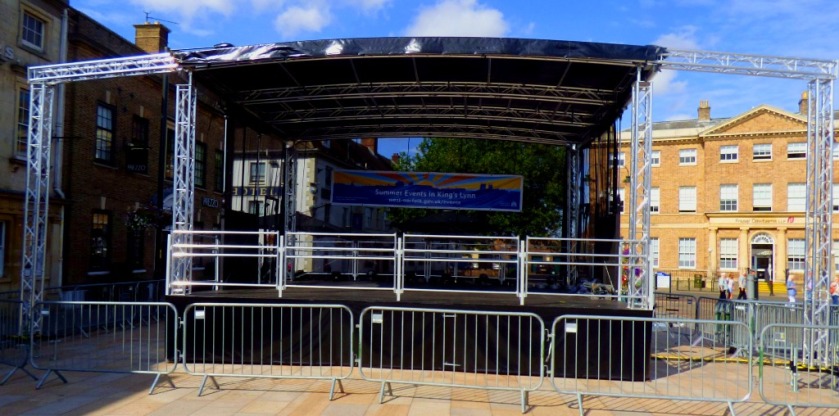
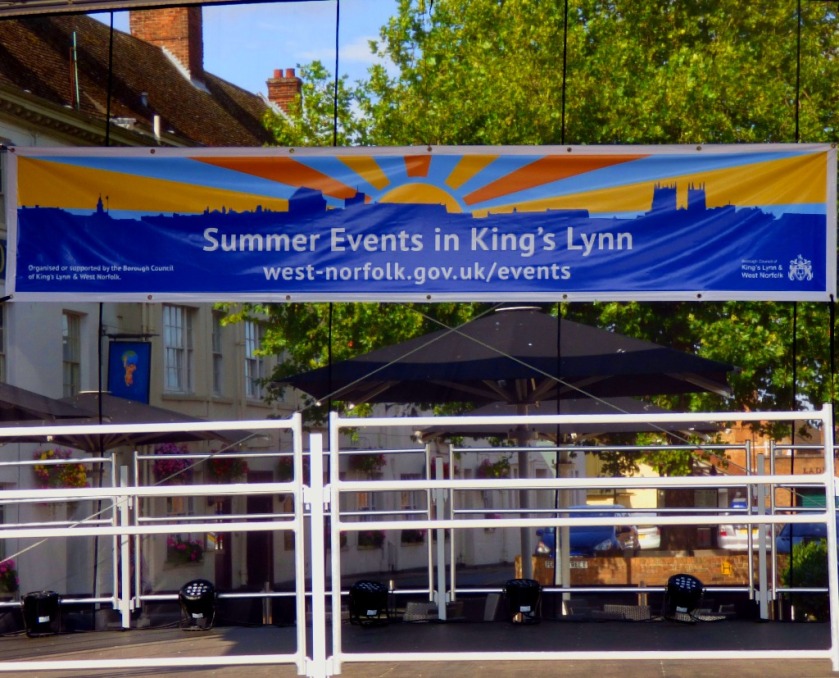
StageTB2TB4white butterflyBannerBPBP2BP3Cormorant

flying butterfly
A butterfly captured whiel in flight

GG

England 3 South Africa 1

My thoughts on the recently concluded series between England and South Africa mens teams, plus some photographs from work.

INTRODUCTION

On Monday I listened to what turned out to be the final day of the test series between England and South Africa (Tuesday would have been available had South Africa taken the game that far but they never really looked like doing so). In this post I look back at the match and the series.

THIS MATCH

England batted first and made at least 50 more than they should have done in the circumstances, getting to 360. When the ninth England wicket fell South Africa turned to the “clever ruse” of dropping the field back to allow the major batter (Jonny Bairstow on this occasion) to take singles so that they could bowl at the no11. This is a dubious tactic in any case, but South Africa’s execution of it was downright bad – on a number of occasions Bairstow took twos early in the over, which should never happen when this tactic is in play. I can think of no occasion on which it can be demonstrated that a side fared worse by attacking at both ends than they would be adopting this tactic, whereas I offer the following examples of times where adopting it caused problems:

  • Perth 1978 – Australia eight down for not many facing and England total of over 300, Mike Brearley gives Peter Toohey with 50 to his name singles so as to attack Geoff Dymock. The ninth wicket pair stage a very irritating partnership. In the end England’s superior skill and professionalism tell (Australia were depleted by the Packer affair and Graham Yallop proved to be a very poor captain). My source for this story is Brearley himself in “The Art of Captaincy”.
  • Melbourne 1982 – The ninth Australian wicket in their second innings falls with them still needing 74 for victory. England allow Border singles so they can attack Thomson, the no 11. Australia get to within a boundary hit of victory before Thomson flashes at a wide one from Botham and is caught by Miller with an assist from Tavare.
  • Sydney 2010 – Pakistan have bossed the game against Australia, leading by over 200 on first innings, and Australia are only 80 to the good with two second innings wickets standing going into the 4th morning. Pakistan decline to attack Hussey, and Siddle plays a straight bat the relatively few deliveries he has to face. In the end Pakistan need 176 to win, which is far more than they were expecting. The pressure is too much for an inexperienced batting line up, especially once Mohamed Yousuf has compounded his failure as captain by falling to a very poor shot to leave his side 57-4. Australia end up winning by almost 40 runs.

South Africa’s response, if it can be so described, was to scrape together 226 for a deficit of 136. A fine innings by Moeen Ali in the second England innings takes England to a lead of 379. Dean Elgar fell cheaply to start the South African second innings, and by the lunch interval Heino Kuhn and Temba Bavuma had also been accounted for. Amla and Duplessis resisted stoutly for a time, but the dismissal of Amla sparked a collapse, with no one else making a significant contribution as 163-3 at the high point of the innings subsided to 202 all out. Moeen Ali took five of the wickets to finish with 25 for the series alongside over 250 runs for the series (the first time this double has been achieved in a series of fewer than five matches). Moeen Ali was player of the match, and also player of the series for his all-round efforts.

THE SERIES AS A WHOLE

Barring the aberration at Trent Bridge this was a series that England dominated, and 3-1 is a fair reflection of that fact. Lord’s (it is named after Thomas Lord of Thirsk, so Lord’s is technically correct) saw the only really huge first innings tally of the series, and from that point on England were always going to win that match. I wrote in some detail about the Trent Bridge debacle at the time. At The Oval (these days there is always a sponsor’s name attached but I refuse to mention them whoever they may be) England made a respectable first innings total and South Africa crumbled, while this final match at Old Trafford went along similar lines. 

THE PLAYERS

I am going to finish the text element of this post by looking at both sets of players, starting with South Africa.

Dean Elgar – a tough competitor whose second innings 136 at The Oval when all around him were surrendering was a stand out performance. 

Heino Kuhn – resembles a test-class opener about as closely as Liam Dawson resembles a test-class all-rounder. The only surprise out his dismissal during the morning session fo what turned into the final day of the series was that it did not come sooner.

Hashim Amla – a magnificent batter now nearing the end of his illustrious career. This was not a great series for him but his fighting 83 in the final innings was a splendid effort.

Quinton De Kock – fine wicketkeeper and on his day a very destructive batter, but was miscast in the key number four role where was too often coming in with the team reeling from early blows. He was moved down for the final match of the series, but this was his equivalent of Adam Gilchrist’s 2005 in England – batting wise a series to forget.

Faf Du Plessis – it continues to be debatable whether he is worth a place as a batter, but the team play much better under his captaincy than when he is not present. 

Temba Bavuma – a very reliable batter. He needs to develop ways of keeping the scoreboard ticking – at the moment it takes him a very long time to score his runs.

Theunis De Bruyn – anonymous in this series, he did nothing significant with the bat and his bowling was not much used.

Chris Morris – occasional moments with his hard-hitting batting but his bowling was very expensive.

Vernon Philander – a great cricketer, but like Alan Davidson and Chris Old before him he is somewhat of a hypochondriac. He did not contribute fully to this series.

Keshav Maharaj – South Africa’s leading wicket taker of the series. 

Kagiso Rabada – A fine fast bowler who bowled well in this series and at times did enough with the bat to have embarrassed some of bhis supposed betters in that department.

Morne Morkel – A solid series – it was not South Africa’s bowlers who were chiefly responsible for their defeat in this series.

Duanne Olivier – more will certainly be seen of this young fast bowler.

Now for England…

Alastair Cook – continues to steadily ascend the test run scoring lists – in the course of this series he went past Allan Border’s aggregate. His effort on the truncated first day at The Oval put England in control of that game, a position consolidated by Ben Stokes’ century.

Keaton Jennings – surely he has run out chances after a series in which his highest individual score was 48 and during which he never looked convincing. 

Gary Ballance – given a chance to re-establish himself in the side because he scores so many in domestic cricket he failed, and looked out of place. He was deservedly one of the casualties of the Trent Bridge debacle.

Tom Westley – a solid start to his test career. He looks like he belongs in the test arena and I expect to see a lot more of him.

Joe Root – his first series as test captain, and with a 3-1 series win and himself being leading run scorer on either side for the series it was a splendid start. 

Dawid Malan – came in to the side after the loss at Trent Bridge and has not yet done much.

Jonny Bairstow – an excellent series with both bat and gloves.

Ben Stokes – regular contributor of runs, wickets and catches. Like the man I will be dealing with next he is that rarity, a genuine all-rounder.

Moeen Ali – deservedly named player of the series, he was outstanding with bat and ball. 

Liam Dawson – my comments about Heino Kuhn suggest that I do not rate Mr Dawson, and that impression is correct. He has neither the batting nor the bowling to be of use in test match cricket. If conditions warrant two spinners pick a real spinner, and if they don’t Moeen Ali will be the sole spinner.

Toby Roland-Jones – he started his test career firing with both barrels – a five-for including the top four in the opposition batting order, and has done well in both his matches so far. 

Stuart Broad – a good series for the big fast bowler. 

Mark Wood – two matches in the series, total figures 1-197 – ’nuff said.

James Anderson – 20 wickets in the series at 14 each. At the age of 35 he remains arguably the finest user of a new ball in world cricket. The authorities at his home ground of Old Trafford have recently paid him the compliment of naming one of their bowling ends in his honour – and he responded by taking four cheap wickets from that end at the first time of asking. I reckon he still has a couple of good years left in him which would enable him to sign off with a home world cup followed by a home Ashes series.

PHOTOGRAPHS

I always like to include photographs in my posts, and although I have none relating to cricket, here are a few from yesterday at work (these will be going under the hammer on August 30th, our second end of August auction, with a sale happening at our shop on Friday August 25th – more on this in a later post):

1403
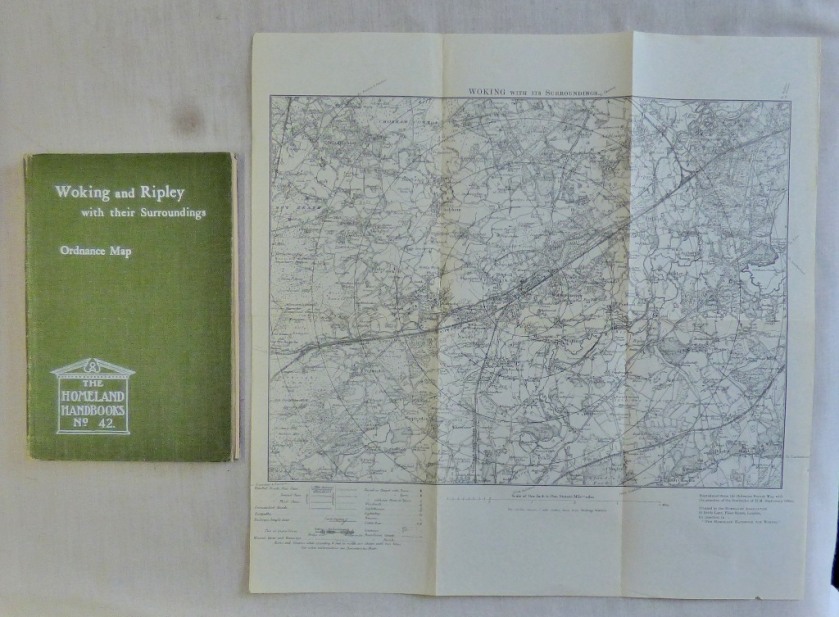
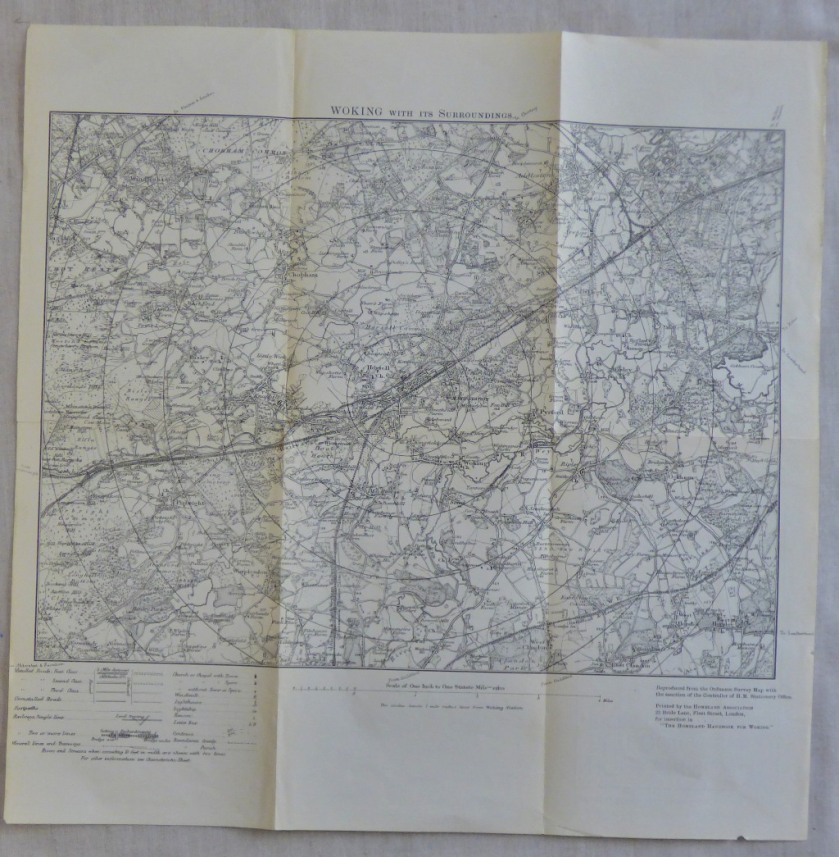
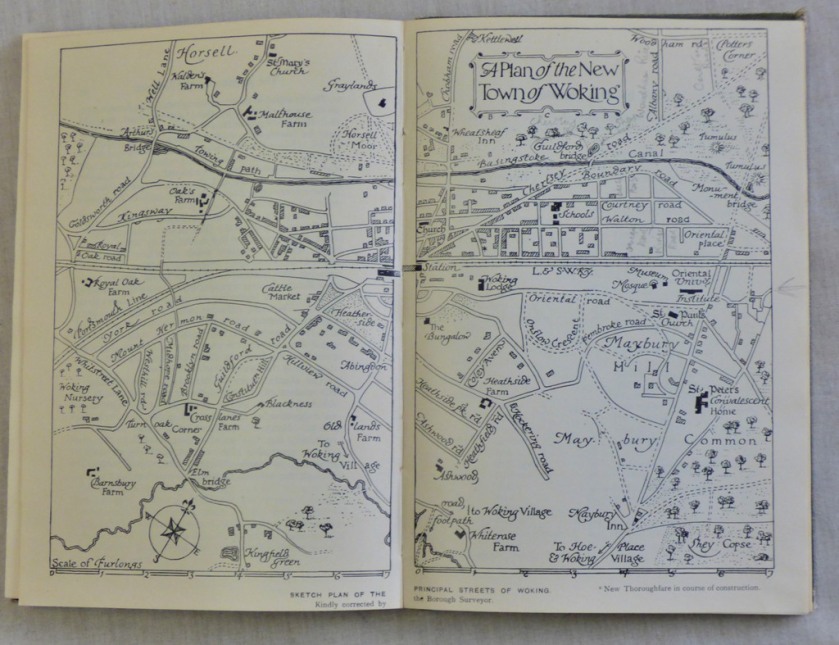
Lot 1403 – there is a little wallet incorporated in the inside back cover of the book to store the map when folded.

1403-a1403-b1403-c

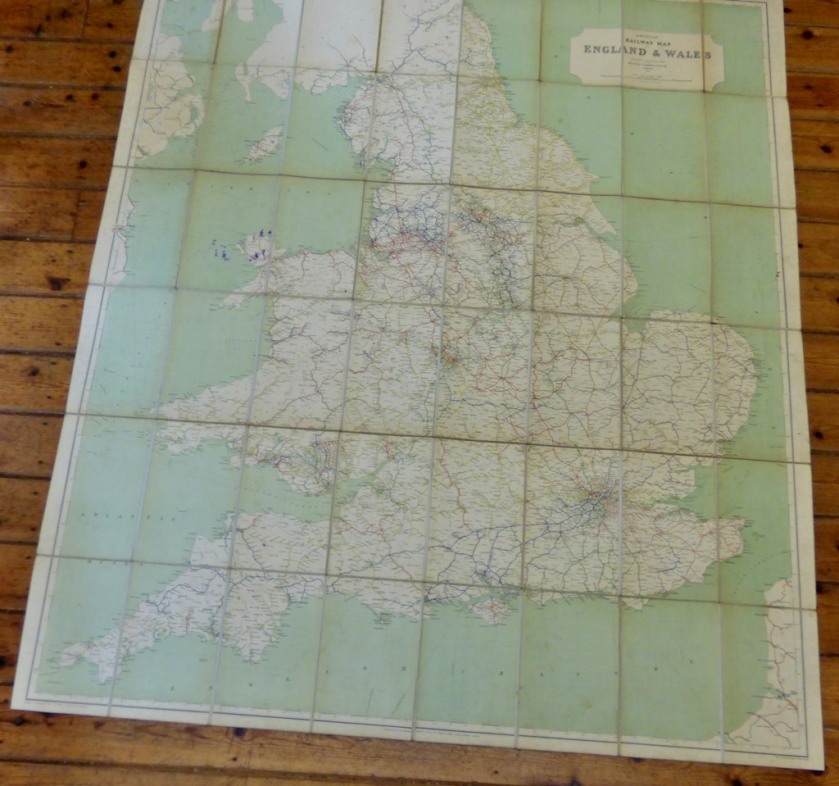
1415
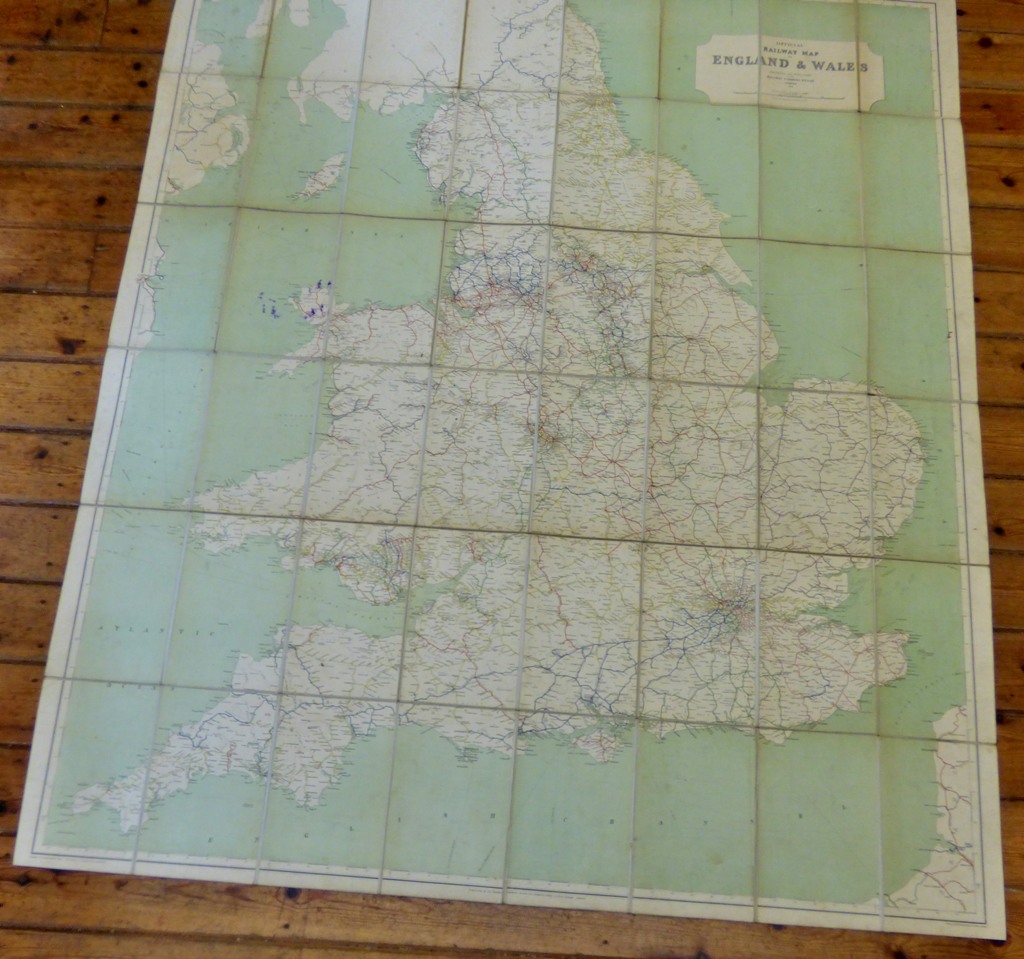
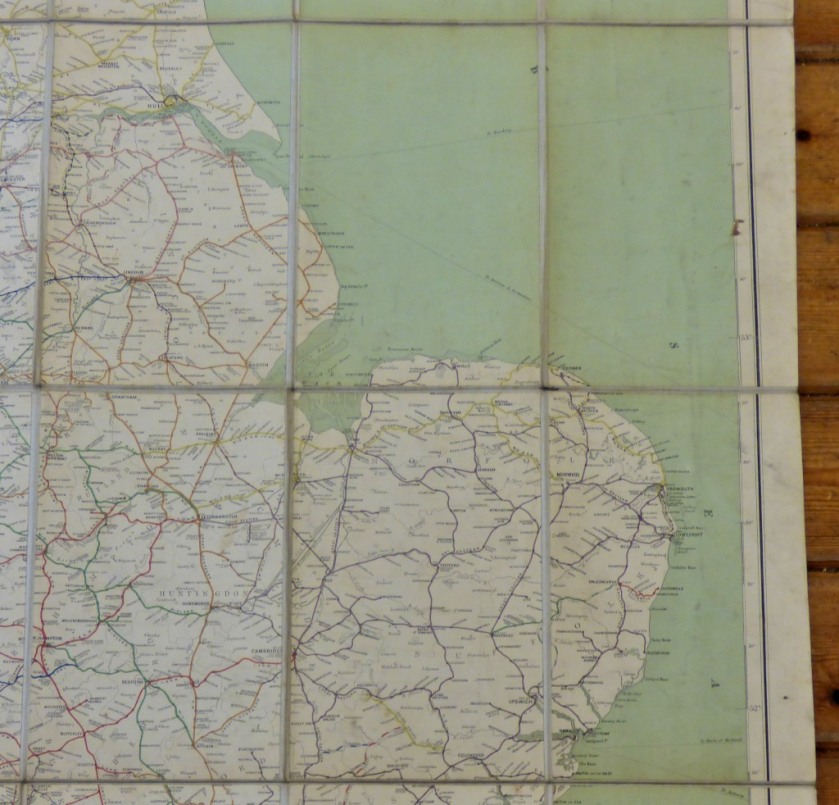
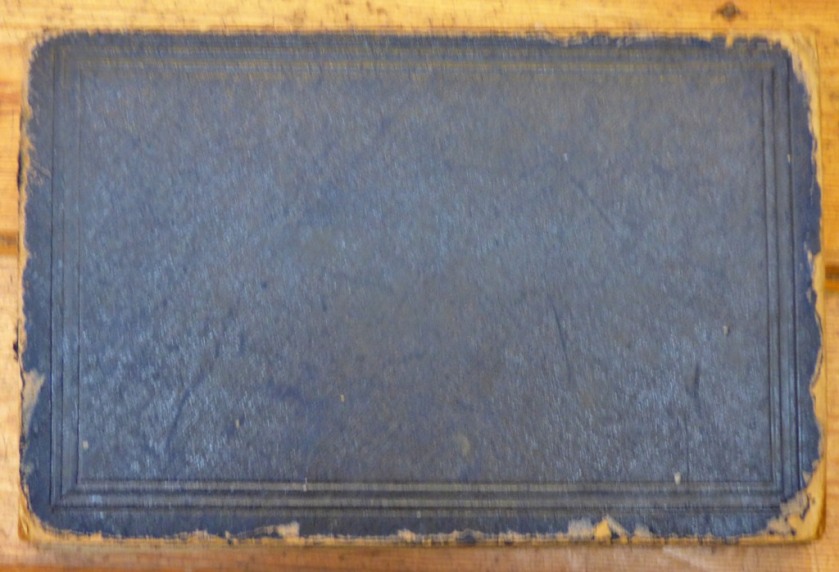
Lot 1415 – the largest railway map I have ever seen – and it has stout front and back panels so that when folded it looks a bit like a book.

1415-a

1415-b
A stamp on the back of one the ordinary panels.
1415-c
The front panel
1415-d
The back panel
1422
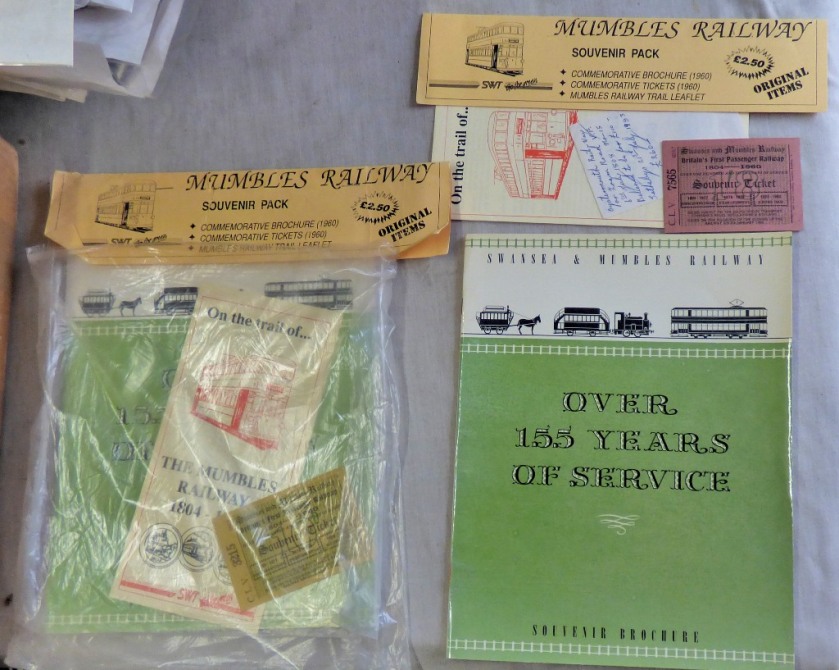
Lot 1422 – A more modern and much smaller railway map, with promotional material on the reverse (four images)

1422-a1422-b1422-c

1428
Lot 1428 – Some south Wales railway history.


A Tale of Two Cricket Matches

An account of two recent cricket matches involving England and South Africa, first the England men’s humiliation at Trent Bridge, and then the nailbiter of a Women’s World Cup semi-final at Bristol.

INTRODUCTION

Both of the matches of my title were cricket matches between England and South Africa. The first was the test match between the men’s teams, and the second was the women’s world cup semi-final. A couple of notes about links in this piece:

  1. All cricket related links are to cricinfo, and…
  2. Some links are in red – these are to video footage.

IT WAS THE WORST OF TIMES

England had won the first test match of the series handily, with Joe Root scoring 190 in his first innings as England captain and Moeen Ali being player of the match for his first inning 87 and match haul of 10-112. Among England’s male players only Ian Botham with 114 not out and 13-106 v India in 1979 has topped Ali’s all-round haul in a single game (Enid Bakewell was the first player of either sex to combine a match aggregate of 100 runs with a haul of 10 or more wickets, hence the earlier caveat). 

Thus at Trent Bridge England should have been strong favourites. South Africa won the toss, batted first and made 335 in their first innings and England by bad batting handed South Africa a lead of 130, South Africa extended this to 473 with two days to play before sending England back in, messrs Elgar and Amla having demonstrated how to make runs on this pitch, each batting a long time. England’s second innings was quite simply shambolic, with batter after batter handing their wickets away. Four wickets down by lunch on the penultimate day it worse afterwards, with England being all out for 133 at approsimately 3PM. South Africa, having given themselves two days to dismiss England a second time had required less than two full sessions and were victors be 340 runs. 

ENGLAND’S MISTAKES

The first mistake England made was with the selection of the side. According to the powers that be Moeen Ali is happier as a second spinner than as either a sole spinner or as first spinner. However I find it hard to believe that even he could really consider himself no2 to Liam Dawson. Dawson is an ill thought out selection reminiscent of the dark days of the 1990s. For his county he averages in the low thirties with the bat and the high thirties with the ball, so even at that level he comes out as clearly not good enough in either department to warrant selection – the reverse of the true all-rounder. If a pitch warrants two spinners (and no Trent Bridge pitch in my lifetime ever has) the other spinner should be a genuine front-line option such as Dominic Bess (first class bowling average 19.83 per wicket – what are you waiting for selectors?). The other logical alternative would have been to bring in an extra batter (there are any number of possibilities) to strengthen this department. England’s batting in both innings smacked of panic. Other than Root whose 78 in the first innings was a gem and Cook who played well for a time in the second no England batter is entitled to be other than embarrassed by the way they played in this match. The scorecard, in all it’s gory detail, can be viewed here.

IT WAS THE BEST OF TIMES

On what should have been the final day of the men’s test match but for England’s spinelessness the women’s teams convened at Bristol for a world-cup semi-final. The final will be played at Lord’s and is already sold out. South Africa batted first and were restricted to 218-6 from their overs, Mignon Du Preez top scoring with 76 not out, and Laura Wolvaardt making 66. South Africa bowled better than they had batted, and the outcome remained in doubt right to the end. Anya Shrubsole who had earlier finished with 1-33 from her 10 overs settled things by hitting her first ball, the third-last possible ball of the match through the covers for four. Sarah Taylor’s 54 and a brilliant wicket-keeping performance highlighted by the spectacular stumping of Trisha Chetty off the bowling of Natalie Sciver earned her the player of the match award. Sciver incidentally is the pioneer of a shot that in honour of her first name and the f**tballing term ‘nutmeg’ commentator Charles Dagnall has dubbed the ‘Natmeg’, one example of which she played in this match. Video highlights of this amazing match can be seen here (runs for just under five minutes), while the scorecard can be viewed here.

THE ROLE OF EXTRAS

To set the scene for the rest of this section here are the extras (a cricket term for runs scored not off the bat) from both innings:

When South Africa batted: 

Extras (w 4) 4

When England batted

Extras (b 5, w 17, nb 3) 25

A note on the designations within extras: Byes (b) stands for runs scored when there is no contact made with the ball but either the batters are able to take runs, or the ball goes to the boundary unimpeded, legbyes (lb), of which there were none in this match, are runs scored when the ball hits the pad but not the bat. Wides (w) are deliveries that are too wide for the batter to be able to play, and no-balls are deliveries that are ruled illegal for some other infraction (bowler overstepping the crease, high full-toss etc). The 21 run difference between the two tallies shown above is of major significance given that England reached the target with just two balls to spare, and there is yet a further point.

WIDES AND NO-BALLS – WHAT APPEARS IN PRINT DOES NOT TELL THE FULL STORY OF HOW EXPENSIVE THEY ARE

England bowled four wides in the match, South Africa 17 and three no-balls. That is a 16-run difference, but the actual costs are likely be even more different because:

  • When a delivery is called wide, as well as incurring a one-run penalty an extra delivery must be bowled to replace it. Thus a wide costs the original penalty, plus possible extras (if it goes unimpeded to the boundary it costs 5, the original 1, plus four foir the boundary) plus any runs scored off the seventh delivery of the over, which the bowler had they been disciplined would not have had to bowl
  • When a delivery is called a no-ball, the batter can still score off it, the delivery immediately following it is designated a ‘free-hit’, meaning that the batter cannot be dismissed off it, and as with a wide an extra delivery must be bowled to replace it. Thus a no-ball actually costs the original penalty, any runs hit of that delivery, the lack of a wicket-taking opportunity on the next delivery and any runs of the seventh delivery of the over (which would otherwise not have needed to be bowled). 

Therefore the discrepancy between the sides in terms of wides and no-balls is probably much greater than shown on the score-card, and this in a very close match. Sarah Taylor certainly deserved her player of the match award, but the much tighter discipline shown by England’s bowlers than their South African counterparts was also crucial to the result.

PHOTOGRAPHS

After over 1,100 words those of you are still with me deserve some pictures, so here we are:

Bee1Bee2

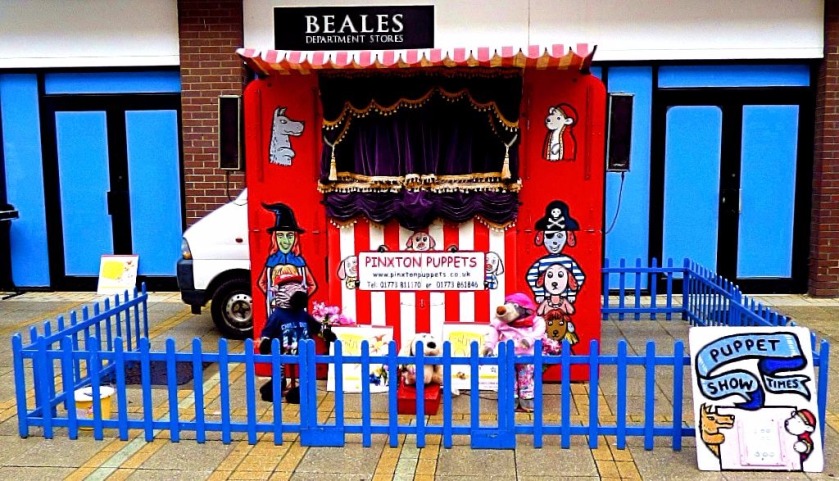
Puppet theatre
This puppet theatre is in town for the Lynn Festival

Purfleet1Moorhen chick

Greyfriars
Greyfriars Tower
Library
King’s Lynn library

Squirrel

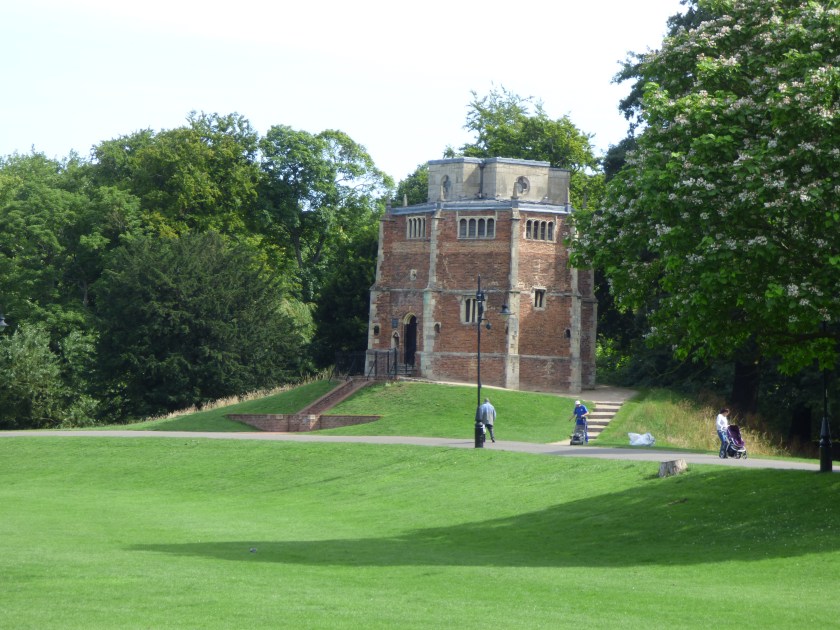
Red Mount Chapel
The Red Mount Chapel
P1030346
The unedited Red Mount chapel picture.
Guanock Gate
The Guanock Gate

Moorhen and algaeStationPollinator

CH1
The first of three pictures featuring the Custom House

CH2CH3Boat1Boat2Gulls

West Lynn Church
West Lynn Church
Bee3
Just as a bee pic was worthy start to this series of photos, another bee pic is a worthy finish to it.

Super Sunday At The Womens World Cup

An account of Super Sunday at the womens World Cup.

INTRODUCTION

Today featured no fewer than four matches in the womens cricket World Cup. I have been listening to radio commentaries and following the action on cricinfo

SOUTH AFRICA V WEST INDIES

This was about as conclusive a victory as I have ever witnessed. First of all South Africa blew the West Indies away for 48. Marizanne Kapp took four wickets, but the most remarkable performance came from Dane Van Niekerk who matched Kapp’s four wickets, but took hers without conceding a run. South Africa then took a mere 6.2 of their possible 50 overs to knock the runs off. Cricinfo have recently started providing video clips, and below is a two minute video showing the West Indies collapse.

http://www.espncricinfo.com/ci/content/video_audio/1108001.html

INDIA V PAKISTAN

This was the damp squib of the four matches – India limped to 169-9 from their 50 overs and then Pakistan were bowled out for 74 in response, only getting that many courtesy of a 23 run last wicket stand.

ENGLAND V SRI LANKA

Sri Lanka batted first, and managed 204-8. Fran Wilson took an amazing catch along the way (see link below). Laura Marsh returning to the England side took 4-45 from her ten overs, while Katherine Brunt and Anya Shrubsole both bowled well without picking up wickets.

http://www.espncricinfo.com/icc-womens-world-cup-2017/engine/match/1085953.html

Both openers were out fairly cheaply, Tammy Beaumont for 12 and Lauren Winfield, returning from injury, for 26. A big stand between Sarah Taylor and Heather Knight then took England to the brink of victory, before Knight was out for 82. A crunching boundary straight down the ground from Taylor completed the job, leaving her with 74 not out off 67 balls, and England winners by seven wickets with almost 20 overs to spare. At the other end, not having faced a ball, was Natalie Sciver, fresh from scoring 137 off 92 balls against Pakistan.

AUSTRALIA V NEW ZEALAND

Half centuries from Bates and Perkins got New Zealand to a total of 219-9. For Australia Mooney and Bolton were out fairly cheaply, before Meg Lanning and Ellyse Perry shared a good partnership. 16 year old legspinner Amelia Kerr created a bit of excitement when she accounted for Lanning and Elyse Villani in successive deliveries to make it 143-4, but Alex Blackwell was her usual unflappable self, and New Zealand gained only one more wicket, when with the scores level Ellyse Perry holed out for 71. Perry, having started out as a fast bowler who gave it a whack down the order has developed into the most complete all-rounder of either sex currently playing the game – she bats at number four, averaging over 50, and takes the new ball and (in limited overs matches) bowls at the death. 

FINAL THOUGHTS

None pof the four matches were especially close, but three of them featured quality cricket from various players, and I was pleased to see matches being played concurrently, because one reason why mens world cups always seem so interminable is that in deference to the TV people this does not happen. 

England Settle One Day International Series Against West Indies

INTRODUCTION

England, having won the opening match of the three match series on Friday could ensure a series victory by winning again yesterday. What follows is my account of how they did this. Cricinfo’s account can be viewed here.

WEST INDIES POOR WITH THE BAT

I missed most of the West Indies innings, but caught the closing overs. Some decent bowling from England and very ordinary batting from the West Indies at that stage meant that with a total of 250-260 (which on that pitch would have been respectable) having looked possible the West Indies ended up with a mere 225, which should not have been much of challenge for England…

A GLIMPSE OF THE 1990s

Sam Billings fell without a run on the board, but then Jason Roy and Joe Root settled in. At 87-1 with Roy having just reached his 50 England looked in full control. At that point Roy was out playing a bad shot, which seemed to trigger a time machine that transported as back to the 1990s. The England middle order simply disintegrated, that high water mark of 87-1 transmuting to 124-6, at which point the West Indies were looking like favourites.

Then, came a reminder that this was 2017 and not a revisit to the 1990s, as Chris Woakes demonstrated his continuing improvement, albeit with some assistance from the Wesr Indies fielders who dropped two absolute sitters. With the imperturbable Root in the anchor role, Woakes’ aggressive 68 not out saw England home with four wickets and an over and a half to spare (Root was 90 not out at the other end). 

Here is a photographic commemoration of the England middle order yesterday…

englandmiddleorder

For the uninitiated a score of 0 in cricket is referred to as a duck. And 1990s England really were as bad as all that.

SOME THOUGHTS ON THE
PLAYER OF THE MATCH AWARD

Predictably enough the Player of the Match award yesterday went to Root for his 90 not out. However, while this decision is understandable I consider it incorrect. Although Chris Woakes was wicketless from his eight overs they only went for 26 runs (a rate of just over three an over compared to West Indies overall 4.5), which in conjunction with his 68 not out when England had got themselves into a big hole, should have secured him the award.

PHOTOGRAPHS

Here are some of today’s photographs for you:

libraryrepairwork
The recent repaired section of King’s Lynn library
libraryfrontage
The frontage of King’s Lynn library.
greyfriarstower
Greyfriars tower.
stnicholas1
St Nicholas from Chapel Court
stnicholas2
Another view of St Nicholas
customhouse
The Custom House from King Street

moorhen2moorhen1crocusescrocuses1

rmc
The Red Mount Chapel through the trees.

gulls

vv
Artwork commemorating the voyages of Captain George Vancouver, New Conduit Street

The Six Nations and Some Sunday Shares

Some thoughts on round two of the 2017 six nations, and a few Sunday shares.

INTRODUCTION

Yesterday saw the first two matches in round two of the 2017 Six Nations. This afternoon Scotland and France will fight out the final game of the weekend.

ENGLAND SQUEEZE PAST WALES

In the women’s match which preceded this England won 63-0, which gave them 89 unanswered points in their last 120 minutes of rugby (they were 0-13 down at half-time against France last week).

Wales dominated the men’s match for long periods, but too often did not turn pressure into points and eventually a 77th minute try put England in front for the first and only time of the match. England have not been all that impressive in either of their matches to date, but is the mark of champions to find a way to win even when not playing well.

IRELAND THRASH ITALY

Ireland were always in control of this match, with two players (Stander and Gilroy) recording hat tricks of tries. For the first hour the scoreline was semi-respectable but then the floodgates opened and the Irish winning margin mushroomed to over 50 points.

Two matches in to this tournament it is hard to see Italy doing anything other than bring up the rear, a long way adrift of the rest.

SOME SUNDAY SHARES

We start the shares with a couple of public transport related bits…

THE GREED OF THE PRIVATE RAIL COMPANIES

Private operators have creamed of more than £3.5 billion in profits from running Britain’s railways over the last ten years, while services get worse and prices go up. Click on the image below to read in more detail, courtesy of AOL:

Rail firms' £3.5billion profit despite passengers' fury at dire service

AN EXTENSION FOR THE BAKERLOO LINE

The extension, from Elephant & Castle to Lewisham is expected to open in 2028-9. Click on the image below to read the Time Out piece in full. I have already pressed a link on to my London transport themed website and will be writing about it in more detail in due course.

TfL has revealed where the new Bakerloo line stations will be

THE WENSUM VALLEY UNDER THREAT

The Wensum Valley is a very beautiful part of Norfolk, but a malign group of ‘planners’ are putting this beauty at risk – they intend to send a big new road through the heart of it. Please watch the video below to see what we are seeking to protect:

A COUPLE OF REGULARS

Another reminder that James and Sons next auction is on the 20th, 21st and 22nd of February, the first two days at our shop, the third at the Maids Head Hotel, Norwich. Click on the image below, from lot 891, to view a full catalogue…

891-a

Finally, the Autism Awareness Cup 2017 will be taking place at Ingoldisthorpe Social Club on June 4th. Click on the image below to visit the website.

Monday Mixture

My 1,000th post on aspiblog, a typically eclectic mix of stuff – read, enjoy and please share!

INTRODUCTION

As the title suggests this post contains a variety of different elements. There is another reason for choosing this title which will be revealed later.

MUMBAI MASSACRE

With two scheduled days to go the 4th India vs England Test Match in Mumbai seemed to be headed for a high-scoring draw, but two things happened thereafter – India got right away, pushing their first innings total up to 631, and then England fell in a heap in their second innings – all out 195, beaten by an innings and 36.

THE NAS WEST NORFOLK COMMITTEE CHRISTMAS MEAL

This took place on Thursday at Frankie and Benny’s on the Hardwick Industrial Estate. Here are some pictures…

dscn7899

dscn7900
My chosen meal
dscn7901
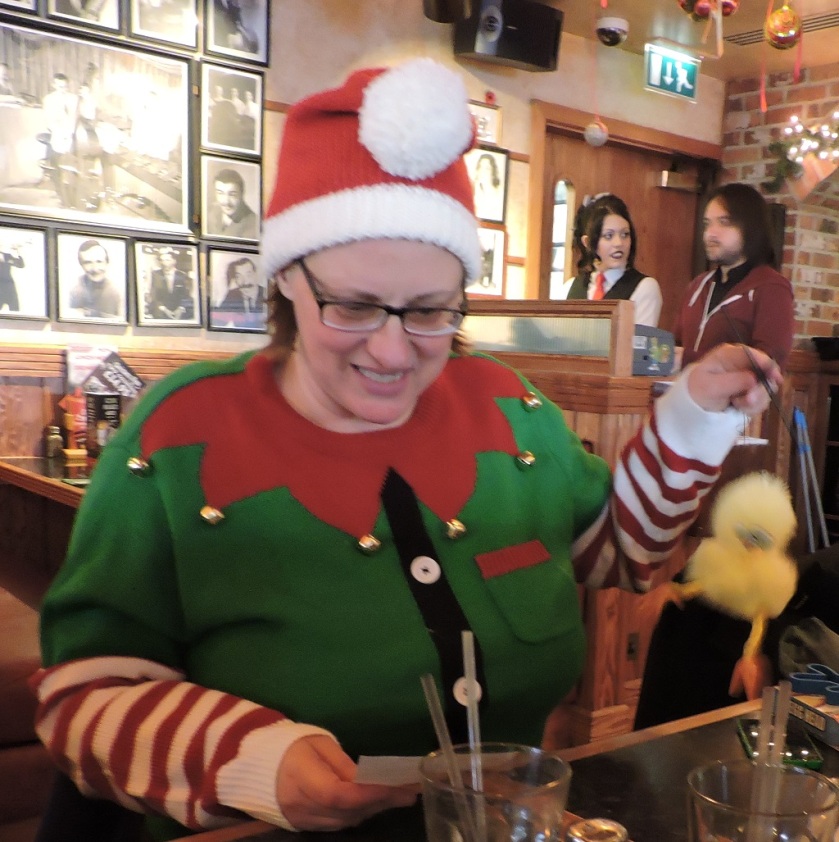
Rachelf (sic!) showing true Christmas spirit.
dscn7903
Karan (branch chair) hold aloft her Poldark colouring book.
dscn7904
Santa reveals a little secret.
dscn7905
A chicken puppet – she owns some real chickens, currently confined to their run because of an avian flu alert.

THE DUKE’S HEAD HOTEL

Those familiar with my 2017 wall mounted calendars will recall that the Duke’s Head Hotel frontage featured as the April picture. Well, since then it has been done up – here are a couple of pictures…

apr
The calendar picture
dscn7928
The Duke’s Head frontage as it looks today after being redone.

THE PUZZLE IN THE INTRODUCTION

My title for this post “Monday Mixture” is apt given its nature, but I also chose this particular title because both parts thereof begin with the letter M, the Roman numeral for 1,000, and this is my 1,000th post on aspiblog.

LINKS AND CLOSING PICS

My first link is to a petition on avaaz protesting against an Australian plan to put a toxic coal complex next to the Great Barrier Reef. Please click on the image below to sign and share the petition.

My next link, also contained within a picture is to a piece on whyevolutionistrue titled A Photobook of Biological Marvels and My Own Take on Them.

screen-shot-2016-12-11-at-10-56-12-am

Rachael Swindon’s new blog continues to impress and amuse. Her target in this post, struck in the bullseye as usual for her, is hard right Tory MP for Witham, Priti Patel.

I started this links section with an environment related piece and I end it with another, courtesy of the Guardian, which provides this report of a study detailing how wind power is key to curbing greenhouse emissions – click the image below to read more…

Whitelee windfarm on Eaglesham Moor in Scotland is the UK’s largest onshore windfarm.

I end this post with some more of my own pictures…

dscn7925dscn7926dscn7927dscn7929dscn7930dscn7932dscn7933dscn7934

An Important Petition

A link to petition that needs more signatures, plus links to the supporting information. Some pictures, a few thoughts about the recently concluded test match and a couple of extra links.

INTRODUCTION

I will be covering other stuff as well, but I am giving top billing to an autism related petition.

EDWARD TIMPSON MP MAKE BRIGHTON & HOVE DISTRICT COUNCIL CEASE ILLEGAL SECTION 47 SS INVESTIGATIONS

Here is the petition – main link is in the infographic:

not-less

Here is the opening paragraph of the petition:

Too many LAs are conducting illegal S47 child protection investigations and traumatising families.  Brighton & Hove City Council is conducting at least one such an investigation right now against an innocent autism family (my own – autistic parent with autistic children), which indicates a pattern of behaviour is likely, as it wouldn’t be a one-off incident.  Brighton & Hove City Council is conducting this investigation on the basis of entire autism ignorance (towards parent and children) and illegal disability discrimination.  How can an autism parent perform their usual superhero job whilst being put through this trauma?  LAs behaving illegally must be stamped out.
Here are links to all the updates that have been posted on this petition:

You now have access to all the information I have seen about this case and should know what to do. If in signing this petition you mention me and this blog I will receive an email notification telling me that you have signed.

SOME PICTURES

After a large chunk of text it is time for some pictures. There are some from yesterday and some from today:

dscn7516dscn7517dscn7518

dscn7519
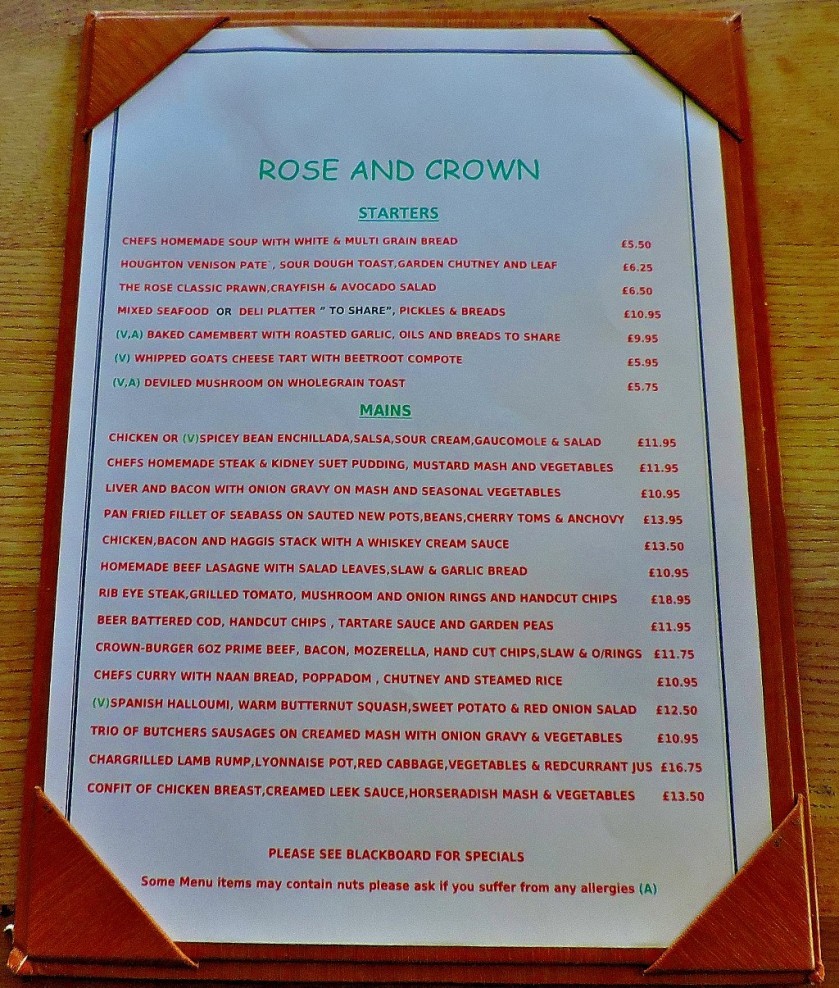
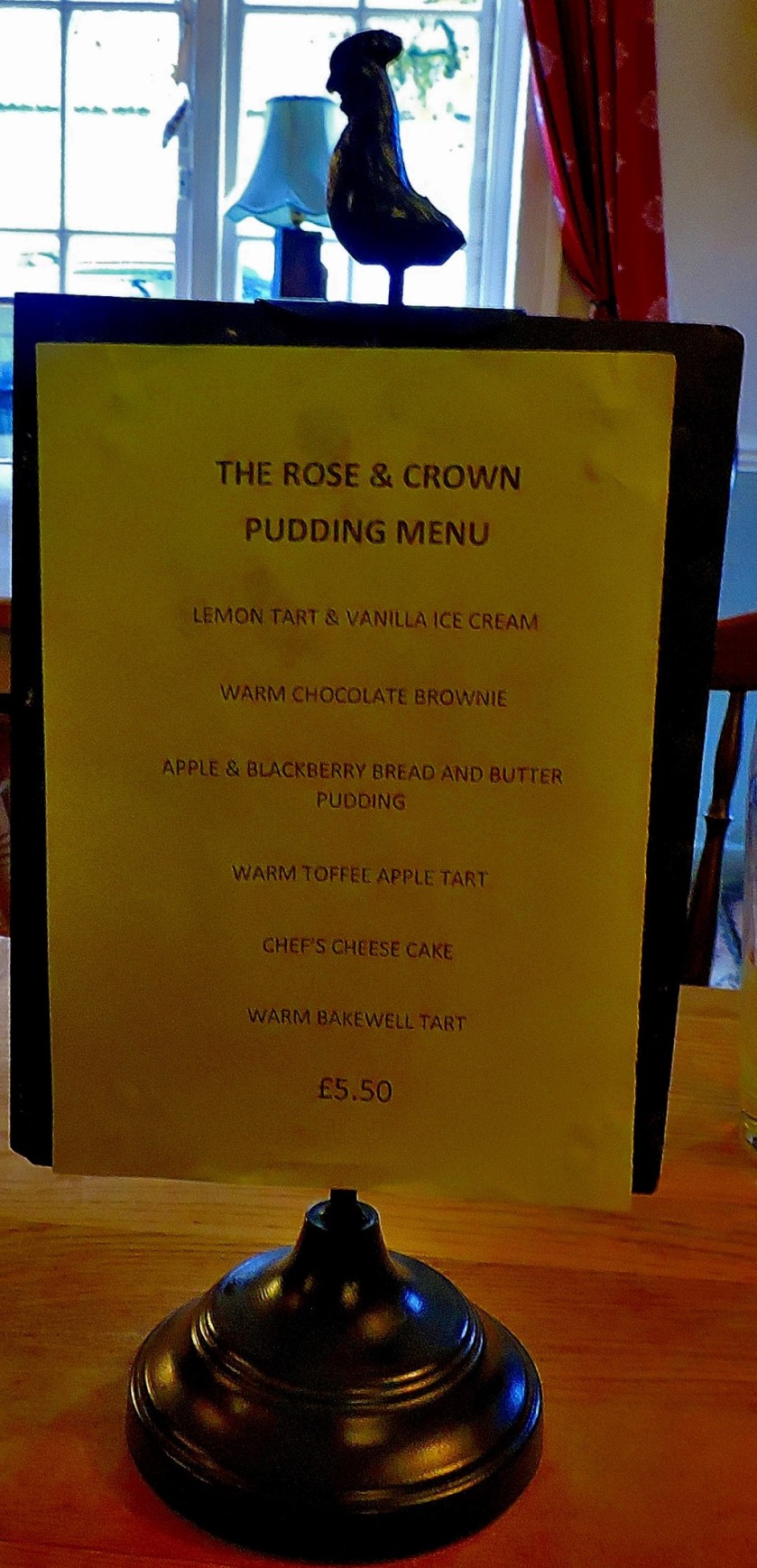
The menu at the Rose & Crown in Harpley, where my parents took me for lunch yesterday (it was an excellent meal – thanks)
dscn7520
The next five pics are also from the Rose & Crown, four showing decorative features and one the dessert menu.

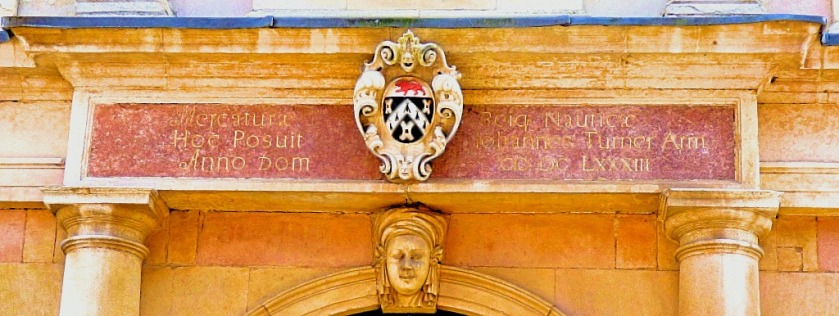
dscn7521dscn7522dscn7523dscn7524

dscn7525
The redeveloped back of King’s Lynn Town Hall

dscn7526dscn7529

A TEST MATCH SETTLED BY A COIN TOSS AND A DISASTROUS 49 MINUTES

Test matches are scheduled to last for five days, and this one made it deep into the fifth of those of five days. India beat England by 246 runs and are to be congratulated, although as the title of this section suggests they were helped by good fortune. Winning the toss meant that they got to bat when the pitch was at its easiest. England’s disastrous 49 minutes occurred on the second evening, when they surrendered four wickets to end that day on 103-5 in reply to 455. Of the five wickets England lost that day only Cook got a really difficult delivery – the others assisted in their own downfall.

Facing 405 to win or 150 overs to survive on an increasingly difficult pitch England were never in the hunt, and the dismissal of Joe Root for 25 was the death knell, leaving the lower order to fight it out for as long as they could. Haseeb Hameed showed great concentration and determination at the top of the order before one shot along the ground to pin him LBW (a genuinely unplayable ball).

Virat Kohli demonstrated his skill with the bat, amending a decidedly dodgy previous record against England with scores in this match of 167 and 85. The latter was an innings that made it look like the match was taking place on two different pitches – at one end everyone else was struggling in the face of an excellent bowling performance from England, and at the other Kohli met every ball with the middle of his bat.

England showed enough to suggest that this series is not a lost cause, especially with three matches still to play.

A COUPLE OF LINKS TO FINISH

First, a petition on 38 Degrees calling for the scrapping of the ‘Sovereign Grant’ (I would prefer to scrap the Royal Family outright, but at least making them pay their own way would be a move in the right direction).

I end with a link to piece by DPAC, drawing attention to a disgraceful example of ableism at CEX.


A New Venue With Old Connections

The start of my personal coverage of the second Test Match between India and England at Visakhapatnam, with a mention of some old connections of this new venue, also a mention of Sri Lanka Women v England Women in Colombo, and a little mathematical teaser.

INTRODUCTION

Just like the first match of the India v England series at Rajkot, this match is happening at a new Test Match venue, Visakhapatnam. This is the 111th test match venue overall and the 24th such in India (more than any other country).

OLD CONNECTIONS AT A NEW VENUE

One of the two ends at this ground is called the “Dr Vizzy End”. The Dr Vizzy of that designation was the Maharajkumar of Vizianagram, captain, administrator and briefly late in his life a Test Match Special summariser. He also ran a private team for which he got both Jack Hobbs and Herbert Sutcliffe to play, which led to a bit of controversy over statistics.

WISDEN VERSUS THE
ASSOCIATION OF CRICKET STATISTICIANS

When Jack Hobbs retired at the end of the 1934 season his record stood at 61,237 first class runs with 197 centuries, although in some sources you will see him credited with 61,760 runs and 199 centuries. The Vizianagram XI matches and a desire to get Hobbs to 200 centuries are the reason for this. Hobbs himself was deeply opposed to any retrospective alteration of players records, and rightly so in my opinion. In 1925 Hobbs had had a nervous period when he had 125 centuries to his credit, with W G Grace according to his official record having 126 which at that time was the record. It was against Somerset at Taunton (a frequent combination for the setting of new batting records over the years) that Hobbs equalled the old record in the first innings and then beat it in the second. However, the revisionists in the ACS camp who have revised Hobbs’ record upwards, have revised W G Grace’s downwards, from 54,896 runs and 126 centuries to 54,211 runs and 124 centuries. This makes a mockery of the events of 1925 described above and the celebrations that accompanied the Taunton match.

My own view is this: Players records should be given as they were recognised at the time, but if you are so inclined certain records of those who played long ago can be footnoted to the effect that “if current definitions of first class status had prevailed when X played their record would have read Y”. This acknowledges the problems with some of the old records without changing them.

BACK TO THE PRESENT

India having won the toss and chosen to bat are 134-2 in the current game, with Jimmy Anderson in the England side after injury. For India Gambhir and Mishra have been dropped, replaced by Rahul and Jayant Yadav (there was already one Yadav, Umesh, in their squad). Meanwhile, in Colombo the England Women have staged a remarkable recovery in the final match of their ODI series against Sri Lanka from a low water mark of 58-6 to a current position of 218-8, Natalie Sciver making 77 off 74 balls and Danielle Hazell a career best 45 off 64 balls. Laura Marsh is on 29 and Beth Langston on 6.

A TEASER TO FINISH

I have recently acquired a mathematically minded follower of this blog, and being mathematically minded myself this seems a good moment to set a problem which consist of two parts:

I am going to set out two pairs of simultaneous equations, and your task is first to select one and then to solve it (nb, both parts of this teaser have clear cut right and wrong answers):

73X + 43y = 211                                                                 685,463X + 314,537Y = 2,685,463
31x + 83y = 199                                                                  314,537X + 685,463Y = 2,314,537

I will provide the answer in my next post.

The England Women have just finished their 50 overs in Colombo at 240-9, Laura Marsh ending on 36 not out, Beth Langston being run out for 21, and number 11 Alex Hartley being at the on-striker’s end for the last ball of the innings.