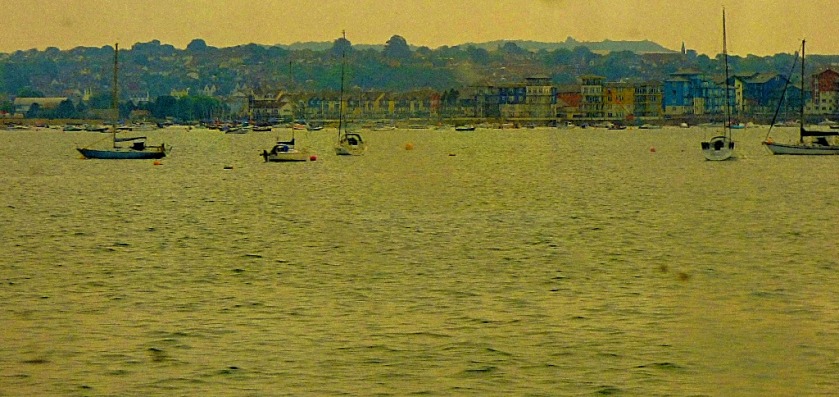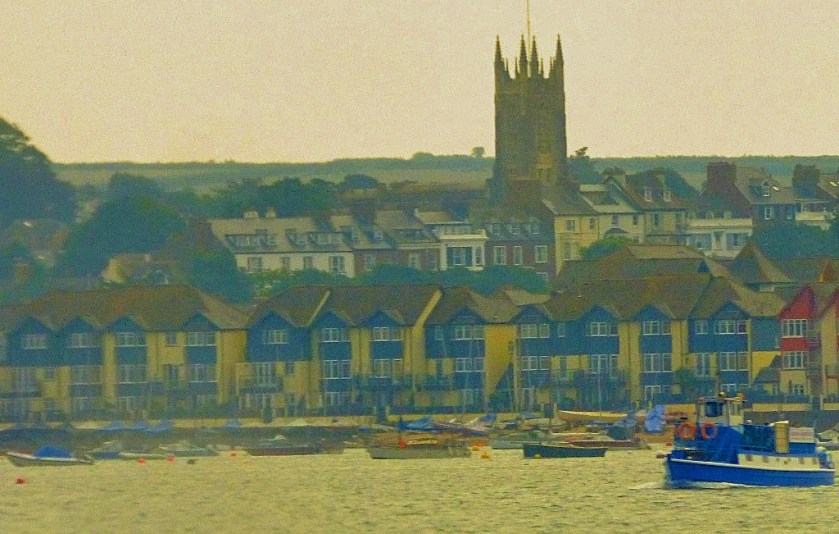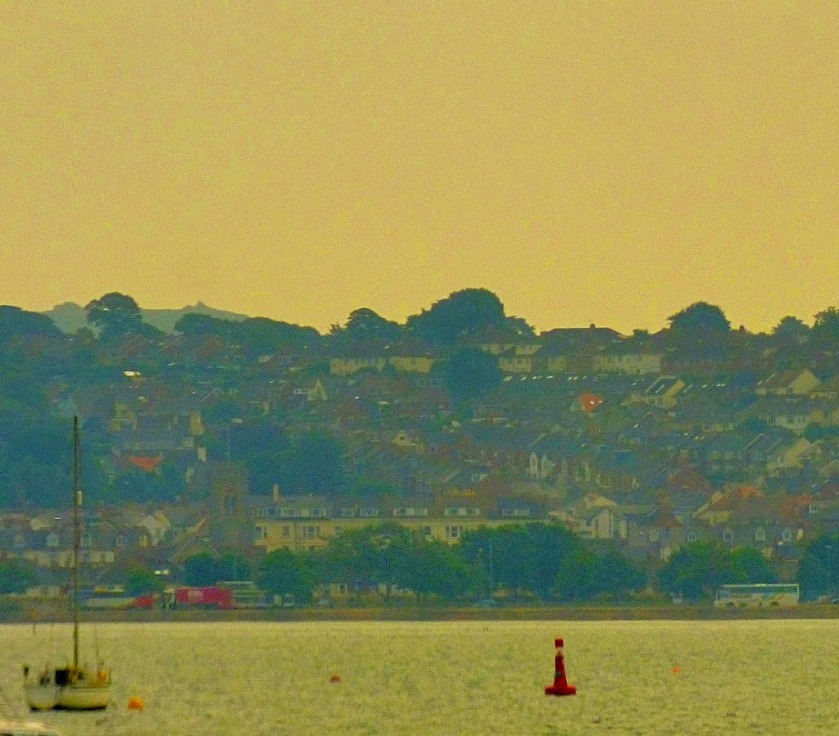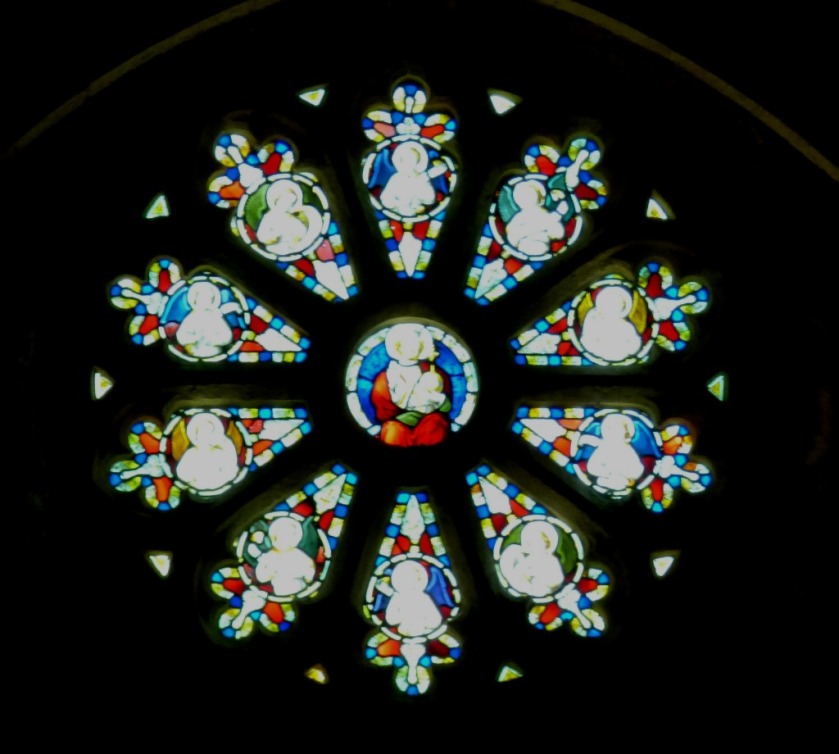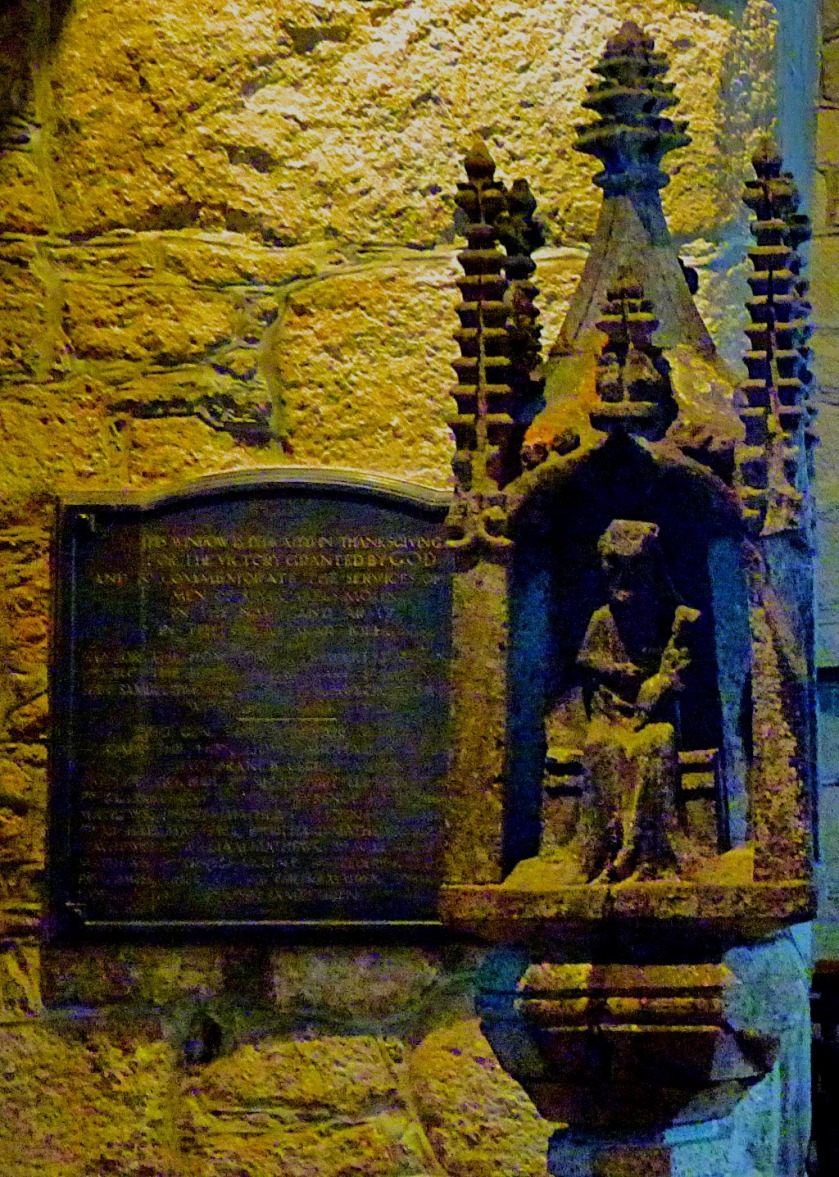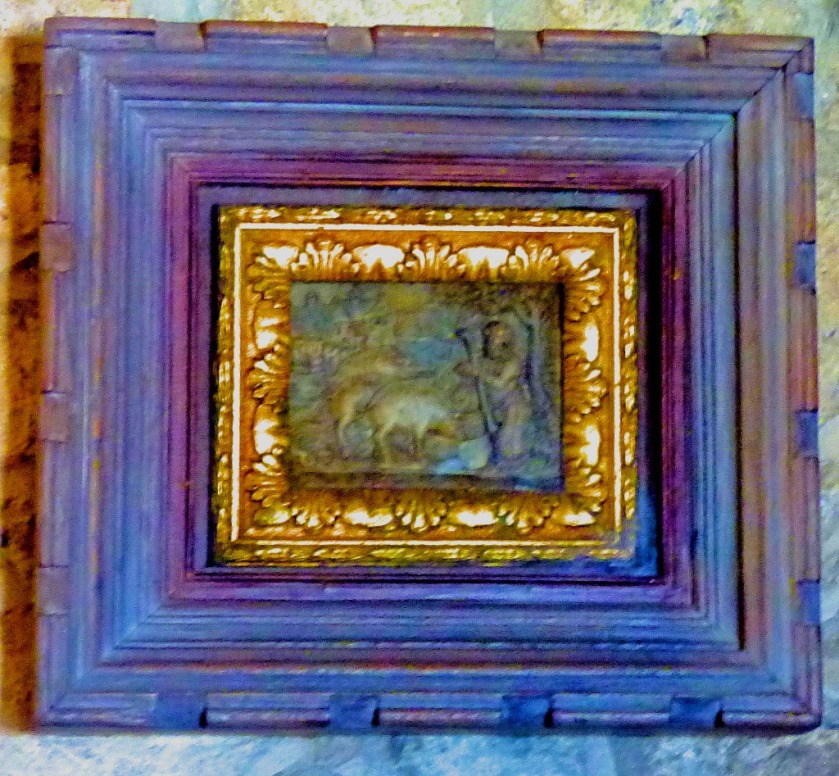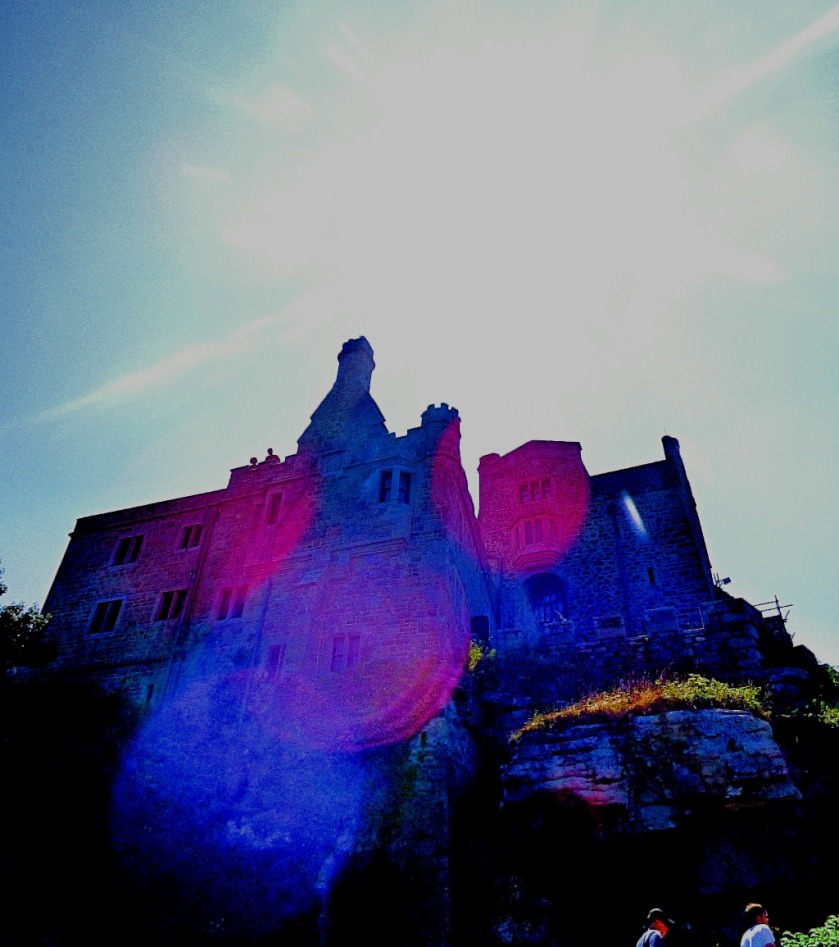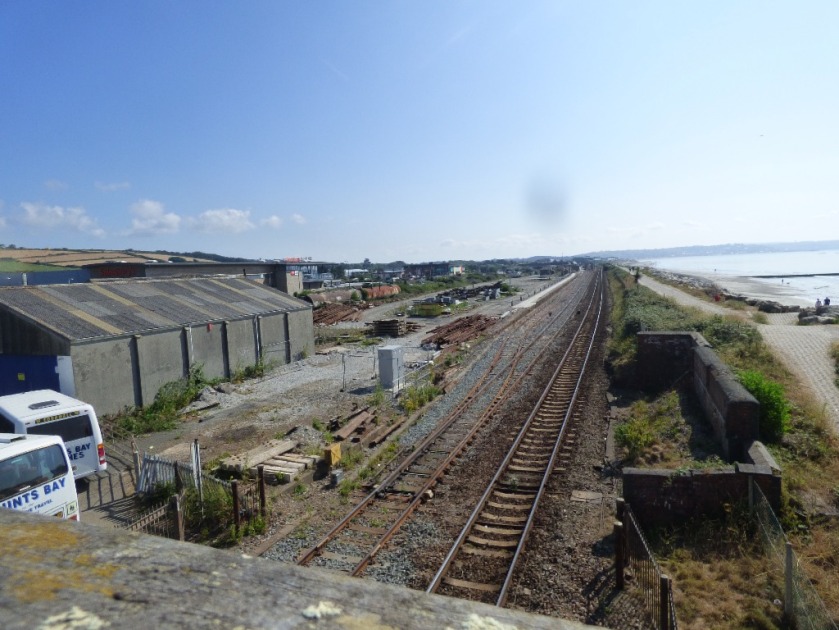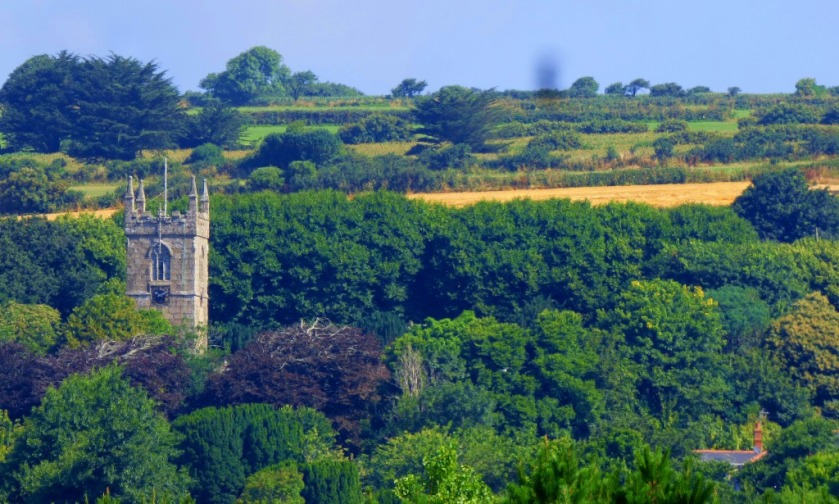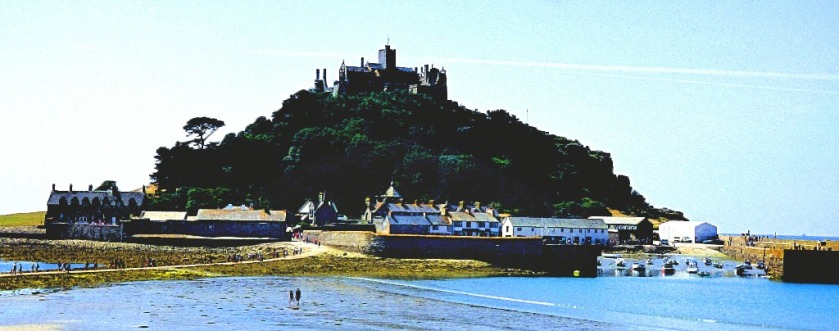
Continuing my account of a visit to St Michael’s Mount.
INTRODUCTION
This is the third to last post about the day at St Michael’s Mount, and the ninth in my series about my summer visit to Cornwall. The next post will be all about the vast collection of antique maps that are on show here, and then a final post about the last stages of the day. I then have the journey home to cover to complete the series.
THE REMAINDER OF THE SUMMIT
At the end of the previous post in this series were about to head indoors for the second time in our exploration of St Michael’s Mount…
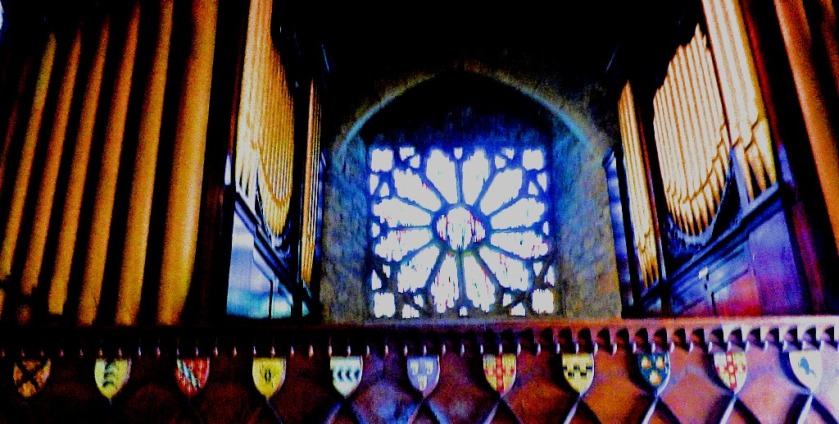
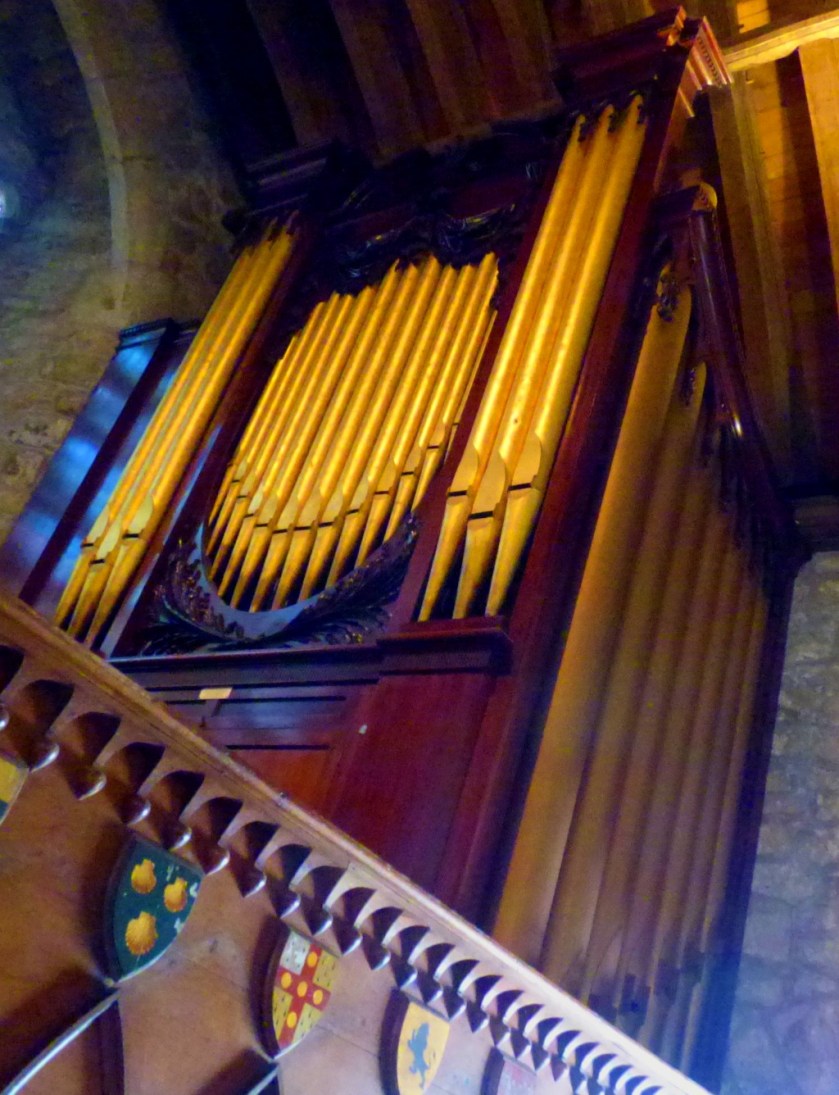
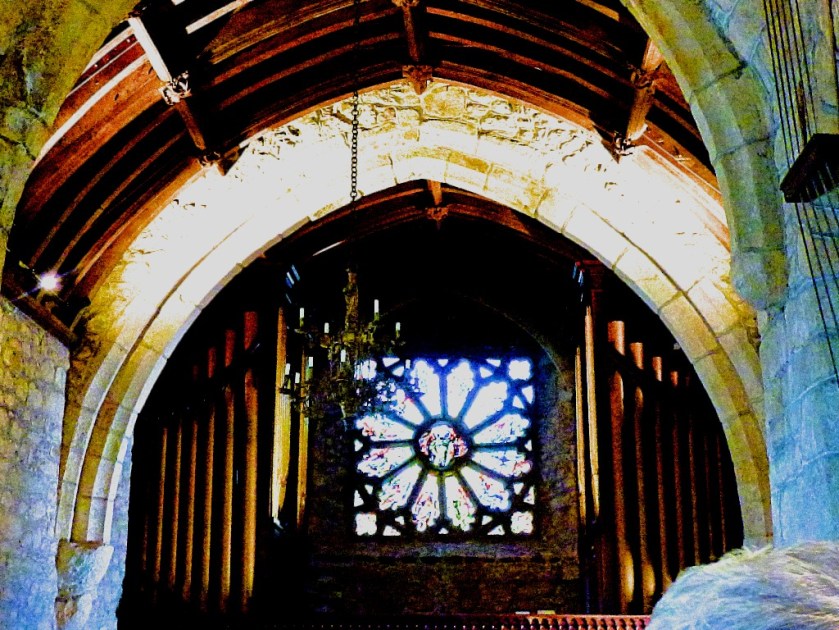
This organ looks splendid.
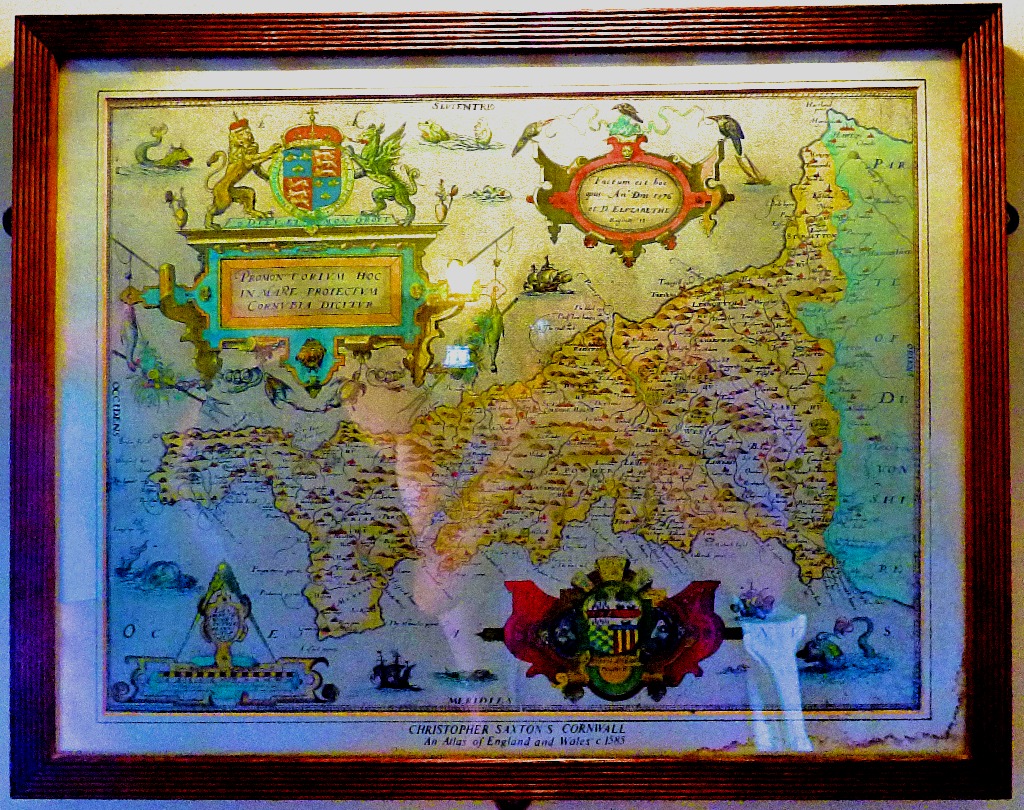
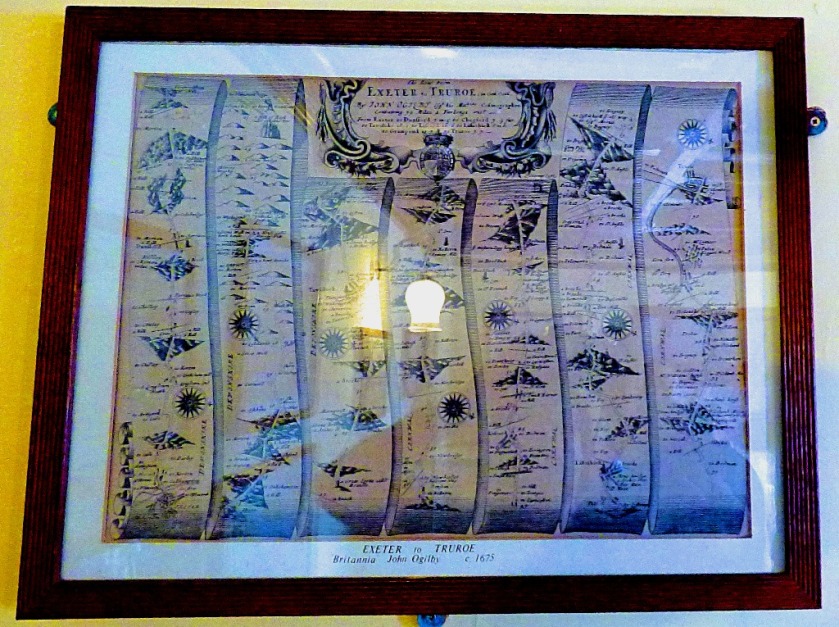
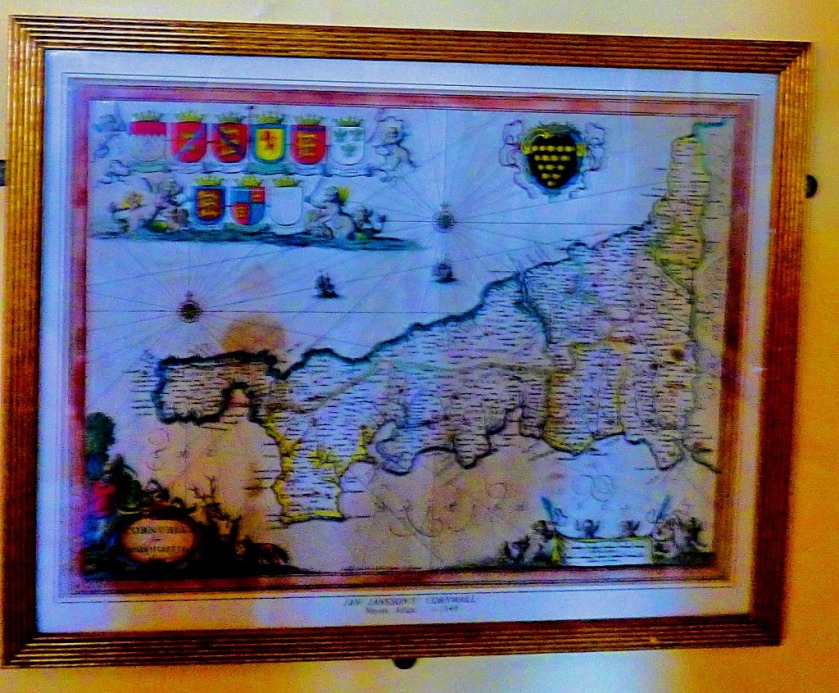
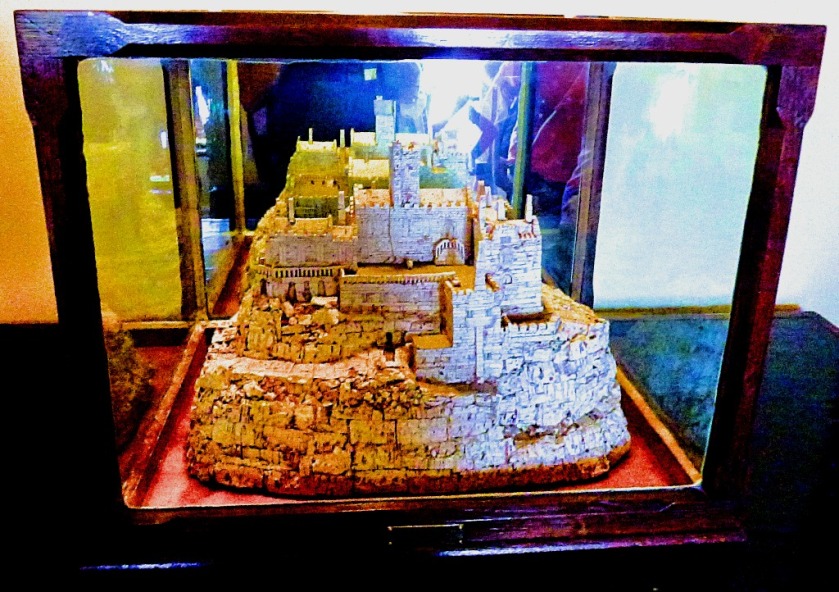
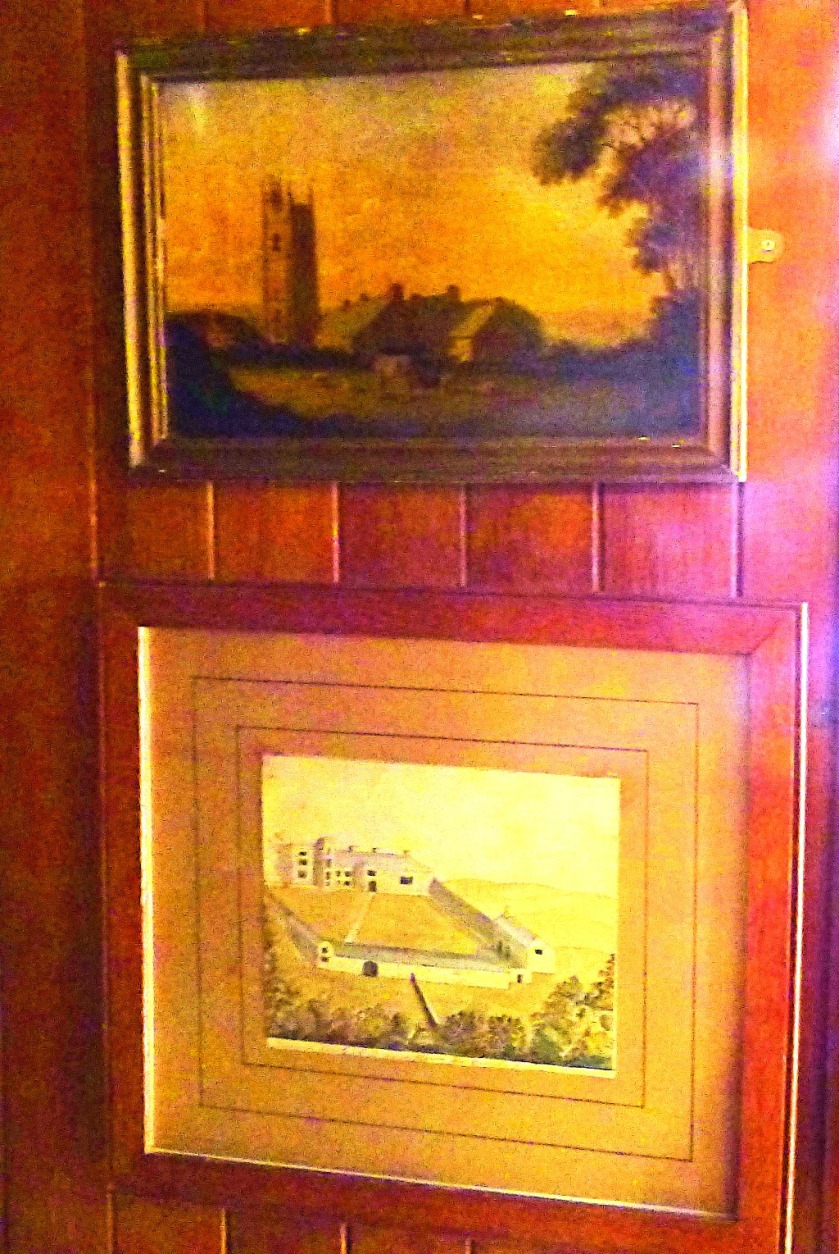
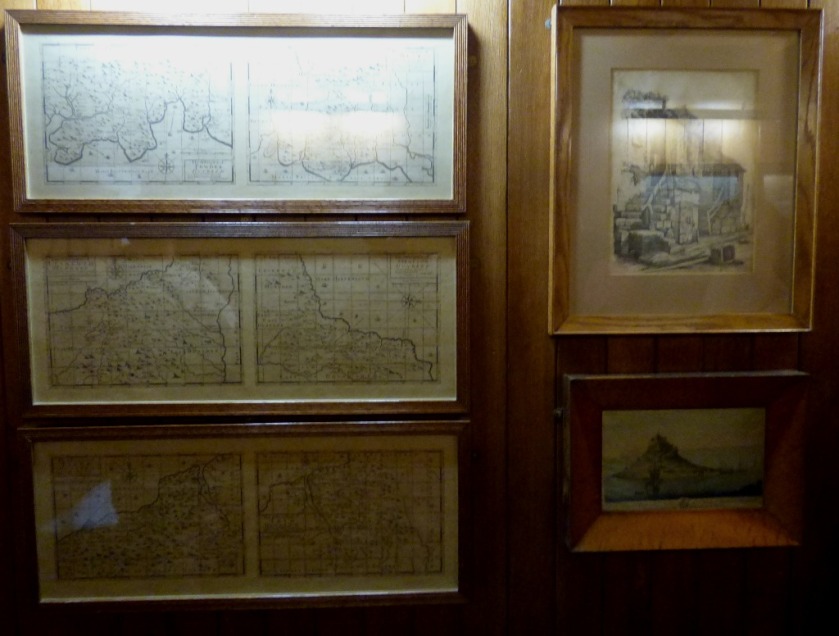
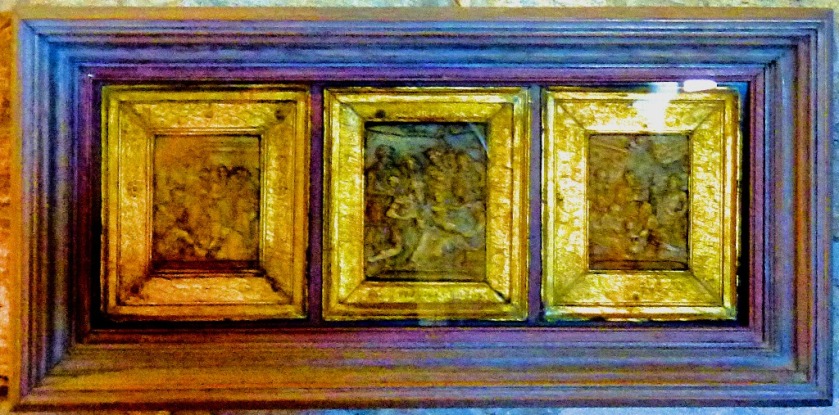
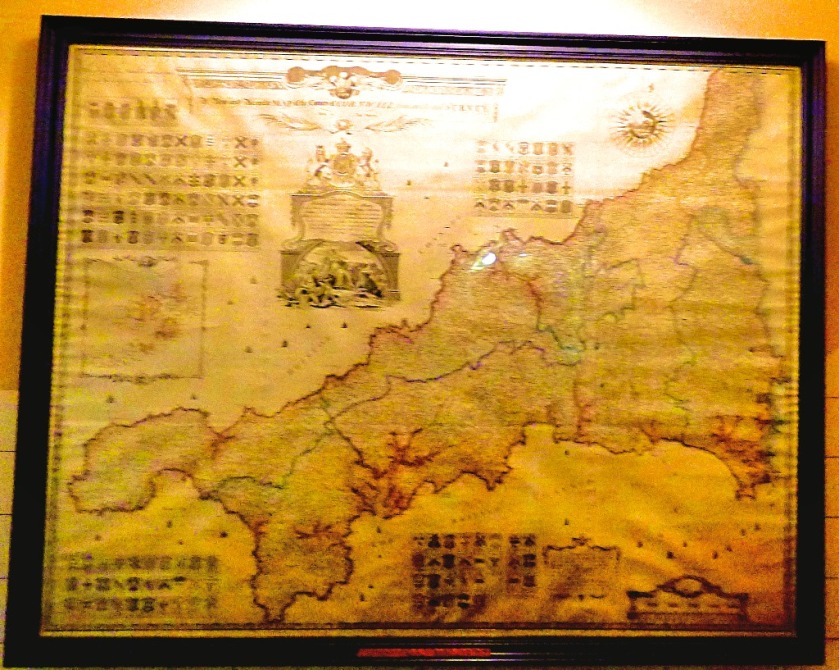
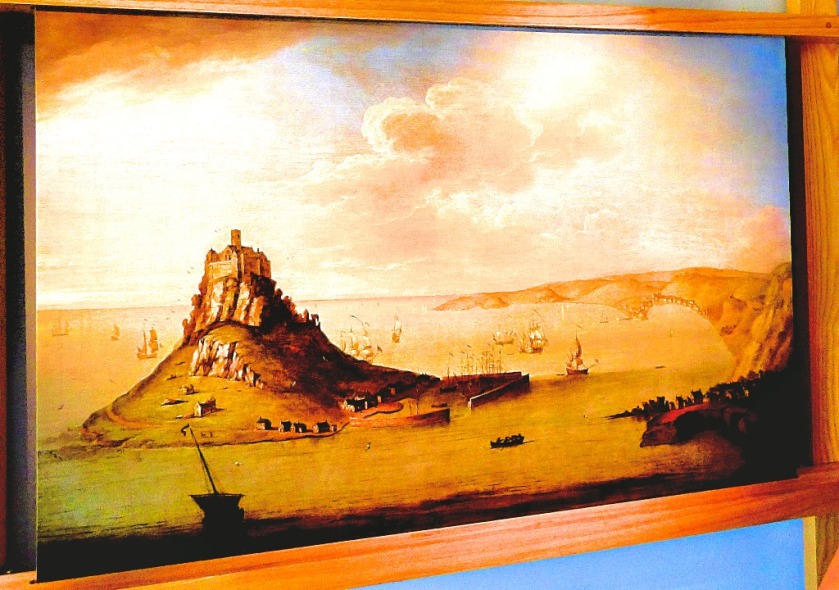
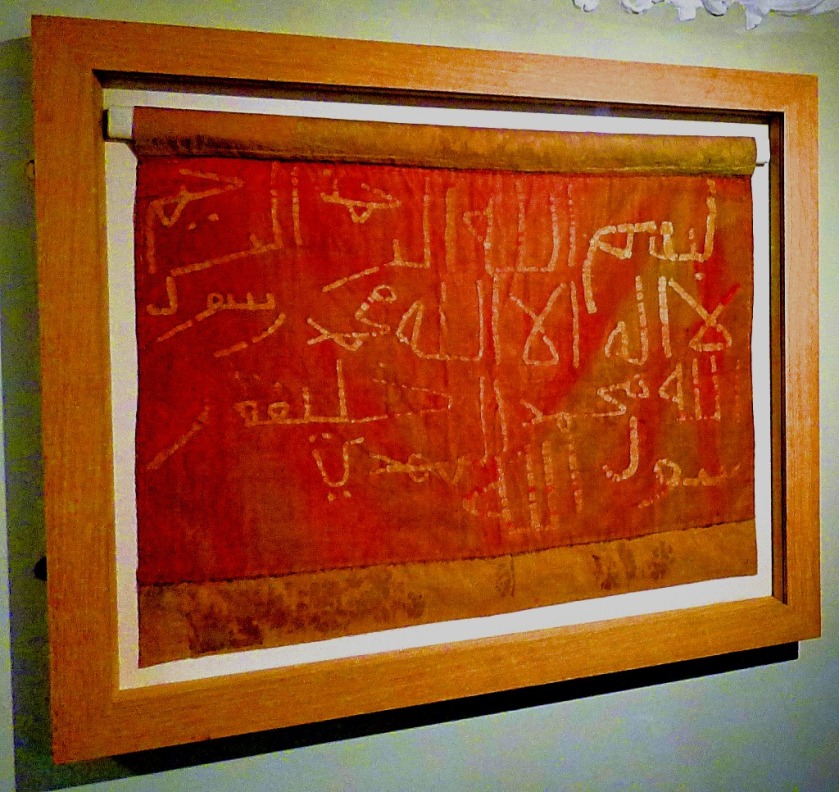
At this point we entered the map room. As an appetiser for the next post I offer one picture from there…
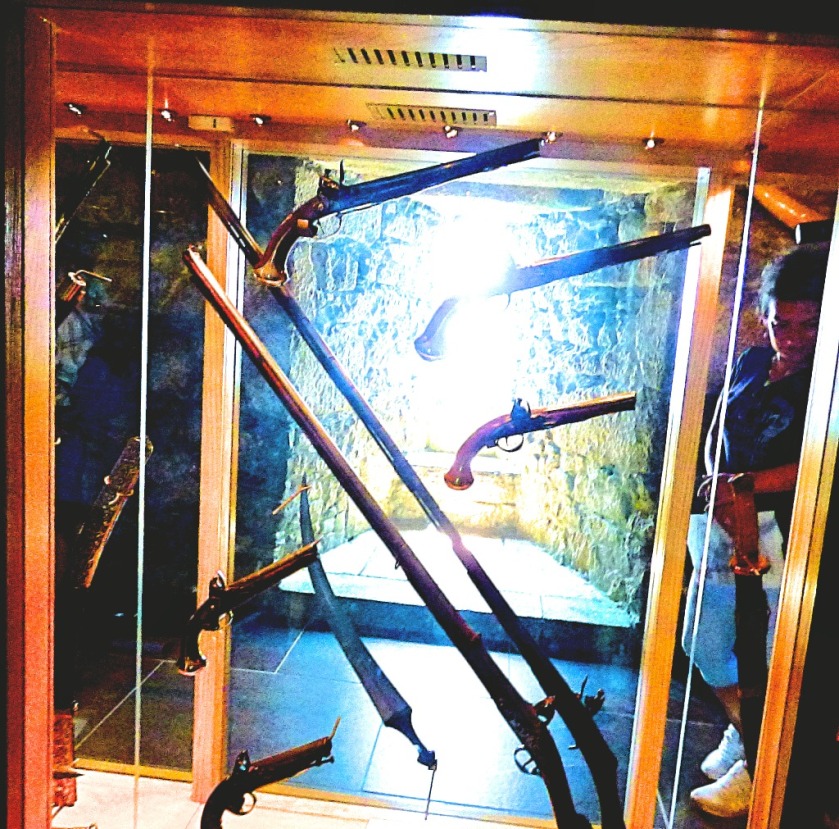
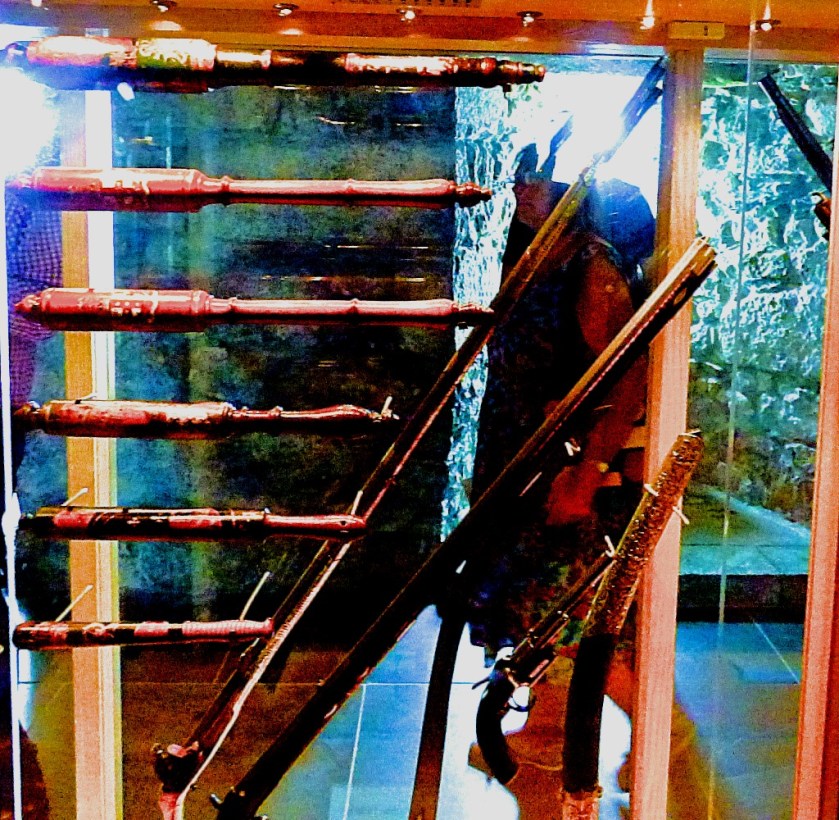
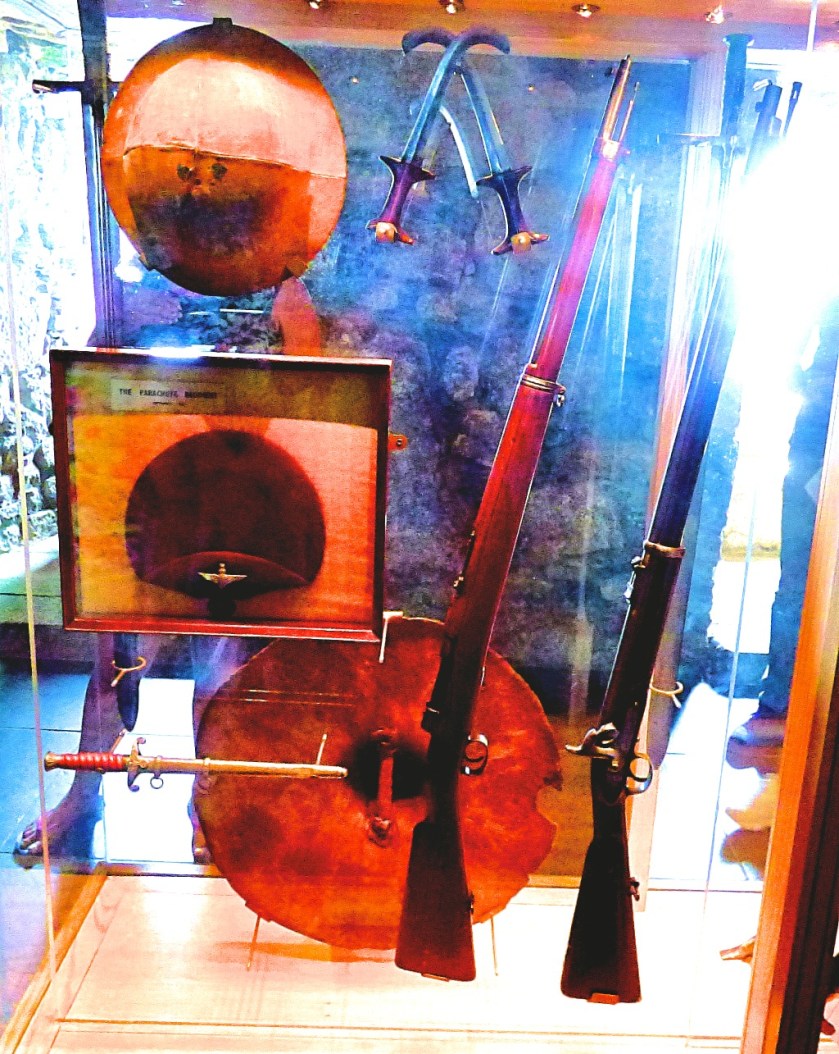
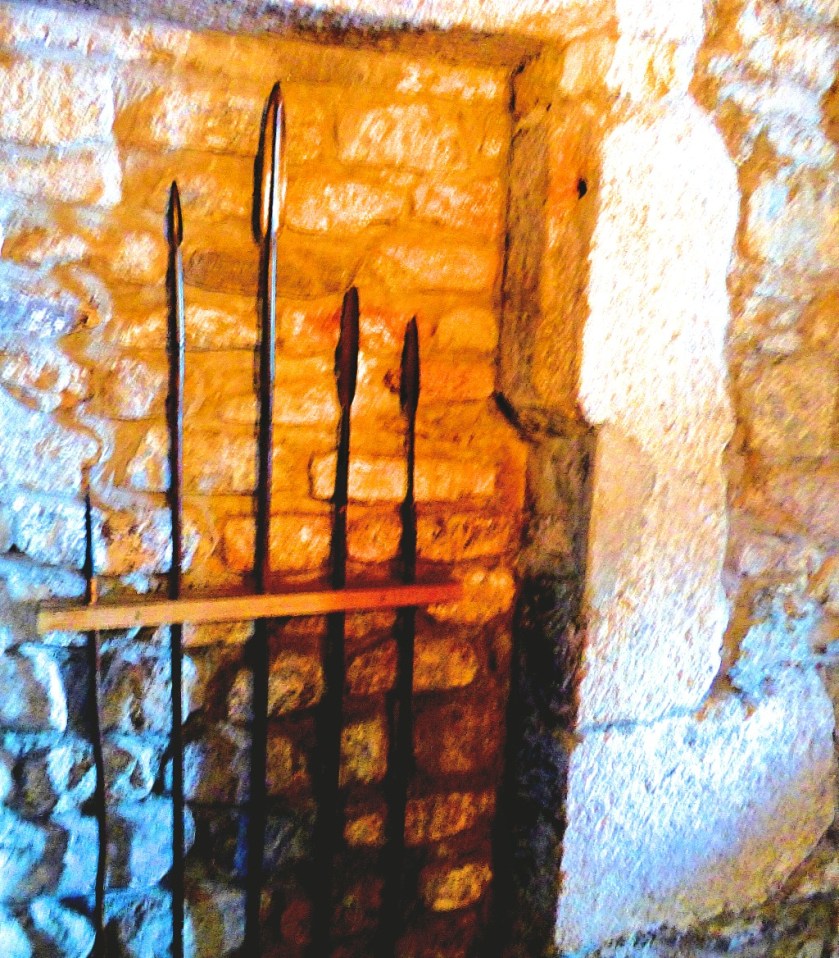
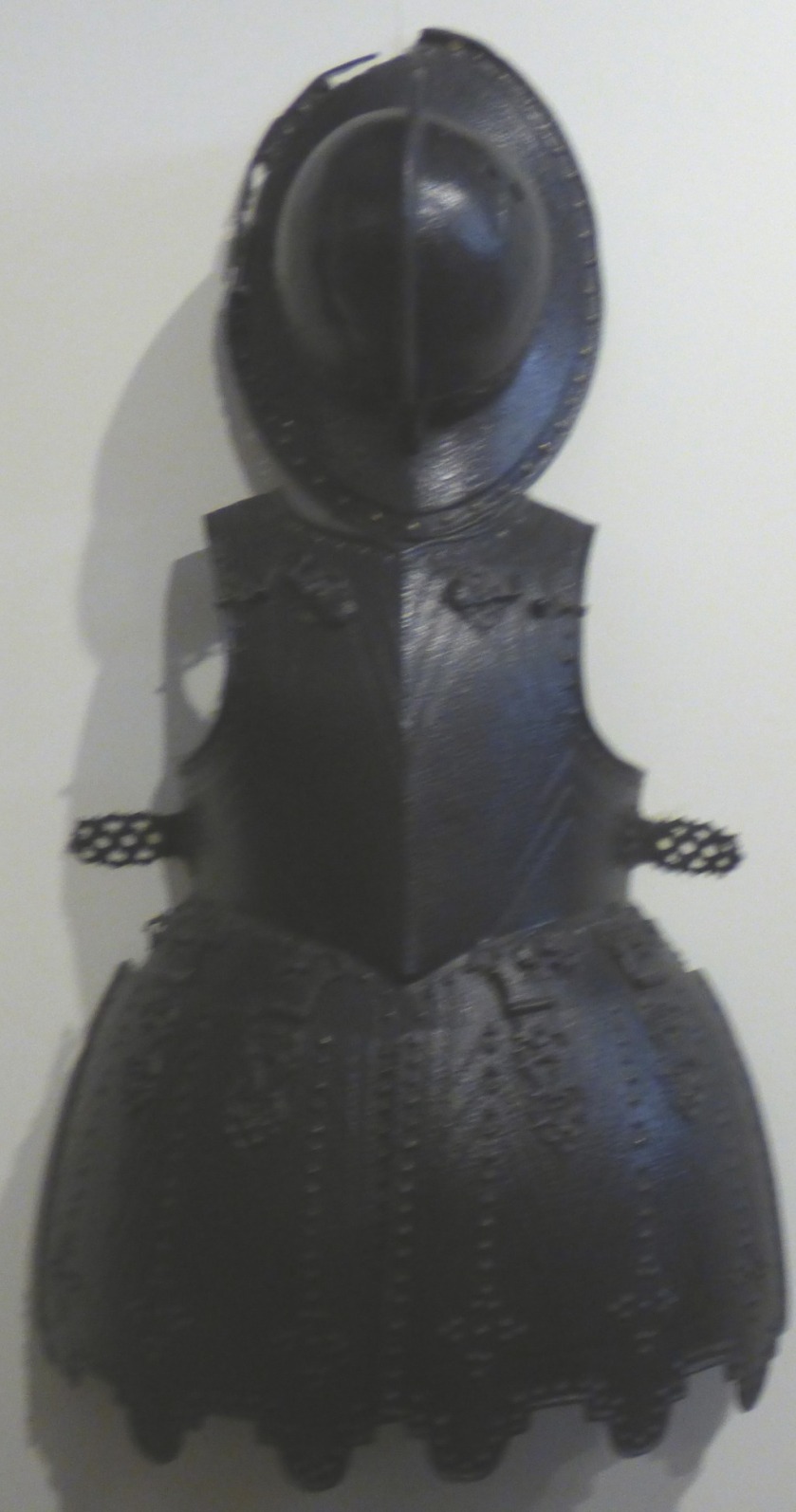
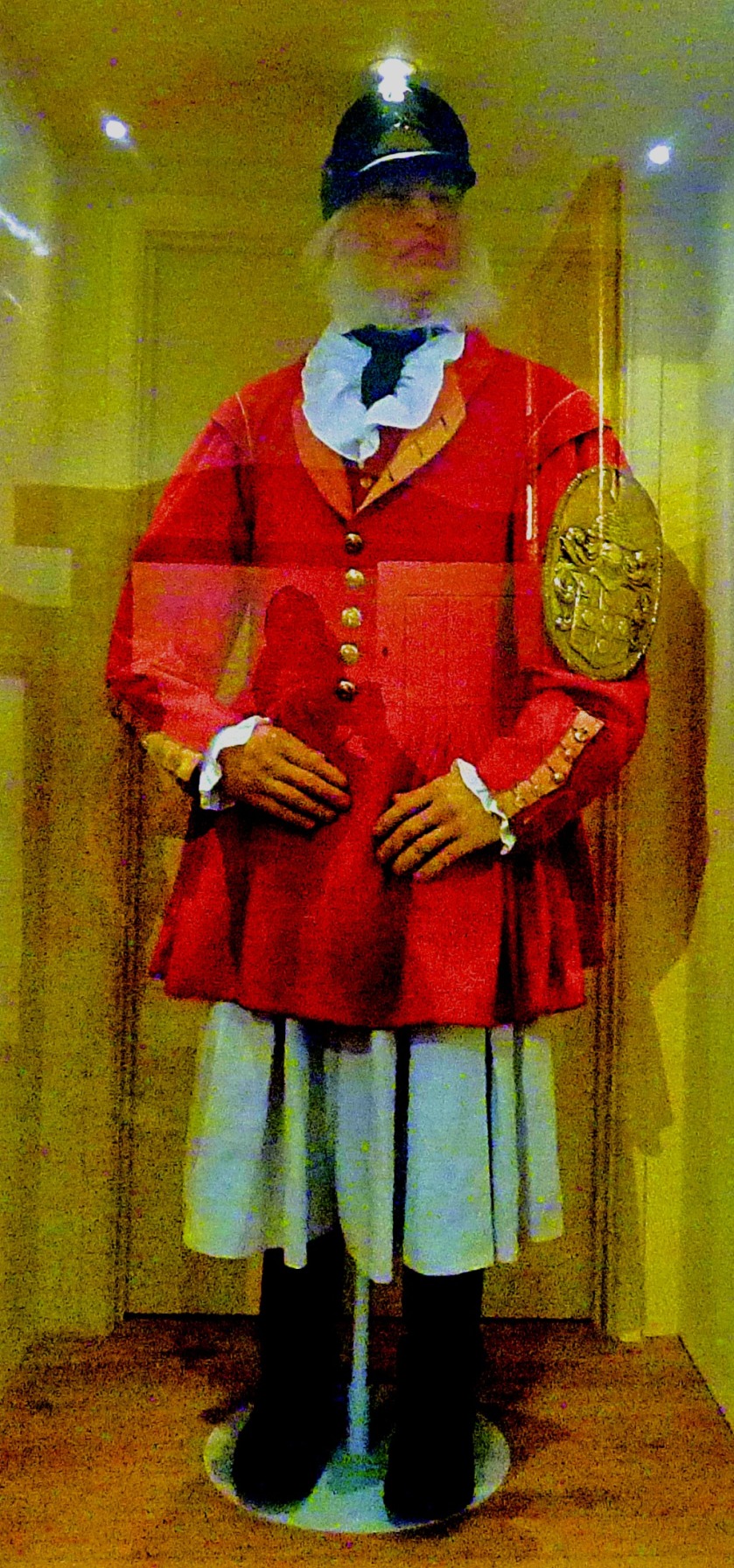
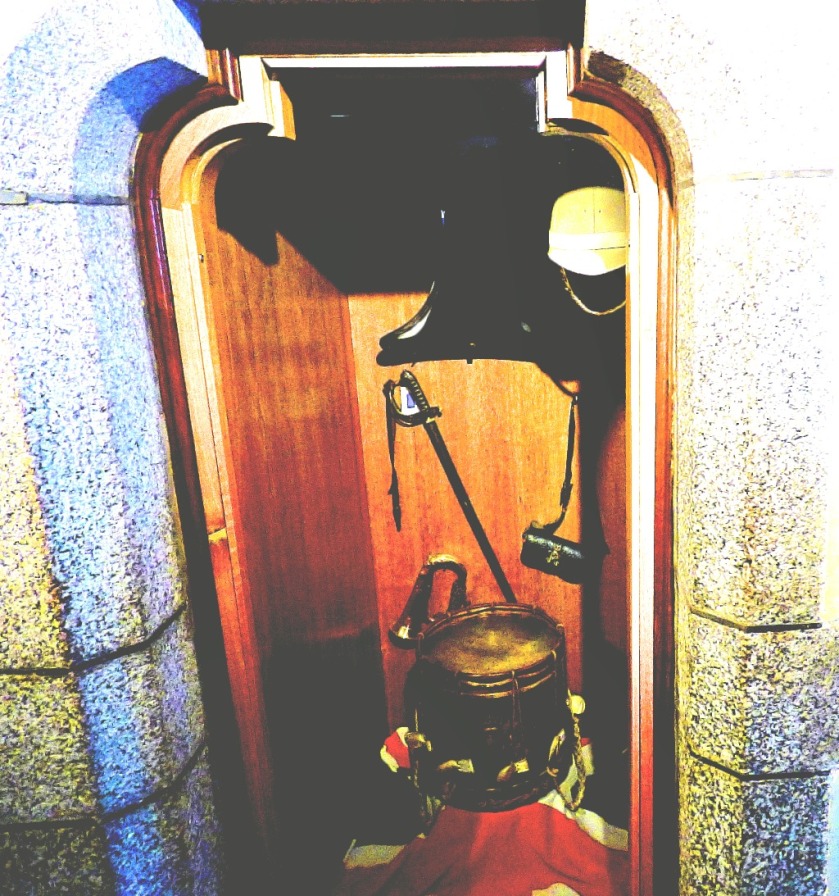
After the maps came a display featuring large amounts of weaponry…
The remains of a spiral staircase
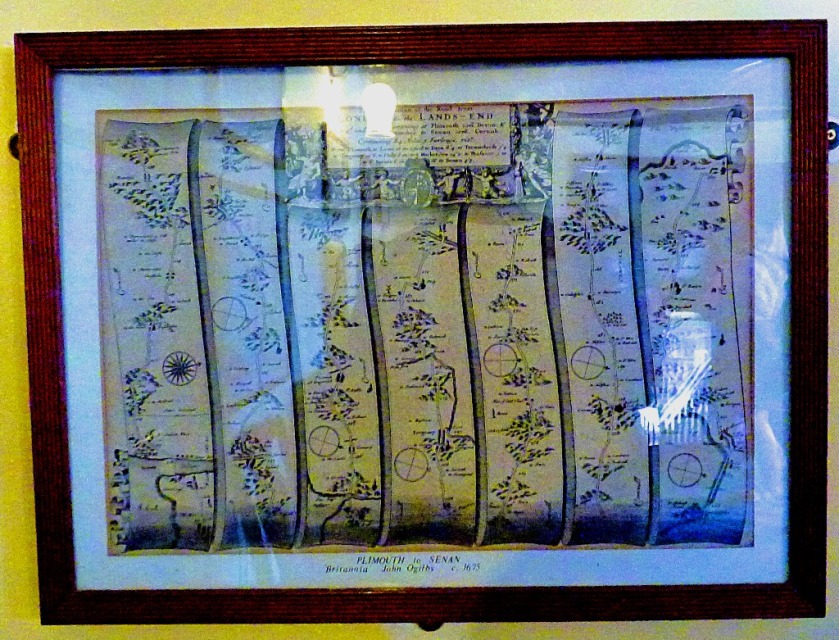
A final map, separated from all the others.
That ended the indoor stuff until lunch time.
THE DESCENT
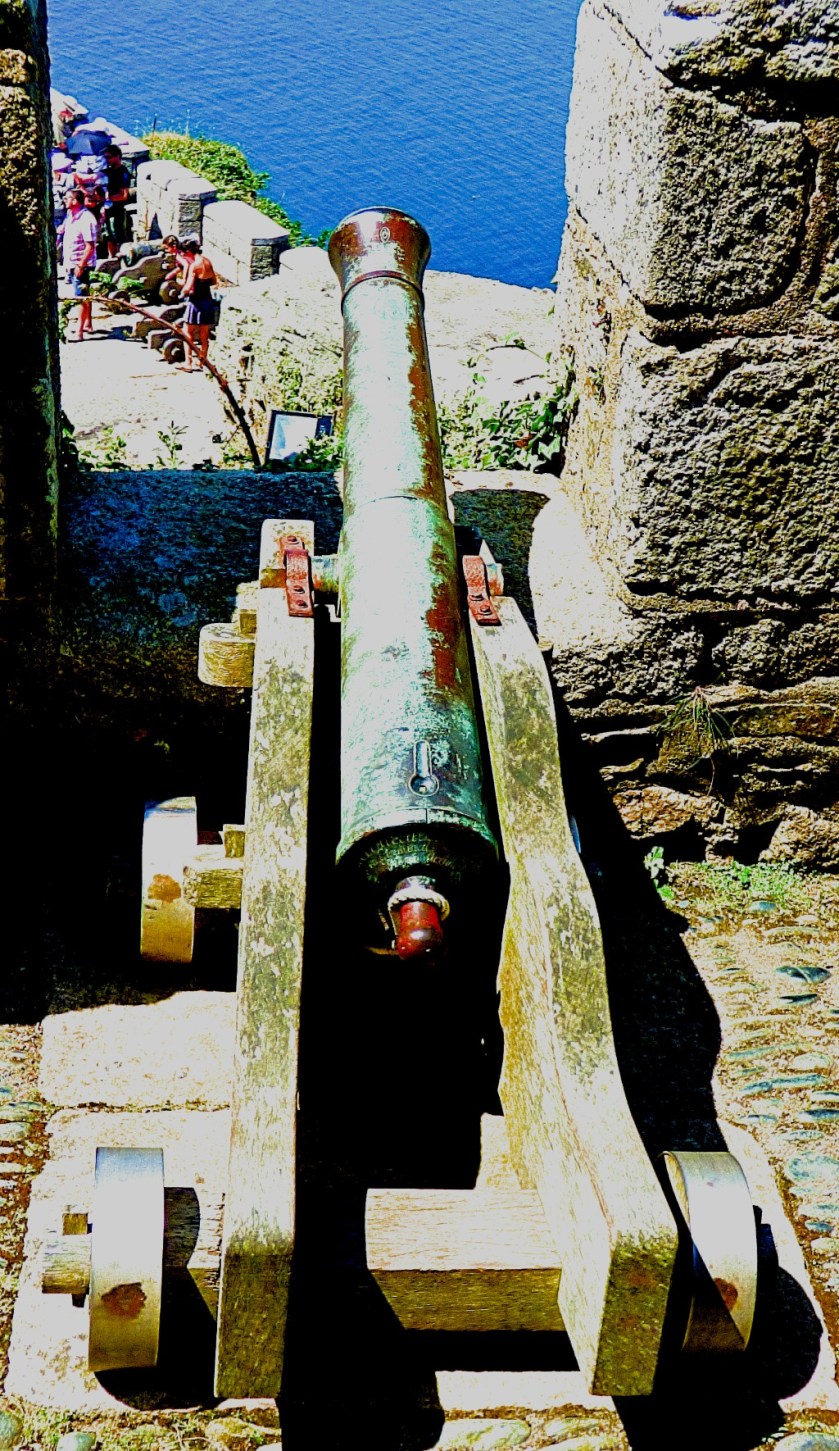
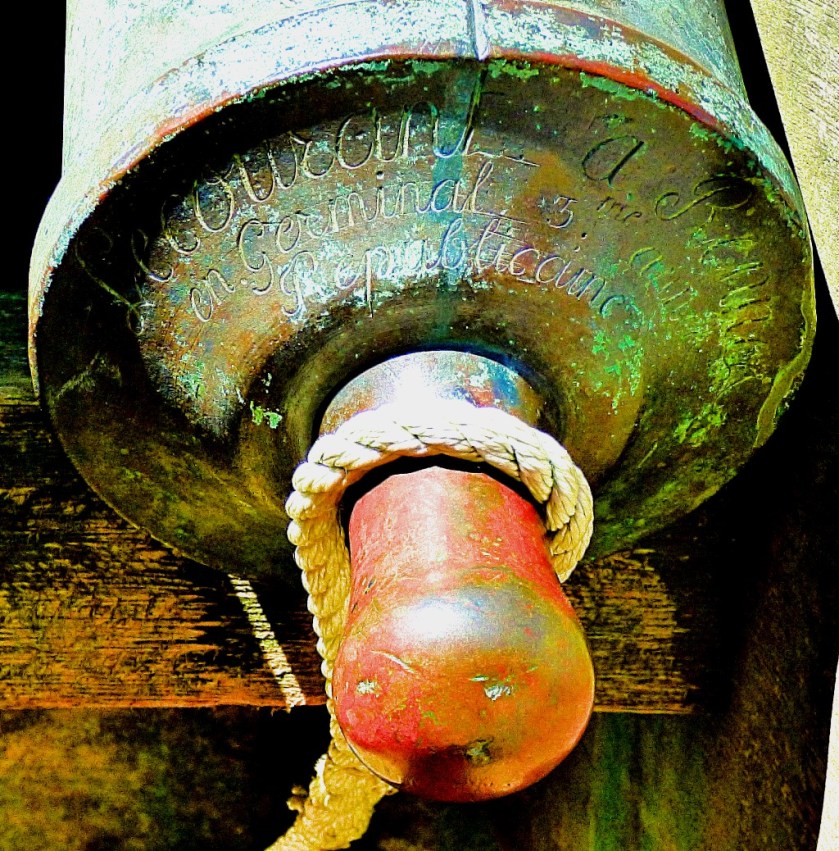
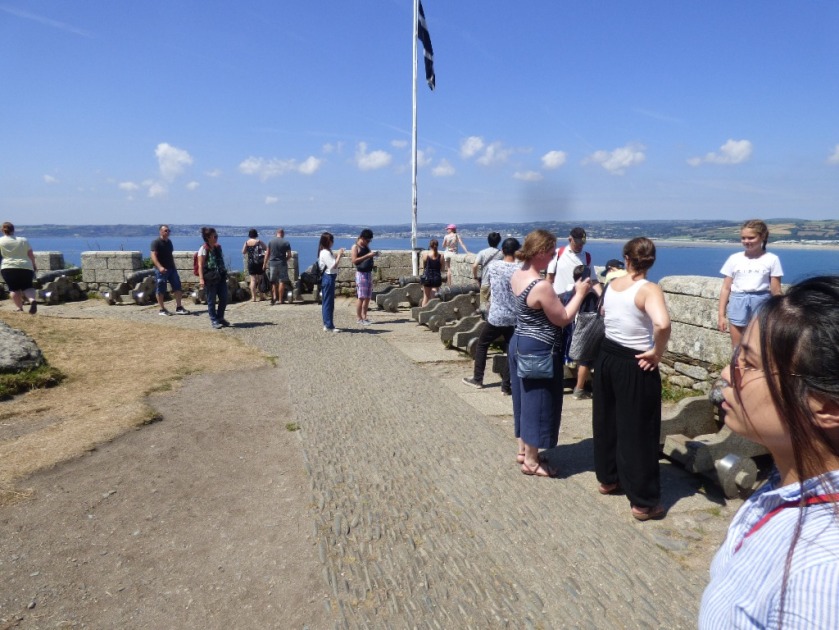
The descent takes past an emplacement of mini-cannons which are of French Revolutionary origin…
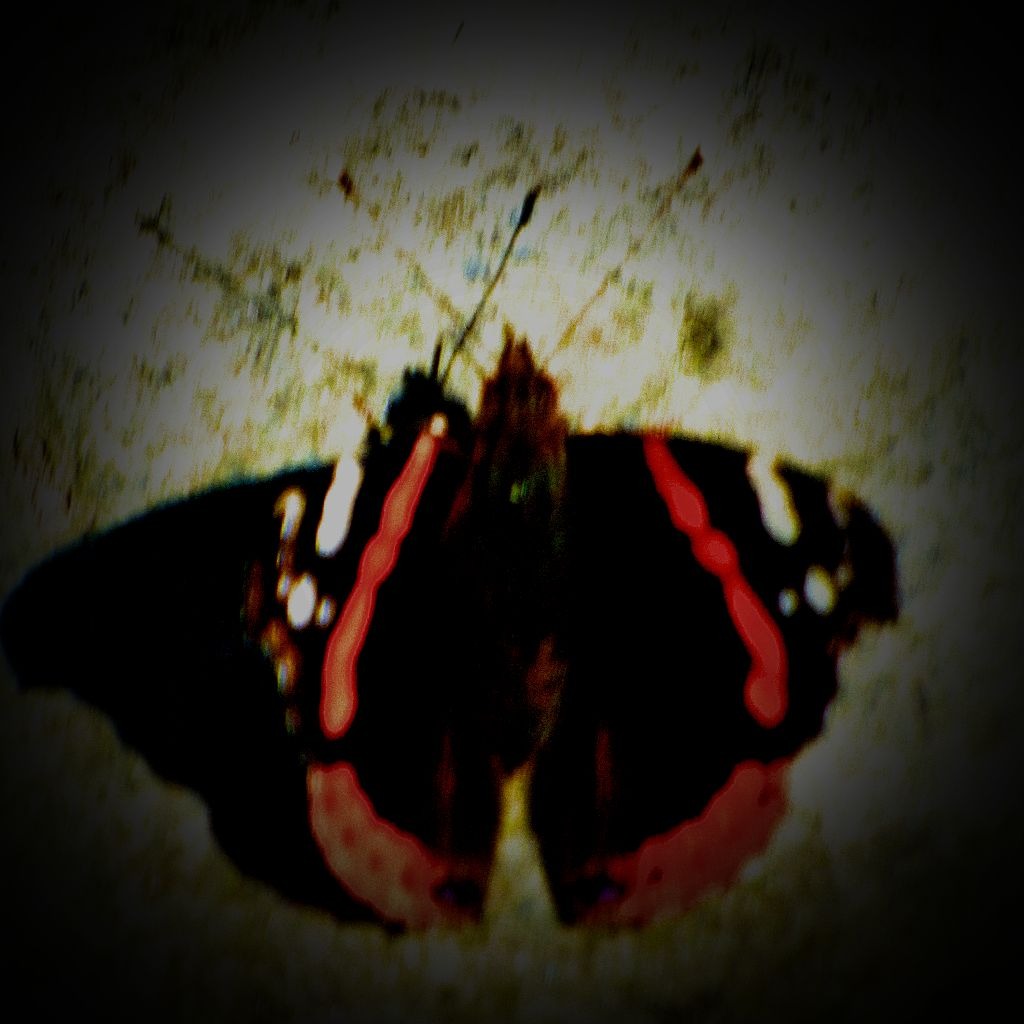
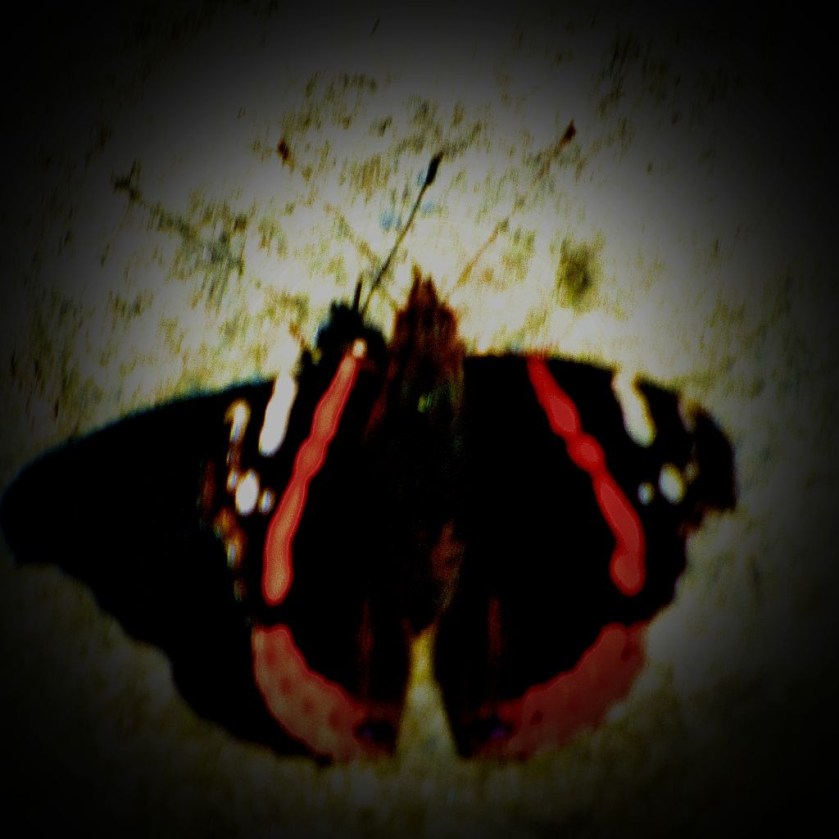
Just beyond this I encountered a Red Admiral butterfly:
At first it had its wings folded making ID difficult…
…but when it opened them out there was little room for doubt.
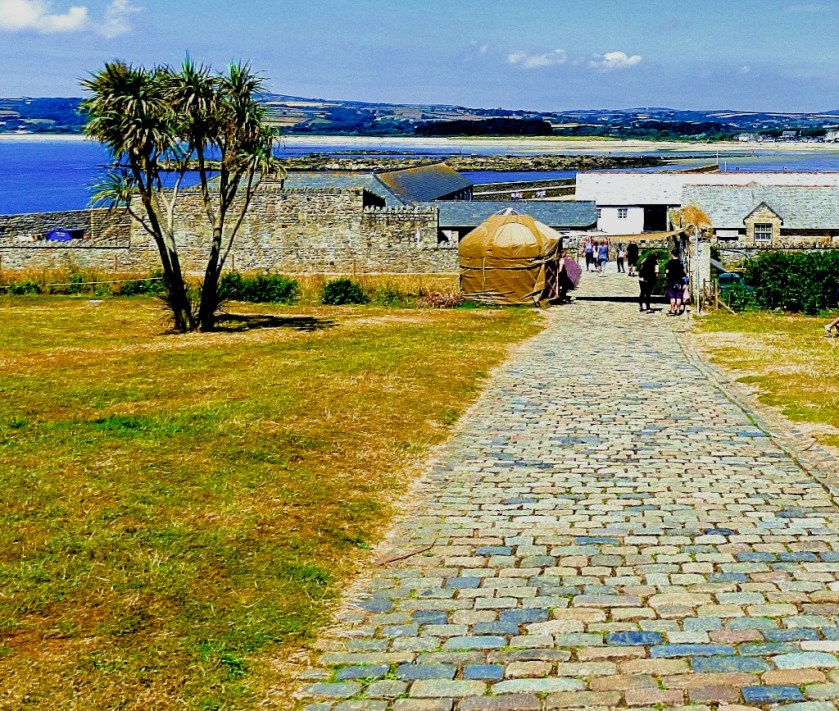
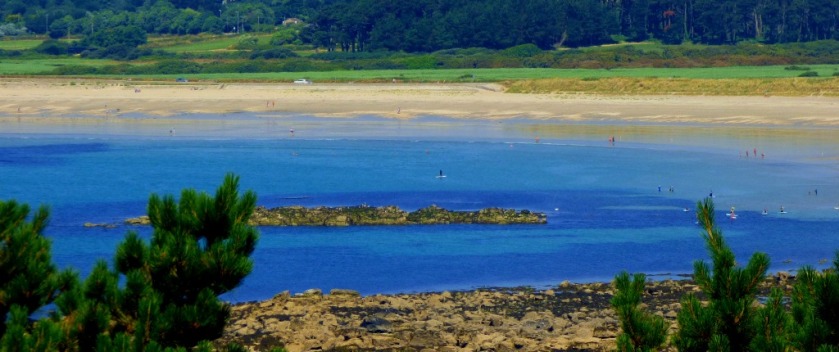
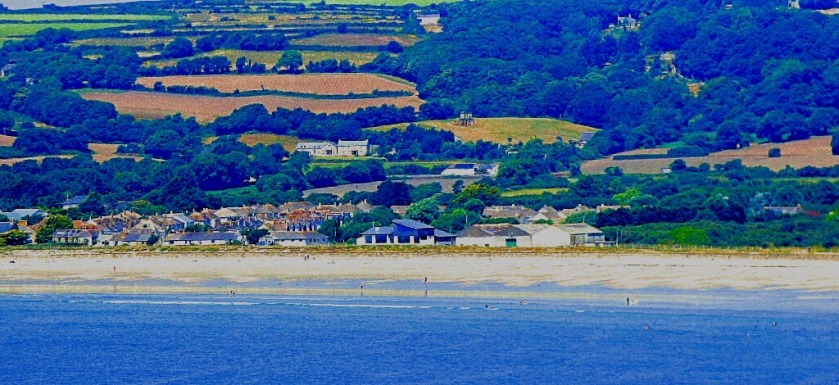
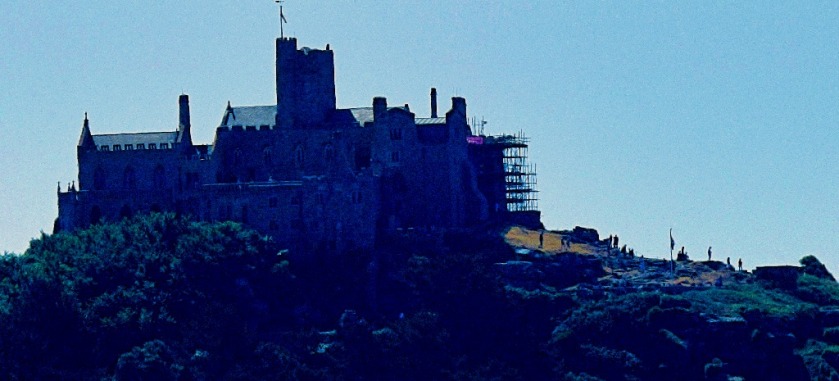
Not long after this we could see our next destination, where we would be having lunch.
Continuing my account of my visit to Cornwall, with the ascent of St Michael’s Mount.
INTRODUCTION
Welcome to the latest post in my series about my stay in Cornwall. This post takes us up St Michael’s Mount and covers some of the stuff at the top. There will be at least two and possibly three more posts about the day.
BASE CAMP (!)
Among the places at ground level, before the ascent begins are the restaurant where we would be having lunch and a visitor’s centre which provides a comprehensive introduction. After these one passes through a field that contains a dairy cottage before the ascent begins.
No sops for creationists here! The straight truth about the formation of the granite of which the mount consists – it was formed longer before the dinosaurs roamed the earth than we are after the last dinosaurs disappeared.
THE ASCENT BEGINS
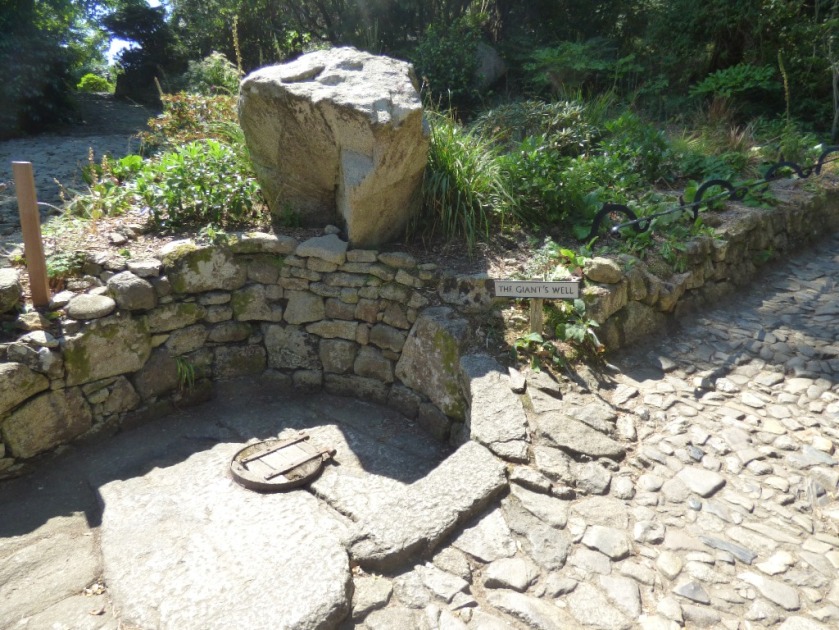
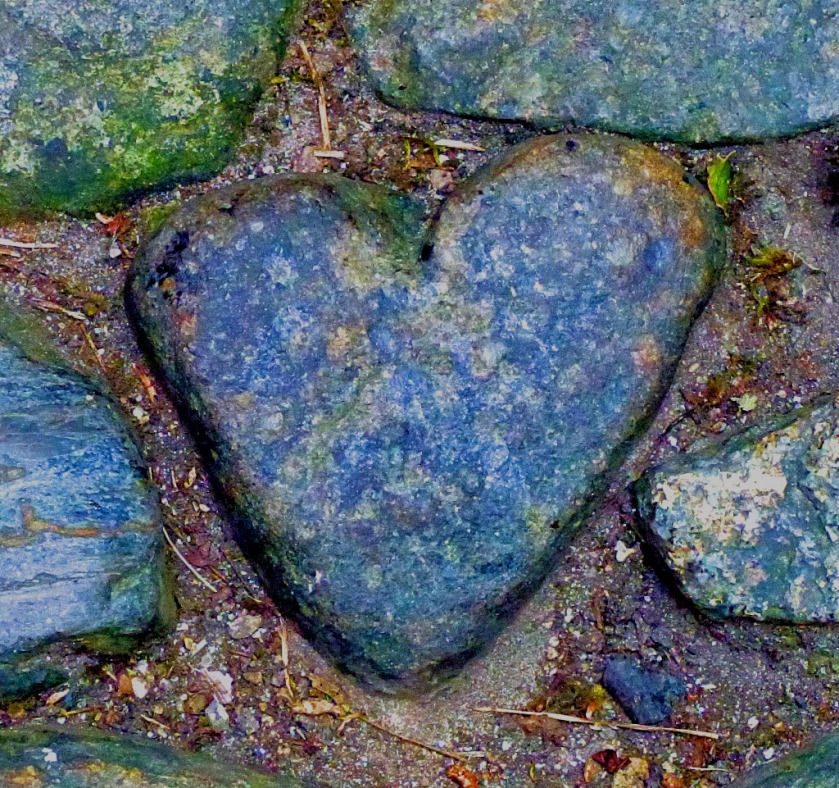
The climb up to the buildings on top of the mount begins by way of The Pilgrims Steps, continues past the Giant’s Well and the Giant’s Heart and a cannon emplacement. Then comes the first indoor section and a roof terrace where we pause until the next post in this series…
The Giant’s Well – from an old folk tale
And about 50 yards further along The Giant’s Heart.
The actual heart!
The first weapons display – in the next post you will see another one.
Us hoi polloi can only view these gardens from above – we never actually get into them.
Having covered Thursday, Friday and Saturday in six posts we arfe now dealing with the Sunday, my last full day in Cornwall.
THE PLAN
As all five of us (my parents, my sister and my nephew as well as me) were making the visit to St Michael’s Mount we travelled in my parents camper van instead of using the train. We wanted to be underway by eight and achieved this. We were planning to explore St Michael’s Mount in full and then have lunch at an establishment there. Things panned out pretty much as intended. The road journey is a lot less scenic than the rail equivalent, so I am going to recommend unequivocally that anyone else planning to do this use the train – the walk from Penzance (all of which is familiar to me, although we started part way along it, having located a parking place just outside Penzance) is very scenic, while there is a longer walk available from St Erth (inland for most of its duration, instead of along the sea front). Here are a couple of satellite views:
The coastal route starting from Penzance.The longer and mainly inland route starting from St Erth. This map also features what is in alphabetic terms the last place in Britain.
THE JOURNEY IN PHOTOGRAPHS
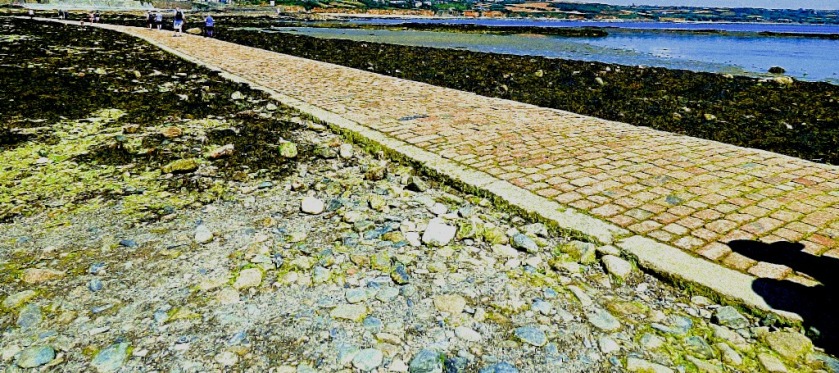
This section ends the post, taking us across the causeway to the base of the mount:
The only shot I managed to get from the van on the way from Fort Picklecombe to Penzance.
A first glimpse of the causeway.
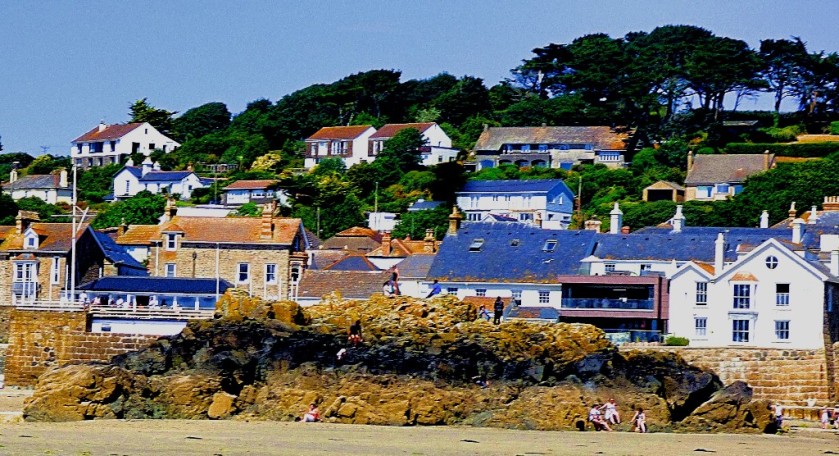
From Marazion the quickest way to the causeway is straight across the beach, and in the heat walking barefoot through the shallows was the way to go.
Continuing my account of my most recent visit to Cornwall.
INTRODUCTION
Yes, Plymouth is Devon not Cornwall, but my visit to the town was part of my stay in Cornwall, so it belongs in this very spread out series of posts.
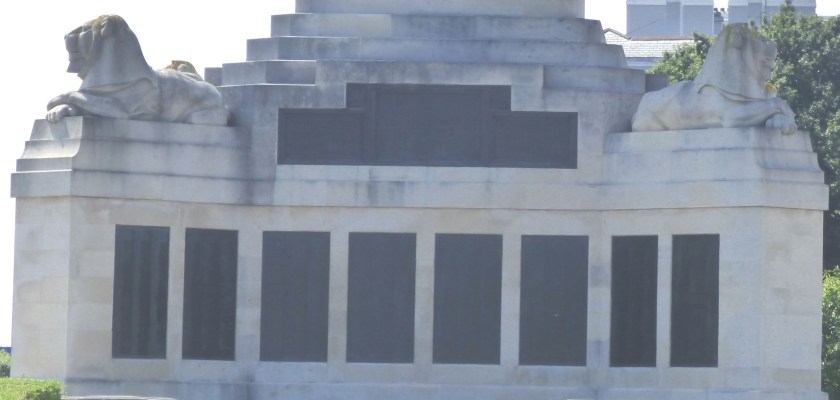
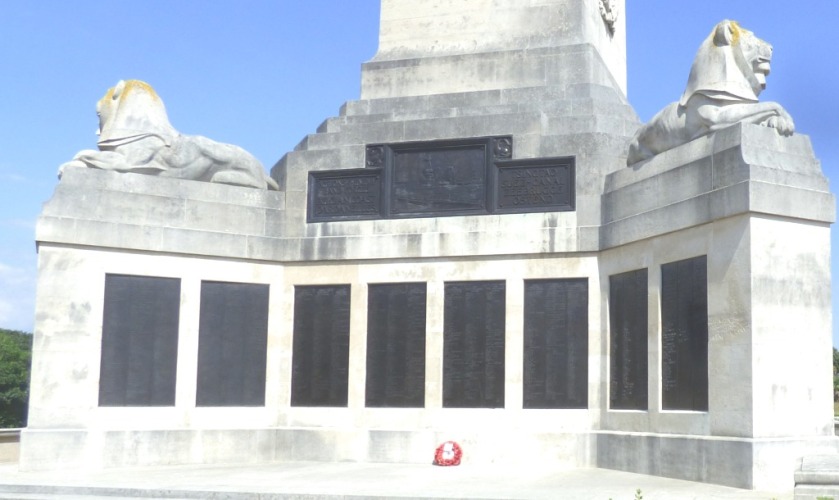
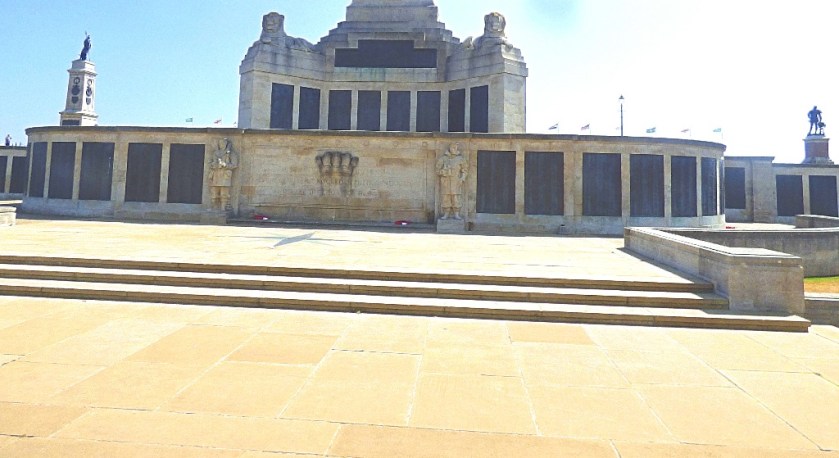
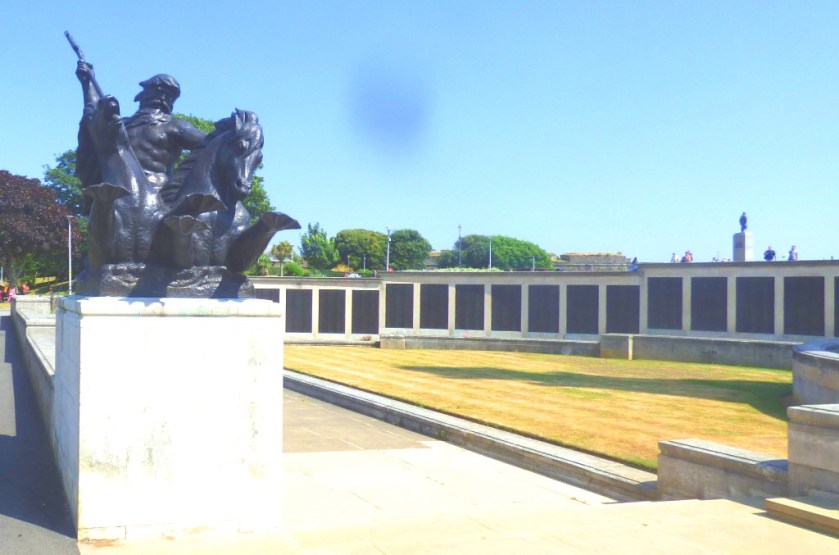
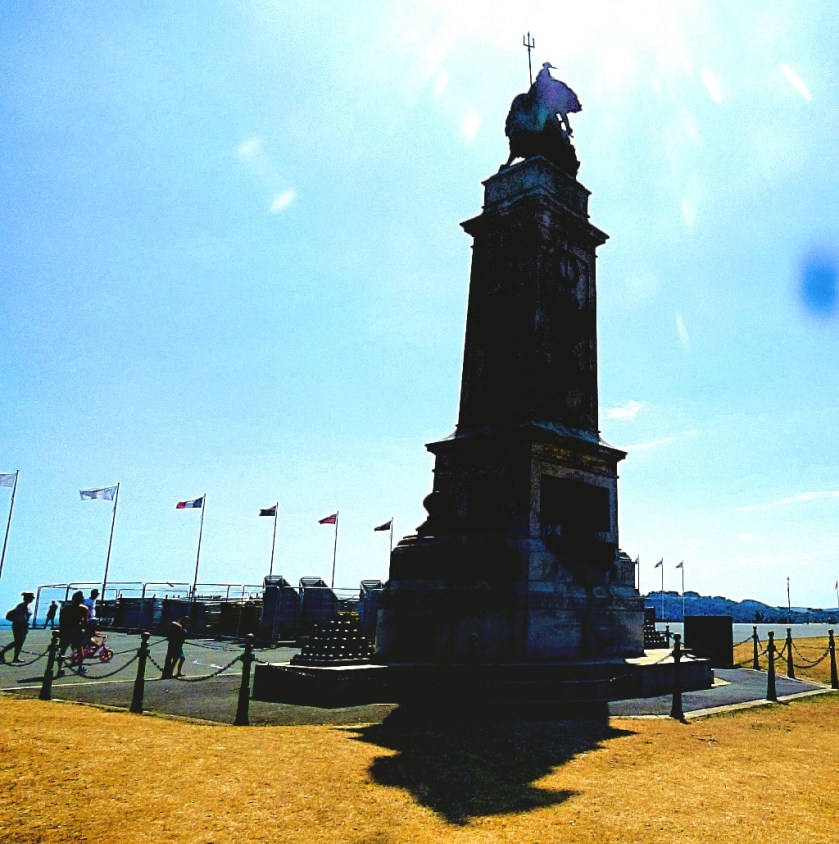
THE WAR MEMORIAL
This particular memorial honours those lost at sea as well as those killed in war, because Plymouth is very much a naval town.
A first, distant view of the memorialA series of close-ups – each vertical bronze panel around the base is a list of names.
OTHER PICTURES FROM HISTORIC PLYMOUTH
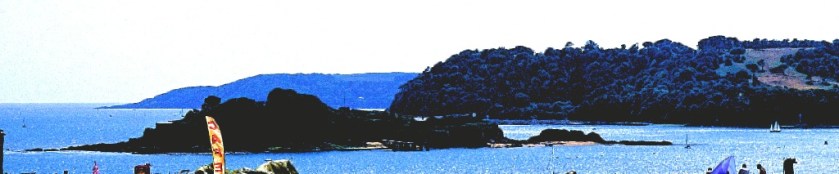
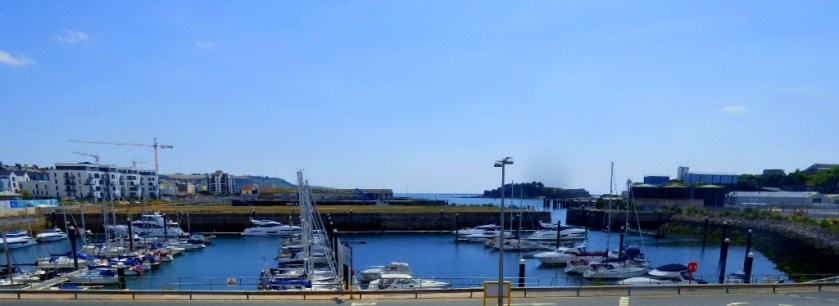
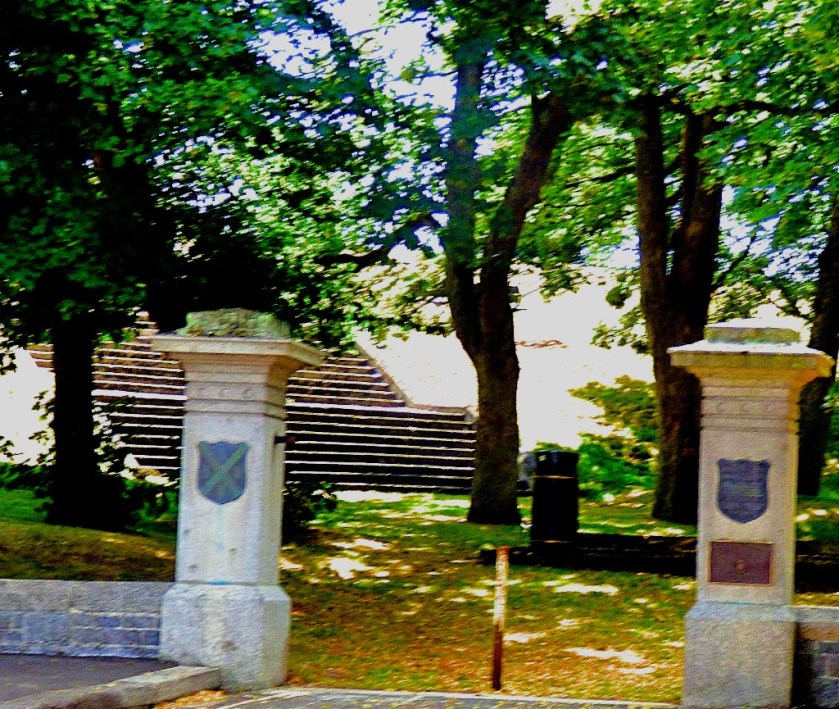
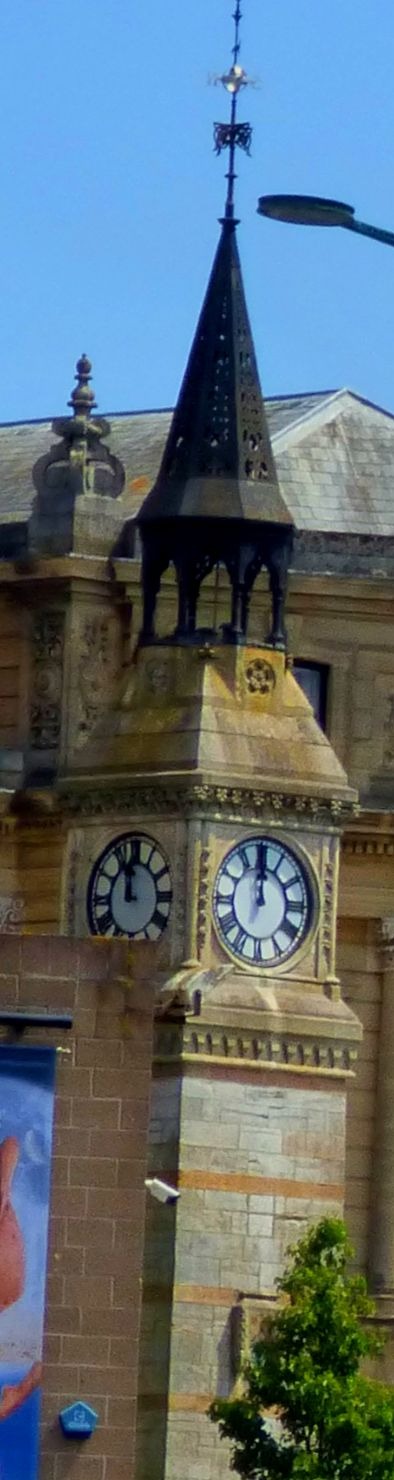
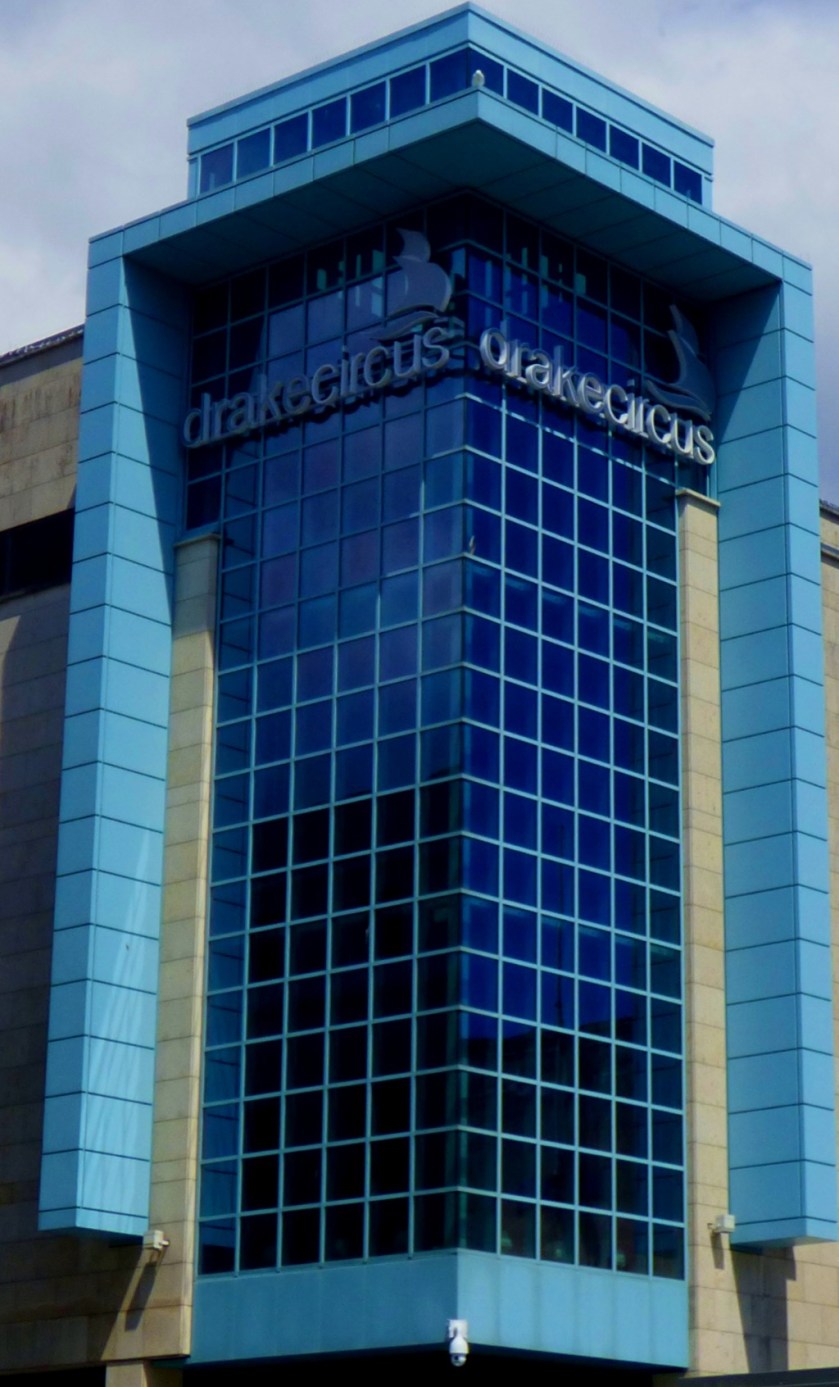
There were plenty of other things to see around the sea-front…
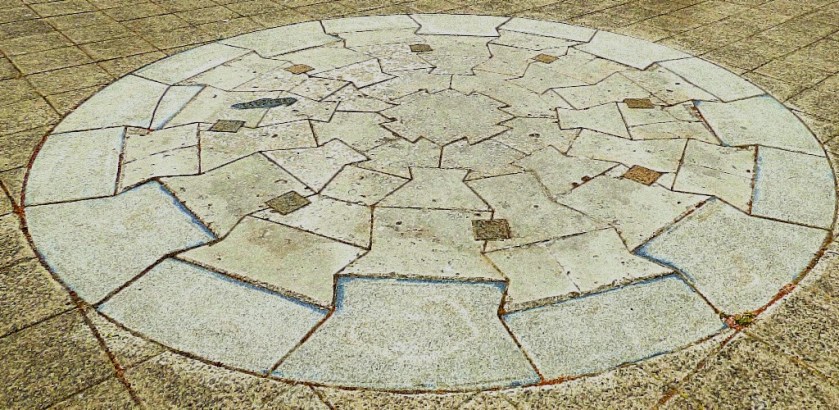
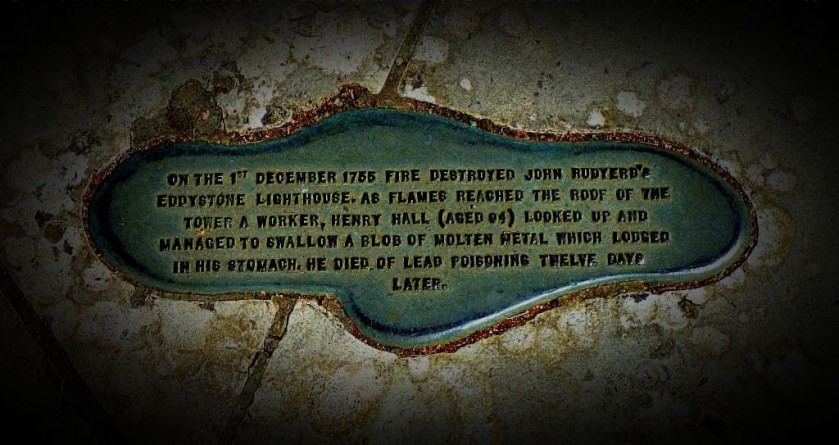
A quirky pavong arrangement……and an explanatory plaque
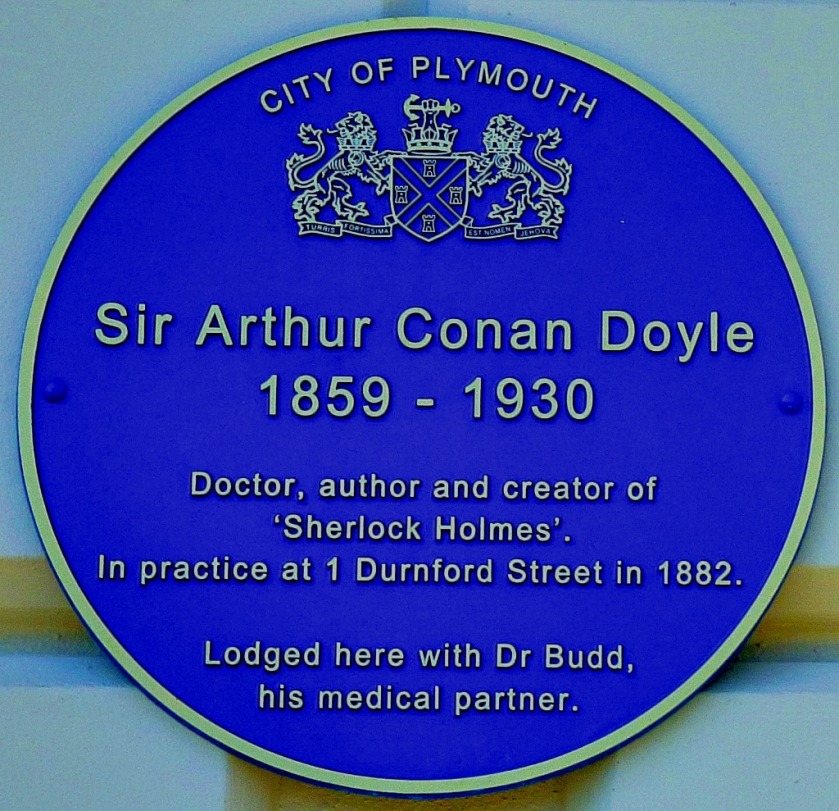
AN ITEM OF SHERLOCKIANA
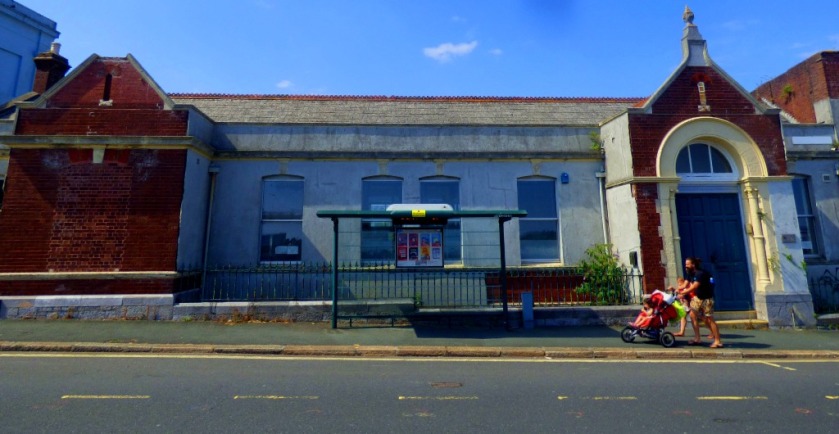
It will be no news to followers of this blog that I am a fan of the world’s first and greatest consulting detective, so it was pleasing to acquire a photograph with a connection in that direction:
One of Holmes’ most famous cases takes place on Dartmoor, not far from Plymouth.
THE RETURN CROSSING
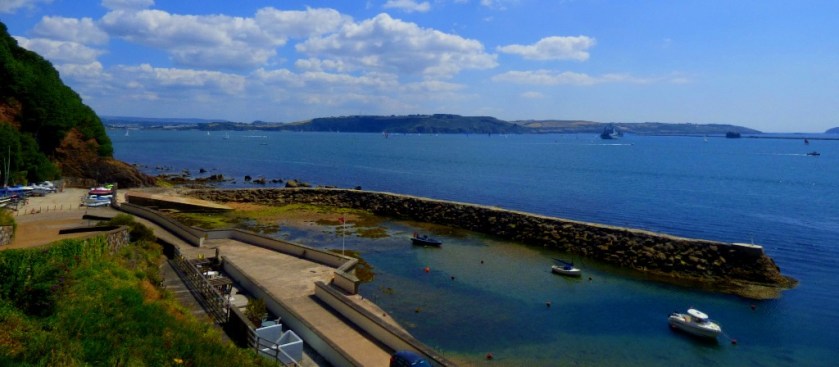
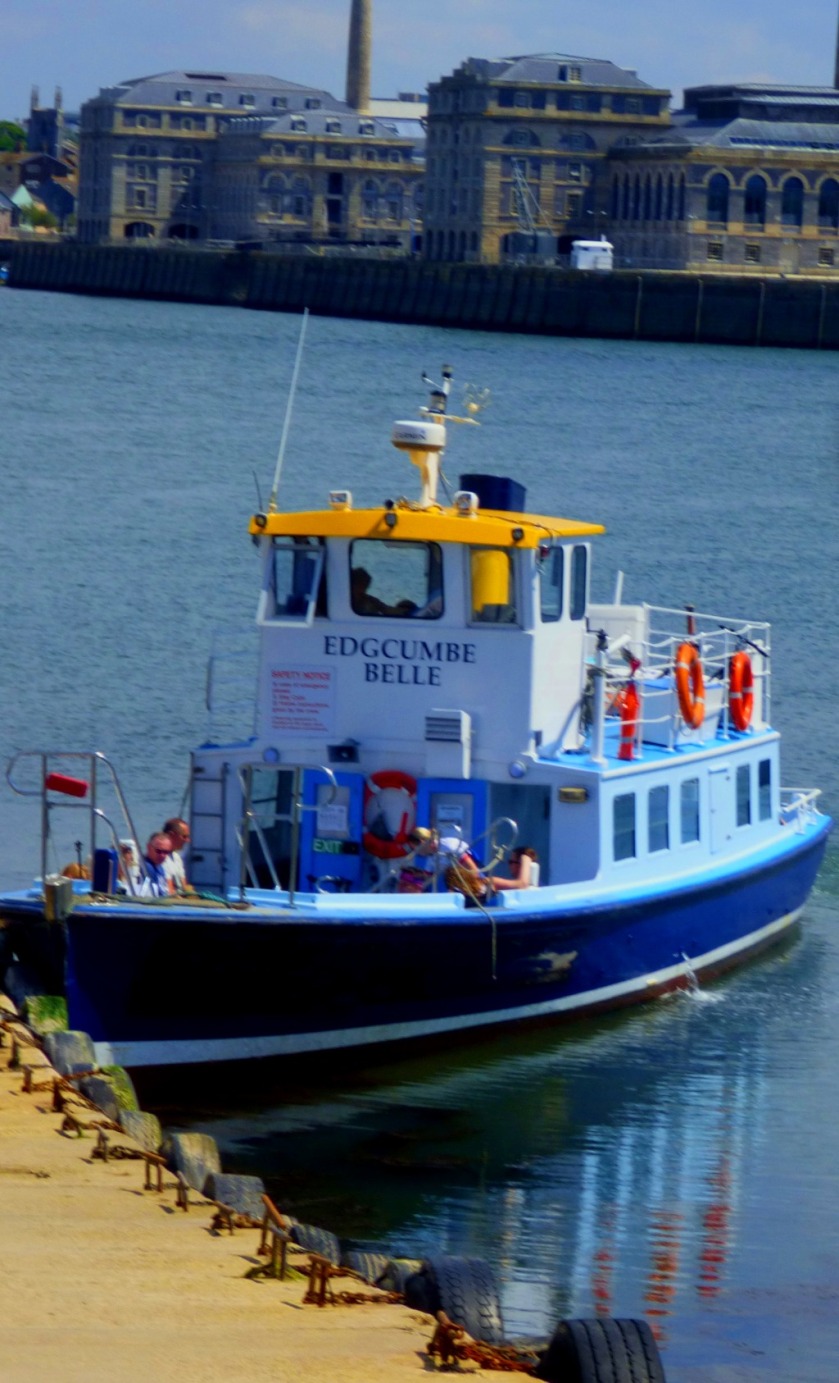
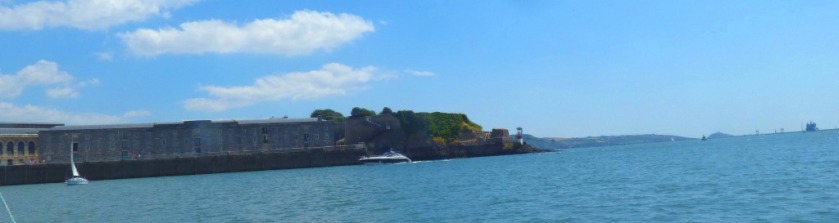
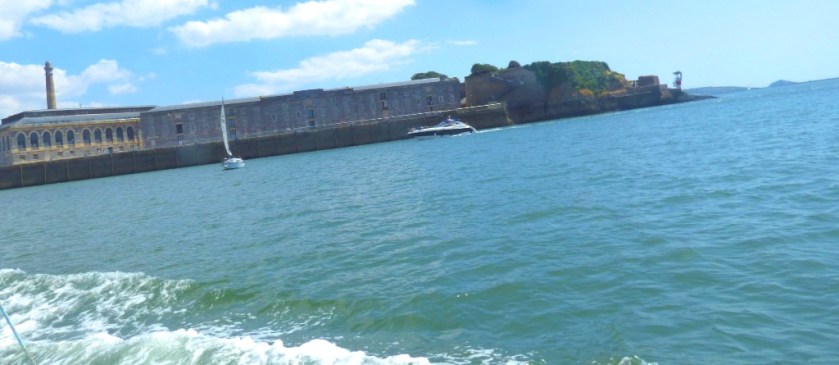
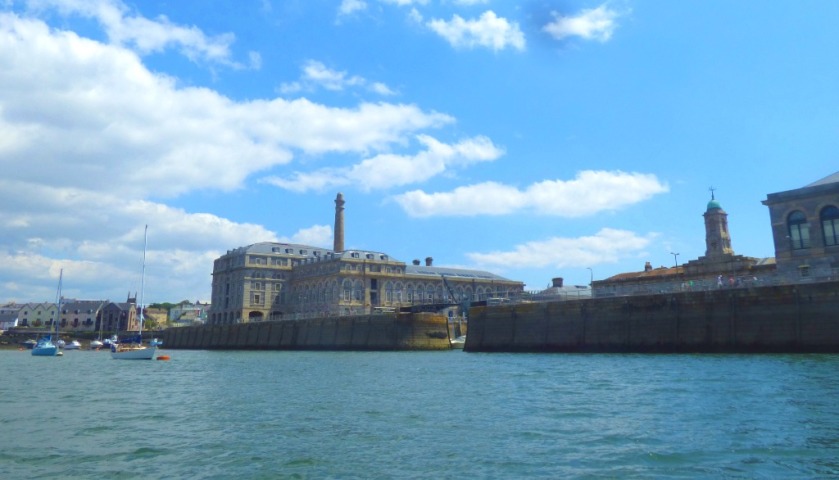
It was now time to recross the county boundary into Cornwall, one again on the Edgecumbe Belle.
The latest installment in my series “A Grockle’s Eye View of Cornwall”. This starts my coverage of Saturday in Plymouth.
INTRODUCTION
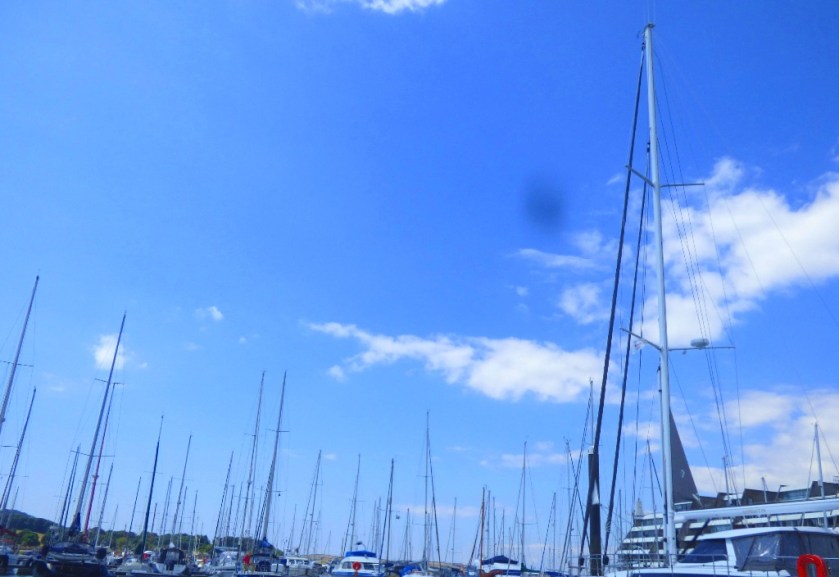
My nephew needed some things that we had to go to Plymouth for, and so he, my mother and I took the Cremyll ferry to Plymouth, attended to the shopping and then went up on to The Hoe (subject of my next post).
THE CREMYLL FERRY
Once we were safely aboard the ferry it was time for the camera to do its work:
THE SHOPPING PART OF THE EXPEDITION
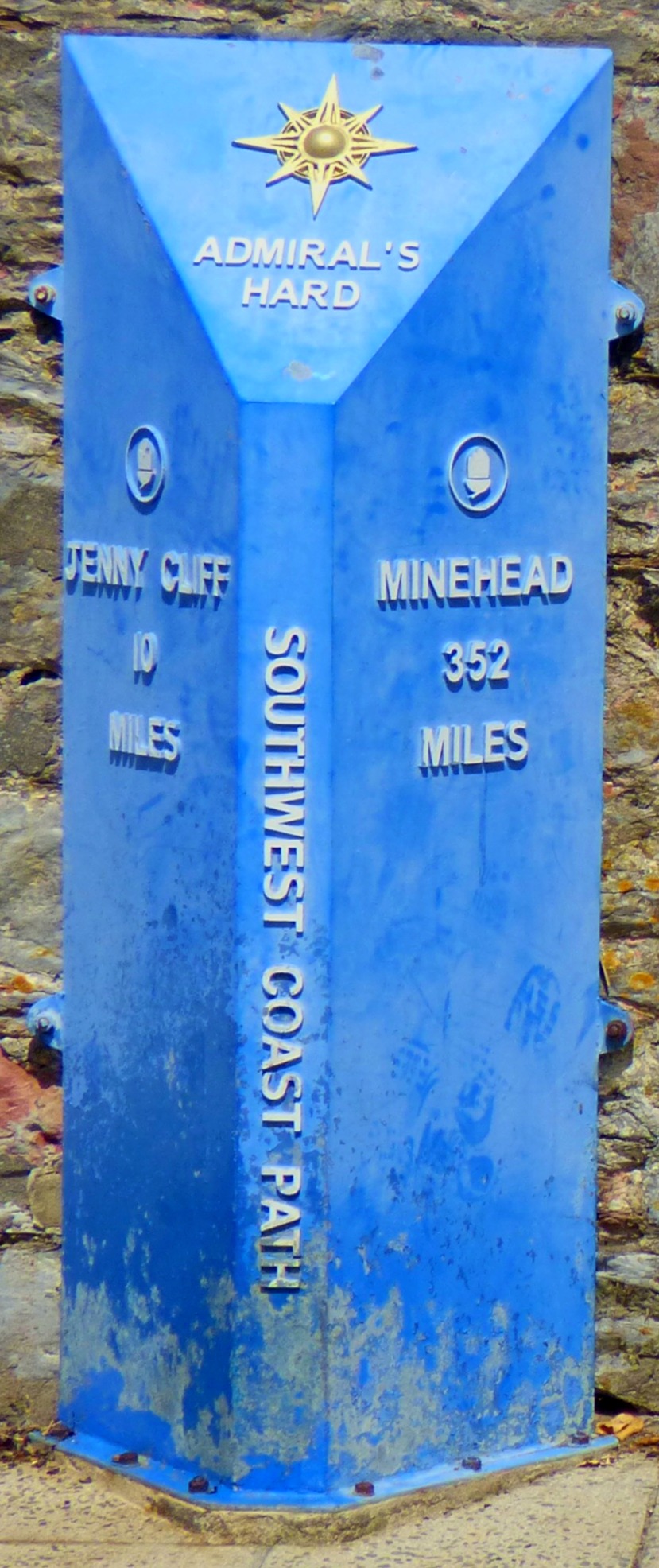
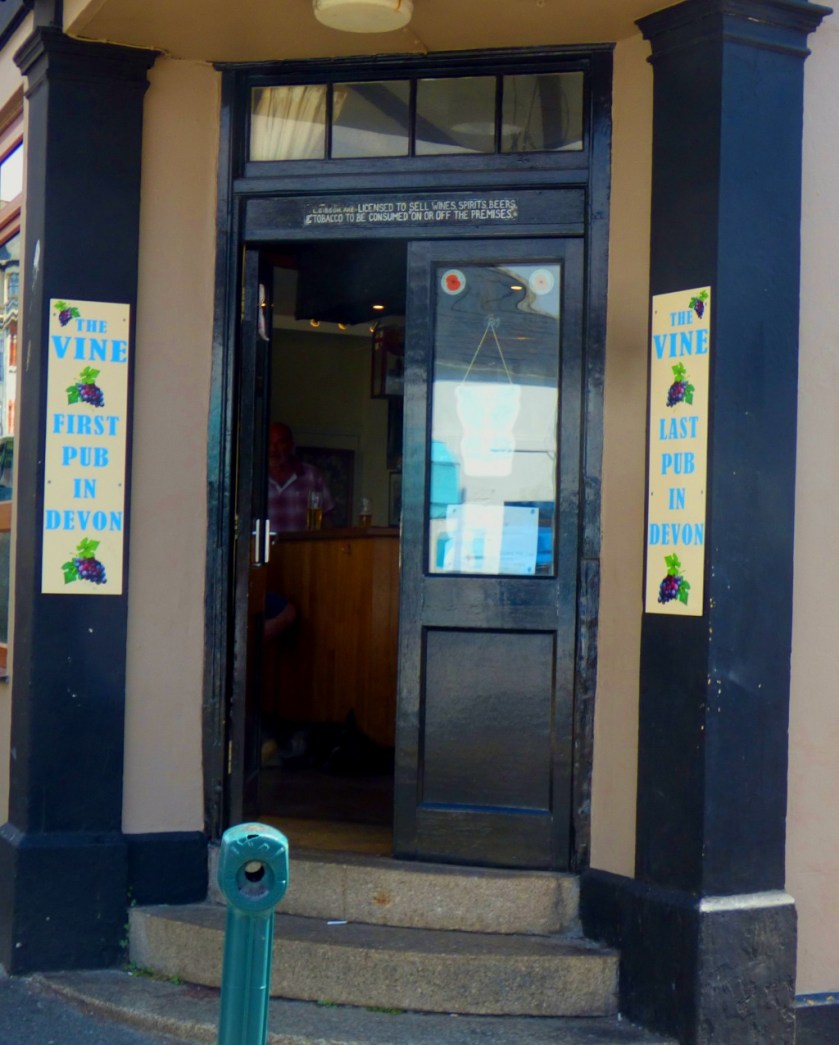
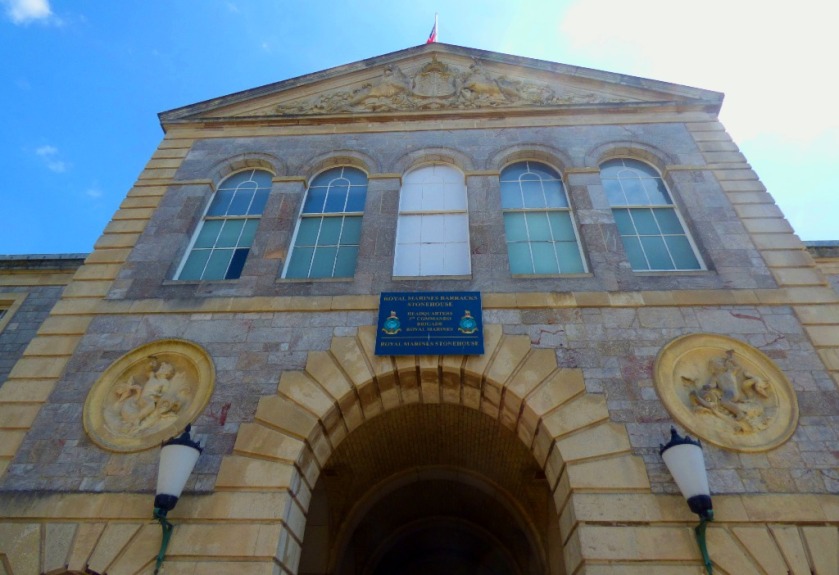
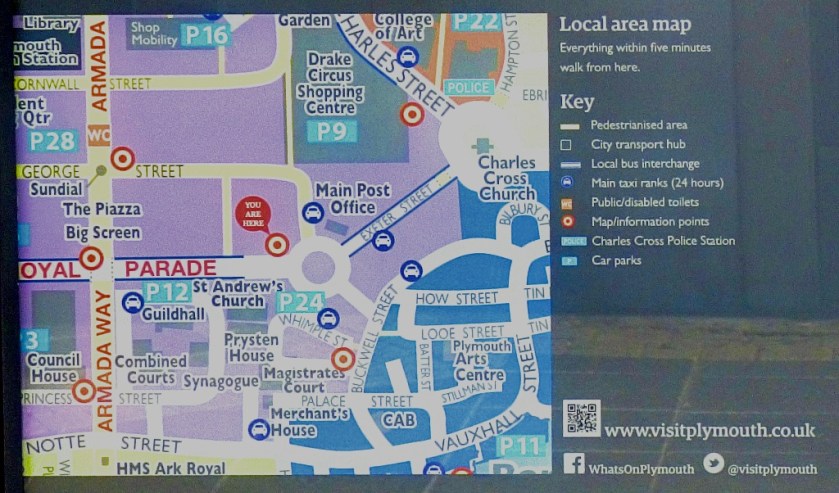
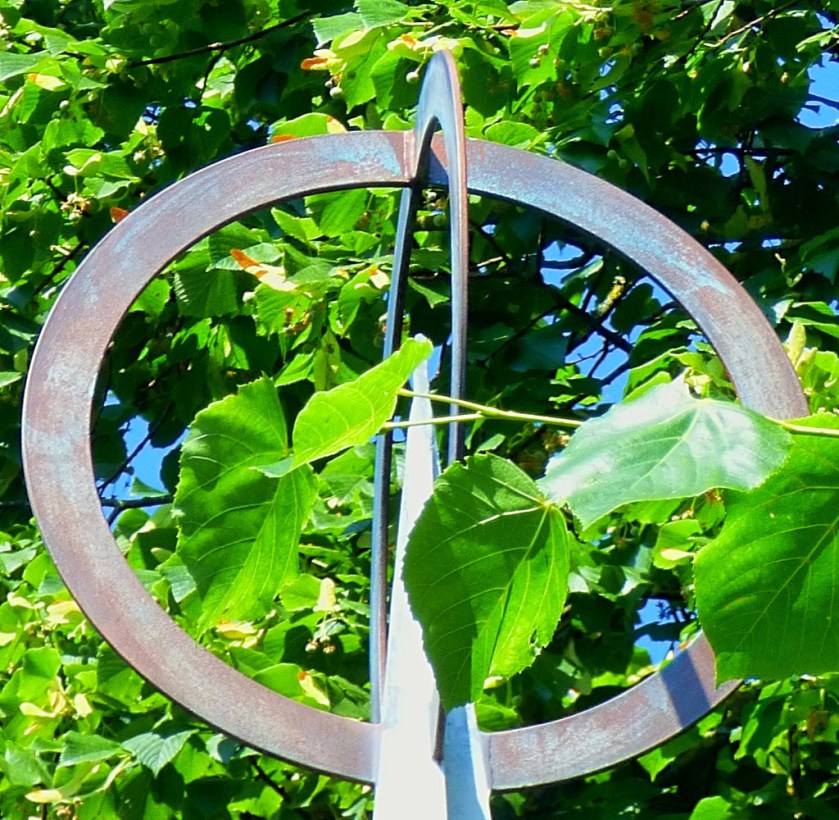
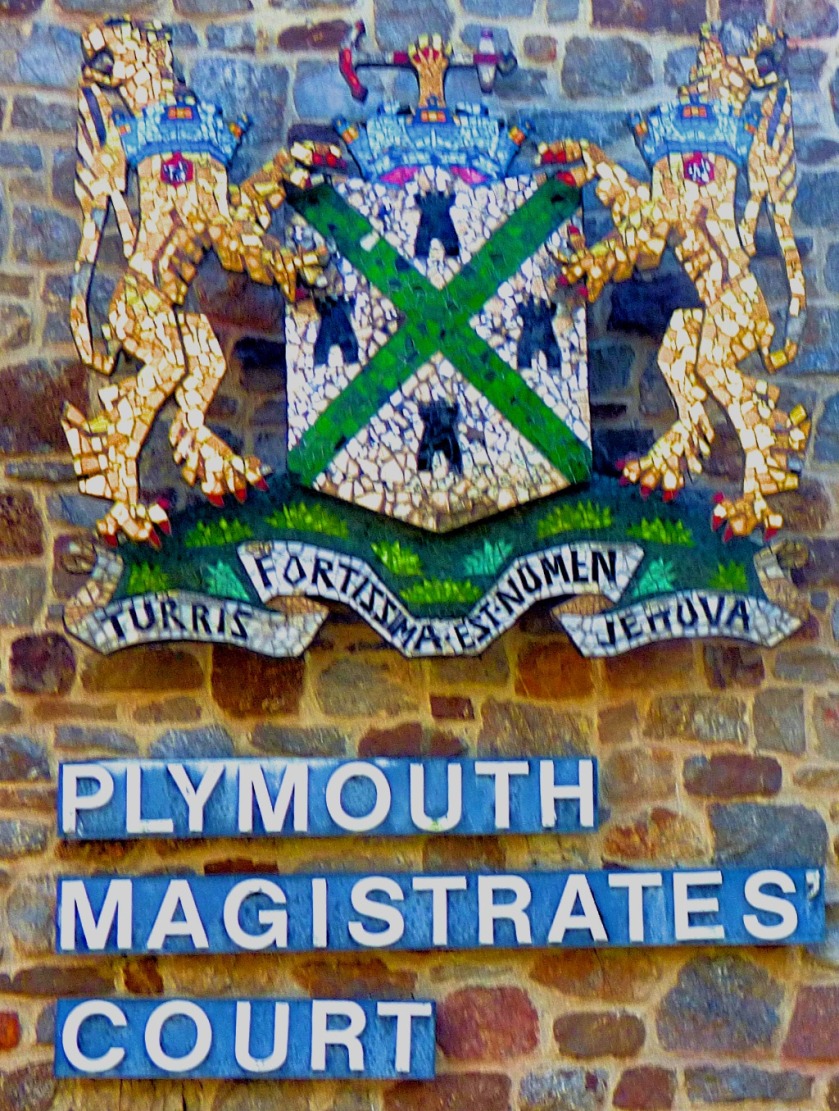
We had a substantial walk from the ferry terminal on the Plymouth side to the shopping area, during which I saw a few things to photograph:
Depending on your viewpoint this is……either the first or last pub in Devon
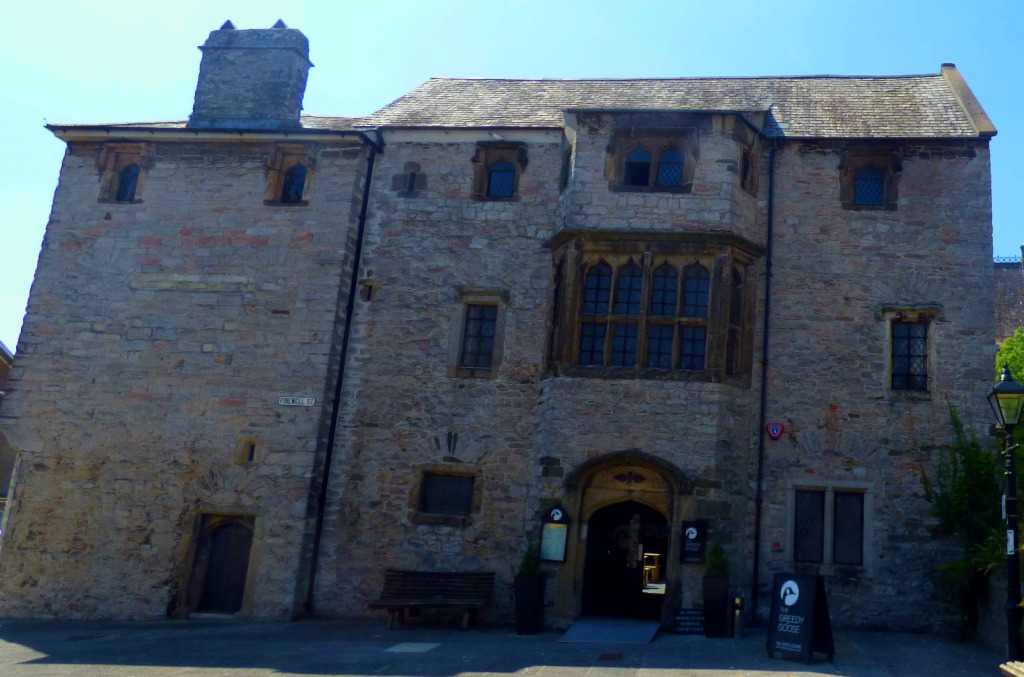
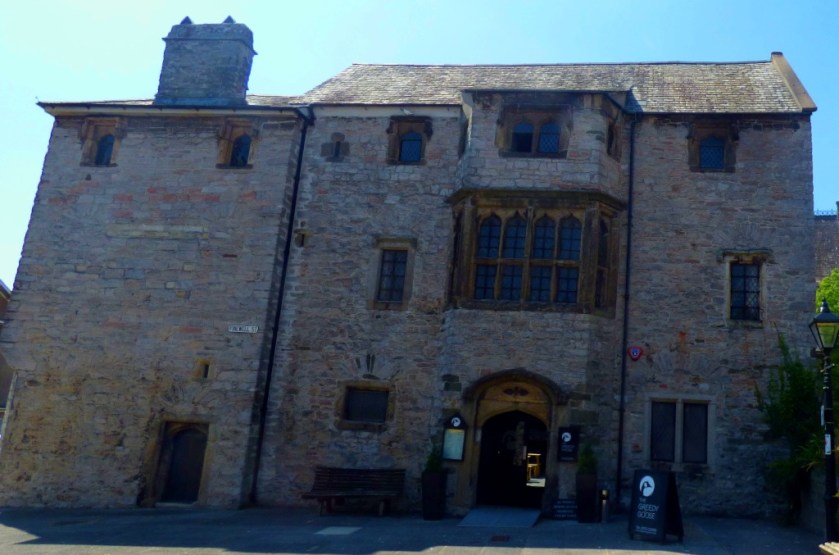
The Greedy Goose, this is also the oldest house in Plymouth. I did not get to eat here, but it is a splendid building.
Some stuff about upcoming auctions and press coverage thereof and the solution to my most recent mathematical teaser.
INTRODUCTION
This post deals with some of my work at James and Sons and also includes a solution to a problem I posed last week.
PRESS RELEASES
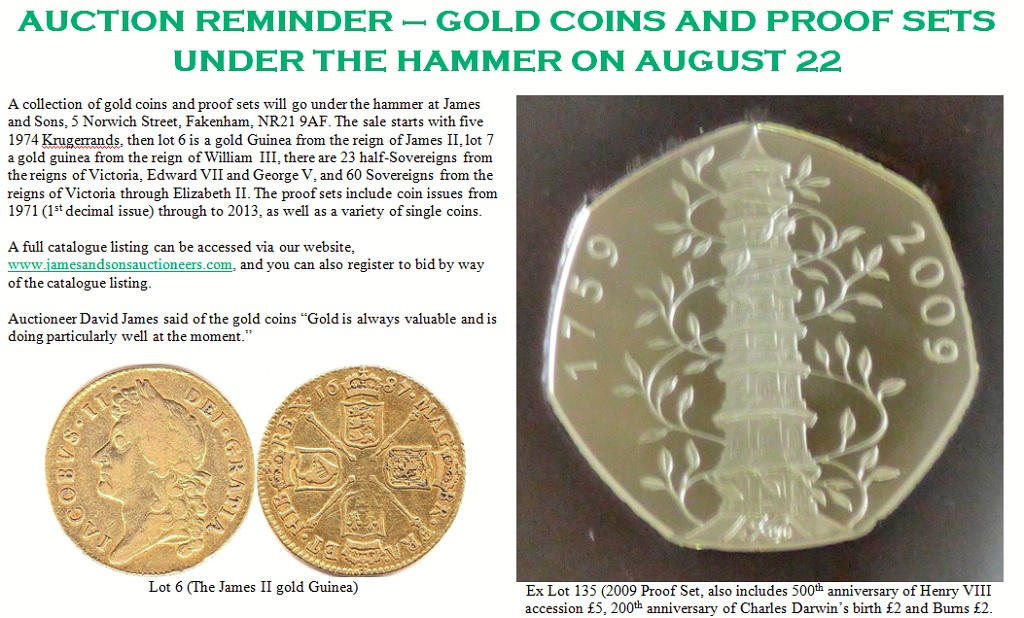
In my recent post about James and Sons’ upcoming gold coin and proof set auction I included a copy of the official press release I had put out about it. What I did not mention in that post is that we also have a less significant ajuction coming up this Monday, for which I had also out out a press release. Both are reproduced below to set the scene for what follows:
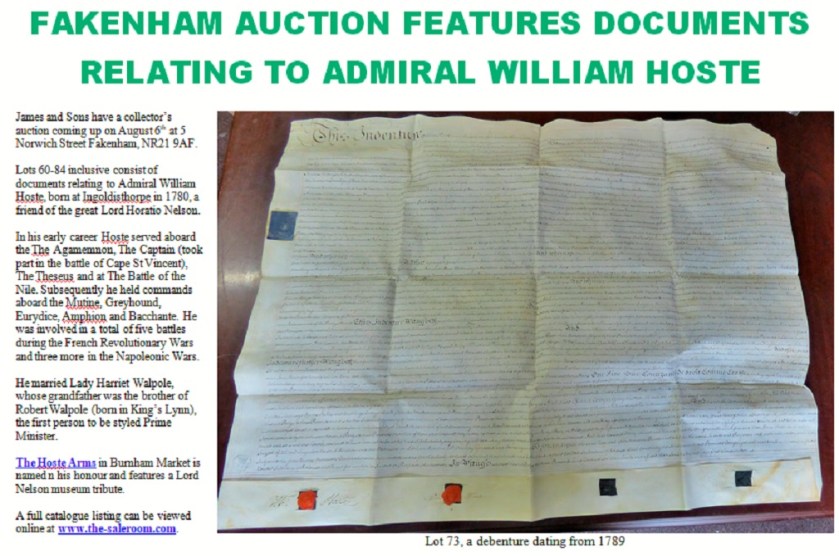
Then yesterday morning brought more positive news – a link to an article in that day’s Lynn Newsabout Monday’s general collector’s auction. The focus of this article is some documents we have relating to William Hoste, after whom The Hoste in Burnham Market is named, and who was a protege of Lord Nelson and connected by marriage to Robert Walpole. Here is a scan of the print version of this article:
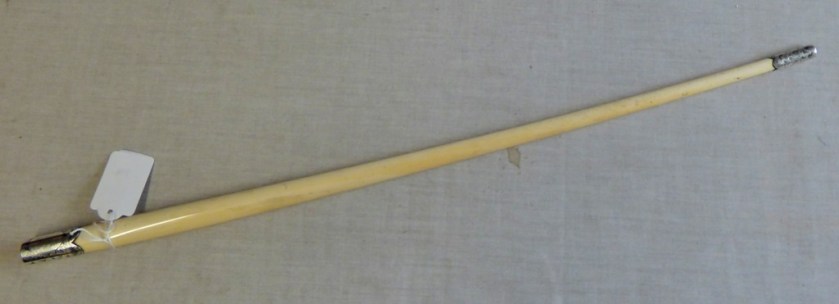
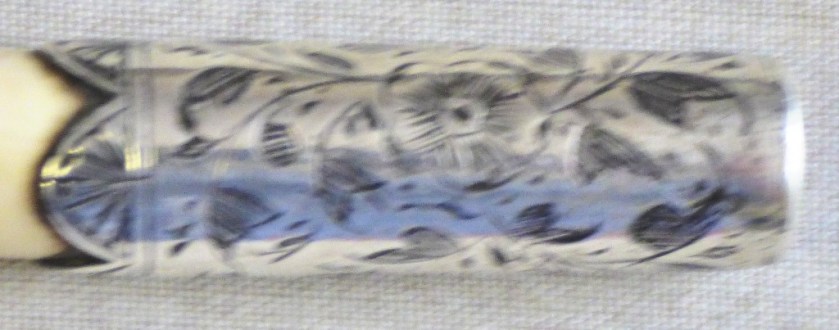
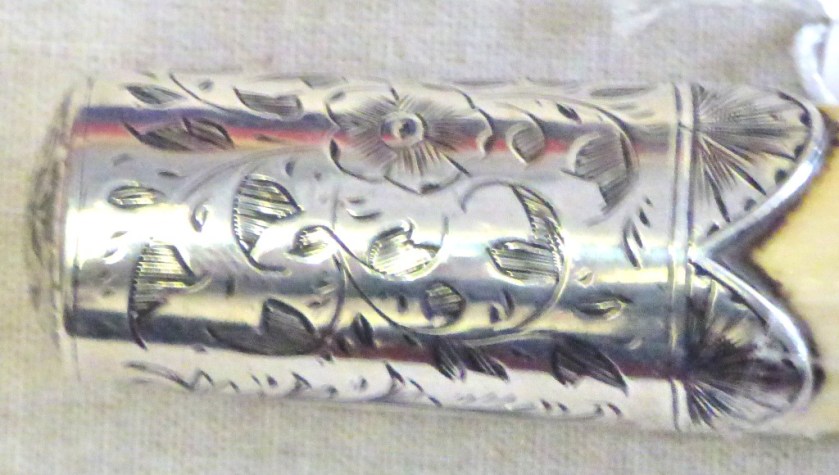
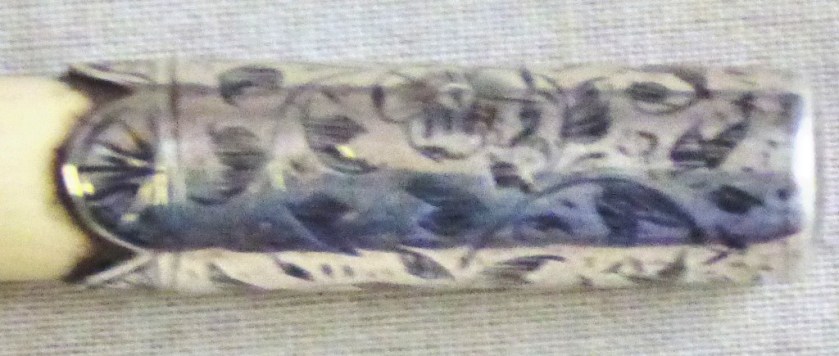
We have another auction in preparation, and I have already pretty much decided that this 19th century presentation conductors baton (it is too large to have been intended to be used) will be the feature image in the press release for that one:
For me the local connection revealed here clinches it.
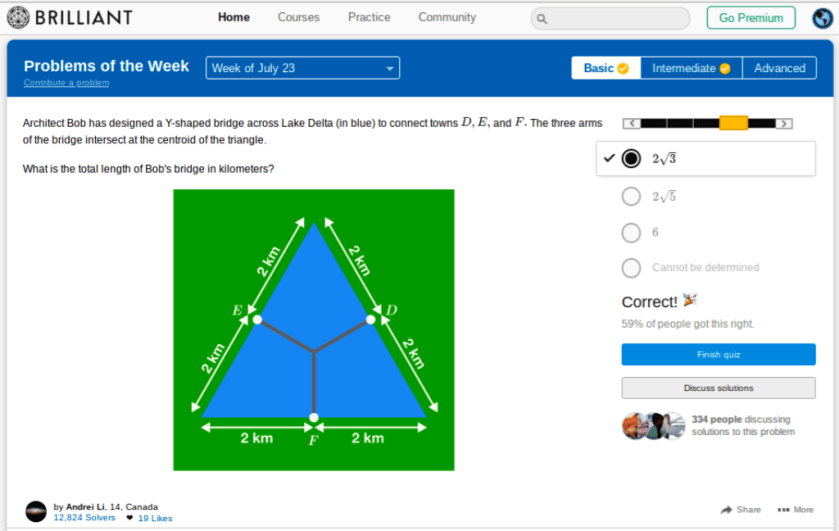
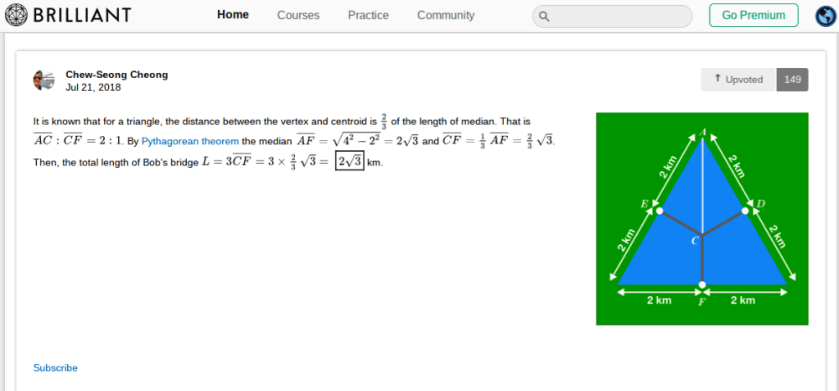
THE TRIANGULAR BRIDGES
Here is the problem I set last week, followed by the answer and an official solution:
An overview of James and Sons’ upcoming Gold coin and proof set auction.
INTRODUCTION
James and Sons have just finished two militaria auctions, which both went fairly well, next Monday we have a general collector’s auction which contains some interesting lots, but the auction that will shape our August is coming up on the 22nd.
GOLD COINS AND PROOF SETS
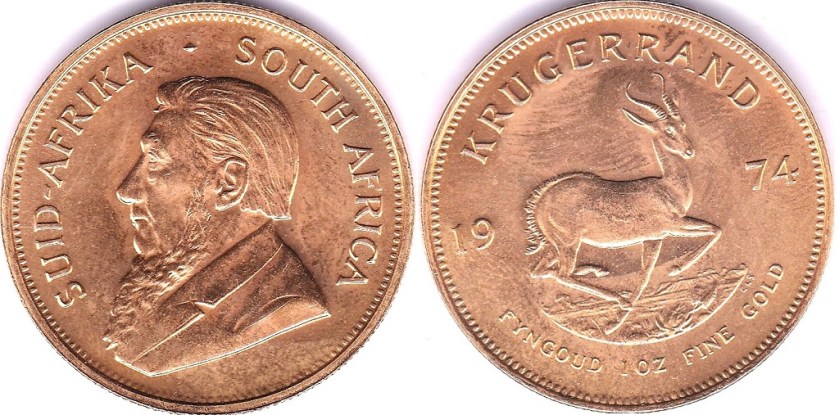
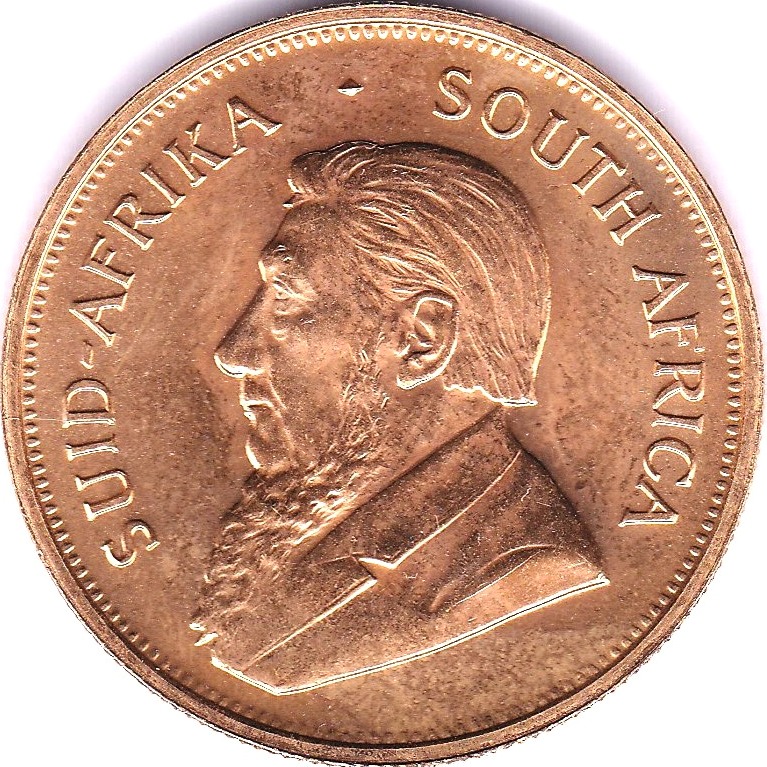
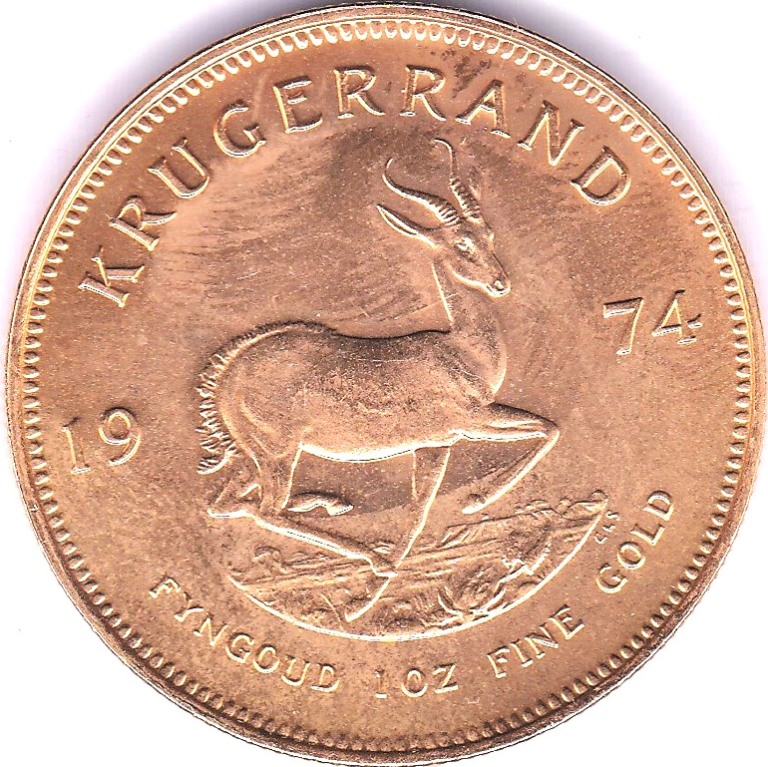
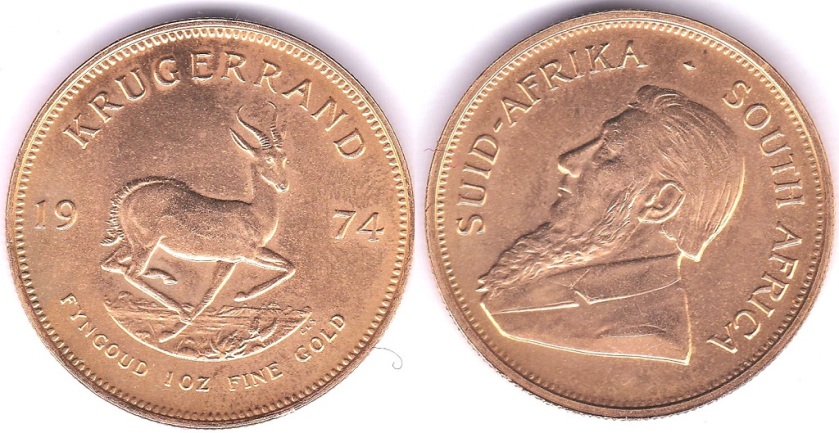
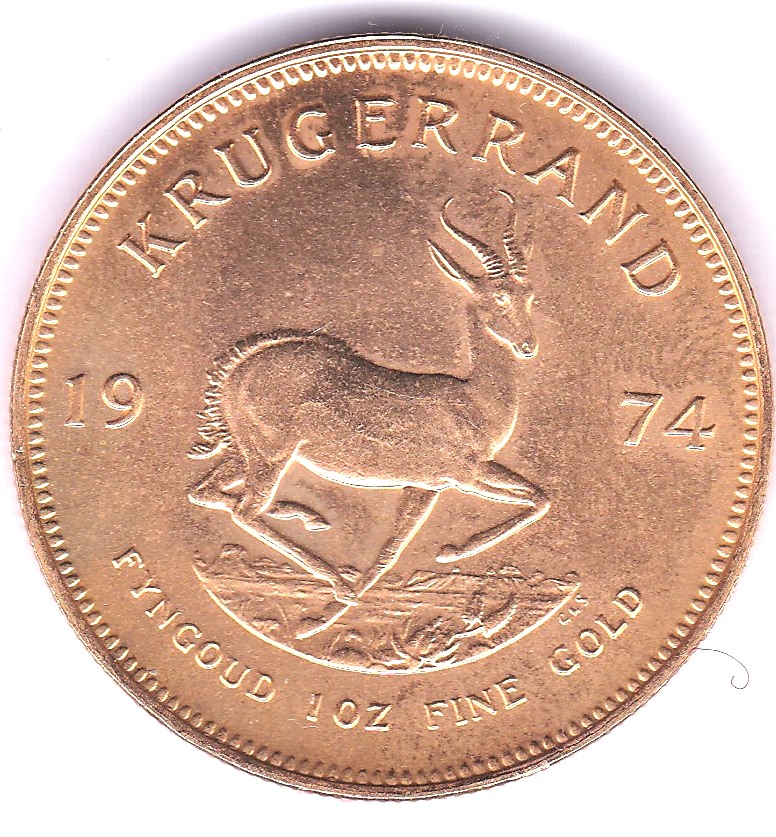
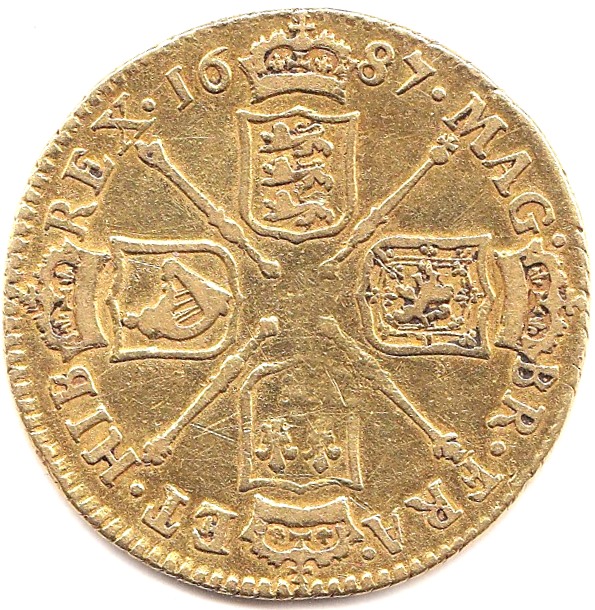
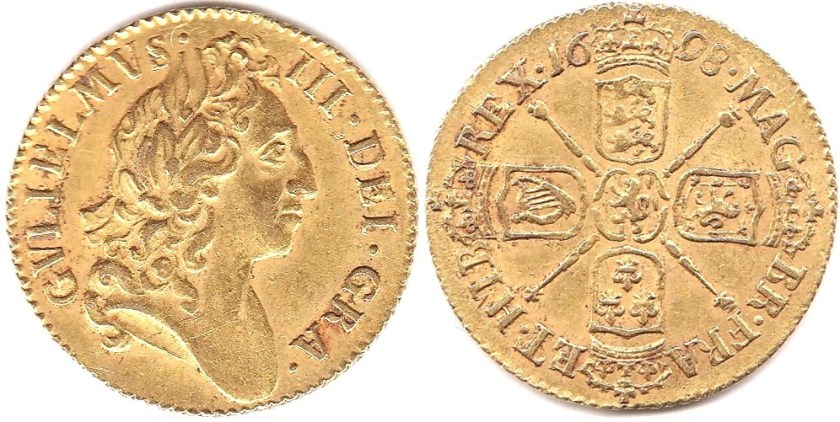
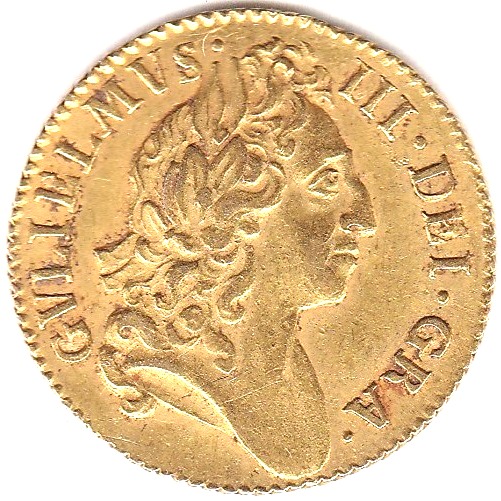
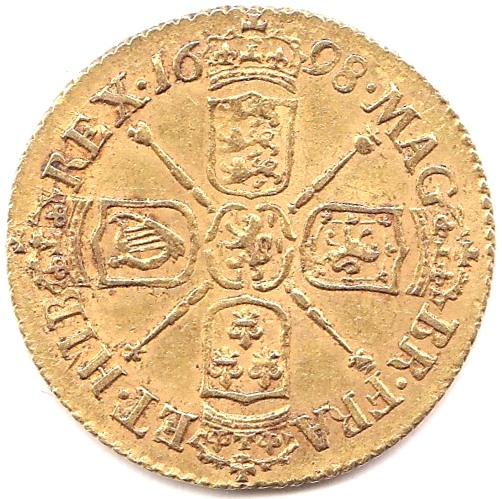
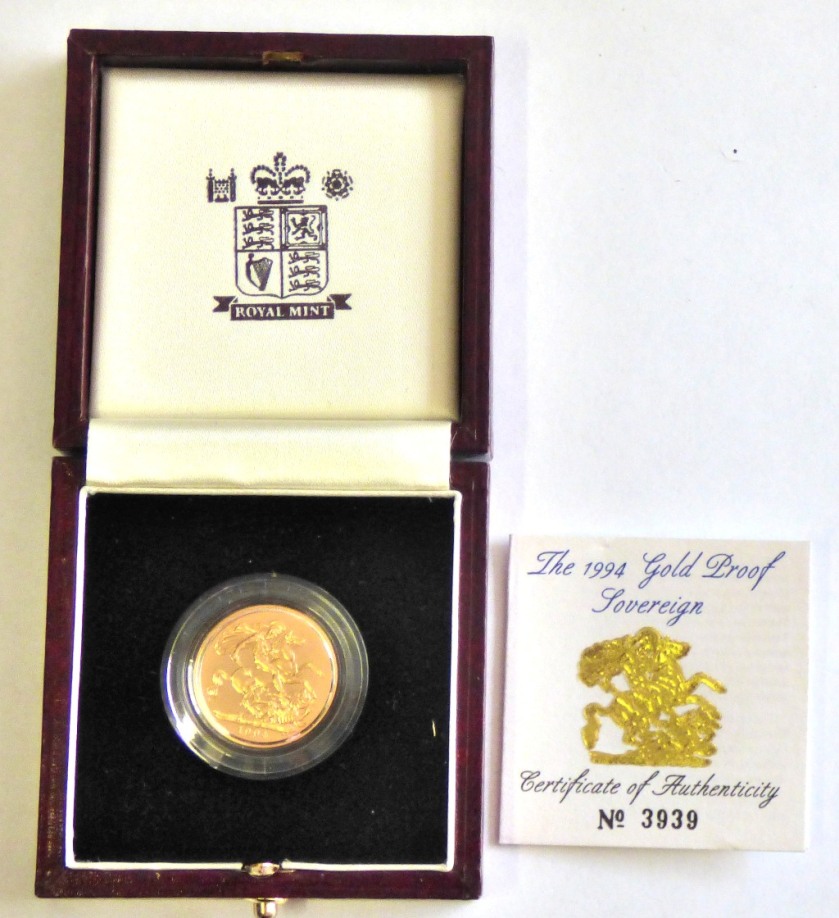
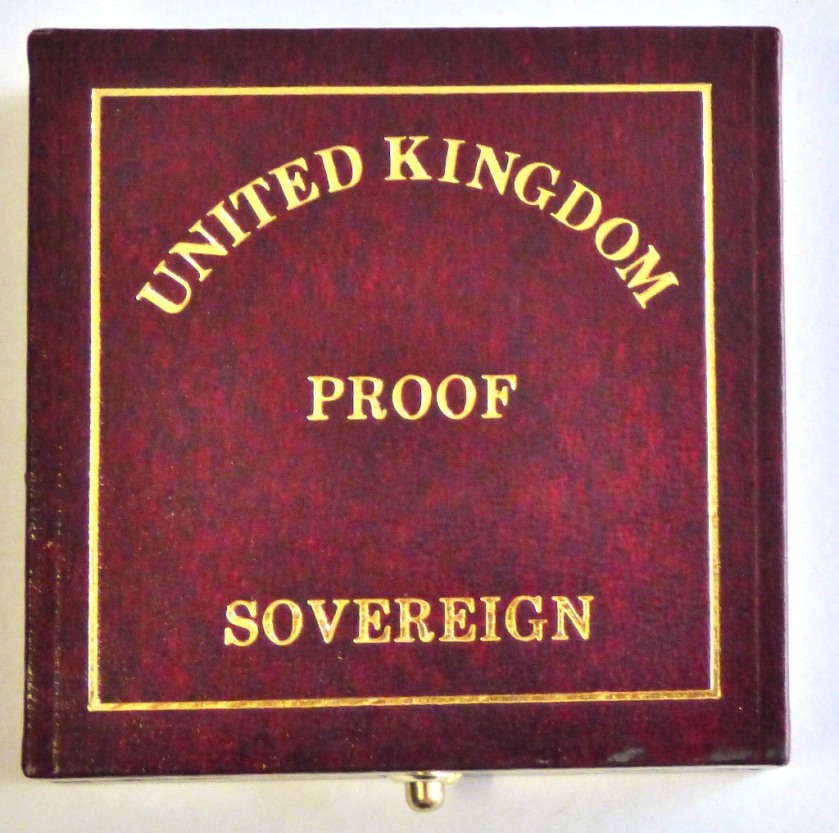
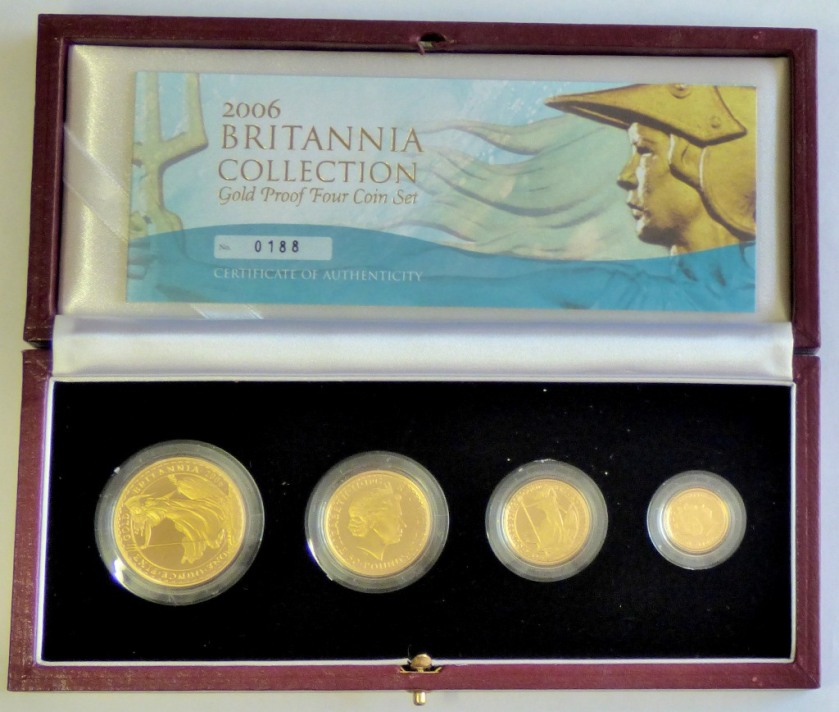
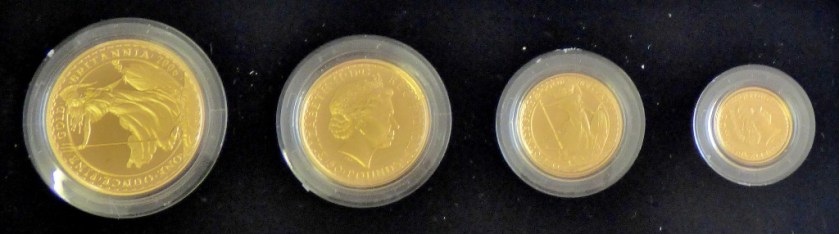
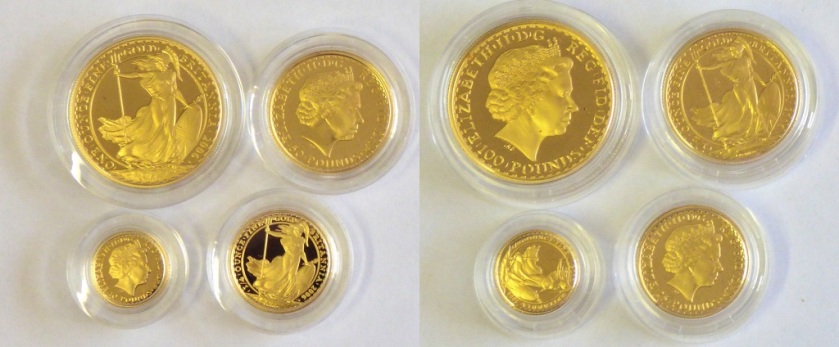
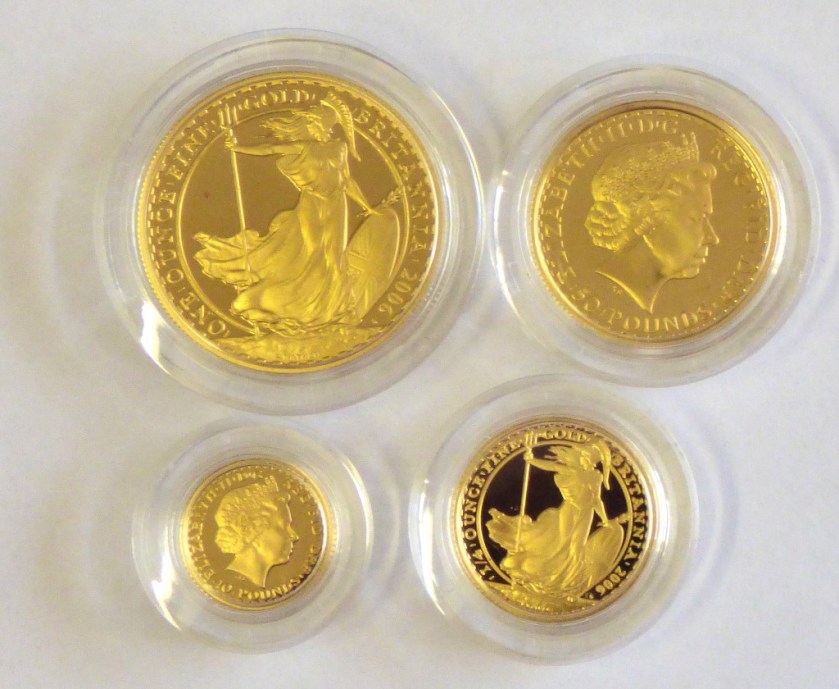
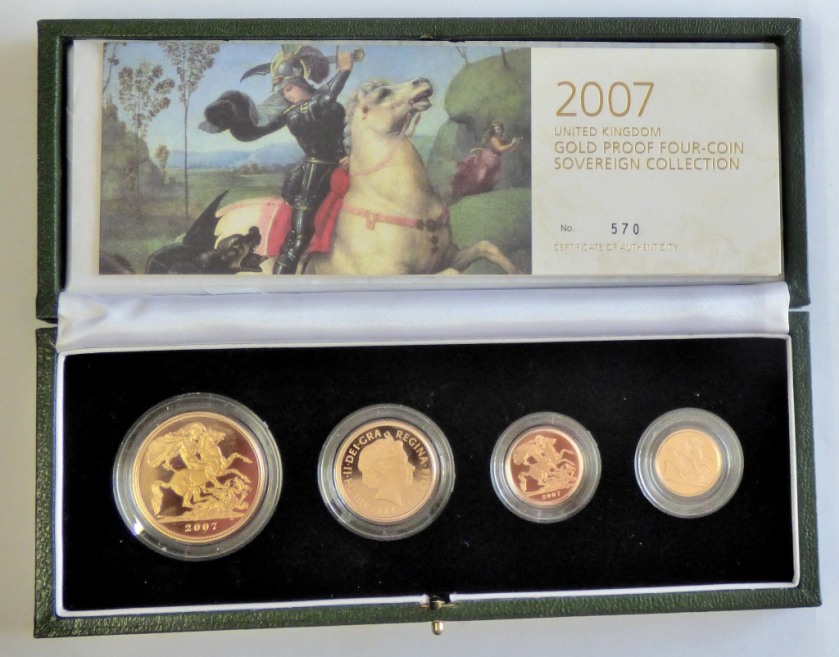
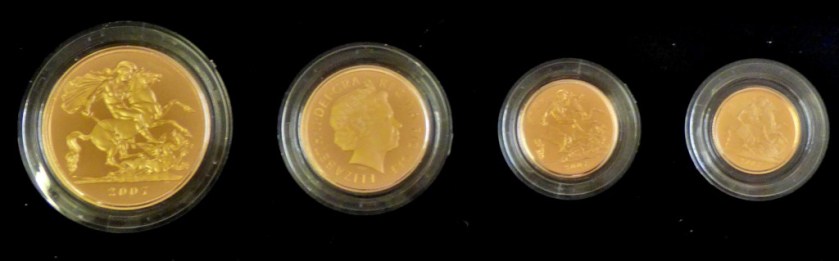
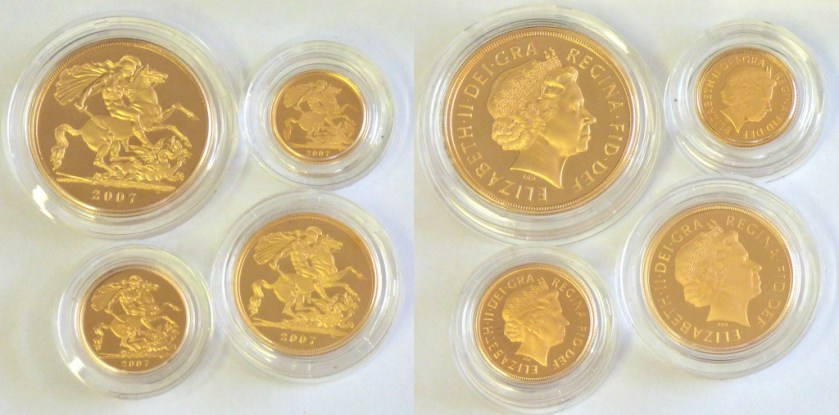
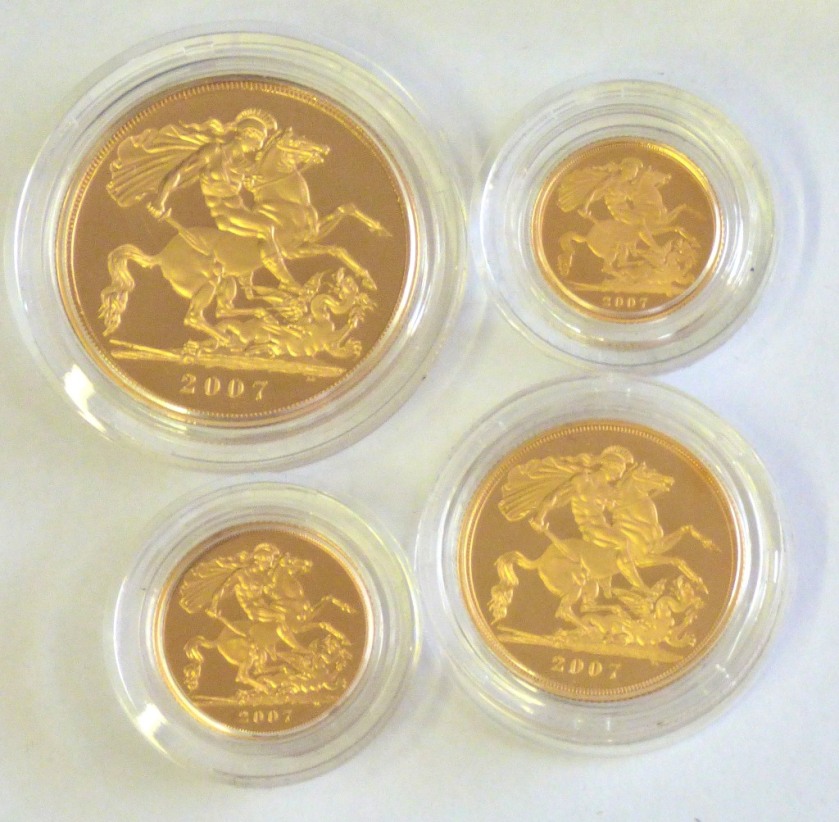
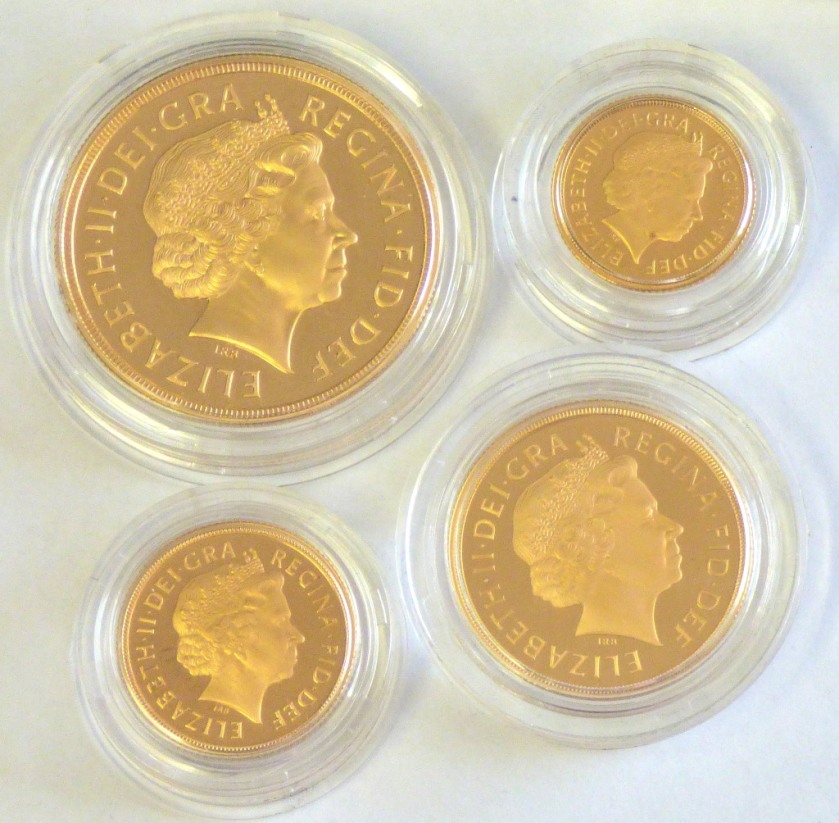
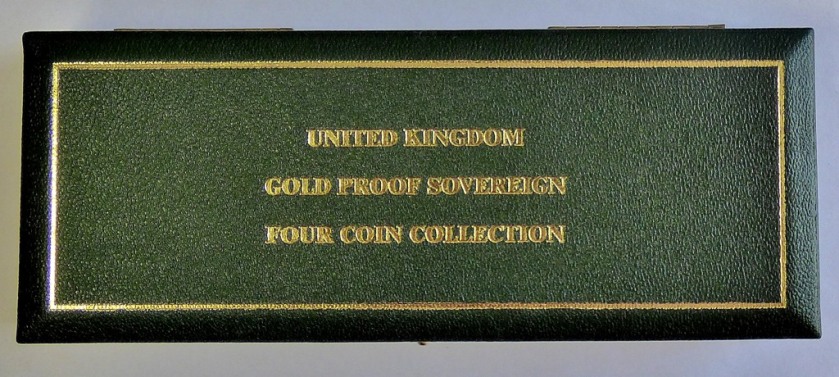
We have been consigned a lifetime collection of gold coins and proof sets, and these are forming a very small (147 lots) but potentially immensely valuable auction. As well as some seriously big money items (five 1974 Krugerrands, a James II (or VII north of Hadrian’s wall) gold Guinea and a William III gold Guinea) we have a number of half-Sovereigns and Sovereigns (60 of these latter from the reigns of Victoria through to Elizabeth II, and simply because it is pure gold even a Sovereign that has no features to appeal to a collector will fetch somewhere in the vicinity of £180-200 depending on the exact price of gold on the day). A full catalogue listing can be accessed via the James and Sons website – it is the second auction to which there is a link – look for the image of the James II (VII) coin.
FROM THE IMAGE GALLERY
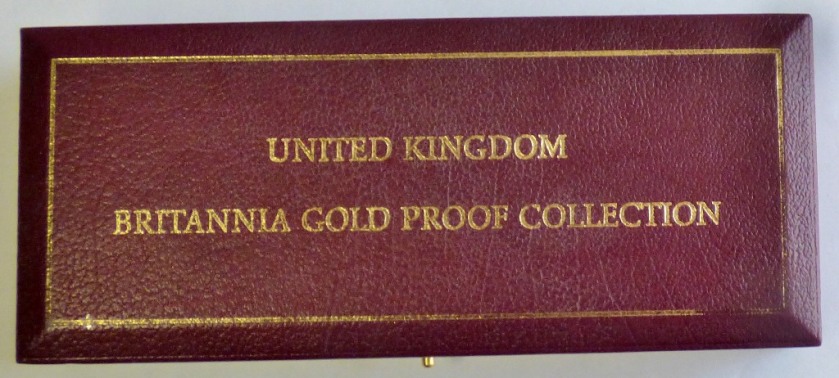
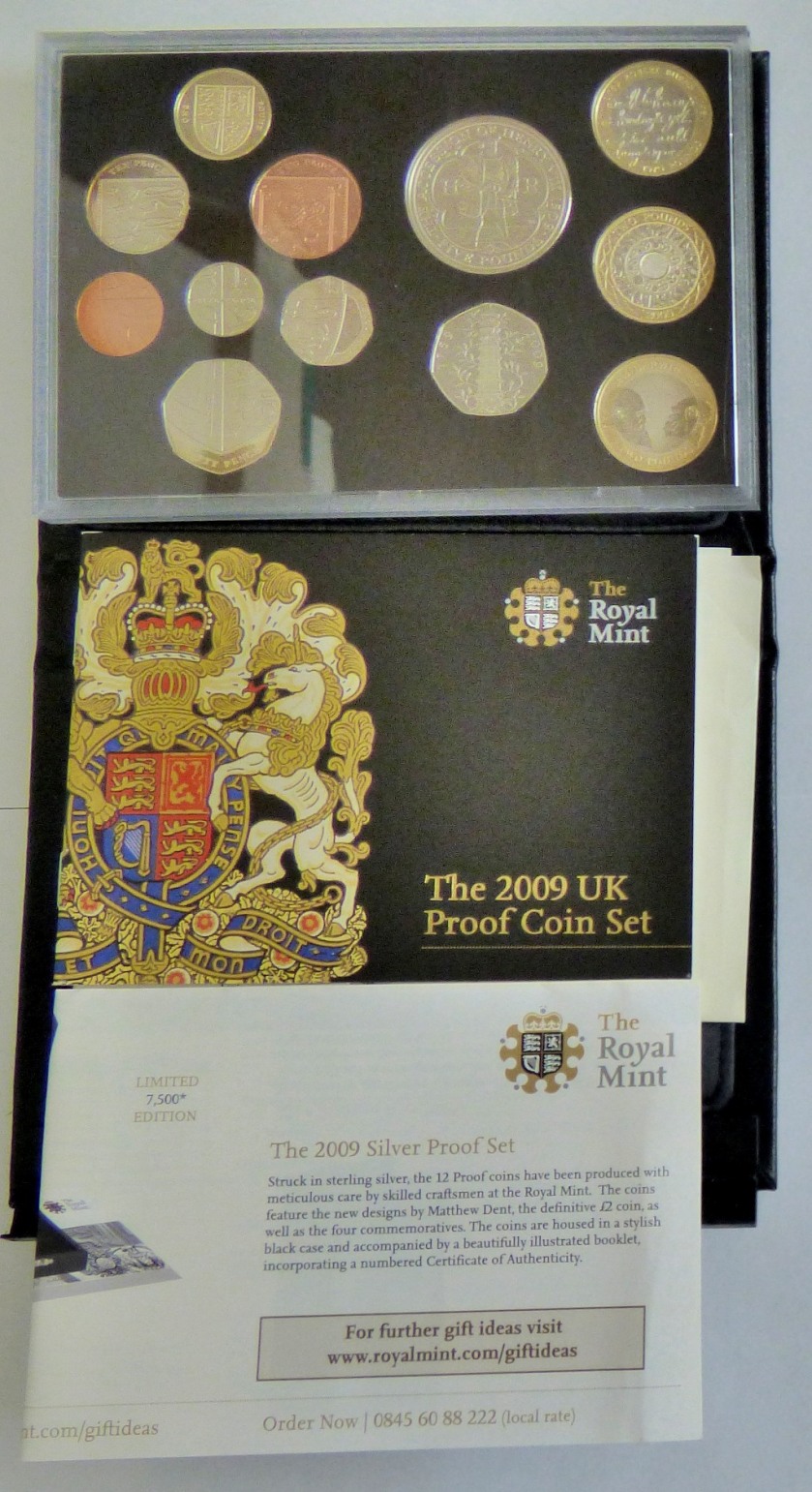
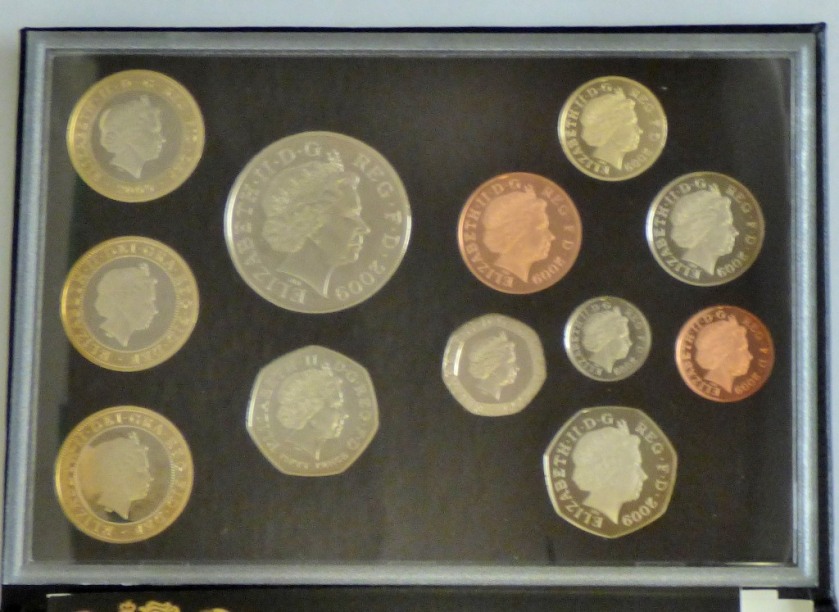
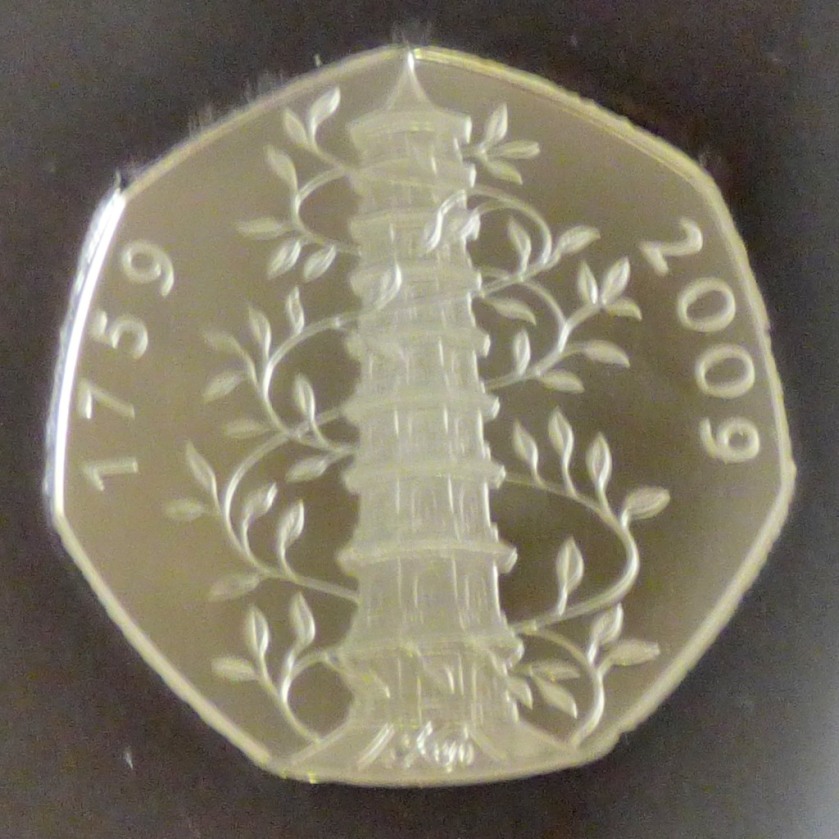
This section features the official press release, some of the more significant lots and a couple of proof sets that I have at least half an eye on.
The press release.Lot 1 (three images)
Lot 5 (three images)
Lot 6 (three images)
Lot 7 (three images)
Lot 96 (five images)
Lot 91 (six images)
Lot 92 (six images)
Lot 135 (seven images)
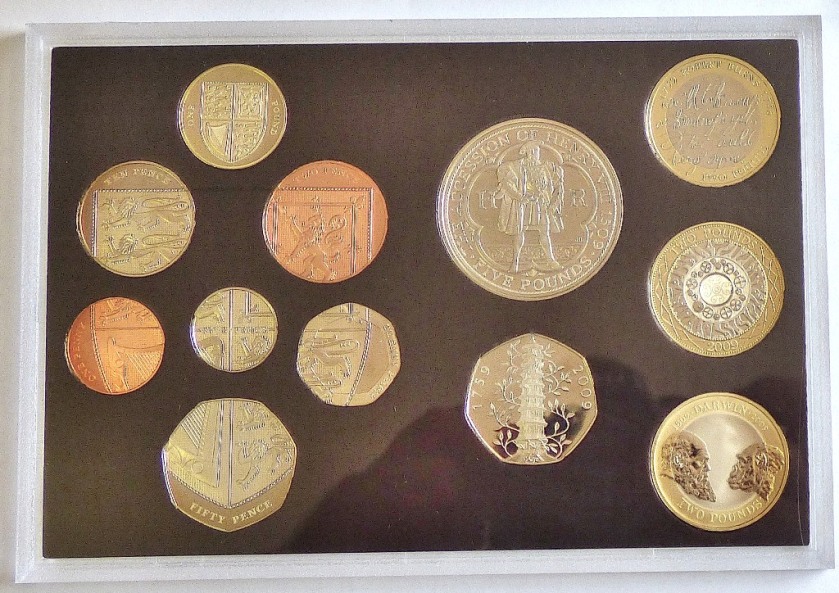
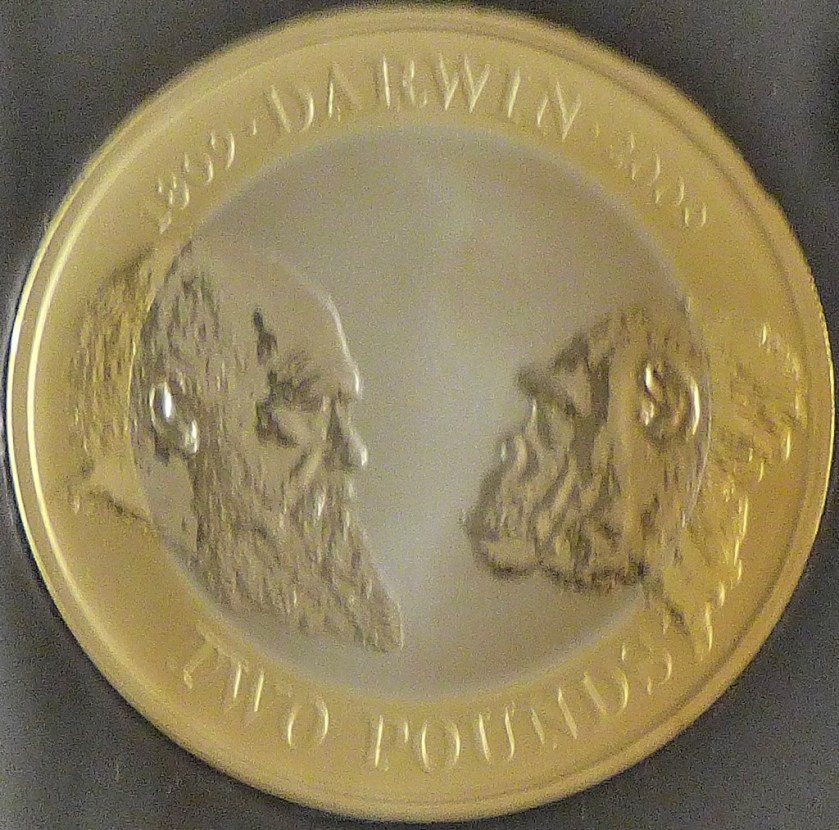
The most important coin in this set – even circulated versions of this coin fetch decent amounts.The Darwin £2 (there is also a Burns £2 and a £5 commemorating 500 years since the accession of Henry VIII)
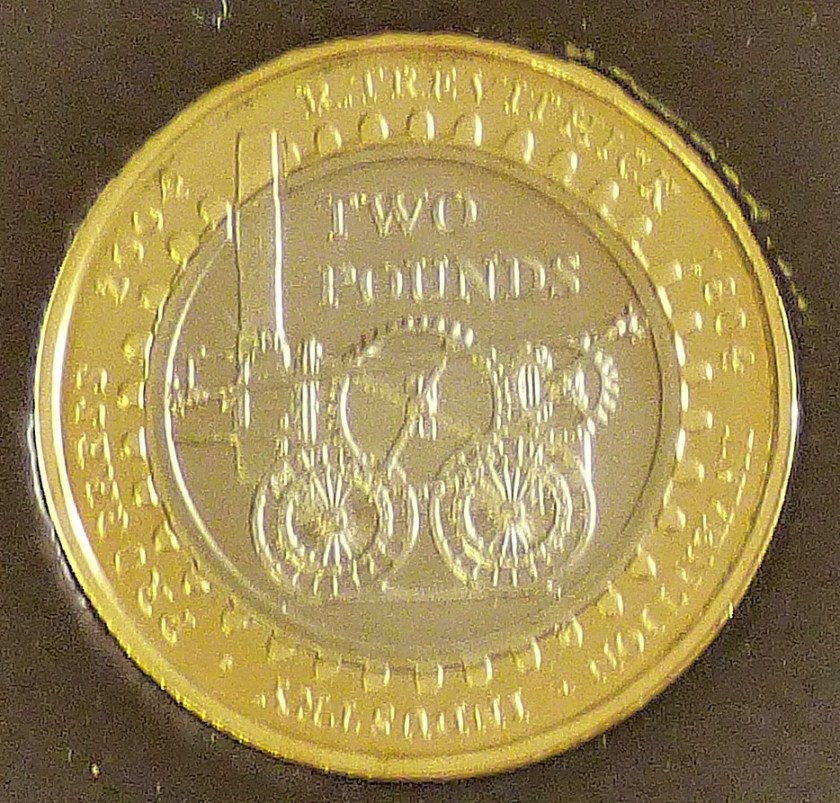
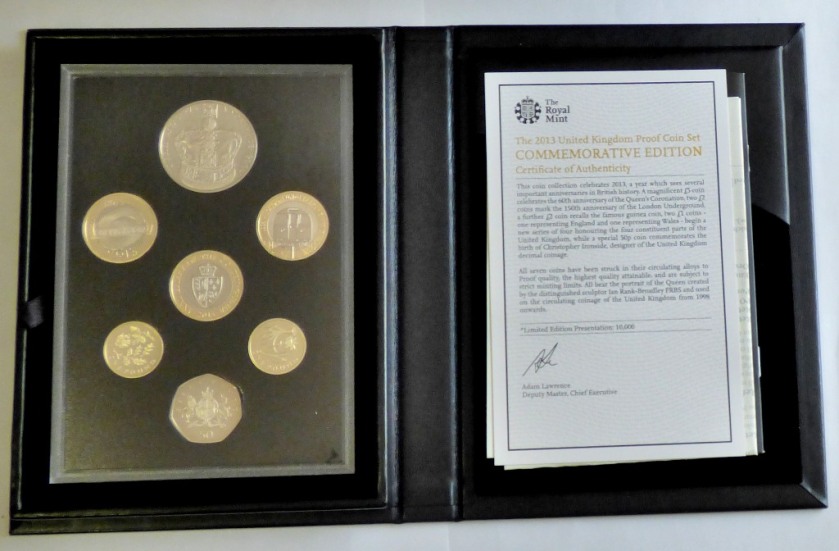
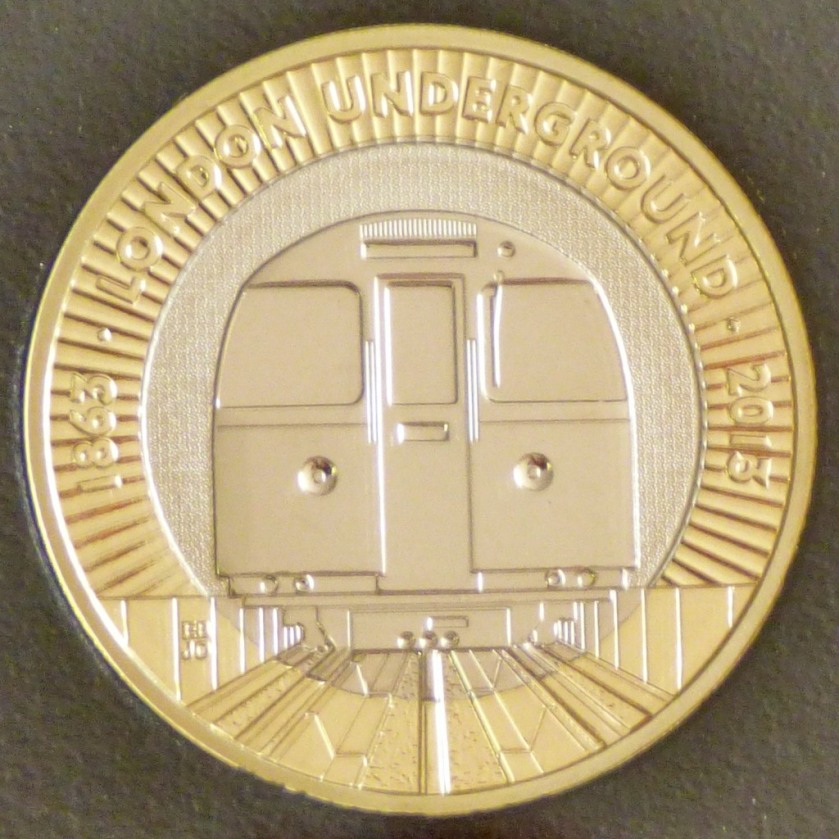
Lot 130 (two images), one of the two that are in my sights……in its case because of the Trevithick £2)Lot 139 – four images, the second lot that is in my sights)These two coins celebrating the 150th anniversary of the opening London (and the world’s) first underground railway.
The latest post in my series “A Grockle’s Eye View of Cornwall”, concluding my account of my day out in St Ives.
INTRODUCTION
In my previous post in this spread out series about my recent visit to Cornwall (Thursday July 12 through Monday July 16) I covered a boat trip to see a seal colony. I now account for the rest of that day after the trip. Don’t forget that a more local view of St Ives is available from The Cornish Maid.
BACK ON TERRA FIRMA
I was back in St Ives at 1:15PM as scheduled, and had two definite targets for the remainder of my time there – find a cash machine and find somewhere not too extortionate for lunch. By this stage the town was packed, and far as I was able to locate there was a but a single cashpoint there, so I had a bit of a wait. Still I eventually got my money and found a place to have lunch.
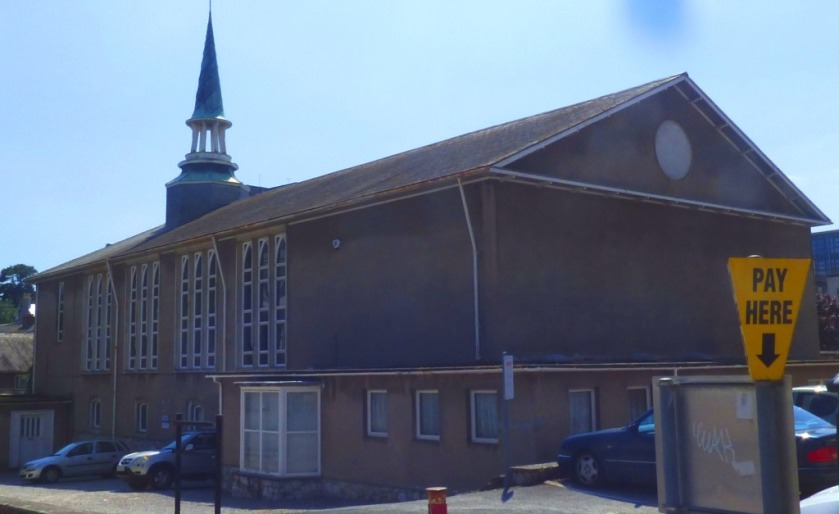
This building may once have been a non-conformist chapel.
THE RETURN JOURNEY
I was back at the station in good time for my three stage journey back to St Germans (changes at St Erth and Liskeard, and longish waits at both). My father collected me from St Germans and we headed to Cawsand to meet my mother, sister and nephew at a pub there before heading to Fort Picklecombe together. My camera battery just made it to St Germans before giving out for the day after one more picture en route for Cawsand.
I suspected (rightly as it turned out) that I had only one shot left by this stage, and this view, from the heights above Cawsand, seemed a worthy way to finish my photography for the day.
My previous post in this series covered the journey from St Germans to St Ives and hinted at the feature of my time in St Ives. This post picks up the story. The Cornish Maid has produced posts giving a more local take on St Ives in her blog.
SERENDIPITY IN ST IVES
From the station I headed in the general direction of the sea front, taking photographs along the way.
This olde-worlde telephone box caught my attention, while the attached clock had all the appearance of being an old railway clock……soon confirmed by my zoom lens.This panel is set into the wall of the Roman Catholic churchSt Ives Guildhall, a handome building, though not quite in the class of King’s Lynn’s 15th century masterpiece. It is home to a tourist information office but they evidently have staffing issues as it was closed and locked that day (a sunny friday in July)
This is the main Anglican church
As I hit the sea front area I encountered a man selling tickets for boat trips to a seal colony. Knowing that I was operating to a time limit (the connections back being less good than those for the outward journey I needed be back at the station around 3PM to be sure of getting back to St Germans at 6PM as I intended) I made enquiries about departure times and the length of the boat trip. I benefitted from being a natural born singleton – there was exactly one seat remaining on the Sea Horse, which was departing at 12:00 and would be back around 1:15, and that was the decision made (there is a seal colony at Blakeney Point in Norfolk, but this seemed likely to be an improvement on that).
One takes a small boat out to the main boat one is booked on, and at low tide (as it was for my outbound journey) one has to walk out into the sea to about knee depth for the first pick up. The water was cool but not shockingly so, and it was actually very pleasant standing in the shallows.
OUTWARD BOUND
I managed to board the small boat taking me and others out to the Seahorse (a 12 seater boat, so still not huge) without incident, and the transfer to the Seahorse also passed without incident.
The rocks in the background of this shot are the near edge of the seal colony.
AT THE SEAL COLONY
I will let the pictures tell their own story…
Some of the seals, like this one waved flippers at us.
BACK TO ST IVES
The start of the return journey featured the bumpiest sea of the entire trip (fortunately there was a breeze rather than a serious wind blowing, so the sea was choppy rather than actually rough). I imagine that in a winter storm (I encountered Cornish winter storms and their effects in 1989 on a christmas holiday when we stayed in a Landmark Trust cottage. I believe that the enitre village was actually owned by Landmark Trust, but the perimeter fence of RAF Morwenstow was within walking distance for those looking to place it). Fortunately the tide had risen to the point that the transfer boat could get right up to the quayside, so no further paddling was required.
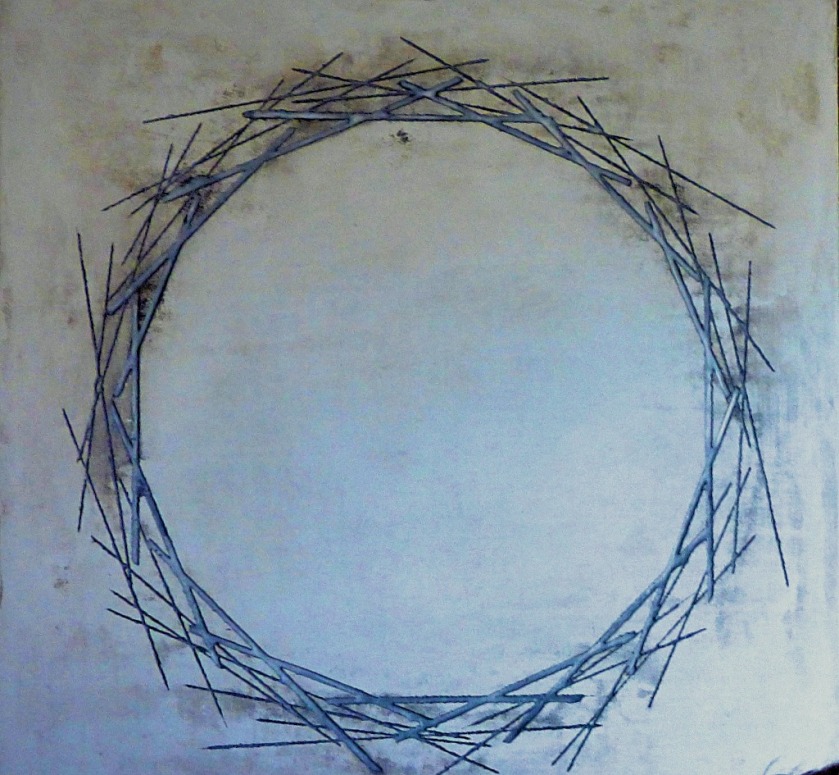
This put me somewhat in mind of Seahenge, now on display at The Lynn Museum.
The second post in my series about my visit to Cornwall, in which I cover the journey from St Germans to St Ives.
INTRODUCTION
Welcome to the second post in my series about my recent vsiit to Cornwall. As mentioned in the opening piece in this series I am breaking my coverage of my day out in St Ives into several posts. This post deals with the journey there (for the record, a day return from St Germans to St Ives costs £10.80), which is very scenic. For a Cornish perspective on St Ives check out this offering from the Cornish Maid.
ST GERMANS TO ST ERTH
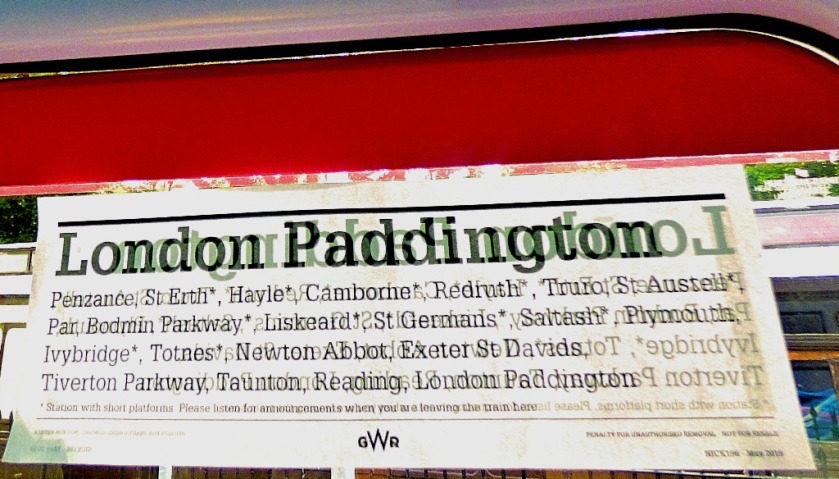
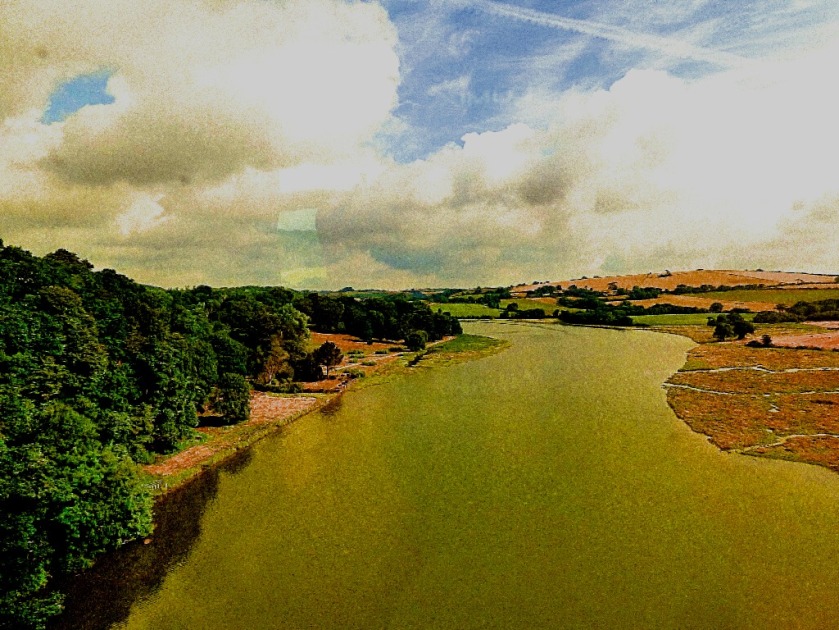
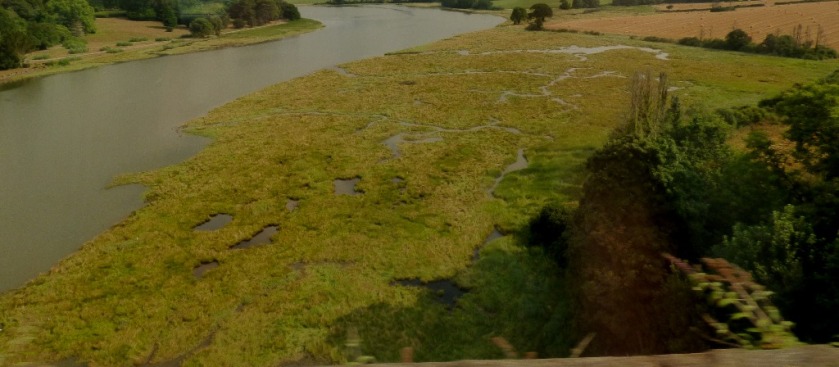
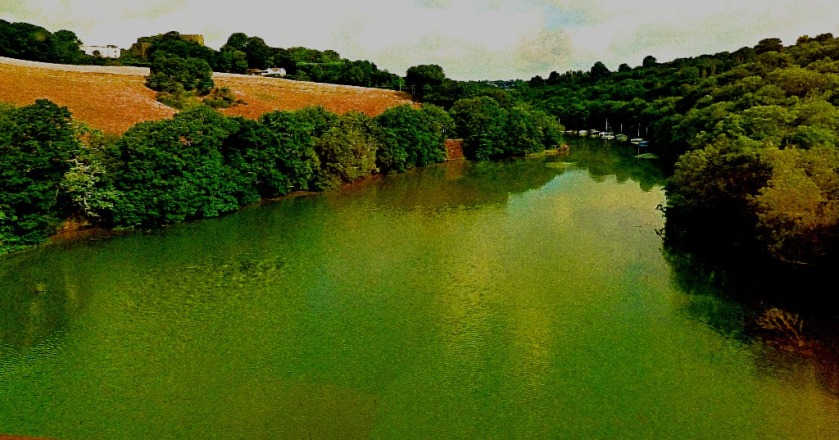
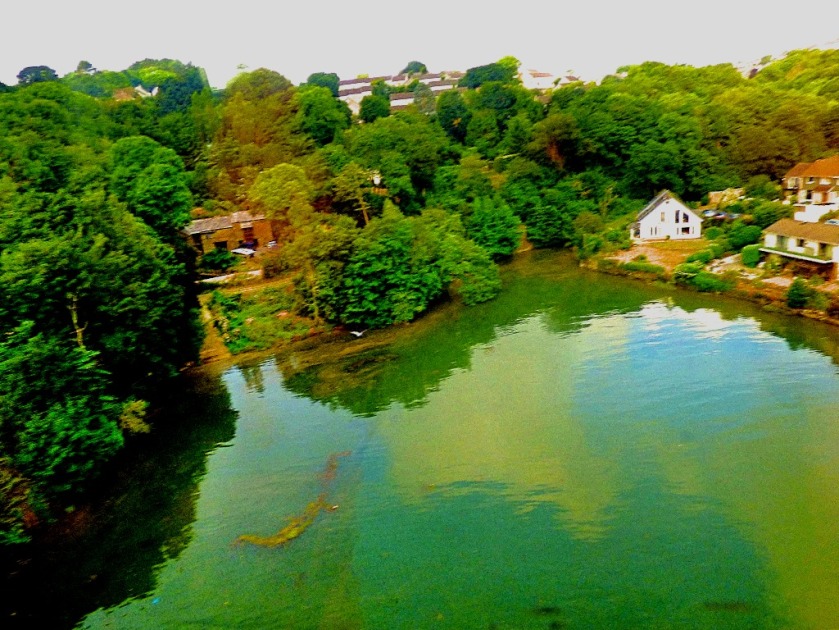
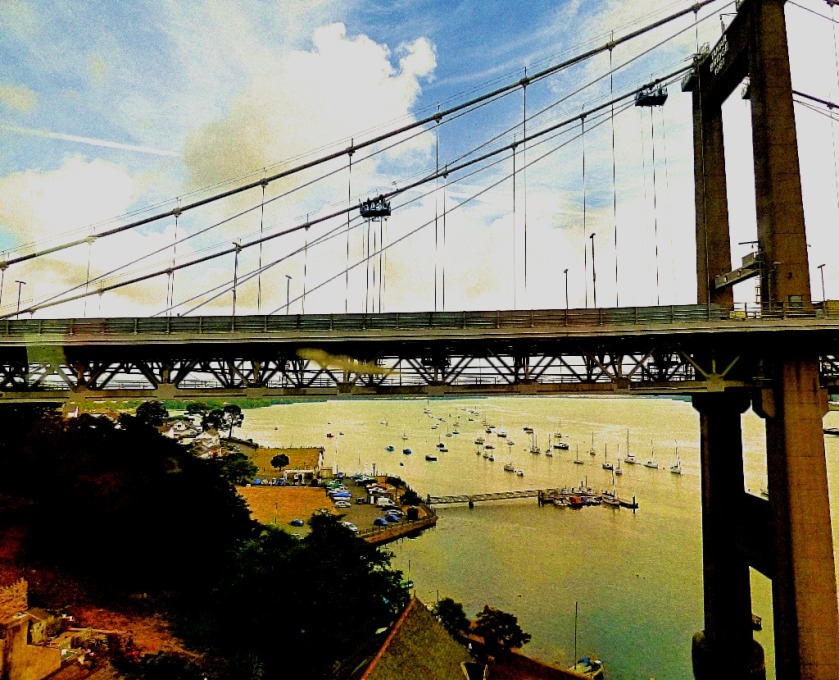
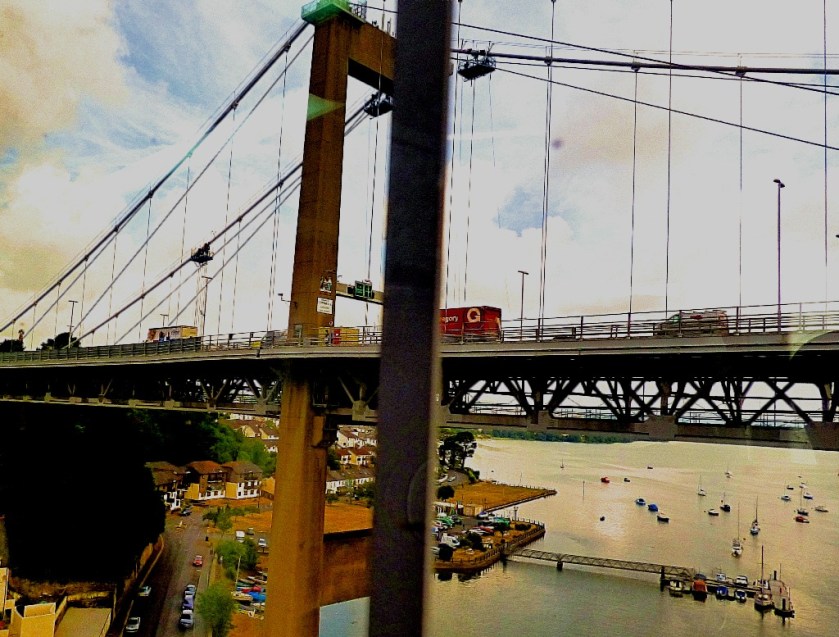
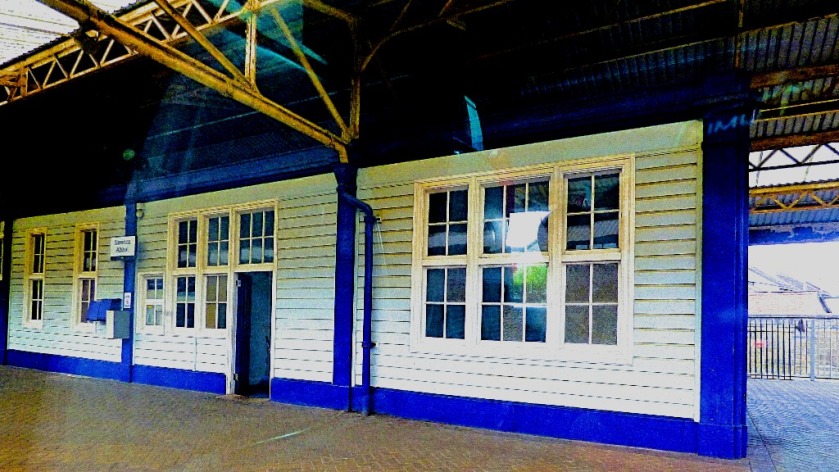
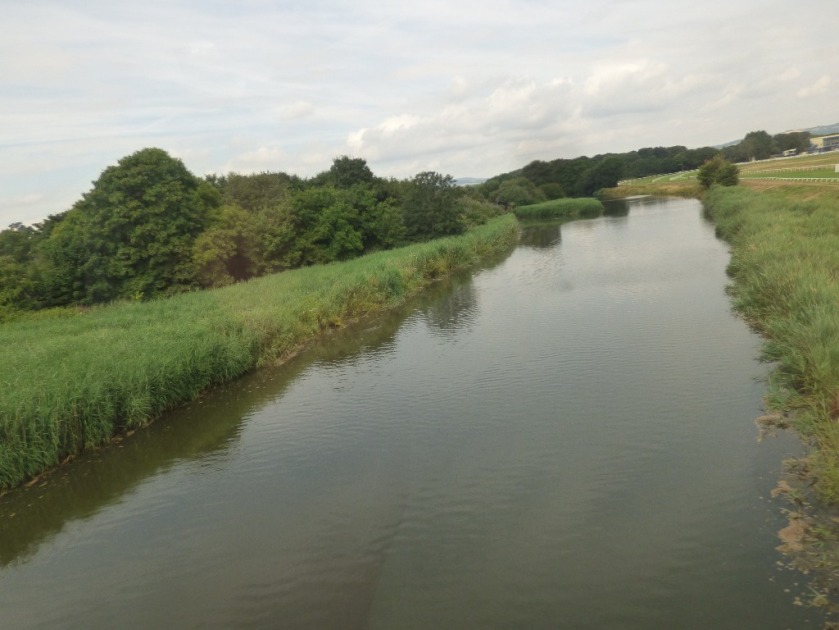
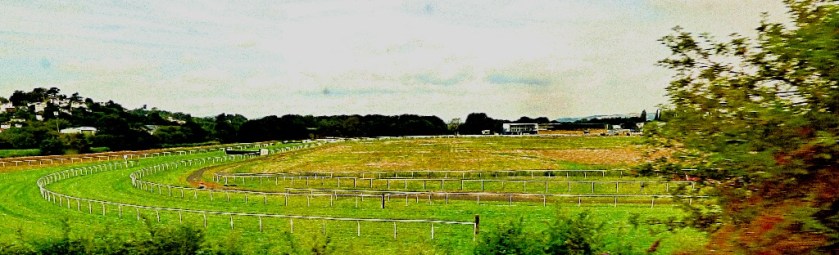
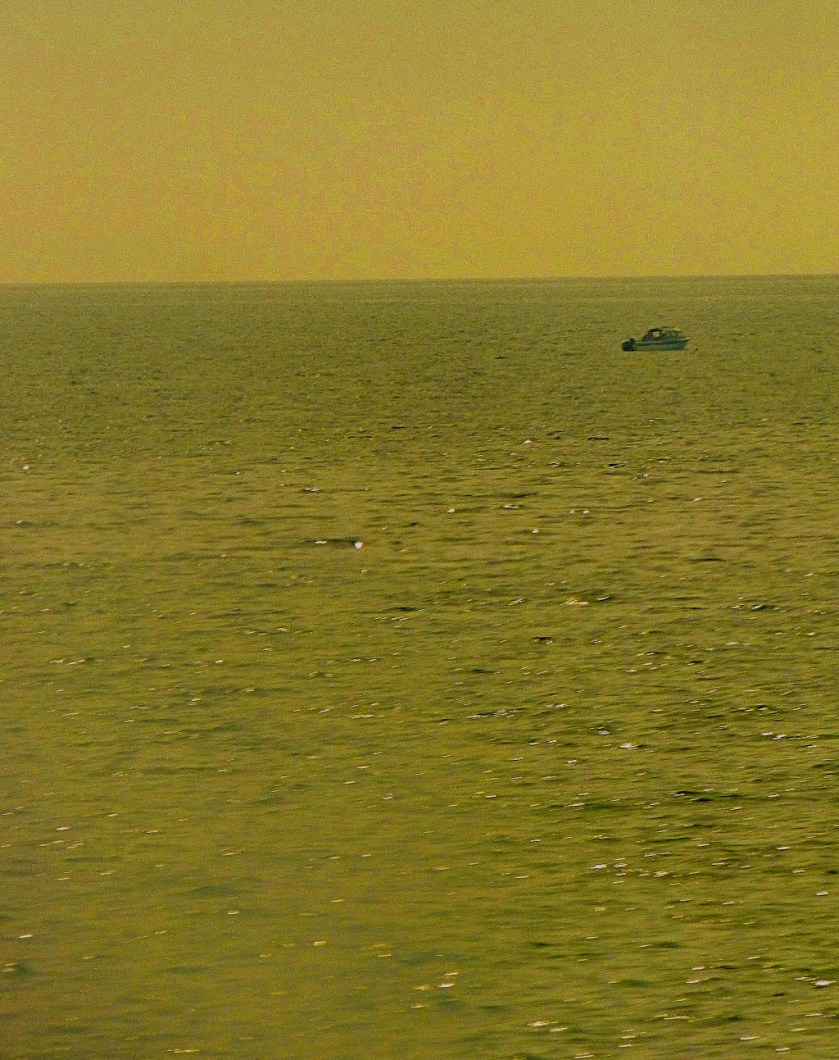
The railway element of the journey to St Ives consists of two parts – a journey west along the main line as far as St Erth (penultimate stop on that route), and then a short journey north along a branch line which terminates at St Ives. St Germans to St Erth is a scenic journey in its own right:
I was particularly glad to note this tribute to the great Richard Trevithick.
ST ERTH TO ST IVES
Though the route from St Germans to St Erth is scenic by any normal reckoning it is as nothing compared to the branch line from St Erth to St Ives. Although the route lists several intermediate stops the only one still in regular use is Lelant Saltings. I secured a window seat, although it turned out that I was not on the best side of the train and settled down to see what I could capture in the course of this journey.
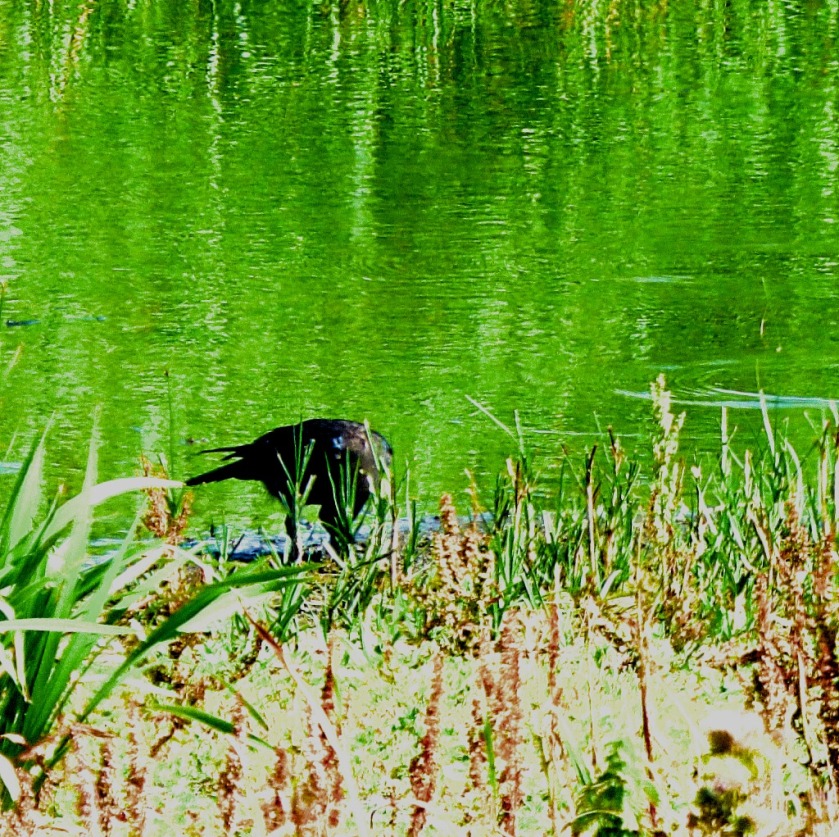
The stop at Lelant Saltings enabled to me to zoom in on this heron.The next few pictures feature mhy attempts to capture the beauty of Carbis Bay from a moving train.
A SNEAK PREVIEW OF THE MAIN FEATURE OF MY NEXT POST
A few minutes after my arrival at St Ives the decision about my main activity while there was settled. It will be the subject of my next post – for the moment here is a clue to whet your appetite: