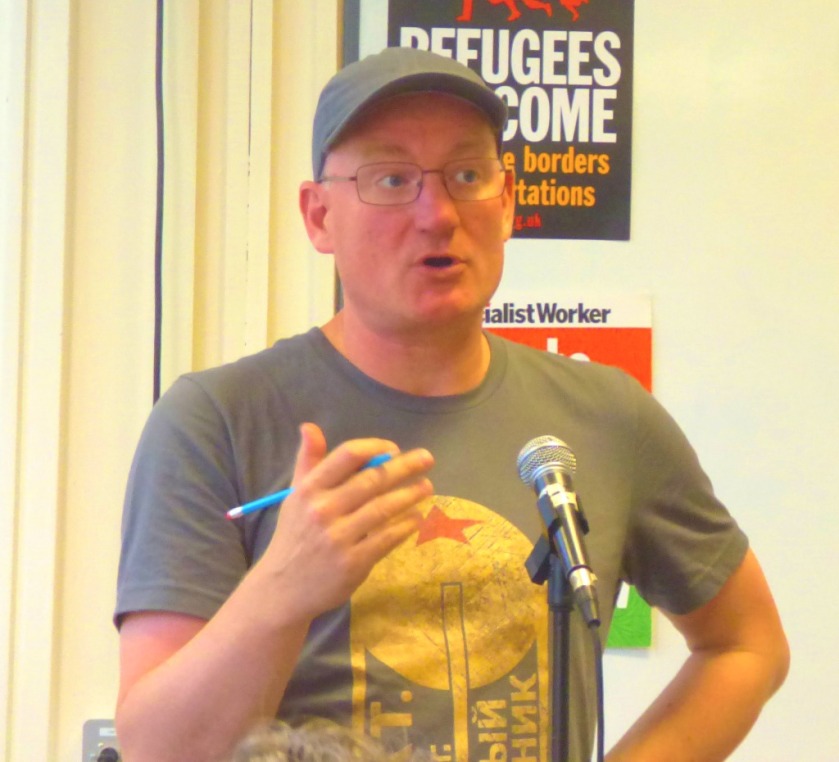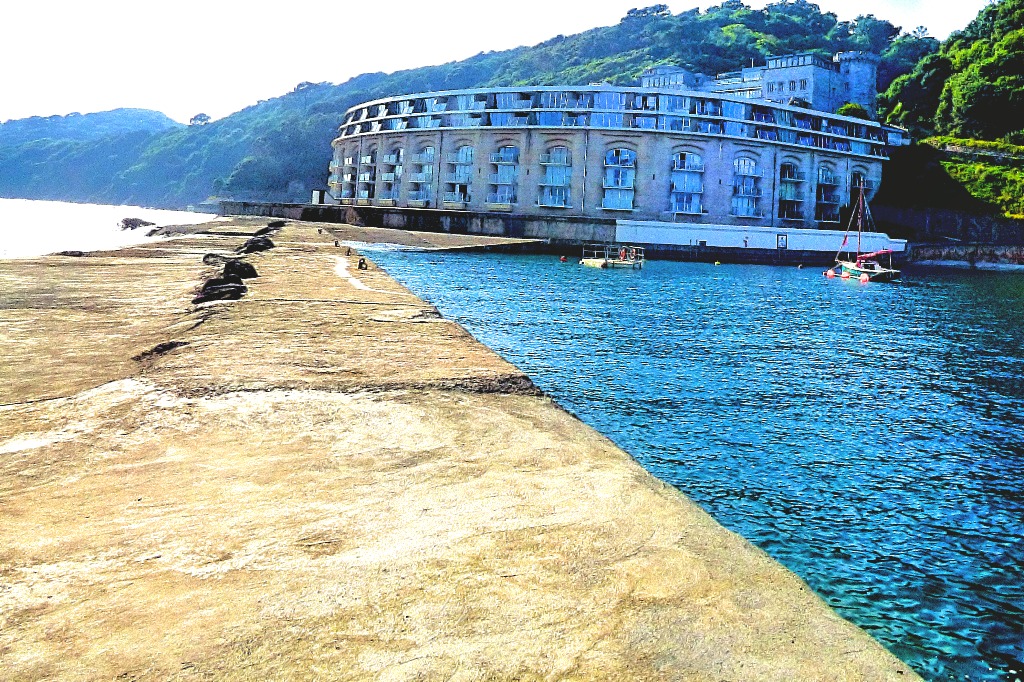
Marxism 2018: Martin Empson on Climate Change

My first post about Marxism 2018 – which has kicked off in fine style.

INTRODUCTION

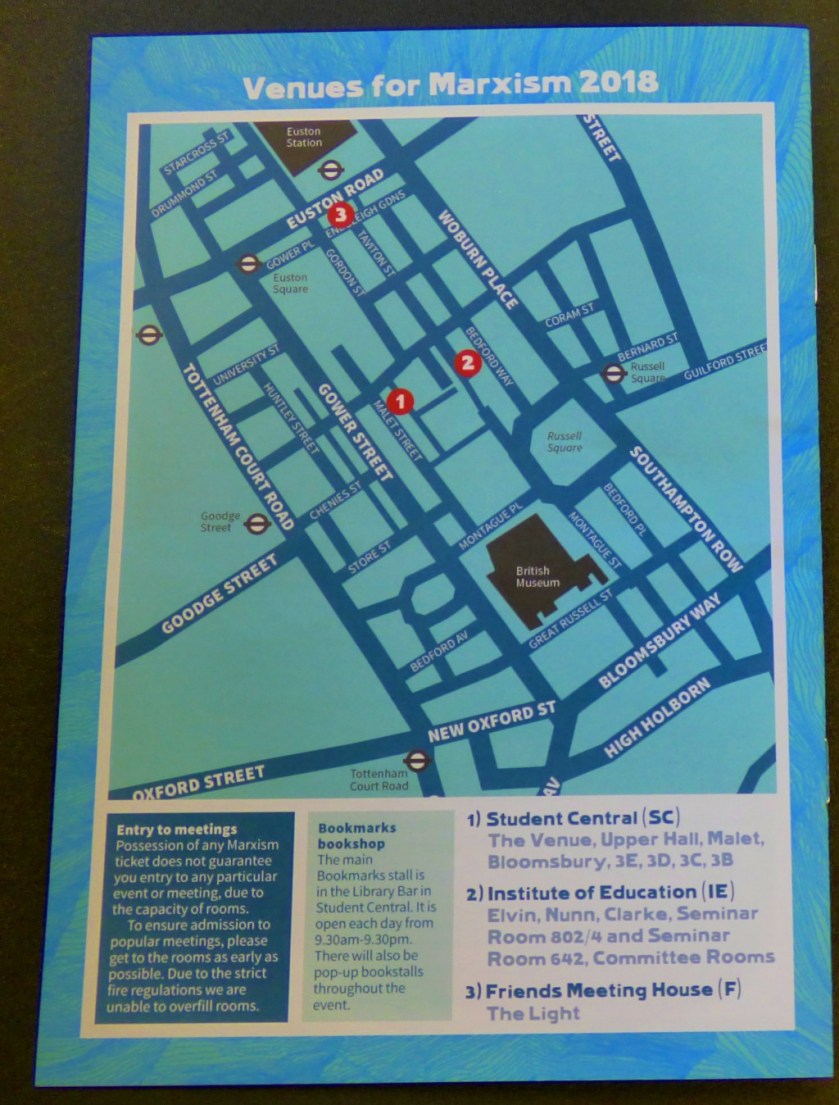
The Marxism Festival is always one of the highlights of the year for me, and it got underway today. My train to London ran a bit late, but I was still at the venue in good time to do everything that I needed to before the first meeting. 

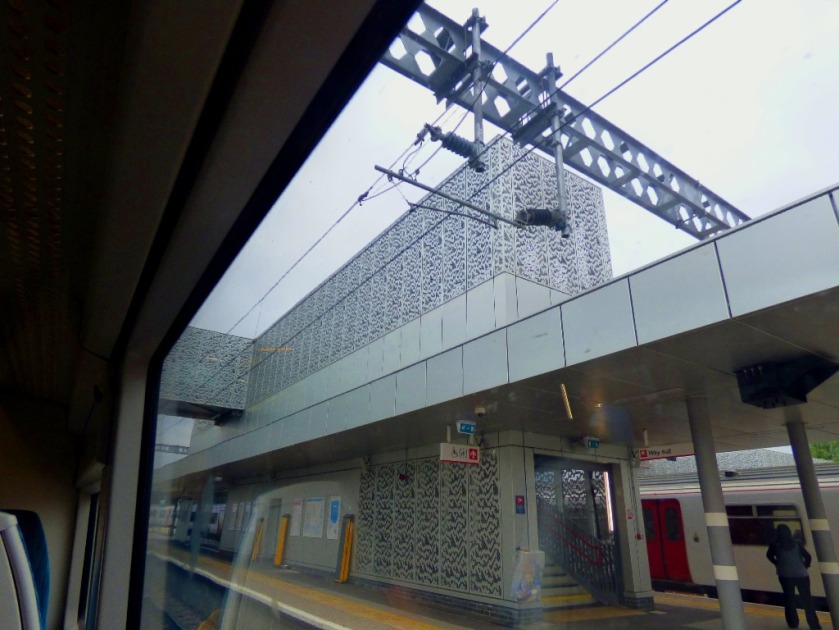
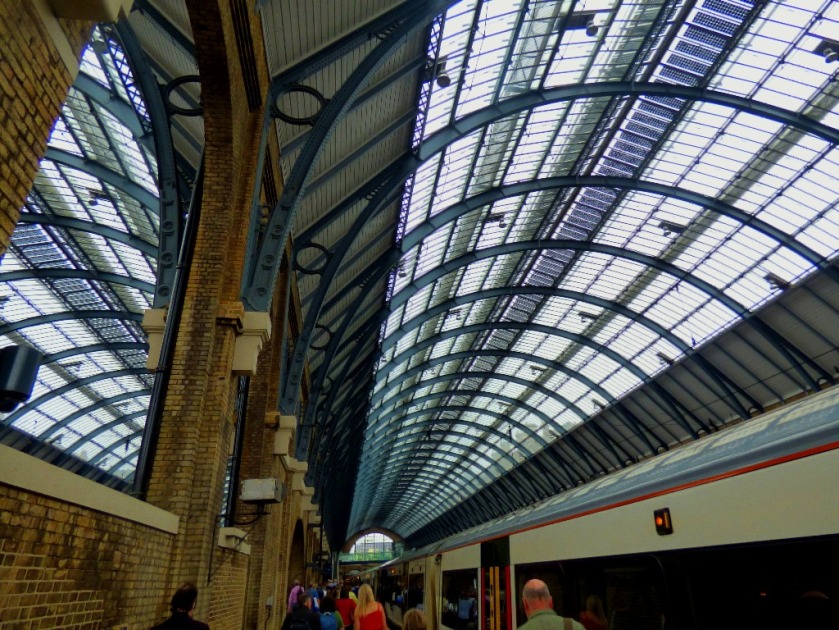
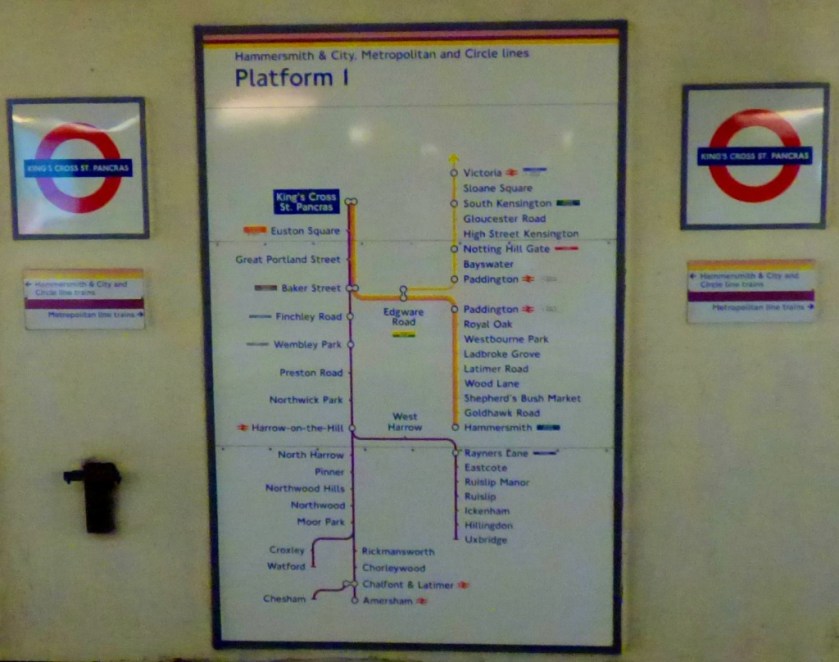
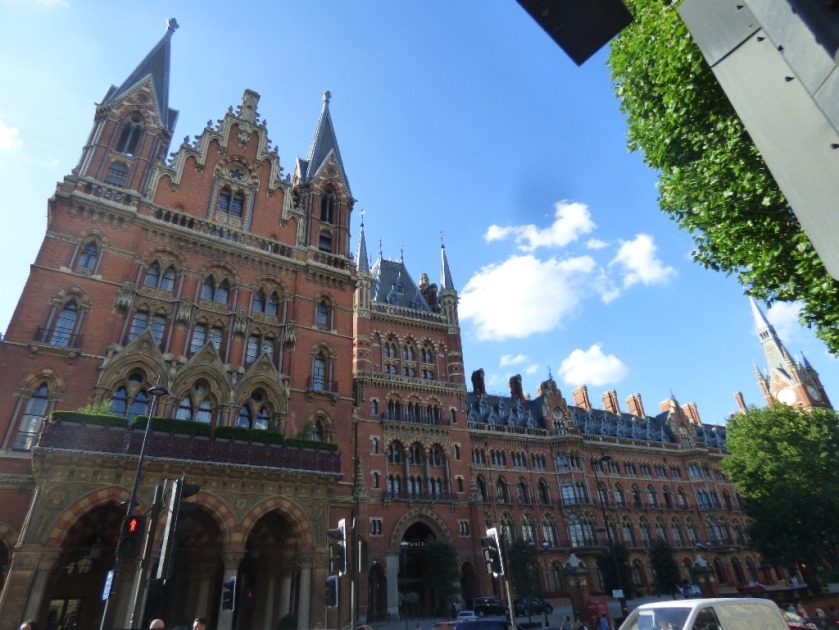
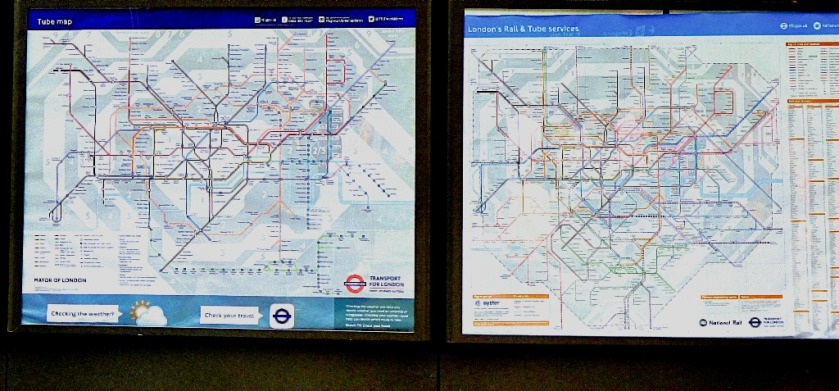
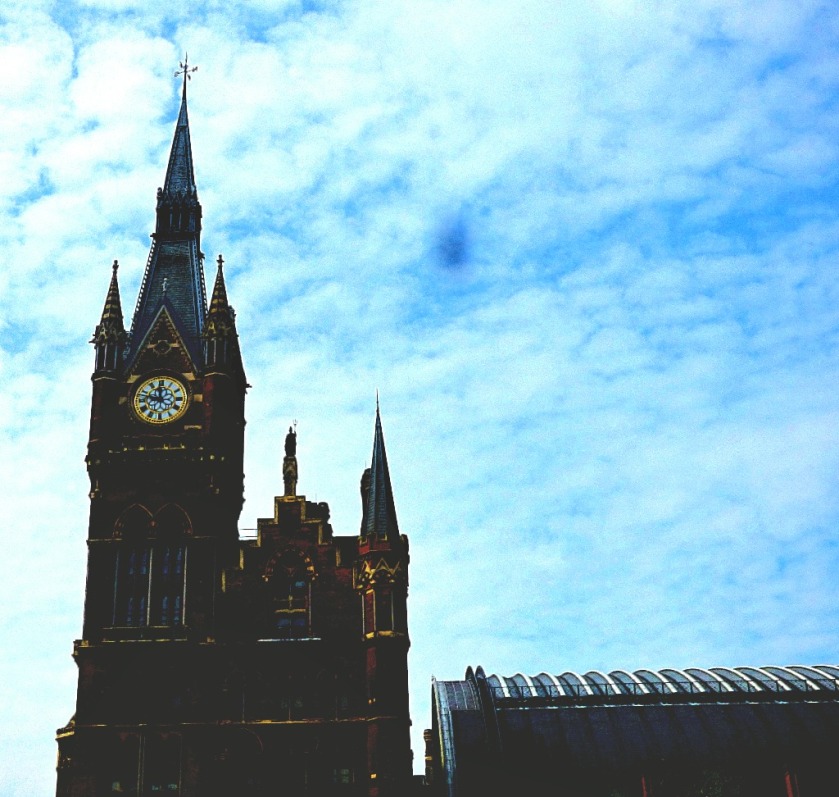
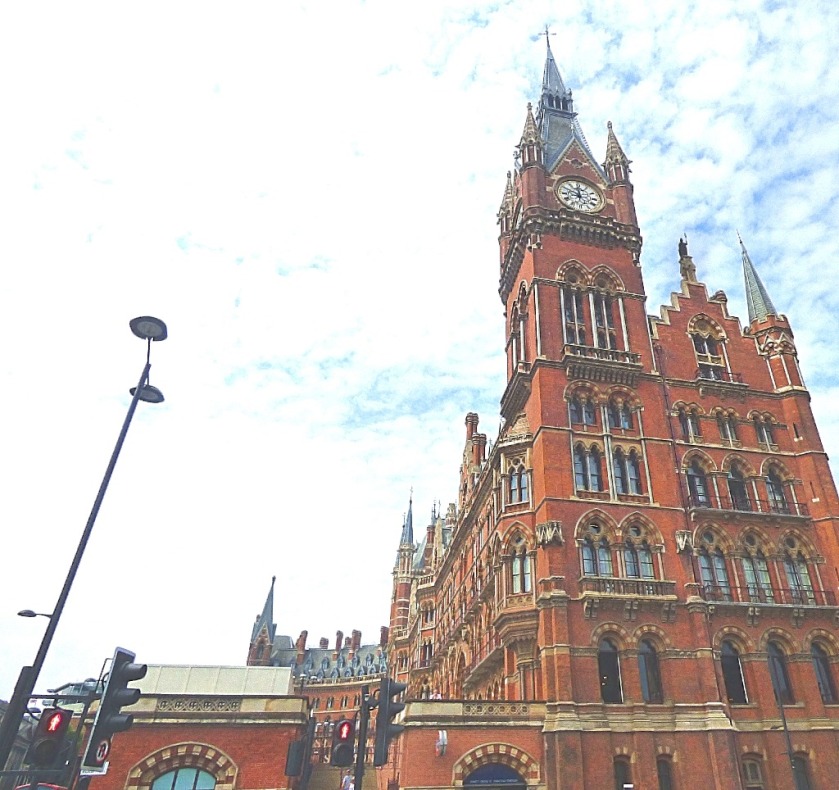
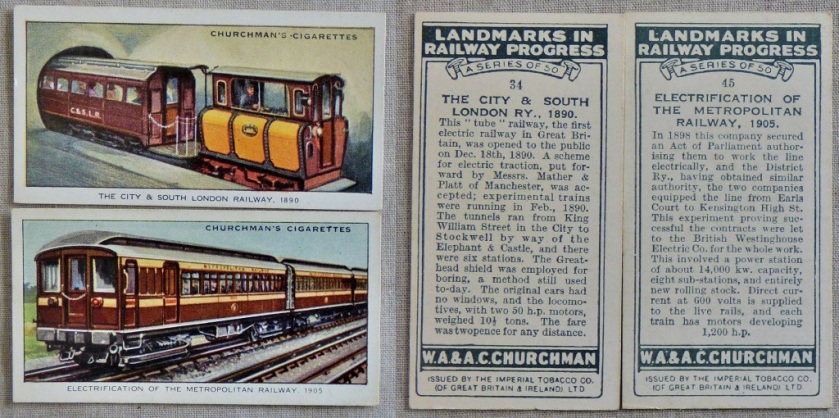
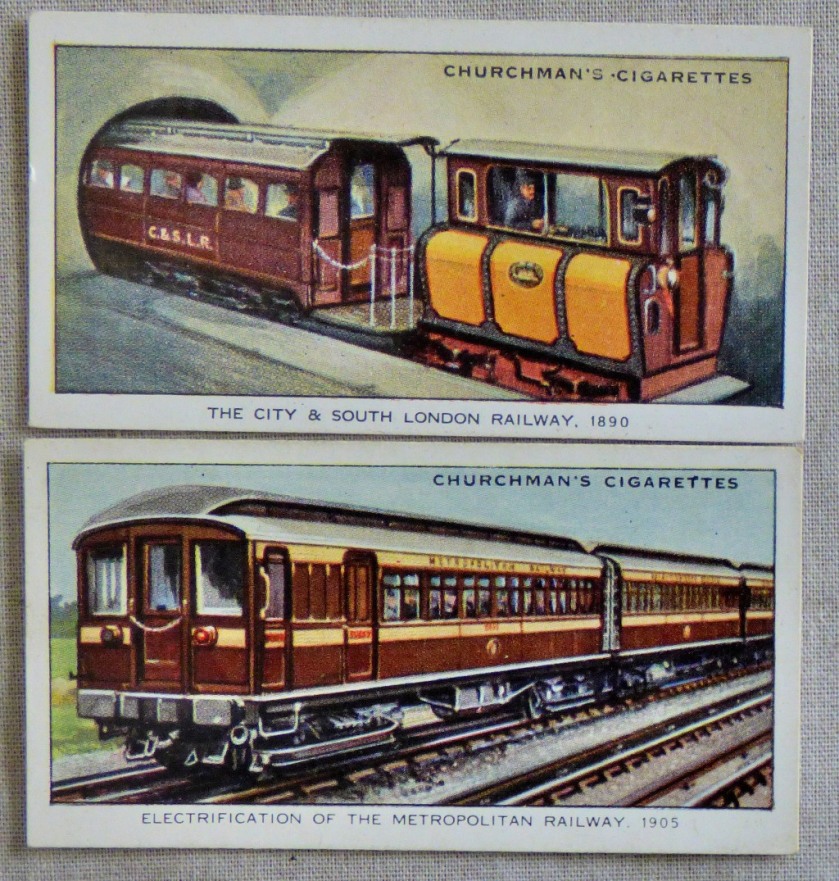
Double map, Kings CrossSt Pancras ISt Pancras IISt Pancras IIIRoundel

CLIMATE CHANGE: WHAT DOES THE ANTHROPOCENE MEAN FOR REVOLUTIONARY STRATEGY

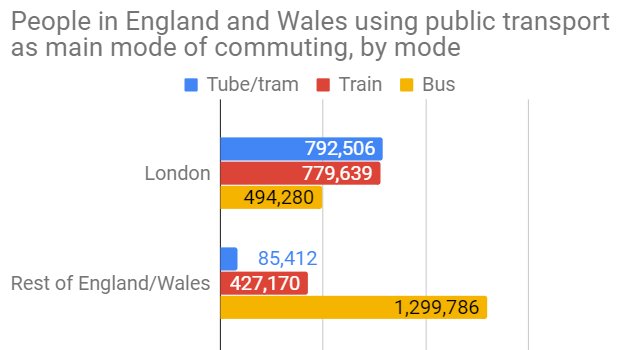
Just before I get on to covering this excellent meeting I wish to deal briefly with a related matter: Jeremy Corbyn has been getting stick in certain circles for choosing to use Prime Minister’s Questions this week to tackle Theresa May on the state of buses in Britain. He was right to take her to task on this topic, and she floundered hopelessly as she usually does, unable to answer the questions. Here are a couple of charts from nomisweb.co.uk that between them make quite clear the rightness of Corbyn on this issue, which I found by way of the twitter feed of somebody called David Ottewell

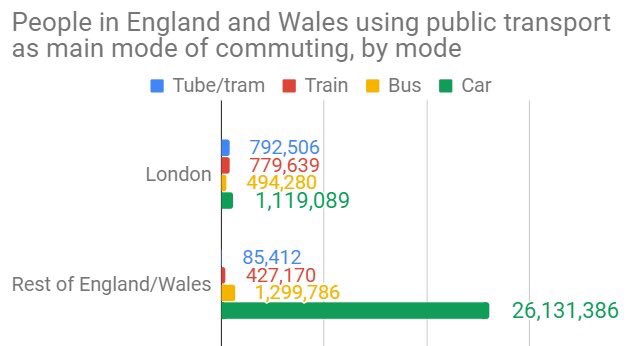
and with car journeys added to the chart:

That vast number of people using the car as their main mode of transport outside of London is a major problem in many ways, and is caused in large part by the scandalous state of bus services outside the capital. As a concrete example, King’s Lynn is the third largest town in Norfolk while Fakenham is a market town in the middle of Norfolk. The last bus out from King’s Lynn to Fakenham leaves Lynn at 5:40PM, while the last bus back from Fakenham to King’s Lynn leaves Fakenham at 5:30PM – and this is still a better bus service than most of Norfolk can count on.

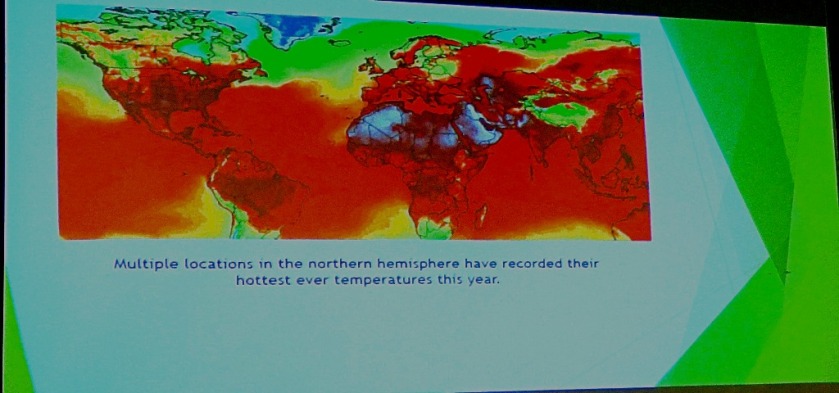
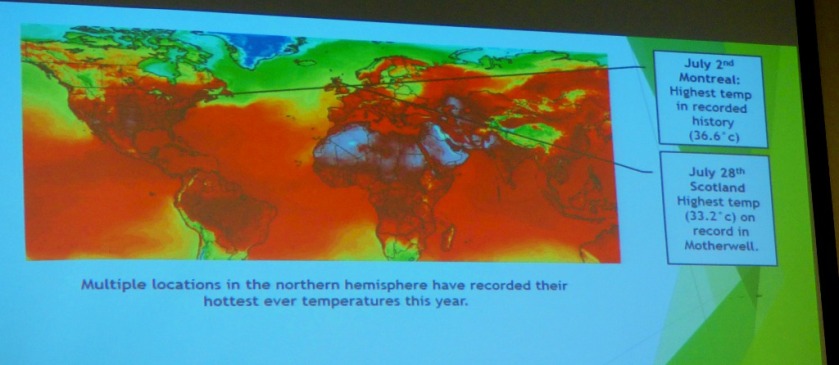
The meeting began with an explanation of the term Anthropocene, and then covered some details about recent heat records:

Display IDisplay II

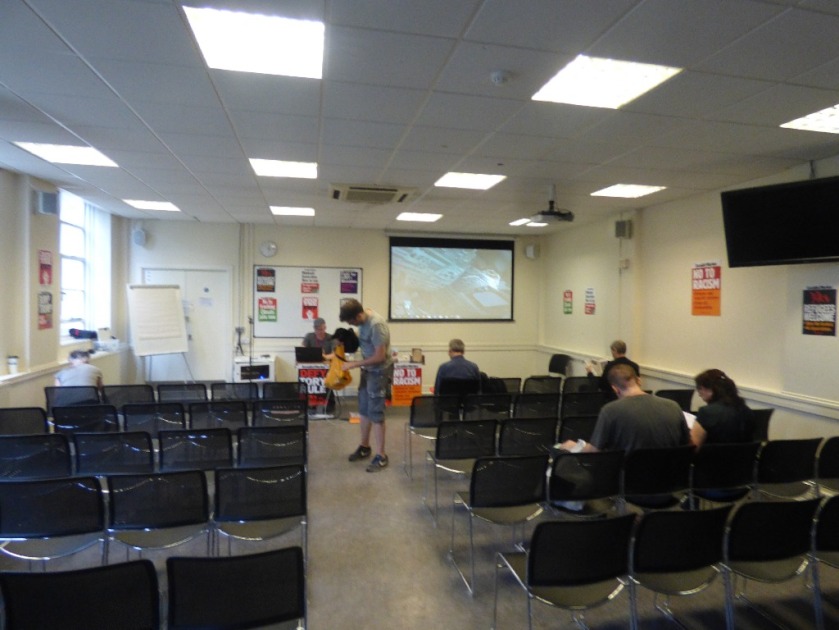
3E before Martin Empson meeting
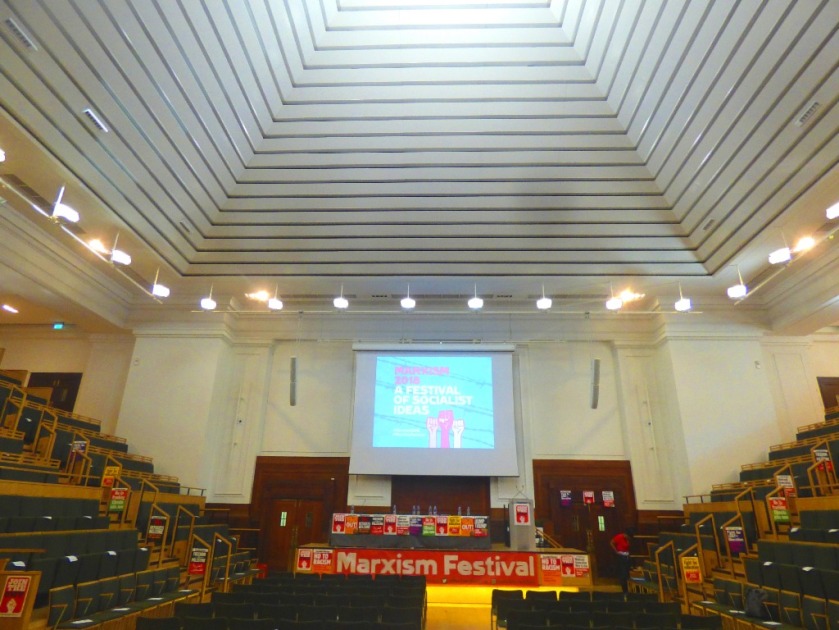
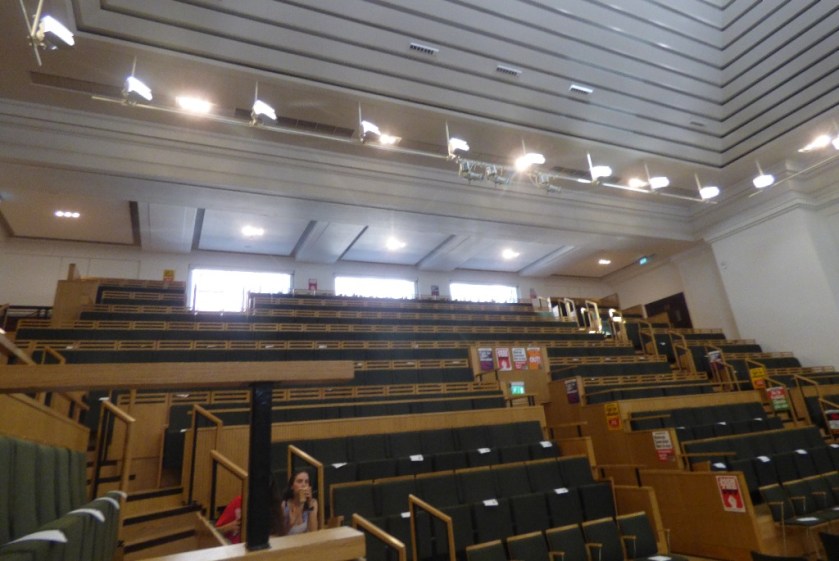
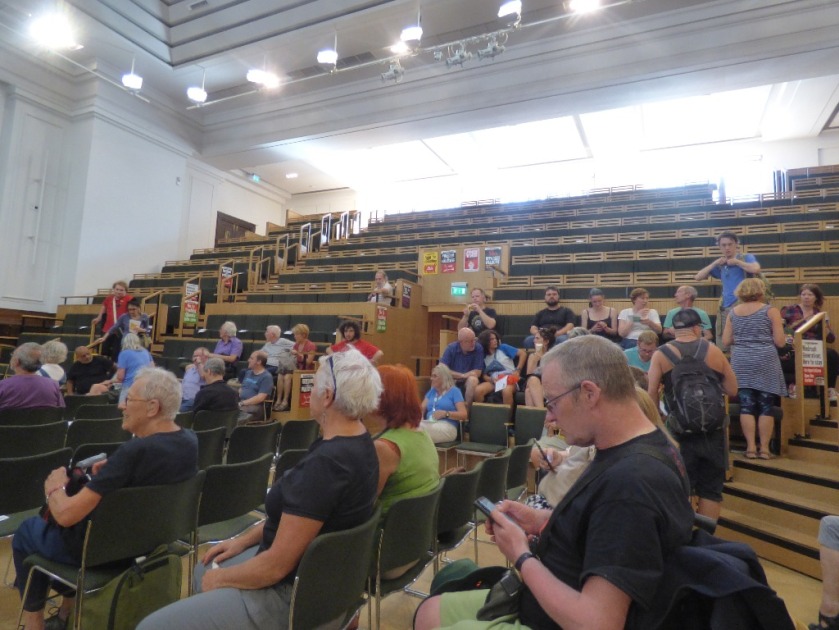
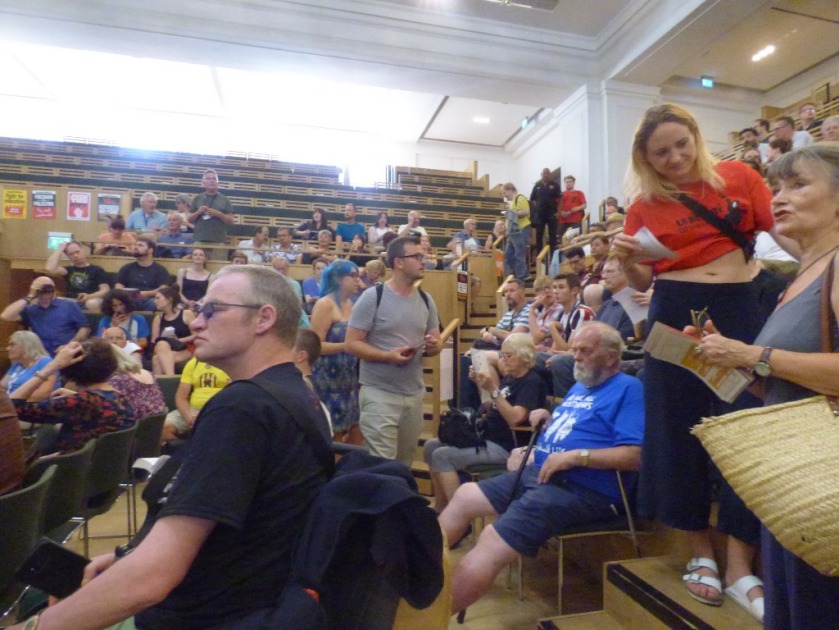
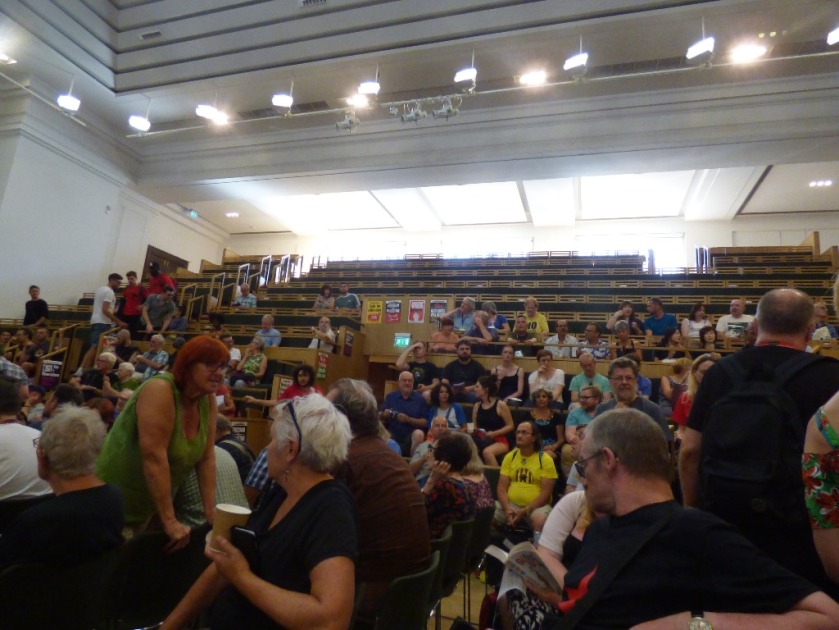
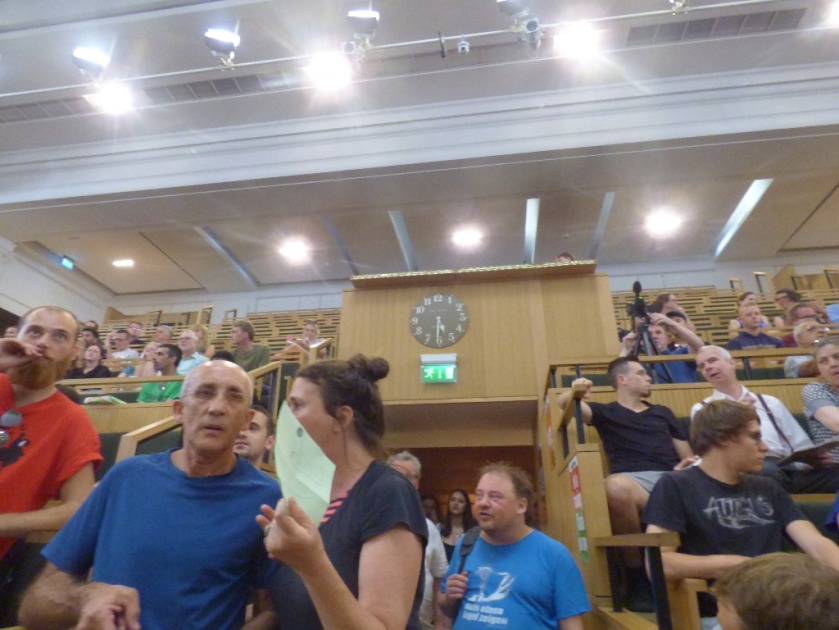
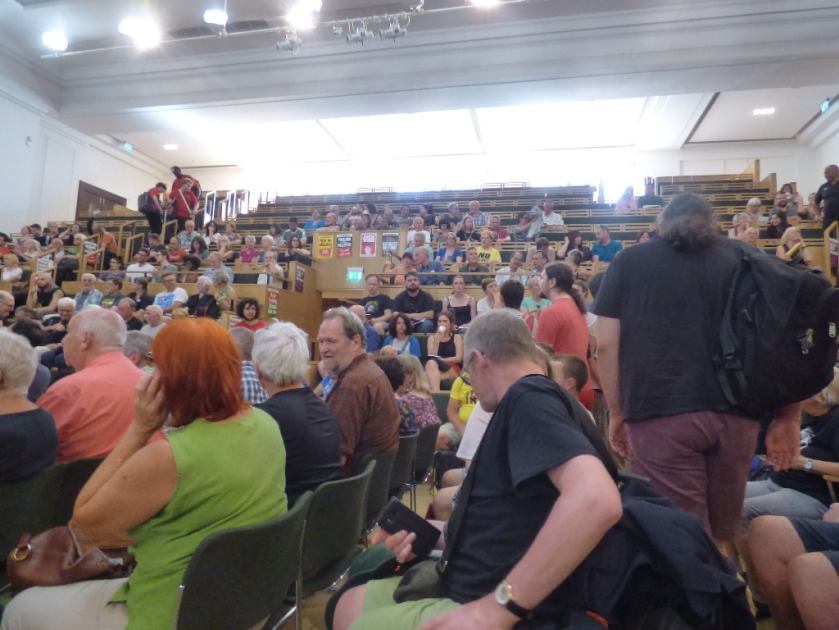
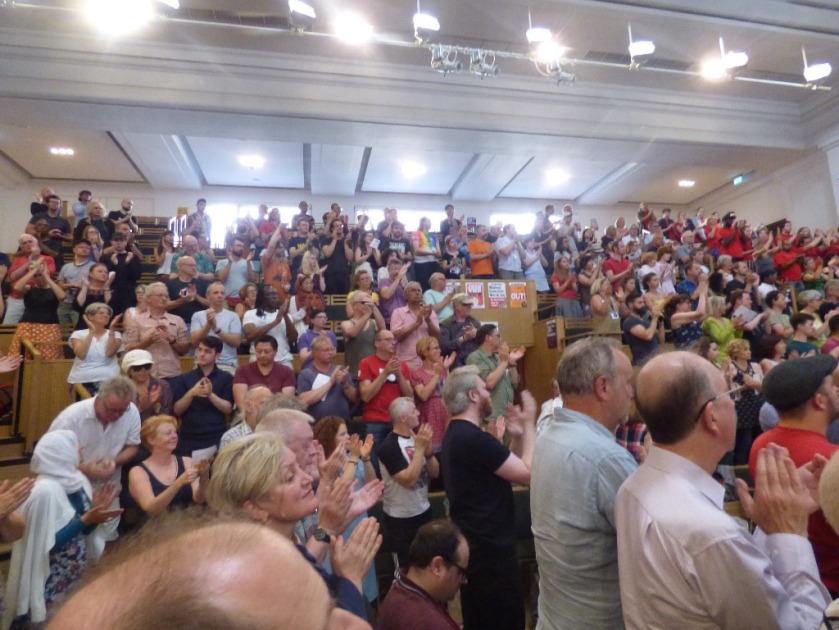
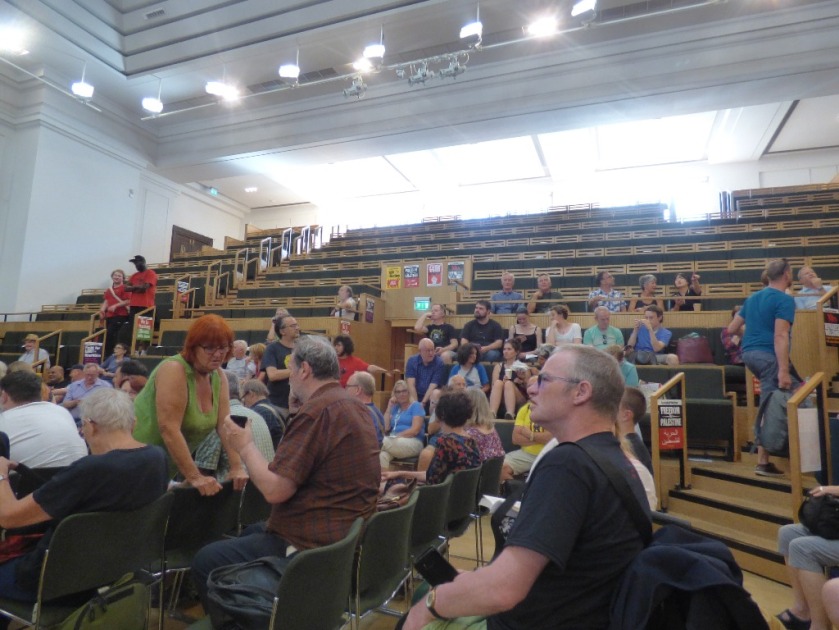
The room in which my first meeting was taking place.

Book Display

Martin at the ready
Martin Empson preparing himself.

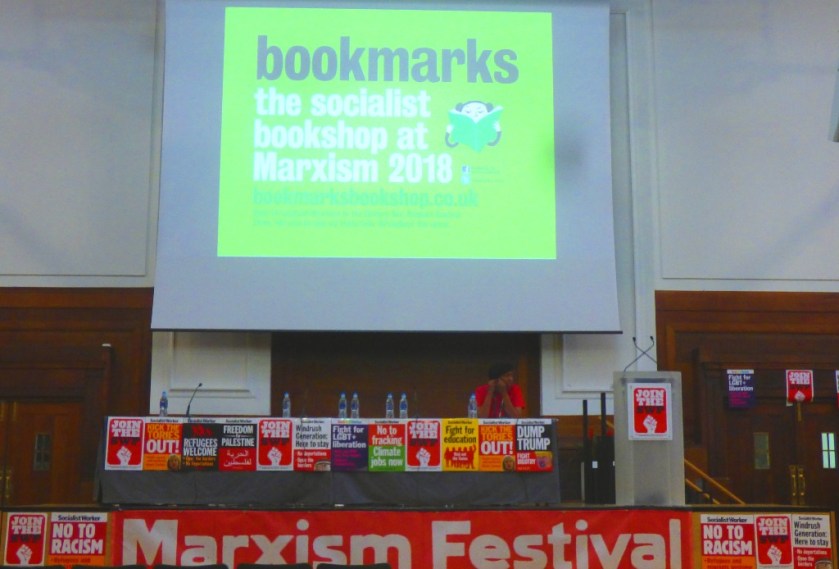
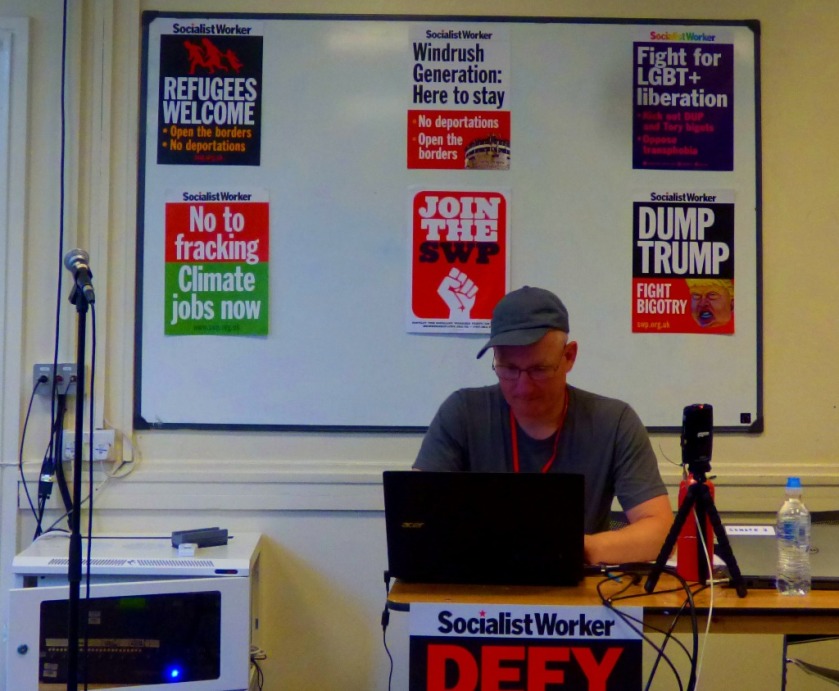
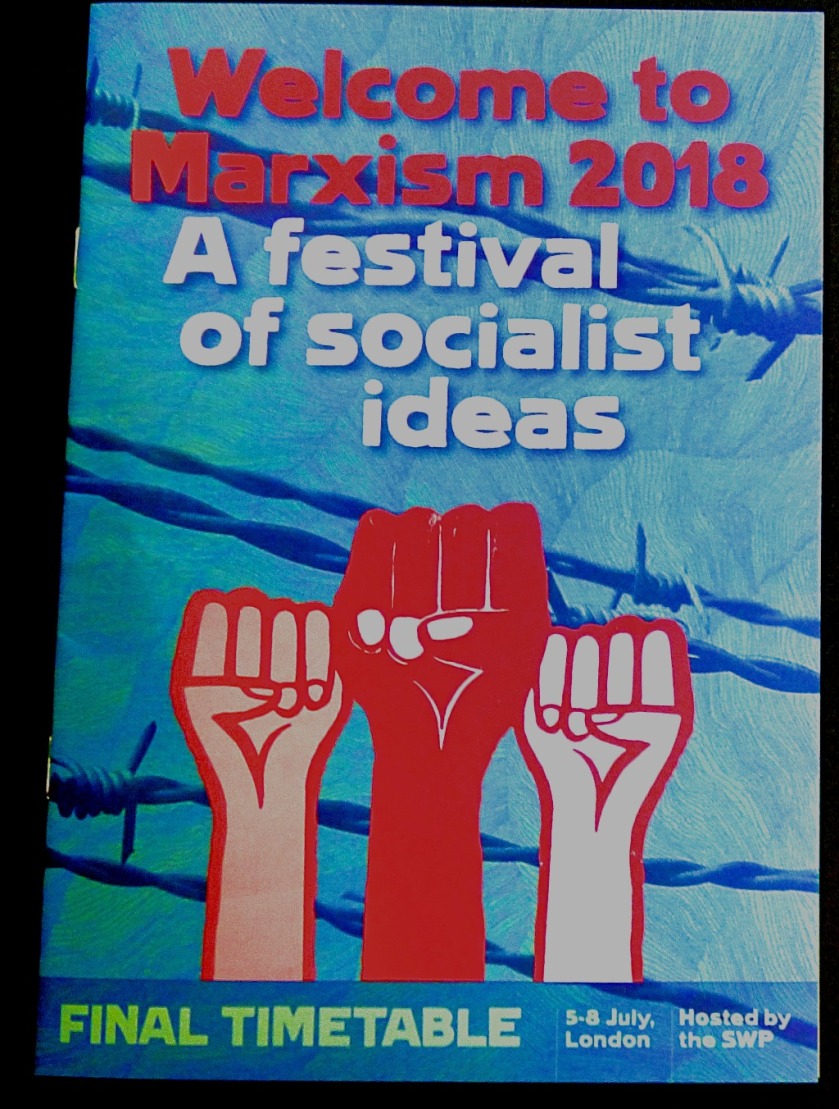
No To FrackingTimetable FCTimetable BCCover slide

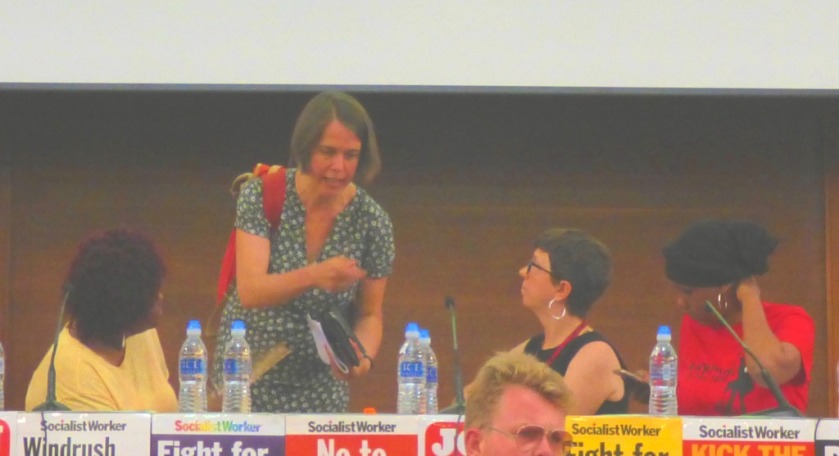
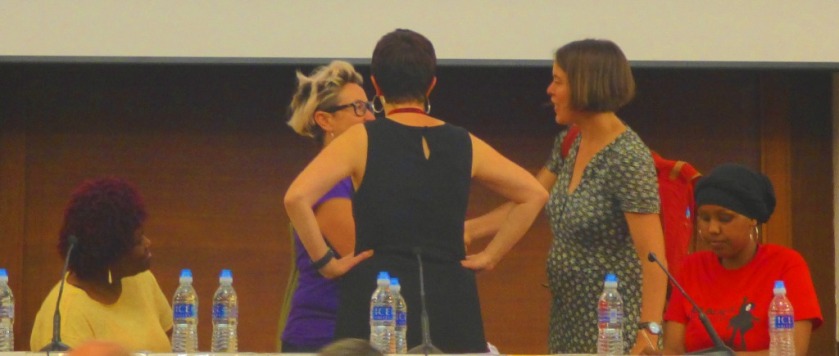
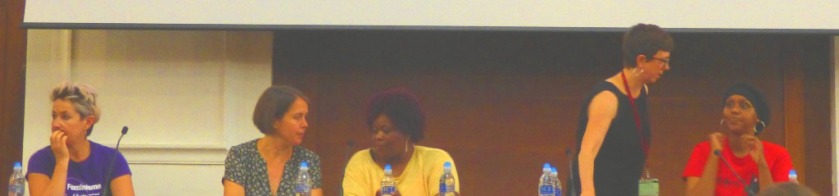
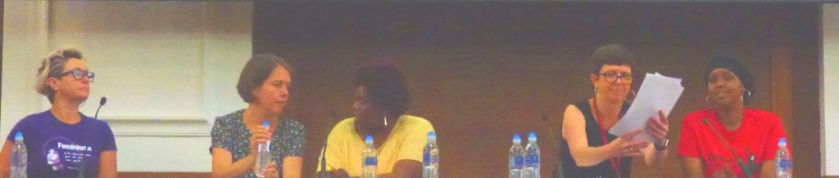
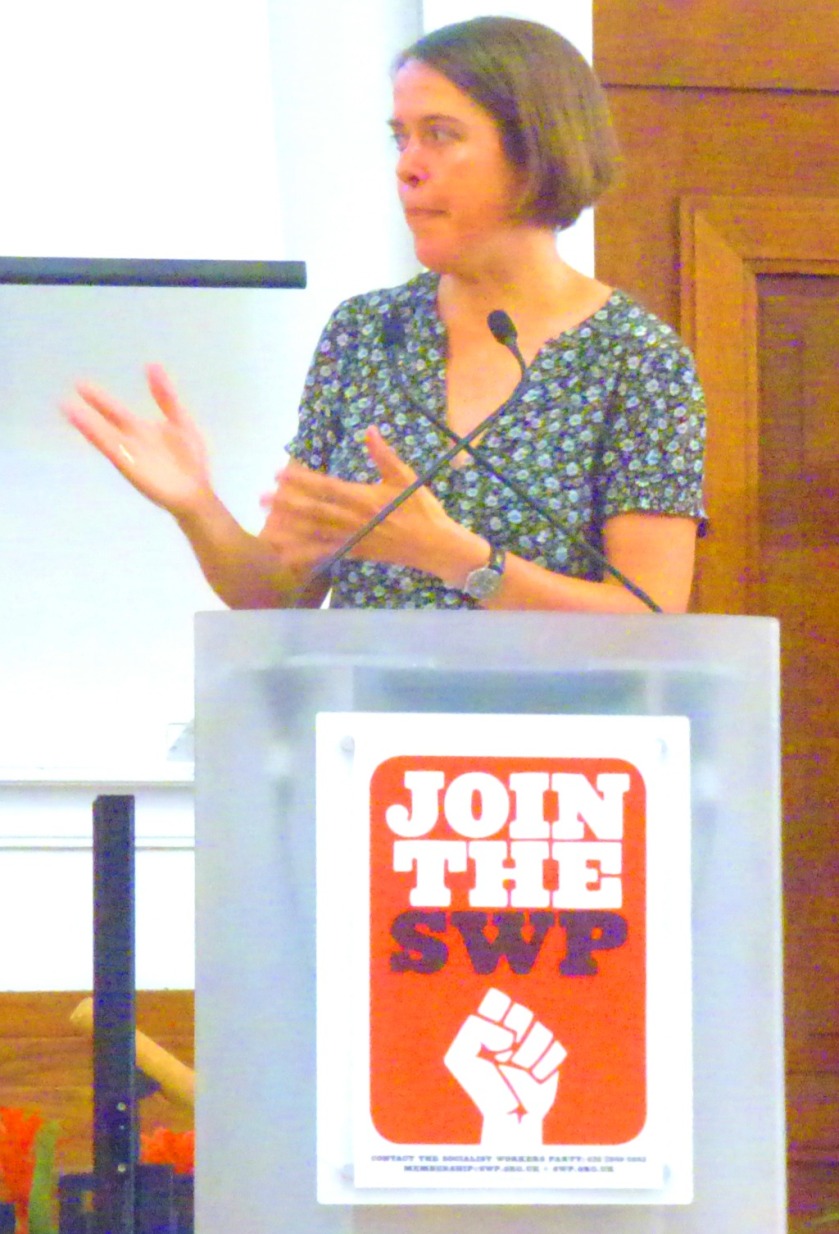
Speaker and chair just before the start
Speaker Martin and chair Jasmine just before the start.

Fracking plus WindrushDump Trump

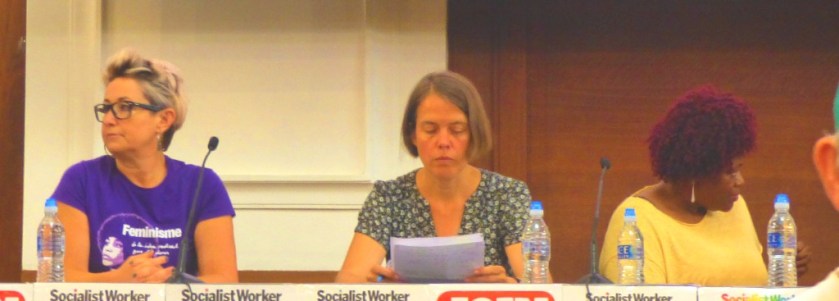
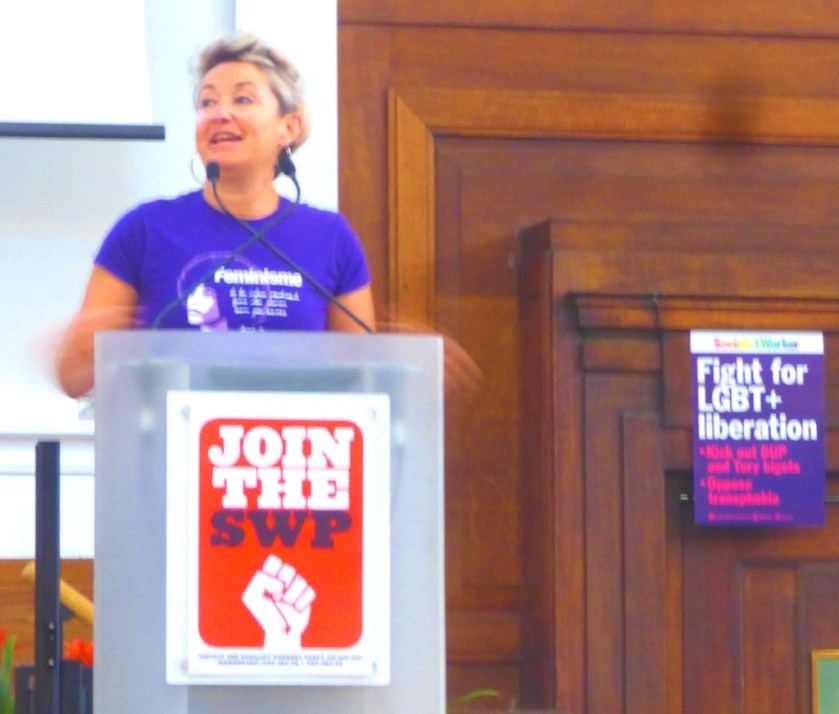
The chair introduces the meeting
Jasmine introduces Martin
Heatwave slide I
The first of six record temperatures set in a very short space of time to be shiown here.

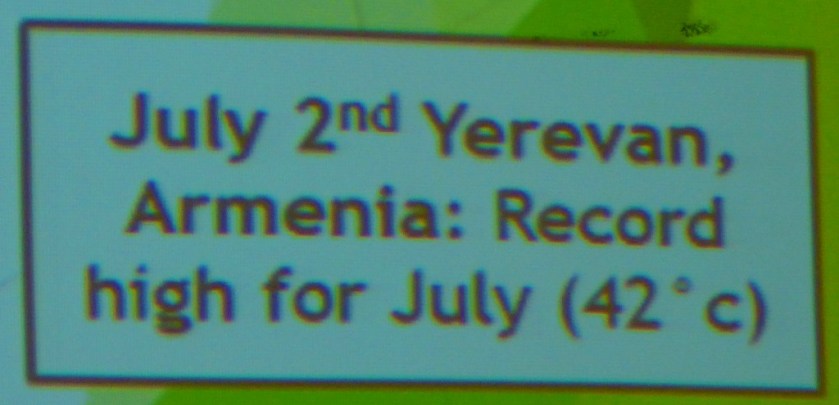
Heatwave slide IIYerevan record

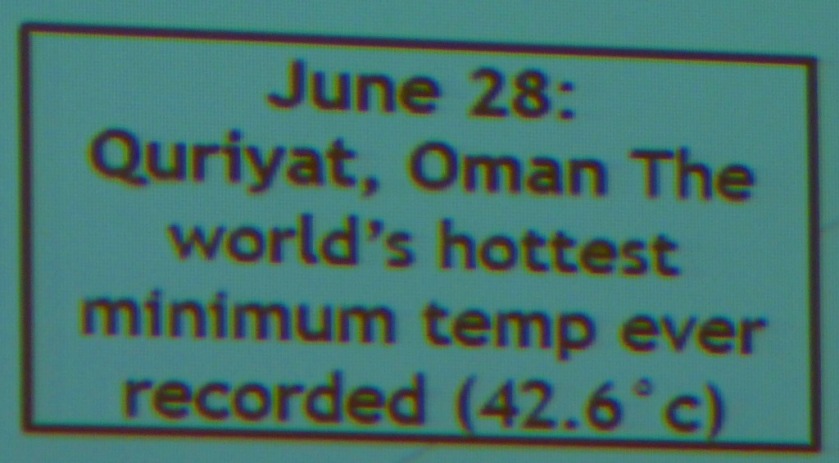
Quriyat min temp
This means that there was whole 24-hour period in which the temperature was never at any point less than 42.6 celsius in this location.

Pakistan 5o degrees

Colorado
A heat record set in the country with a climate change denier as president.
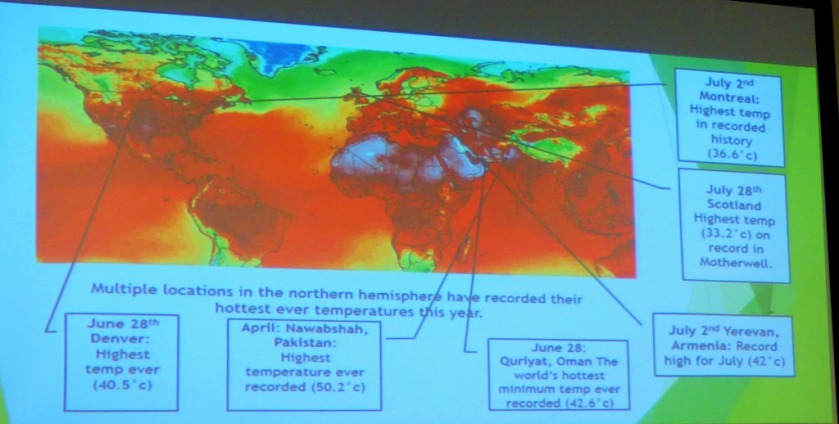
Heatwave slide - final
The final slide showing all the records.

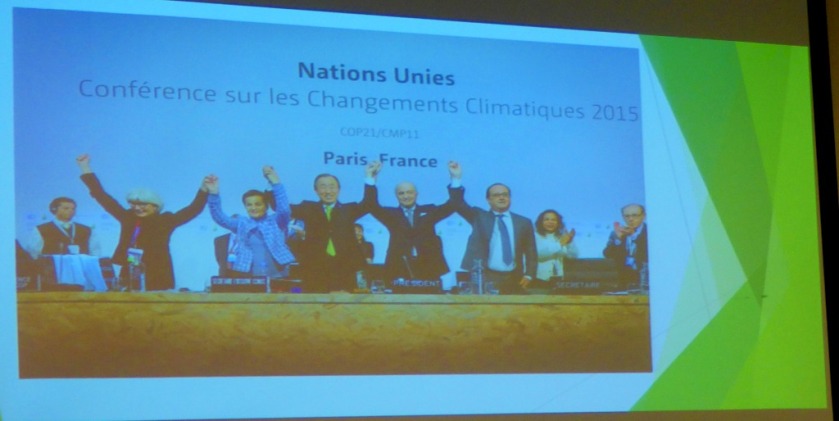
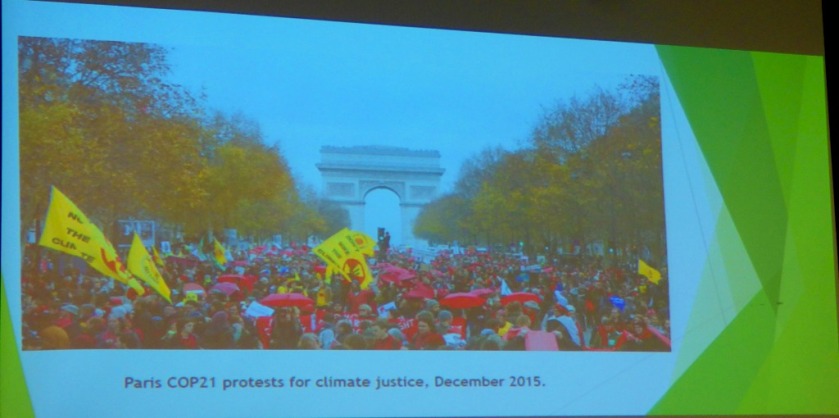
After this the speaker went on to talk about the inadequacy of the provisions made at an important meeting in Paris, the demonstration that occurred in Paris at the same time as that meeting and to end with a message:

Climate Change meetingCC protest

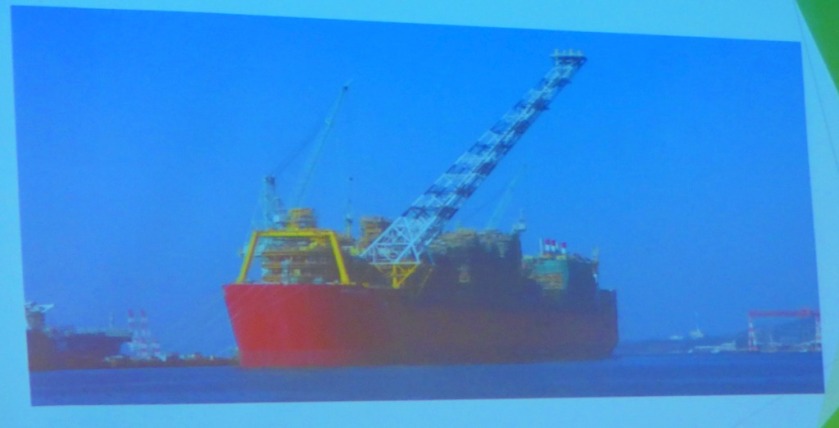
Gas Platform
This is the largest floating object ever built by humans – an offshore gas platform owned by Shell.
System Change Not Climate Change
The ultimate message of this meeting.

There then followed an excellent discussion as people asked questions and made contributions, before Martin came back to tie everything together. This meeting was an excellent start to my Marxism 2018.

Camilla contributes from the floor
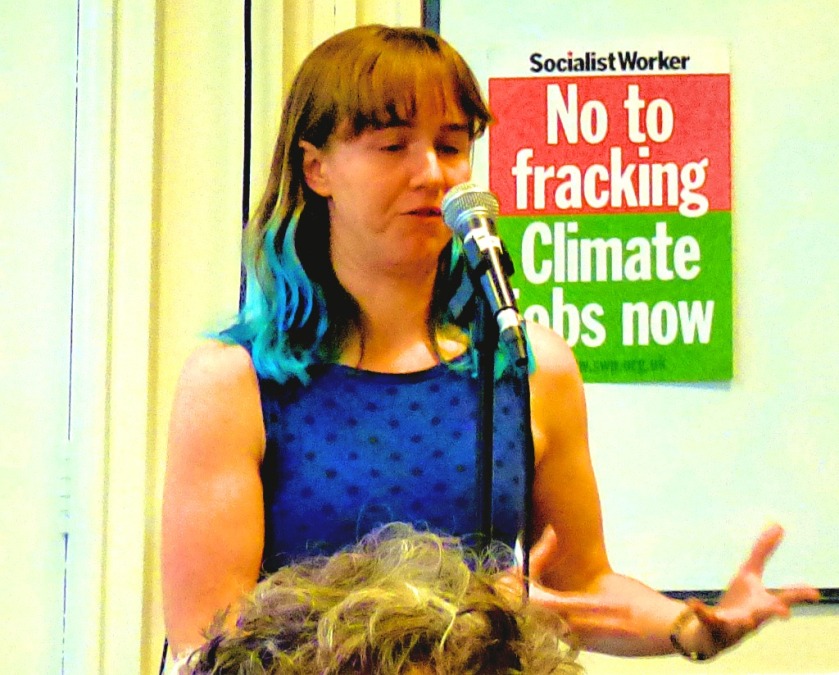
This young woman was to be the main speaker at the second meeting I attended, and her contribution from the floor in this one was excellent.
Martin summing up the meeting
Martin Emspon summing up.

LGBT+ Liberation

An A-Z of Me

A personal A-Z, inspired by a post on The Cornish Maid.

INTRODUCTION

This post was inspired by The Cornish Maid’s post “A-Z about Me!!!“. Like the post I have just referenced there will be one entry for each letter…

MY PERSONAL A-Z

A FOR AUTISM

I am autistic myself, and also branch secretary of NAS West Norfolk. This entry is a very appropriate starting point because it was my diagnosis and the role I then had running a support group for Asperger East Anglia that led me to create this blog. 

B IS FOR BOOKS

I have always loved books, and am a very voracious reader. In addition to my own collection I am a regular user of several of Norfolk’s libraries, and yes I do use them to borrow books. 

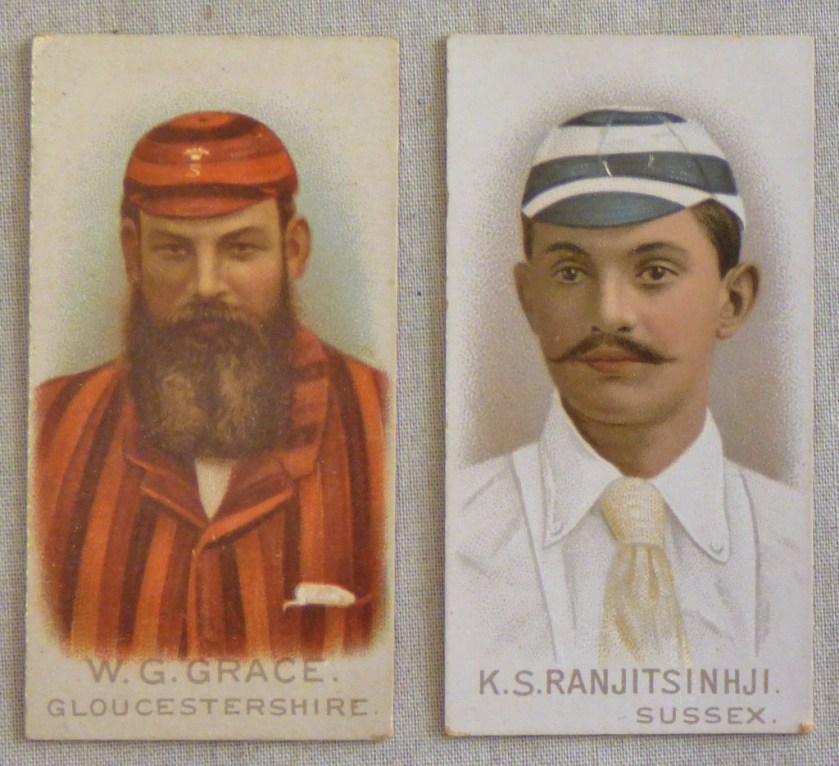
C IS FOR CRICKET

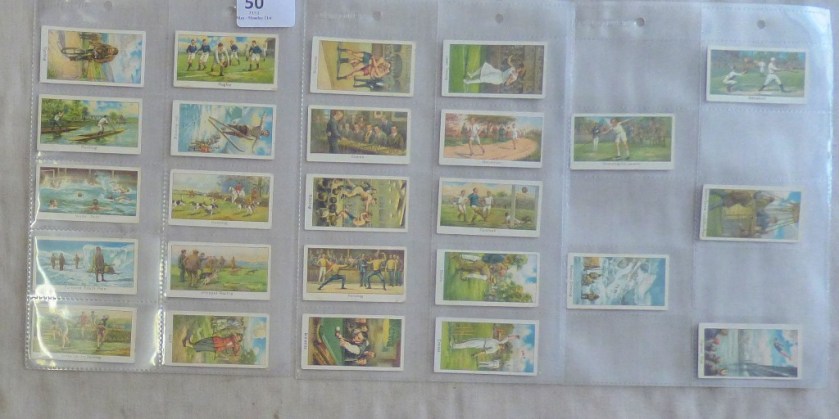
I have been an enthusiastic follower of cricket for over 3o years (my attempts at playing the game foundered on a chronic lack of talent). The fact that my employers had an auction yesterday and have another on Saturday means that I am off work today, and therefore able to listen both installments of the Women’s T20 double header. Here is the feature image from Saturday’s upcoming auction:

2412-b

D IS FOR DETECTIVE STORIES

This is an extension of my love of books as a whole. I regularly borrow large quantities of detective ficition from thbe libraries. Among my very favourites are Edward Marston’s Railway Detective stories.

E IS FOR EAST RUDHAM

The village in West Norfolk where I began to rebuild my life after mental health issues had nearly destroyed me. I lived there for just over five years and was a regular visitor until my parents recently moved to Cornwall.

F IS FOR FERRY

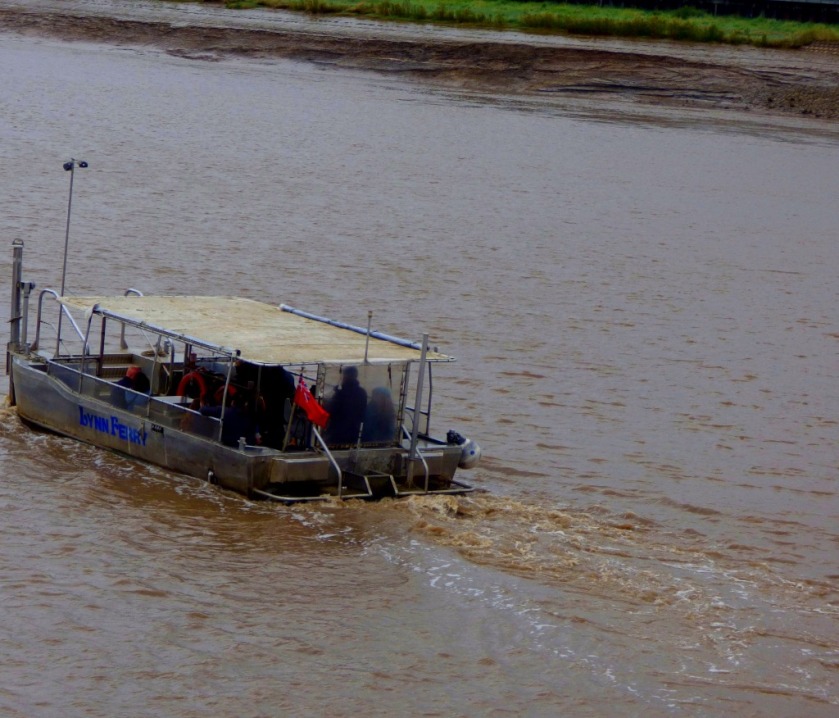
I have travelled on many ferries in my lifetime, but the one I particularly think of nowadays is the Lynn Ferry which has been running for over 800 years.

Ferry 2

G IS FOR GREECE

I first visited Greece for a family holiday about 35 years ago and have been back mnay times. It remains a favourite holiday location. I have produced a number of posts about my most recent visit.

Tseria

H IS FOR HISTORY

One of the many subjects I enjoy reading about. One of the reasons I enjoy going to Greece so much is the presence of so many historic sites.

I IS FOR IRRELIGIOUS

I have been a staunch atheist for my entire adult life. For those who take the approach that the Northern Ireland census form used to I am a “catholic atheist” – that being the specific religion that I rejected. To paraphrase Richard Dawkins most people are as atheist as me about almost every god who has ever been believed in – I just go one god further than they do.

J IS FOR JOURNEYS

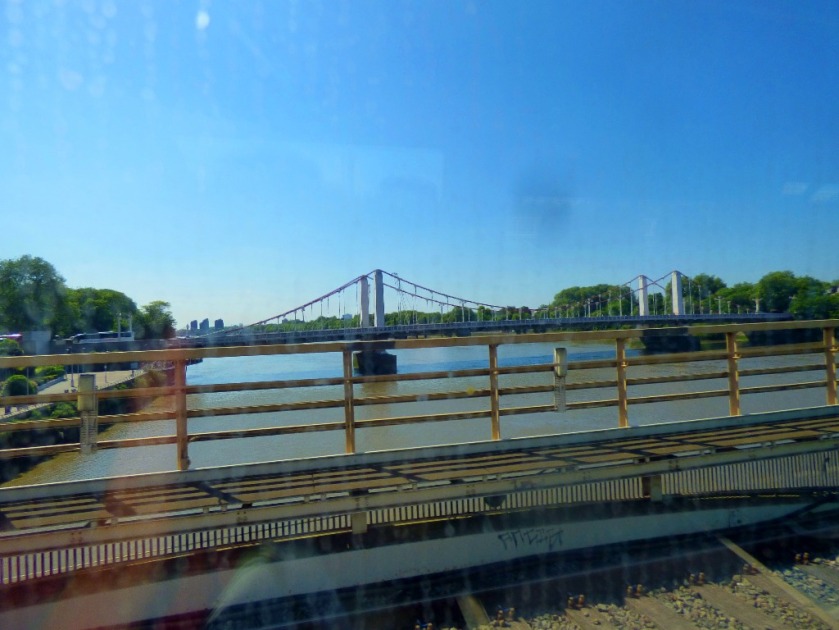
I love travelling, and being a lifelong non-driver am able to make good use of almost all my journeys – if the route is not familiar to me I will be observing the scenery and taking photographs, and if it is it represents reading time.
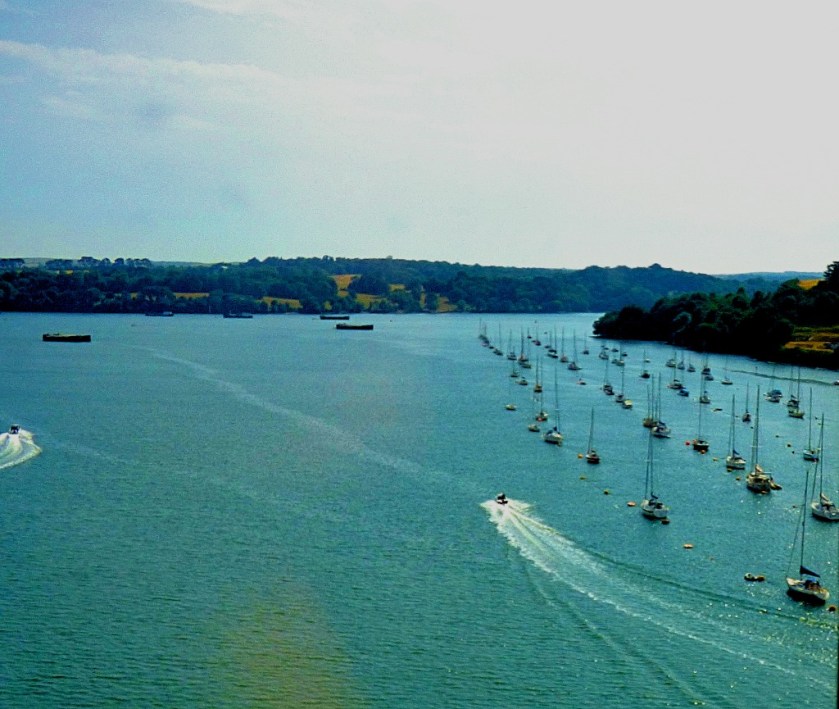
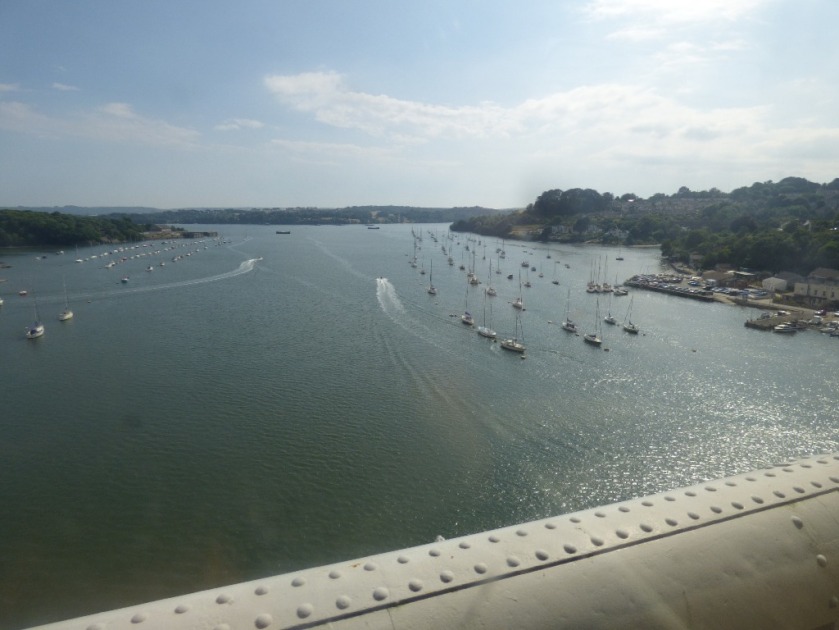
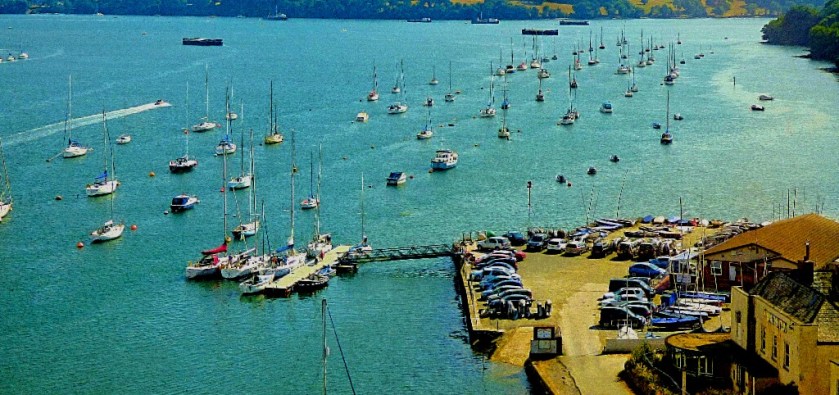
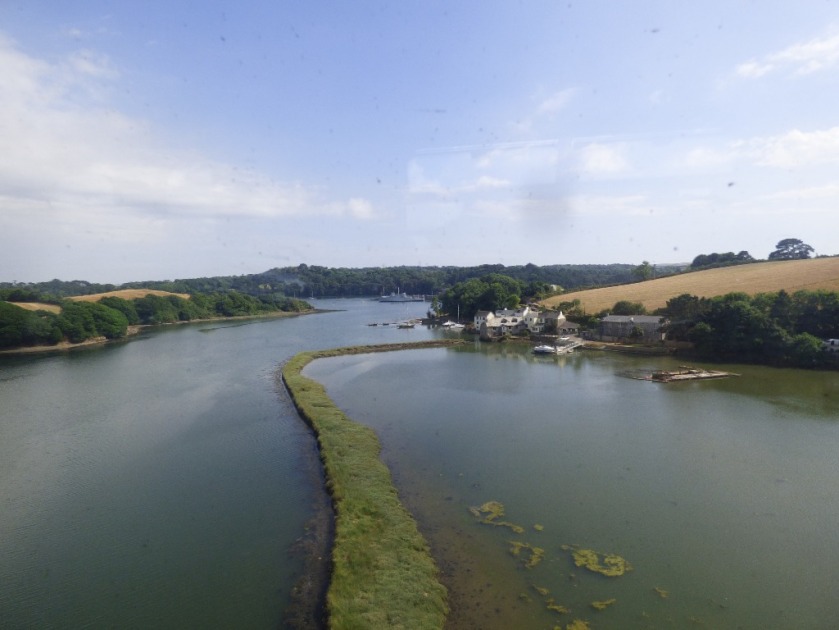
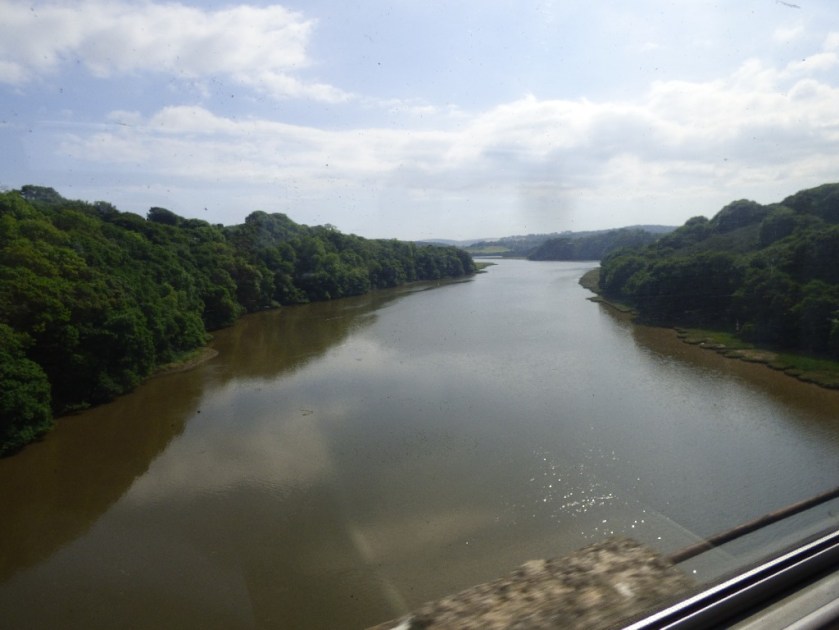
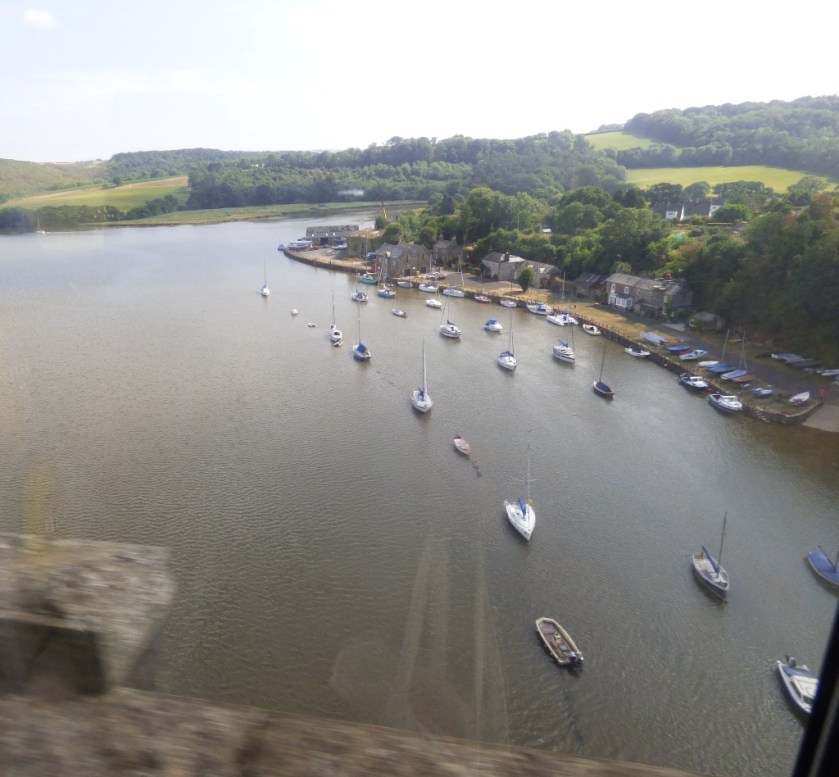
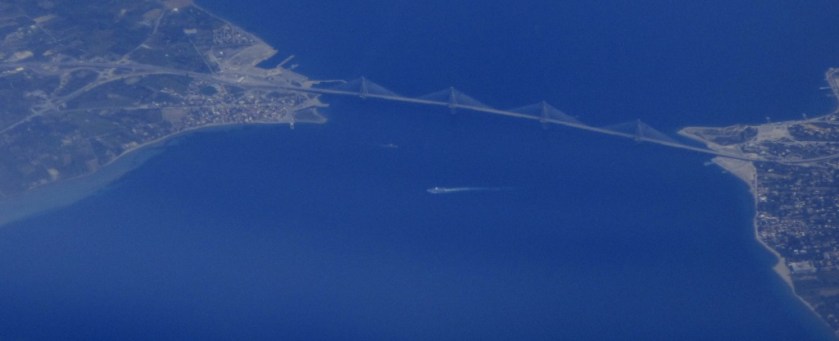
Major bridge from 37,000 feet up
K IS FOR KERNOW

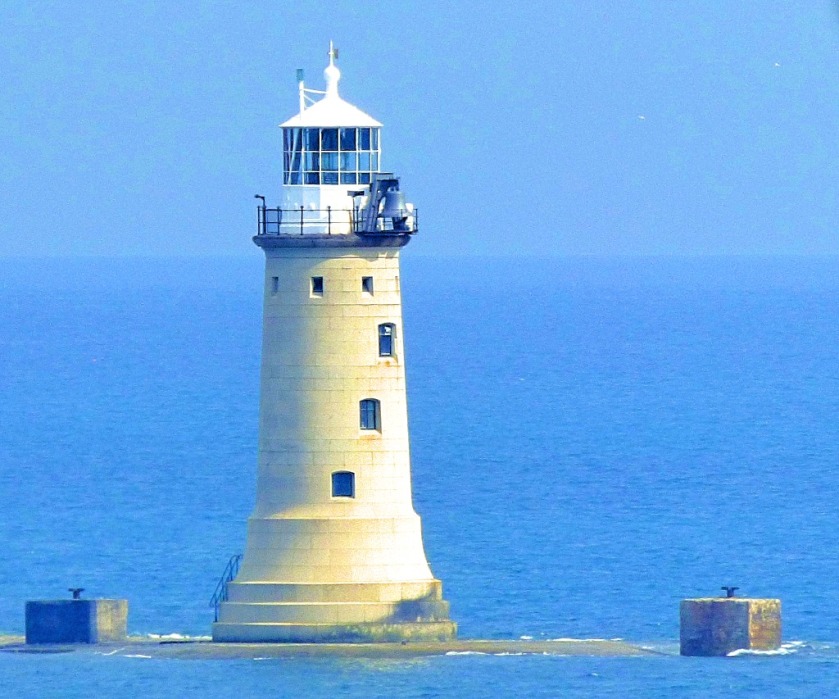
Kernow is the Cornish name for Cornwall (this is the only entry in my A-Z that overlaps with The Cornish Maid’s), and although unlike the person who inspired this post I do not live there I have been there a number of times over the years and my parents have recently moved to that part of the world. It is a Cornish picture that appears on the reverse of my personal cards:

framed lighthouse

L IS FOR LONDON

I grew up in London, and still visit the place on occasion. Also, I run a London Transport themed website, www.londontu.be. I will be back in London during the latter part of next week, for Marxism 2018 which runs from Thursday to Sunday. 

Crossing the the Thames

M IS FOR MATHEMATICS

Another lifelong interest, and something that I am very good at. Here is a frecnet problem from brilliant.org that took my fancy:

plus-plus

N IS FOR NATURE

Nature has always been very important to me, and I love being out and about in nature with my camera for company. My name is often to be found among those supporting campaigns to protect nature, and as a thoroughgoing internationalist I take pride in having been the first non-Swede to sign the online petition to save Trosa nature.

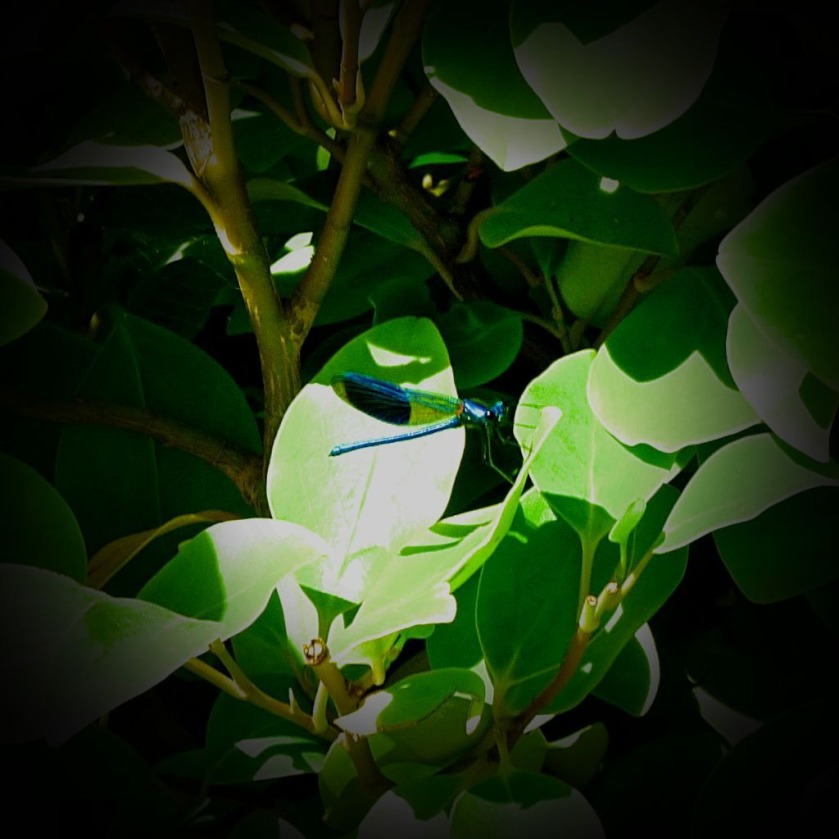
Dragonfly
A spectacular creature, presumably some form of dragonfly.

O IS FOR OVAL

Because of their shape many cricket grounds have Oval in their name. The two with which I am most familiar are The Oval, in South London not very far from where I grew up, and served by two stations, Oval and Vauxhall; and the Adelaide Oval, which owes its name to a transplanted Surreyite who suggested it because he wanted to be reminded of home.  Of the innings I have seen live at the ground the most memorable at either of these two venues was played by David Gower in 1990. England could do no better than draw the game, which as it happened was enough to give them the series. Gower made 157 in that innings, and by the time he was out the draw had long since been secured.

P IS FOR PHOTOGRAPHY

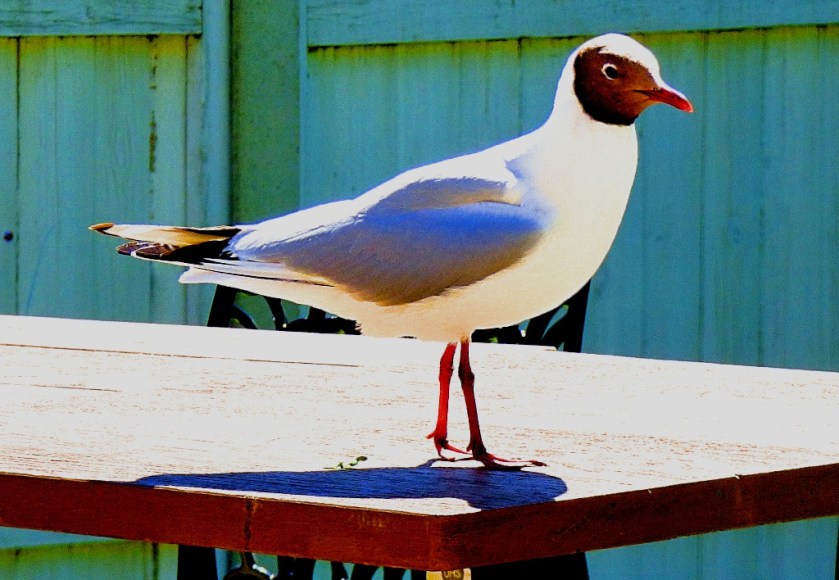
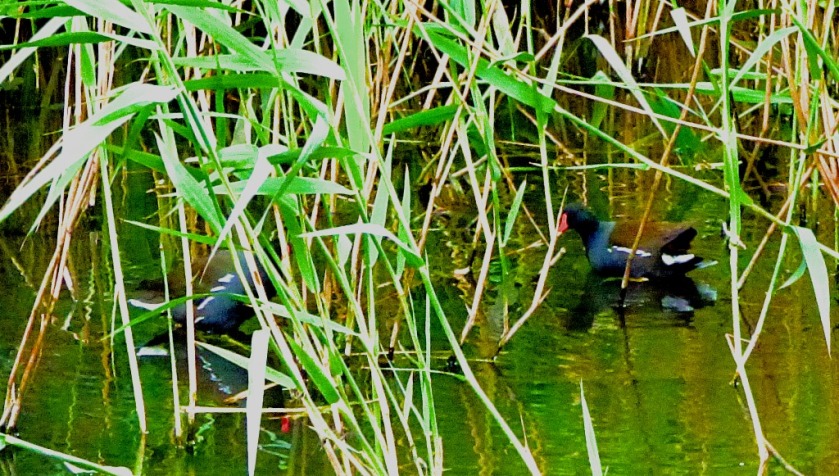
This is a hobby of mine, and also something I do at work. Here are some recent pictures:

Black Headed Gull III
Three recent bird pictures

Moorhen IIITwo moorhens

840
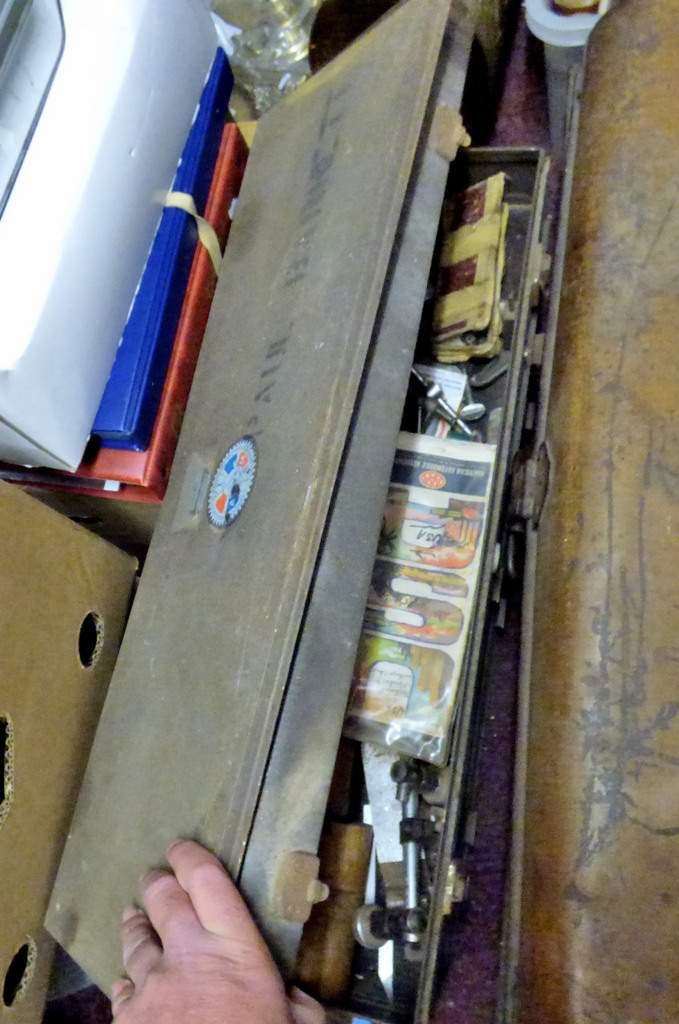
This was lot 840 at yesterday’s auction – some good tools but the box being solid iron makes for an extremely heavy item.

840-a

2188
Lot 2188 in Saturday’s upcoming auction.

Q IS FOR QUIZ

With my eclectic interests and retentive memory I am pretty good at quizzes (unless they are overloaded with questions about pop music), and generally enjoy taking part.

R IS FOR RAILWAYS

Railways are one of my special interests. I have travelled on railways in many different countries and have also built up a decent collection of railwayana. I may add to my collection on Saturday. 

20502050-a2050-b2050-c2050-d2050-e

 S IS FOR SCOTLAND AND SWEDEN

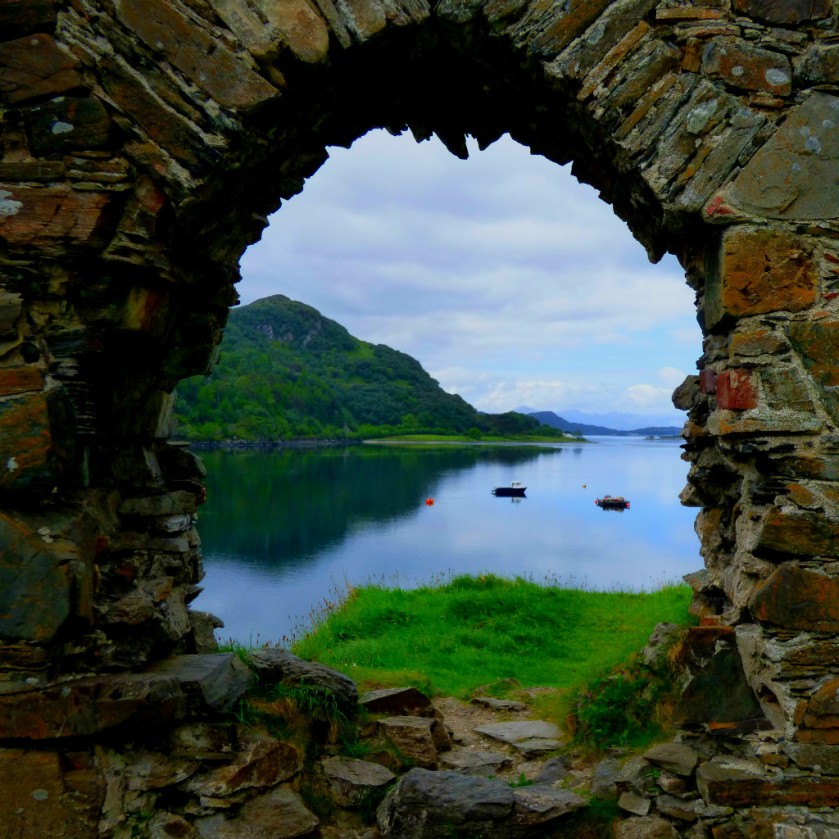
These are two of my favourite countries to visit, both very scenic. I could find no way to split them so I have decided to honour both places.I have produced a number of posts about both Sweden and Scotland. Here are a couple of pics: through the window 2A view from Strome Castle, Scotland

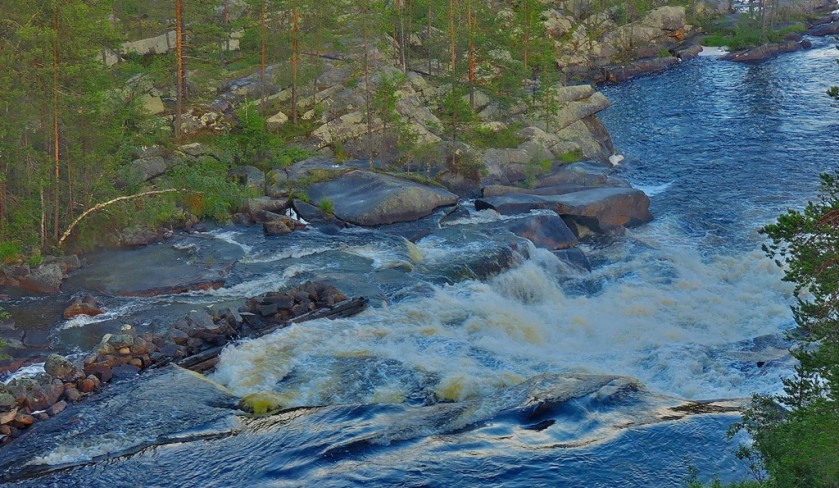
DSCN9318This river is in Northern Sweden.

T IS FOR T20

Yes – another cricket related entry. T20 (where each side bats for 20 overs) has been a great success since its introductiuon in 2003. However the new 100-balls per side competition is being too clever by half (and consigning the County Championship to the start and end of the season when conditions are least suitable for long form cricket). 

U IS FOR UNIVERSE

I find it fascination reading theories about our universe, its possible origins and its possible place in a wider cosmos. I also find the history of how we moved from considering our planet to be at the centre of a fixed universe to recognising it as pale blue dot (hat tip to Carl Sagan who wrote a book of that title) in the immensity of the cosmos to be fascinating.

V IS FOR VARIETY

One of the things I enjoy about my current job is that there is plenty of variety there. I am firmly in the camp of those who say that variety is the spice of life.

WHY EVOLUTION IS TRUE

Jerry Coyne’s 2009 book with that title remains a firm favourite (along with his more recent Faith versus Fact), and it is also the title of a blog run by Professor Coyne that I follow. 

X IS FOR EXHORT

As I near the end of this post I exhort you to produce your own version – it is time consuming but fun. You have seen my version, and if you followed the opening link you have seen the version that inspired me to take on this challenge – now go and do likewise!

Y IS FOR YARBOROUGH

This is a bit of a cheat – it is my way of mentioning the game of Bridge which is a firm favourite of mine. A yarborough is a hand with no card higher than a nine and 4-3-3-3 distribution, and is named in honour of Lord Yarborough who had all bridge players at his house contribute a guinea to a kitty, while if someone had the misfortune to be dealt the hand that now bears his name they got 1,000 guineas (he was on to a winner – the actual odds against the hand coming up are 1827 to 1). I do not get to play very often but I am a pretty good player of the game.

Z IS FOR ZOOM

A zoom lens can be a real boon for a photographer (my current camera has a zoom capacity of up to 60X) – a little tip from experience is to not stretch the zoom lens right to its limits – leave a bit of space around whatever you are photographing (you can always crop it out during the editing process). This post was inspired by a Cornish blogger, so I end with a Cornish picture.

St Michael's Mount and Flying Gull


Greece: Day 1-2 – Getting to Tseria

The beginning of full coverage of my holiday, starting atv the beginning with the journey to Tseria and the rest of that day.

INTRODUCTION

Yes folks, after yesterday’s little offering I am now able to start the story of my Greek holiday in earnest, and my usual logical fashion I am beginning at the beginning.

THE JOURNEY TO TSERIA

The flight to Kalamata (nearest airport to my parent’s house in Tseria) takes off at 5:40AM (the return flight leaves Kalamata at 12:00 Greek time, enabling the same crew to do both flights), which means that for a public transport user who lives in Norfolk the only way to get to the airport is to travel down the night before. I did this, arriving at Gatwick as planned just after 1AM, and making my way via the automatic monorail to the North terminal, where I waited landside until the EasyJet check in desks opened just after 3AM. An uneventful passage through security and I was safely airside and had about 90 minutes to wait for gate information to appear on the screen. I had had a beer landside, and now airside I had a bagel and a coffee while waiting. 

There were equally few dramas boarding the plane. I had an aisle seat, which meant no chance of seeing anything through the windows (they are too small to be of use unless you are in a window seat) and also that I had to get up more often than would have been the case had I been in a window seat.

I had had the forethought to equip myself with plenty of reading matter. We landed at Kalamata fractionally ahead of schedule, a gain that was more than lost to slow baggage handling at that end. My parents collected me in their hire car, a nice sensible Skoda Citigo, very economical on the fuel, and suitably robust for handling rural Greek roads (which are much better than they were when I visited Greece in the early 1980s, but still a fair way from being describable as ‘good’). 

Inspite of a sleepless night I managed to get through the day without napping and went to bed at a sensible time, following a meal at the new taverna that has opened in the village. It was good of its kind and I thoroughly enjoyed it.

PHOTOGRAPHS

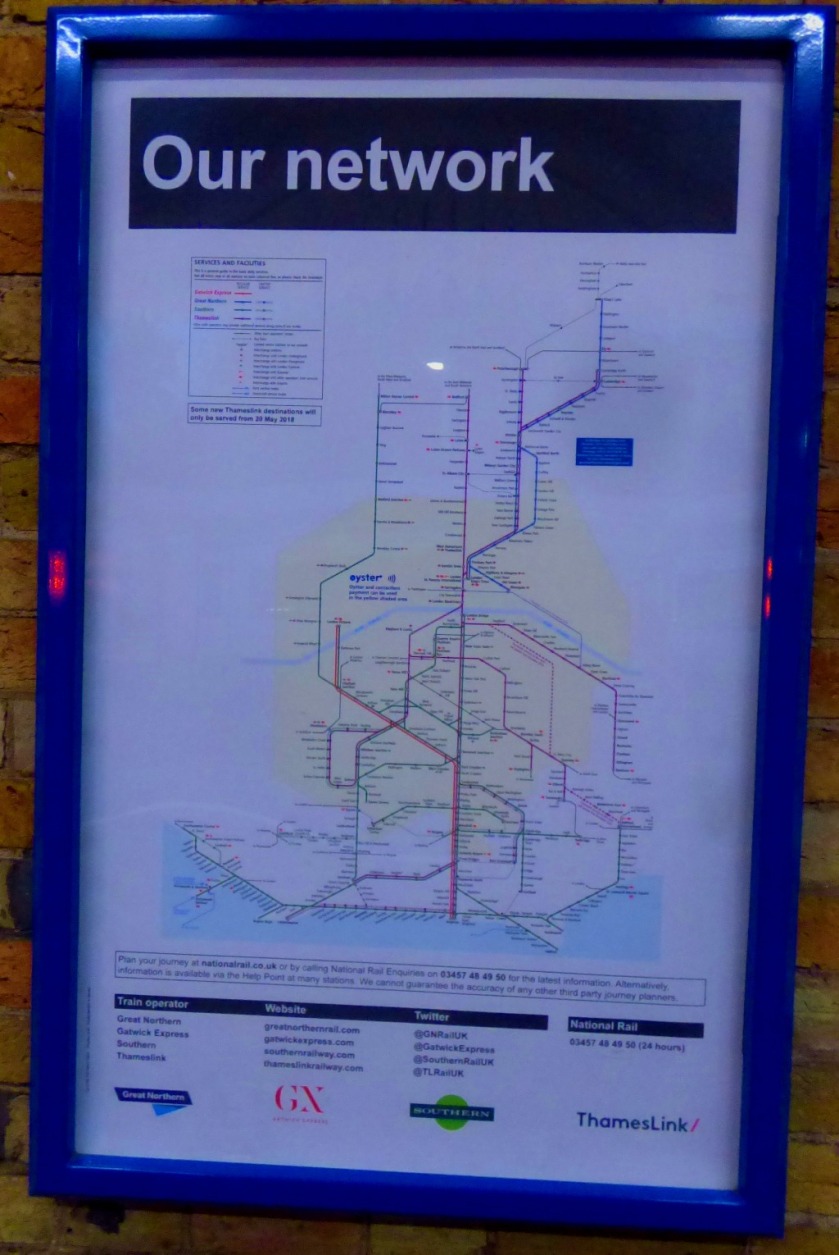
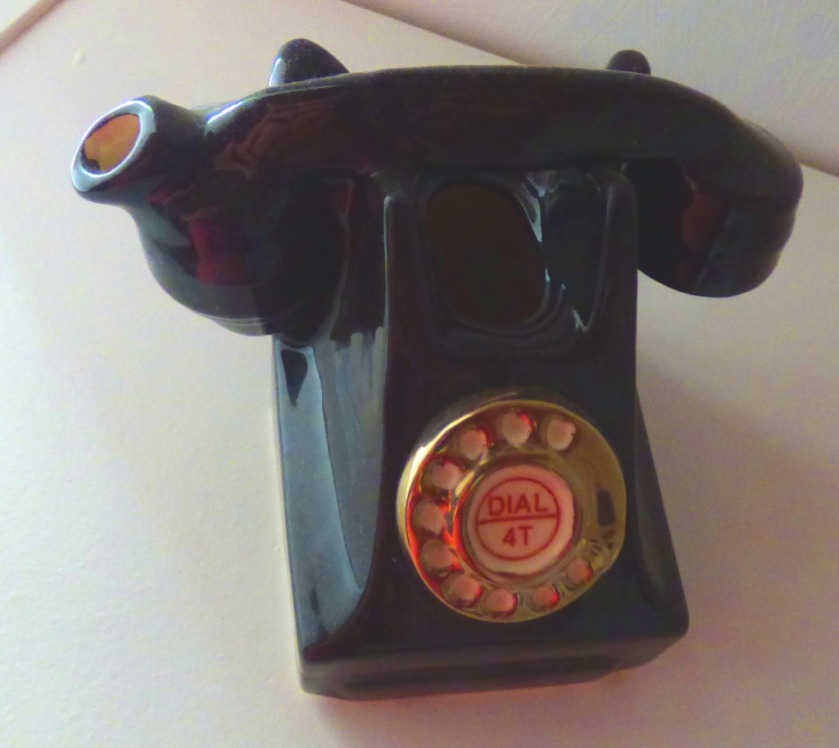
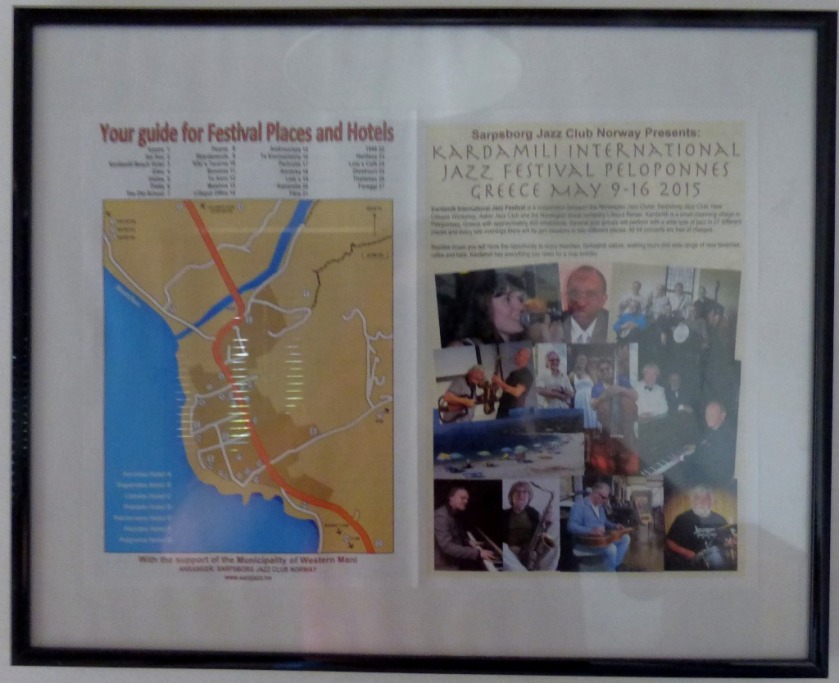
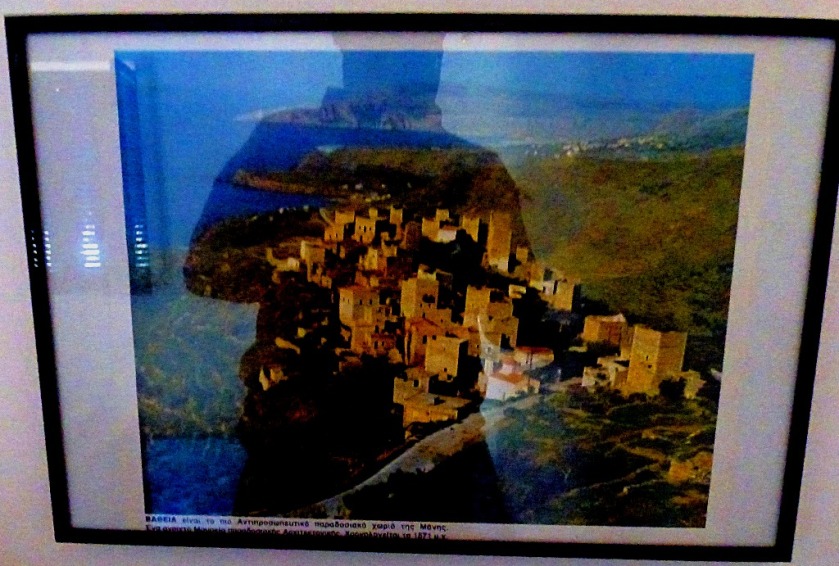
Network MapLondon Underground MapBathroom mosaic, Tseriatelephone teapot, TseriaJazz poster, TseriaKardamili Jazz Festival ads, TseriaPoster

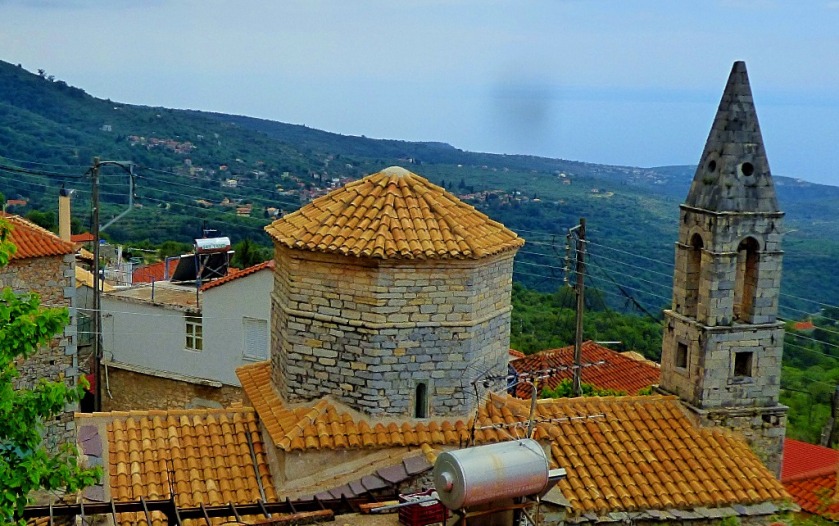
Church just below my parents house
This is the first of a number of pictures taken from the balcony outside my parent’s house.

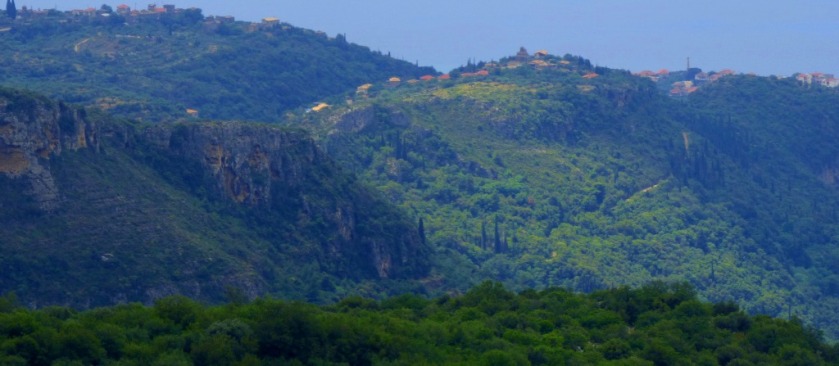
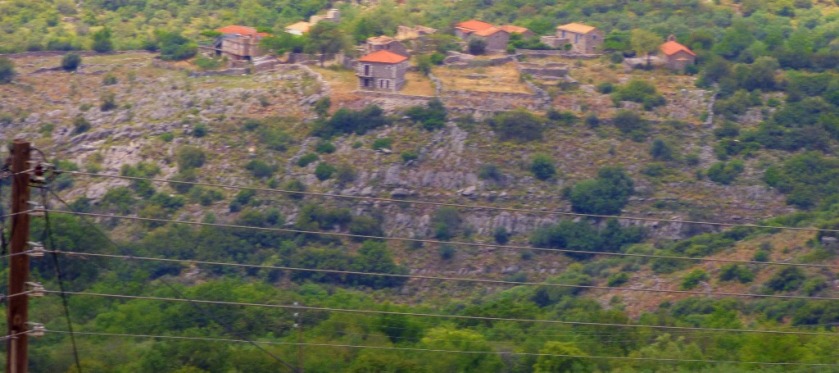
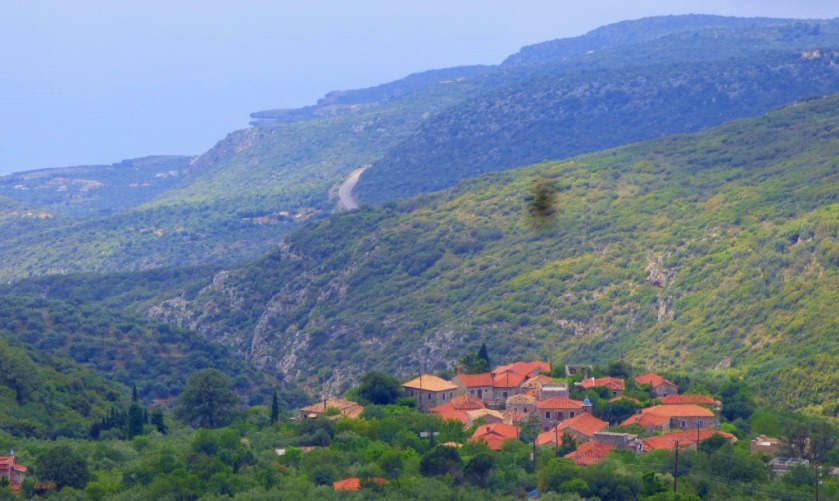
View towards the seaLeptiniView down the mountainsOlive posterbird mosaic photographsMosaic over the stairs

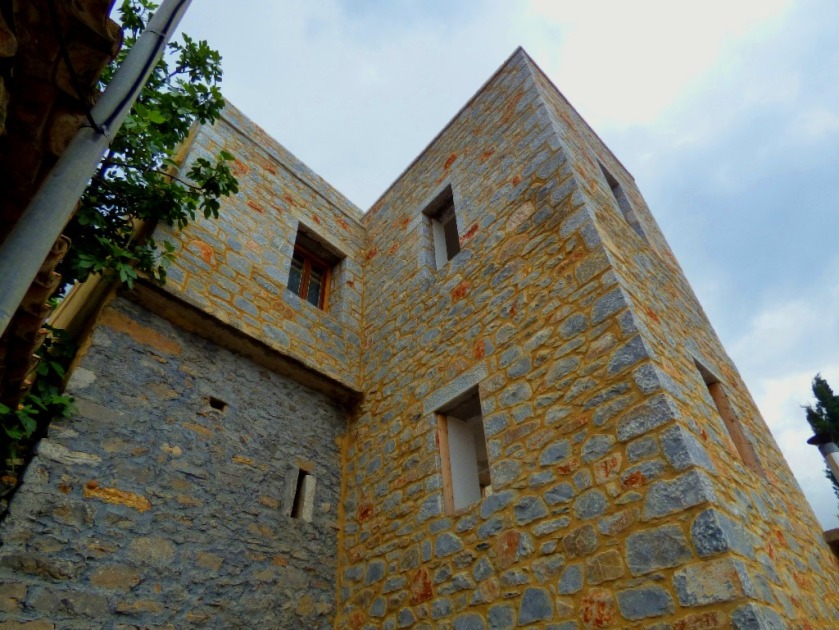
New tower, Tseria
This tower is newly built since I was last in Tseria.

Coloured posterModel TortoiseThe view of Kardamili

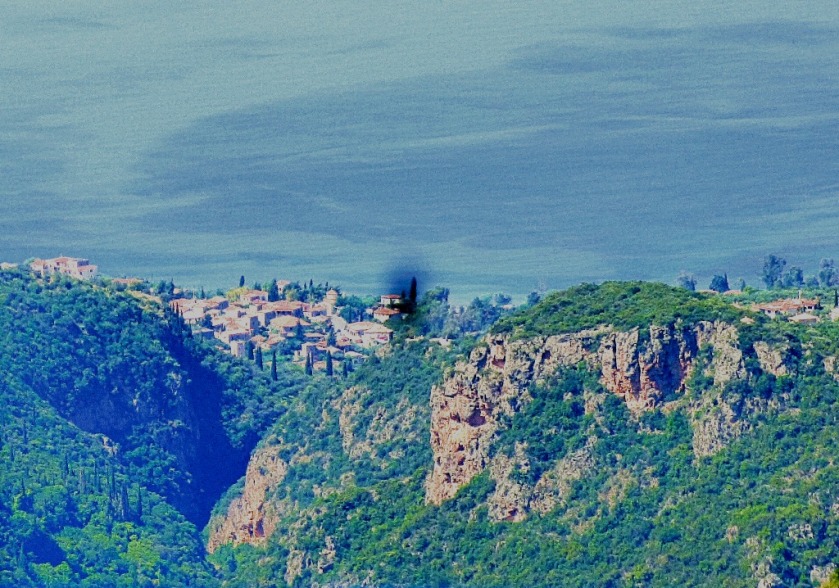
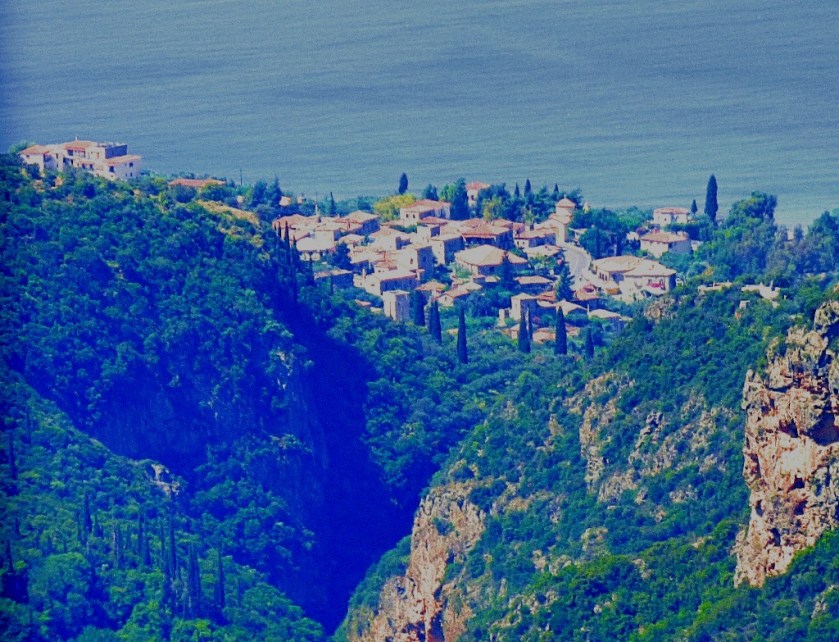
Kardamili from above
A distant view of Kardamili and the mouth of the Viros Gorge.
artwork, local church I
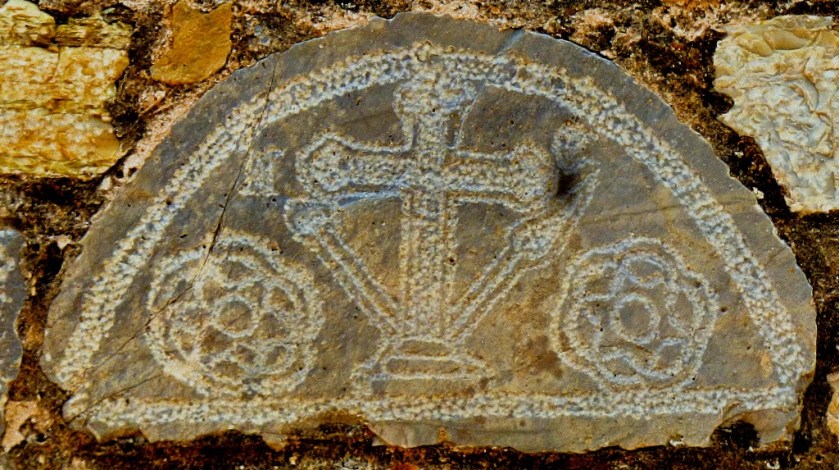
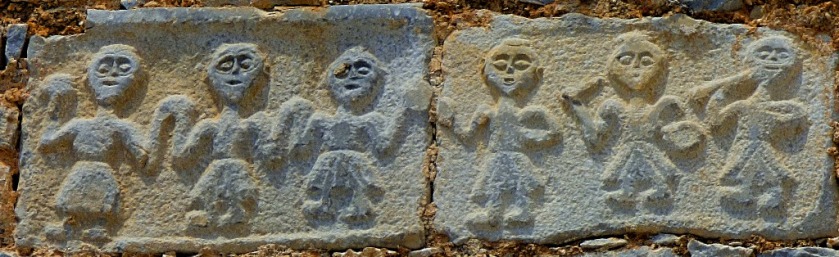
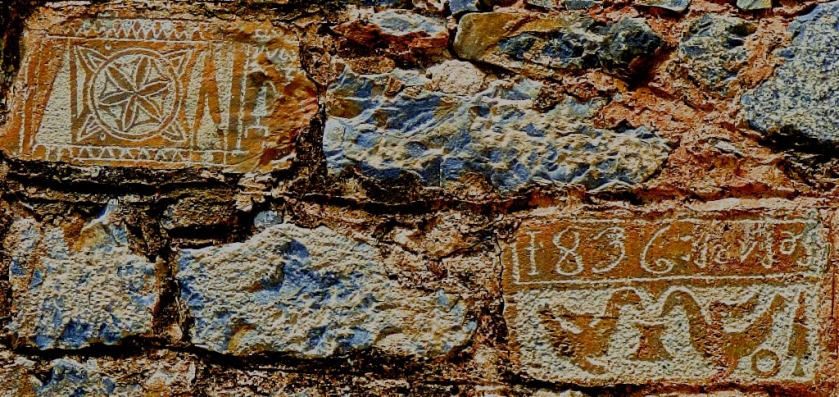
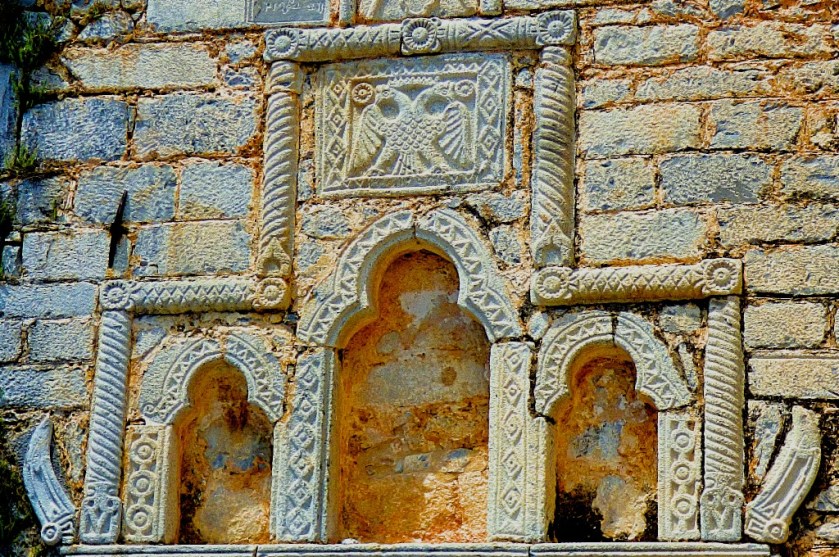
There is a lot of fascinating artwork set into the walls of the church just below my parent’s house in Tseria and I captured some of it.

artwork, local church IIartwork, local church IIIartwork, local church IV

Answers to Puzzles and Notice of Absence

Notice of my imminent departure for a week’s holiday and solutions to Wednesday’s puzzles.

INTRODUCTION

A couple of days ago I set some puzzles for you, and in this post I will be answering them. Also, I am off to Greece for a week’s holiday later tonight (I fly out of Gatwick at 5:40AM, so am envisaging taking the 21:36 train out of Lynn, connecting to a Thameslink service at St Pancras and arriving the airport just after 1AM – the second latest set of connections available to me, and I know British public transport too well and trust it too little to rely on the last possible connections) and although I will take any opportunities that arise to go online I will still have comparatively little access to the internet, so you will hear little from me between now and a week tomorrow evening when I shall be back home.

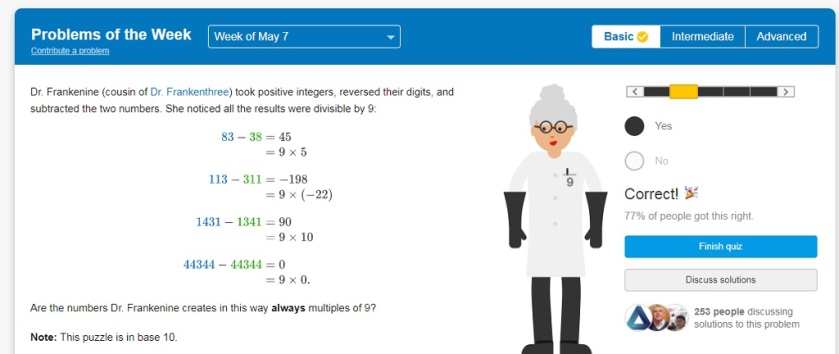
SOLUTION 1: DR FRANKENINE

Dr Frankenine

Here is the most elegant of the official solutions, posted by Callum Cassidy-Nolan:

CCN

SOLUTION TWO: FUEL TANK

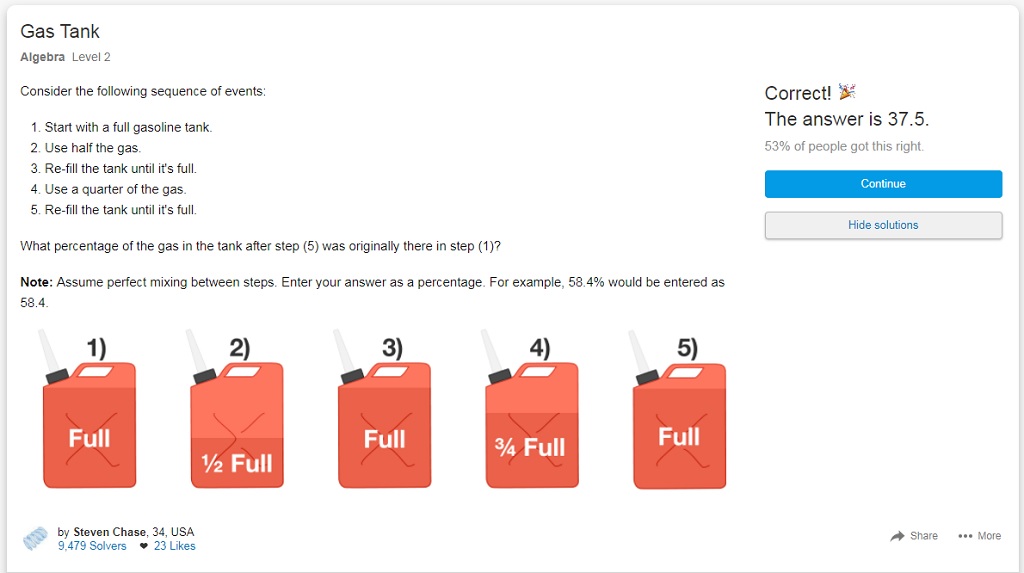
Fuel Tank

As you can see from the above graphic, almost half of those who attempted solutions on brilliant.org got it wrong. A perusal of the comments section revealed a degree of reluctance on the part of some of the errant solvers to admit to being wrong (never mind arguing with the umpire, some of these folk were metaphorically following that up by arguing with TV replay umpire) so I am to explain the whole process of getting the right answer (though it took me milliseconds to work out and not much longer to enter the correct answer):

  1. After stage 2) half of the original fuel remains and is then topped up with new fuel, and we are told to assume that perfect mixing occurs…
  2. After stage four one quarter of the tank of perfectly mixed fuel has gone, and as it is perfectly mixed one half of that fuel is original, meaning that a further one eighth of total tank full of original fuel has been used.
  3. One half plus one eighth = five eighths of the original tank full of fuel has been used, leaving three eighths of the original tank full still there.
  4. As a percentage three eighths is 300/8 = 37.5 per cent, and the question has asked for that figure. 

One particularly offensive complainant attempted to use the fact that the question had said decimals allowed to claim that an answer of 0.375 should have been permitted. This is wrong – the question specifically asked for a percentage, and the reason for mentioning the a decimal figure was OK was so that people did not think they needed to round to the nearest whole number, which in correct mathematical notation would have been 38 (the figure being rounded away is five or greater so you round up, had it been four or less it would have been correct to round down). 

Another complaint people made was being marked wrong for including the percentage symbol – I am less unsympathetic to this than I am to the indefensible claim that 0.375 should have been marked as right, as this latter has missed out turning the answer into a percentage, but including the symbol is still a mistake as the way the question is asked renders it needless to do so. 

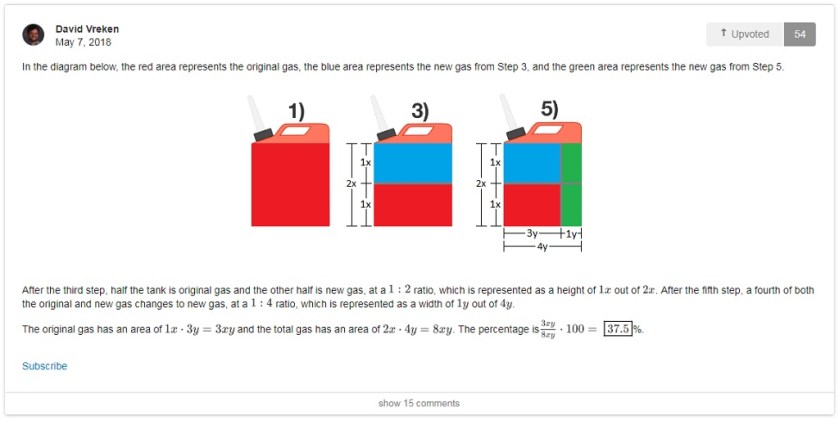
Please note that I did not create this problem and had nothing to do with deciding what answer should be marked as right – I have treated it at length because I was annoyed on the composers behalf that so many solvers rather than attempting to see by looking at correct solutions, of which plenty of good ones were posted, why their chosen answer was wrong instead opted for the ‘argue with the umpire’ approach, in some cases being very unpleasant about it. Here to end this little post is David Vreken’s published solution:

DV

Autistic Special Interest 1: Public Transport II

The second post in my personal series about #autisticspecialinterests.

INTRODUCTION

Welcome to my second ‘special interests’ post for the month of May. The first, which set the scene can be seen here. The first post dealt exclusively with London, where I grew up. This post looks wider, although it still deals with events from before I was diagnosed. NB – undiagnosed means just that, not diagnosed – it DOES NOT mean “not autistic”.

ST PETERSBURG

This overlaps with the first post, because I visited St Petersburg in 1991. The two week visit I made to that city in 1991 was significant in many ways – it was there that I learned to eat a more varied diet, because I was just mature enough to appreciate that it was a choice between eating what was served or not eating at all and make the best of things. Also, because the family I was staying with were living very close to one of its stations I gained a considerable acquaintanceship withe the St Petersburg Metro, and also experienced the trolleybuses and trams that were a feature of daily life there. 

Other than being horrendously overcrowded the St Petersburg Metro was a significant improvement on the London equivalent – a far more frequent service, and no delays. Also the underground portions were much deeper than in London, with often two colossally long escalators (far longer than any London equivalent) between the platform and the surface. This was my first major experience of public transport anywhere other than London. 

GOING SOLO 1: SCOTLAND 1993

My first solo holiday took place in the summer of 1993, when I travelled to Scotland for two weeks. I travelled all around Scotland in those two weeks. As well as some seriously scenic journeys on mainline railways (I experienced both the lines the head towards Skye among others) I also made the acquaintance of the Glasgow undeground system (a single, circular route). 

This holiday was a splendid experience overall, but a mere curtain raiser for…

A SCANDINAVIAN HOLIDAY

This happened in the following summer., Equipped with a rucksack and a two week rail pass for Norway, Sweden and Finland I started by taking a plane to Gothenburg. From there I travelled north, pausing in Stockholm. From Sundsvall I temporarily abandoned trains to take a boat across to Vaasa in Finland. From Vaasa I headed for Helsinki, and then the longest single journey of the trip, to Narvik, the most northerly railway station in the world. I continued my northerly exploration by bus as far as Tromso, before switching to boat for a journey along the coast to Hammerfest, the northenmost town in Norway. I varied my route back by taking a bus from Hammerfest to Alta (a mistake, this place is the Nordic equivalent of Brandon, only with even less appeal). Back in Narvik I selected a bus to Bodo, Norway’s other northern rail outpost. This decision cost me a  night spent on the sgtatiopon platform at Bodo before I could head south to Oslo. From Oslo I headed east to Stockholm, and my last journey of the holiday (other than the flight home) was from Stockholm to Gothenburg.

Not having previously explored any foreign public transort systems in this kind of detail I was highly impressed. Although there are many ways in which Nordic public transport is a vast improvement on British I note a few things in particular:

  • Comprehensiveness – although the terrain in these countries is much more difficult than anything in Britain pretty much anywhere of any size has some sort of public transport connection.
  • Integration – there is not much duplication between bus and train routes. The buses tend to cover the routes that the trains do not. The only small flaw I noted in that first visit to these countries was that en route from Helsinki to Narvik we had to disembark at Haparanda on the Finnish side of the Finland/ Sweden border to transfer to Boden on the Swedish side for the last leg of the journey to Narvik, and even that was handled efficiently.
  • Reliability – never once in these two weeks, nor in my more recent trip to Sweden, did I encounter a service not running precisely when it was supposed to, and there has never been a two week period in my lifetime when one could be in Britain, travelling by public transoort most days, and get that kind of service.

FUTURE POSTS AND PICTURES

My next post in this series will look at public transport in various cities that I have experience of. Here to end are some public transport themed pictures…

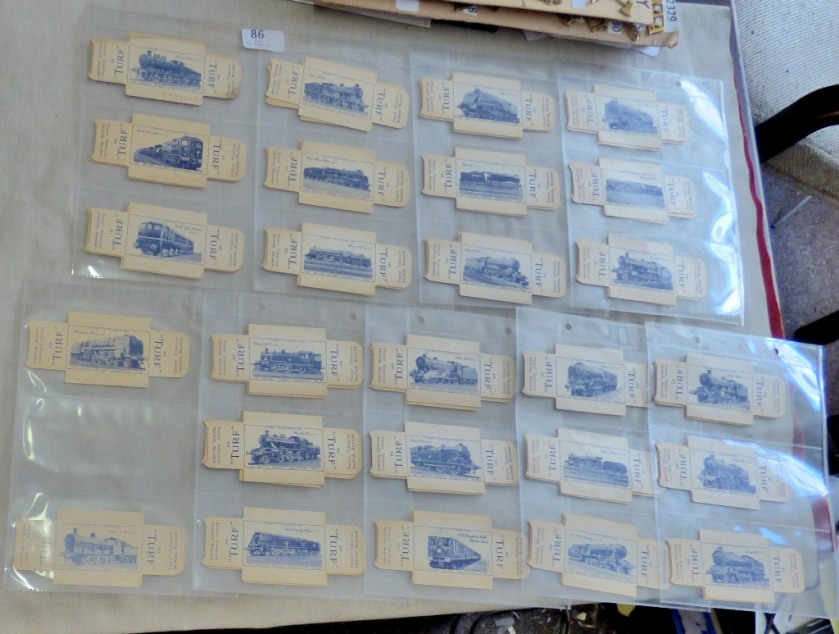
86
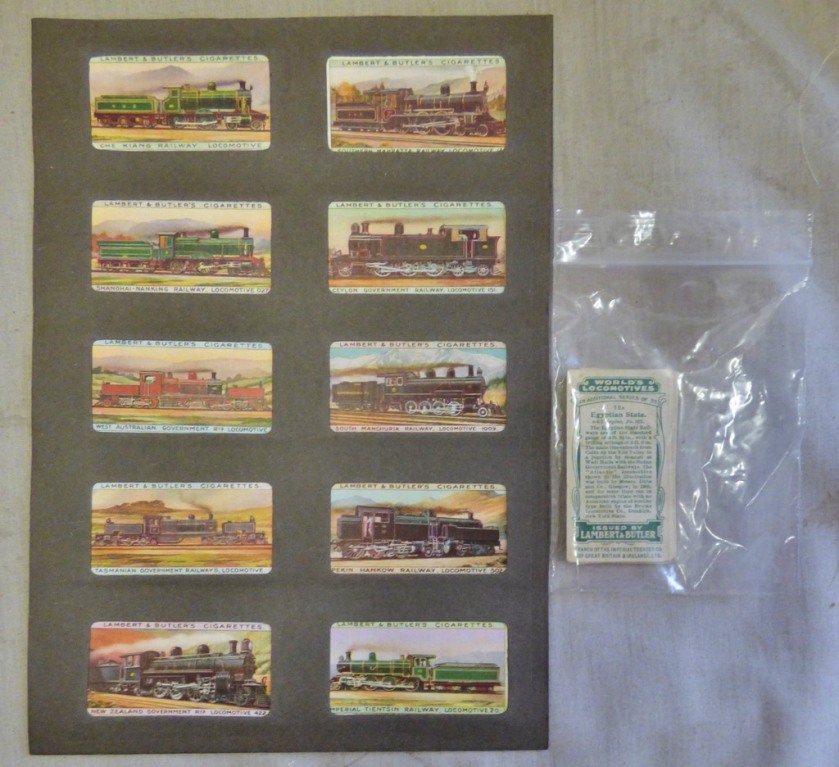
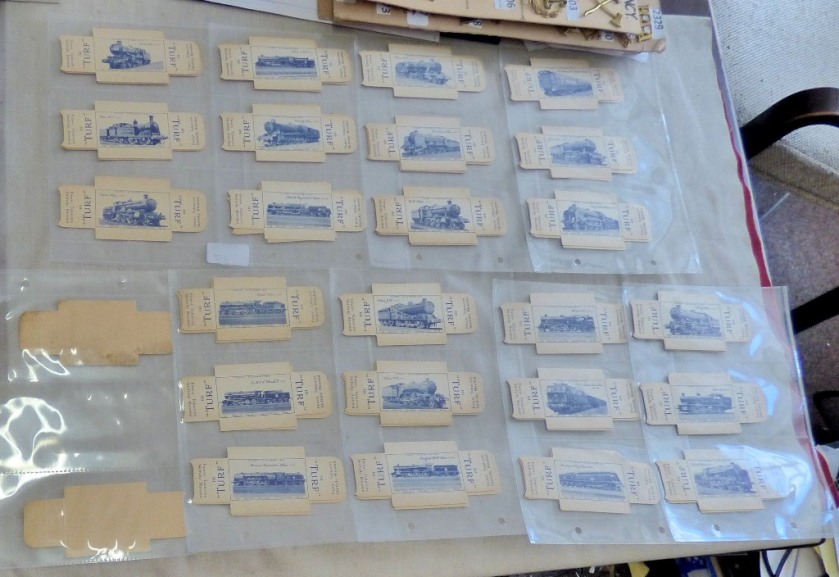
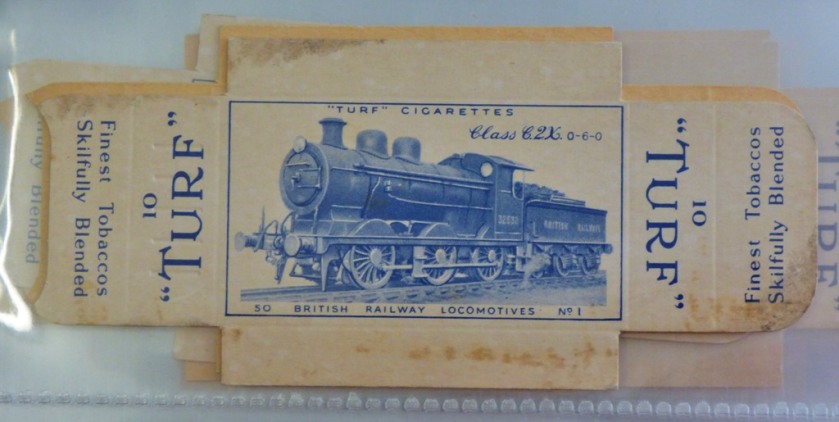
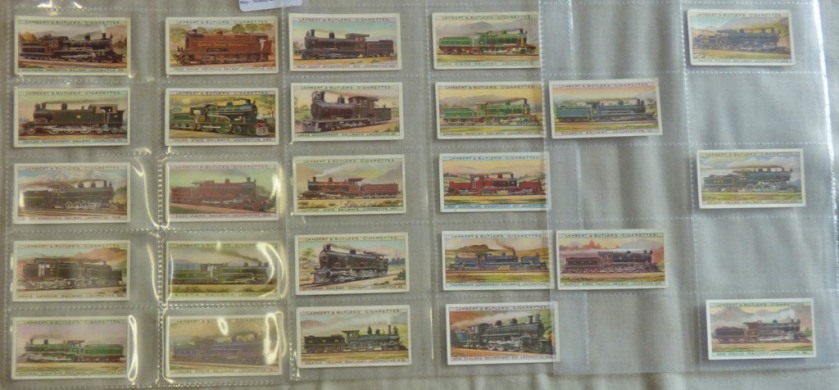
Lot 86 in our next auction – see my post about my first week as a commuter on the Lynx njumber 49 re the rarity of such uncut cigarette cards

86-a86-b86-c

110
Lot 110
181
Lot 181

181-a

199
Lot 199 – second behind on lot 86 on my wanted list…
199-a
…not least for this.
200
Lot 200
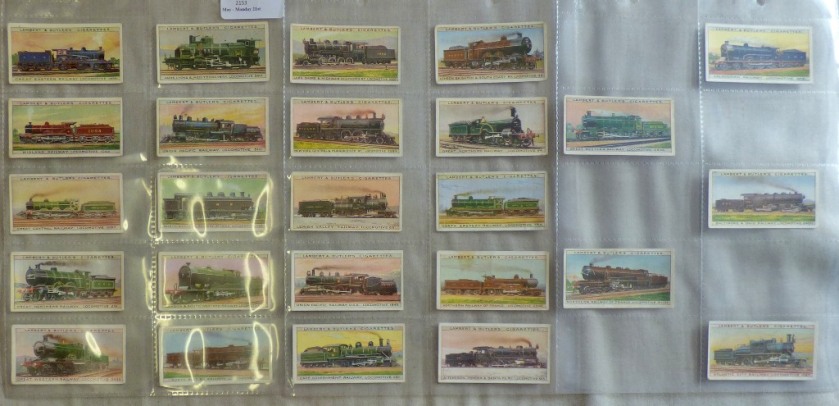
223
Lot 223
224
Lot 224
278
Lot 278


Travelling by Lynx Bus 1 Week In

Thoughts onthe new bus service between King’s Lynn and Fakenham one week in.

INTRODUCTION

I have now done one work week using the new Lynx Bus 49 for the journeys, the withdrawal of Stagecoach from King’s Lynn now being an accomplished fact (apart from the 505 to Spalding, most of which route is in Lincolnshire). This post covers my week at work as well as detailing my thoughts about the new services.

TUESDAY

Setting off from my flat at 6:45AM I was at the bus station in good time for the bus that I needed to catch at 7:00. The bus arrived and departed in good time, and arrived in Fakenham at 7:49, as indicated by the timetable (unlike the unlamented Stagecoach their schedules include some slack, so that a traffic jam does not always mean running behind schedule). As it was warm enough that my workplace would definitely be bearable, and I had a lot of imaging to do and little time in which to do it I decided to go straight there and get stuck in early. I commenced proceedings by finishing off the badges on boards as images of these were needed for the catalogue, and then got to work on the cigarette cards, and managed to image the first 50 lots of those as well, before closing time, and my departure for the library, to do stuff there until I could catch the bus home (the service is very infrequent at present). I have already shown some images from this day’s work in a previous postThe bus back duly arrived and set off exactly as it should (a double decker for the evening run btw), and there were no significant delays en route. 

THURSDAY

Again no issue with the journey out. Tony’s Deli stall was still being set up when I headed to work, so I got ready to start the day, and then popped back out to make my purchases there, before returning to get stuck into work. I did the loose badges (imaging them in batches of six to save time) for the first of the two days of badge sales, before once again focussing my attention of the cigarette cards, the last lot of the day being lot 166. Another visit to Fakenham library to fill in time at the end of the day, and once again home on a  bus that ran to time.

93393293793858

88
Lot 88, uncut cigarette cards – very unusual (until we got this consignment our expert on such cards, with nearly half a century of experience had not seen any.

88-a88-b

100
Lot 100, famous cathedrals
100-a
Close-ups of the two local examples (even if you cavil at Ely being described as local to a Norfolk auctioneer, the octagonal tower was designed a mid-14th century prior named Alan of Norwich).

100-b111119121

133
Lot 133, famous castles
133-a
A close up shot of two among the castles that I have visited.
134
Lot 134 – famous cathedrals

134-a166

FRIDAY

After another uneventful journey in I imaged some militaria for the first day of that sale, reverted to cigarette cards until I had imaged the last album to have been numbered up (ending at lot 294), at which point I started imaging badges on boards for the second day of that sale. 

831-a831

837
These backpacks (three items, there are two images of this one and one of each of the other two) are quite heavy even when empty, but that metal framework probably gives them gfreat stability.

837-a838839191216226228235

235-a
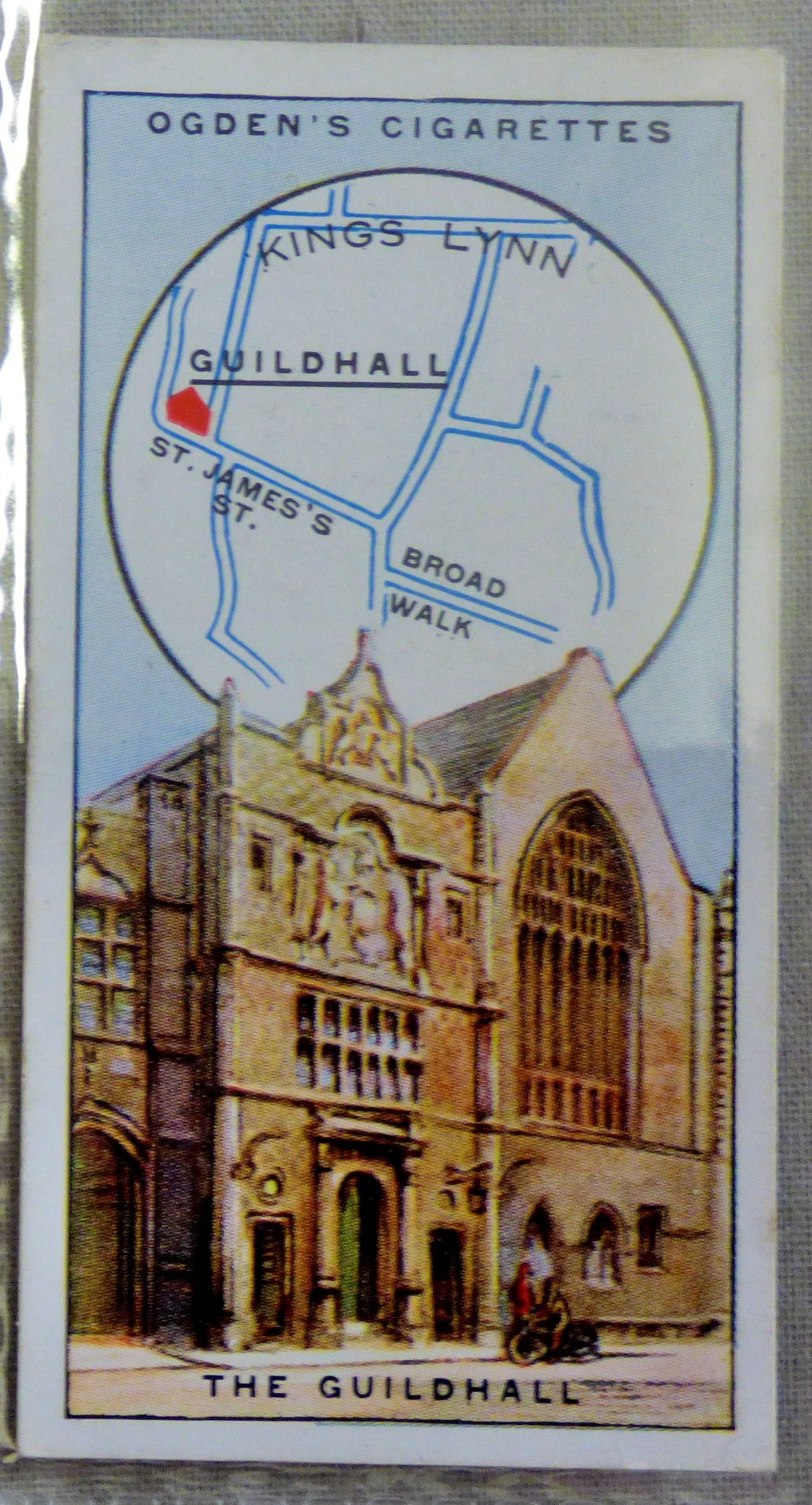
A close up of the local building.

250272

273-a
Both local and arguably the most iconic of all the buildings in this set.

273274-a

279
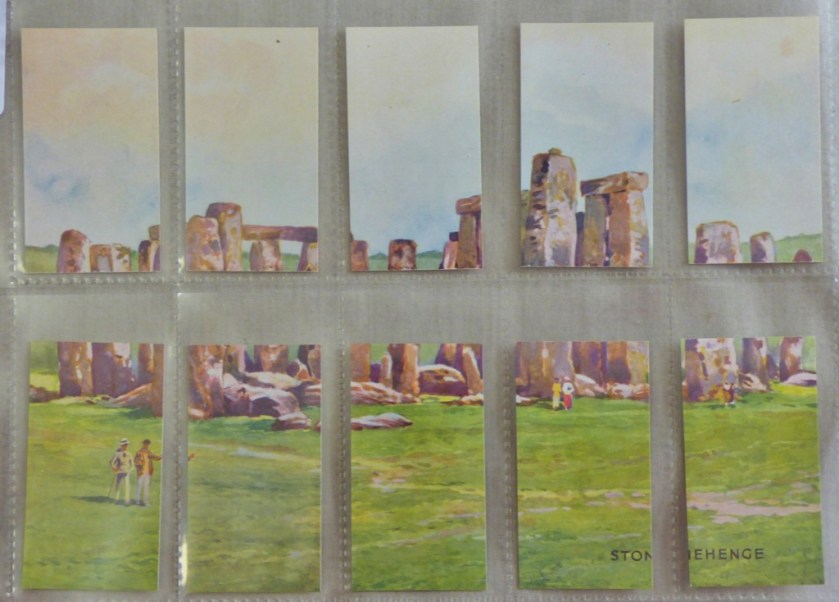
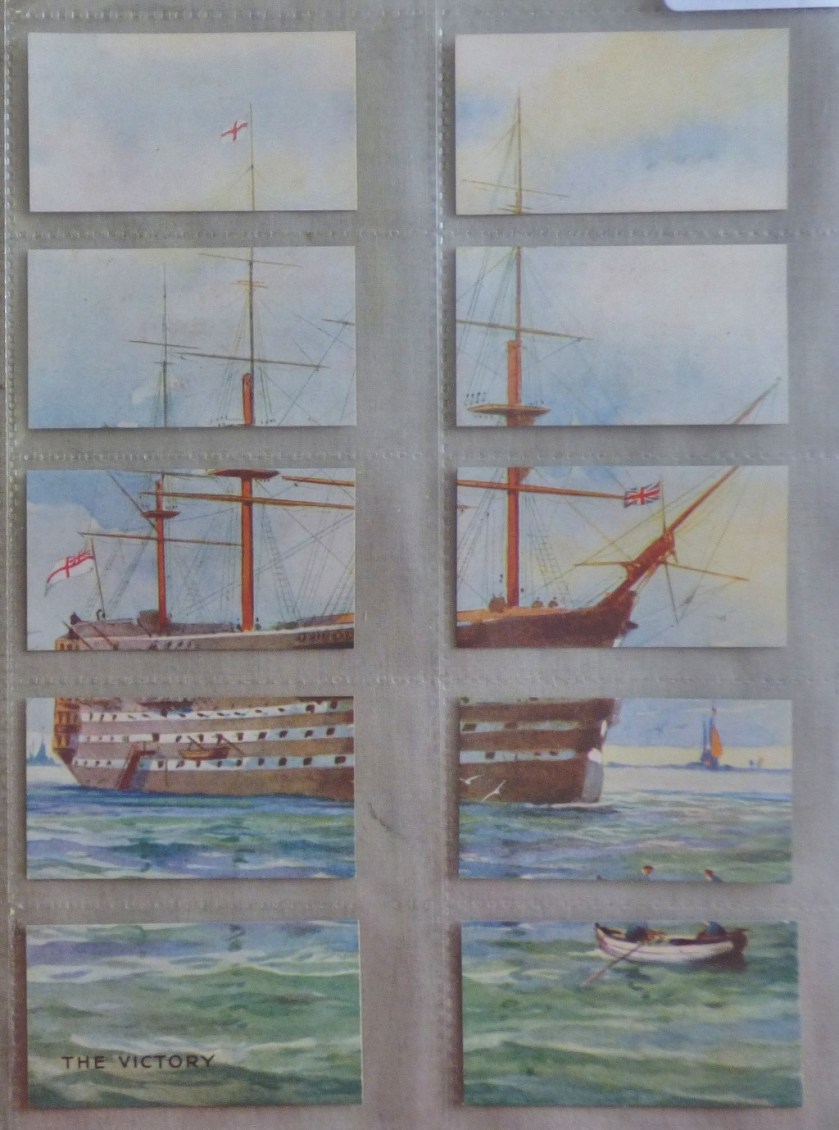
Lot 279 – the cigarette card equivalent of a 50-piece jigsaw.
2941700-171718-321733-431744-561757-68

It was warm and sunny when I locked up at work, and also of course a Friday, so I headed for The Limes and some liquid refreshment taken in the outside seating area. I had entertained hopes of finding a locally brewed craft ale, but given the actual options settled for Hobgoblin (still a very decent drink). The bus back was significantly late, but the still left Lynx with a score of 5 out of 6 for punctuality on the week – something that Stagecoach had not approached in a very long time.

THE LYNX BUS 49

The buses themselves are clean and comfortable, the drivers are friendly, such services as there are by and large run punctually. The trouble is that there are so few services on the new route. I might, particularly in winter, see if I can use my tickets on the route via Wells, which ultimately gets to King’s Lynn by way of Hunstanton. The prime disadvantage of this route is its length (doing the journey by that route would take about two hours on the bus. However, Lynx have stepped up to the plate in difficult circumstances, and their service standards are much better than Stagecoach. The cost of tickets is greater than on Stagecoach as well. I believe there remains a possibility of the 48 route, which currently terminates at Pott Row being extended to join the A148 and then on to Fakenham. 

Autistic Special Interests 1: Public Transport

The first in a series of posts about #Autisticspecialinterests that will be appearing here during May.

INTRODUCTION

Here as promised is the first of a series of posts I shall be doing about my special interests. I am starting with public transport, and in this post I shall be referring to events that took place long before I was diagnosed as autistic.

GREAT ORMOND STREET HOSPITAL AND THE BIRTH OF A SPECIAL INTEREST

I was a patient in a child psychiatric unit at Great Ormond Street Hospital for over a year in the early 1980s. The trigger for the illness that put me there appears to have been a bout of chickenpox. For the first half of my time there I was an in-patient, at the hospital 24/7, and then when they deemed it safe for me to sent home at nights I was a day patient. Although I cannot remember a time when trains did not interest me, it was during this period that I would say that my special interest in public transport was formed. 

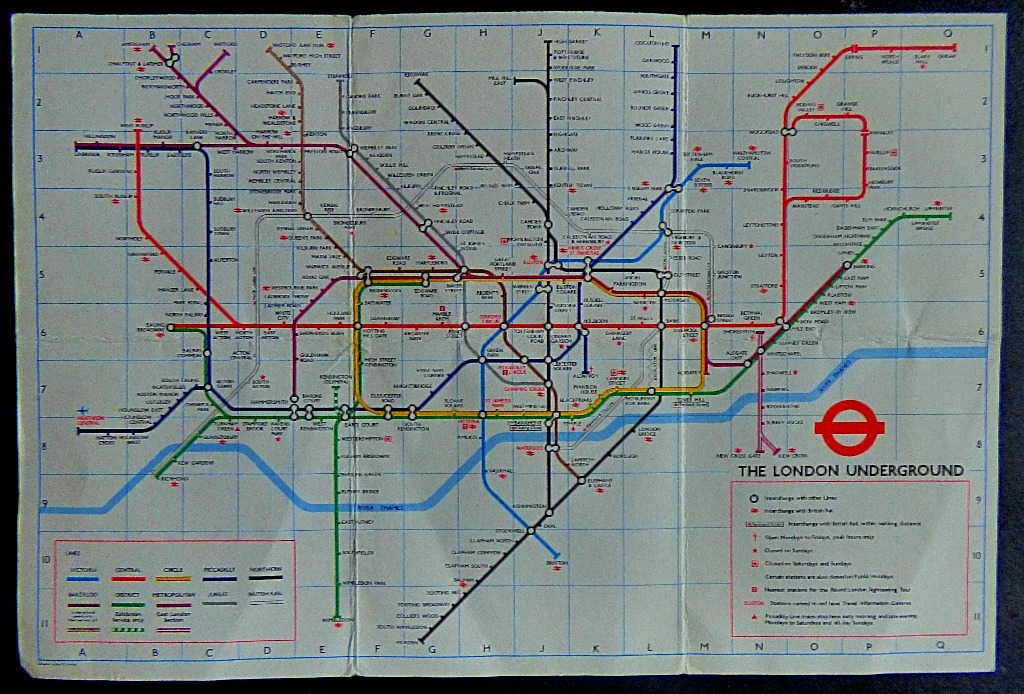
My family moved to London in 1979, when I was four, and I have a London Underground map from that time:

LU 1979

Now, here is an edited version, highlighting the two key stations:

LU 1979 - edited

Tooting Bec was our local station, just about a mile from our house, while Russell Square is the station for Great Ormond Street Hospital. My father would take me there in the mornings and pick me up in the afternoons, using London Underground. We took some very bizarre routes, as my fascination grew, which sometimes led to my father getting awkward questions from ticket inspectors (yes folks, in those days London Underground had on-train ticket inspectors). 

TEENAGE YEARS – GOING SOLO

In later years I was able to explore on my own, and when I was in my early teens the child rate for a one-day travelcard was only 90p, so I would often go out on a Saturday and explore London transport in detail (I used various local railway lines as well as the Underground, though in those days I did not make much use of buses). It was also in this period that I discovered the London Transport Museum at Covent Garden

A big moment for me was the opening of The Docklands Light Railway (I travelled on it on its first day of operation way back in 1987, and it was a huge buzz to be there at the start of a new development in public transport). In particular I first developed the method of visiting Greenwich described in this post on www.londontu.be as a teenager, and since the DLR was then pretty much brand spanking new I claim to be the pioneer of that method.

Like most who have been regular users of it I came to despise the Northern Line, and later in my teenage years it was a thing with me to make my excursions without using the Northern line (this meant starting and finishing at one of various railway stations which were walkable from home – Tooting, Streatham Common, Streatham, or Streatham Hill). A frequent finish to my excursions was to take the Hammersmith & City line to Hammersmith, get an eastbound District line train to Earl’s Court and then cross the platform to get a Wimbledon train, finally changing to railway train to Tooting. 

At the same time as I was exploring public transport in London to the full I was also learning more about its history and development. 

Very late in my teens I became a regular commuter, because after finishing at my local comprehensive I decided to resit my Chemistry ‘A’ Level and do the first year of Maths and Physics ‘A’ Levels at Richmond Upon Thames College of Further Education, whose local station was Twickenham, two stops west of Richmond. I had two regular routes there, either travelling in my mother’s car as far as Baron’s Court (the nearest station to the school she was teaching at in that period), District to Richmond, train to Twickenham, or from home, walk to Balham (about a half-hour walk, perfectly manageable for an 18 year old), get a train to Clapham Junction and change for another train to Twickenham. The fastest trains over the Clapham Junction – Twickenham section were those going to Reading, which did it non-stop. Those trains were also the only ones that still had manually opened and closed doors (two choices folks, either slam the thing, making a monstrous crash, which most people did,  or learn, as I did, how the catches worked so that one could shut the door quietly). 

FURTHER POSTS

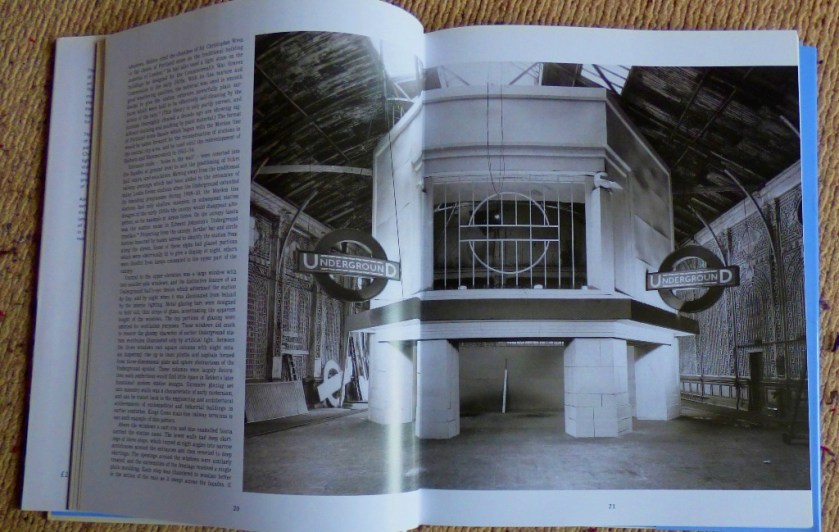
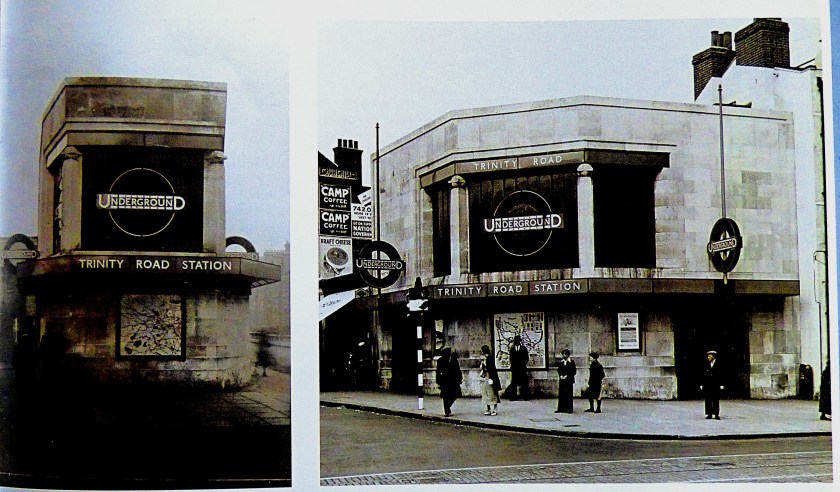
When I revisit this series, probably at the weekend, the story will move away from London, as I did, and will indeed go international. To finish for today, here are some old pictures of Tooting Bec Station, taken from the book Bright Underground Spaces:

Tooting Bec 1
The Stapleton Road sufrface building agt Tooting Bec, which was the one I used to enter and exit by.
Tooting Bec 2
Both of Tooting Bec;s surface buildings (from 1926-50 the station was called Trinity Road).

Plans For May

Setting out my stall for May, including a forthcoming series of posts about my #Autisticspecialinterests

INTRODUCTION

April is behind us, so I am going use this post to set out my stall for May. As a lead up, here is a screenshot of a tweet by Autism Mom:

AMIG

A NEW SERIES SPECIFICALLY FOR MAY

Eve Reiland of internationalbadassactivists suggested a theme for #actuallyautistic people for May: #AutisticSpecialInterest – a theme I am more than happy to run with, so, starting tomorrow I will be producing posts dealing with my special interests through the month. 

THE EFFECT THAT THE NEW BUSES HAVE ON MY WORK

Those who have read my blog recently will be aware that today was my first day travelling to work on the Lynx number 49, which has replaced the Stagecoach X29 route. It runs considerably less frequently, but the buses are comfortable, the staff are friendly, and at the moment it has a score of 1/1 for punctuality, which after Stagecoach feels near miraculous. 

AN UPCOMING HOLIDAY

I will be off for a week in Greece, leaving King’s Lynn on Friday May 11th, late in the evening so as to get to Gatwick for the flight to Kalamata, which takes off at 5:40AM. Therefore I will accept that sleep ain’t happening that night, and spend a few hours waiting at the airport. I will arrive back in the early afternoon of Saturday May 19th. I will endeavour to keep up to date with everyone during that period, but there will almost certainly be days on which I do not manage to access the internet.

IMAGING FOR MAY’S AUCTIONS

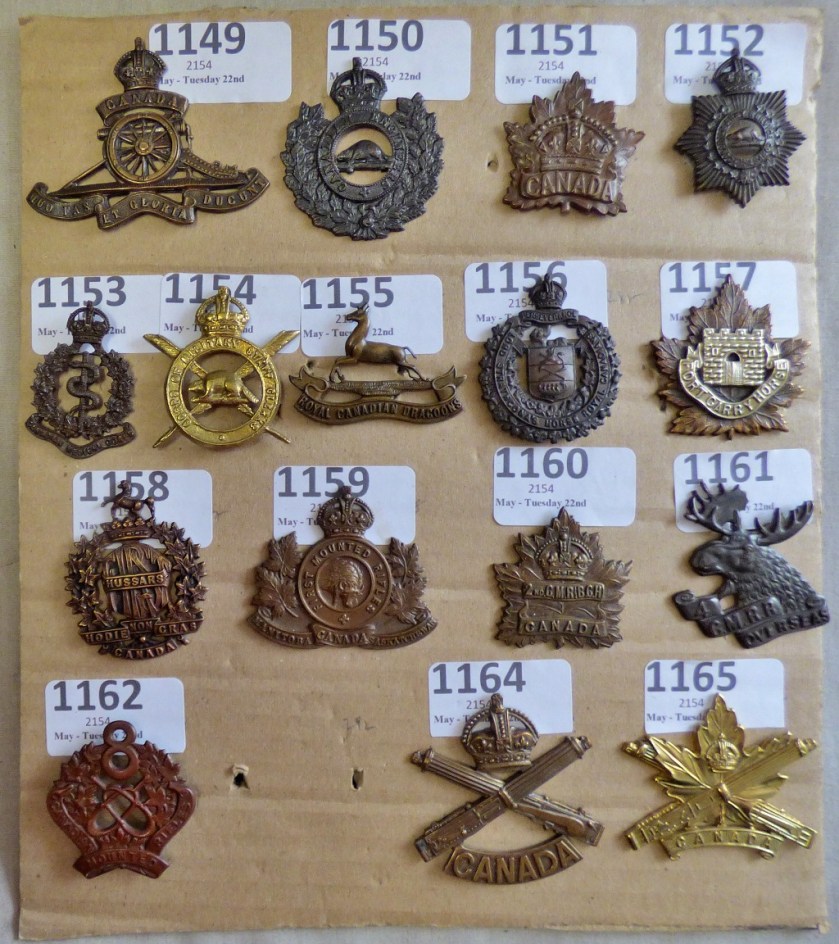
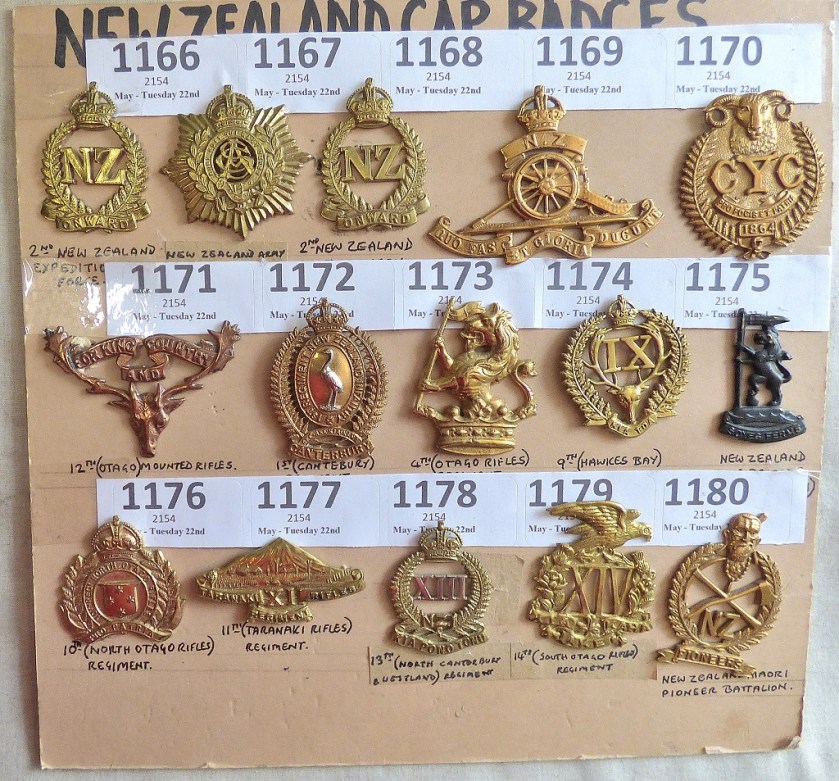
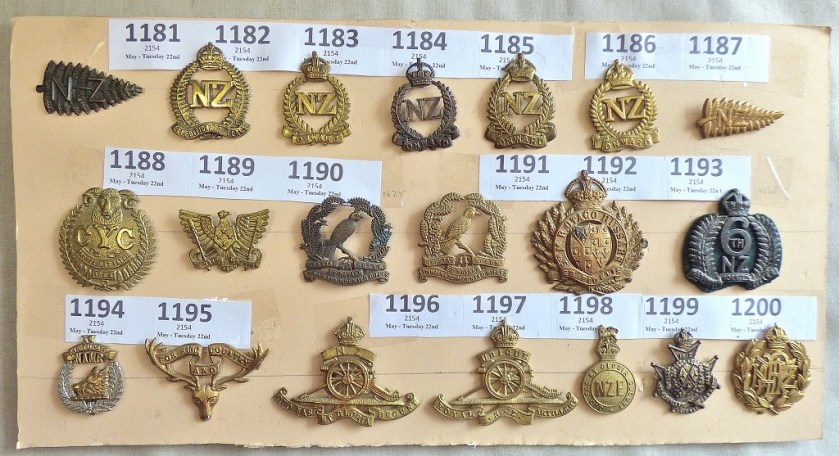
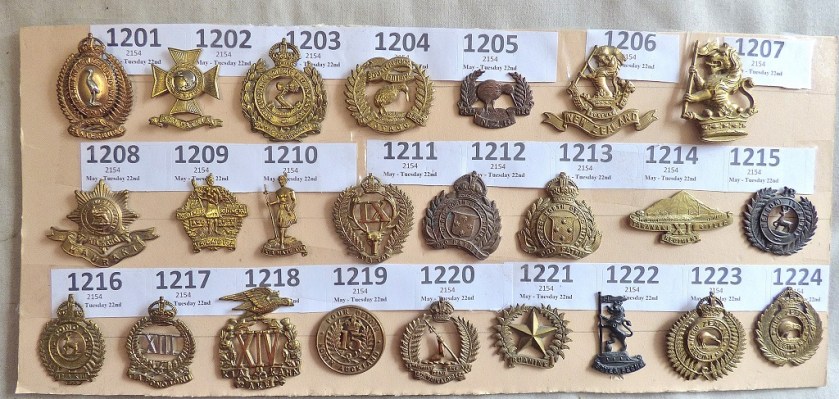
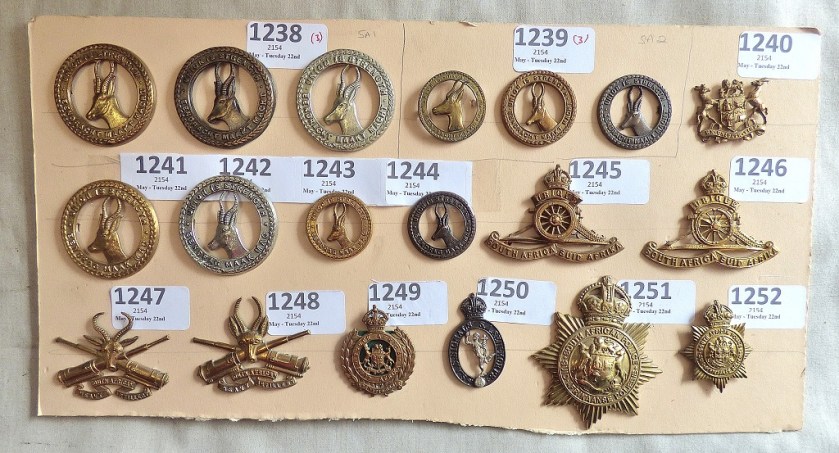
In May we are having a one-day cigarette card auction, followed by two days of military badges (and these will be on the Monday, Tuesday and Wednesday after I return from holiday). Here to finish things off are some images…

1149-65
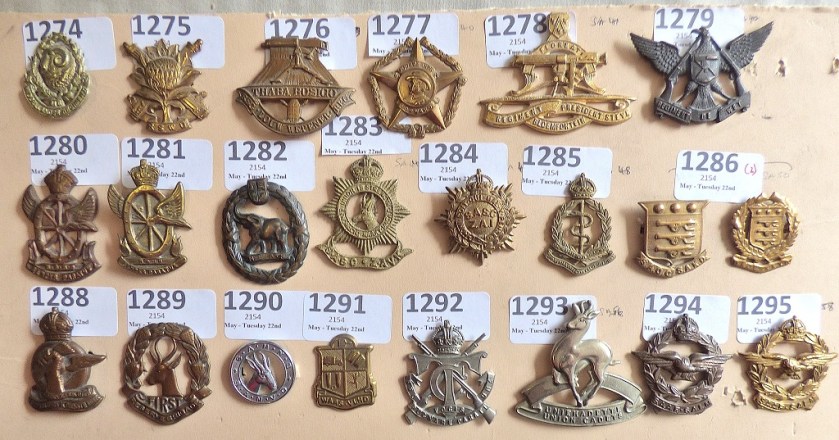
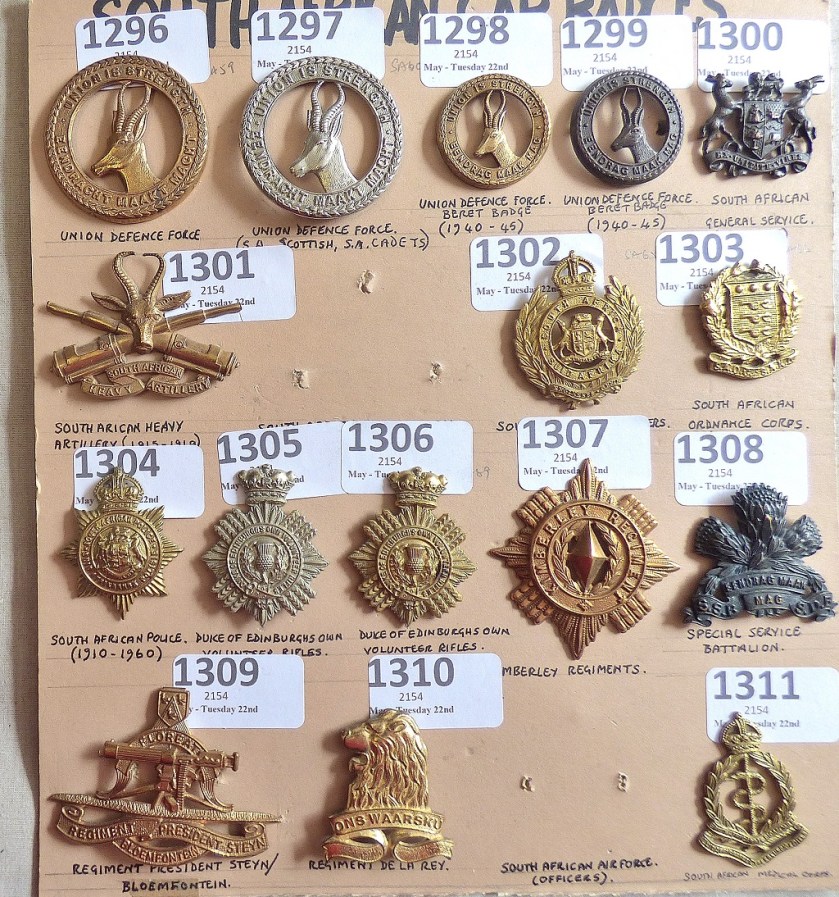
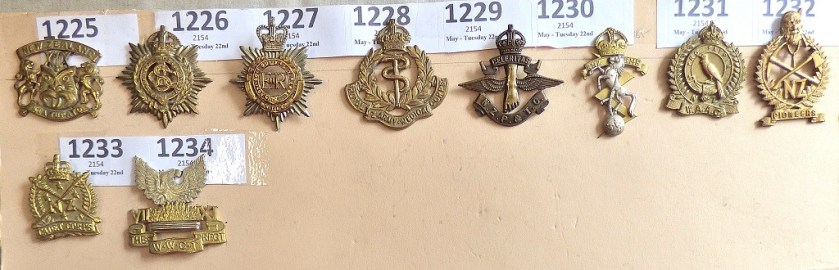
My employer wanted an insert of badge pictures for the catalogue, and to enable that as well as in the interests of speed the badges were numbered up on their boards, and I took pictures of the entire boards and then extracted individual images from the whole.

1166-801181-12001201-241225-341238-521253-731274-951296-13111312-42

8
There are 750 lots of cigarette cards, in a total of 67 albums, of which I have imaged 51, covering four whole albums and 1 from a fifth.

1112152020-a20-b38394050

Lot 1047

A detailed look at lot 1047 from James and Sons’ April Auction.

INTRODUCTION

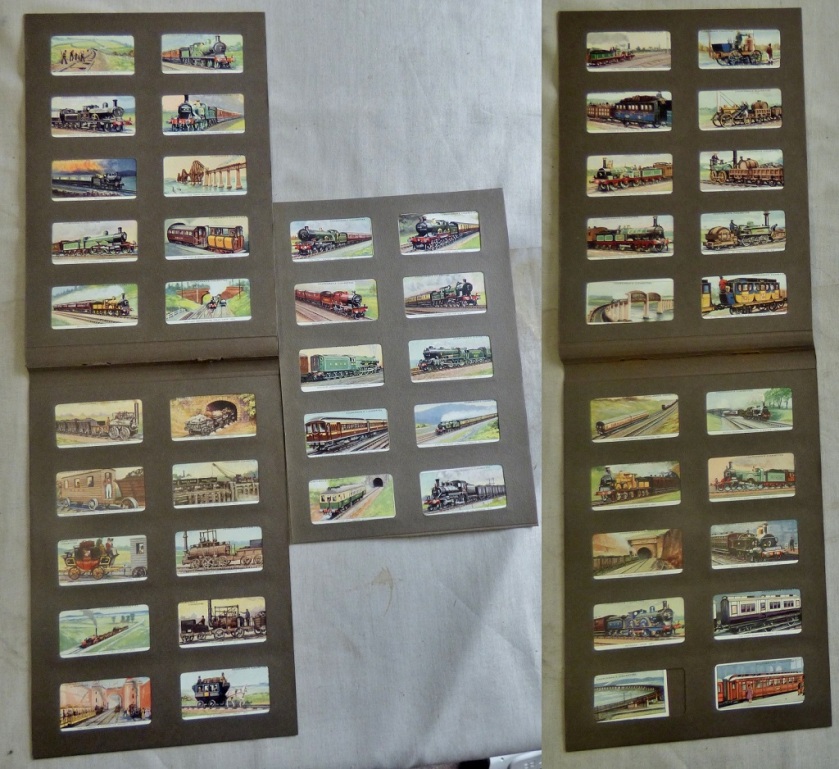
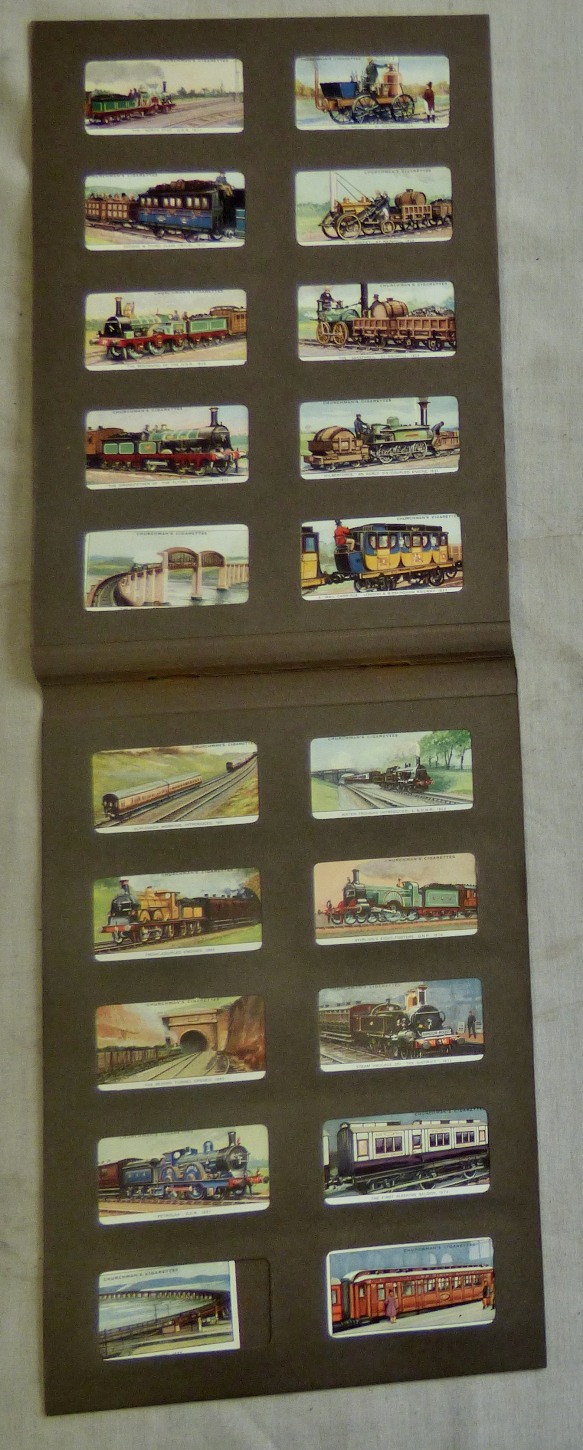
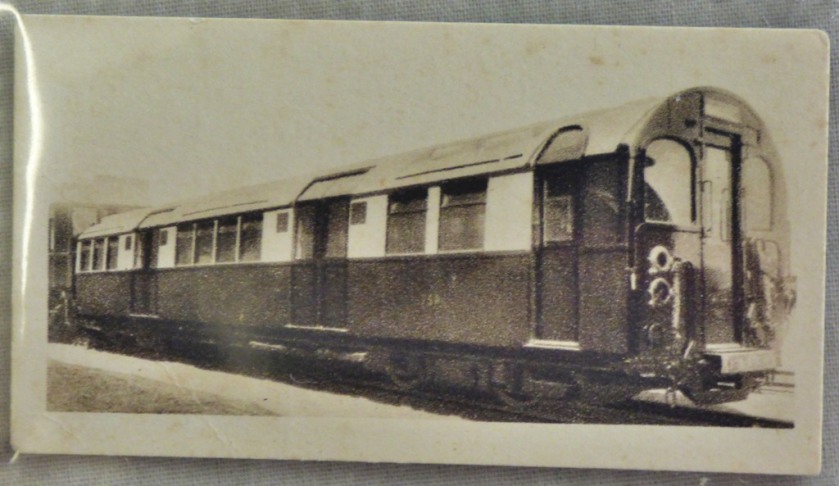
When I did my post about James and Sons’ April Auction I said that I would be devoting a whole post lot 1047, an album of railway postcards that fell to me, and here it is.
IMAGING LOT 1047

I had time for only one close up in addition to a sample shot of four images, so this is what I did:

1047

1047-a

LOT 1047 IN DETAIL

Here are is a detailed look through look lot 1047:

Front Cover1234567891011121314151617181920

Autism Events V: Saturday in London Part 3

My final blog post about the Anna Kennedy Autism Expo.
INTRODUCTION

Welcome to the fifth and final installment in my Autism Events series, concluding my account of the Anna Kennedy Autism Expo a week ago yesterday (still to come are some related posts on my London transport themed website and a page on this site bringing everything together).

THREE MORE TALKS

I will handle these talks in exact chronological order, starting with…

THE AUTISTIC DAD

This one was slightly problematic for me, although I welcome another autistic person being given the opportunity to speak. The biggest problem I had lay in his comments about vaccines, which I found particularly hard to stomach given that since he is autistic there is an obvious genetic component to his son’s autism. This talk did not inspire as much as I had hoped, and a week on I do not feel any happier about it.

The Autistic DadIntroductionScreen 2Career HighlightsFamily BackgroundFamily IIFamily IIIFamily IVFamily V

SPORT FOR CONFIDENCE

This was a wonderful talk by Lyndsey Barrett, a former netball international (she had a very serious illness which nearly killed her, but is now back playing netball to a good level although she has not yet been recalled by England) and founder of the eponymous Sport for Confidence.

Sport for confidence

Lyndsey Barrett
Lyndsey Barrett.

In the BeginningThe ProgrammeProgrammeModelContributions and BenefitsPartner contributionsProgramme BenefitsCS1InterventionOutcomesCS2GoalsIntervention and outcomesOOSummary

AN EXCELLENT FINISH

The final talk was from one of the people from Green Board Games (see my first post about this event for more) and although I was very tired by this stage of the day I thoroughly enjoyed it. 

Toy talkPicturesdon't dis my abilityThe Strength of ObservationAspieswired differentlySpeakerQuirksSuccess looks different

HOMEWARD BOUND

Leaving the event I headed back to Uxbridge station, and got a Metropolitan line train into London, arriving at King’s Cross in good time to catch the 18:44, arriving into King’s Lynn at 20:22. Here are a few pics from the return journey, although the battery in my camera was running on fumes by that stage of the day.

Hillingdon footbridge
This footbridge is at Hillingdon, one stop out from Uxbridge.
Rayner's Lane buidings III
The station building at Rayners Lane, which functions as a bridge between the platforms as well is one Charles Holden’s most famous.
chilternrailways.co.uk
Chiltern Railways, with which the Metropolitan is closely integrated. Chiltern Railways‘ historical predecessor, the Great Central railway was a creation of Sir Edward Watkin, who also ;played a massive role in the Metropolitan’s history. This train is at Harow-on-the-Hill.
Distant Wembley
A distant view of Wembley Stadium.