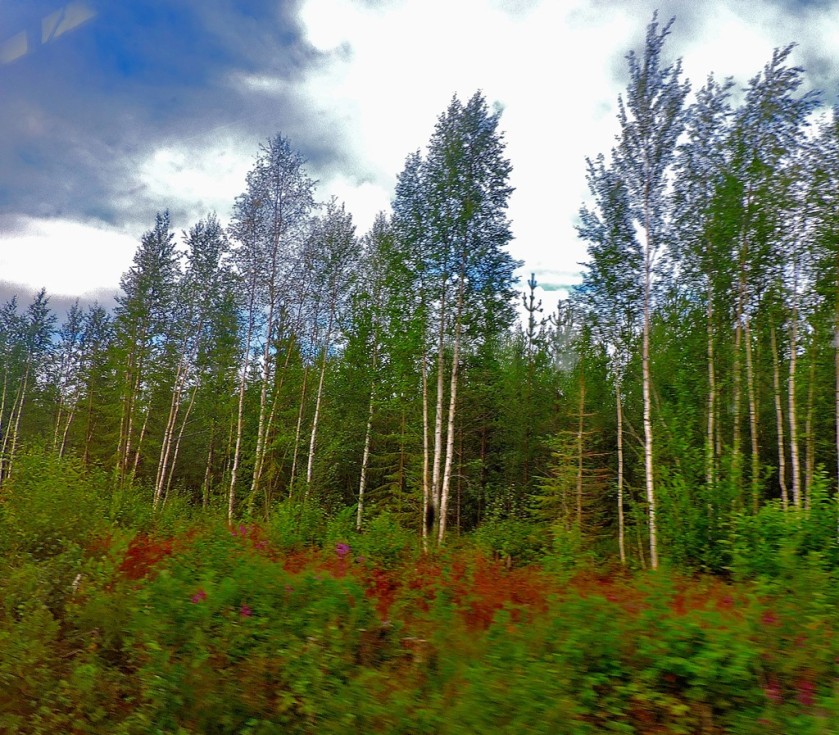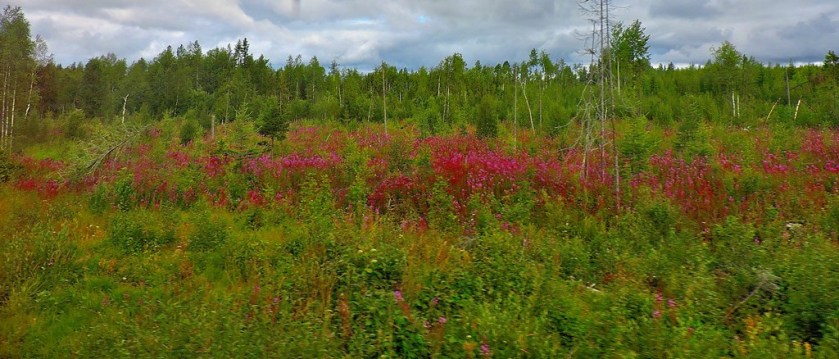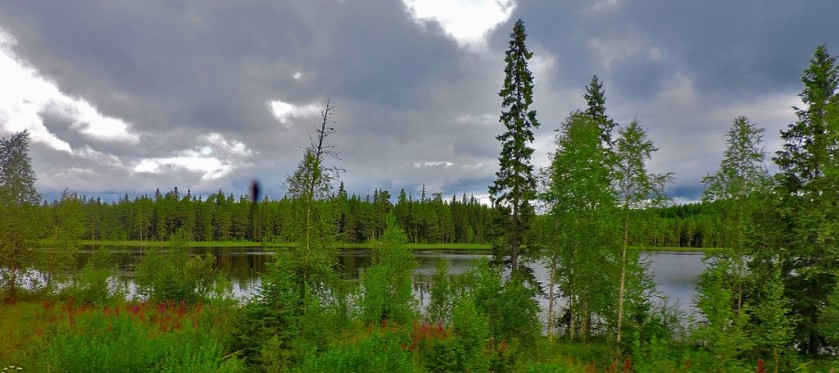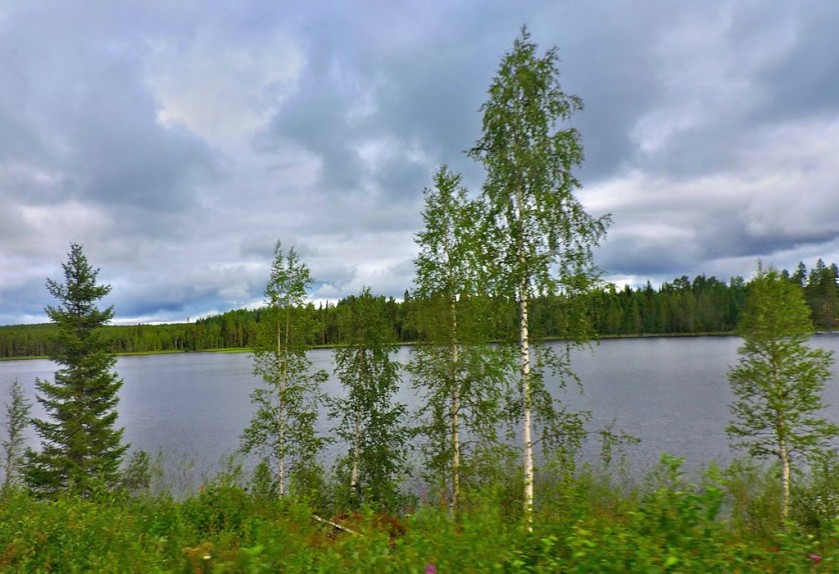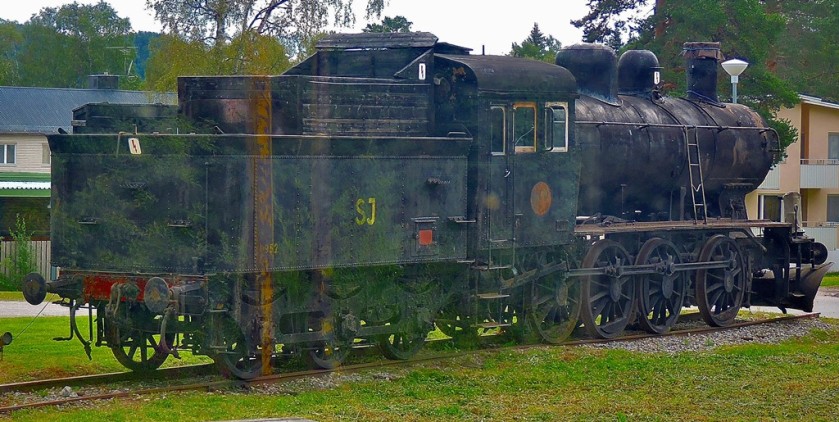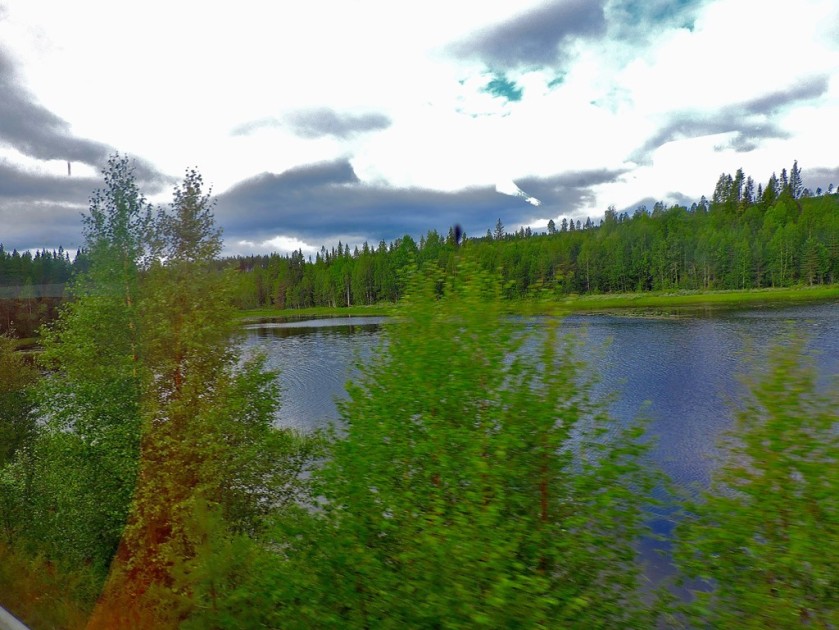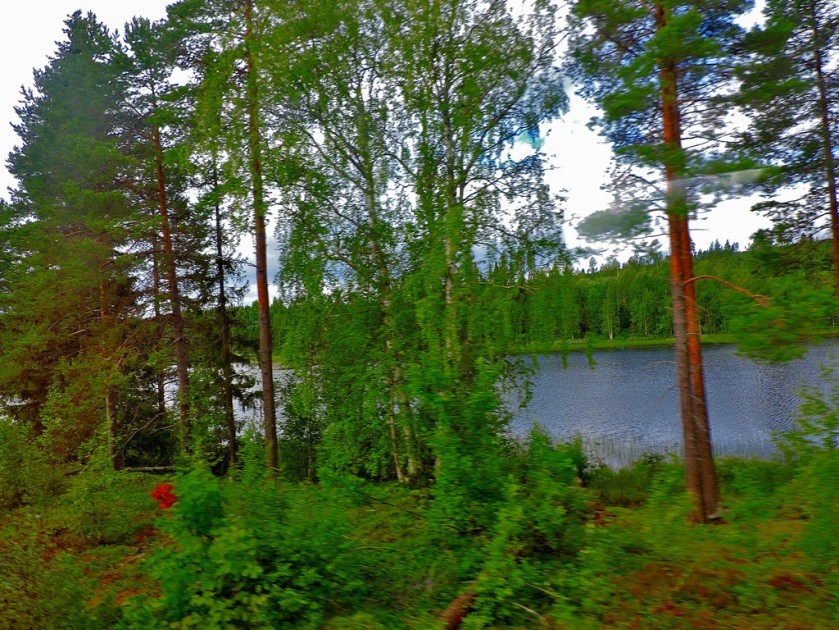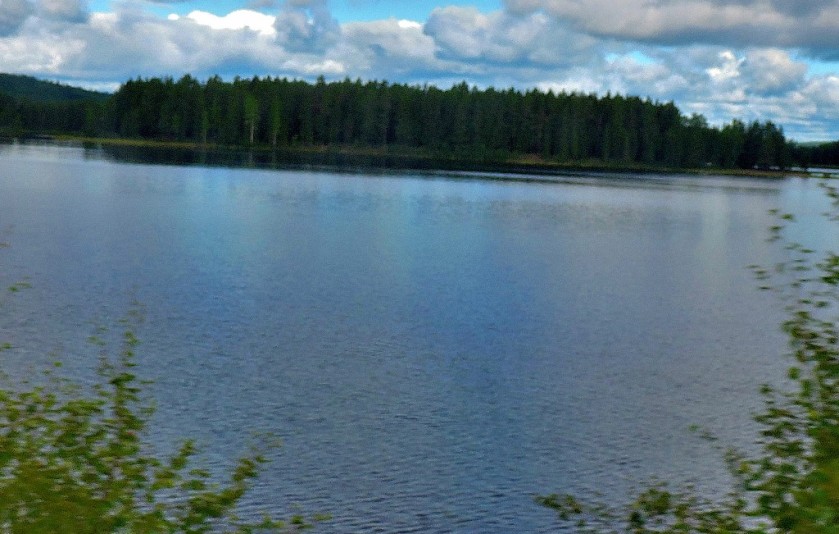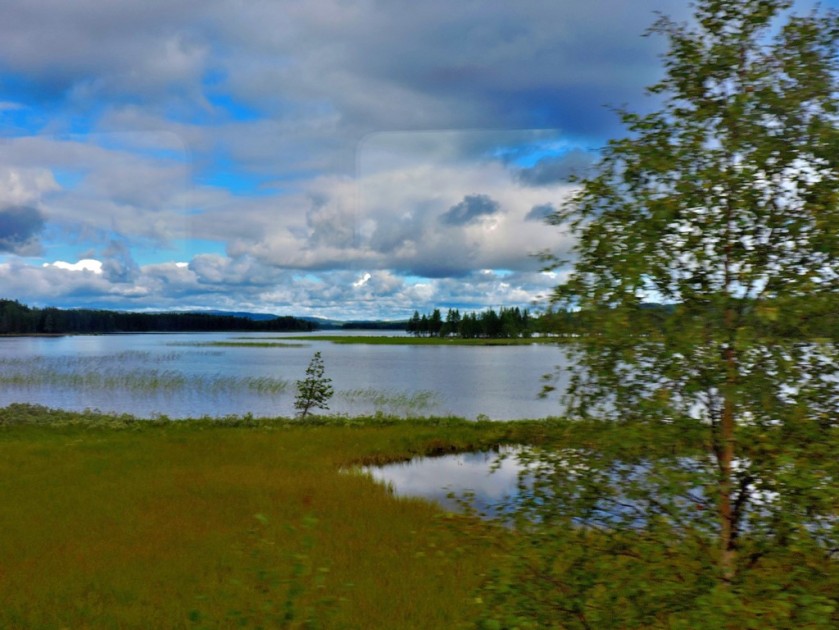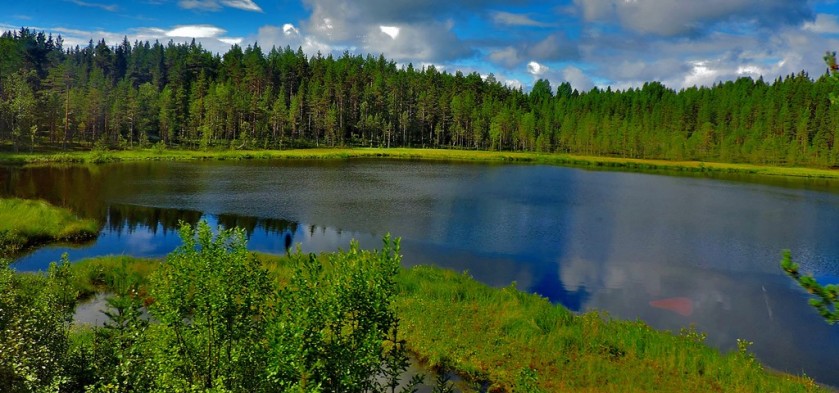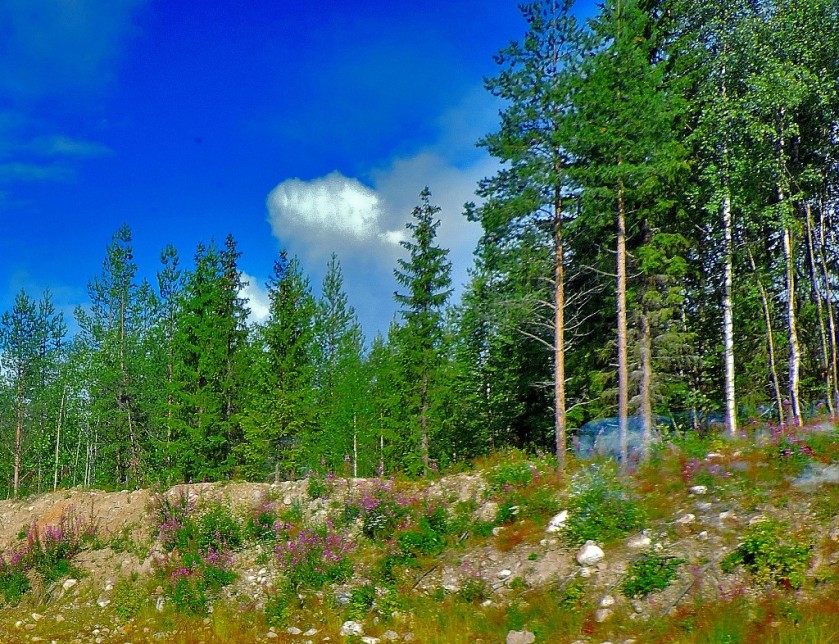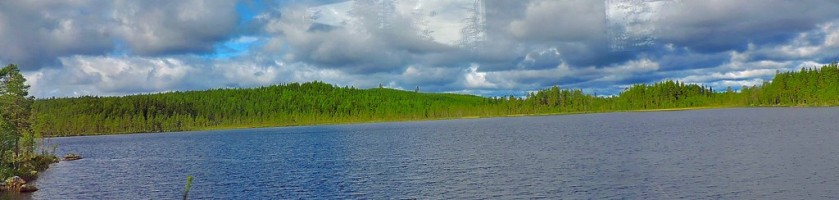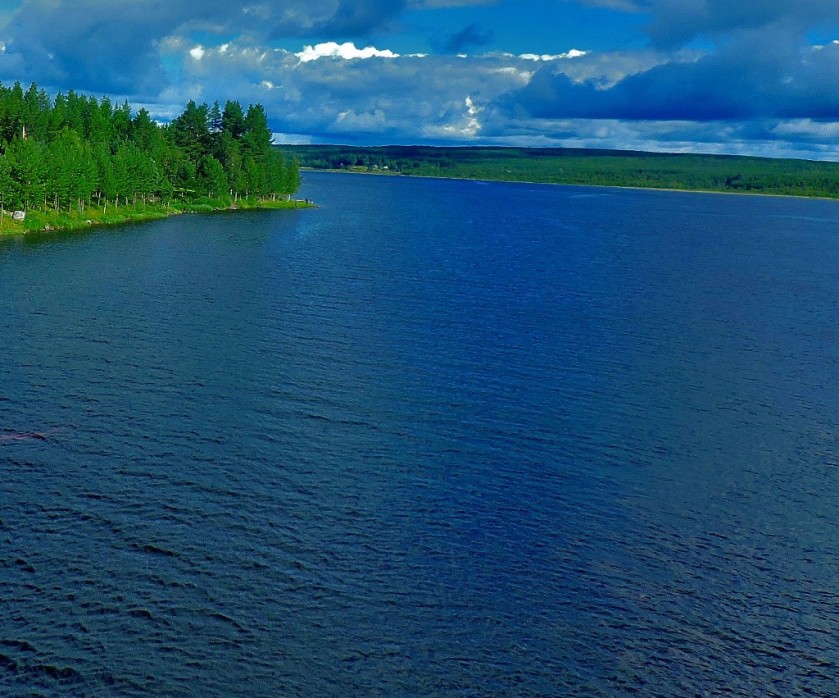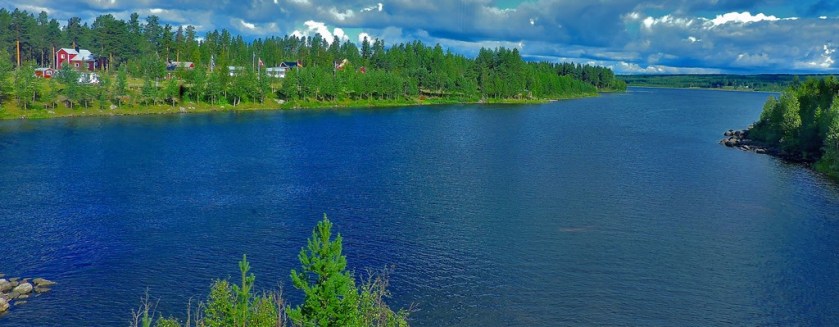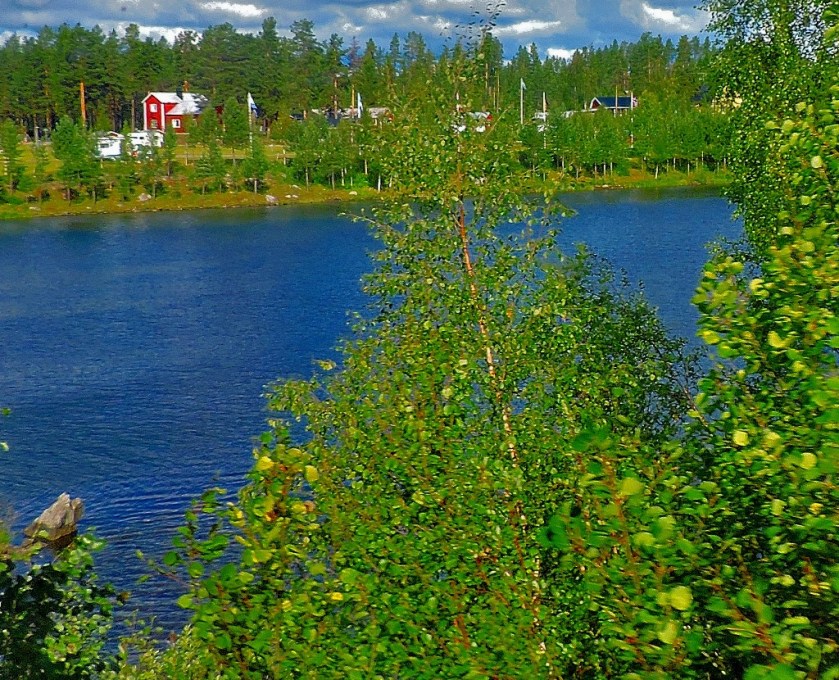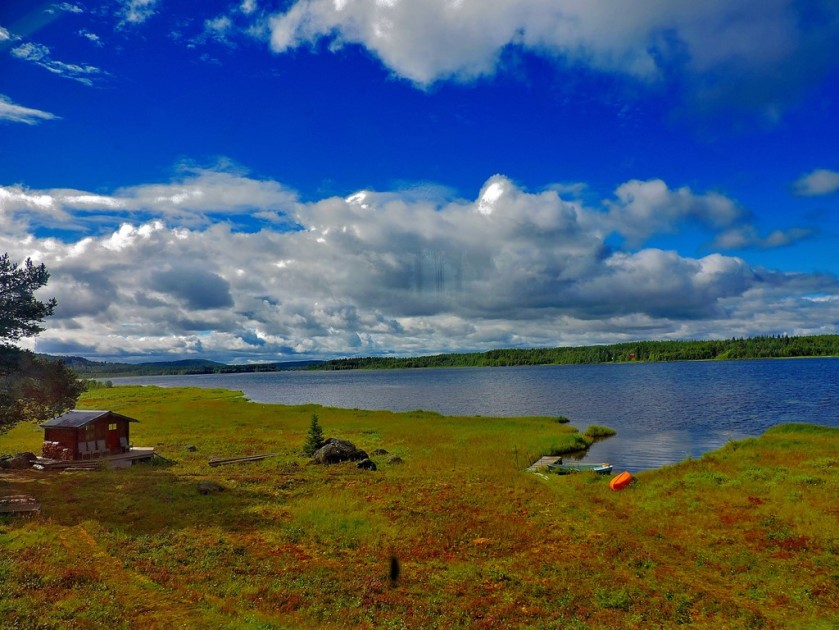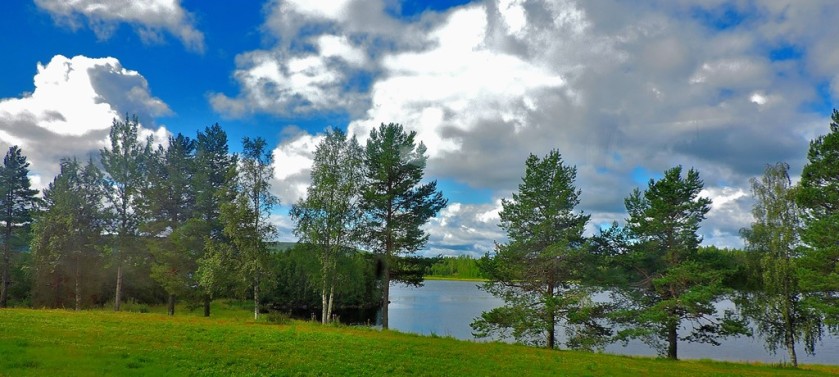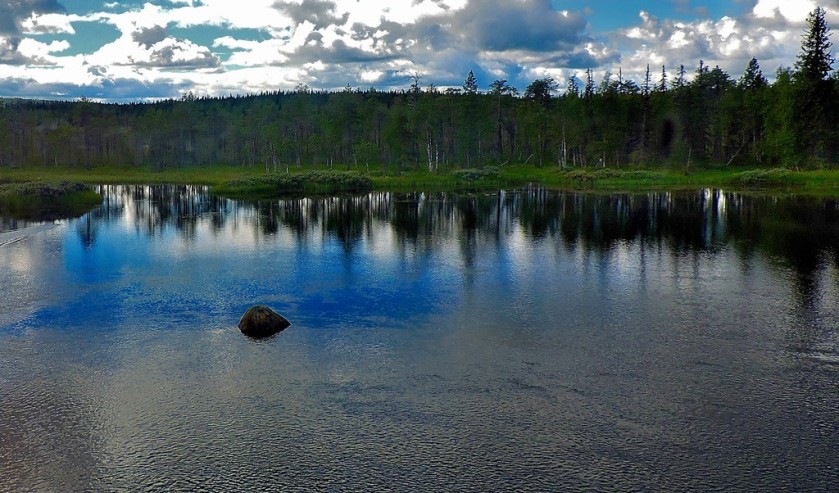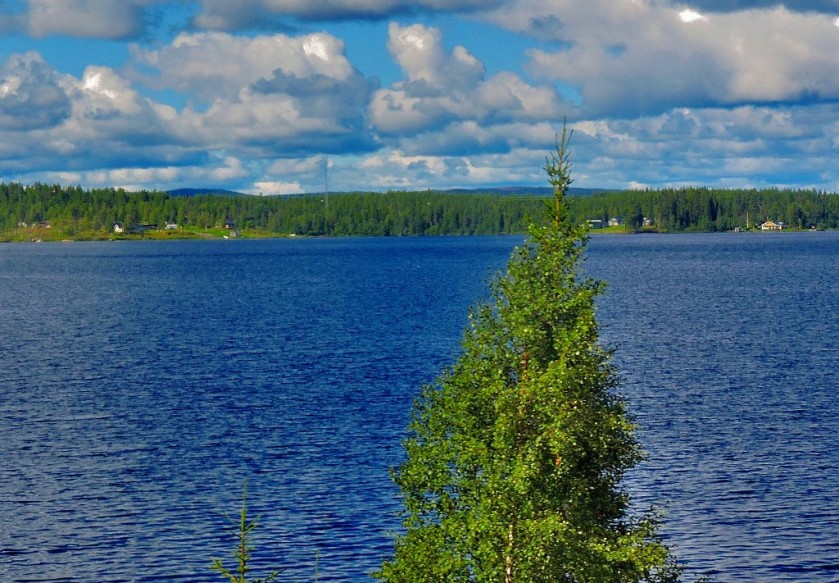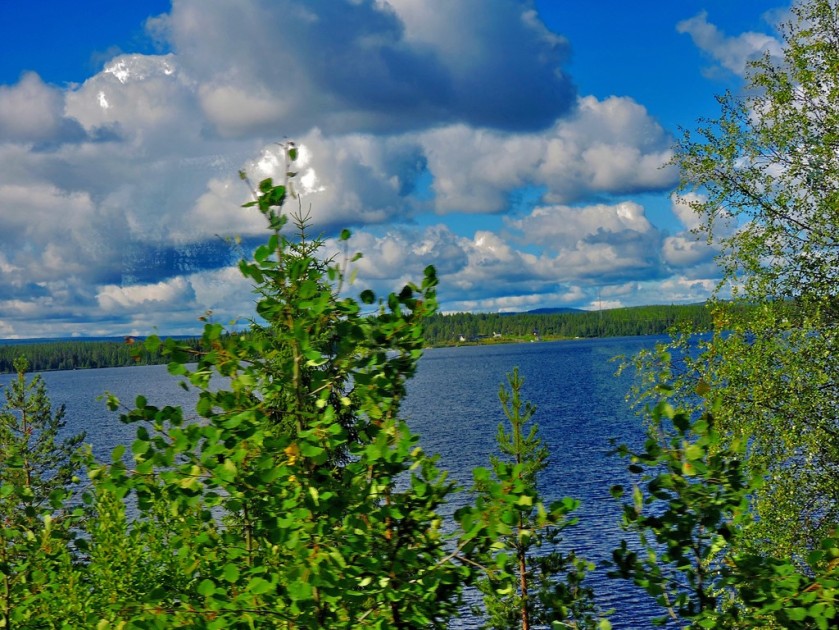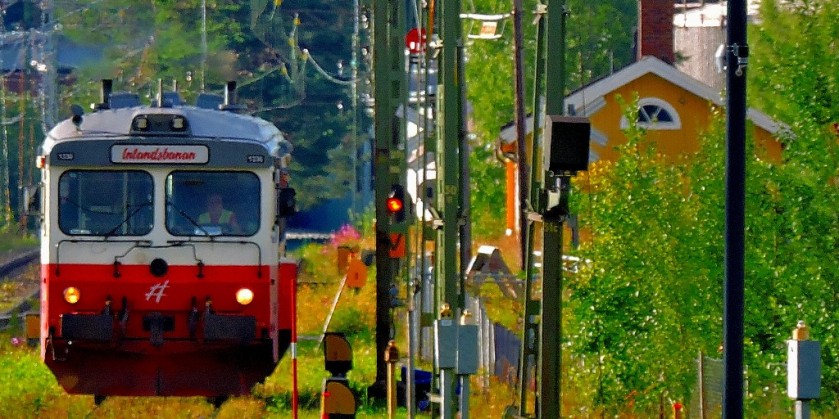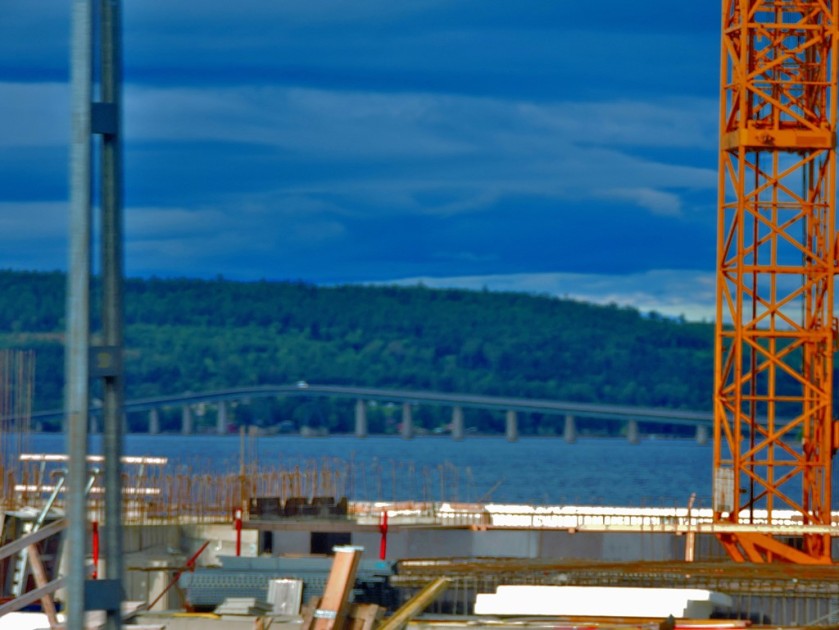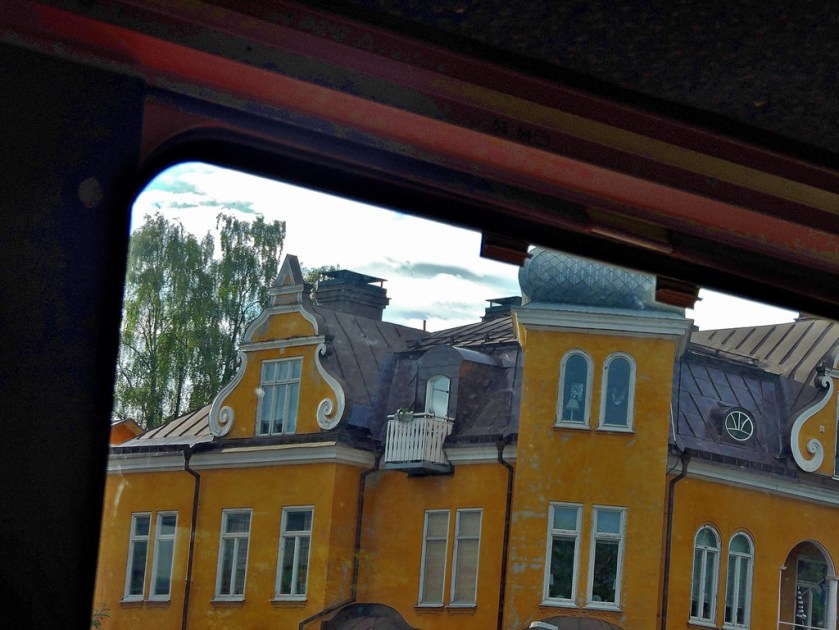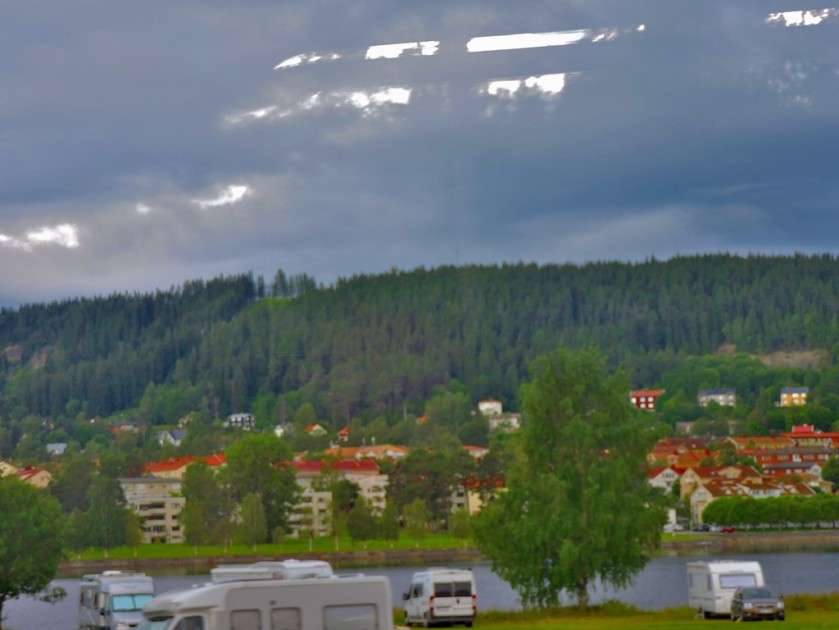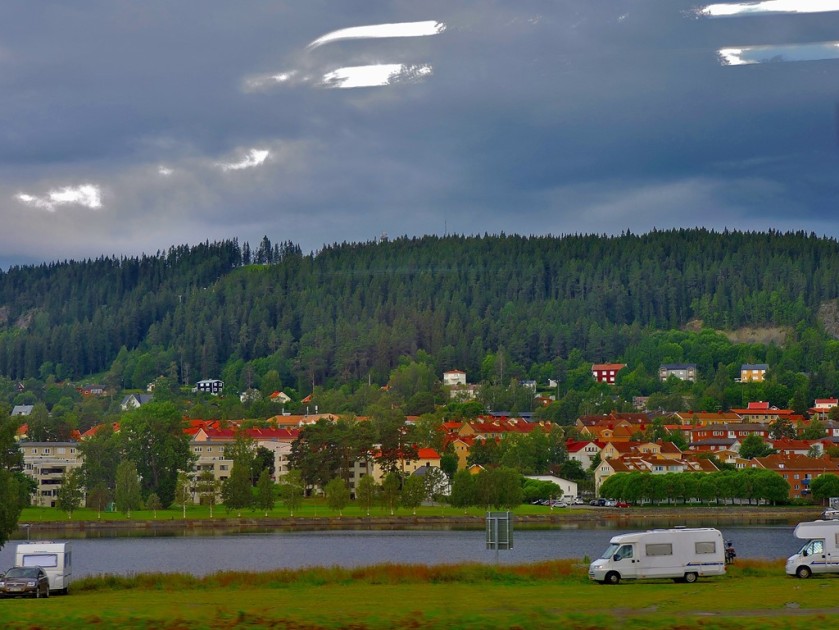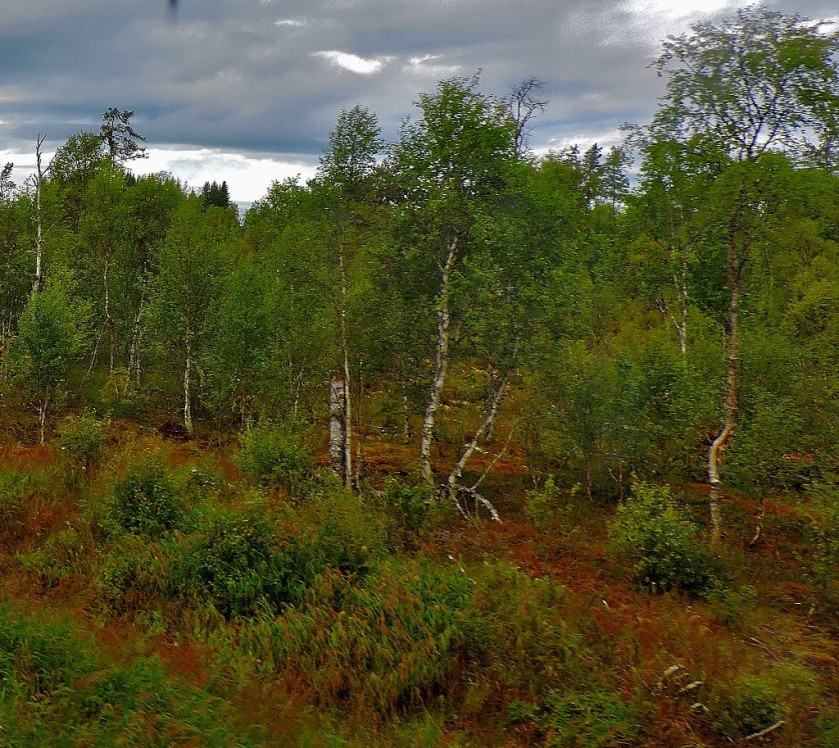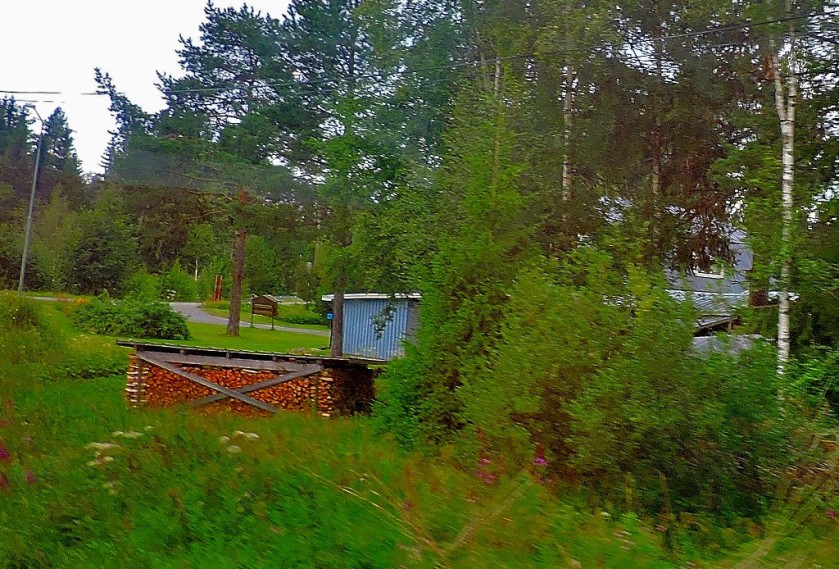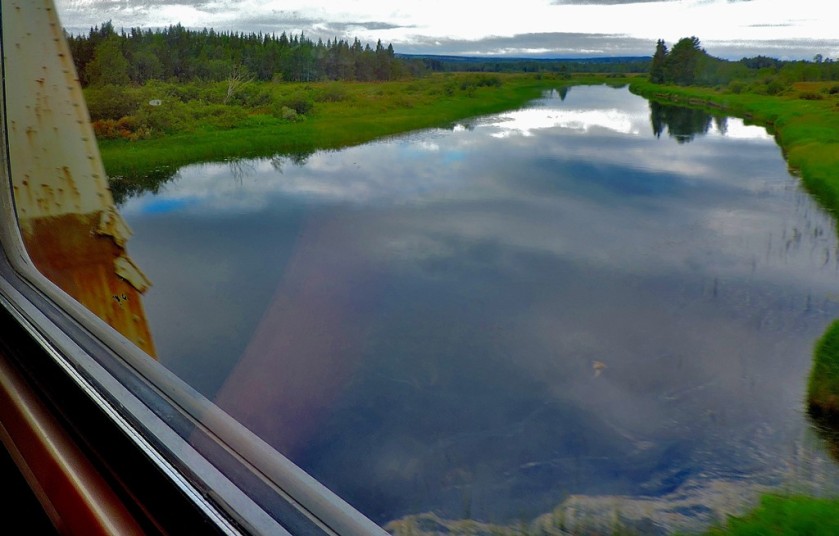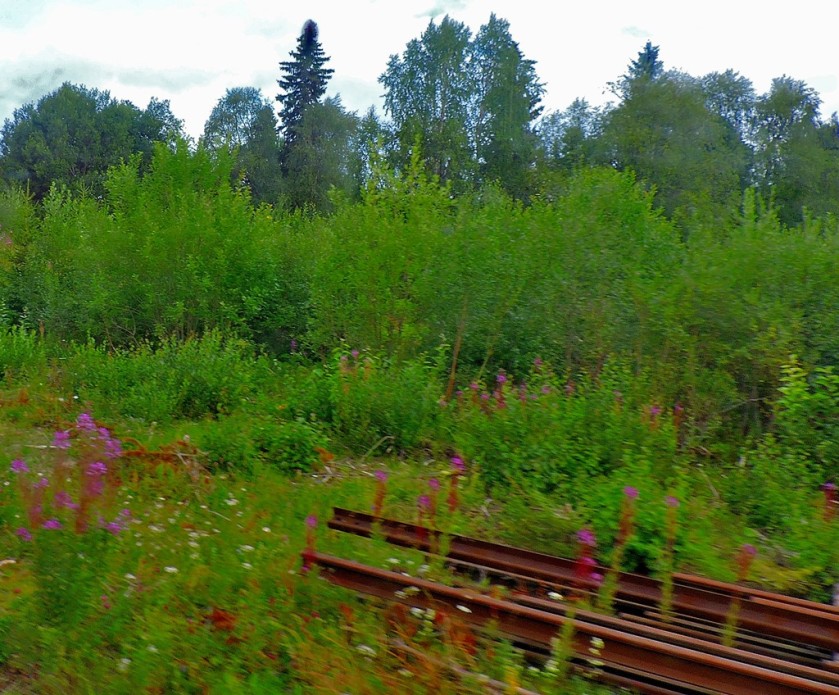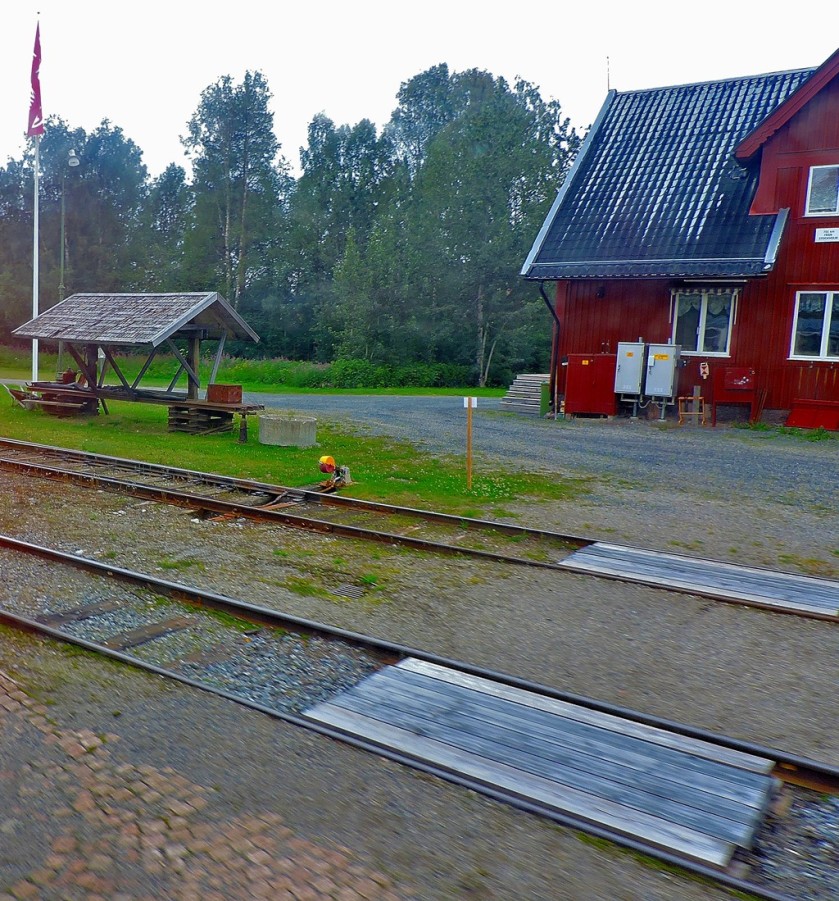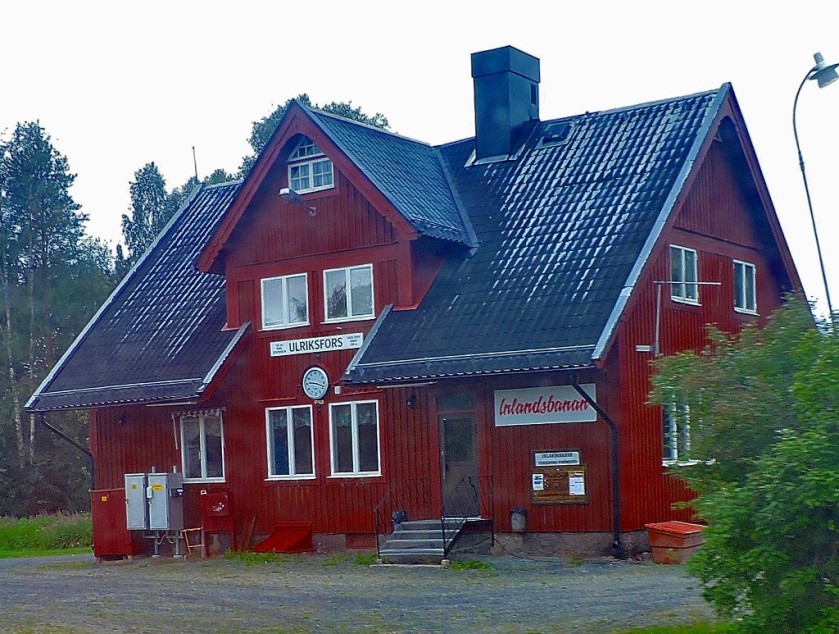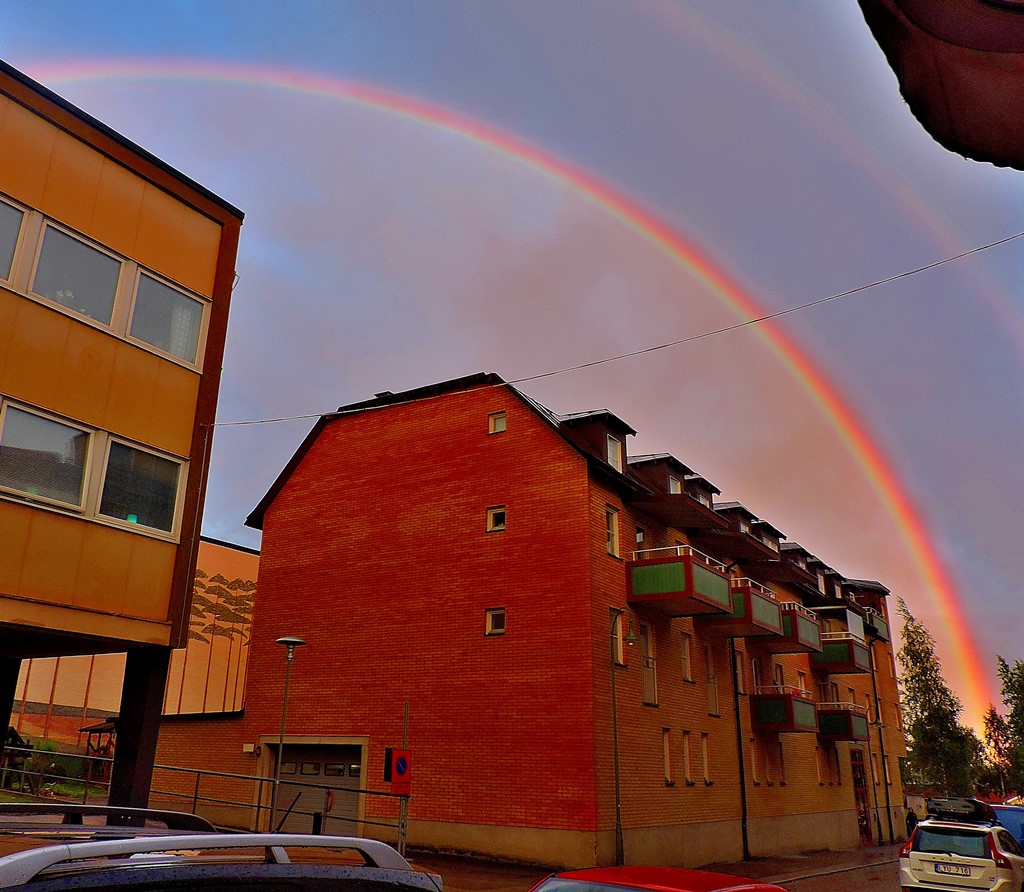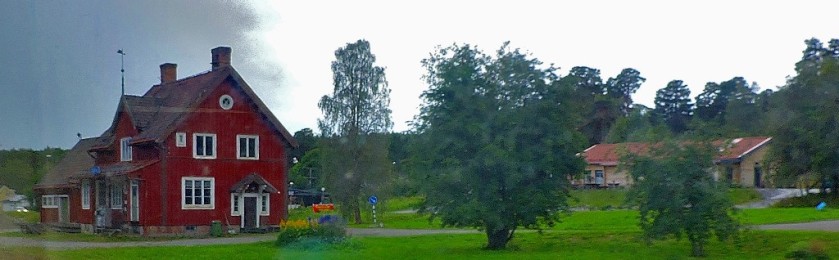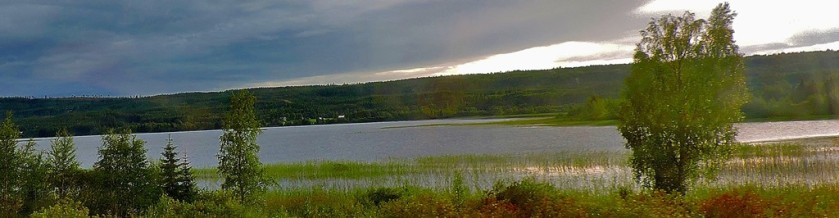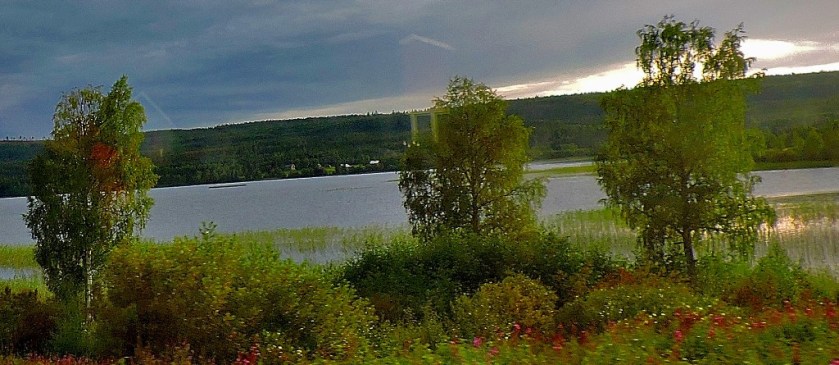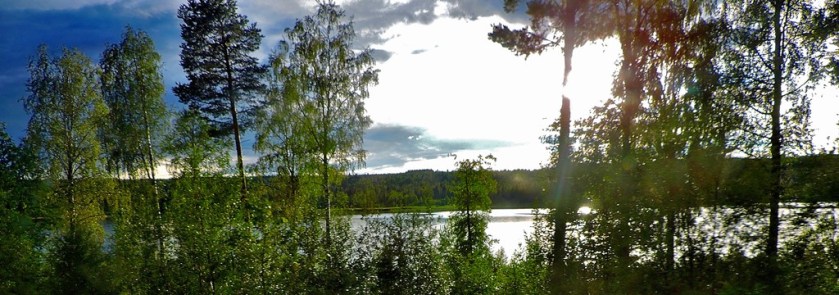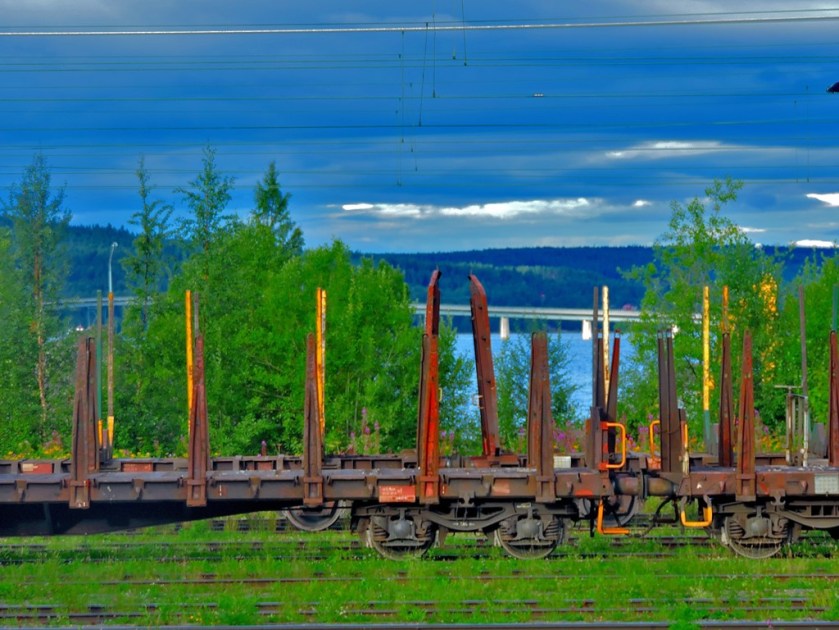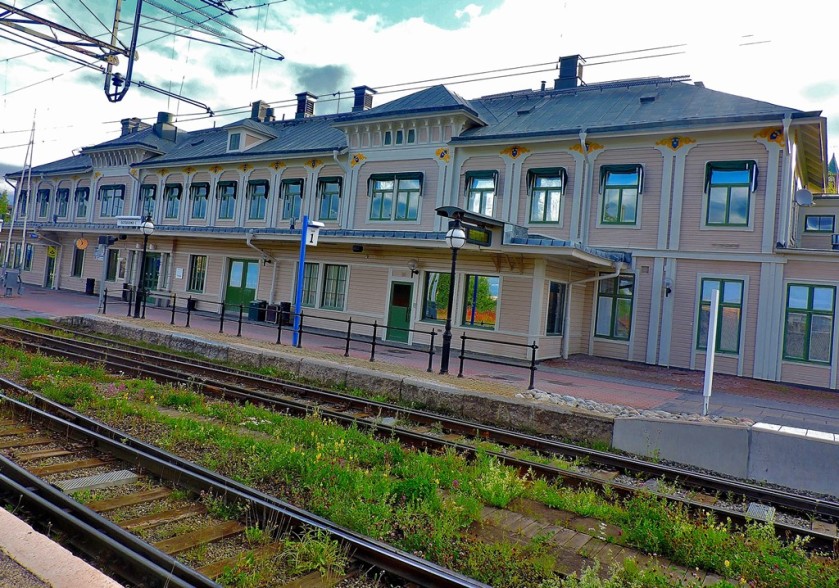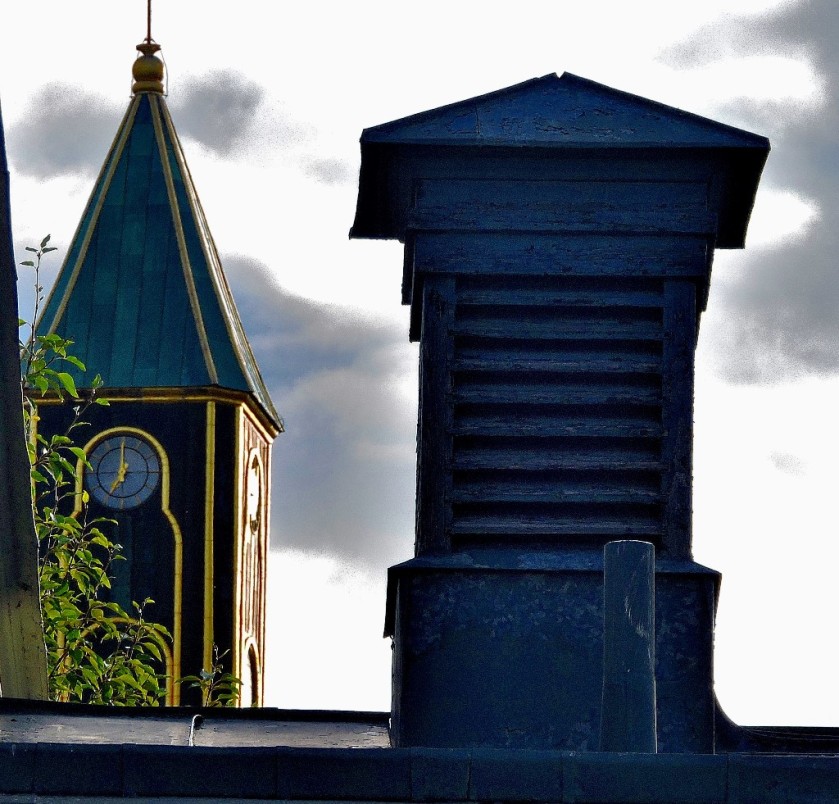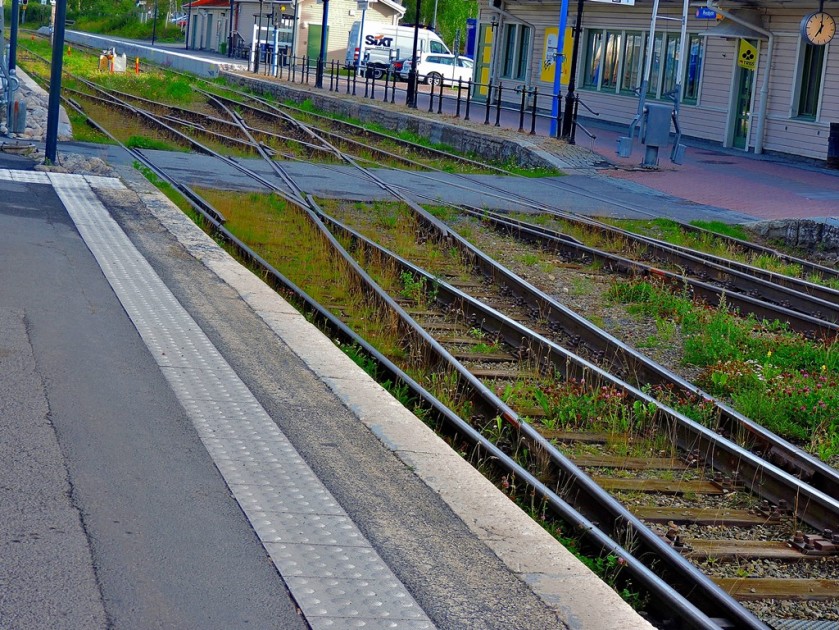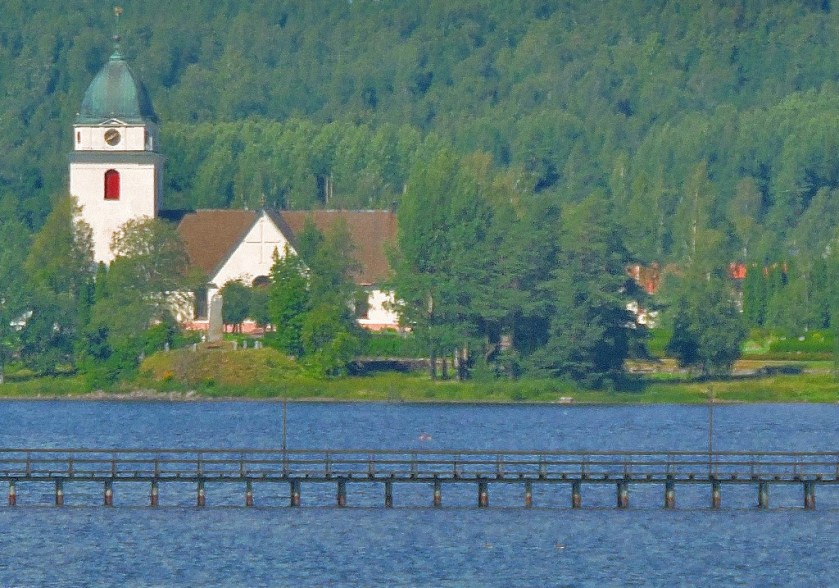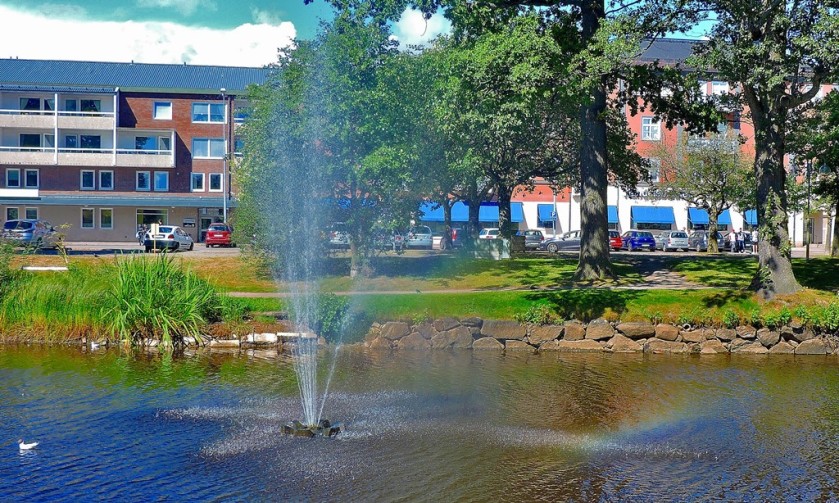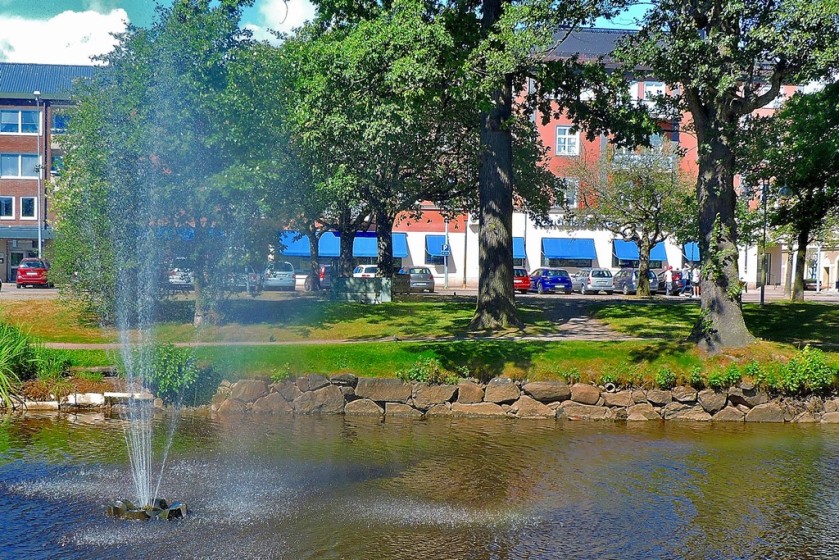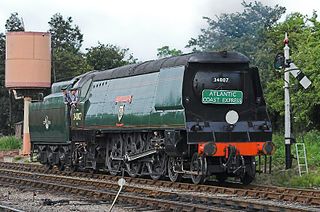
The long-awaited resumption of my series of posts about Sweden. This one sets the scene for a number of posts about my travels on Inlandsbanan.
INTRODUCTION
It has been a long while since I last created a post, but I am now ready to go again with my accounts of my trip to beautiful Sweden. Having spent a very enjoyable few days in the company of my cousin and his fiance (see here for more details) it was time for me to make use of my one-country inter-rail pass, allowing up to eight days worth of rail travel in Sweden.
THE PROLOGUE TO INLANDSBANAN
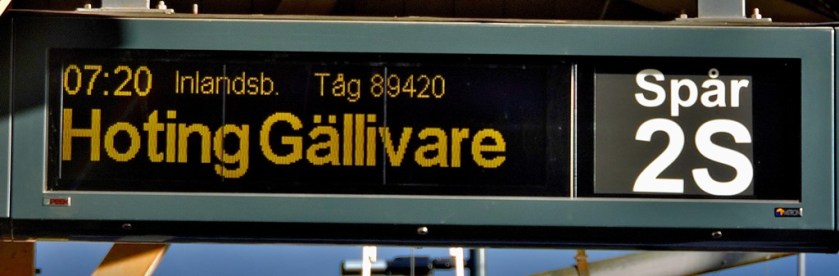
My first journey on my inter-rail pass was a short hop of just over two hours from Stockholm to Kristinehamn where I would stay overnight before experiencing Inlandsbanan on days two and three of this part of the holiday (the distance from Kristinehman to the northern outpost of Gallivare, pronounced yell-ee-vara, is 1,364km which converts to roughly 850 miles).
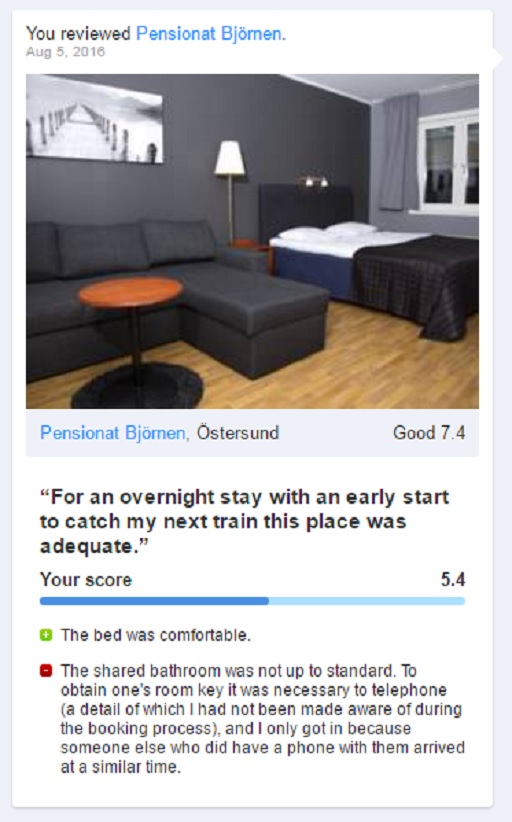
At this stage I had not booked anything in advance, a mistake that I learned from after the experiences both on the train and at Kristinehamn, where I paid far more for a room than I ought to have done. Indeed one of the things I did in my room in Kristinehamn was make use of the wifi to book seats on three legs of Inlandsbanan and rooms in Ostersund fot the following night and then for two nights in Gallivare, although this latter did not work out, of which more anon.
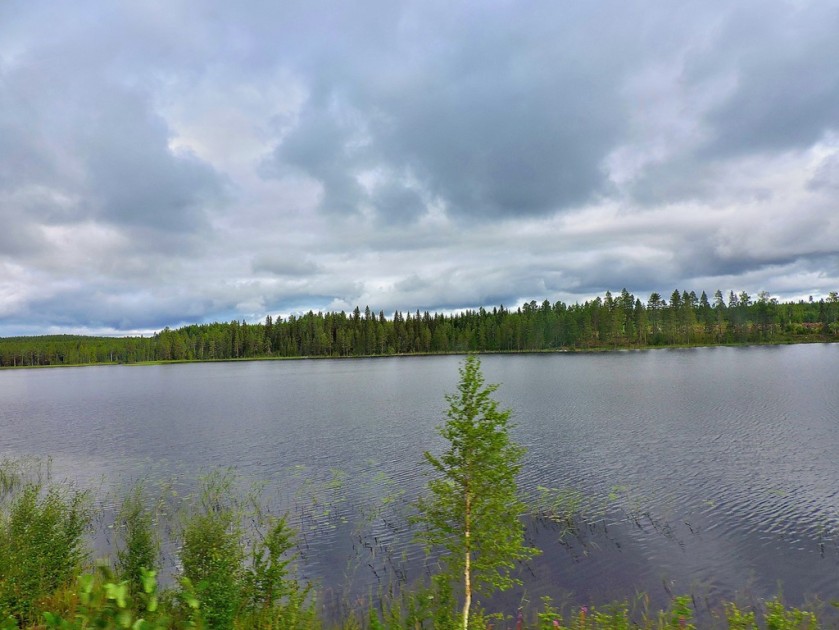
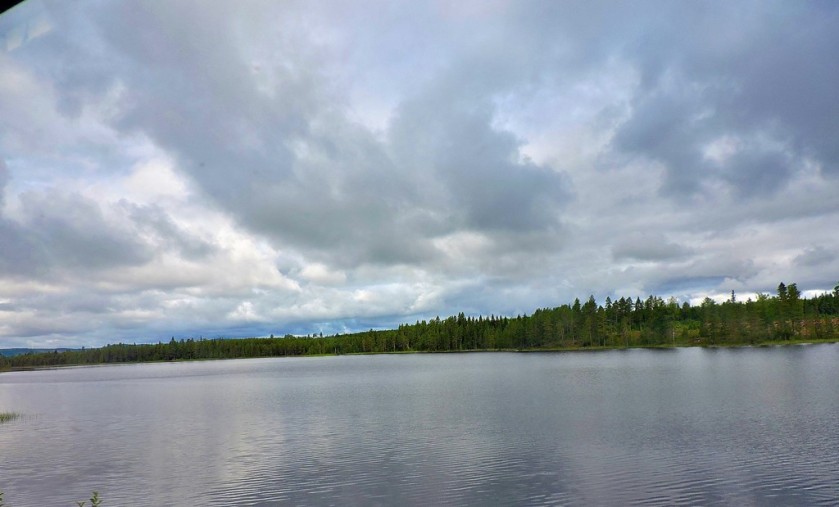
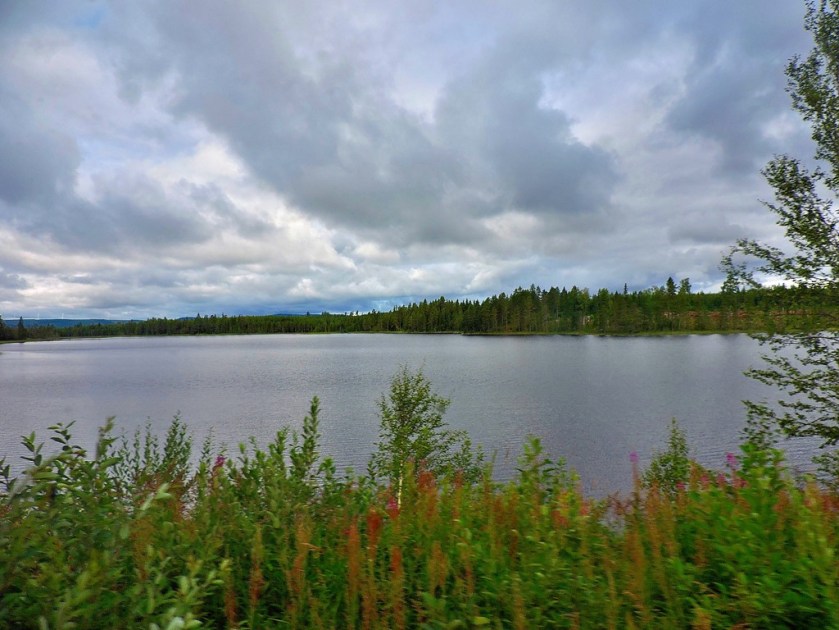
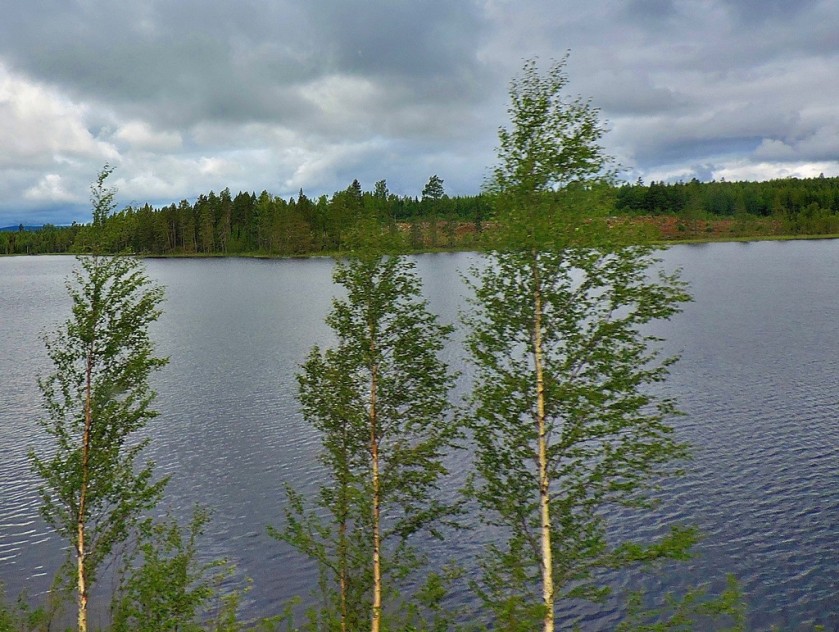
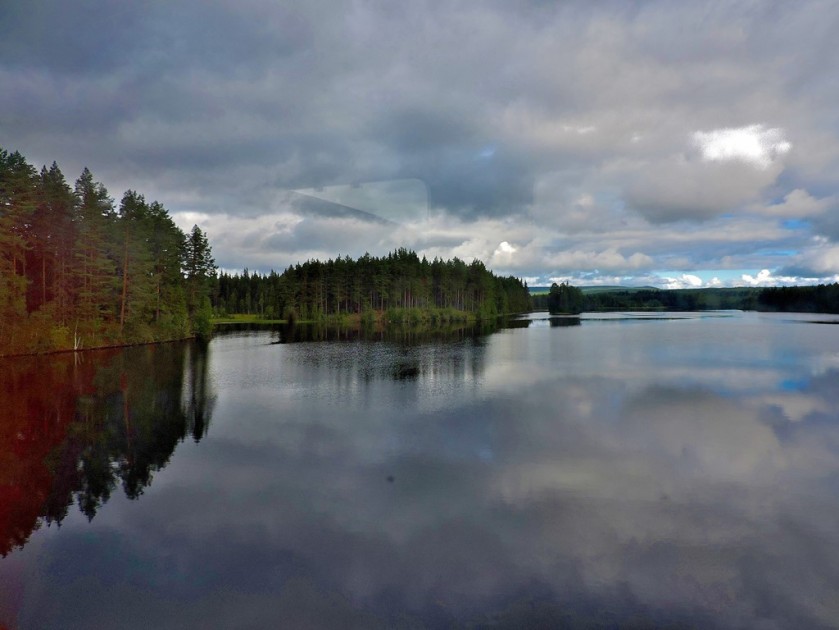
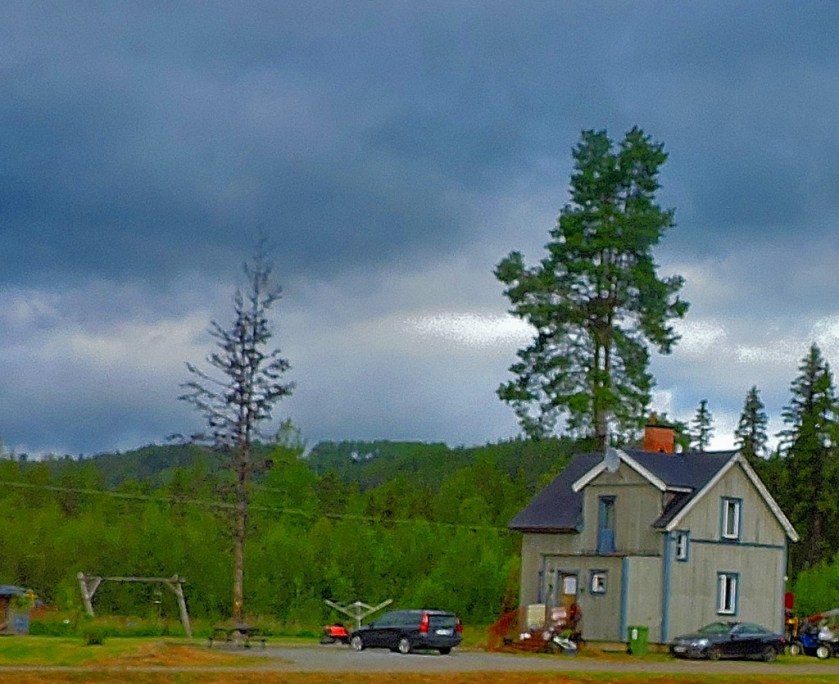
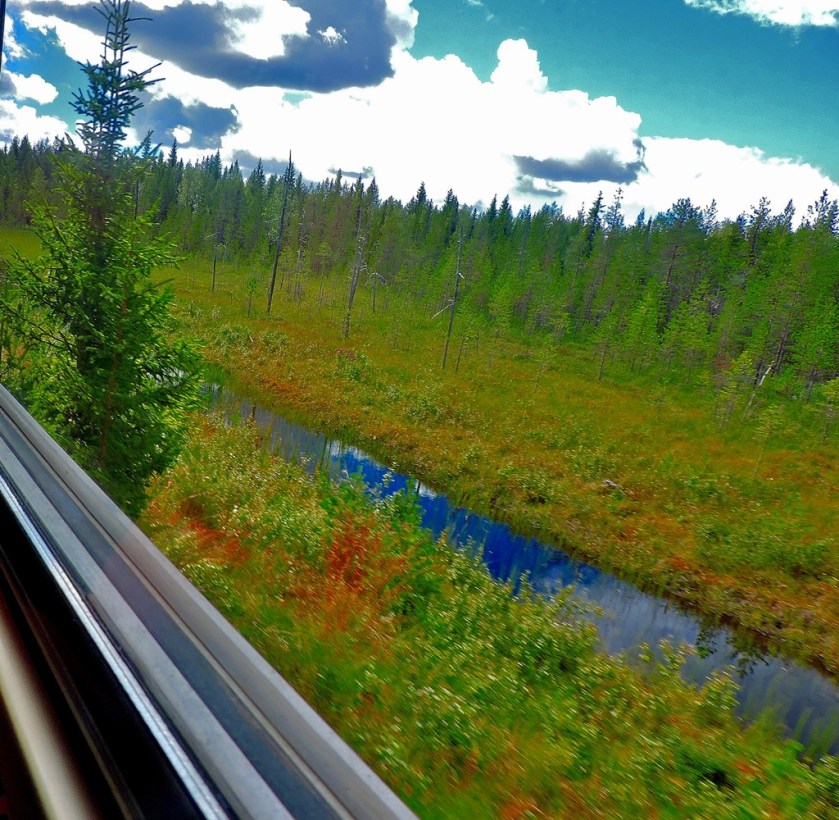
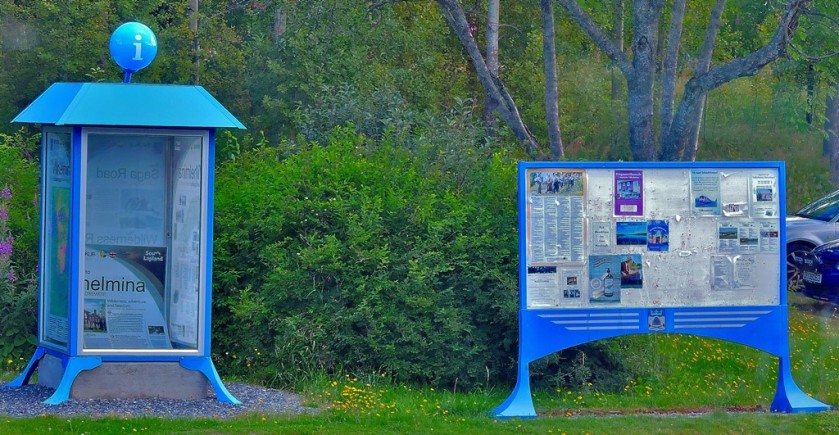
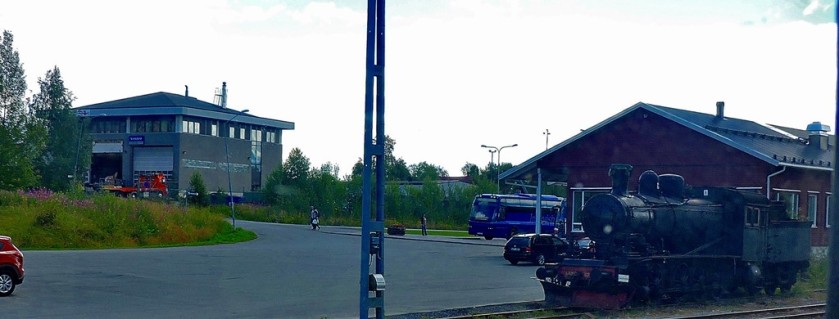
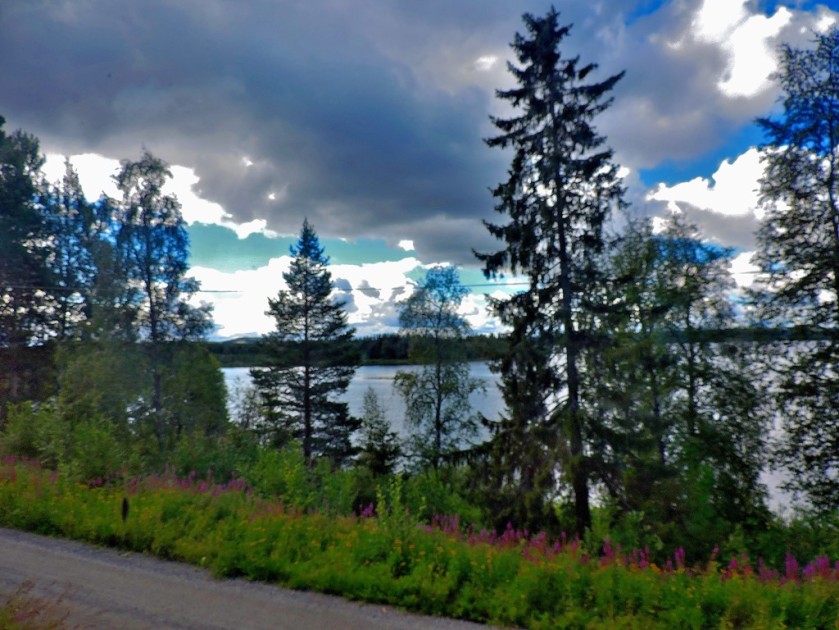
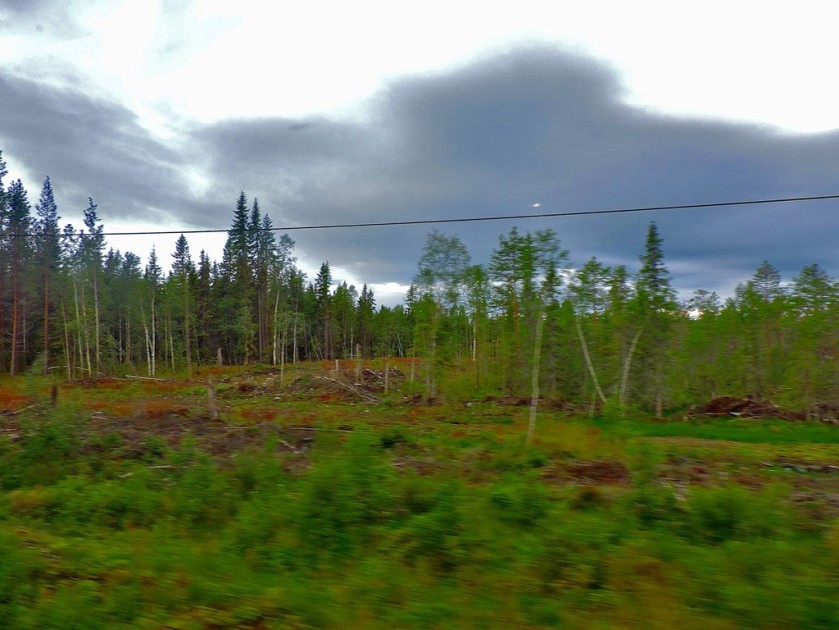
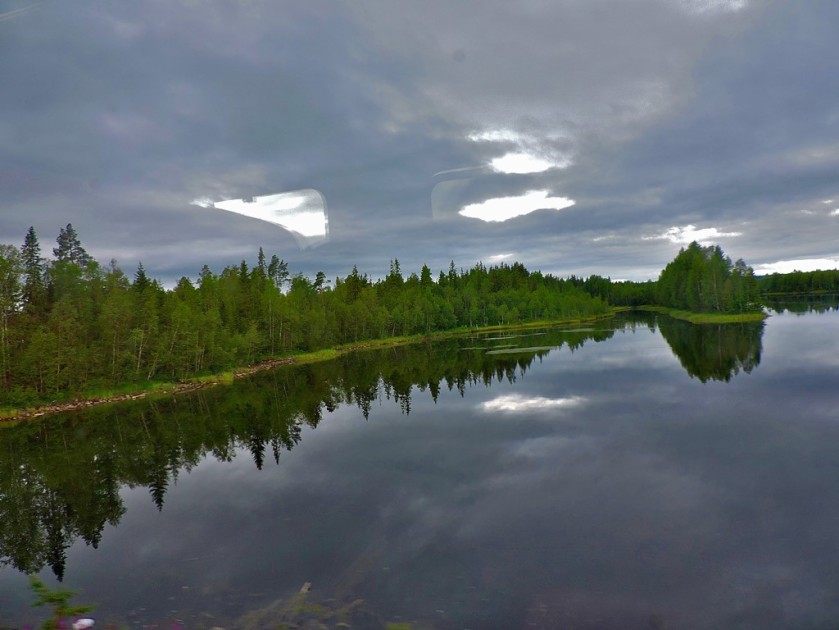
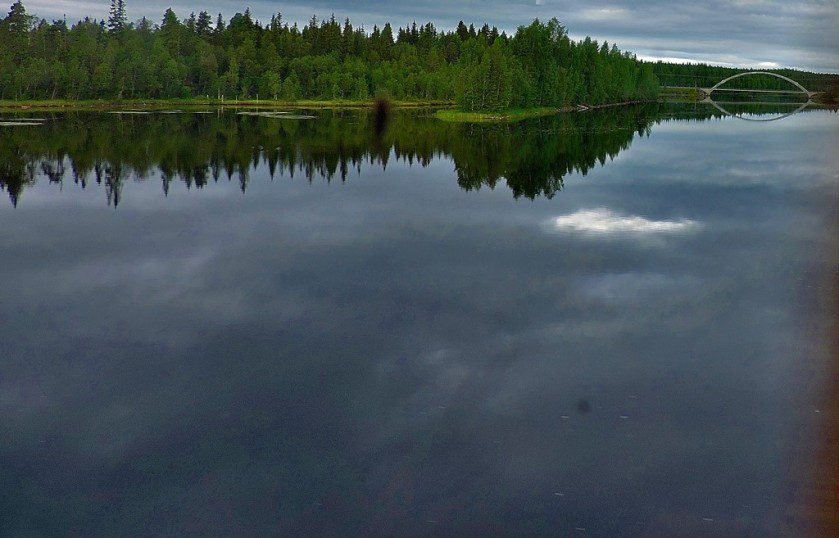
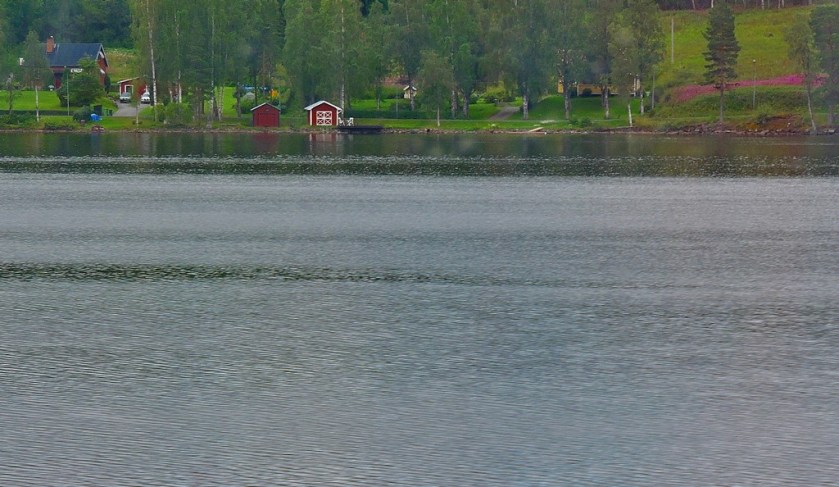
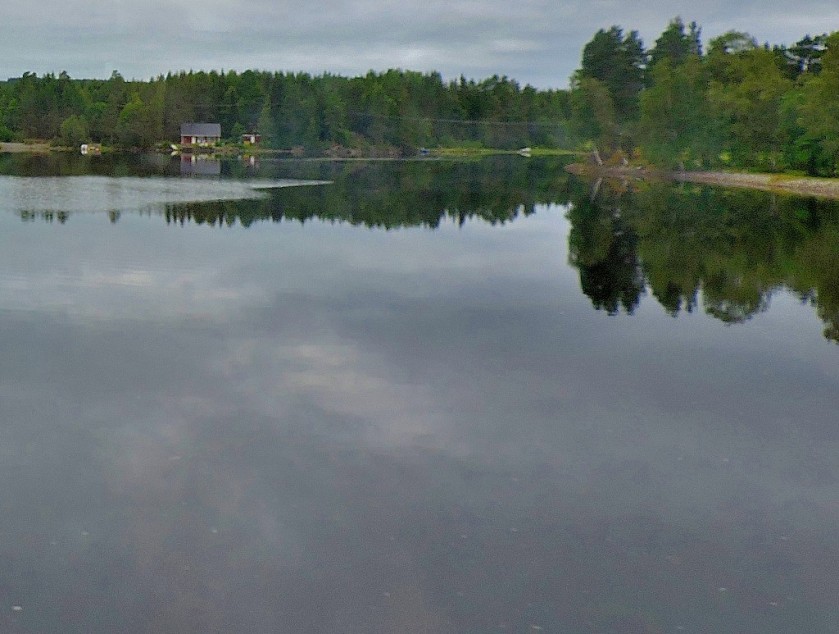
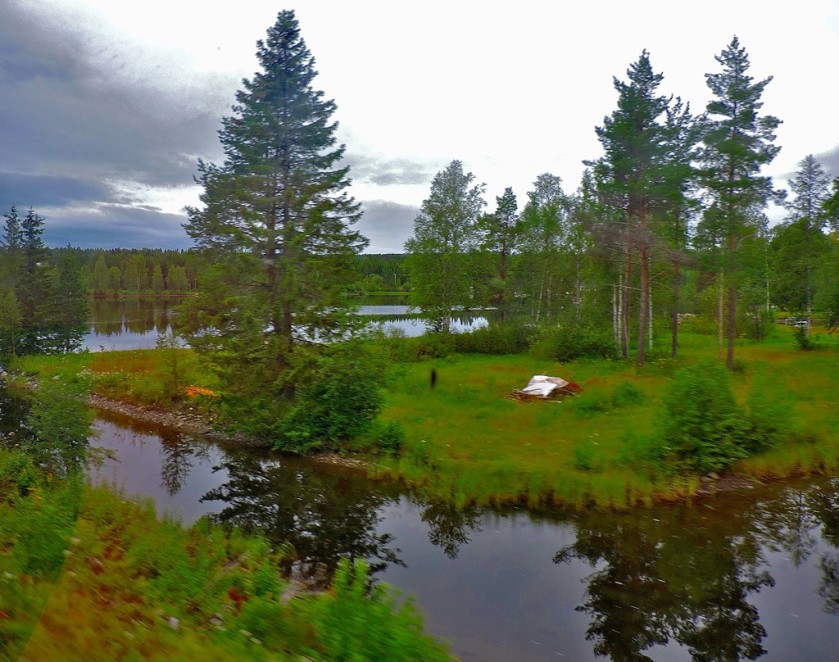
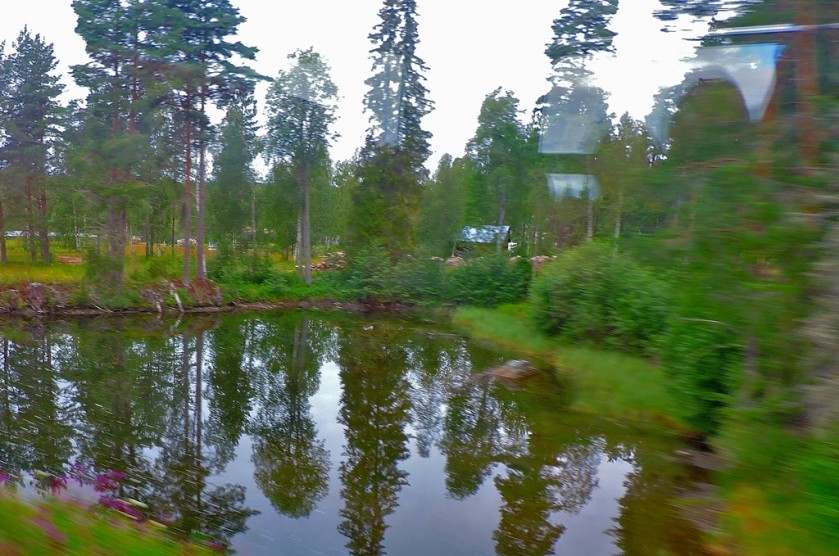
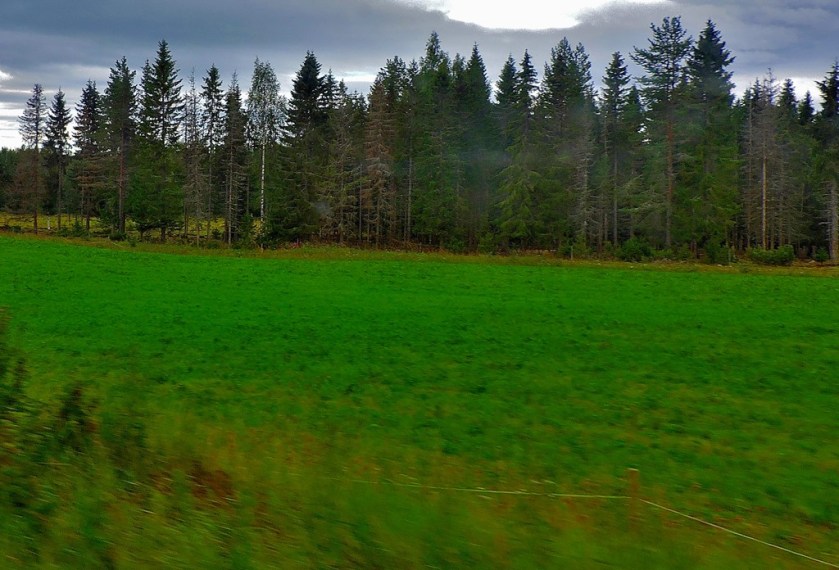
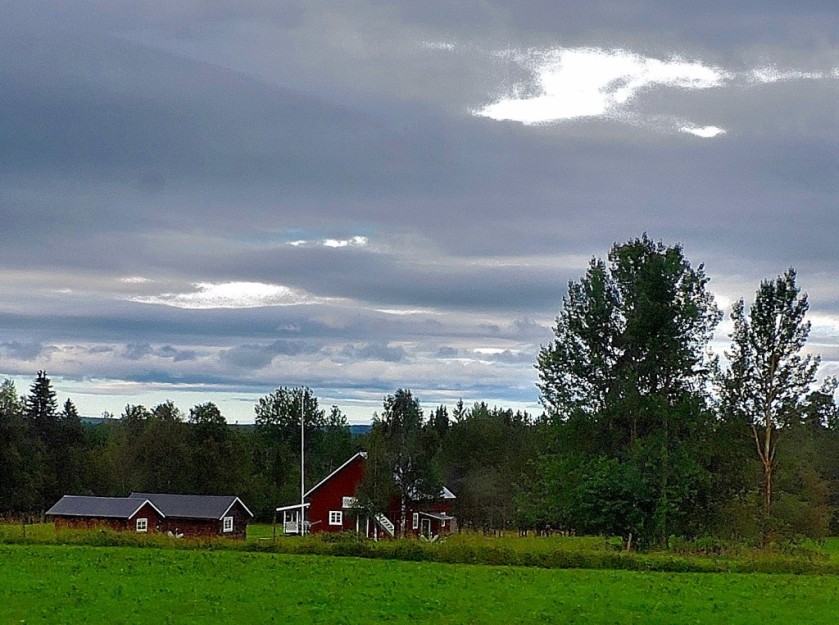
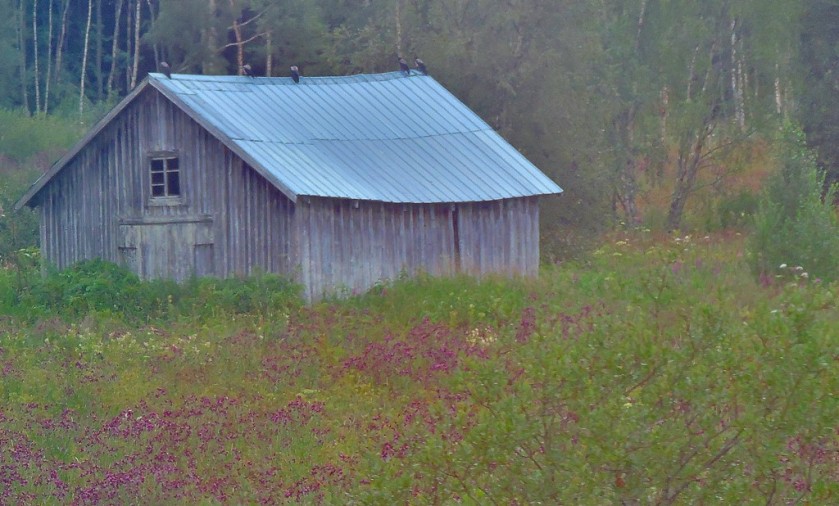
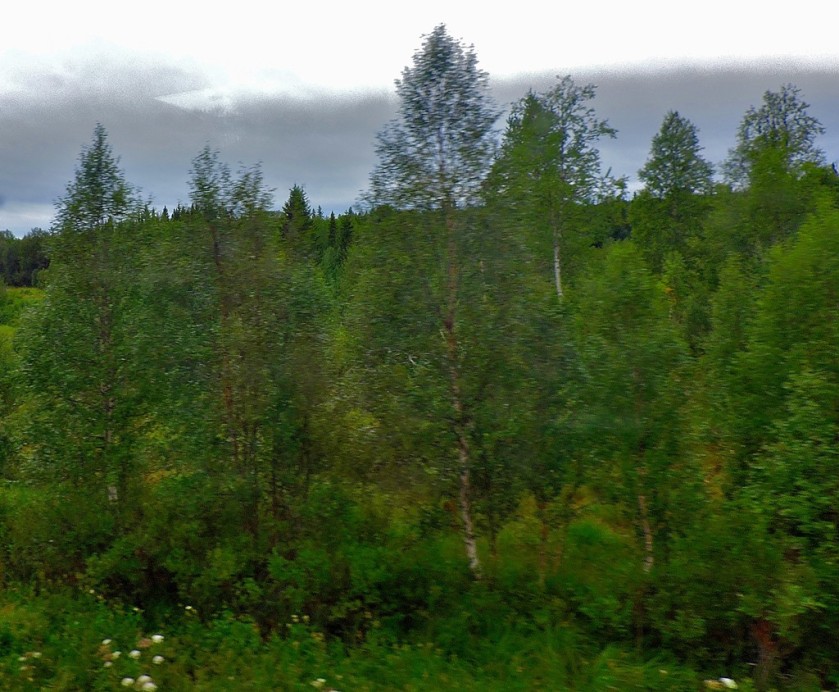
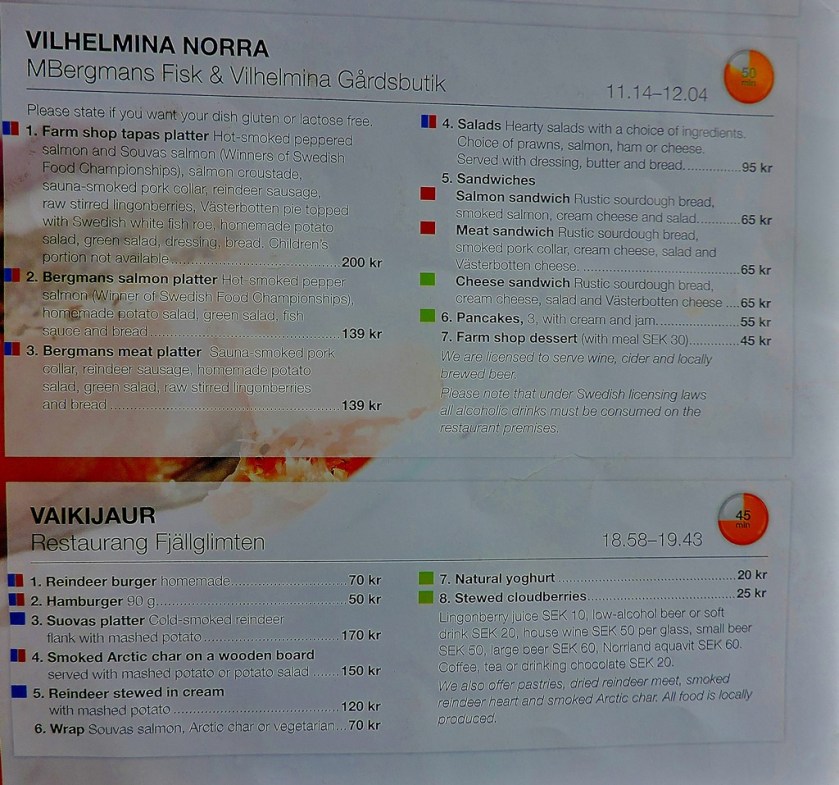
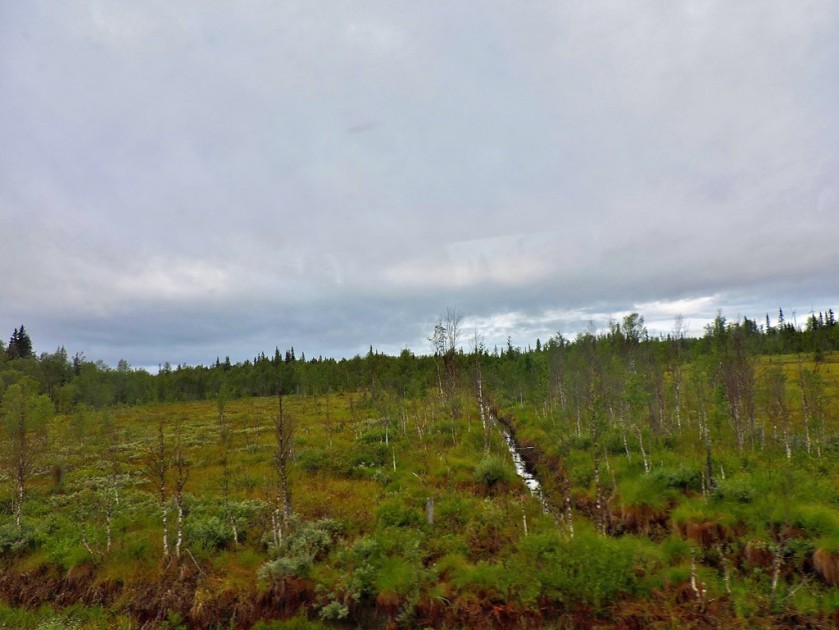
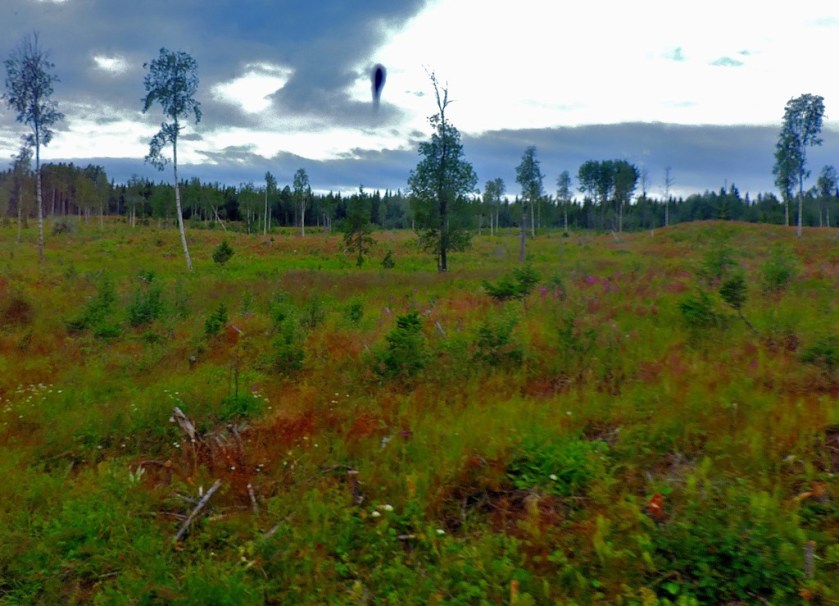
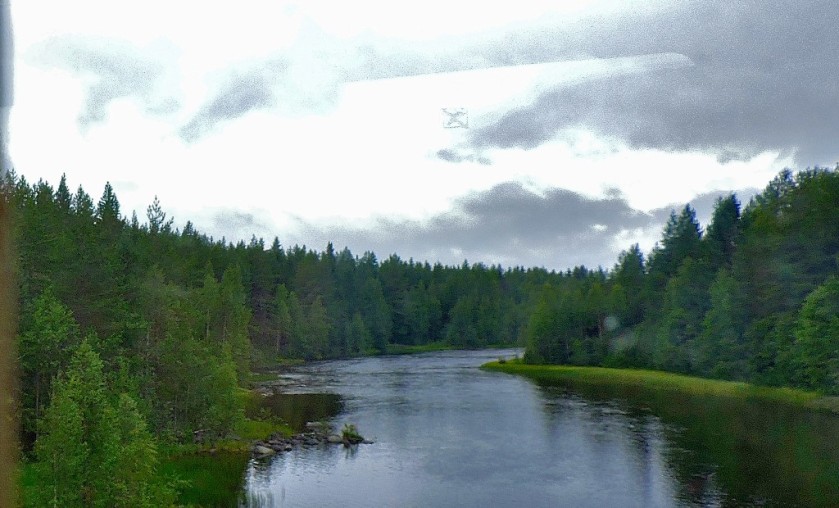
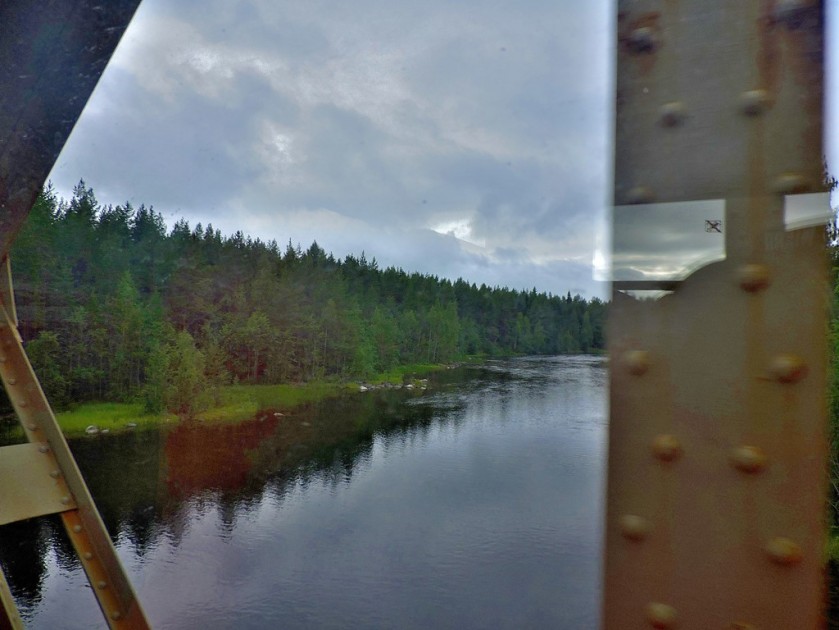
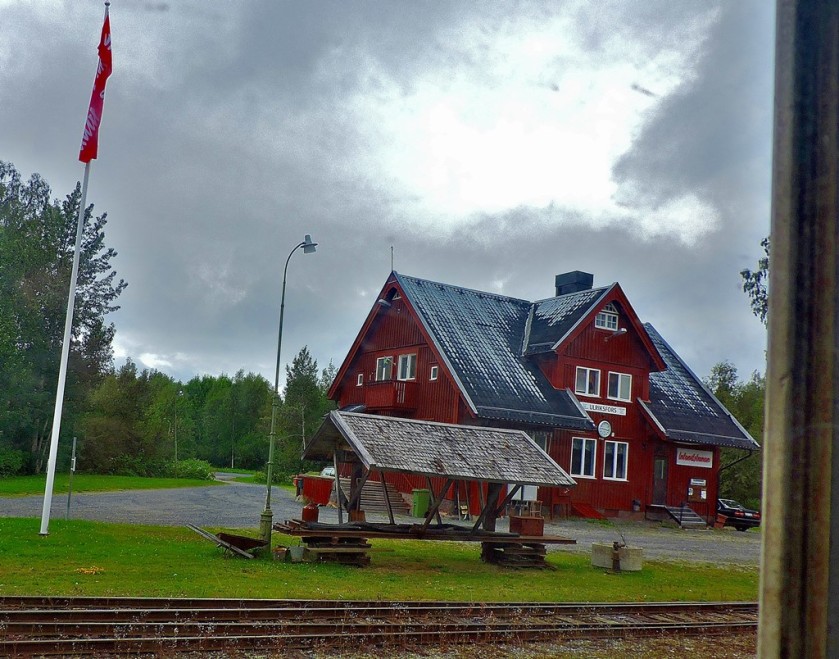
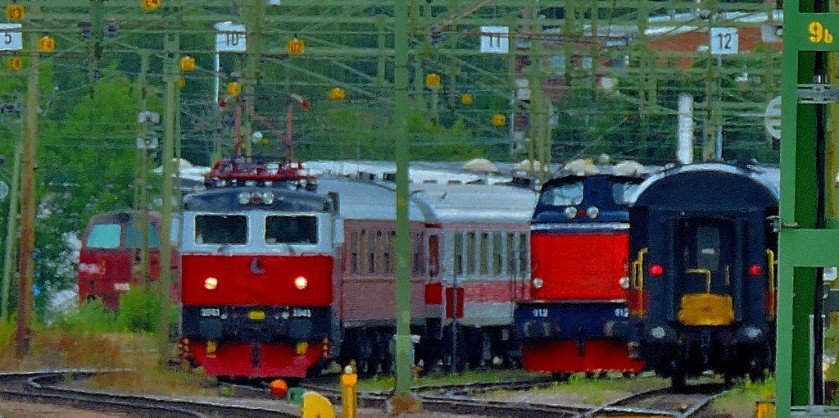
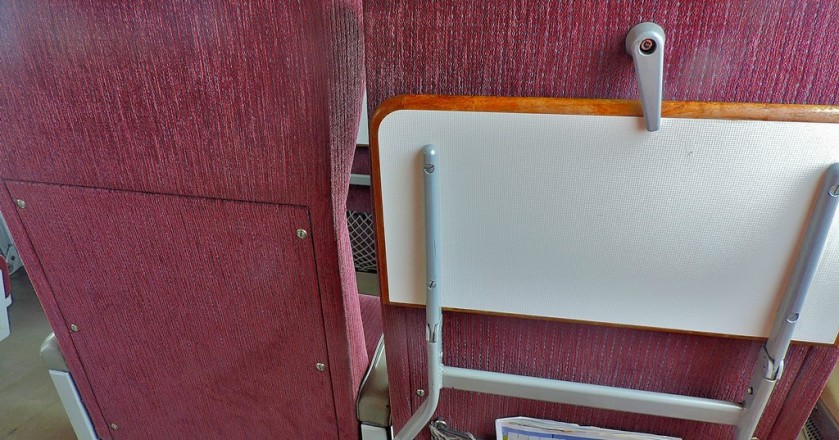
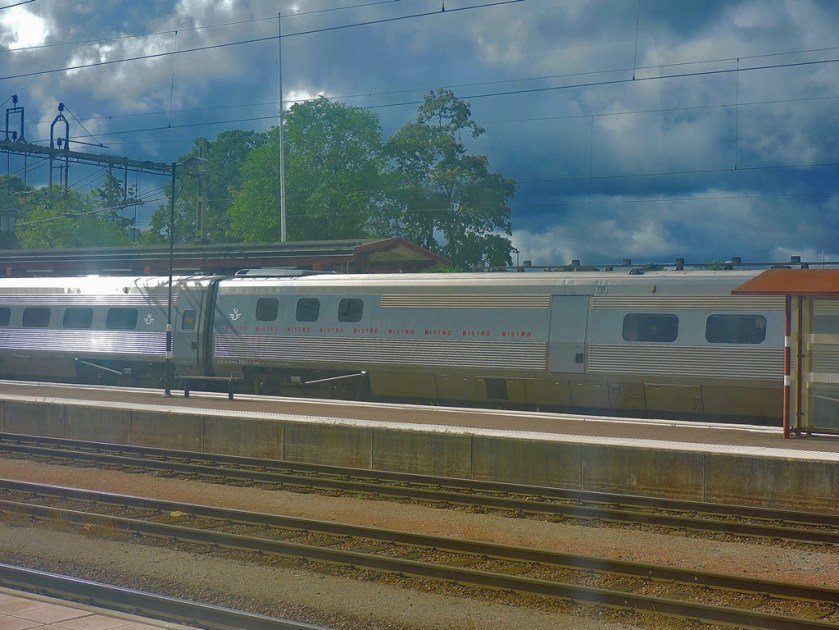
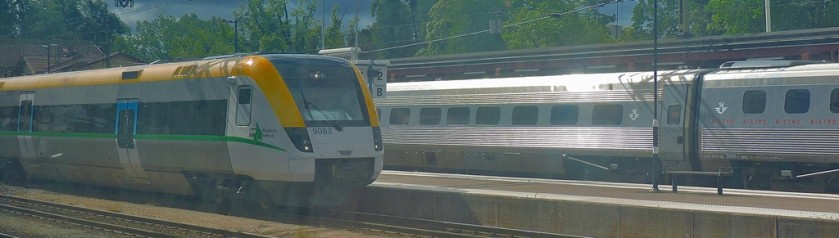
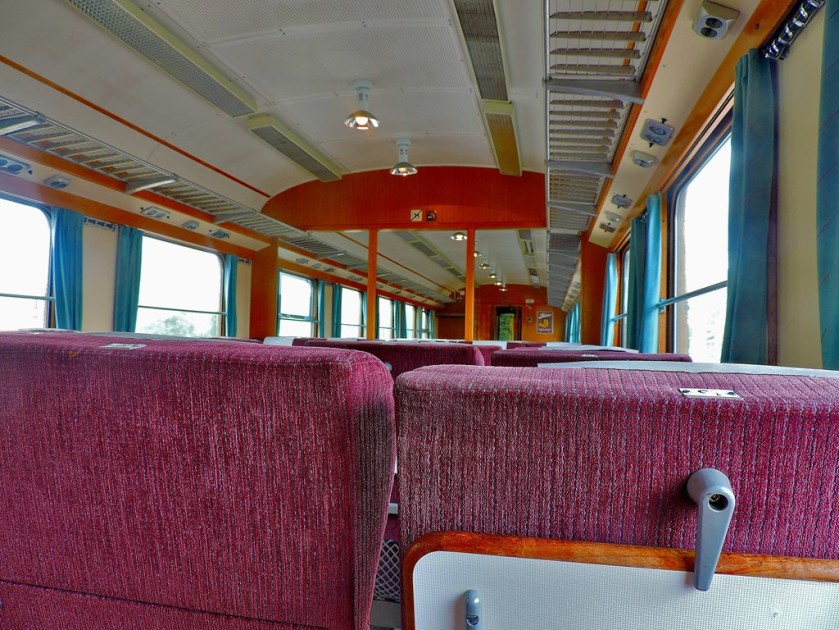
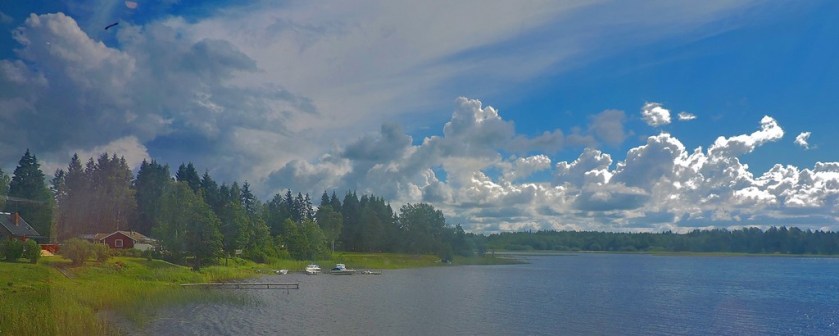
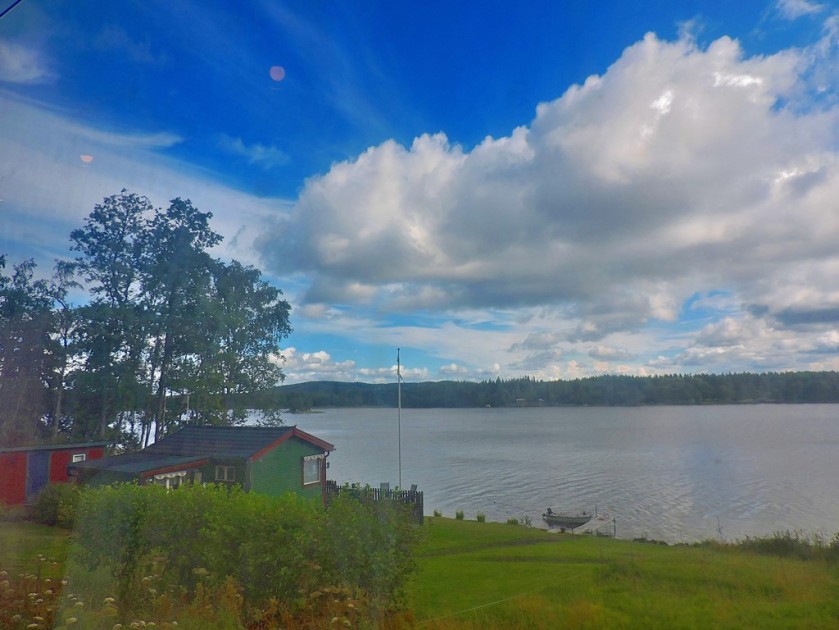
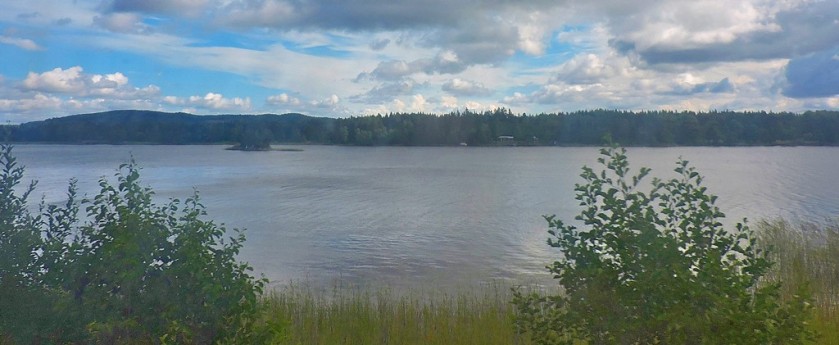
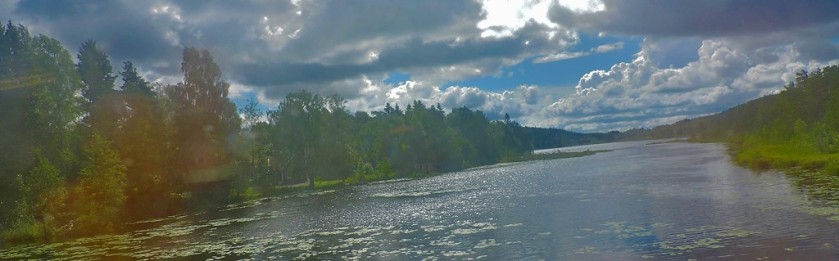
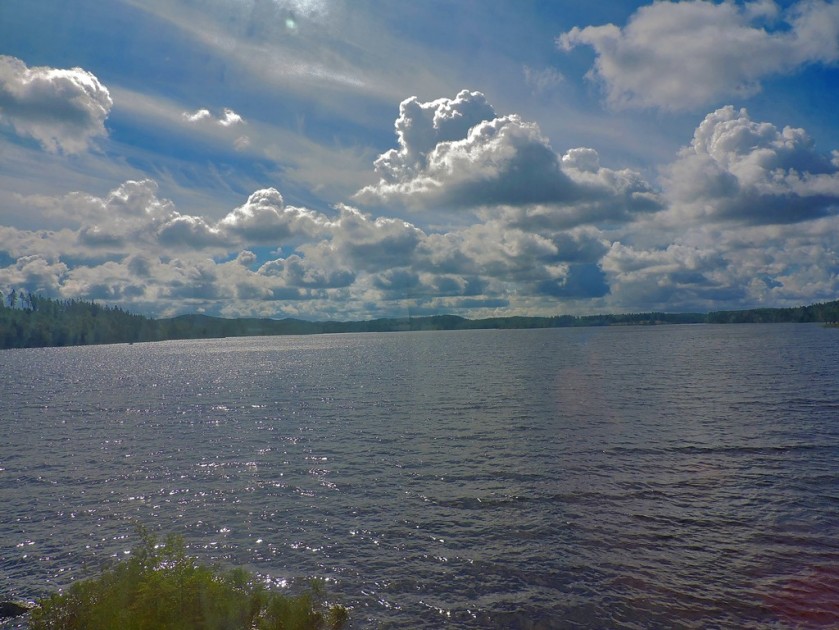
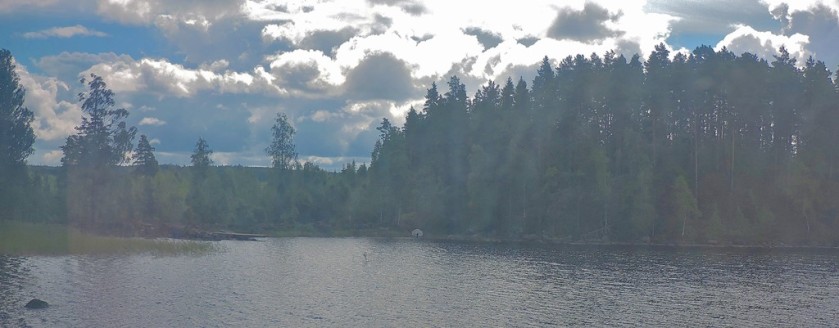
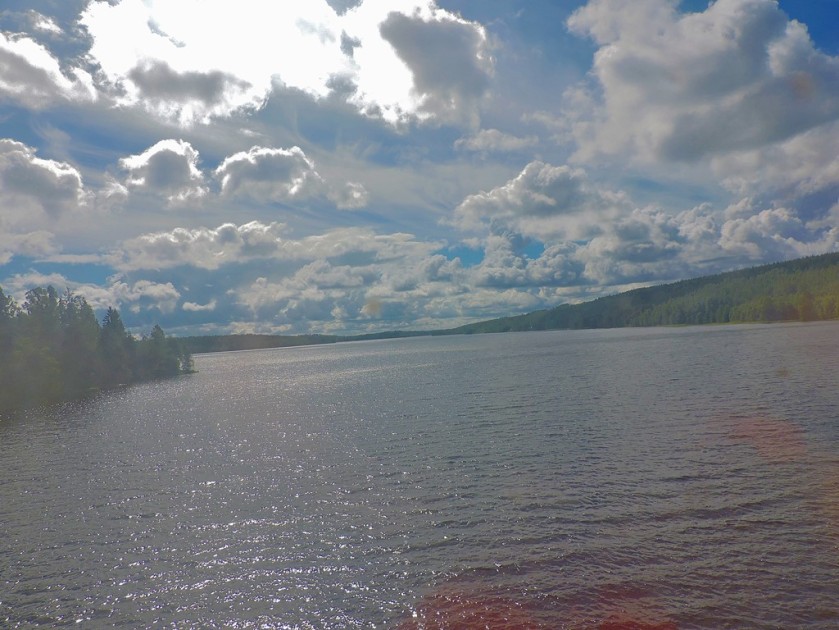
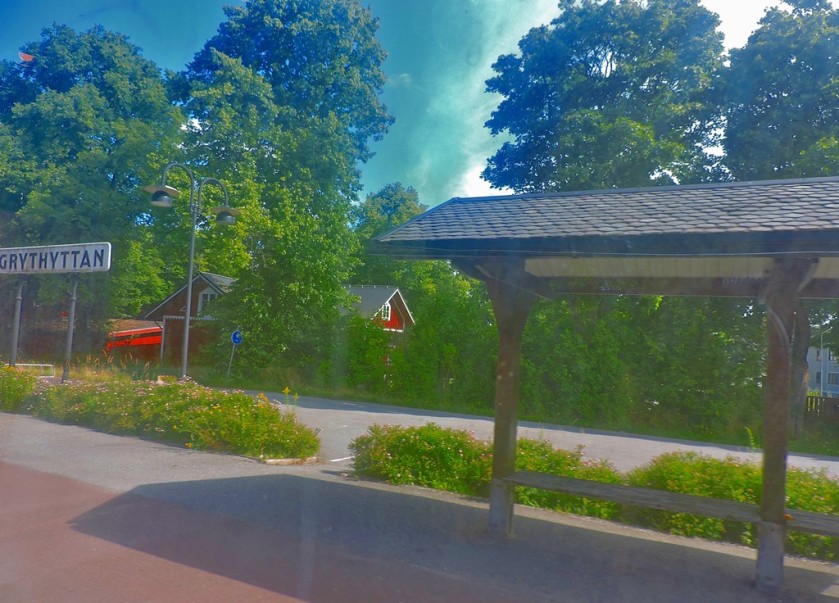
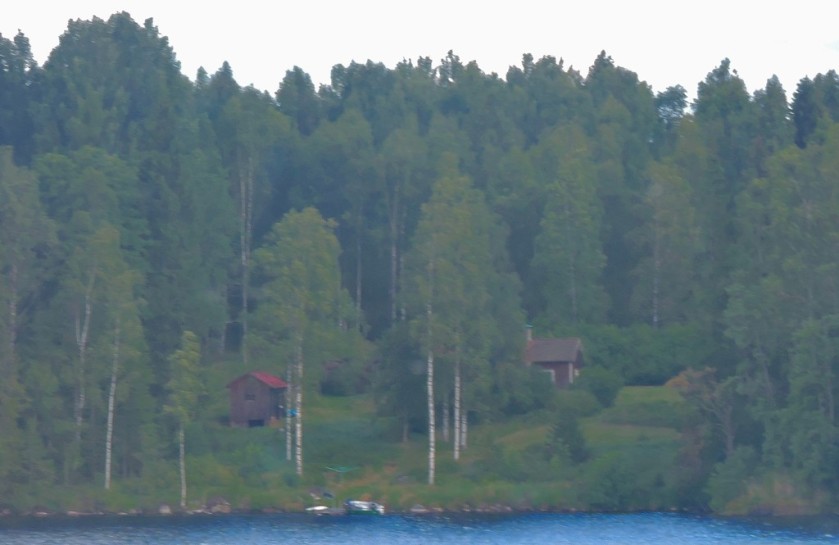
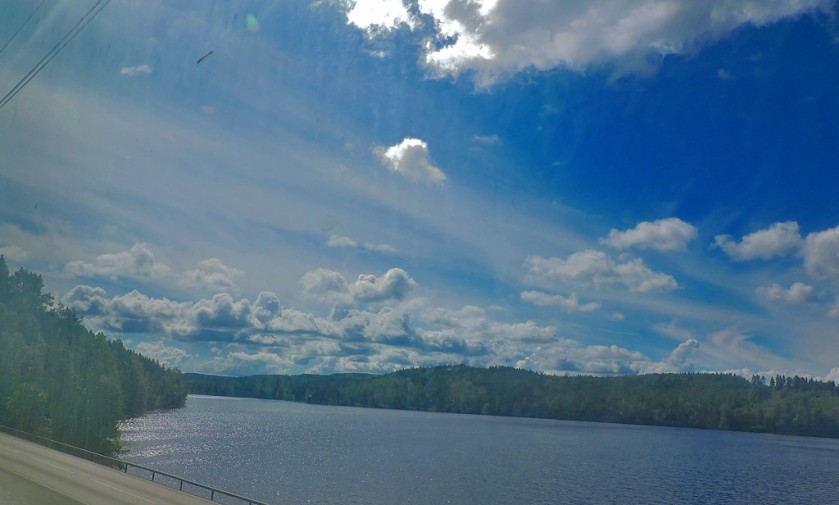
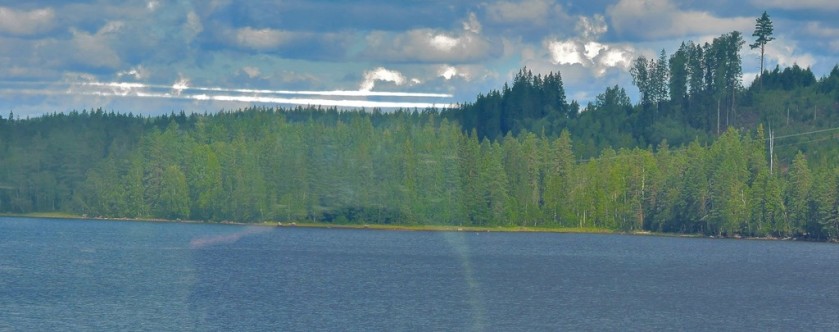
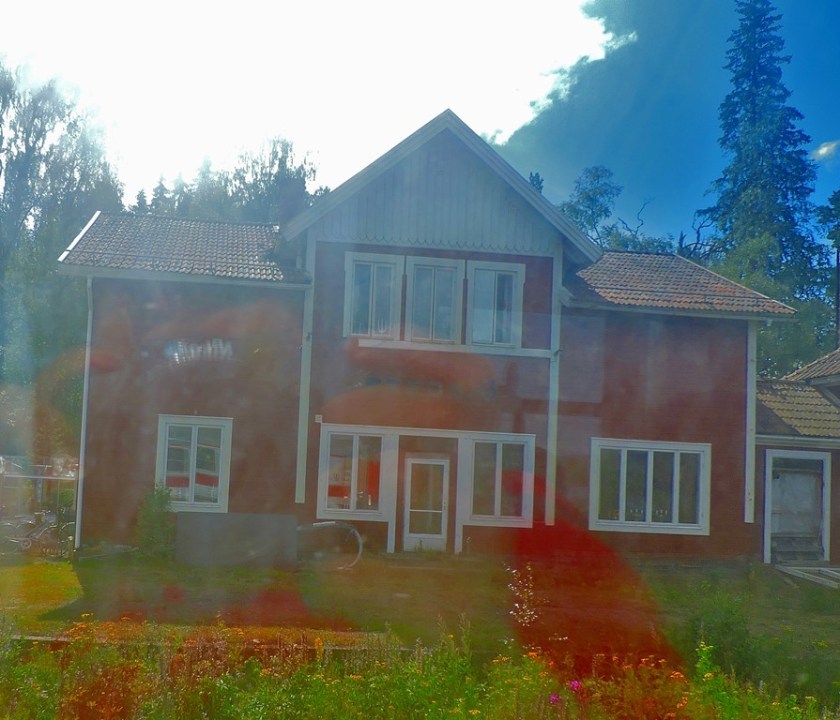
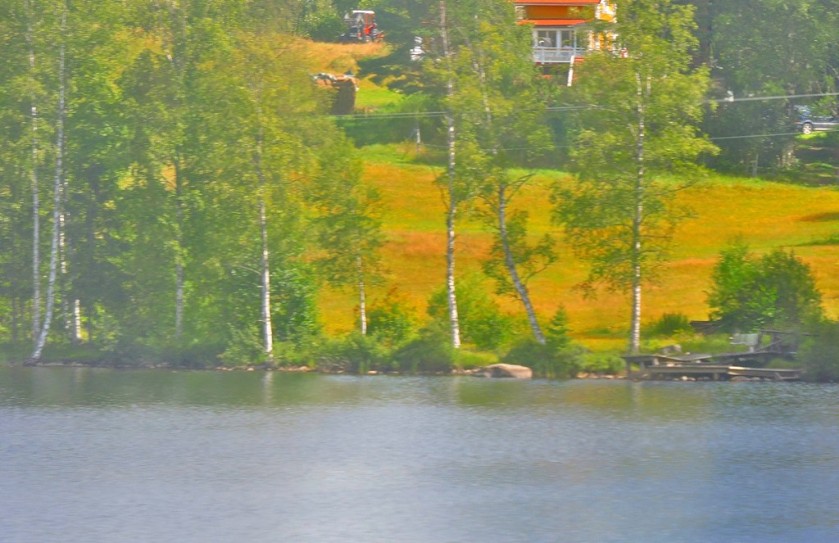
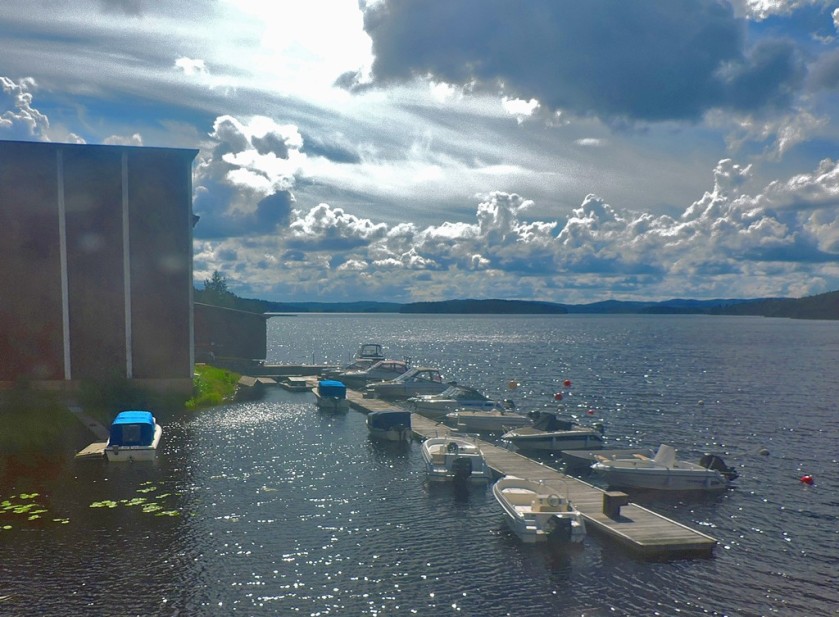
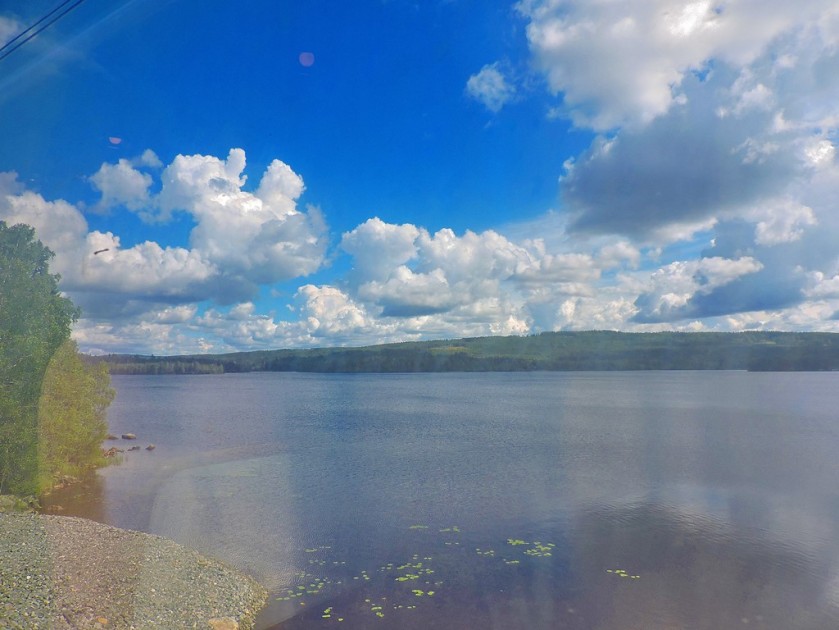
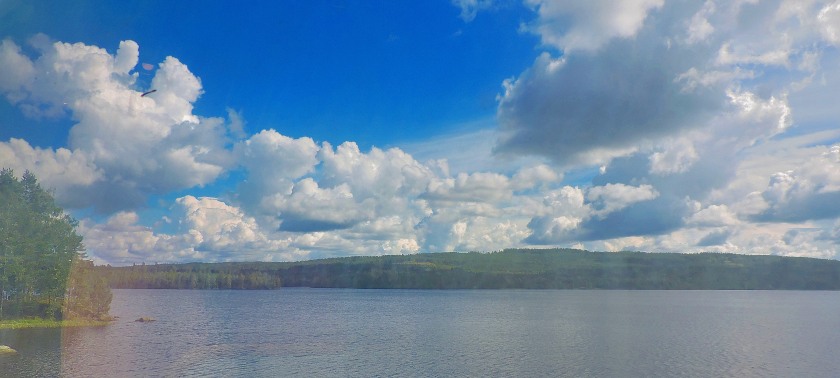
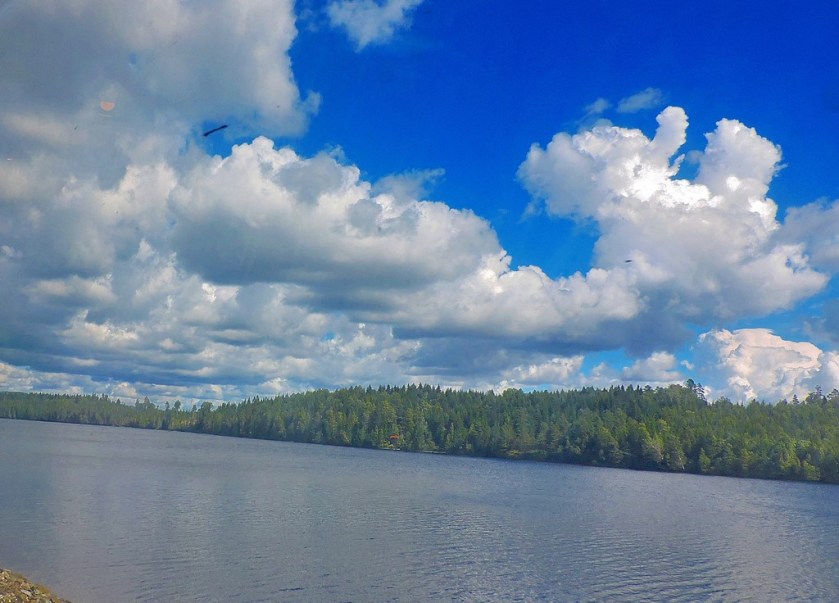
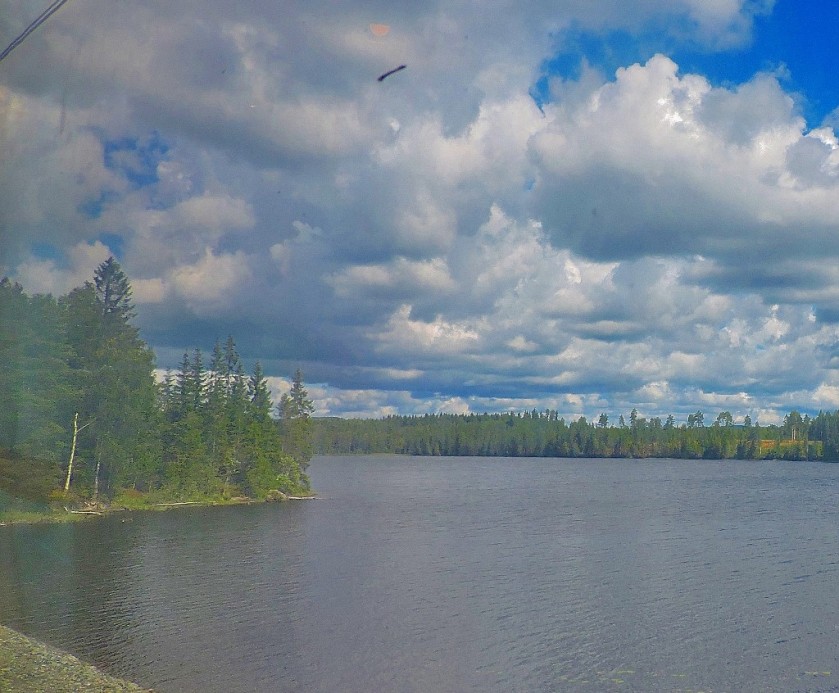
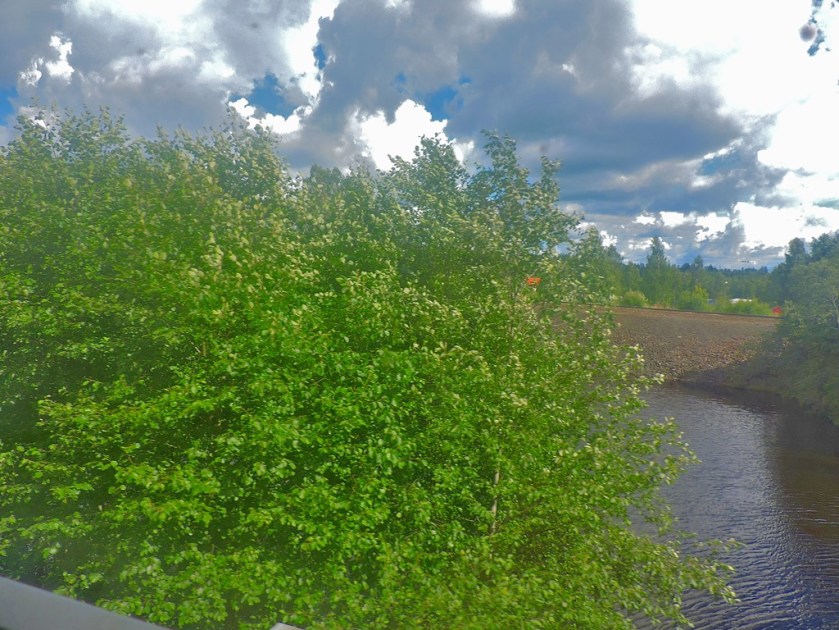
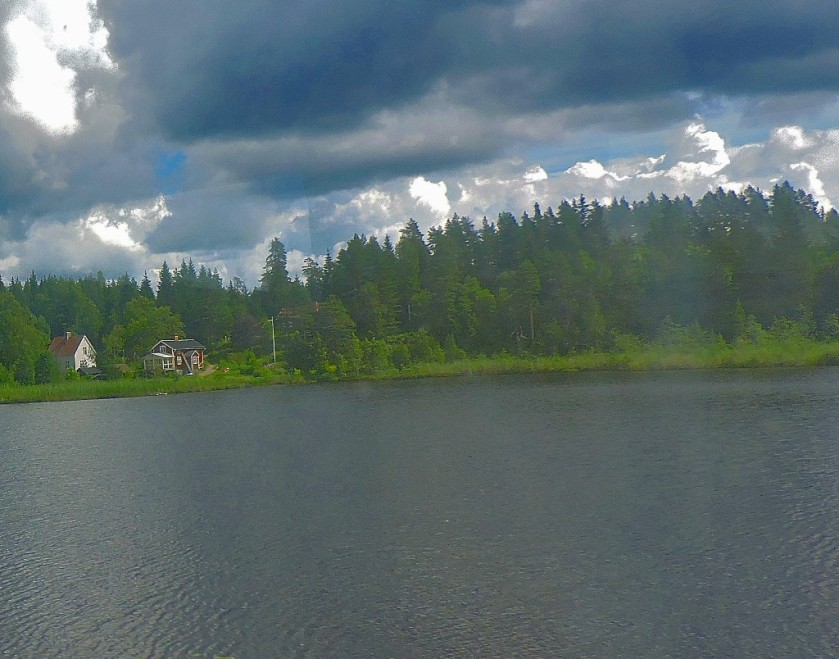
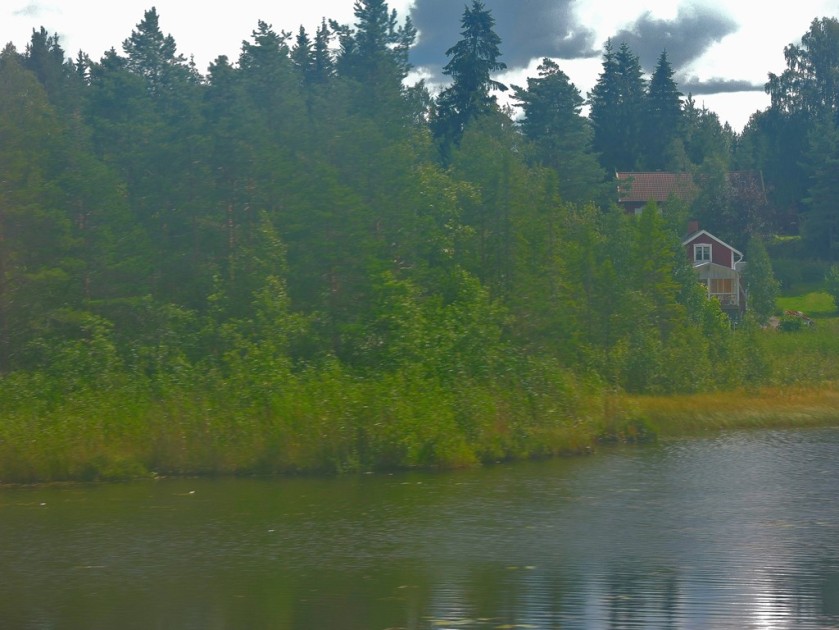
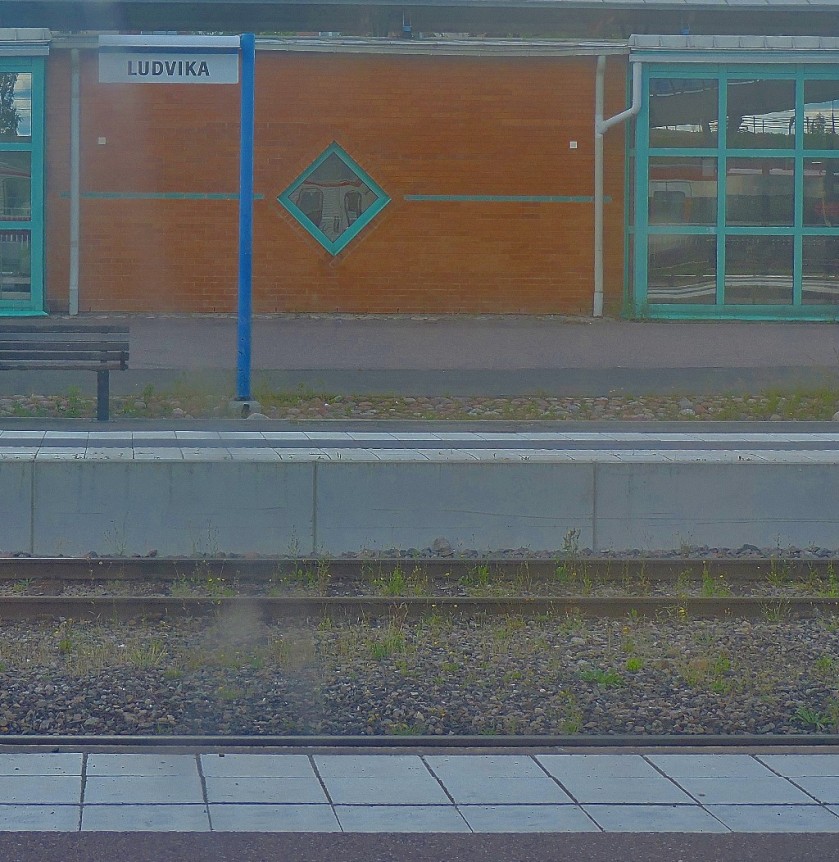
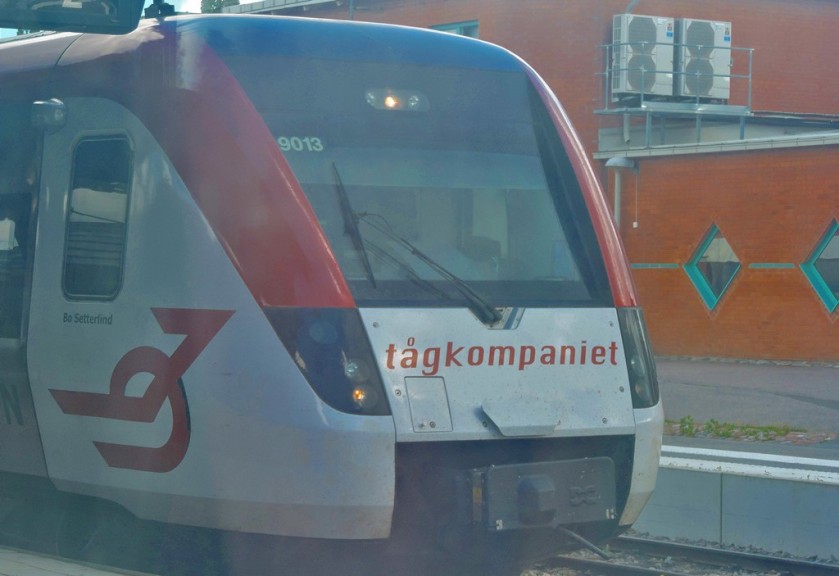
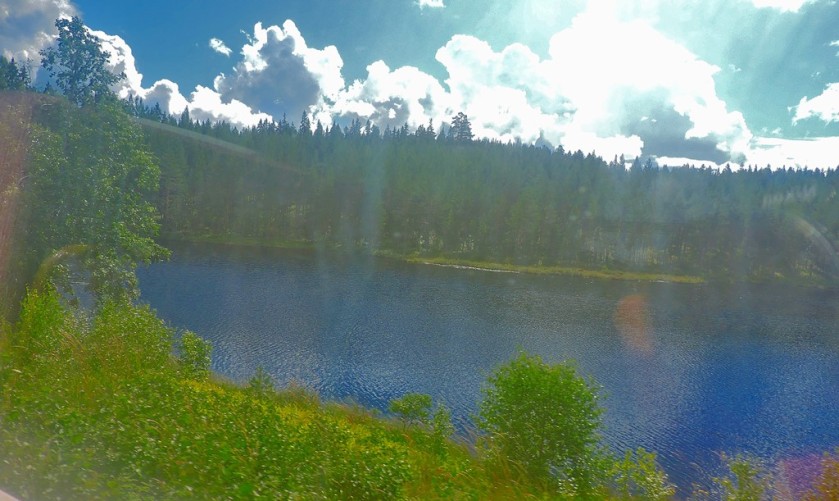
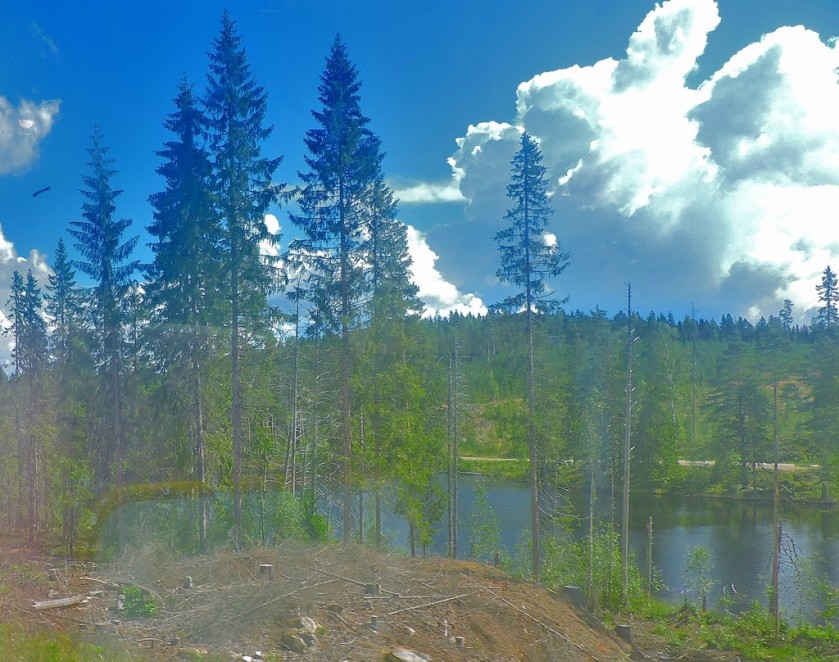
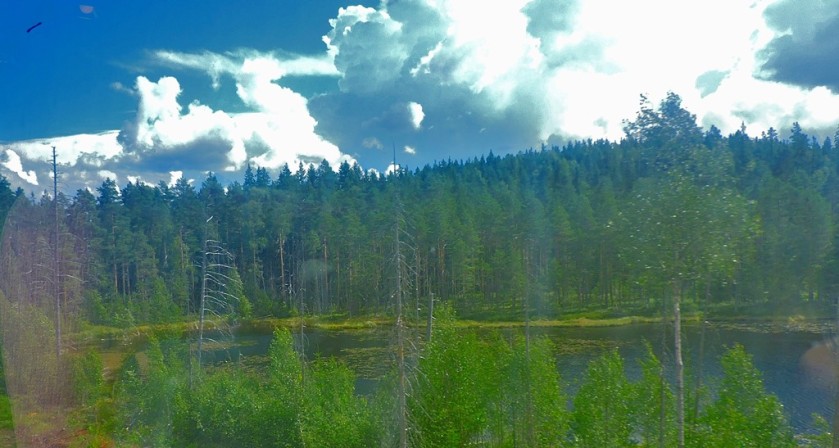
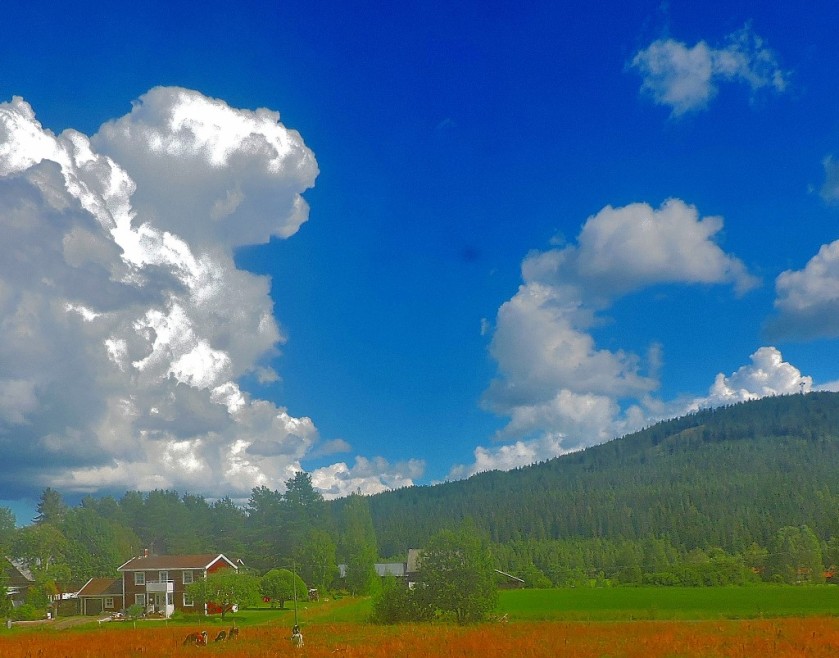
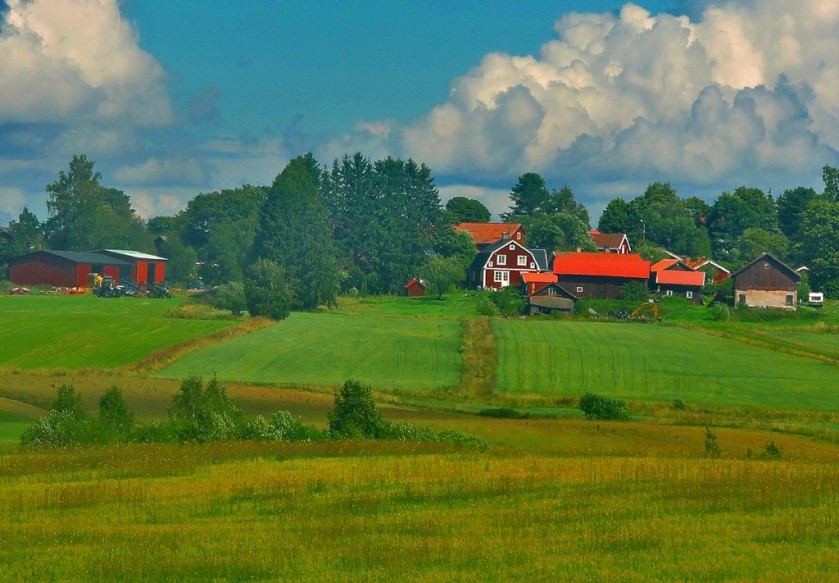
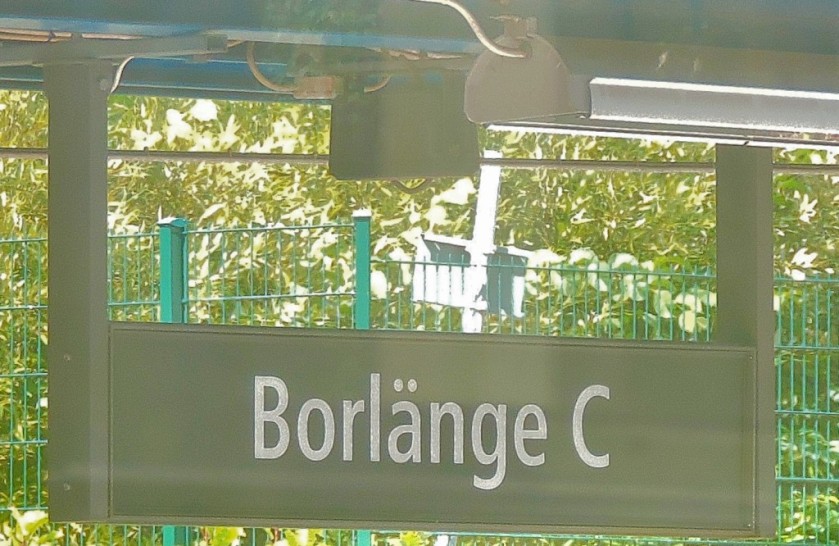
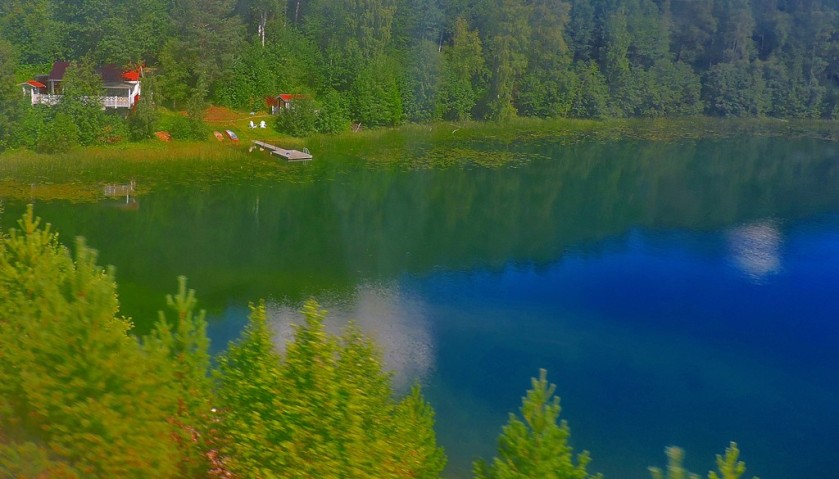
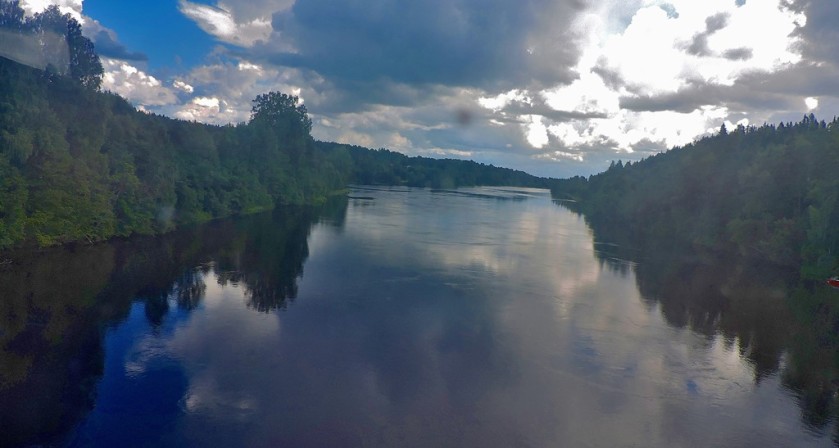
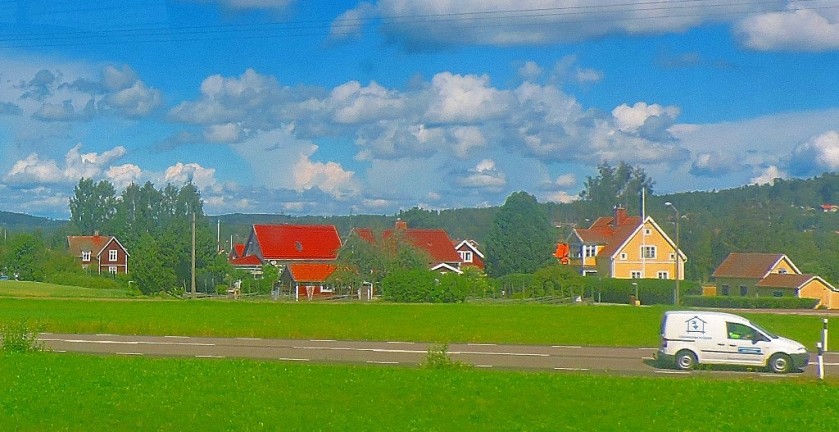
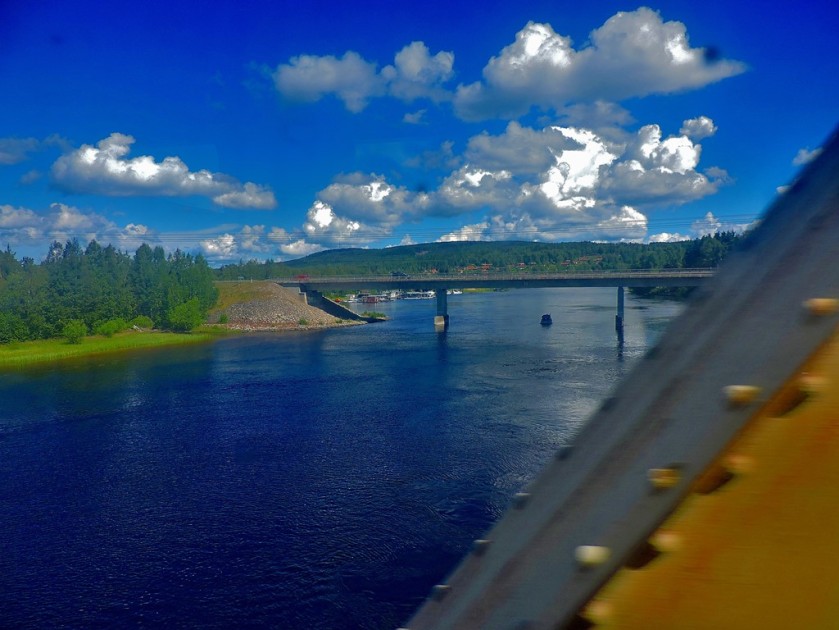
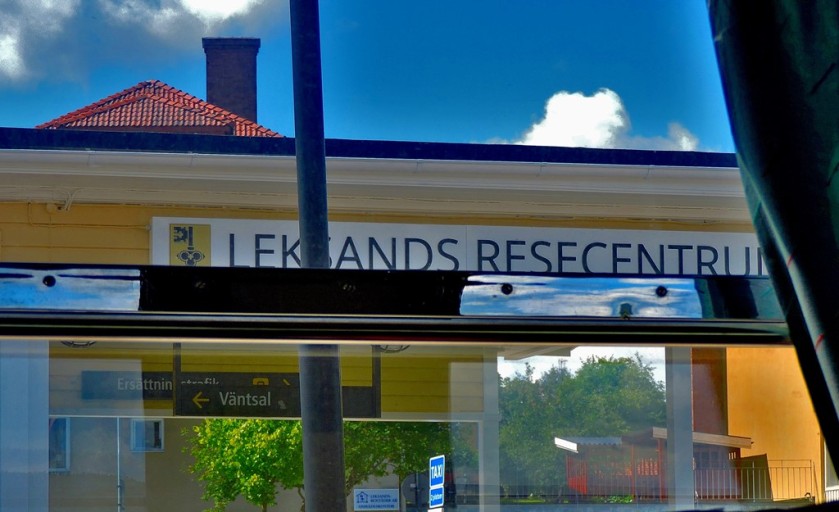
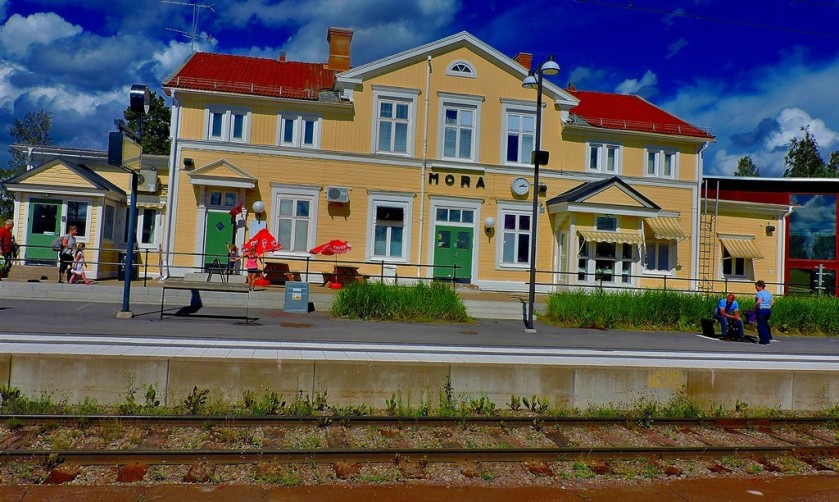
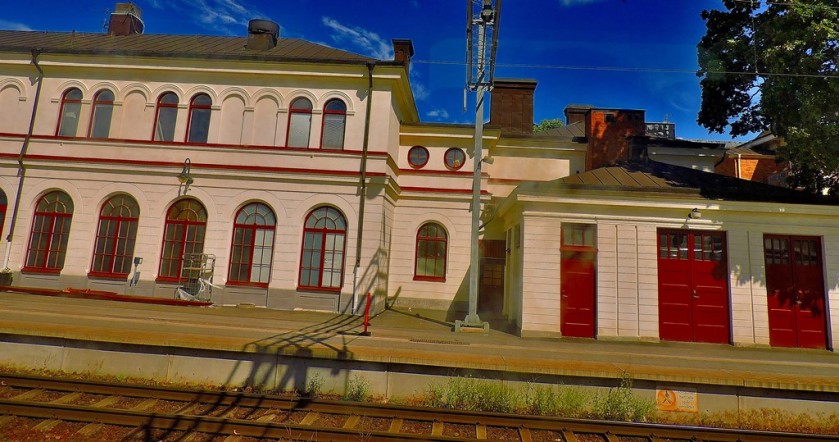
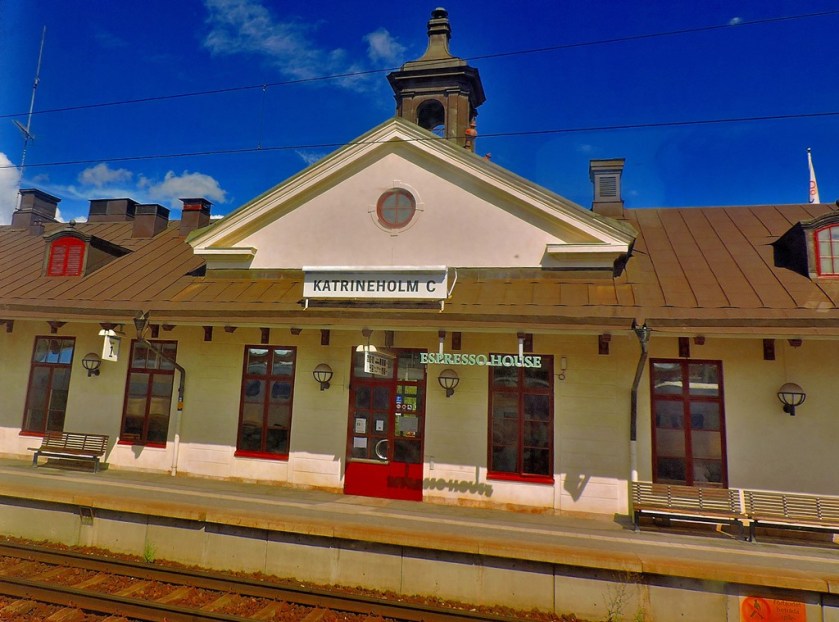
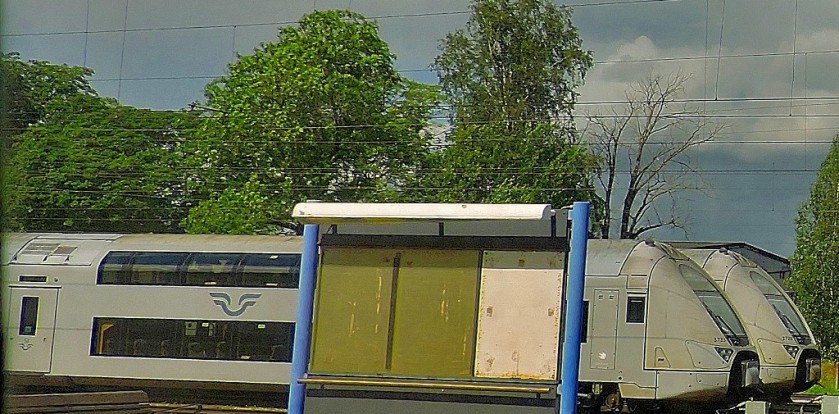
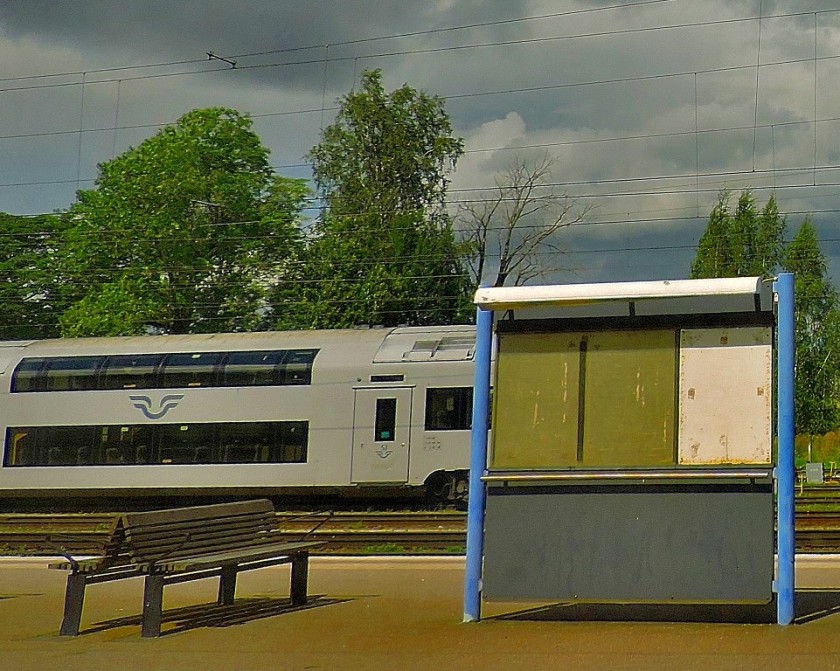
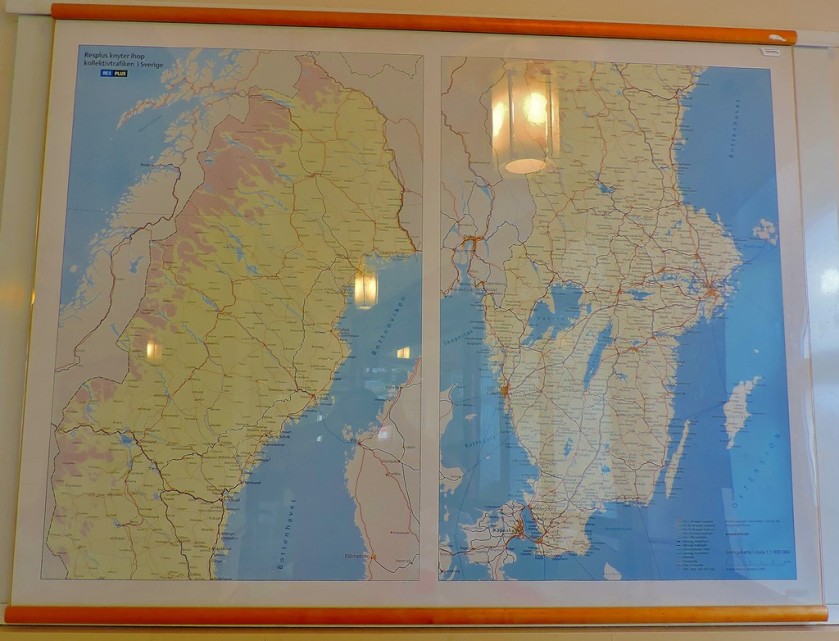
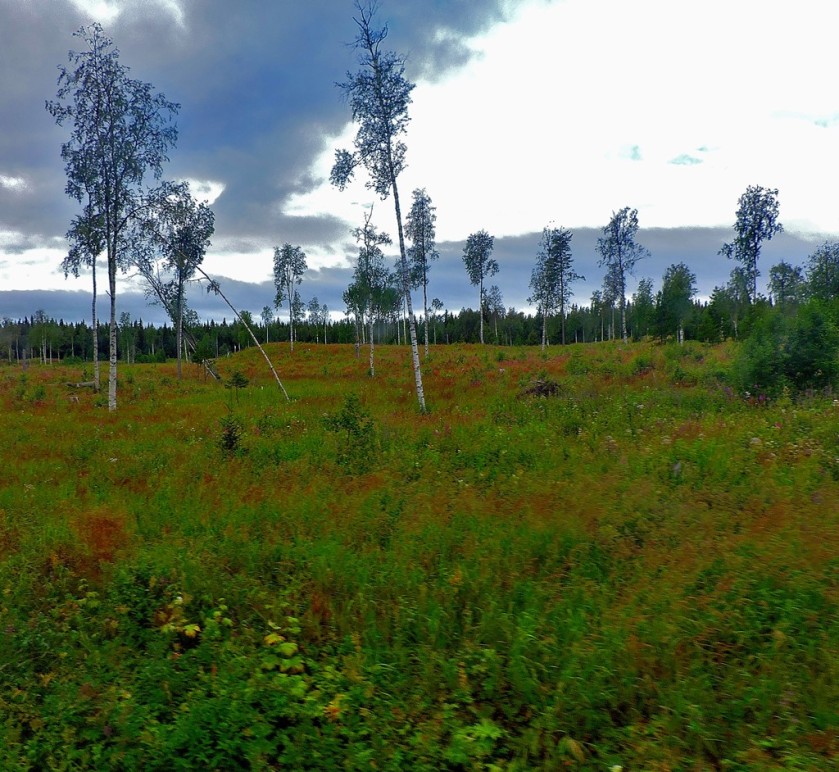
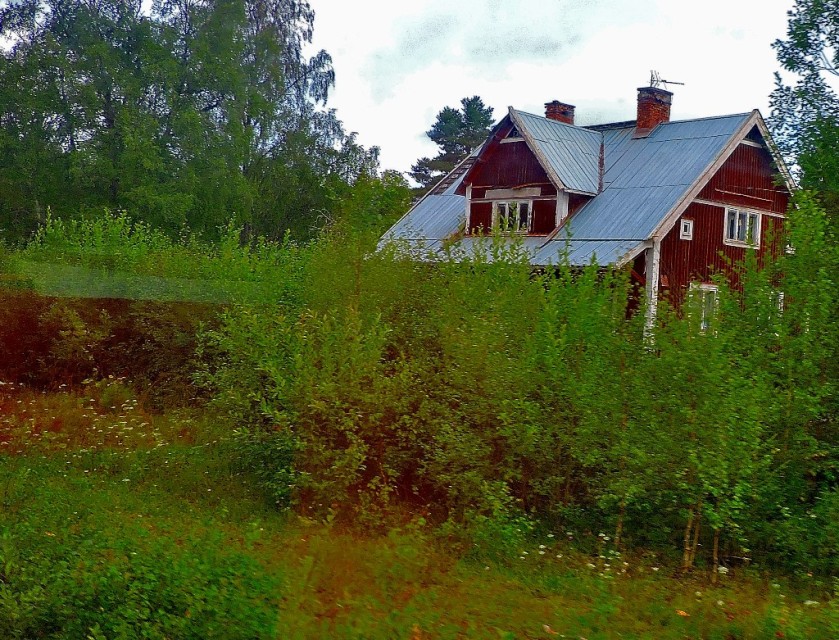
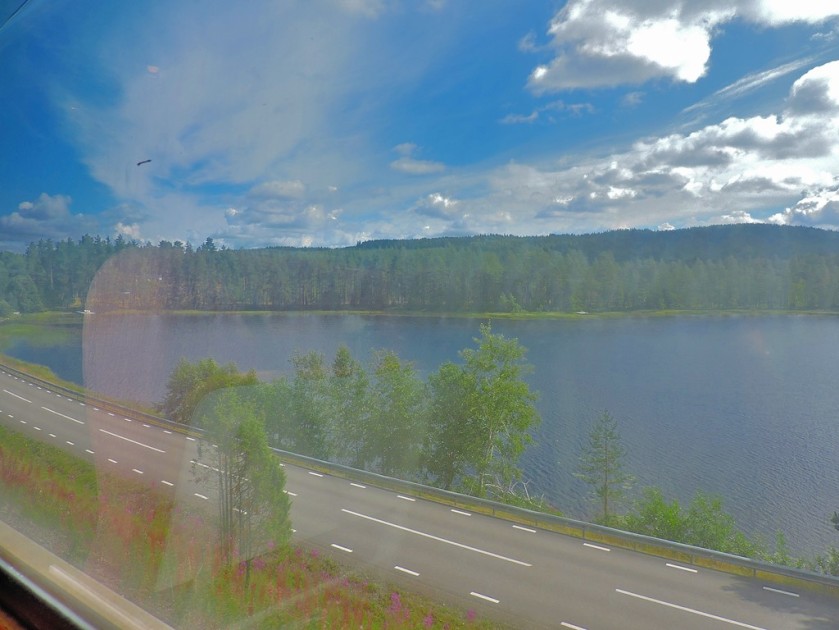
The difficulties caused by my failure to reserve a seat on the train notwithstanding, I did get some pictures on the journey…
KRISTINEHAMN
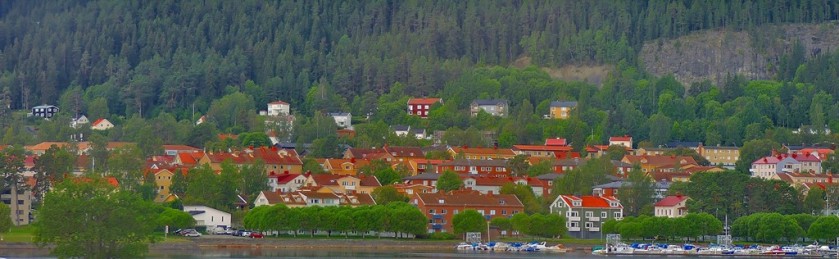
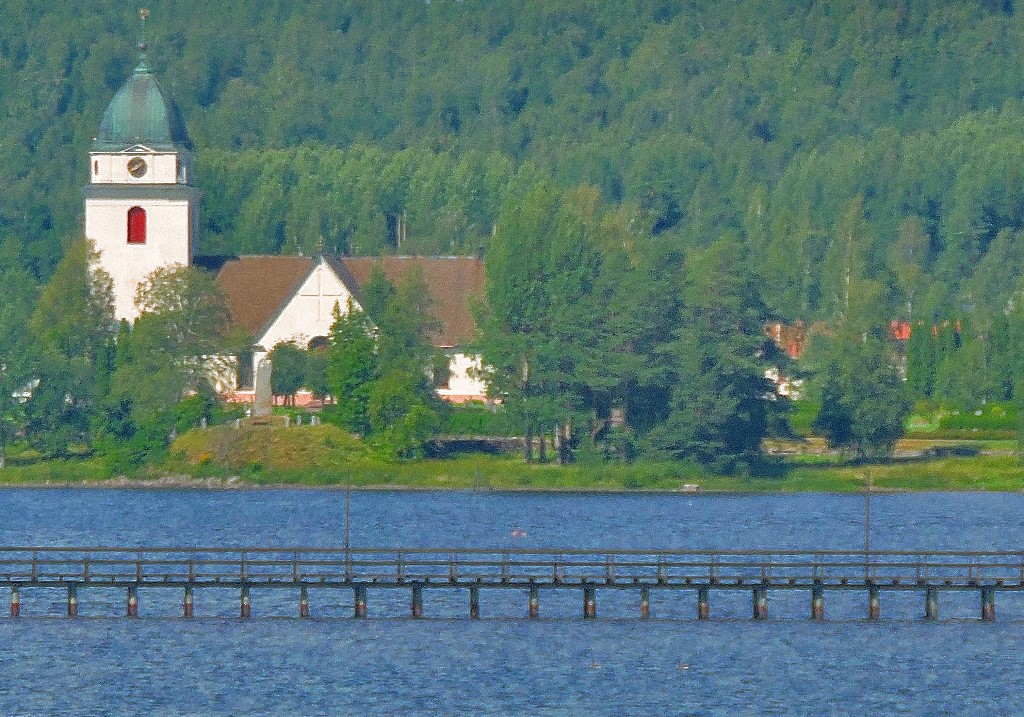
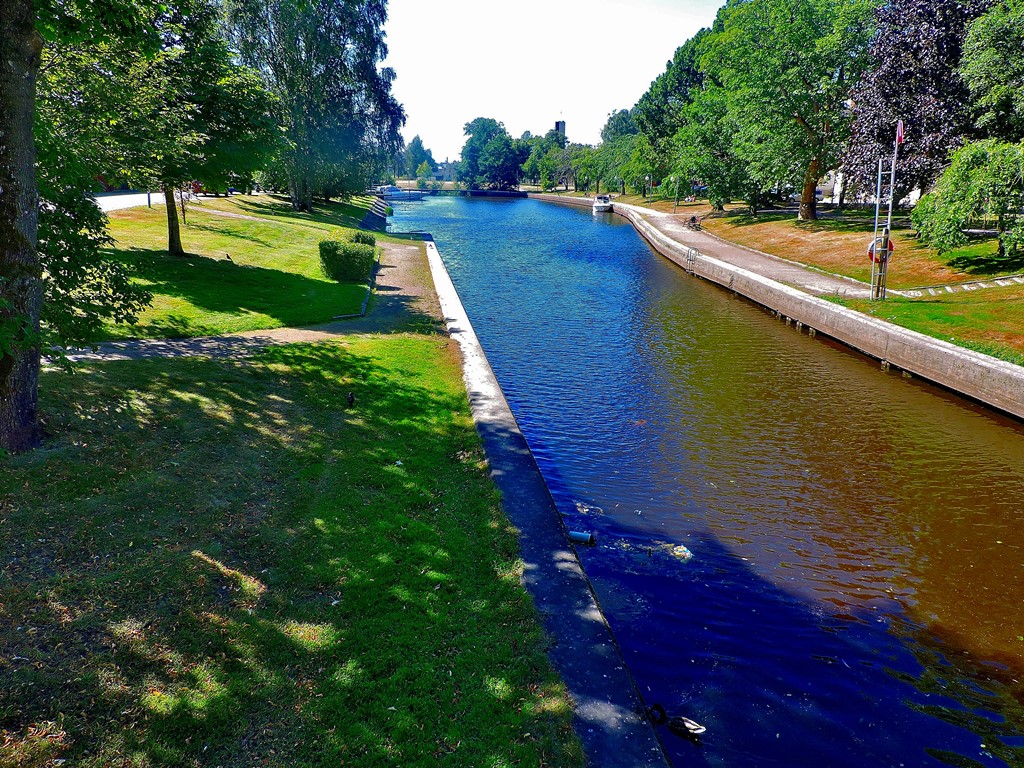
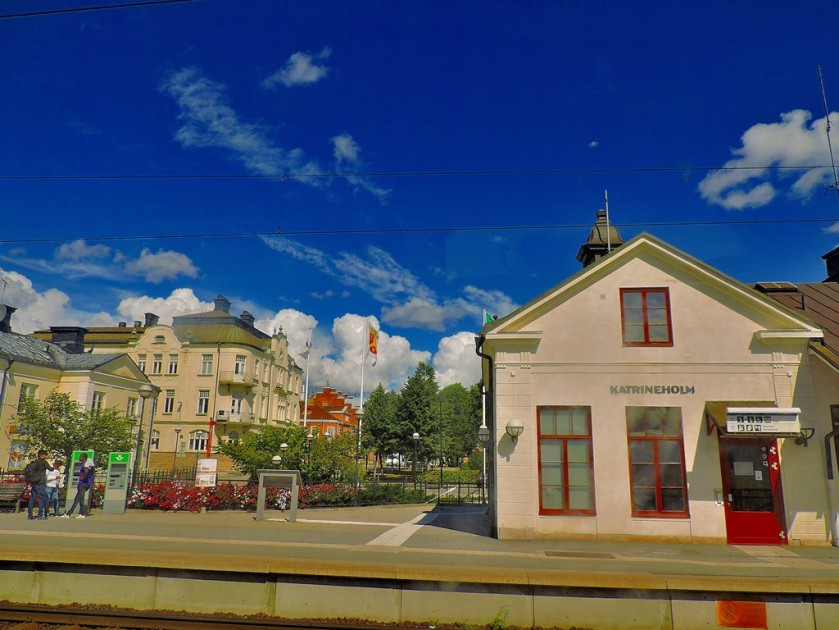
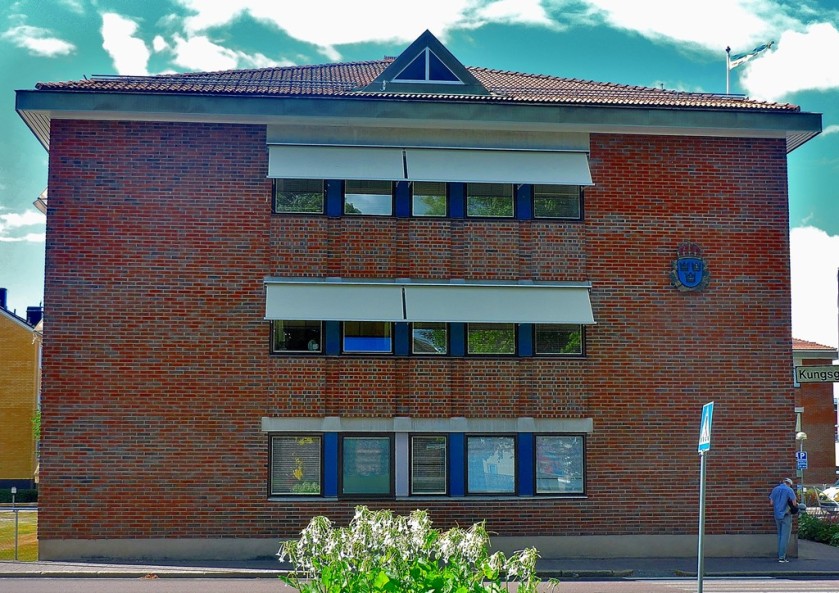
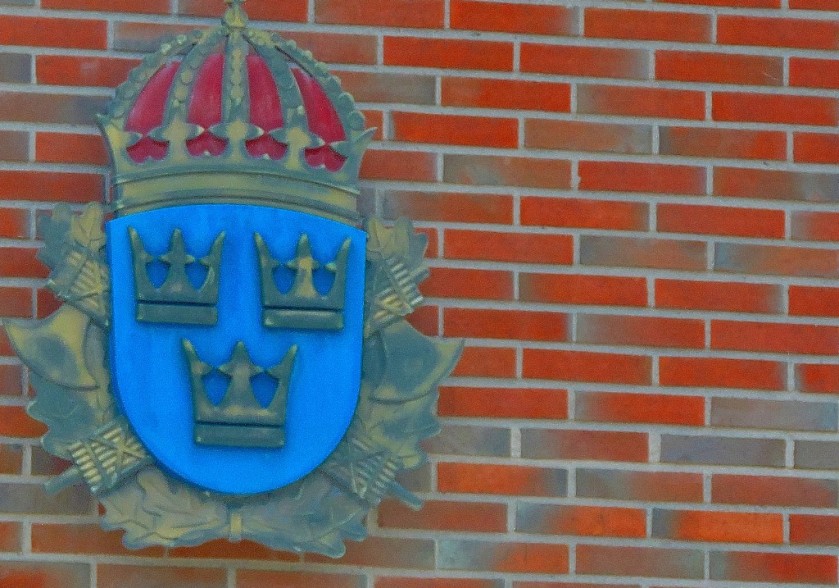
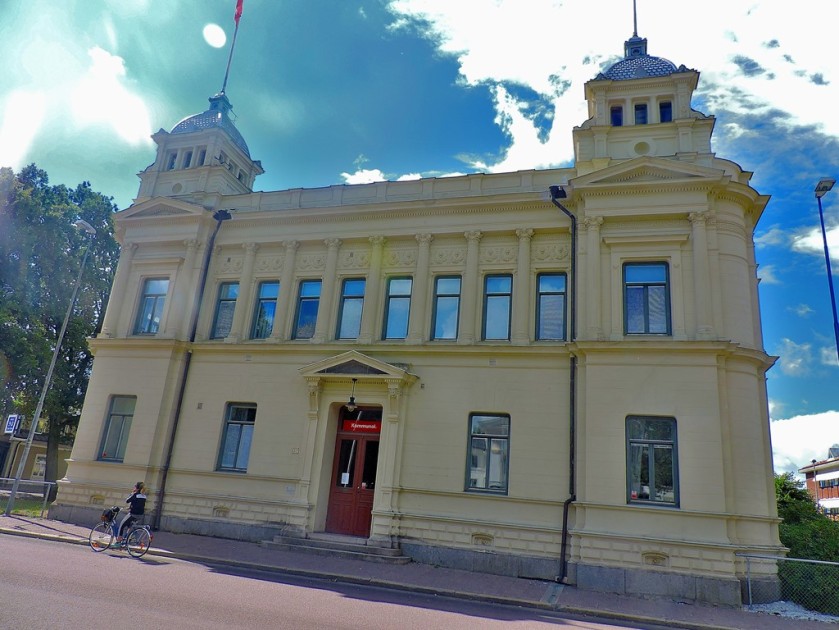
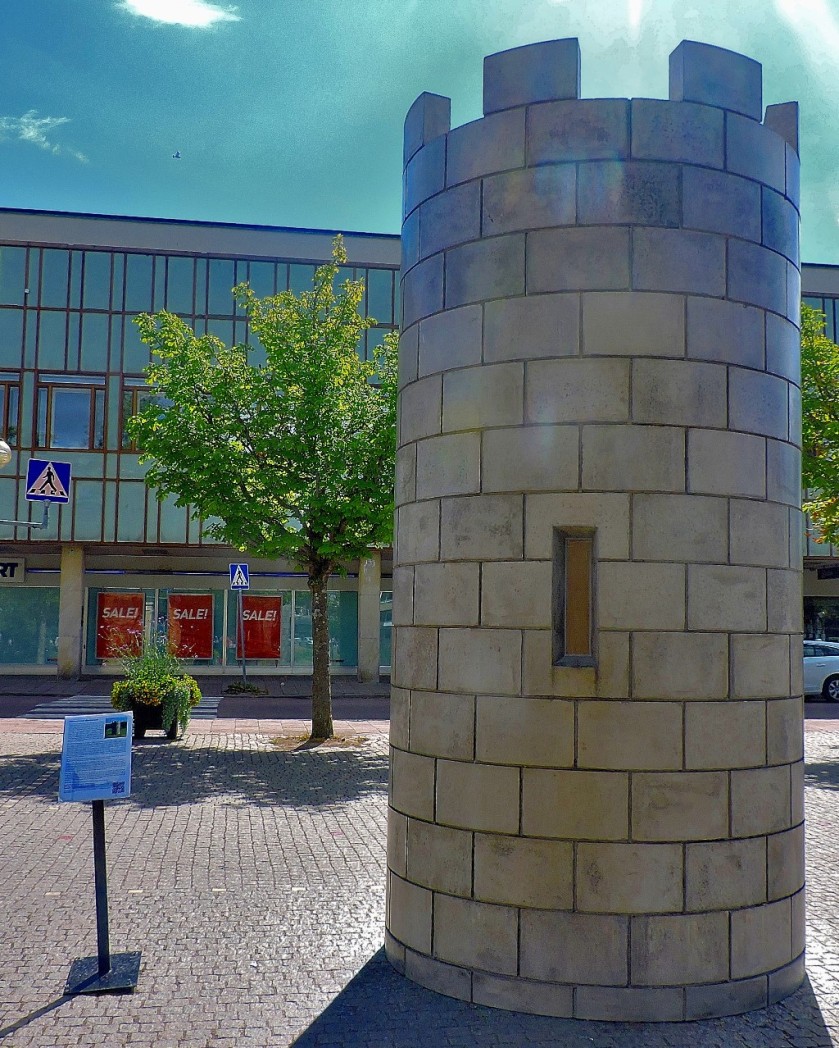
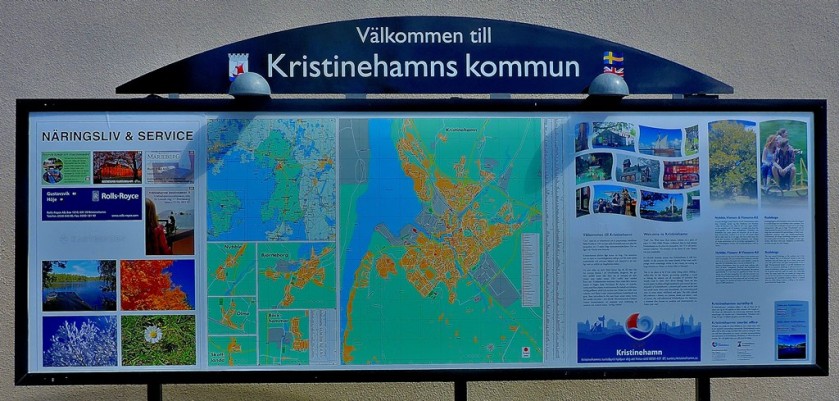
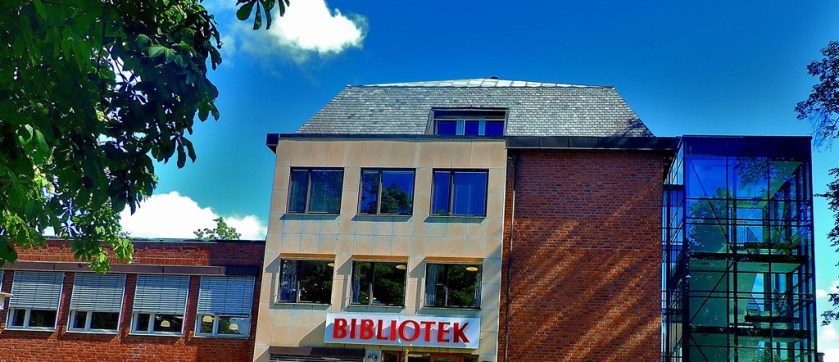
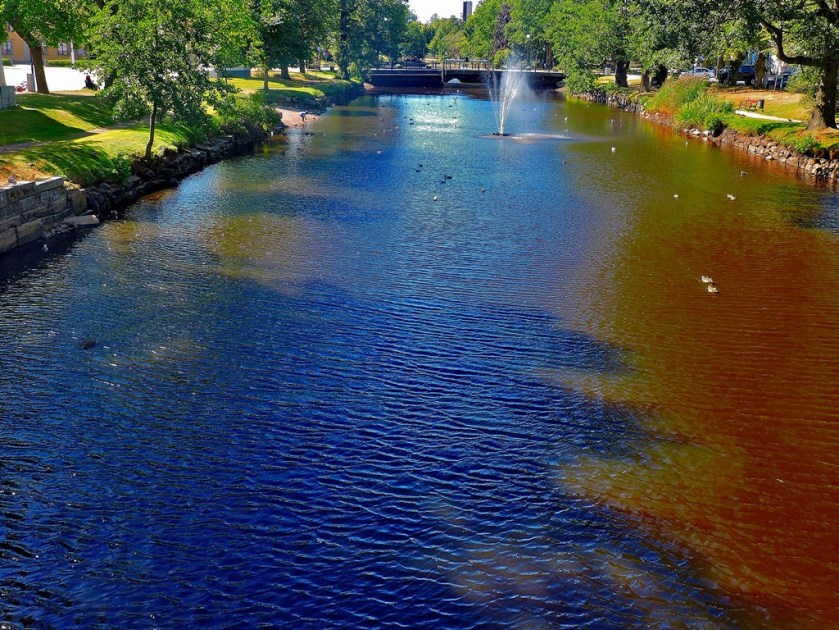
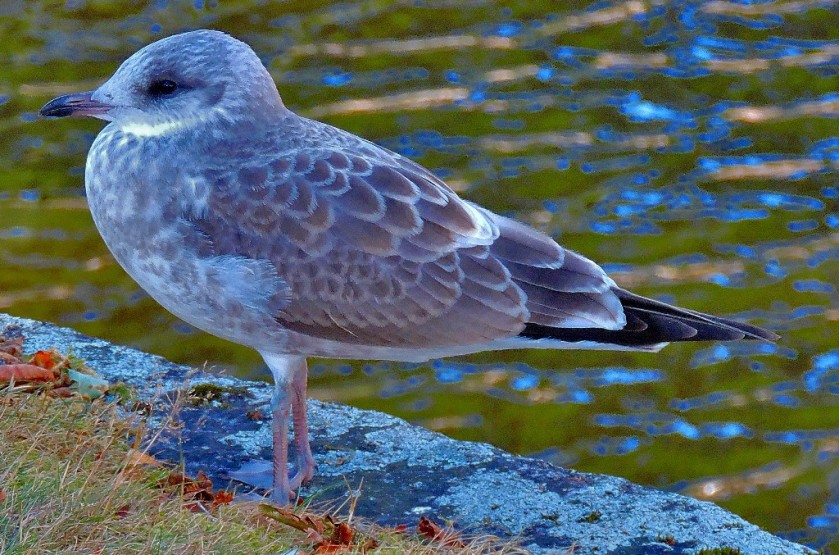
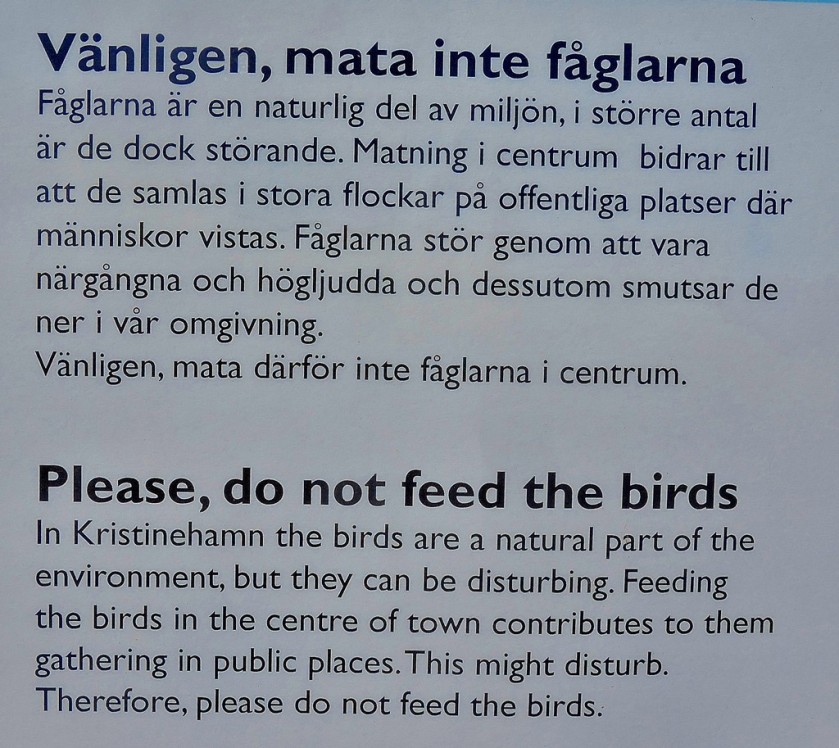
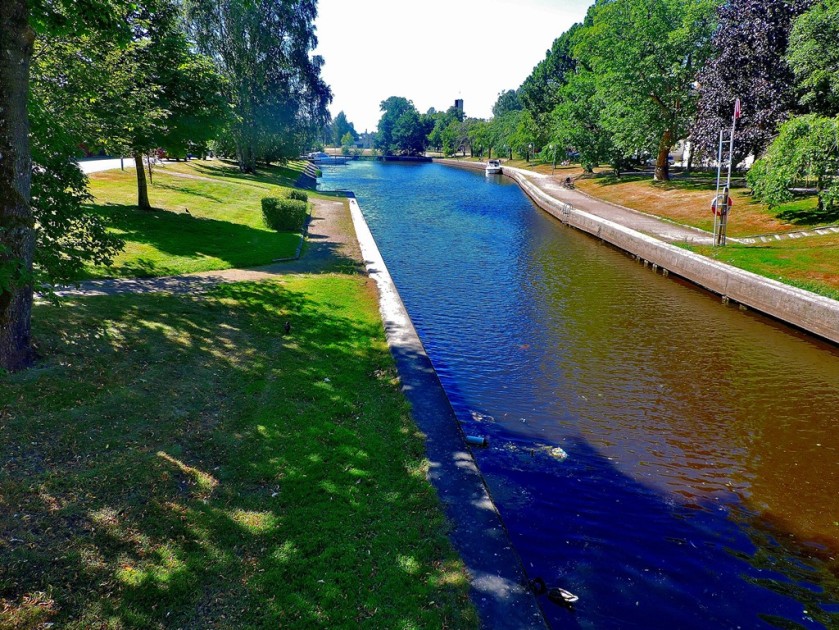
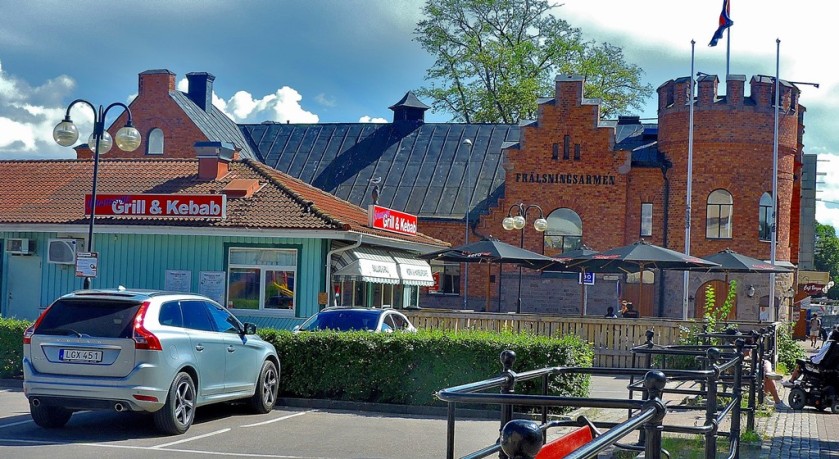
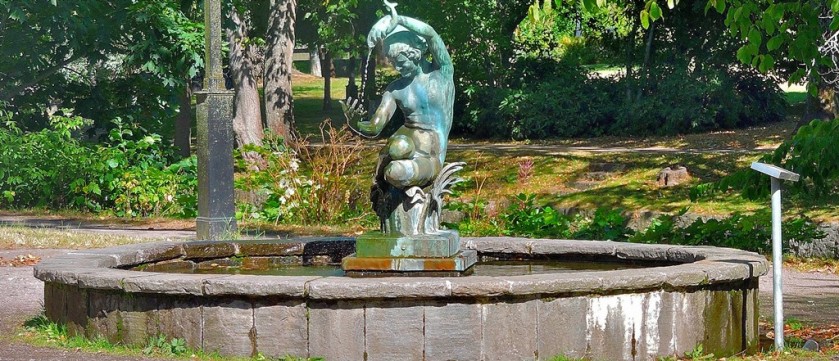
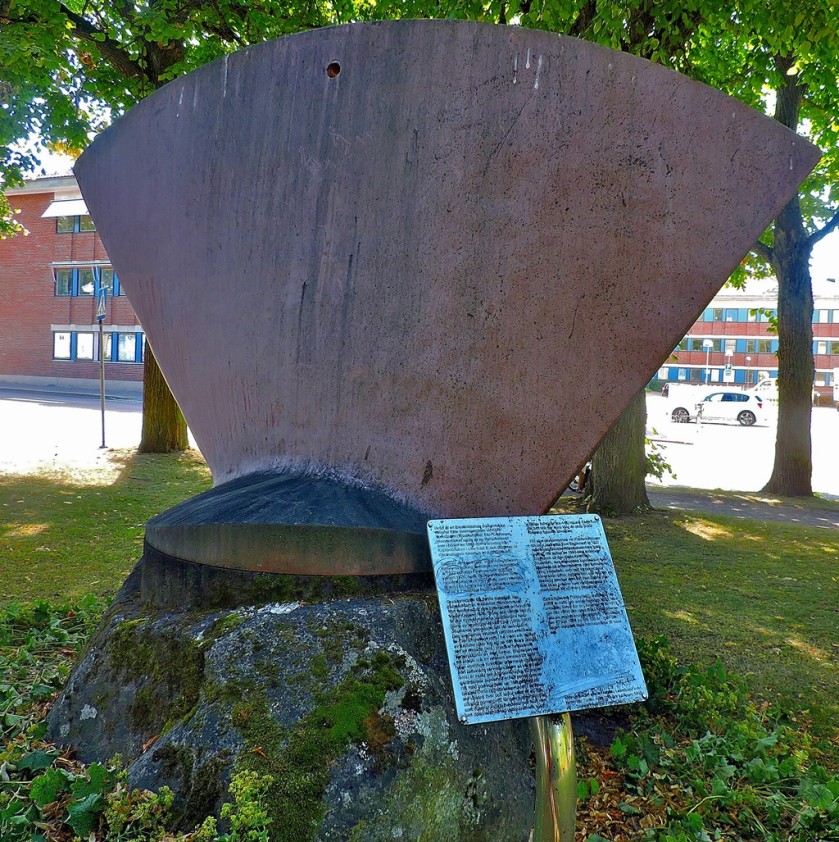
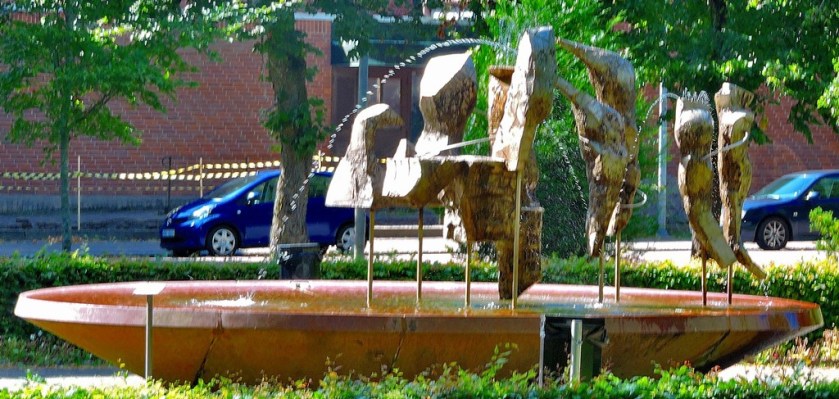
I did some exploring in this pretty little town once I was settled. Here are my pictures from Kristinehamn…
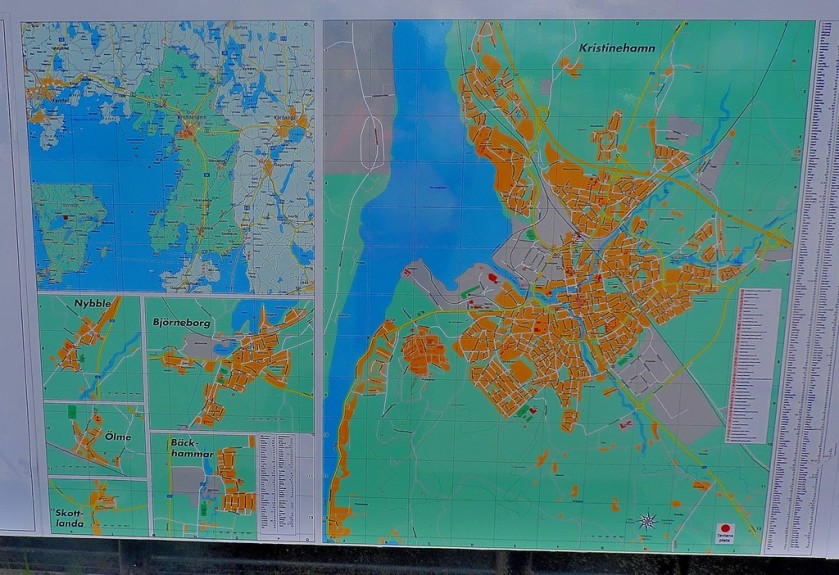
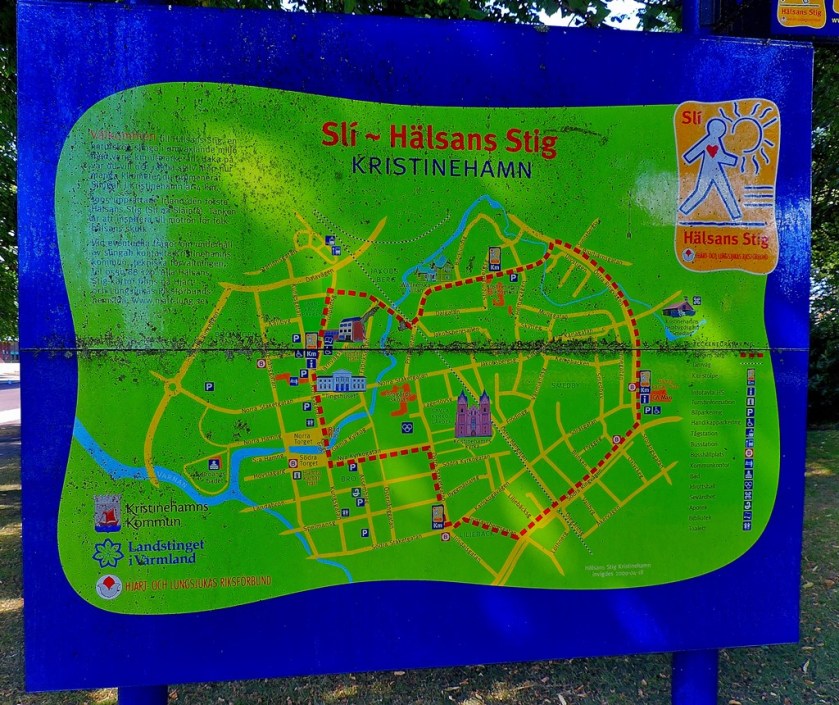
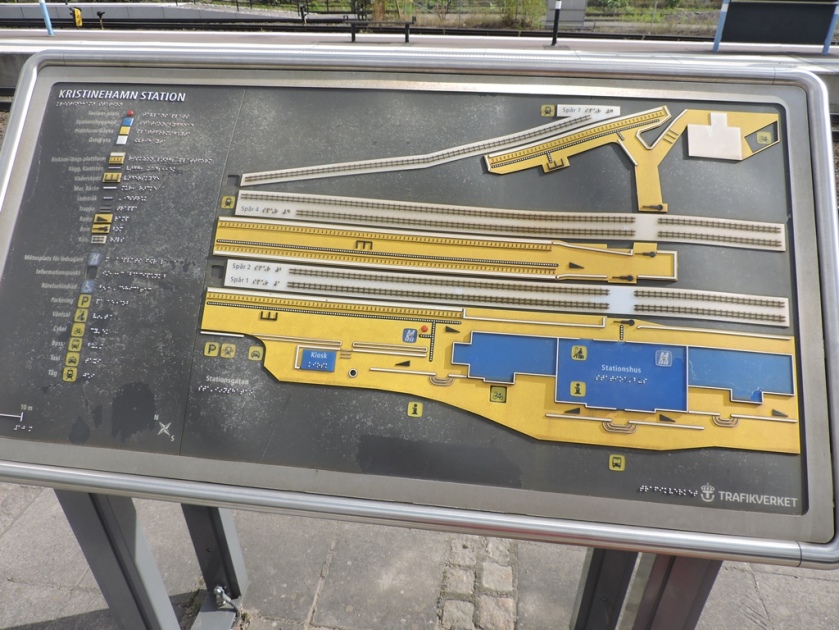
Many Swedish stations feature this kind of diagram somewhere.
Having produced this little post I will start, probably tomorrow, on a succession of posts detailing the Inlandsbanan experience…
An account of today at work and yesterday at Musical keys.
INTRODUCTION
This post has two very disparate strands – yesterday’s Musical Keys event for Autistic People and tody at work.
IMAGING
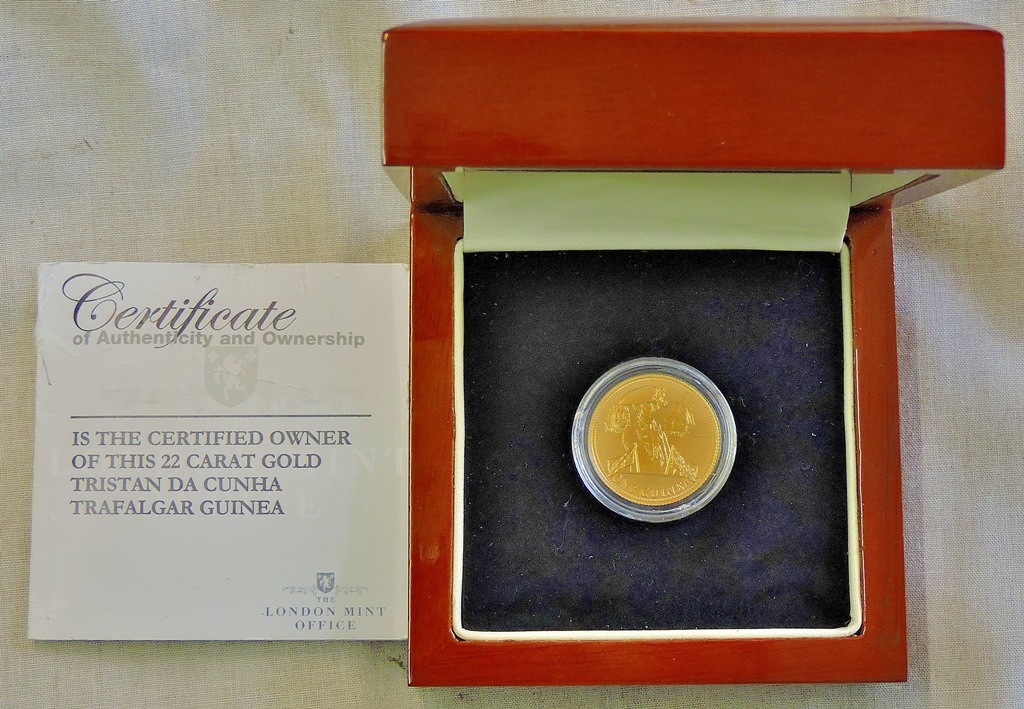
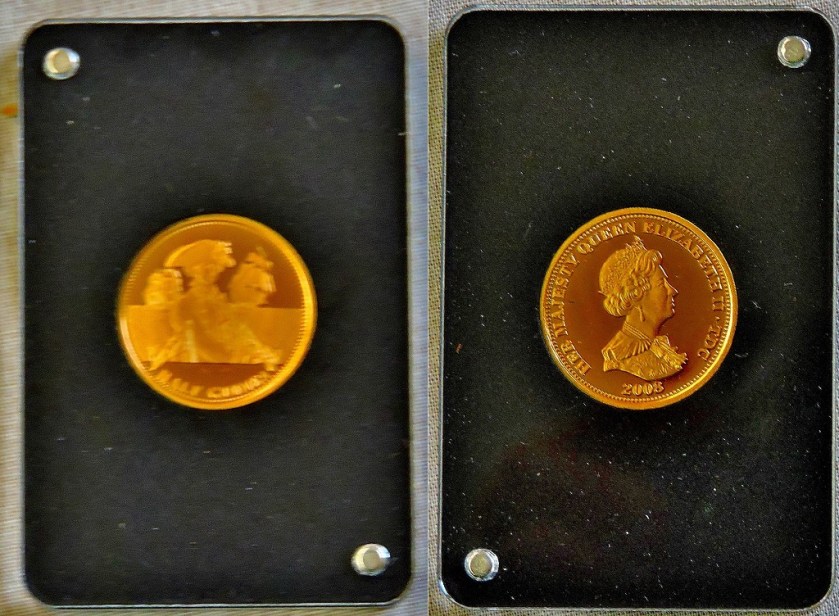
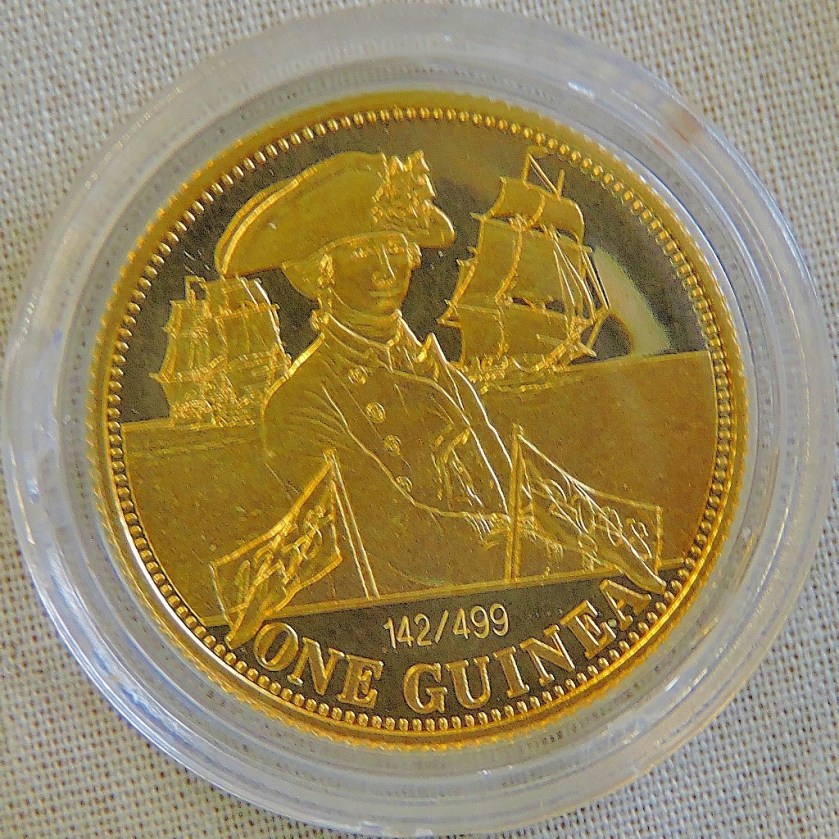
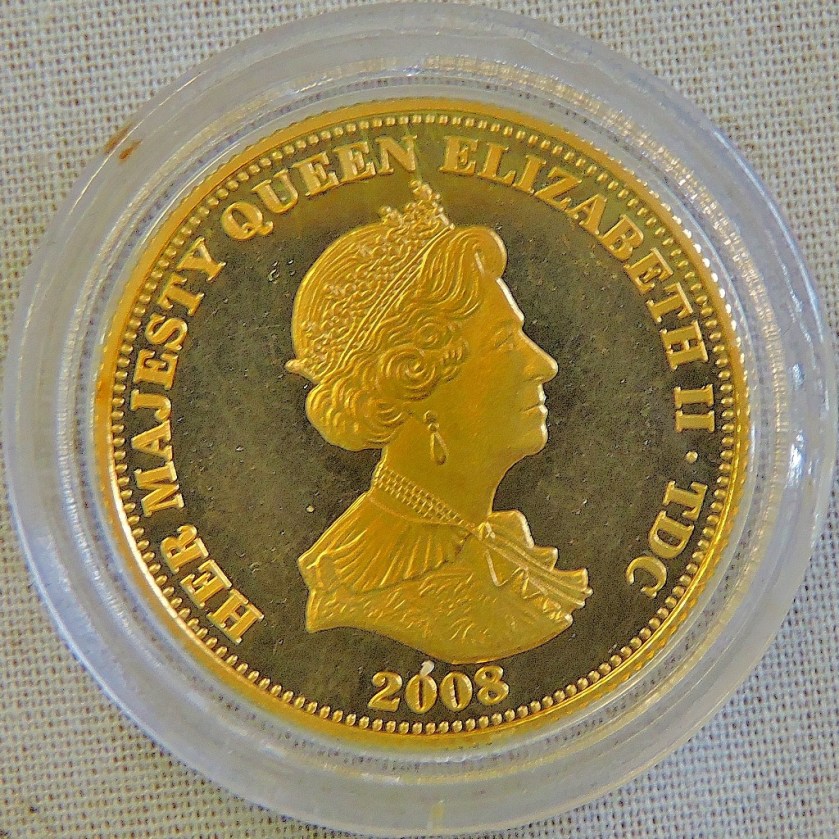
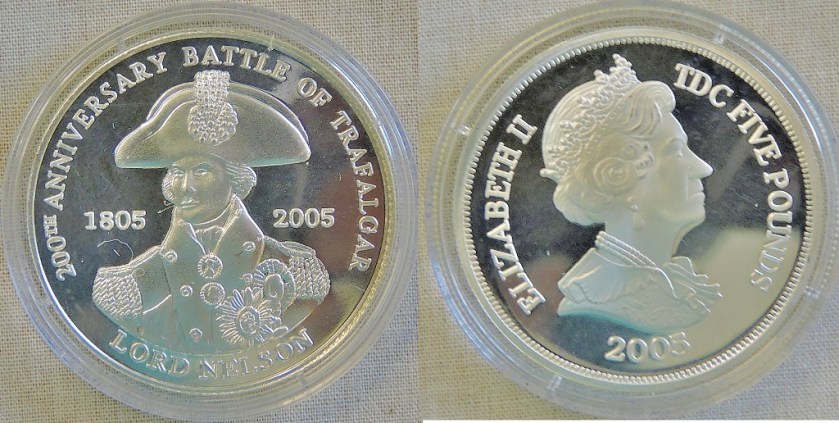
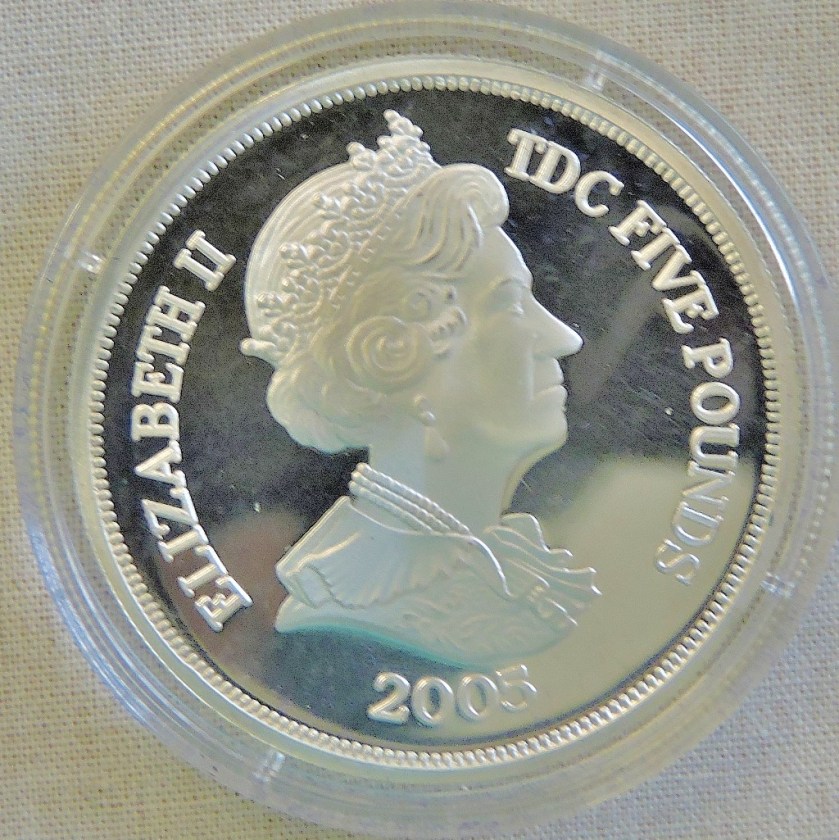
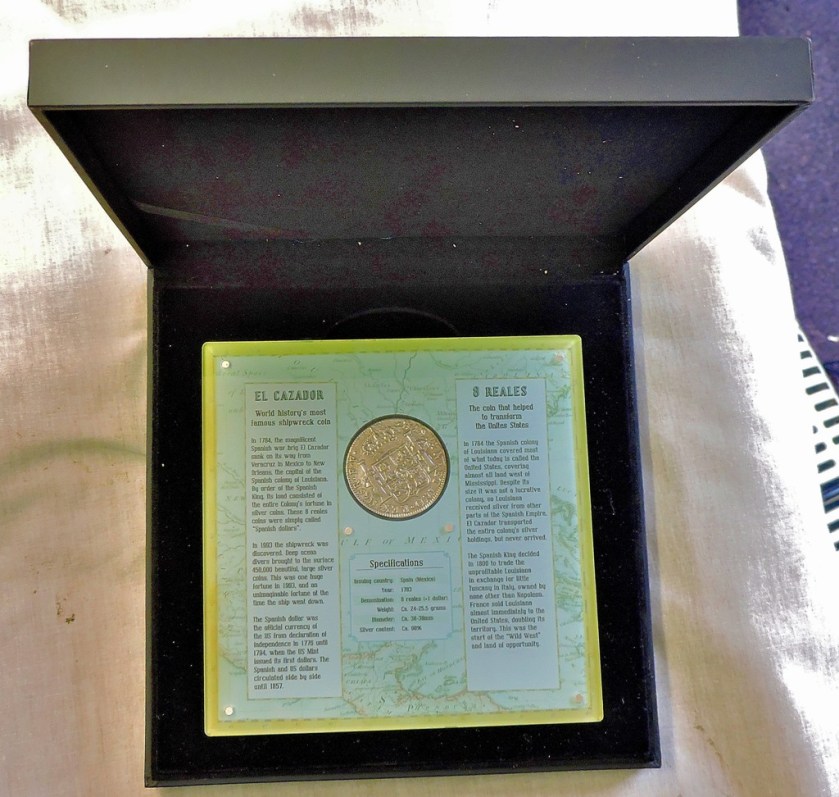
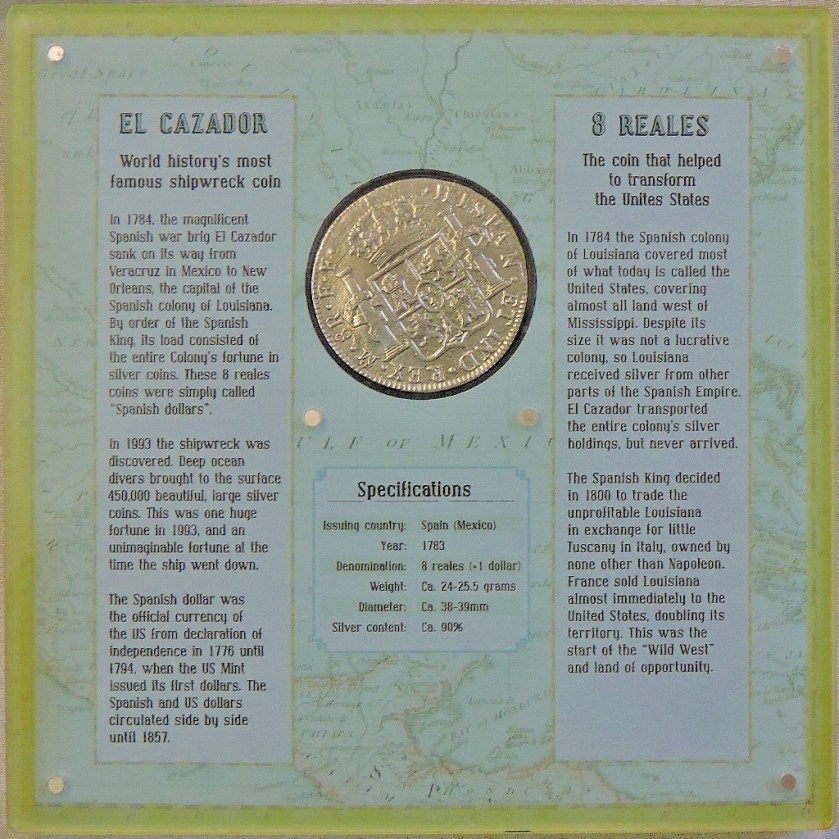
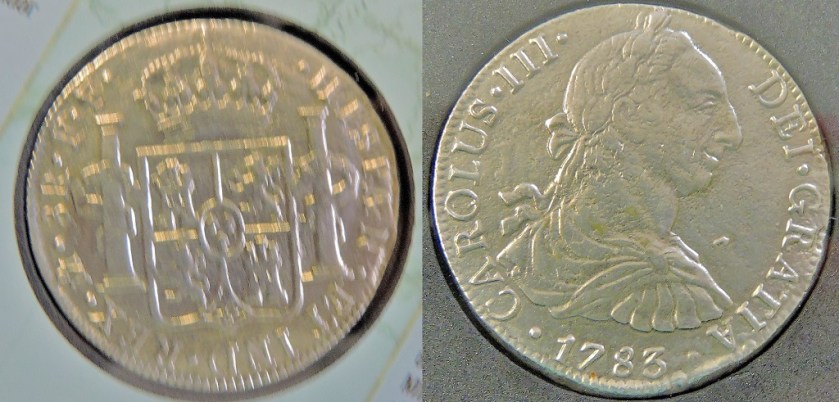
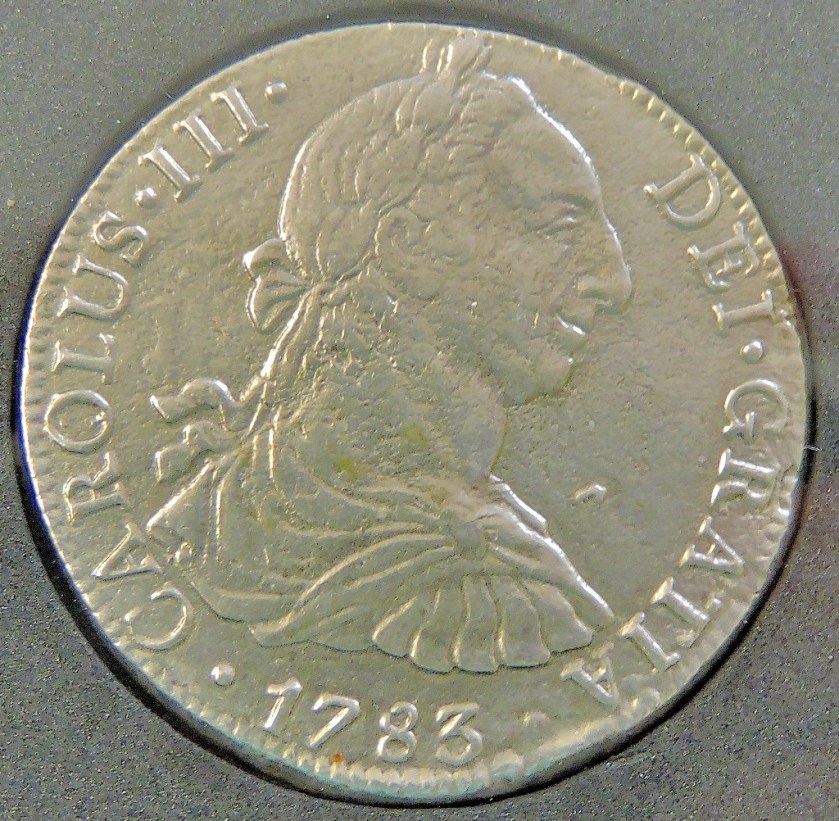
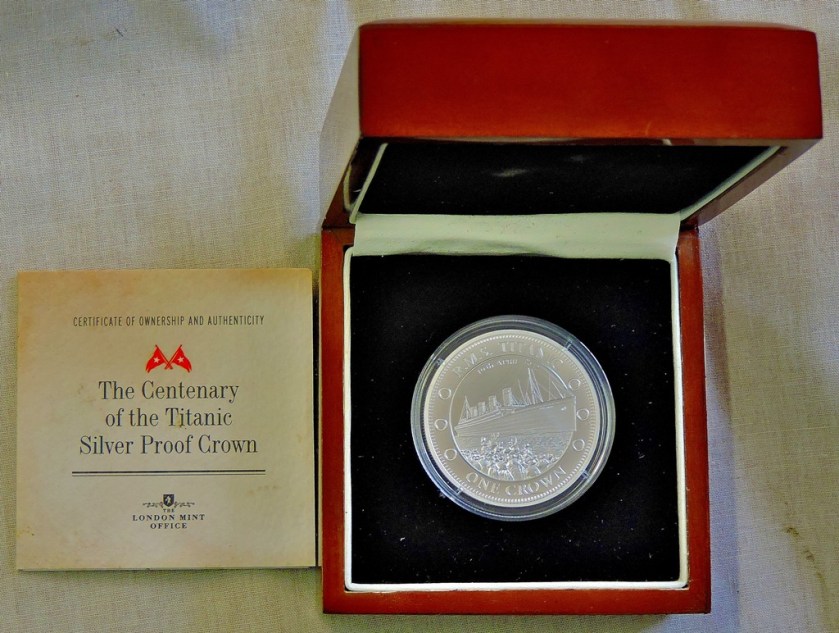
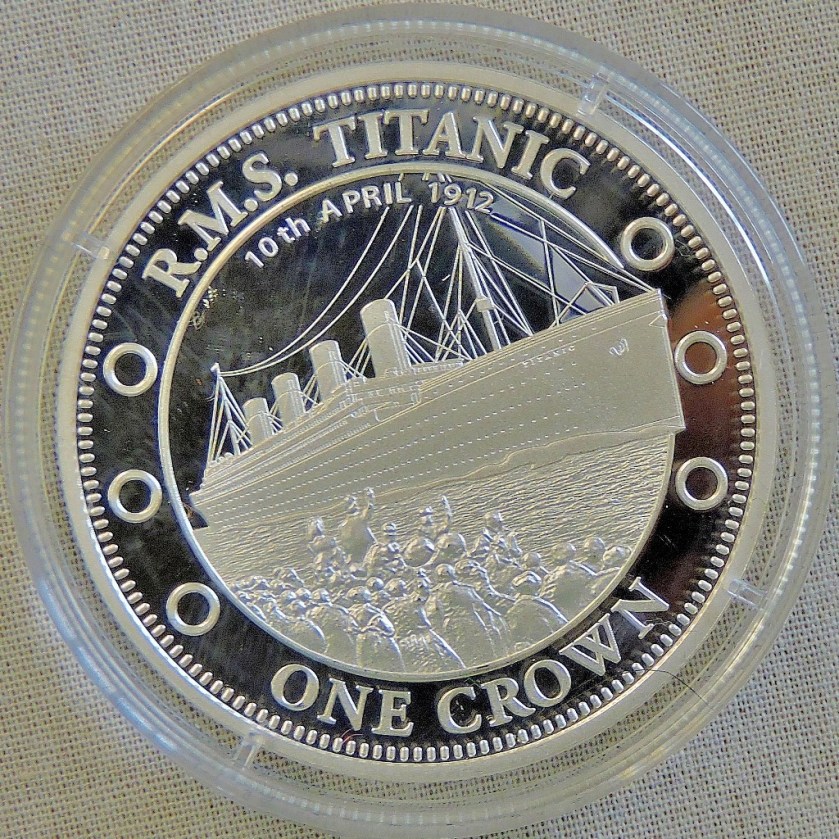
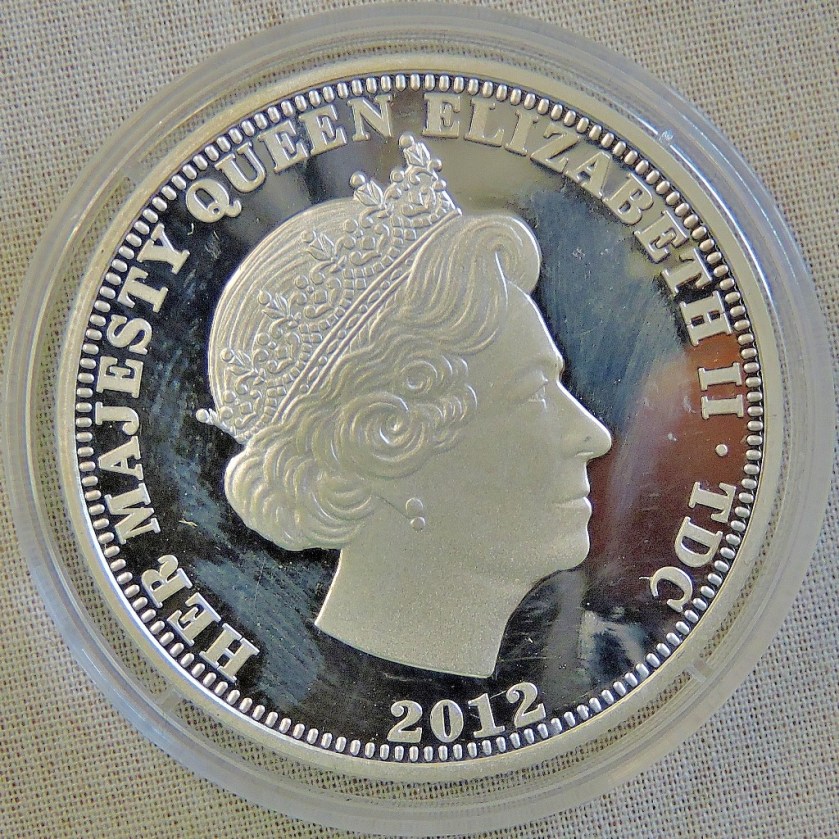
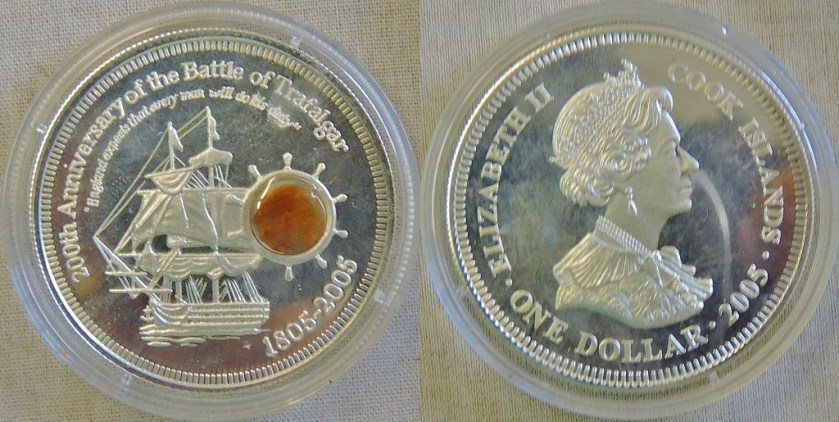
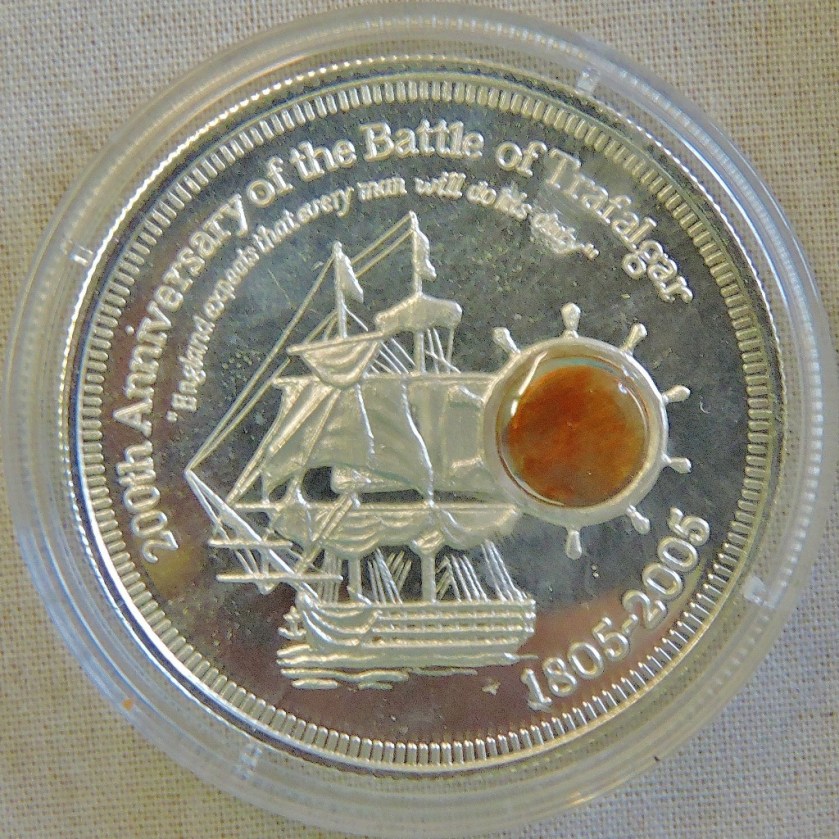
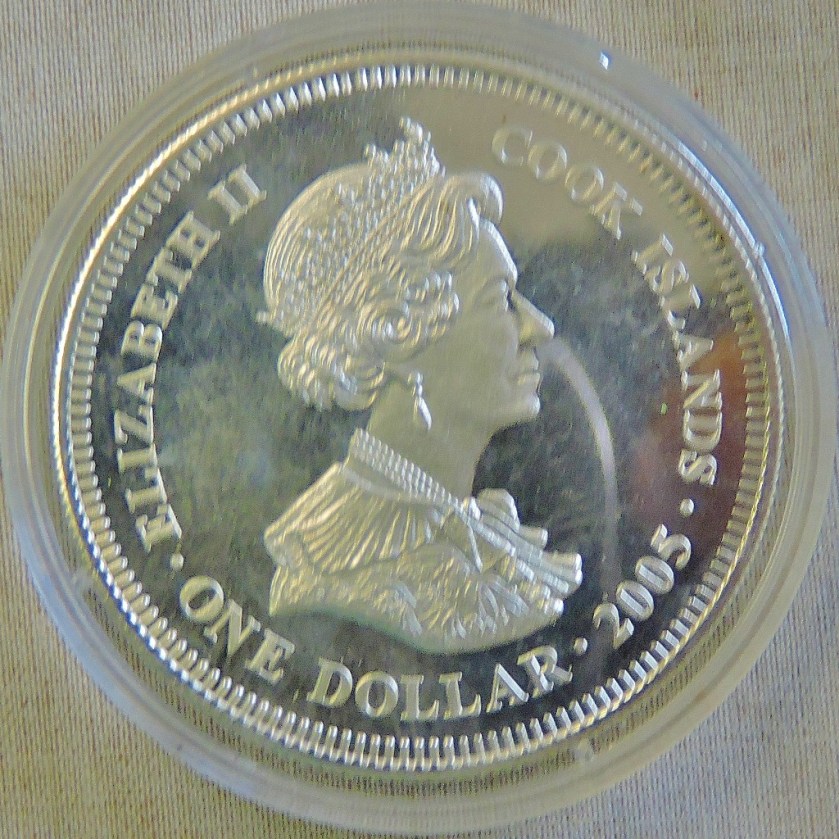
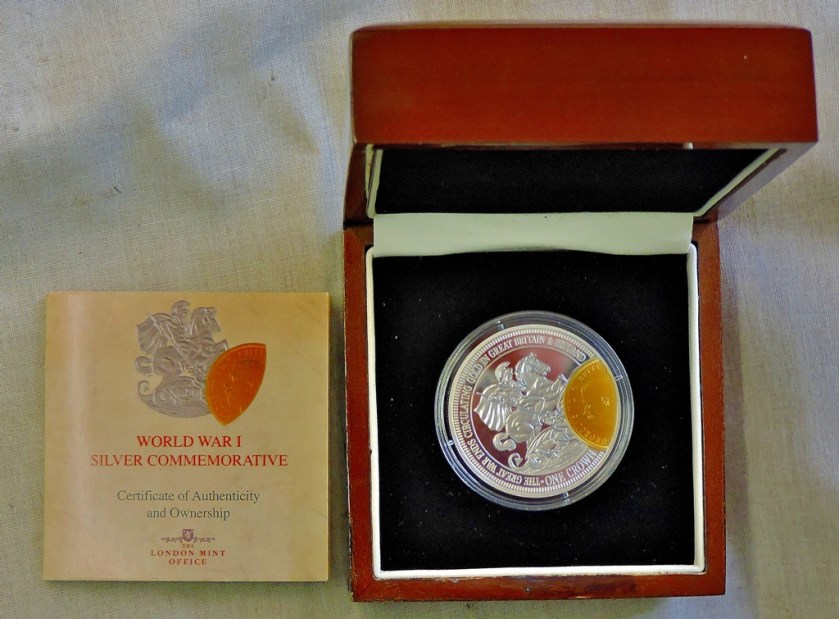
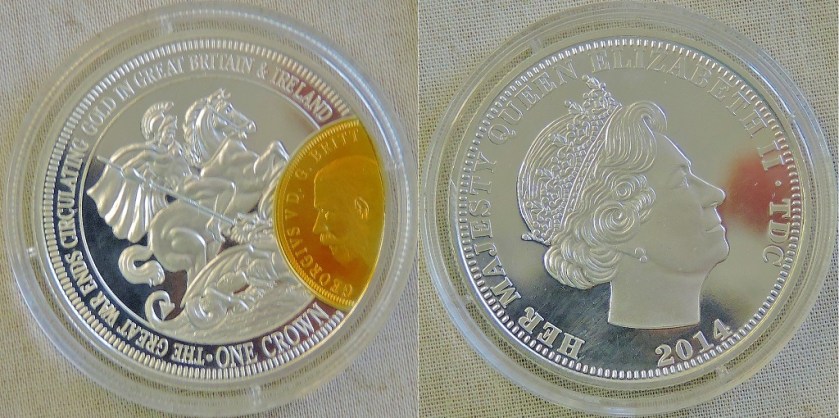
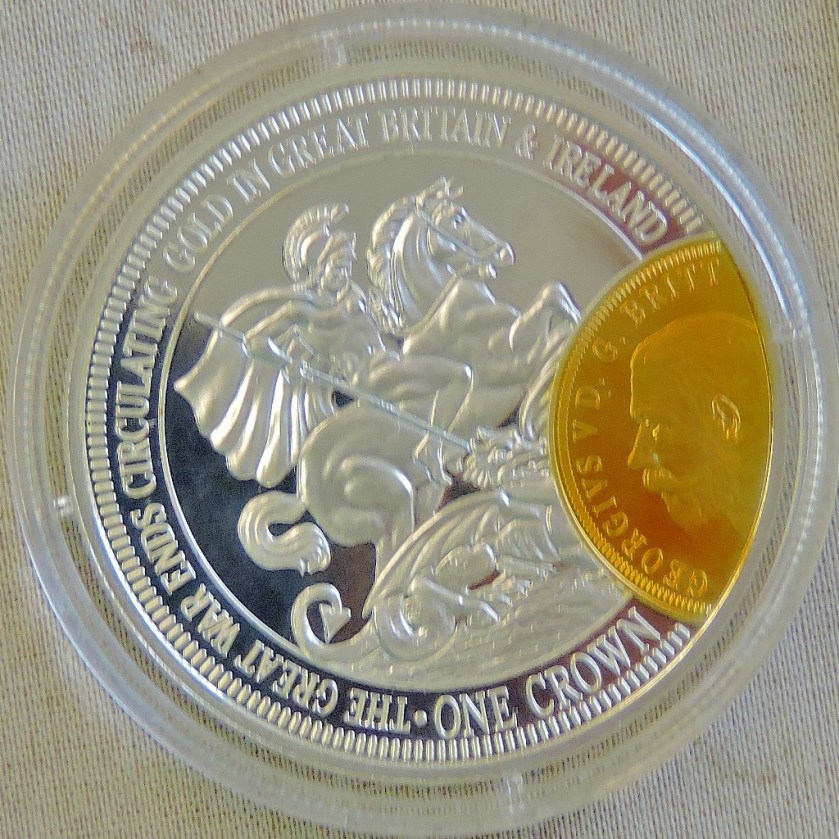
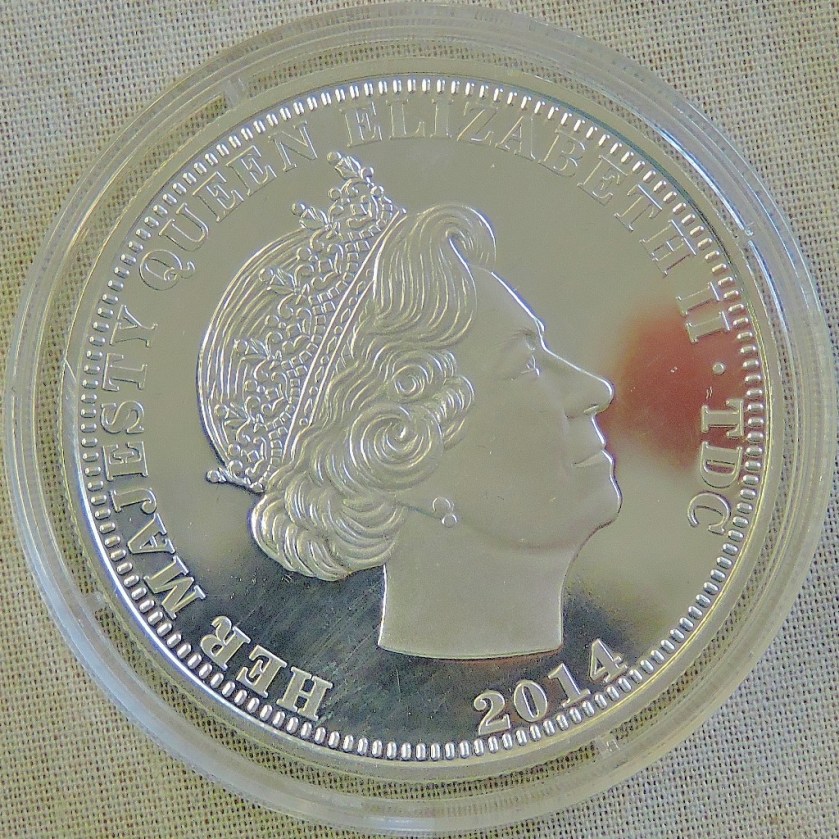
While I have imaged a wide variety of stuff today at work I am going to concentrate on some commemorative coin lots that were of particular quality…
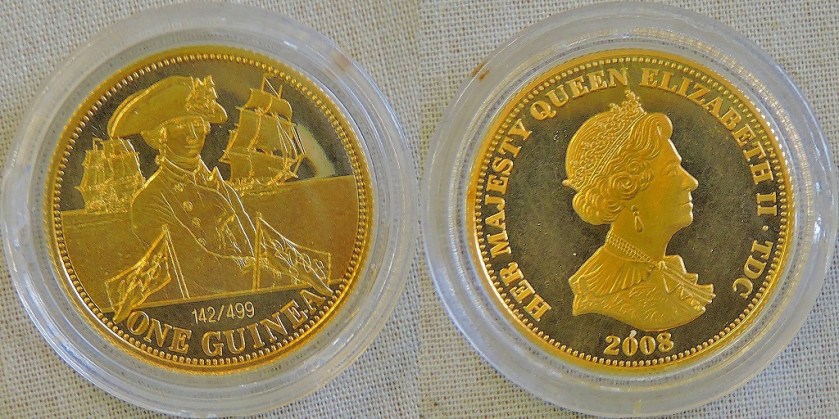
I did not have time to provide close-ups of all these coins……so I selected the one featuring a picture of Nelson (we are in Norfolk after all) for the treatmnent.
This lot featured an extra requirement.Namely providing a shot focussing on the coin and info sheet into which it is set.
The last of the commemorative coins.
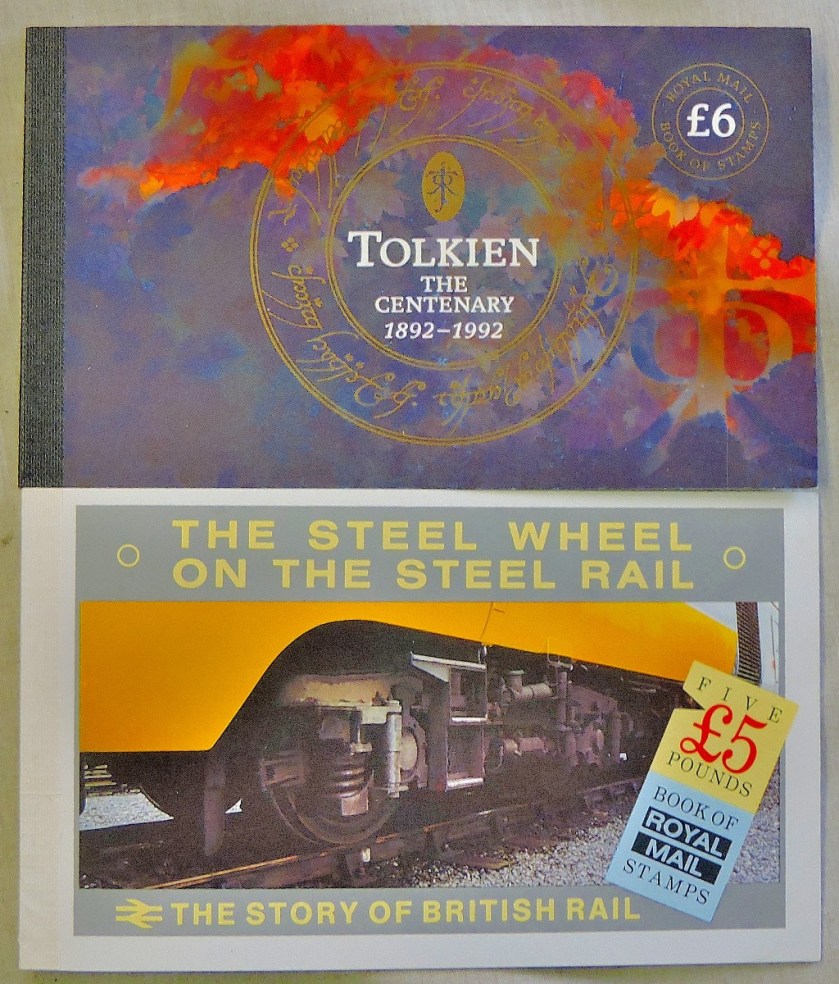
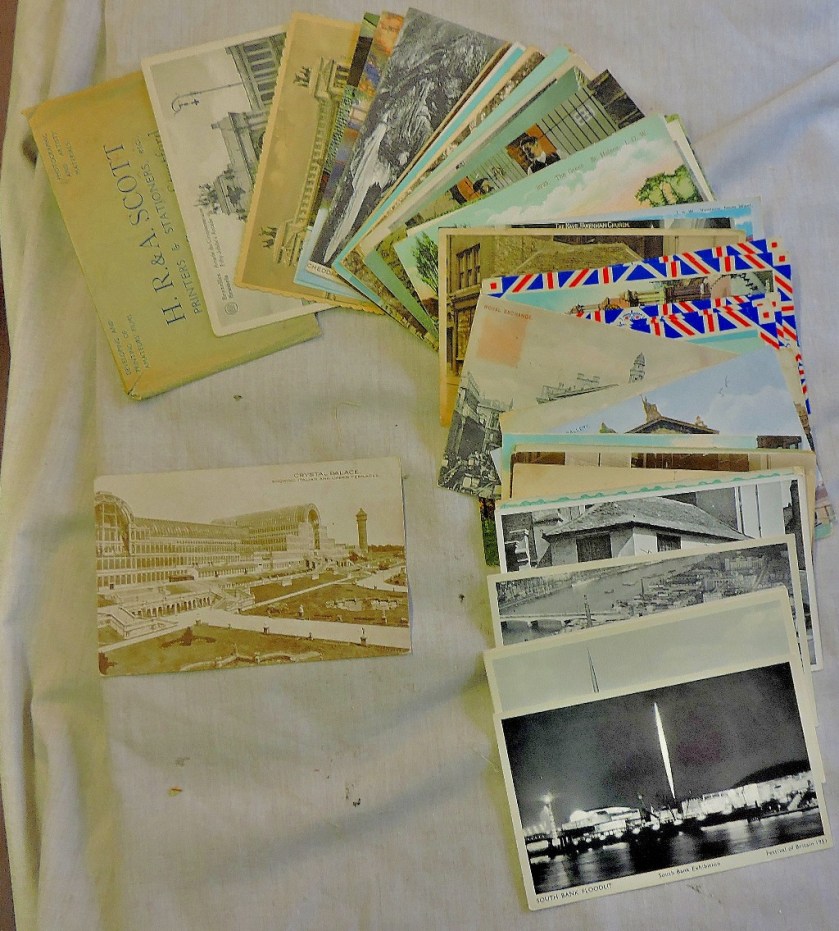
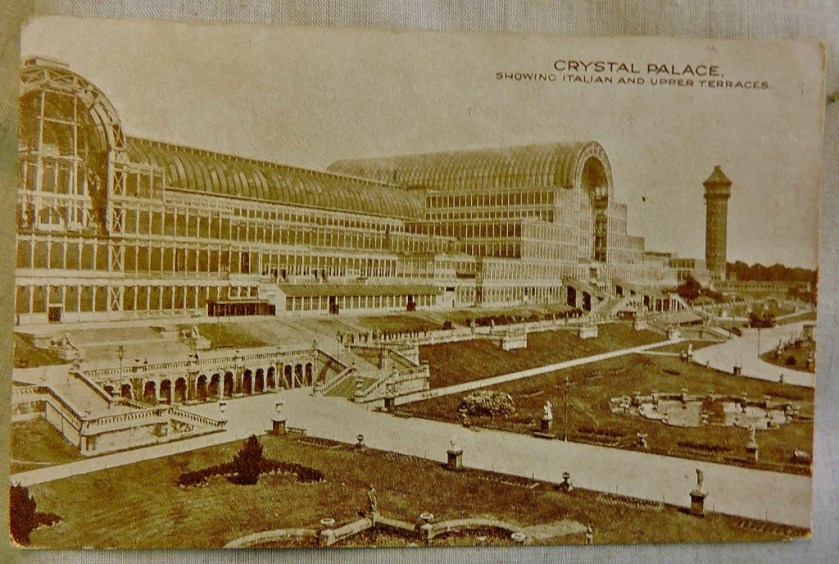
A large collection of themed stamp books.
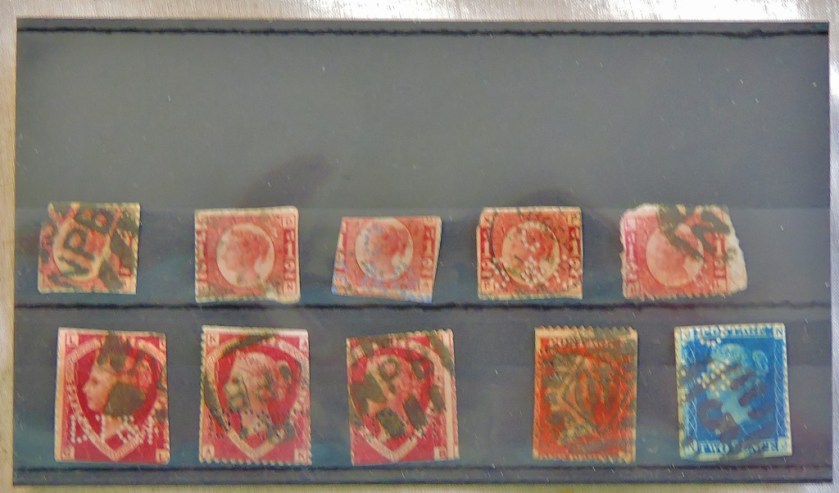
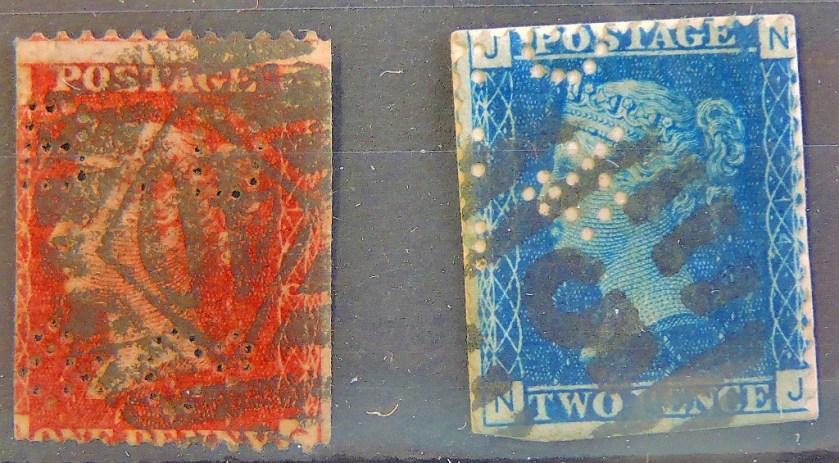
Inidvidual mounted stampsA close up of a single setan even close up of two individual stamps.
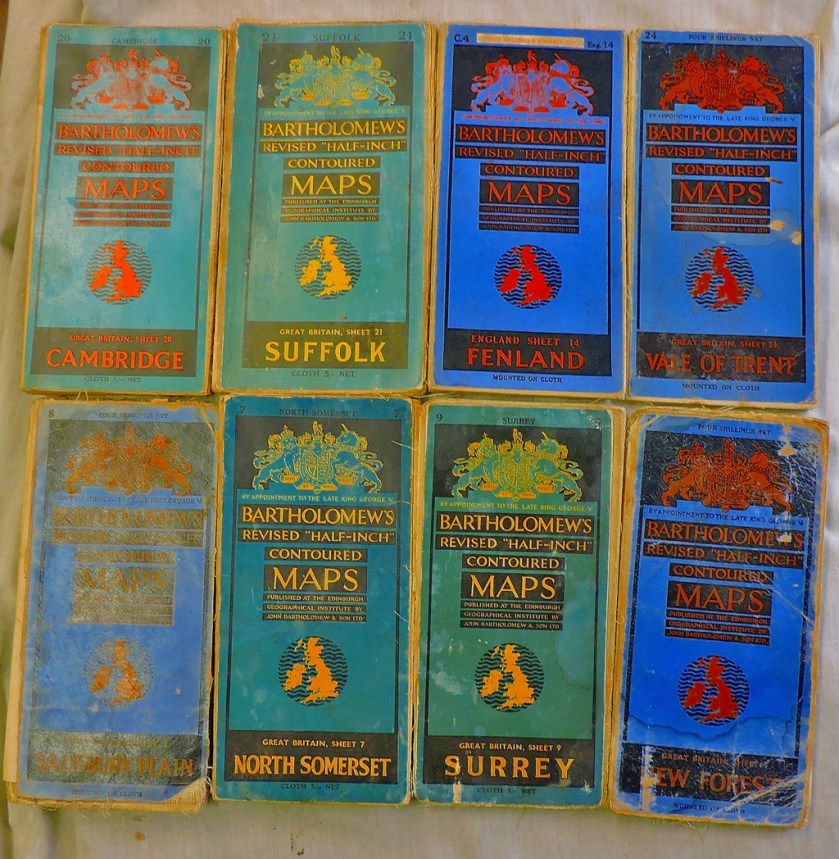
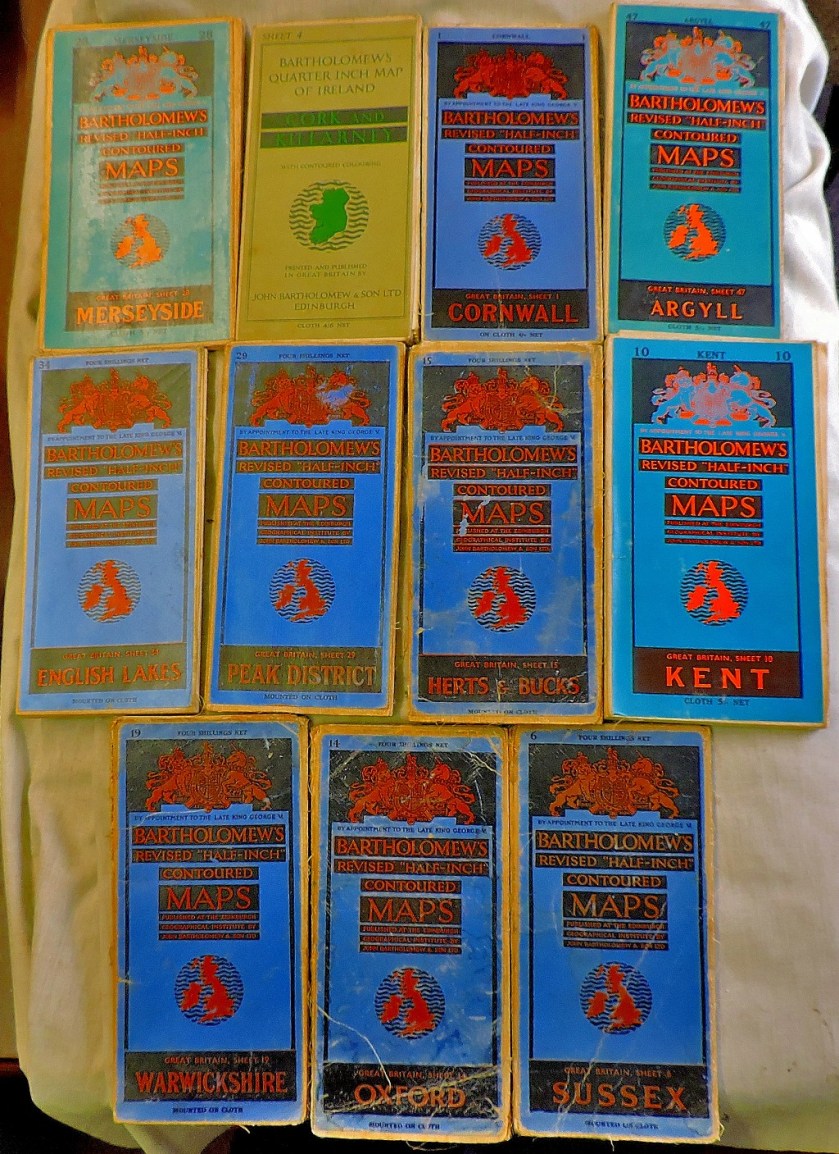
Old maps…
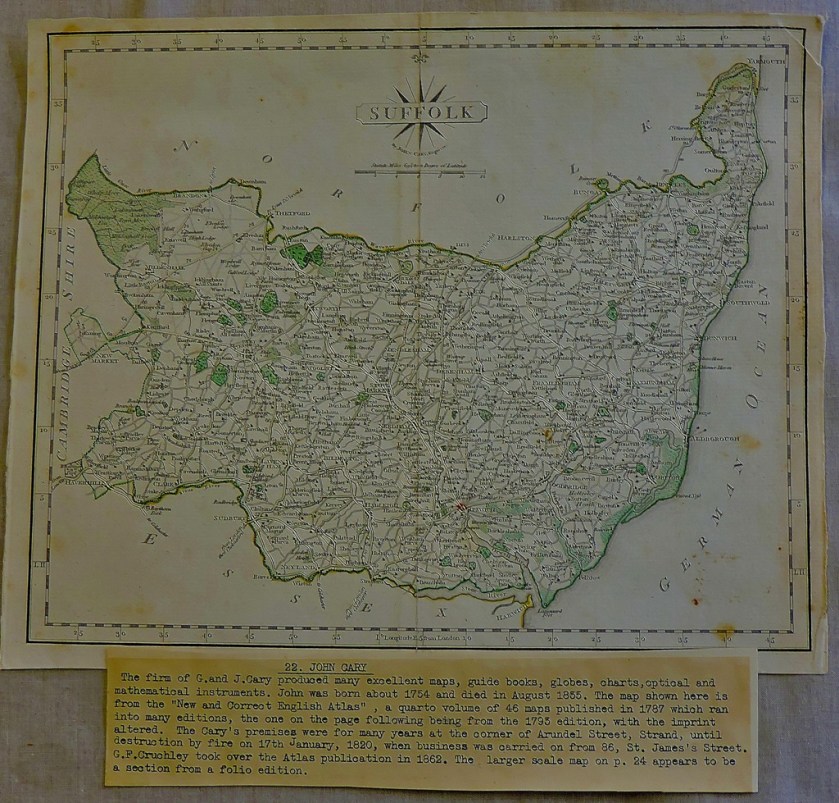
… and an even older map to finish
MUSICAL KEYS
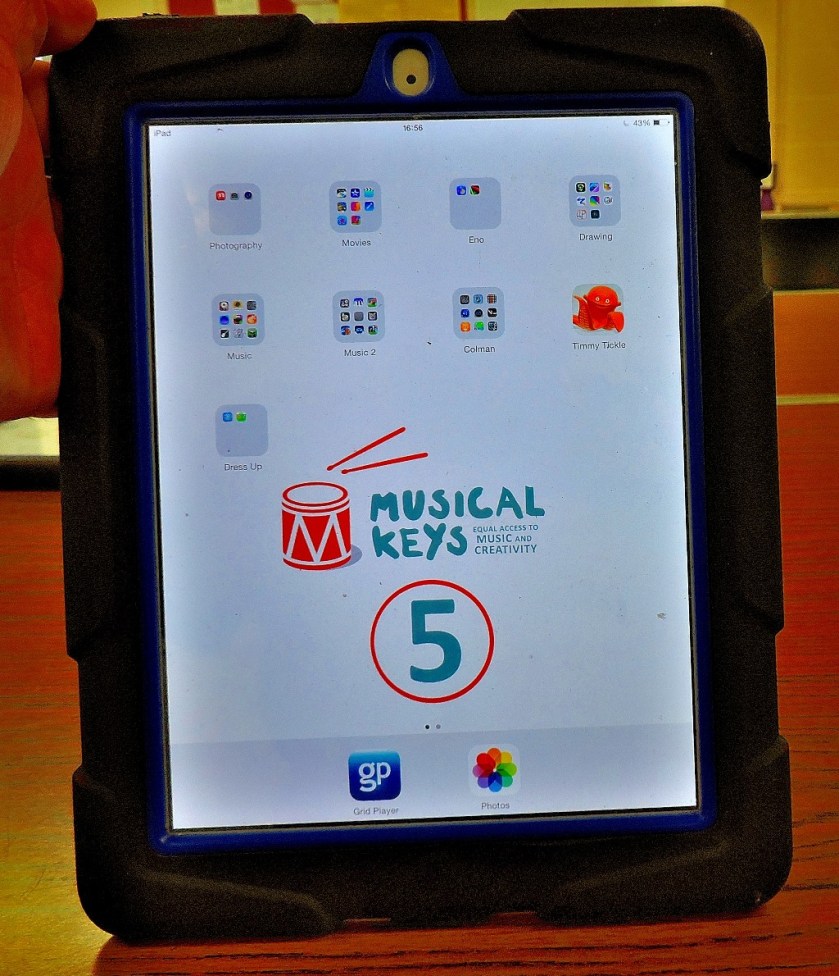
The 12 years and older session of the Musical Keys workshop run as an NAS West Norfolk activity started at 4:45PM yesterday and ran until 6:15PM. I was there both as participant and as one 0f the two designated committee members to be present at the event (the other was group leader Karan whose younger son was participating). As usual with Musical Keys the main piece of equipment we were using was a miniature computer:
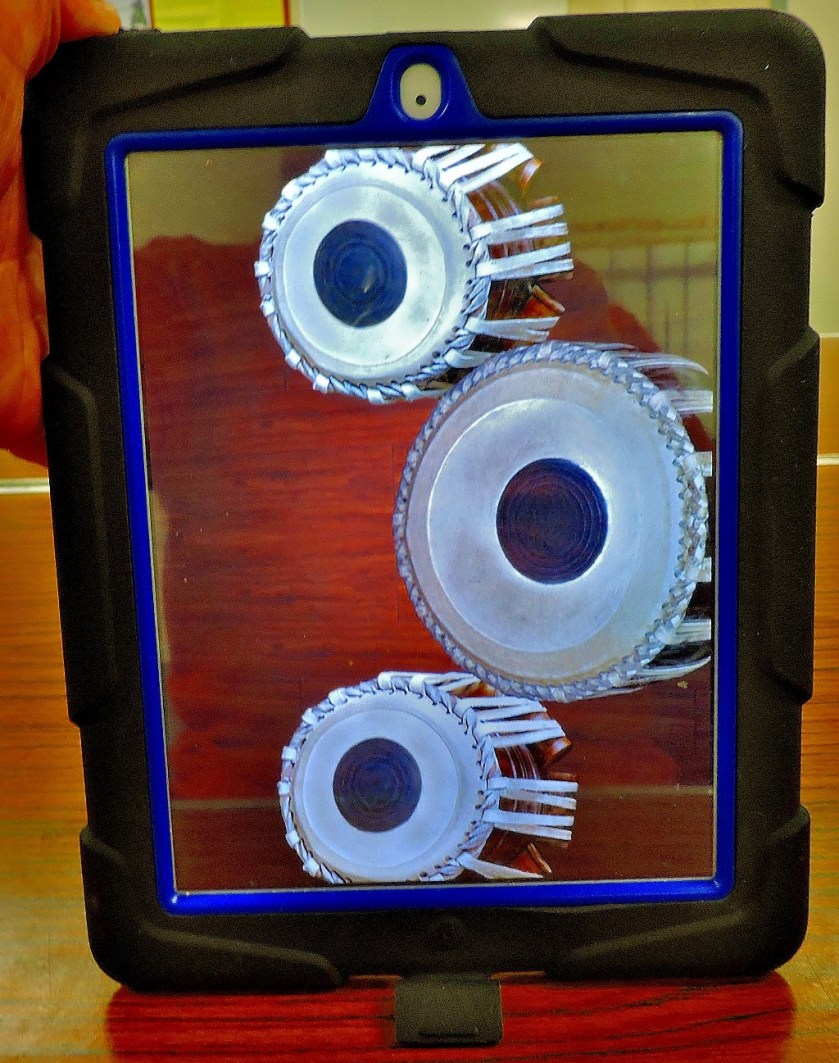
For the first part of the session we were playing computer drums:
After a mid-session break during which a birthday cake which Karan had very kindly made (gluten-free as her son has an adverse reaction to gluten) and which was absolutely delicious, we moved on to the second part of the session, which featured a system whereby lines had to be drawn across the screen so that balls would bounce of them to create sounds. For those of my generation it looks a bit like a very early BBC Micro game!
The basic set up
An arrangement of lines which prevents any of the balls (released from the nozzle you can see top centre) from escaping. I do not know what kind of sound this generates, as at no time while the sound was on did I have this many lines in place.
As anyone who knows what the weather was like in King’s Lynn yesterday early evening will be aware it was not suitable for photography on the way to the Scout Hut, where as so often with NAS West Norfolk events this took place, but I did get this picture on the way home…
This is a post created for Autism Awareness Day. Read, enjoy and please share.
INTRODUCTION
Today is Autism Awareness day. Therefore there will be a lot about autism, some from autistic people, some from autism advocates etc. This is my first offering of the day, and I shall start with…
AUTISM AND ME – A TIMELINE
Of course, since I have written about all these things before many of my readers already know a good deal of this. Autism is lifelong, but not always diagnosed as early as it should be (indeed there are still problems in my part of the world with people waiting literally years for a diagnosis). Thus although I am a forty year old autistic person my timeline spans less than ten of those years…
Late 2006 – Diagnosed at Cambridge Lifespan Asperger Support Services
2007 became involved with Asperger East Anglia
2007 took part in a research project relating to autism for the first time (I still do so on a regular basis)
2008-9 Worked with Asperger East Anglia full-timers and some local volunteers to establish a support group in King’s Lynn
2011 was appointed group leader of the King’s Lynn support group and coincidental with that launched this blog.
2012 Funding cuts forced the King’s Lynn support group to go it alone, which we did to the best of our abilities
2013 The group had a meeting room at the local football club, though the most significant event of this year for me personally was in April when I got the first paid job I had since being diagnosed (the same job I am still in today).
2014 the King’s Lynn Asperger Support Society as the group was by then known lost its meeting room and made do with meeting where we could. On October 24th of that year I launched a personal twitter account, @aspitweets, which now has just over 3,500 followers.
2015 After months of falling attendances, I finally conceded defeat over KLASS, which when I finally held up my hands had survived on no funding of any kind for 34 months. Subsequently I found out about an awareness event that the West Norfolkbranch of the National Autistic Society were holding within walking distance of my home and went along to learn more, joined the group and was subsequently given a place on the committee.
2016 Will be helping to run NAS West Norfolk’s Positive Autism Awareness Conference on April 15th, at which I will also be putting on a photographic display. Also, having attended and enjoyed AutismCon 2016 and given them detailed feedback, my blog post on the subject will be used for publicity purposes for AutismCon 2017, at which I may well get to put on another photographic display.
AUTISM AWARENESS
While increasing autism awareness is a laudable goal, it is insufficient. In an attempt to help explaining my view of where autism awareness fits I have produced a mini flow-chart to which I will append some words of explanation:
In the UK at least, not many people are actually completely unaware of autism, although their understanding of it and what it means is often limited (sadly in some cases deliberately so). Acceptance, which is the next stage up from understanding is something that far fewer have managed. Inclusion is the final goal, and by inclusion I mean full acceptance of the autistic person complete with foibles, tics, stims et al.
SPECIAL INTERESTS
Something that autistic people are well-known for is having special interests. The word obsession with its negative connotations should be avoided in this context. My own special interests include photography, public transport (seewww.londontu.be for more on this) and cricket (watching brief only – I never had any aptitude as a player).
PHOTOGRAPHS TO FINISH
Well done all of you have made to this stage, as a reward here are some pictures which between them relate to two of my listed special interests.
All but the last two of these pictures are from a walk a took yesterday afternoon.
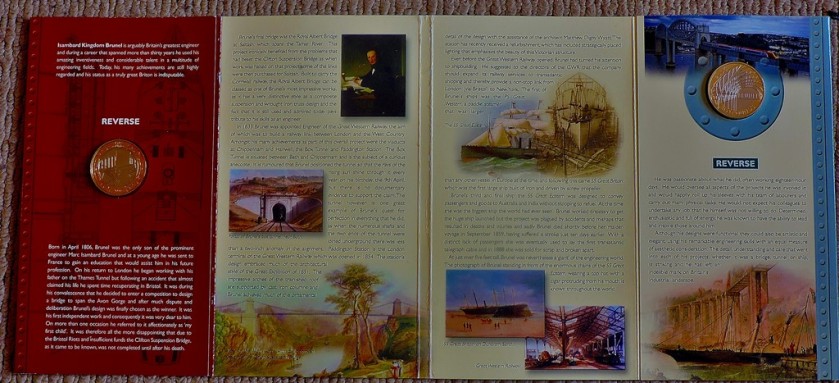
I have used this once before, but wanted to include a picture showcasing one of my special interests. This one, showing both reverses and the accompanying info is an example of what the auction image should have looked like.Anyone who sees this last picture is a worthy recipient of the message!
The nostalgia for the age of steam has been turned into a profitable business. Rail trips using historic steam locomotives are very popular at holiday times. I enjoy them myself. They are not cheap but then safety standards for the travelling public need to be very high and it costs a lot of money to maintain steam locomotives.
Last year on one of these trips there was nearly a catastrophic train crash. A steam special from Bristol run by West Coast Railways overshot a red light at Wootton Bassett in Wiltshire coming to rest on the South Wales main line only a minute after a 125 First Great Western express to Paddington had passed by. Some 750 people were on both trains. The inspector’s damning report is here.
An account of today at work, and some images from this week.
INTRODUCTION
Although the text element of this post is about today specifically, the images I include come from several different days. Also, although the text refers to two auctions, the one coming up this Wednesday, a full catalogue for which can be viewed here, the images all relate to the February auction, which is nearly all done.
AN EXHAUSTING DAY
Because Wednesday’s auction is at the Maids Head Hotel in Norwich, and we cannot have viewing days there it was necessary to lay entire auction out for viewing in the shop. There being exactly one person physically capable of doing so in attendance it was straightforward to establish whose task this would be.
This process required setting up a table at the back of the job (a couple of minutes), transferring the stock from where it was being stored (approximately an hour and a quarter all told) and then checking off each item to make sure all was present and correct (another hour and a half even at my work rate).
This task accomplished, and sandwiches consumed, it was time to get back to imaging items that will be going under the hammer on February 24th. This is a much more varied auction than this coming Wednesday’s specialised affair, featuring a full range of items, some of which I now display…
The above gallery shows the first 28 lots of the auction. My second gallery shows items from elsewhere in the auction…
I received an email from Tim Farron inviting me to join the Liberal Democrats. This post is my response.
INTRODUCTION
I have today received an email from Tim Farron suggesting that I might be interested in joining his party, the Liberal Democrats. What follows is my response…
THE OPEN LETTER
Dear Mr Farron,
I am responding to your email of this lunchtime inviting me to consider joining your party.
While it is true that I voted Liberal Democrat in the 2010 General Election this was for a very specific reason: The Labour Party candidate had made himself impossible to vote for by making as virtually his opening remark of the campaign a comment about Gordon Brown being Britain’s worst ever Prime Minister – which as a candidate standing on behalf of Mr Brown’s party was clearly unacceptable. I did not believe that anyone other than your party’s candidate had a chance of challenging the sitting MP Mr Bellingham (Con), so I voted Liberal Democrat as a desperate tactical measure.
A lot has happened since that General Election, including five years of your party acting as handmaidens to the Tories. In the General Election of earlier this year I was proud to vote for the Labour Party candidate, Jo Rust, and if she is the candidate again in 2020 I will vote for her again. At the same time of the same day I voted for both the Green Party candidates in the local elections.
While I agree wholeheartedly with your assessment of the Labour Party performance over the Welfare Bill, there has been a new leader elected since then, and I am liking what I see so far. I will refer to two recent happenings here:
On Friday, Mr Corbyn missed a rugby match to which he could have had free tickets because he was busy helping his constituents (a surgery that ended up running for seven hours). As far as I am concerned someone who puts his constituents ahead of a rugby match deserves applause. The second thing I wish to refer to is that Mr Corbyn has now revealed plans to renationalise the railways (these were mentioned in his manifesto in the leadership contest, which I read in detail). I offer you this infographic that I picked up on twitter:
On the question of how credible Mr Corbyn is: I do not think that the leader of a party who crashed from 62 MPs down to 8 or an ex-MP (Sir Vince Cable) are in the strongest position to raise such a question!
There is one other reason you might have thought I would be willing to join your party, which is that one of the many petitions which I have signed happens to have been created by a Liberal Democrat (it was calling for a worldwide ban on FGM). I signed the petition in question because I am in full agreement with its aims, not because of who created it.
To conclude, not only am I not remotely interested in joining your party, I am unable to see any circumstance in which I will ever again vote for them – reputations are hard earned and easily lost.
The title of this post comes from the title of Piers Connor’s history of the District Line, which is getting the aspiblog treatment this week…
HISTORY
As with that of it’s second youngest, the Victoria, almost precisely a century later, London’s second oldest underground line’s initial opening occurred in three phases between 1868 and 1871. After the third and final phase of opening the Metropolitan District Railway (as it was officially called at that time) looked like this:
A running theme of these early years were squabbles between the District and the Metropolitan over the completion of The Inner Circle (now the Circle line) and who could run their trains where. In the 1870s the District started producing maps for the benefit of their passengers, as these pictures show…
I do not know what these very early maps looked like, but here is a picture of my facsimile of a pre-Beck geographical map…
The Richmond and Wimbledon branches were both opened during the 1870s, followed by branches to Hounslow (the origin of the Heathrow branch of today’s Piccadilly line), Uxbridge (again handed over to the Piccadilly in the 1930s) and between 1883 and 1885, before being pared back to Ealing Broadway, Windsor (more on this later). The current eastern terminus of Upminster was reached (by a grant of running powers rather than new build) in 1902, and for a brief period as this reproduction postcard shows occasional District line trains ran to Southend and Shoeburyness…
Additionally, a branch to Kensington Olympia was created, which linked to a corresponding branch south from whatt is now the Hammersmith and City. Also, sometimes services ran from the district line north of Olympia to Willesden Junction. Additionally, there was a spur to South Acton and even briefly a terminus specifically to serve Hounslow Barracks.
In the 1930s a lot of the western services (Hounslow and Uxbridge specifically) were transferred to the Piccadilly line, while the Hounslow Barracks service ceased to exist, and the South Acton spur was abandoned.
Nevertheless, with main western termini at Wimbledon, Richmond and Ealing, and a cross branch serving Wimbledon, Edgware Road and Kensington Olympia the District remains a very complicated line.
SPECULATIONS
Although I leave the eastern end of the line unchanged, my suggestions for the District involve some very dramatic changes. My plans for the Wimbledon, Edgware Road and Olympia branches will form the subject of a later post, and for the moment I will settle for saying that these branches would cease to form part of the District line, and that as with my changes involving branches that would remain part of the District line the plans involve making use of a feature that might otherwise be problematic (see The Great Anomaly), the fact that being one the older lines, this line was built to mainline specifications. Although my plans for the Richmond and Ealing branches are big, they involve only a small amount of new track – enough to link the lines that serve Windsor and Eton Riverside and Windsor and Eton Central forming a giant loop at the western end of the line. This loop would link with my suggested London Orbital Railway at Staines and at West Drayton. Thus in place of the current fiendishly complex District Line there would be ‘horizontal frying pan’ line, with Upminster to Turnham Green serving as the handle in this model. It would also make possible a reissue with appropriate modifications of this old poster…
A GUIDED TOUR OF THE PRESENT-DAY DISTRICT LINE
From Richmond to Gunnersbury the District and London Overground share a route, which features one of only two above-ground crossings of the Thames on the entire network (the other is Putney Bridge – East Putney on the Wimbledon branch of the District). Richmond features a deer park, as advertised on this old poster…
Kew Gardens actually has a pub that is built into the station, and serves a world famous botanic garden…
Gunnersbury is not very significant, although the flying junction that this branch forms with the rest of the District line just beyond here and just before Turnham Green is very impressive, to the extent that it too has featured in a PR campaign back in the day…
The section from Ealing Broadway to Acton Town includes a depot which features the steepest gradient on the system at 1 in 28 (passengers are not carried over this gradient – the steepest passenger carrying gradient is 1 in 32). At Ealing Common the District and Piccadilly lines converge, not to diverge again until the Piccadilly goes underground just east of Barons Court and even then, the Piccadilly follows the District at a deeper level until South Kensington. Between Acton Town and Turnham Green the District calls at Chiswick Park. After Turnham Green the District has stations at Stamford Brook and Ravenscourt Park. From the latter the remains of the viaduct that once carried trains from what is now the Hammersmith and City lines onto these tracks can still be seen. Beyond Hammersmith and Barons Court the District calls at West Kensington before arrving at the grand meeting point of Earls Court. Immediately east of Earls Court is Gloucester Road (pronounced glos-ta not glue-cess-ta – Americans please note), which at platform level has been restored to something like it would have looked in 1868, while the frontage at surface level is as nearly restored as the creation of a new shopping centre permits…
The inside back cover of the Piers Connor book – a look along one of the restored platforms at Gloucester Road.From London Underground: The Official Handbook, a picture of Gloucester Road at surface level.
One stop further east at South Kensington is an original shopping arcade of the sort that several stations were provided with back in the day, complete with some splendid decorative ironwork (pictures photographed from London underground: The Official Handbook…)
One stop on from South Kensington is Sloane Square, which I remember from growing up in London is the station that served Peter Jones (a huge department store). Also, a large pipe above the platforms here is the only routinely visible sign of the river Westbourne (for more detail click here). From Sloane Square, the line visits Victoria (the ultimate transport hub). We are about enter a section of the journey featuring a lot of landmarks, so I will be giving each station I cover a section heading, starting with…
ST JAMES PARK
This station is the local station for London Underground’s official headquarters, located at 55 Broadway. It is also, along with Temple and Mansion House one only three stations on this section if the district to be served only by the district and circle lines.
WESTMINSTER
The local station for the Houses of Parliament and Westminster Abbey (officially the Collegiate Church of St Peter). The Abbey was originally founded by Edward the Confessor, who reigned from 1042-1066. While many look askance at the amounts of money trousered by folks in the House of Commons these people are at least elected, whereas in the House of Lords large sums of money go to people who are not elected, some of whom barely bother to attend and the vast majority of whom have demonstrated time and again that they are a waste of space. Even Baron Kinnock of Bedwelty, who has personally profited hugely from the existence of the House of Lords reckons that it is ripe for abolition. Since the opening of the warped (I will not dignify it with the word modified) Jubilee line extension in 1999 there has been an interchange here.
EMBANKMENT
The station that has been through more name changes than any other on the system (people couldn’t decide whether Charing Cross, Embankment or both should be emphasised). The issue was put to bed for good in 1979 when the Jubilee opened, and its Charing Cross terminus created interchanges with what had previously been separate stations, Trafalgar Square on the Bakerloo line and Strand on the Northern, which meant that with Charing Cross definitively settled on for the marginally more northerly of the stations, this one had to be plain Embankment. The Embankment from which this station takes its name was designed as part of the building of this line by Joseph William Bazalgette, who also designed London’s sewer system. His great-great grandson Peter is a well known TV producer with some good series to his credit and Big Brother to his debit. This, photographed from the Piers Connor book is a diagram of the profile of the Embankment…
TEMPLE
This is the only station name to feature both on London Underground and the Paris Metro (it also features on the Hong Kong network). In the days before the Aldwych branch of the Piccadilly line was axed there was an interchange here, as Temple is very close to Aldwych.
BLACKFRIARS
A station which derives its name from the Dominicans, who were referred to as black friars because of the colour of their habits. There is an interchange with both Thameslink and South Eastern here. Also, it is one end point of short scenic walk, which takes in a bridge over the Thames, Gabriel’s Wharf, The Oxo Tower, the Bernie Spain Gardens and the vast collection of attractions that between them constitute The South Bank, finally ending at Waterloo. Also if you go East instead of West after crossing the river you can take in the ruins of Winchester Palace (the former London residence of the Bishop of Winchester) and Clink Street, once home to a prison so notorious that ‘clink’ became slang for prison, a building that now houses London Dungeon, ending at London Bridge (you could continue yet further east – to Greenwich or even Woolwich were you feeling strong). I have done Waterloo – London Bridge and also Greenwich-London Bridge, and indeed Woolwich-Greenwich, so all these indvidual stretches are comfortably manageable. Also in this part of the world is Sainsbury’s main post-room where I once temped for a week (giving the agency feedback I took the opportunity to make it clear that I would not take any more work in that particular establishment – it was hell).
MANSION HOUSE
This name is either contradictory (a mansion is different from a house, being much larger) or tautologous (a mansion in a kind of large house) depending on your definitions. From 1871-1884 it was the eastern end of the District. The building after which the station is named is “the home and office of the Lord Mayor of the city of London” – an office filled four times by Richard Whittington (for once the story underplayed the the truth) in the fourteenth century.
CANNON STREET
A mainline rail terminus, albeit not a very significant one.
MONUMENT
I mentioned this station in my post about the Central line because it is connected to the various lines that serve by Bank by means of escalators. This interchange was first created in 1933, but the current arrangement dates only from the opening of the Docklands Light Railway terminus at Bank.
TOWER HILL
I have given this station an individual post to itself. From here the Circle and District diverge, the Circle going round to Aldgate while the District heads to Aldgate East. It is also at this point that I abandon for the moment separate station headings.
THE EASTERN END OF THE LINE
At Aldgate East the Hammersmtih and City line joins the District and they run together as far as Barking. In between Aldgate East and Whitechapel there used be a line connecting to Shadwell (formerly East London Line, now London Overground). Whitechapel has been in the news recently because a museum that was given planning permission on the basis of being dedicated to the women of the East End turned out when it opened to be dedicated to Jack the Ripper. This has been the subject of a vigorous 38Degrees campaign seeking both to get the monstrosity closed and to establish a proper East End Womens Museum. Some of those involved in the campaign met with the mayor of Tower Hamlets recently, and he has apparently been sympathetic and has confirmed that he too is unhappy with the way the planning process was subverted by an act of calculated dishonesty. Beyond Whitechapel, the line has an interchange with the Central line at Mile End which is unique for an interchange between ‘tube’ and ‘subsurface’ lines in being cross-platform and underground, Bow Road, which has an interchange with the Docklands Light Railway station at Bow Church is the last station on the line to be in tunnel. East of Bow Road the line rises on a 1 in 45 gradient to emerge into the open some way before Bromley-by-Bow. West Ham is nowadays a major interchange, featuring mainline railways, the Jubilee line, the Docklands Light Railway (this section which runs from Stratford to Woolwich was once part of the line that became the nucleus of London Overground, which originally ran from Richmond to North Woolwich, but now terminates at Stratford) and of course the District and Hammersmith & City lines. The main line railway runs side by side with the District to Upminster, and then continues to Southend and Shoeburyness. Upton Park is until 2017, when the club in question move to the Olympic Stadium, the local station for West Ham United’s home ground. Barking in the eastern limit of the Hammersmith & City, also the terminus of London Overground branch from Gospel Oak and an interchange with mainline railways. Upminster is the easternmost destination currently served by London Underground.
EDGWARE ROAD, OLYMPIA AND WIMBLEDON
For this section I will be reverting to individual headings for station names…
EDGWARE ROAD
A four platform station, where the Hammersmith & City line and the District and Circle lines meet (do not be fooled by the fact that both have stations called Paddington). This is the only one of the original 1863 stations to be served by District line trains.
PADDINGTON (PRAED STREET)
Why have I given this station a suffix that does not feature in it’s current title? Because the current plain “Paddington” designation is misleading – although the interchange to the Bakerloo line’s Paddington is a sensible one to have, you do far better for the mainline station and Hammersmith & City line to go on one stop to Edgware Road, make a quick cross-platform change to the Hammersmith & City and arrive at platforms that are structurally part of the mainline railway station (the two extra stops – one in each direction – plus a cross platform interchange taking less long between them than the official interchange up to the mainline station from here. Therefore to avoid misleading people the title of this station should either by given a suffix or changed completely, and the only interchange that should be shown is that with the Bakerloo. I have previously given Paddington a full post to itself, but failed to make the foregoing points with anything approaching sufficient force.
BAYSWATER
This station is on the north side of Hyde Park, and like the two on either side of it still has the same style of roof over the platforms as when it opened – a style now not seen anywhere else on the system.
NOTTING HILL GATE
I refer you to my previous post devoted to this station.
HIGH STREET KENSINGTON
This is the point at which this branch of the District diverges from the Circle line. The District branch continues south to the “Crewe of the Underground”, Earls Court, while the circle goes round to Gloucester Road (this section of track features in the Adventure of the Bruce Partington Plans, being the point at which the body of Arthur Cadogan West was fed through a rear window of a flat occupied by one Hugo Oberstein onto the roof of a conveniently stationary train, where it remained until being shaken off at Aldgate. Mycroft Holmes was sufficiently discombobulated by the case to change his routine (a thing so rare that his brother the consulting detective Sherlock Holmes likened it to seeing a tram car in a country lane) and pay a visit to Baker Street to seek assistance.
OLYMPIA
Trains to all manner of destinations pass through this station, but for the District it is a mere side branch..
WEST BROMPTON
An interchange with a London Overground branch. This station is fully open to the elements, as are all the others we have still to pass through.
FULHAM BROADWAY
The local station for Chelsea FC’s home ground, Stamford Bridge.
PARSONS GREEN
This would become a District line terminus, with an interchange to the new Hackney-Chelsea line, under official plans. In my personal ideas for the future it would be an interchange point but no terminus.
PUTNEY BRIDGE
The local station for Fulham FC’s home ground, Craven Cottage. This would also be the best station to travel to if you wished to catch the Boat Race, second oldest of all the inter-university sporting contests.
Like some the other posters I have displayed in this post this one would need adapting, but it could certainly be reissued.
The oldest of all the inter-university sporting contests is the Varsity Cricket Match, first played in 1827, two years before the first Boat Race took place.
EAST PUTNEY
This station is the first of a section that used to be mainline railway.
SOUTHFIELDS
Another stop with a sporting connection – this is the local station for the world’s most famous tennis championship – Wimbledon. Although I have already given this station a full post, I show this picture again…
WIMBLEDON PARK
The second to last stop on our journey.
WIMBLEDON
As we approach this station, we first join up with the mainline services from Waterloo coming in from Earlsfield, and then with Thameslink services coming in from Haydons Road. Wimbledon is also one terminus of the London Tram system. Along the north side of the tracks as one approaches Wimbledon runs Alexandra Road, and we pass underneath a bridge carrying Gap Road across the tracks to a junction.
ODDS AND ENDS
I have a few promotional pictures still to share, and some maps to round out this post. Other than that, I hope you enjoyed the ride…
The District line and its history.The District line and its connections.Close focus on the two Windsor branches that I would incorporate into the District making a loop at the western end.
The Central Line gets the aspiblog treatment! Along the way a wide variety of attractions are mentioned, plenty of pictures are shown and past, present and one vision of the future are covered.
INTRODUCTION
Welcome to the latest addition to the series of posts themed around public transport in London. Although the main theme is the Central line, there is going to be much more in the speculative section than usual for reasons that will become obvious.
HISTORY
The first proposals for a Central London Railway were made in 1892, and the CLR opened, running from Shepherd’s Bush to Bank, in 1900.
Early proposals for extensions to this line included turning it into a loop, with a smaller loop through Liverpool Street to the east of the main line (think Ptolemy’s epicycles!).
After this was rejected, there were two plans involving connections to Richmond…
Neither of these went through either. In the 1930s two proposals, both involving existing lines operated by mainline railway companies did ultimately lead to serious extensions (before these two were incorporated into the line it still only ran from Liverpool Street to Ealing Broadway)…
The western extension did come into being as far as West Ruislip, and the mainline railway still calls at Denham on its way to High Wycombe, although there is no station at Harefield Road. The eastern extension happened as shown, although Blake Hall was closed down in 1982, and the entire stretch from Epping to Ongar in 1994.
When Central line trains started running to West Ruislip in 1957, the line had taken the shape it would have until 1994, with the closure of the Ongar end of the line. More about this and the history of the line can be found in J. Graeme Bruce and Desmond F. Croome’s book “The Twopenny Tube” (named in honour of the Central London Railway’s original flat fare back in 1900).
Another sine qua non for anyone interested in the Central line is Danny Dorling’s “The 32 Stops”, which takes us on a journey from West Ruislip to Woodford (the section of line within Greater London), and is comfortably the best of Penguin’s 150th anniversary series (albeit not by as big a margin as the Parreno travesty in connection with Hammersmtih & City line is the worst).
SPECULATIONS
As mentioned in my introduction, this going to be detailed, because between the western and eastern ends of the Central line and my ideas for the Hainault loop I pretty much have to go in to detail regarding my vision of a London Orbital Railway. To set the scene, my plans for the southern portion of the Hainault loop are an extended version of the plans for a Hackney-Chelsea line shown on this adapted 1994 Journey Planner…
Rather than this proposal, which abbreviates but does not eliminate the Wimbledon branch of the district, my plan puts the central and Hainault loop portions of that line into a longer, better integrated whole that runs from Woking to Chelmsford. As for the northern part of the loop, that will have to wait for a later post except to say that trains running that side of the loop would follow the new line from Hainault to Chelsmford and that the rest of the plan also involves the Victoria line.
THE LONDON ORBITAL RAILWAY
This is not to be a completely new route, but to utilise existing track where possible, and link up all the major rail networks around London. In this vein, the points selected to be the extremities of the system are all major railway stations on exisiting networks. These are Maidstone East (Southeastern corner), Woking (Southwestern corner), Oxford (Northwestern corner, selected for historical reasons and Chelmsford (Northeastern corner). Oxford is on a spur which connects to the true orbital part of the network at Rickmansworth, having passed through Brill, Aylesbury, Amersham and Chalfont & Latimer en route (see my Metropolitan line post for more detail). Southwards from Rickmansworth it travels to Northwood, Ruislip Common, West Ruislip, Ickenham, South Ruislip, Hillingdon, Uxbridge, Uxbridge Moor, Cowley, Little Britain, Yiewsley, West Drayton, Harmondsworth, Heathrow Terminals 1,2 and 3, Heathrow Terminal 4, Stanwell, Ashford (Surrey), Staines, Laleham, Chertsey, Addlestone, West Byfleet (from where there is a spur to Woking). East from West Byfleet, the line would run Weybridge, Hersham, Esher, Hinchley Wood, Hook, Chessington South, Ewell West, Cheam, Sutton, West Croydon, East Croydon, Addiscombe, Shirley, Spring Park, West Wickham, Hayes, Keston, Locksbottom, Farnborough (Kent), Green Street Green, Chelsfield, Well Hill, Lullingstone Park, Eynsford, Maplescombe, with a spur to West Kingsdown and Maidstone. North from Maplescombe the line would then proceed to Farningham, Horton Kirby, Farningham Road, Sutton-at-Hone, Darenth, Fleet Downs, New Town, Dartford, Joyce Green, Purfleet, Aveley, Wennington, Upminster, Emerson Park, Ardley Green, Harold Wood, Harold Hill, Noak Hill, St Vincents Hamlet, Great Baddow and Chelmsford. Finally, west from Chelmsford it would head to Ongar, Broxbourne, Hertford East, Hertford North, Welwyn Garden City, St Albans, Watford Junction and completing the circle at Rickmansworth (see my previous posts, “Watford and Watford Junction” and “The Great Anomaly” for more details on this connection). Ideally every London Underground line (except the Circle for the obvious reason and the Waterloo & City) would have a connection to somewhere on this orbital route as well.
THE WOKING TO CHELMSFORD LINE
The Hackney-Chelsea line as shown in the adapted 1994 journey planner takes over the southern half of the District line’s Wimbledon branch. If it took over the entire branch, with an interchange to the District at Earls Court I could see the logic, but I see little point in taking over half a branch. Thus, my proposal for a more logical and better integrated Hackney-Chelsea line runs as follows: Woking, West Byfleet, Walton-on-Thames, Hersham, Fieldcommon, Hampton Court (there are actually at least three locations with this title, one in the midlands, one in King’s Lynn, and this one which is the parvenu of the three), Teddington, Ham, Petersham, East Sheen, Barnes Bridge, Castelnau, Parsons Green, from which it would follow the original as far as Hainault.
From Hainault, this line would then run to Chigwell Row, Lambourne End, Stapleford Abbots, Navestock, Kelvedon Hatch, Doddinghurst, Loves Green, Great Baddow and Chelmsford.
POSSIBLE EXTENSIONS TO THE CENTRAL ITSELF
Although West Ruislip is itself on the orbital route, my plan in the interest of greater integration would see the Central line run alongside the orbital through Ruislip Common and Northwood to Rickmansworth (and possibly services on the orbital would skip the two intermediate stops). This would give the Central line direct interchanges to both the northern and western segments of the orbital at that end. The Ealing Broadway branch would be extended by taking over the Greenford branch from mainline railways, and then rather than terminating at Greenford, services via Ealing would run through to Rickmansworth (yes there is scope for confusion, but I still think it could be made to work). Finally, the eastern end of the line would lose the Hainault loop, but the Eppin-Ongar section would be reopened, and then a further extension of 11.4 miles would take the line to Chelmsford, thereby connecting to both the northern and eastern segments of the orbital. The map below shows the area through which such an extension would run:
As you can see, this would give the Central line connection to three of the four segments of the orbital. I also have an idea for completing the set, namely reviving the old project for a Richmond extension, diverging from the main line at Shepherds Bush and running as follows: Seven Stars Corner, Bedford Park, rising to the surface at Gunnersbury, running along current District tracks to Richmond, and then calling additionally at Twickenham, Hanworth, Sunbury, Upper Halliford, Shepperton, Lower Halliford, Oatlands Park, Weybridge, West Byfleet and Woking.
TRANSITION POINT
Having had a look at the history of the line, and also at a vision for future developments it is a time to change tack, and as with the posts about the Hammersmith and City, Piccadilly and Metropolitan lines we will now journey along the existing line.
THE JOURNEY
We start our journey on the section of the line along which life expectancy falls by two months per minute of journey time (see the Dorling book):
WEST RUISLIP
The western point of the line, and the starting point for the longest continuous journey currently makeable on London Underground – 34.1 miles to Epping. The mainline railway from Marylebone calls at this station en route the High Wycombe, Banbury and Birmingham among other places, but although the railway snakes away into the distance the station has a fairly rural aspect. For more please see my previous post “West Ruislip and Ickenham”
SOUTH RUISLIP
The point at which the railway into Marylebone diverges from the Central line.
GREENFORD
The northern terminus of a small branch line from Ealing, which as I have already indicated I see as being suitable for being subsumed into the Central line. As currently constituted the station, which is elevated, although not quite so dramatically as Alperton on the Piccadilly line has three platforms, two through platforms for the Central and a single terminal platform for the branch line. In my scheme this would become four platforms, all operated by the Central line. Greenford is also notable for the presence of the old Hoover building (now a Tesco superstore).
HANGER LANE
The last station on this branch before the joining point at North Acton, this area is chiefly notable for four words capable in conjunction of reducing any London based motorist to a quivering wreck: Hanger Lane Gyratory System (a very regular feature of traffic bulletins for those who listen to the radio):
Before we continue our journey eastwards, we have a small gap to fill (no branches ignored by this writer)…
EALING BROADWAY
The other western terminus of this line, a junction with the District and with mainline railways (although trains going that far do not call at Ealing Broadway this is the original Great Western Railway, along which trains travel to Penzance, West Wales (the divergence point between these two routes is at Bristol) and also up to Banbury via Oxford).
WEST ACTON
One of no fewer than seven stations in London to feature Acton as part of its name (the other two Actons on the Central, Acton Town on the District and Piccadilly, South Acton and Acton Central on London Overground and Acton Mainline on First Great Western), and the only other station besides Ealing Broadway on this branch.
NORTH ACTON
The point at which, in our direction of travel, the Ealing and West Ruislip branches merge.
WHITE CITY
Although the stadium is long since gone, and built over, this was the site of London’s first Olympics in 1908. These games may well have saved the Olympics, because although the first modern Olympics at Athens in 1896 had been a great success, and the intercalated games of 1906 back at Athens almost equally so, the 1900 and 1904 games were both in differing ways epic fails. Paris 1900 represents the only occasion on which the Olympics have been in the shadow of another event (the Exposition Universelle) – to such an extent that some of the medal winners were not even aware of the significance of their achievement. As for St Louis 1904, a combination of absurdly long duration (in excess of three months), and the cost of travel for non-Americans meant that it was more like an inter-college tournament than an international event. Just to make things even worse, after the games proper were finished, the organisers staged what they called “Anthropological Games” (I leave this to your imagination!).
These games, centred on a stadium designed by Charles Perry specifically for the occasion (he also got the same gig for Stockholm 1912 – he must have been good), were tremendously successful. There were a couple of unsavoury incidents, the ‘Dorando Marathon’, where Dorando Pietri of Italy entered the stadium first, but on the point of collapse, was assisted by officials, and the Americans submitted a protest on behalf of the second athlete into the stadium, their own John Joseph Hayes, which was upheld. The other incident also involved American athletes, two of whom deliberately crowded Wyndham Halswelle (GB) in the mens 400m, causing a British judge to declare the race void and order a rerun, which the Americans refused to take part in.
Among the other medallists was J W H T Douglas (better known as a cricketer – those who saw him bat reckoned those initials stood for Johnny Won’t Hit Today) who won gold in the middleweight boxing.
The station at White City was originally called Wood Lane…
Having said a lot about White City, other than a brief pointer to my previous post “Notting Hill Gate” I am going to skip several stops before paying a call at…
MARBLE ARCH
This is first of a run of four stations served by the Central line that take you through London’s best known shopping area. Speakers Corner is a few minutes walk from this station.
BOND STREET
Once upon a time this station had a frontage designed by Charles Holden, but that has long since gone, as the space directly above the station is now a shopping centre called West 1 (name taken directly from the postcode). Bond Street, currently served by the Central and Jubilee lines, is one of the places that will be served by East-West crossrail. Also, Bond Street is the local station for a well known classical music venue, Wigmore Hall…
OXFORD CIRCUS
One of the busiest stations on the entire network, there are interchanges with the Central and Bakerloo lines here. Also, in conjunction with Bond Street, and the Bakerloo line route from here to Piccadilly Circus, which follows the curve of Regent Street, this comes closest of any stretch of London Underground to including a complete set of monopoly board properties.
TOTTENHAM COURT ROAD
The last of the four station sequence along London’s two best known shopping streets, this station has undergone huge redevelopment…
I covered Holborn in “Project Piccadilly“, and Chancery Lane deserves only a brief mention for the fact that officially, “The City” starts here, which bring us to…
ST PAULS
The current St Paul’s Cathedral, designed by Christopher Wren (there is stone in there with a message carved on it reading “If you seek my monument look all around you”), is the third on the site in its long history. St Pauls is also the closest station to the Museum of London through one window of which you can view a still standing section of the old walls of the Roman trading post Londinium.
BANK
The heart of “The City”. The Central was the third line to serve a Bank, following the Waterloo and City (opened 1898, the second oldest of the deep level tube lines), and the City & South London, extended here in anticipation of the opening of the Central in early 1900. There are escalators connecting the various lines at Bank (including the Docklands Light Railway) to Monument (District and Circle, opened 1884). This latter station takes its name from another Wren creation, which stands 202 feet tall and is precisely 202 feet from the spot where the Great Fire of London started in 1666.
Skating over Liverpool Street, we come next to…
BETHNAL GREEN
Bethnal Green features in some of Edward Marston’s Railway Mysteries, as an area so forbidding that even the exceedingly tough Sergeant Leeming does not relish visiting it. Also, Bethnal Green is home to the Museum of Childhood, which is definitely well worth a visit.
MILE END
Although there are some small sections of the Central that are in tunnel east of here, this is the last station in the continuous underground section that begins at Shepherd’s Bush. As mentioned in my Hammersmith and City line post the interchange here is a unique one.
STRATFORD
As currently constituted this is the easternmost station on the Central to have an interchange to other lines (The Jubilee, Docklands Light Railway, London Overground, mainline local, national and international railways. This is where London 2012 took place, London following Athens (1896, the intercalated games of 1906 and 2004) in staging a third games (The USA including its disastrous first foray in 1904 has actually staged four summer Olympics – Los Angeles in 1932 and 1984 and Atlanta in 1996 being the others).
LEYTON
This is one of the not so exclusive club of places where Essex County Cricket Club have played home games (at one time they played regularly at eight different grounds, which one player likened to being permanently on tour). Charles Kortright, author of the single most devastating put down that W.G.Grace ever suffered: “Going already Doctor? But there’s still one stump standing” was born here. On one occasion his fiery fast bowling led spectators to debate whether in the event of his killing someone the correct charge would be manslaughter or murder.
LEYTONSTONE
This is the point at which the southern part of the Hainault loop diverges from the rest of the Central line, and before continuing our journey on the main route we are going to sample it.
WANSTEAD – FAIRLOP
Redbridge has the shallowest platforms of any fully enclosed London Undeground station, just 26 feet below the surface. Gants Hill and Newbury Park are notable for their external buildings – Gants Hill features a tower, while Newbury Park has a remarkable covered car park. Fairlop, reminding us that we are getting into open territory has a Country Park, Fairlop Waters.
HAINAULT
Hainault Forest has been publicised for many years. I customised this replica of a promotional poster originally advertising a bus route to suit the modern era…
THE NORTH SECTION OF THE LOOP
Grange Hill was the setting a childrens TV Programme way back when (it was old when I was a child). Chigwell also has a TV pedigree – the hit comedy series Birds of a Feather was set there. Roding Valley is utterly undistinguished.
BACK TO THE MAIN LINE
South Woodford and Woodford are the last two stations covered in the Dorling book, and the story he tells comes full circle here, ending as it began, with someone who works in the Office for National Statistics.
The Dorling Journey
Buckhurst Hill is of no great significance, and Loughton, with its splendid Great Eastern style station (this whole section from Stratford on was originally part of the Great Eastern railway) has already had the full post treatment from me. I will pass Debden and Theydon Bois swiftly, bringing us to our journey’s end at…
EPPING
We are now at the northernmost station currently served by London Underground (the line from here to Ongar, which when I last visited could still be seen runs virtually due north, while my envisaged route to Chelmsford would then be going practically due east from Ongar). This end of the line, even having been cut back from Ongar, does feel very isolated, because one has to travel a fair distance before meeting an interchange, and with Epping-Ongar being run as a shuttle service rather than a through route, Ongar felt exceedingly isolated. This is why I envisage a through route to Chelmsford, the county town of Essex, with a connection to mainline railways, and my envisaged London Orbital Railway, which given the way that network has developed I now see as forming the outer boundary of an expanded London Overground.
MAPS AND ENDNOTES
First of all, my last couple of pictures, one from London Underground: A Diagrammatic History and one showing the modern day connections:
This journey through the Central line’s history, with more than a glance towards the future, and then a journey along the line as constituted has been great fun to write – I hope you find it as fun to read, and for those who have reached the terminating point of this great ride I have one final message…
An account of the launch of project to build a museum that really is dedicated to the women of east London. A section on London Underground that opens with some support for the workers who run that system in their effort to secure a limitation on the number of night shifts they can be forced to work and concludes with some quirky stuff about London Underground.
INTRODUCTION
Welcome to this post with a triple purpose title. Those purposes are:
A tribute to a wonderful piece of music, composed by Edward Elgar
This is the first of several posts that I will be putting up today
Also, some elements of this post will indubitably be springboards for launching future posts.
LONDON TOWN
The Cockaigne Overture is a musical invocation of London Town, and it fits with this post because this post is about London. There are two elements to the body of this post:
Some stuff about an exciting new project in East London
And some stuff about London Underground
EAST END WOMEN’S MUSEUM
This is the most important part of the post, being dedicated to the exciting project mentioned above. Before I get right into it, I must mention as an extra sharing forum my newly created second personal email address, thomasavsutcliffe@gmail.com and its associated google+ account. This project has grown out of the anger at a piece of vile duplicity, when what was claimed to be a museum dedicated to the women of East London turned out to be dedicated to Jack the Ripper. The first response, by way of 38degrees, was this petition entitled “Celebrate Suffragettes not Serial Killers“.
Then came the idea to create a museum that really was dedicated to women of East London, for which I offer the following links:
I conclude this part of the post by urging all of you to get involved in any way you can with this really excellent and exciting new project.
LONDON UNDERGROUND
Before getting into the two main parts of this section, I draw your attention to my series of posts “London Station by Station“.
THE STRIKES
The first thing to say about the strikes that are currently rocking London Underground is to make a point that opponents of these workers are doing their damnedest to deliberately obscure: THIS IS NOT ABOUT MONEY. The dispute is about working conditions, and specifically about changes in connection with the introduction of the Night Tube (as it’s instigator, BoJo the Clown calls it). What these workers want and which management have thus far refused to do is a guaranteed upper limit on the number of night shifts any individual can be made to work in the course of a year. To finish this introduction by I reiterate the opening point: THIS IS NOT ABOUT MONEY.
I support these workers wholeheartedly in their struggle and I conclude, because this really cannot be over emphasized by saying one final time: THIS IS NOT ABOUT MONEY.
SOME OTHER STUFF ON LONDON UNDERGROUND
I have two links and some accompanying graphics in this subsection.
Welcome the second of three posts I shall be producing about The Railway Detective. The previous post covered four of the books and can be viewed here. As I warned in the introduction to that post, this is laden with spoilers. I hope you will all enjoy this post and be encouraged to share it.
THE RAILWAY DETECTIVE
BOOK 5: THE IRON HORSE
The Iron Horse refers to locomotives, but this story is also deeply concerned with flesh and blood horses, since it involves a crime that occurred during the Derby. Colbeck, operating with his usual flair and persistence, and with the assistance of the inevitable Leeming is able to bring a series of horrible crimes home to Lord Hendry.
BOOK 6: MURDER ON THE BRIGHTON EXPRESS
A derailment near Balcombe is the initial incident that opens this story. The railway police in the person of Captain Harvey Ridgeon reckon that the accident was caused by driver error. However, unlike Ridgeon was has formed an opinion and bends every new fact to fit that opinion, Colbeck notes that the driver of that particular train was known for caution, that he managed to instruct his fireman to jump off before the disaster struck, and that a section of track had been deliberately loosened. Colbeck also identifies two passengers on that train who had enemies, although it turns out that there was a third passenger on that train whose behaviour had caused one particular individual to want revenge on both him and the train that he regularly used. The book ends with Ridgeon, his errors cruelly exposed, apologising to Colbeck.
BOOK 7: THE SILVER LOCOMOTIVE
A silver coffee pot in the shape of a locomotive, commissioned by a wealthy family in Cardiff goes missing, and the man entrusted with delivering it from London to Cardiff is found murdered. The young man identified as the murder victim is Hugh Kellow, apprentice to the silversmith Leonard Voke, and the original suspect is Voke’s disinherited son Stephen. Colbeck traces Voke junior and soon establishes that he is not the murderer. Having to rethink the entire case, Colbeck arrives at the notion the murder victim was not Kellow, but someone who looked similar and could be used to send the police down a blind alley. A trip to Birmingham’s jewellery quarter ensues, for which Colbeck enlists both the official assistance of Leeming and the unofficial assistance of Madeleine Andrews. The trip to Birmingham yields Kellow and his accomplice Bridget Haggs, a.k.a Effie, a.k.a Mrs Vernon. Additionally, Madeleine Andrews and Robert Colbeck become engaged. This book also introduces us to actor-manager Nigel Buckmaster, subsequently to provide Colbeck with valuable assistance in at least two further cases.
BOOK 8: BLOOD ON THE LINE
Unlike almost every other book and story in the series there is no element of ‘who done it?’ about this story – it is a case of ‘will they get away with it?’. The action opens with Jeremy Exley being conveyed from Wolverhampton to Birmingham to be imprisoned. A young lady named Irene Adnam, his lover and accomplice, kills one of the two policemen guarding him, assists in the killing of the other and the disposal of the two bodies. The crimes having been committed on the railway, Colbeck is involved from the start. Colbeck has an extra reason to bring this case to a successful conclusion, since it was Exley who was responsible for him becoming a policeman in the first place. Colbeck had been a barrister, and in that role persuaded a young women who witnessed a robbery carried out by Exley to give evidence in court. Exley responded by murdering the young woman in a particularly horrible way.
Eventually, after a chase that leads all the way to America, the villains are run to earth, and Colbeck succeeds in dividing them by telling Irene the story of the earlier murder in full detail.