I am a founder member and currently secretary of the West Norfolk Autism Group and am autistic myself. I am a very keen photographer and almost every blog post I produce will feature some of my own photographs. I am an avidly keen cricket fan and often post about that sport.
Sunday Social is a place to mingle, collaborate, and share our blogs. Sunday Social is one more place where you can share a post that maybe didn’t get as much feedback as you were hoping for. Sunday Social is a place to meet new bloggers.
This weekly post is a “wild card” of sorts. There aren’t many rules but I do ask that you follow a few guidelines.
Give honest, constructive feedback, but always be courteous.
If someone takes the time to comment on your post, please return the favor and check out their endeavors too.
How do you participate?
It’s very easy.
Copy and paste the link to your blog or a specific blog post in the comment section below.
Give us a little blurb about your blog, the feedback you are looking for, or if you are just hoping to meet some…
Welcome to the next post in my somewhat spread out series about my holiday in Greece. This post follows on from my post about Nestor’s Palace, in which you can find links to all my previous posts about this holiday. Unlike my previous posts in this series this one covers events from two different days, the Monday and the Thursday.
MONDAY: KARDAMILI AND TRACHILA
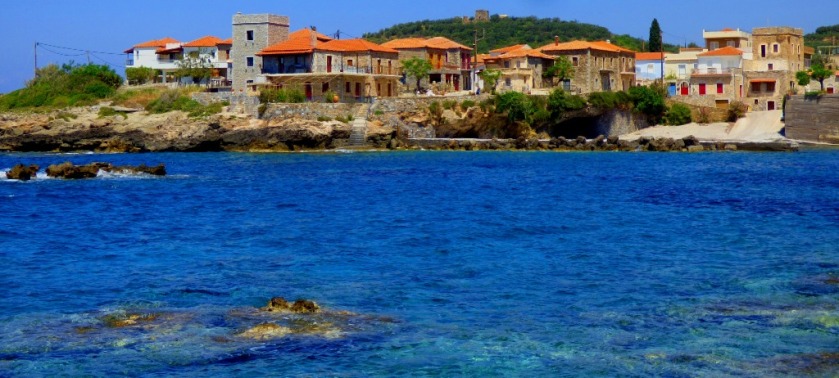
There were a few things to be done in Kardamili, including finding some sandals for me, and we decided havuing finished there to make the journey to Trachila, which is at the end of one of the roads beyond the resort town of Stoupa (the other, the main road, goes up into the mountains to Areopoli and then on into the inner Mani and down to very southern tip of mainland Greece). This was a pretty journey, and Trachila itself is very pleasant.
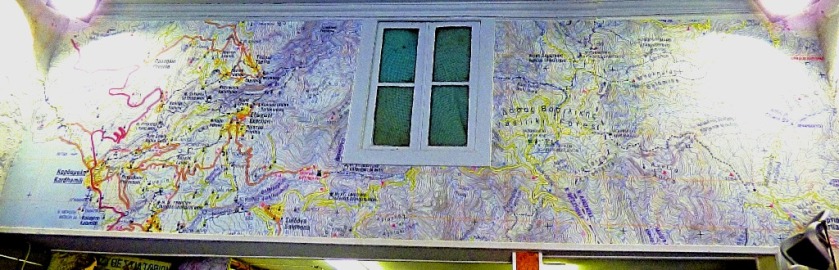
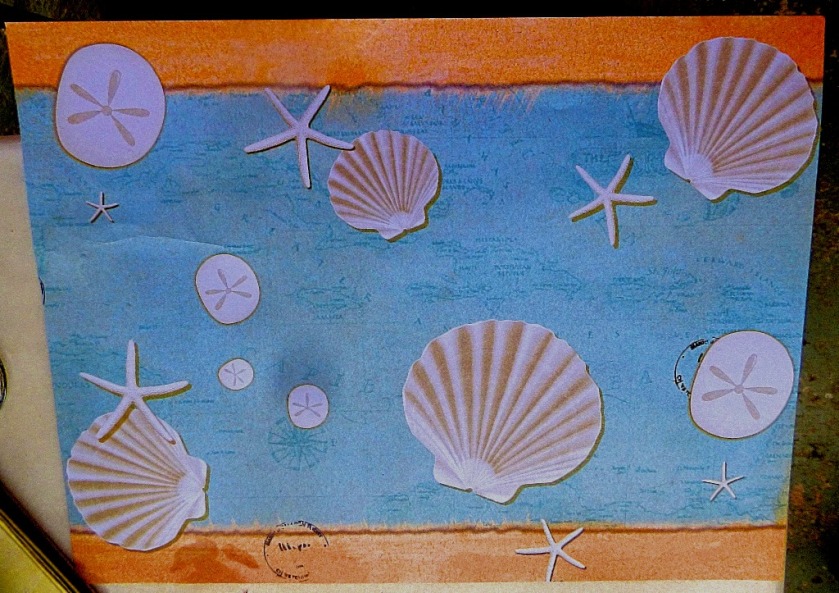
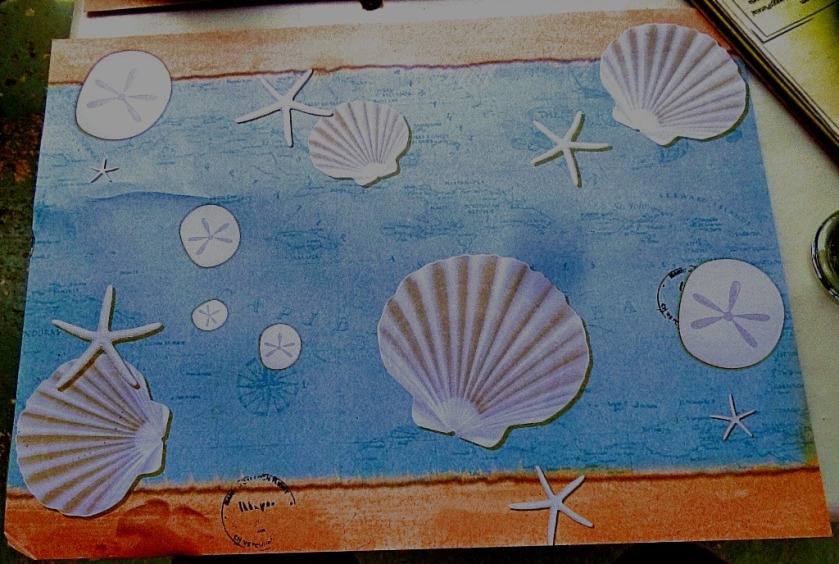
This map is part of the decoration of the shop from which my sandals came.
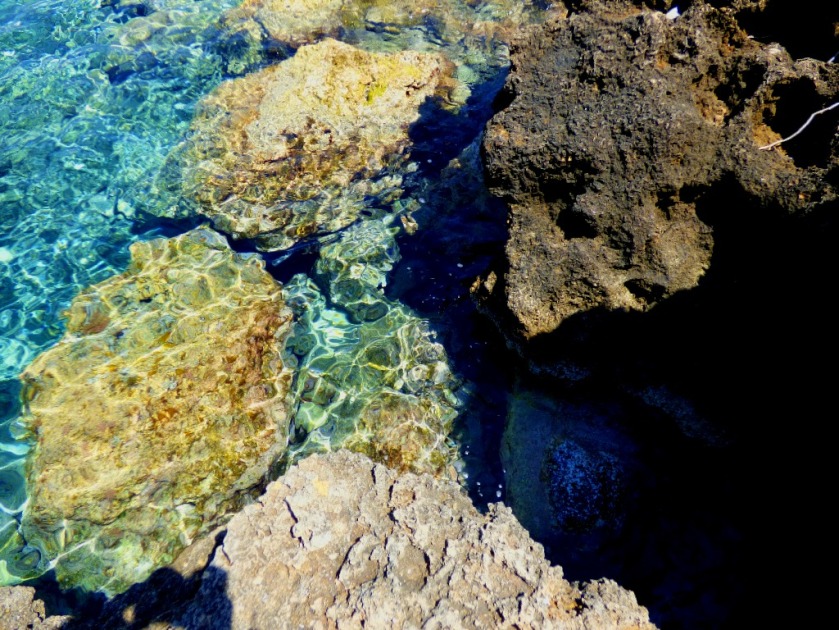
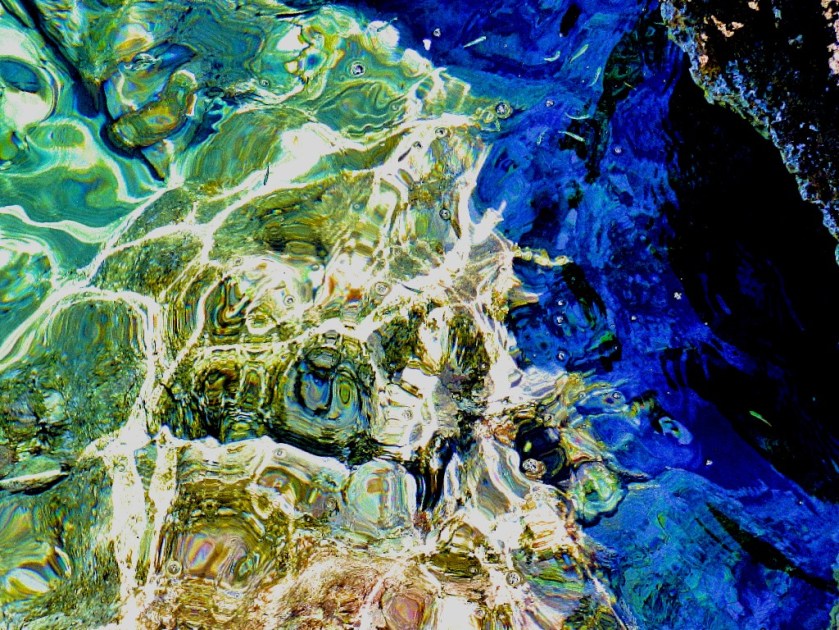
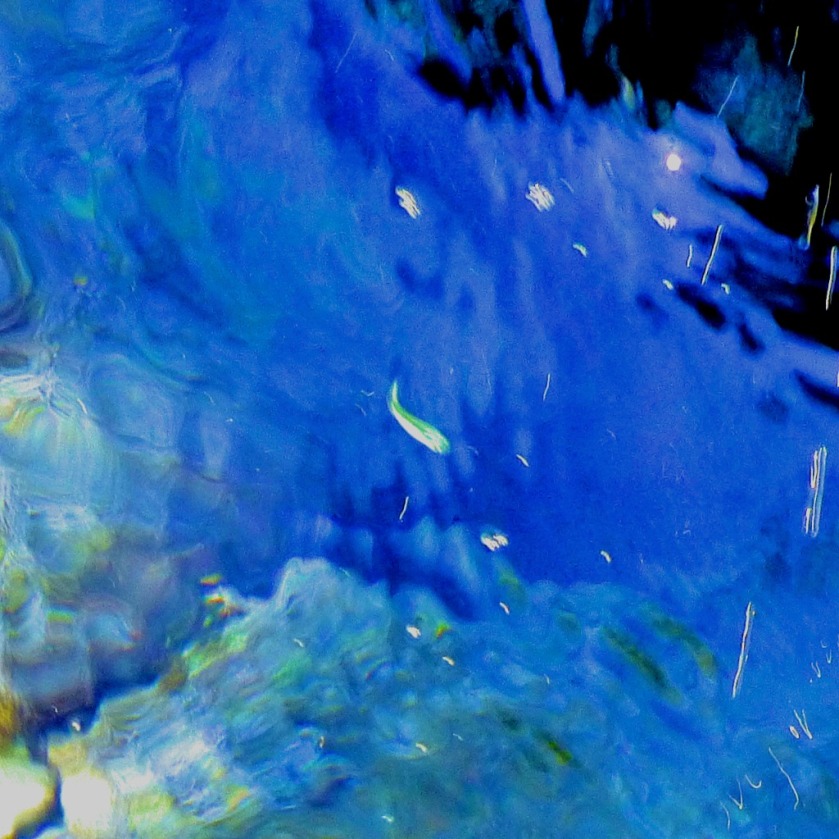
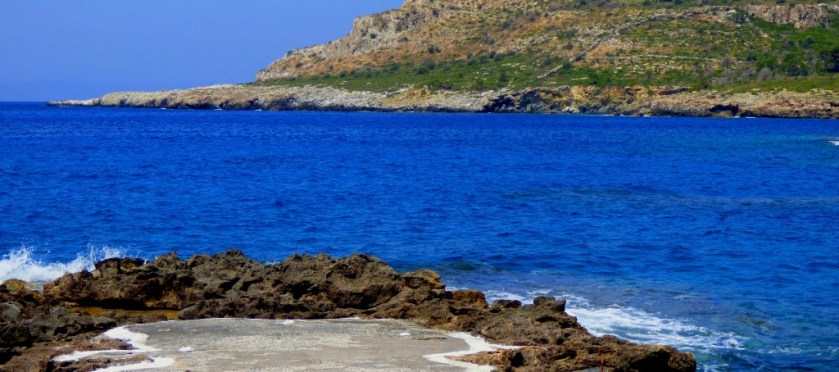
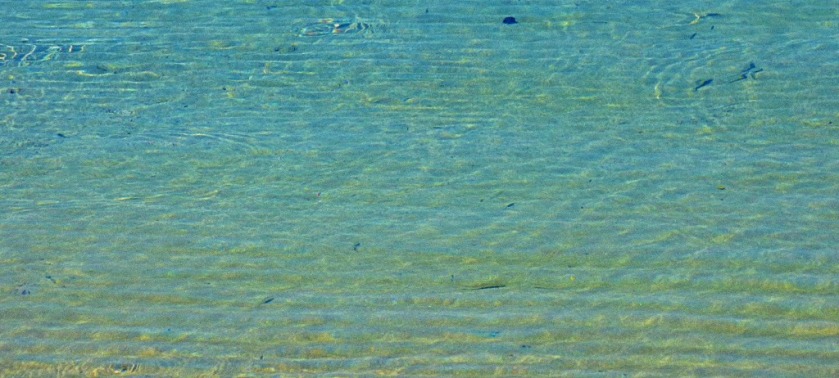
This is how I was able to get so close to the sea.
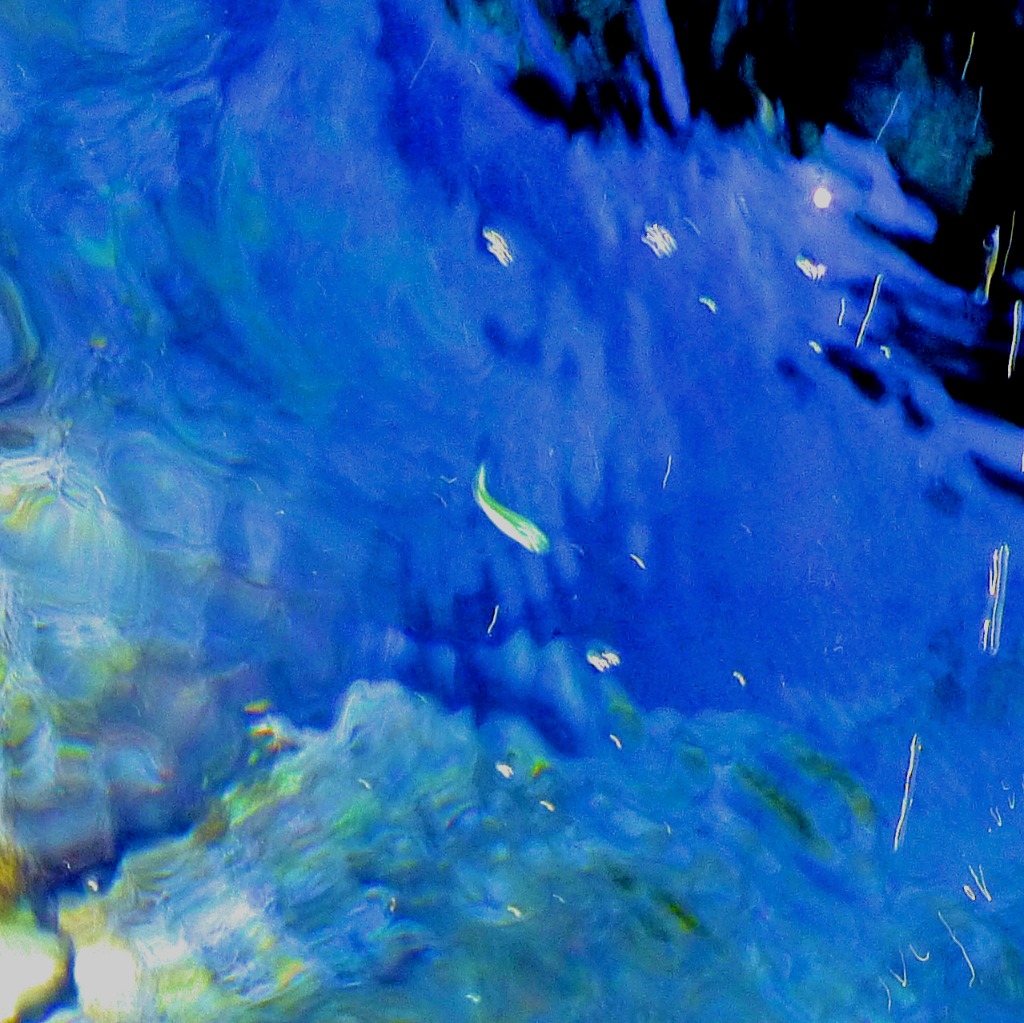
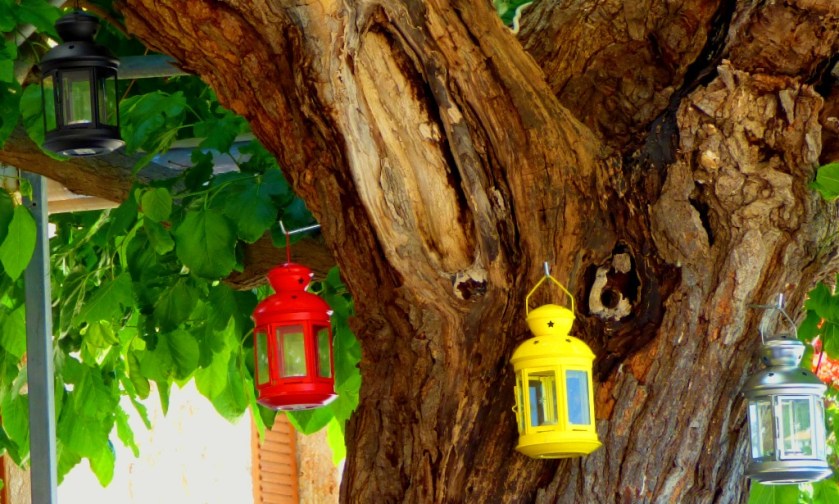
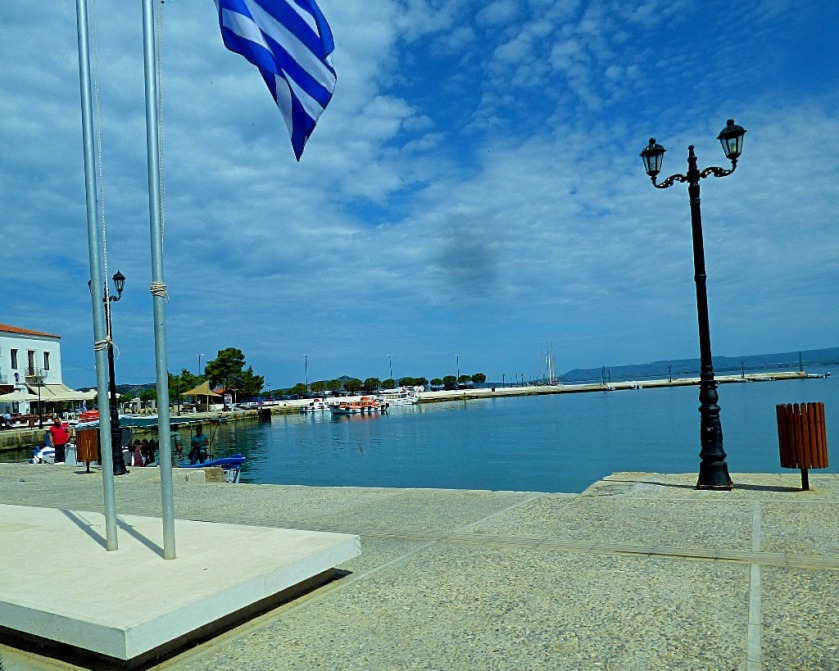
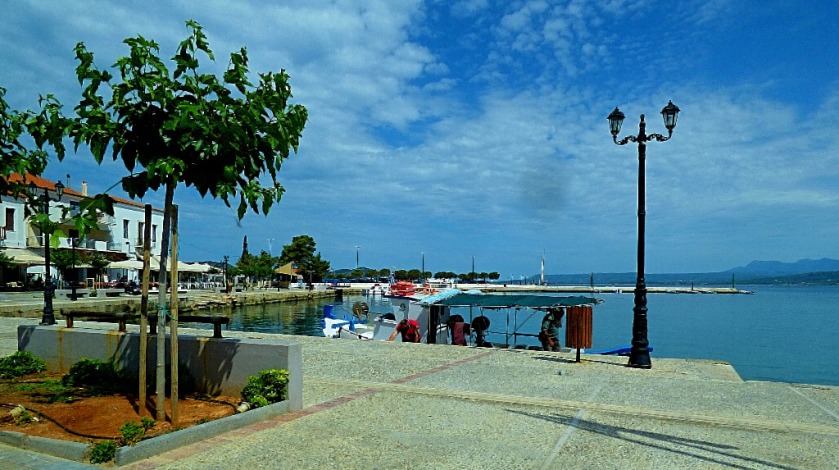
The sea at StoupaOn our way back we stopped at Akrouali’s in Stoupa for lunch – these lights were close to our table.
THURSDAY: STOUPA & AGIOS NIKOLAOS
On Thursday morning my mother was going to Stoupa for a “Stitch ‘n’ Bitch” session at Patriko’s, while I made use of their internet connection. Then we were going to walk along the sea-front to the village of Agios Nikolaos, have a light lunch at an establishment there that my parents knew, and then walk back to Stoupa before heading back to Tseria. This was deliberately a day on which we did not go on any major journeys as major excursions were happening on Wednesday and Friday.
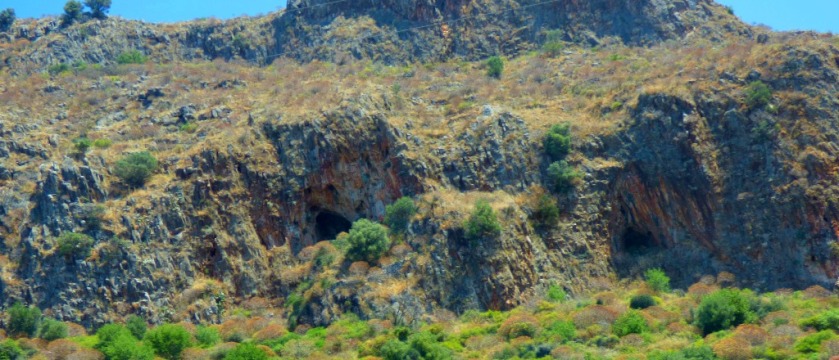
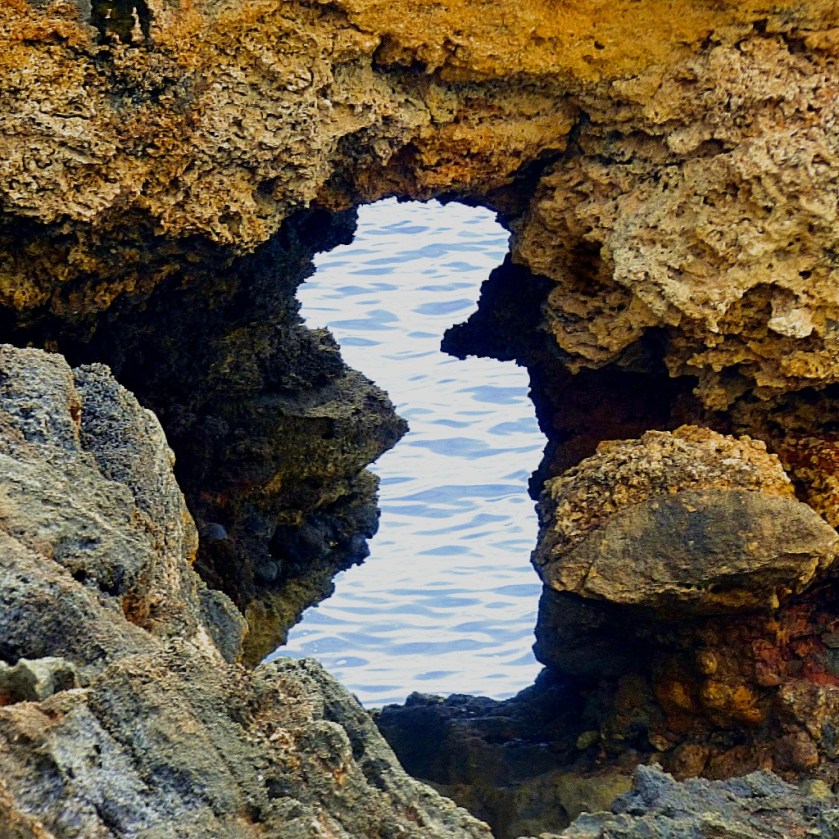
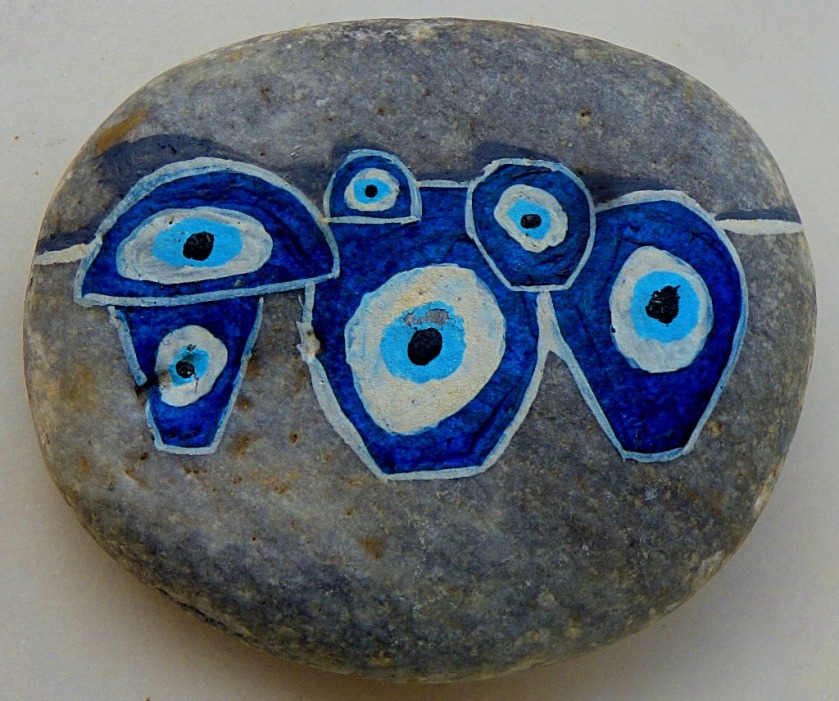
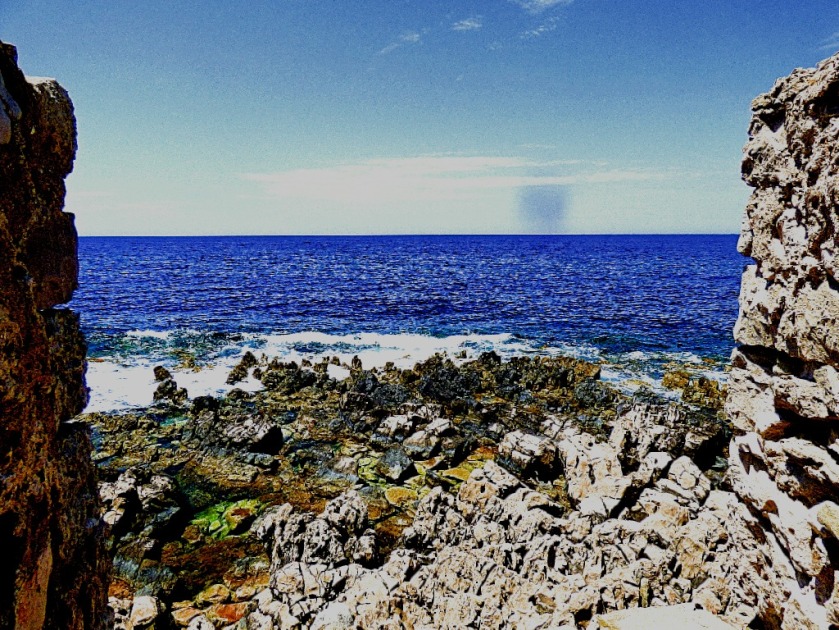
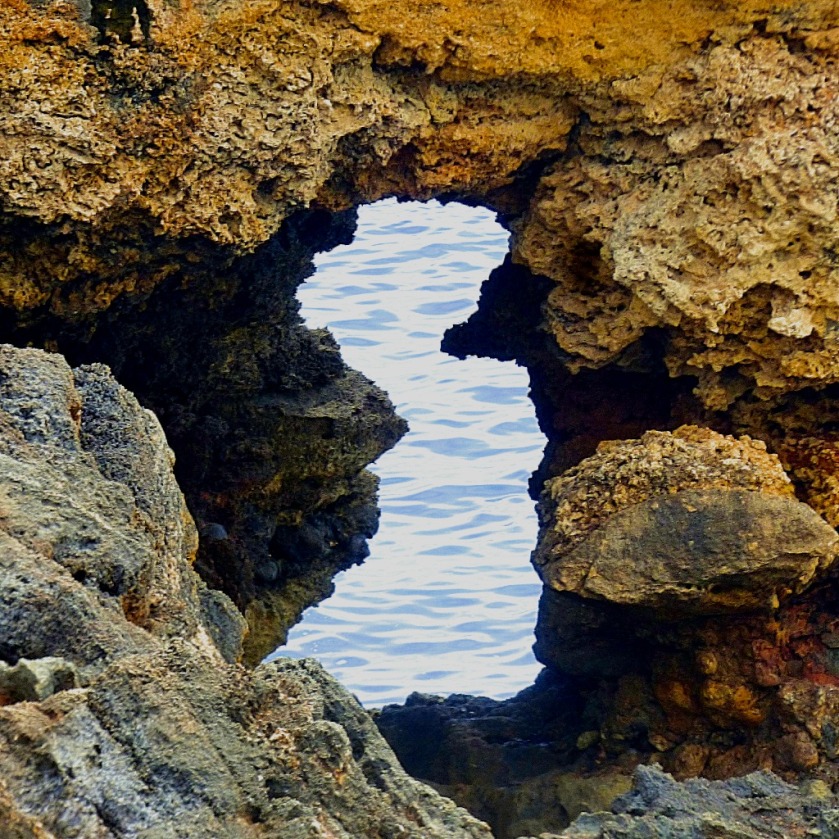
A natural window in the rocks, between Stoupa and Agios NikolaosA painted stone used as a table decoration at the place where we had lunch.
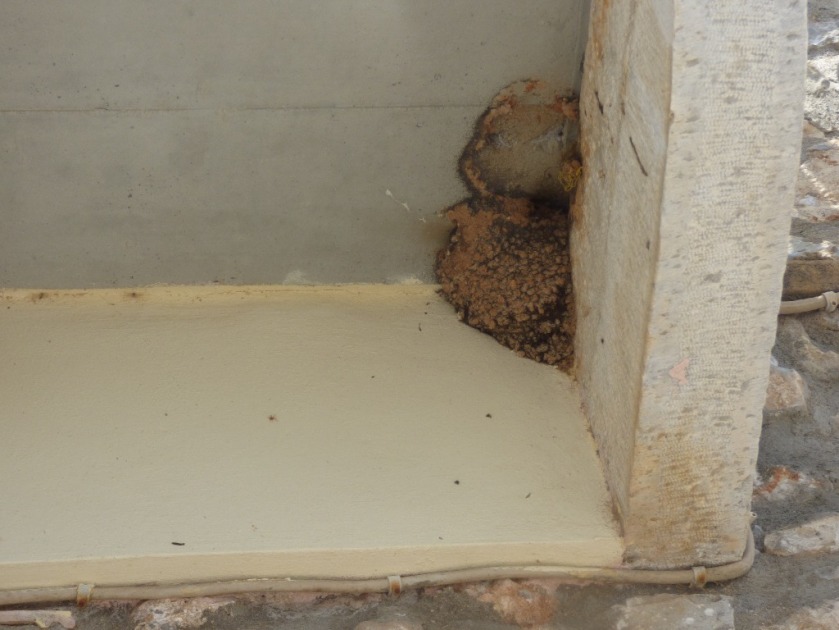
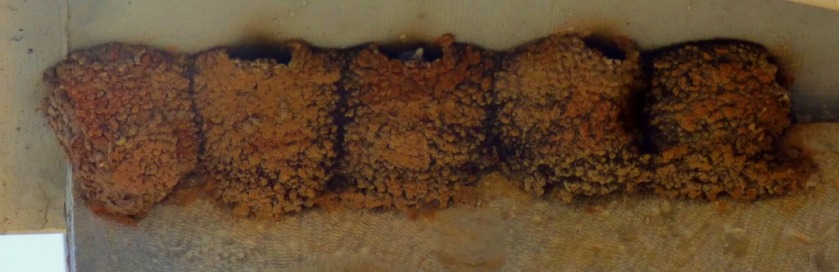
Two shots of house martin nests in Agios Nikolaos
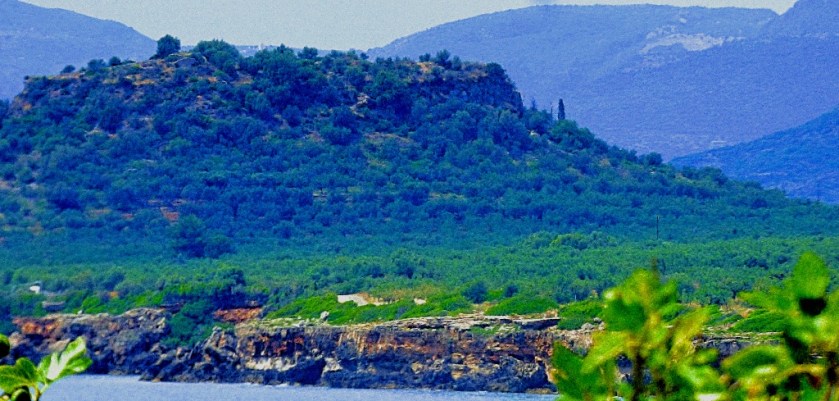
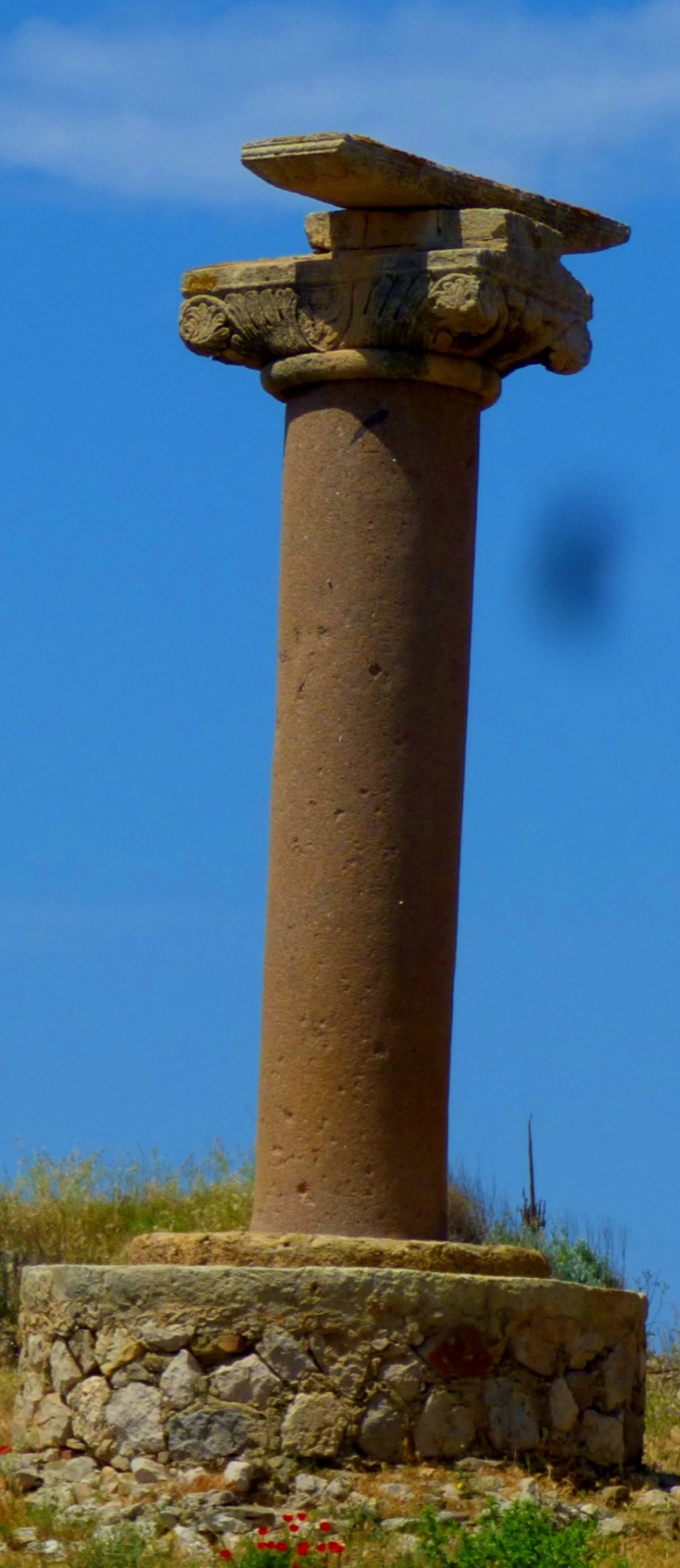
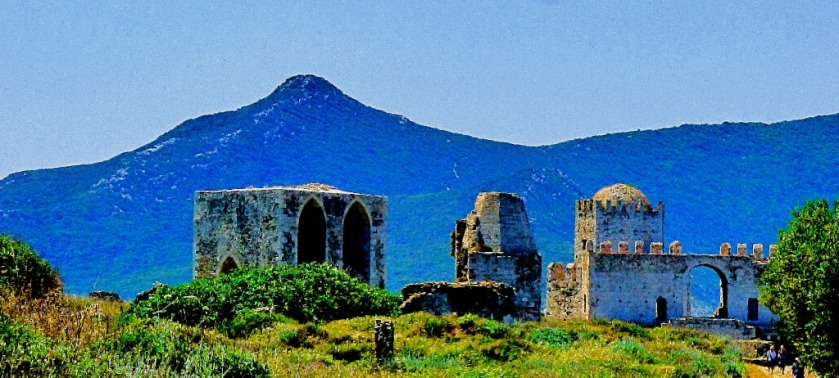
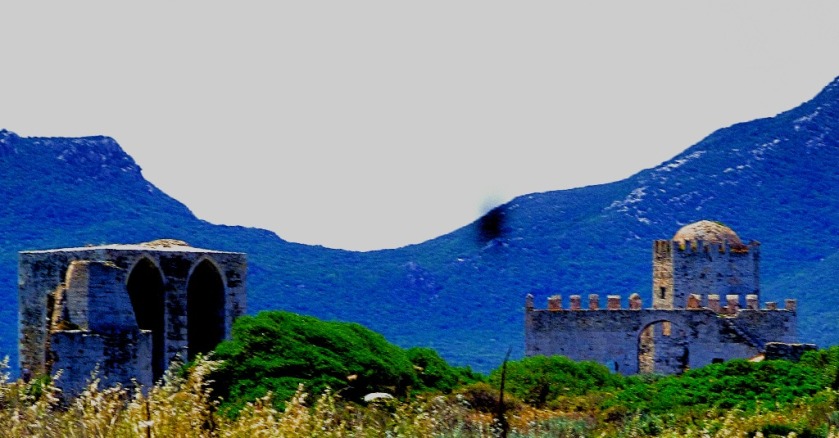
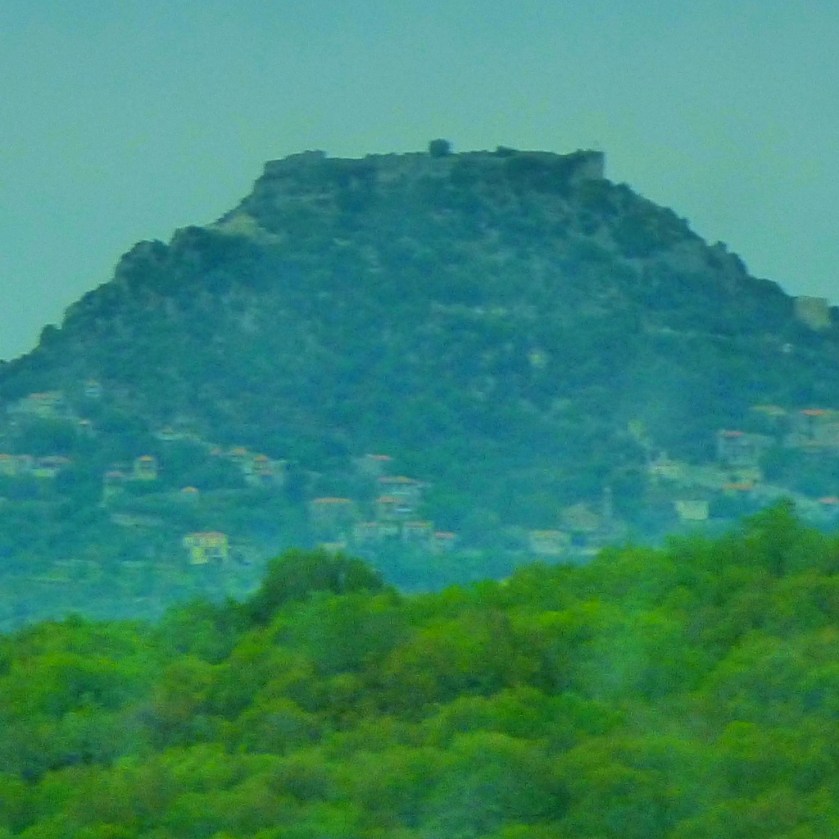
A shot of a house martin visiting the nest to deliver food to chicks concealed within.Not much remains of the 13th century Frankish castle which stood on this flat topped hill.
Through a combination of work commitments and still having large numbers of photos to edit it has been a while since I posted, so just to remind people I was in Greece from May 12th to May 19th, and have so far produced five posts relating to that holiday:
Aperiftif – setting the scene for subseqent posts going into more detail about the holiday and various aspects thereof.
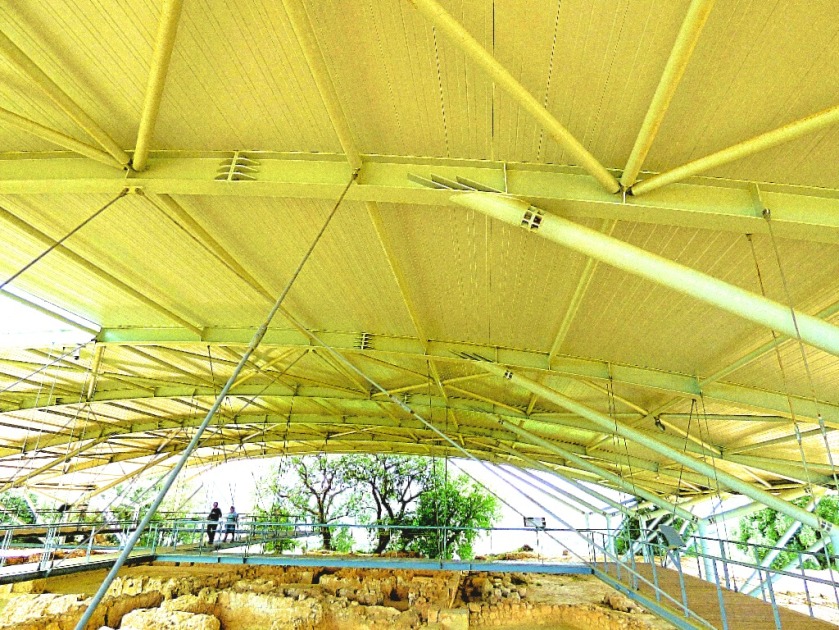
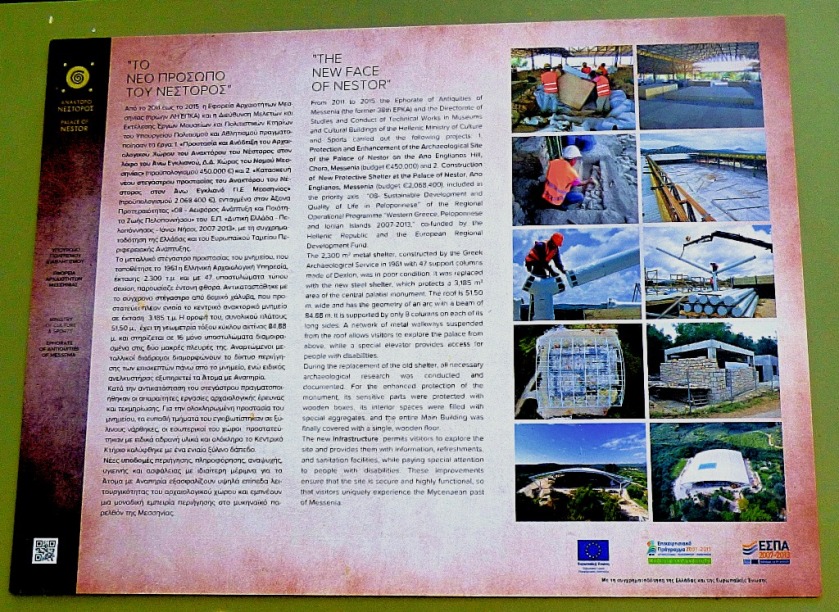
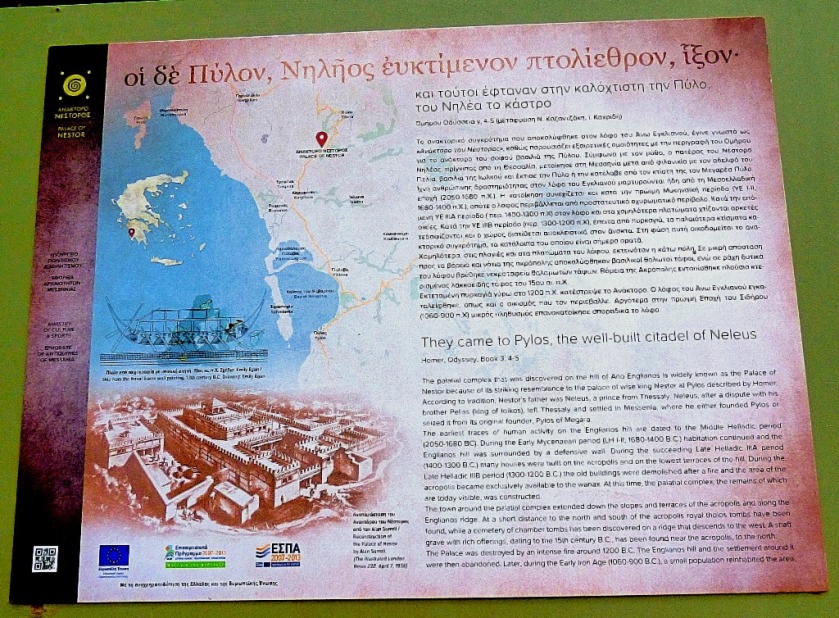
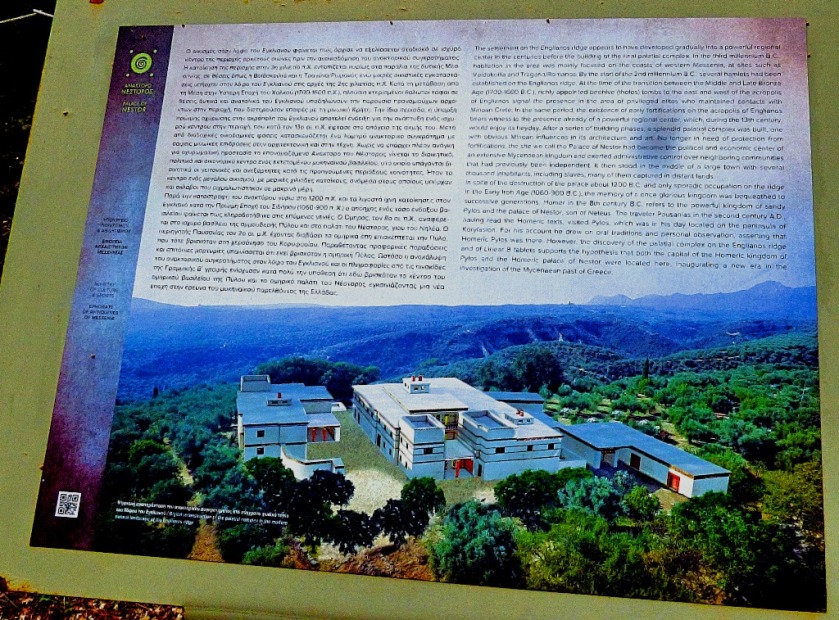
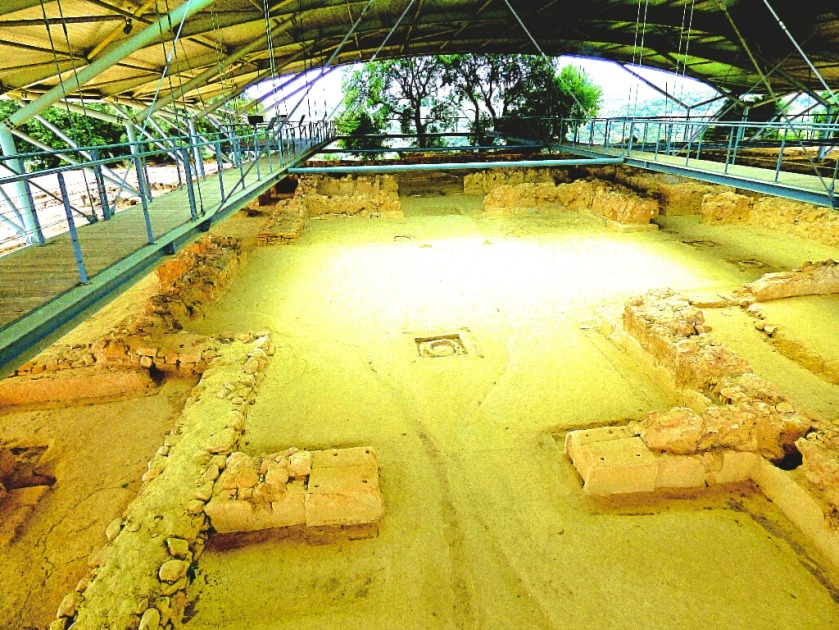
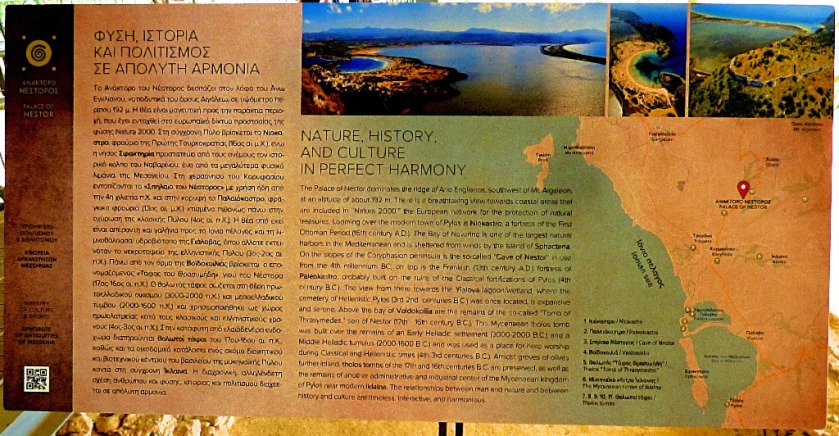
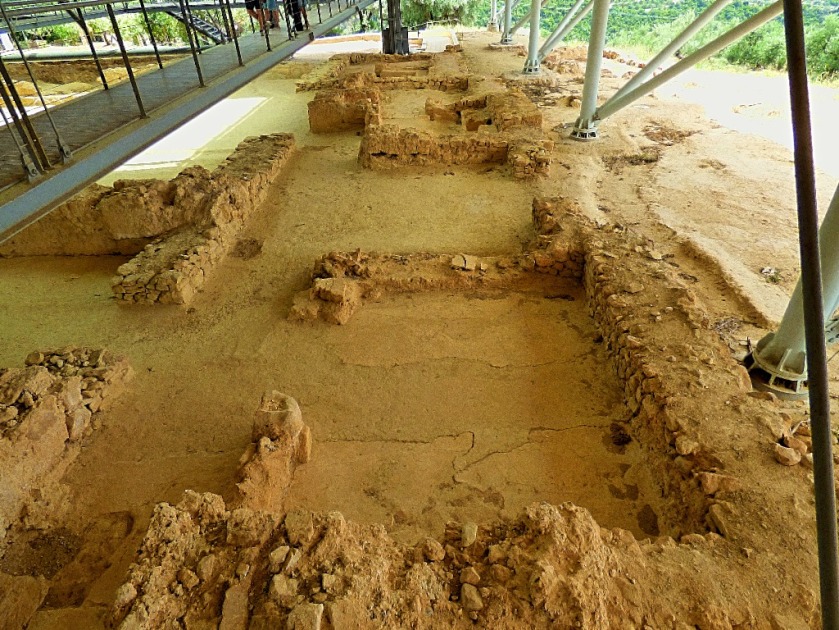
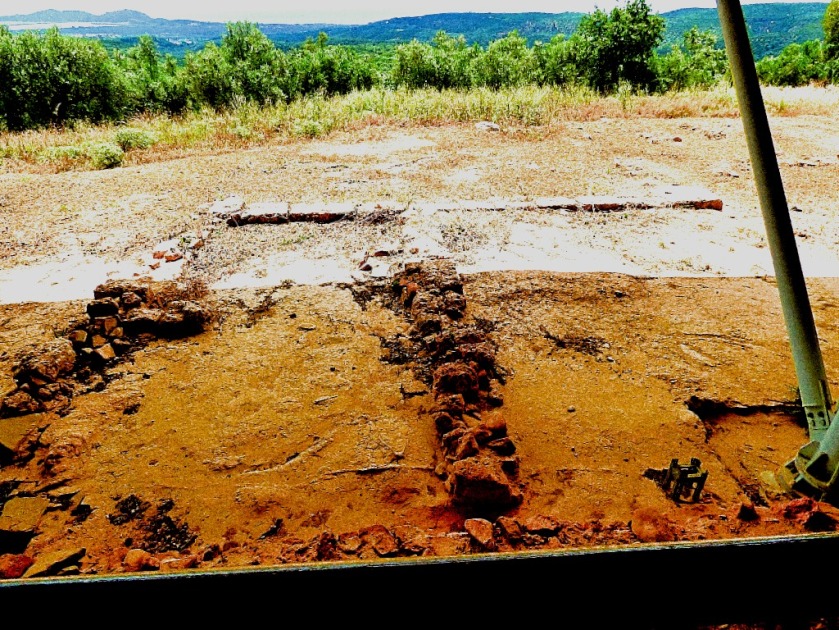
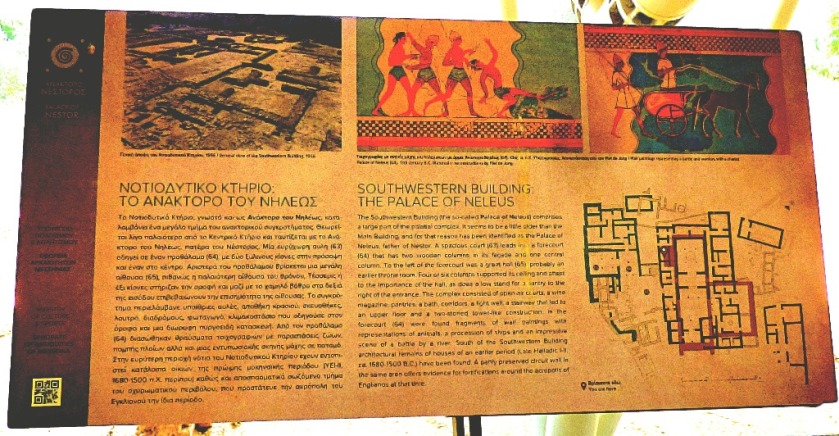
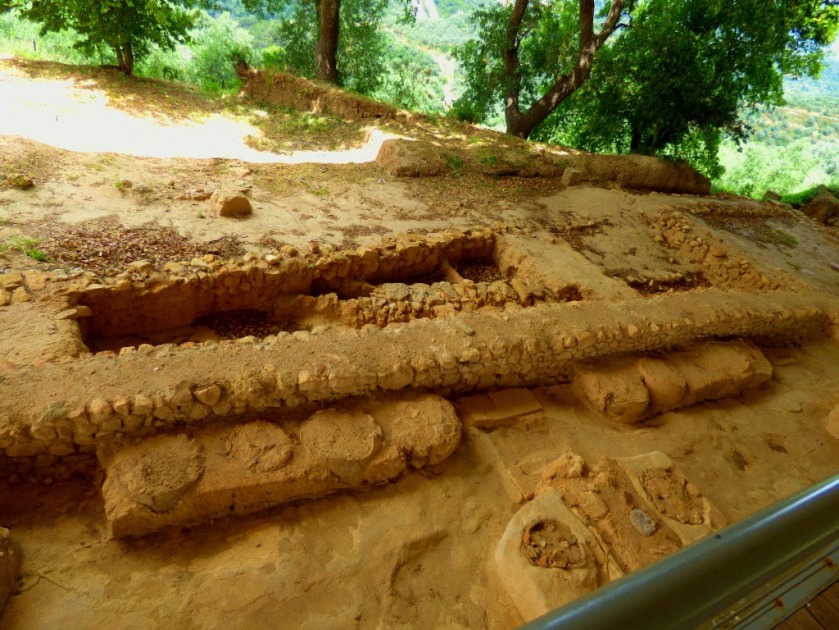
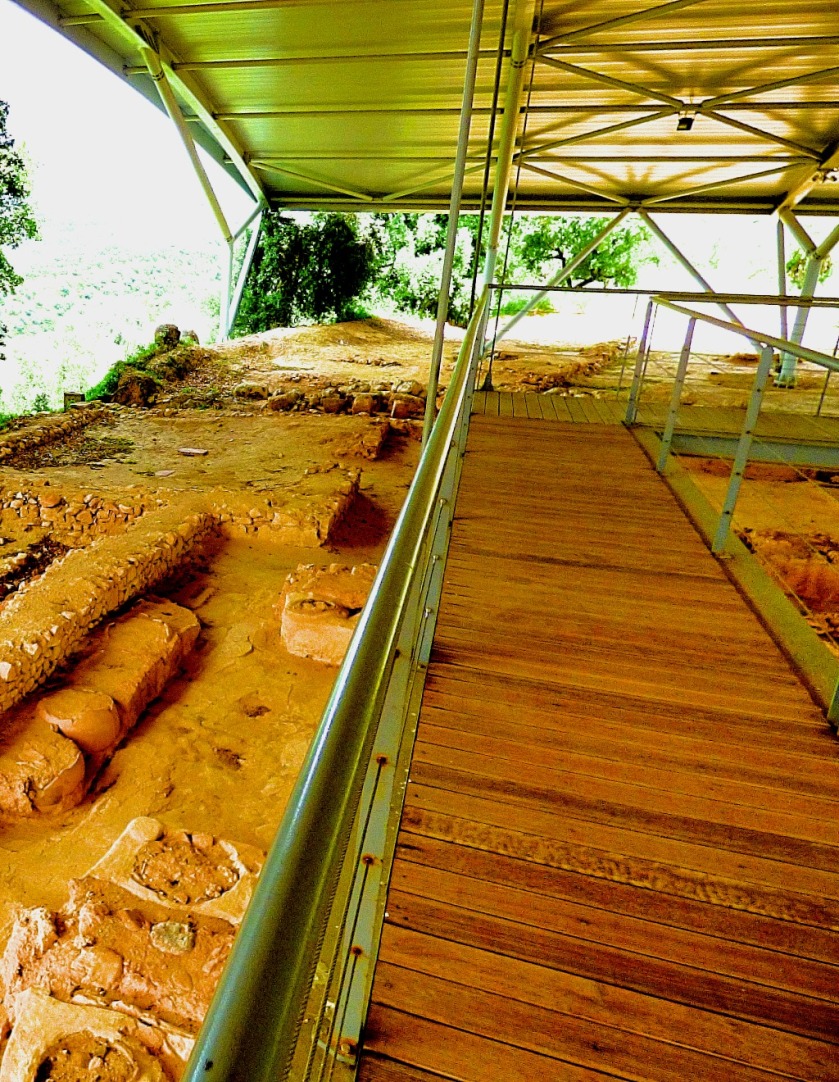
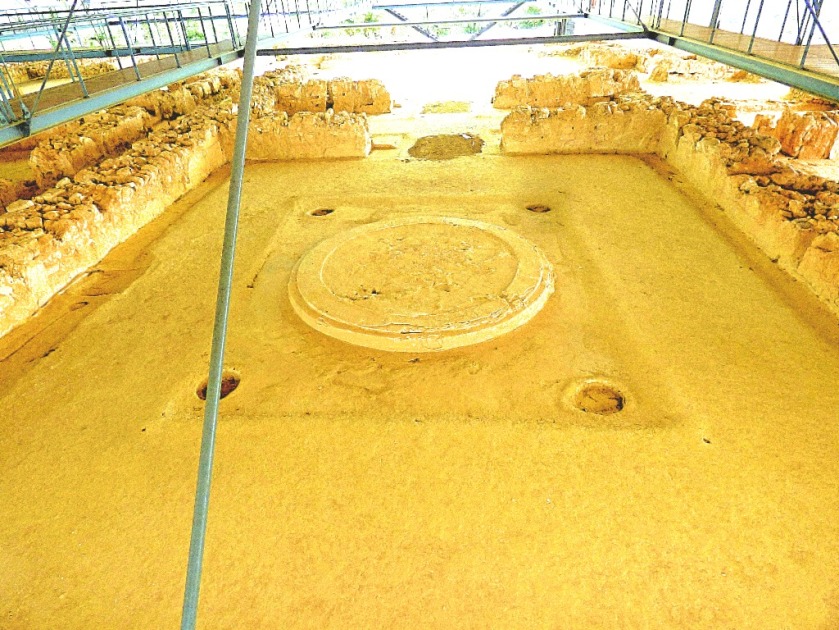
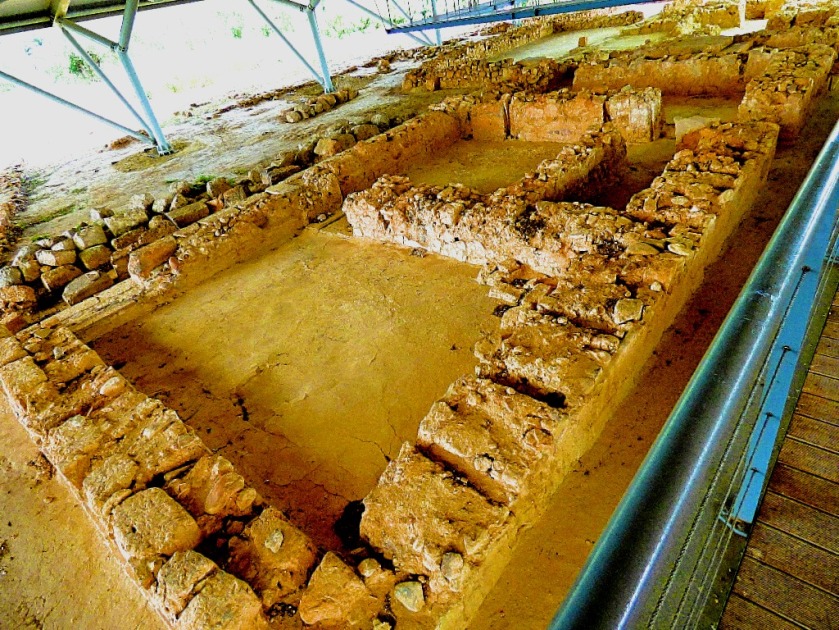
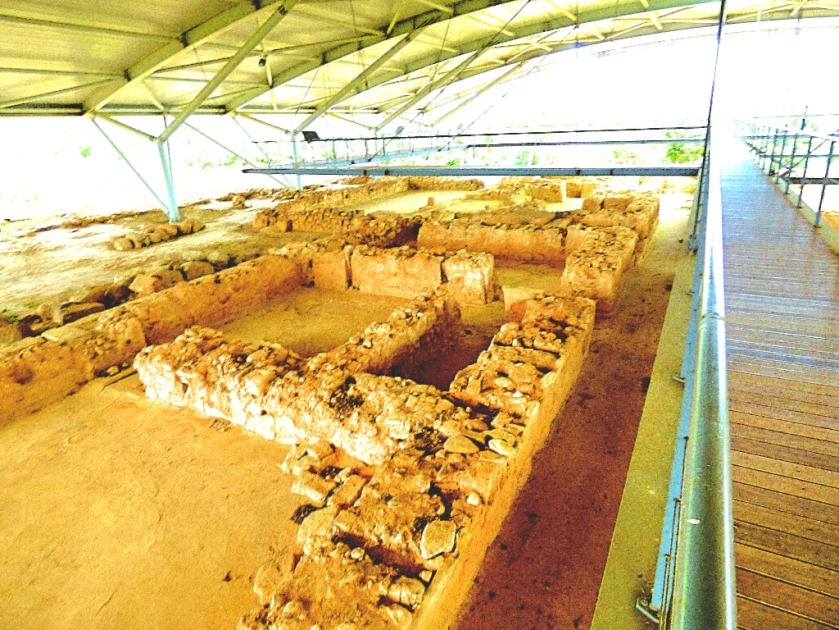
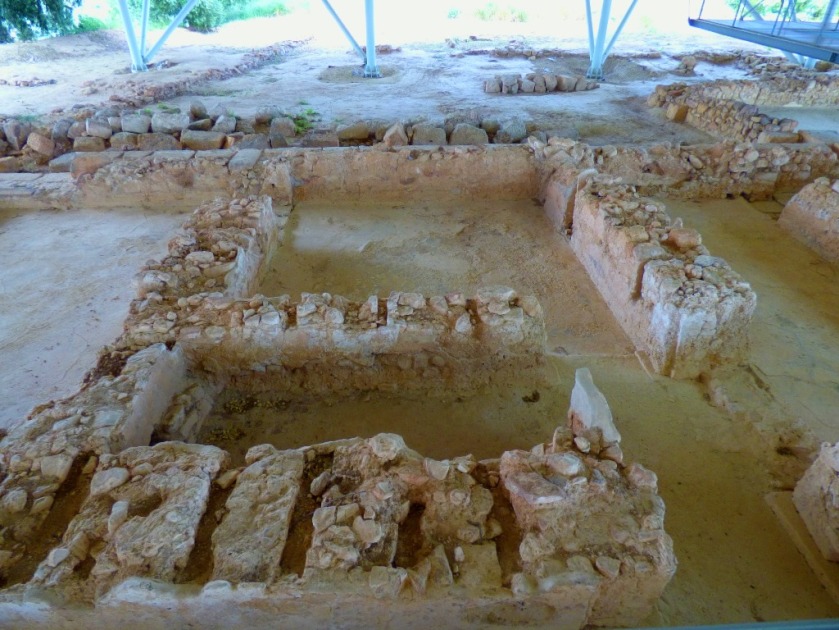
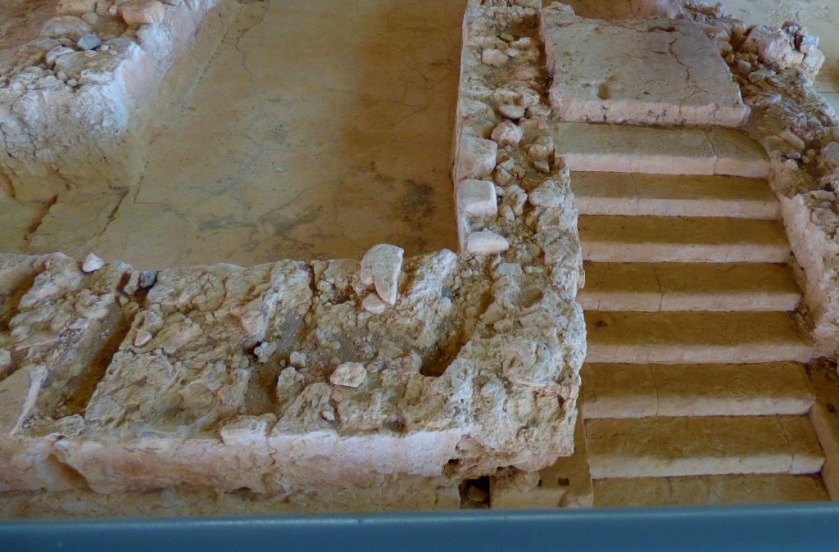
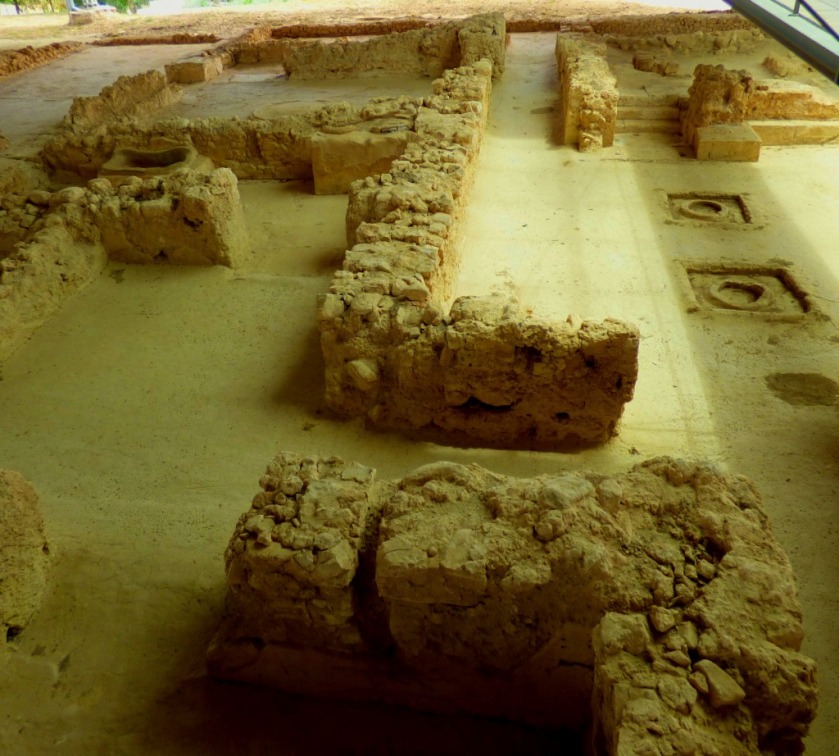
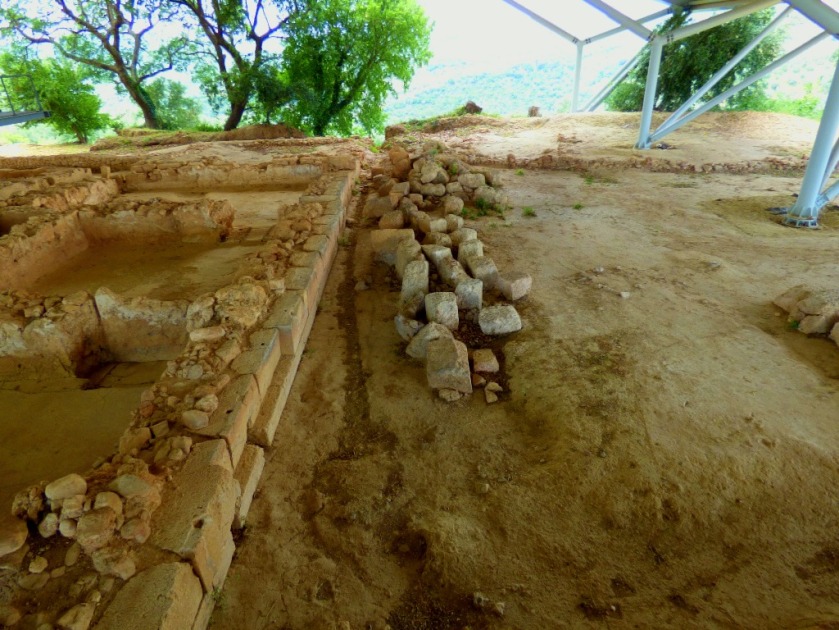
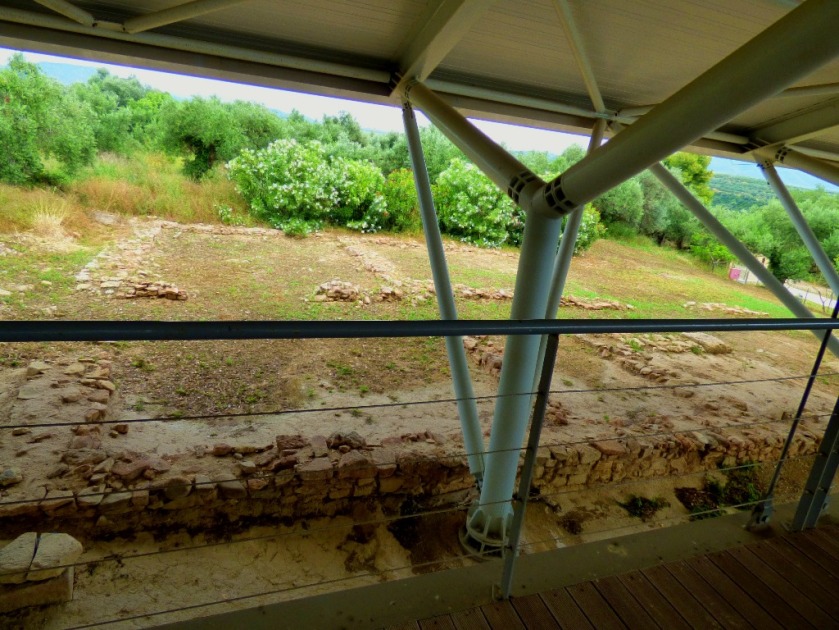
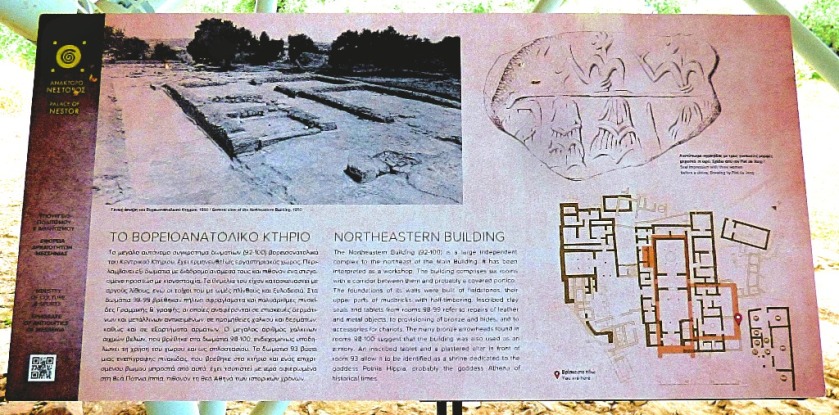
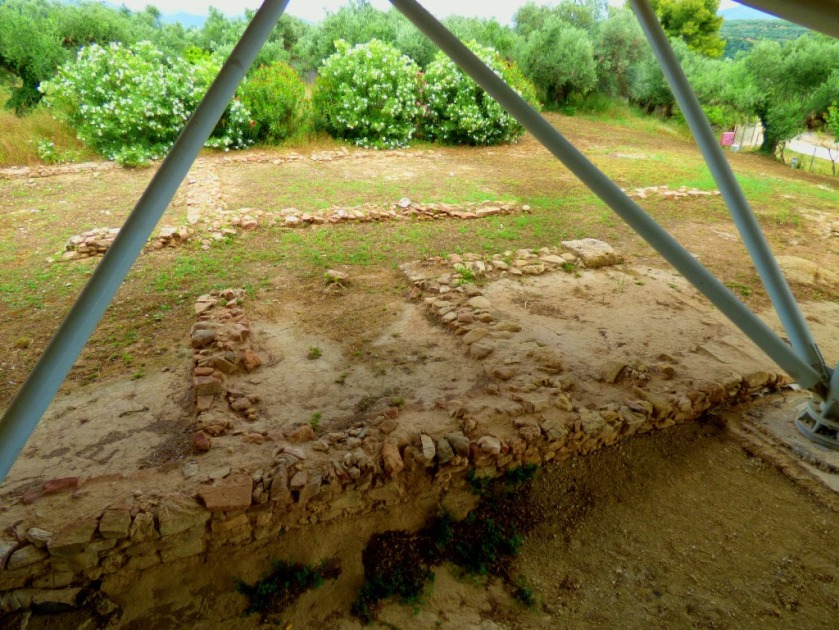
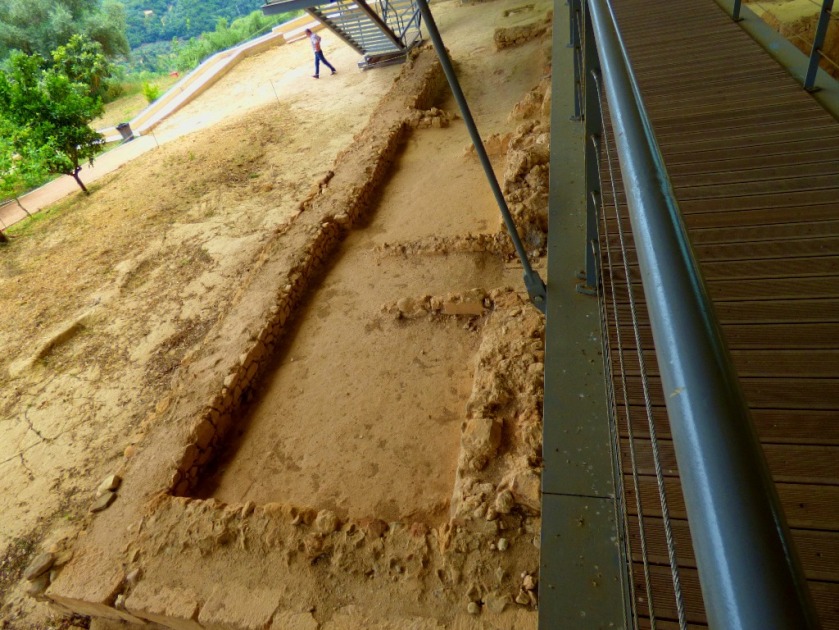
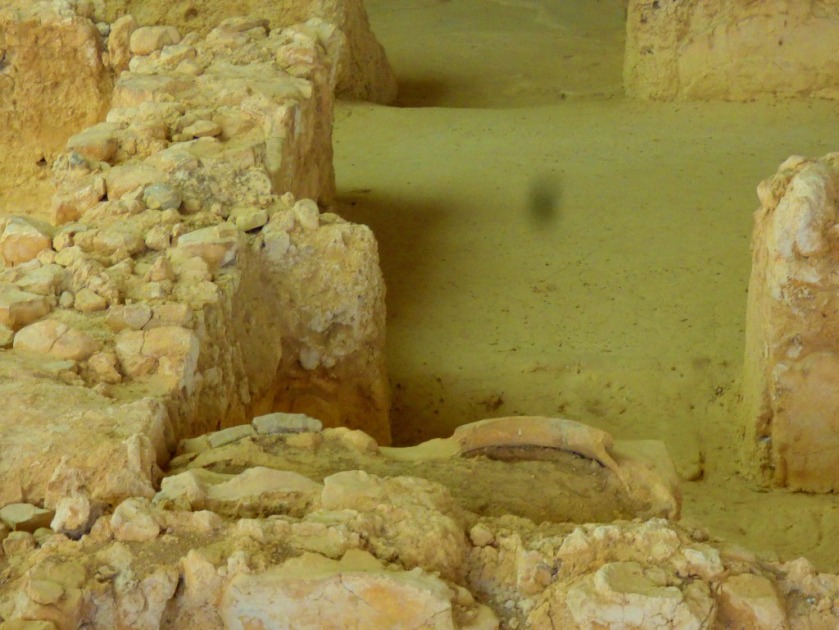
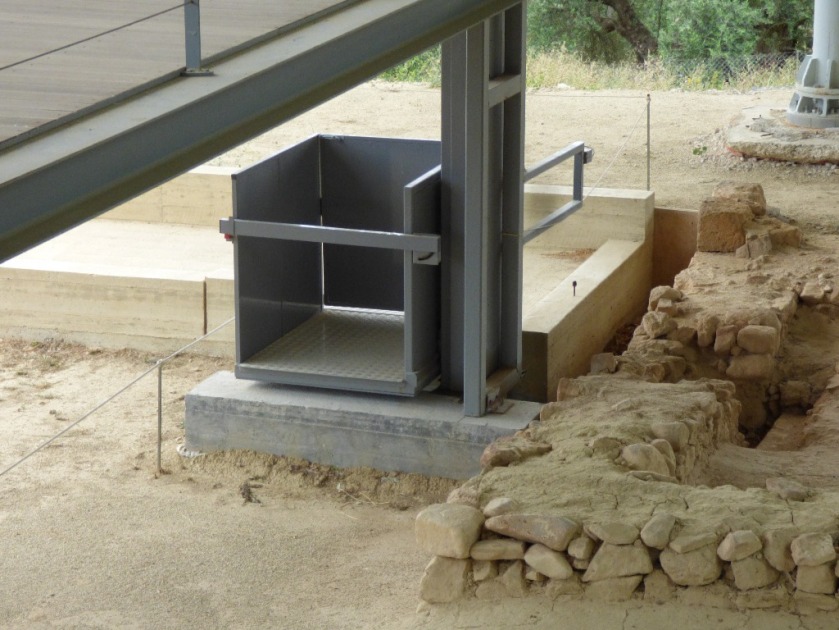
Whereas nothing at Methoni is above 800 years old, and most of it is around half that age (making it a youngster in terms of Greek sites) Nestor’s Palace at Pylos (about 15 kilometres from the modern town of that name) was in its pomp 3,300 years ago or thereabouts, which means that even by Greek standards it counts as old (although Gortyn on the island of Crete is about twice as old as even this). In an effort to preserve these remains a shelter has been built around the site, and part of this structure is a raised walkway from which visitors view the site – no walking round at ground level these days.
NESTOR’S PALACE IN PICTURES
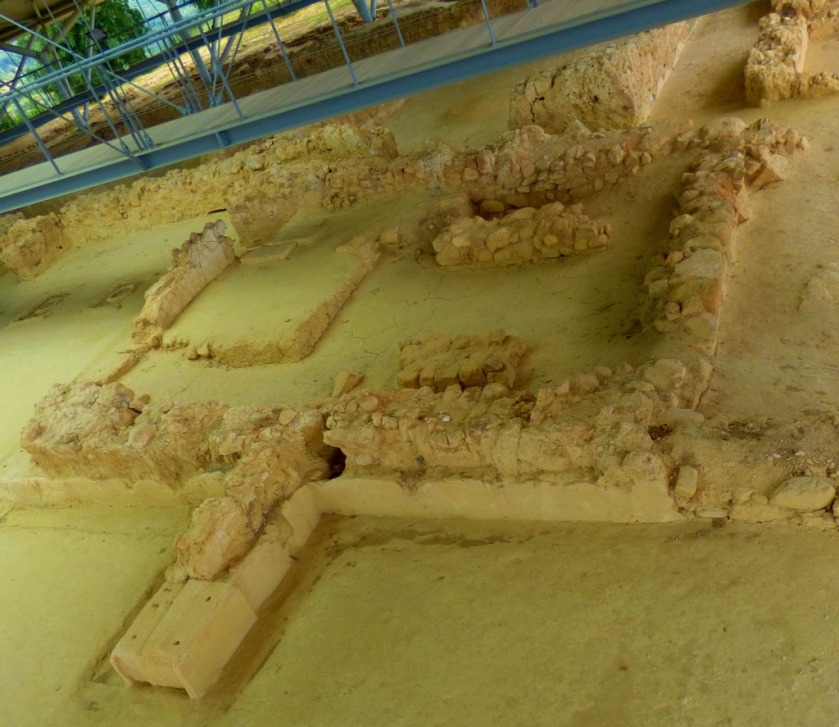
It is now time for the combination of my camera and photo-editing skills to take over and give you a virtual tour of Nestor’s Palace…
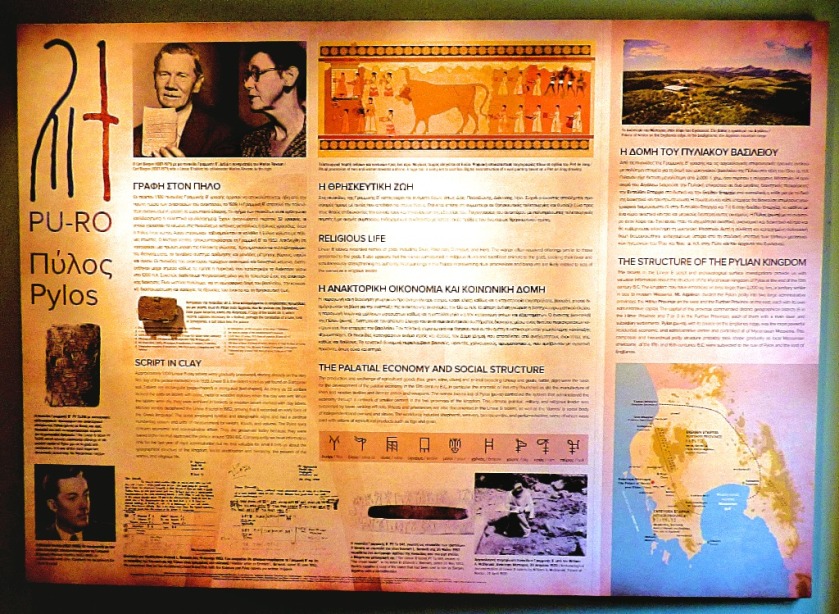
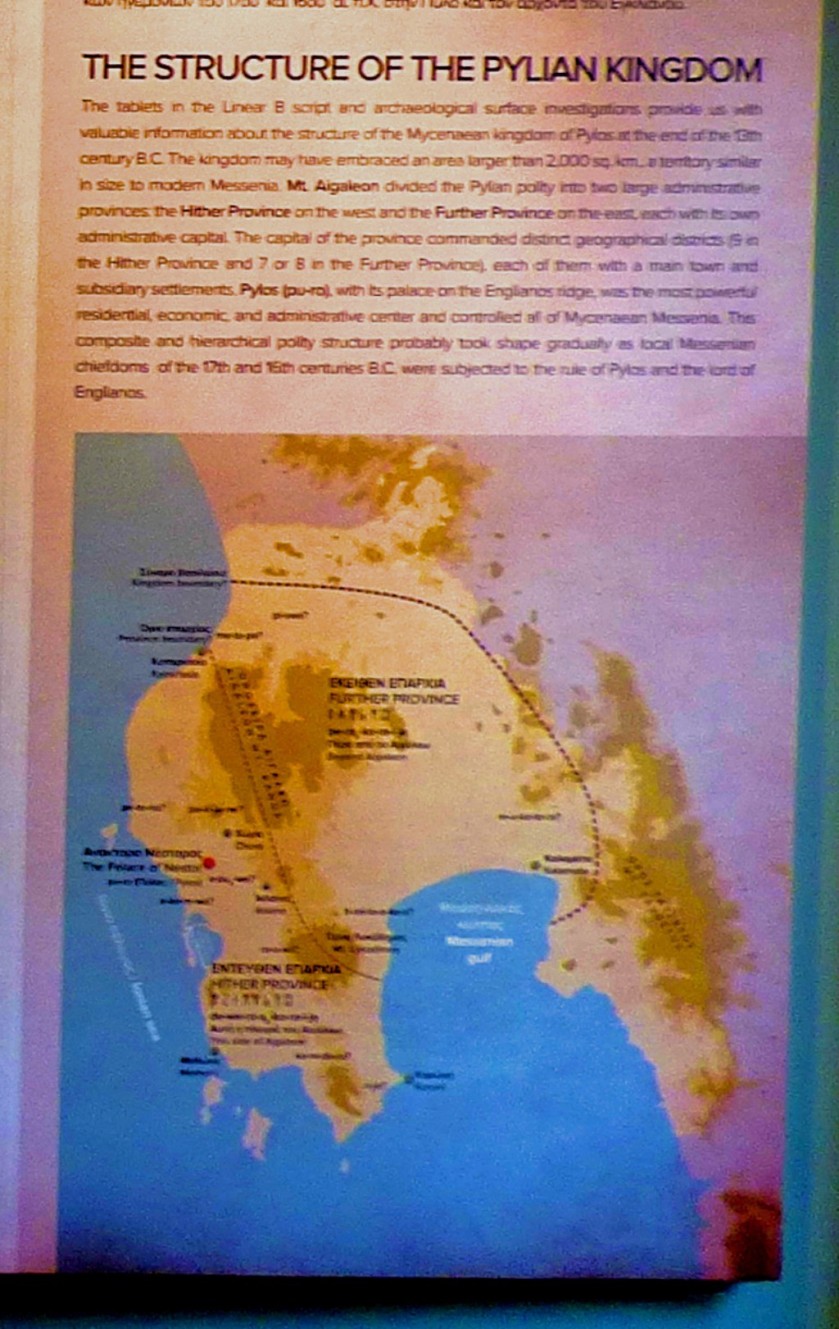
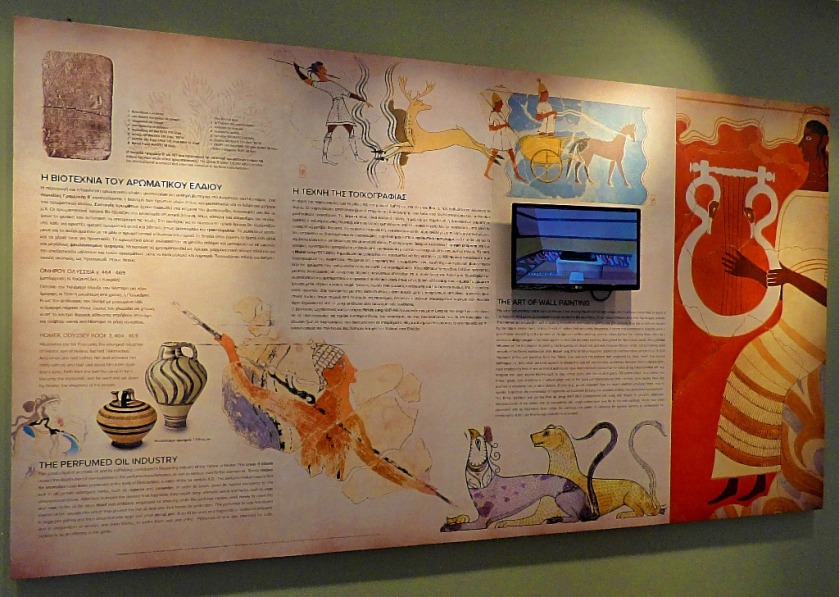
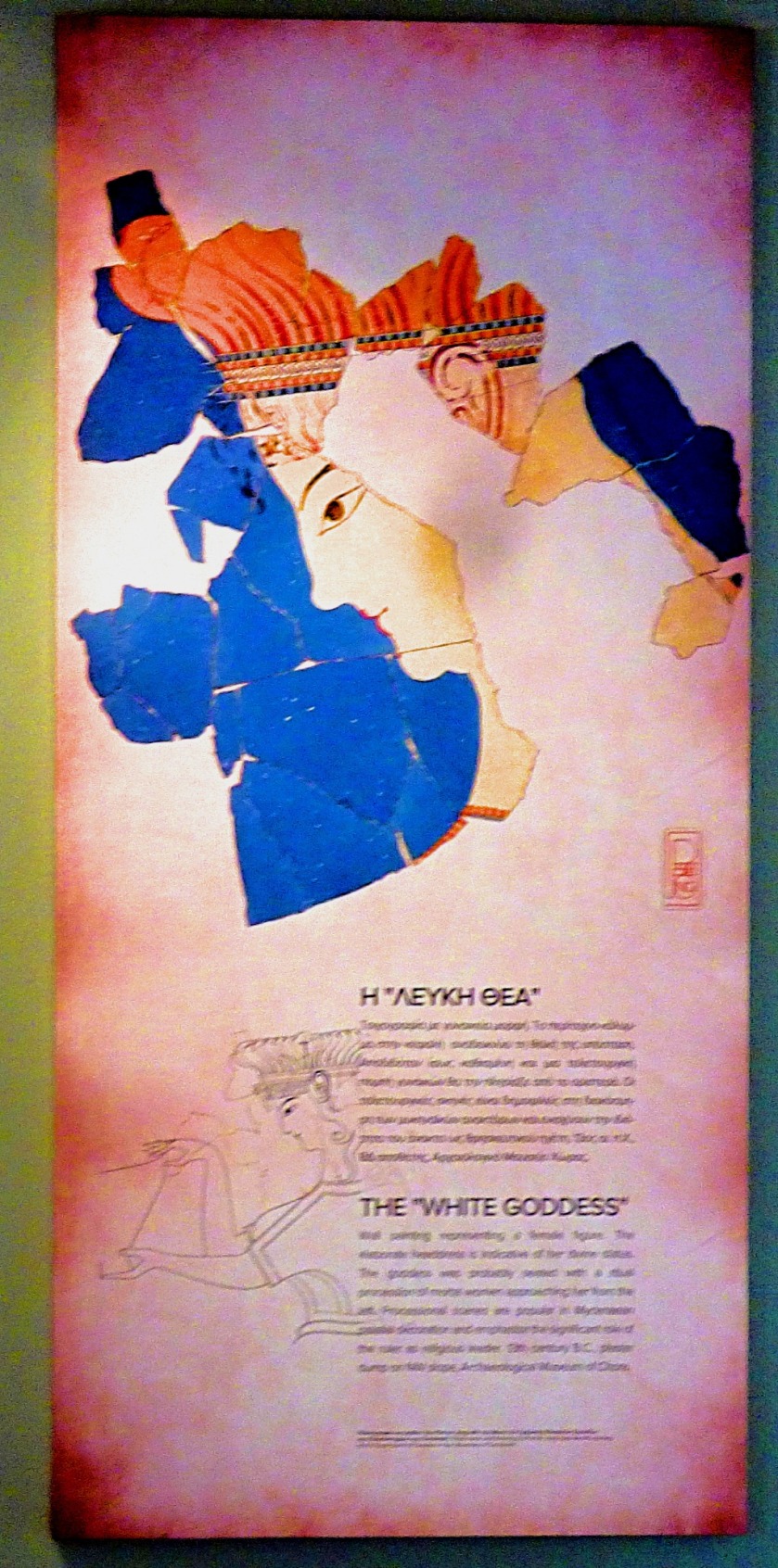
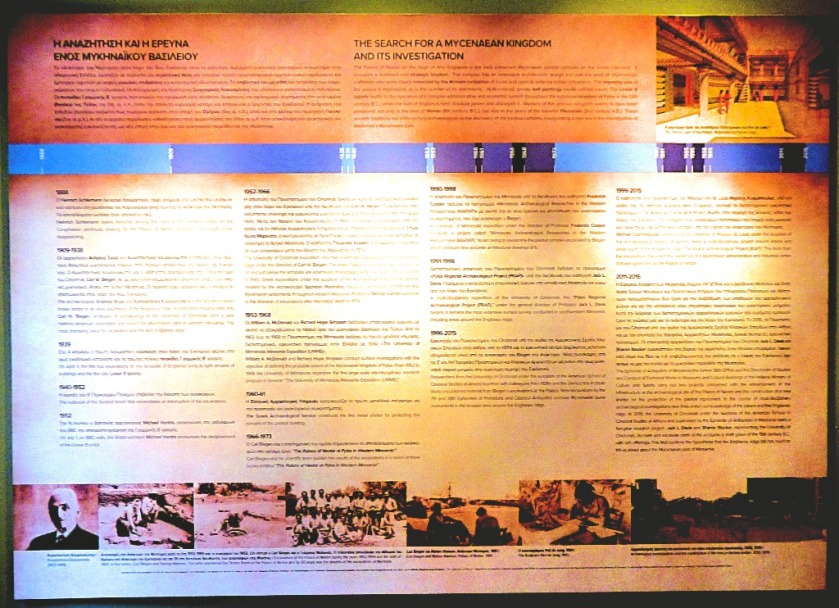
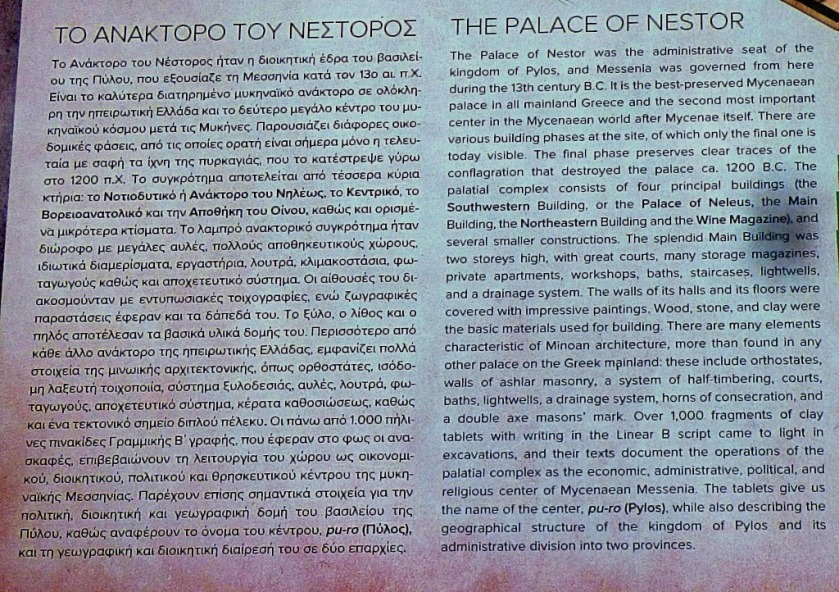
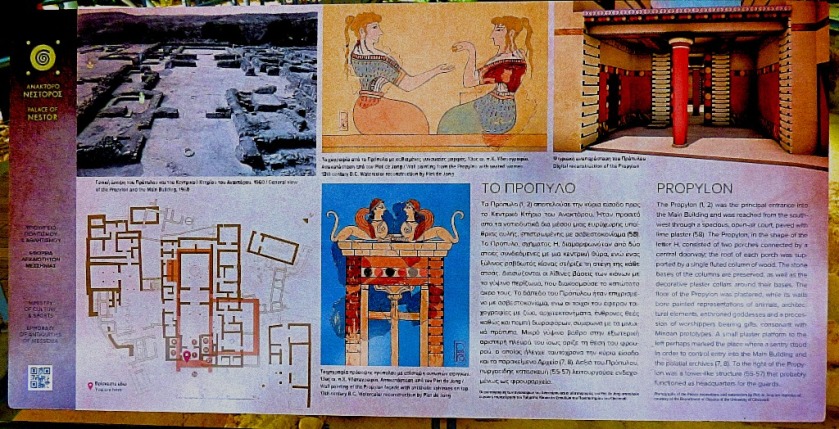
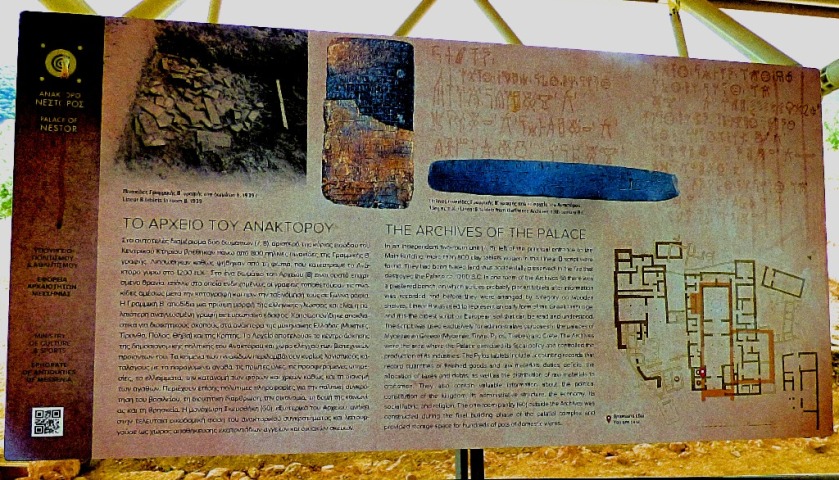
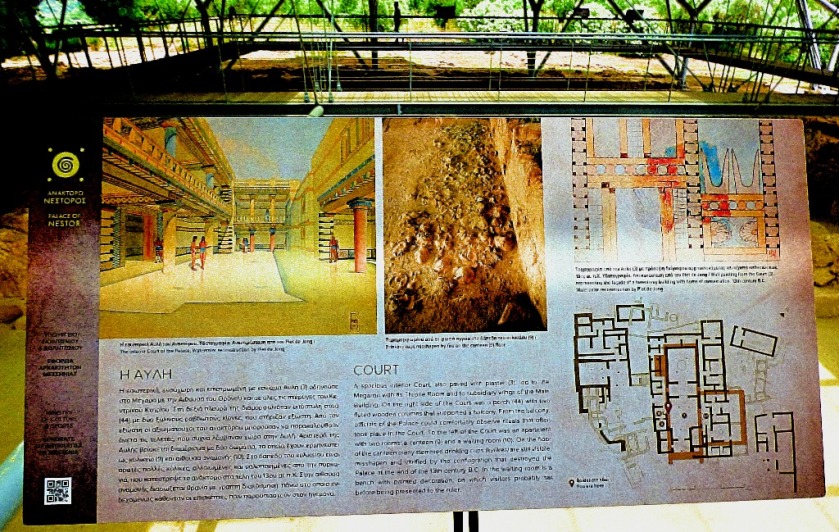
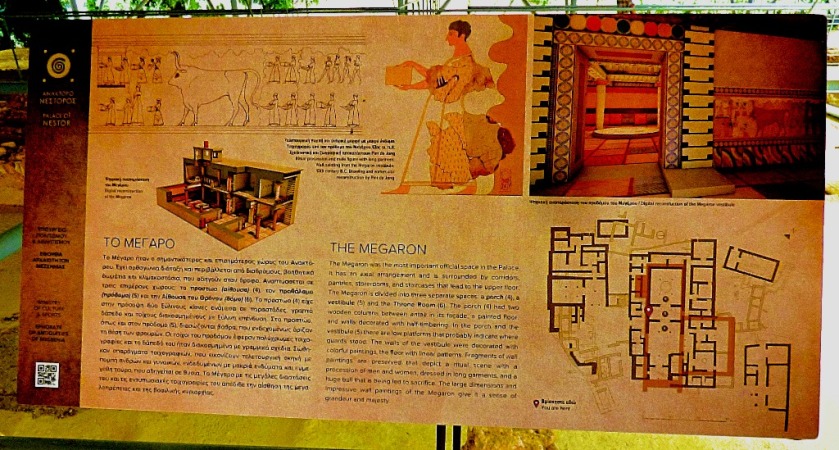
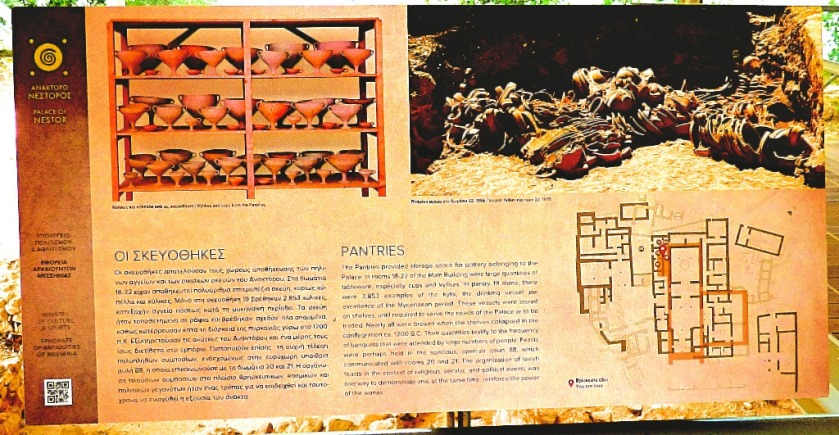
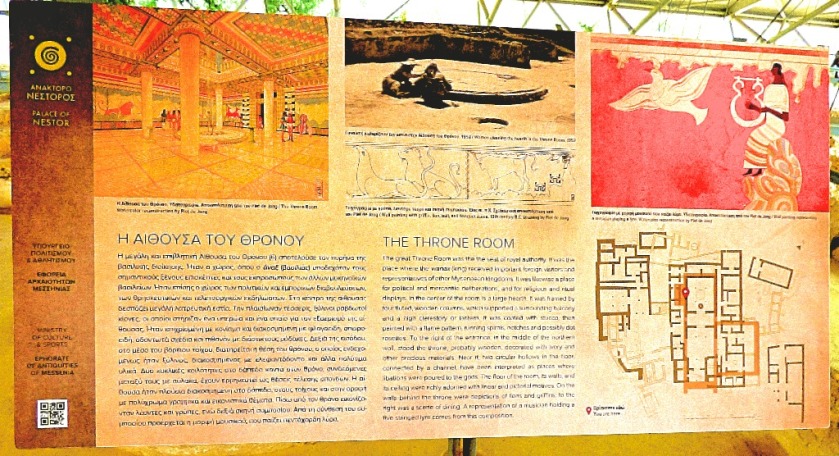
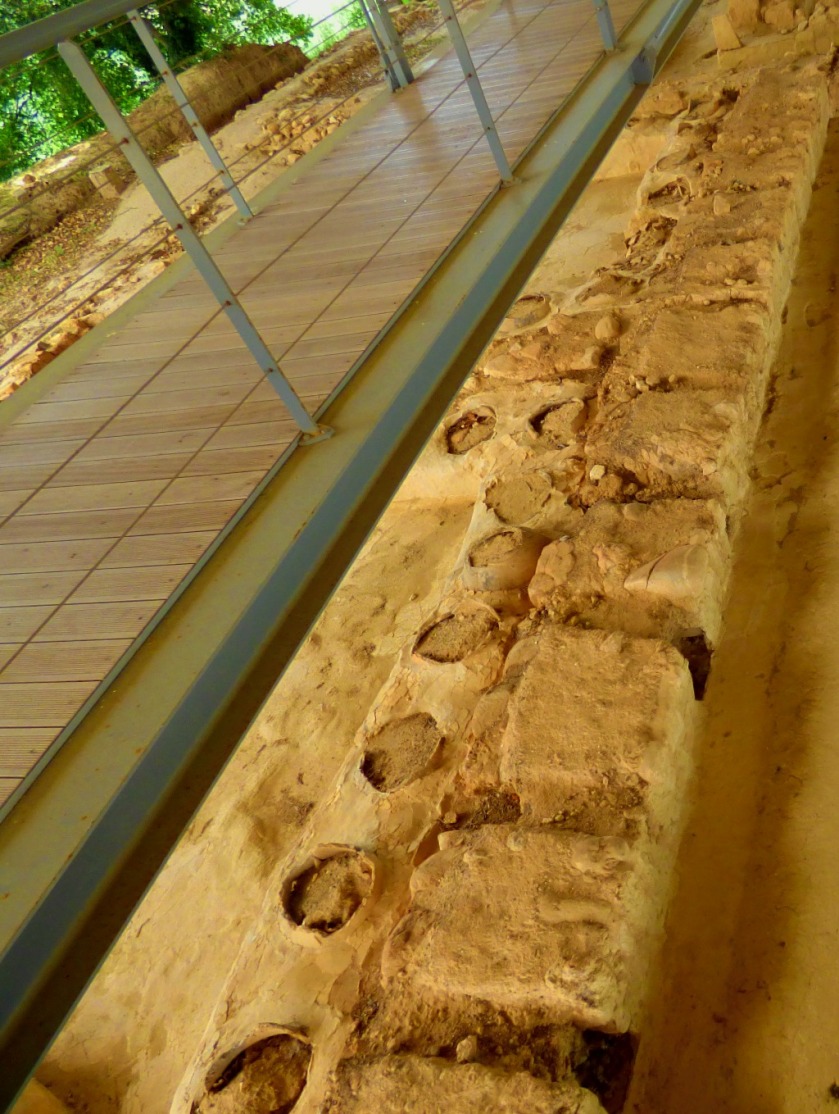
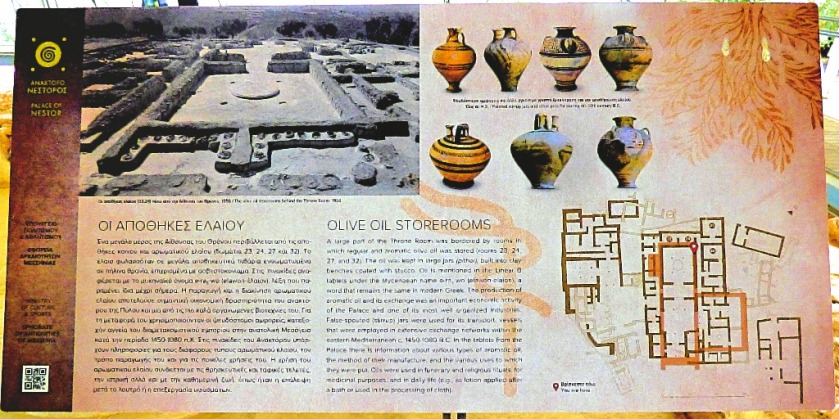
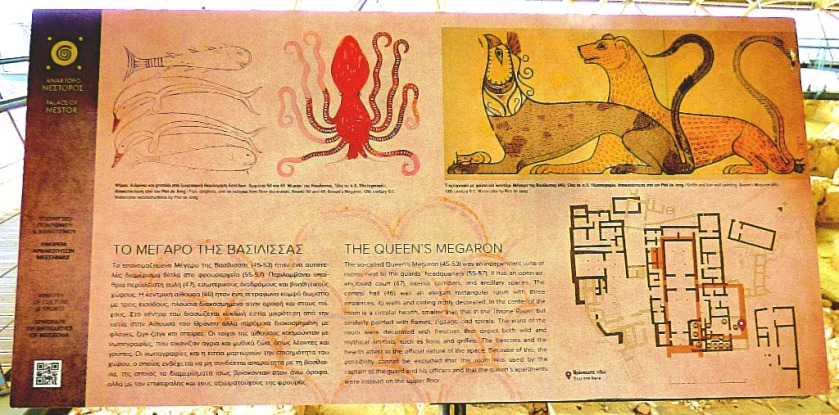
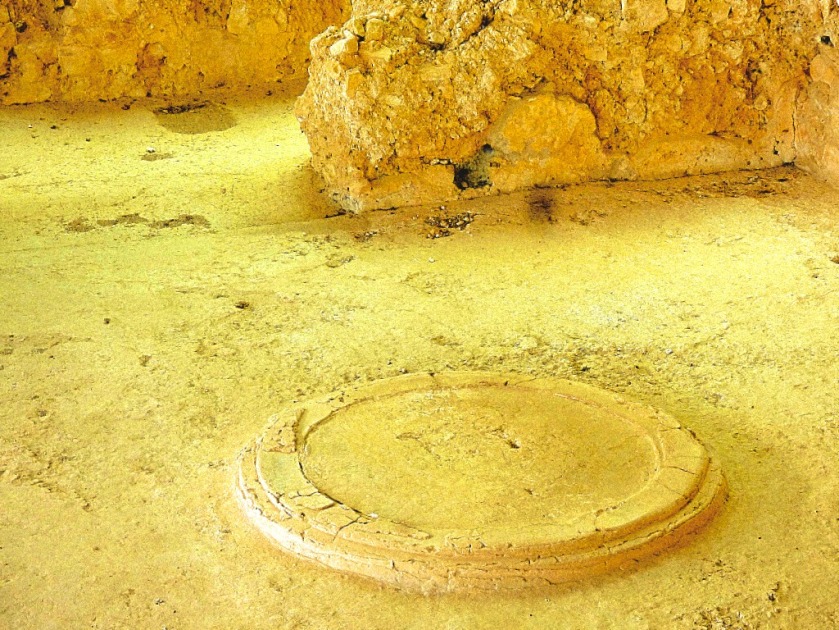
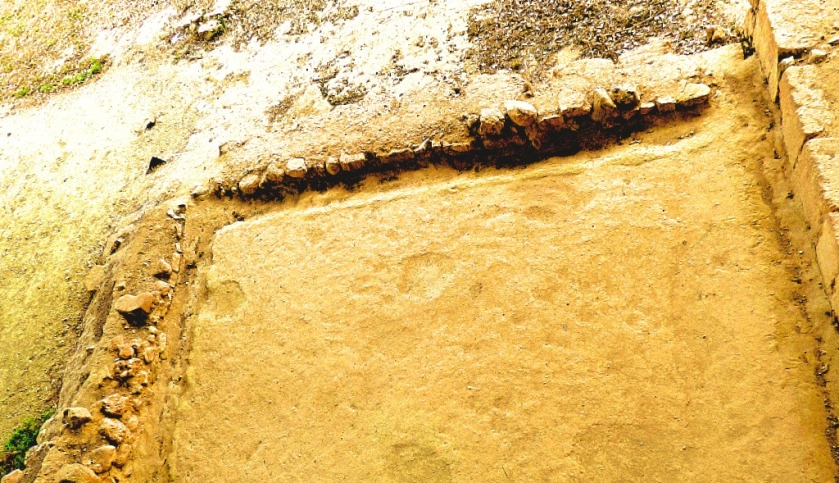
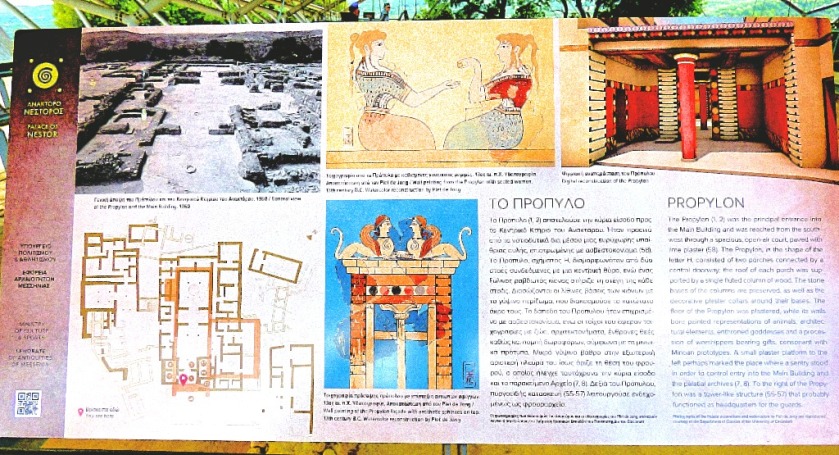
There is lots of informatrion about the palace and the kingdom it was a part of.
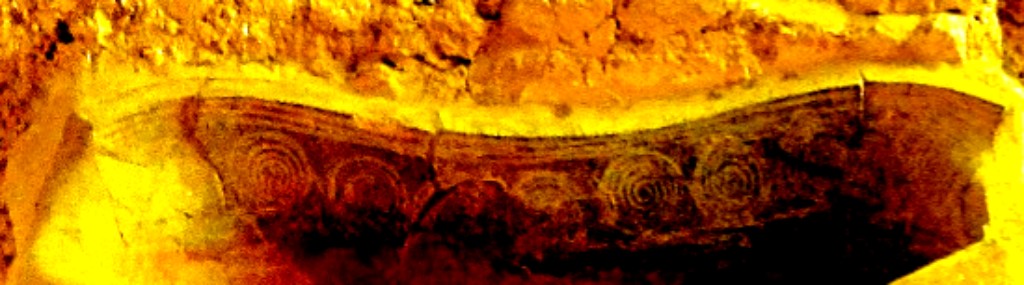
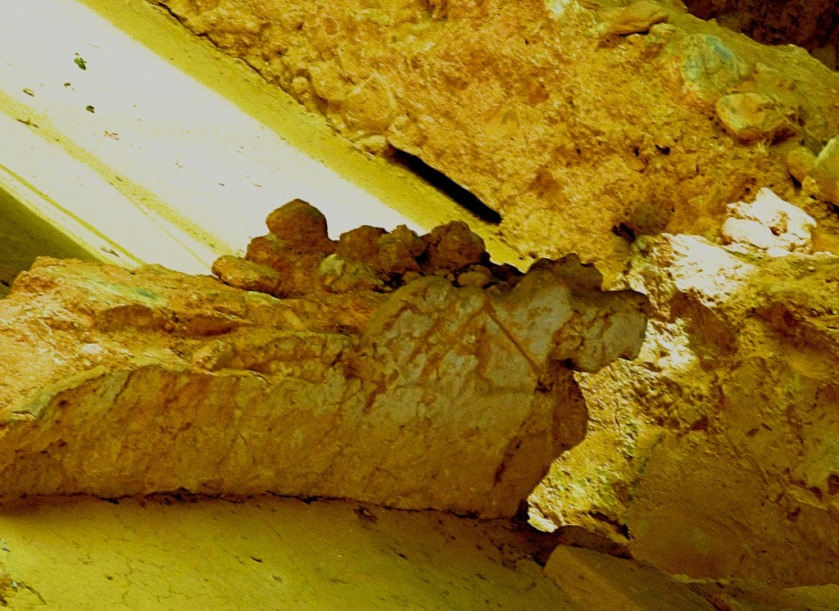
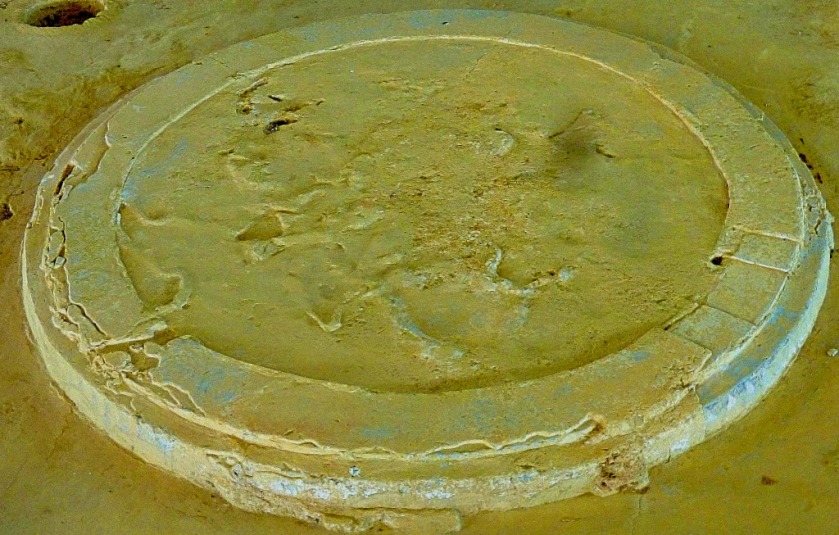
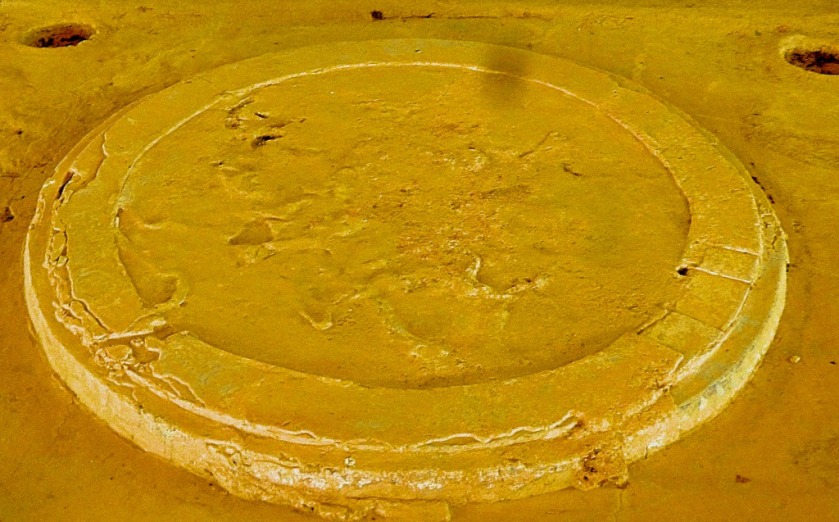
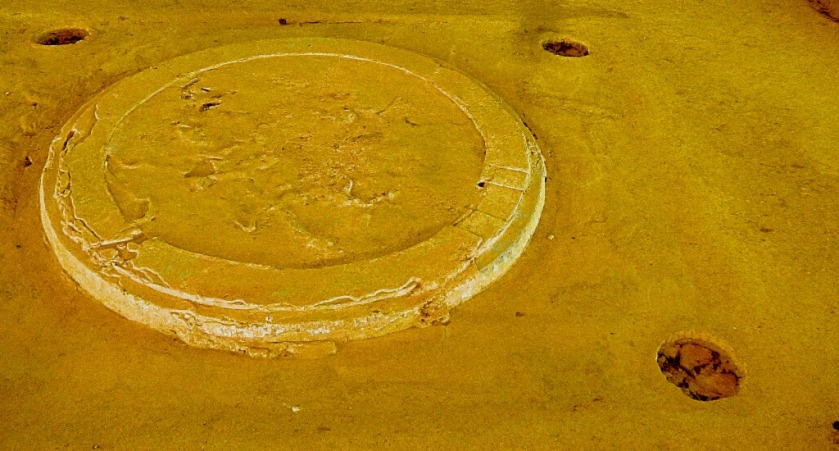
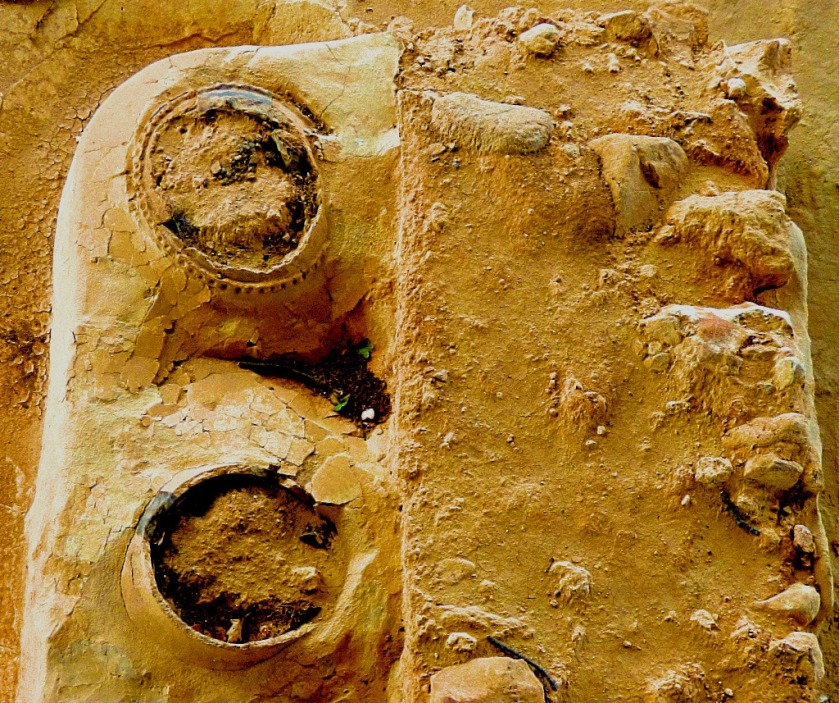
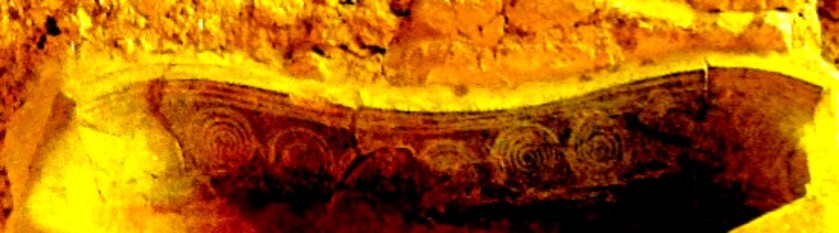
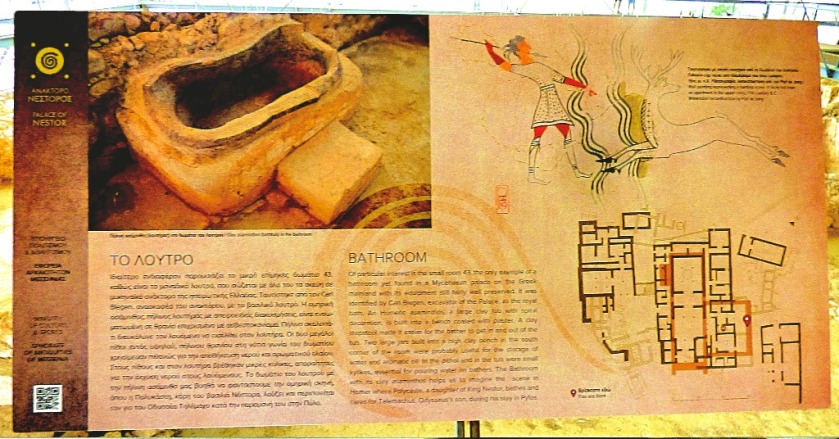
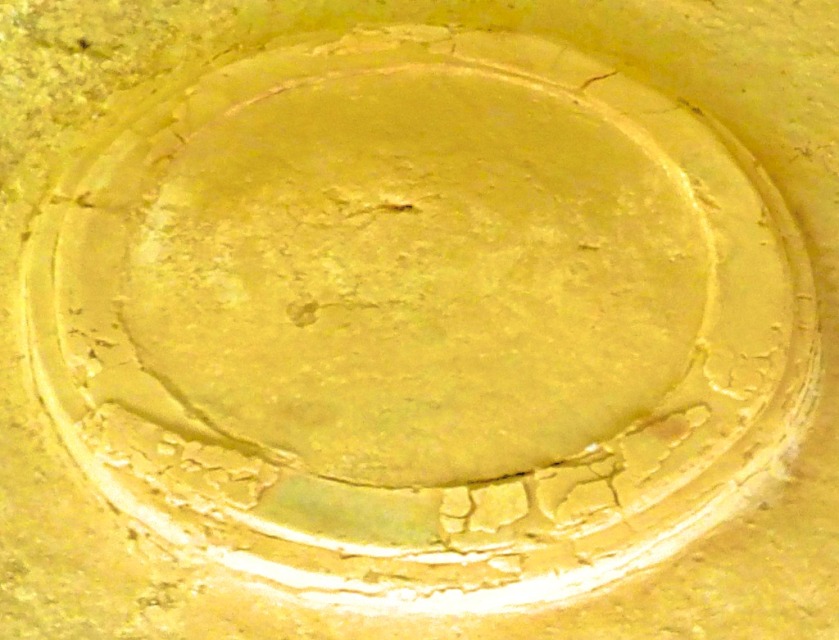
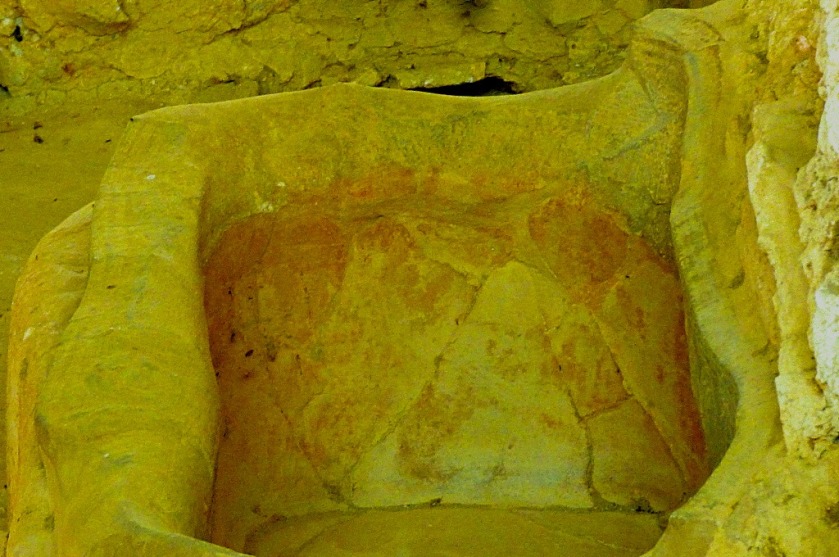
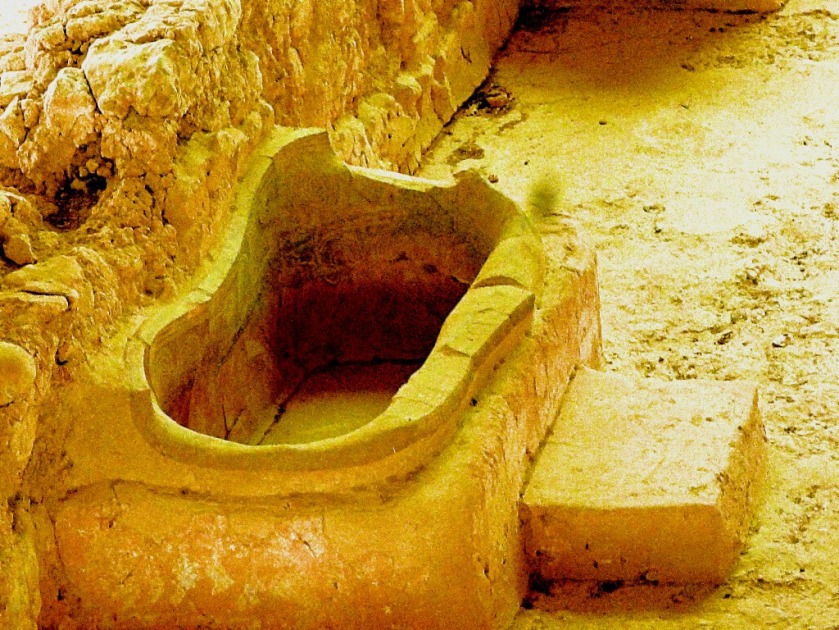
some detail from the inside facing of Nestor’s bath.
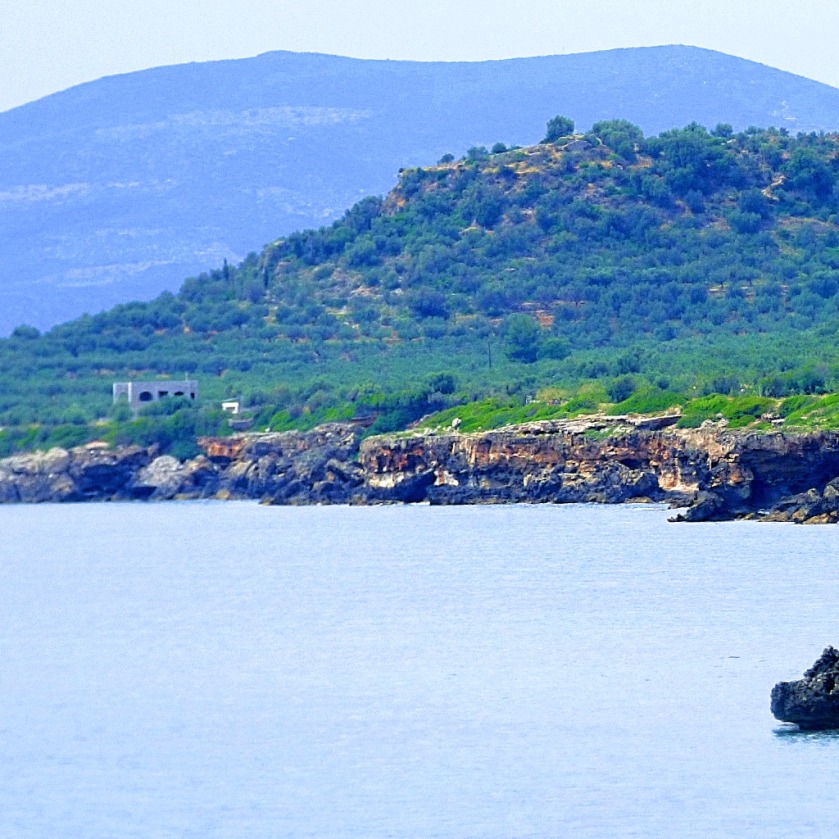
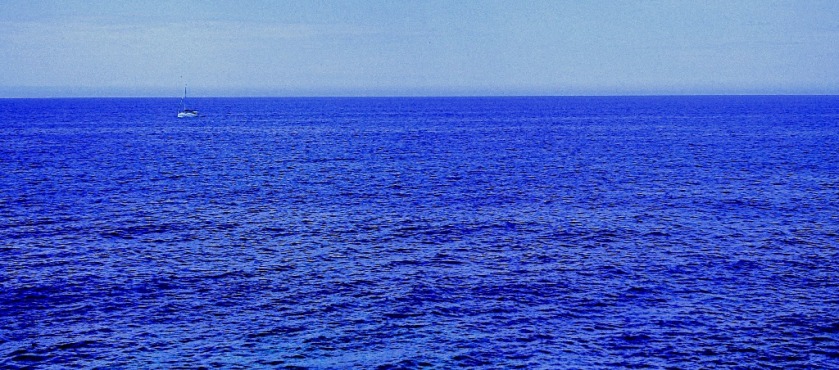
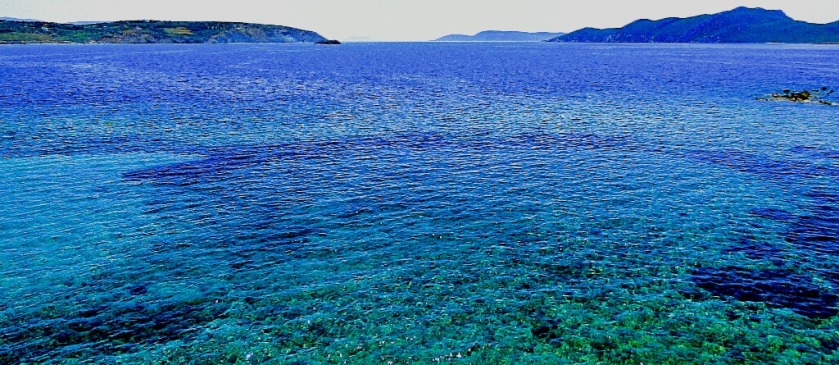
The first of several sea views I captured from Nestor’s palace.
SEA VIEWS FROM THE PALACE
Here are my remaining sea views from the palace itself…
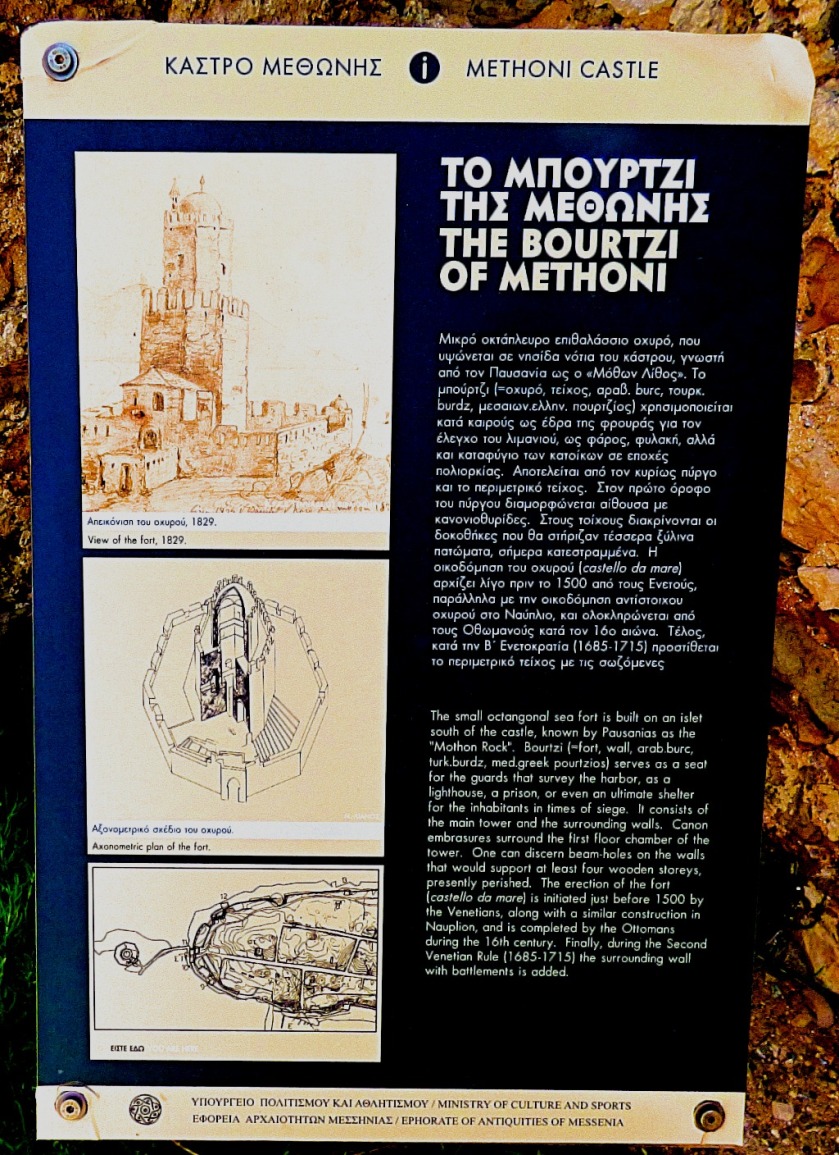
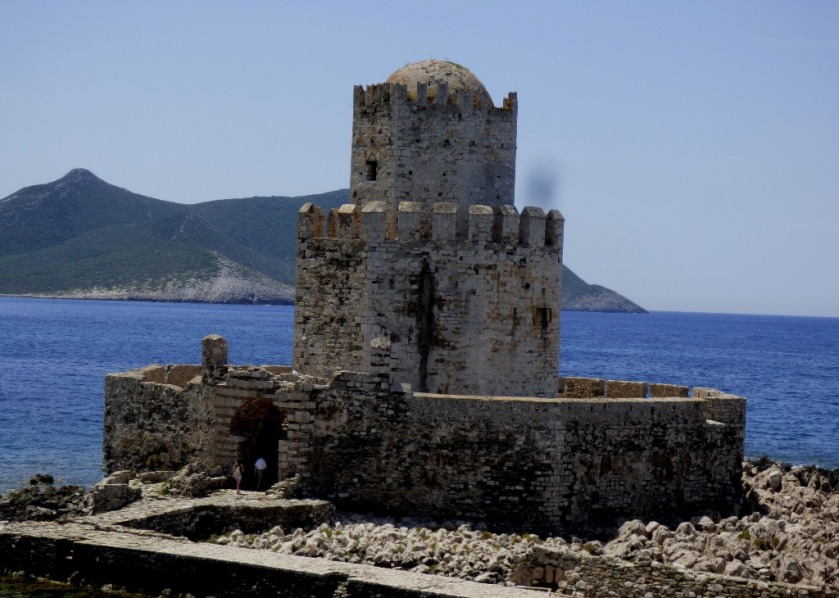
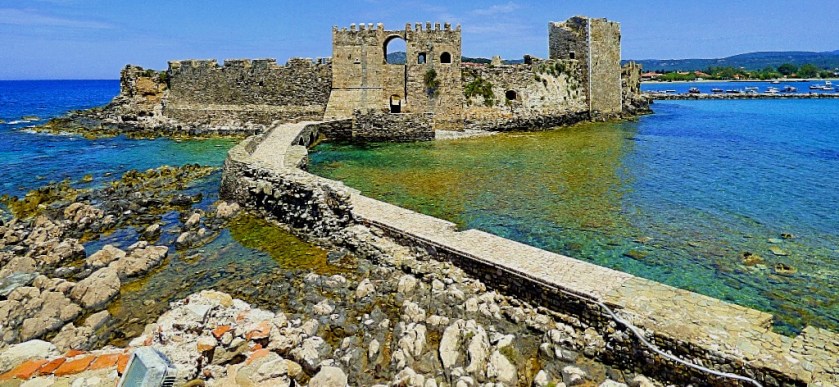
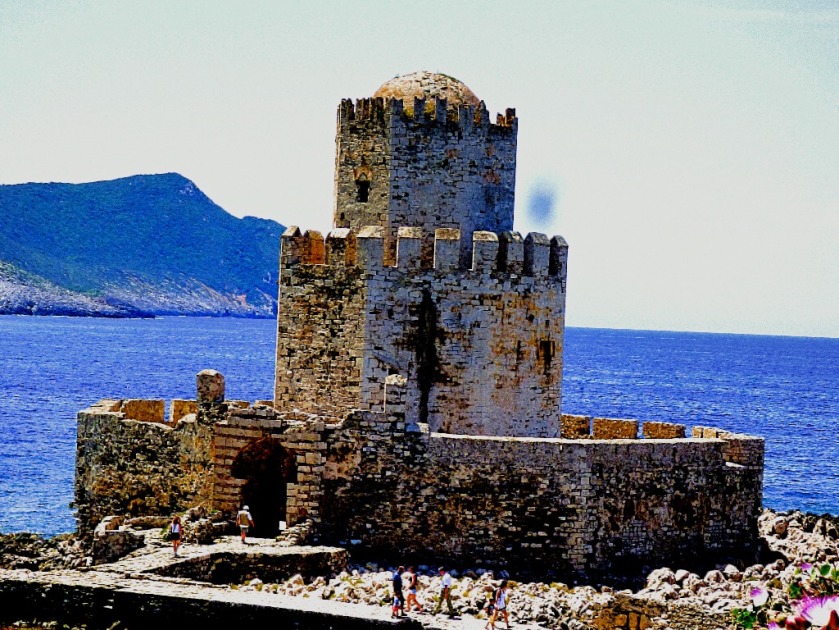
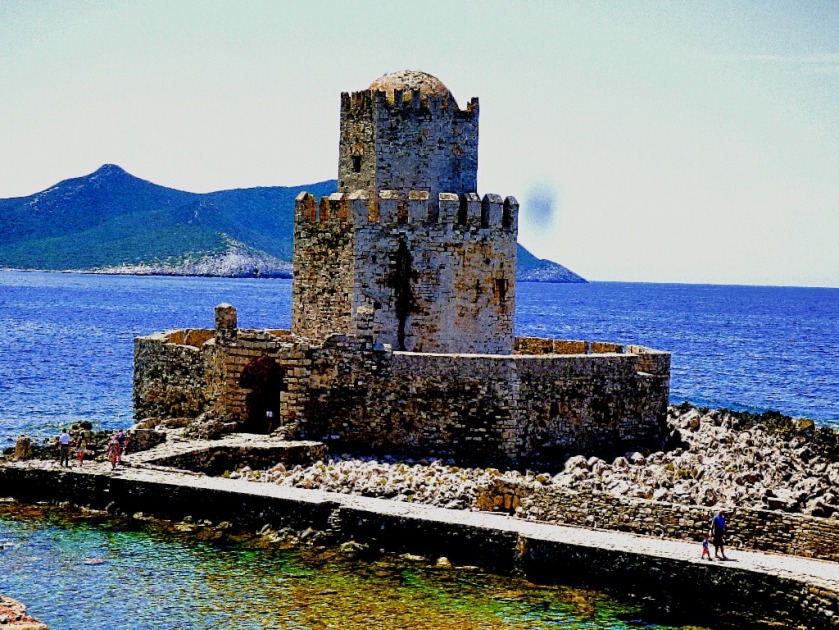
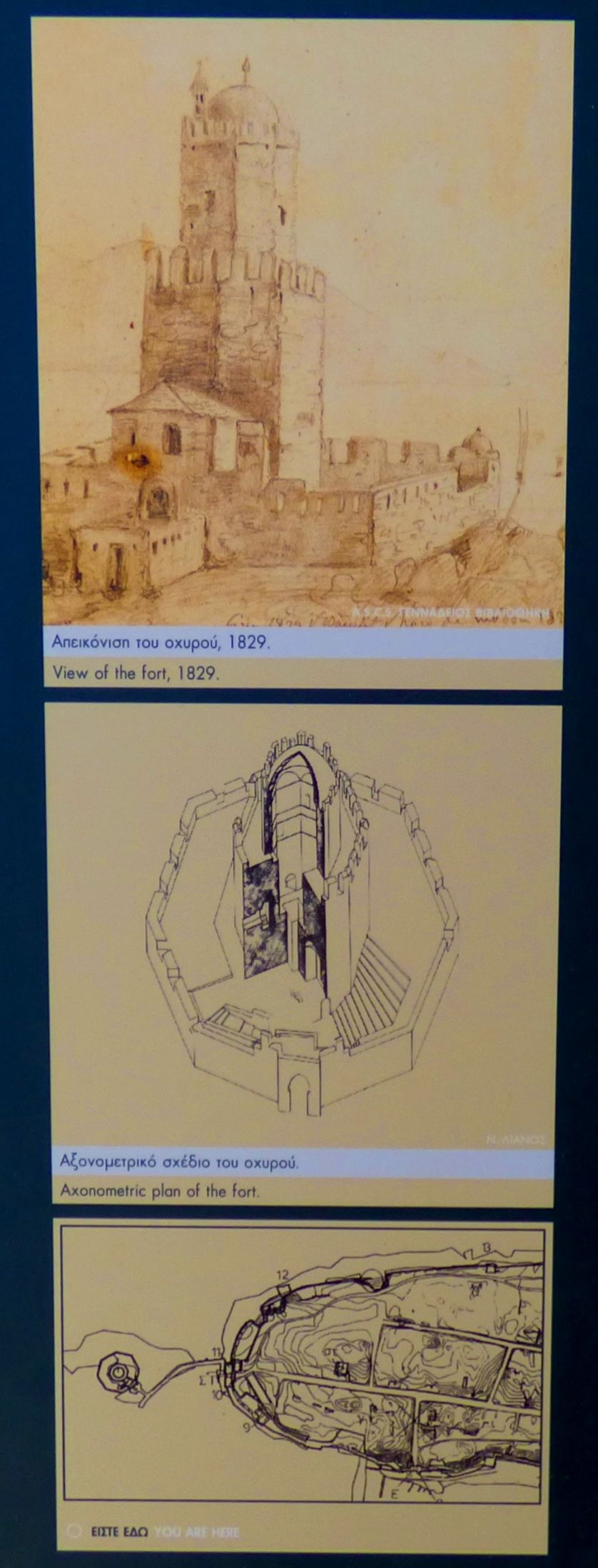
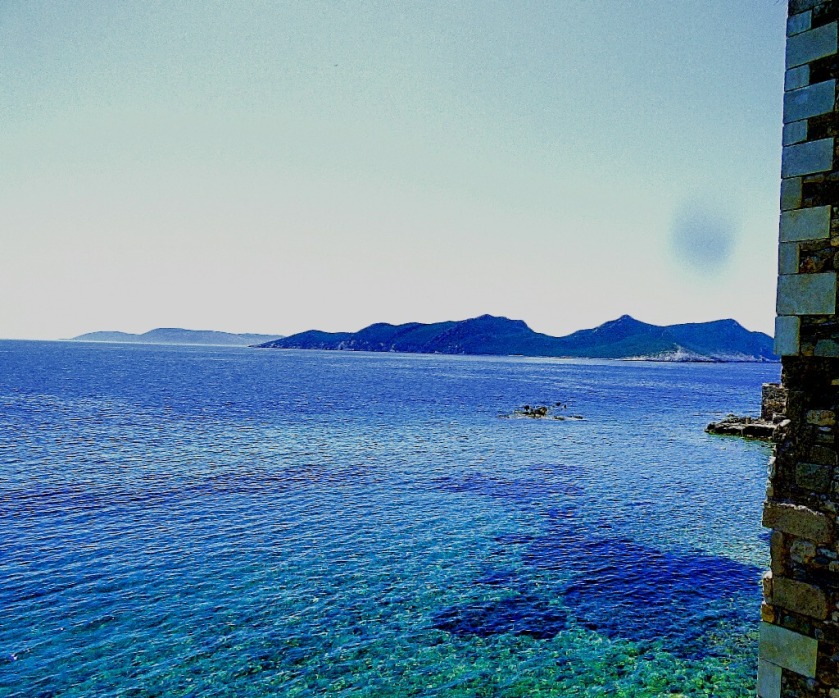
In my last post I gave you a photographic tour of the main castle at Methoni, finishing at the gateway to the Bourtzi, a small outpost castle that guarded the sea, which I shall now focus on.
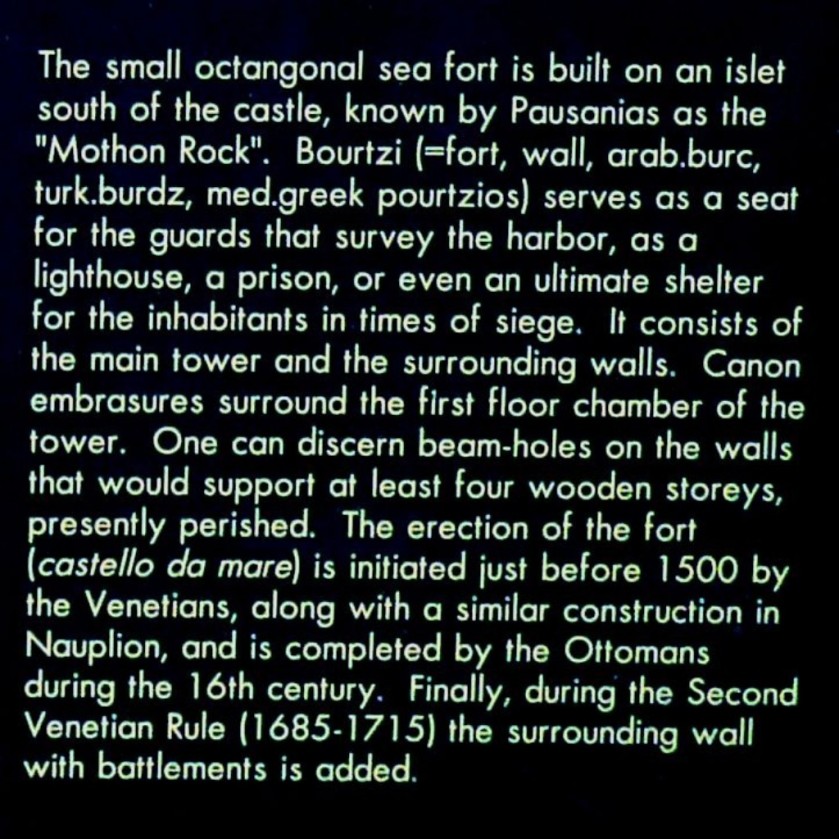
THE WORD BOURTZI
Here are the origins of the word Bourtzi:
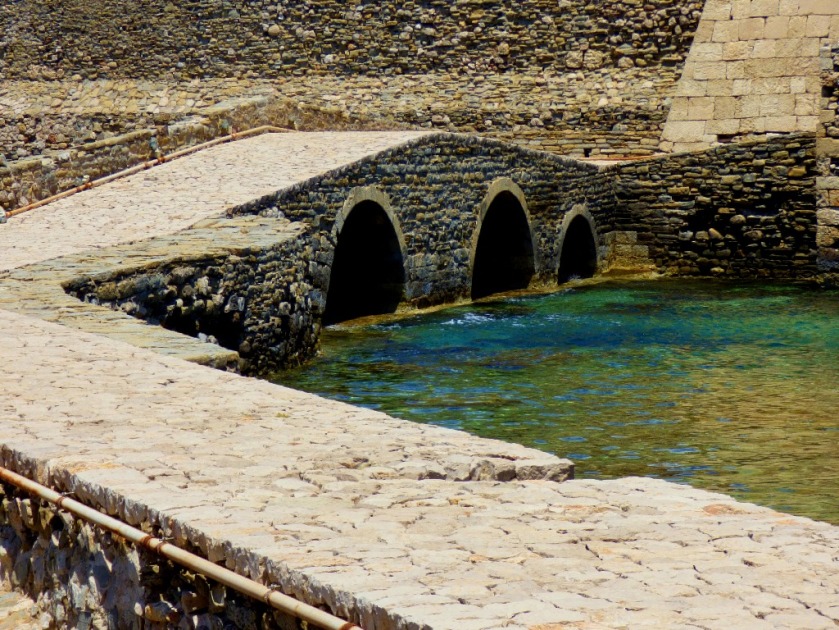
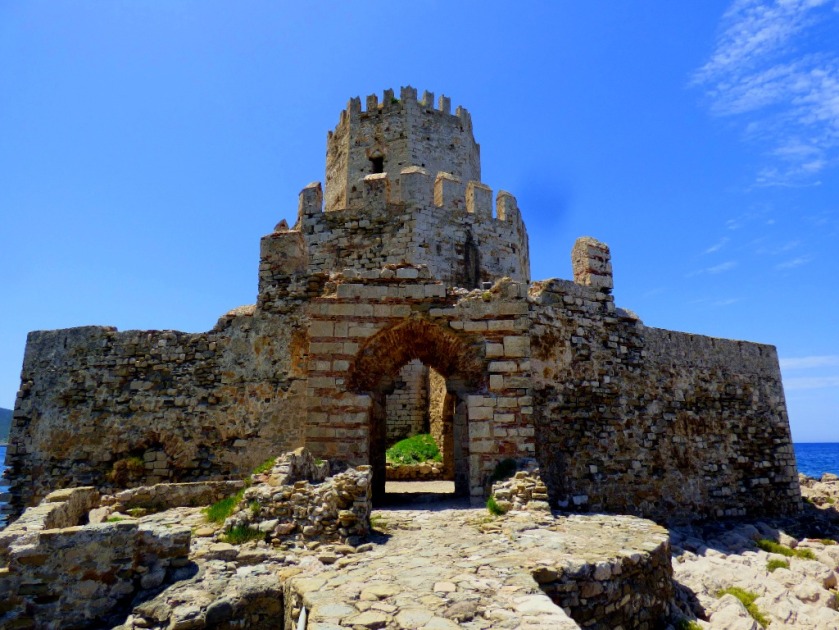
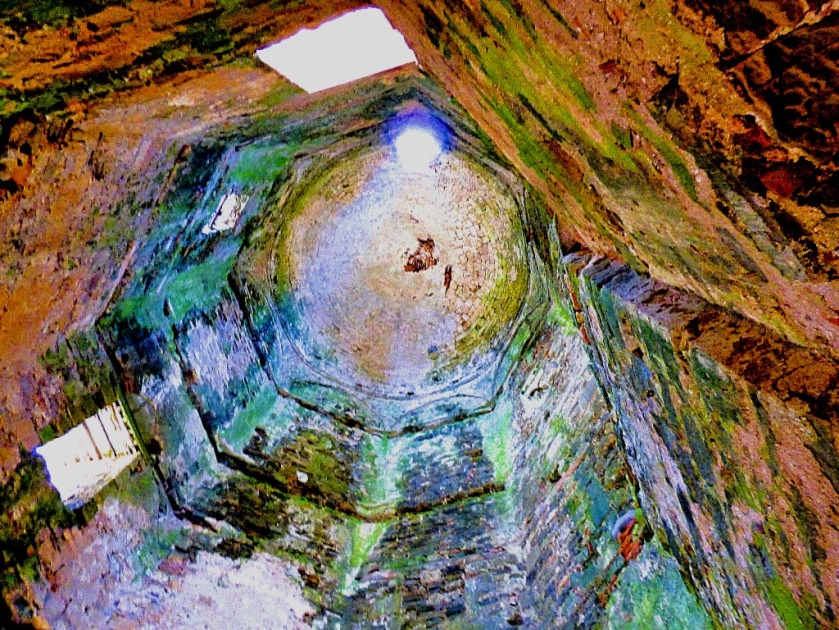
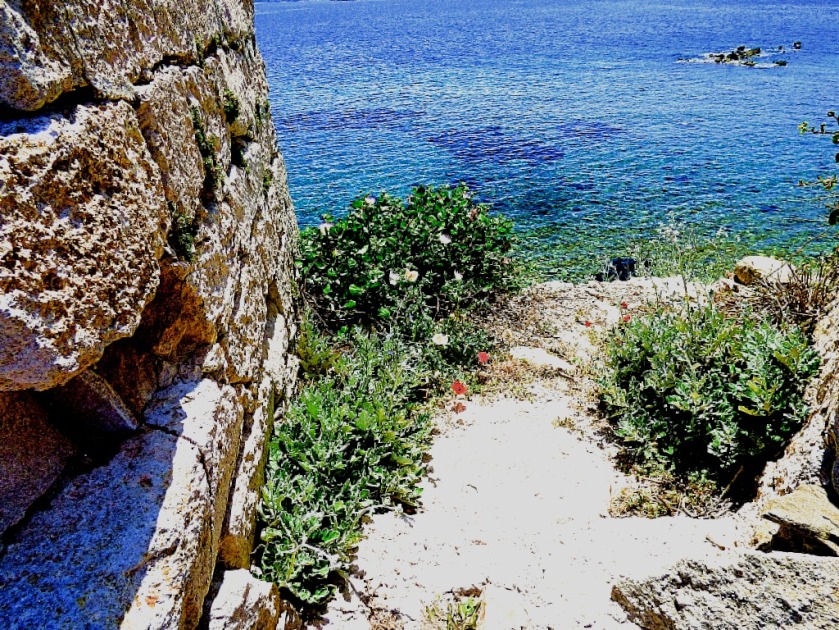
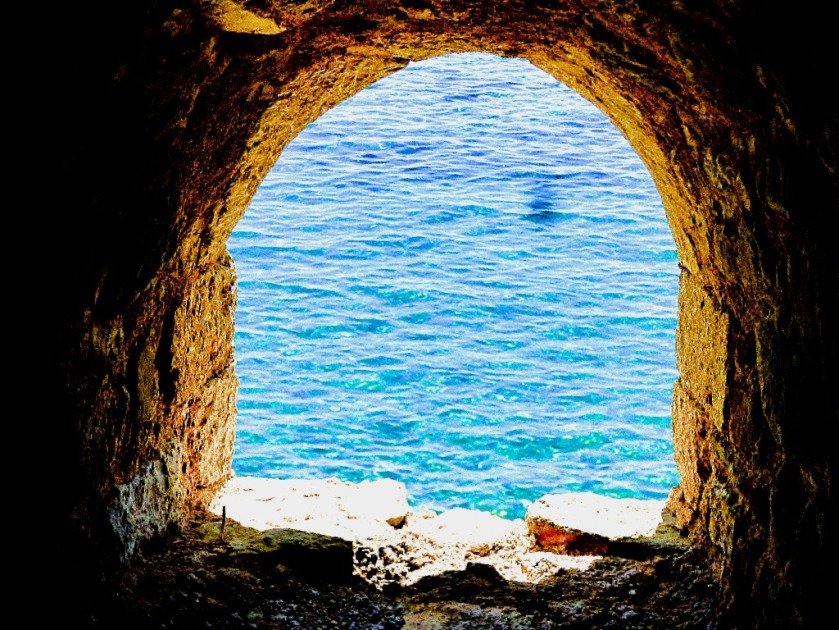
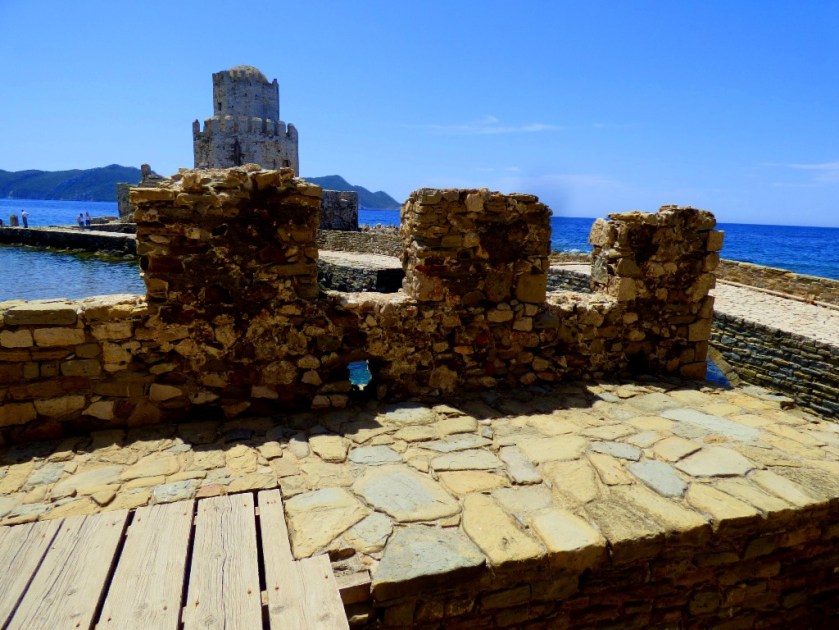
THE BOURTZI OF METHONI IN PICTURES
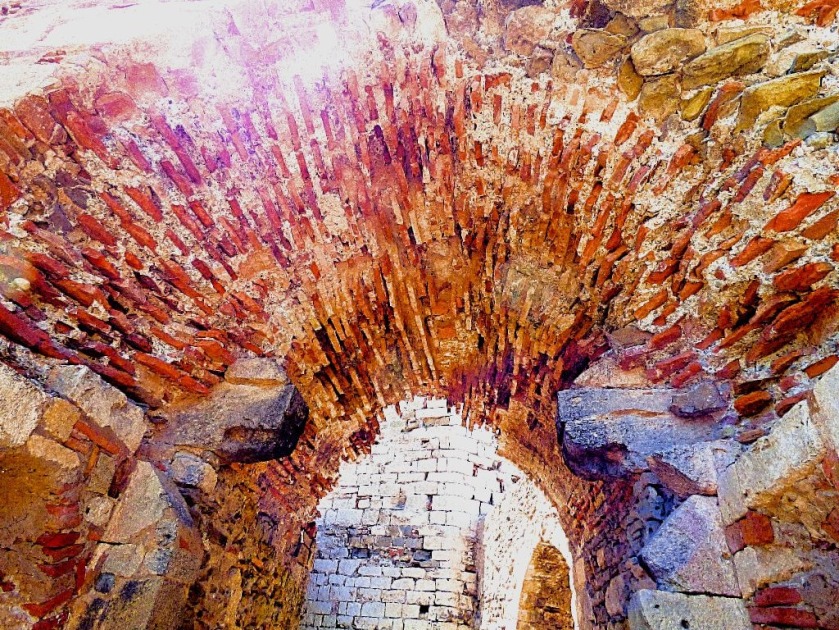
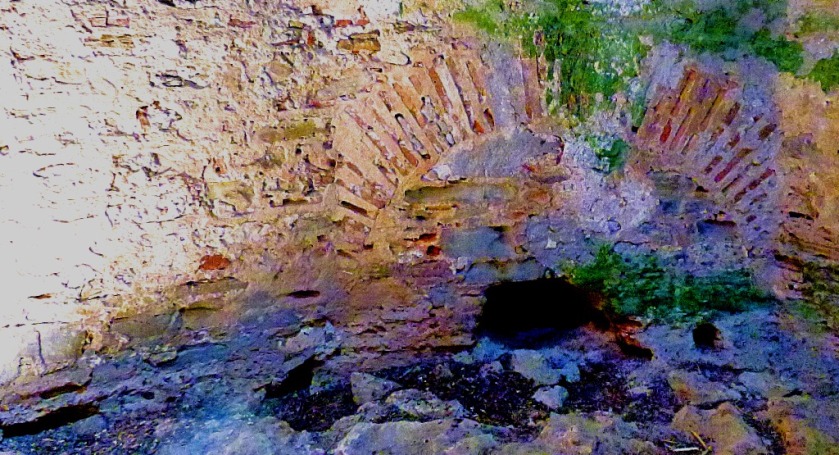
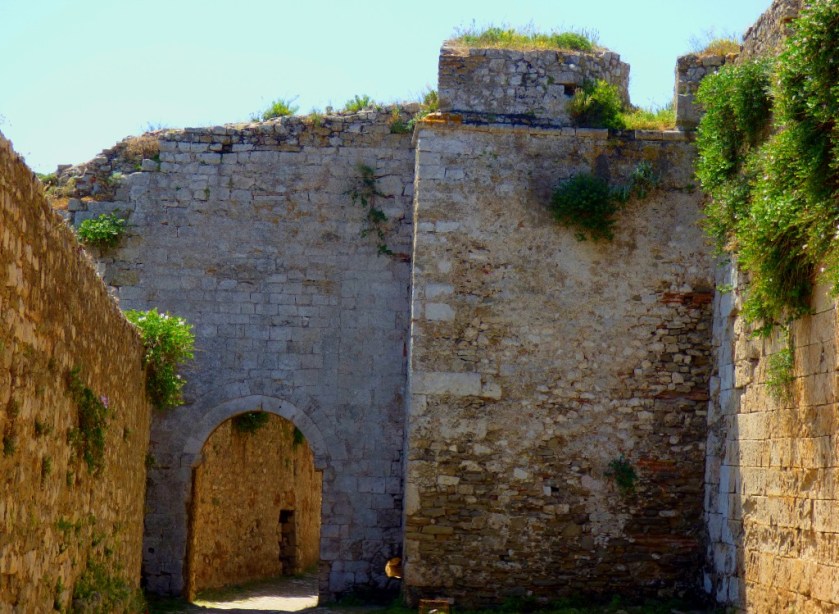
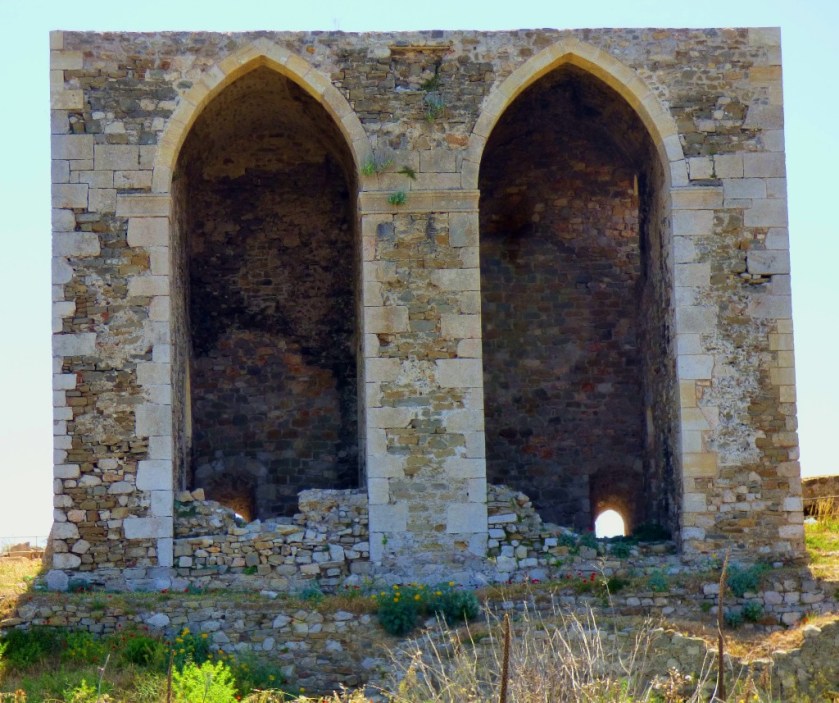
This passage leads into the Bourtzi. This style of brickwork is a feature of Byzantine architecture.
LEAVING METHONI CASTLE
There were a few final photograophs as we headed back to the car preparatory to moving on to Nestor’s palace.
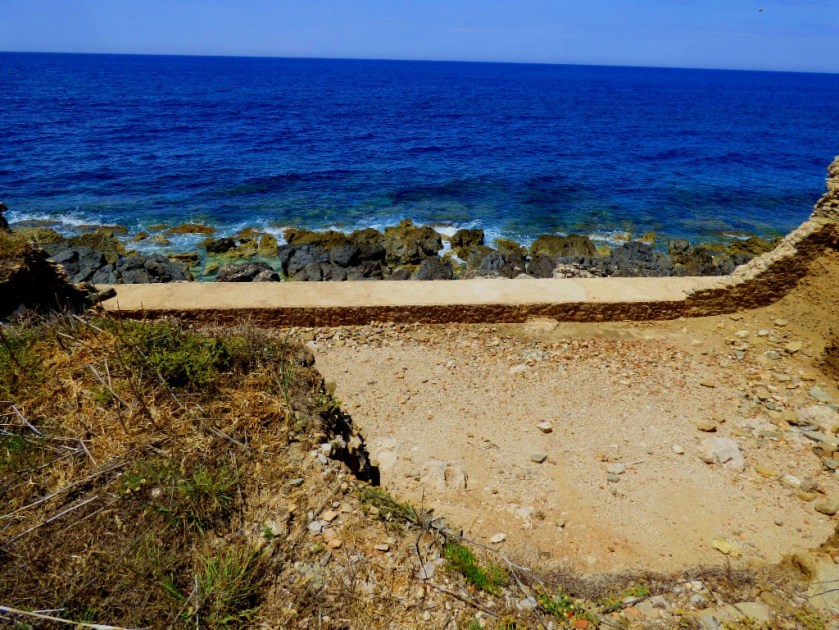
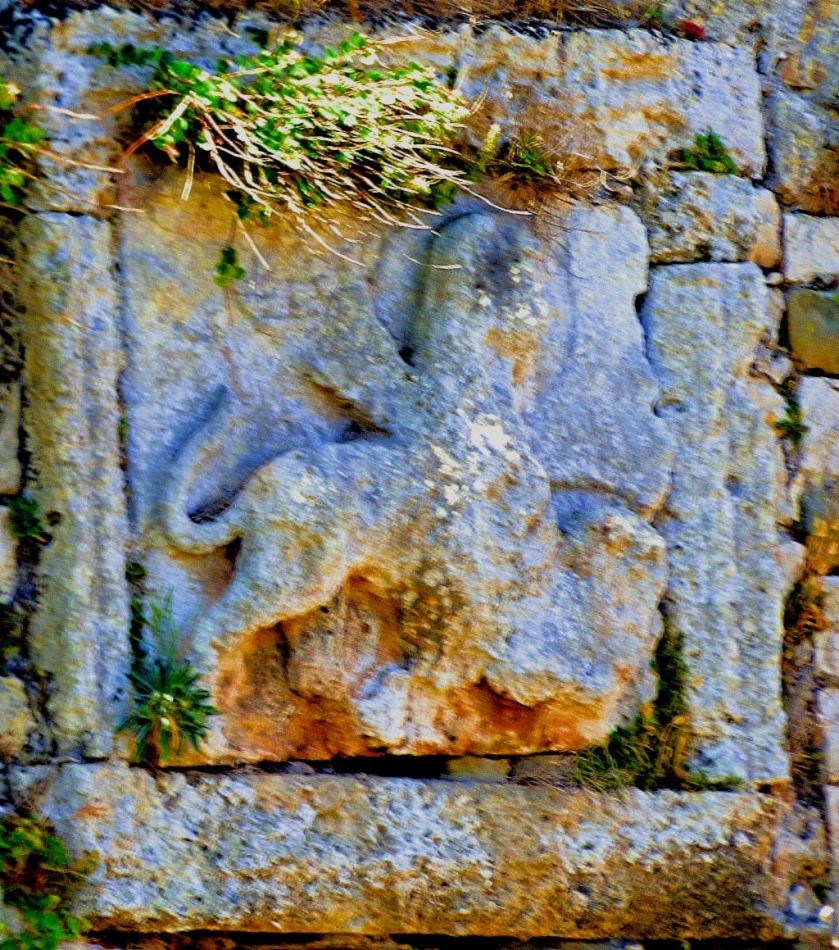
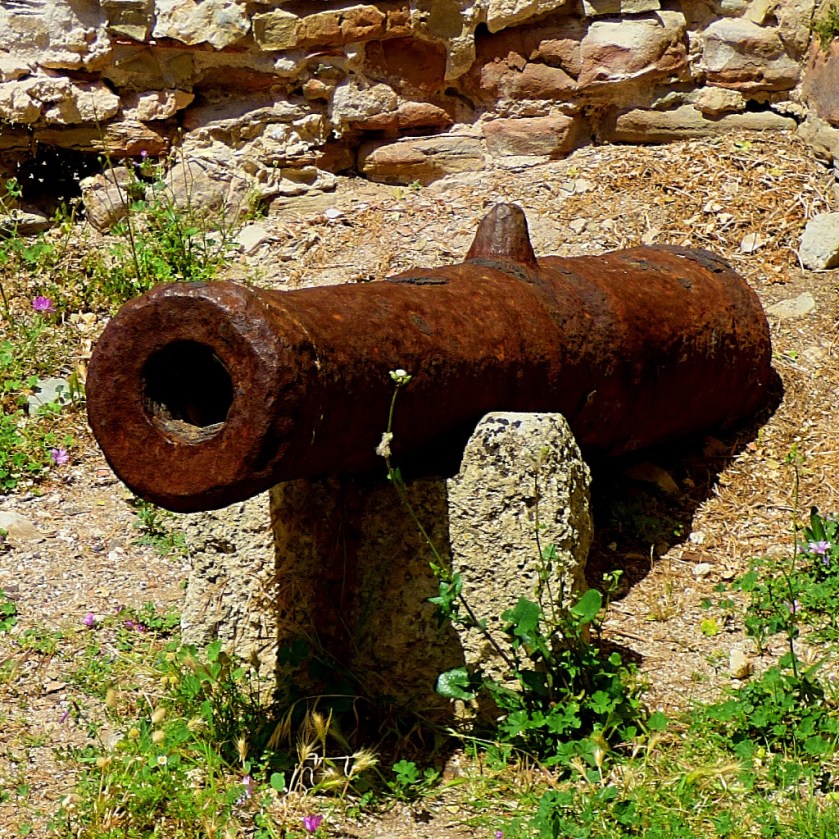
Coastal defences for Methoni castle.The Lion of St Mark – the emblem of Venice.
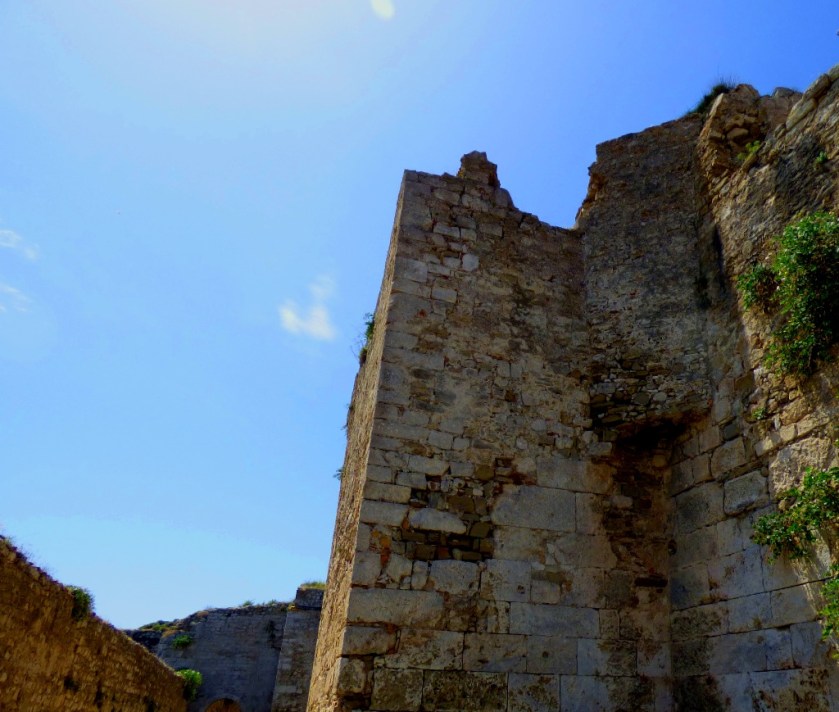
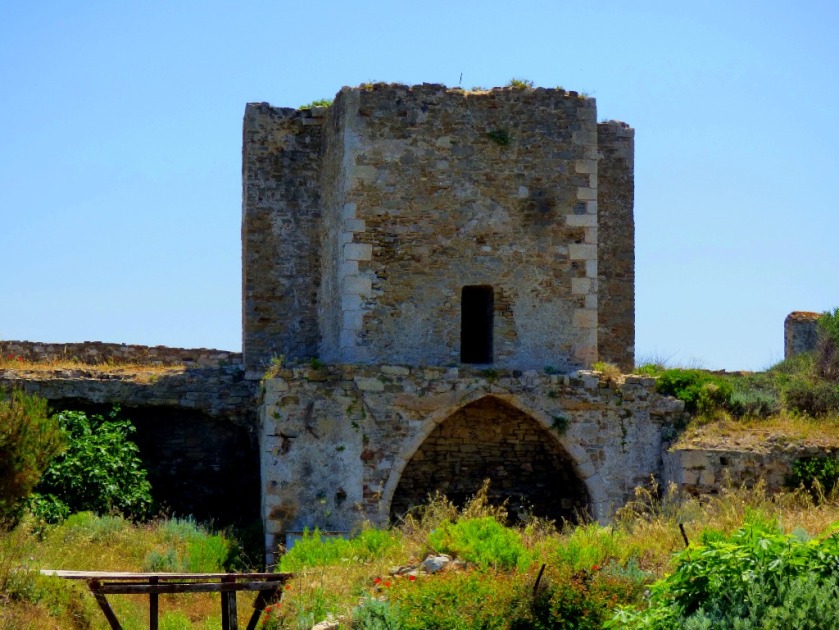
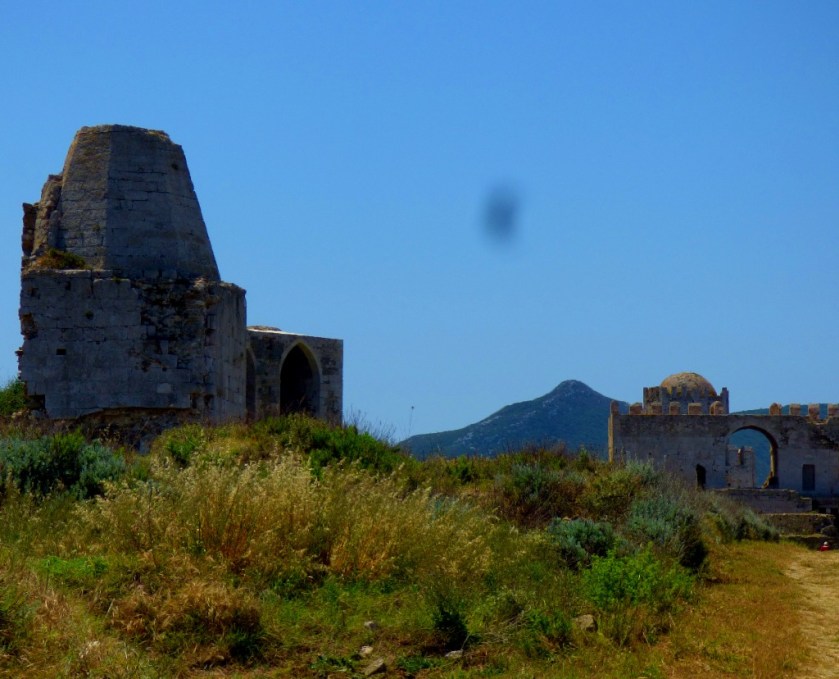
A photographic of the main part of Methoni Castle, setting the scene for the Bourtzi of Methoni, the subject of the my next post in this series.
INTRODUCTION
Followijng on from my last post which described the journey to Methoni this post covers the main castle, while my next post will deal with the Bourtzi of Methoni.
A VENETIAN MASTERPIECE
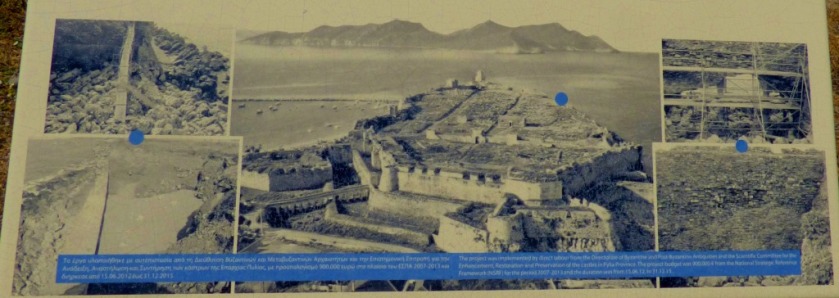
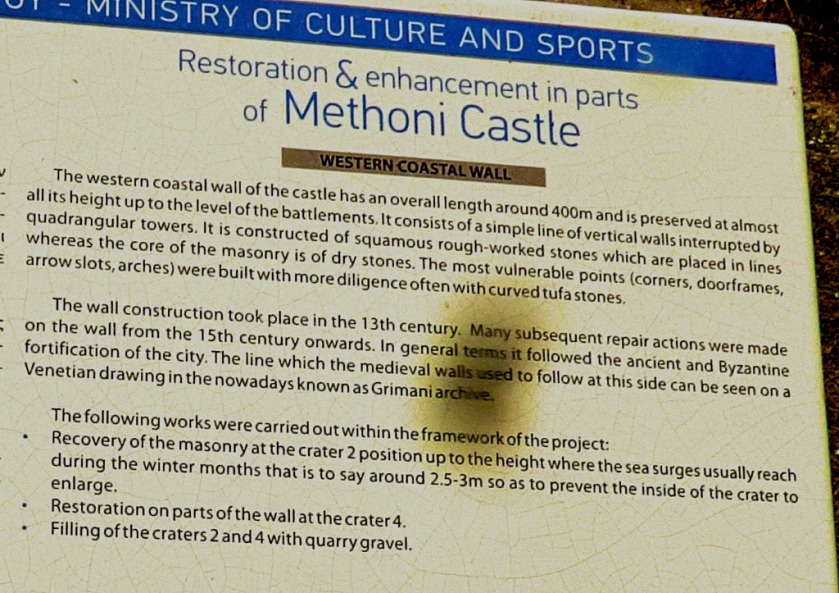
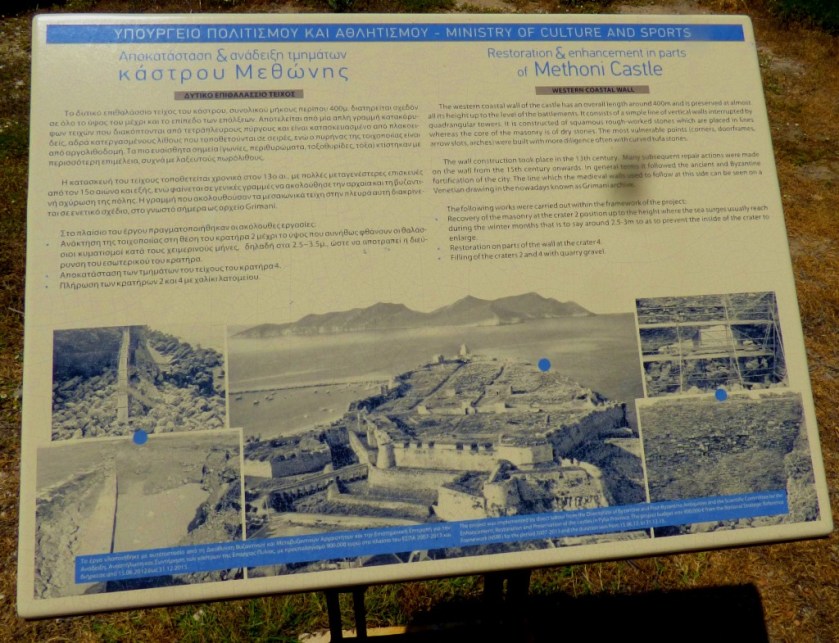
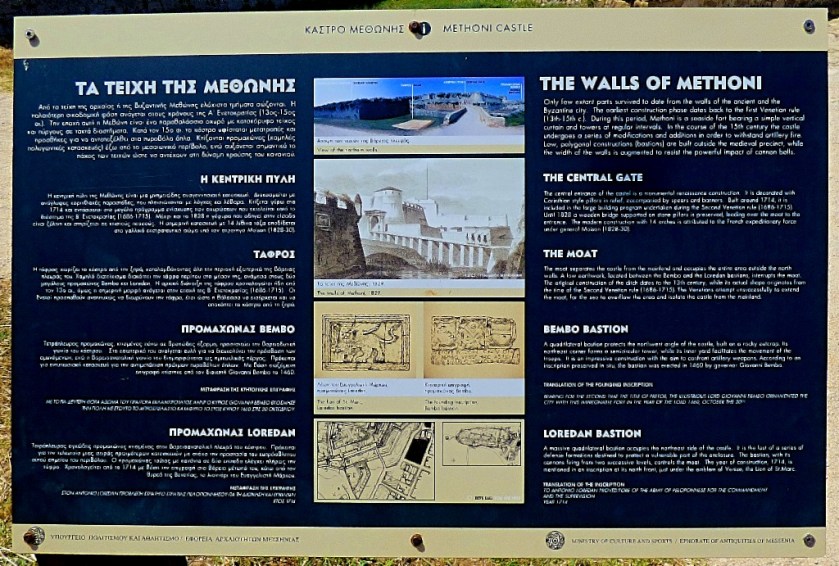
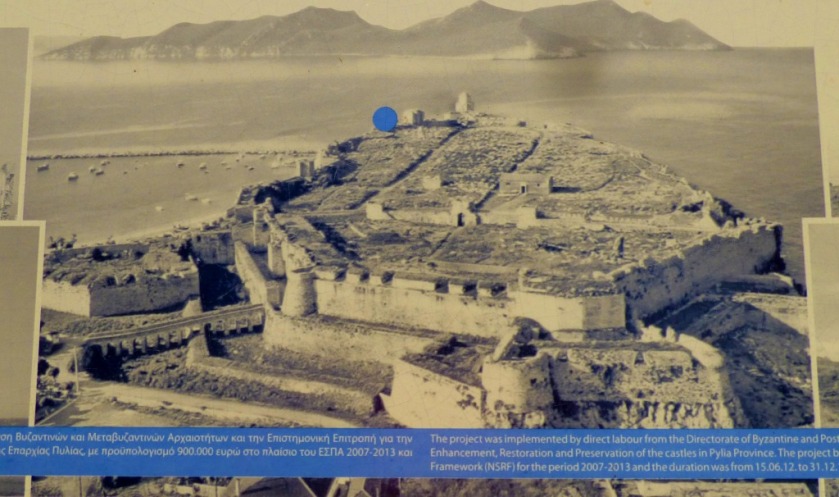
Methoni castle was first built by the Venetians in the 13th century, and then massively expanded when the retook possession of it from the Turks in the late 17th century. Here is some official information:
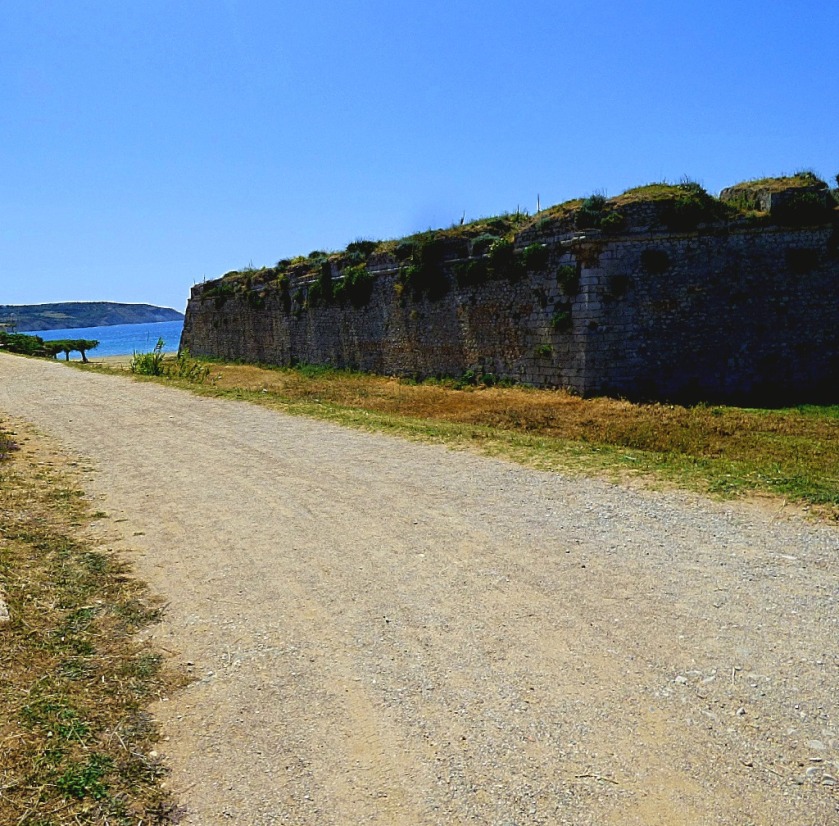
Here is the approach to the Castle:
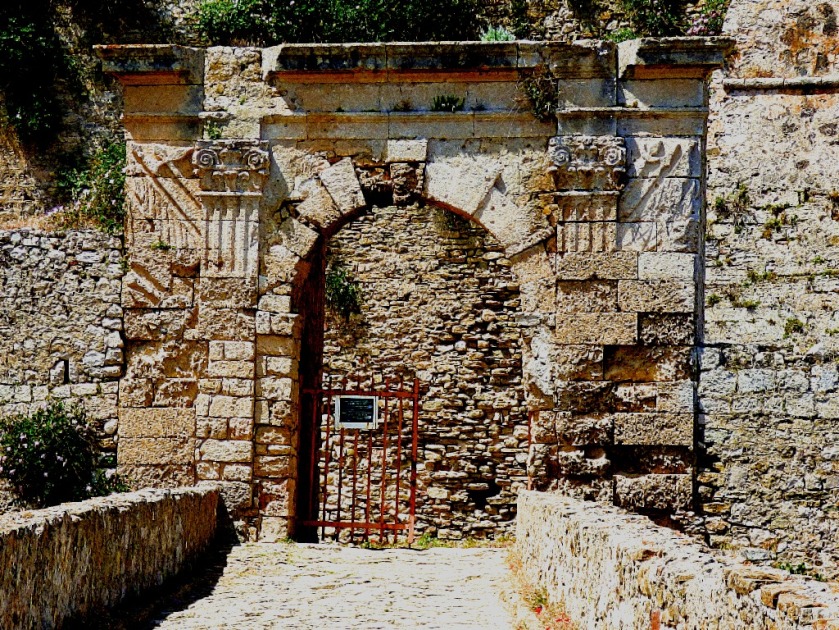
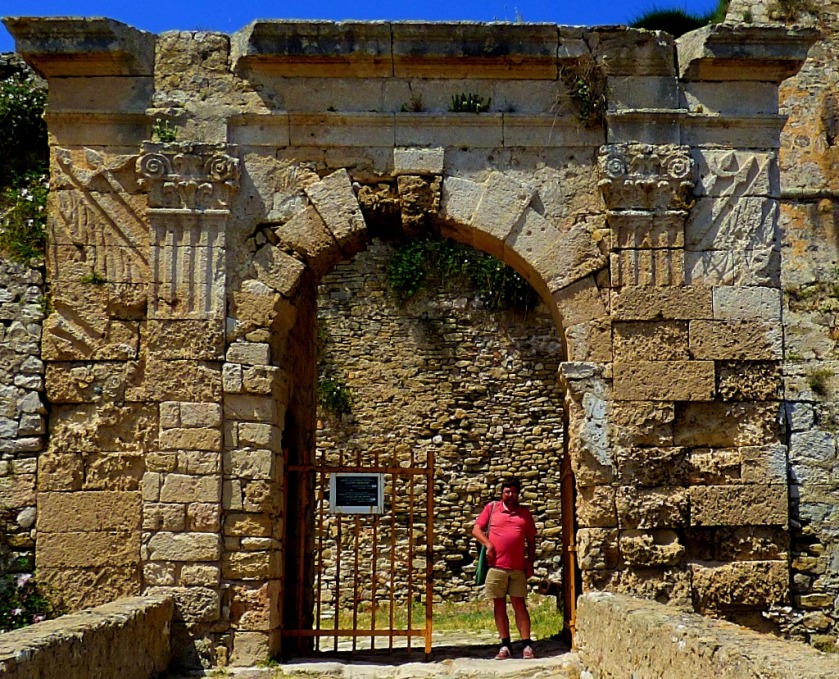
Looking towards the sea as one approaches the castleThe bridge across the moatThe gateway to the castleThose who have read my preliminary post to this series have already seen this picture once, and it is of the course the origin of my current profile picture.
Here are some pictures from inside the castle…
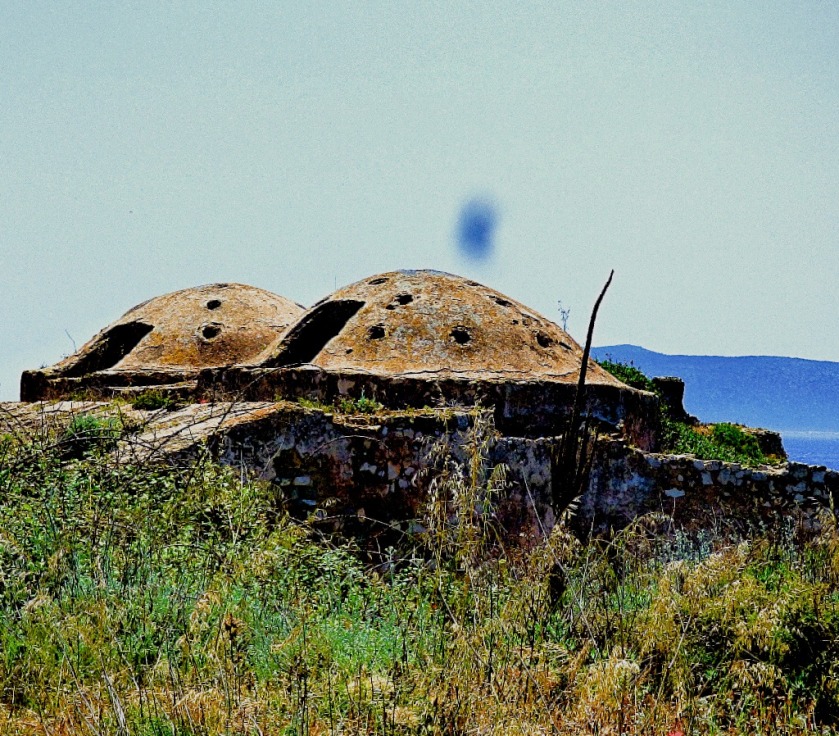
This castle was first built in the 13th century during the first expansion of Venetian power, then the Turks took over until 1685, when the Venetians retook the place and held it for thirty years, before the Turks took it back again and held it until Greece gained its independence in 1821. This building is very obviously an old Hammam (a Turkish bath house)
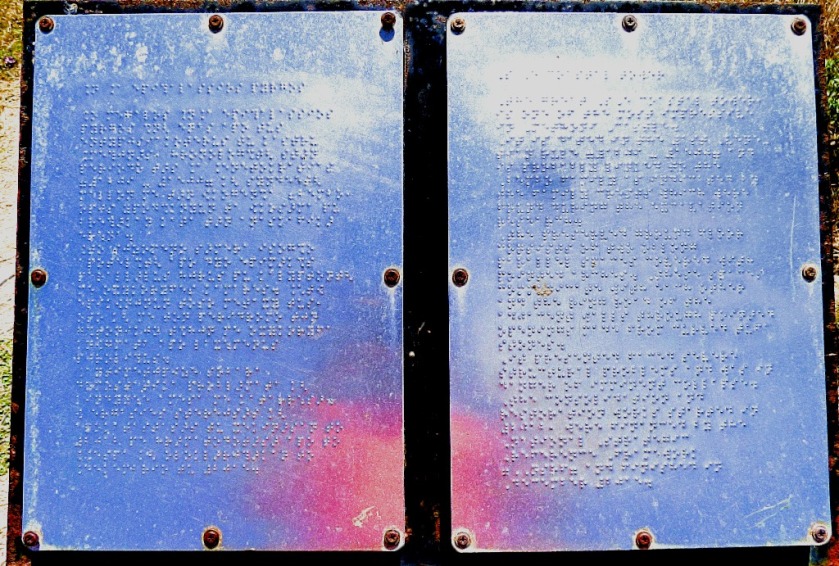
A braille information board.
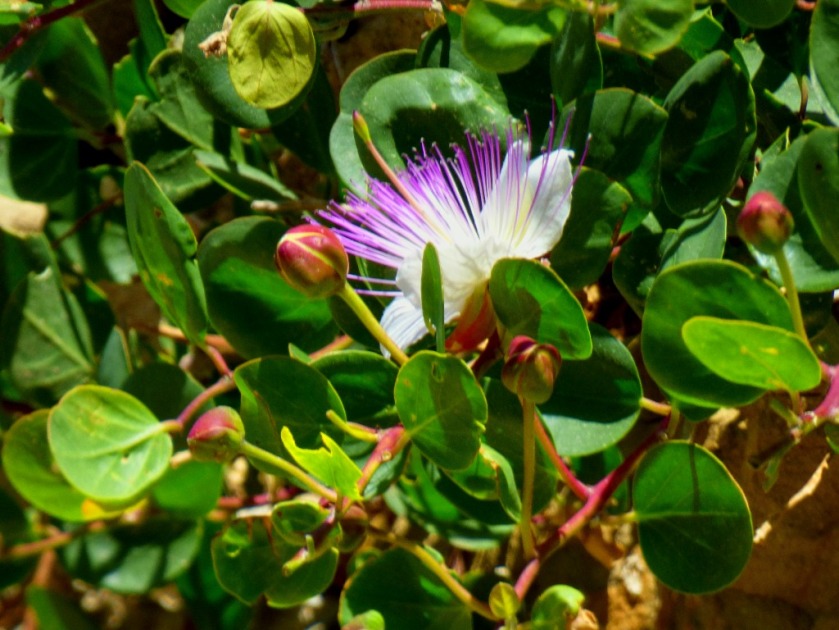
A caper plant growing in the castle grounds.
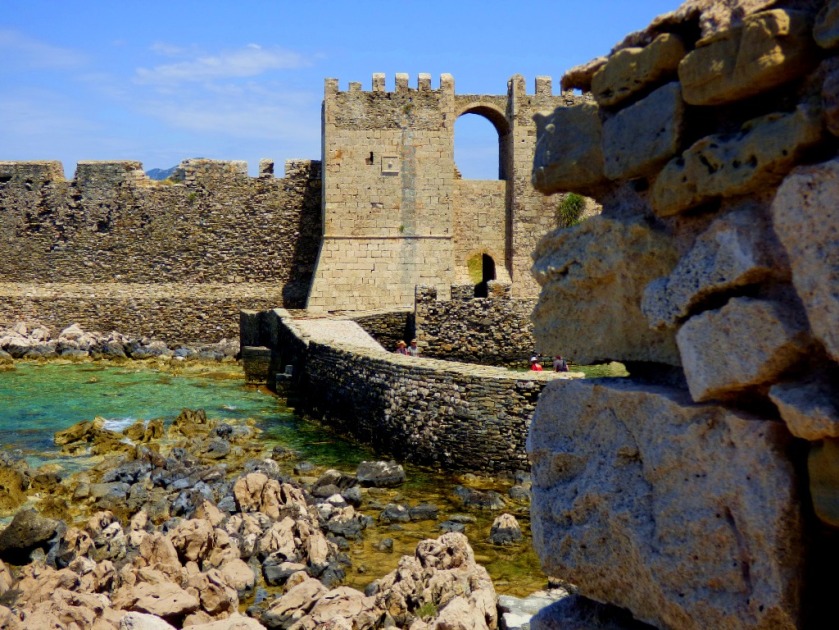
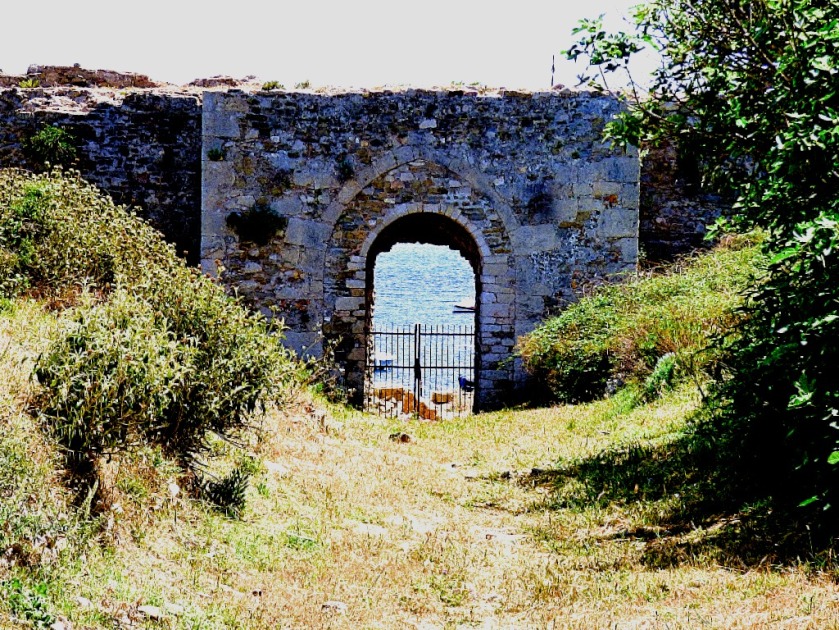
The entrance to the Bourtzi of Methoni, the subject of the next post in this series.
Sunday Social is a place to mingle, collaborate, and share our blogs. Sunday Social is one more place where you can share a post that maybe didn’t get as much feedback as you were hoping for. Sunday Social is a place to meet new bloggers.
This weekly post is a “wild card” of sorts. There aren’t many rules but I do ask that you follow a few guidelines.
Give honest, constructive feedback, but always be courteous.
If someone takes the time to comment on your post, please return the favor and check out their endeavors too.
How do you participate?
It’s very easy.
Copy and paste the link to your blog or a specific blog post in the comment section below.
Give us a little blurb about your blog, the feedback you are looking for, or if you are just hoping to meet some new blogger buddies.
Setting the scene for the accounts of Methoni and Nestor’s palace.
INTRODUCTION
On the Tuesday of my Greek holiday (Tuesday 15th May) we visited first the Venetian castle at Methoni and then Nestor’s palace at Pylos. This post sets the scene for the rest of that day by describing things up to the point at which we were poised to visit the castle.
UNDER WAY
We had intended to get underway by nine o’clock and we did. Although being in the back of a hatchback with small rear windows is somewhat limiting of what one can photograph I got a few shots as we approached our main destination.
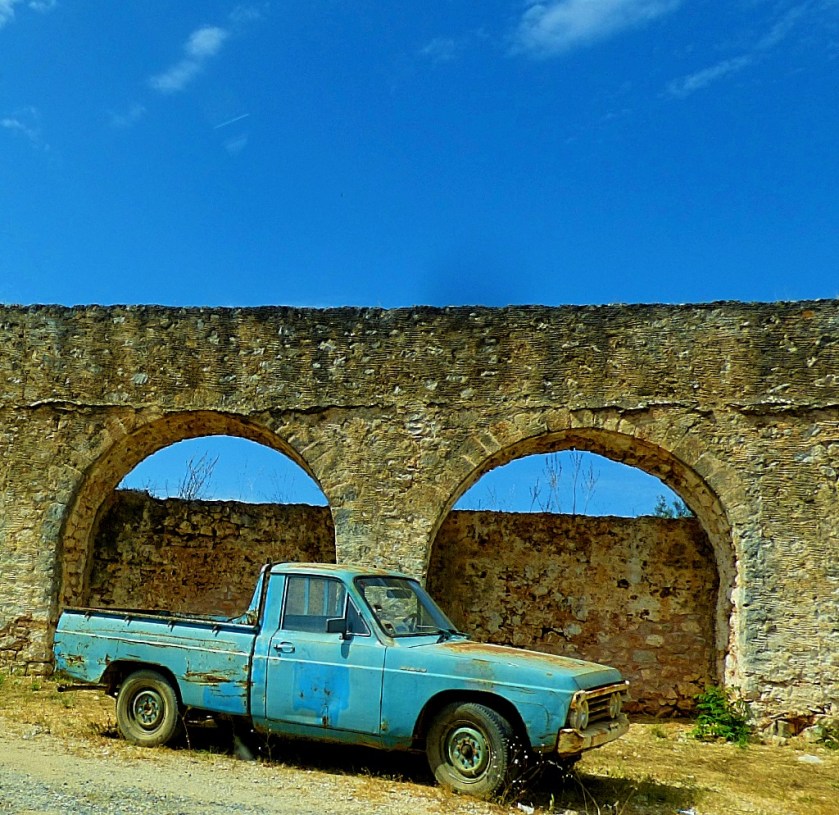
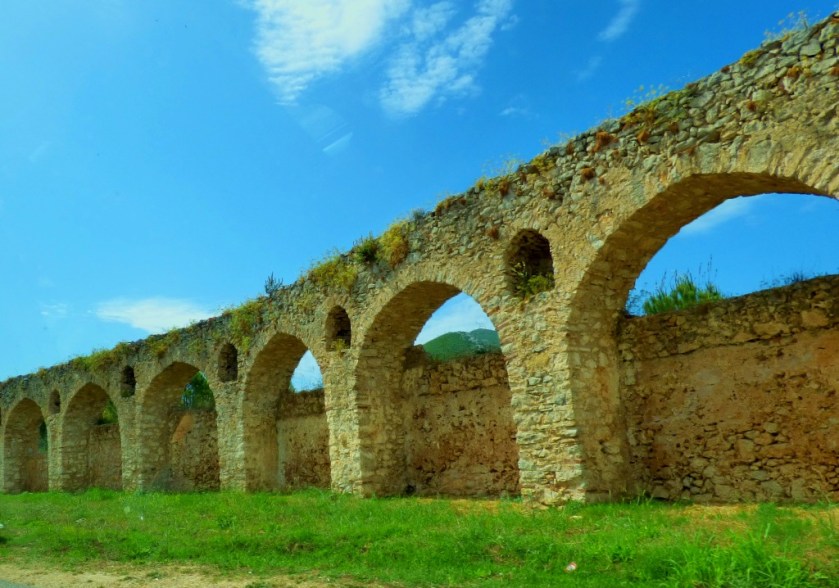
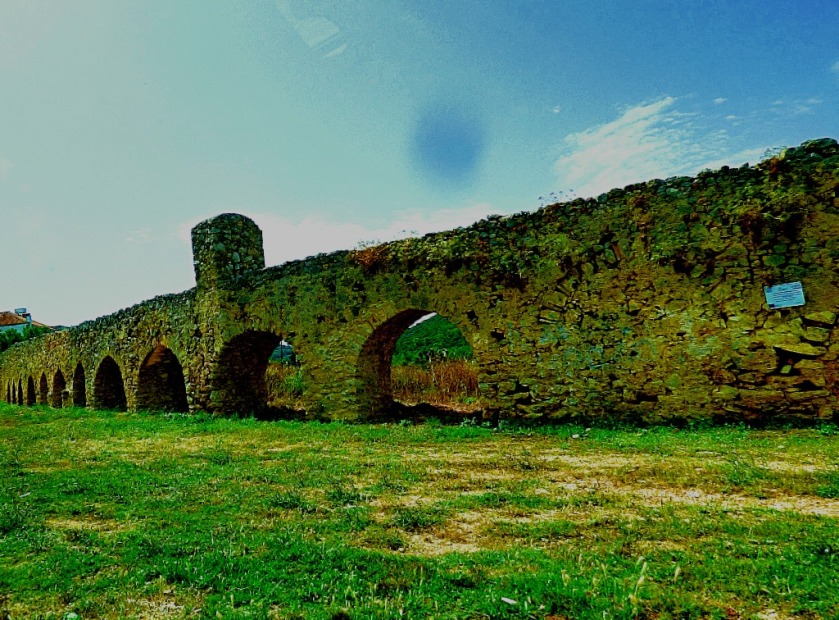
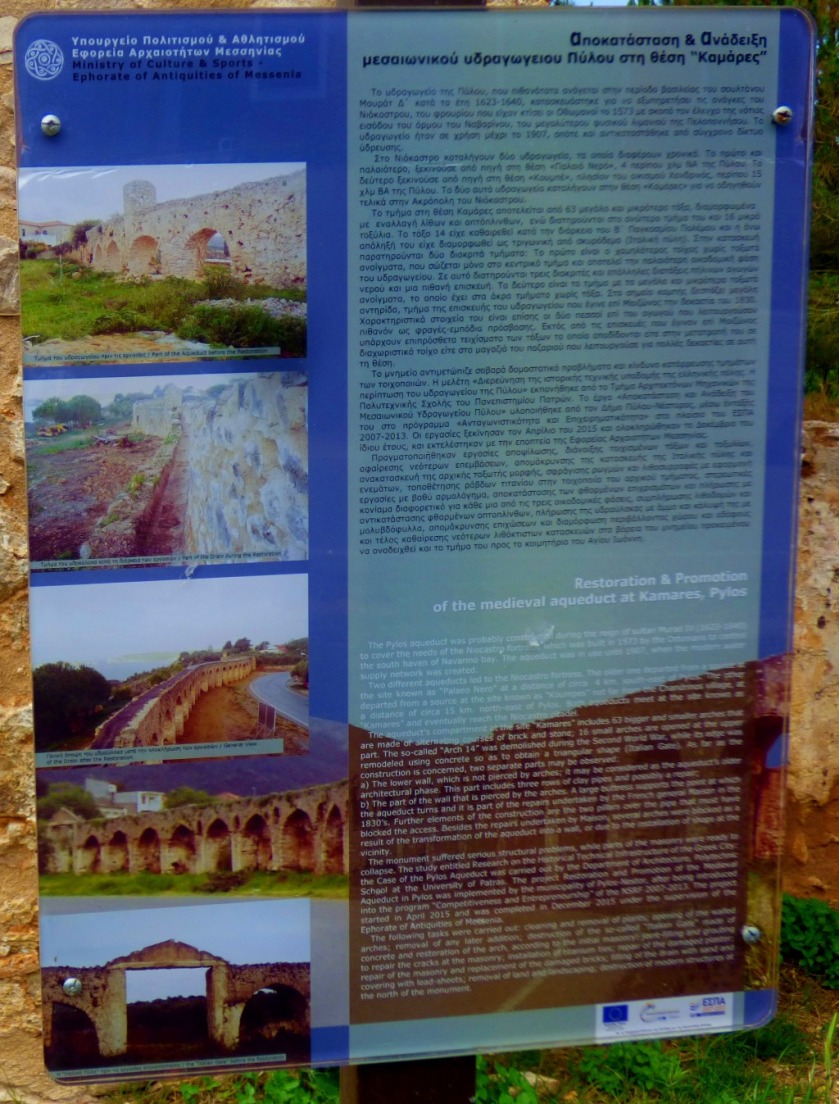
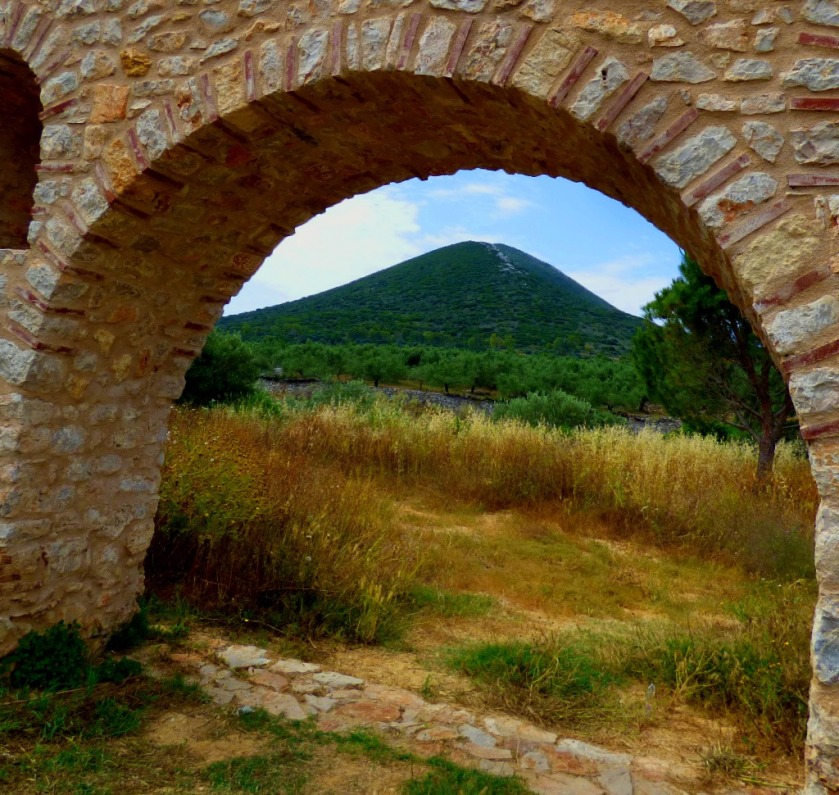
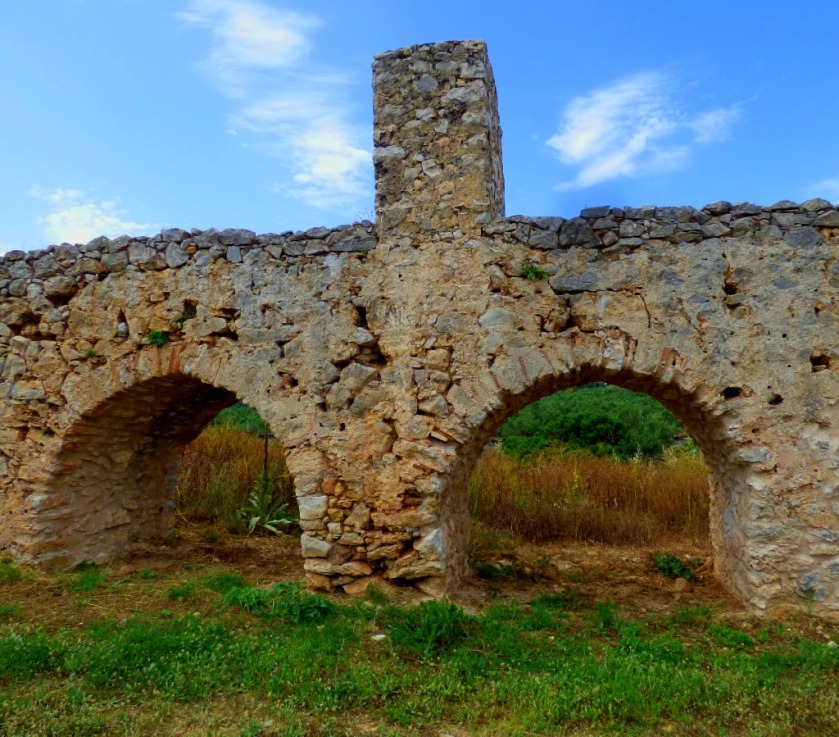
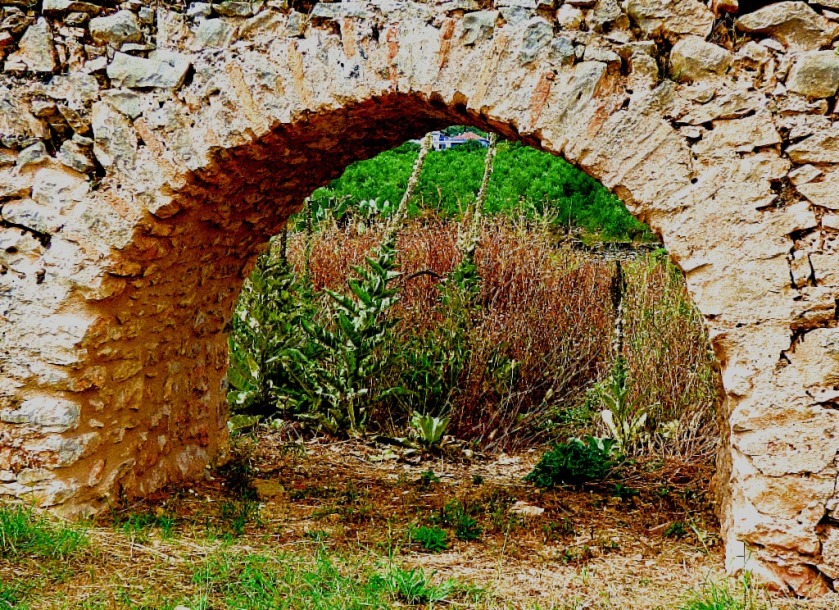
This is a Turkish built medieval aqueduct, and I got three shots of it from the car, before we stopped because there was an information board about it.
THE AQUEDUCT CLOSE UP
I took full advantage of our brief stop…
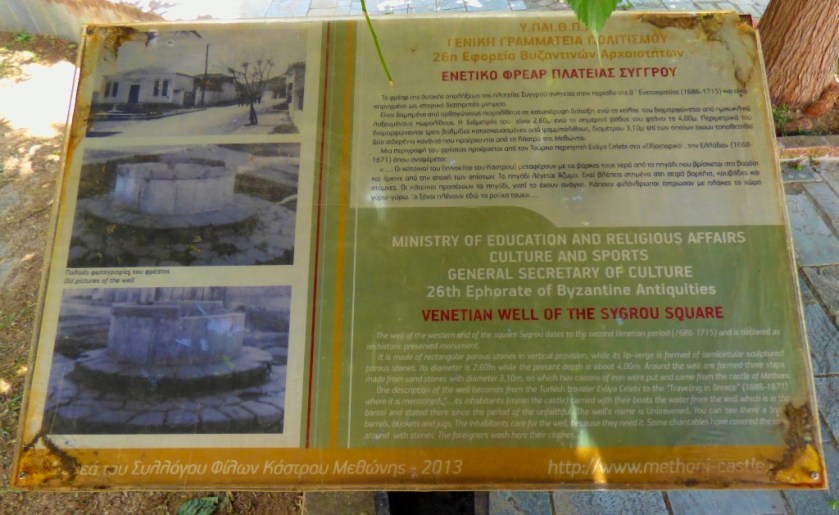
The Information board.
THE FINAL APPROACH TO METHONI
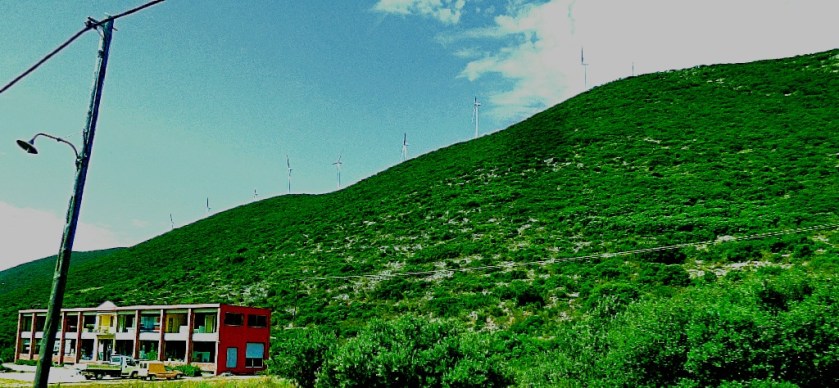
We passed a scene that featured both good and bad…
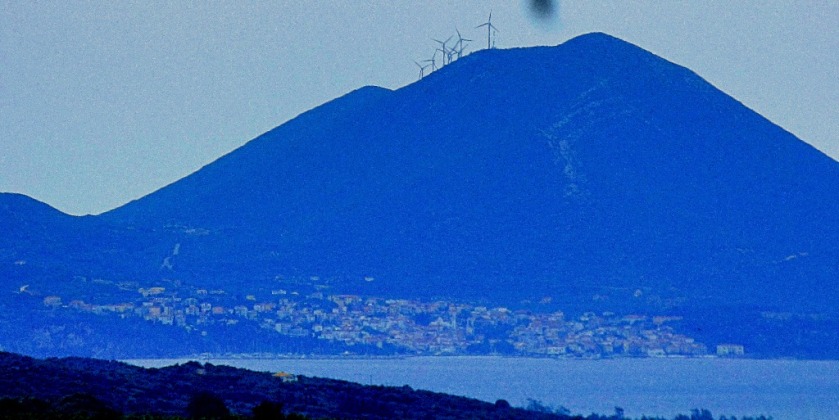
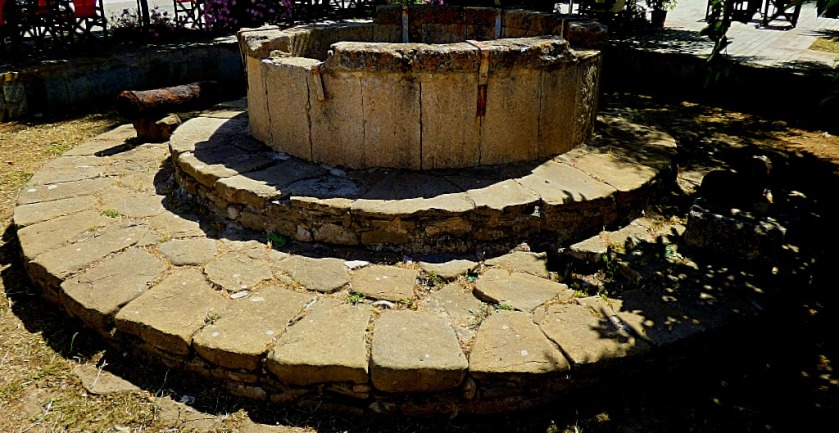
The wind turbines on the hill are a positive sign, but the derelict shell of a building at the bottom is unfortunate to say the least. After parking in Methoni we passed the Venetial Well en route to a cafe…
At the cafe we were served water and decided to sample their chocolate crepes, which proved to be ill-advised. These were served in absurd quantities, and the principal covering was nutella. I realised after eating one of the three crepes I was served that I needed to scrape away the nutella before continuing with the others. Half way through the second I gave up, realising that trouble was in store if I continued eating the stuff. This decision came too late to entirely save me from adverse consequences, but at least meant that I only became a little nauseous rather than ever actually feeling or being sick.
Once we were all finished it was time to visit the castle, which will form the subject of my next post.
The beginning of full coverage of my holiday, starting atv the beginning with the journey to Tseria and the rest of that day.
INTRODUCTION
Yes folks, after yesterday’slittle offering I am now able to start the story of my Greek holiday in earnest, and my usual logical fashion I am beginning at the beginning.
THE JOURNEY TO TSERIA
The flight to Kalamata (nearest airport to my parent’s house in Tseria) takes off at 5:40AM (the return flight leaves Kalamata at 12:00 Greek time, enabling the same crew to do both flights), which means that for a public transport user who lives in Norfolk the only way to get to the airport is to travel down the night before. I did this, arriving at Gatwick as planned just after 1AM, and making my way via the automatic monorail to the North terminal, where I waited landside until the EasyJet check in desks opened just after 3AM. An uneventful passage through security and I was safely airside and had about 90 minutes to wait for gate information to appear on the screen. I had had a beer landside, and now airside I had a bagel and a coffee while waiting.
There were equally few dramas boarding the plane. I had an aisle seat, which meant no chance of seeing anything through the windows (they are too small to be of use unless you are in a window seat) and also that I had to get up more often than would have been the case had I been in a window seat.
I had had the forethought to equip myself with plenty of reading matter. We landed at Kalamata fractionally ahead of schedule, a gain that was more than lost to slow baggage handling at that end. My parents collected me in their hire car, a nice sensible Skoda Citigo, very economical on the fuel, and suitably robust for handling rural Greek roads (which are much better than they were when I visited Greece in the early 1980s, but still a fair way from being describable as ‘good’).
Inspite of a sleepless night I managed to get through the day without napping and went to bed at a sensible time, following a meal at the new taverna that has opened in the village. It was good of its kind and I thoroughly enjoyed it.
PHOTOGRAPHS
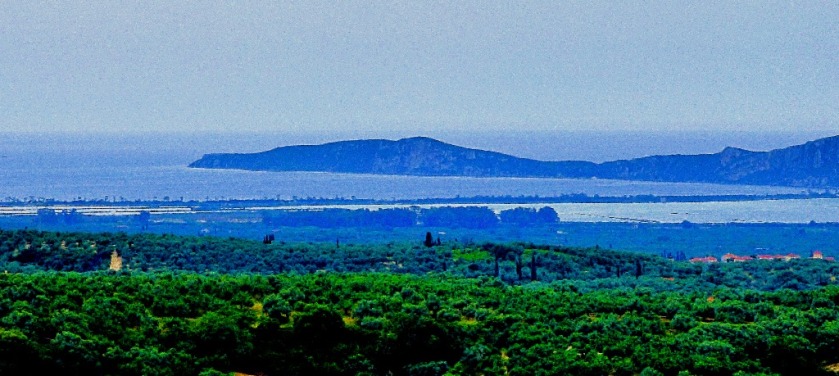
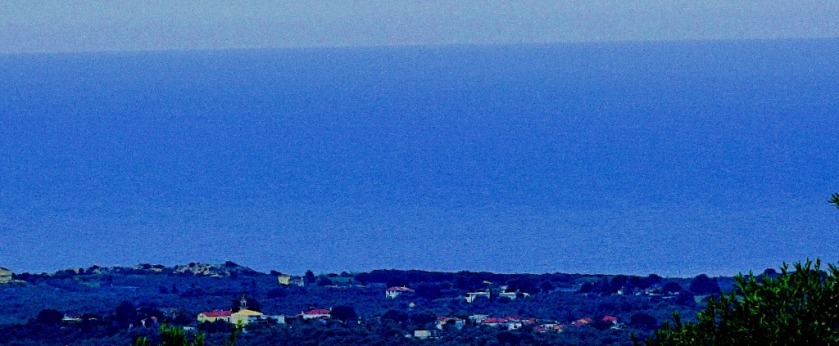
This is the first of a number of pictures taken from the balcony outside my parent’s house.
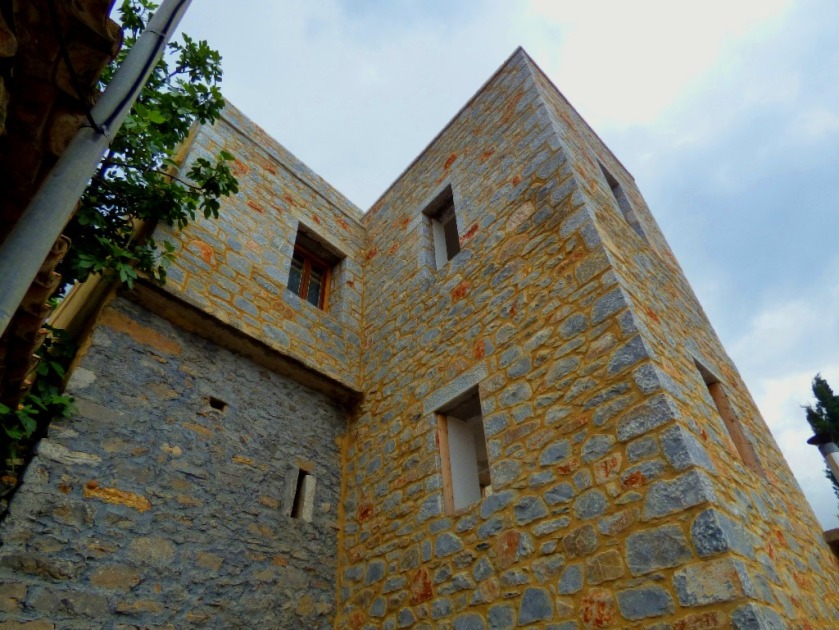
This tower is newly built since I was last in Tseria.
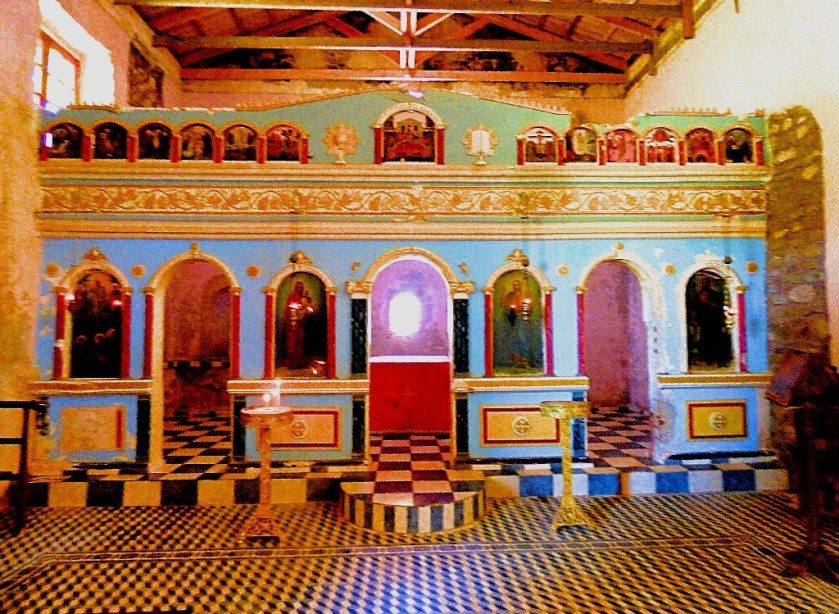
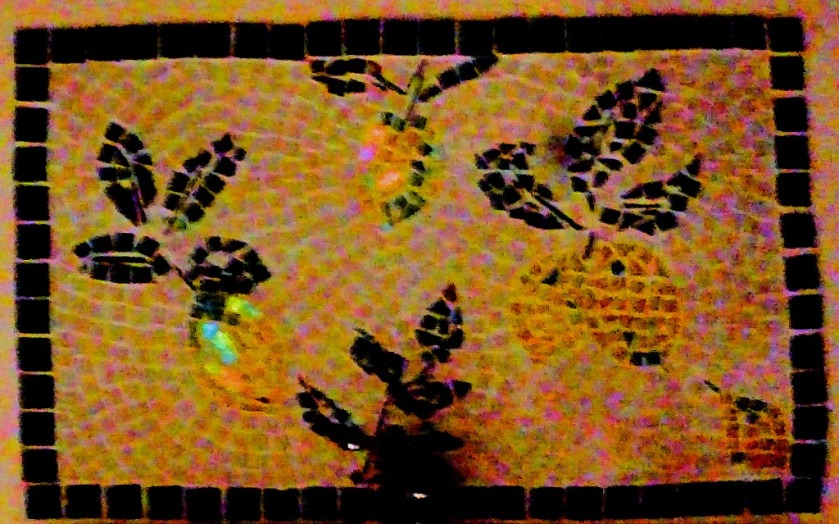
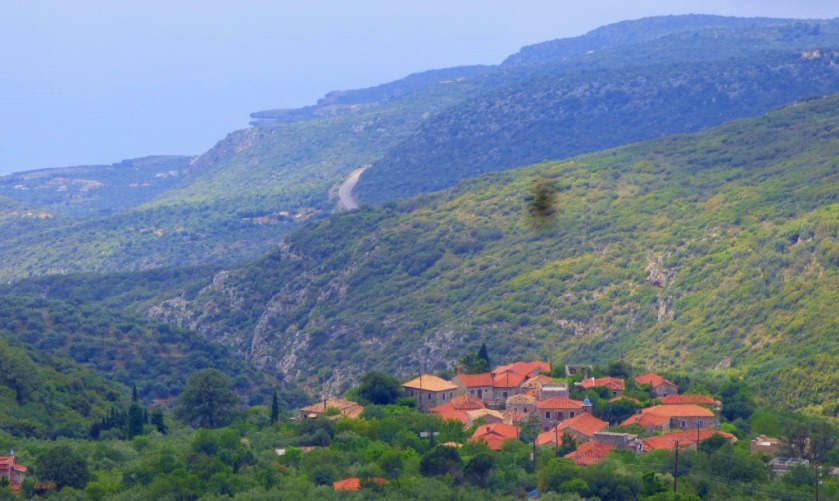
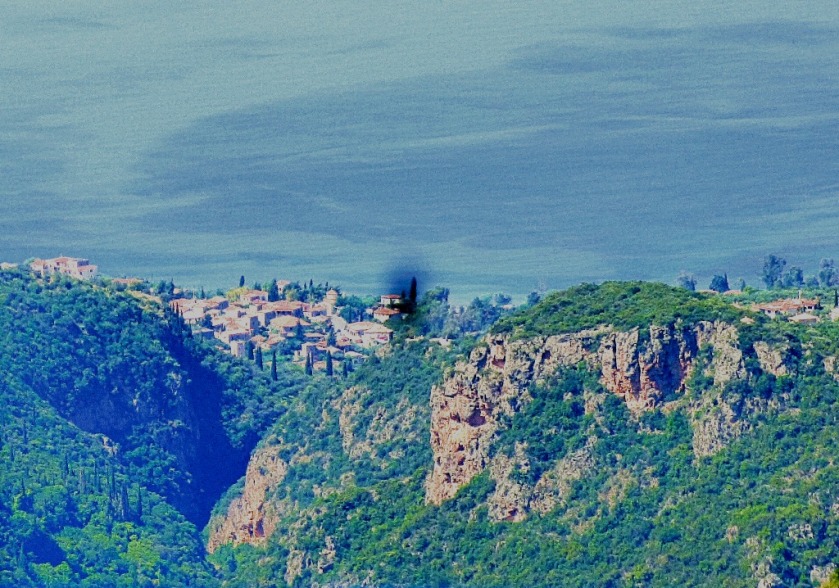
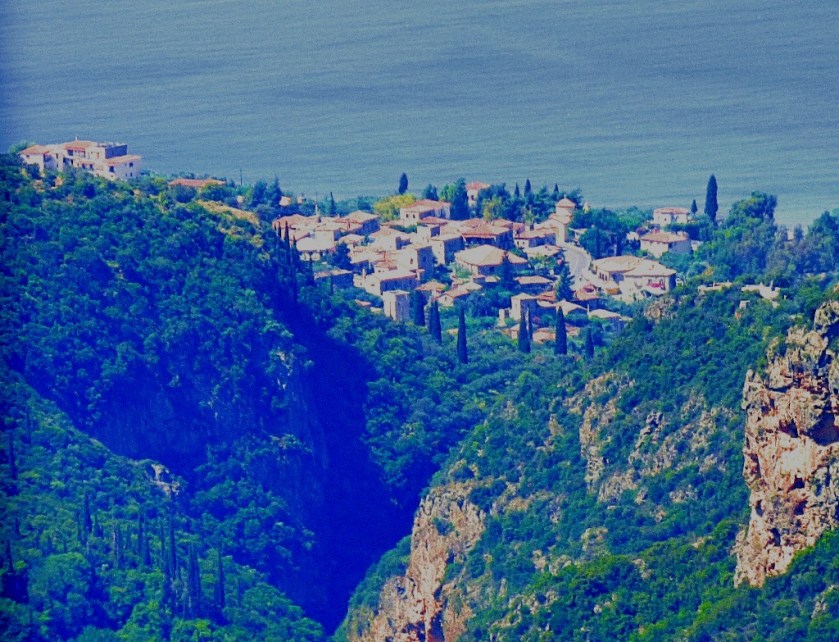
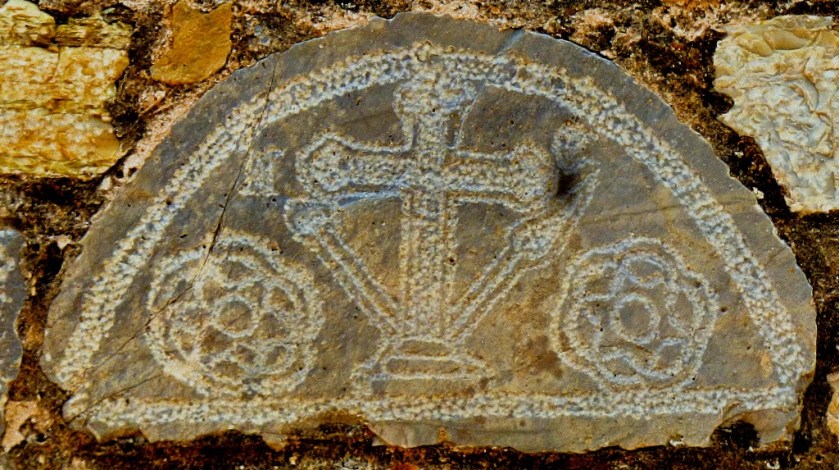
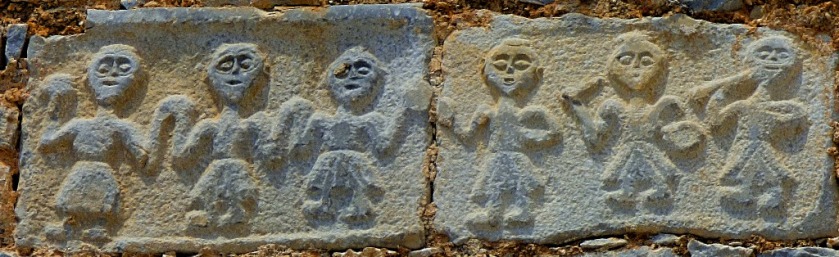
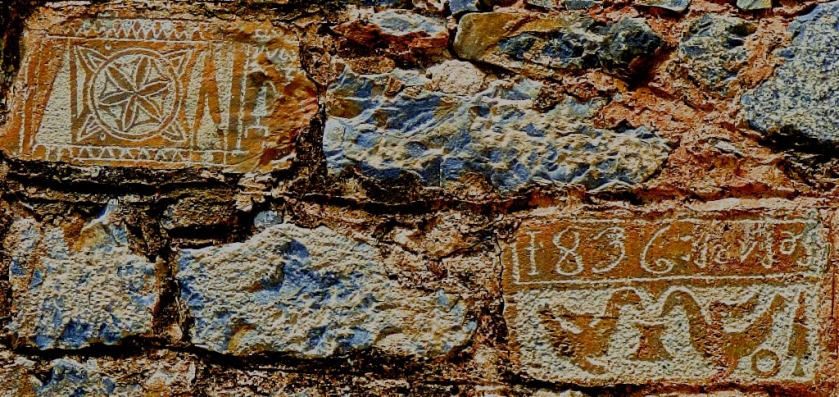
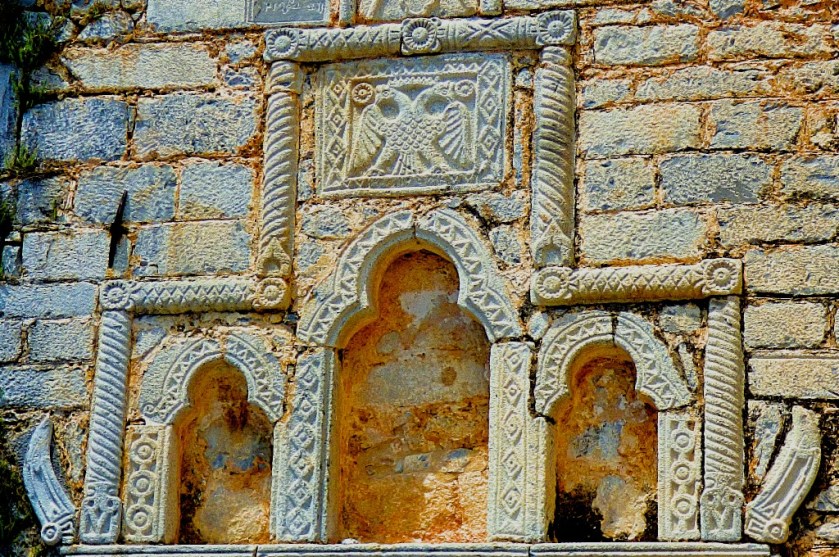
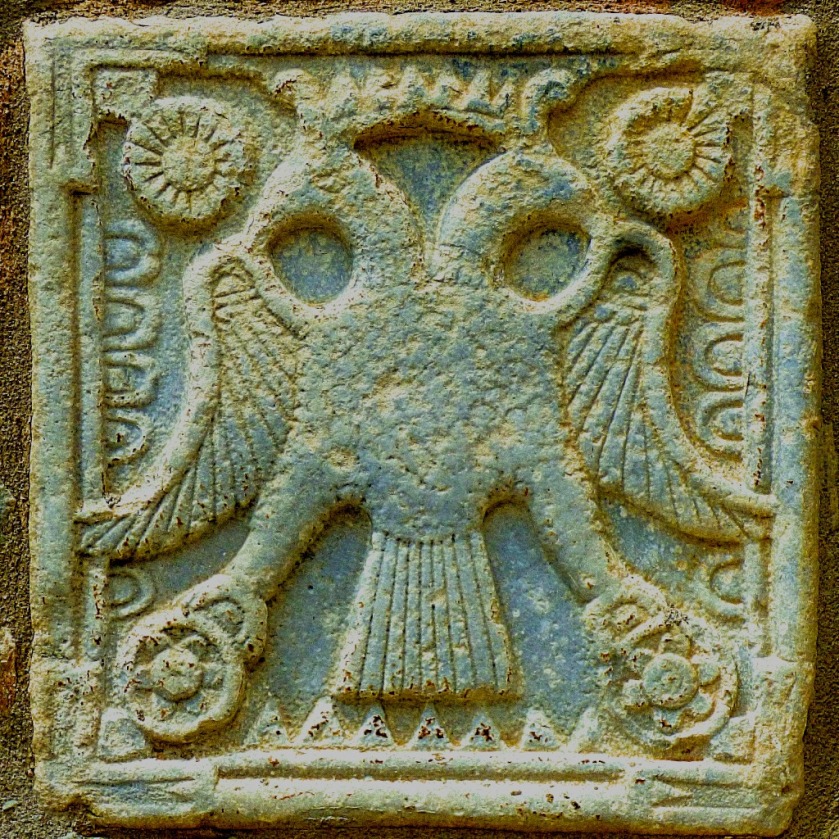
A distant view of Kardamili and the mouth of the Viros Gorge.There is a lot of fascinating artwork set into the walls of the church just below my parent’s house in Tseria and I captured some of it.
Sunday Social is a place to mingle, collaborate, and share our blogs. Sunday Social is one more place where you can share a post that maybe didn’t get as much feedback as you were hoping for. Sunday Social is a place to meet new bloggers.
This weekly post is a “wild card” of sorts. There aren’t many rules but I do ask that you follow a few guidelines.
Give honest, constructive feedback, but always be courteous.
If someone takes the time to comment on your post, please return the favor and check out their endeavors too.
How do you participate?
It’s very easy.
Copy and paste the link to your blog or a specific blog post in the comment section below.
Give us a little blurb about your blog, the feedback you are looking for, or if you are just hoping to meet some new blogger buddies.
Introducing what will be a series about my holiday in Greece.
INTRODUCTION
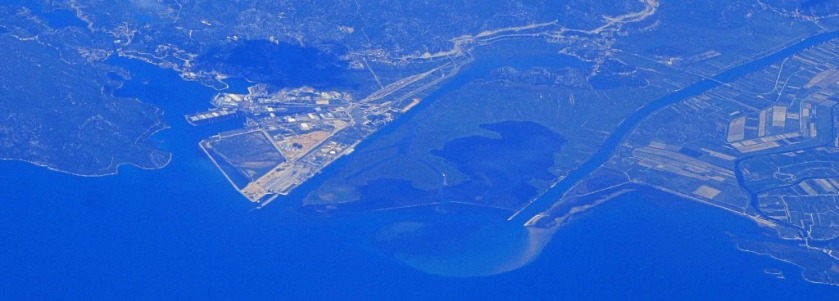
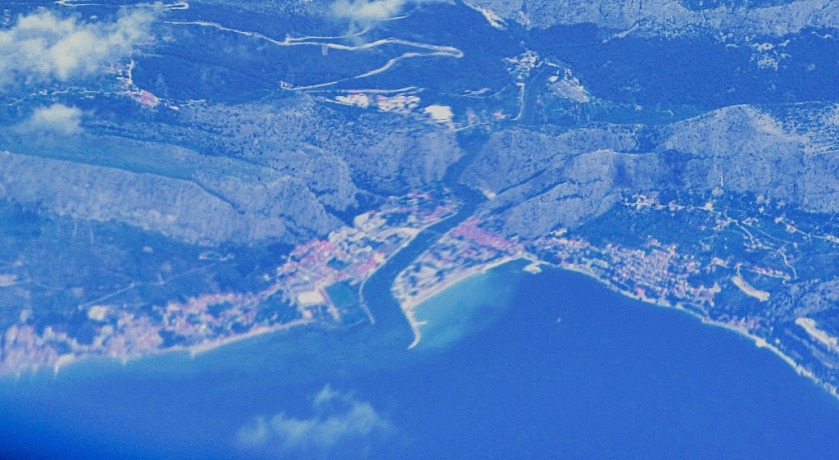
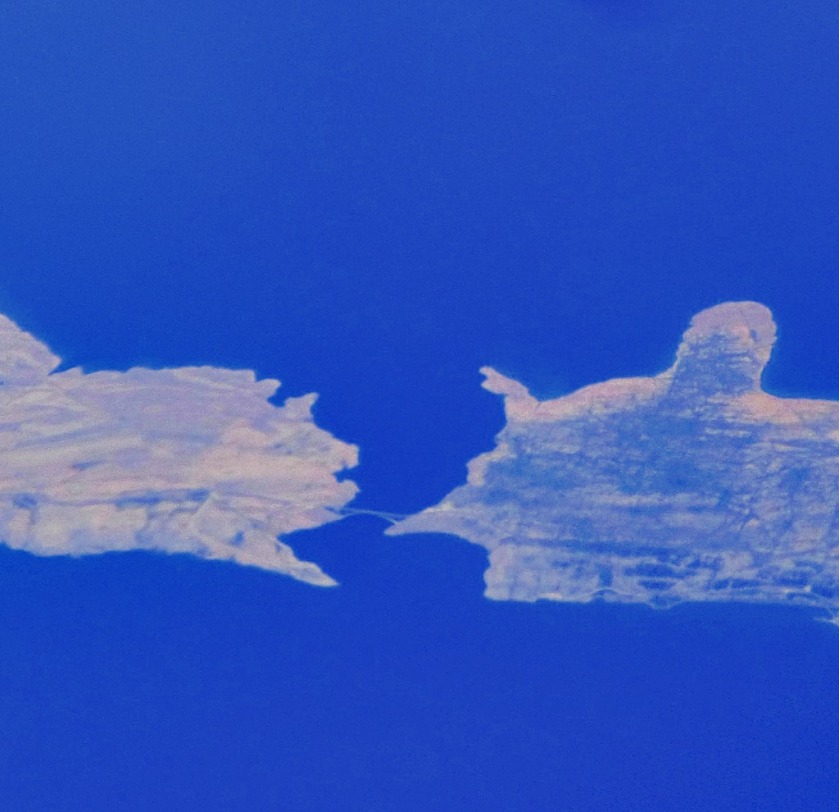
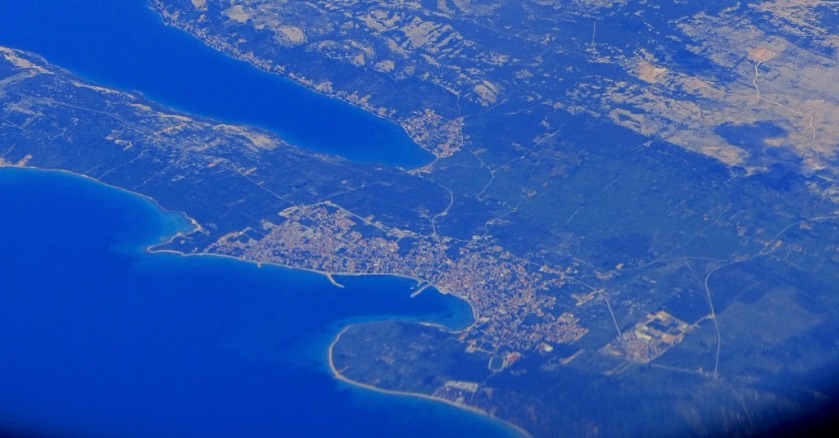
I am just back from a week in Greece, mainly in places without internet connections. I have huge numbers of photos to edit, so to keep things going for the moment I am presenting a selection from across the week, plus the return flight, on which I had a window seat.
THE PHOTOGRAPHS
The first few pictures here are from in and arouns Tseria, where I was staying.
This map is part of the decor of the shop from which my new Sandals came.
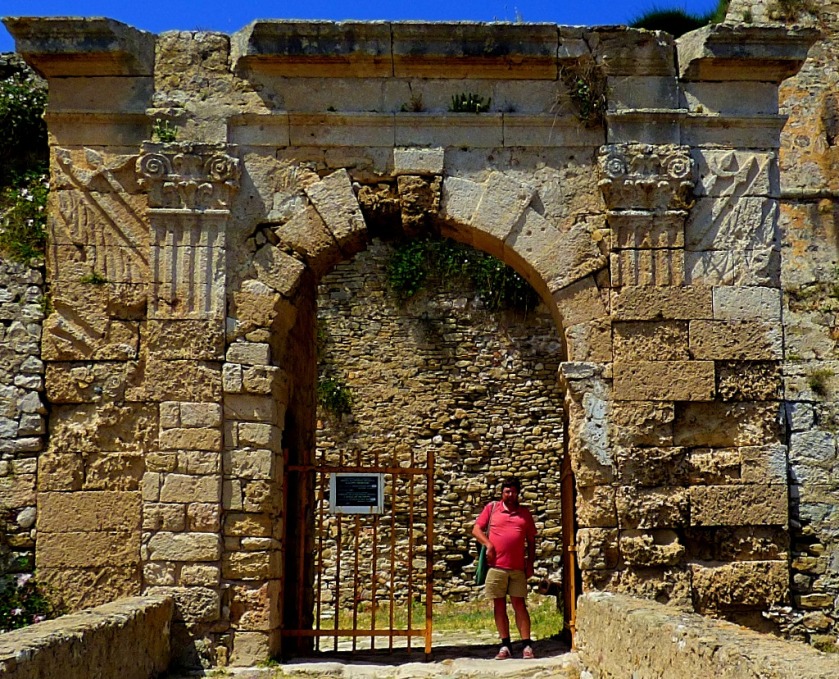
My new profile pic – me at the gateway to Methoni Castle.
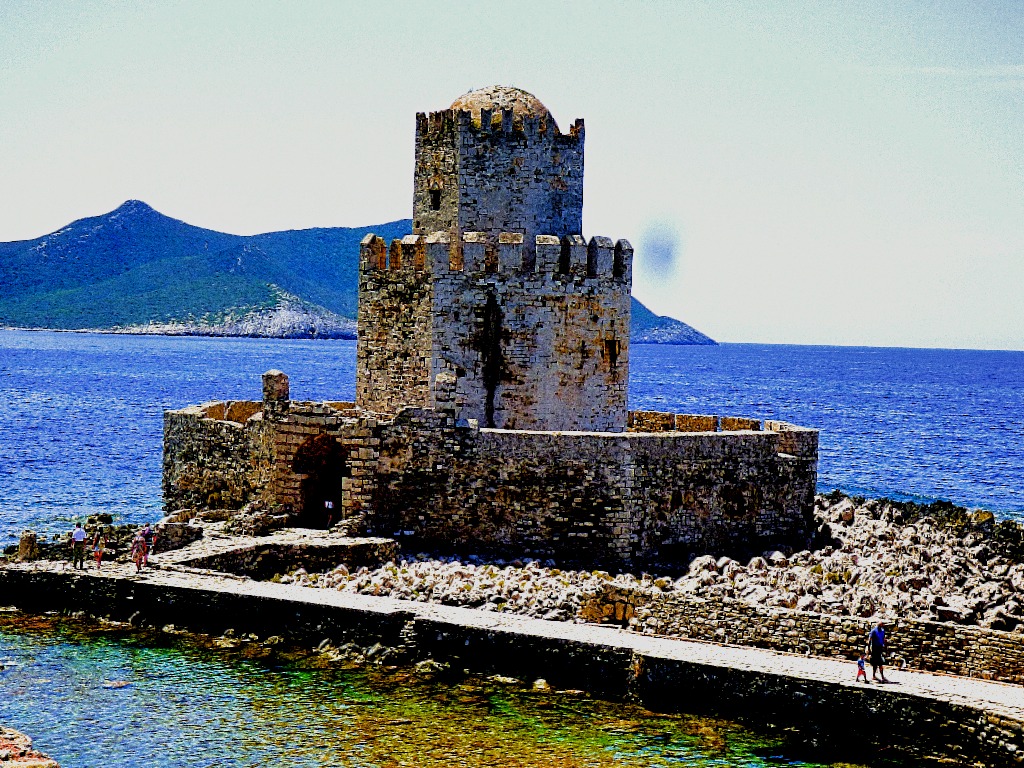
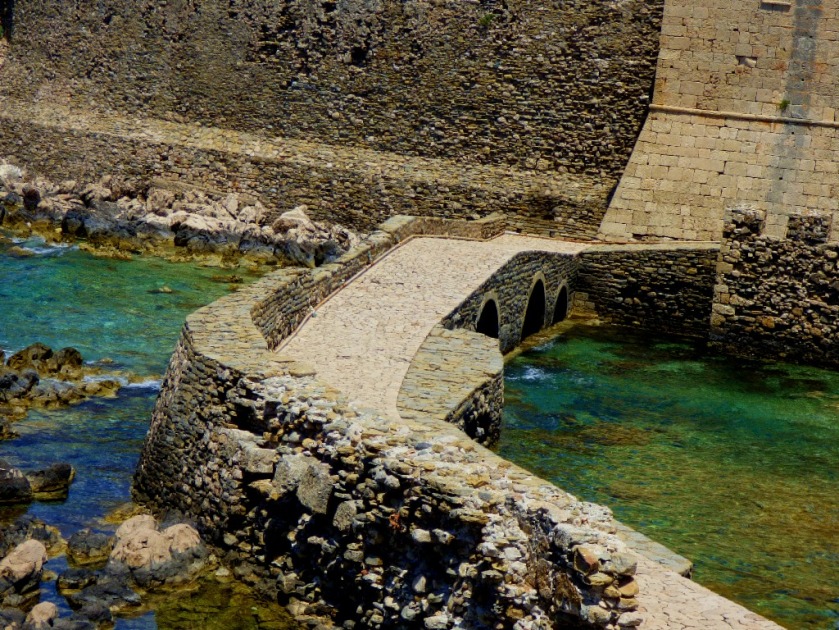
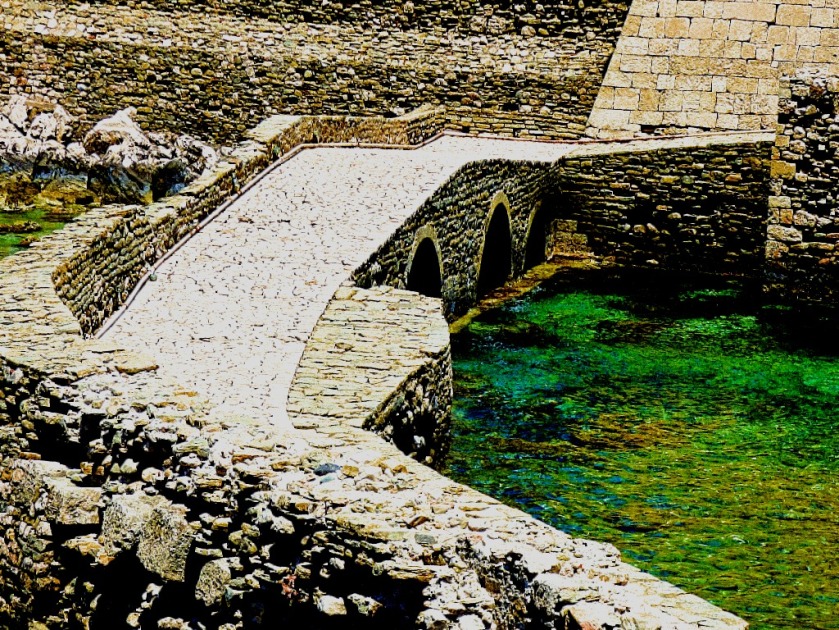
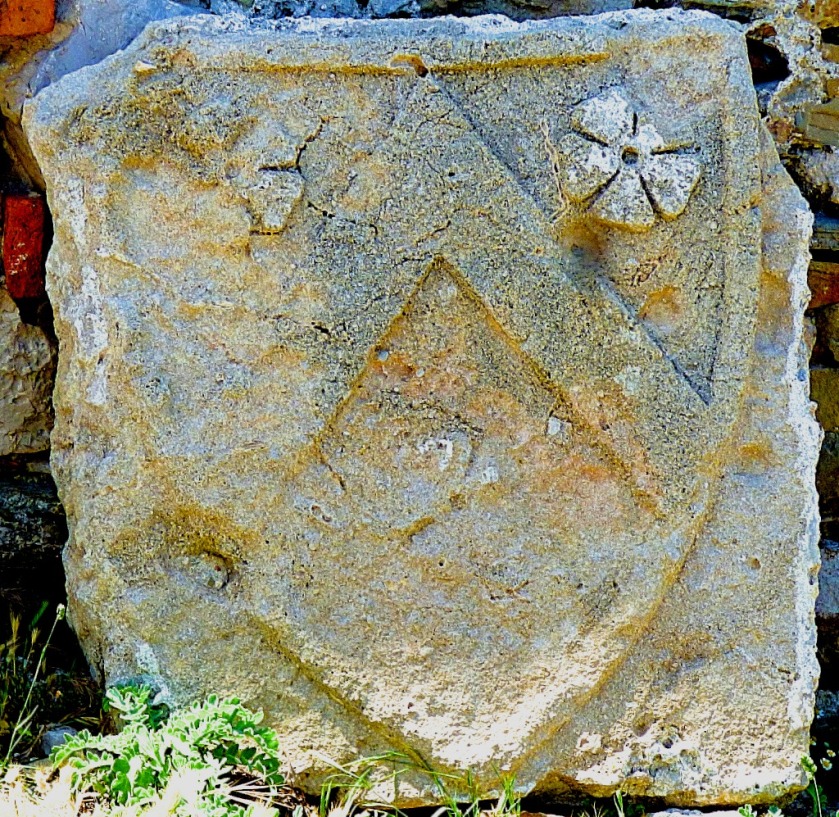
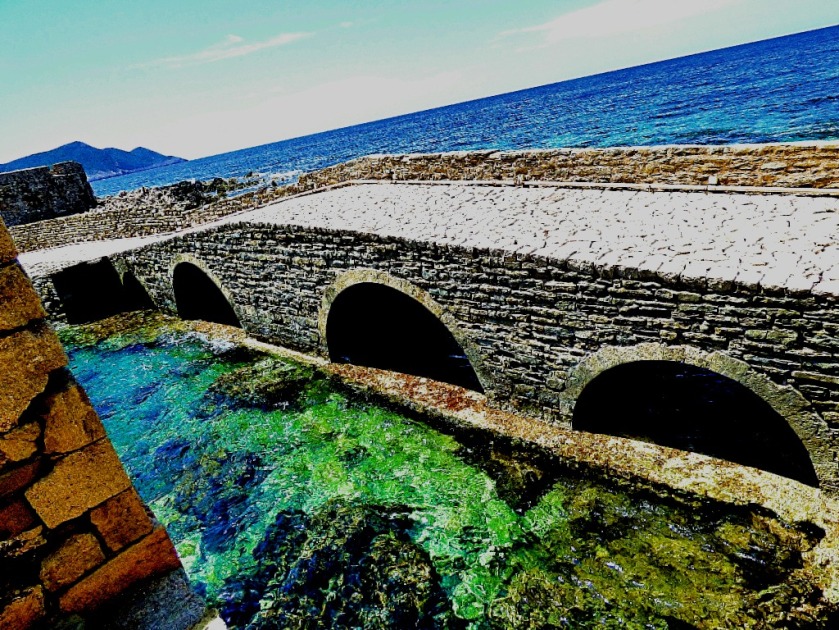
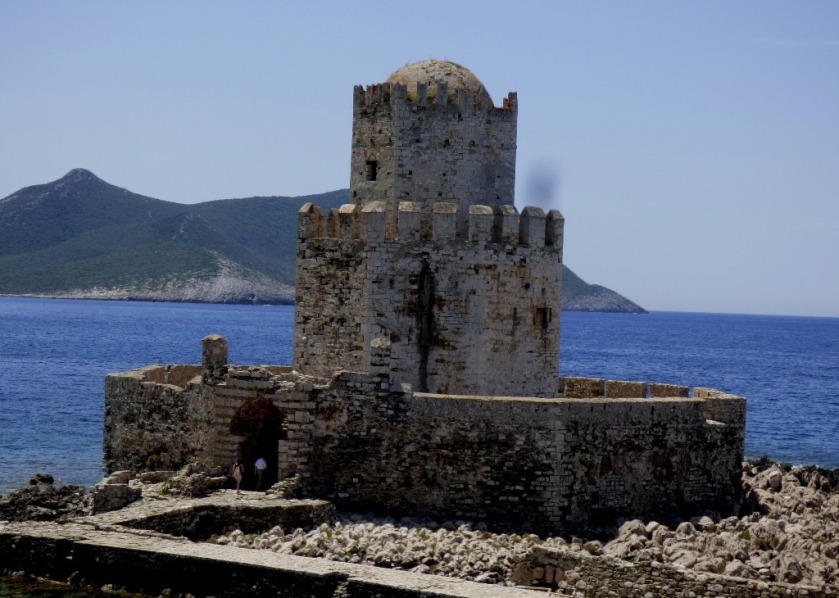
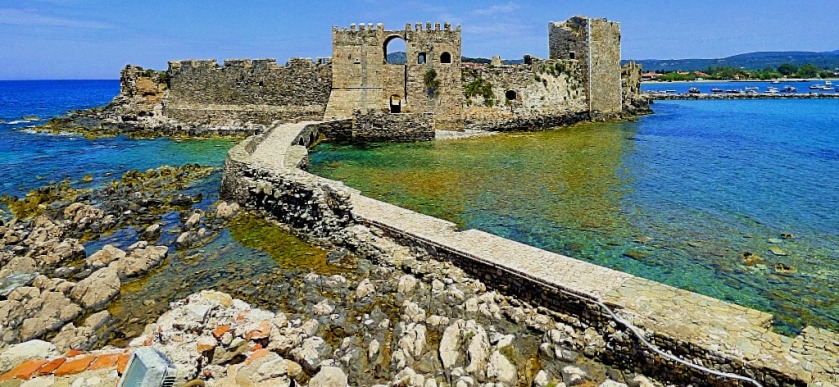
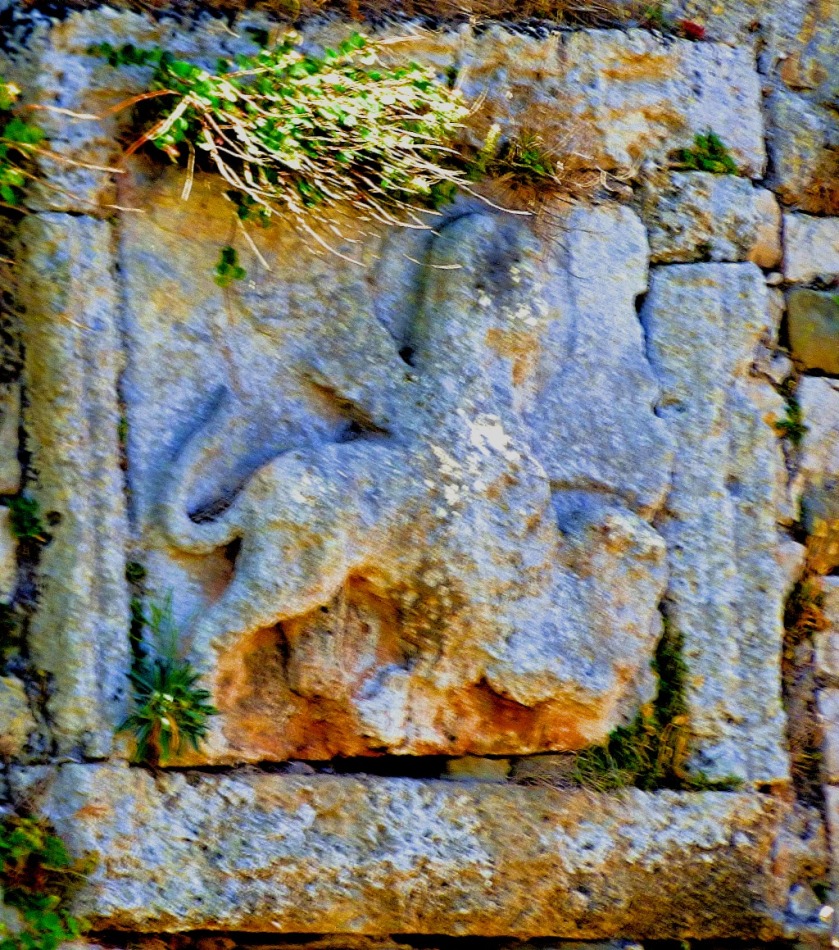
The Bourtzi of Methoni.The bridge linking the main castle and the BourtziThe main castle from the BourtziA heraldic lion set into the stonework of the outer wall of the castle
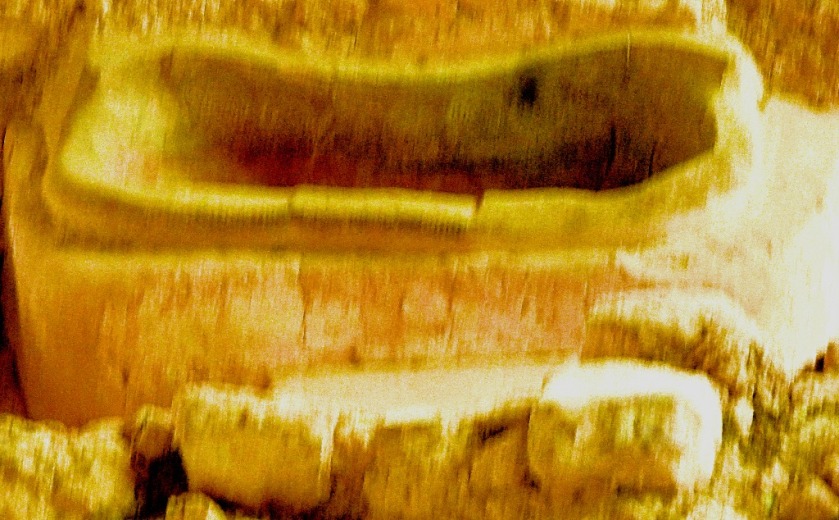
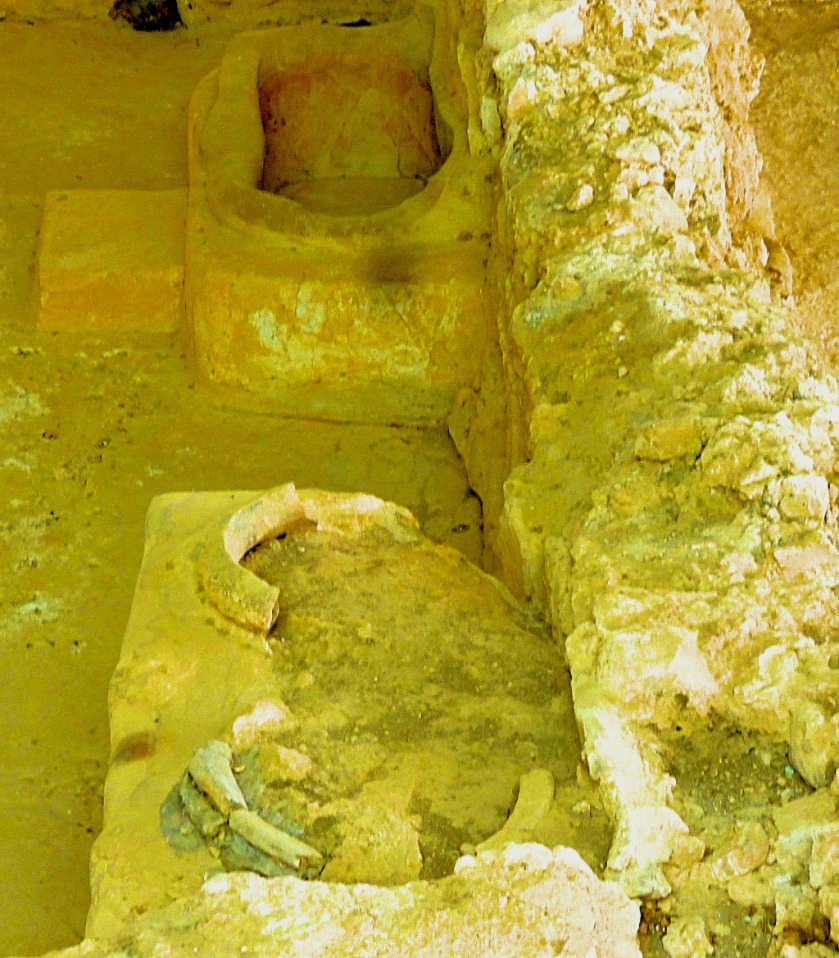
The bath of Nestor, Pylos
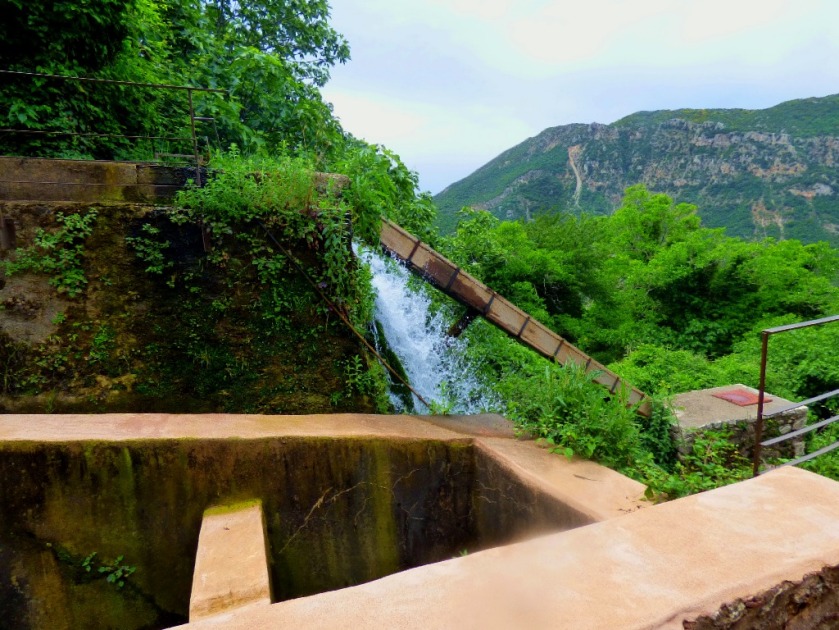
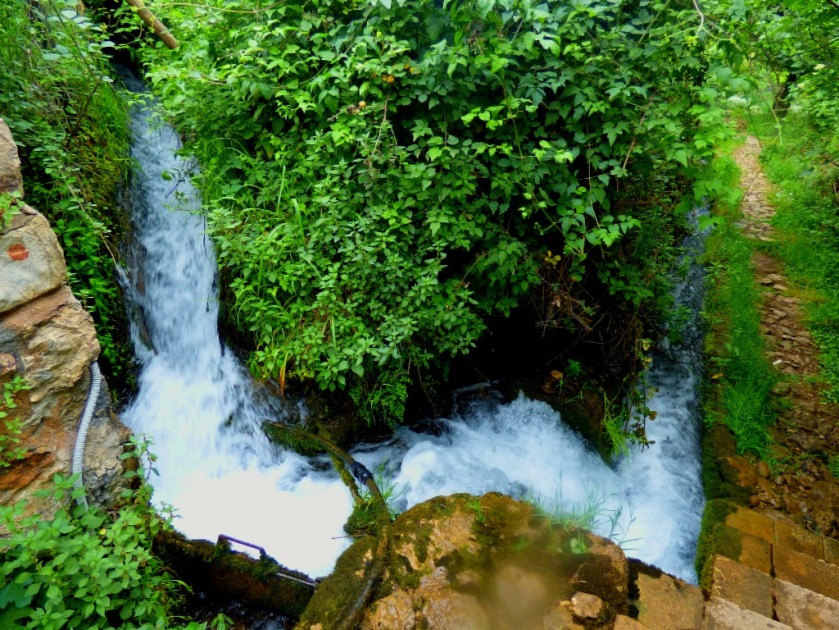
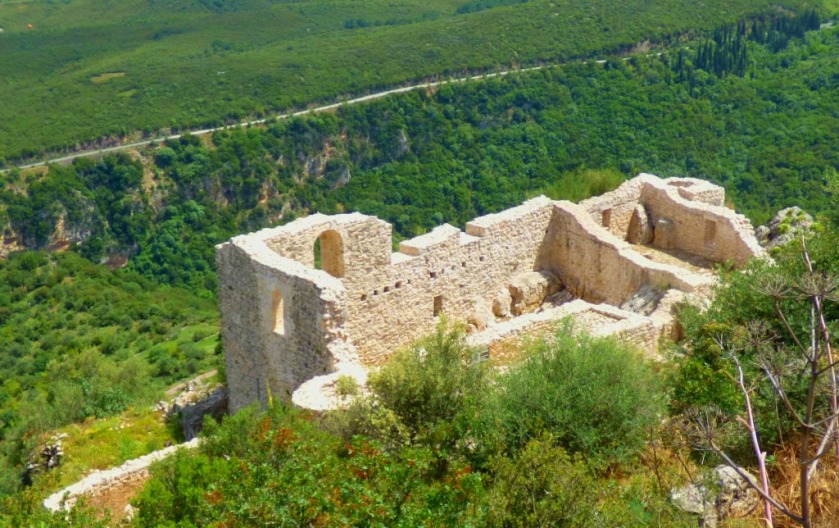
House Martin nests, Agios NikolaosAn adult House Martin visits one of the nestsKarytaina CastleThe next three shots show water power – all taken at the open-air museum of water-power, Dimitsana
Two shots of Karytaina Castle from below
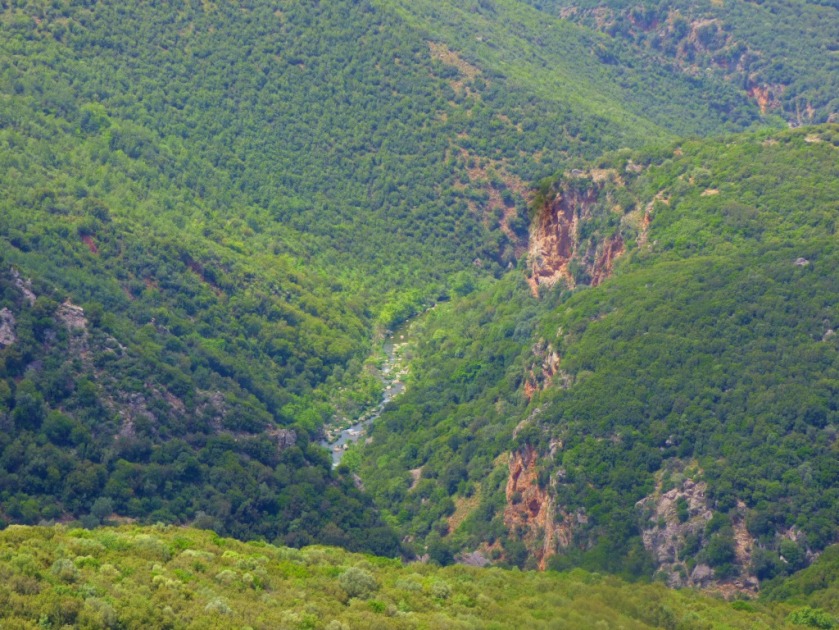
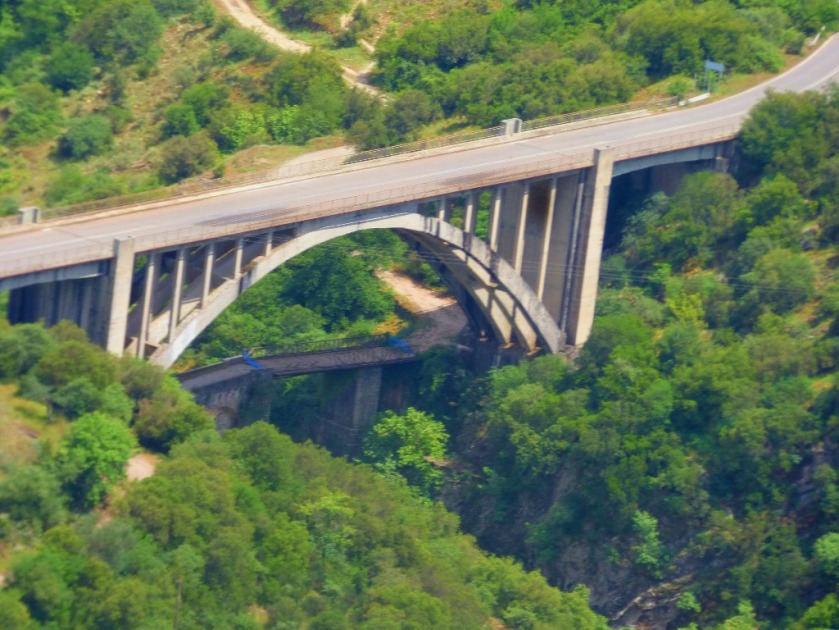
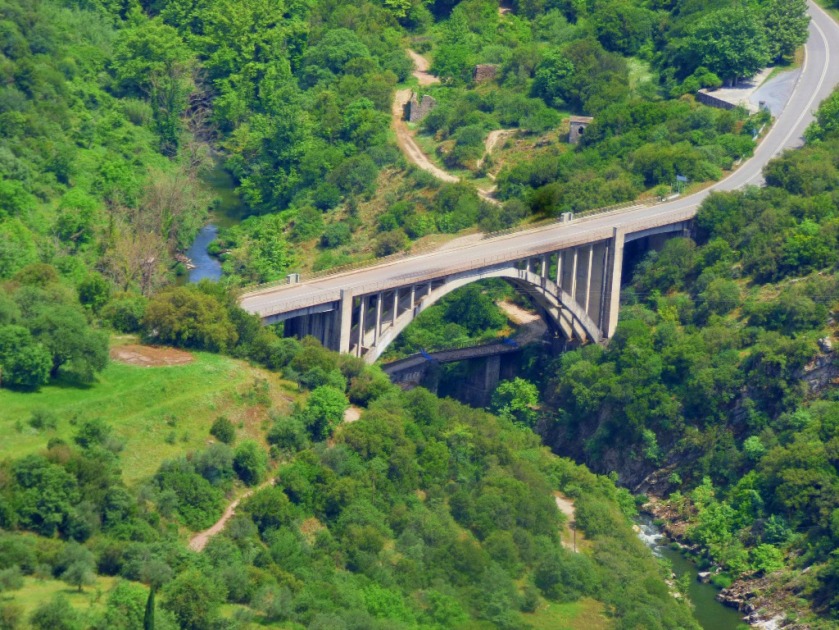
The first of four shots of the bridges over the Lousios.
The Alfios, the other river guarded by Karytaina
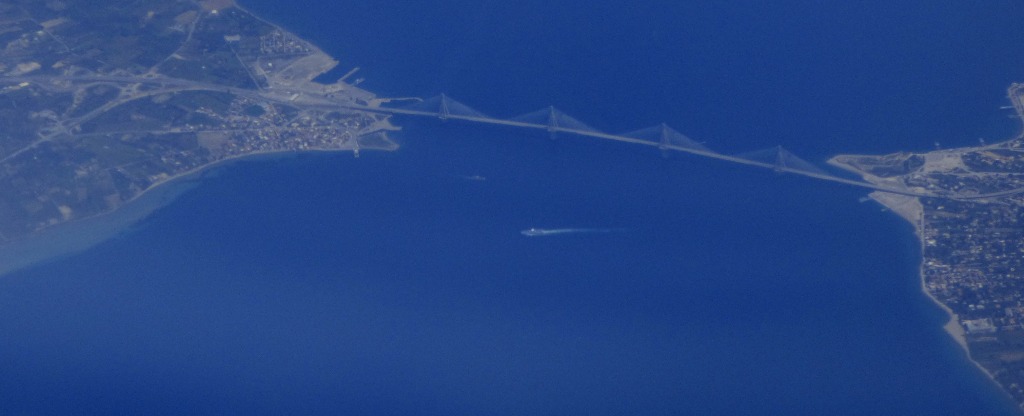
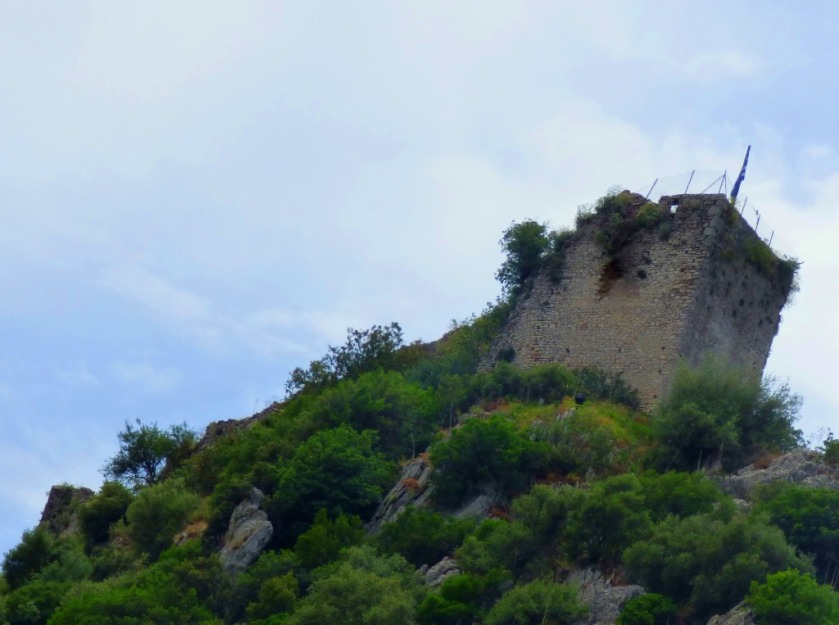
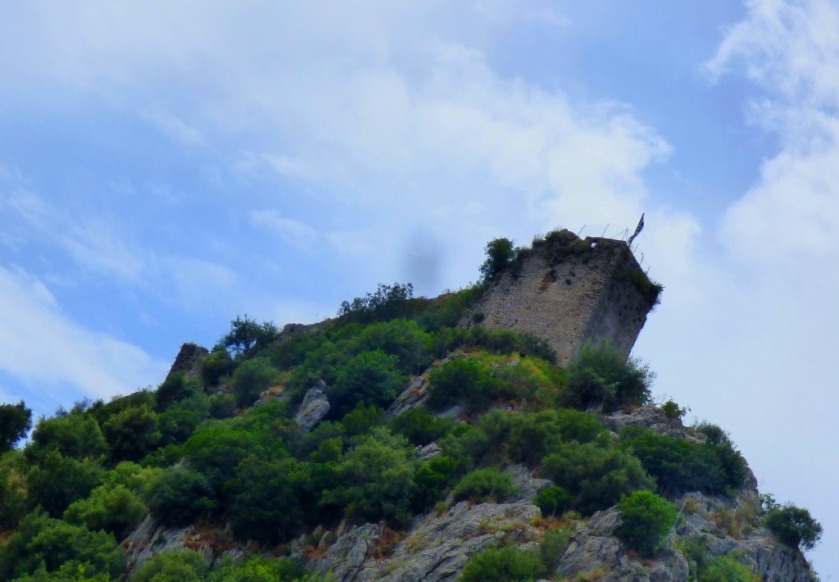
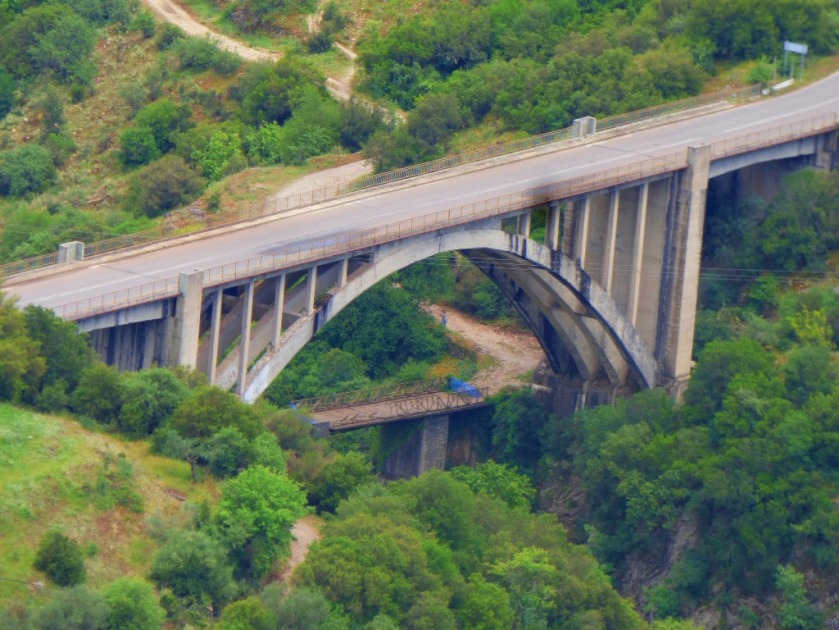
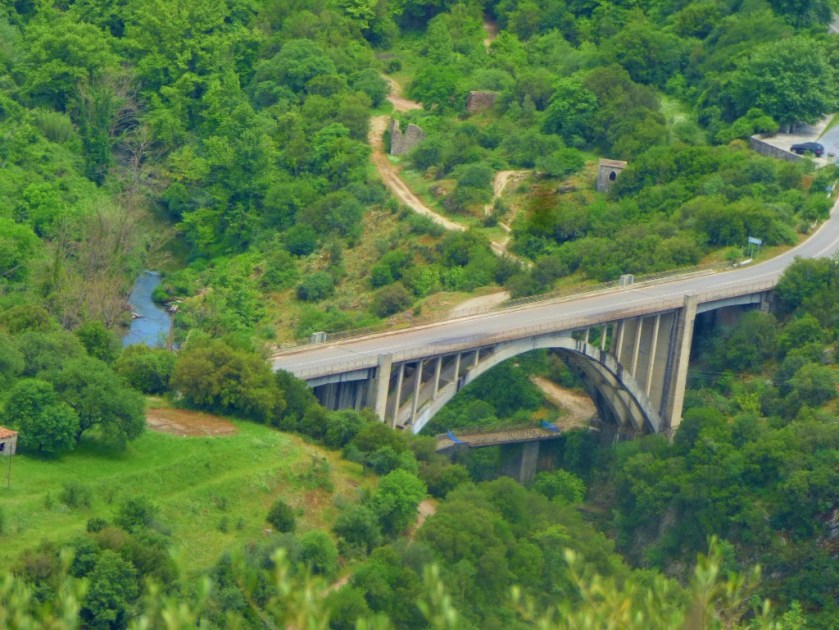
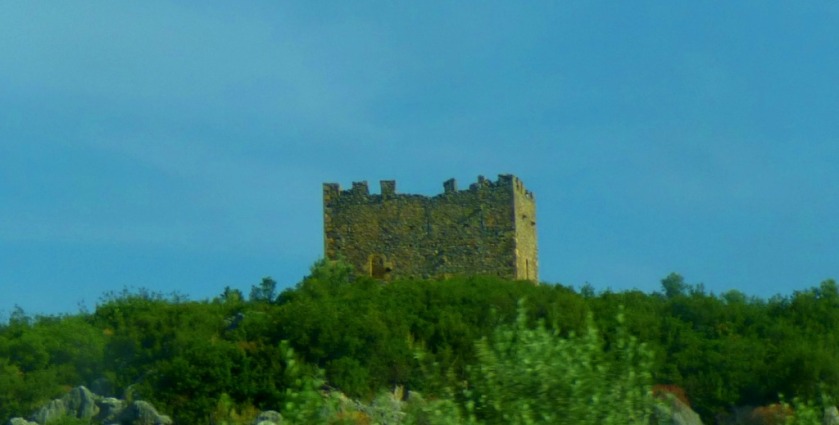
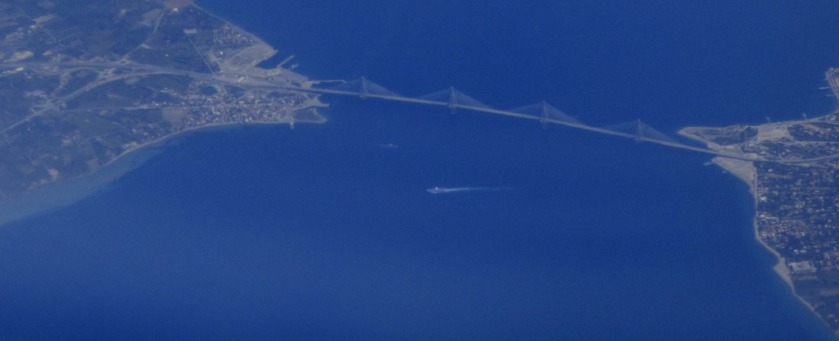
A tower between Tseria and Kalamata, the last picture taken from ground level to feature in this post.Even with 37,000 feet of vertical distance between me and it this bridge looked impressive.
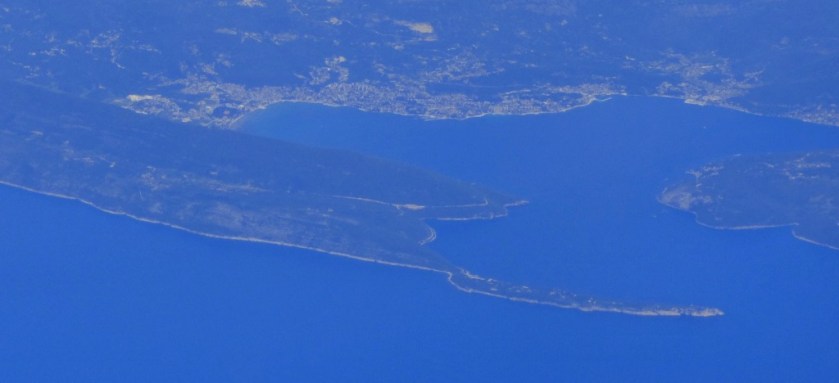
Another fine bridge (two shots)
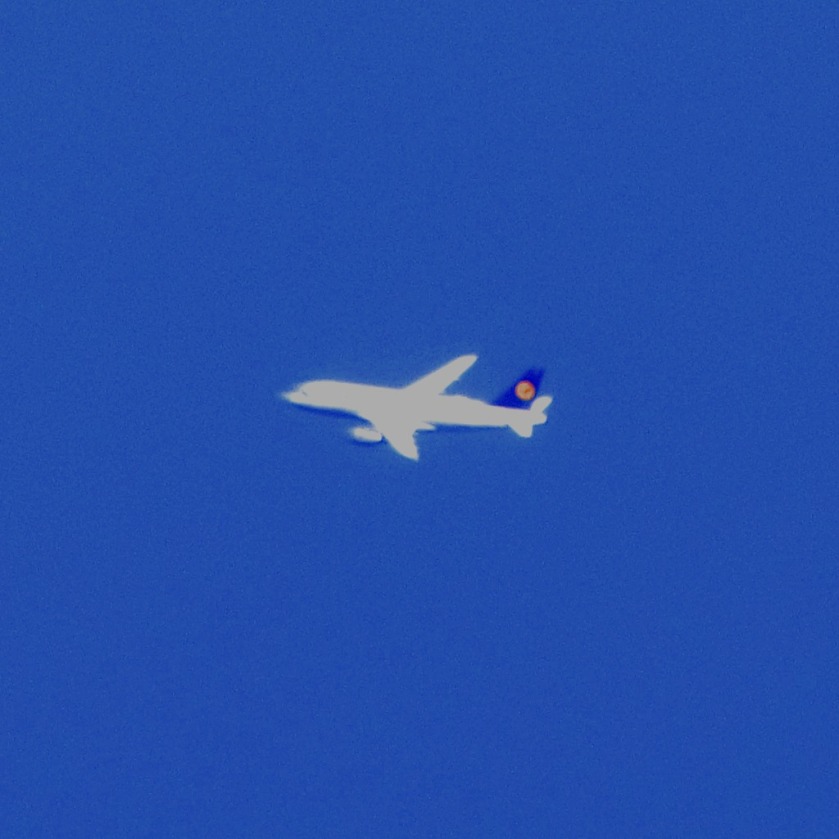
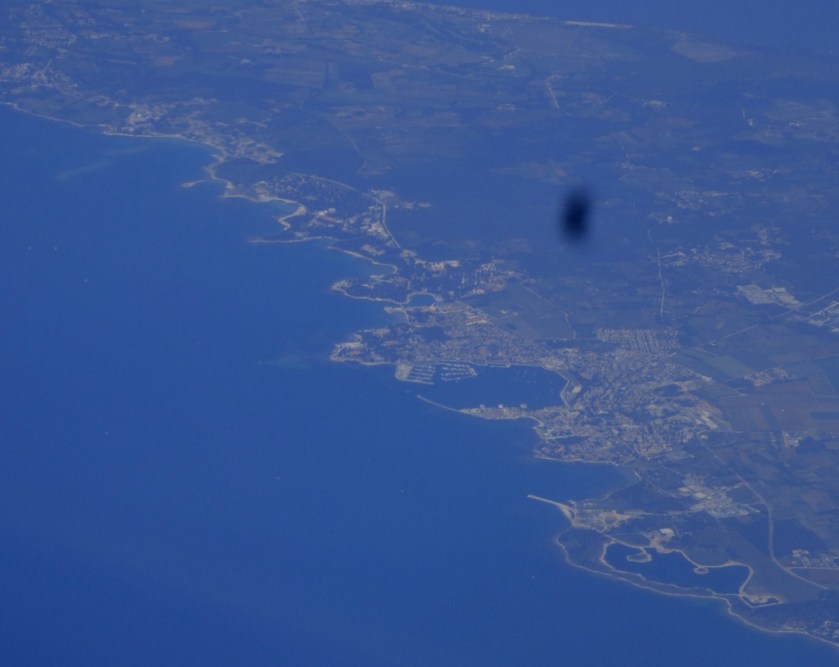
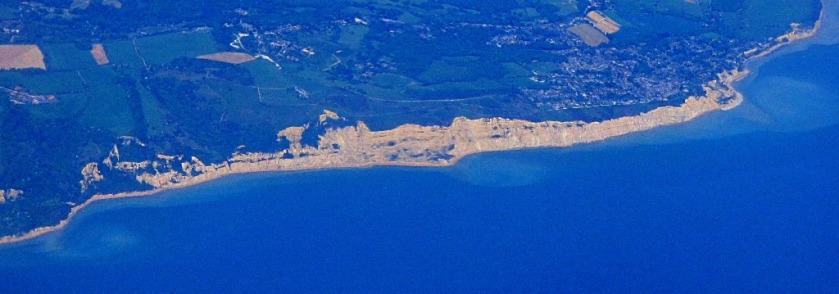
This aeroplane was flying at a lesser altitude than the Airbus A320 that I was aboardA stretch of French coastline.The approach to Britain – I believe we flew directly over Brighton, if the combination of a large pier and a major cricket ground (Sussex CCC’s HQ if I am correct) is anything to go on.








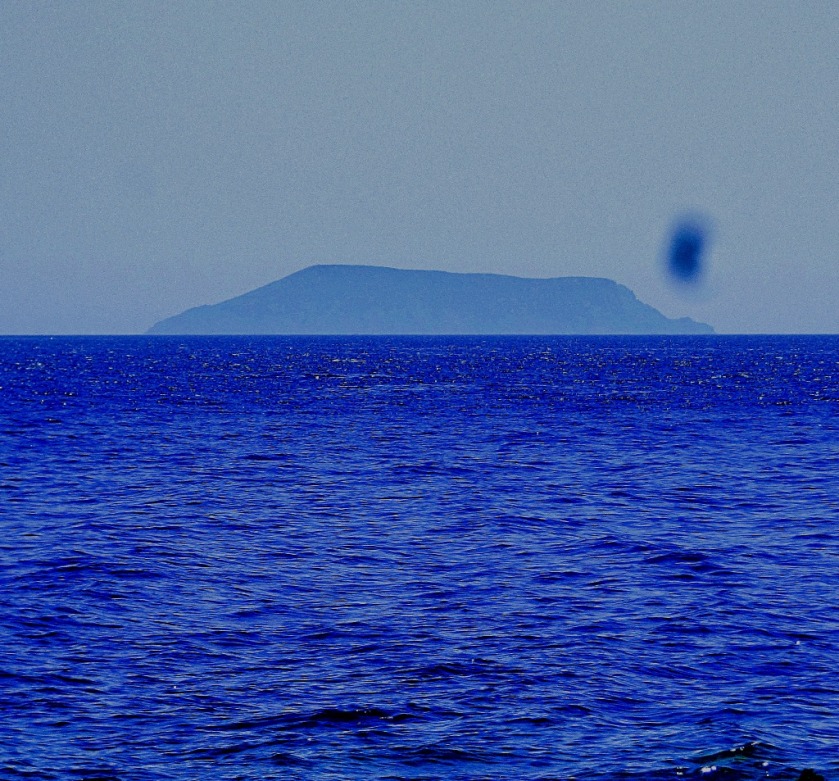














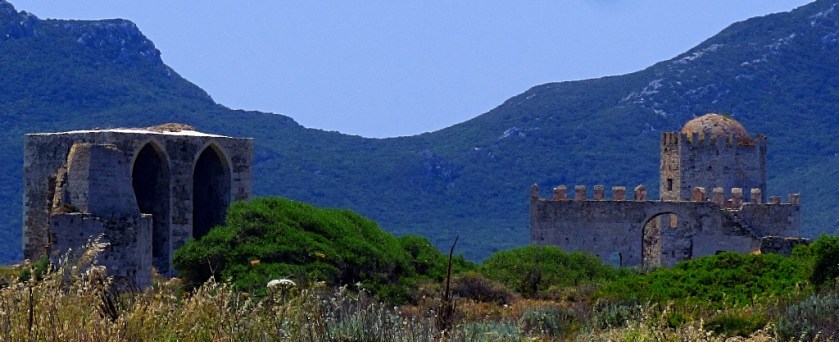

























 aspiblog