Rachel Caine’s Great Library Novels

A review of Rachel Caine’s series of books featuring the Great Library.

INTRODUCTION

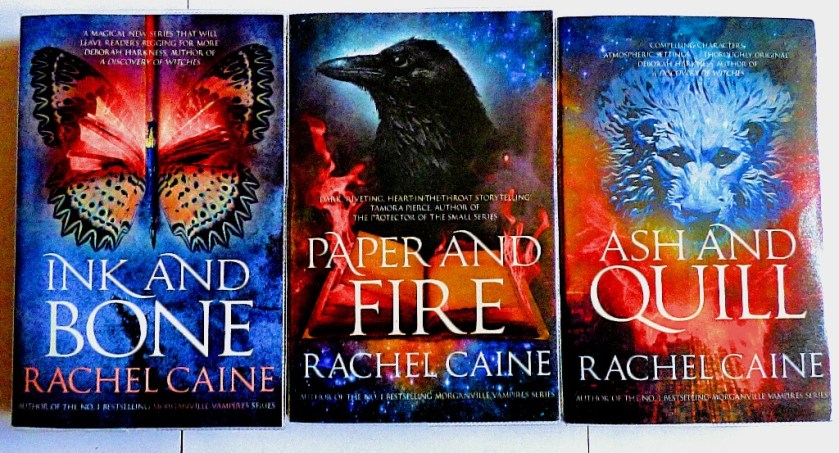
There are three novels under consideration in todays post, and they form a series. 

GLT

OVERVIEW

These books are an exercise in “Alternative History”. They are set in the 21st century in a world in which the Great Library of Alexandria did not get destroyed, but instead ended up as a global power, not merely a centre of learning. For some centuries a conflict has raged between the forces of the Library and rebels known as Burners. Also, since the Great Library have decreed that no books shall be privately owned there is a third group in the mix, the smugglers who for a price satsify the cravings of those who in defiance of the law still want to own books. 

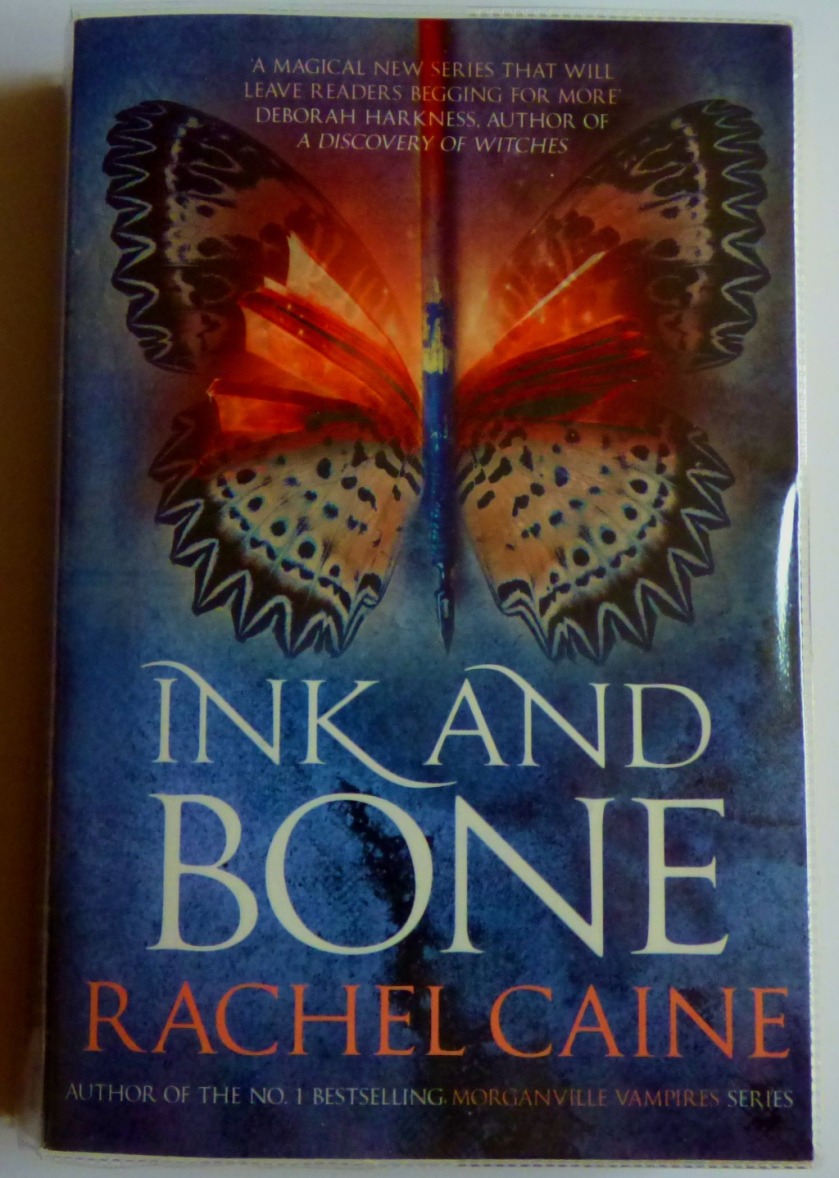
BOOK 1: INK AND BONE

Ink and Bone

In the opening pages of this book we meet Jess Brightwell, then 10 years old, and already running contraband books as part of his father’s smuggling business. Jess performs a mission which leads him to an encounter with an ‘ink eater’ – a man who in this instance eats the pages of the only known copy of a book by Aristotle. The effect witnessing this has on Jess sets the scene for the subsequent story. We skip forward six years and Jess’s father has entered him (at vast expense) for the Great Library entrance exam, considering that it would be useful to have someone on the inside. Jess manages to pass and finds himself bound for Alexandria along with 30 or so other scholars. Among his fellows are Thomas Schreiber, a German with massive talents for engineering and inventing, Khalila Seif who has achieved the first ever perfect score in the entrance exam, Glain Wathen, a tough Welsh girl who has an eye on a place in the High Garda, the Library’s security force/ army and Dario Santiago, from a wealthy and influential Spanish family.

These and the other postulants find themselves being put through their paces by Scholar Christopher Wolfe, a very harsh judge. Twelve of the postulants have gone by the end of the first week, and their numbers continue to fall regularly. One new person arrives on the scene, Morgan Hault, who it turns out is an obscurist, and as such vital to future of the library. Her unwillingness to suffer the obscurist’s usual fate of being confined in the Iron Tower is one of the causes of conflict between these scholars and the Library. The other direct cause is Thomas Schreiber’s passion for inventing – he designs and creates a printing press which would enable the bulk production of books, not realising that various previous scholars have been harshly punished for the same invention, as the Library will tolerate nothing that might reduce its power. It further harms Thomas’ cause that Christopher Wolfe is one of those scholars who have previously been punished for this offence.

Before Thomas  Schreiber gets hauled over the coals there are major clues that all is not rosy in the garden. As a final exercise the postulants are sent to Oxford to retrieve some rare books gthat have come to light there, and the only way to get them there in time is to use a technique called ‘translation’, which is fraught with danger. One of them, Guillaume Danton, dies while being translated, which generates suspicion. Then, when they have barely escaped from Oxford with their lives and are being returned to Alexandria on the Archivist’s personal train they are ambushed by Burners who have somehow found out their whereabouts. 

This book ends with Morgan Hault confined in the Iron Tower, Thomas Schreiber in prison, with the others having been told that he is dead, and all the other main characters having been assigned various positions. 

BOOK 2: PAPER AND FIRE

Paper and Fire

This book follows on directly from the end of book one. It deals with the discovery that Thomas is not dead, merely in prison, and the subsequent quest to break him out and escape from the Library’s clutches. In the Iron Tower, above the levels occupied by the obscurists, the Black Archives are revealed to us for the first time. The Archivist (boss of the whole library) has ordered the Artifex Magnus to destroy them, but the rebel scholars get away with a quantity of the most important books and head for London, Jess Brightwell’s home town. They then find themselves betrayed and sent to the Burner city of Philadelphia. It is also in the course of this book that we see how the automata (I dropped a hint about these in this post)  that the Libfrary uses in addition to the High Garda can be switched off. Thomas, with the help of Morgan Hault the obscurist, manages to change one of the automata so that it works for them.

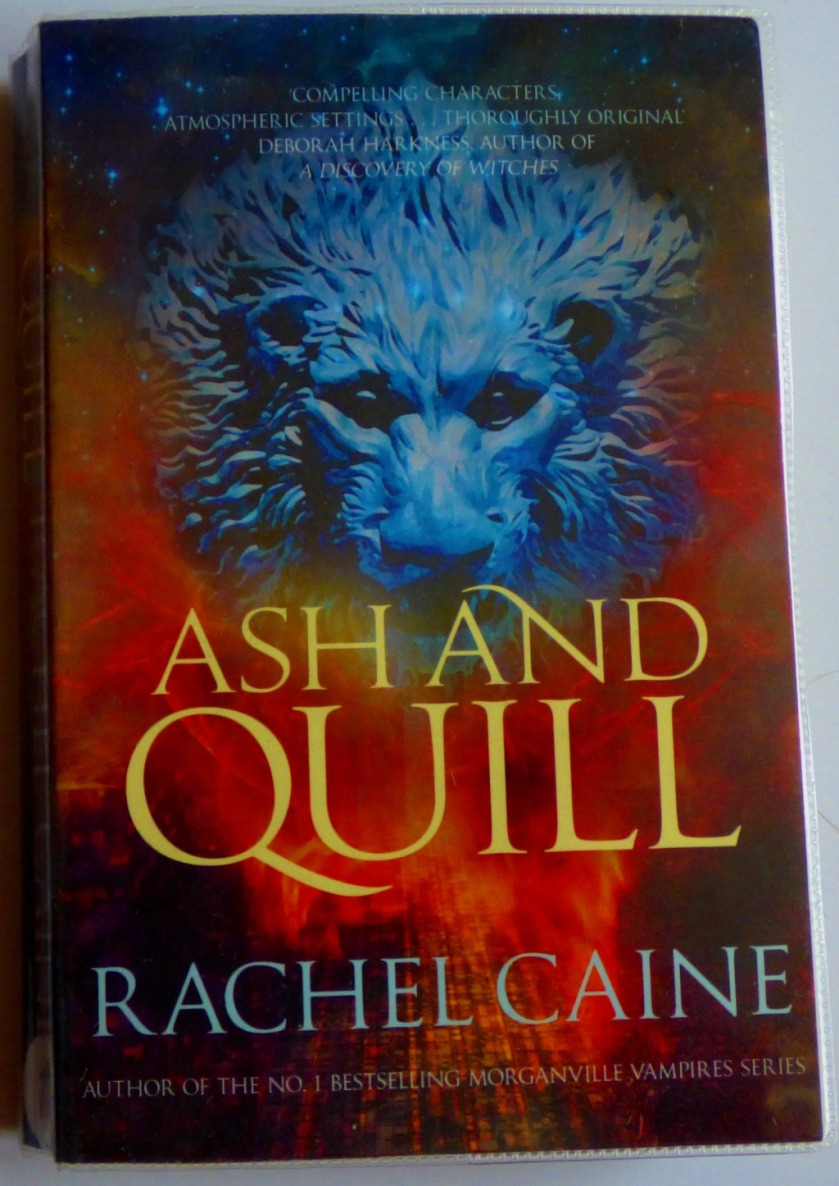
BOOK 3: ASH AND QUILL

Ash and Quill

Thomas Schreiber creates a version of his press from materials available in Philadelphia, which works sufficiently well to impress the Burners but not to end his usefulness. He also makes a weapon that will ultimately be used to make a hole in Philadelphia’s walls so that he and his band can escape. 

Meanwhile, having previously kept the city under siege for a hundred years, the Library having discovered that their rebel scholars are there have ordered the complete destruction of the city.

While the city is being destroyed, Thomas Schreiber’s weapon creates enough of a hole in the walls for the scholars to escape, and one of Jess’ smuggler acquaintances gets them back to Britain. London is now off bounds, having finally fallen to the Welsh forces who have been attacking it for some time, but Jess’ father owns a castle in the north of England.

While hiding there Thomas builds a sophisticated press which is immediately put to work churning out bulk copies of previously concealed works, and he also creates a better version of the weapon he used in Philadelphia to make a gap in the walls. The book ends with Jess, disguised as his brother, about to visit the Archivist. It is fairly clear that whatever happens in that meeting only one of those two will emerge alive (at most).

THE EPHEMERA

Interleaved with the story proper are regular sections titled Ephemera, which give as insights in to the history and development of the Library. We learn through these, and through discoveries in the Black Archives, that the first Archivist with a view to making the Library a military as well as an intellectual power base (“using the sword as well the pen”) was Zoran who saw in a conflict between the Roman emperor Aurelian and the eastern queen Zenobia the opportunity to bring this about, that the first scholar to suggest a printing press was a Chinese man in the year 868, and the scholar Gutenberg was punished for the same “crime” some six centuries later. Thus we can trace the corruption of the Library, and the view that its power counted above all else back at least to 868AD, almost 1,200 years before the action in these books takes place, and possibly all the way back to the scheming Archivist Zoran half a millennium before that.

FINAL THOUGHTS

These books are excellent, the story being thoroughly gripping. Although a couple of minor errors slipped in to the history (“Scholar Plato”, which reference is made during the story is incorrect, since he lived and died before the Great Library was created, and Archimedes of Syracuse lived a century and more earlier than Heron of Alexandria, not vice versa) they are not sufficient to detract from the overall quality of the work, which is excellent. I really enjoyed reading these books and hope that there are more to come. You can find out more about Rachel Caine from her website and on twitter. Also, shrewd observers will have noted that my pictures are of Library books, so I finish this long post about a library system that went badly wrong somewhere along the line by thanking a library system that is still working nicely, Norfolk Libraries, through whose good offices I gained access to these books.

An Important Petition and The 2018 NGS Launch

An account of the 2018 Launch of the National Garden Scheme prefaced by the Autistic Bill of Rights and a petition to save Morley House Respite Unit.

INTRODUCTION

This post in entirely autism focussed, so the text is in #RedInstead. I will build up to the account of the 2018 Launch o the National Garden Scheme, which will occupy most of the post. First, to set the scene for all the follows, stimtheline’s Autistic Bill of Rights:

Autistic Bill of Rights.pub

SAVE MORLEY HOUSE RESPITE UNIT

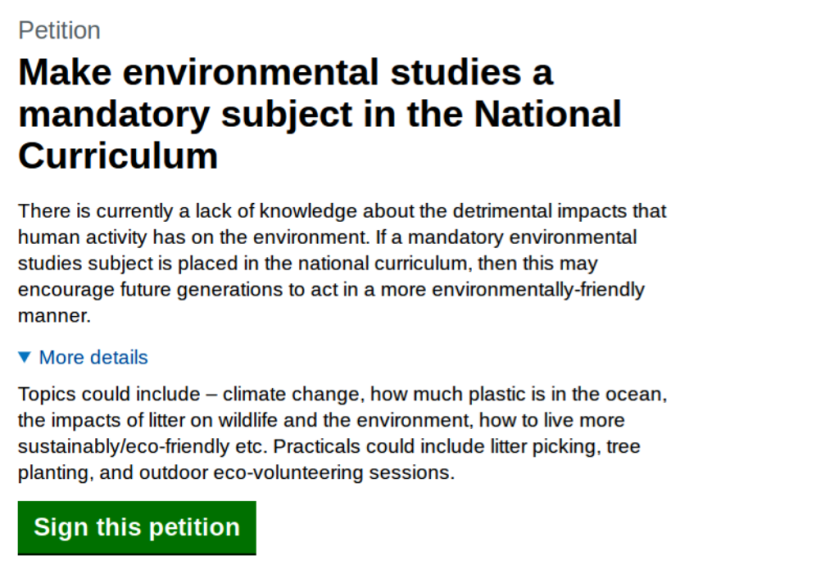
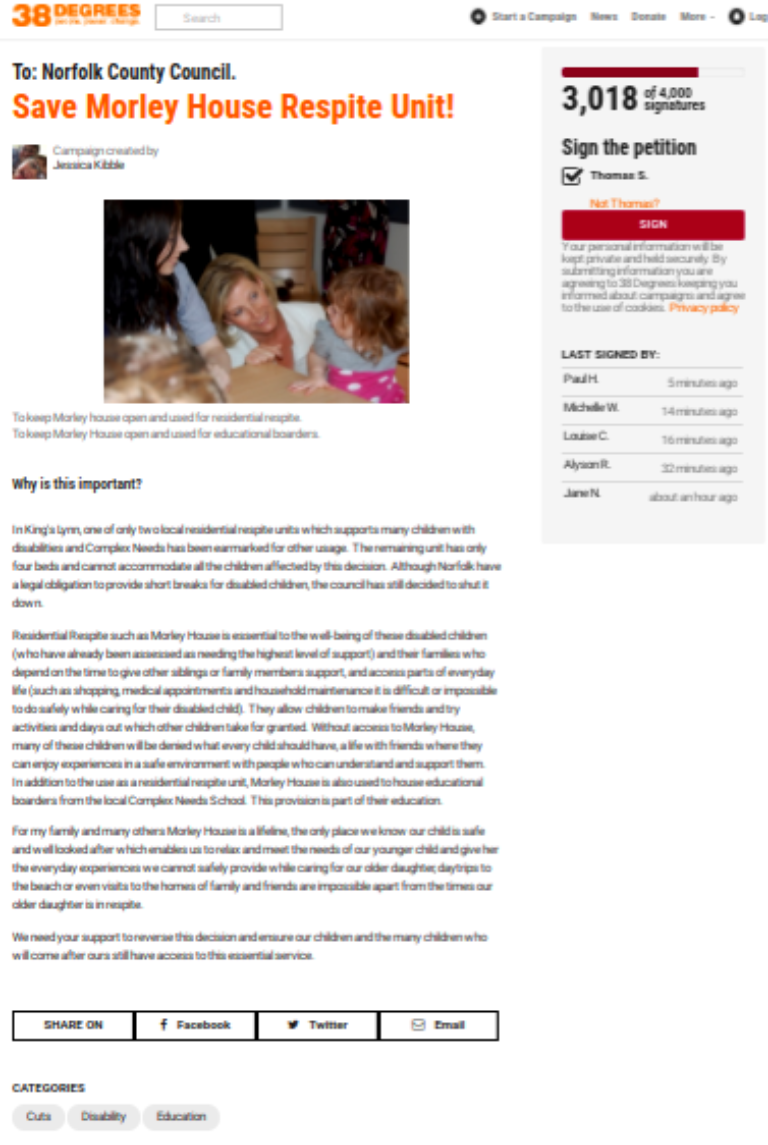
Morley House Respite Unit plays a vital role in the lives of many autistic people and their families in the West Norfolk area. It is now facing closure. Jessica Kibble, a volunteer with NAS West Norfolk, has created a petition on 38 Degrees against this planned closure. At the moment, less than two full days after launch there are just short of 600 signatures, which is a respectable start, but we need more. Below is a screenshot of the petition homepage, and by clicking it you can sign and share the petition:

MH

THE 2018 LAUNCH OF THE
NATIONAL GARDEN SCHEME

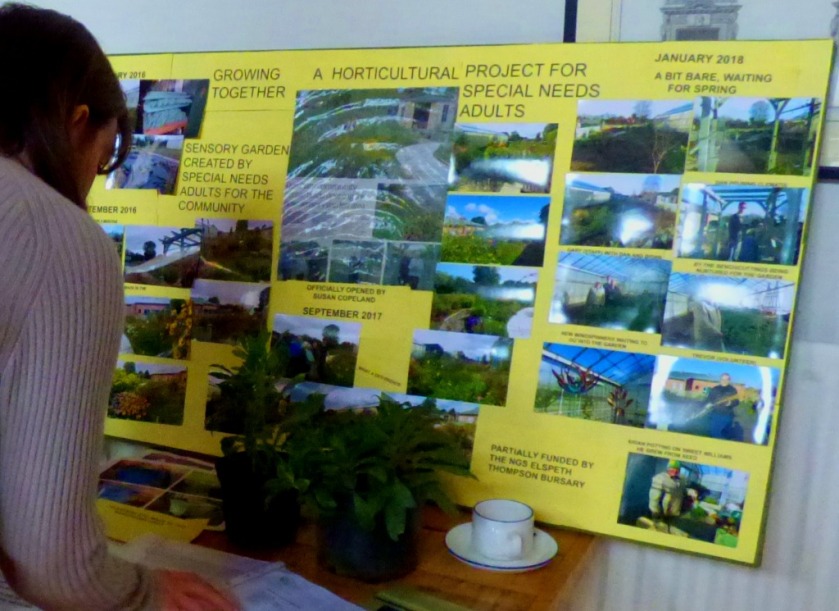
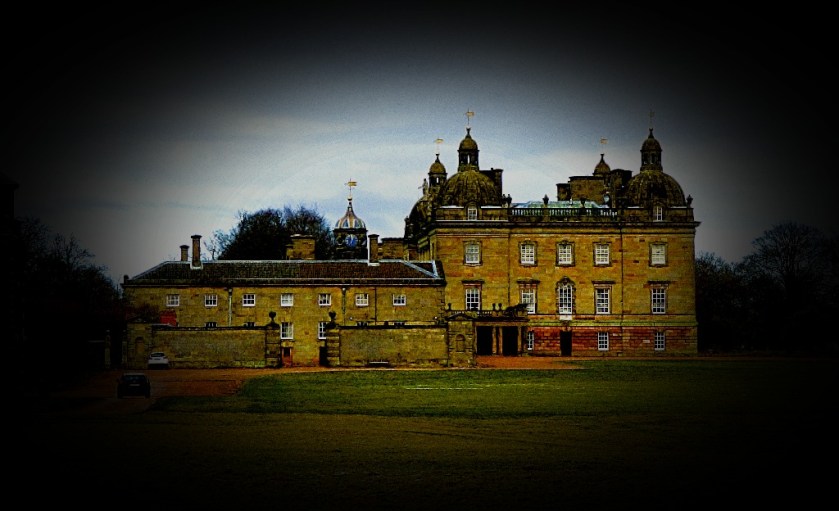
NAS West Norfolk have an allotment/ sensory garden in West Lynn for which we received a grant from the NGS. As beneficiaries we were invited to be present at their 2018 Launch Eventm which took place today at Houghton Hall.

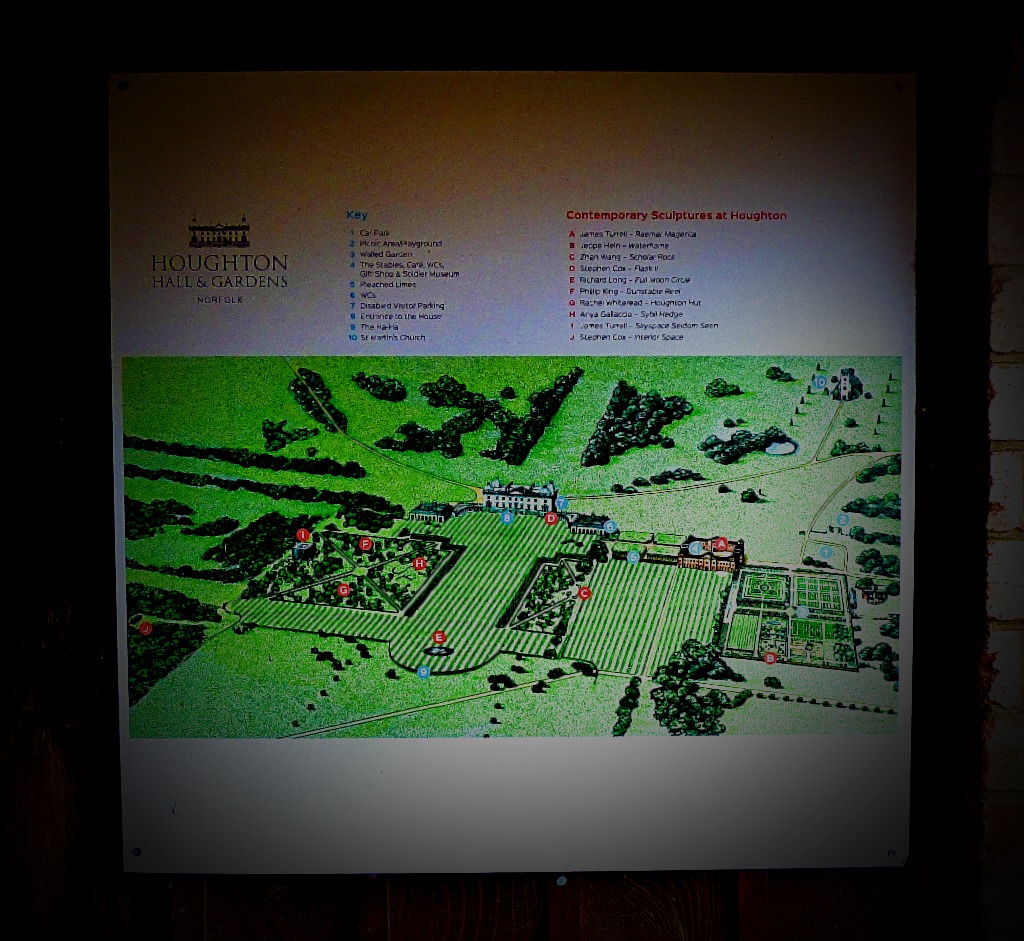
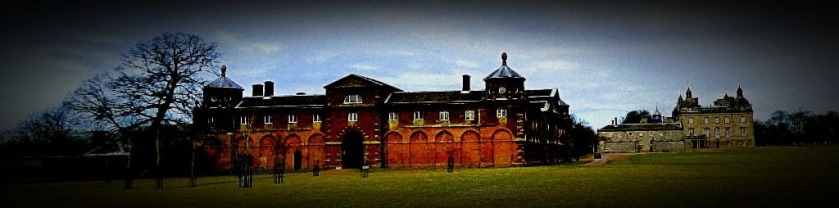
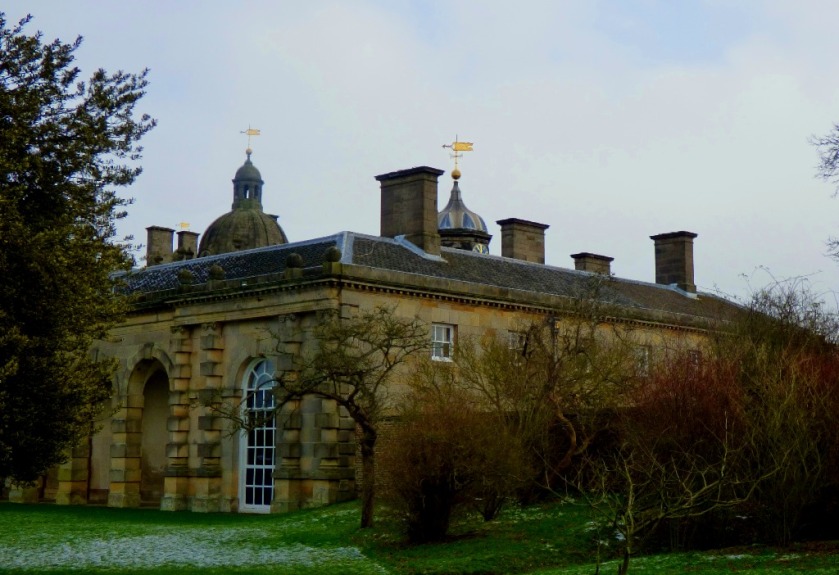
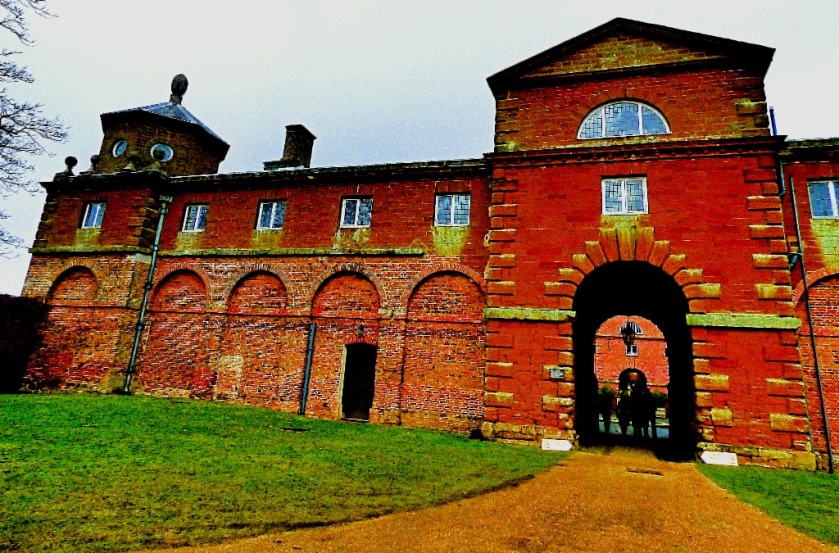
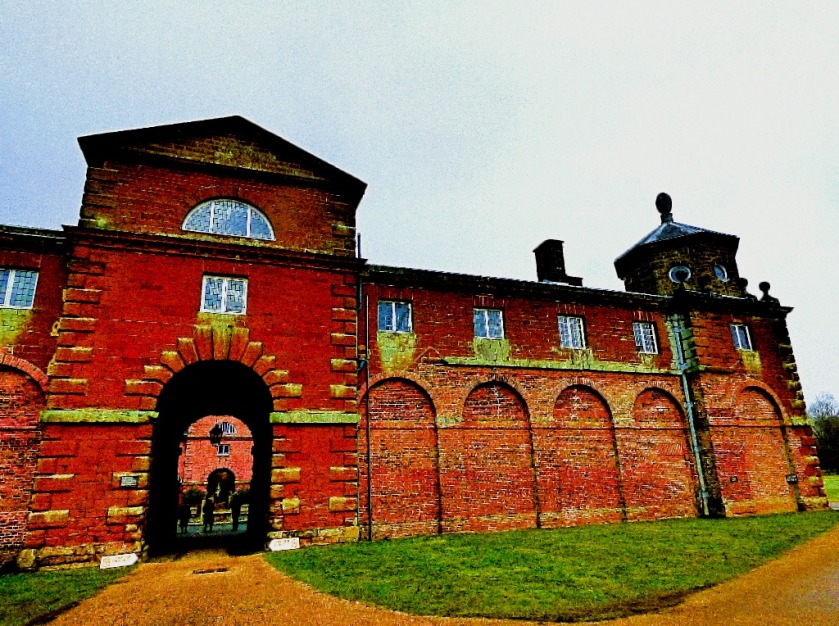
Houghton Hall complex

For various reasons the only person able to be present on behalf of NAS West Norfolk was me. Being represented by one person is not ideal, but with that one person being me it did ensure that there was some genuine autistic presence at the event.

The arrangement was that I would catch a bus from King’s Lynn to the point at which the road from Harpley joins the A148, where I would be collected by car and driven up to the hall (many thanks Julia for making the arrangement and Gus for collecting me). I had initially being thinking in terms of the 8:45, arriving at the Harpley turn at approx 9:10 if it runs to time, but last night following a suggestion that this was too early I changed plans to aiming for the 9:45 bus, about which I had certain misgivings (through long experience I have developed Diogenes-esque levels of cynicism as regards British public transport running to time). 

I was at the bus station with everything I needed in good time, and, mirabile dictu, the bus arrived when it was supposed to. That unfortunately ended the good news. At Gaywood, rounding the curve near the clock tower, an impatiently driven lorry got too close to the bus and damaged one of the external mirrors. The driver had to inspect the damage to see how serious it was, and that was over ten minutes gone with no prospect of any it being made up in the rest of the journey. Fortunately, my delayed arrival at the Harpley turn was not sufficient to actually make me late for the start of the event (10:30), but it was a closer thing than it should have been.

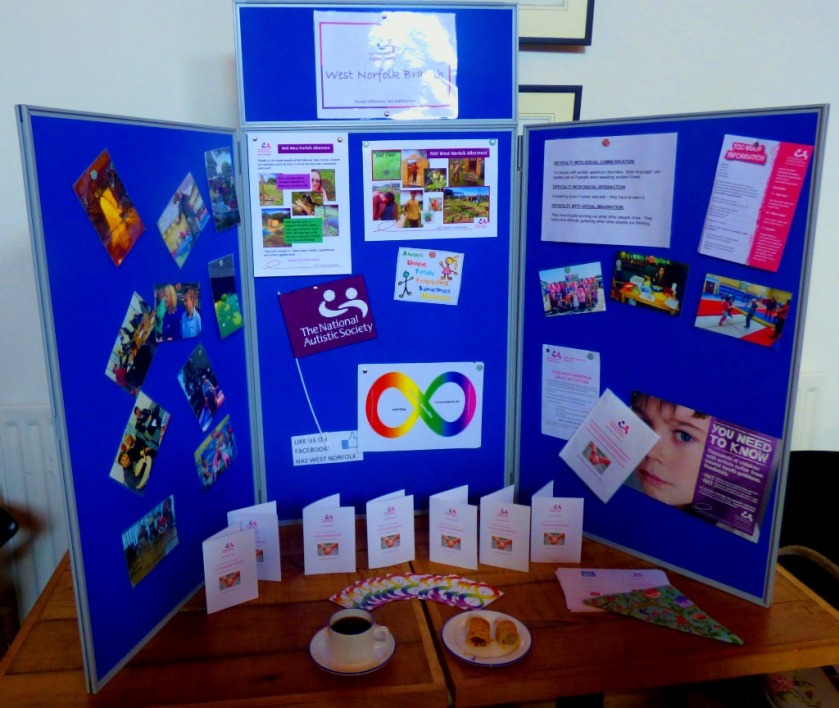
There was a table for me to set up the NAS West Norfolk display board, leaflets and some of my own personal cards, and refreshments were laid on for free (I consumed some of the sausage rolls, which were excellent, and some ginger cake, and also, having been invited to do so, took some more cake away with me). 

NASWN display

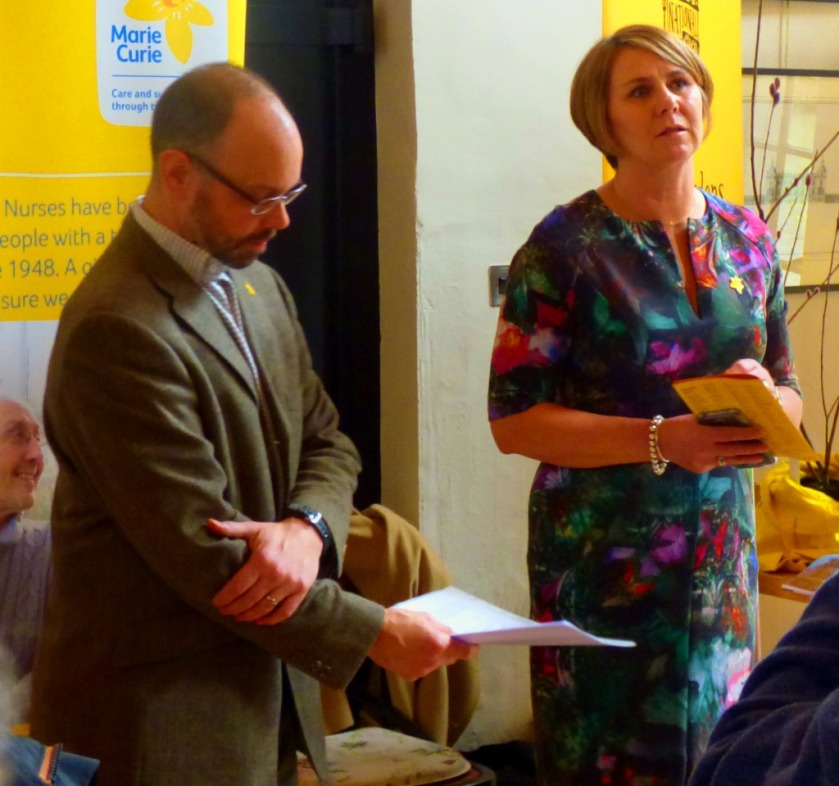
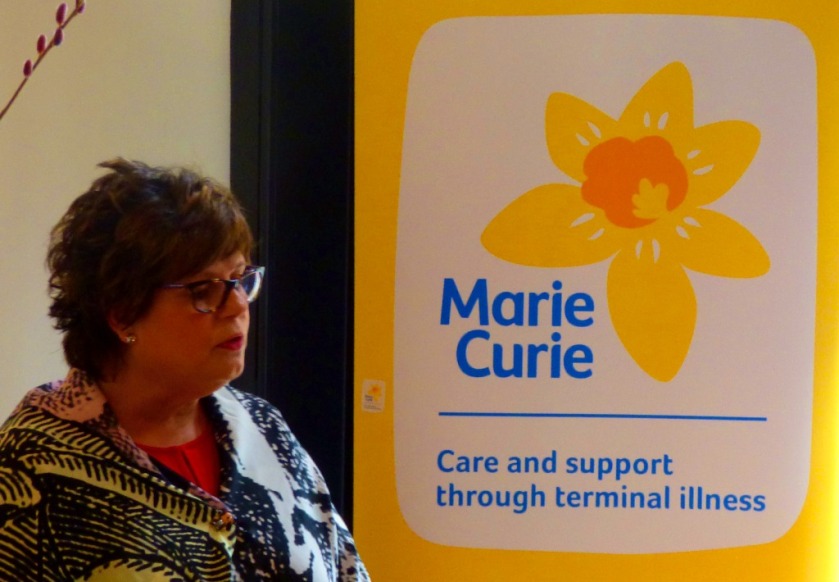
Marie Curie Cancer Care were present as major beneficiaries of the NGS, and there was a display showcasing a sensory garden in the Dereham area. Julia, gracious host of our 10th birthday Garden Party, introduced the speeches. There were four speeches by people from Marie Curie Cancer Care, and at the end Lord Cholmondeley (pronounced as ‘chumly’), owner of Houghton Hall, said a few words. 

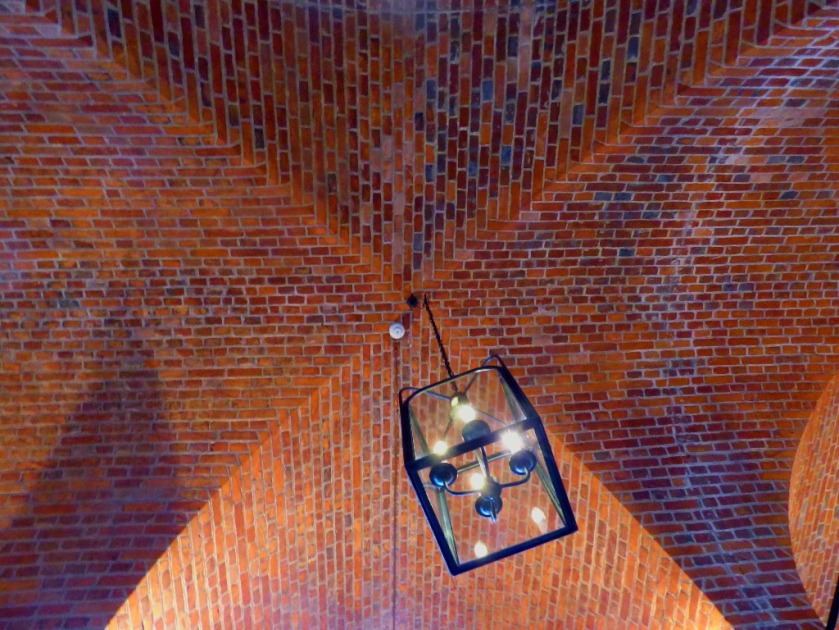
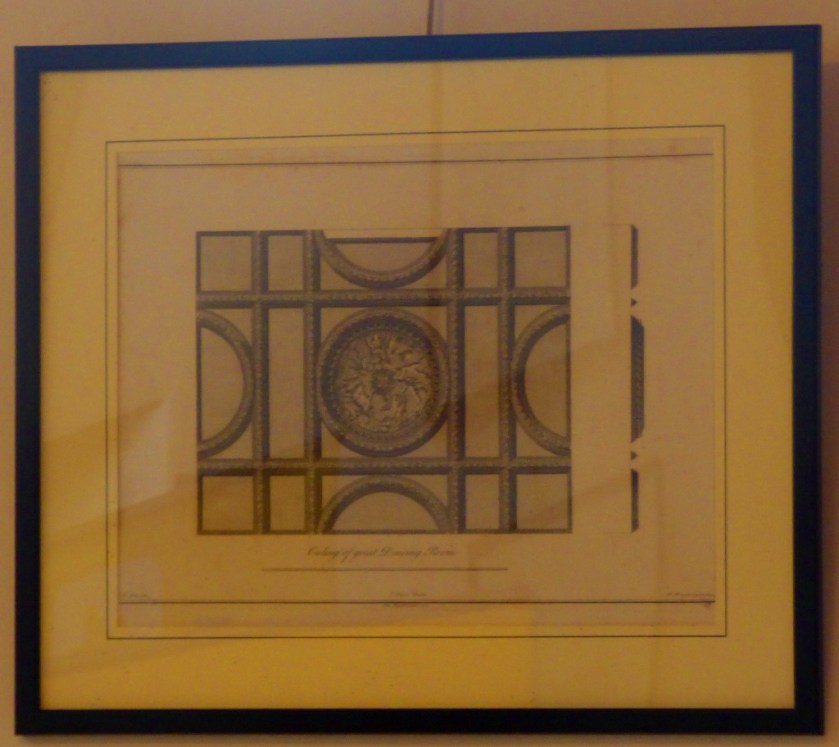
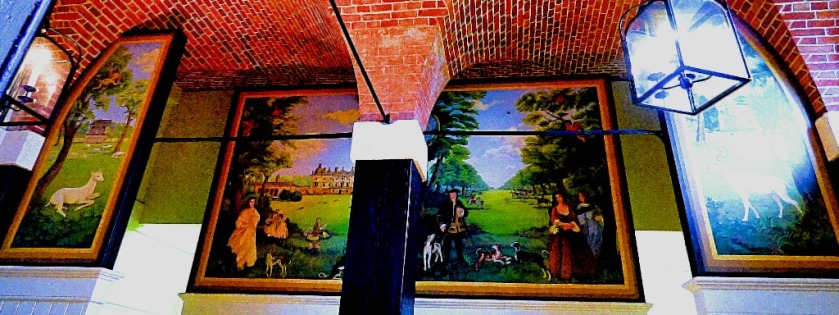
ceiling section
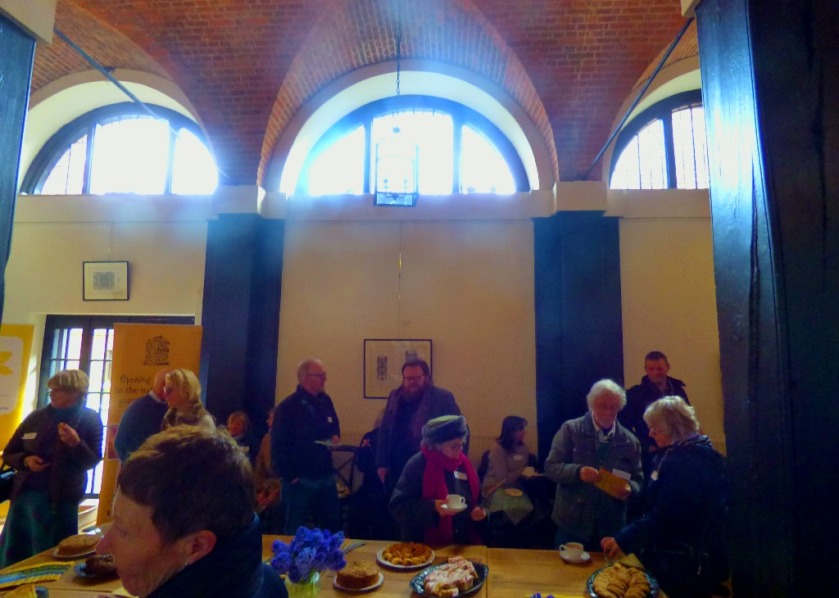
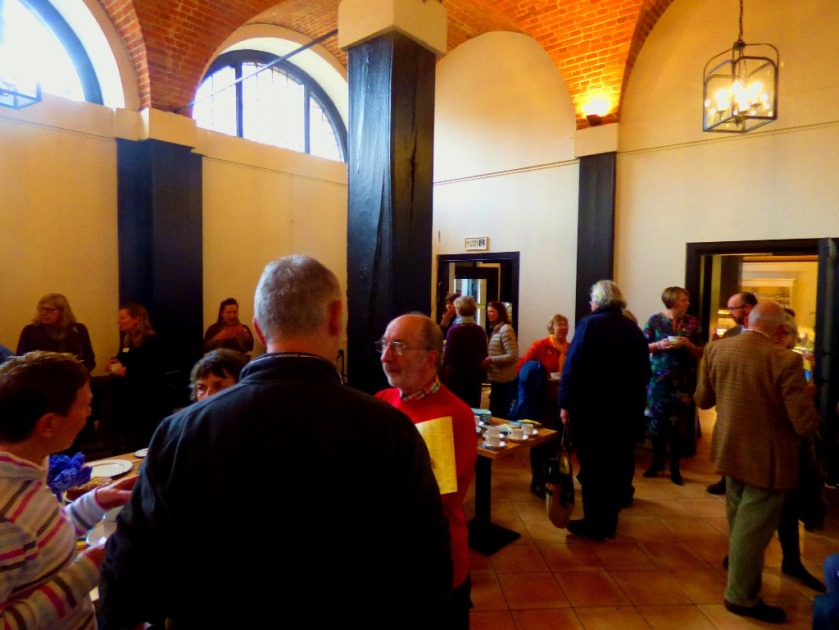
These pictures were all taken in the room where the stall was.

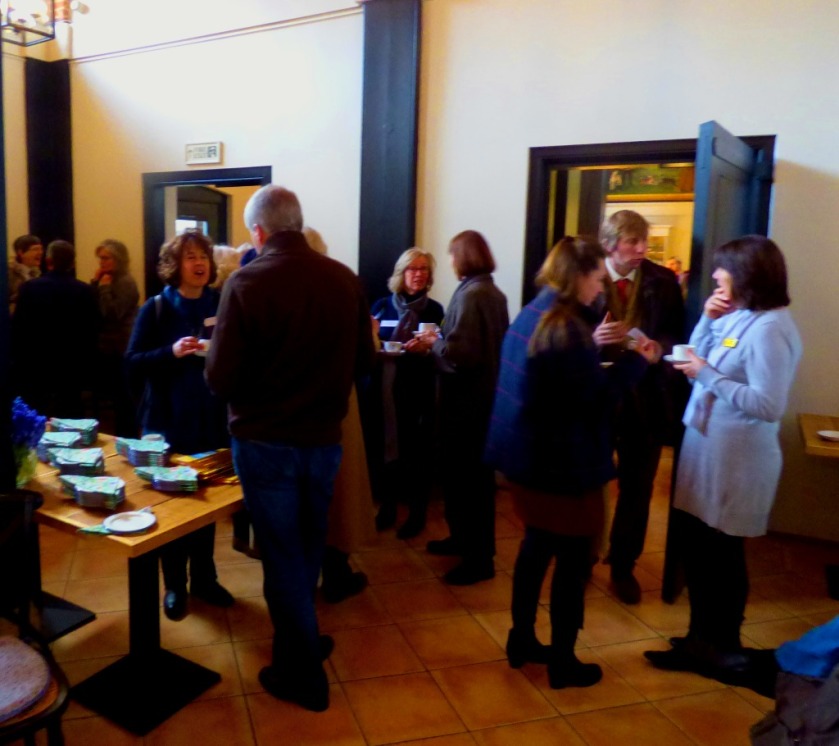
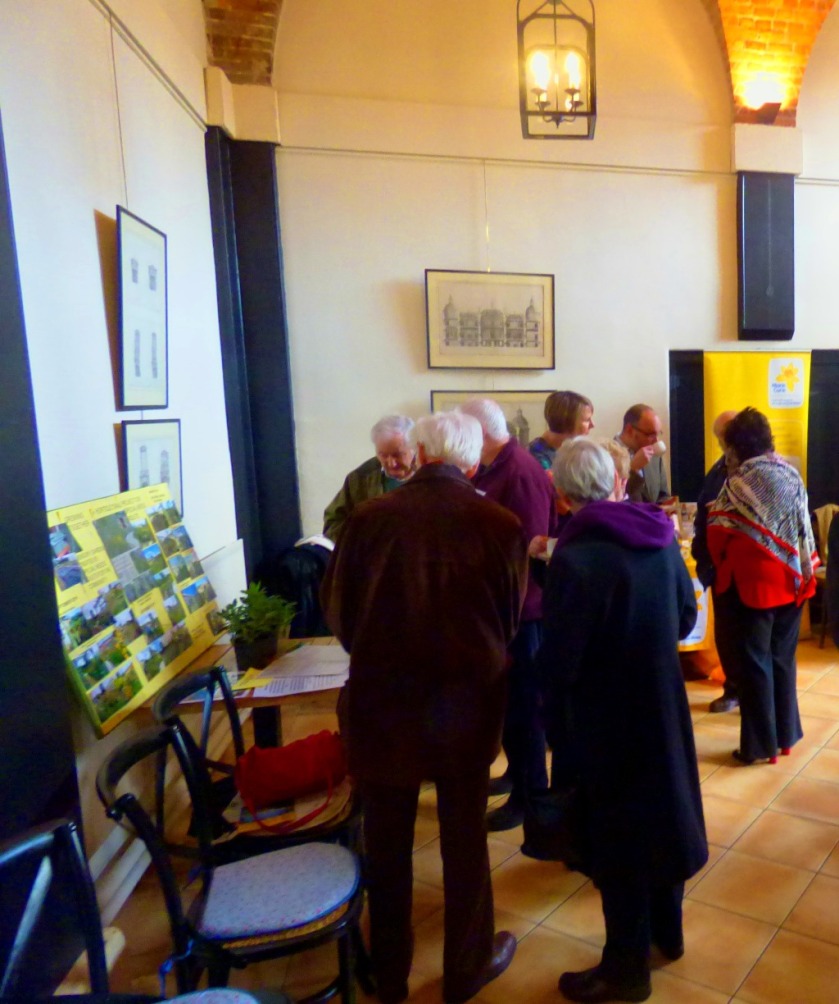
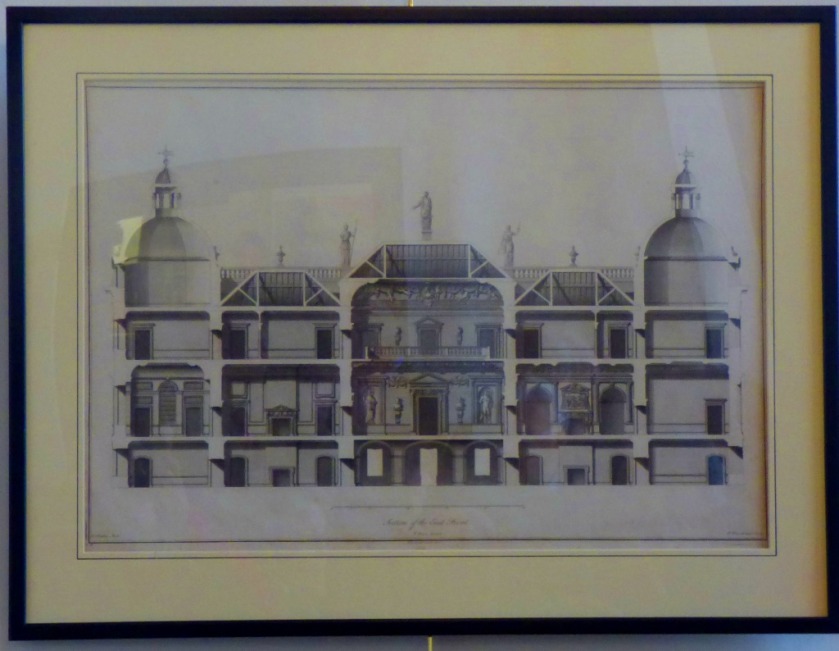
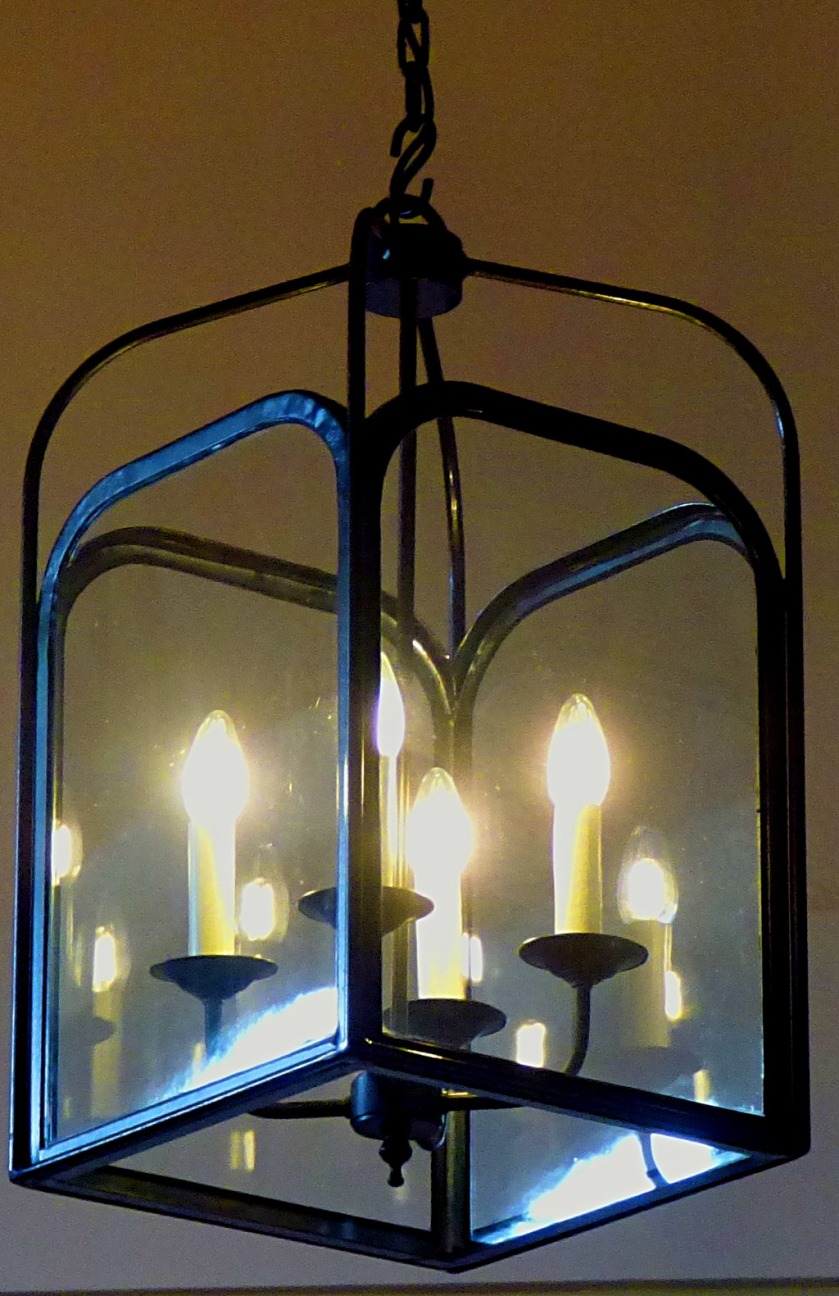
WindowNGS attendees INGS attendees IINGS attendees IIIPicture Ilight fittingJulia introduces the speechesPicture IIMarie Curie SpeakerJo from Marie CurieMarie Curie final speakerLord Cholmondleigh

Lord Cholmondleigh II
Lord Cholmondeley speaking

NGS attendees IVPicture IIIDereham Sensory GardenMarie Curie tablePicture VPicture VI

In her role introducing the speeches Julia had very kindly mentioned the NAS West Norfolk presence, and many people came to the stall to find out more. Of course this was delightful, but it was also challenging (though I am fairly confident that the only person present who knew just how challenging I was finding it was me). Our branch chair Karan had hoped to be present for the last stages of the event, which would enable her to give me a lift back and to collect the display board for Friday, when a visitng speaker will be giving talks on autism and puberty at a venue near the Hardwick Industrial Estate (unless something else intervenes I will be present for the evening talk). She arrived at about quarter to twelve, which gave me an opportunity to look at the gardens. 

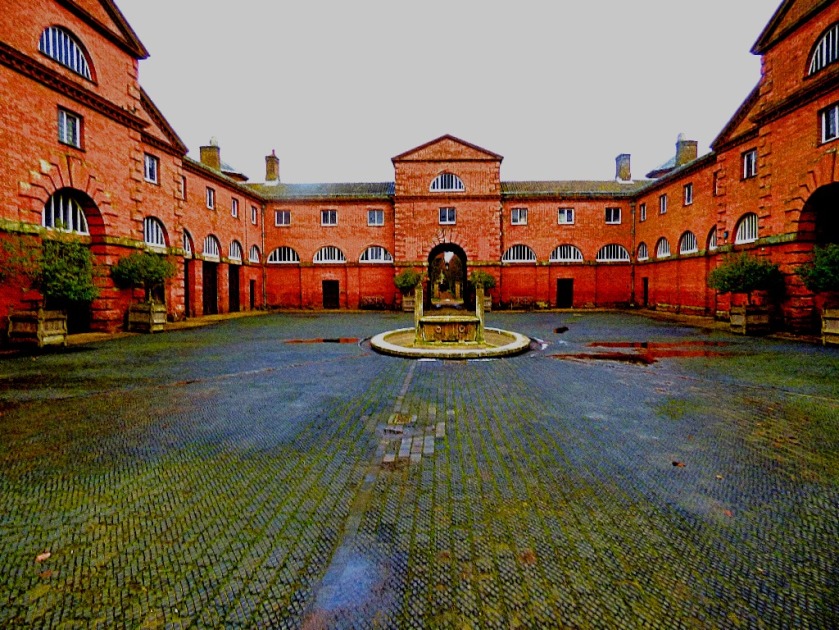
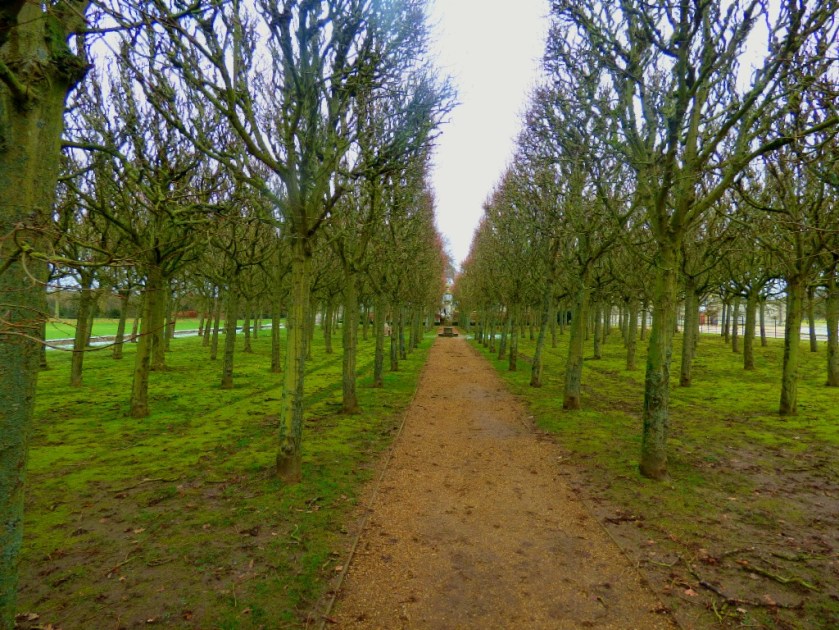
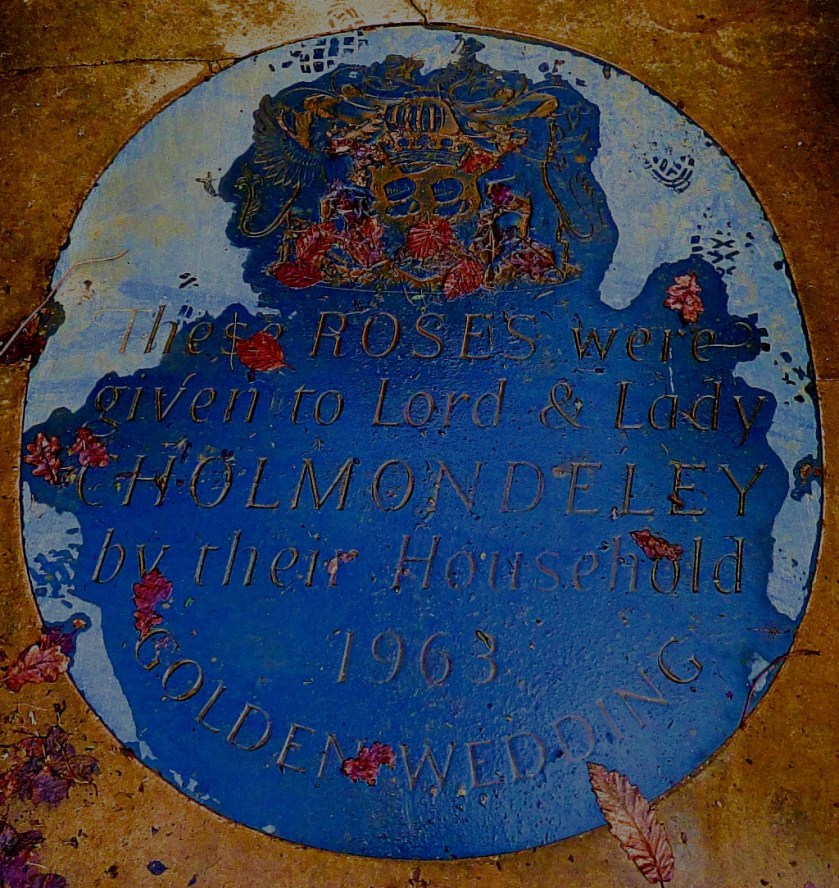
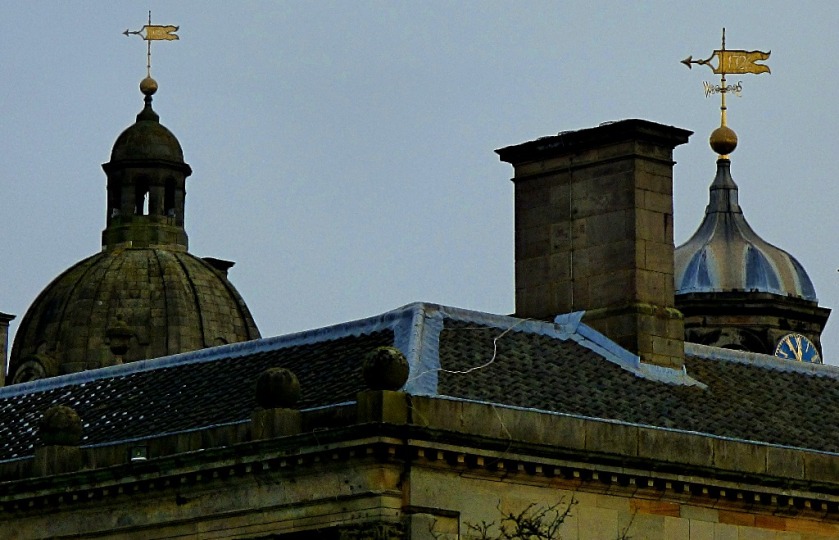
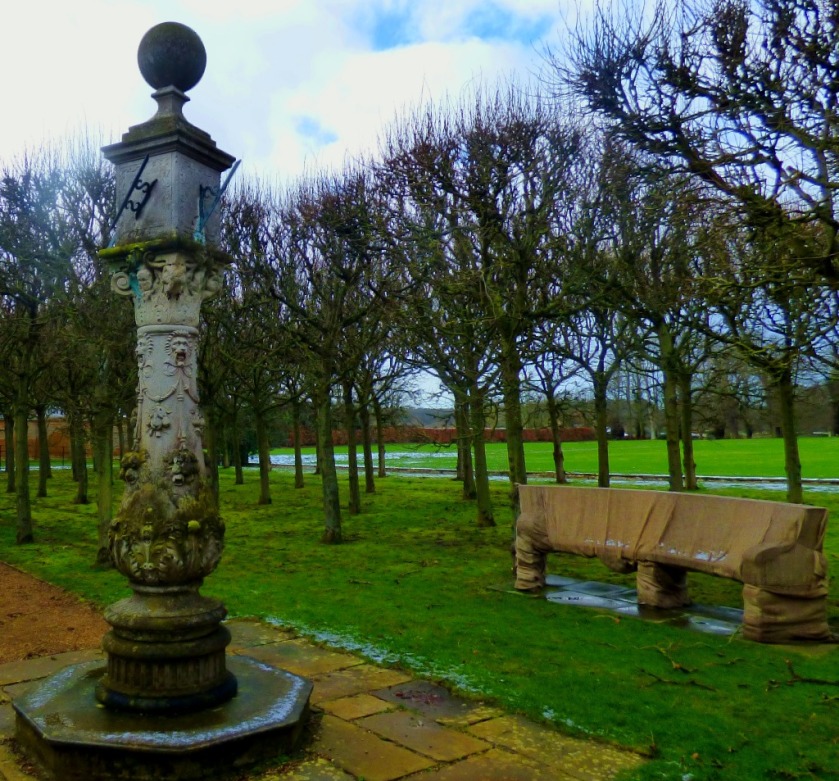
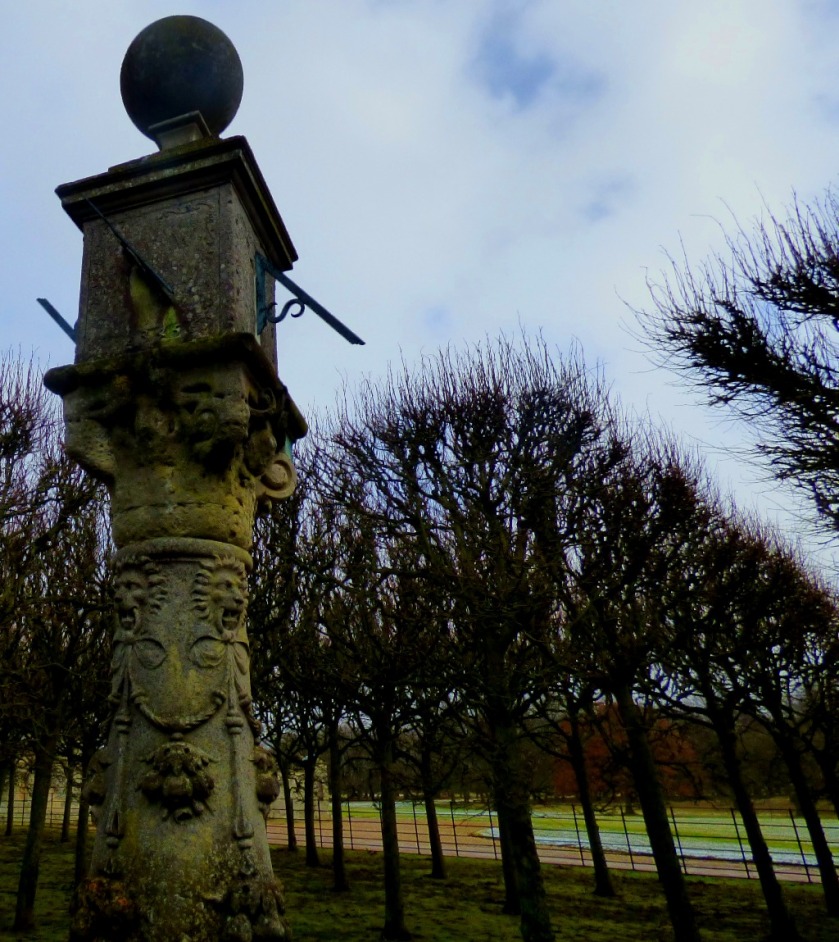
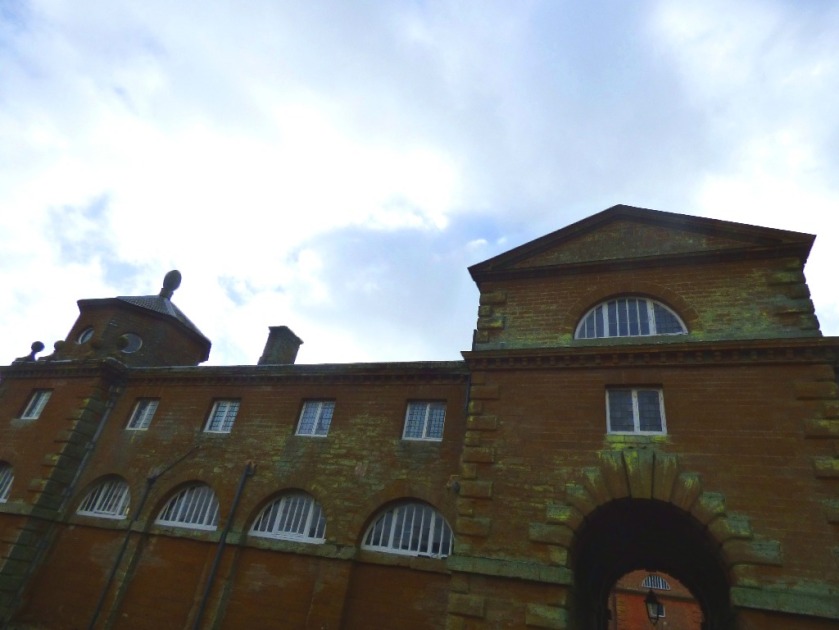
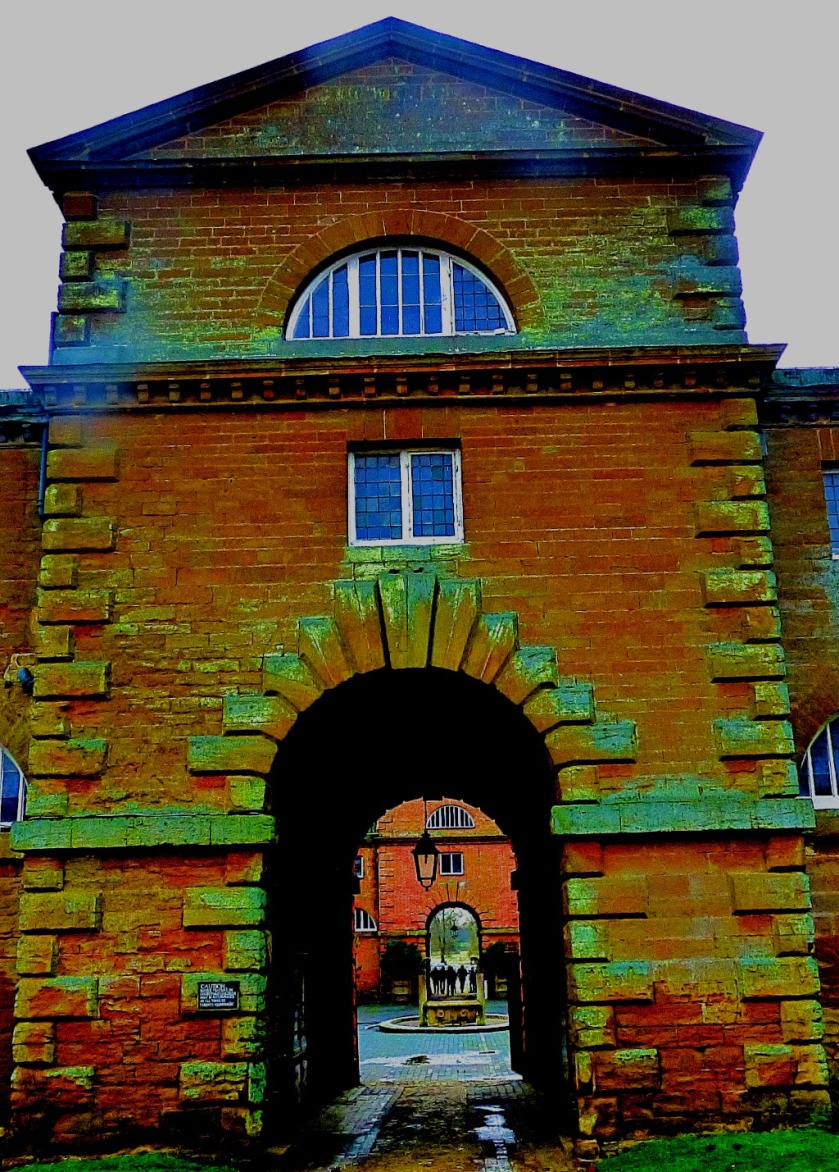
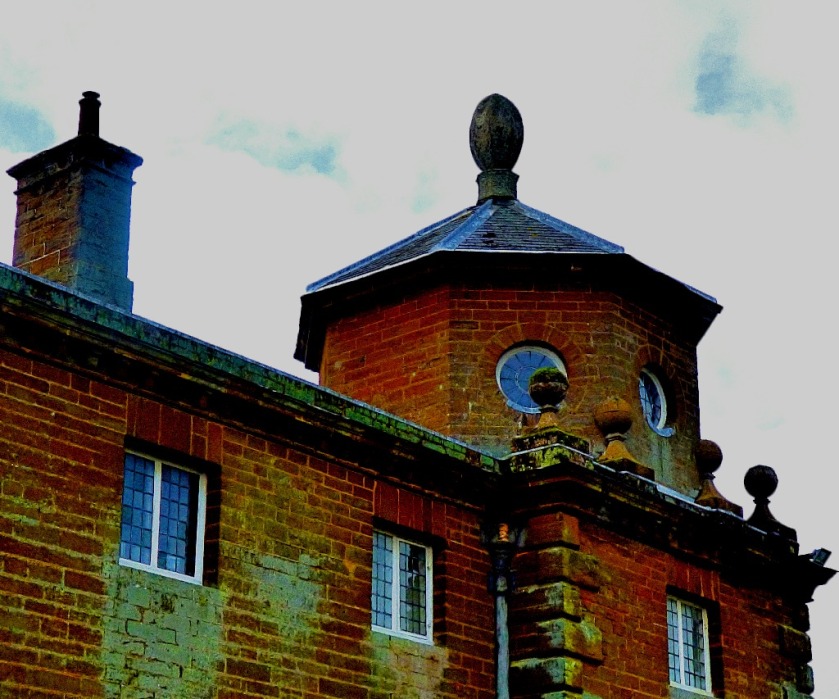
TriptychCourtyardCourtyard IICourtyard IIIAvenueFloor plaque, rose gardenPart of the hallWeathervanesGroundsCiolumn 1Column 2BuildingEntrance to courtyardCupola

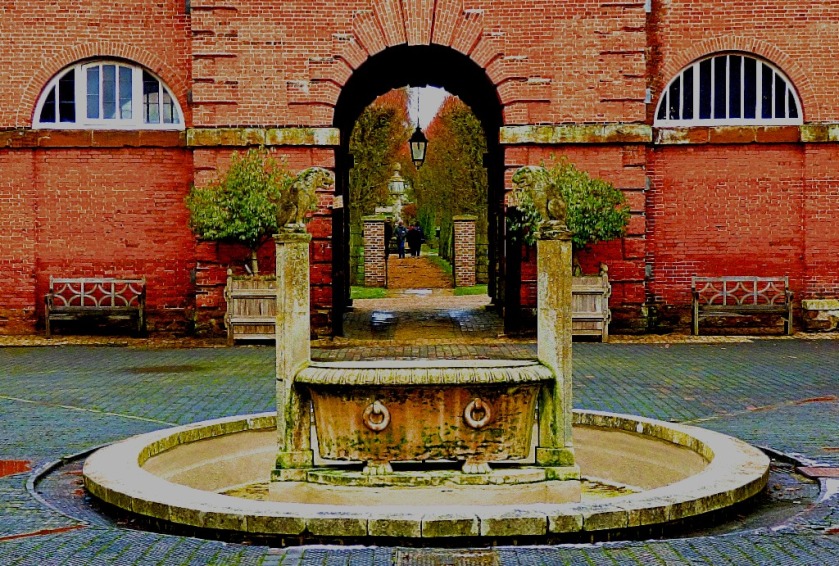
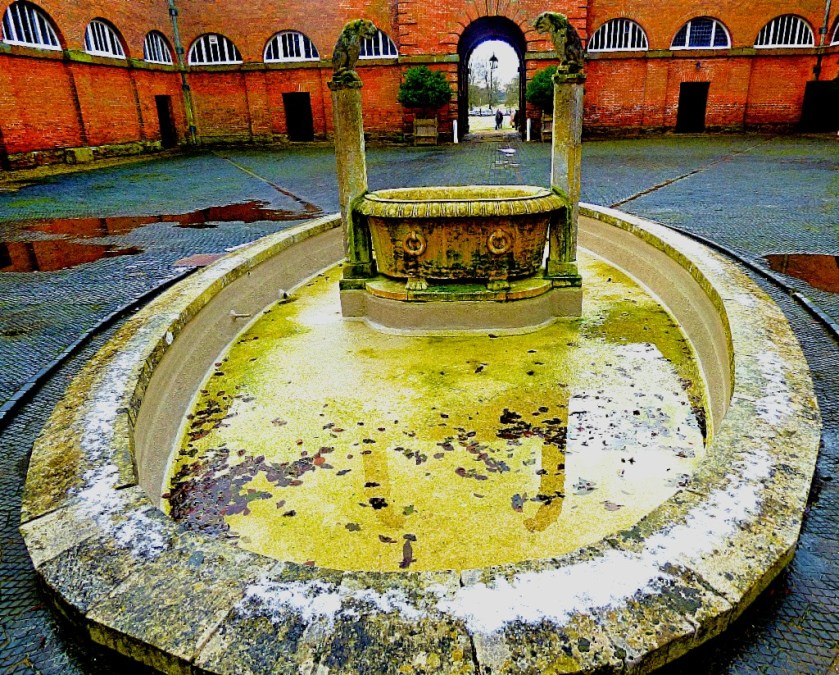
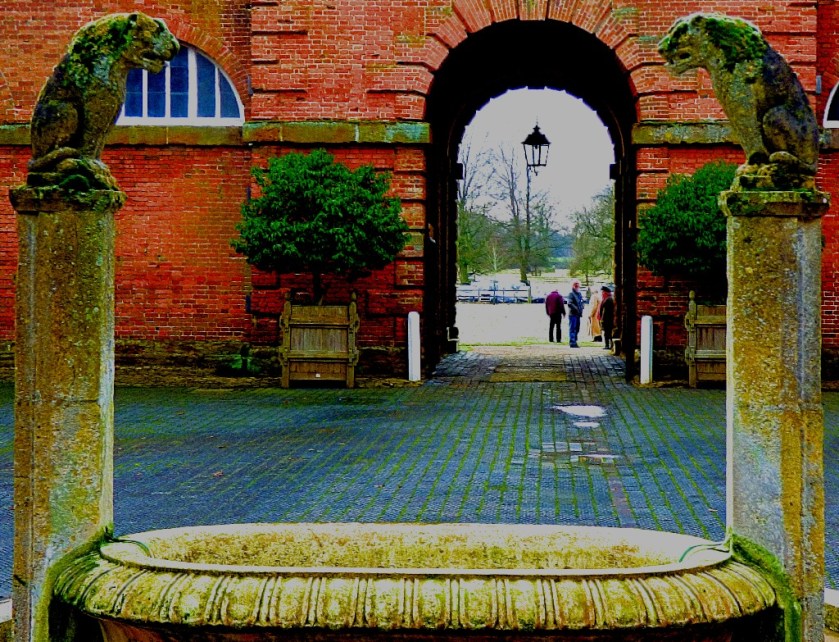
Water Feature
This water feature put me in mind of some books by Rachel Caine that I have recently been reading, but unlike in her books these are just statues, not automata!

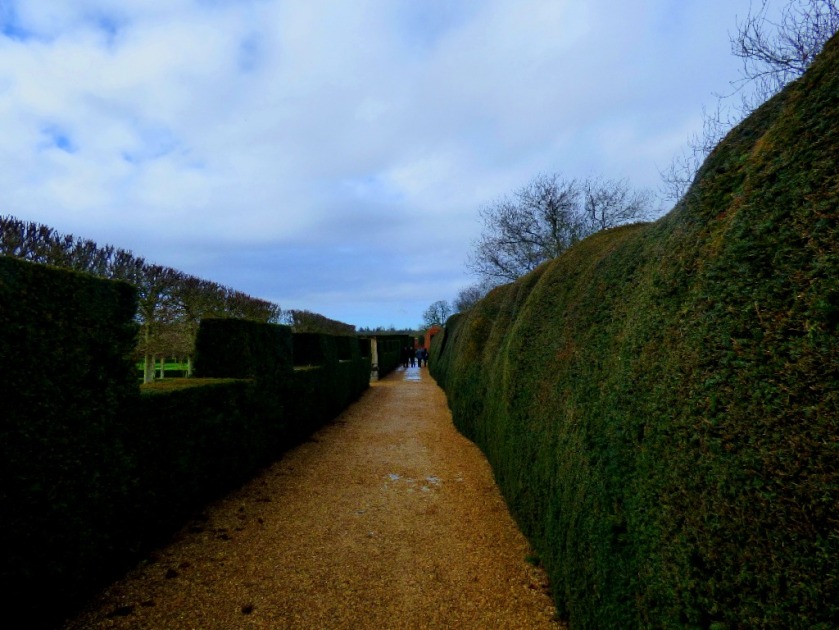
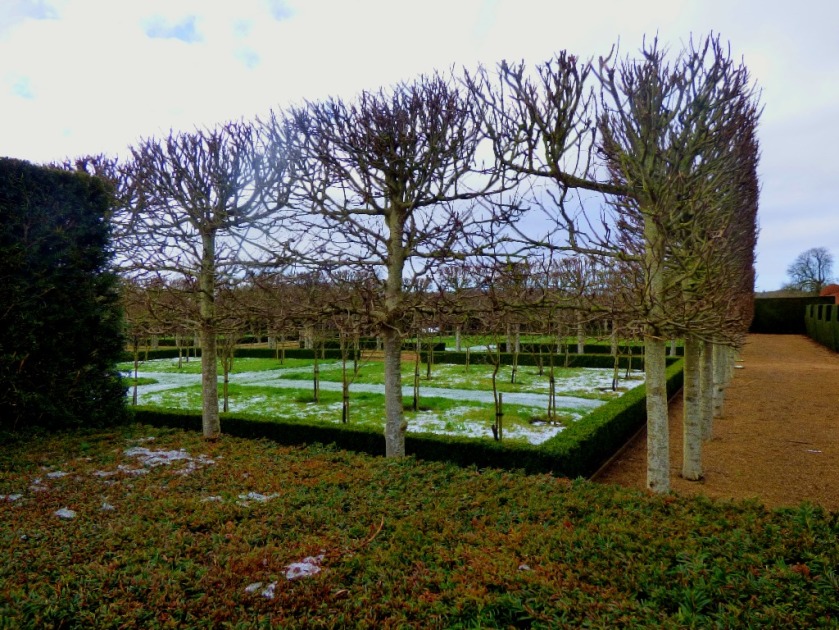
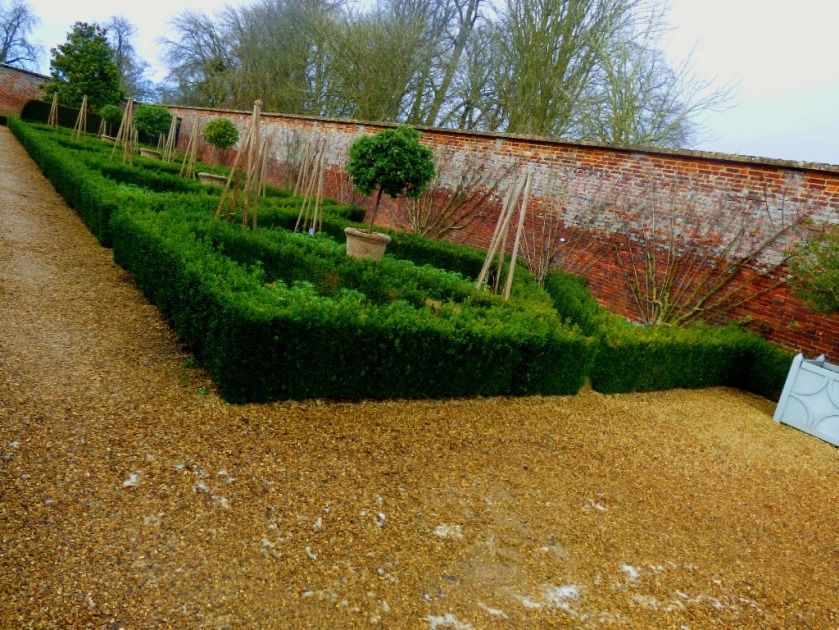
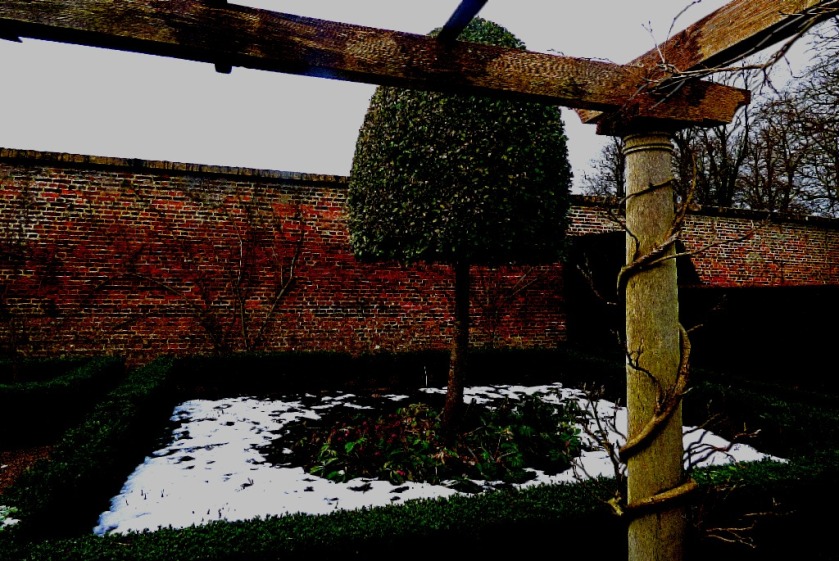
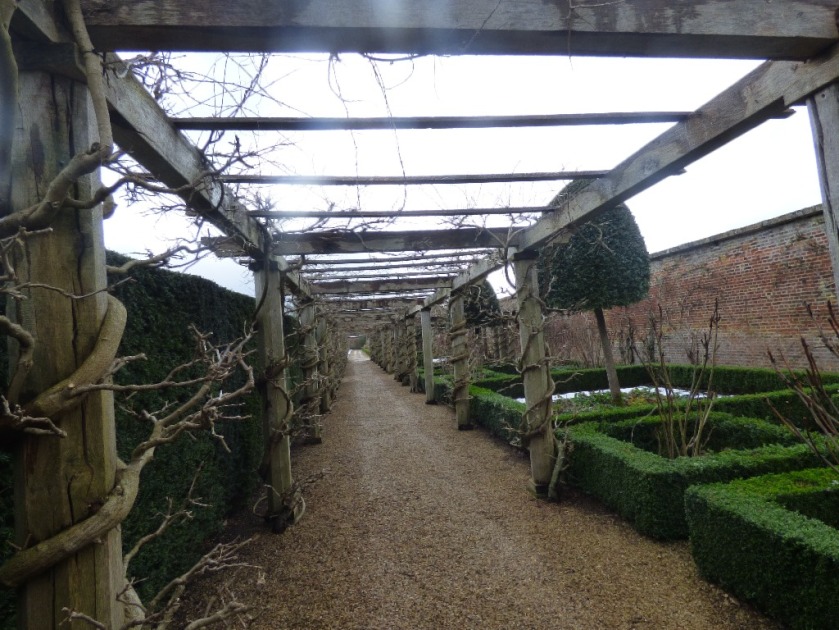
Water Feature IIstone bathtub and guardiansSC plaqueGravel pathMapWalled Gardenrock formationarchwayClamp IClamp IILong viewGardenscorner treeTreeedge pathThrough the trees

tree temple
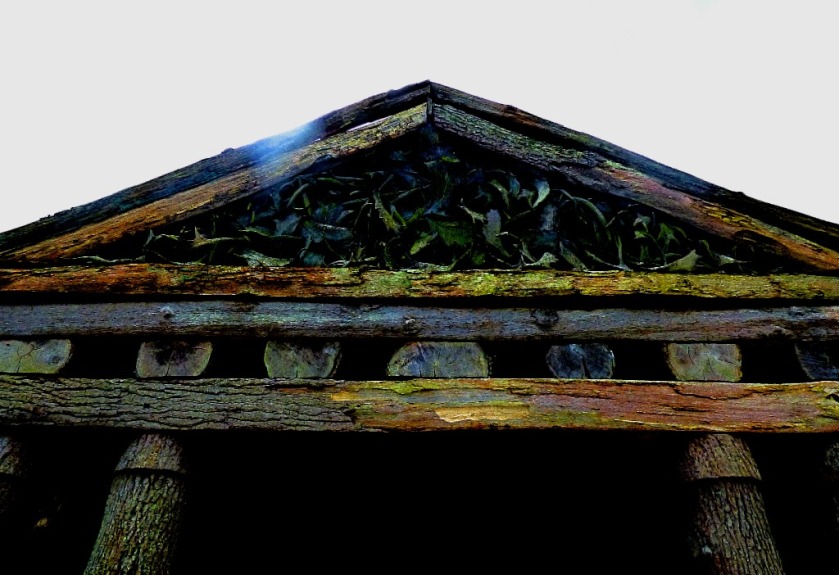
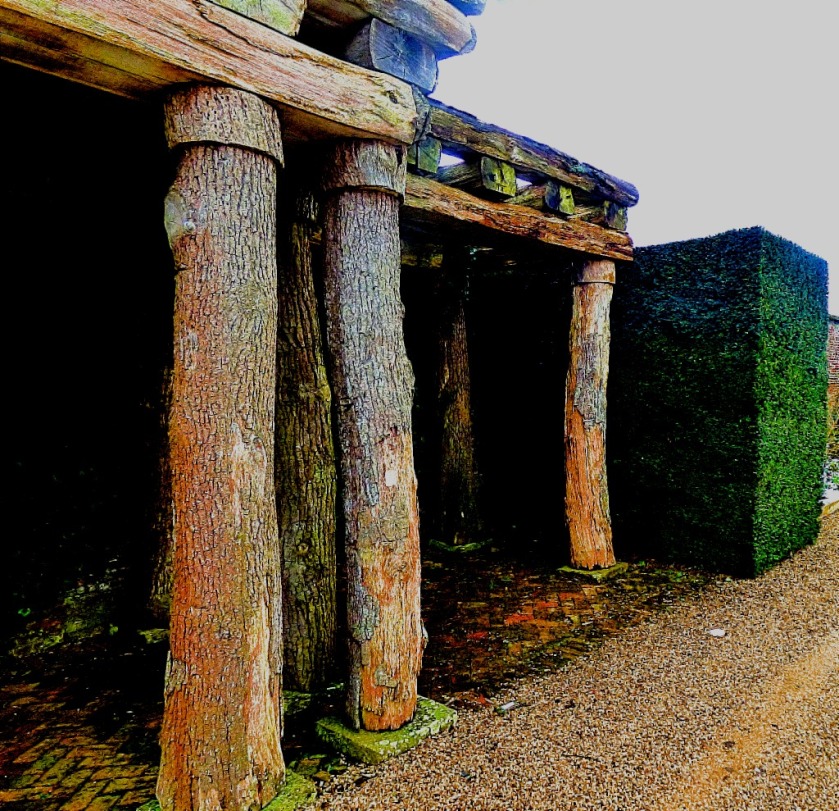
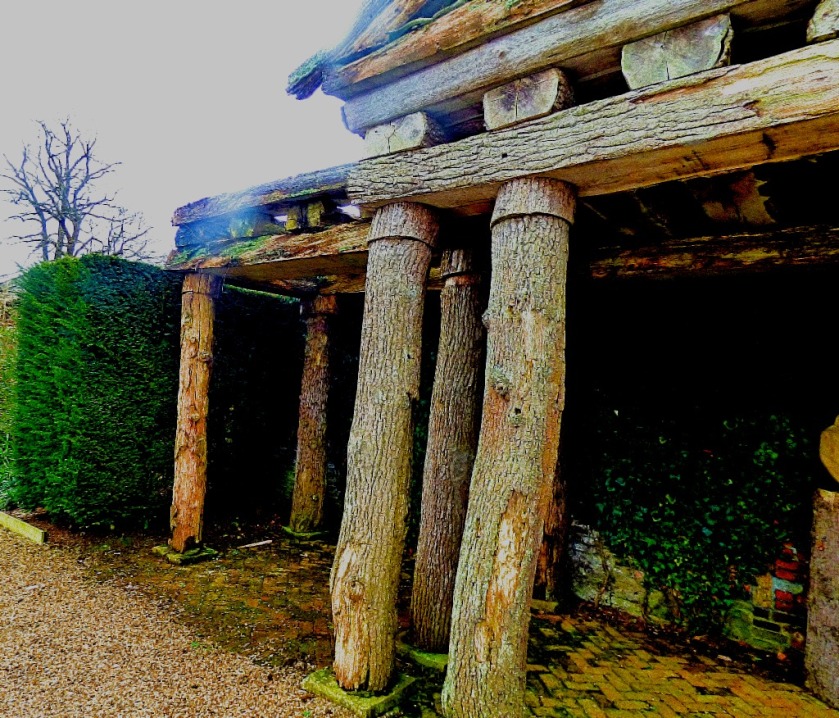
This building looks very like a small temple (perhaps given the materials used in its construction, a temple to Artemis!)

Tree temple pedimentTree temple RHTree temple LHFrosted grassGardens IIICourtyard FLCourtyard FRGardens IISnowdropsFrontageTree and stoneworkHoughton Hall IICourtyard blockHoughton Hall

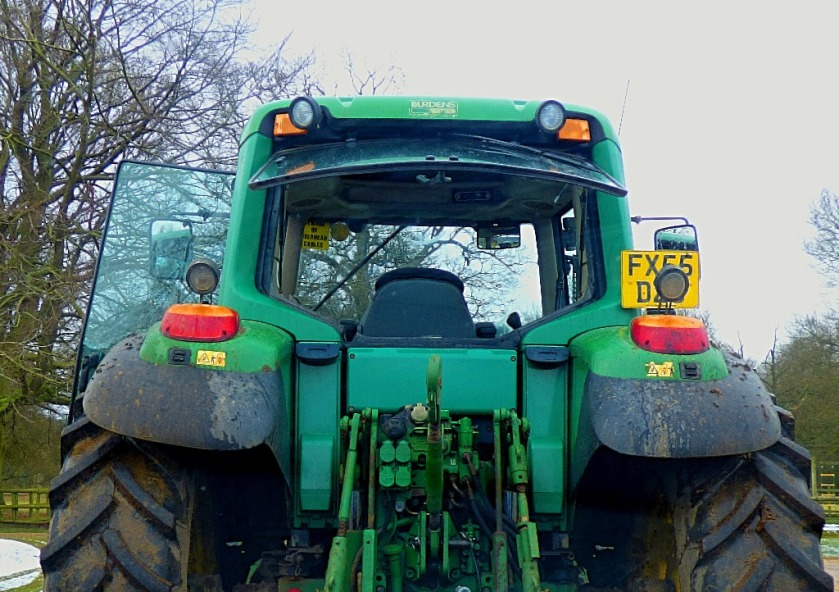
The journey home had a delayed start, because the field in which visitors cars were parked proved to be too muddy for most of said vehicles to handle. Karan’s car was one of those that needed a tractor-assisted start (I will endeavour to remember this next time I find myself travelling behind a slow-moving farm vehicle!). One underway however, our return journey passed without incident. 

Assisted starting


Musical Keys and Birds

A brief account of Musical Keys and some bird pictures.

INTRODUCTION

Saturday was a music day, and I have plenty of pictures to share from recent days.

MUSICAL KEYS – THE KORG

These sessions are organised for the benefit of autistic people, so before I get into the meat of this section here is stimtheline’s magnificent Autistic Bill of Rights:

Autistic Bill of Rights.pub

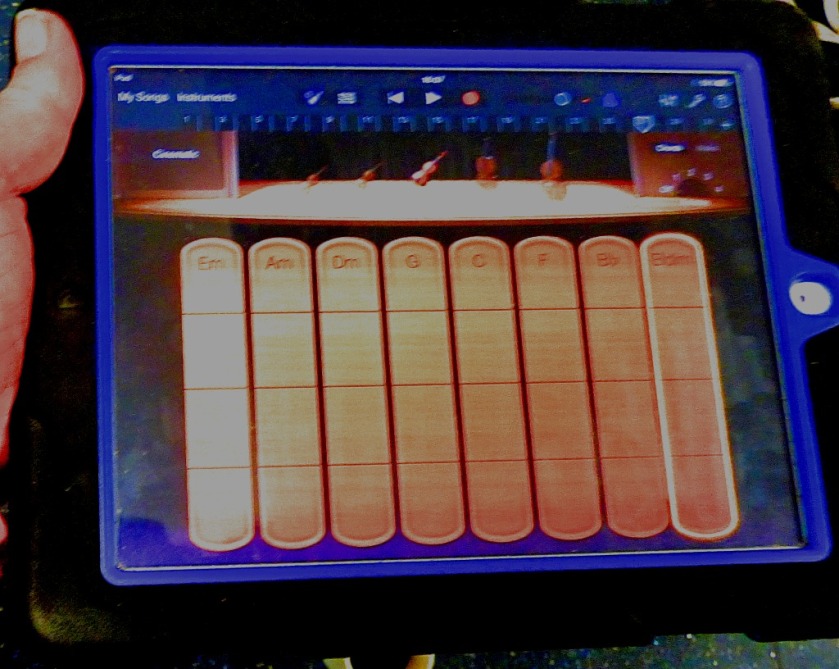
The Korg is a very sophisticated machine (for classical music enthusiasts it looks a 21st century version of a clavichord, but it does so much more). I will let the photographs tell the story (I got most of these by playing with my left hand while using the camera with my right FYI):

Korg IKorg IIKorg IIIKorg IVKorg VKorg VIKorg VIIKorg VIIIKorg IXKorg X

BIRDS OF ALL SIZES

We start with the largest bird to be a regular feature of life in Britain – the mute swan:

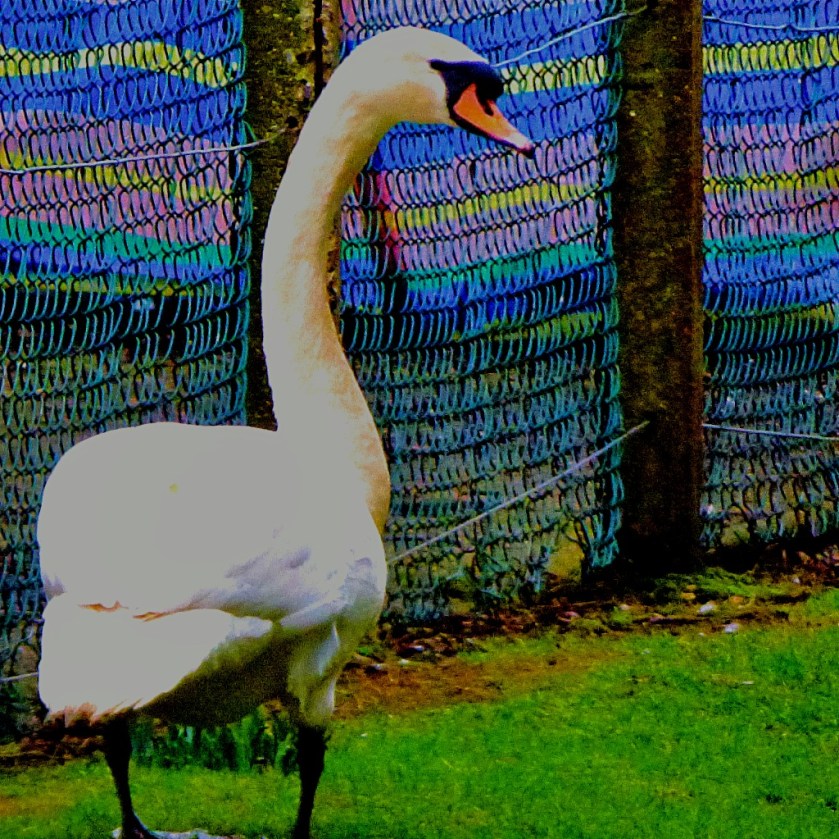
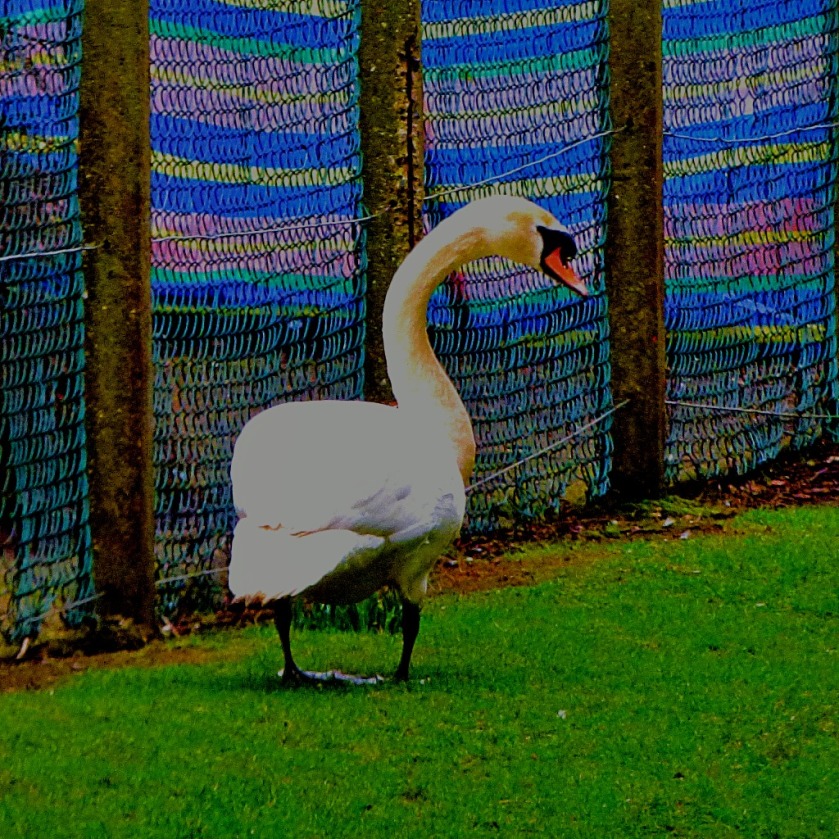
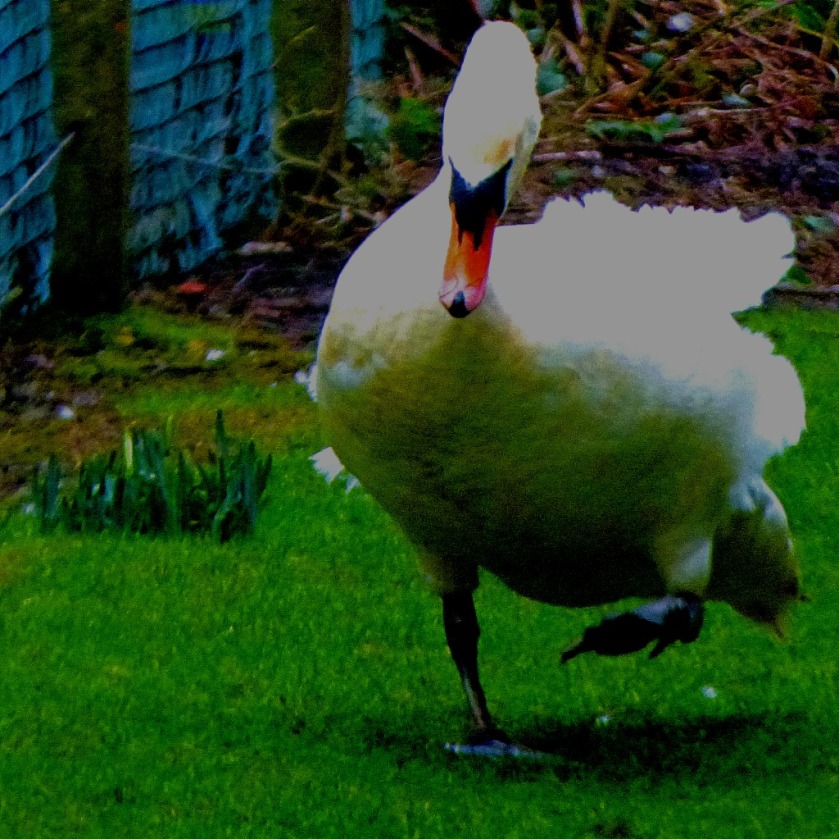
MSXMSXIMSXIIMSXIIIMSXIVMSXVMSXVIMSXVIIMSXIXMSXXMSXXI

Next we come to a much smaller species, which I have not previously captured on camera, a little wader called a turnstone (I seem to recall that a few years back The Lynn News had a columnist who used Turnstone as a nom de plume):

Turnstone ITurnstone II

Further along the Great Ouse and on the side of the river were a few specimens of a larger bird that is not a regular sight in these parts – the greylag goose:

Greylag geese

We end with a couple of cormorant shots:

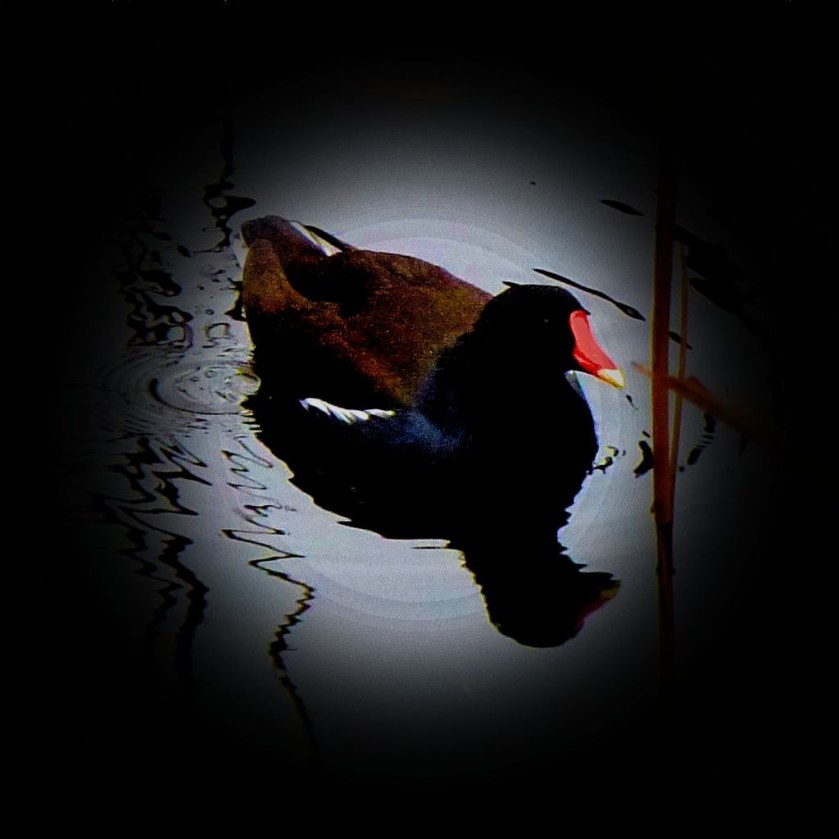
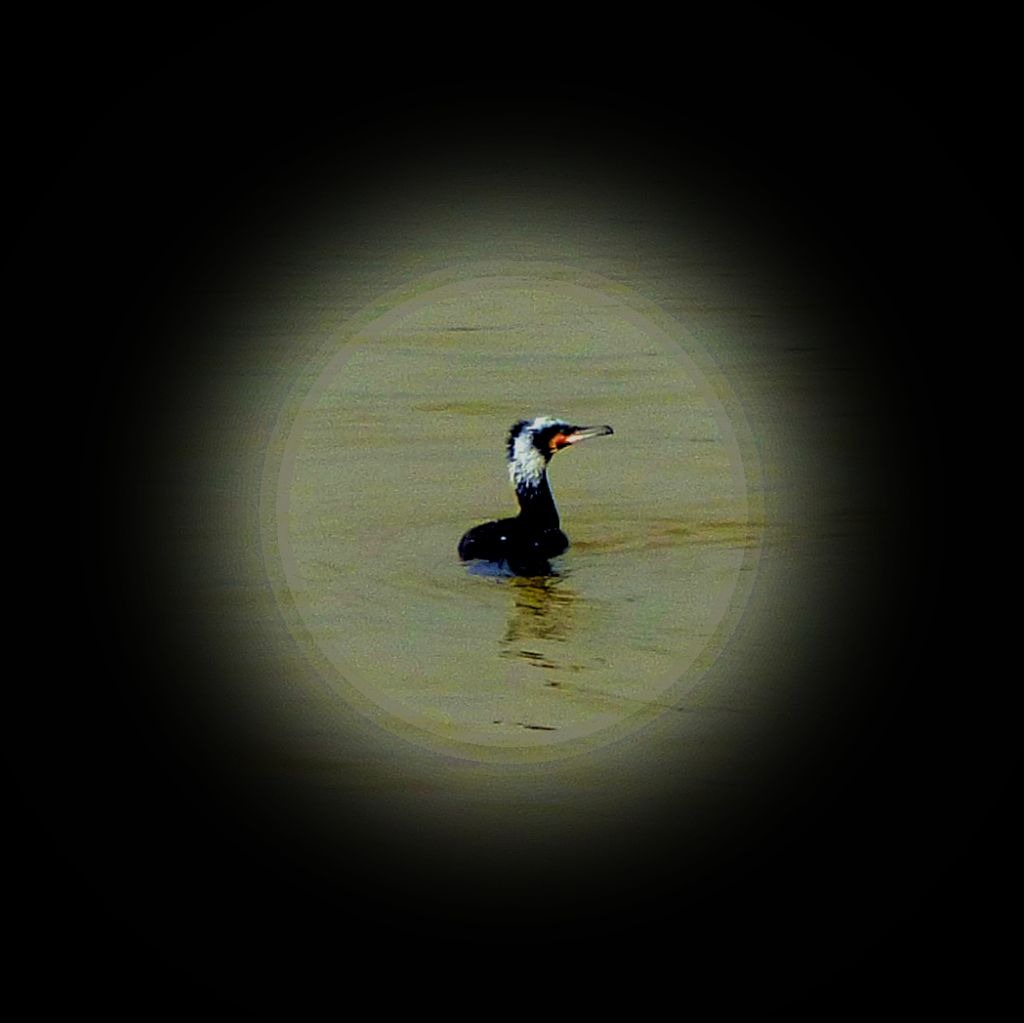
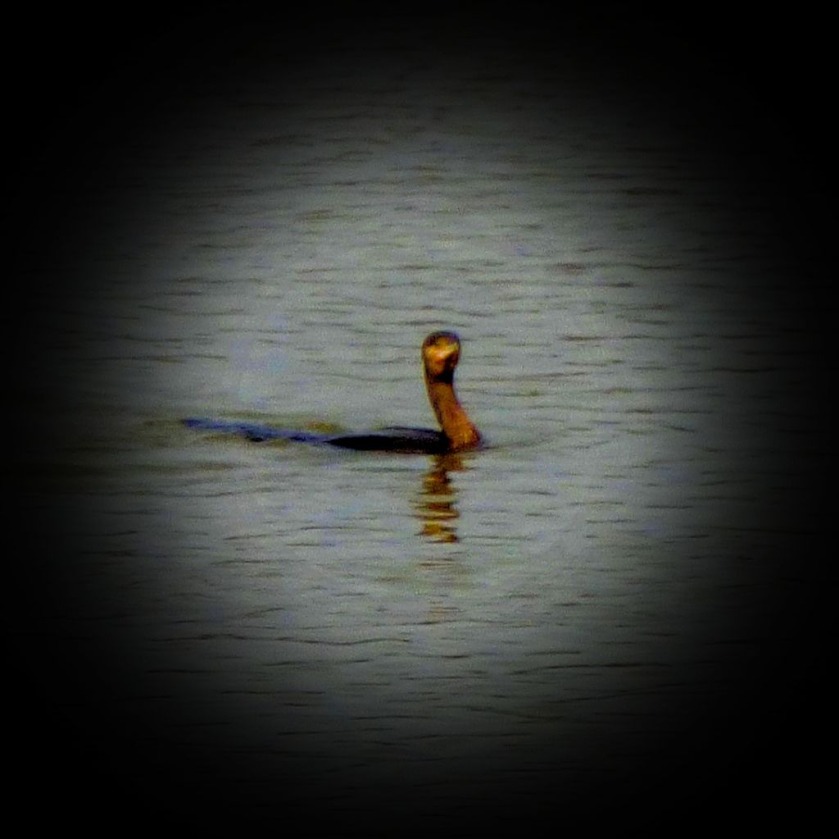
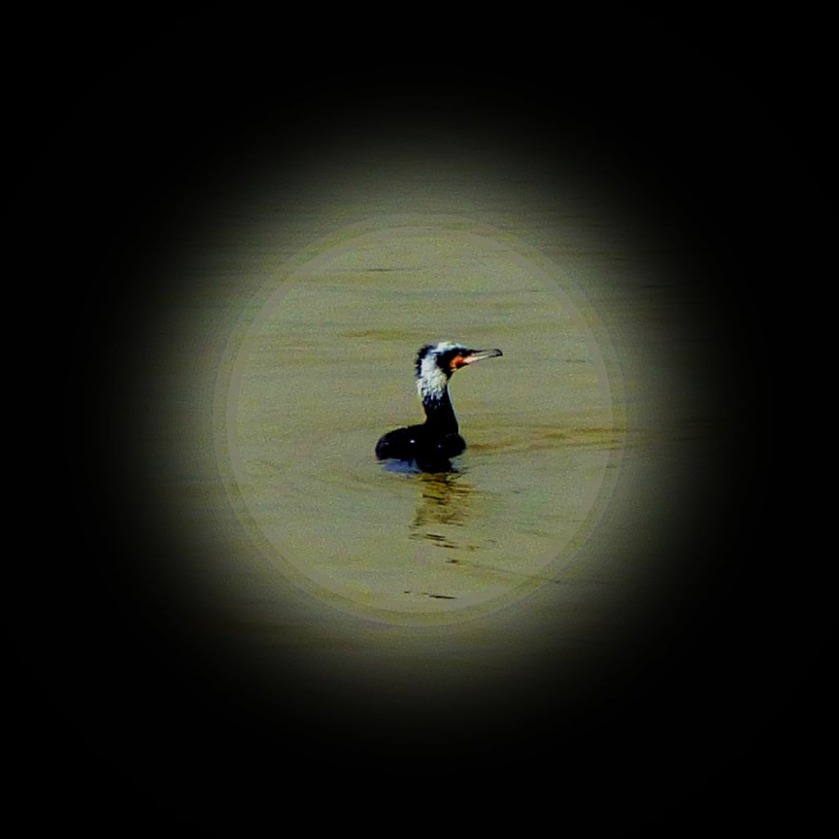
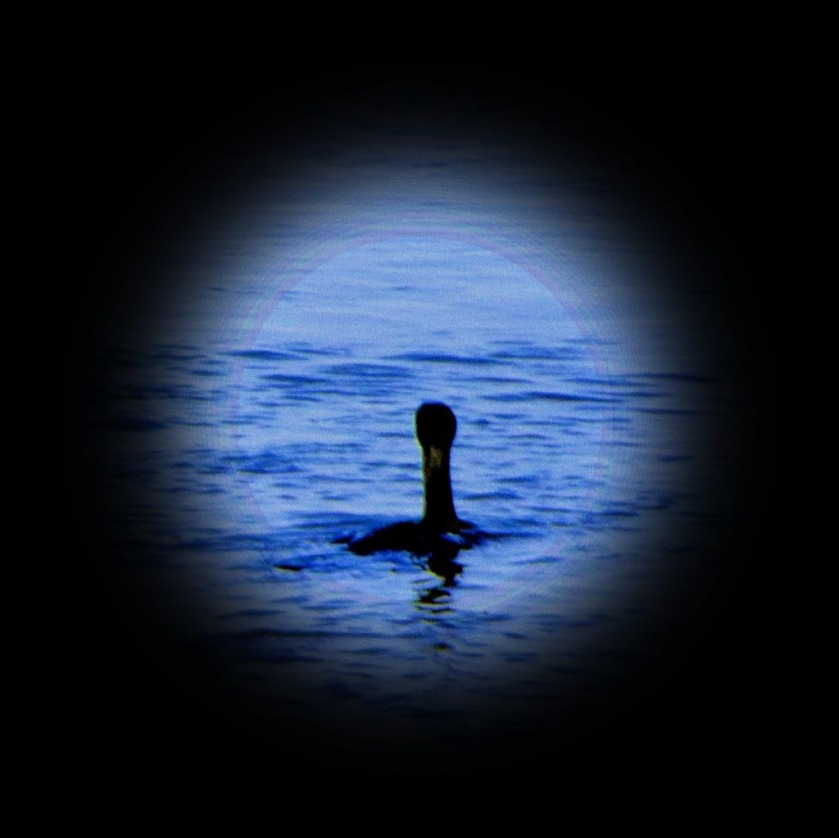
Cormorant CSwimming cormorant


January Auction A Huge Success

An account of Wednesday’s auction.

INTRODUCTION

James and Sons had their first auction of 2018 on Wednesday, and this post tells the story of that auction. 

TUESDAY – SET UP

Most of the setup work for the auction was accomplished on Tuesday. First, some stock had to be cleared away from the tables that were to be used for the auction, and then the stock we brought down (lots 1-488, after which would be taking a break, and might bring down the second half lots if it seemed necessary) was laid out on one table, and the IT setup completed on the other. I did a preliminary test to make sure that all was working.

THE AUCTION

Everything went smoothly on the morning of the auction, and we started as intended at 10 o;clock. Lot 7, a small collection of Masonic medals, with a modest estimate of 30-50 ended up selling for £200.

7
Lot 7 (four images total)

7-a7-b

THE STORY OF LOT 17

This lot had had a lot of advance publicity, and what happend to it was crucial to the overall success or otherwise of the auction. Before Christmas I had put out various emails and press releases about this item, one result of which was an advertisement on the armourer website. It had also been the front cover item on the printed catalogue. In the run up to the auction I had received a query asking for close-ups of maker’s marks on the Russian Order of St Anne gold medal, which was the key part of the group in terms of its value. One of the two people I sent such pictures two did not respond and the other sent an exceedingly insulting response. I had been checking on the-saleroom.com andf noted that this item had 15 watchers. So, it came to time for it go under the hammer, and following the-saleroom.com standard rule of 60% of lower estimate, the opening price was £3,600. The bidding proceeded at such a pace on the internet that by the time the auctioneer had finished announcing the item £5,000 had come and gone. Eventually the hammer went down at £8,200. You can find visit the two articles I wrote about this yesterday:

  1. A specialised article focussing only on this item for military publications.
  2. A more general article for less specialist readers.

Here are some images of this lot:

Jutland 7
Lot 17

Jutland back reducednaming

russian medal - close up
The key element of the group
17-q
The maker’s mark shot

THE REMAINDER OF THE AUCTION

After that it was not going to matter much what happened for the rest of auction. As it happened there were a few more bright spots. Lot 718, a large collection of penny reds and the odd twopenny  blue, all with GWR perfins, went for £120:

718

Lot 852, one of three lots subsituted after the catalogue was printed (three Victorian era hunter watches that replaced three other less significant items) which went in to the online version of the catalogue with an estimate of £50-60 sold for £140. Here are images of all three items:

852
Lot 852, the lot that sold so well (this is a composite image showing both the face and the workings – one of four images for this lot)

852-a852-b852-c

851
Lot 851

851-a851-b

853-a
Lot 853

853-b853

Even then there was still one spectacular sale to come. Lot 864, four vintage gold-nibbed pens with some restoration required, had been expected to make £30-50, but had attracted plenty of interest before the auction, and ended up selling for £180. 

864
Lot 864
864-nibs
The nibs, imaged in response to an internet enquiry.
864-damaged lid1
Two of tghe pen ,lids were damaged (this pic and the next), again picked up on while responding to an internet enquiry.

864-damaged lid 2


Monday Medley II

Some of the best recent autism related finds, a solution, a new problem, some photographs, and an omission rectified.

INTRODUCTION

I have various things that I want to share, and some new photographs, but I start with…

RECTIFYING AN OMISSION

In my earlier post “England Win ODI Series 4-1” I made a brief mention of India’s triumph in Johannesburg. In doing so, and crediting their bowlers for closing it out so effectively, I failed to mention one of the key performers, Jasprit Bumrah. My apologies to those who expected to see him mentioned in that context (as he certainly should have been) and of course to the man himself. 

SOME AUTISM RELATED SHARES

Regular readers will be aware that when writing about autism I put the text in #RedInstead. Also, I have made a decision that every time I am going to be sharing new stuff to do with autism I will open the section by reminding people of stimtheline’s Autistic Bill of Rights:

Autistic Bill of Rights.pub

Some of you may recall a post I put up titled “Autism Acceptance Months“, inspired by Jennifer Lisi. Well I have recently received a couple of outstanding comments on that post that I wish to share with you:

  1. From Anna, who just for the record is allistic (portmanteau word for people who are not autistic – not all allistics are neurotypical, though all neurotypicals are allistic), and I ask people reading the comment, which I quote in full, to bear in mind that she is Swedish, writing a comment in English:
    I wait for the lapwings turning up here, but they usually doesn’t show up until Spring. I think you are right about the acceptance and I will add respect too. I haven’t met one autistic or aspie that are no less human than any one else. All humans are equally different 🙂
  2. And from Rebby, who is autistic, and a newcomer to aspi.blog (very warmly welcomed):
    …Also I agree. I like to ask for acceptance rather than awareness. Awareness is something Autism $peaks kicked up to make the public “aware” of how “monstrous” we are. In truth we are people like everyone else and we deserve to be treated with respect.

Following on from those comments, and on a similar theme here is a post from Autism Mom, originally from April 2016 which she recently shared on twitter, titled “AUTISM RESPECT – THE BEAUTIFUL OTHERNESS OF THE AUTISTIC MIND

As many of you already know I was diagnosed as autistic at the relatively advanced age of 31. Thus I recognize a lot of myauthenticmind’s post “(Old post) Growing Up With Undiagnosed Autism.” It is a beautifully written edit of an old post from her other blog and merits close attention.

Another excellent blog is “to aspie or not to aspie“, and I particular recommend a recent offering titled “The Flavour of Autism“.

My last links are to an important petition which I signed a while back and have previously shared, and an accompanying article, both of which were brought back on to my radar by Eve Reiland of International Badass Activists:

  1. The petition, on change.org, is a call to make “autistic cures” illegal in the UK. This is because….
  2. …As the accompanying article makes clear such “cures” include the enforced drinking of bleach.

Also of course, autism does not need to be cured, autistics need to be treated with consideration and respect. I have stated here before, and reiterate it now, that even if 100% guaranteed cure fior autism became available I would not take it – there is no such being as ‘allistic me’.

To end this section with a little snippet of more local news: The National Garden Scheme’s Norfolk Launch for 2018 is taking place at Houghton Hall a week on Wednesday, and since we have an allotment/ sensory garden NAS West Norfolk have been invited to be present. I will be their representative (sadly no one else can make it, but as I have said on other occasions if we are to have only one representative it is least bad that that representative should be me so that there is a genuine autistic presence). 

PUZZLES AND SOLUTIONS

Here is the answer to last week’s problem:

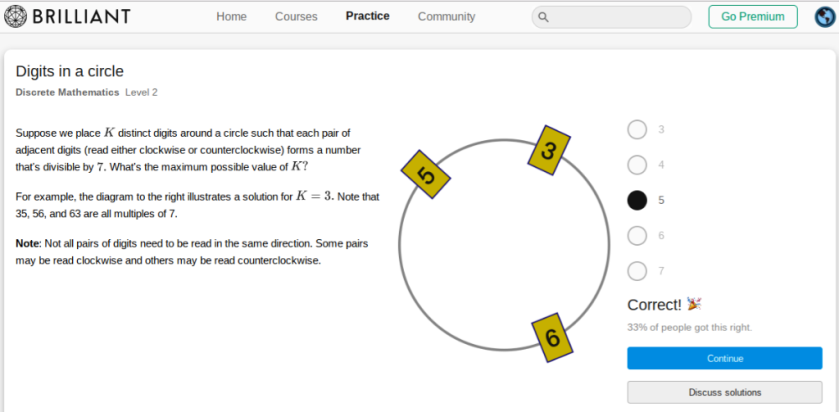
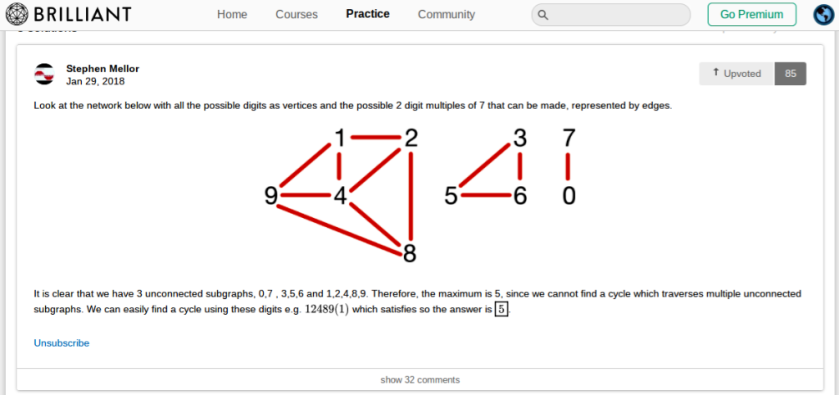
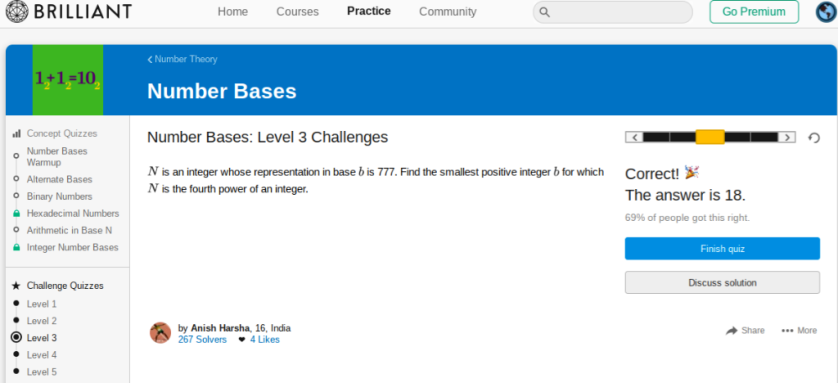
Ans

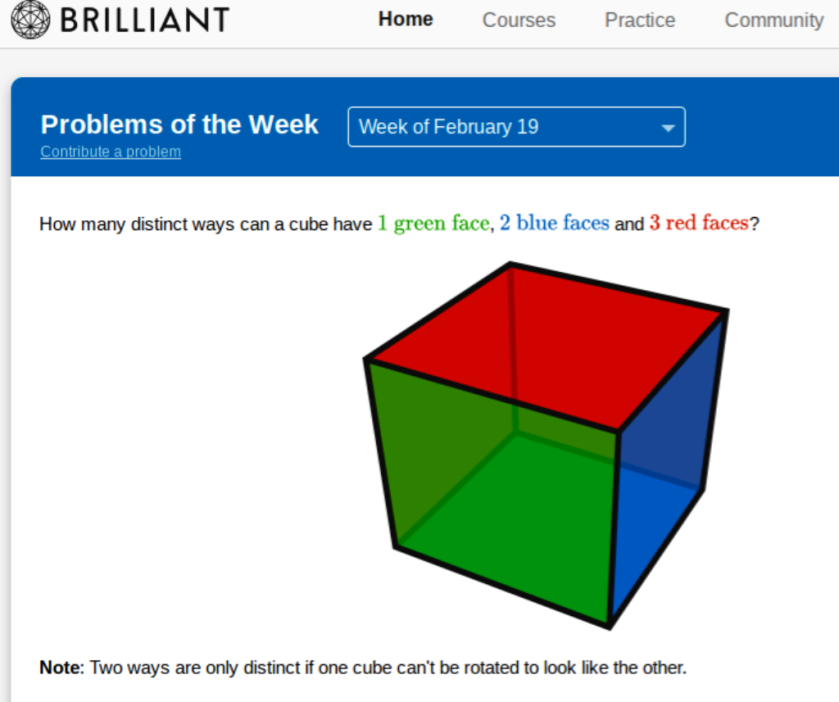
Now, again from brilliant, here is another problem:

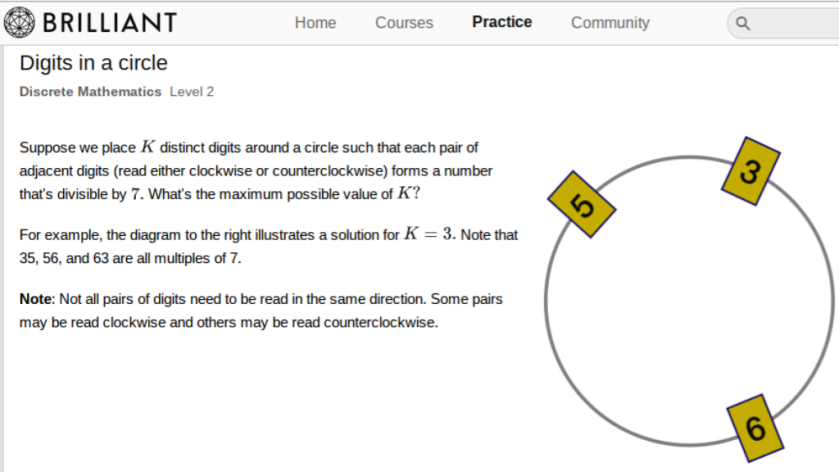
CP

PHOTOGRAPHS

GullFlying birdsBirdsCormorant and gullsCormoranmt and gulls IICormorantCormorant and lapwingsCormorant and churchCormorant, gulls and lapwingsCormorant IICormorant IIICormorant IVGull and lapwingswadersSwimming cormorantStarlingsSun on waterFlowersFlowers close upFemale blackbirdSquirrel IShy squirrelSquirrel in the branchesBlackbird LBlackbird LIMSIMSII

Bird Pictures and Other Stuff

Sharing some of the best recent finds from the internet, and also some of my own photographs.

INTRODUCTION

I have some bird pictures to show you from earlier today, and also a lot of fabulous pieces I want to share with you. I will start with the sharing and finish with the pictures.

NET NUGGETS

I start with a gem from whyevolutionistrue, titled “An open letter to Charlotte Allen, an ignorant, evolution-dissing writer“, which takes the person it is addressed to to task for a poorly written, ill-informed (indeed virtually uninformed) article.

All the rest of the pieces I am sharing with you have to do with…

AUTISM

I start with a piece from a blog which is new to me, anotherspectrum, and a piece title “I am atheism“. The piece tackles a particularly vile commercial put out by anti-autistic hate group masquerading as autism charity Autism Speaks, the title of which was “I am Autism”.

Another  new find is Discovering My Authentic Self, and I point you to “Autism Resources“, which is precisely what you might expect from the title.

My third autism related share comes with a challenge attached. It is Autism Mom’s piece “THE CONFUSION OVER THE LITTLE WHEELCHAIR” which tackles a problem that the recognised symbol for disability reinforces – the assumption that disability always means physcial disability. The challenge is this: can you come up with a replacement symbol for disability that acknowledges the full range of disabilities? If you create a post about your idea, linking back to this post, and I am impressed by it, I will reblog you.

I end this section with a reference to The Autistic Bill of Rights. The success of the original post on this theme from stimtheline has resulted in a shareable image from the same source (I printed one out at the library today), reproduced below:

Autistic Bill of Rights.pub

Please follow my example in sharing this as widely as you can!

INFOGRAPHICS AND PHOTOGRAPHS

For the first time in its 154 year history Wisden Cricketer’s Almanack has a woman on it’s front cover. Anya Shrubsole who bowled England to victory in the 2017 World Cup is the woman thus honoured:

WisdenWomen

Identifor produced this gem earlier today

Identifor

Finally we come to my photographs…

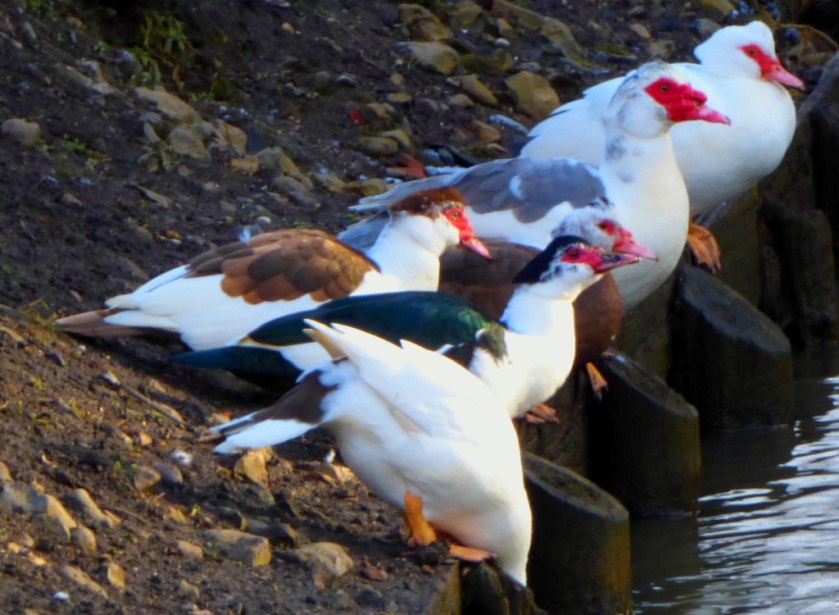
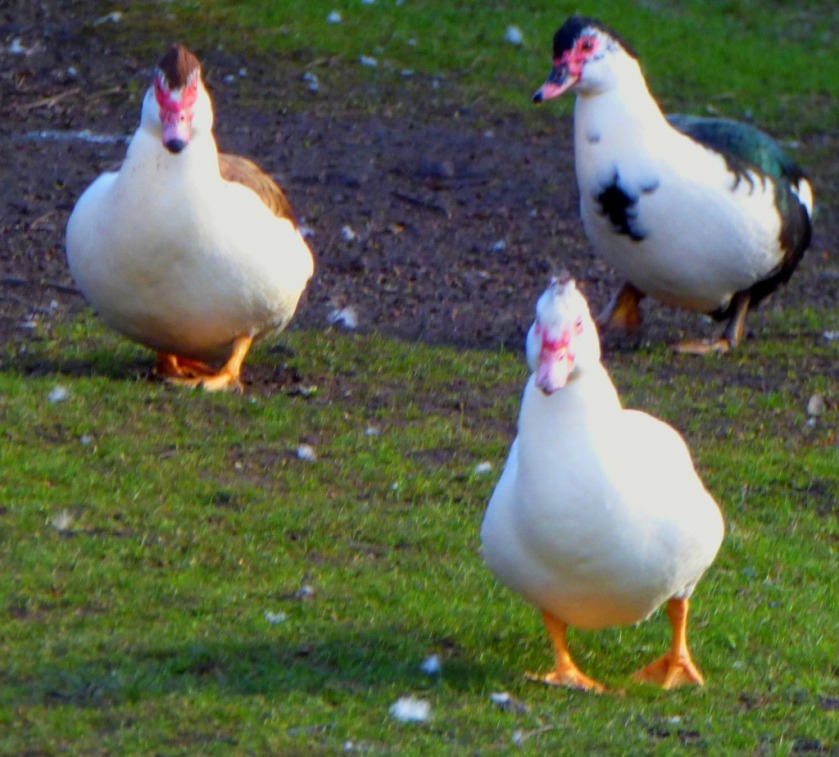
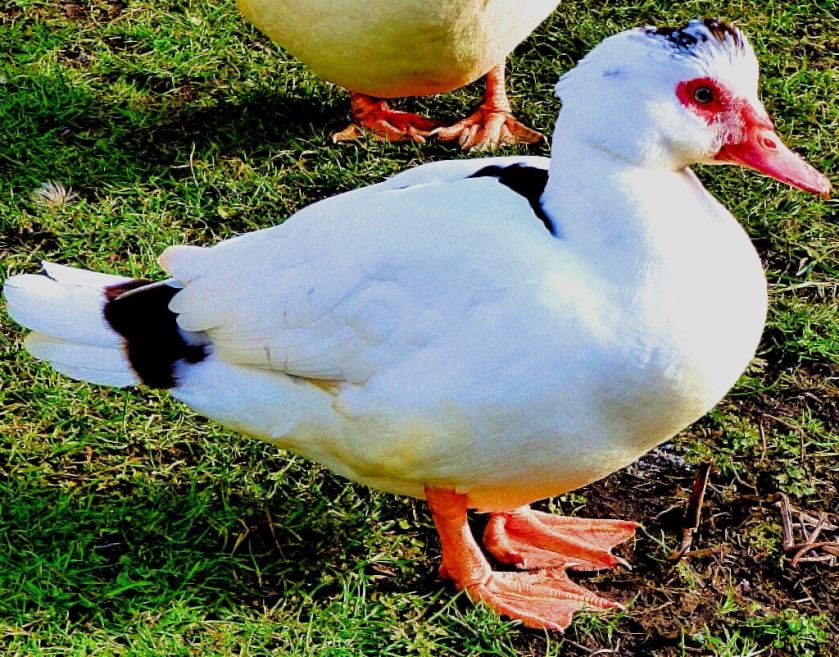
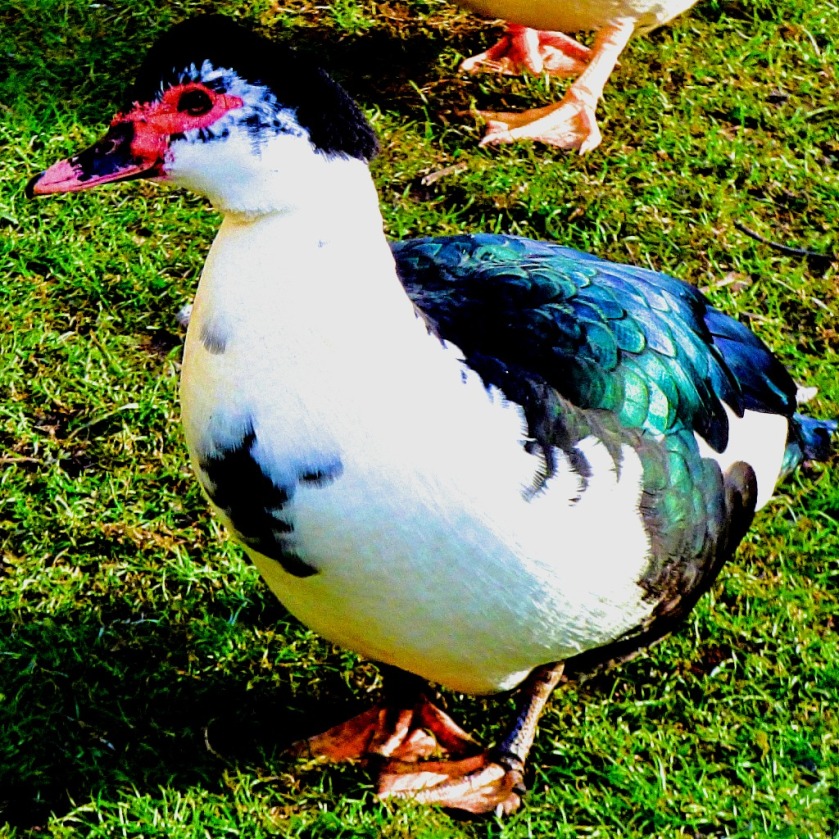
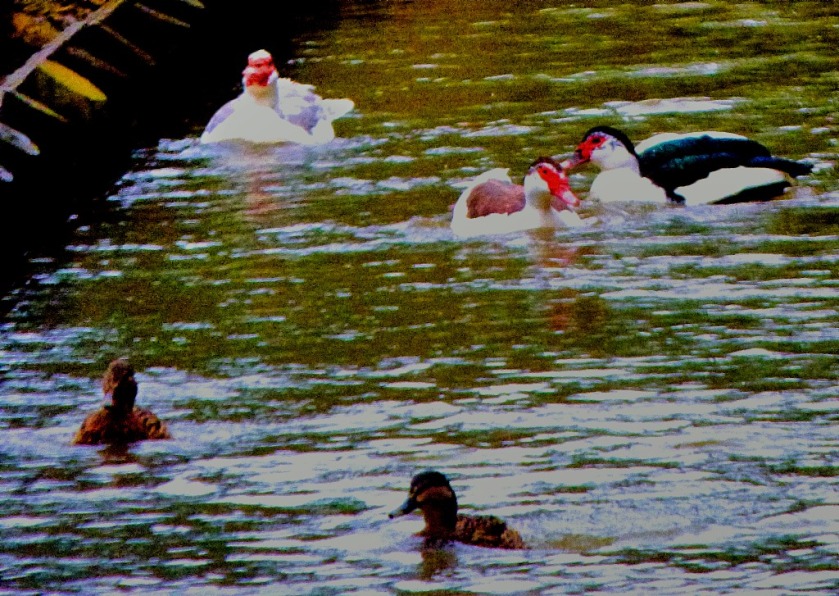
gullblackbirdOystercatcher IOystercatcher IIGullsMuscoviesbrown muscovyPair of muscoviesswimming muscovytrio of muscoviesDark muscovytrio of light muscoviesLight muscovyBlack Muscovygrey backed muscovycontrasting muscoviesmotltled muscovyBrown backed muscovyClassic muscovy


Monday Medley

Links to some of the best pieces from today, includign several about autism, a solution, a problem and some photographs.

INTRODUCTION

This post is divided into three main sections – a sharing section, because there has been some truly outstanding stuff come to my attention today, a problems and solutions section and some photographs. 

THOMAS’ PICKS

To clear the deck for the rest of my shares, which are all around the same theme I start with this little gem from Atheist Republic titled “5 Major Reasons Why Creationists are Dead Wrong

For the rest of this section we will be using shades of #RedInstead because all these pieces relate to…

AUTISM

I start this section with an old post from Autism Mom titled “10 WAYS YOU CAN DEMONSTRATE AUTISM ACCEPTANCE

I have already reblogged stimtheline’s magnificent Autistic Bill of Rights, but I take the opportunity to point you all in that direction once again, complete with a jpg of the suggested Bill of Rights…

ABR

My remaining shares in this section are all from a new find…

TO ASPIE OR NOT TO ASPIE

Not many people have produced three full-length posts in the space of a day that I am eager to share, but this blogger has managed it with the following:

  • Think Different, on of the best pieces I have ever seen on the theme of embracing one’s diversity, in this case neurodiversity.
  • The Nuances of Discrimination, which deals with protecting autistic people from discrimination, and is an absolute must-read.
  • Is Autism a Disability? A wonderful post which tackles head on some of the ways in which the conversation about autism is currently cooked against us from the start. I quote the closing lines of the post as an appetiser:

    It’s a label that holds me down and pushes me into a box I can’t escape from.
    Give me some new words to define me.
    Or better yet, let me define myself.

A SOLUTION AND A PROBLEM

First, a solution to the problem I posed on Saturday in “Failing to Convert“:

Logic Solution

Here is Hamz George’s explanation of why this is so:

Hamz Jeorge 
Jan 6, 2018

Relevant wiki: Truth-Tellers and Liars

Since every statement is false, let us convert them into true statements, and number each statement:

Ann: 1) One of us took the painting. 2) The painting was gone when I left.

Bob: 3) I arrived first, third, or fourth. 4) The painting was still here.

Chuck: 5) I arrived first, second, or fourth. 6) The painting was gone when I arrived.

Tom: 7) Whoever stole the painting arrived after me. 8) The painting was still here.

According to statement #7, Tom is not the thief. #8: Since the painting was there when Tom arrived, he could not have been the last to arrive. Tom must have gone there first, second, or third. #6: The painting was gone when Chuck was there, so he didn’t arrive first. #5: So Chuck got there second or fourth. #4 and #8: As two other members (Bob and Tom) arrived to see the painting, Chuck didn’t get there second, either. So Chuck arrived fourth. #3: This means Bob arrived first or third. #2: Since the painting was gone when Ann left, she didn’t arrive first. Otherwise, no member after her would have seen the painting. So Ann went there second or third and Chuck arrived fourth. But since two other members (Bob and Tom) saw the painting when they arrived, Ann didn’t go there second, either. So Ann arrived third. #3: Therefore, Bob arrived first, and Tom arrived second.

In summary, Bob arrived first. Tom got there next and the painting was still there, so Bob was not the thief, and neither was Tom. When Ann arrived, the painting was still there, but it was gone when she left. So Ann was the one who stole the painting. Chuck arrived last and discovered that the painting was gone.

Yes, Charlotte, you were right.

A NEW PROBLEM FOR YOU TO TACKLE

Another one from brilliant

GCDs

PHOTOGRAPHS

Although not as dramatic as a few weeks back, The Walks, King’s Lynn’s best known park, is still somewhat lacustrine, which has led to it receiving a most unusual visitor – an Oystercatcher, a wading bird which would normally visit a park and for which King’s Lynn would be the extreme South of its possible living area…

gull and oysercatcher
The oystercatcher in shot with a gull.
Oystercatcher
A close-up of the oystercatcher
Oystercatcher - vignetted
a second close-up of the oystercatcher
Oystercatcher BB
What my bird book has to say about the oystercatcher
Oystercatcher range
The Oystrecatcher’s range

As you will see there were a few other fine birds on show today…

Library display
Close examination of this display of local publicity materials just inside King’s Lynn Library, will make my contribution to it obvious – it has looked like that for some time.

lacustrine walksmudlump Imudlump IImudlump IIIBlack muscovyGullsMixed muscoviesMoorhenMoorhensmuscovies x 3Muscovy ducks x 4Muscovy ducksMusocyv ducks x 2Swan 1Swan abd drakeSwans and muscoviesSwans IISwans IIISwans IVSwans VSwanstwo muscovy ducksWater birds


Musical Keys and a Meme

An account of my Musical Keys session on Saturday and a meme that I created.

INTRODUCTION

Saturday was a Musical Keys day in King’s Lynn. This post shows you what I did during that session.

RETURN TO REAPER

Those who read my post about the session on January 6th will recall that in that session I was on a keyboard, which when you add Christmas in to the equation meant six weeks since I had used Reaper, so I was particularly pleased to get back to using Reaper. Once I had re-acquainted myself with what I had already done I moved on and created another major piece. I will met some photographs of my Reaper screens tell the rest of the tale:

Reaper 1
The first five pictures are from the first half of the session.

Reaper 2Reaper 3Reaper 4Reaper 5

Big piece 1
These last five shots deal with my new big piece.

big piece 2Big piece 3big piece 4big piece 5

THE MEME

A number of recent posts on this site have been about or have touched on the themed of “autism acceptance months” (here, here and here). During the weekend I created an #autismacceptancemonths meme for sharing on social media which has had some success, and for the benefit of those of my readers not on social media I reproduce it below:

Meme


England Seal ODI Series Victory

An account of the third ODI between Australia and England, and some of my own photographs.

INTRODUCTION

Just after 11AM yesterday UK time England completed a victory over Australia in the third One Day International that also secured them the series victory with two matches remaining. This post tells the story of that victory

THE MATCH

Steve Smith won the toss for Australia and sent England in to bat, which given that England had won the first two matches batting second was a sensible decision. Moeen Ali’s dismissal to the first ball of the 39th over left England at 181-6, at which point Australia looked favourites, and Smith’s decision to send England in looked to be thoroughly vindicated. Jos Buttler and Chris Woakes then batted so well in the last 11.5 overs, the former reaching his 5th ODI hundred along the way, that England finished their 50 overs with 302-6.

Australia in response were then ahead on comparison for much of the way. In the closing stages Stoinis and Paine batted well up to a point but they were dropping further and further behind the rate. When Stoinis holed out at the death Australia needed 19 off three deliveries which meant that Woakes only had to avoid overstepping or slinging the thing wide – and he very comfortably achieved this, England’s final margin being 16 runs. Stoinis played a quality knock, but Tim Paine’s 31 not out off 35 balls was as clear an example of a match-losing innings as I can recall (though skipper Smith’s 45 off 66, which first put Australia behind the rate merits a dishonourable mention in this category). 

A CONTROVERSIAL DISMISSAL

Smith was given out caught by Buttler. The onfield umpires referred with a ‘soft decision’ of out, meaning that to give Smith not out the TV Replay Umpire needed to find incontrovertible evidence that it was not out. The mere fact that even with replays to help them people were not in agreement as to whether it was out or not says that the evidence was not incontrovertible, so the TV Replay Umpire was right to stick with the decision of out. Also, because of camera foreshortening TV replays are notoriously unreliable when it comes to assessing whether catches have carried (and I write this as a fan of technology overall). Finally, the way Smith was batting his dismissal benefitted Australia at least as much as it did England.

A TALE OF TWO 49th OVERS

England went into the 49th over of their innings on 264-6. Pat Cummins not only got smacked around (always likely at that stage of an innings), he also unforgivably bowled a wide, and then with the seventh delivery, which had been necessitated by the earlier misdemeanour, a no-ball. The eight delivery, necessitated by the no-ball, and a free hit for that reason, was walloped for four. The meant that the over cost 25 in total, and Cummins’ indiscipline accounted for eight of those 25 (1 for the original wide, 2 for the no-ball, one taken off the no-ball and the last four).

Australia went into their 49th over at 273-6, needing 30 to win. Mark Wood was disciplined enough to limit his over to the regulation six deliveries, and he managed one dot ball, conceded four singles and only one four – eight off the over – a good fairy offering that outcome at the start of the over would have found herself one-handed! The difference between Cummins’ over and Wood’s was 17 runs (25 minus 8), and England’s winning margin was 16.

PHOTOGRAPHS

La TraviataMoorhensMerulaIMerulaIIMerulaIIIscout hut roofCrescent moon 1Crescent moon 2Crescent moon 3Crtescent moon 4Moonlit North Lynn


Failing to Convert

A post provoked by an asinine comment I saw on cricinfo yesterday, dealing with the question of failure to convert in cricket.

INTRODUCTION

This post was provoked by something I saw yesterday morning on cricinfo’s online coverage of the second ODI between England and Australia (I was at work, so could not listen to the commentary, but having this tab open and peeking occasionally in between doing other stuff was manageable – I was constantly using the internet for work purposes anyhow). 

ENGLAND 2-0 UP IN SERIES

England won this match by four wickets, with plenty of time to spare. Joe Root was there at the end on 46 not out. In the first match he had been there at the end on 91 not out. This coincidence that both times he was just short of a personal landmark led to a character posting under the name Dave (knowing what I do of such types I am not prepared to say that this is actually their name) to post a comment about Joe Root failing to convert. My response to this display of asininity is as follows:

  1. Failing to convert implies regularly getting out before reaching important landmarks and Joe Root was undefeated in both innings.
  2. Individual landmarks are valuable, and generally to win one needs someone to go to and well beyond several such, but cricket is a team game, and on both occasions Root missed his landmarks through playing a support role to people who were going more fluently at the other end (Jason Roy in game one, and Jos Buttler and Chris Woakes in game two).
  3. Joe Root has proven frequently that he can go on to and well past significant personal landmarks.

To end this section I quote a post from a few minutes after Dave’s which provides an indication of how good Root actually is in ODI chases:

Hypocaust: “Joe Root now has the 3rd highest average (87.06) in victorious ODI chases (min. 20 innings), behind Dhoni (102.72) and Kohli (93.64) and just ahead of Bevan (86.25).”

A PUZZLE

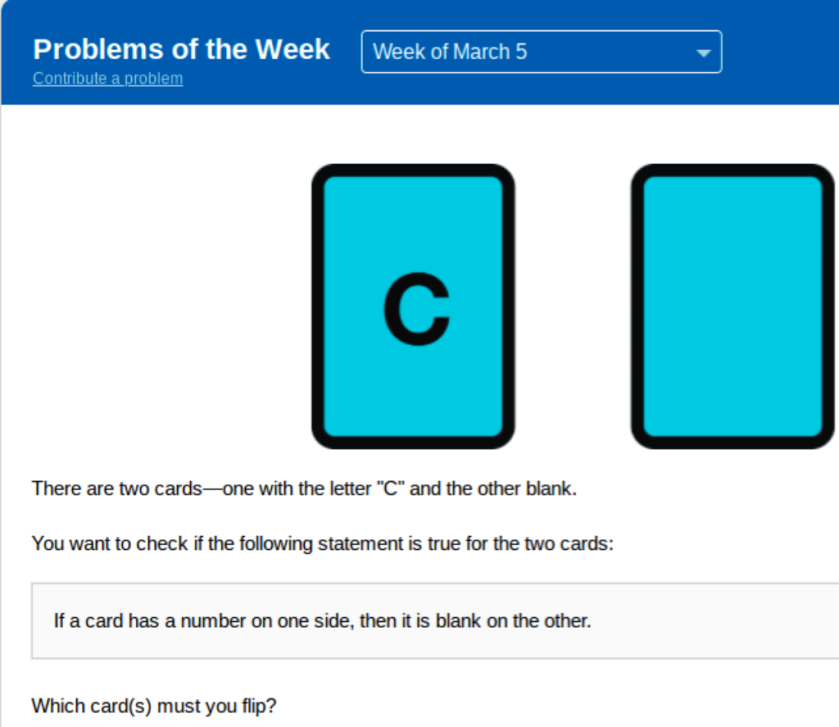
Here courtesy of brilliant is a puzzle:

LC

A SOLUTION

Here is the solution to the problem that I included in my post England One Day International Record:

solution

PHOTGRAPHS

As usual we end with some photographs: