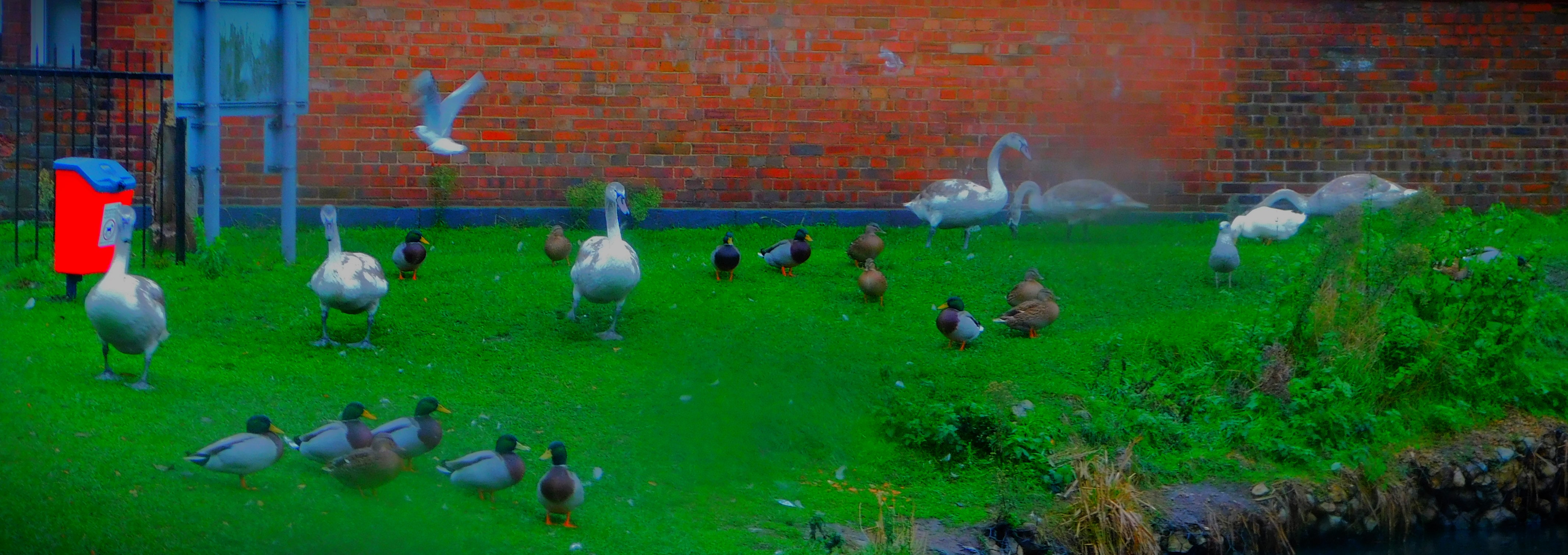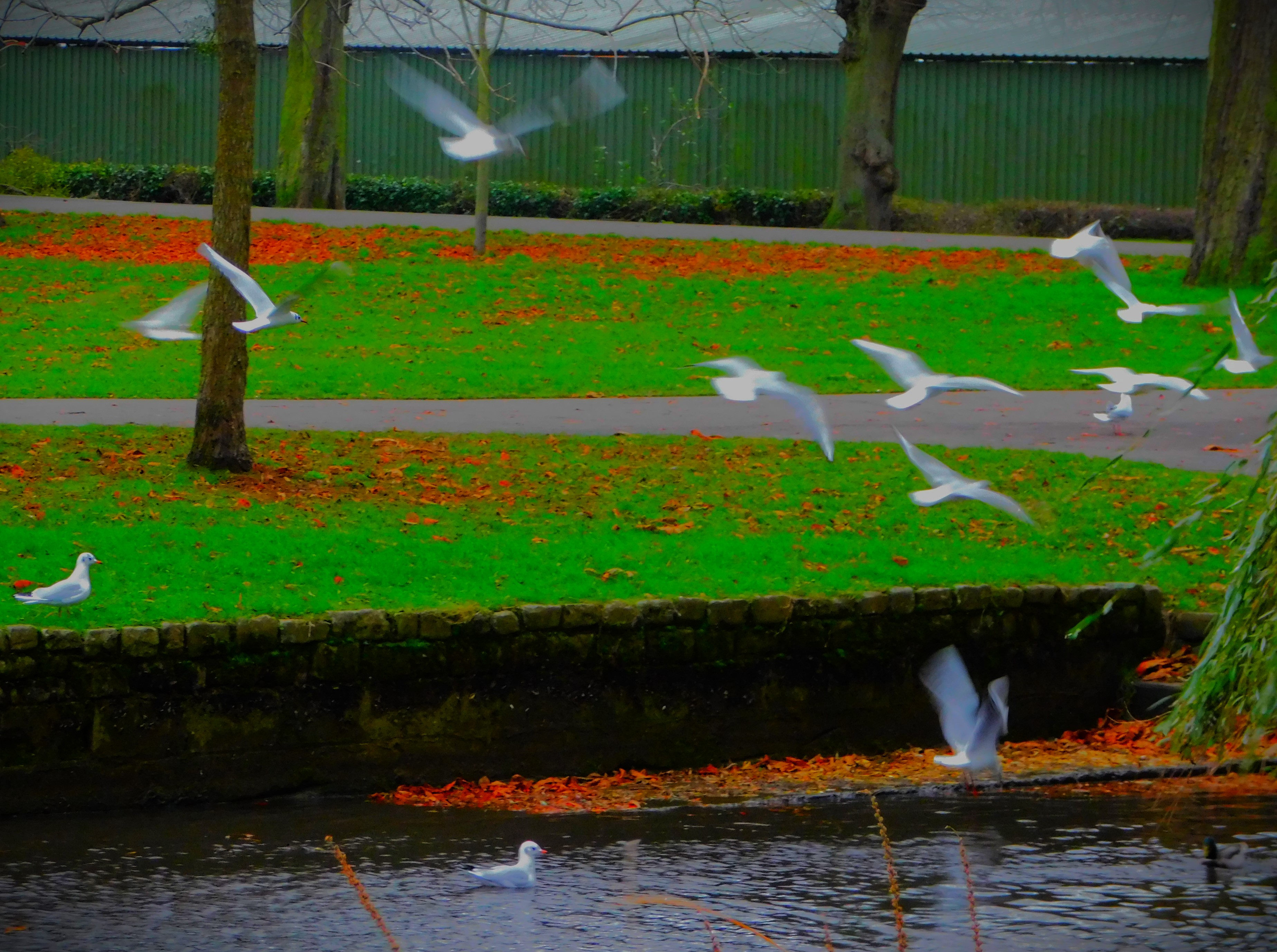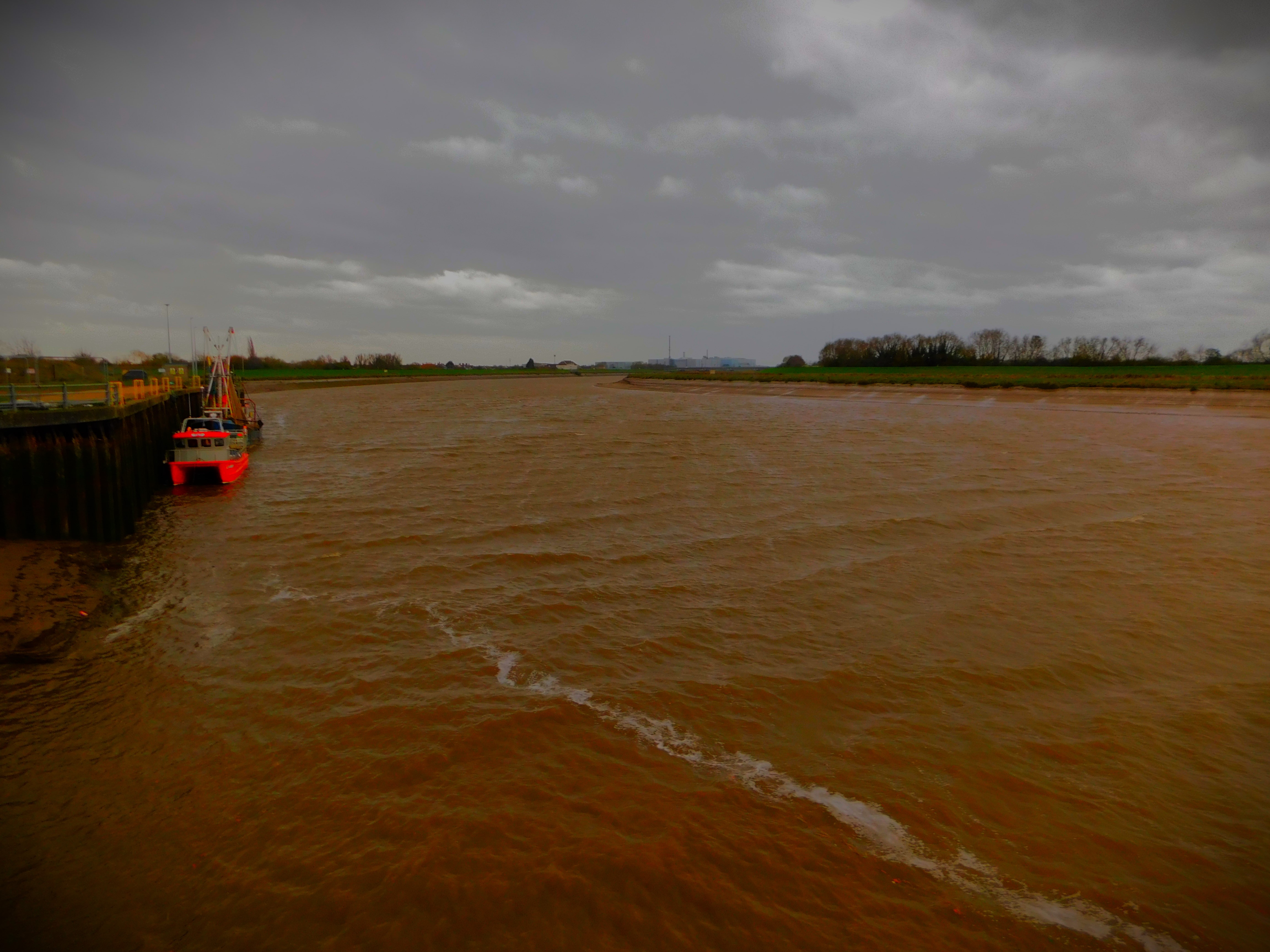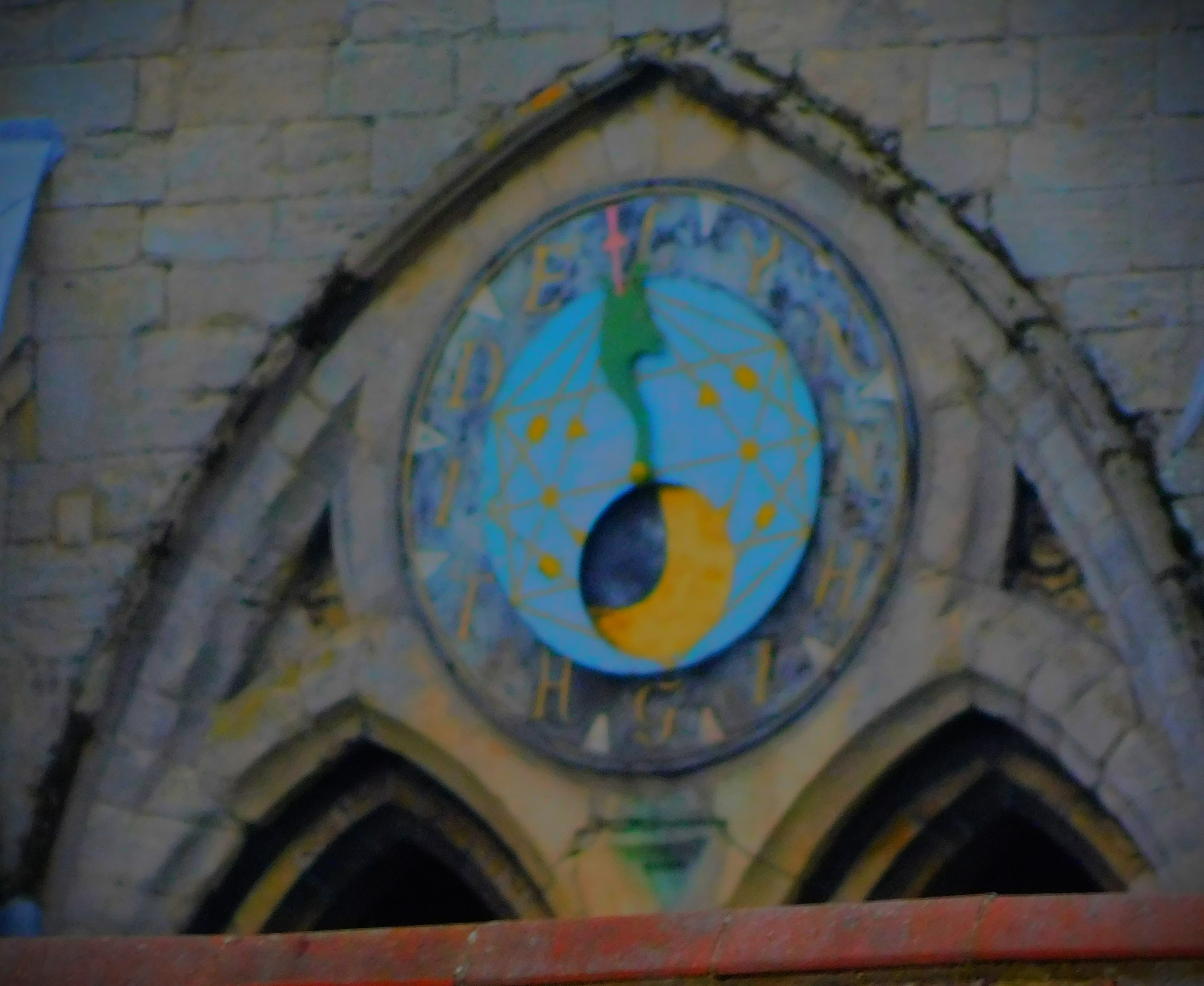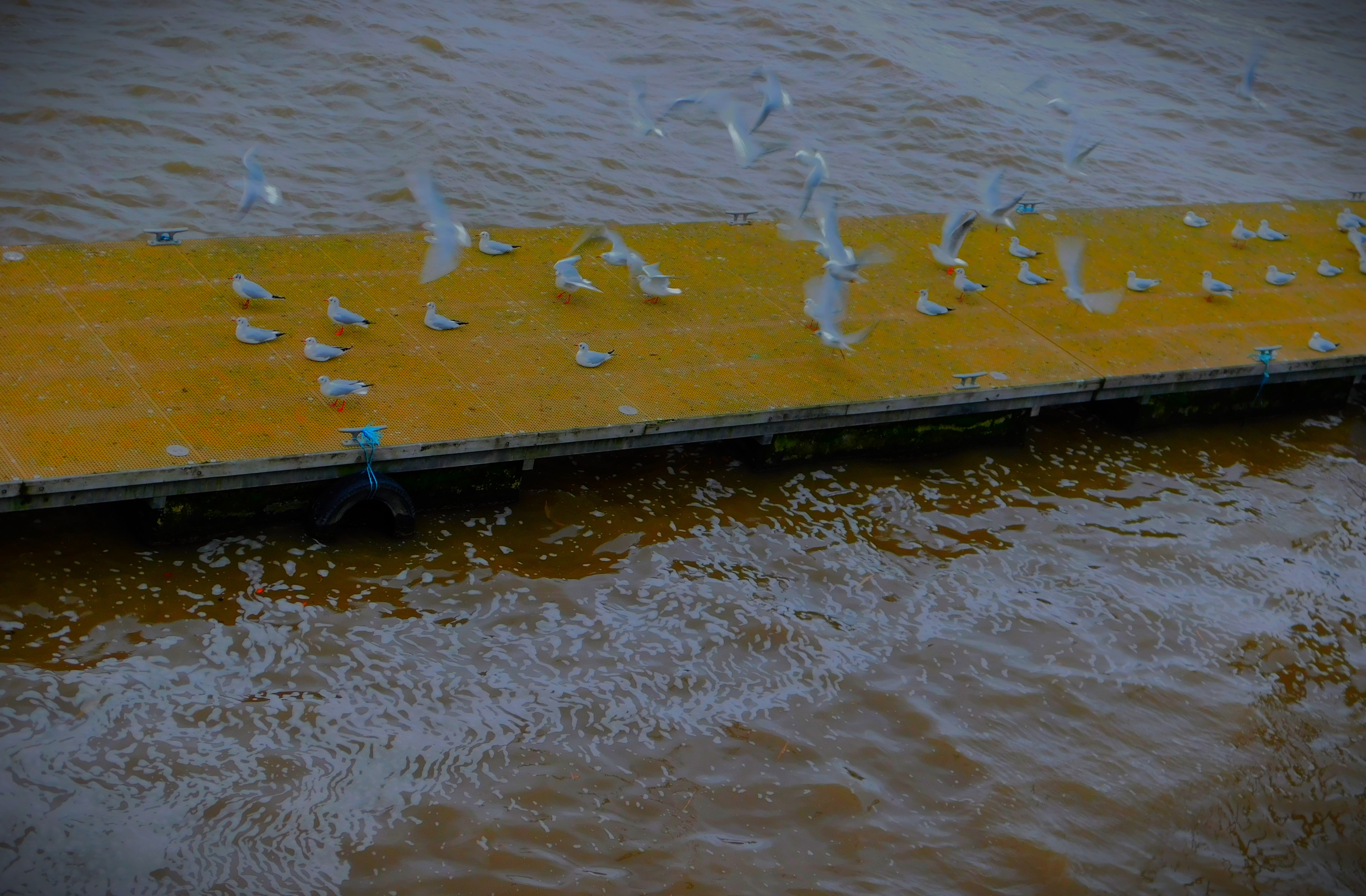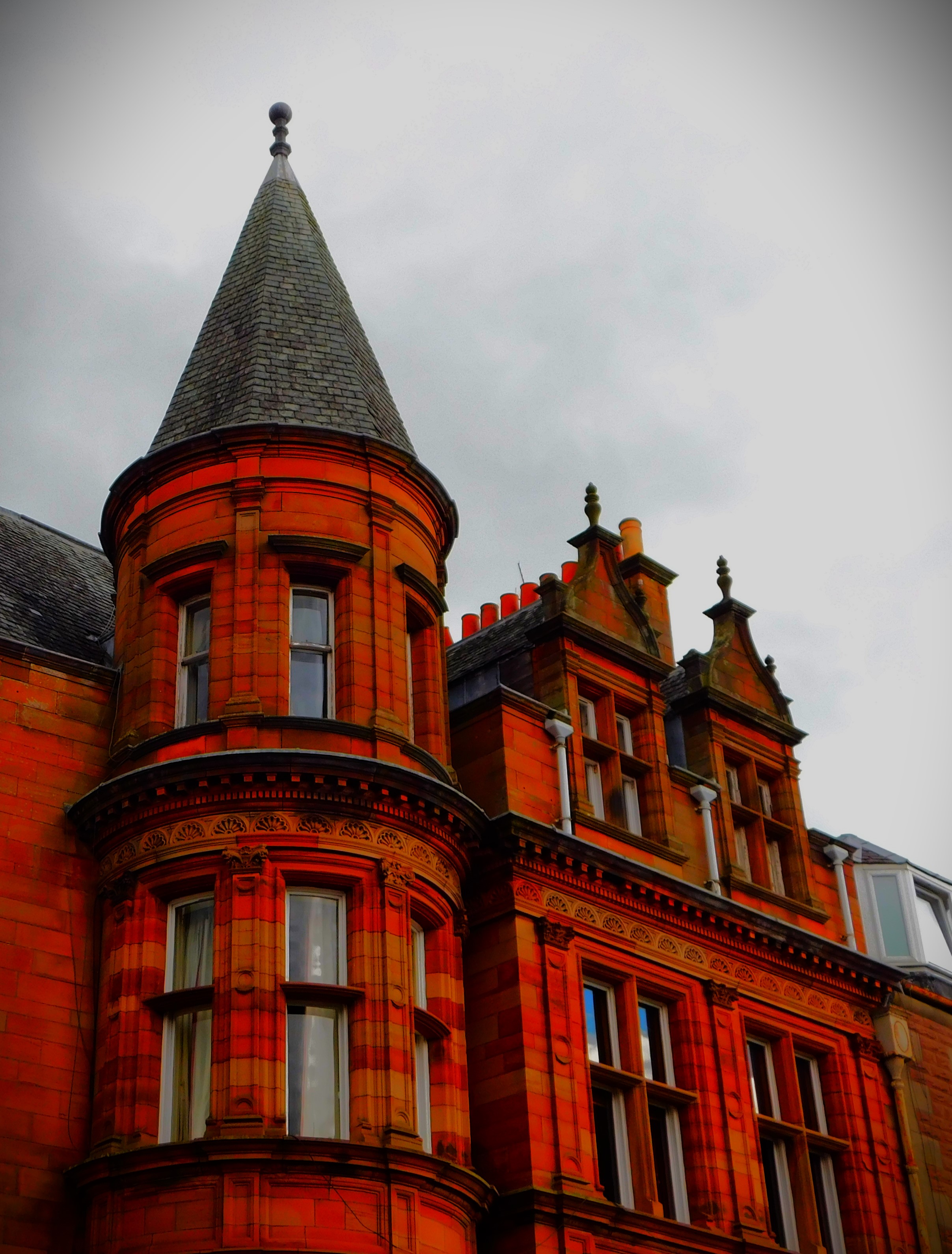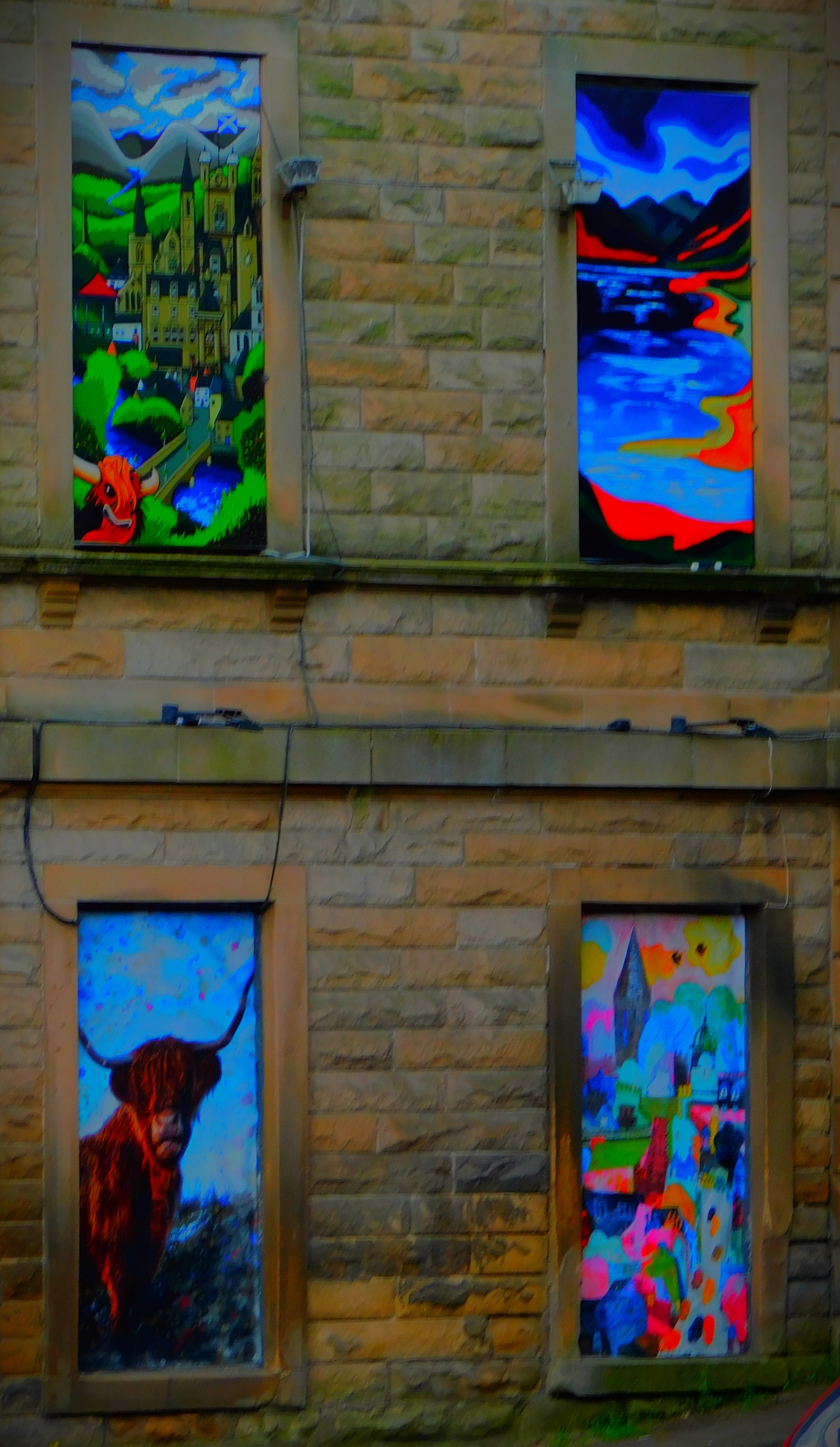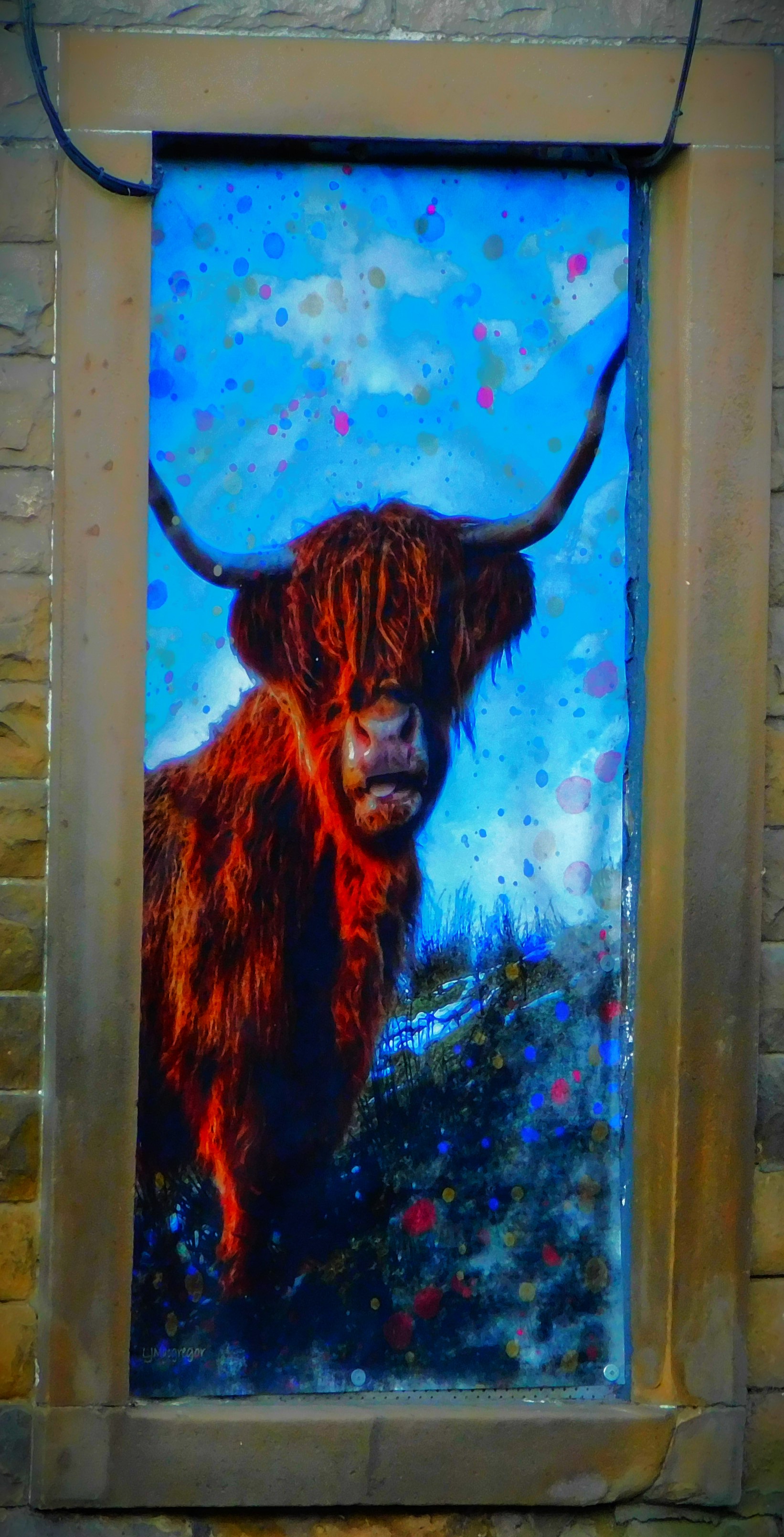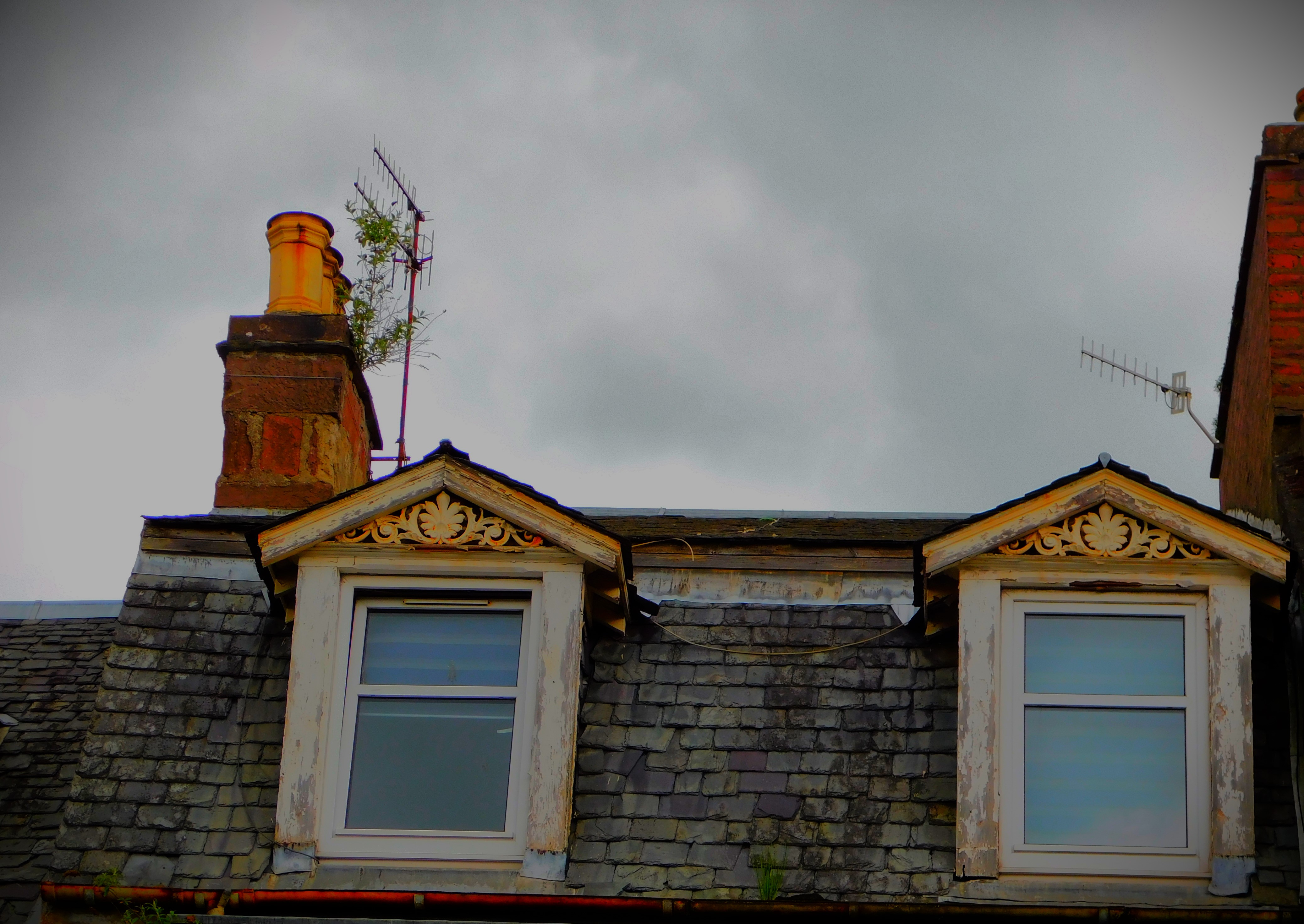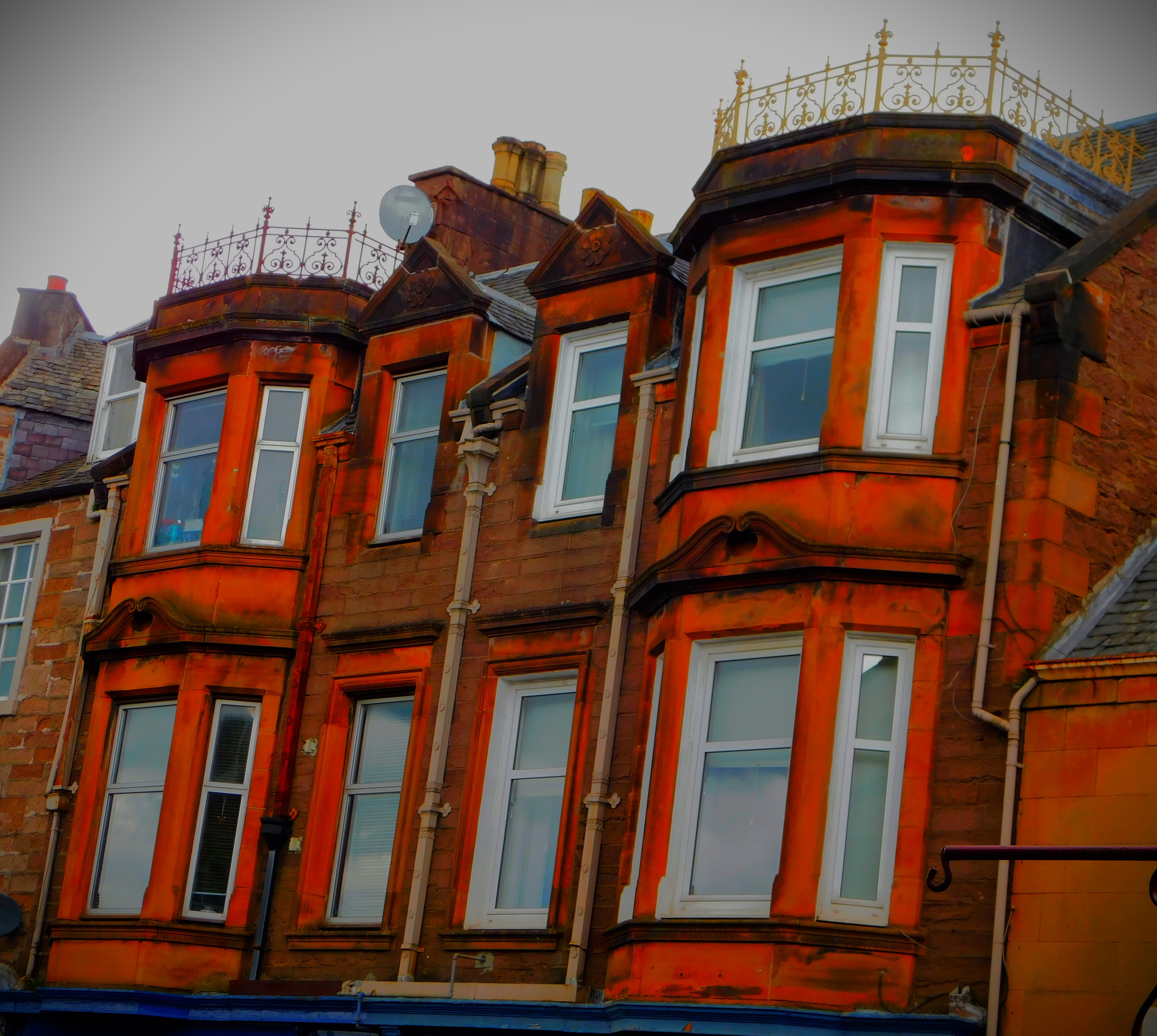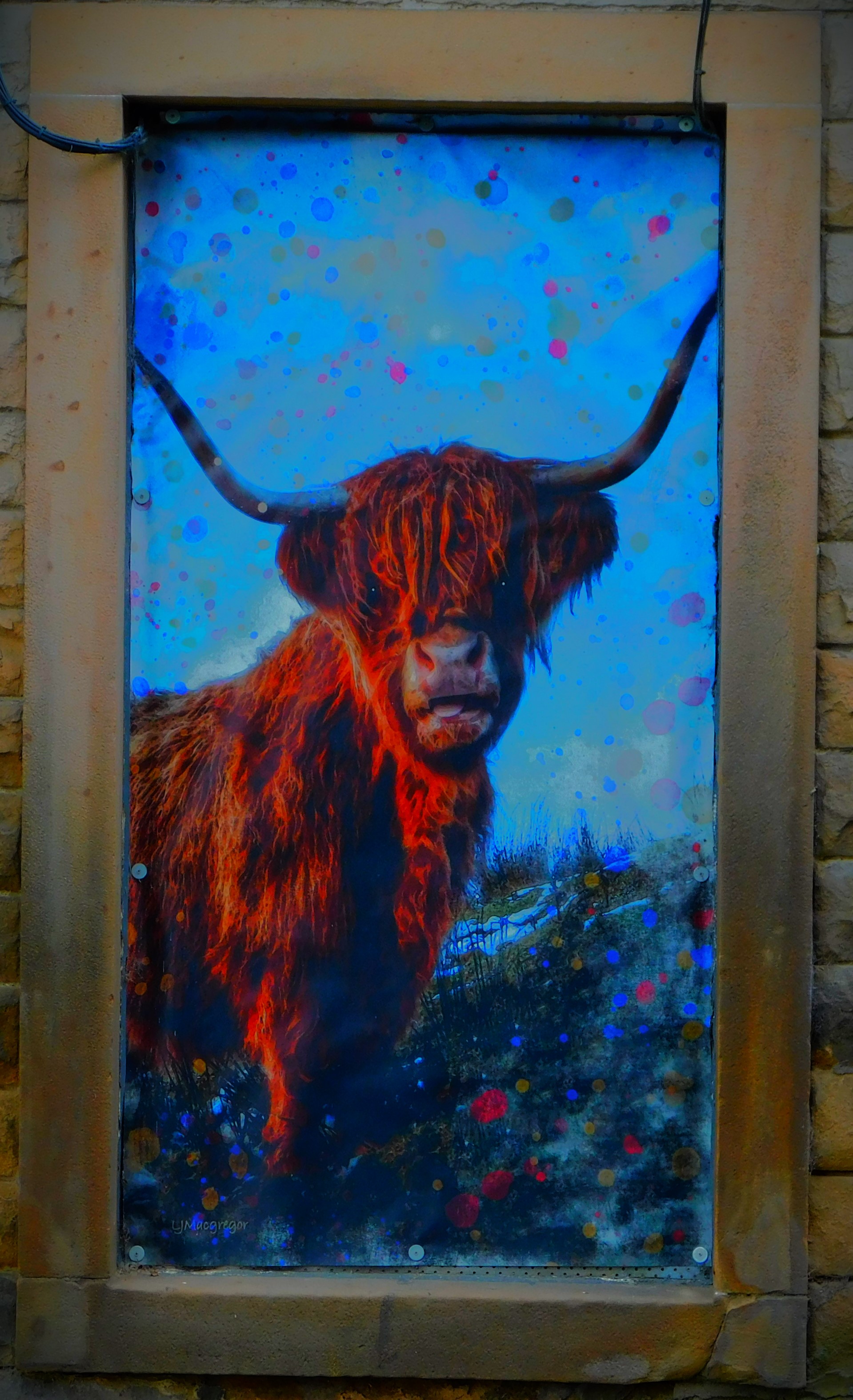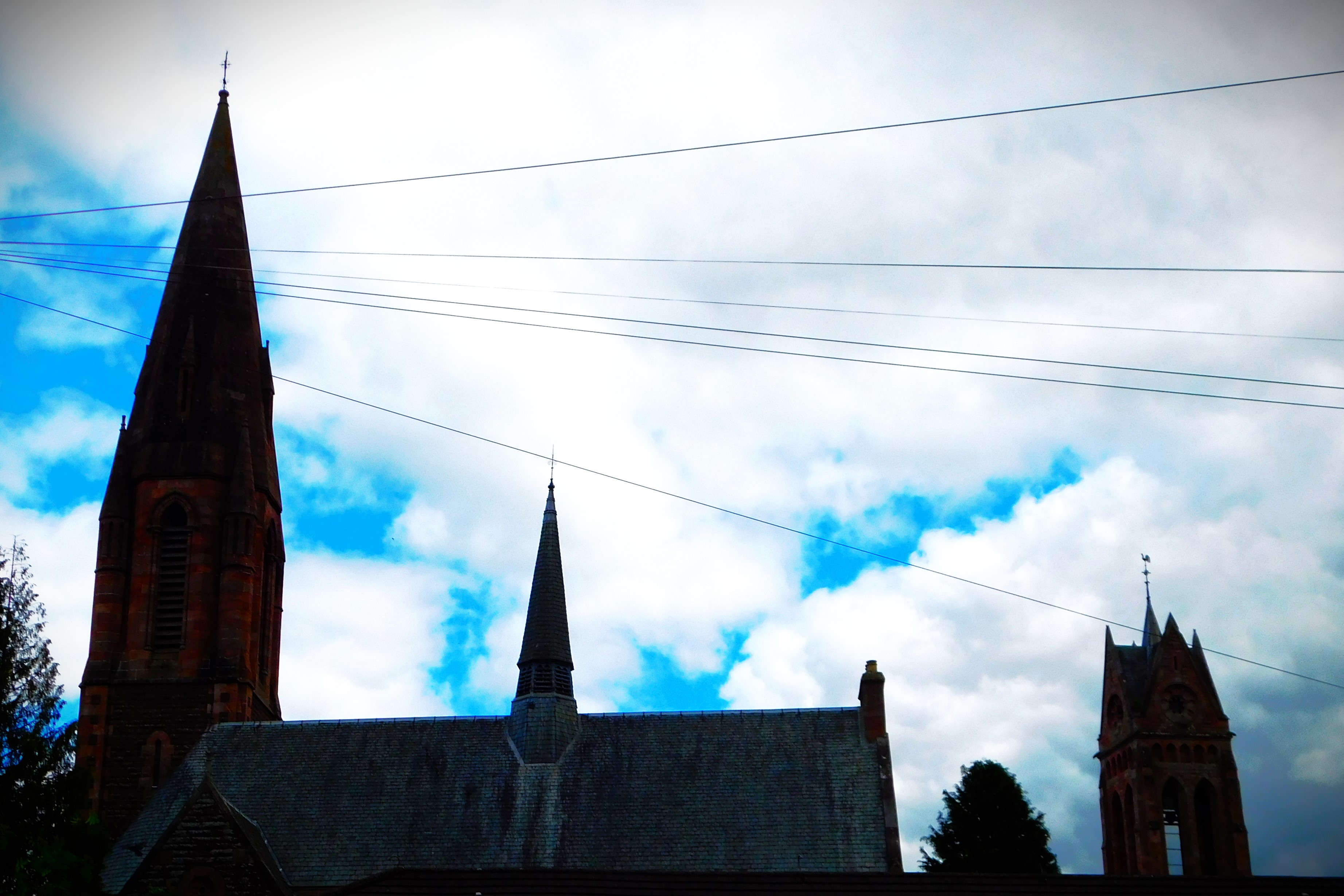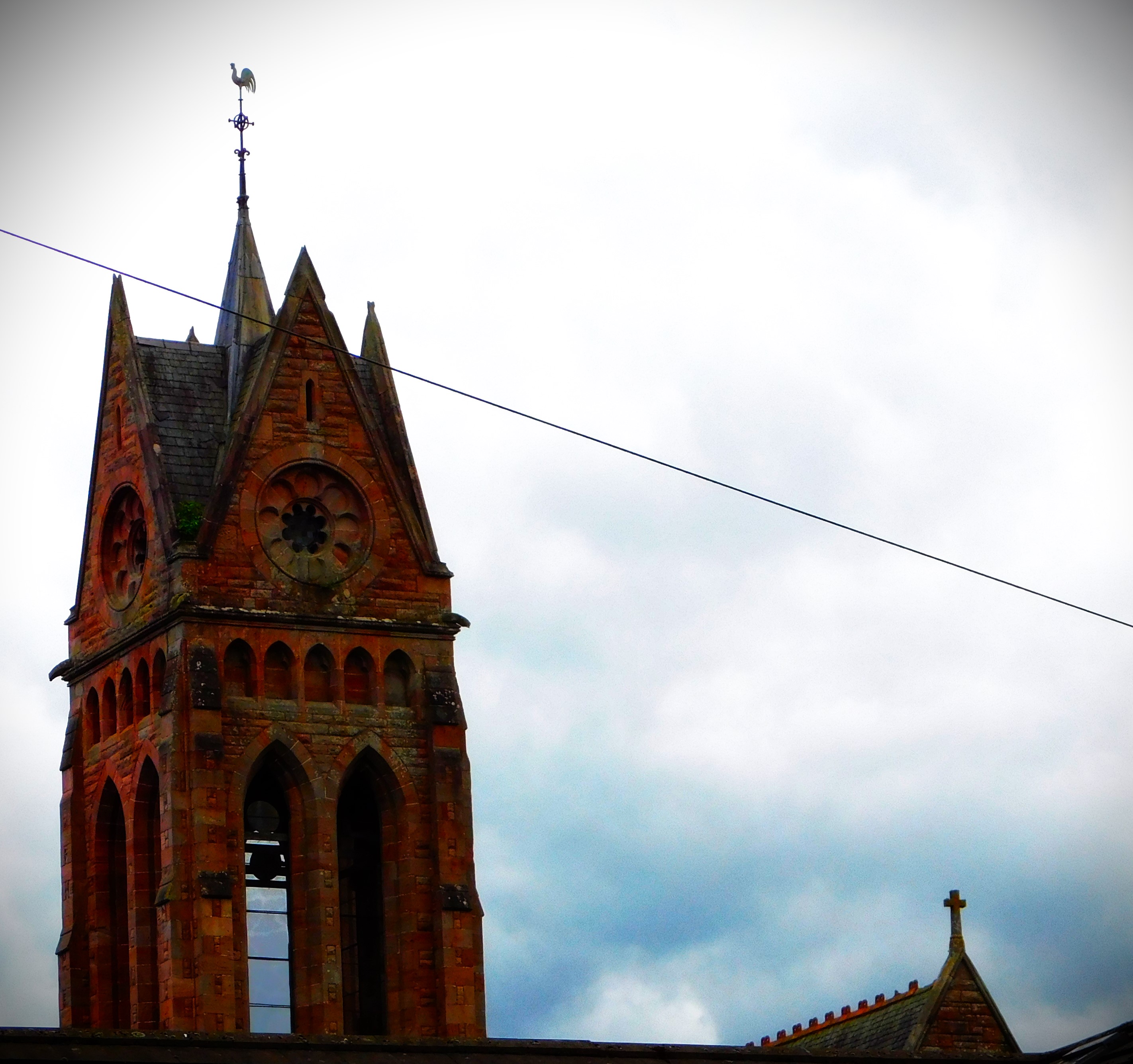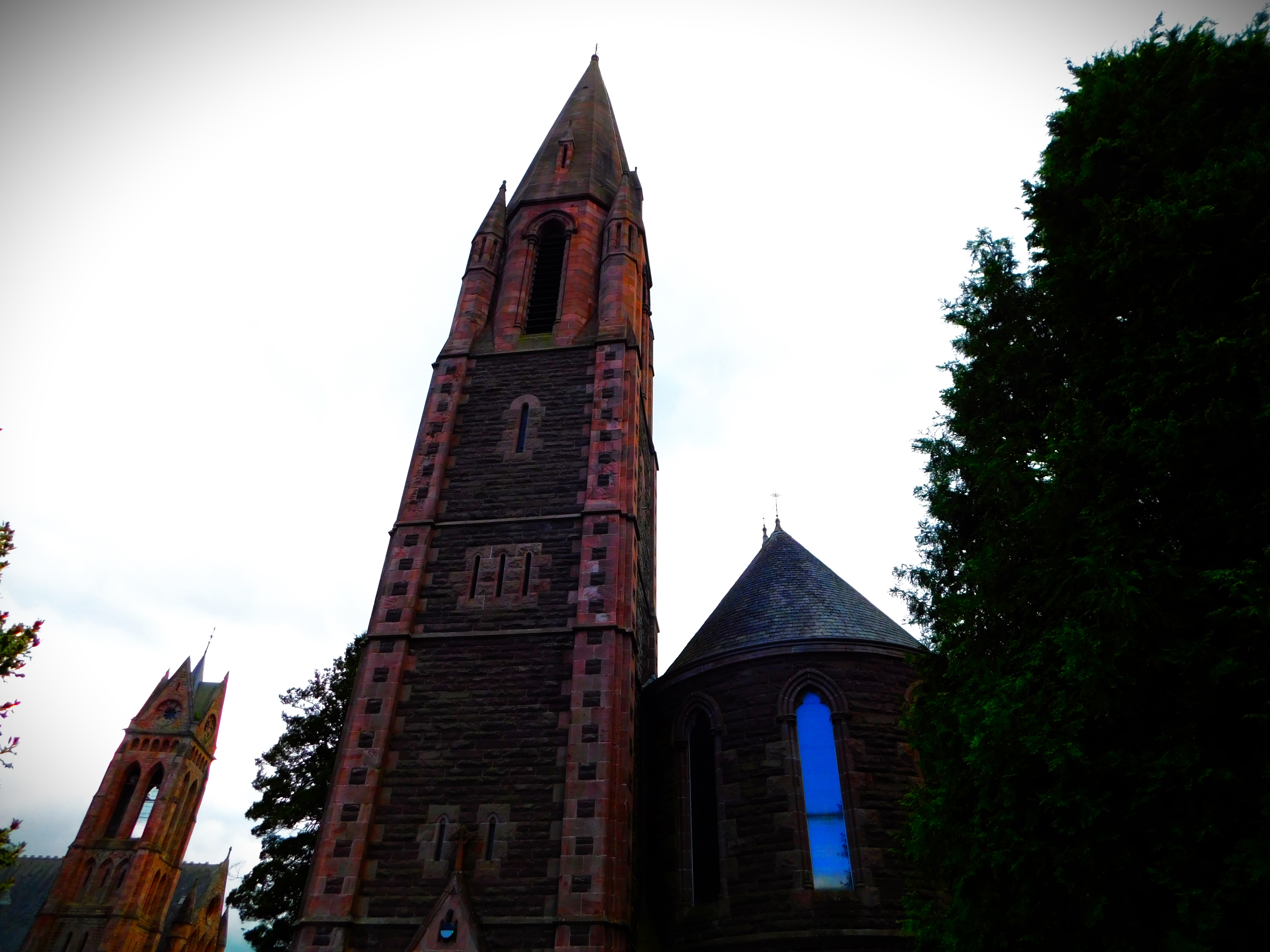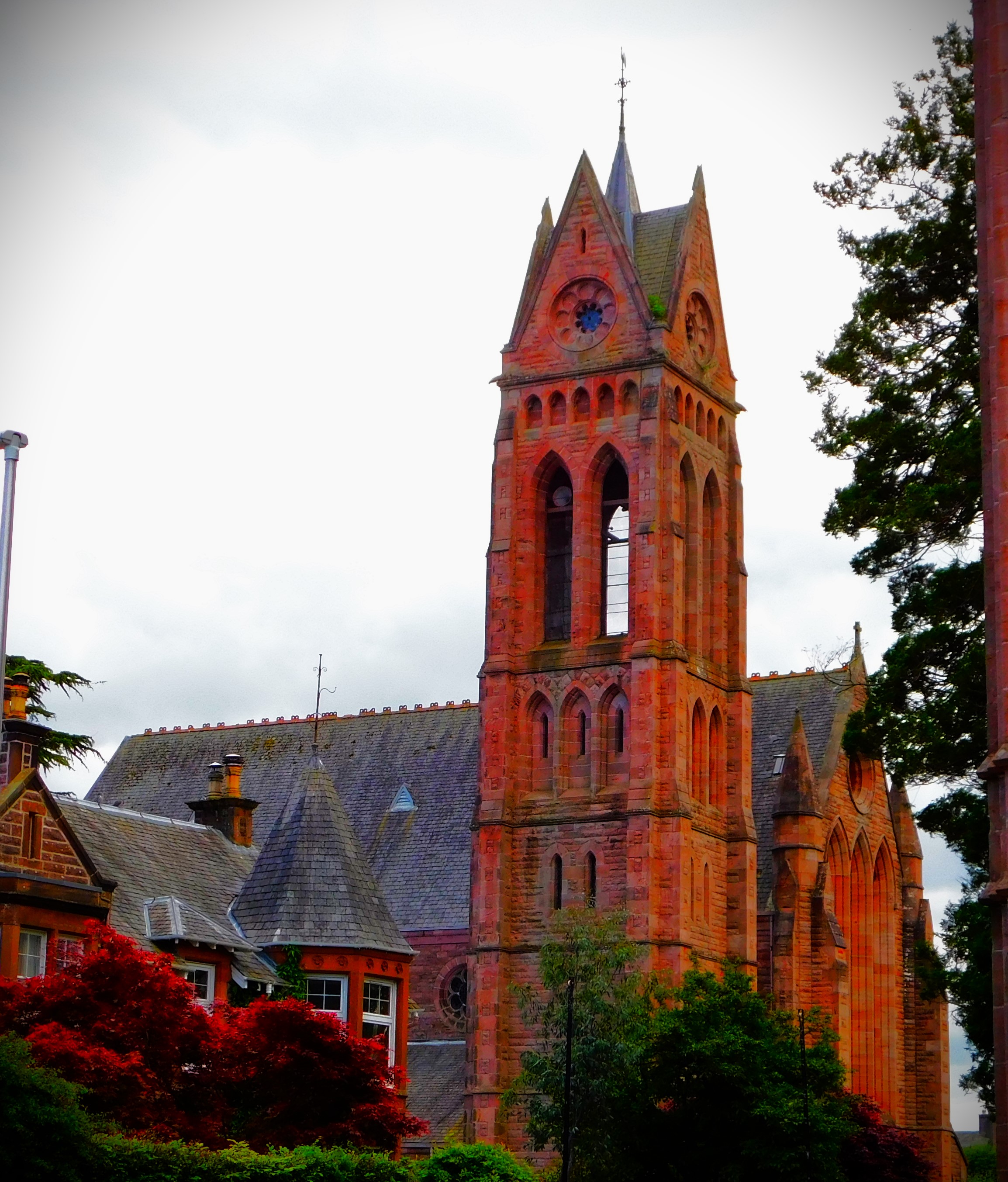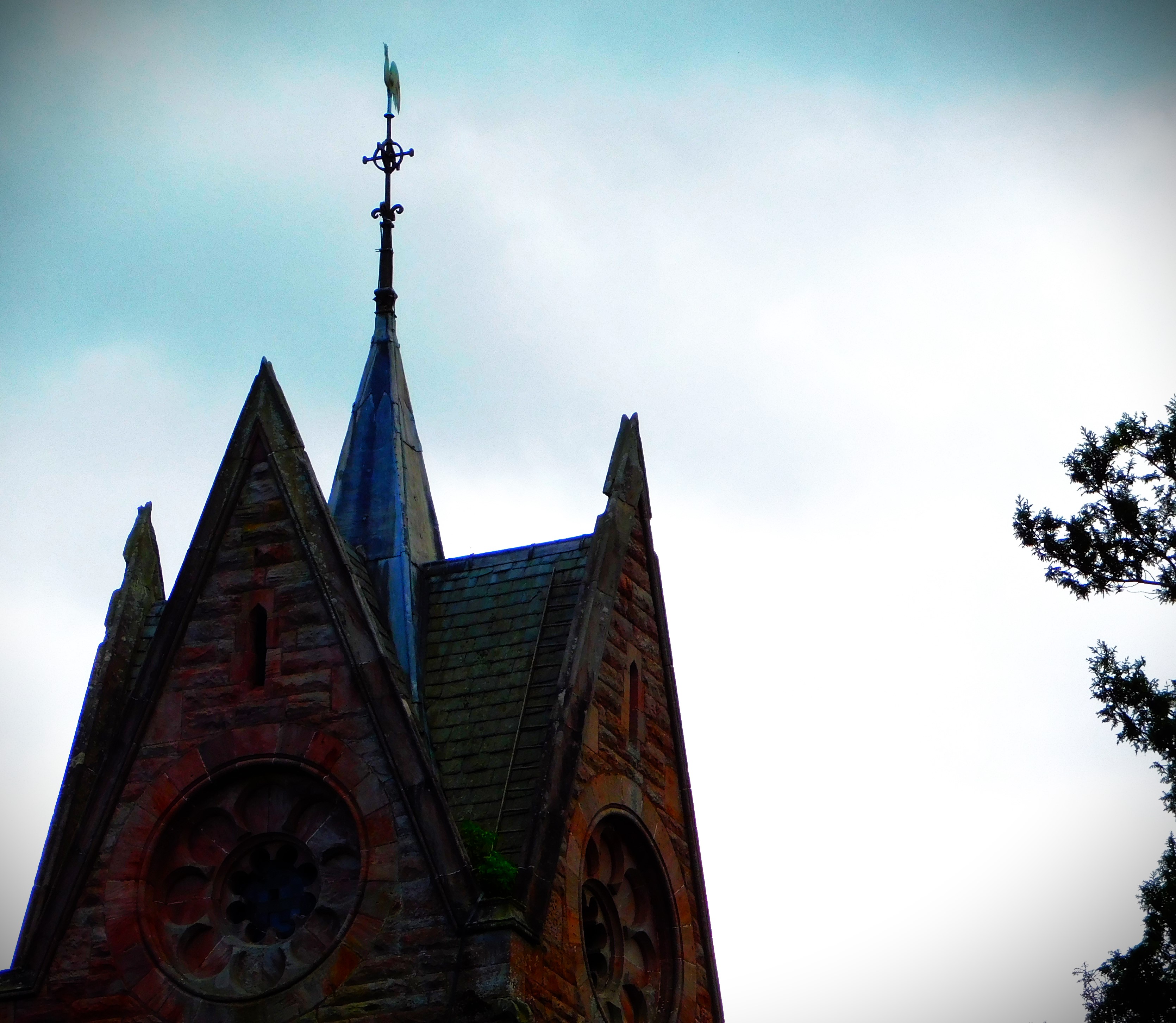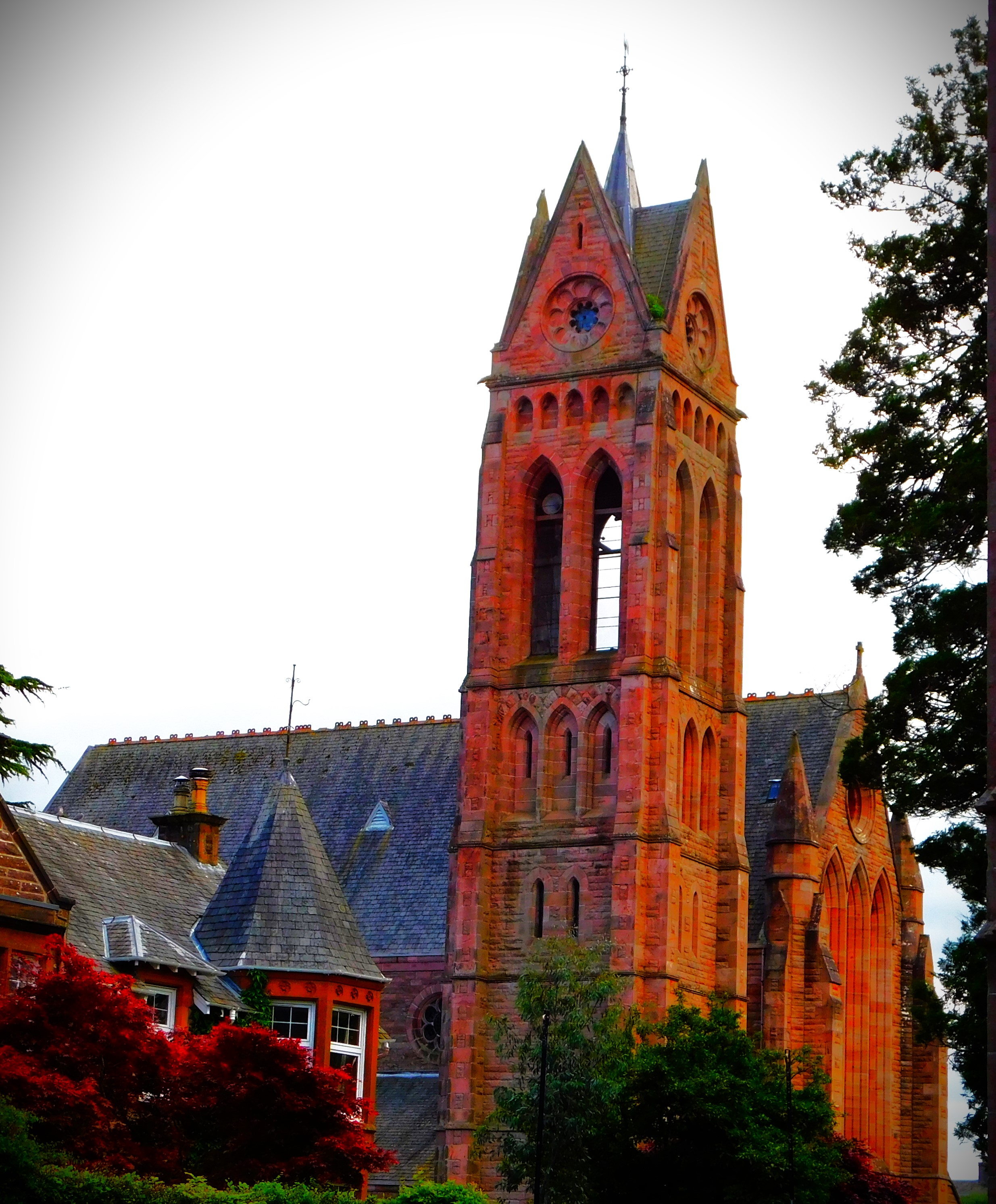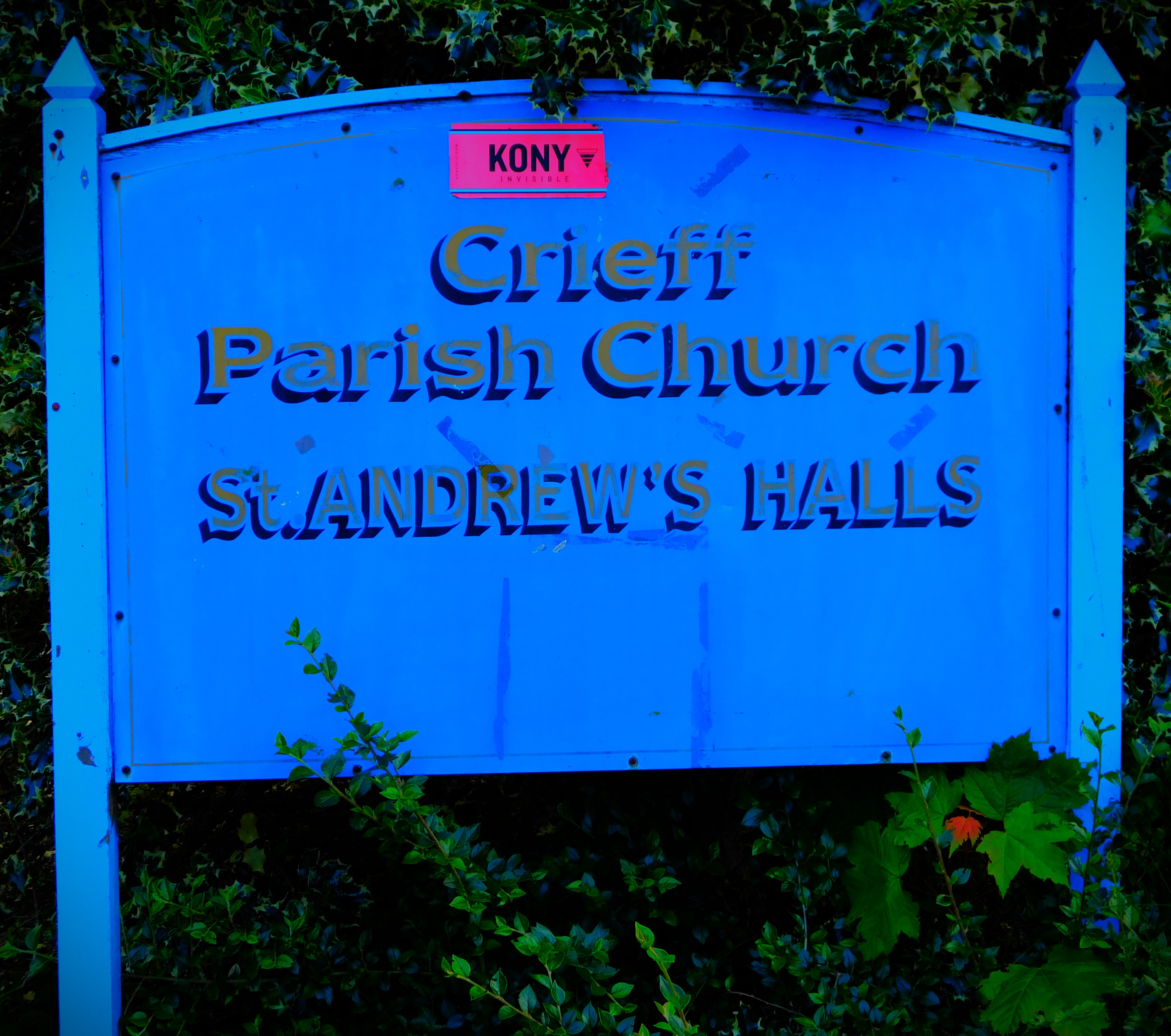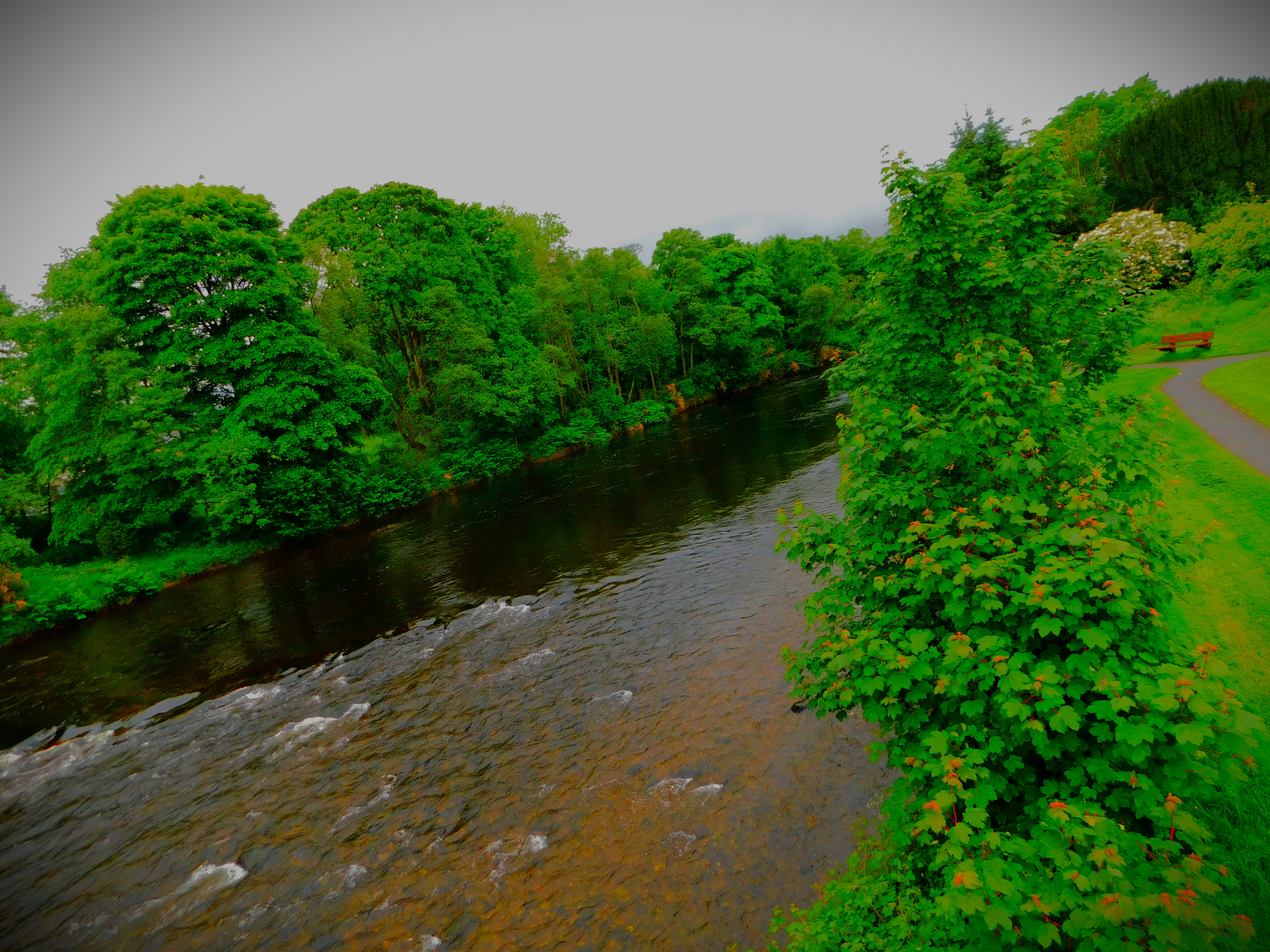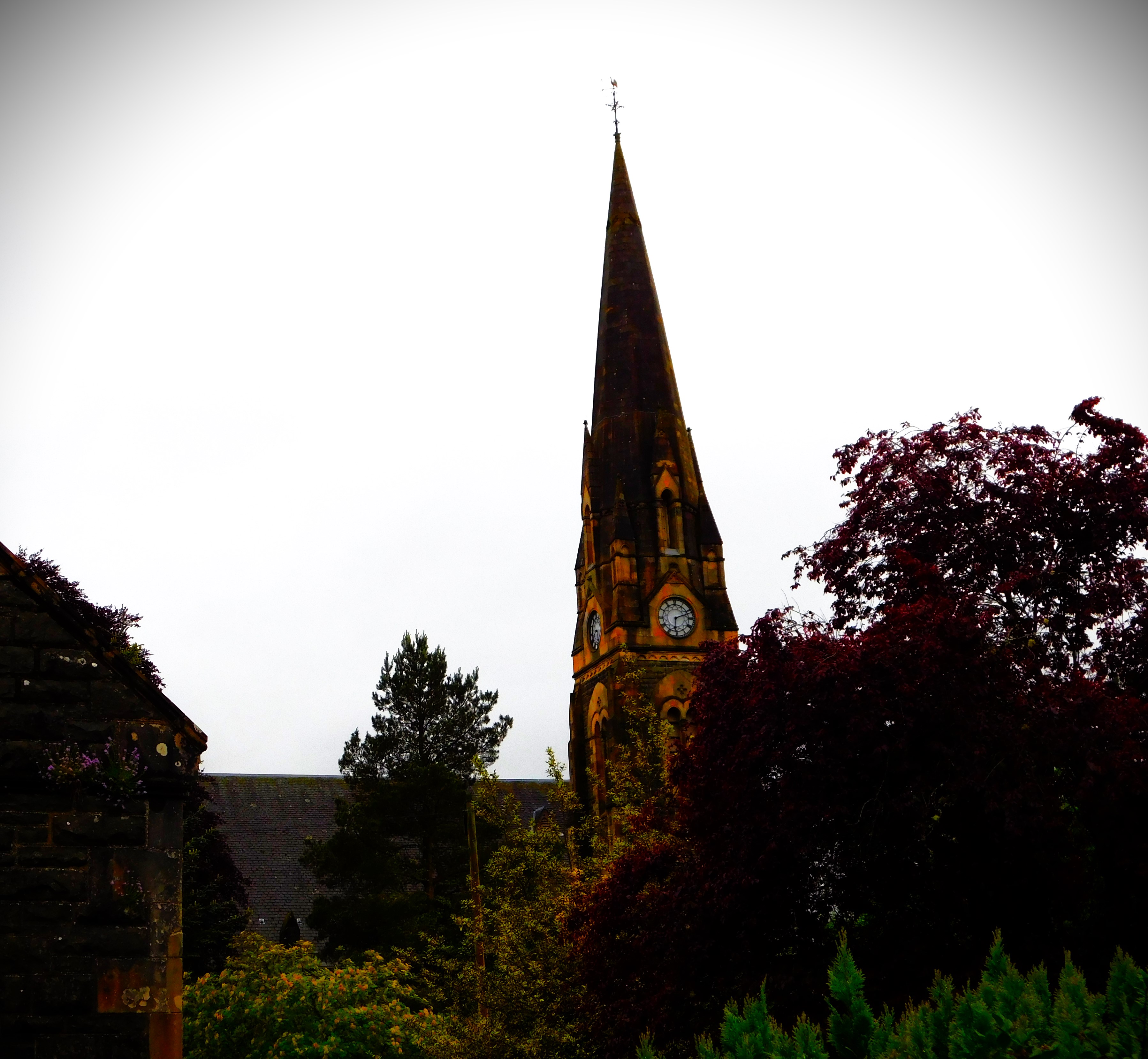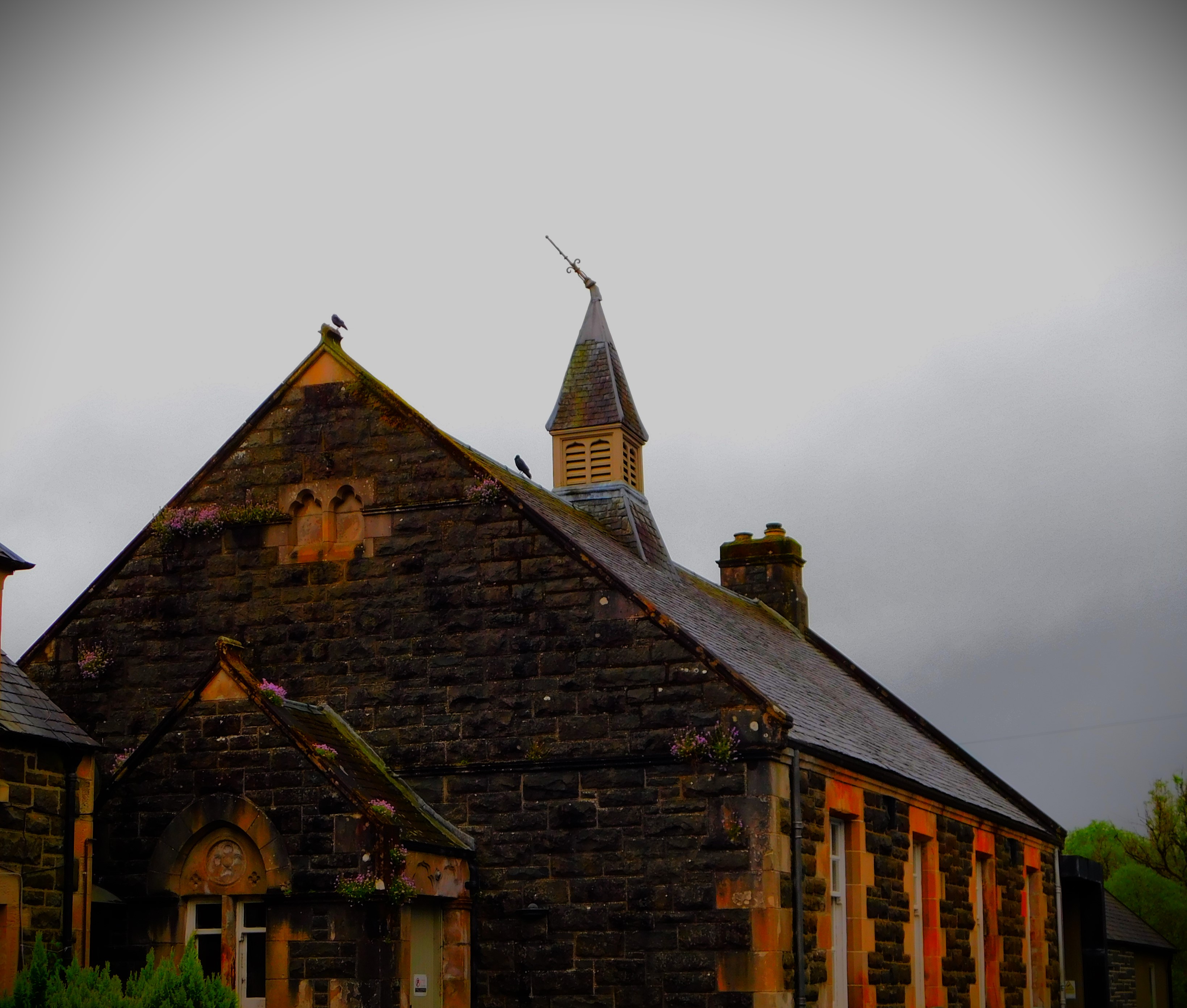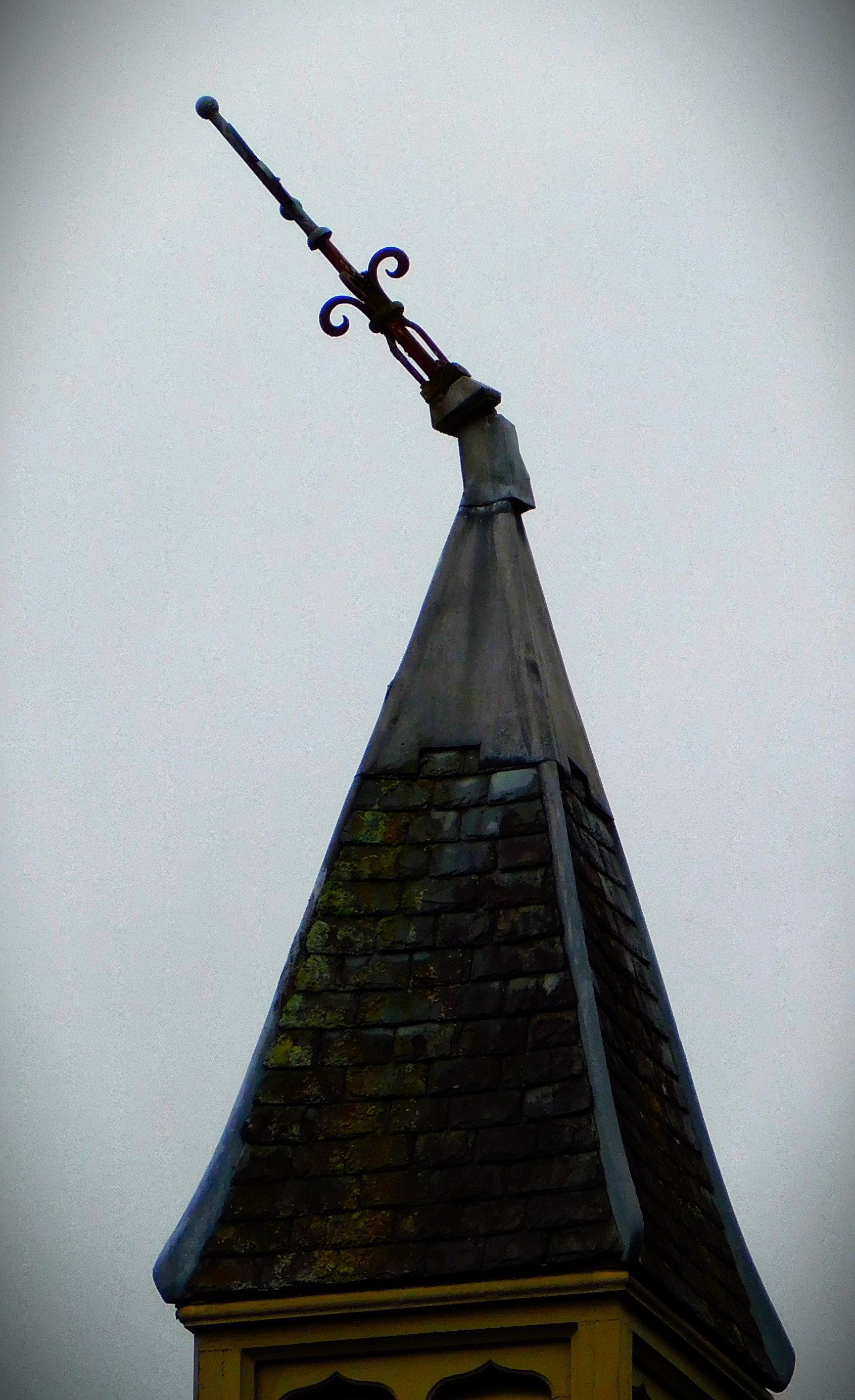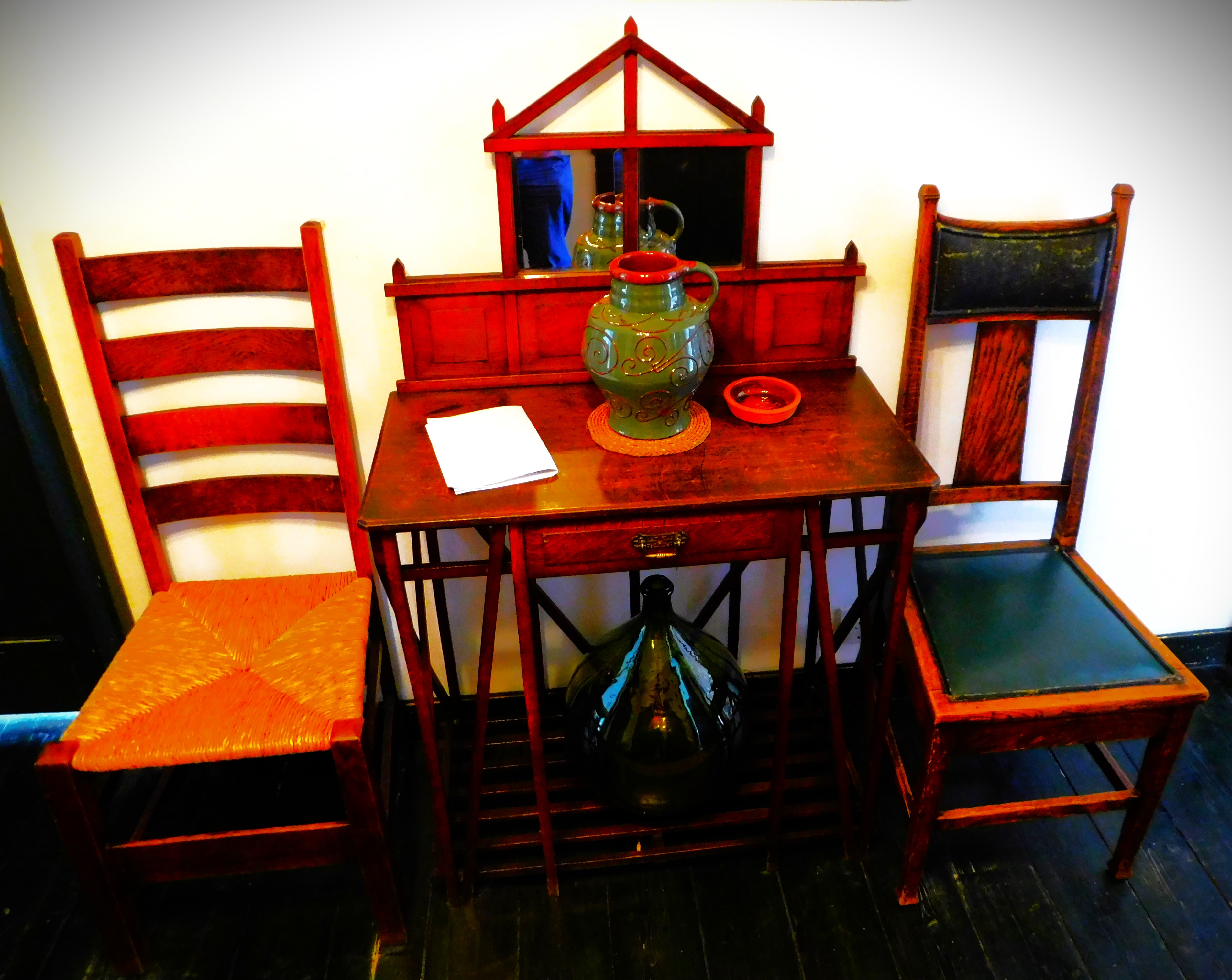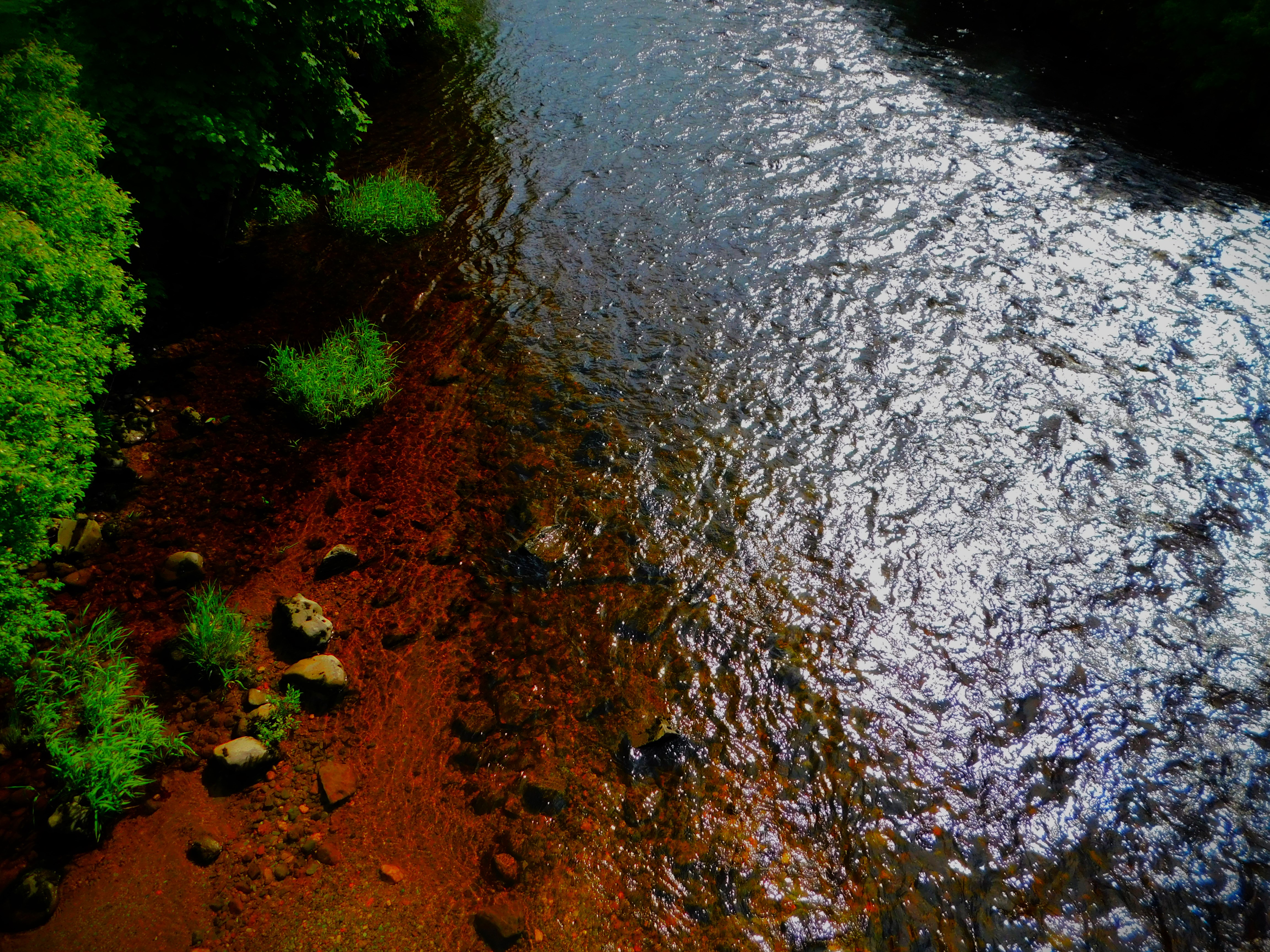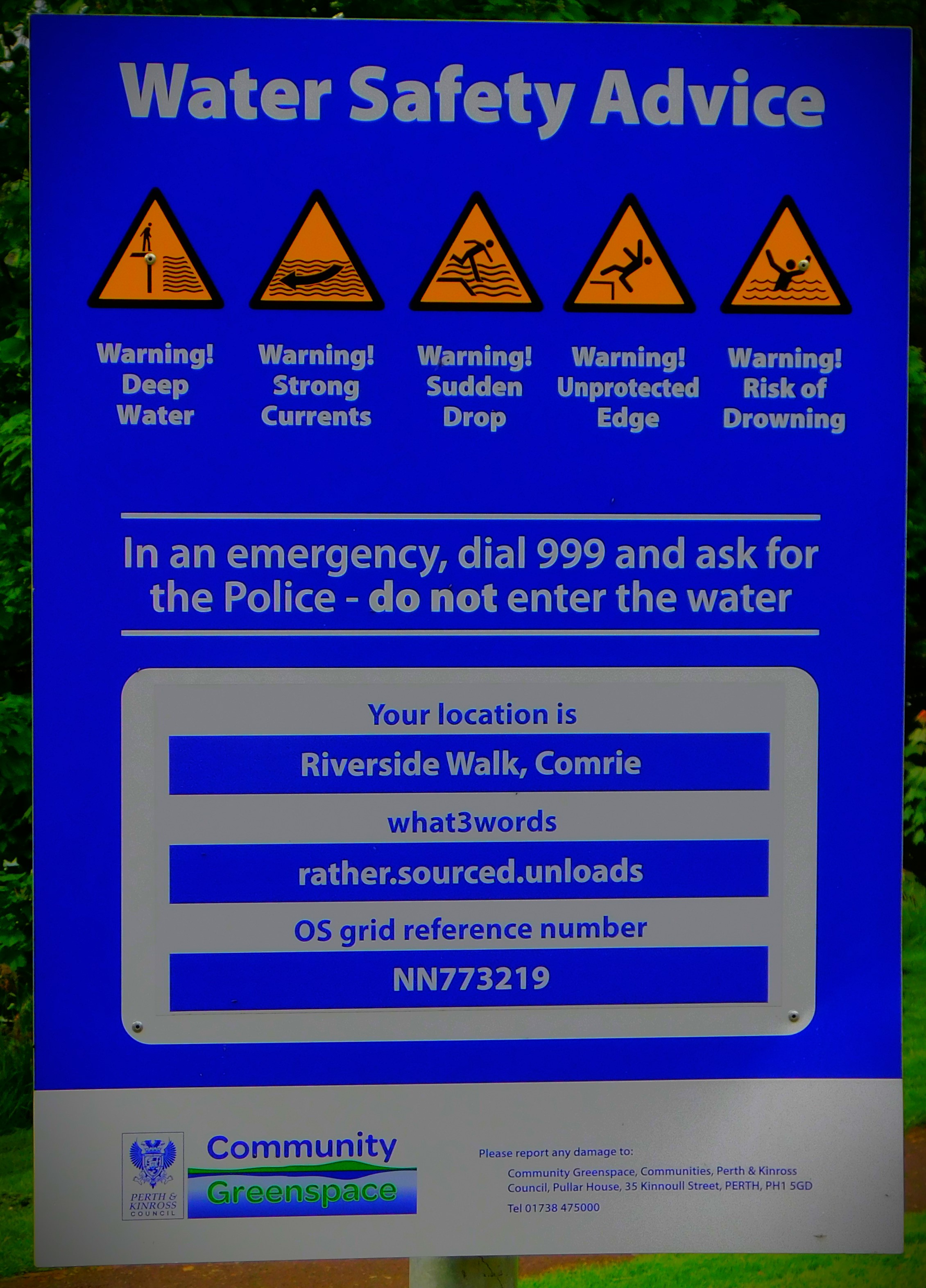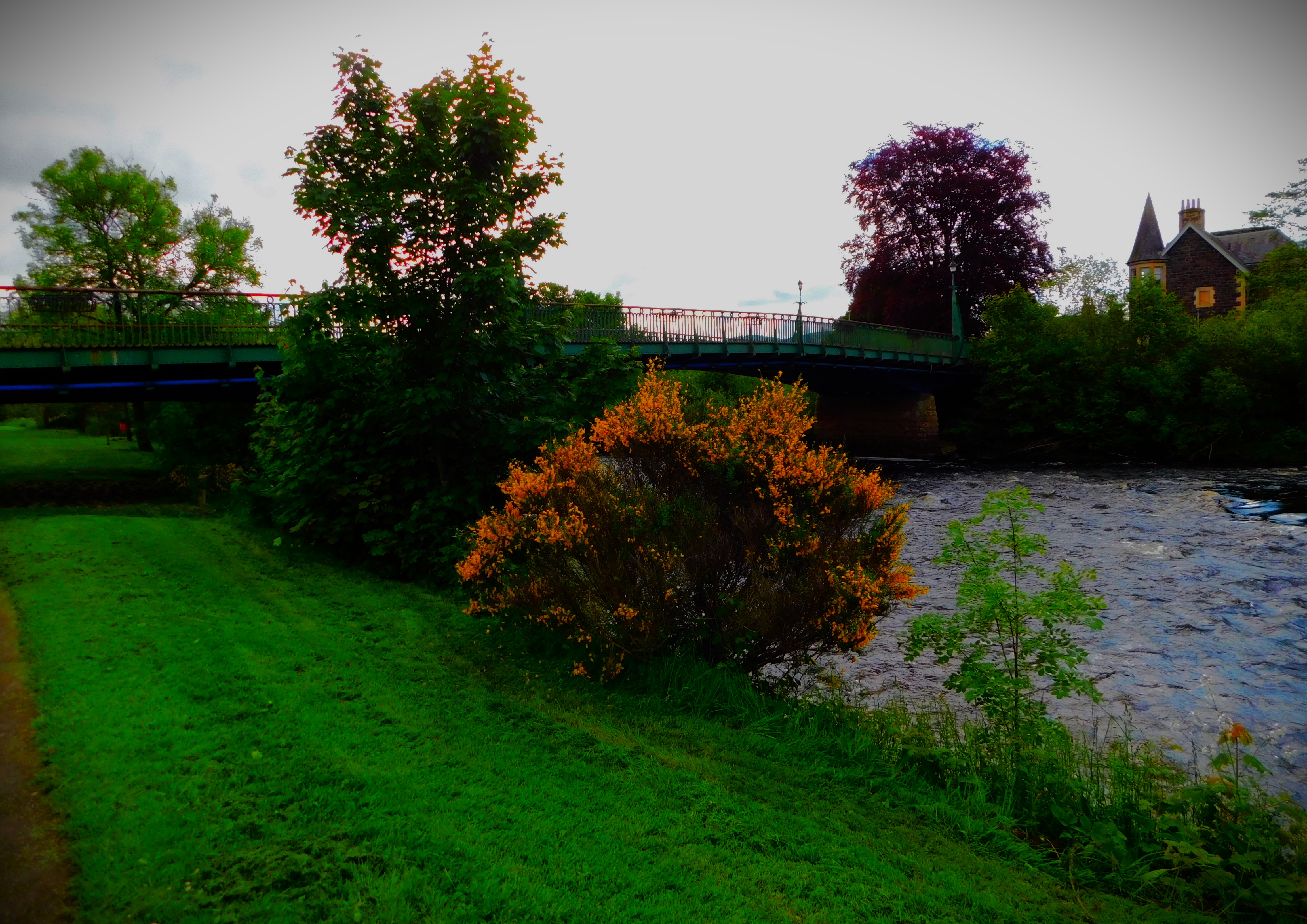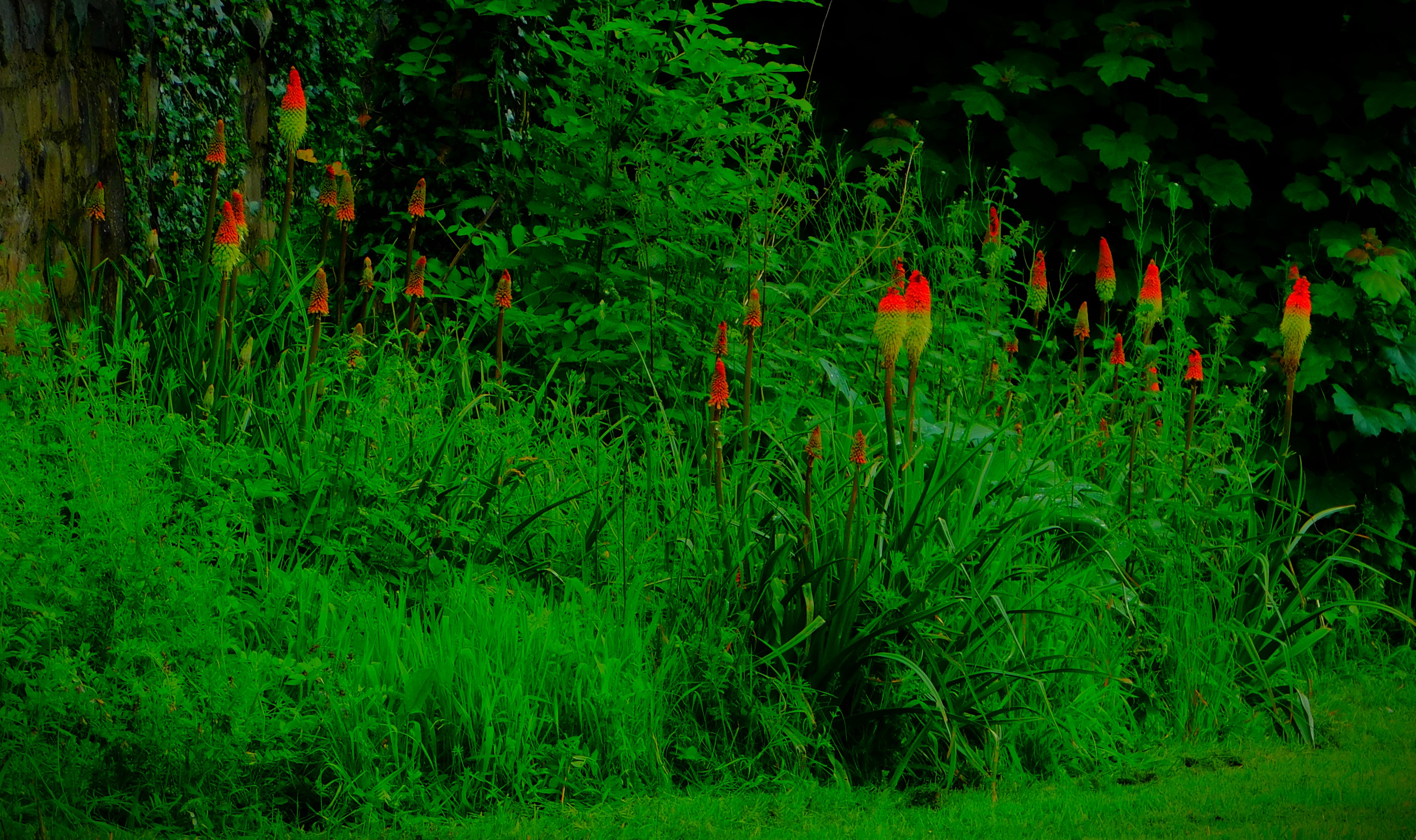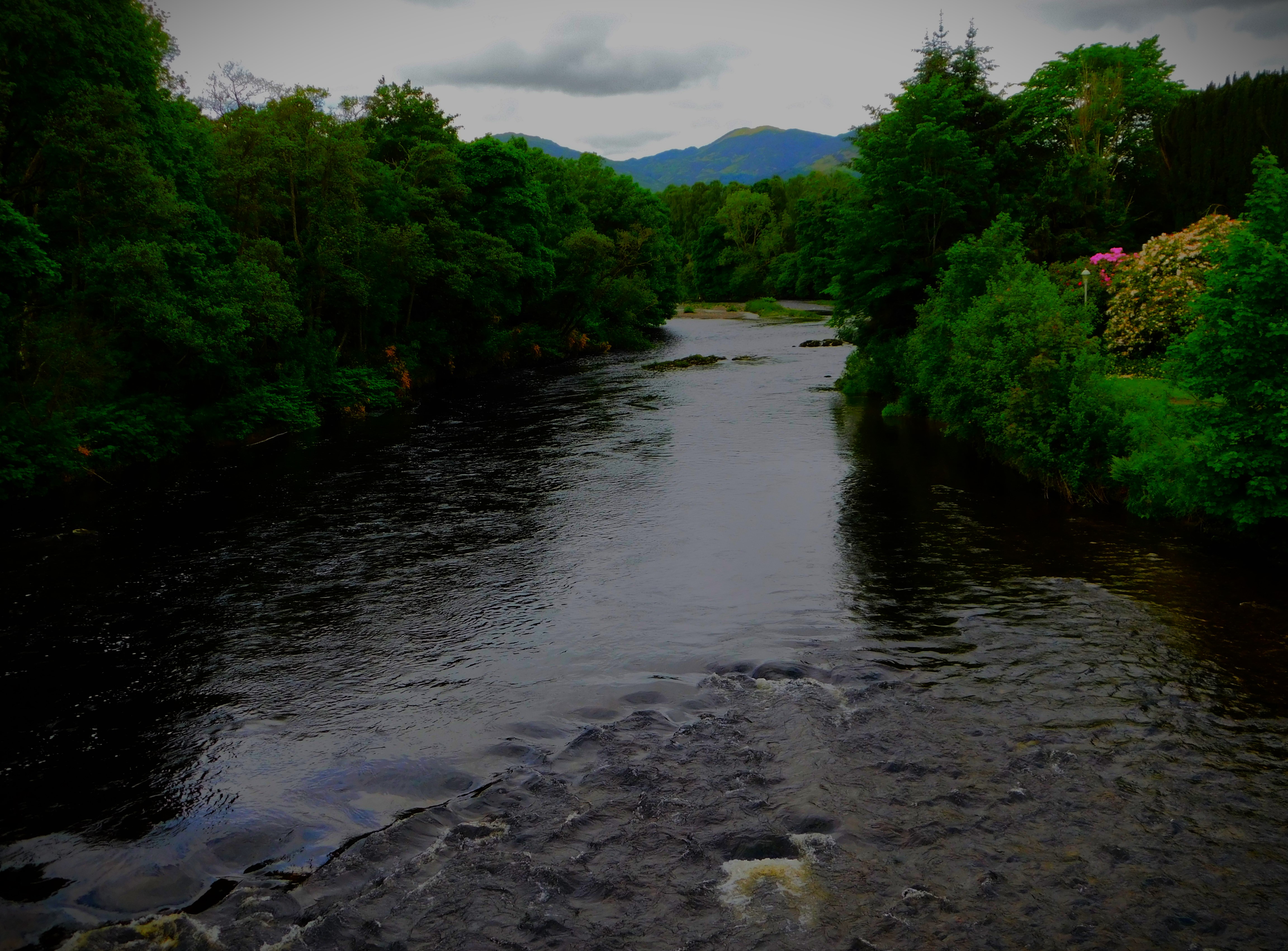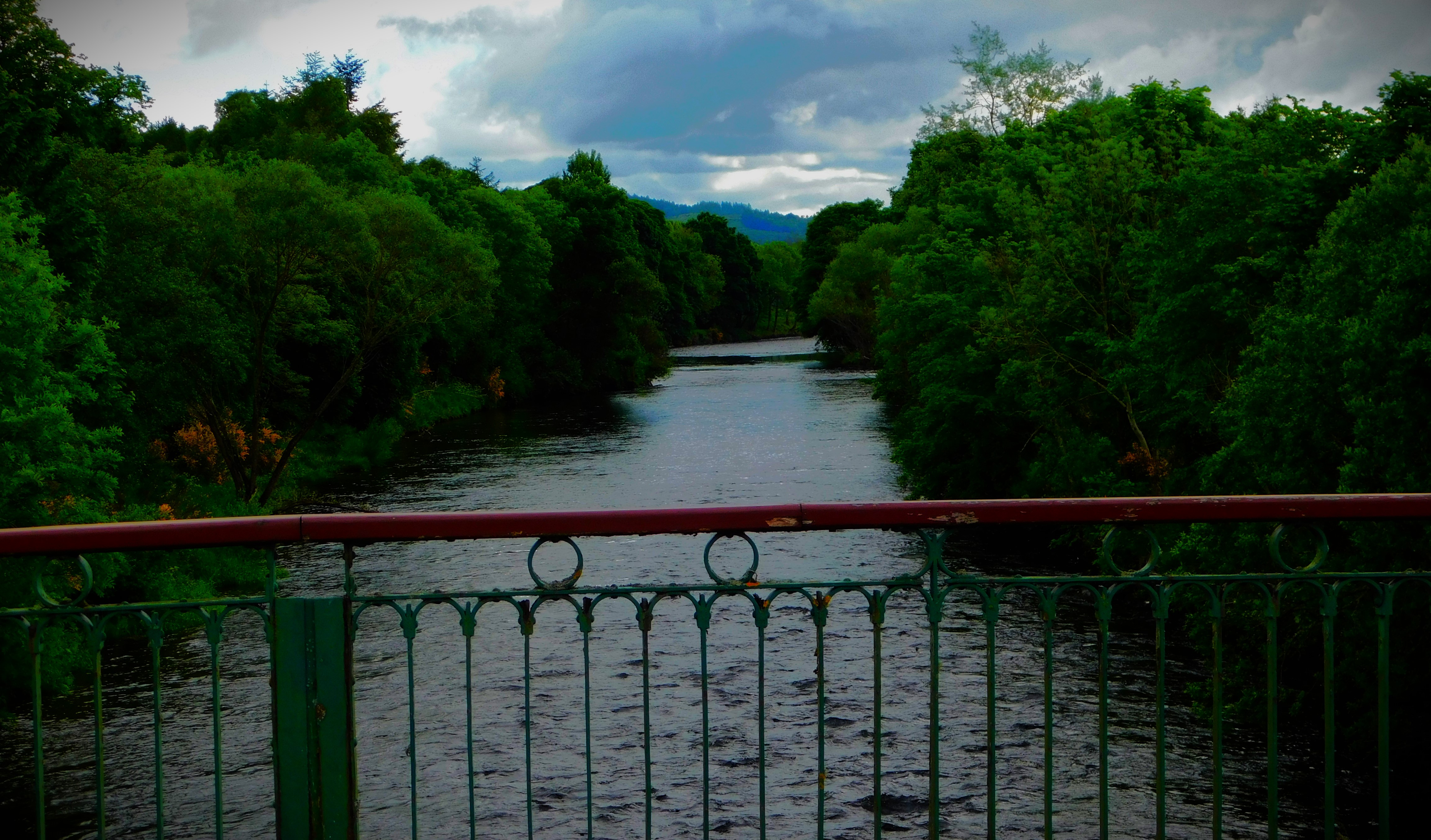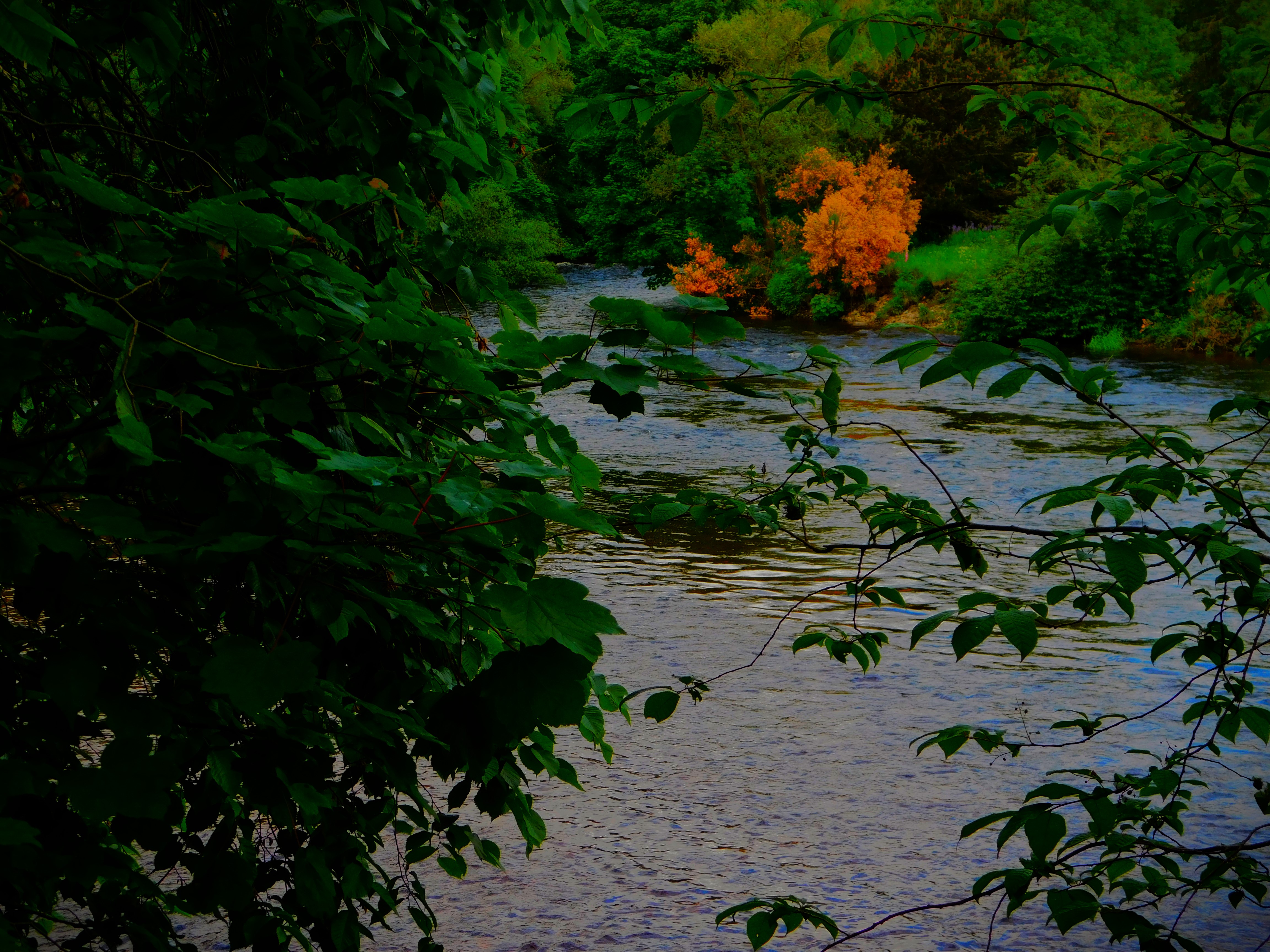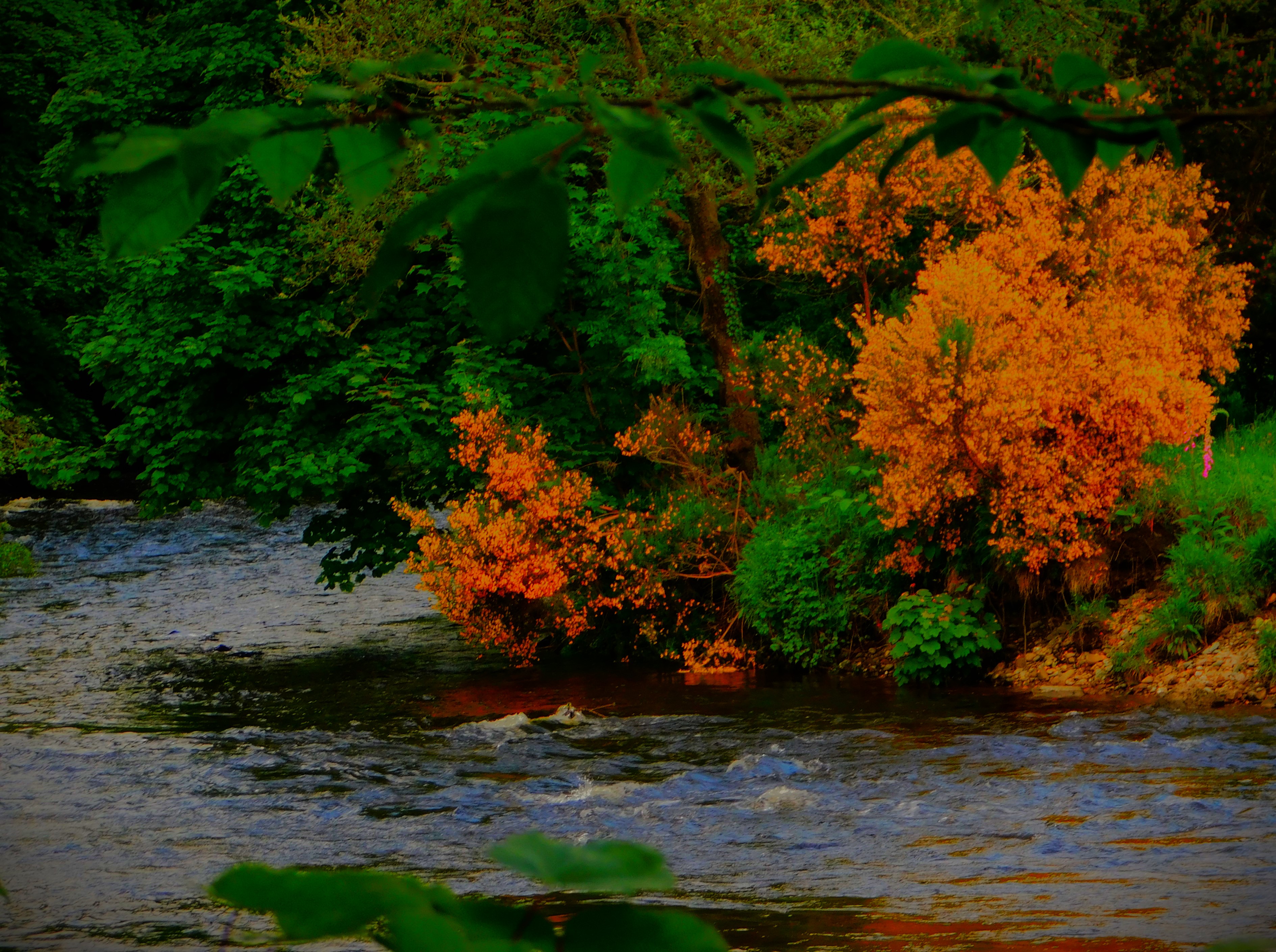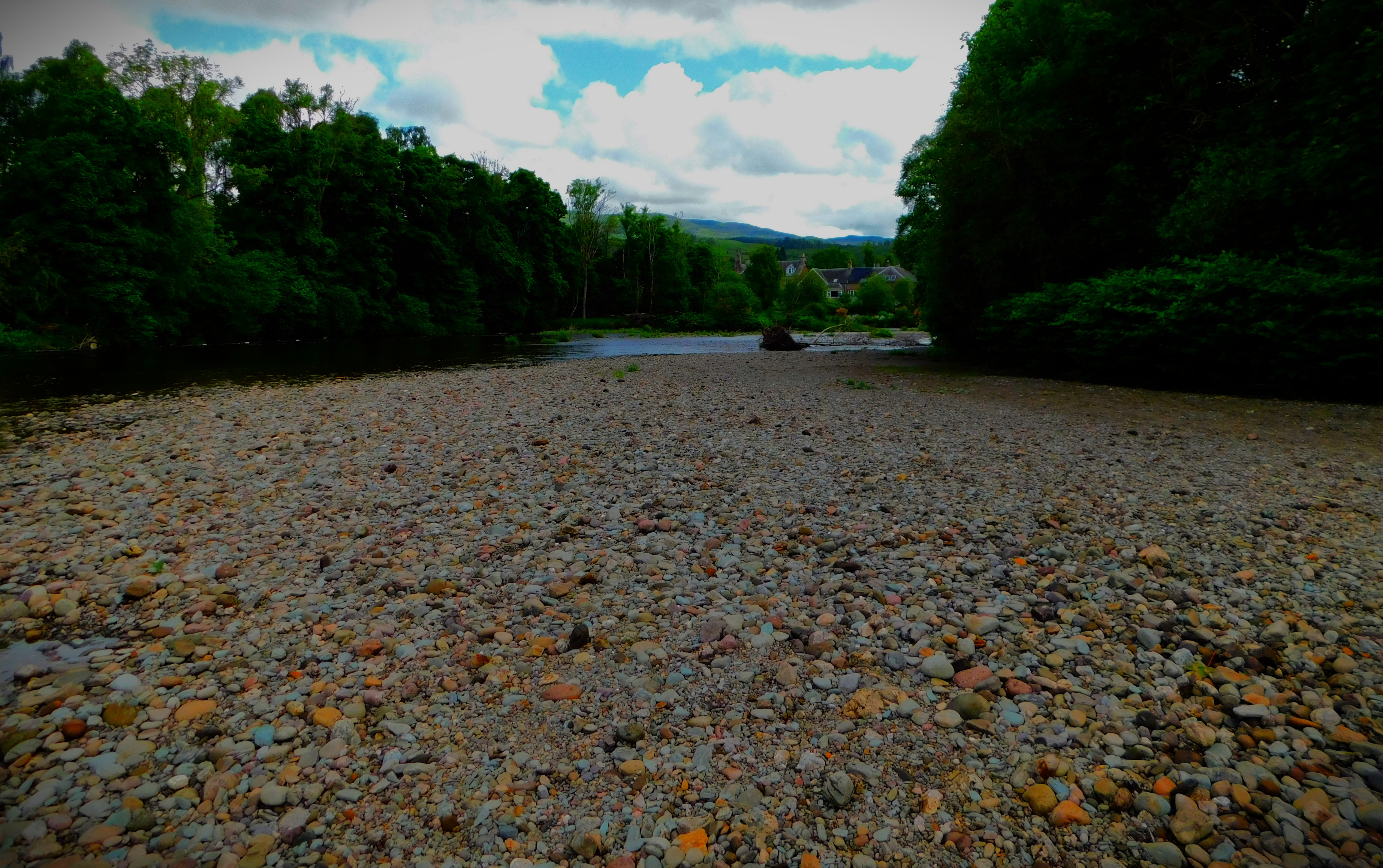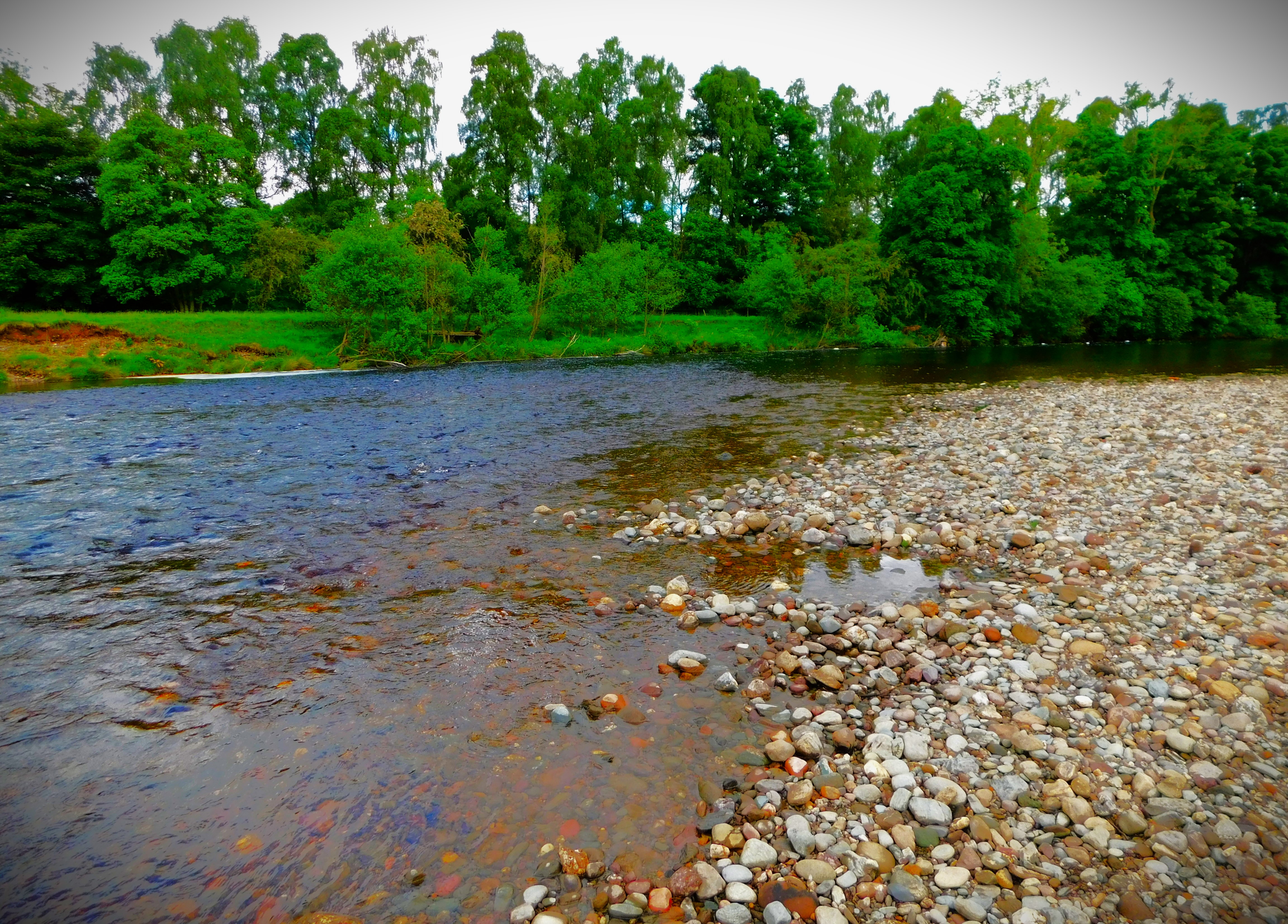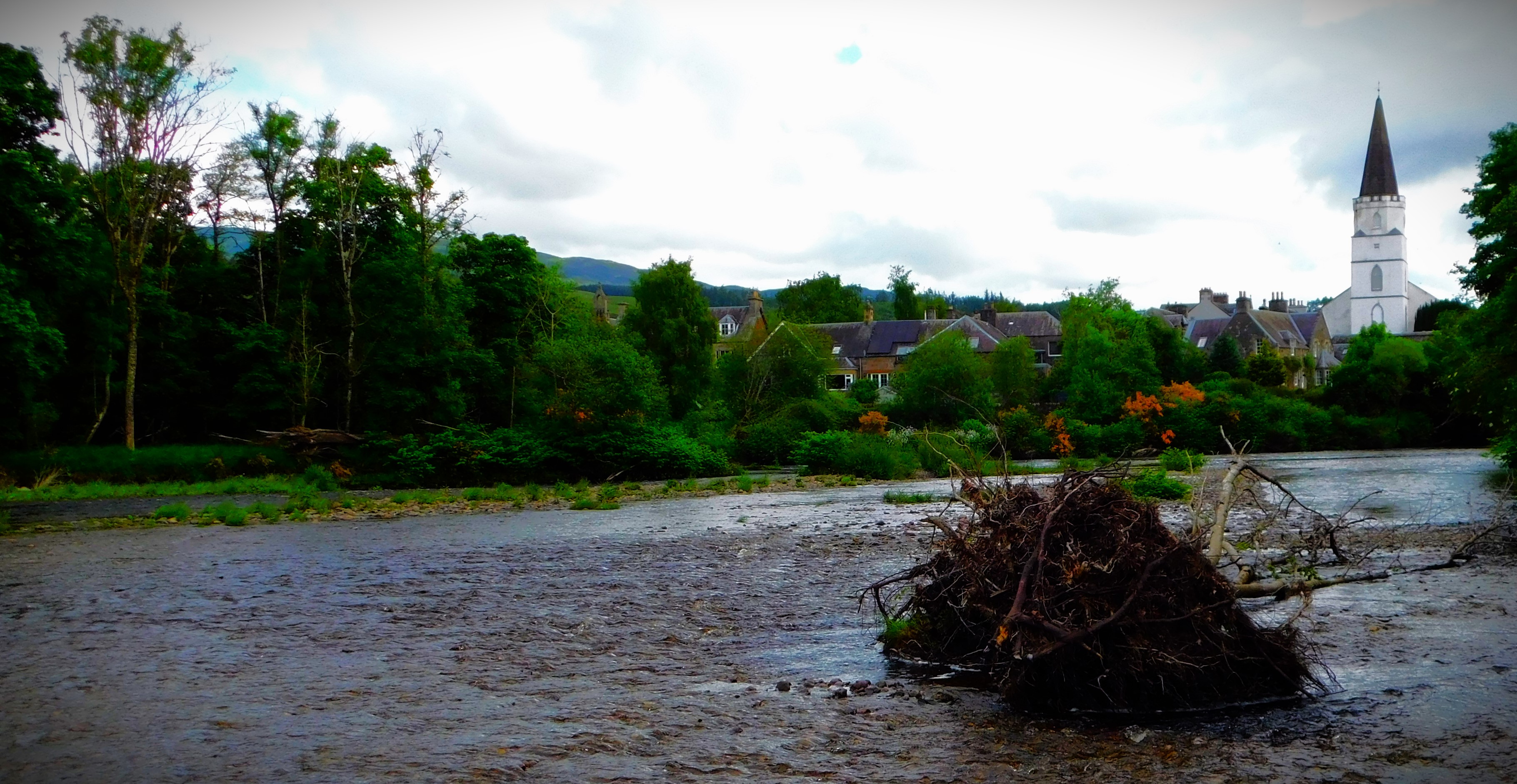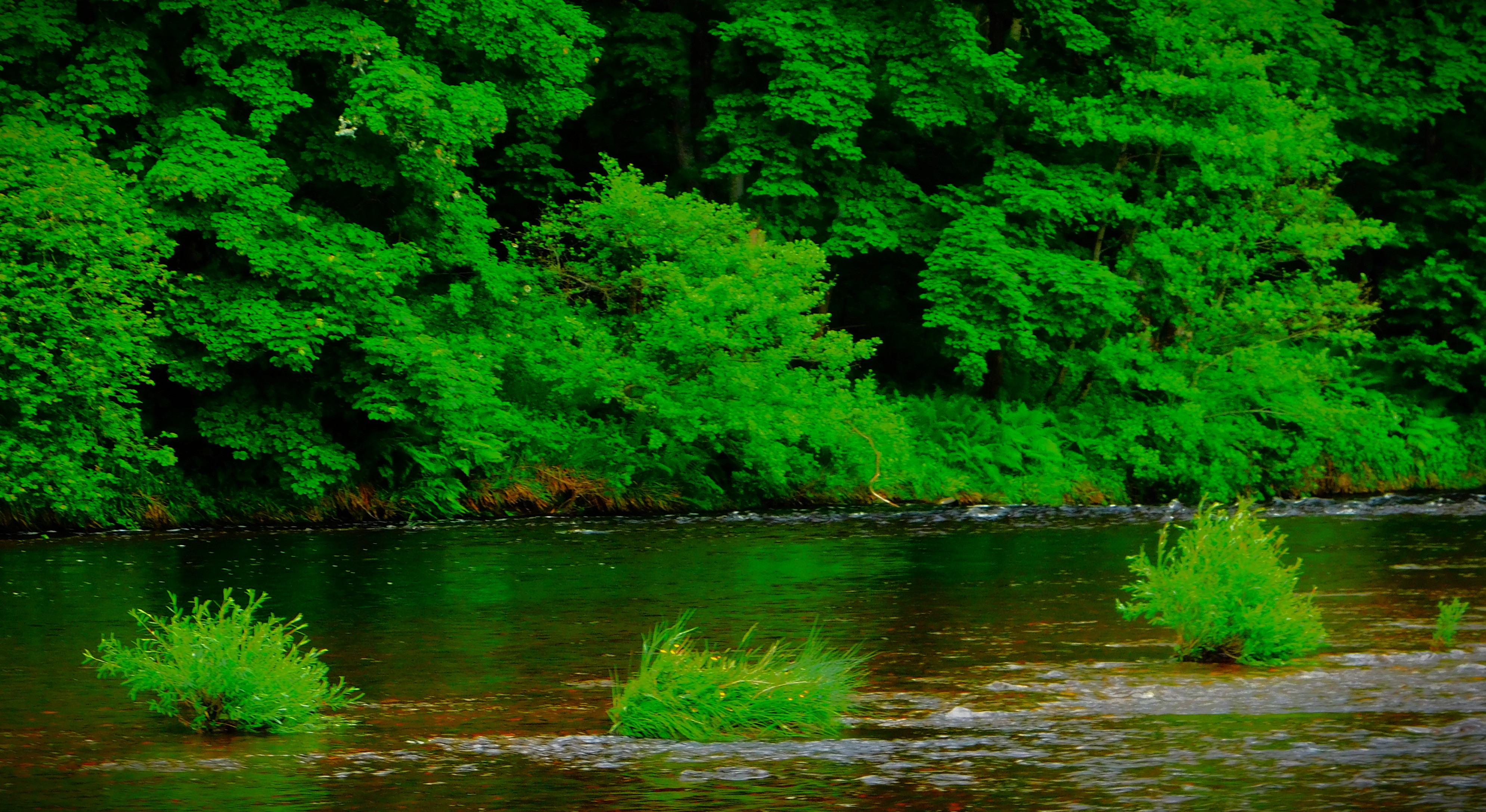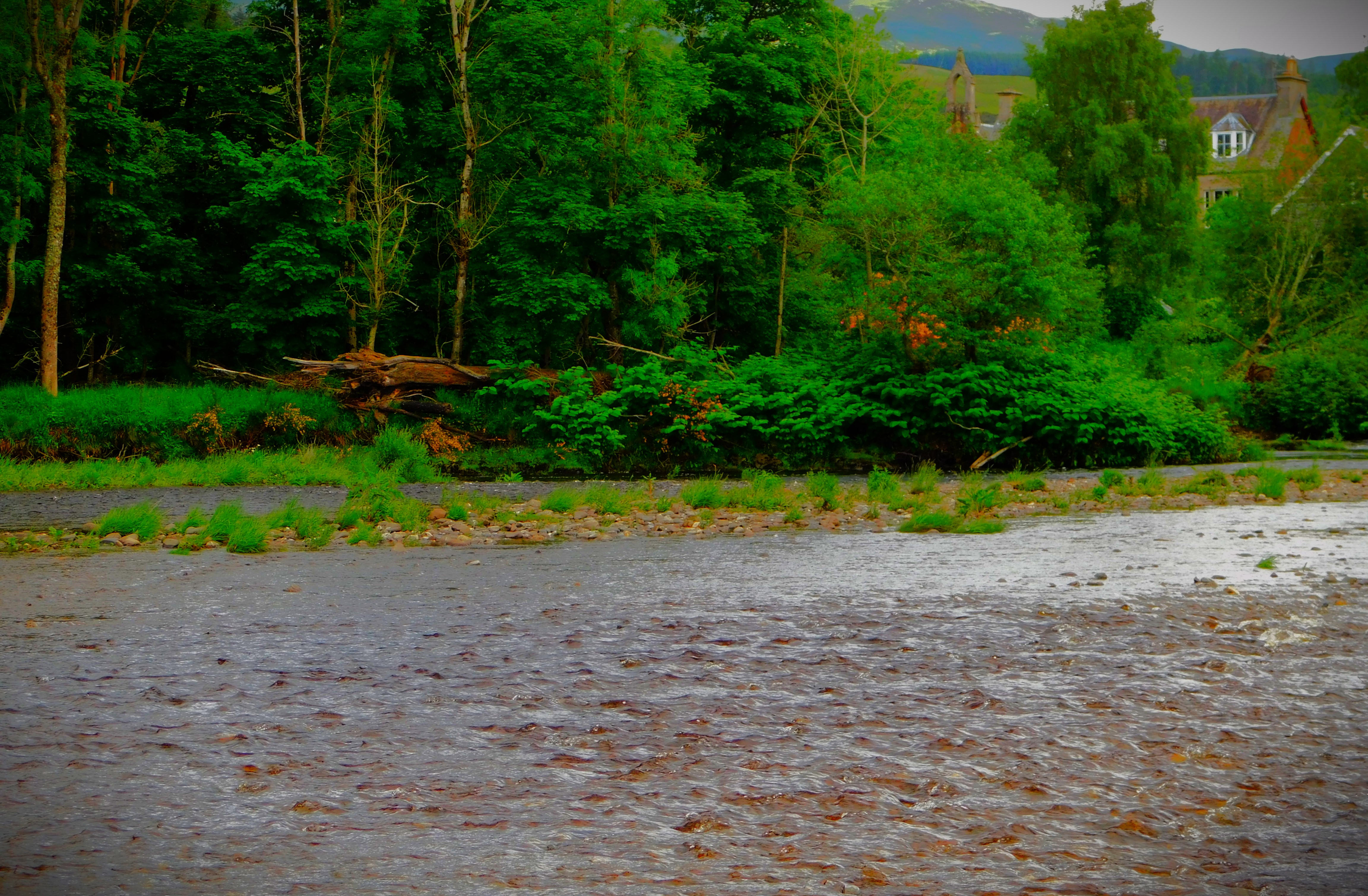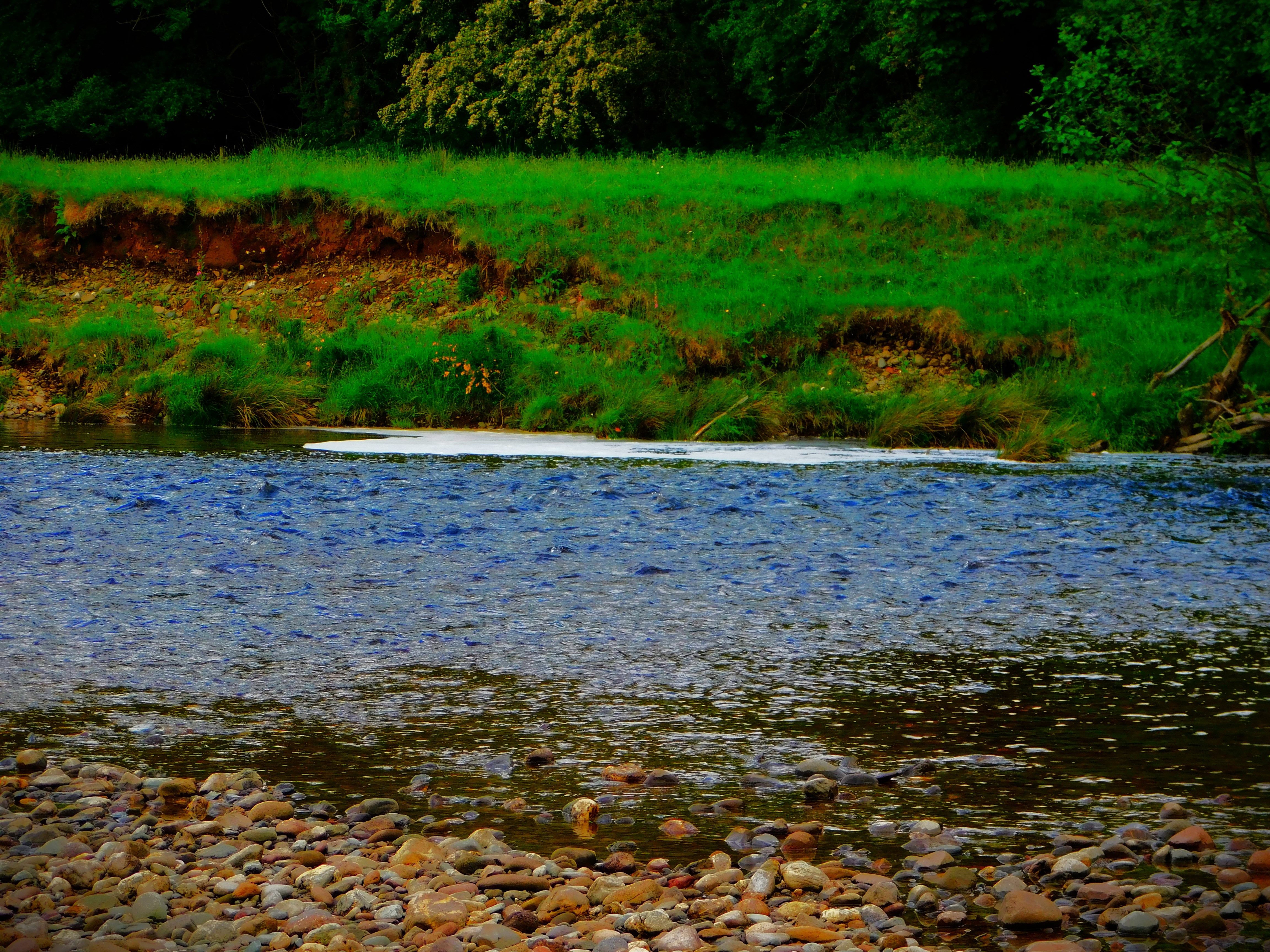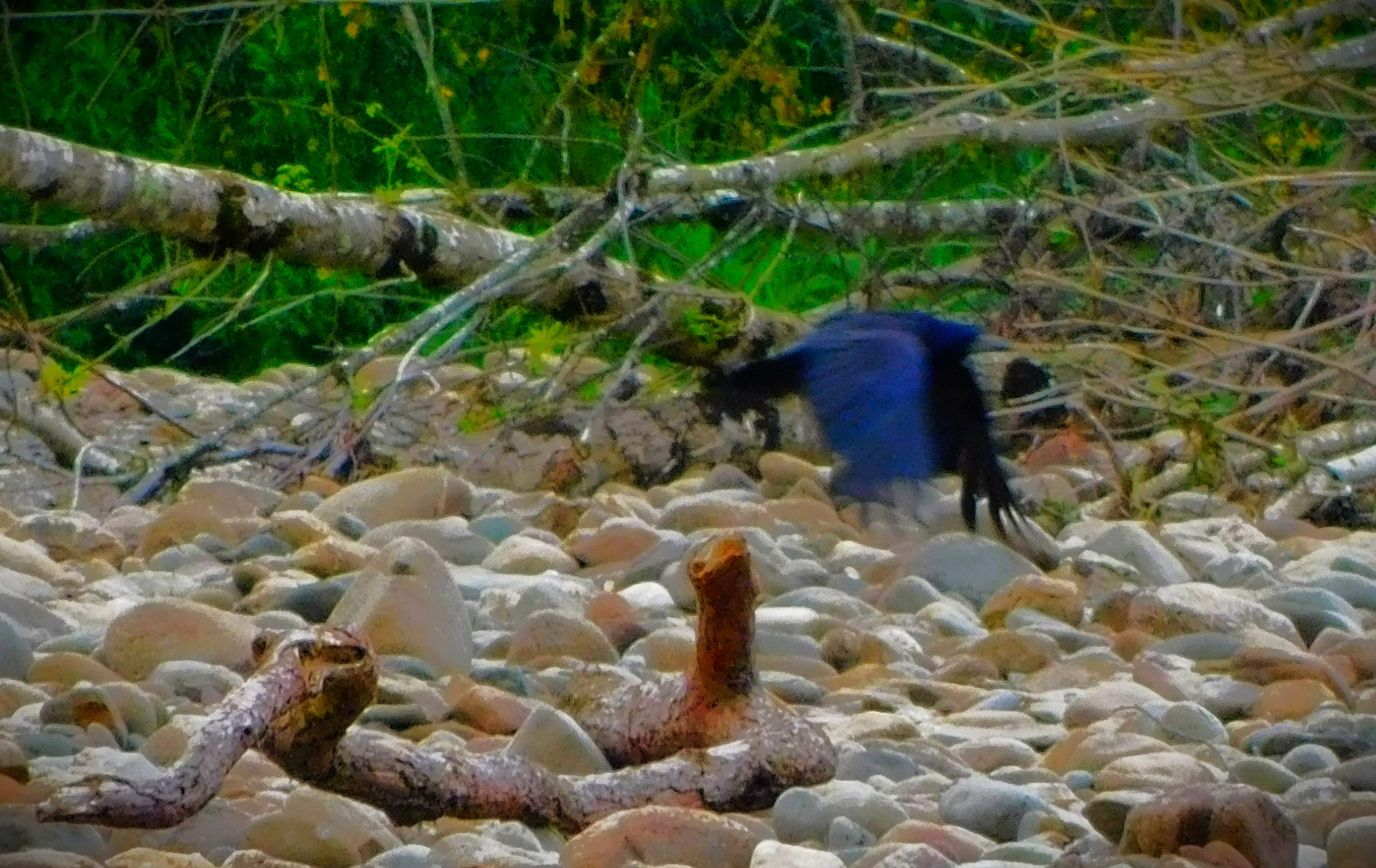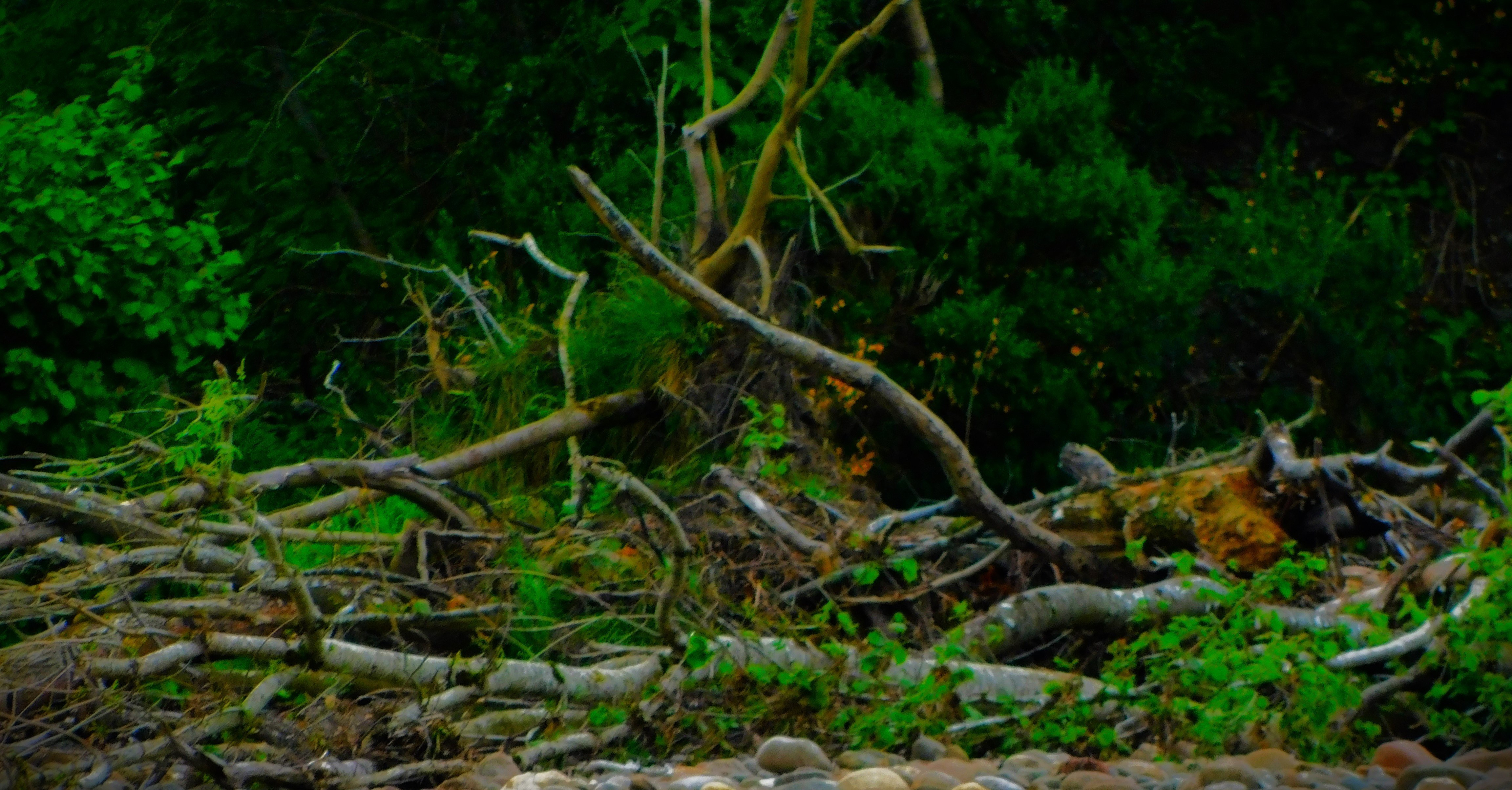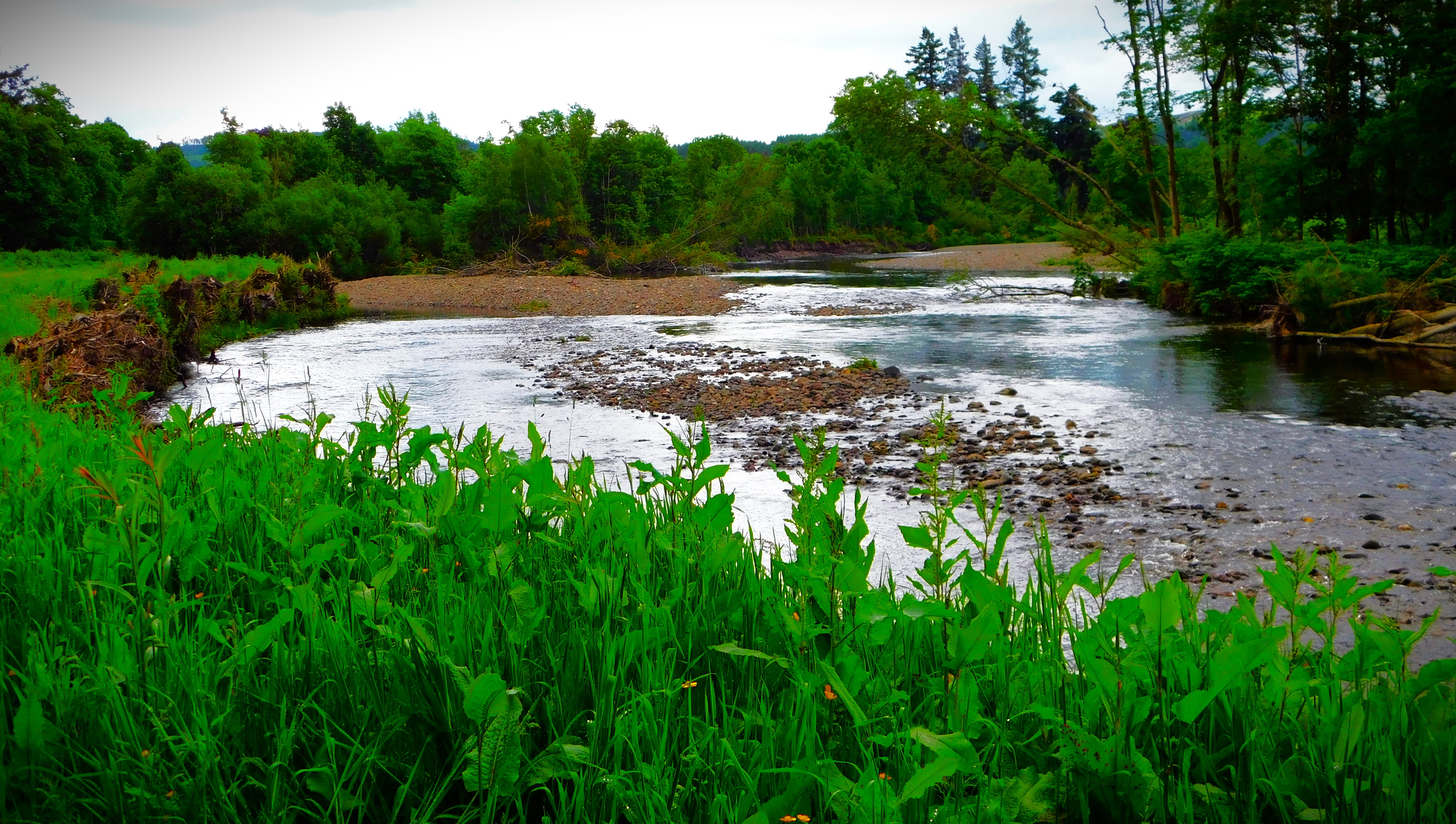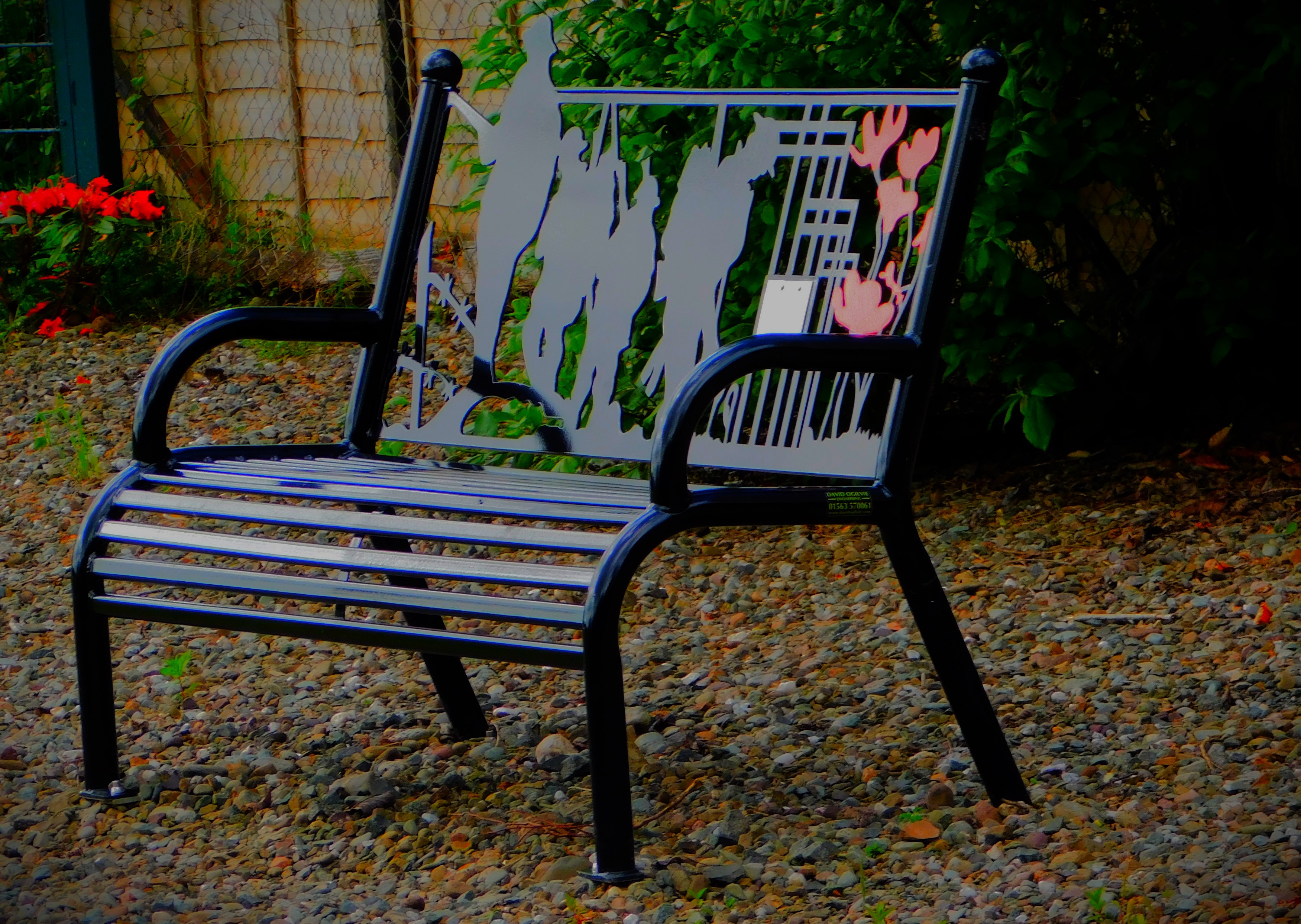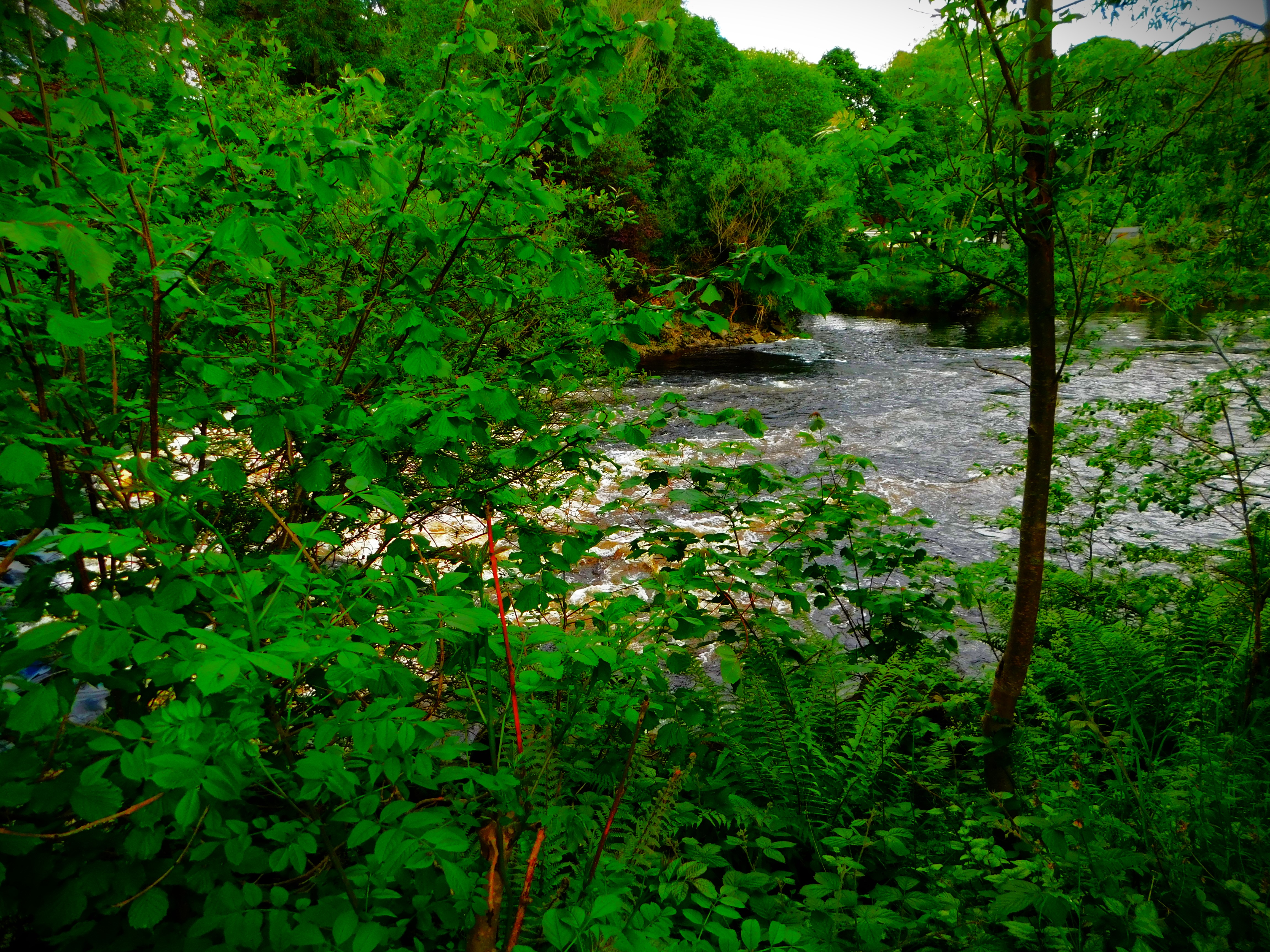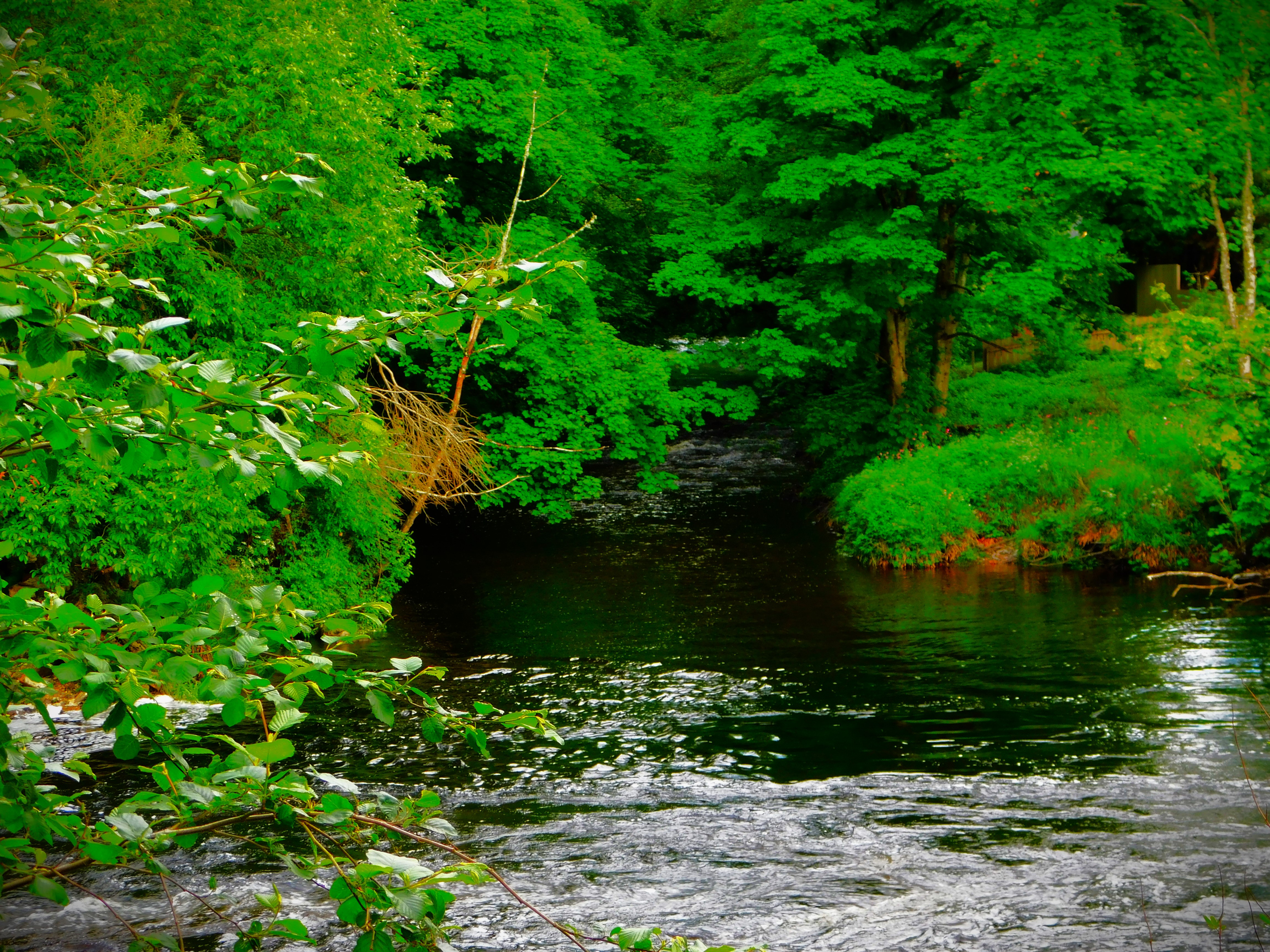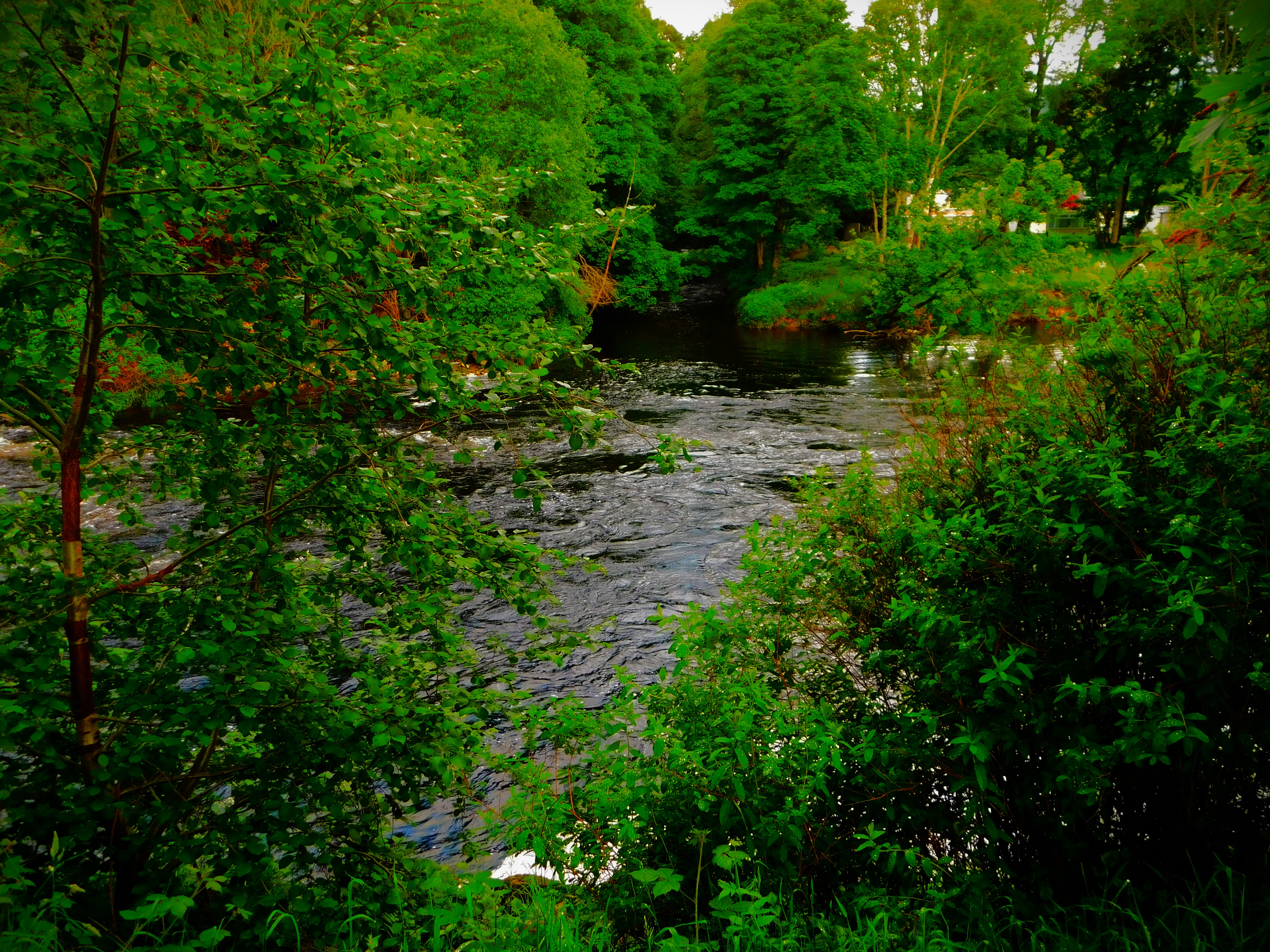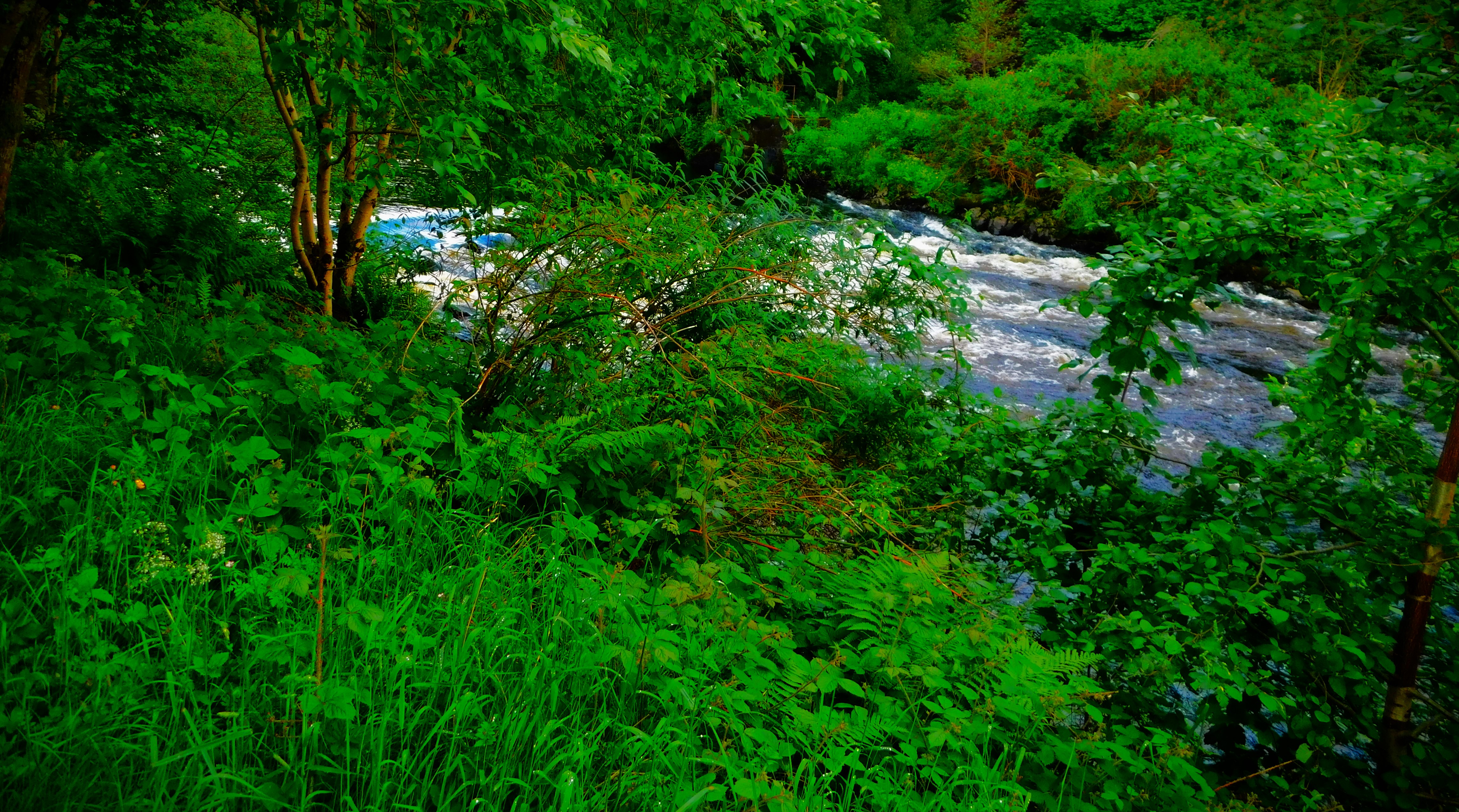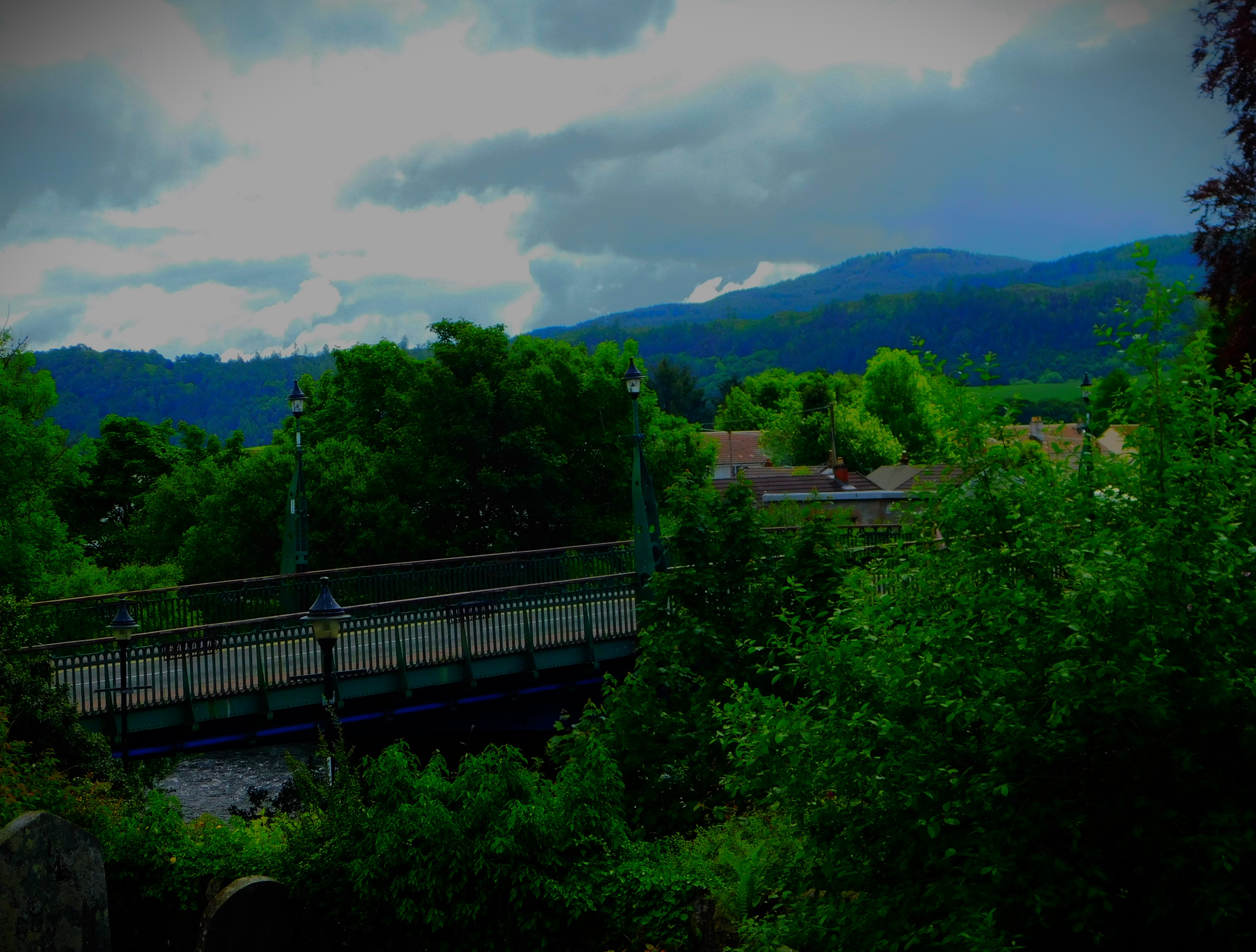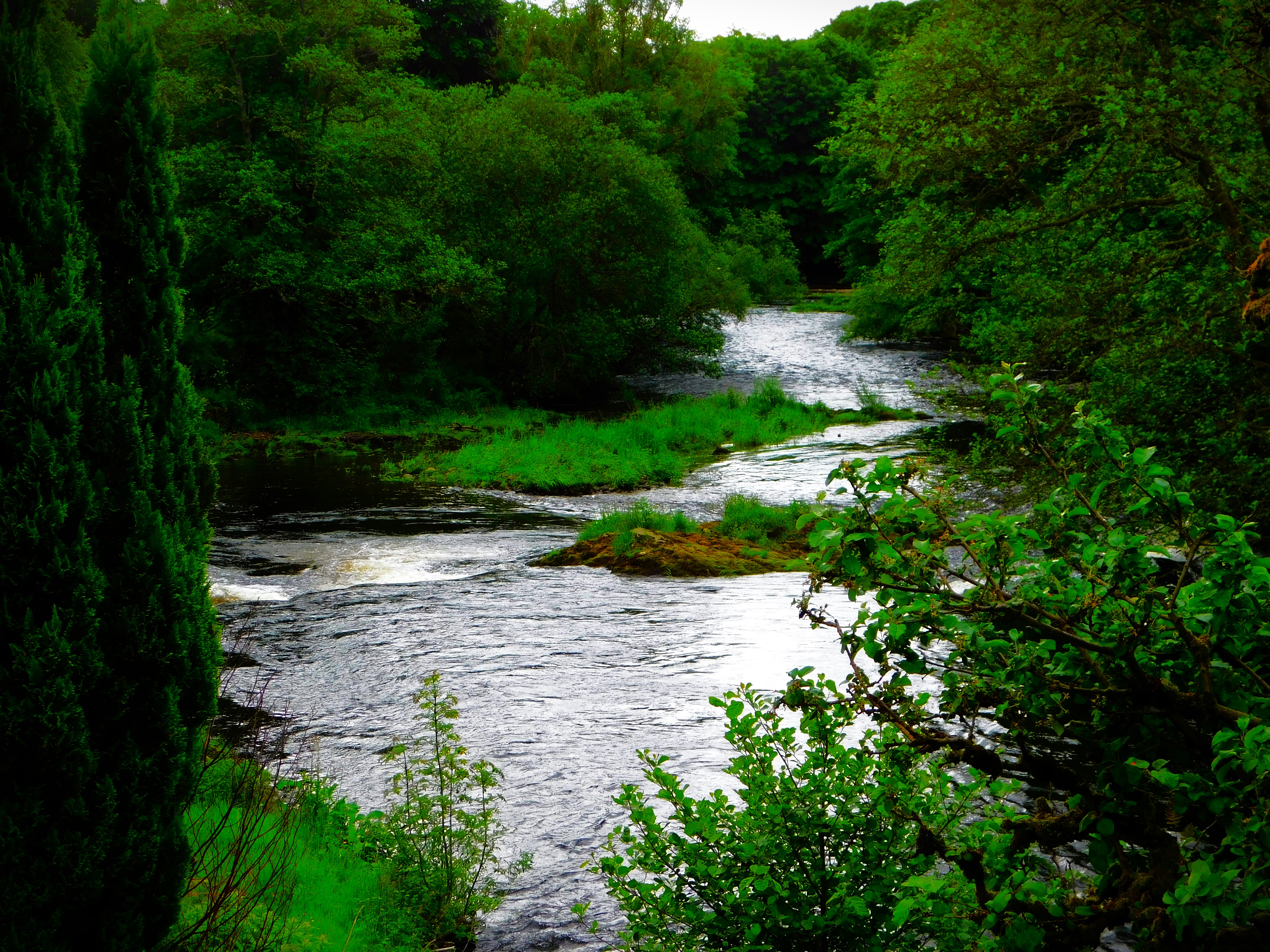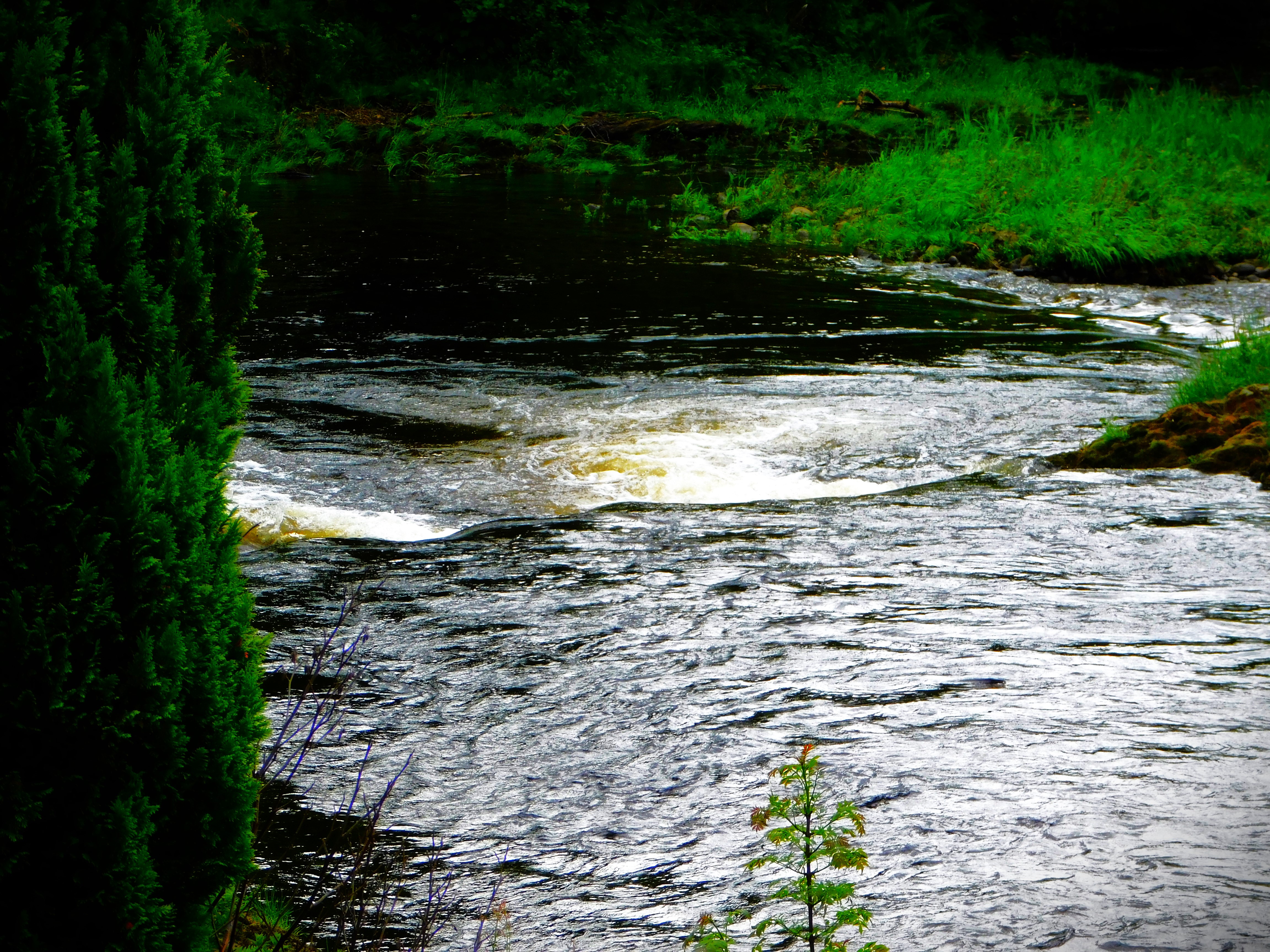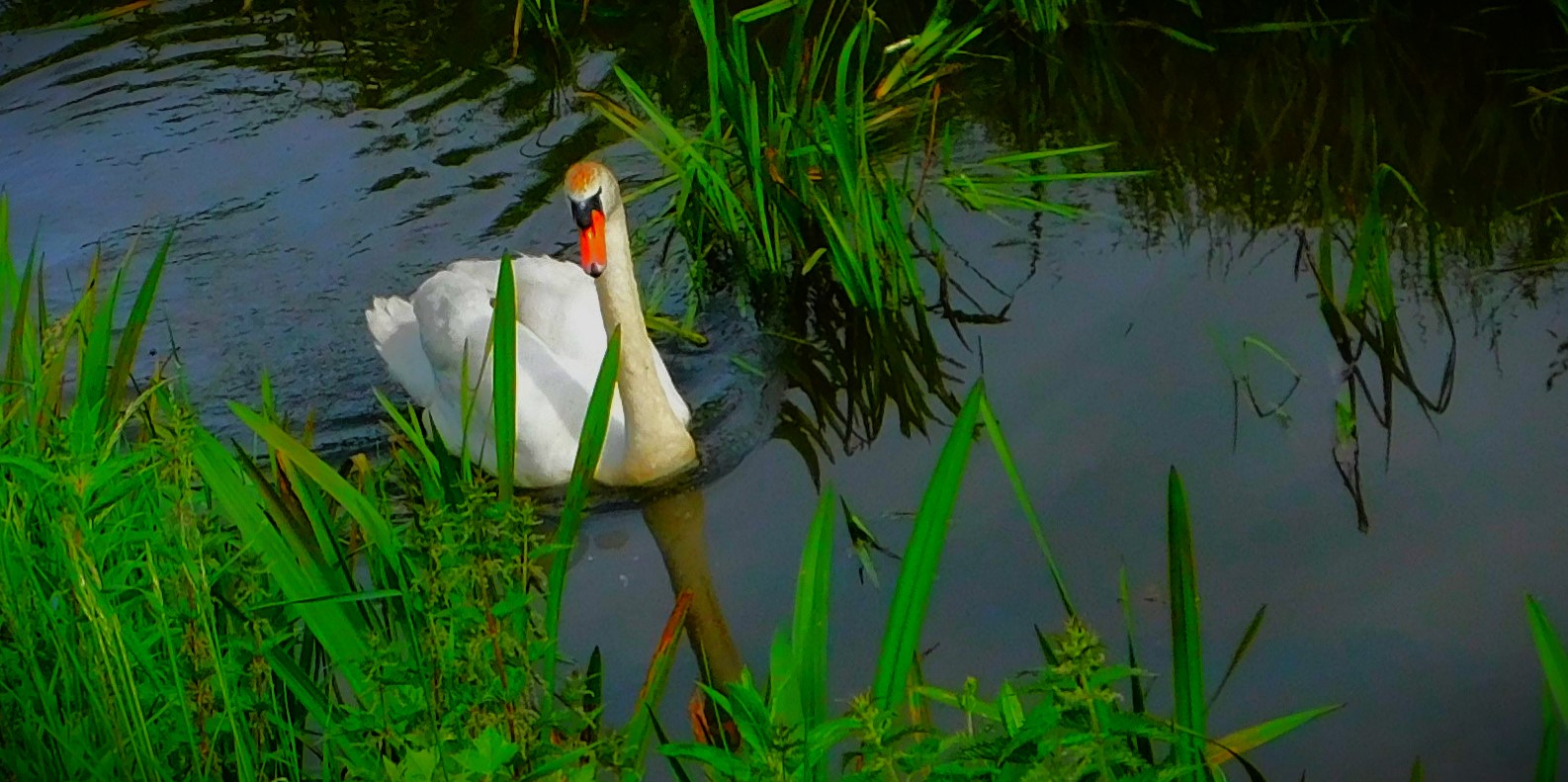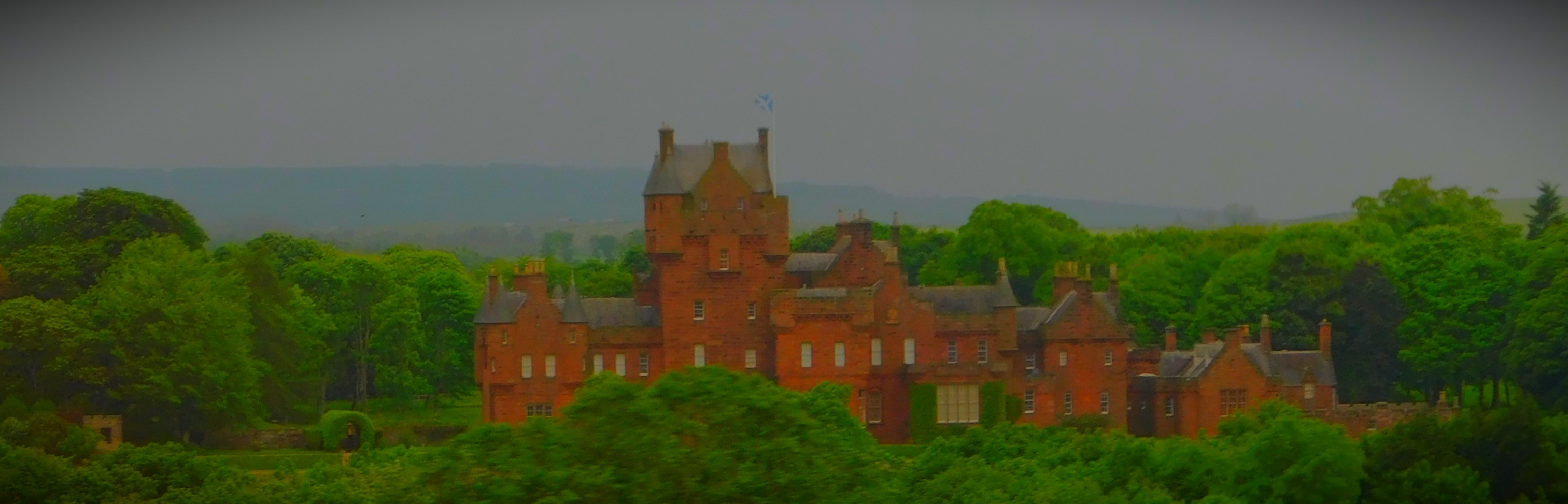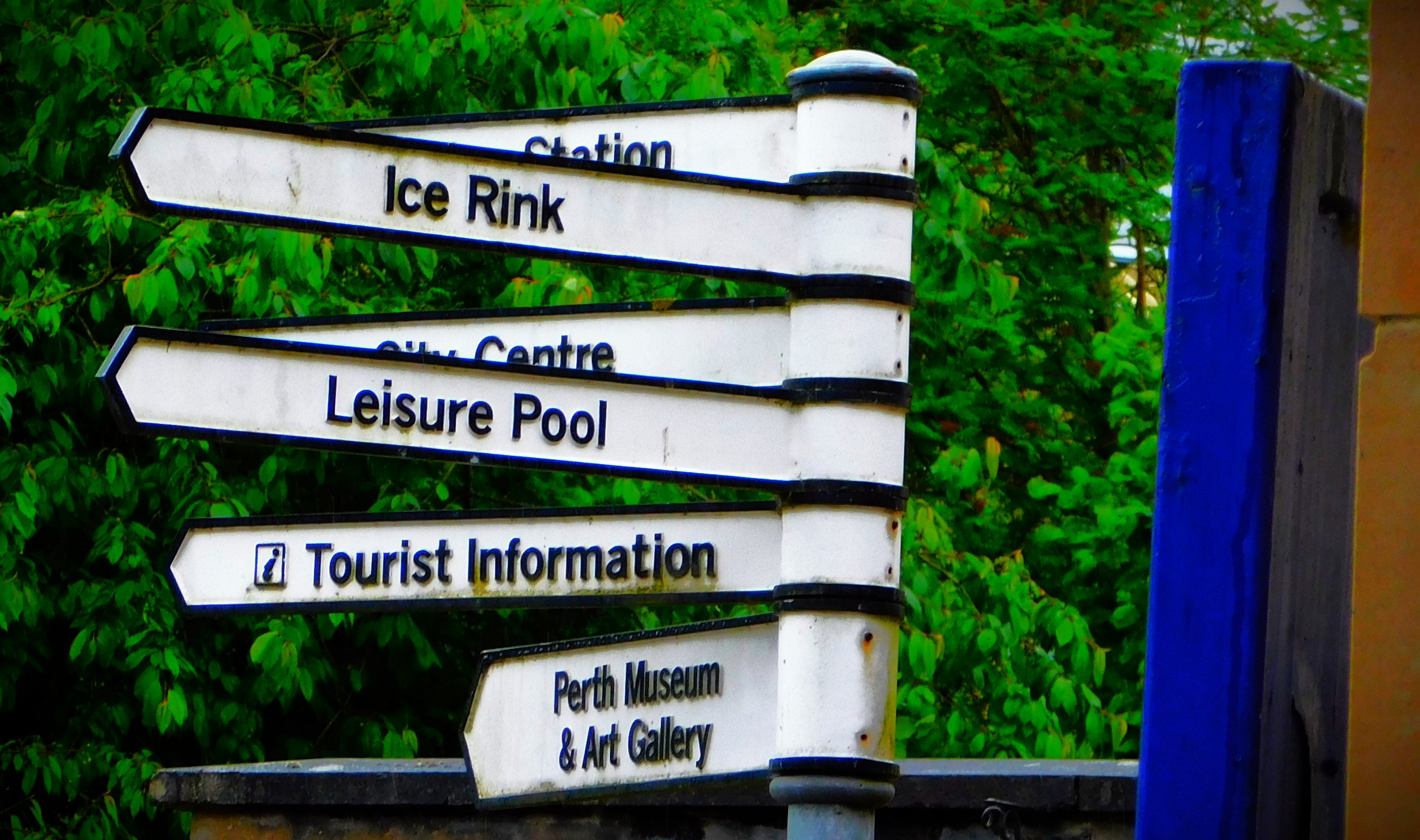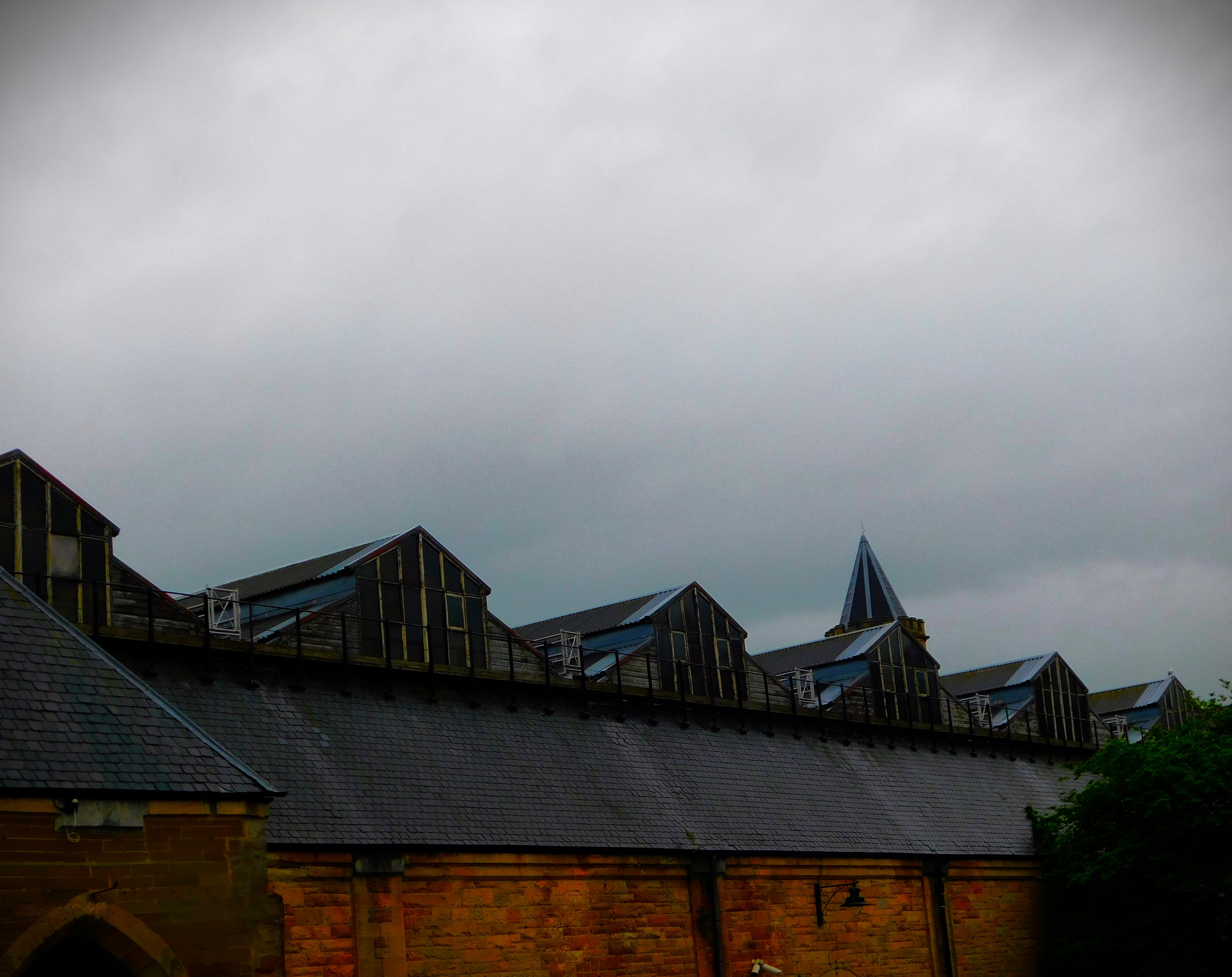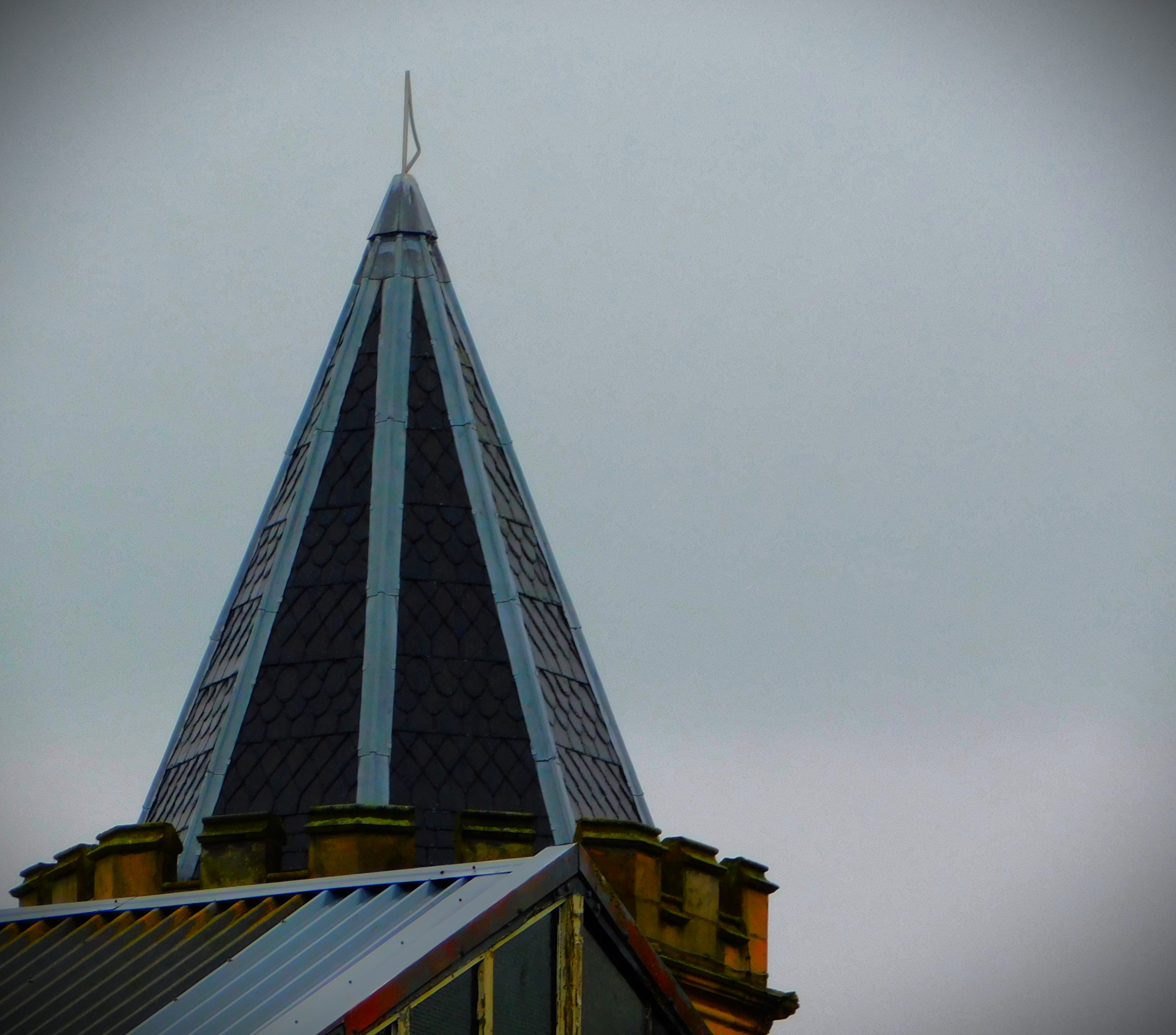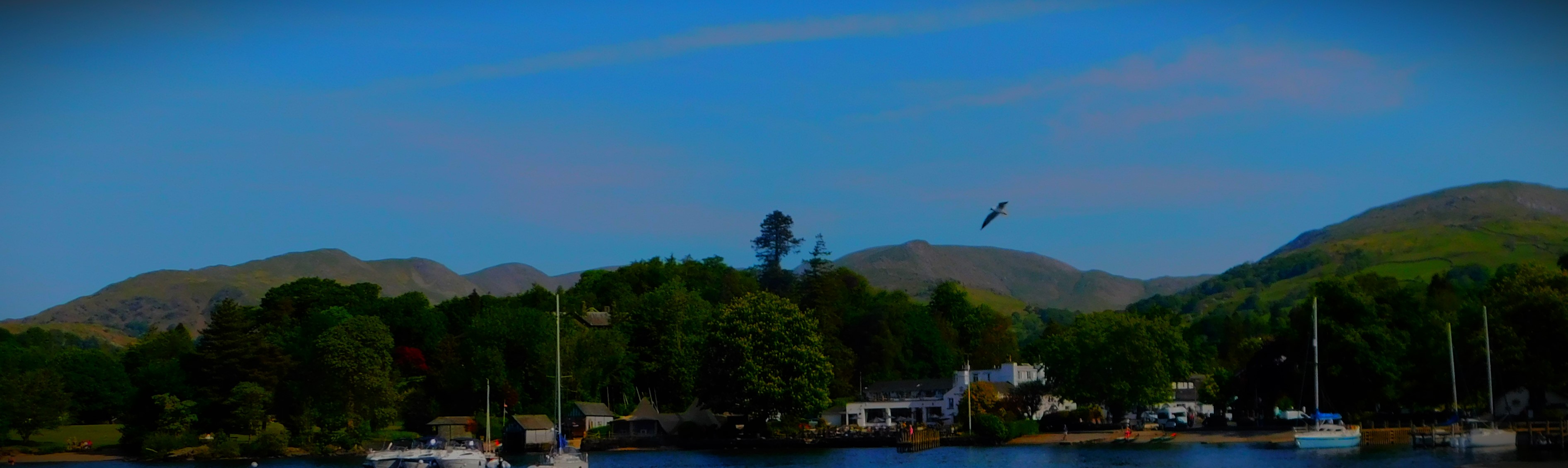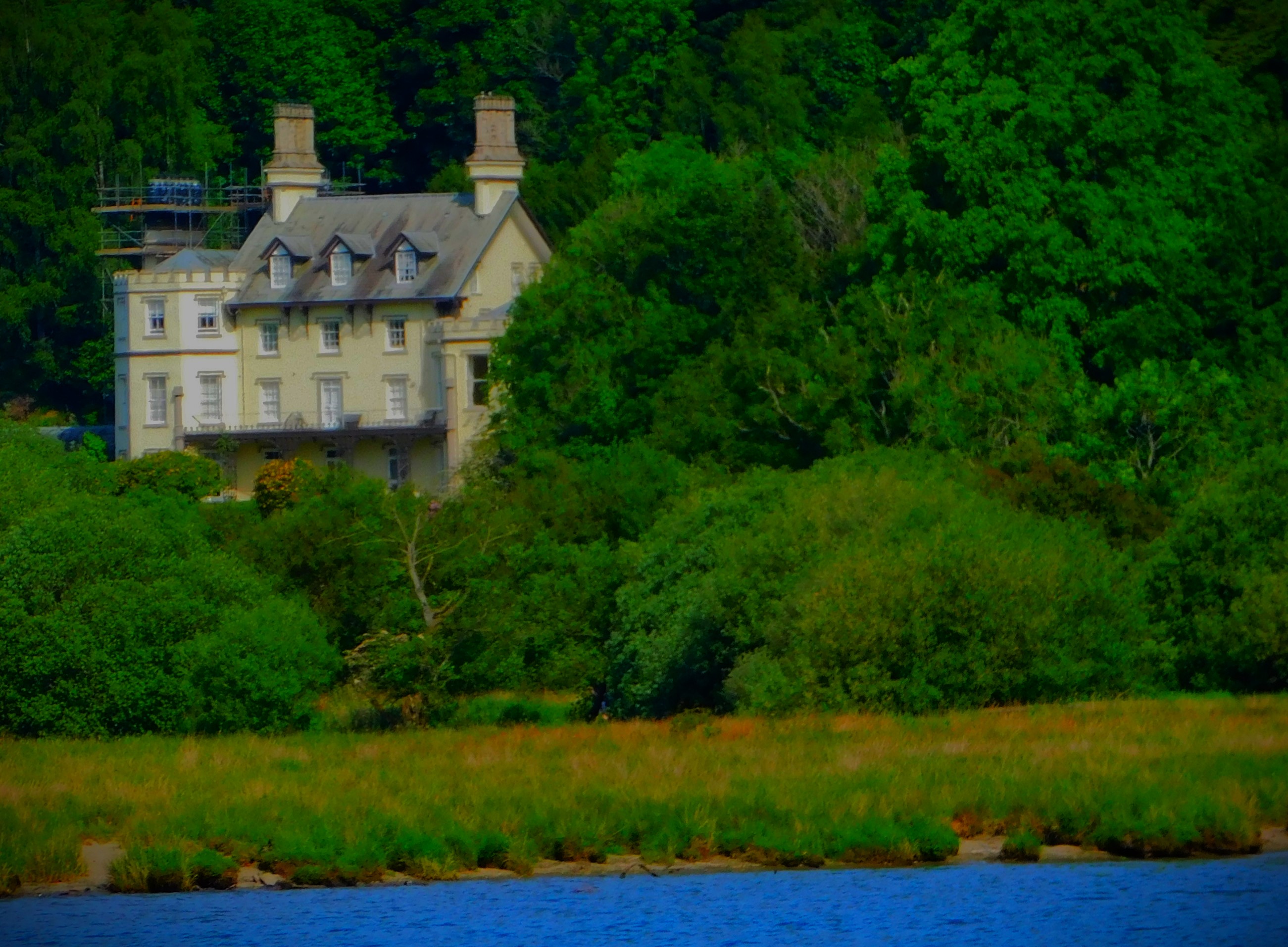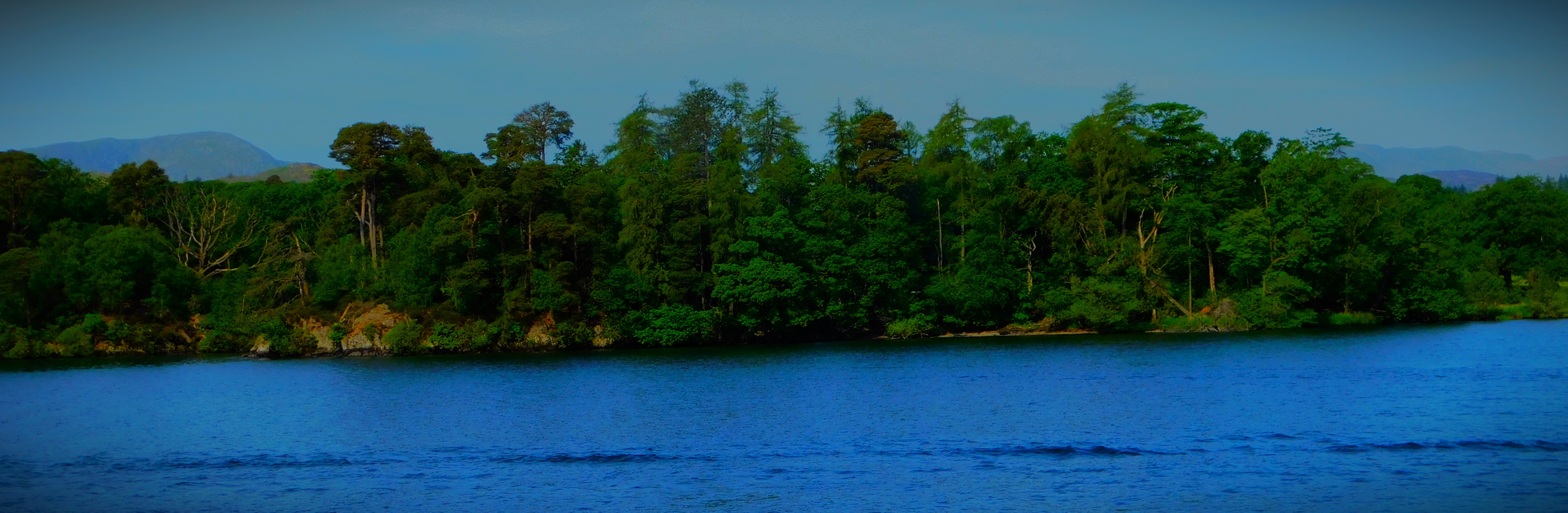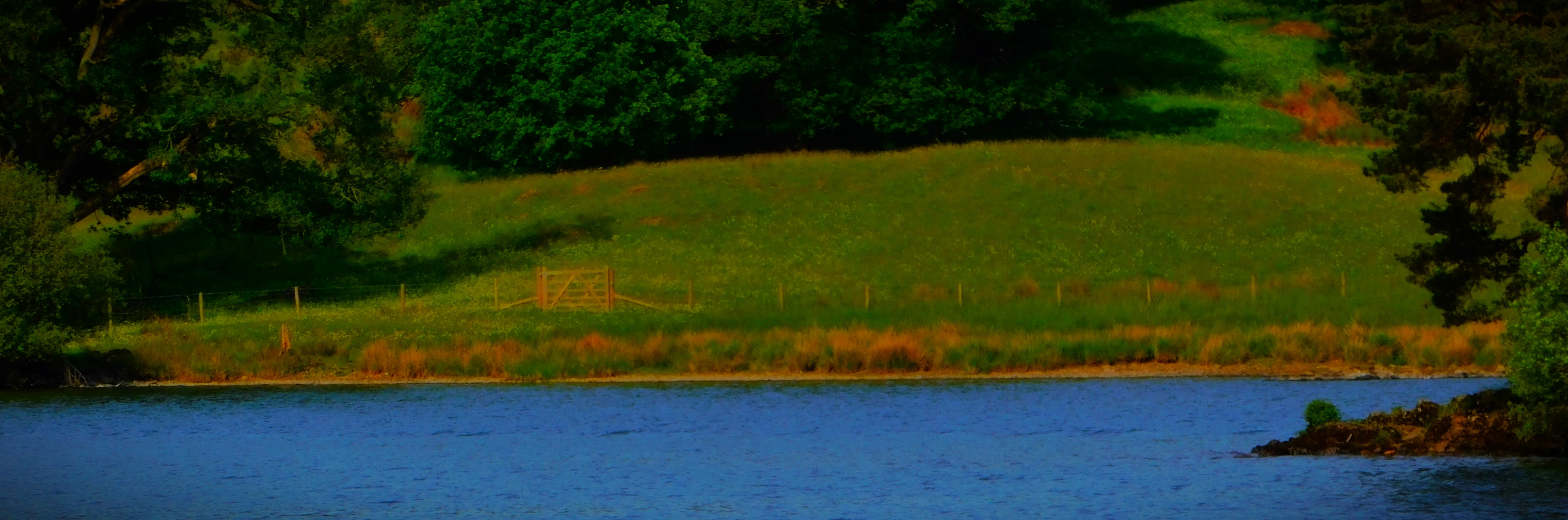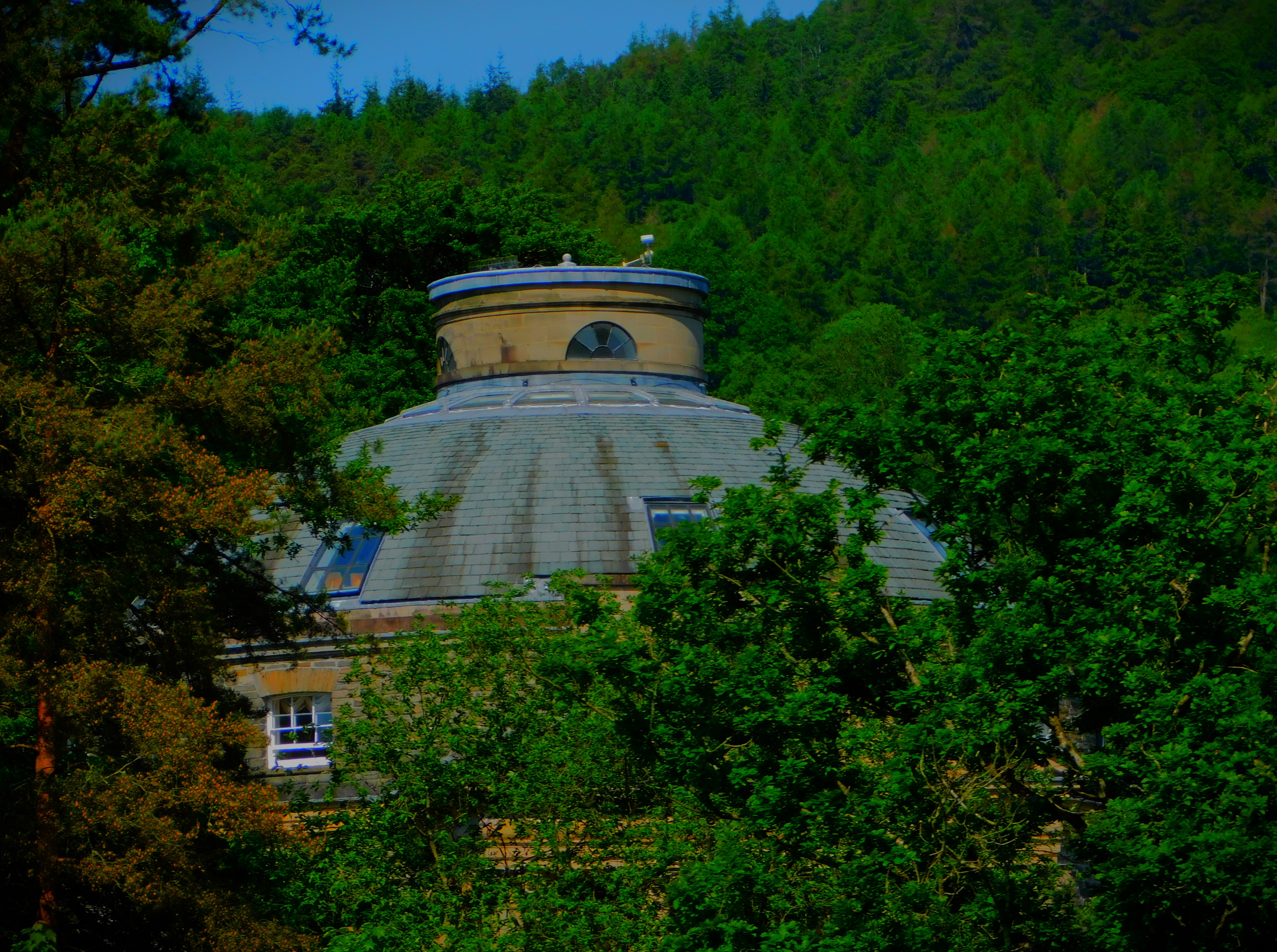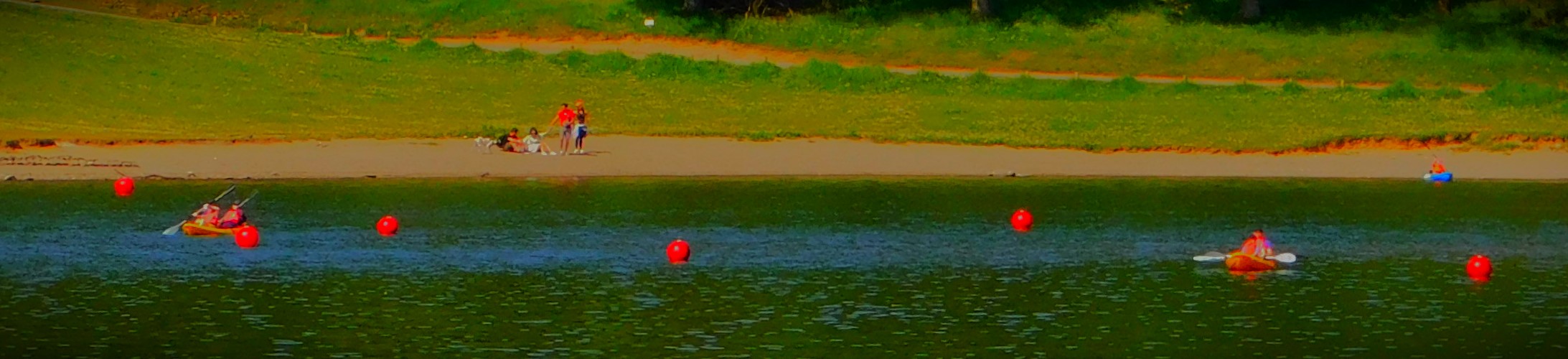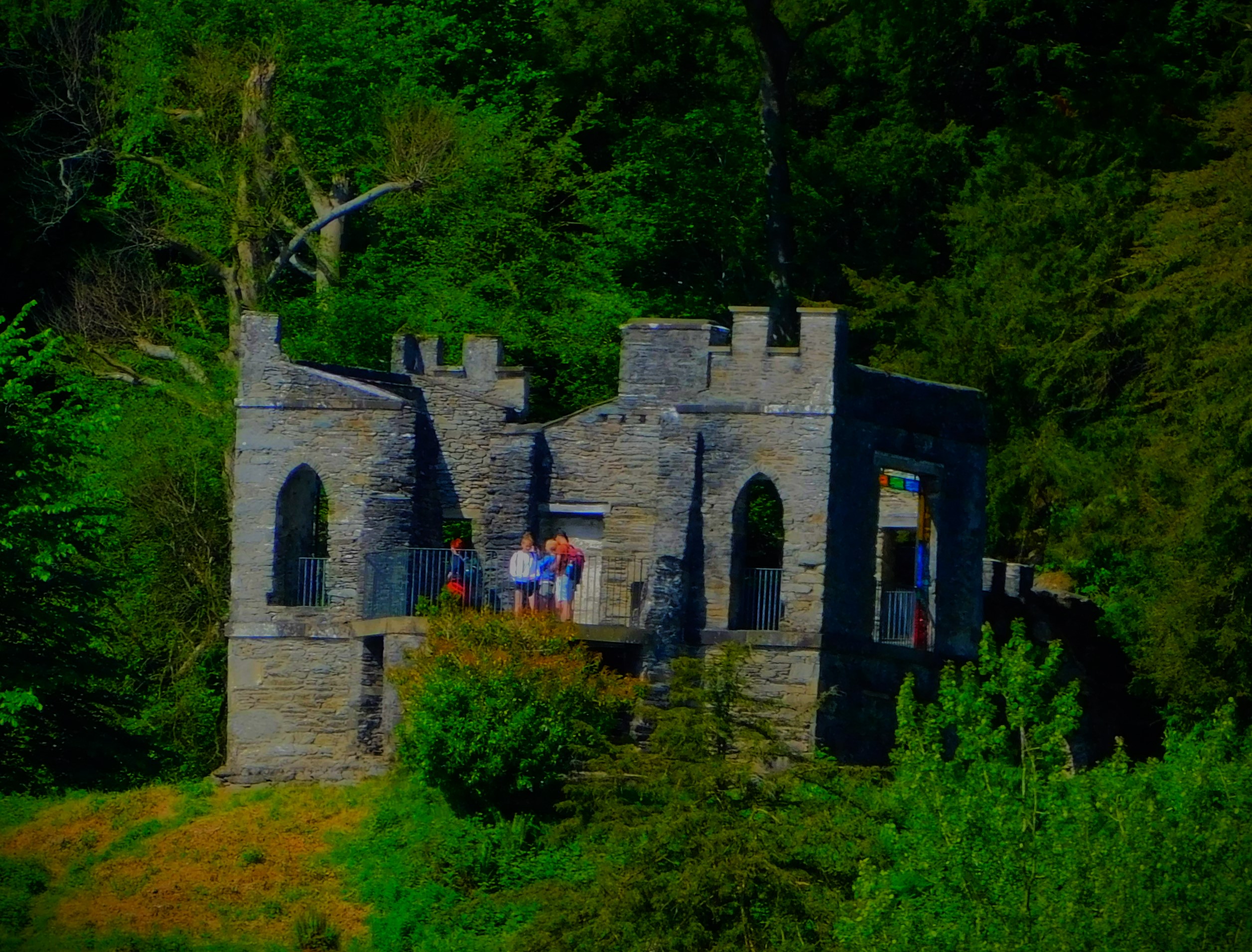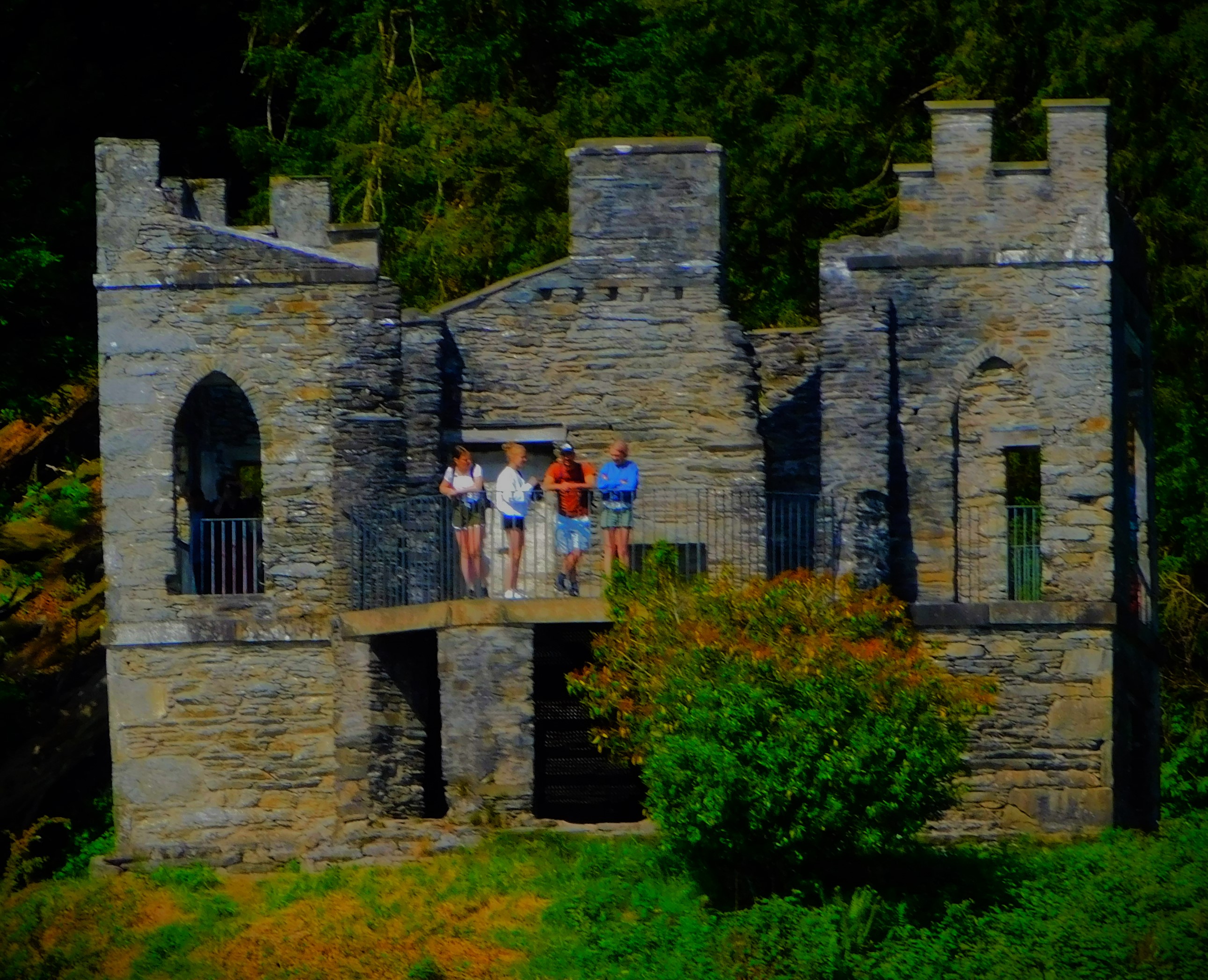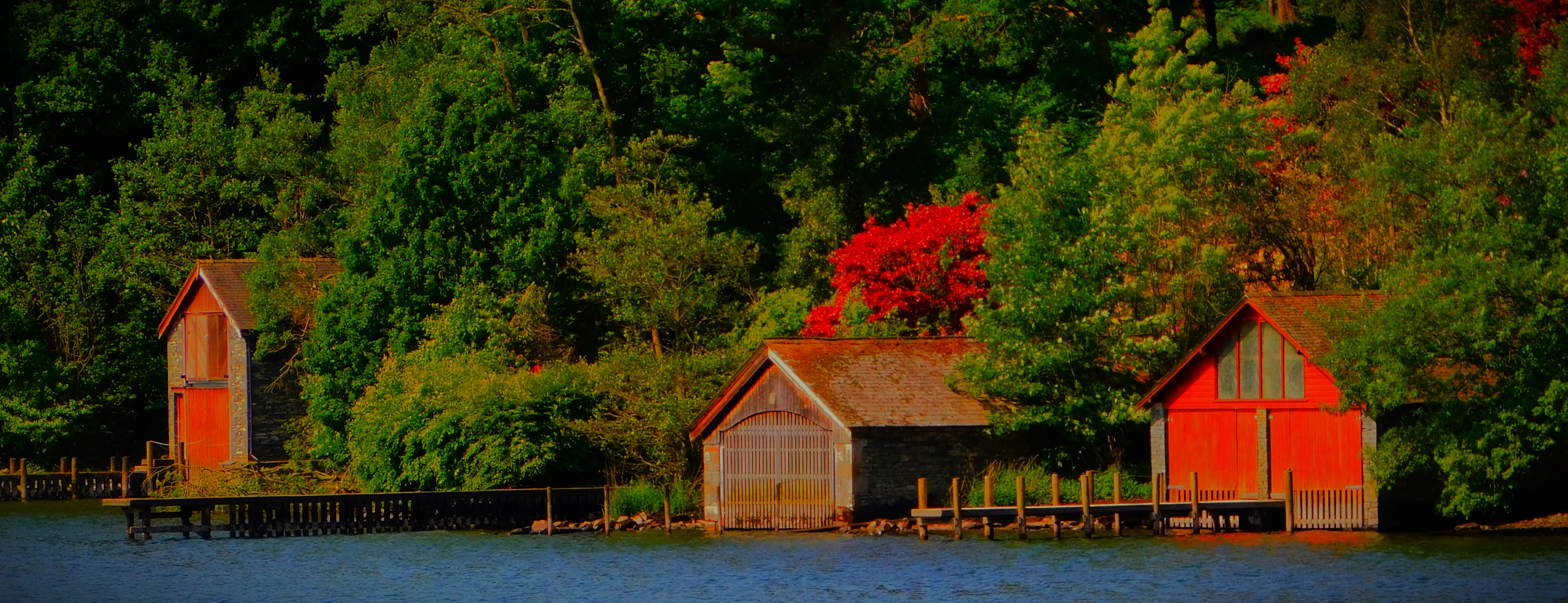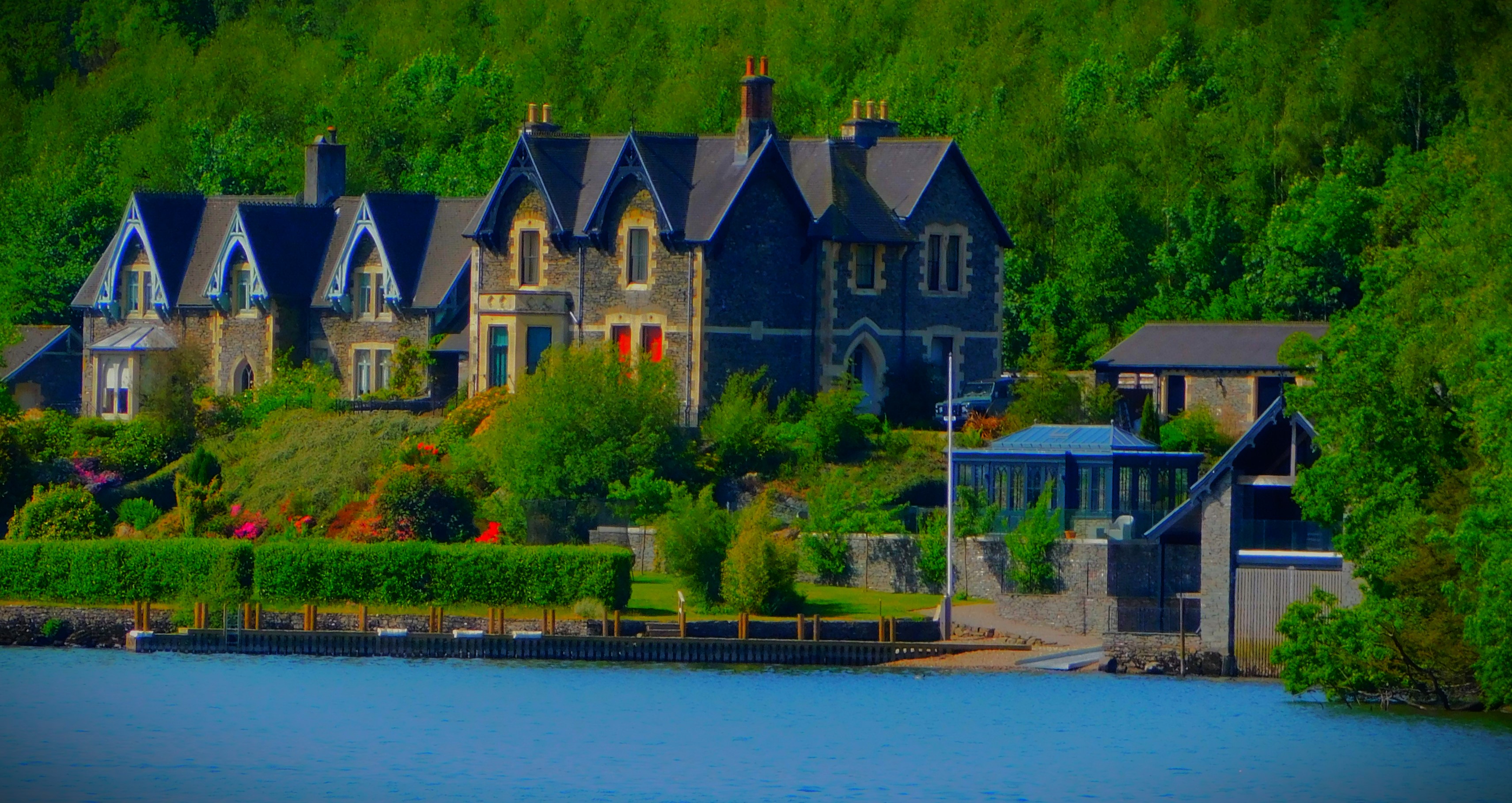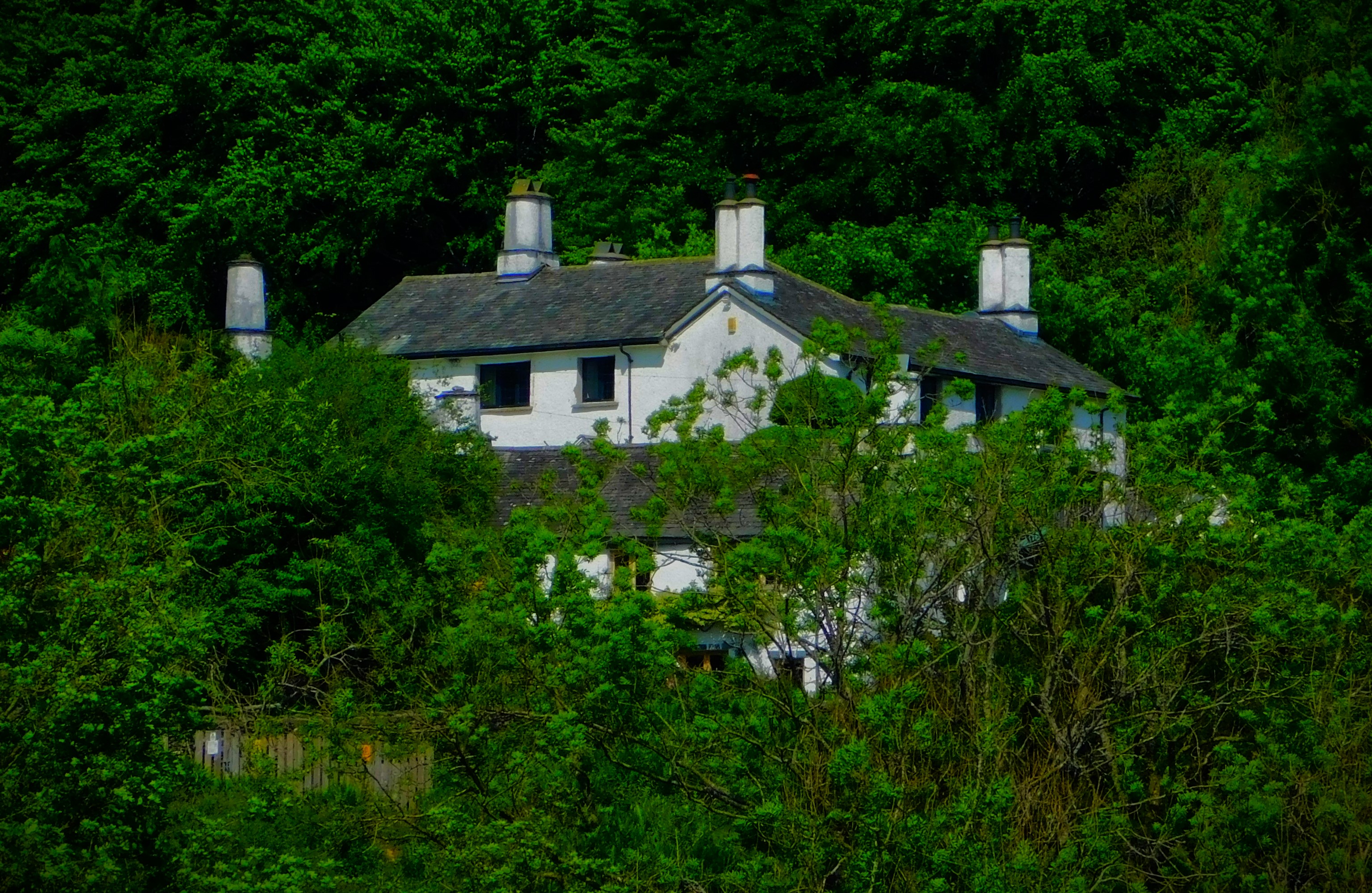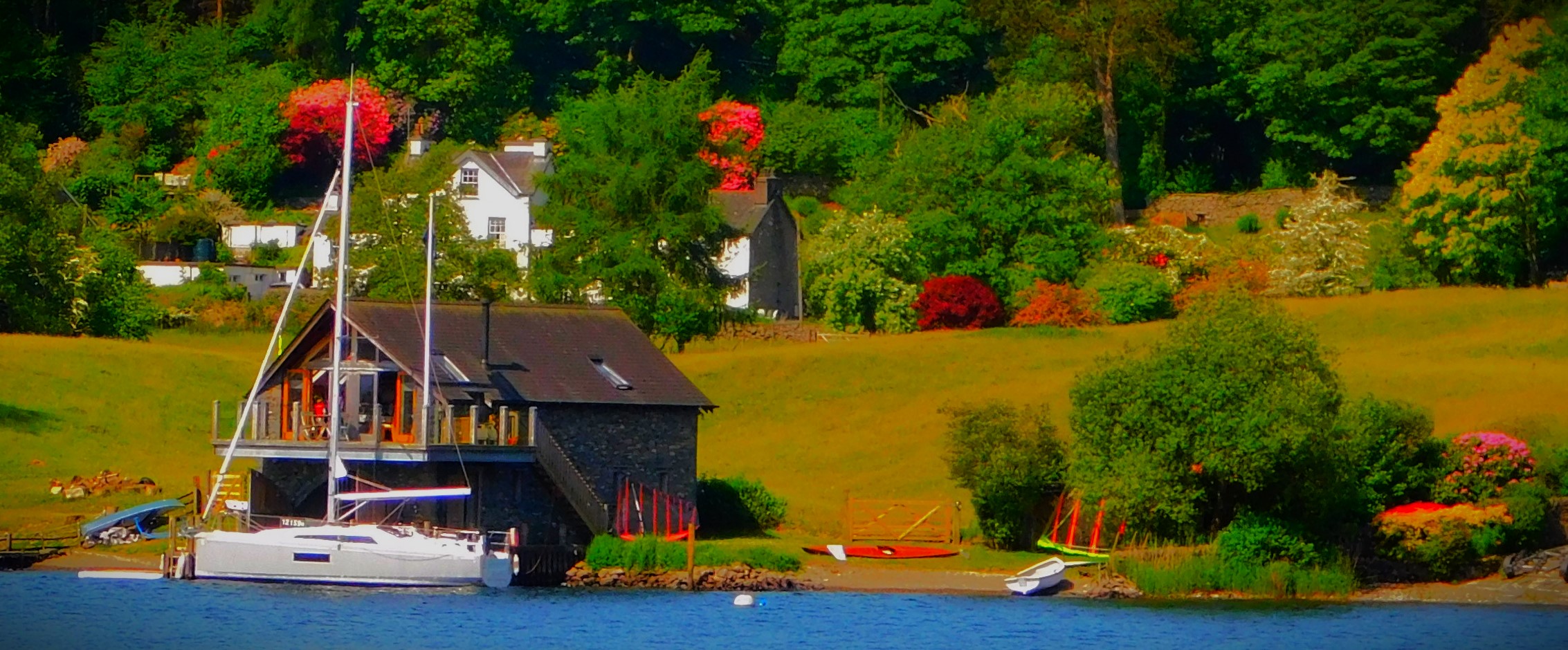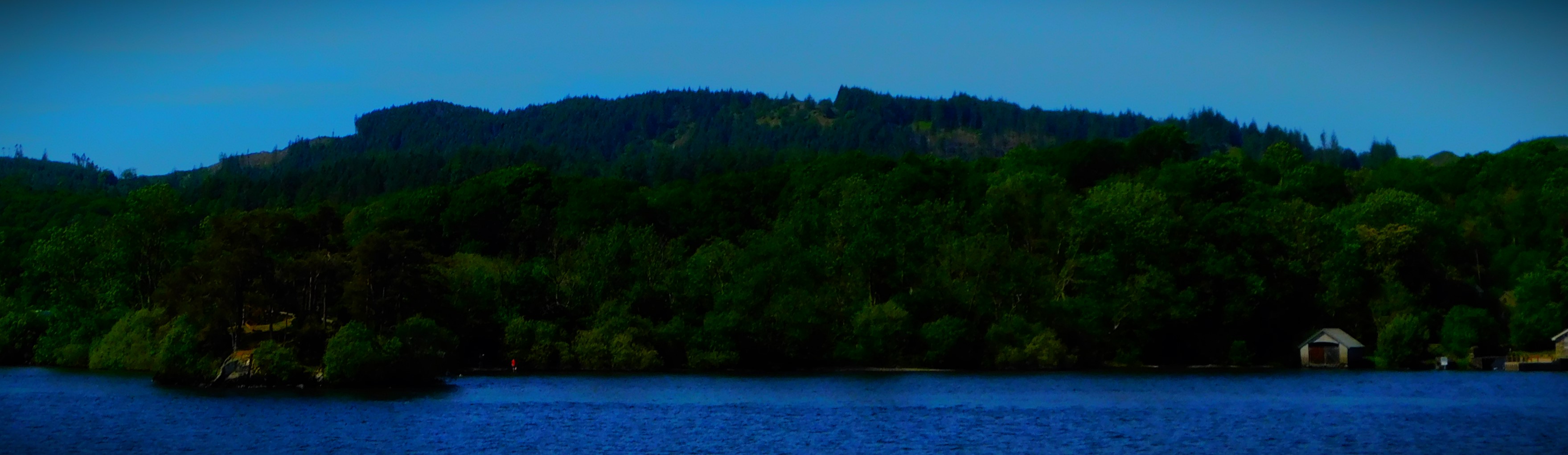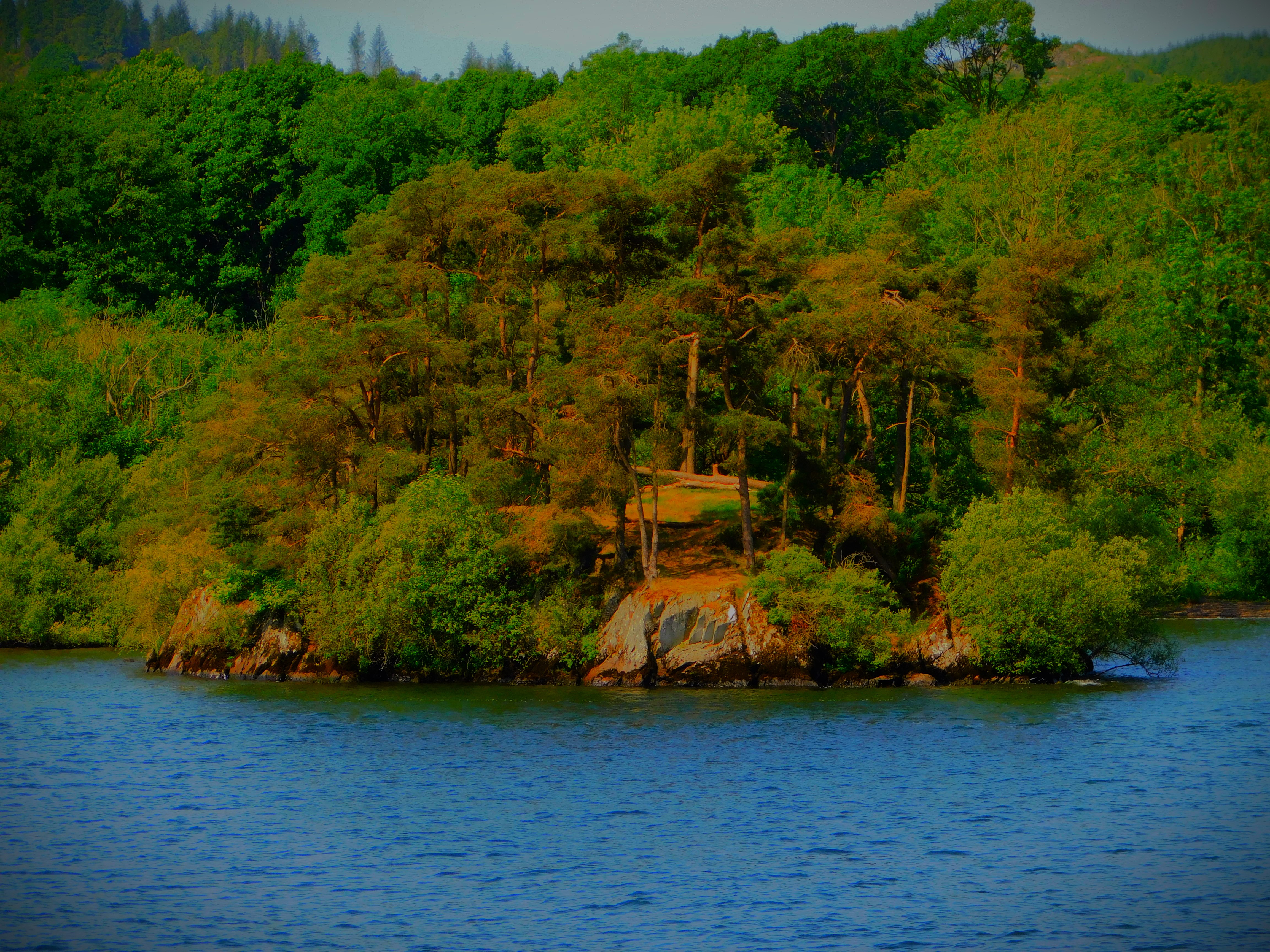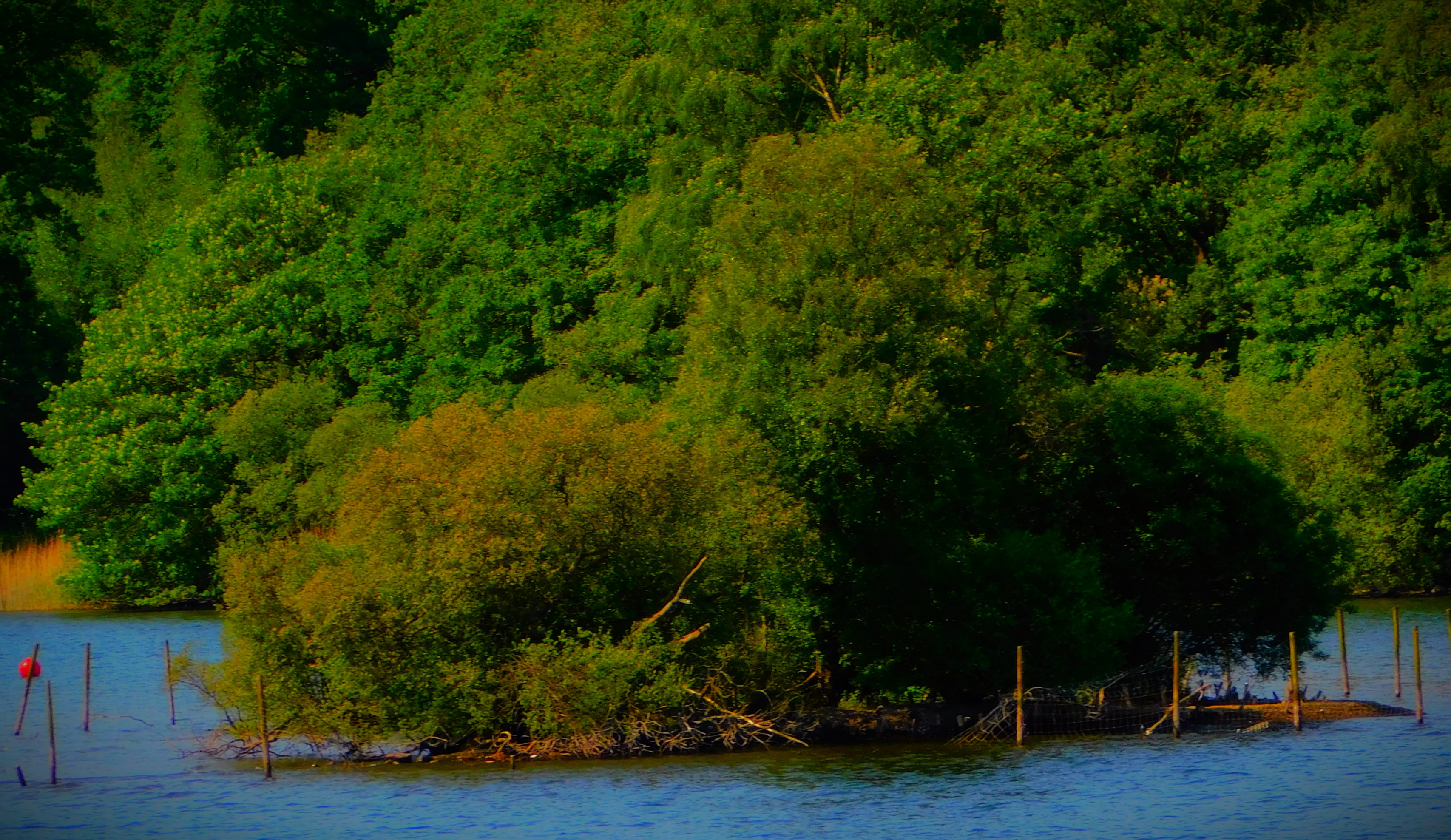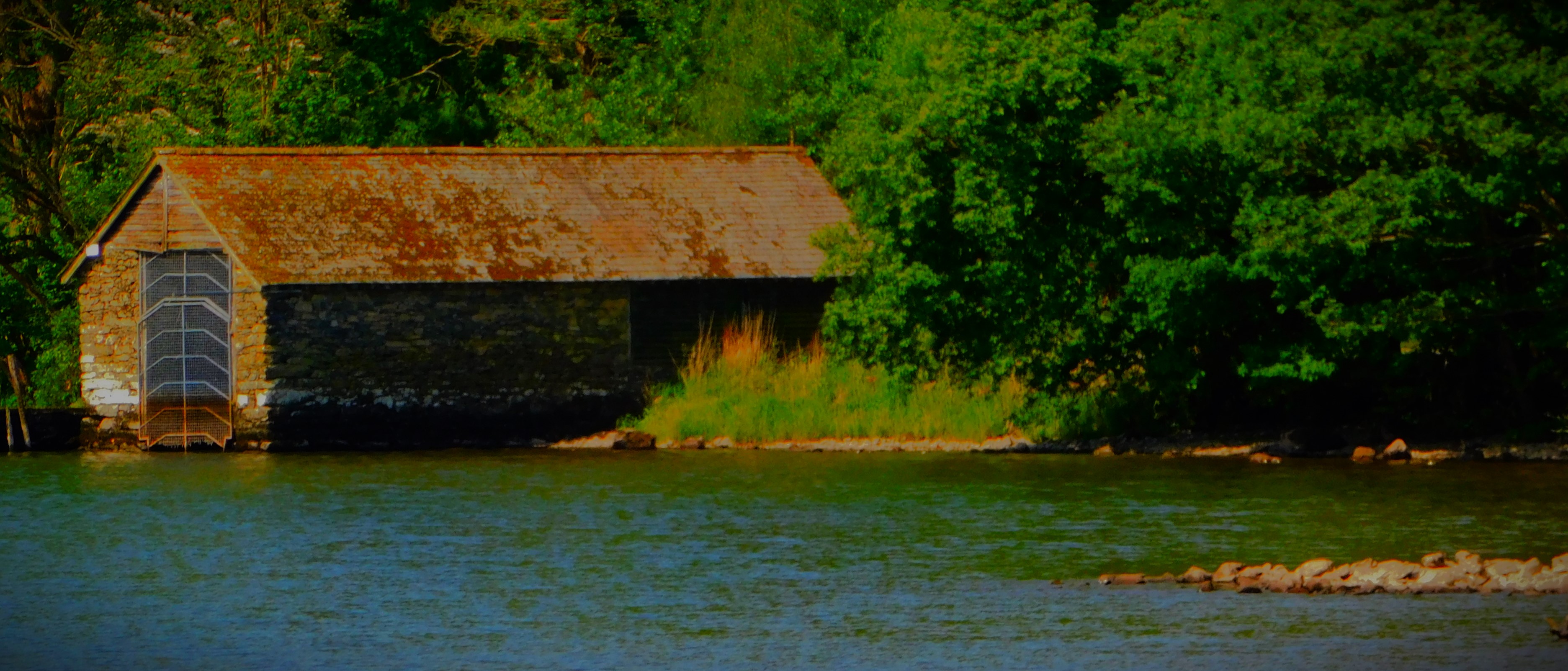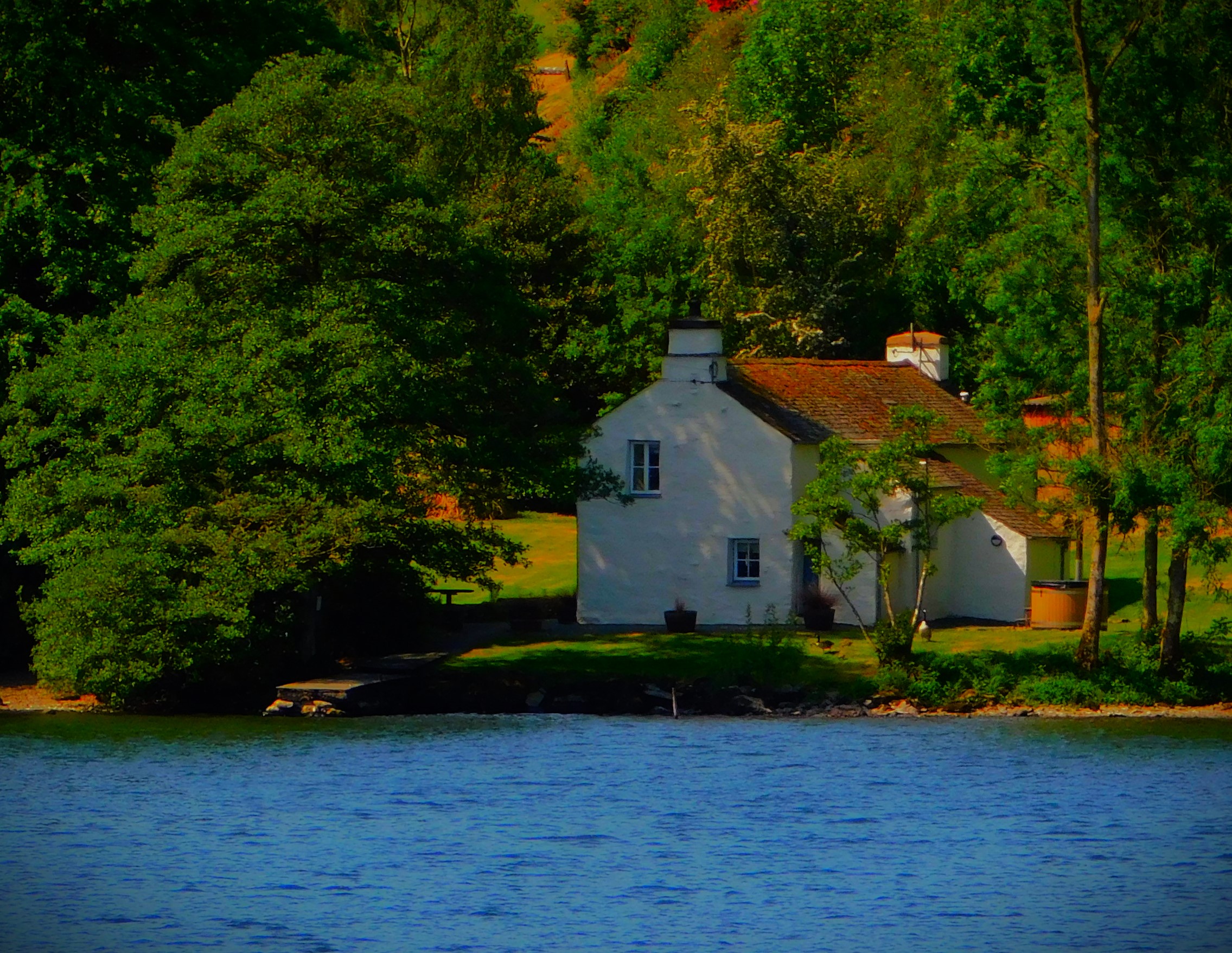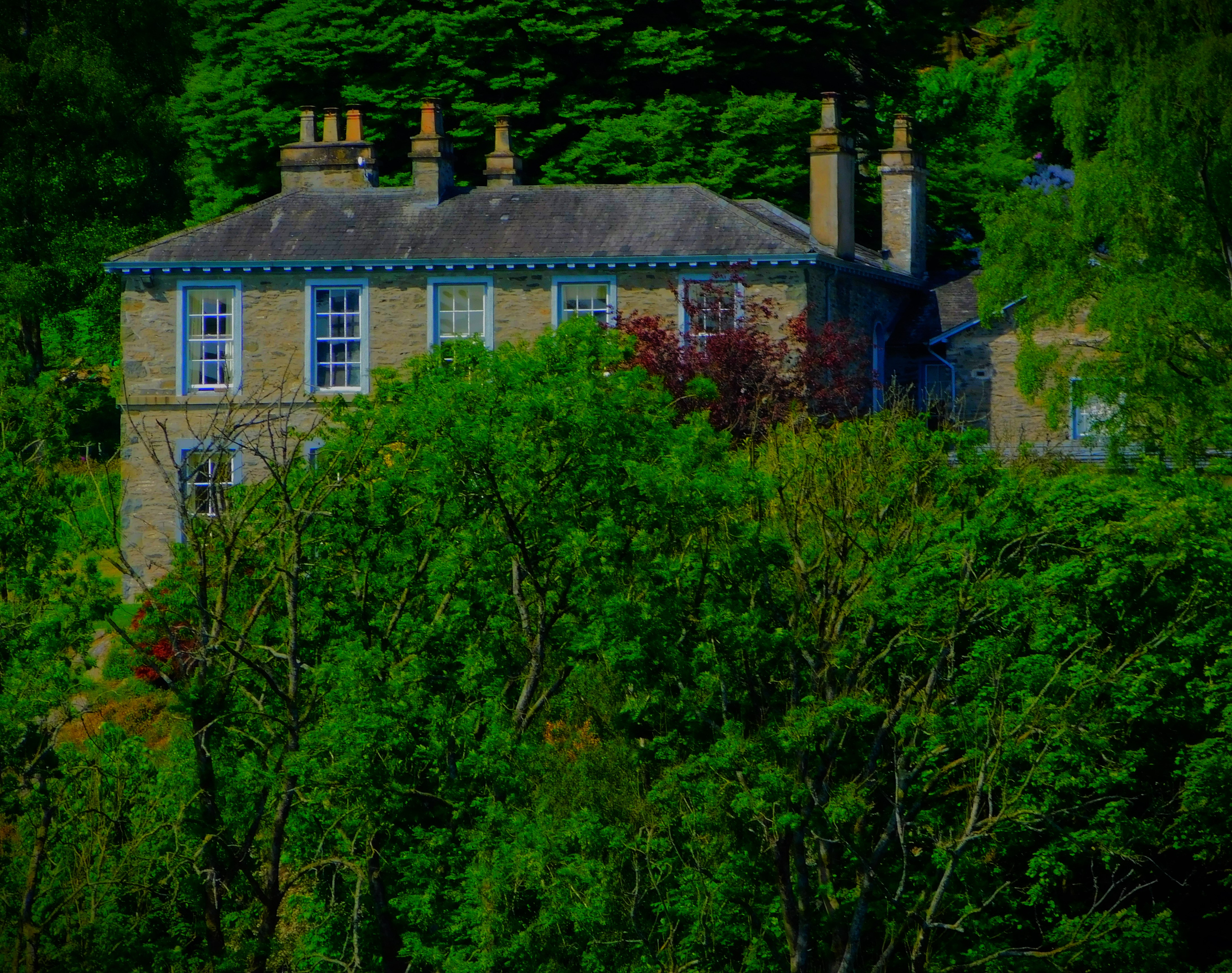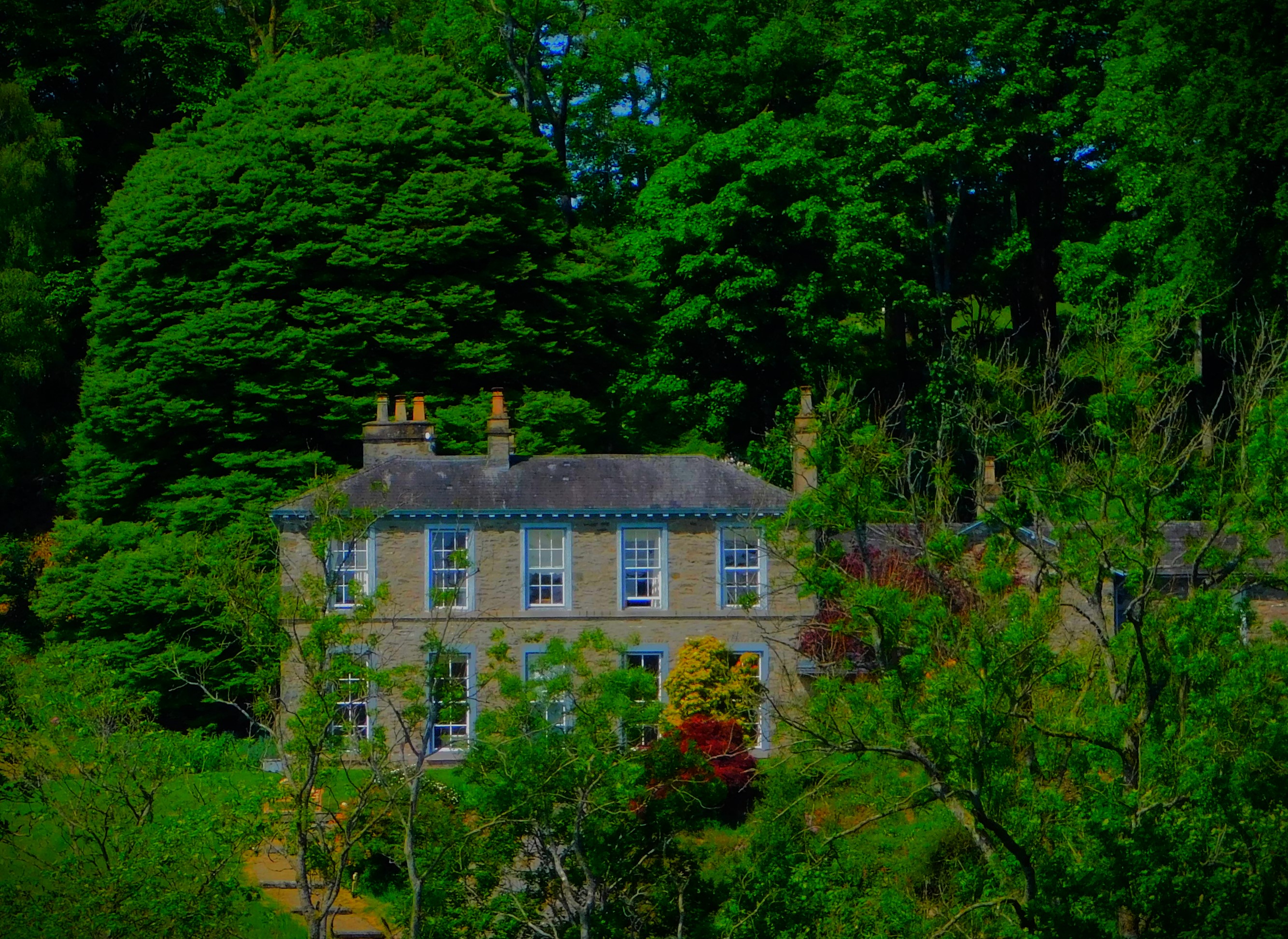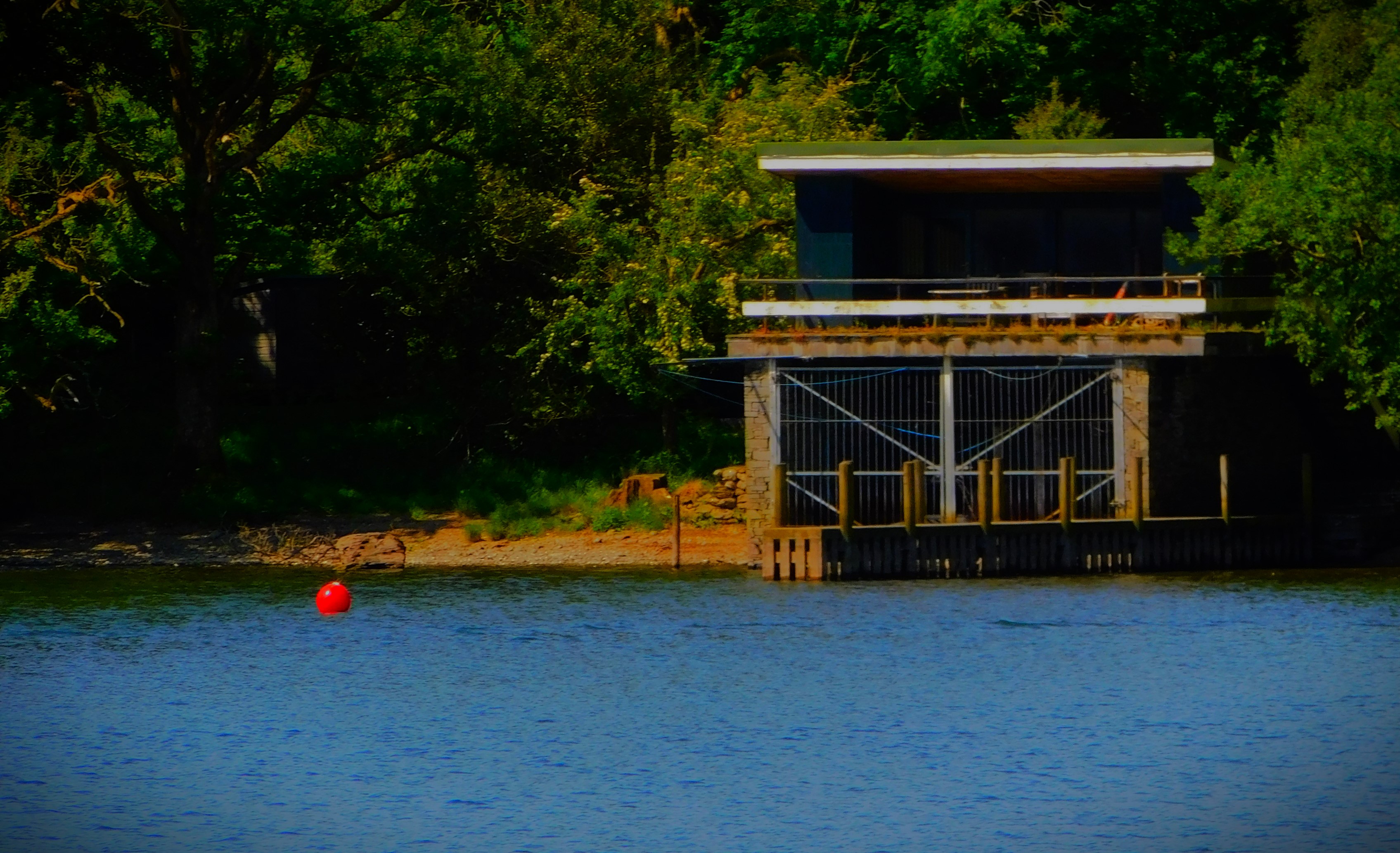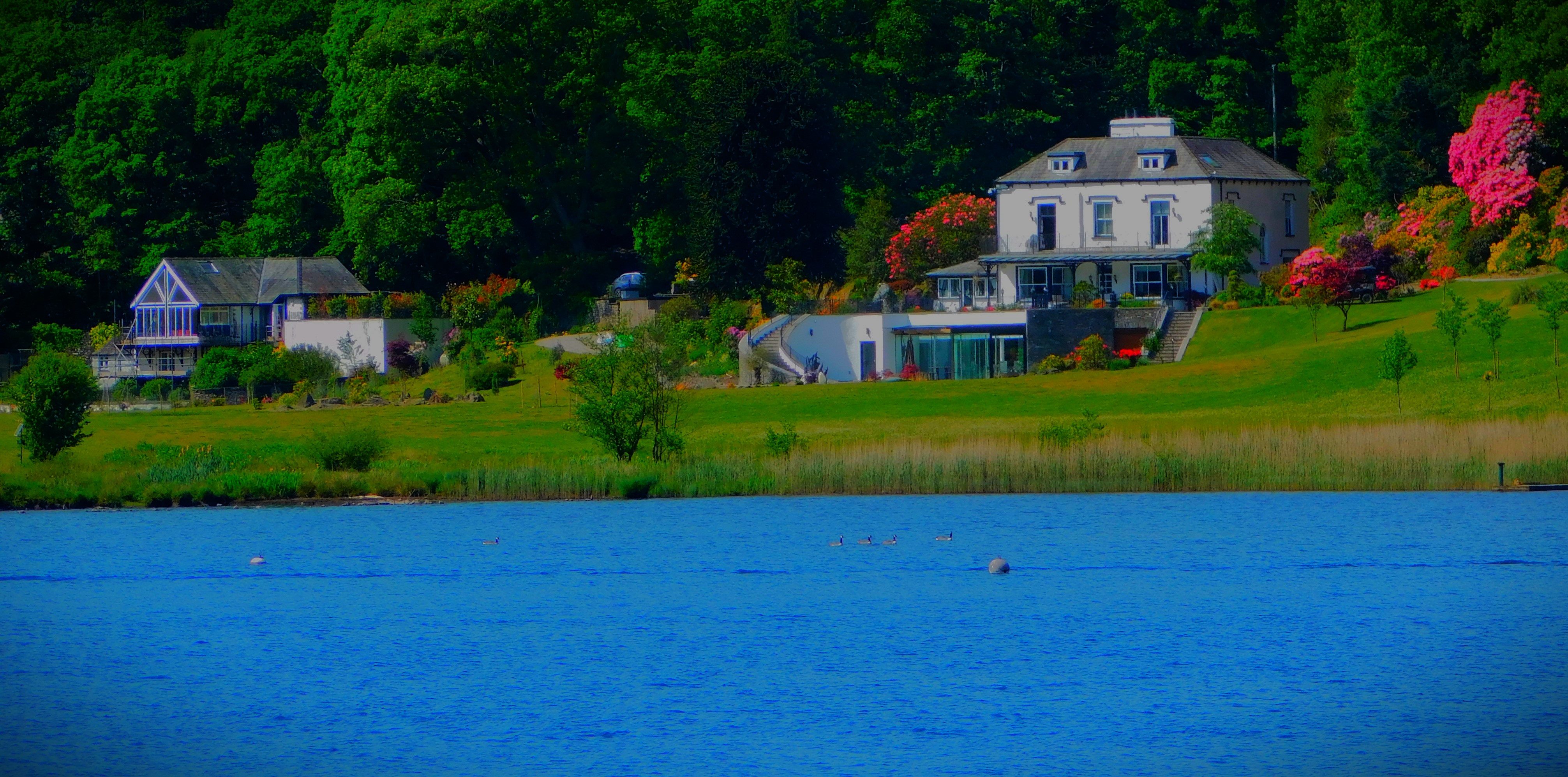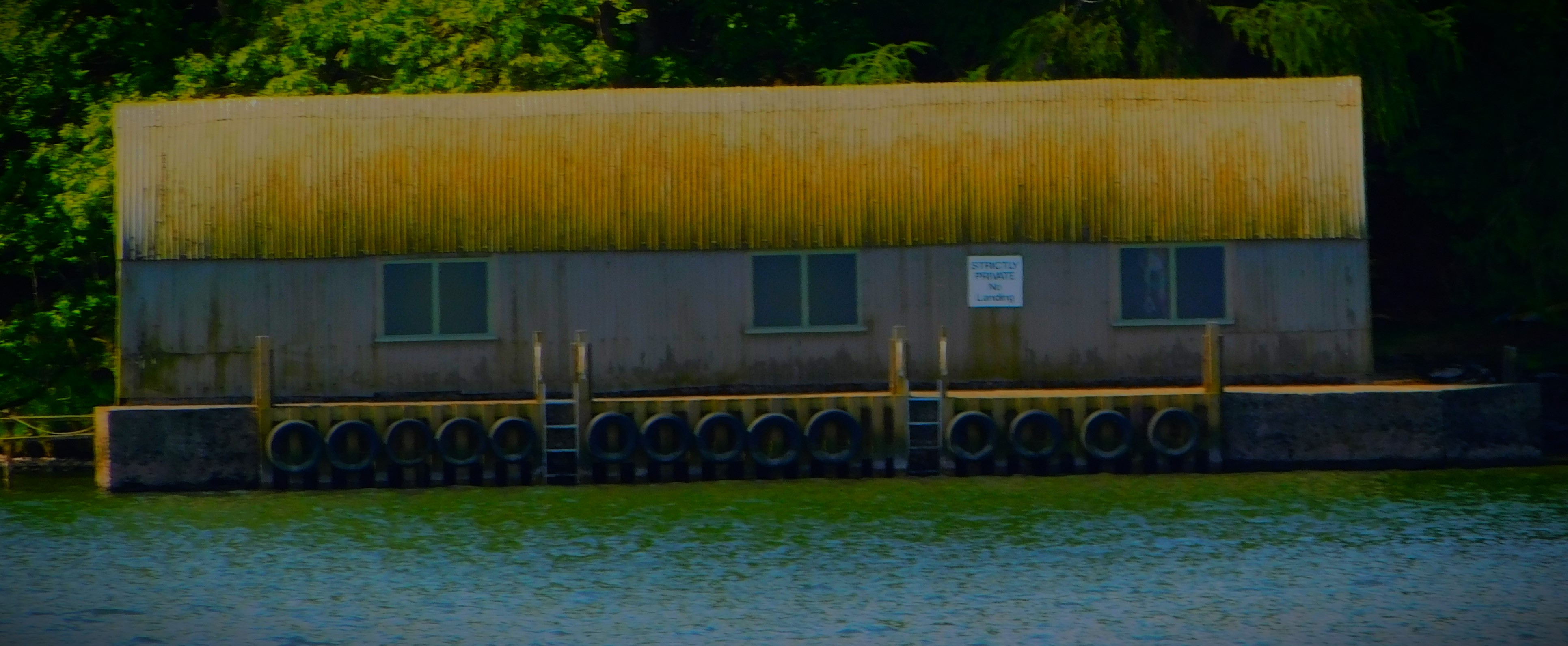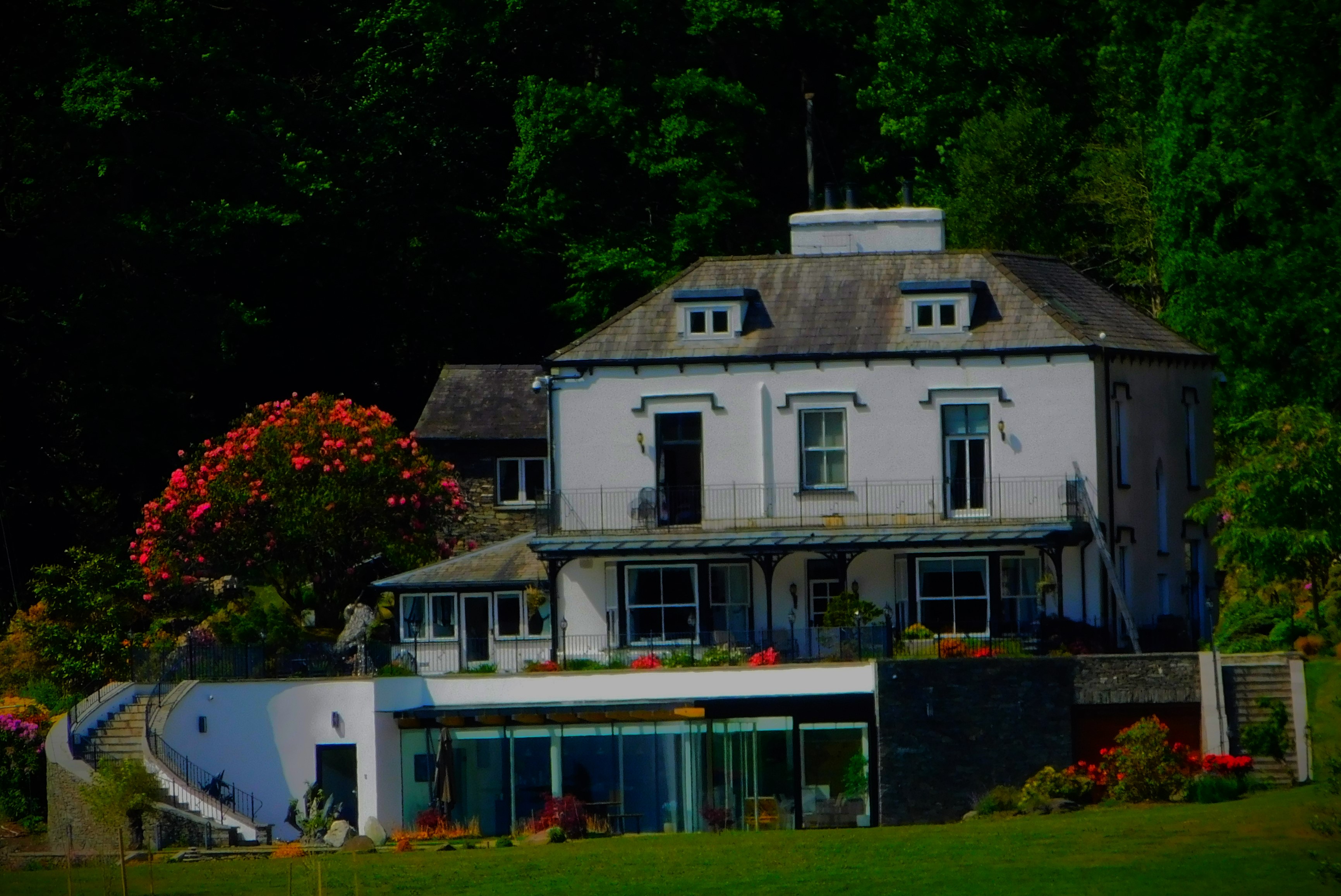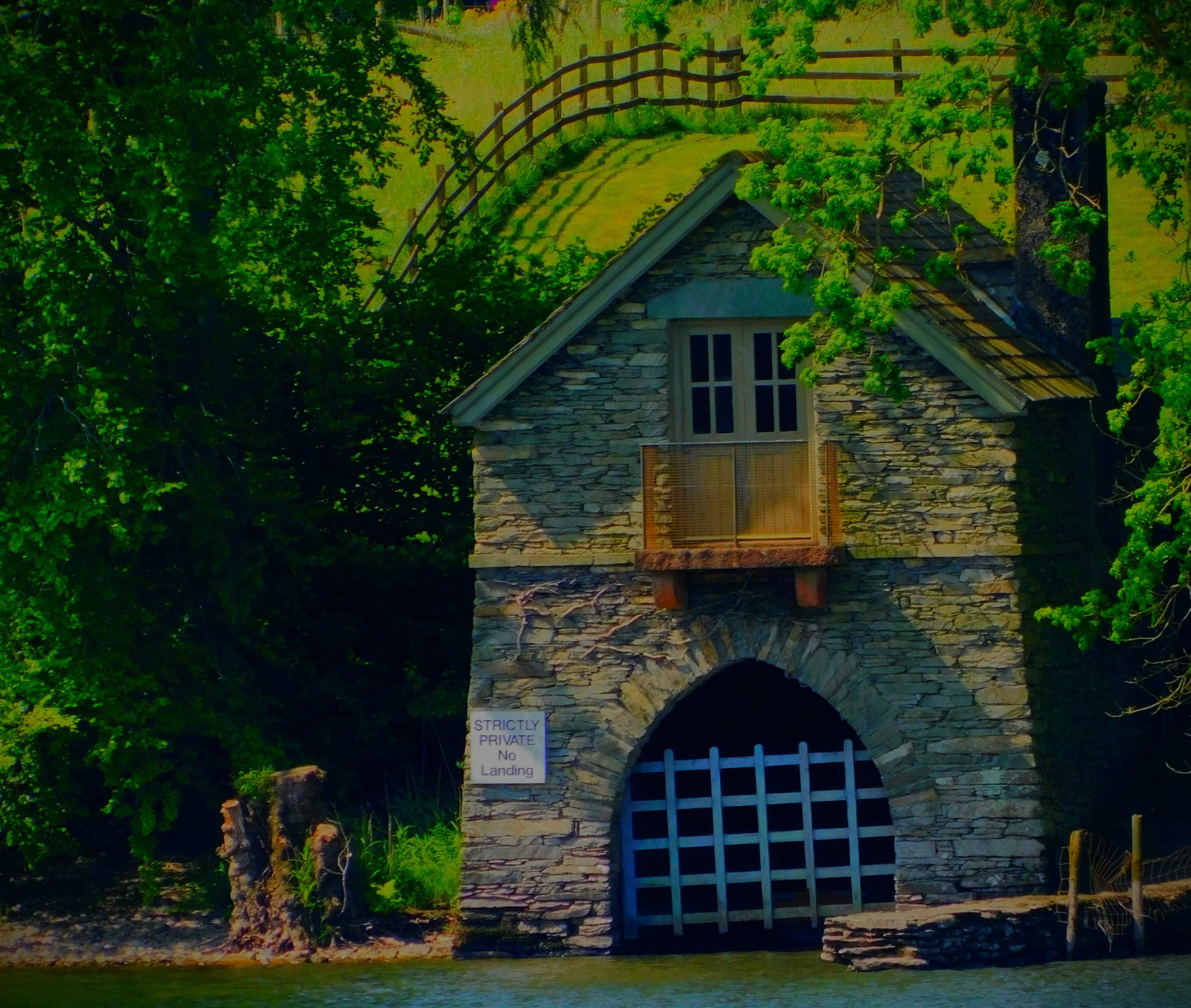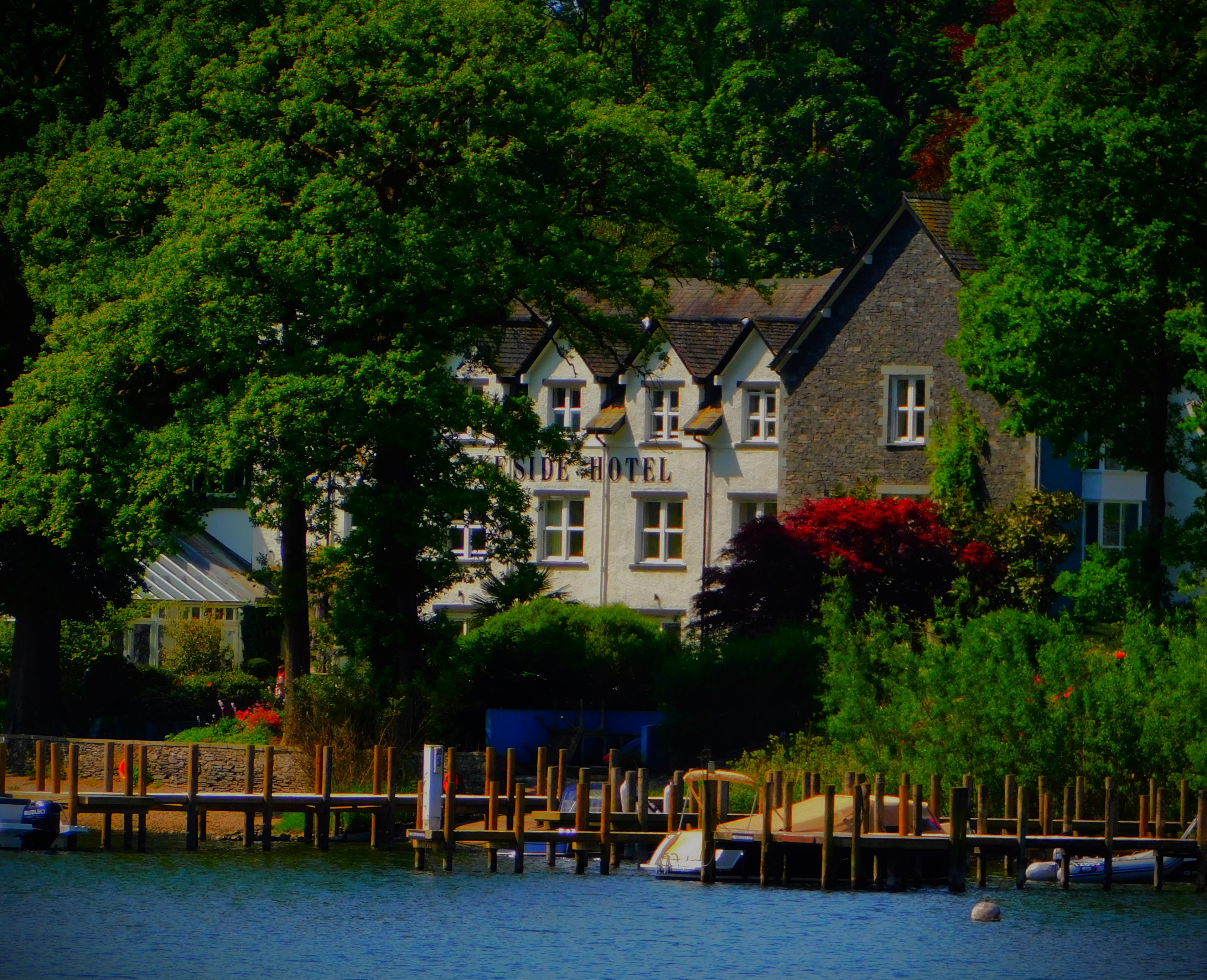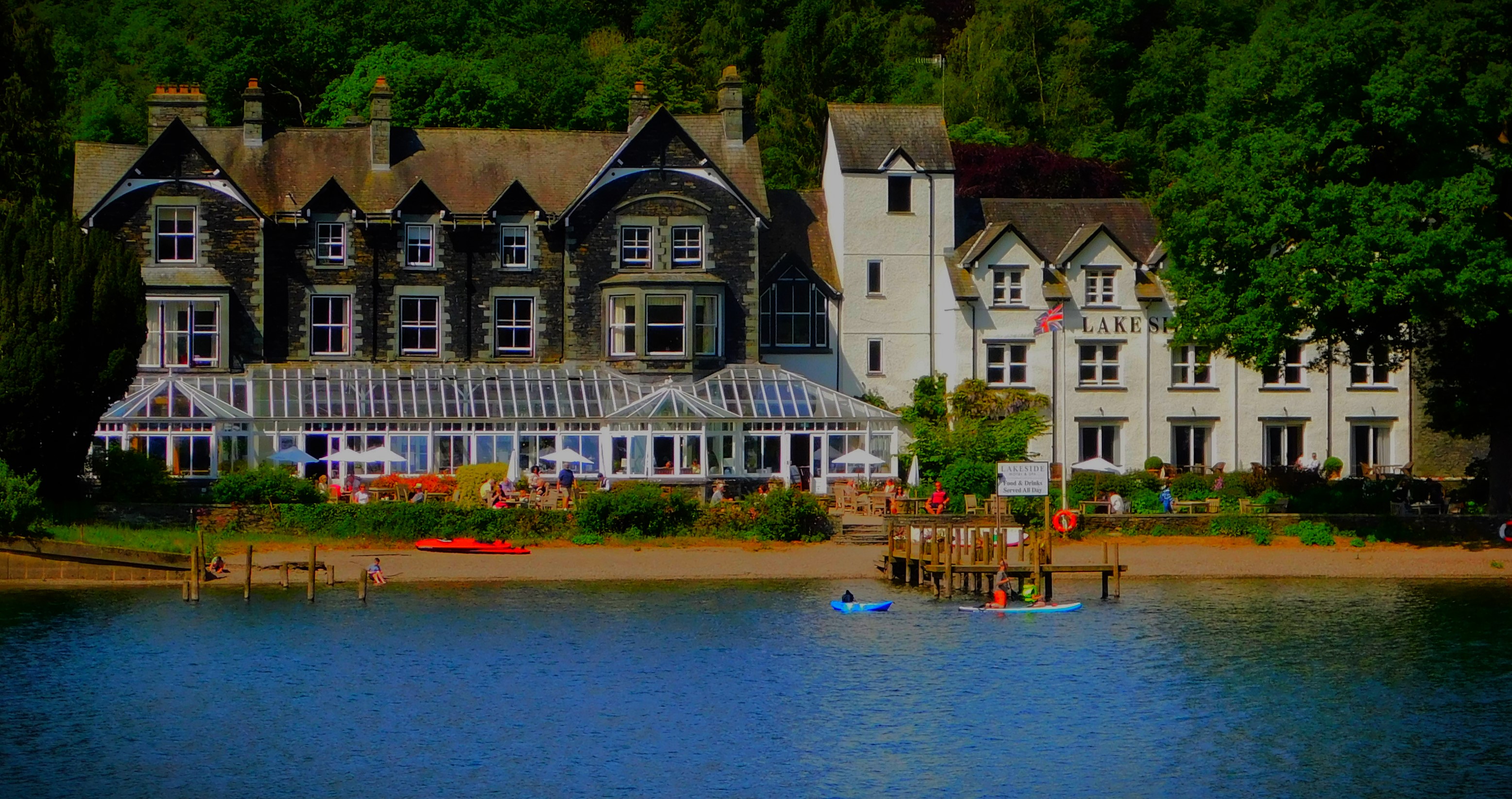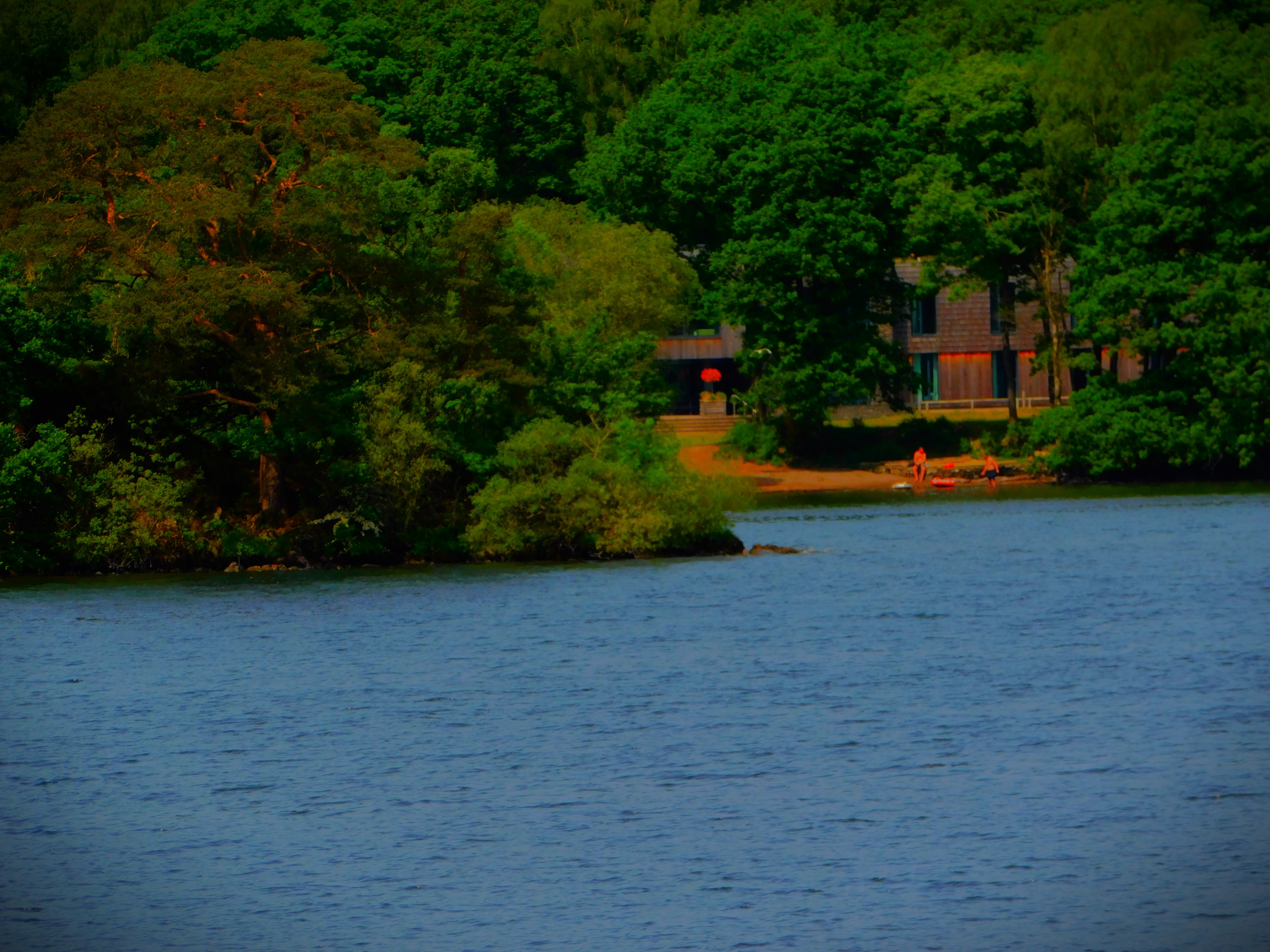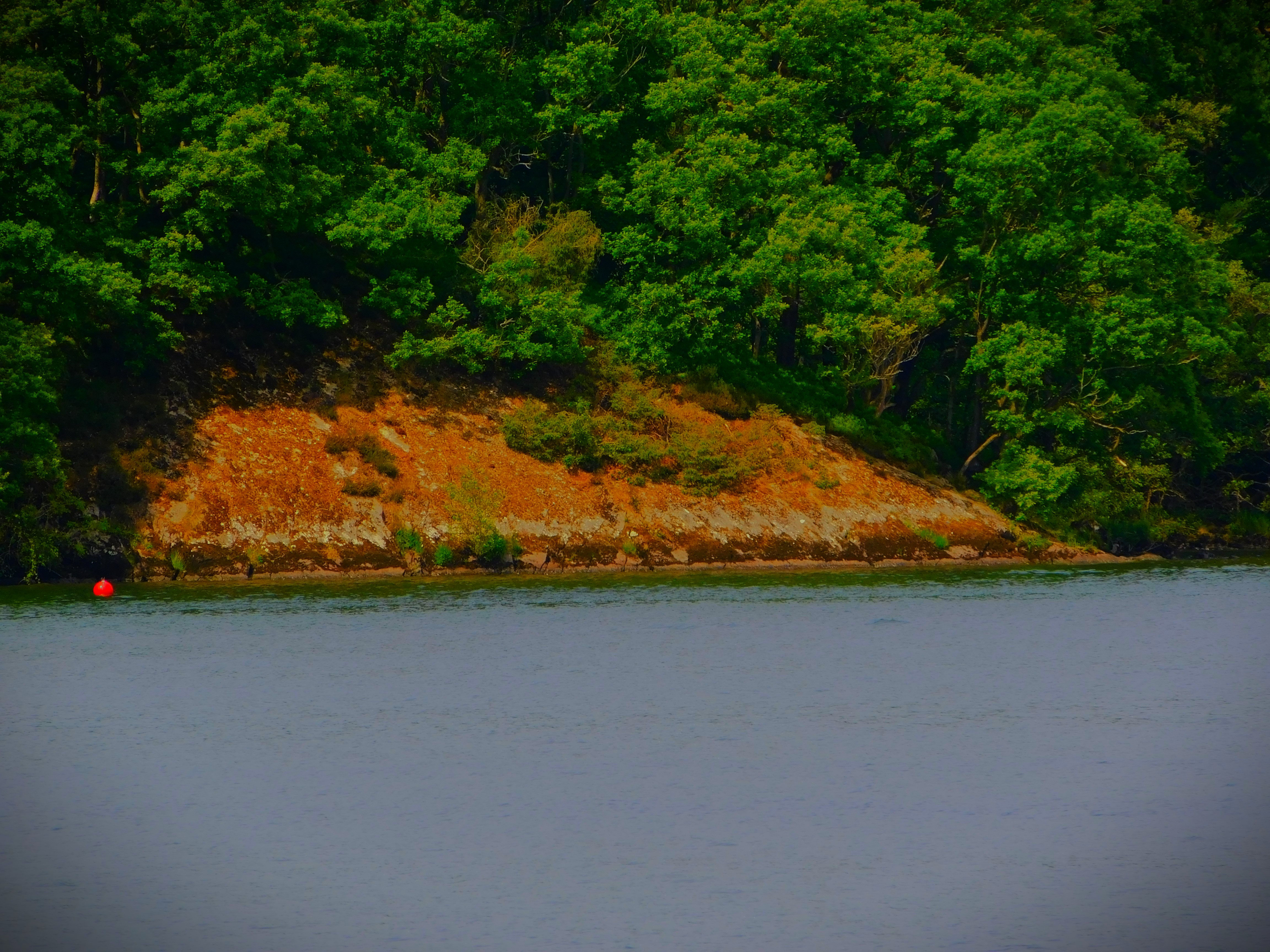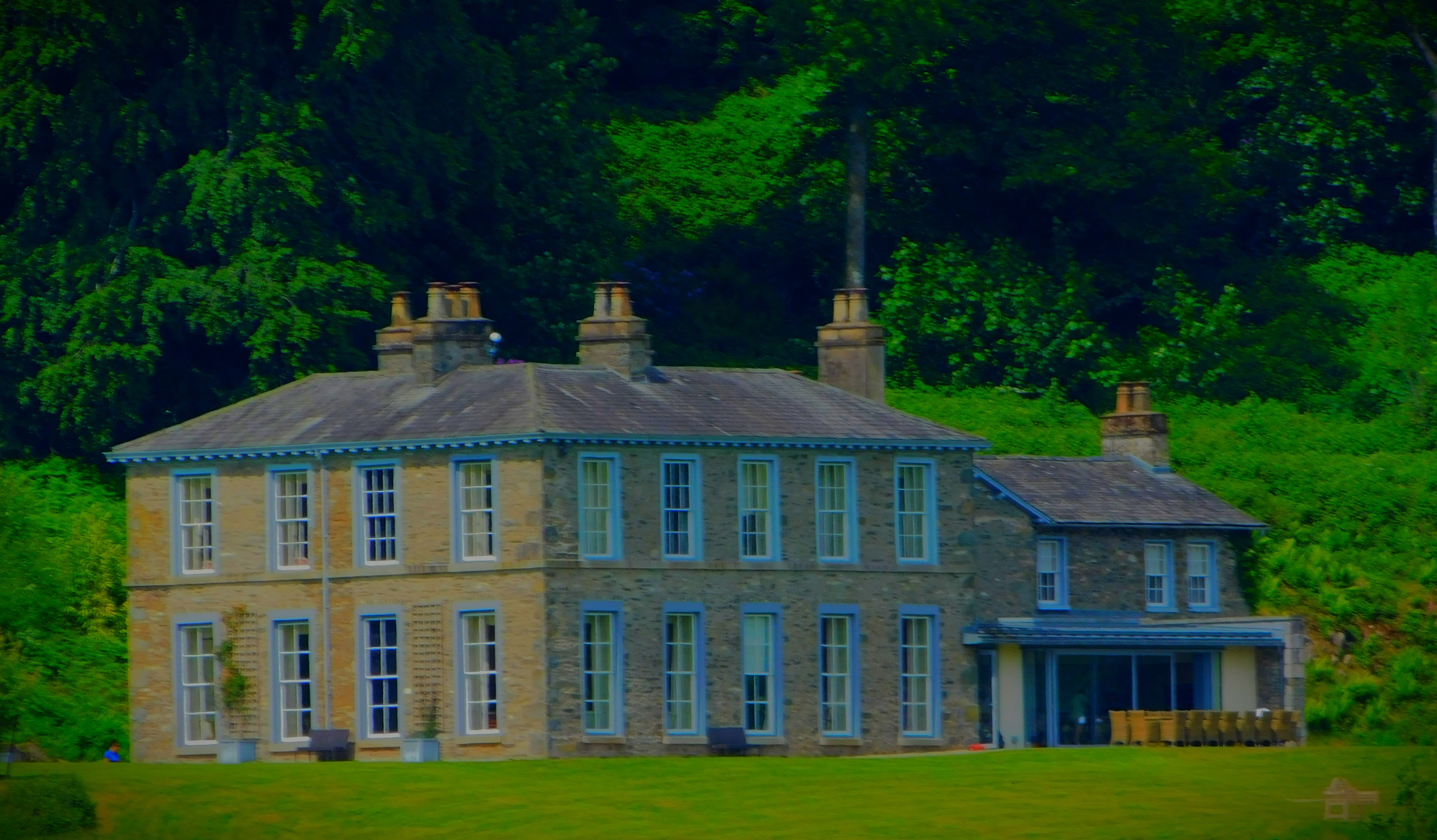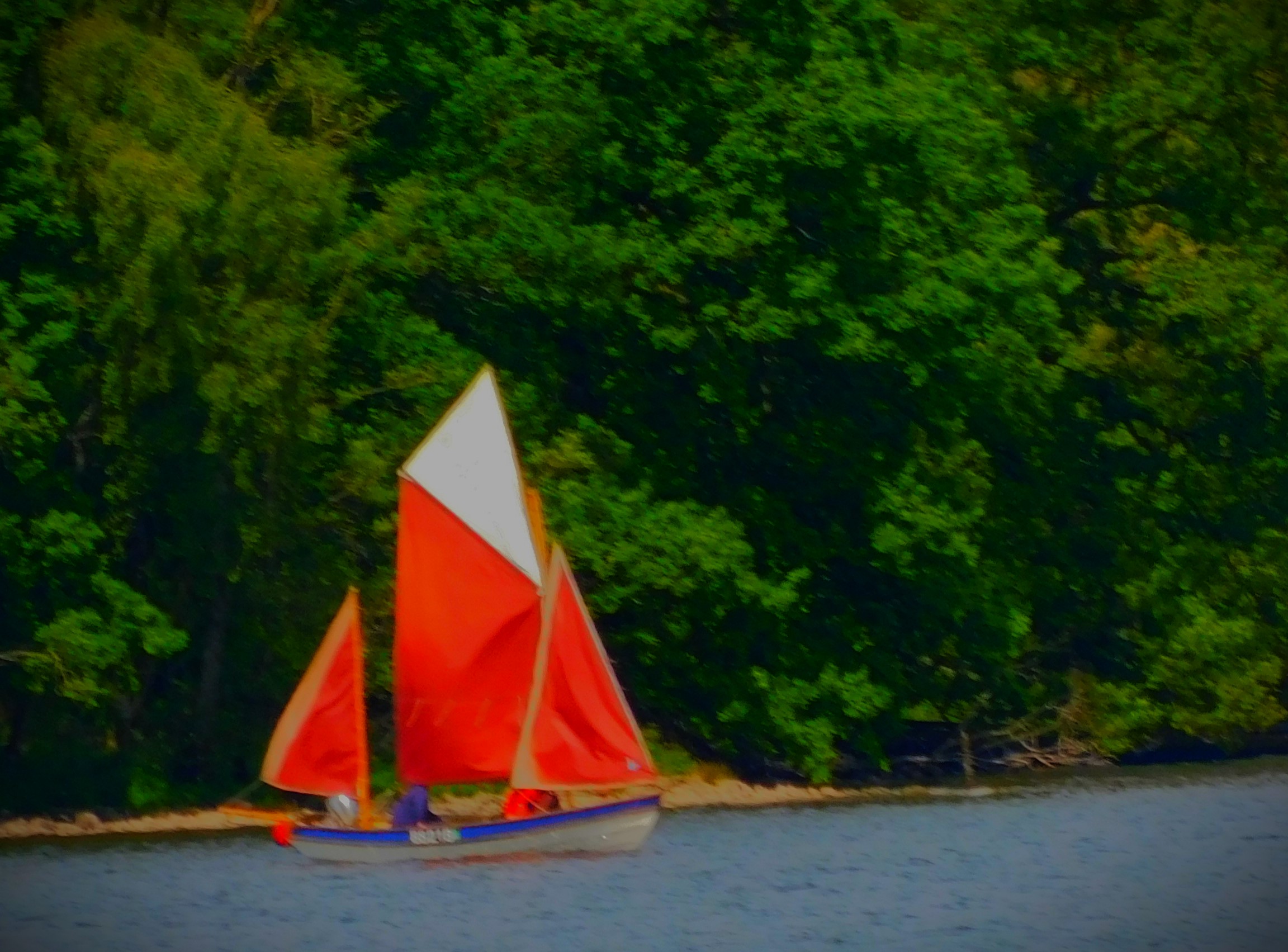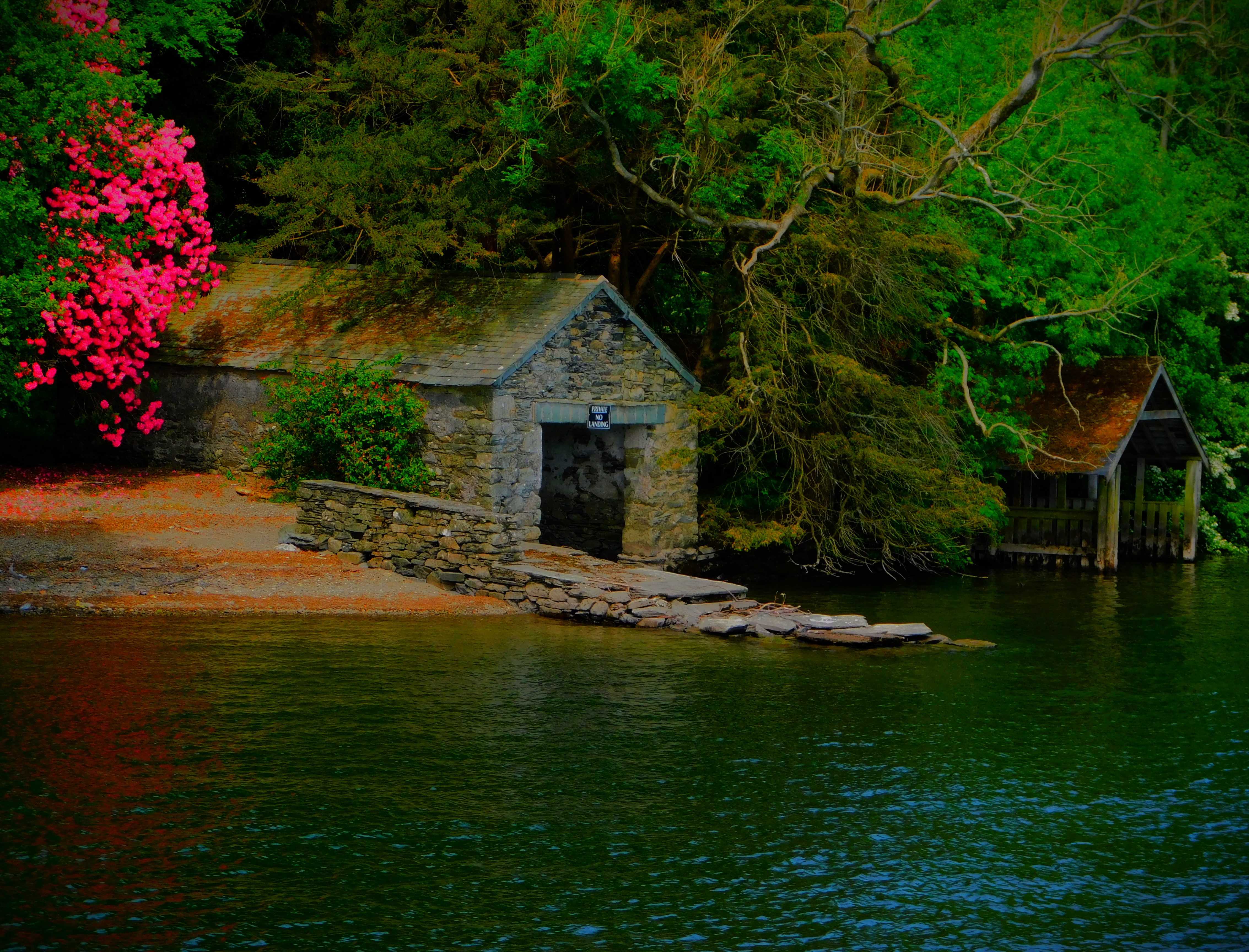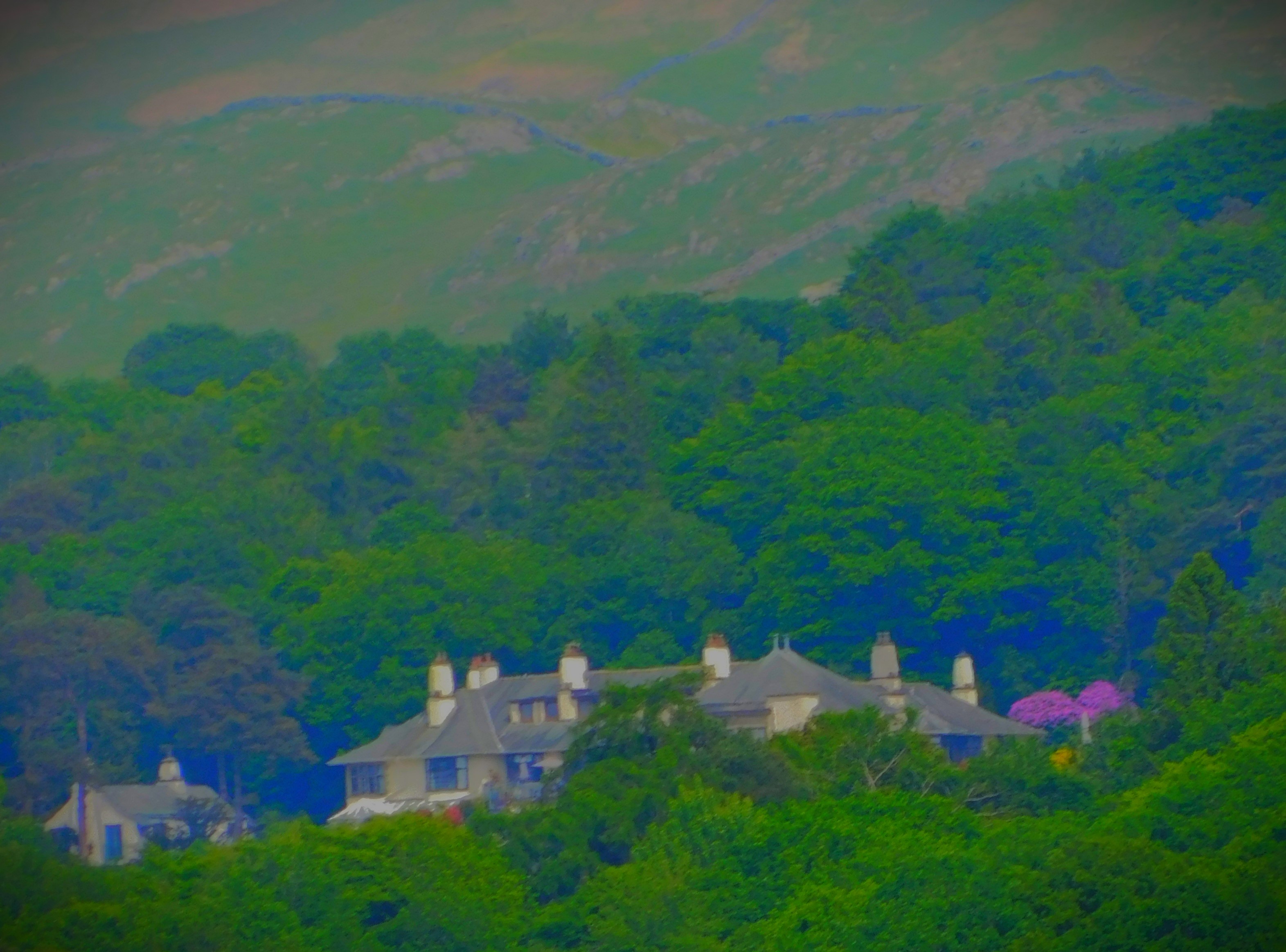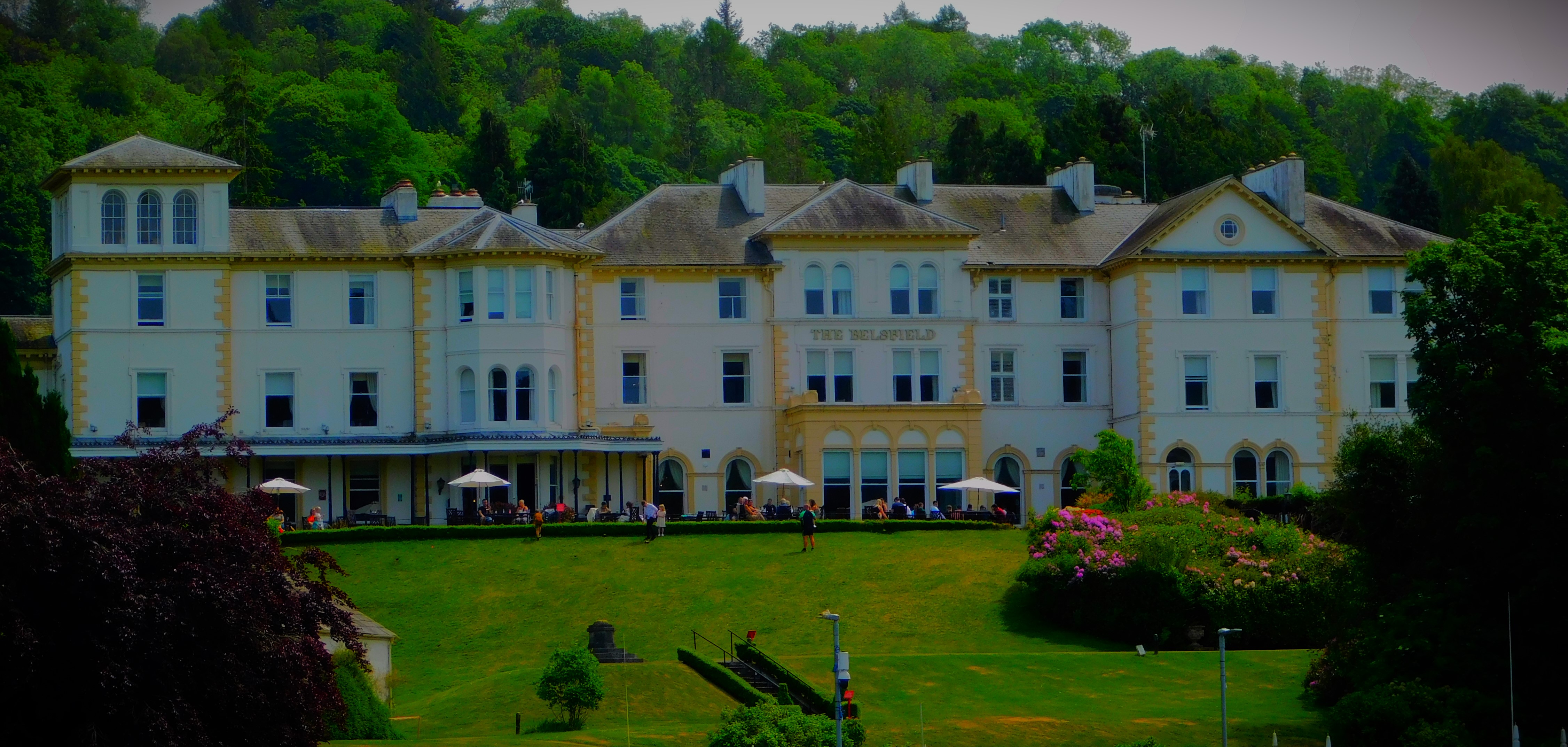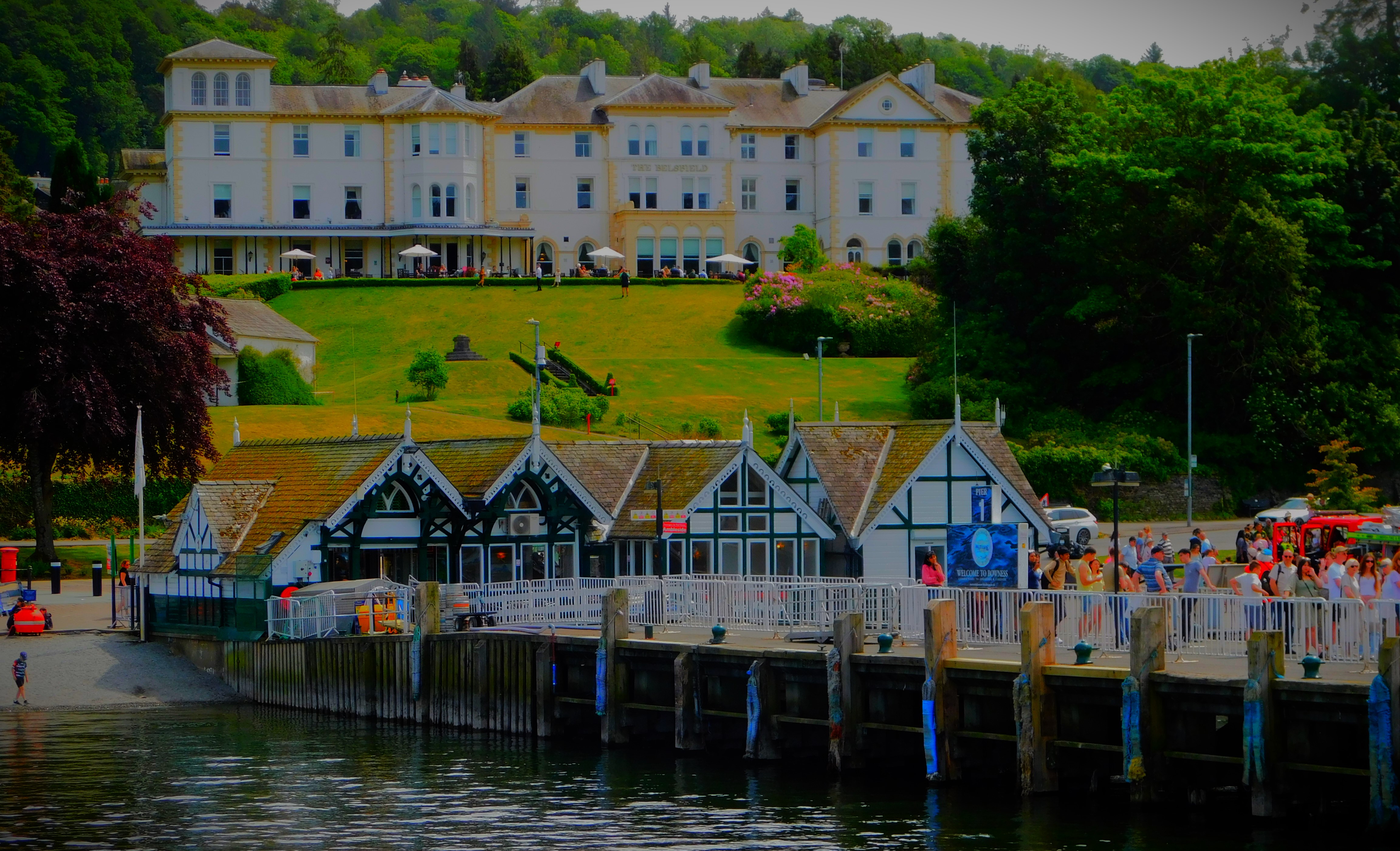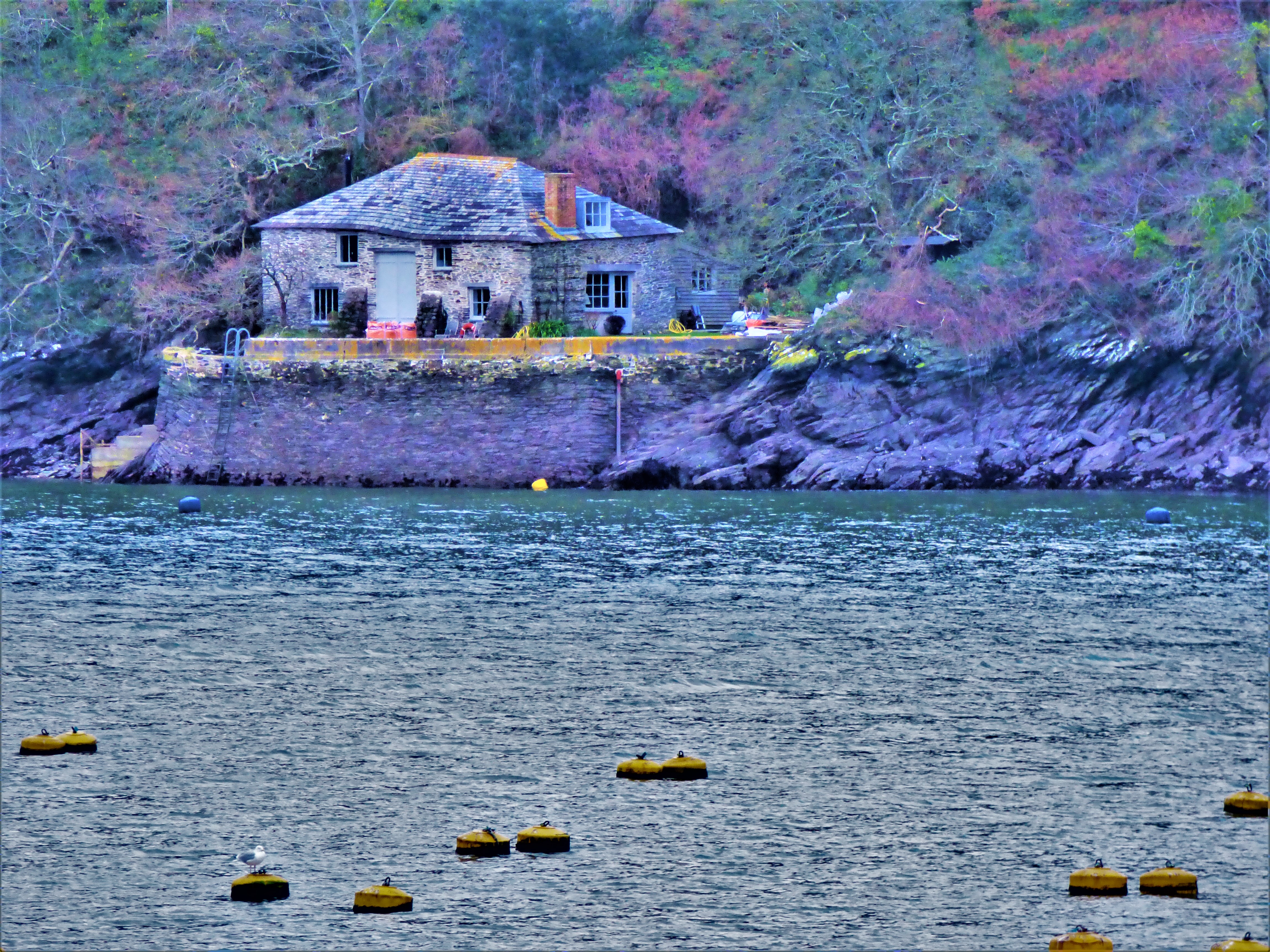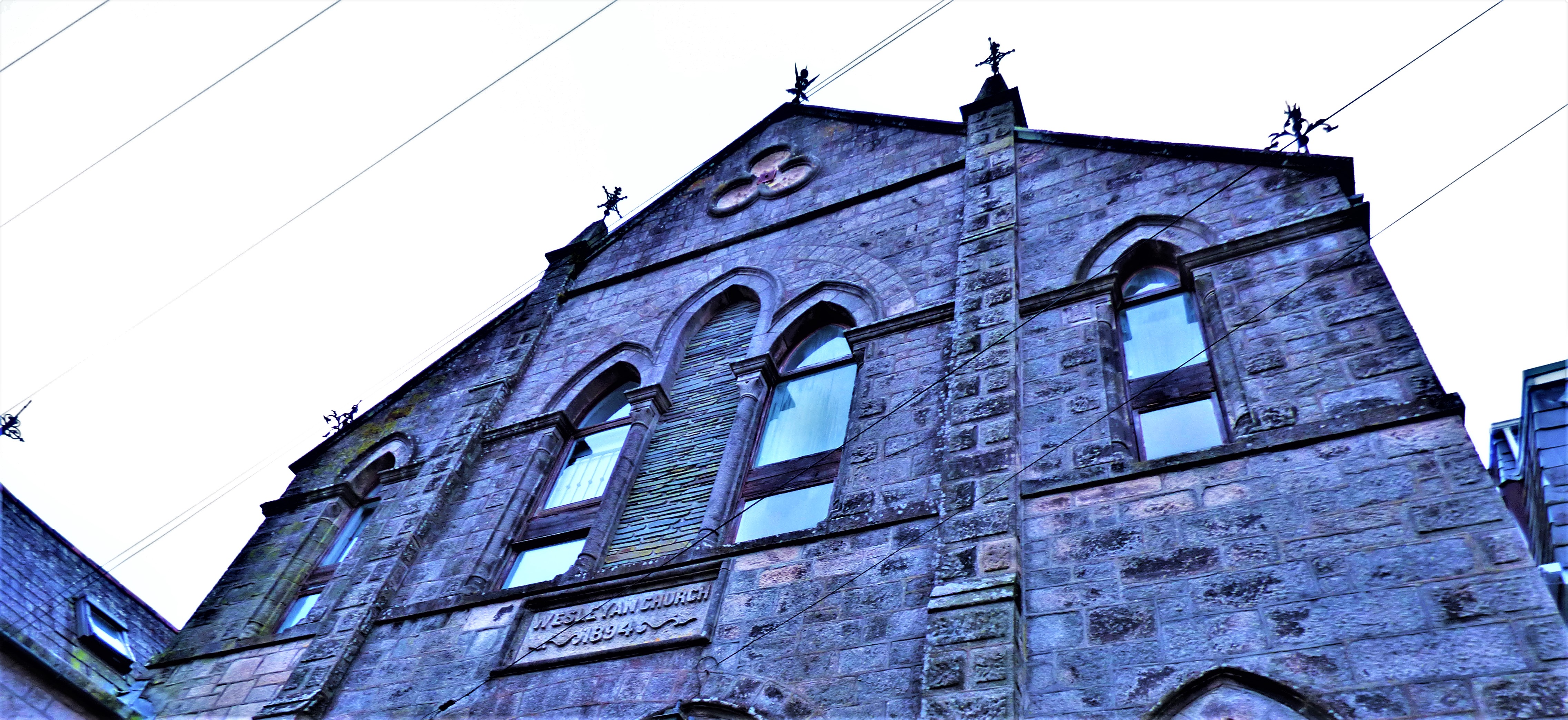
A look at the Charles Rennie Mackintosh building, the village of Comrie and the river Earn. Also a waterfall video.
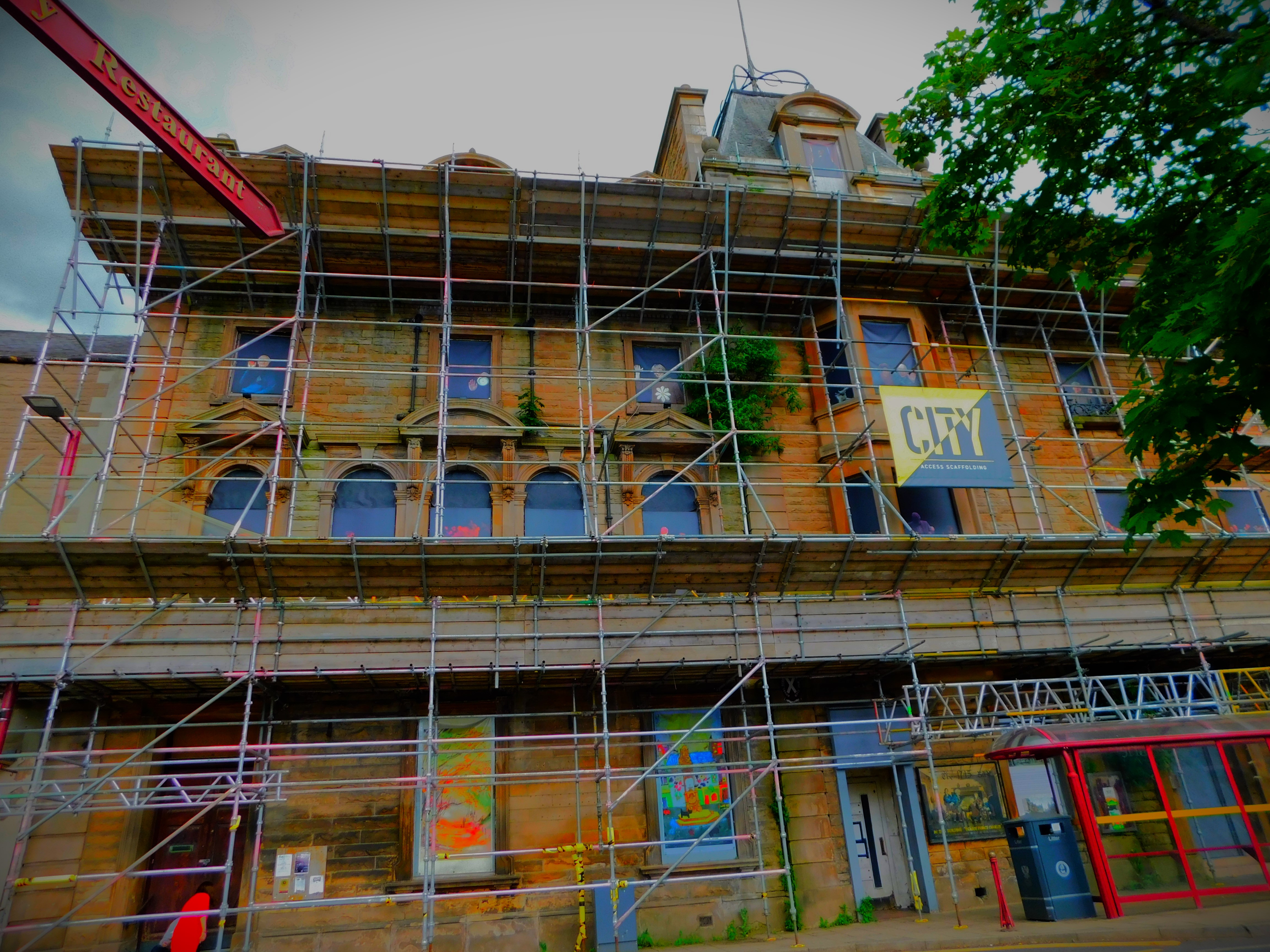
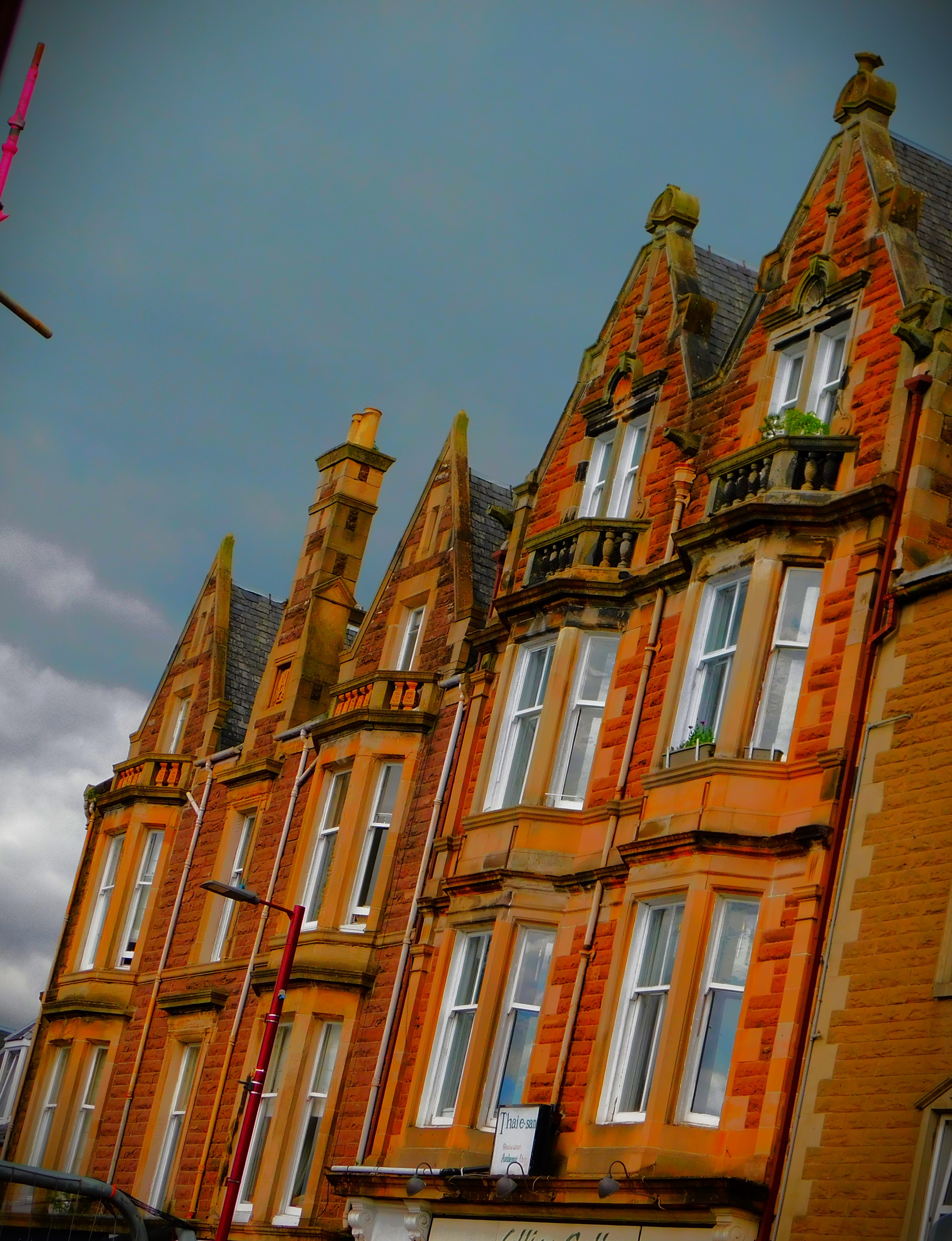
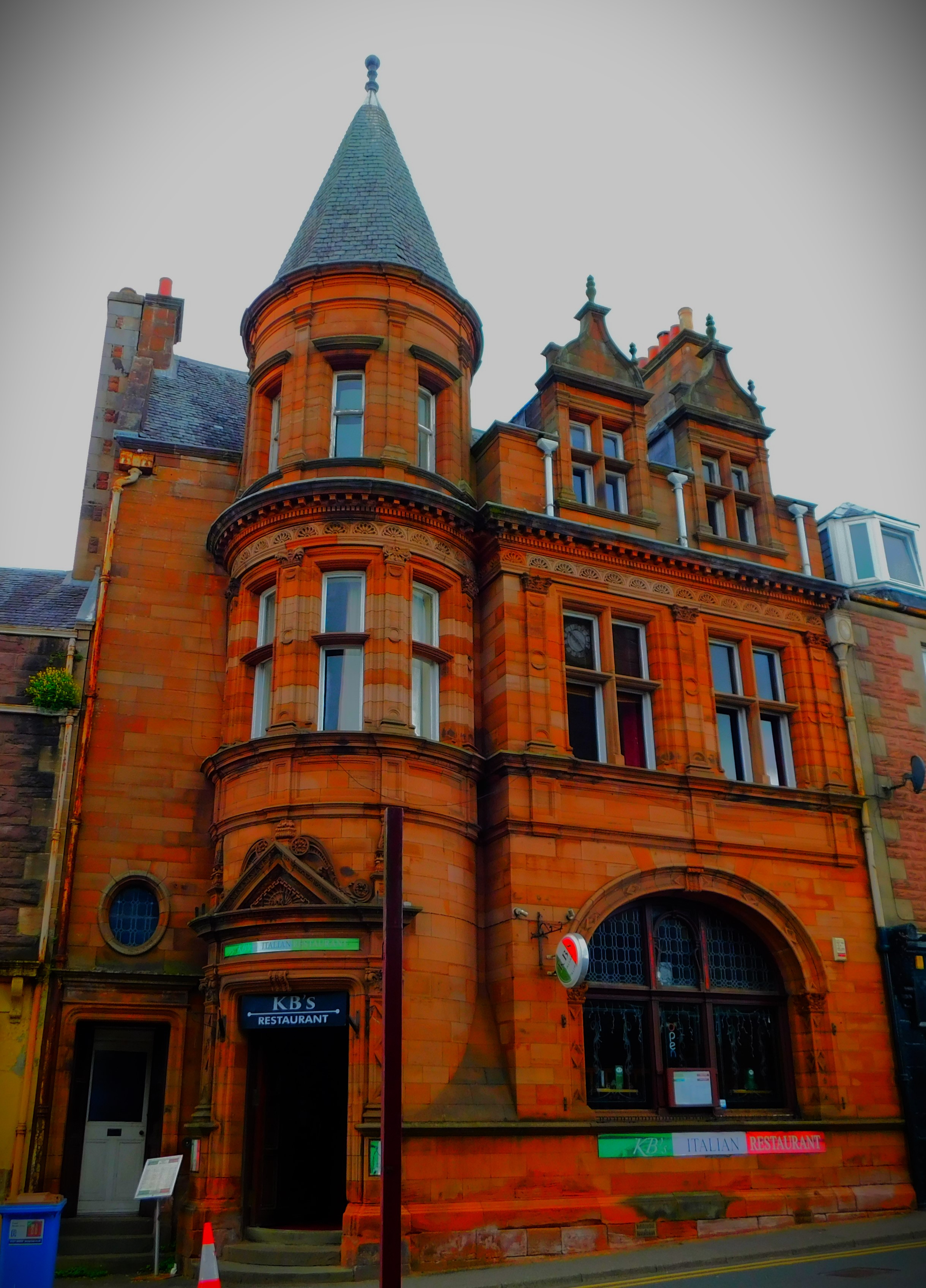
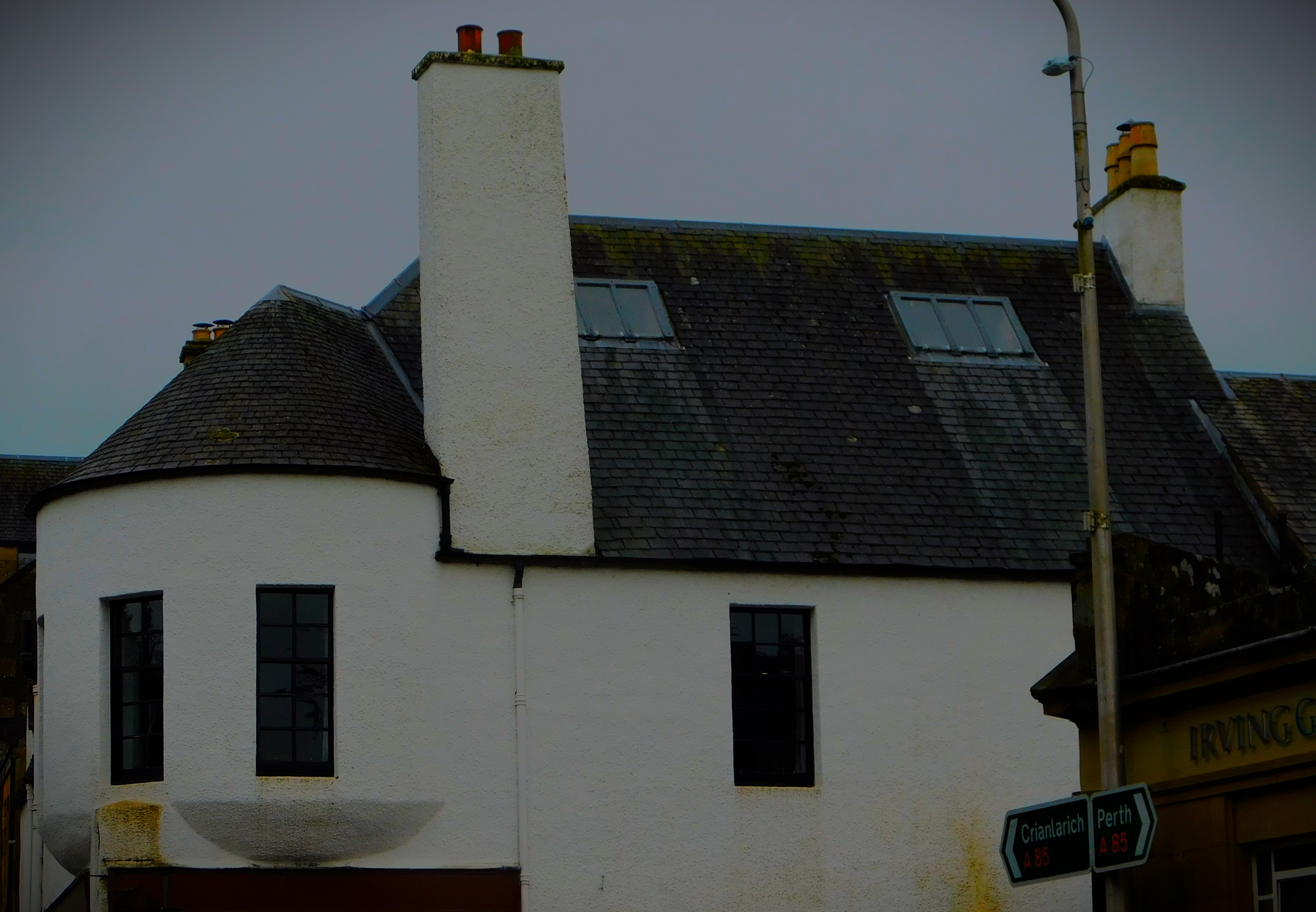
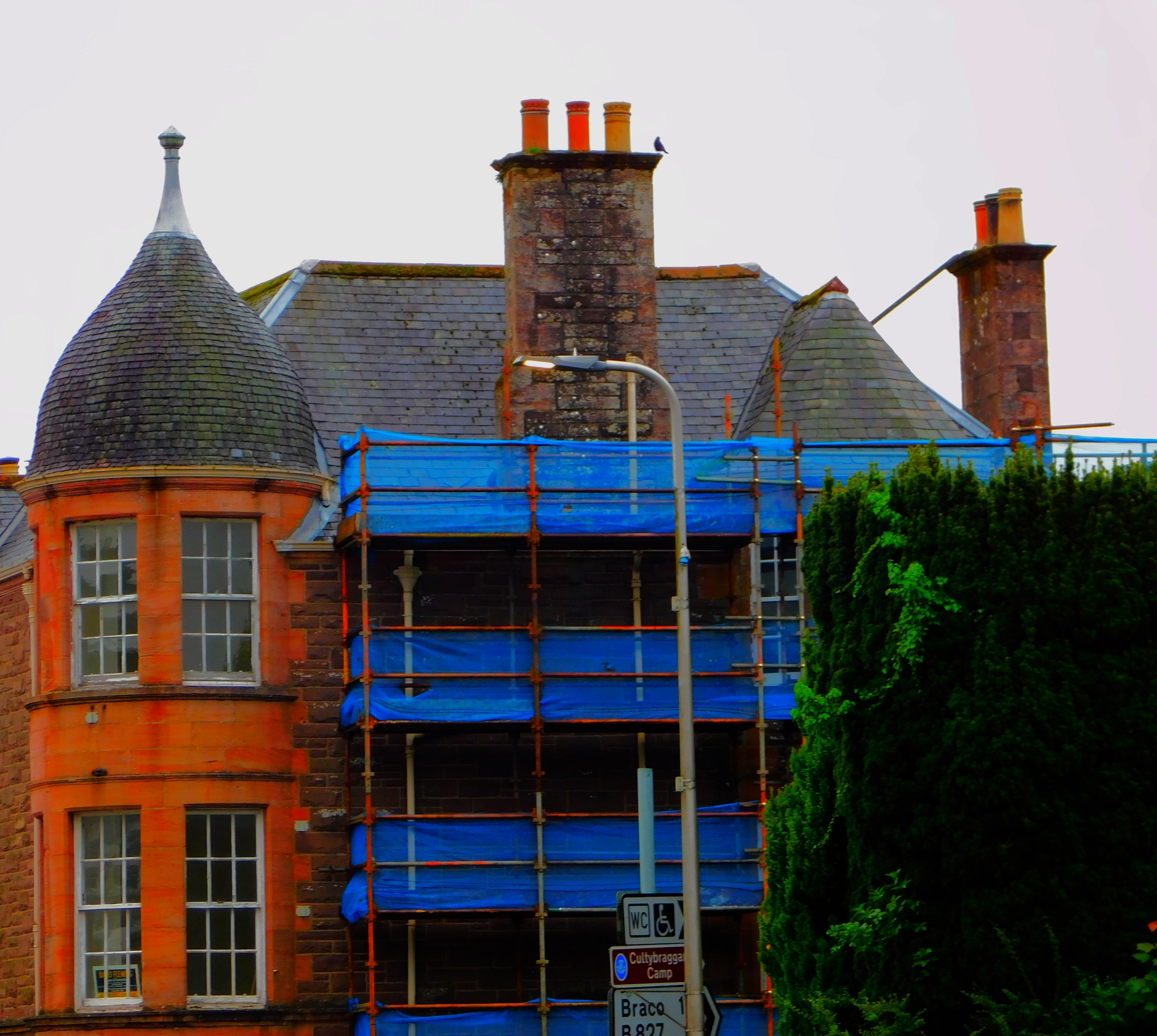
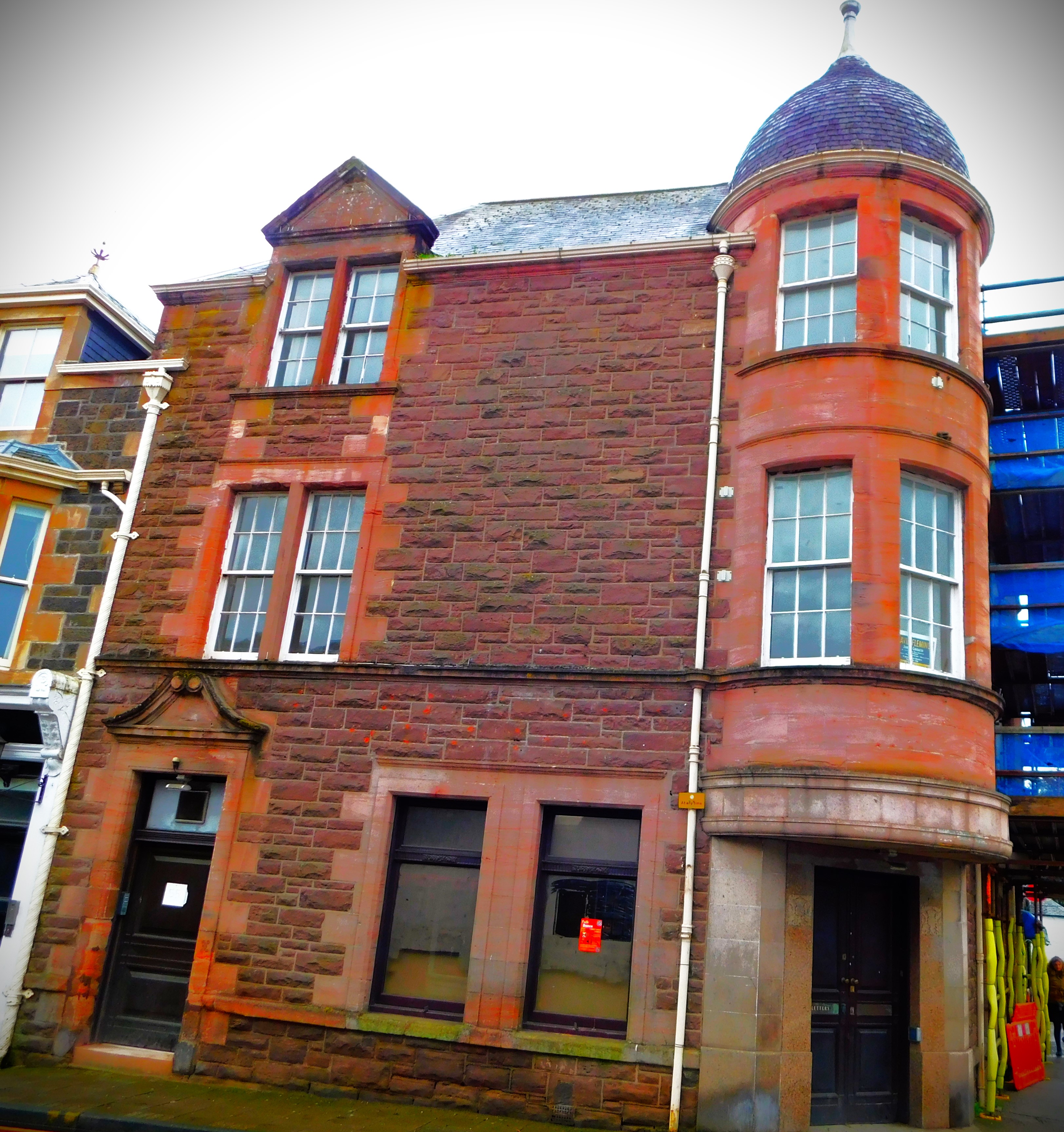
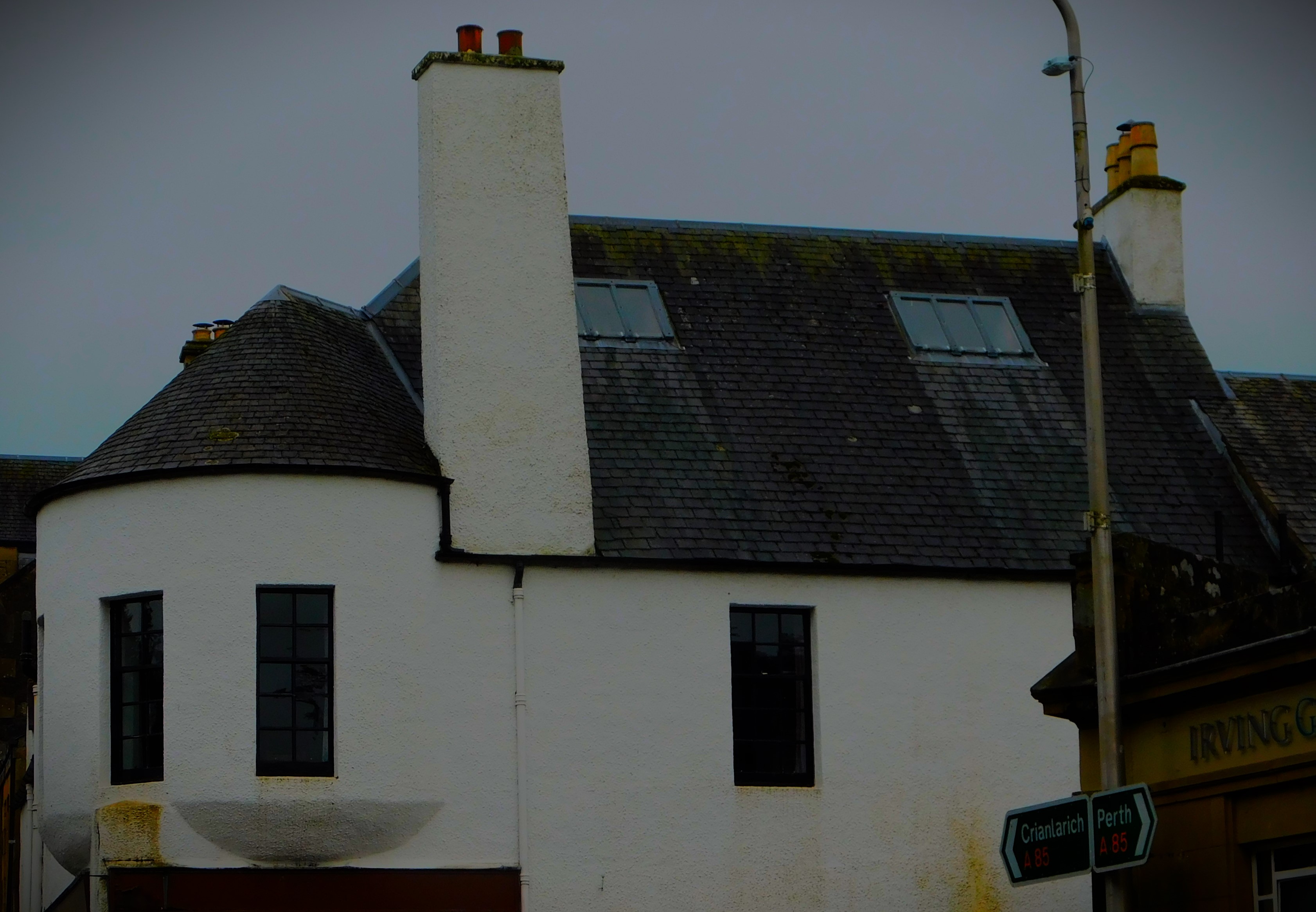
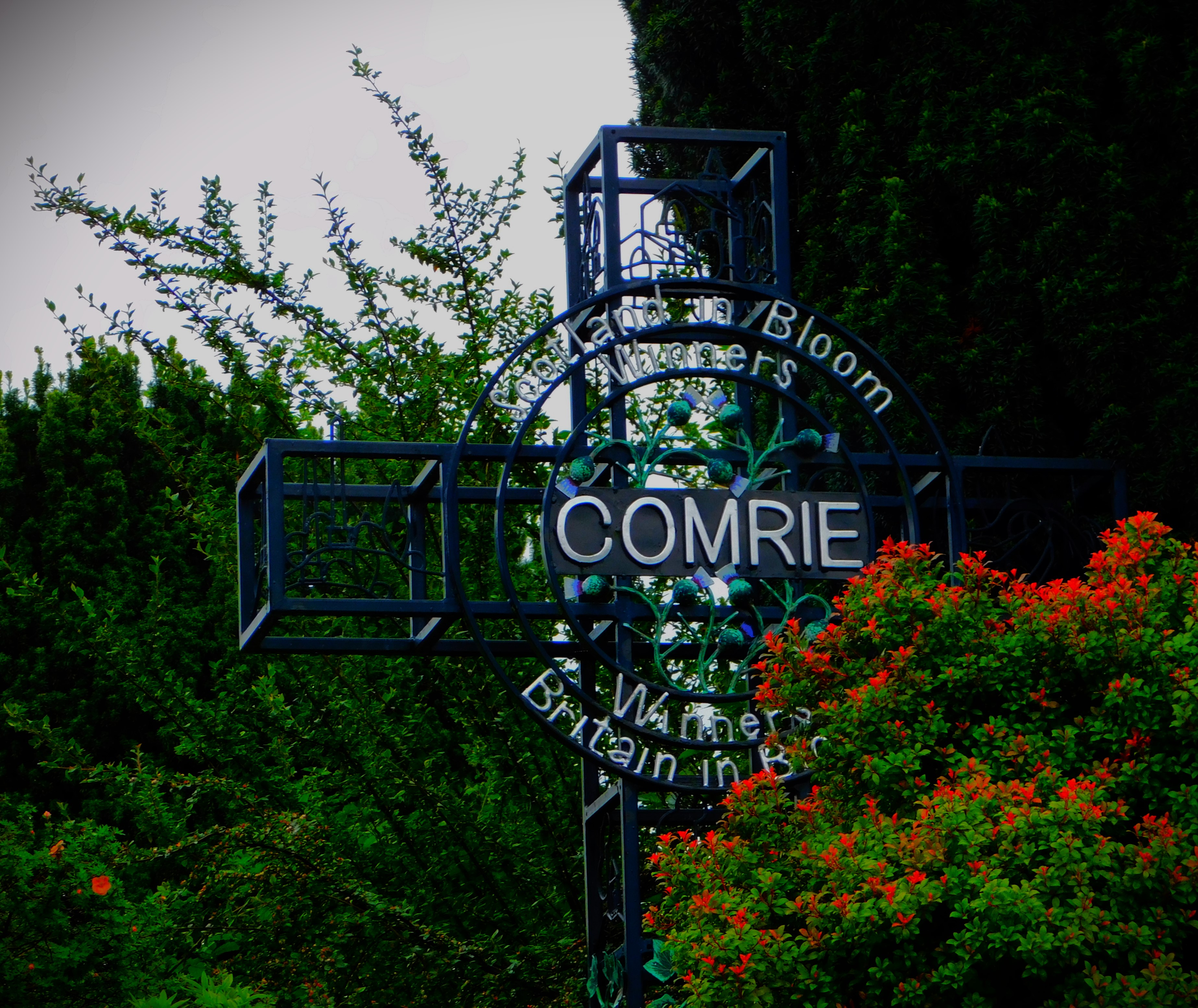
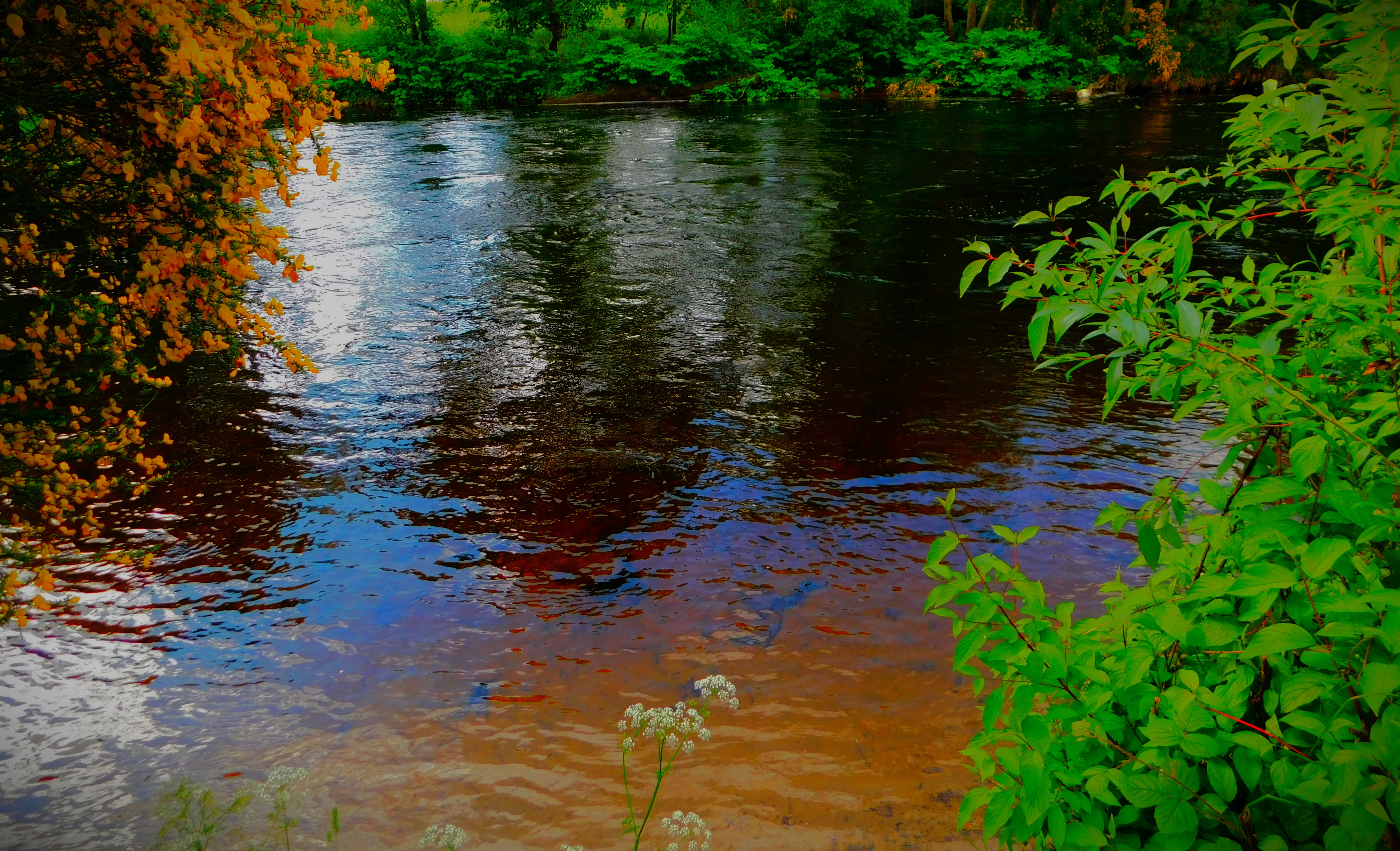
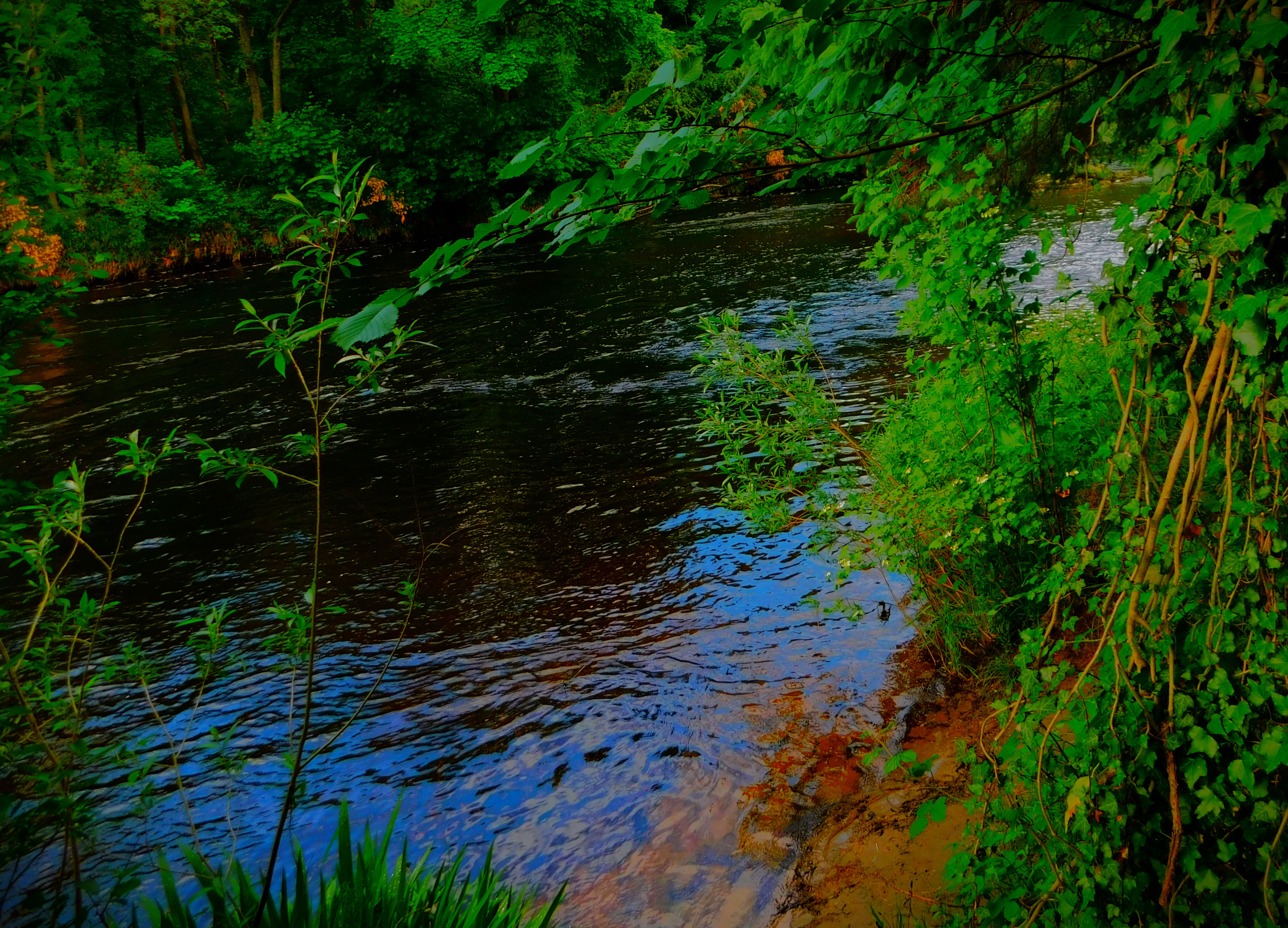
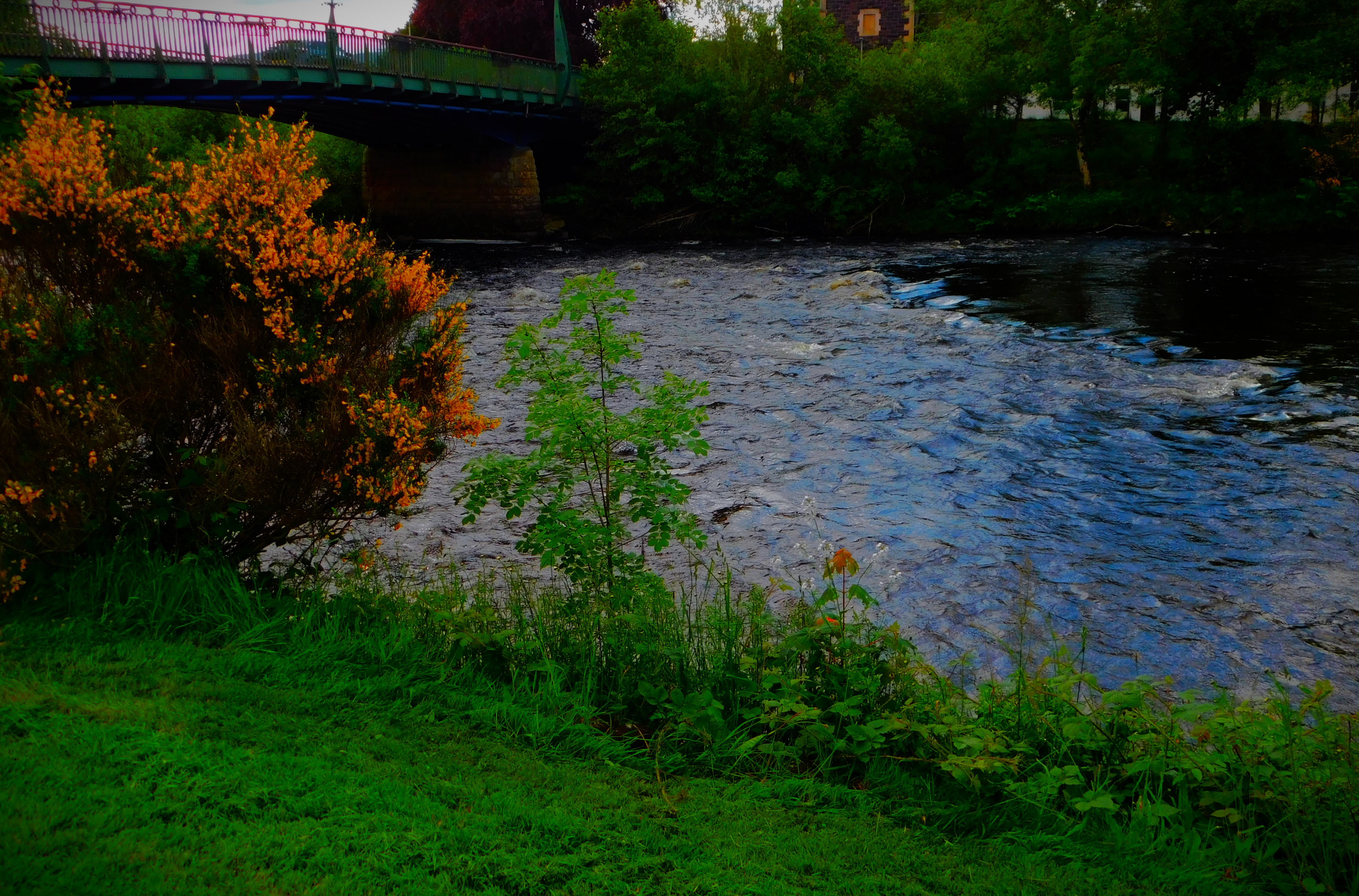
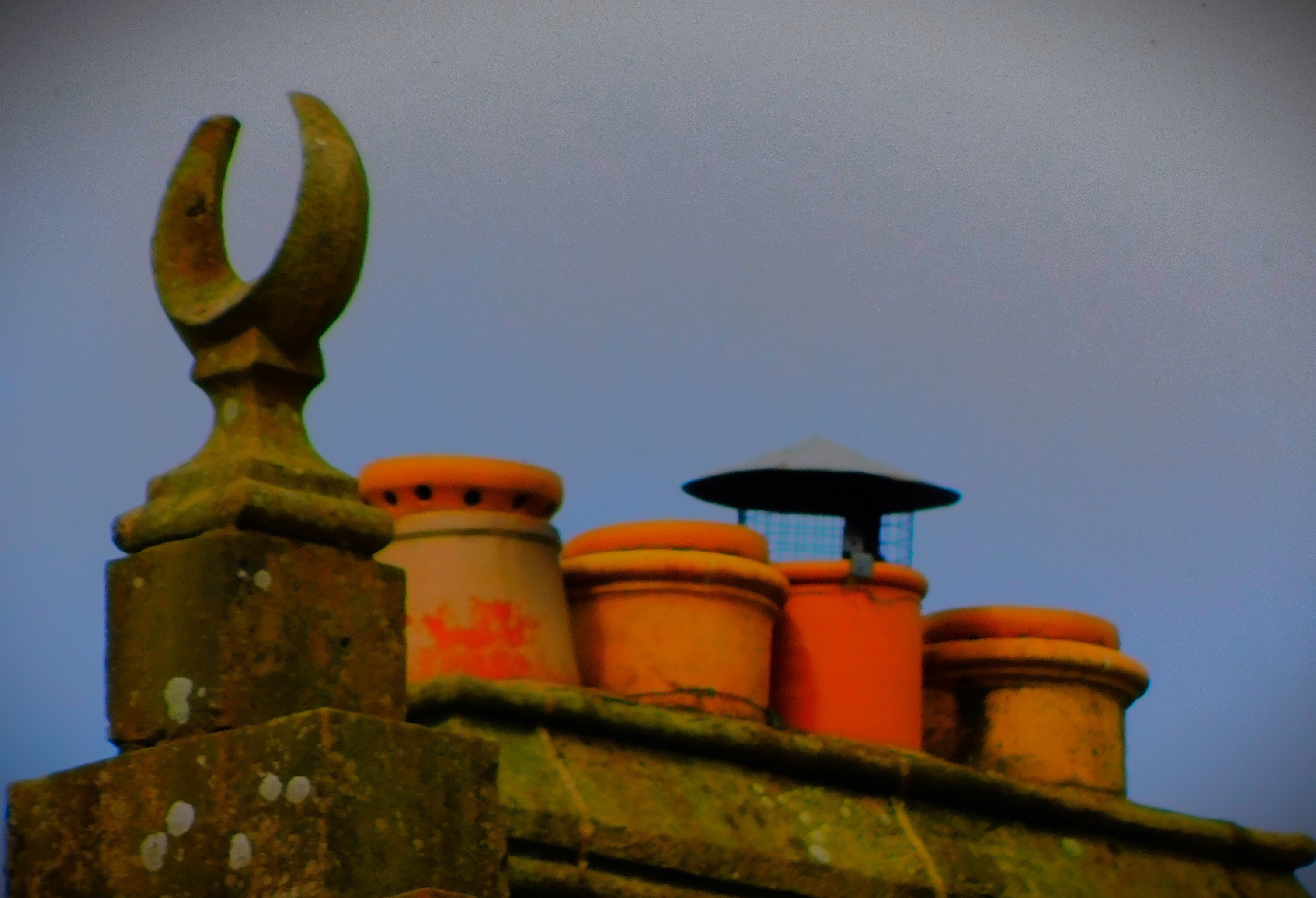
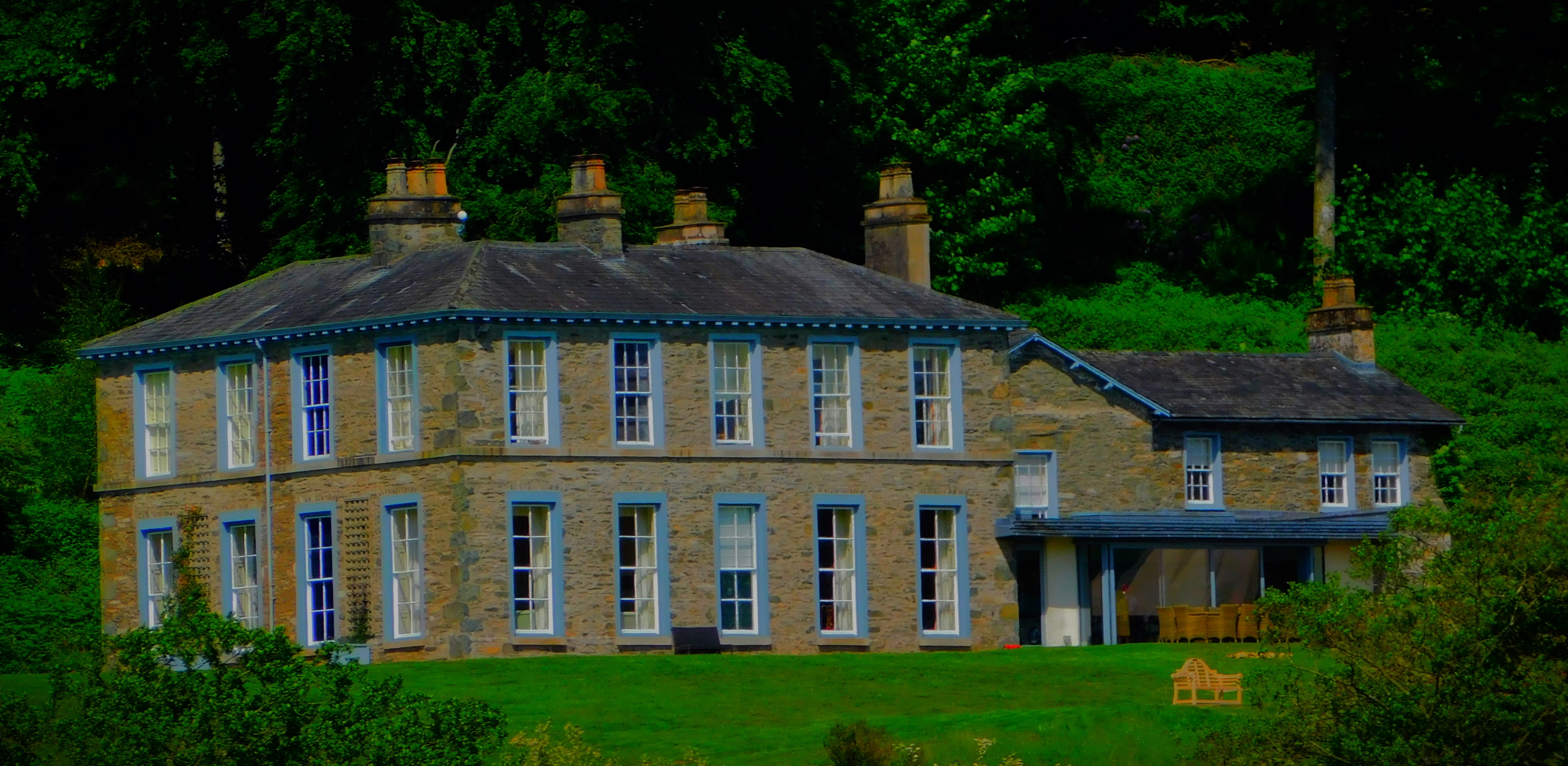
Welcome to the next post in my series about my holiday in Scotland. This post looks at the house itself and the the village of Comrie including the river Earn. It is in the nature of clearing the decks for the more specific posts that will follow. This is an outside view of the house itself:
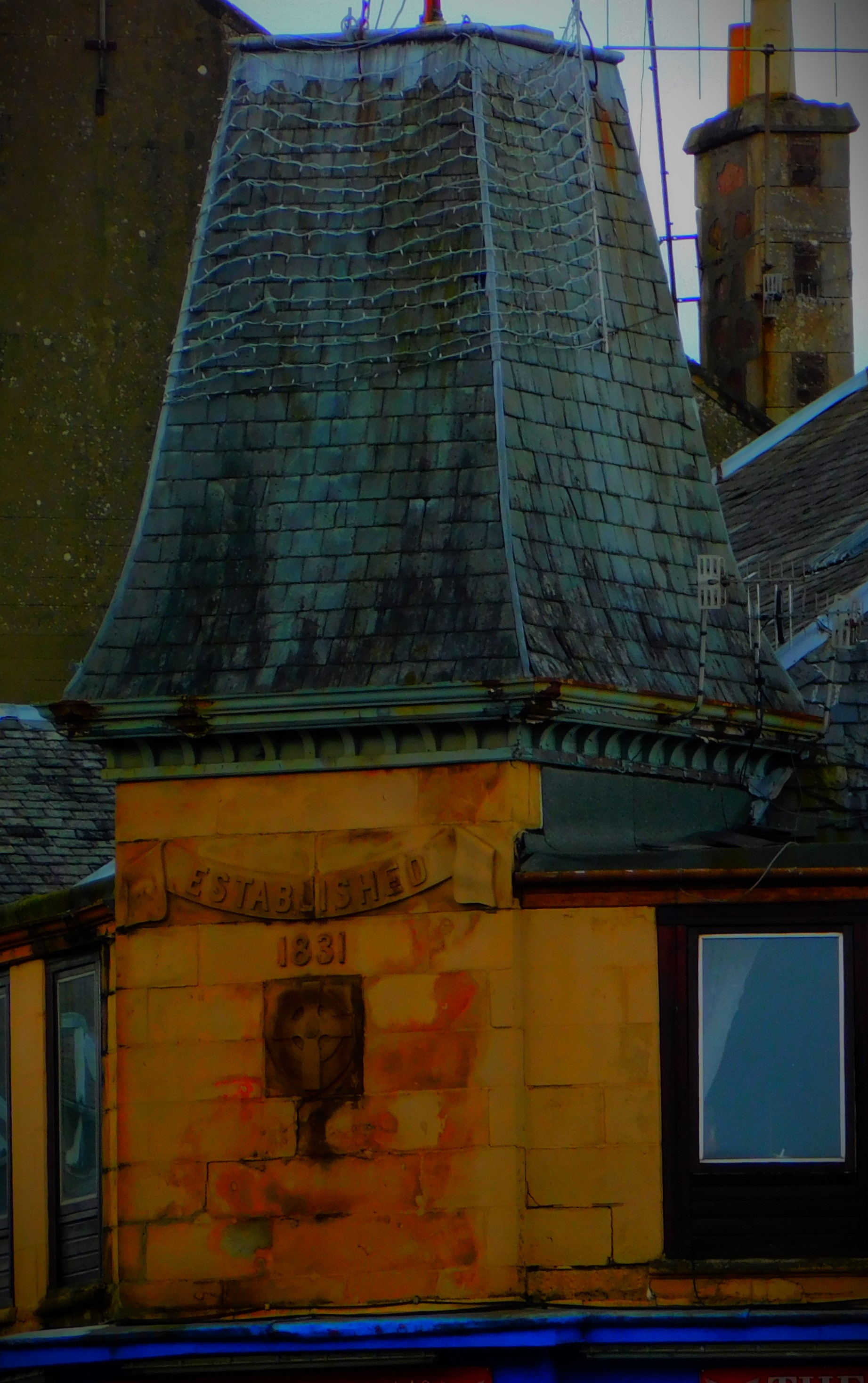
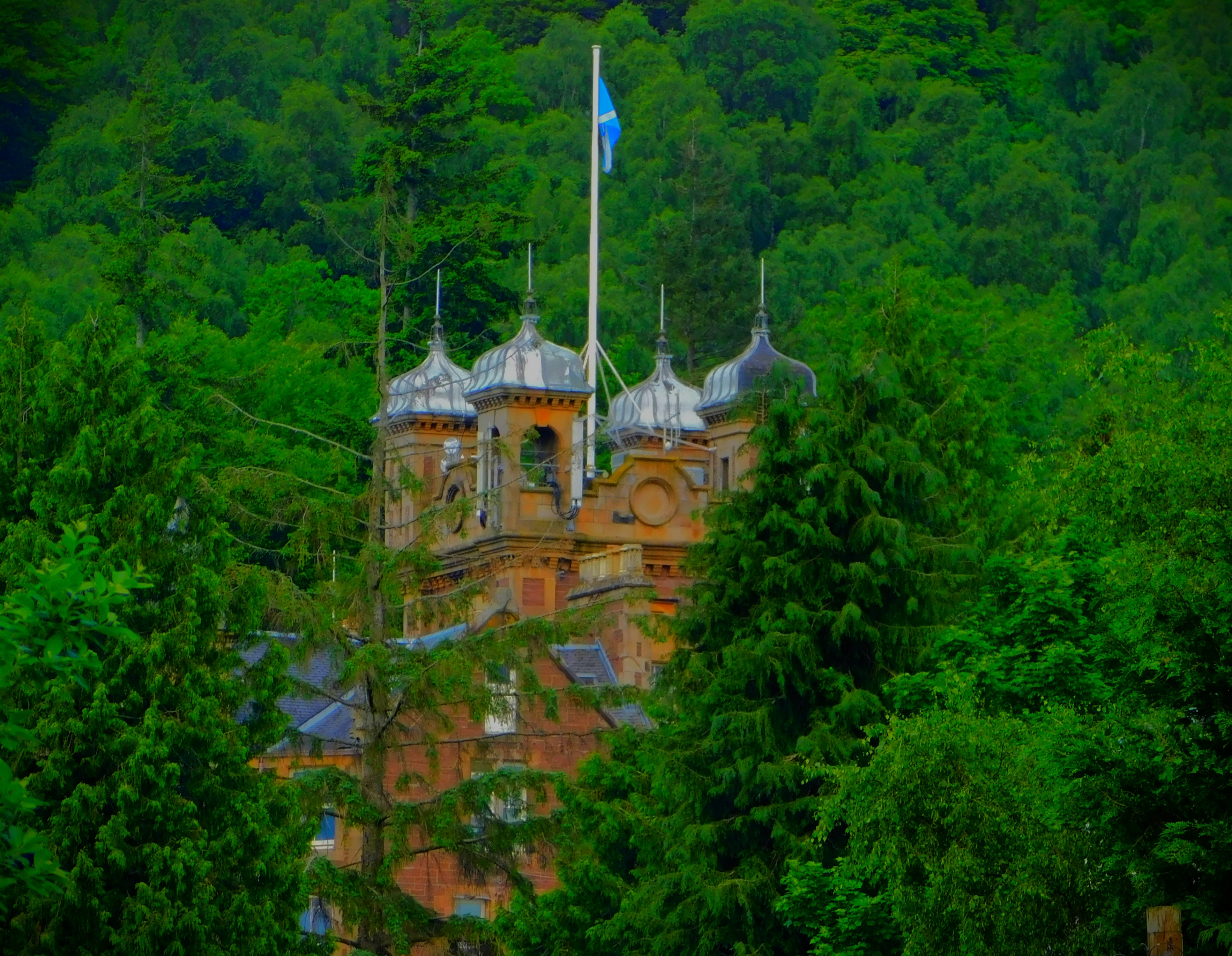
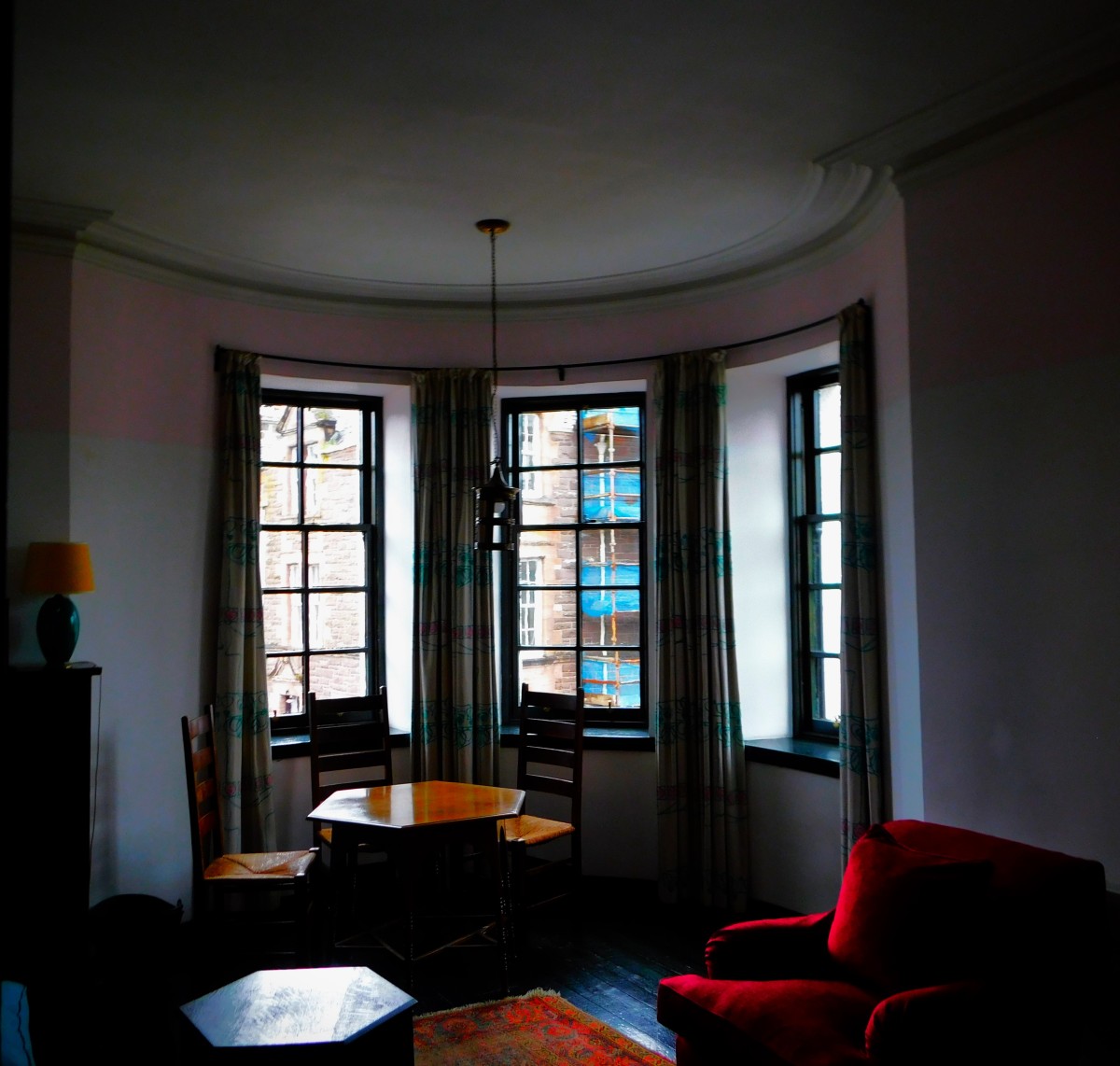
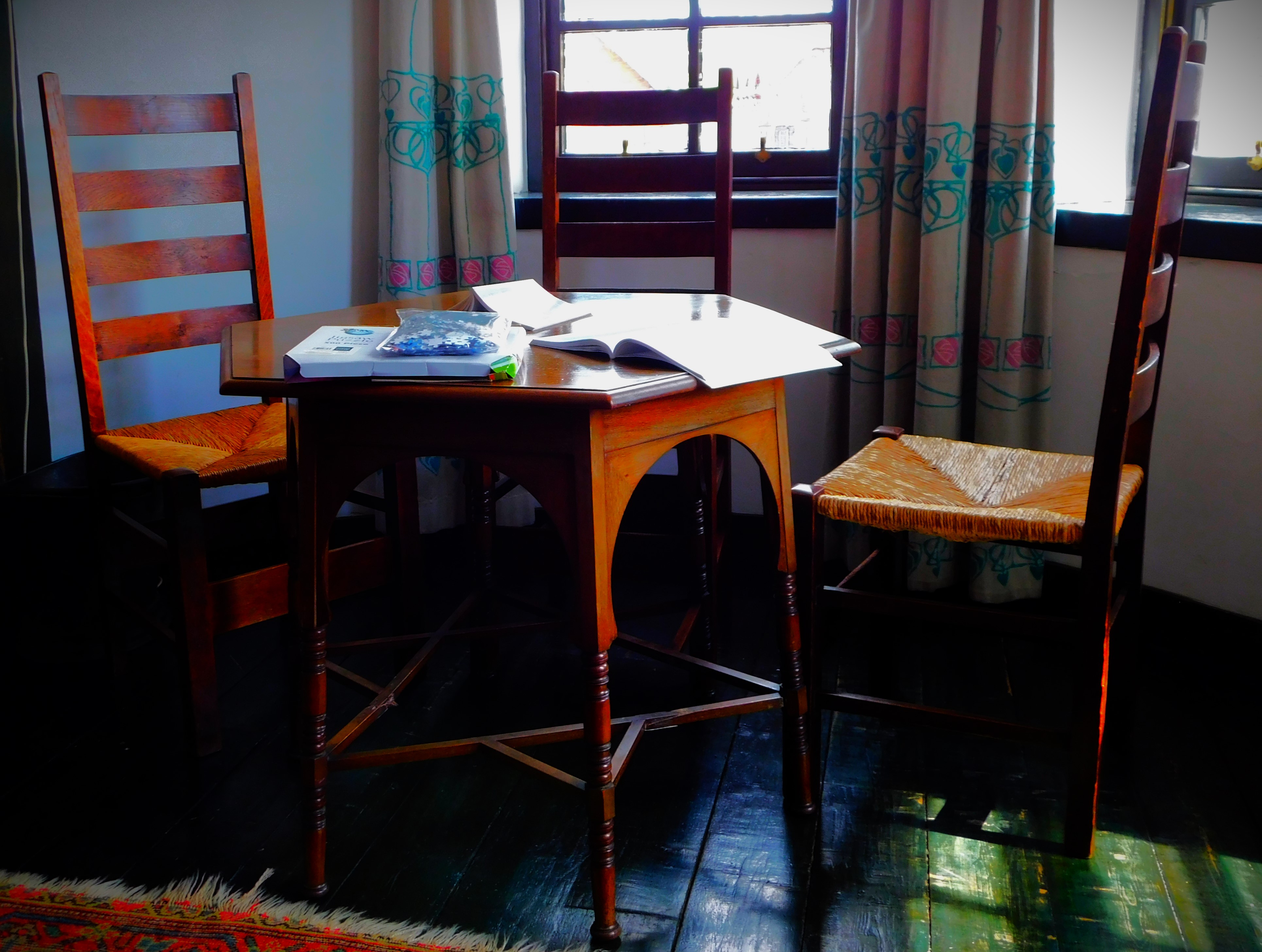
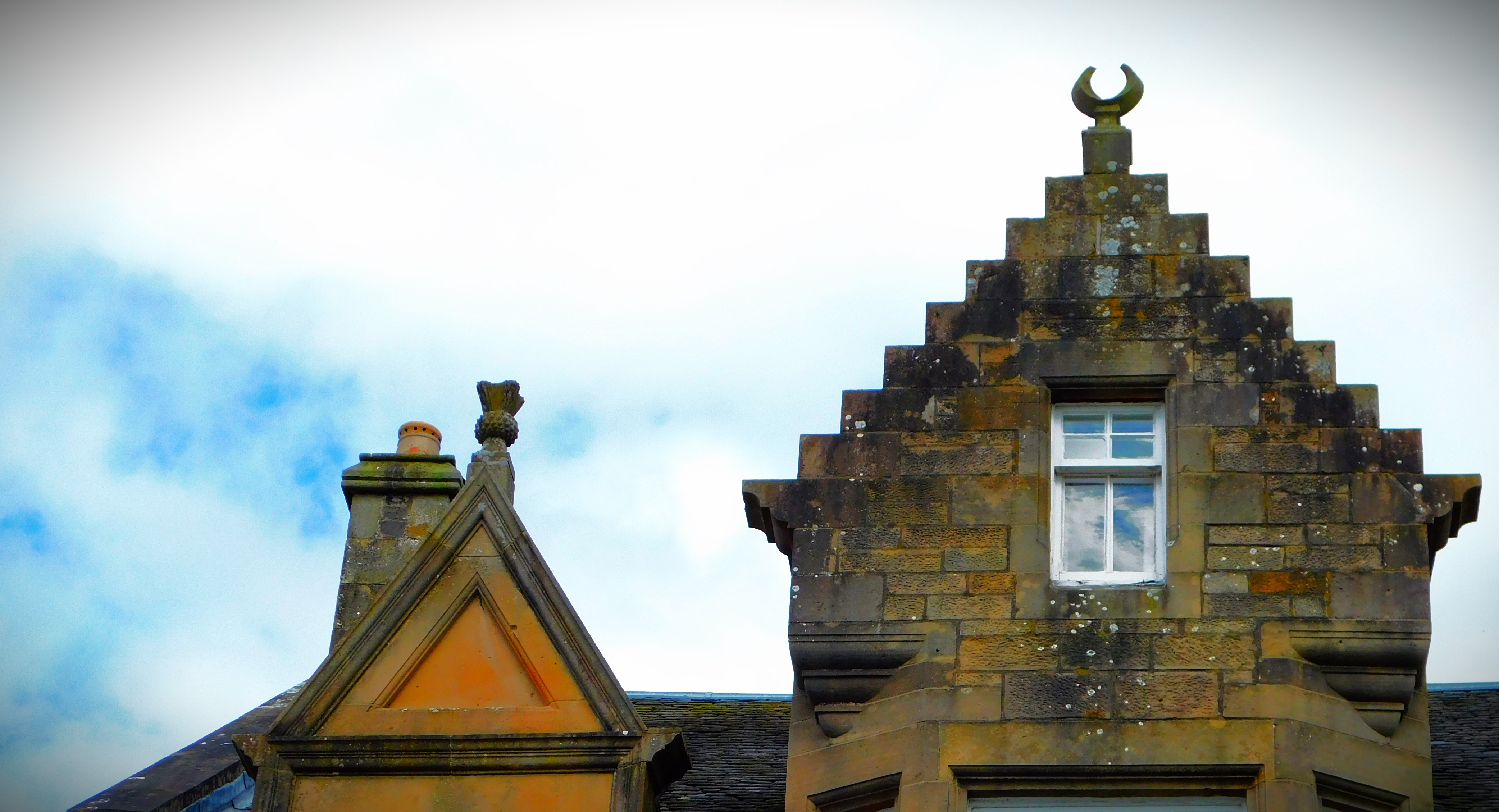
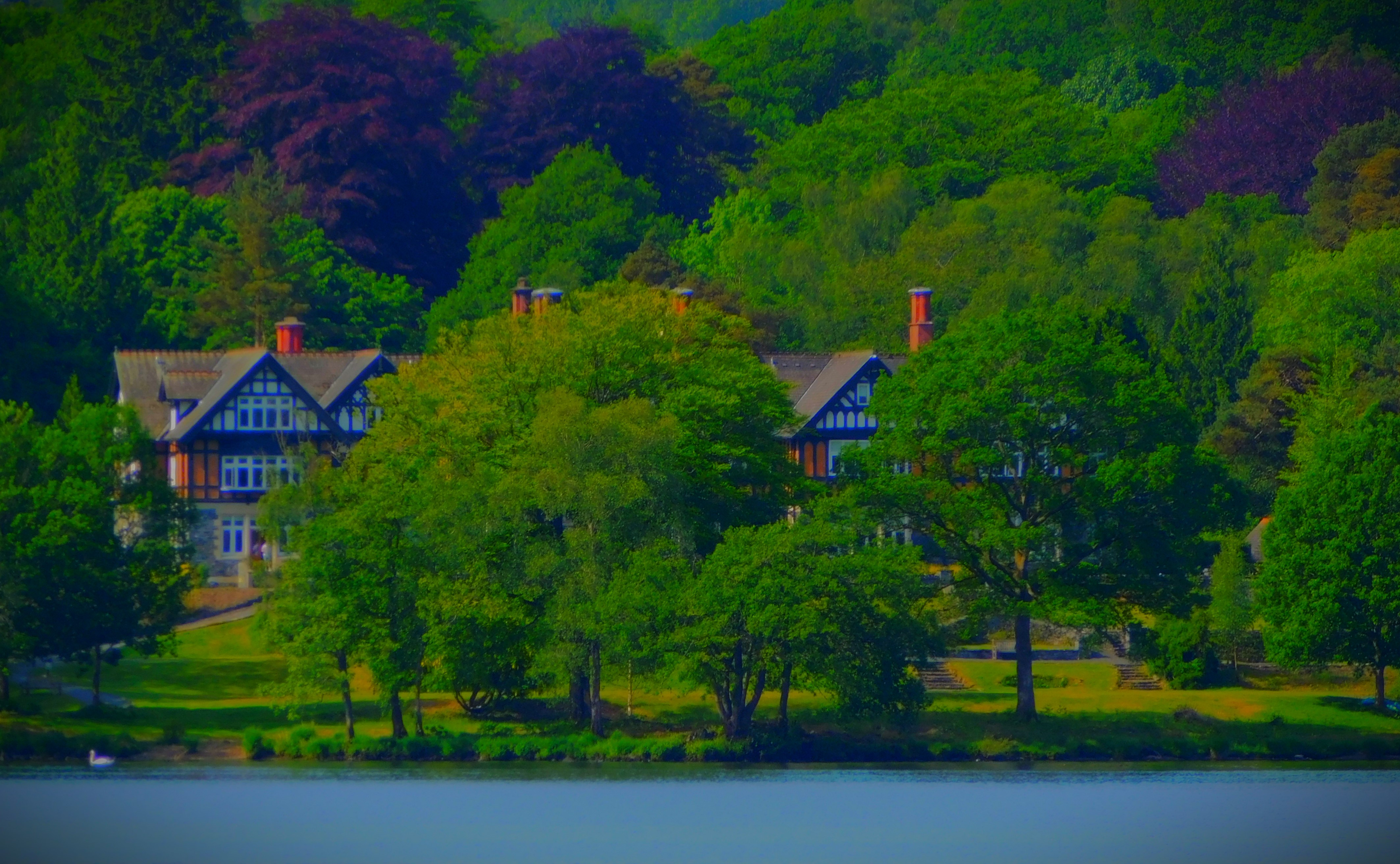
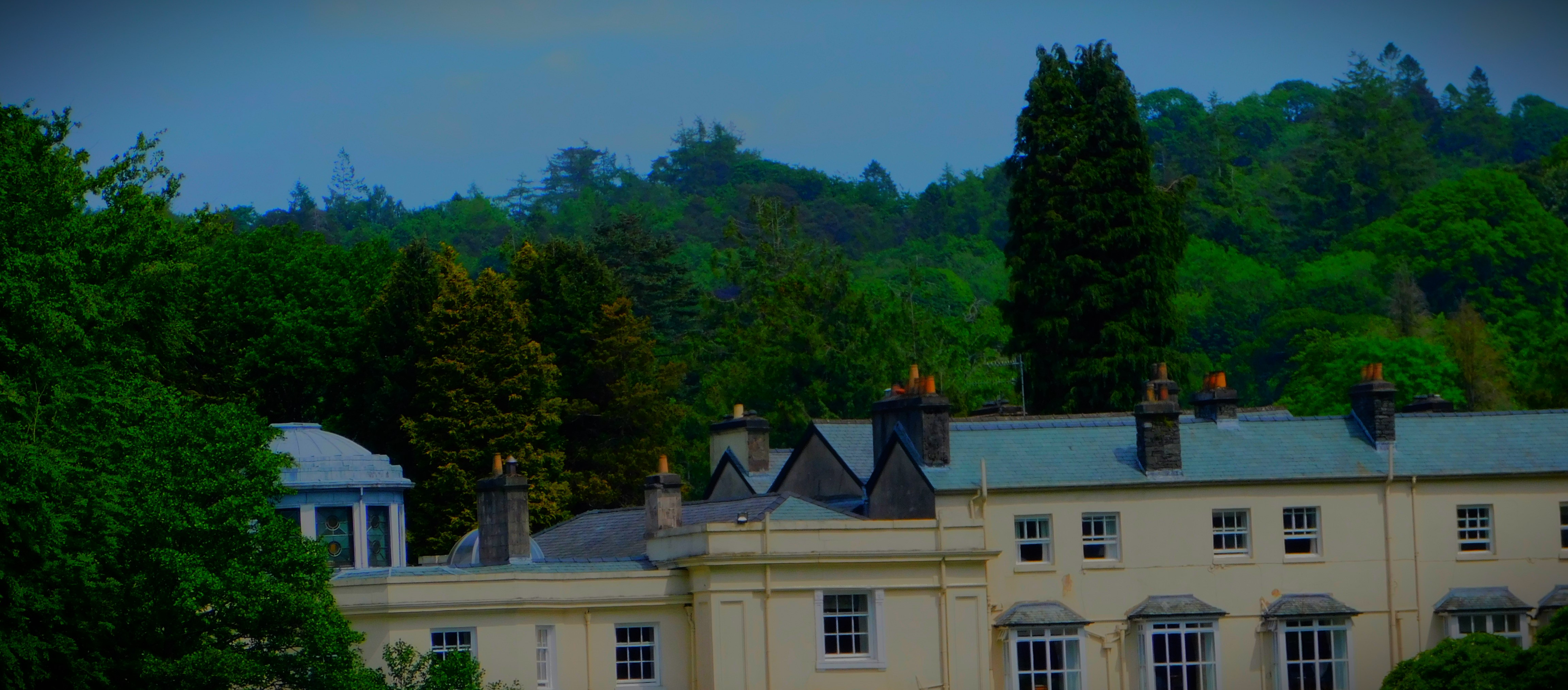
This is the outside view of our accommodation. The sitting room includes the turret, although there is an internal ceiling which means we don’t get to see the whole of the inside of the turret.
THE SETTING OF THE HOUSE
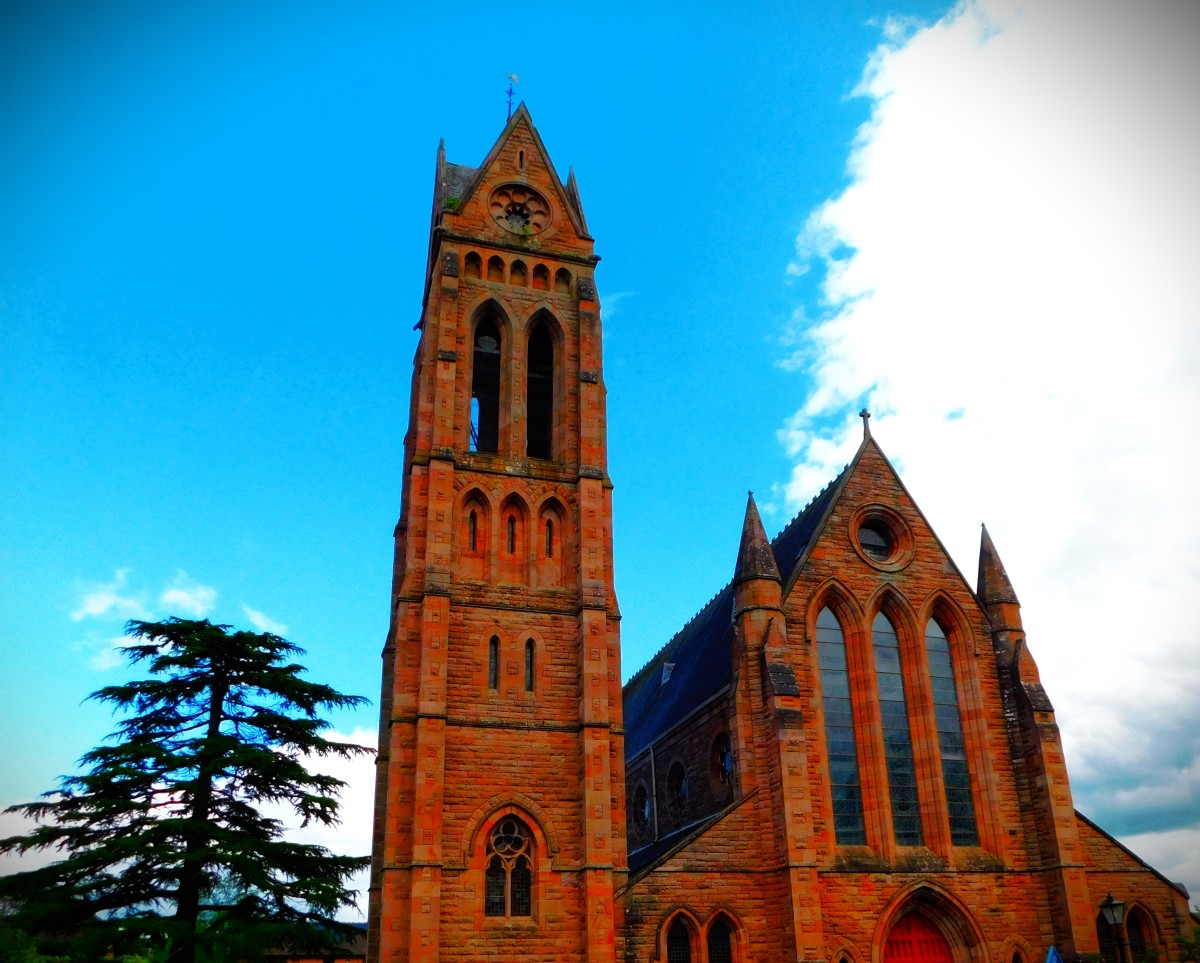
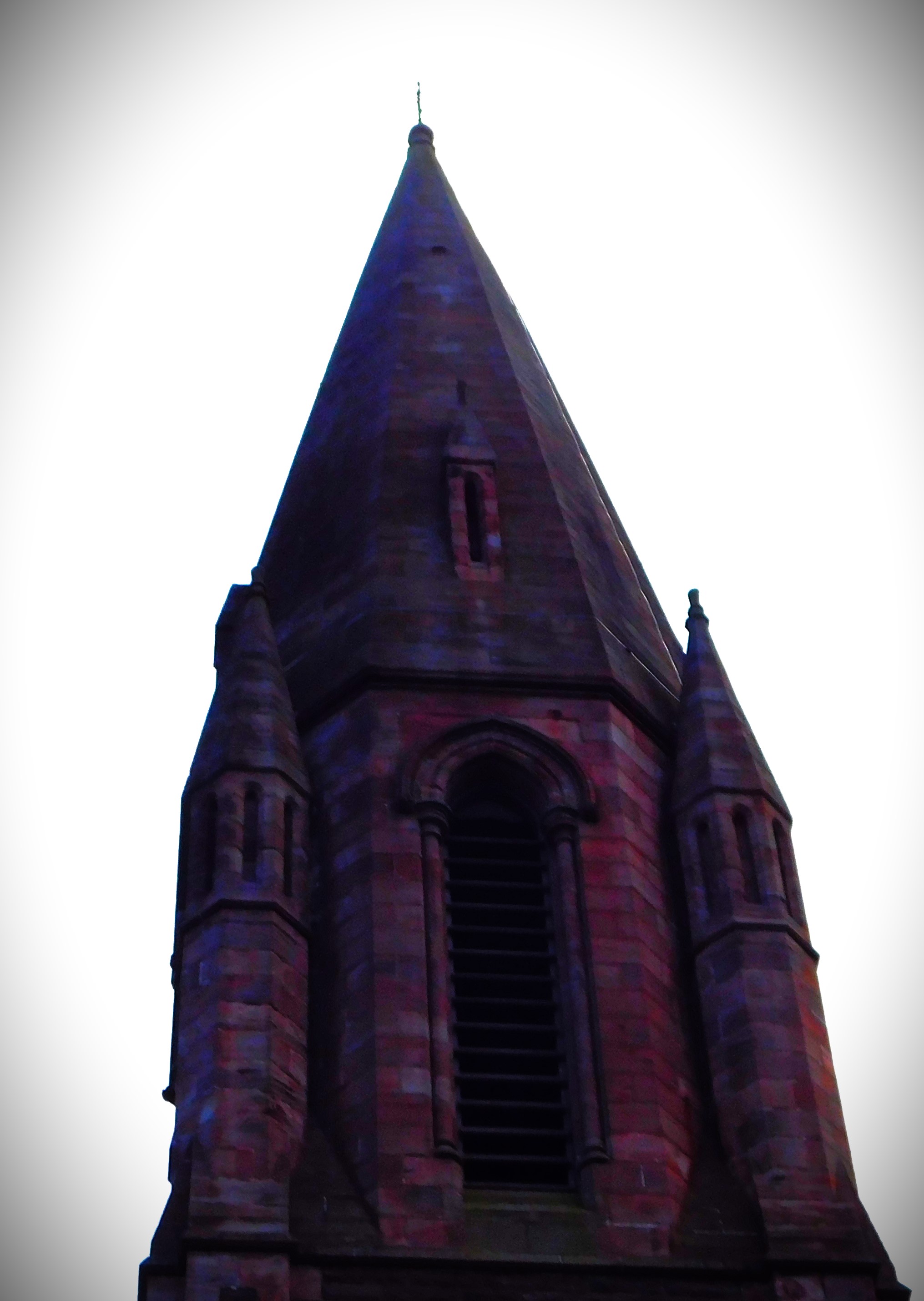
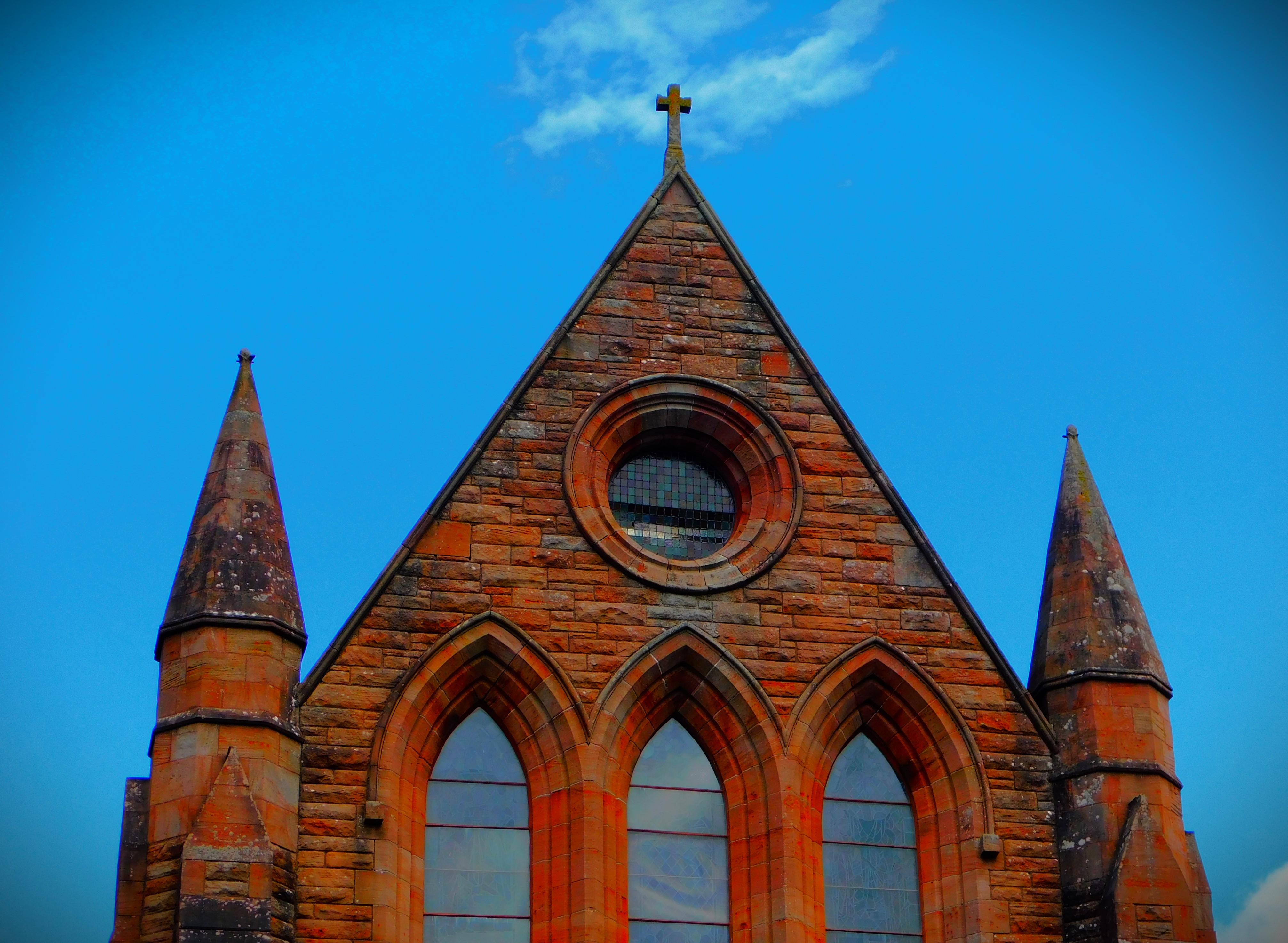
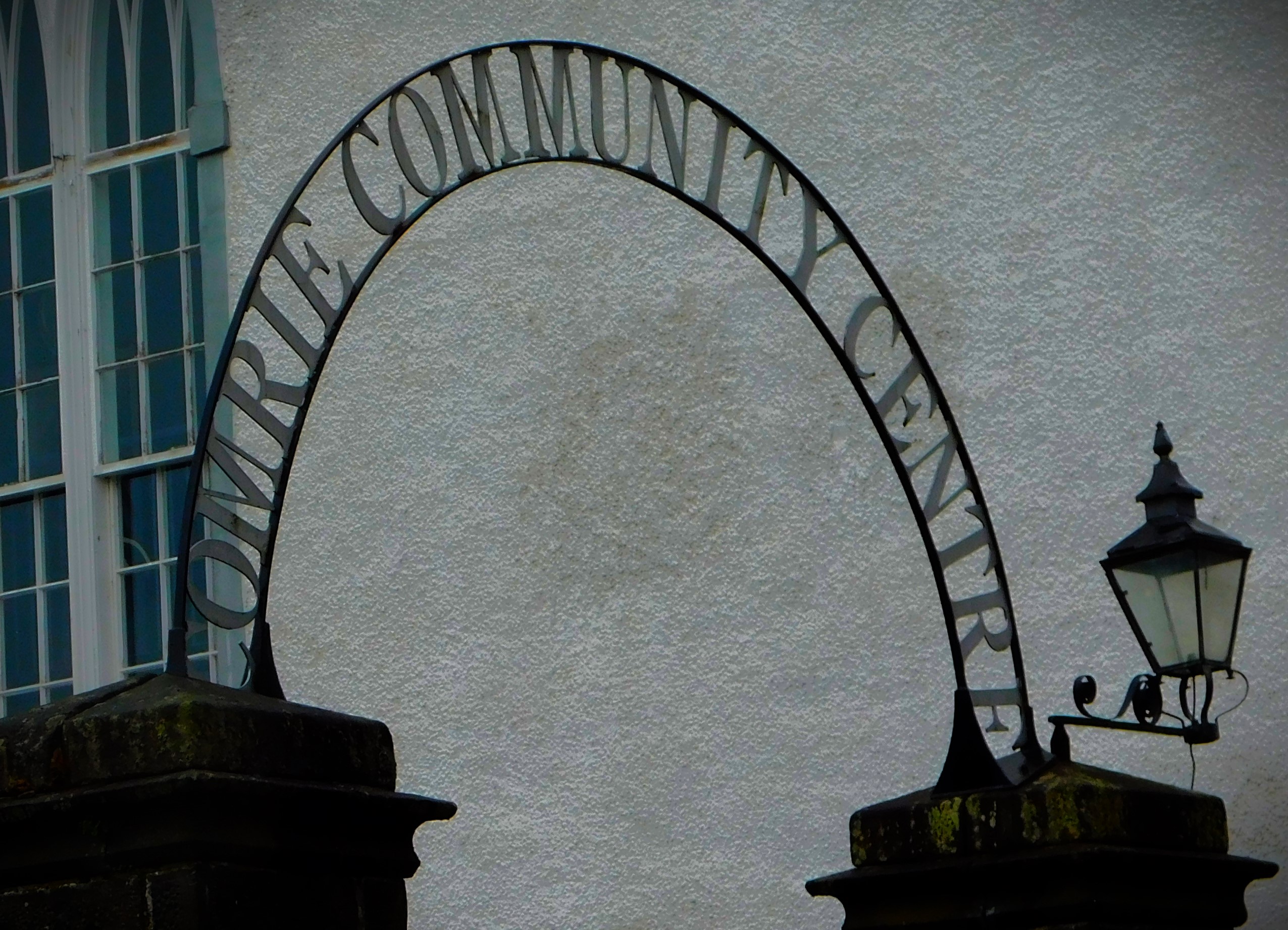
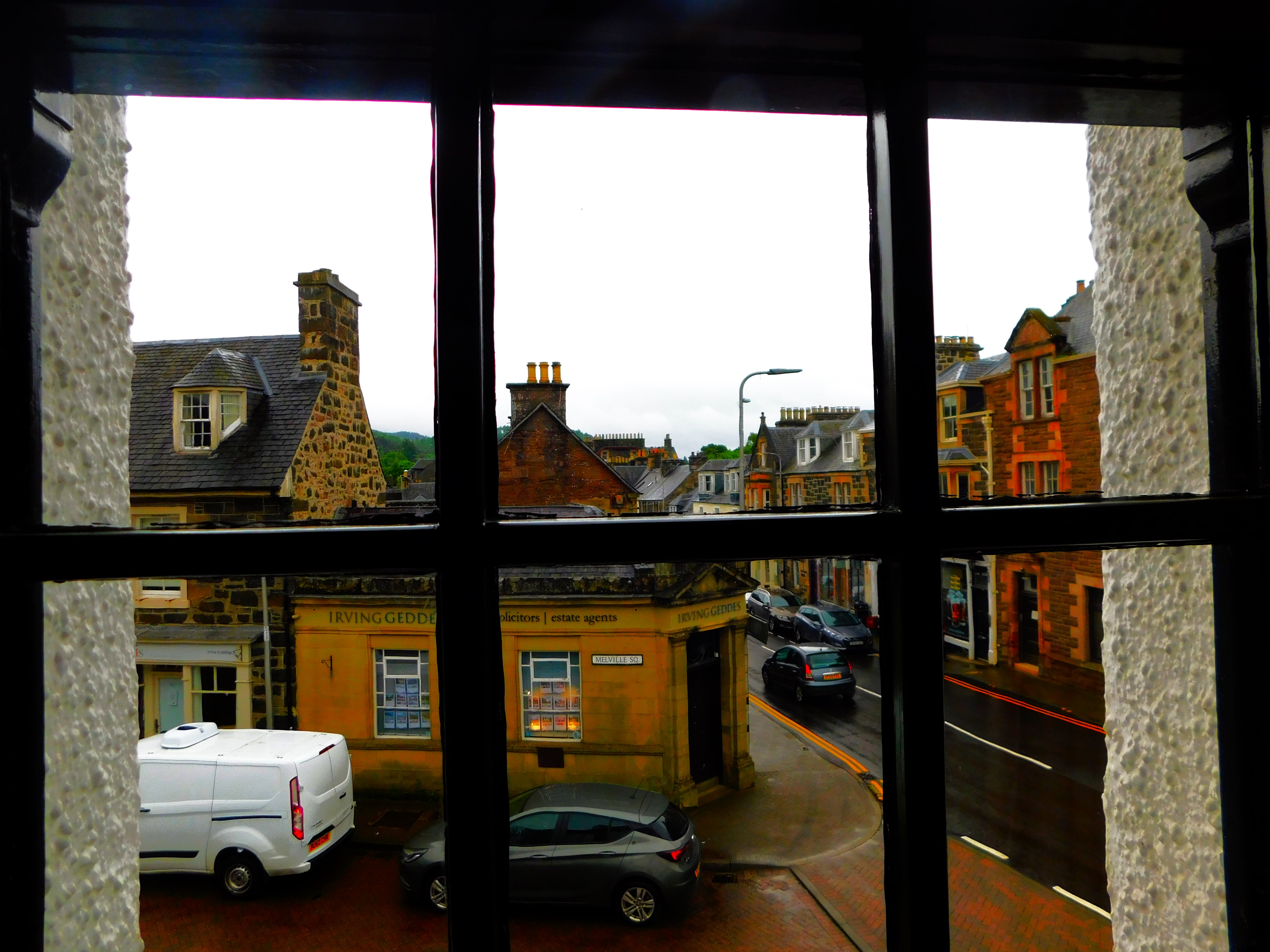
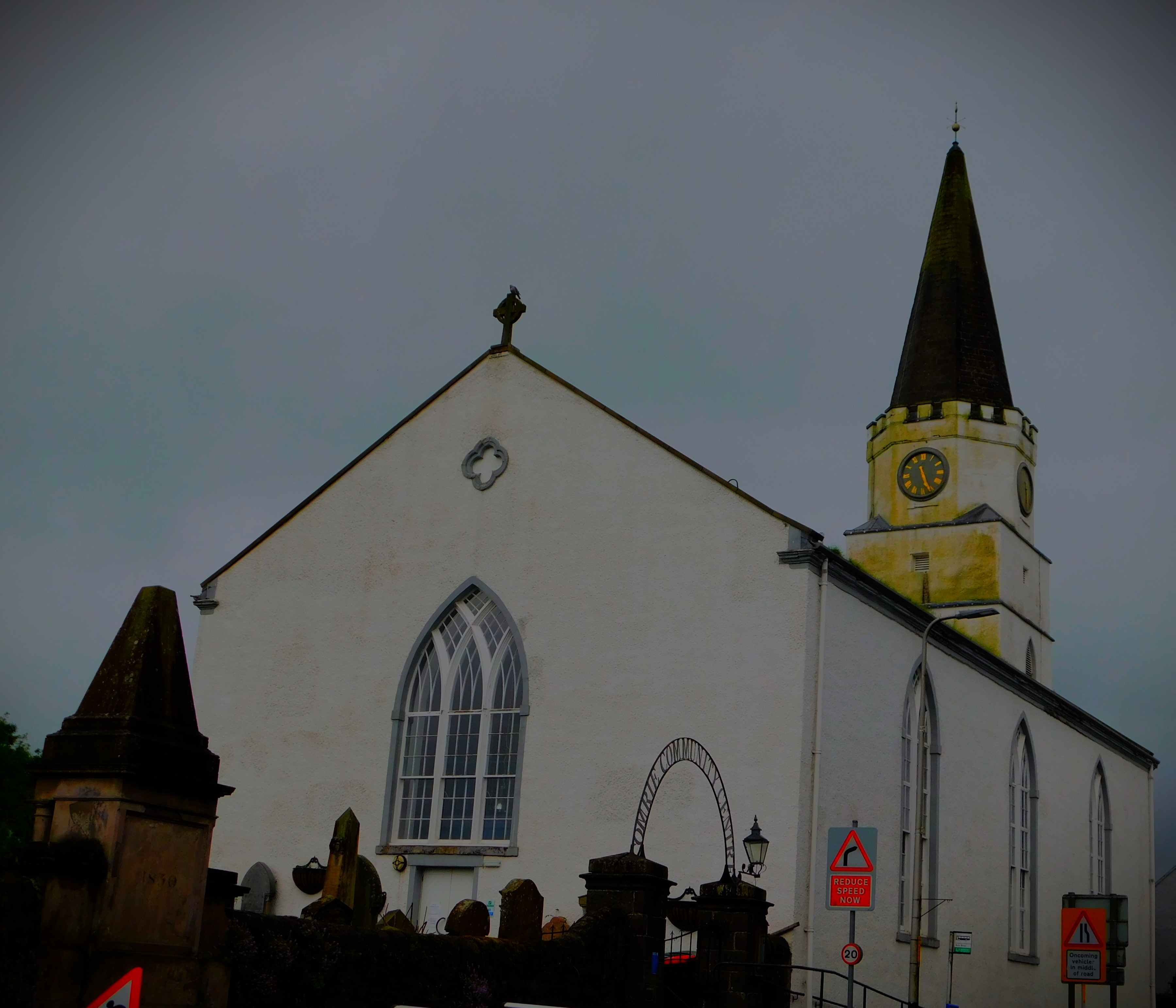
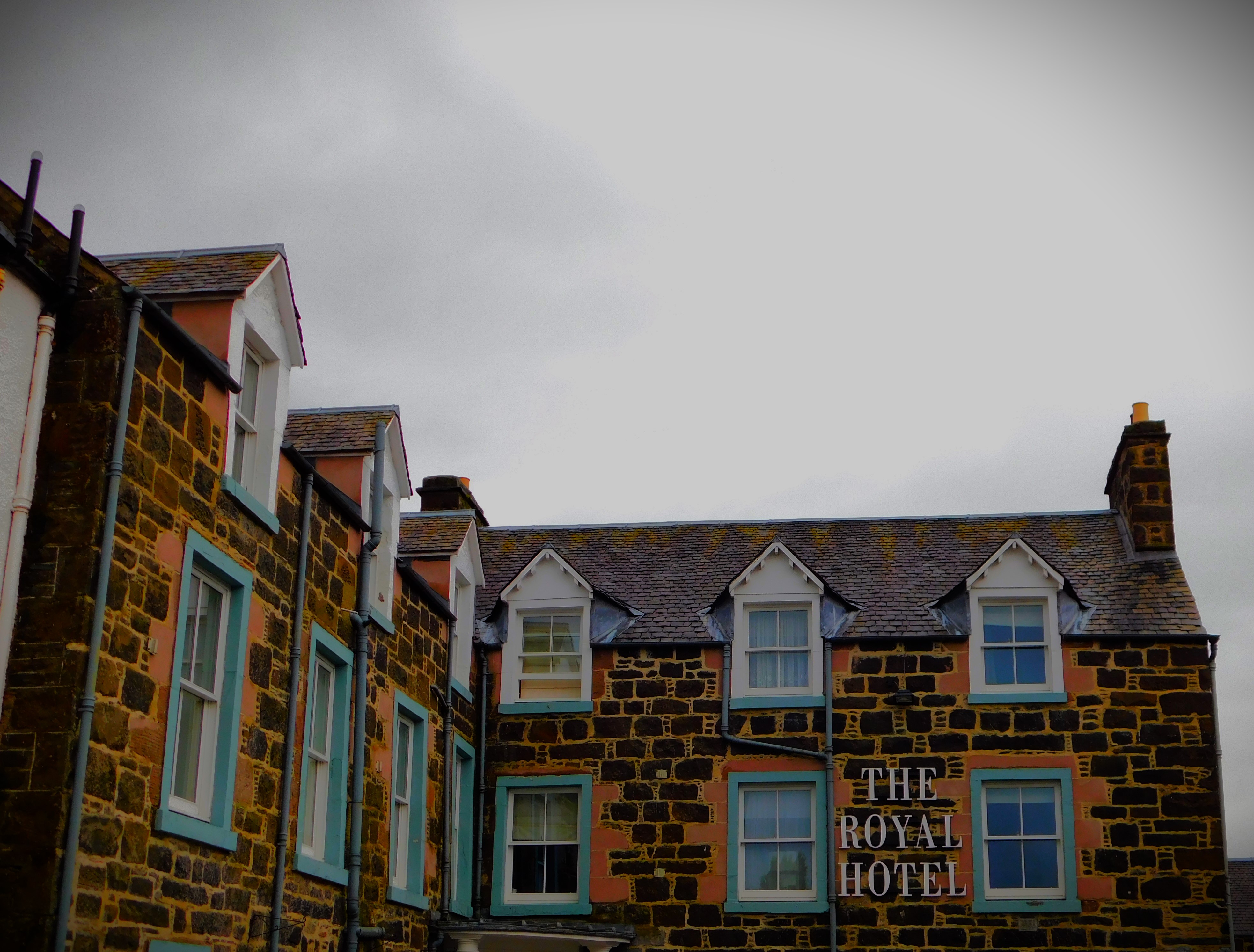
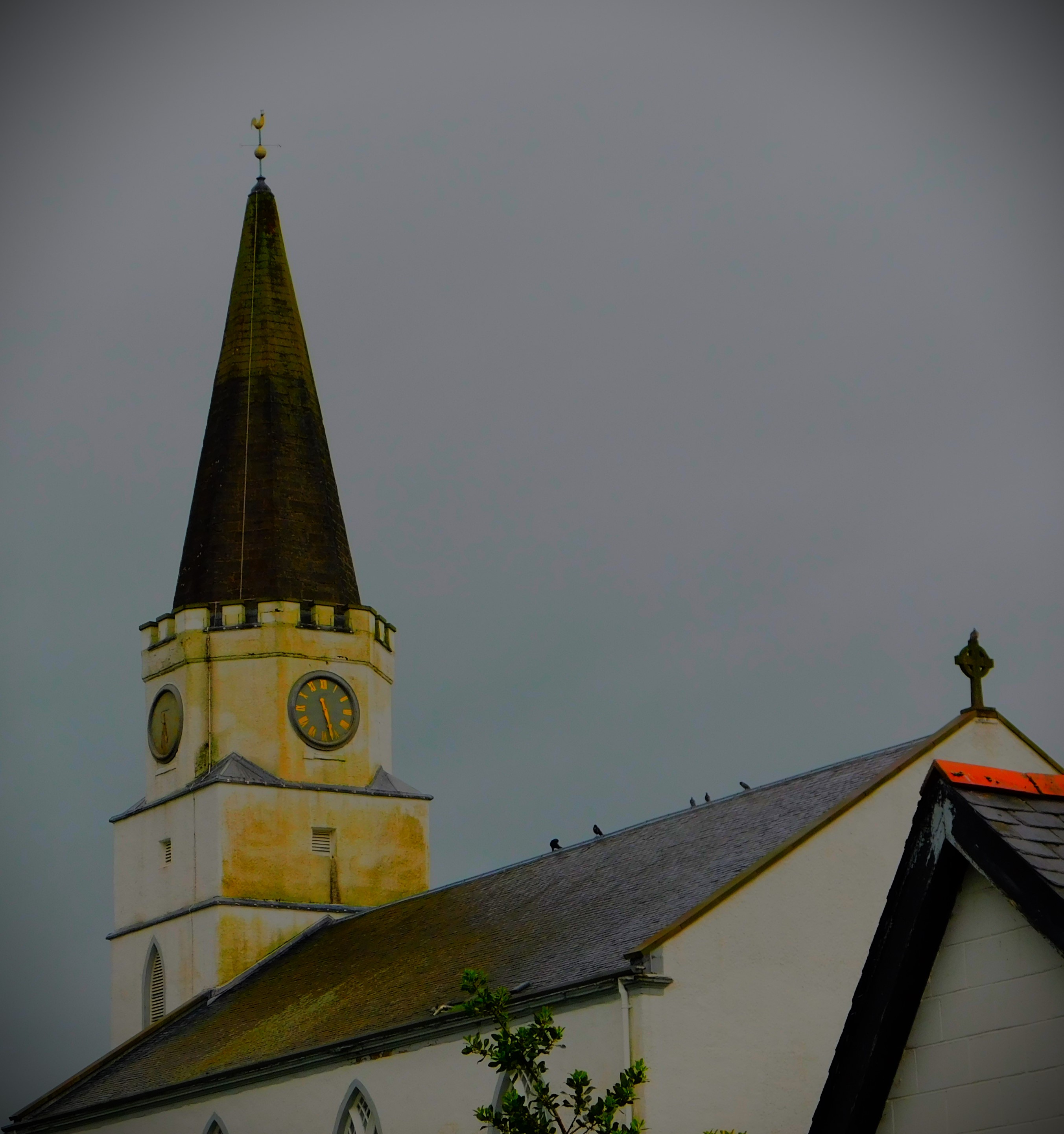
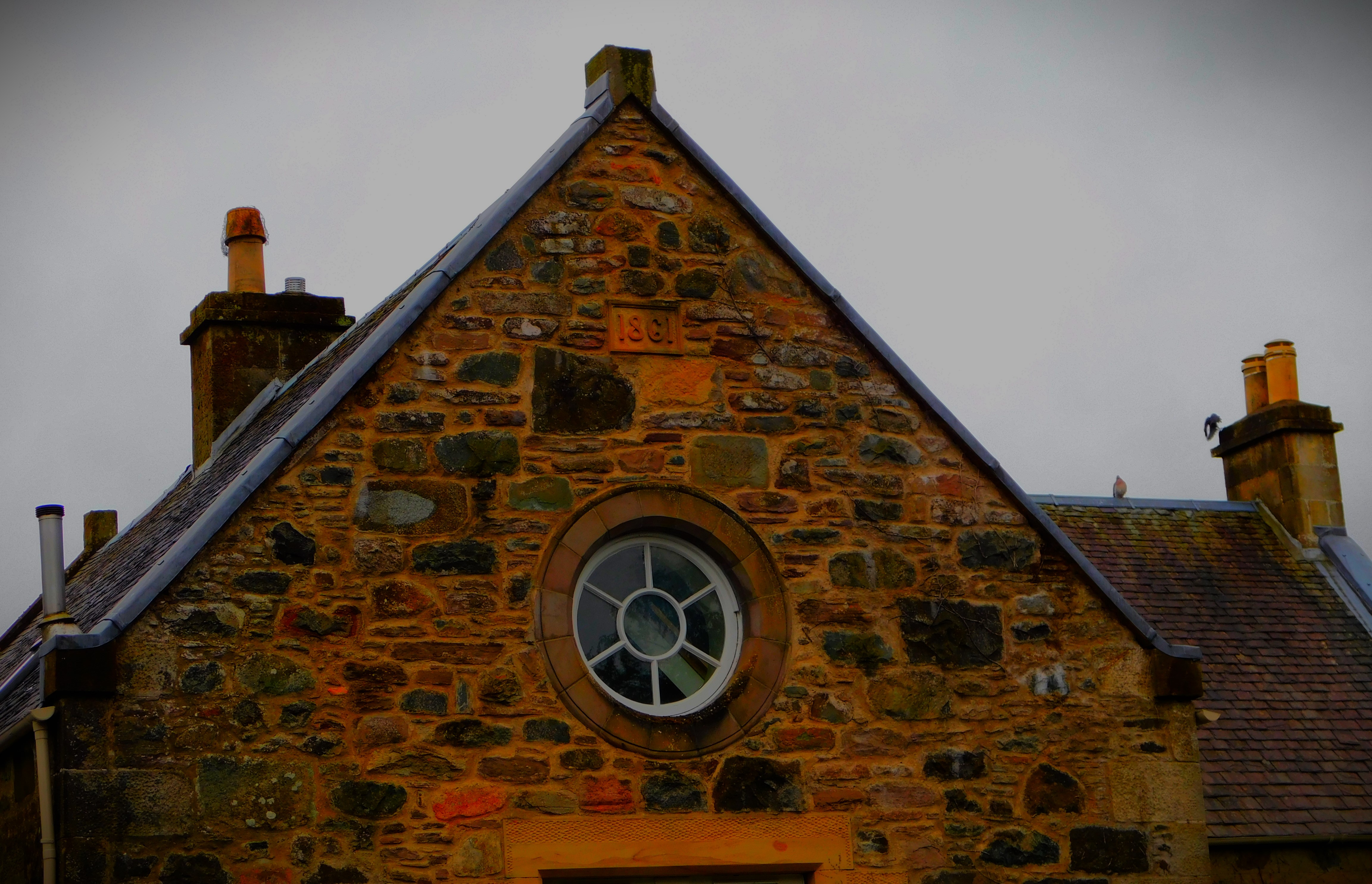
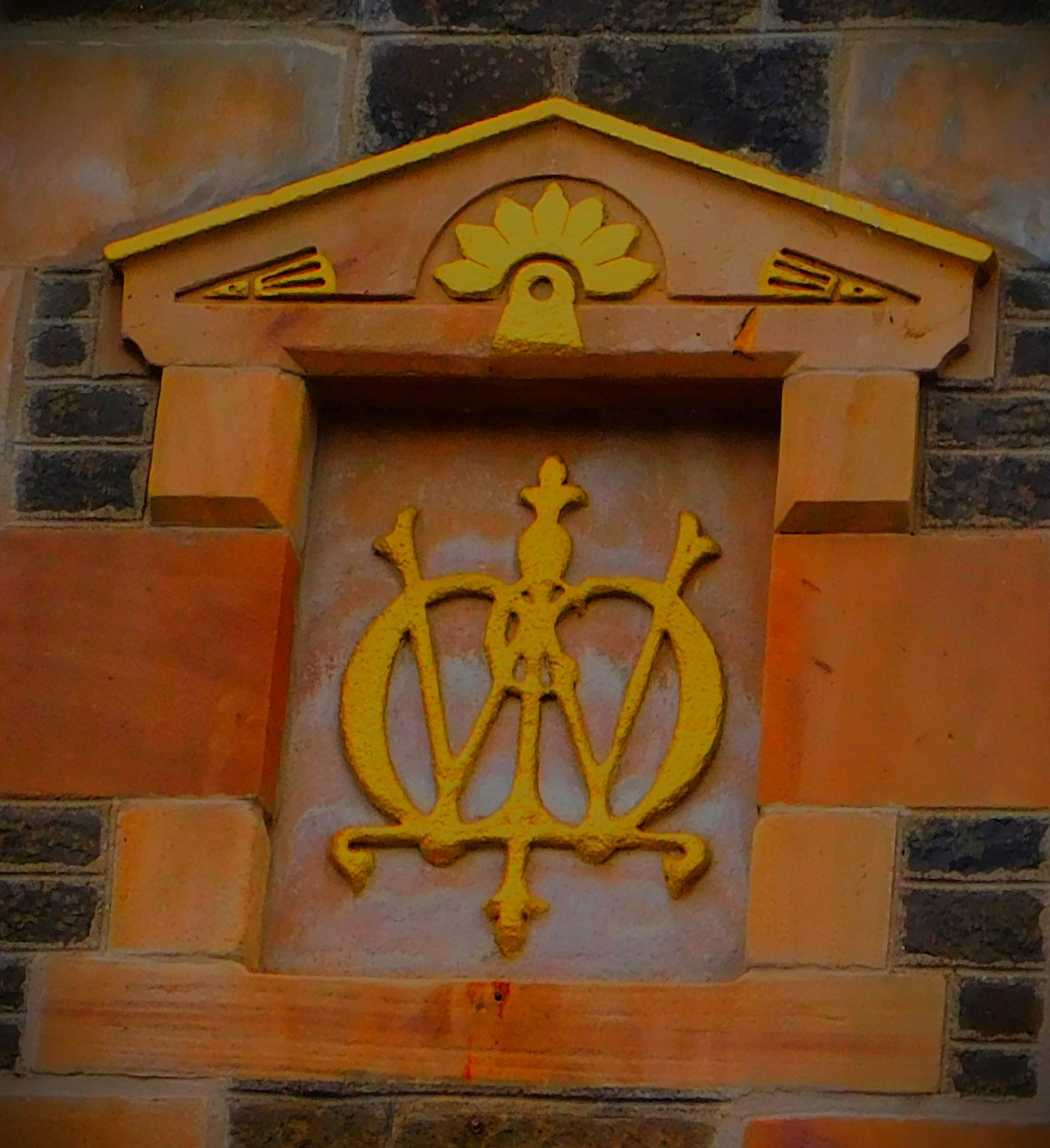
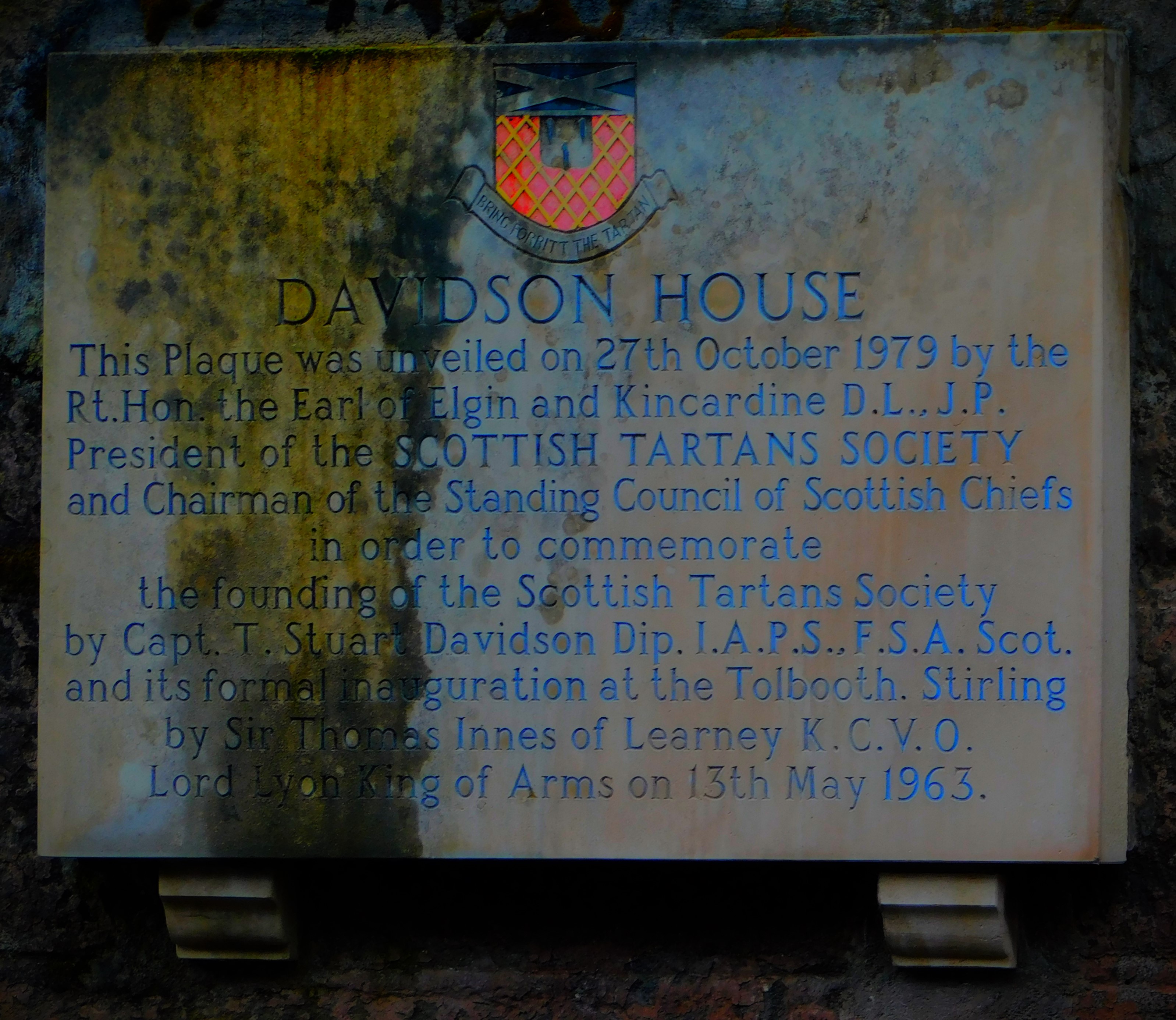
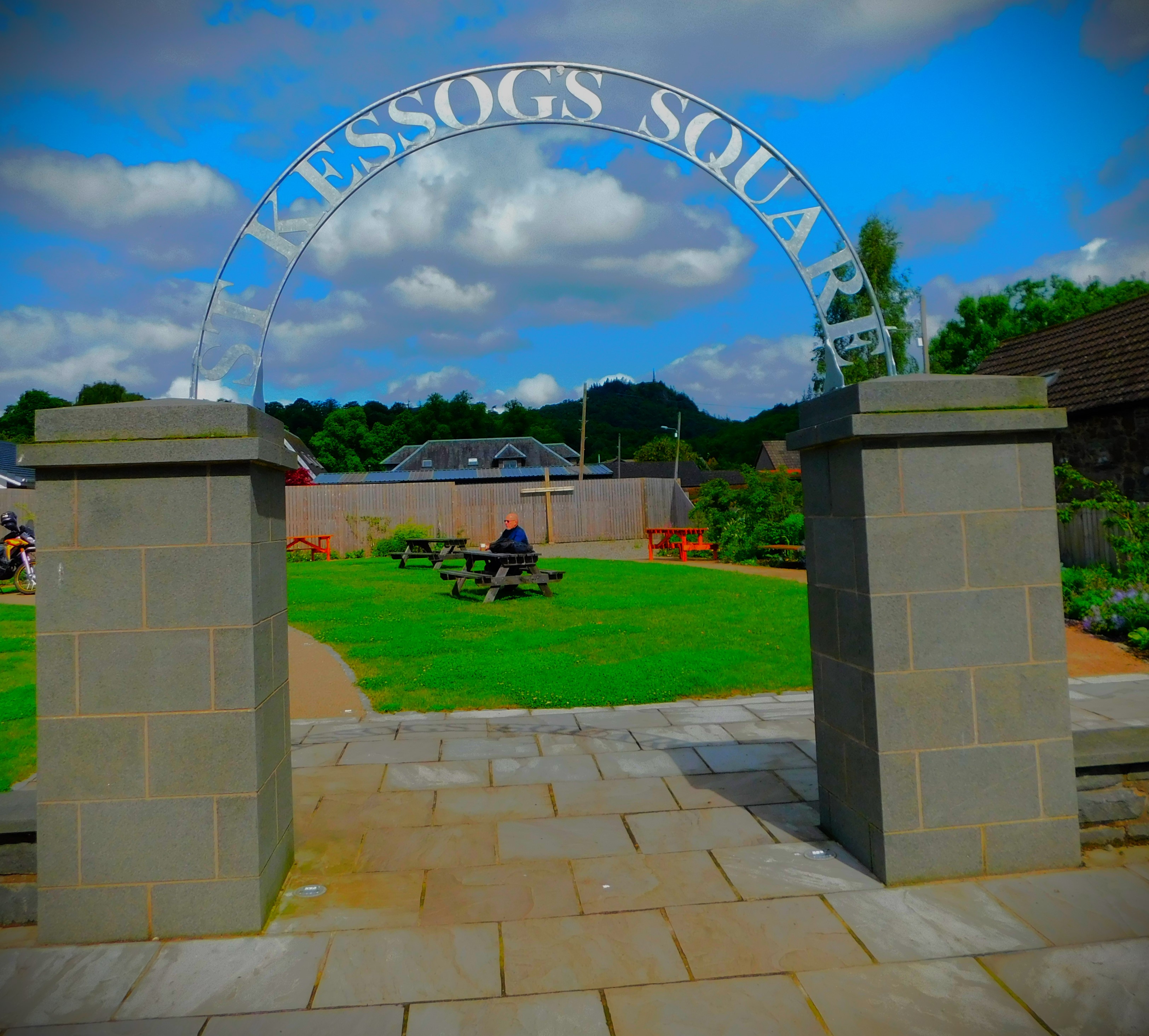
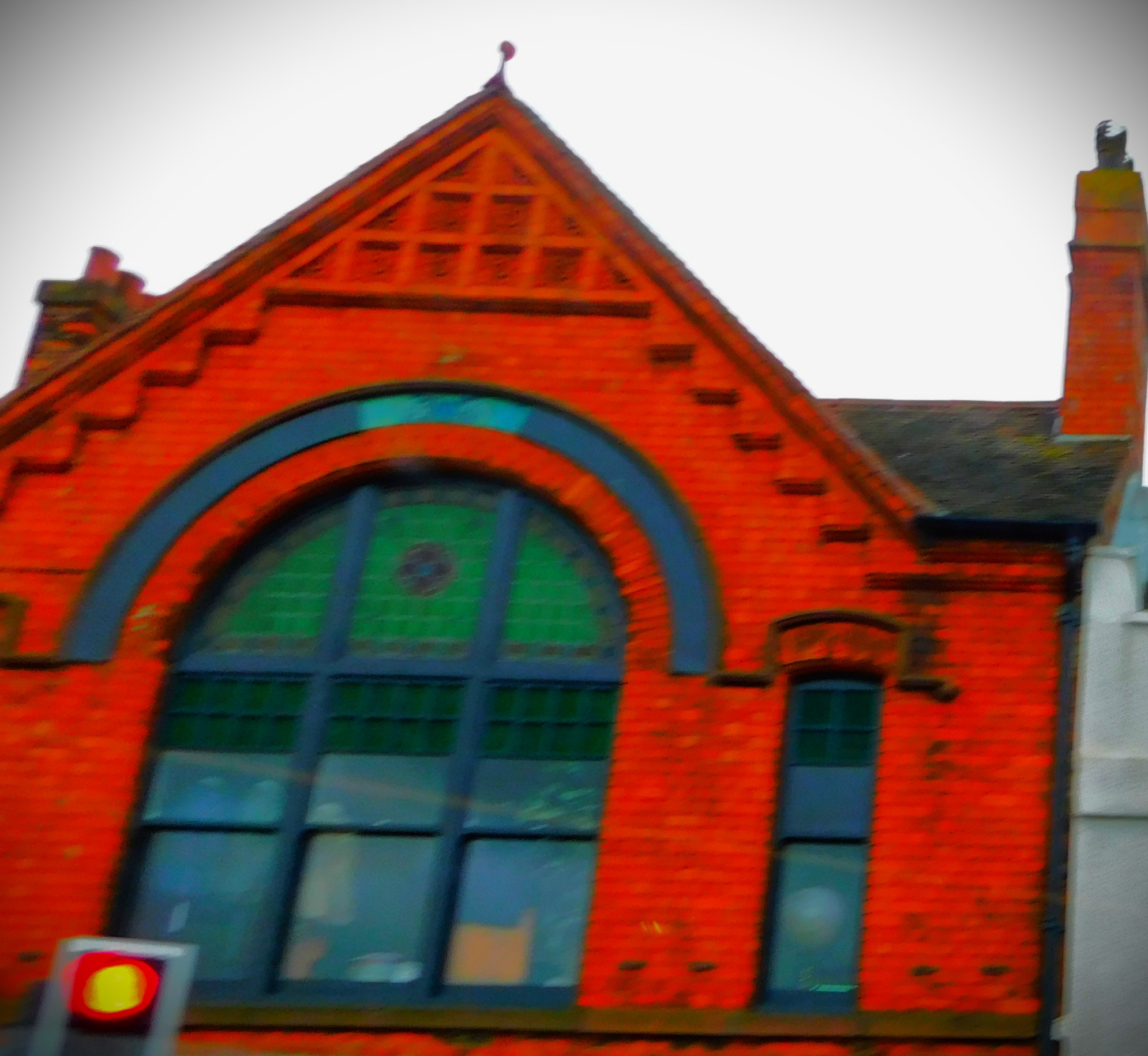
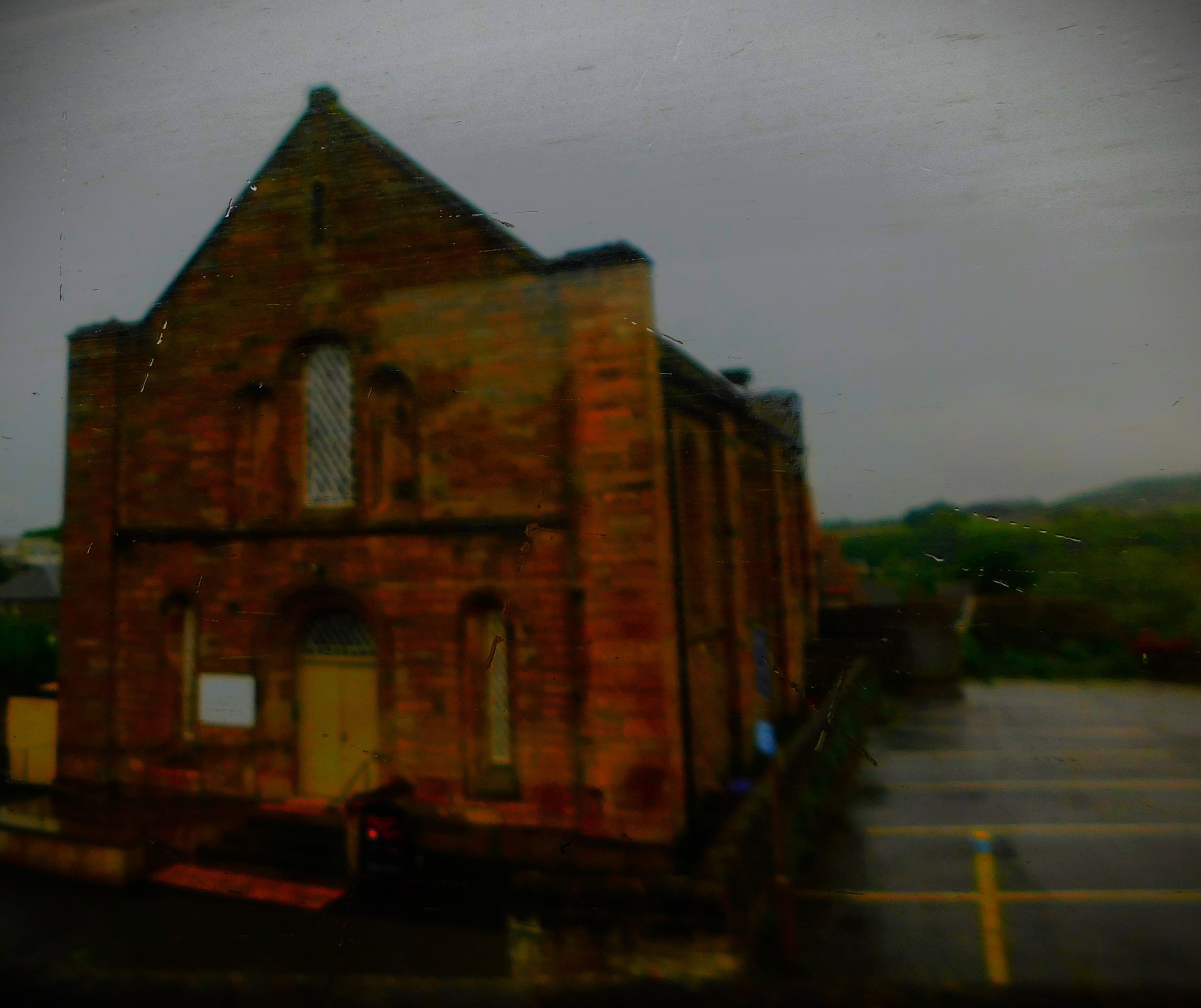
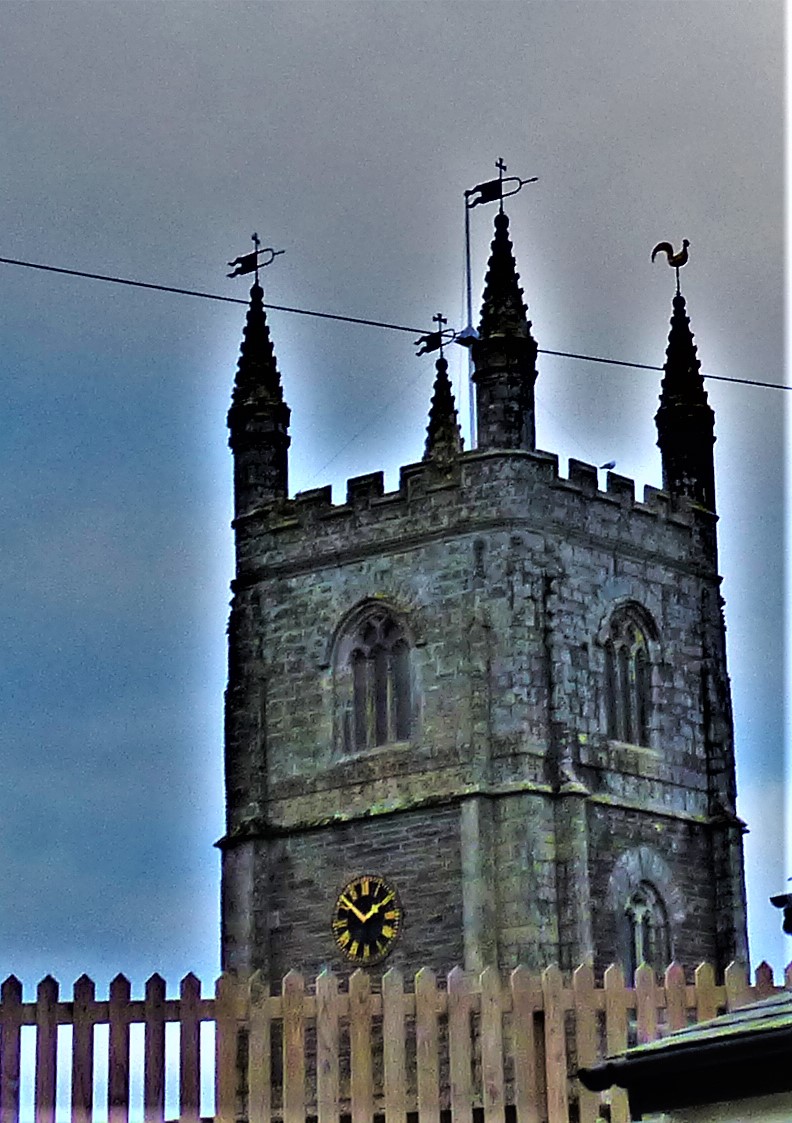
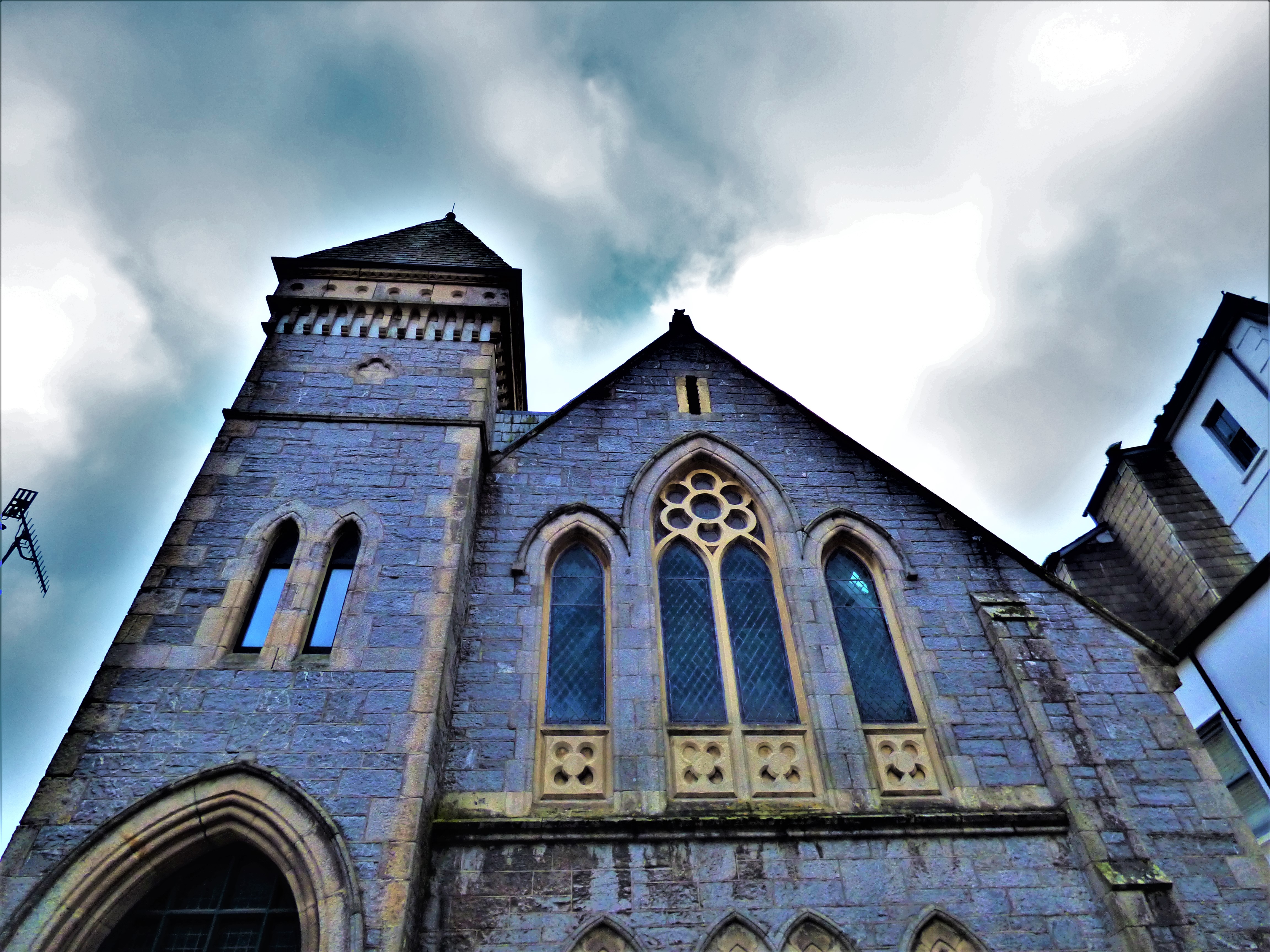
The house is directly opposite Comrie Community Centre, a building that looks remarkably like a church but is not (though it clearly used to be) – Comrie Church is about a five minute walk away. Next door it in one direction is an estate agent housed in what clearly used to be a local bank in the dim and distant days when such things existed while on the other side is a pet shop. Down one side of the house is a path that provides pedestrian access to the car parking area. There is a small shopping area, while the river, not quite visible from the house, is just the other side of the community centre from it.
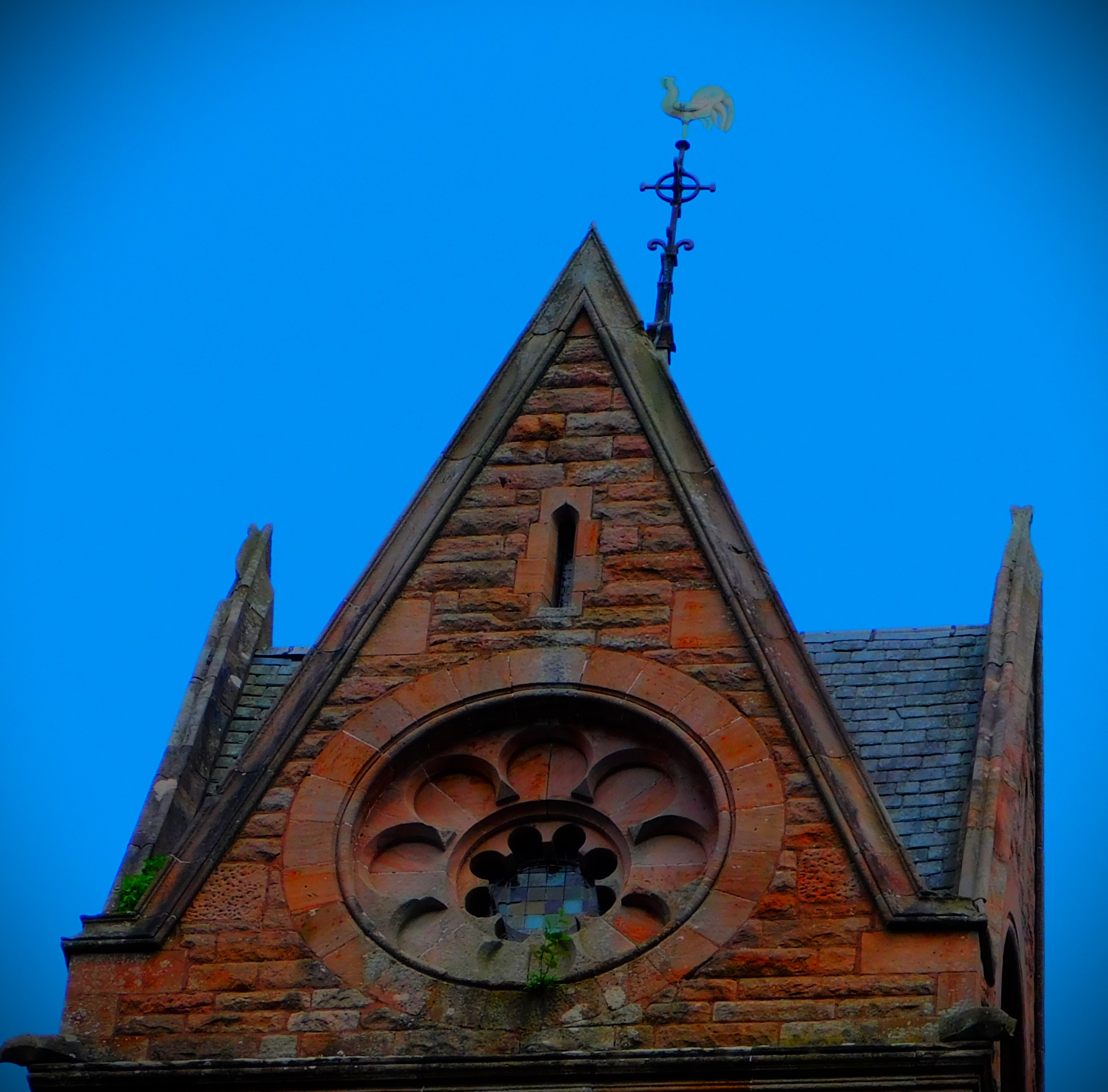
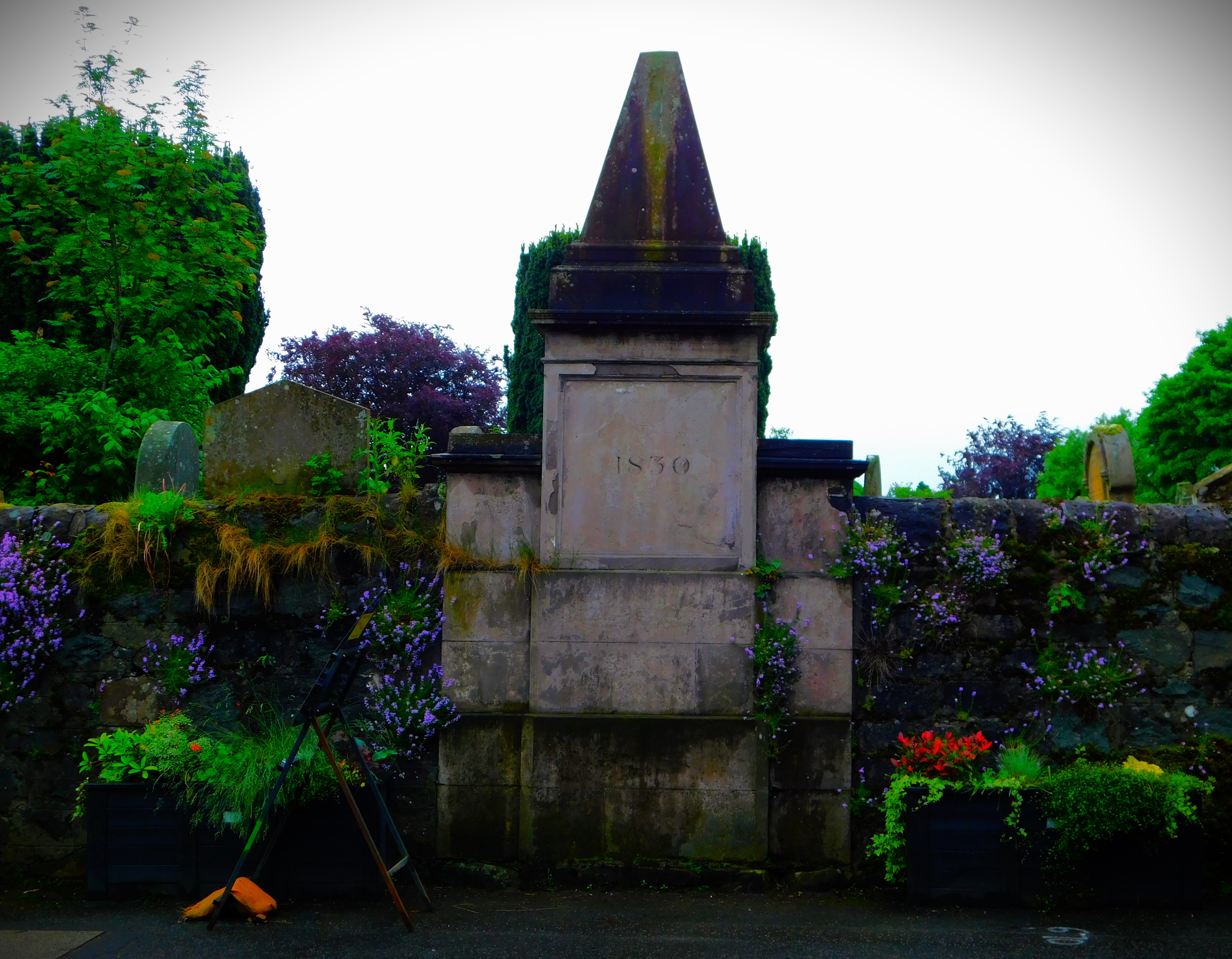
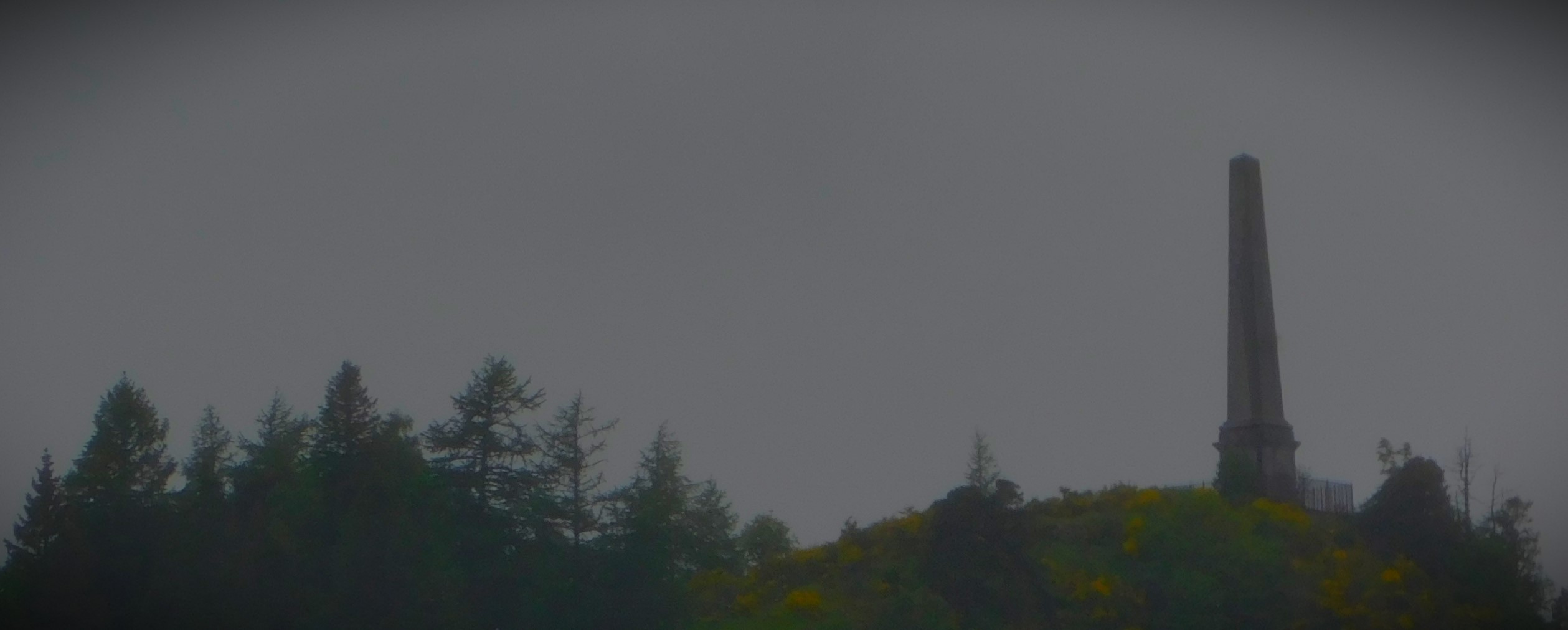
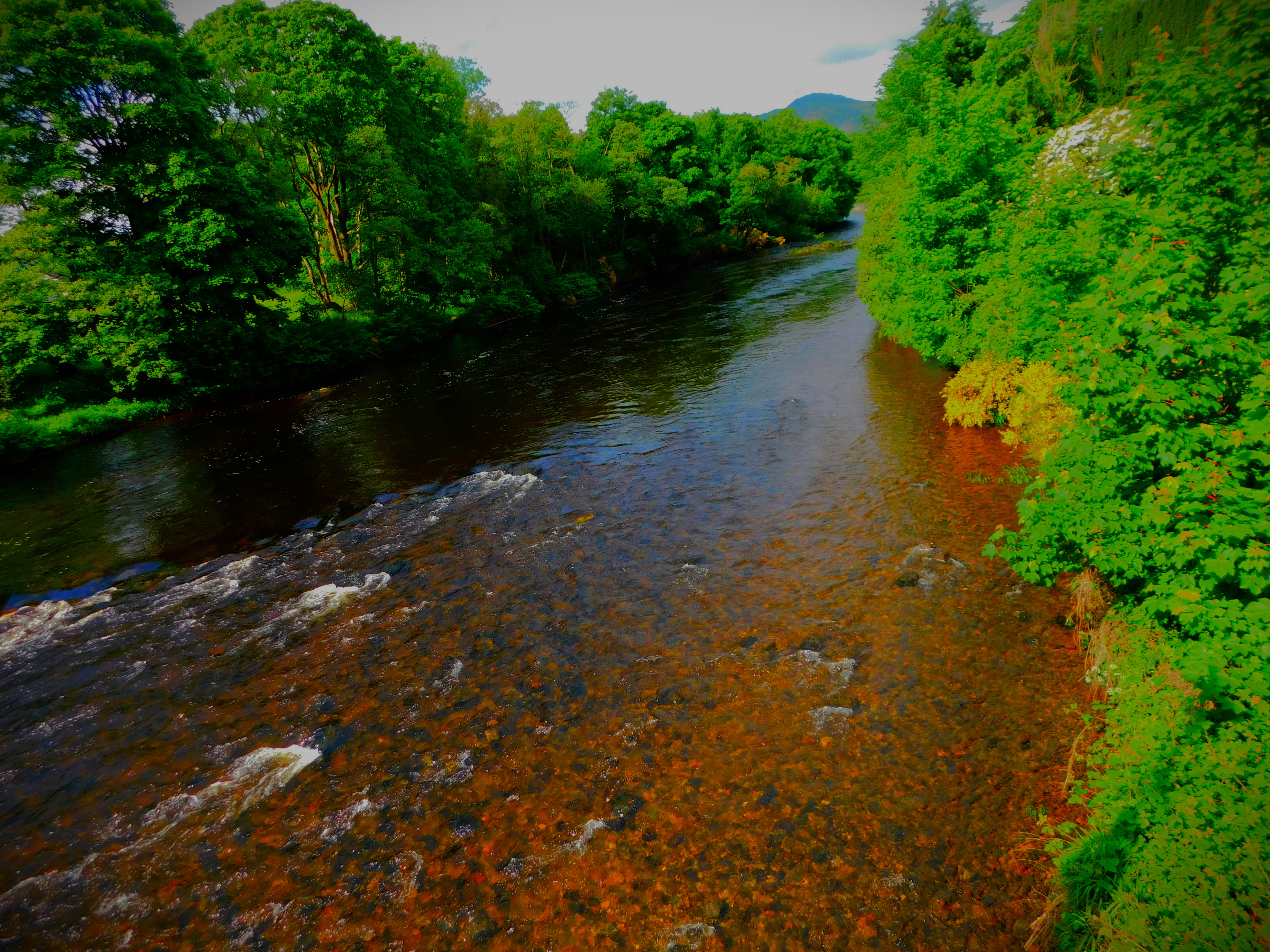
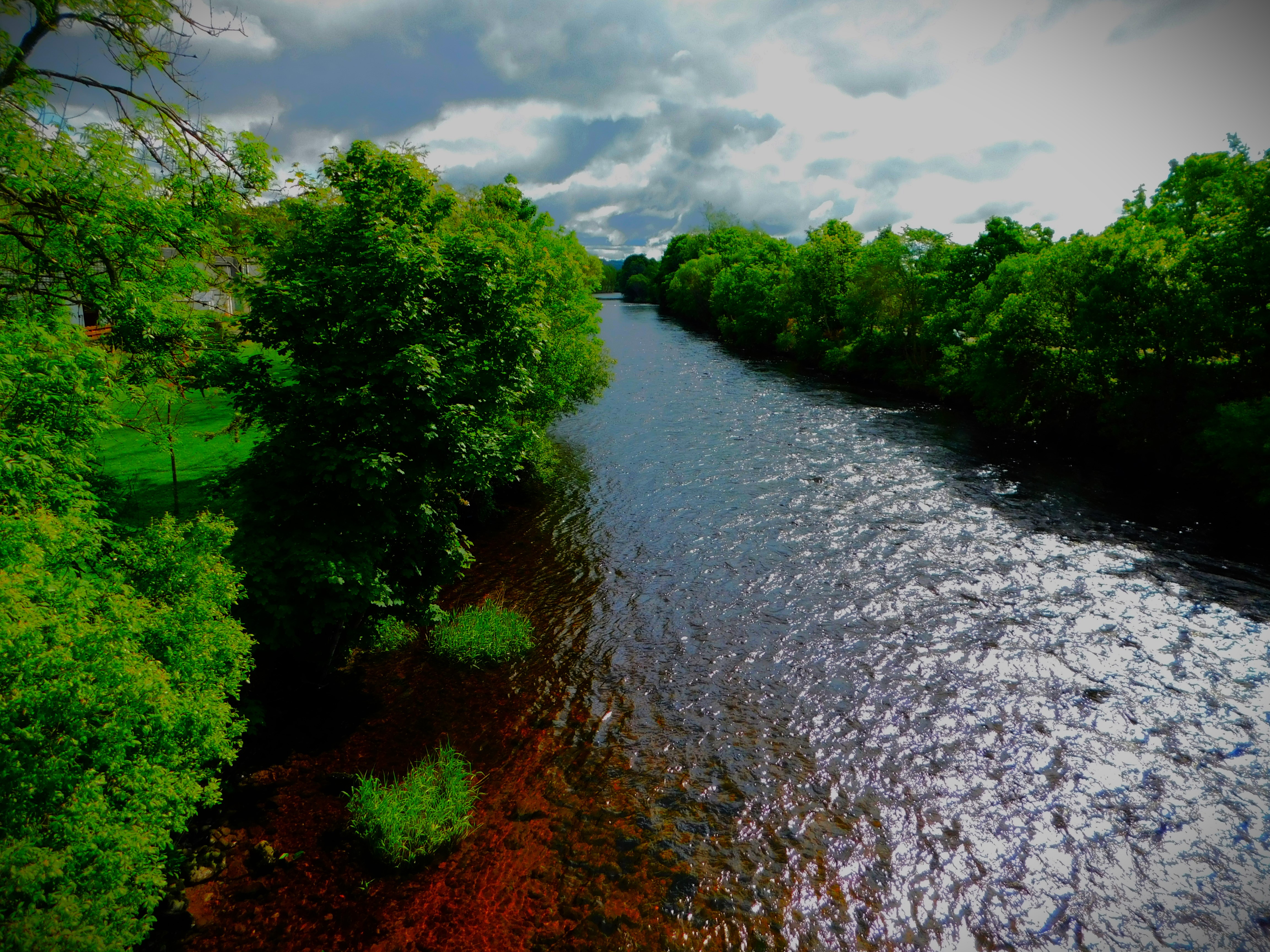
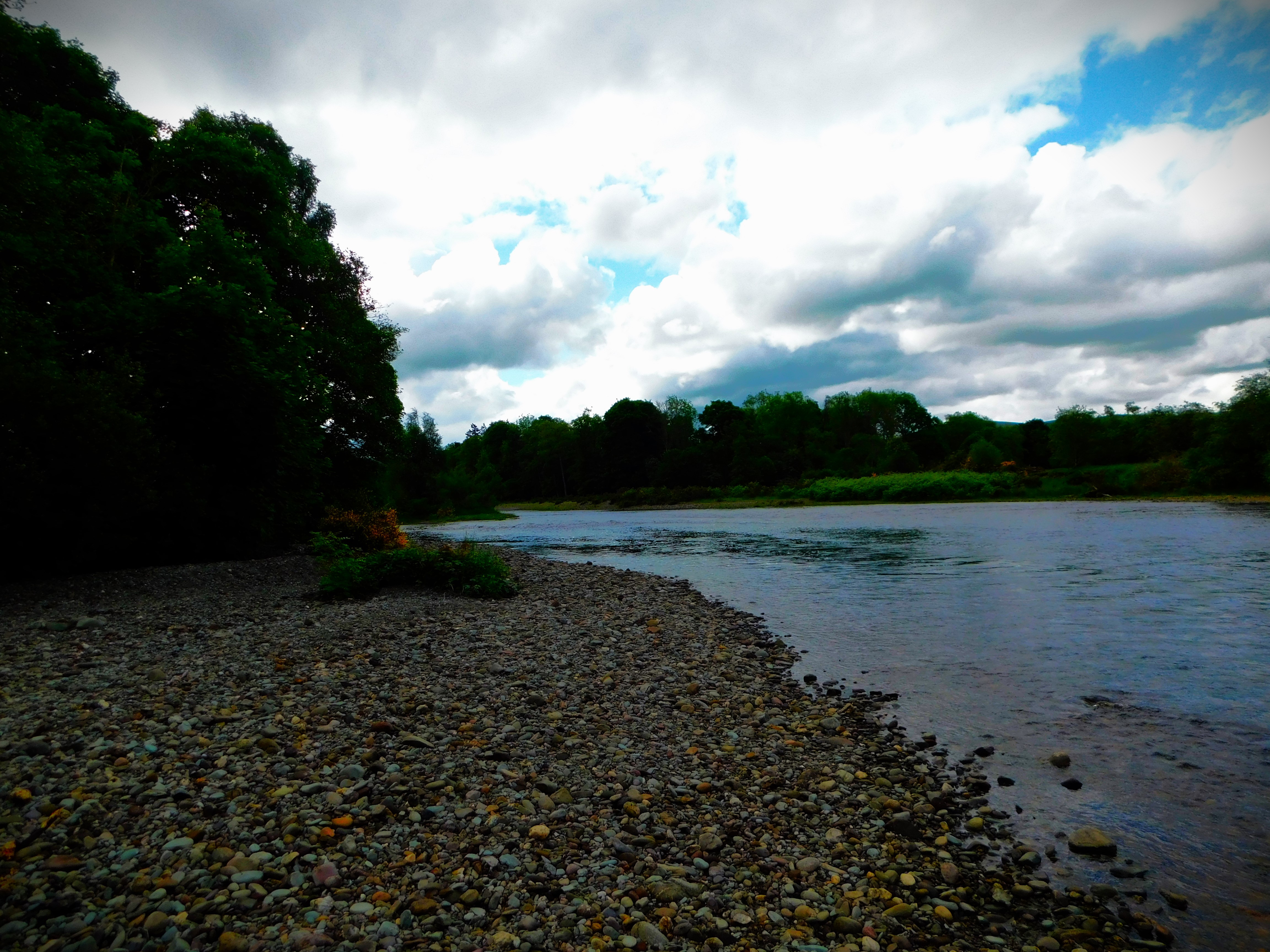
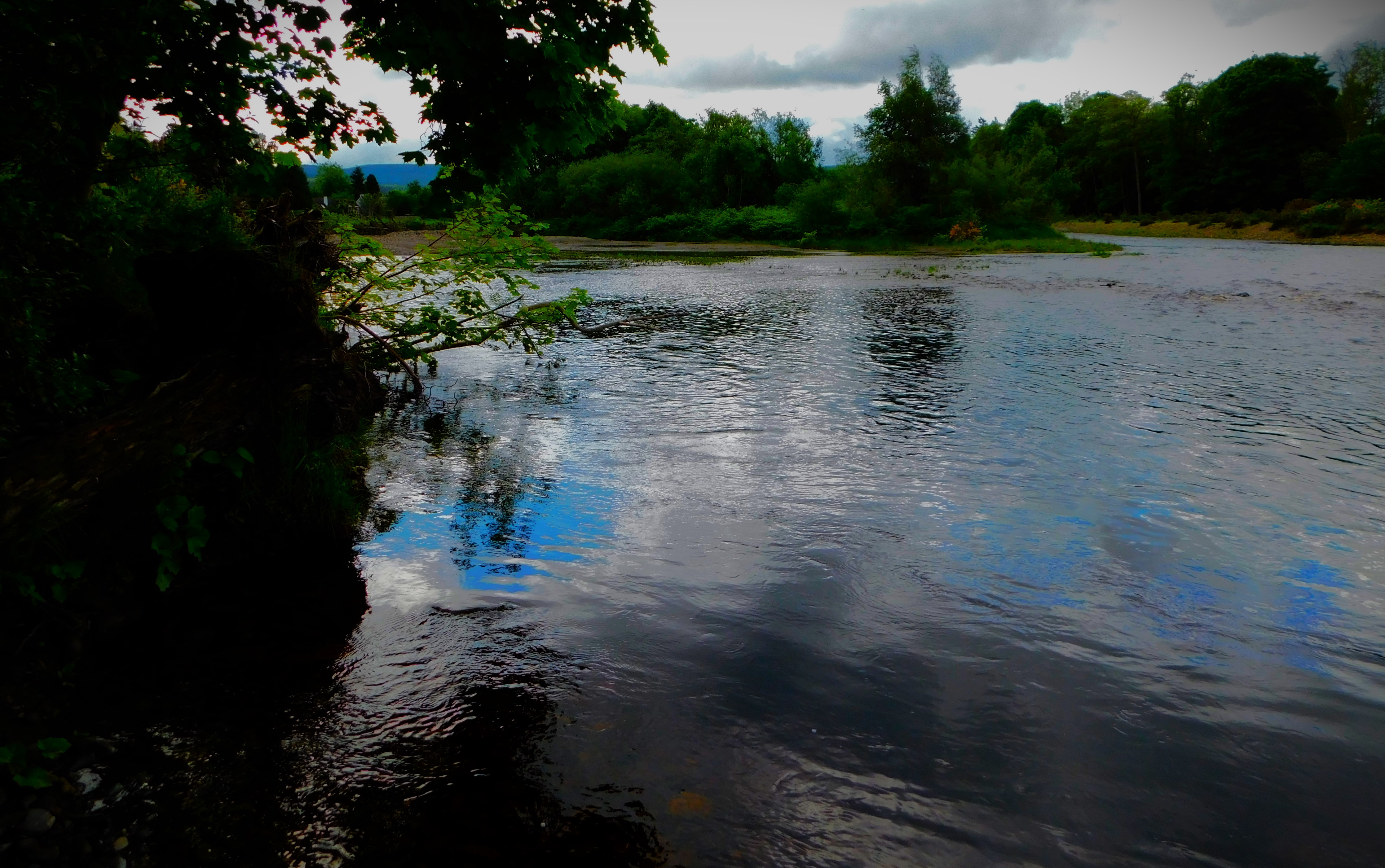
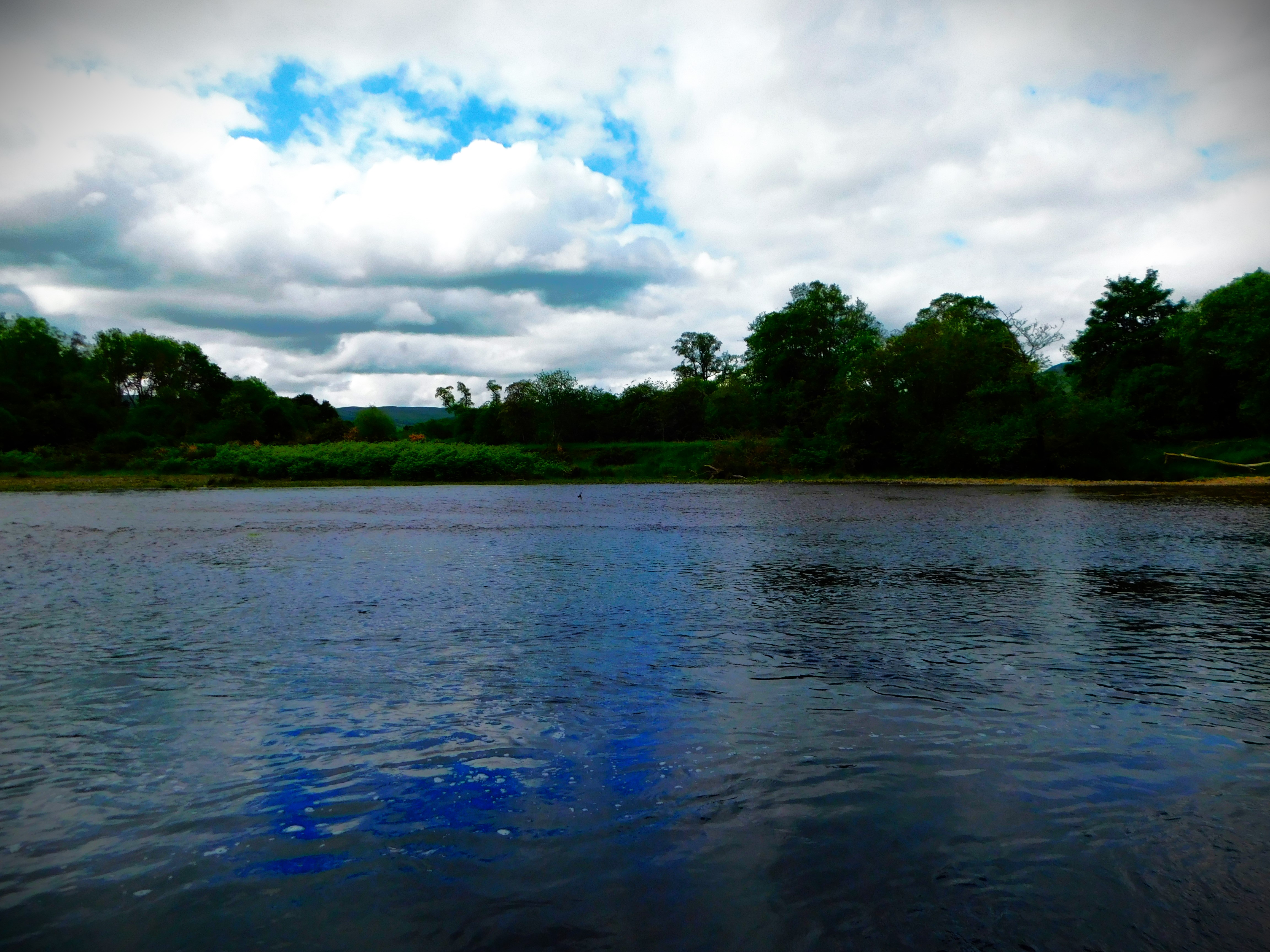
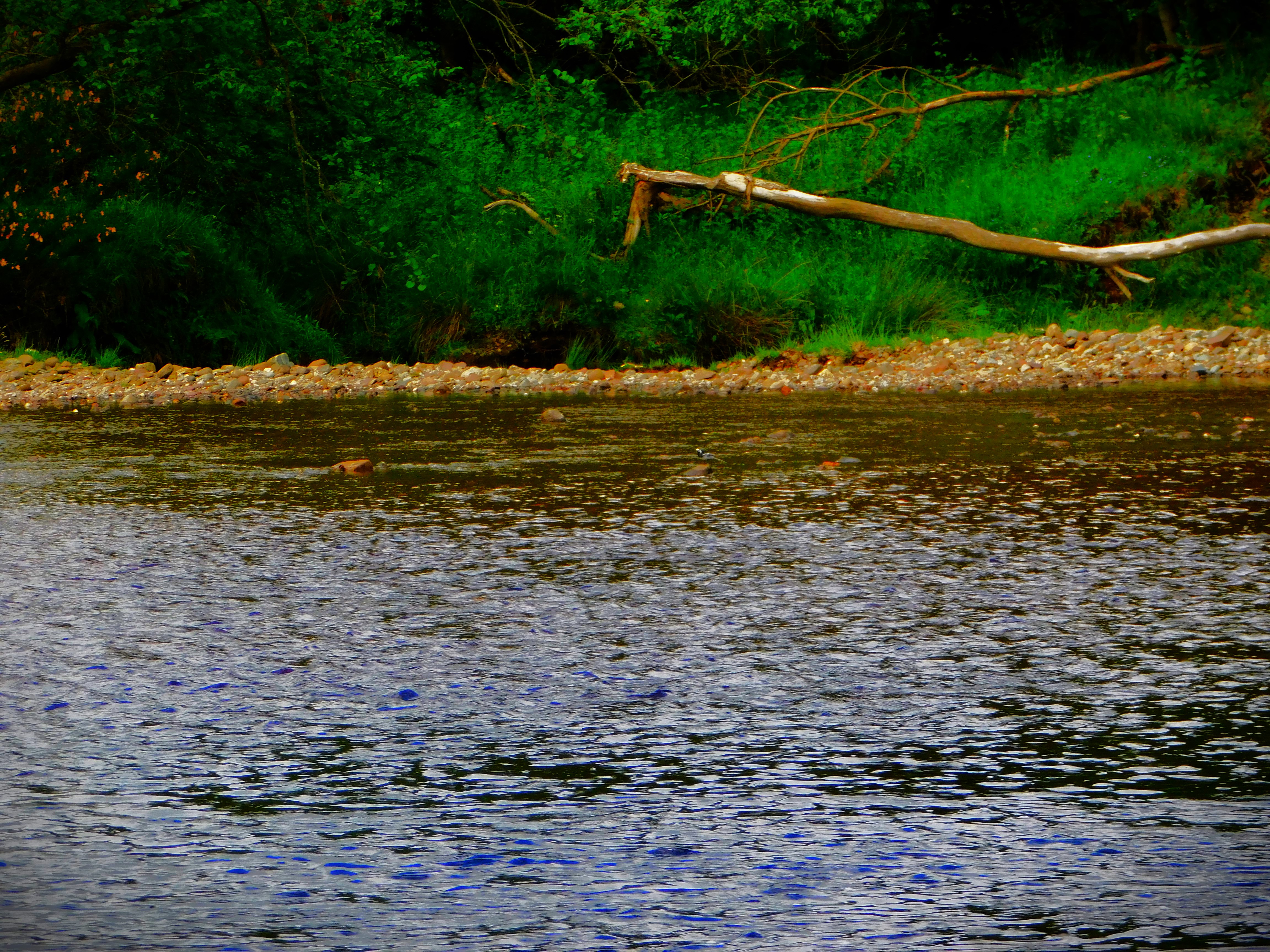
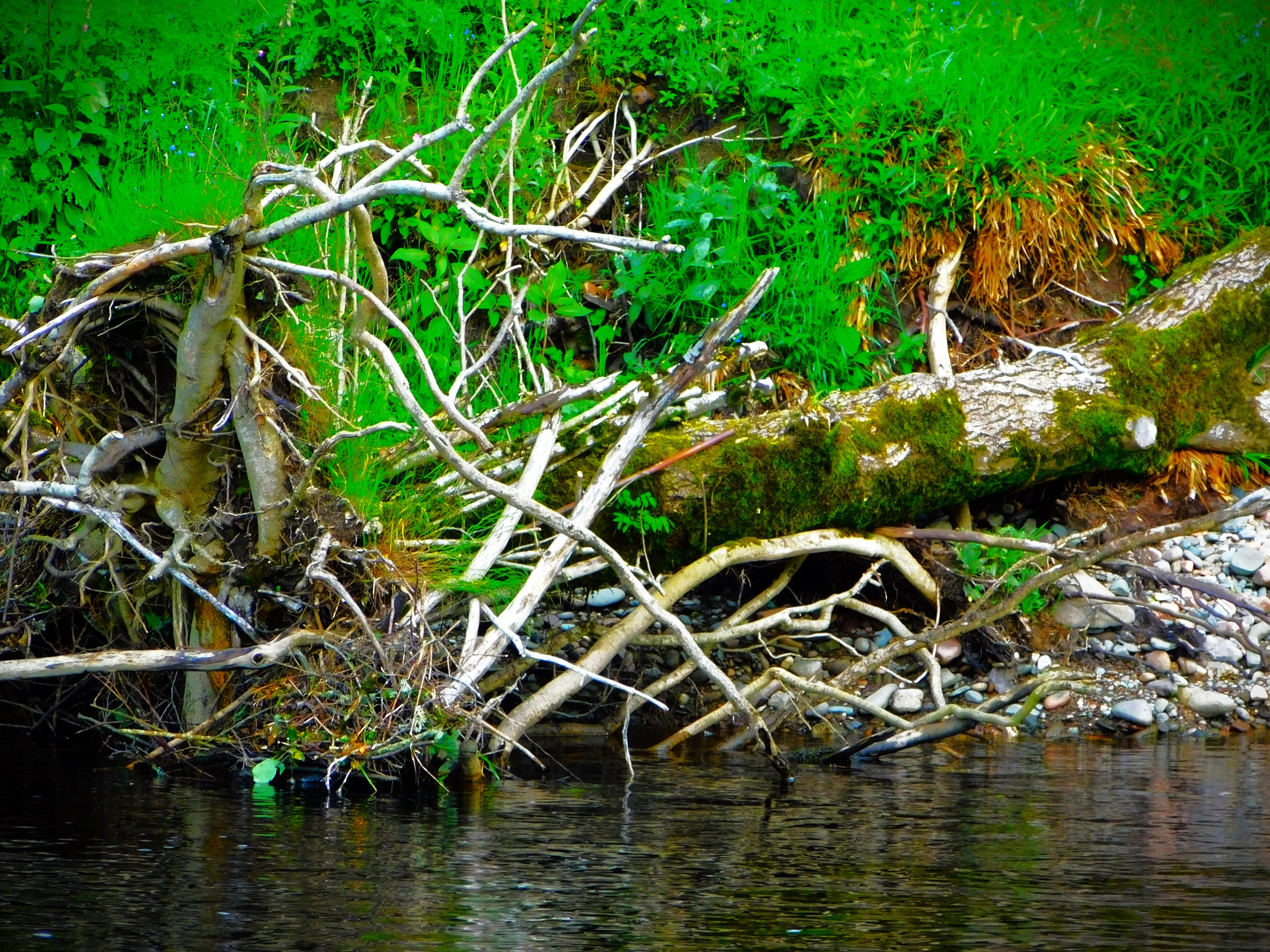
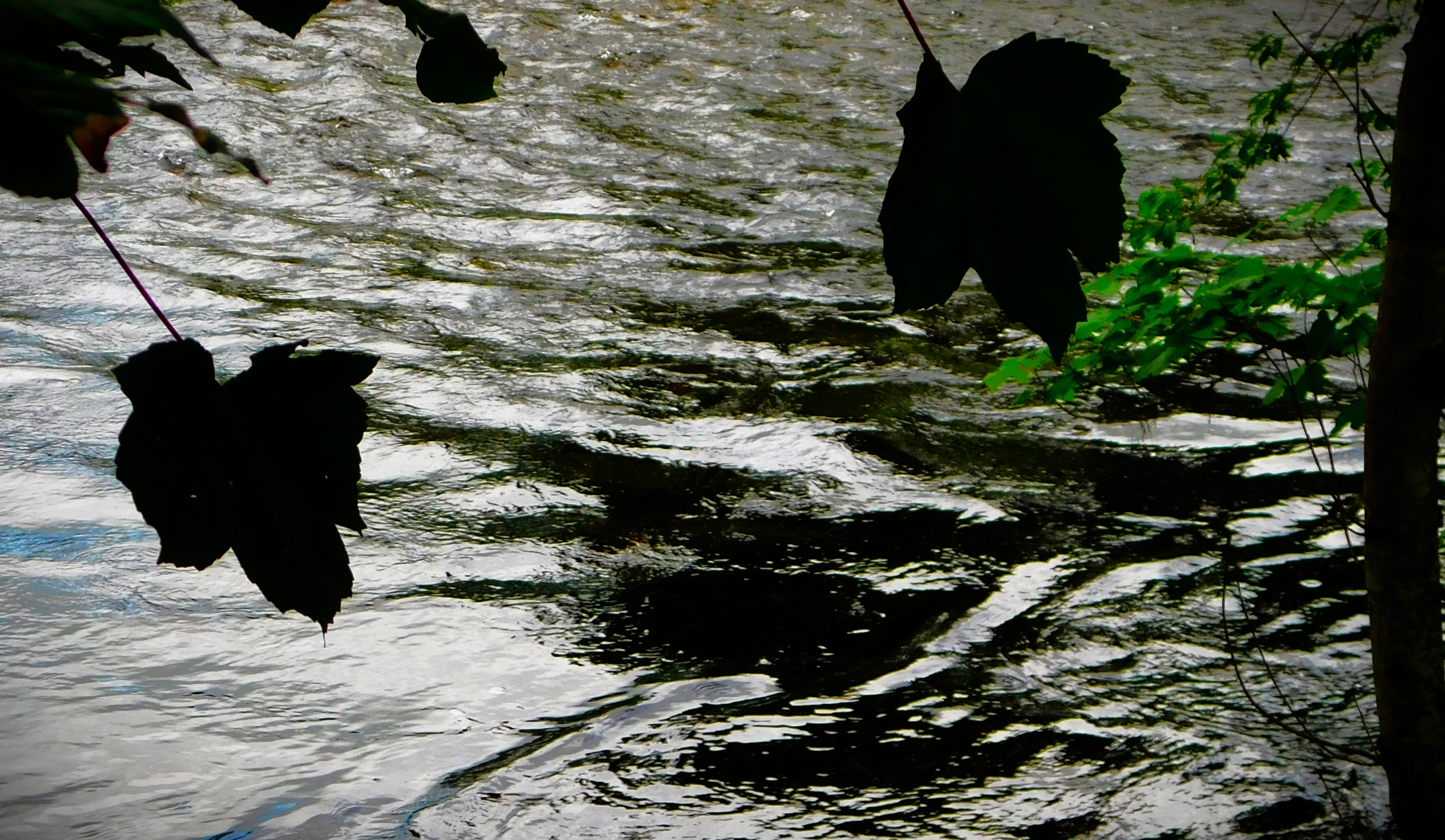
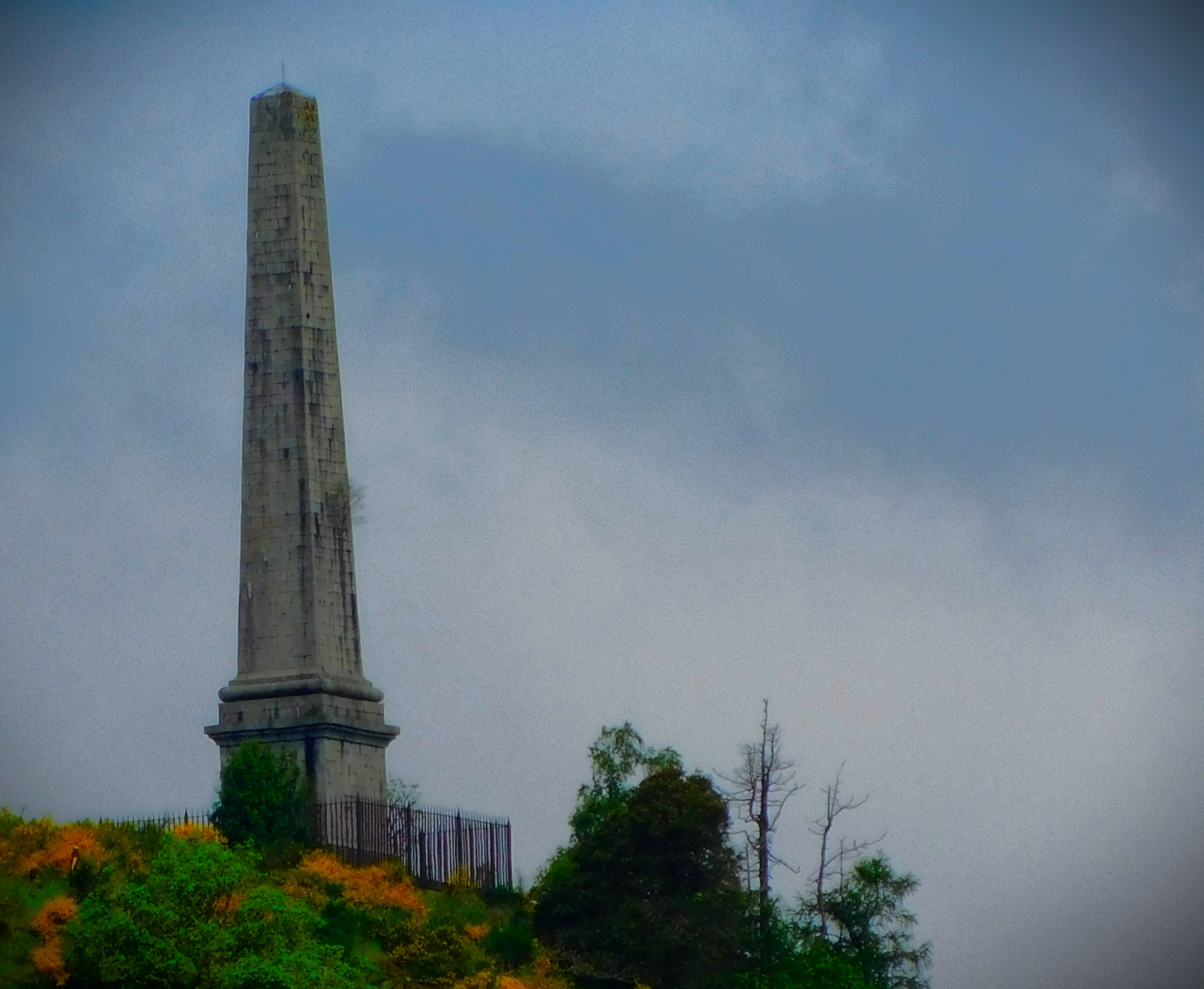
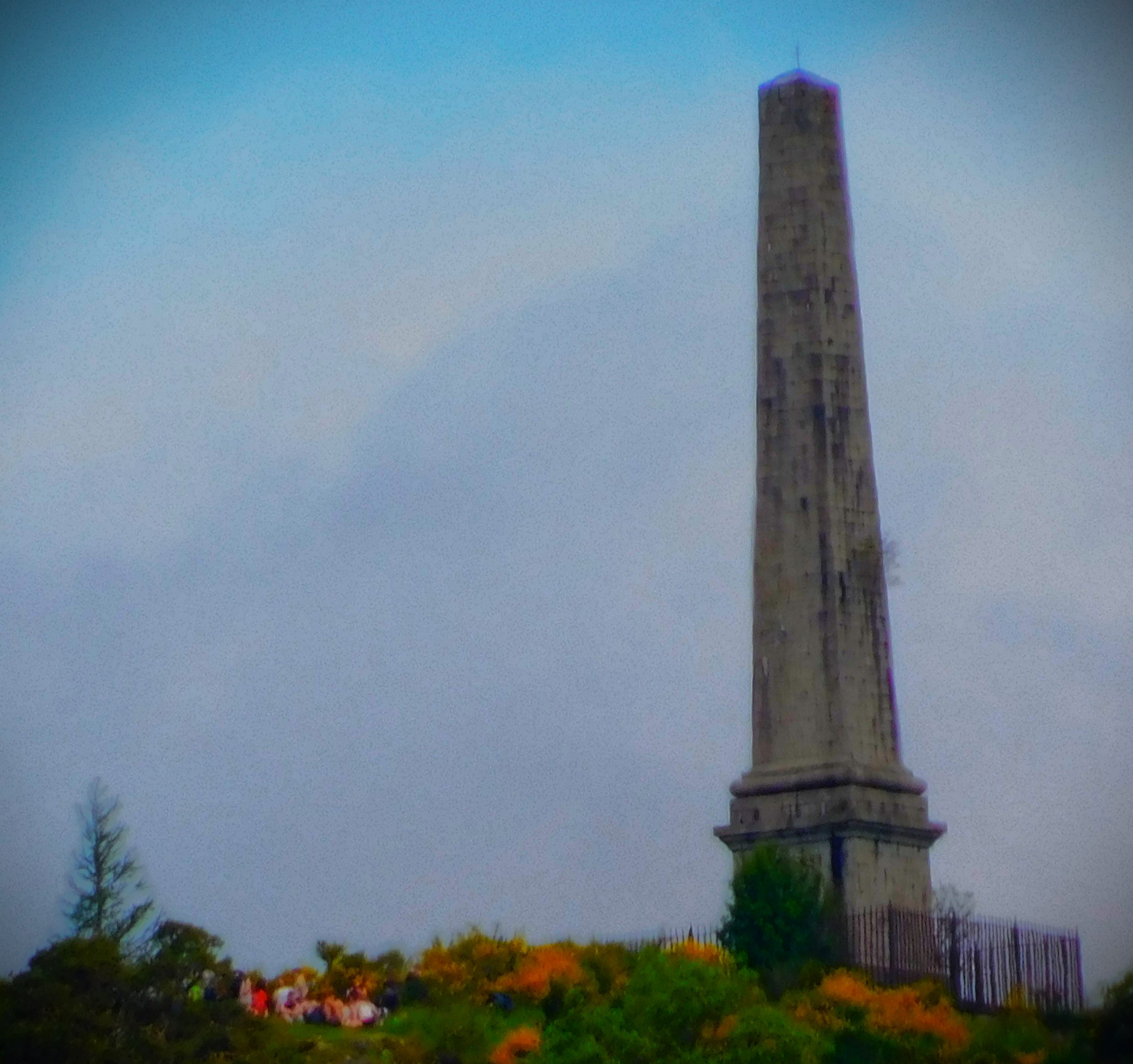
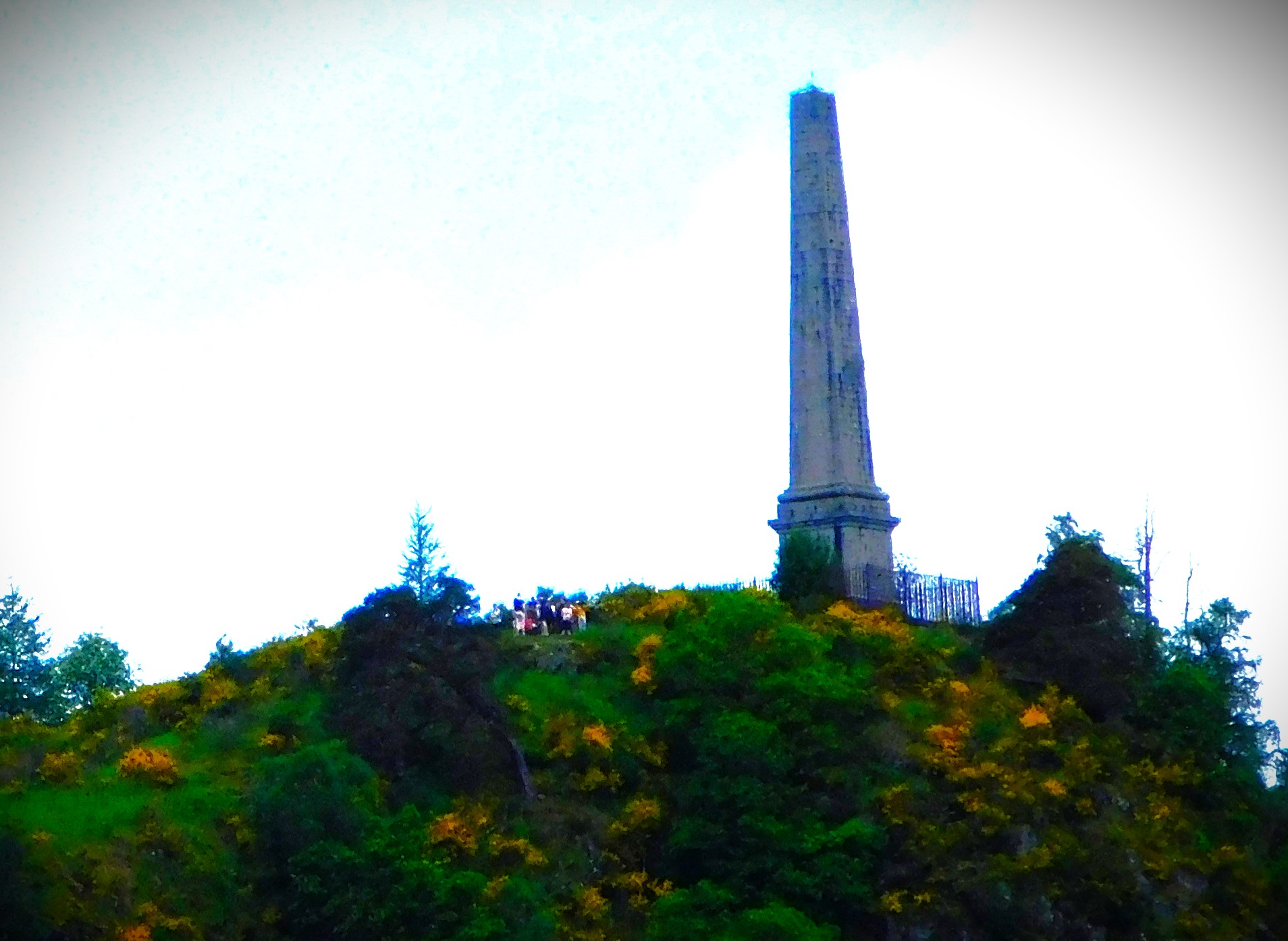
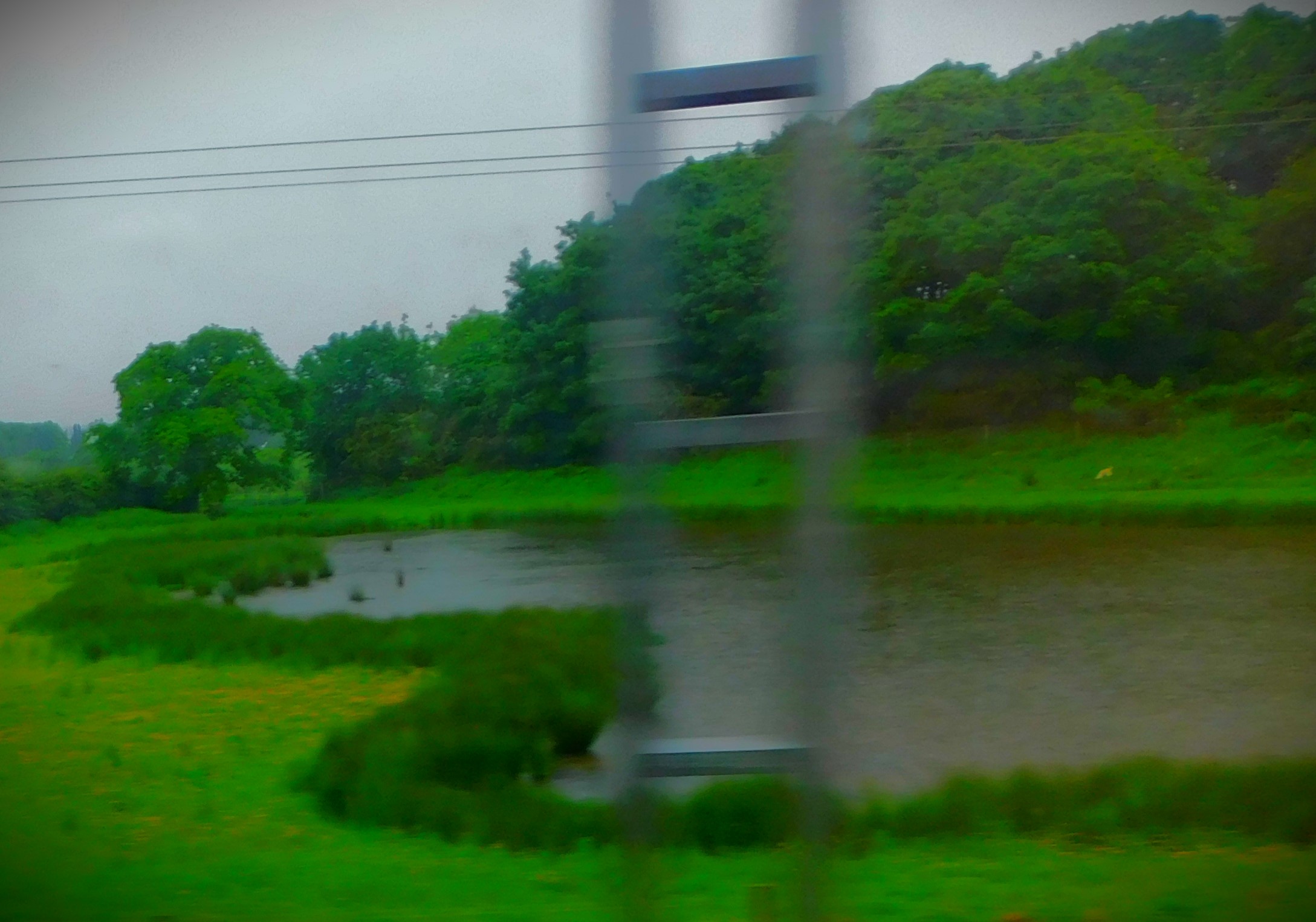
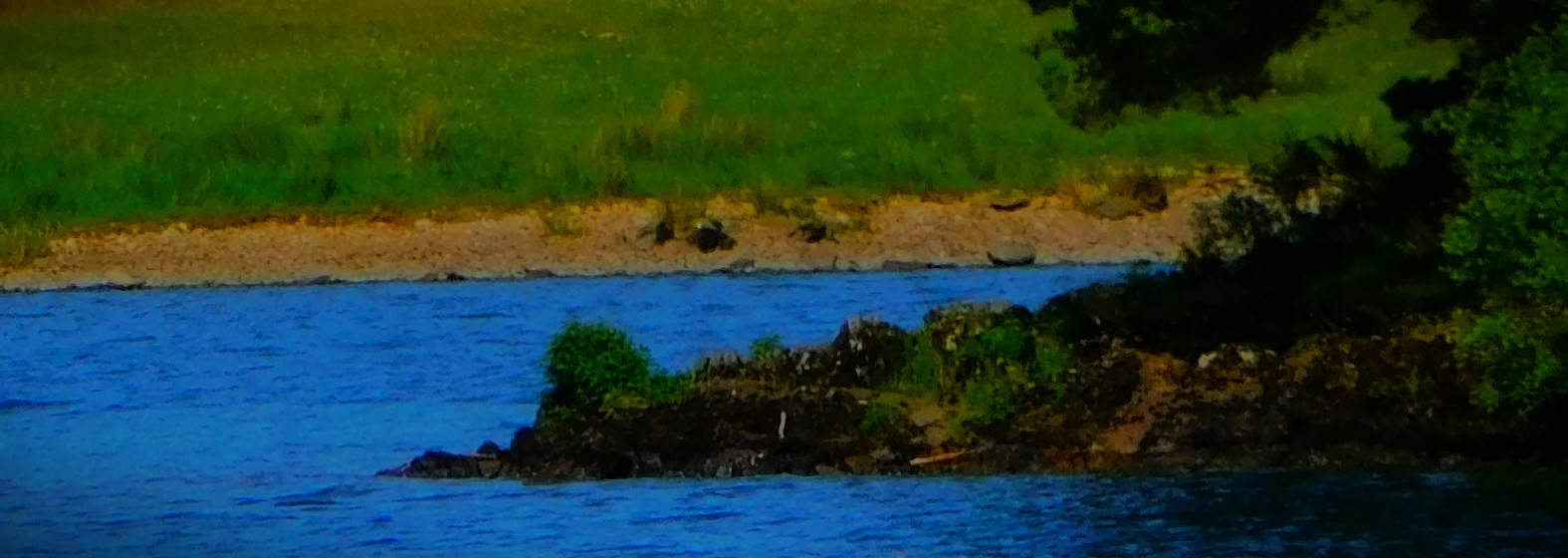
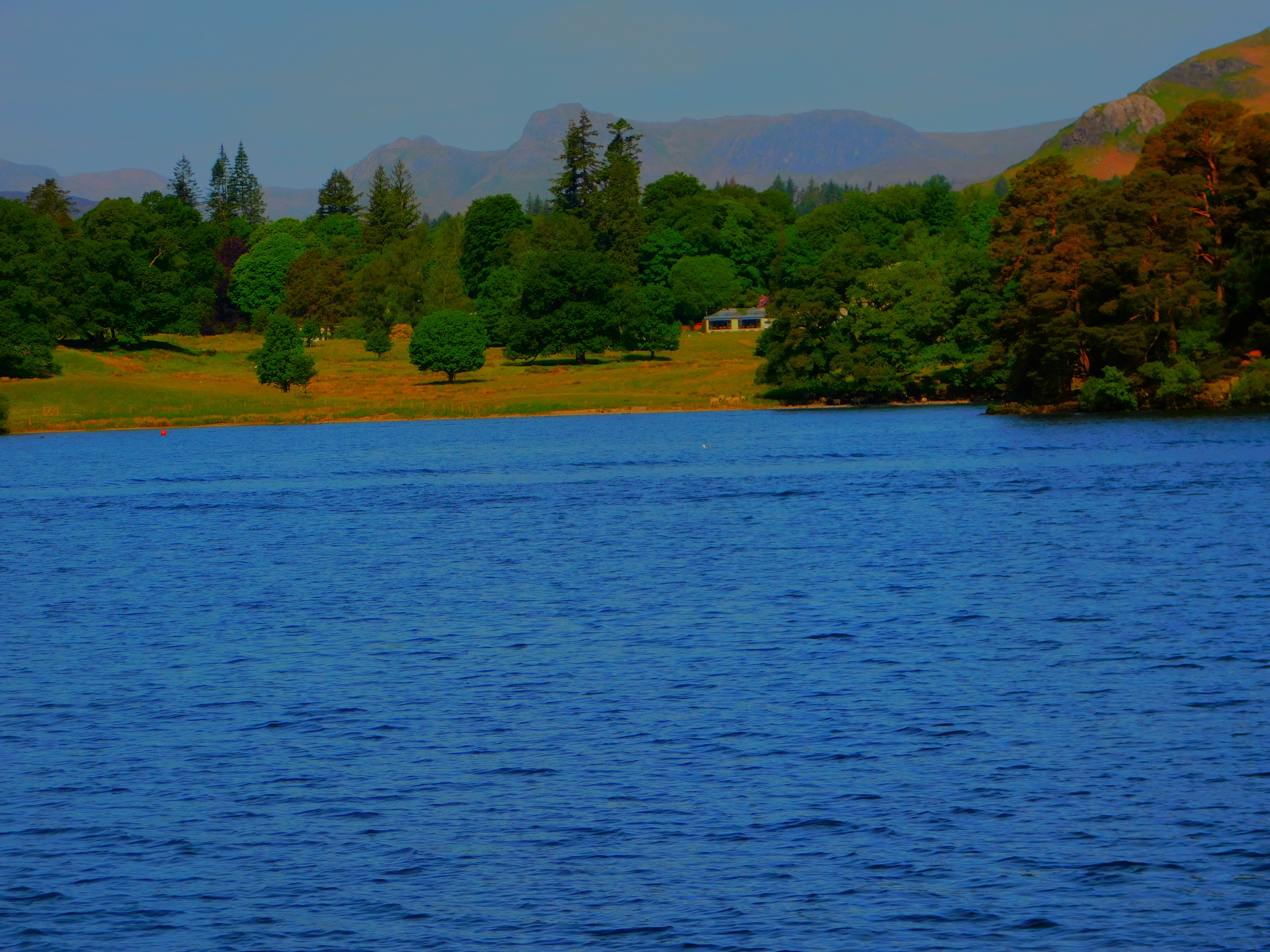
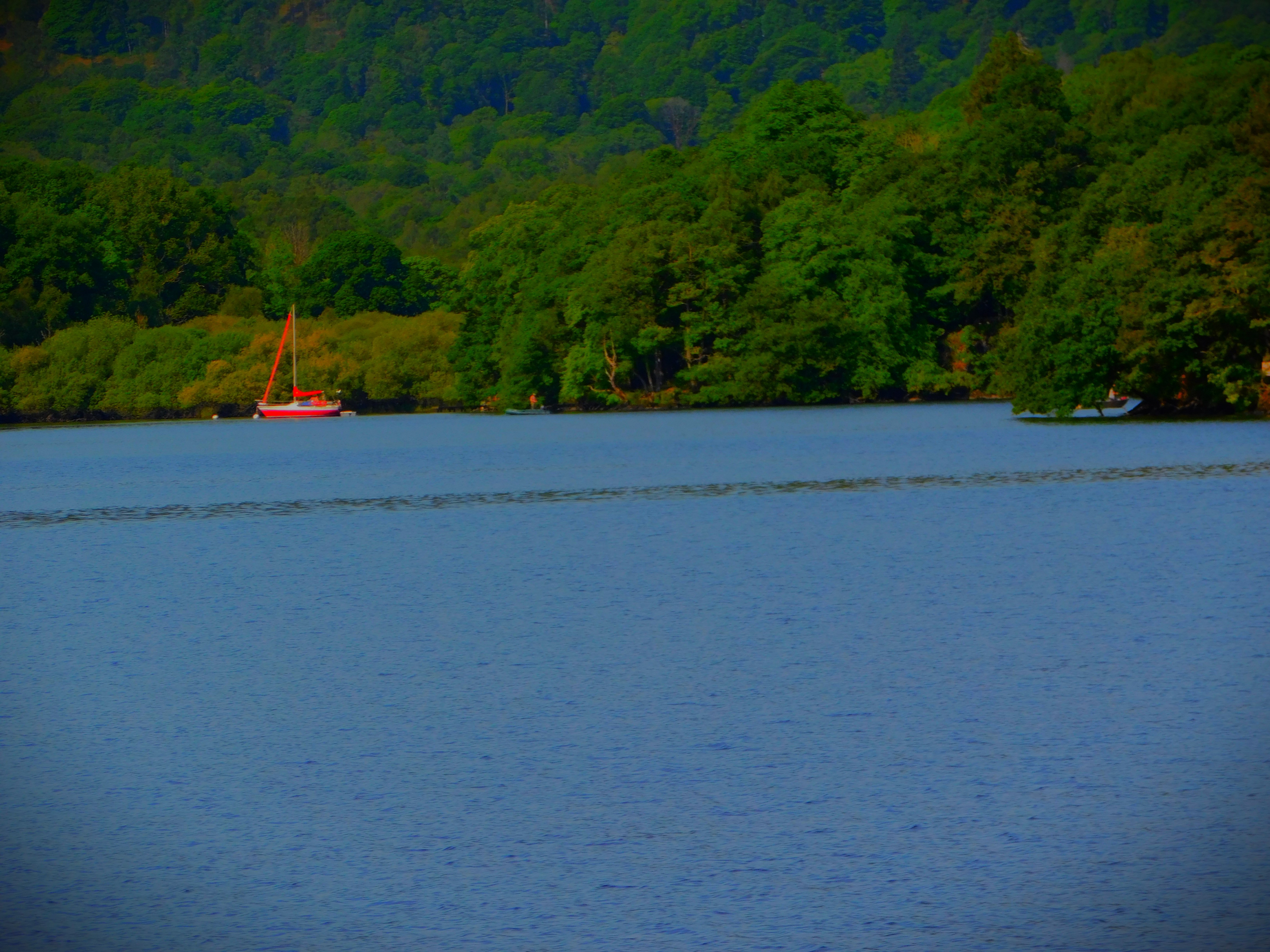
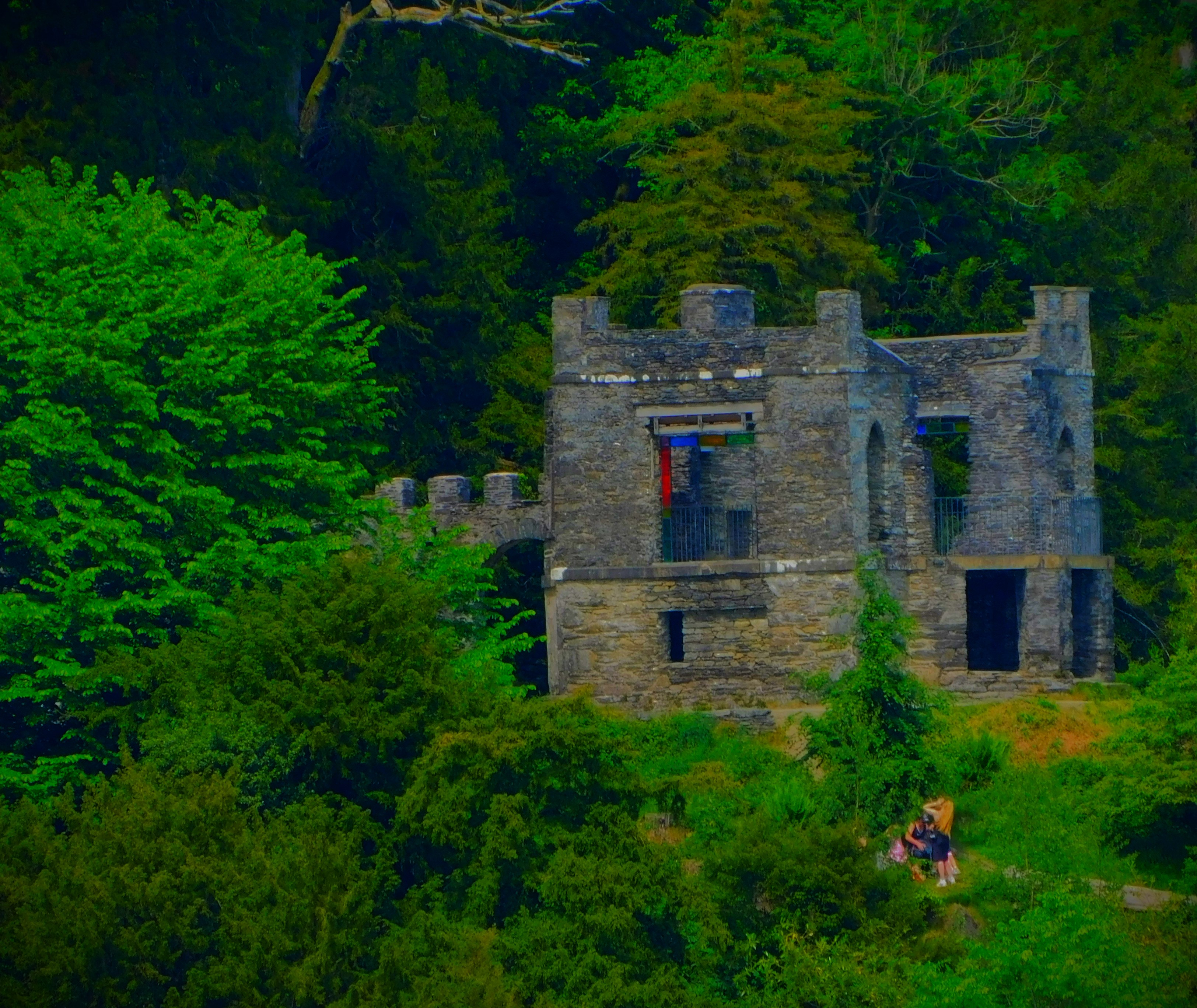
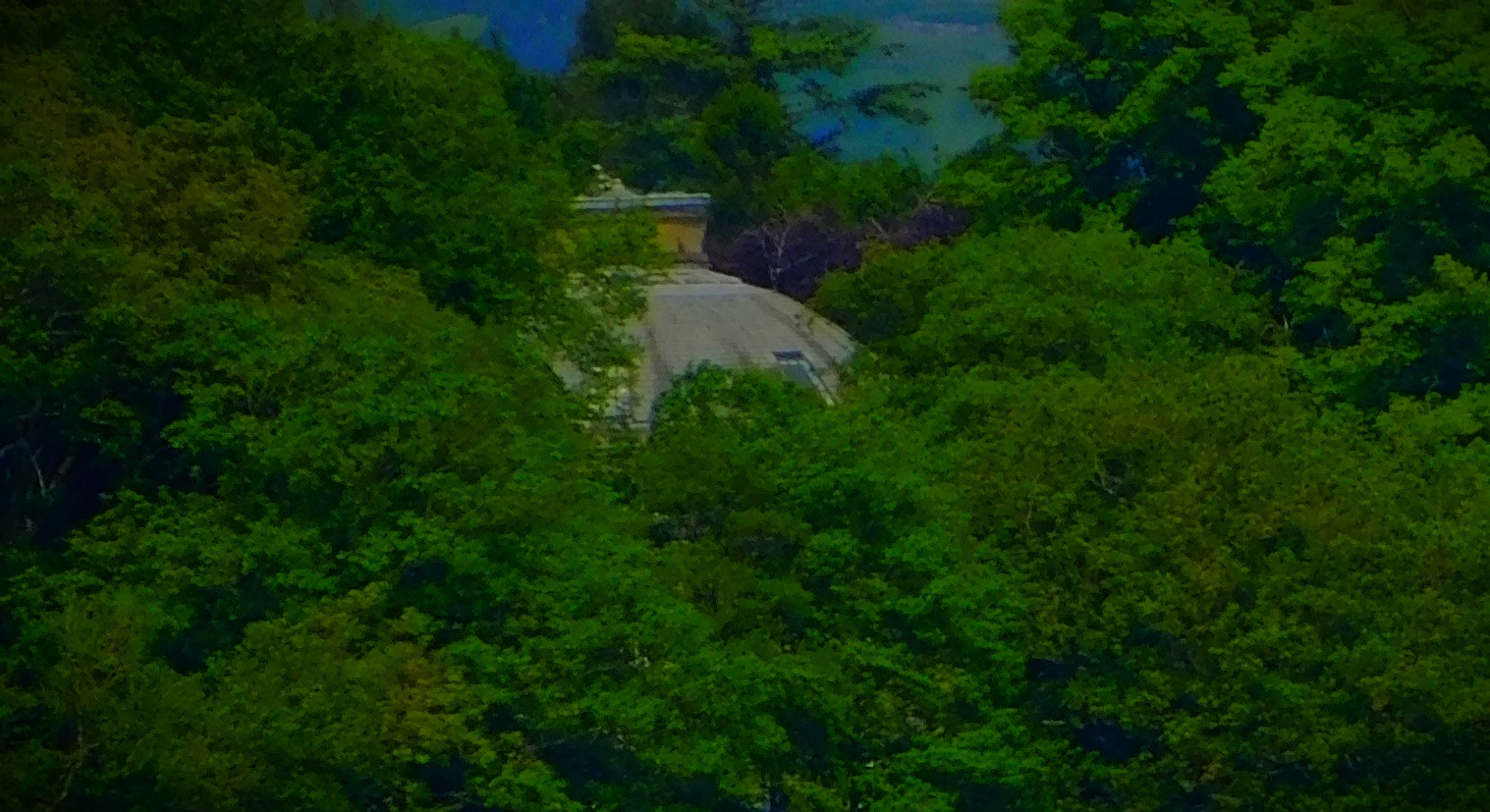
On the Wednesday morning I explored the river a little way in each direction. One way is a path that leads to Cultybraggan. In the other direction I got as far as Legion Park. From certain locations a hill top monument is visible – I photographed it more than once.
PHOTOGRAPHS
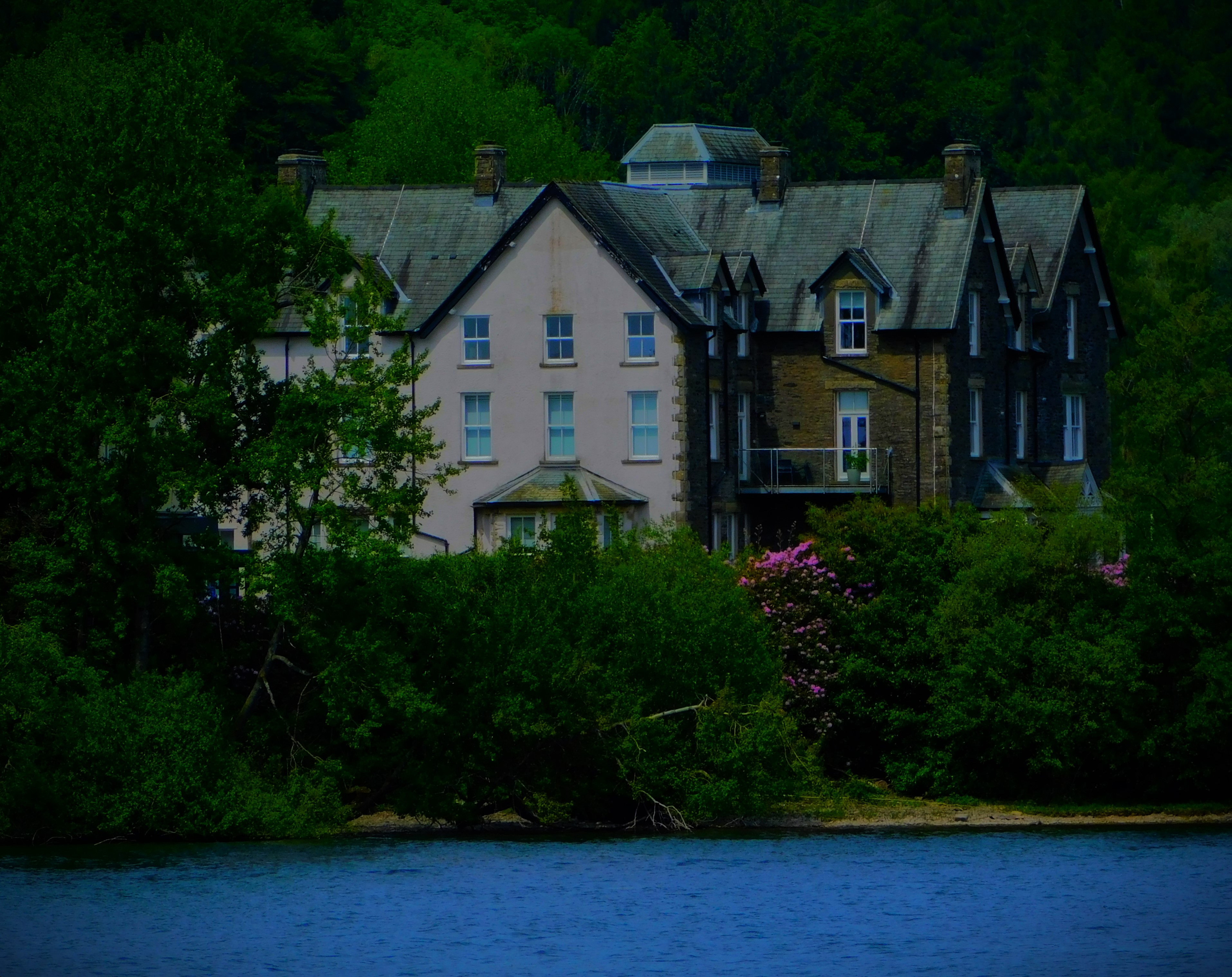
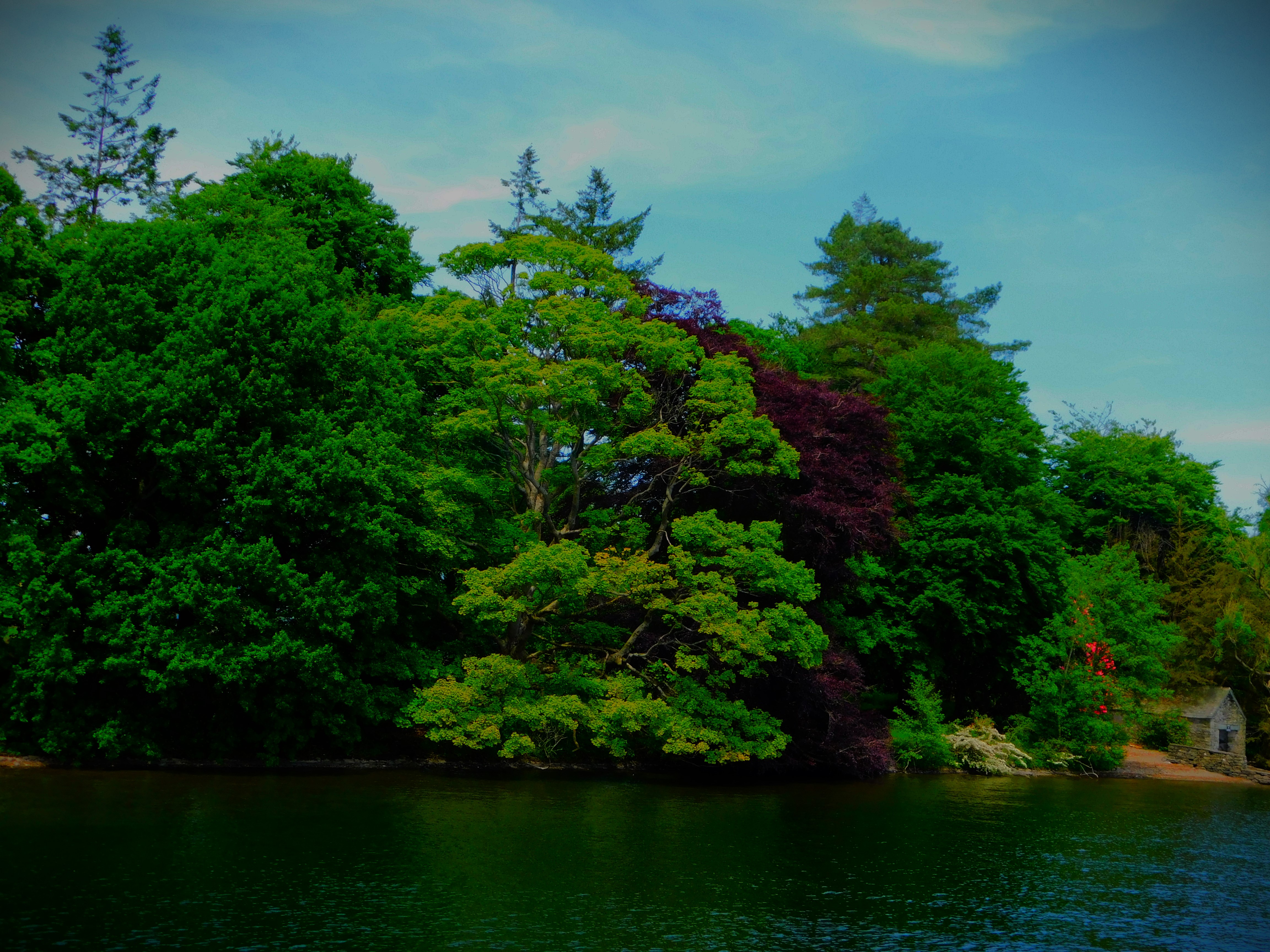
Here are the pictures for this post…
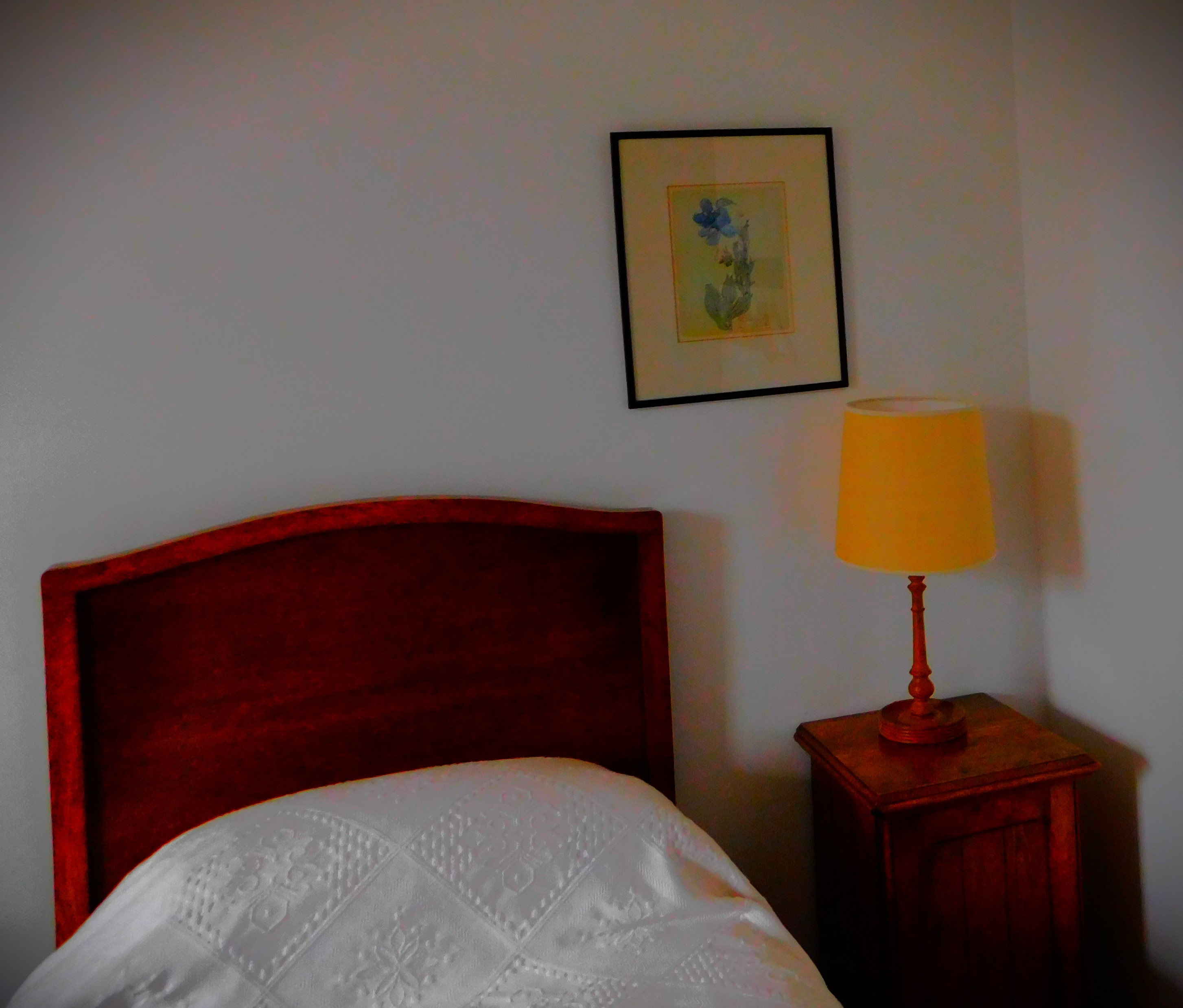
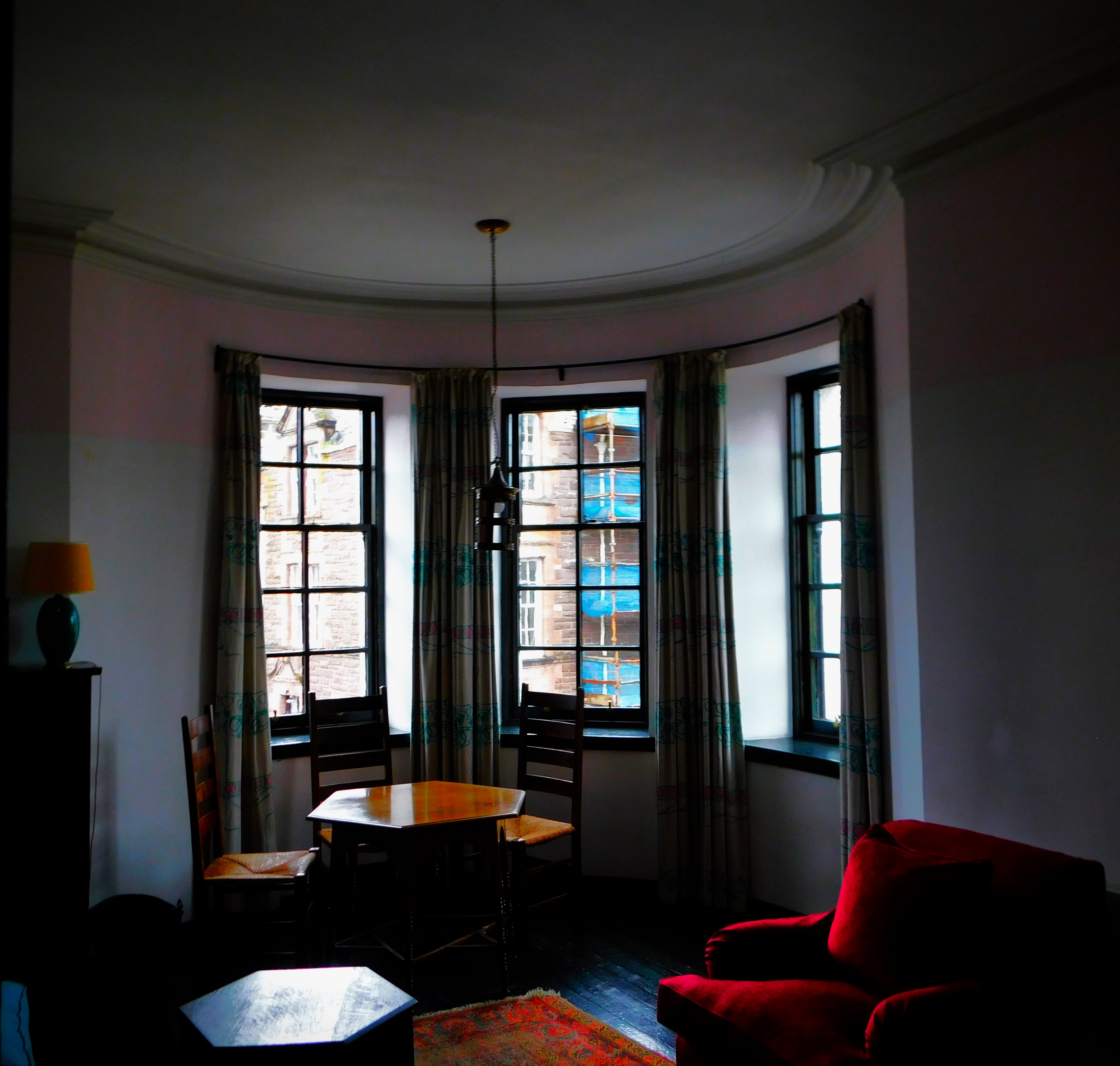
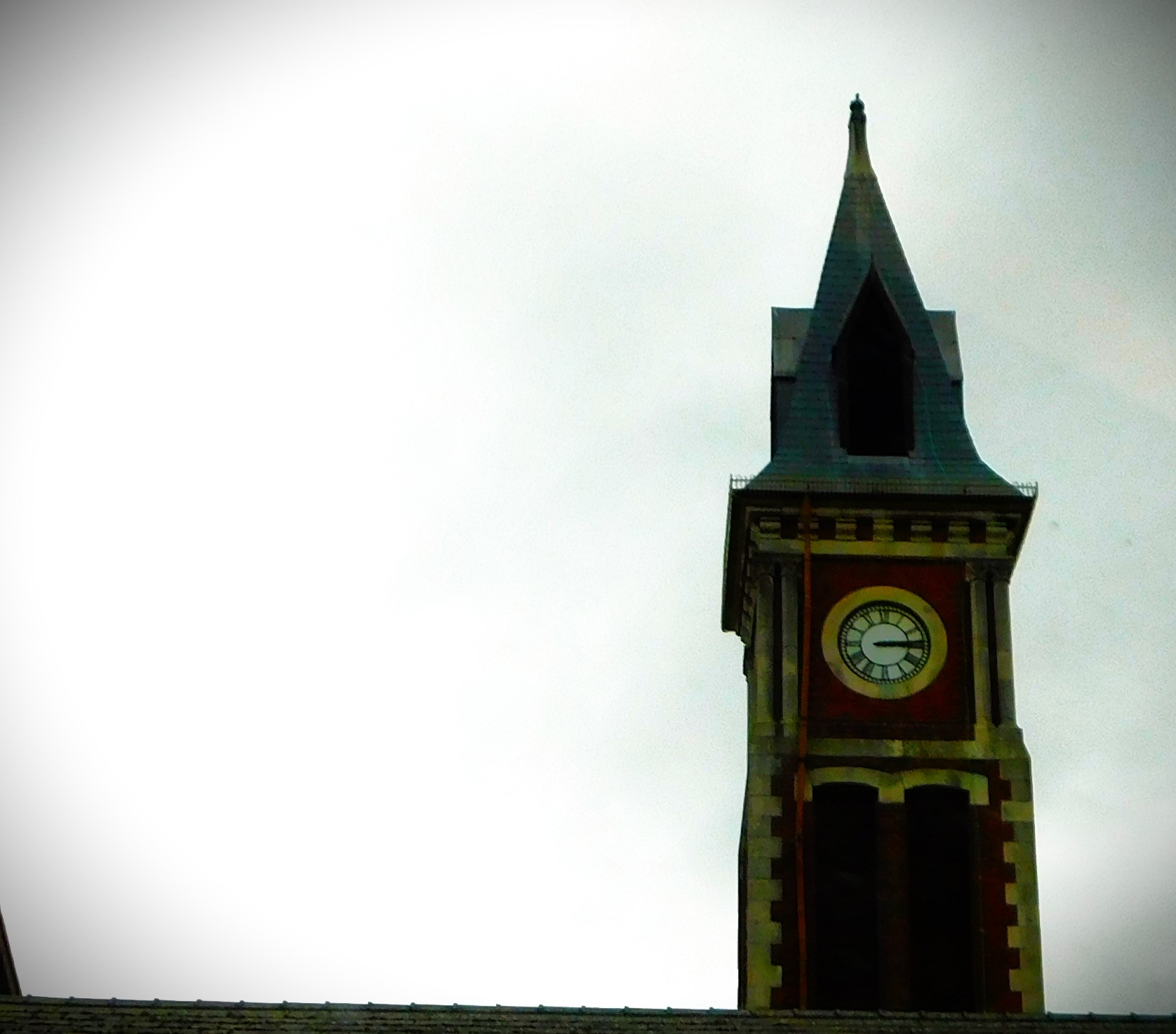
A community centre that looks like a church.The sitting room, showing the inside of the turret.
For those who made it to this point, here is the first of a series of waterfall videos which will feature in this series:
The public transport elements of my journey from King’s Lynn to Comrie.
This is the first of what I plan to be a series of posts about my recent holiday in Scotland. This post looks in detail at the public transport elements of the journey there.
KING’S LYNN TO PETERBOROUGH
I booked my train tickets to and from Peterborough because it is significantly cheaper that way and also the train journey to Peterborough involves a change at Ely. With the train on which I had a reserved seat leaving Peterborough at 10:18AM I assessed that the right bus to be on was the 8:30AM bus, which meant I needed to leave before 8 o’clock to be sure of catching it. This did not prove to be any great problem. The bus ran smoothly and I arrived at Peterborough with plenty of time to find the correct platform and the correct place on that platform to wait to board the train at the right point (I was in coach H, which was shown on the information screen as needing me to be in zone 5 of the platform…
PETERBOROUGH TO EDINBURGH WAVERLEY
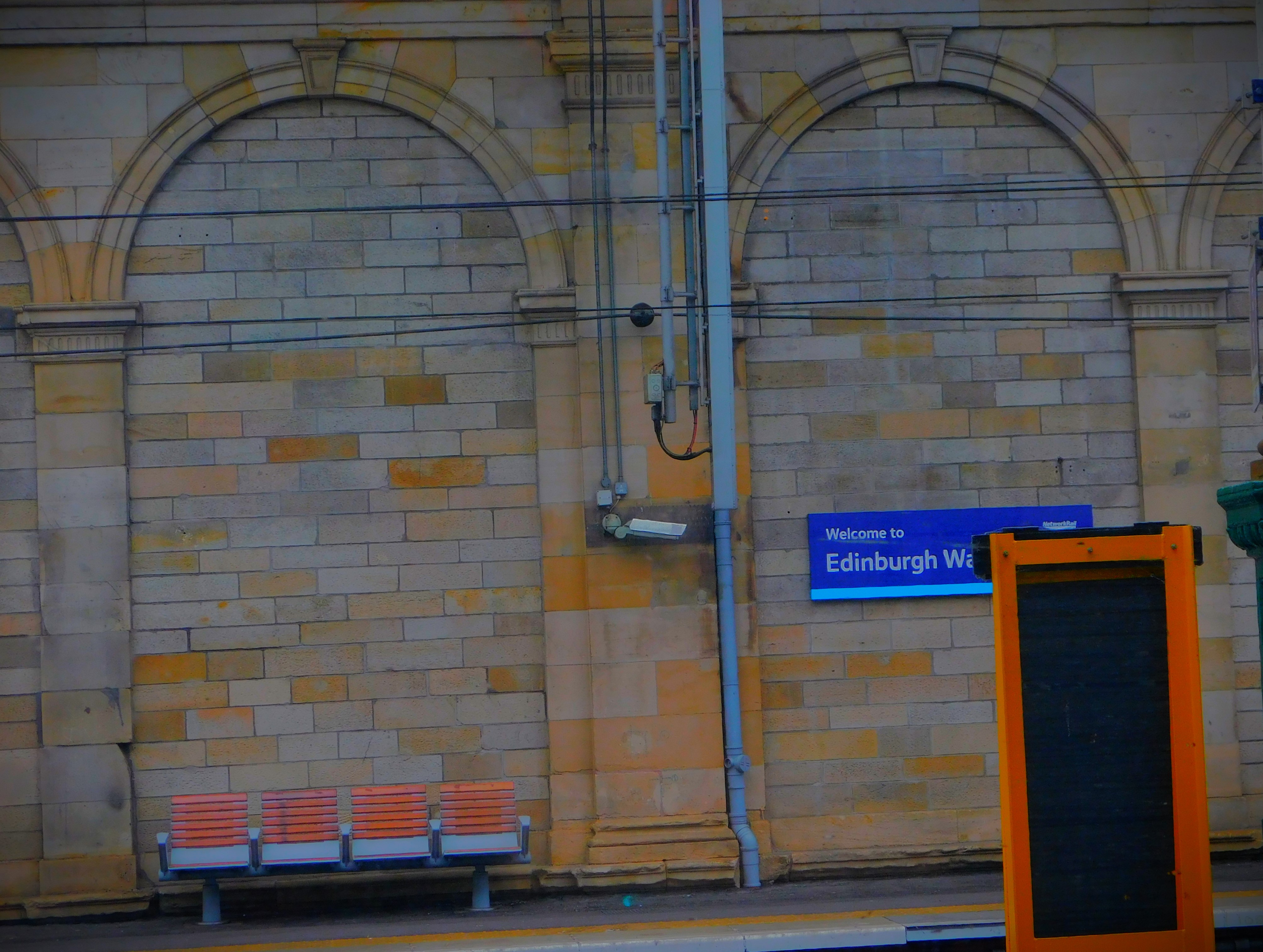
This was the longest leg of the journey, but compensated by also being the fastest. Finding my reserved seat was straightforward, and no one had unthinkingly occupied it, so I was able to seat myself without having to ask anyone to move (even though reservations are very clearly indicated as such it is not unknown to find a reserved seat already occupied, and I will get the person occupying it to move if that is the case). I had booked a forward facing window seat, and on this occasion that was what it proved to be – and it was on the better side of the train for photography. This route provides plenty of fine views, especially between York and Edinburgh (though there a few good bits south of York as well). The task at Edinburgh was to locate the train I was to travel on as far as Stirling, which I did…
EDINBURGH TO STIRLING
This was on a stopping service which was ultimately headed for Dunblane, and passed through a few interesting places. At Stirling I had to change trains for the final leg of the journey to Perth, but this did involve moving platforms, for which I was grateful.
STIRLING TO PERTH
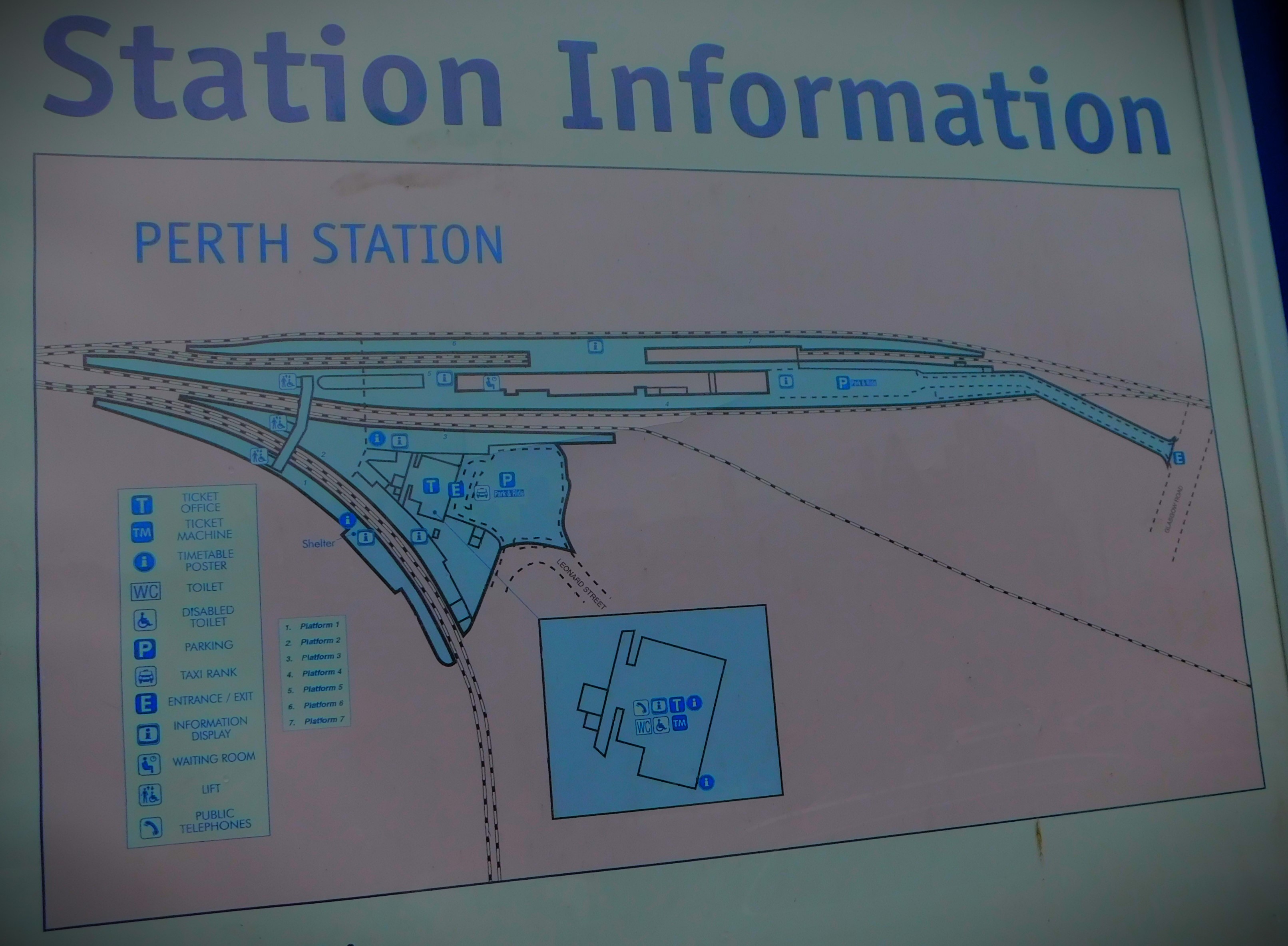
This was a non-stop journey on a Scotrail Intercity service heading towards Inverness. Unfortunately I was unable to secure a window seat for this final leg of the journey, though I did spot one or two interesting things on arrival at Perth. The train arrived at Perth at the scheduled time, which meant that seven and a half hours of public transport travel involving one bus and three trains had ended with the traveller in the right place at the right time – which in 21st century Britain comes close to qualifying as miraculous.
PHOTOGRAPHS
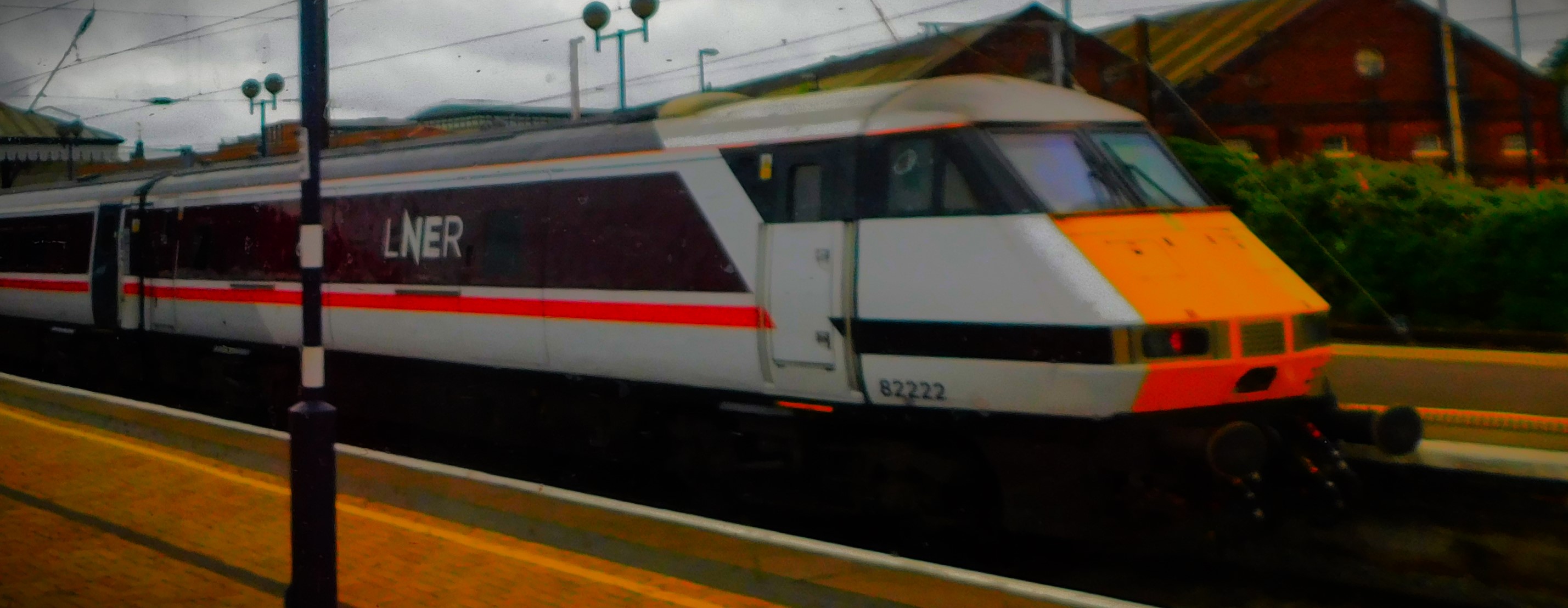
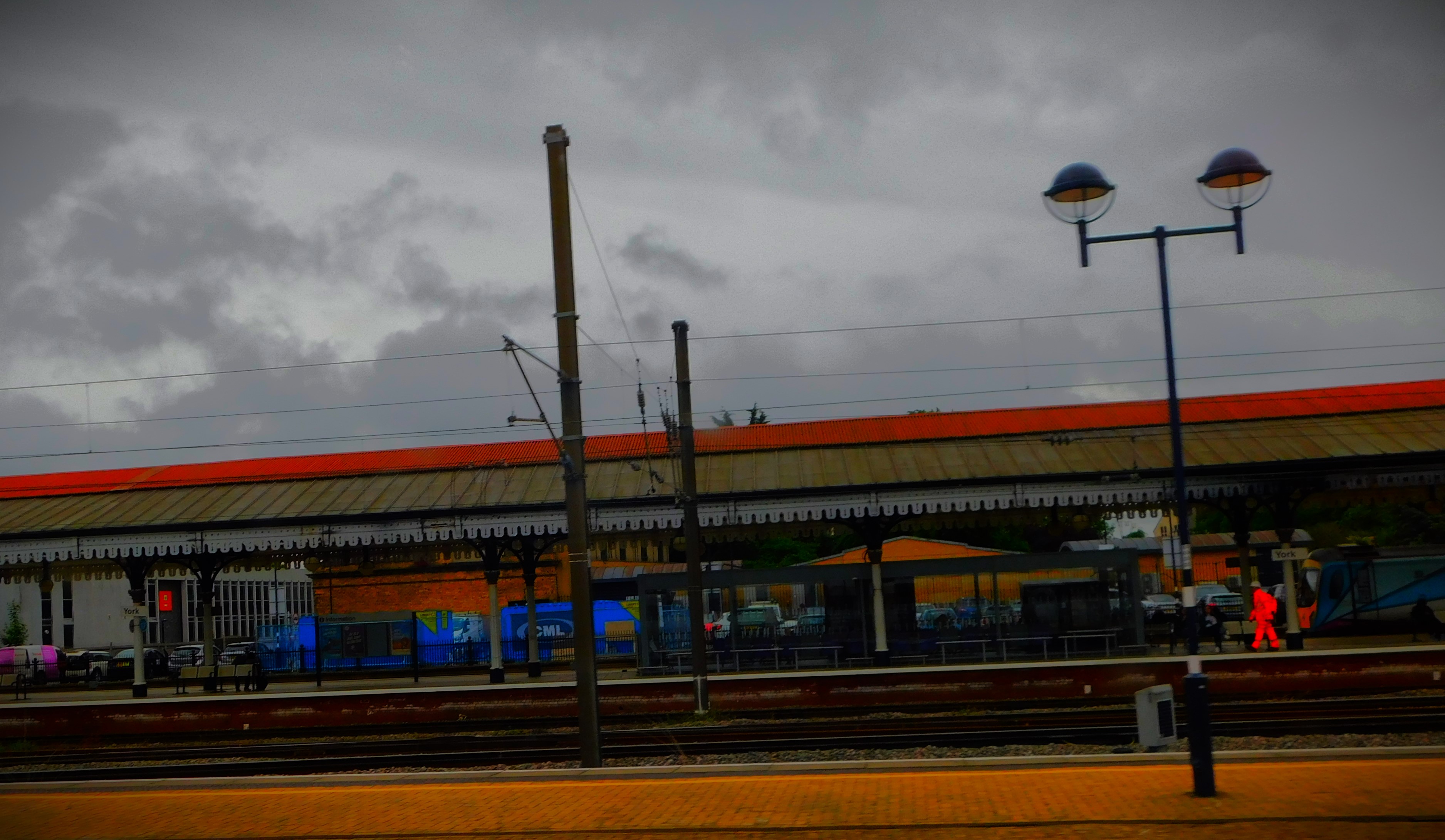
Taking photographs through the windows of buses and trains is often frustrating, but yields enough good pictures to be worthwhile….
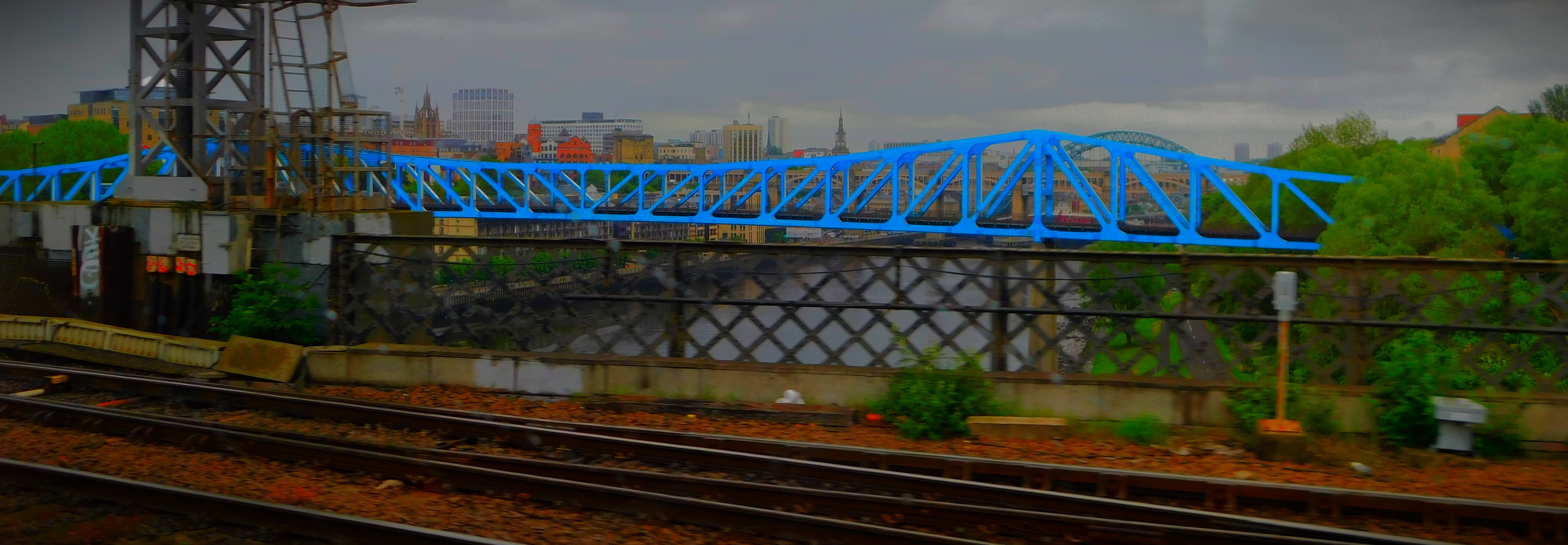
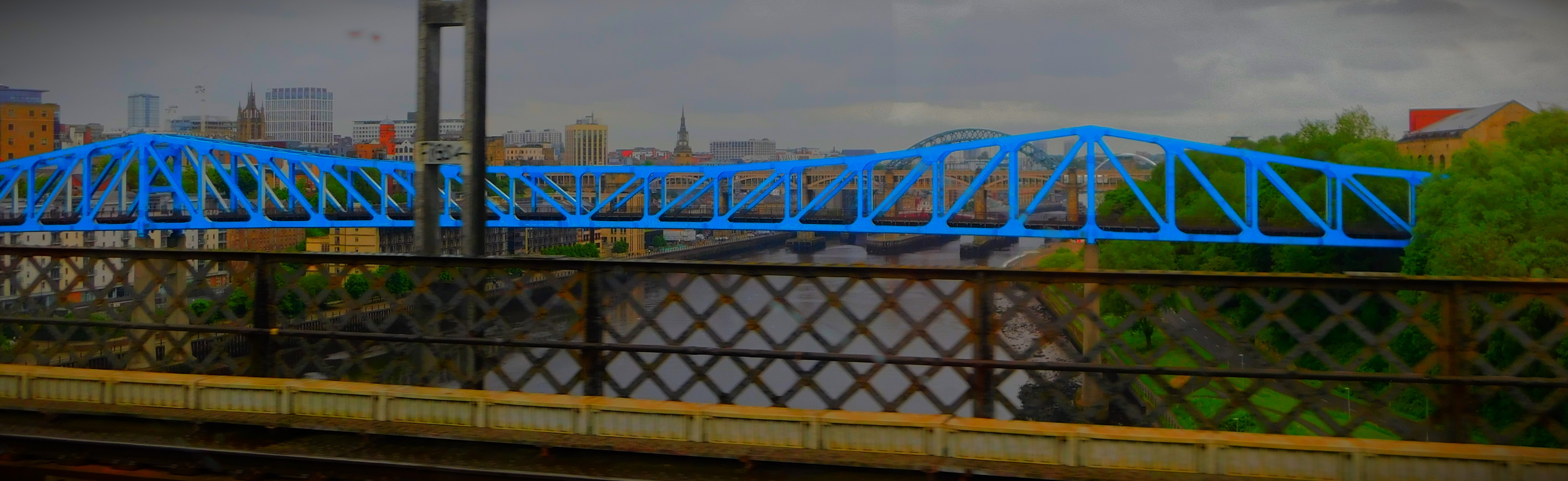
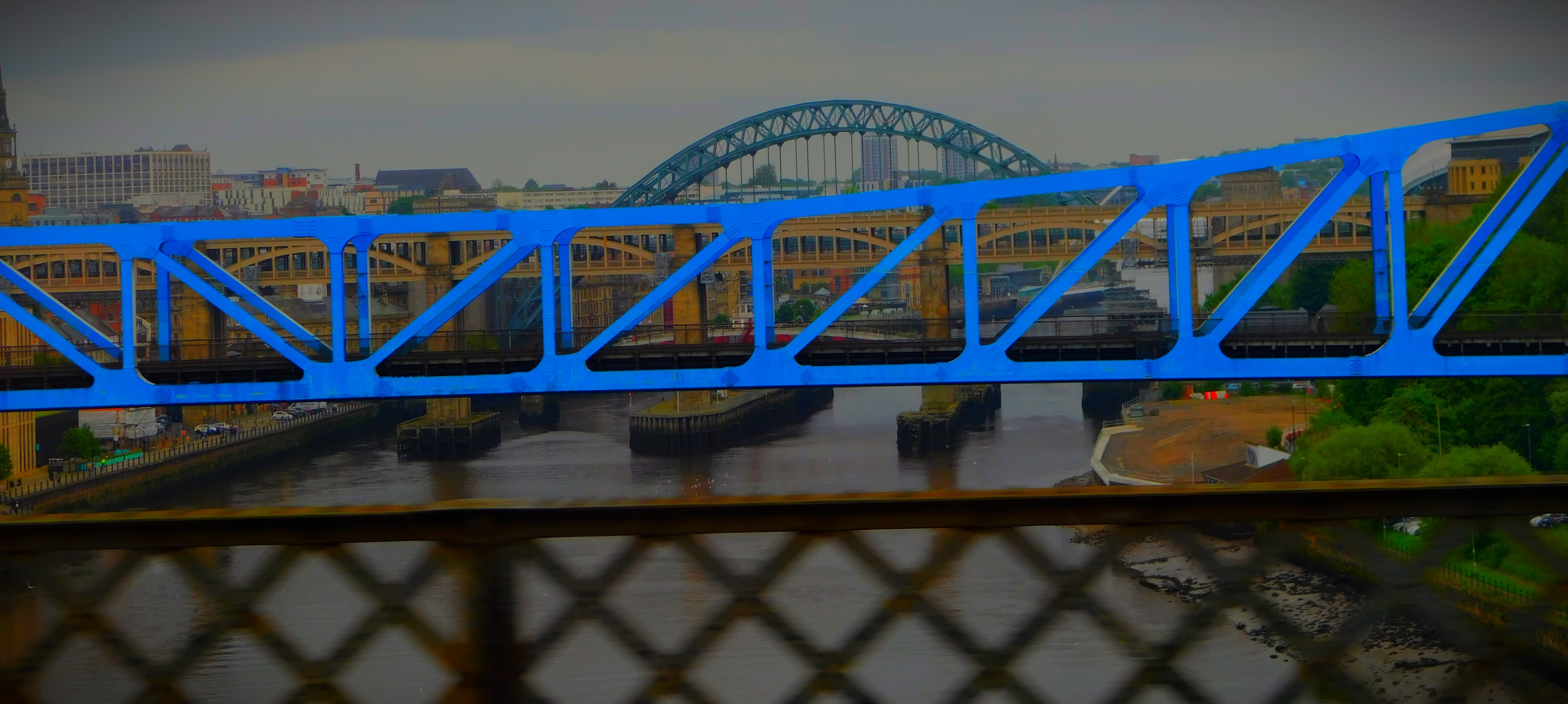
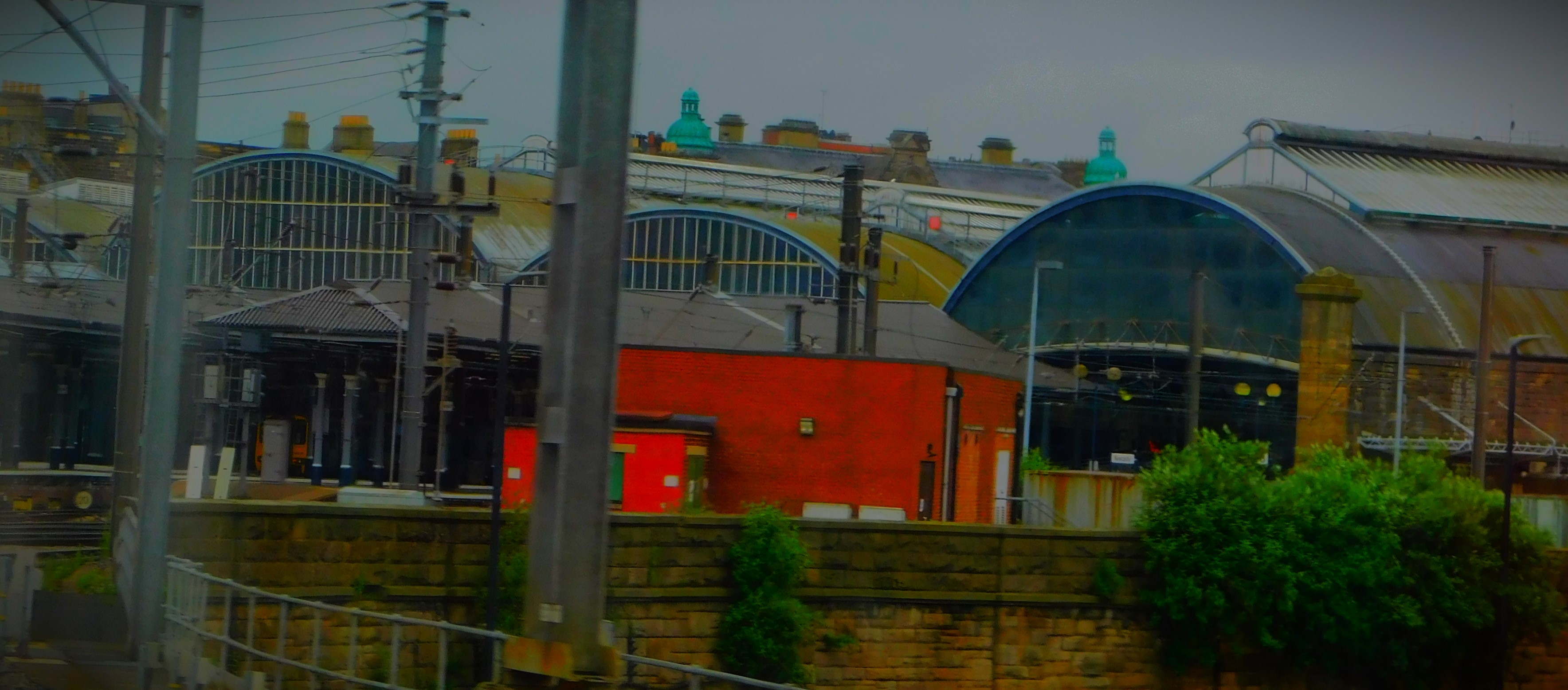
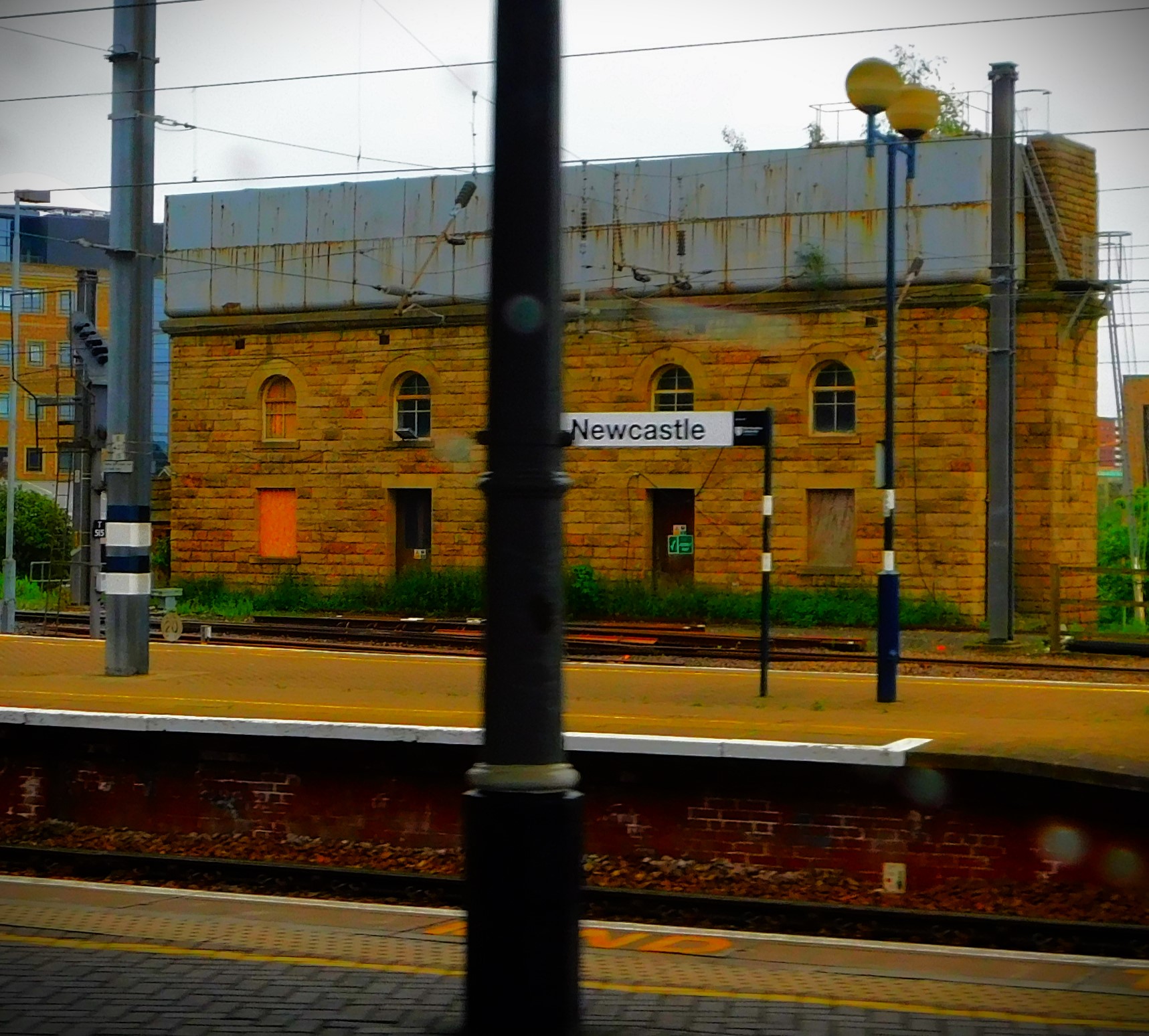
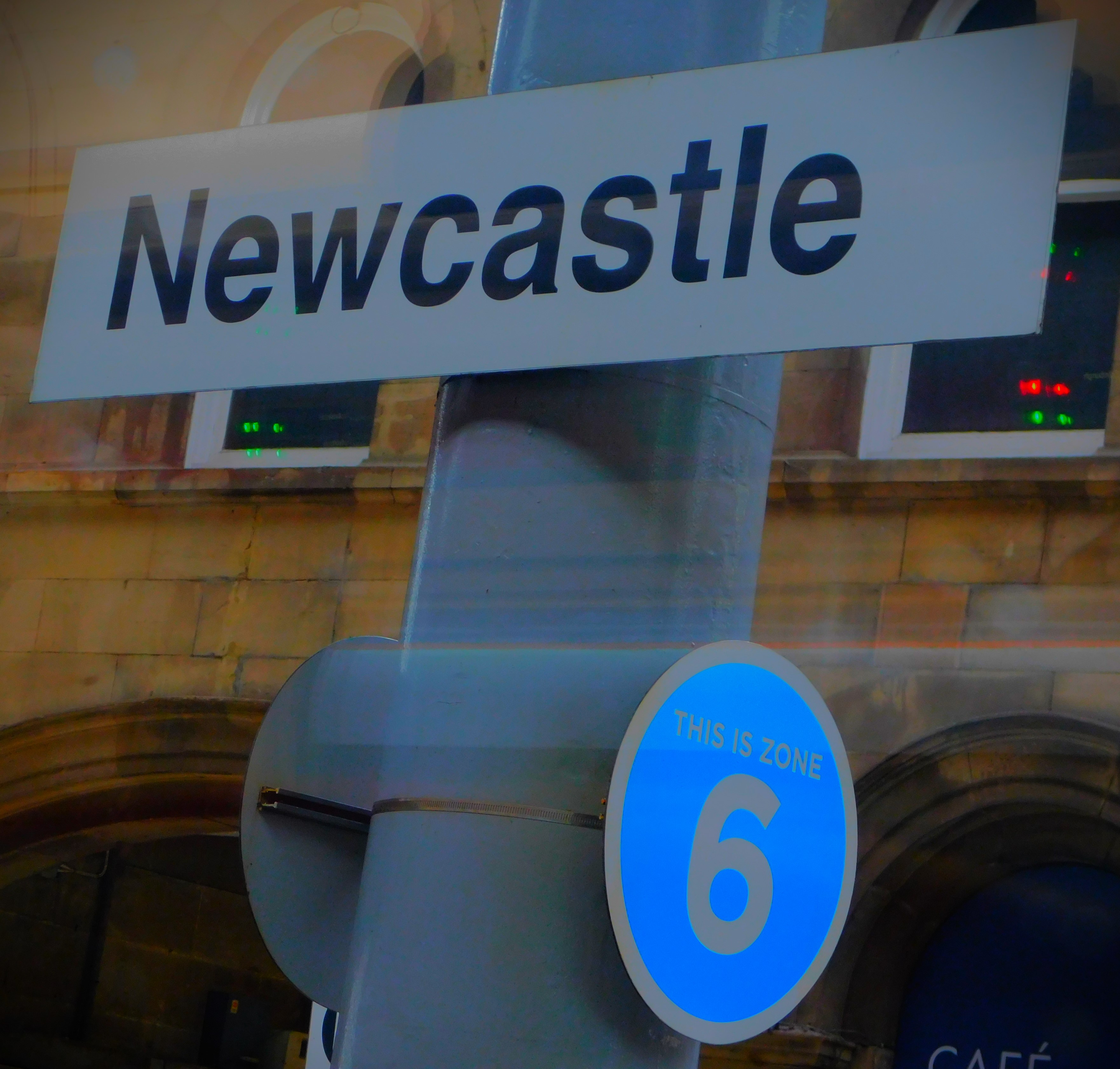
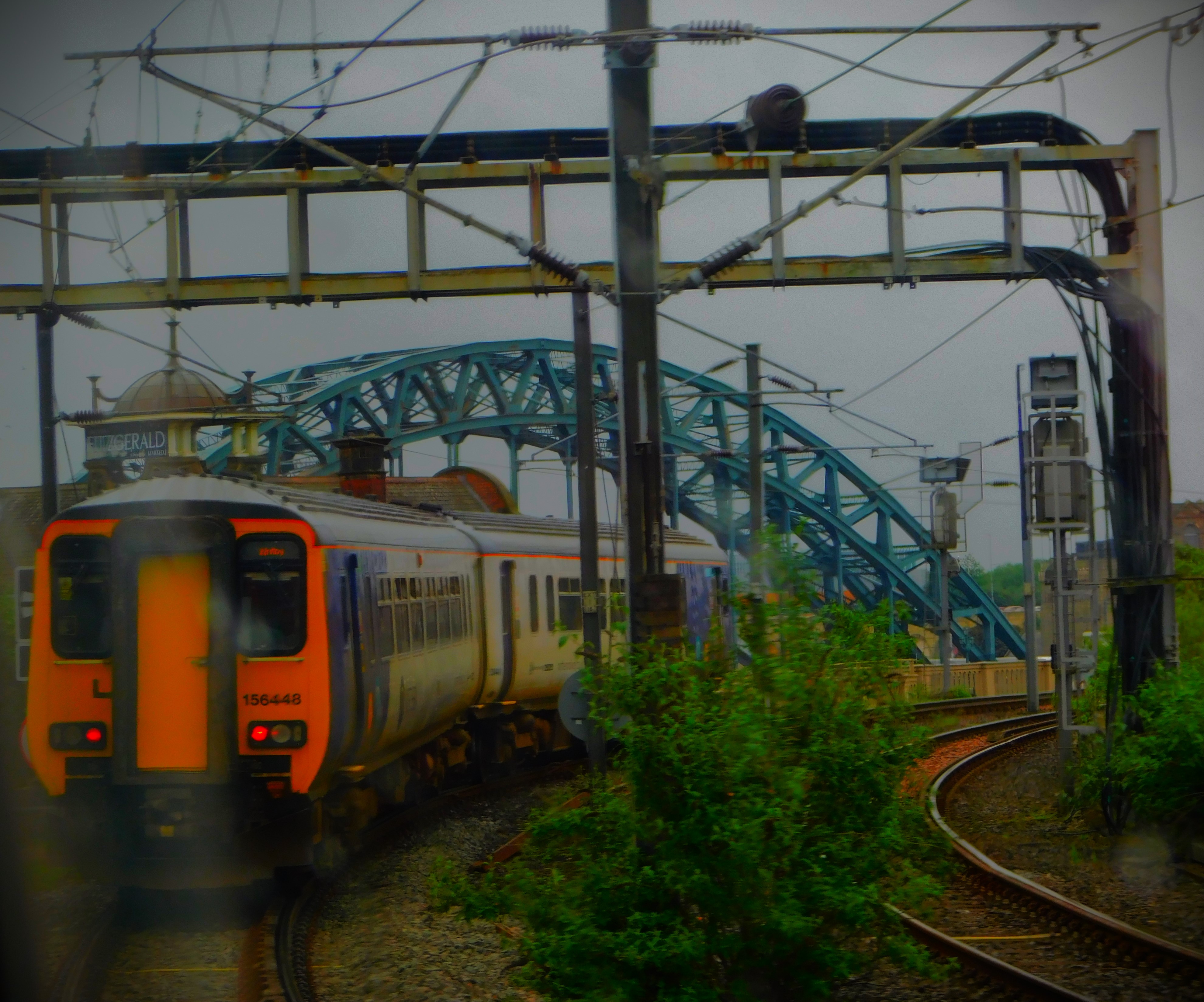
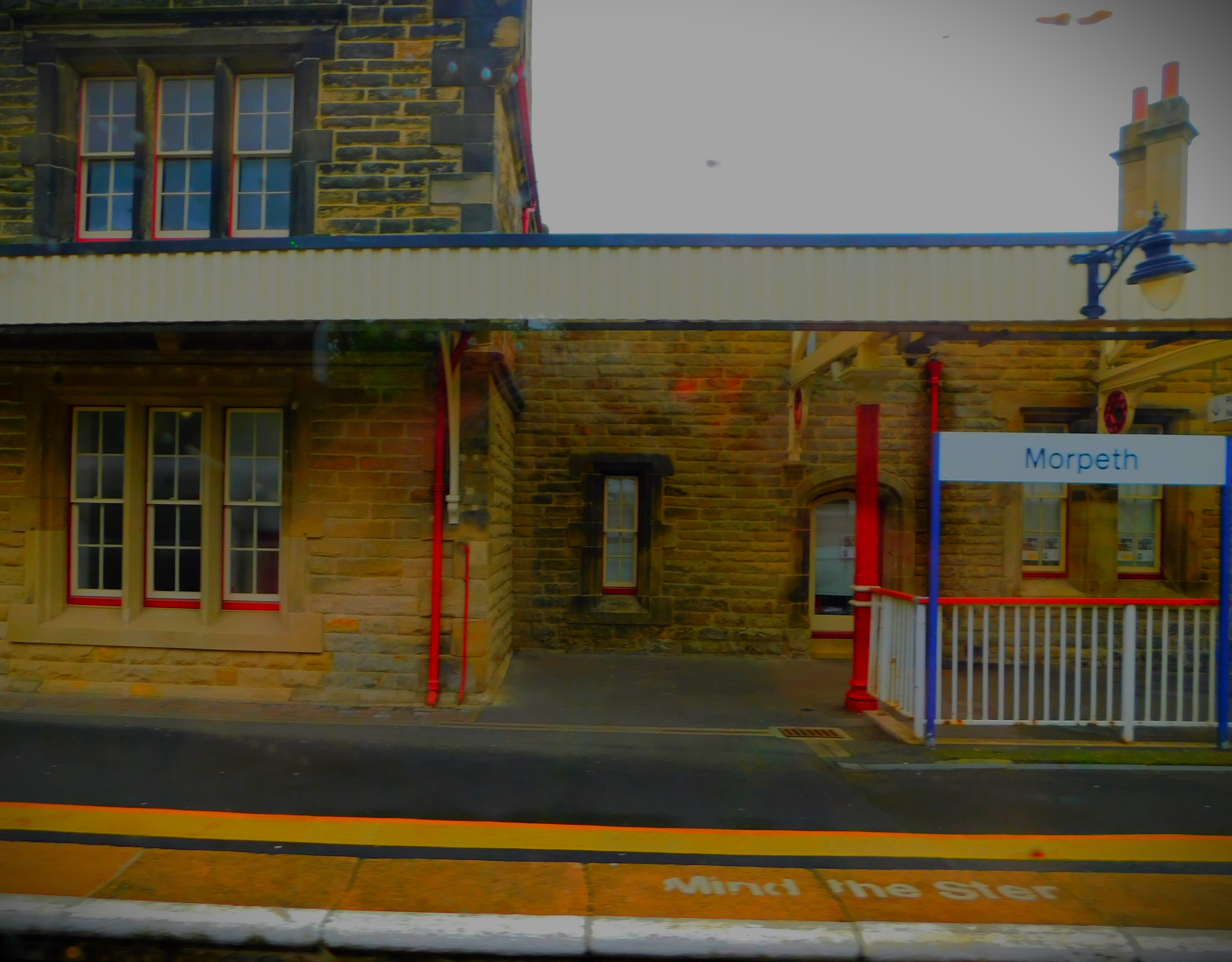
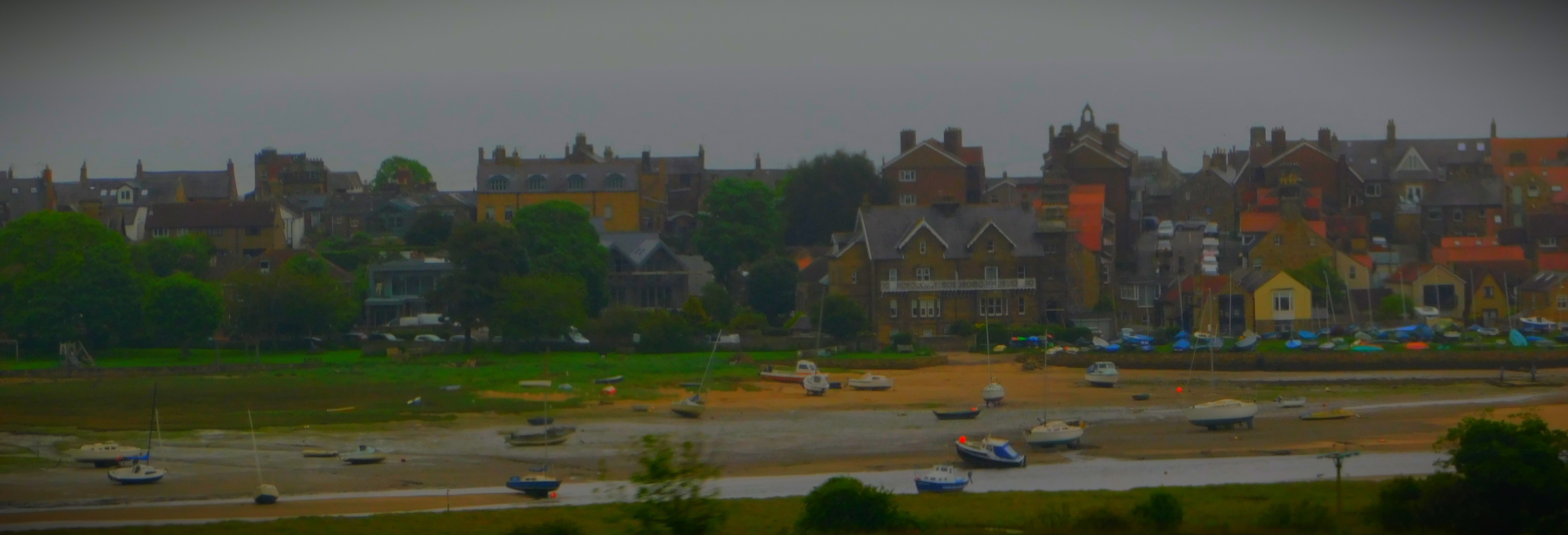
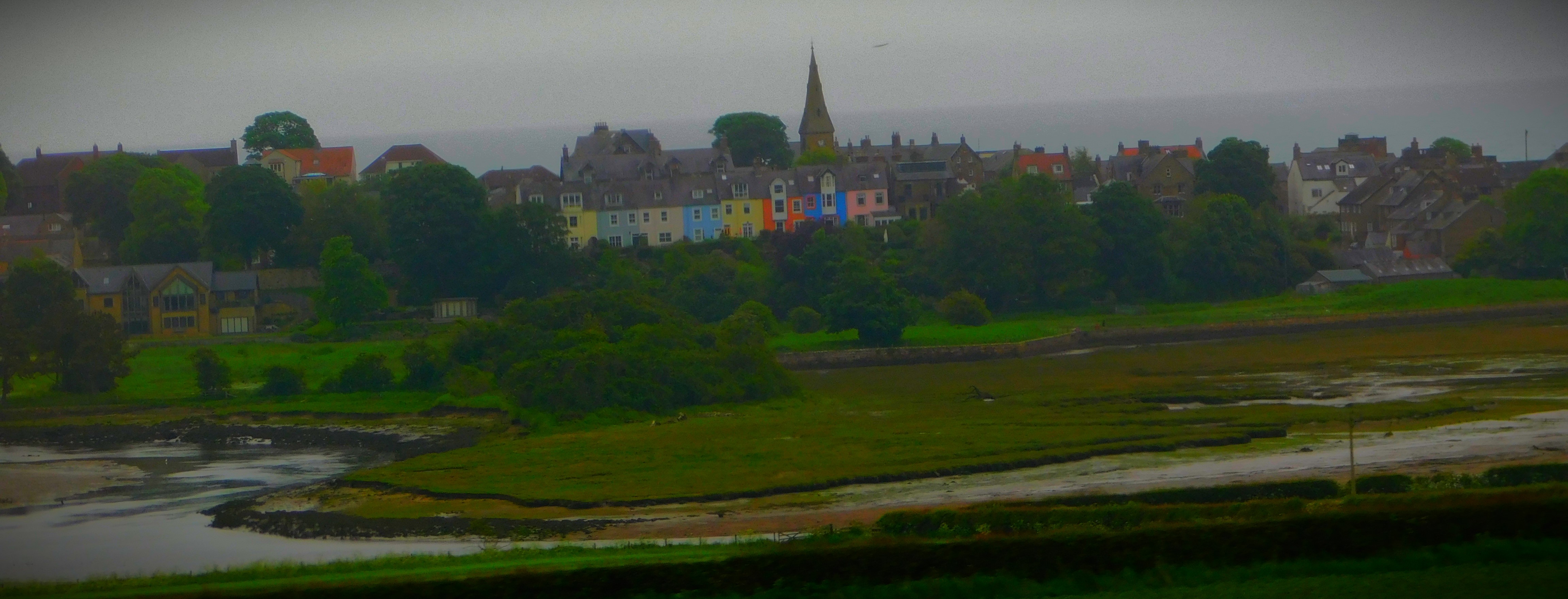
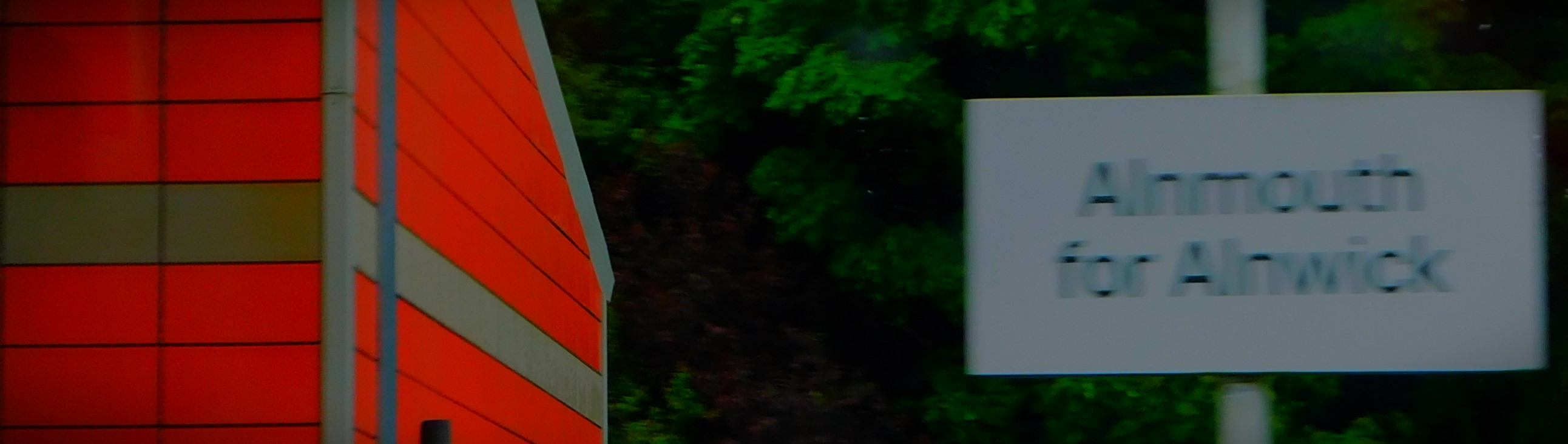
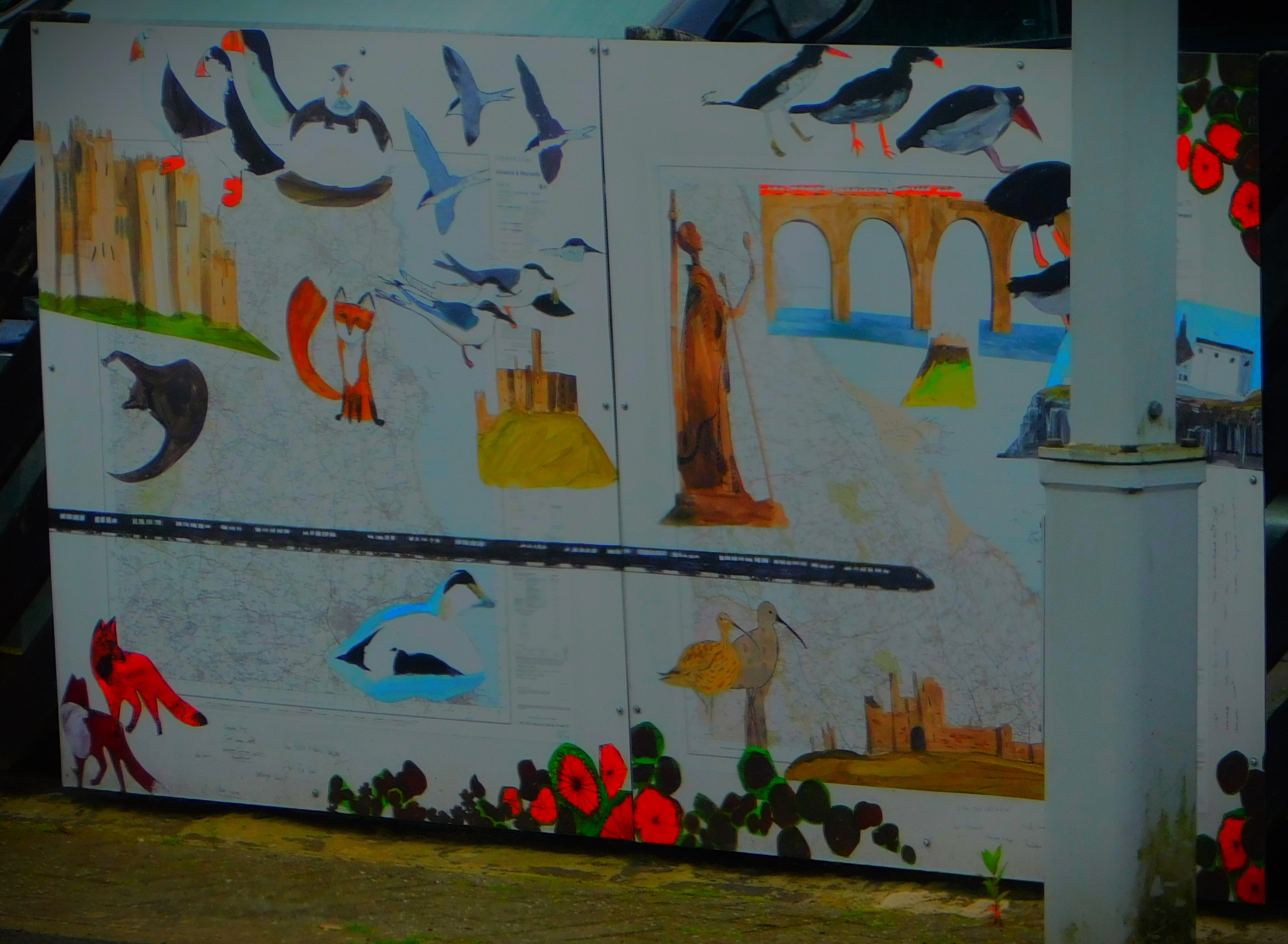
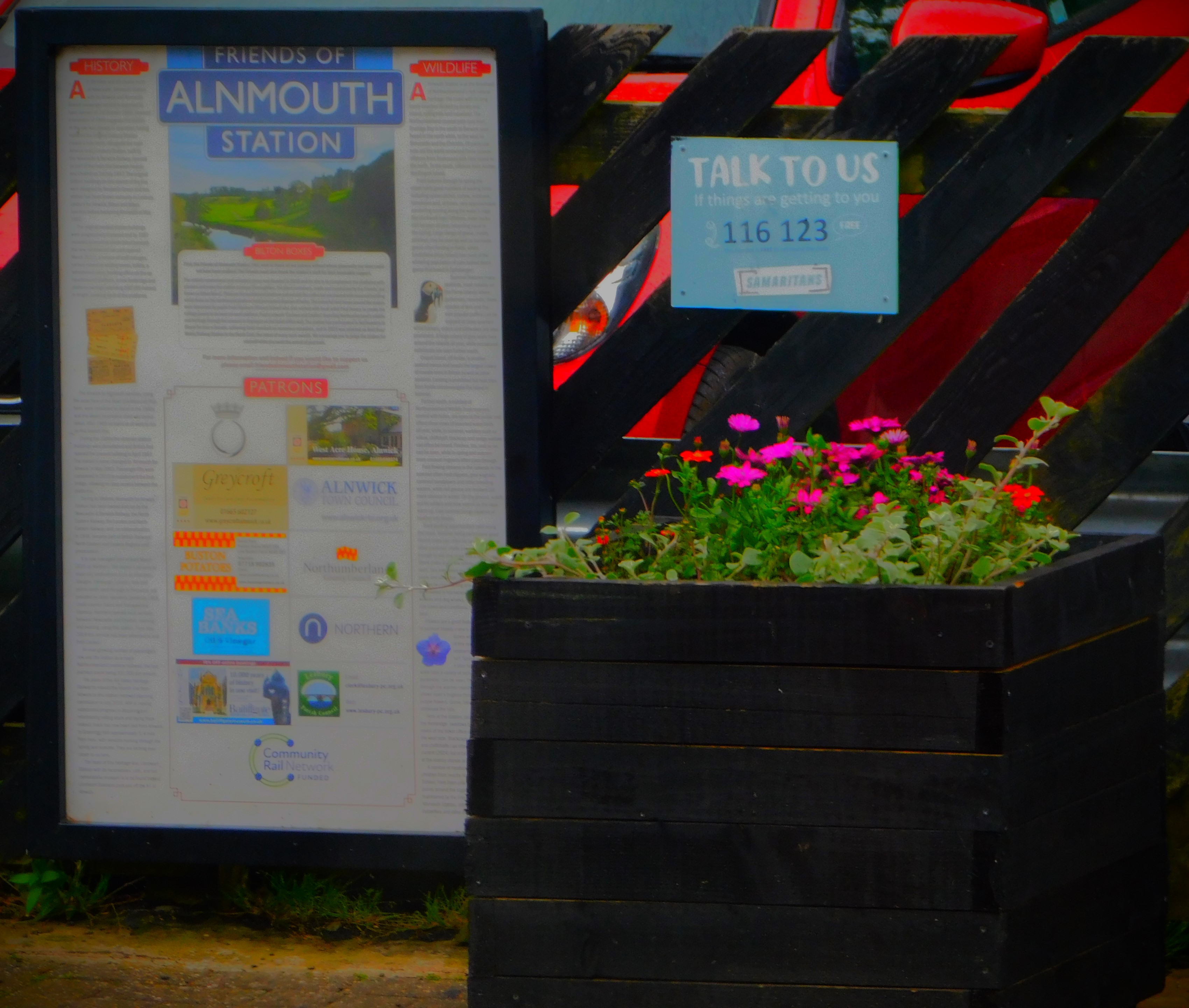
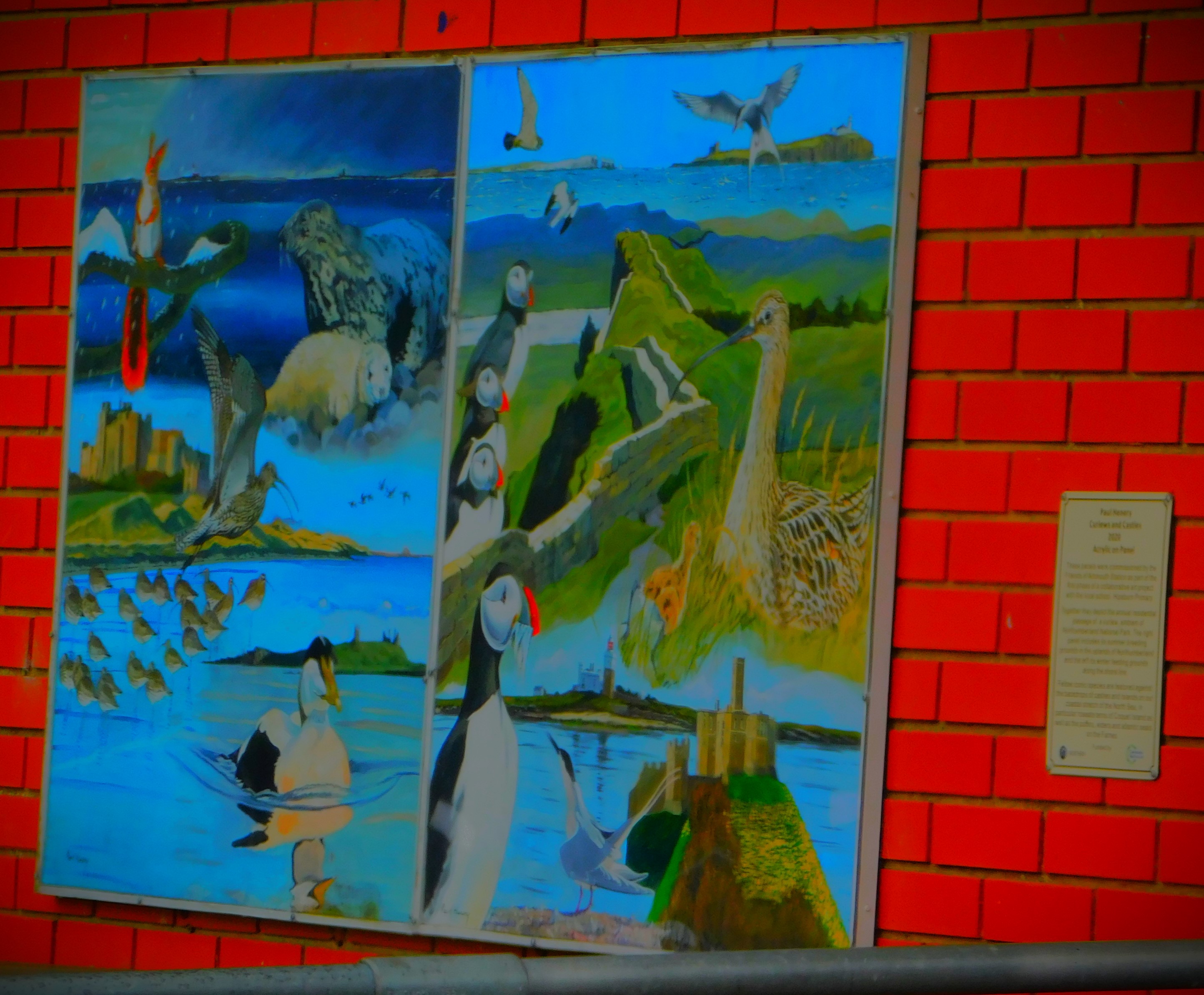
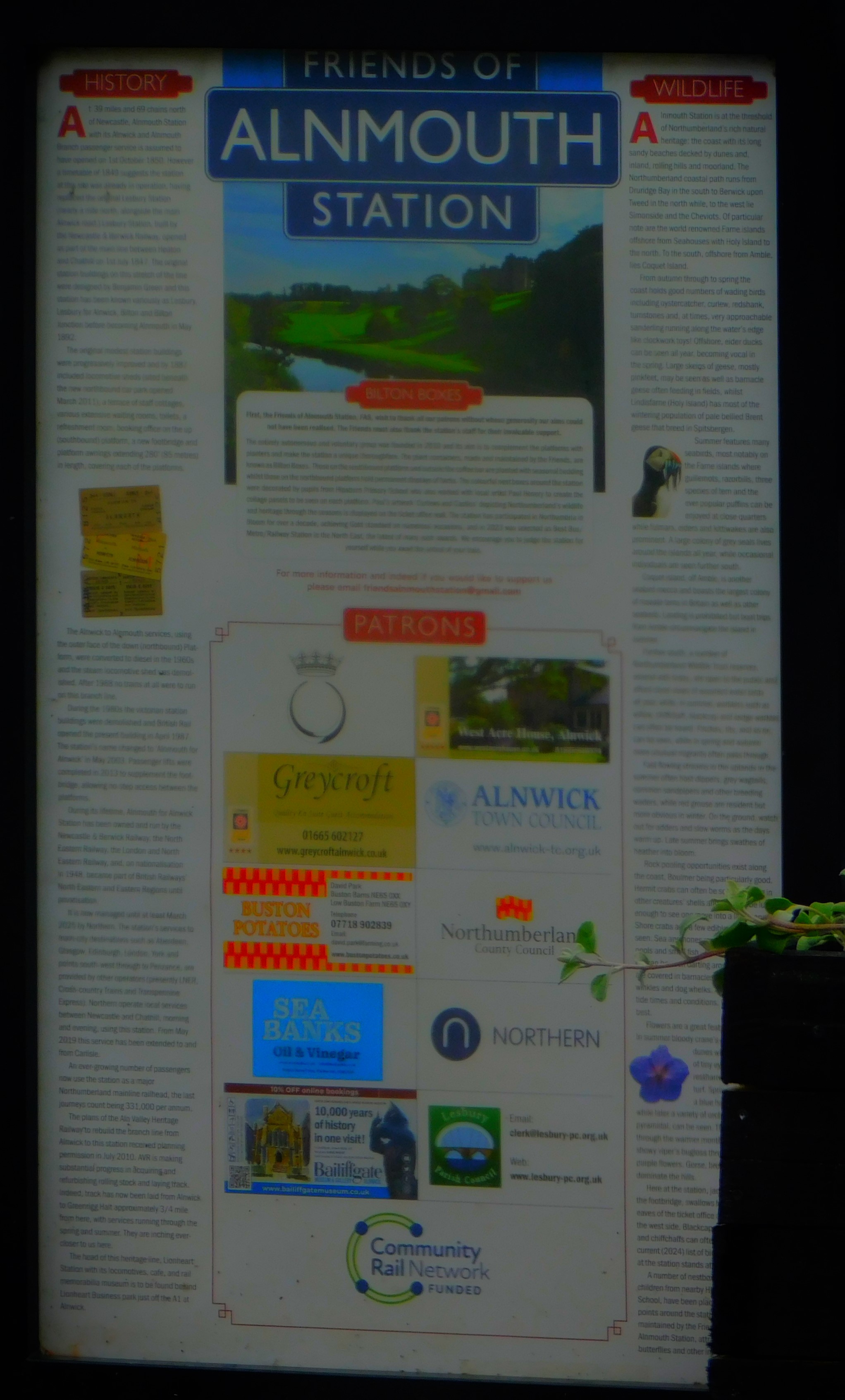
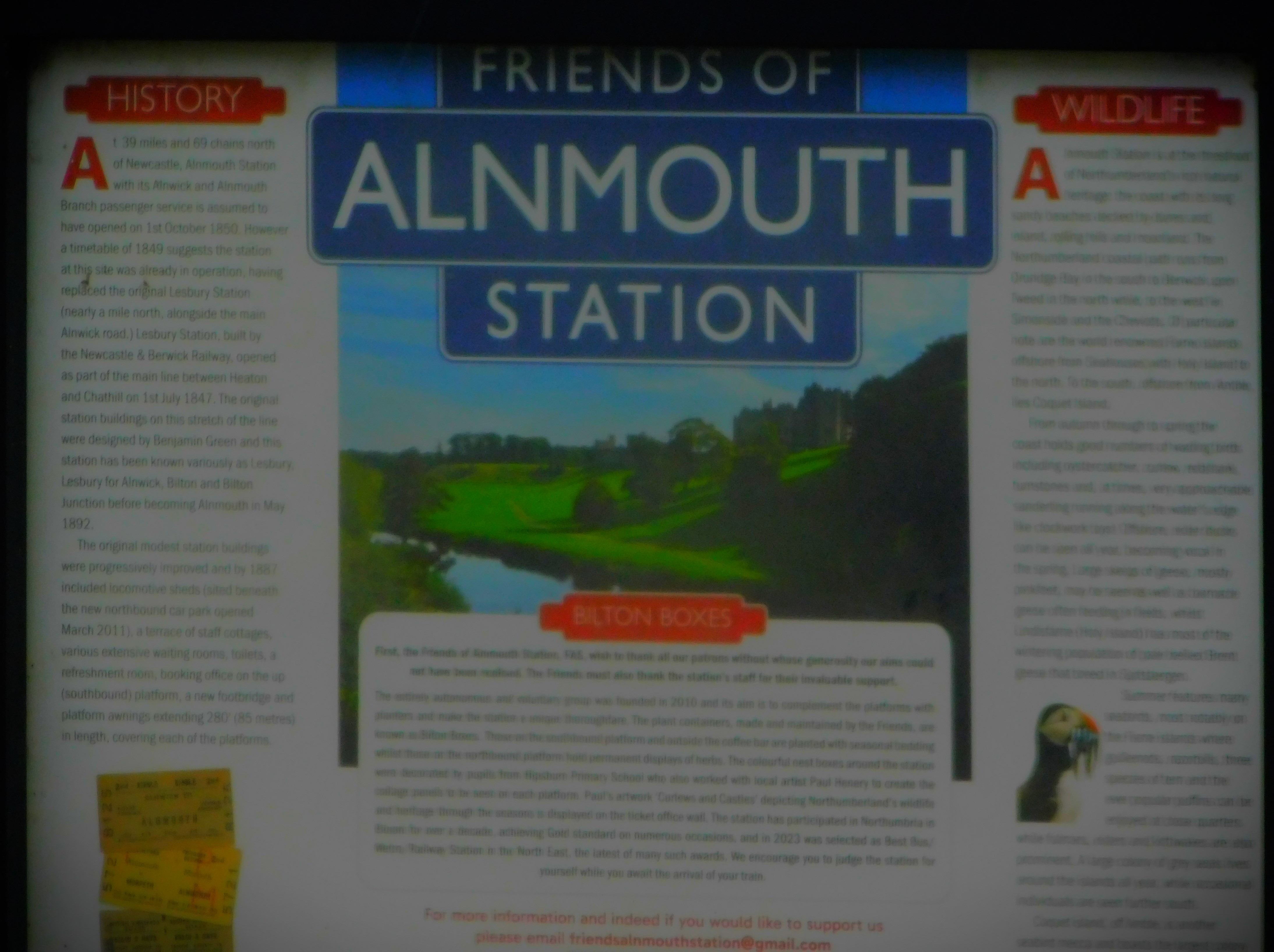
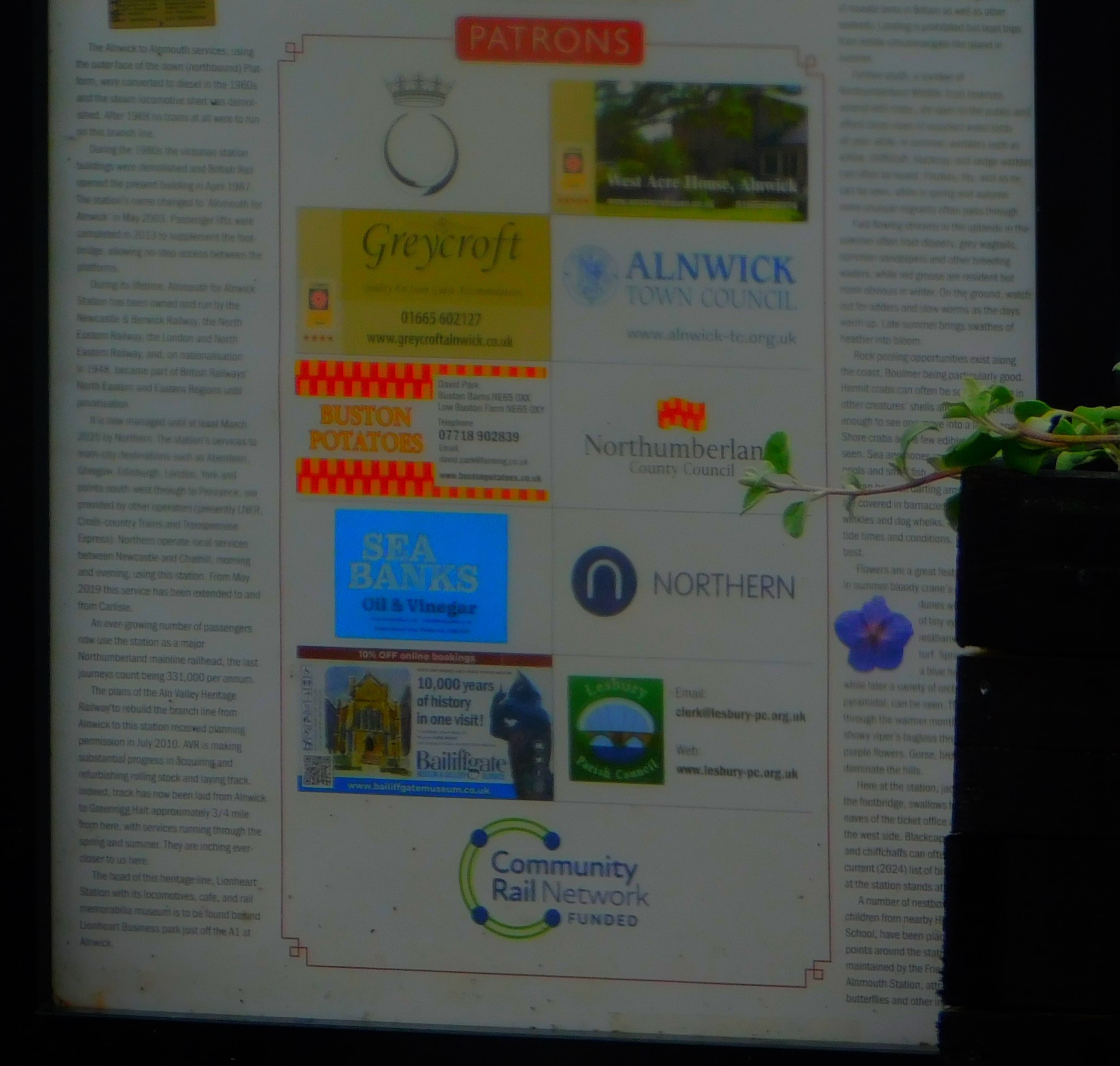
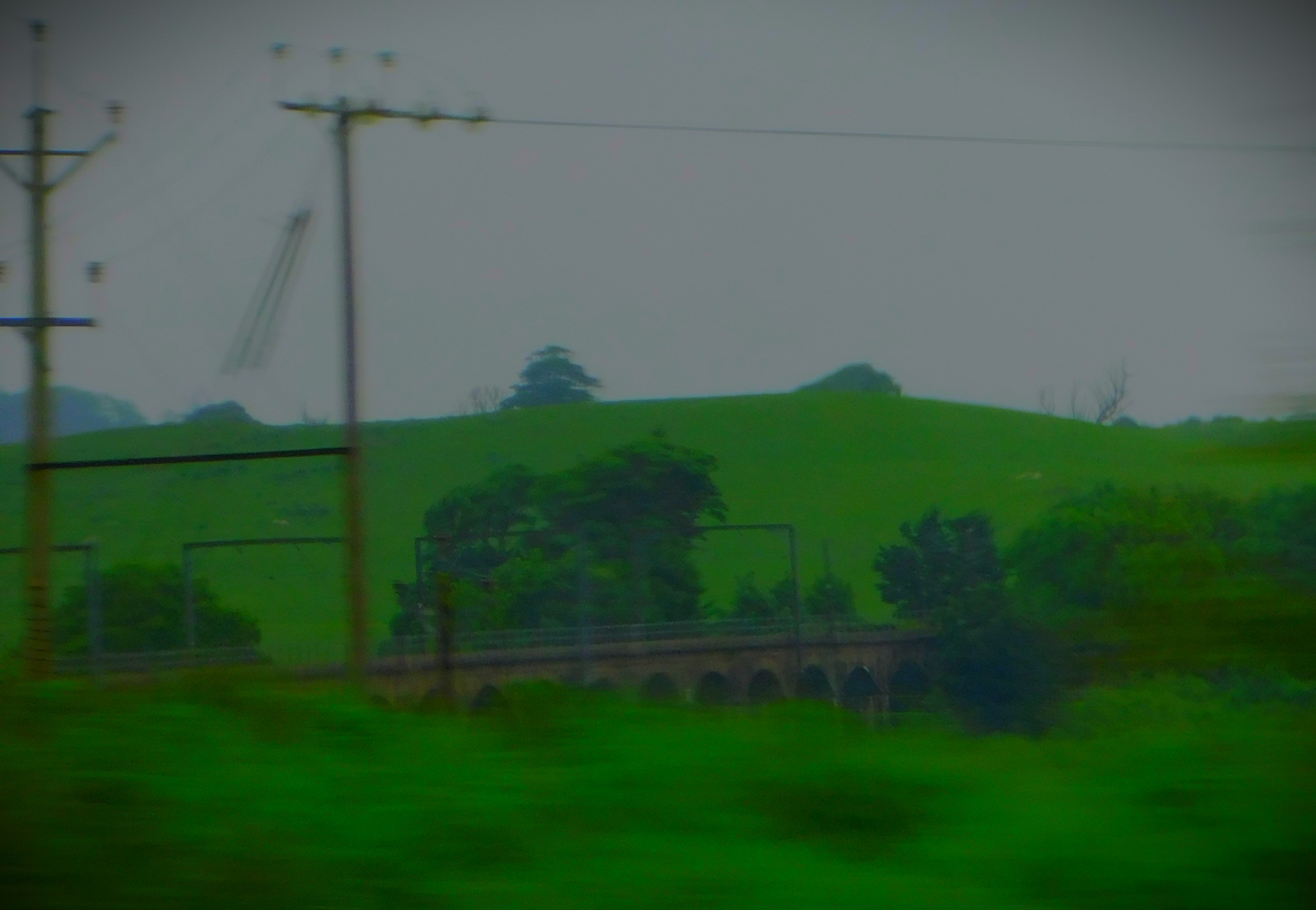
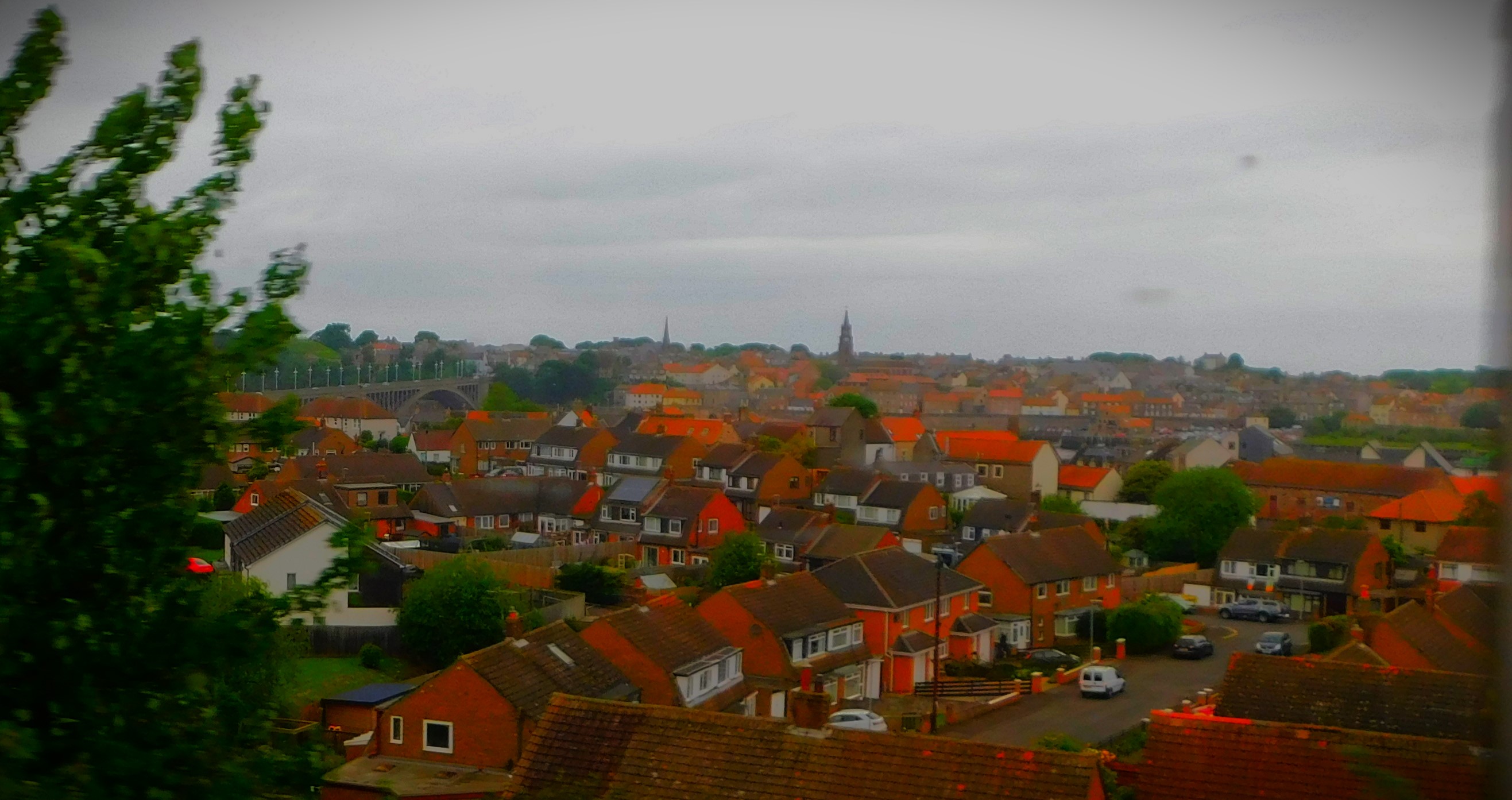
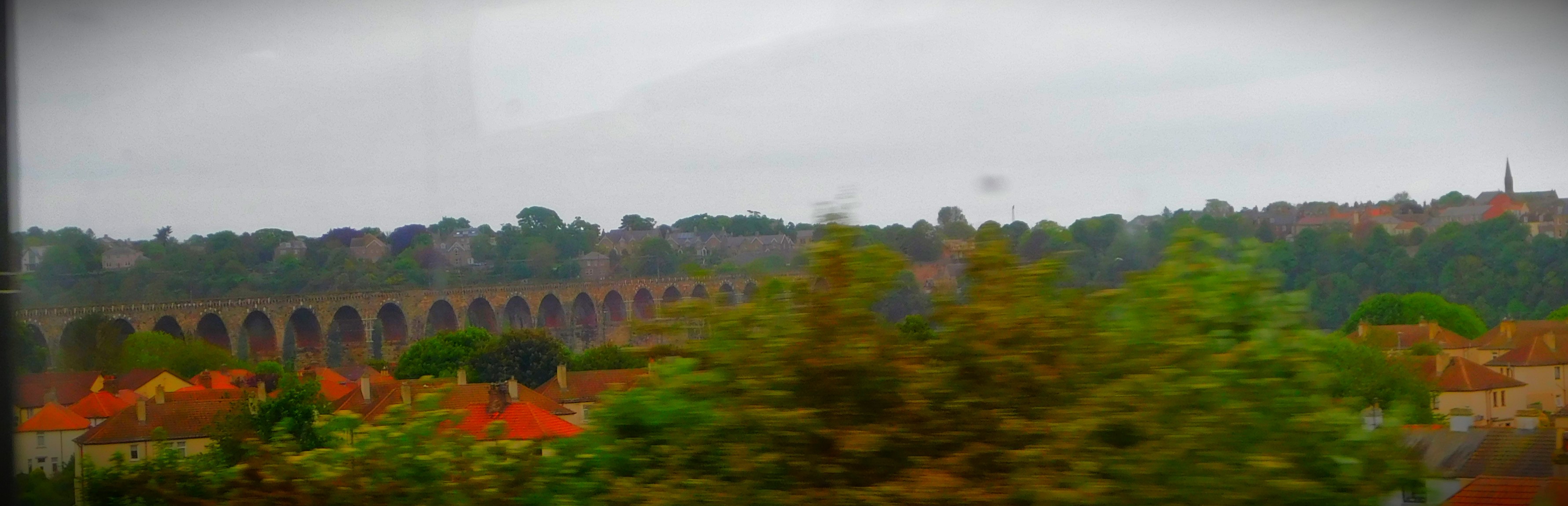
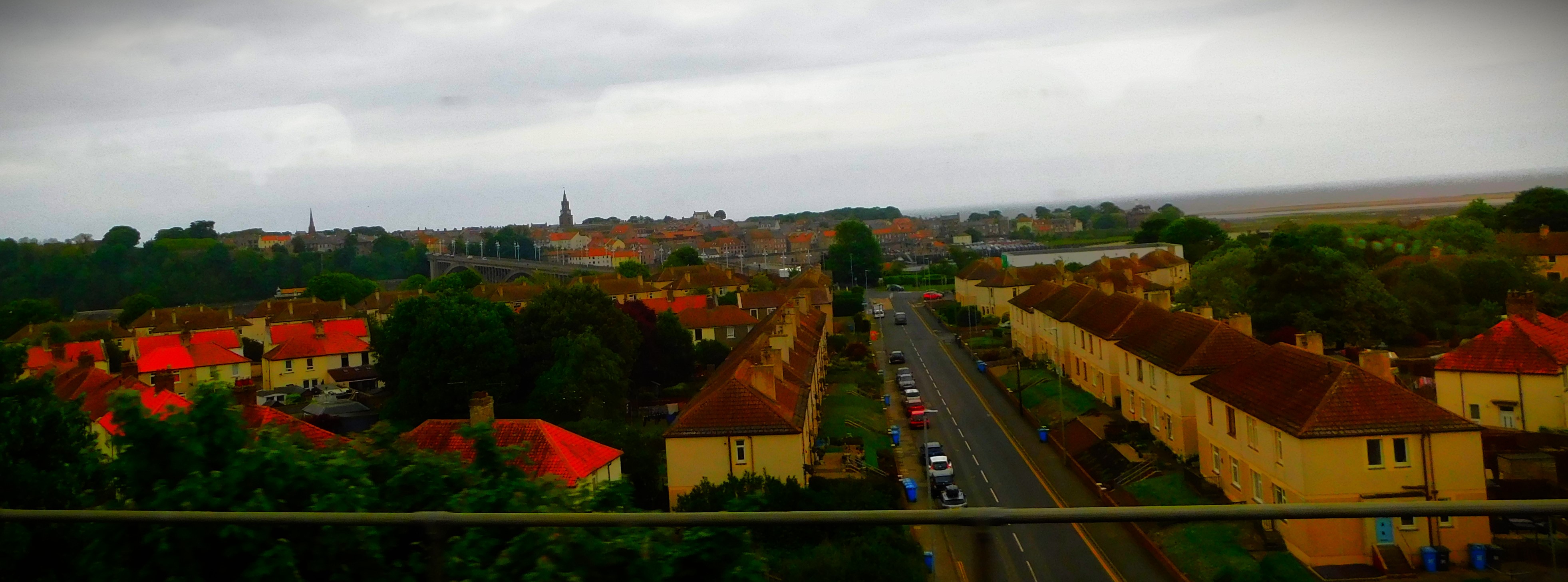
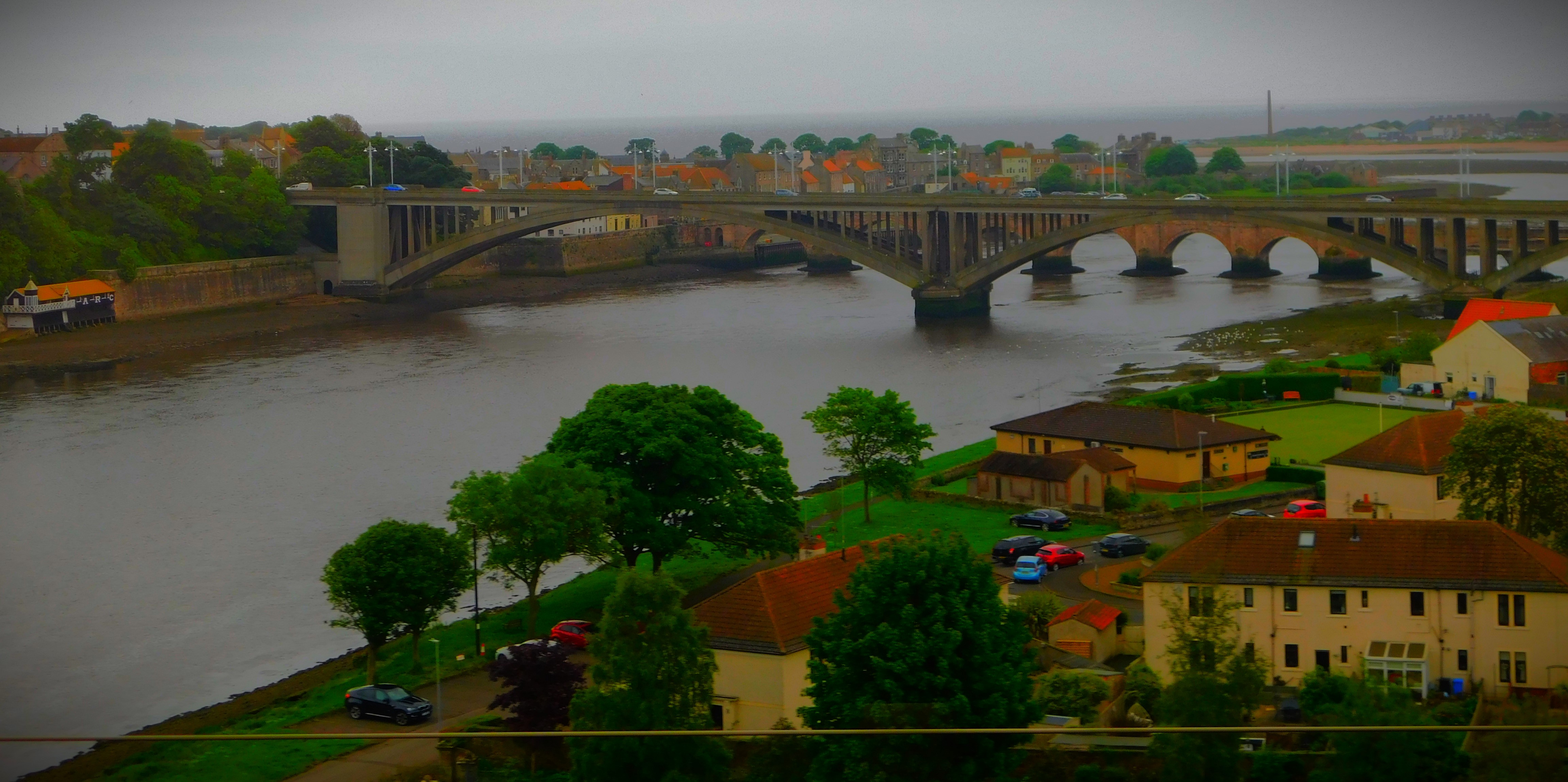
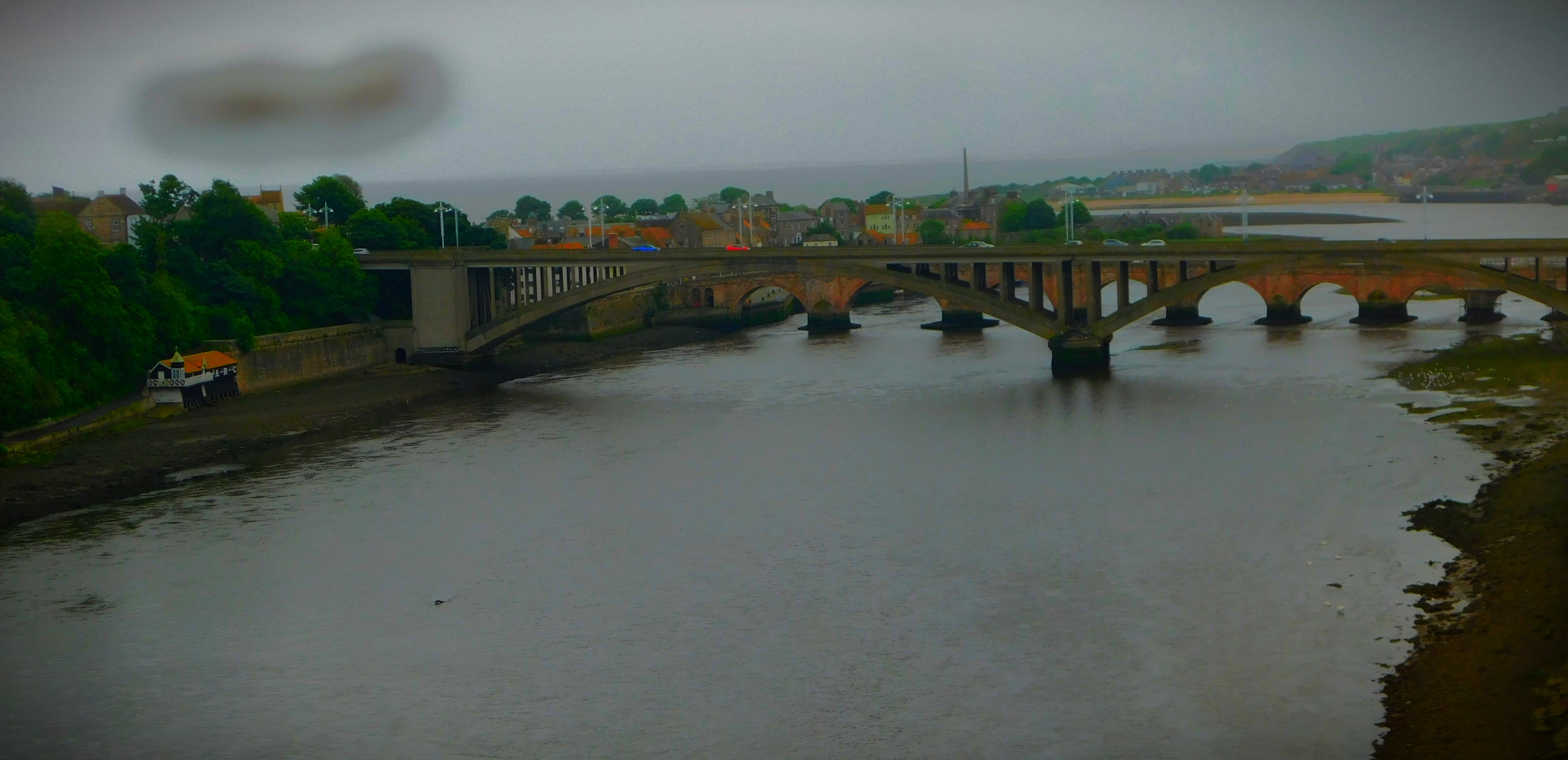
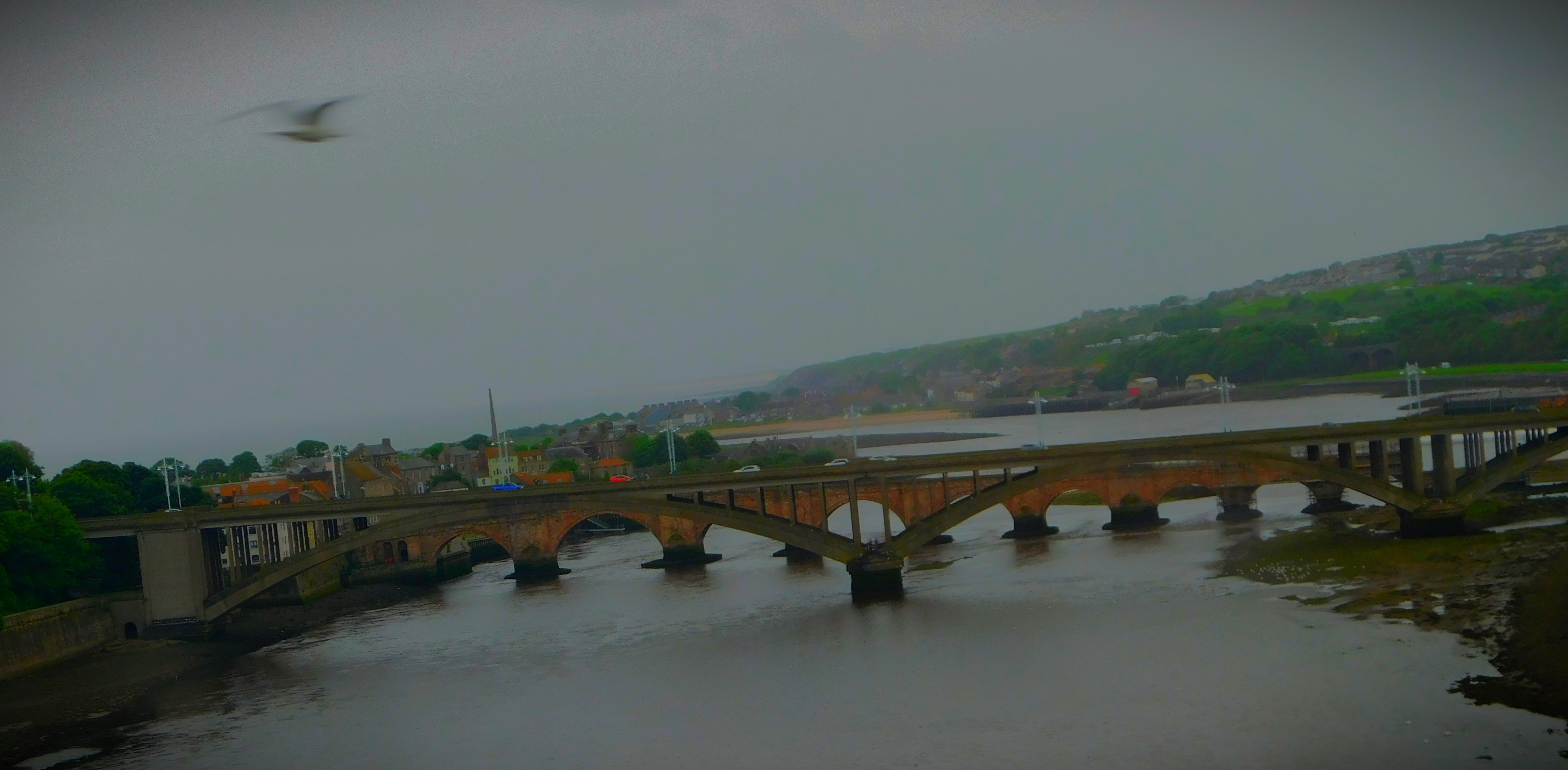
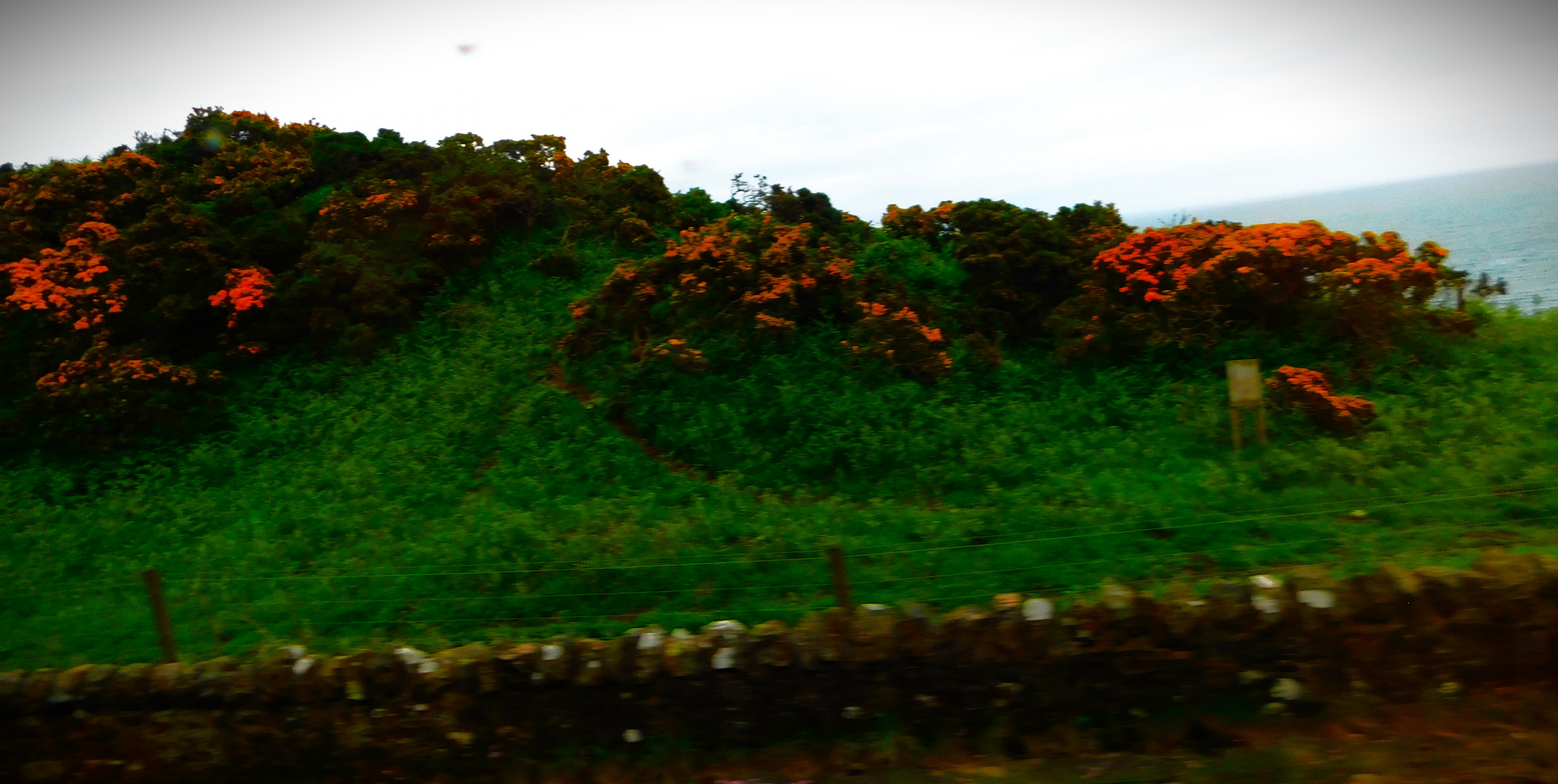
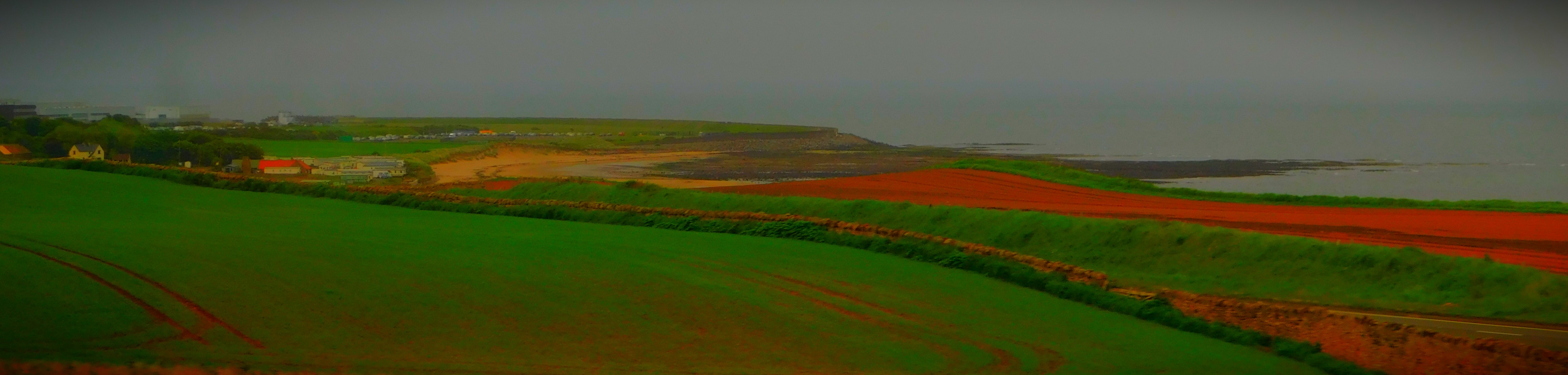
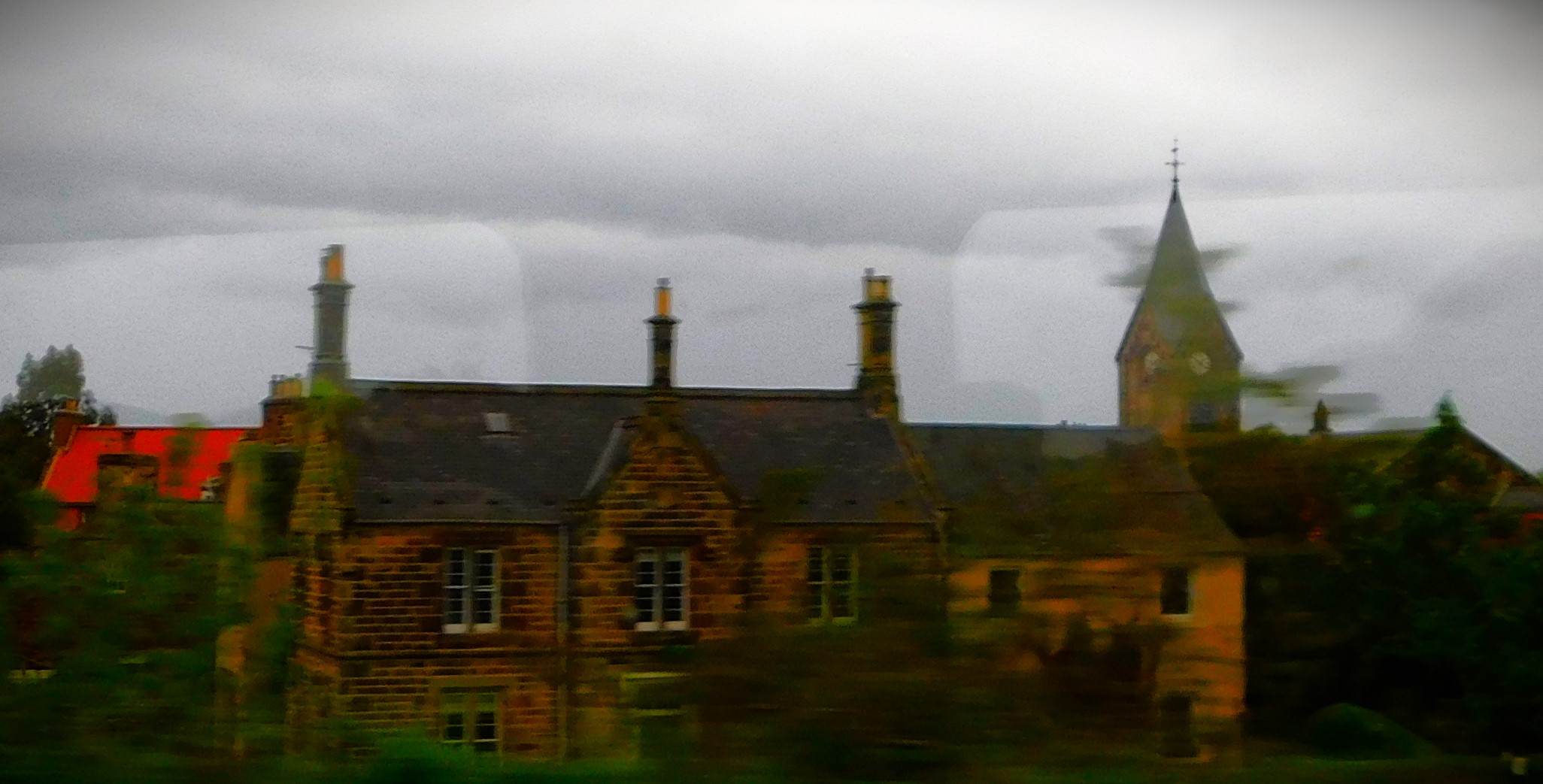
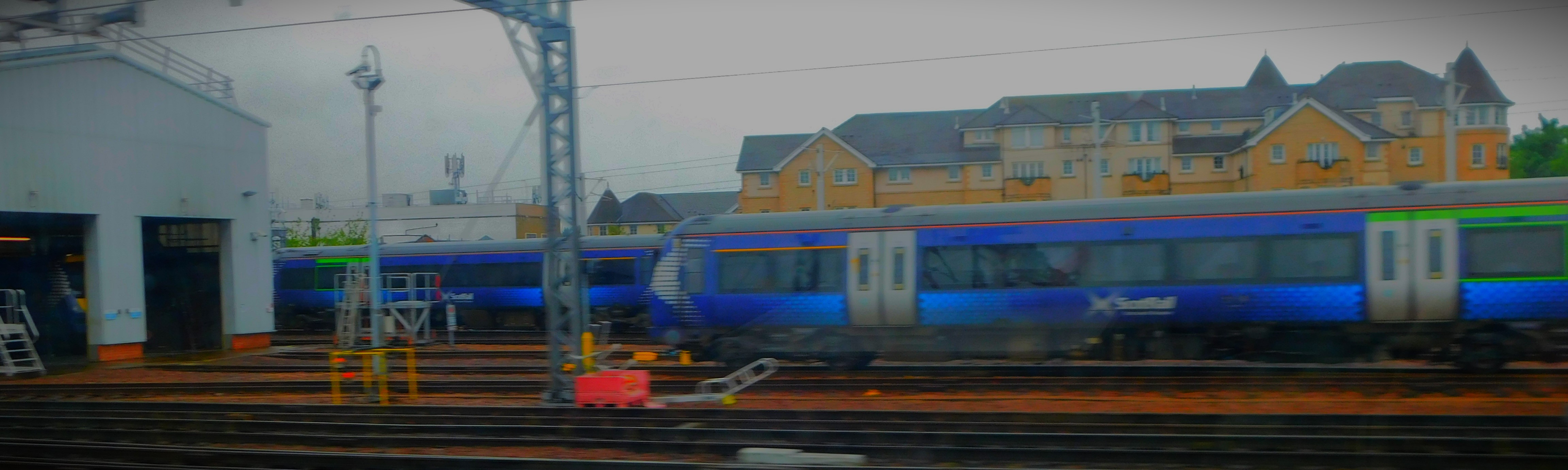
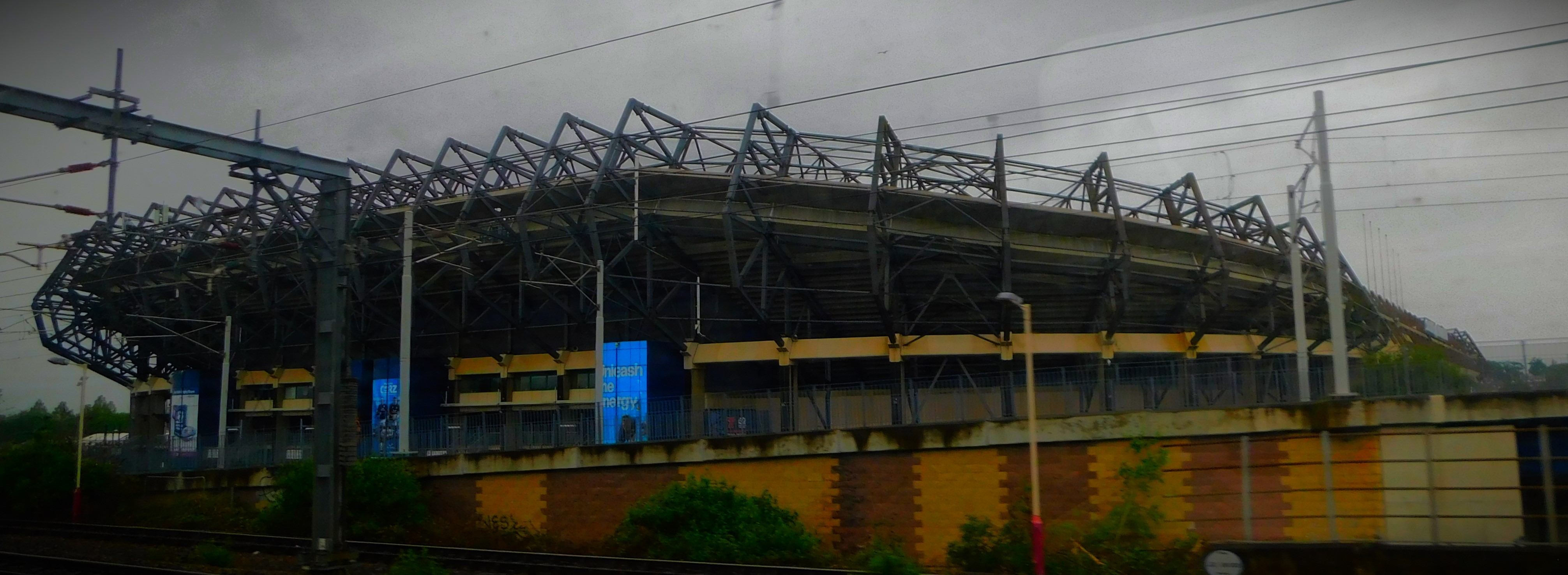
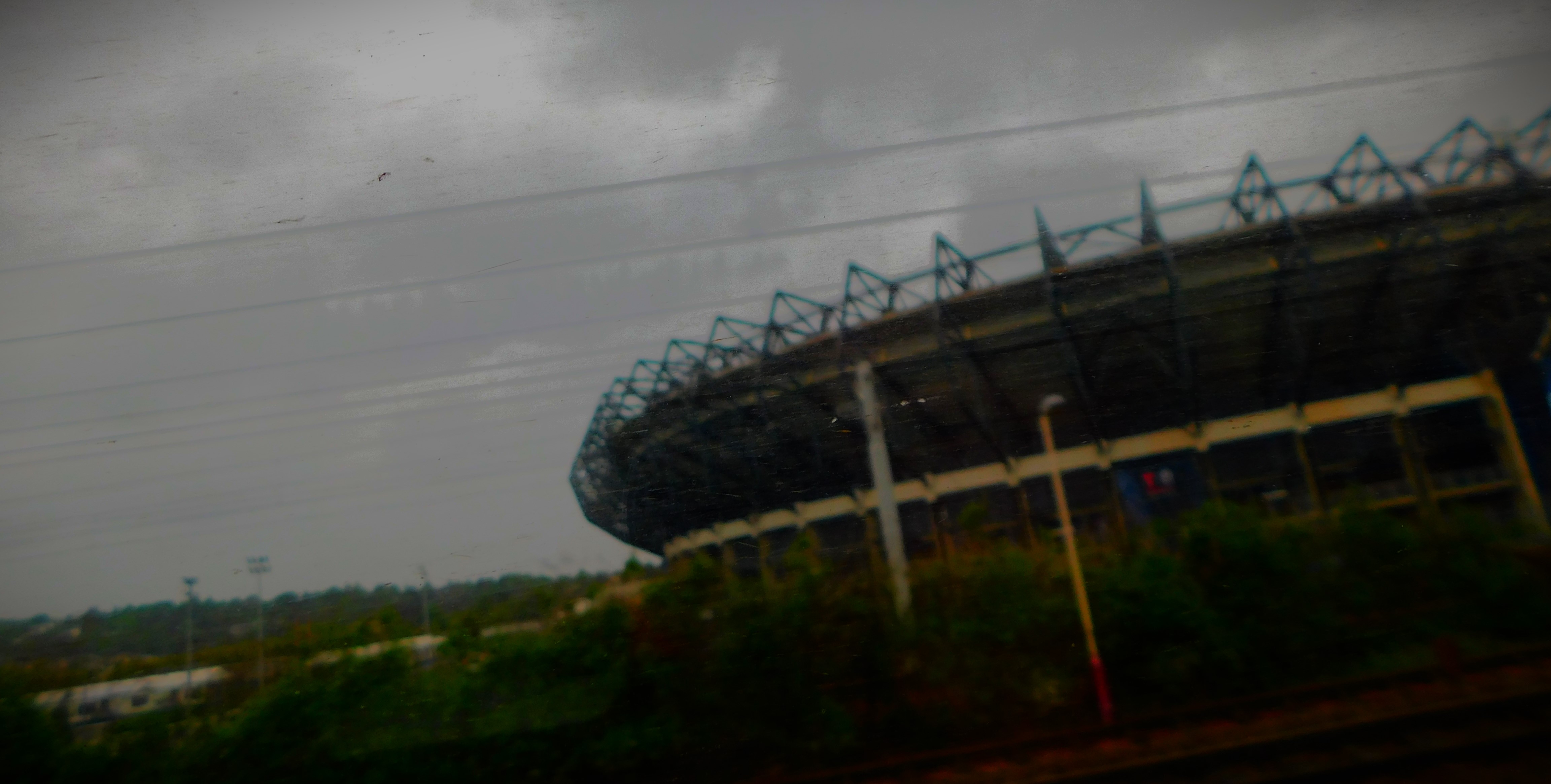
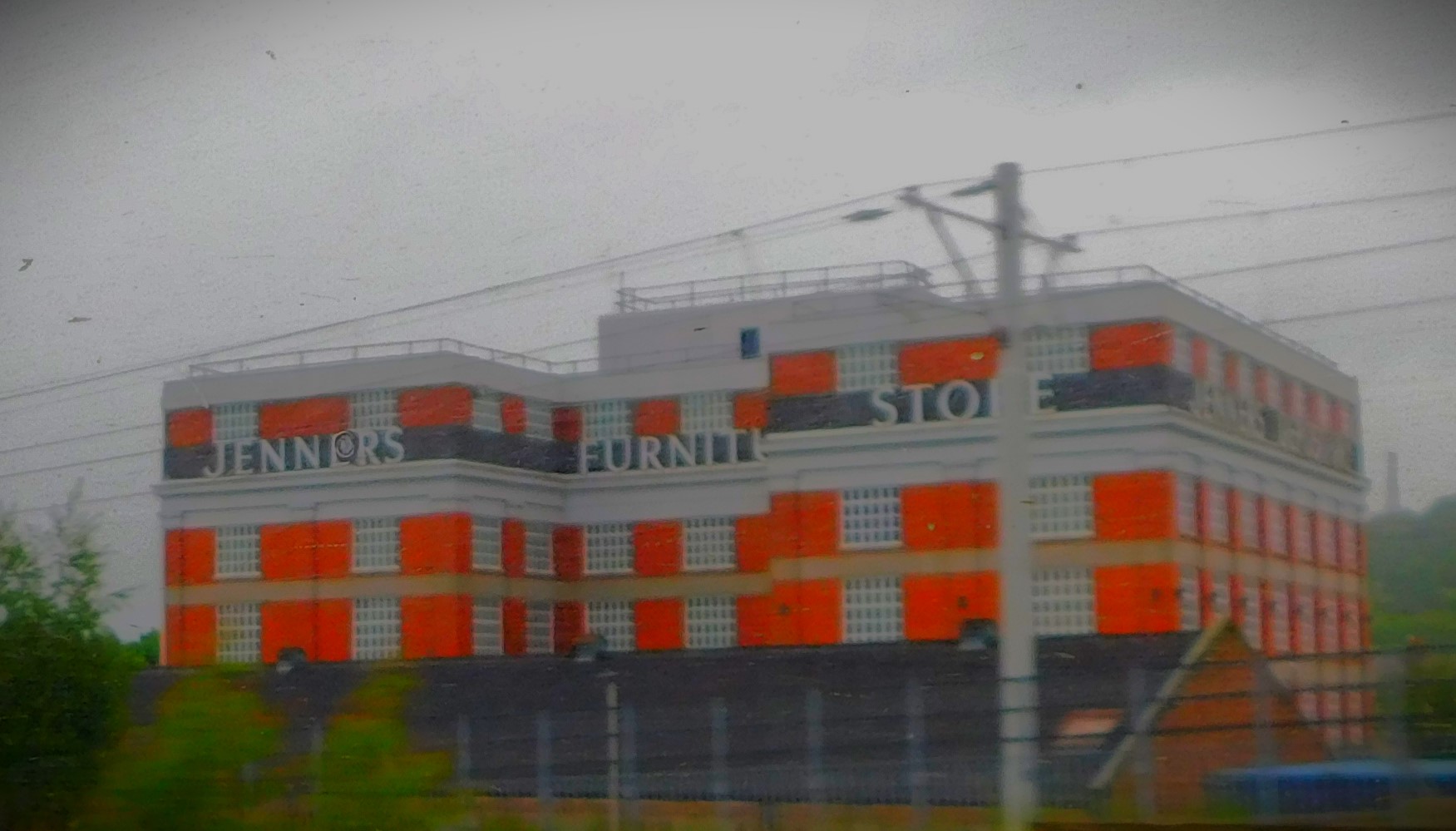
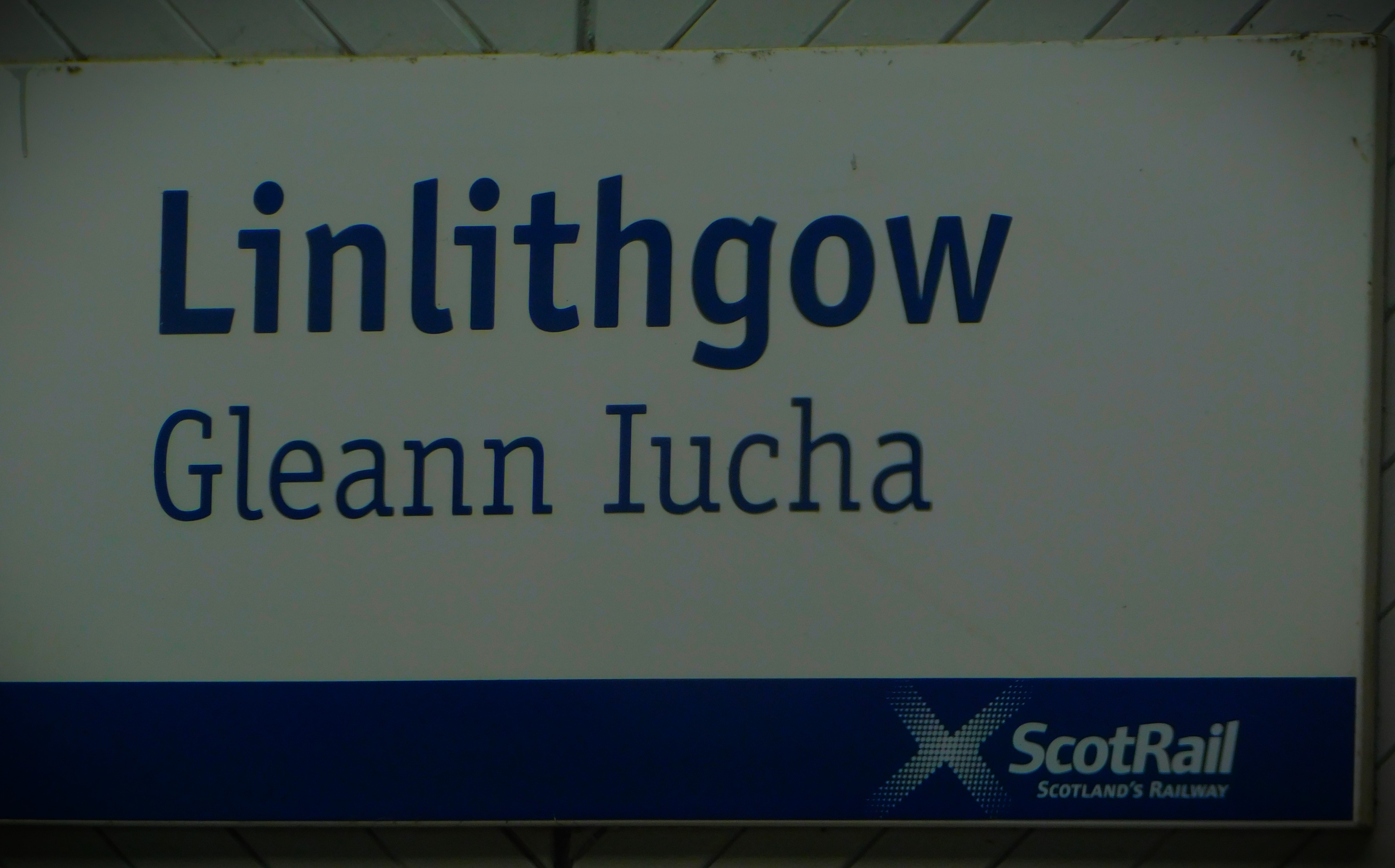
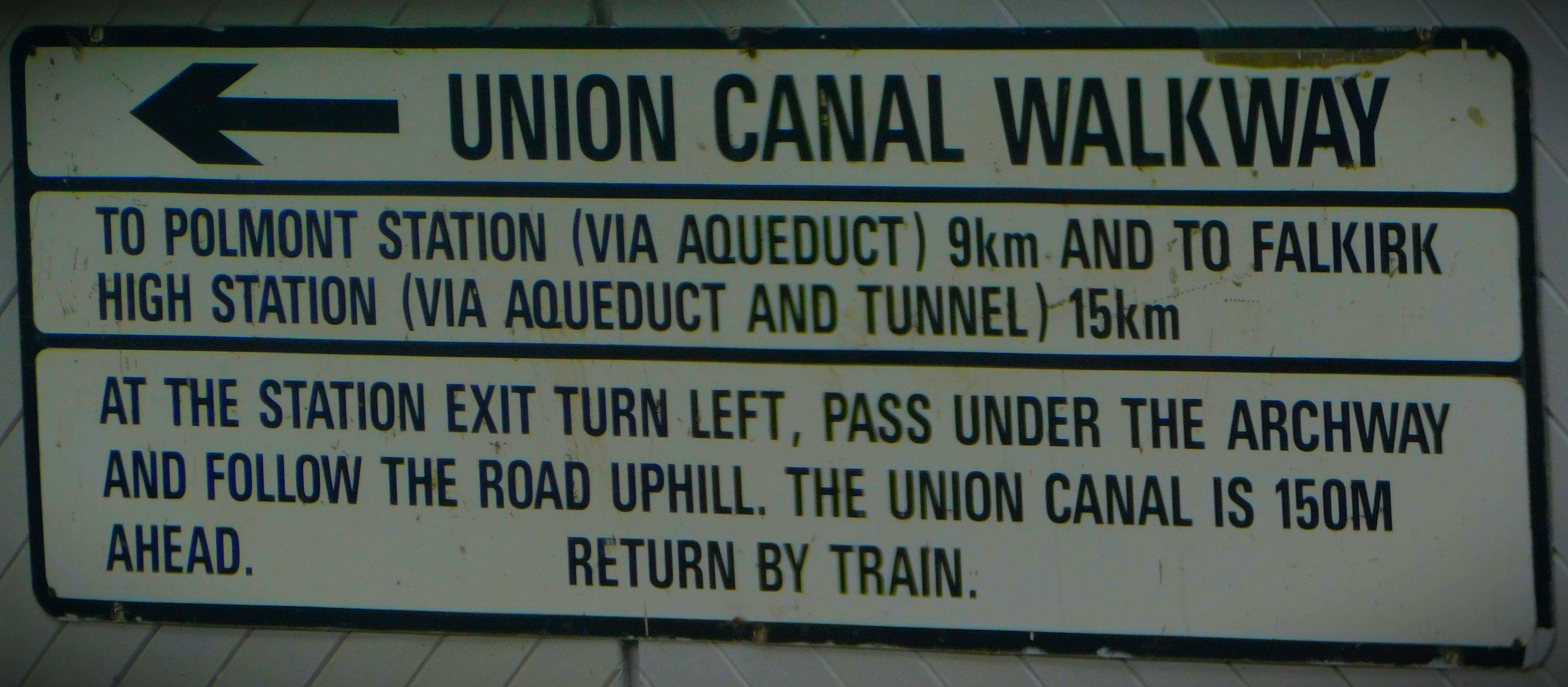
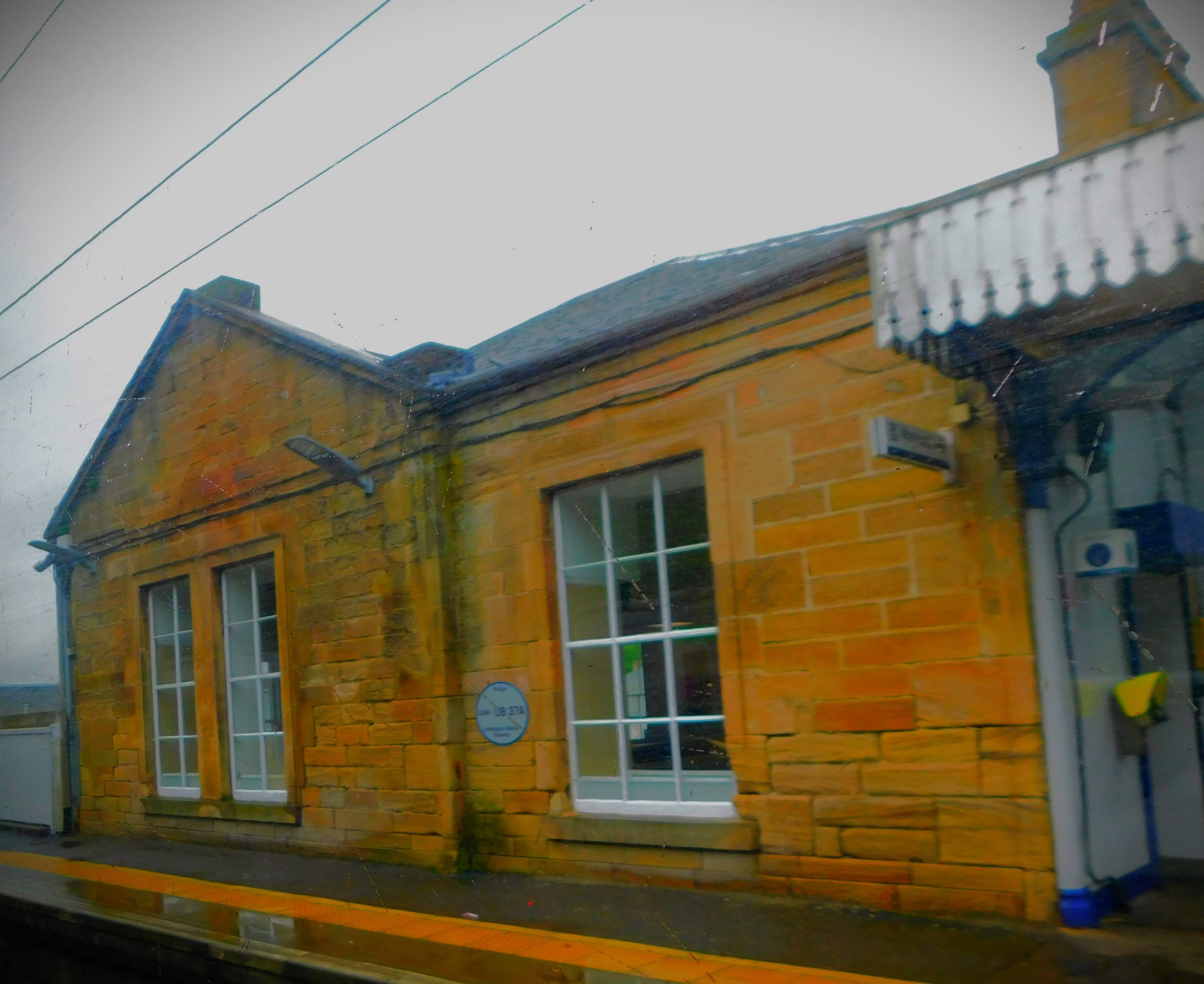
The first 15 pictures are King’s Lynn pictures, some taken on the Monday evening, a couple while walking to the bus station on Tuesday morning.This picture and the next two were taken while passing through Wisbech.The train pictures start here.Our first stop.On the approach to Alnmouth.The train would soon be crossing this viaduct.Looking along the Tweed as the train moves from England into Scotland.This is now a Radisson hotel, but it would have been built by the original railway company as the station hotel.
A look at goings on in the second round of the 2024 County Championship with the main focus on Surrey v Somerset. Also a short section on the Kookaburra experiment, and of course a photo gallery.
We are at the halfway stage of the second round of County Championship matches for 2024. My main focus is on Surrey v Somerset, but I will also mention other games.
DAY ONE
Surrey won the toss and elected to bowl first. At 196-1 with Renshaw and especially Lammonby going very well it wasn’t looking great for the home side. However a run out accounted for Renshaw for 87, and Lammonby fell immediately after reaching three figures (a bit of an issue for him – he now has a double figure tally of FC hundreds but has yet to go on even as far as 120). That got Surrey on a roll, and Somerset soon found themselves 216-8. A bit of a revival, spearheaded by Lewis Gregory, boosted the final total to 285, which looked at least 100 below par given the flatness of the pitch and the fact of the Kookaburra ball being in use. Cam Steel, treated by his first county, Durham, as a specialist batter claimed four wickets to follow his five against Lancashire, and ended the innings with an FC bowling average of below 30 for the first time in his career. Gus Atkinson had 3-57 from 19 overs, proving that not all seamers are completely emasculated by the Kookaburra (see also Sam Cook’s cheap 6-for v Nottinghamshire in the first round of fixtures). Surrey reached the close on 42-0, with no Somerset bowler posing a threat, and both Burns and Sibley looking comfortable.
DAY TWO
Surrey batted sensibly, and never had anything approaching a collapse. Gregory looked an unthreatening medium pacer, Craig Overton was decent but not massively threatening and it was the two youngest Somerset bowlers, Bashir with his off spin and right arm fast medium bowler Kasey Aldridge who by far the most impressive. Sibley reached three figures, Burns just missed that mark, Jamie Smith played a little gem of an innings and Foakes made a solid half century. Dan Lawrence’s first innings for his new county was a failure, but Cam Steel followed his good bowling by settling in nicely with the bat, and Surrey closed day two on 358-6, 73 runs to the good with four wickets standing (and Jamie Overton is probably the best number nine batter in current county cricket while number 10 Gus Atkinson is far from being a mug with the bat).
DAY THREE SO FAR
There is no sign of any early trouble for Surrey as yet, and they have added six to their overnight total for no loss.
ELSEWHERE
Durham, after not getting on the field at home for their opening game, had a deeply chastening experience at Edgbaston, putting their hosts into bat and watching them amass 698-3 declared, with all of the top three passing 150 (skipper Alex Davies leading the rampage with 256). Middlesex also suffered horribly at Northamptonshire, the home side’s 552-6 declared meaning that the two first innings that Middlesex have bowled through so far have a combined aggregate of 1172-9. Derbyshire and Glamorgan are locked in a low scoring battle which proves that wicket taking is possible with the Kookaburra. Off spinning all rounder Alex Thomson has a 10 wicket match haul for the home side. The Thames Estuary derby between Essex and Kent looks like being a high scoring draw, but the Nottinghamshire v Worcestershire and Hampshire v Lancashire games look less batter dominated. The county of my birth, Gloucestershire, are currently having somewhat the worse of their match against Yorkshire. While I have been typing this Aldridge has claimed a thoroughly deserved third wicket of the Surrey innings, dismissing Jordan Clark. We are about to witness twin against twin – Craig Overton bowling to Jamie Overton.
THE KOOKABURRA EXPERIMENT
Many are bemoaning the absence of seriously low scoring April games which used to be a feature of the championship with the Duke ball in use. I am not among them, and nor am I rushing to judgement on the experiment. The purpose of using the Kookaburra in place of the Duke at the extremes of the season is to lessen the influence of those who have been making a living nipping the Duke around at 75mph – such bowlers will never succeed at test level, and increase the variety of bowling on show. The efforts of Sam Cook, Gus Atkinson and Kasey Aldridge shows that high quality seamers can still do it with the Kookaburra (only Atkinson of this trio is capable of touching the sort of speeds that would be considered genuinely fast, and even for him that kind of pace is the exception rather than the rule), while spinners never used to feature this early in the season, and the performances of Thomson, Steel and a few others are showing that these bowlers now get a look in early in the year. One season is not enough to form a definite judgement, so even I was unimpressed with the Kookaburra experiment I would want it to continue. As it is I see no reason to believe that it cannot work, and I hope it is persevered with.
My view (as a keen cricket fan who works for an auctioneer) on bidding at IPL auctions, with some pungent observations about what happened with Mitchell Starc.
Today I look at the workings of IPL auctions. There is a particular signing at the most recent such auction that will feature later as (IMO) a clear cut example of folk losing their heads.
HOW AN IPL AUCTION WORKS
Each franchise has a total budget for assembling their squad of 90 crore rupees, with the pay of the players they retain from the previous edition deducted from that. There are 25 spaces available in each squad, with a minimum of 18 of those spaces having to be filled. The starting XI can contain up to four overseas players and the full squad is allowed to contain eight such players.
AN EXAMPLE OF HEADS BEING LOST AT AUCTION
Australian left arm pacer Mitchell Starc sold for 24 crore at the last IPL auction – over a quarter of the successful bidder’s total available budget for one player. This is a signing that almost cannot end up being a good one – if he has a stella tournament (and figures after two of 14 group games of 8-0-100-0 suggest otherwise to put it politely) then so he should at that price, while anything less represents failure. Also, with that much of the budget blown on one player there are bound to be weaknesses elsewhere in the squad.
HOW I WOULD HANDLE BIDDING AT AN IPL AUCTION
I would set myself limits beyond which I would not bid no matter how much I wanted to secure the player concerned. I would probably never venture beyond 10 crore for anyone, and even if I suspected I was bidding for a reincarnation of Garry Sobers I would limit myself to 15 crore. I would also concentrate a lot of my attention on players who other franchises seem to be ignoring, rather than being over eager to join in bidding frenzies. I would not want to spend massive money on specialist batters – bowlers up to a certain point yes, and all rounders are obviously always valuable when you have to have at least five bowlers in your XI (and six would be recommended, just so that if someone is getting absolutely smoked you don’t have to give them their full four overs). Mitchell Starc has 12 group games, plus KOs if his team qualifies for those in which to improve his current figures for this tournament, but I cannot see any way in which even he, magnificent bowler though he is, can justify that ridiculous fee. At the moment with those cumulative figures to date of 8-0-100-0 and coming at that astronomical fee he is on course to be the worst flop in IPL history.
PHOTOGRAPHS
My usual sign off…
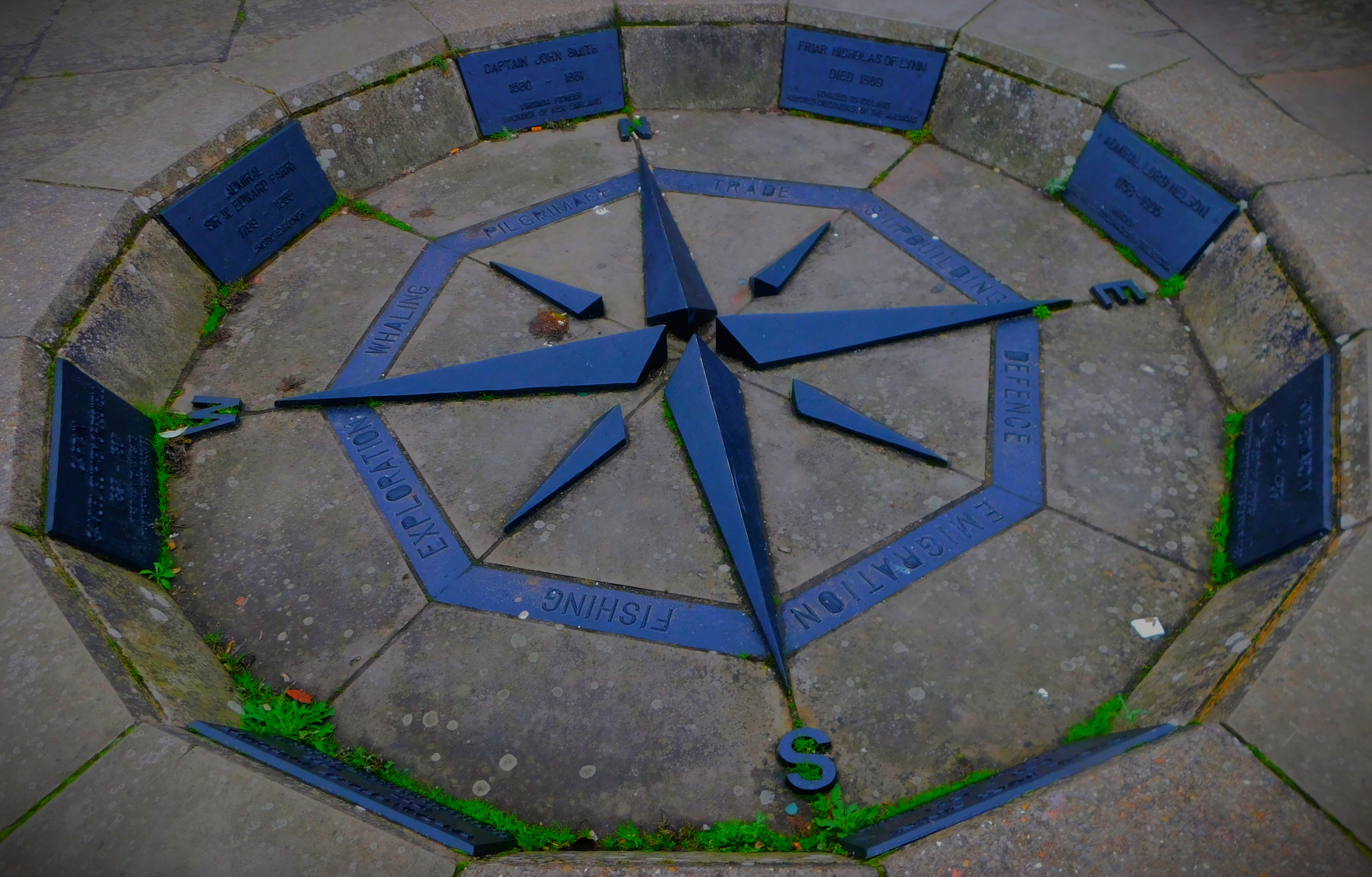
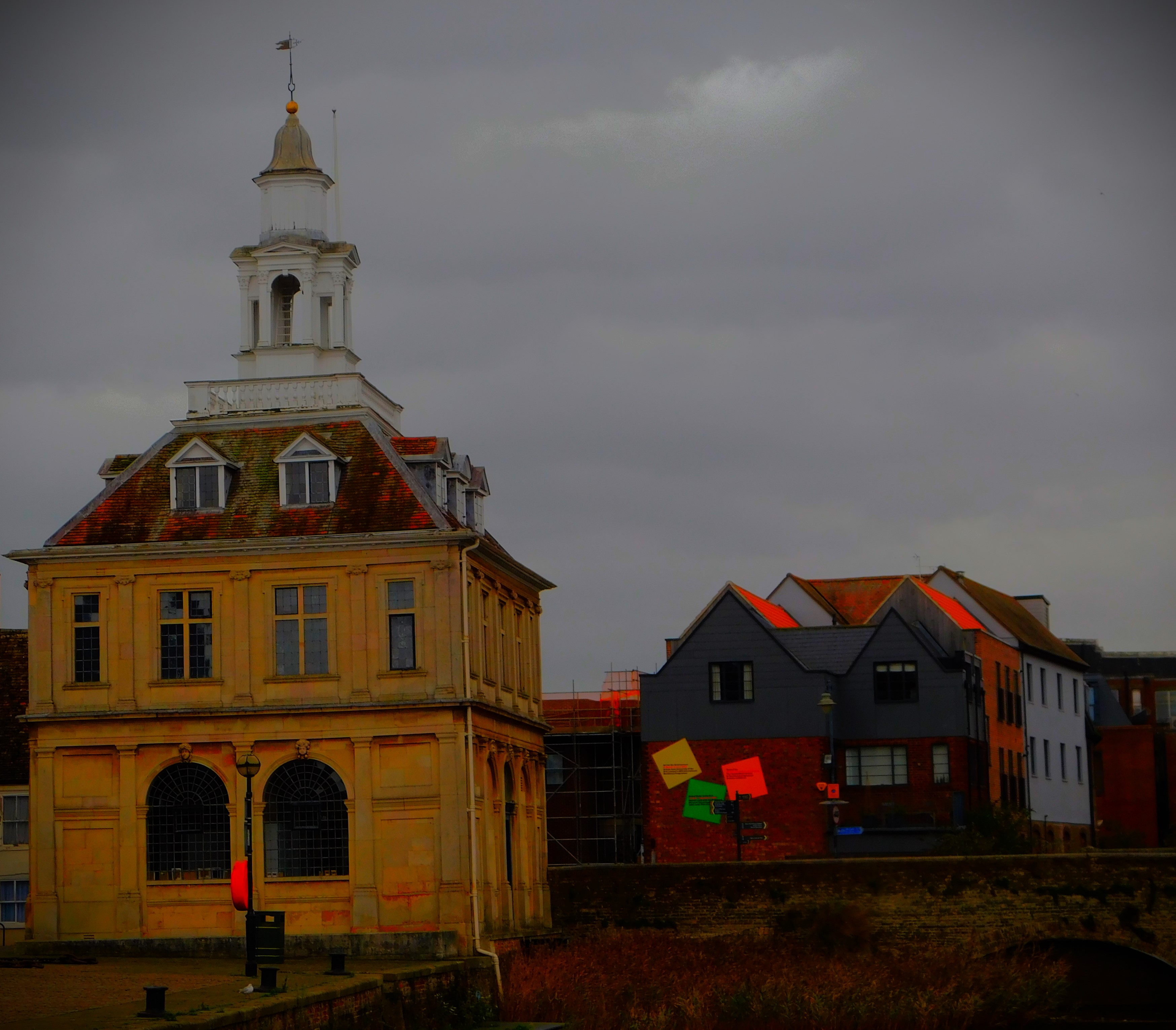
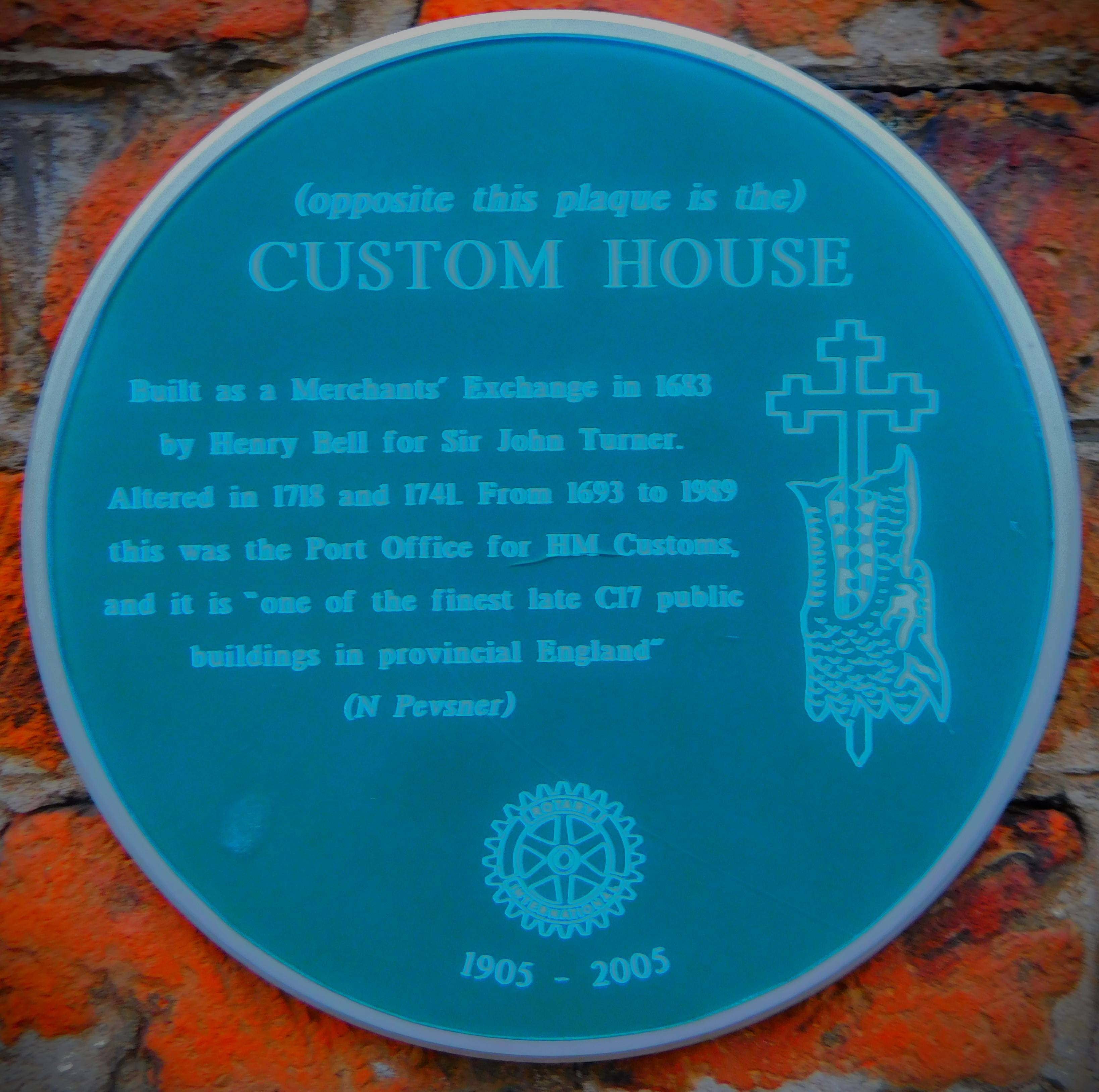
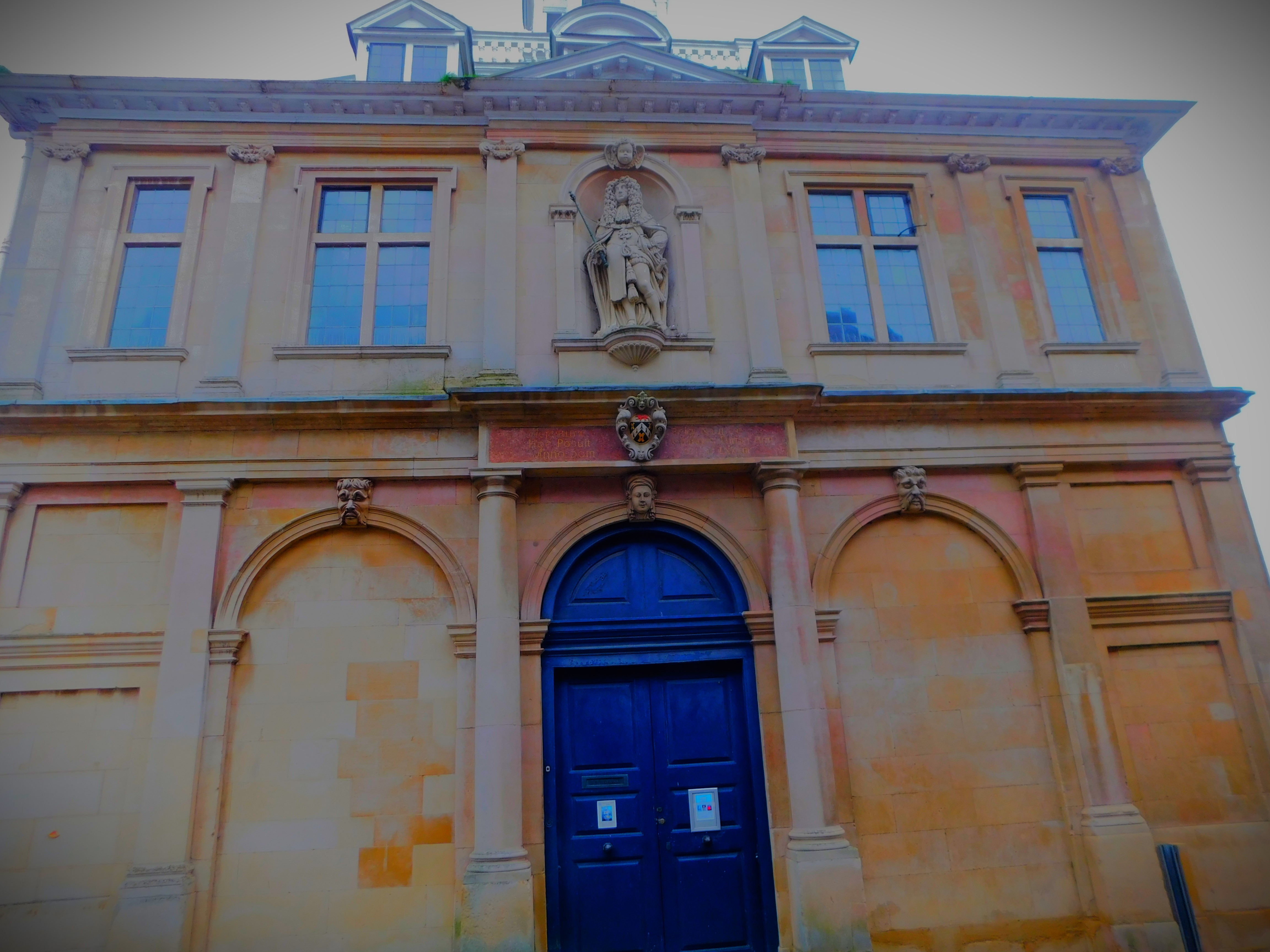
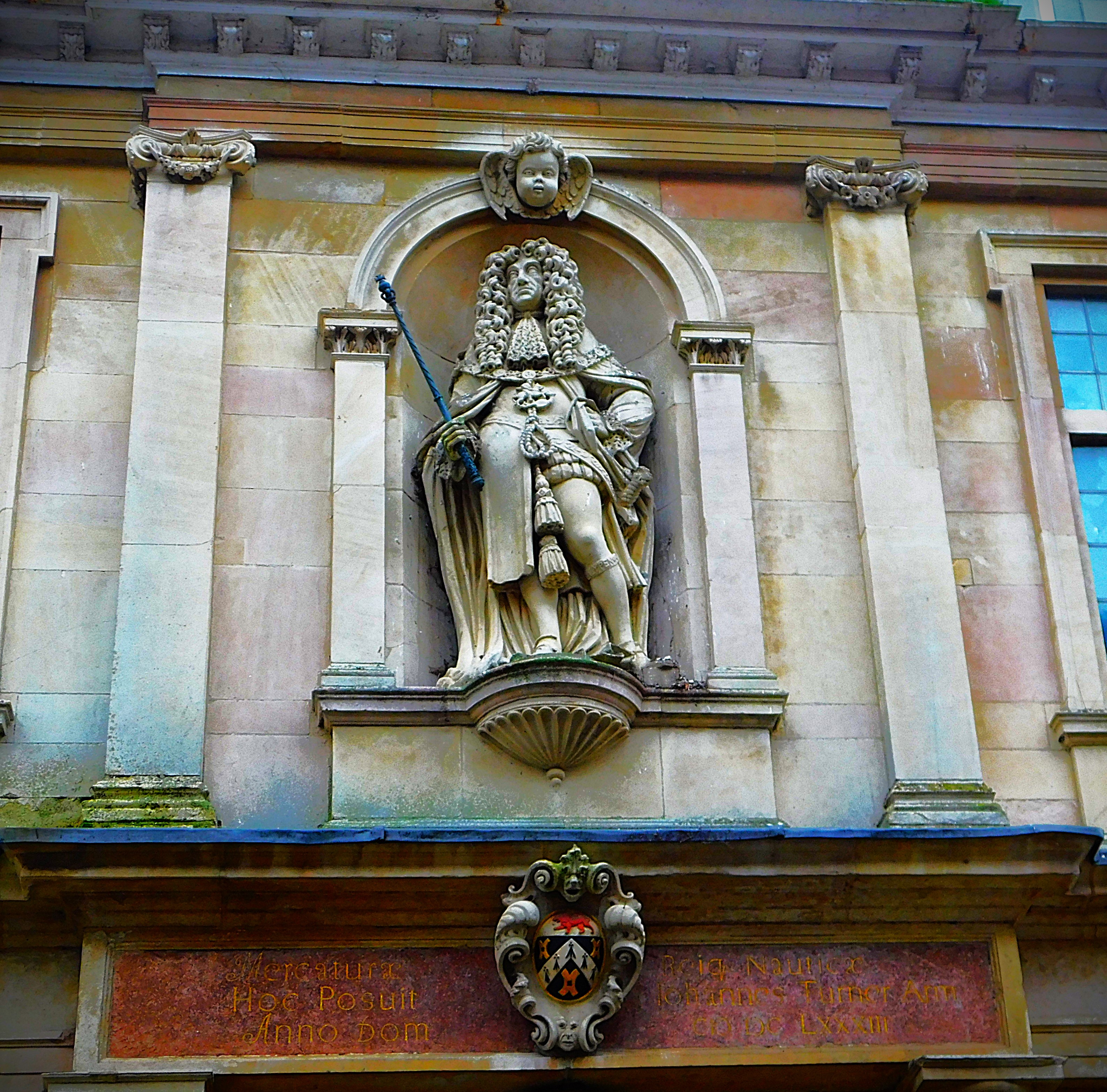
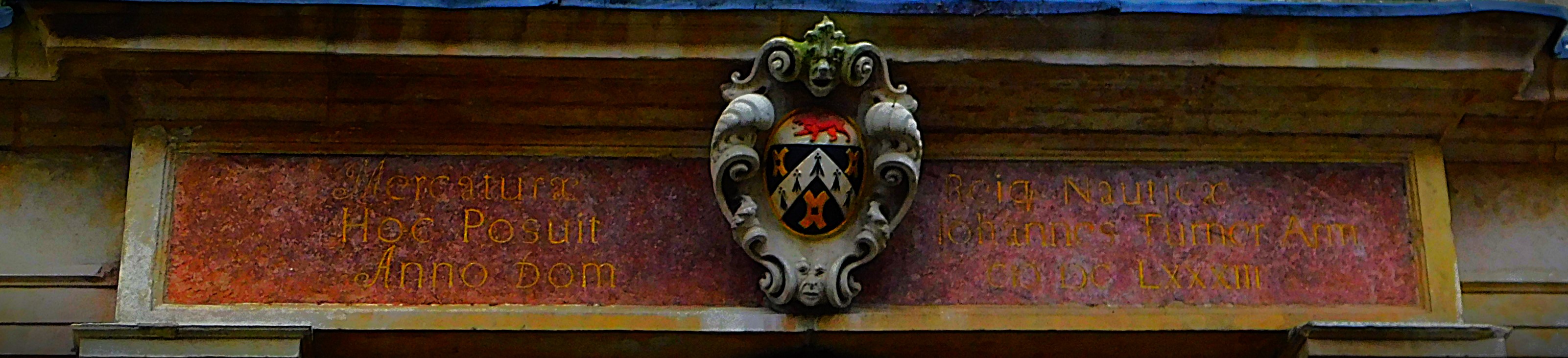
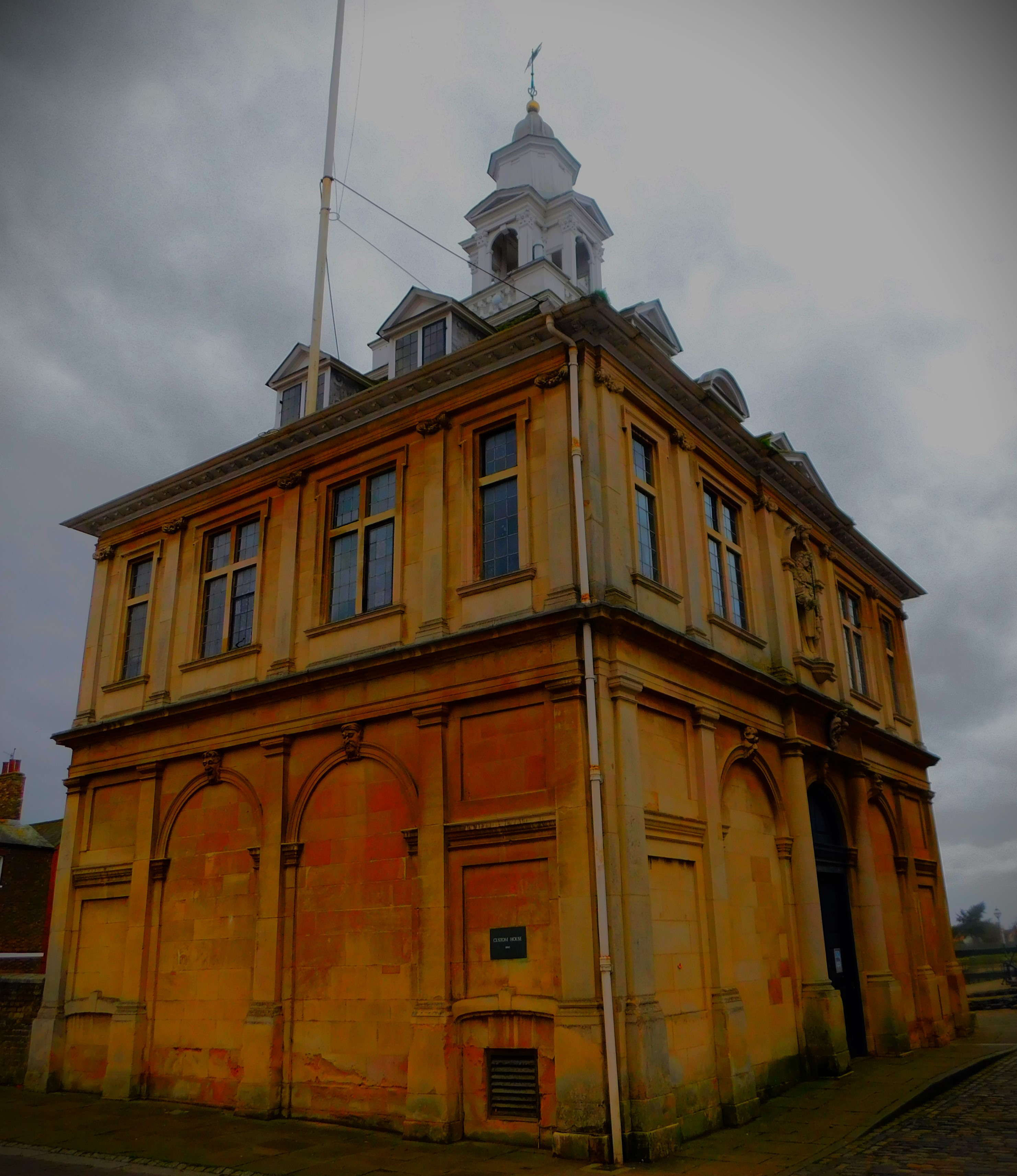
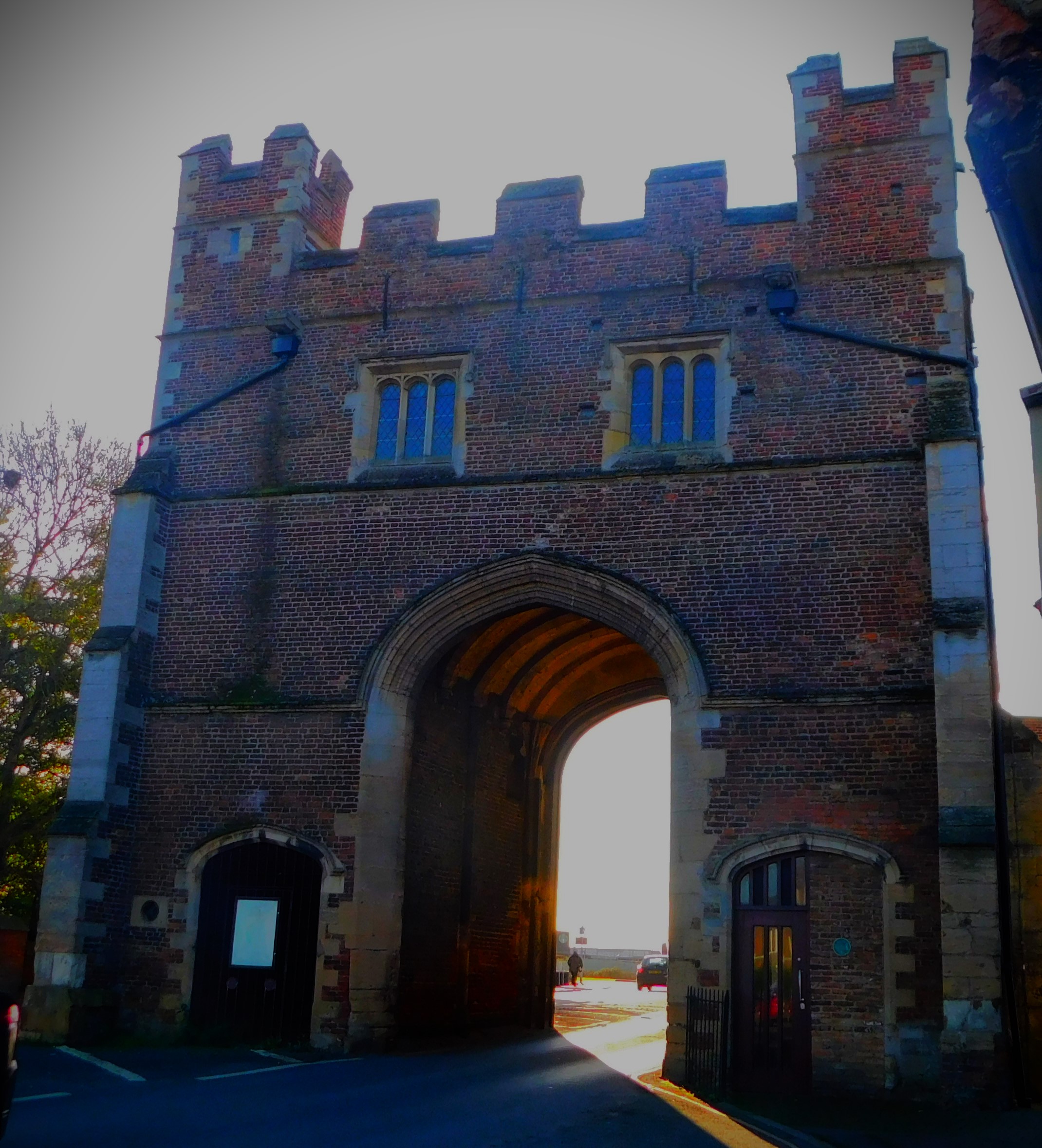
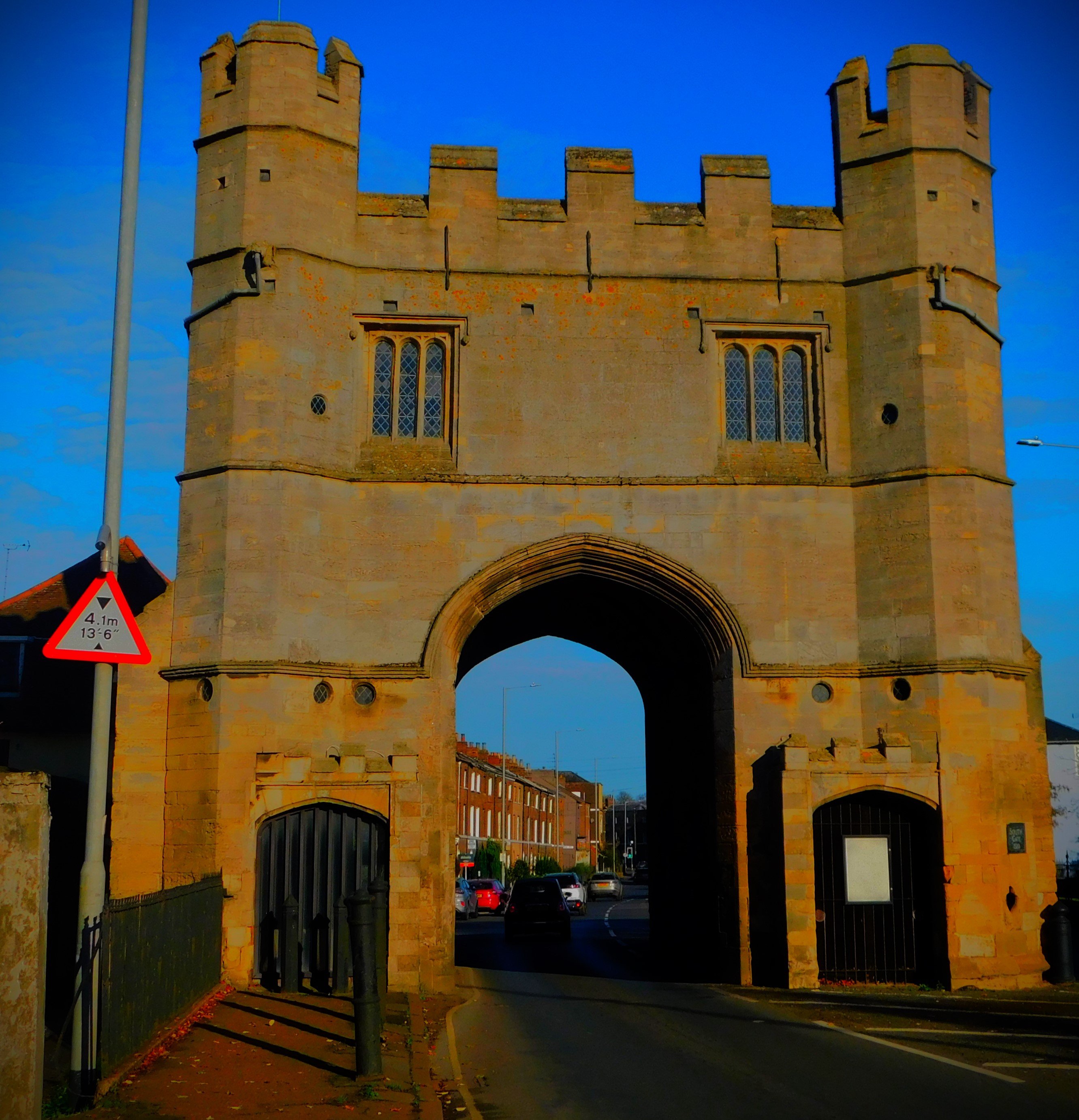
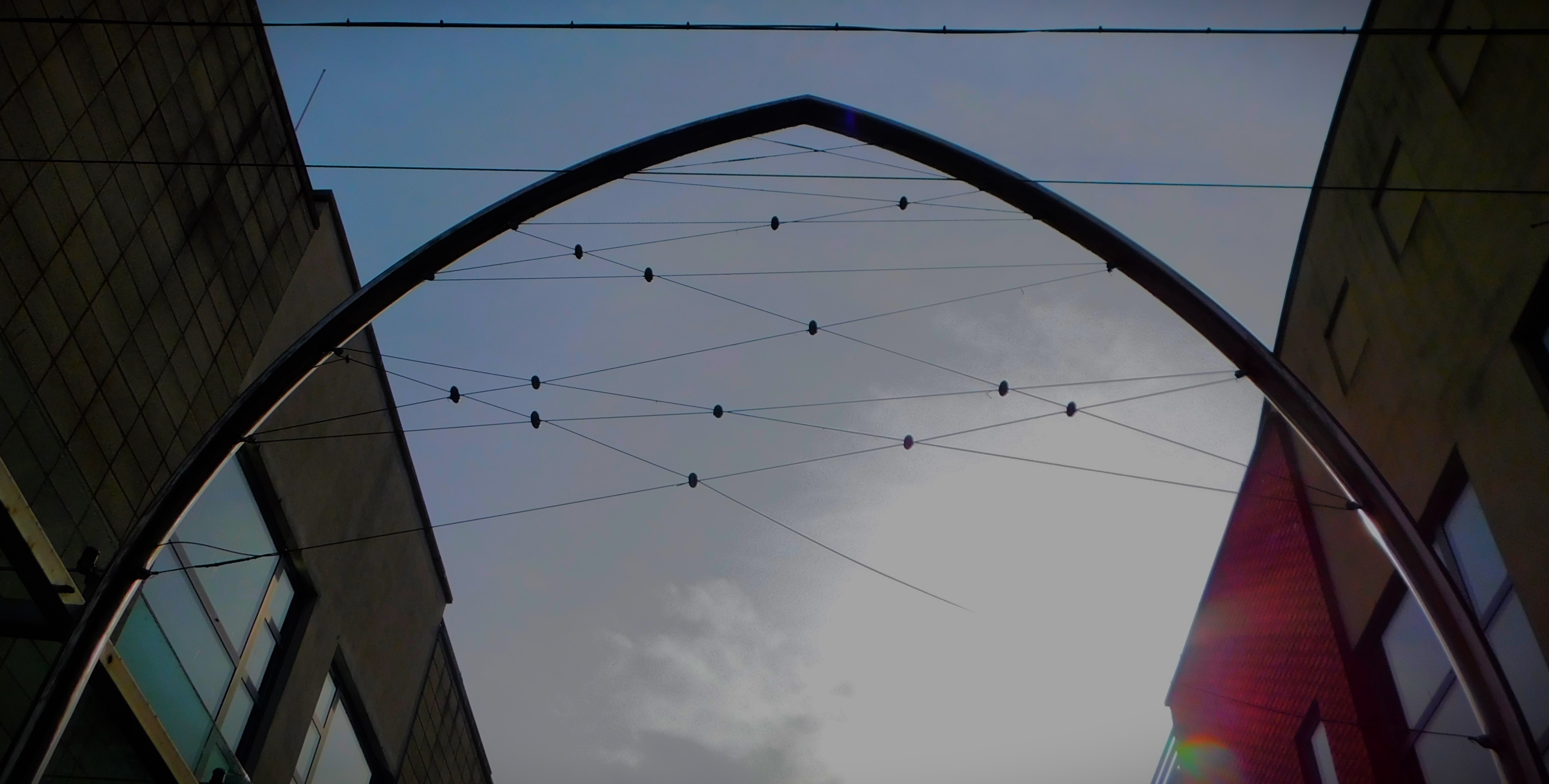
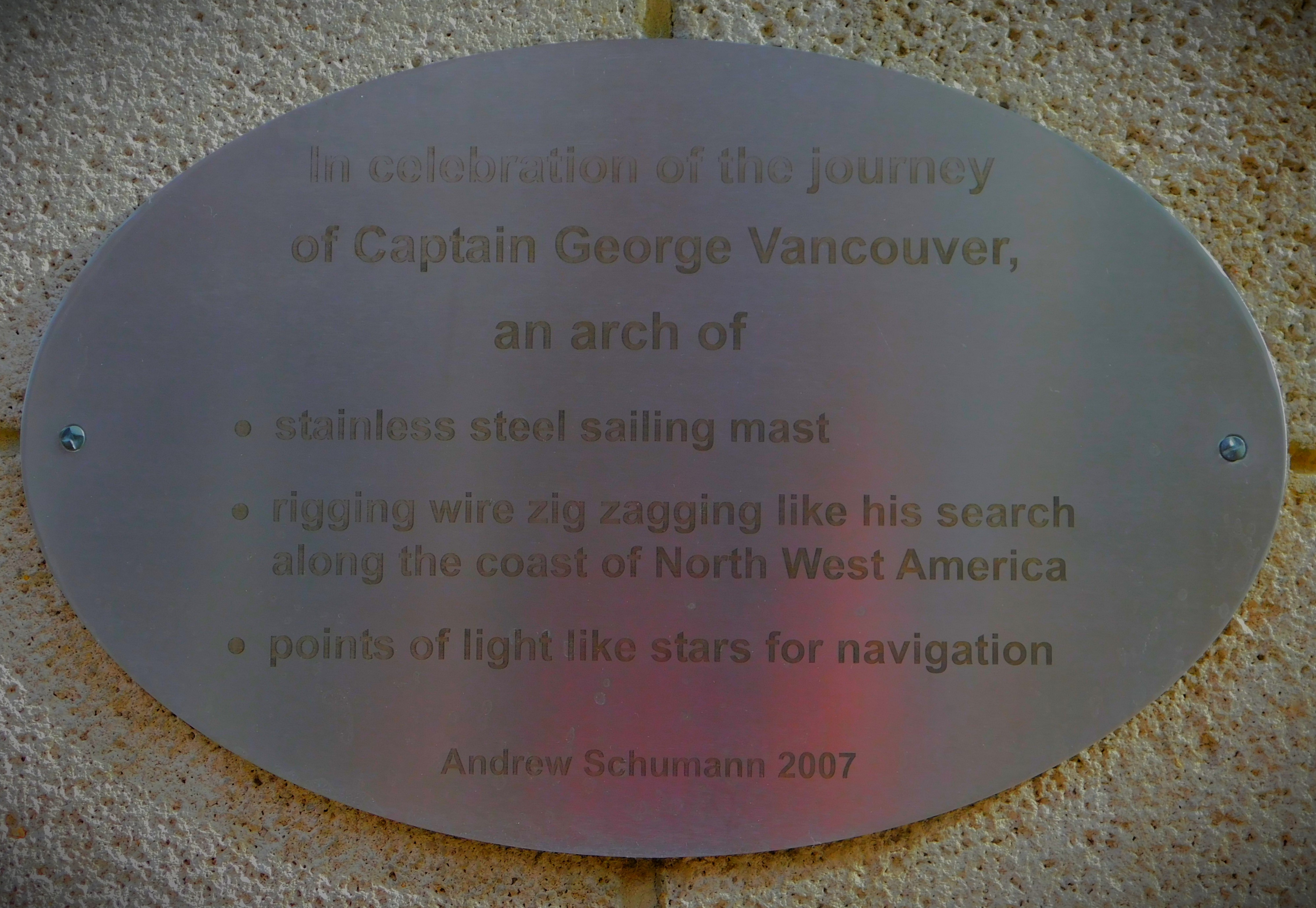
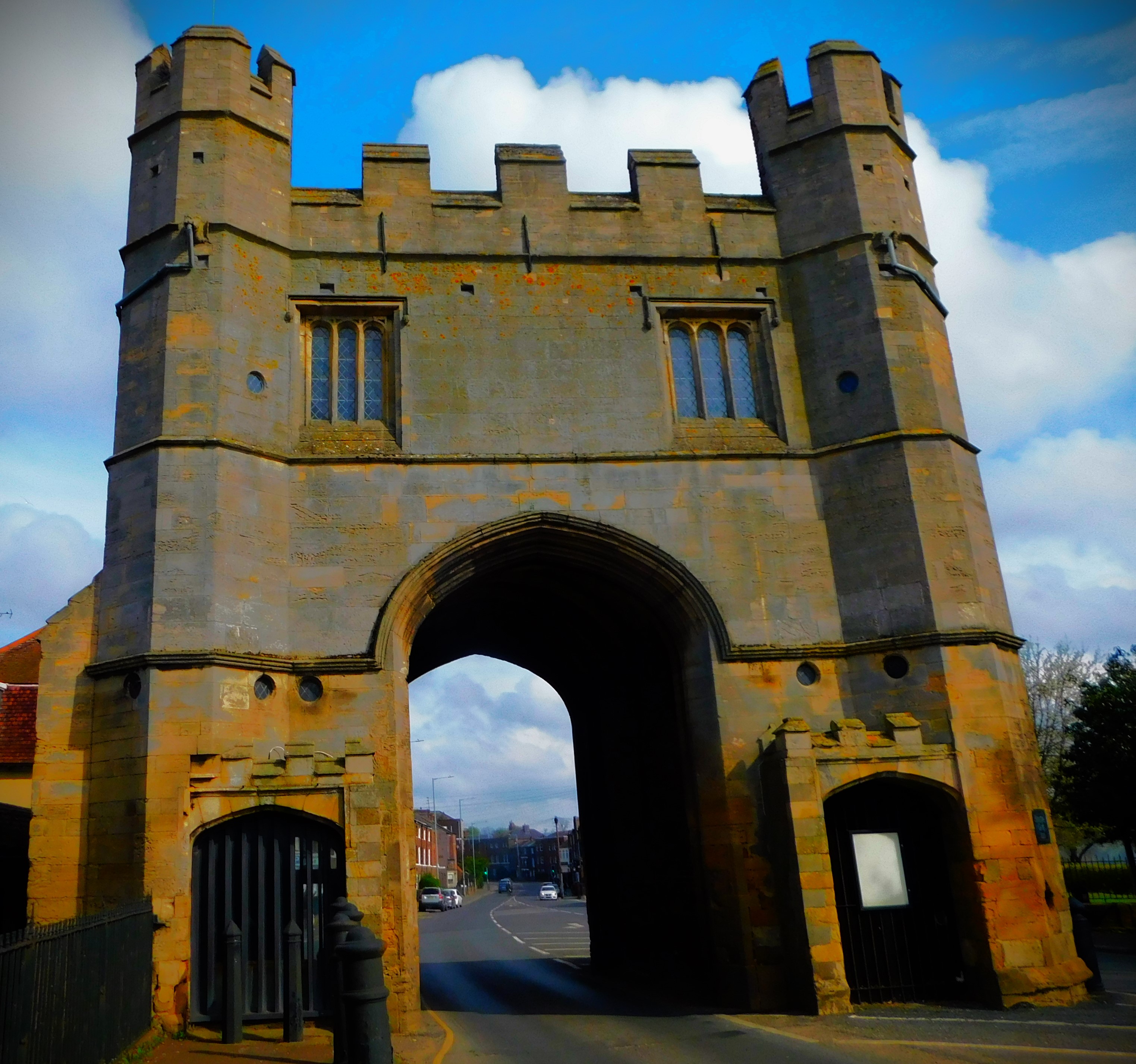
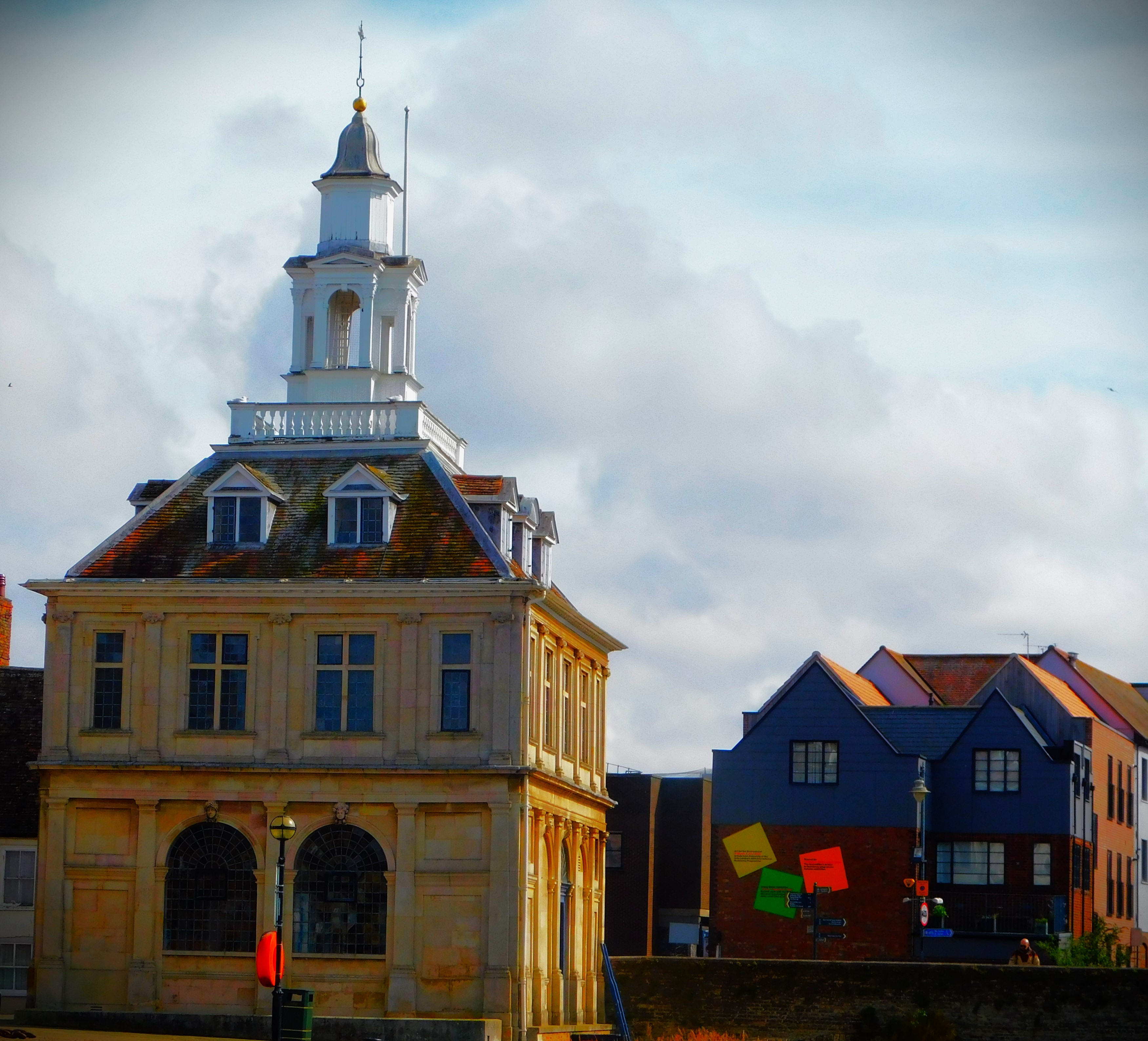
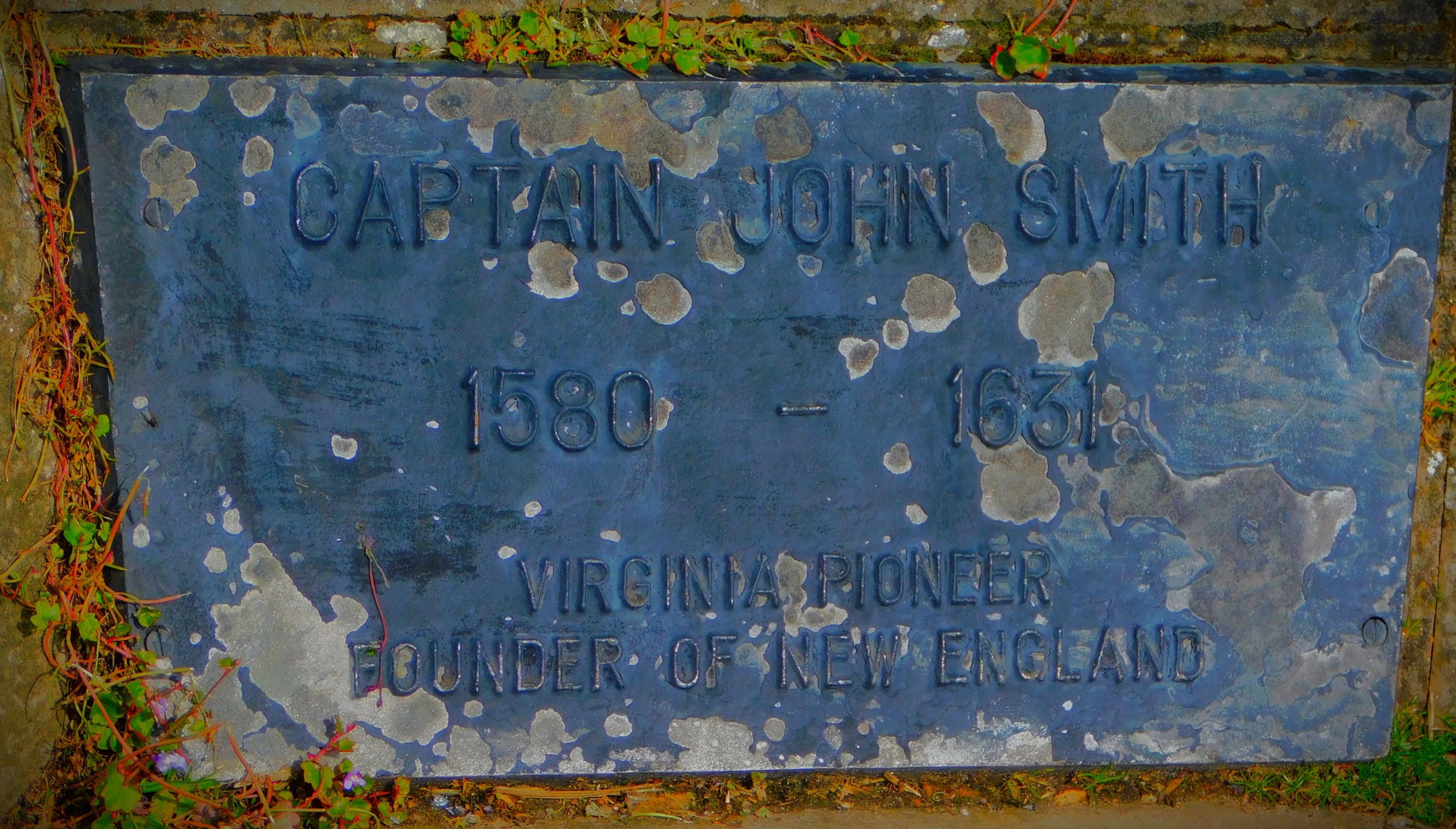
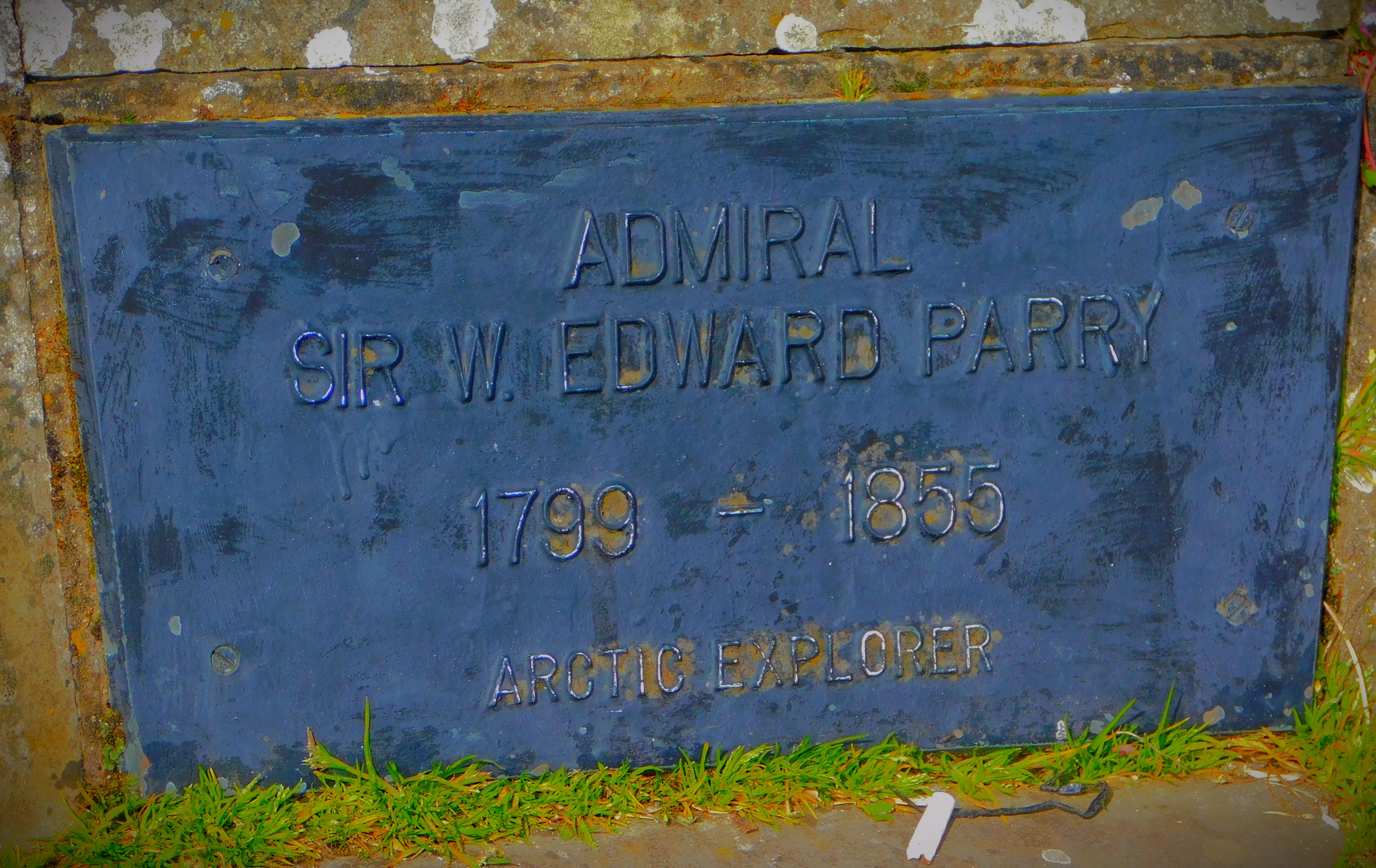
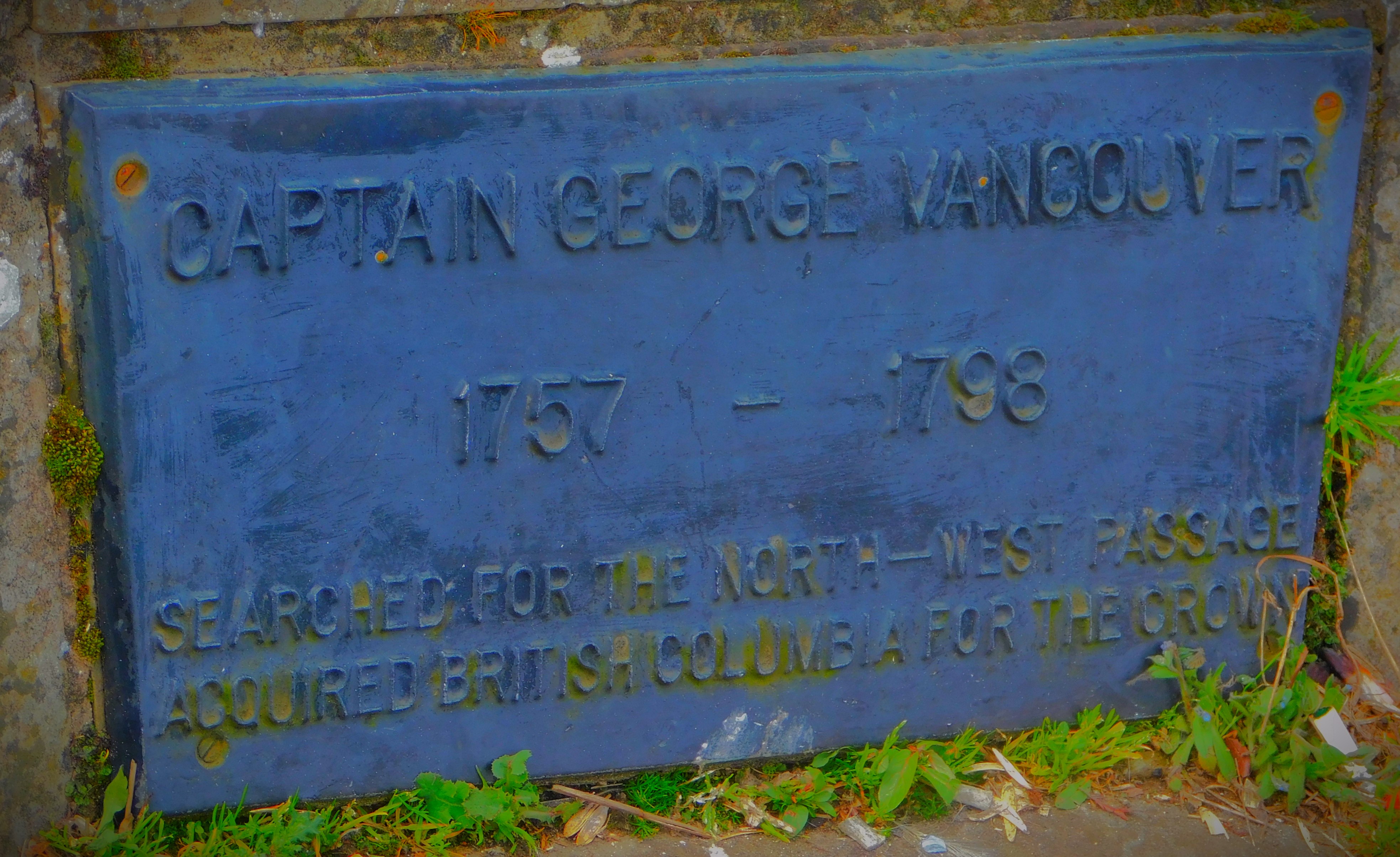
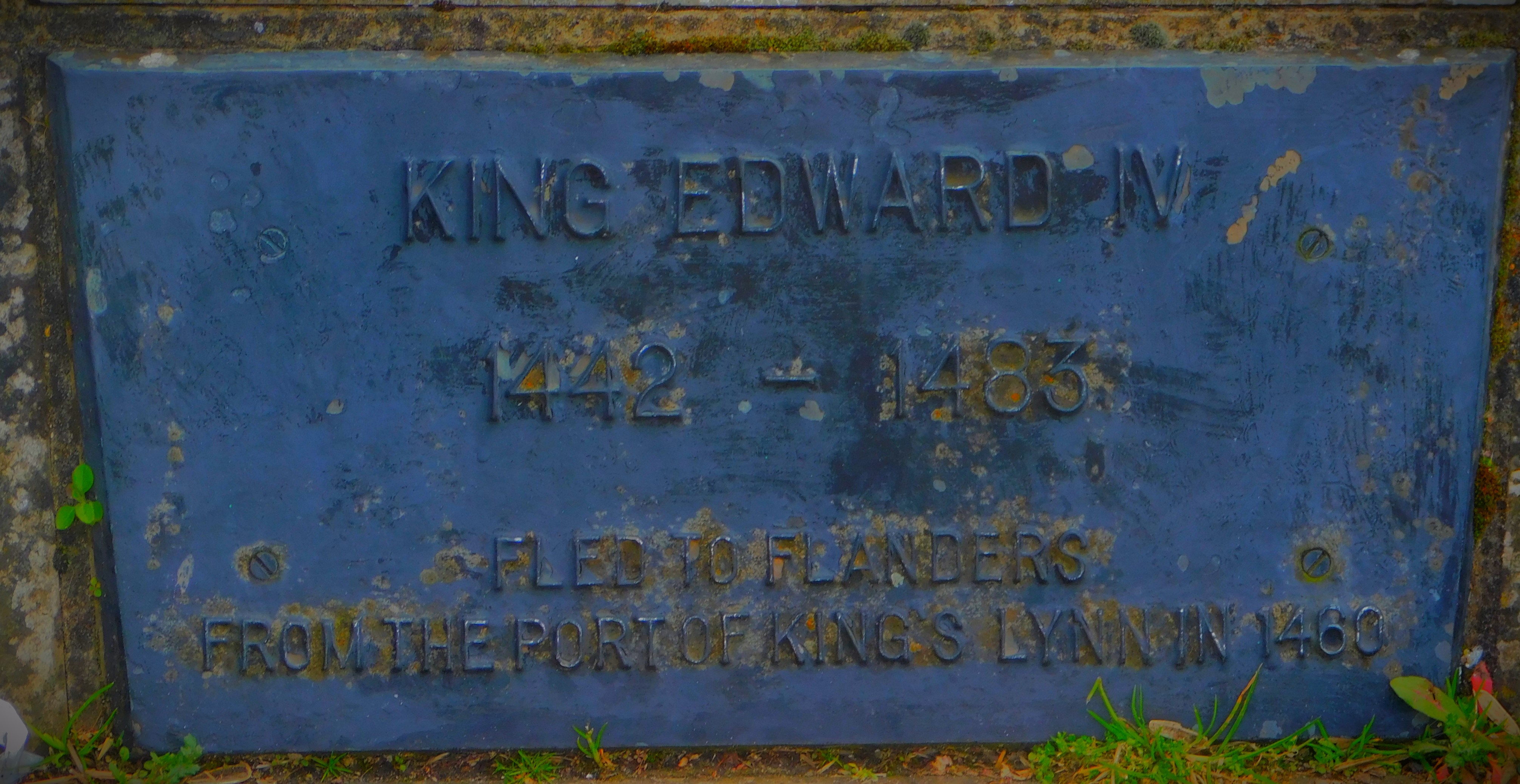
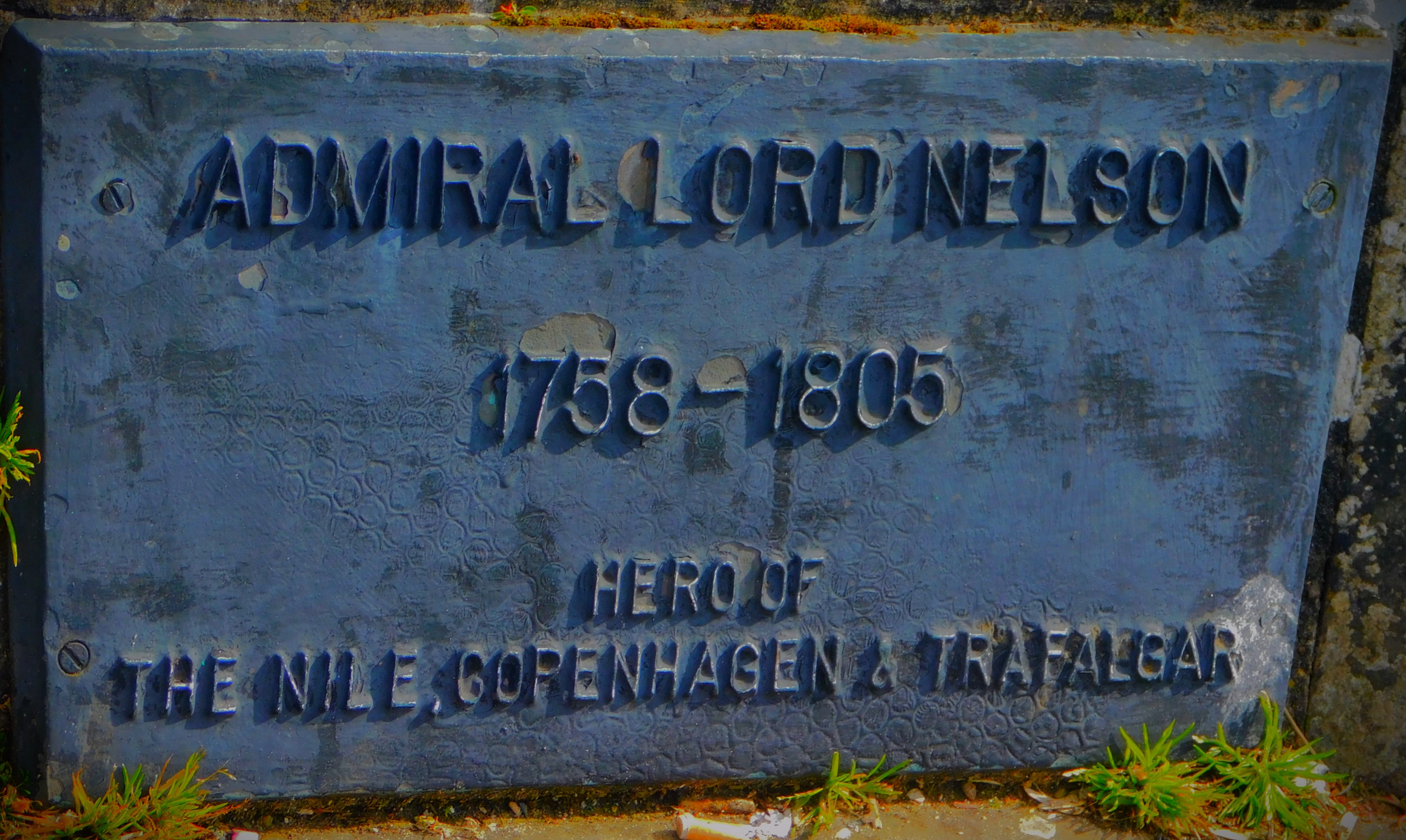
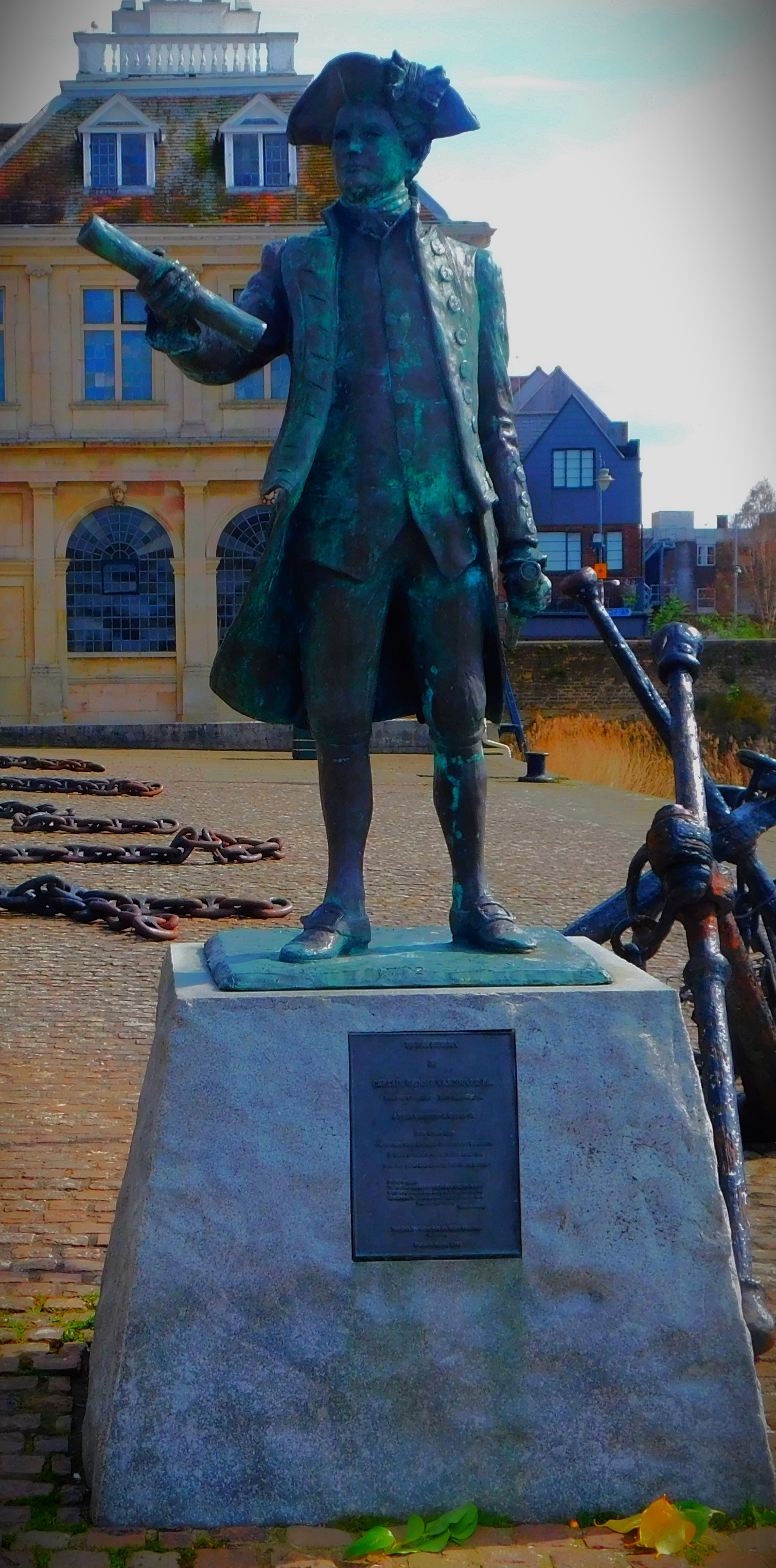
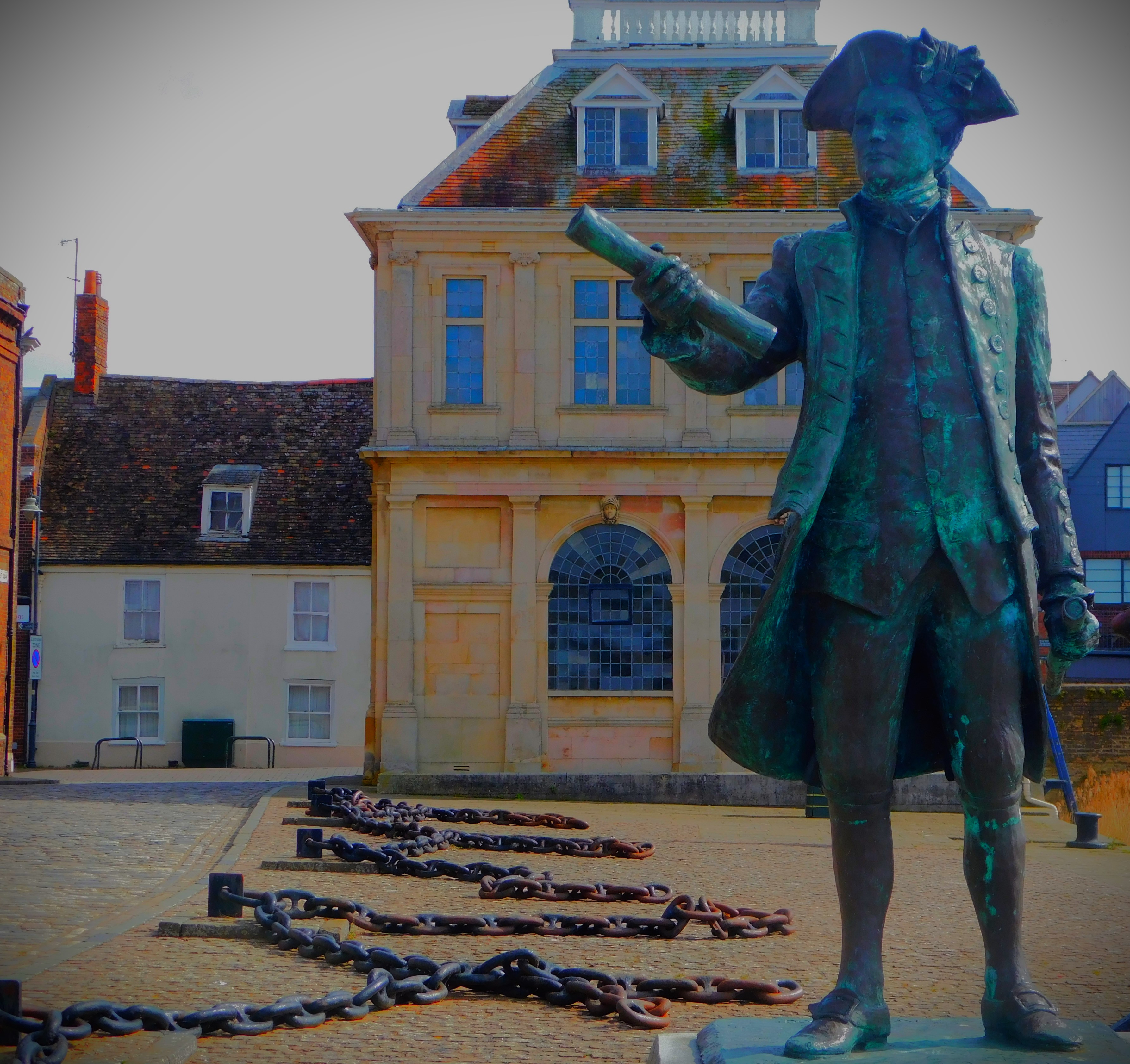
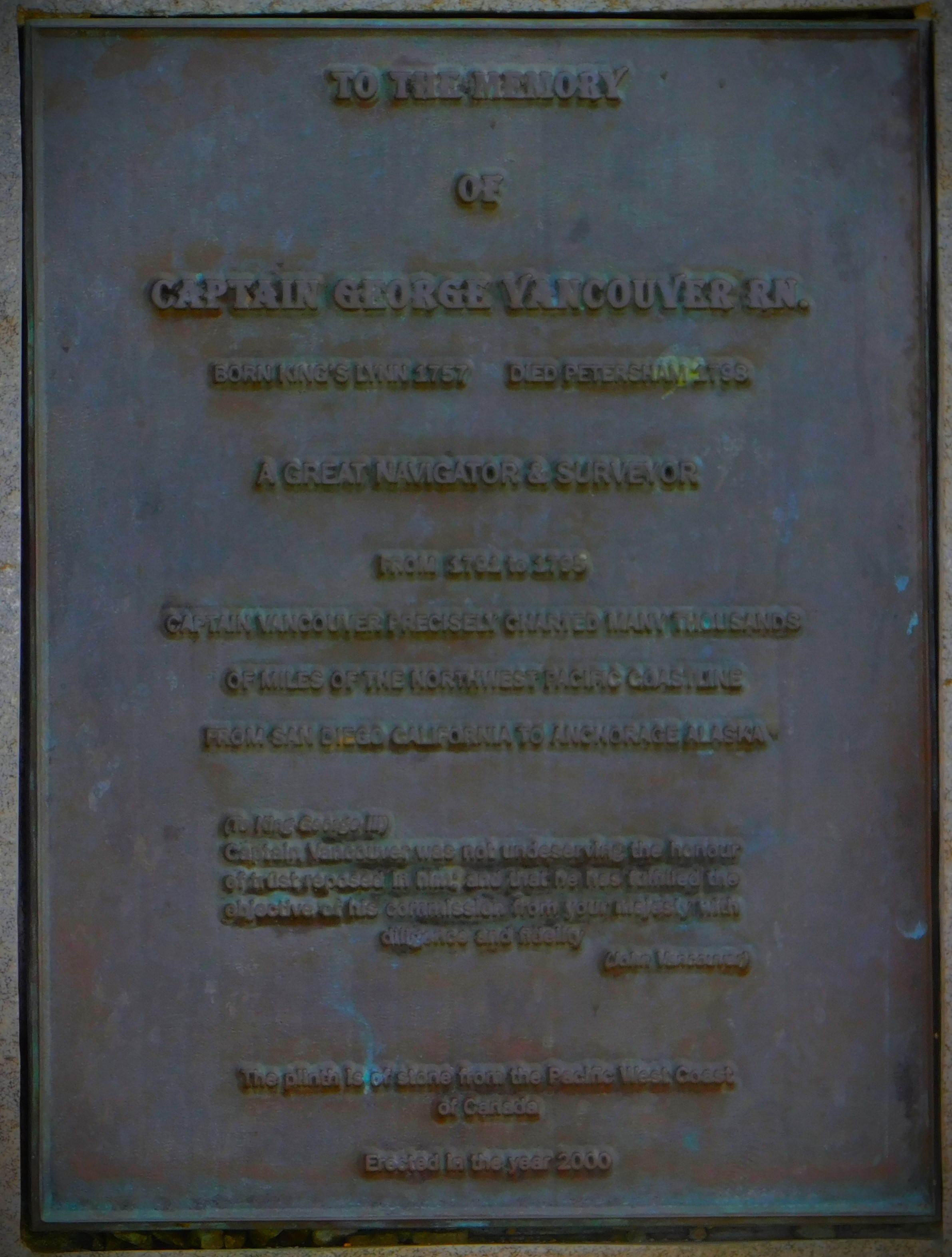
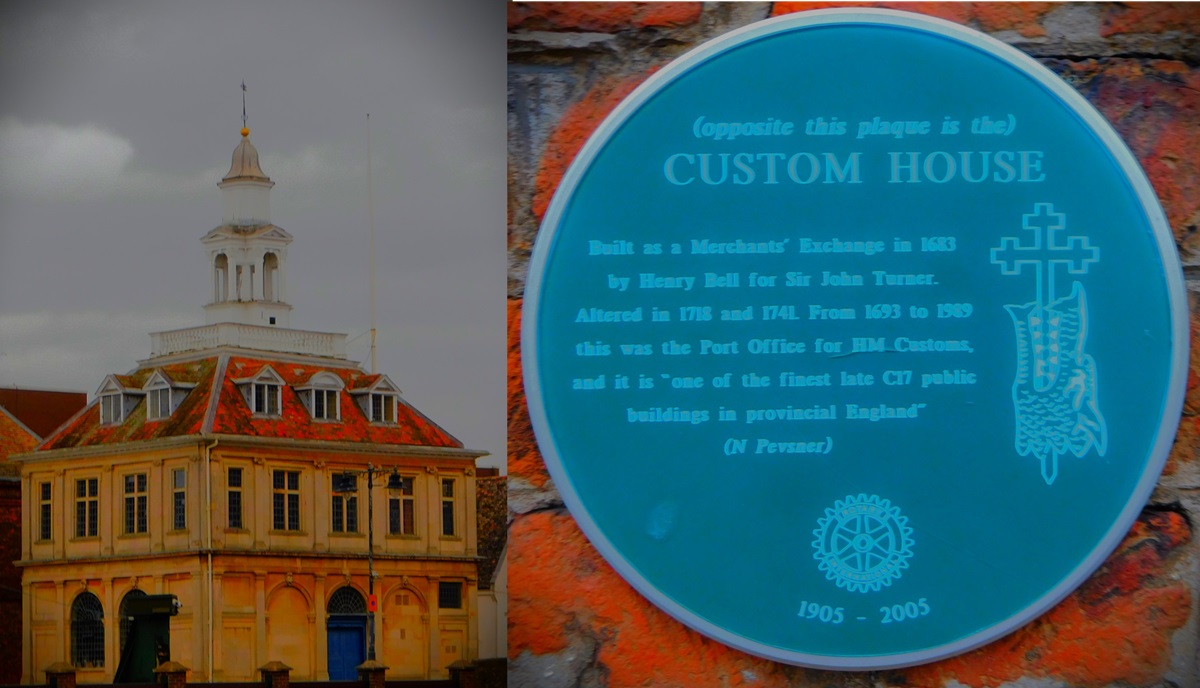
The South Gate from the town side.The South Gate from the outside.The iconic Custom House.The statue of George Vancouver.
An all time XI of players whose given names begin with B with a lot of honourable mentions, a look at plans for the creation of a new library/ community hub in King’s Lynn and a large photo gallery.
Today I look at cricketers whose given names begin with B. My XI is I believe a very good one and quite a few fine players had to miss out.
THE XI IN BATTING ORDER
Bert Sutcliffe (New Zealand, left handed opening batter, occasional off spinner). The Kiwi left hander, scorer of the two highest first class innings ever played by anyone from that country (385 and 355) and successful at test level as well deserves his place here.
Barry Richards (South Africa, right handed opening batter, occasional off spinner). He played in what turned out to be the last series of South Africa’s first incarnation as a test nation, and in four matches scored 508 runs at 72.57 with two centuries. Normally I would not read much into such a small sample size, but pretty much everyone who saw him bat and has expressed an opinion on the matter reckons that he was good enough to have maintained that average over a long test career had he been given the chance (among them Don Bradman, who officially consigned South Africa to exile from the international arena) and that domestic cricket was just too easy for him to keep him properly motivated.
Brian Lara (West Indies, left handed batter). The holder of the world first class and test record individual innings (501* and 400*), also scorer of 688 runs in a series in which he, a left hander, had to contend with Muralidaran on pitches made to measure for the off spinner.
Babar Azam (Pakistan, right handed batter). One of the finest of contemporary batters.
Basil D’Oliveira (England, right handed batter, right arm medium pacer). In spite of the fact that due to the circumstances of his birth (born in South Africa and possessed of dark skin) the opportunity to play international cricket arrived far later than it should have done, and at an age when many are thinking about the impending end of their careers he established a fine test record.
+Ben Foakes (England, wicket keeper, right handed batter). This slot was one of the first to be filled in this XI.
*Ben Stokes (England, left handed batter, right arm fast medium bowler, captain). I have named him as captain of this XI due to his success with the England test team, and placed him at number seven because I think he is well suited to batting in that position in a strong line up, which this is.
Bart King (Philadelphians, right arm fast bowler, right handed batter). over 400 wickets in 65 first class appearances at just 15 runs a piece, and a batting average of 20 as well. In the last of his four visits to England with Philadelphian touring sides he topped the first class bowling averages for the season, claiming 87 wickets at 11 each.
Brian Statham (England, right arm fast bowler, right handed batter). For England, where he was generally number two bowler to either Tyson or Trueman, and had to take the end they did not want he took 252 wickets at 24 a piece. For Lancashire, when he had the choice of ends, he claimed wickets at just 18 a piece.
Bishan Singh Bedi (India, left arm orthodox spinner, right handed batter, vice captain). I don’t always name a vice-captain in these XIs, but although there are several other former skippers in this XI I feel that while Stokes has to be skipper, Bedi stands far enough clear of the rest to warrant being named vice-captain. 266 test wickets at 28.71 each earn him his place in this XI.
Bhagwath Chandrasekhar (India, leg spinner, right handed batter). Whereas Bedi was a classic left arm orthodox spinner and was simply better at doing what such bowlers do than most other such this guy was an absolute one of a kind bowler. The pair were regular team mates through their careers, and I reckon they would do even better in this side than they did in actual life.
This side has a powerful batting line up – a very strong top four, and arguably four all rounders, with King’s batting and bowling averages being the right way round. The bowling, with Statham and King opening the attack, Stokes and D’Oliveira available as back up seam options, two superb specialist spinners, and the opening batters able to bowl fill-in off spin if needed is both strong and superbly varied. This side will take a lot of beating.
HONOURABLE MENTIONS
Before I get into the actual honourable mentions there are two things to be cleared up to set the scene.
BILL/ WILLIAM AND BOB/ ROBERT
Bill and Billy are nearly always diminutive forms of William, and would therefore belong under the letter W in my classification. The two main exceptions I can think of are Billy Stanlake and Billy Taylor, both of whom were actually given the name Billy. Neither have records that would enable them to dislodge any of my choices, though Stanlake would enter the reckoning were I thinking in limited overs terms. Similarly, Bob and Bobby are generally diminutives of Robert and would be filed under R. NB while it is a diminutive Ben escapes this because it is short for either Benjamin or Benedict, which begin with the same letter.
I will go through the actual honourable mentions in batting order. Belinda Clark of Australia was closest to dislodging either of my chosen openers, though not massively close. Brendon Kuruppu, scorer of Sri Lanka’s first ever test double century did little outside of that one huge innings, while two Bens, Compton and Charlesworth, have yet to be given the opportunity to show their mettle at the highest level. Barry Wood would have merited serious consideration for a limited overs XI – his list A record was outstanding, and in that format his medium pace was often very valuable as well. Brad Hodge like so many of his generation missed out on international recognition due to the sheer strength of Australian sides in that era. Basil Fitzherbert Butcher had a fine test record, but not good enough to dislodge any of my chosen batters. There have been many quality keepers whose given names begin with B: Ben Barnett, Brian Taber, Brad Haddin, Budhi Kunderan and Brendon McCullum being five who deserve a mention, with the last named obviously getting a coaching gig. Brian Close had a fine record for Yorkshire and later for Somerset, where he taught a county unused to winning how to do so, but his England record does not stack up. Another Yorkshire Brian, Sellers, could only have been considered had I been struggling for a skipper, and I wasn’t. Brian McMillan had a fine record for South Africa, but not good enough IMO to dislodge D’Oliveira. Bruce Taylor of New Zealand was a decent all rounder, but not good enough to dislodge Stokes or King. Ben Hollioake’s untimely death in a car accident prevented him from qualifying. Brett Lee had a respectable record as a fast bowler, but he was somewhat expensive. Bruce Reid might well have had a place had he been able to keep himself in one piece for any length of time, but his actual record does not qualify him for selection. Ben Hilfenhaus was a useful fast-medium bowler, but in the 2010-11 Ashes when confronted with a strong batting line up he looked decidedly unthreatening. Brydon Carse is genuinely quick, but is also very erratic and hence always likely to be expensive. The almost anagrammatical Brian Brain fell too far short of the necessary class for me to accommodate him. Brian Langford and Bruce Yardley were fine off spinners, but with Bert Sutcliffe and Barry Richards both part time offies I preferred the Indian duo of Bedi and Chandrasekhar as my specialist spinners.
KING’S LYNN LIBRARY
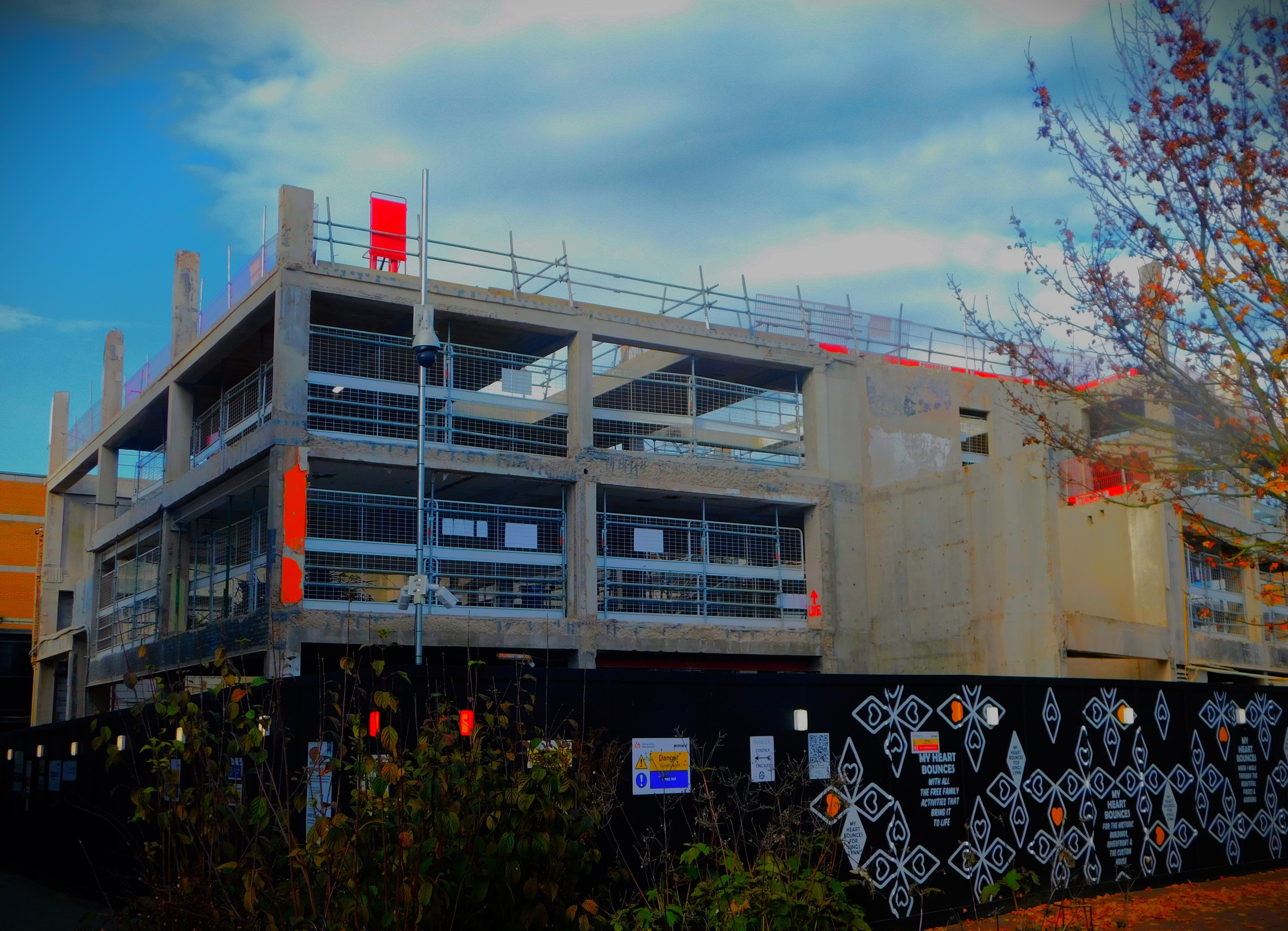
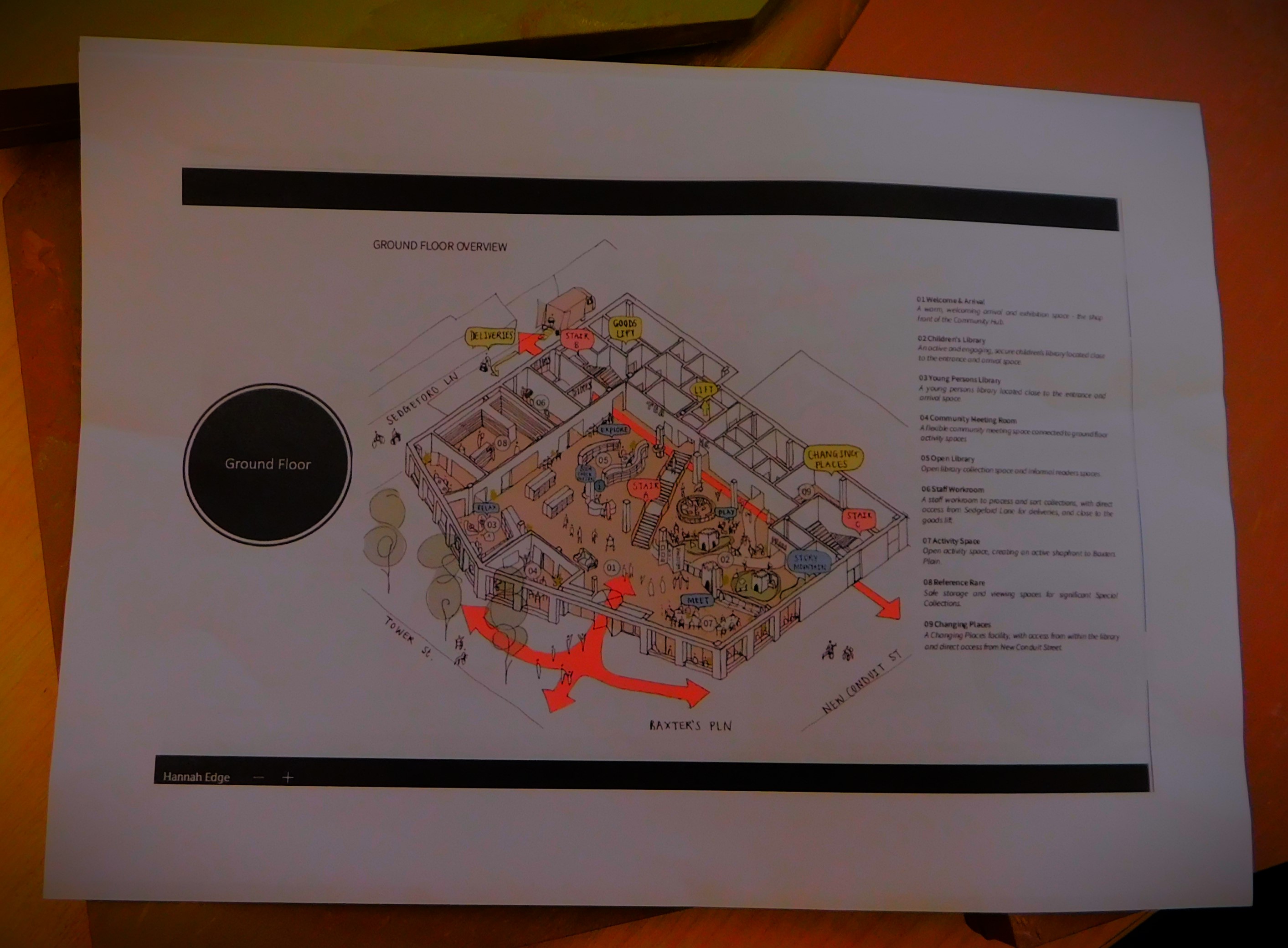
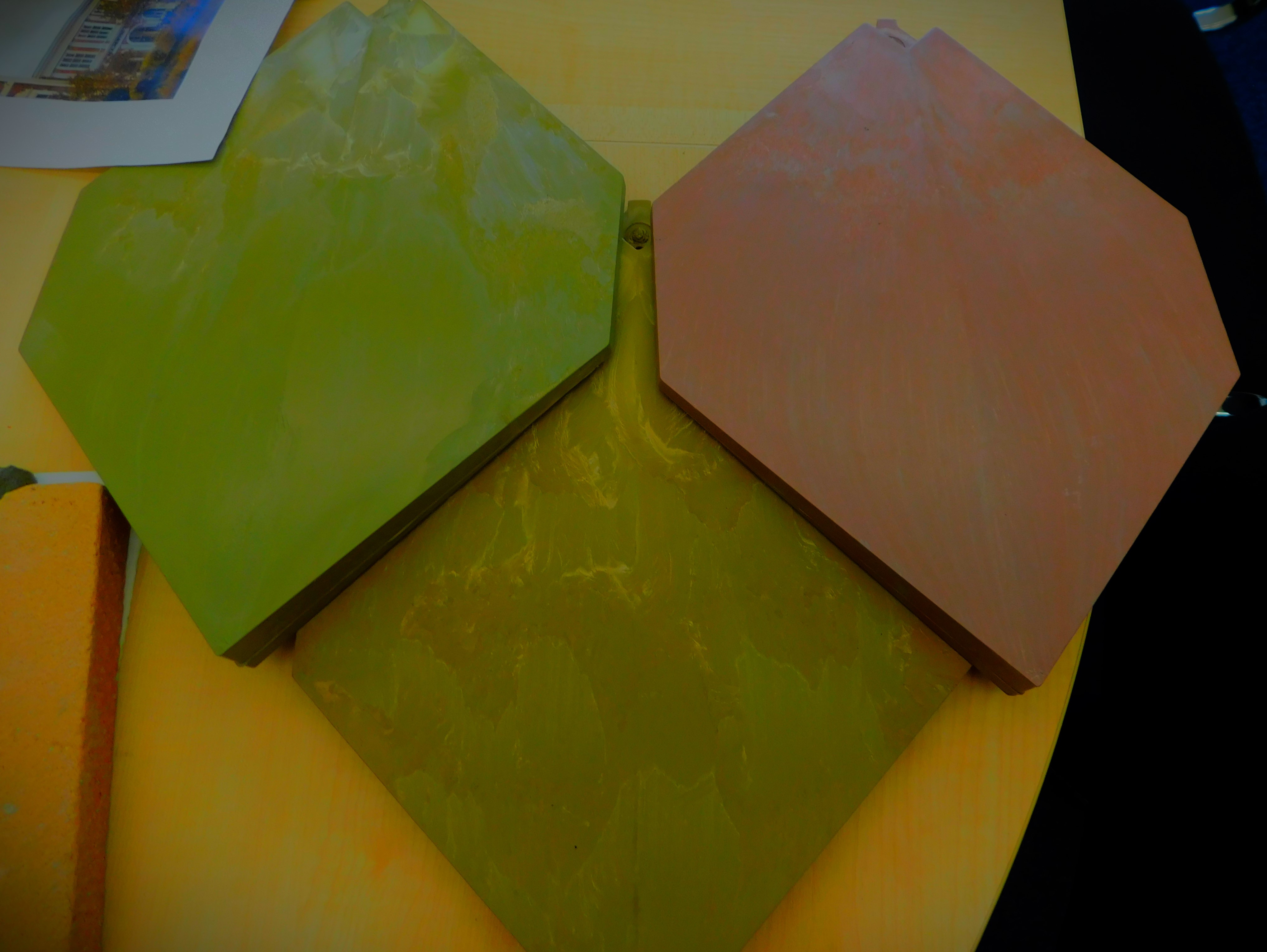
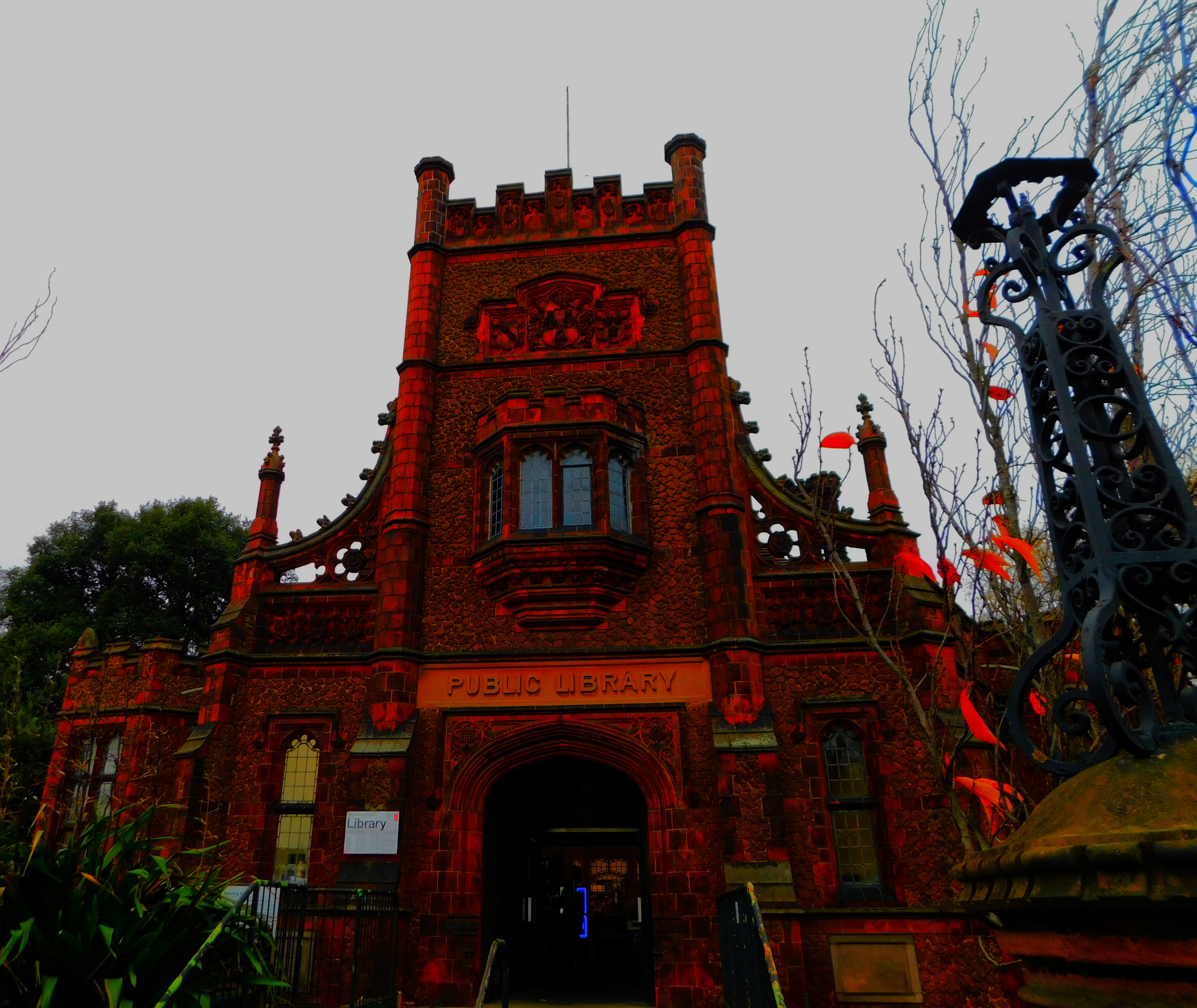
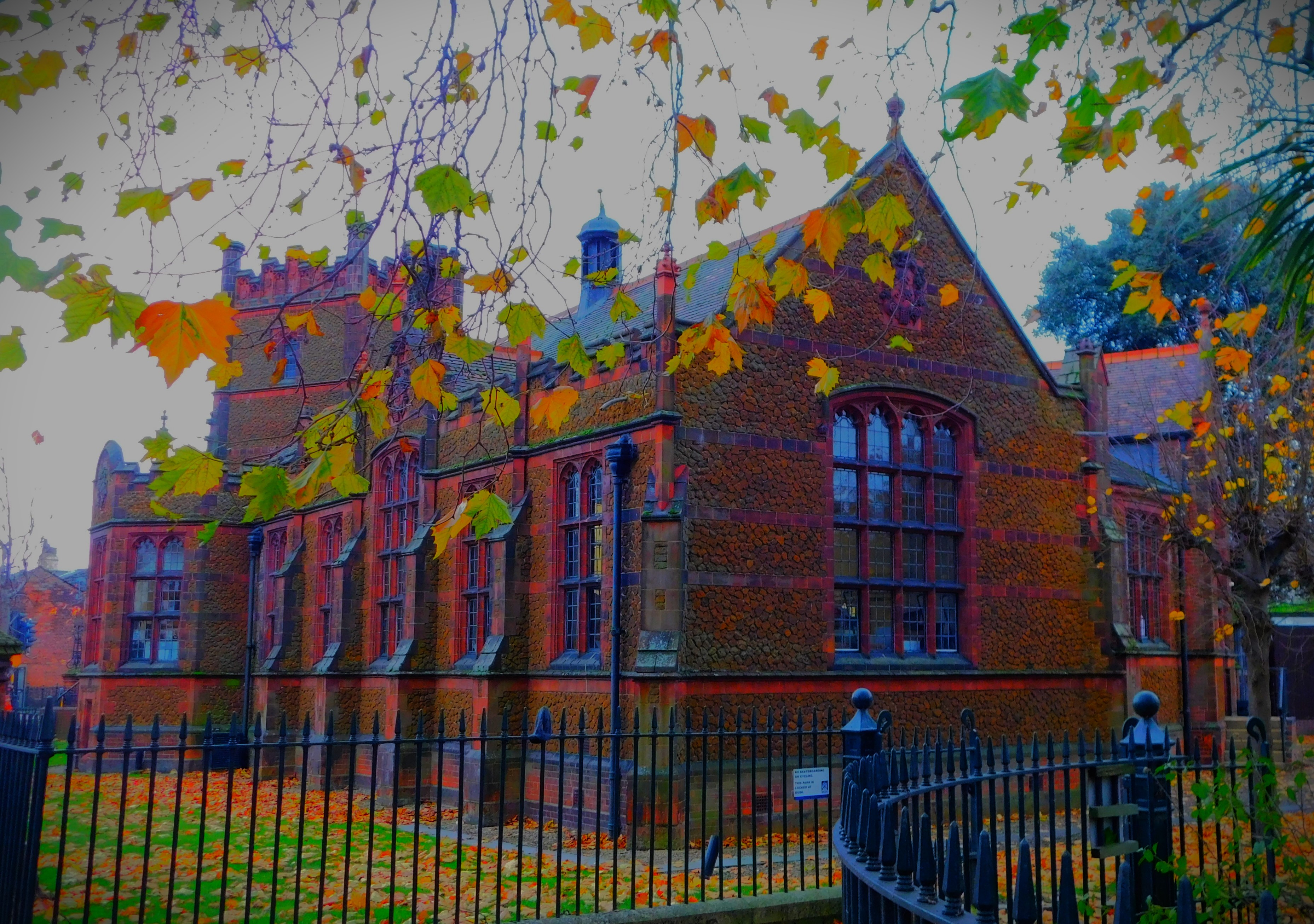
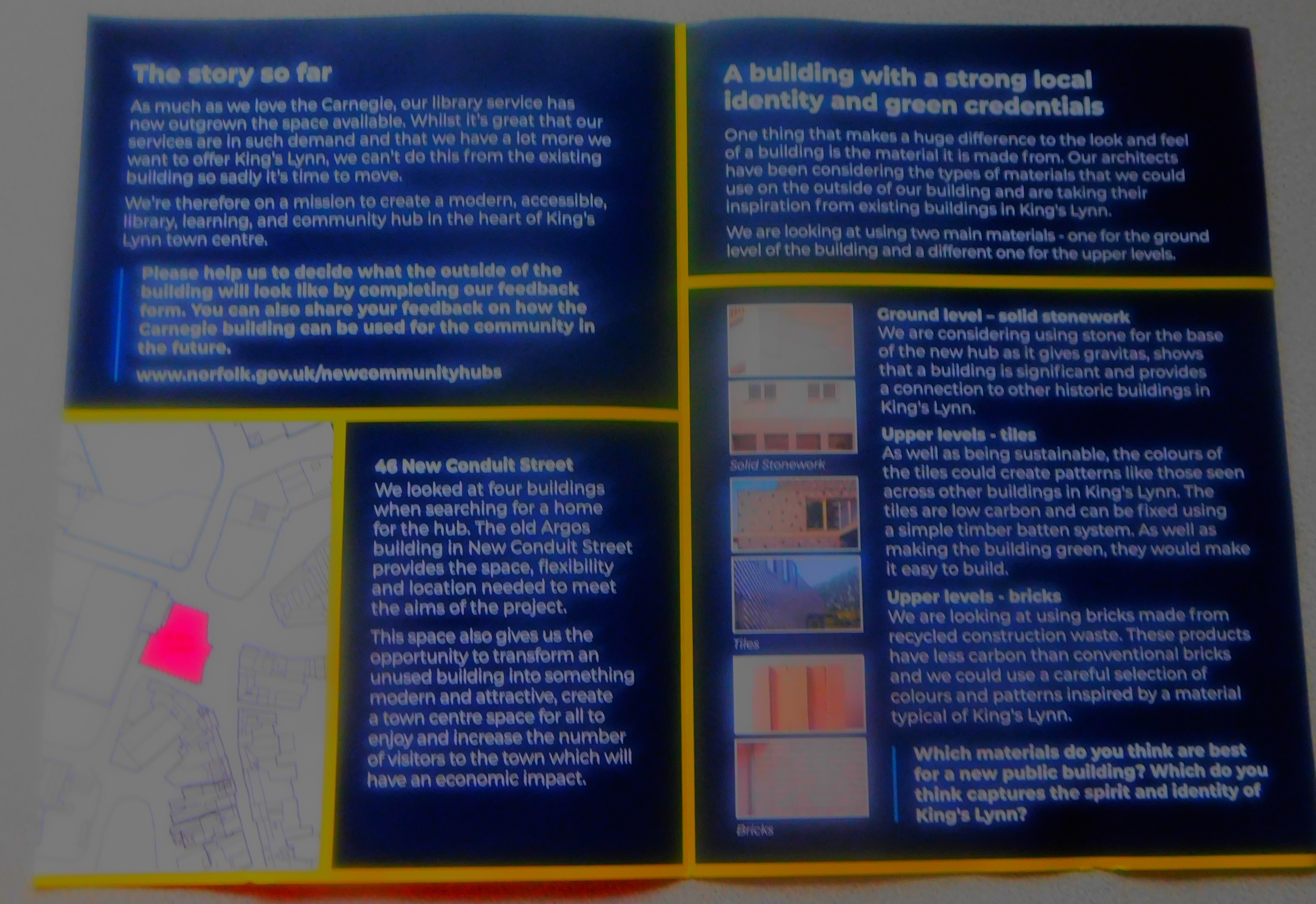
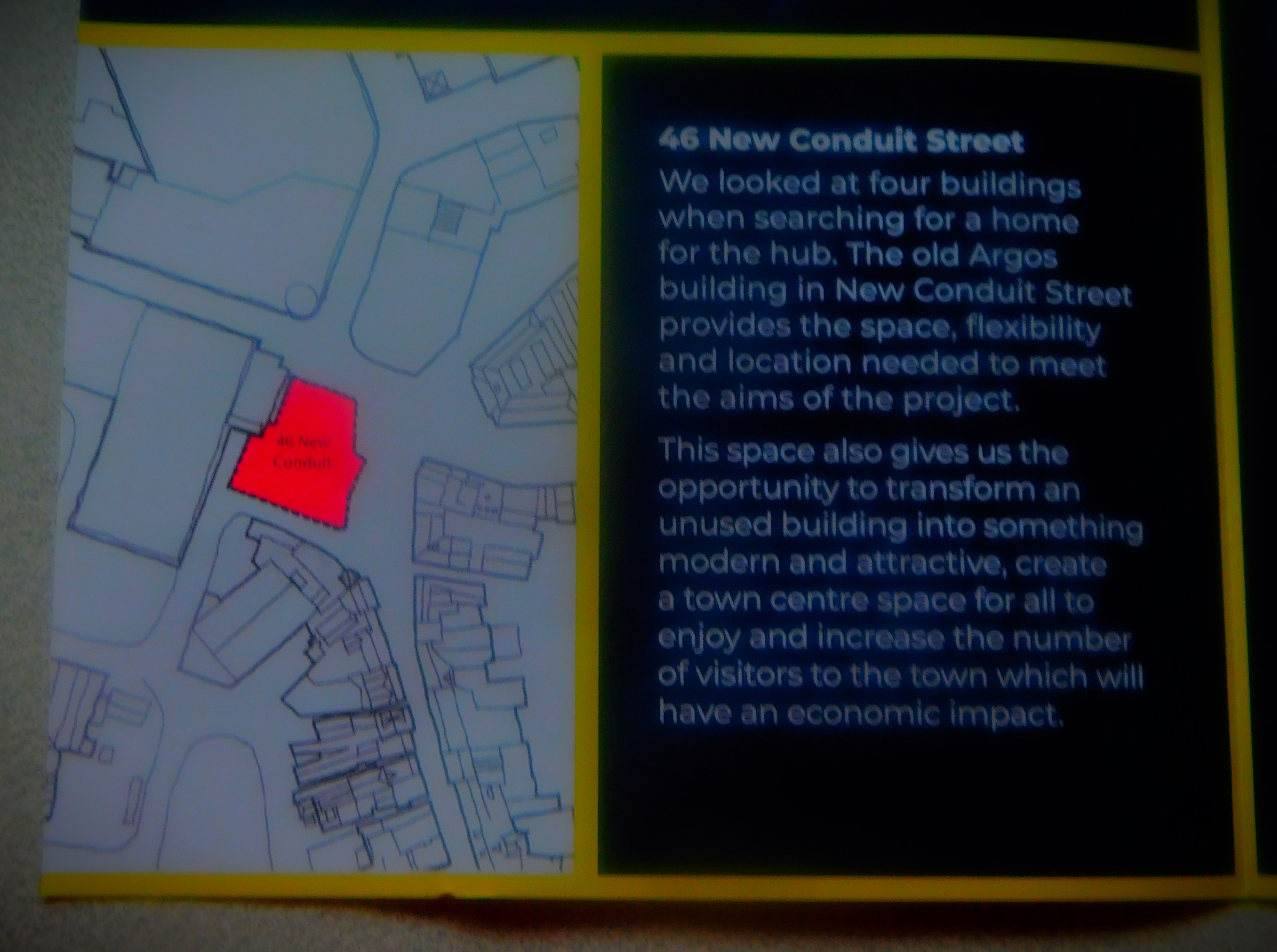
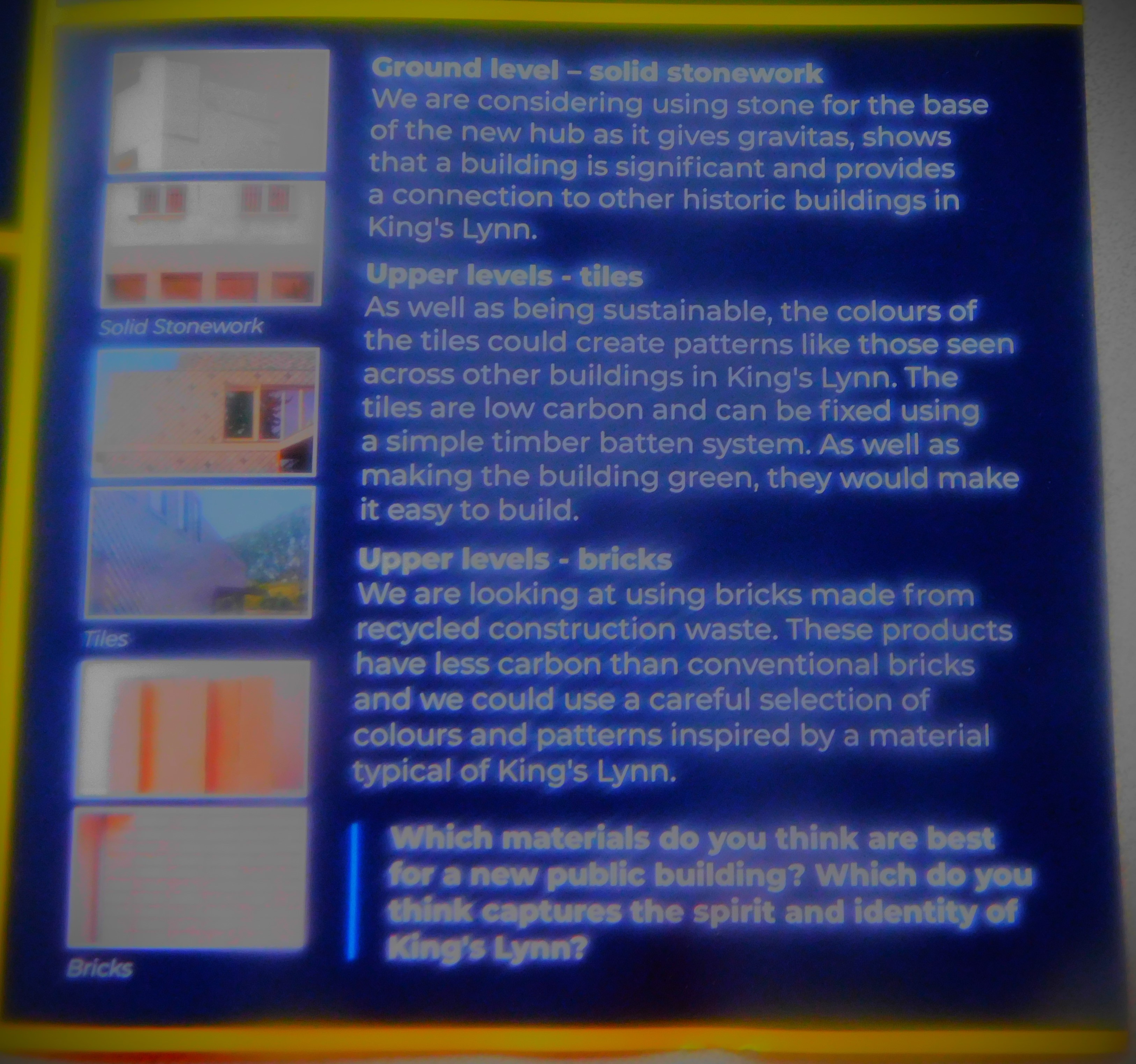
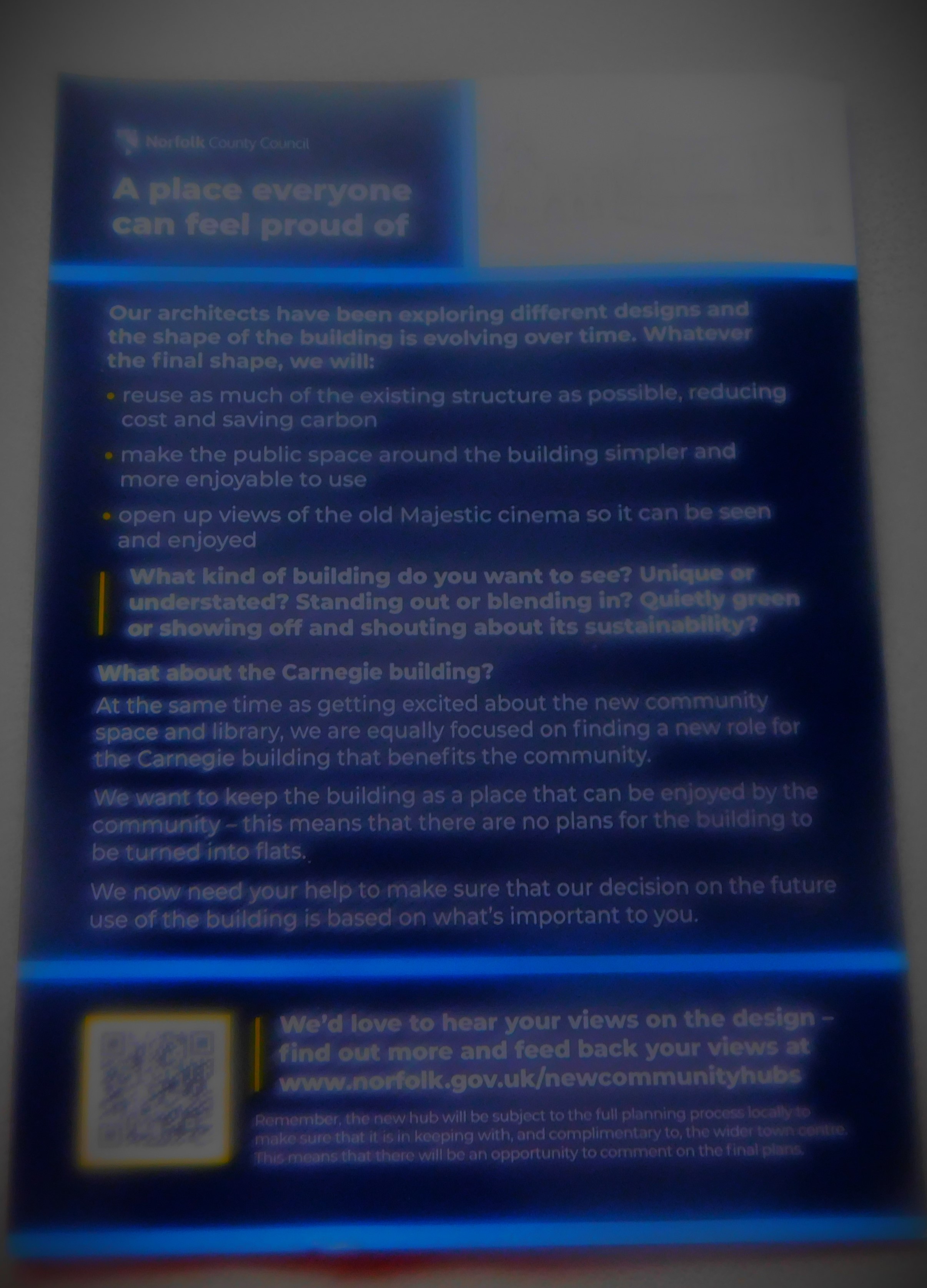
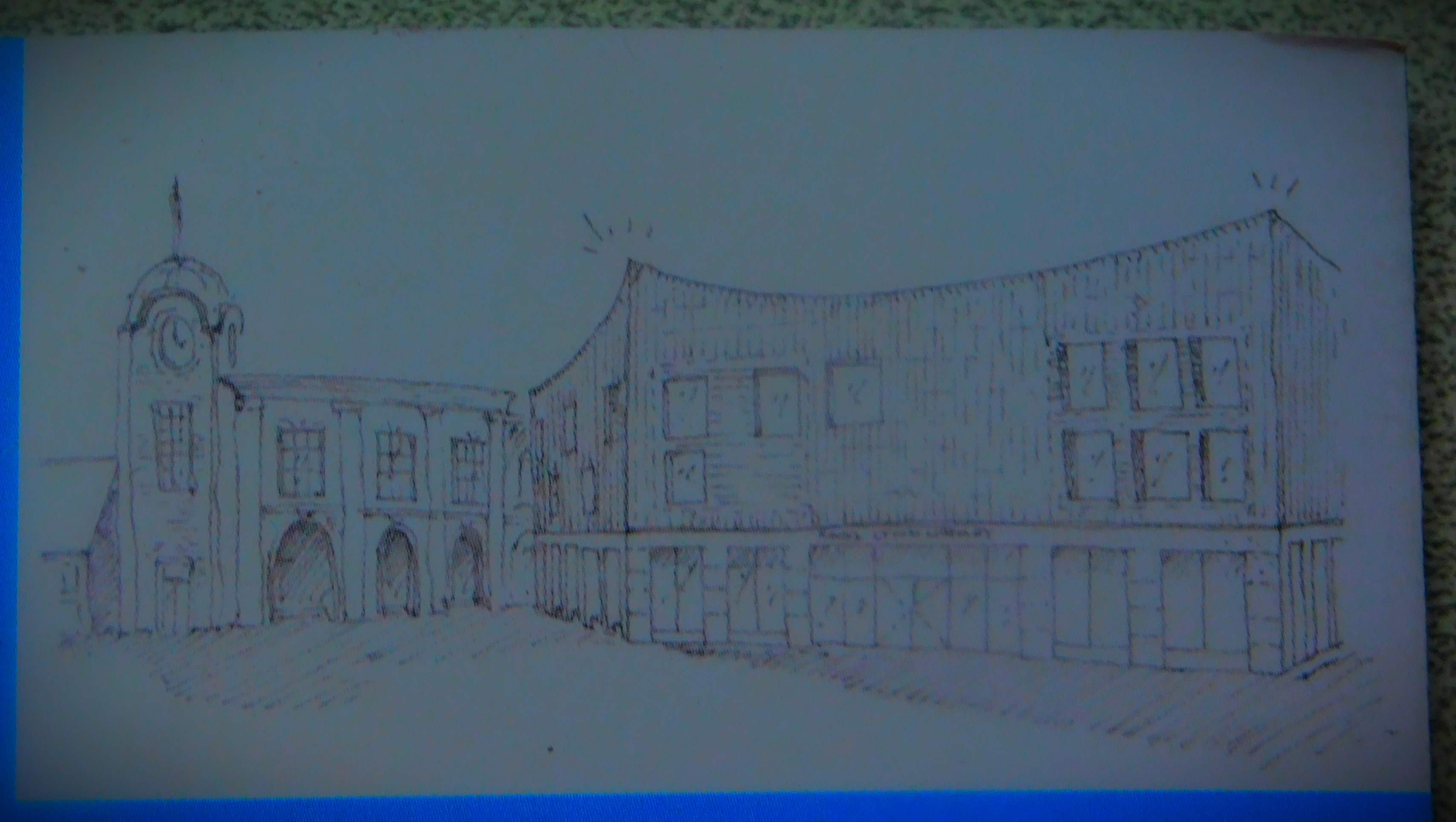
King’s Lynn Library will be moving from its current premises to the site of what used to be the King’s Lynn branch of Argos. The current premises are a listed building and therefore have to be preserved, and it is an essential part of the plan that whatever the current premises become it will be something that is fully accessible to the public (so no flats, no private business premises etc.). The new building will be constructed using environmentally friendly materials, with the ground floor featuring stone, and the upper floors and the roof featuring bricks and tiles, the latter made from recycled materials (I have seen samples of such materials at the library, and was favourably impressed). There is an initial consultation taking place which has two days to run (click here). If this scheme is carried out properly the new library/ community hub could become a modern landmark fully in keeping with Lynn’s history as a medieval town, as well as serving its purpose as library and community hub. Also a vibrant new establishment in place of the shell of the old Argos cannot fail to be an improvement.
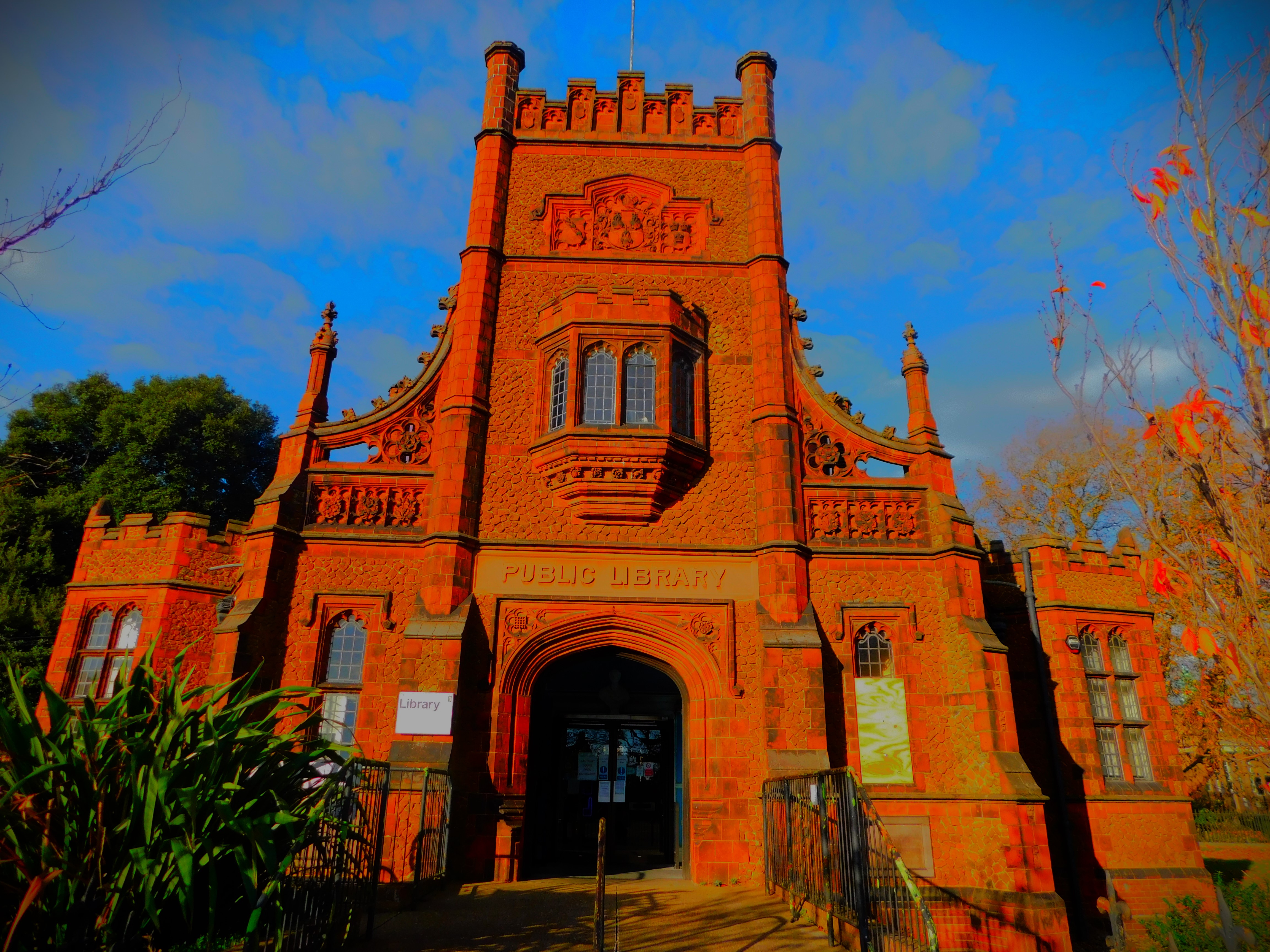
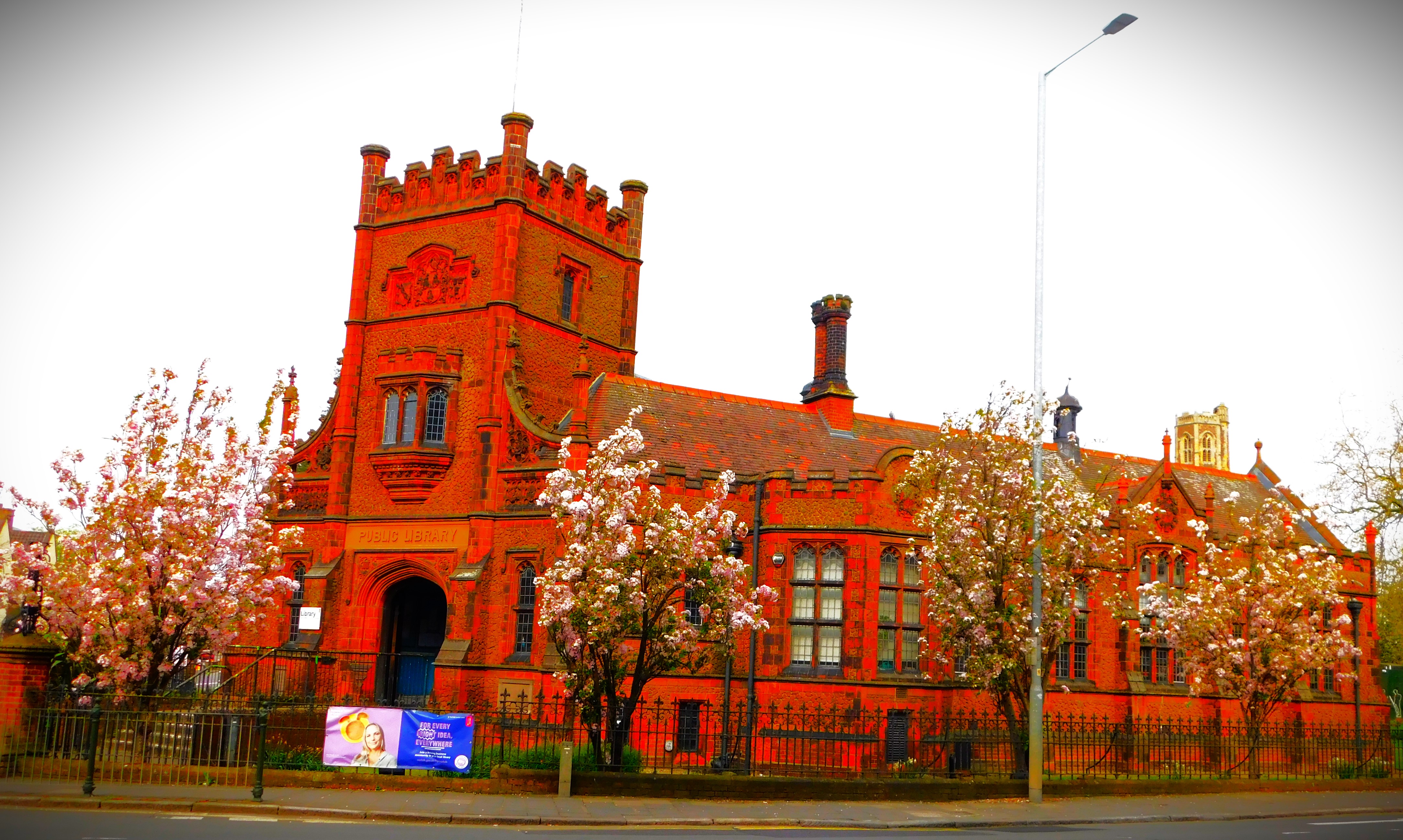
How the new building in New Conduit Street might look.Floor plans (two pics)Bricks made fron recycled materials.Tiles made from recycled materials.Our current library, a listed building.
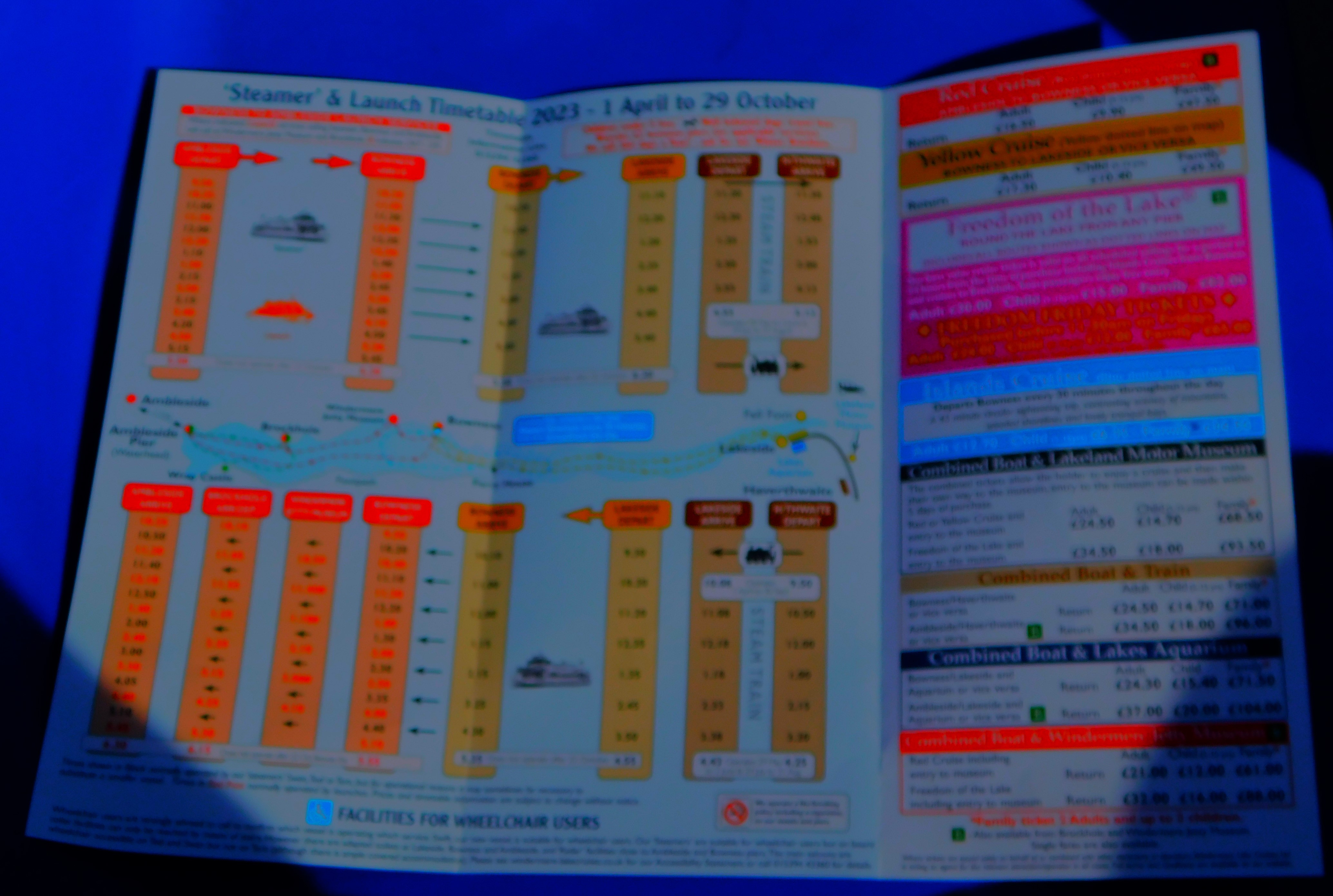
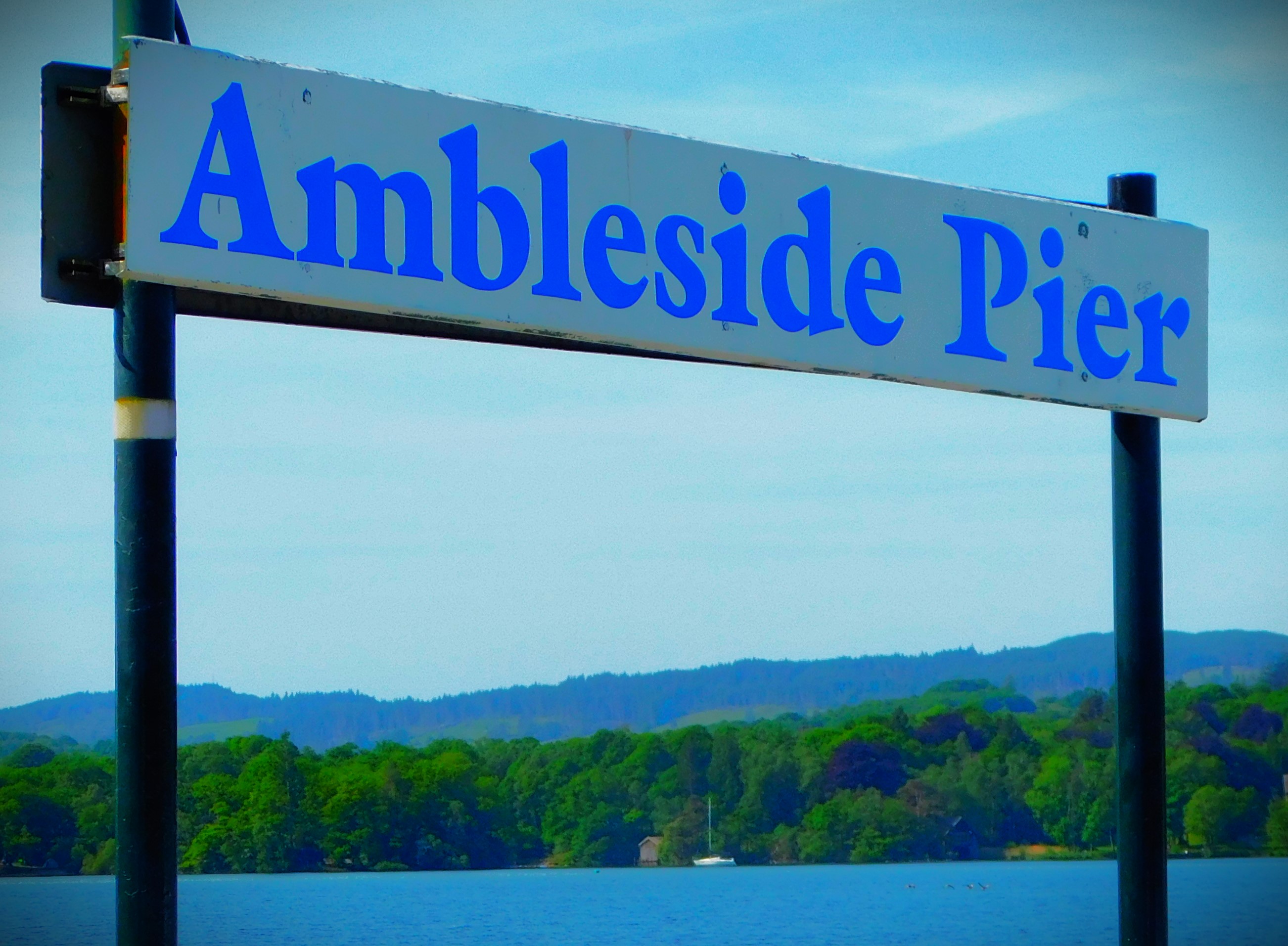
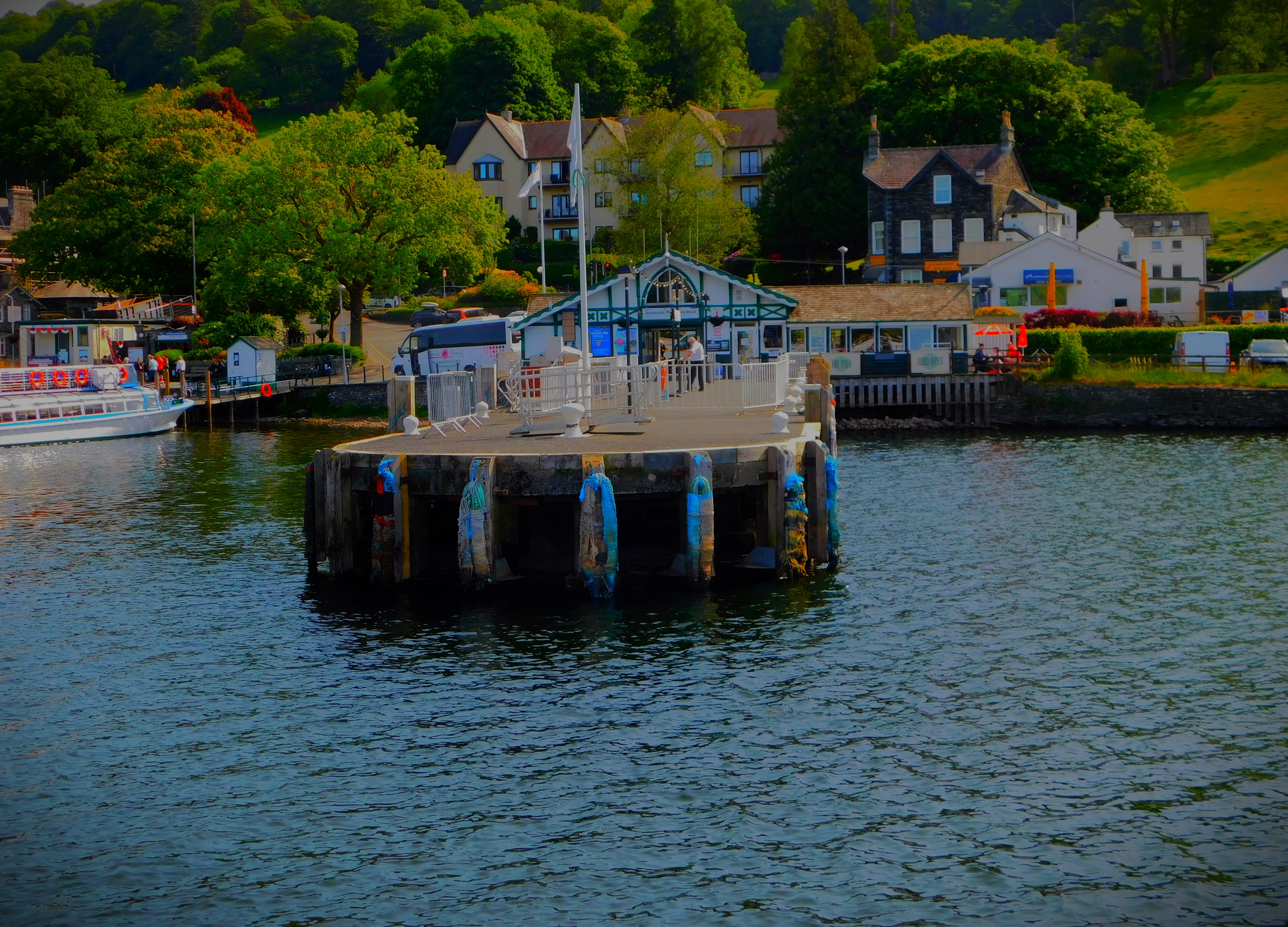
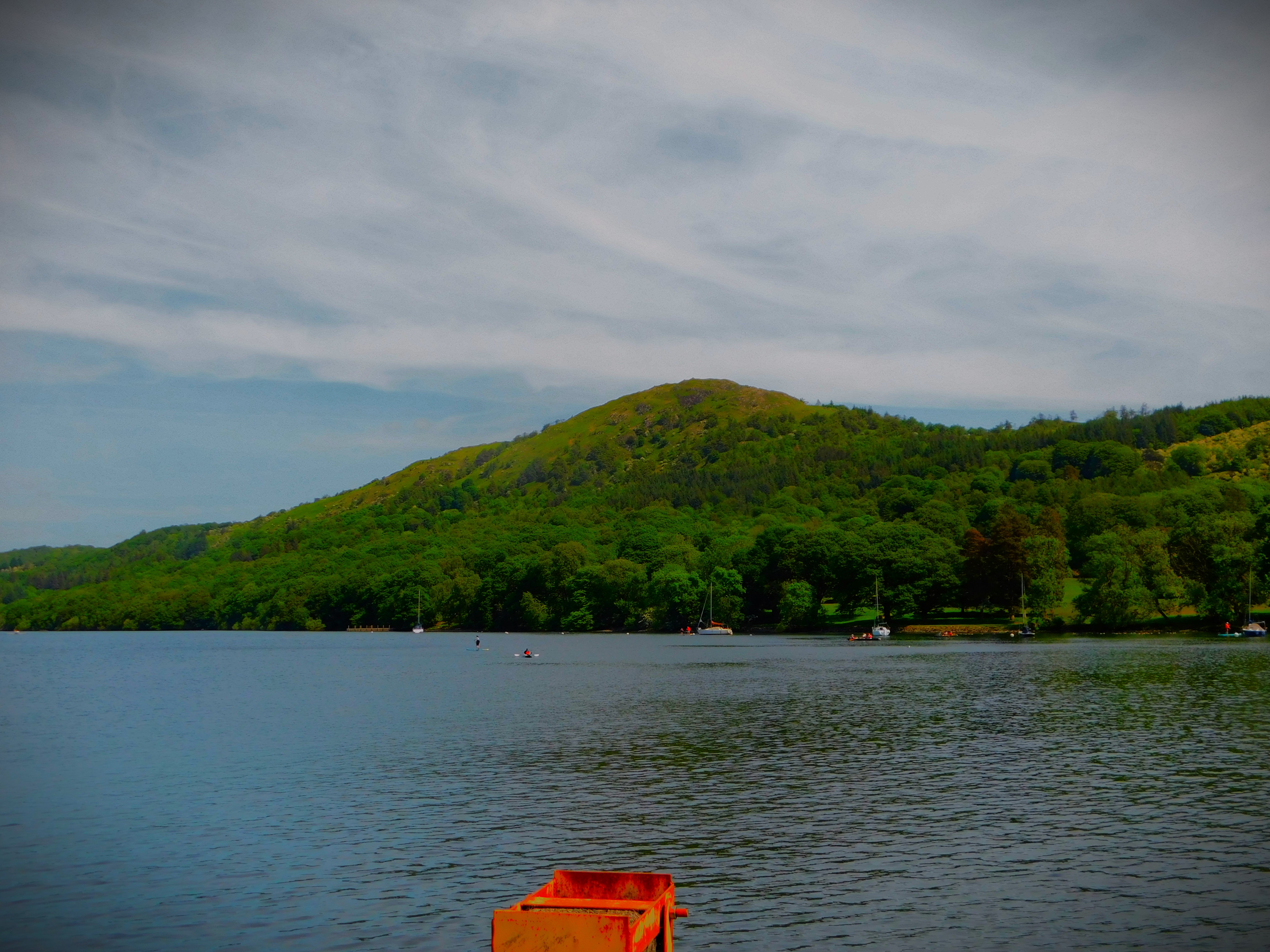
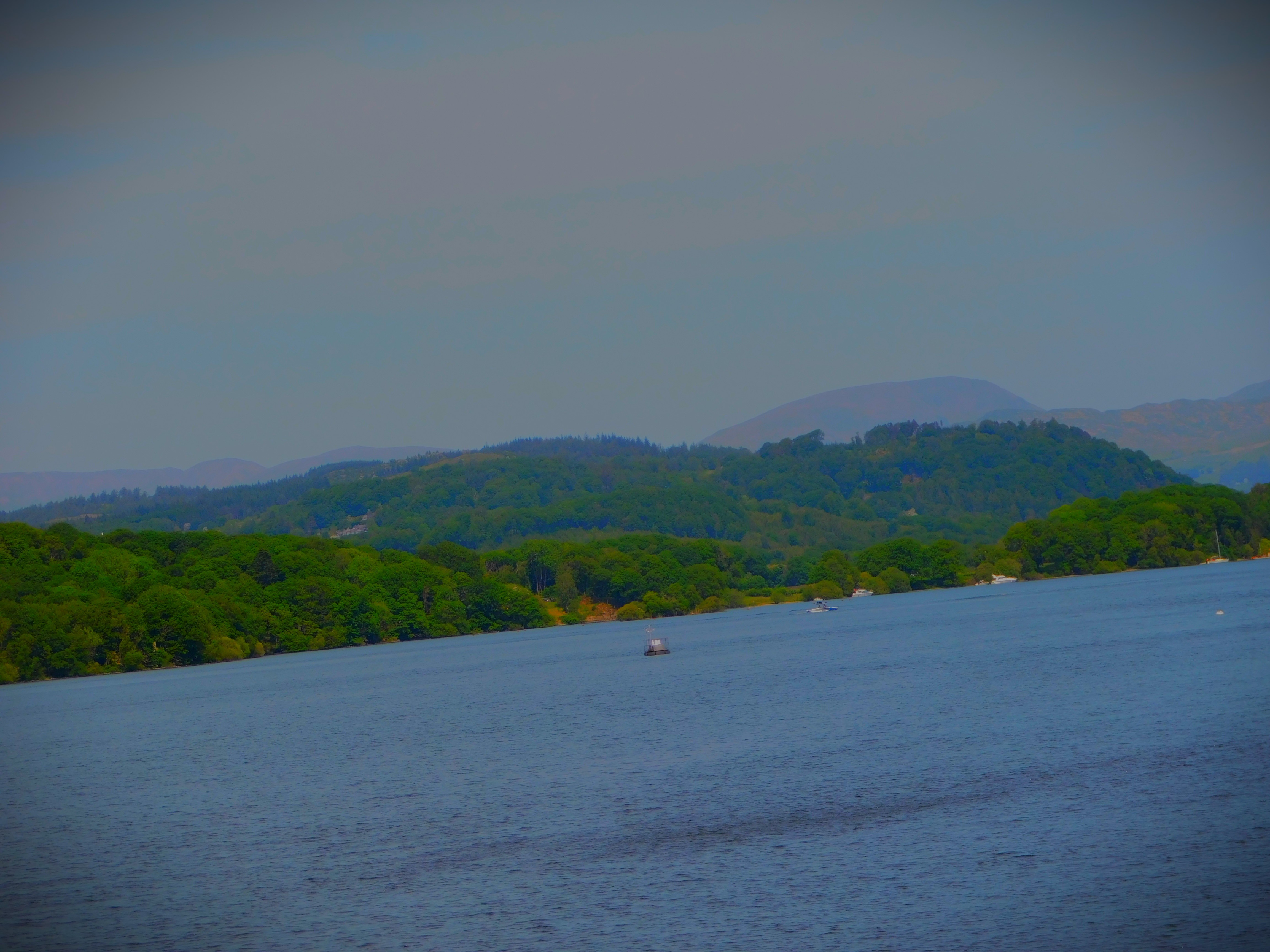
A look at the first part of the lake cruising experience that occupied most of Monday. This post focusses on Ambleside to Bowness.
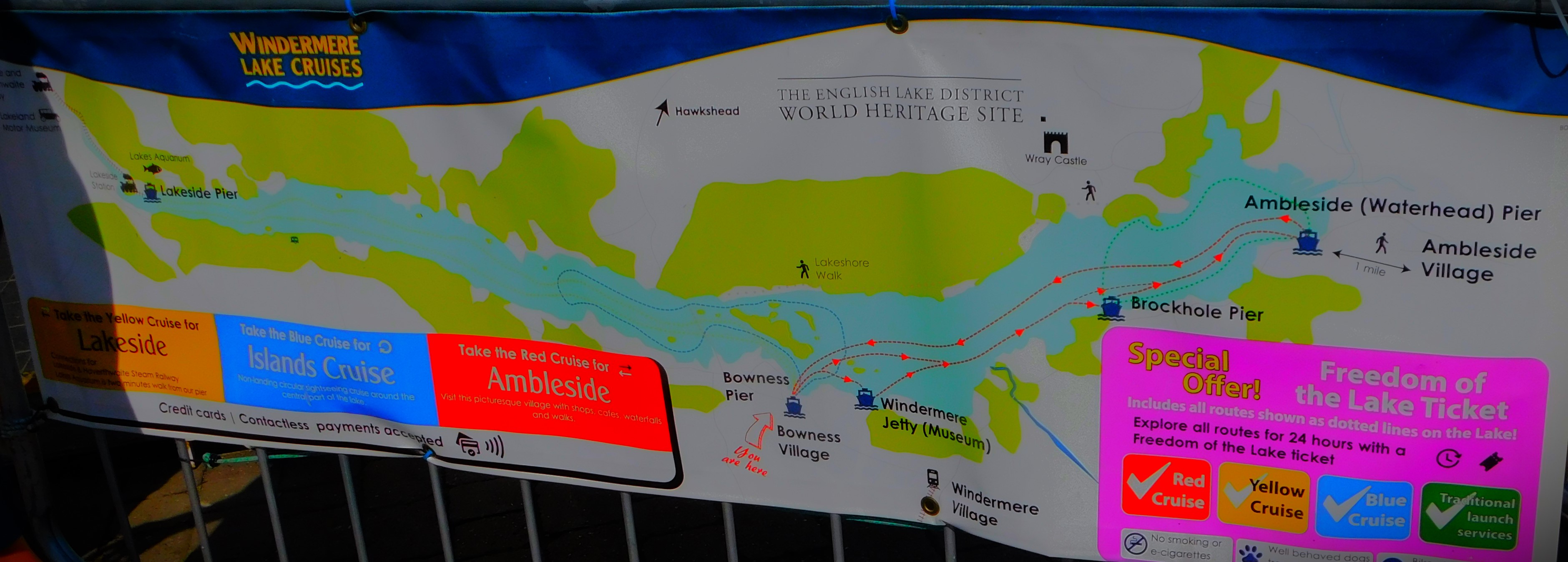
Welcome to the latest post in my series about my holiday in the Lake District. This post commences coverage of the first major activity of the holiday, cruising on the lake. We did two separate cruises on the Monday, and this post deals with the first part of the first cruise. the journey from Ambleside to Bowness.
GETTING TO THE PIER
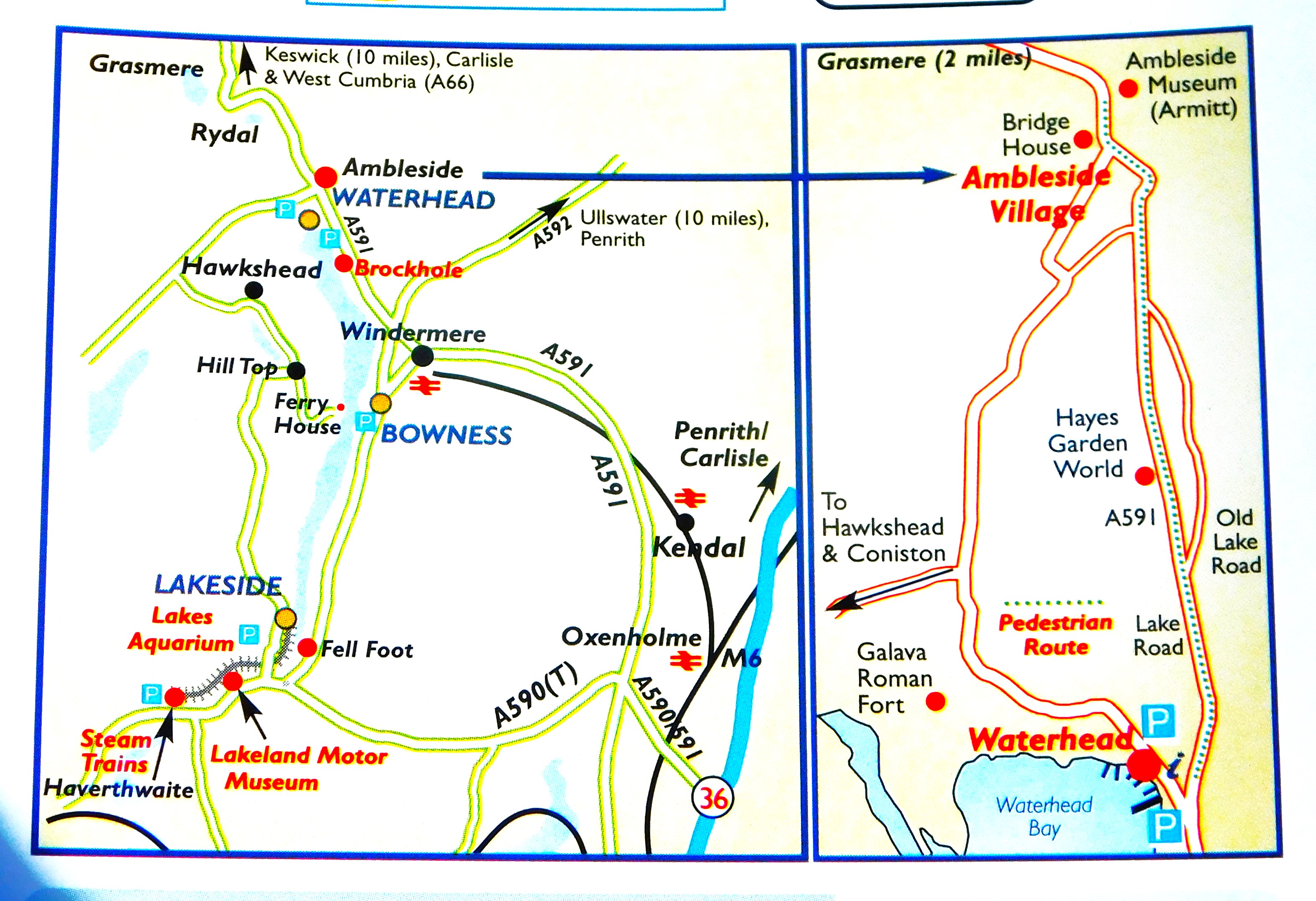
Ambleside Pier (known as Waterhead) is slightly separate from then town itself, and the route to it poses one question: take the main road or divert down a side road. On the Monday morning my parents stuck to the main road while I went the other way. The main road is possibly the quicker route, but the other is undoubtedly pleasanter walking, reflected in the fact that we all went back to our cottage in the evening by that route. We were at the pier in good time and able to take good seats on the boat for the journey.
THE CRUISING EXPERIENCE
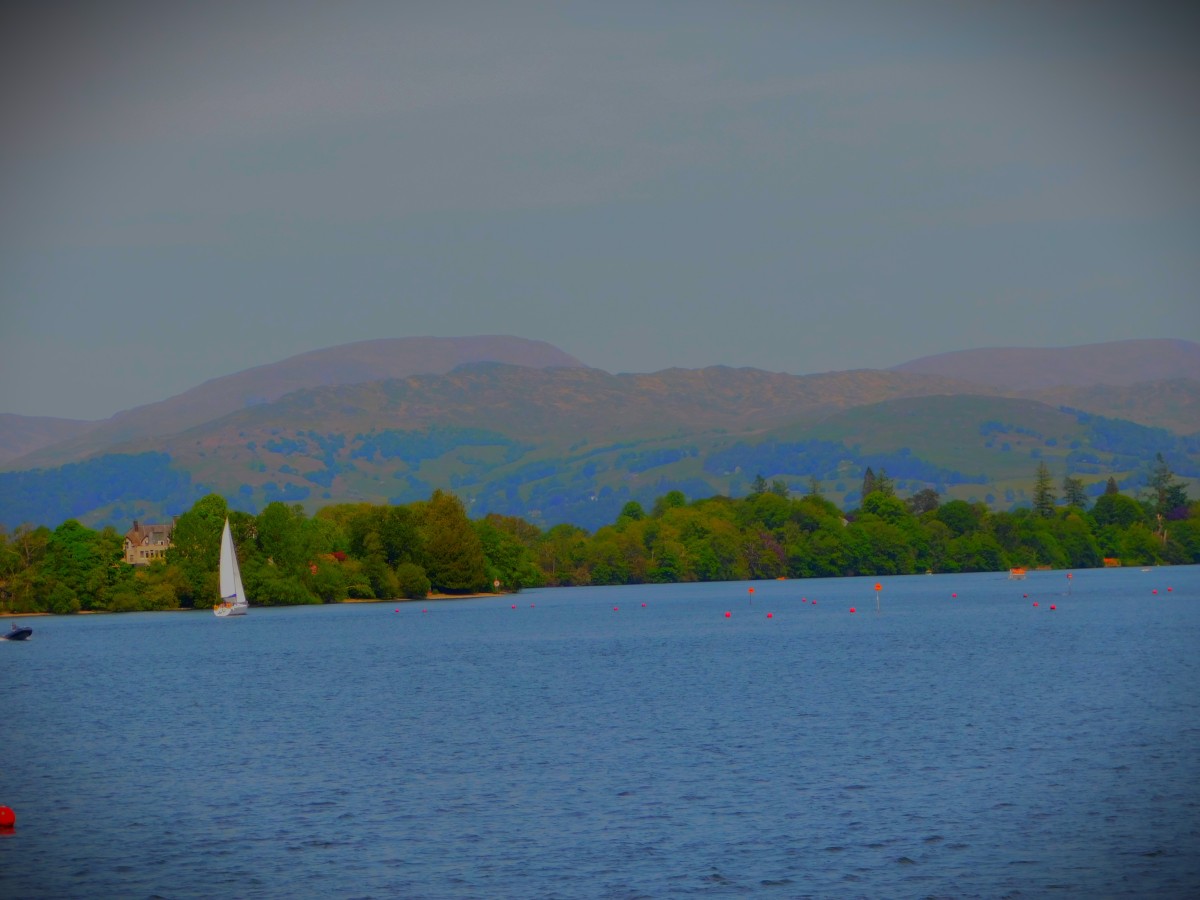
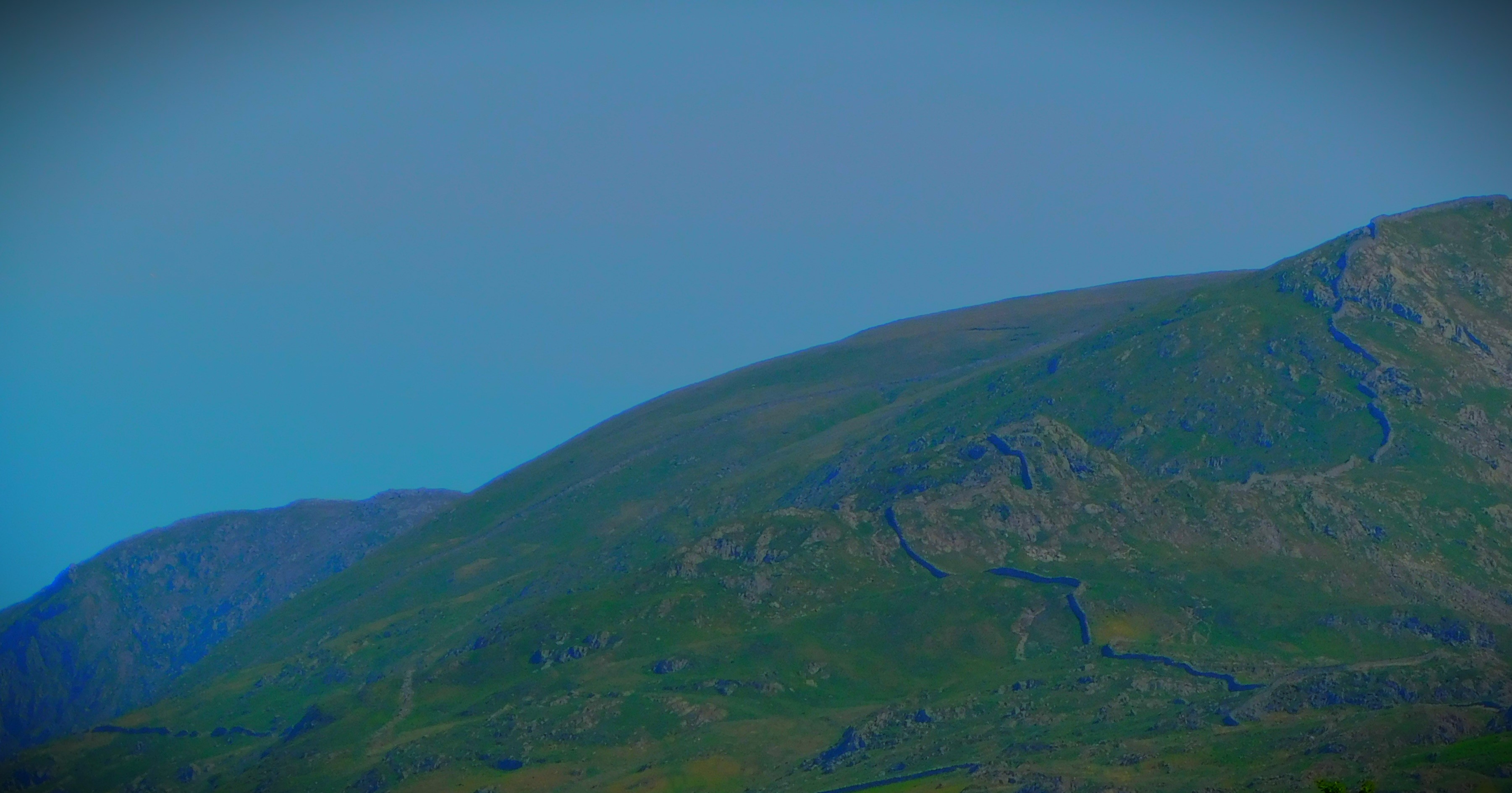
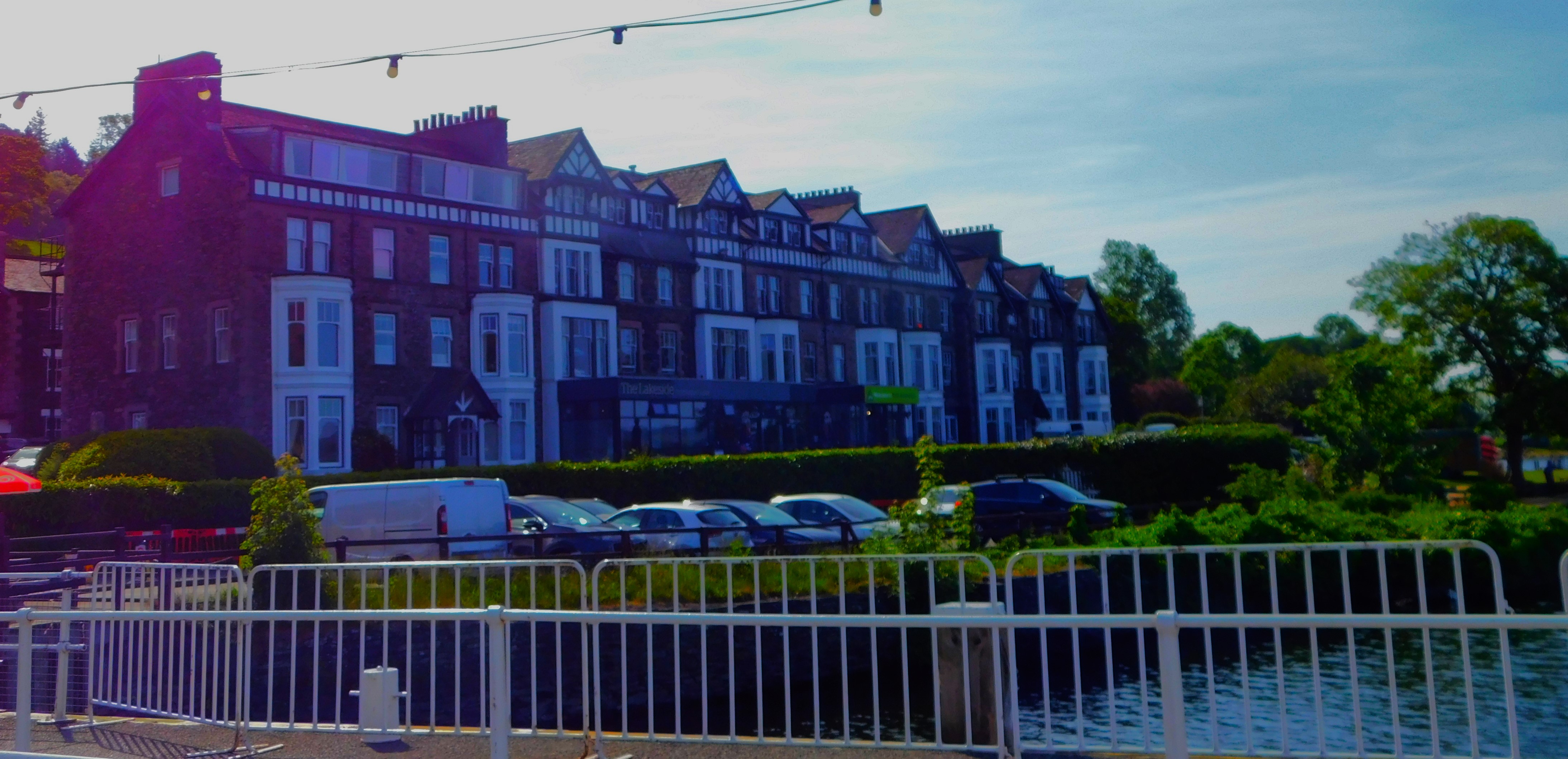
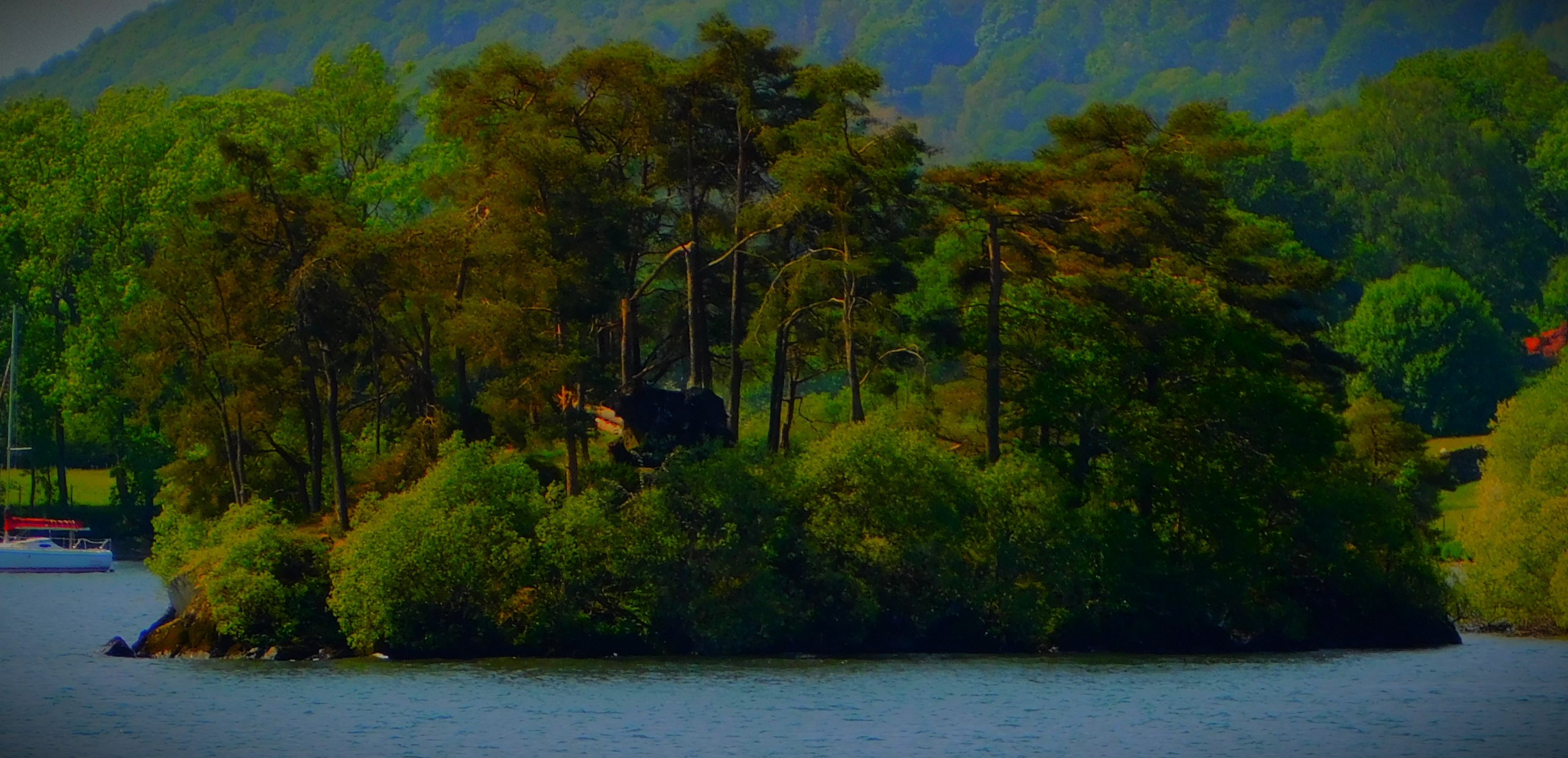
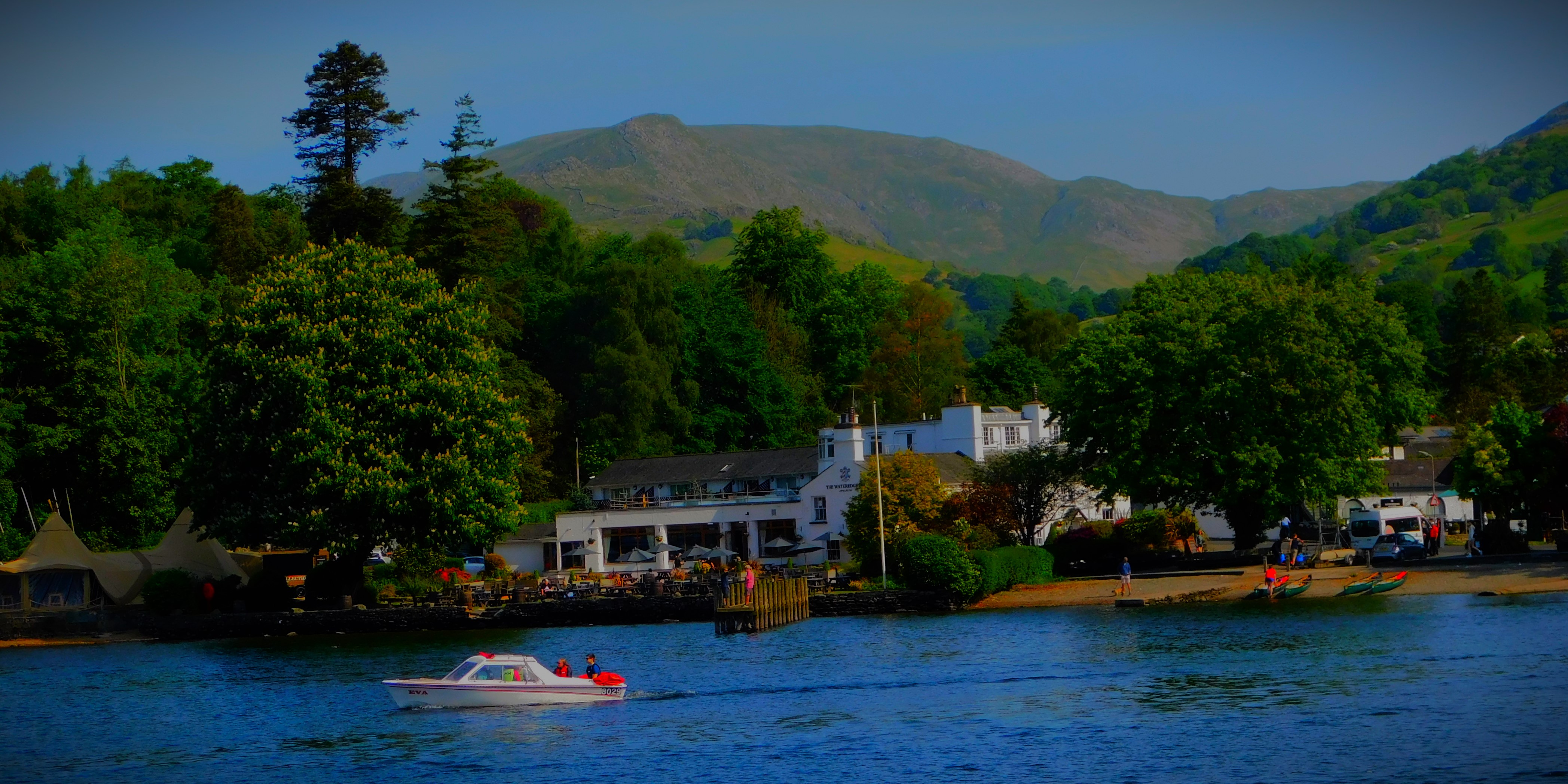
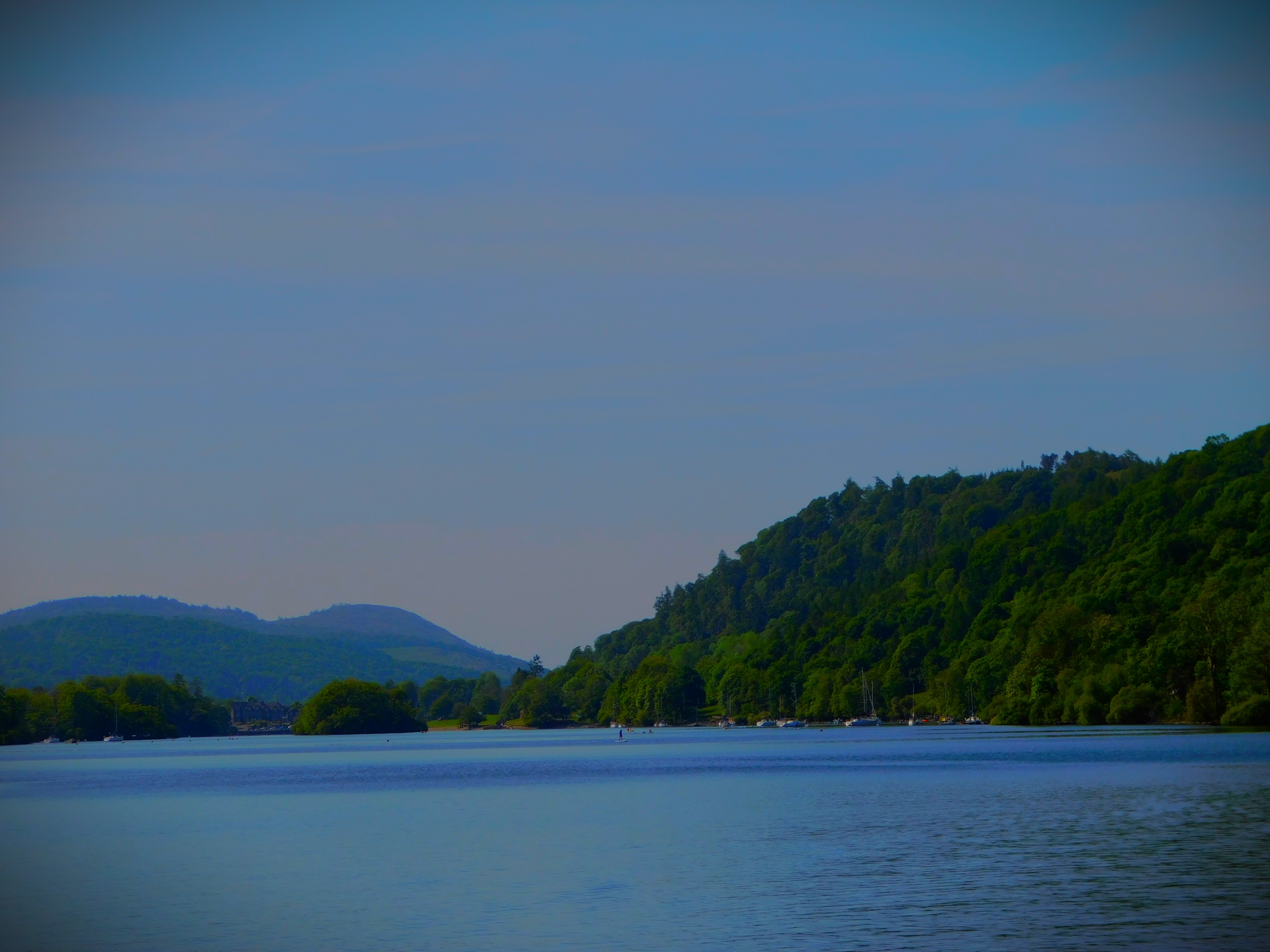
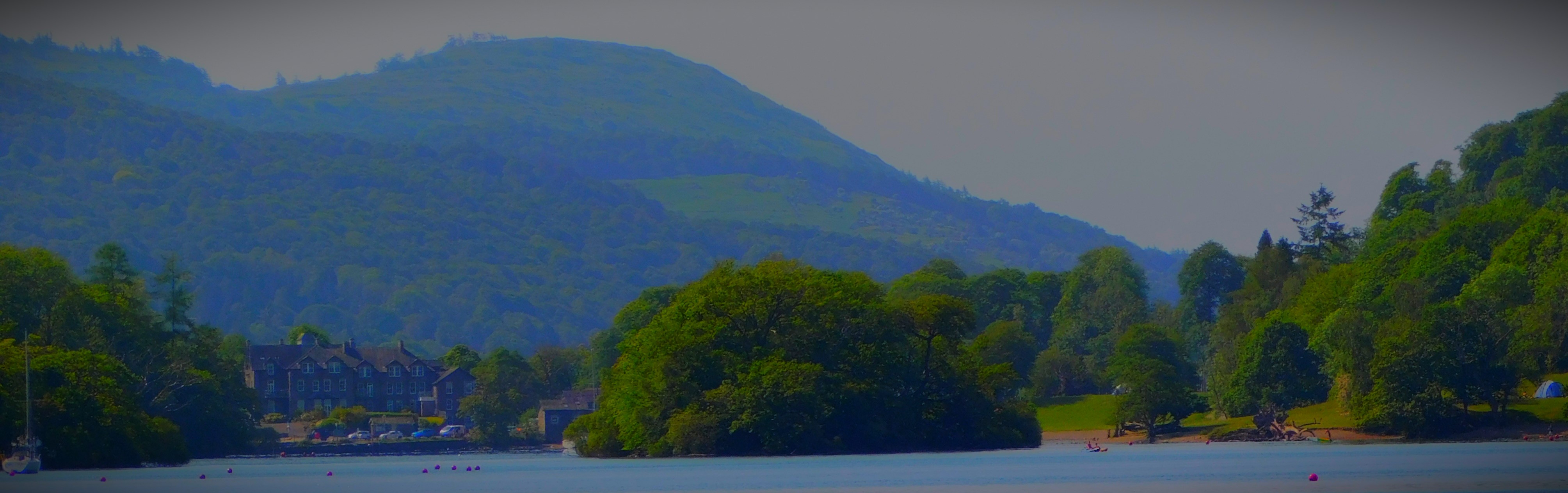
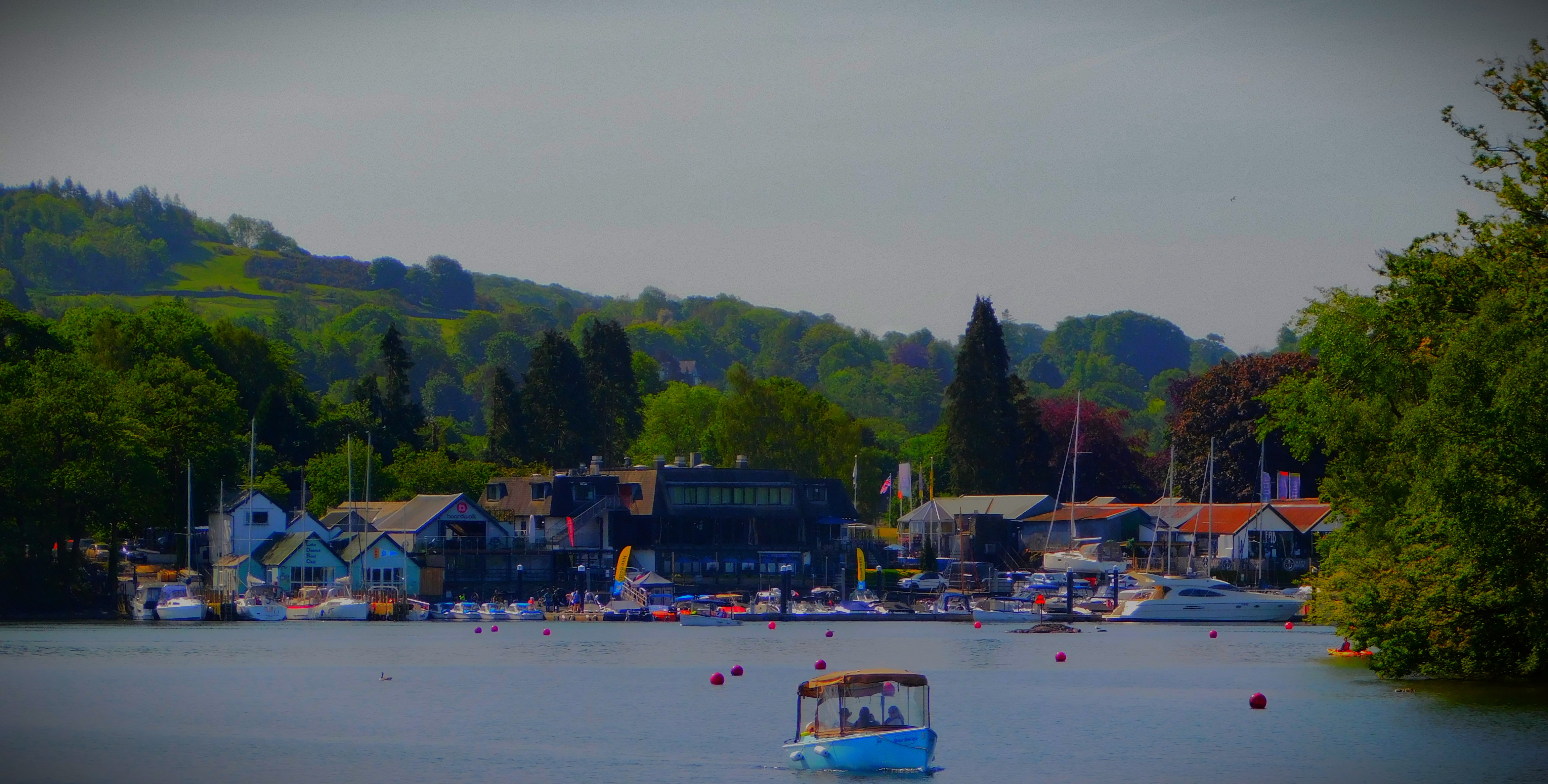
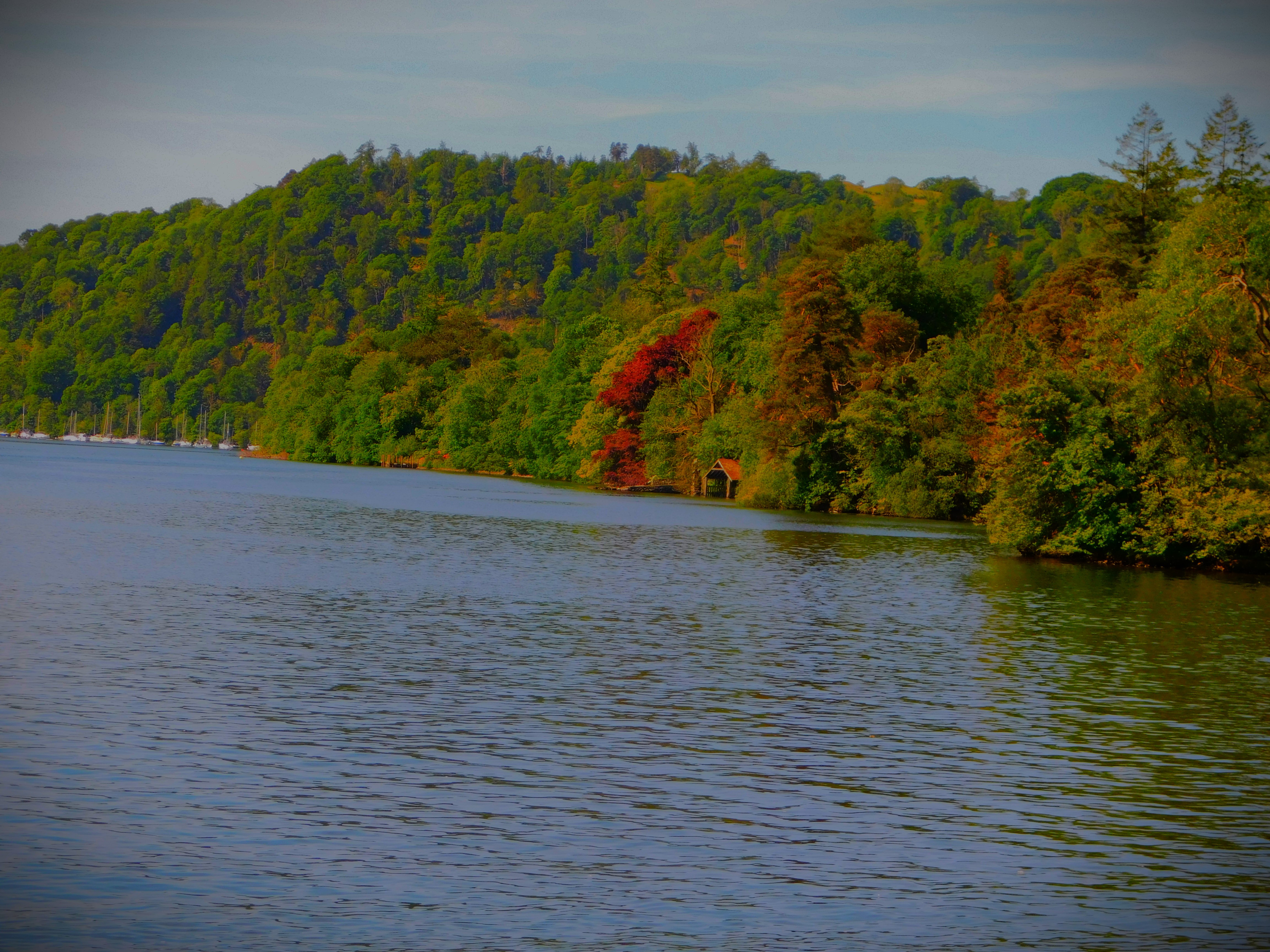
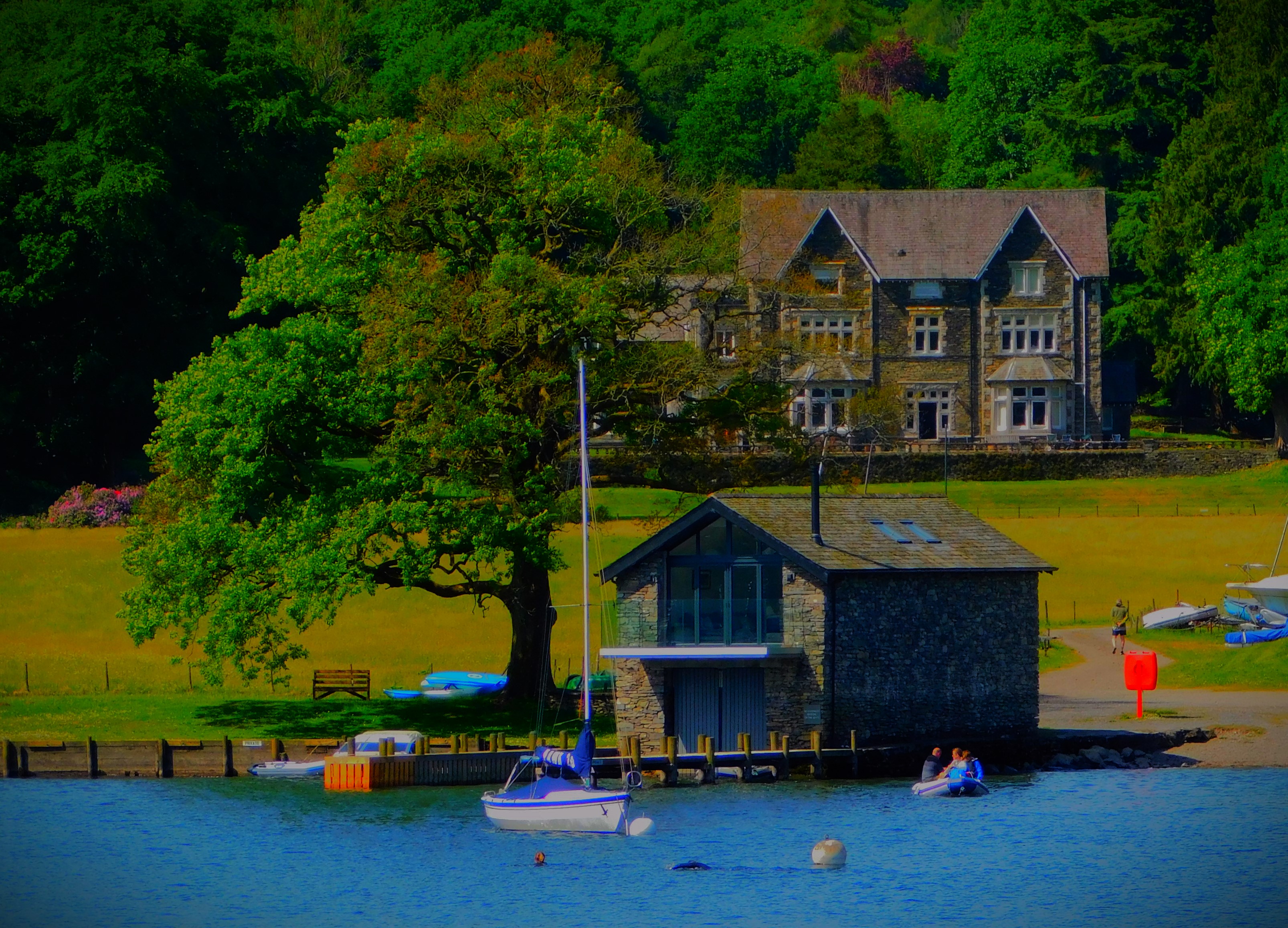
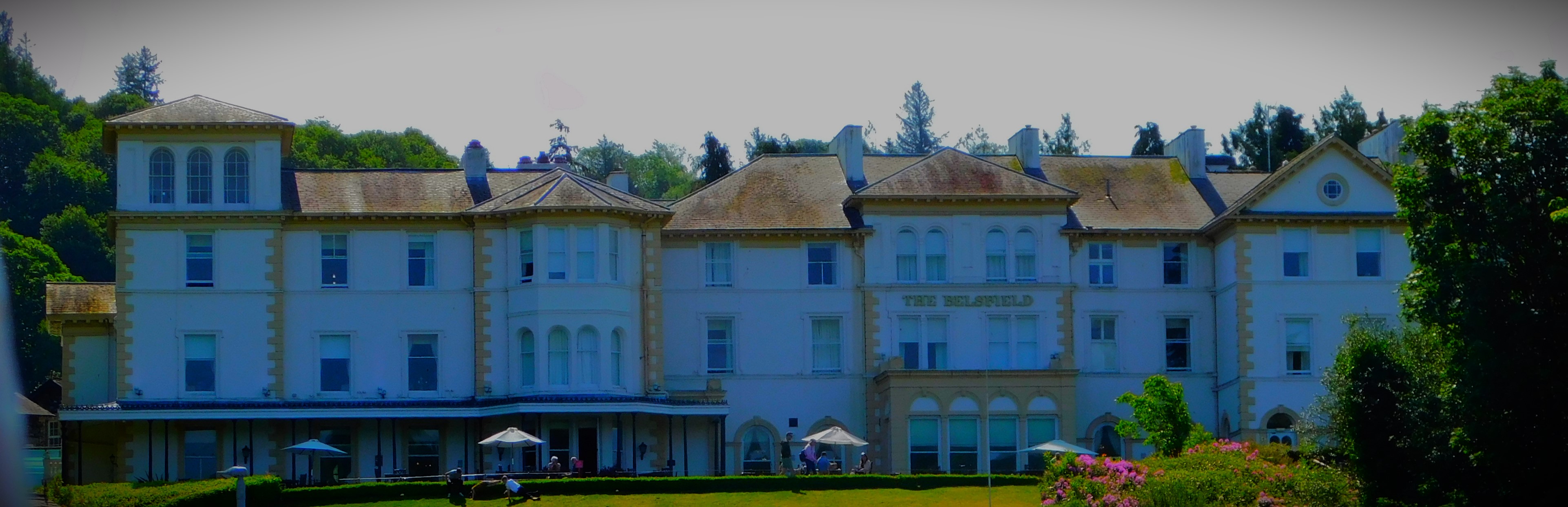
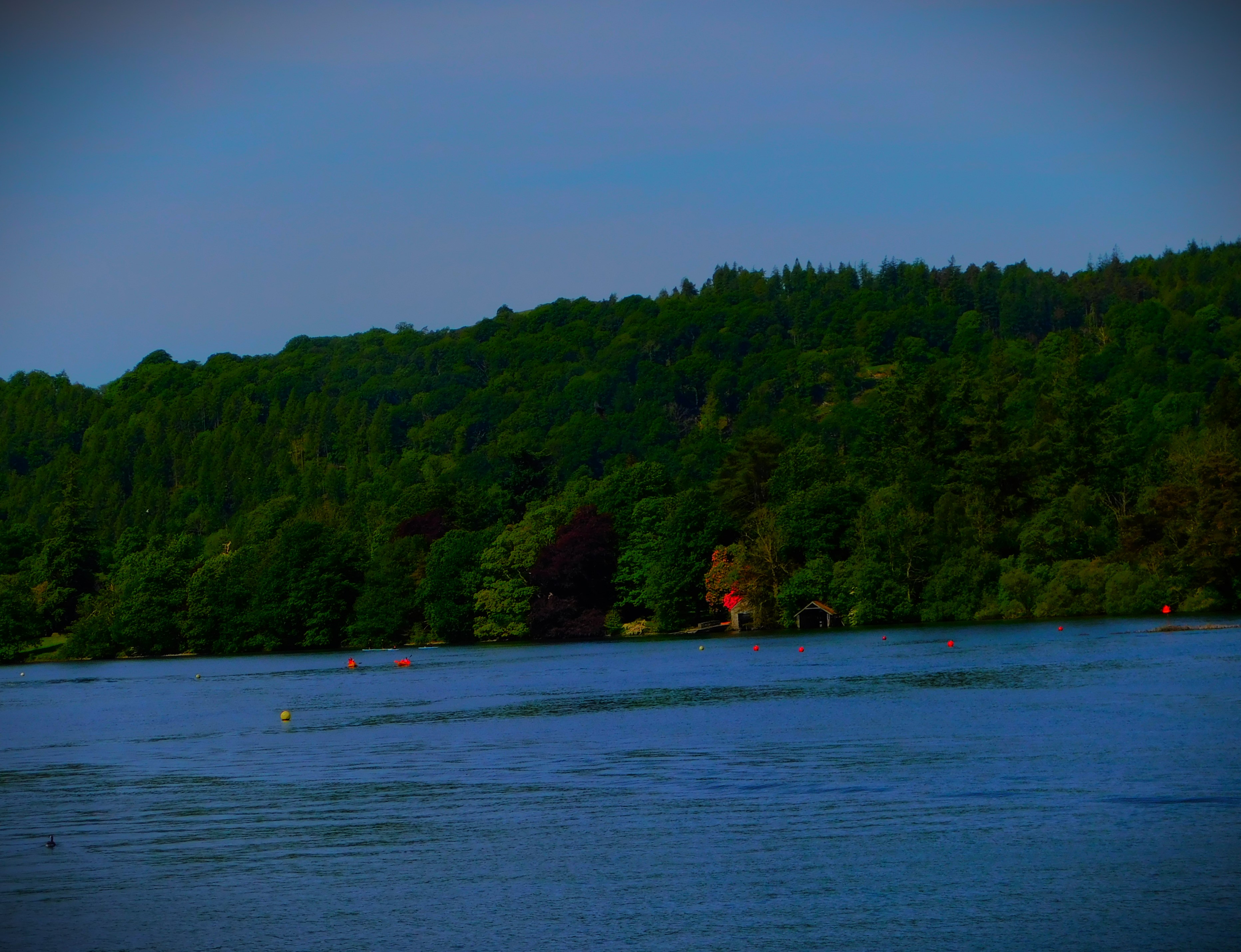
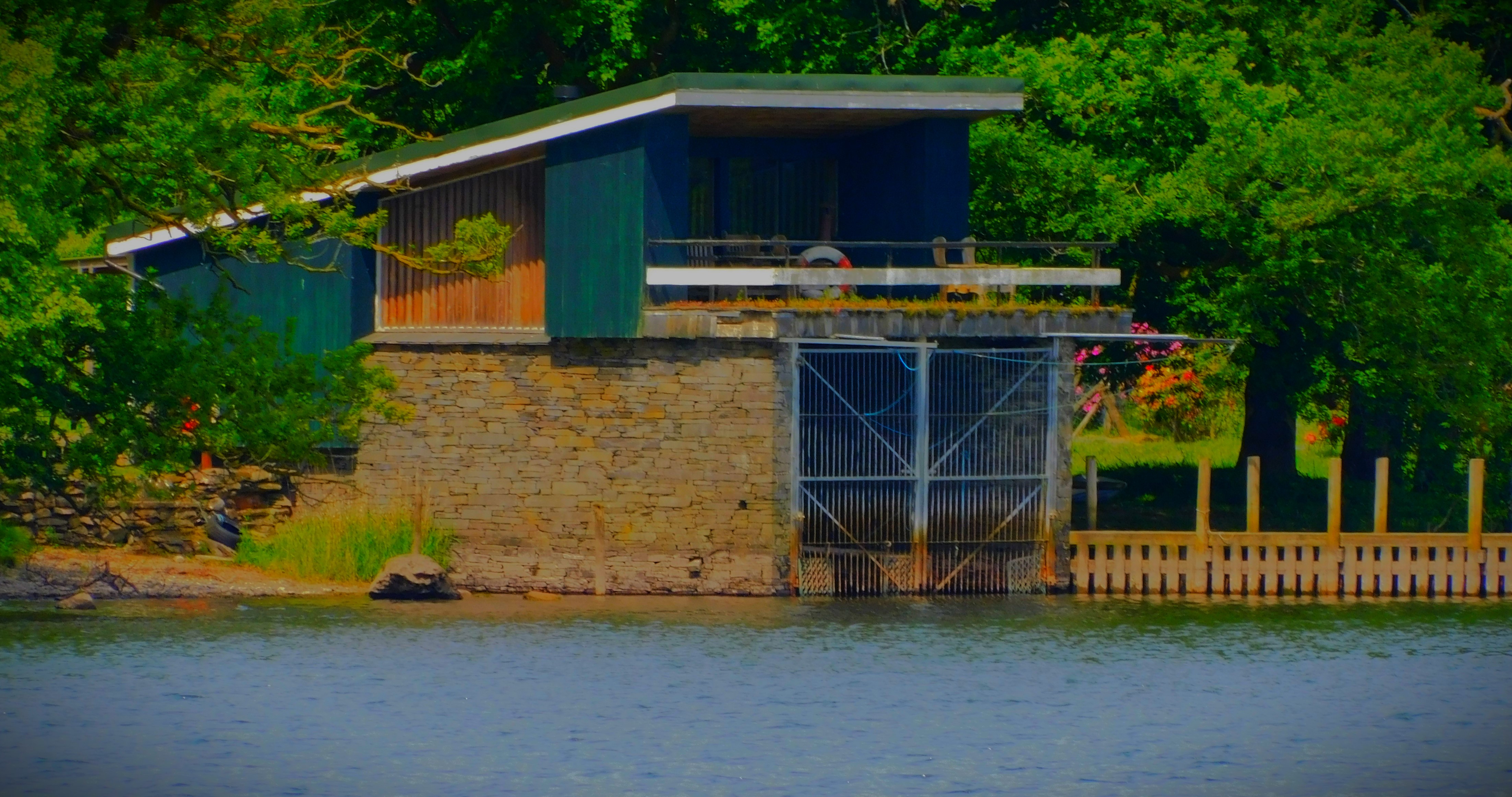
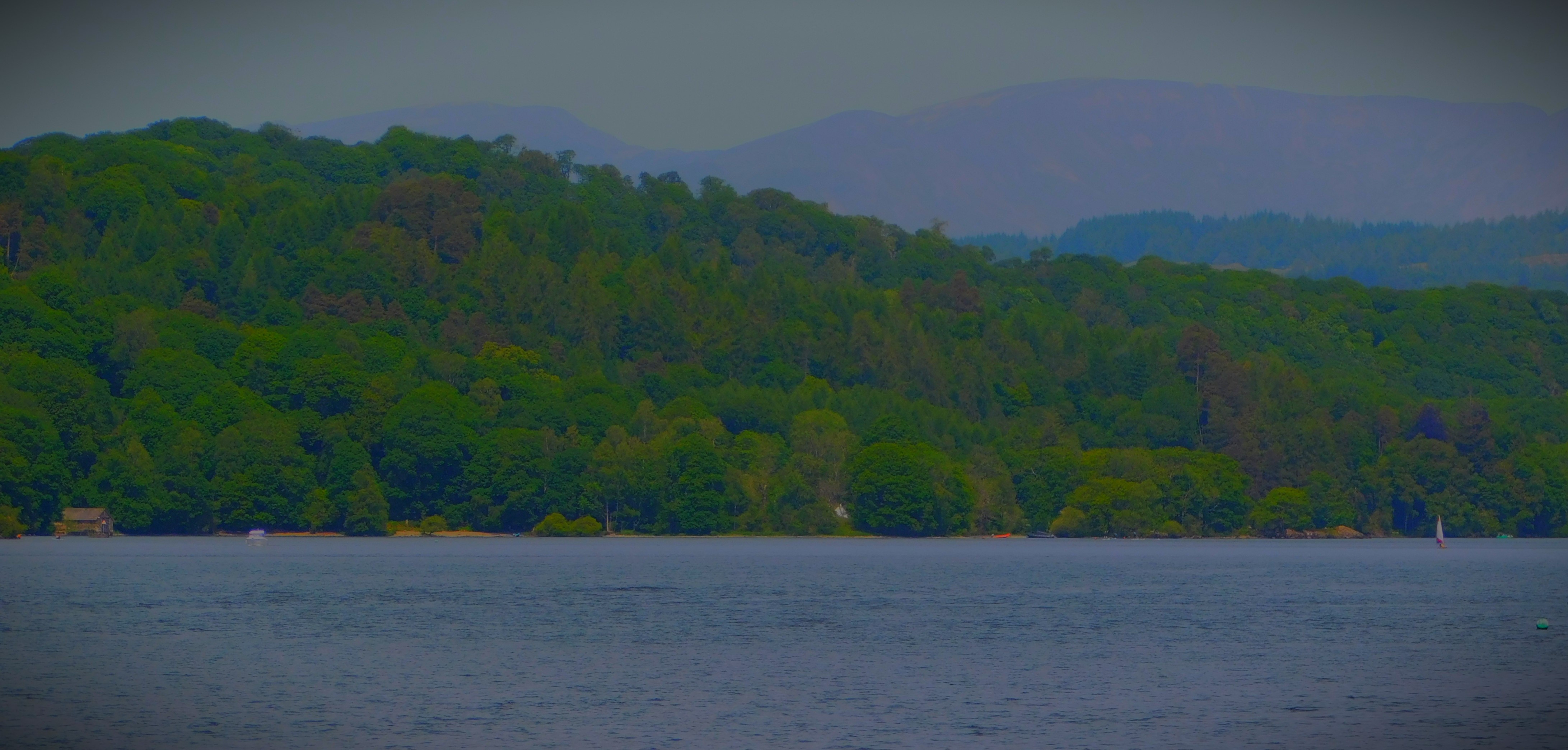
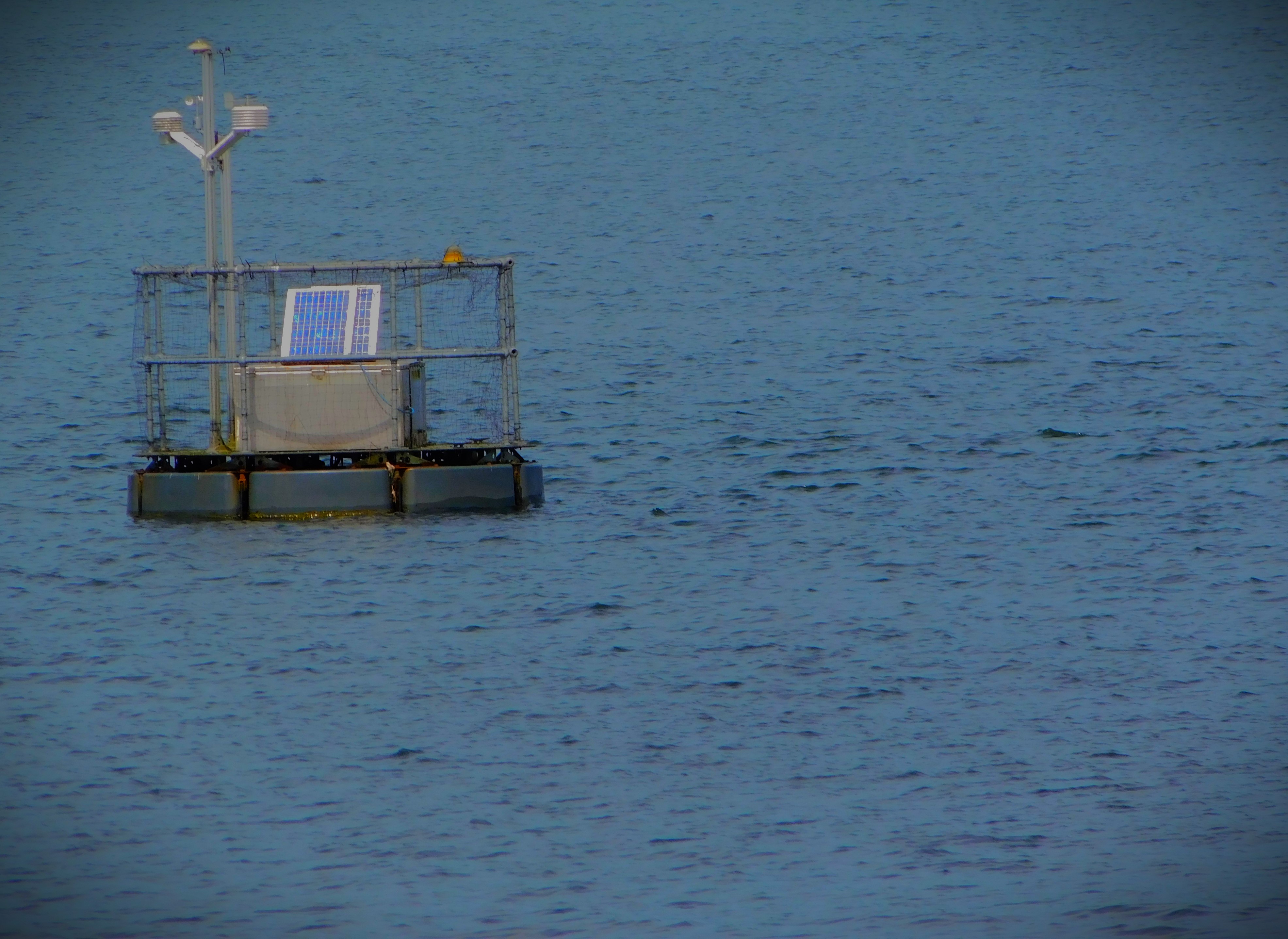
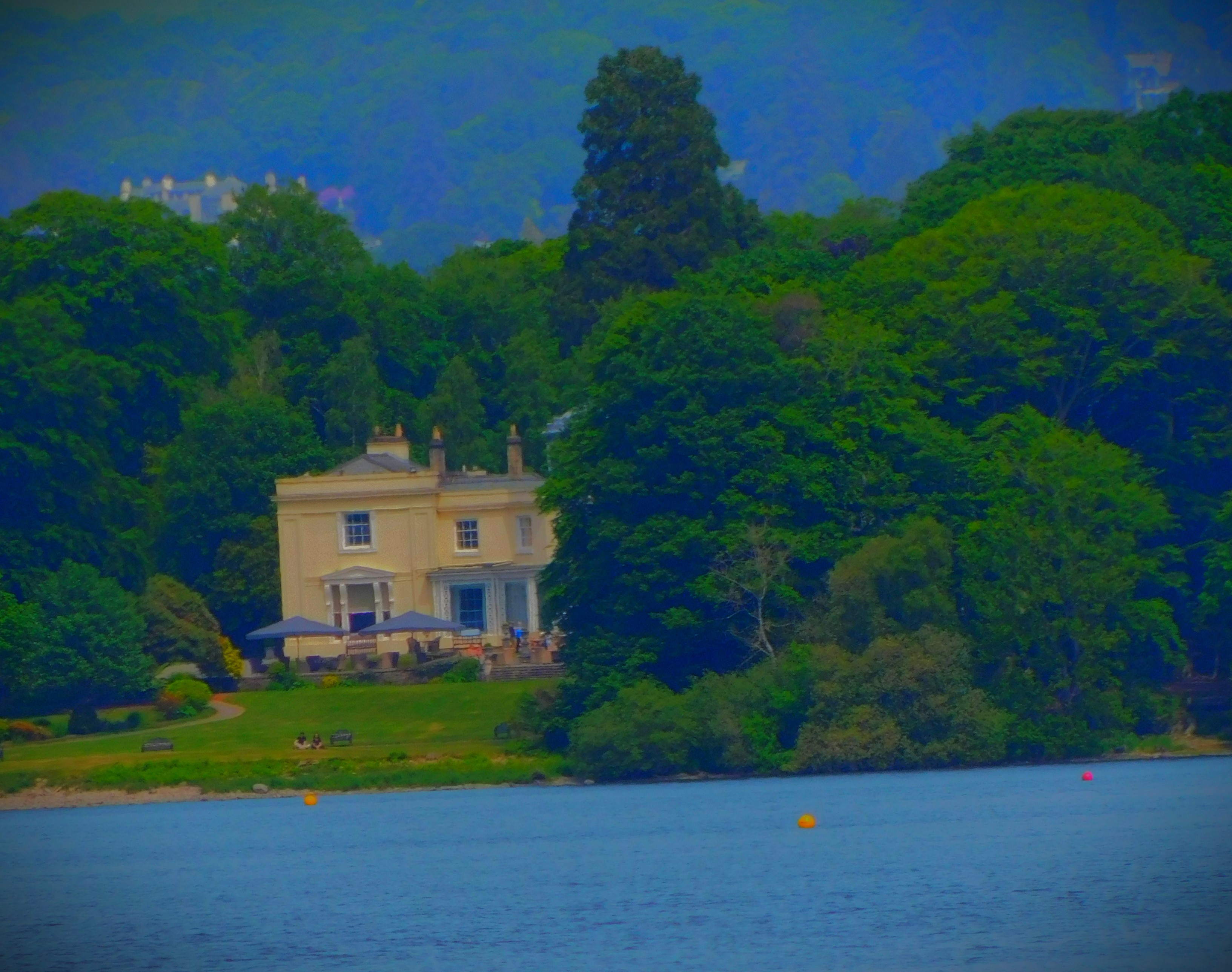
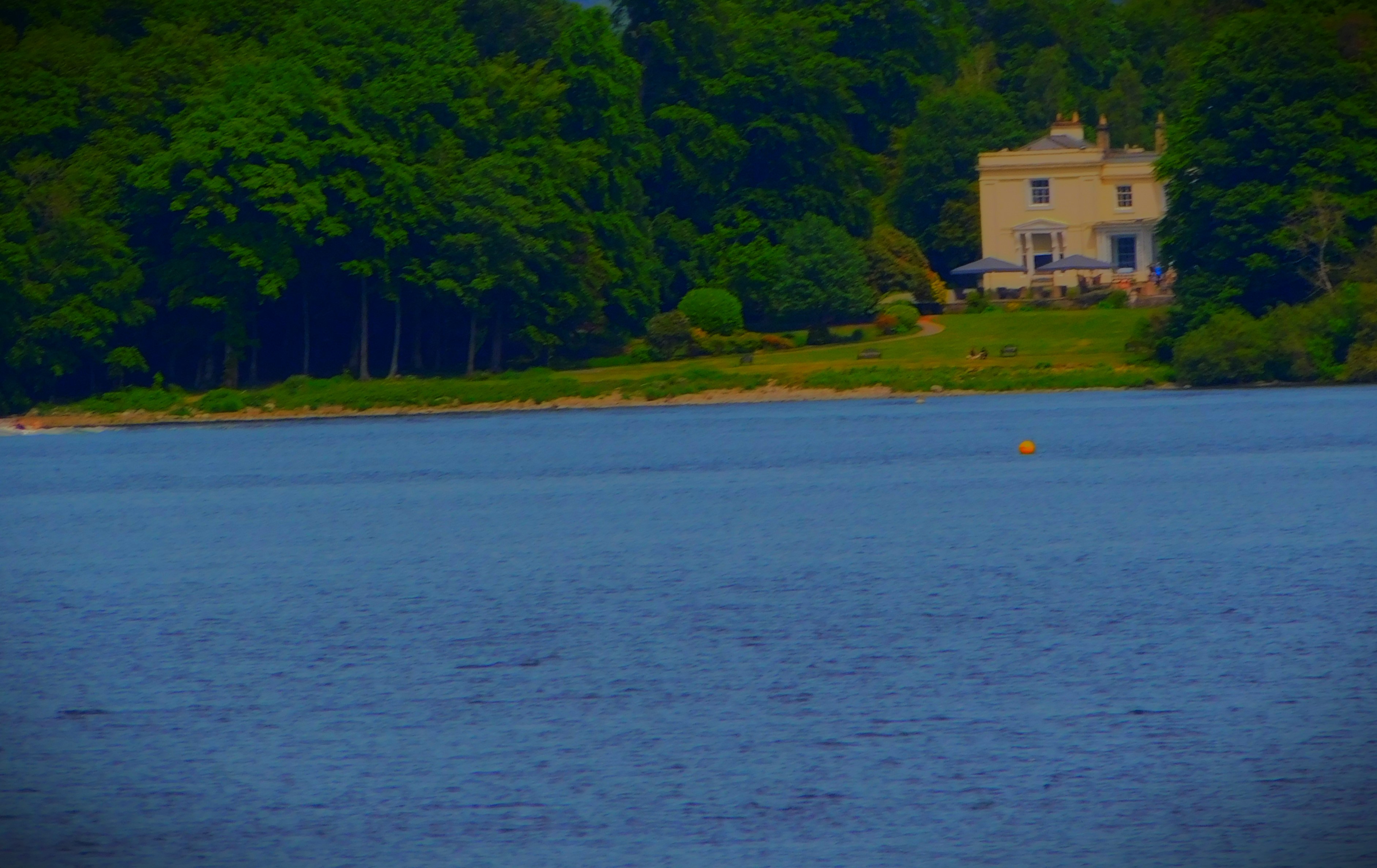
In spite of the shocking behaviour of the local water company Windermere remains a very scenic lake, and we benefitted from very pleasant weather, which meant the journey was smooth. There are lots of things to see while travelling on the lake, and I kept my camera busy for most of the day.
PHOTOGRAPHS
Even with many photographs filed elsewhere and this being only one part of the first cruise there is a generous gallery to finish this post…
Welcome to this latest post in my series about winter holiday in Cornwall.
NARROW STREETS AND HEAVY FOOTFALL DO NOT MIX WELL
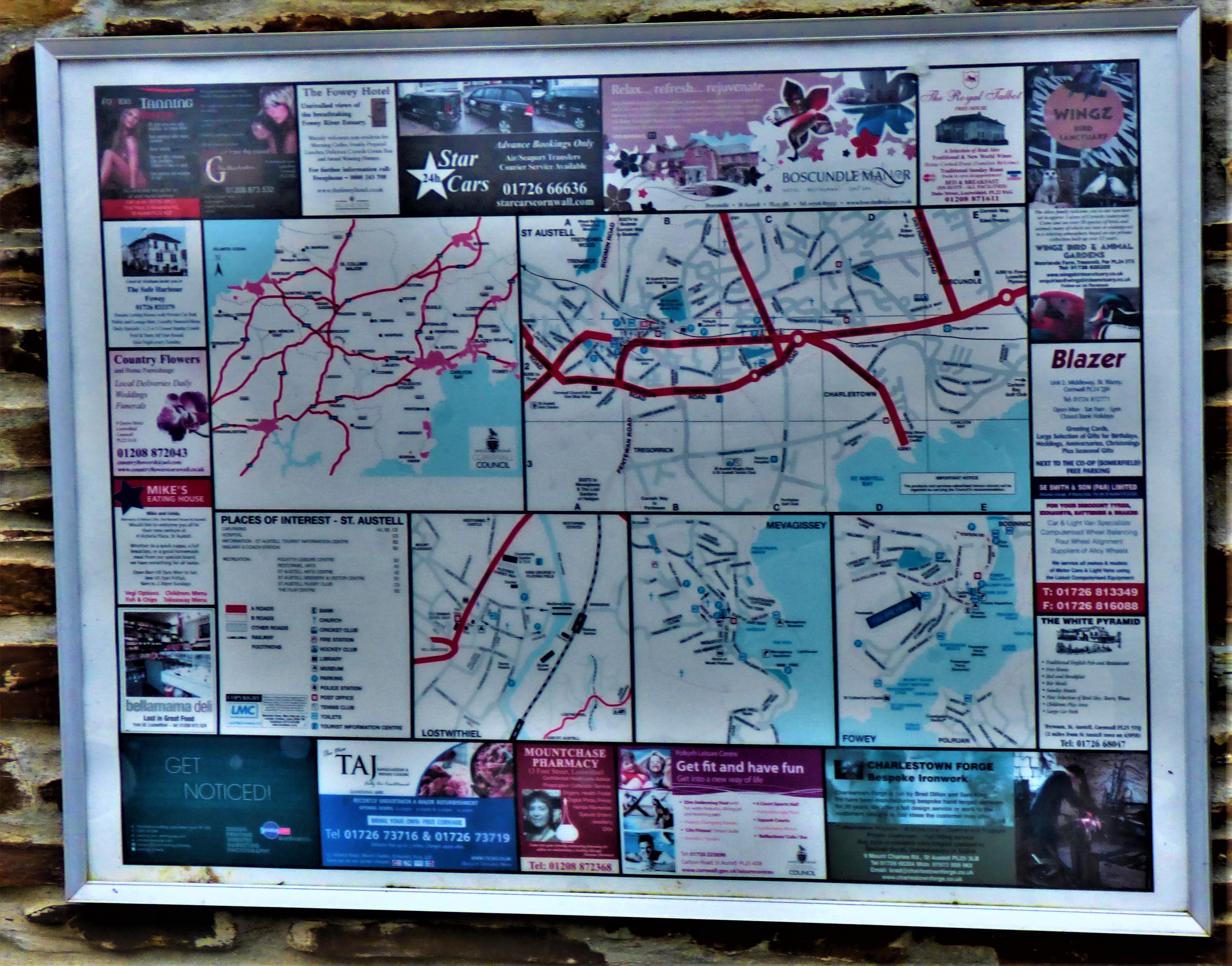
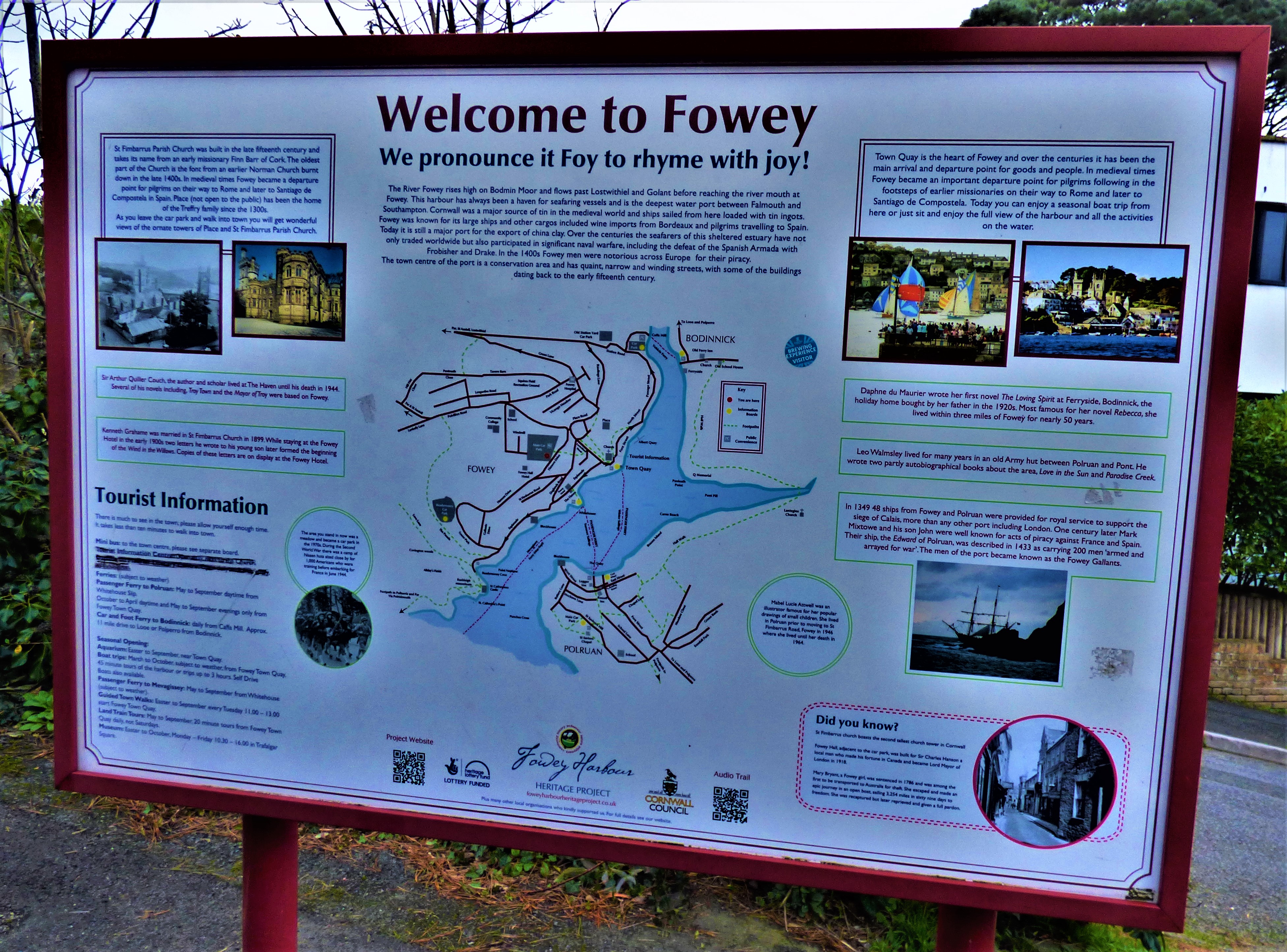
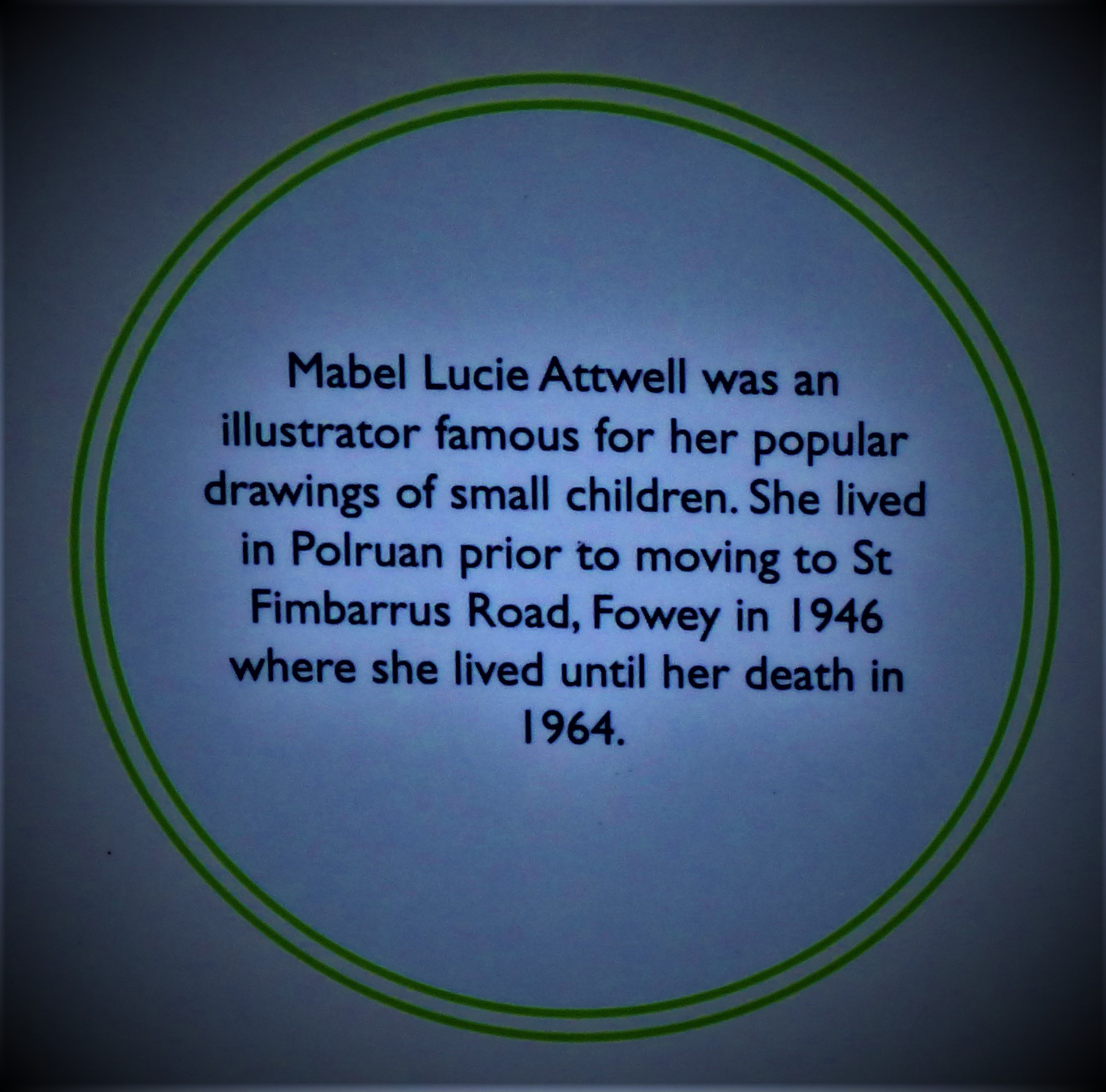
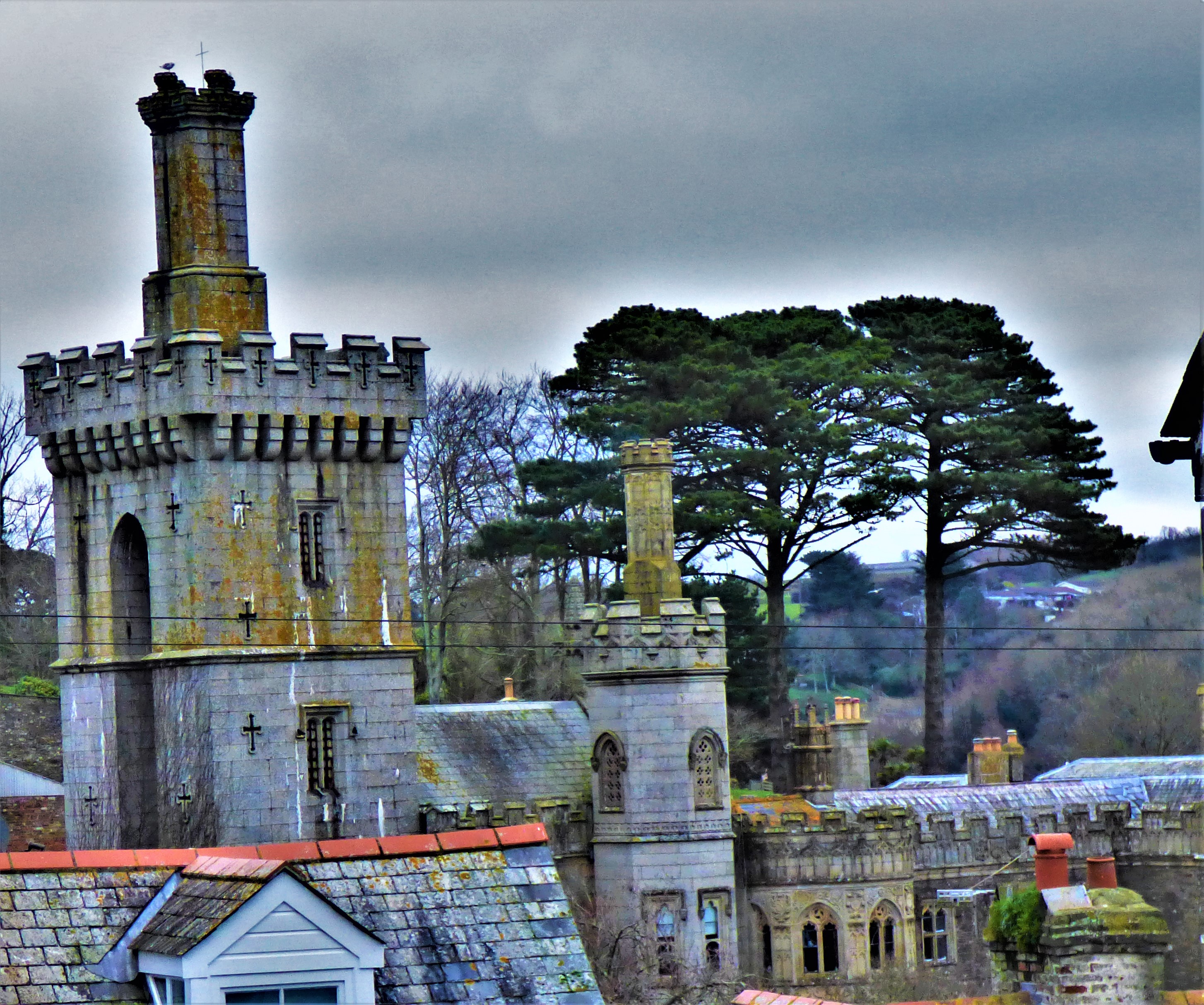
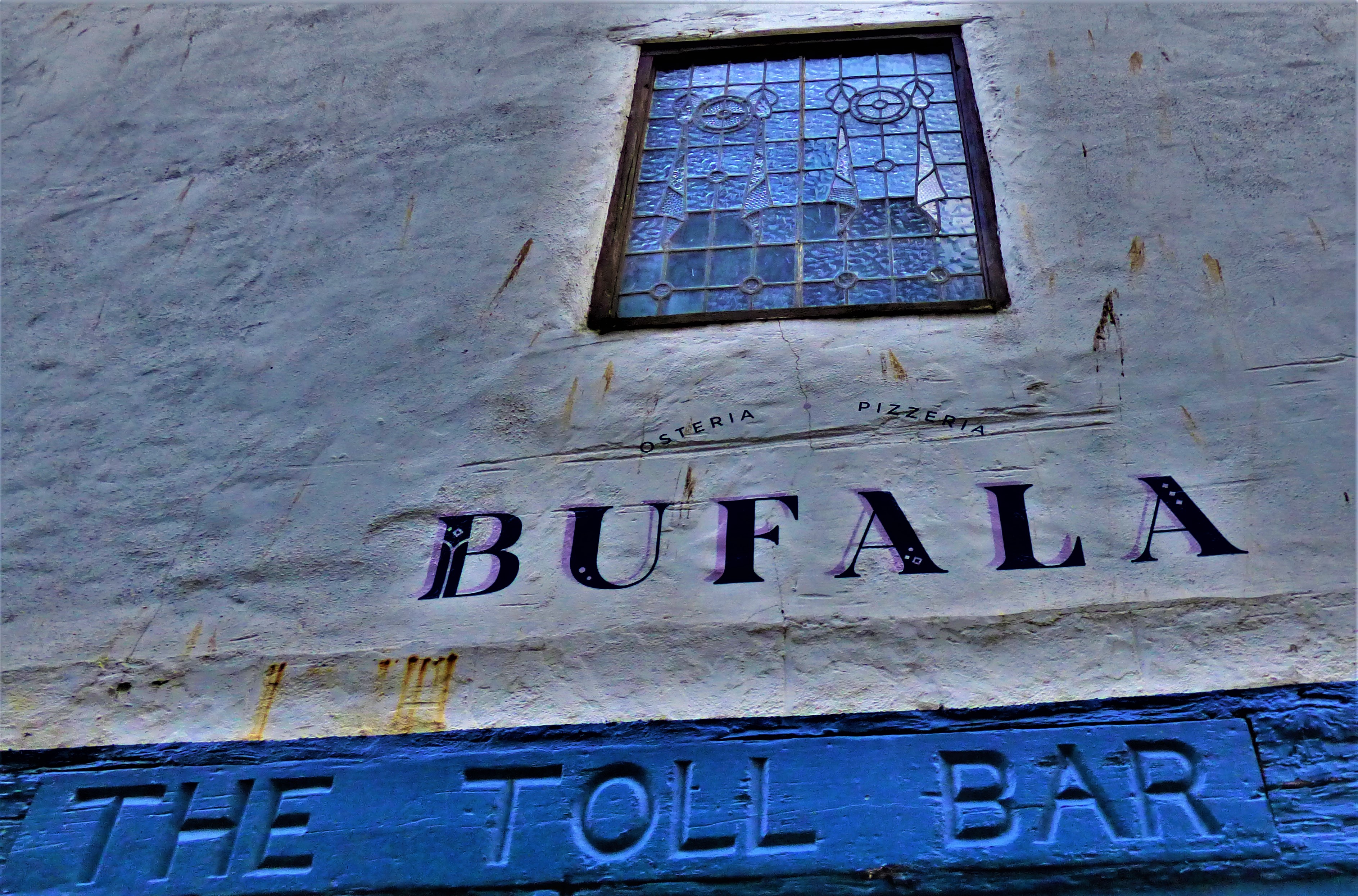
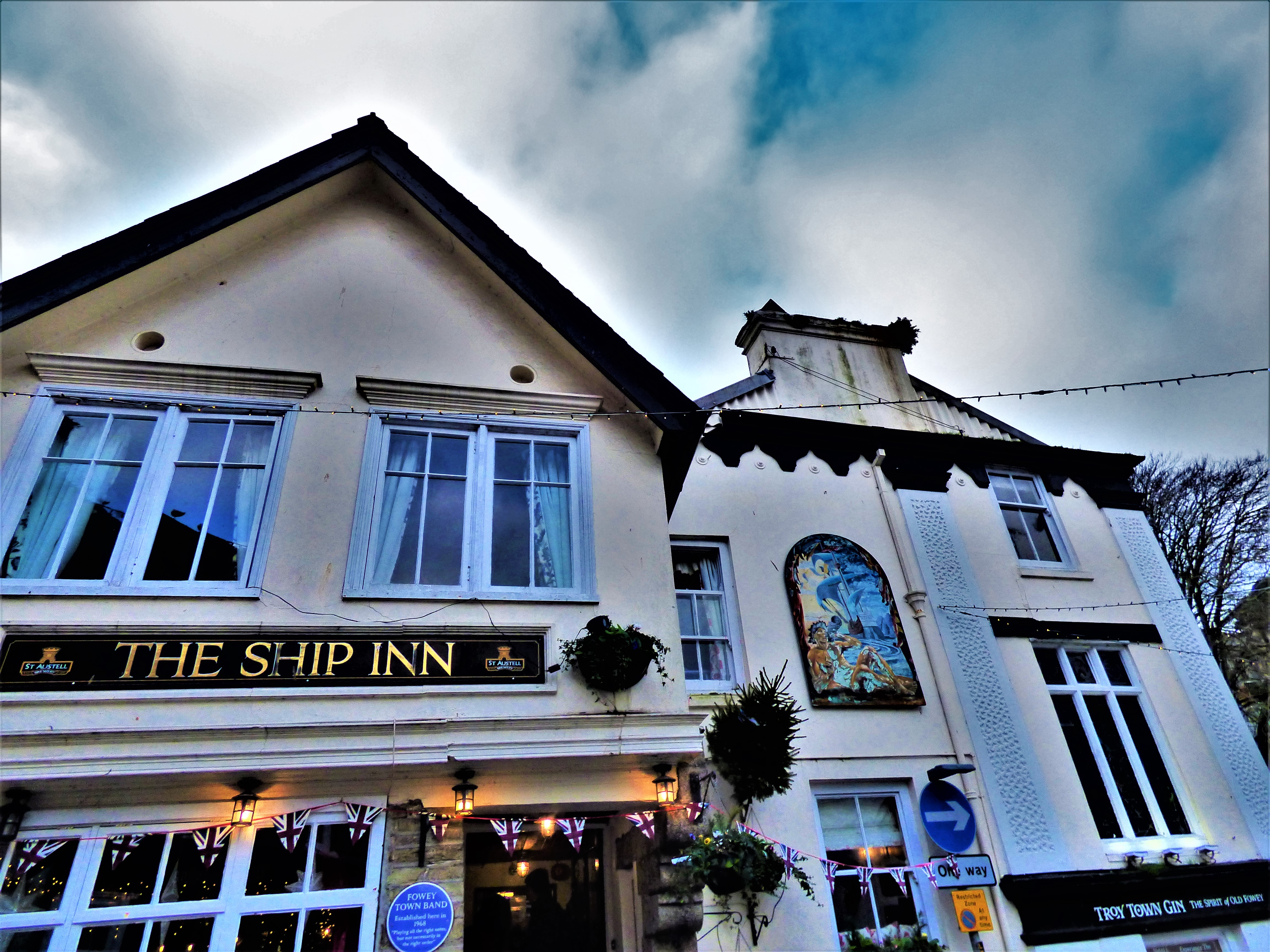
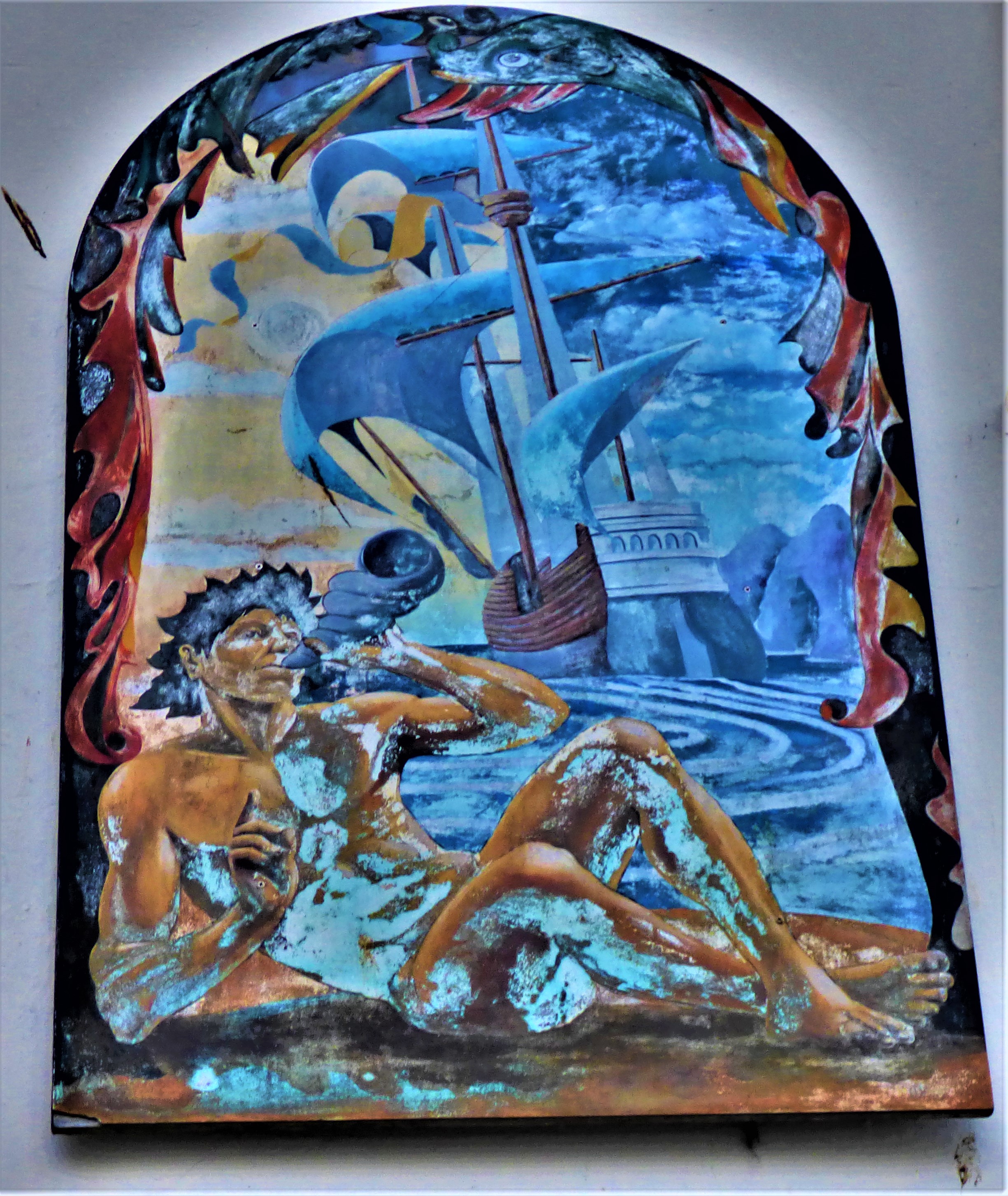
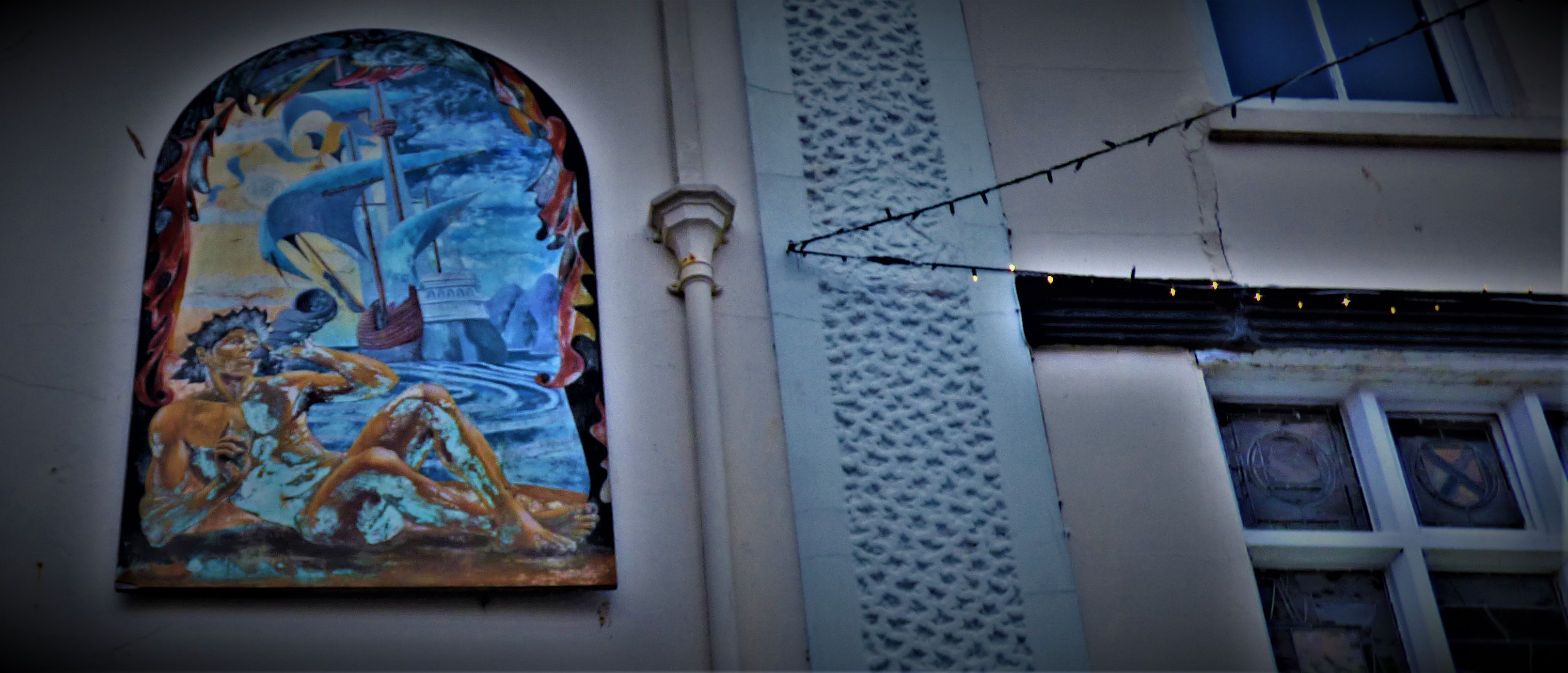
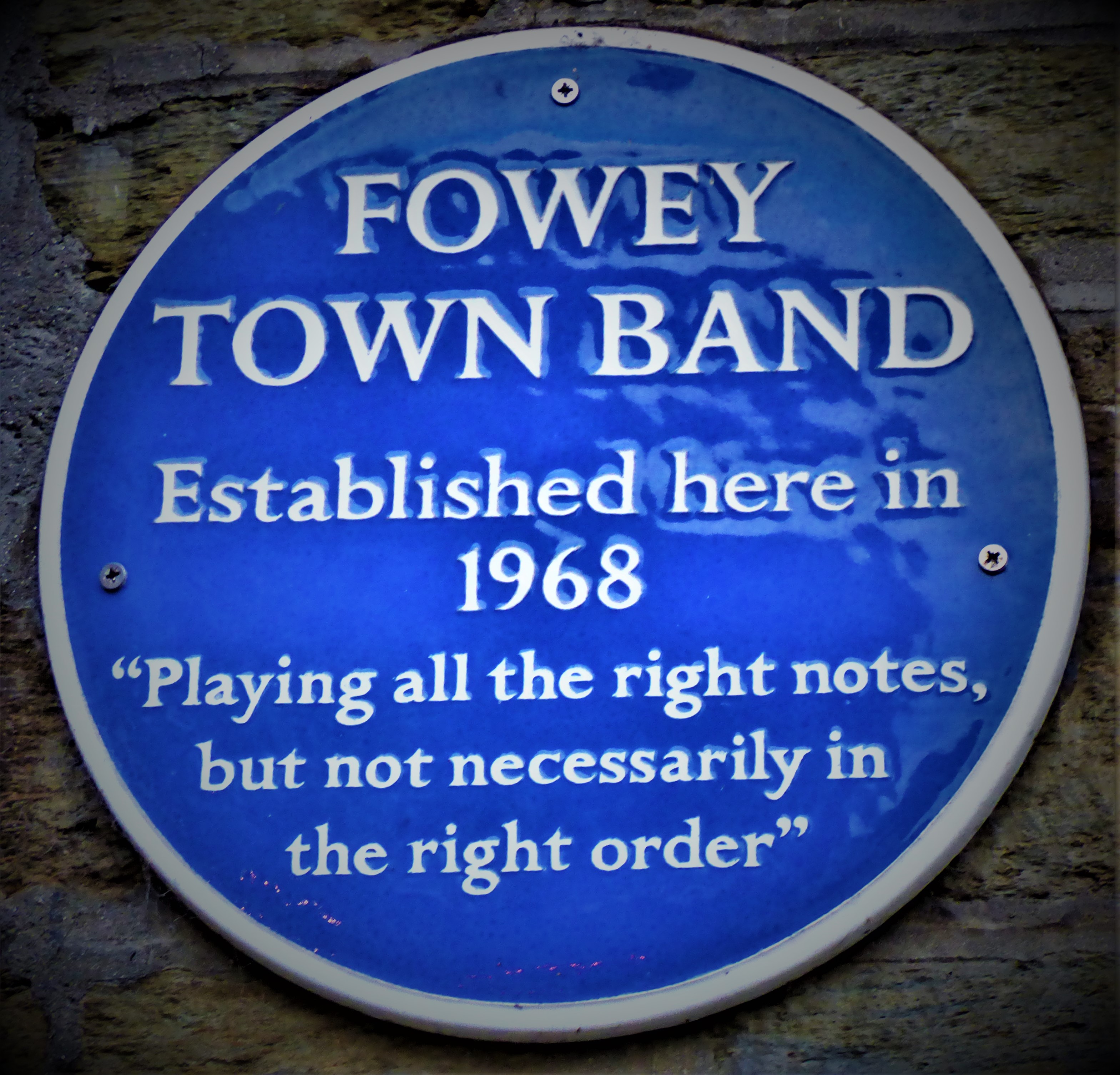
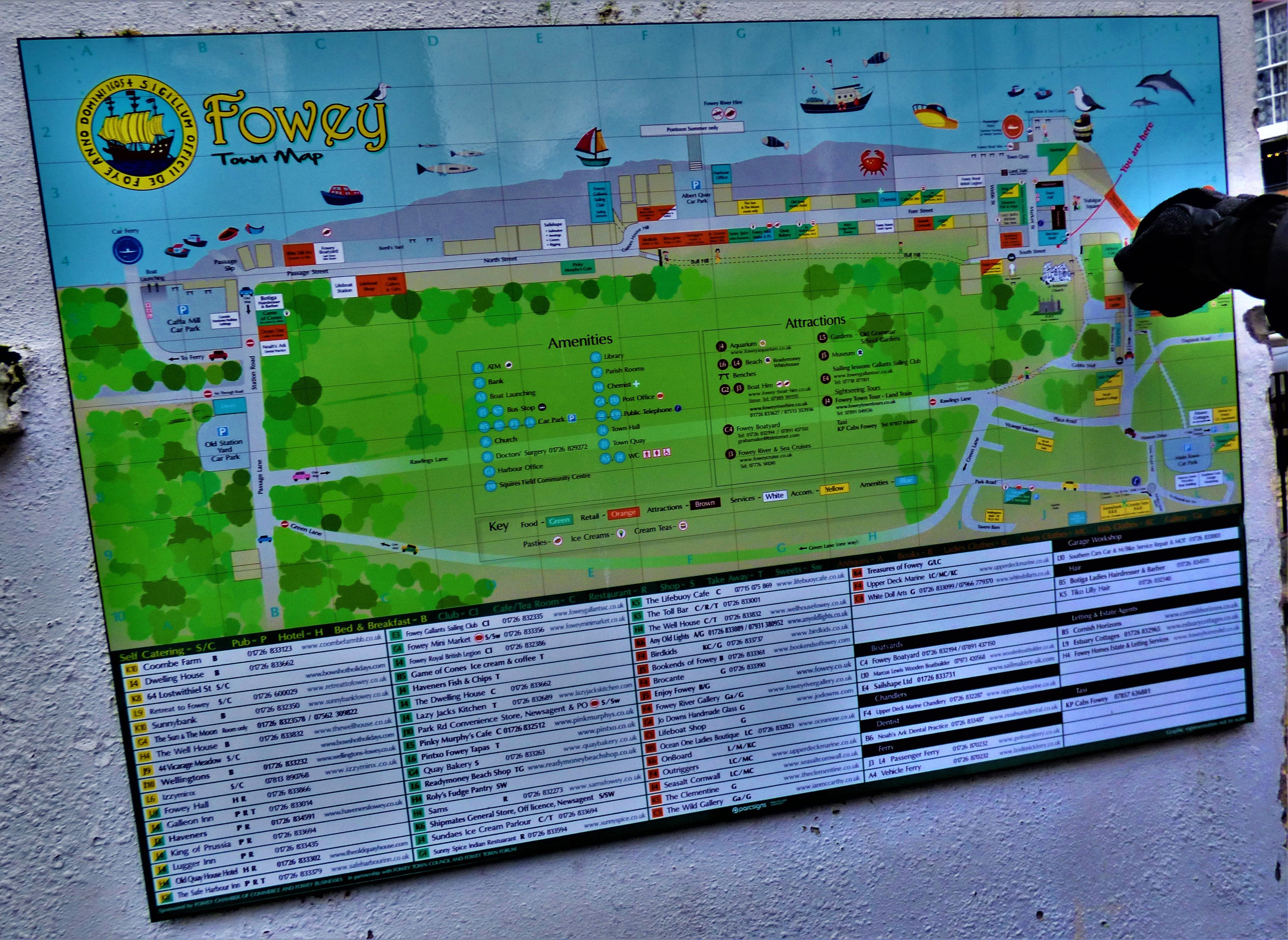
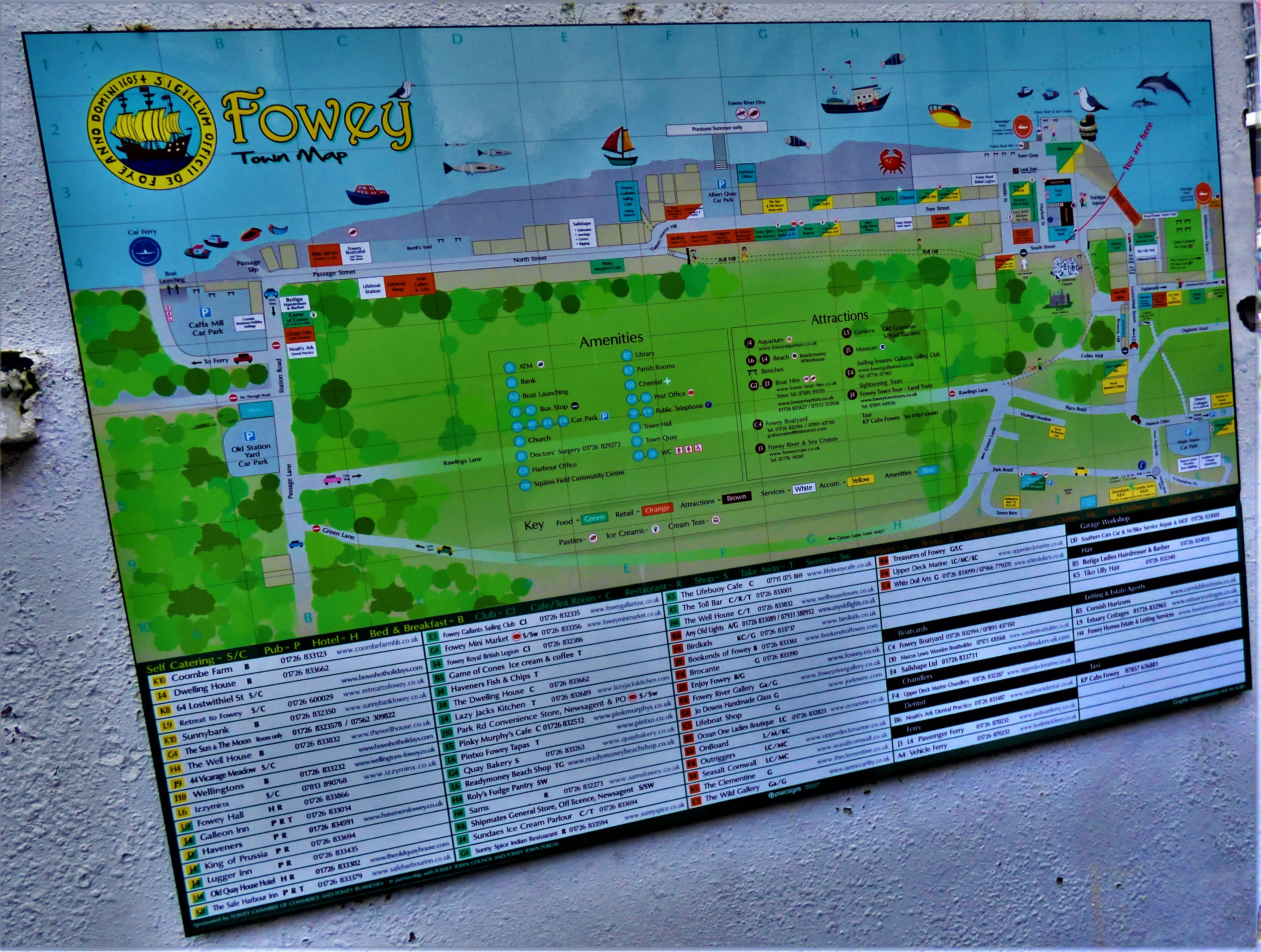
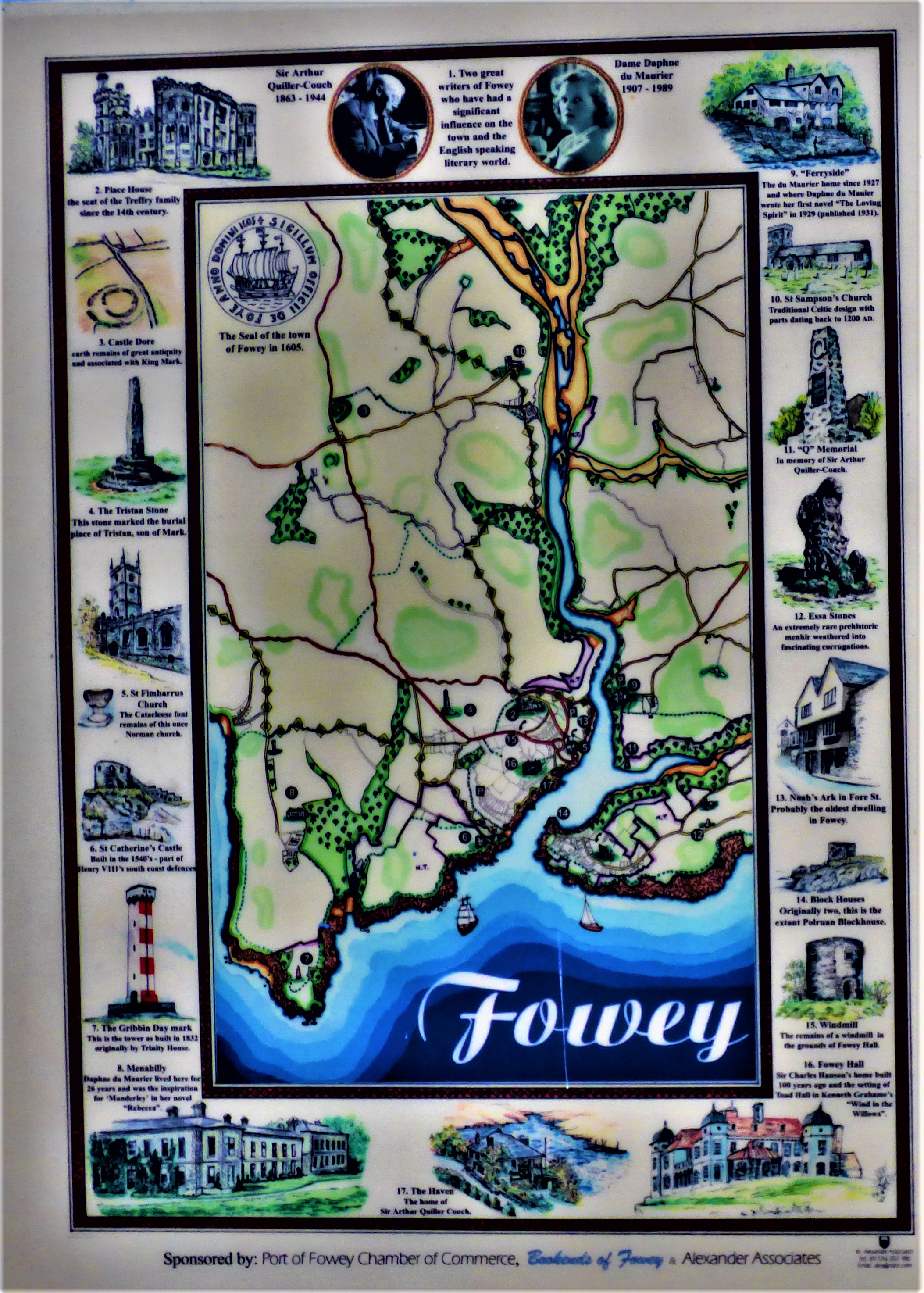
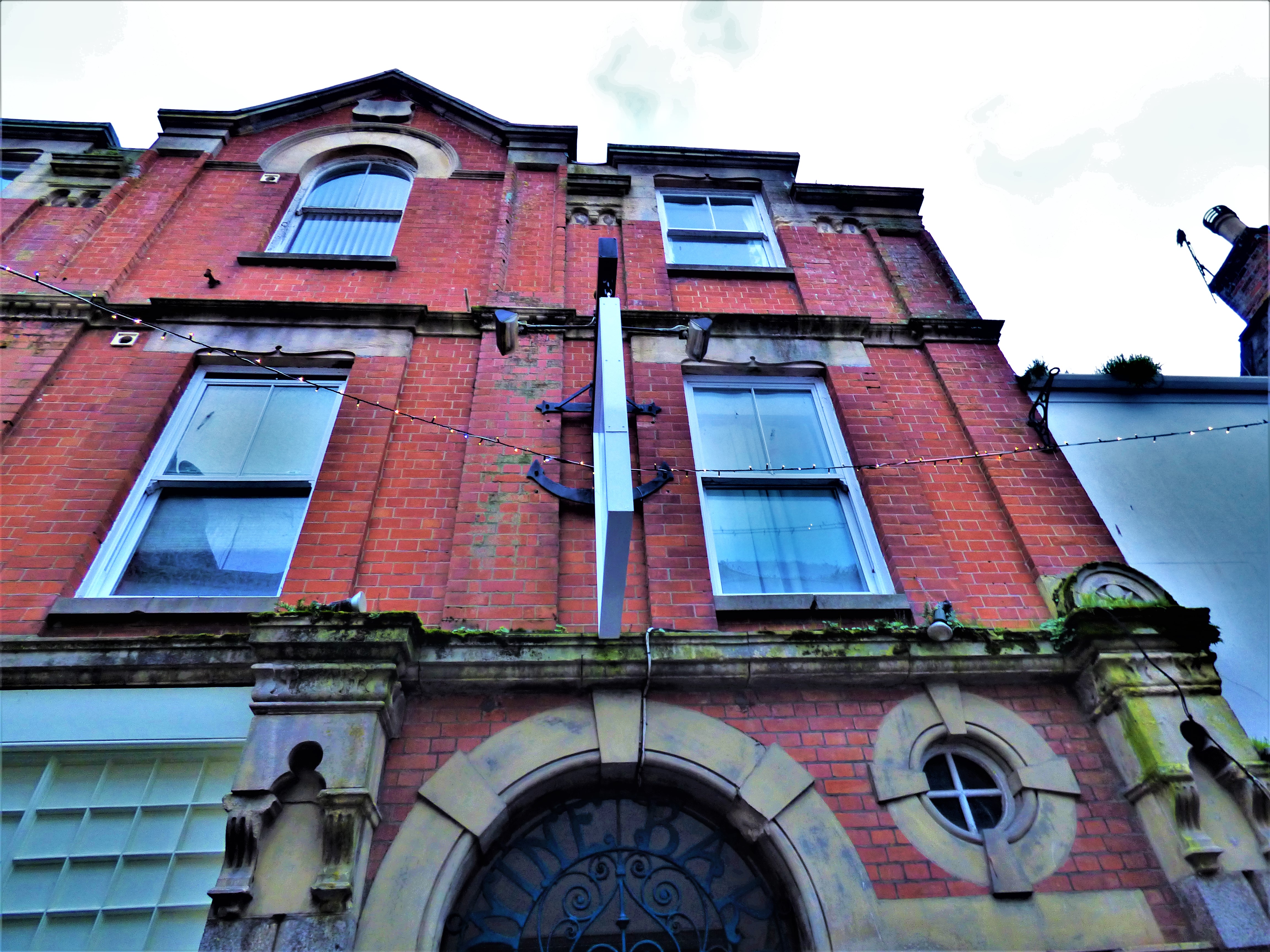
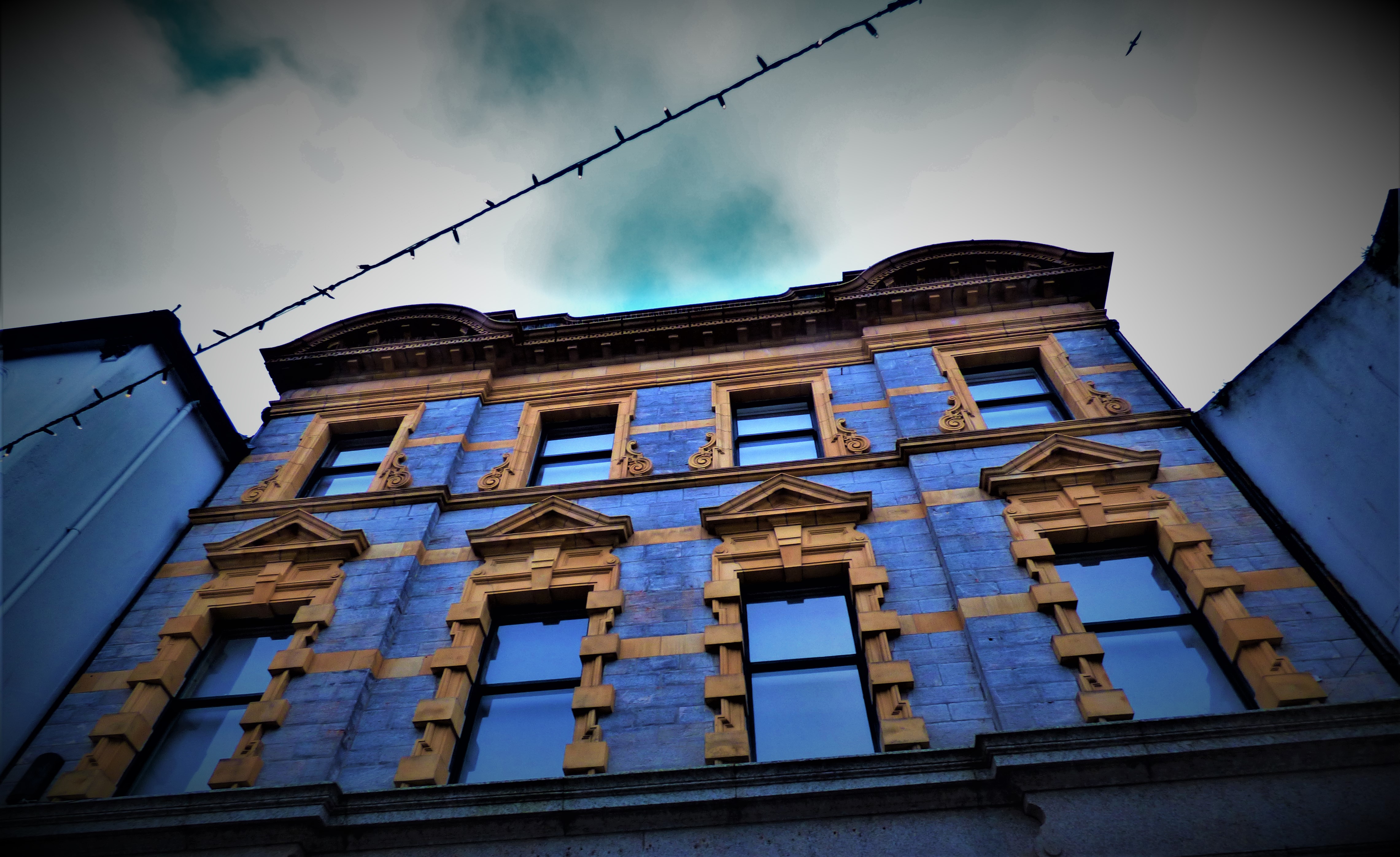
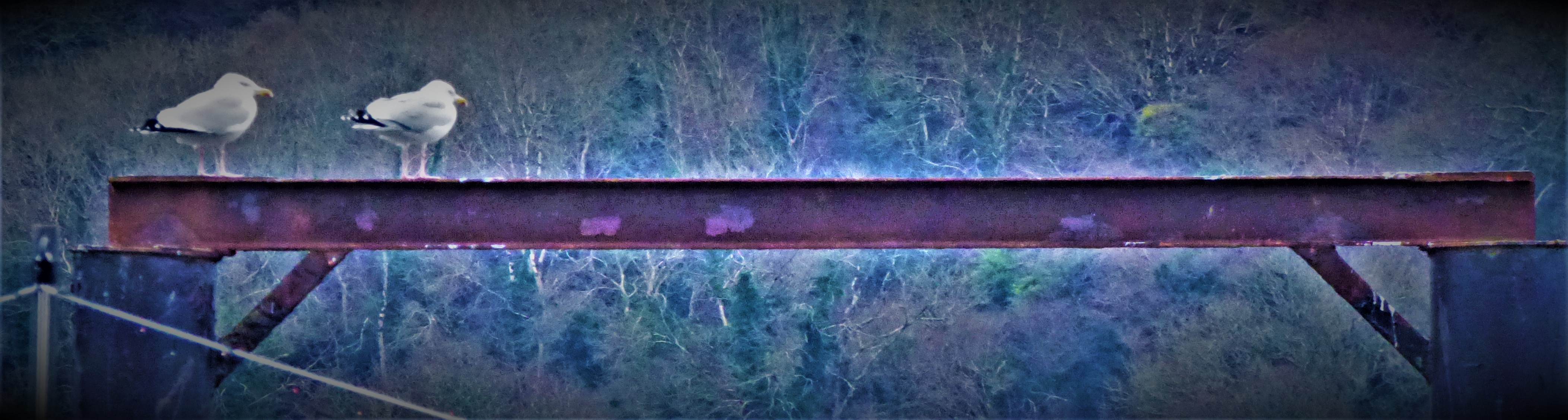
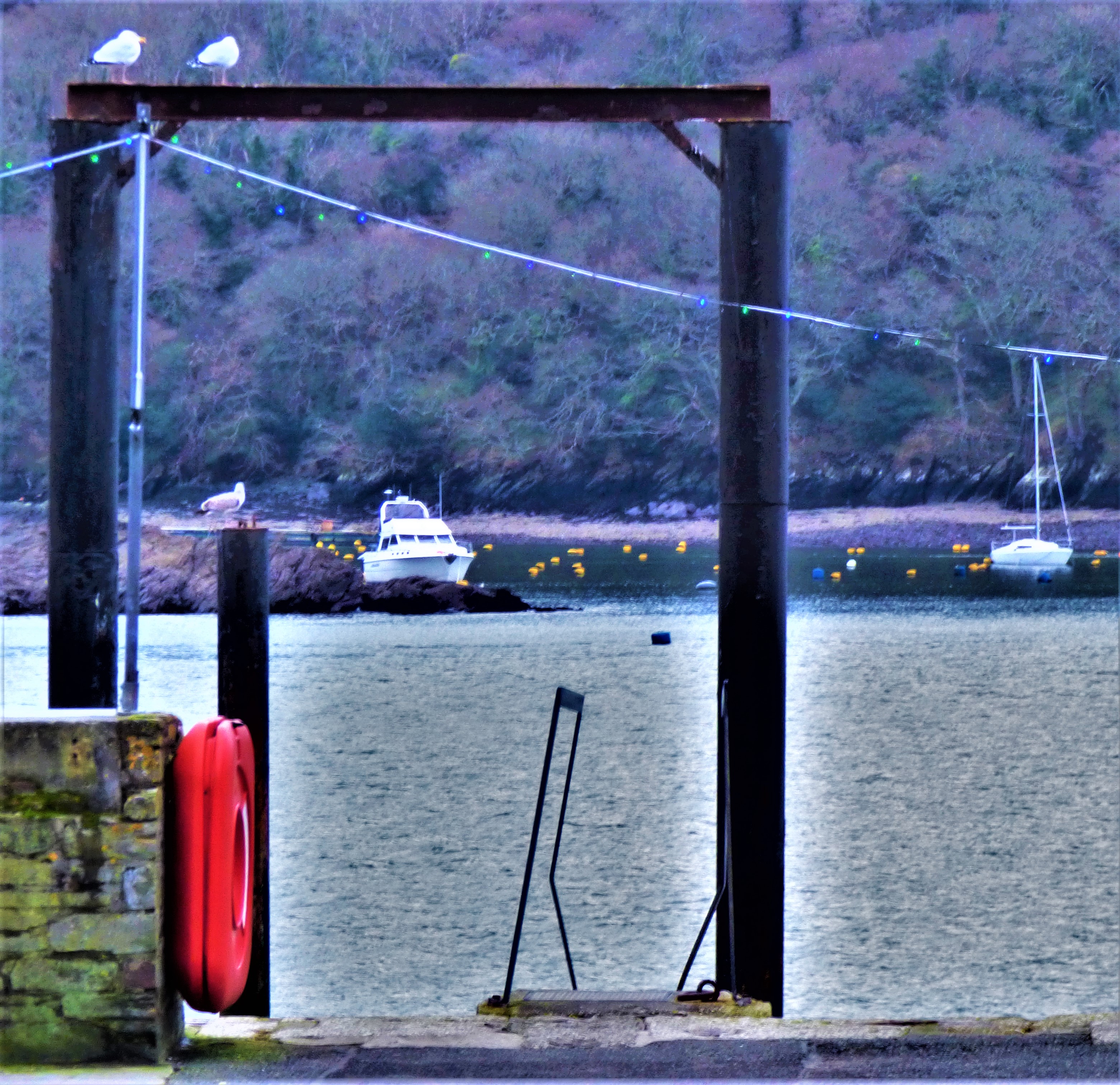
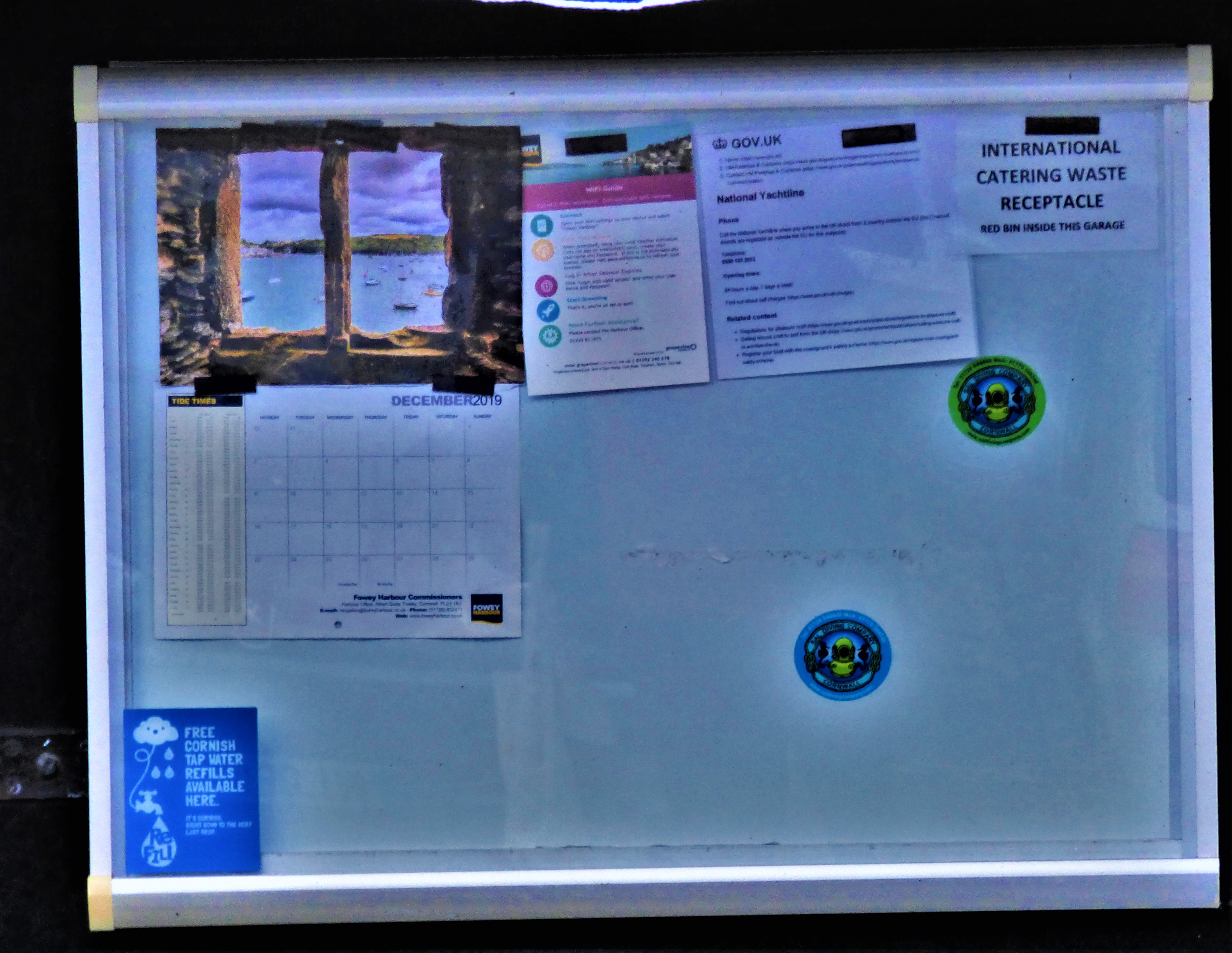
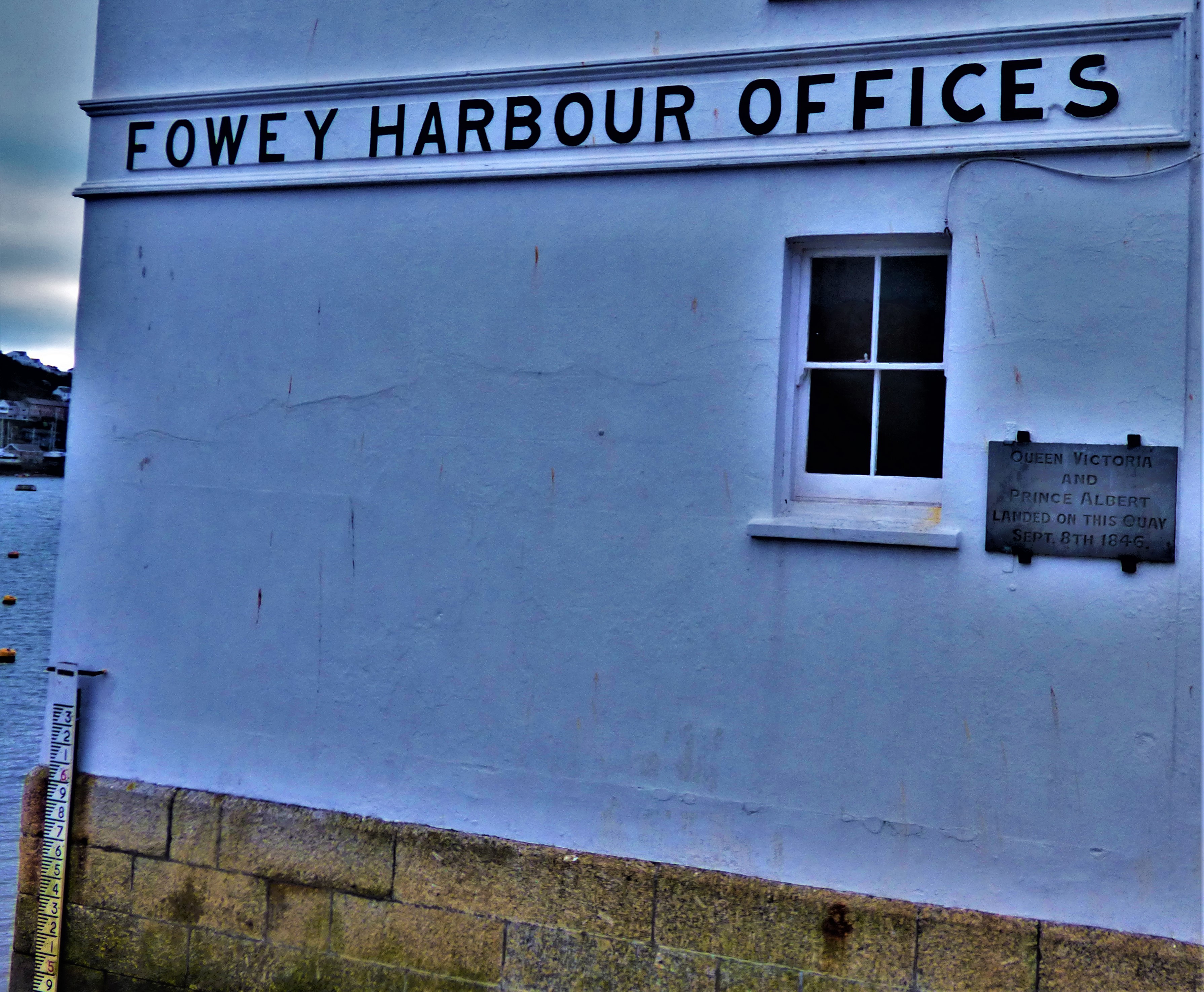
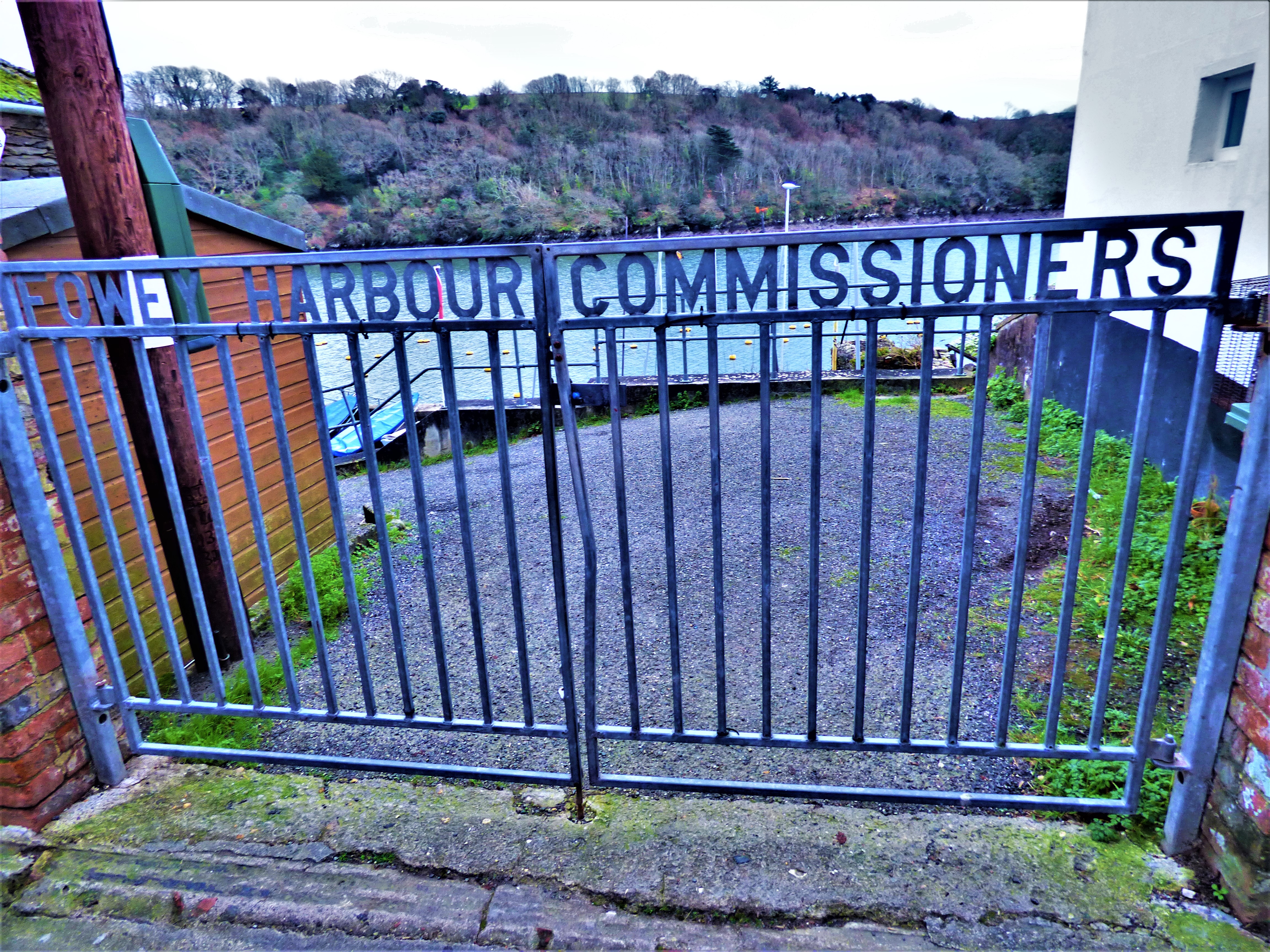
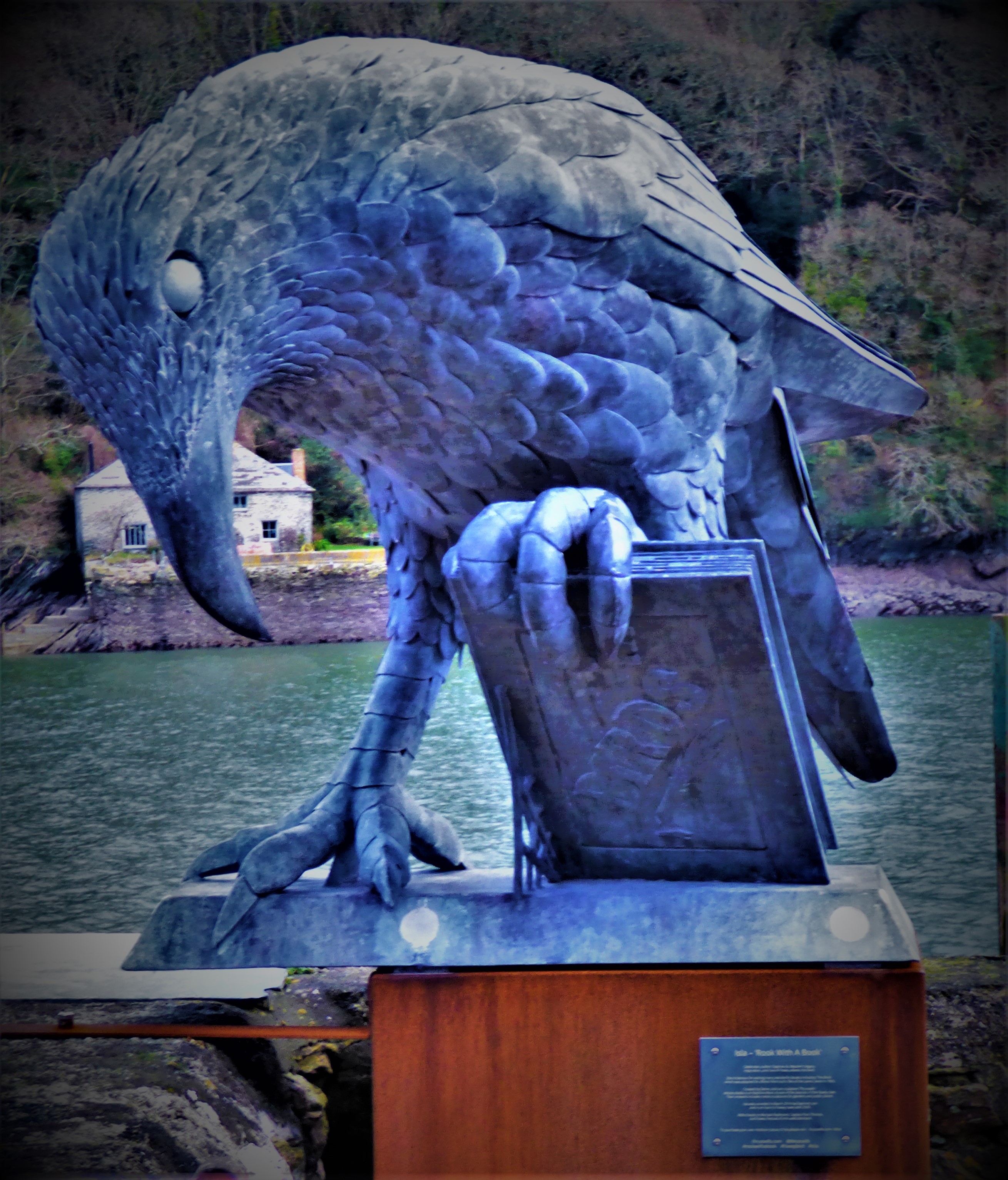
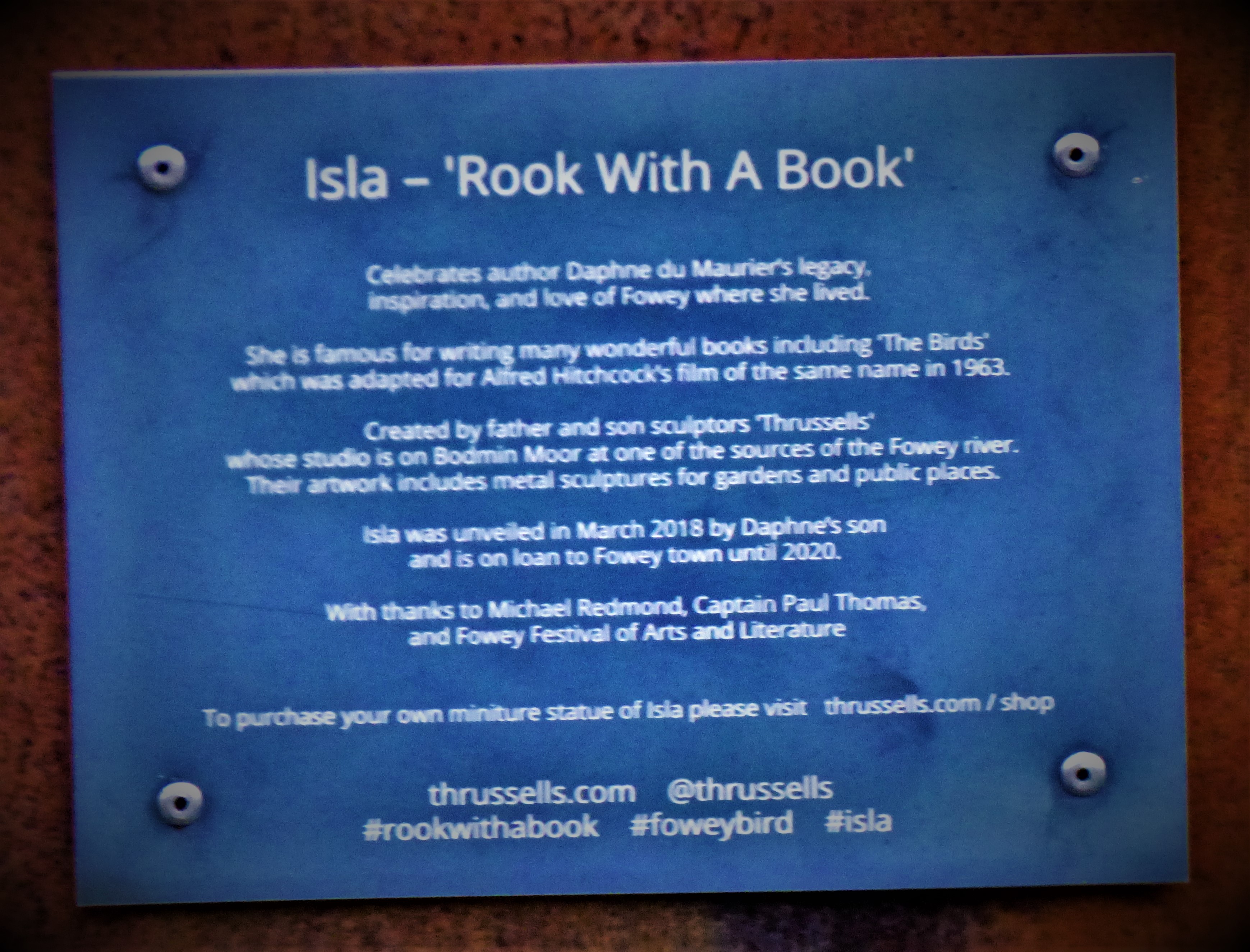
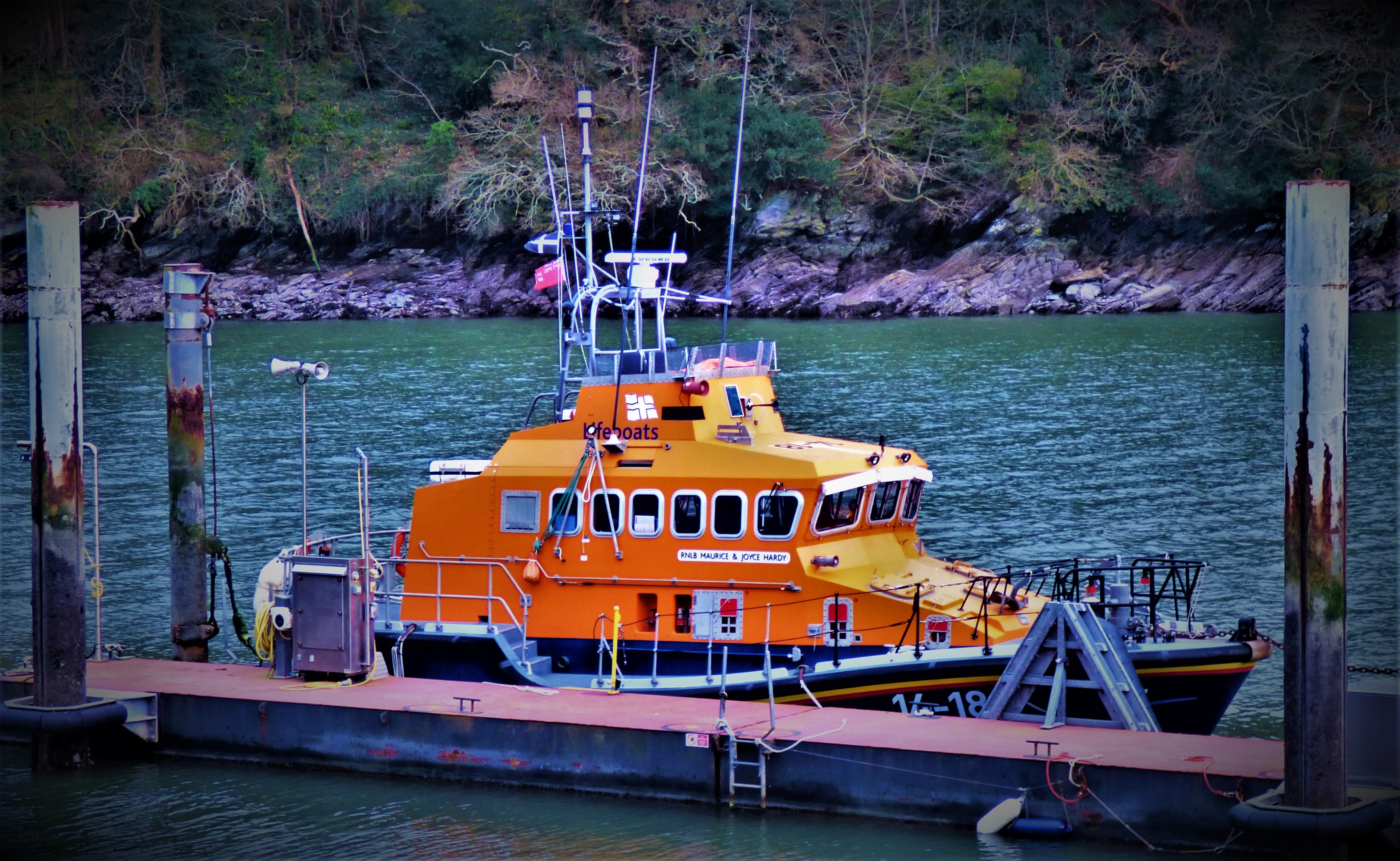
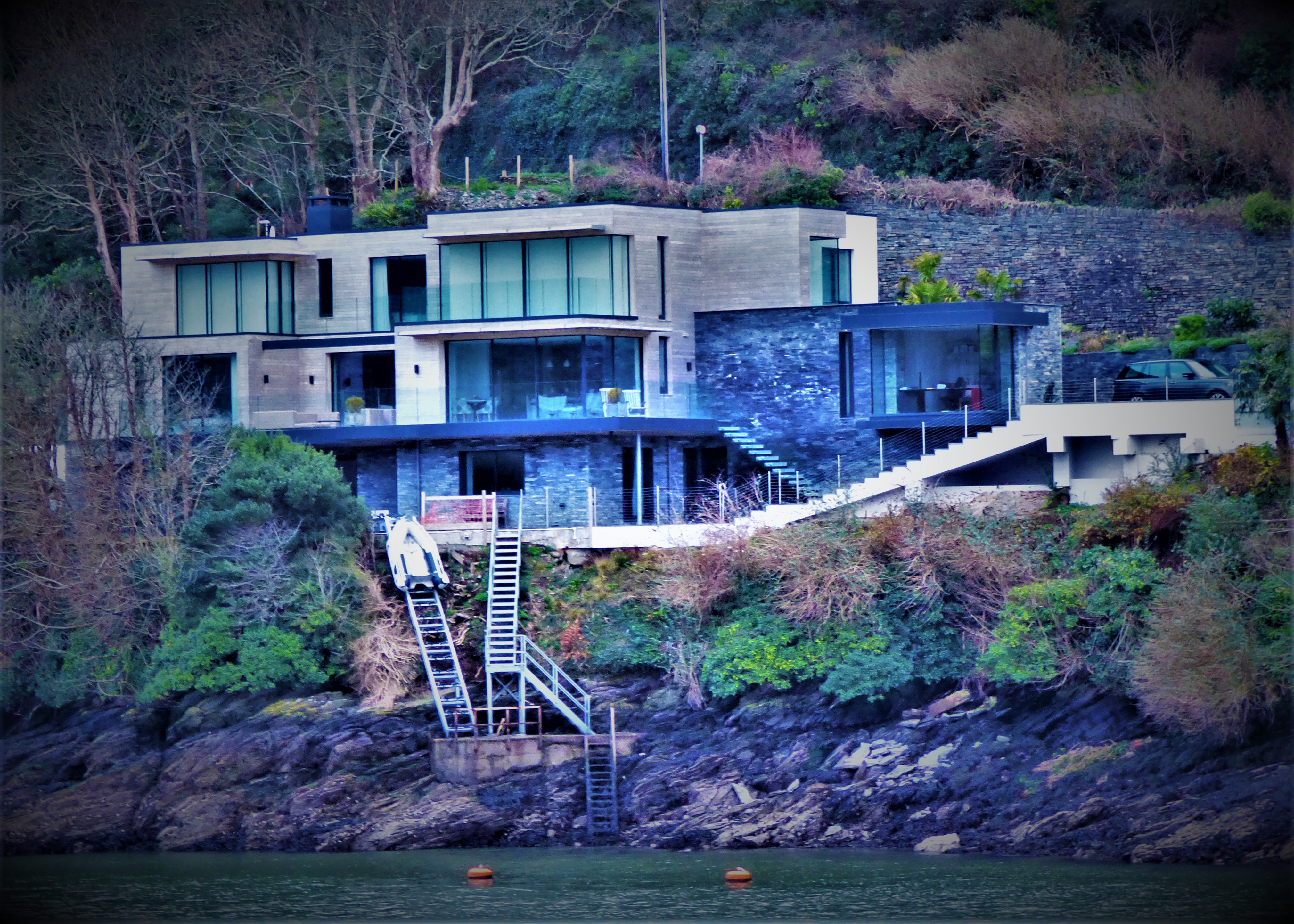
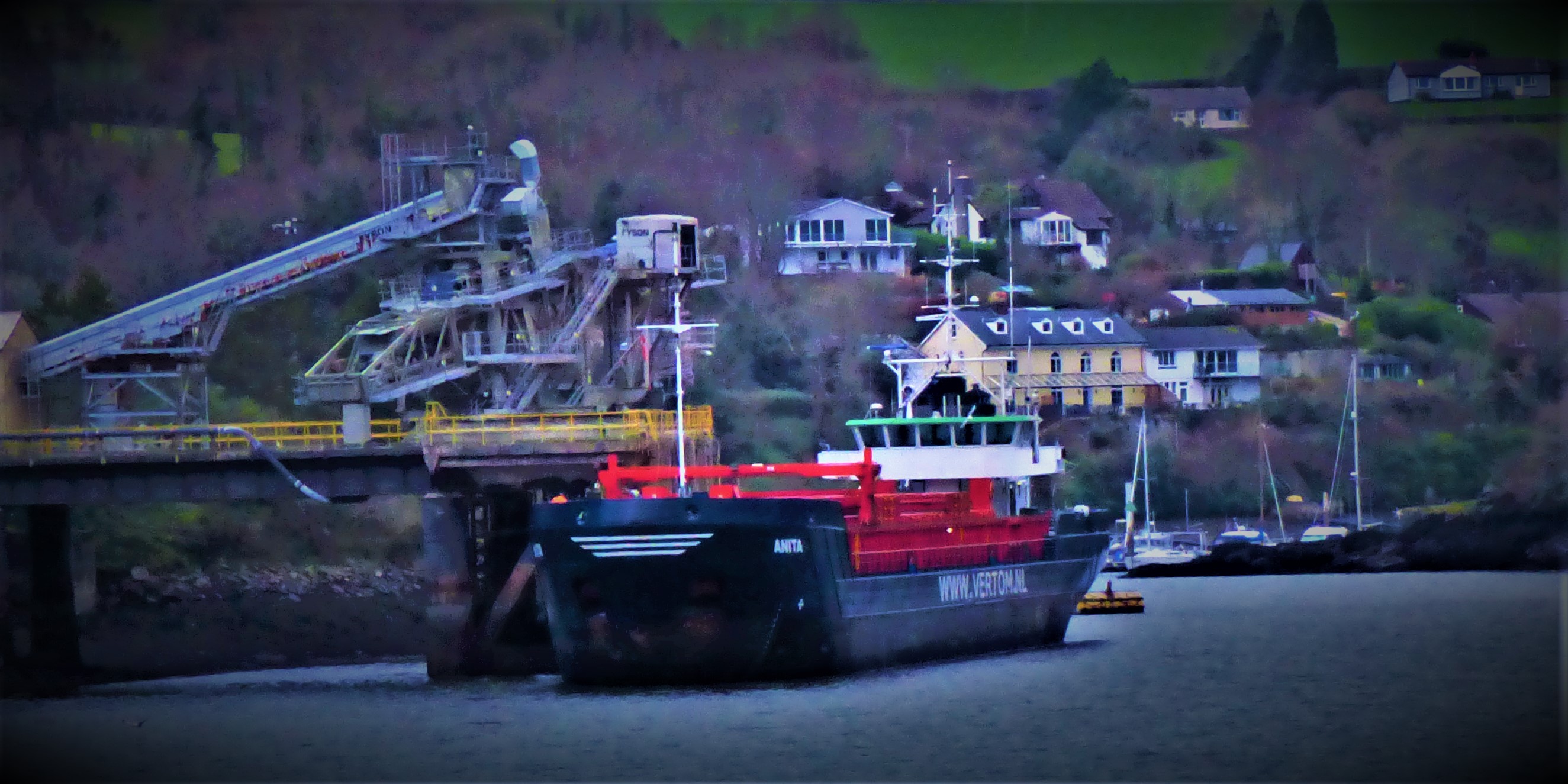
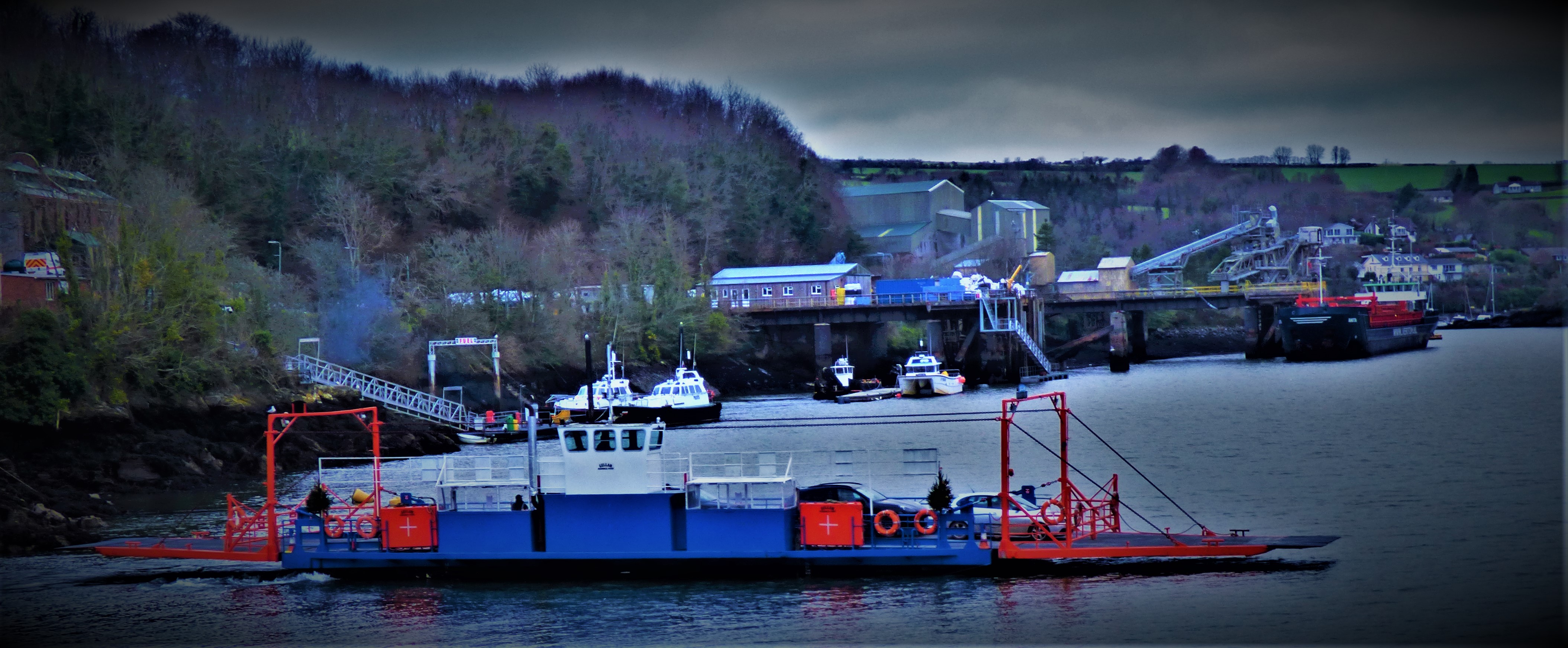
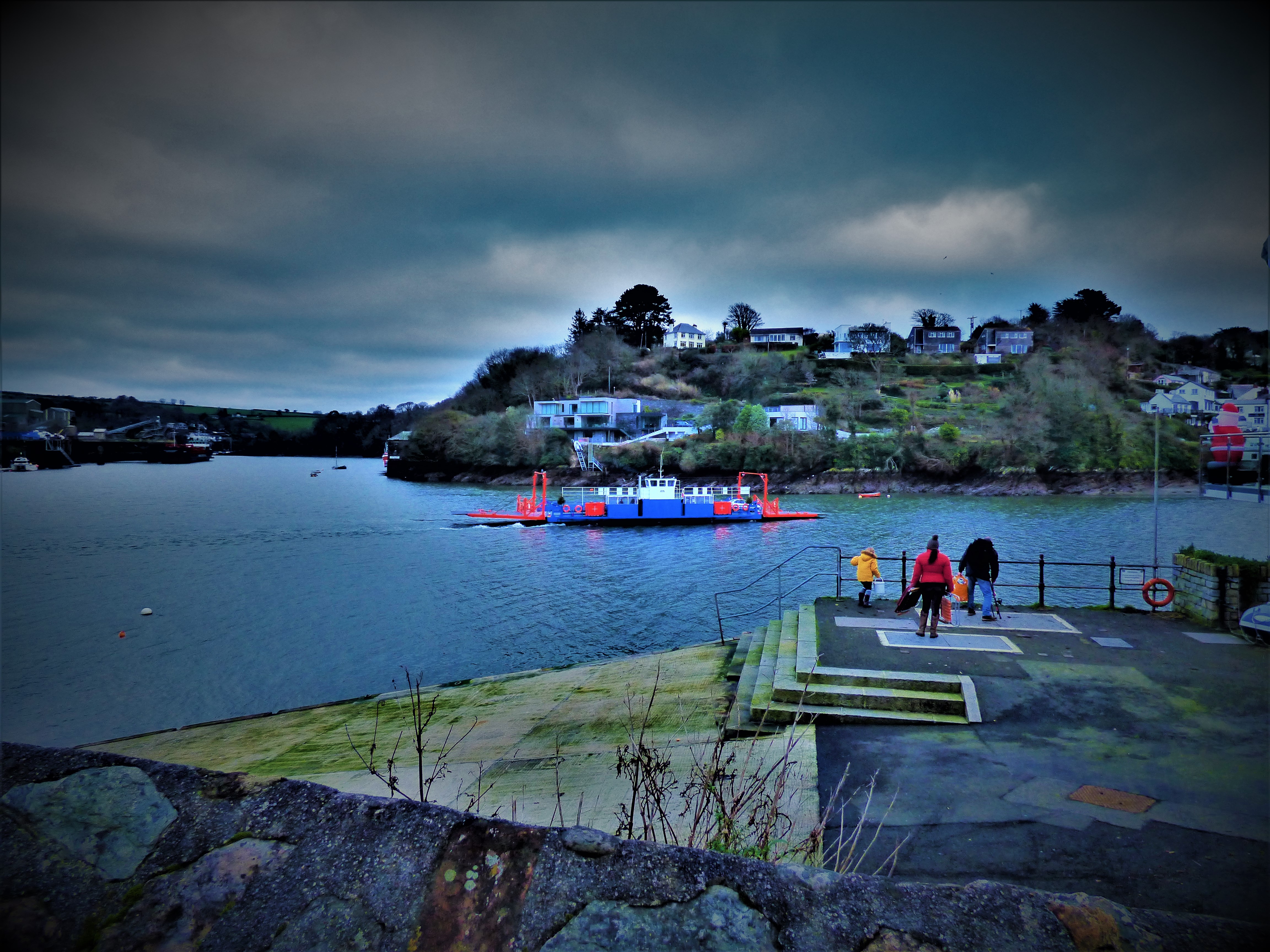
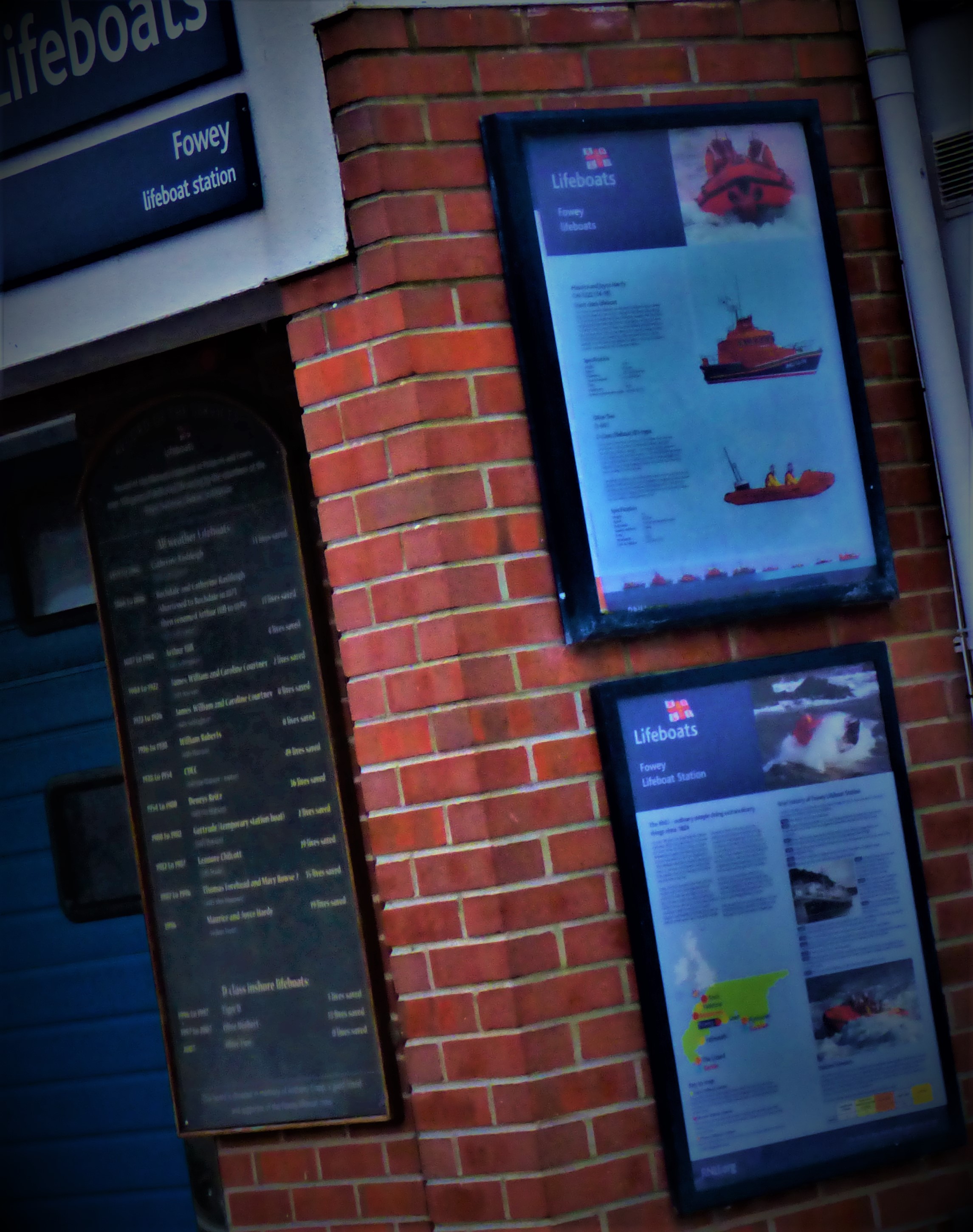
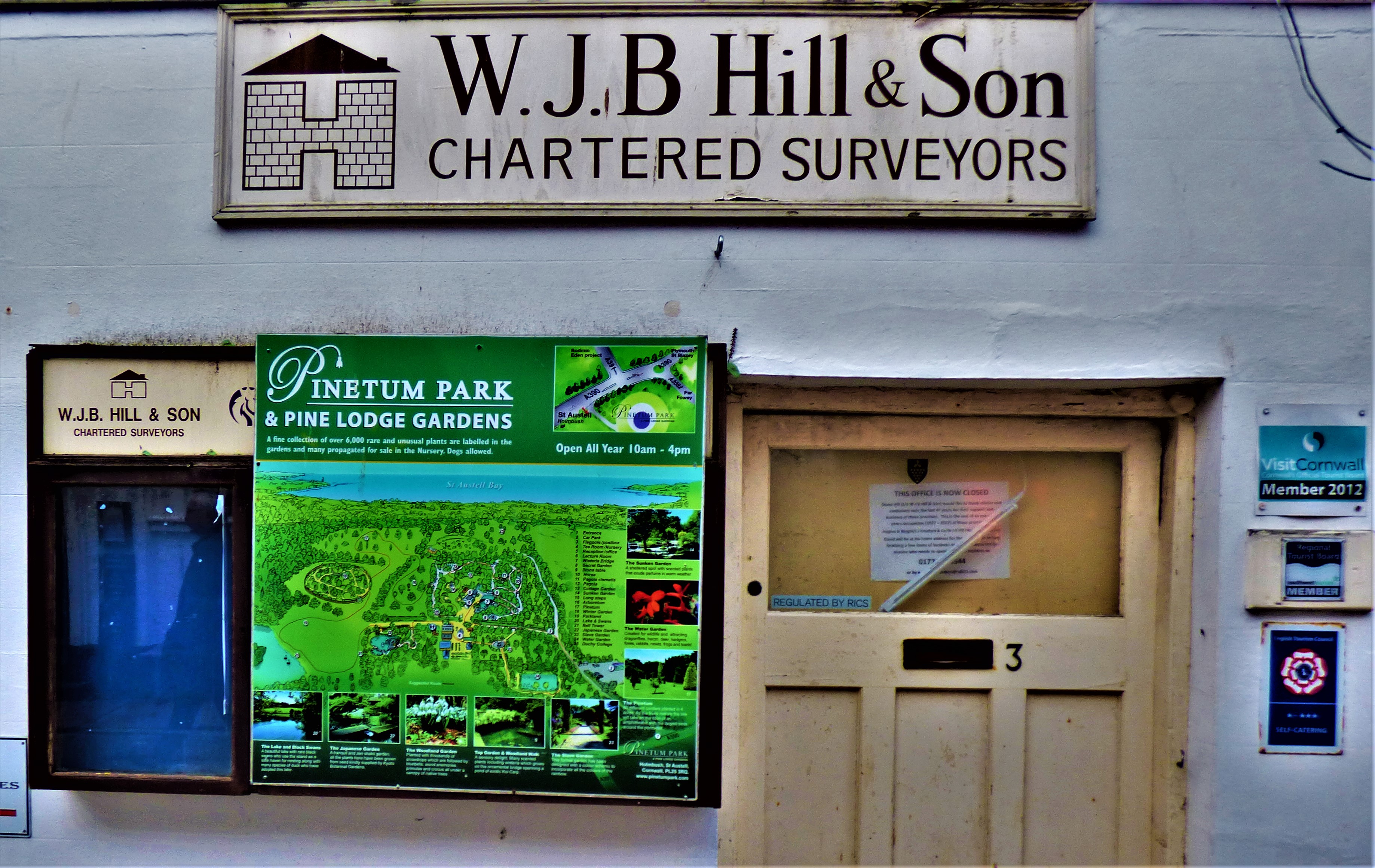
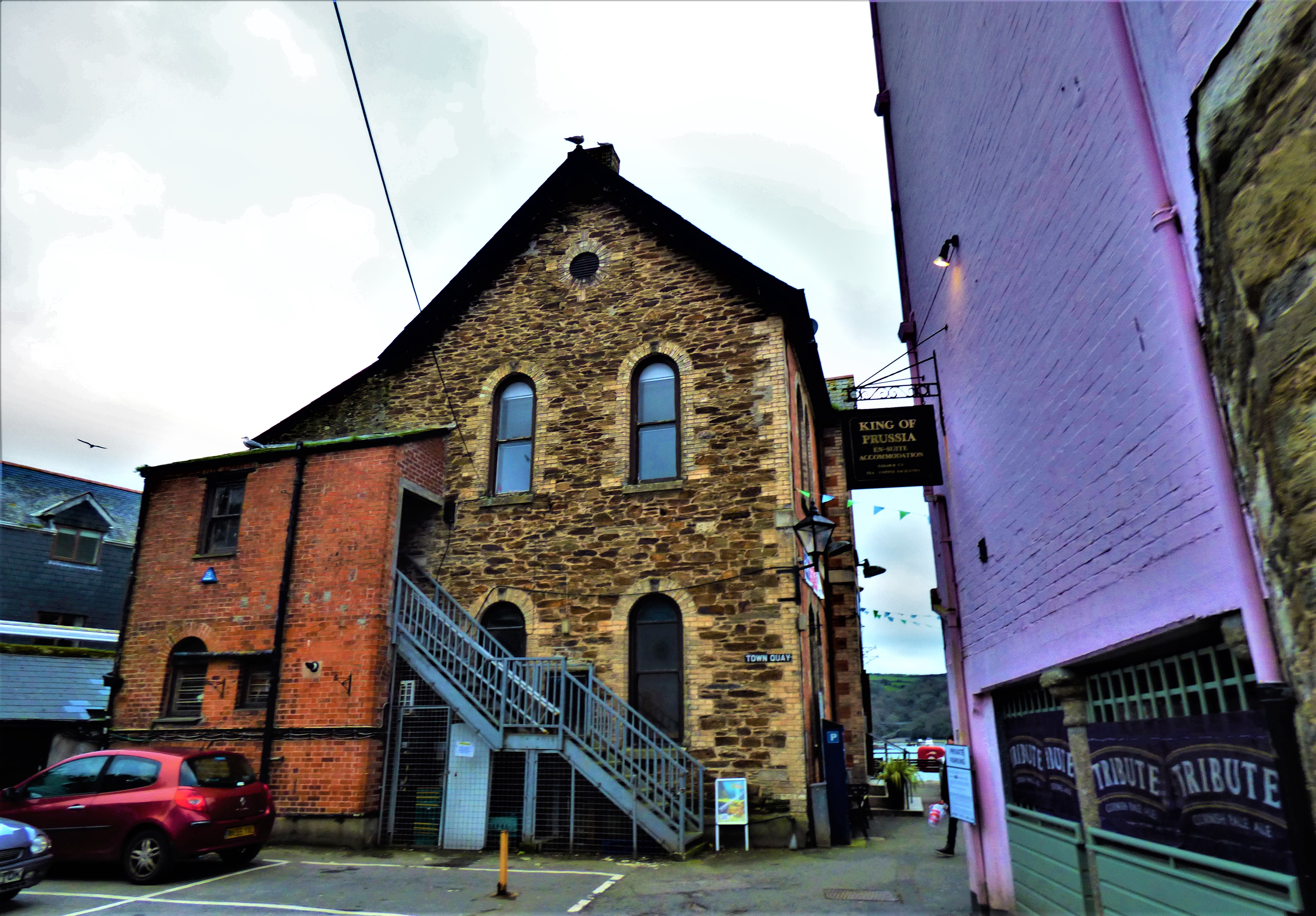
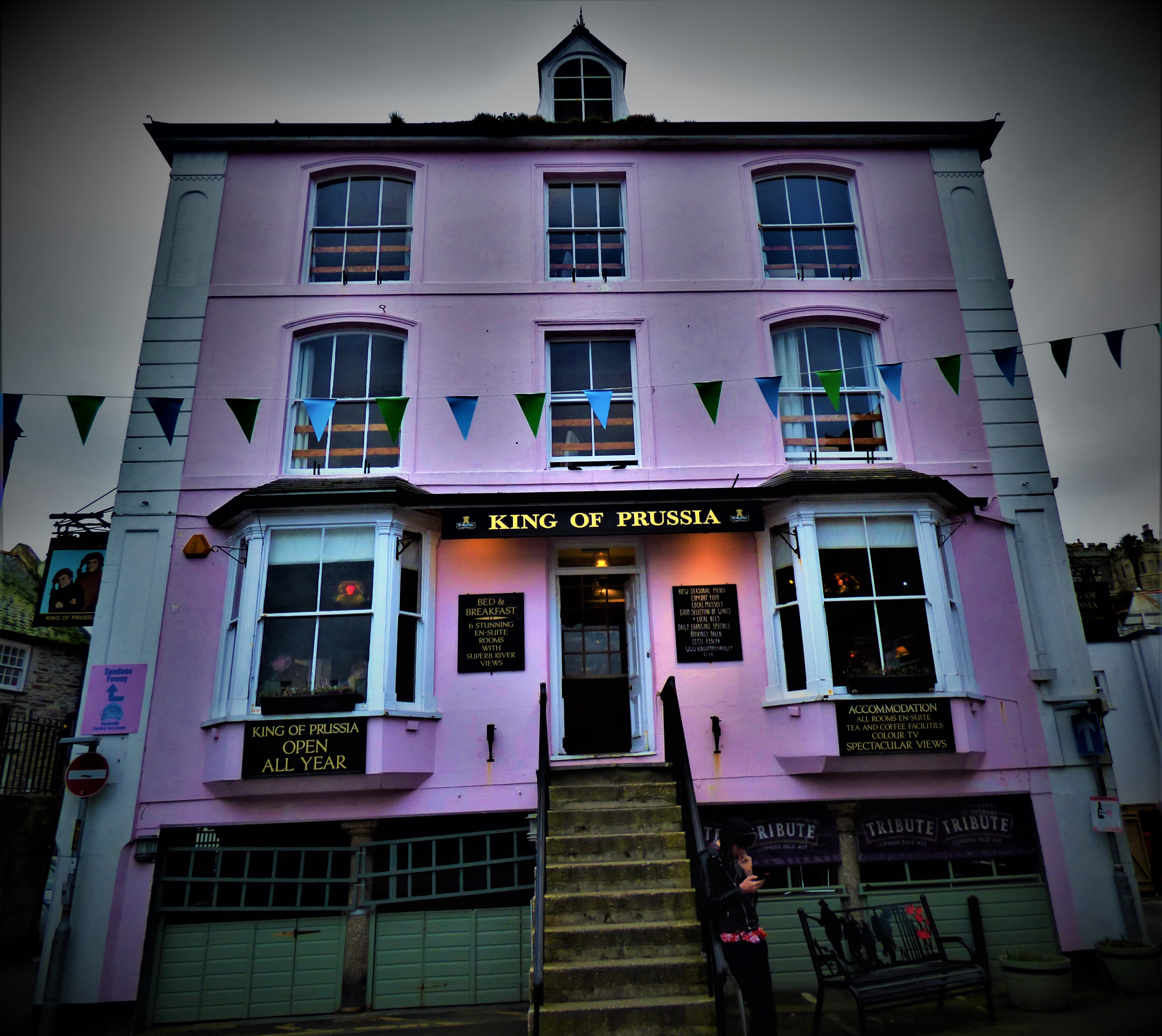
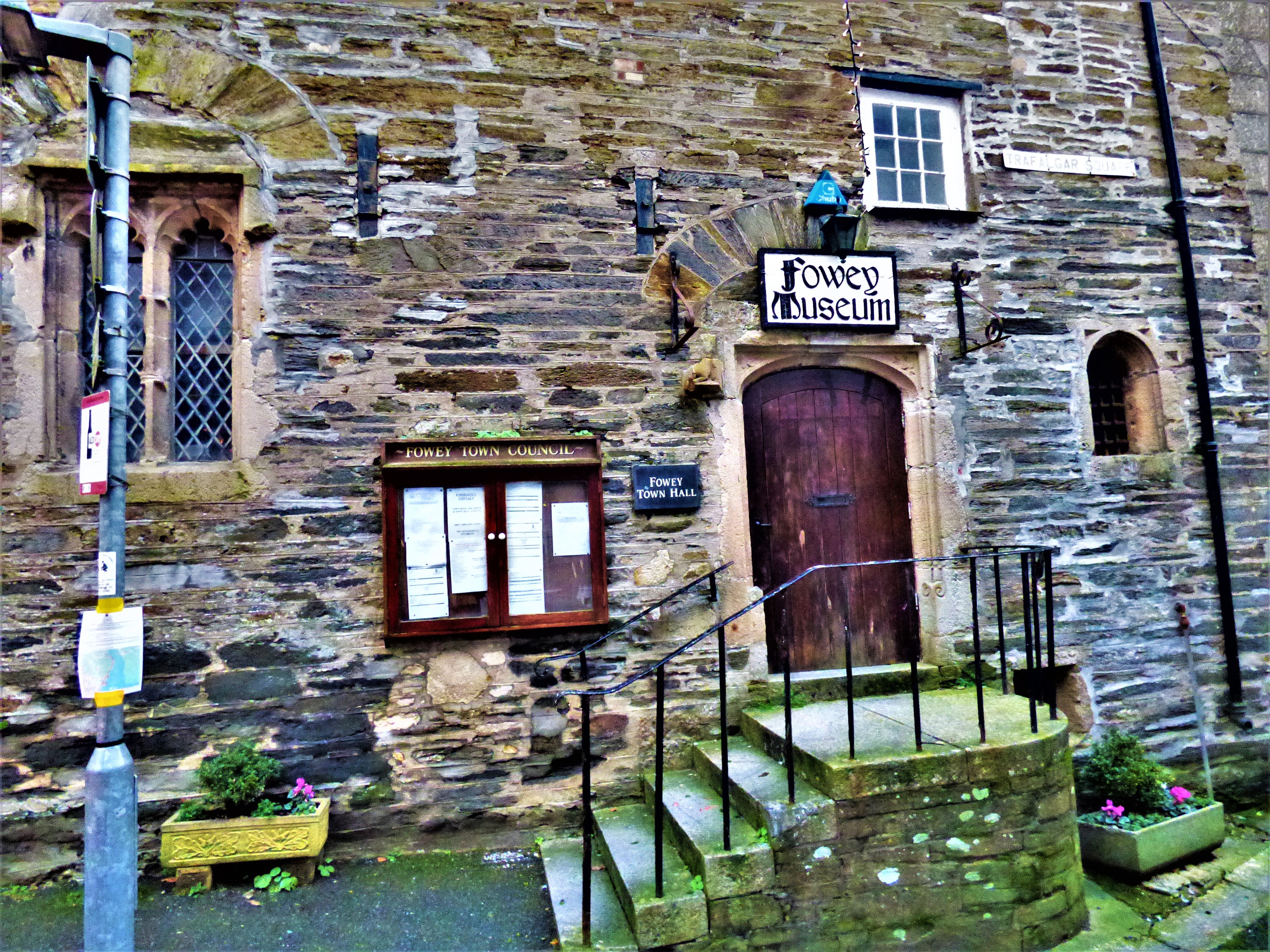
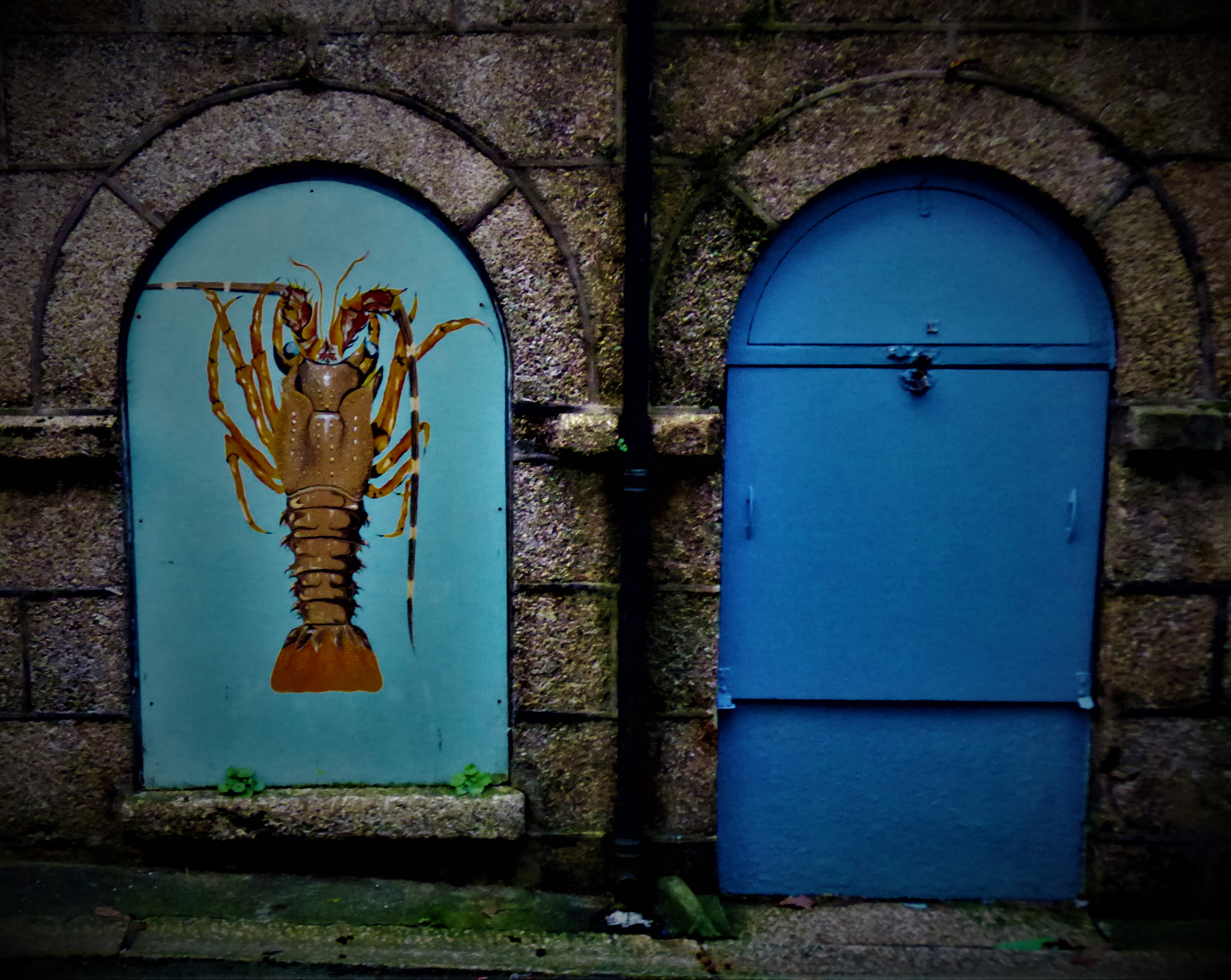
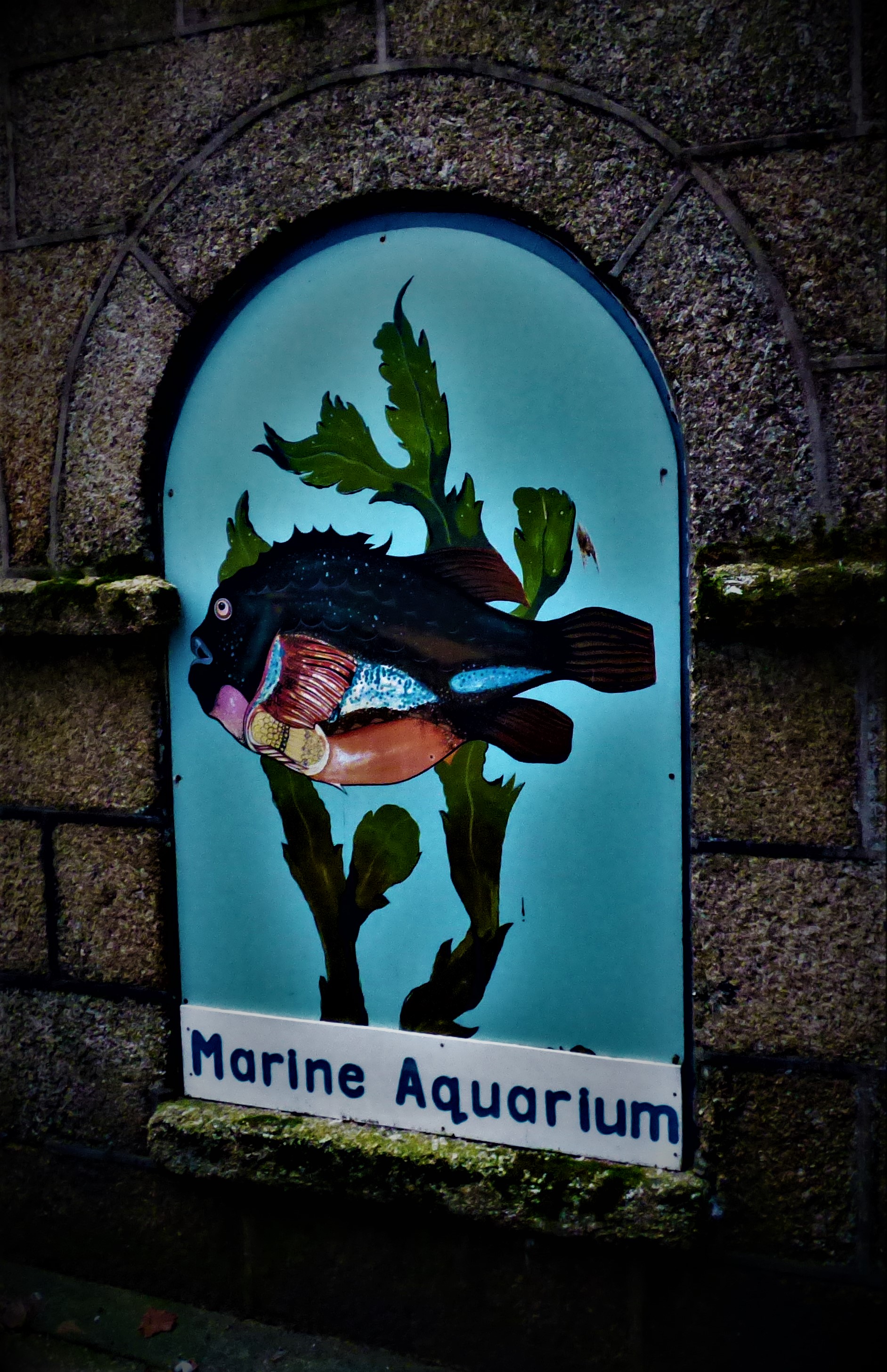
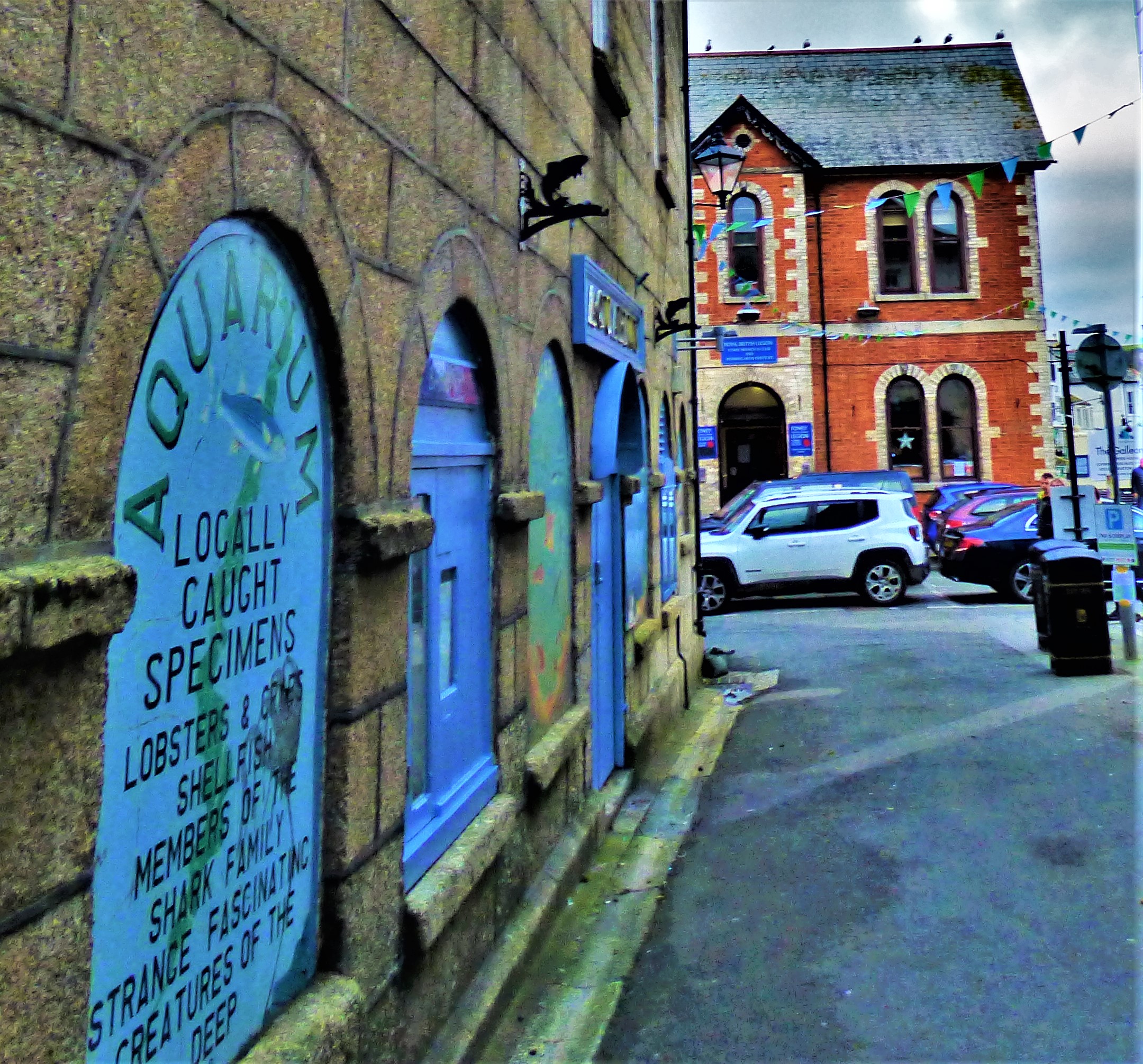
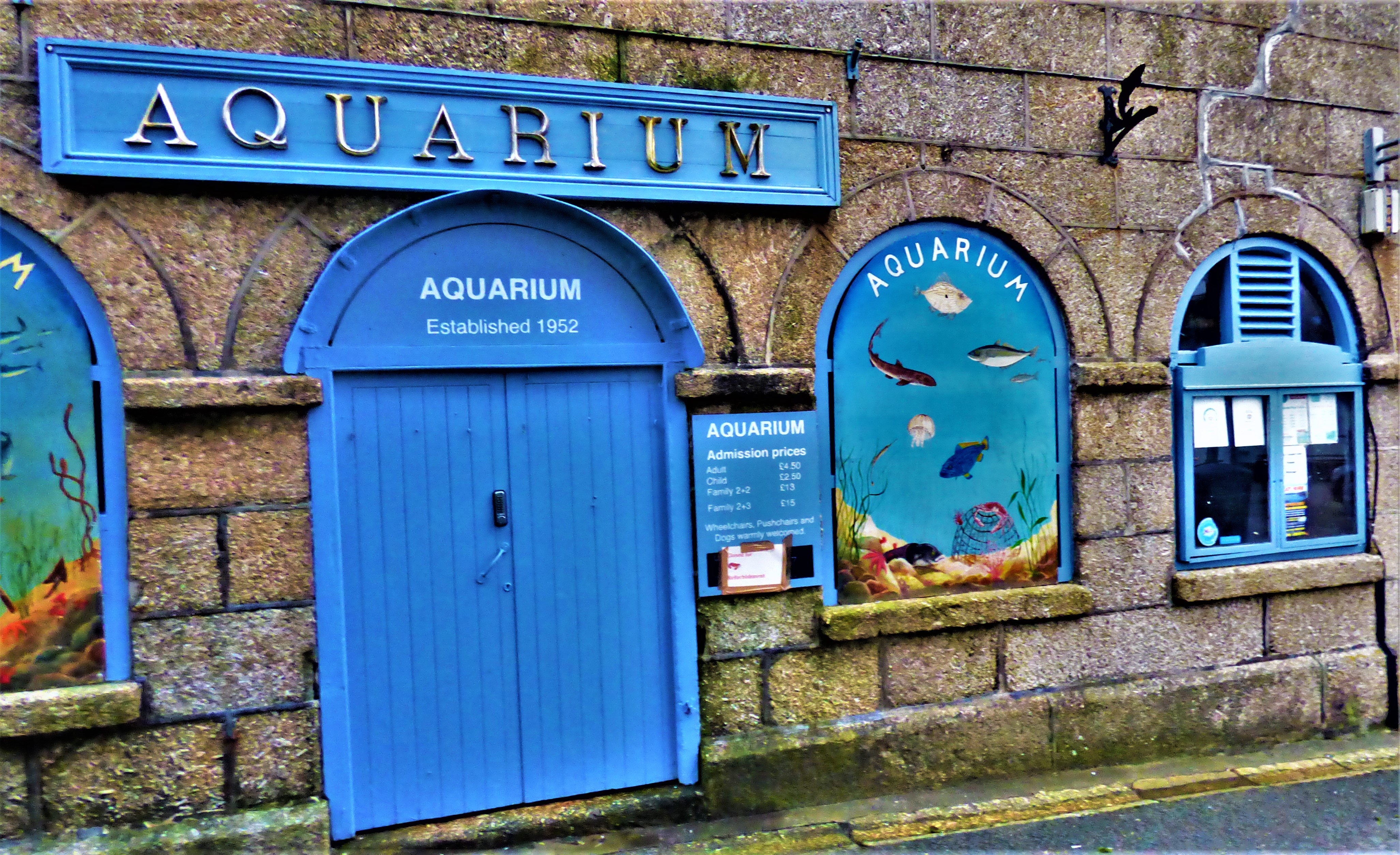
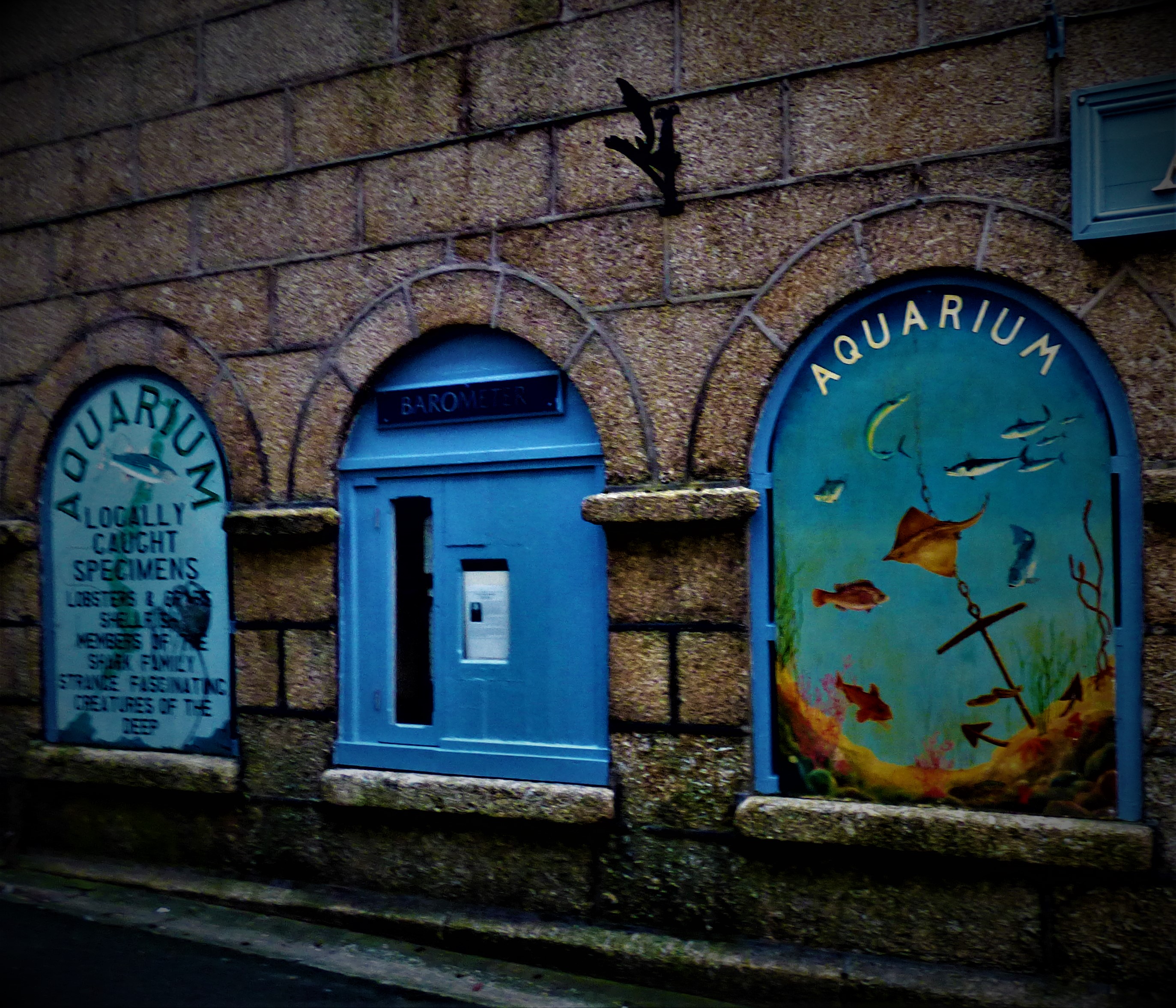
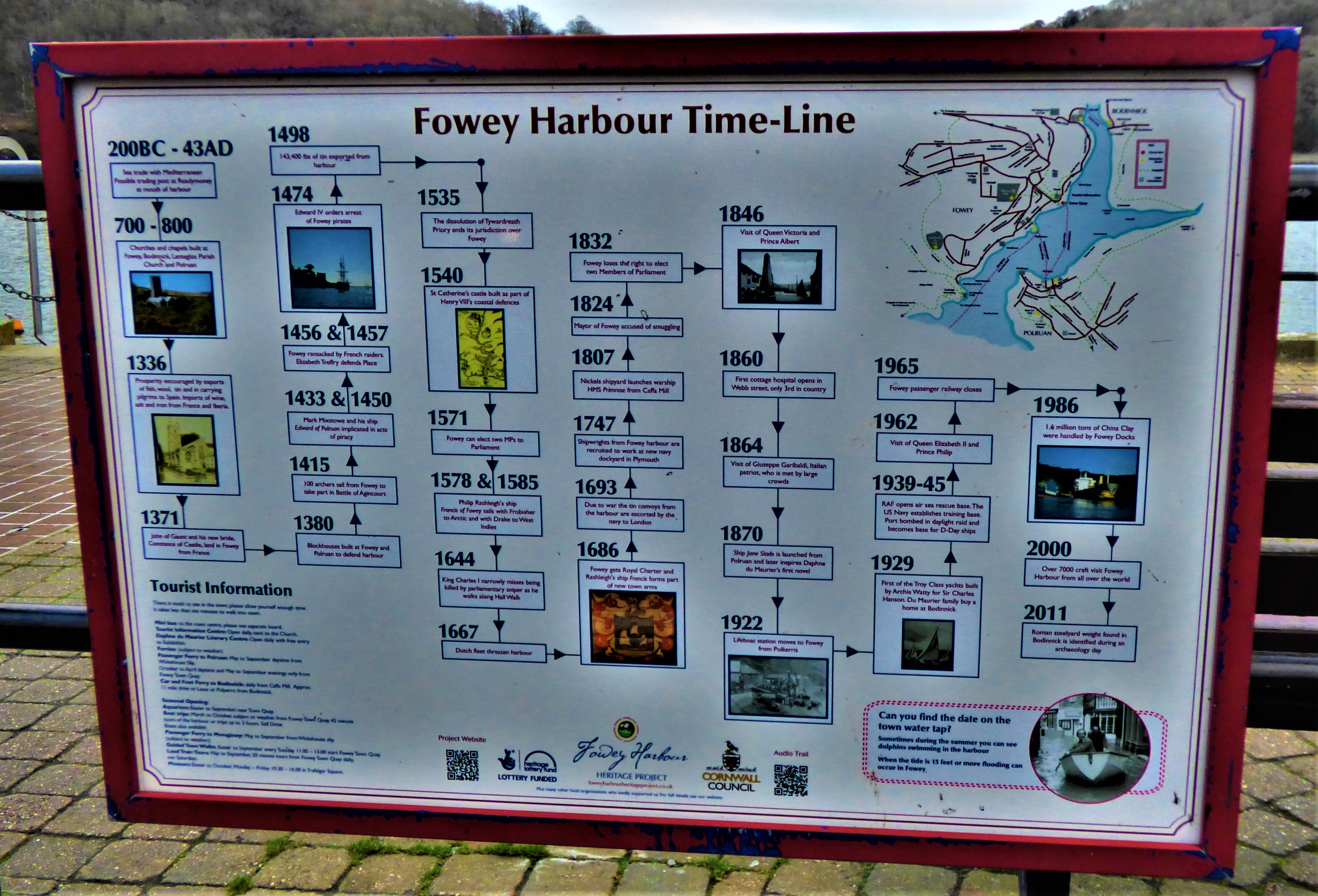
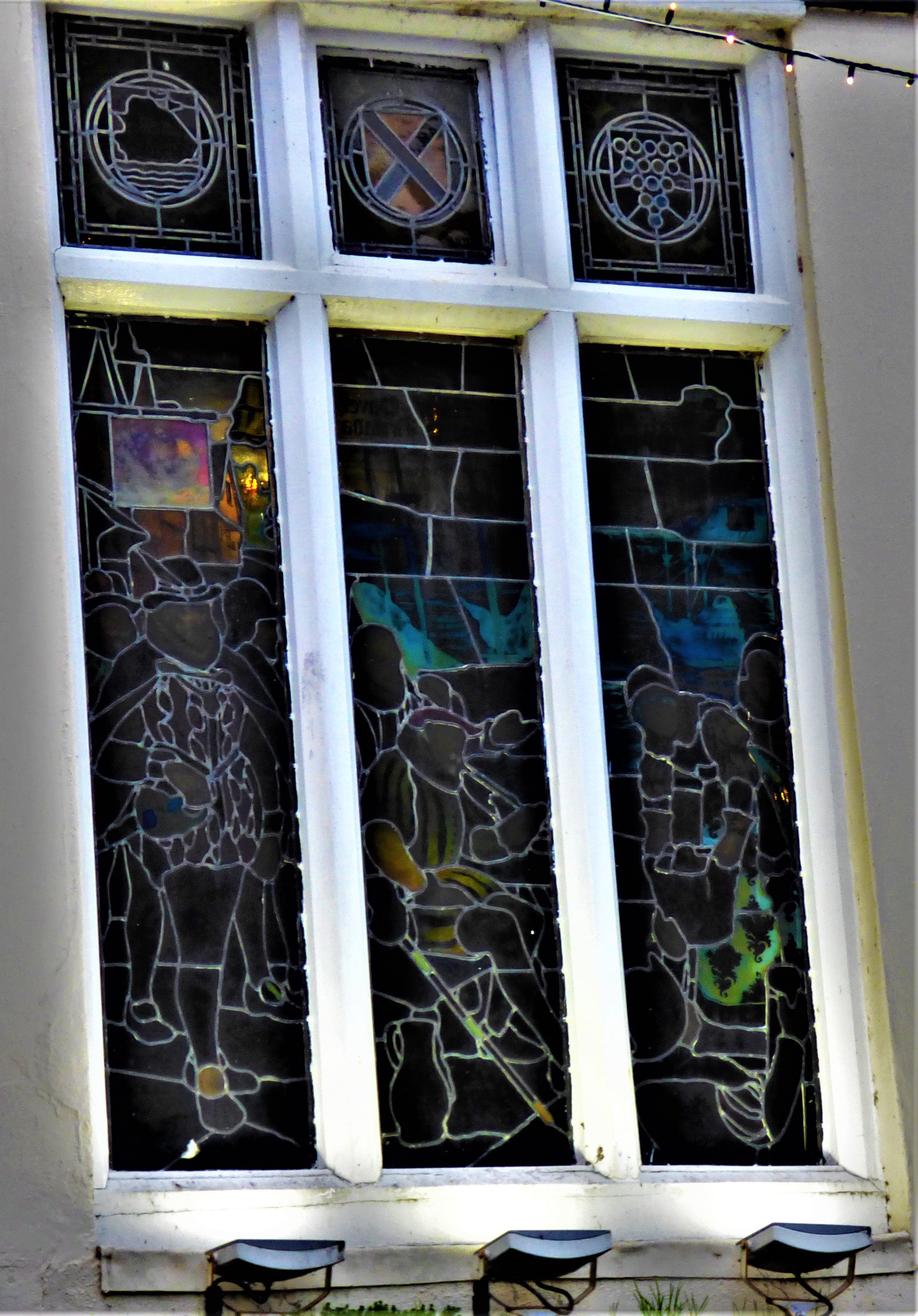
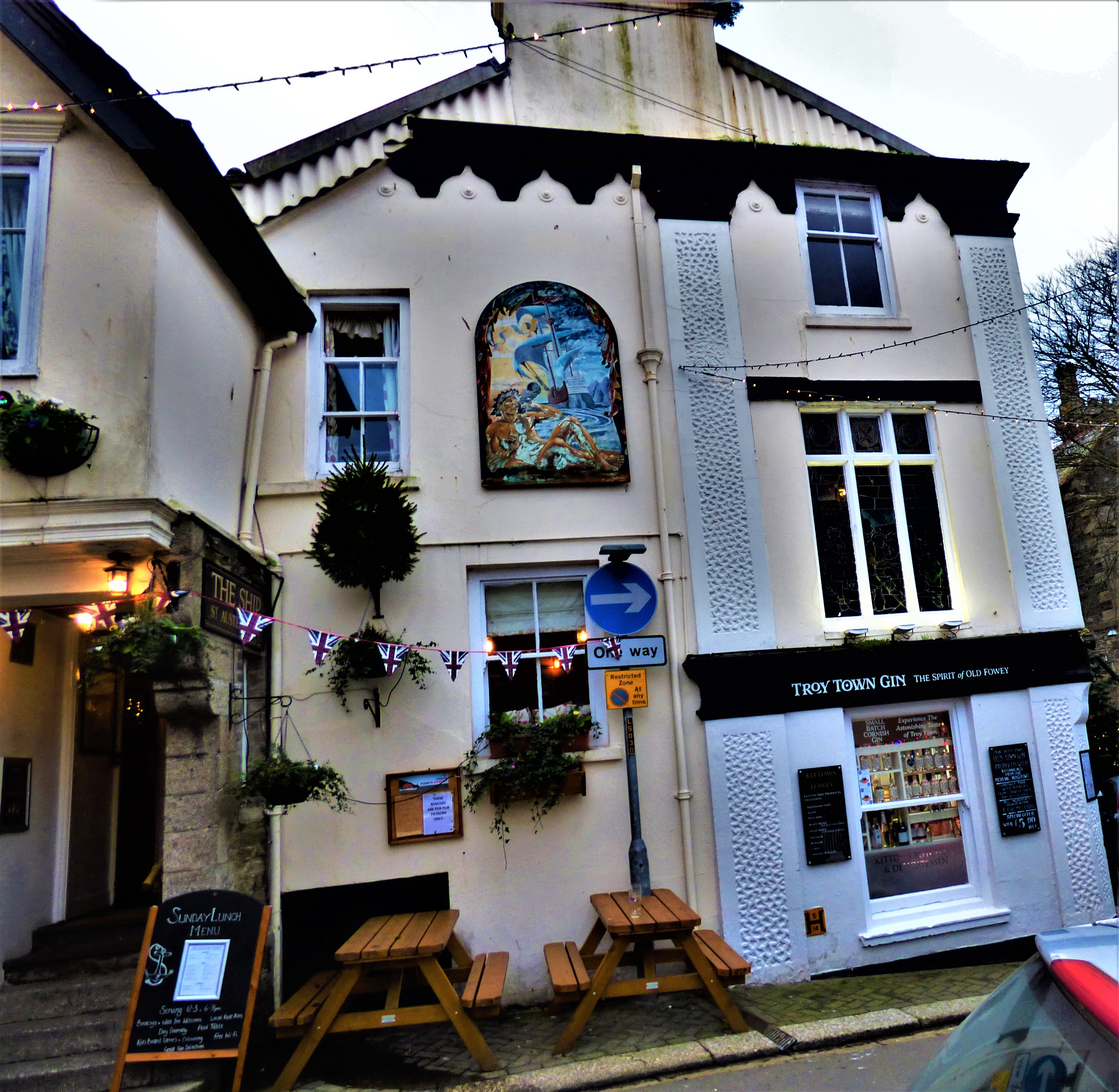
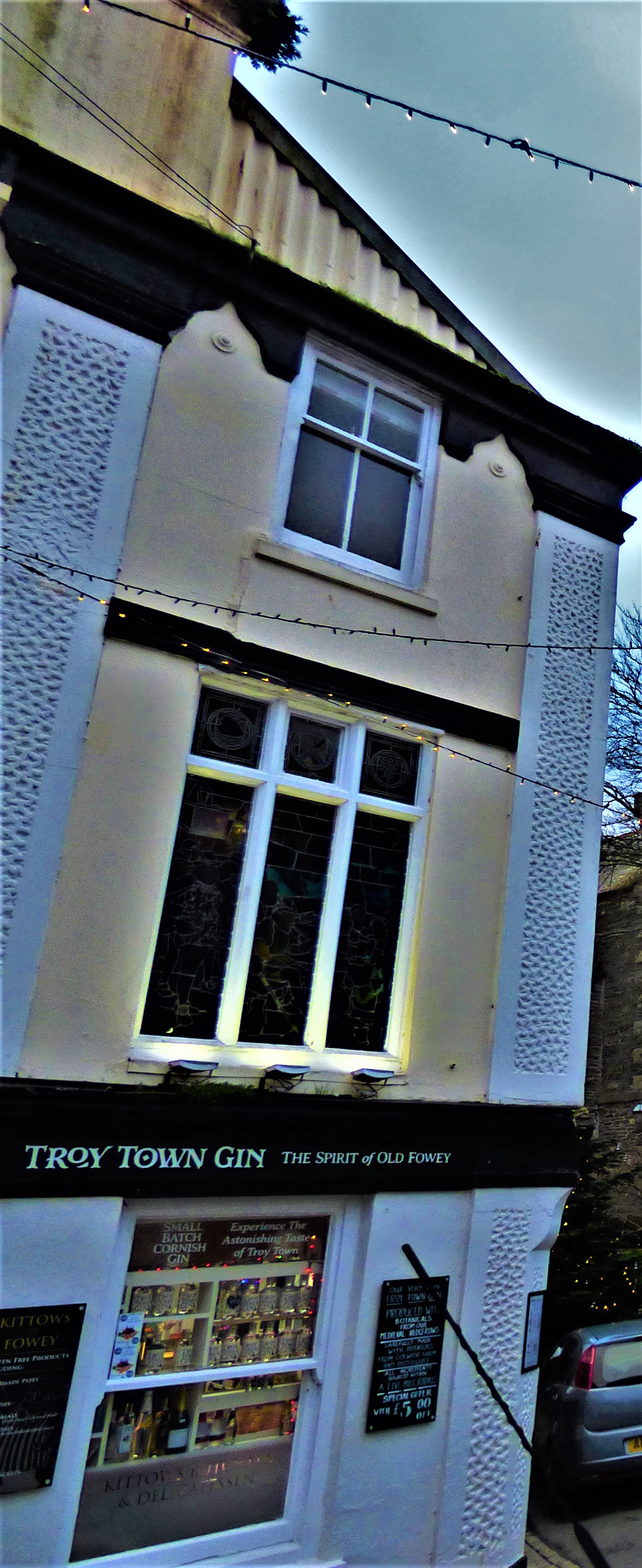
The town of Fowey (pronounced ‘Foy’ to rhyme with joy) sits on one side of a drowned estuary, with the old fishing village of Polruan, which I have previously visited and enjoyed, on the opposite side (for readers of Bernard Knight’s books this is the Polruan from which Crowner John’s sidekick Gwyn hails). We were there at a quiet time of year, and it was noticeably crowded even so, so I dread to think what it would have been like being there in the summer. I enjoyed it reasonably, but on the whole I cannot recommend it – there are better ways to spend a day in Cornwall than visiting what is for my money an overrated as well as overcrowded town.
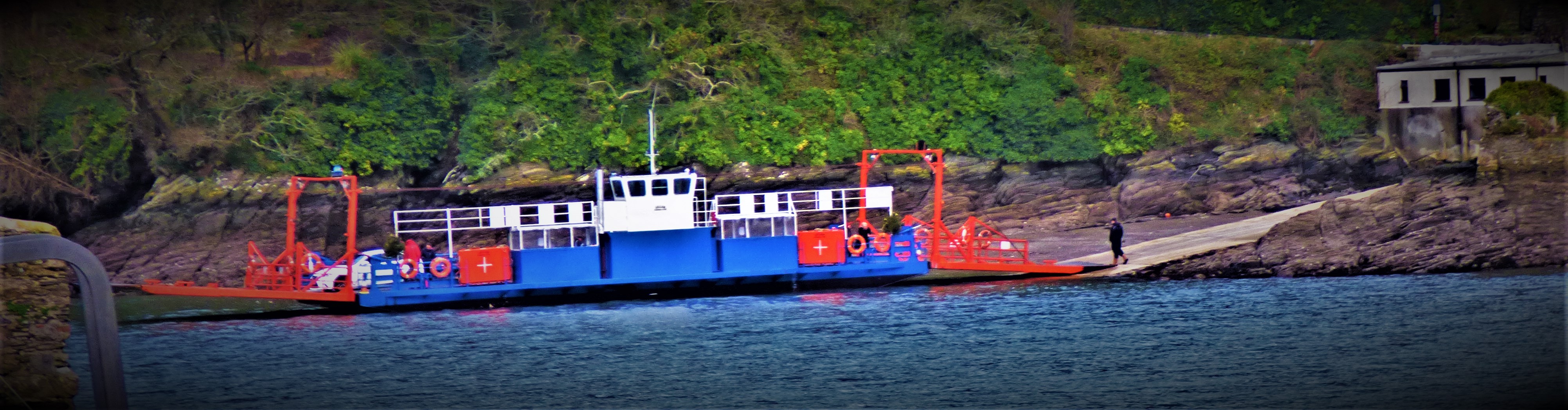
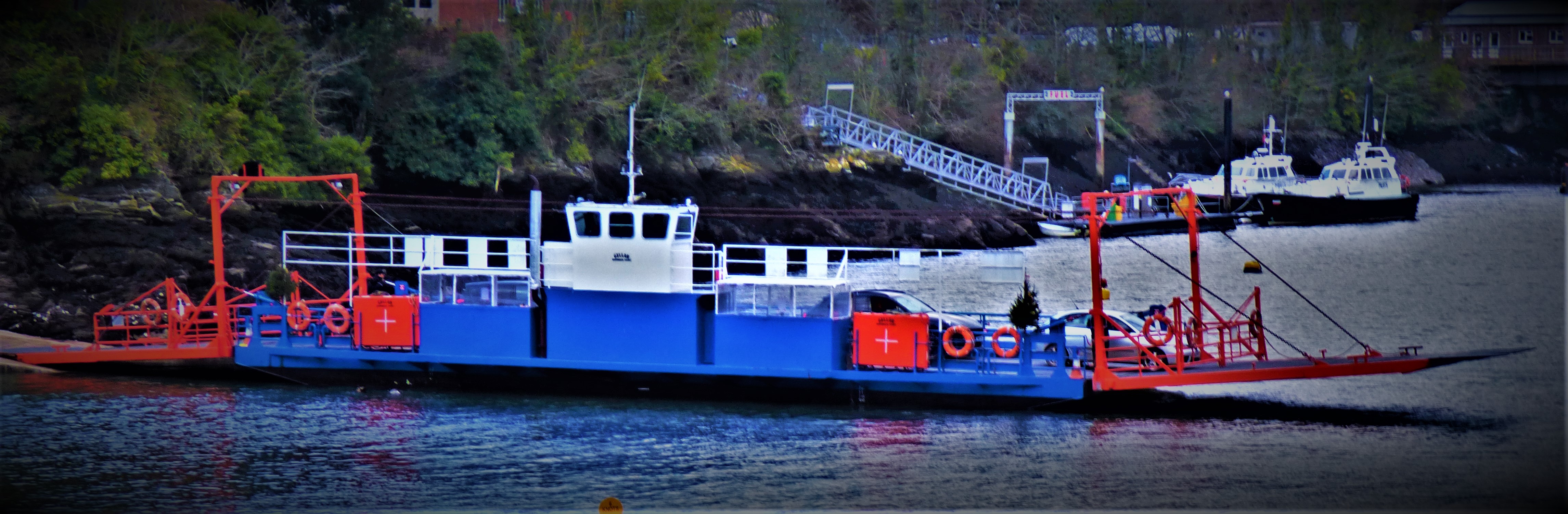
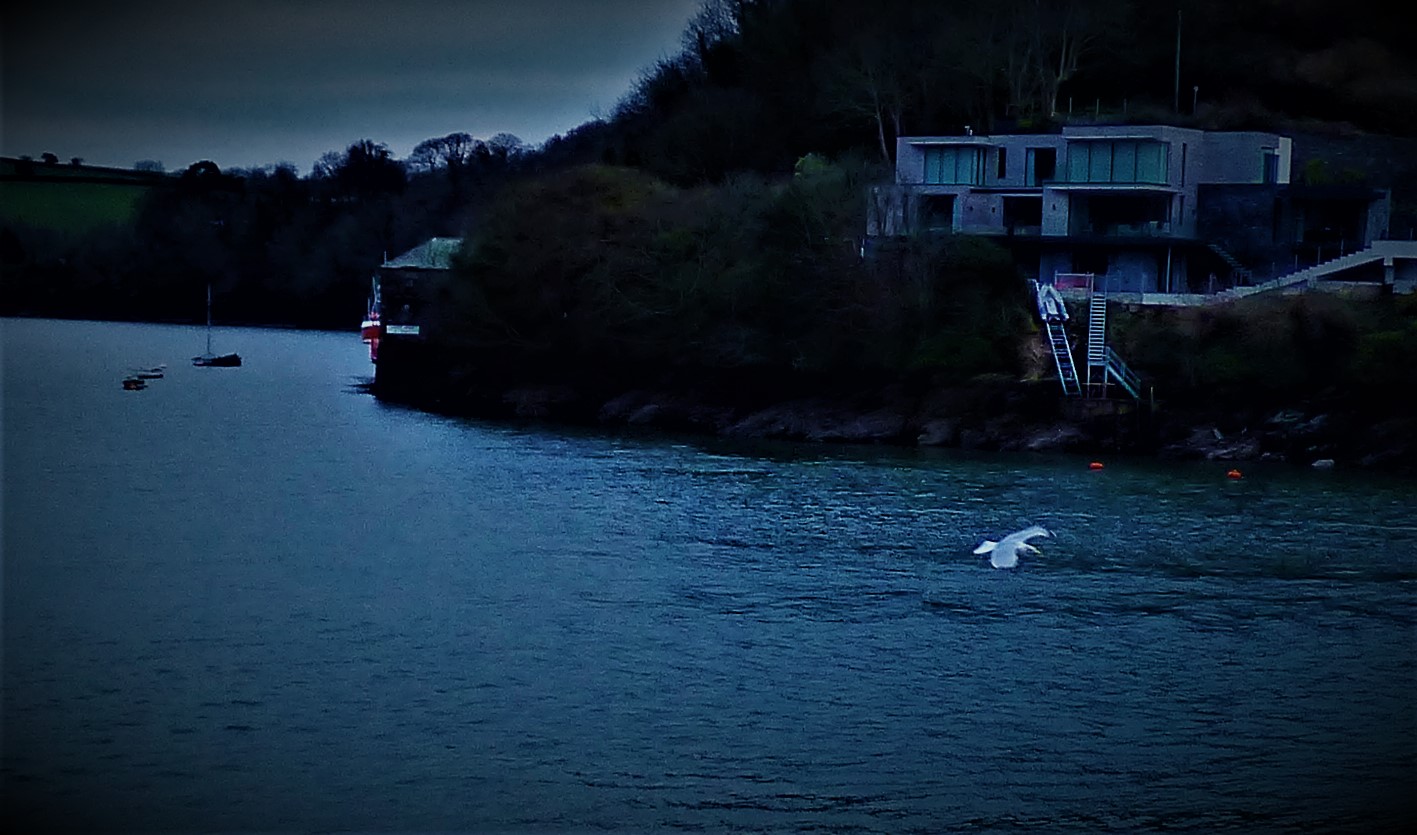
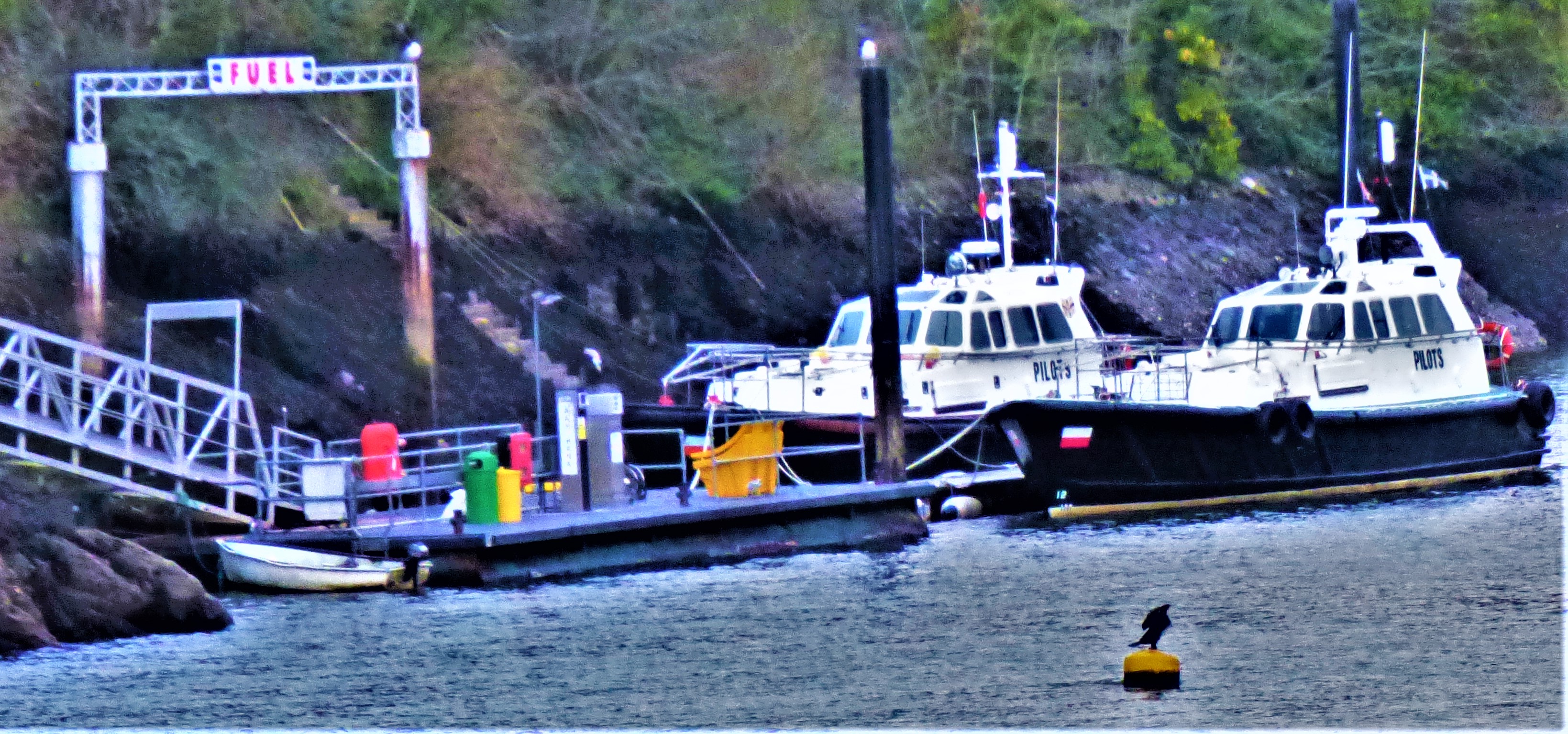
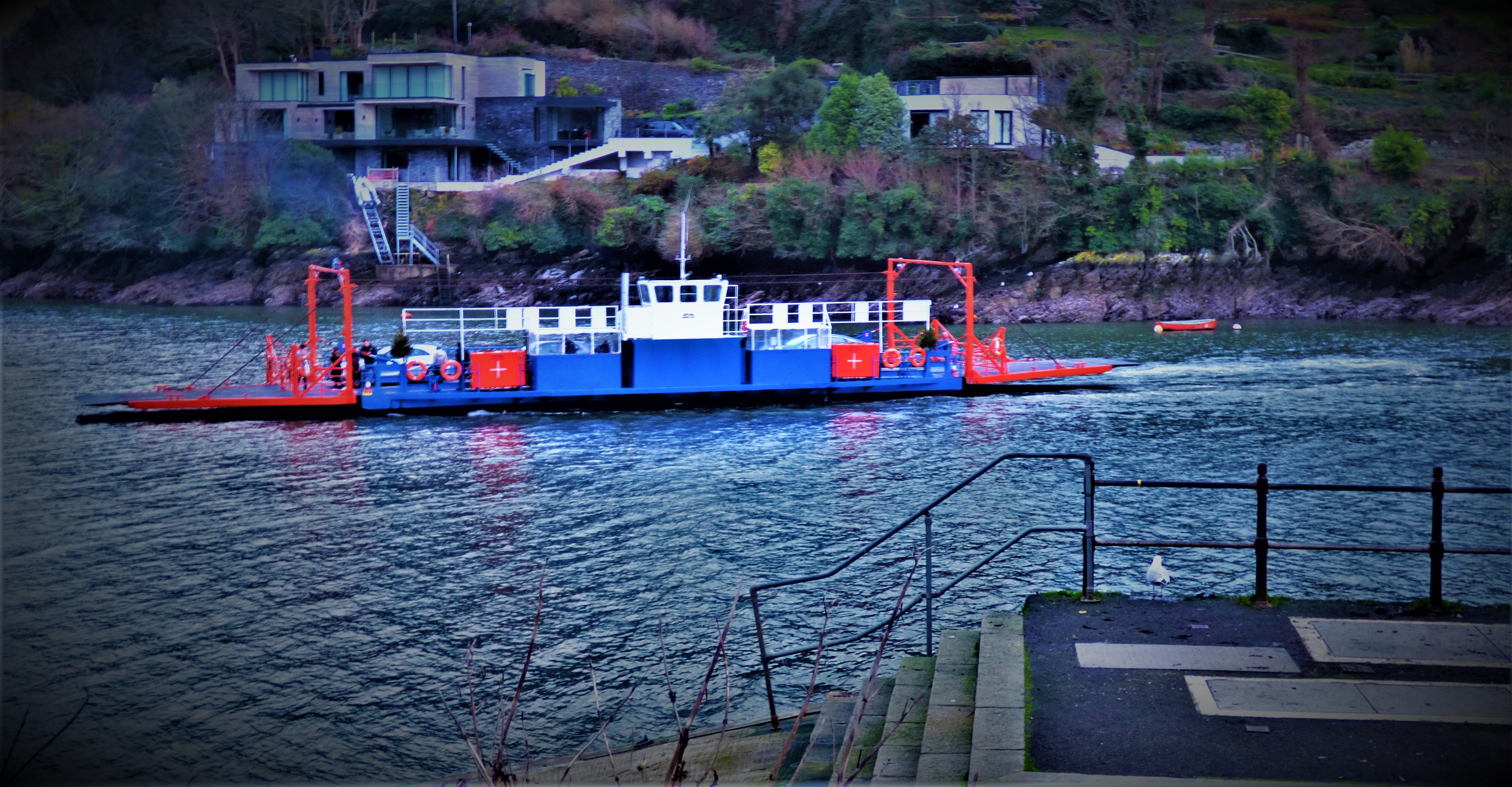
This car ferry route mkaes the Lynn Ferry look adventurous!
Continuing my account of my most recent visit to Cornwall.
INTRODUCTION
Yes, Plymouth is Devon not Cornwall, but my visit to the town was part of my stay in Cornwall, so it belongs in this very spread out series of posts.
THE WAR MEMORIAL
This particular memorial honours those lost at sea as well as those killed in war, because Plymouth is very much a naval town.
A first, distant view of the memorial
A series of close-ups – each vertical bronze panel around the base is a list of names.
OTHER PICTURES FROM HISTORIC PLYMOUTH
There were plenty of other things to see around the sea-front…

A quirky pavong arrangement…
…and an explanatory plaque
AN ITEM OF SHERLOCKIANA
It will be no news to followers of this blog that I am a fan of the world’s first and greatest consulting detective, so it was pleasing to acquire a photograph with a connection in that direction:
One of Holmes’ most famous cases takes place on Dartmoor, not far from Plymouth.
THE RETURN CROSSING
It was now time to recross the county boundary into Cornwall, one again on the Edgecumbe Belle.
A Boxing Day post composed of pictures and puzzles – enjoy!
INTRODUCTION
I have five puzzles to share (all via the mathematical website Brilliant– I am approaching a double century, my current solving streak now extending to 199 days) and photos that I have categorized in four groups. Therefore I will be interleaving puzzles and pictures.
PUZZLE 1: LOGIC
This is an easy one – Lestrade would probably solve it without amateur assistance!
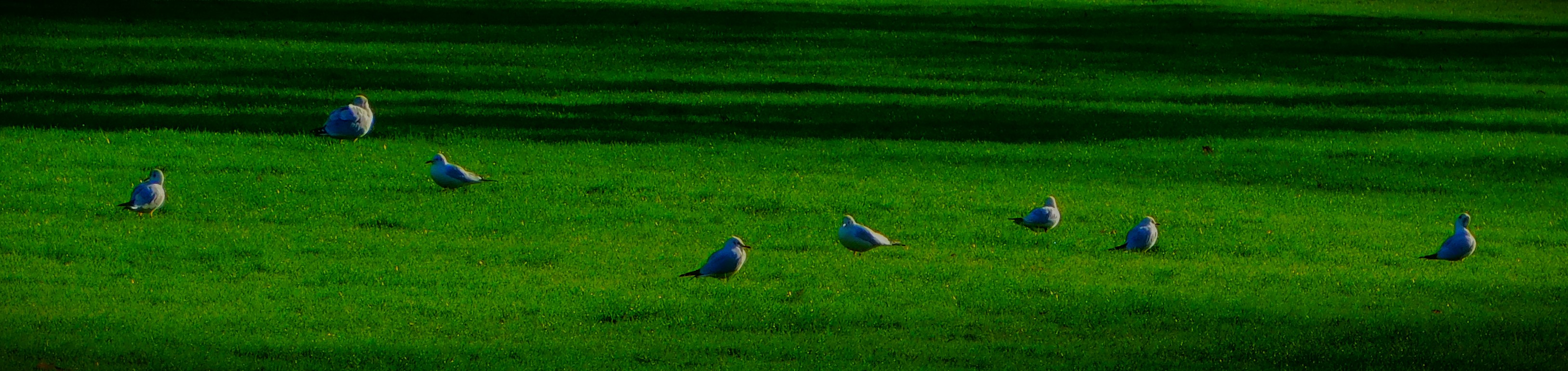
PHOTOGRAPHS 1 – CAIRINA MOSCHATA
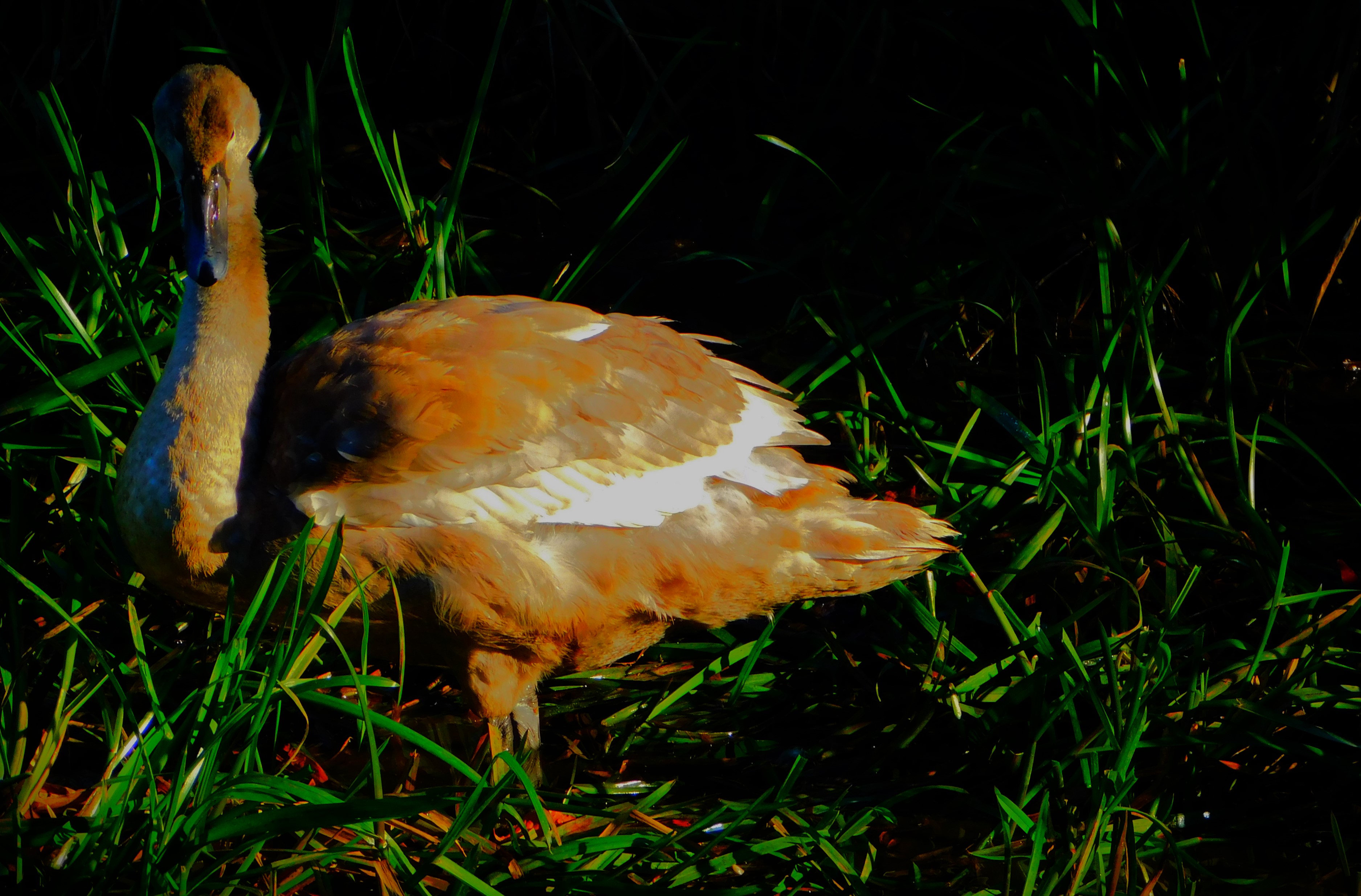
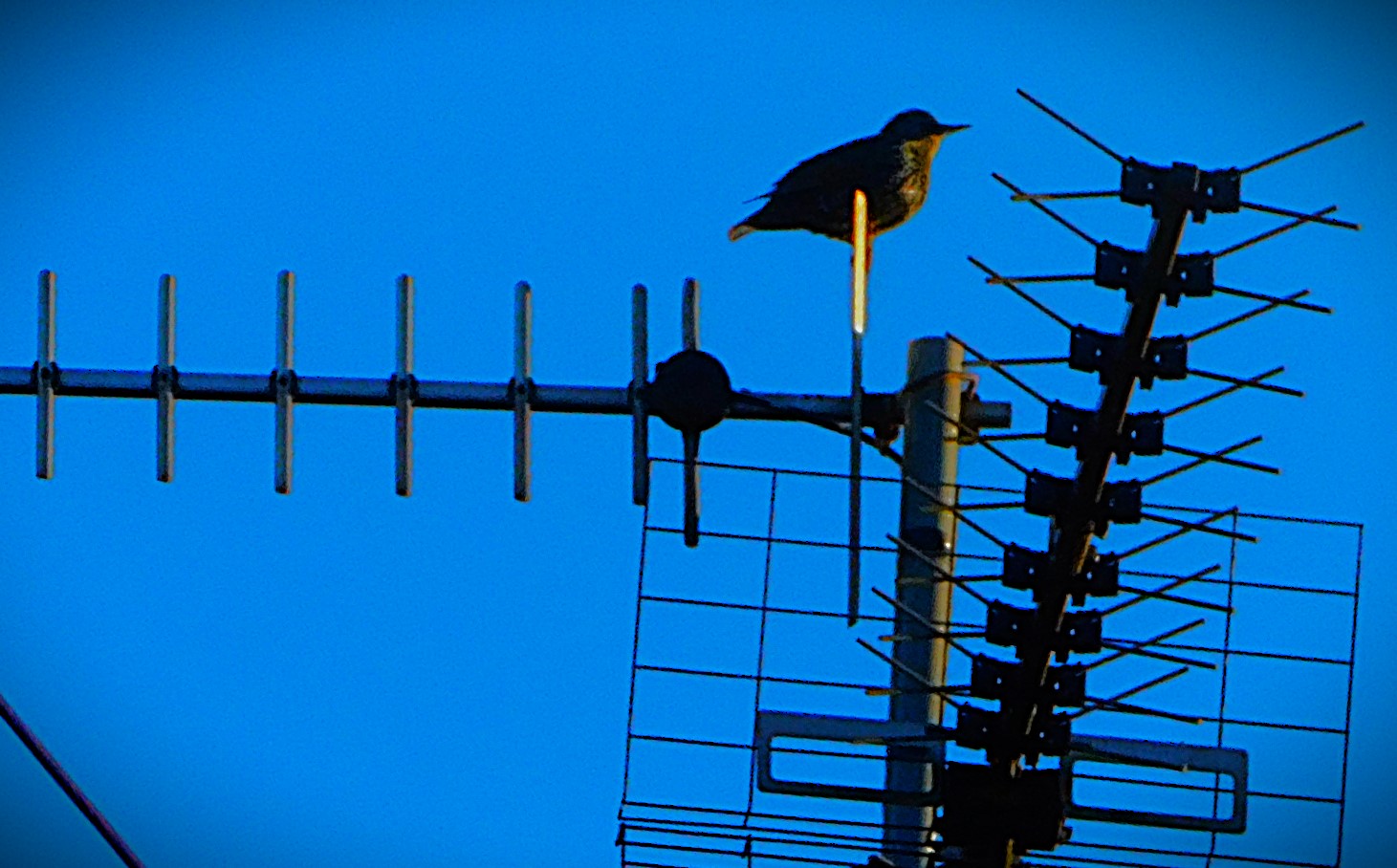
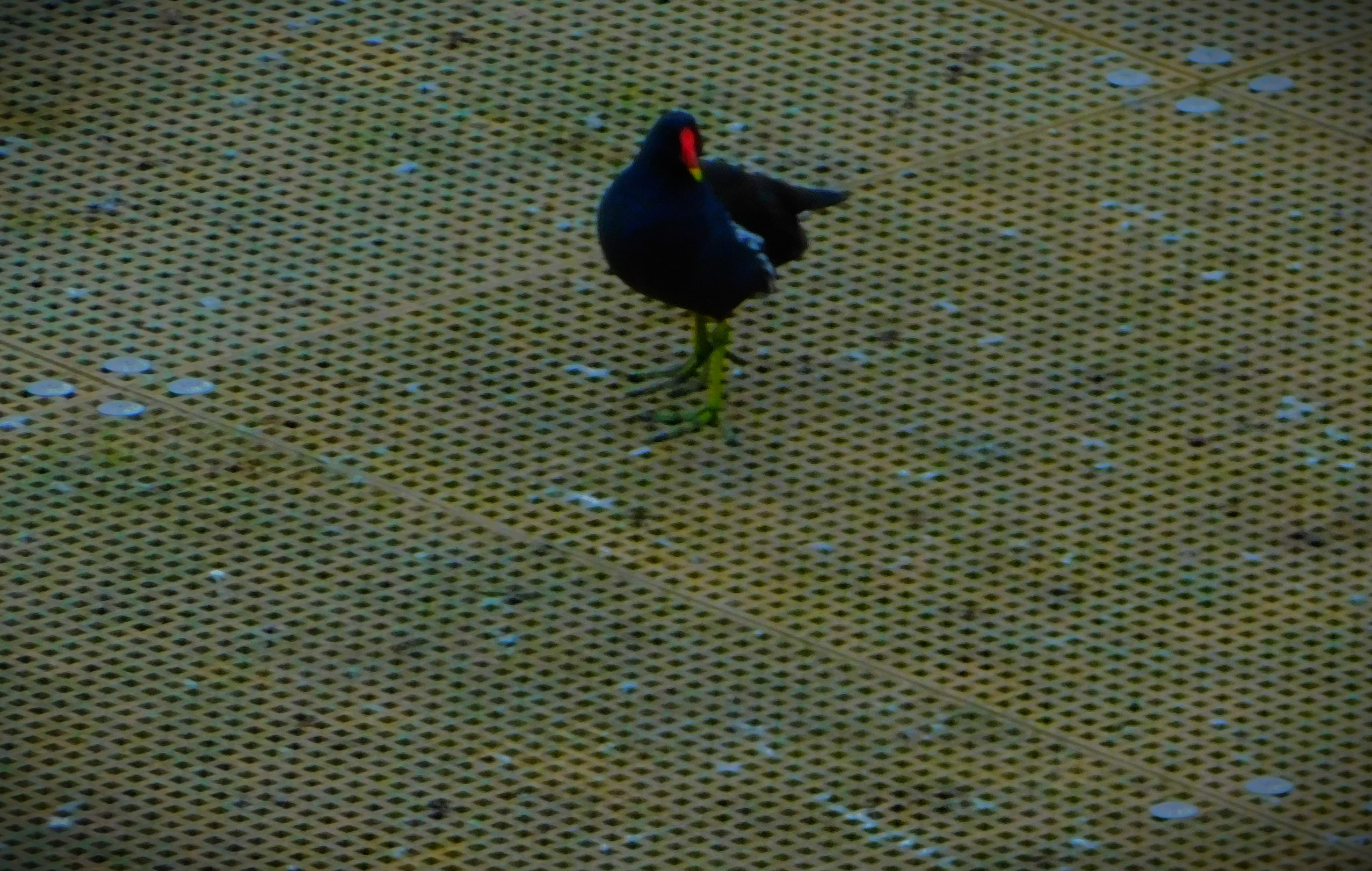
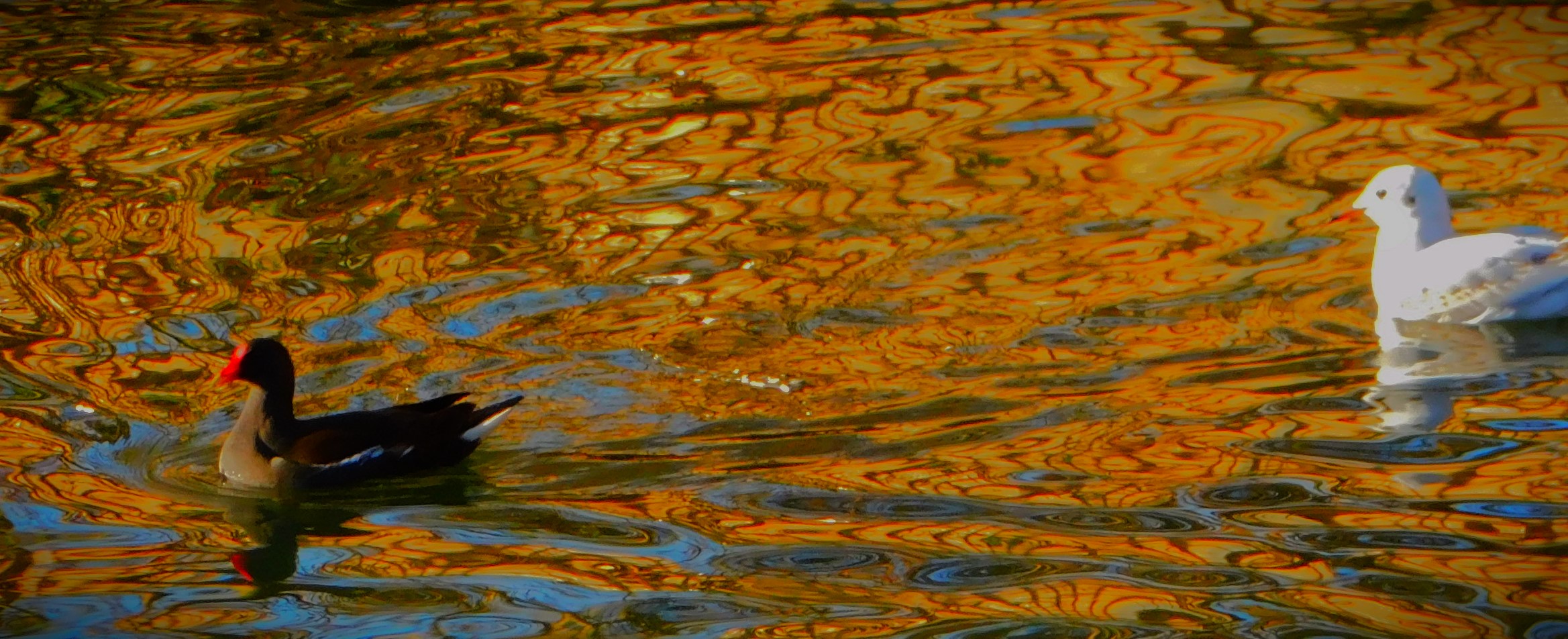
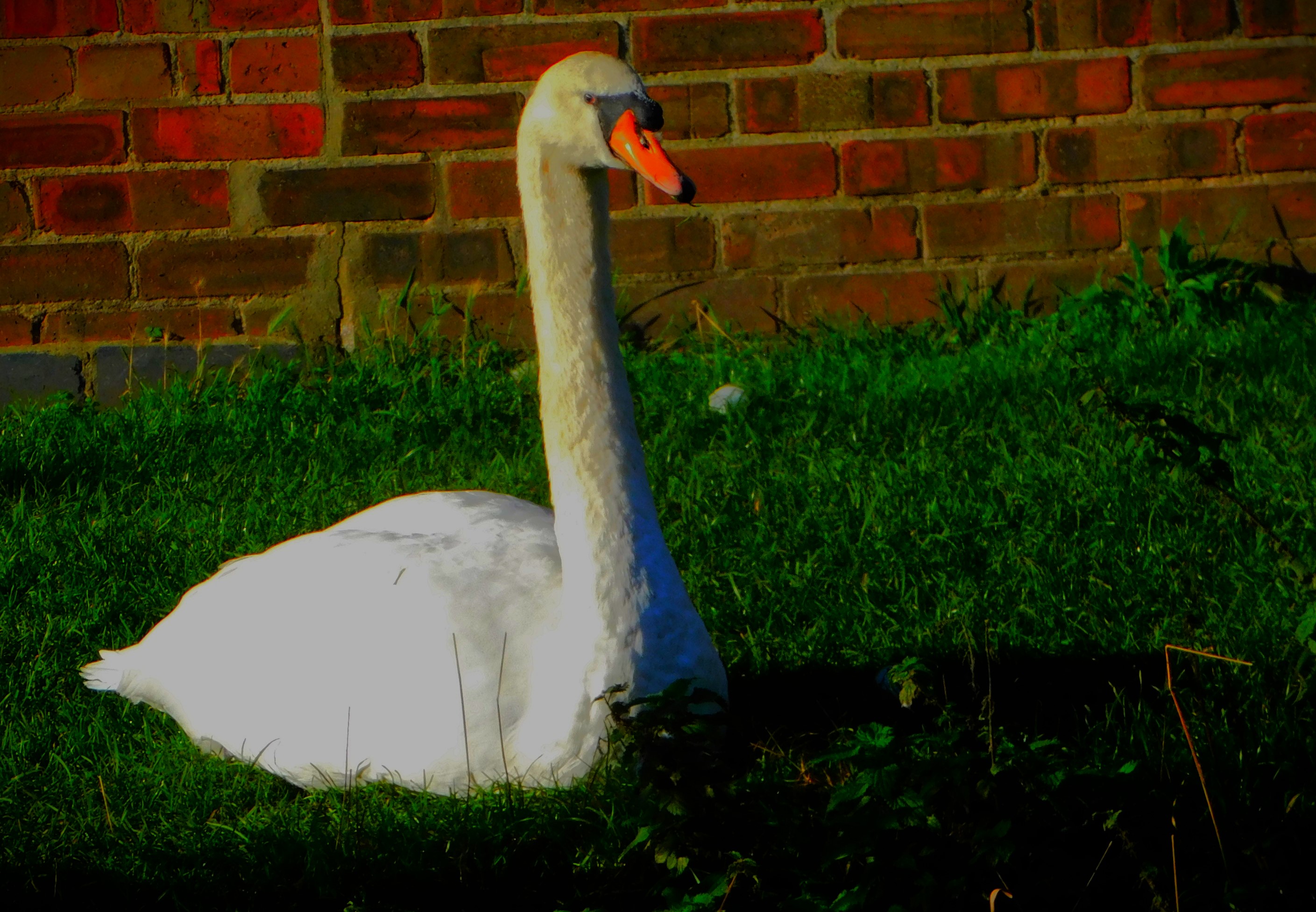
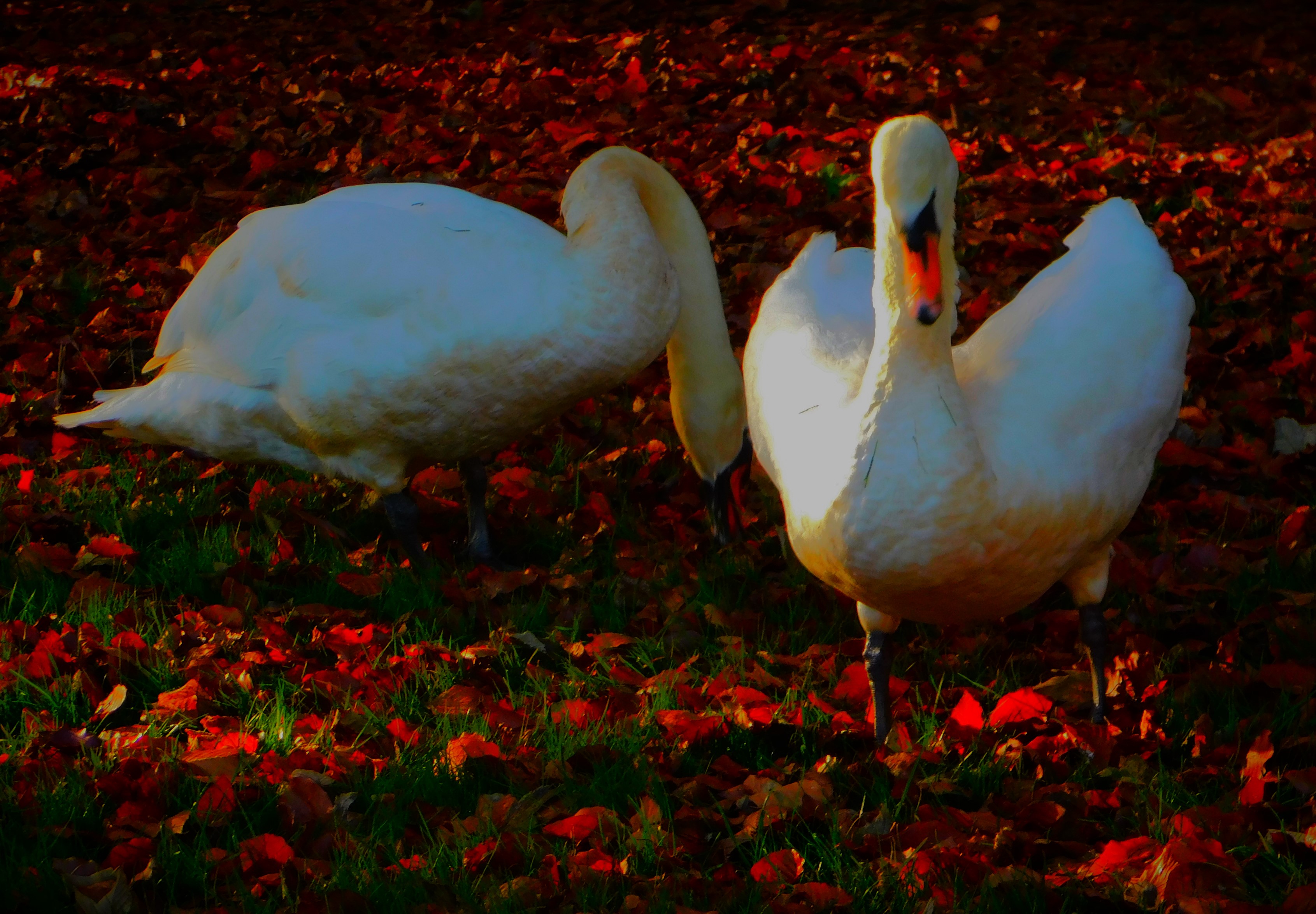
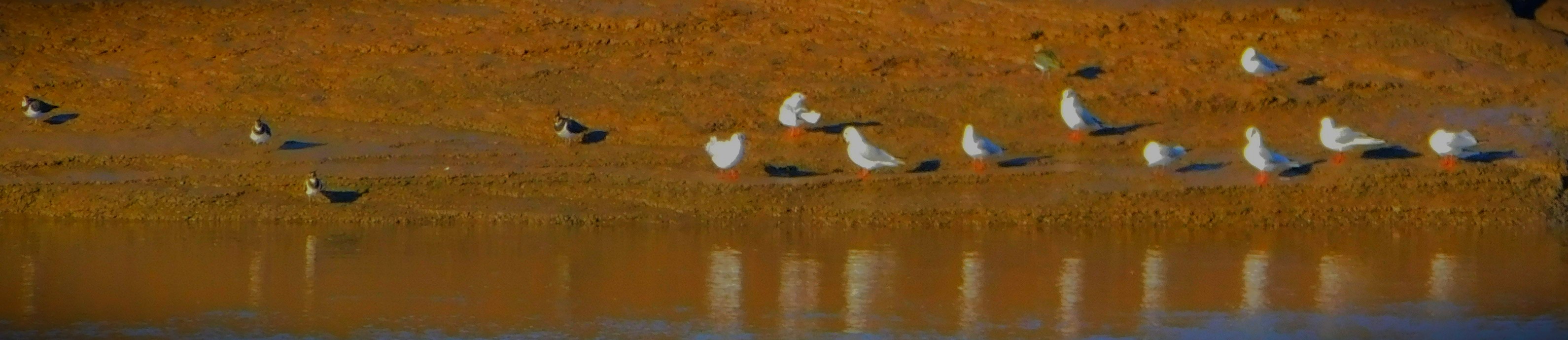
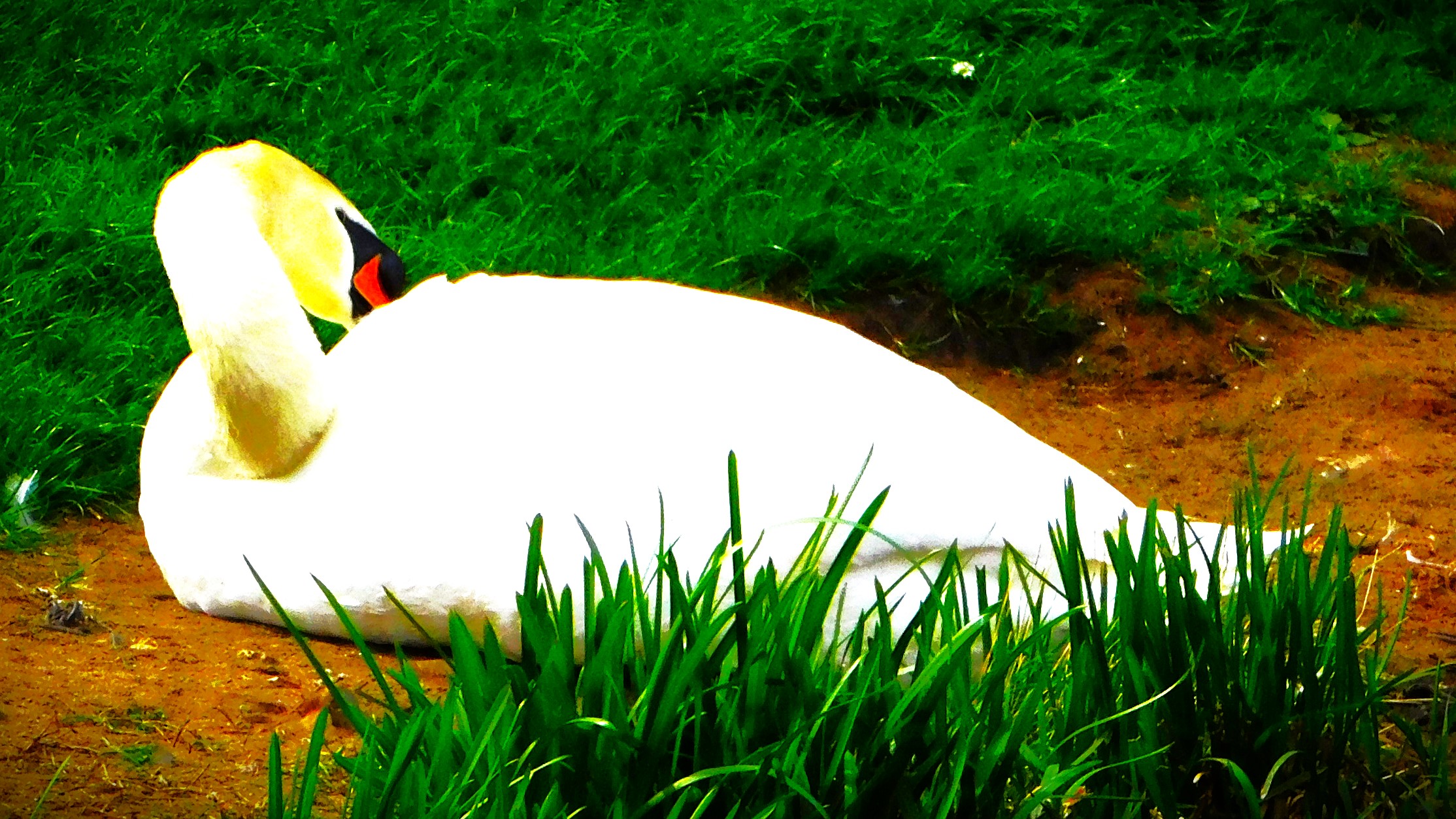
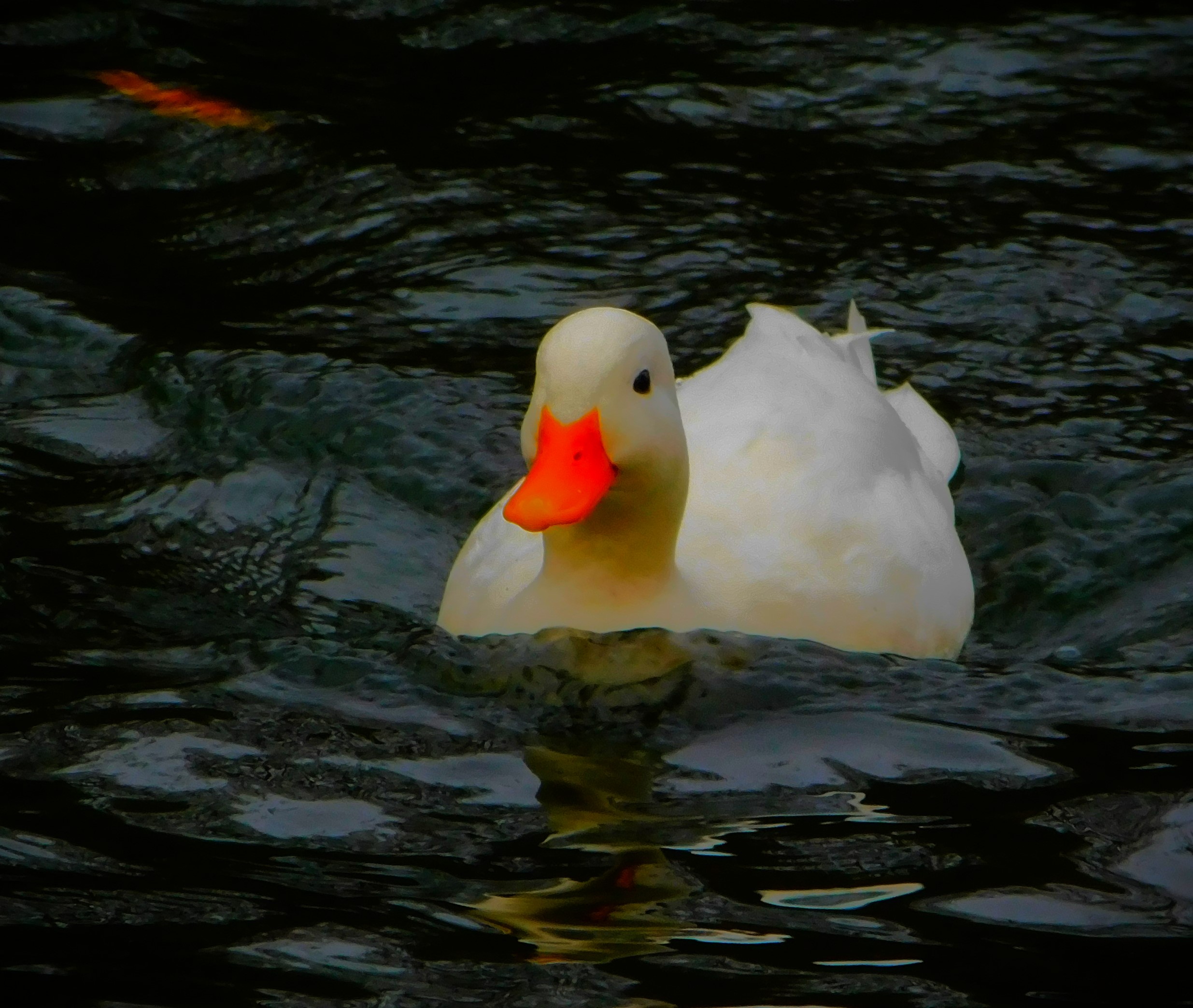
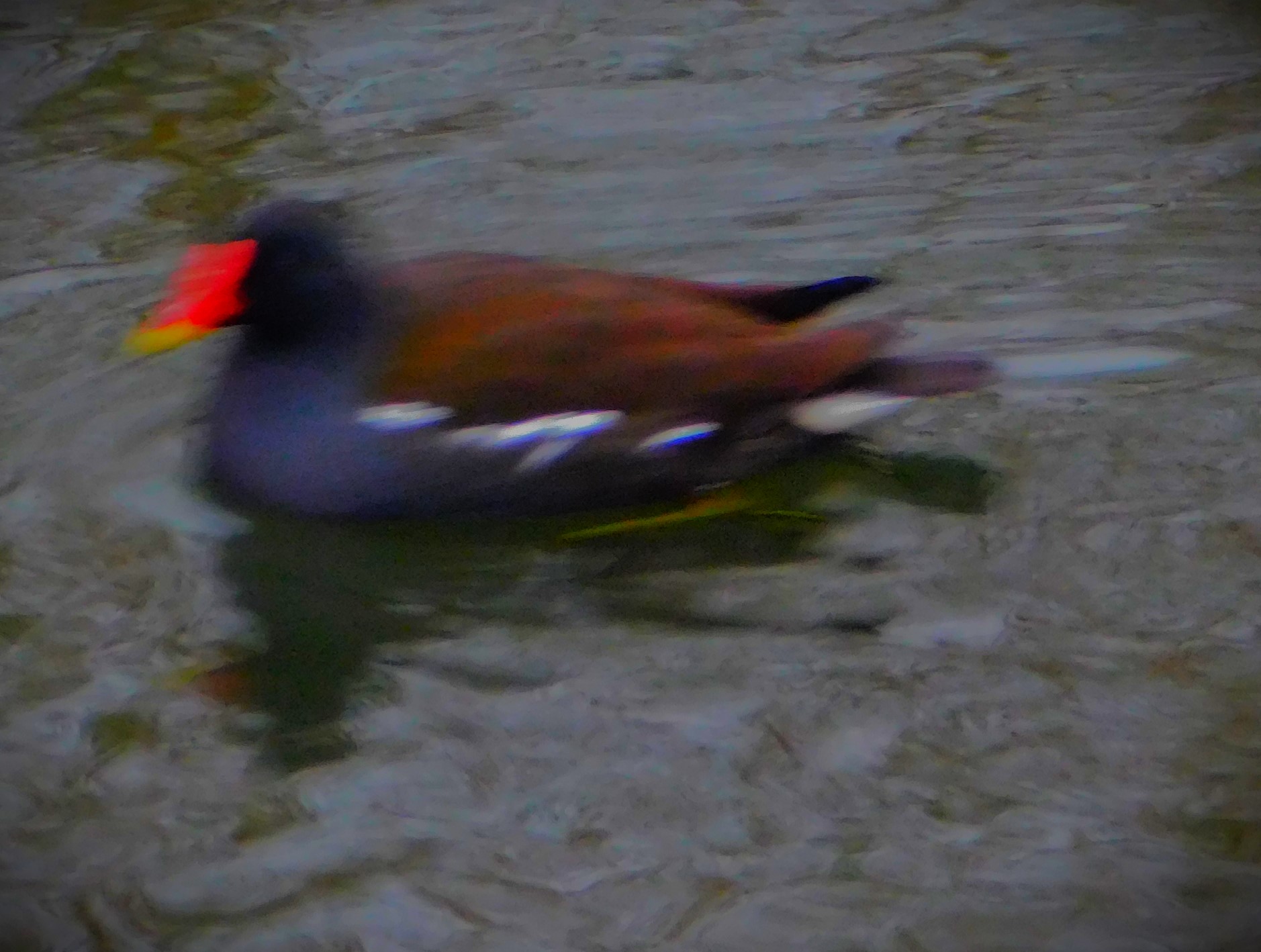
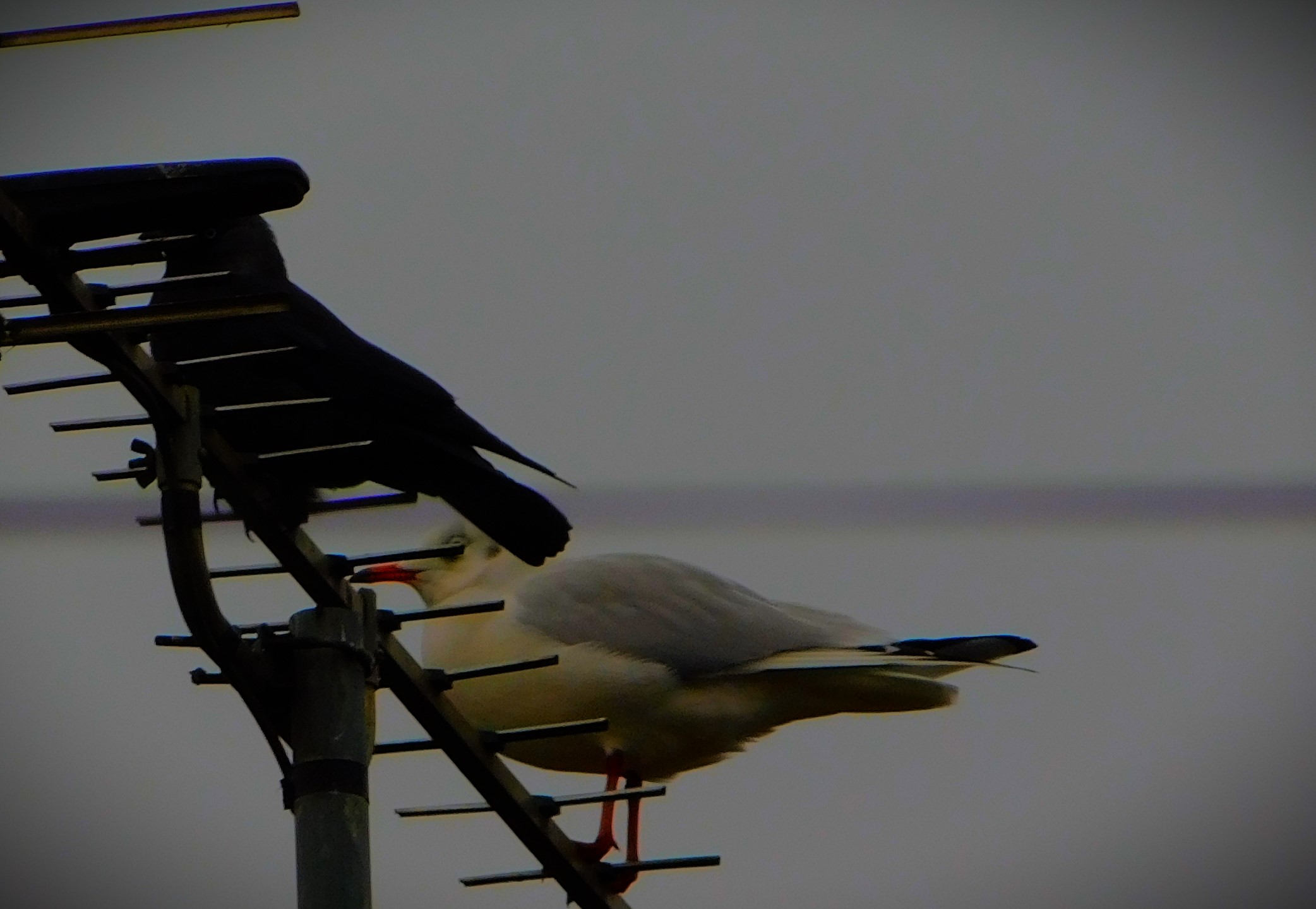
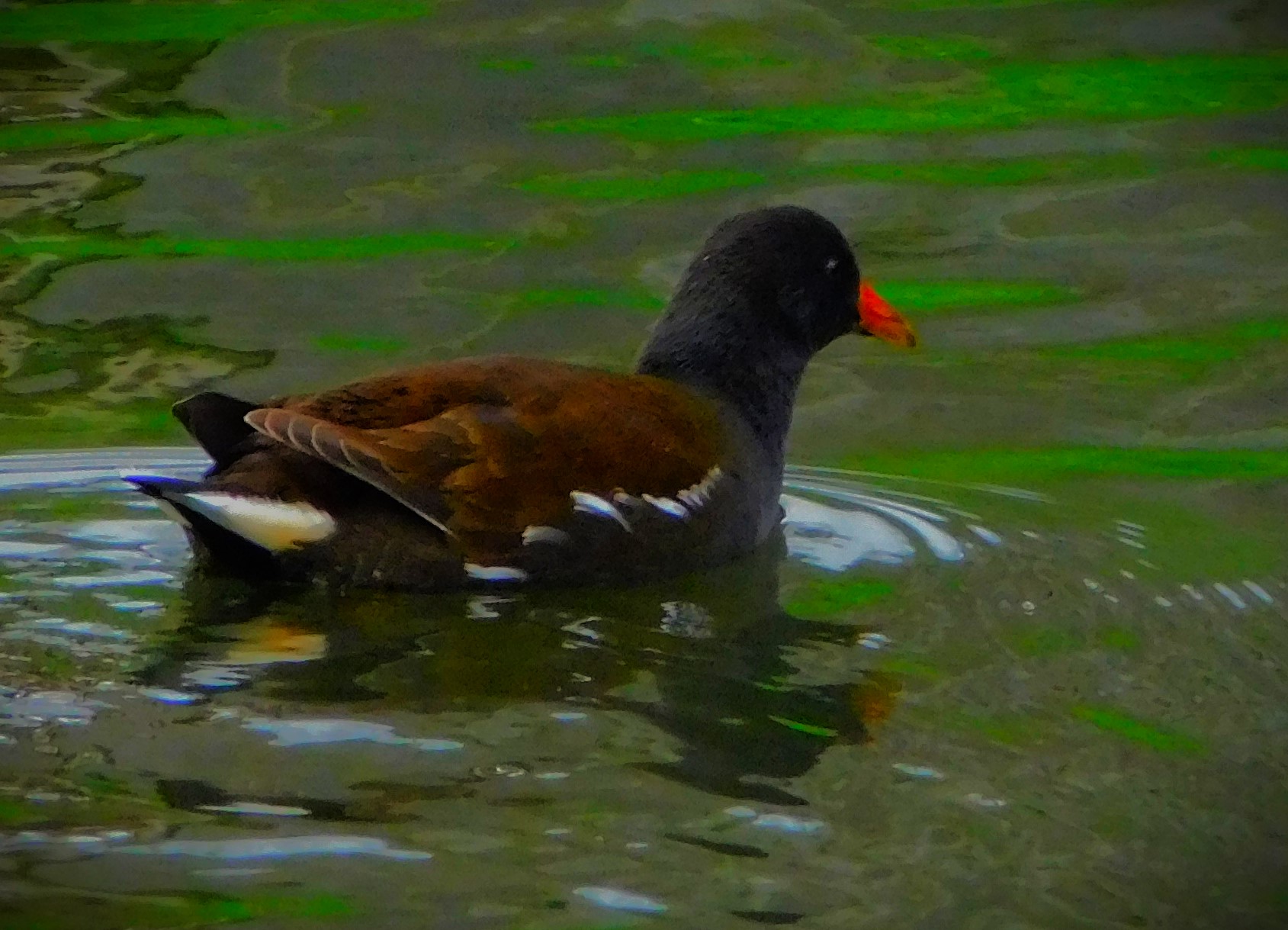
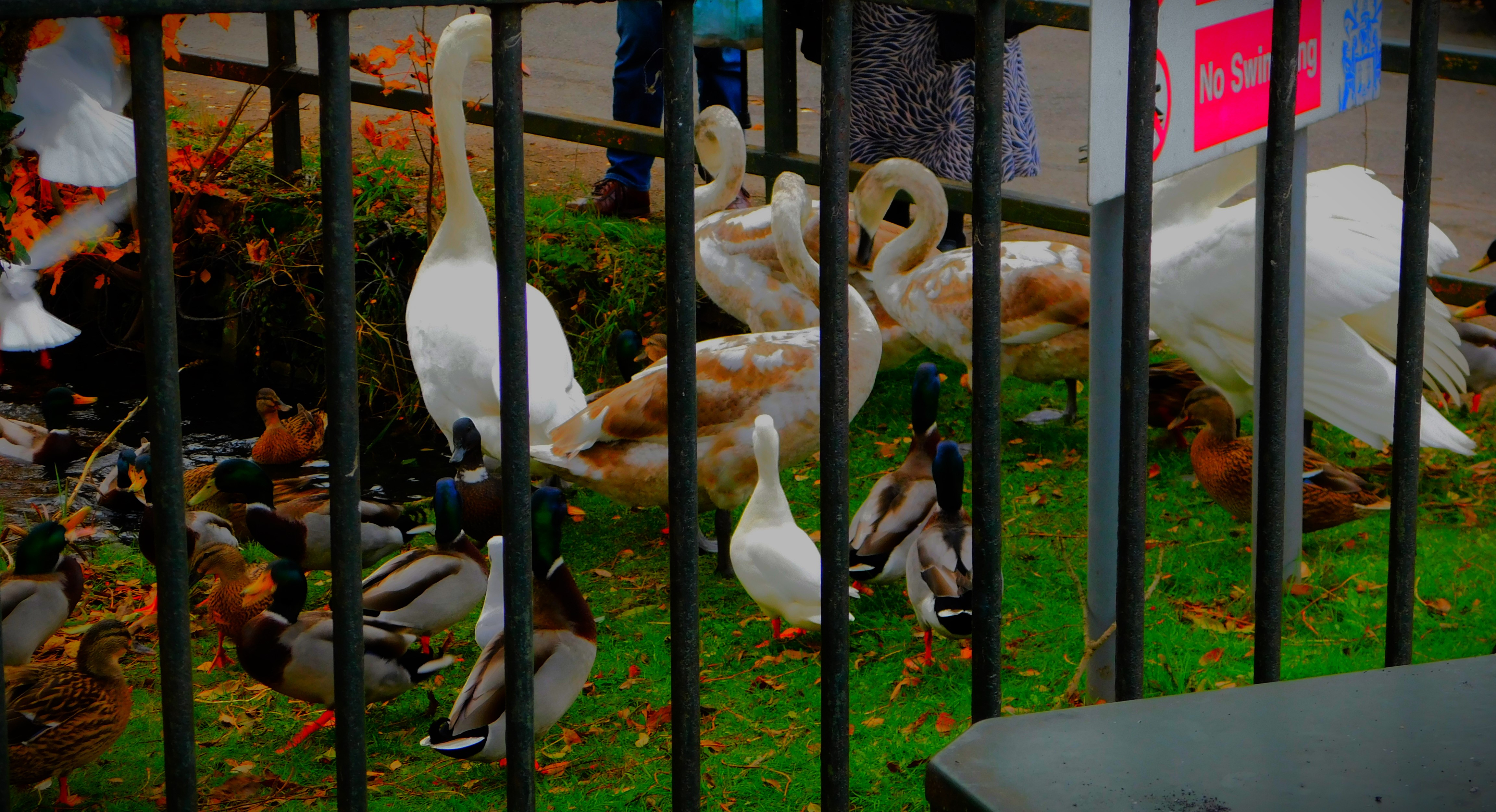
In preparation for the Christmas Day festivities I went for a walk yesterday morning, and many of the photos you will see were taken during that walk – others were taken at other times of the day. I first came across these birds when they were in a group near Kettlewell Lane, and since then I have seen a single specimen, in The Walks, on three separate occasions, most recently yesterday:
PUZZLES 2: AN AREA CHALLENGE
This one should not be too difficult either:
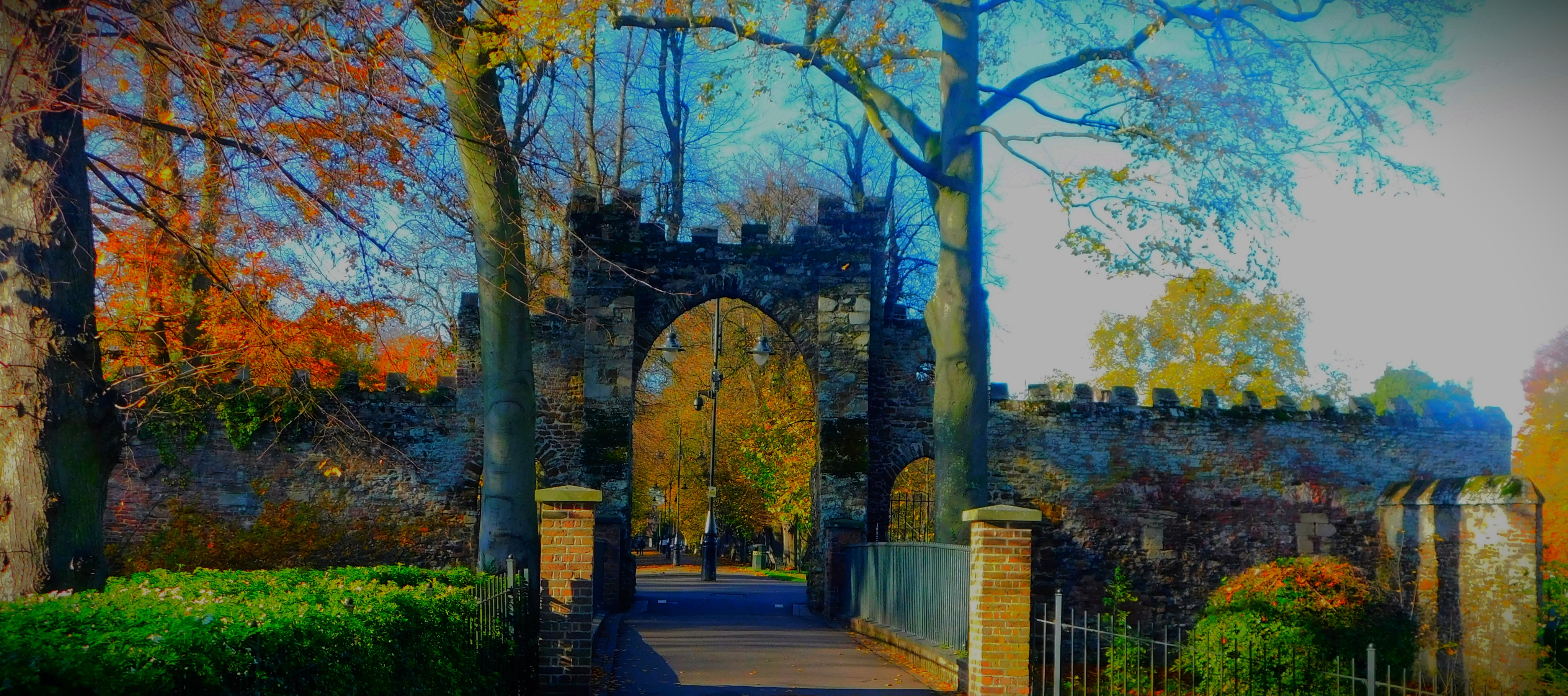
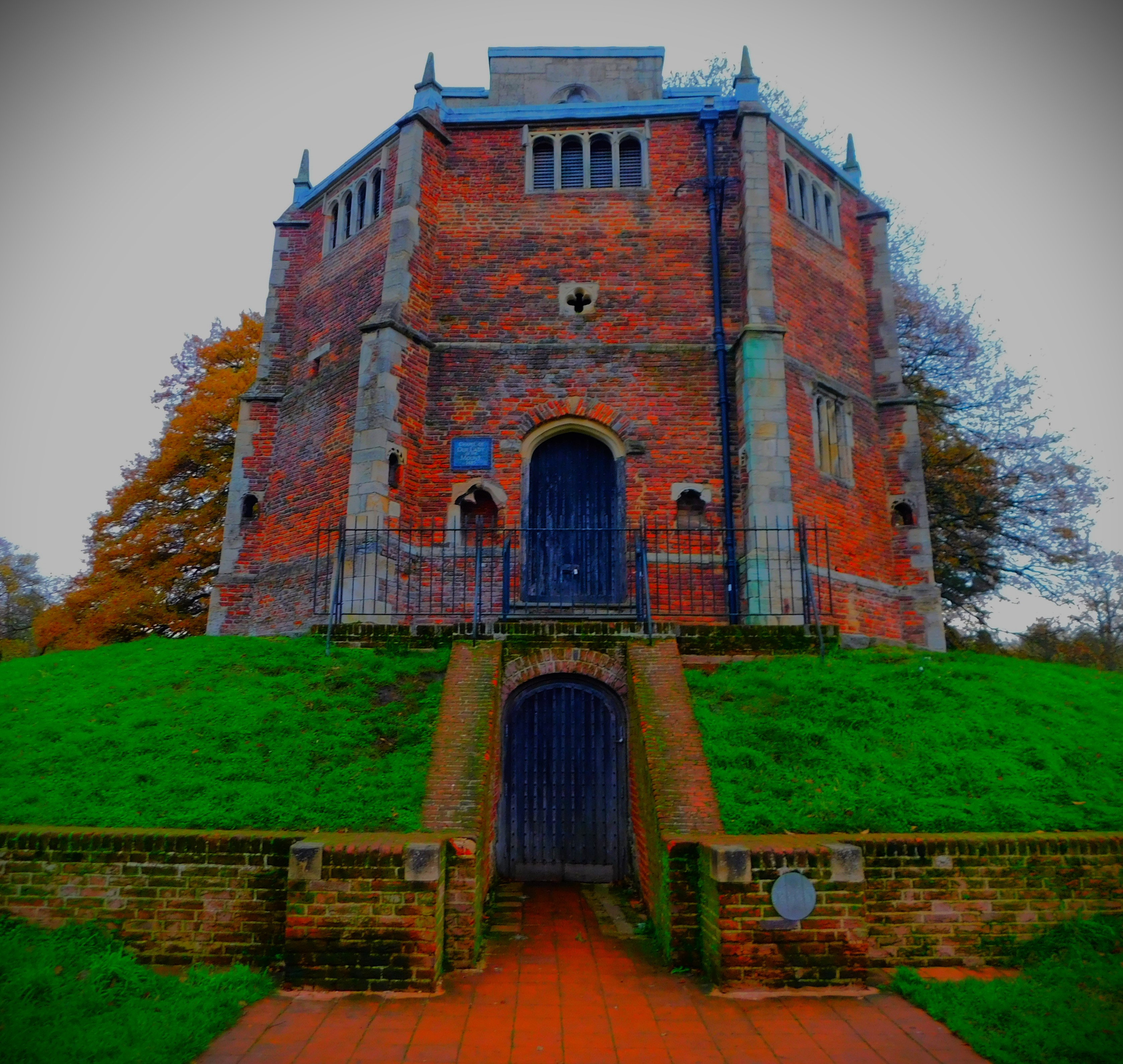
PHOTOGRAPHS 2: BUILDINGS
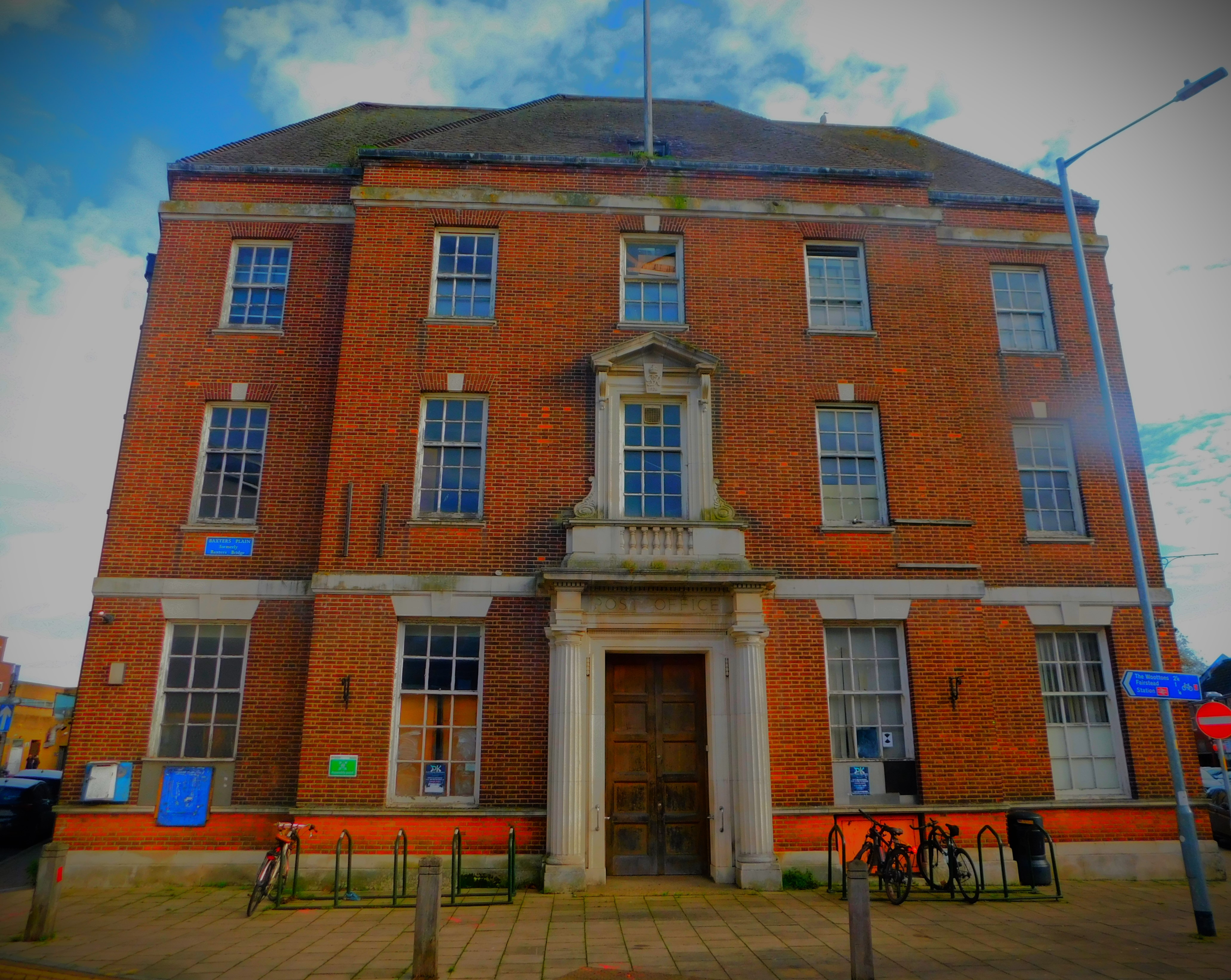
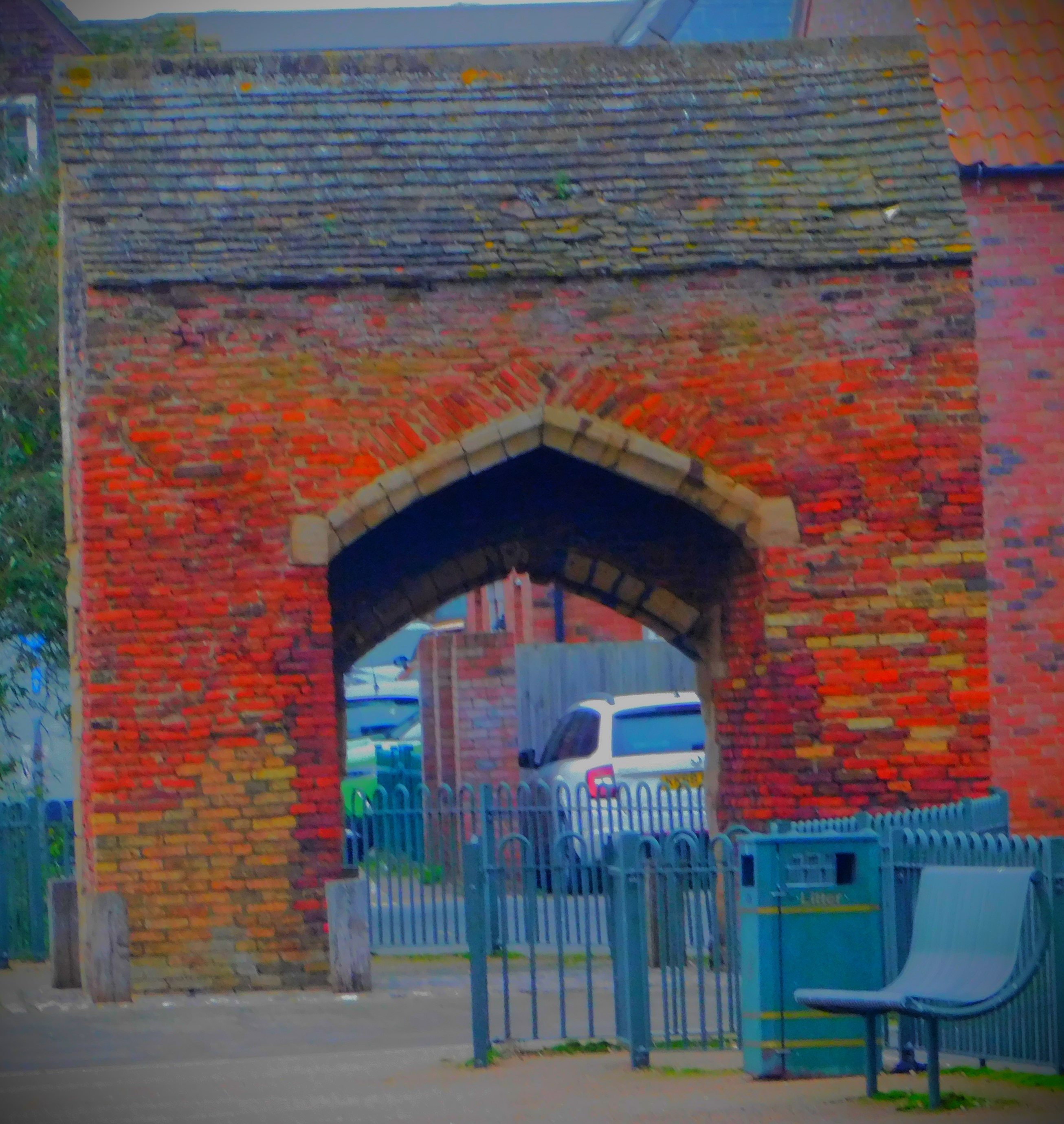
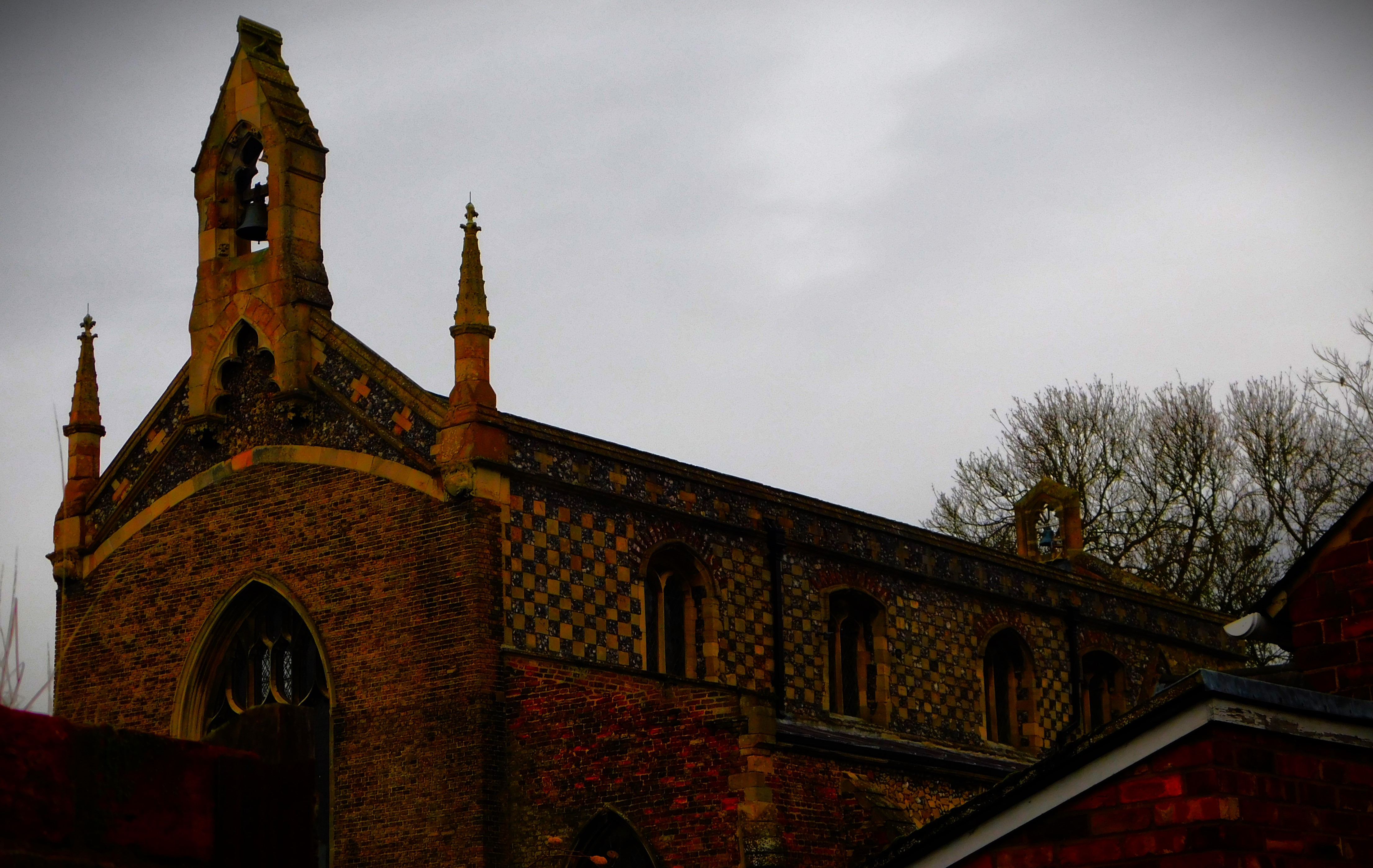
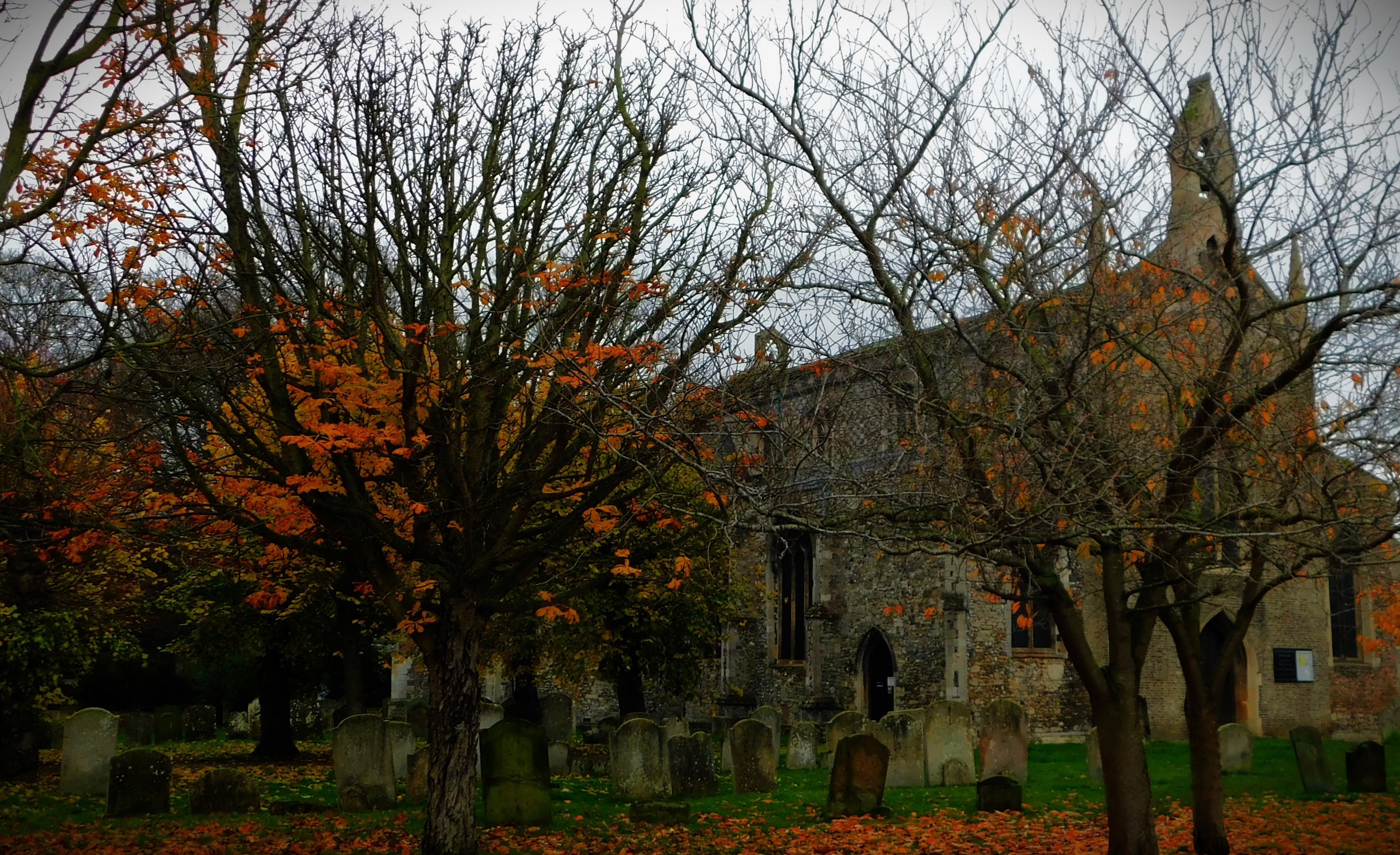
When everything is closed the opportunity is there to get unimpeded pictures of buildings that are usually busy.
PUZZLE 3: EVEN AND ODD
This is one is tricky rather than difficult per se – and only 37% of solvers on Brilliant managed to crack it:
PHOTOGRAPHS 3: LOCAL HISTORY
Recent renovations in the building that my aunt’s house is part of have revealed some very interesting little details, and I also got some interesting shots from the house of the person with whom we had Christmas lunch.
The first 13 pictures are from Hampton Court (no superstitions and no truck with triskaidekaphobia here!)
Two shots of the wooden beams at the house where we had Christmas lunch
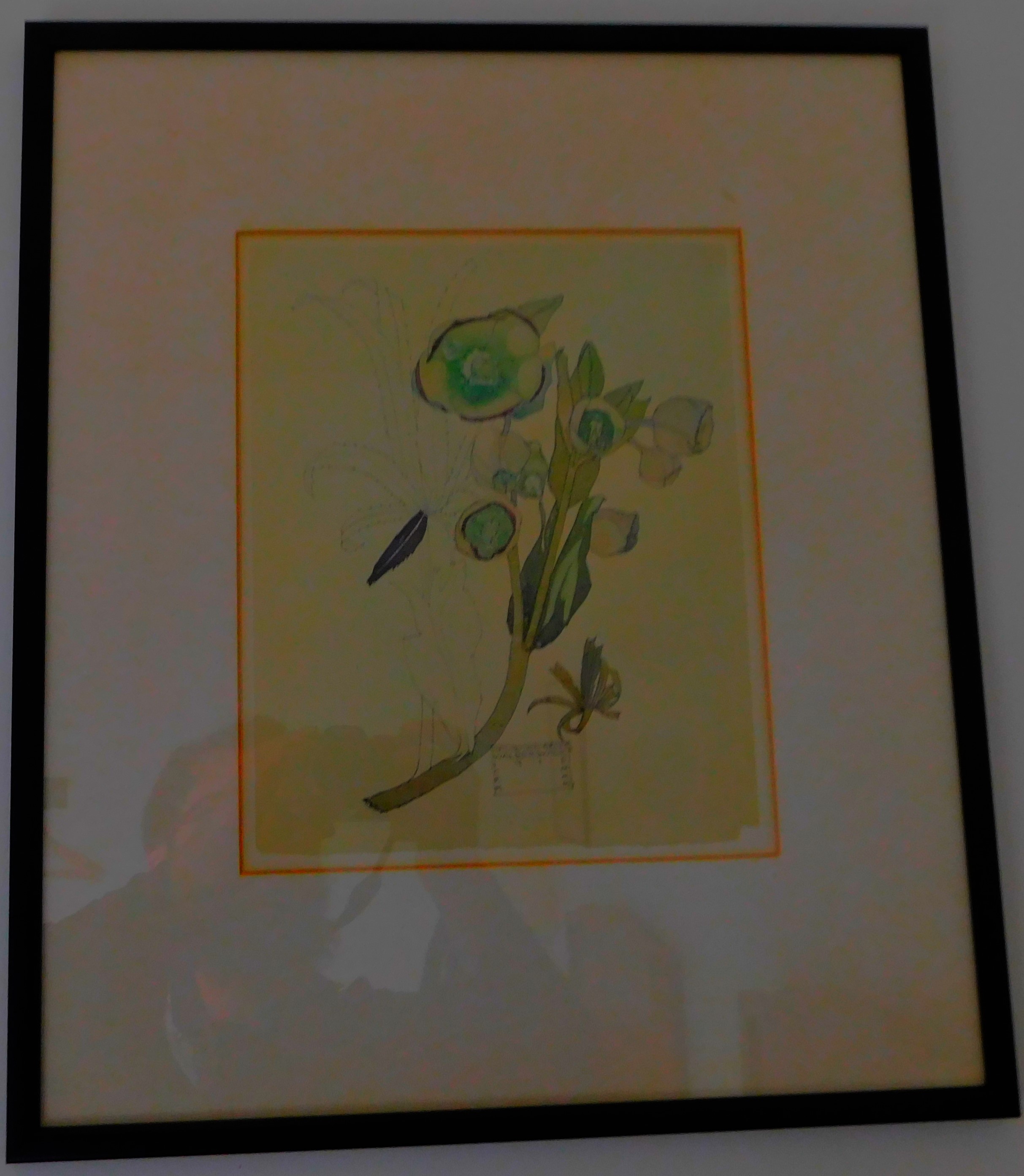
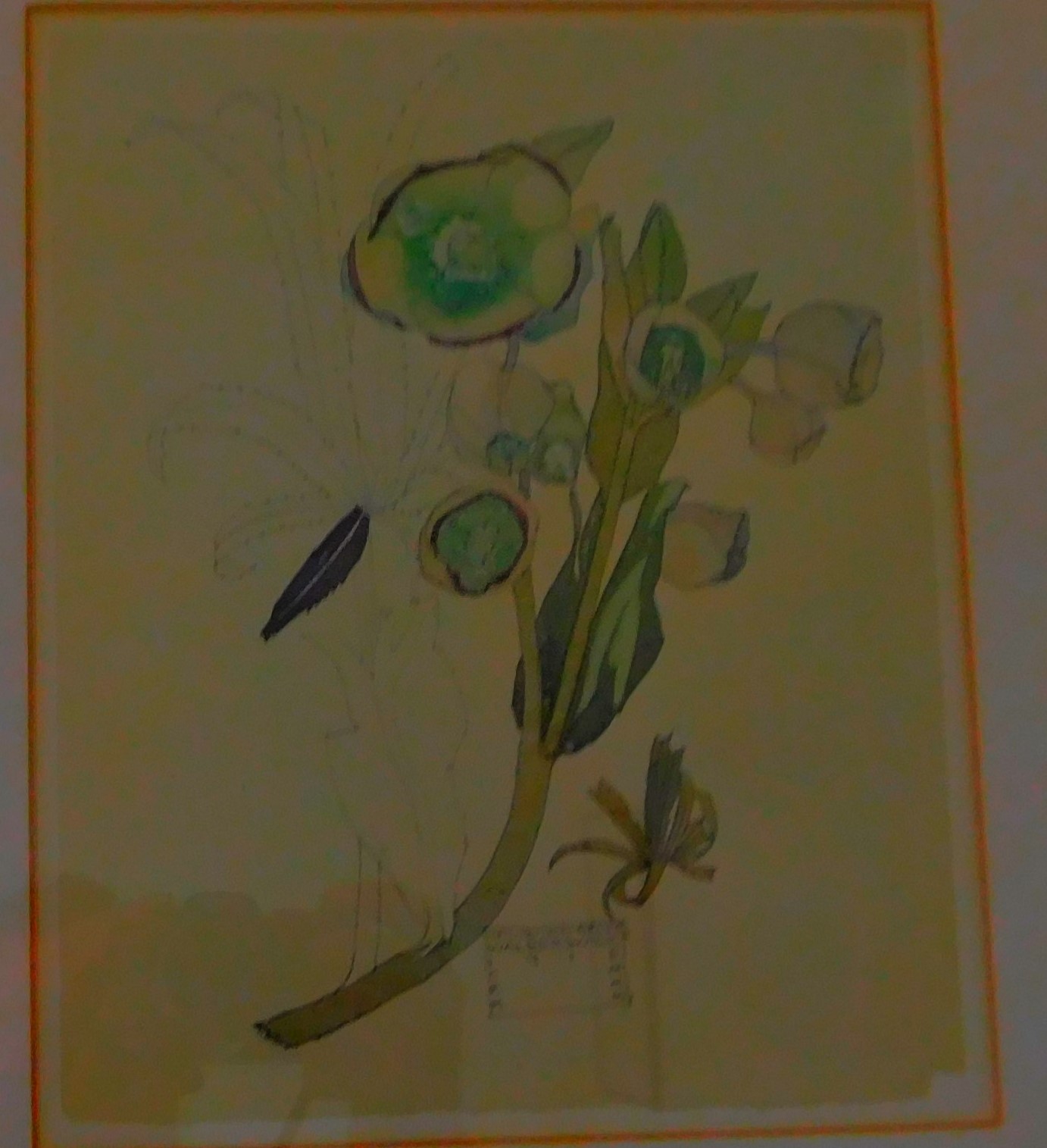
An artwork display at that same house that caught my eye…
…one picture in particular!
PUZZLE 4: A DIVISABILITY TEST
Not at all difficult, but very enjoyable to tackle:
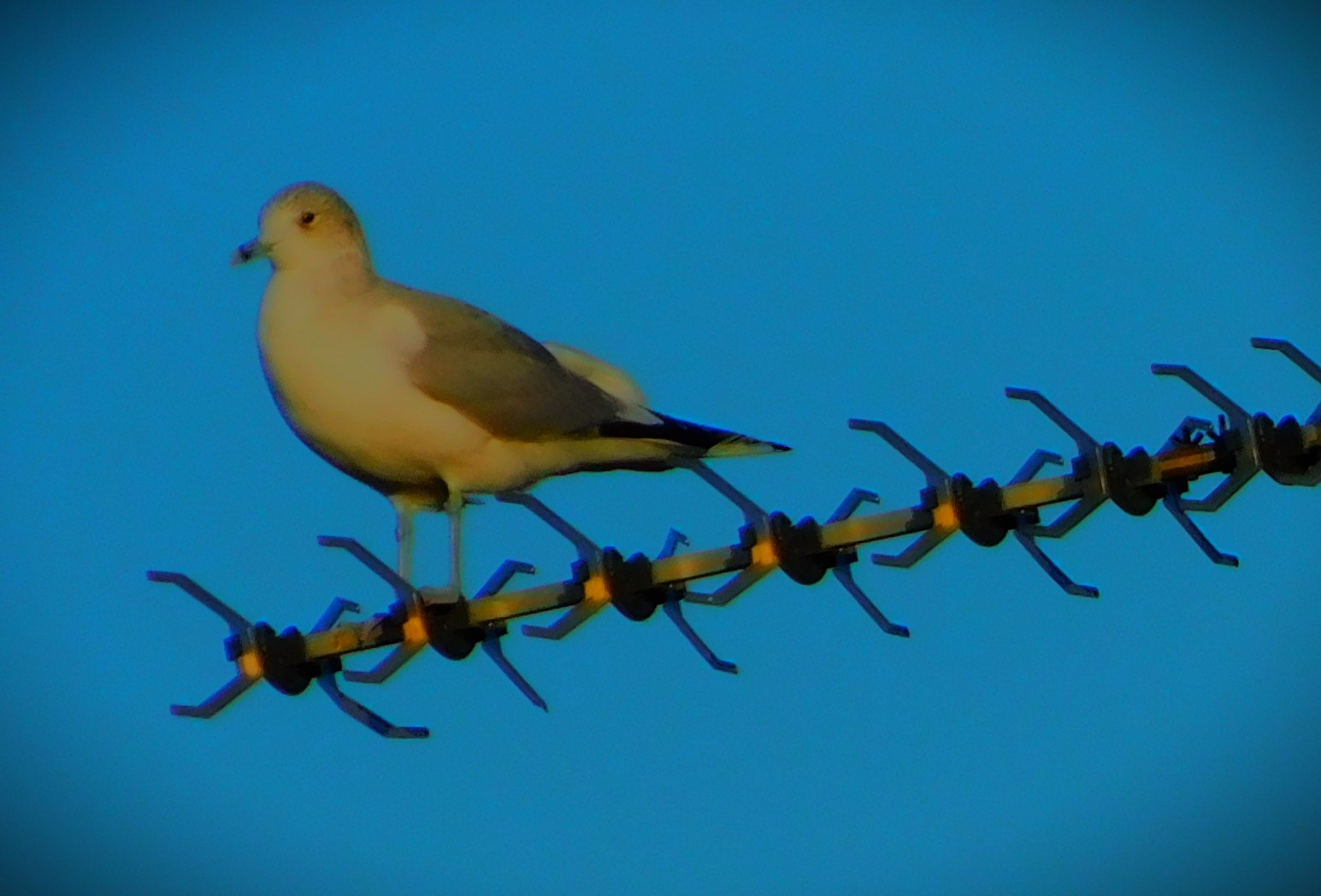
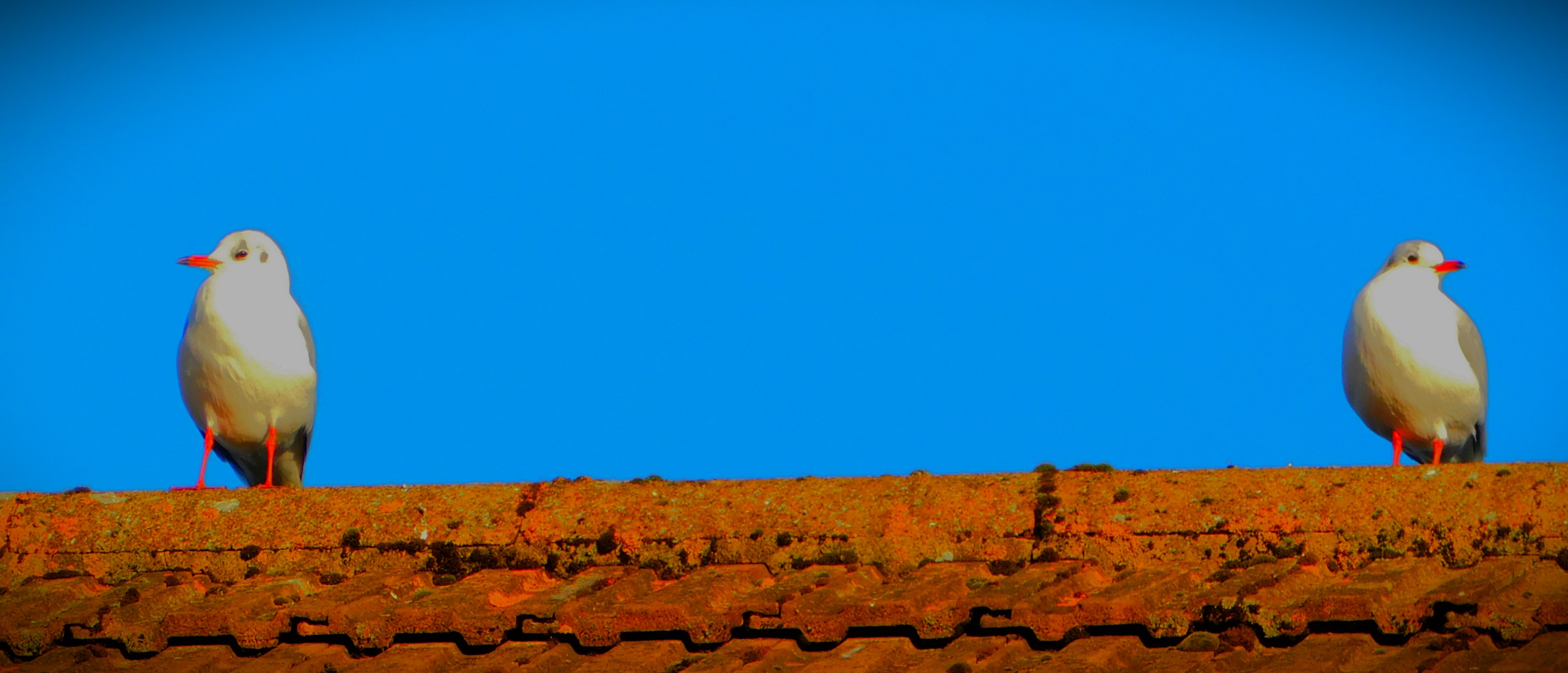
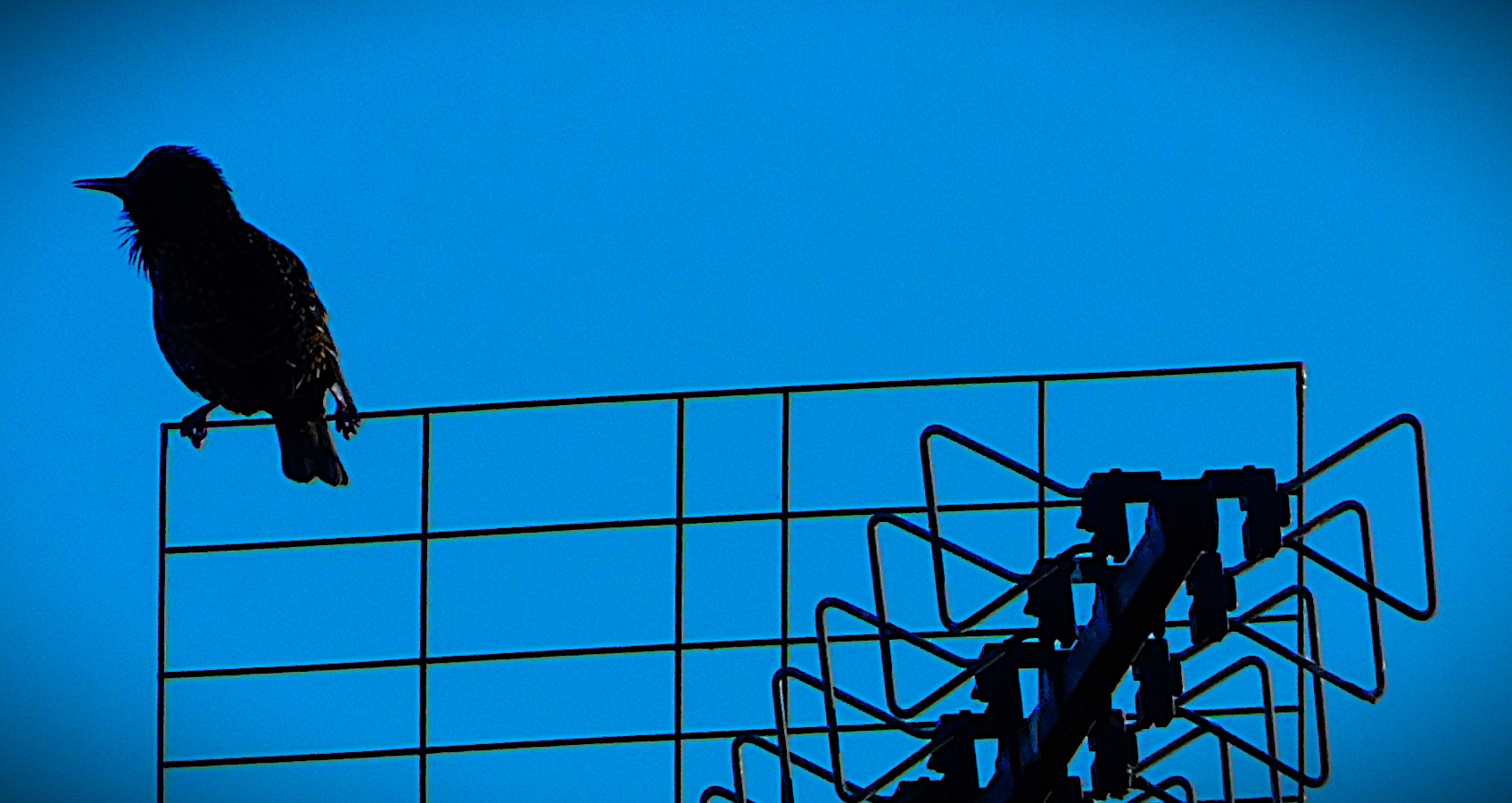
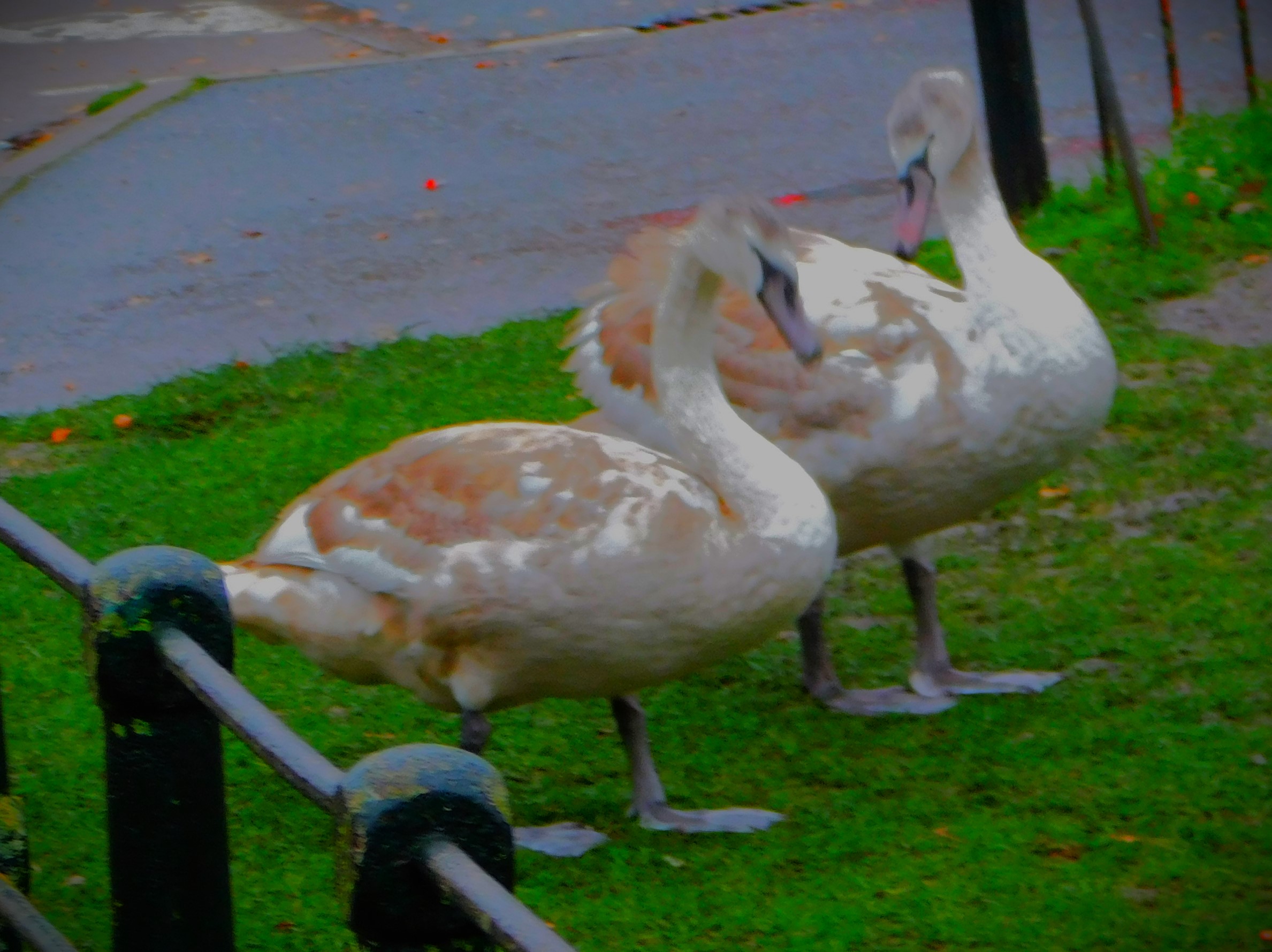
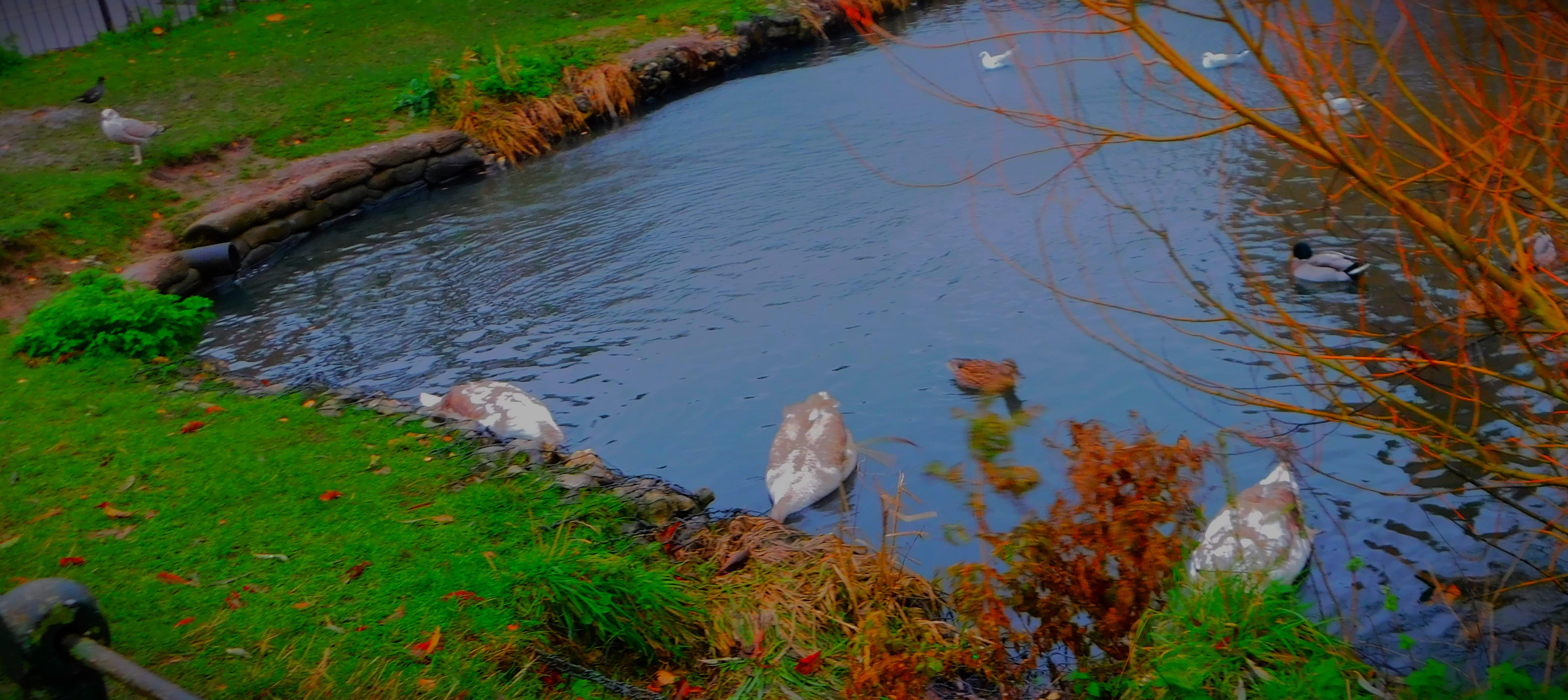
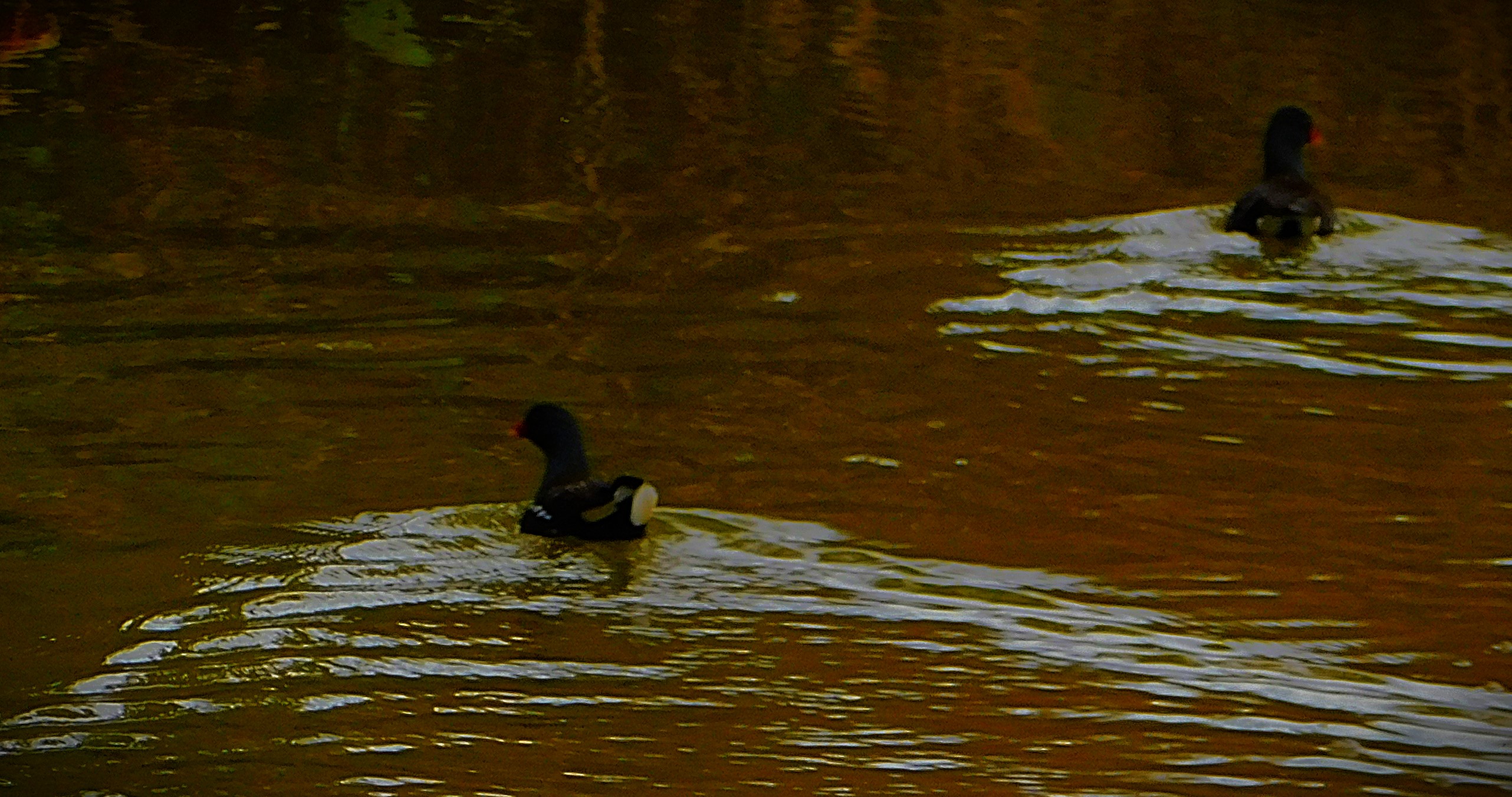
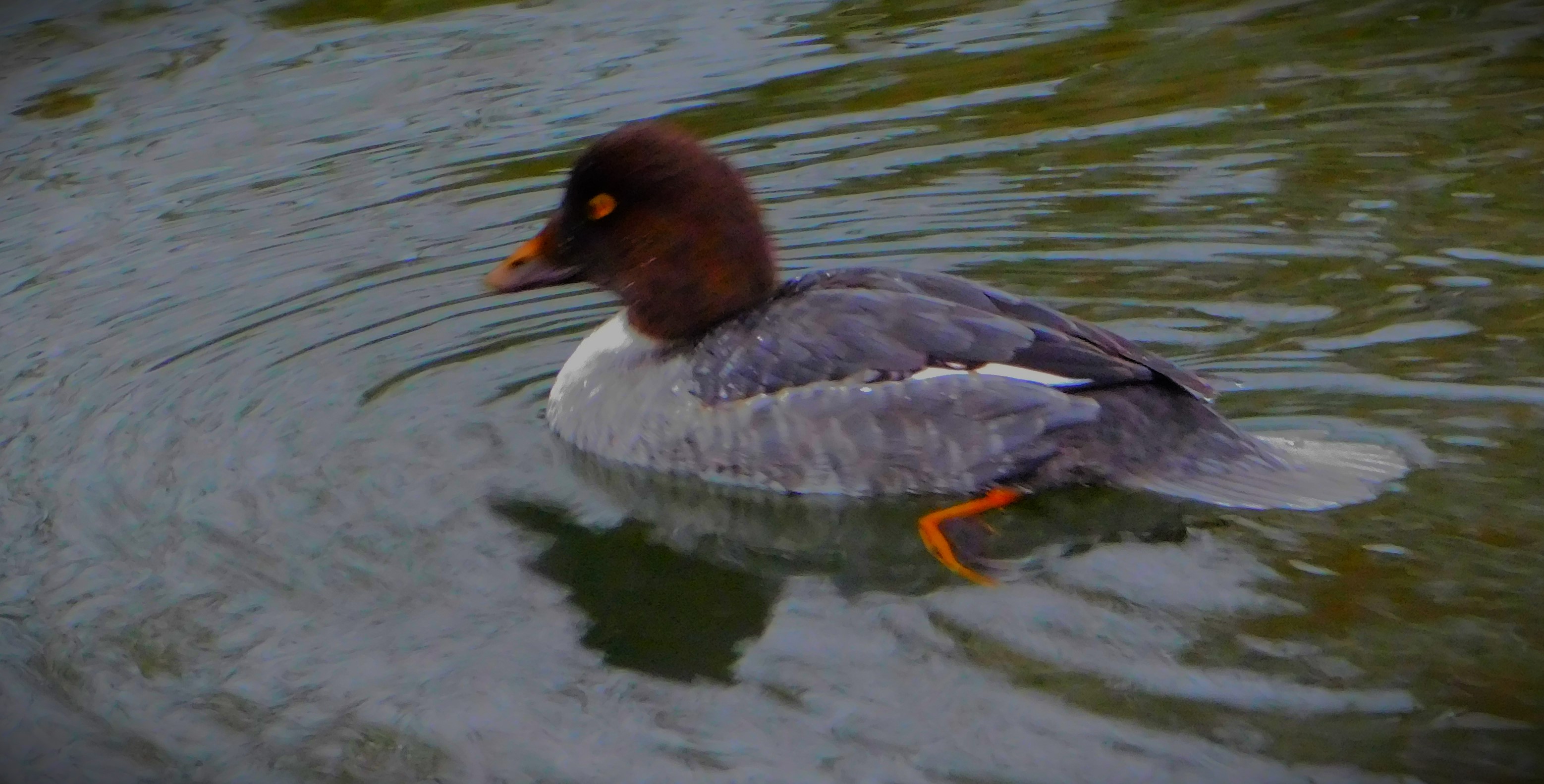
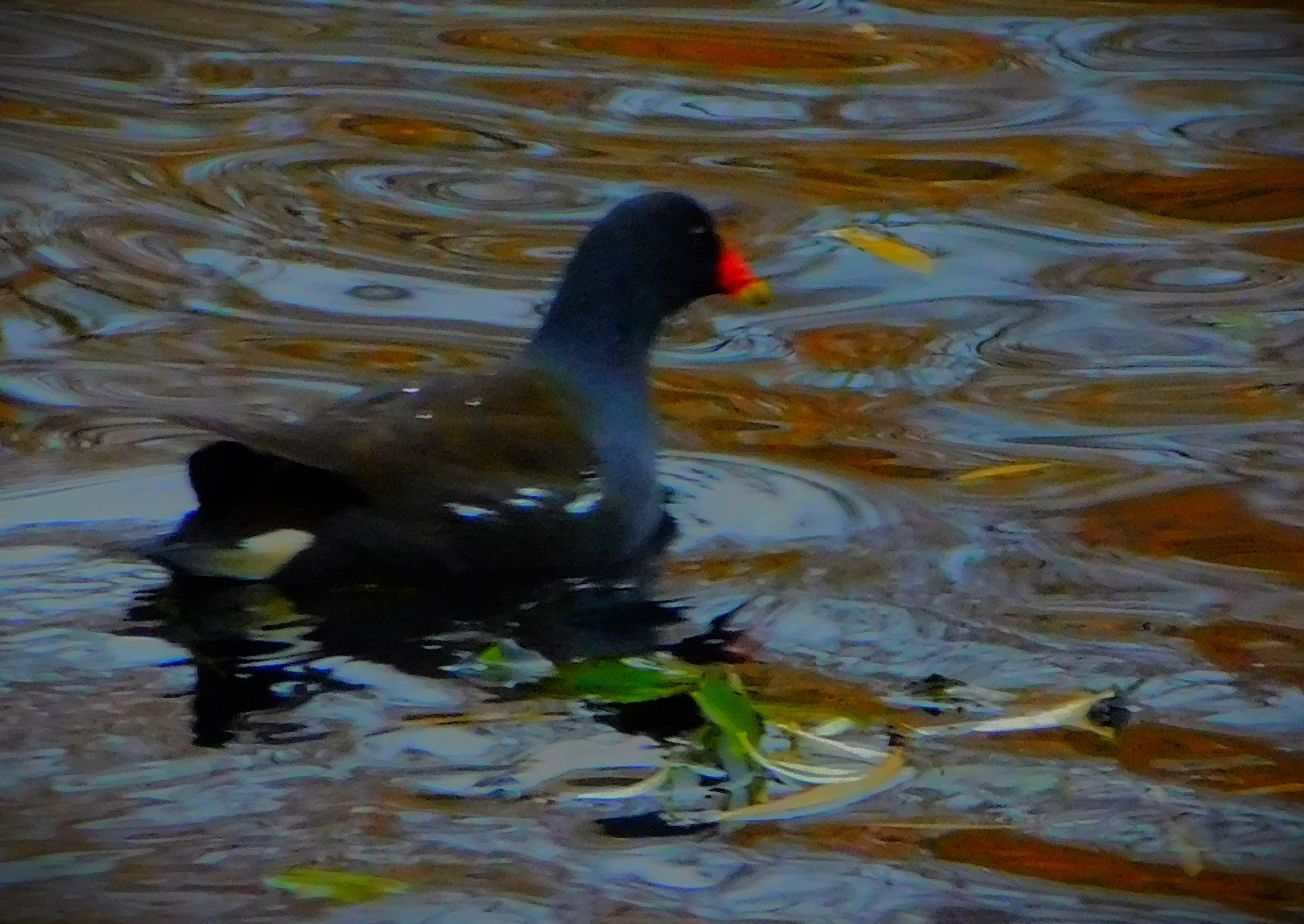
PHOTOGRAPHS 4: WILDLIFE
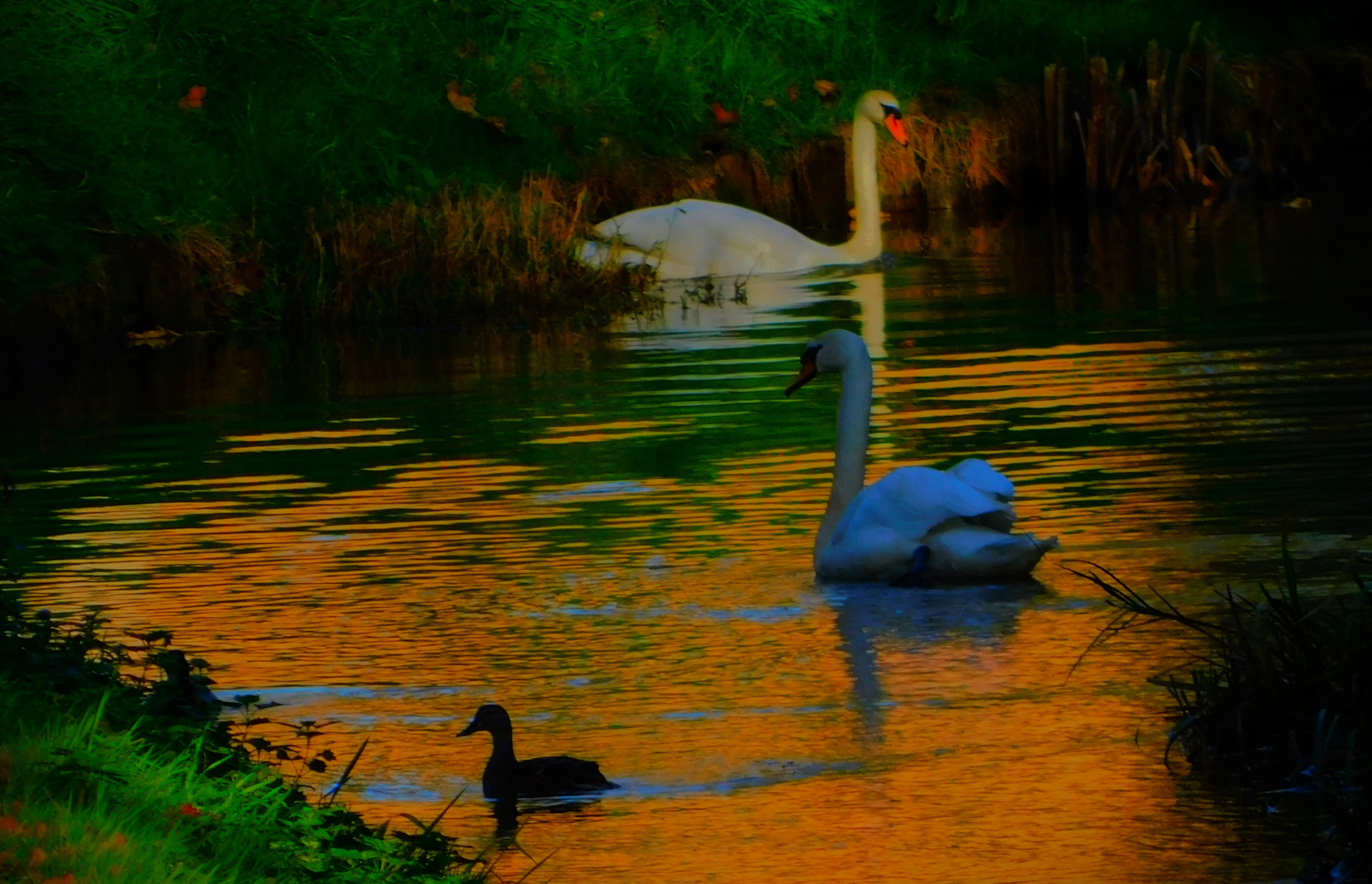
We finish our photographs as we started, with a nod to nature:
PUZZLE 5: THE INVESTMENT EXPERT
We end with a fairly tough problem to which I have added an even tougher subsidiary question.
My follow up, adapted from a question raised by someone named Anne on Brilliant is this: What is the minimum initial deposit required to ensure that Fred’s money grows at a sufficient rate for him to become a trillionaire if he lives for as long as Earth remains an inhabitable planet (the increasing size and temperature of the sun will cause this in 1 billion years, assuming that some stupid species has not already done so,
My account of the homeward journey from Fort Picklecombe.
INTRODUCTION
We have reached the penultimate post about my Cornish holiday – the last day. This post details the long journey home.
STARTING OFF
The length of time it took to get from Plymouth to Fort Picklecombe on the Thursday was playing on my mind, and I wanted to be sure that we were away before 9AM, since my train was due to depart Plymouth at 10:44, and I reckoned that a single ticket from Plymouth to London bought on the day (London-Lynn would still have been valid on the original ticket) woulkd probably cost more than my original ticket (in this assessment, to borrow from history, there was the proverbial “cubit of error my way that does not obscure the 99 cubits of error the other way” – actually said ticket would have been fractionally less. Nevertheless, I did get a few lasy pictures before leaving the fort:
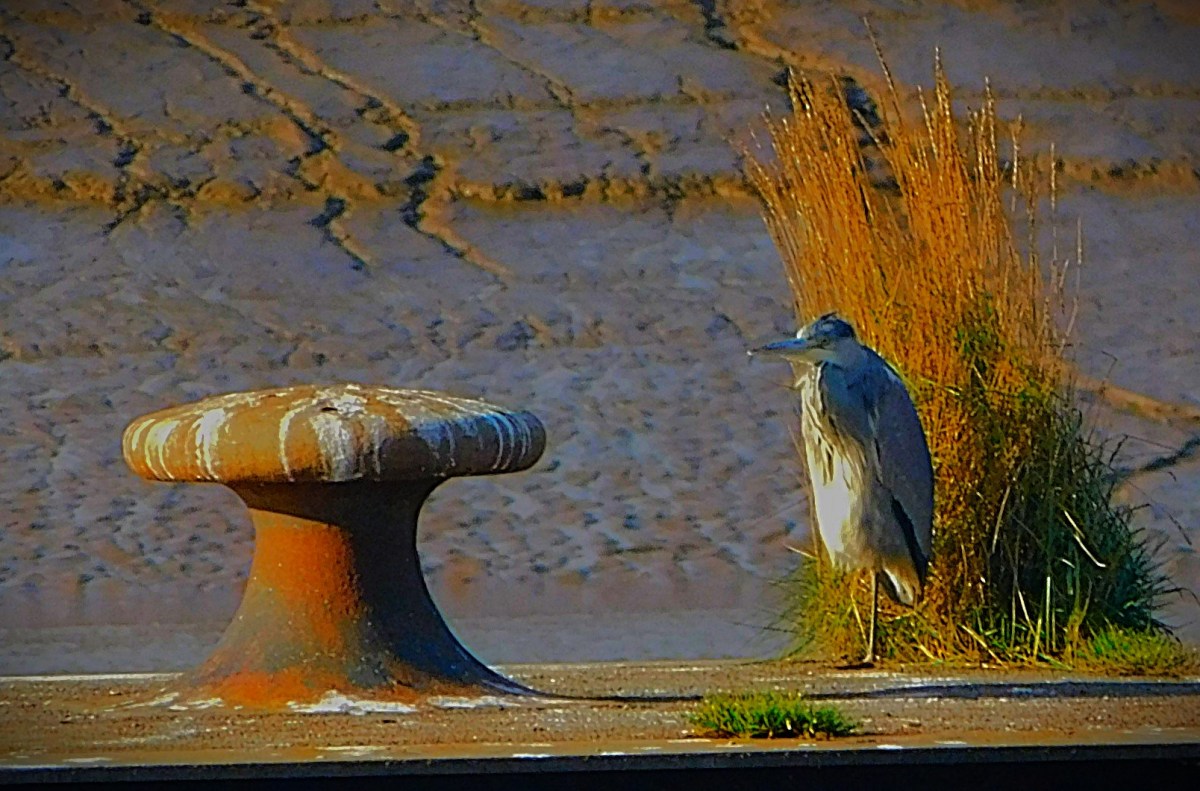
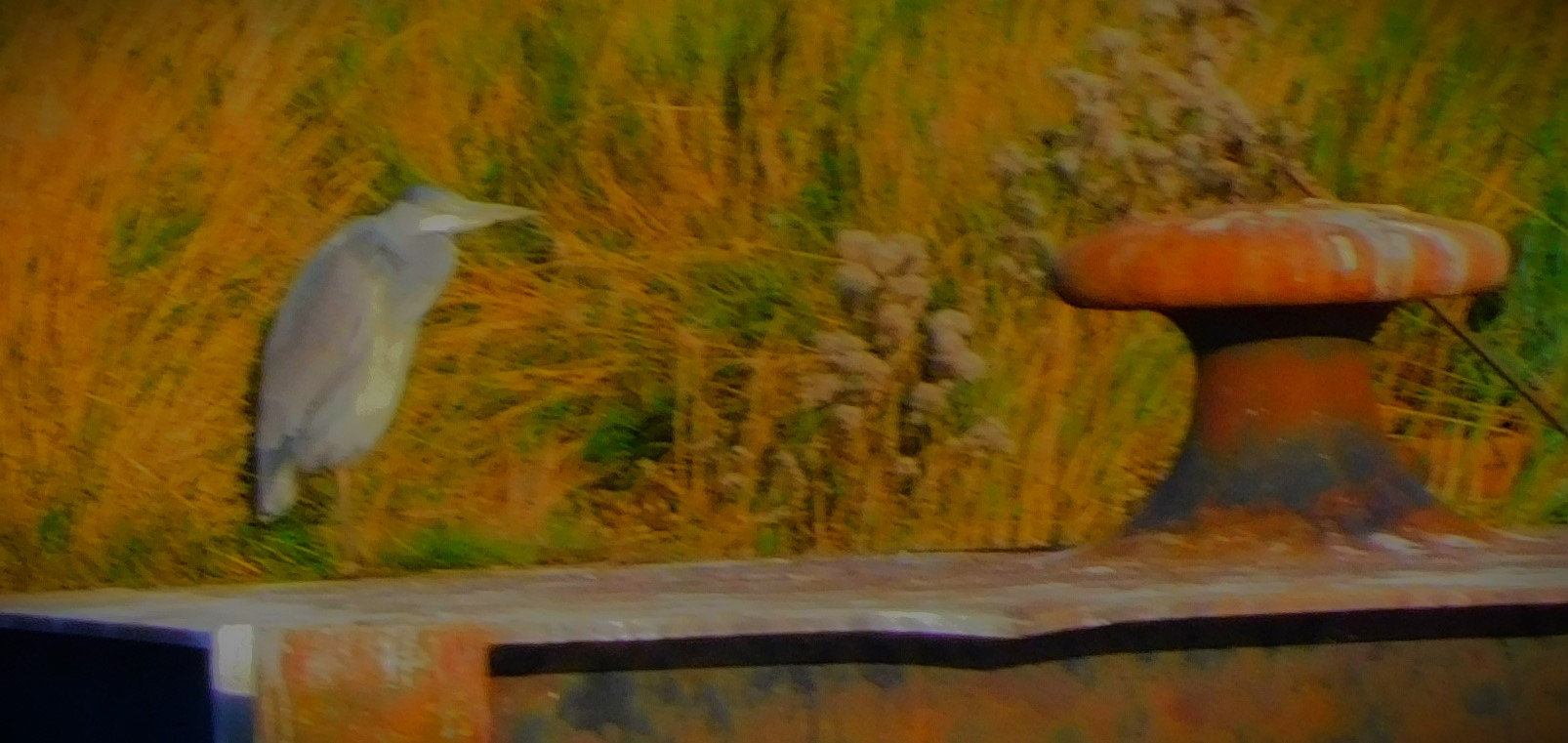
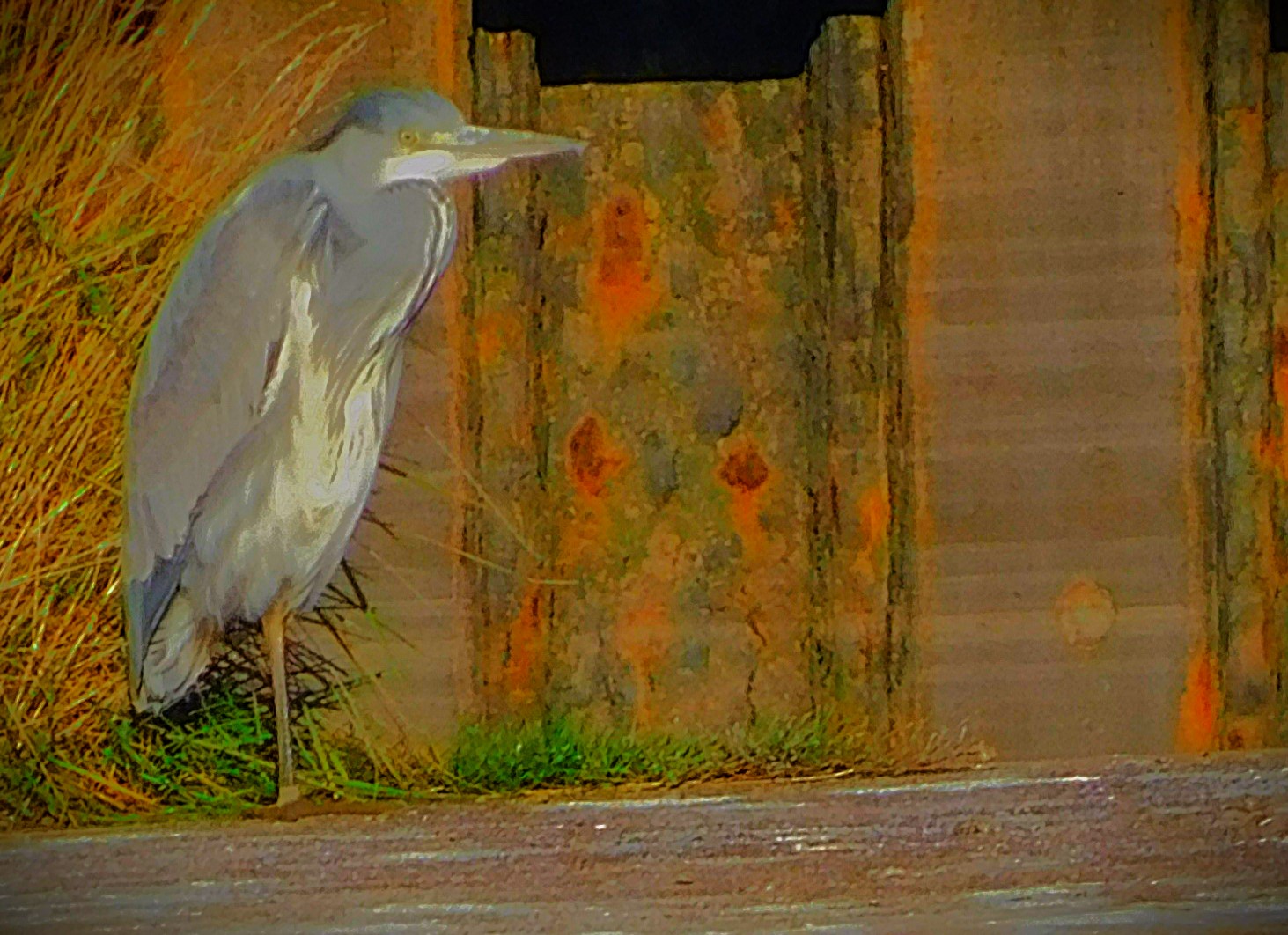
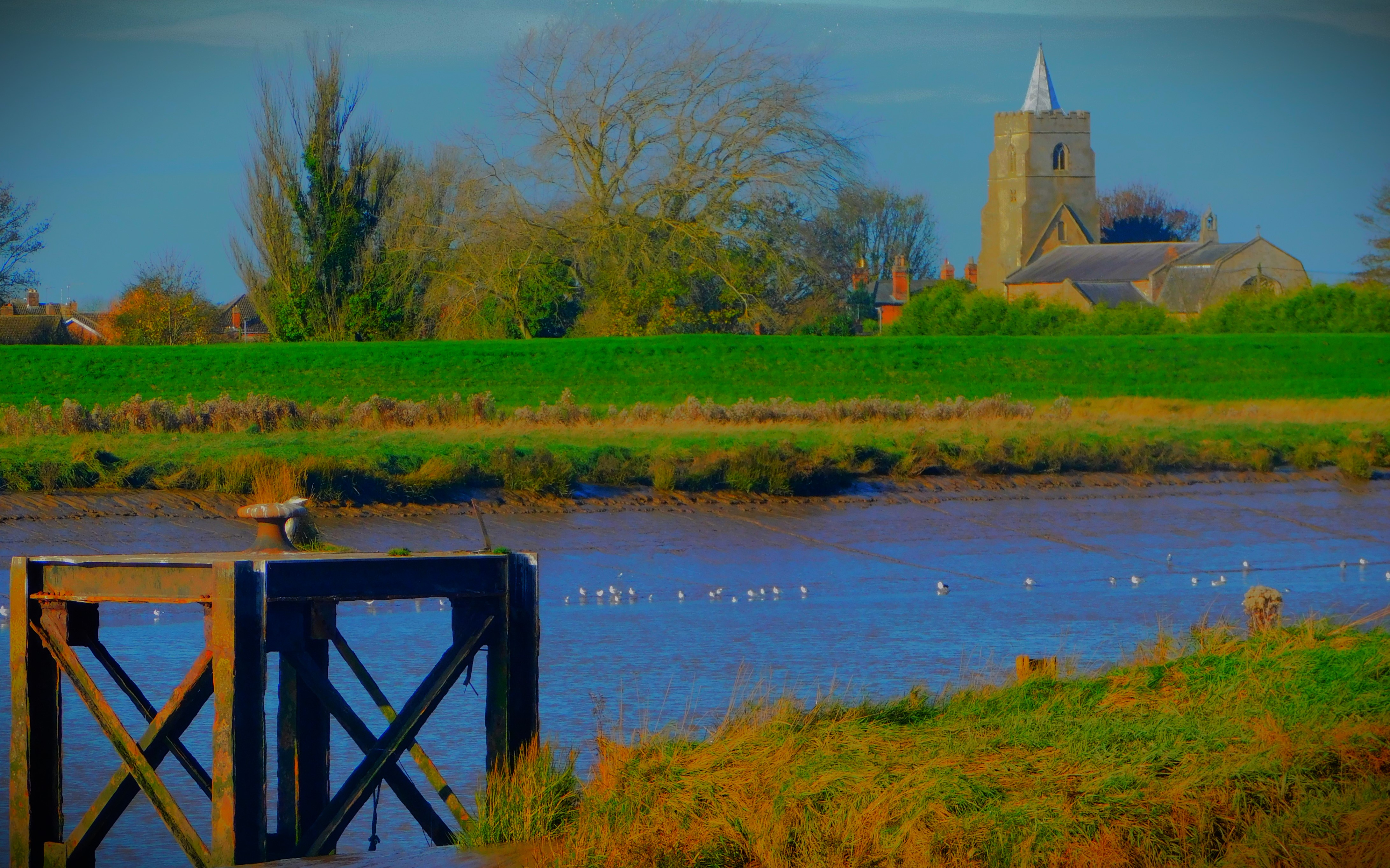
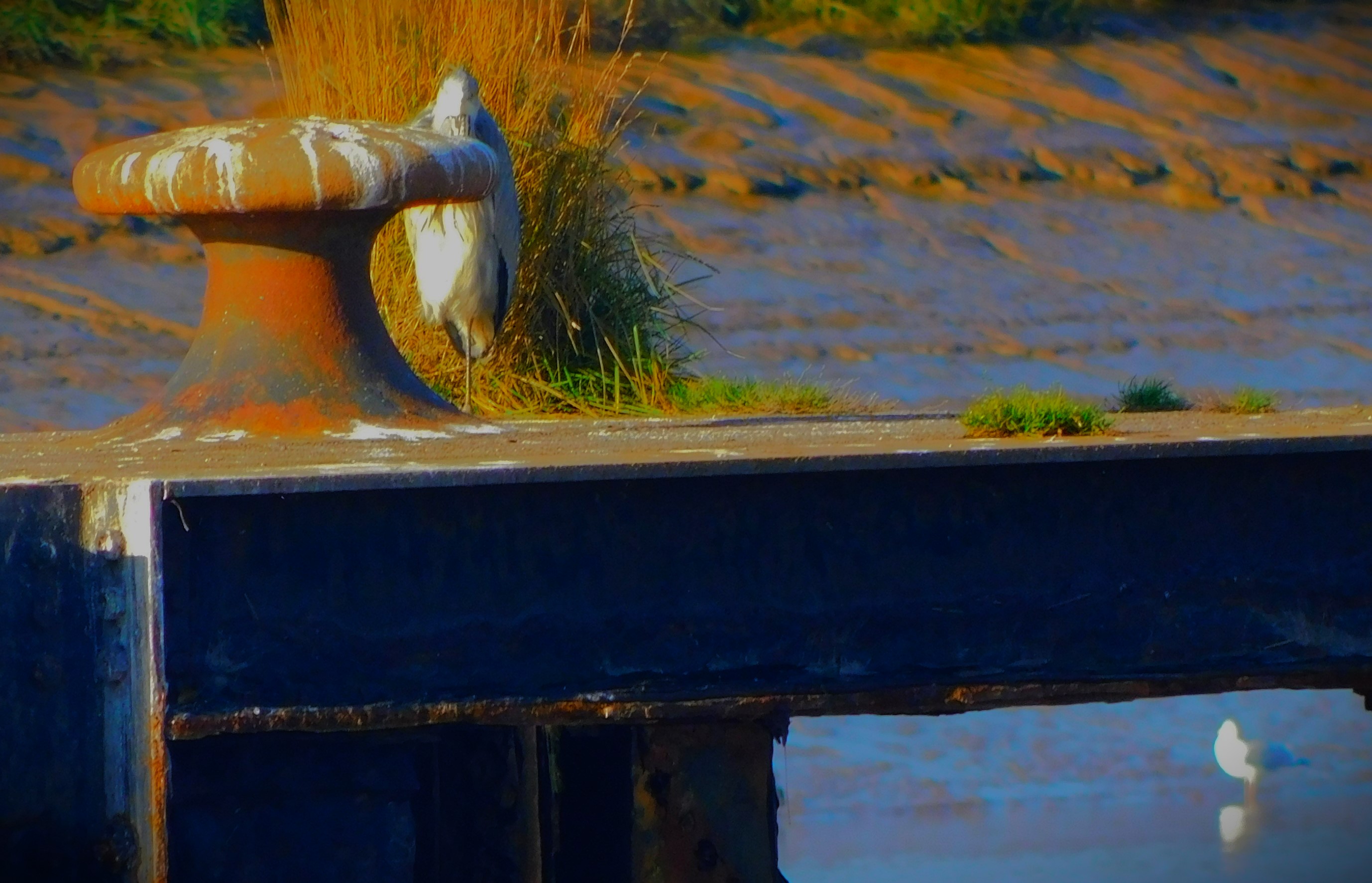
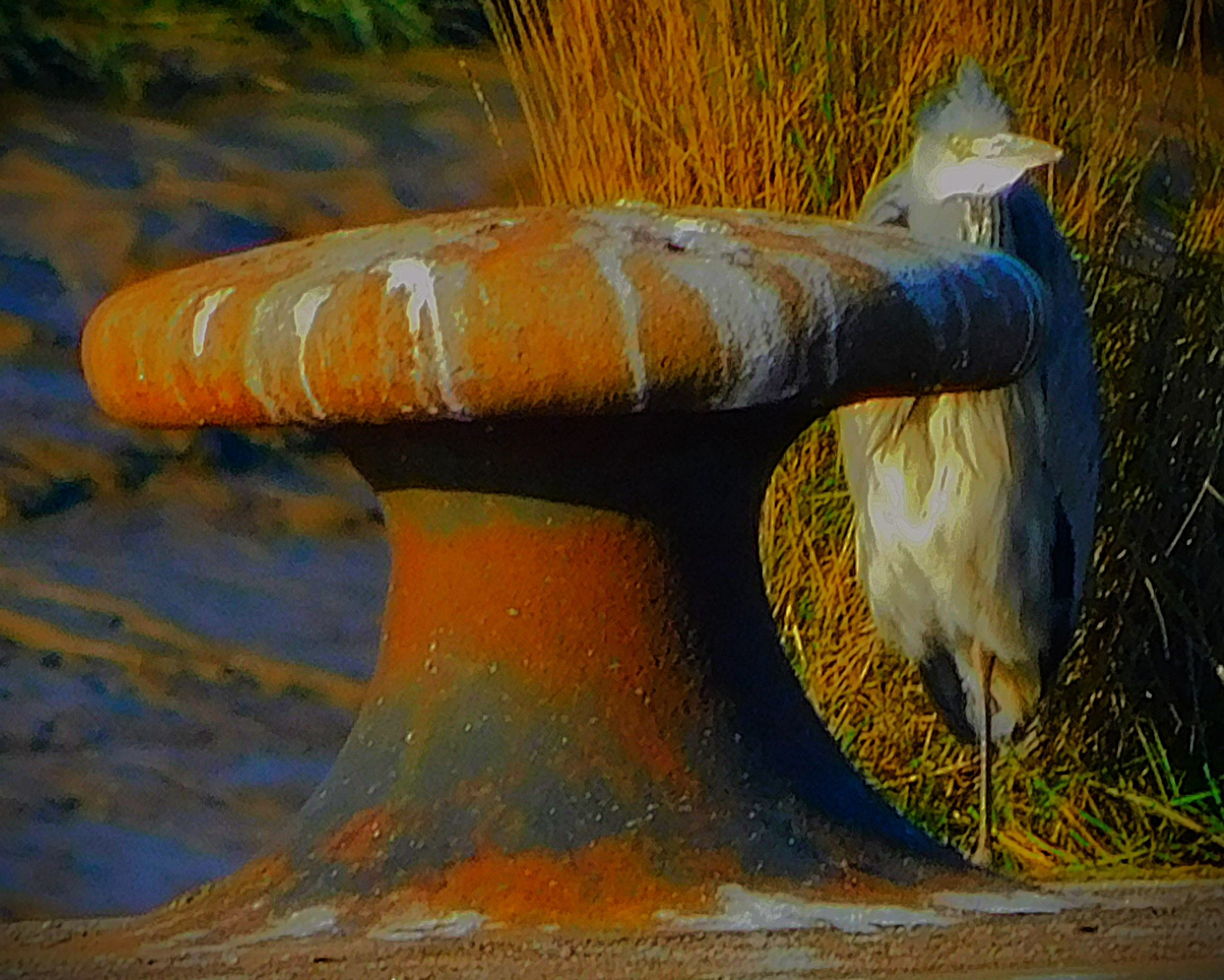
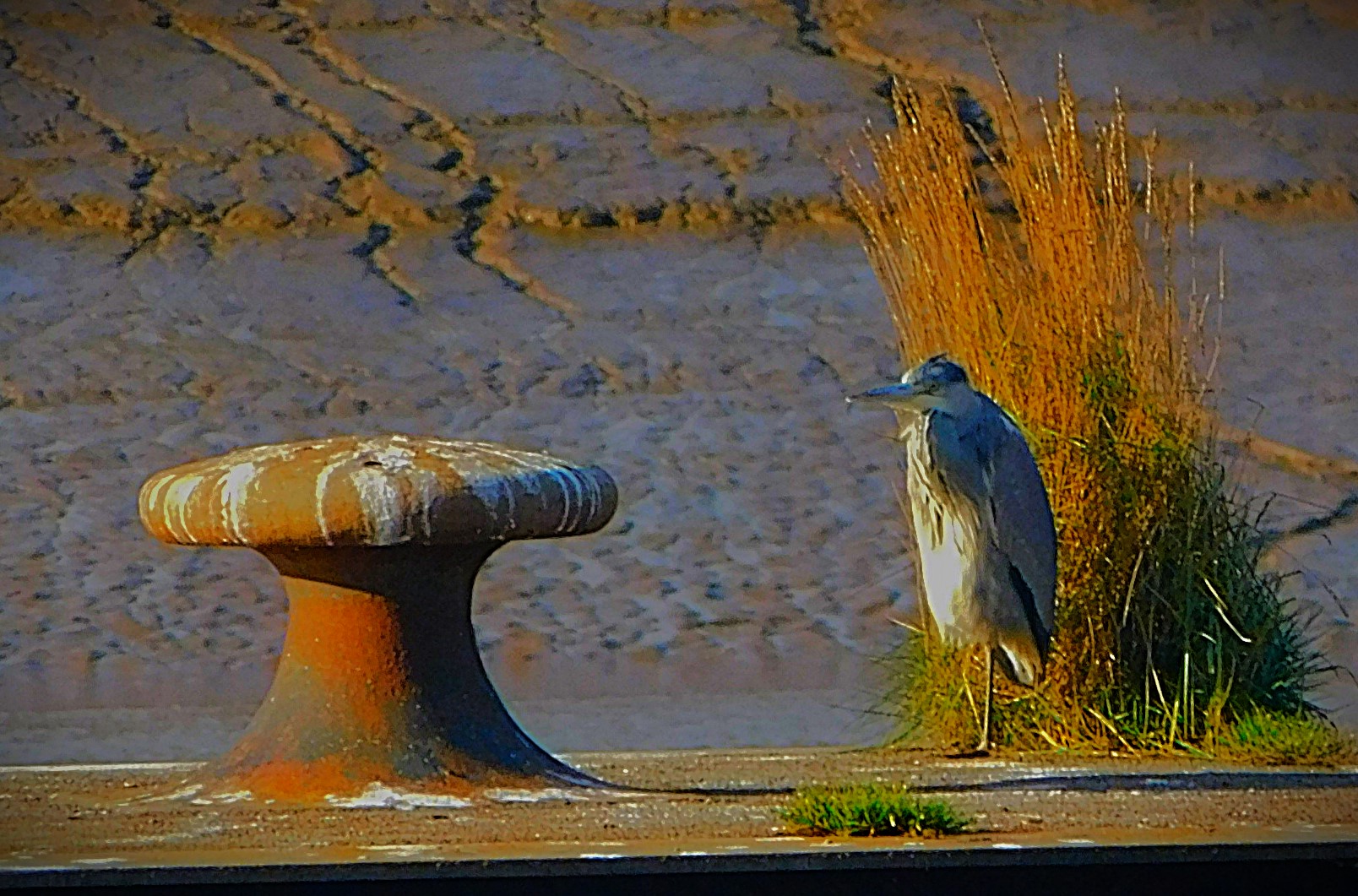
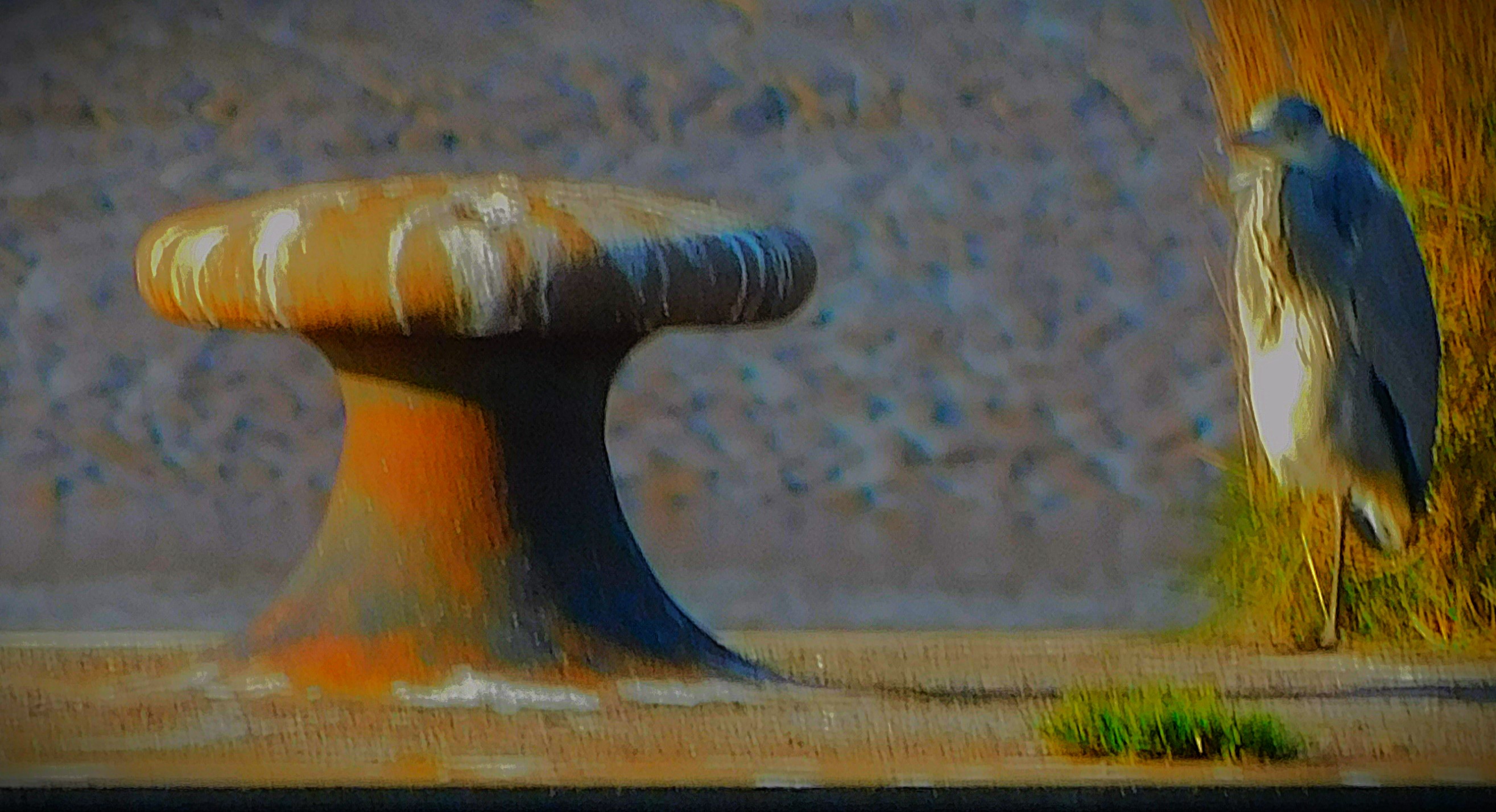
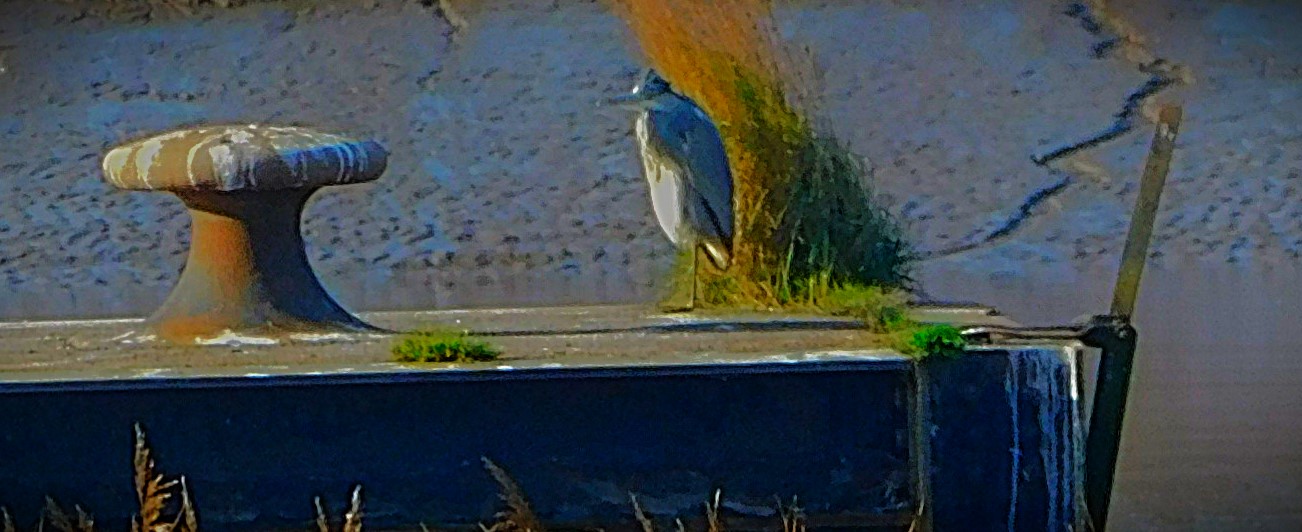
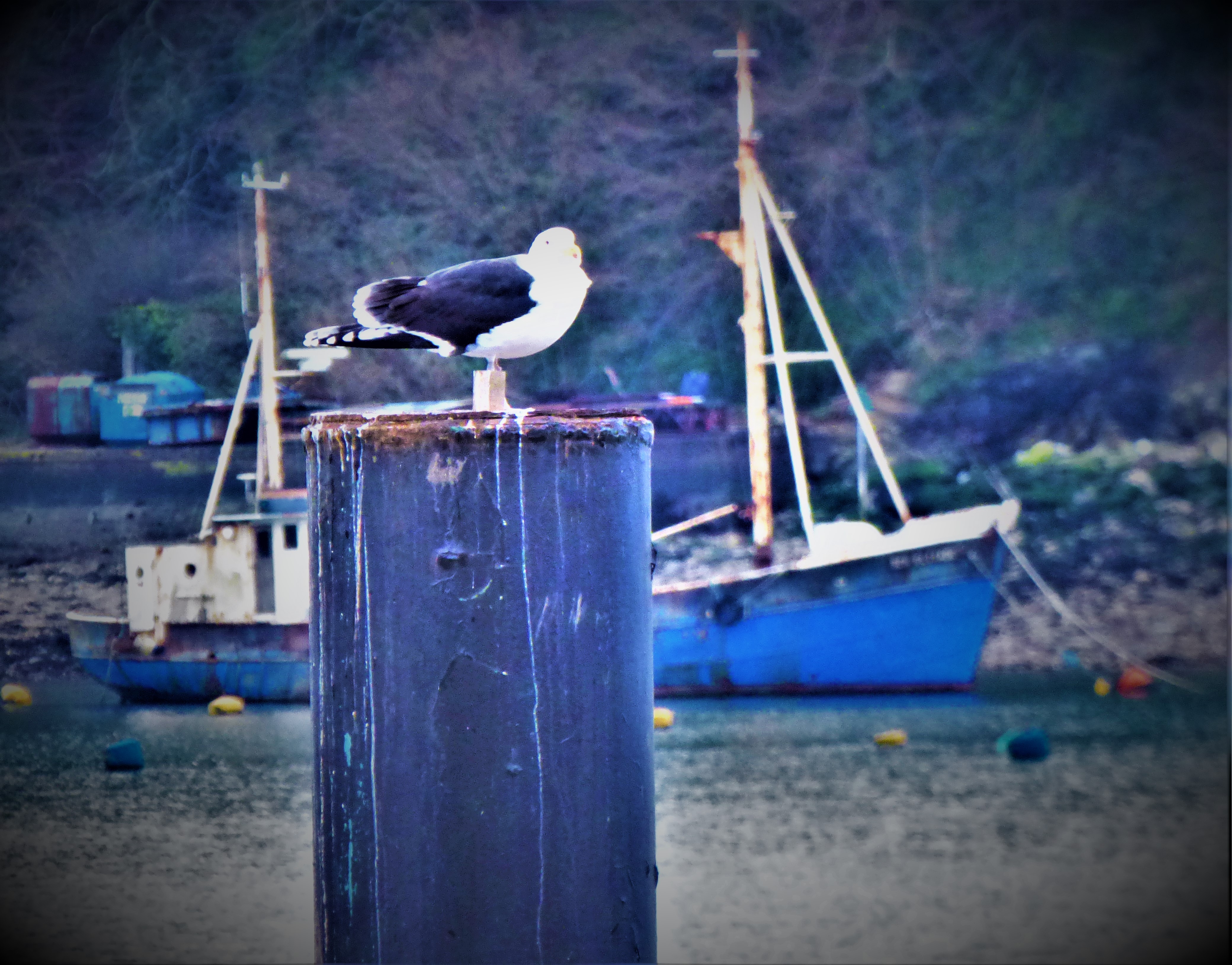
A first for me – the first time I have captured a heron on camera.
On the journey into Plymouth I managed to snap two pictures from the back of the camper van:
I had some time to kill at Plymouth station and did so by taking photographs…
An avian passenger?
PLYMOUTH – LONDON
This train was a service called “The Cornish Riviera”, which starts in Penzance and snails up through Cornwall stopping pretty much everywhere and then makes up time by calling only at Exeter St Davids and Reading between Plymouth and London. Although I had an aisle seat on this journey, and no opportunity to move to the window seat I was not going to be denied at least some photos. I got a good few between Plymouth and Exeter and a handful thereafter…
Exeter St Davids (two images)
This chalk horse, carved directly out of the hillside, is visible at distance at a time when the train is at full speed.
Reading station
Royal Oak – the Hammersmith & City line’s last station west of Paddington. The next station towards Hammersmith, Westbourne Park, used to offer an interchange with mainline railways but nowadays Ealing Braodway is the last mainline station before Paddington. Back in the old days there was a connection – the first locomotives to run over what was then The Metropolitan Railway were supplied by the Great Western, while this extension to Hammersmtih opened in 1864, only one year after the original.
LONDON TO KING’S LYNN
I crossed to the Hammersmith and City line platforms, nos 15 and 16 of the main station, and waited a long time for an eastbound train, then discovering that it was terminating at Edgware Road (very odd indeed for a train from Hammersmith), so I had to change again. I arrived at King’s Cross and was just in time to catch the 14:44 to King’s Lynn, which was not overfull (as the 15:44, the next service, certainly would have been). This means that I was at home and unpacking by 5PM.
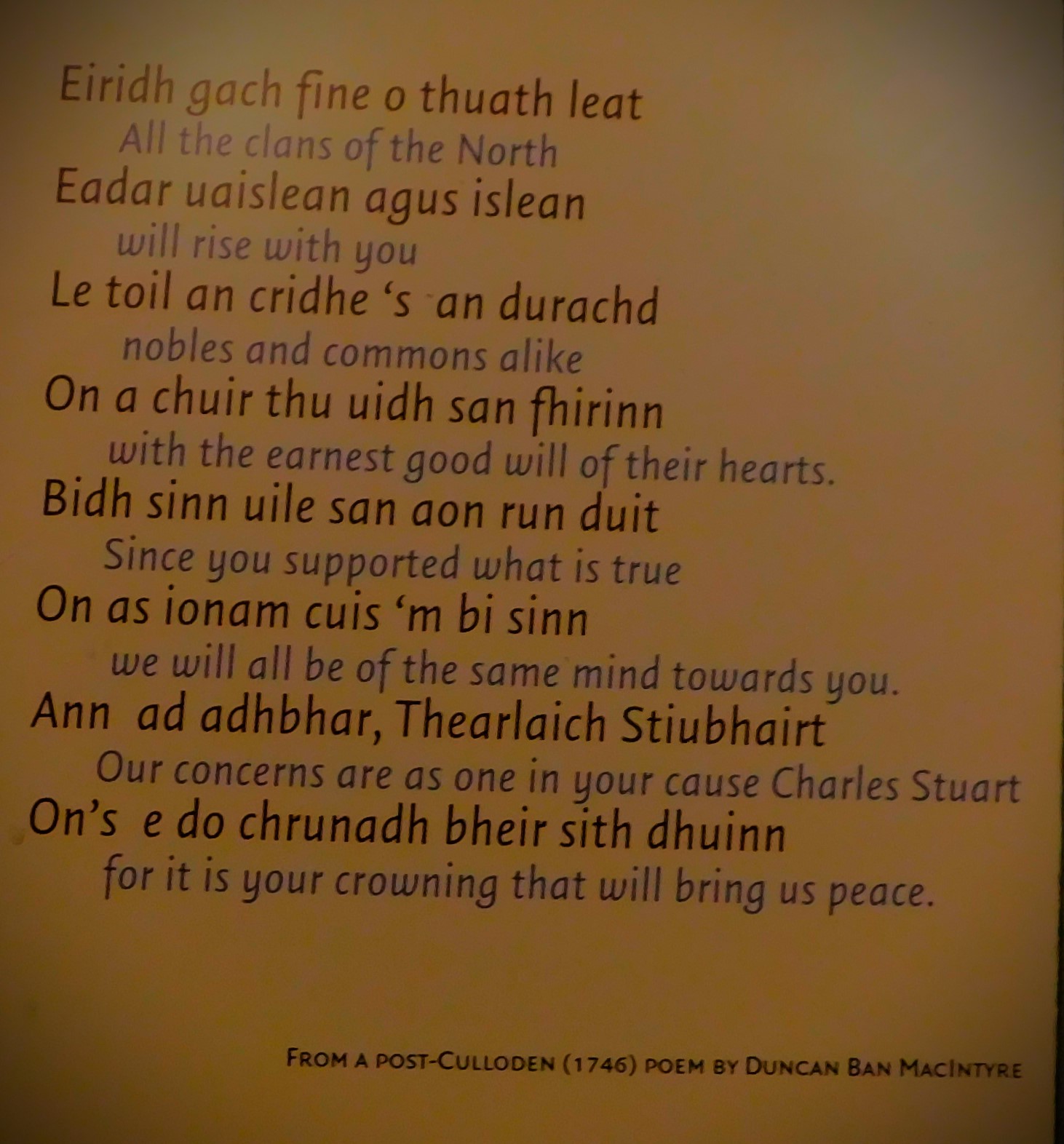
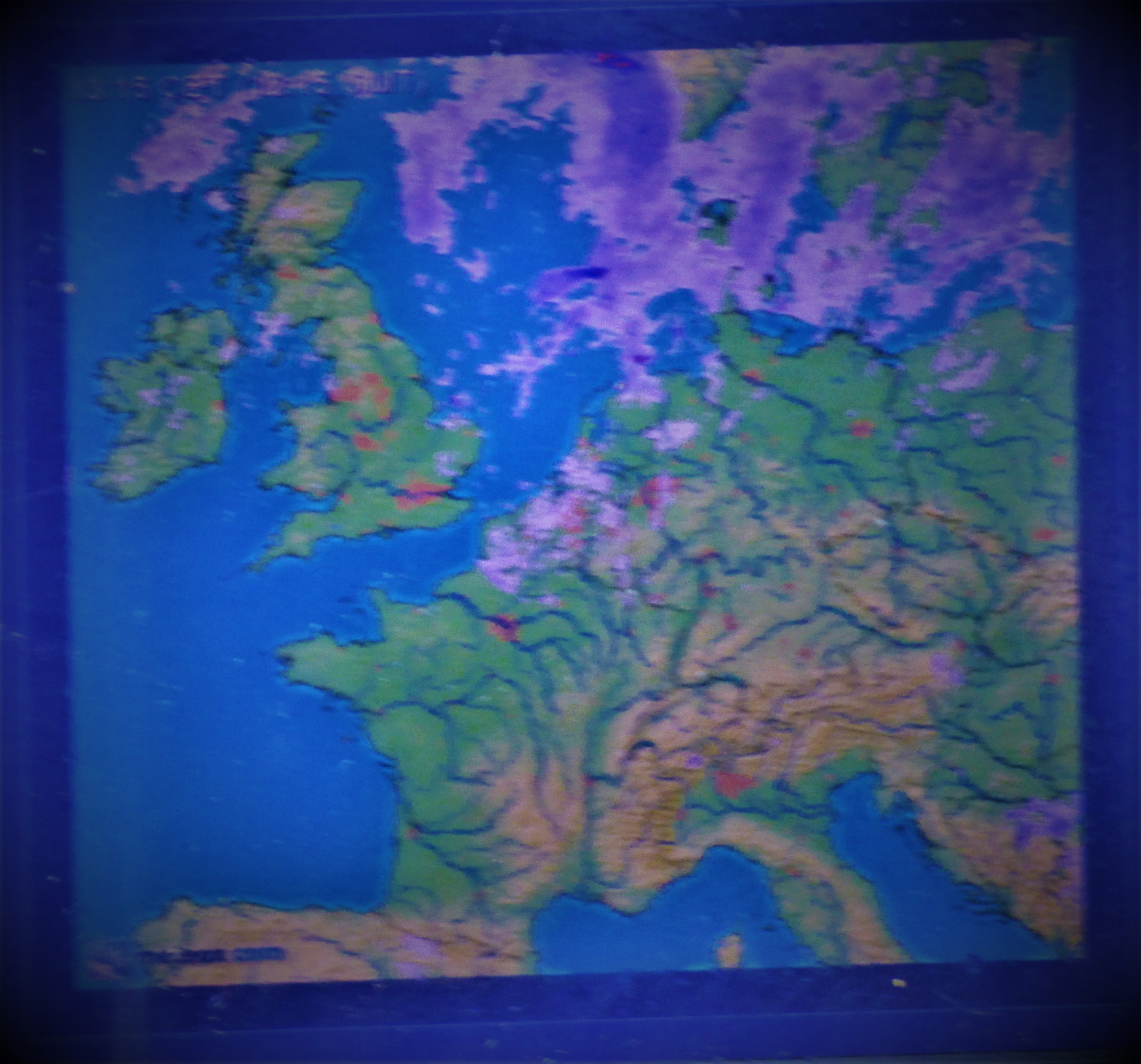
This picture was the cause of minor quarrel – I was challenged by another passenger as to why I was taking pictures of his friend, and it took my a while to get the point across that I was not, and that it was this map which was my target. His friend’s hat did appear in the uncropped version, but no face was visible, and my only interest was the map. I was perhaps a little harsh as I was fully expecting to miss my intended connection at Kings Cross due to the delays on this leg of the journey.
The platform from which the train to King’s Lynn was l.eaving was revealed with a mere eight minutes to spare, and if you going to Lynn you have to go to the front of the train (or else get out and dash along the platform at Cambridge).