Letting people know that I will be visiting Cornwall in the near future, and a few other bits and bobs.
INTRODUCTION
My parents have recently moved to a place near Plymouth, and all they are currently out of the country travelling they will be back for a month or thereabouts from late October. I will be visiting their place in mid-November. I have asked for leave on the 9th and 10th of November so that I can go down on the 8th and come back on the 13th.
THE JOURNEY
To get from King’s Lynn to Plymouth (nearest station to my parents’ new place) by public transport one needs to to travel from King’s Lynn to London King’s Cross, get a Hammersmith & City line train from King’s Cross to Paddington and then travel from Paddington to Plymouth (I already knew this). The journey takes in the region of six hours (I expected this to be the case but until I investigated did not know for certain). This why I requested leave for the two days concerned because the two days on which one travels are not going to be much use for anything else.
THE TICKETS
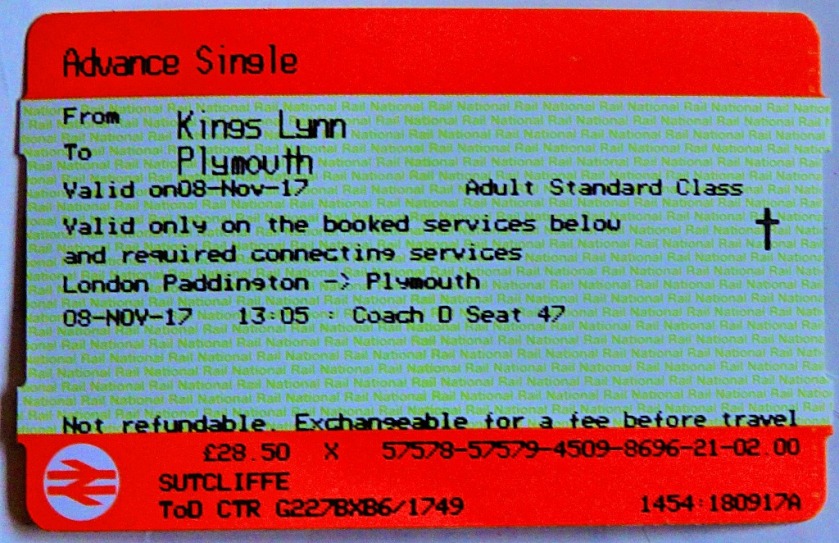
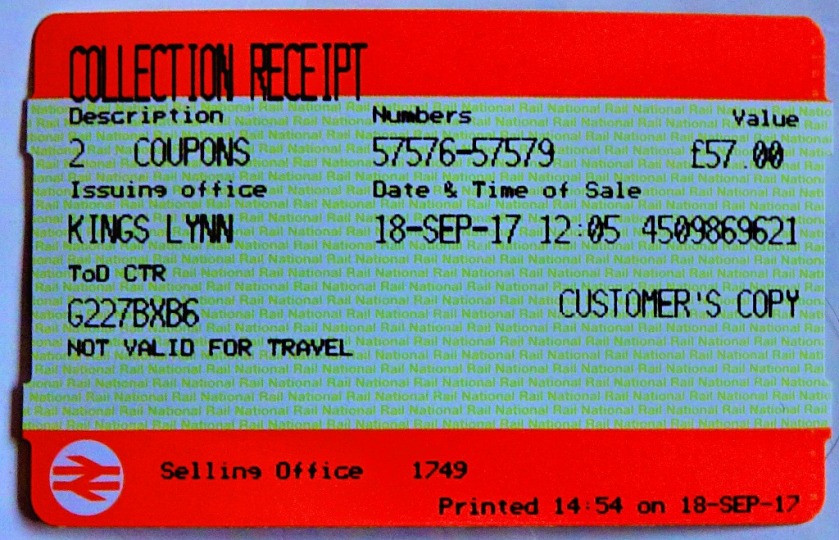
I discovered via www.thetrainline.com that tickets were available for £57. Thus I have made the booking and picked up the tickets.
COLLECTING THE TICKETS
Having made the booking I was assigned a code I could use to collect the tickets:
I decided that memorising an alphanumeric code of eight characters would be a bit of an ask even for me, so I called in at the library where I could screenshot the email containing the above, paste into paint and edit as appropriate before printing at a cost of 10p.
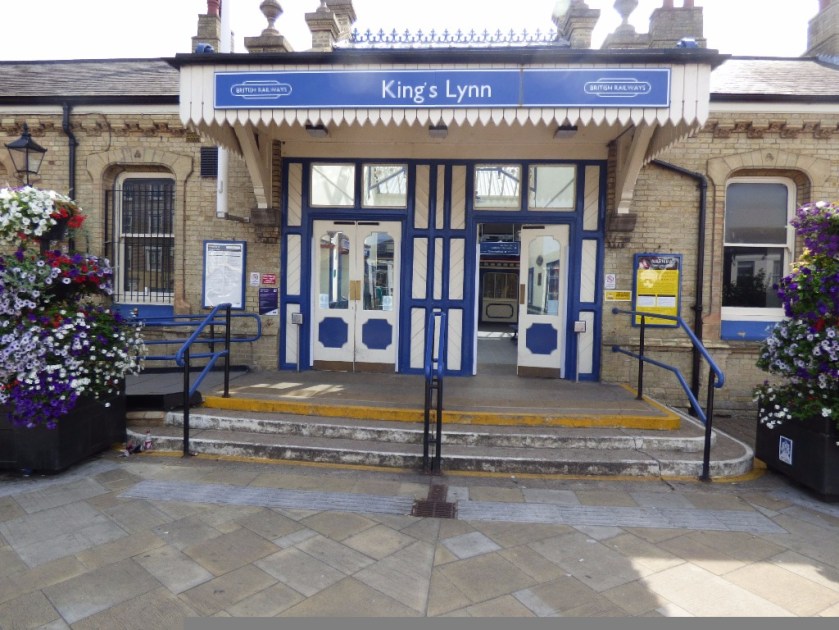
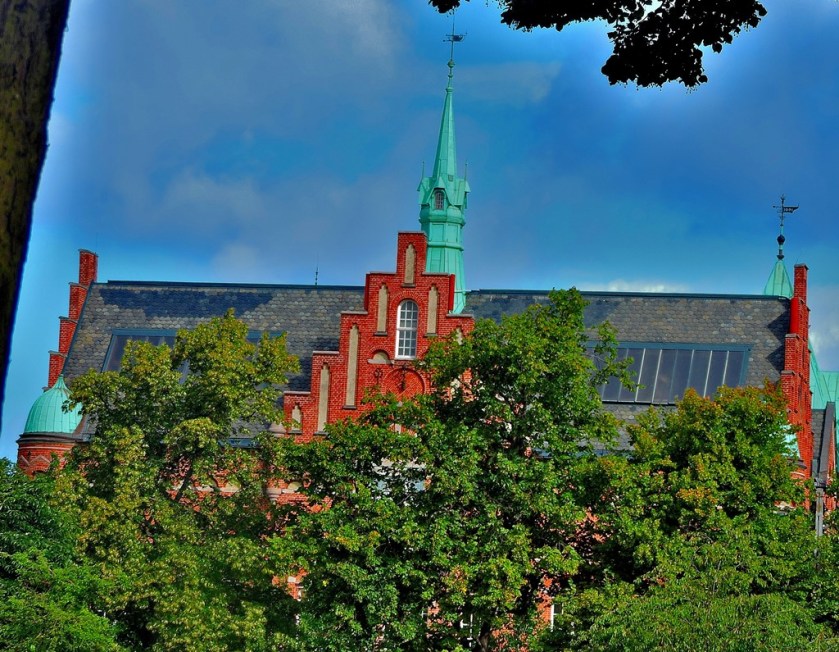
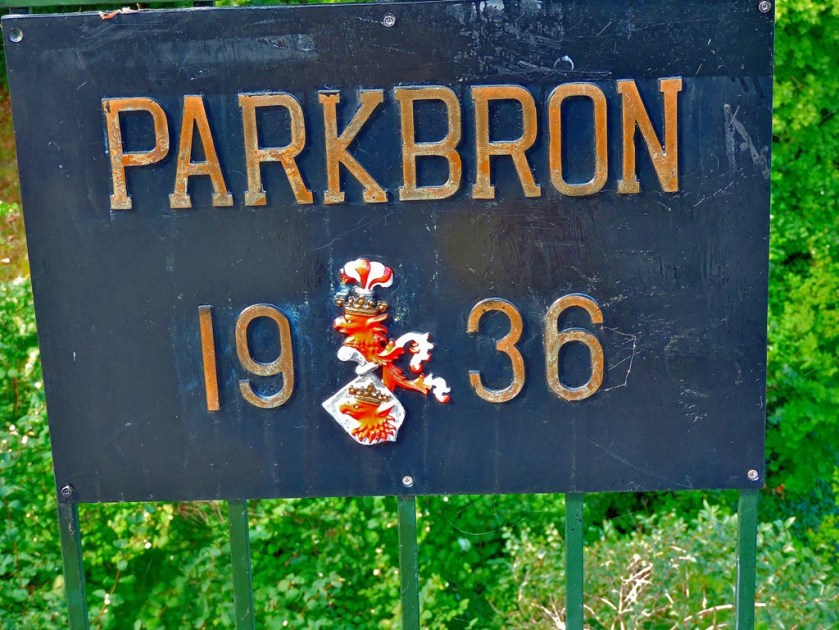
From there it was a short walk through the park to the station to pick up the tickets.
Outbound ticketThe Homebound ticket
The receipt.
The email giving me the code to collect my tickets also included itineraries for both journeys.
This is a little stretched out, but I for one would not care to be on a train the was due to arrive at Kings Cross at 12:35 when I had to make a connection at Paddington at 13:05 – given British public transport’s usual “punctuality” that would be courting disaster.
The journey back could be a little quicker – but note that since there is no pre-booking on the London to Lynn line it is merely an annoyance should I miss the 14:44.
THE BRILLIANT.ORG 100-DAY
SUMMER CHALLENGE
I recently received (by email) my certificate for having attempted all 100 of the problems (almost 50,000 people attempted at least one of these problems, of whom 1,797 attempted the whole lot).
Before moving on to the photographs that will conclude this post I offer you…
A PUZZLE OF MY OWN CREATION
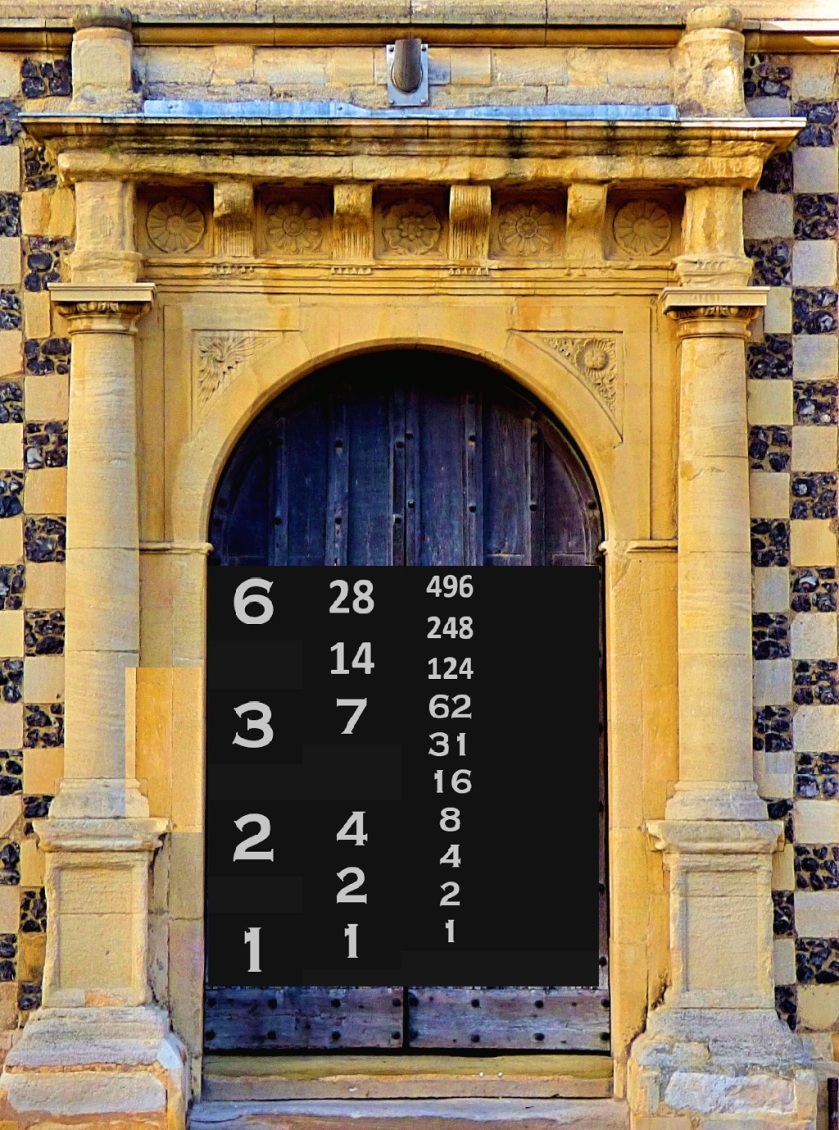
Archaeologist and adventurer Idaho Johnson is near to making the biggest find of her life, but to do so she needs to get past the “Door of Death”:
Can you fill in the missing fourth vertical panel of numbers and get Ms Johnson through the “Door of Death”? As a bonus question can you identify the real door that I have used to create the above image?
Some important autism themed pieces and a few of my photographs.
INTRODUCTION
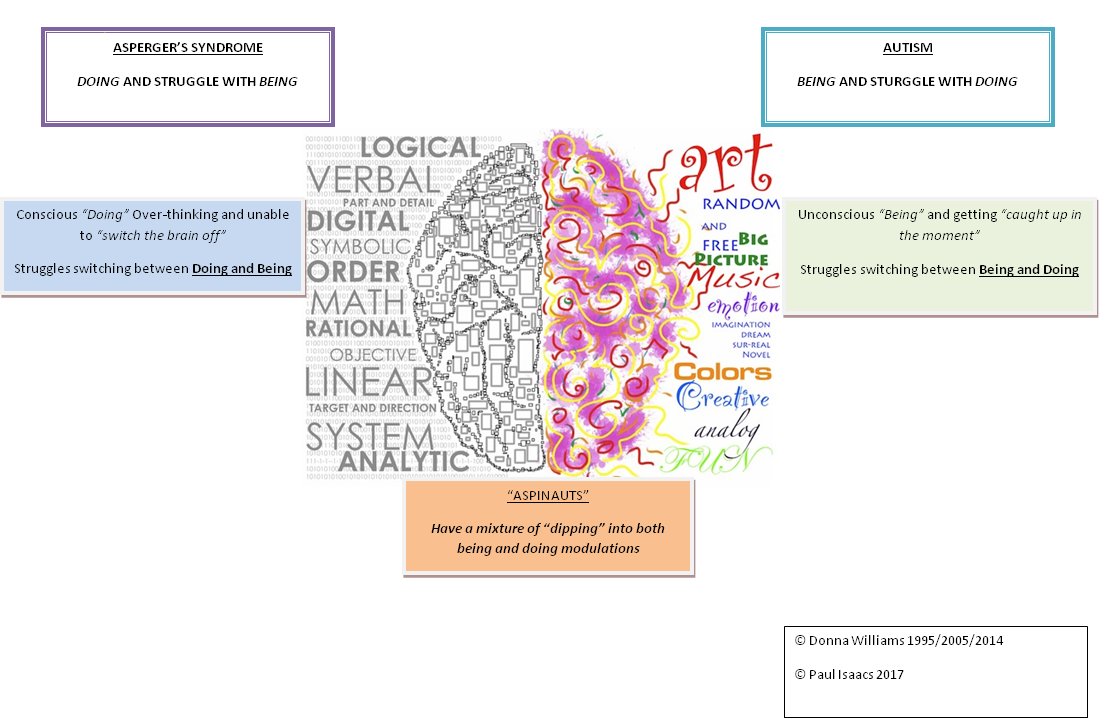
I have several important links relating to autism to share with you, and I urge you to continue that sharing process. Just to remind my readers I am#actuallyautistic, and also branch secretary of the National Autistic Society’sWest Norfolk branch, and in that latter capacity I will conclude this introduction by reminding you of NAS’s catchline:
UNTIL EVERYONE UNDERSTANDS
A NOTE ON ATTRIBUTIONS
I found some of these pieces by way of people other than the original author. In such cases as well as crediting the actual author I also intend to mention the person who gave me the tip off. If you seen an underlining anywhere it is a link, and those links that are body text will be in a colour other than black to further highlight them.
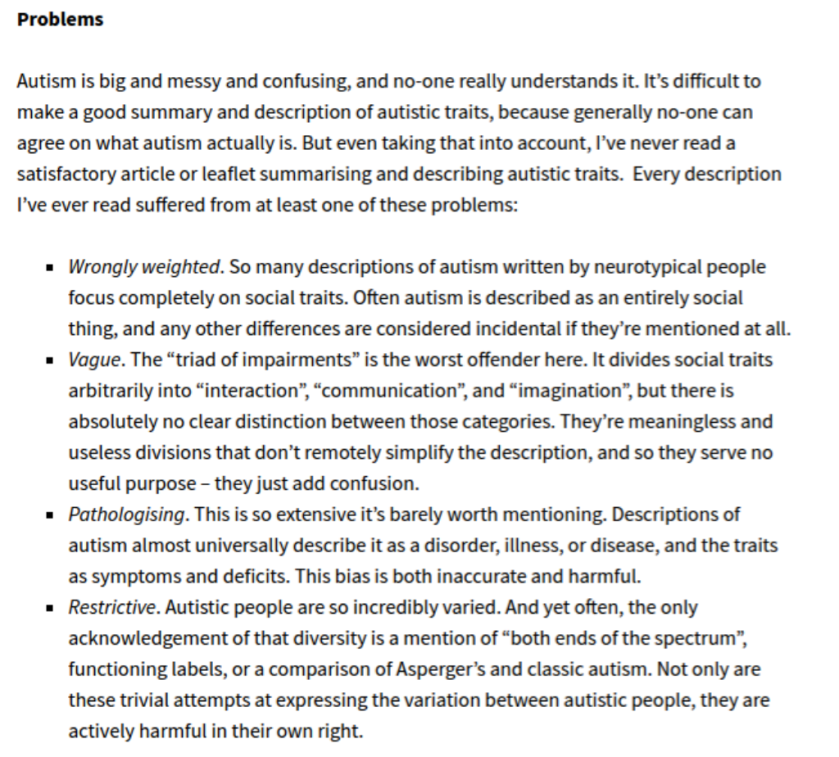
This piece was brought to my attention when the Neurodivergent Rebel reblogged it. It is a long piece, but very readable and absolutely bang on the money. The list itself is too long to quote here, but the screenshot below which explains the problems that the post goes on to address brilliantly is a good start:
THE LEFEVER BIKE RIDE
Paul and Jamie Lefever recently undertook a sponsored cycle ride from King’s Lynn to the National Autistic Society’s HQ in London, a distance of 118 miles. A full account, under the title “11-year-old Jamie cycles 118 miles for our charity (4 September 2017)” is available on the NAS website.
ABA THERAPISTS BUSTED
This piece, written by Amy Sequenzia, a well known autistic person and advocate for autism, was originally posted on the autismwomensnetwork under the self explanatory title “ABA Providers Making Fun of Autistic People“. I include a graphic from this post below:
Image is a photo of a group of human figure-shaped wooden pegs clustered to the left and a single wooden peg standing off to the right. Text says, “It is about how ABA “therapists” REALLY see Autistics. It is about them making fun of us because they see us as broken and hopeless. -Amy Sequenzia, autismwomensnetwork.org”
As always, I end this post with some of my own photographs:
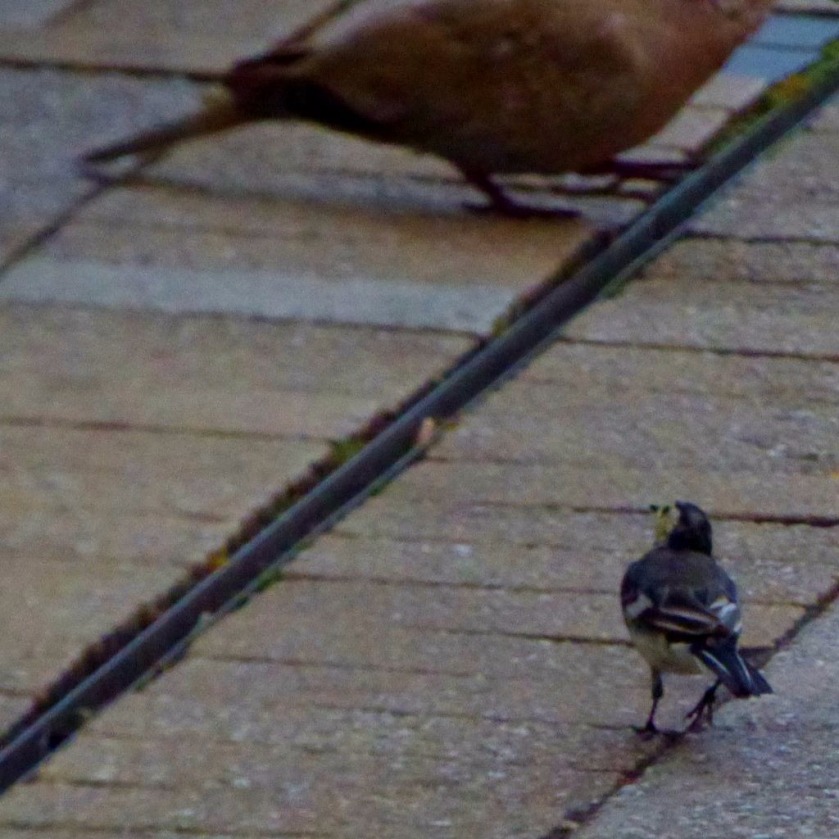
The pigeon in the background helps to show how tiny this wagtail is.
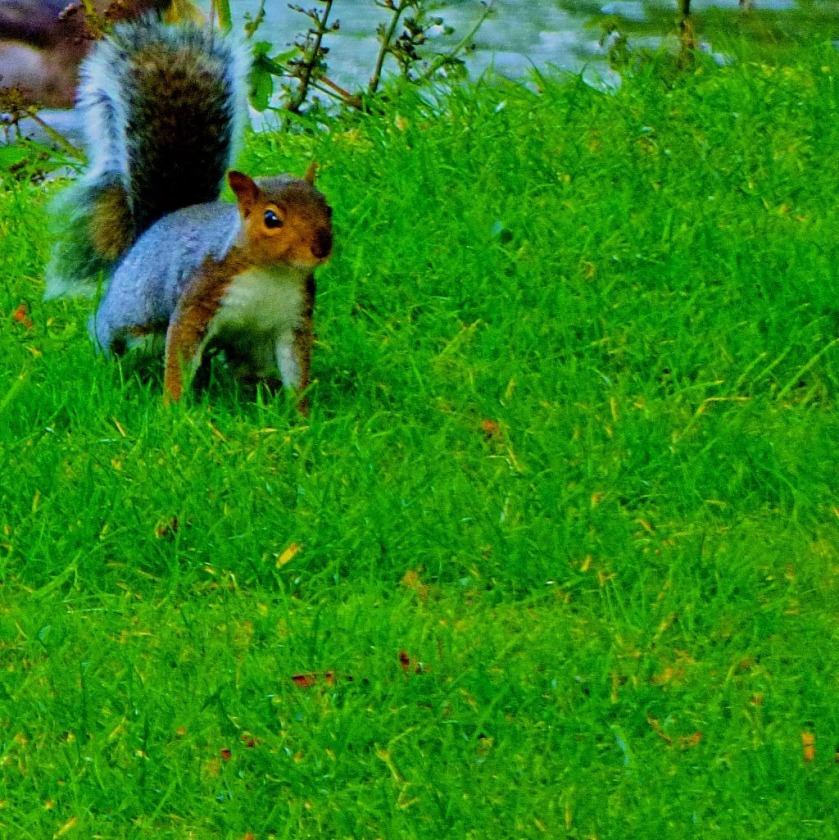
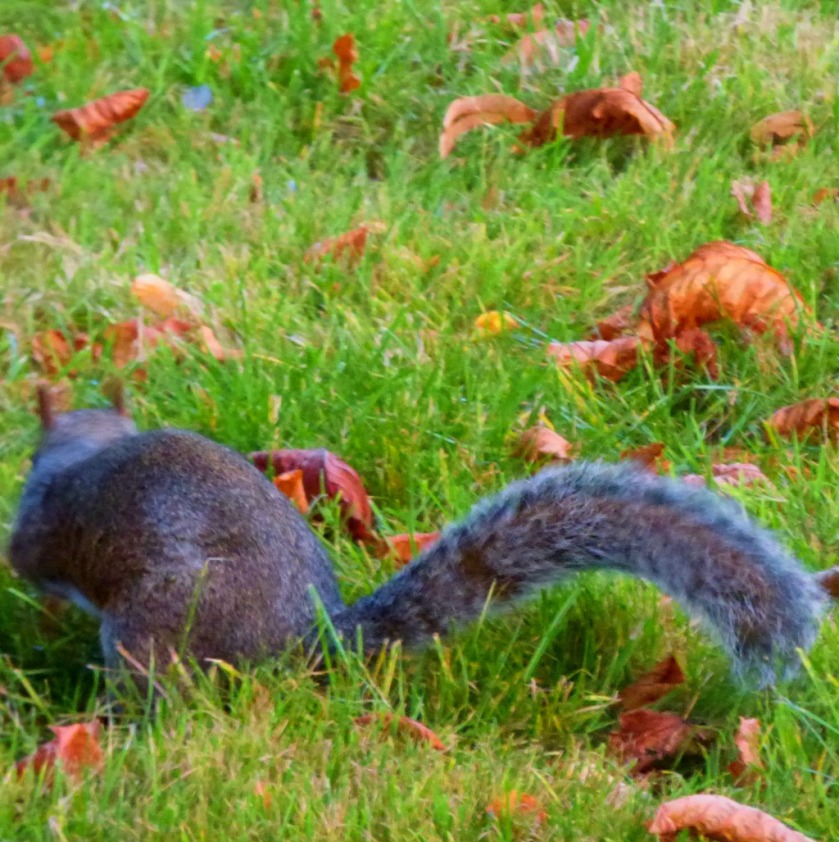
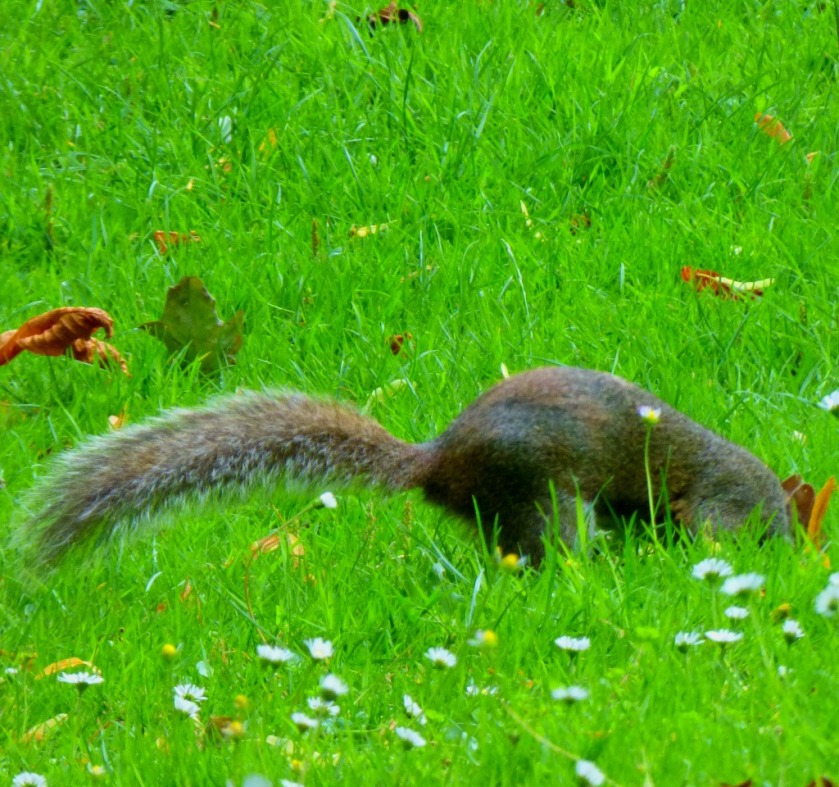
No I have not rotated this shot – the squirrel really is on a vertical tree trunk.
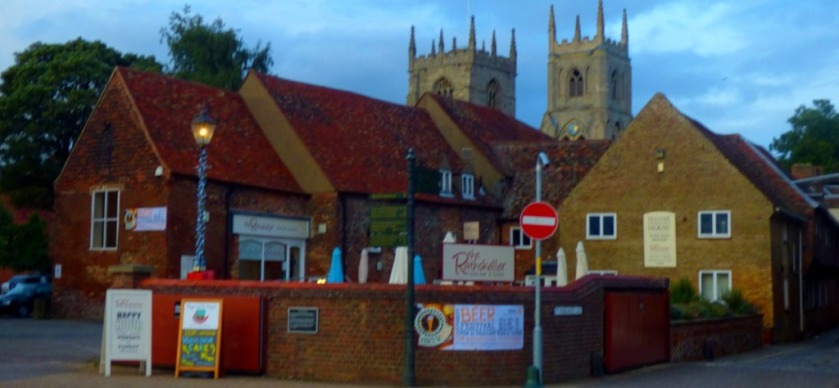
This shot shows Hanse House and the Rathskellar, the latter of which is hosting a charity beer festival this weekend.
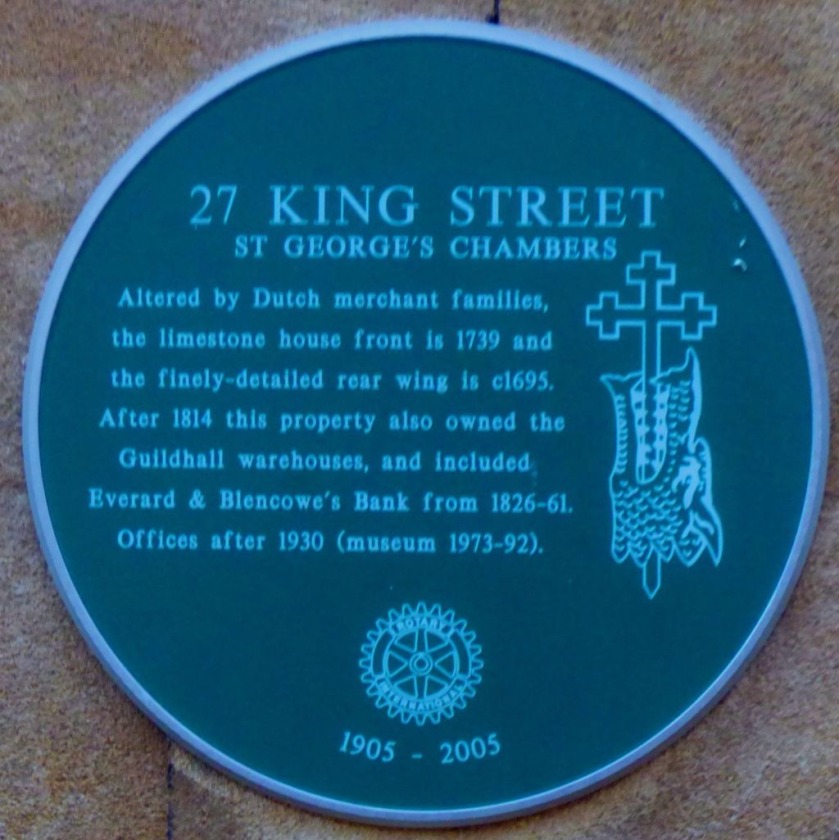
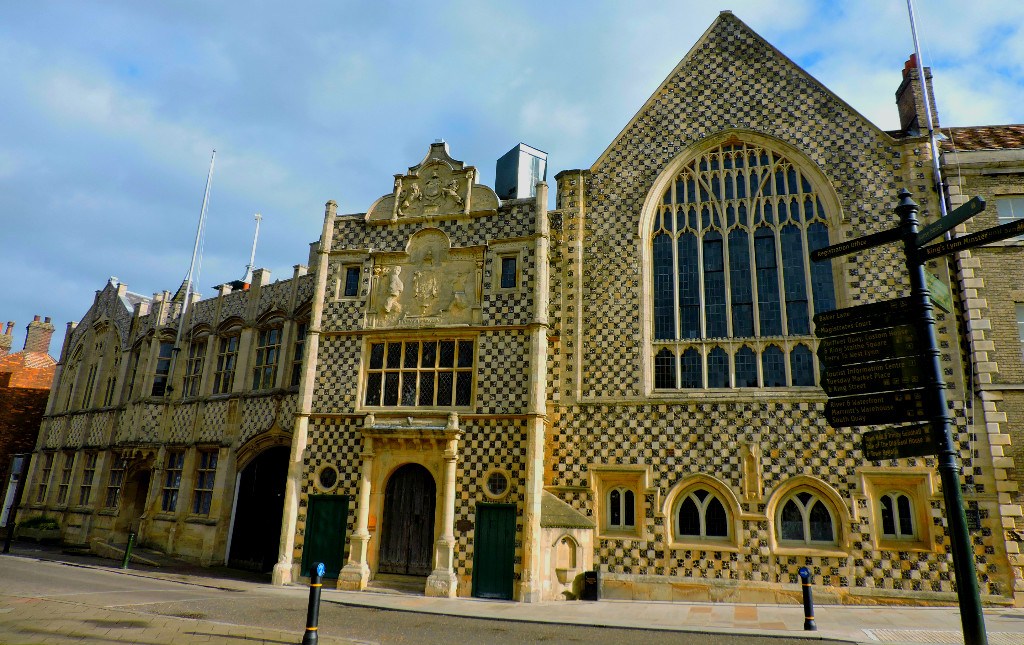
I was due to steward at 11-13 King Street between 12 and 2PM on Heritage Open Day, but this has now been changed to 27 King Street, which is this fine building.
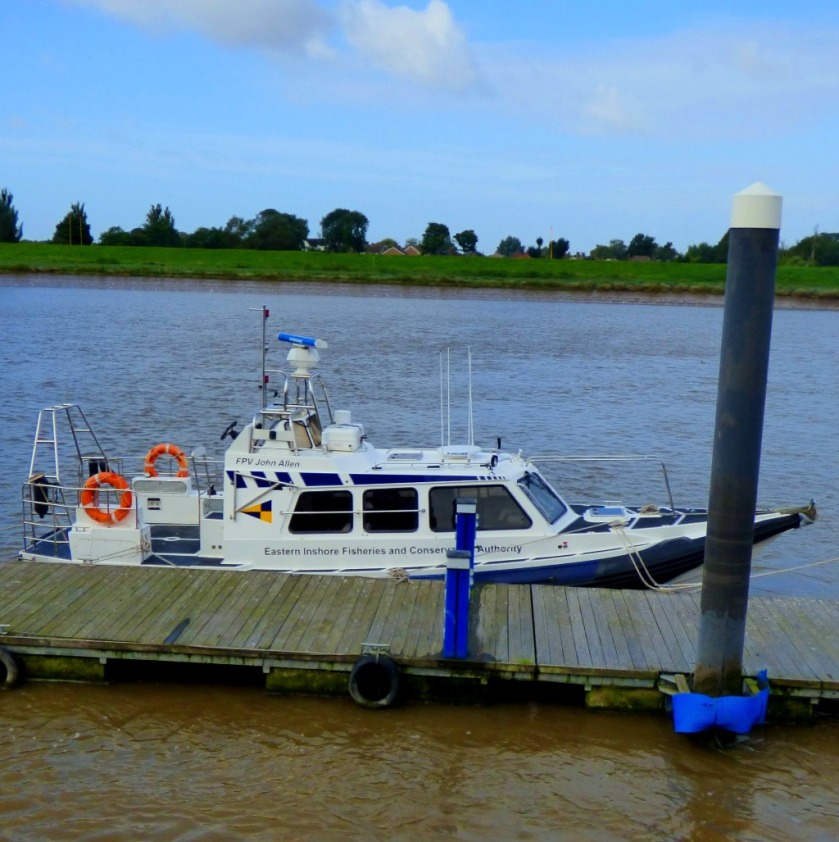
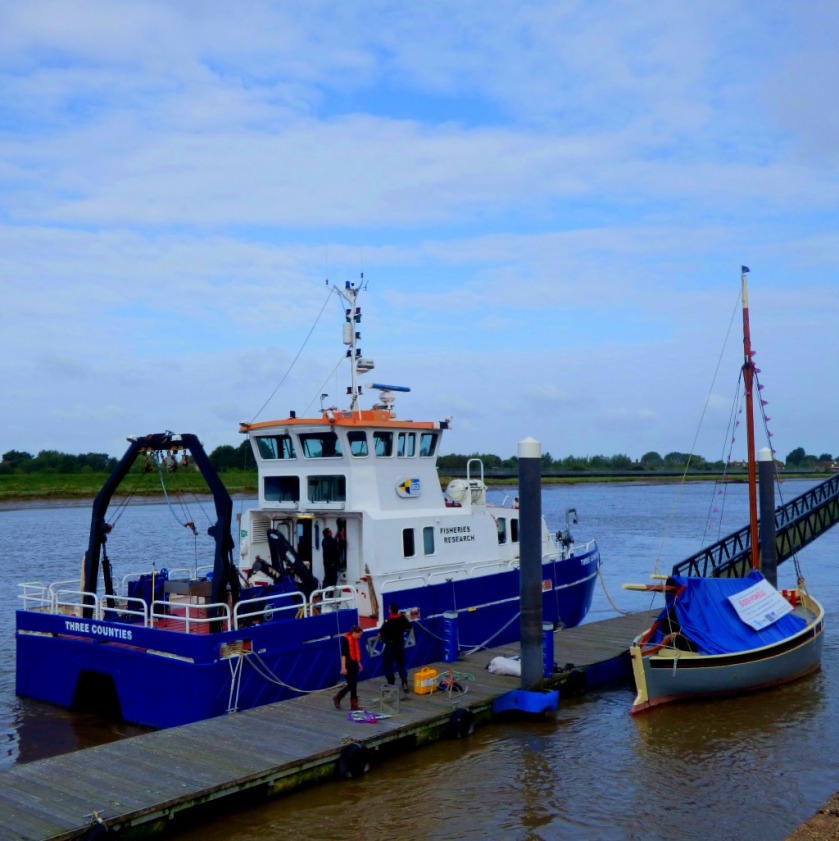
The Eastern Inshore Fisheries and Conservation Auhtority.The cockling boat Baden Powell and a Fisheries Research vessel.
An account of two recent cricket matches involving England and South Africa, first the England men’s humiliation at Trent Bridge, and then the nailbiter of a Women’s World Cup semi-final at Bristol.
INTRODUCTION
Both of the matches of my title were cricket matches between England and South Africa. The first was the test match between the men’s teams, and the second was the women’s world cup semi-final. A couple of notes about links in this piece:
Some links are in red – these are to video footage.
IT WAS THE WORST OF TIMES
England had won the first test match of the series handily, with Joe Rootscoring 190 in his first innings as England captain and Moeen Ali being player of the match for his first inning 87 and match haul of 10-112. Among England’s male players only Ian Botham with 114 not out and 13-106 v India in 1979 has topped Ali’s all-round haul in a single game (Enid Bakewell was the first player of either sex to combine a match aggregate of 100 runs with a haul of 10 or more wickets, hence the earlier caveat).
Thus at Trent Bridge England should have been strong favourites. South Africa won the toss, batted first and made 335 in their first innings and England by bad batting handed South Africa a lead of 130, South Africa extended this to 473 with two days to play before sending England back in, messrs Elgar and Amla having demonstrated how to make runs on this pitch, each batting a long time. England’s second innings was quite simply shambolic, with batter after batter handing their wickets away. Four wickets down by lunch on the penultimate day it worse afterwards, with England being all out for 133 at approsimately 3PM. South Africa, having given themselves two days to dismiss England a second time had required less than two full sessions and were victors be 340 runs.
ENGLAND’S MISTAKES
The first mistake England made was with the selection of the side. According to the powers that be Moeen Ali is happier as a second spinner than as either a sole spinner or as first spinner. However I find it hard to believe that even he could really consider himself no2 to Liam Dawson. Dawson is an ill thought out selection reminiscent of the dark days of the 1990s. For his county he averages in the low thirties with the bat and the high thirties with the ball, so even at that level he comes out as clearly not good enough in either department to warrant selection – the reverse of the true all-rounder. If a pitch warrants two spinners (and no Trent Bridge pitch in my lifetime ever has) the other spinner should be a genuine front-line option such as Dominic Bess (first class bowling average 19.83 per wicket – what are you waiting for selectors?). The other logical alternative would have been to bring in an extra batter (there are any number of possibilities) to strengthen this department. England’s batting in both innings smacked of panic. Other than Root whose 78 in the first innings was a gem and Cook who played well for a time in the second no England batter is entitled to be other than embarrassed by the way they played in this match. The scorecard, in all it’s gory detail, can be viewed here.
IT WAS THE BEST OF TIMES
On what should have been the final day of the men’s test match but for England’s spinelessness the women’s teams convened at Bristol for a world-cup semi-final. The final will be played at Lord’s and is already sold out. South Africa batted first and were restricted to 218-6 from their overs, Mignon Du Preez top scoring with 76 not out, and Laura Wolvaardt making 66. South Africa bowled better than they had batted, and the outcome remained in doubt right to the end. Anya Shrubsole who had earlier finished with 1-33 from her 10 overs settled things by hitting her first ball, the third-last possible ball of the match through the covers for four. Sarah Taylor’s 54 and a brilliant wicket-keeping performance highlighted by the spectacular stumping of Trisha Chetty off the bowling of Natalie Sciver earned her the player of the match award. Sciver incidentally is the pioneer of a shot that in honour of her first name and the f**tballing term ‘nutmeg’ commentator Charles Dagnall has dubbed the ‘Natmeg’, one example of which she played in this match. Video highlights of this amazing match can be seen here (runs for just under five minutes), while the scorecard can be viewed here.
THE ROLE OF EXTRAS
To set the scene for the rest of this section here are the extras (a cricket term for runs scored not off the bat) from both innings:
When South Africa batted:
Extras
(w 4)
4
When England batted
Extras
(b 5, w 17, nb 3)
25
A note on the designations within extras: Byes (b) stands for runs scored when there is no contact made with the ball but either the batters are able to take runs, or the ball goes to the boundary unimpeded, legbyes (lb), of which there were none in this match, are runs scored when the ball hits the pad but not the bat. Wides are deliveries that are too wide for the batter to be able to play, and no-balls are deliveries that are ruled illegal for some other infraction (bowler overstepping the crease, high full-toss etc). The 21 run difference between the two tallies shown above is of major significance given that England reached the target with just two balls to spare, and there is yet a further point.
WIDES AND NO-BALLS – WHAT APPEARS IN PRINT DOES NOT TELL THE FULL STORY OF HOW EXPENSIVE THEY ARE
England bowled four wides in the match, South Africa 17 and three no-balls. That is a 16-run difference, but the actual costs are likely be even more different because:
When a delivery is called wide, as well as incurring a one-run penalty an extra delivery must be bowled to replace it. Thus a wide costs the original penalty, plus possible extras (if it goes unimpeded to the boundary it costs 5, the original 1, plus four foir the boundary) plus any runs scored off the seventh delivery of the over, which the bowler had they been disciplined would not have had to bowl
When a delivery is called a no-ball, the batter can still score off it, the delivery immediately following it is designated a ‘free-hit’, meaning that the batter cannot be dismissed off it, and as with a wide an extra delivery must be bowled to replace it. Thus a no-ball actually costs the original penalty, any runs hit of that delivery, the lack of a wicket-taking opportunity on the next delivery and any runs of the seventh delivery of the over (which would otherwise not have needed to be bowled).
Therefore the discrepancy between the sides in terms of wides and no-balls is probably much greater than shown on the score-card, and this in a very close match. Sarah Taylor certainly deserved her player of the match award, but the much tighter discipline shown by England’s bowlers than their South African counterparts was also crucial to the result.
PHOTOGRAPHS
After over 1,100 words those of you are still with me deserve some pictures, so here we are:
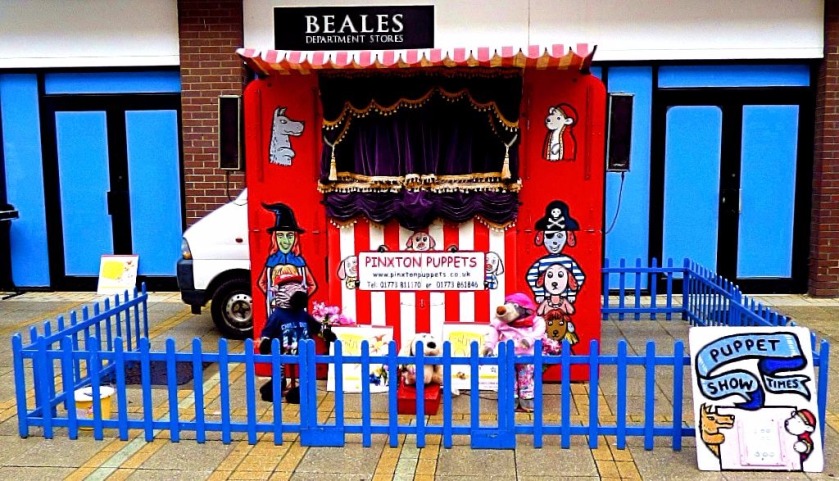
This puppet theatre is in town for the Lynn Festival
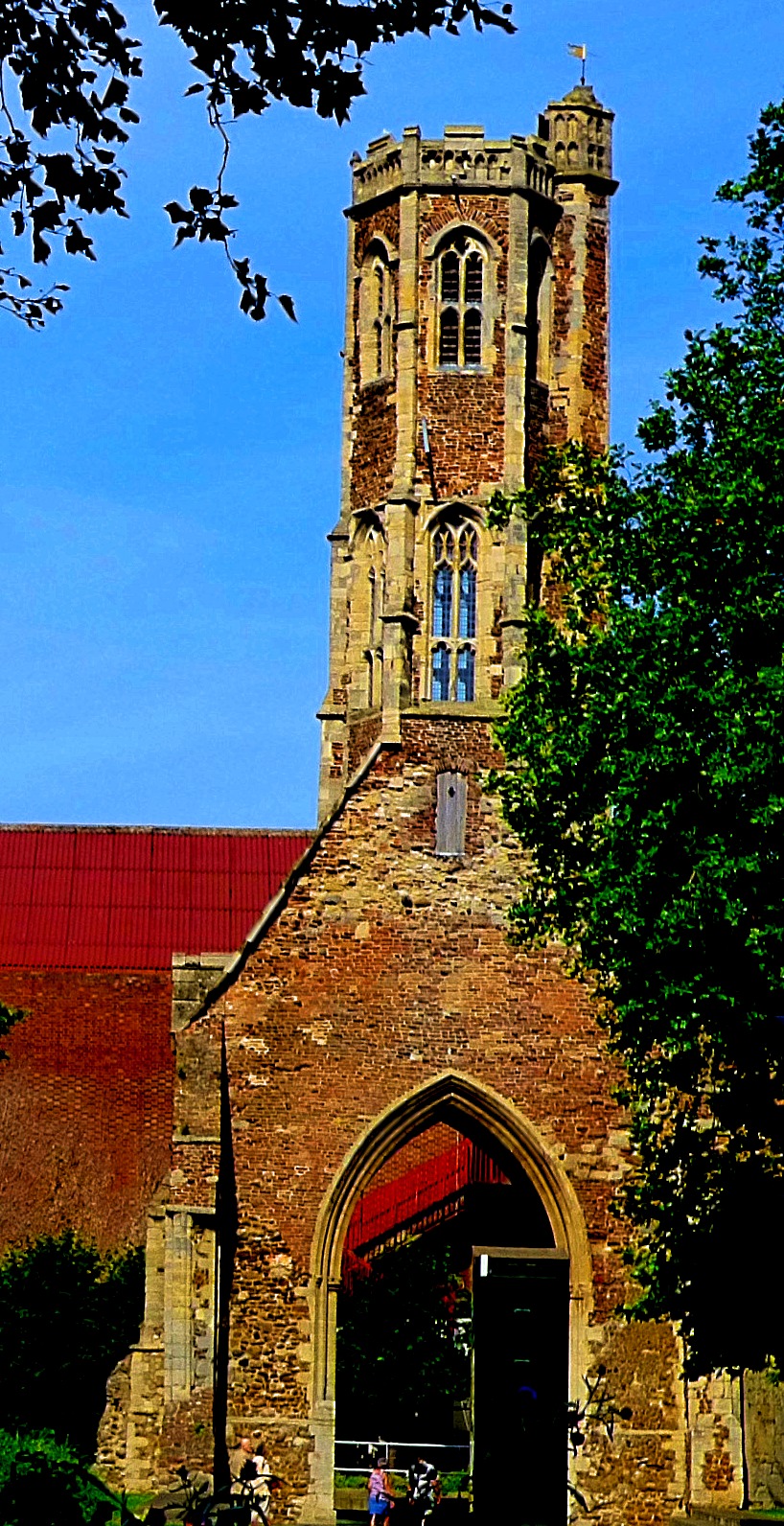
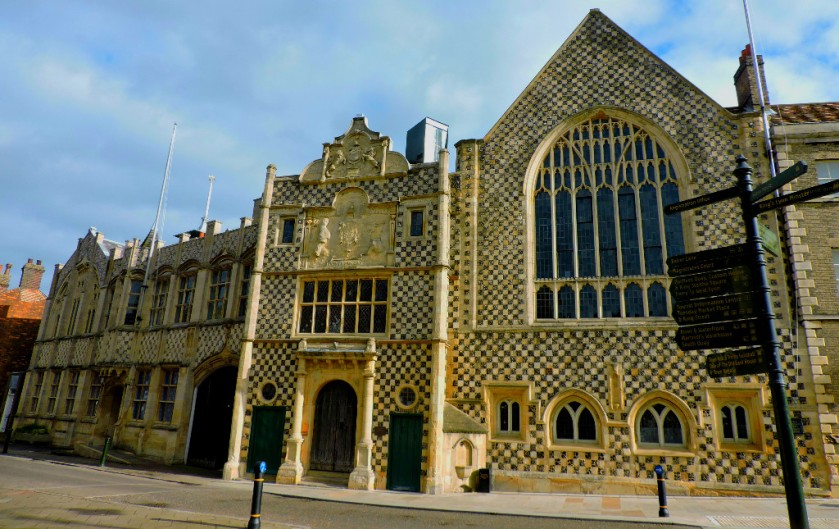
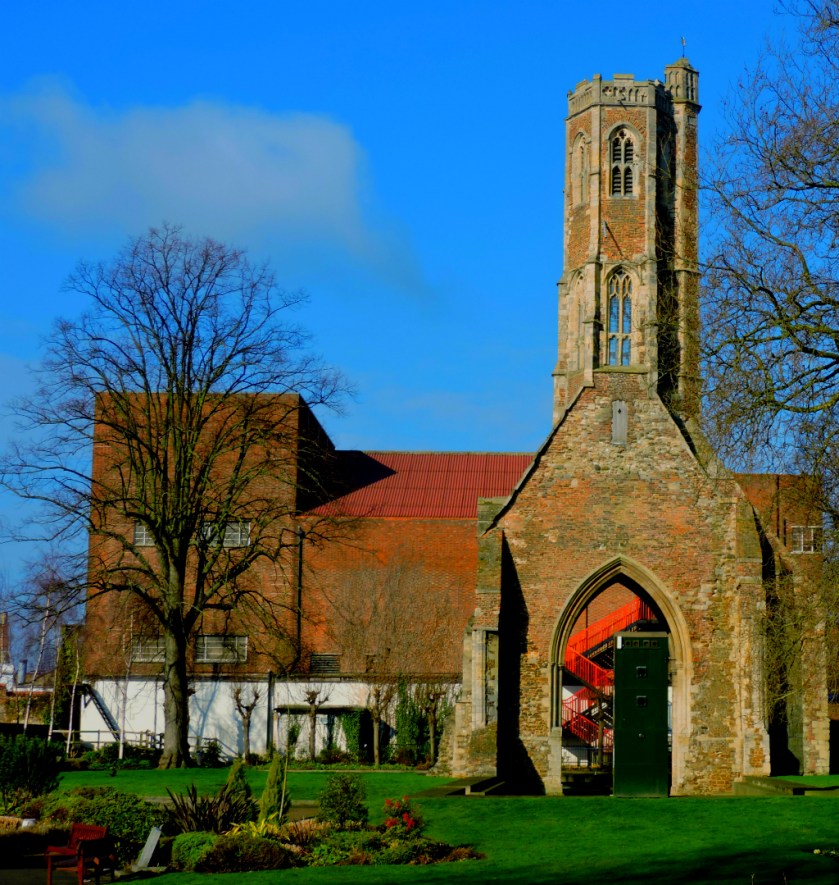
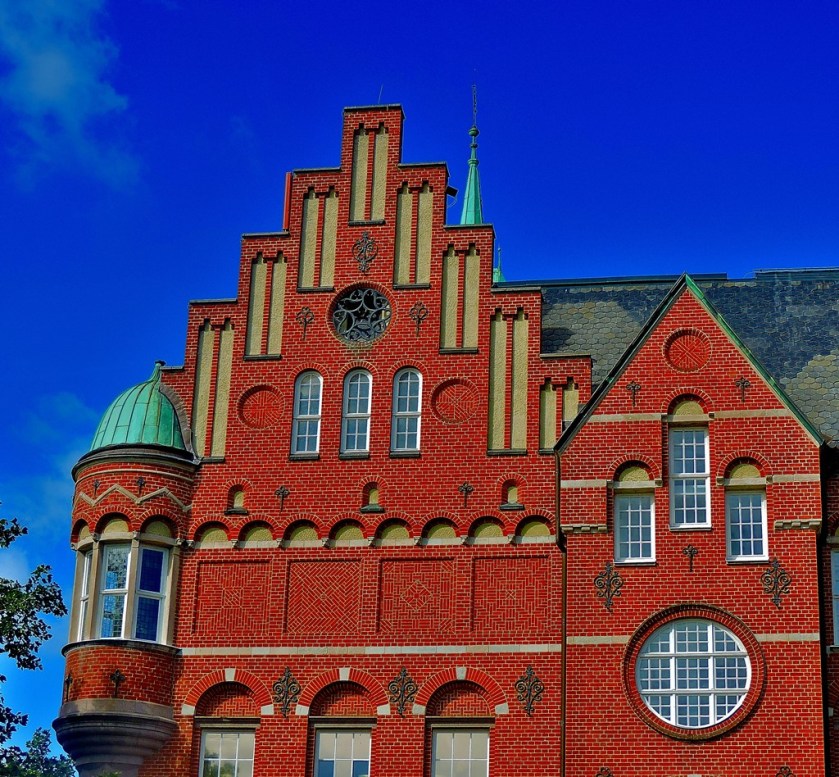
Greyfriars TowerKing’s Lynn library
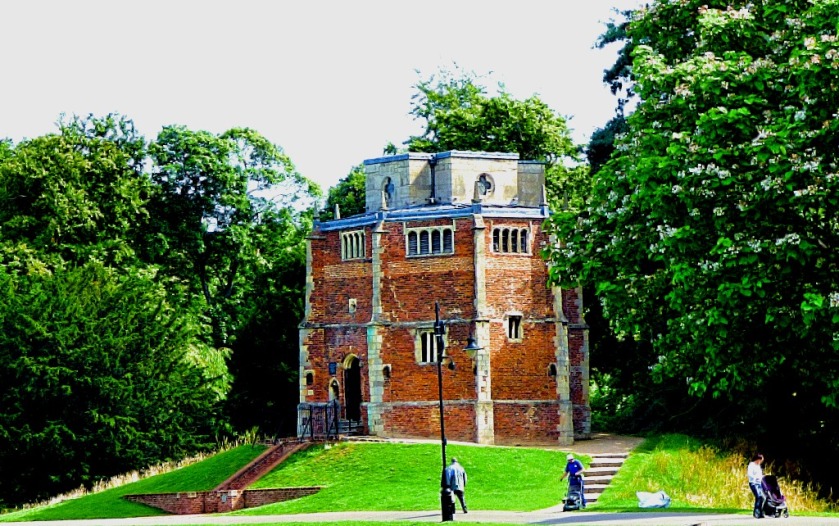
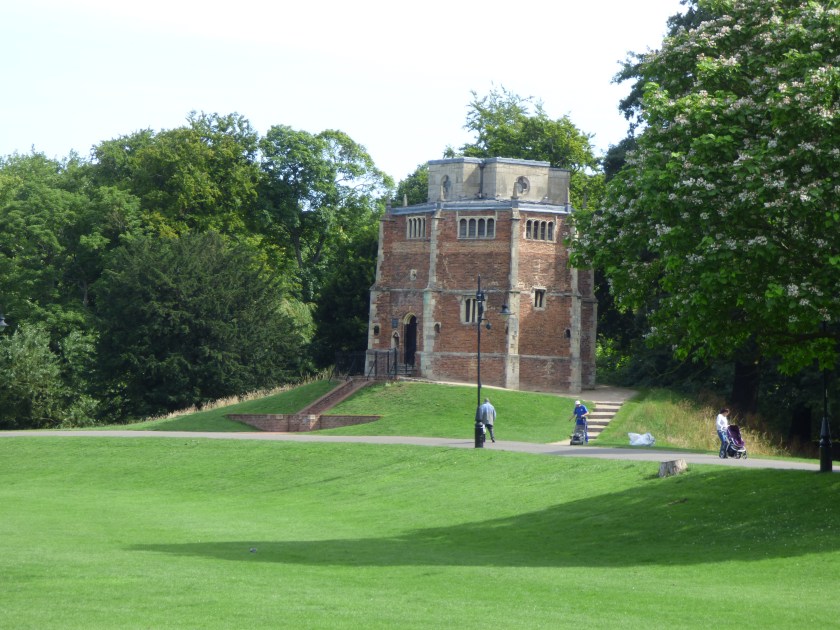
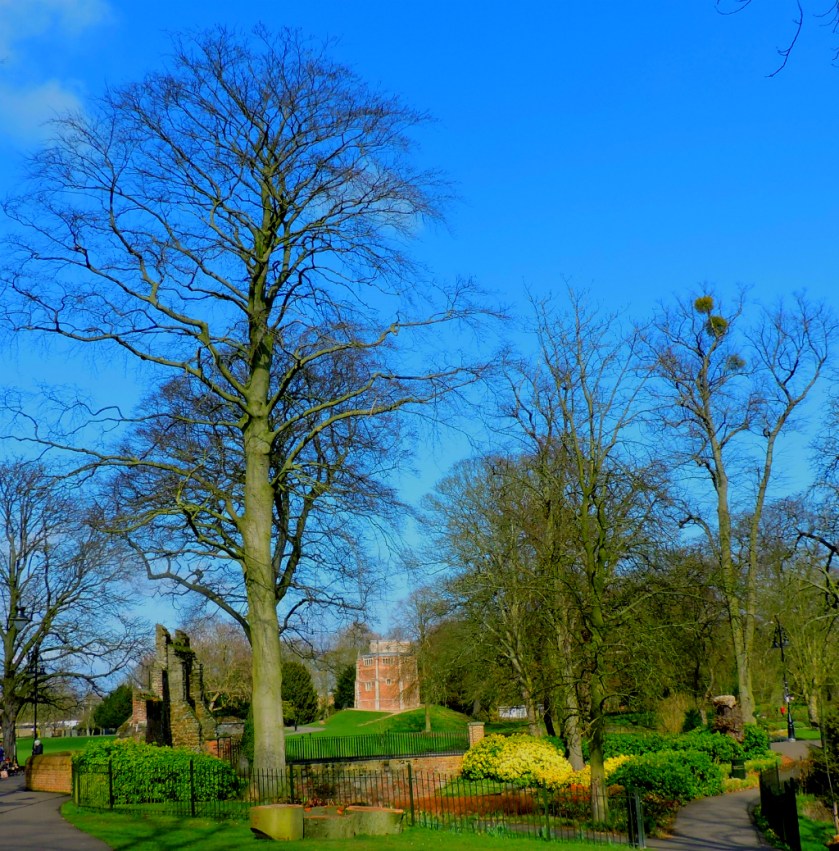
The Red Mount ChapelThe unedited Red Mount chapel picture.The Guanock Gate
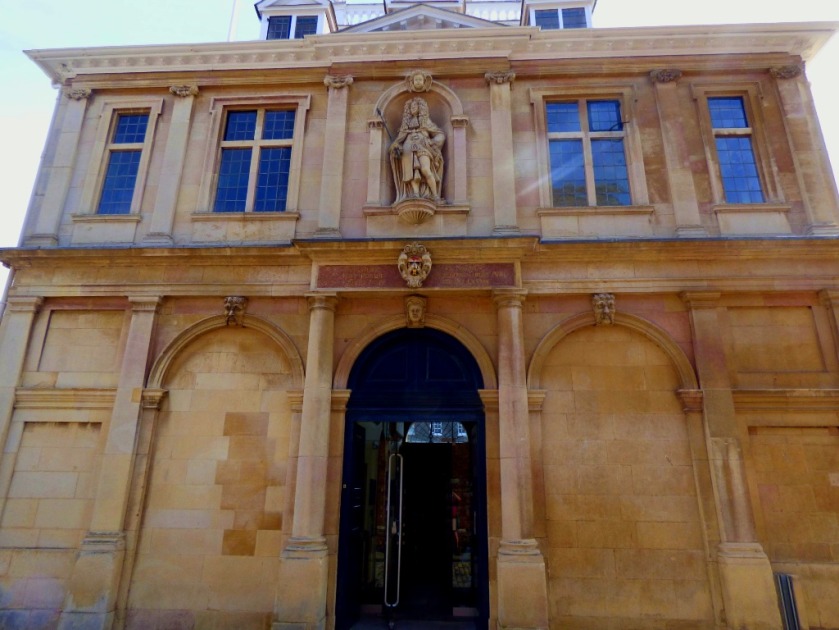
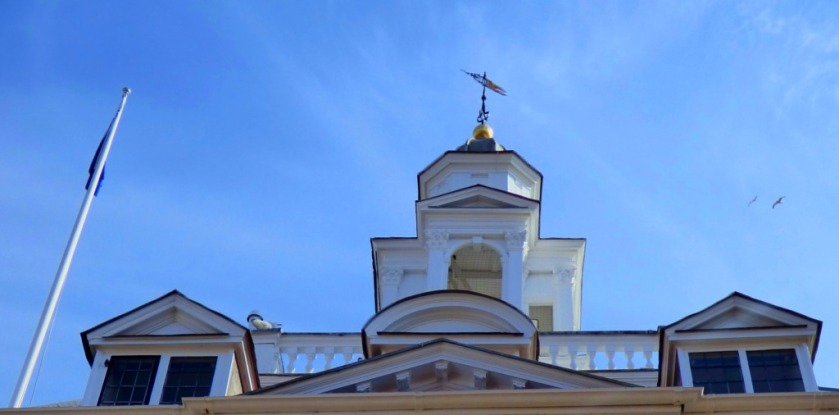
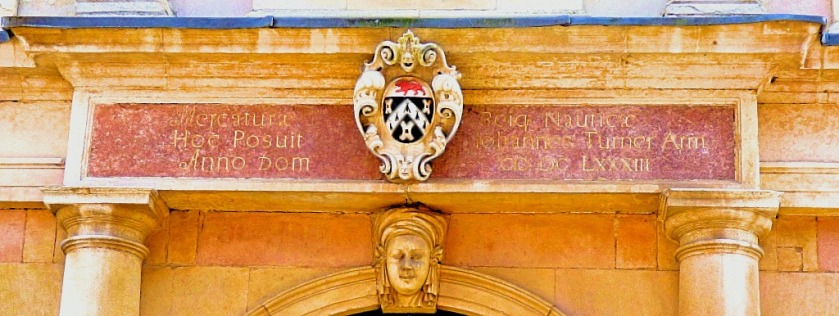
The first of three pictures featuring the Custom House
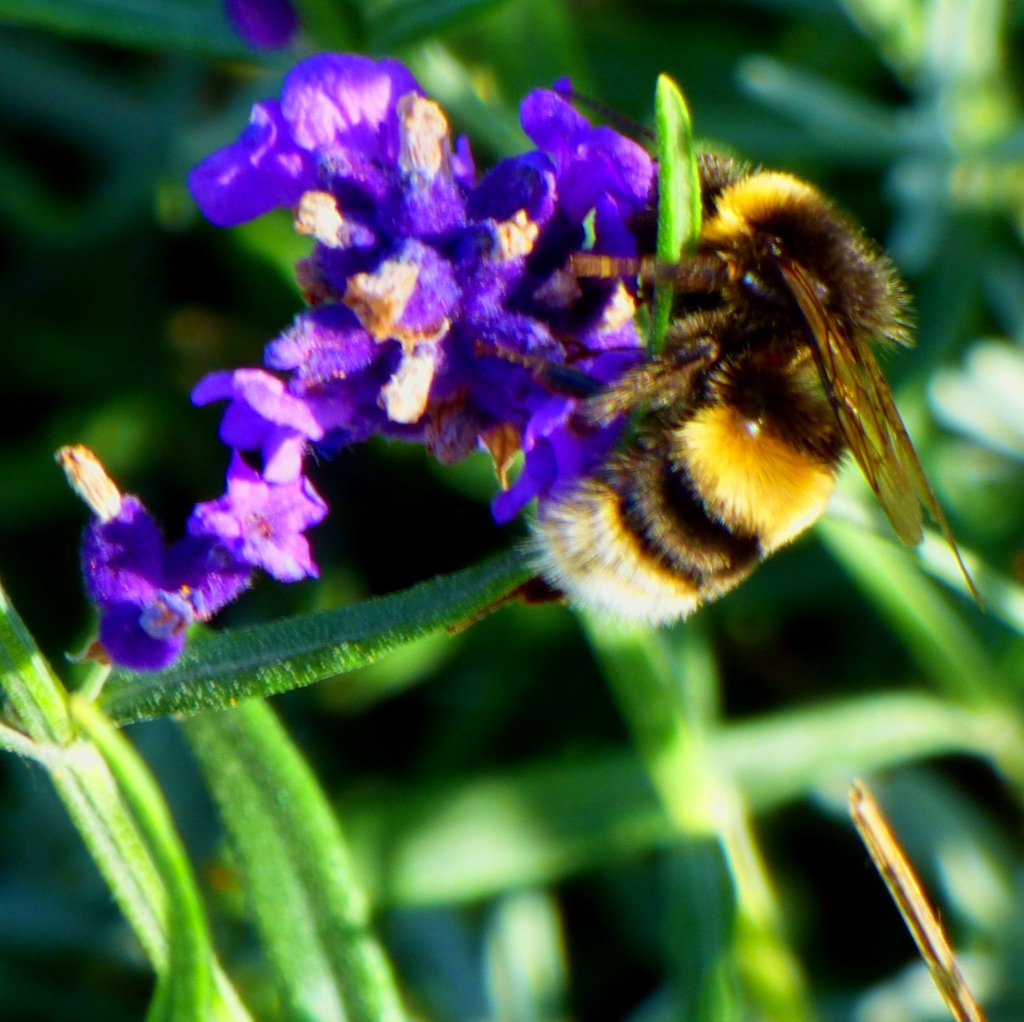
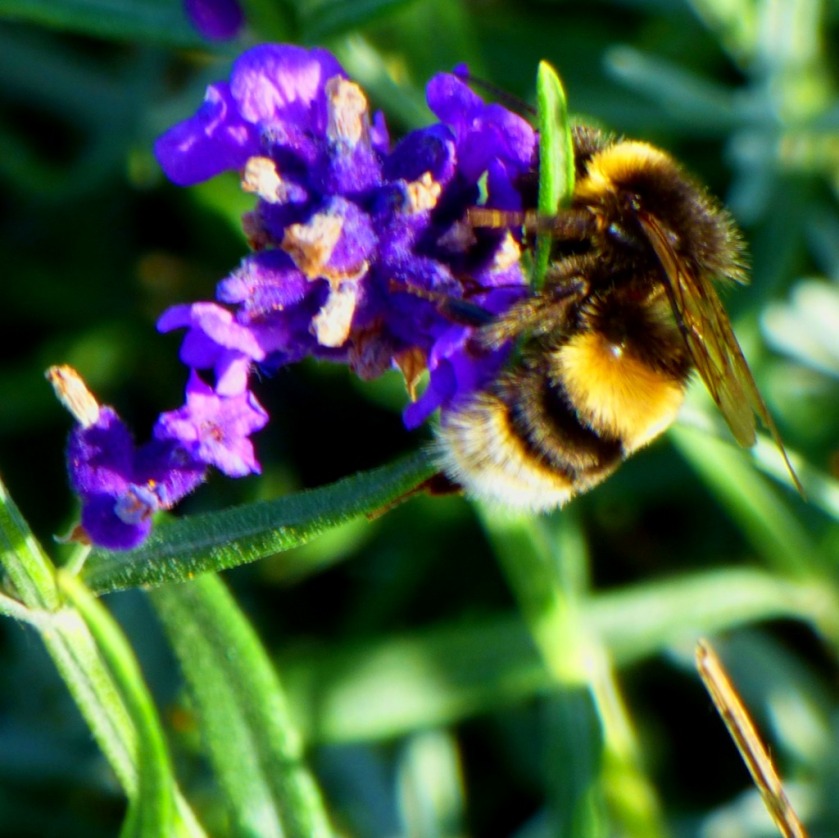
West Lynn ChurchJust as a bee pic was worthy start to this series of photos, another bee pic is a worthy finish to it.
Some cricket, some music including references to the Classic FM Hall of Fame, some stuff about upcoming local elections and some photographs.
INTRODUCTION
An odd combination of topics to appear in a title, but all will be made clear in the course of this post. There will of course be some of my photographs as well.
CRICKET
The English cricket season is well underway. Because of an alteration to the structure of the two divisions of first class counties last season to a first division of eight teams and a second division of ten teams, it is now possible for all 18 first class counties to be in action simultaneously, as was not the case when there were nine teams in each division. Over this Easter weekend, for the first time since 1999 (the last season of the single division championship) all 18 of said sides have been in action. Glamorgan lost heavily to Worcestershire before today was underway. Leicestershire had also suffered an innings defeat at the hands of Gloucestershire. Essex and Somerset also finished early, a century from Alastair Cook anchoring Essex in their fourth innings chase of 255. Warwickshire only kept their match against Yorkshire alive into the fourth day because of some assistance from the weather, and having started the season with back to back innings defeats, and three shocking batting performances out of four innings, they must be considered heavy favourites for one of the relegation spots from division 1. Of the five remaining matches, Nottinghamshire are nearly done and dusted against Durham (since I wrote this Nottinghamshire have completed the job as expected, with nine wickets in hand), and it would also seem to be only a matter of time before Kent finish the job against Sussex (this match has also subsequently reached its predicted conclusion). A draw looks the most likely result in the Surrey versus Lancashire, although Surrey are not out of the woods yet. Hampshire and Middlesex also looks like being a draw, although again the Londoners are not quite safe yet. That leaves only…
DERBYSHIRE VERSUS NORTHAMPTONSHIRE
Overnight this also looked like a draw was the most likely result, with Derbyshire 128 runs to the good with 10 second winnings standing. However, some behind the scenes discussions obviously took place, since Northamptonshire spent the morning session of today feeding Derbyshire easy runs, handing Reece (168) and Godleman (156 not out) a new record opening stand for Derbyshire. A declaration at 351-1 left Northamptonshire two sessions to score 326 for victory. Whatever happens in these two session neither team will emerge from this match with much credit in my book. While Northamptonshire’s motivation was obvious, Derbyshire could easily have declined the offer, backing their batsmen to score off proper bowling.
MUSIC
The long Easter weekend is when the Classic FM Hall of Fame is unveiled. It is assembled from listener votes. Each participant votes for their first, second and third favourite pieces of classical music, and the votes are all tallied up. The Hall of Fame comprises the top 300 pieces that emerge at the end of the process, and they are played counting down from 300 to 1 between 10AM and 10PM on each day of the weekend (it used when it first started to be 9AM to 9PM). This is the first occasion on which there has been a clash between the Hall of Fame and live cricket. I have resolved that clash by listening to the cricket when it has been on five live sports extra, and to the music at other times. The only exception to this was on Saturday afternoon, when it was time for…
MUSICAL KEYS
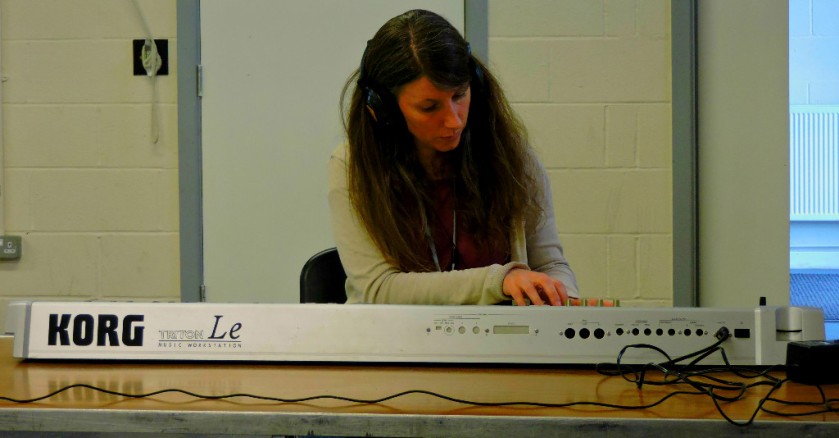
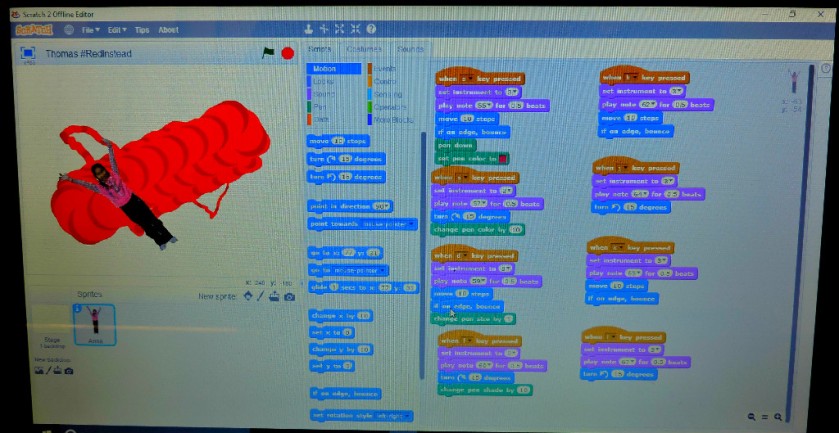
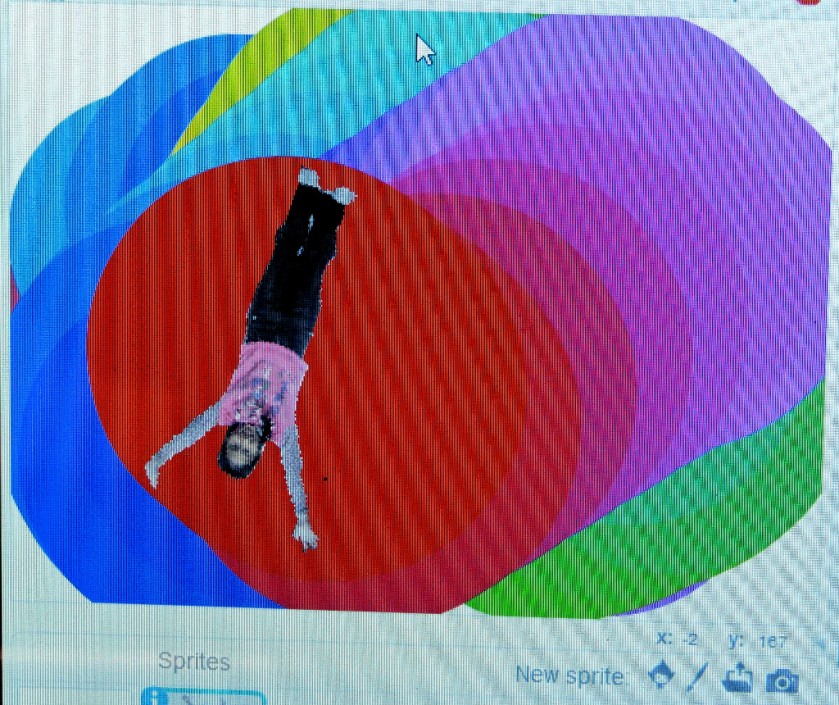
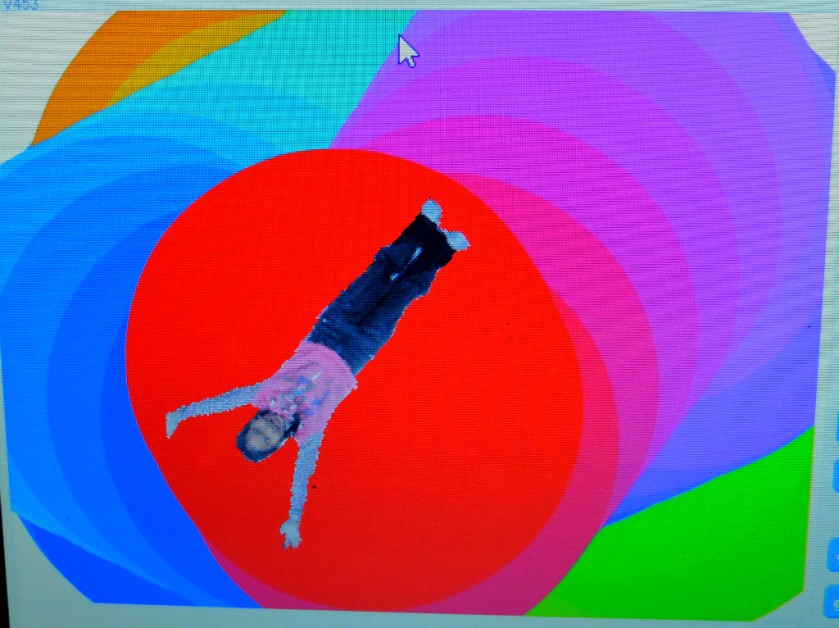
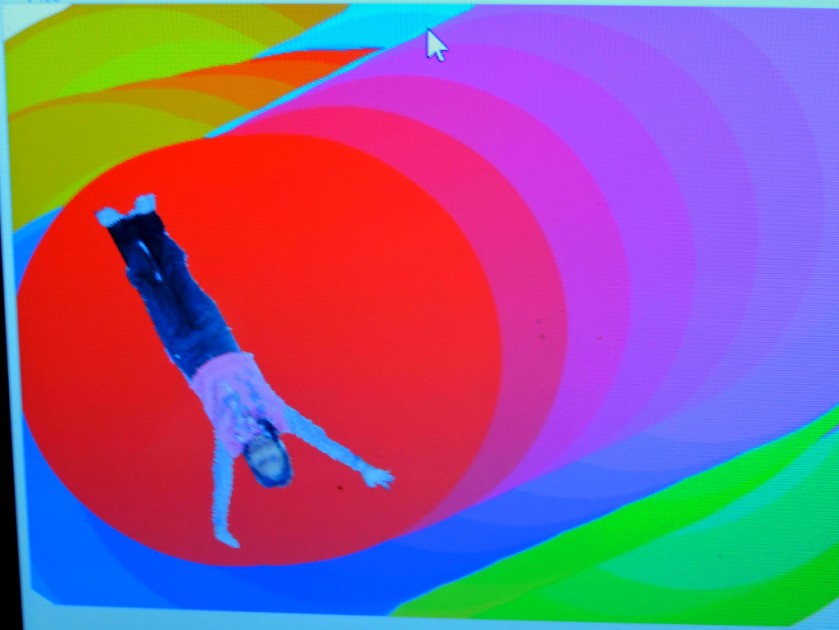
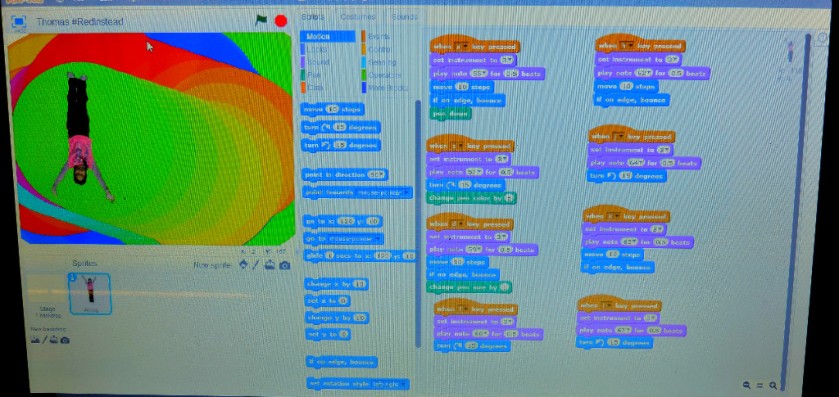
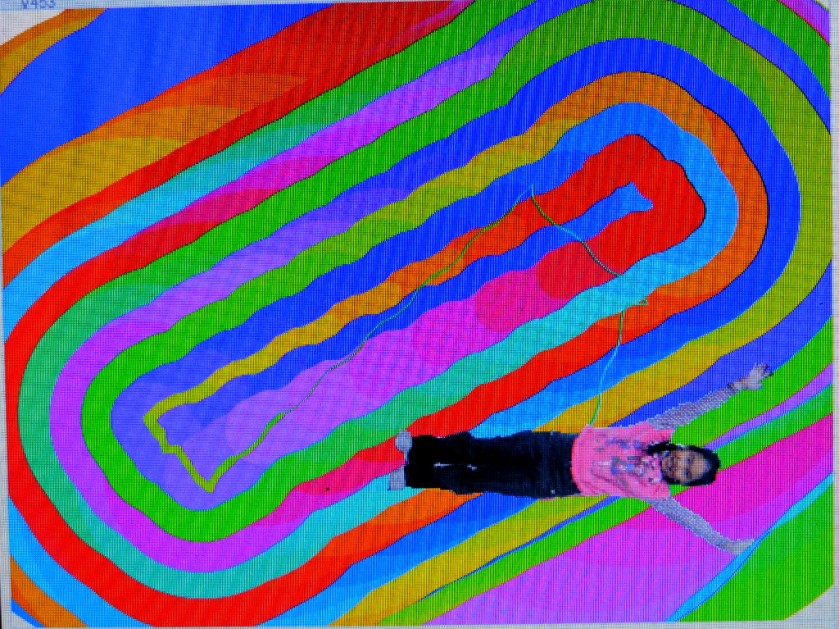
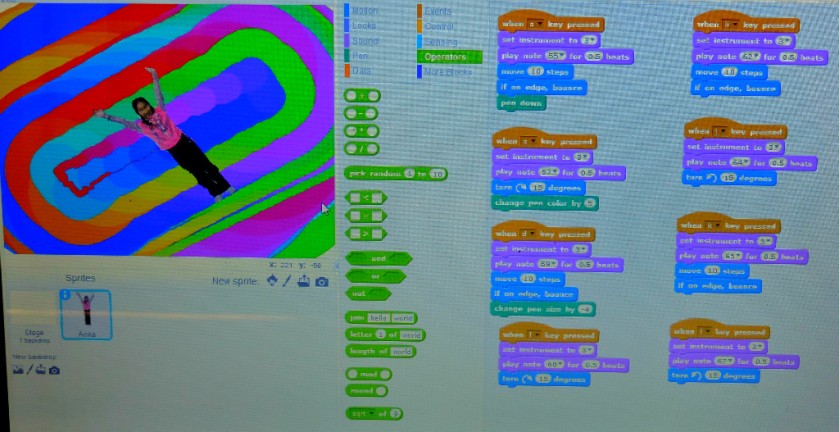
A shortage of available NAS West Norfolk Committee members meant that I was there for both sessions. The attendances were unsurprisingly low in both sessions. However, those who were able to make it had a good time. In the second session I renewed my acquaintanceship with Scratch 2, and next time I shall be moving on to another aspect of this program. Here are some pictures…
Kirsten, one of the two people from Musical Keys who run these sessions, at a very impressive looking keyboard.
I shall be adding some mathematics to the mix in two weeks time.
LOCAL ELECTIONS
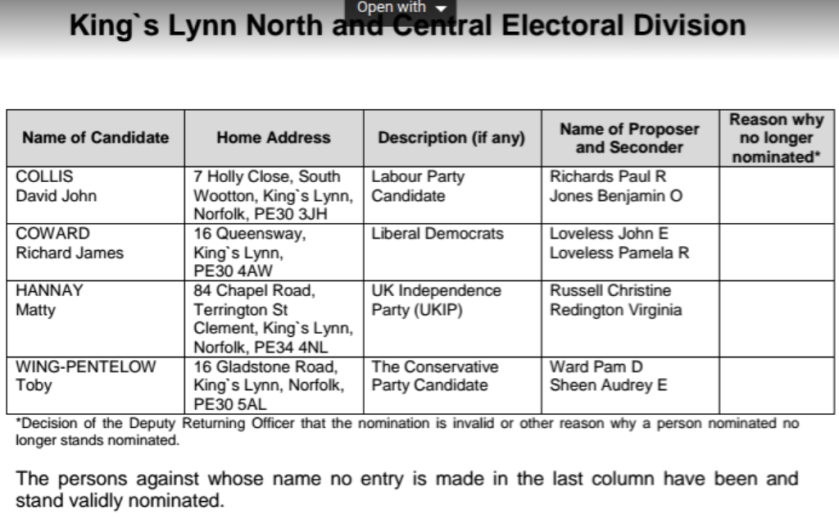
Various places in the UK will be going to the polls on May 4th. Last time I mentioned this subjectI said that I was between Labour and Green, and leaning towards Green. Since then, although I have yet to receive anything from any candidates a search of the King’s Lynn & West Norfolk borough councilwebsite turned up the following information about who was standing:
In view of the fact that there are three candidates in this list of four for whom I am absolutely unwilling to vote and that I regard failing to vote as unacceptable my vote will therefore go to Mr Collis, and I urge others who are voting in this election to cast their votes for Mr Collis as well.
Moving on from my own area, there also elections taking place much more extensively in Wales and Scotland.
– Vox Political’s Mike Sivier is standing as a Labour Party candidate for Powys County Council’s Llanbadarn Fawr ward – and there’s more to him than a nice smile [Image: Mike Sivier].
The big debate in Scotland at the moment is over whether or not there should be a second independence referendum (#IndyRef2) following the UK’s decision to withdraw from the EU, when Scotland was strongly pro-remain. It is not for me as a Sassenach to comment on whether or not Scottish independence is desirable since the only people who should be making decisions about the future of Scotland are the Scots, but I do believe that brexit is a sufficiently major change in circumstances as justify #IndyRef2, especially since one of the main claims of the no camp in 2014 was that an independent Scotland would not be able to join the EU. It would appear, if the article to which I link at the end of this section is anything to go on that the Tories seek to make the local elections in Scotland a sort of ‘pre-referendum’. Anyway, here courtesy of the website indyref2.scot, is a post that goes into detail on the issue, titled “Sending a message“.
PHOTOGRAPHS
I posted some photographs in the music section of this post, and I finish the post with some pictures mainly from outside…
ENDNOTE – CRICKET REVISITED
During the time it took to put the above photos up both Middlesex & Hampshire and Surrey & Lancashire have shaken hands on the predicted draws. These means that only the ‘declaration bowling’ game between Derbyshire and Northamptonshire is still to be settled.
Preparations for tomorrow, photographs from in and around King’s Lynn and pointing up a couple of things brought to my attention by DPAC
INTRODUCTION
The links I am sharing in this post are to do with disability rights. I am also going to be setting the stage in this post for the main thrust of tomorrow’s blogging, which is where the autism part of the title comes in.
NETWORK AUTISM
I will be attending an event in Dereham tomorrow morning which has been organised jointly by Autism Anglia and ASD Helping Hands. Dereham has been chosen as a location because we are dealing with a large area, and King’s Lynn to Norwich is too long a journey for most to consider acceptable (and even more so in reverse). Along with everything else, I have been making preparations for that.
GETTING THERE AND BACK
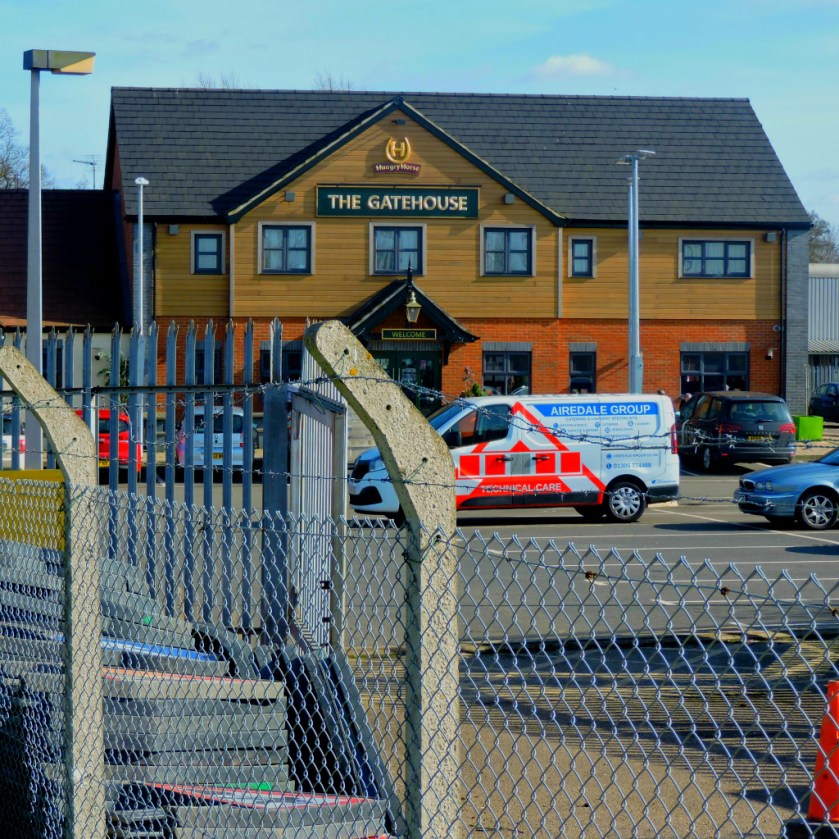
I have mad arrangements with someone who lives in Watlington and will be travelling by car to be given a lift. In order to avoid the necessity of the driver coming into the middle of King’s Lynn at what would be a busy time we have arranged to meet in the car park of the Gatehouse pub. It being fine outside I was up for a walk anyway, so I started by walking the best route between my house and the car park in question. Those familiar with this blog will not need to be told that in aspiblog terms when talking about walking routes “best” and “shortest” are not necessarily synonymous, and my chosen route is not by any means the shortest. However I class at as the “best” walking route because it minimises the amount of time I spend close to busy roads.
I set off at 13:31 (I needed to time this first section) and headed over the bridge across the upper Purfleet, across King Street, and down to mouth of the lower Purfleet, where I crossed the other pedestrian bridge to walk along the bank of the Great Ouse as far as Millfleet, from where I took the path around old Boal Quay to the Nar Outfall, and briefly rejoined the riverbank until I reached the path through Hardings Pits to Hardings Way, which I followed to its end near the South Lynn Baptist Church, where I crossed the road it joins, crossed the Nar and walked along to the South Gates roundabout, where one more road crossing took me to the edge of the car park which tomorrow morning will be my destination. Having recorded that I had got to the car park at 14:02, and hence been underway for 31 minutes I continued my walk by way of the cemetery, The Walks, Lynnsport and finally back into town by way of Bawsey Drain.
When I got back I found a facebook message awaiting me telling me that the ETA for my lift at the car park tomorrow was 9:20 – 9:30, so factoring in the timings for today and reckoning that if anyone has to wait it should be me I am planning on leaving my flat at approximately 8:40AM tomorrow.
Here are some of the pictures I took while out walking (including some in the first section which I was timing – where I go my camera goes).
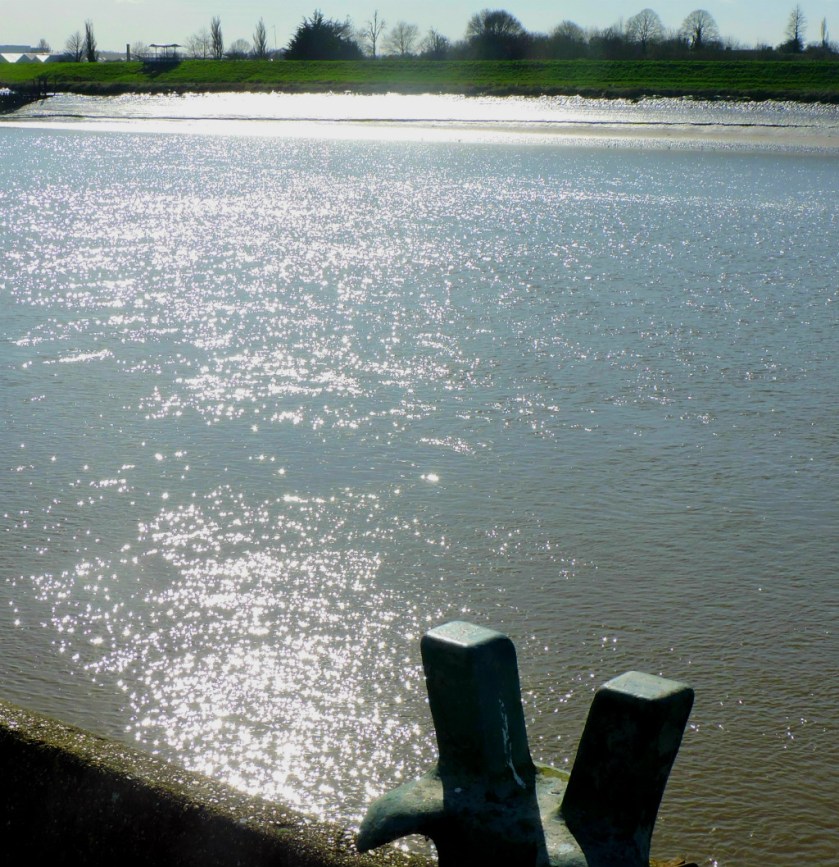
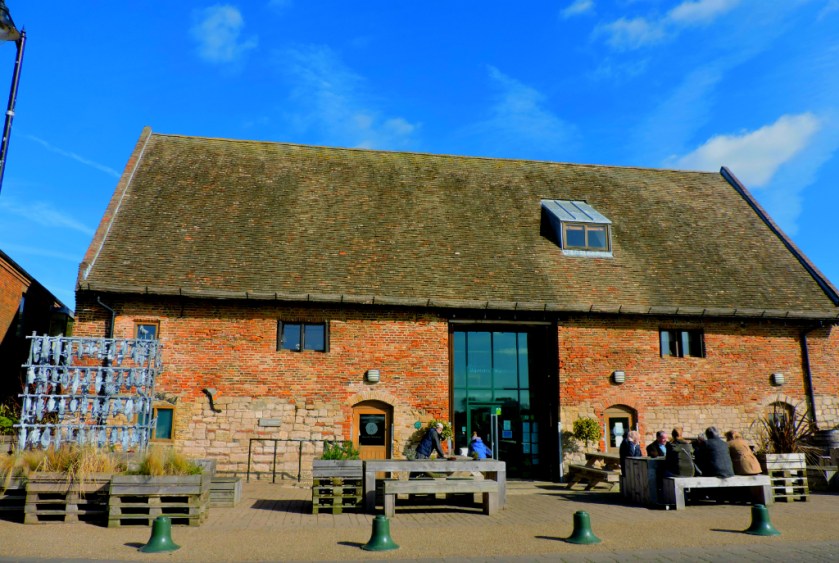
The sun shining on the Great Ouse.Marriott’s – note the people using the outside seats.
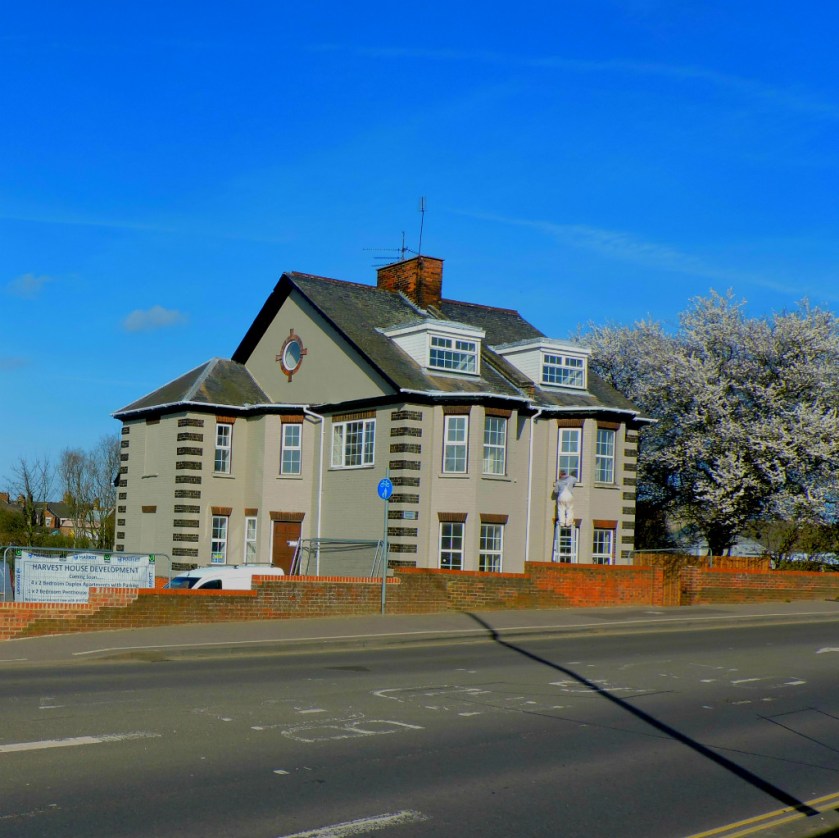
More light tricks courtesy of Helios and the Great Ouse.The former Wagg-Jex building been done up and turned into flatsThe South GateThe Gatehouse pub
A DPAC DUO
Disabled People Against Cuts have put out two very important pieces today. First, they draw our attention to a day of action against the vicious barbarism known as “Benefit Sanctions” organised by UNITE Community for March 30th. Please read this piece in full by by clicking on the image of an anti-sanction badge (from that post) below:
The second piece from DPAC relates the upcoming mayoral elections in Manchester. The Greater Manchester Coalition of Disabled People has developed a Disability Manifesto. This manifesto has been sent to all the mayoral candidates, and for those of you who use social media, a thunderclap has been launched to oput further pressure on the candidates to sign up to this manifesto.
The Thunderclap, which I have already supported, and urge those of you who are on social media (facebook, twitter, tumblr or any combination thereof) to do likewise by clicking on the picture below:
TOMORROW
My aim tomorrow is to put a post before I set off finishing the sharing of links I have started today, and then once I am back from Network Autism to put up a post about that.
England, having won the opening match of the three match series on Friday could ensure a series victory by winning again yesterday. What follows is my account of how they did this. Cricinfo’s account can be viewed here.
WEST INDIES POOR WITH THE BAT
I missed most of the West Indies innings, but caught the closing overs. Some decent bowling from England and very ordinary batting from the West Indies at that stage meant that with a total of 250-260 (which on that pitch would have been respectable) having looked possible the West Indies ended up with a mere 225, which should not have been much of challenge for England…
A GLIMPSE OF THE 1990s
Sam Billings fell without a run on the board, but then Jason Roy and Joe Root settled in. At 87-1 with Roy having just reached his 50 England looked in full control. At that point Roy was out playing a bad shot, which seemed to trigger a time machine that transported as back to the 1990s. The England middle order simply disintegrated, that high water mark of 87-1 transmuting to 124-6, at which point the West Indies were looking like favourites.
Then, came a reminder that this was 2017 and not a revisit to the 1990s, as Chris Woakes demonstrated his continuing improvement, albeit with some assistance from the Wesr Indies fielders who dropped two absolute sitters. With the imperturbable Root in the anchor role, Woakes’ aggressive 68 not out saw England home with four wickets and an over and a half to spare (Root was 90 not out at the other end).
Here is a photographic commemoration of the England middle order yesterday…
For the uninitiated a score of 0 in cricket is referred to as a duck. And 1990s England really were as bad as all that.
SOME THOUGHTS ON THE PLAYER OF THE MATCH AWARD
Predictably enough the Player of the Match award yesterday went to Root for his 90 not out. However, while this decision is understandable I consider it incorrect. Although Chris Woakes was wicketless from his eight overs they only went for 26 runs (a rate of just over three an over compared to West Indies overall 4.5), which in conjunction with his 68 not out when England had got themselves into a big hole, should have secured him the award.
PHOTOGRAPHS
Here are some of today’s photographs for you:
The recent repaired section of King’s Lynn libraryThe frontage of King’s Lynn library.Greyfriars tower.St Nicholas from Chapel CourtAnother view of St NicholasThe Custom House from King Street
The Red Mount Chapel through the trees.
Artwork commemorating the voyages of Captain George Vancouver, New Conduit Street
The latest post in my series about my holiday in Sweden.
INTRODUCTION
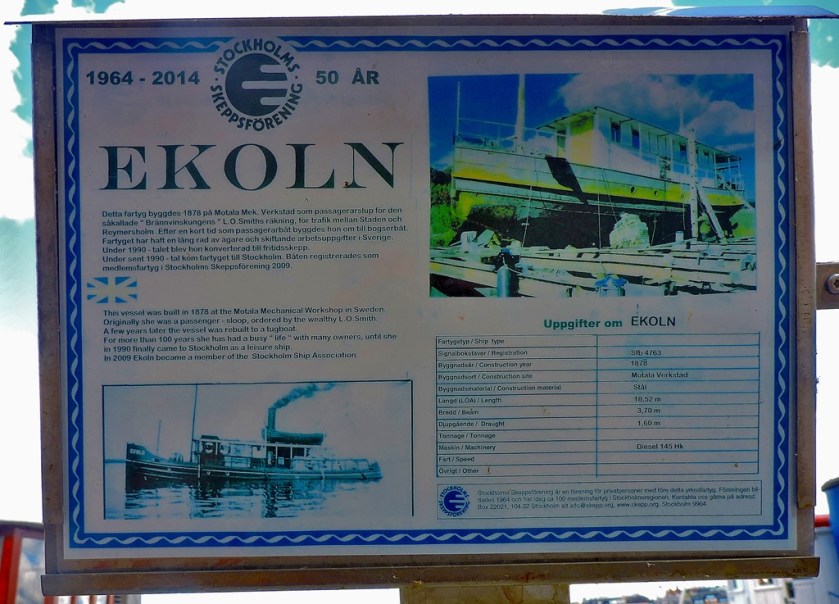
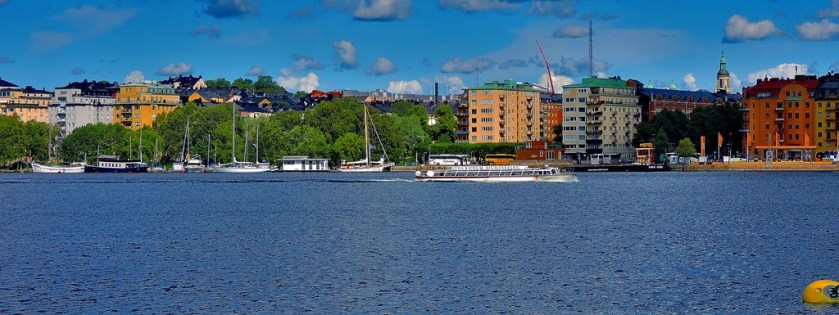
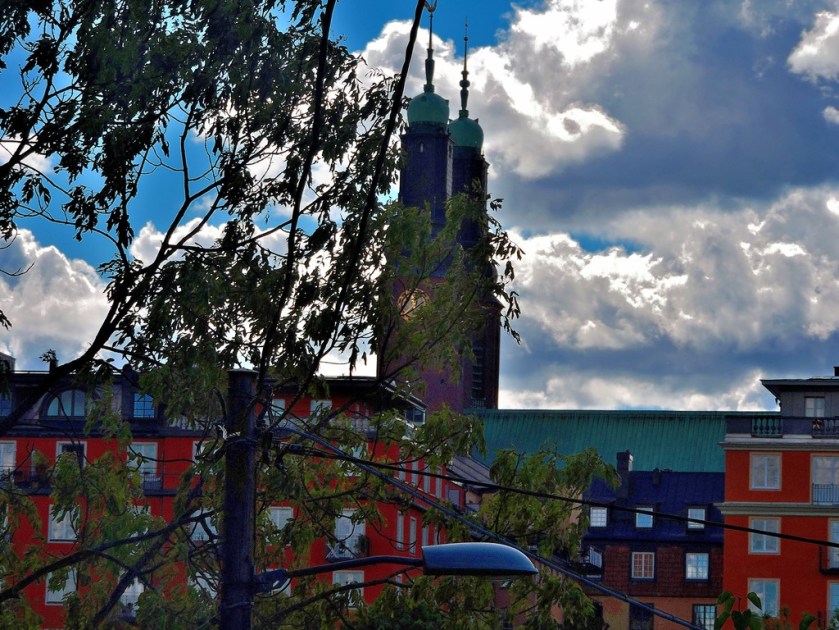
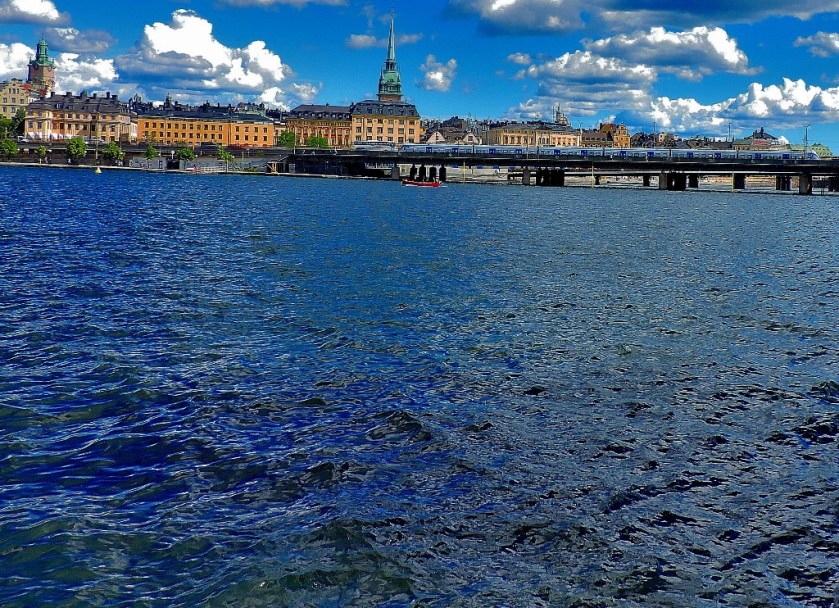
Welcome to the latest installment in my series of posts about my recent holiday in Sweden. Readers of my previous post will recall that I alluded briefly to a waterside walk that started and finished at Gamla Stan. This post tells the story of that walk. I also included some pictures from the city of Stockholm in the first post in this series.
AT GAMLA STAN
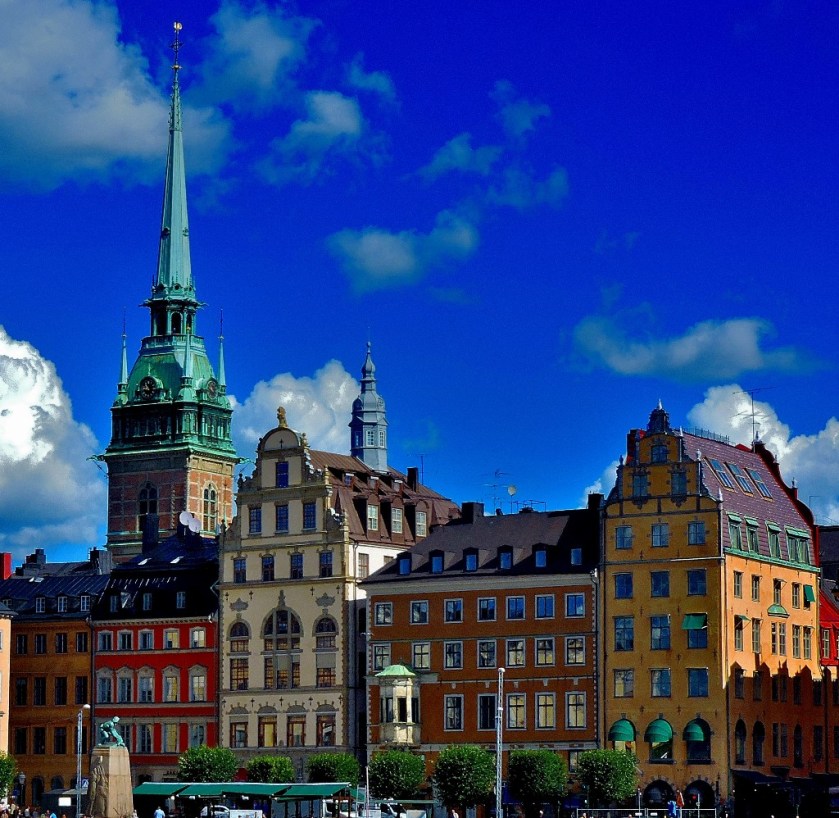
Although it is on what is classed as an underground railway the station at Gamla Stan is actually slightly elevated, so that you exit it by going down to street level. It had always been in my plans to do some exploring around Gamla Stan and the sight of the waterside was enough to decide exactly what I would be doing…
THE WALK
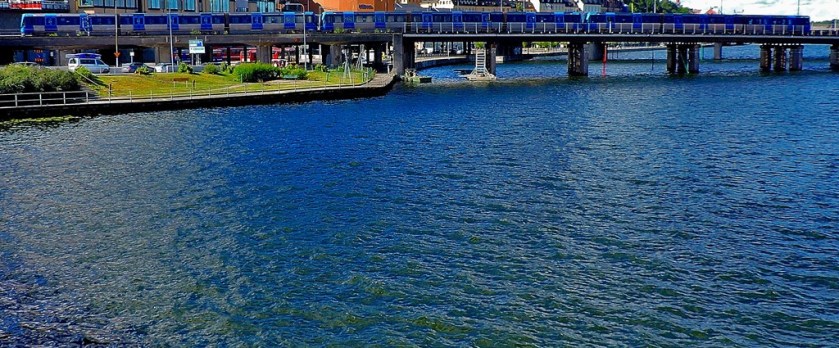
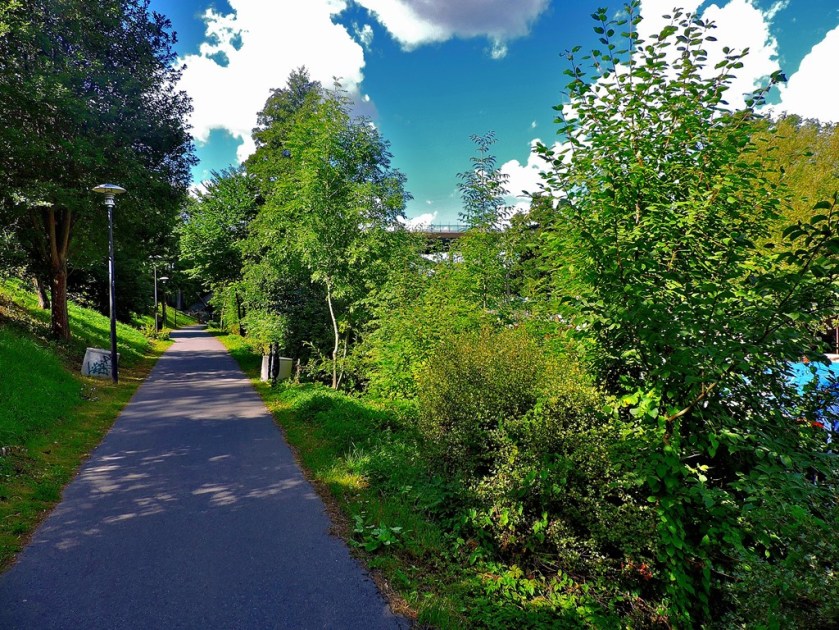
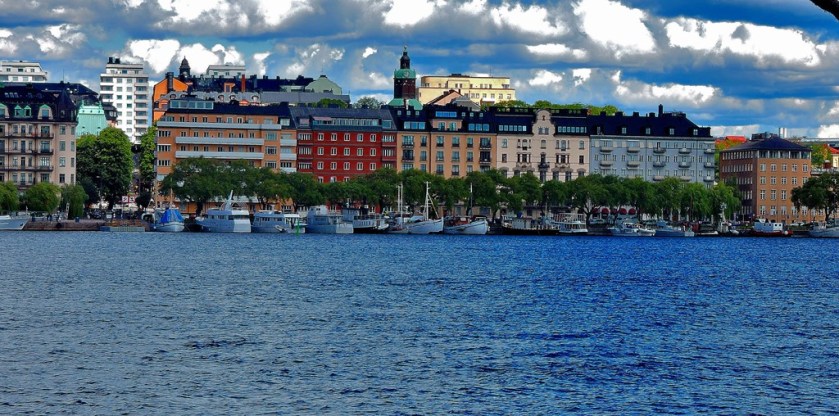
I crossed the water and was delighted to find a waterside path on the other side, which I duly set off along it.
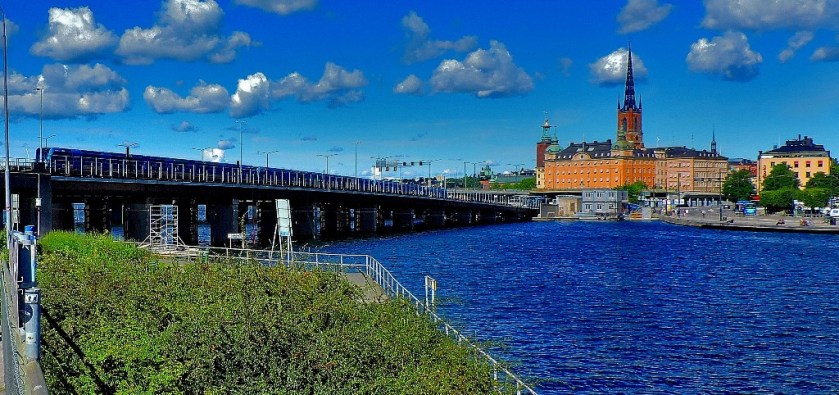
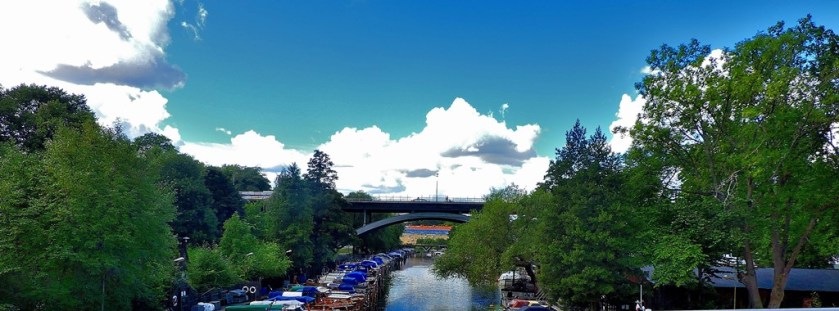
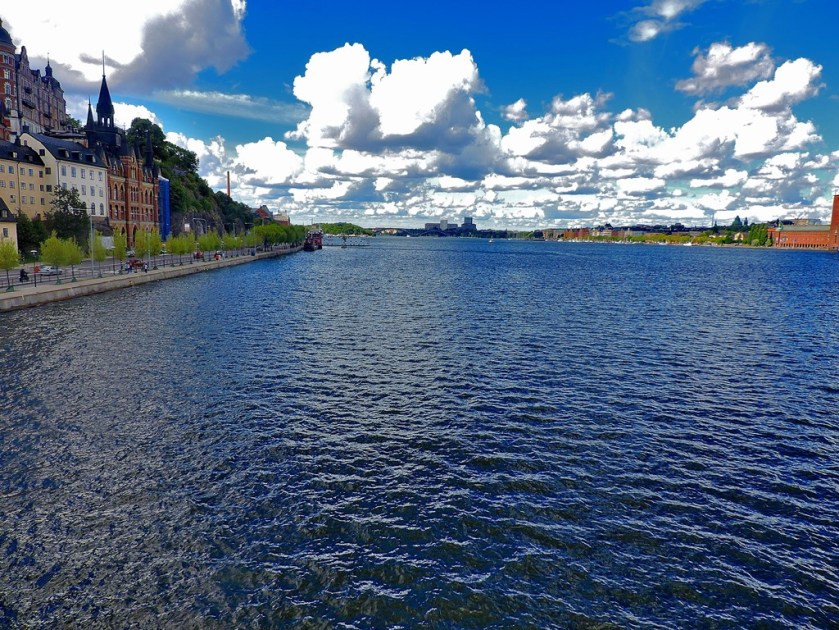
The bridge in the distance became my target – I envisaged crossing it and heading back along the other side.
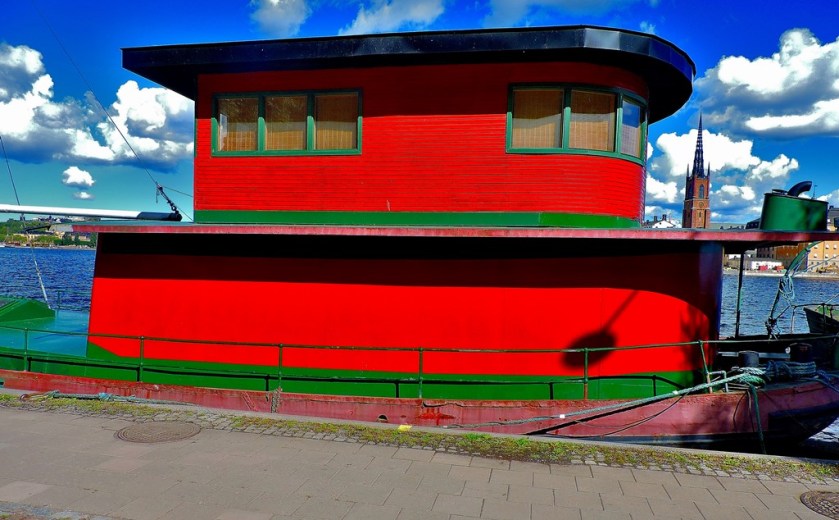
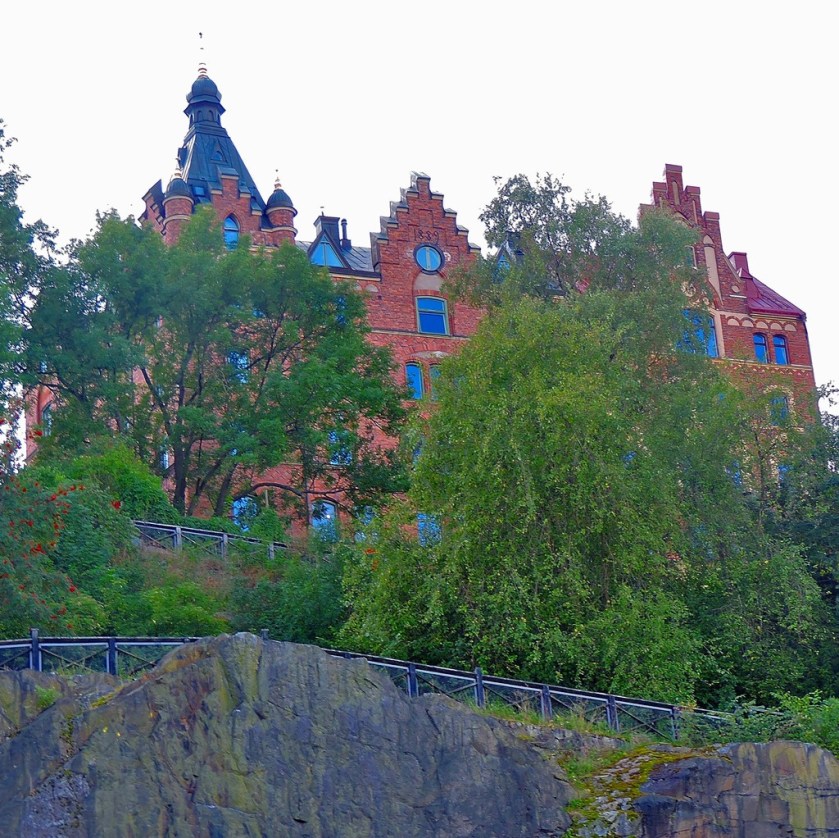
Another facet of Stockholm well shown up during this walk is how many cliffs there are.
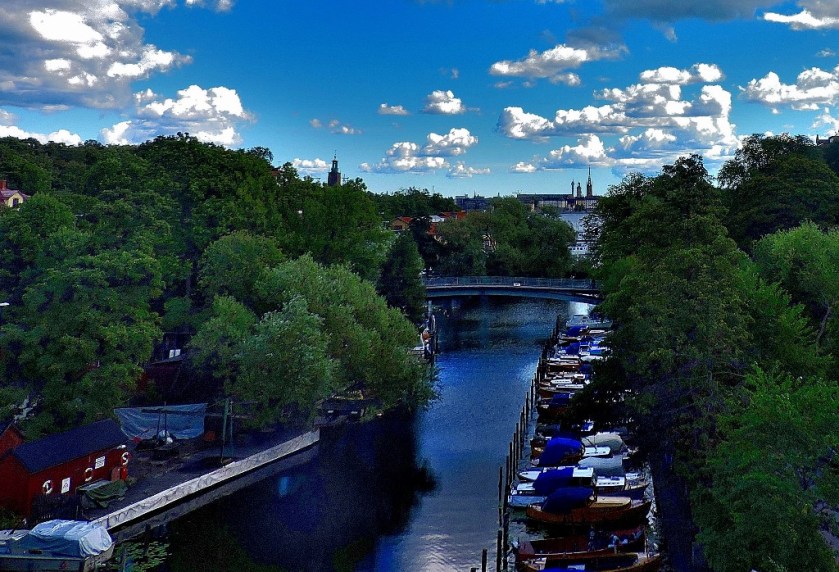
Approaching the bridge that I had marked out as my first target I found the water narrowing…
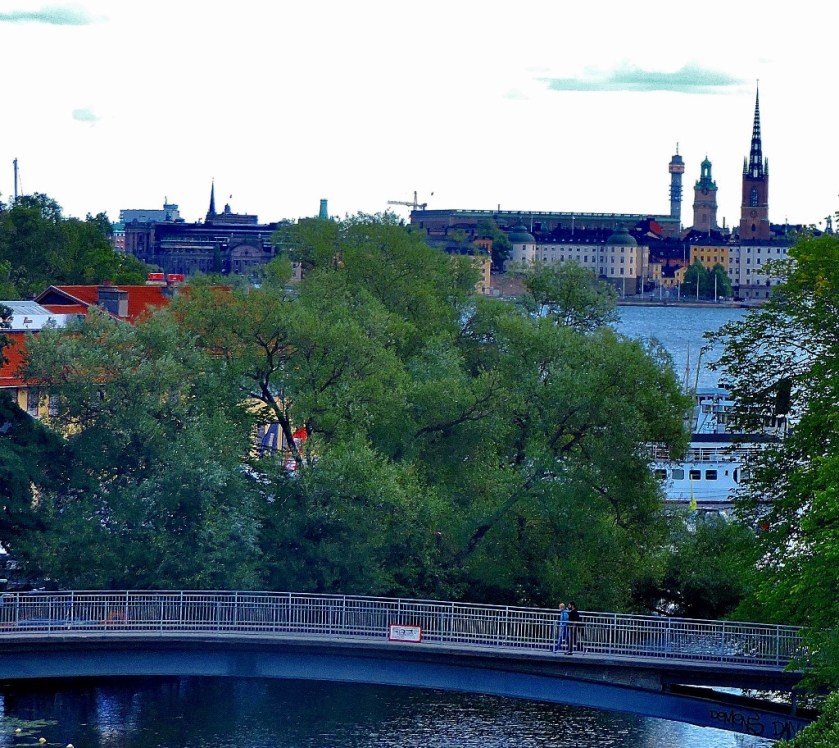
As you will see from the next set of pictures the view from the bridge gave me reason to believe that I could fulfill my plan of walking back along the other side of the water.
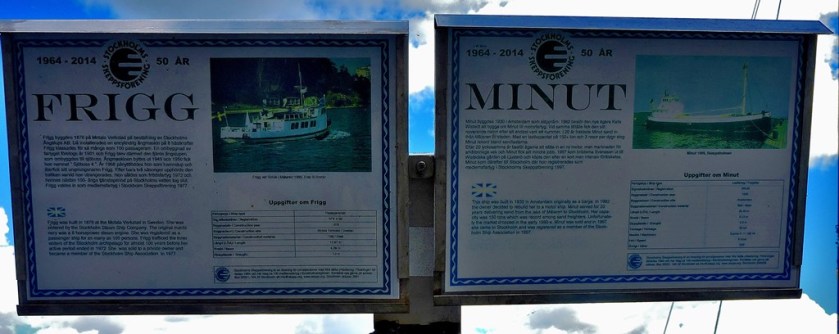
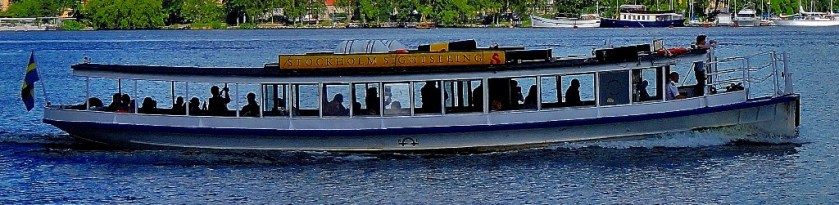
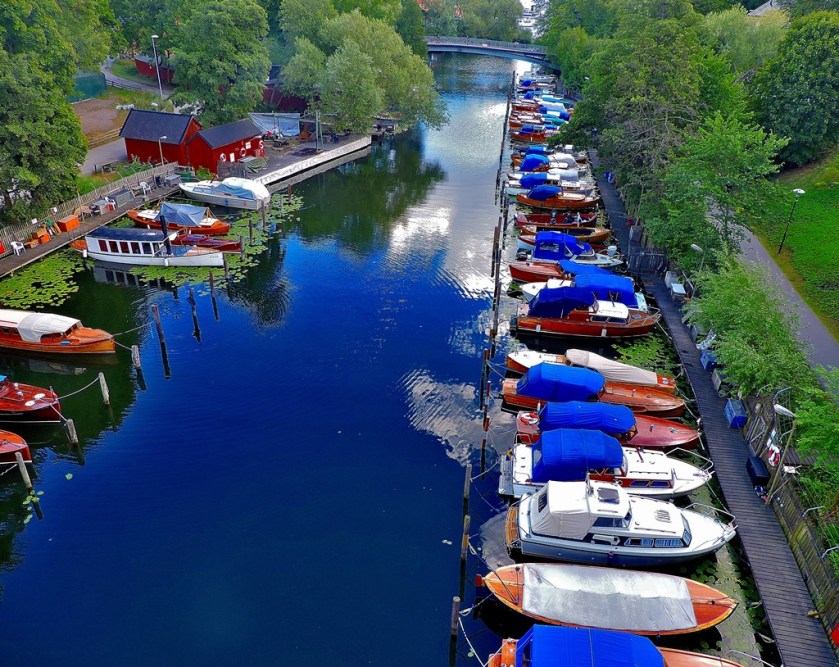
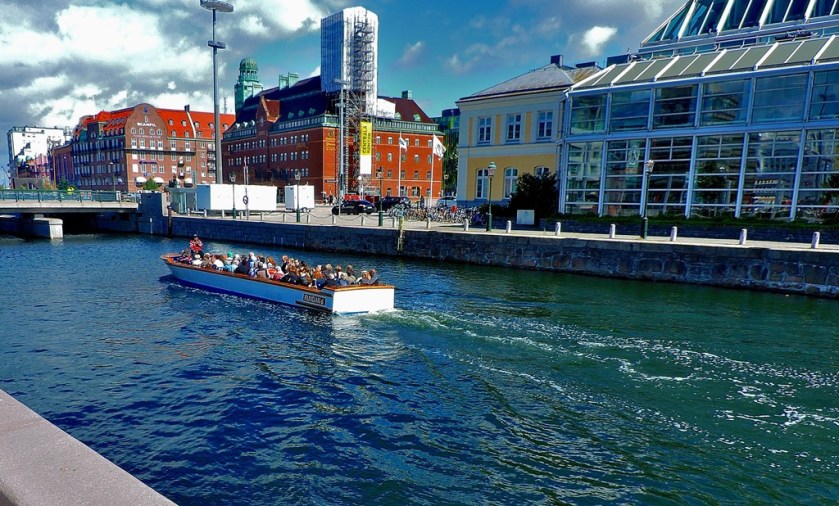
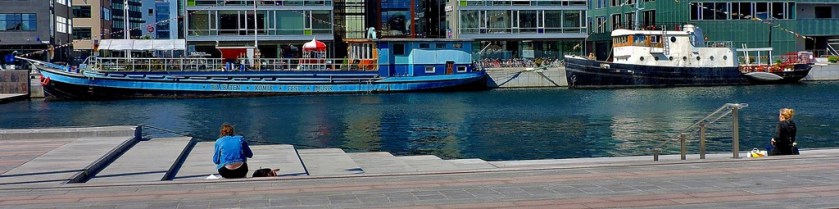
Although I located this path without difficulty it soon swung away from the water, and not long after that it became plain that the only waterside route was the one I had already taken, so I crossed a small pedestrian bridge to head back along that path. I paid close attention to the boats this time round, rather than picturing just a few…
I crossed one last bridge and headed back to Gamla Stan station to resume my travels, having thoroughly enjoyed my exploration of the heart of Stockholm.
The latest in my series of blog posts about my recent holiday in Sweden.
INTRODUCTION
Welcome to the latest post in my series about my recent holiday in Sweden.
STARTING THE DAY
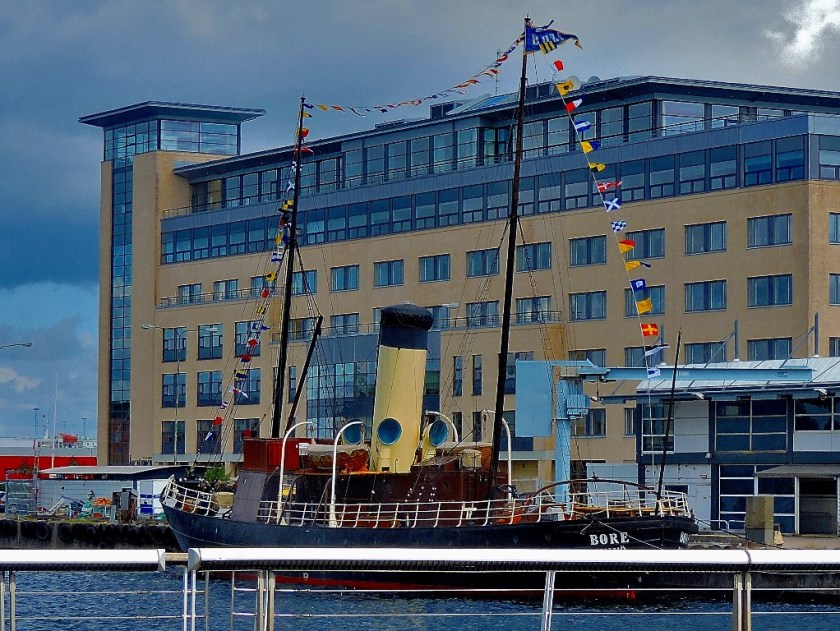
Once I had followed instructions for ensuring the cleaners knew that my bed was reserved for another night and made sure that none of the stuff I was leaving in the dorm room would get in their way it was time to set off to explore Malmo, although my first photograph of the day was taken before I had left the building:
HEADING TO THE CENTRE OF MALMO
The first major building I spotted on my way towards the town centre was the public library (Stad Bibliotek in Swedish):
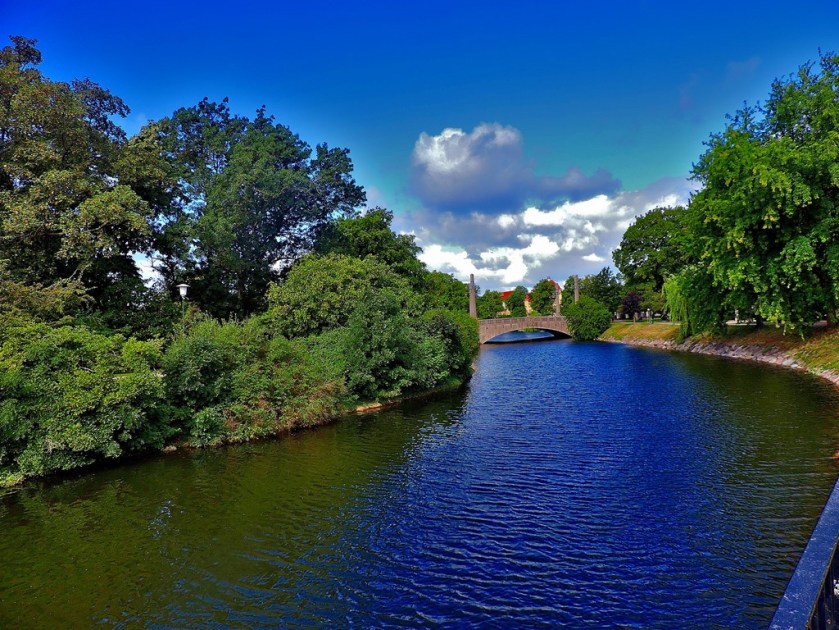
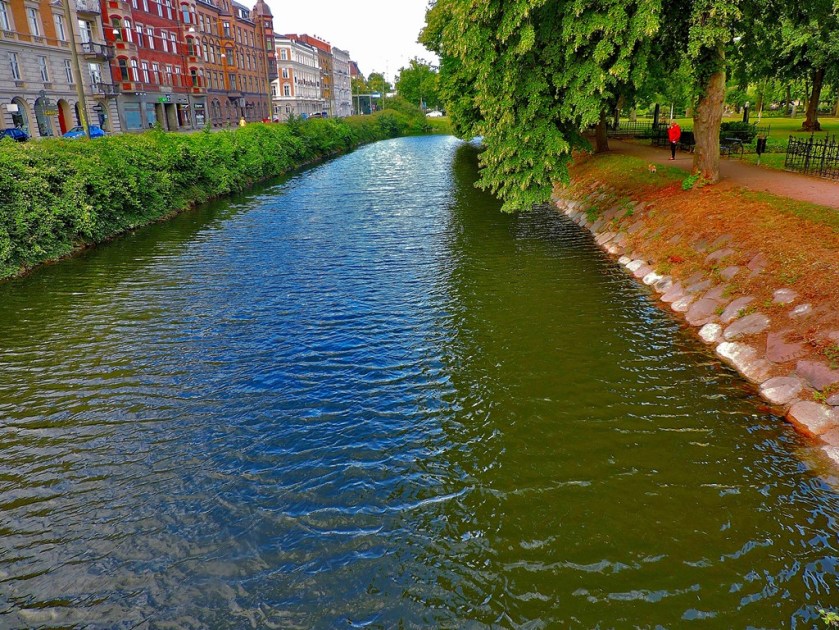
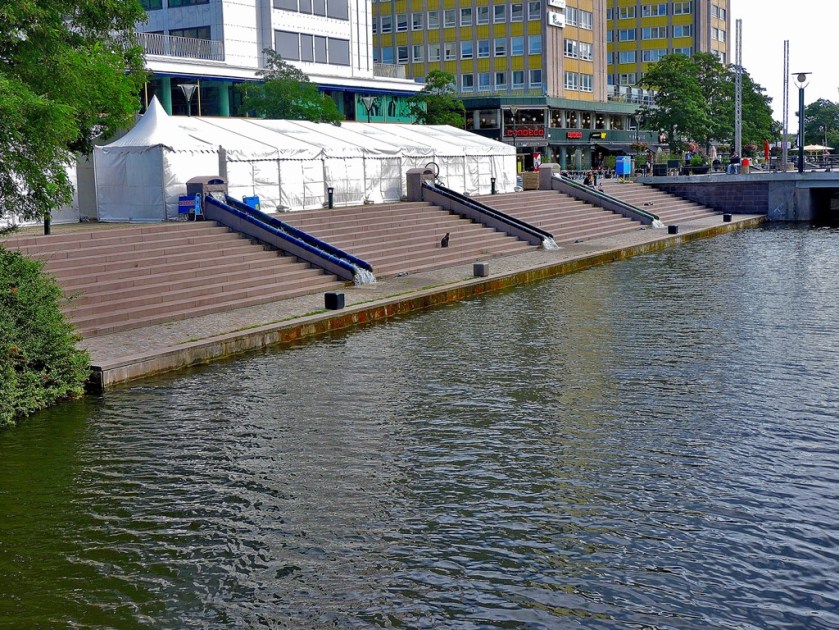
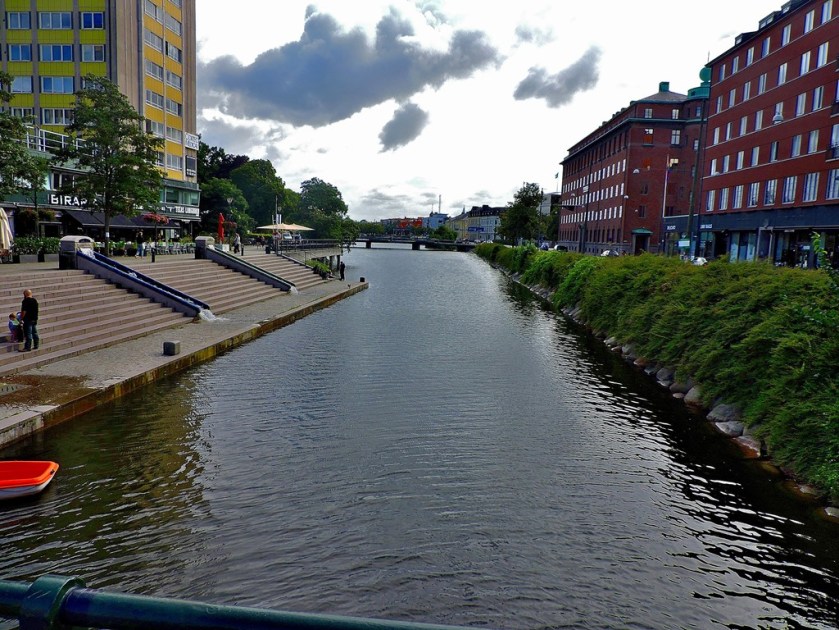
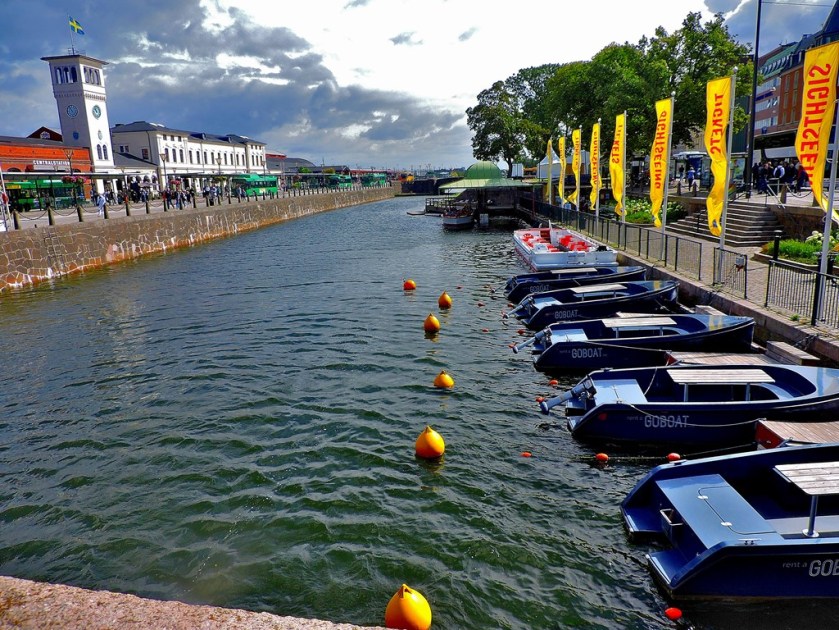
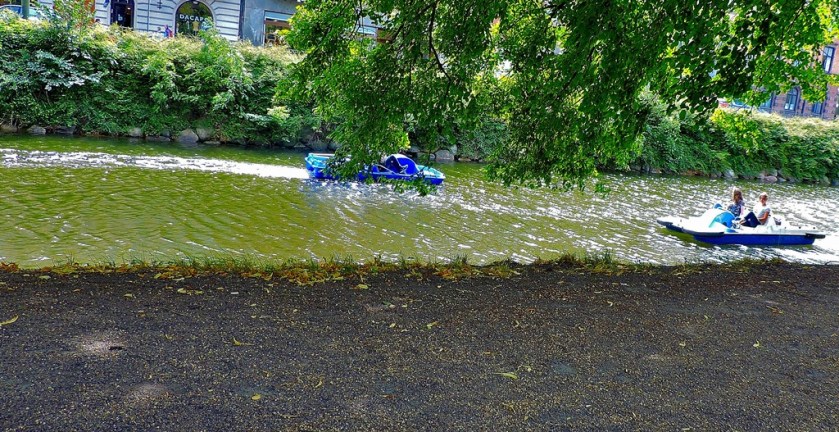
Arriving at the first of many waterways I took a brief walk in the opposite direction along it to the one I was ultimately going to be headed in (deliberately so)…
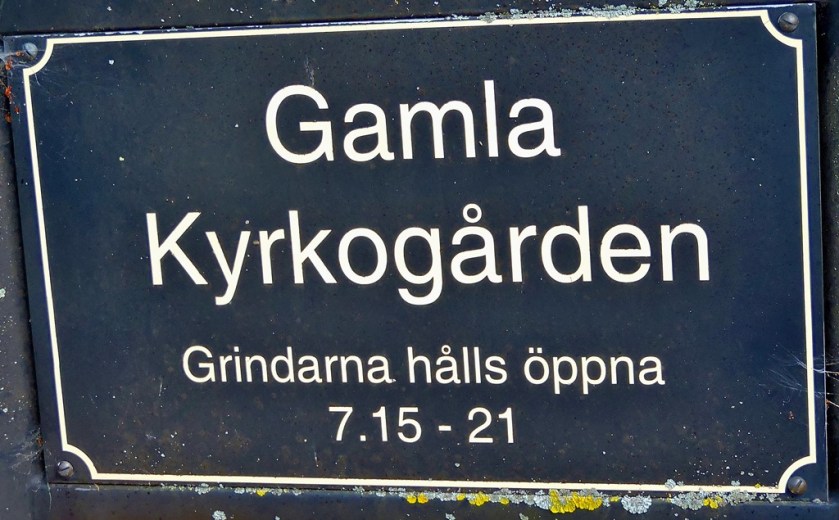
Then I faced a choice between staying with the road or going by way of the Gamla Kyrkogarden (old churchyard – gamla = old, kyrko has the same meaning as the Scottish kirk, and the g in Swedish is usually pronounced as an English y, giving ‘yarden’ or removing the last two letters, yard), I naturally chose the latter)
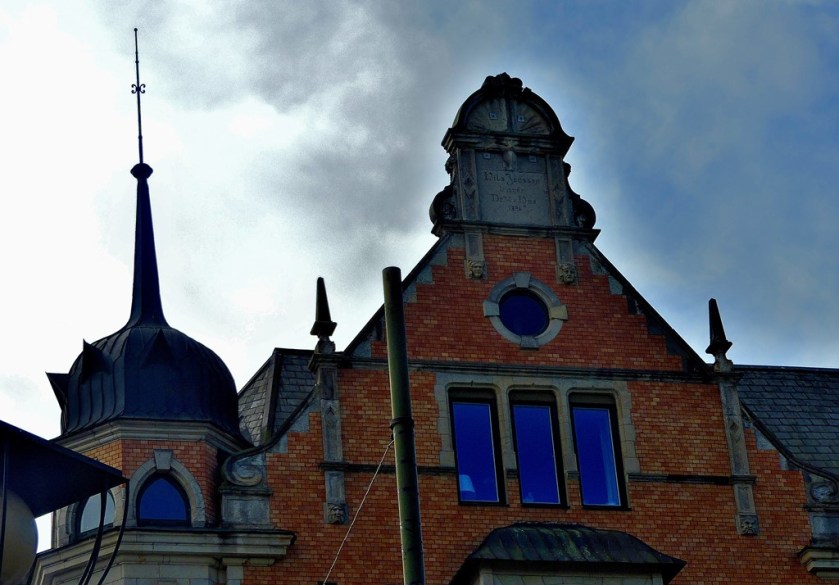
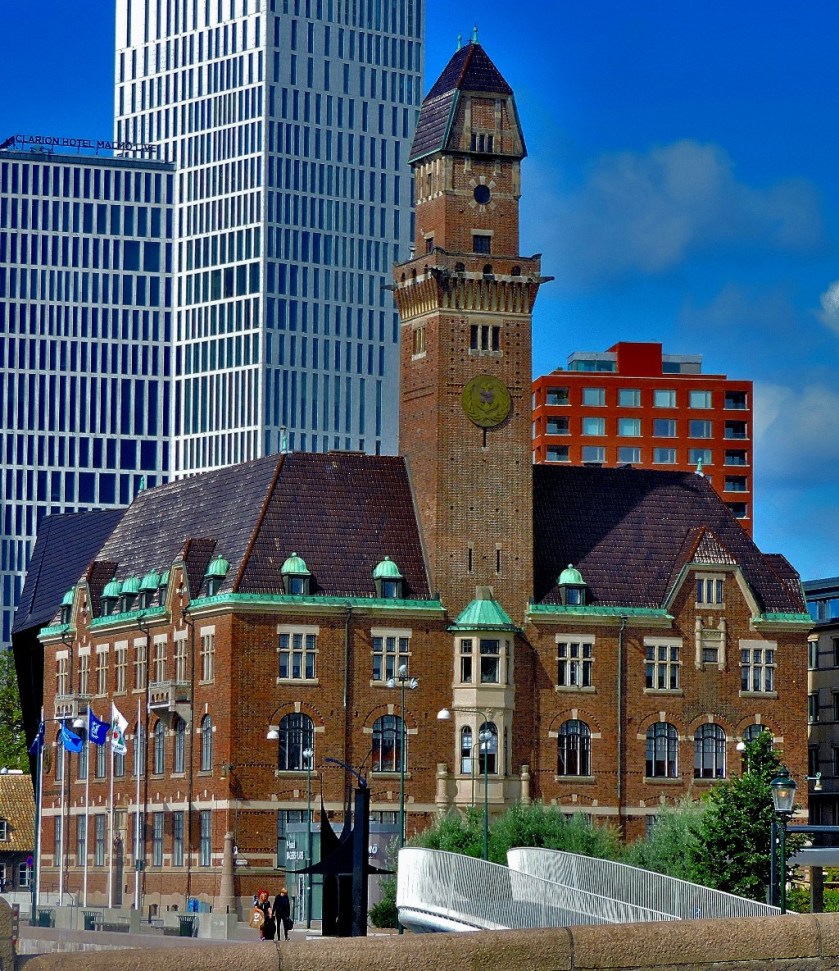
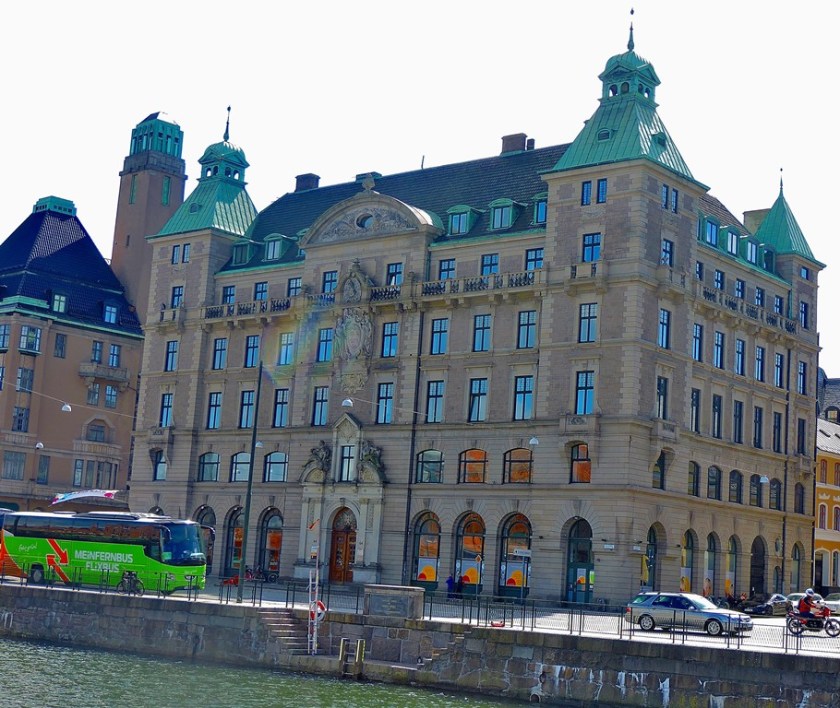
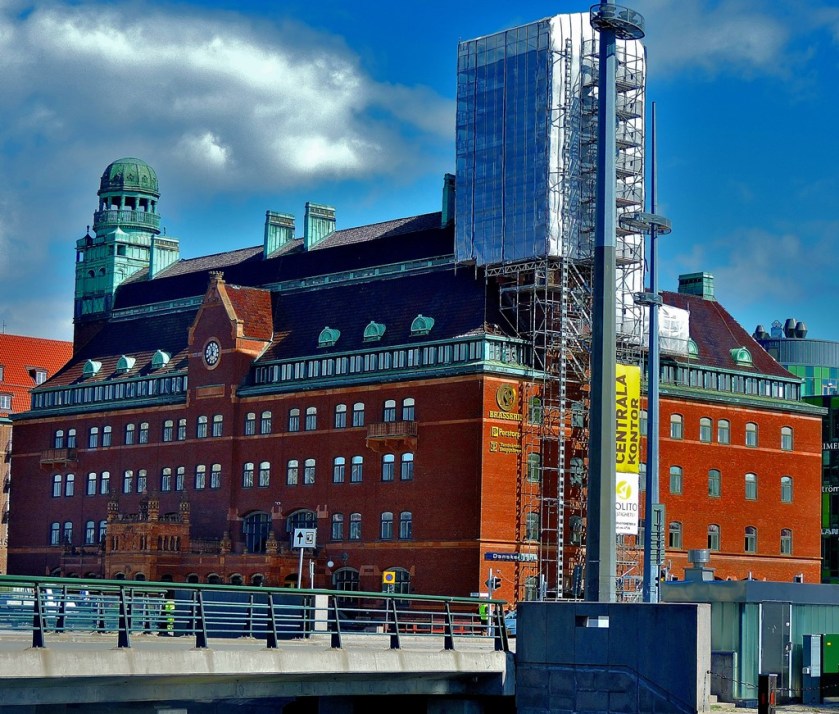
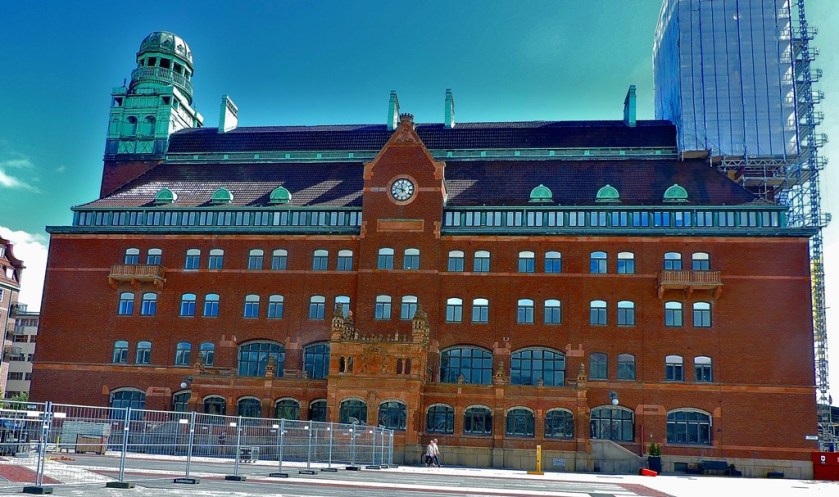
This building, spotted as I was leaving Gamla Kyrkogarden was very impressive:
It was at this point that I got my first sight of a notable feature of Malmo…
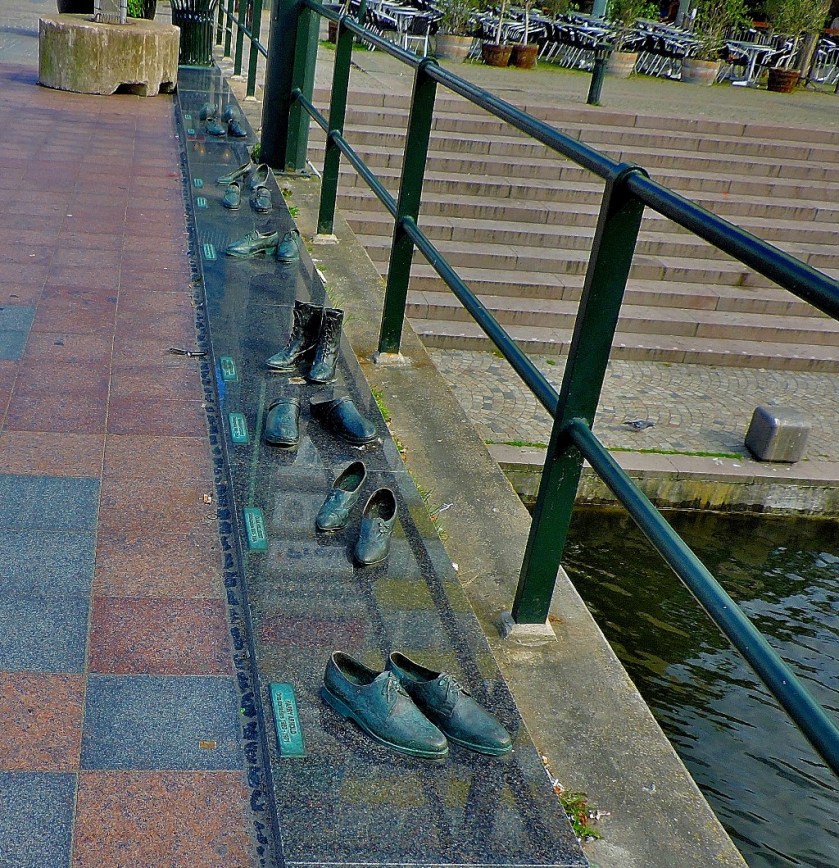
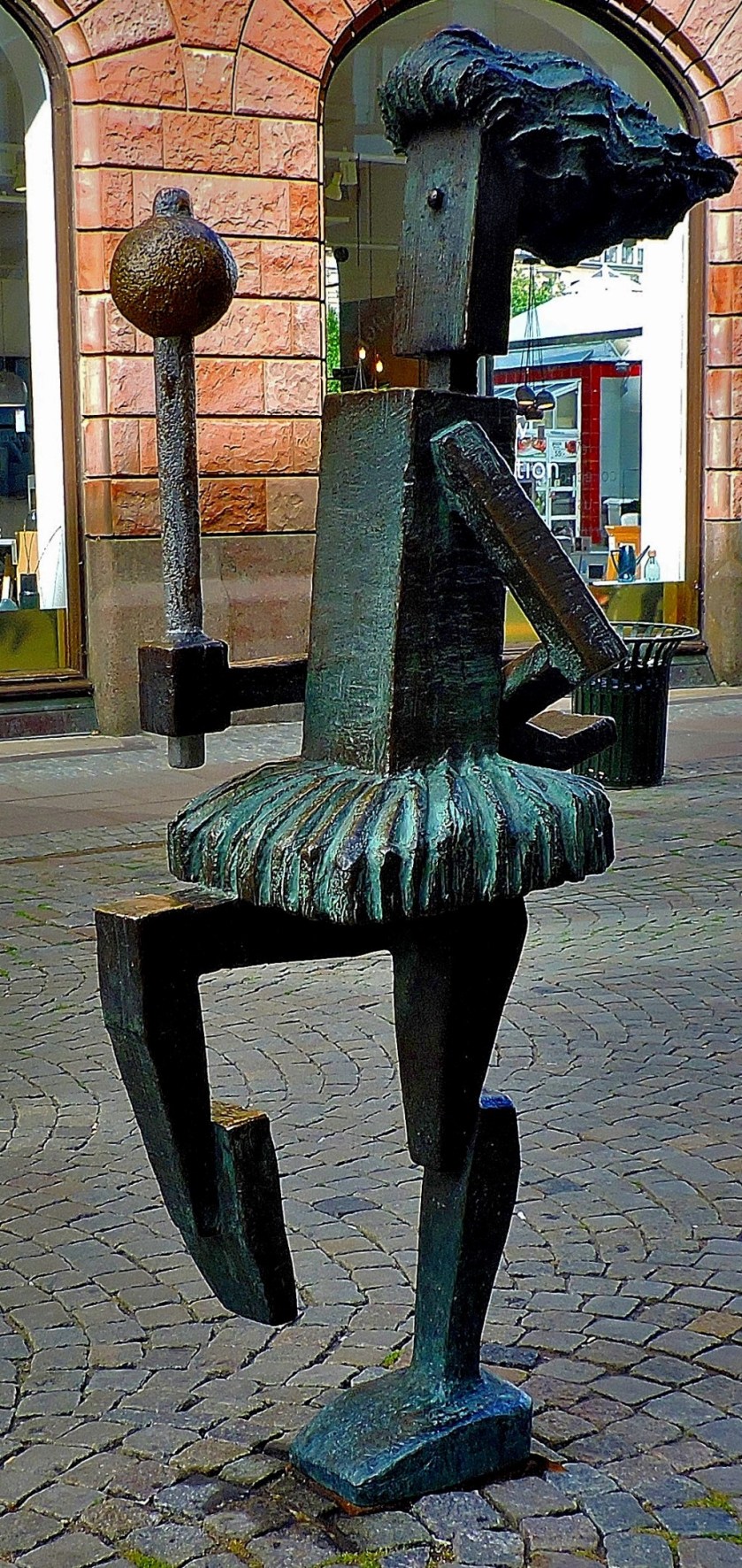
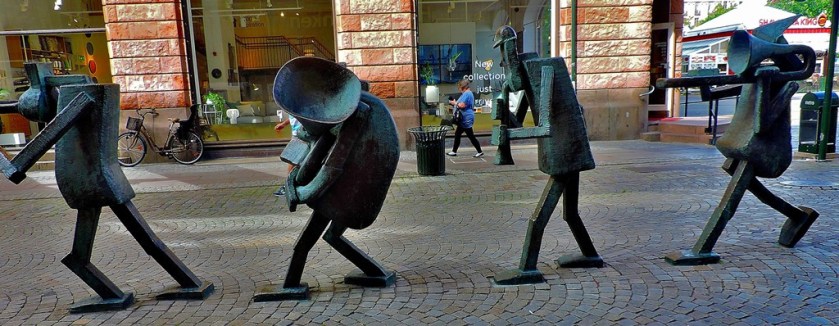
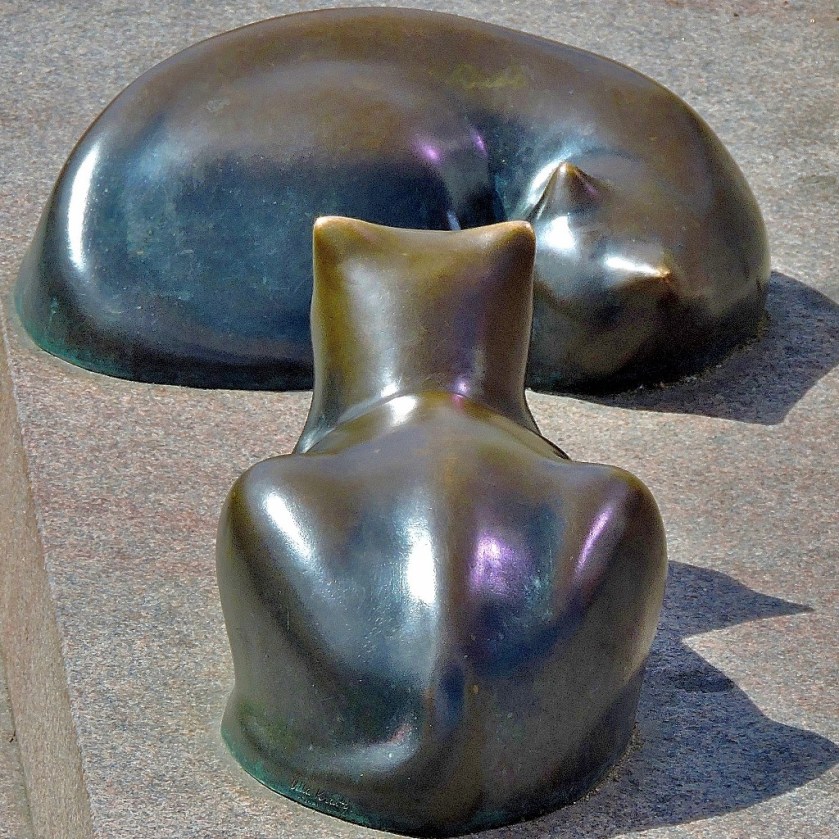
BRONZE SCULPTURES
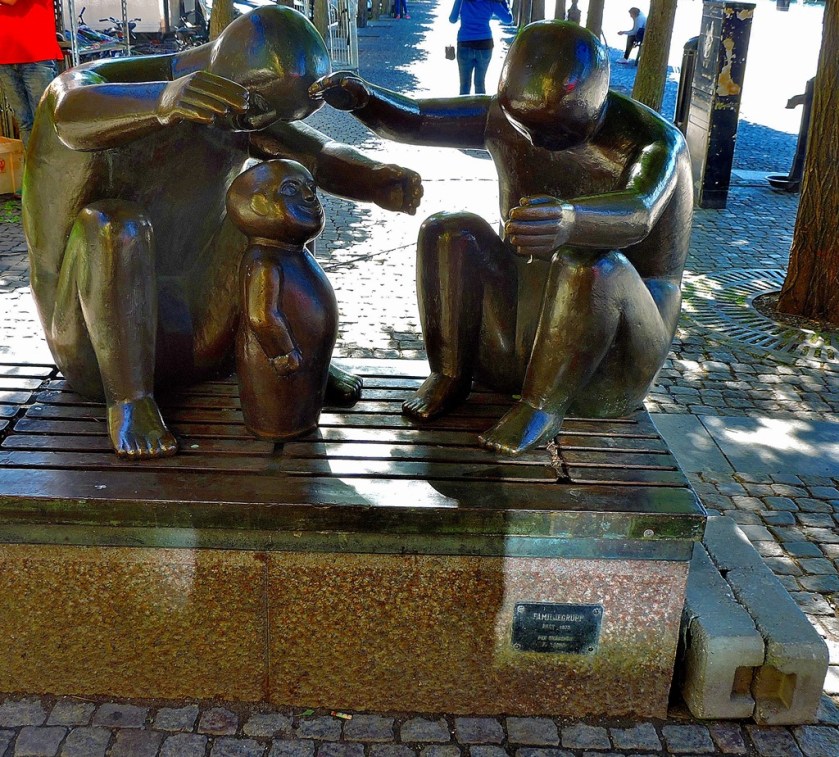
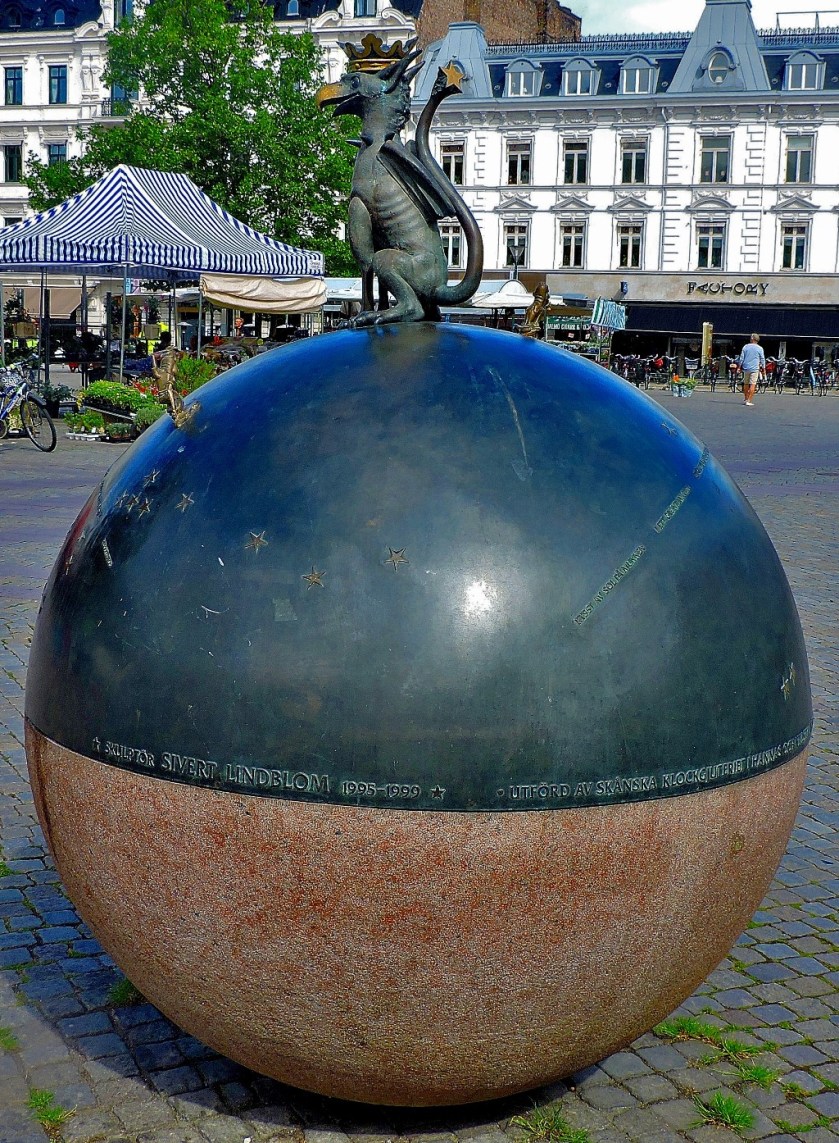
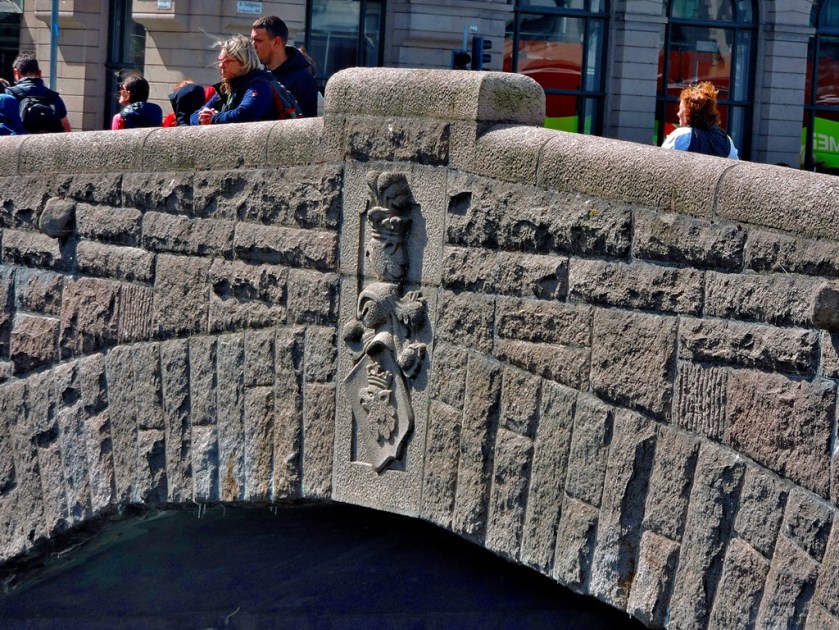
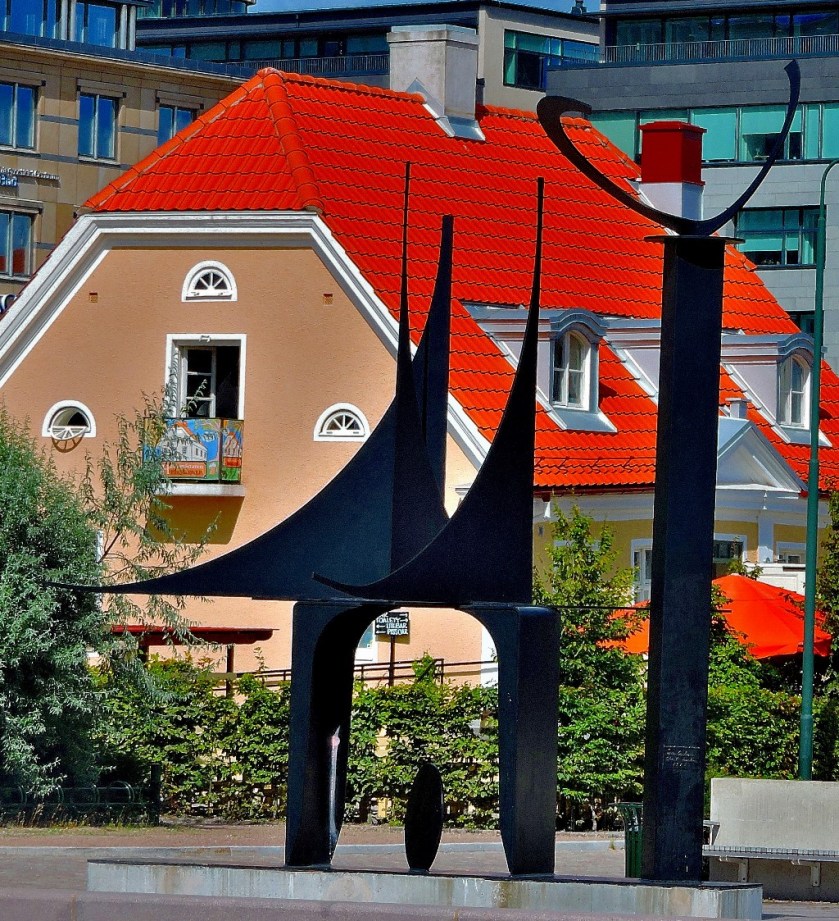
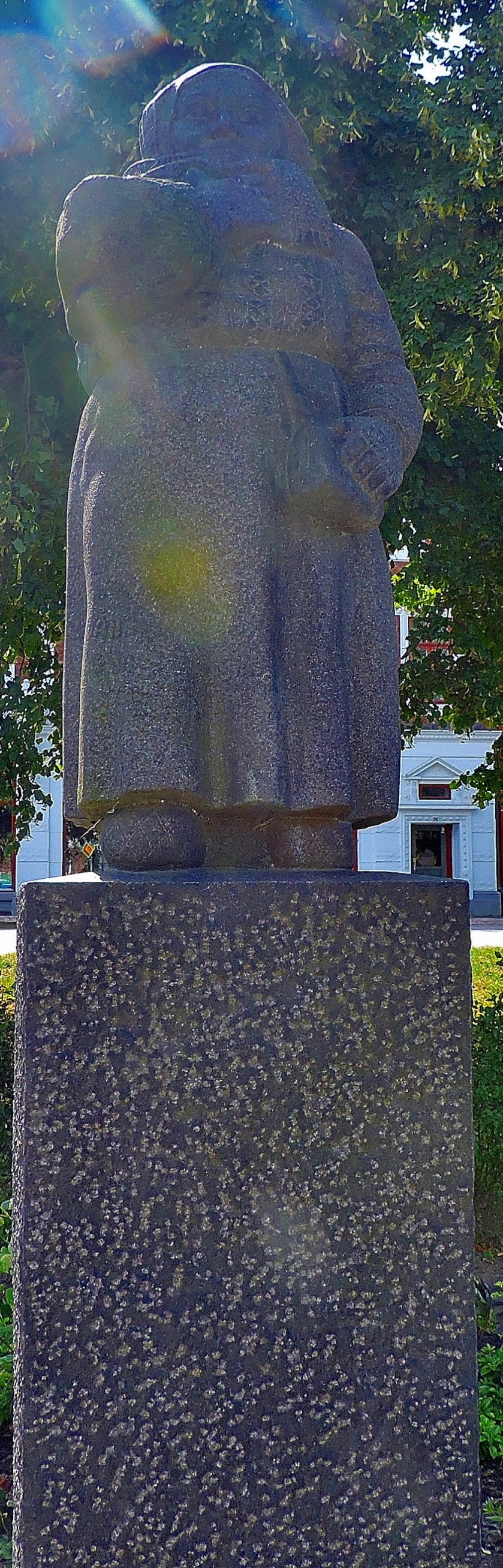
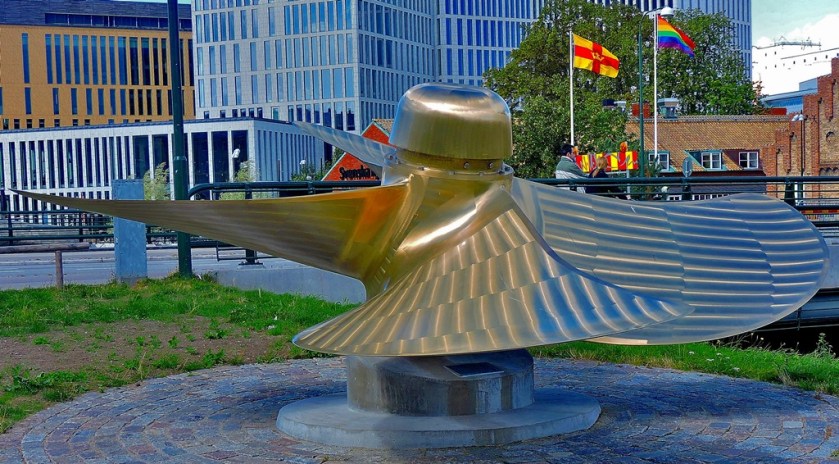
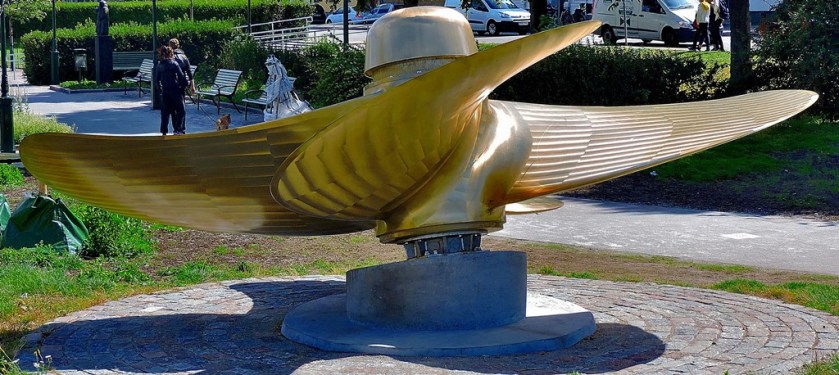
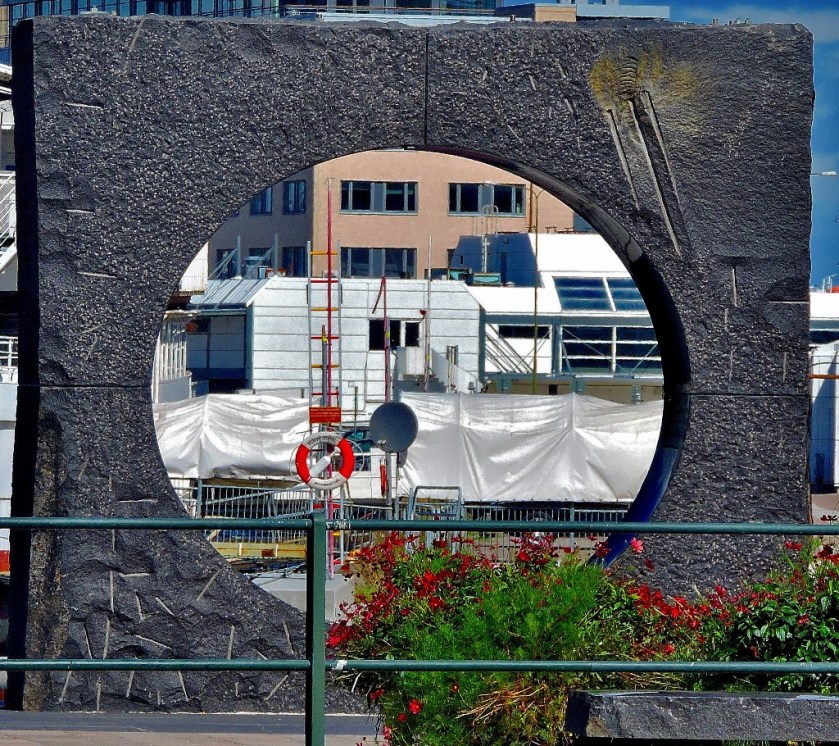
I have not seen anything quite like these elsewhere:
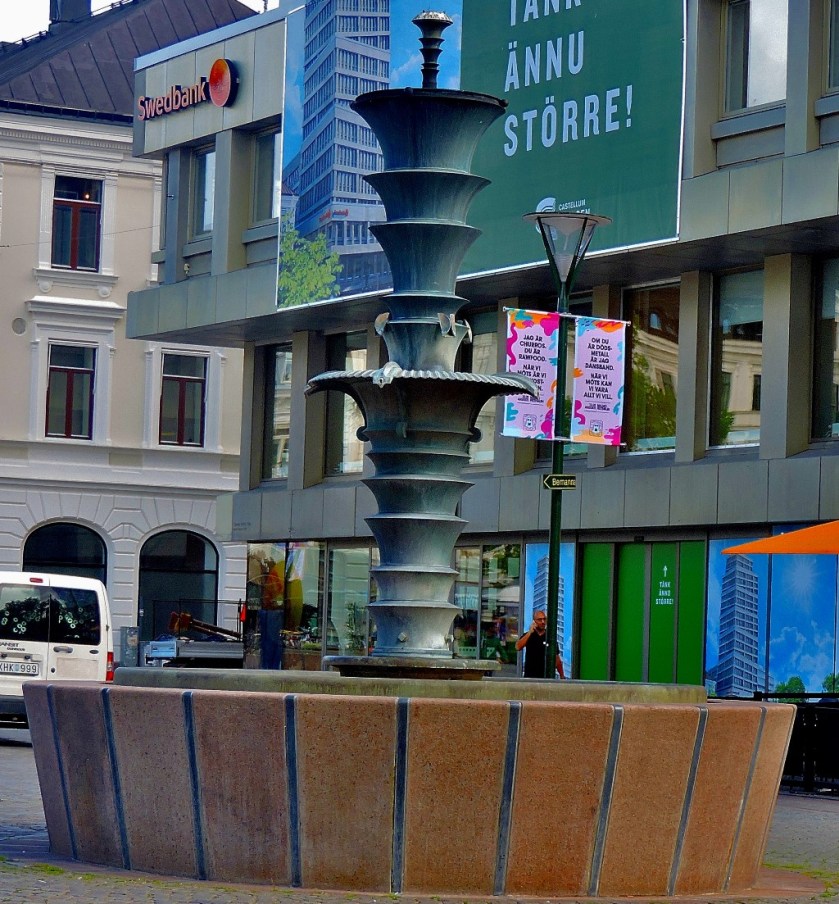
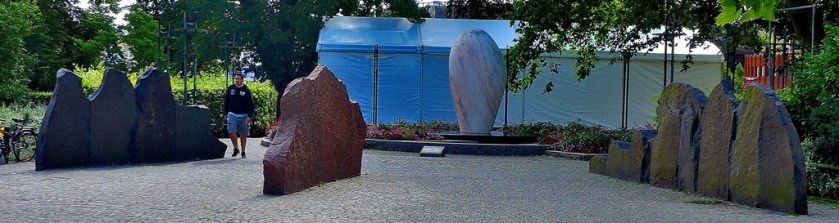
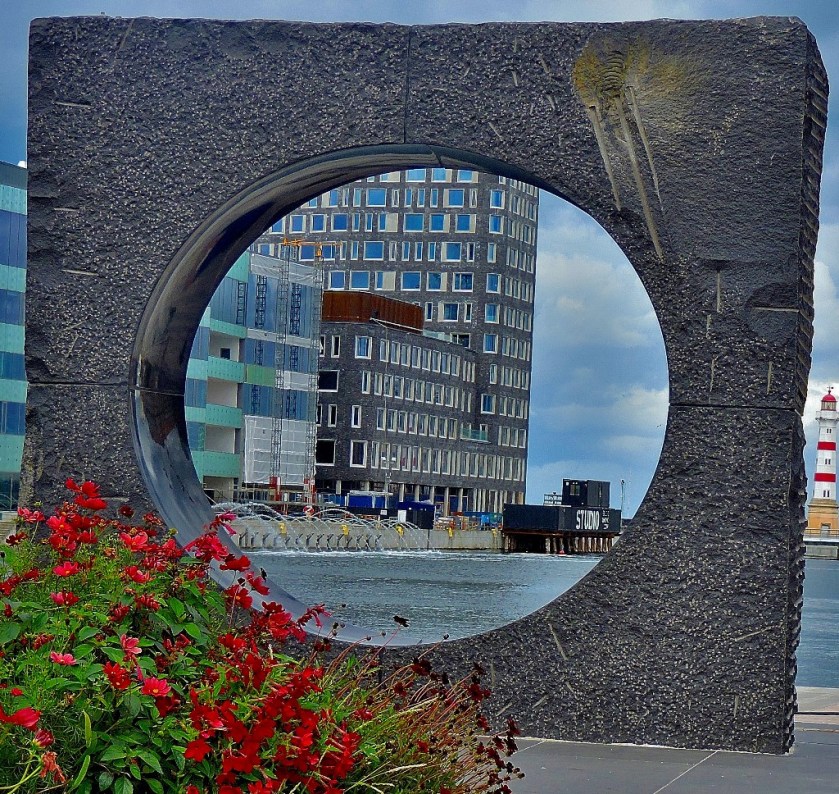
At this stage I was heading towards the station, to visit the supermarket to buy food before continuing my explorations. However, I was not by any means hurrying, and was still getting plenty of pictures…
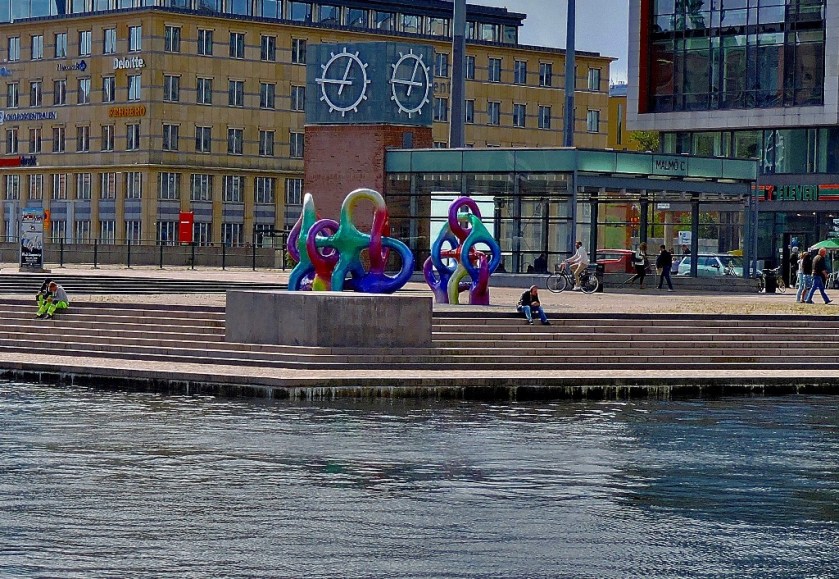
This remarkable clockface is in the covered market adjoining the station, by way of which one can access the supermarket.
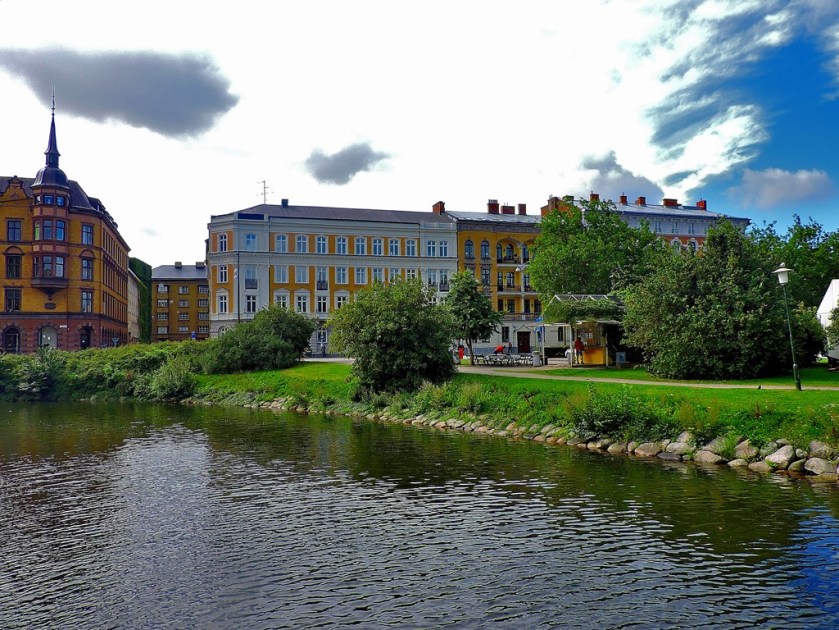
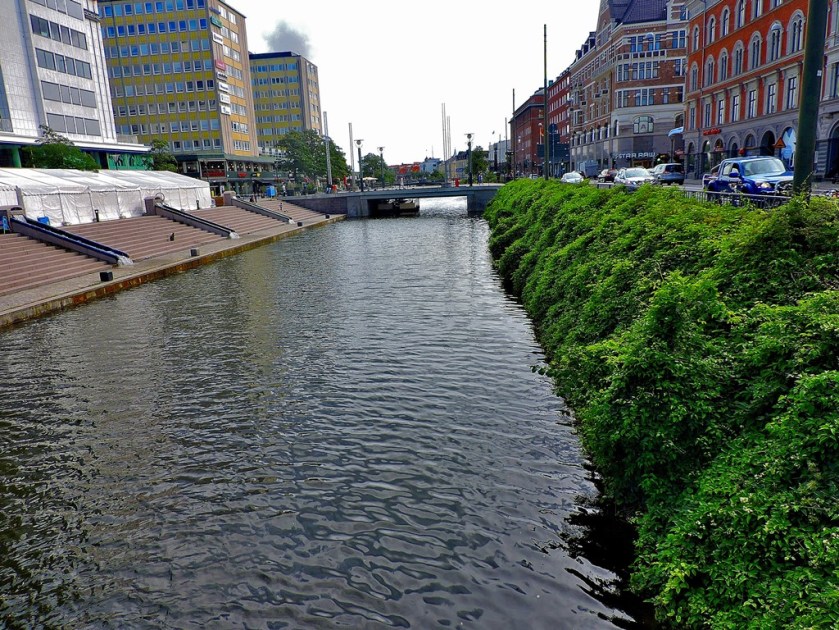
Leaving the supermarket I headed for more water, deciding to see as much waterside as I could contrive…
Still envisaging being able to make this a circular walk, avoiding retracing my steps, I continued on, sticking as close to the water as possible.
I was not ultimately able to stay at the waterside the whole time – I soon found myself in a light industrial development and obliged to temporarily head away from the water, but I got back to a waterside location to eat my lunch…
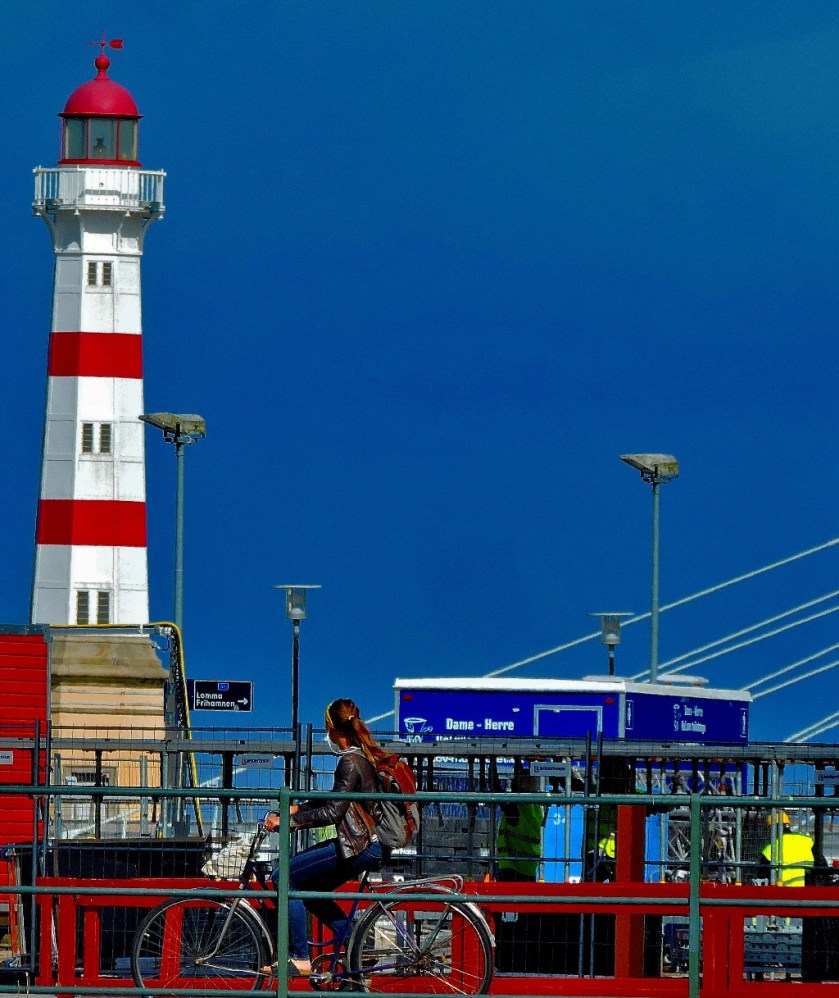
I began to head in the general direction of the hostel, although my day’s photography was by no means done…
My first photo of the day was taken at the hostel, and so was this, my last photo of the day.
The long-awaited resumption of my series of posts about Sweden. This one sets the scene for a number of posts about my travels on Inlandsbanan.
INTRODUCTION
It has been a long while since I last created a post, but I am now ready to go again with my accounts of my trip to beautiful Sweden. Having spent a very enjoyable few days in the company of my cousin and his fiance (see here for more details) it was time for me to make use of my one-country inter-rail pass, allowing up to eight days worth of rail travel in Sweden.
THE PROLOGUE TO INLANDSBANAN
My first journey on my inter-rail pass was a short hop of just over two hours from Stockholm to Kristinehamn where I would stay overnight before experiencing Inlandsbanan on days two and three of this part of the holiday (the distance from Kristinehman to the northern outpost of Gallivare, pronounced yell-ee-vara, is 1,364km which converts to roughly 850 miles).
At this stage I had not booked anything in advance, a mistake that I learned from after the experiences both on the train and at Kristinehamn, where I paid far more for a room than I ought to have done. Indeed one of the things I did in my room in Kristinehamn was make use of the wifi to book seats on three legs of Inlandsbanan and rooms in Ostersund fot the following night and then for two nights in Gallivare, although this latter did not work out, of which more anon.
The difficulties caused by my failure to reserve a seat on the train notwithstanding, I did get some pictures on the journey…
KRISTINEHAMN
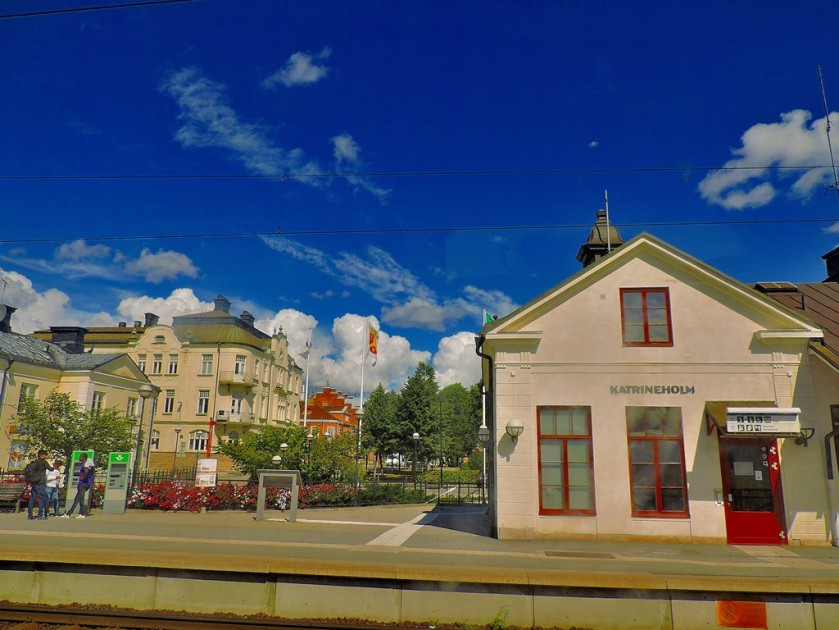
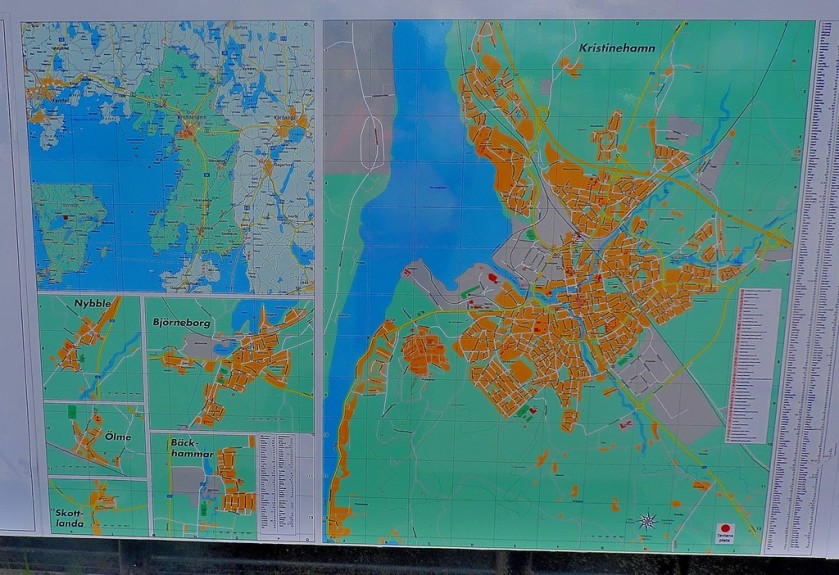
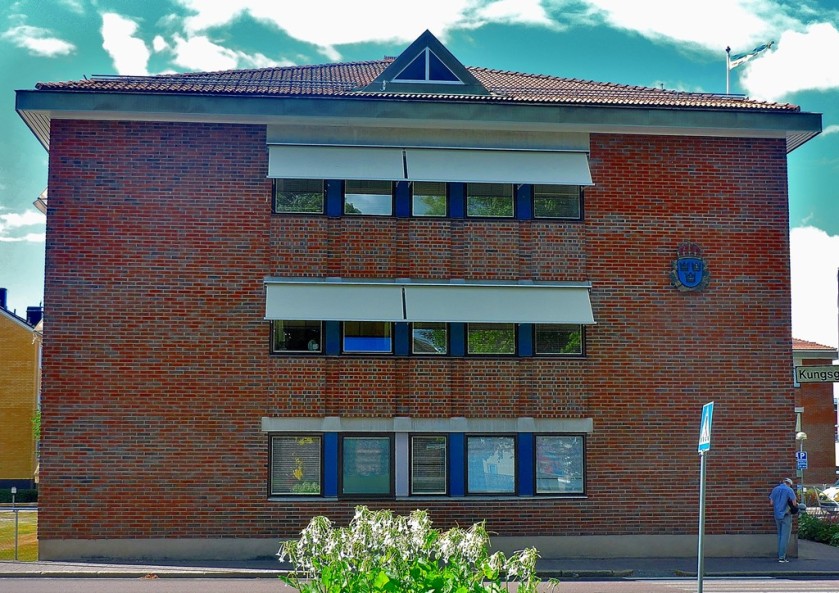
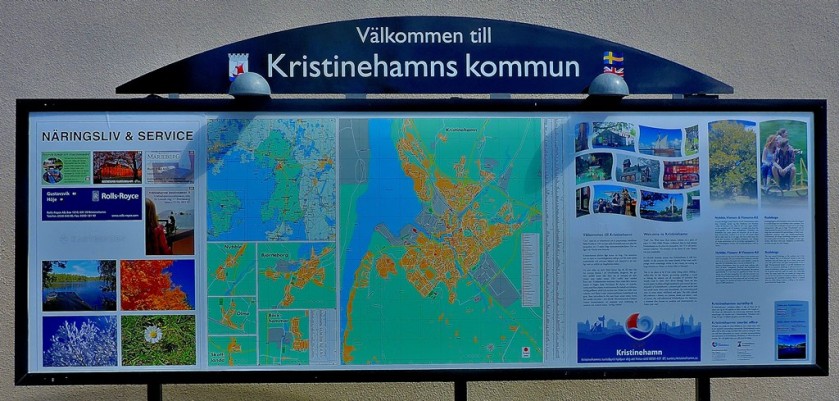
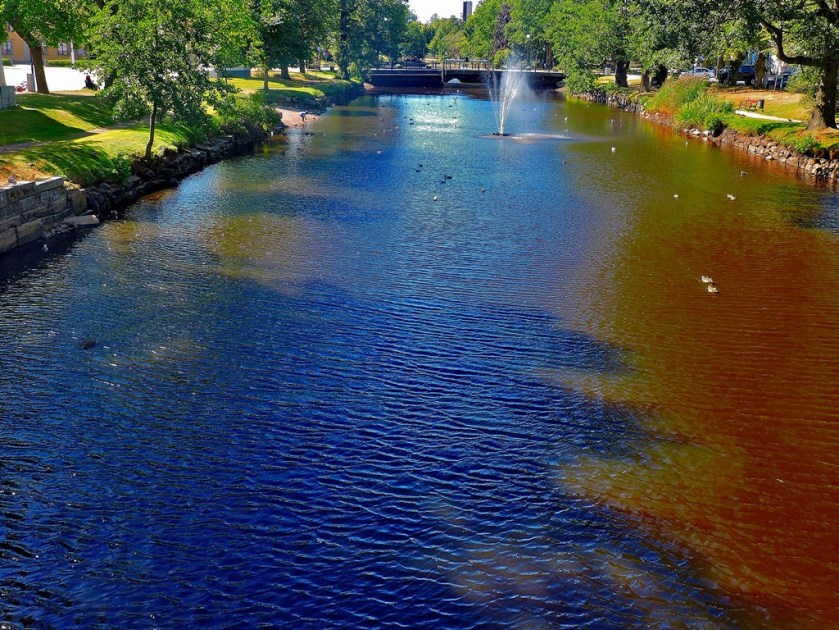
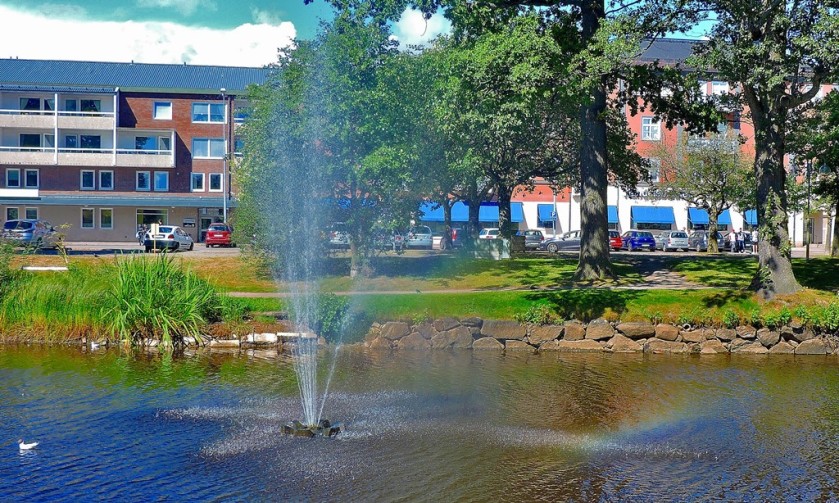
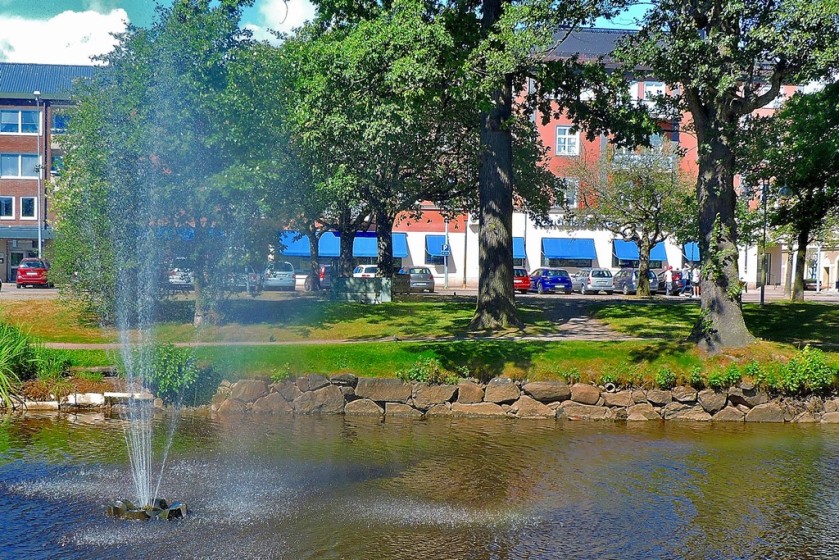
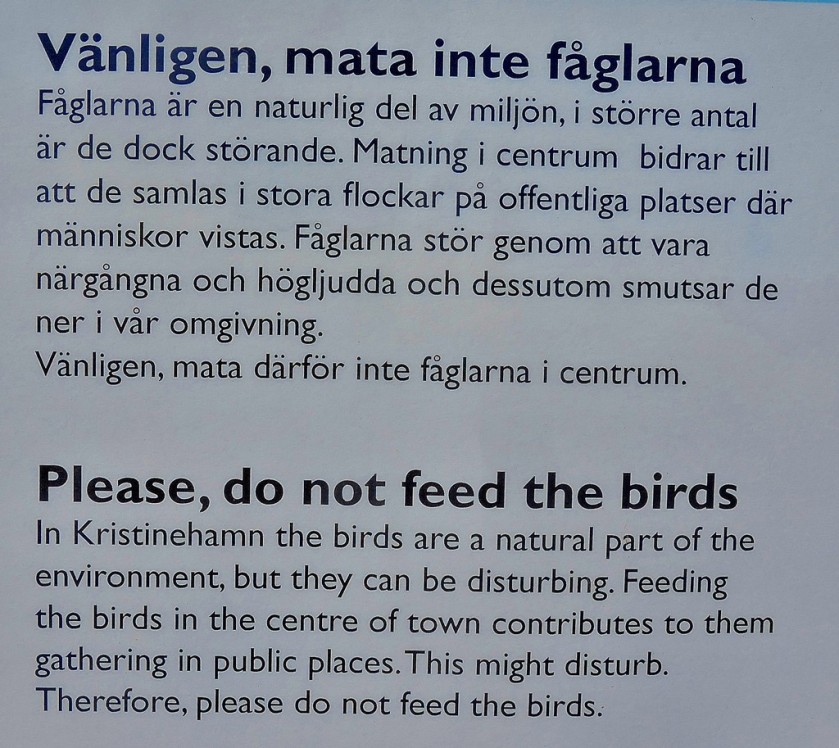
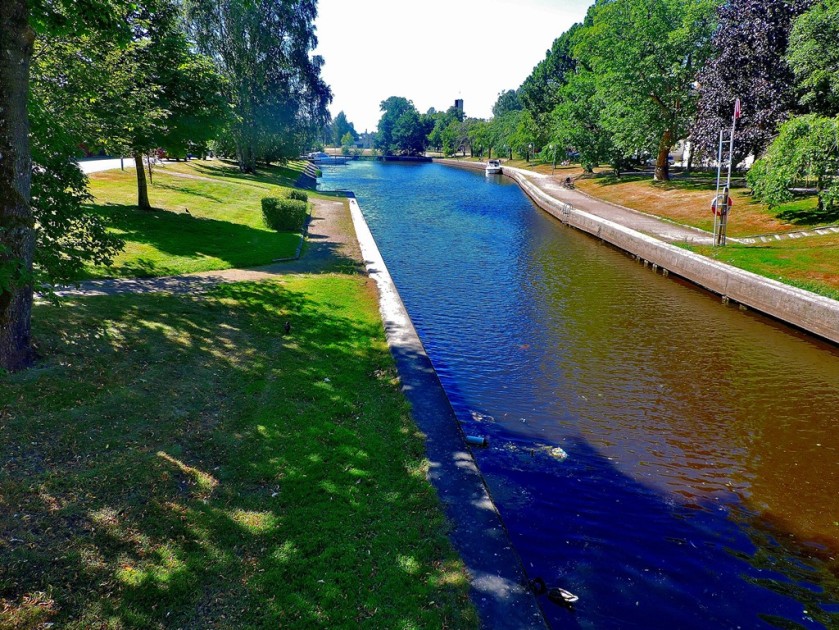
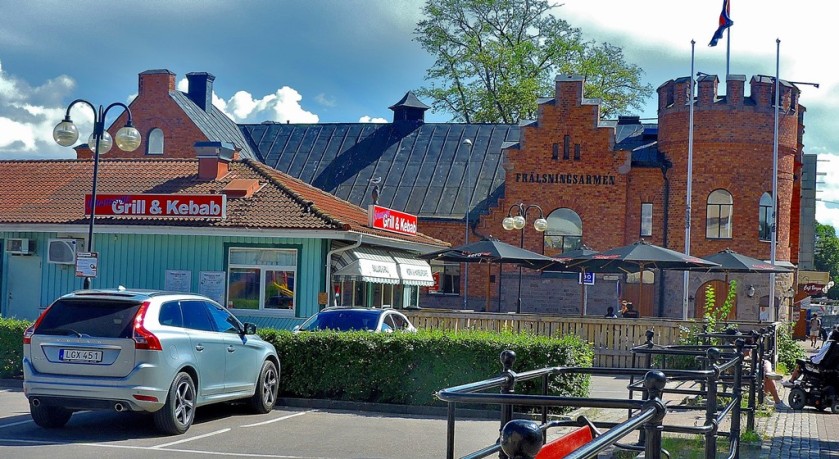
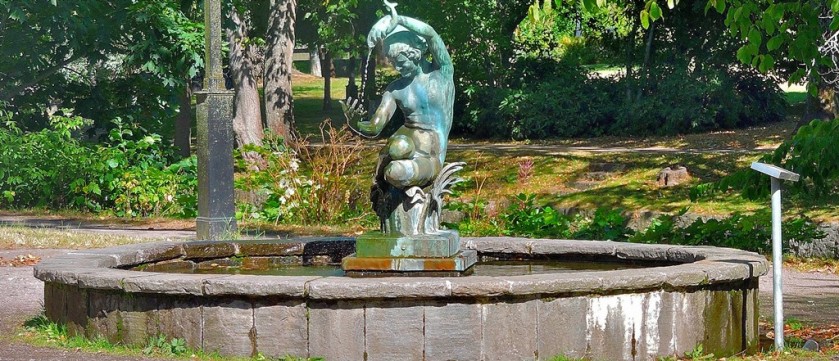
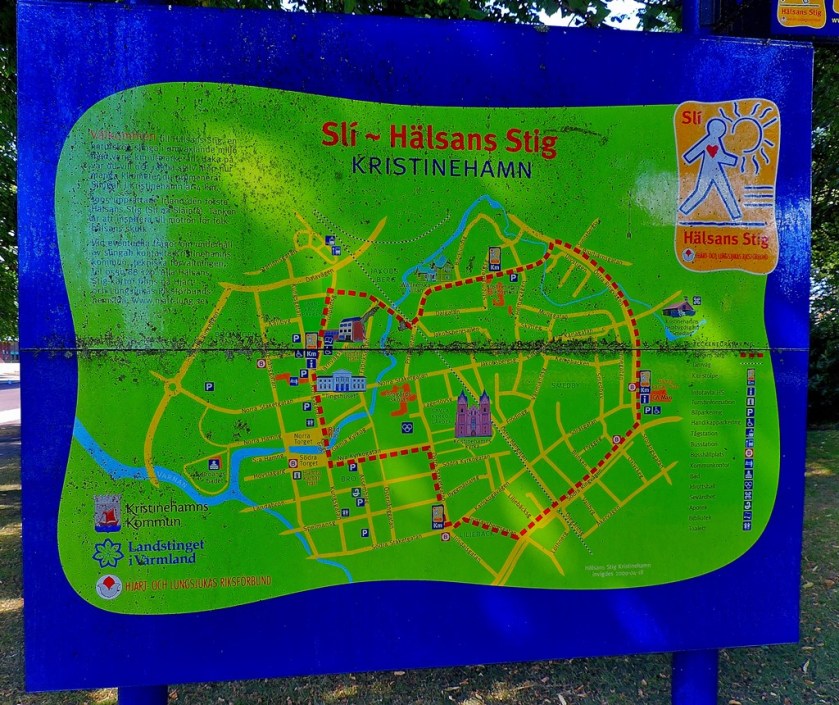
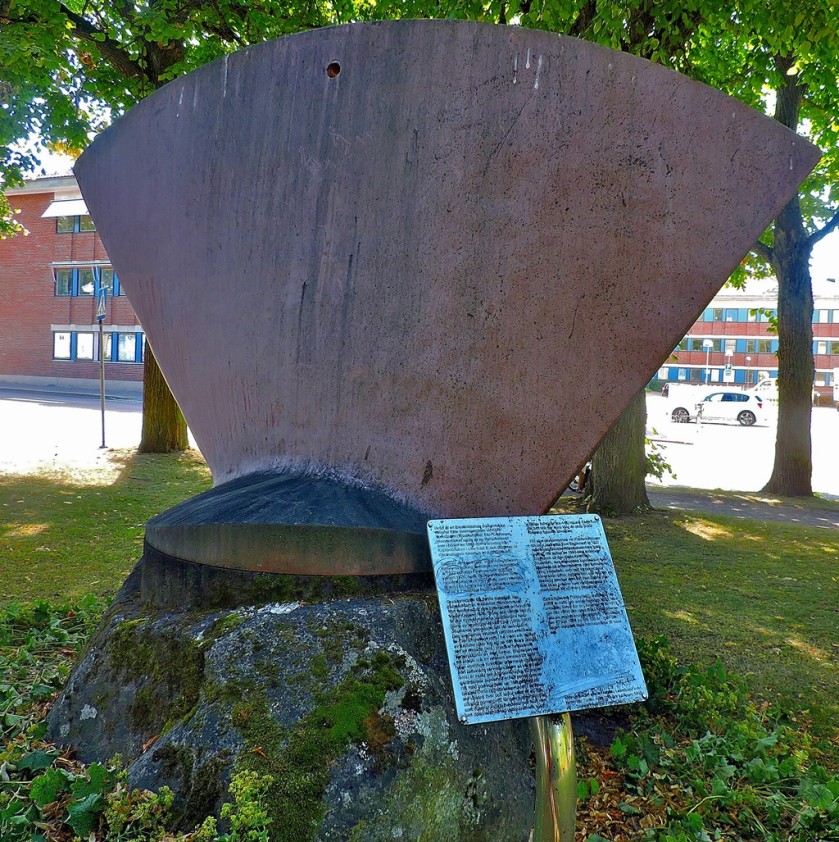
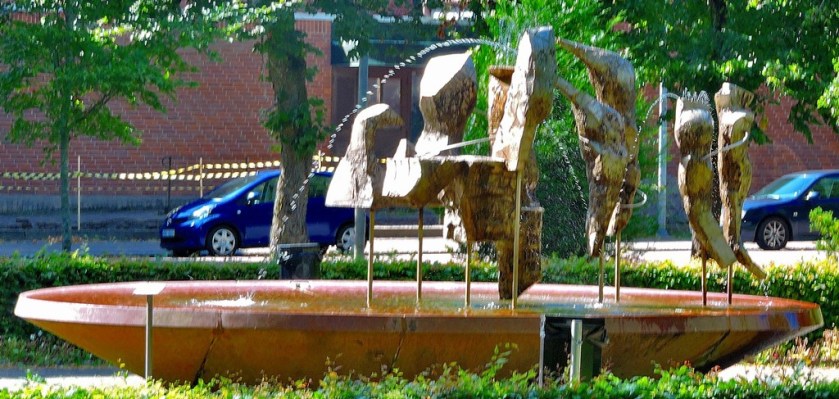
I did some exploring in this pretty little town once I was settled. Here are my pictures from Kristinehamn…
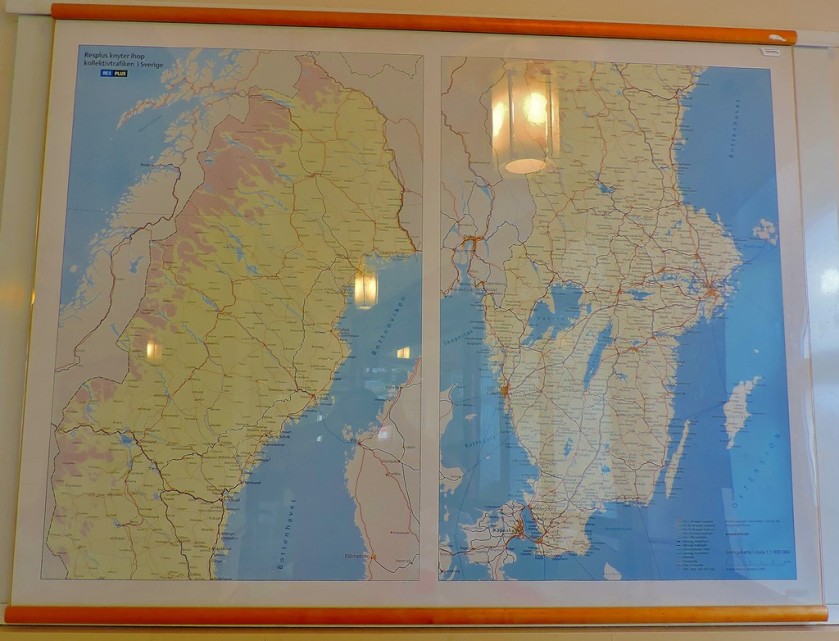
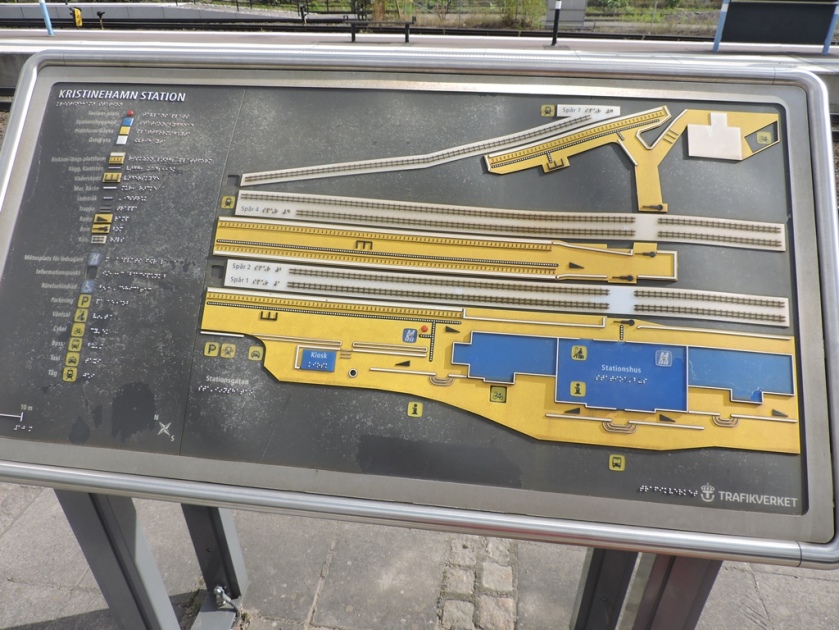
Many Swedish stations feature this kind of diagram somewhere.
Having produced this little post I will start, probably tomorrow, on a succession of posts detailing the Inlandsbanan experience…






















 are deliveries that are too wide for the batter to be able to play, and no-balls are deliveries that are ruled illegal for some other infraction (bowler overstepping the crease, high full-toss etc). The 21 run difference between the two tallies shown above is of major significance given that England reached the target with just two balls to spare, and there is yet a further point.


























































































































 aspiblog