Some thoughts on round two of the 2017 six nations, and a few Sunday shares.
INTRODUCTION
Yesterday saw the first two matches in round two of the 2017 Six Nations. This afternoon Scotland and France will fight out the final game of the weekend.
ENGLAND SQUEEZE PAST WALES
In the women’s match which preceded this England won 63-0, which gave them 89 unanswered points in their last 120 minutes of rugby (they were 0-13 down at half-time against France last week).
Wales dominated the men’s match for long periods, but too often did not turn pressure into points and eventually a 77th minute try put England in front for the first and only time of the match. England have not been all that impressive in either of their matches to date, but is the mark of champions to find a way to win even when not playing well.
IRELAND THRASH ITALY
Ireland were always in control of this match, with two players (Stander and Gilroy) recording hat tricks of tries. For the first hour the scoreline was semi-respectable but then the floodgates opened and the Irish winning margin mushroomed to over 50 points.
Two matches in to this tournament it is hard to see Italy doing anything other than bring up the rear, a long way adrift of the rest.
SOME SUNDAY SHARES
We start the shares with a couple of public transport related bits…
THE GREED OF THE PRIVATE RAIL COMPANIES
Private operators have creamed of more than £3.5 billion in profits from running Britain’s railways over the last ten years, while services get worse and prices go up. Click on the image below to read in more detail, courtesy of AOL:
AN EXTENSION FOR THE BAKERLOO LINE
The extension, from Elephant & Castle to Lewisham is expected to open in 2028-9. Click on the image below to read the Time Out piece in full. I have already pressed a link on to my London transport themed website and will be writing about it in more detail in due course.
THE WENSUM VALLEY UNDER THREAT
The Wensum Valley is a very beautiful part of Norfolk, but a malign group of ‘planners’ are putting this beauty at risk – they intend to send a big new road through the heart of it. Please watch the video below to see what we are seeking to protect:
A COUPLE OF REGULARS
Another reminder that James and Sons next auction is on the 20th, 21st and 22nd of February, the first two days at our shop, the third at the Maids Head Hotel, Norwich. Click on the image below, from lot 891, to view a full catalogue…
Finally, the Autism Awareness Cup 2017 will be taking place at Ingoldisthorpe Social Club on June 4th. Click on the image below to visit the website.
The real answer, as the organisation We Own It have pointed is a fully publicly owned and controlled railway system, but this is an interesting development regarding the worst rail operator in the country…
The badly managed and strike prone Southern Railway contract is to be investigated by Parliament’s financial watchdog, the National Audit Office.
After months if not a years of misery for commuters caused by failing services and strike action over safety the NAO has quietly decided to investigate the Department of Transport’s handling of the contract alongside another investigation into the modernisation of Thameslink services. Both are major commuter services into the capital and both are owner by Govia, the country’s biggest privatised train operator.
The decision by the NAO has been quietly slipped out on its website as an update to the Thameslink investigation without an official announcement. Such a move is bound to cause some consternation for transport secretary, Chris Grayling, and his officials.
Publication of the report due this summer will trigger…
A victory for disability rights (brought to you by Welfare Weekly and DWP Examination by way of the Guardian)…
Bus drivers must now pressure passengers to make room in ruling described by Doug Paulley as ‘significant cultural change’. This article titled “Disability groups hail court’s support for wheelchai…
My first post created using my new computer. It covers my work for James and Sons this week and includes solutions to the puzzle contained in my previous blog post.
INTRODUCTION
Welcome to this post, the first to be composed using my brand new Acer Chromebook 15, of which more later. As well as covering the events of Tuesday, Wednesday and Thursday, with a few pictures, and of course explaining the computer situation I will be providing an answer the puzzle that I included in my last post.
THE COMPUTER SITUATION
My old computer (and by computer standards it was a veritable Methusalah) had been struggling for some while when it finally decided to give up the ghost completely. My mother by way of an early Christmas present transferred the funds necessary to buy a replacement to my account, and I made the purchase today. All I am now waiting for is the arrival of the hard drive caddy that I ordered online which will enable me to connect the hard drive that I extracted from my old computer to this one and all will again be as it should be.
A HEAVY WORKLOAD AND HEAVY LIFTING
James and Sons had its last auction of this year on Wednesday (our next auction is taking place on January 18, 19 and 20 at our shop in Fakenham), and on either side of that I was getting as many images ready for January as I could. The auction we have just had took place in Norwich, and a shortage of people available to help combined with the fact that one of my colleagues was experiencing knee trouble meant that most of the heavy lifting had to be done by yours truly.
DAY 1: TUESDAY
Most of the work of loading the van had been accomplished on the Friday, but some still remained to be done. Additionally there were last minute queries to be resolved, work to be done for our next auction and a few other things. I made enough of a fuss about the extra expense of catching the very early bus to Norwich (a First Eastern Counties X1, which leaves at 5:30AM and on which a return costs £11 as opposed to the £5.50 it would have cost me if I could have caught the Stagecoach X29 which leaves at 6:28AM) that I was authorised to extract the bus fare from the till.
DAY 2: WEDNESDAY
I managed to catch the 5:30AM bus, and was the first James and Sons employee at the venue. Once the van arrived it was time to unload everything and get the place set up for the auction. After a few hitches, including requiring an emergency replacement for the computer which we had been using to run the auctioneer’s view screen we got underway on time at 10AM, and the sale proceeded fairly smoothly. The coins fared especially well, and much to my relief some of the larger boxes of stamps sold in the room, meaning that they did not have to go back on the van. The militaria also did well.
Once the van was loaded I was able to take my leave, and being in Norwichtook the opportunity to visit Norwich Millennium Library before getting the bus home. In the end I arrived back at my flat a little under 14 hours after I had left it in the morning.
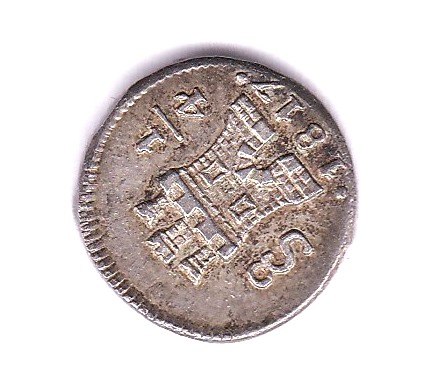
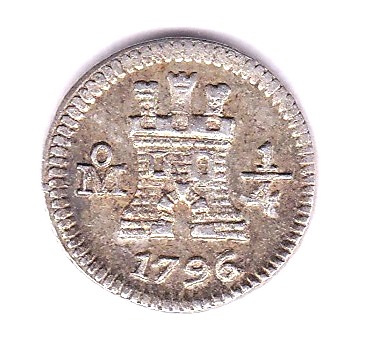
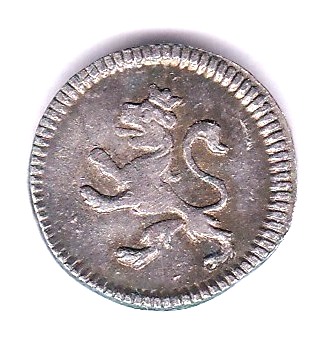
These old coins fared especially well, two of them (213 and 215 fro memory) going for £170 each after protracted online bidding battles.
DAY 3: THURSDAY
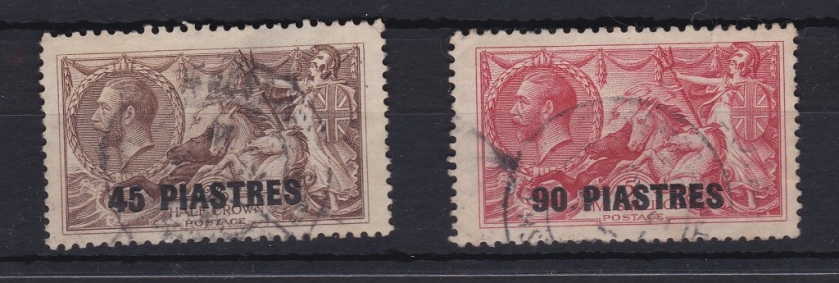
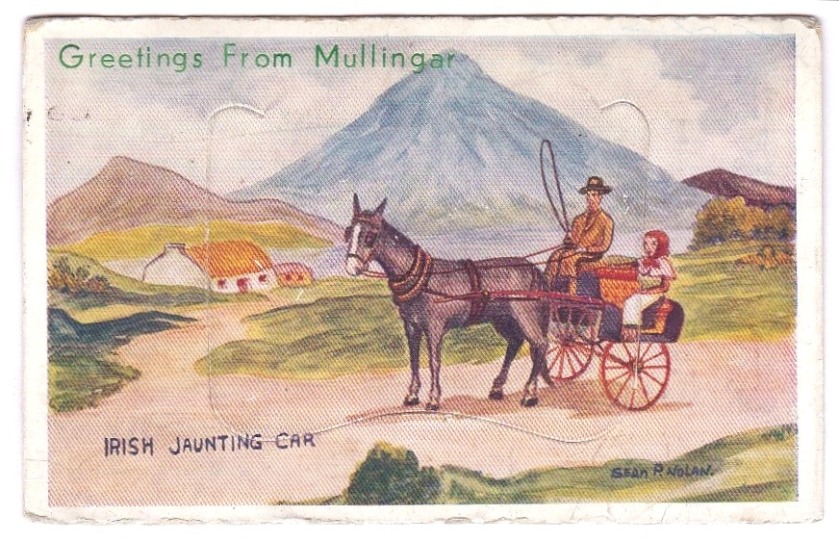
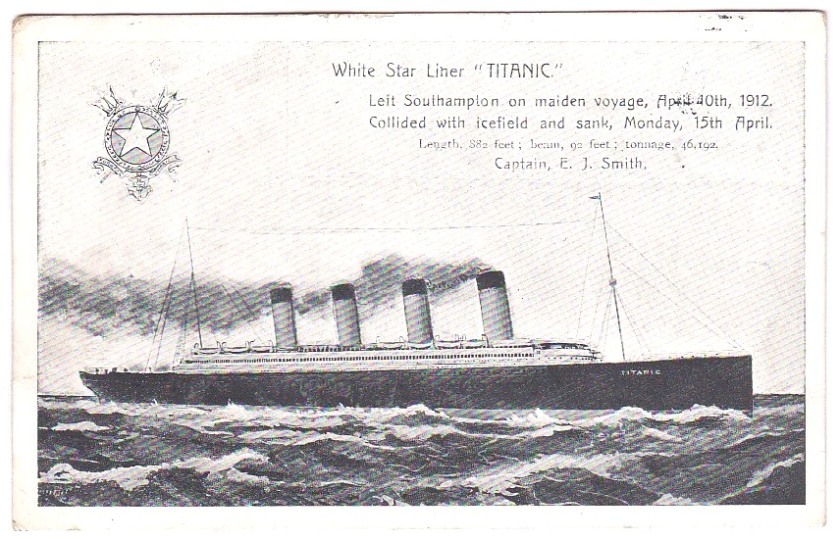
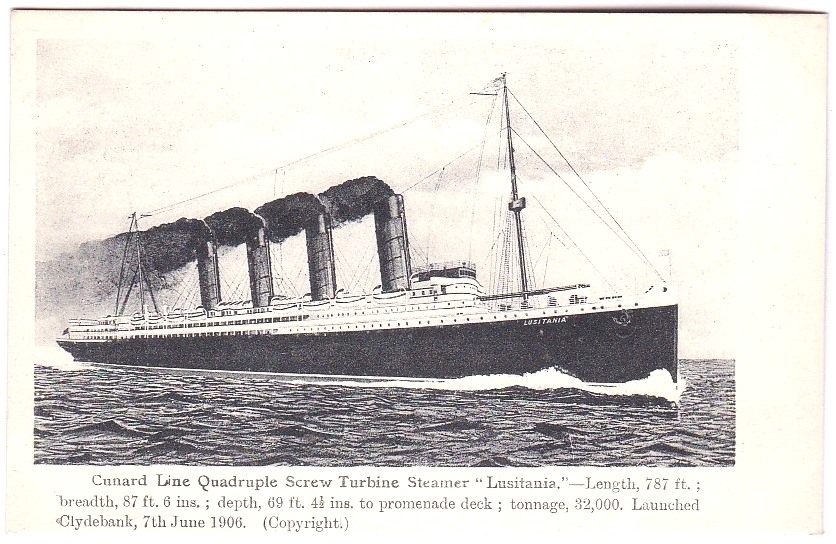
After unloading the sold goods from the van it was back to work on the January auction. The catalogue cover was ready by the end of the day, and the images were about 70% done, a near miracle in the circumstances. Here are some of the new images from yesterday…
These postcards were needed for the catalogue cover, so with time pressing I scanned them at 150 DPI – and they looked superb on the printed page.
THE PUZZLE EXPLAINED
I asked you to take any three digit number, multiply by 7, then multiply the new answer by 11 and finally multiply that answer by 13. I then asked how your final answer compared to your original number. That final answer consists of two copies of your original number. The reason for this is that 7 x 11 x 13 = 1,001 – and that post beinbg my 1,001st on aspiblog was why I set that puzzle in it. As a bonus I asked what multipliers you would need to produce a similar effect with four digit numbers, and the answer to that is 73 and 137, because 73 x 137 = 10,001.
A link to an excellent and important petition, and also a mathematical teaser.
INTRODUCTION
There will be no photographs in this post, but I wanted to put something up today because I several new people are following this blog – my thanks to you all.
THE PUZZLE
This puzzle comes from one my books at home (cannot remember which) and has a particular relevance which I will reveal in my next post: take any three digit number, and multiply by 7, then multiply the new number 11 and finally multiply that number by 13. What do you notice about this latest answer as compared to your original number? For a bonus what two numbers would you need to use as multipliers to achieve an equivalent effect with a four digit starting number?
A REALLY EXCELLENT PETITION
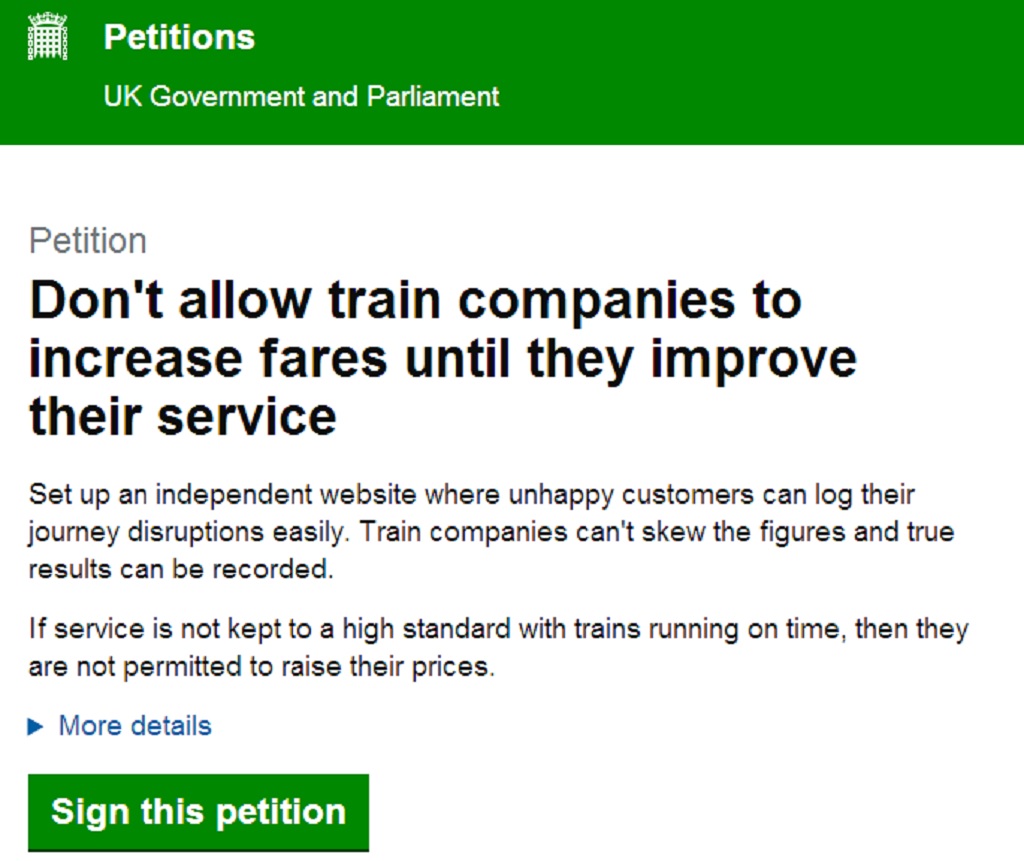
My latest twitter follower, Laura Warwick by name, has created a petition on the British government’s official petitions site (which means it is open only to UK citizens to sign) calling on the government to not allow train companies to increase their fares until they have improved their services. Click the screenshot below to sign and share the perition:
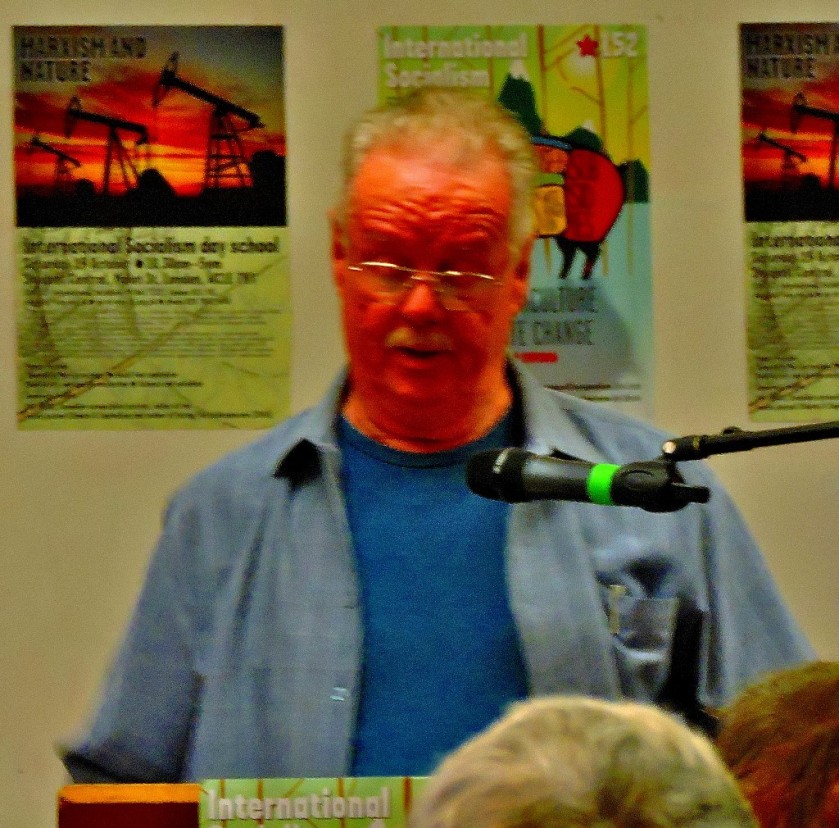
A post created from my experiences at the Marxism and Nature day school which took place at Student Central, Malet Street, London on Saturday.
INTRODUCTION
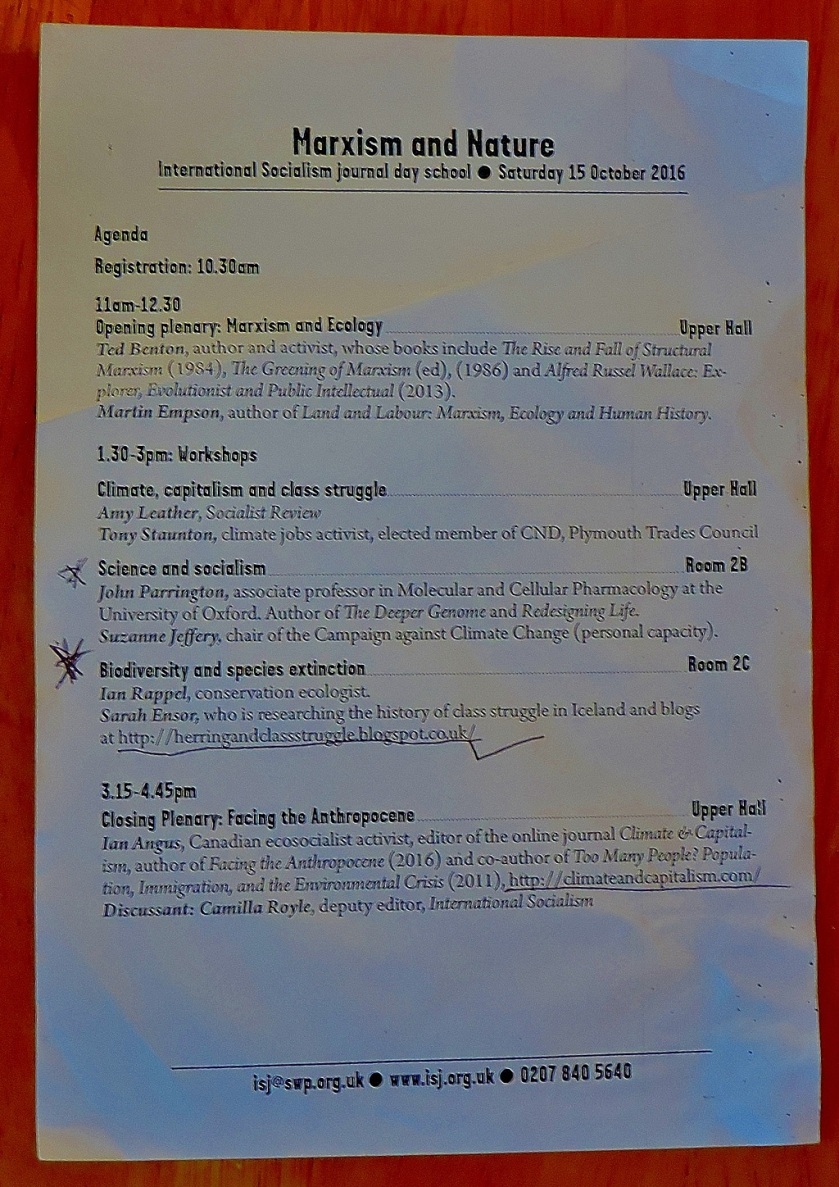
This post is based on a day school organised by the International Socialism Journal titled Marxism and Nature which took place on Saturday. To set the scene, here is the timetable for the day:
THE TRAVEL
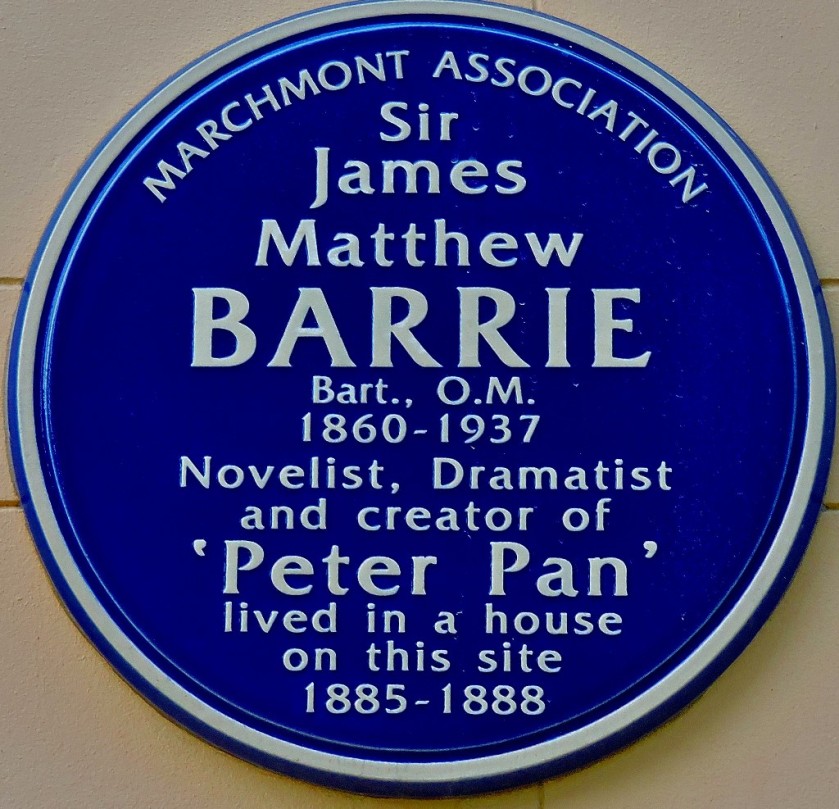
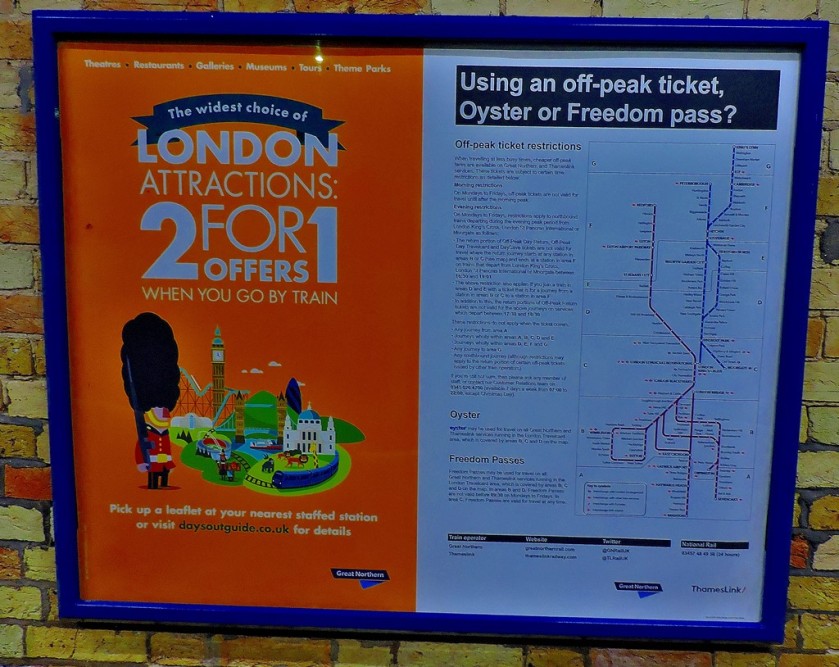
The travel should have been straightforward, since Malet Street is walkable from King’s Cross, but engineering works intervened. The first effect of the engineering works was that I had to get the 6:54AM rather than 7:54AM train from Lynn. After getting the replacement bus service from Ely to Cambridge the next train to London turned out to be a stopper, so reckoning on saving a bit of time overall, I alighted at Finsbury Park and took the Piccadilly line line to Russell Square. Having a little time to spare, I avoided the most crowded route, opting for a slightly circuitous walk which had the bonus of taking in this splendid commemorative plate:
This post will be followed by several on http://www.londontu.be focussing specifically on the public transport elements of the day.
THE EVENT: PHOTOGRAPHIC OVERVIEW
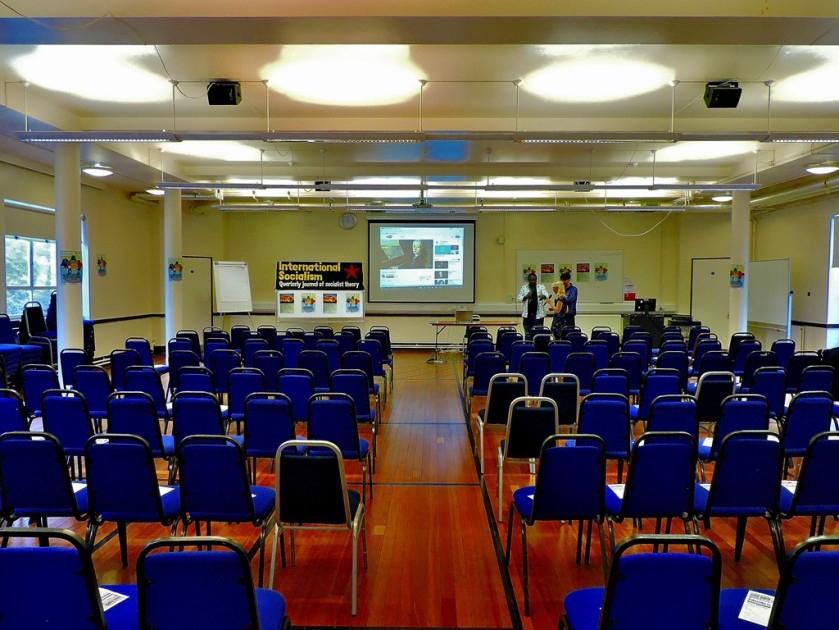
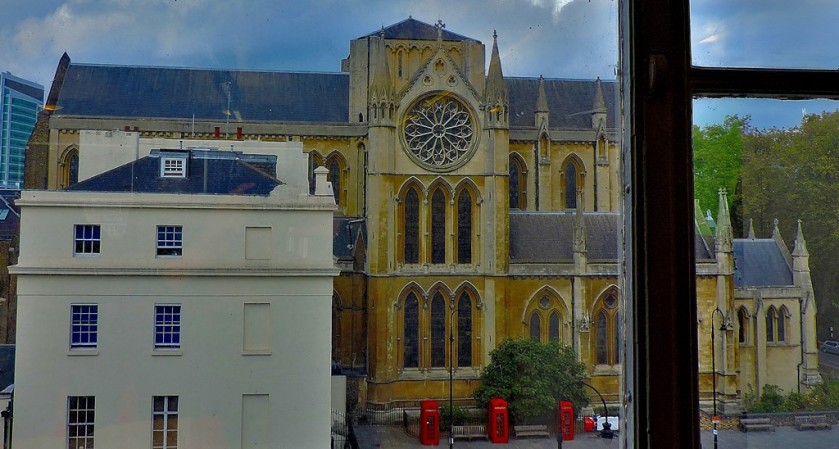
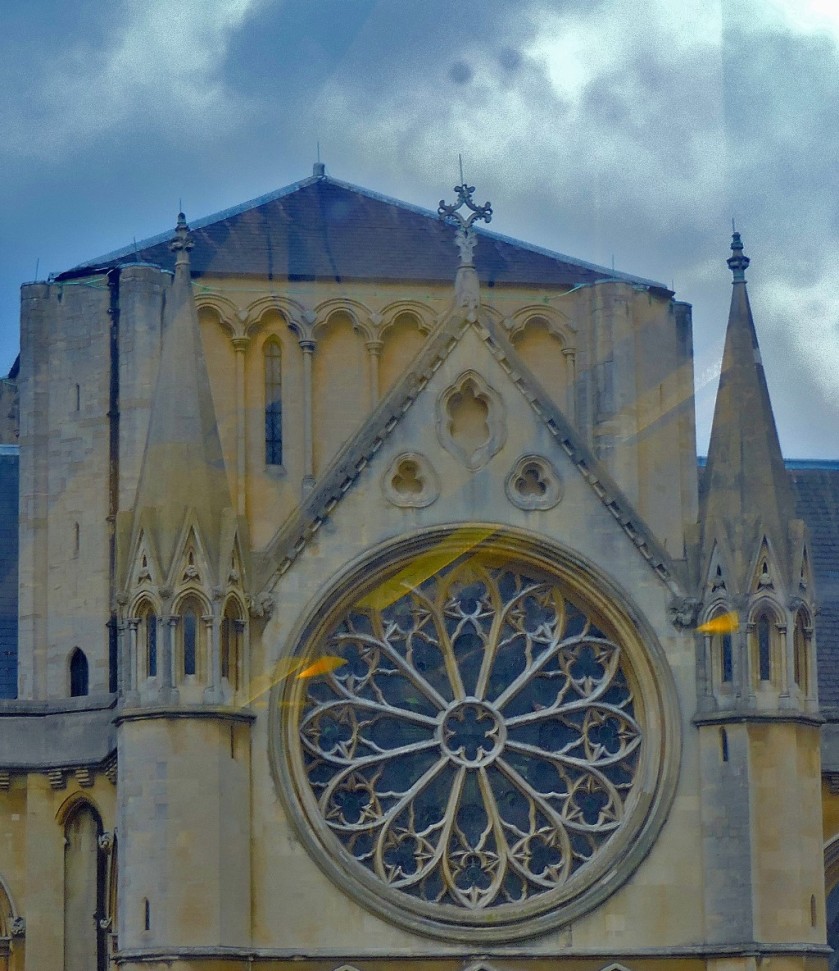
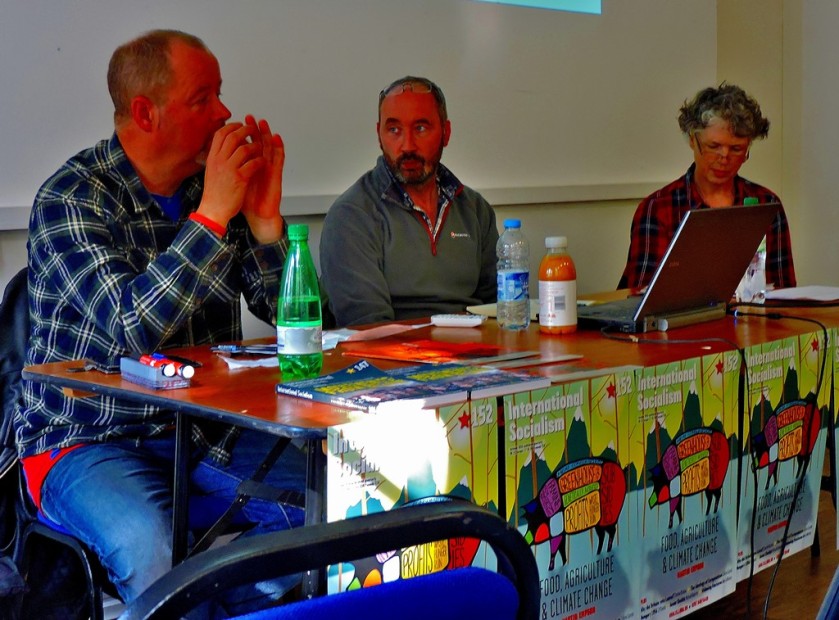
Here before getting to the real meat of the post are some photos taken at the event. The event took place at Student Central, formerly known as the University of London Union (ULU). The opening and closing plenaries were in the Upper Hall, which when I first visited the building was known as the Badminton Court (although these are both beaten in the changeability stakes by The Venue, which was Manning Hall when i first visited, and then became Room 101).
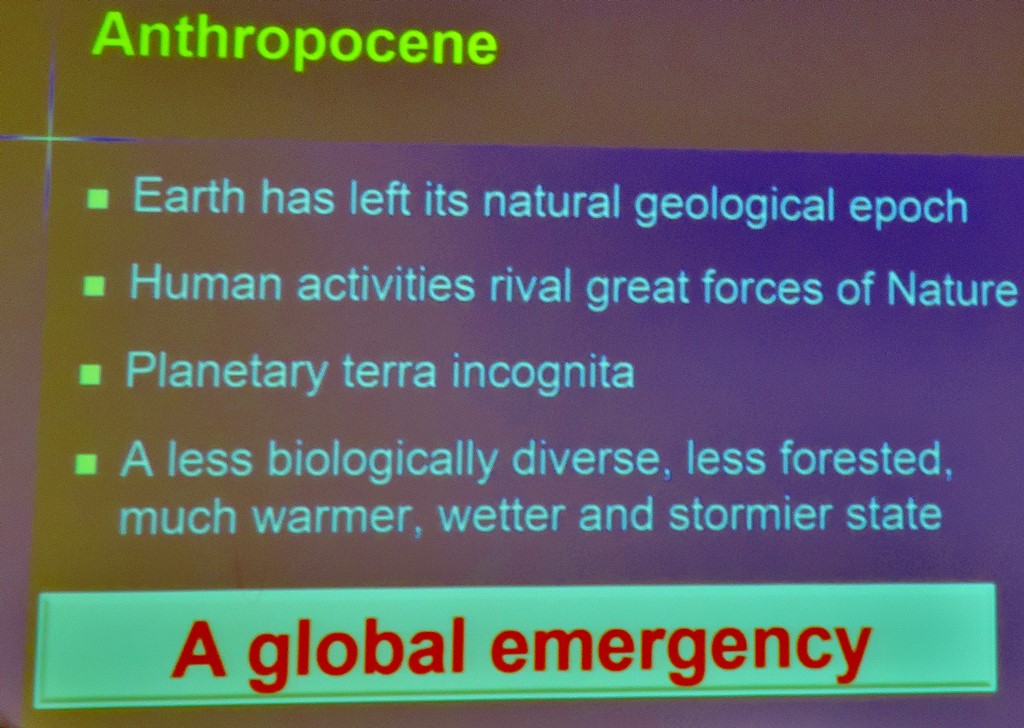
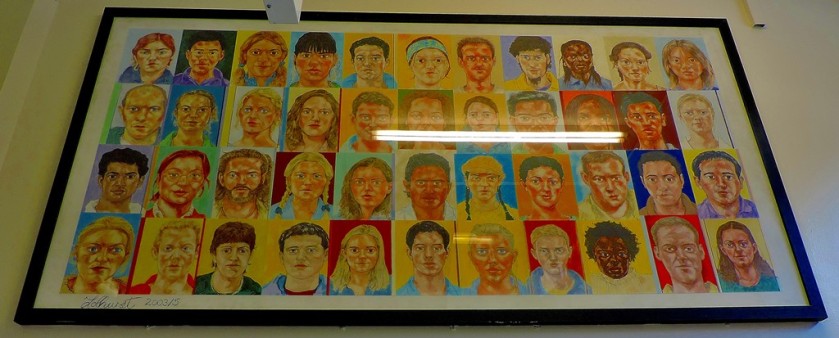
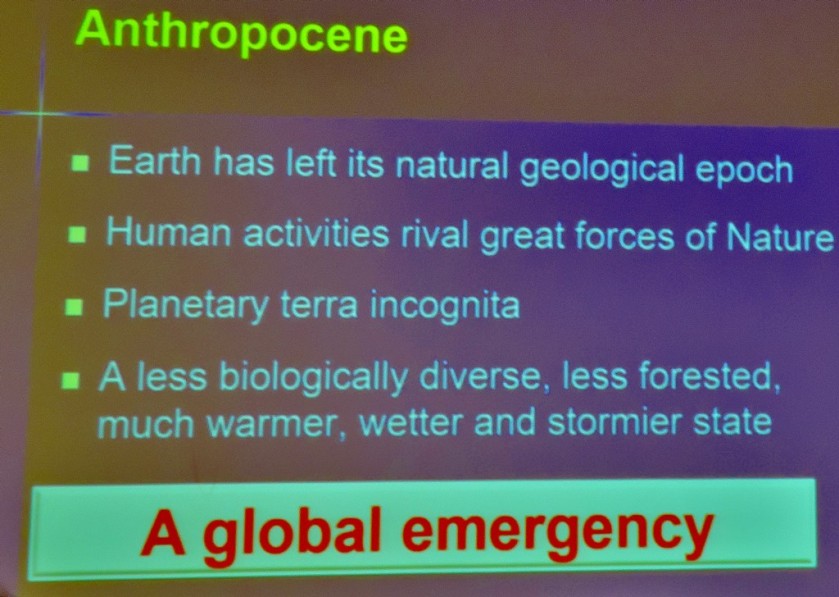
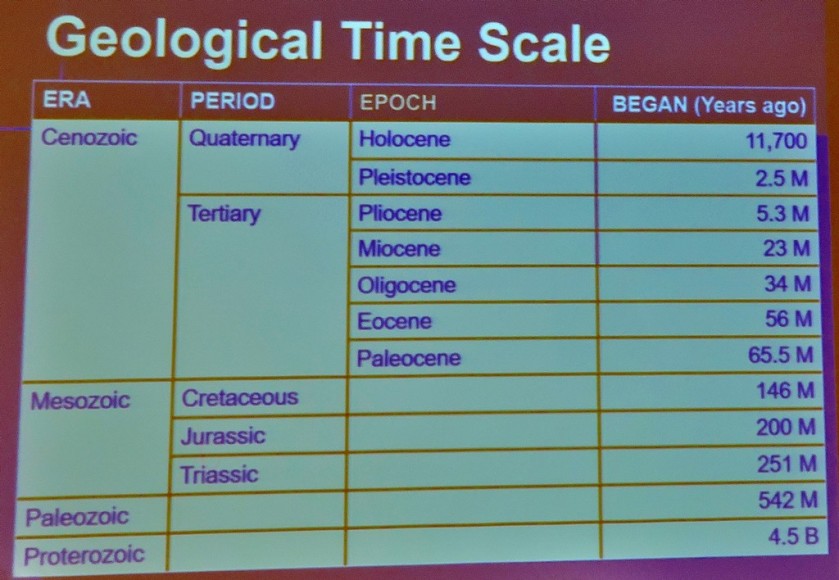
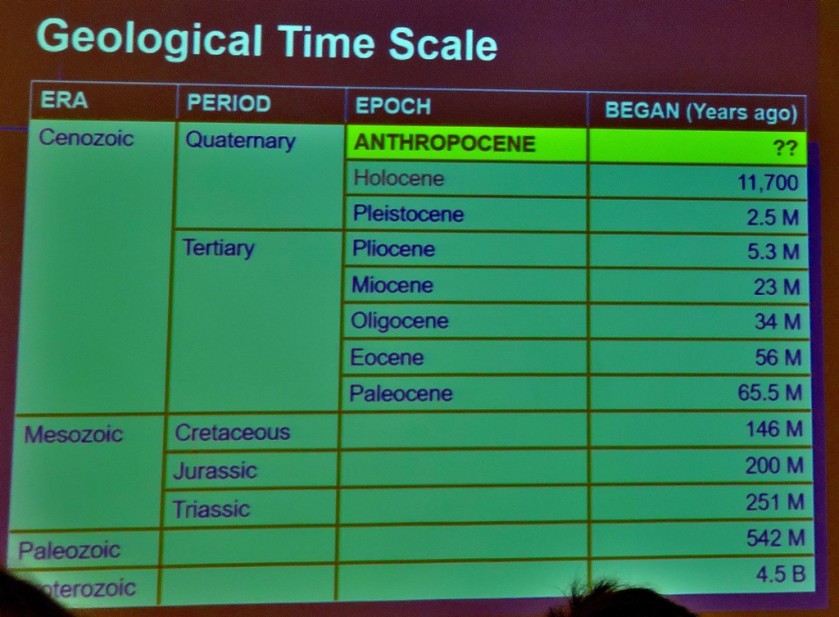
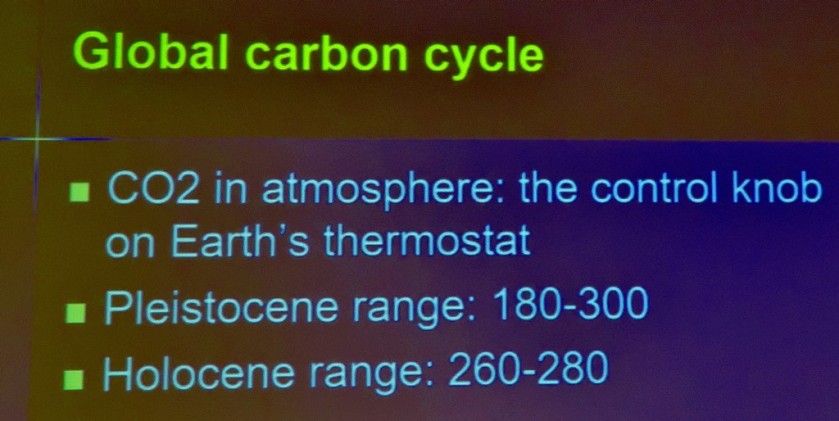
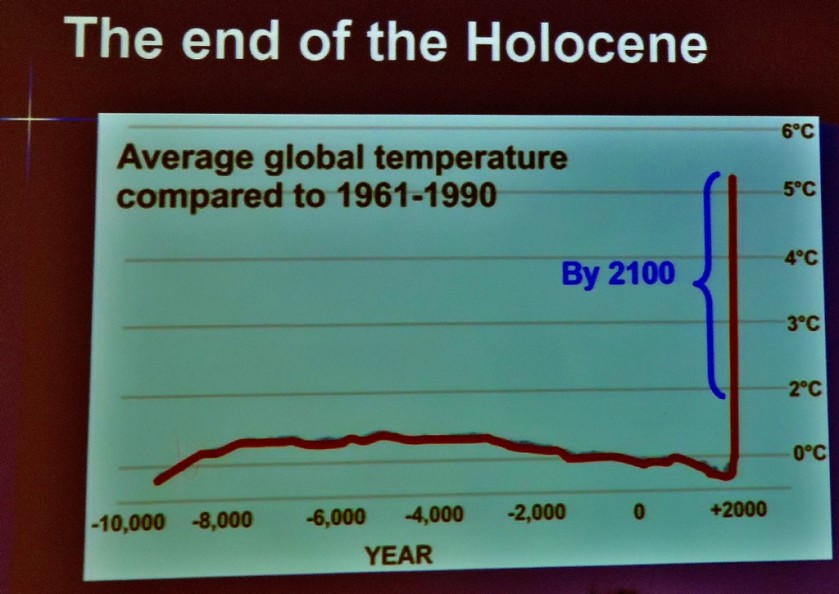
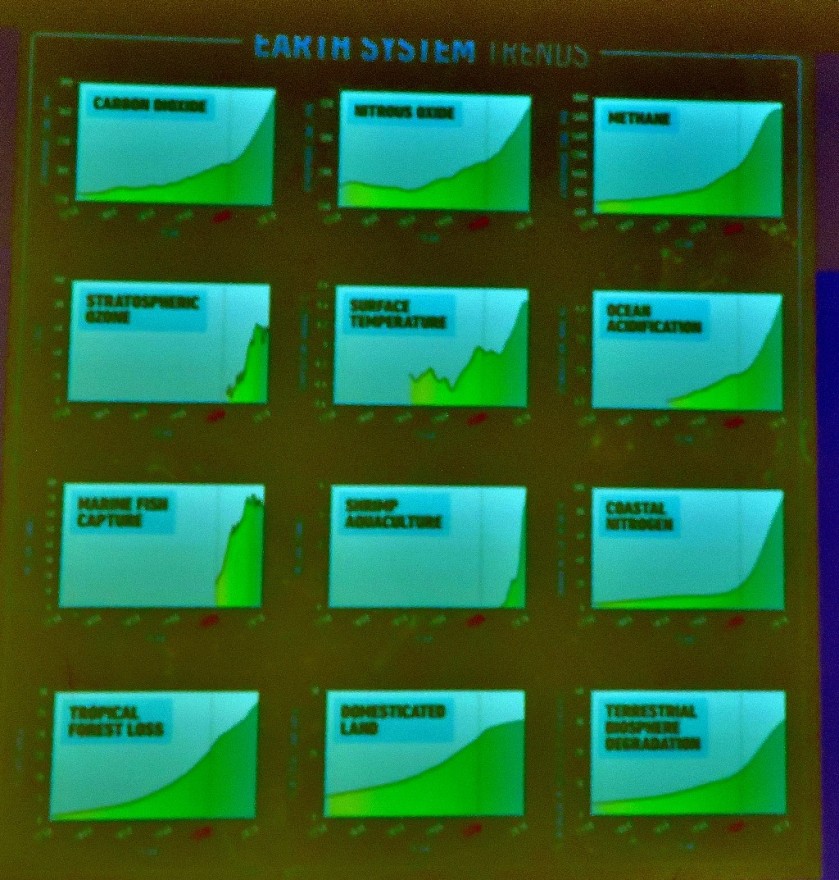
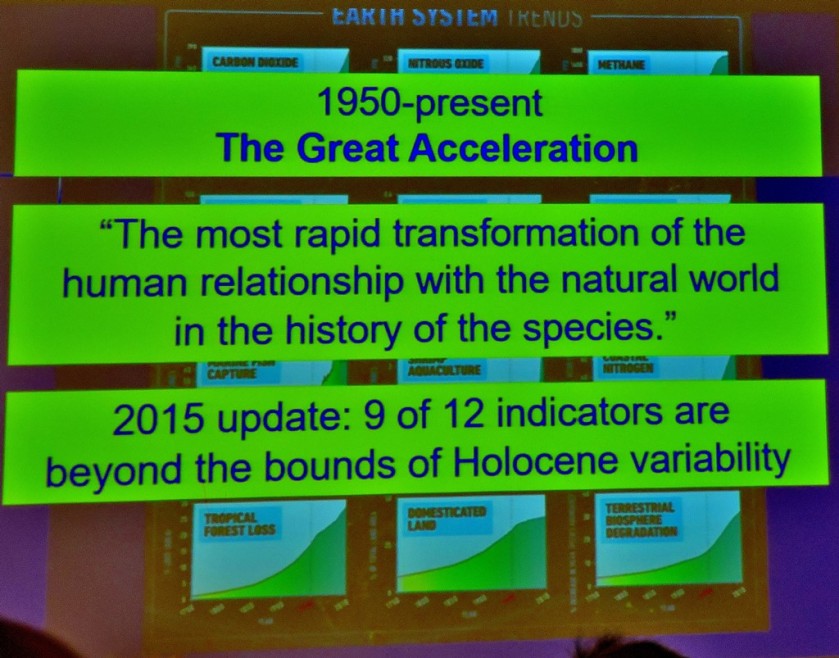
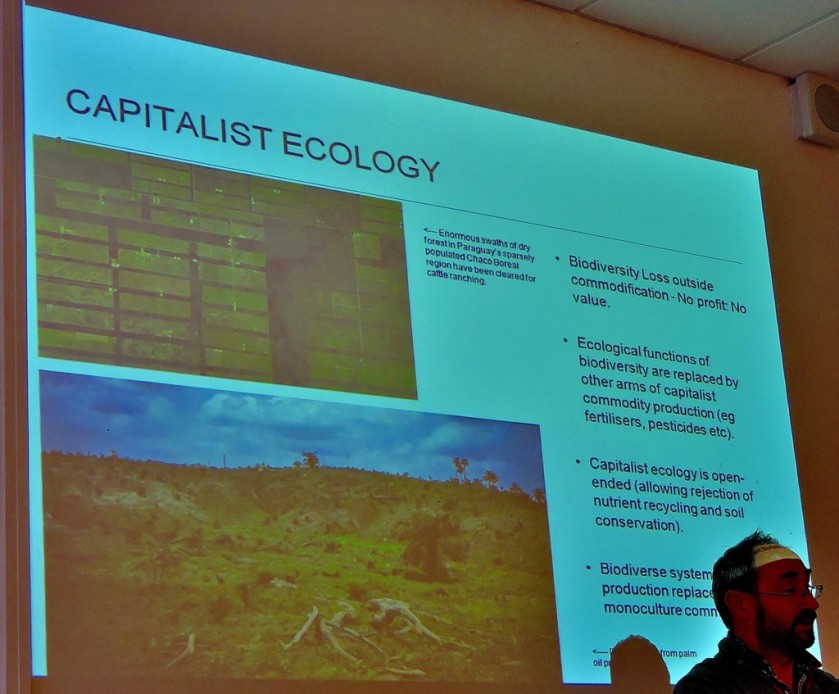
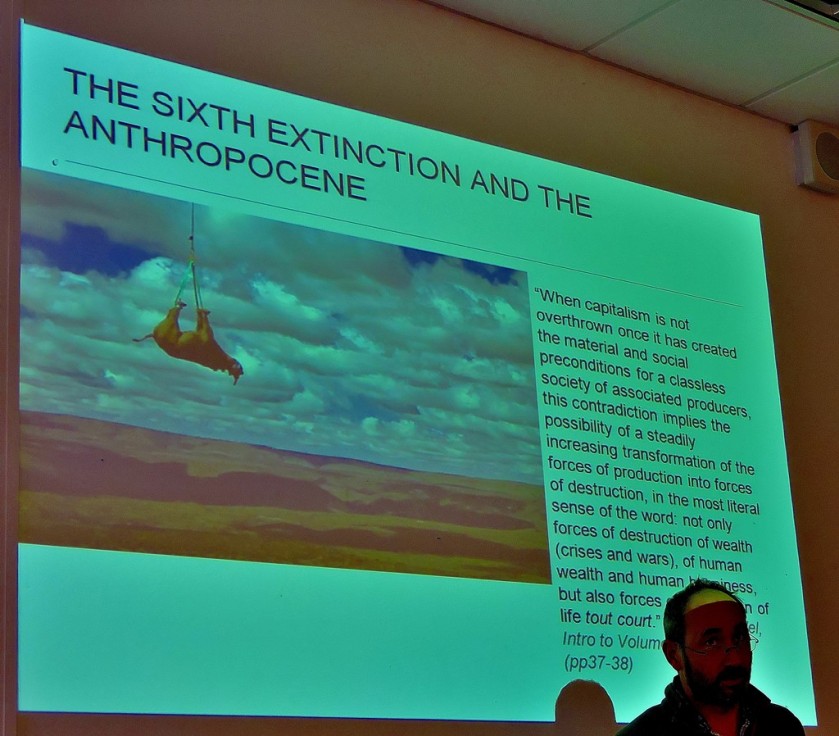
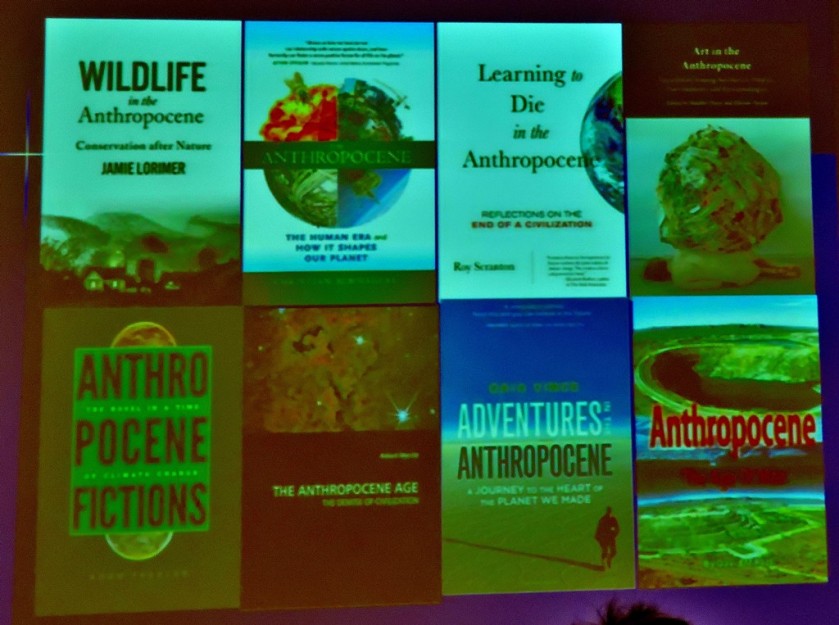
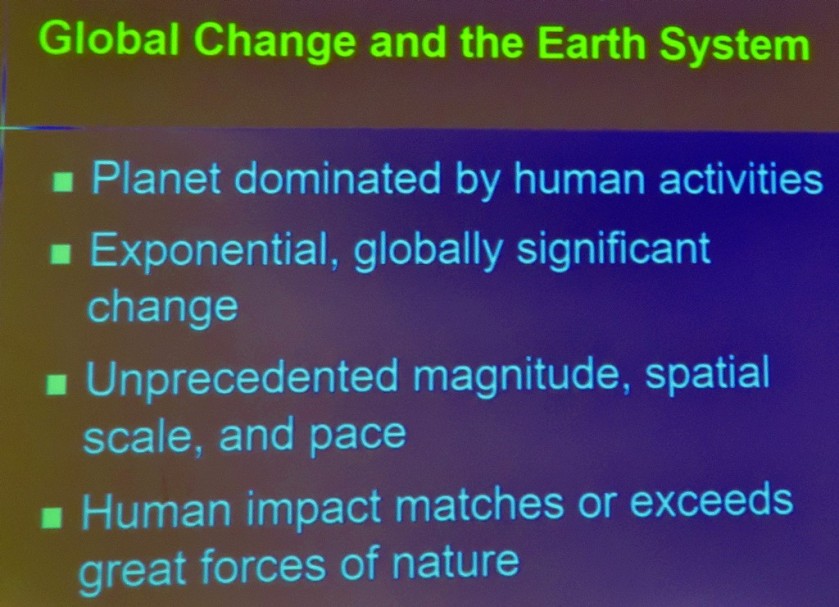
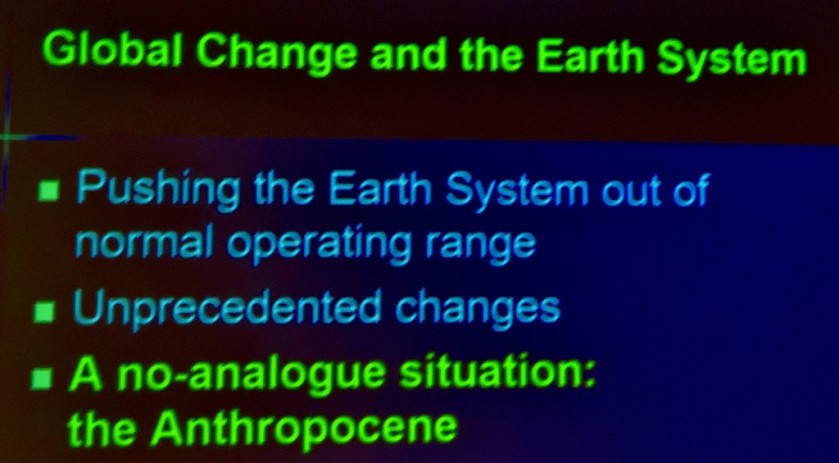
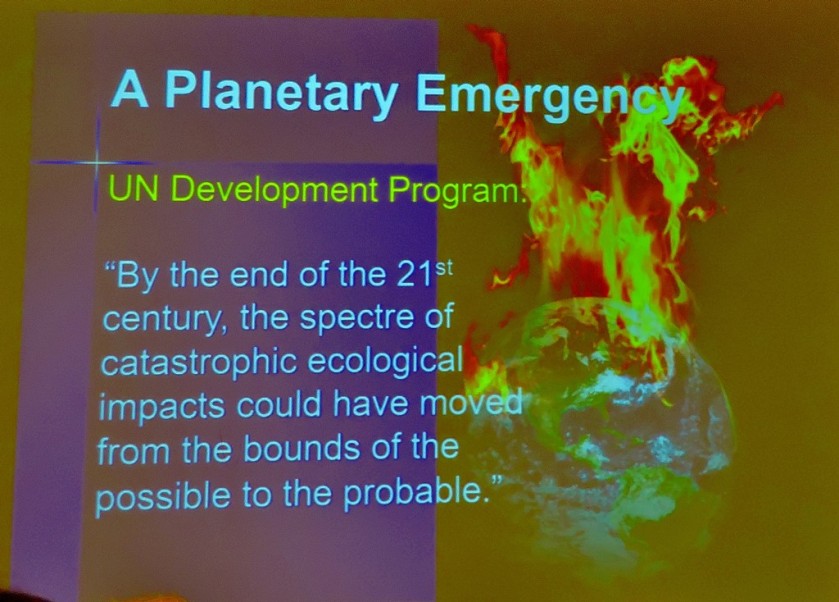
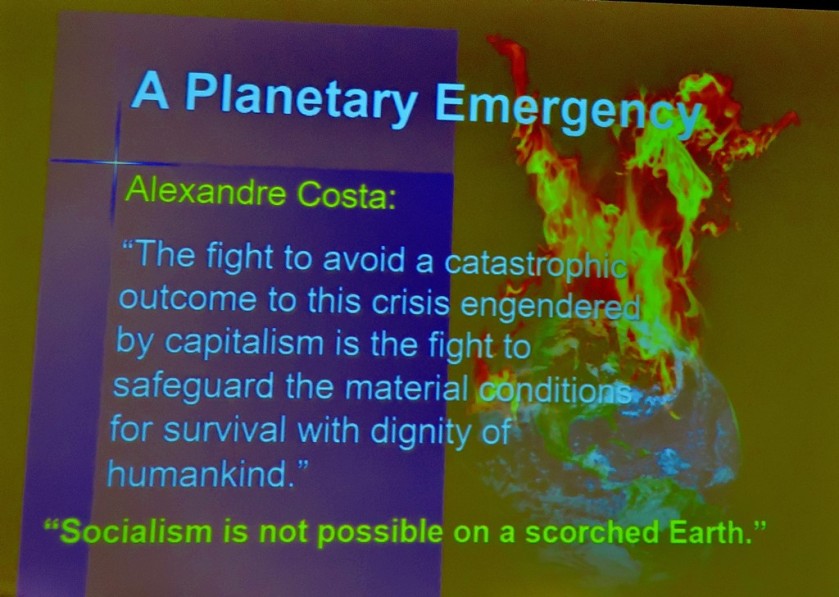
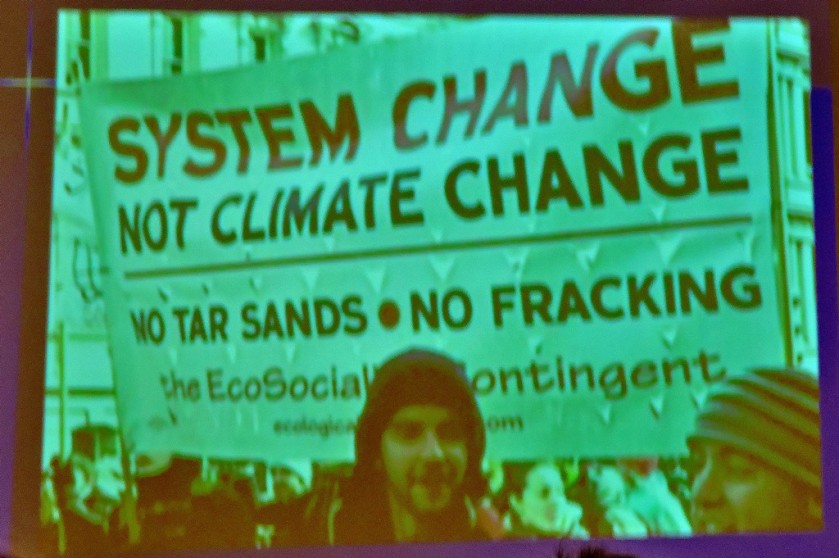
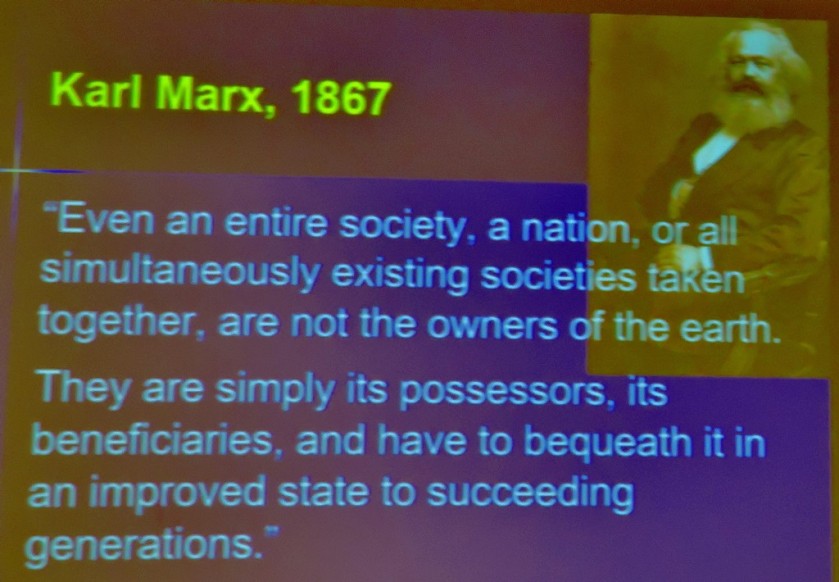
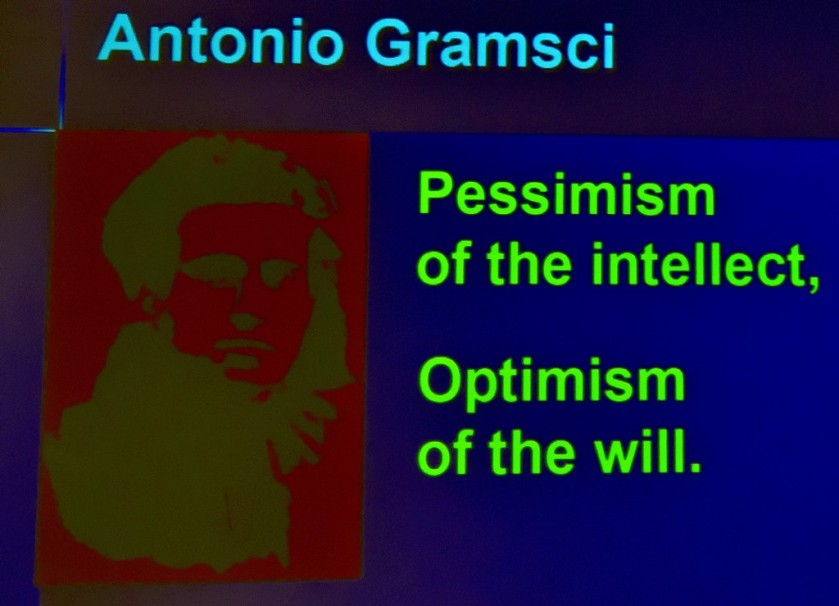
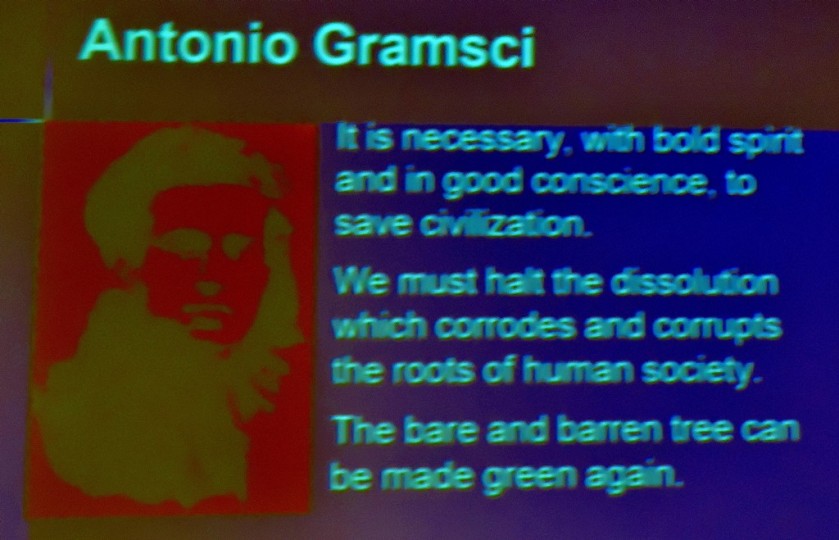
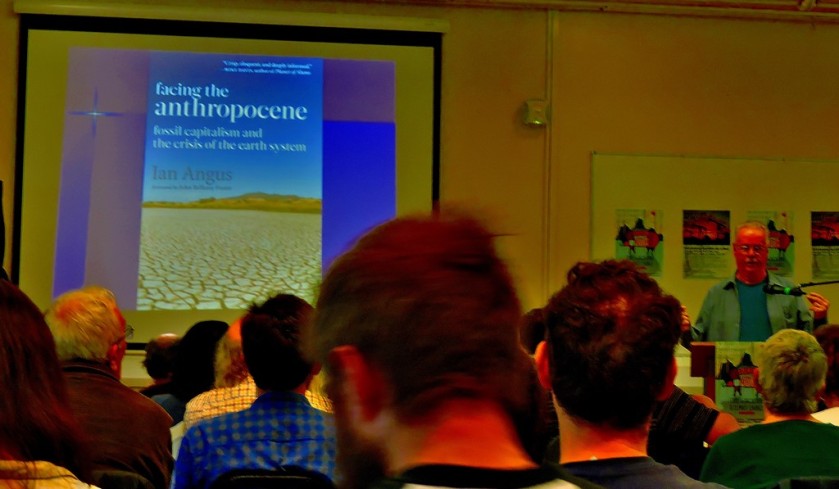
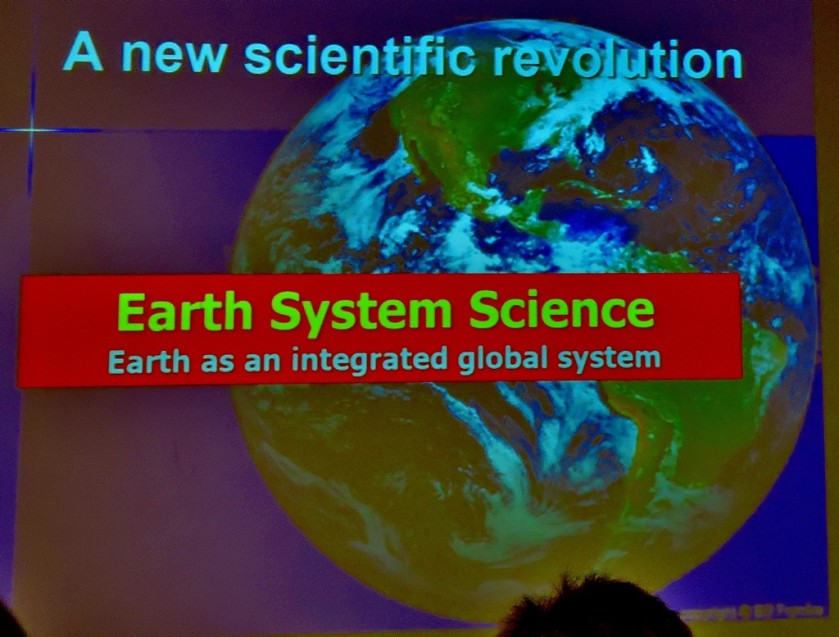
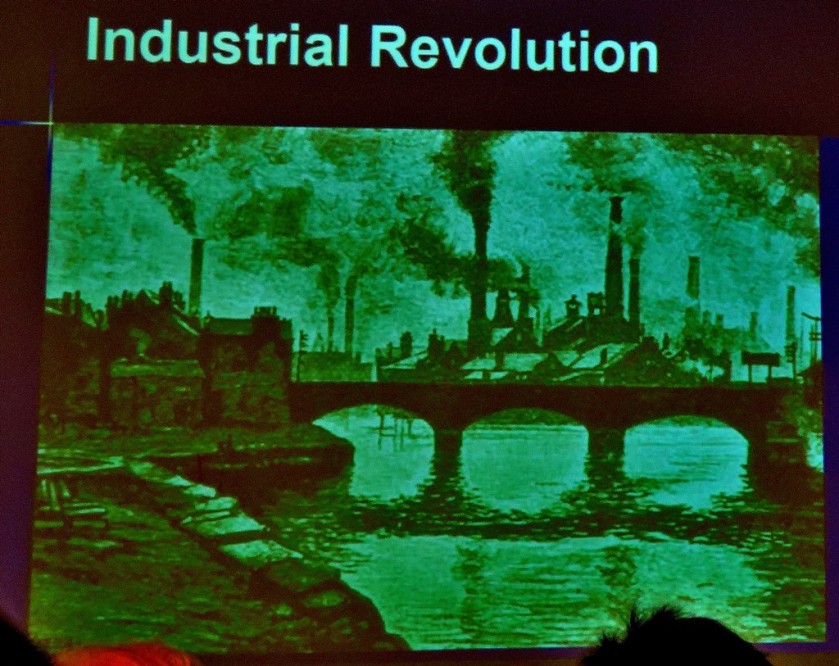
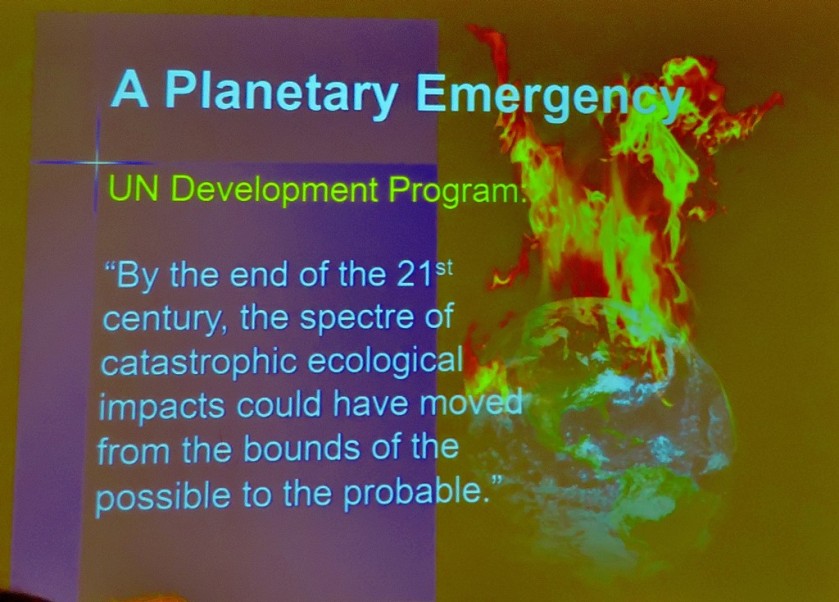
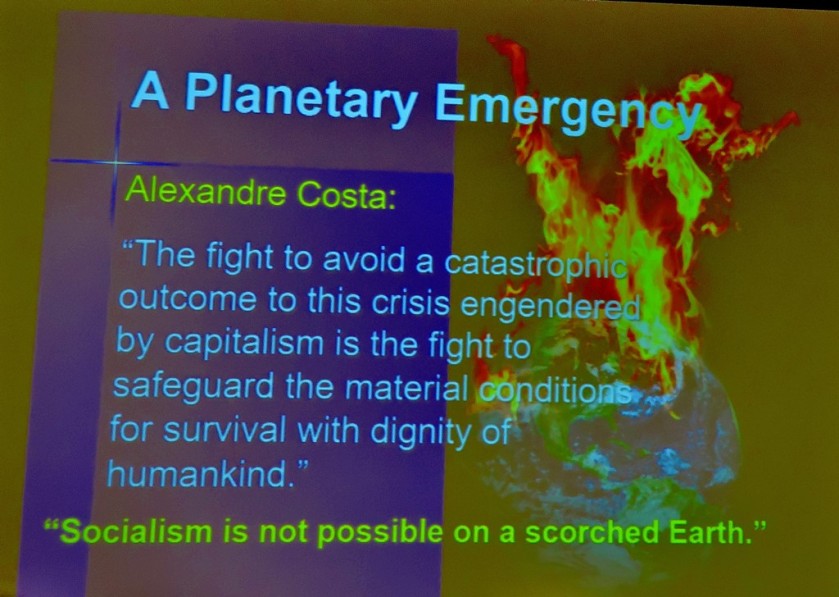
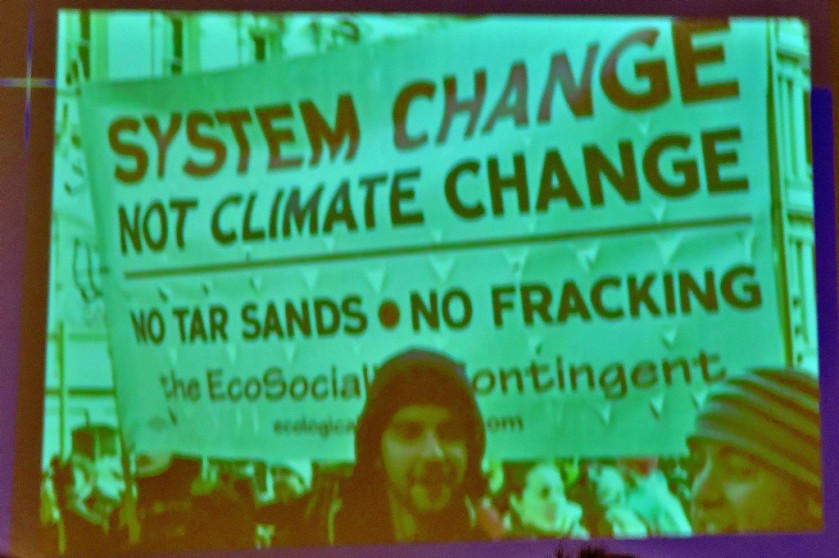
THE ANTHROPOCENE IN SLIDES
The pictures produced below come from all across the day…
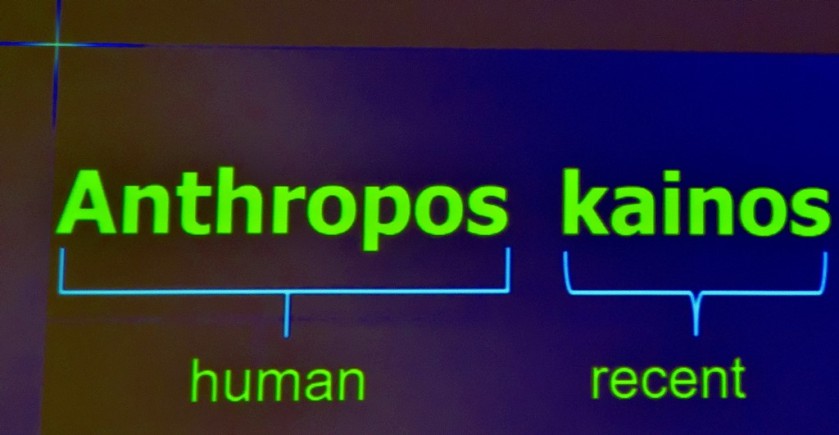
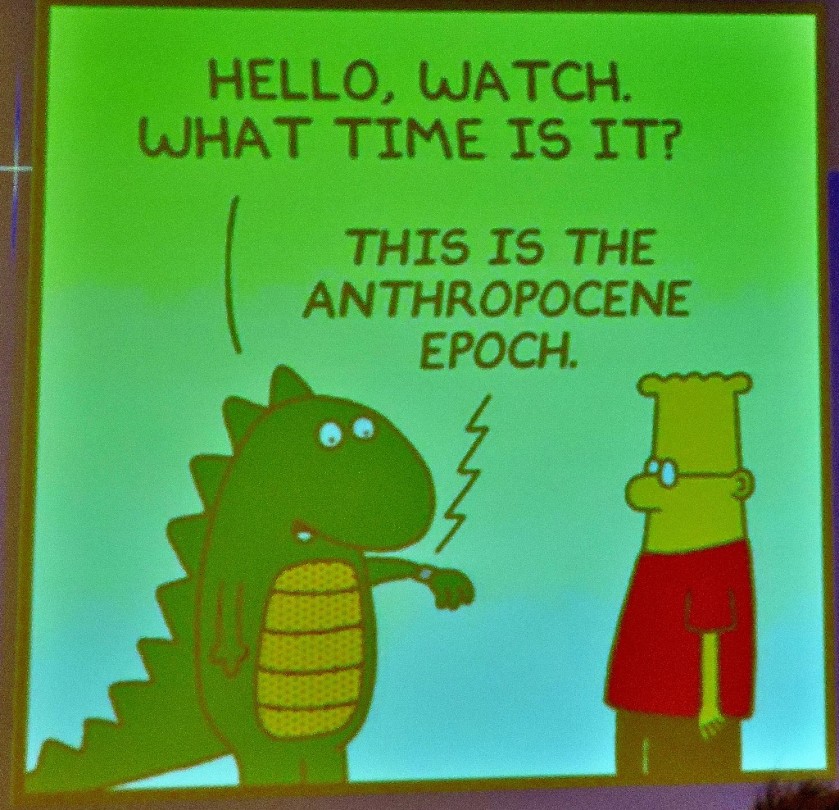
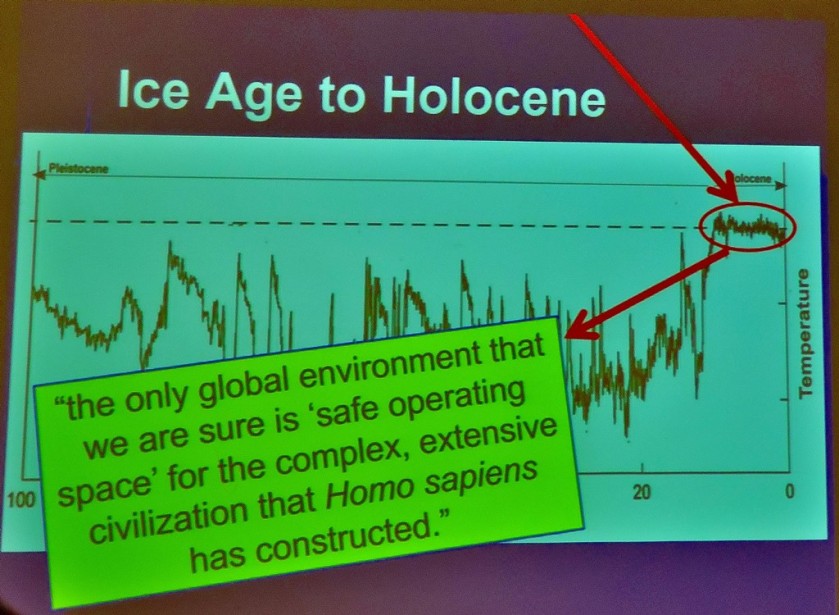
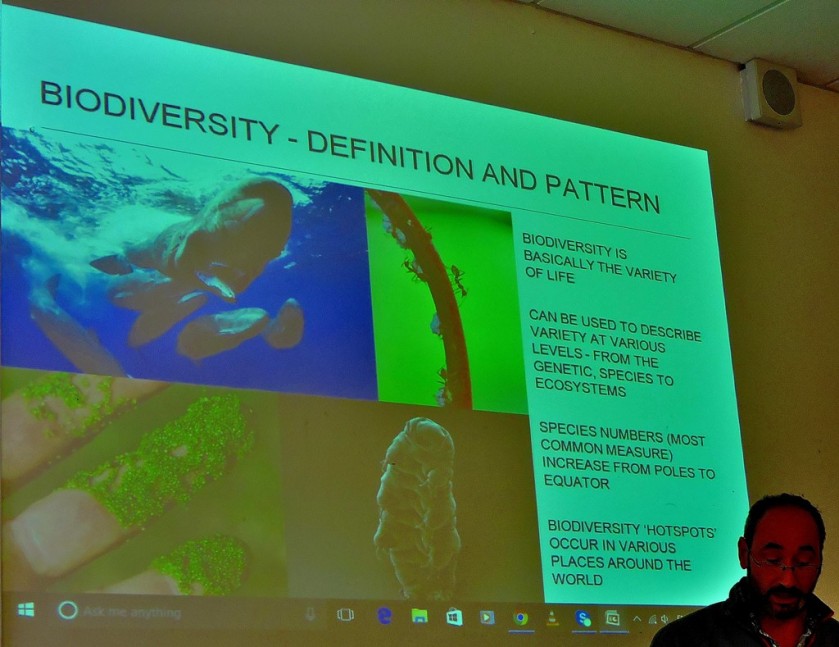
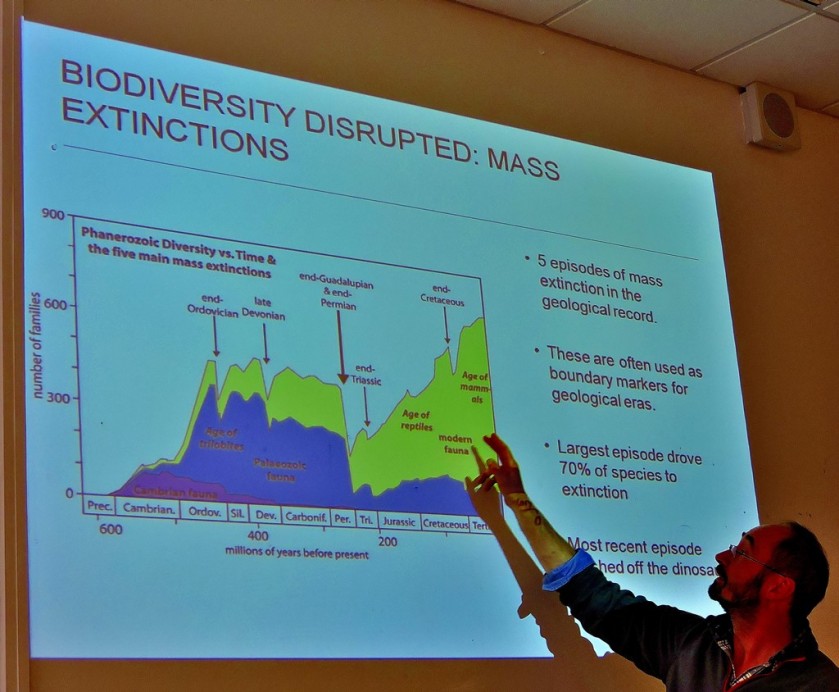
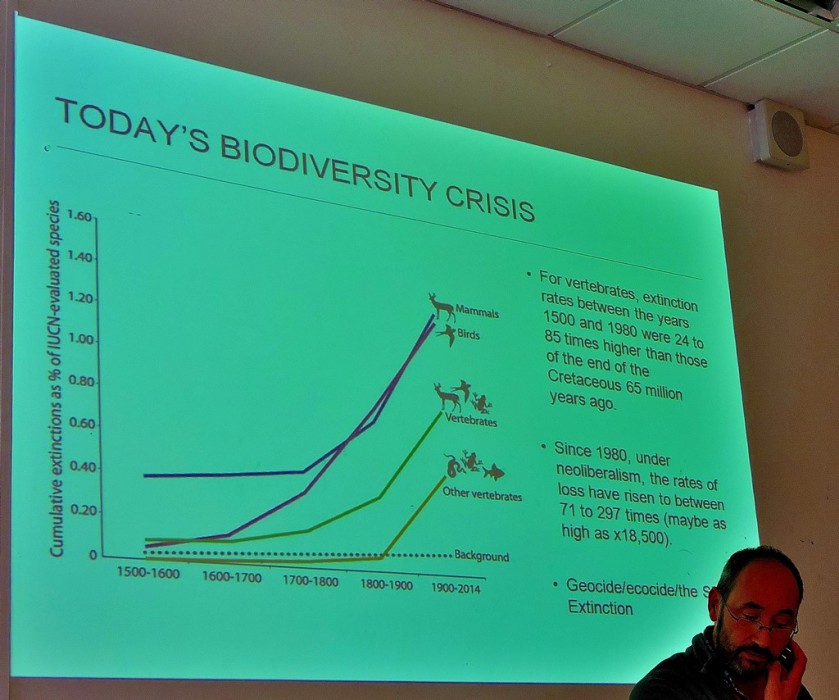
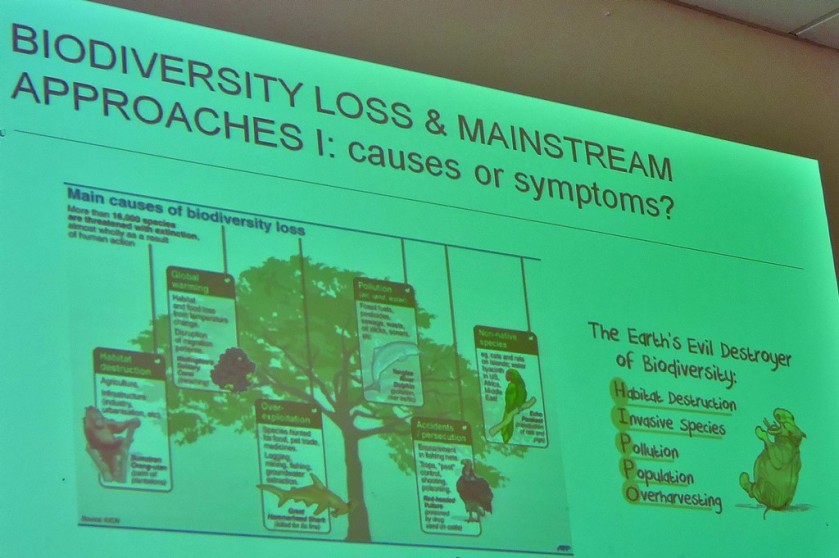
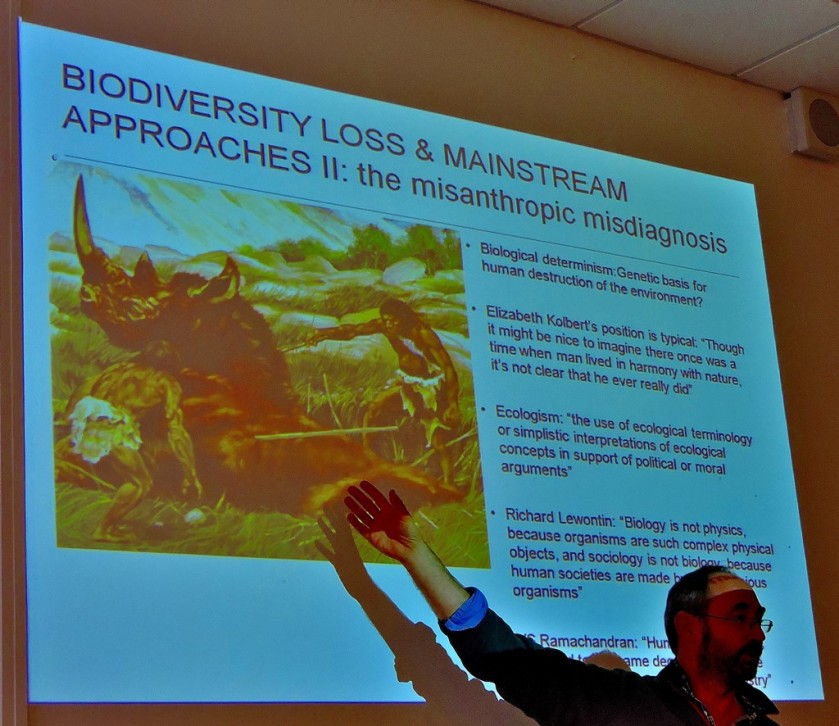
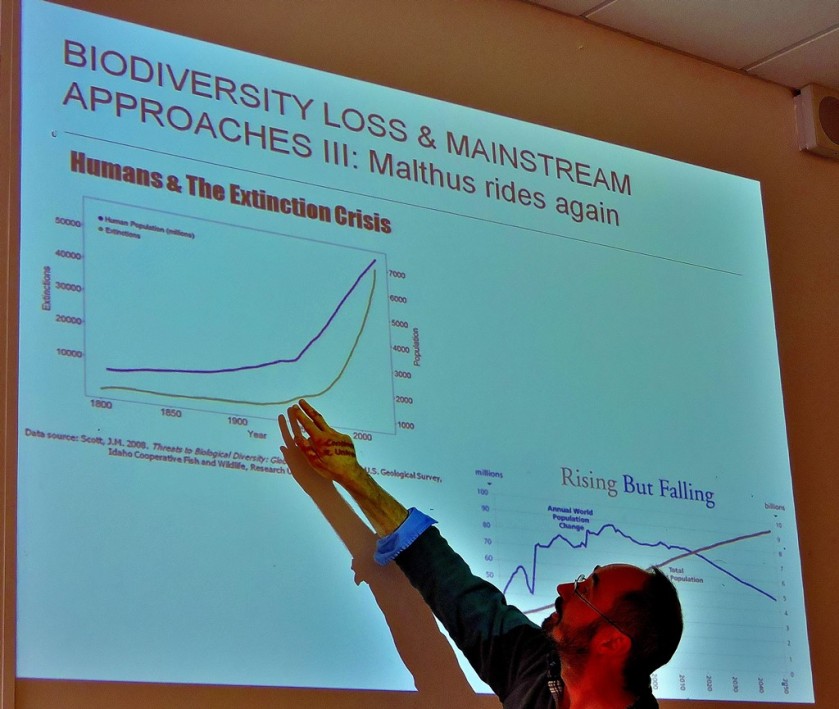
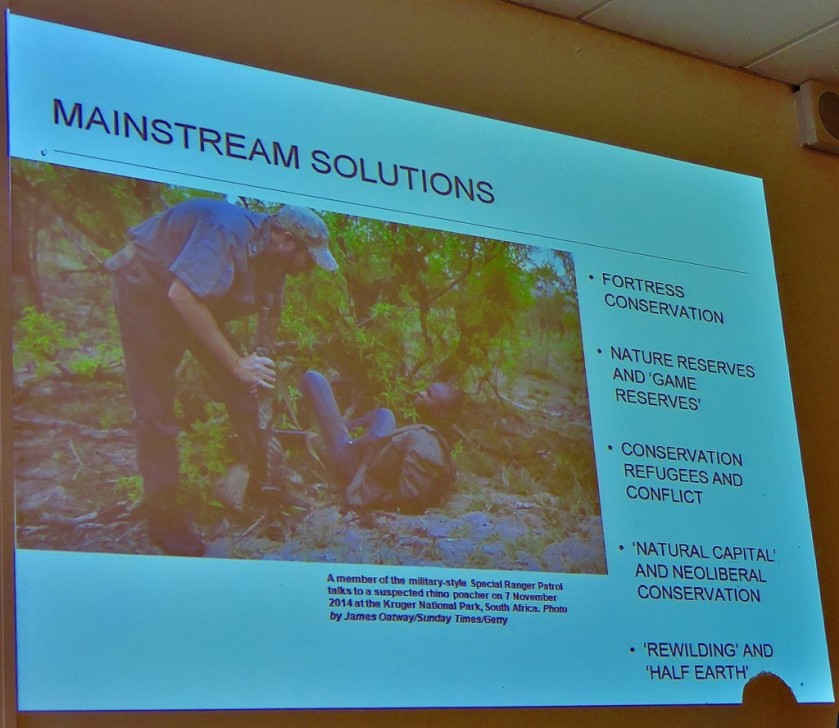
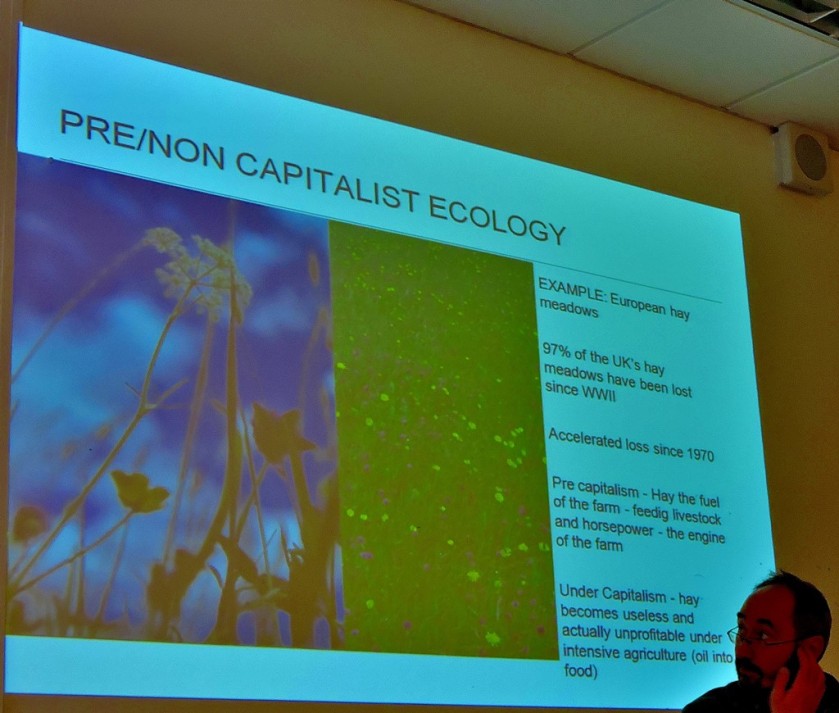
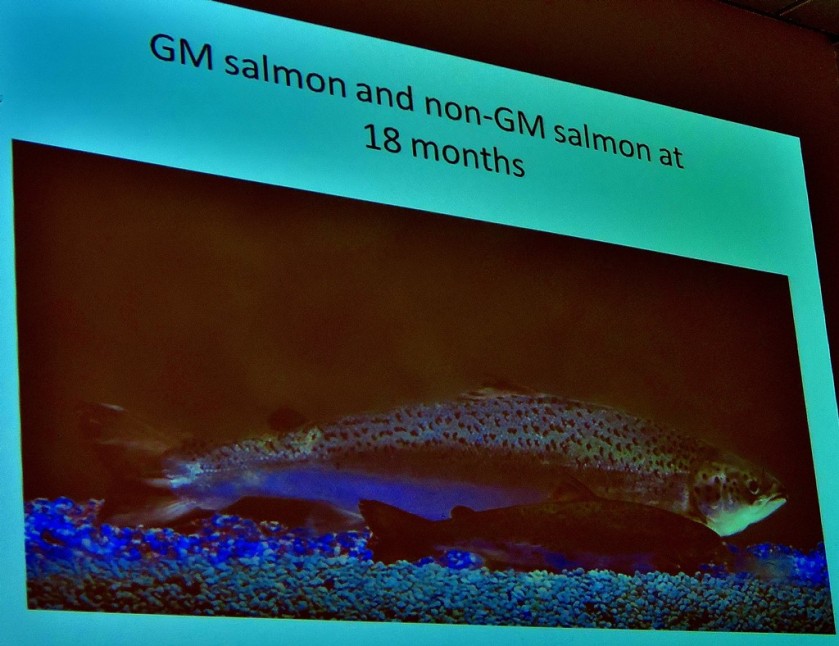
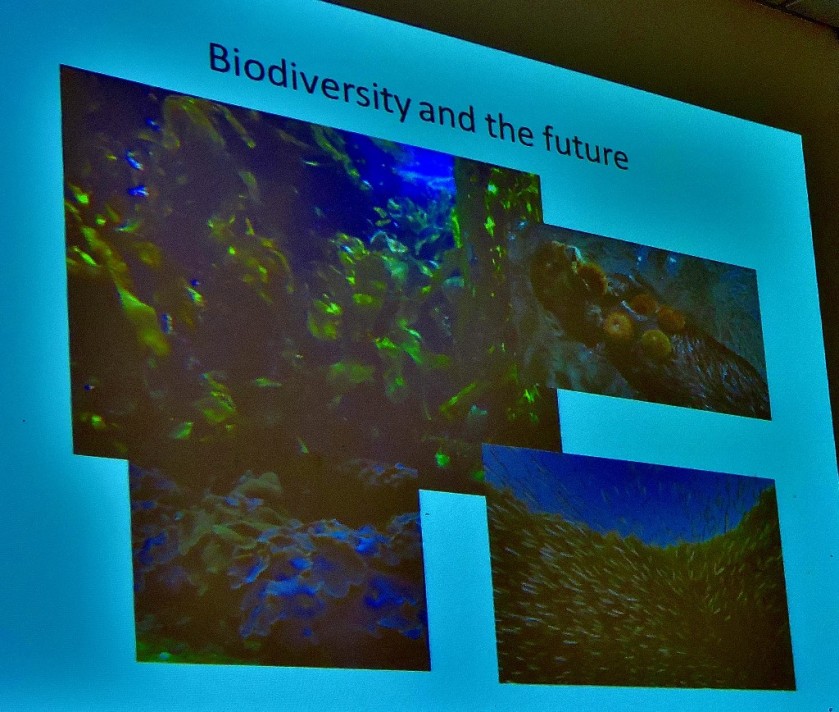
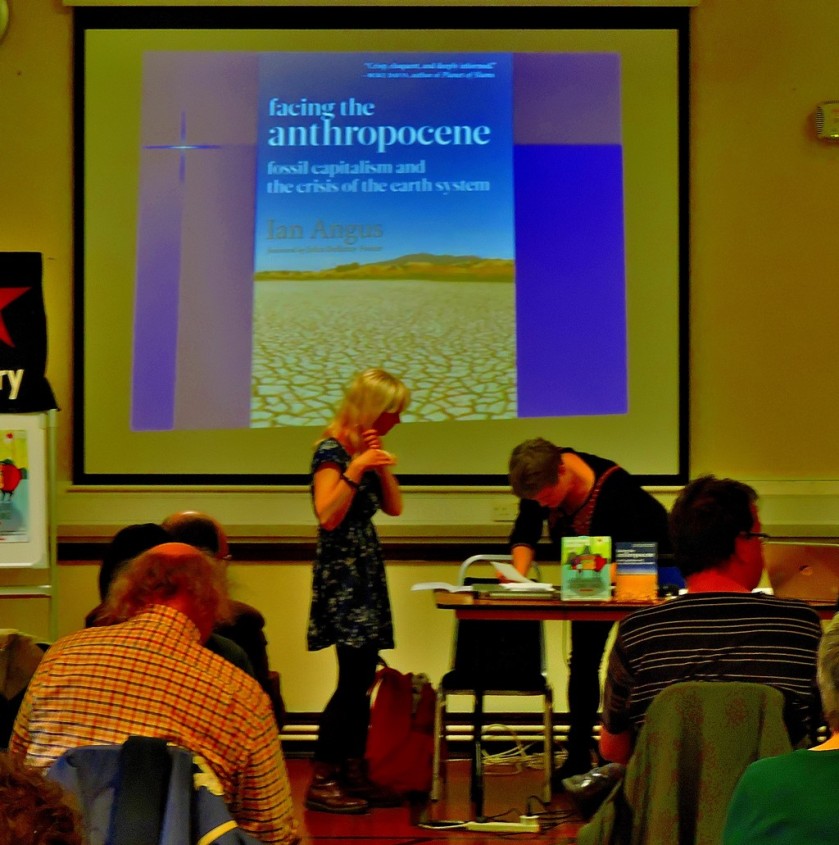
These slides are not presented in the order in which they were shown – the first 14 are from Ian Angus’ talk in the closing plenary, before we have some the workshop session I attended during the early afternoon and then back to Ian Angus’ talk.The derivation of the word Anthropocene.
These six slides, starting with this comparison between the instability of the Pleistocene and the stability of the Holocene and ending with the indicators that prove to all who will see (remember, there are none so blind as those who will not see).
THE WORKSHOP SESSION
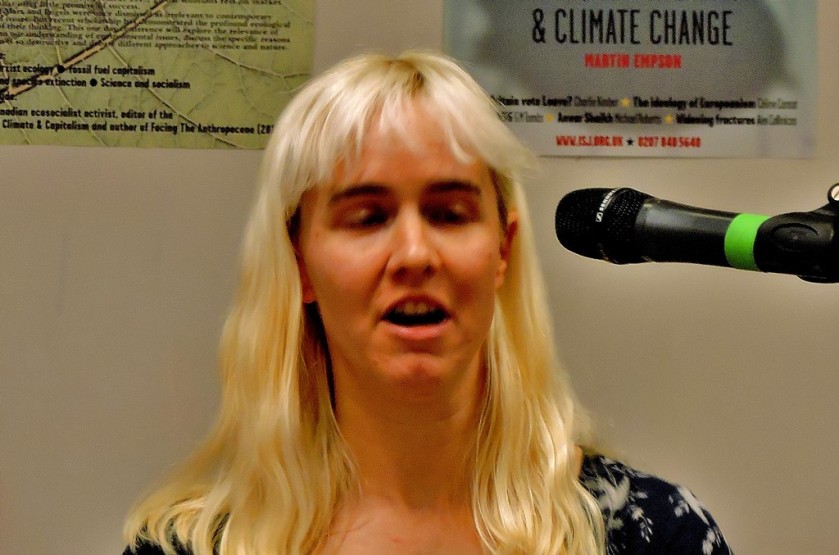
I have included some of Ian Rappel’s slides above, so this section will focus mainly on the other speaker at the workshop, Sarah Ensor, who is researching the history of class struggle in Iceland and whose blog can be found here.
MORE ON THE CLOSING PLENARY
The closing plenary featured Ian Angus, many of whose slides I have already shown, and Camilla Royle, deputy editor of International Socialism Journal, who had played a key role in organising the event. The event ended with a show of solidarity with antu-fracking campaigner Tina Rothery.
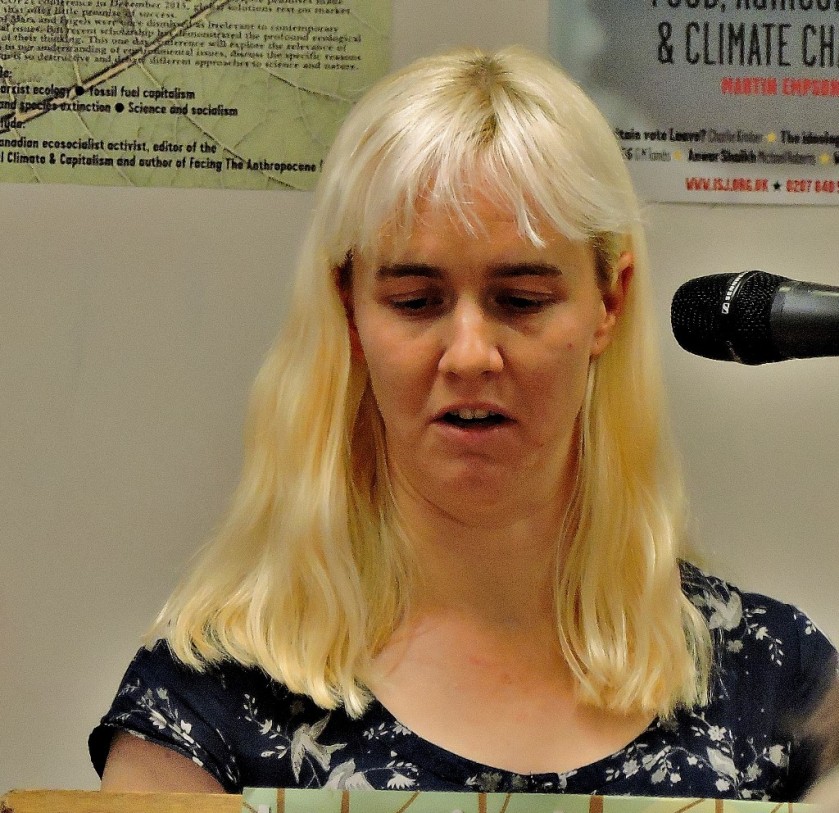
Sally Campbell introduces the closing plenary.Ian Angus, who travelled all the way from Canada to speak here.
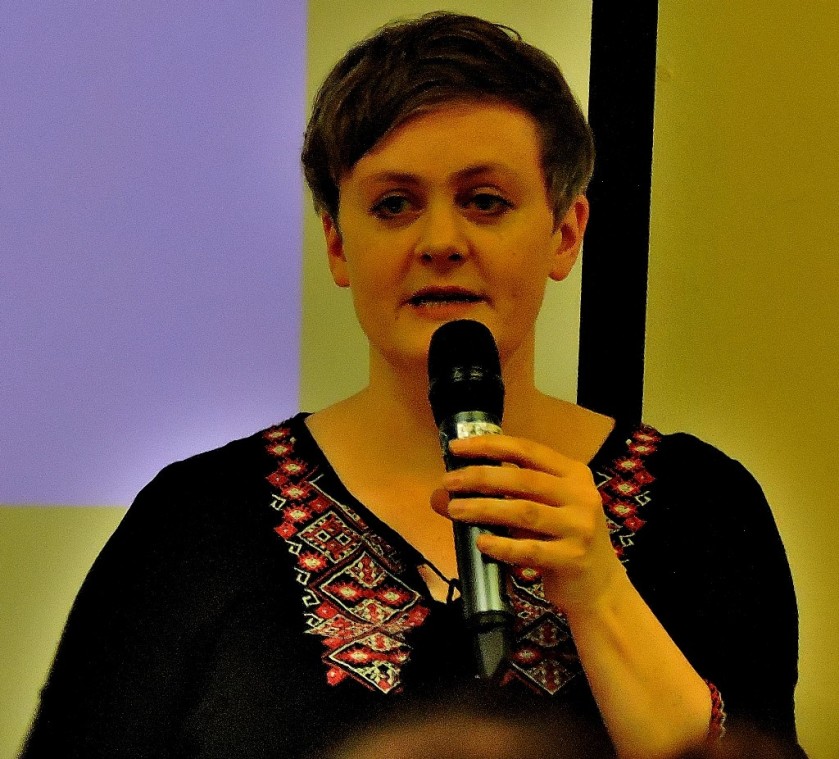
Camilla Royle following Ian Angus.
HOMEWARD BOUND
Knowing that a non-stop train to Cambridge would be leaving Kings Cross at 17:44 I headed that way in no great hurry, and was comfortably aboard the train. Here are some final photographs…
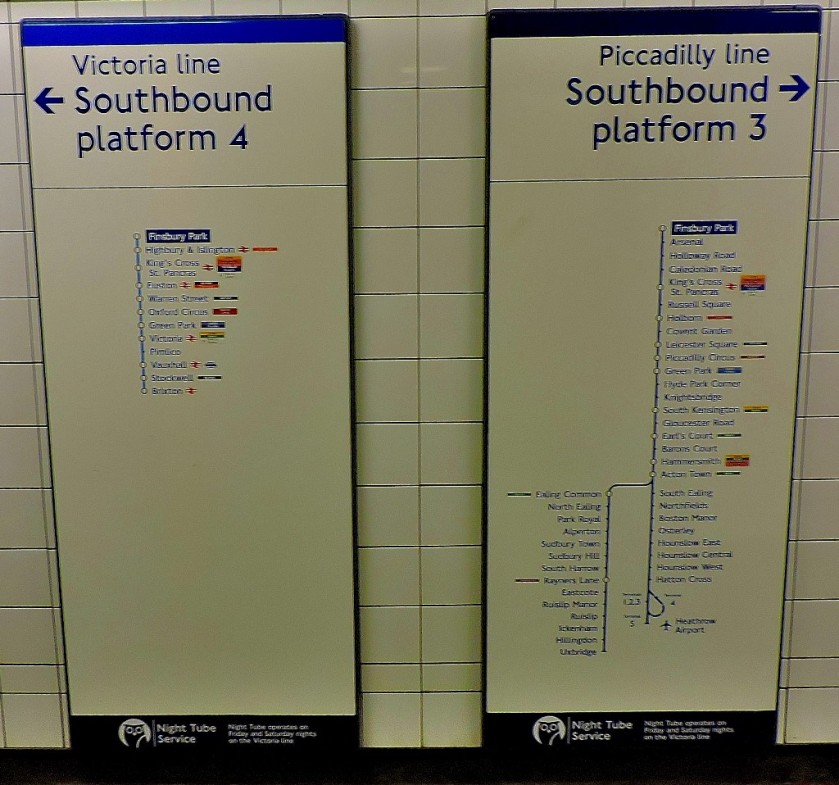
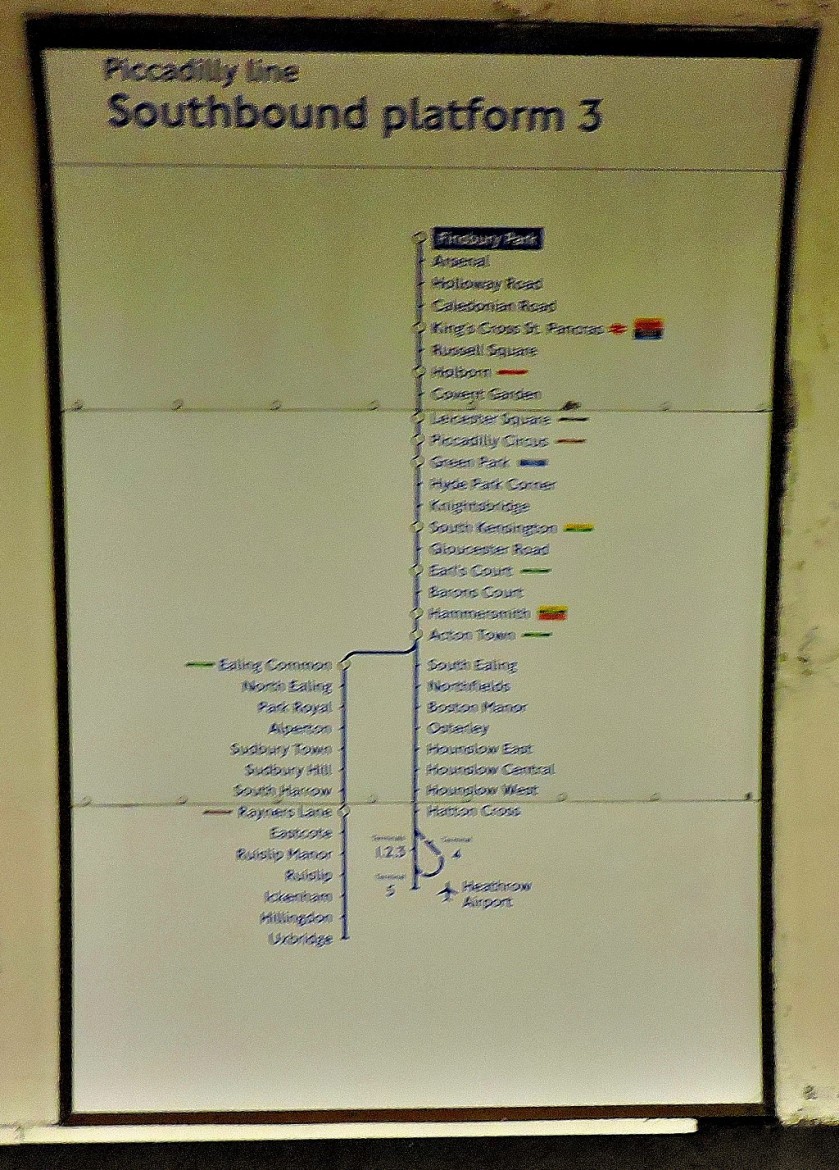
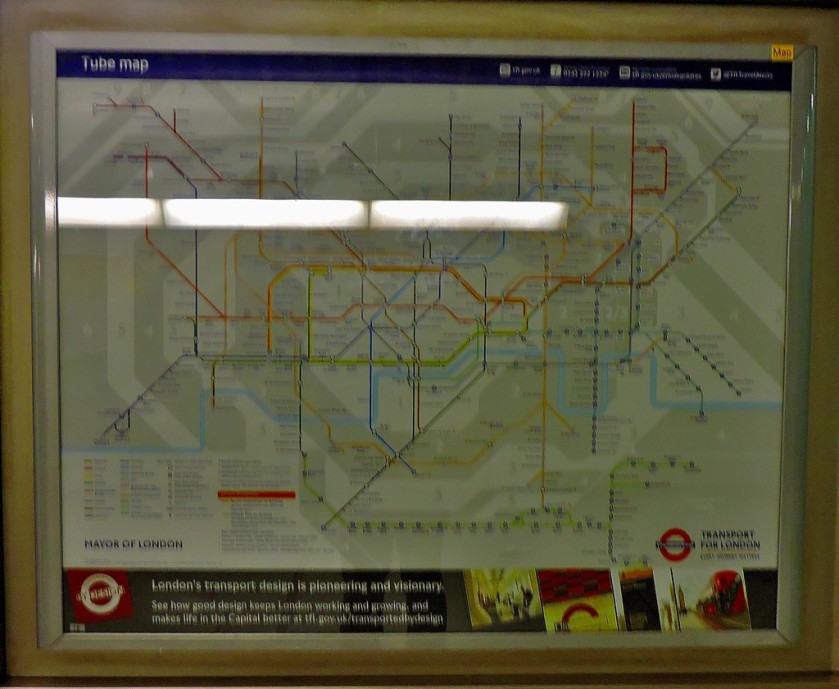
The southbound London Underground routes from Finsbury Park.
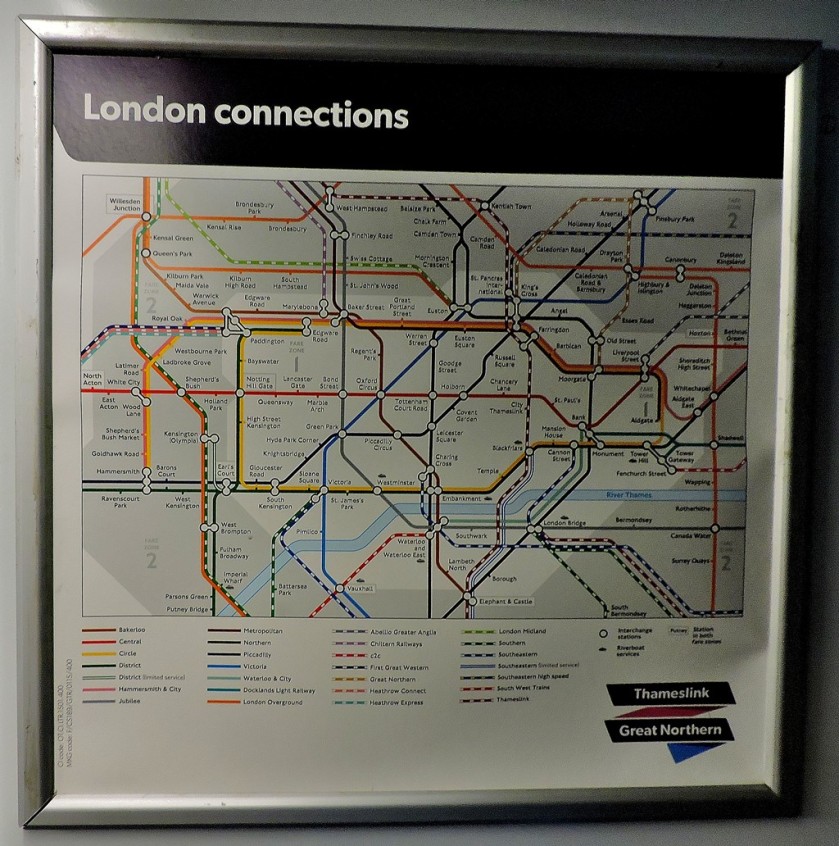
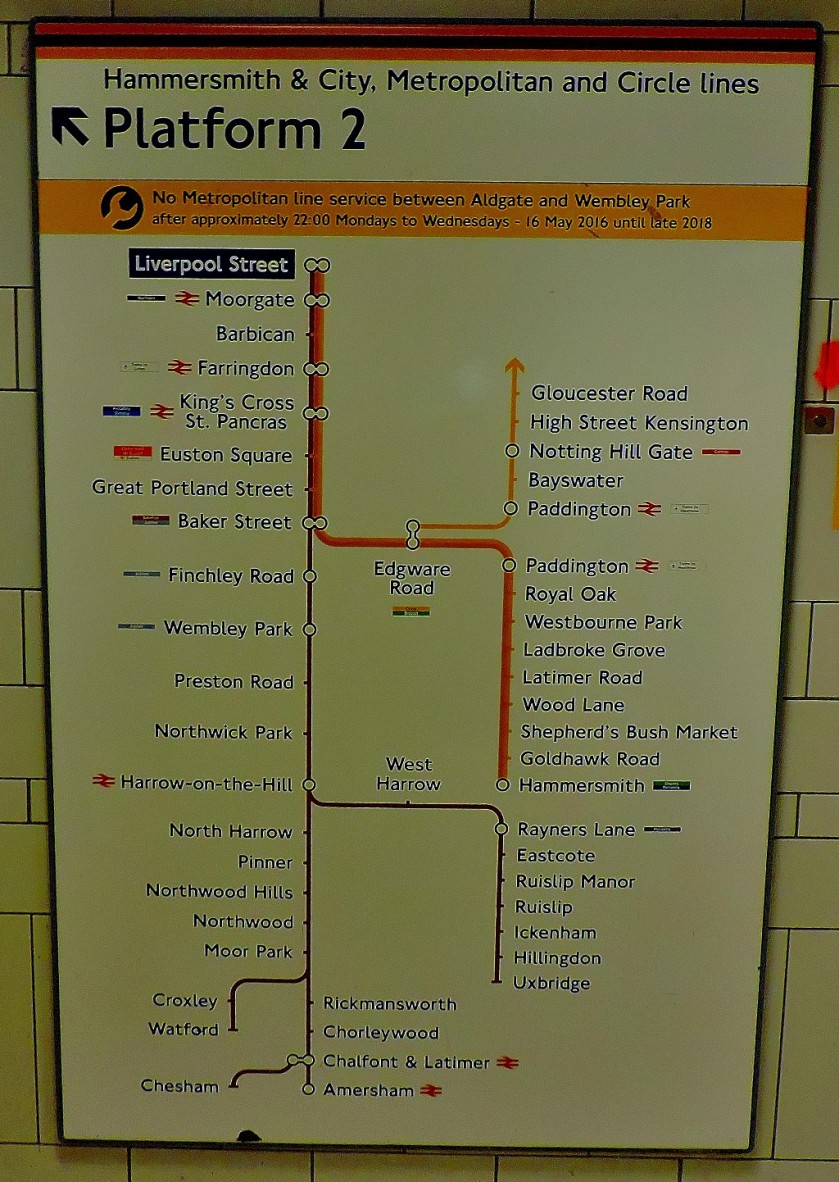
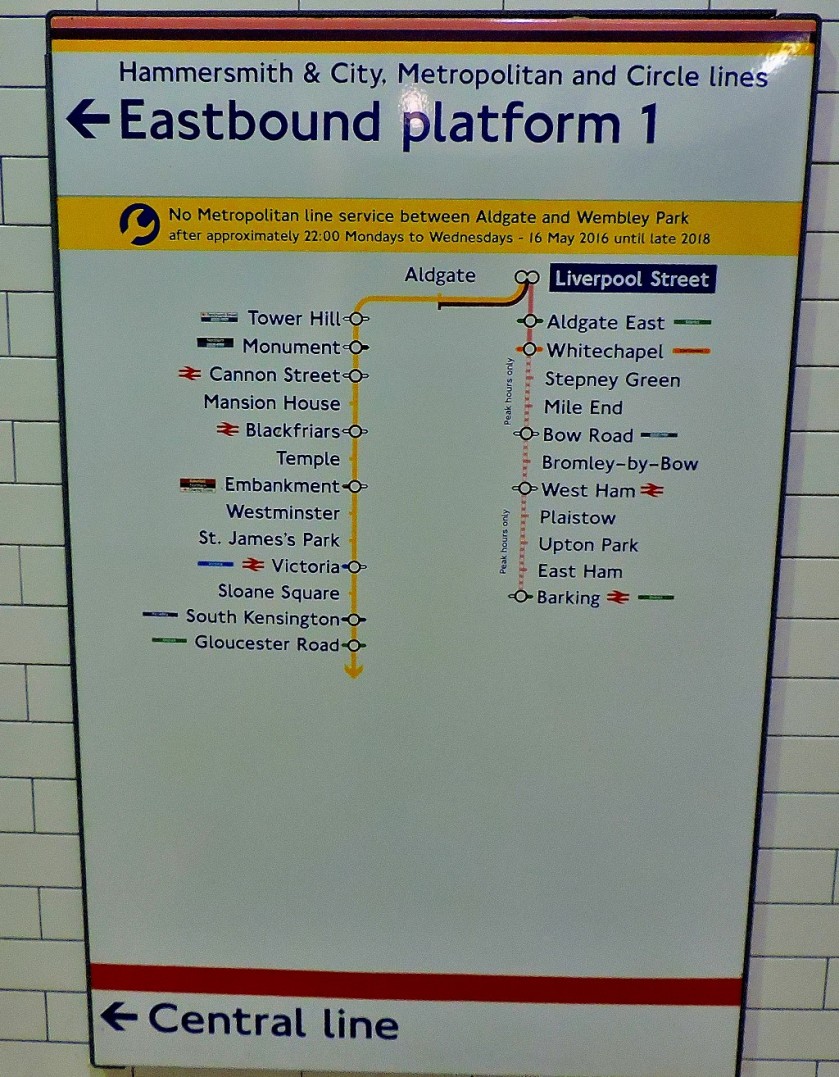
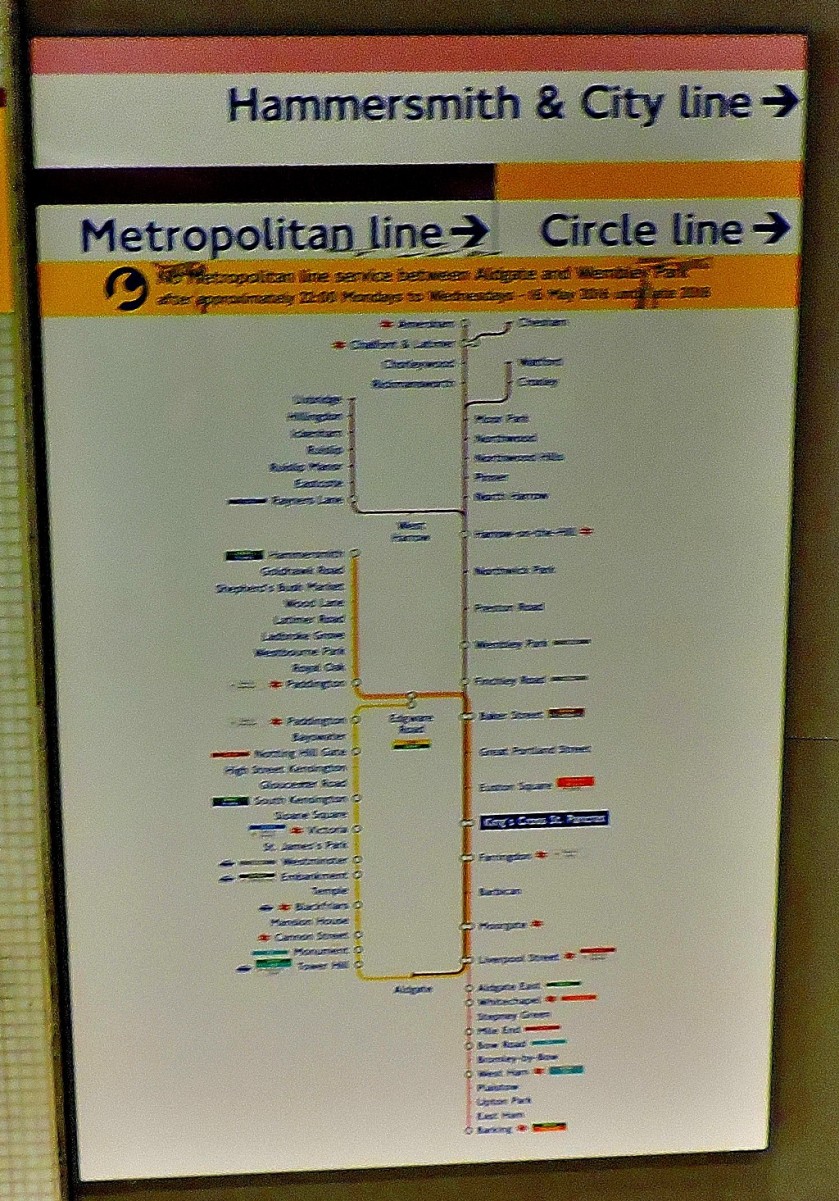
Excellent combined route map of these three lines, Kings Cross.
More trouble for #SouthernFail. They should lose their franchise forthwith, either being run direct by the government or being put under the umbrella of TFL…
Plans by an under-fire rail company to change the way it staffs its trains will lead to “unacceptable” and repeated breaches of the Equality Act by denying disabled passengers the support they need to travel, it has been claimed. Southern – which operates train services across parts of south London and southern England – is planning to replace conductors with “on board supervisors” (OBSs), whose job will not include stepping onto the platform at stations. Campaigners fear that introducing these supervisors will mean that disabled passengers who need assistance on platforms at unstaffed stations could be left stranded and unable to board their train. Southern is also planning to allow OBS trains to operate with only a driver in “exceptional circumstances” – which is likely to make travel even harder for disabled people – and has also admitted that two-fifths of its trains are already driver only operated (DOO). Southern is embroiled in a long-running industrial action over its plans to
This post arises from several issues: changes to the bus services in my region, and the way in which the company in question has handled those changes; a campaign that has recently come to my attention to restore rail links to Wisbech, and finally the fact that I have recently been in Sweden and thus privileged to see at first hand how a properly run public transport system works.
PUBLIC TRANSPORT SHOULD MEAN PUBLICLY OWNED TRANSPORT
The more I see of public transport (and as a 41 year old non-driver I see plenty) the more convinced I become that private companies should play no role in running it. Whether you consider the blatant failures such as the current situation involving Southern Rail, the high and increasing prices of tickets across the board or the frequency with public transport in Britain is affected by delays or suspensions of services, it is plain for all to see that private companies cannot do the job.
I regularly see people in Fakenham, where I work, who have missed a connection due to a late running bus. A missed connection means a loss of at least one hour, possibly more due to the infrequency of services.
A NOTE ON INTEGRATION
Those of you who are familiar with my London Transport themed website will have noticed that I am strong believer in integration of services, which is manifested on that site mainly by my suggestions for improvements to existing lines. Ideally all routes would be interconnected.
TWO CASE STUDIES
My first case study concerns…
STAGECOACH BETWEEN KING’S LYNN AND NORWICH
There have been two major changes on this route recently. Firstly, the service between Fakenham and Norwich has been halved (it is now hourly rather than half hourly), albeit with a couple of gaps in the service between Fakenham and King’s Lynn closed to make that a proper hourly service. The effect of the axing of half of the services between Fakenham and Norwich has been that for the first time standing passengers are a regular feature of that route. A week ago today the X8 designation vanished, the whole route now being referred to as X29. While there is a certain logic to taking this step, especially if it means that all Norwich-Fakenham buses go through to Lynn, the way in which it was handled earns Stagecoach a major black mark. Apart from messages on the screens at King’s Lynn bus station (the way I learned about it), this change was given no advance publicity, with the result that those passengers who do not use King’s Lynn bus station were caught on the hop, and even on Friday evening the sight on X29 to King’s Lynn was still capable of causing confusion with certain passengers.
THE TRAIN BETWEEN KING’S LYNN AND LONDON (WITH A SIDELIGHT ON PROPOSALS INVOLVING WISBECH)
The train service between London and King’s Lynn is hourly, and after a non-stop run to Cambridge it splits into two, with four coaches continuing north to King’s Lynn and four returning to King’s Cross. The necessity to be in the front four coaches if going beyond Cambridge can mean standing all the way to that station or even beyond (I have stood from London to Waterbeach at least once). I am aware that the restriction to four coaches beyond Cambridge is due to the shortness the platforms at some the intermediate stations, but there are least two possible solutions, and variations thereon:
In addition to the through services from London run regular (half hourly, or even quarter hourly) shuttle services between Cambridge and King’s Lynn). This (especially with the more frequent services) would mean that not everyone journeying between Cambridge and King’s Lynn or intermediate stations would need to board through trains at Cambridge – I for one would aim to make the return leg of a trip to Cambridge on one of the shuttles rather than a through service.
For points north of Cambridge have an interleaving of shuttle services as above with faster through services calling at only the stations with long platforms (Ely, Downham Market, King’s Lynn), so that services between London and King’s Lynn would consist of hourly through services, with changes at Cambridge, Ely or Downham Market as appropriate for intermediate stations) which would be augmented by shuttle services on the Cambridge-King’s Lynn section.
You will note that I have not even touched on the possibility of lengthening the platforms at Waterbeach, Littleport and Watlington so that eight carriage trains could call at those stations – I have merely mentioned the possibilities that do not require work on the existing infratsructure.
WISBECH RAIL LINKS
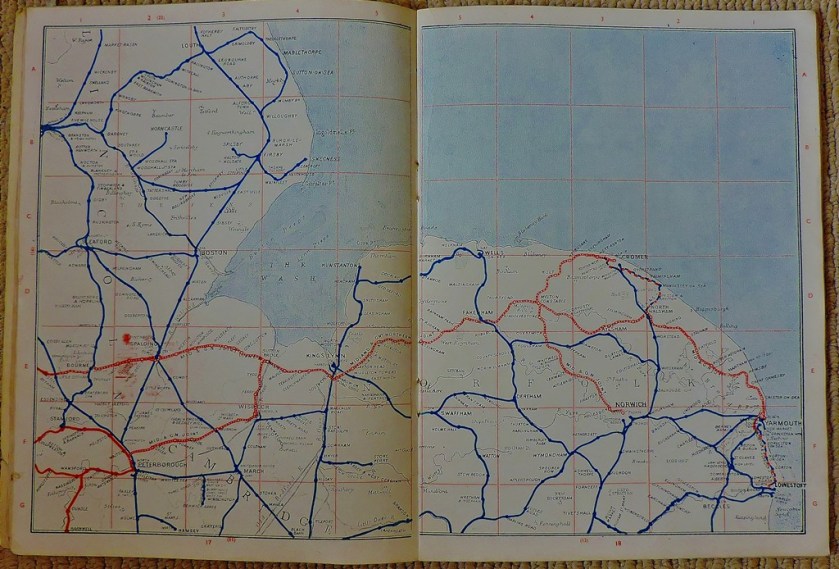
I found out about the campaign to bring the railways back to Wisbech via twitter. They have a website which gives considerable detail about their proposals. I conclude this post by aking use of one of more recent bargain basement acquisitions, this what Wisbech’s rail connections looked like in 1947…
This post ties together my series about my recent holidayy in Sweden, displaying lots of maps and functioning as an illustrated index.
INTRODUCTION
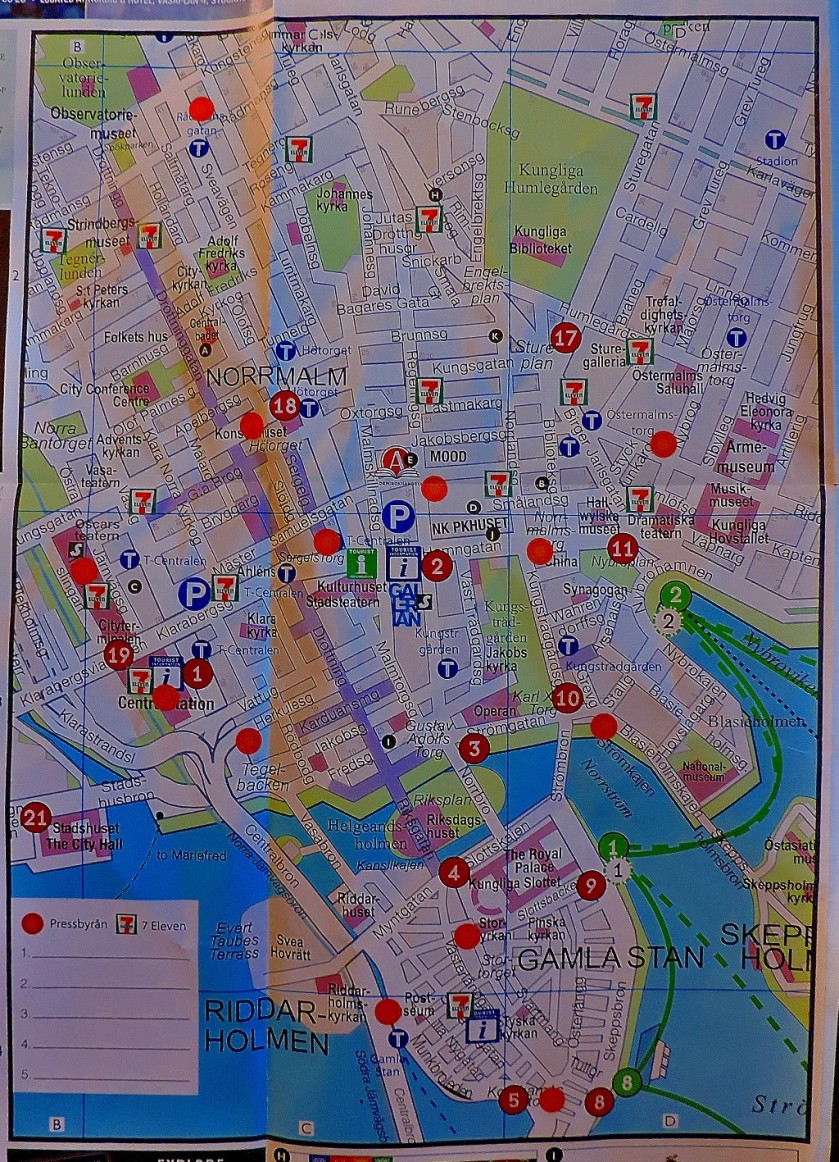
Welcome to this post which ties together my series of posts about my recent (July 29 to August 13) holiday in Sweden and functions as a sort of illustrated index to the series. Please note that barring the two Lulea maps which are public display maps as I did obtain a map of that town every map you see photographed here is available free of charge (great news for a cartophile such as myself).
THE MAPS
Maintaining chronological order for these maps we start with…
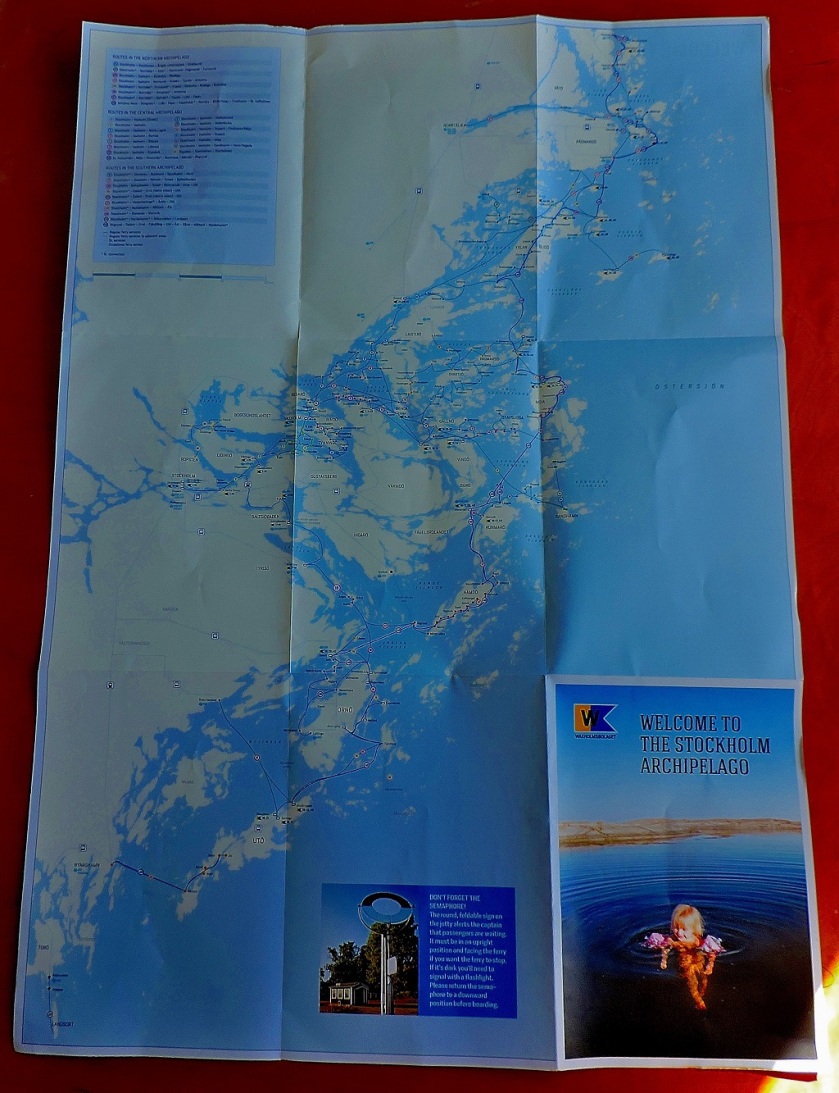
STOCKHOLM ARCHIPELAGO
This map relates to the start of the holiday, the period of July 29th to 31st, which is covered in this post:
On Monday August 1st I set off on the second part of my trip, where I was travelling solo, my first stop being…
KRISTINEHAMN
This small town was significant for me as being the southern terminal of Inlandsbanan. It sits close a famous lake (bodies of water are never far distant wherever you are in Sweden) and is an attractive place in its own right.
Kristinehamn features in two posts in this series:
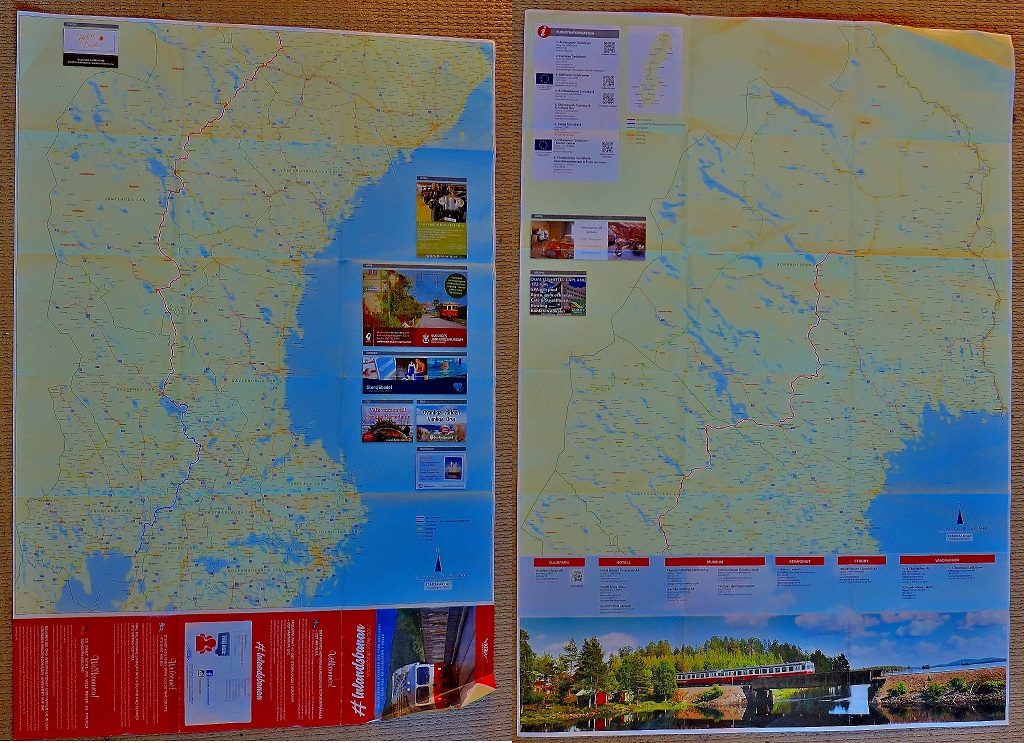
I spent two days soaking up this fabulous railway experience, coverage of which ran to eight posts in the course of this series, which led to me to create a page for easy access to the whole sub=series. I have three pictures of this large double-sided map:
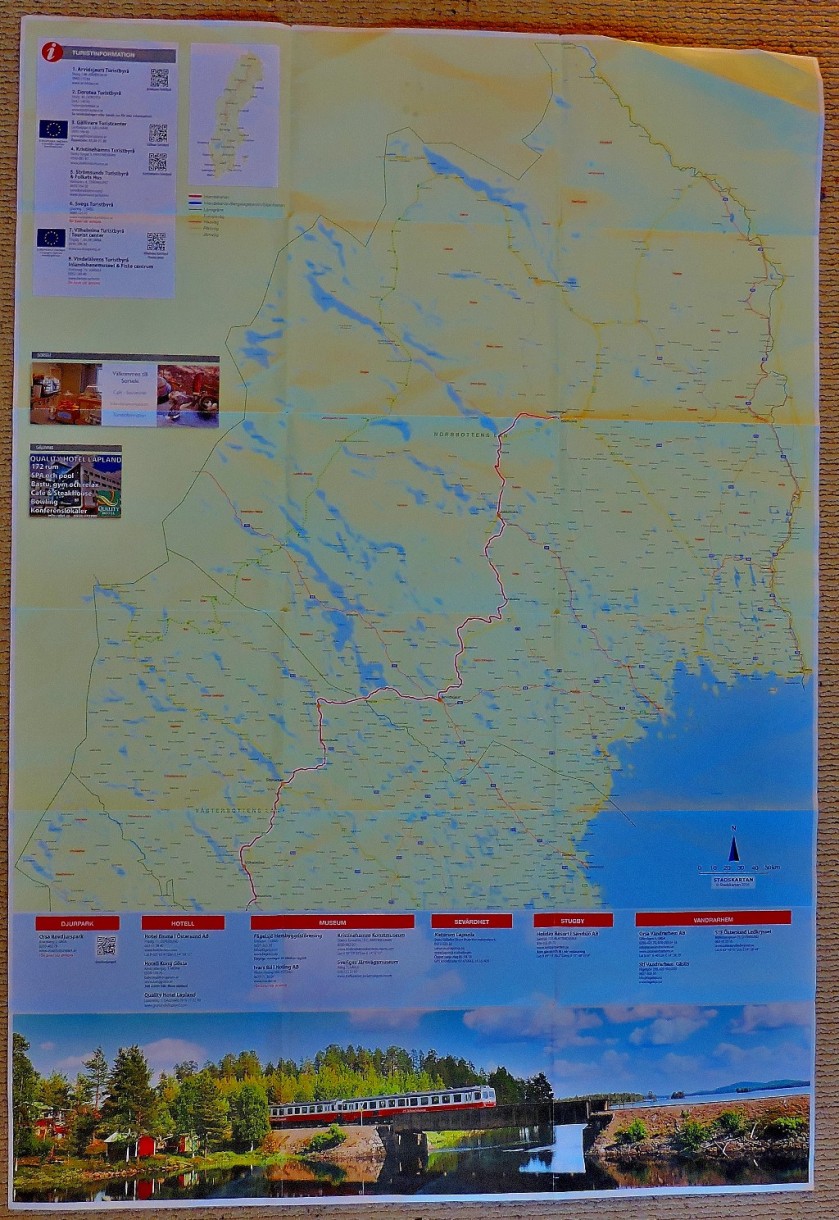
The two sides of the map juxtaposed – the southern part of the route is on the left as you look, the northern on the right (a side by side view works better than one on top of the other for a long thin country).A closer view of the southern part of the routeA closer view of the northern part of the route.
Those who followed this series will recall that my first day of travel along Inlandsbanan took me to…
OSTERSUND
I covered the section of the journey from Mora to Ostersund in two posts, using the meal stop at Asarna as a natural break point:
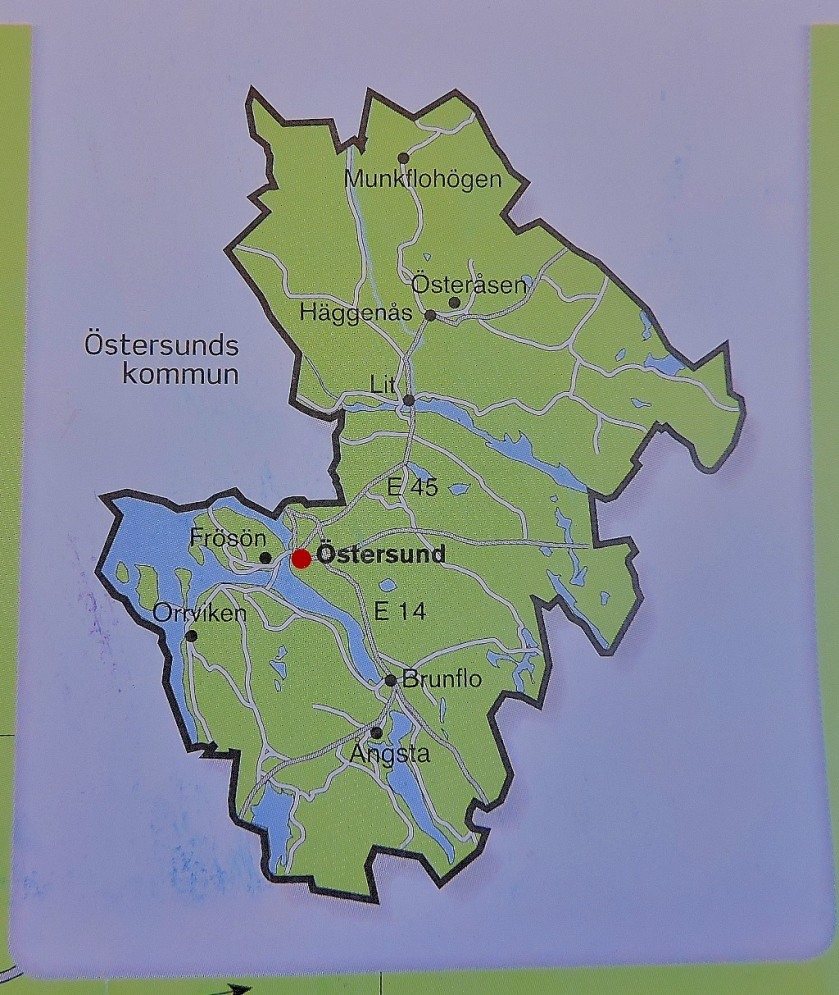
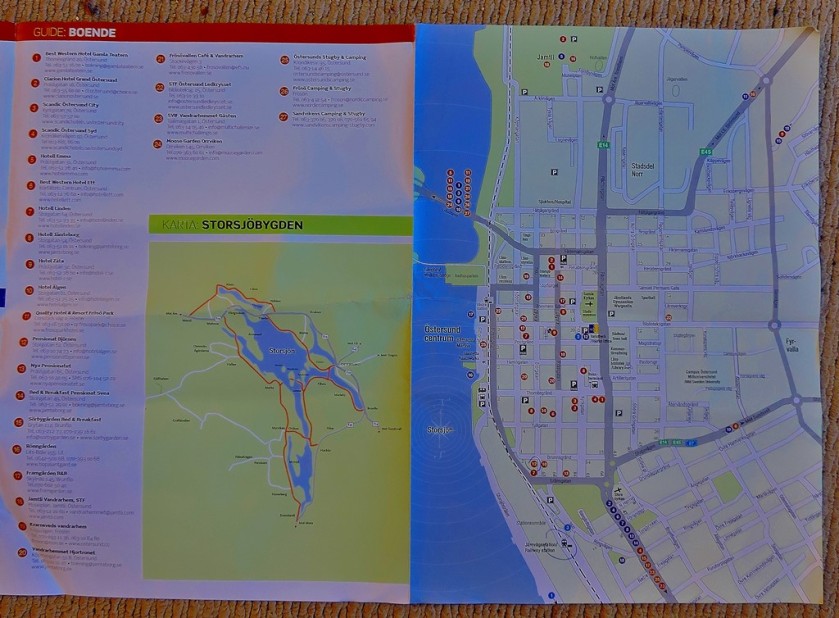
The Ostersund map, shown below, was provided to Inlandsbanan passengers by our host for that part of the journey, Emma, who had been equipped with a block of such maps from which she peeled off individual copies:
Osttersund in its region.The close up of central Ostersund.
The next place I was able too obtain a map was…
ARVIDSJAUR
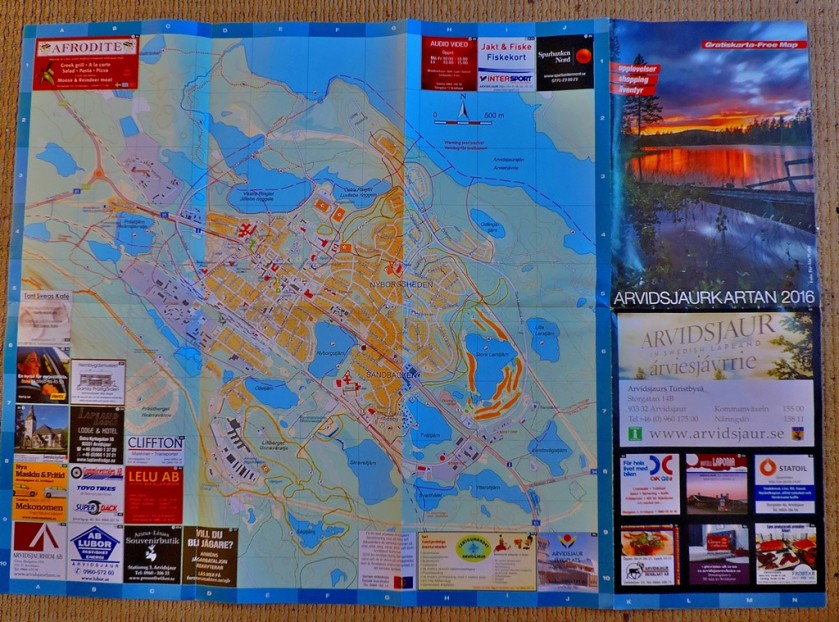
This town is fairly close to the arctic cirle. The post in which Arvidsjaur features was the seventh in my Inlandsbanan subseries, meaning that by the time I got to this location all the following had happened:
Not very long after this came the end of the Inlandsbanan journey at…
GALLIVARE
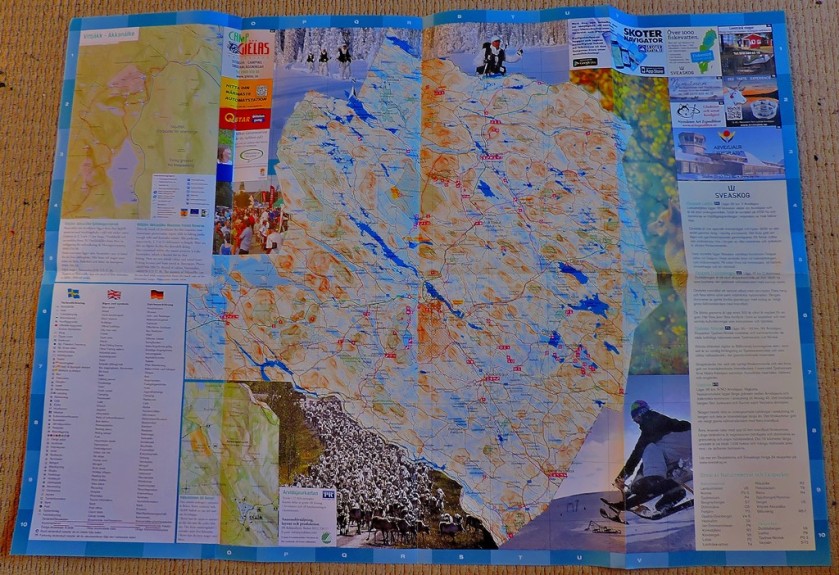
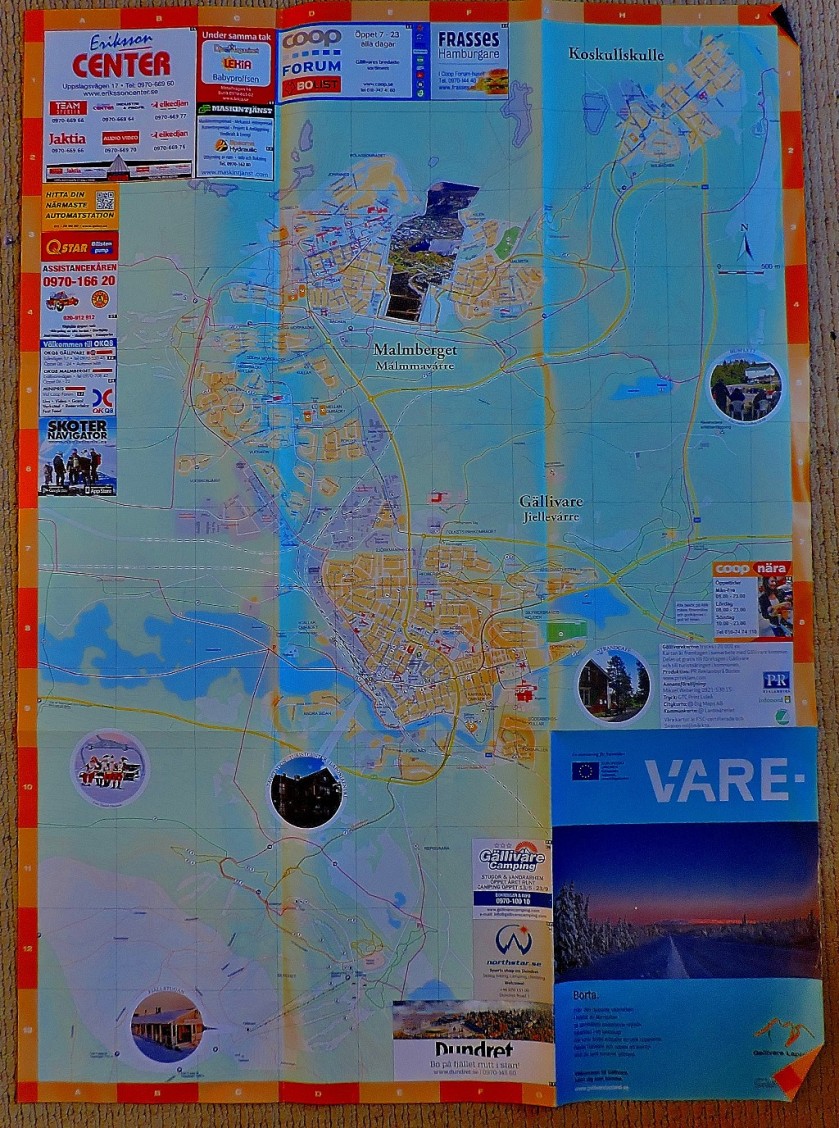
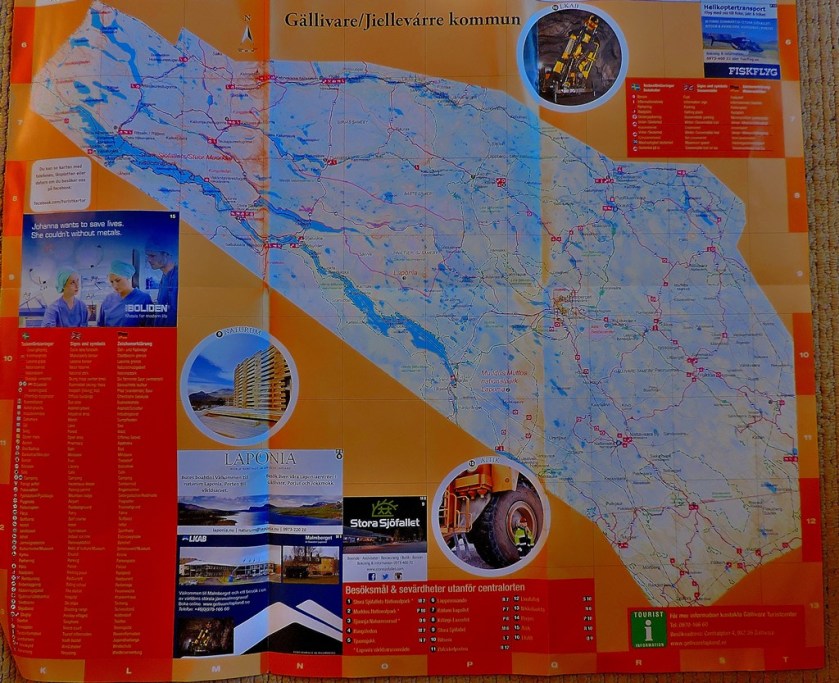
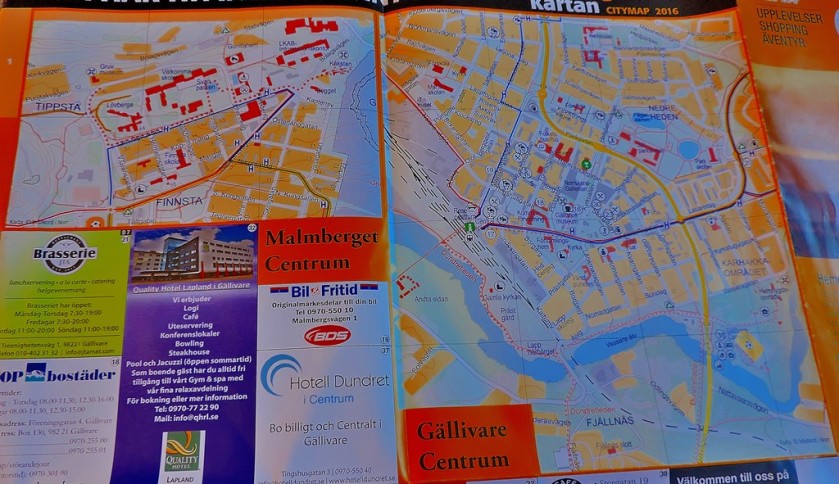
As with the Osttersund map this one was provided for passengers by our train host, in this case Andreas, although unlike the Ostersund map it was large enough to warrant being folded, and hence could not be transported in the way that one was…
The post to which the above pictures relate was the last in my Inlandsbanan subseries:
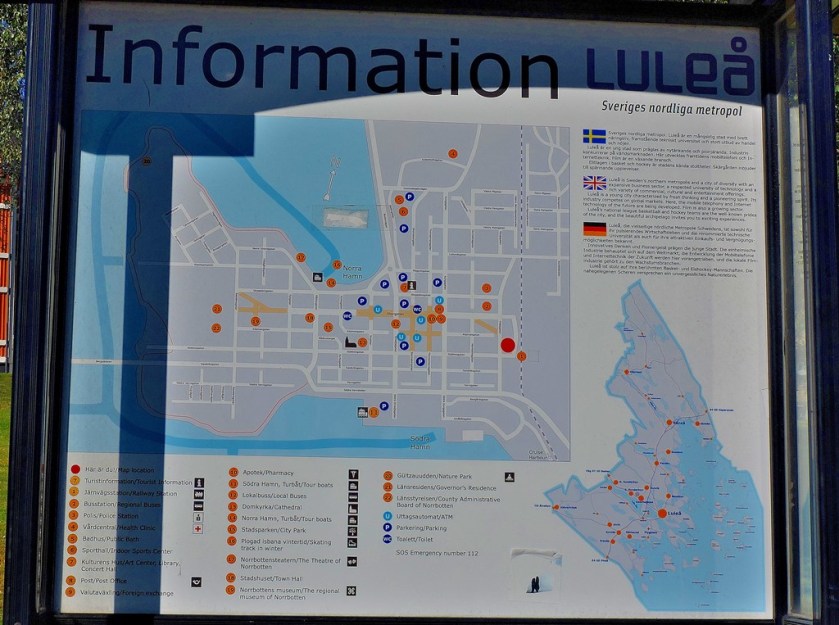
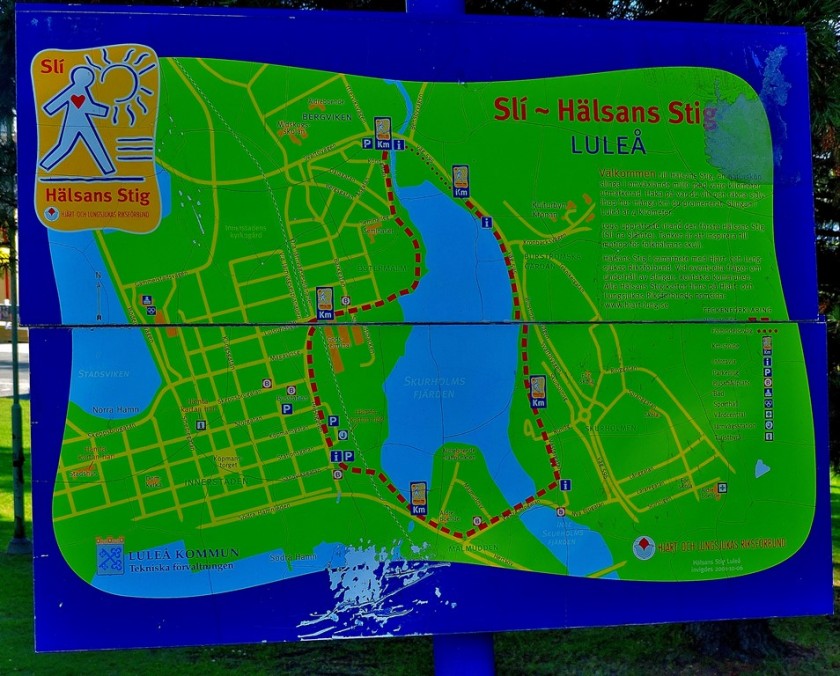
An attractive town that sits at the northern end of the Gulf of Bothnia, Lulea was the only place I visited for any length of time that I did not get a take home map of, but I have two good pictures of public display maps:
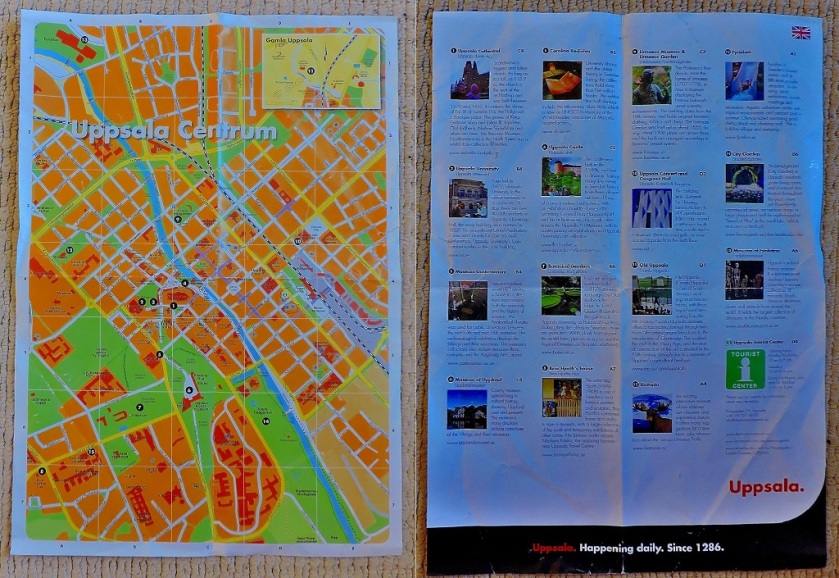
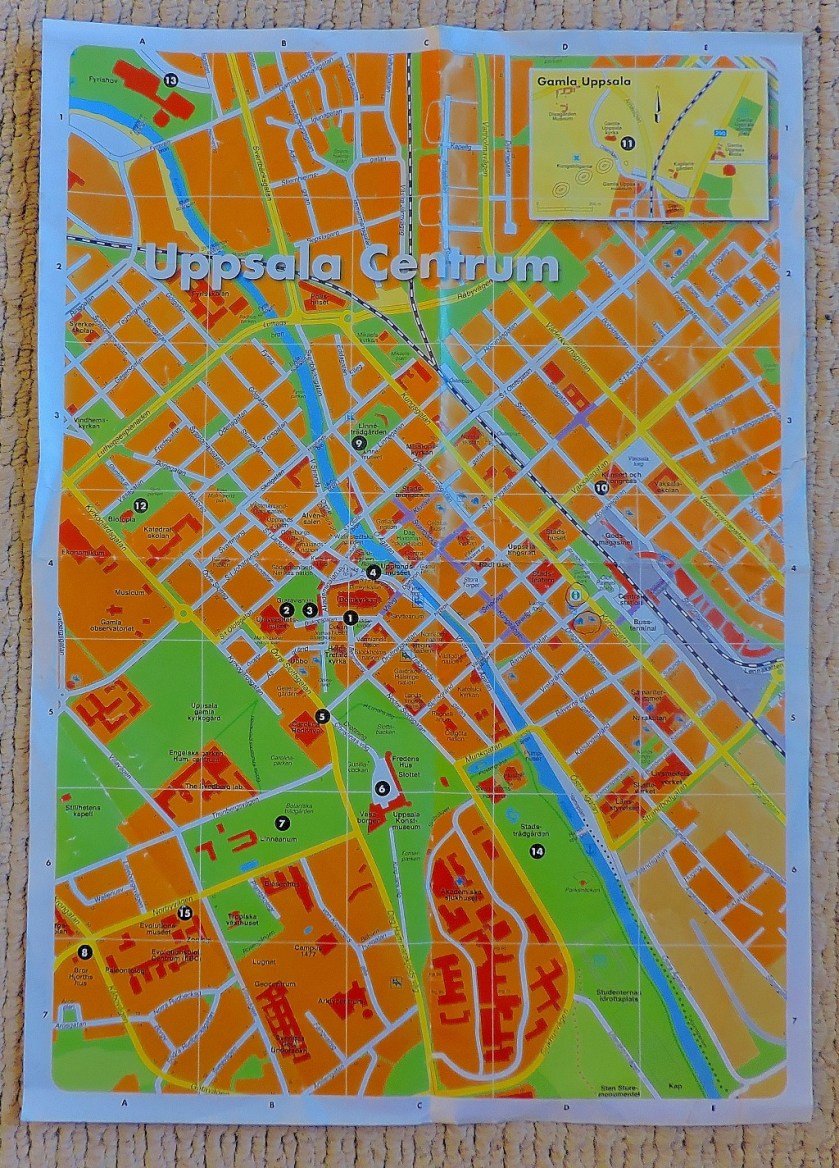
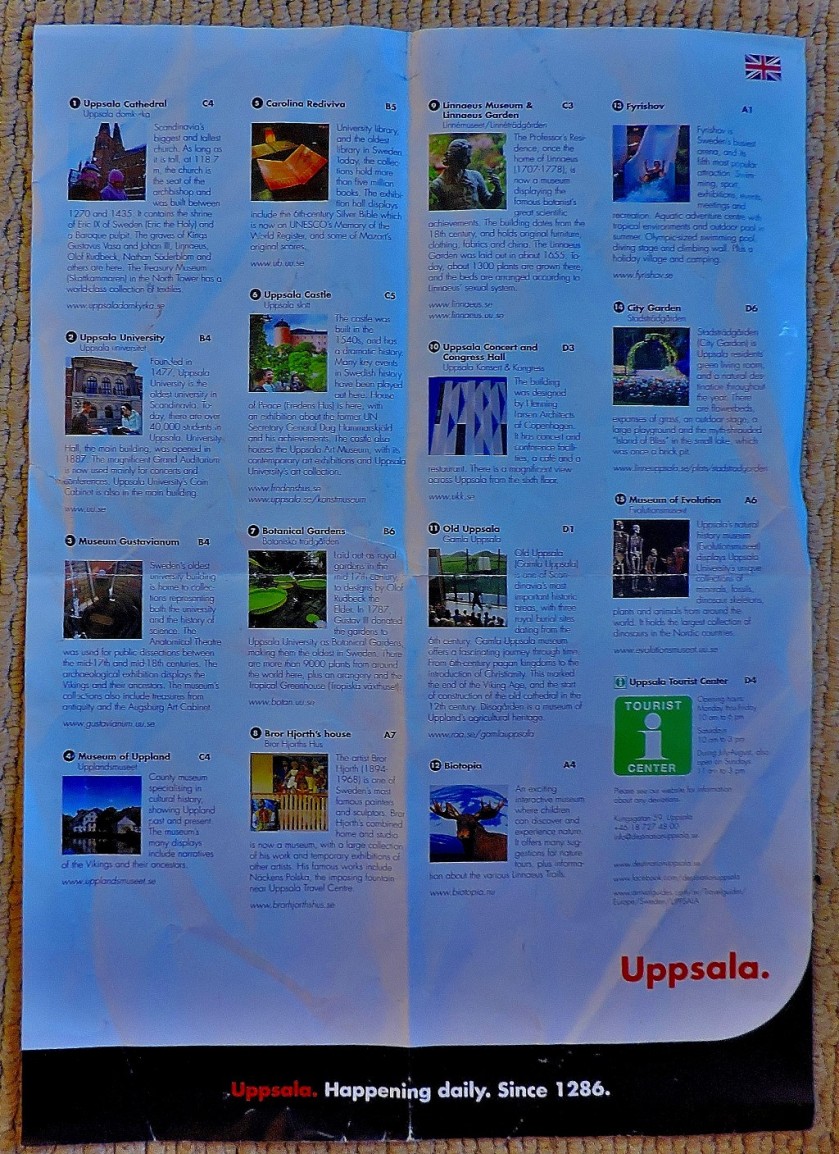
The map of Uppsala tthat ii was equipped with at the tourist information office had details of various attractions printed on the back…
Both sides of the mapClose up of the MapClose up of the list of attractions.
Uppsala provided me with six blog posts worth of material – anyone who is up for a little challenge is invited to work out how many of the attractions listed above get mentioned in the course of the series of posts:
As the title of the last post listed above suggests, my next port of call was…
MALMO
The map of Malmo, provided by the STF Hostel in which I stayed for two nights, was A3 sized (twice as big as the Uppsala map), but had only advertising on the reverse, hence me not bothering to photograph that side…
As with the Uppsala series, the title of the final post featuring Malmo gives a clue as to my next port of call…
GOTHENBURG
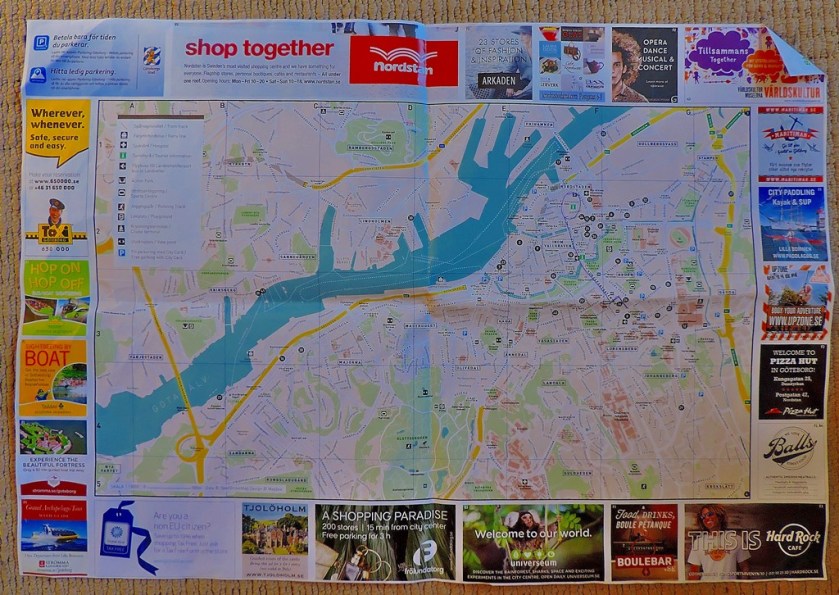
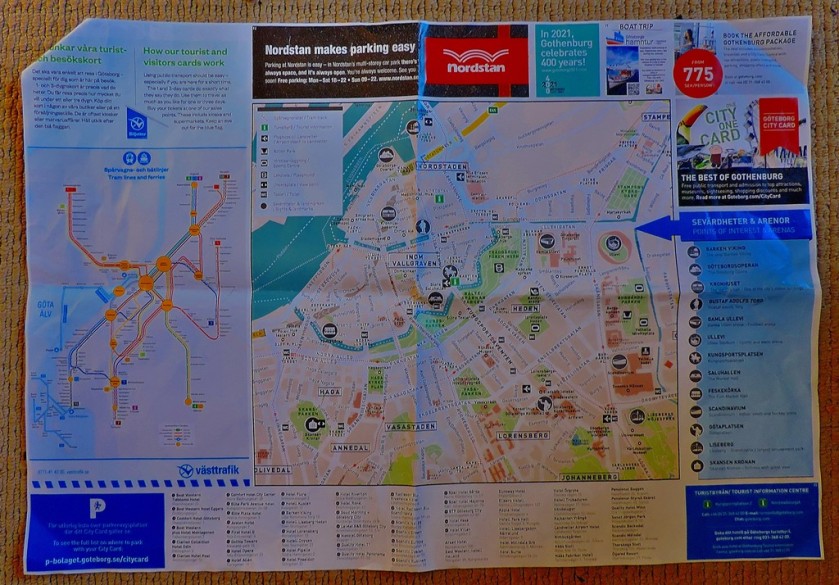
The Gothenburg map, provided by the tourist information office, has useful information on both sides…
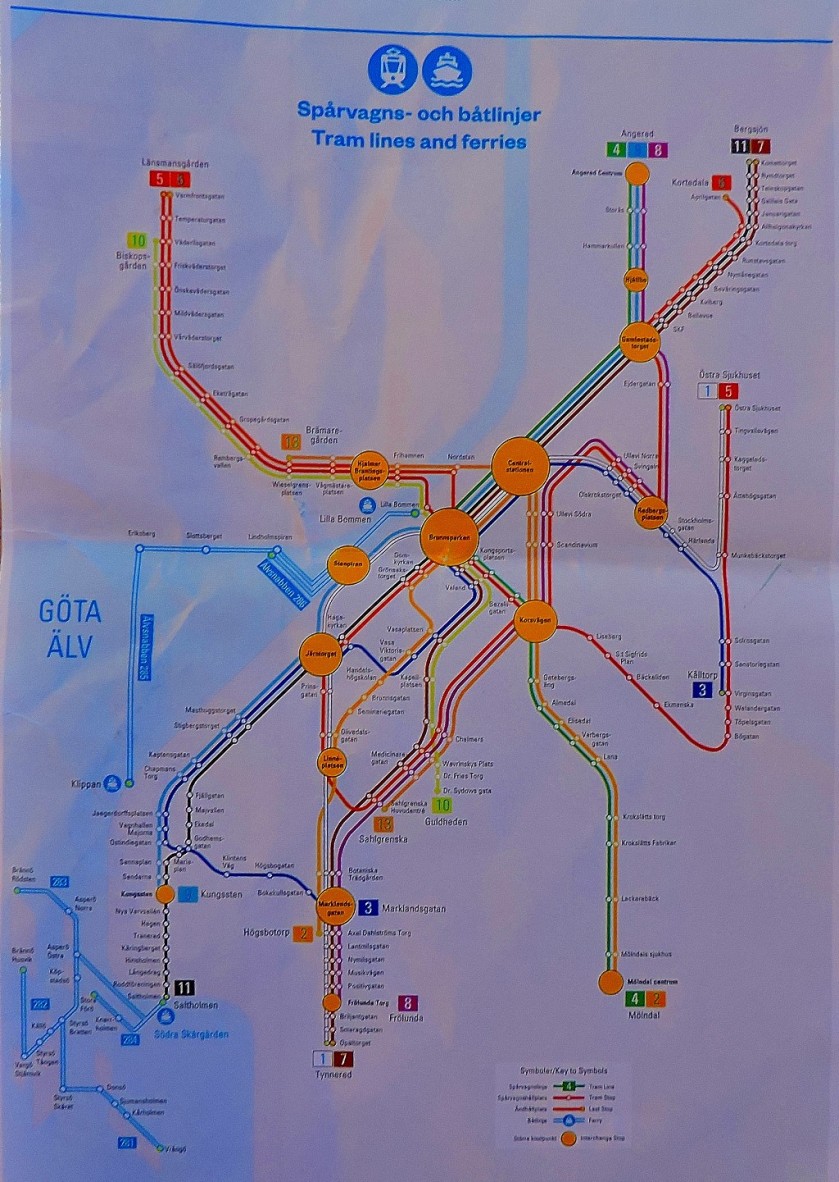
As well as both sides of the map, I include a close-up of the diagram of the local public transport network
I stayed only the one night in Gothenburg, en route back to Stockholm for the last two nights of my stay in Sweden, which explains why this very impressive city only features in two posts:
In spite of the title of the last post shown above this post is not quite done yet, because being the keen student of public transport systems that I am I could not ignore one of the most remarkable I have yet encountered…
TUNNELBANA
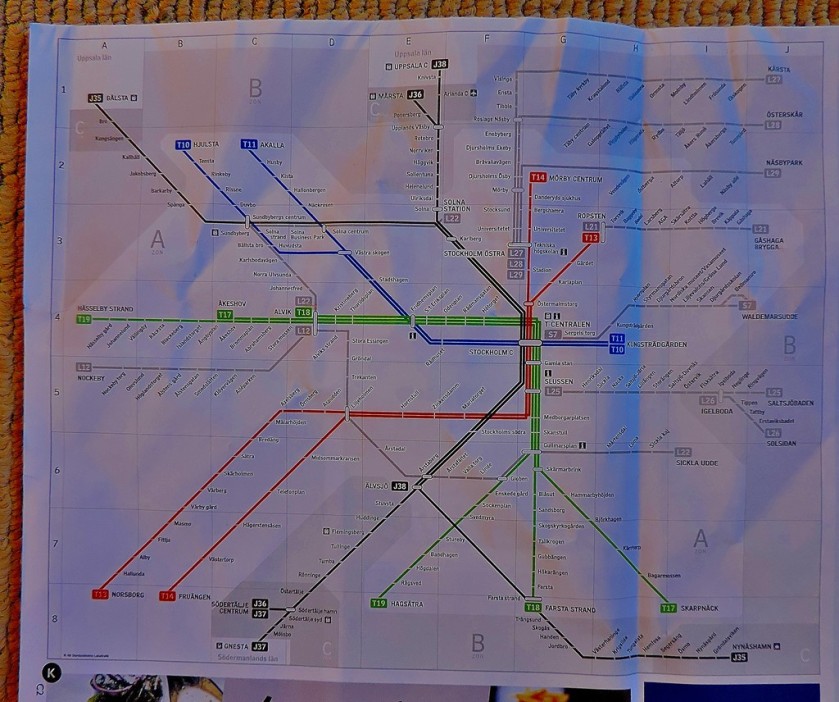
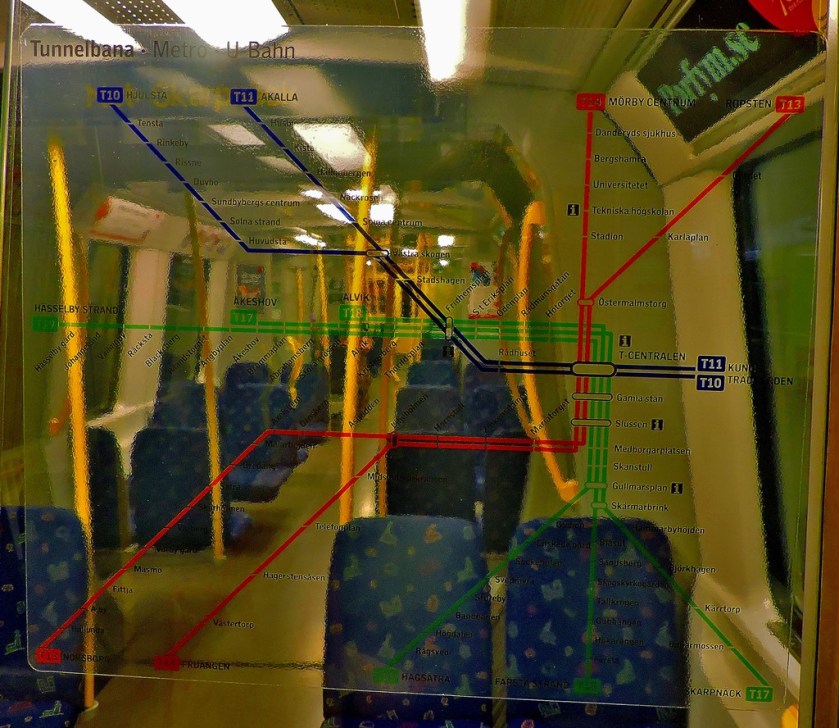
The heading above contains the colours of the three lines that make up Tunnelbana, with the blue line given an extra letter over the others because of its cave-like appearance. Here is a diagram of the Tunnelbana system:
Tunnelbana has a whole long post to itself, and also provided my response to one of Maria Jansson’s photographic challenges:
I hope that you enjoyed this ‘maps special’ and that some of you will find it useful as a means of accessing my series of posts about Sweden. For those who have enjoyed the maps, i draw your attention to a blog that is dedicated to maps.
The latest in my series of posts about my holiday in Sweden. This post covers Tunnelbana in detail, thereby providing a framework for my remaining posts about Stockholm.
INTRODUCTION
Welcome to the latest installment in my series of posts about my holiday in Sweden. To set the scene for the rest of this post here is picture:
TUNNELBANA AND MY HOLIDAY
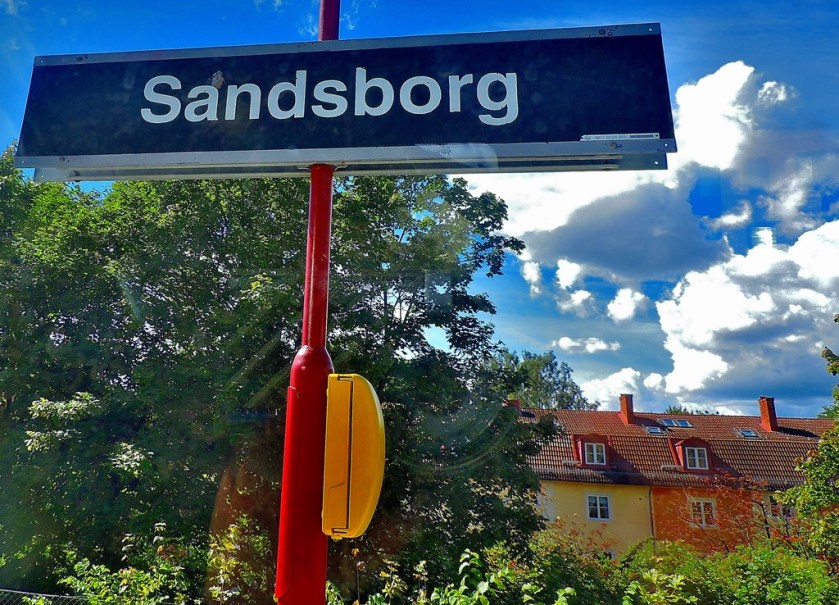
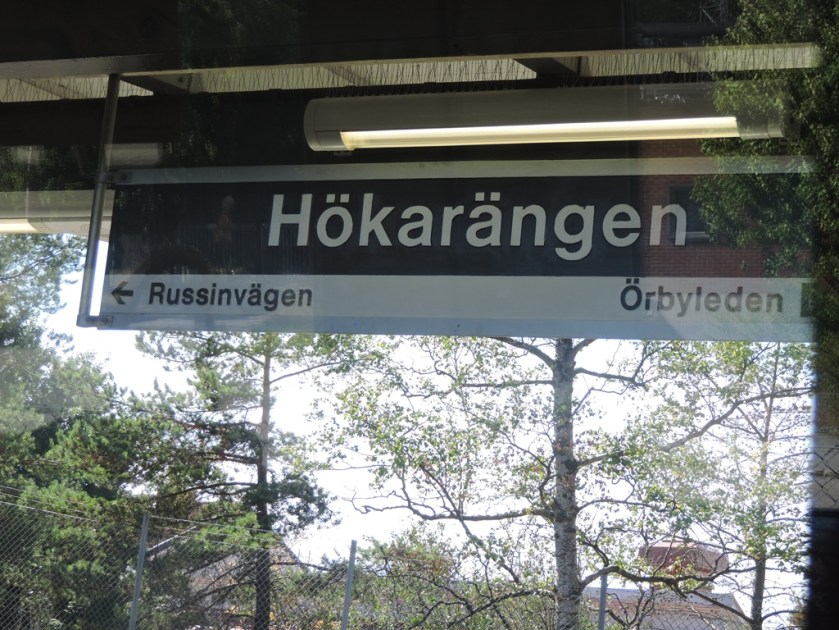
Although I made some use of the Tunnelbana at the beginning of my holiday, it was during my last full day in Stockholm at the end that I really got to know they system, having decided that in addition to exploring the city I would do some serious travelling on the system. I had seen enough even early on to realise that it was going to warrant a post.
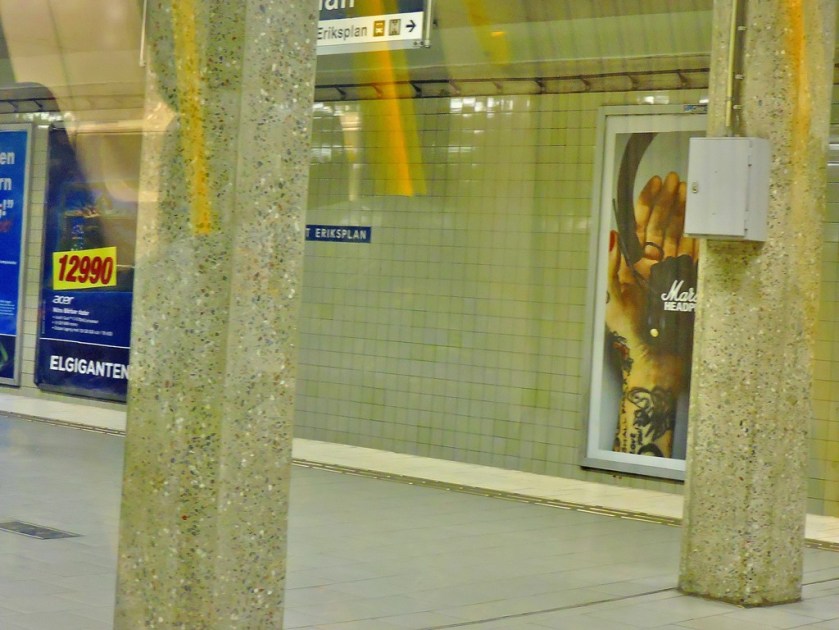
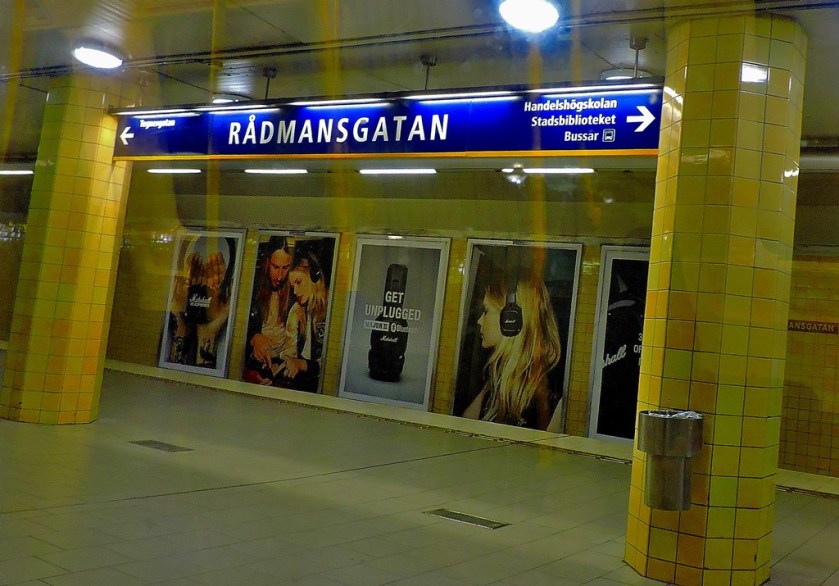
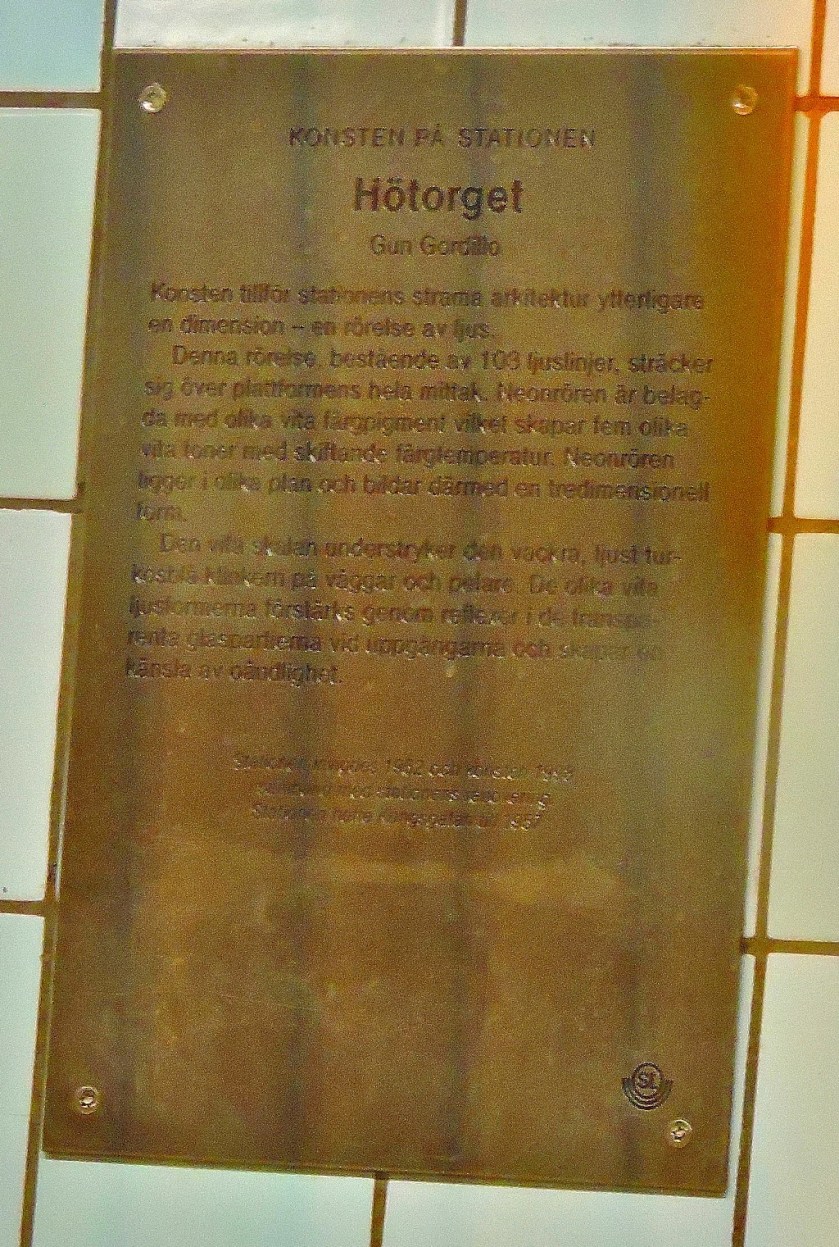
Although I had spent little time travelling on Tunnelbana in my first spell in and around Stockholm I did get some pictures…
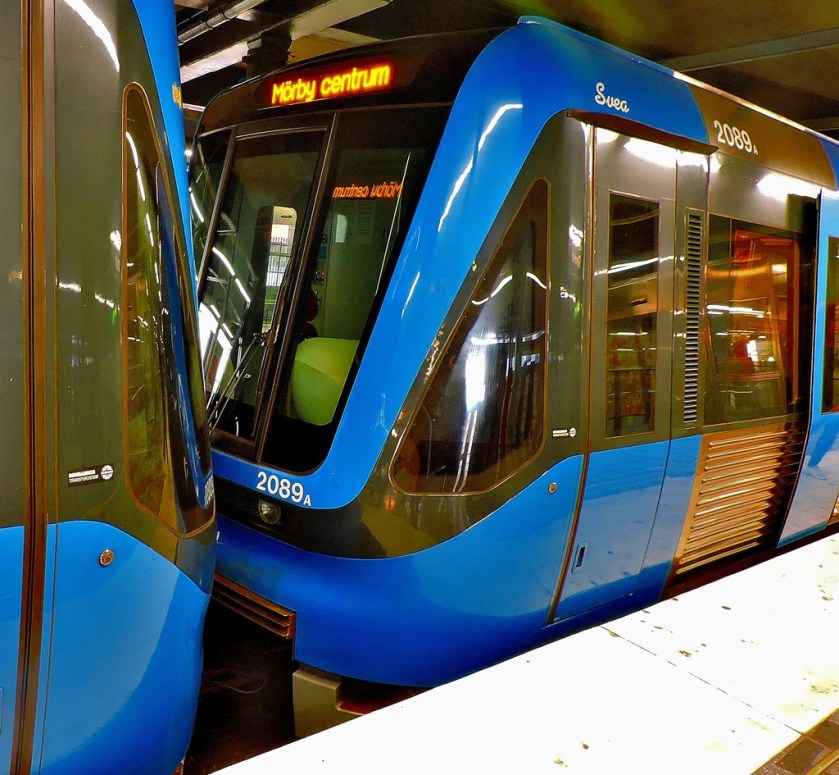
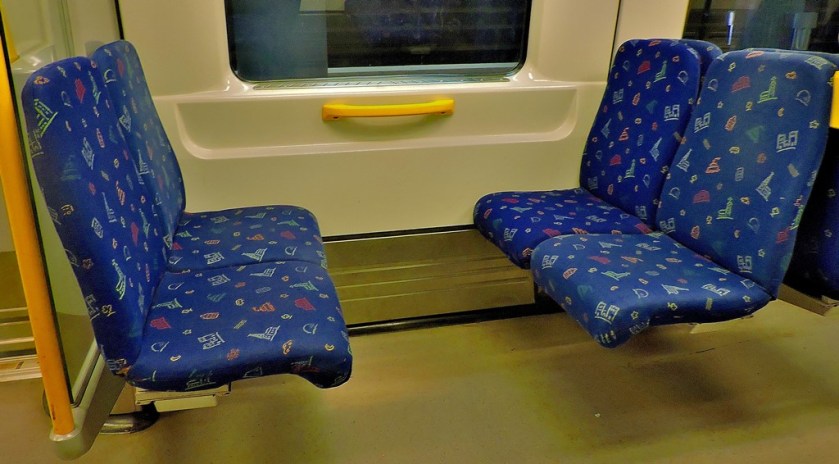
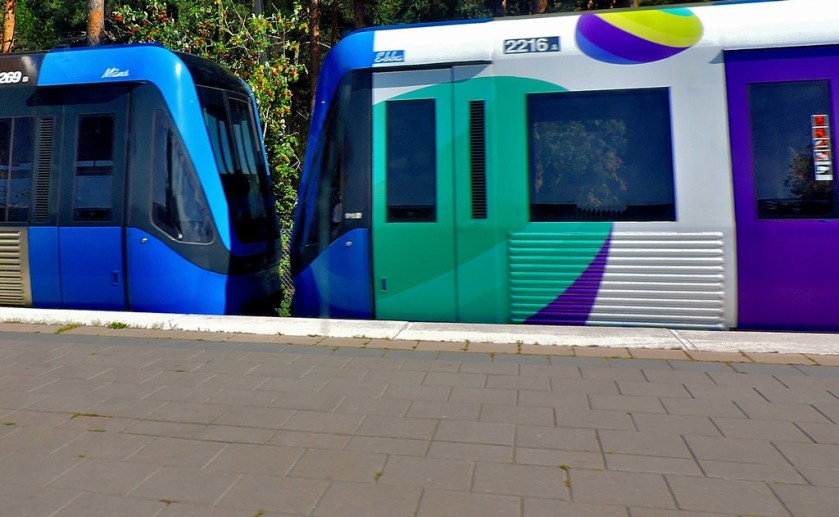
A Tunnelbana train – notice the articulated units, each the equivalent of three standard carriages (this train consists of two such, at busy times they sometimes have three).
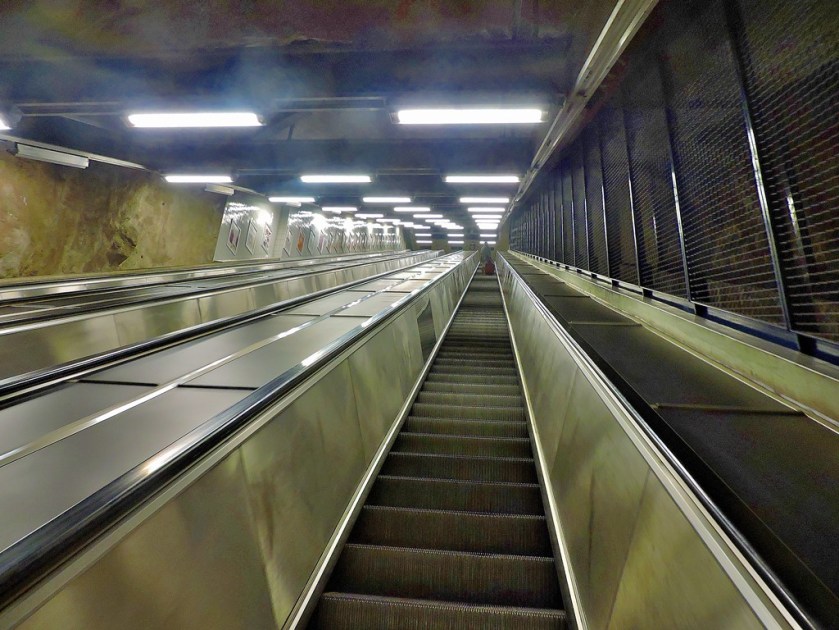
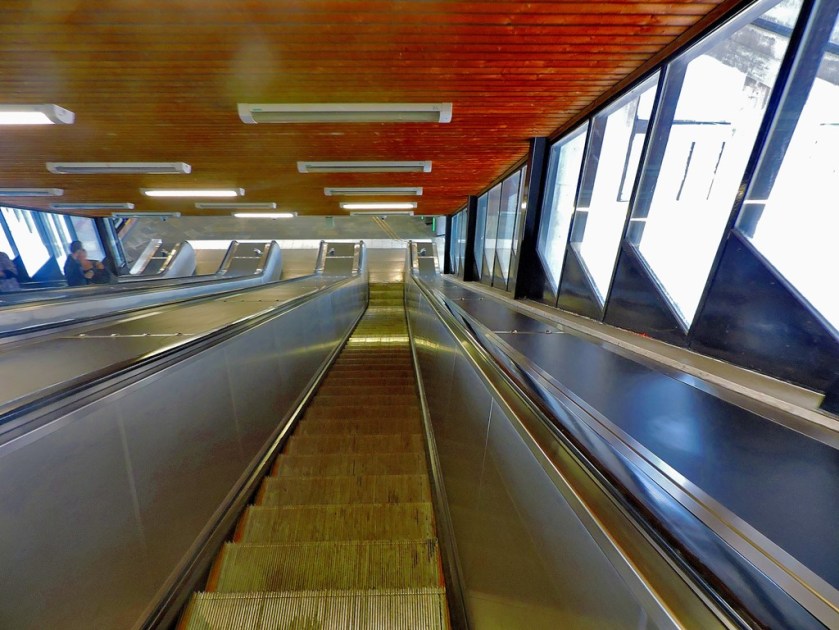
The escalators at Huvudsta.
A SYSTEM OF TWO PARTS
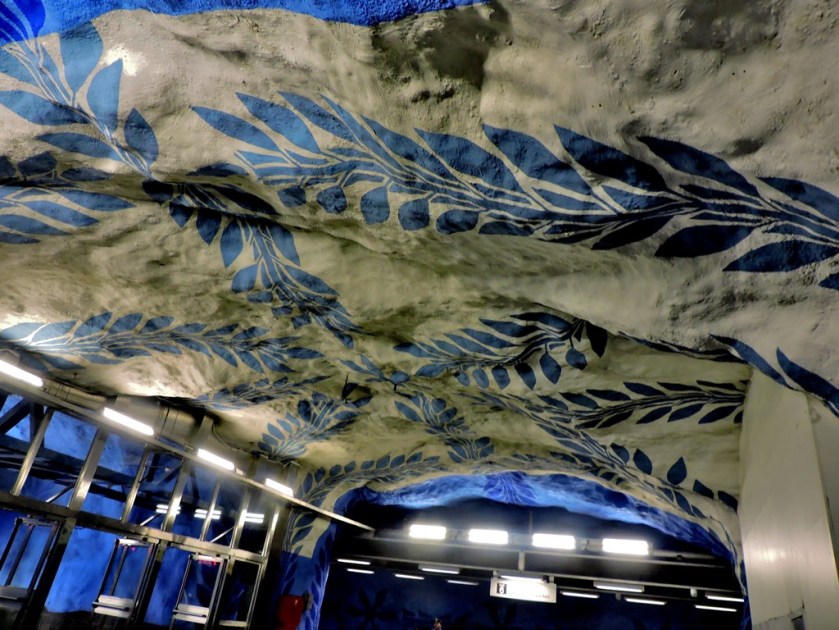
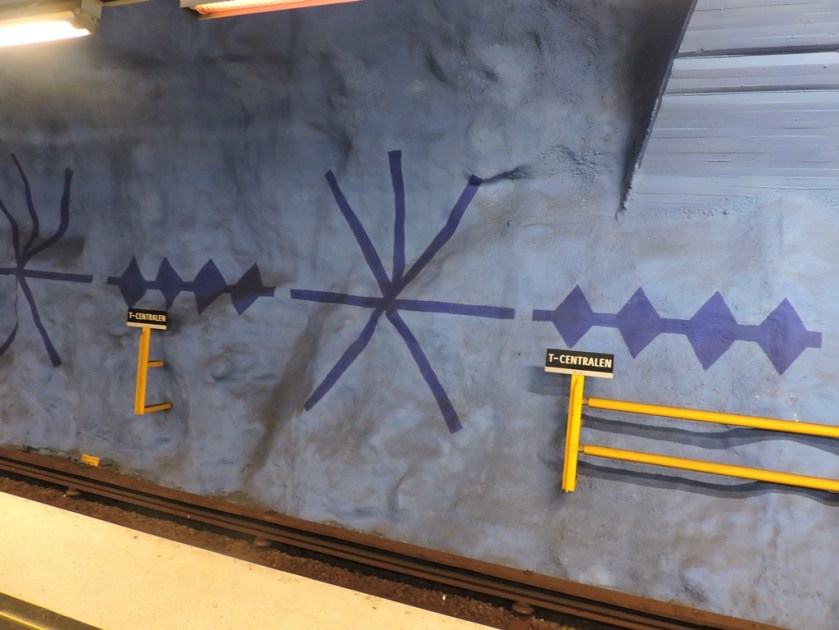
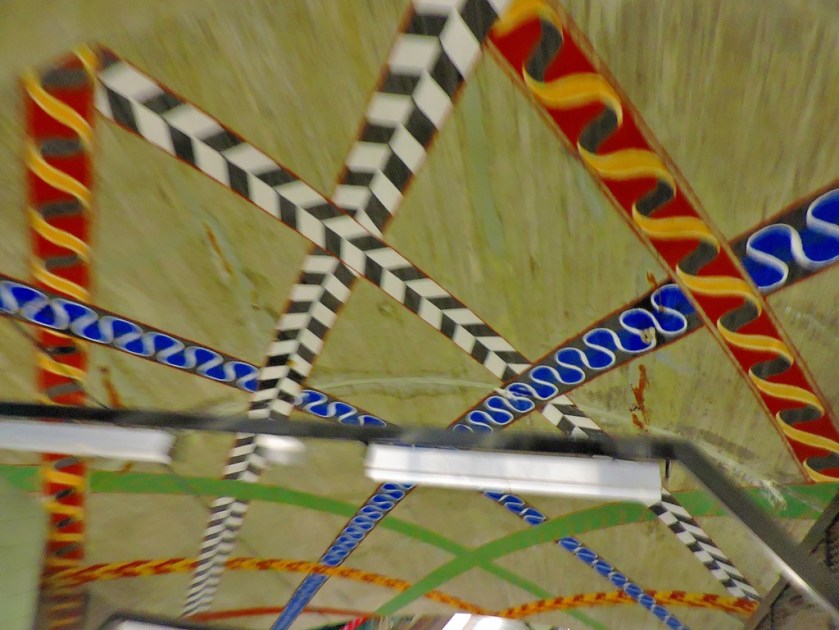
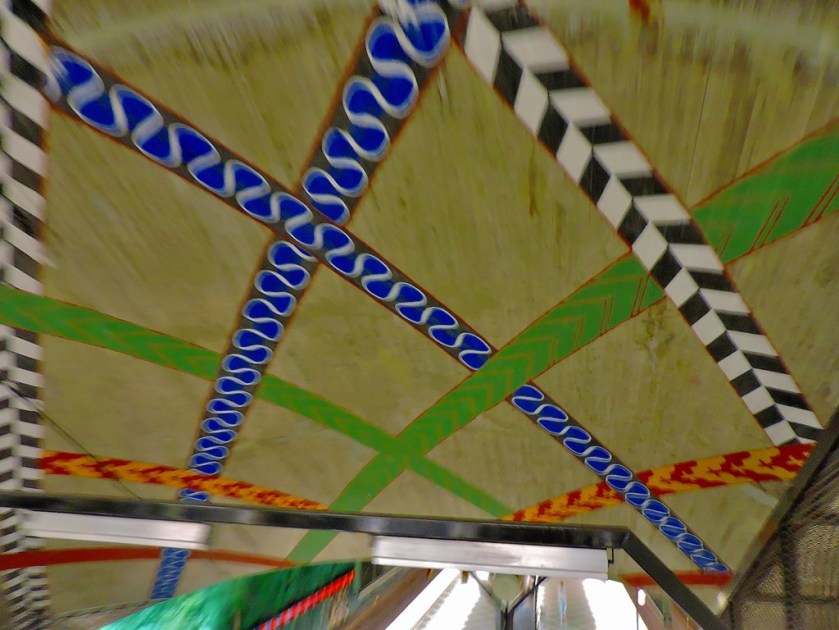
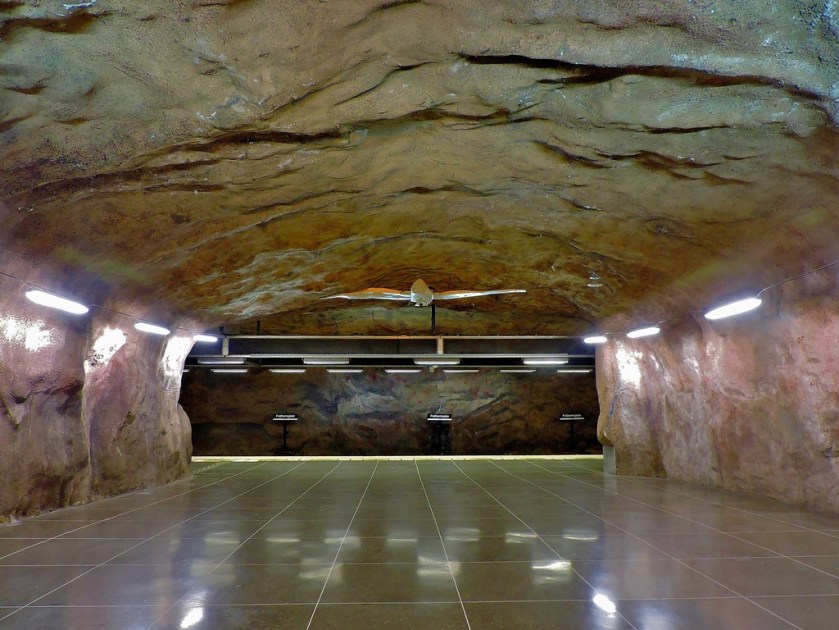
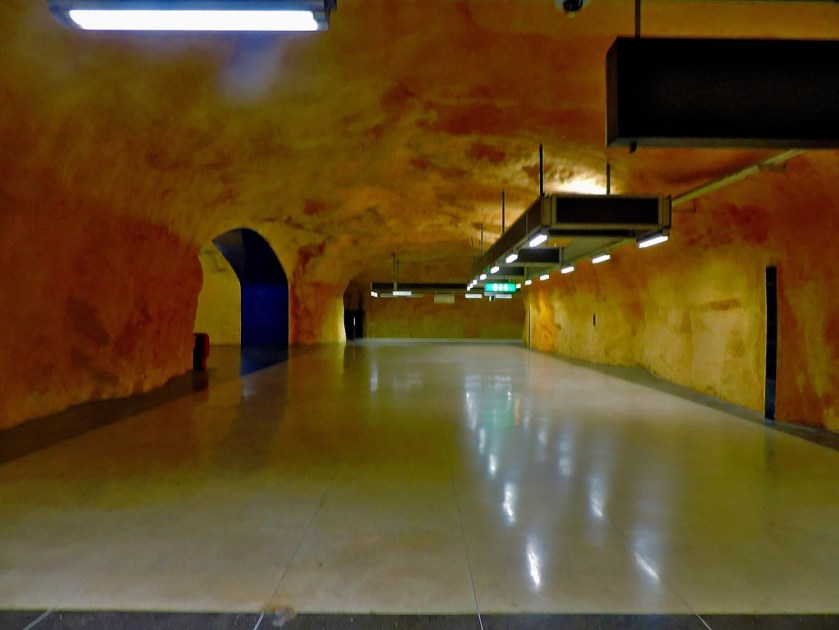
If you consult the system map included below the introduction you will note that there are three lines, coloured red, green and blue on the map. The red and green lines are older, and their tunnel sections, which make up a small minority of their length, are standard tunnels. The blue line is newer, and bar one station on the Akalla branch is in tunnel the whole way. It is the blue line that features the cave like station sections.
A BYZANTINE INTERCHANGE
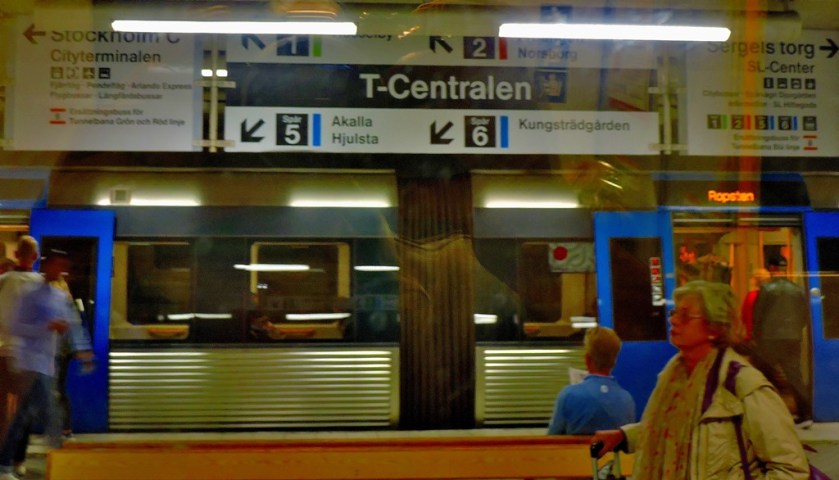
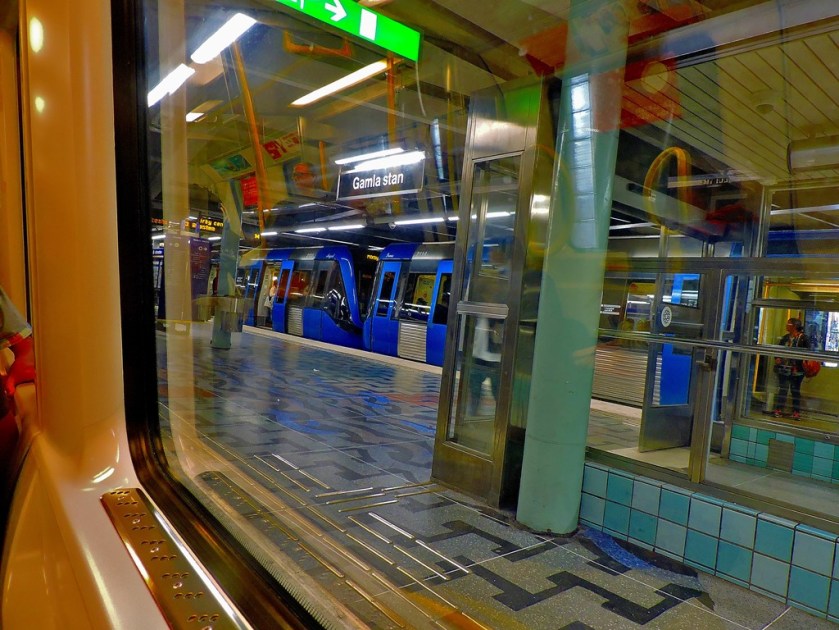
The only place where all three lines meet as at T-Centralen, and the interchanges between the blue line and the others are very long at that station. With only three lines meeting plus an interchange to mainline railways the arrangements here are not as labyrinthine as at the Bank-Monument complex in London which is probably the world record holder for user-unfriendly interchanges. Thus, when out on my own on that last full day I decided that I would avoid T-Centralen, making use of the interchange I had noted at Fridhelmsplan between the blue and green lines and the cross-platform interchanges available between the green and red lines at Gamla Stan and Slussen. The Fridhelmsplan interchange involves going up a travalator (it is not an escalator as it is smooth rather than stepped) but is very straightforward, unlike the multiple escalators and horizontal travalator of the T-Centralen interchange.
GAMLA STAN
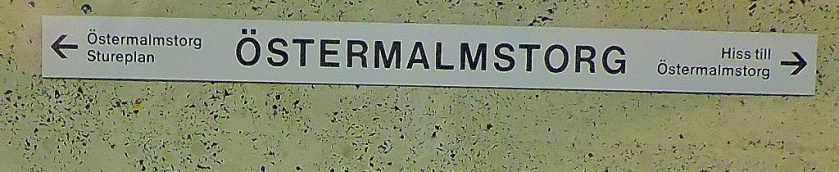
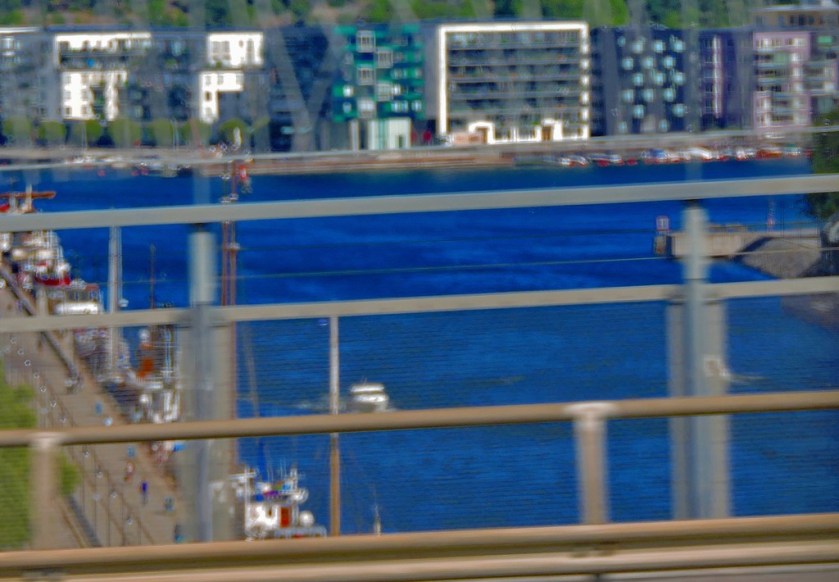
Having changed at Fridhelmsplan I took a green line train to Gamla Stan, where I went for a long waterside walk which will feature in another post in this series. It was after this walk the my serious explorations began.
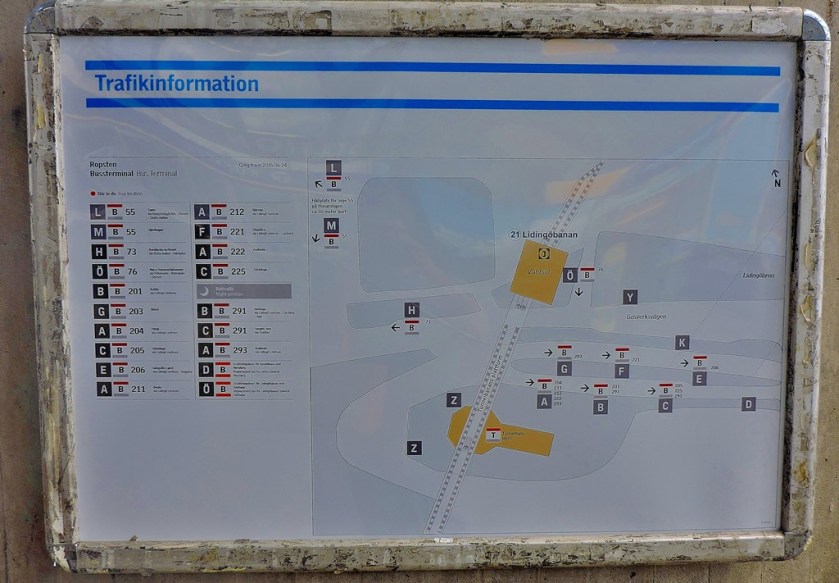
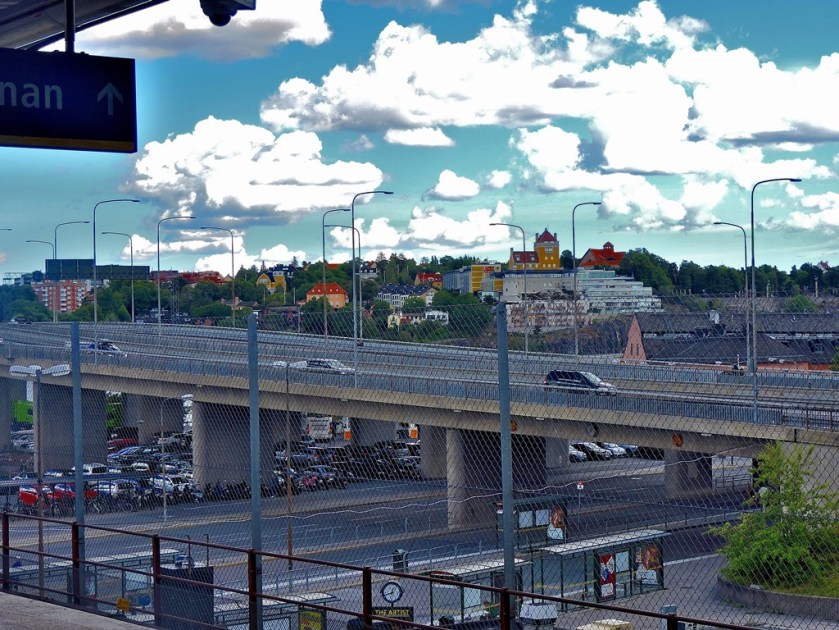
My first target was Ropsten on the red line…
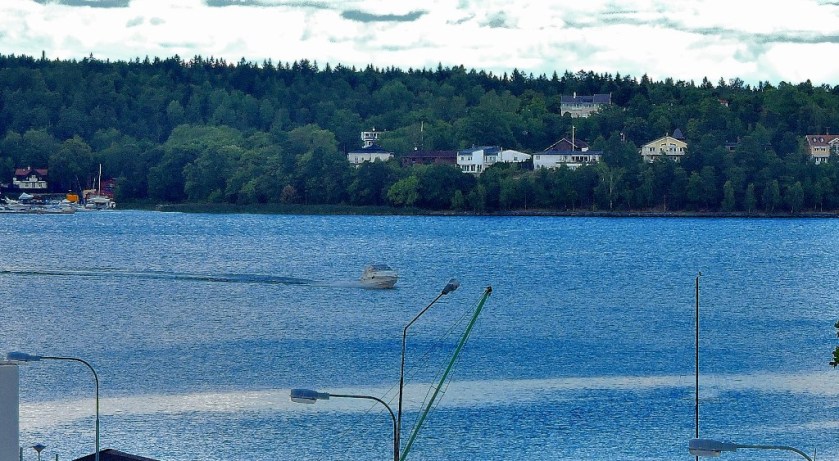
The first of four pictures taken at Ropsten.
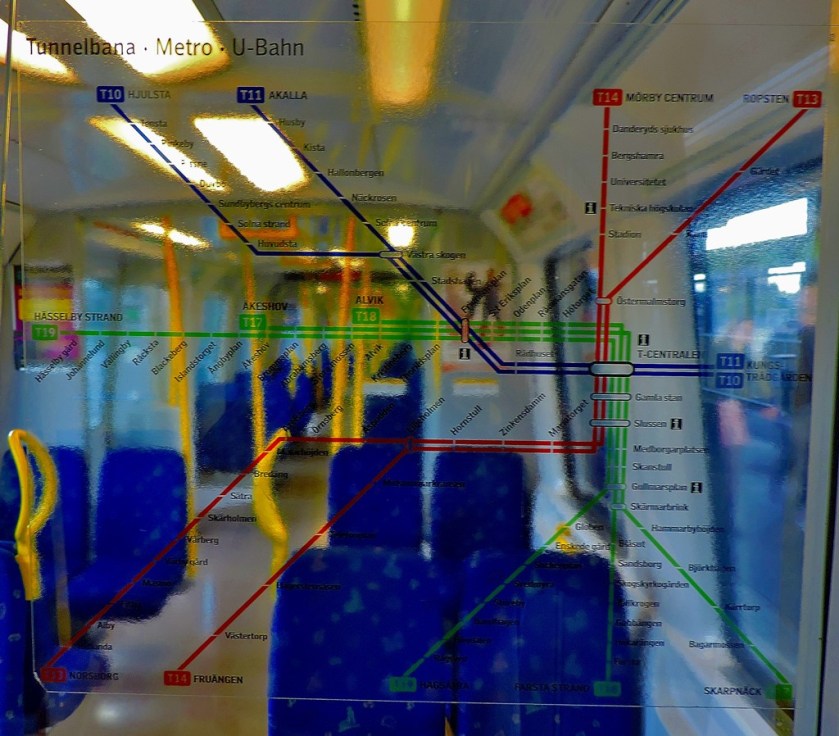
On on-train map.
My next move once I reached a suitable interchange point was to switch to the Green line and head to one of its terminus stations. The train I boarded was headed for…
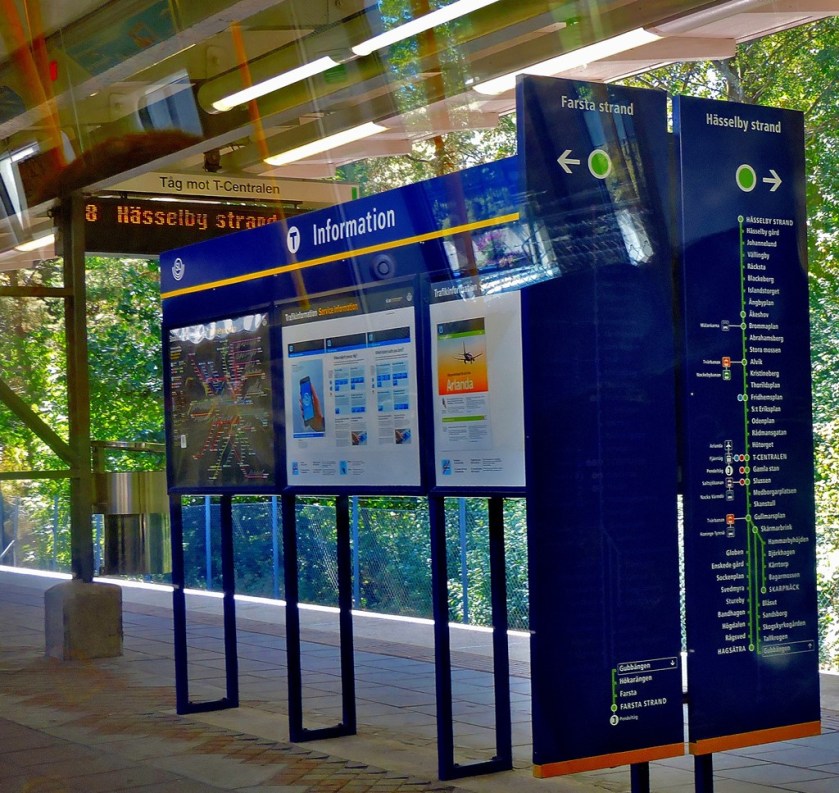
FARSTA STRAND
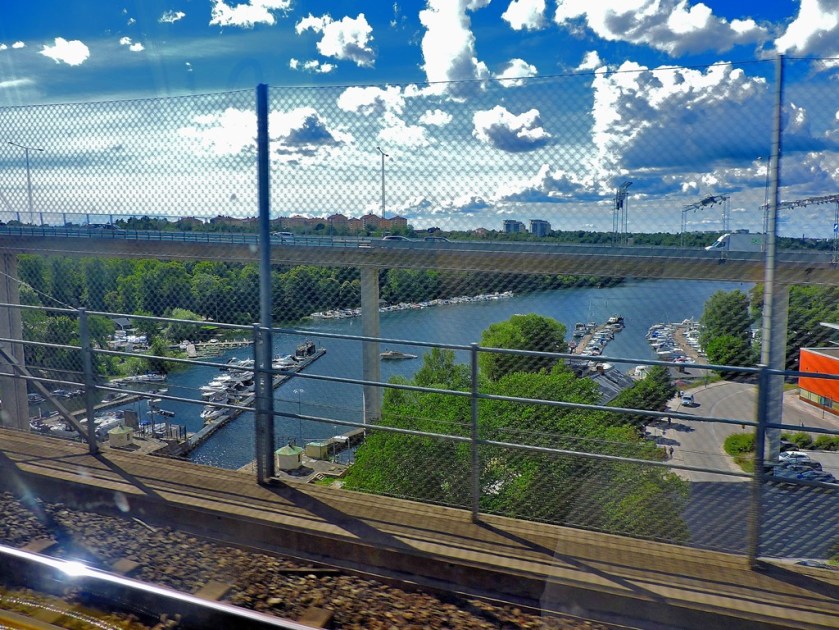
This journey was almost all open to the air, with parts of it being quite scenic.
At Farsta Strand I went for a bit of a walk to get a feel for the area.
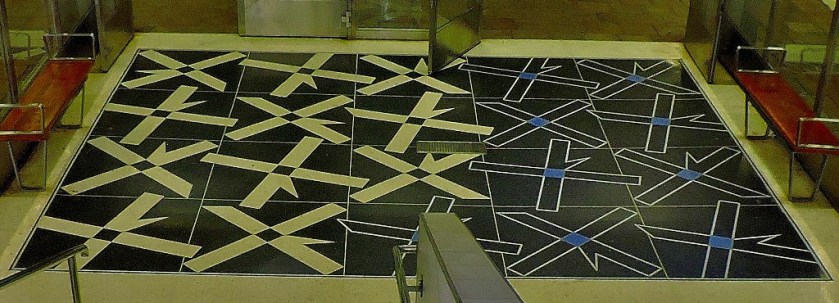
This floor is on the way out of Farsta Strand
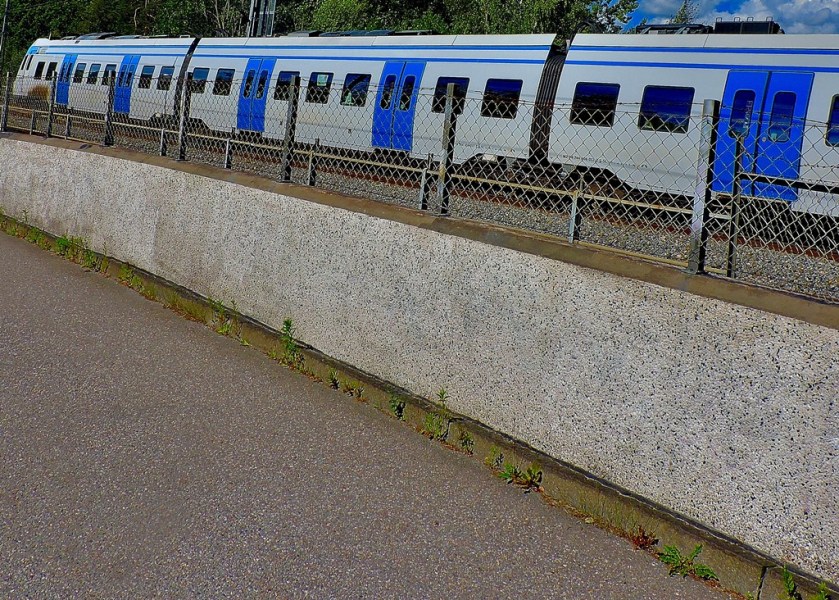
A mainline railway train nearby.
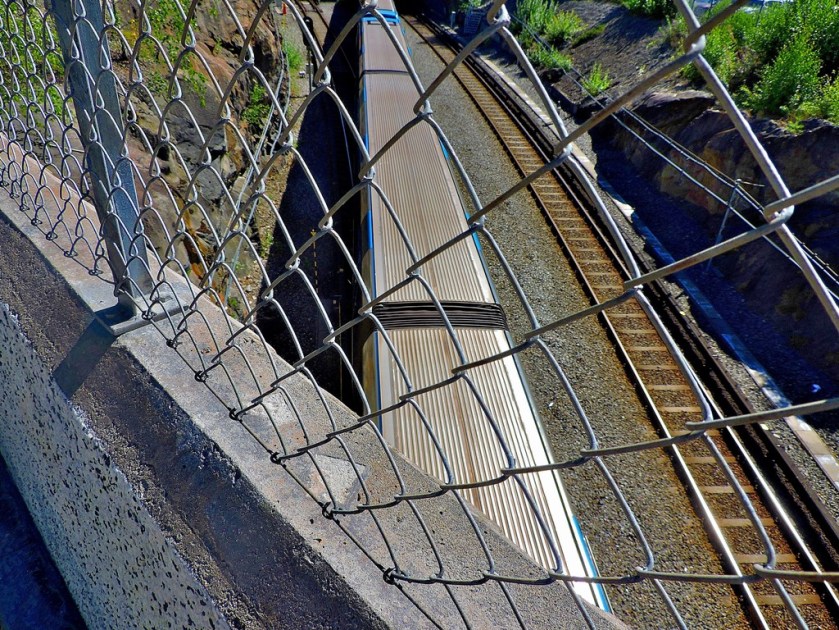
Four overhead shots of tunnelbana trains.
The station frontage at Farsta Strand.
From Farsta Strand I travelled to Fridhelmsplan where I changed to the blue line, having seen enough of the other two and having decided that I wished to see the whole of the blue line.
This shot has already featured in this series of posts, as a response to an MJP photo challenge.Back on the blue line.
THE BLUE LINE
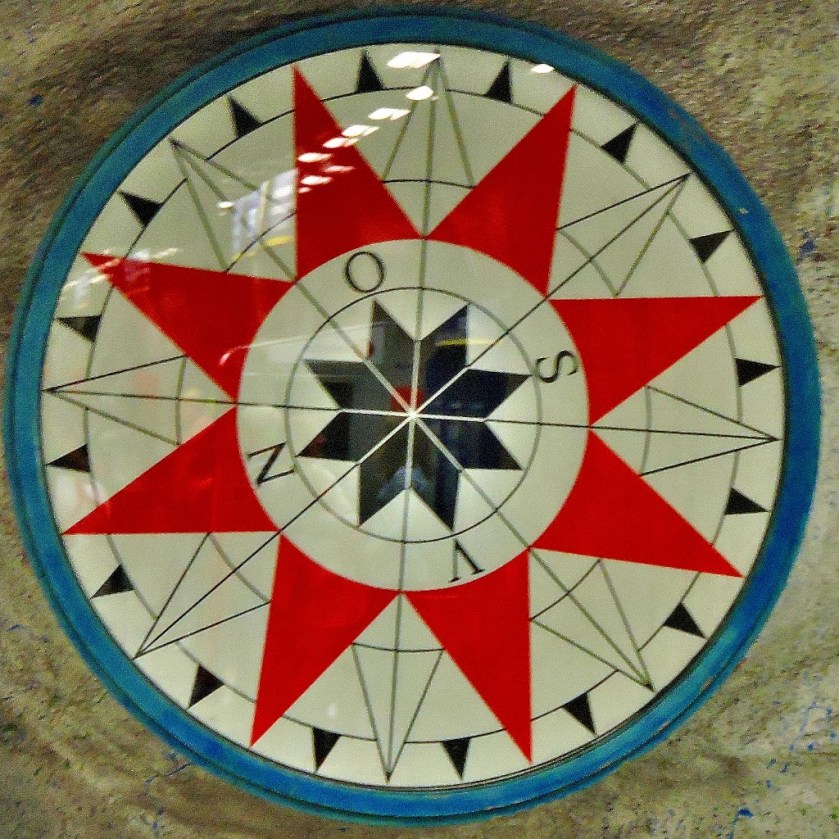
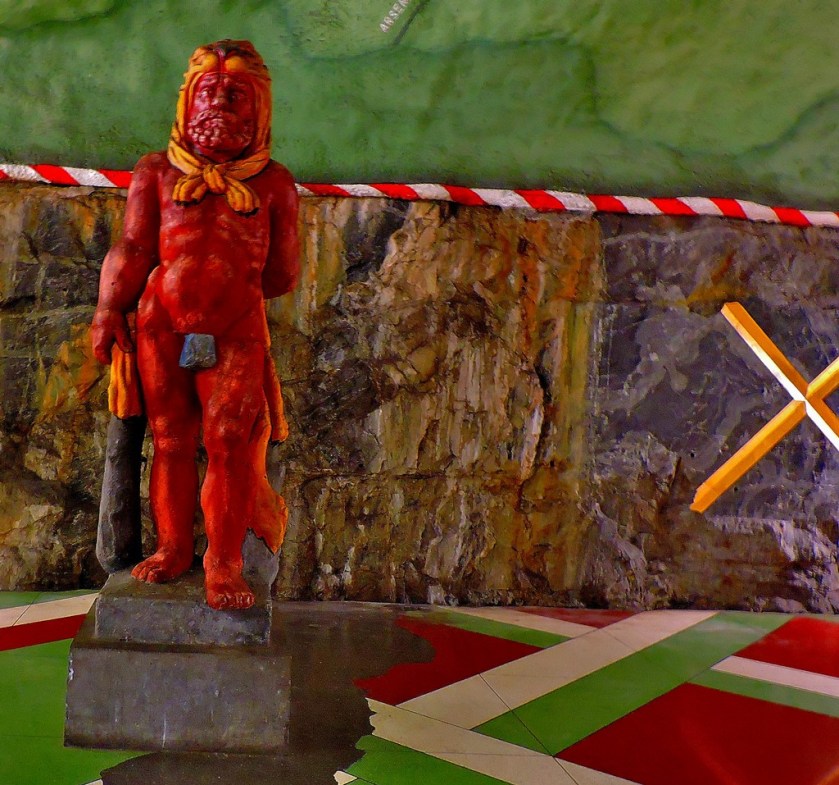
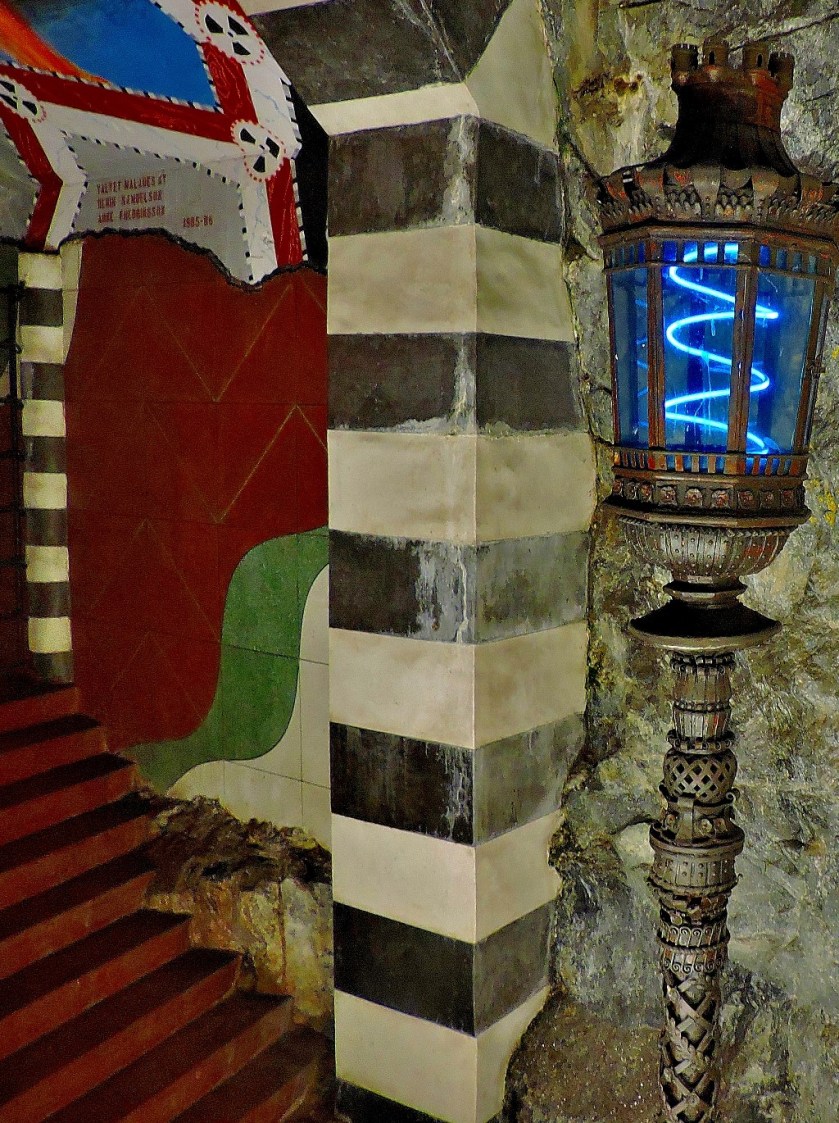
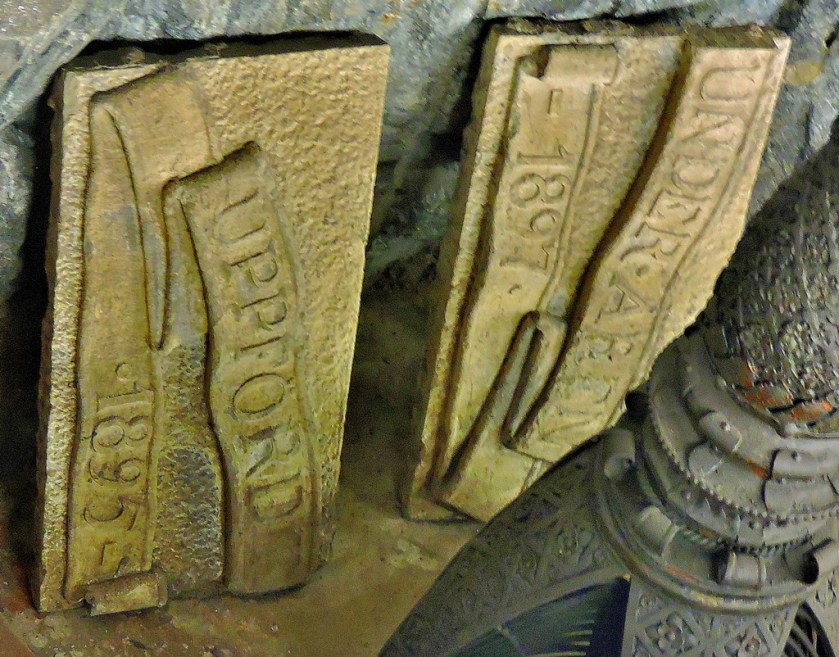
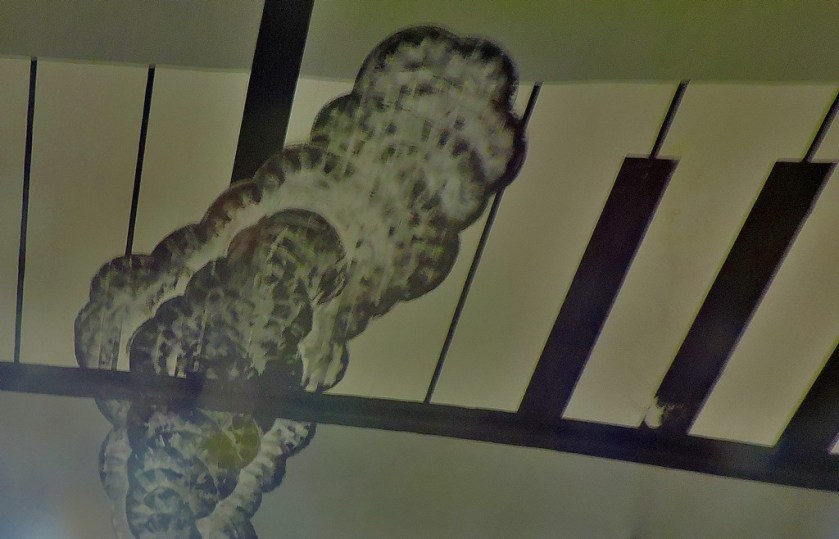
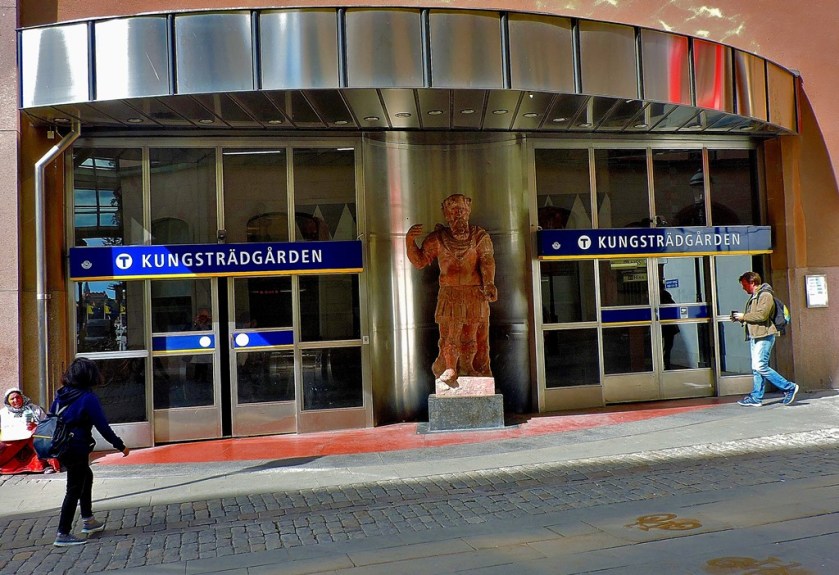
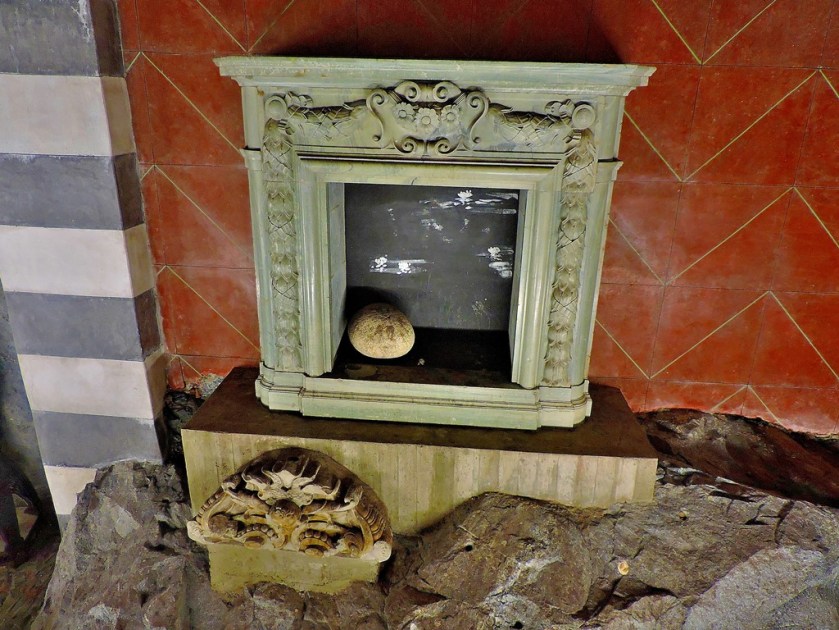
Back on the blue line I decided that my first move would to be explore Kungstragarden. I will be putting up a whole post about Kungstragarden, because there is so much to see at the surface there. The station is practically a destination in its own right, as the following pictures will indicate…
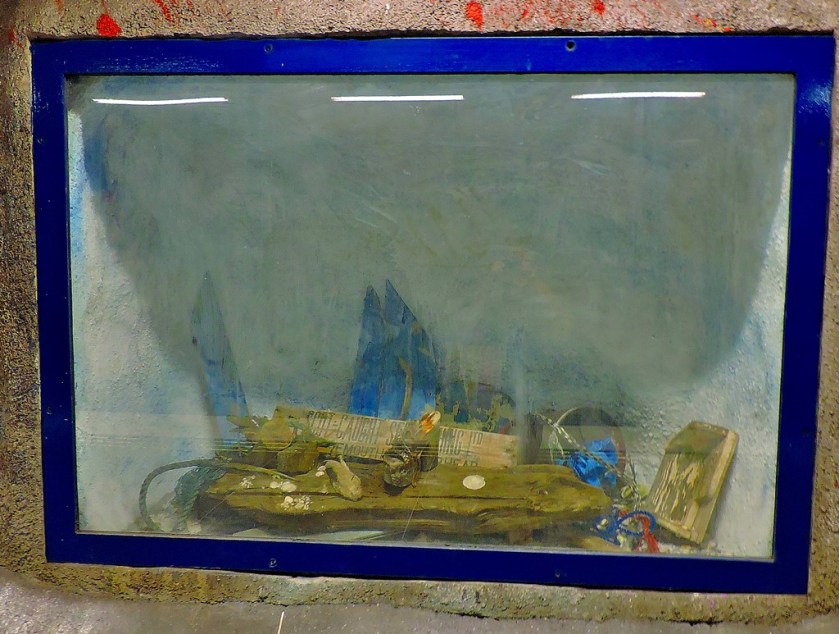
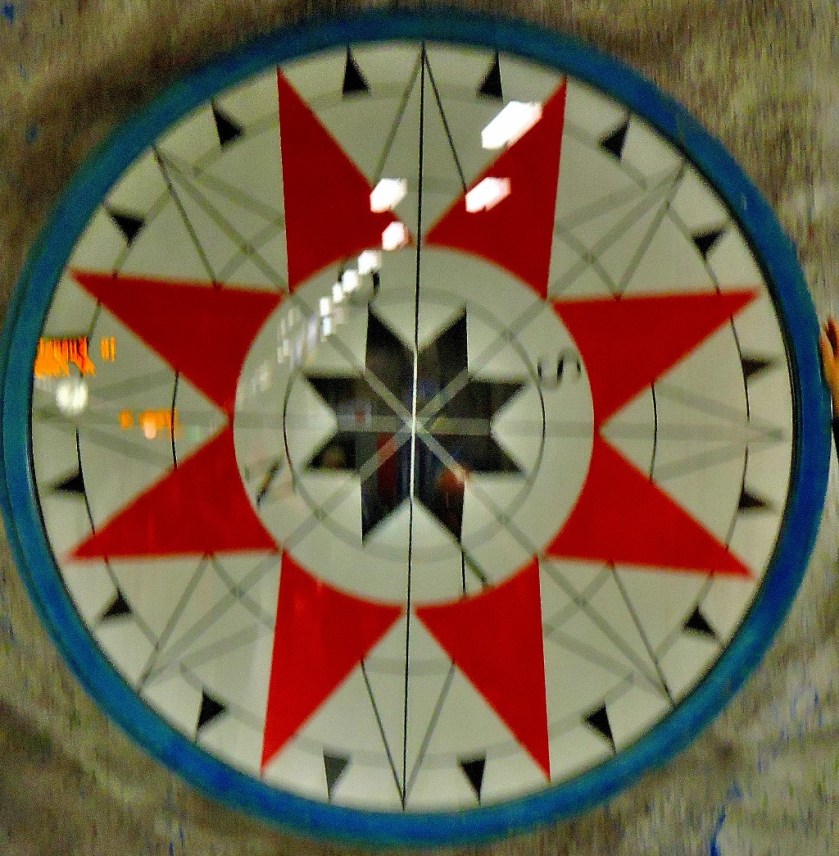
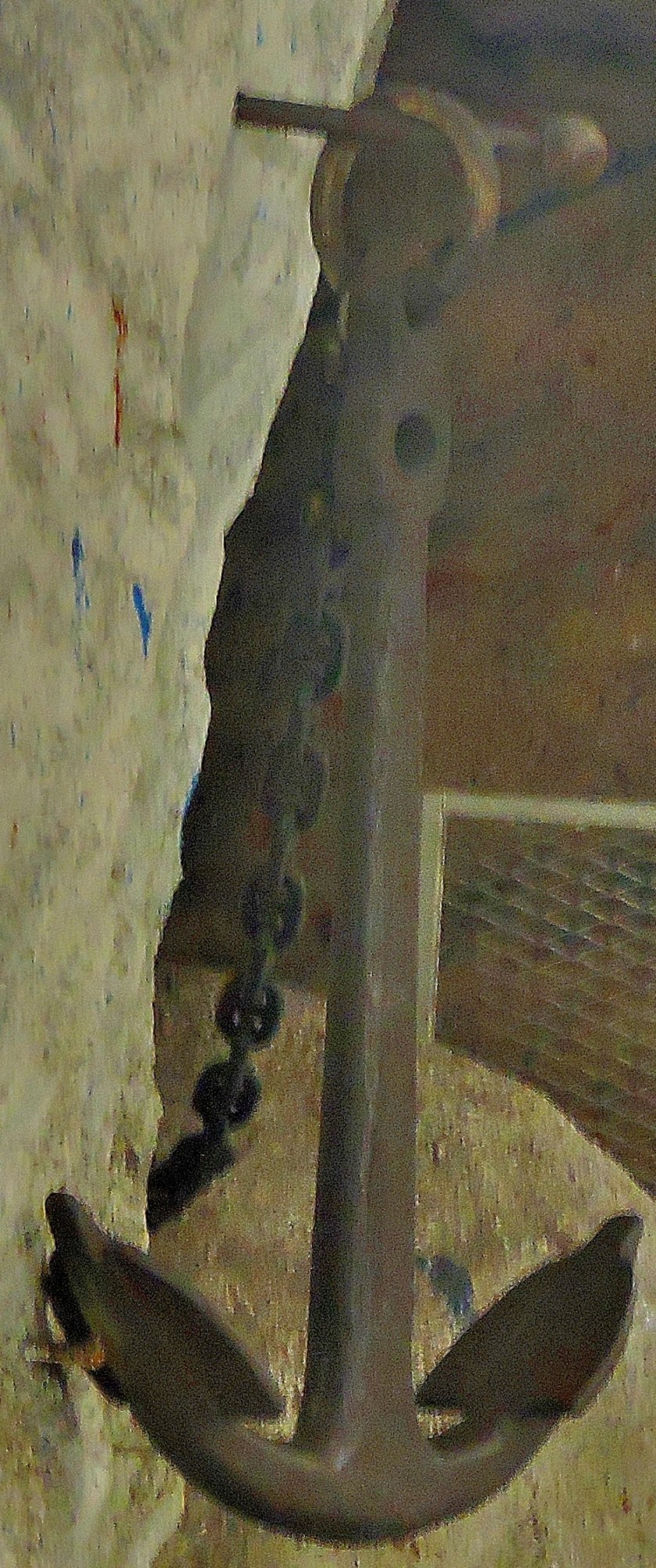
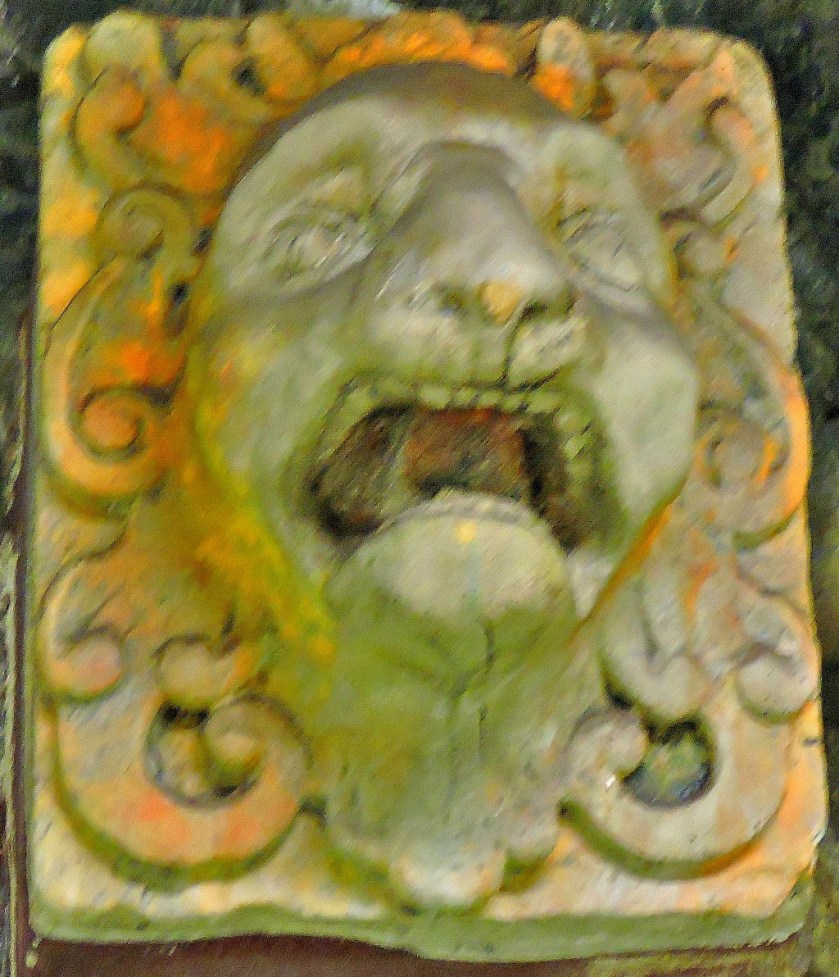
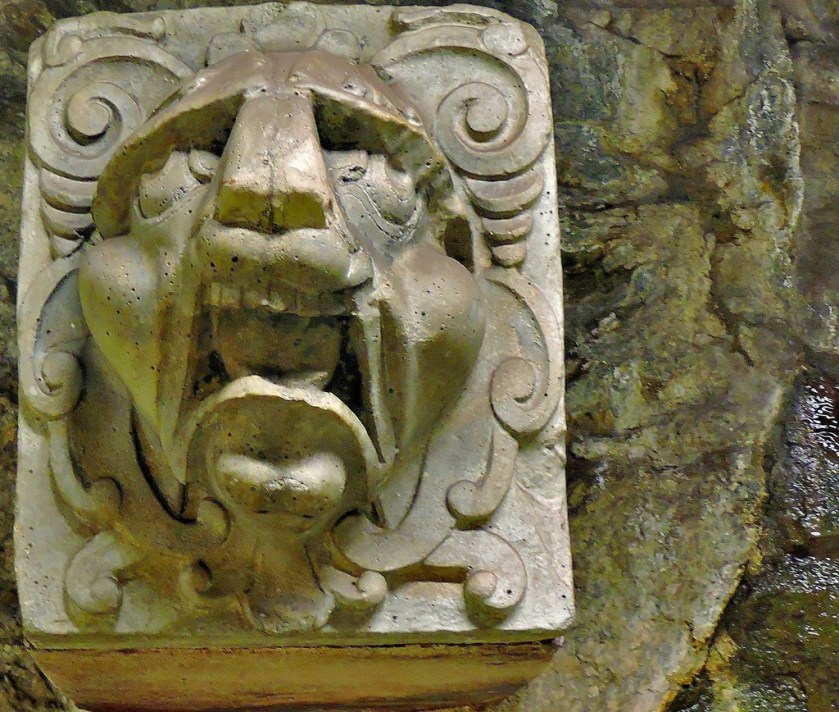
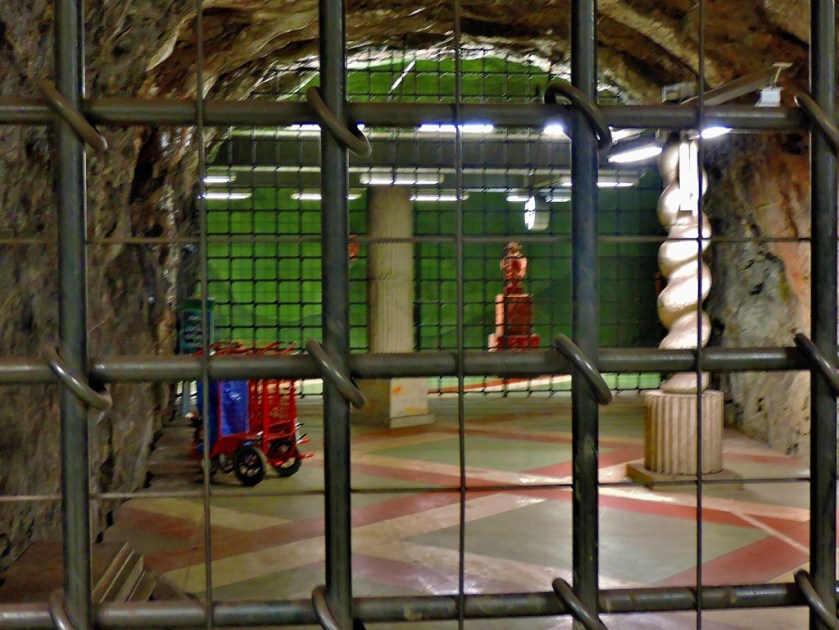
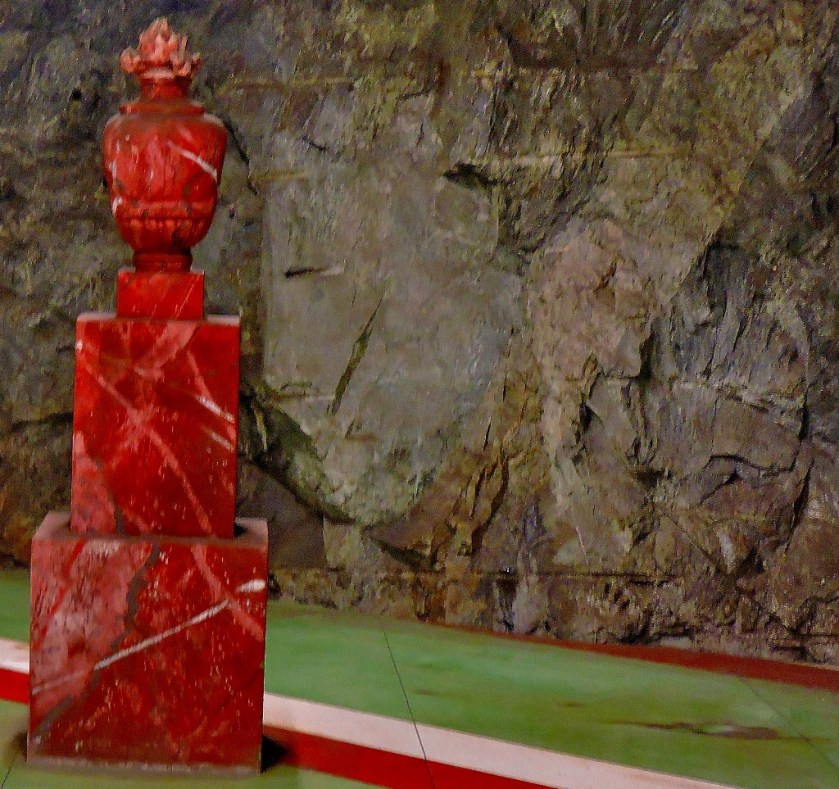
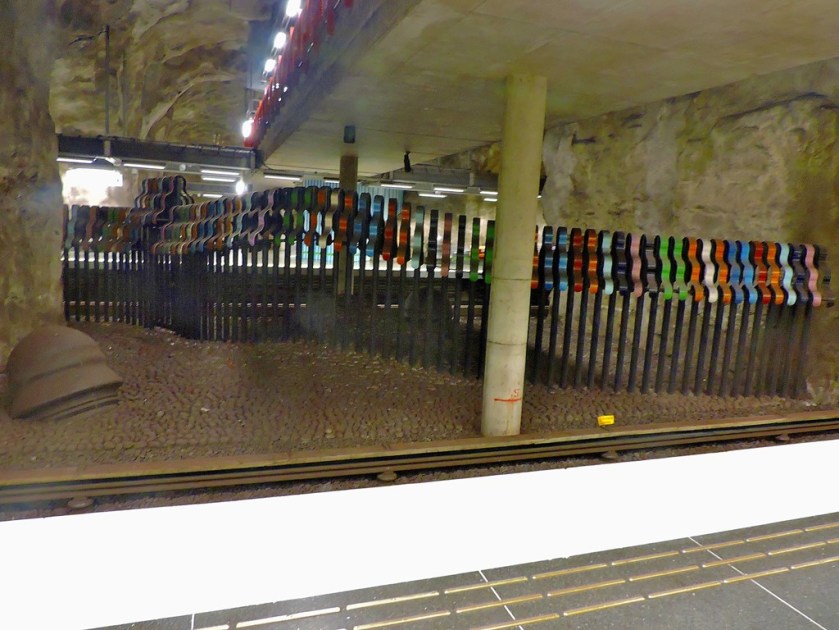
All of the 39 pictures in this set were taken at Kungstragarden (yes there is that much on display there at the station alone)
The surface building
Having explored Kungstragarden (and had lunch there), my next move was to get a train to…
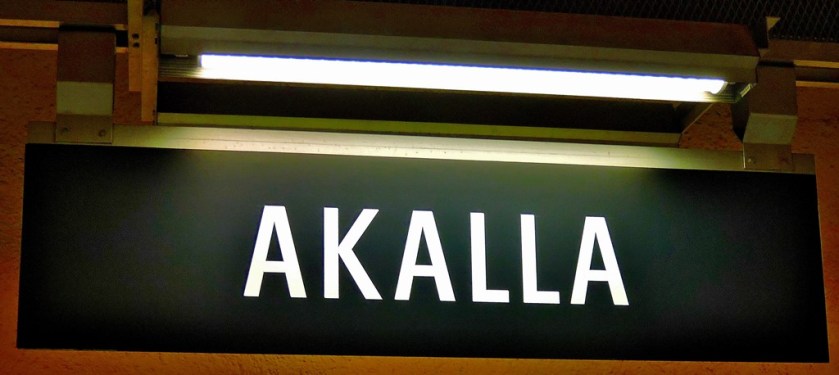
AKALLA
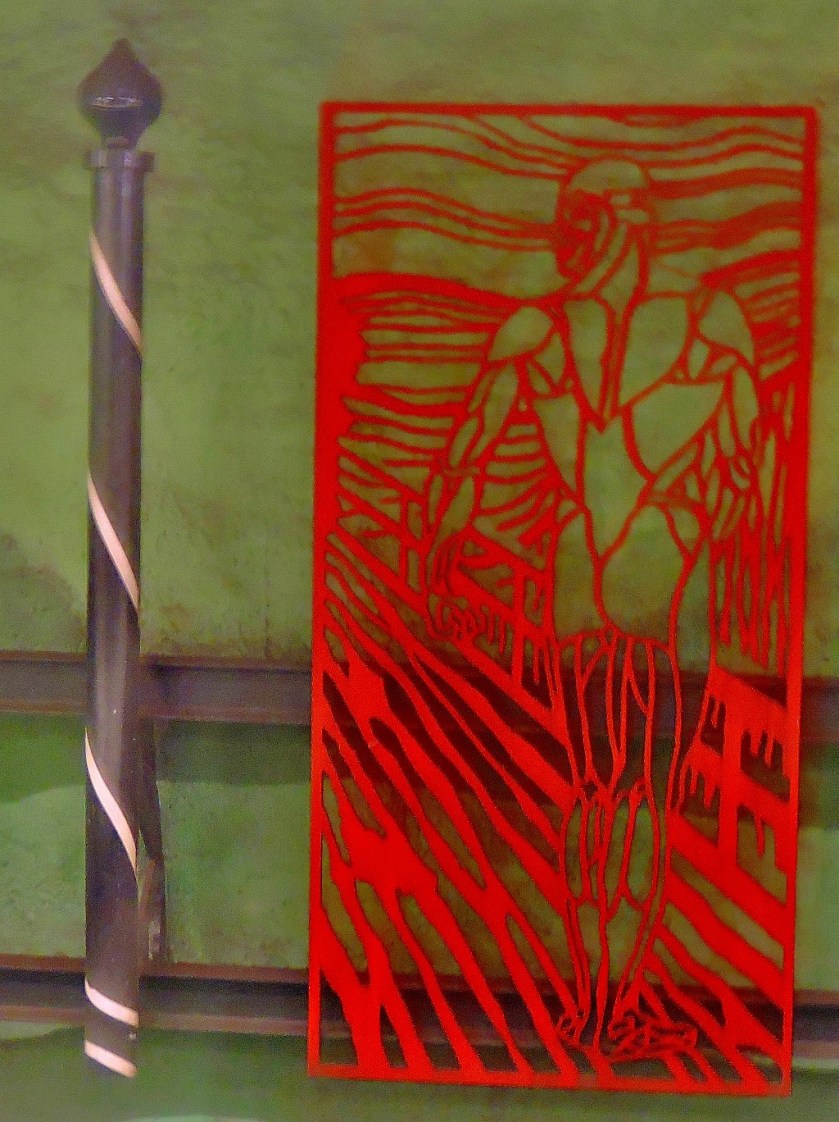
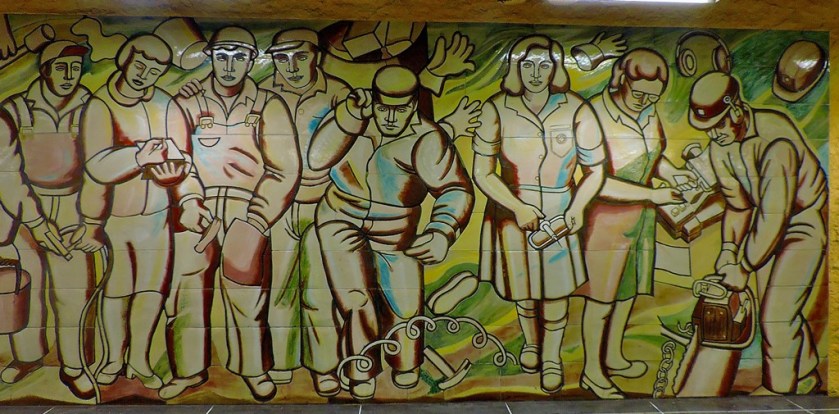
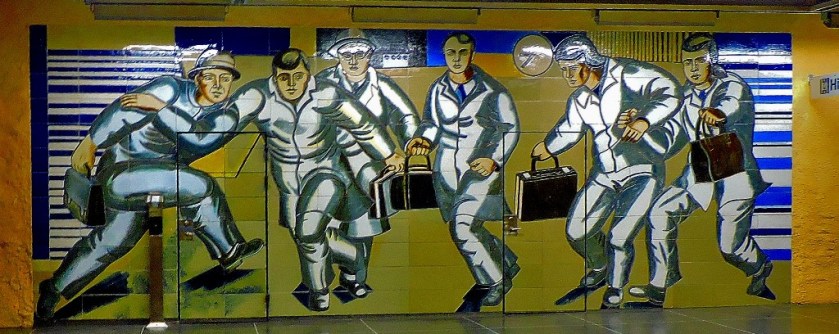
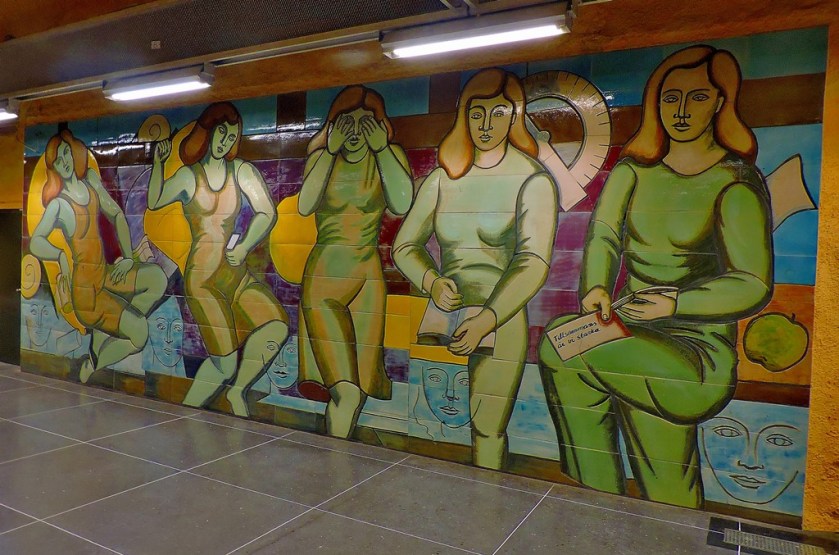
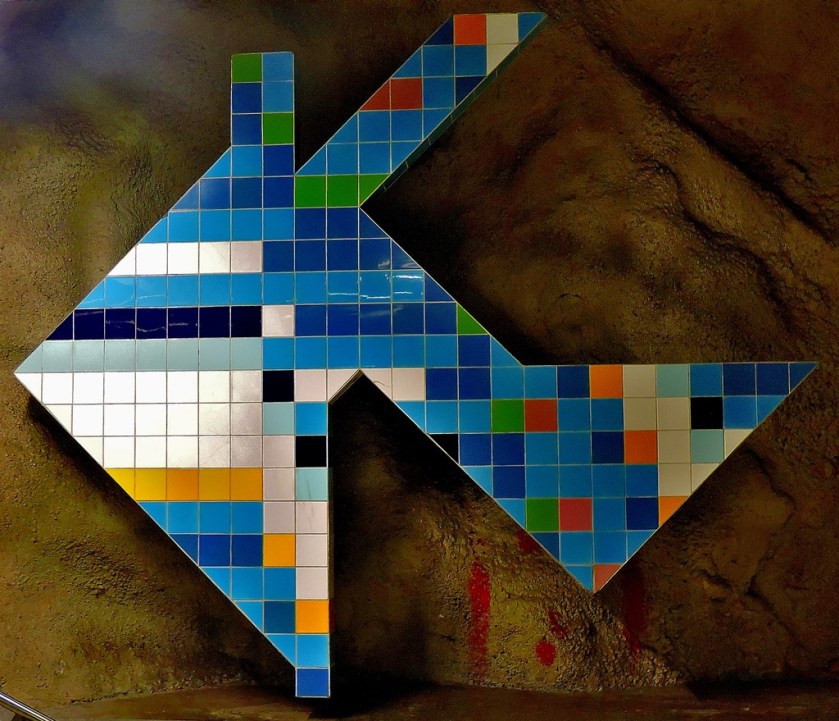
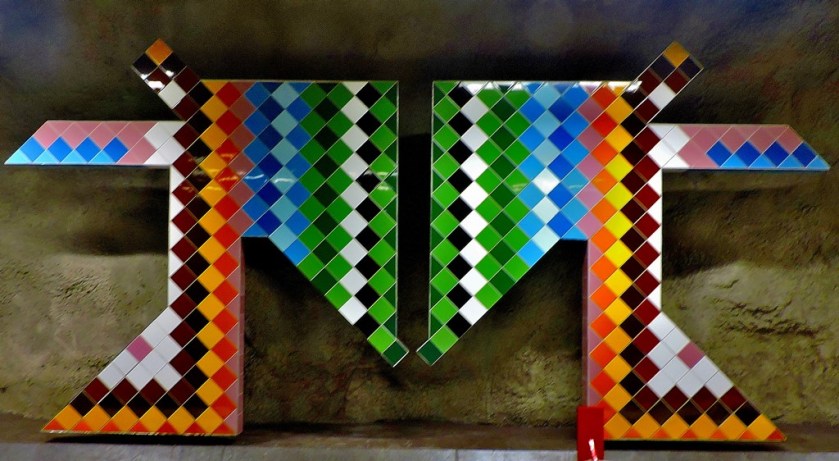
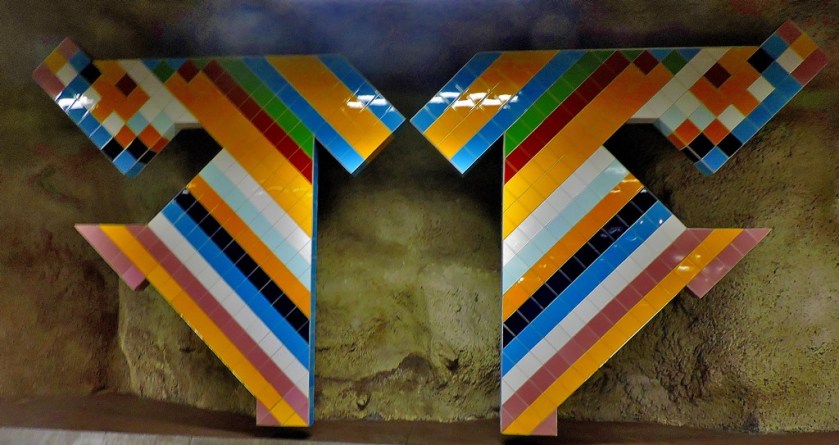
The journey to Akalla and then back as far as Vastra Skogen to change to the Hjulsta branch featured the only above ground section of the blue line, and plentiful art works some of which I was able to capture with my camera. Of course at Akalla and also at the change point of Vastra Skogen I had the advantage of not being on the train the whole time.
The first of several decorative tiling arrangements at Vastra Skogen (I do not think that when the individual pieces are this big one can fairly use the word mosaic).
My last travelling of the day was from Vastra Skogen to Hjulsta, and then back from Hjulsta to Huvudsta where I was being accommodated. I only got a few pictures from this last section of the journey.
FINAL THOUGHTS ON TUNNELBANA
Tunnelbana is a superbly efficient system, and the artwork which can be found everywhere on it, and especially the cave like station platform and passageway segments on the blue line boost it from the merely utilitarian (itself a level considerably above that usually attained by London Underground these days!) and make it a genuine attraction. Unless you are going to be catching a train from Stockholm Central I would recommend that you follow the approach I took on my day of exploration and avoid using T-Centralen as an interchange. I also recommend that you obtain a free Stockholm map (it includes the system diagram that appears at the top of this post). I have seen three underground systems that in different ways can claim uniqueness – London is the original, St Petersburg is further below the surface than any other, and Stockholm for reasons outlined above and (I hope) demonstrated throughout this post. I conclude by saying that I hope you have enjoyed this virtual tour of the Tunnelbana as much as I enjoyed both the real thing and creating this post.



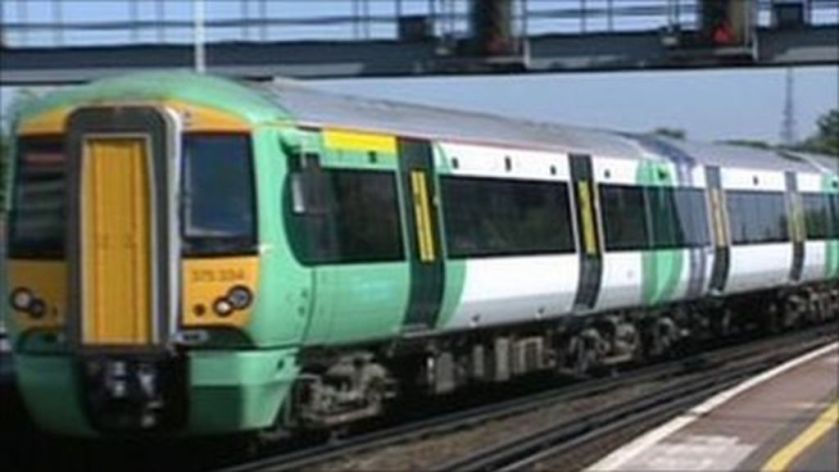 A Southern Railway train: often overcrowded even if it runs. Pic Credit:BBC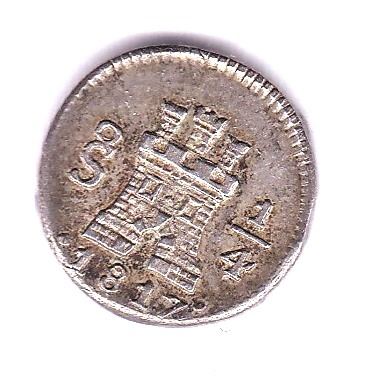




































































































 aspiblog