An A-Z of Me

A personal A-Z, inspired by a post on The Cornish Maid.

INTRODUCTION

This post was inspired by The Cornish Maid’s post “A-Z about Me!!!“. Like the post I have just referenced there will be one entry for each letter…

MY PERSONAL A-Z

A FOR AUTISM

I am autistic myself, and also branch secretary of NAS West Norfolk. This entry is a very appropriate starting point because it was my diagnosis and the role I then had running a support group for Asperger East Anglia that led me to create this blog. 

B IS FOR BOOKS

I have always loved books, and am a very voracious reader. In addition to my own collection I am a regular user of several of Norfolk’s libraries, and yes I do use them to borrow books. 

C IS FOR CRICKET

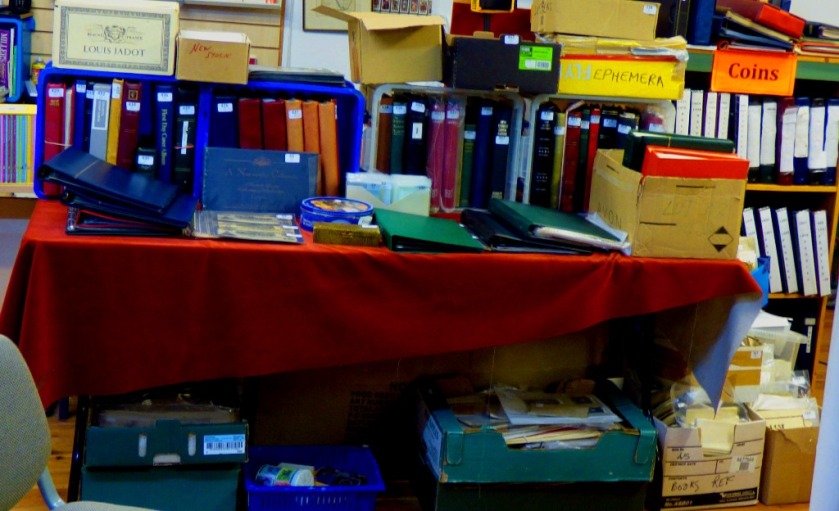
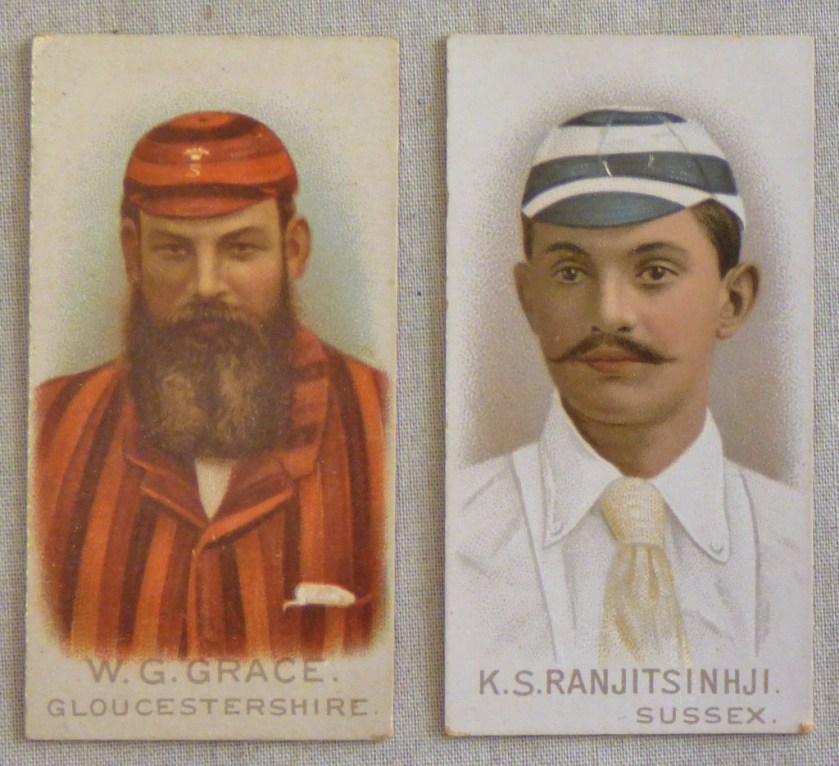
I have been an enthusiastic follower of cricket for over 3o years (my attempts at playing the game foundered on a chronic lack of talent). The fact that my employers had an auction yesterday and have another on Saturday means that I am off work today, and therefore able to listen both installments of the Women’s T20 double header. Here is the feature image from Saturday’s upcoming auction:
2412-b

D IS FOR DETECTIVE STORIES

This is an extension of my love of books as a whole. I regularly borrow large quantities of detective ficition from thbe libraries. Among my very favourites are Edward Marston’s Railway Detective stories.

E IS FOR EAST RUDHAM

The village in West Norfolk where I began to rebuild my life after mental health issues had nearly destroyed me. I lived there for just over five years and was a regular visitor until my parents recently moved to Cornwall.

F IS FOR FERRY

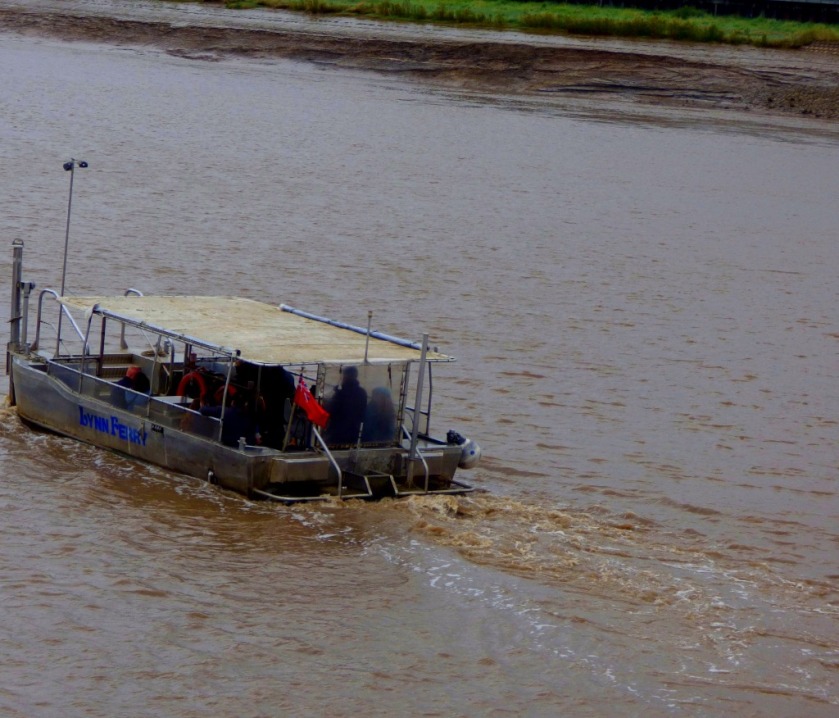
I have travelled on many ferries in my lifetime, but the one I particularly think of nowadays is the Lynn Ferry which has been running for over 800 years.
Ferry 2

G IS FOR GREECE

I first visited Greece for a family holiday about 35 years ago and have been back mnay times. It remains a favourite holiday location. I have produced a number of posts about my most recent visit.

Tseria

H IS FOR HISTORY

One of the many subjects I enjoy reading about. One of the reasons I enjoy going to Greece so much is the presence of so many historic sites.

I IS FOR IRRELIGIOUS

I have been a staunch atheist for my entire adult life. For those who take the approach that the Northern Ireland census form used to I am a “catholic atheist” – that being the specific religion that I rejected. To paraphrase Richard Dawkins most people are as atheist as me about almost every god who has ever been believed in – I just go one god further than they do.

J IS FOR JOURNEYS

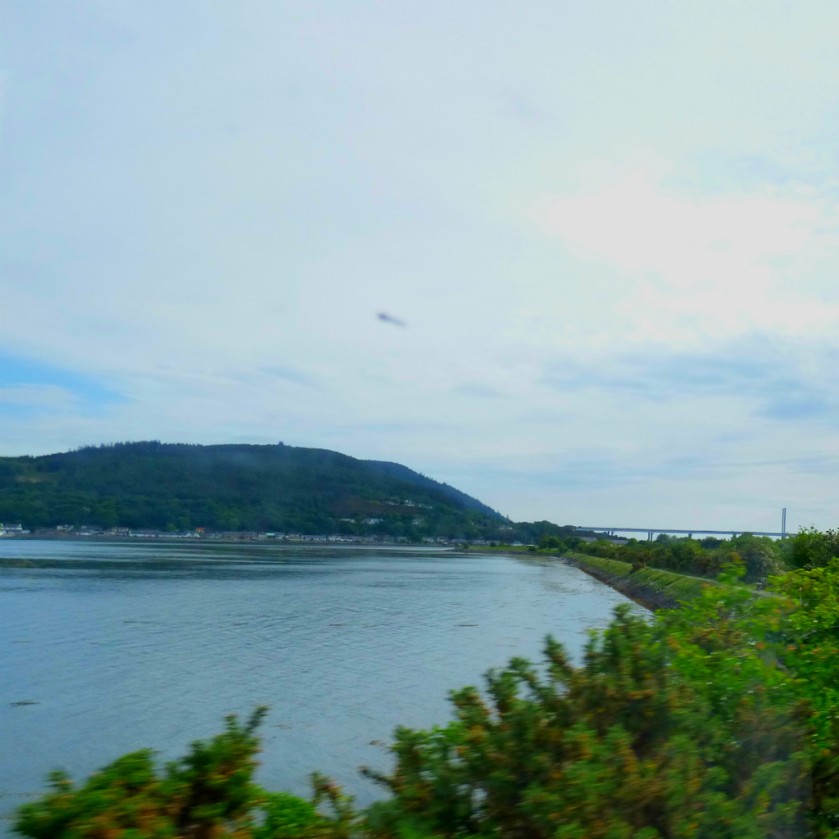
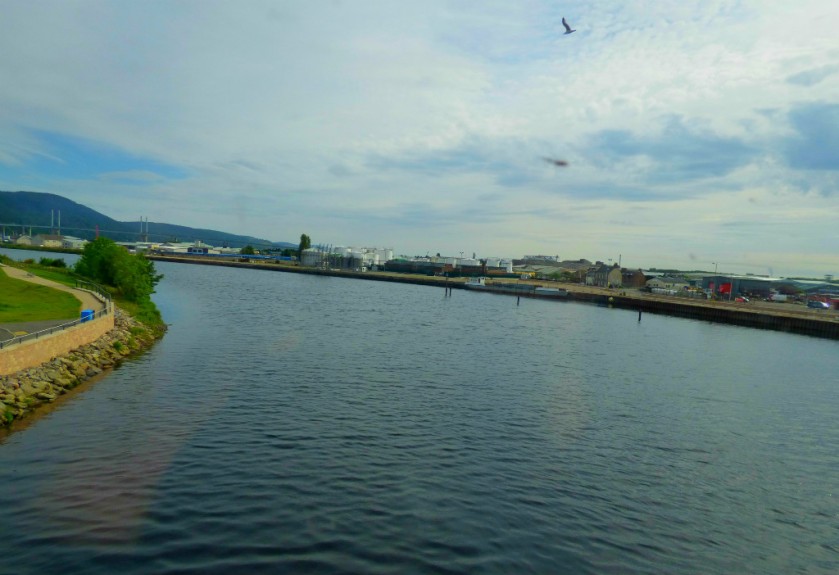
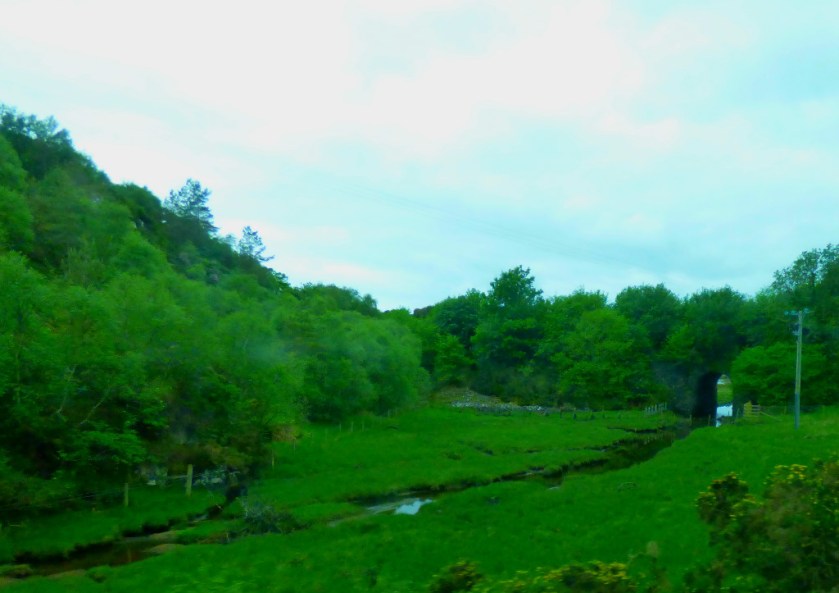
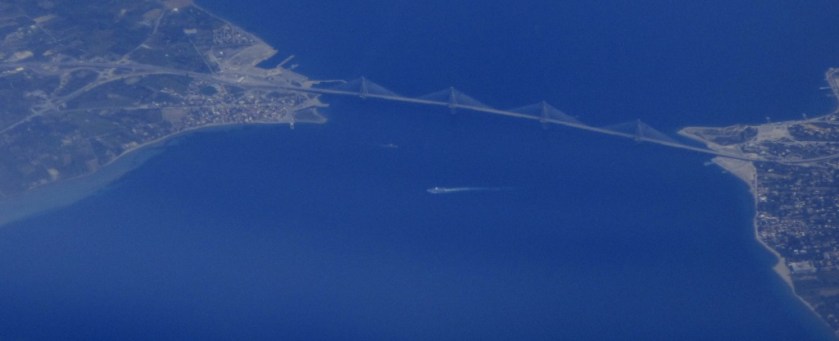
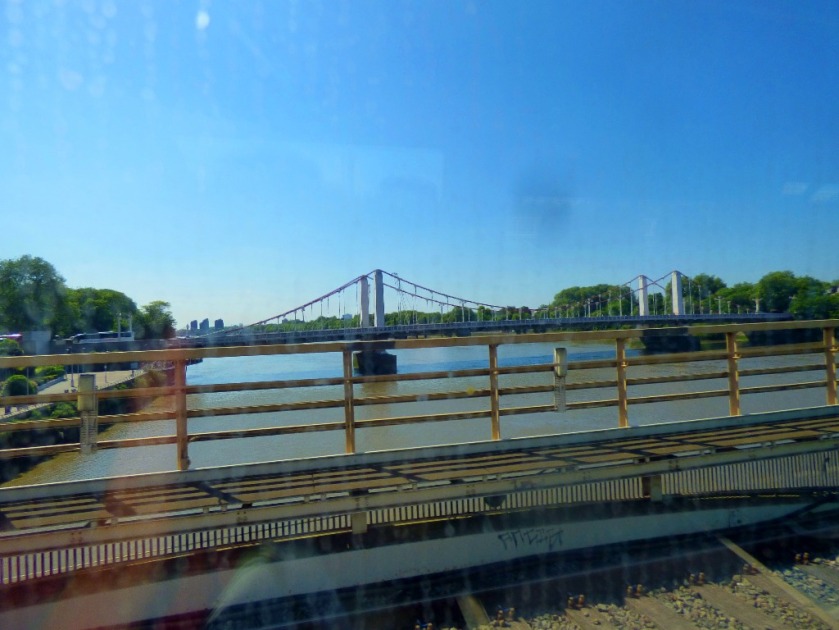
I love travelling, and being a lifelong non-driver am able to make good use of almost all my journeys – if the route is not familiar to me I will be observing the scenery and taking photographs, and if it is it represents reading time.
Major bridge from 37,000 feet up
K IS FOR KERNOW

Kernow is the Cornish name for Cornwall (this is the only entry in my A-Z that overlaps with The Cornish Maid’s), and although unlike the person who inspired this post I do not live there I have been there a number of times over the years and my parents have recently moved to that part of the world. It is a Cornish picture that appears on the reverse of my personal cards:

framed lighthouse

L IS FOR LONDON

I grew up in London, and still visit the place on occasion. Also, I run a London Transport themed website, www.londontu.be. I will be back in London during the latter part of next week, for Marxism 2018 which runs from Thursday to Sunday. 
Crossing the the Thames

M IS FOR MATHEMATICS

Another lifelong interest, and something that I am very good at. Here is a frecnet problem from brilliant.org that took my fancy:

plus-plus

N IS FOR NATURE

Nature has always been very important to me, and I love being out and about in nature with my camera for company. My name is often to be found among those supporting campaigns to protect nature, and as a thoroughgoing internationalist I take pride in having been the first non-Swede to sign the online petition to save Trosa nature.
Dragonfly
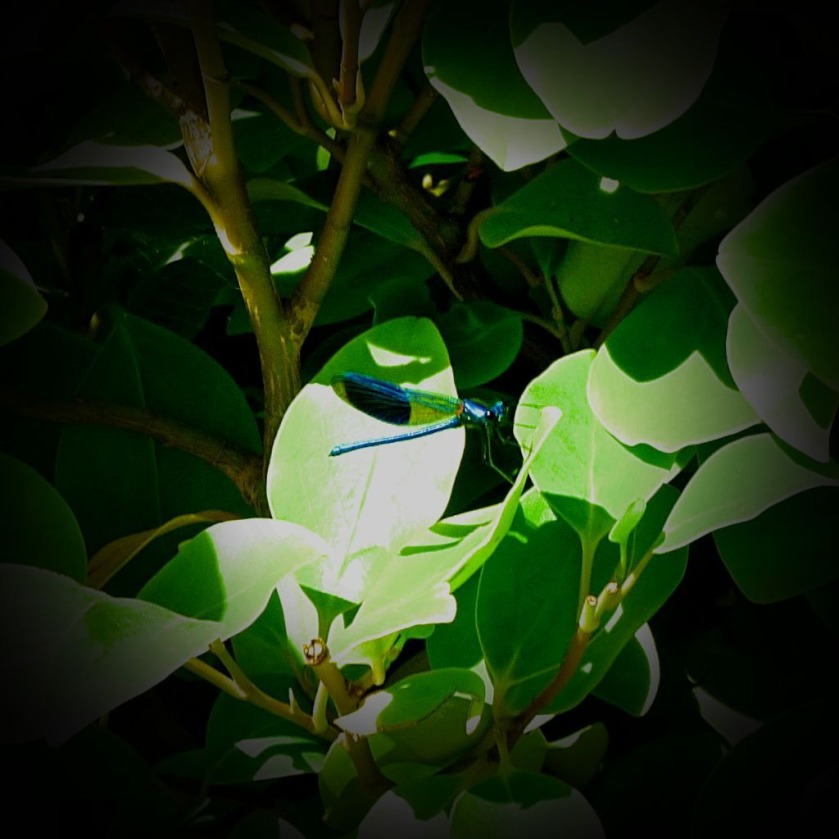
A spectacular creature, presumably some form of dragonfly.

O IS FOR OVAL

Because of their shape many cricket grounds have Oval in their name. The two with which I am most familiar are The Oval, in South London not very far from where I grew up, and served by two stations, Oval and Vauxhall; and the Adelaide Oval, which owes its name to a transplanted Surreyite who suggested it because he wanted to be reminded of home.  Of the innings I have seen live at the ground the most memorable at either of these two venues was played by David Gower in 1990. England could do no better than draw the game, which as it happened was enough to give them the series. Gower made 157 in that innings, and by the time he was out the draw had long since been secured.

P IS FOR PHOTOGRAPHY

This is a hobby of mine, and also something I do at work. Here are some recent pictures:
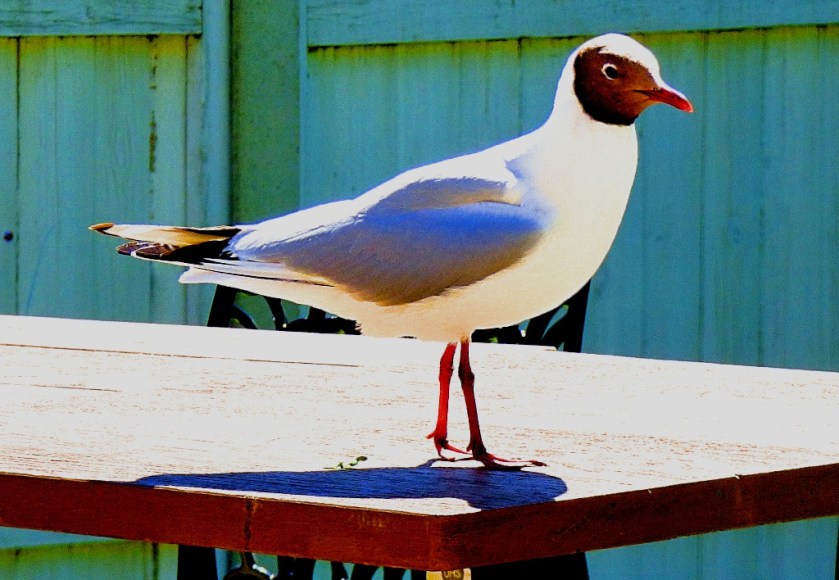
Black Headed Gull III
Three recent bird pictures

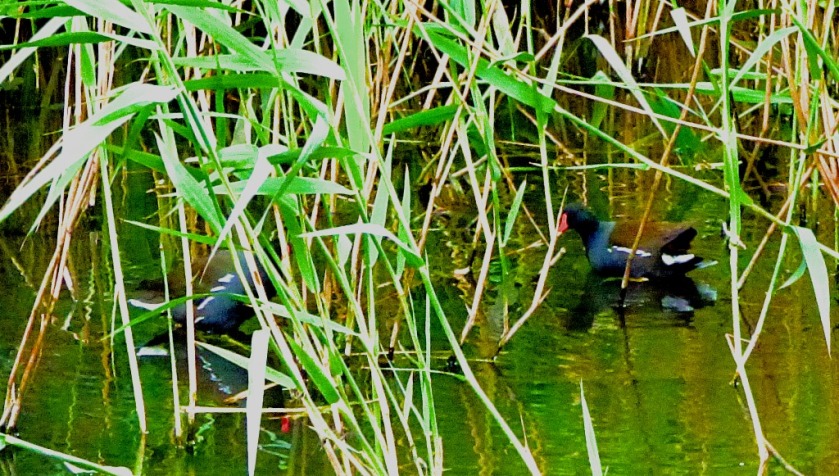
Moorhen IIITwo moorhens

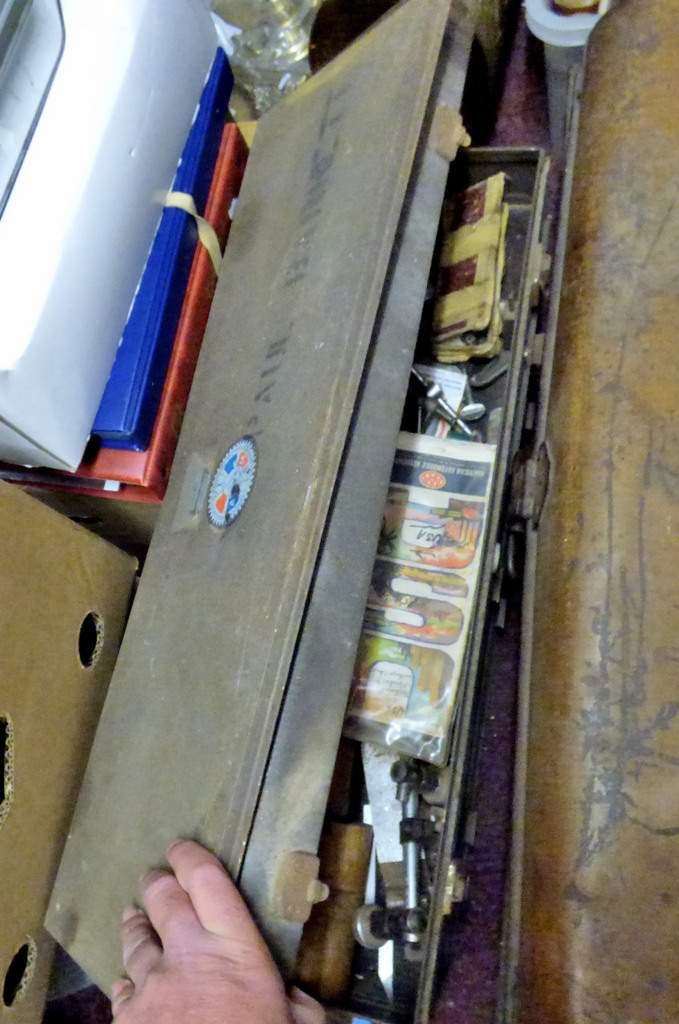
840
This was lot 840 at yesterday’s auction – some good tools but the box being solid iron makes for an extremely heavy item.

840-a

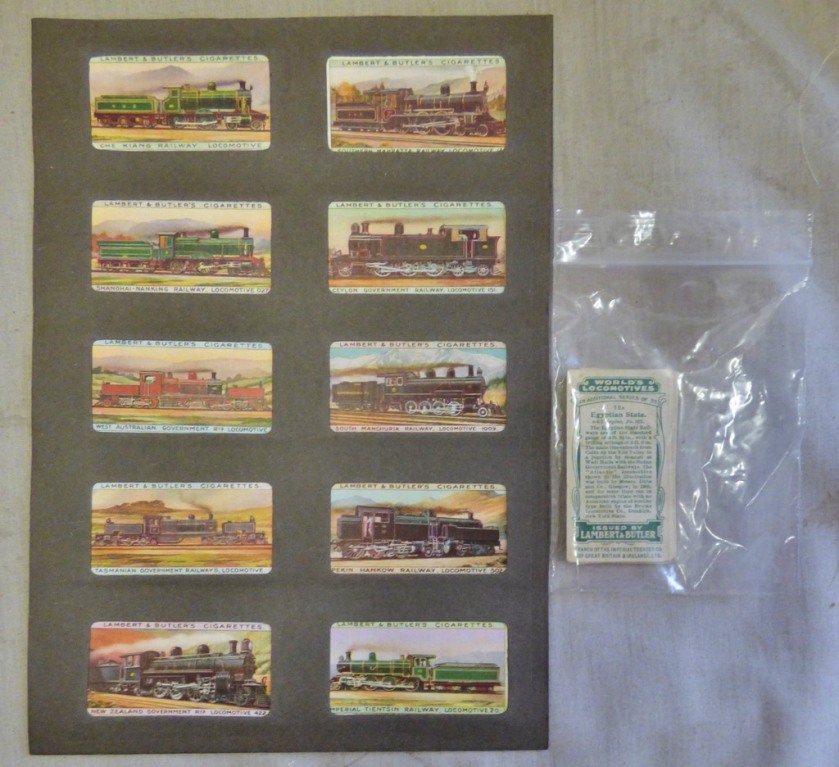
2188
Lot 2188 in Saturday’s upcoming auction.

Q IS FOR QUIZ

With my eclectic interests and retentive memory I am pretty good at quizzes (unless they are overloaded with questions about pop music), and generally enjoy taking part.

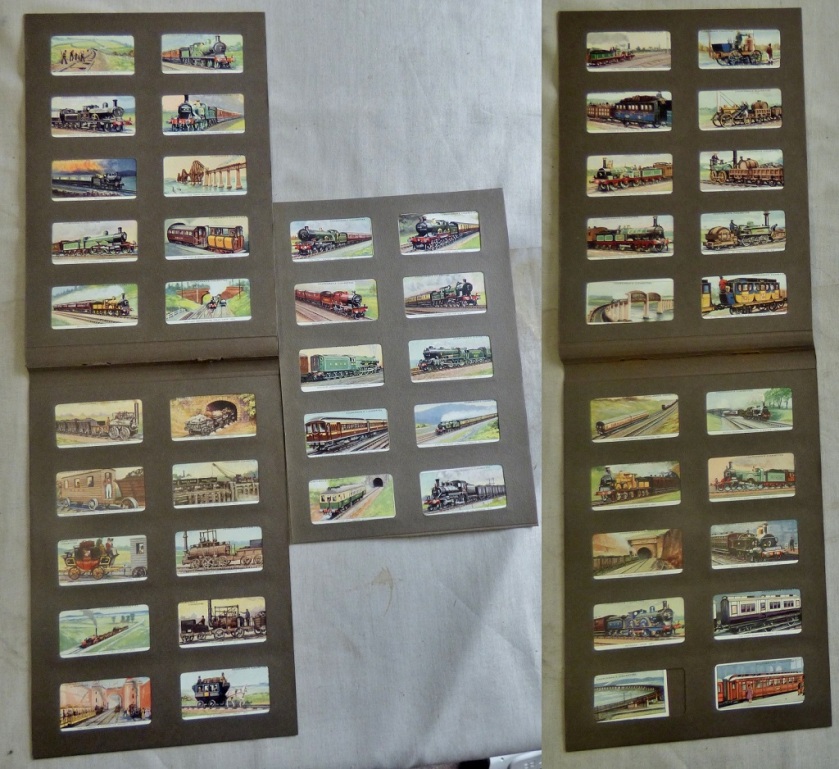
R IS FOR RAILWAYS

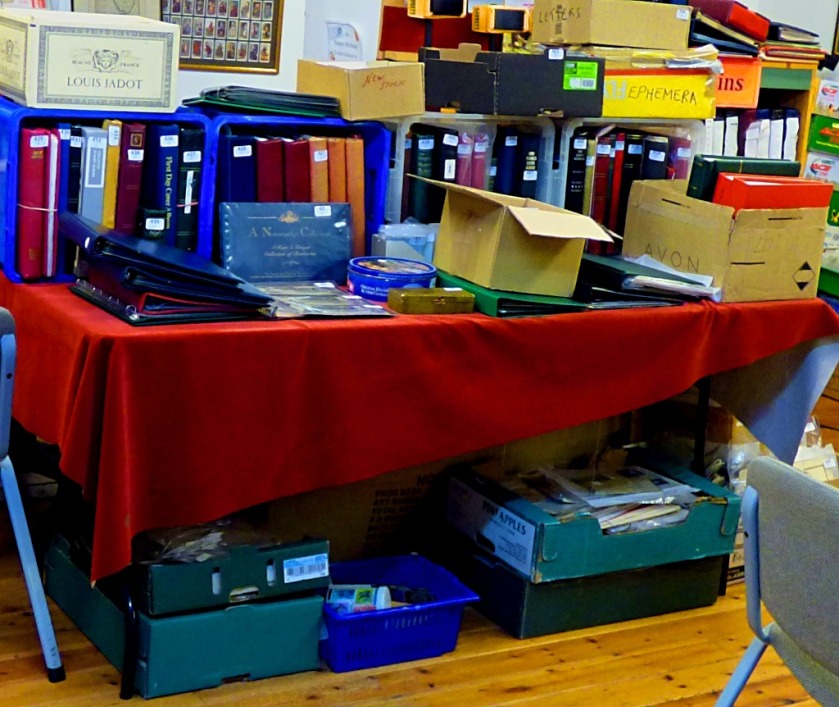
Railways are one of my special interests. I have travelled on railways in many different countries and have also built up a decent collection of railwayana. I may add to my collection on Saturday. 
20502050-a2050-b2050-c2050-d2050-e

 S IS FOR SCOTLAND AND SWEDEN

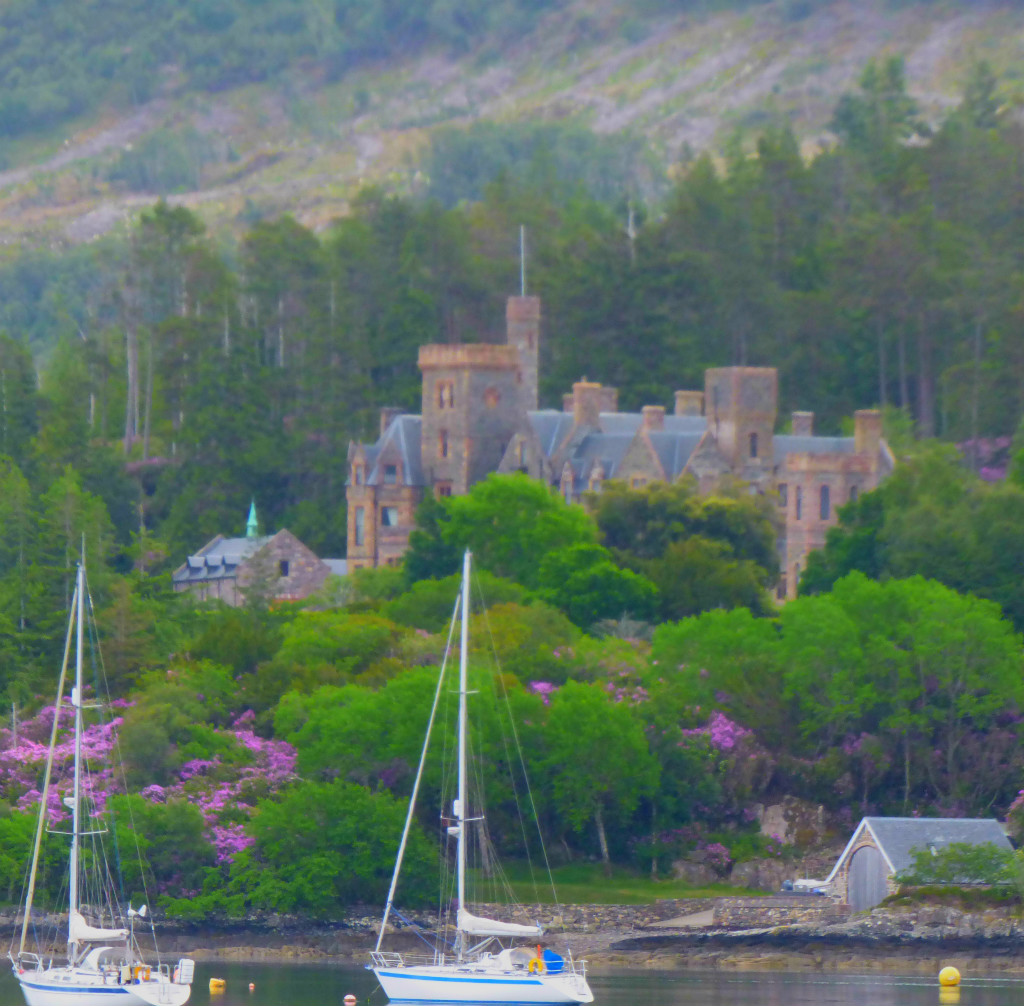
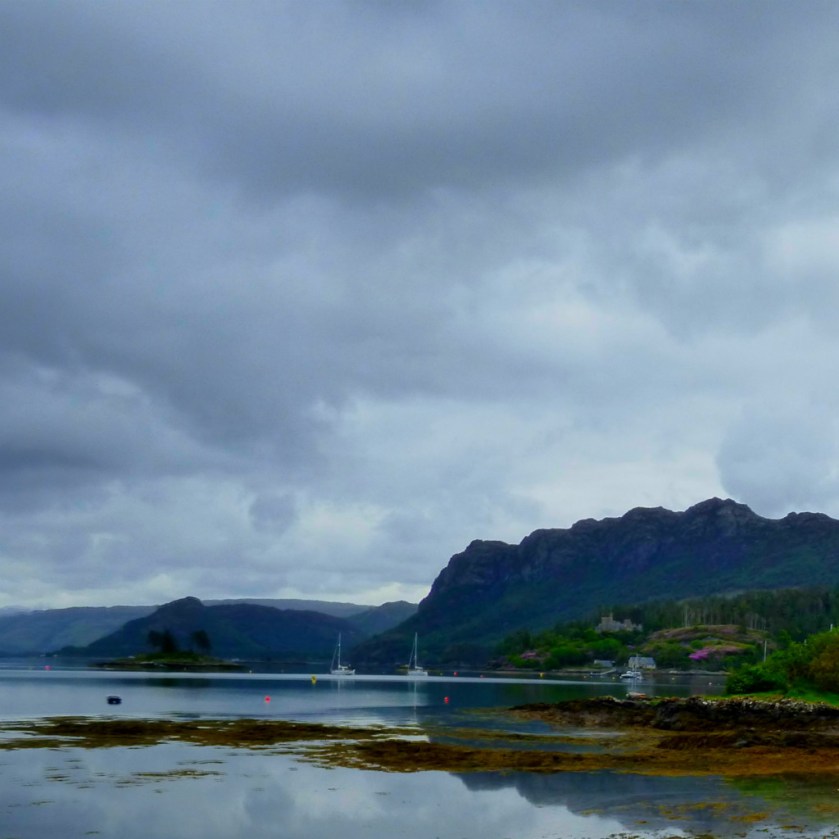
These are two of my favourite countries to visit, both very scenic. I could find no way to split them so I have decided to honour both places.I have produced a number of posts about both Sweden and Scotland. Here are a couple of pics: through the window 2A view from Strome Castle, Scotland
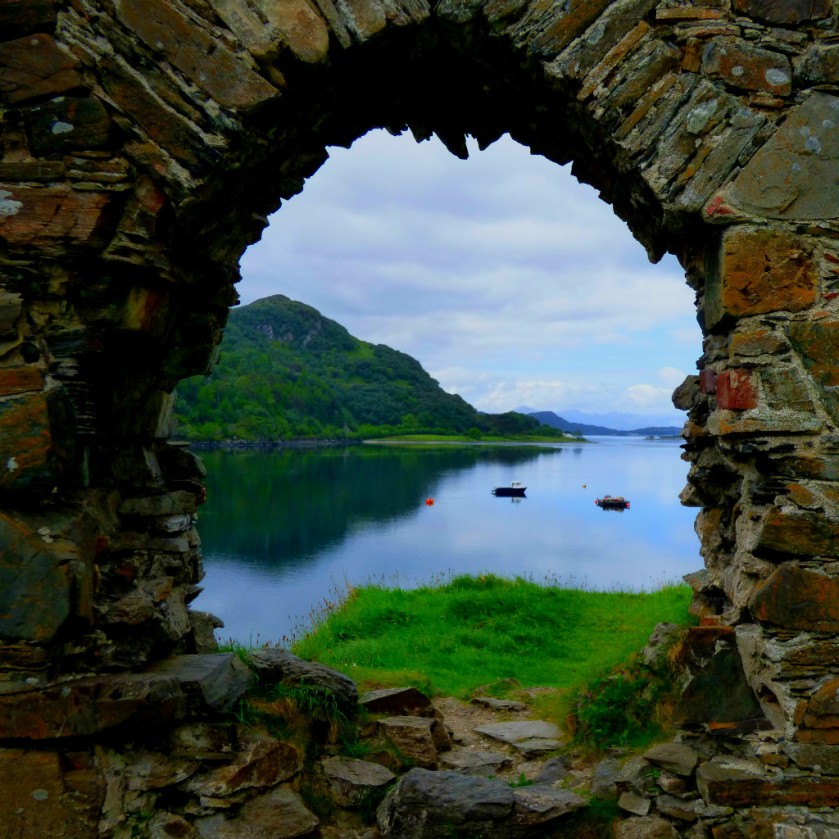
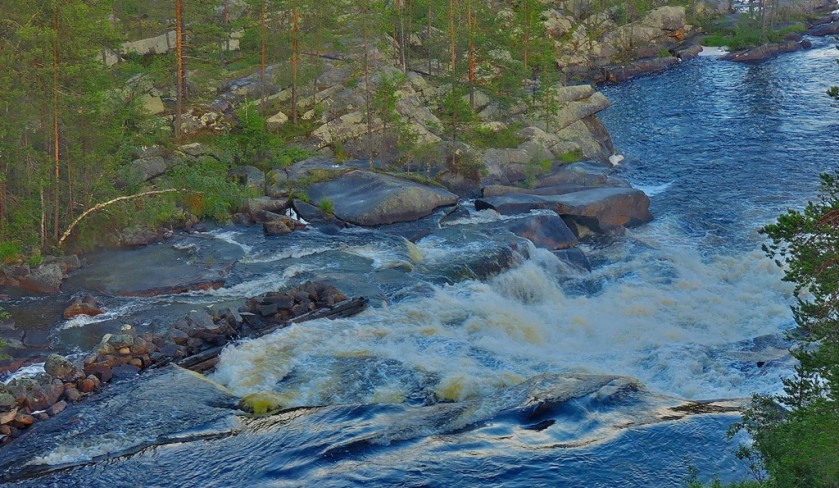
DSCN9318This river is in Northern Sweden.

T IS FOR T20

Yes – another cricket related entry. T20 (where each side bats for 20 overs) has been a great success since its introductiuon in 2003. However the new 100-balls per side competition is being too clever by half (and consigning the County Championship to the start and end of the season when conditions are least suitable for long form cricket). 

U IS FOR UNIVERSE

I find it fascination reading theories about our universe, its possible origins and its possible place in a wider cosmos. I also find the history of how we moved from considering our planet to be at the centre of a fixed universe to recognising it as pale blue dot (hat tip to Carl Sagan who wrote a book of that title) in the immensity of the cosmos to be fascinating.

V IS FOR VARIETY

One of the things I enjoy about my current job is that there is plenty of variety there. I am firmly in the camp of those who say that variety is the spice of life.

WHY EVOLUTION IS TRUE

Jerry Coyne’s 2009 book with that title remains a firm favourite (along with his more recent Faith versus Fact), and it is also the title of a blog run by Professor Coyne that I follow. 

X IS FOR EXHORT

As I near the end of this post I exhort you to produce your own version – it is time consuming but fun. You have seen my version, and if you followed the opening link you have seen the version that inspired me to take on this challenge – now go and do likewise!

Y IS FOR YARBOROUGH

This is a bit of a cheat – it is my way of mentioning the game of Bridge which is a firm favourite of mine. A yarborough is a hand with no card higher than a nine and 4-3-3-3 distribution, and is named in honour of Lord Yarborough who had all bridge players at his house contribute a guinea to a kitty, while if someone had the misfortune to be dealt the hand that now bears his name they got 1,000 guineas (he was on to a winner – the actual odds against the hand coming up are 1827 to 1). I do not get to play very often but I am a pretty good player of the game.

Z IS FOR ZOOM

A zoom lens can be a real boon for a photographer (my current camera has a zoom capacity of up to 60X) – a little tip from experience is to not stretch the zoom lens right to its limits – leave a bit of space around whatever you are photographing (you can always crop it out during the editing process). This post was inspired by a Cornish blogger, so I end with a Cornish picture.

St Michael's Mount and Flying Gull


Lot 1047

A detailed look at lot 1047 from James and Sons’ April Auction.

INTRODUCTION

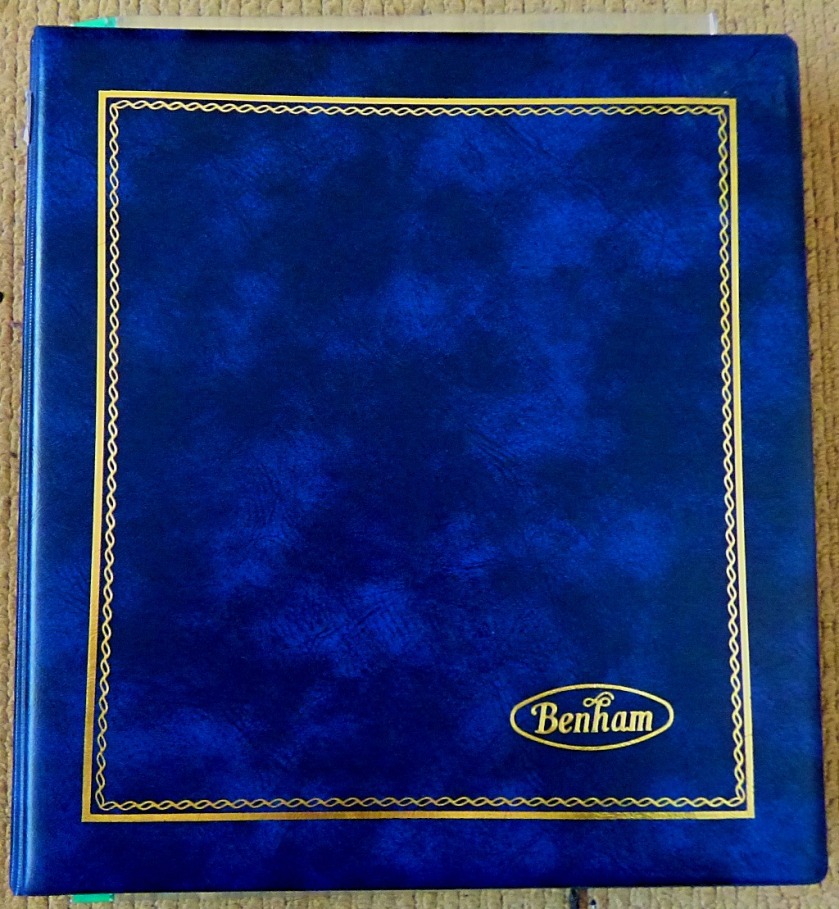
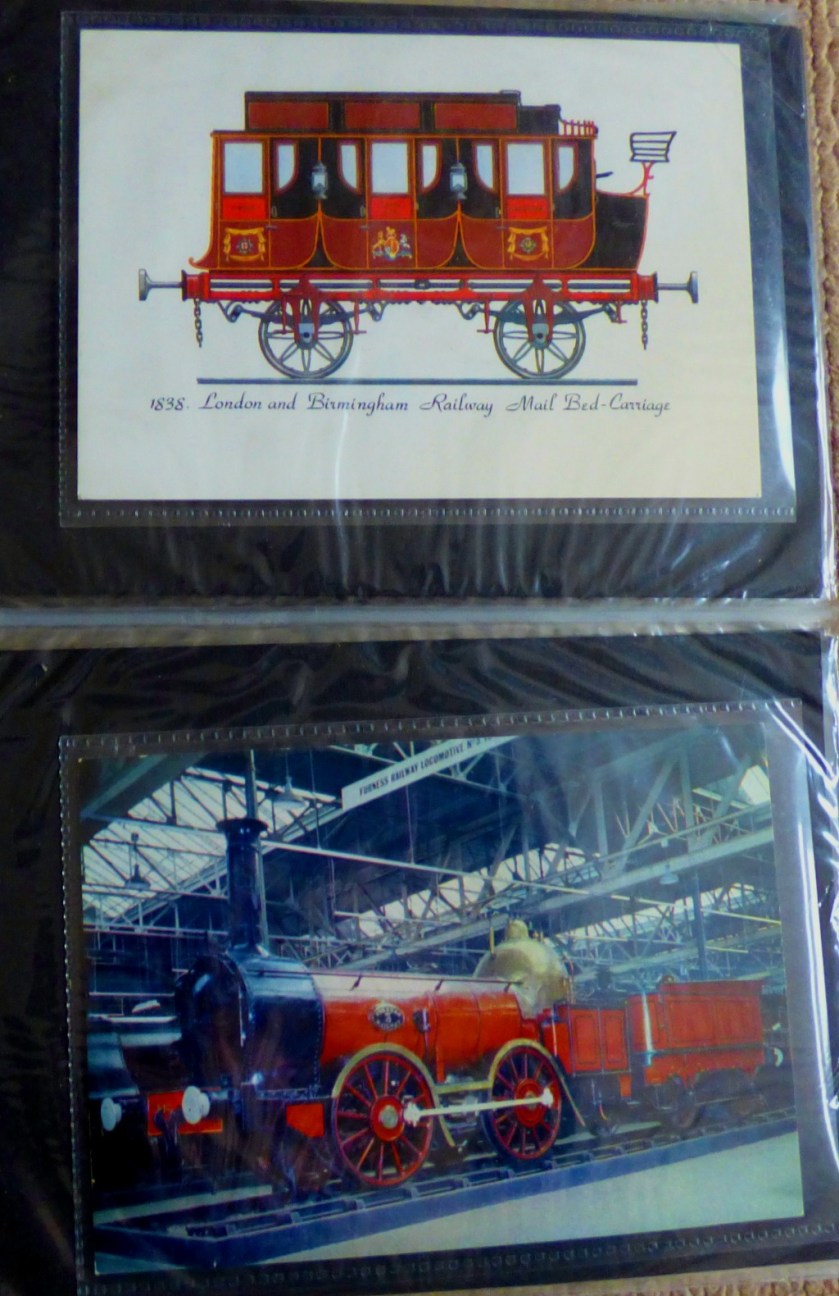
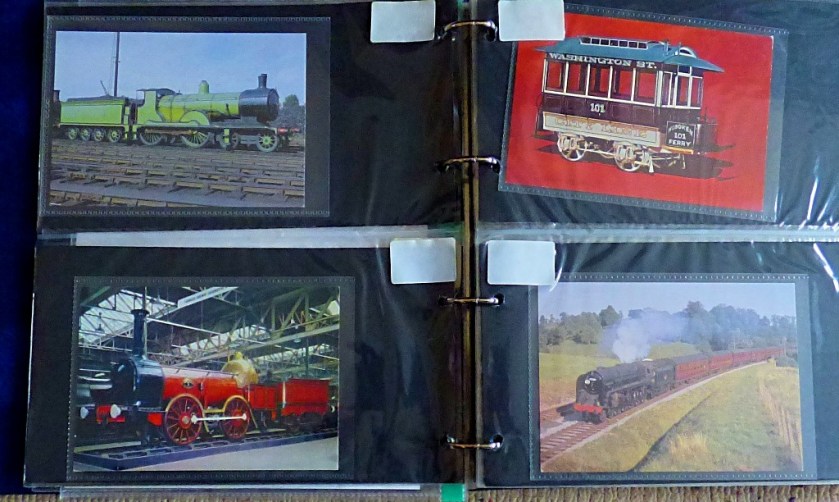
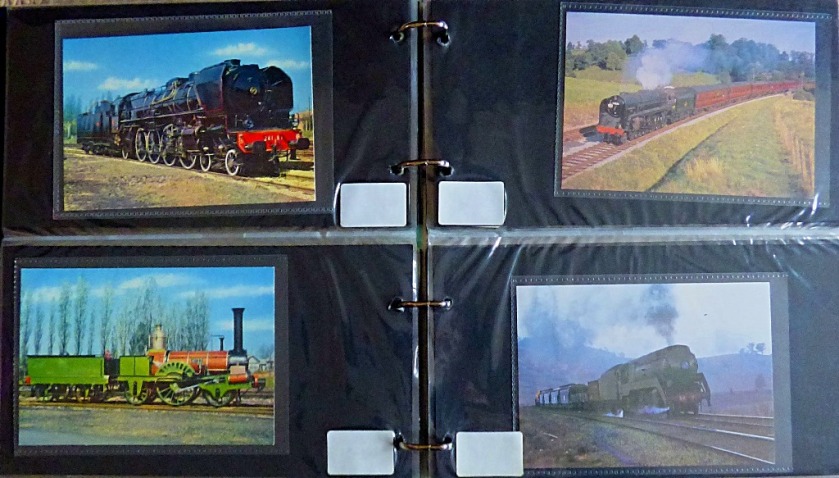
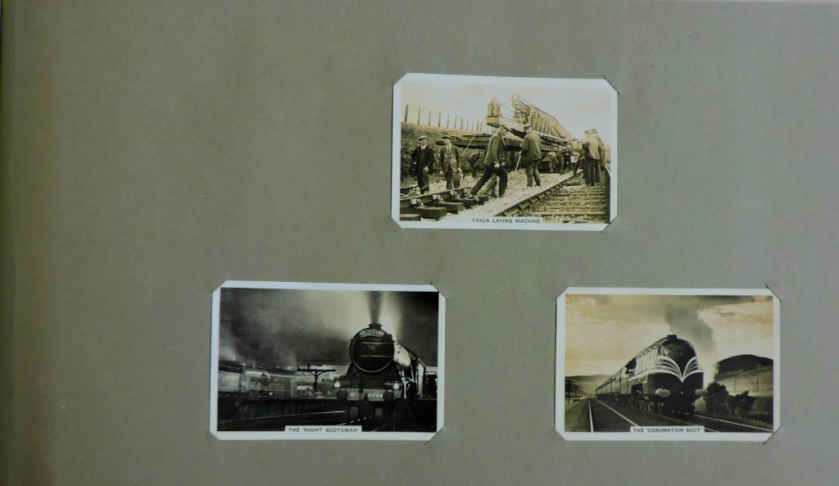
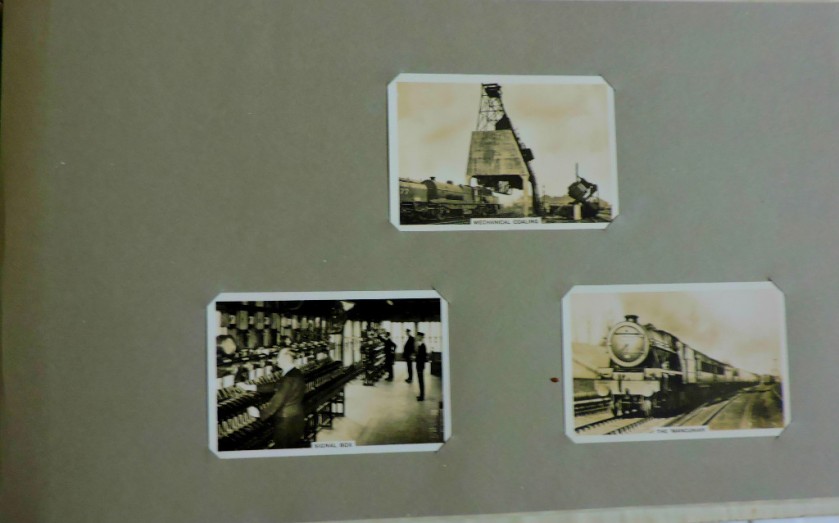
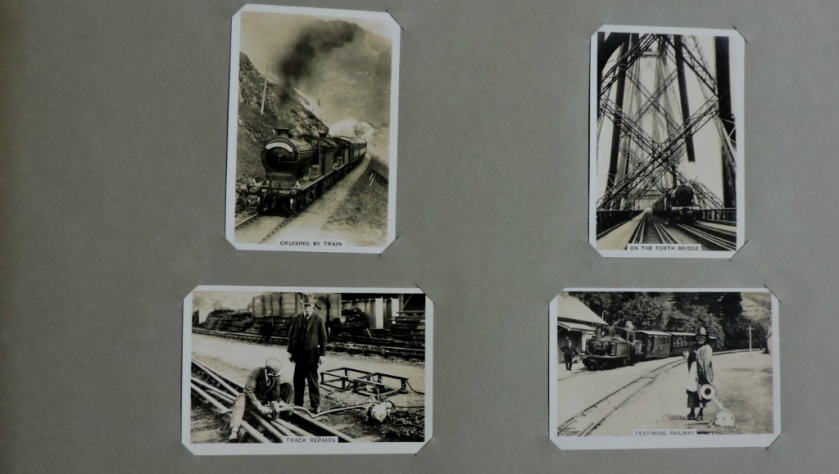
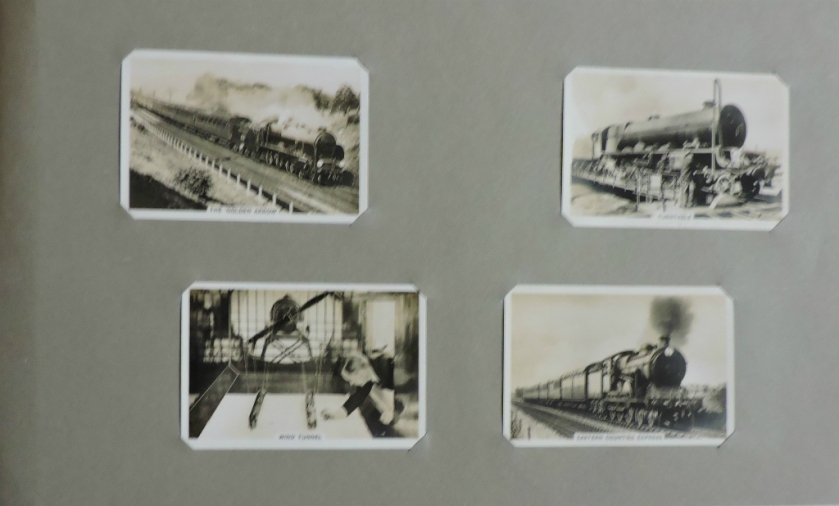
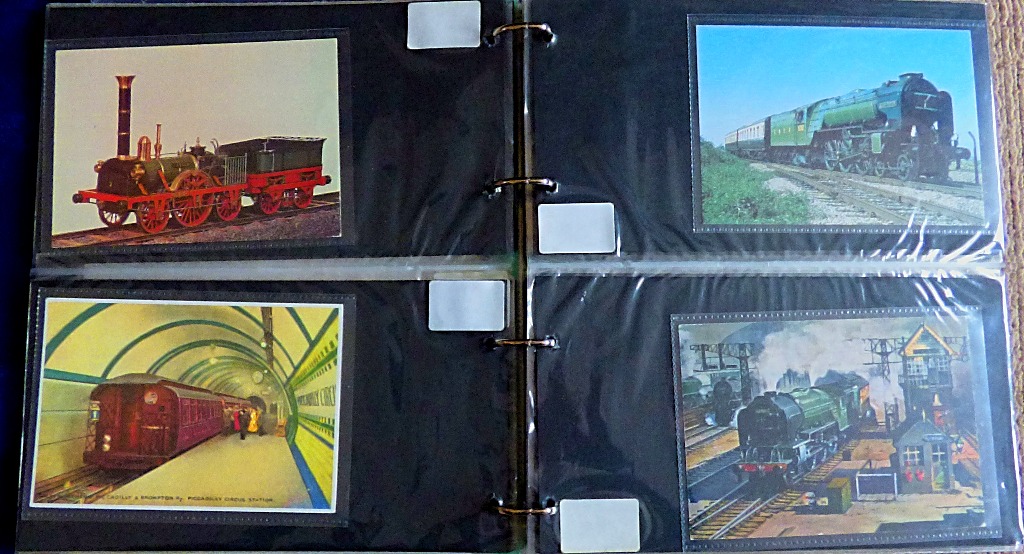
When I did my post about James and Sons’ April Auction I said that I would be devoting a whole post lot 1047, an album of railway postcards that fell to me, and here it is.

IMAGING LOT 1047

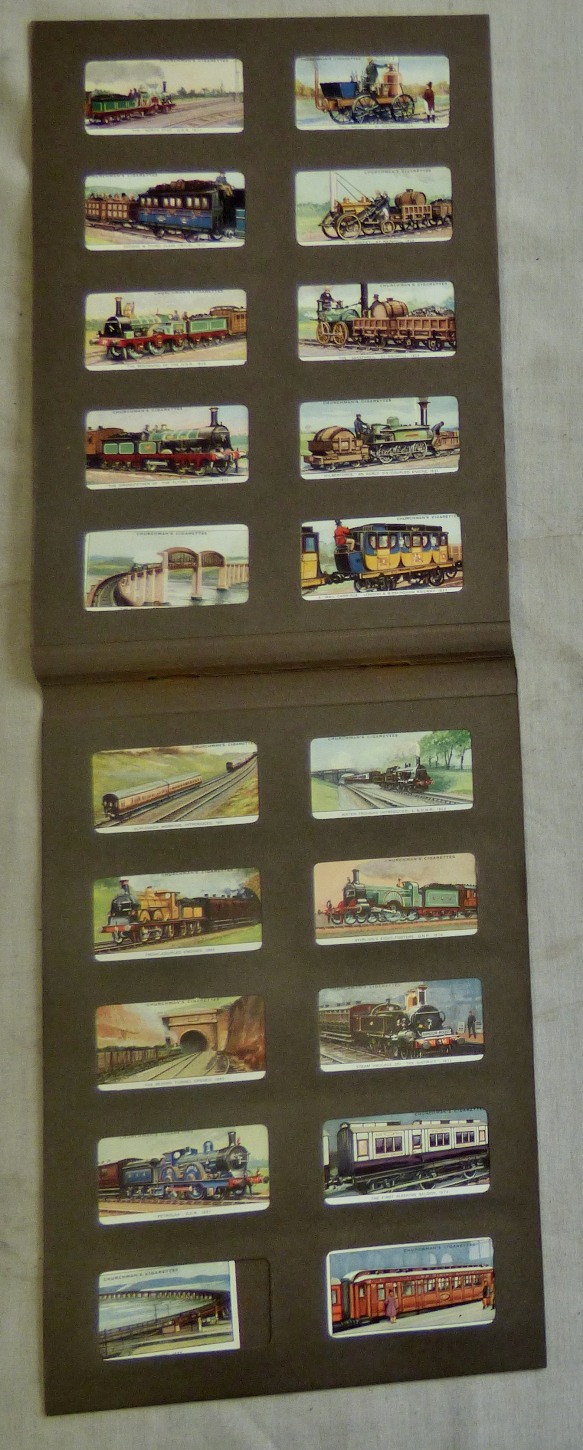
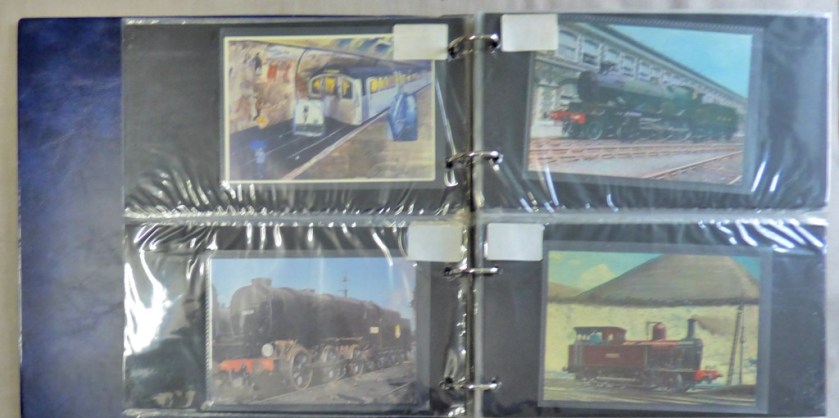
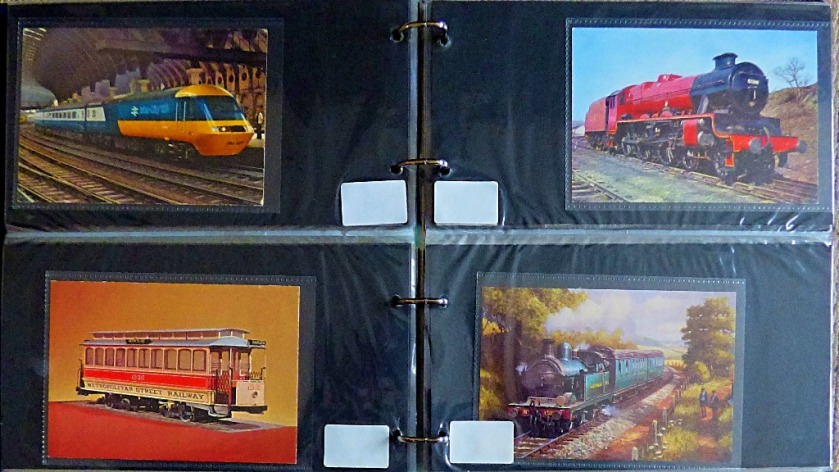
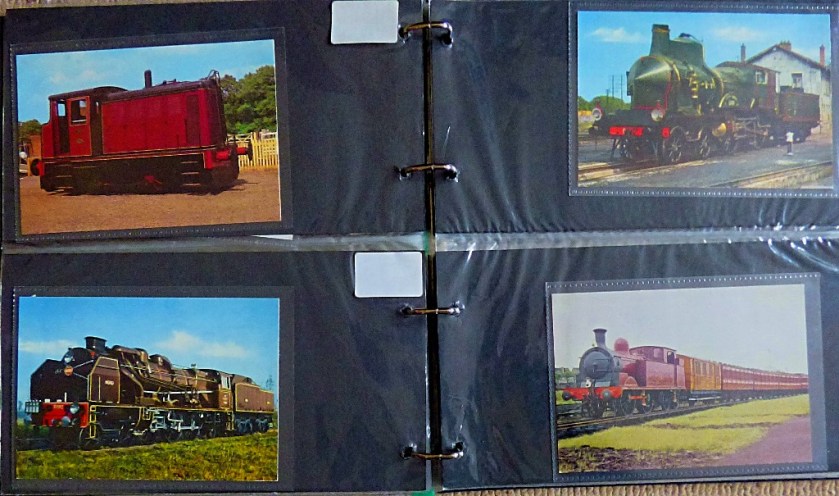
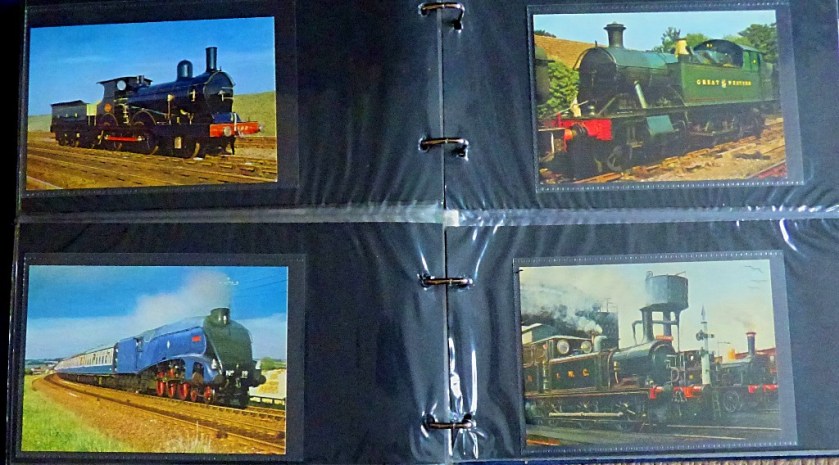
I had time for only one close up in addition to a sample shot of four images, so this is what I did:

1047

1047-a

LOT 1047 IN DETAIL

Here are is a detailed look through look lot 1047:

Front Cover1234567891011121314151617181920

Acts of Parliament Relating to Railways

A little bit more detail on my latest acquisition.

INTRODUCTION

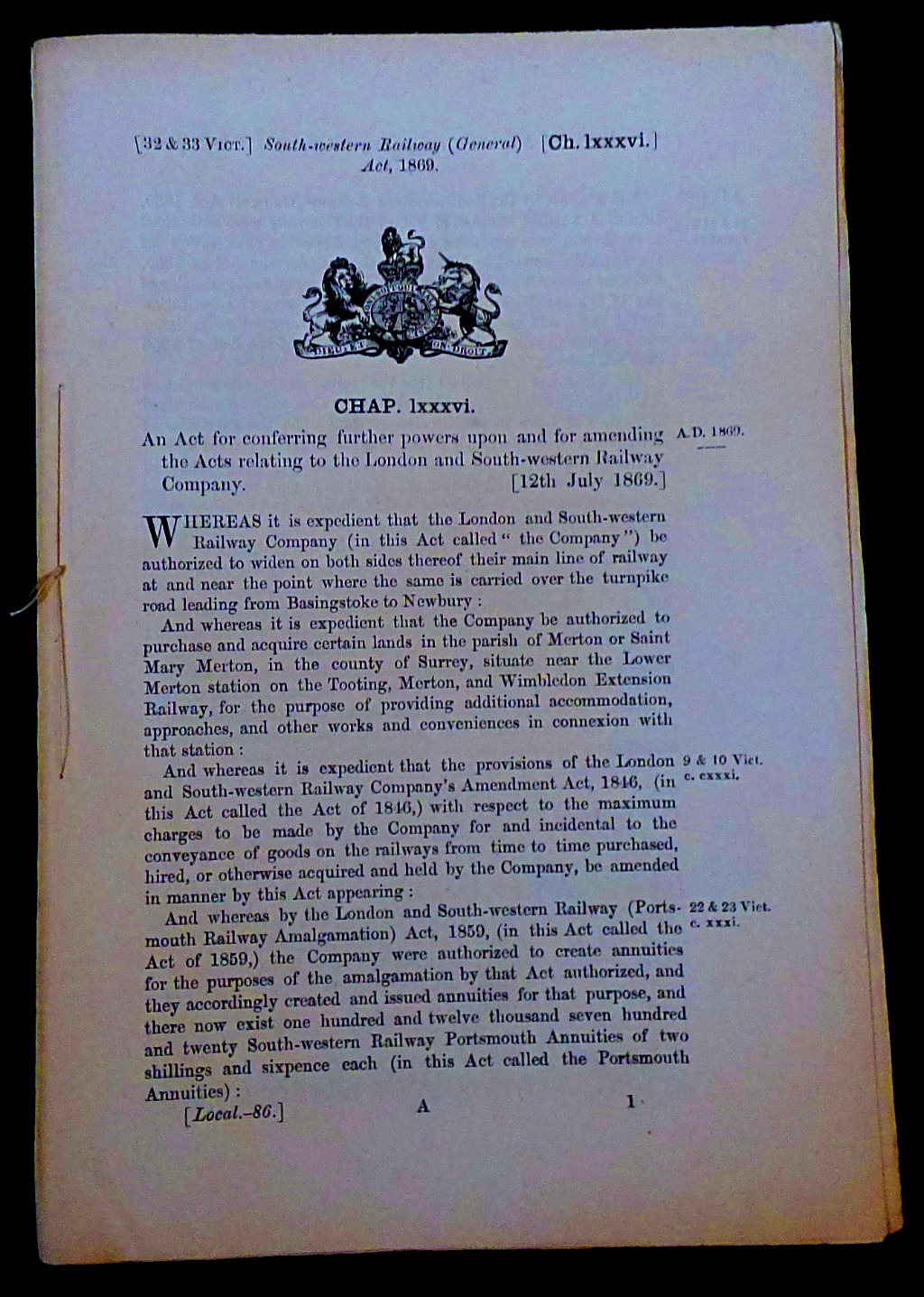
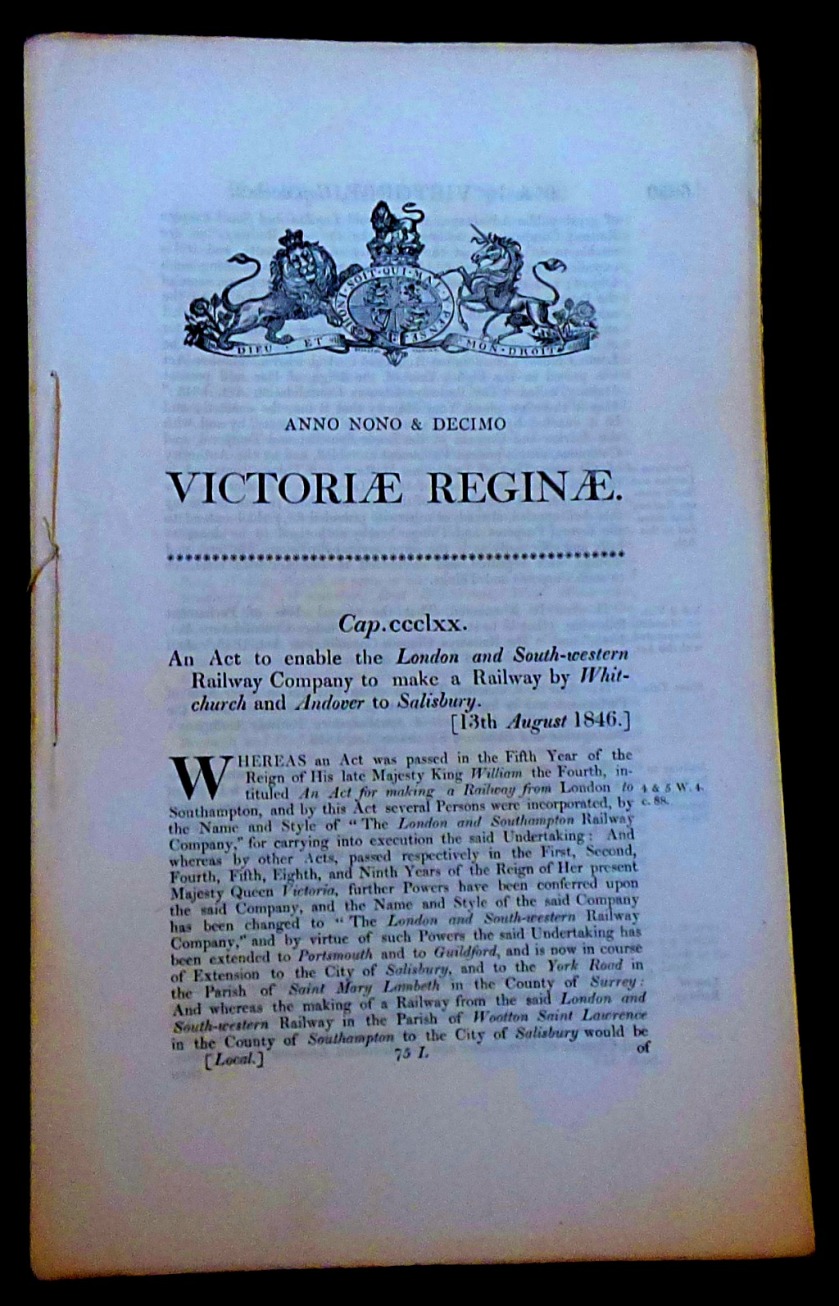
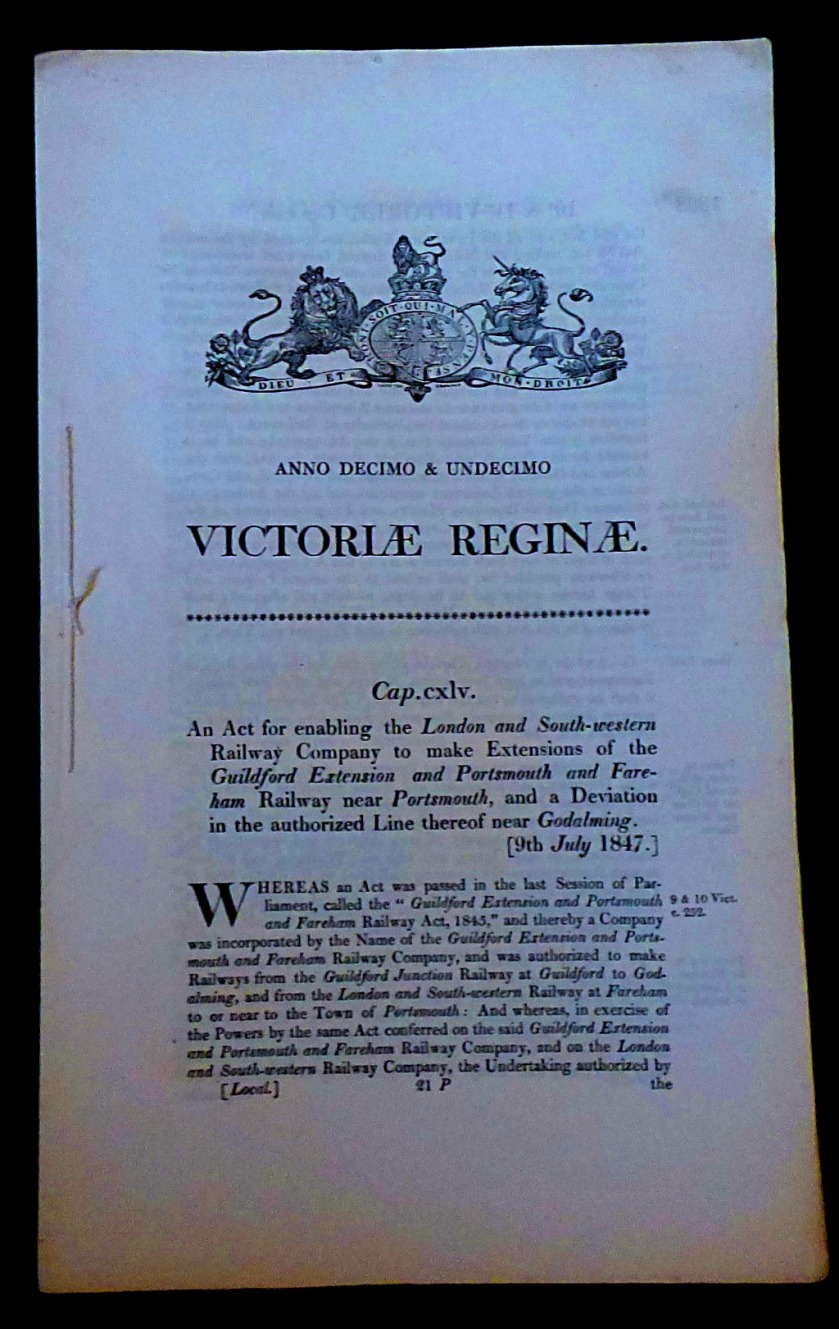
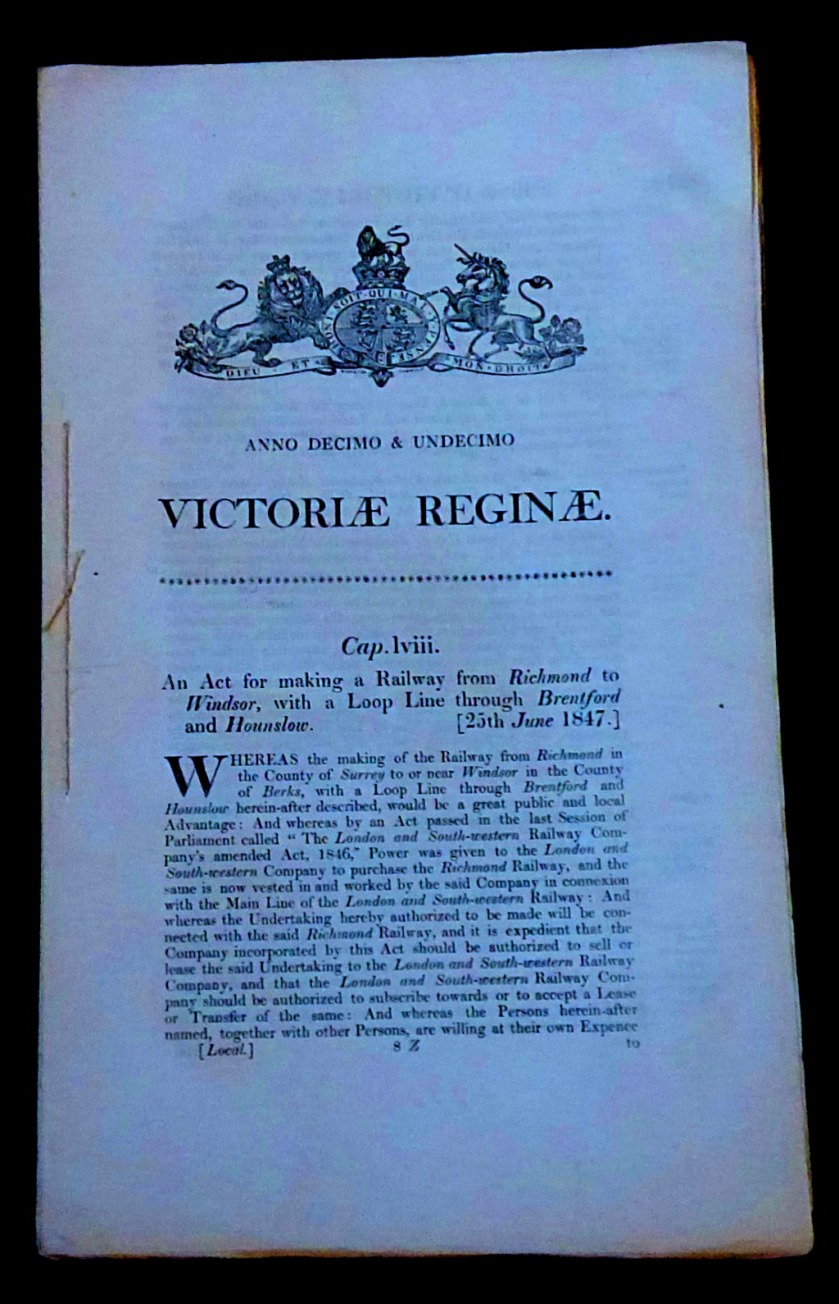
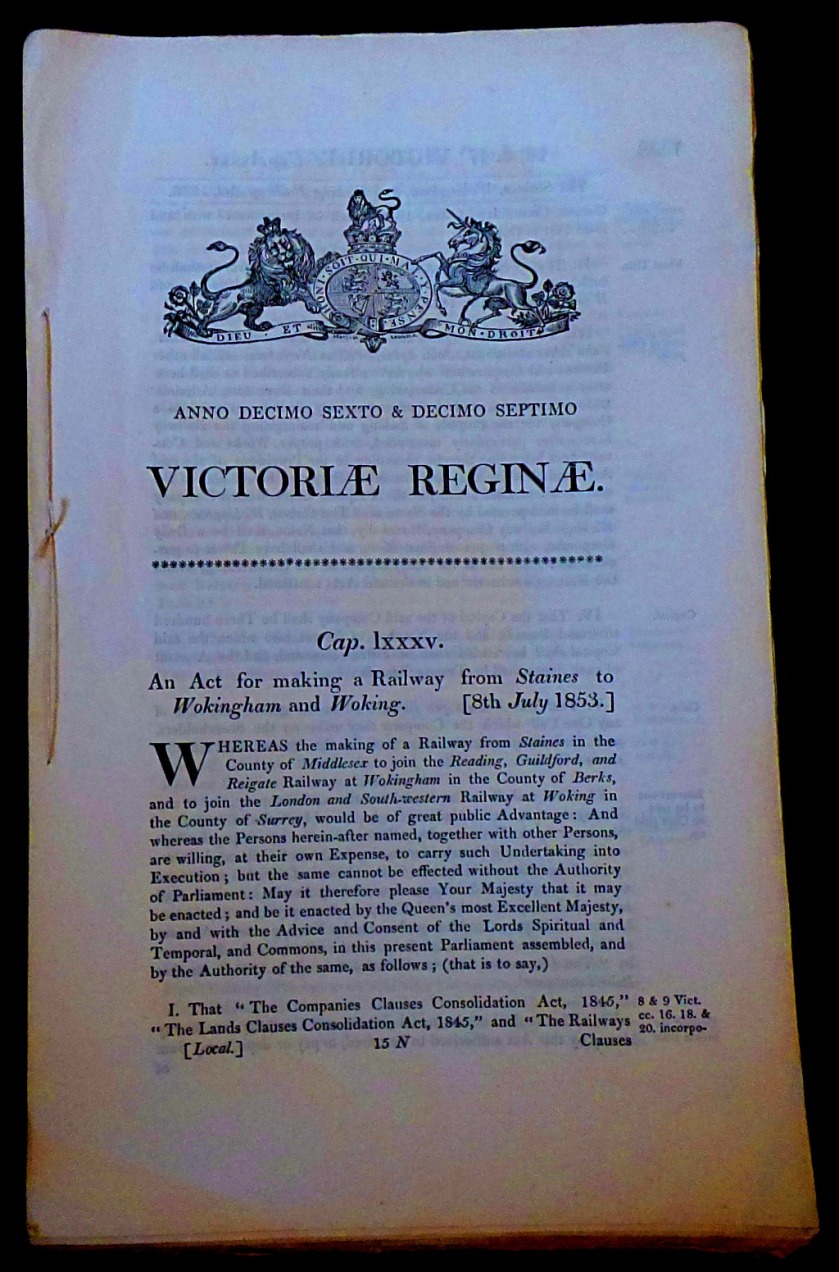
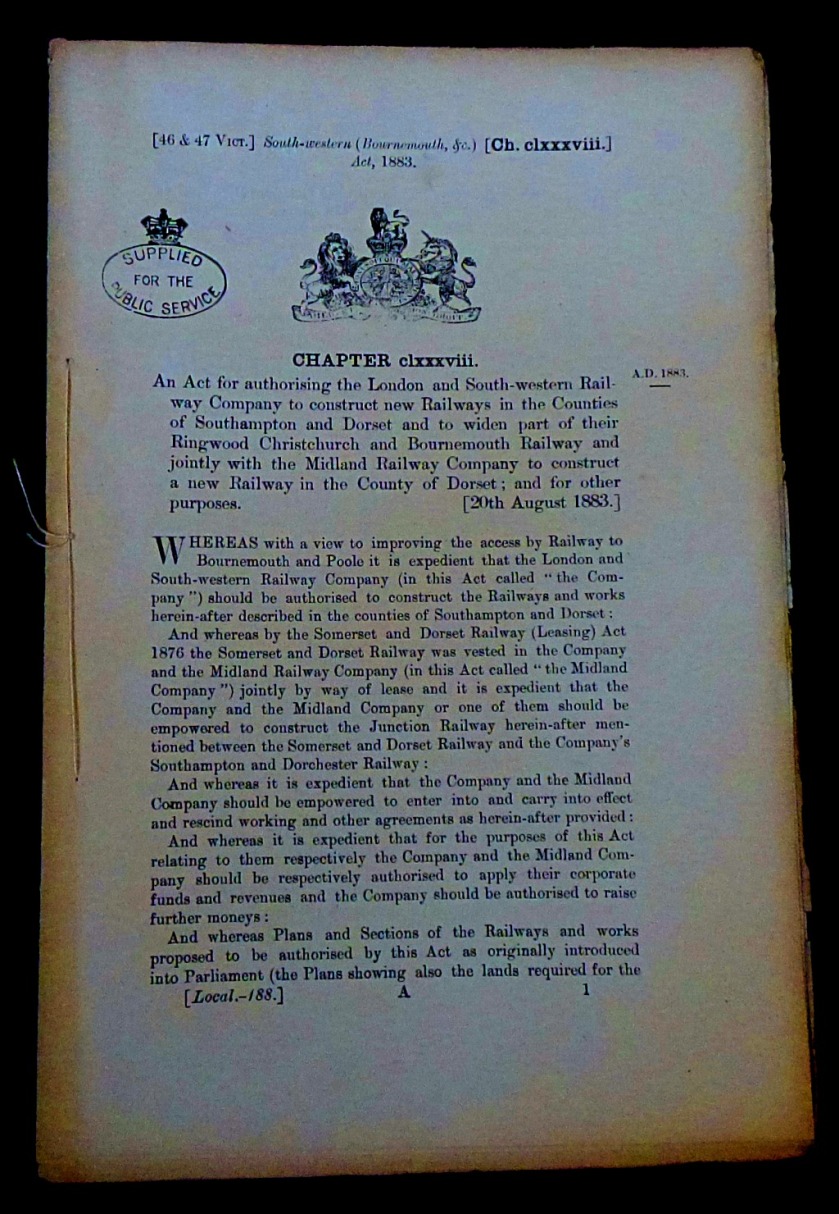
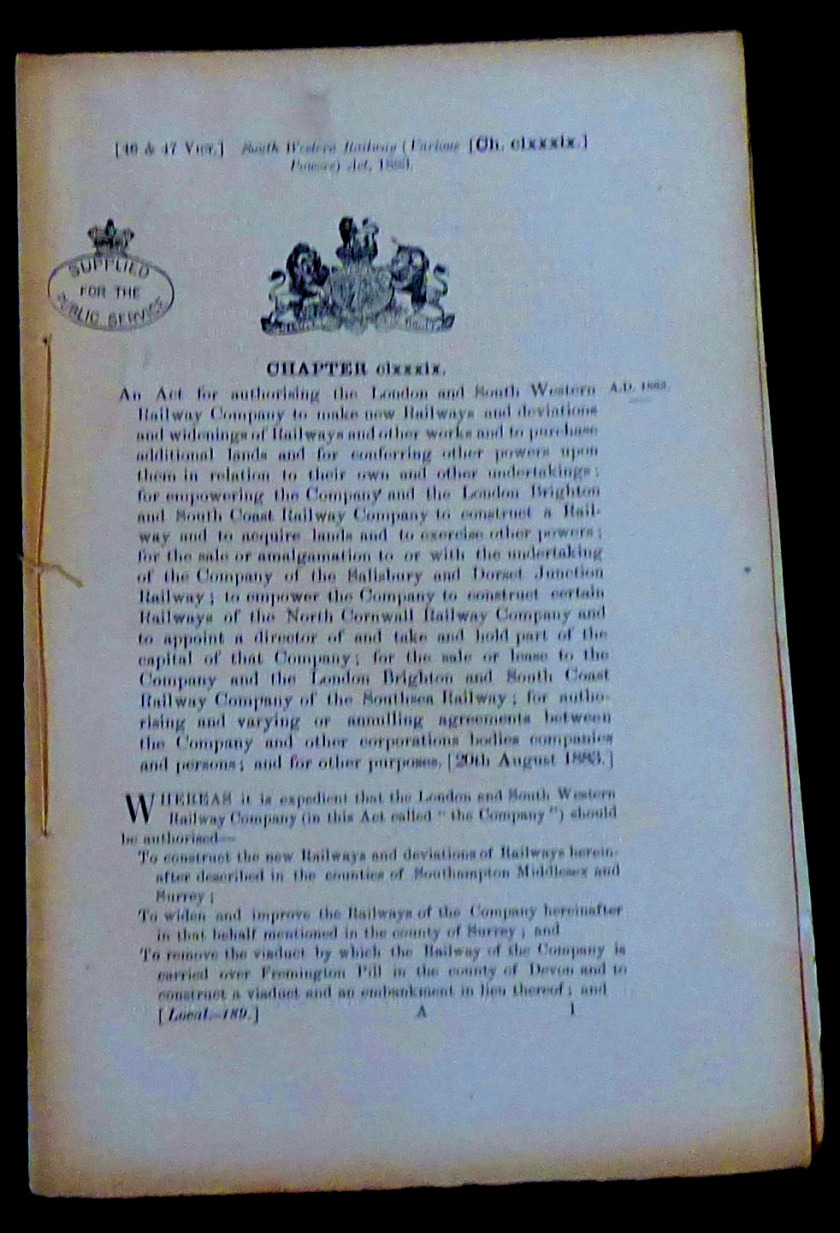
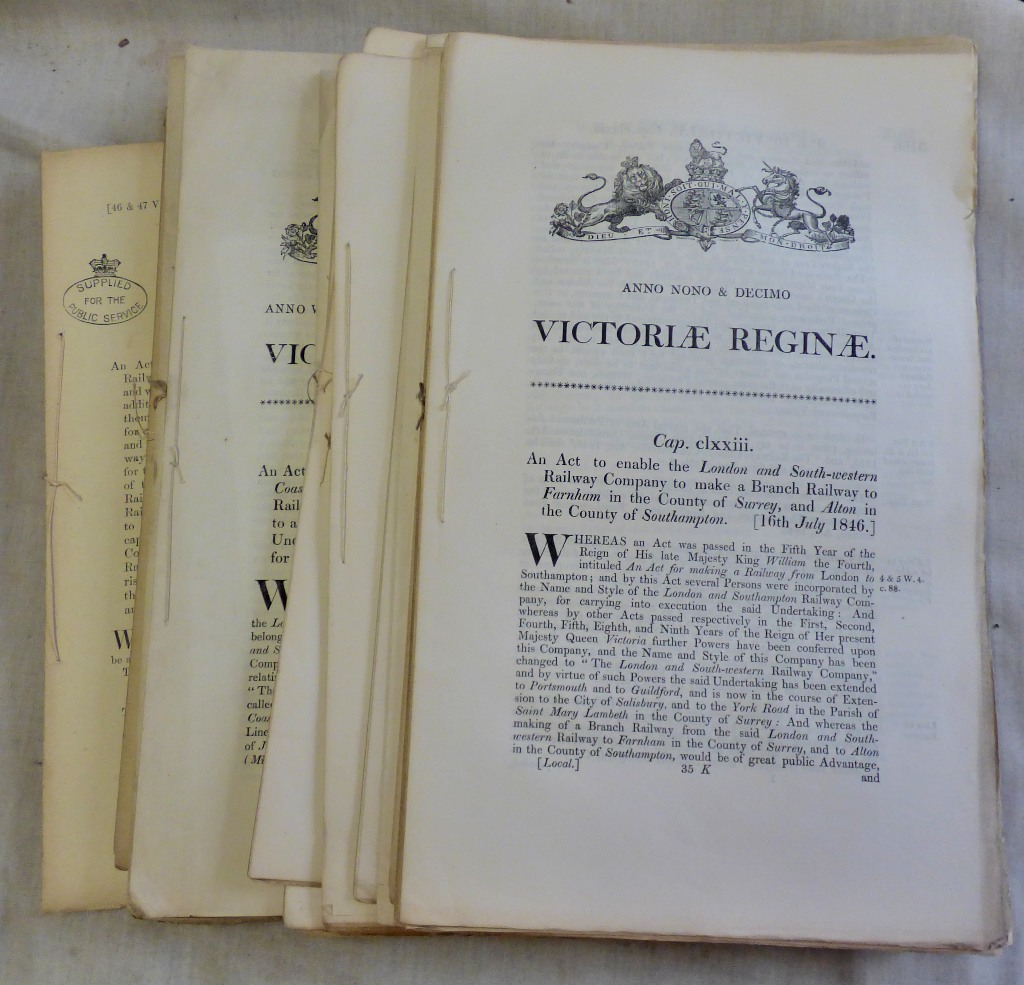
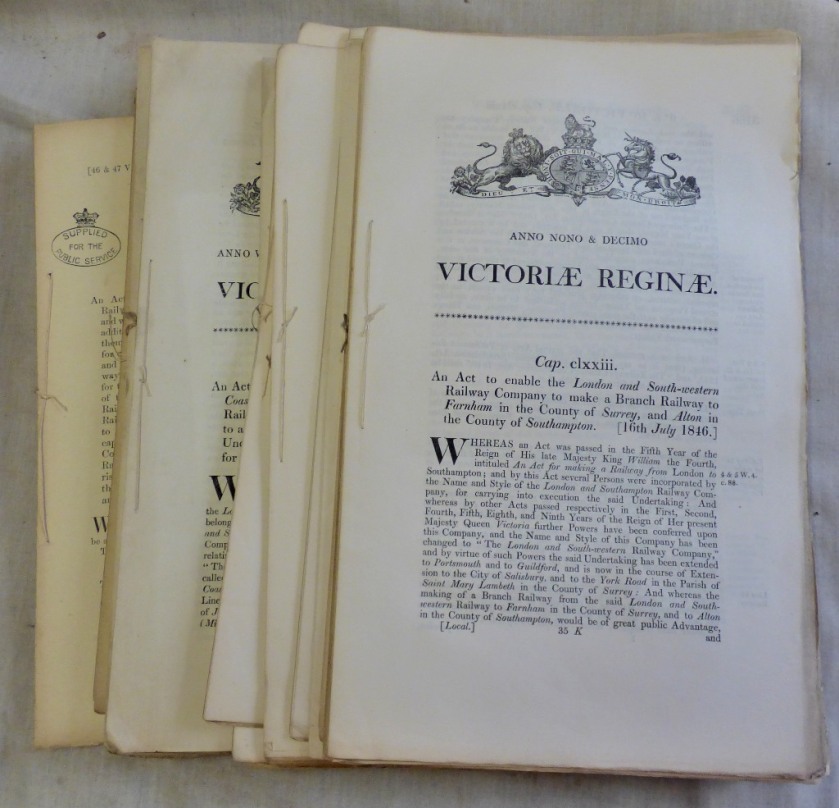
Those of you who read my post about James and Sons last auction of 2017 will recall that I secured a collection of copies of Acts of Parliament relating to the development of railways. I am now going to provide a little more detail about each item in that collection.

LOT 544 ACT BY ACT

I am going through these documents in the precise order in which I came across them when I photographed them individually on Friday, starting with…

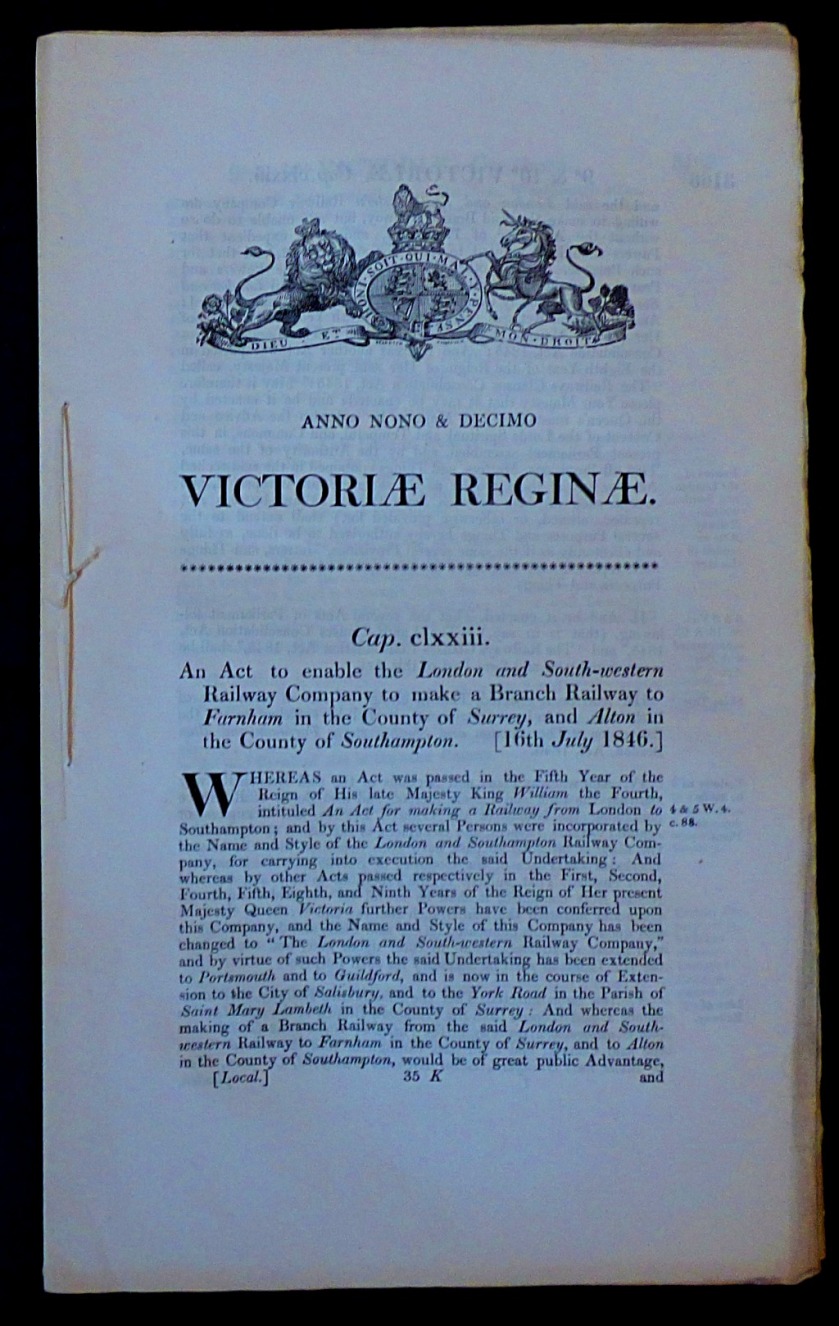
FARNHAM AND ALTON

Farnham and Alton

The section of line this refers to is a branch that diverges from the main line towards Basingstoke and Salisbury at Brookwood, calling at Ash Vale, Aldershot, Farnham, Bentley and Alton. These days there is also a side branch from Aldershot to Ash, Wanborough and Guildford. 

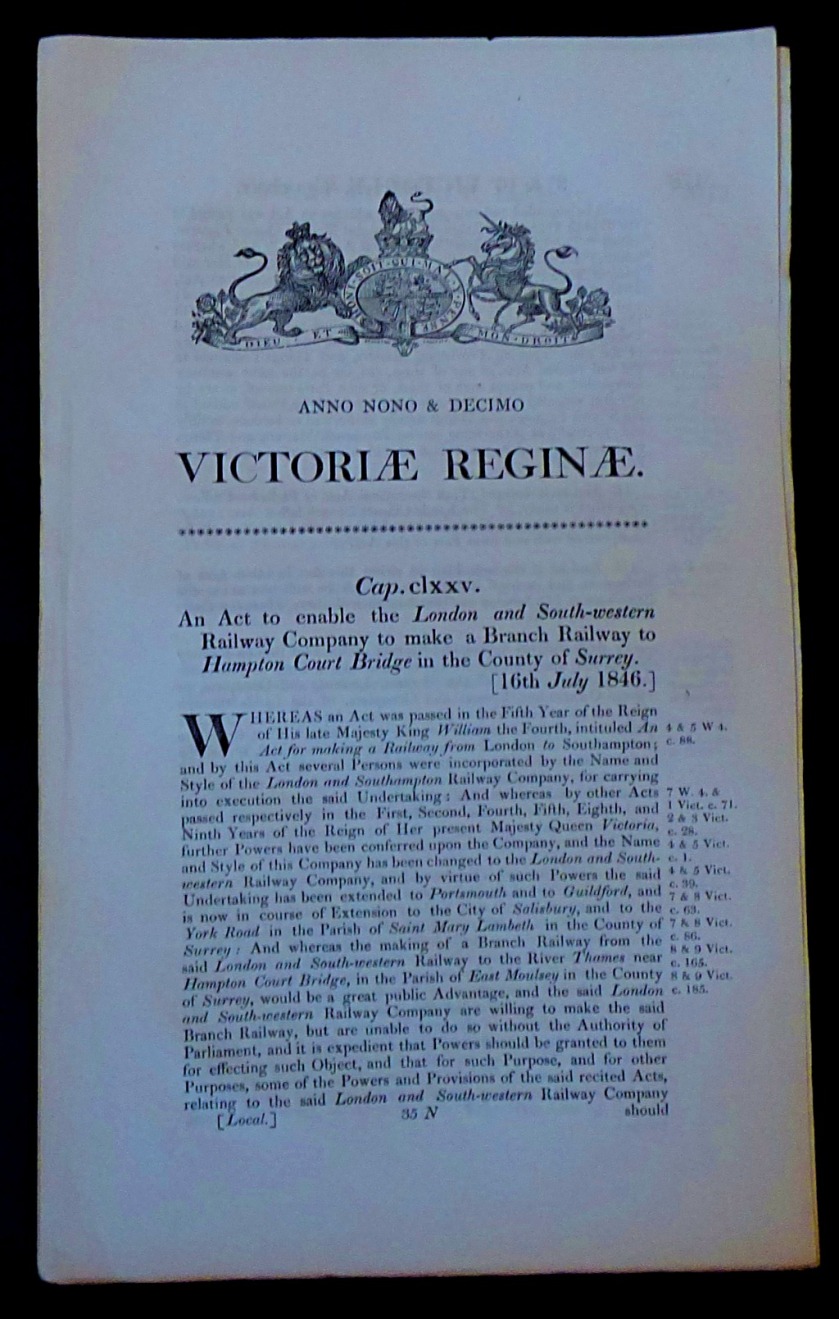
HAMPTON COURT

Hampton Court

This little branch, which is still very much in service today diverges from the main line at Surbiton and has only two further stations, Thames Ditton and Hampton Court. More information about Hampton Court itself can be found here. I cover a potential use for this branch as part of a greater whole in this post.
EGHAM AND CHERTSEY

Egham and Chertsey

This branch, which diverges from the Waterloo-Reading route at Virginia Water has stations at Chertsey, Addlestone and Weybridge, the last named of which offers an jinterchange to the main London-Portsmouth route. This branch, still very much in service, is a part of my envisioned London Orbital Railway.
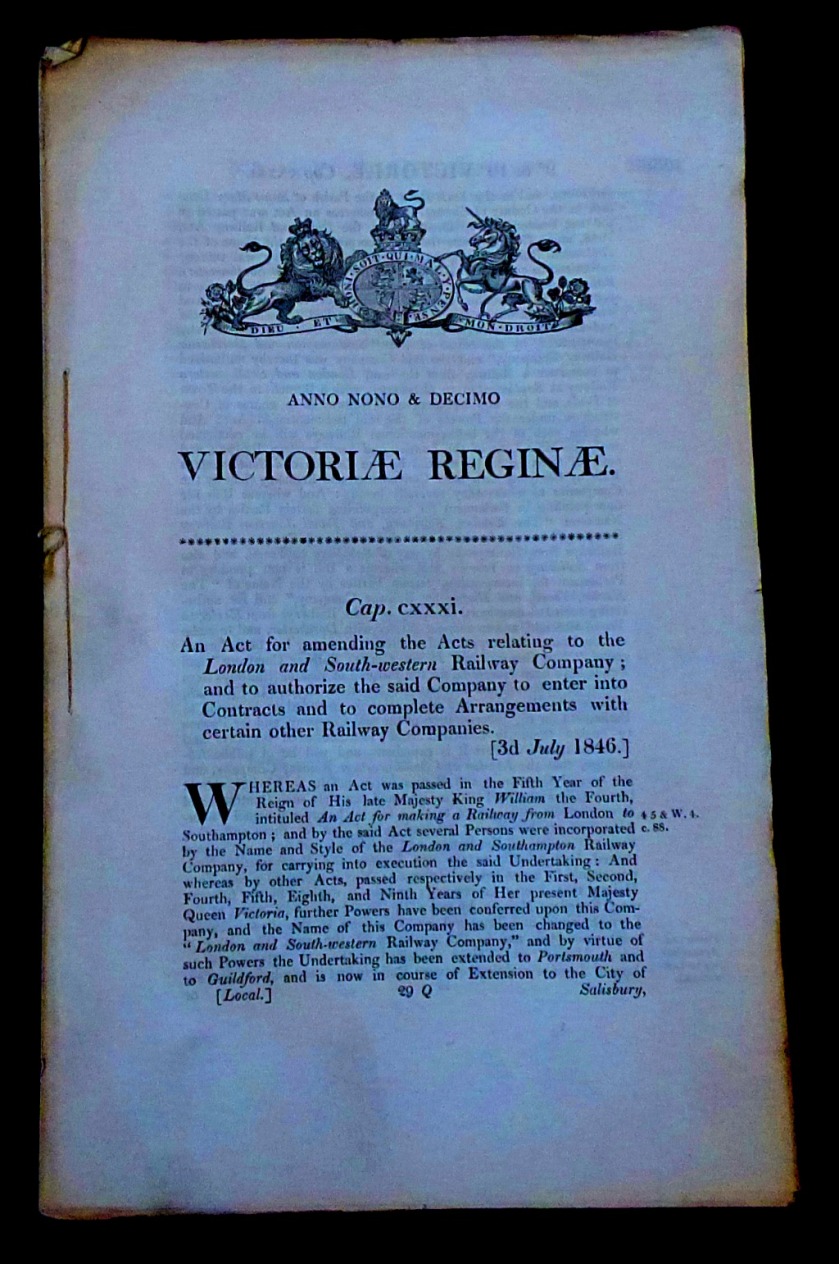
ARRANGEMENTS WITH OTHER RAILWAY COMPANIES

Arrangements with other railway companies

Rather than dealing with specific infrastructure plans this one seeks to provide the London & South Western with powers to make arrangements with other railway companies. The necessity of bills of this nature, and the fact that on many occasions the companies concerned were at such loggerheads with each other as to be chiefly concerned with doing one another down rather than with providing the best possible service hints at serious weaknesses with having railways in private hands. 

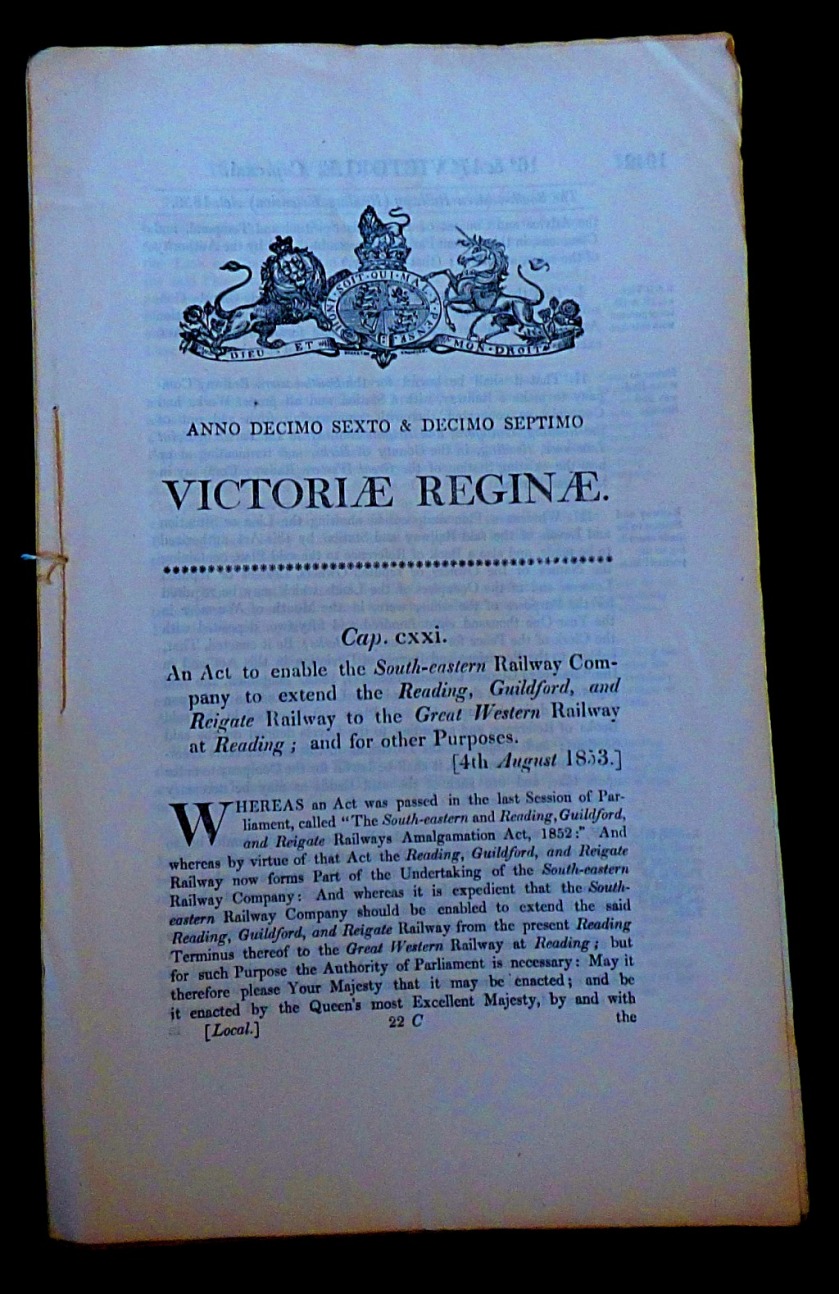
READING, GUILDFORD AND REIGATE

Reading, Guildford & Reigate

This is a substantial line, running in fact from Reading to Redhill, one stop beyond Reigate, and these days having a southern spour from Redhill to Gatwick Airport. There are intermediate stations at Earley, Winnersh Triangle, Winnersh, Wokingham, Crowthorne, Sandhurst, Blackwater, Farnborough North, North Camp, Ash, Guildford, Shalford, Chilworth, Gomshall, Dorking West, Dorking Deepdene and Betchworth. 

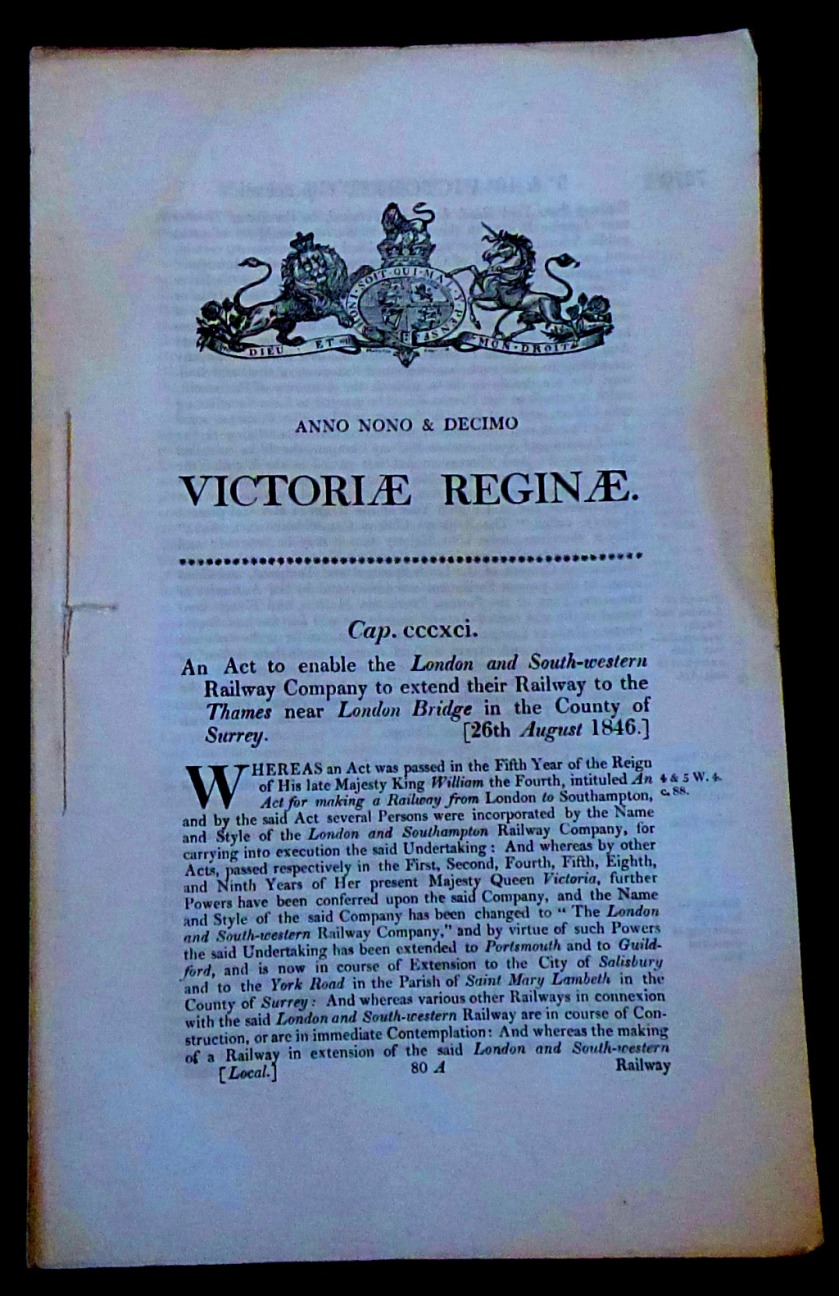
LONDON BRIDGE

London Bridge

This was a matter of gaining access to a major London terminus. Today London Bridge remains a very major station, with interchanges to London Underground’s Northern and Jubilee lines.

WHITCHURCH, ANDOVER & SALISBURY

Whitchurch, Andover and Salisbury

This refers to the section of line that heads west from Basingstoke calling at Overton, Whitchurch, Andover, Grateley and Salisbury. 

GUILDFORD, FAREHAM AND PORTSMOUTH

Guildford, Fareham, Portsmouth

This covers half of the line between Portsmouth and Southampton on todays network and the stretch from Portsmouth to Guildford which goes by way of Fratton, Hilsea, Bedhampton, Rowlands Castle, Petersfield, Liss, Liphook, Haslemere, Witley, Milford, Godalming and Farncombe.

RICHMOND TO WINDSOR

Richmond to Windsor

Both the Hounslow loop and the line to Windsor are still very much part of the network. This is one of two lines to Windsor, the other of which runs as a shuttle service between Slough and Windsor. These two branches which currently have terminuses so close together feature in a scheme I have in mind for the District line.

STAINES TO WOKING AND WOKINGHAM

Staines to Wokingham and Woking

These days there is no direct connection from Staines to Woking. The other route, with stations at Egham, Virginia Water, Longcross, Sunningdale, Martins Heron and joining the western end of the Reading and Reigate line referred to earlier at Wokingham. When I attended Richmond Upon Thames I sometimes used trains travellingf this route because they used to go non-stop between Richmond and Clapham Junction. In those distant days the rolling stock had doors that had to be opened and closed by hand – no push buttons on that line, and it needed either considerable care or a willingness to make a very loud bang to be sure that the doors actually were closed.

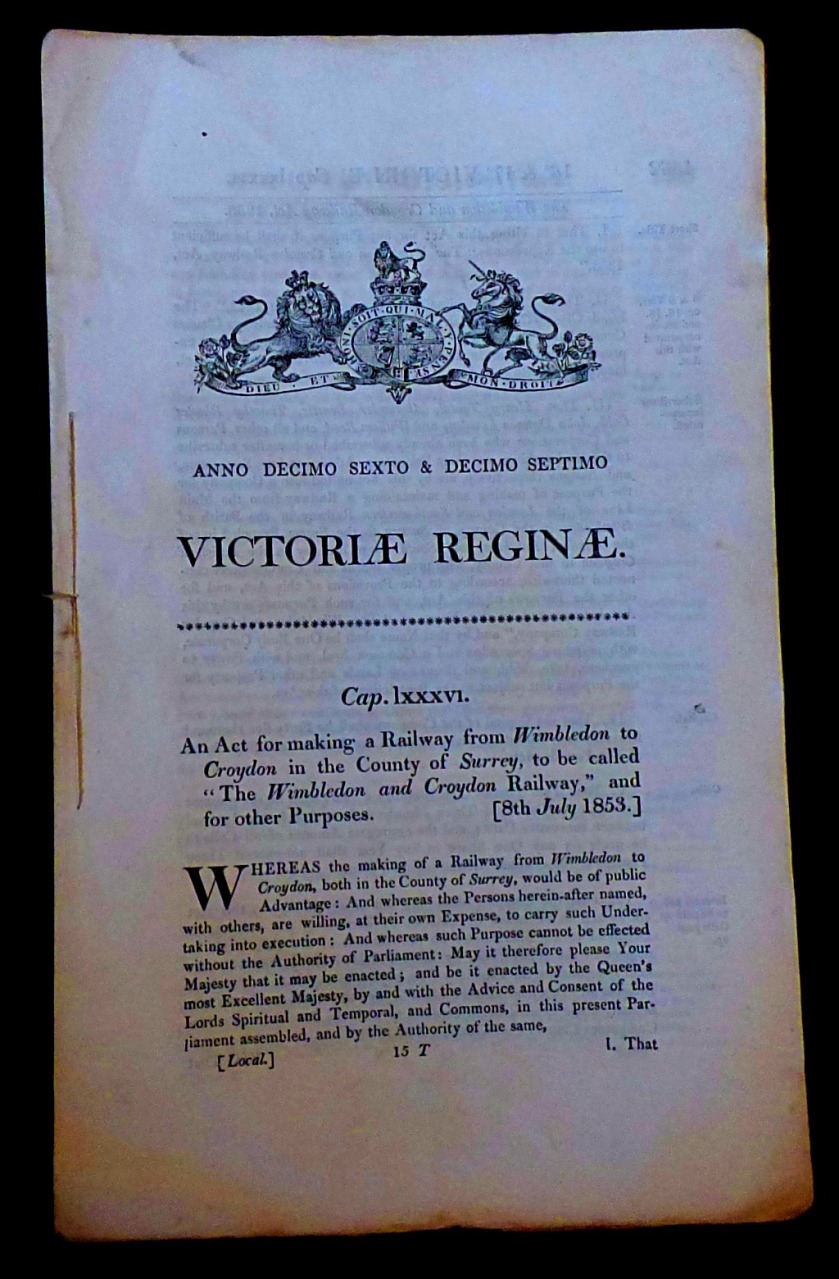
WIMBLEDON TO CROYDON

Wimbledon to Croydon

This little line is now the northern spur of London Tramlink. For more detail on this line and its possible role in a wider scheme go here.
READING EXTENSION

Reading extension

This can be though of as tying up a loose end, and the arrangements still hold to this day.

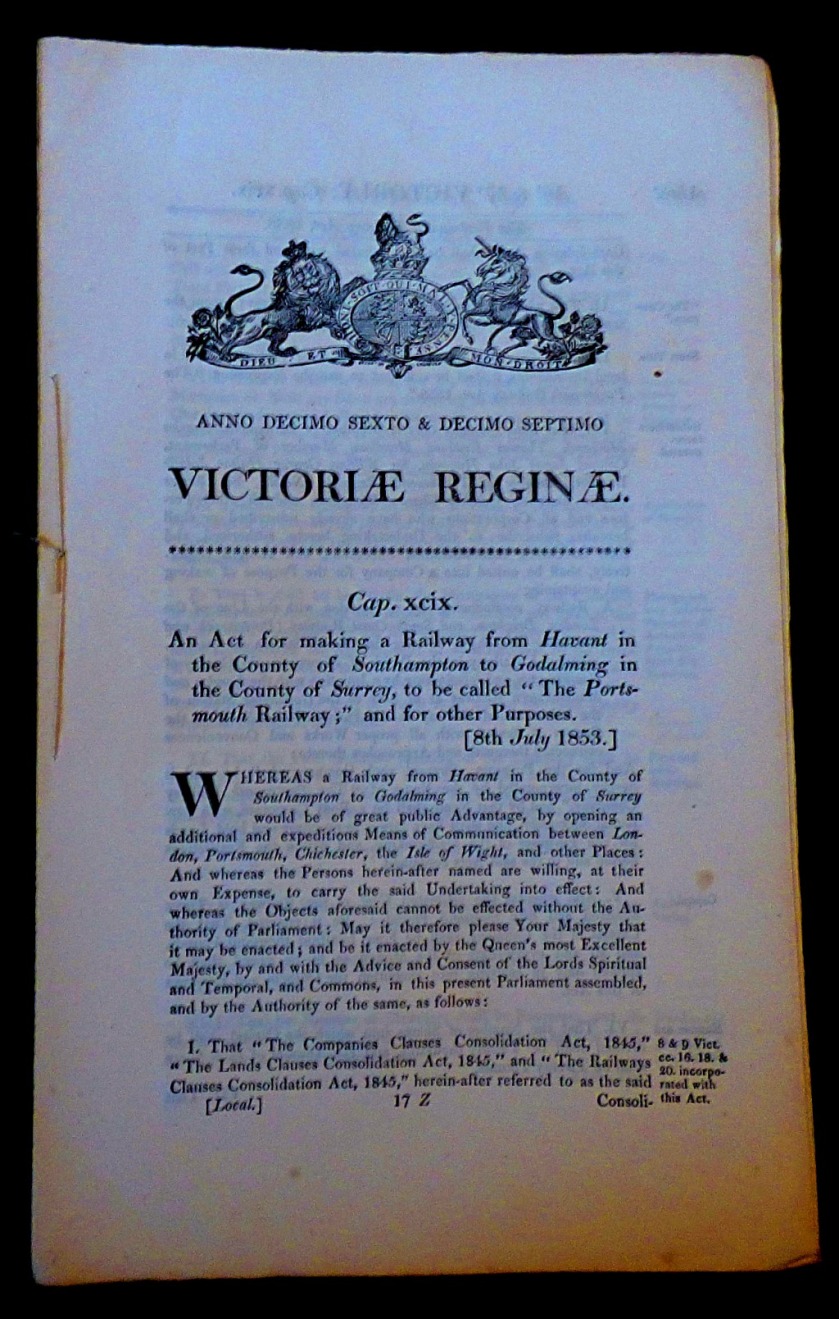
HAVANT TO GODALMING

Havant to Godalming

This line comprises the majority of the main line between London and Portsmouth, and still fucntions today pretty much as it did then (save for South West Trains’ continuing problems with reliability and punctuality).

SALISBURY TO YEOVIL

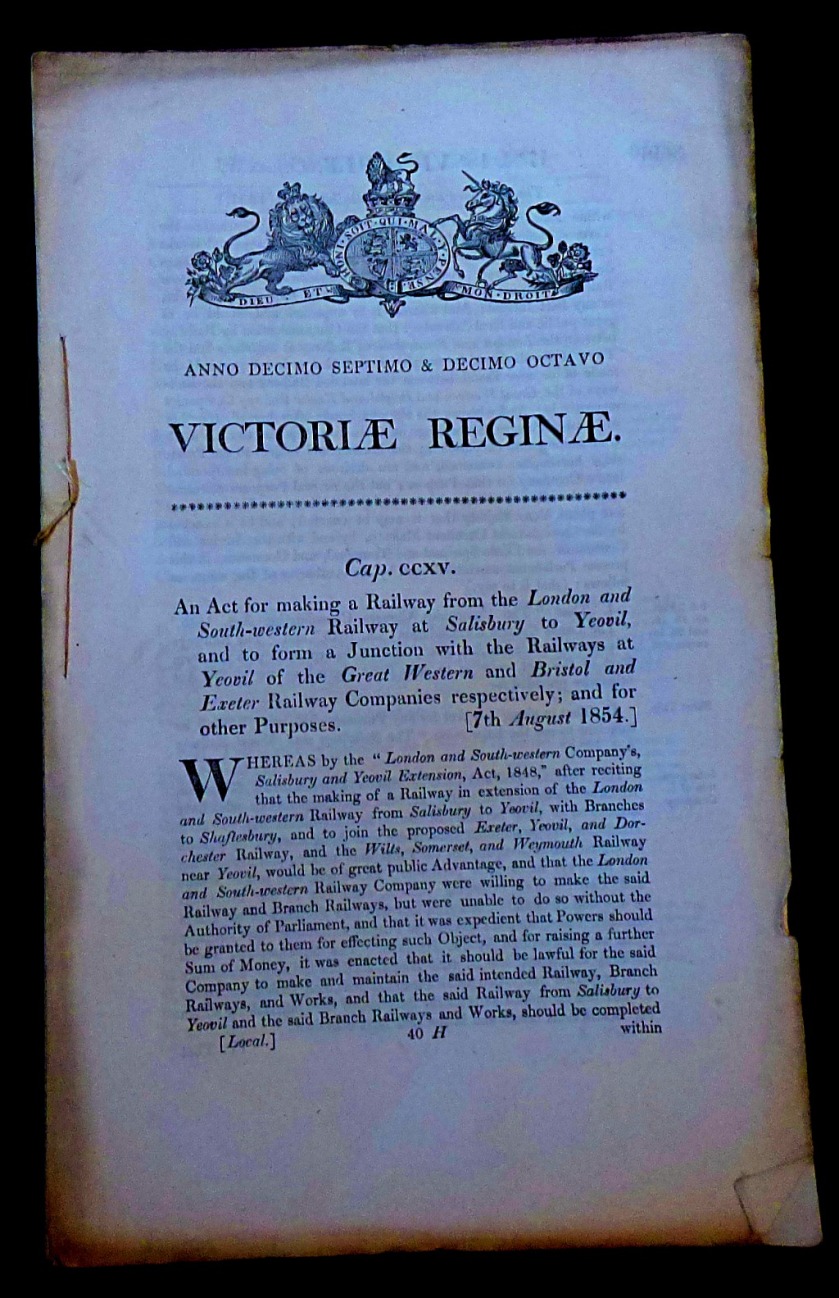
Salisbury to Yeovil

This little section, which from Salisbury calls at Tisbury, Gillingham, Templecombe, Sherborne and Yeovil Junction was conceived as a useful link. Yeovil has two stations, Yeovil Junction and Yeovil Pen Mill which are so close together as to be considered effectively an interchange.
YEOVIL TO EXETER

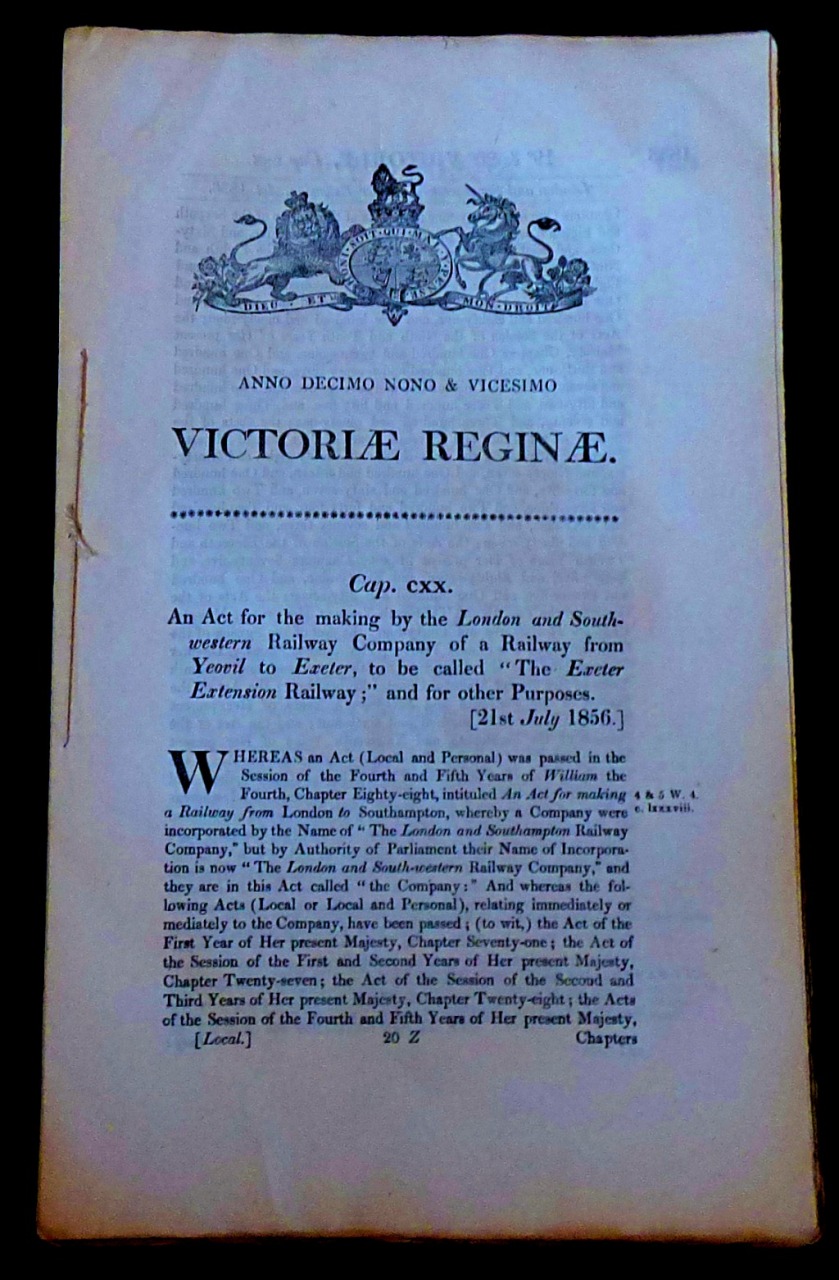
Yeovil to Exeter

A short western extension, which is still in use today, with stations at Crewkerne, Axminster, Honiton, Feniton, Whimple, Pridhoe, St James Park, Exeter Central and Exeter St Davids. 
BRANCH TO CAMBRIDGE TOWN

Branch to Cambridge Town

No misprints here – what was then known as Cambridge Town, Surrey is now called Camberley, and this branch, which diverges from the line to Reading at Ascot and calls at Bagshot, Camberley and Frimley (well known to those who enjoy darts) before joining the Aldershot line at Ash Vale, is still very much functioning.

SUSSEX AND SURREY

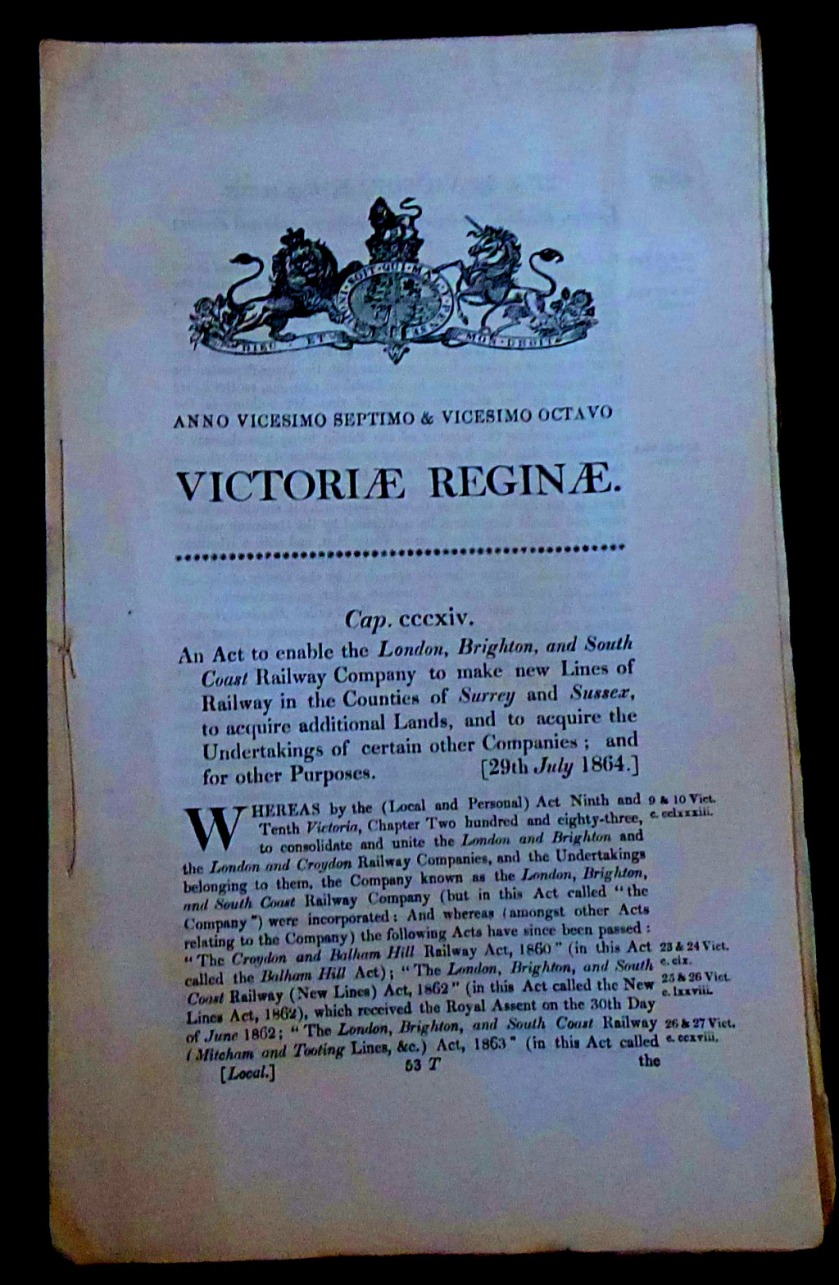
Sussex and Surrey

The London, Brighton and South Coast Railway clearing the way for future developments in Sussex and Surrey, many fo which came to fruition and are still in service, and some of which fell beneath the Beeching axe in the 1960s. 

AMALGAMATION

Amalgamation

The London and South Western getting the go-ahead for expansionism. 

BASINGSTOKE TO NEWBURY

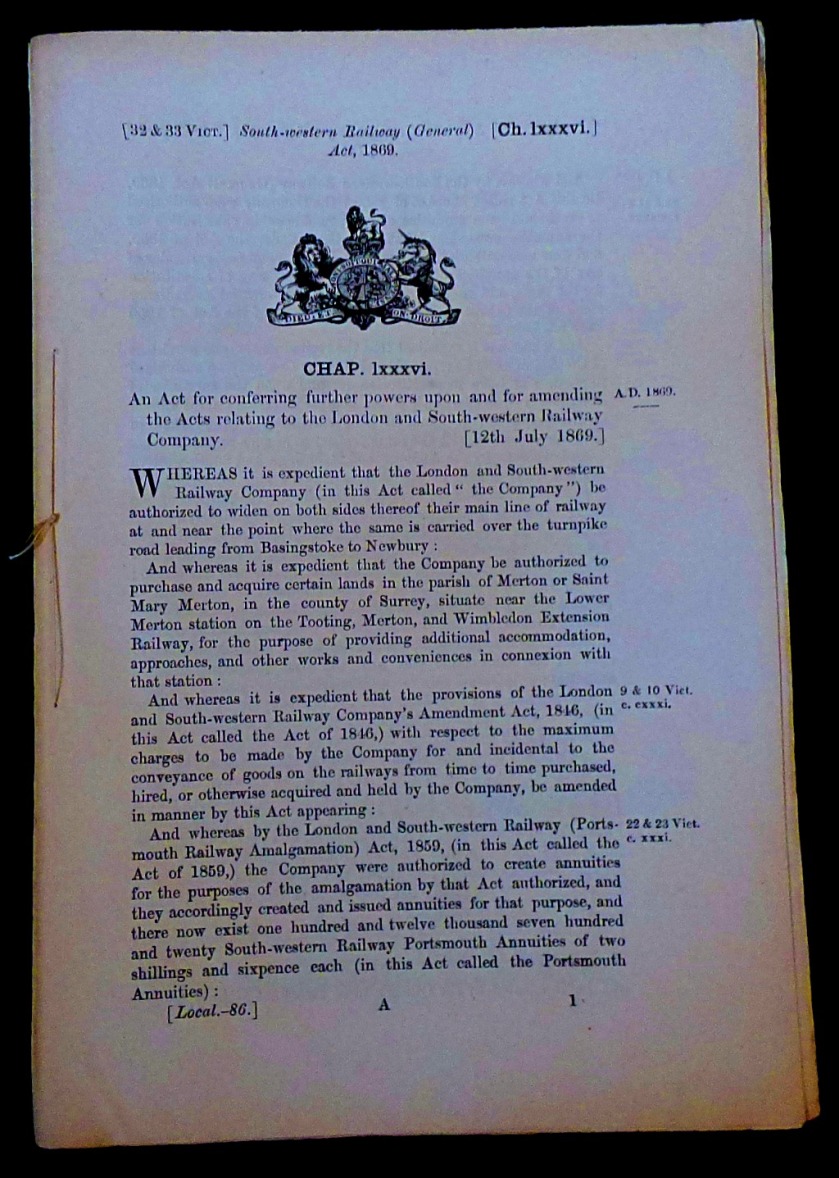
Basingstoke to Newbury

There is these days no direct connection between Basingstoke and Newbury. The mentions of Tooting, Merton and Wimbledon are of interest to me as this is the part of the world I grew up in. The station referred to as Lower Merton is nowadays called Haydons Road. All of Tooting, Merton and Wimbledon nowadays have London Underground stations serving them as well – the District reached Wimbledon in 1869, while Tooting Bec, Tooting Broadway, Colliers Wood and South Wimbledon (which between them cover Tooting and Merton) were all opened in 1926 when the Northern line was extended southwards from Clapham Common to Morden. 

DORSET

Dorset

Purely about improving access, and having travelled that way many times over the years I can tell you that the track widening referred to did take place. There are still regular services from Bournemouth and Poole up to the Midlands, as well as between London and Weymouth. 

NORTH CORNWALL

North Cornwall

Something of a ‘portmanteau’ act – covering operations in a vast area and relating to many different sections of railway. Over 2,100 years ago a Roman consul named Titus Didius recognised the undesirability of unrelated matters being tacked together in big unwieldy pieces of legislation and outlawed the practice – an aspect of Roman law that we would have been well advised to incorporate into our own laws.

The Last Auction Of 2017

An account of James and Sons’ final auction of 2017.

INTRODUCTION

James and Sons last auction of 2017 took place at our own premises in central Fakenham on Wednesday, and in this post I tell the story of that sale.

THE PRELIMINARIES – TUESDAY

On Tuesday we moved the stock for auction downstairs, and with that laid out, and the smaller high-value lots in the vault until the morning I then brought down and set up such of the IT equipment as I could (we are a laptop down at present so I would be pressing my own machine into service once again) and carried out a brief test which suggested that all was in order and that there should be no issues. 

THE AUCTION ITSELF

I arrived at work bright and early since not even Stagecoach can contrive to have the first bus of the day run seriously late. For those living in Norfolk and uncertain regarding buses in the holiday period services will stop early on Christmas Eve and New Years Eve, there will be no services at all on Christmas Day, Boxing Day and New Year’s Day and a “Saturday service” will operate from the 27th to 29th of December inclusive (and since that day is actually a Saturday presumably also on the 30th). 

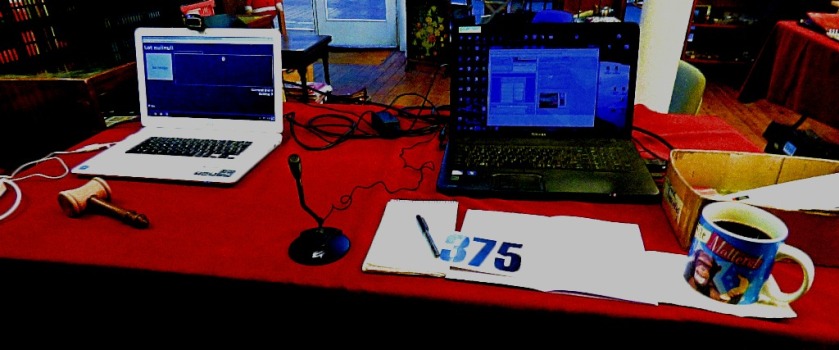
Coffee made, emails checked and a few things gathered up to go downstairs I went back downstairs at 7:45AM. The IT setup went smoothly, and I had the slide show running before any bidders arrived (there were a few room bidders on this occasion). Here are some pictures from this period:

Stock 1Stock 2IT setupBig Screen

BANKNOTES AND COINS

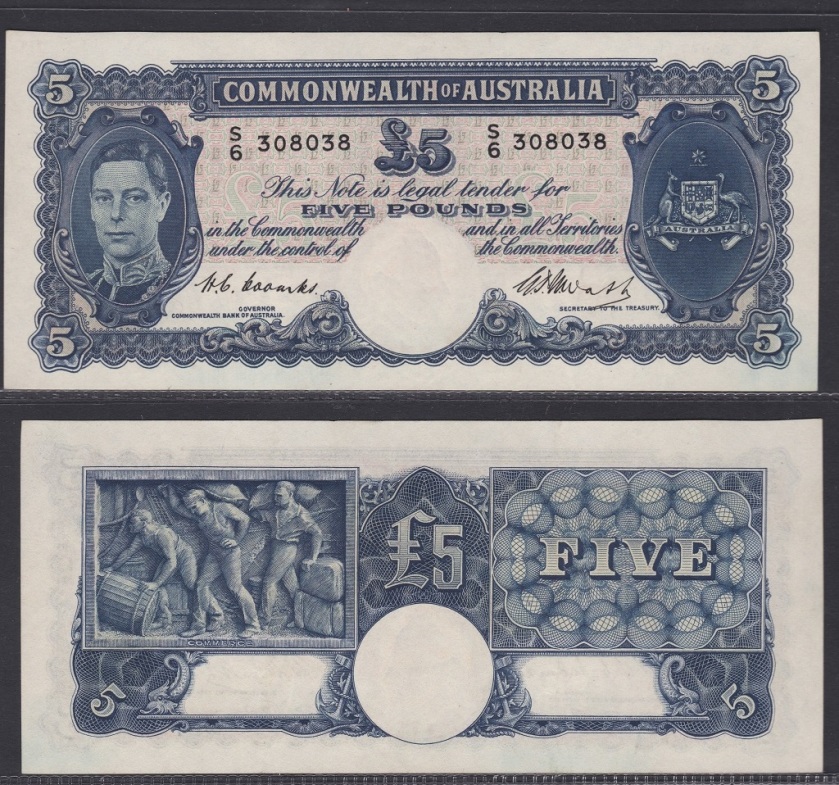
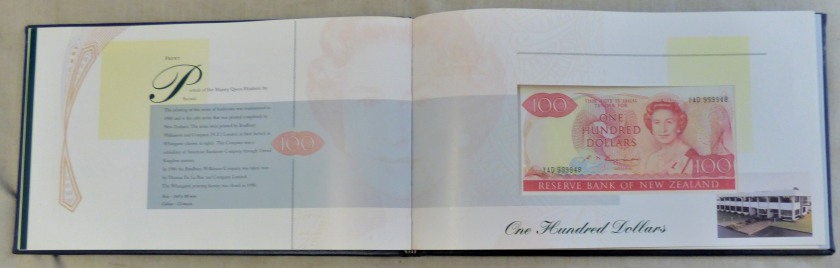
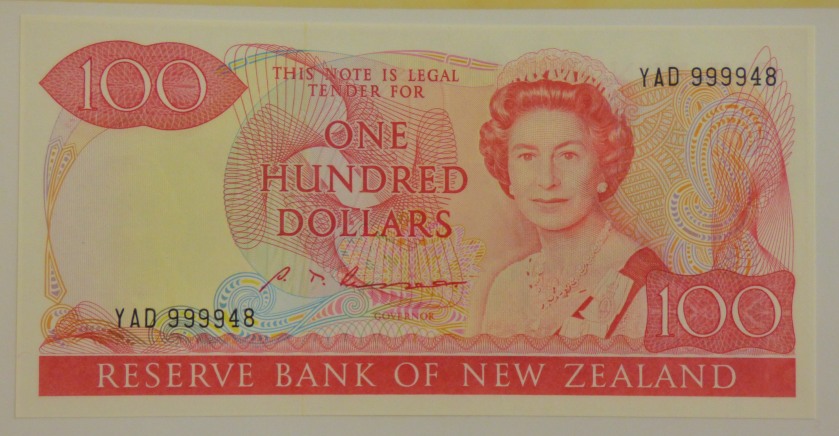
The auction kicked off with some uncirculated banknotes which went for very high prices. Lot 43, a display book showing old and new format New Zealand banknotes, brought the curtain down on that segment, going for £440. 

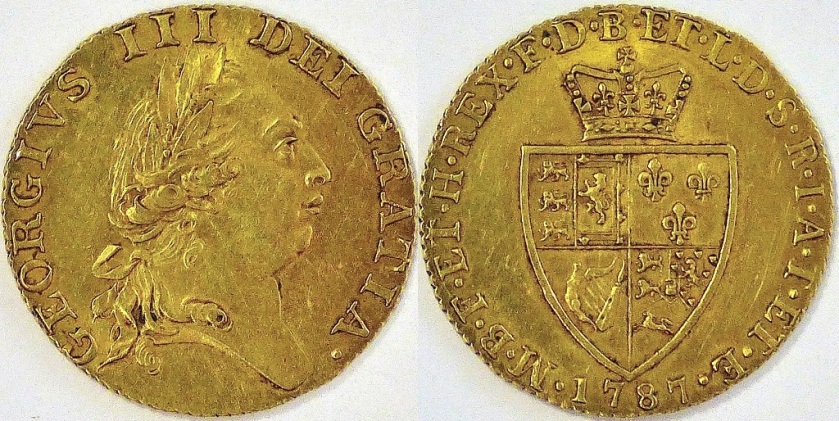
Lots 44-50 were less valuable banknotes. Then lots 51-56 were very rare coins. Unfortunately the reserves had been set too high to attract bidders, with the exception of lot 51, a 1787 gold guinea which went for £600. 

The remaining lots of coins and banknotes went fairly quietly, although there were a one or two good prices achieved. 

1
Imaging these uncirculated banknotes was a fiddle. They had to be imaged through the plastic covers they were encased in to avoid damage, and the black bakcground was needed for use in the catalogue. Additionally, since both sides were required what you see are two images joined to become one.

44343-a43-d

1-p
Lot 51.

POSTCARDS

Lots 151-300 were postcards, mainly military themed, and while there were no headline grabbers in this section, most of them did find buyers. 

STAMPS

Not quite on a par with the extraordinary happenings of November 29 (see here for more details), but much better than our stamp sections have historically been. 

EPHEMERA

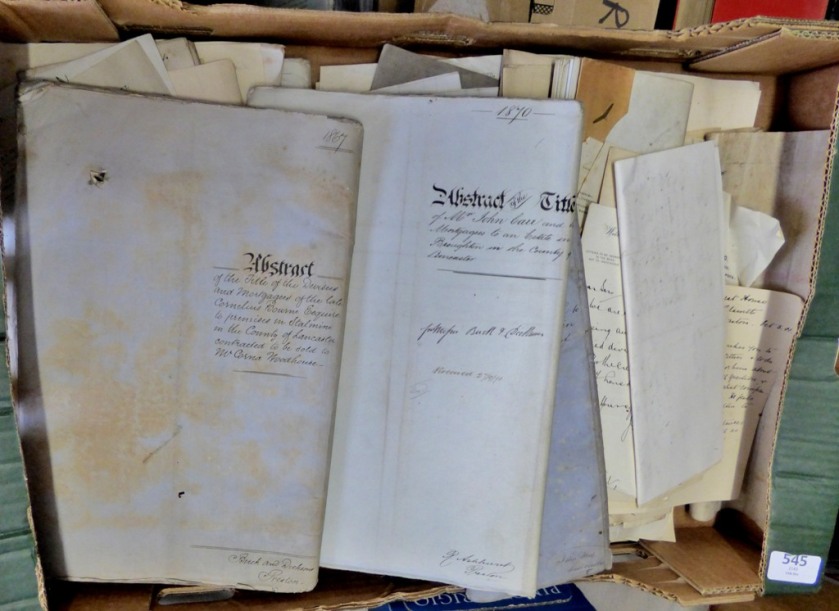
The last 100 lots (501-600) to go under the hammer at James and Sons in 2017 were all ephemera. I expected a fairly quiet end to the auction, and that is what eventuated. Lot 545, with a modest estimate of £20-30 went for £75.

545

Immediately before that an optimistic bid I placed on lot 544 met no opposition. At some stage I will probably do a whole post about this lot. This is the picture that everyone was able to see:

544

Here are some more pictures taken today…

Farnham and AltonHampton CourtEgham and ChertseyArrangements with other railway companiesReading, Guildford & ReigateLondon BridgeWhitchurch, Andover and SalisburyGuildford, Fareham, PortsmouthRichmond to WindsorStaines to Wokingham and WokingWimbledon to CroydonReading extensionHavant to GodalmingSalisbury to YeovilYeovil to ExeterBranch to Cambridge TownSussex and SurreyAmalgamationBasingstoke to NewburyDorsetNorth Cornwall

The Journey To Penzance

An account of the journey to Penzance, setting the scene for my next post, about Penzance itself.

INTRODUCTION

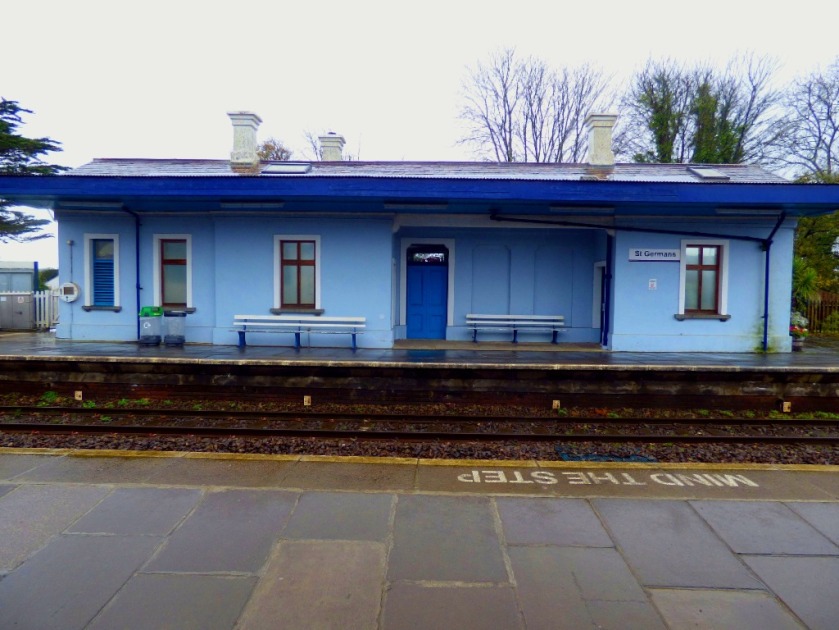
This is continuing my account of my visit to Cornwall. We have reached Saturday, which for me featured a trip to England’s westernmost commercial railway station (note England not Britain – Arisaig on the Glasgow-Mallaig line in Scotland is further west), Penzance. The closest station in time terms to my parent’s new home is St Germans, and that is where my train journey started.

ST GERMANS

St Germans is completely unstaffed, and therefore, since there is no one to maintain it, has no ticket machines either. Tickets are purchased from the conductor once you are on the train. You are only allowed to do this at unstaffed stations – boarding without a ticket at a station where you can purchase one renders you liable to a penalty fare of £20 (I heard another passenger who had done this escaping with a warning not to do it again).

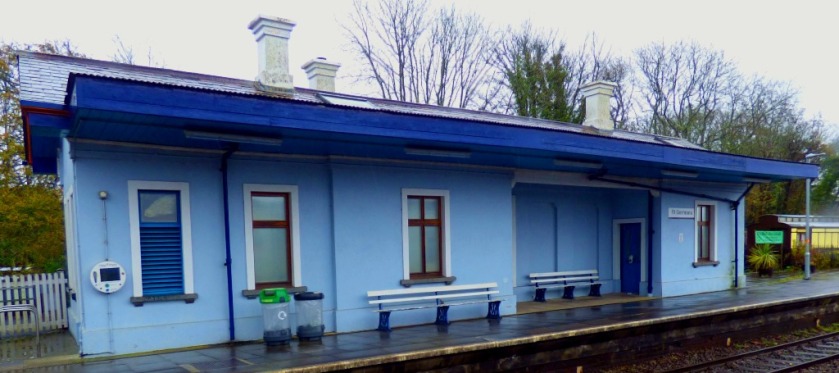
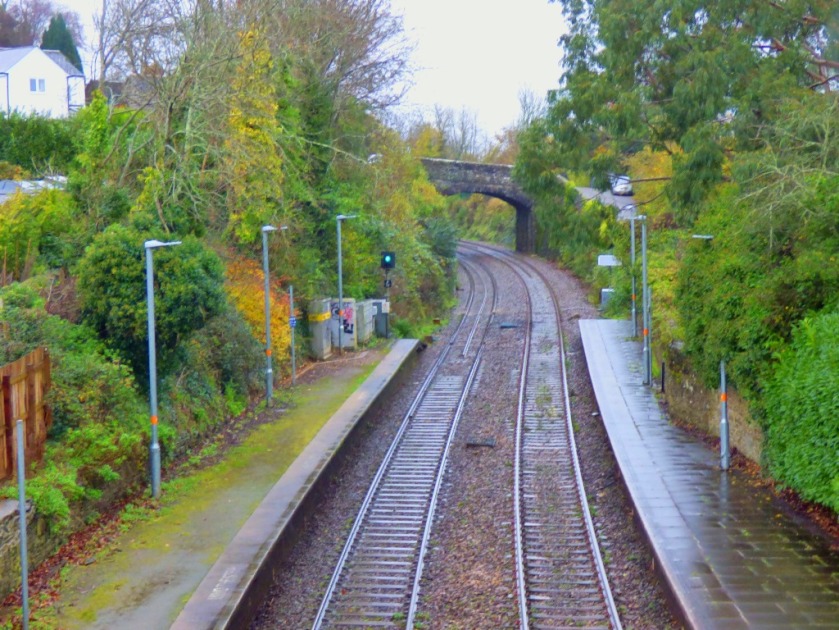
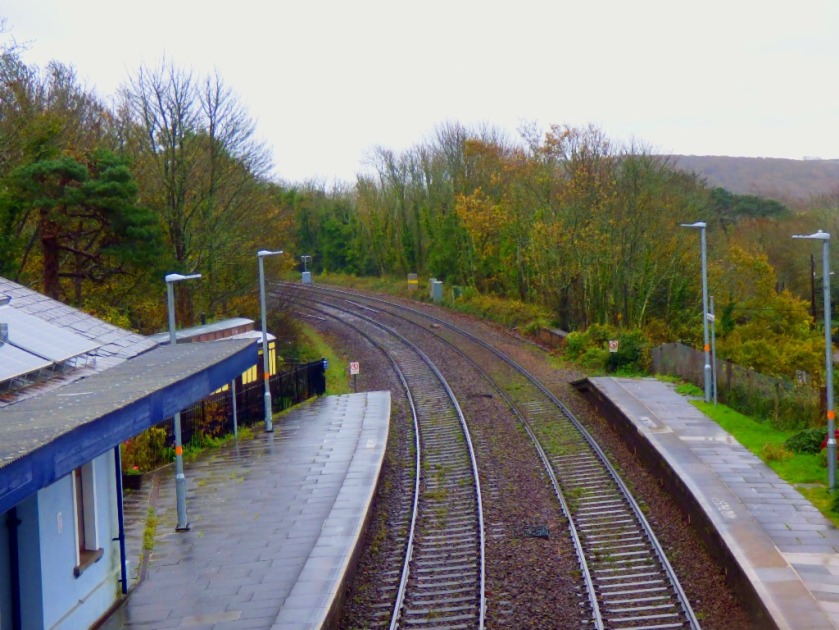
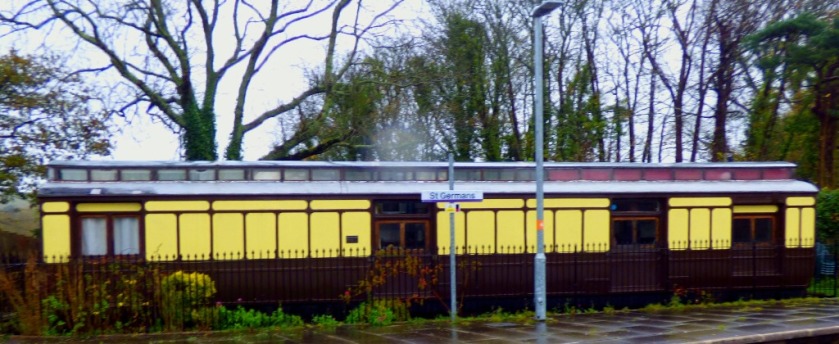
I had a bit of time at St Germans (given that the next train to call at St Germans was two hours later this was indubitably the sensible position to be in. Here are some photographs from the station…

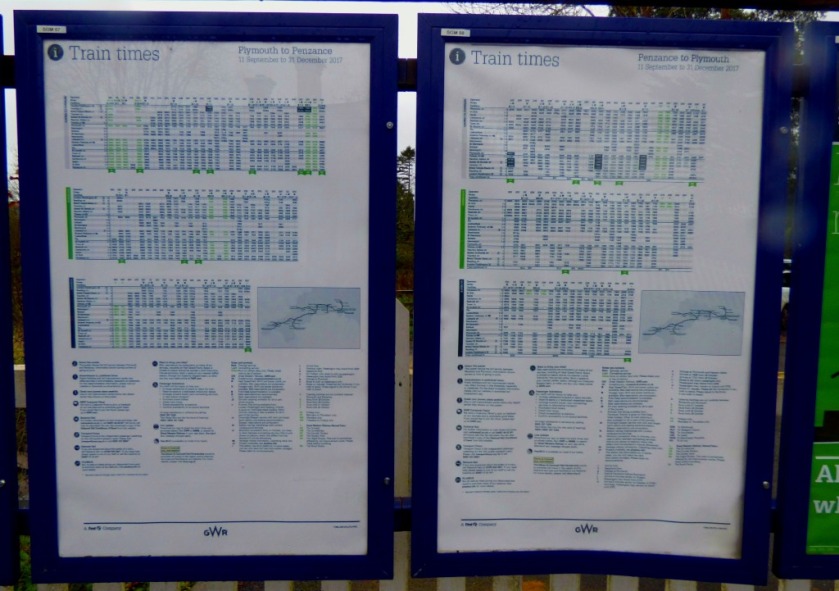
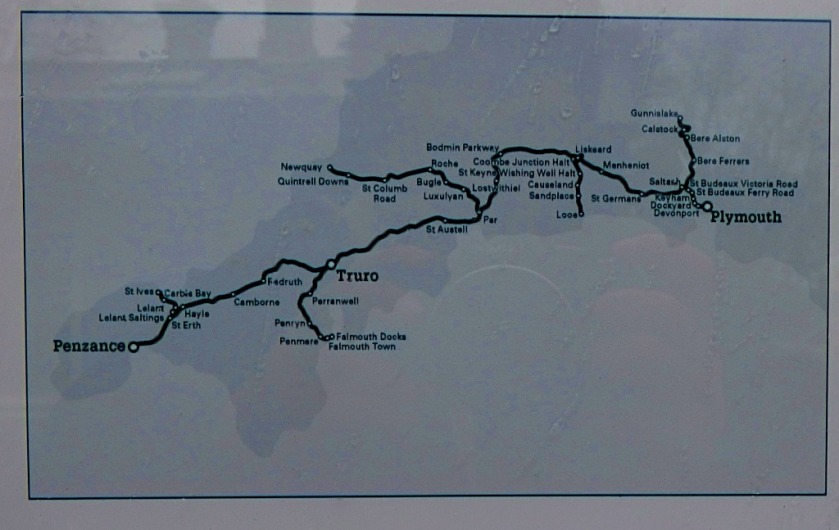
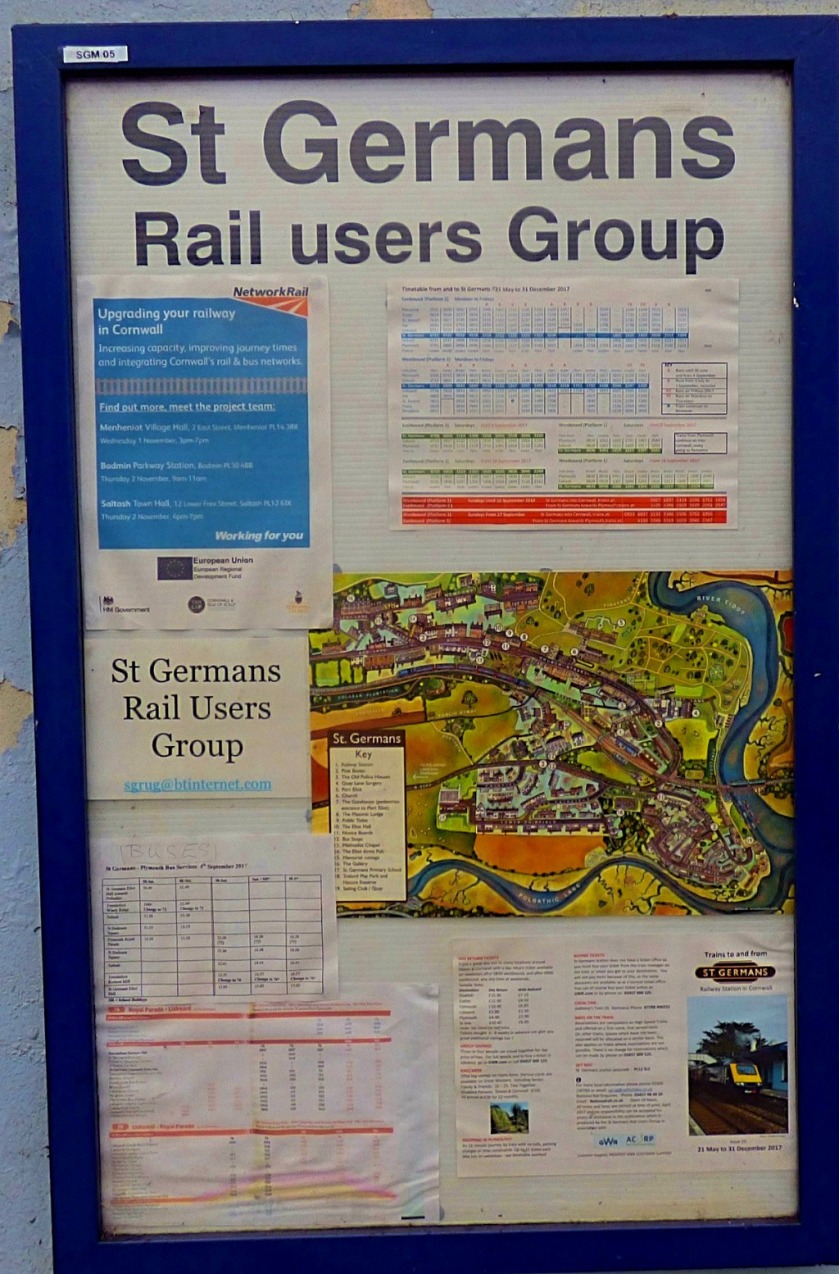
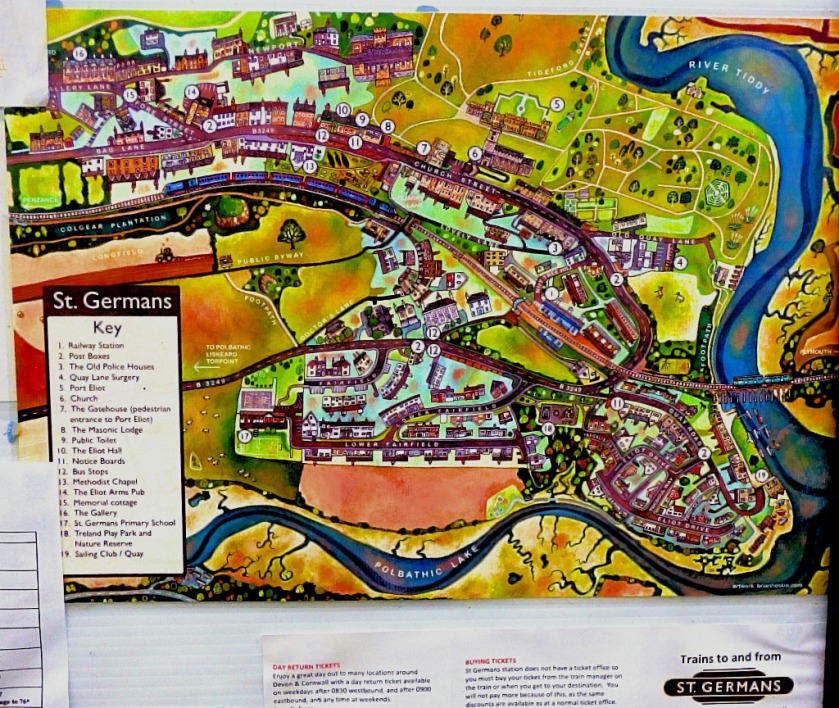
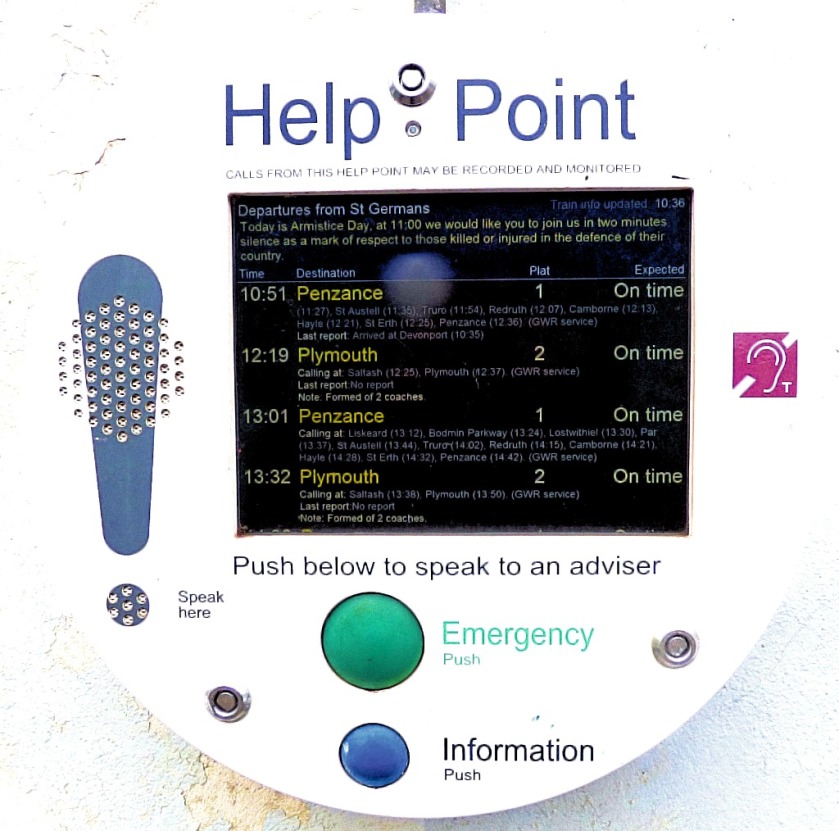
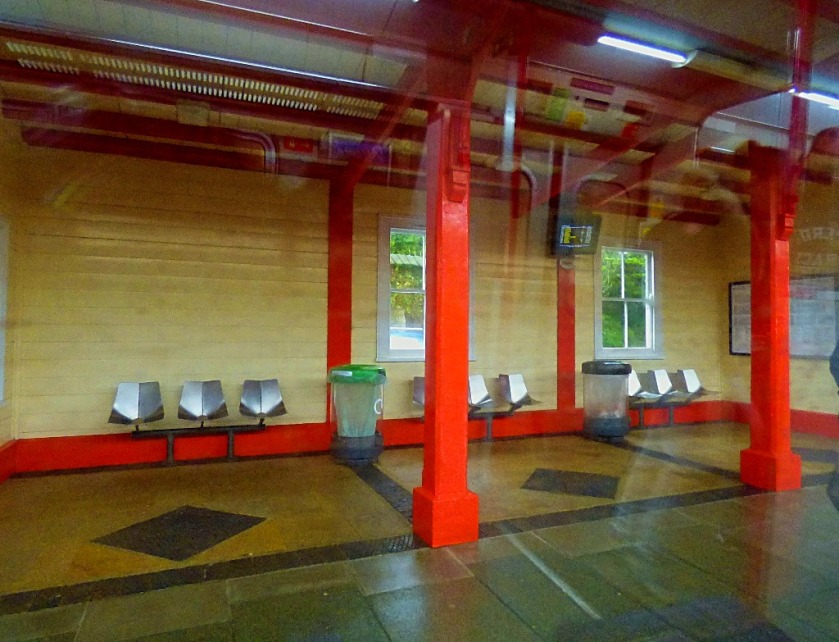
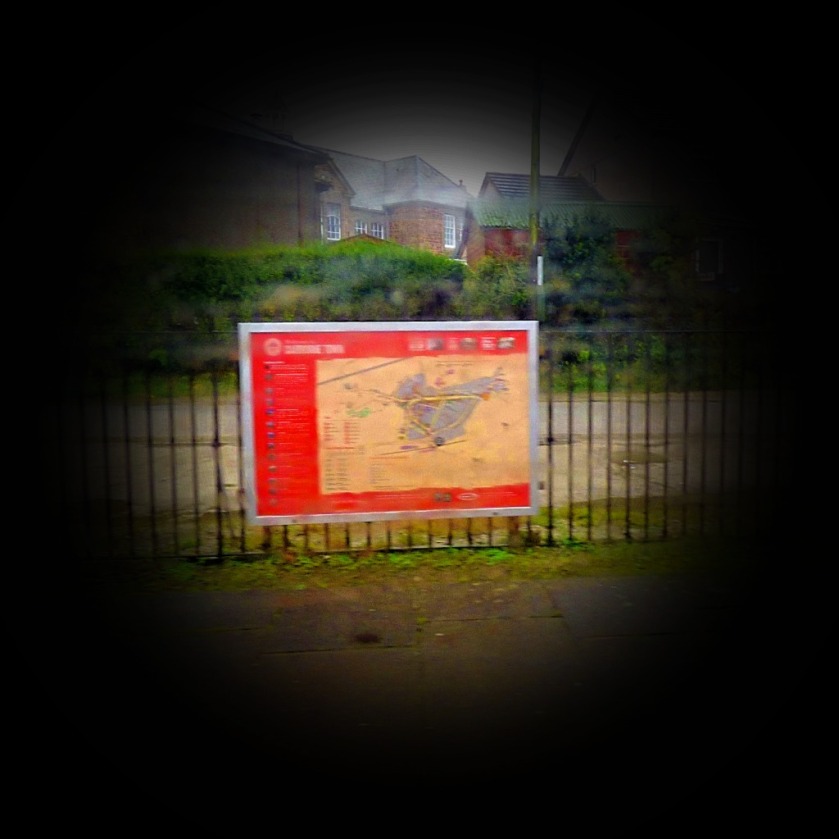
TimetablesRoute mapSGRUGSt Germans MapSt Germans waiting areaView from the footbridgeView from the footbridge 2Holiday accommodationsgrug@btinternet.comHelp Point, St GermansHoliday accommodation IISt GermansDisplay, waiting area, St Germans

GWR

www.firstgreatwestern.co.uk

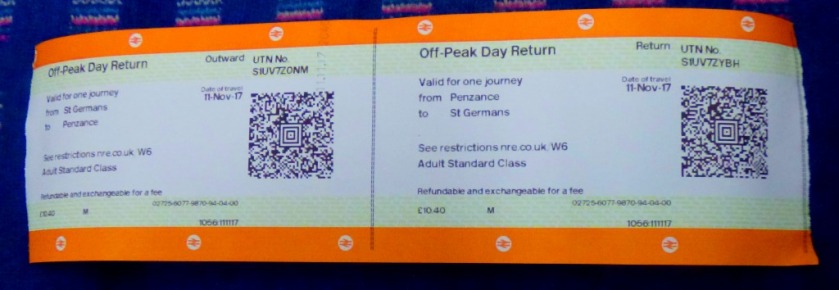
The ticket issued by the onboard conductor is much bigger than a standard train ticket. 

Tickets

THE JOURNEY TO PENZANCE

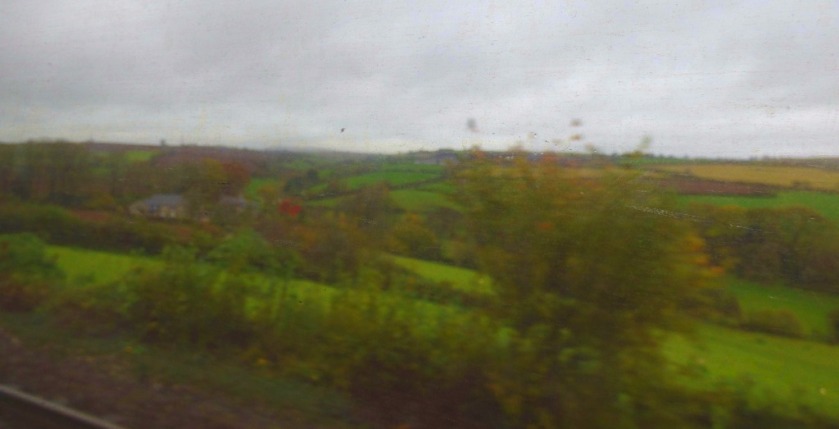
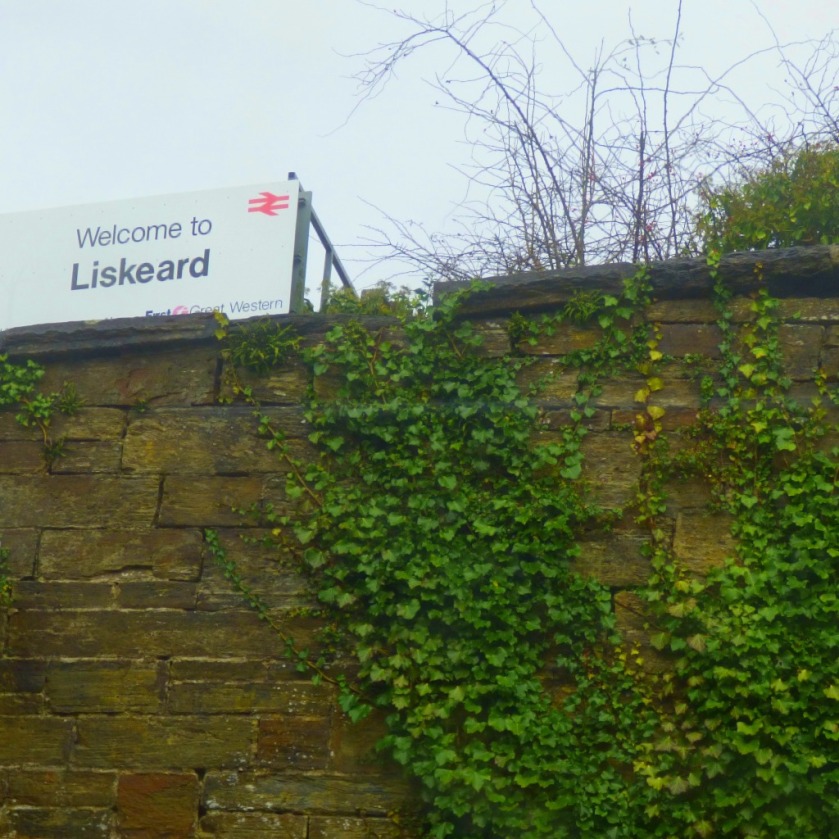
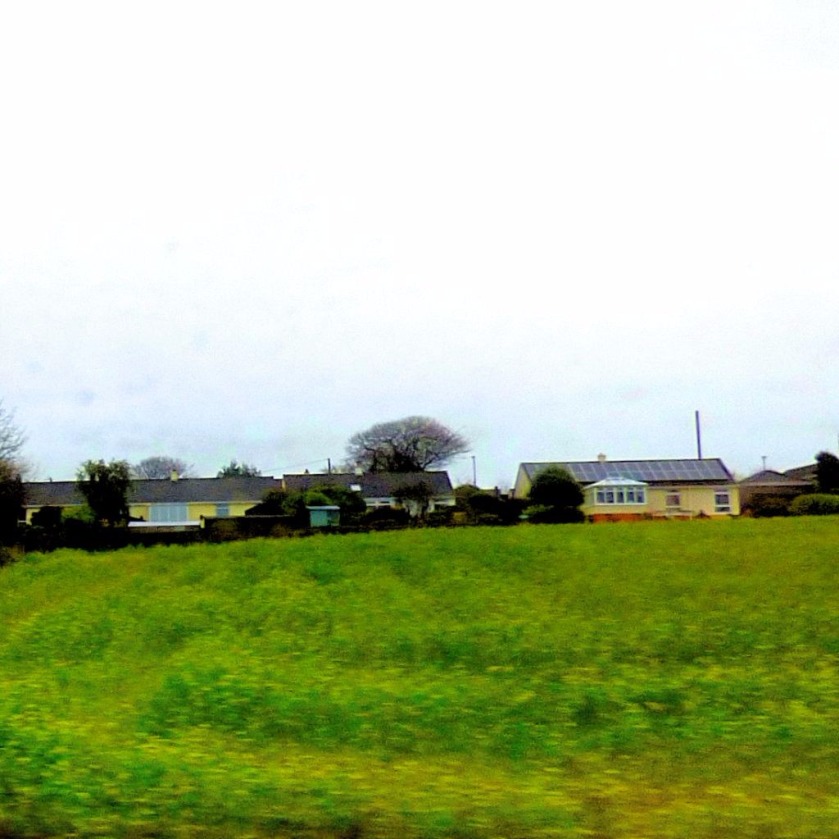
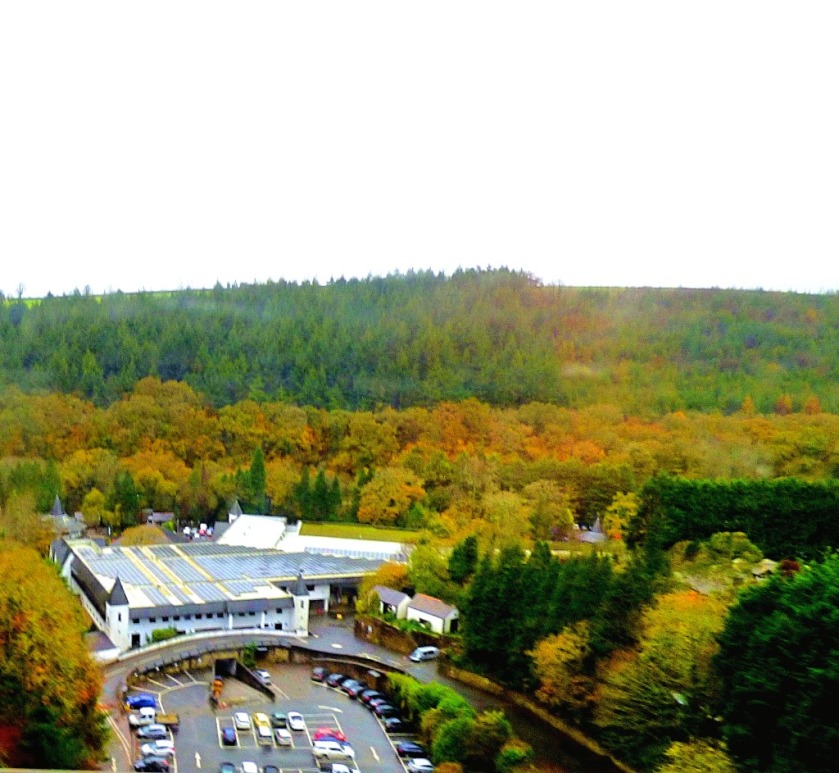
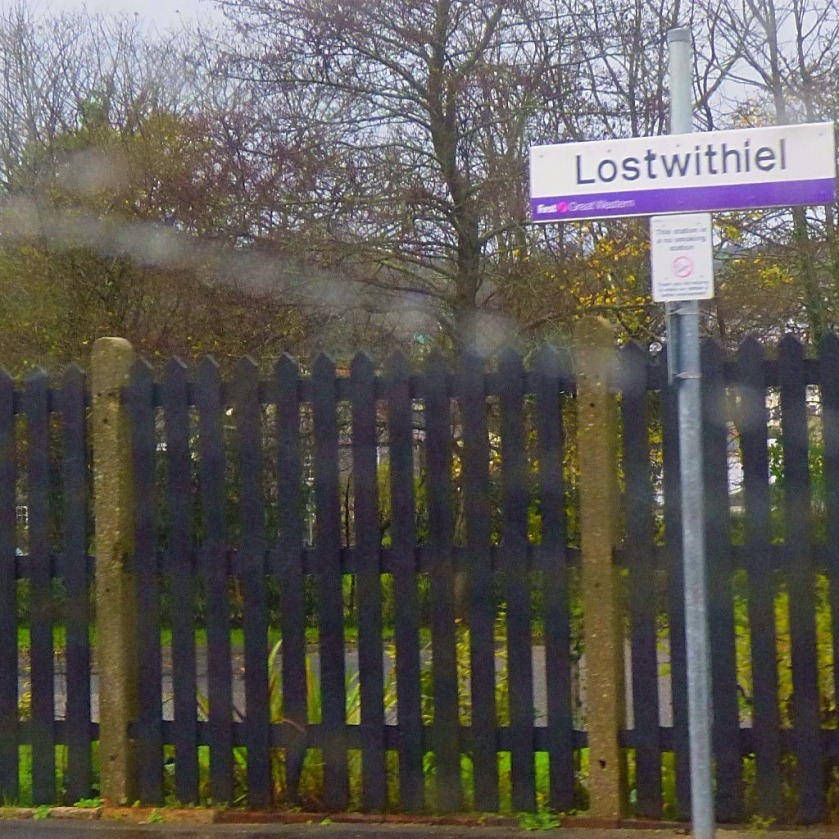
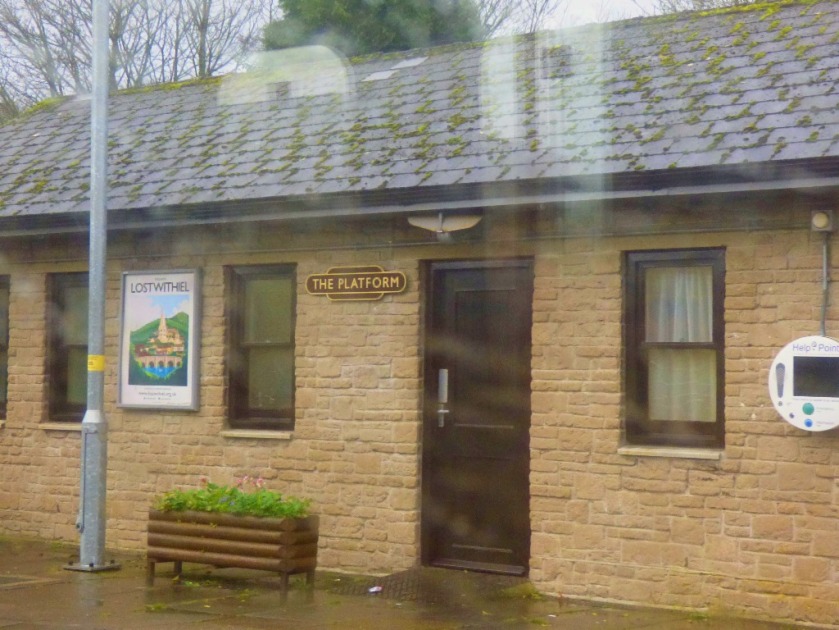
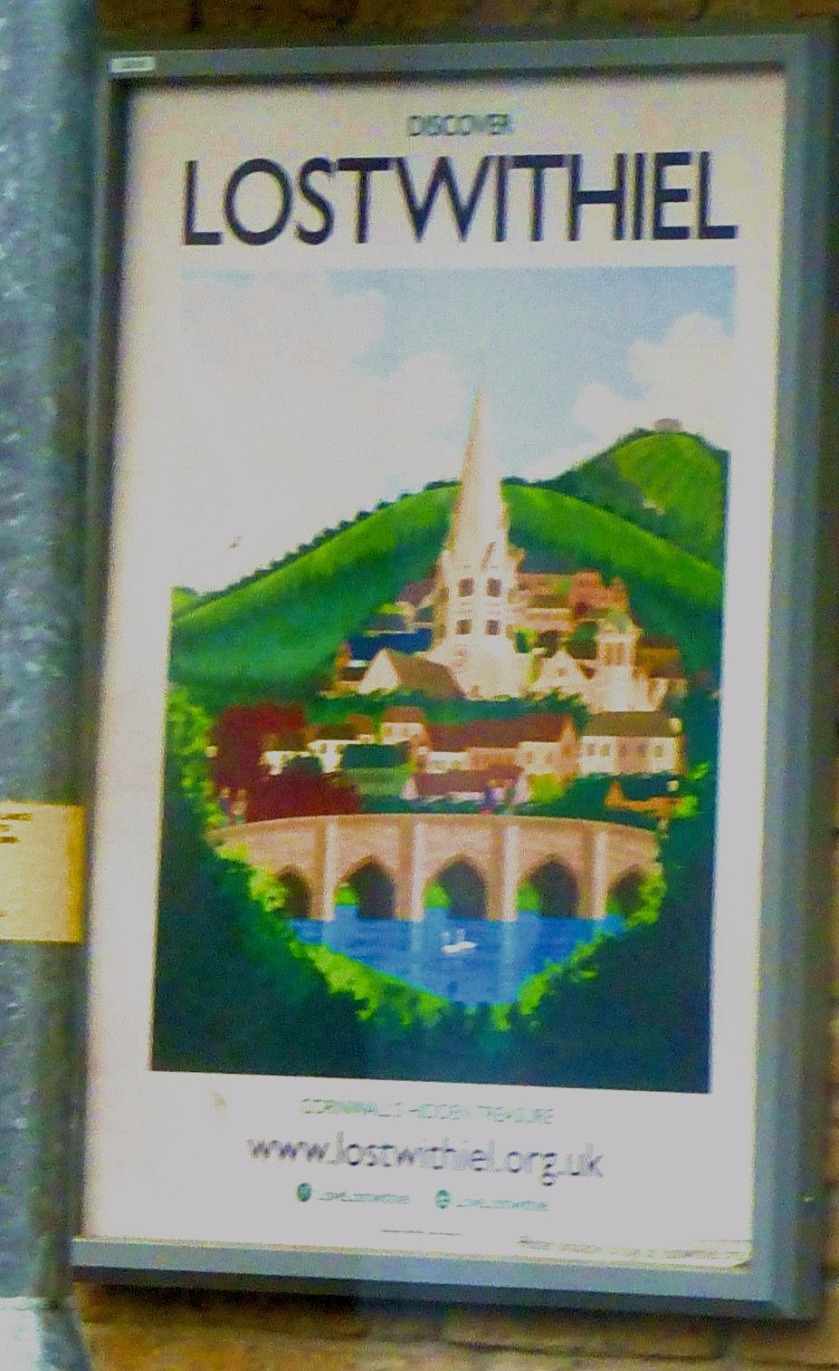
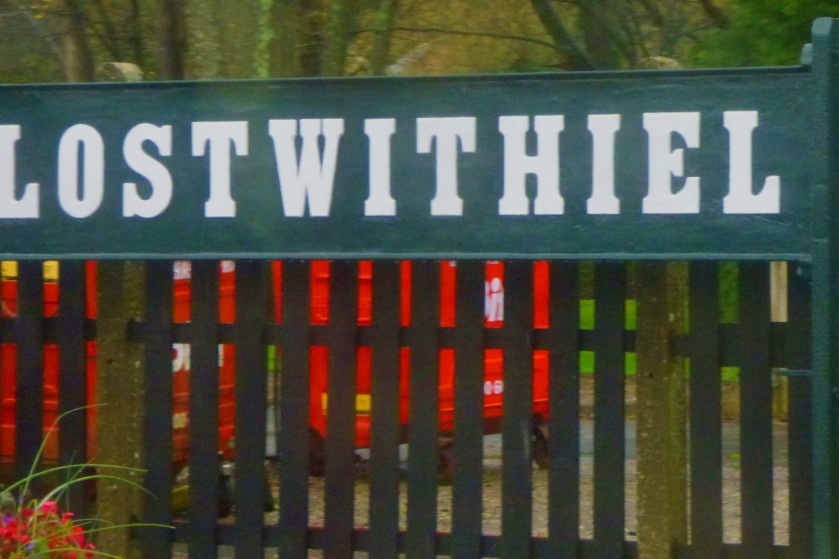
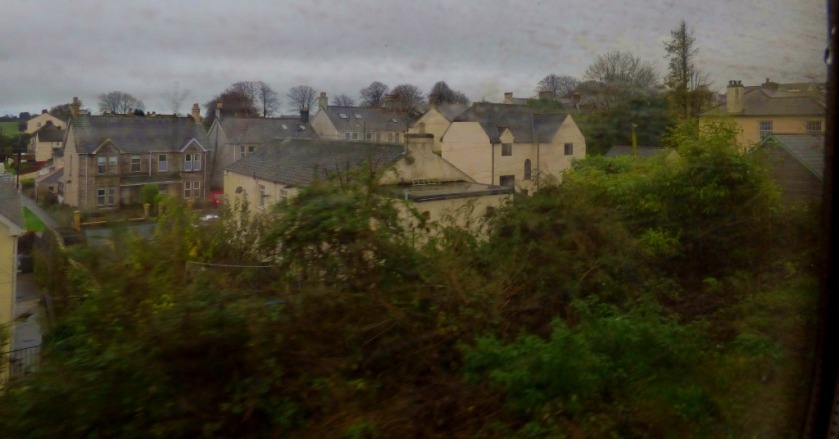
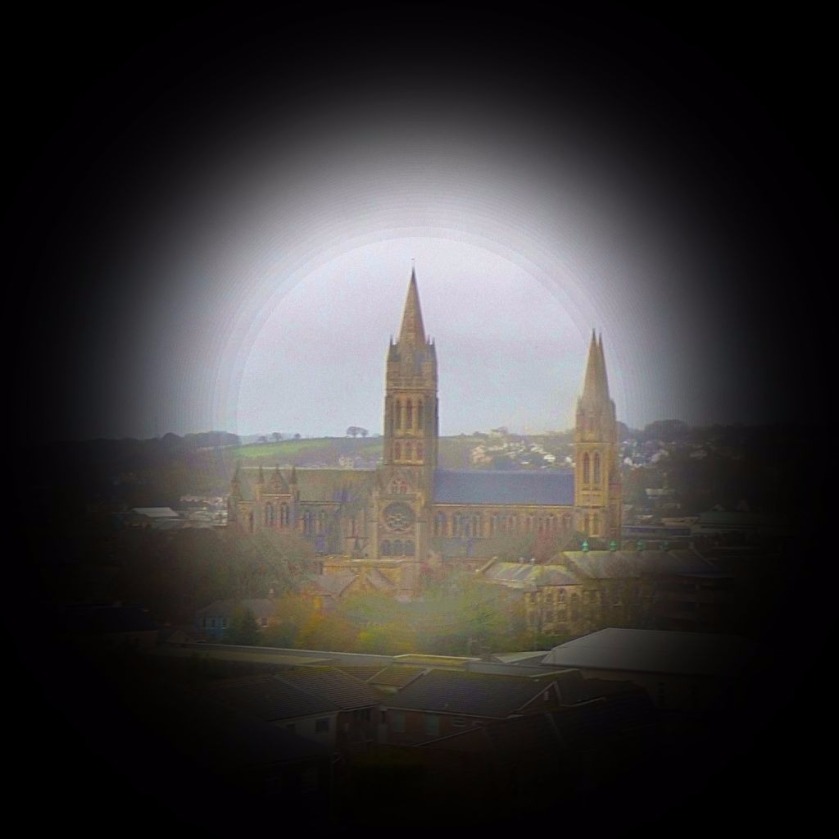
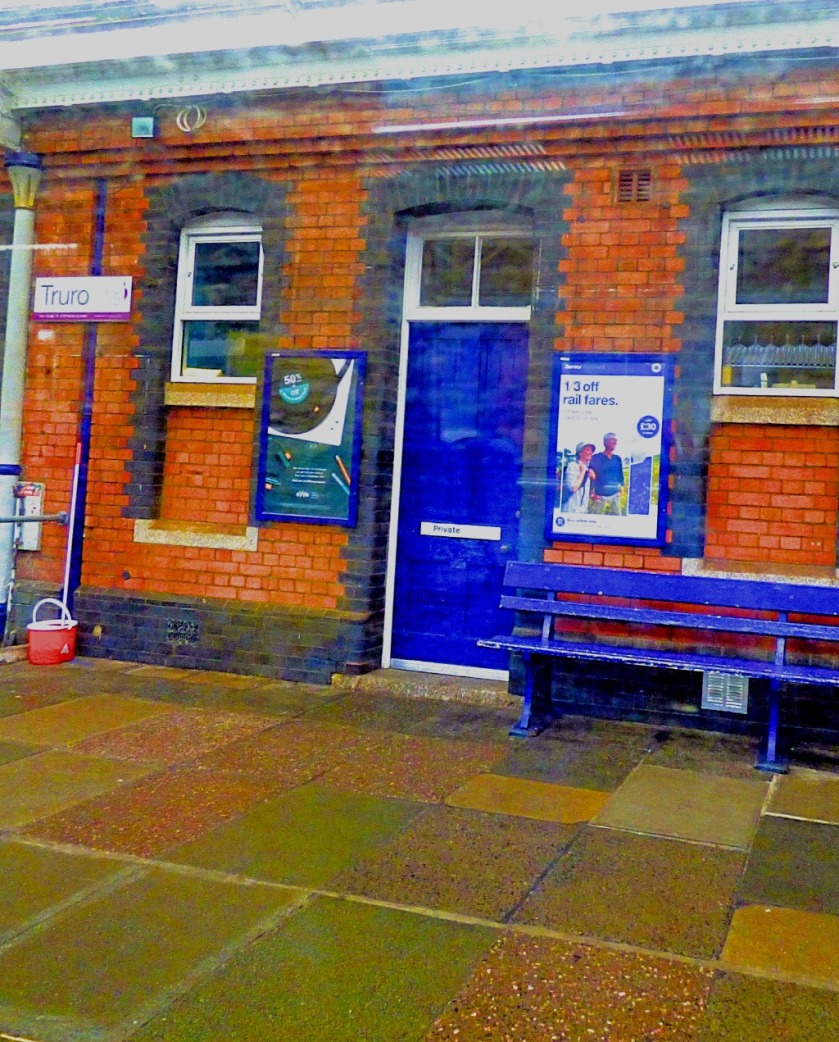
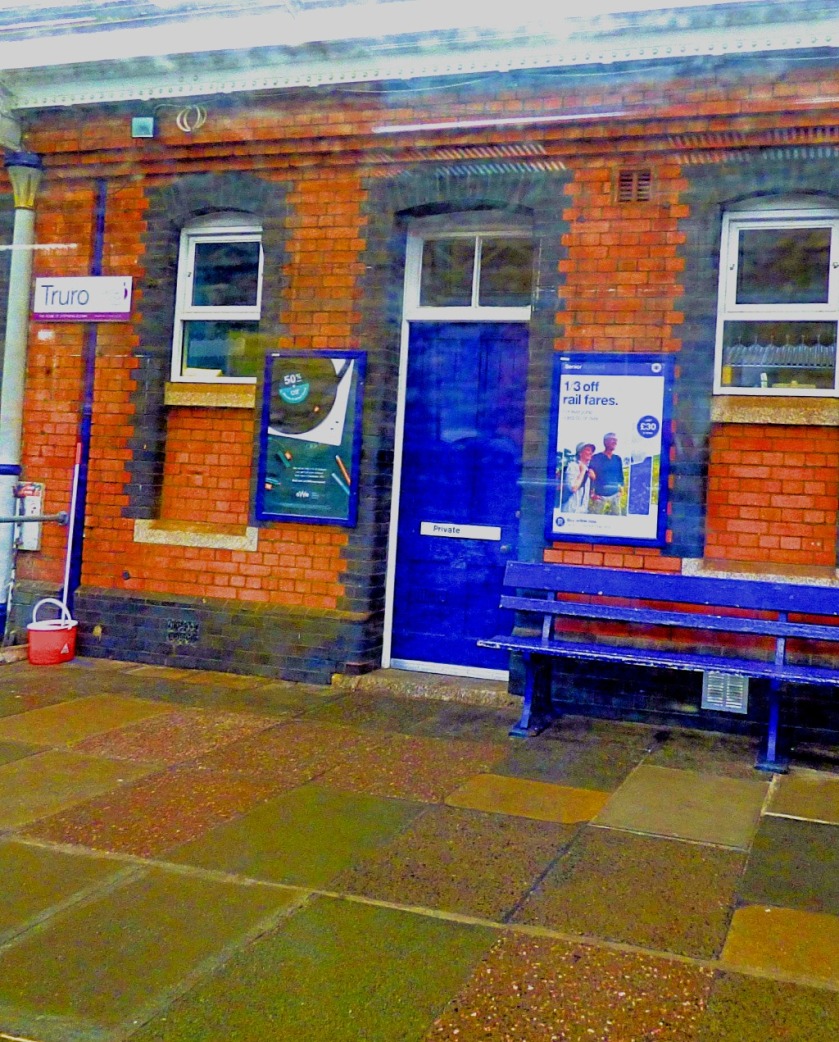
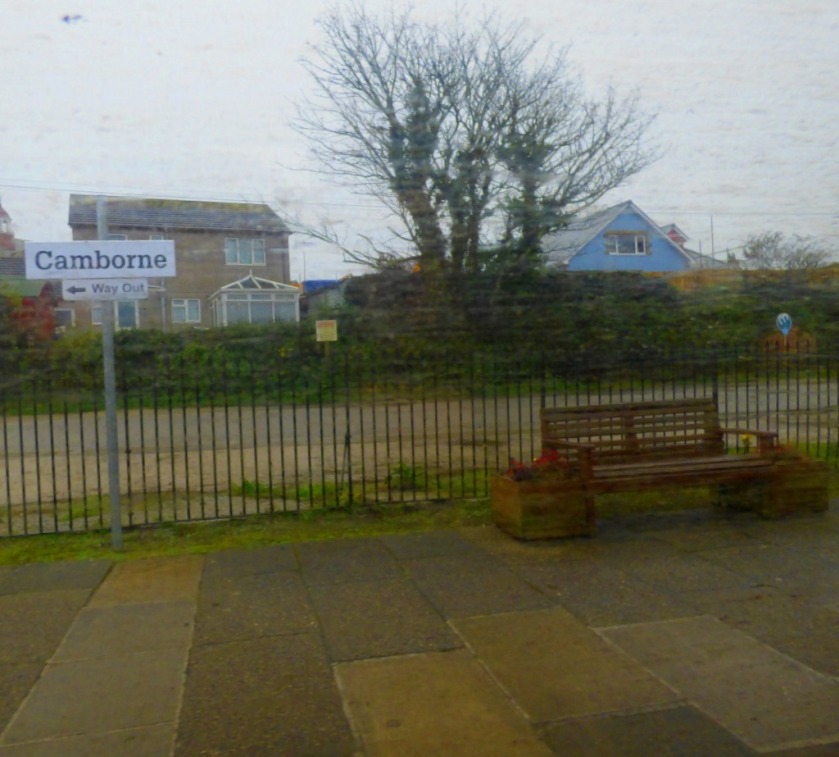
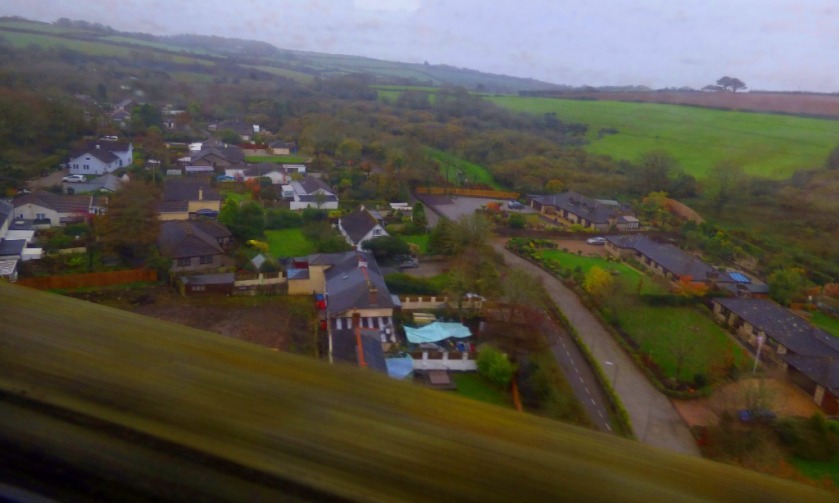
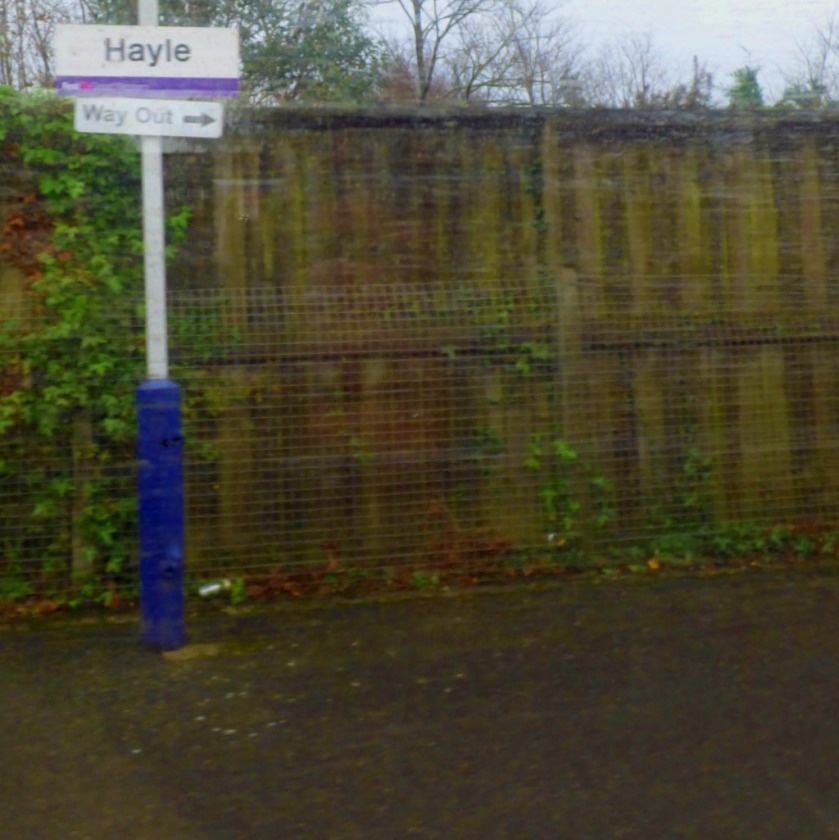
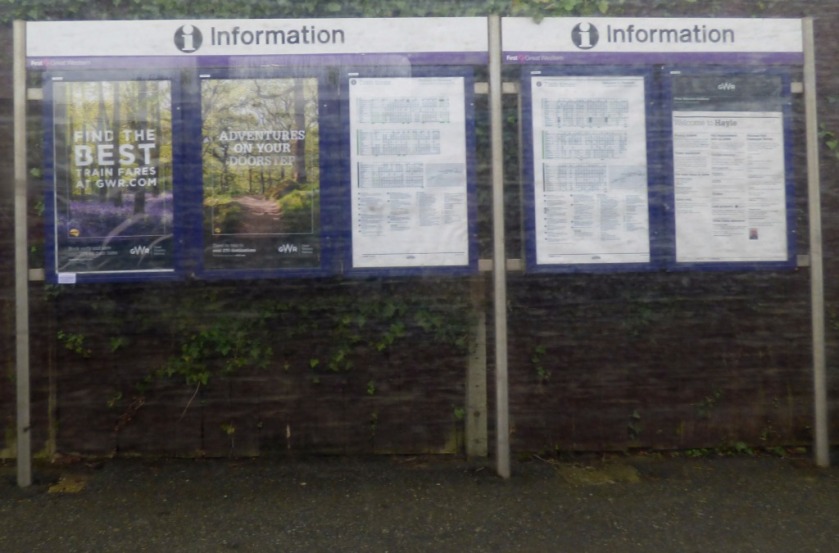
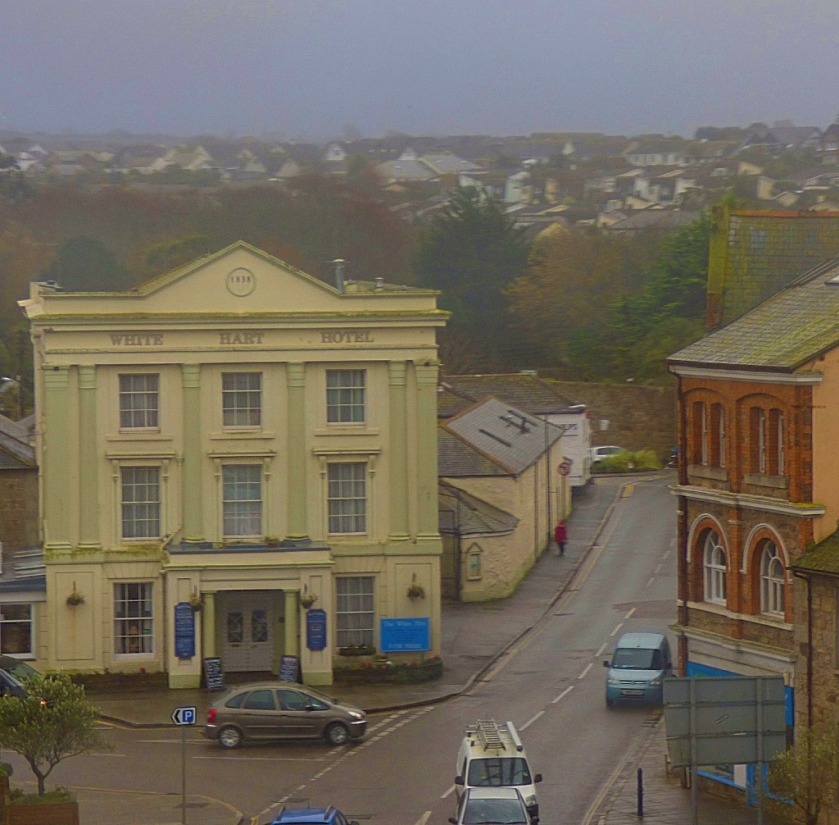
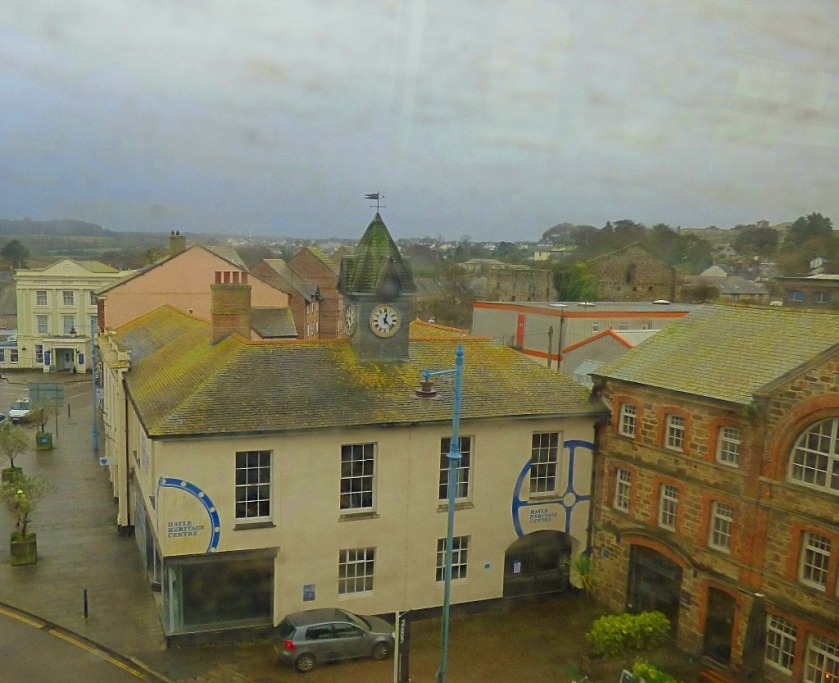
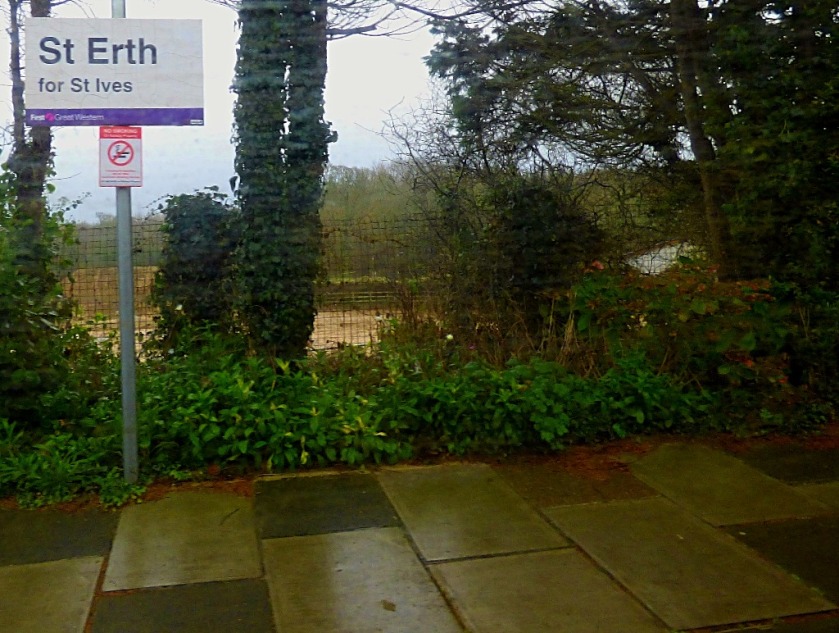
Taking pictures through the windows of a moving train is not especially easy, although I did at least have a window seat for the entire journey, so was never shooting across people. After leaving St Germans the train called at Liskeard (change for the Looe branch line), Bodmin Parkway, Lostwithiel (although the name might suggets otherwise as far as I am aware no elves live here!), Par (trains to Newquay depart from here), St Austell, Truro (Falmouth services diverge here), Redruth, Camborne, Hayle, St Erth (branch line to St Ives from here) and Penzance. Here are the pictures from this journey…

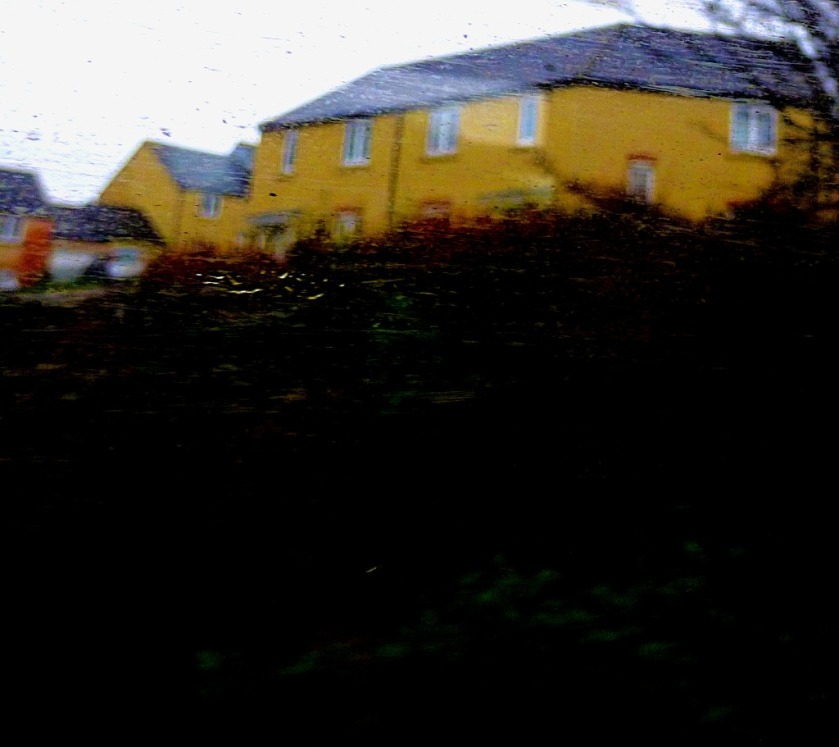
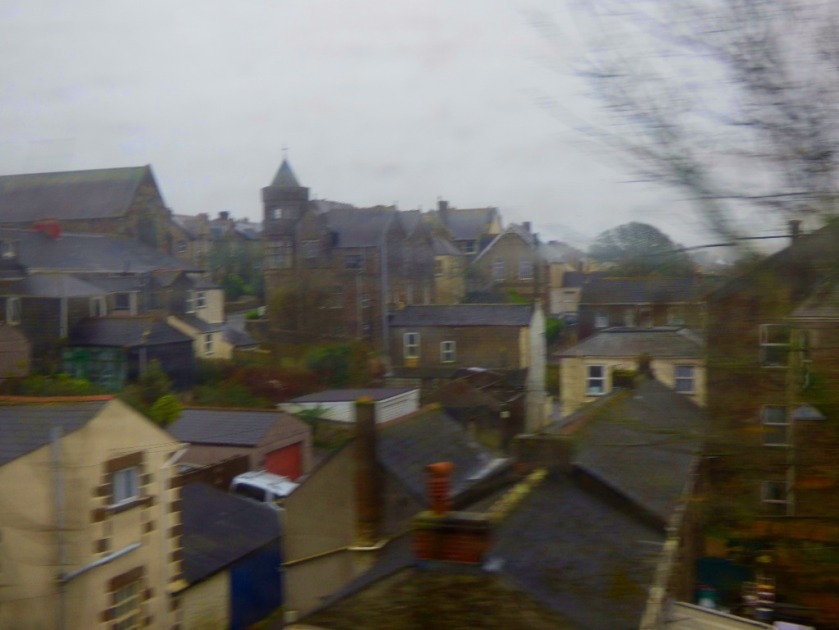
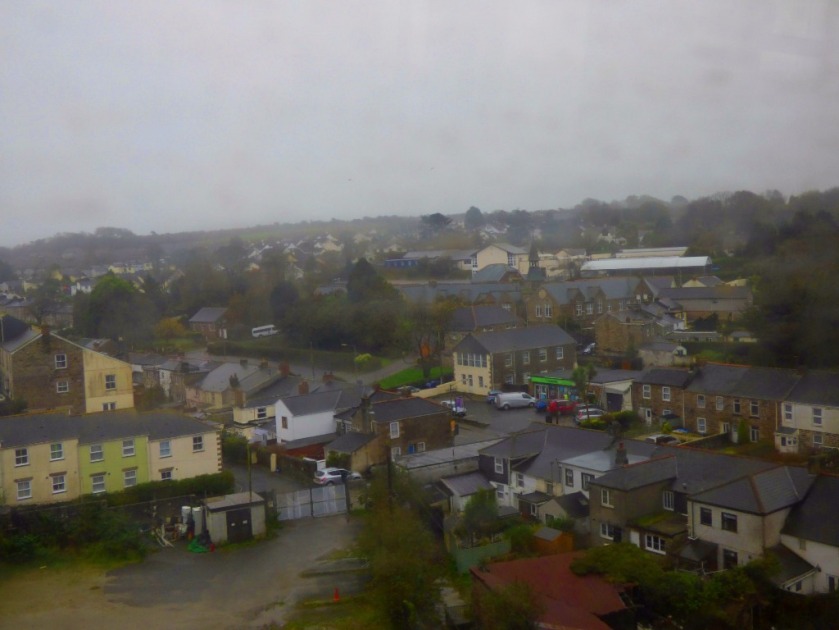
View from the train, just beyond St GermansFrom the trainLiskeard through the windowLiskeard stationThrough the window IIThrough the window IIIWoodland with visitor centrebirds through the windowLostwithielLostwithiel StationDiscover LostwithielLostwithiel signNew build, LostwithielThrough the window IVParbranch line train, ParBodminBodmin IIBodmin IIIEng worksSt AustellSt Austell 2Discover the Tarka LineHouseTruro CathedralTruro Cathedral IIITruro Cathedral IVLeaving TruroTownscapeTruro (1)TruroRedruthWaiuting area, RedruthWaiting area, Redruth IICamborneCamborne IICamborne Townbench, CamborneCamborne platformHayleHayle platformPlatform InfoWHHTownscape IISt Erthapproaching PenzanceApproaching Penzance II

PENZANCE STATION

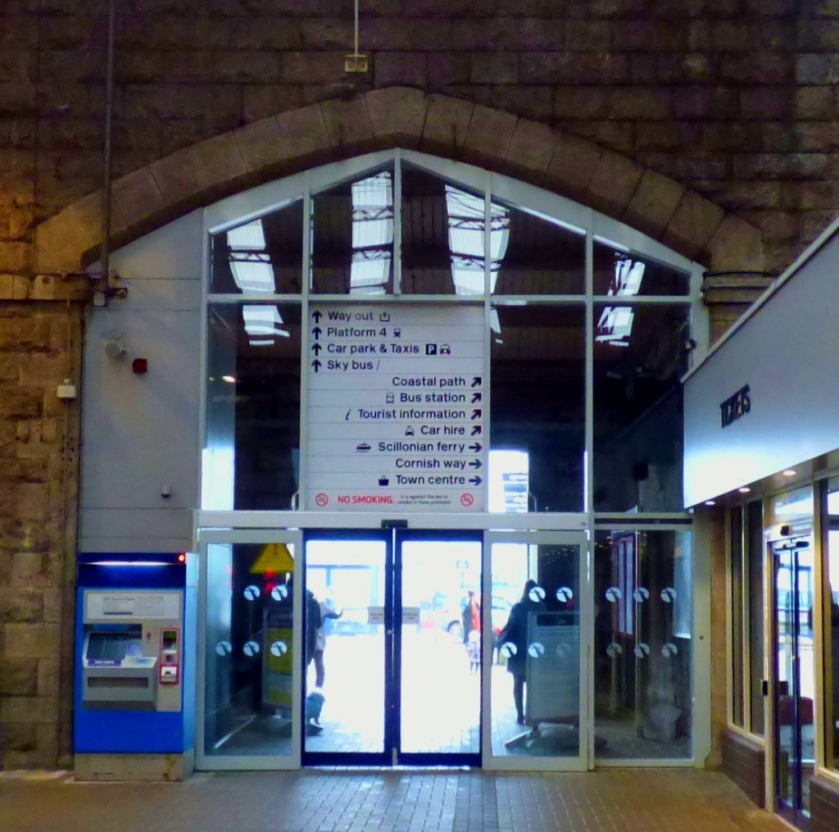
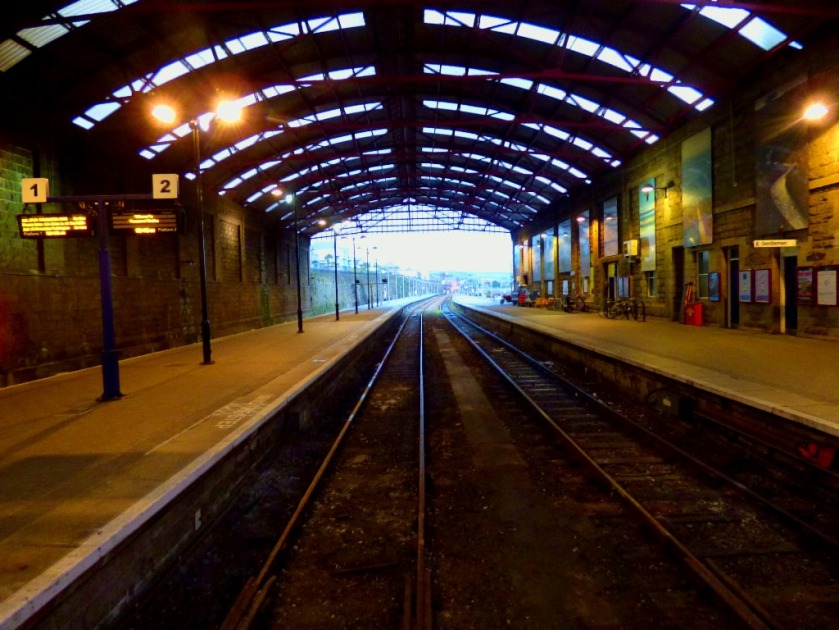
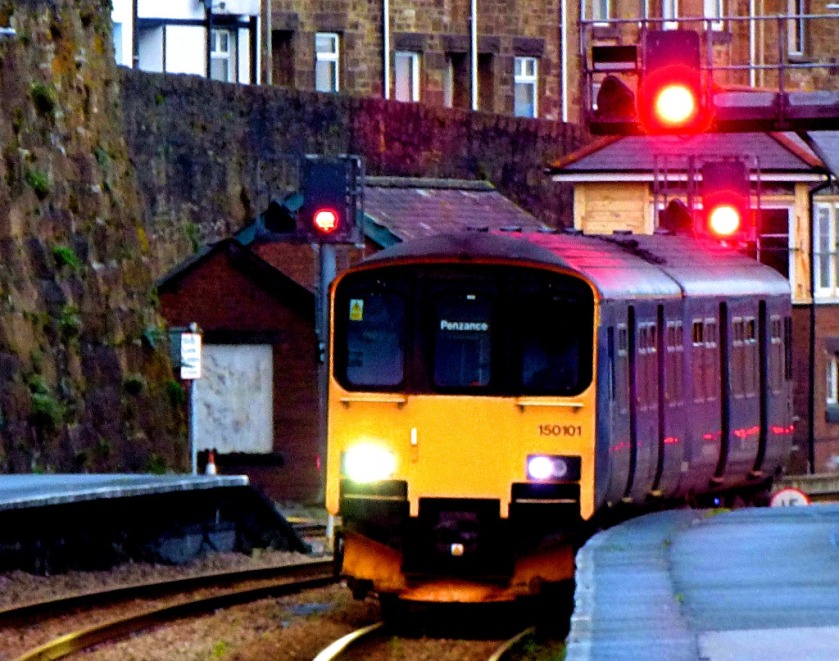
These pictures were taken both on arrival at Penzance, and towards the end of my time in Penzance.

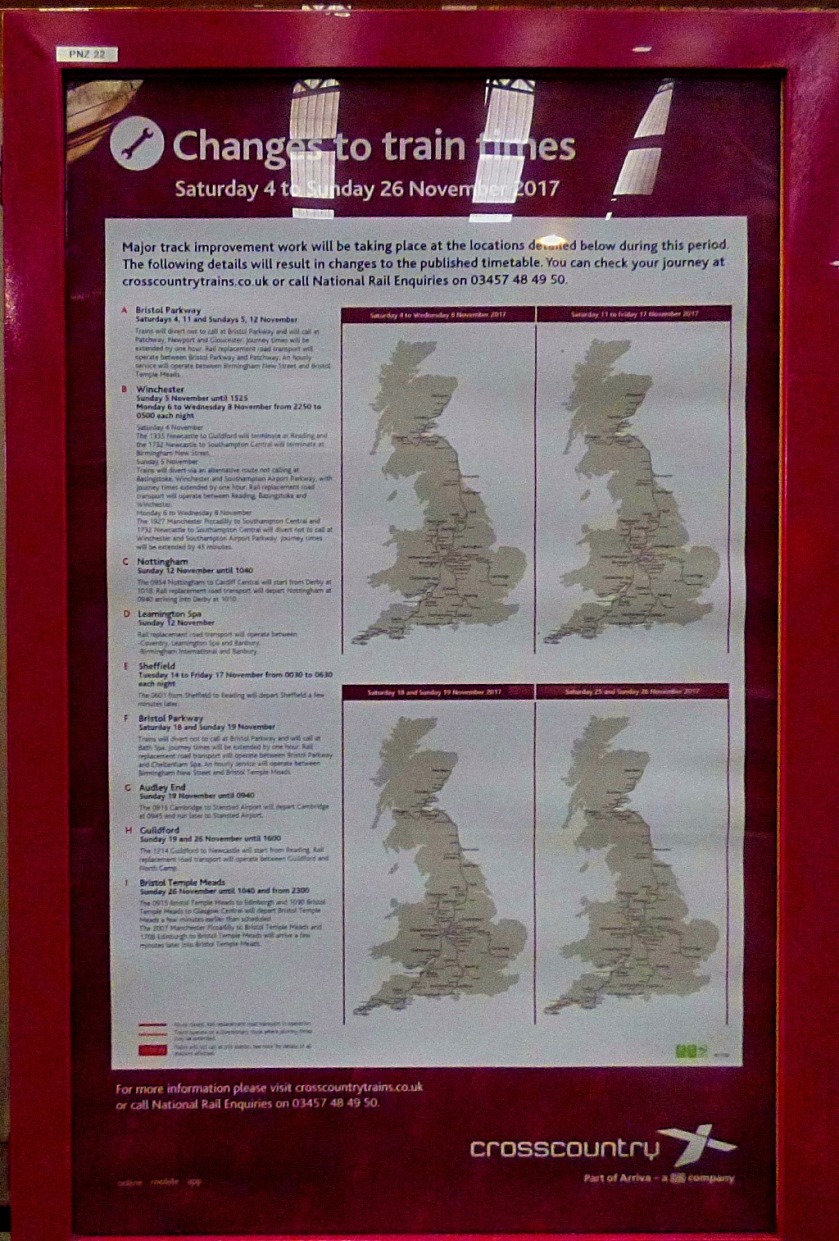
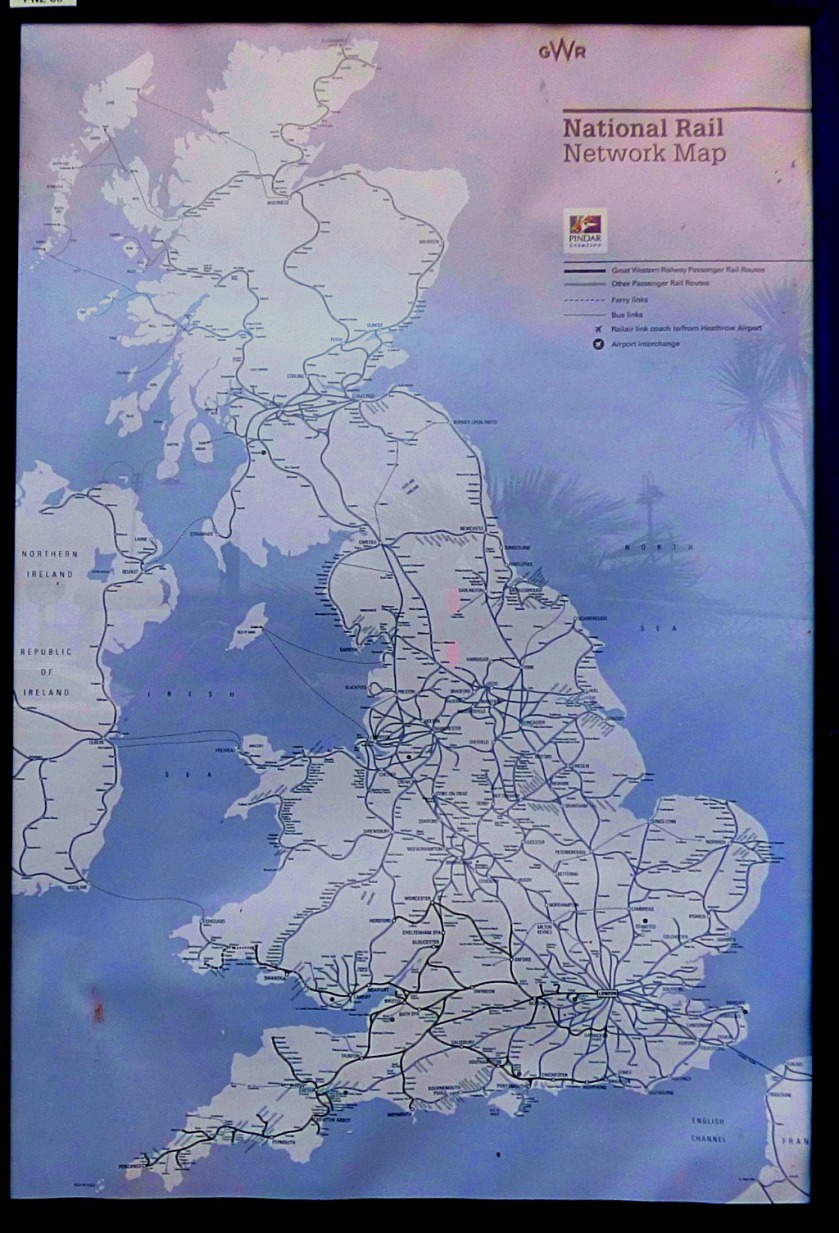
GWR mapChanges to train times

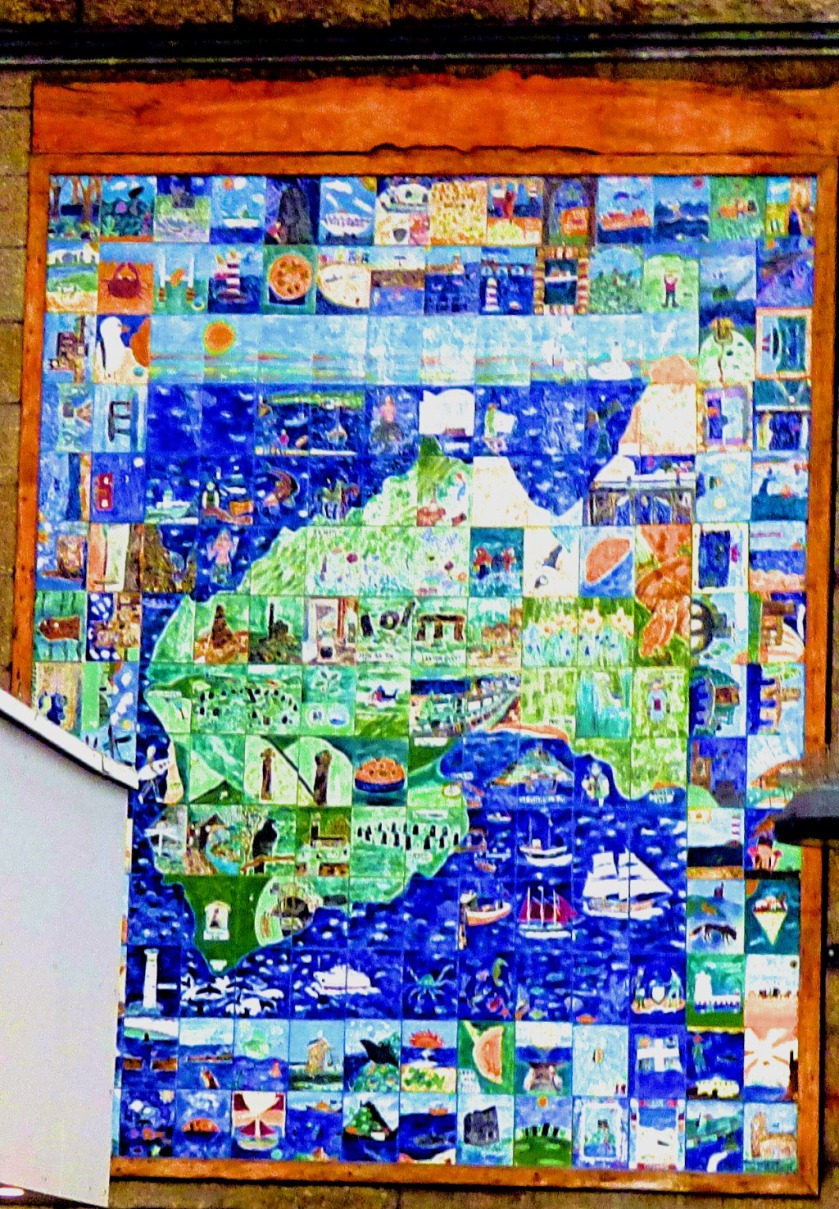
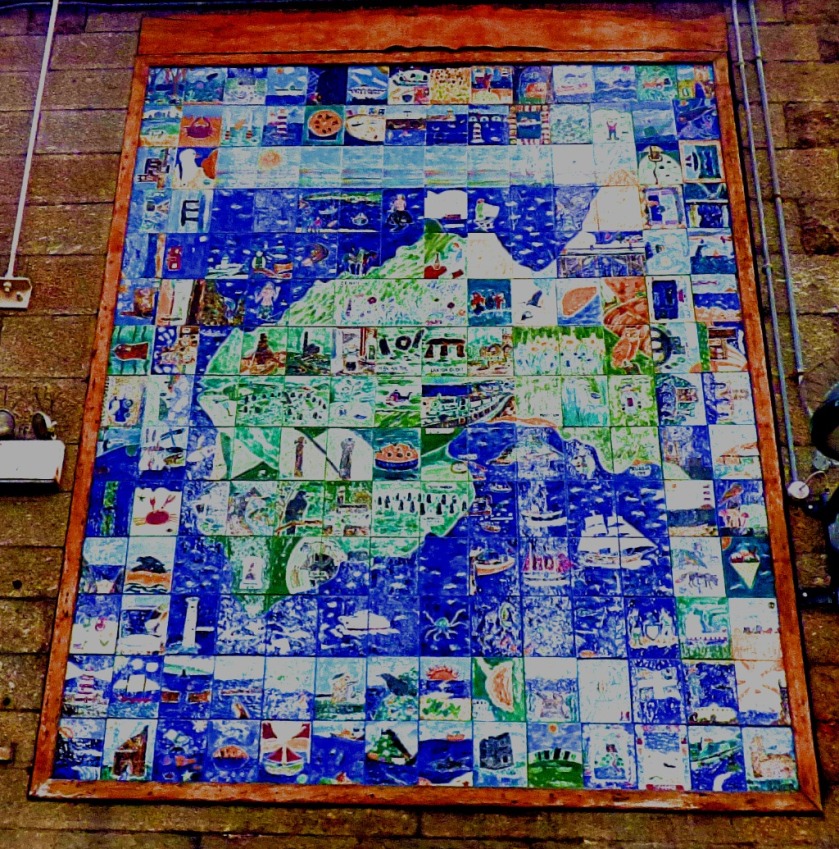
Tiles, Penzance
This was my first effort at capturing this tile picture…
Tile Picture
…and this, later in the day, was my second and final effort.

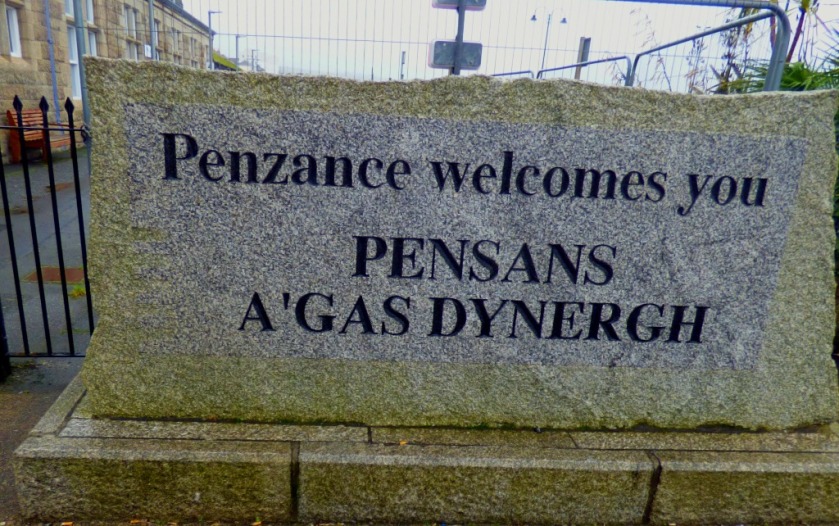
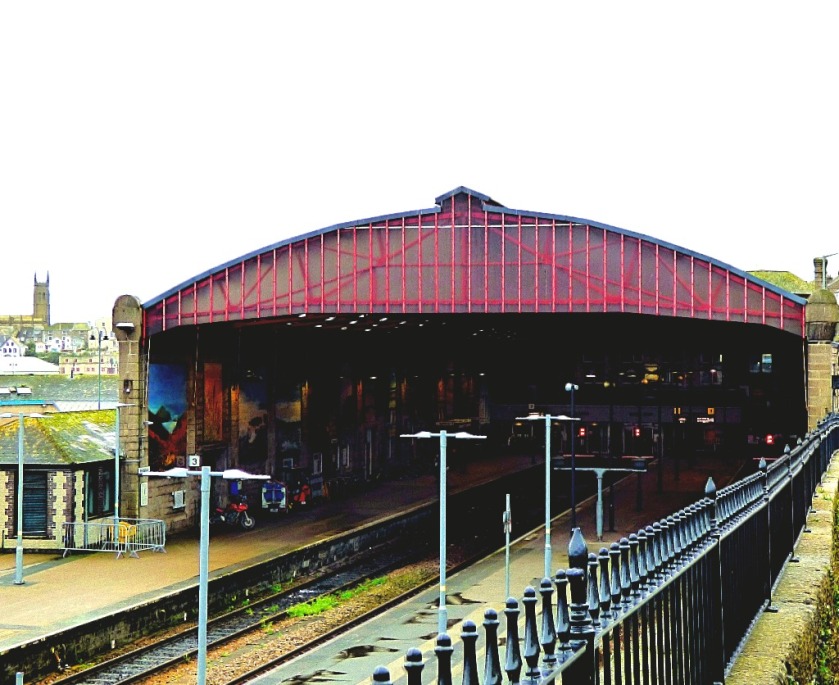
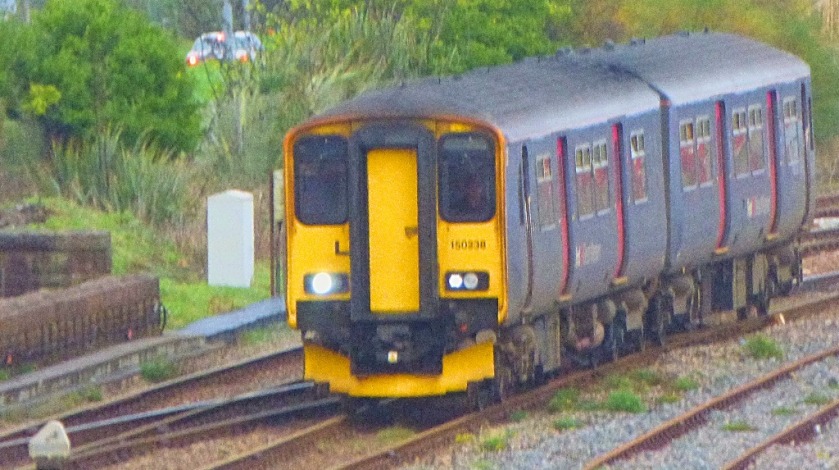
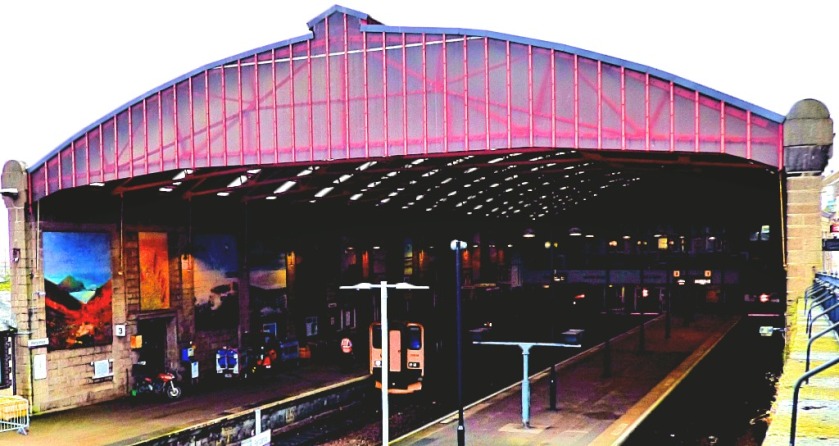
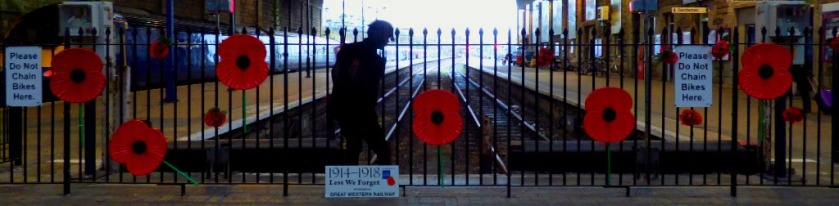
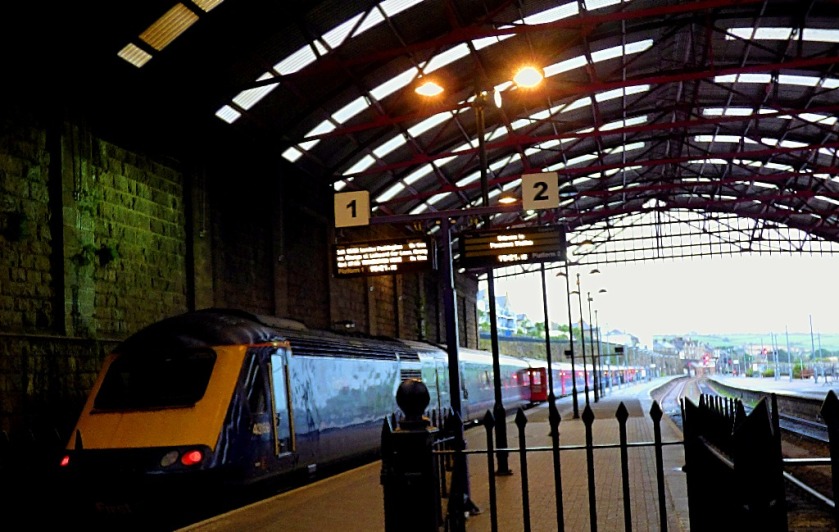
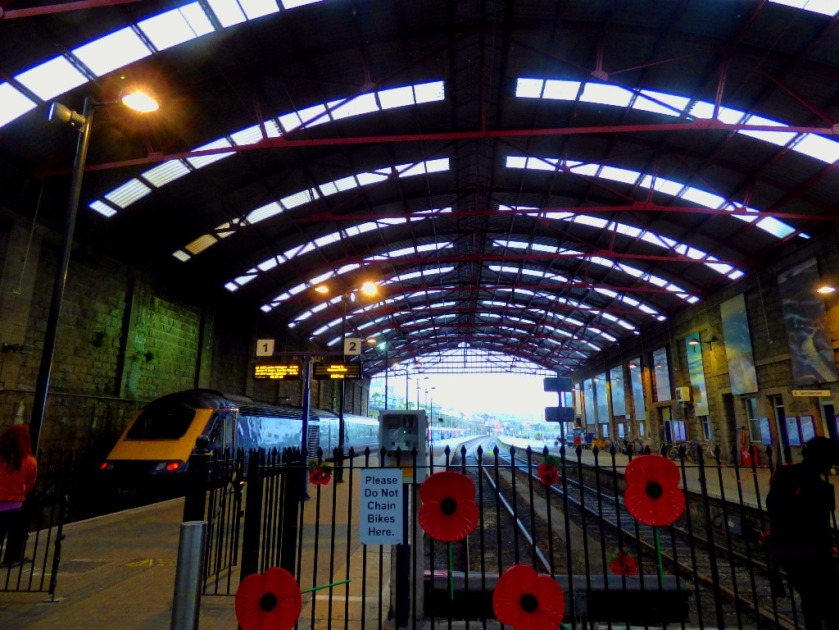
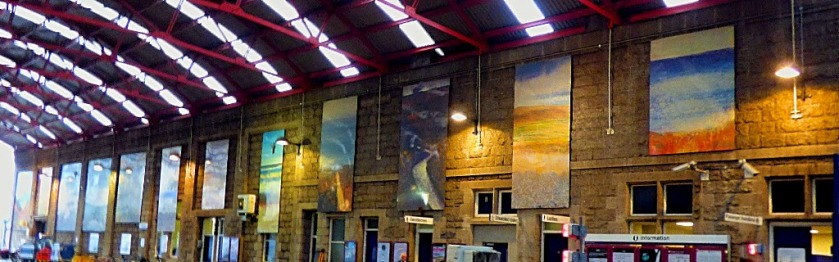
Penzance Welcomes YouPenzance StationIncoming traintrain at Penzance stationPoppy displayThrough train to London PaddingtonPenzance Station, looking outWall picturesWay OutNational Rail MapPenzance Station 1Incoming


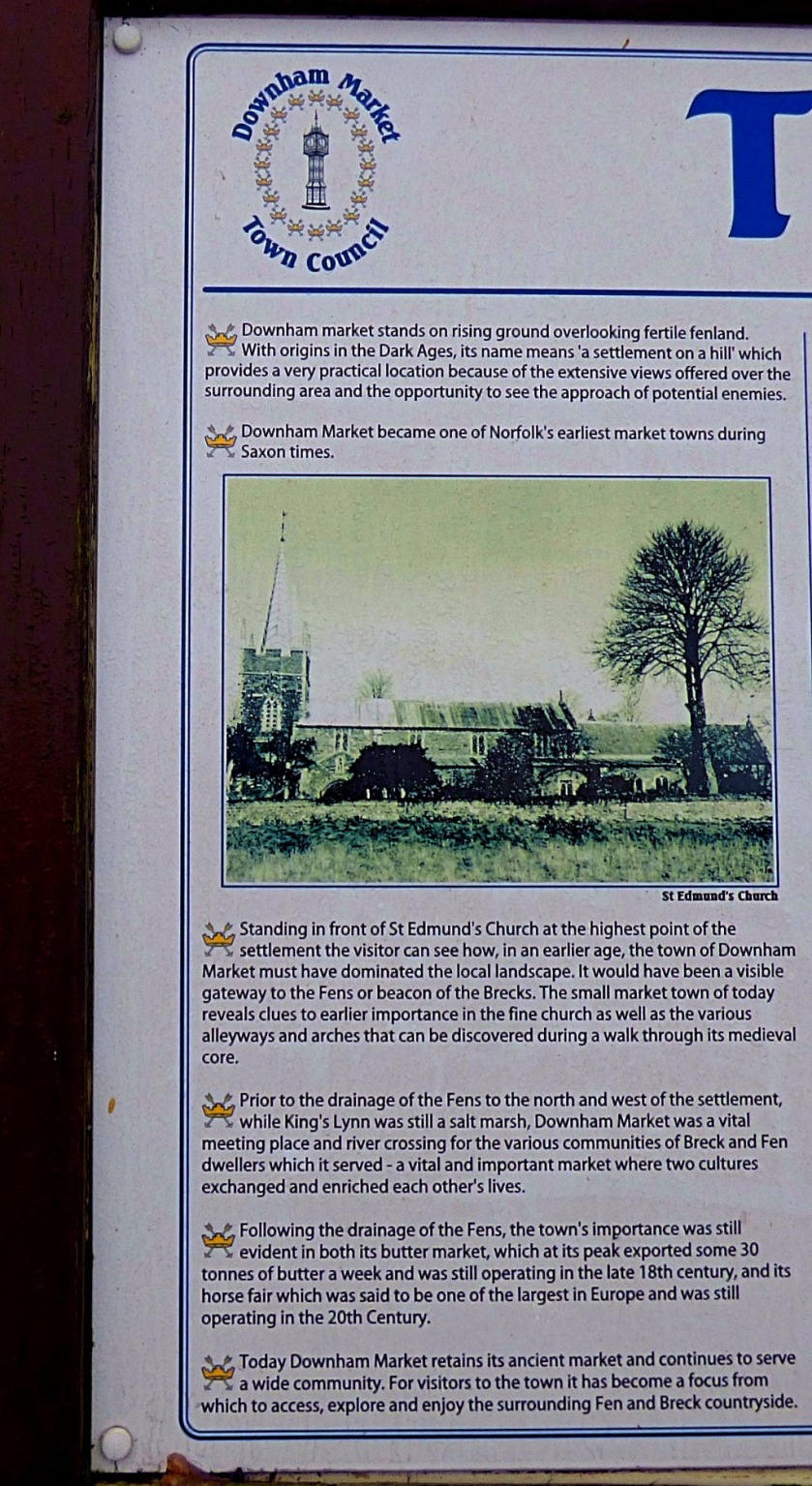
Downham Market

A photographic account of Downham Market, an old market town in Norfolk.

INTRODUCTION

As those of you who read the post I put up earlier today will know I spent part of Saturday in the town of Downham Market. These post showcases everything I saw there other than the Town Hall. 

THE STATION

This was my first visit to Downham Market, as opposed to passing through the station en route to further afield destinations. The pictures here were taken at two distinct periods, in the morning immediately post arrival, and in the afternoon when I had rather more time to kill than I would have wished. The only way across the tracks at Downham Market is by way of a level crossing, and the train from London to King’s Lynn arrives just before the one going the other way. The crossing gates close a couple of minutes before the King’s Lynn train arrives and stay closed until the London train has departed, which means that if you are looking to catch the King’s Lynn train, which departs from the far platform from the town centre and the crossing gates close you have missed it, and such was my fate on Saturday. For those affected this also explains both my later than usual arrival at the venue for Musical Keys and the fact that I was a tad breathless when I got there – I had stepped off a train at 15:20 at King’s Lynn and walked straight out to the Scout Hut in something of a hurry.

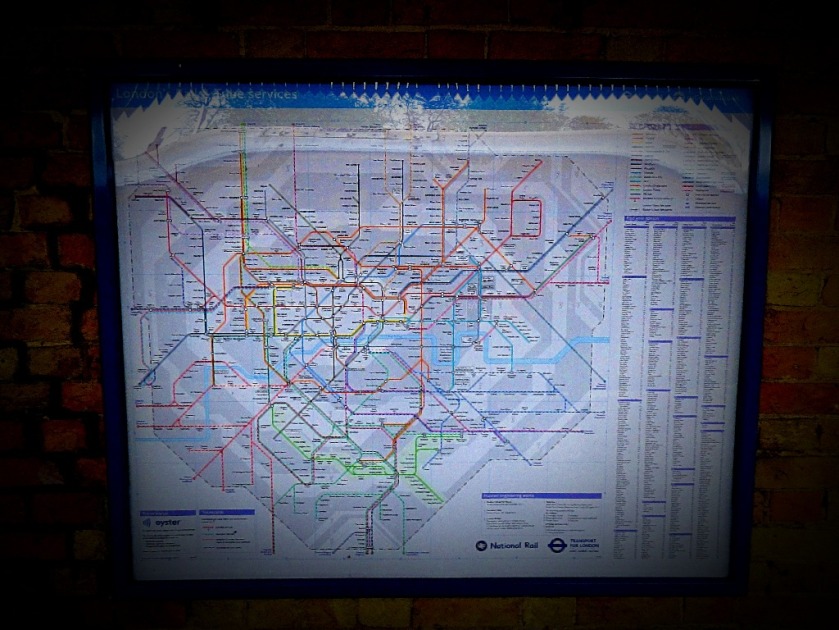
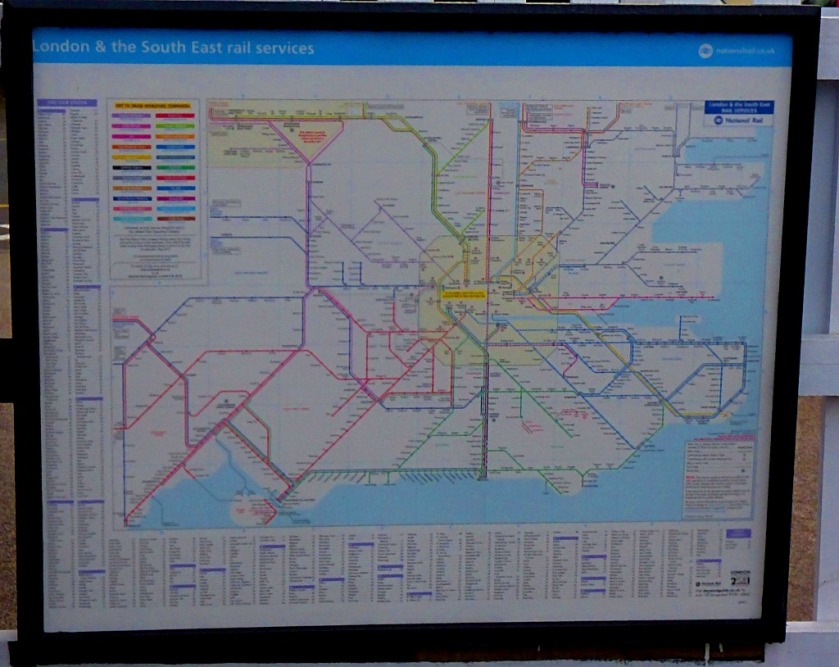
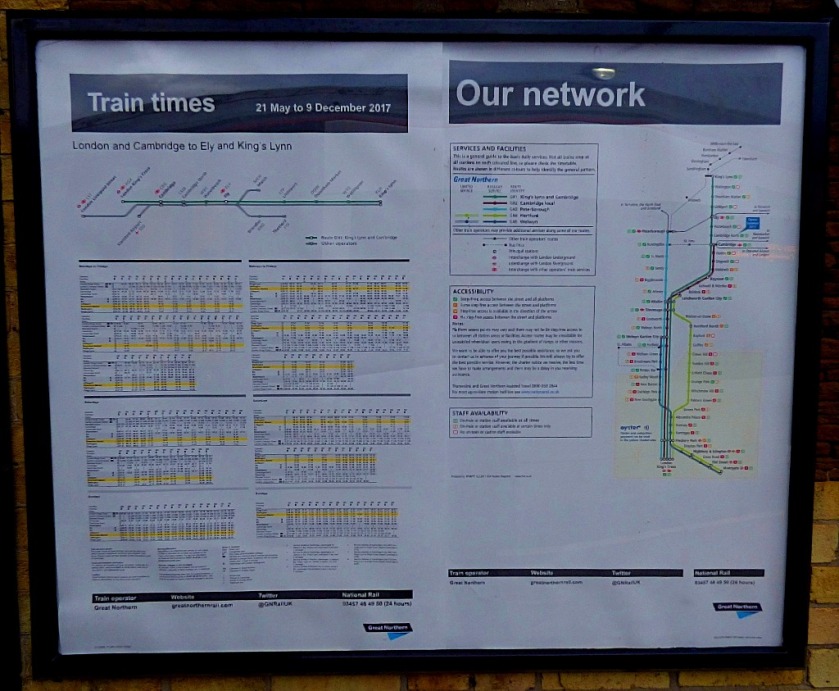
London ConnectionsRailway MapGNNGN

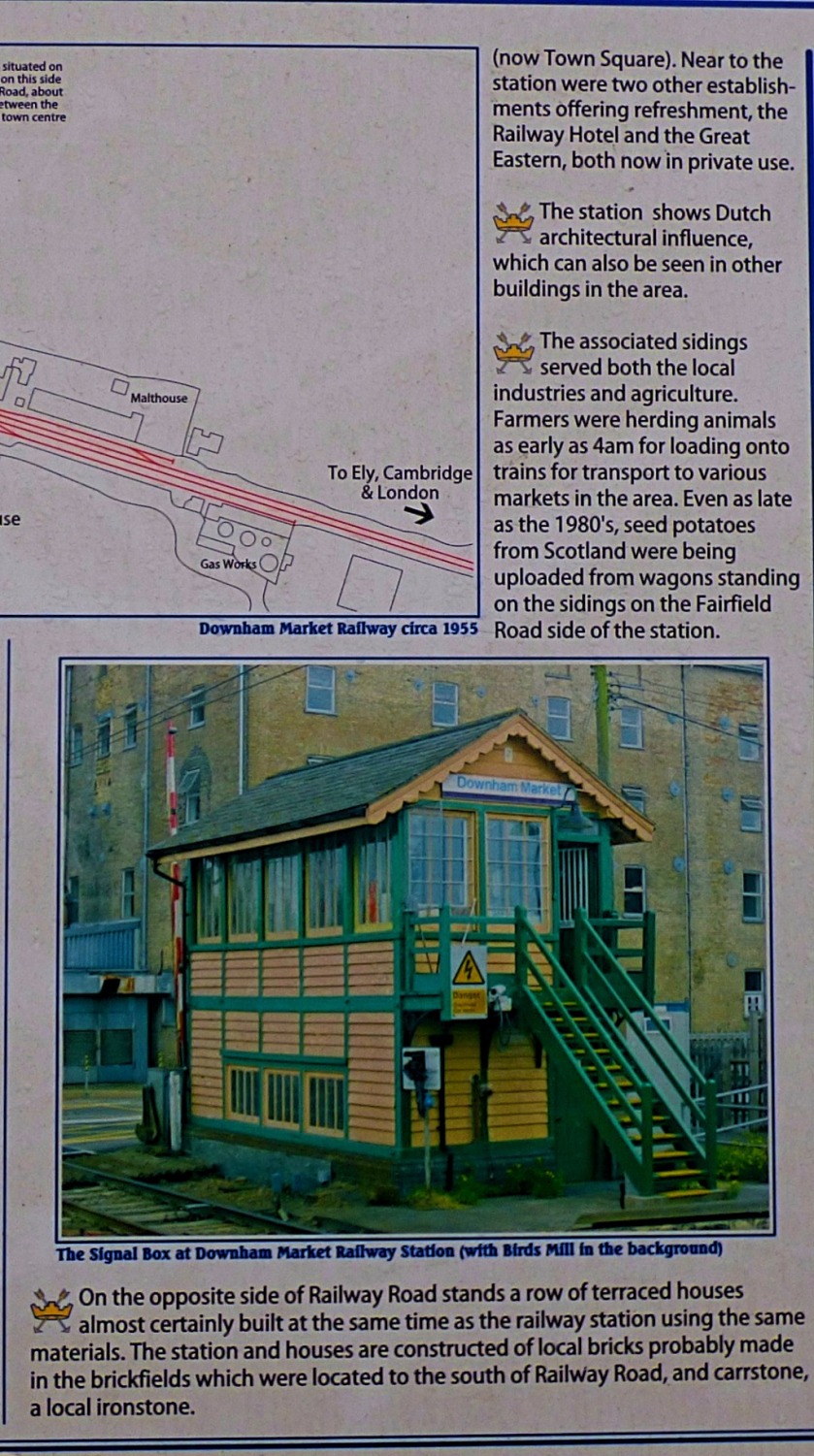
signal box
The signal box at Downham Market
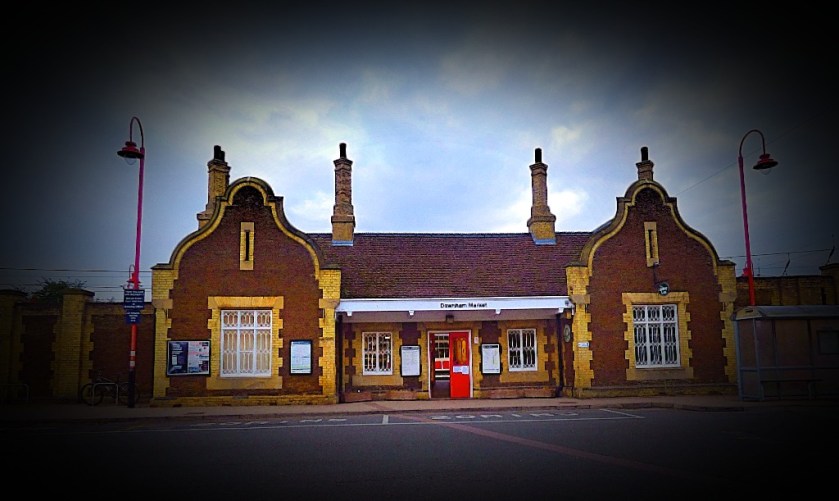
Station building
The station building – very impressive, and I was to discover quite typical of 19th century Downham Market buildings in the use of Carr (the brown coloured stone).
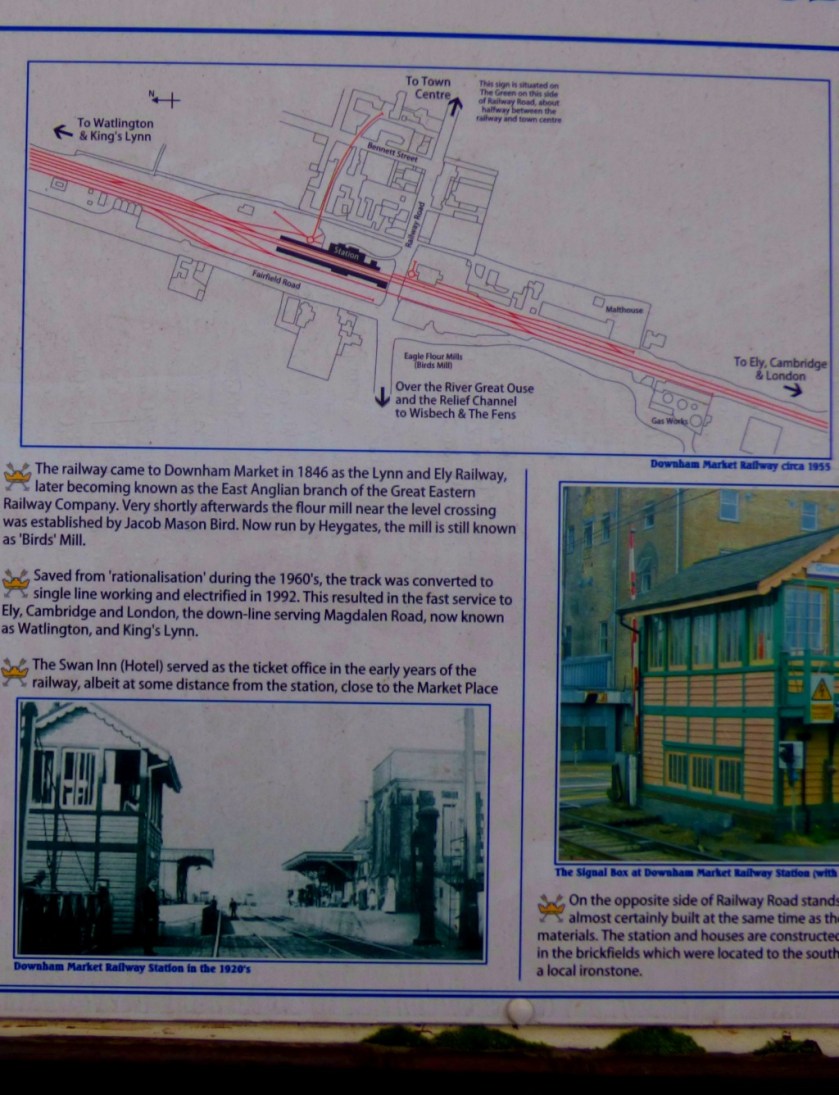
Local Map
A handy little map for working out one’s route from the station.
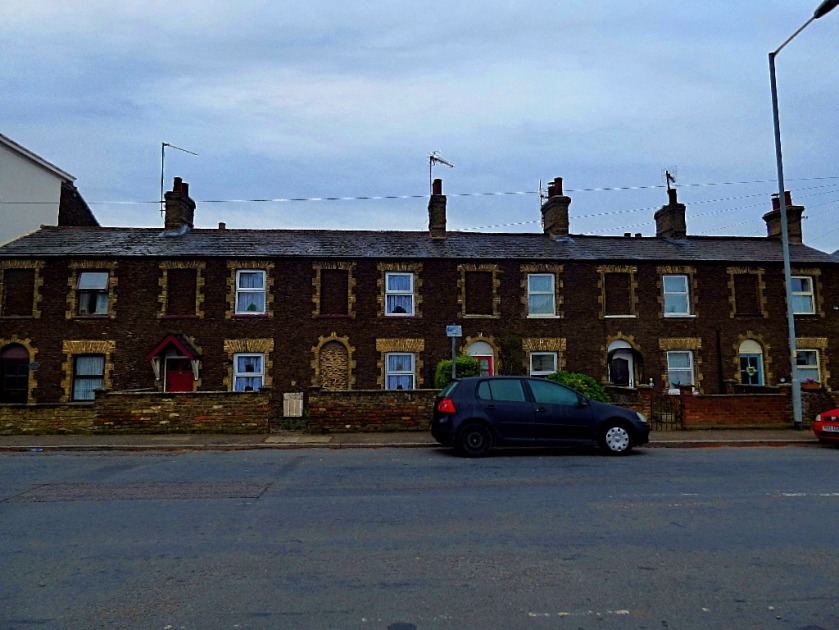
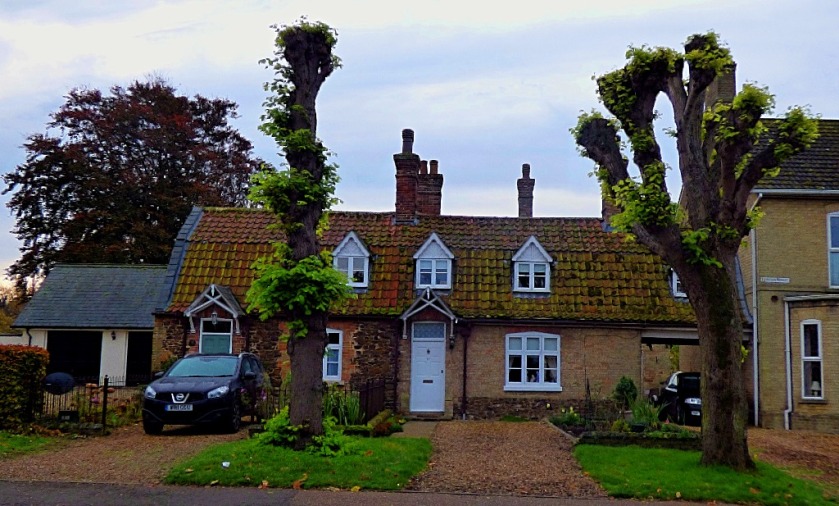
Terrace
I reckon (though I am opne to correction) that this little terrace was built to accommodate railway workers.
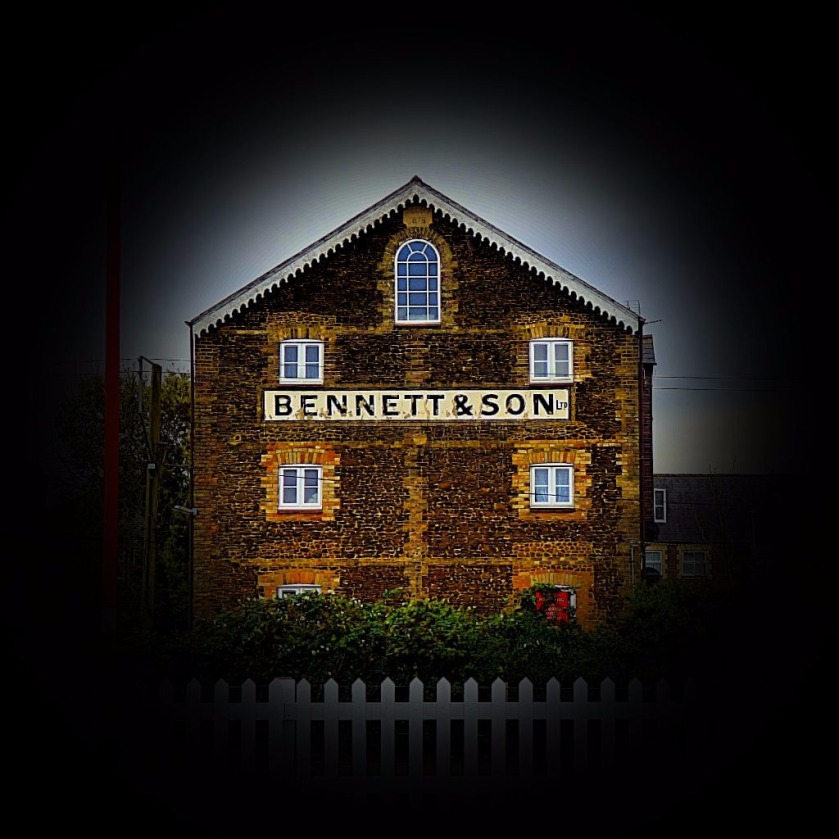
Bennett & Son
This building is visible from the station platform.

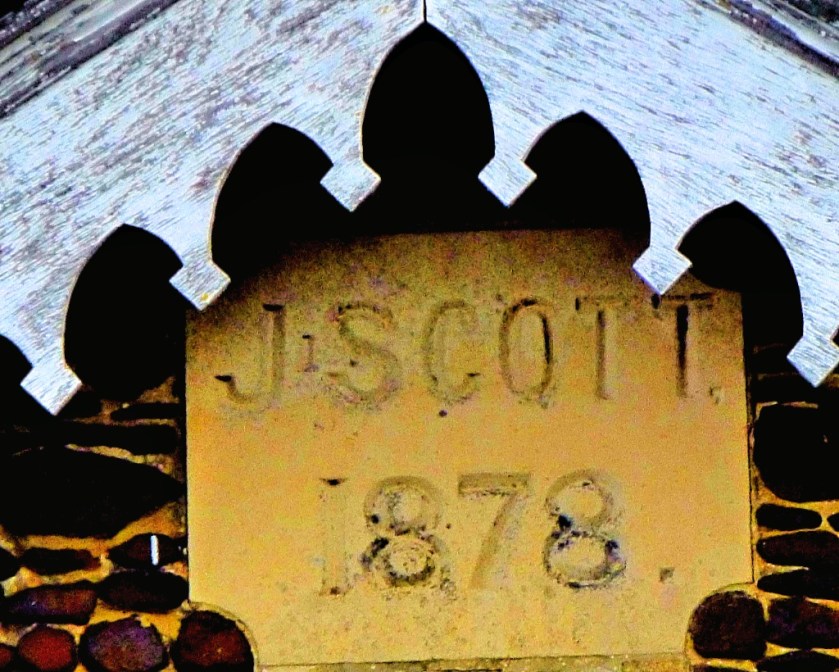
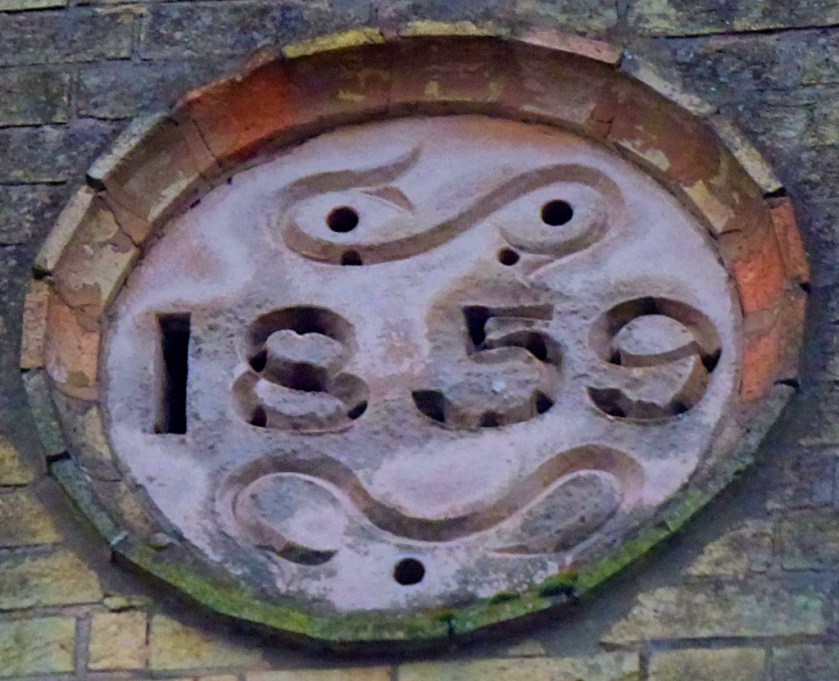
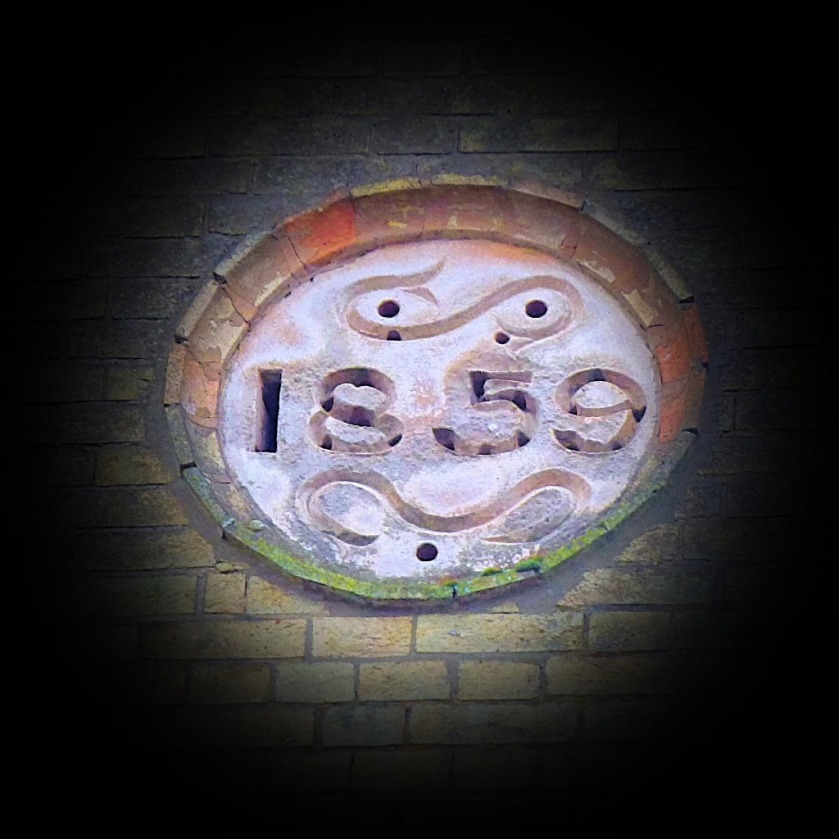
Date stone

THE REST OF DOWNHAM MARKET

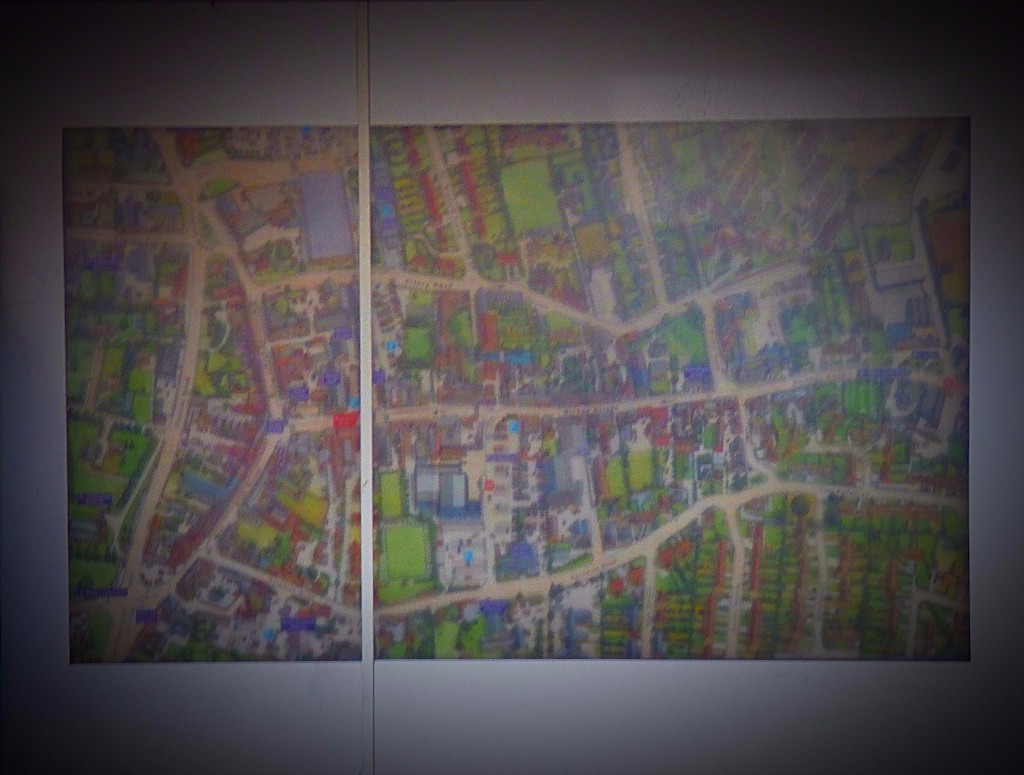
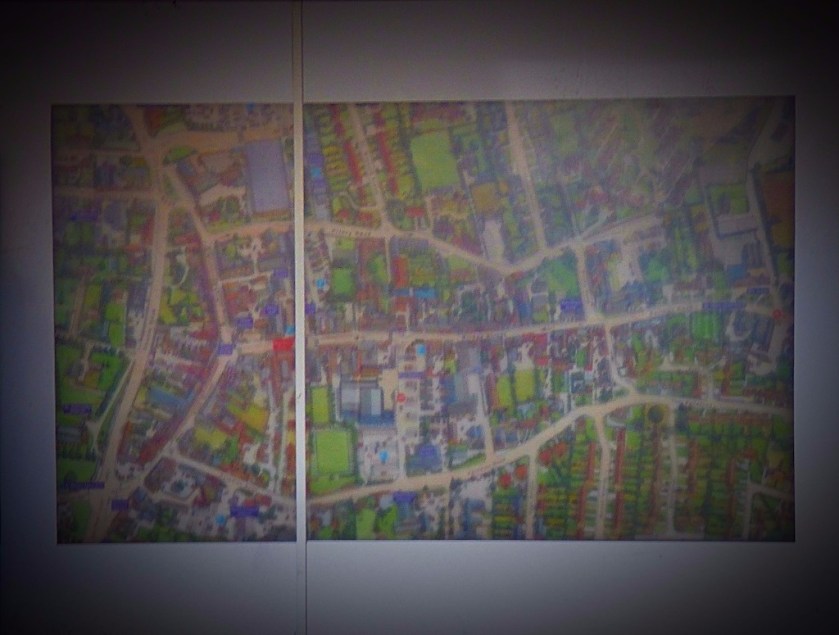
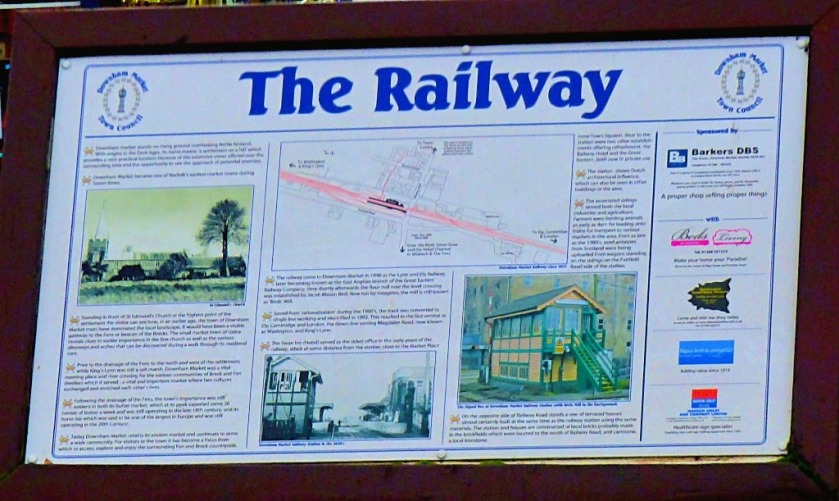
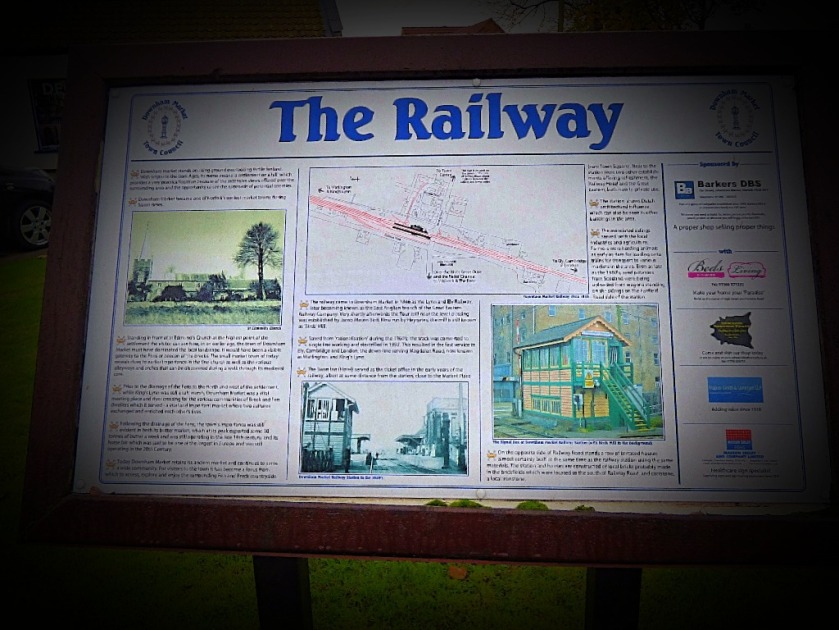
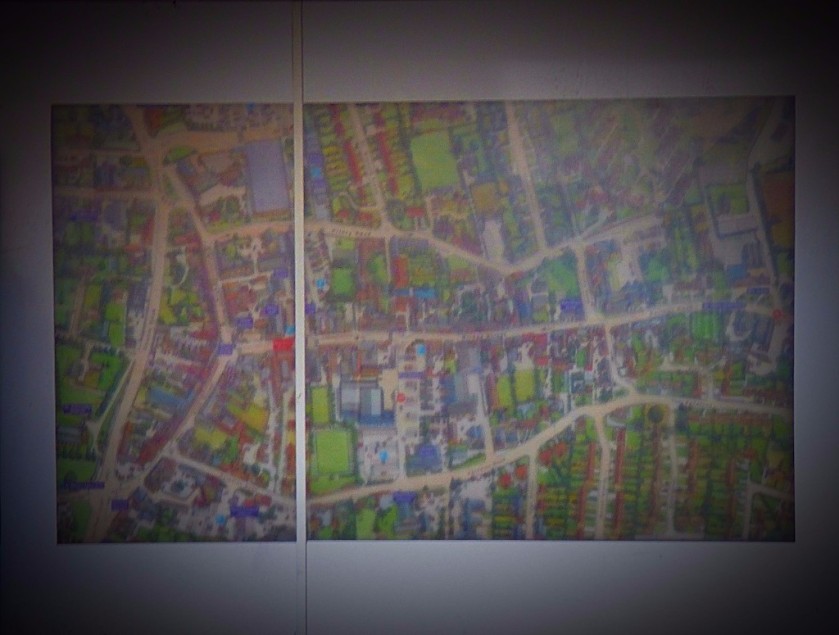
I start with two pictures to set the scene, a huge pictorial map which can be seen in the town centre and the information board about the railway:

Giant MapThe Railway 1

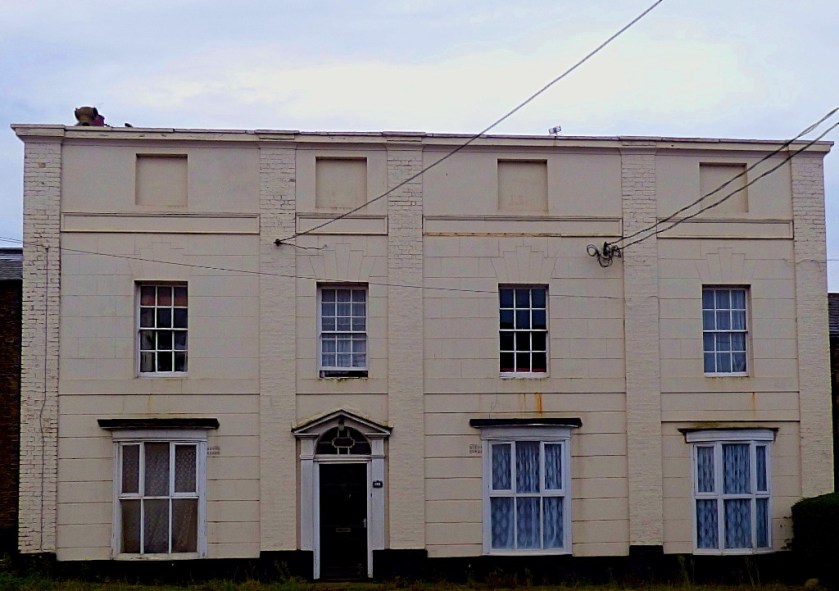
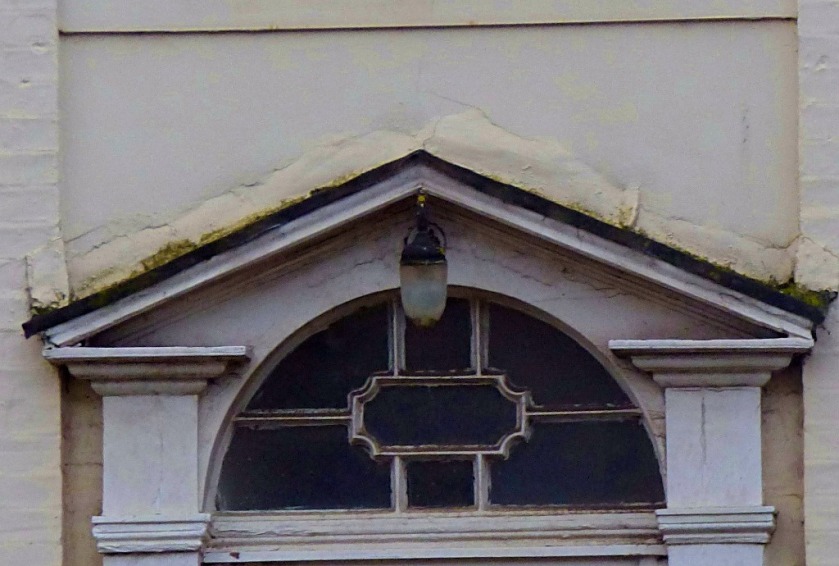
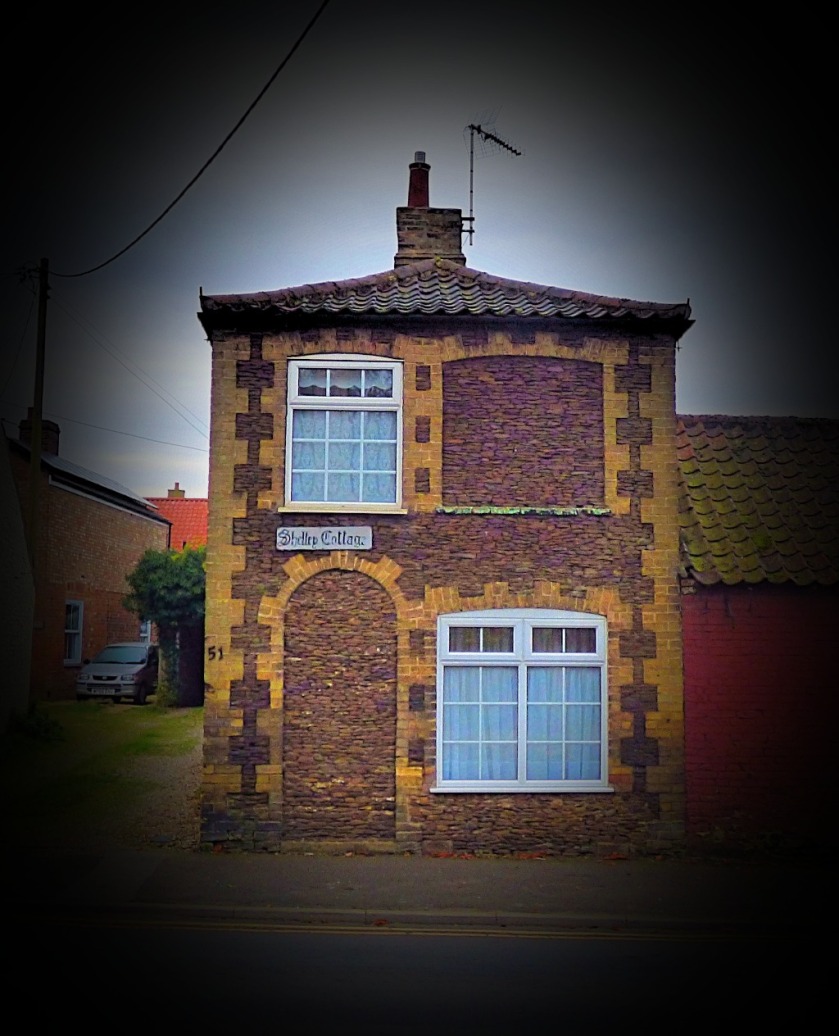
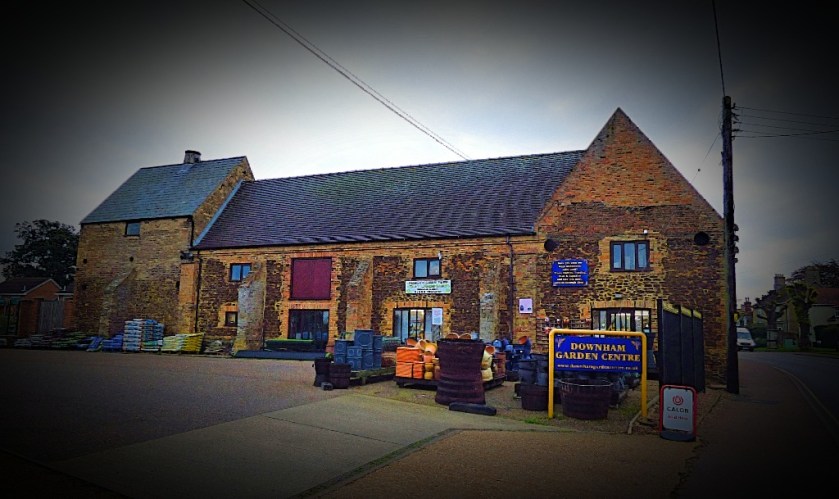
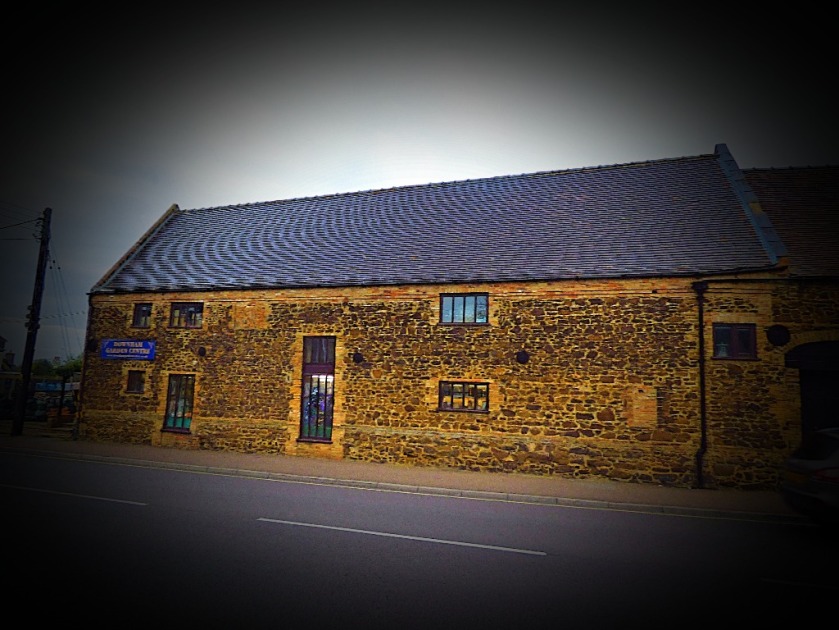
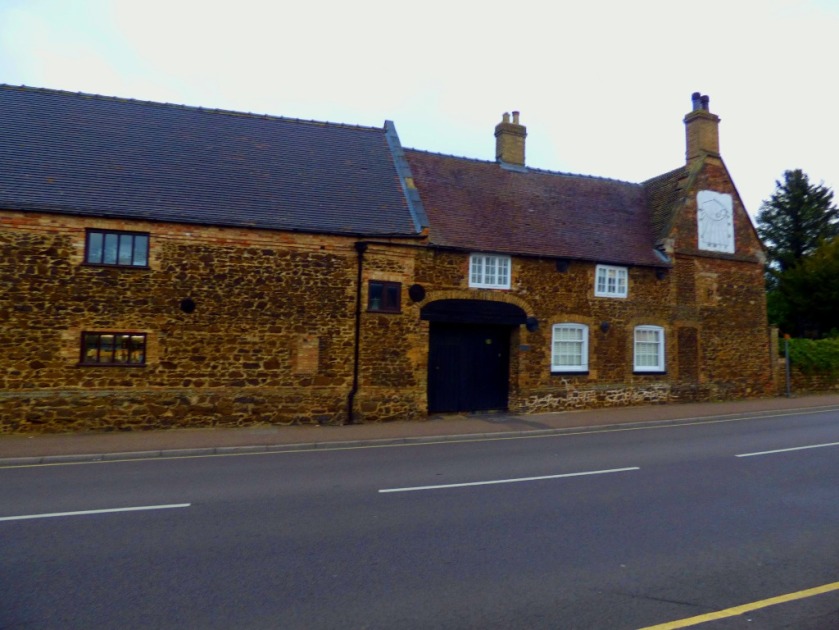
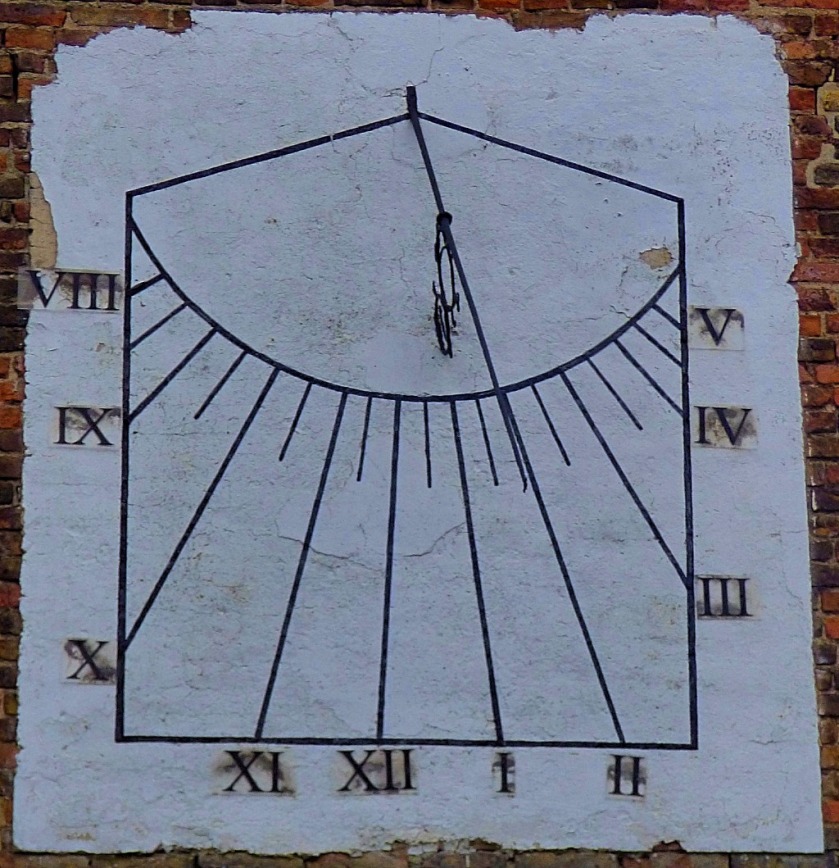
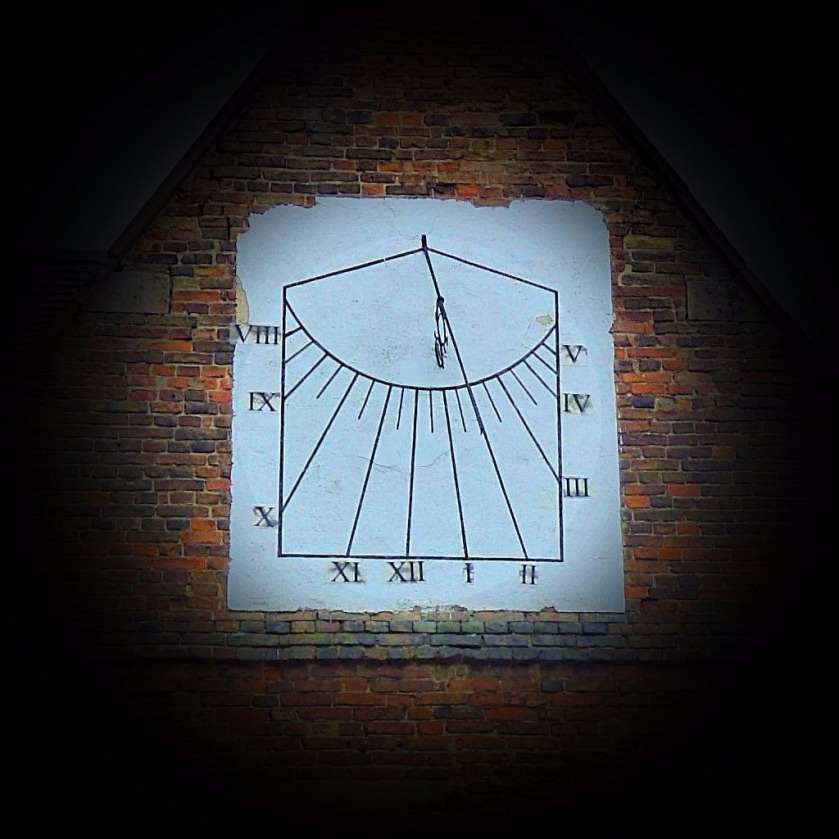
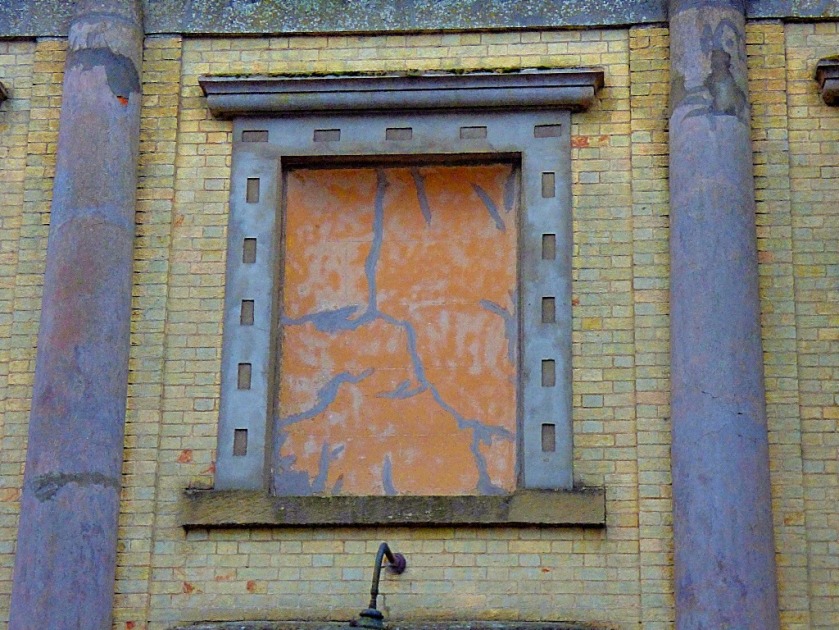
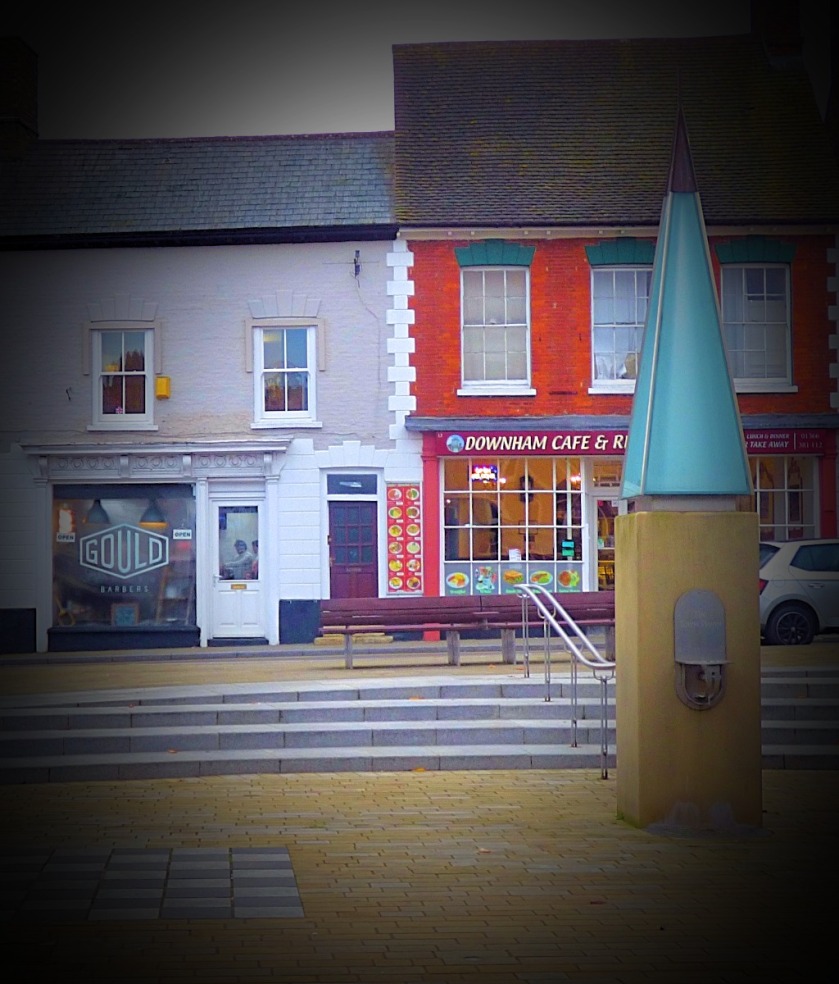
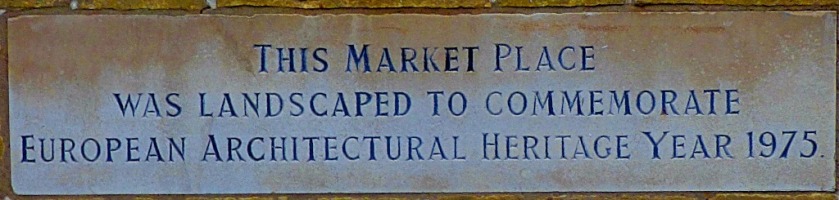
The ‘Downham’ part of Downham Market comes from Anglo-Saxon (afterall, we are in the lands of the North Folk of the East Angles) and literally means ‘homestead on a hill’, and indeed the market town that grew up around that homestead (it has been a market town since Anglo-Saxon times) is slightly elevated from the surrounding countryside, which in Norfolk constitutes being on a hill! These photos are presented in the order in which they were taken.Georgian housePedimentDoorShelley CottageSemi-detachedbirdStone shieldGarden CentreThe Railway 2Garden Centre 2Garden Centre 3sunclock 1sunclock 2The Railway close up 1Railway Close Up 2The Railway close up 37098Sculpture 1Sculpture 2Temple like buildingBlocked windowDate plaque 1Date plaque 2

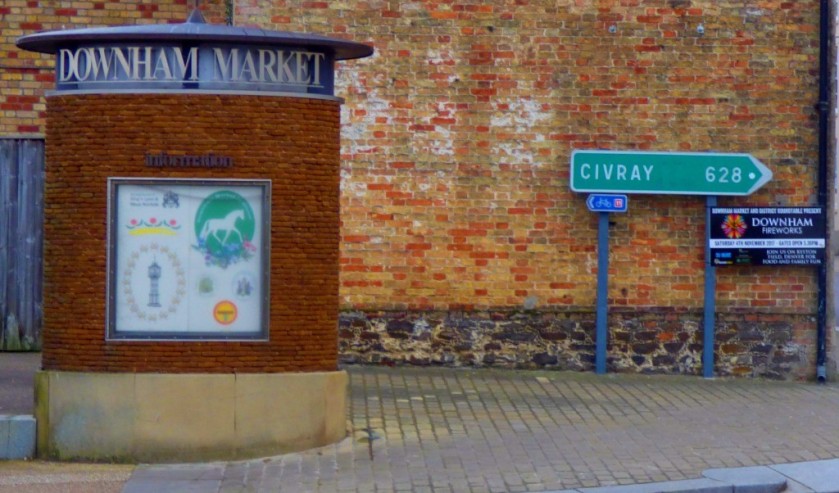
Info signs
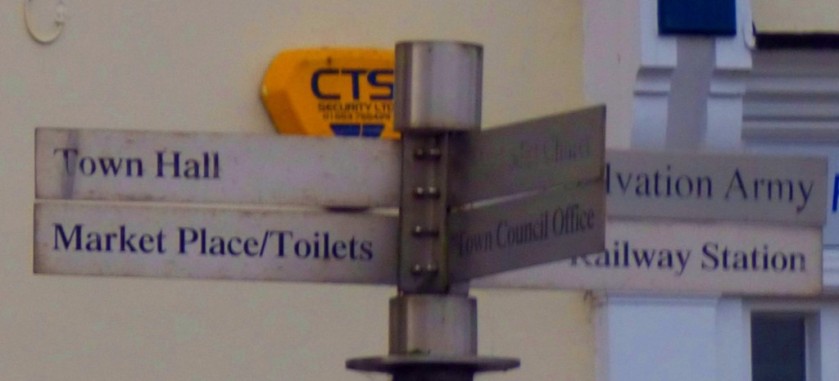
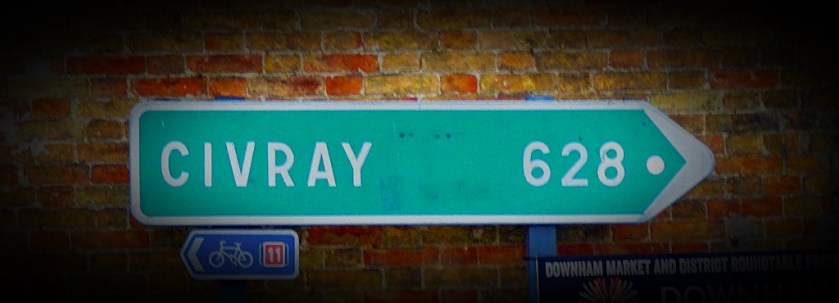
There will be more about Civray in the next section.

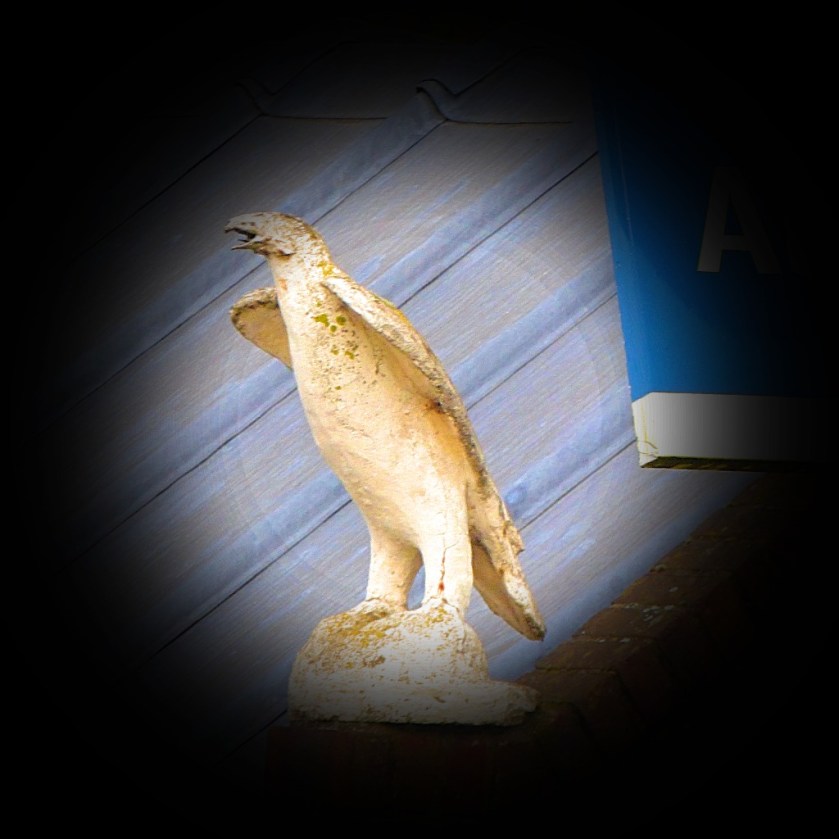
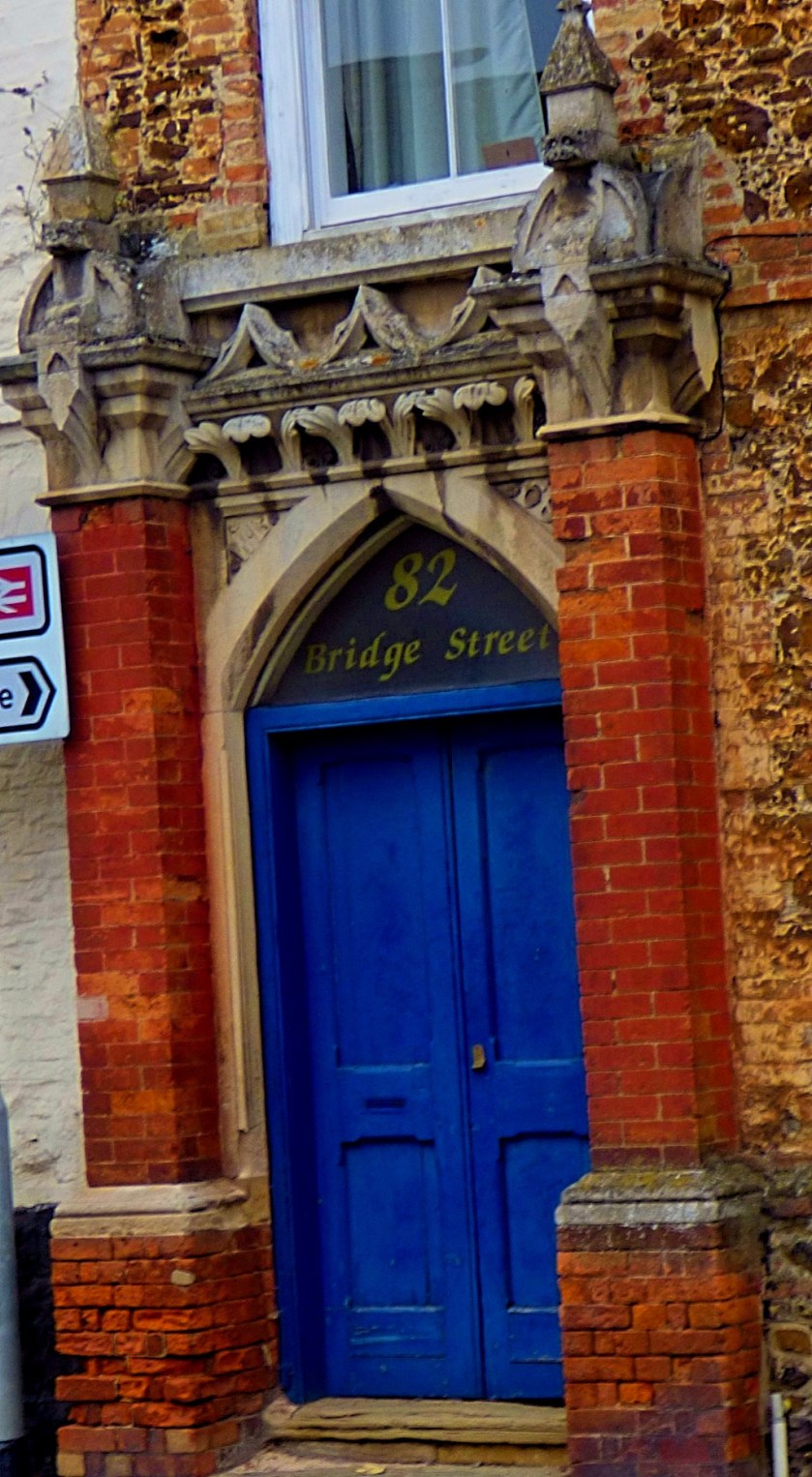
InfoGiant MapsignsShopClock 1FountainMP sculptedStone bird82 Bridge Street

CIVRAY

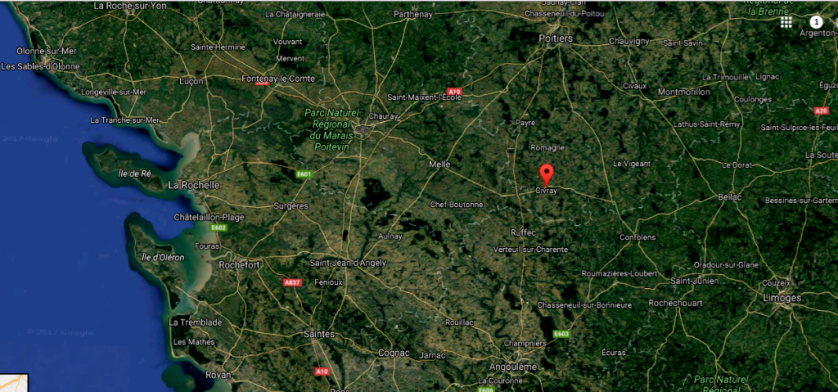
I realised that there could be only one explanation for a signpost in cengtral Downham Market giving the distance to the town of Civray, namely that the two towns are twinned. Civray for the record is pretty much exactly halfway between Poitiers and Angouleme, due east of La Rochelle. I include a map as well as a close up of the sign.

Civray 628Civray


Scotland – Homeward Bound: Lochluichart to Inverness

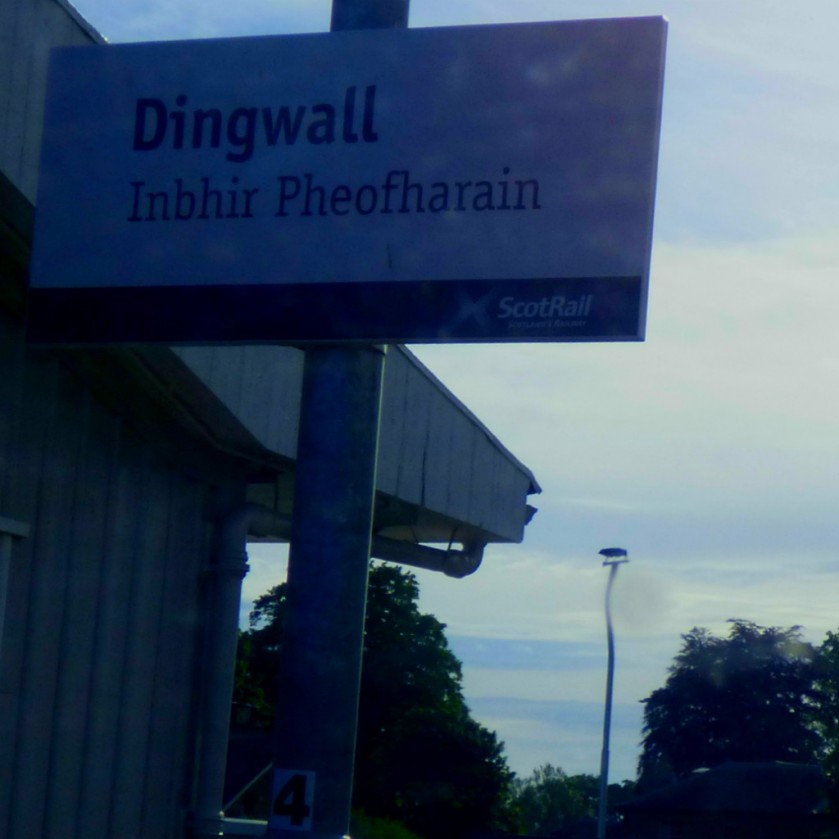
Continuing the account of the homeward journey, taking the story up to Inverness (Inbhir Nis).

INTRODUCTION

Welcome to the next post in my series about my holiday in Scotland. This post continues the story of the journey home picking up where it’s predecessor left off at Lochluichart.

LOCHLUICHART TO INVERNESS

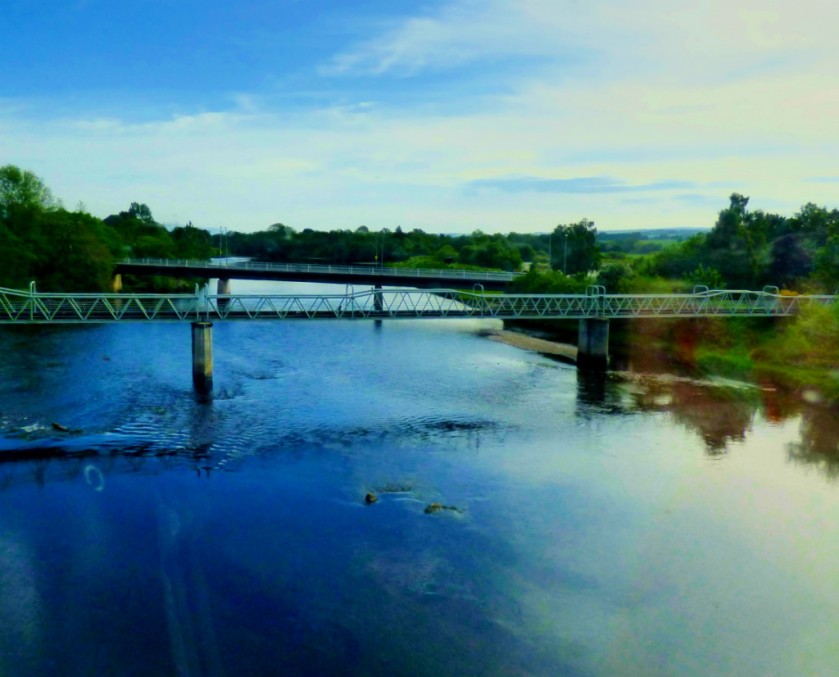
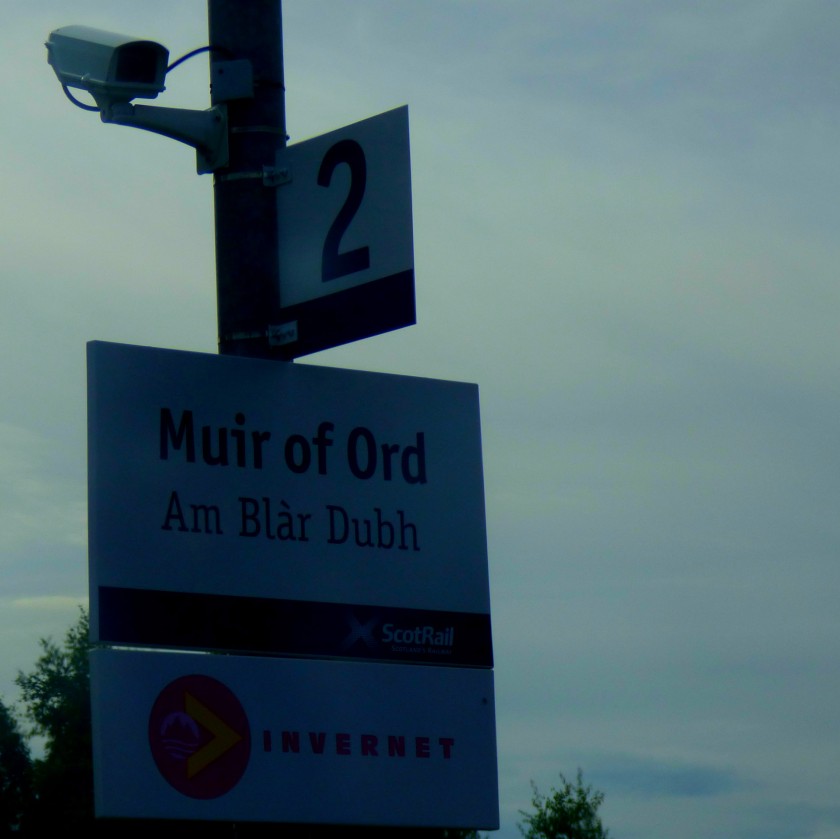
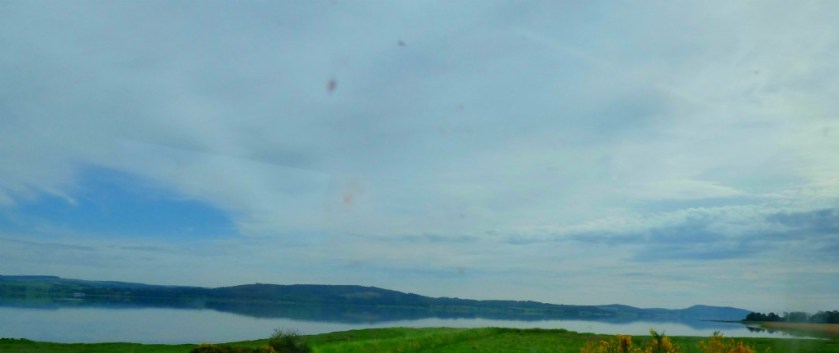
This part of the journey is not as impressive as its predecessor, but I did still get some good pictures.

14901491149214931496149714981499150115021503150715081509151015121513151415151516151715181519


Scotland – Wednesday Part 1: Plockton

The latest post ion my series about my Scottish Holiday, dealing with Plockton.

INTRODUCTION

We have reached the Wednesday in my series of posts about my holiday in Scotland, which astute readers will recall was the day of my birthdayFor previous posts in this series please click here. There will be a number of posts about this day as we saw a lot of fantastic scenery.

PLOCKTON

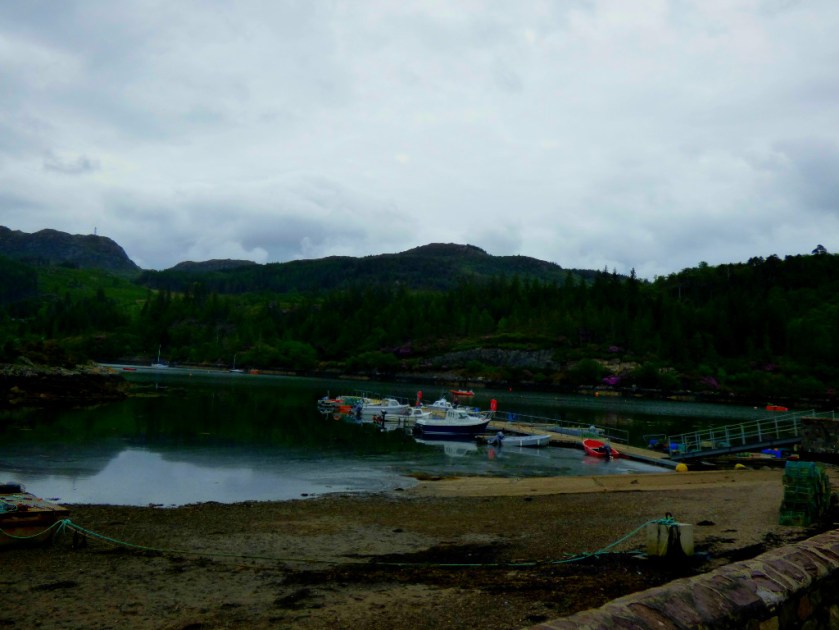
Our first port of call was Plockton, where were hoping to book a table at the Plockton Inn (it is in the Good Food Guide). There were also a few other things to see in Plockton. Here are some early pictures:

655
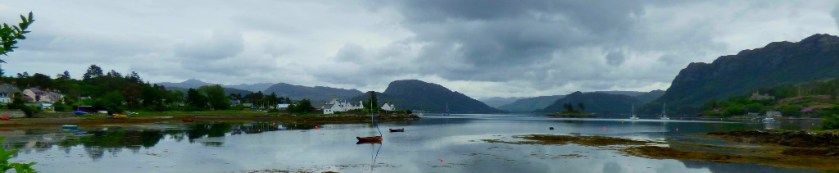
This is the approach to Plockton

656

657
The Plockton Inn sign
658
Picture in the Plockton Inn

We were lucky at the Inn – they did have a table, at 6PM, so we knew when we had to be back in Plockton. This sorted, it was time to explore Plockton:

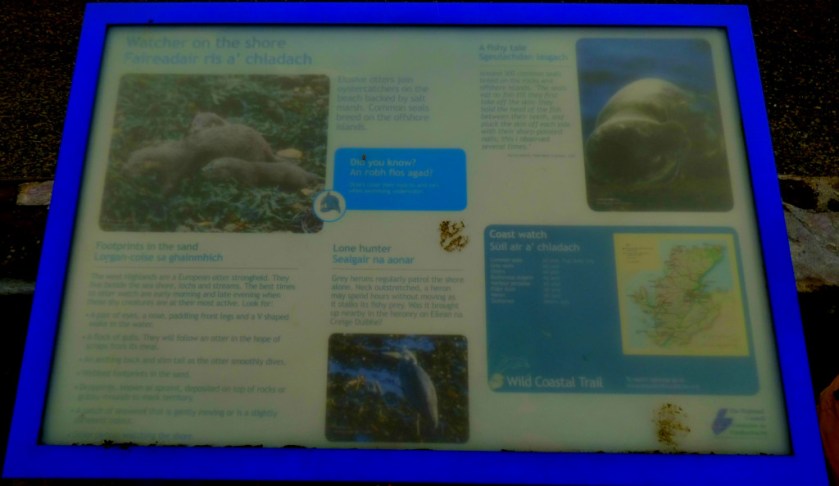
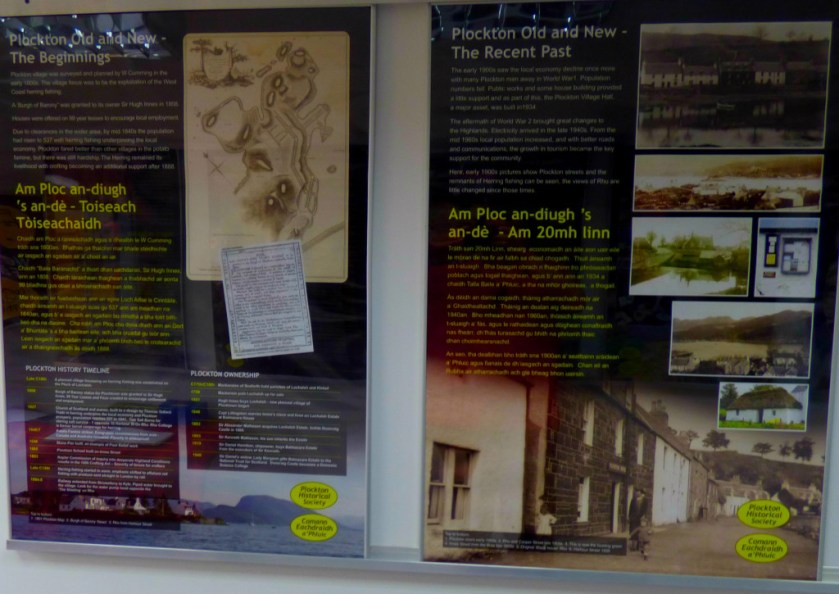
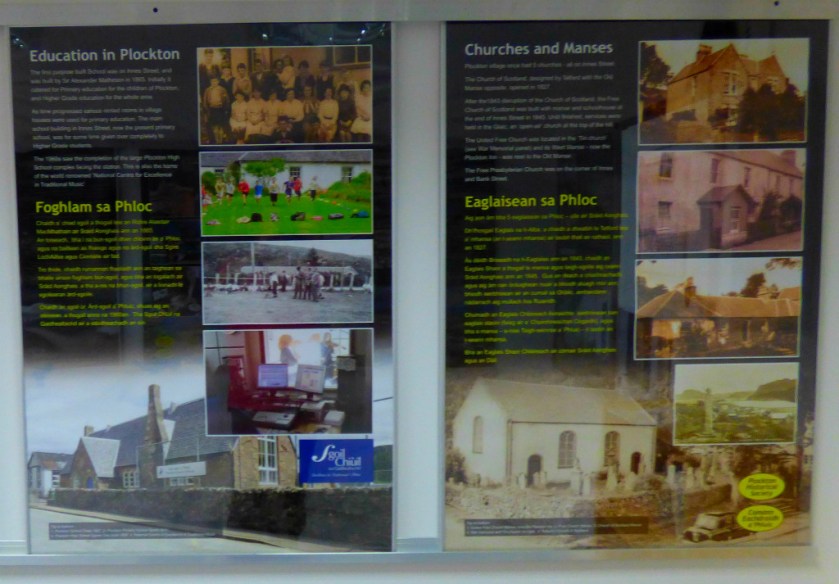
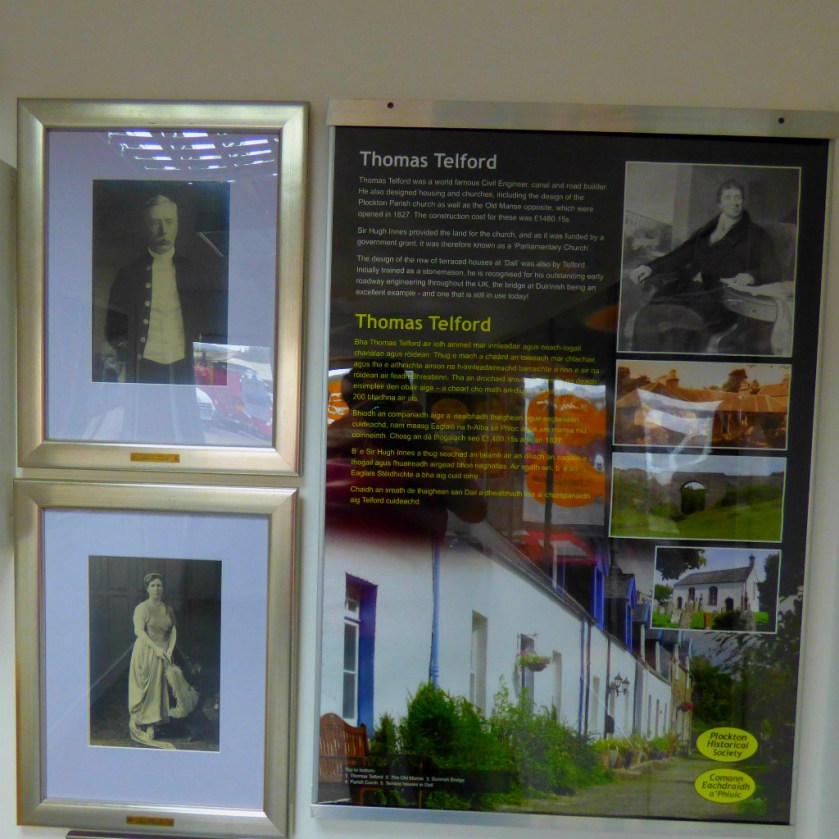
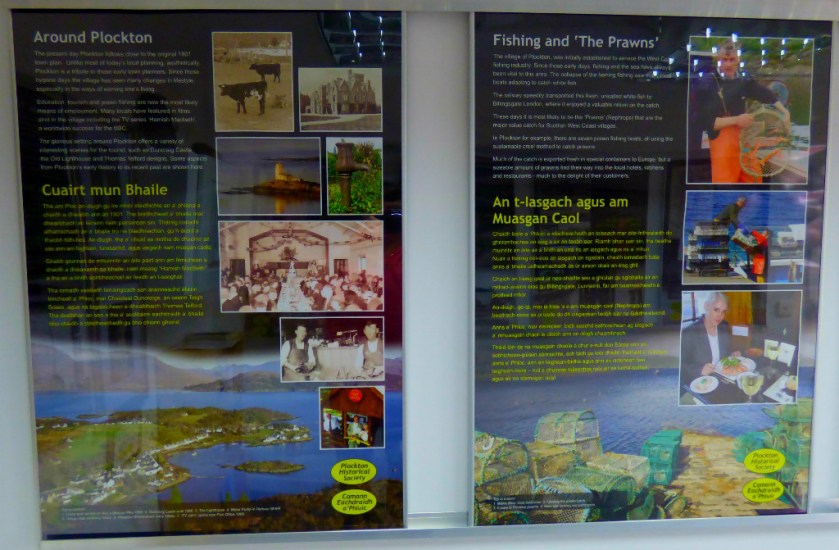
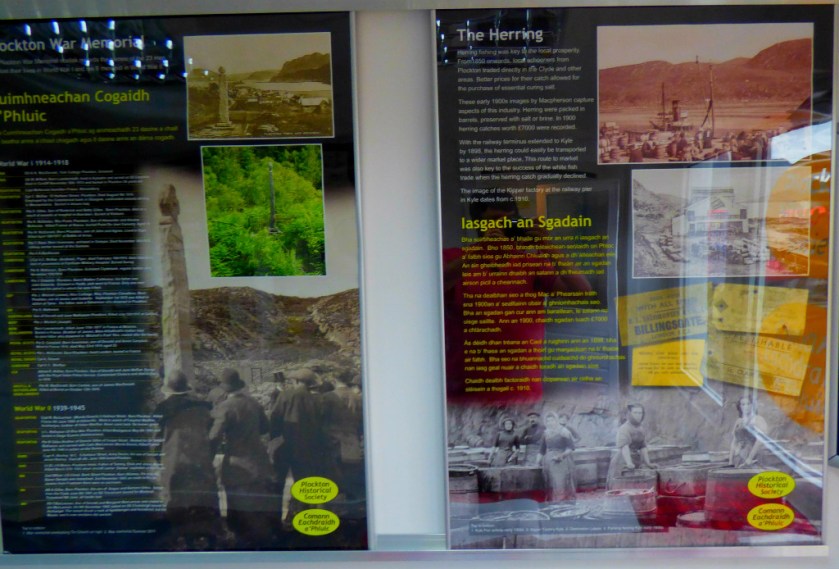
Plockton info board660Castle662Map, Plockton664Map Board - PlocktonHeritage Centre1Heritage Centre2Heritage Centre3Heritage Centre 4Heritage Centre 5Heritage Centre 6Heritage Centre 8Heritage Centre 9

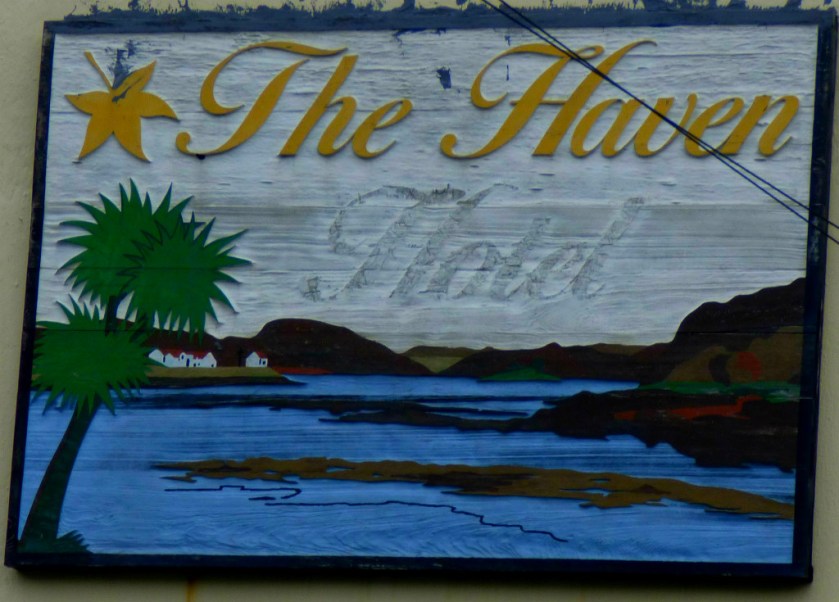
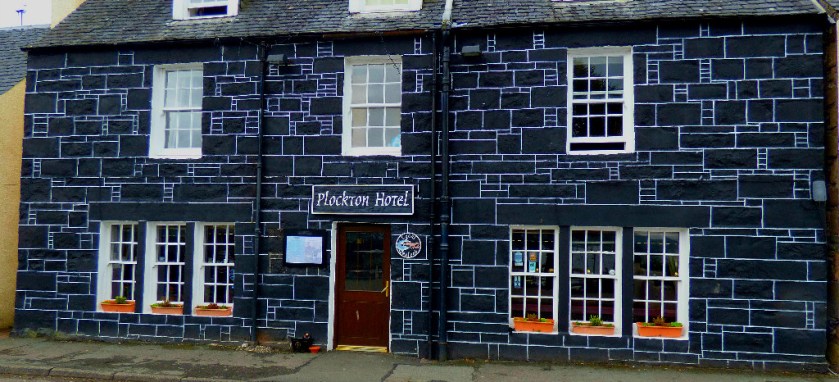
Plockton Hotel
This ‘stone-look’ frontage is a fail as far I as am concerned.

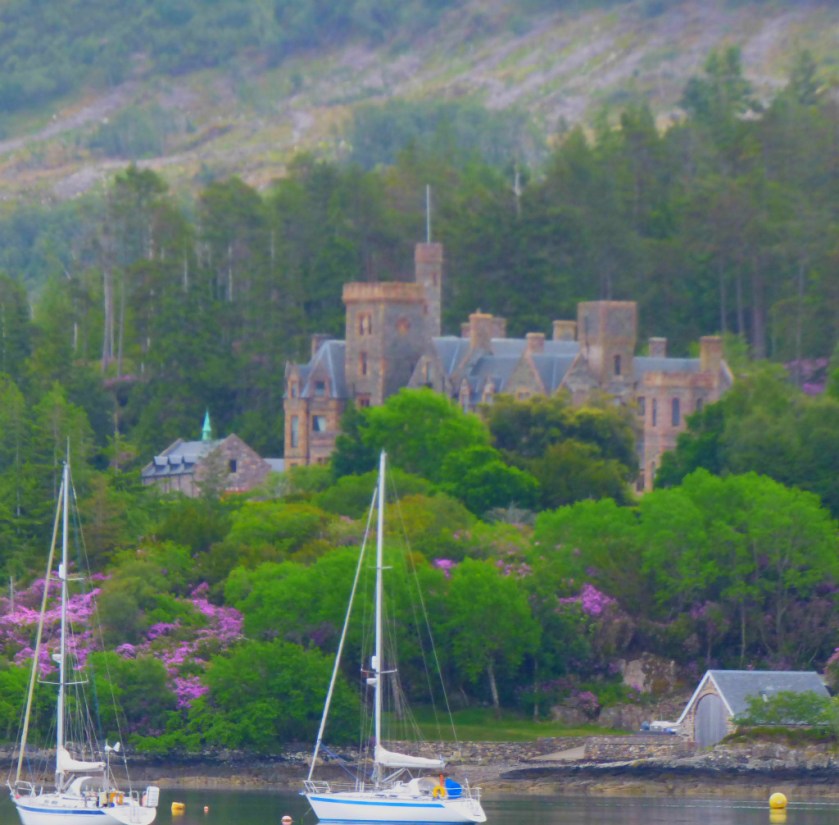
Island, PlocktonCastle, PlocktonRailway History

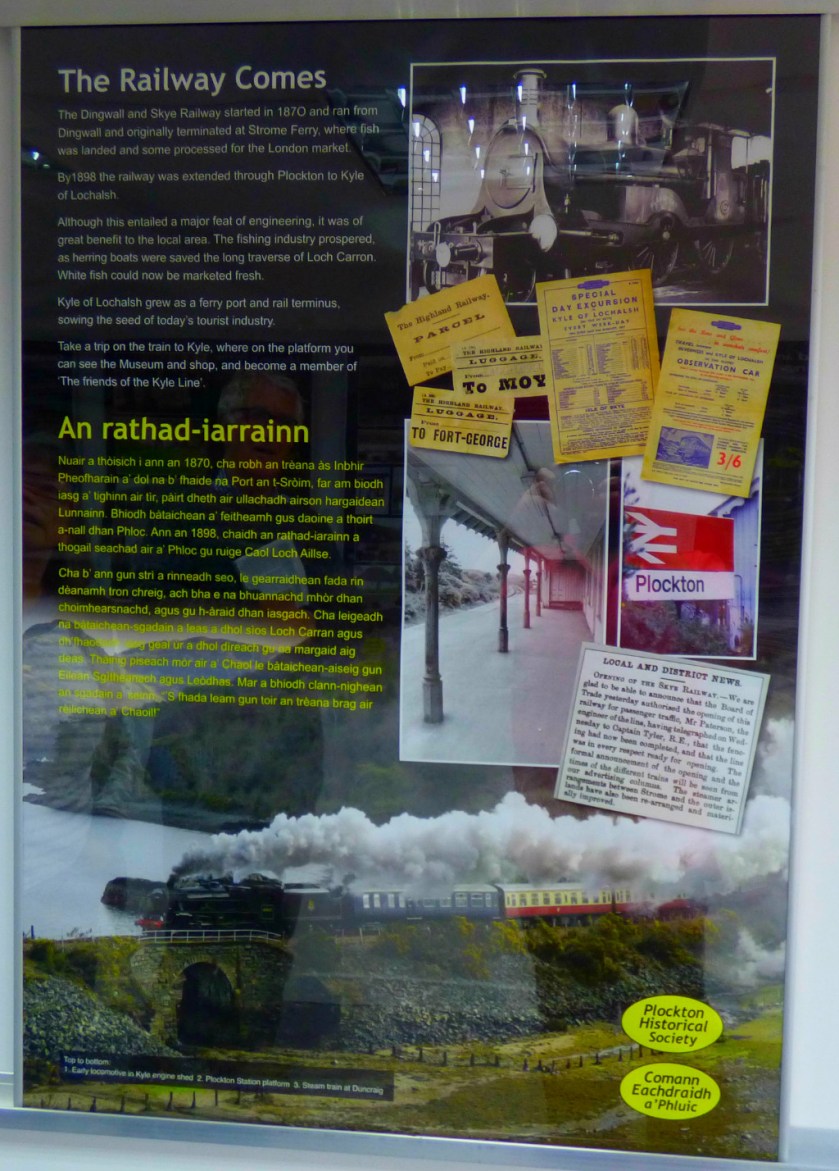
Black and White Railway Cigarette Cards

A whistle-stop tour of some railway themed cigarette cards.

INTRODUCTION

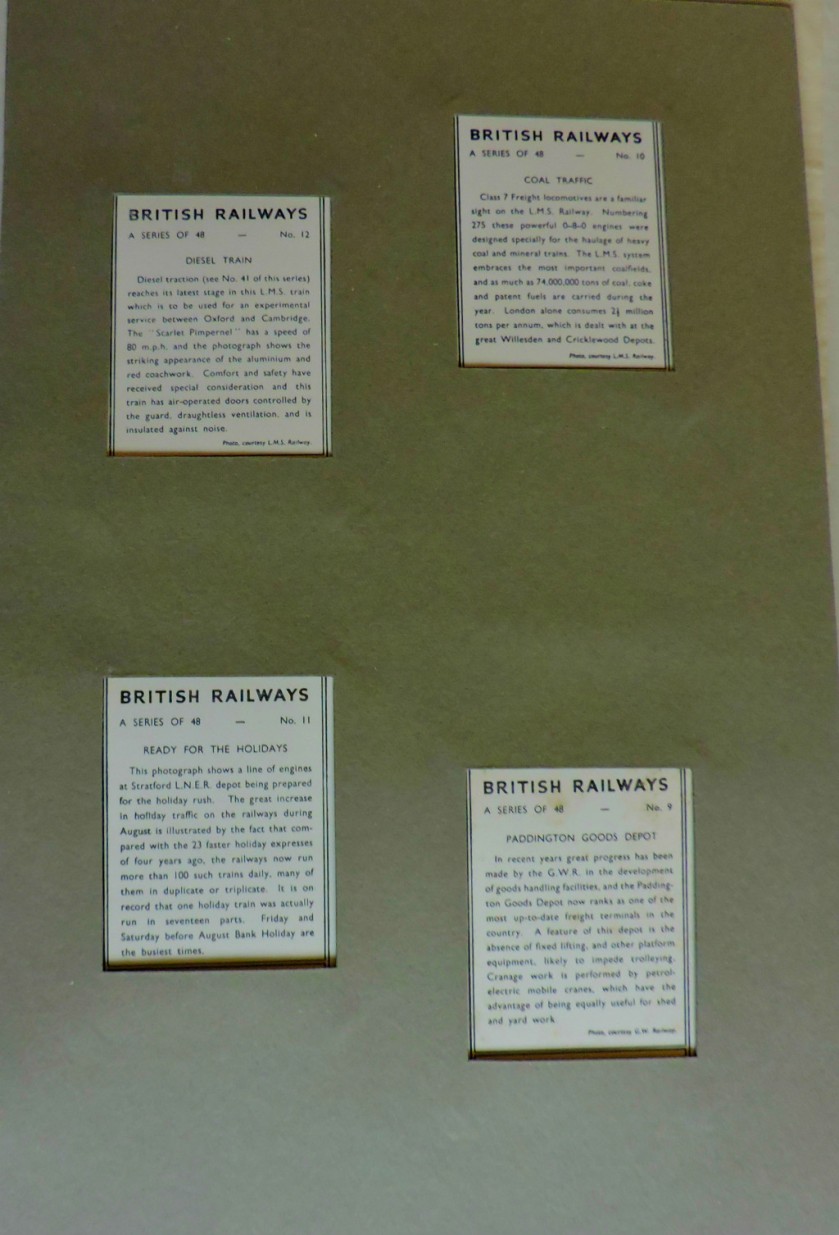
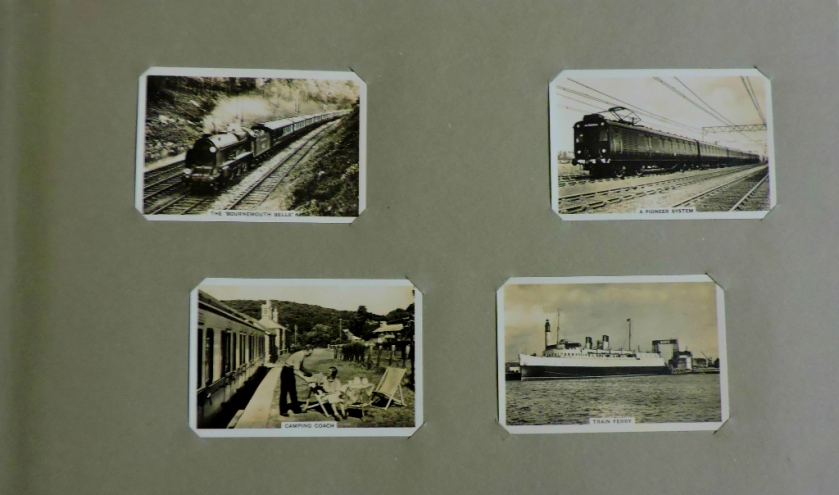
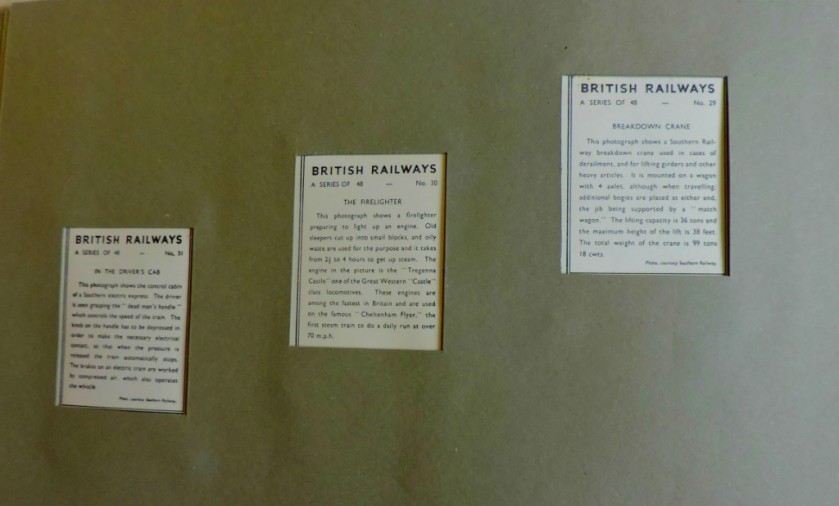
This post is dedicated to the last of four lots that fell my way at James and Sons’ April auction (all exceedingly cheap – uncontested minimum bids in each case), lot 1186 which was a stout booklet of railway themed cigarette cards. This set dates from 1938.

PAGE BY PAGE THROUGH THE BOOK

DSCN6476
I have organised these images showing pictures first and then the text on the reverse for each page, except for a couple where I forgot to photograph the text.

DSCN6477DSCN6478DSCN6479DSCN6480DSCN6481DSCN6482DSCN6483DSCN6484DSCN6485DSCN6486DSCN6487DSCN6488DSCN6489DSCN6490DSCN6491DSCN6492DSCN6493DSCN6494DSCN6495DSCN6496DSCN6498DSCN6497DSCN6499

SOME CLOSE UPS

I also took some close ups of particular cards that caught my fancy. 

CLOSE UP 1: LONDON UNDERGROUND STOCK

This prototype was not adopted on a large scale – the 1938 stock that came into service just after these cards were produced did not have the frontage that this stock did (I travelled on 1938 stock in my childhood, since the last specimens were only withdrawn from service in 1985, and even after that a few were used to run services on the Isle of Wight Railway). My estimate from the picture is that this particular train was somewhere near Southgate when it was photographed. There is a carriage of 1938 stock on display in the London Transport Museum, Covent Garden.

DSCN6504DSCN6505

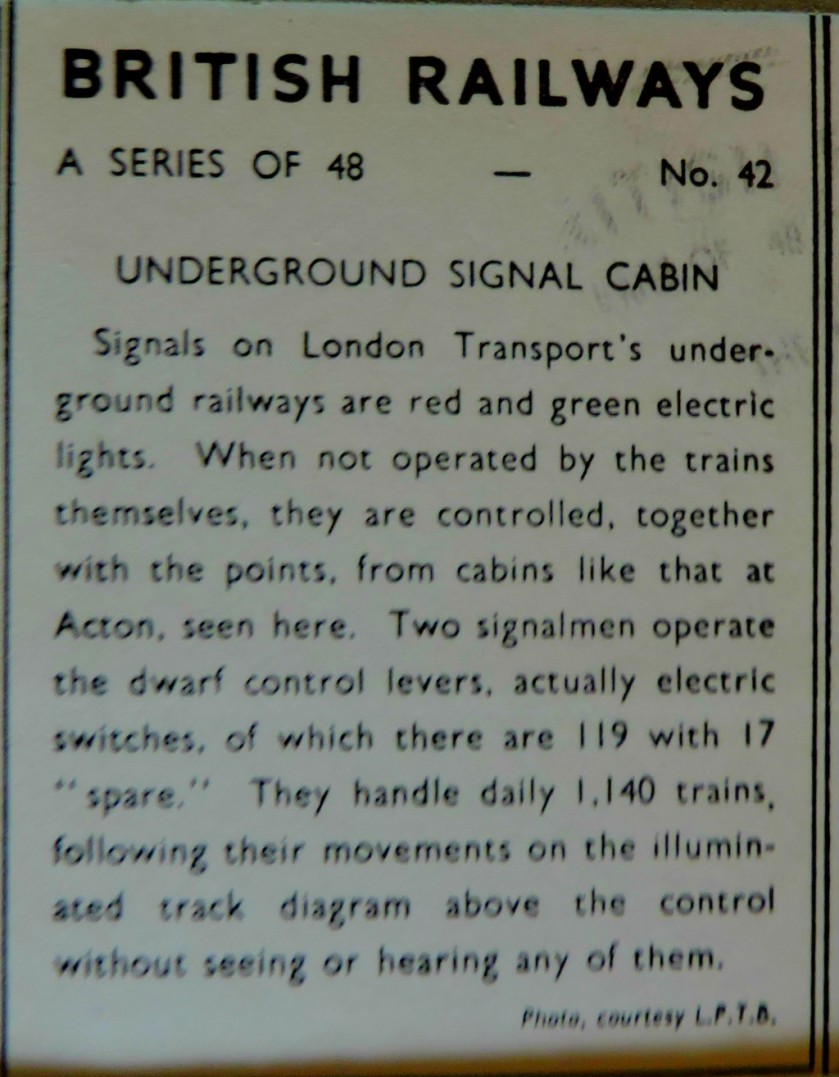
CLOSE UP 2: A LONDON UNDERGROUND SIGNAL ROOM

Even in 1938 most signals on London Underground were automatically triggered by trains, but there is human input as well…

DSCN6500DSCN6503

CLOSE UP 3: TWO TRAINS IN ONE

The sheer quirkiness of this appealed to me:

DSCN6501DSCN6502

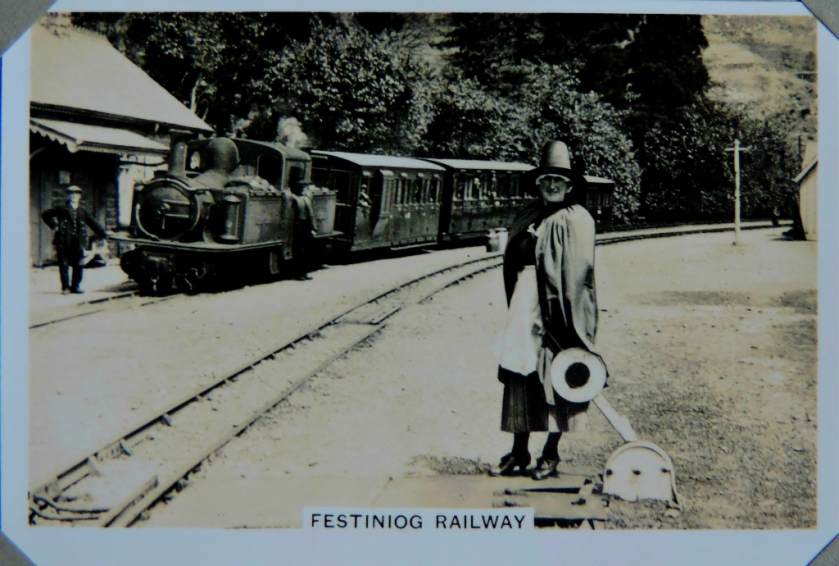
CLOSE UP 4: THE FFESTINIOG RAILWAY

This relates to my previous post. You will notice that the spelling on the cards is ‘Festiniog’. This is a reflection of anti-Welsh prejudice at the time (the Ff beginning is a Welsh language formation). For the low-down on today’s Ffestiniog Railway please visit their website.

DSCN6517DSCN6518


Railway Postcards and an ‘Autism Roundel’

Showcasing some railway themed postcards I have recently acquired and unveiling a personalised roundel.

INTRODUCTION

Hello and welcome to this post which focuses on some postcards I have recently acquired very cheaply at auction. 

THE RAILWAY POSTCARDS

I won two lots of railway postcards at James and Sons’ last auction. The first of these lots to end up in my possession was…

LOT 1015: FOUR BLACK AND WHITE CARDS

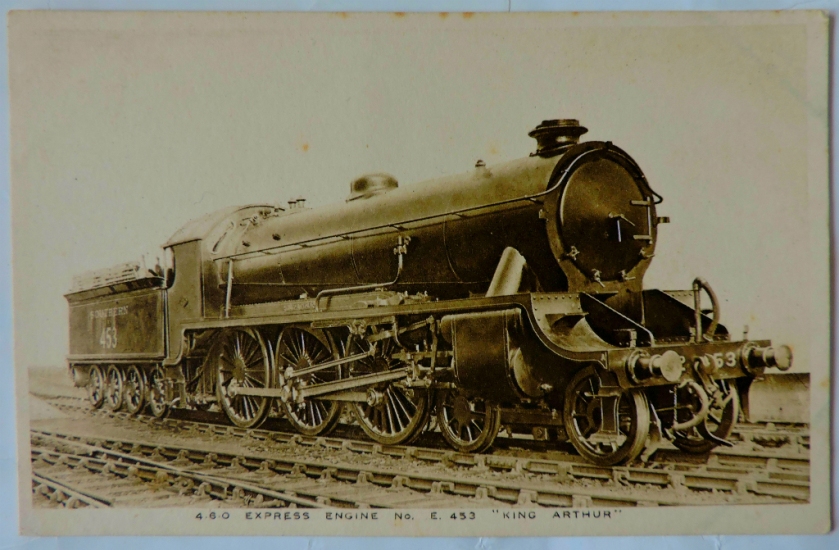
Three of these cards were of London and North Eastern Railway (LNER) locomotives while the fourth was of a railway station, tentatively identified in the catalogue as Ardley. Further research on my part revealed that the station is in point of fact Ardlui, a tiny dot on the map near the northern end of Loch Lomond. Here are some pictures of the cards:

Railway cards B+WKing ArthurEmpire of IndiaLNERLocoArdlui Station

While I was pleased to acquire these cards, especially at that price, the lot that meant most to me was…

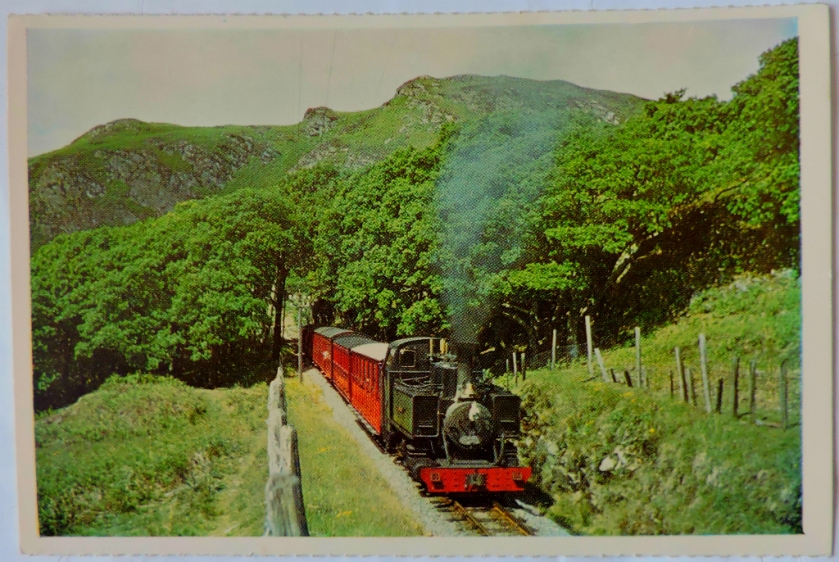
LOT 1017 – TEN COLOUR CARDS
OF THE FFESTINIOG RAILWAY

These cards had a particular resonance because I have travelled on this railway many years ago. It is a very narrow (1 ft 11in) gauge heritage railway which runs to about 40 miles.

Ffestiniog Railway Map

Here is a promotional video from the official website of the Ffestiniog Railway:

Before I show the postcards, here is a link to the Wikipedia page for the Ffestiniog Railway.

Ffestiniog-Railway-07419u.jpg

Now for those postcards, starting with the official image that everyone saw:

1017

Now here are the pictures of these cards taken in my own home:

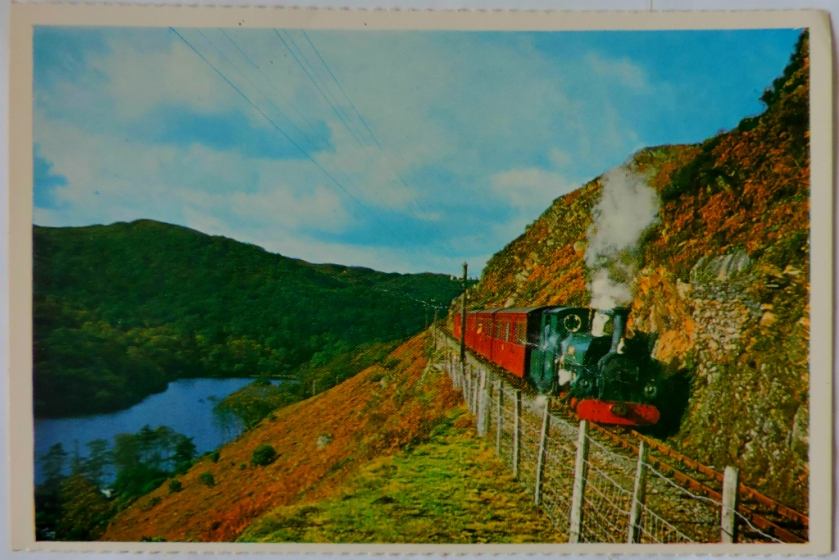
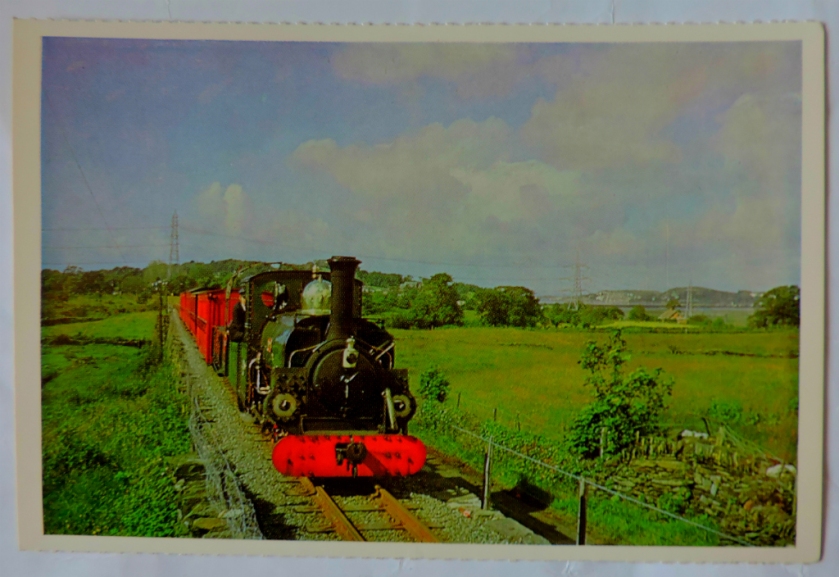
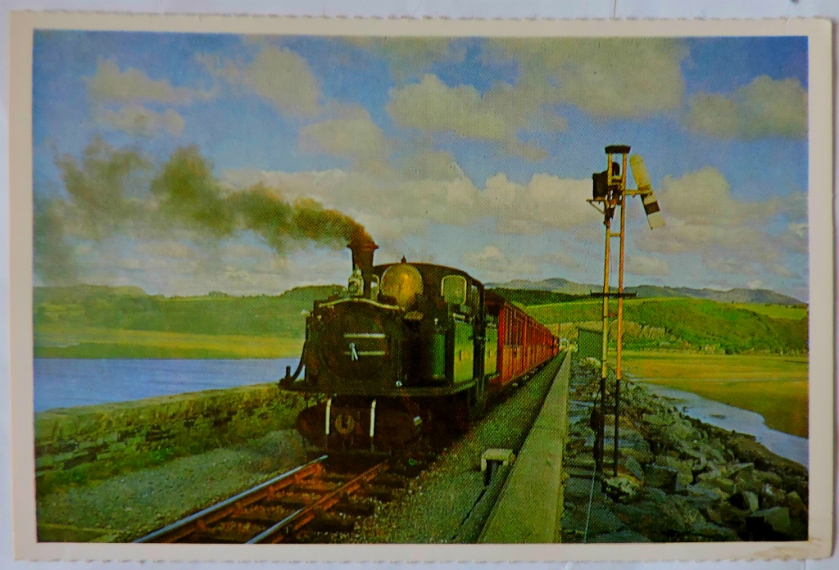
Ffestiniog Railway
All ten postcards in one shot.
Ffestiniog Railway 1-3
Postcards 1-3
Ffestiniog Railway 4-6
Postcards 4-6
Ffestiniog Railway 7-10
Postcards 7-10
Ffestiniog Railway I1
Individual pictures of each postcard…

Ffestiniog Railway I2Ffestiniog Railway I3Ffestiniog Railway I4Ffestiniog Railway I5Ffestioniog Railway I6Ffestioniog Railway I7Ffestiniog Railway I8Ffestiniog Railway I9Ffestiniog Railway I10

THE AUTISM ROUNDEL

This is based on an autistic spectrum symbol that I found out about courtesy of Laina at thesilentwaveblog (see this post for more details). I was thinking about coming up with a suitable logo for my London transport themed website, and considered the possibility of using the rainbow infinity as the disk part of the famous London Underground roundel. If I decide to go with it, this is what my personalised roundel looks like:

Roundel 1